
Posted on 05 Feb 2026
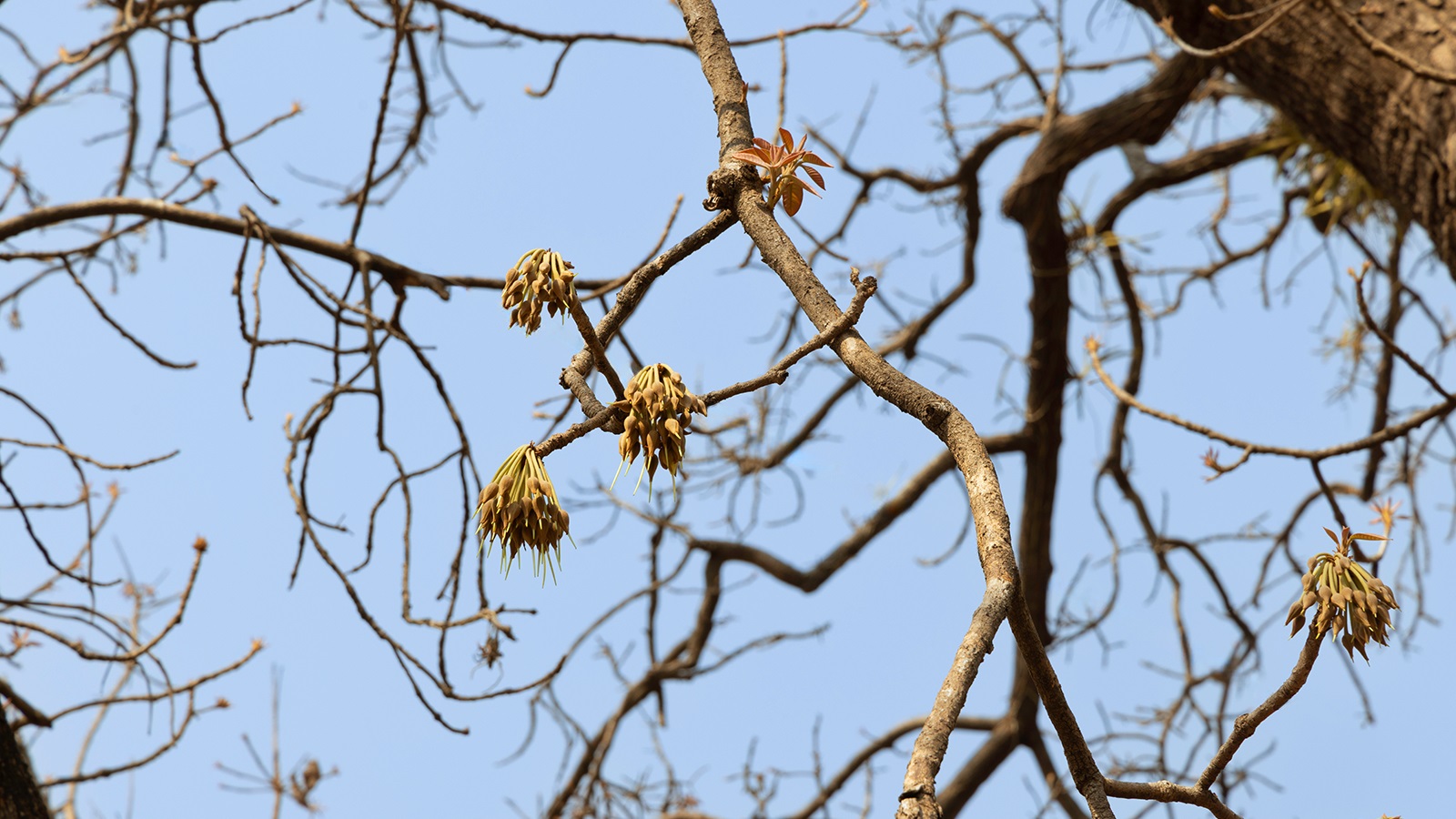
The Madhuca tree is one of India’s most valuable indigenous trees, known for its edible flowers, oil-rich seeds, and deep cultural roots. Scientifically called Madhuca indica, this species has supported forest communities for centuries through food, fermentation, oil production, and seasonal income.
You may also see it referred to as Madhuka, a linguistic and regional variation of the same tree. Whether searched as Madhuca, Madhuca indica, or Madhuka tree, they all point to the same remarkable species that continues to shape India’s traditional and modern relationship with forest resources.
This guide explains what the Madhuca tree is, how it grows, how it’s used, and why it matters today.Madhuca is a genus of trees in the Sapotaceae family, with Madhuca indica being the most widely known and used species in India. The term Madhuka tree is commonly used in classical texts, regional languages, and traditional knowledge systems to refer to the same tree known today as Mahua.
In practical usage:
All four terms describe the same culturally and economically important tree.
The Madhuca indica tree is evergreen to semi-evergreen and can grow up to 20 meters tall. It thrives in dry deciduous forests and semi-arid regions, particularly across central, eastern, and western India.
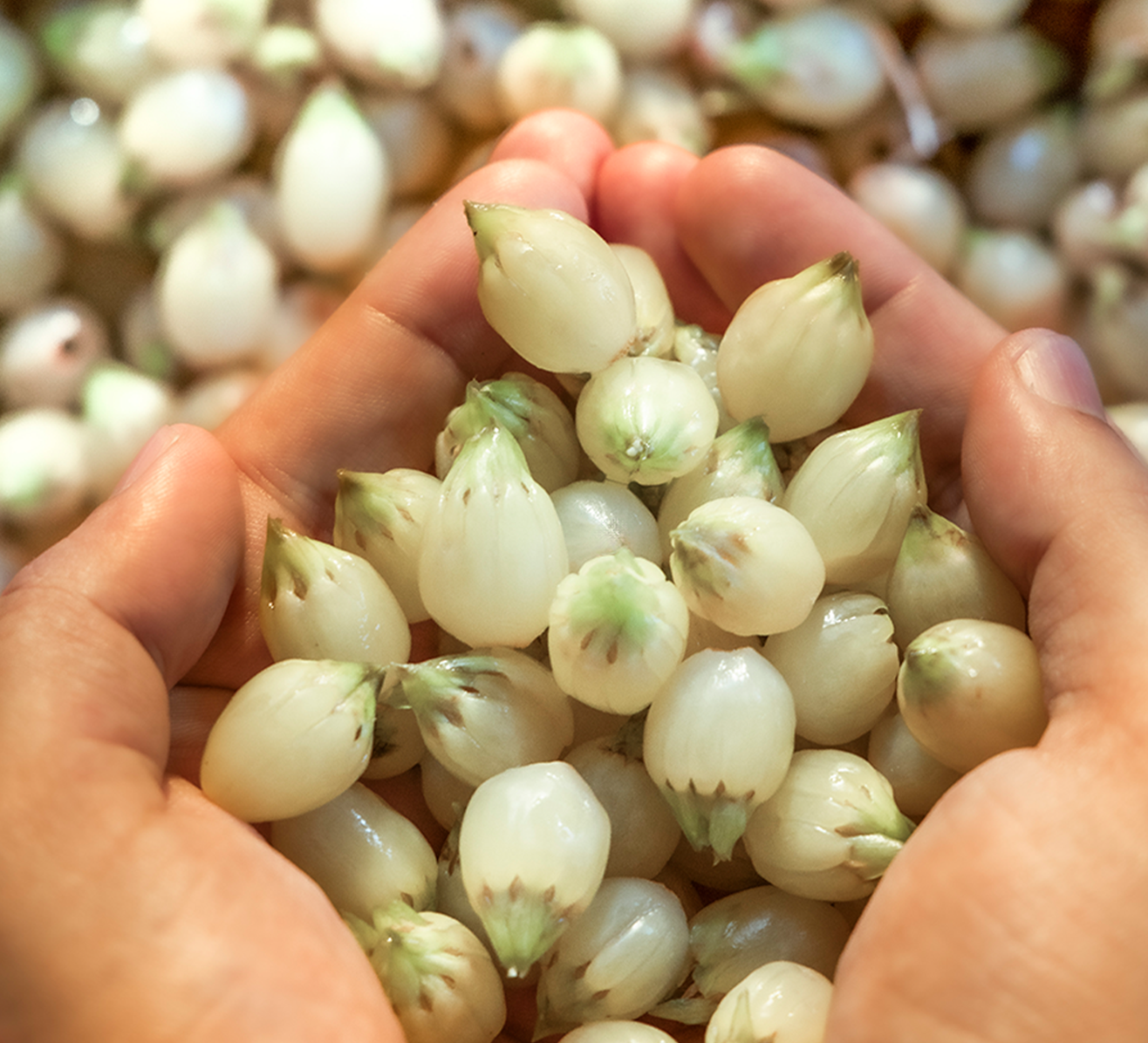
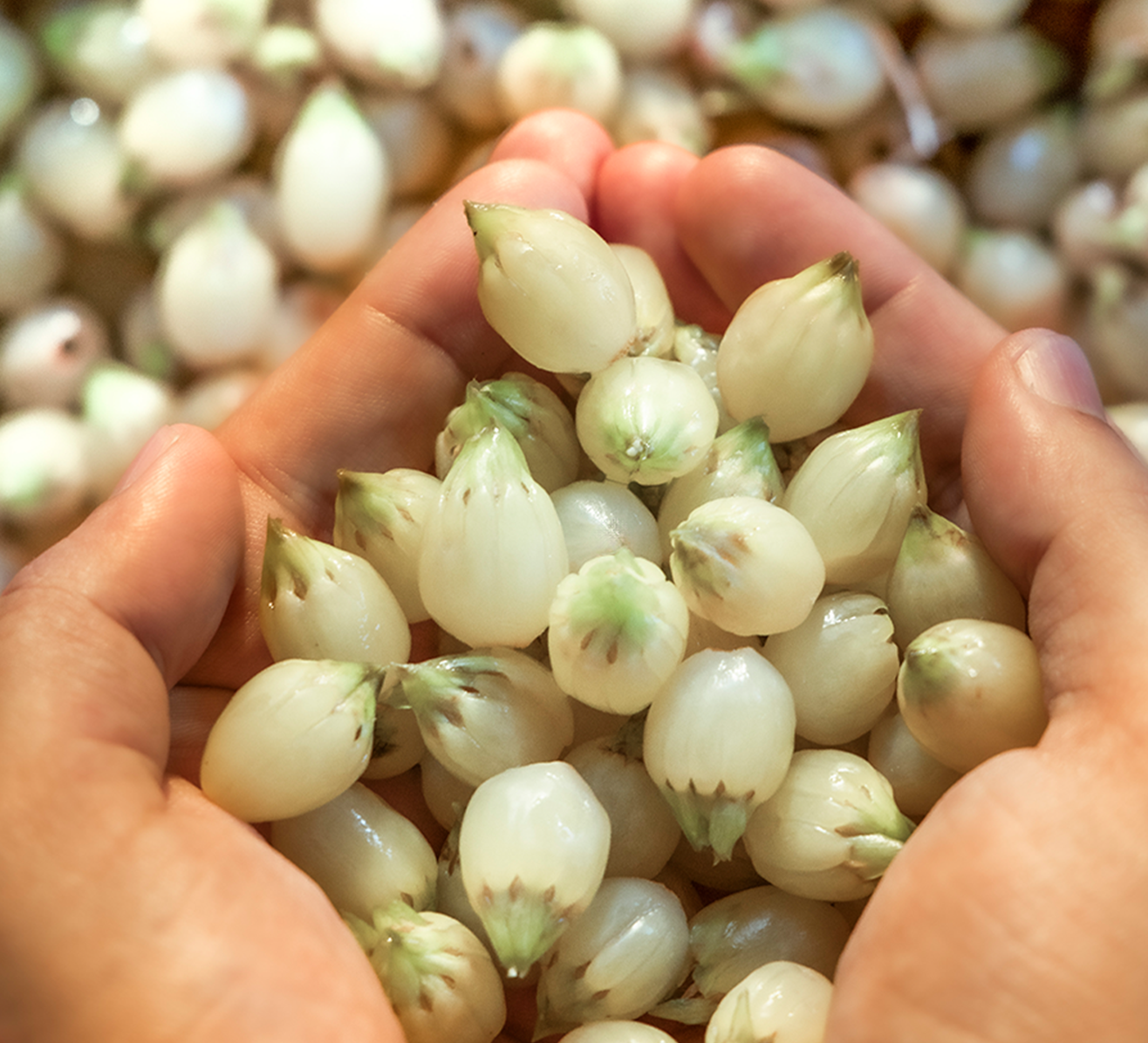
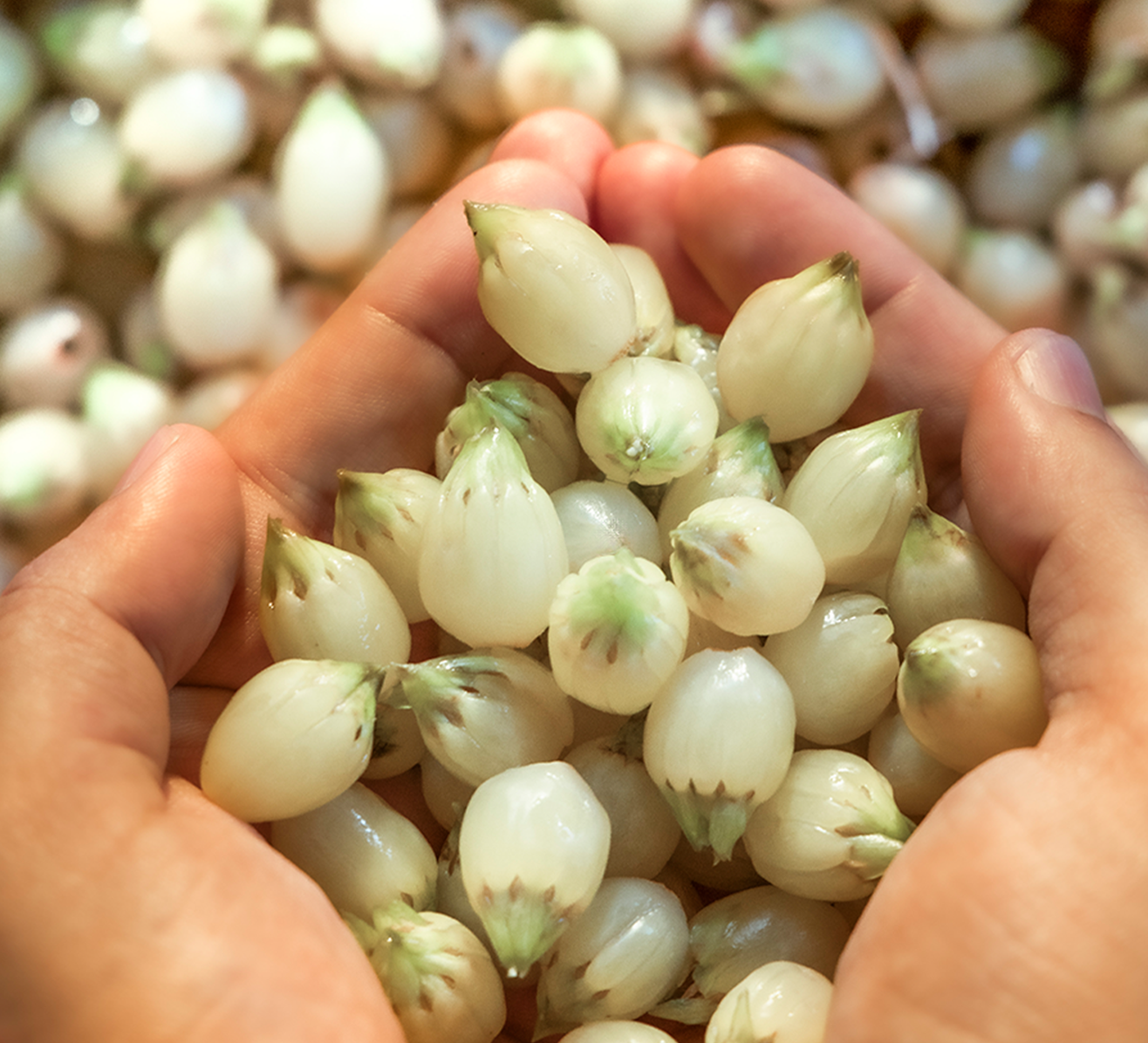
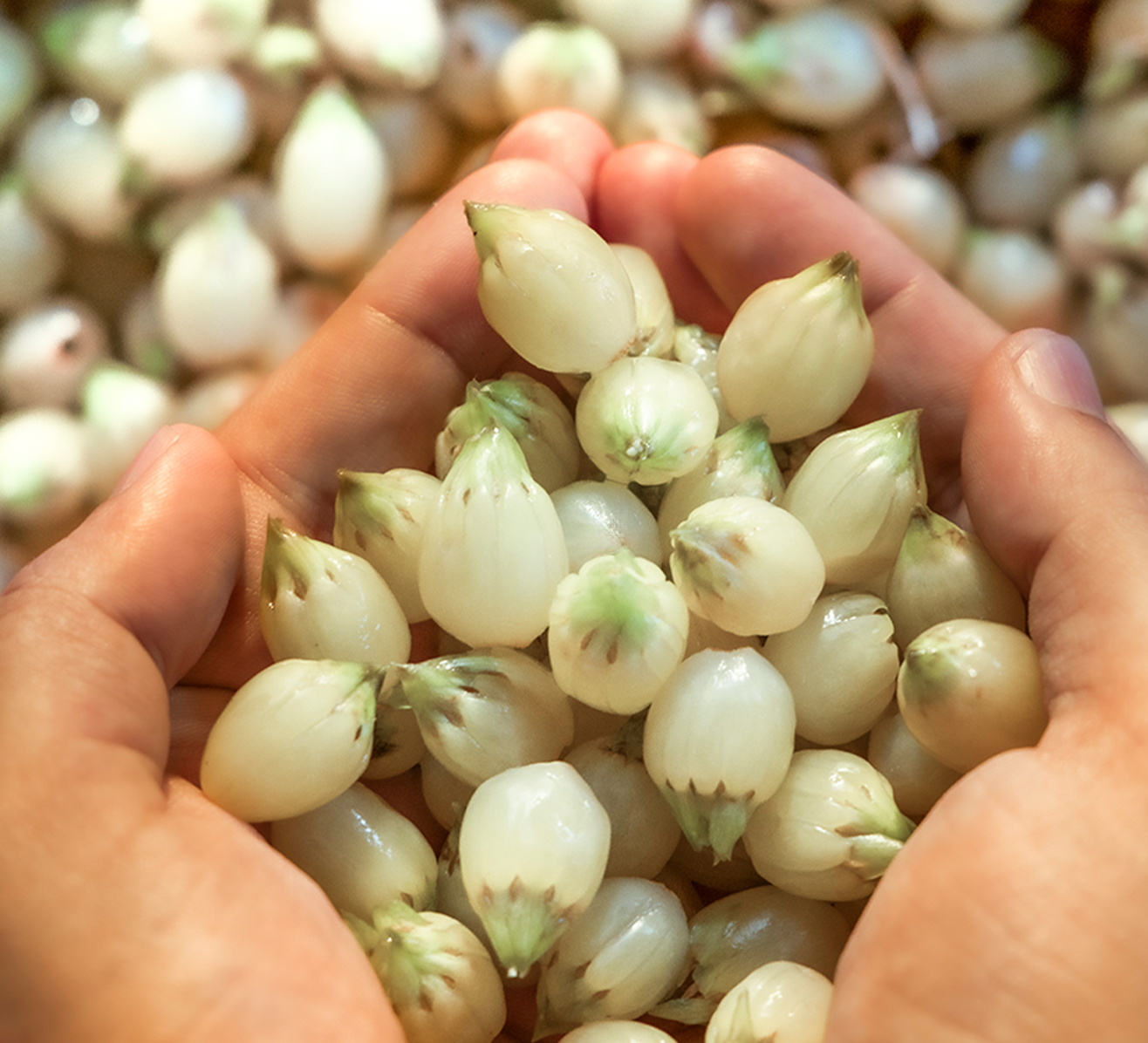
What makes the Madhuca tree exceptional is its resilience. It survives in poor soils, tolerates drought, and requires minimal human intervention, making it ideal for forest ecosystems where intensive agriculture is not possible.The flowers of the Madhuca tree are its most distinctive feature.
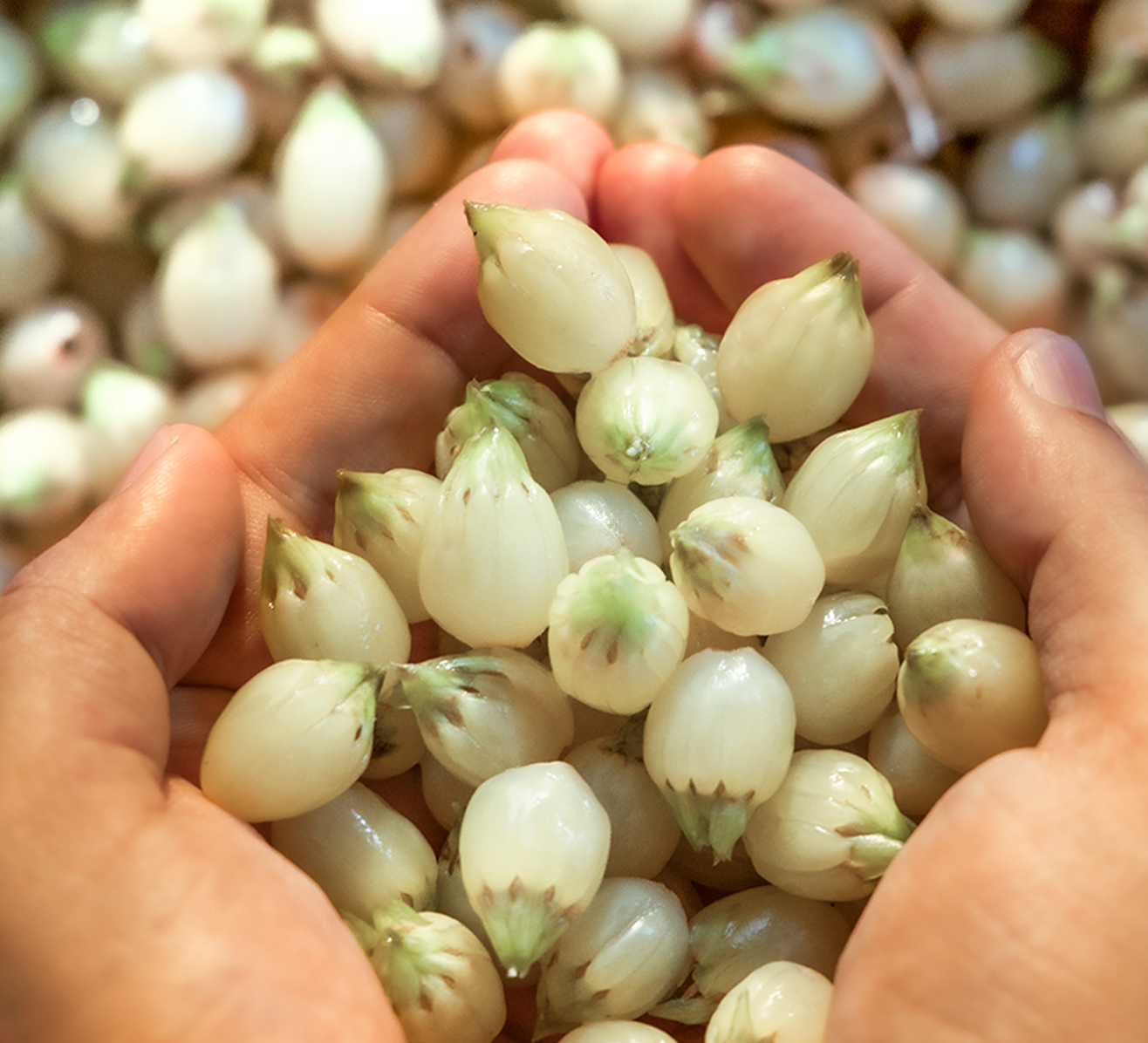
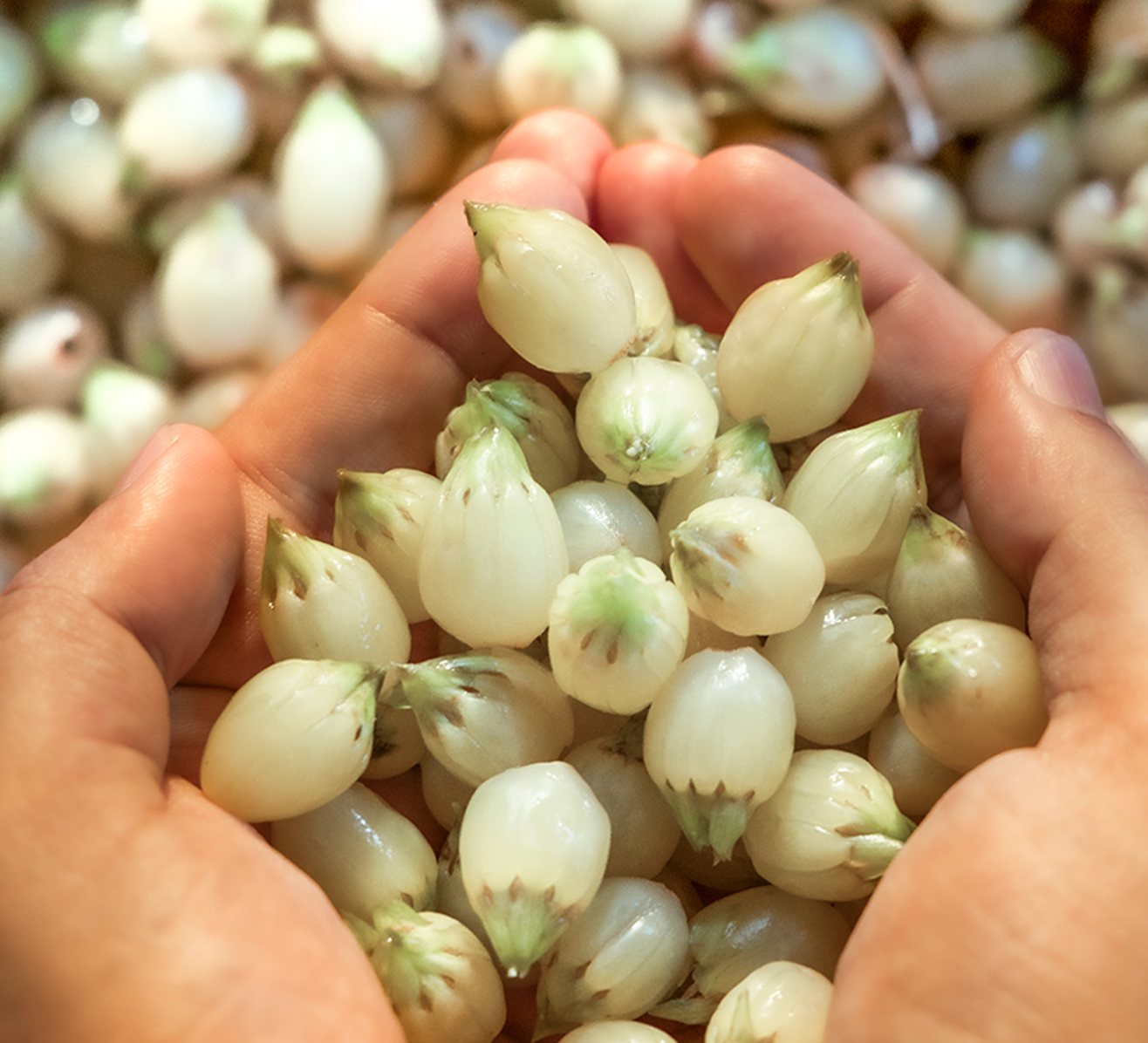
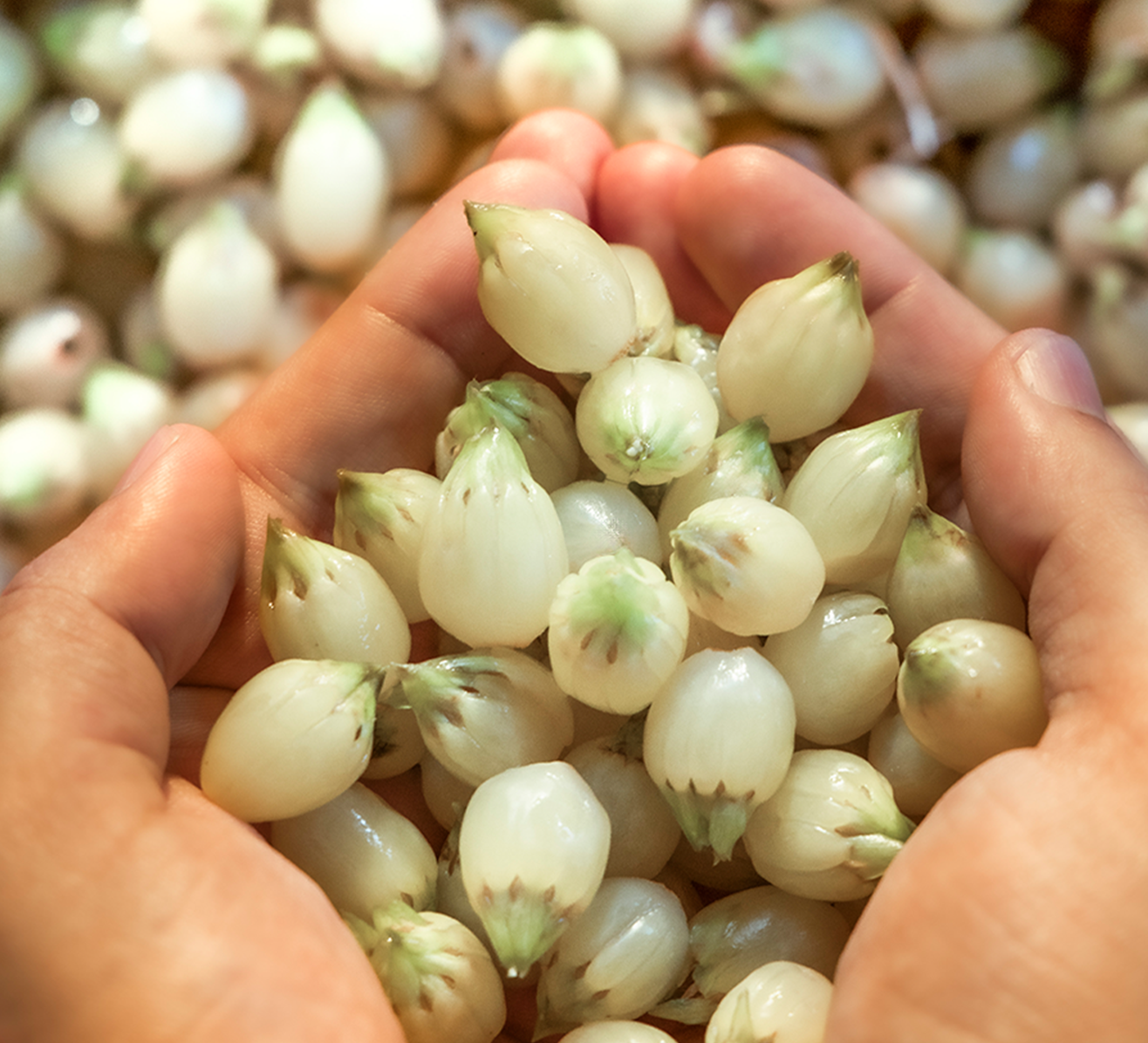
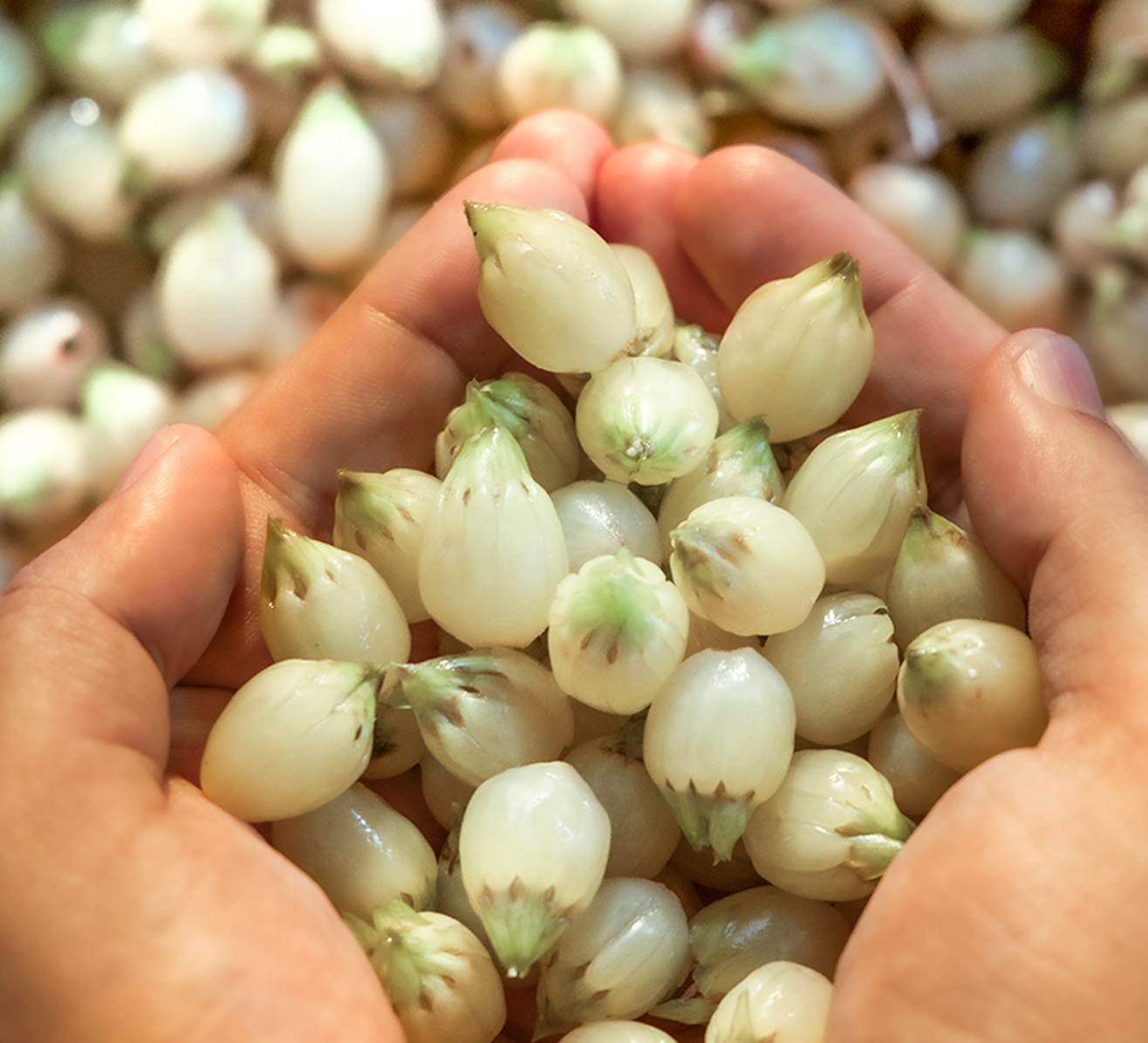
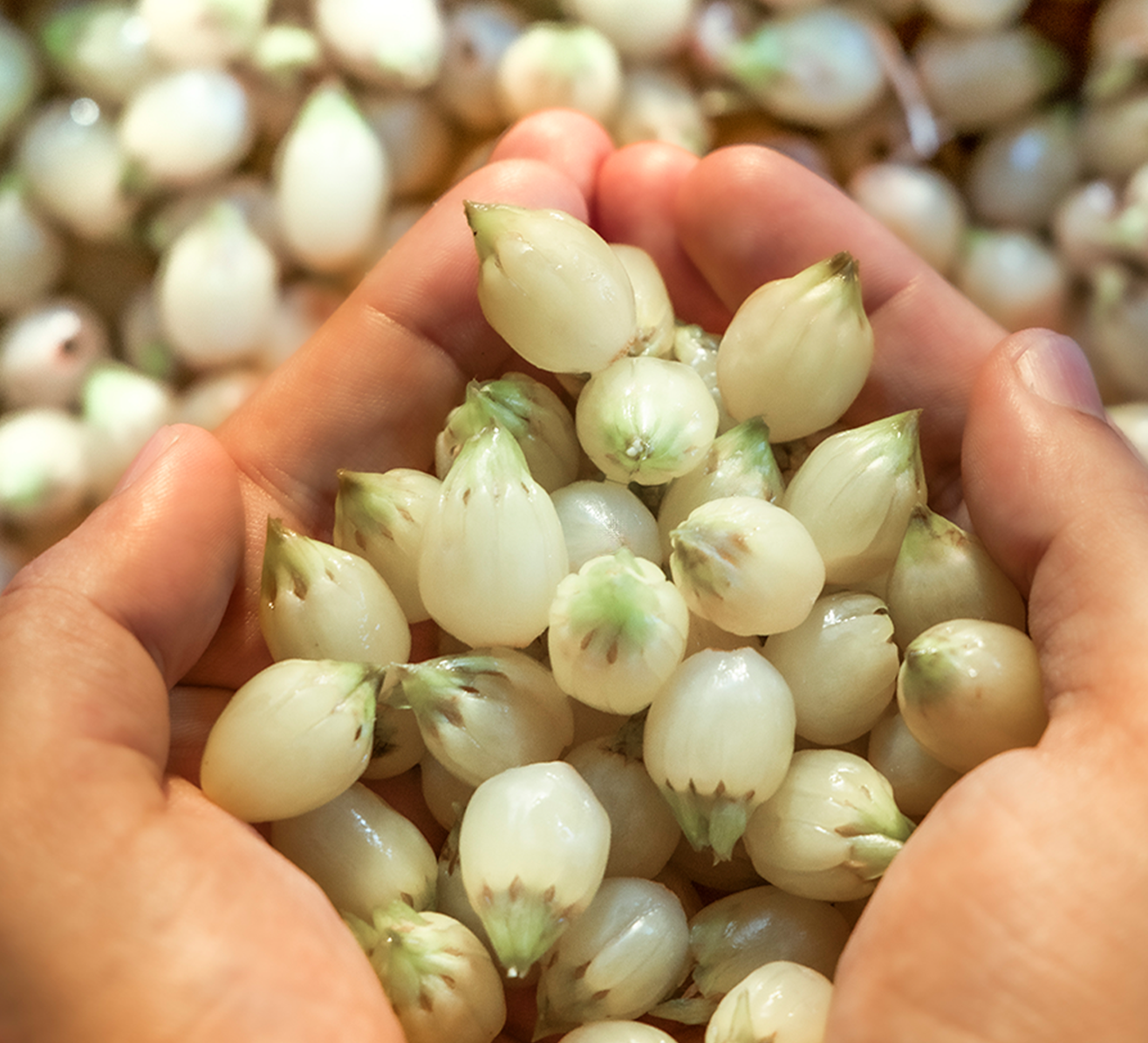
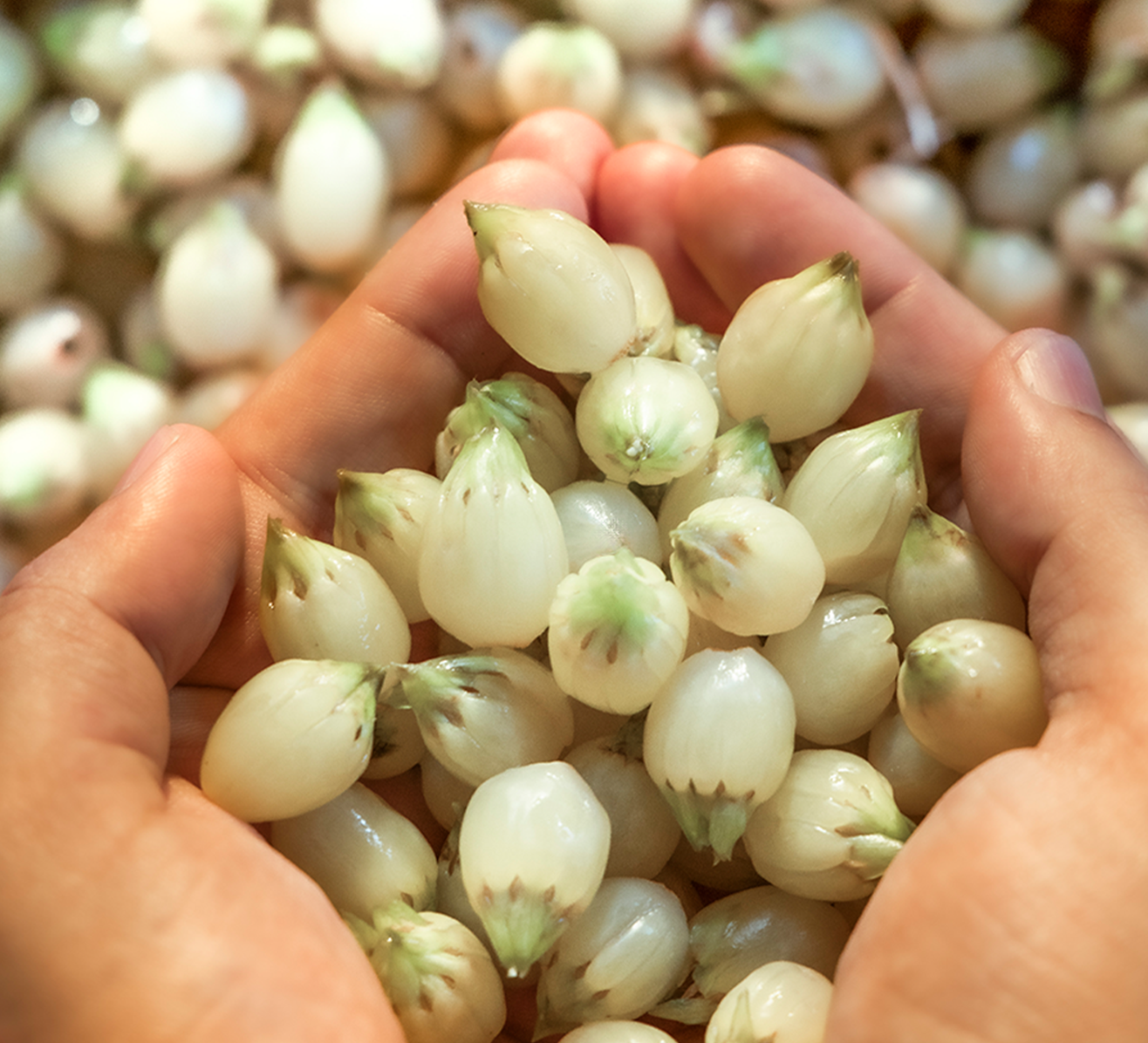
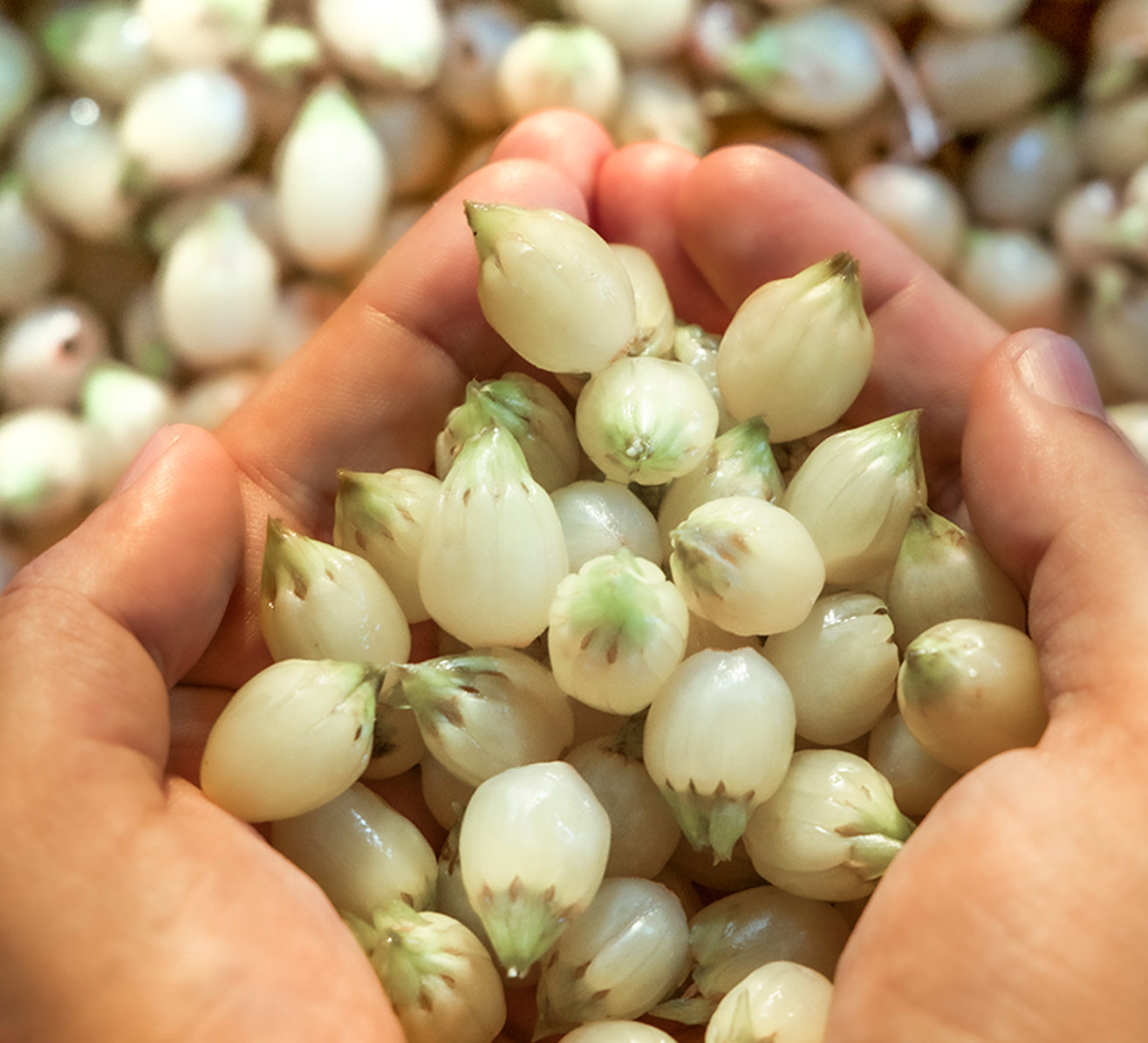
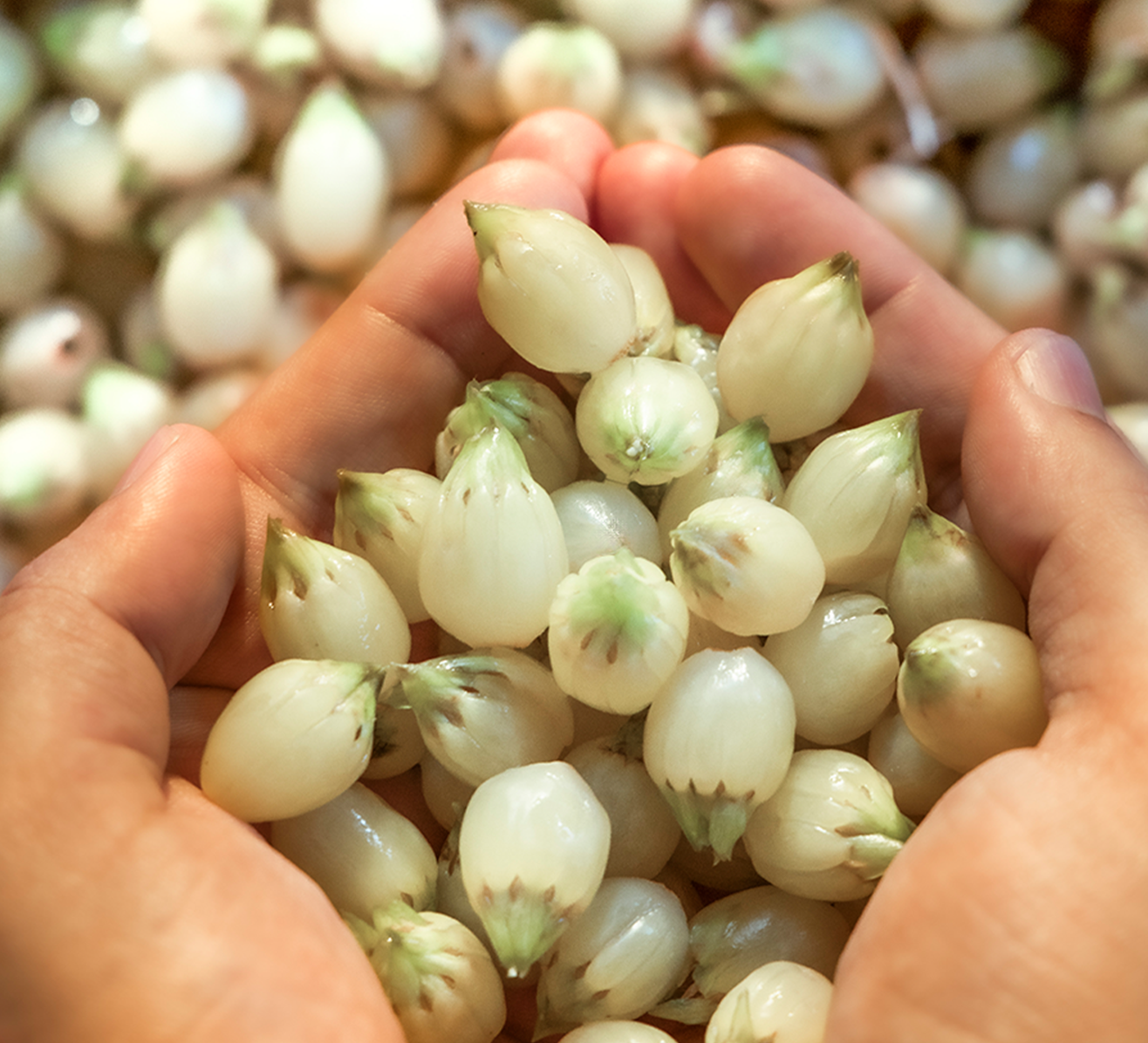
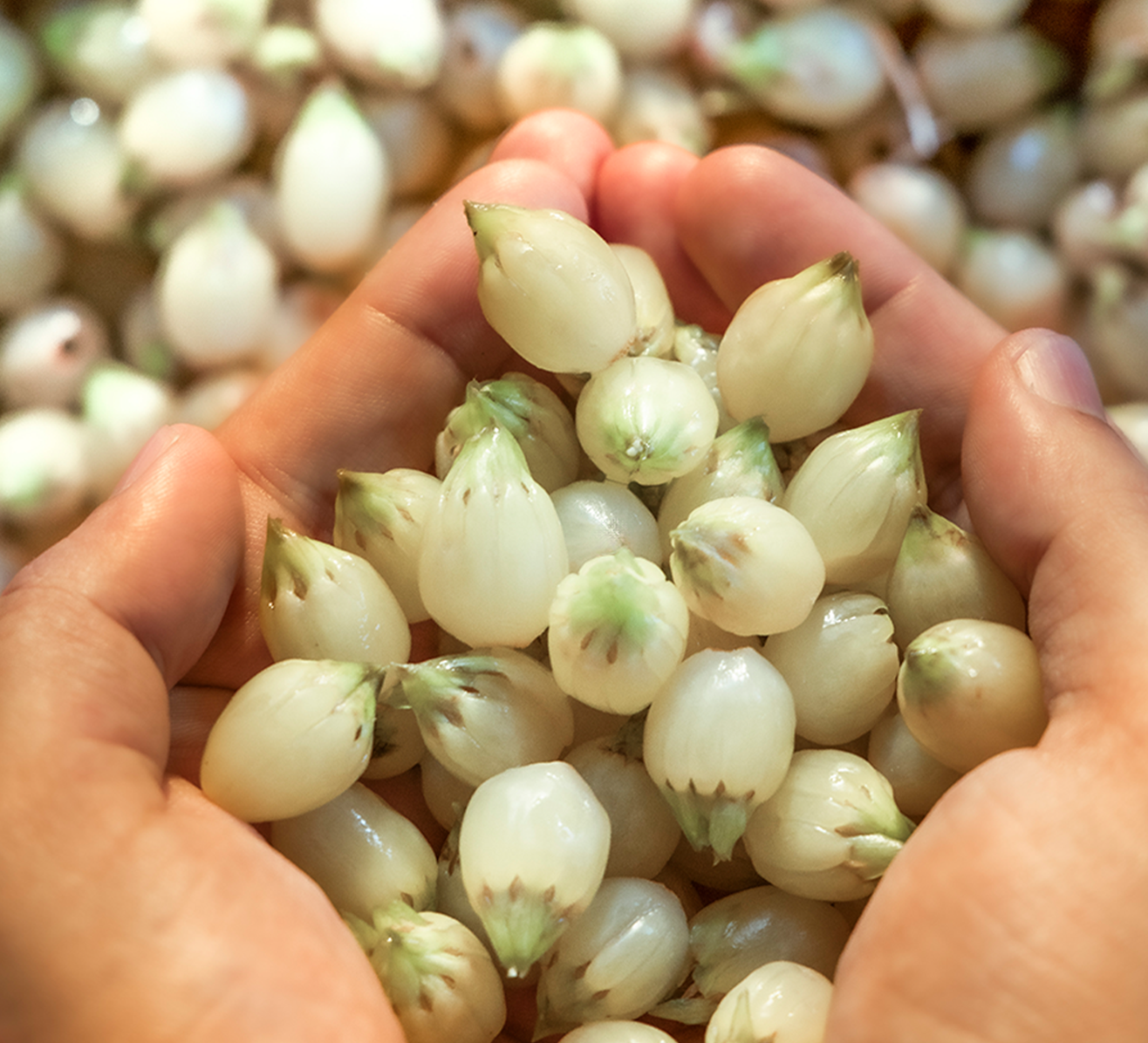
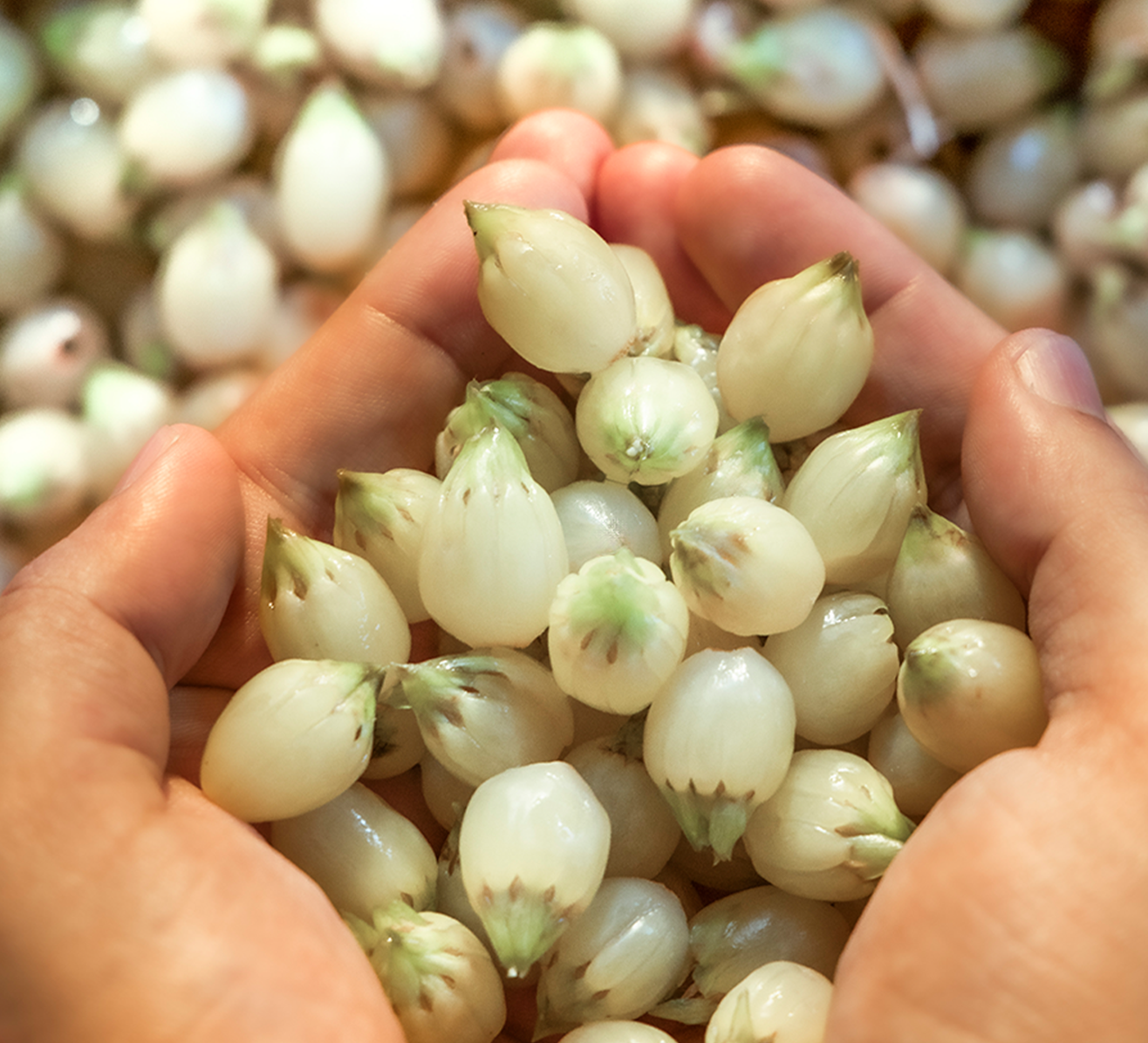
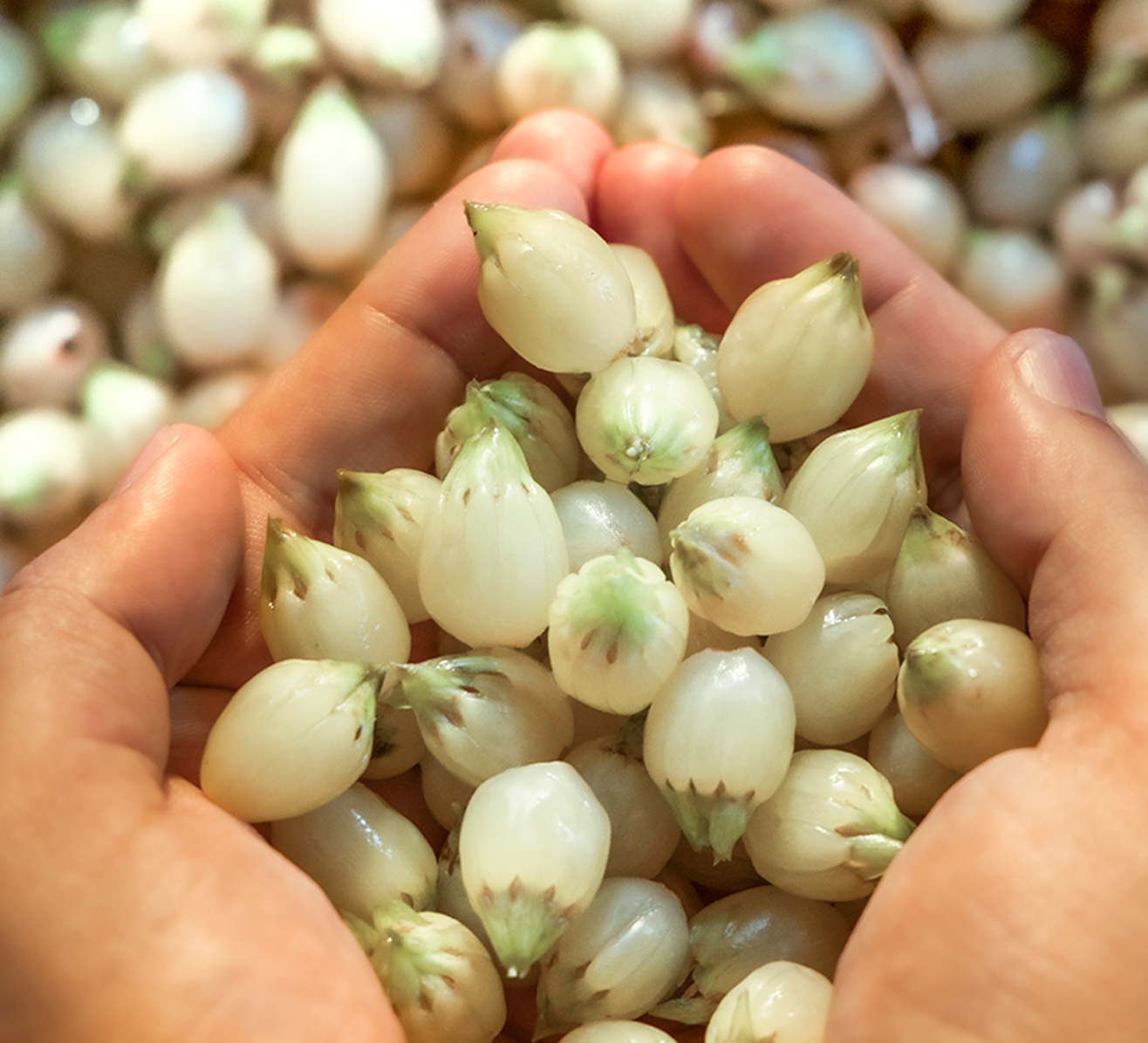
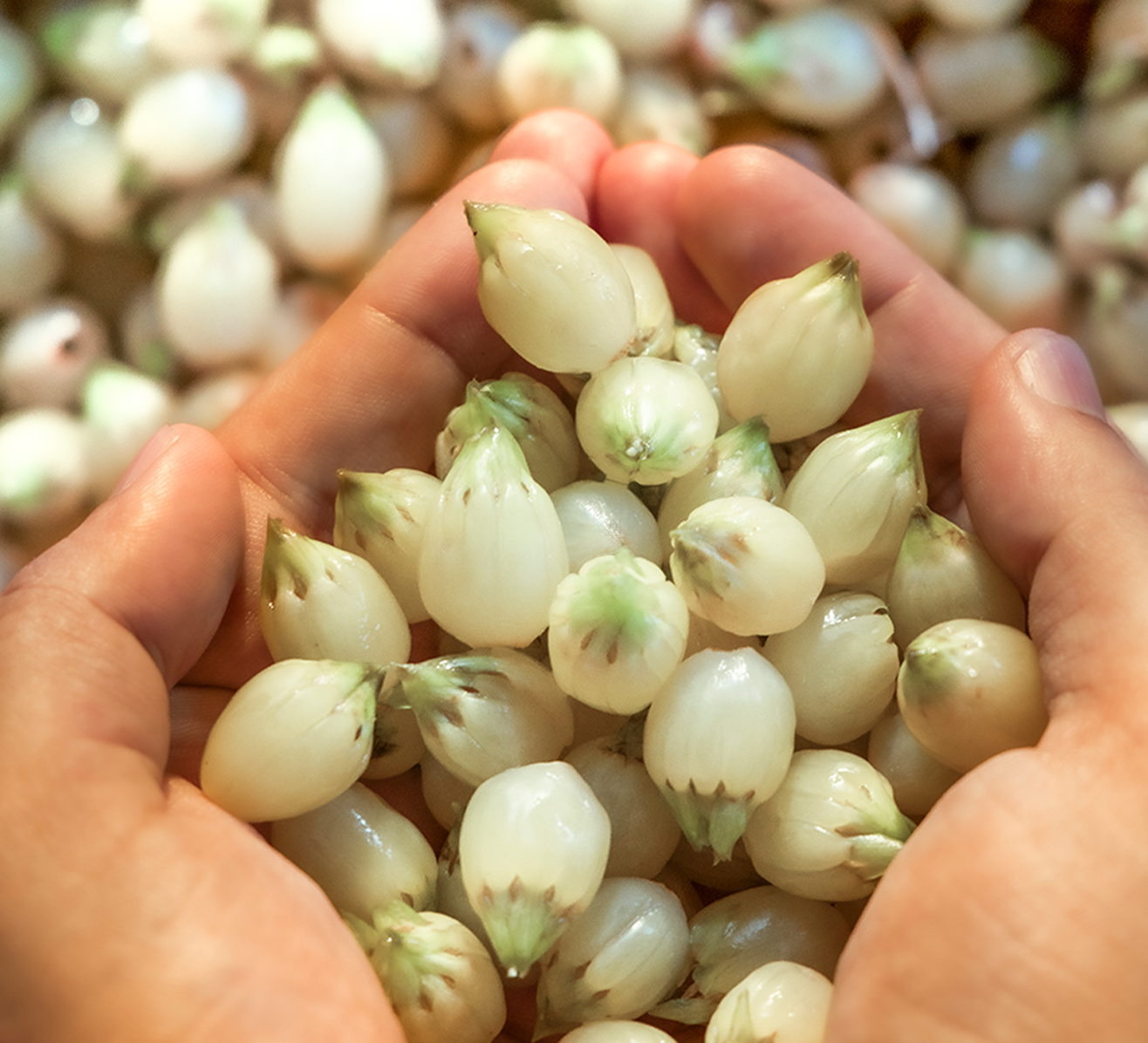
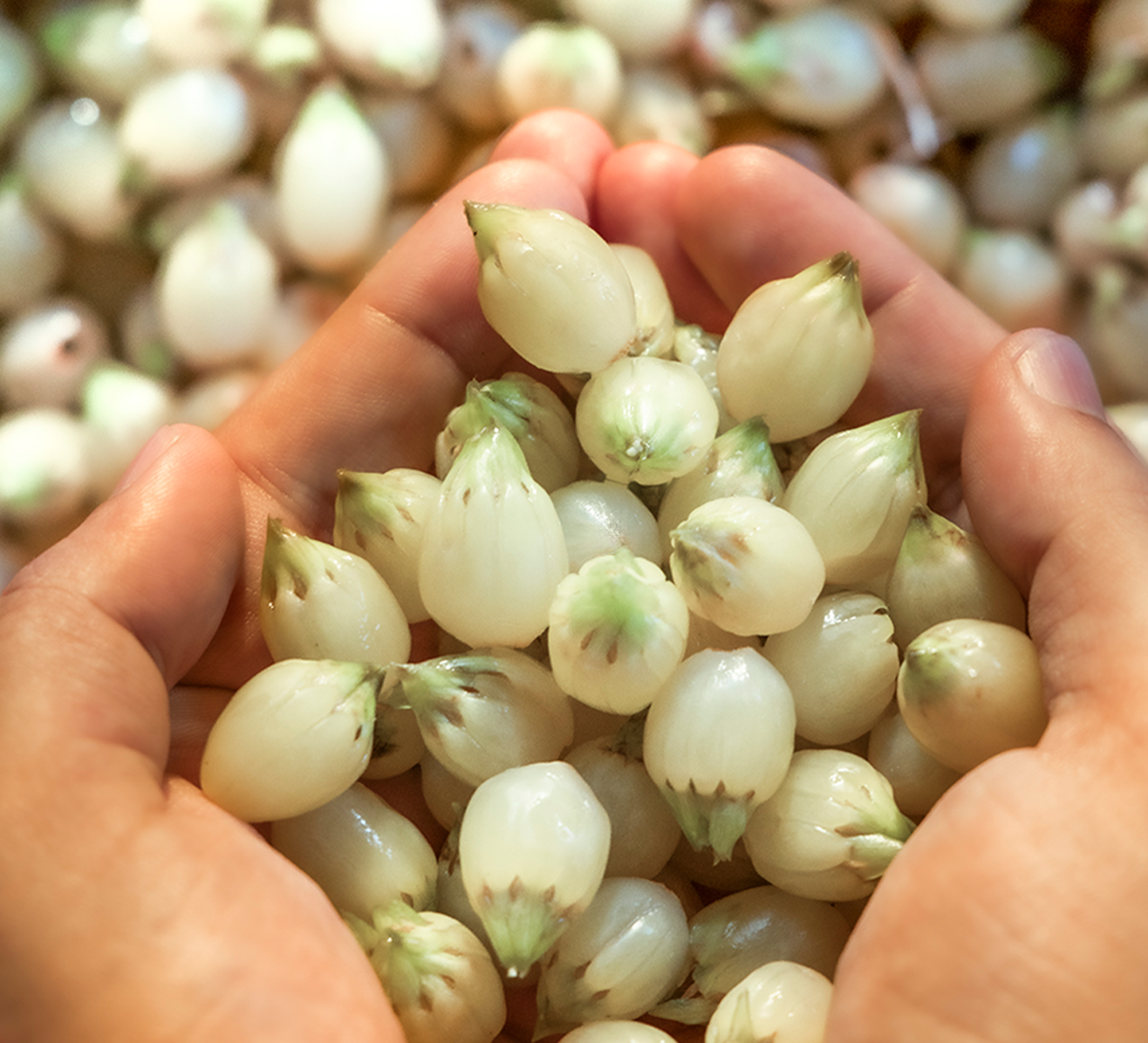
Unlike most flowering trees, Madhuca flowers are not plucked. They are collected from the ground early in the morning after natural shedding, which preserves both sweetness and aroma.
Once collected, the flowers are sun-dried and can be stored for months without spoilage.
For centuries, Madhuka flowers have been central to local diets and traditions.
Because the flowers contain natural sugars, fermentation occurs easily without added yeast or sugar. This made Madhuca an accessible and reliable resource long before modern food processing existed.
After flowering, the Madhuca tree produces green, oval-shaped fruits.
The seeds are pressed to extract Madhuca oil, traditionally used for:
Madhuca oil is valued for its stability, especially in rural and forest settings where long shelf life matters.
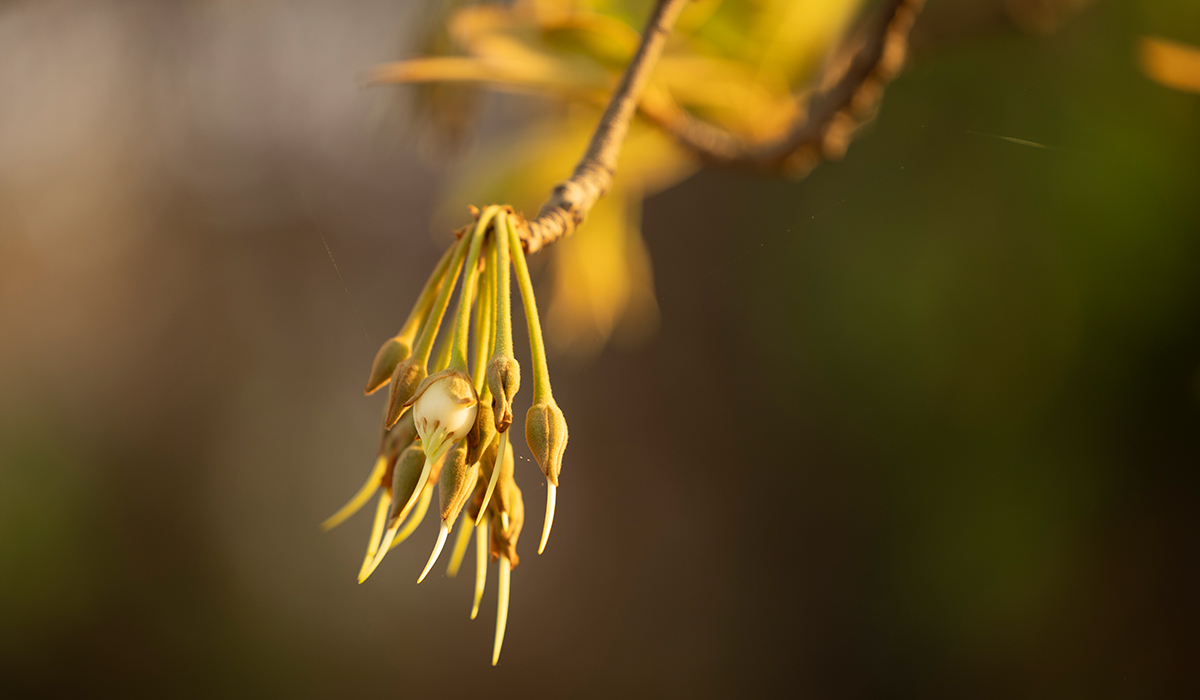
Madhuca indica typically flowers once a year, most commonly between March and April, though timing varies slightly by region.
This short flowering window makes the harvest:
Entire families and villages often participate in flower collection, drying, and storage. This seasonality gives the Madhuka tree strong cultural significance beyond its economic value.
For local communities, Madhuca is not just a tree. It is livelihood, tradition, and identity.
The Madhuka tree supports:
The skills required to harvest, dry, ferment, and store Madhuca products are learned within families and preserved through practice rather than written instruction.
Madhuca flowers ferment naturally due to their sugar content and naturally occurring yeast.
Traditional fermentation generally involves:
This slow fermentation forms the base of traditional Madhuca-based beverages consumed in many forest regions.
In modern contexts, these same principles are being refined to ensure consistency, hygiene, and regulatory compliance, without losing the cultural essence of the process.
The Madhuca tree stands apart because:
Very few trees combine ecological resilience, cultural relevance, and economic value in the way Madhuca indica does.
Today, Madhuca is seeing renewed interest due to a broader appreciation for indigenous ingredients, sustainable sourcing, and culturally rooted production methods.
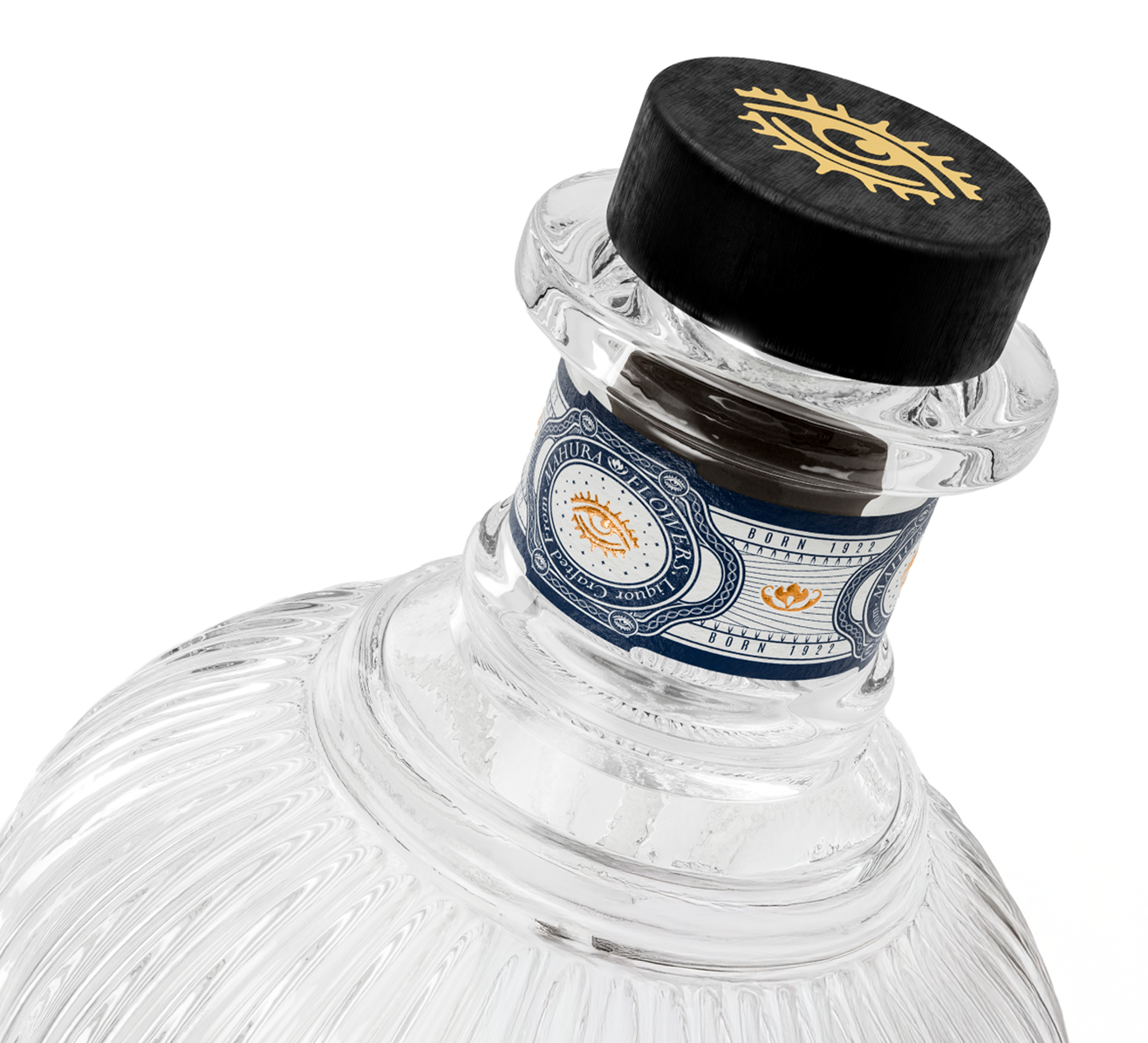
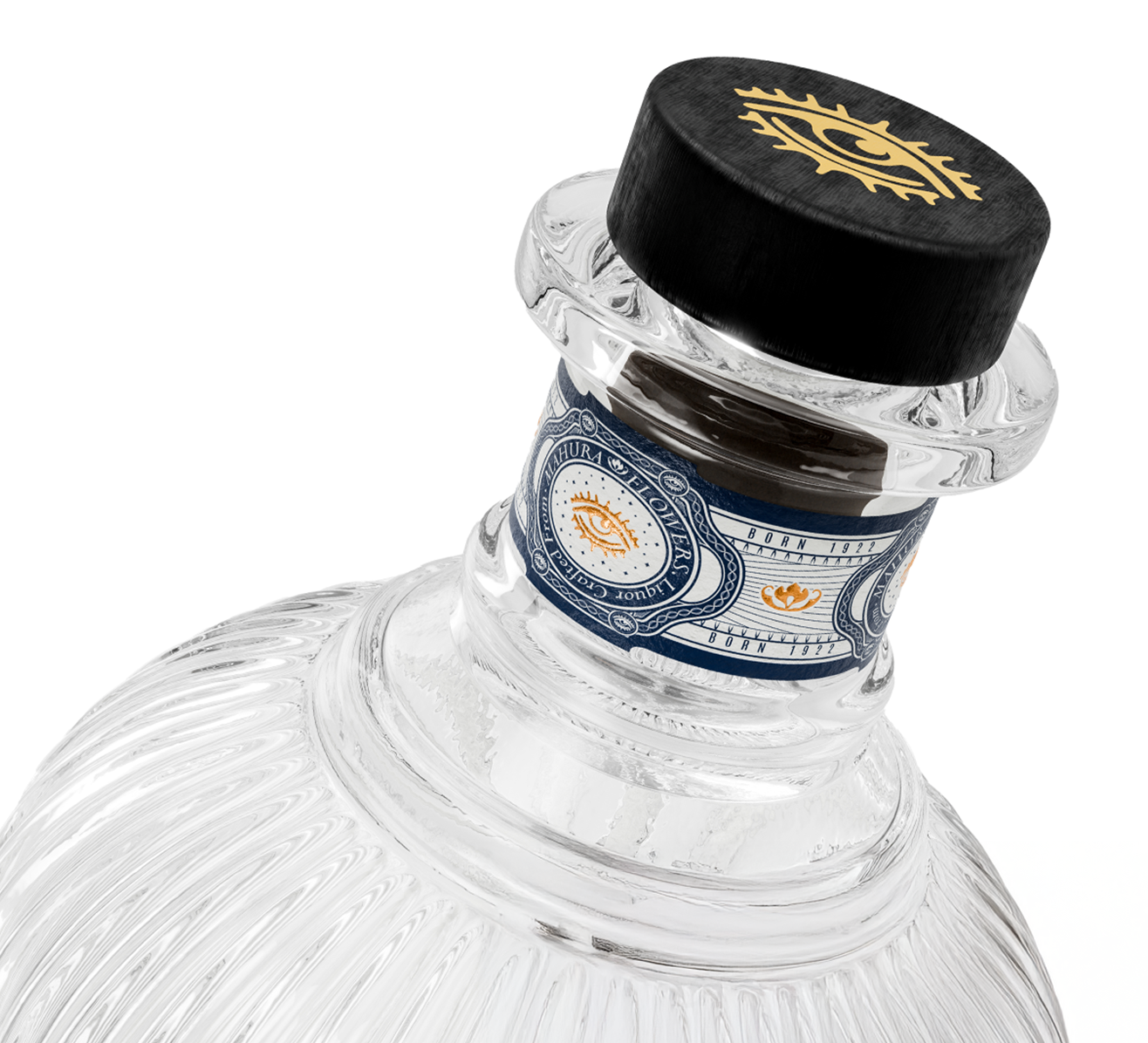
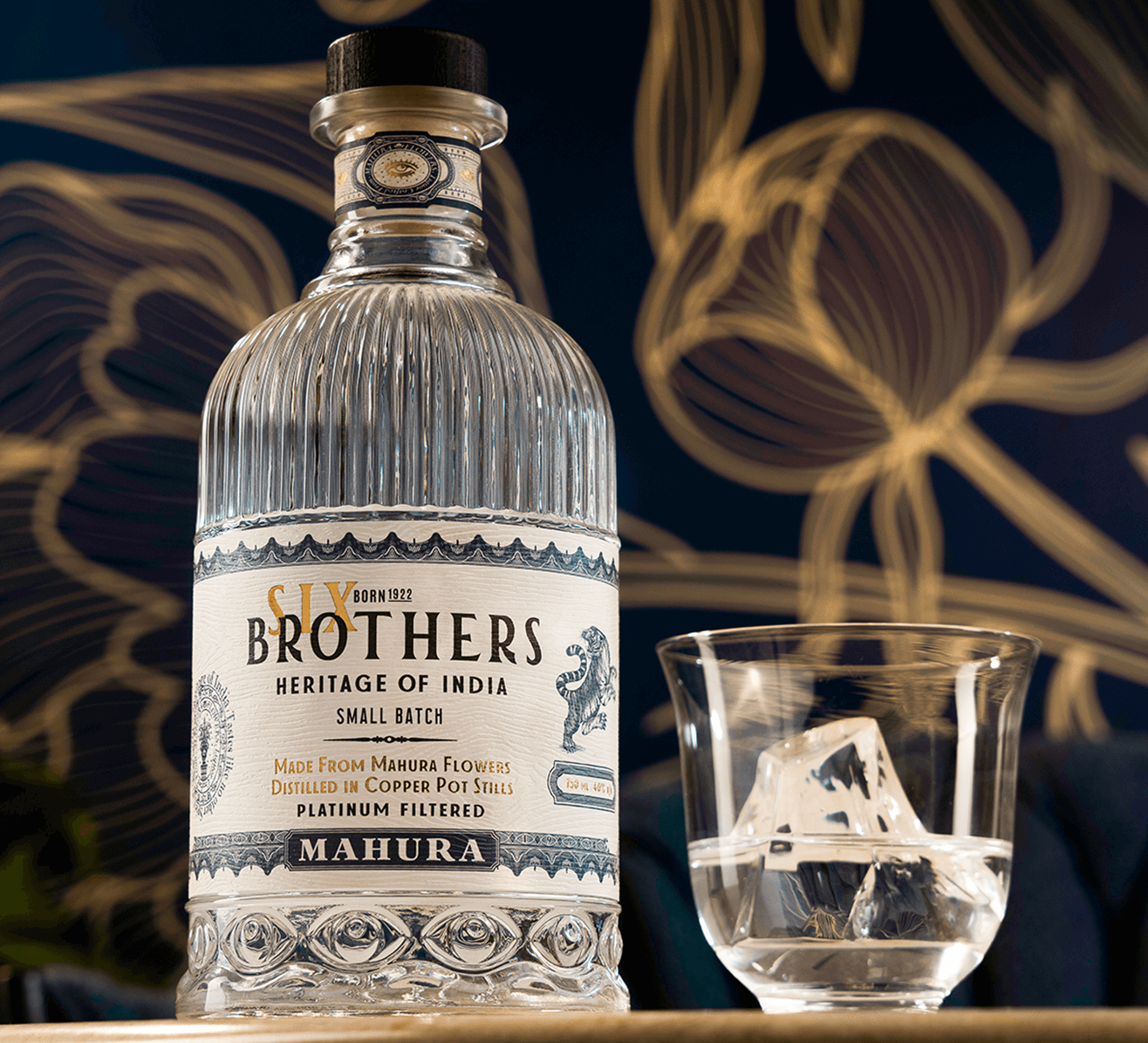
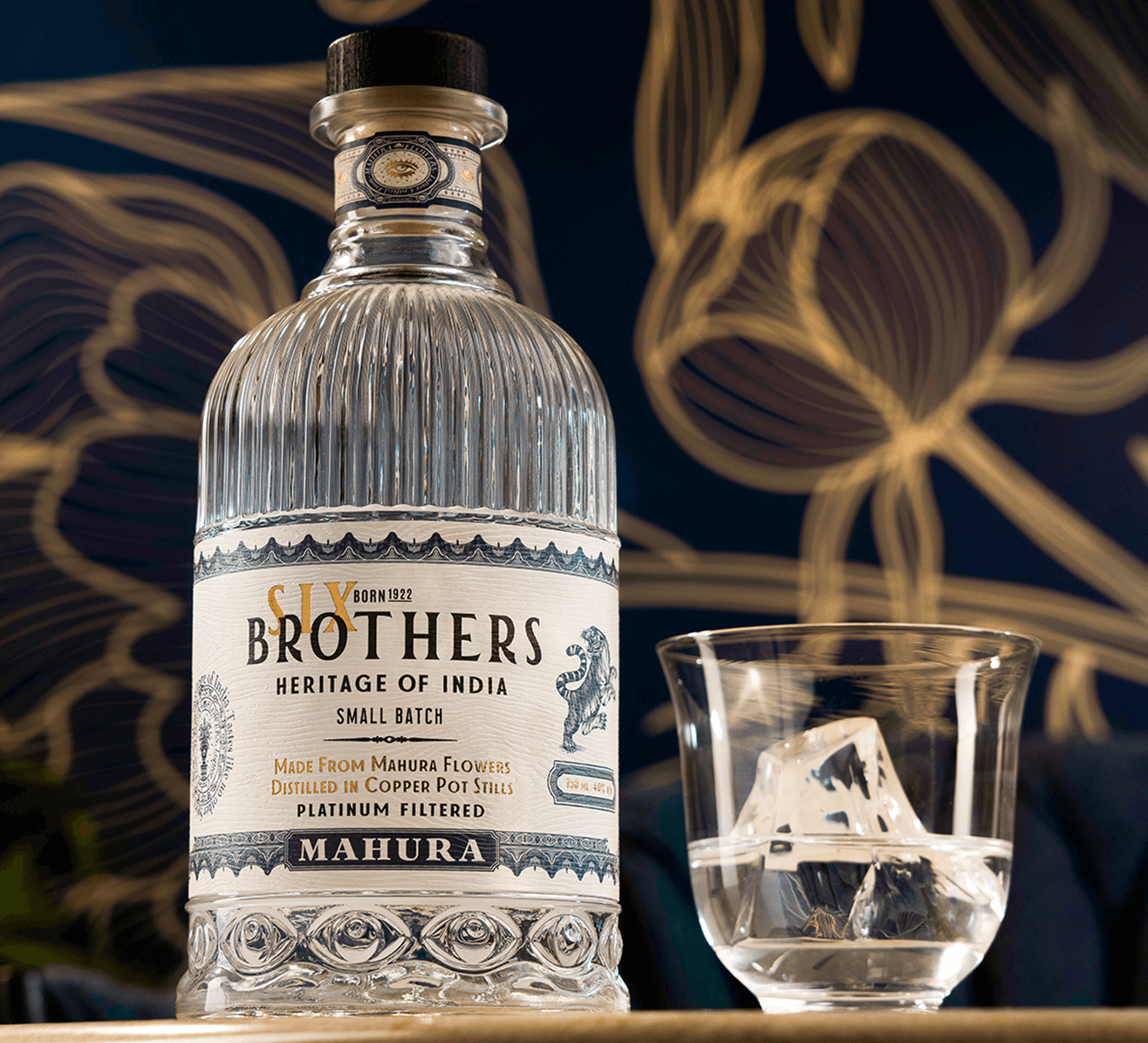
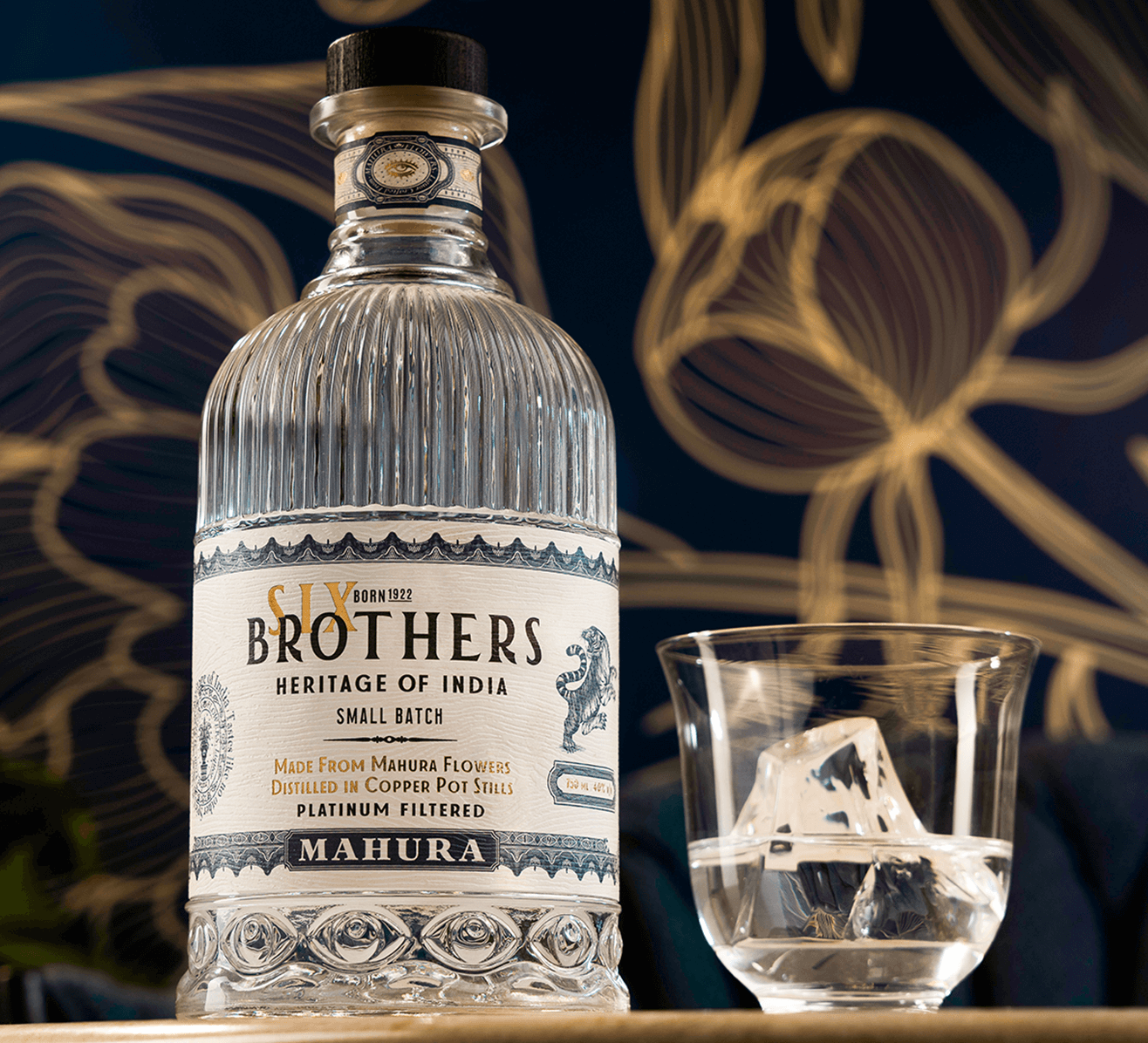
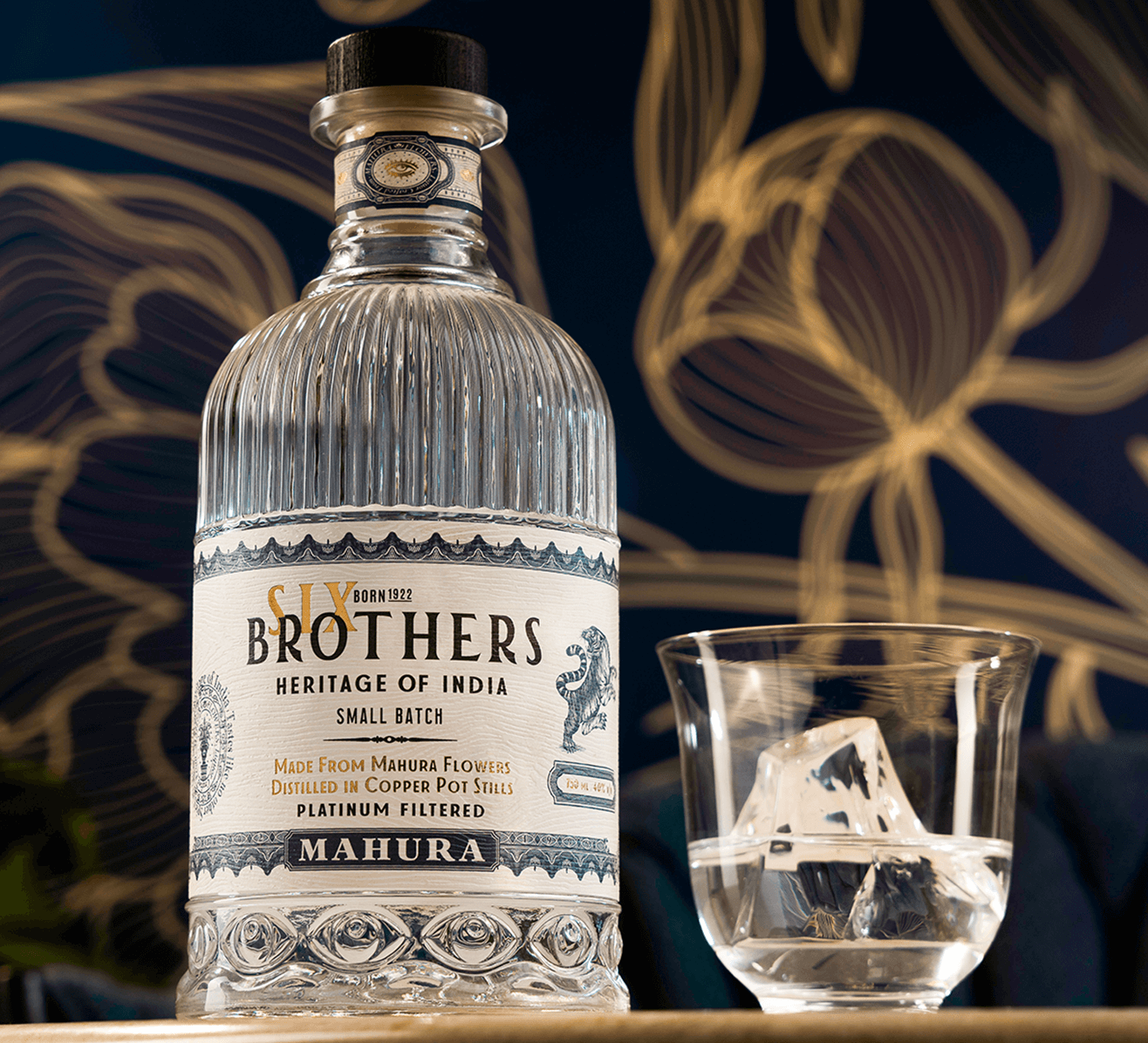
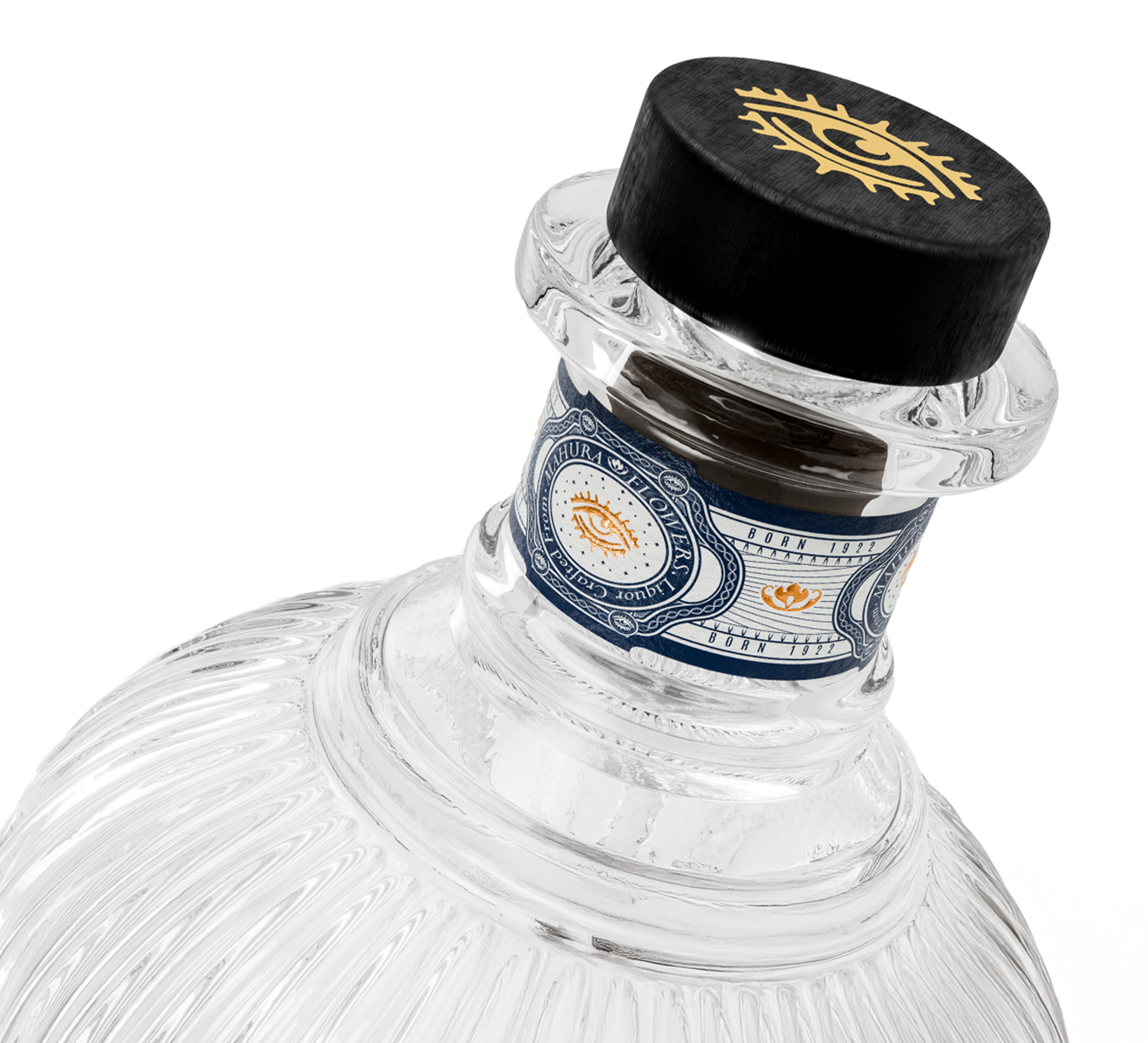
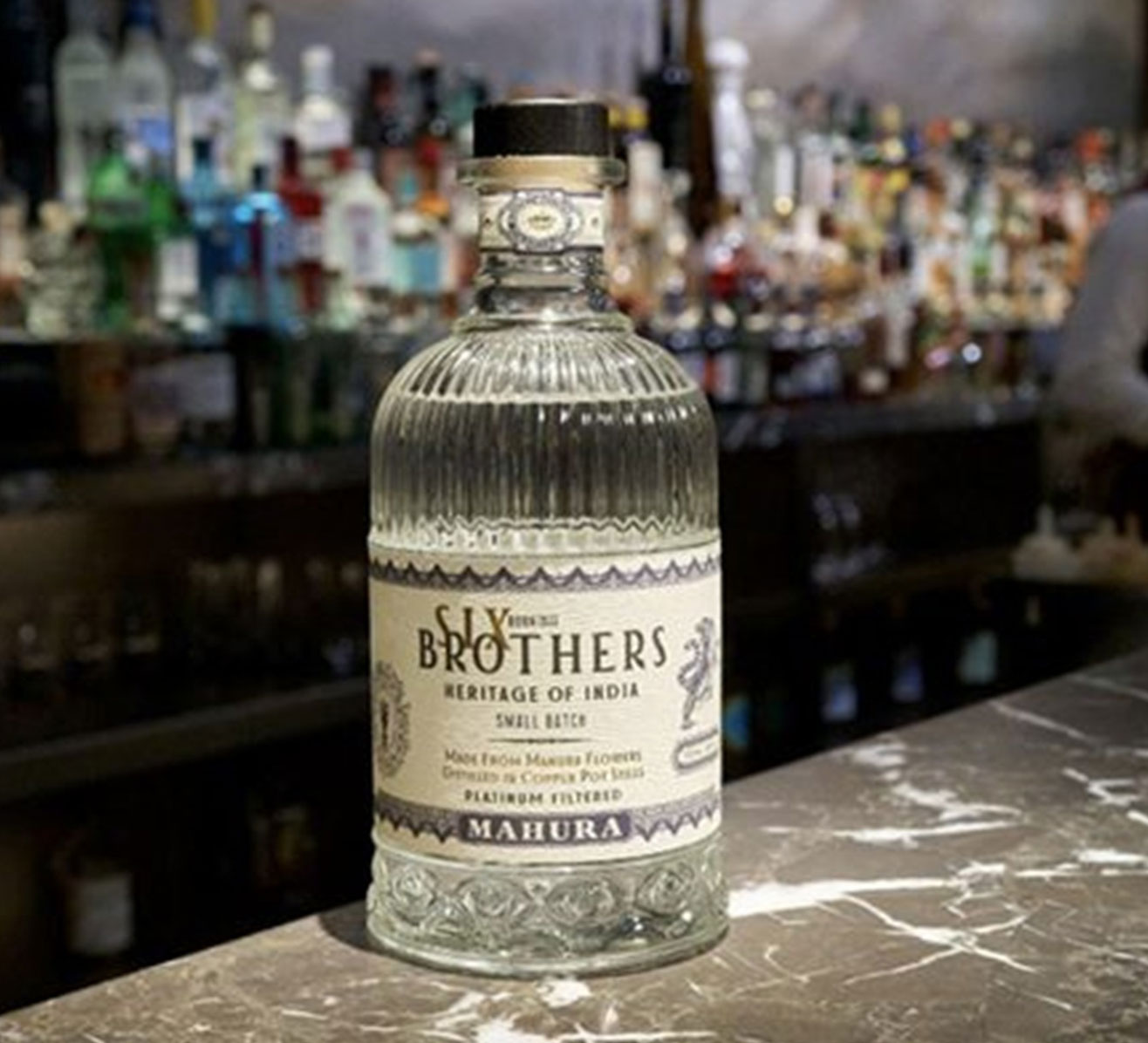
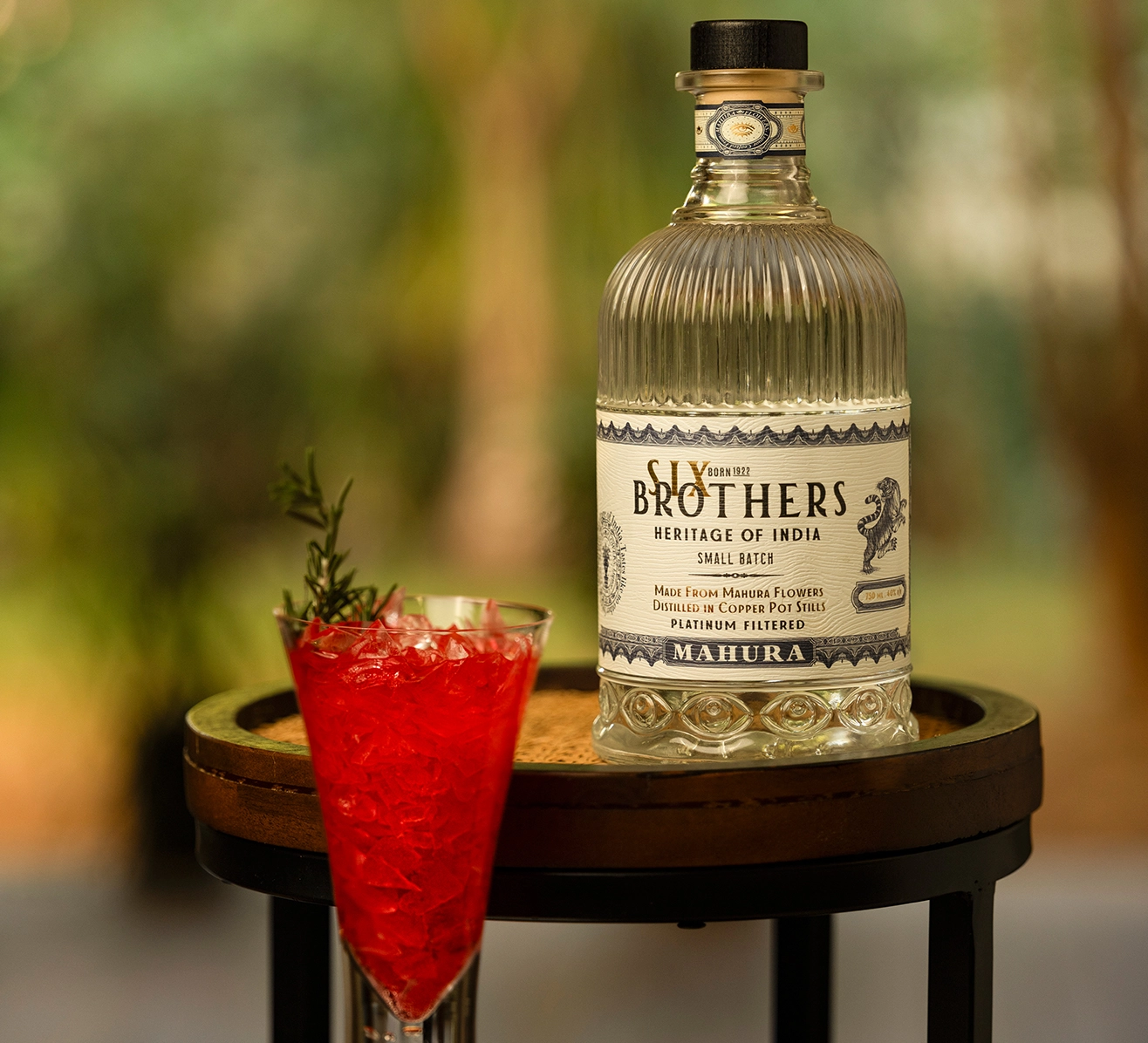
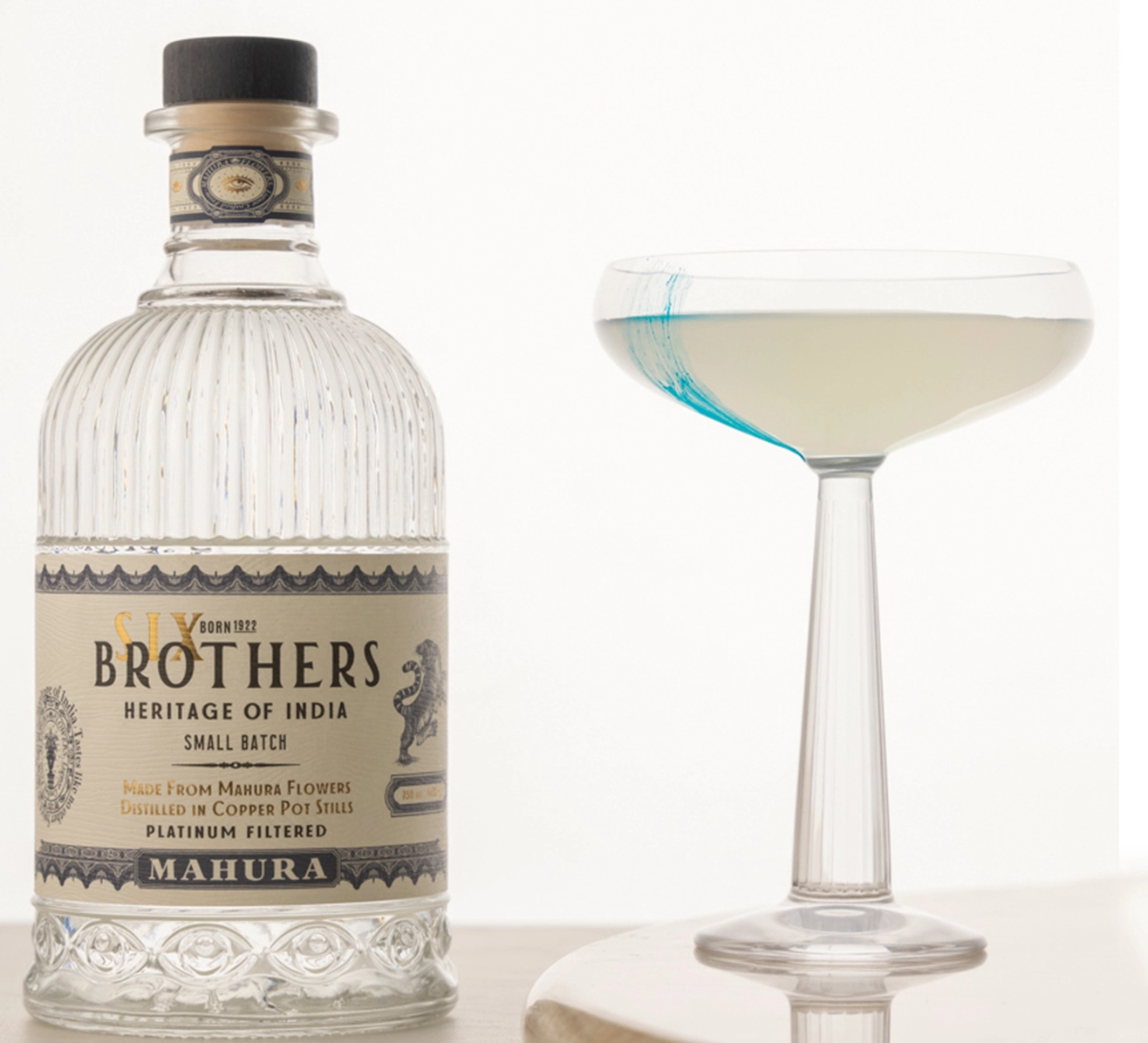
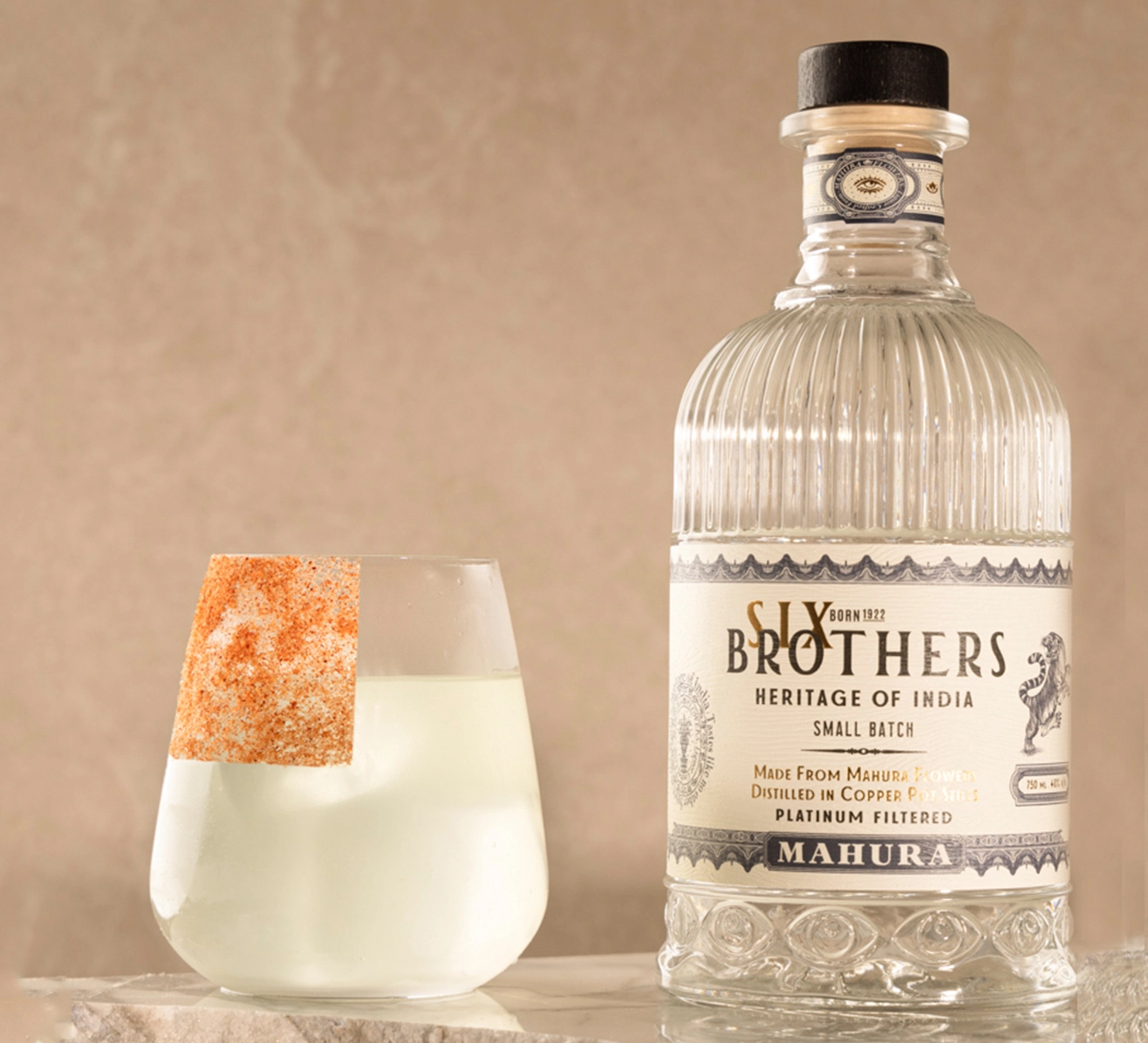
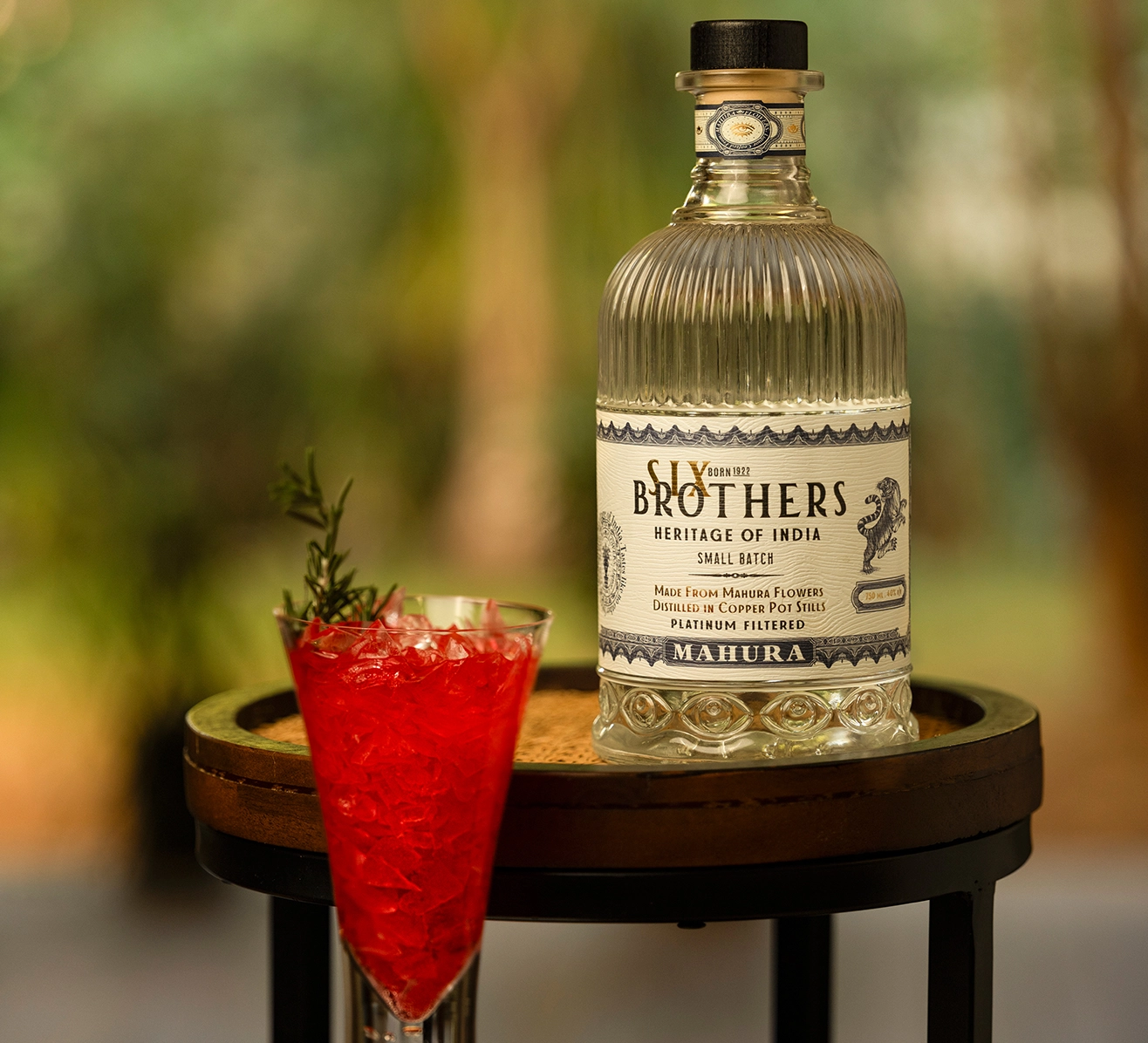
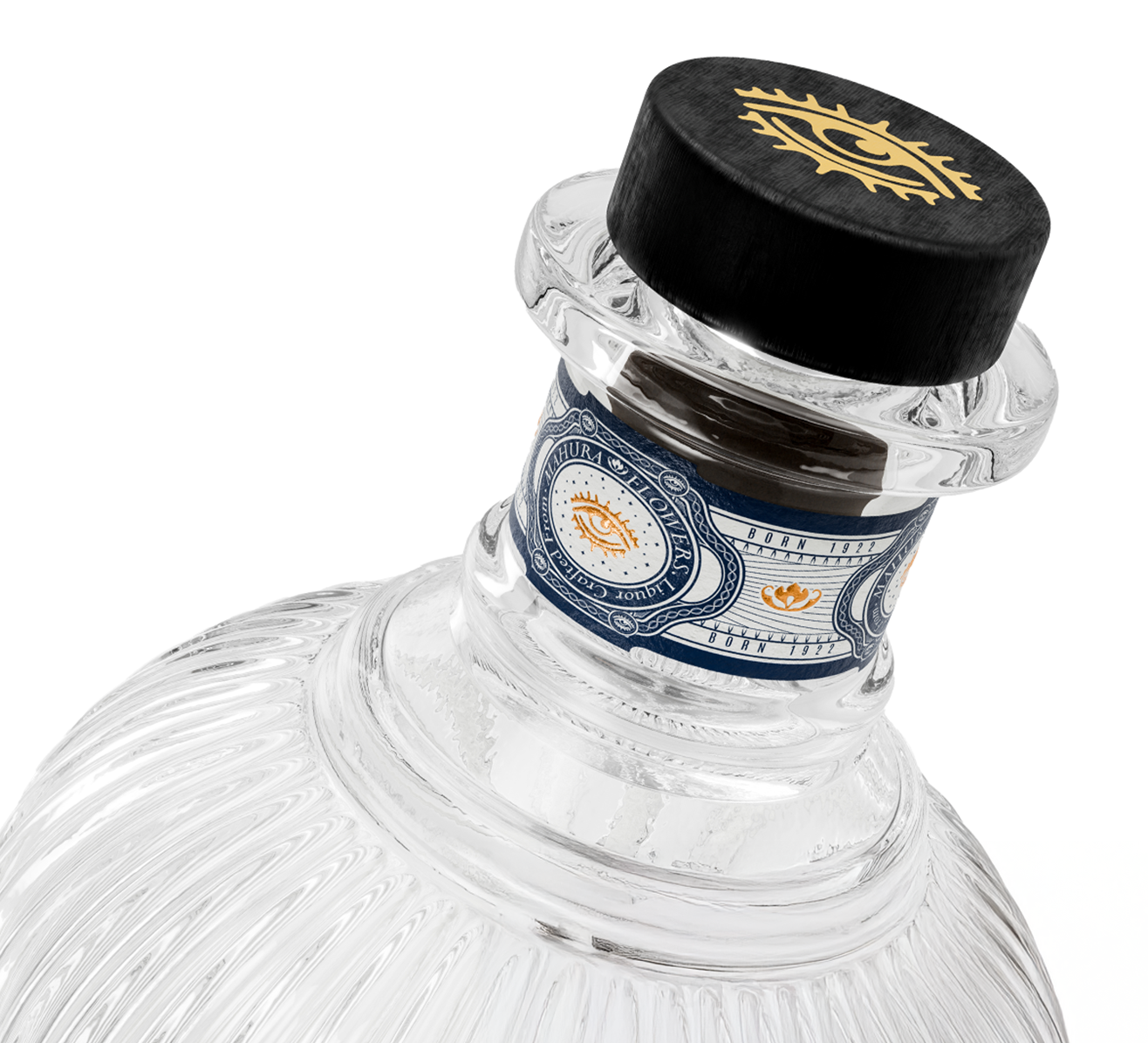
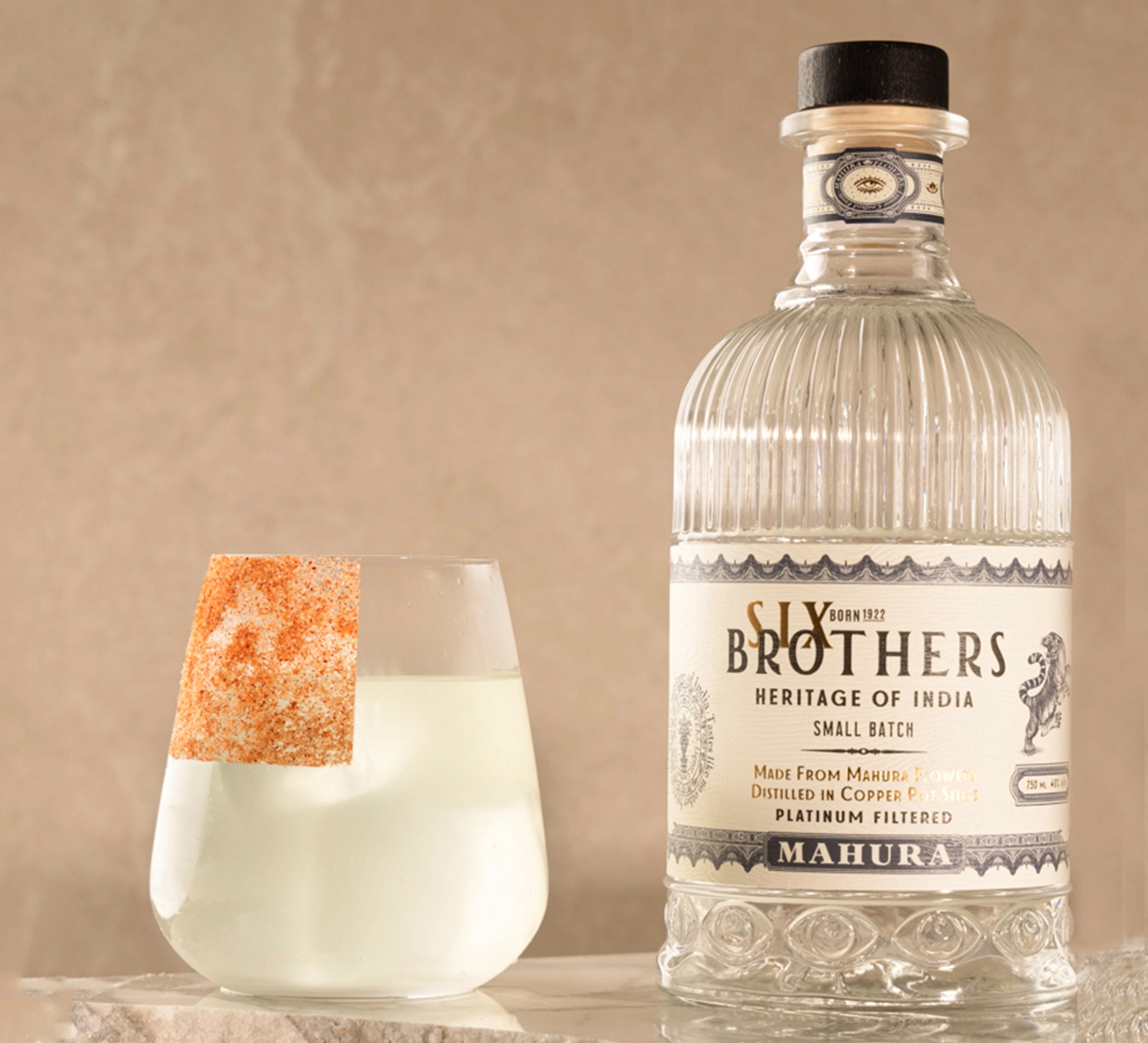
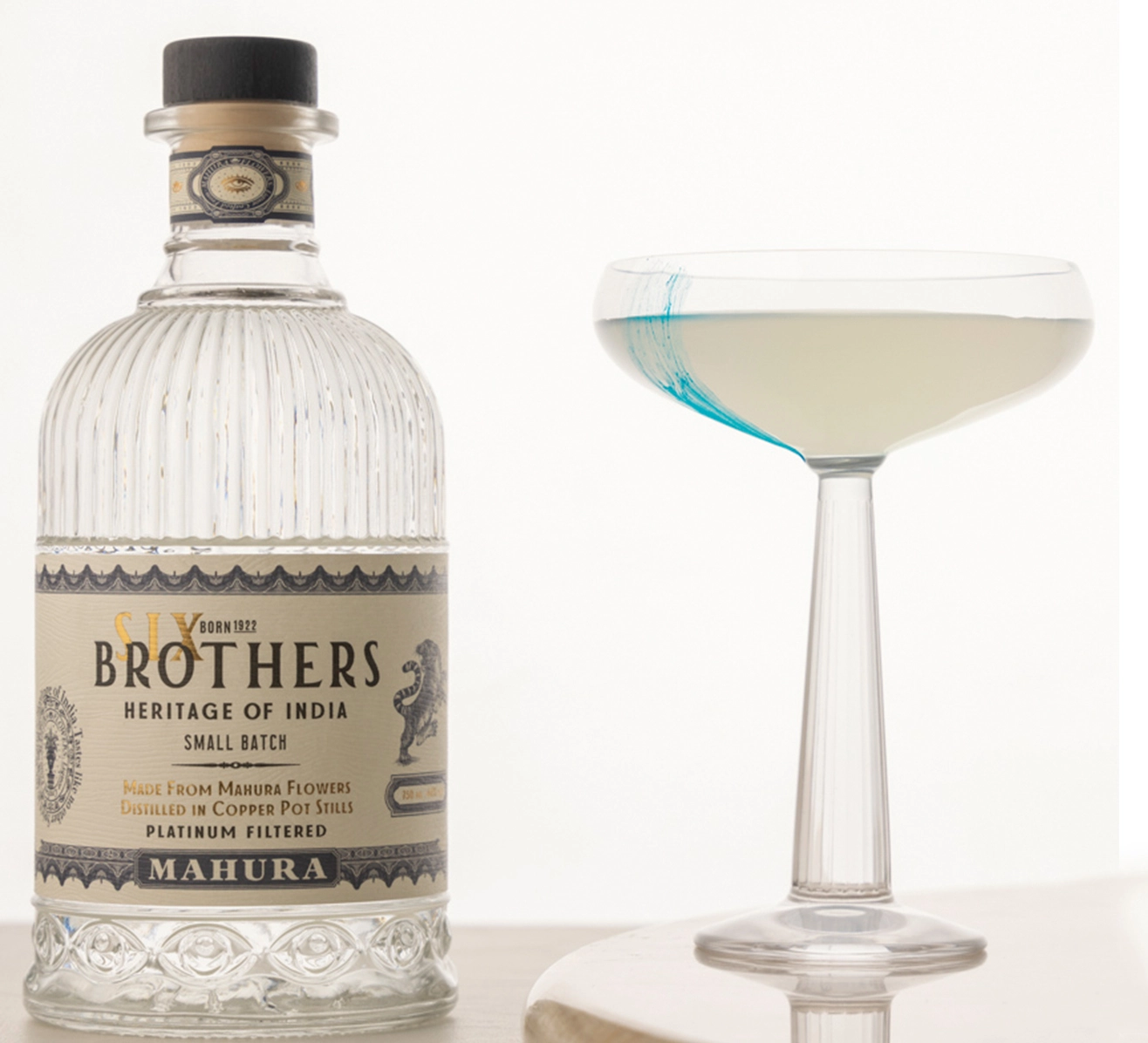
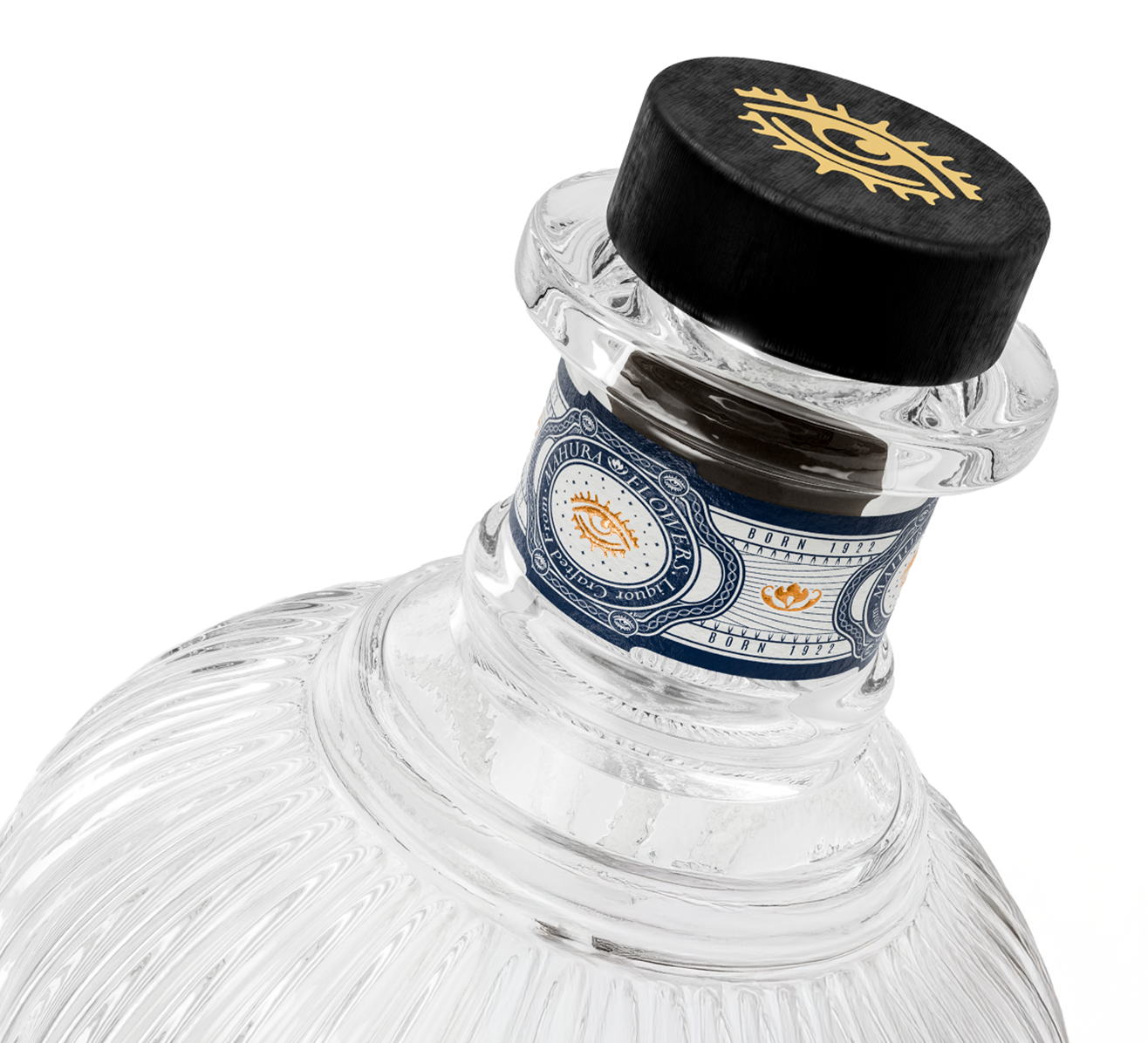
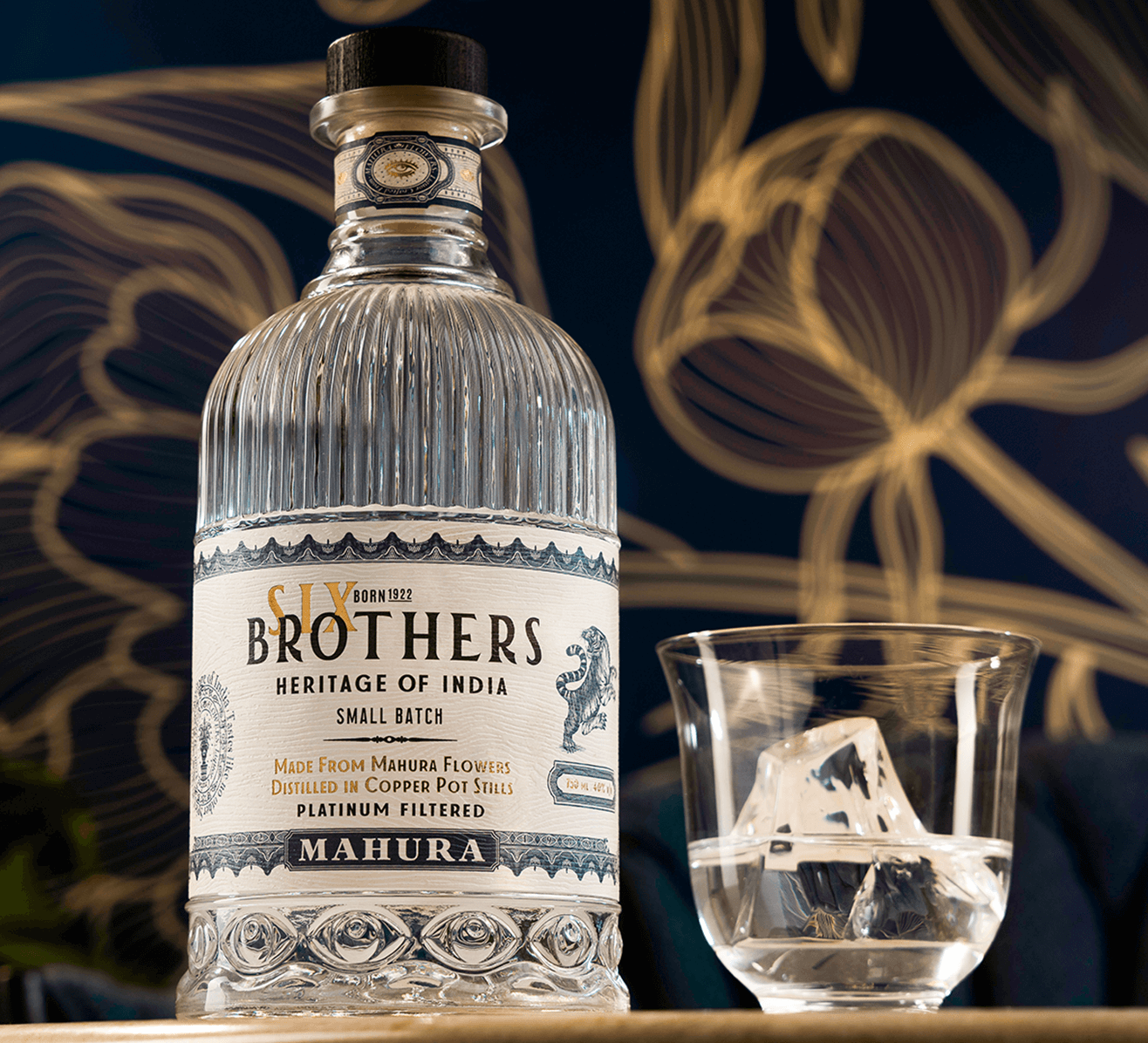
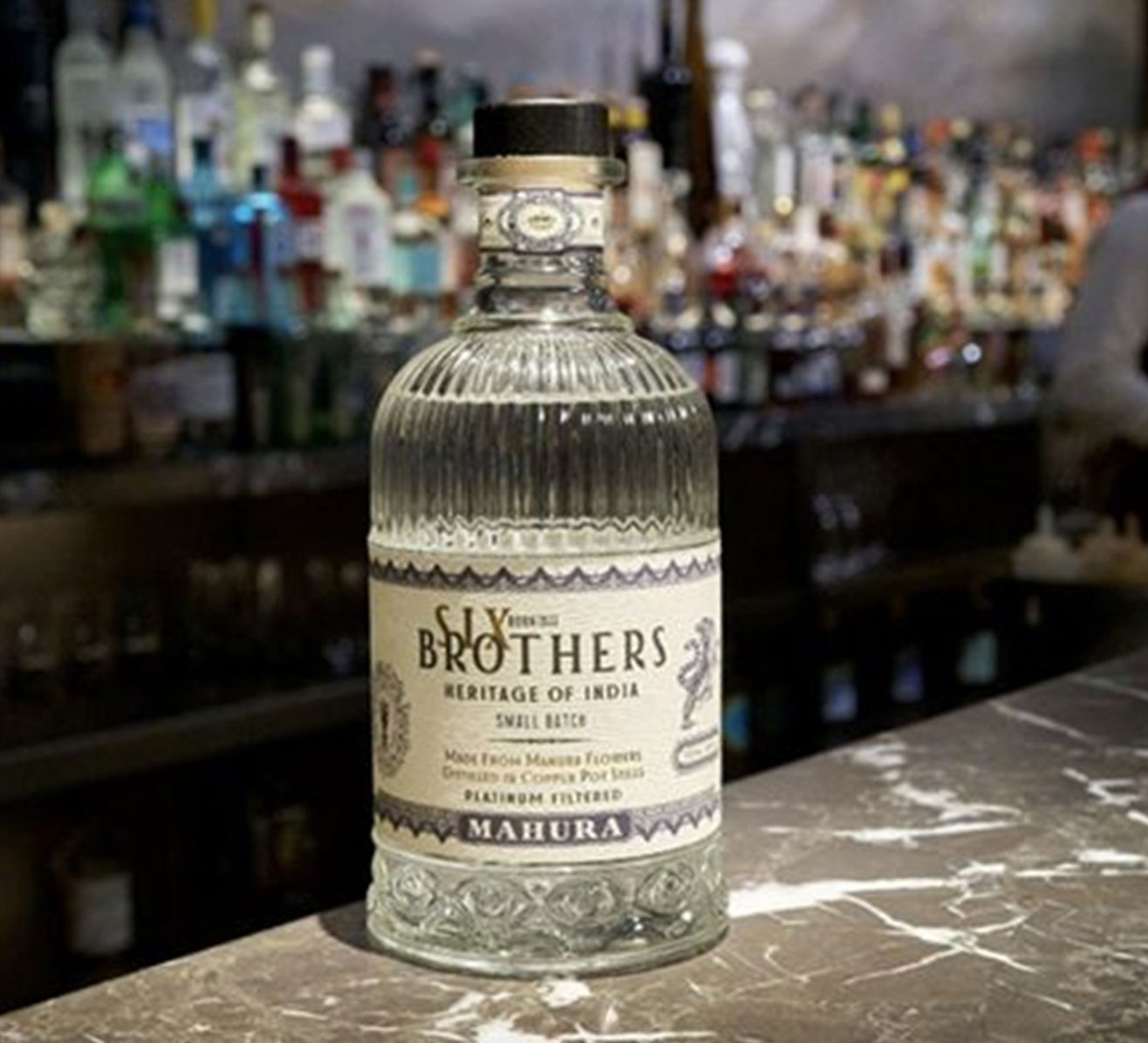
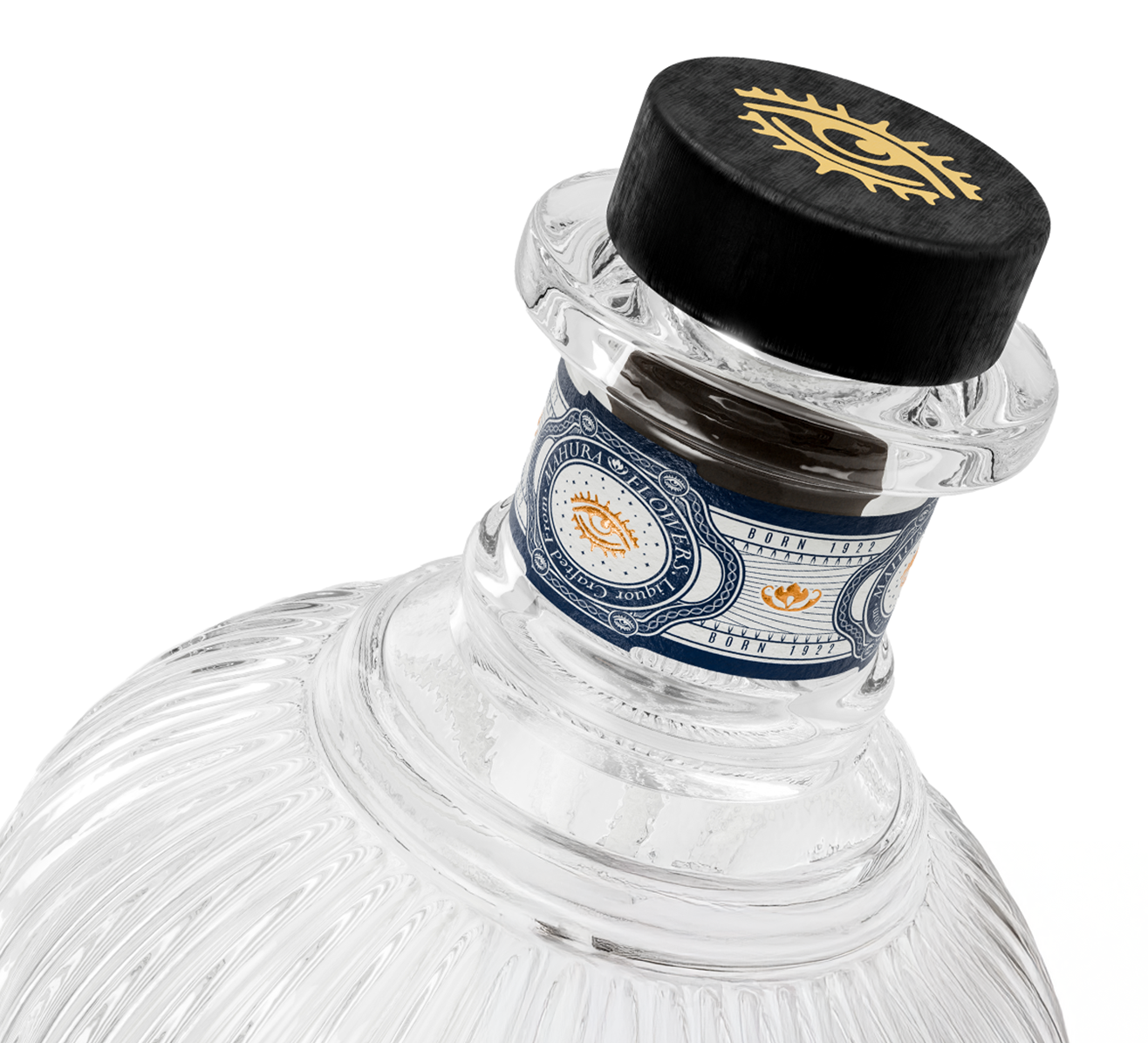
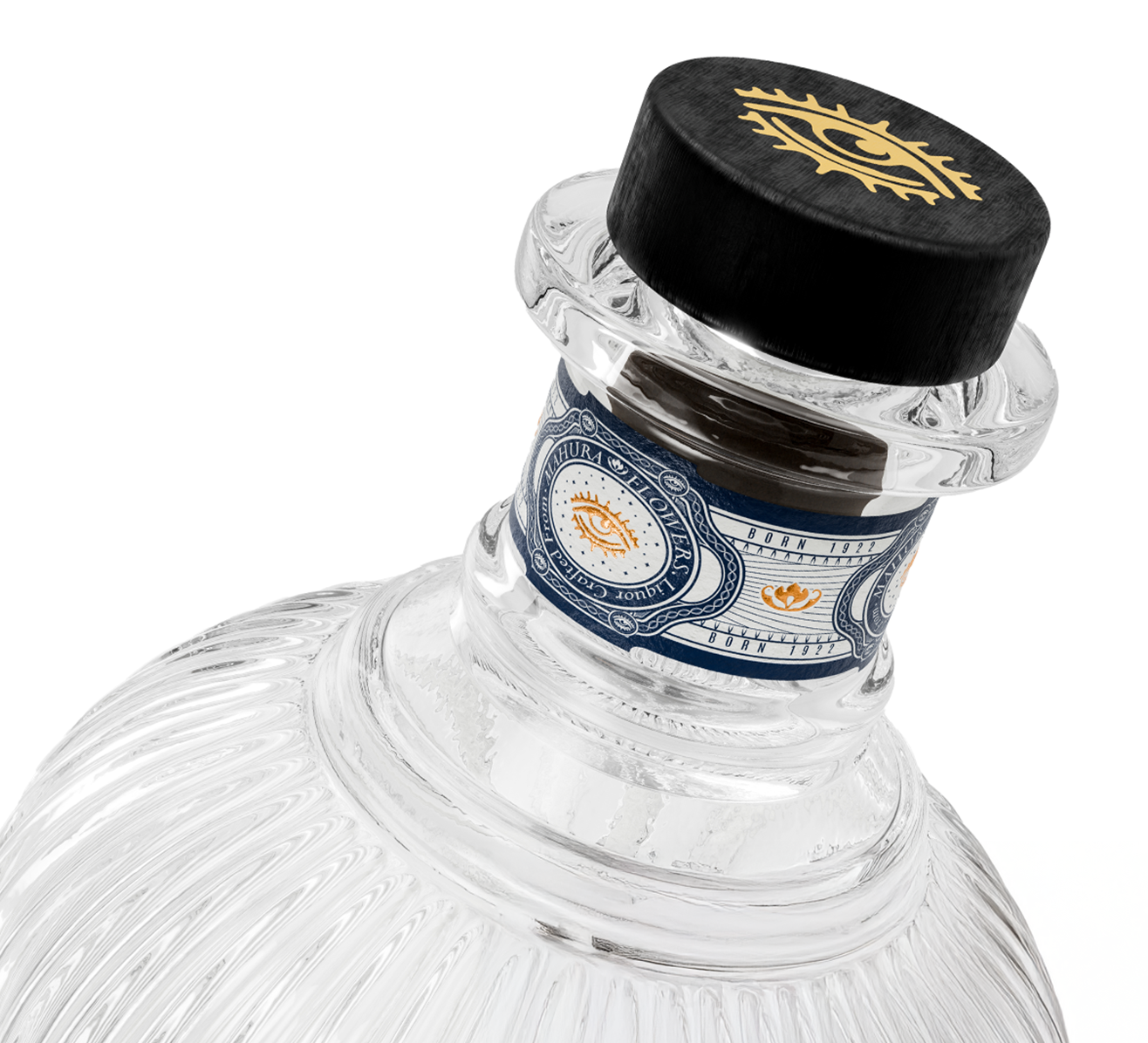
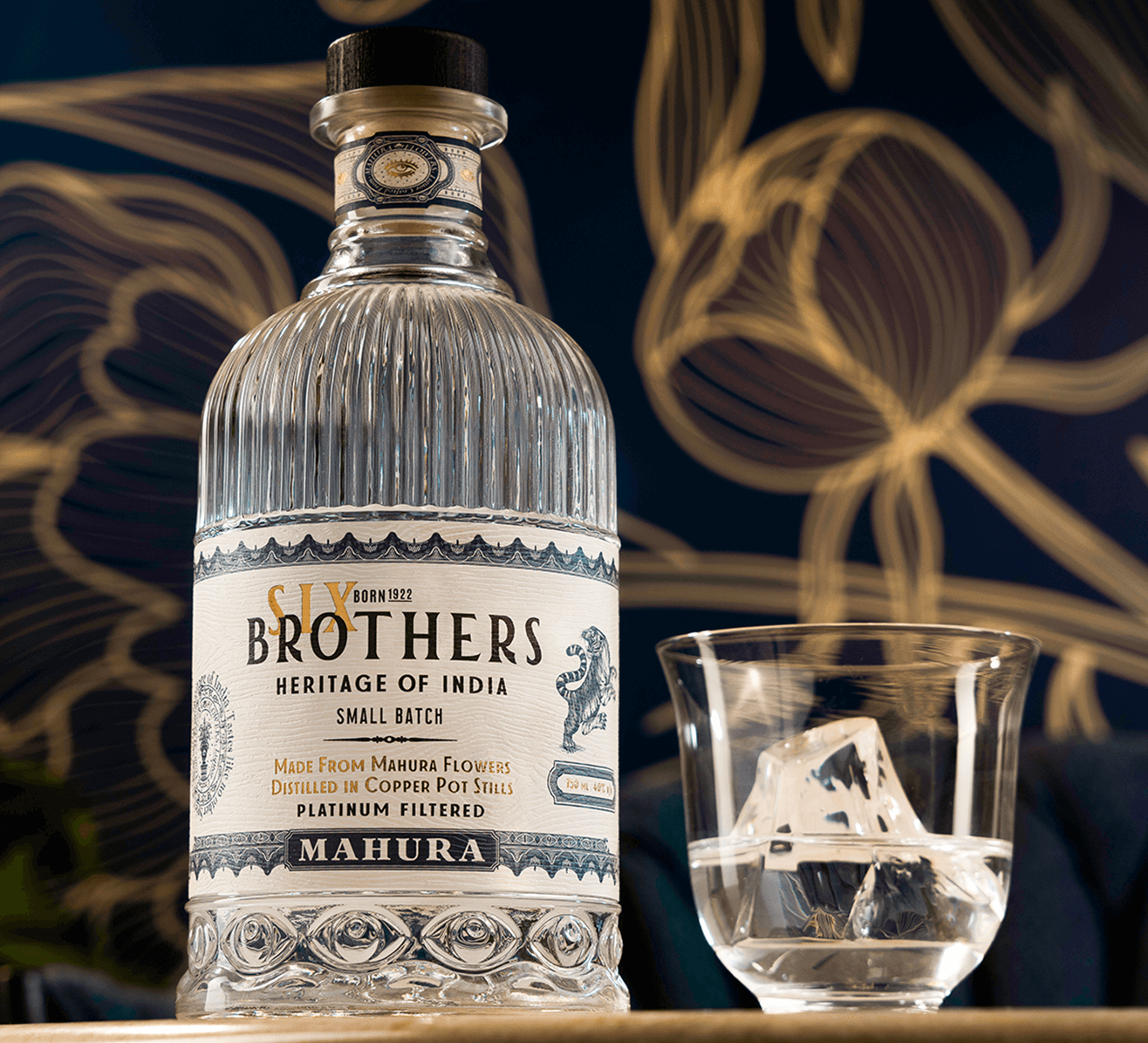
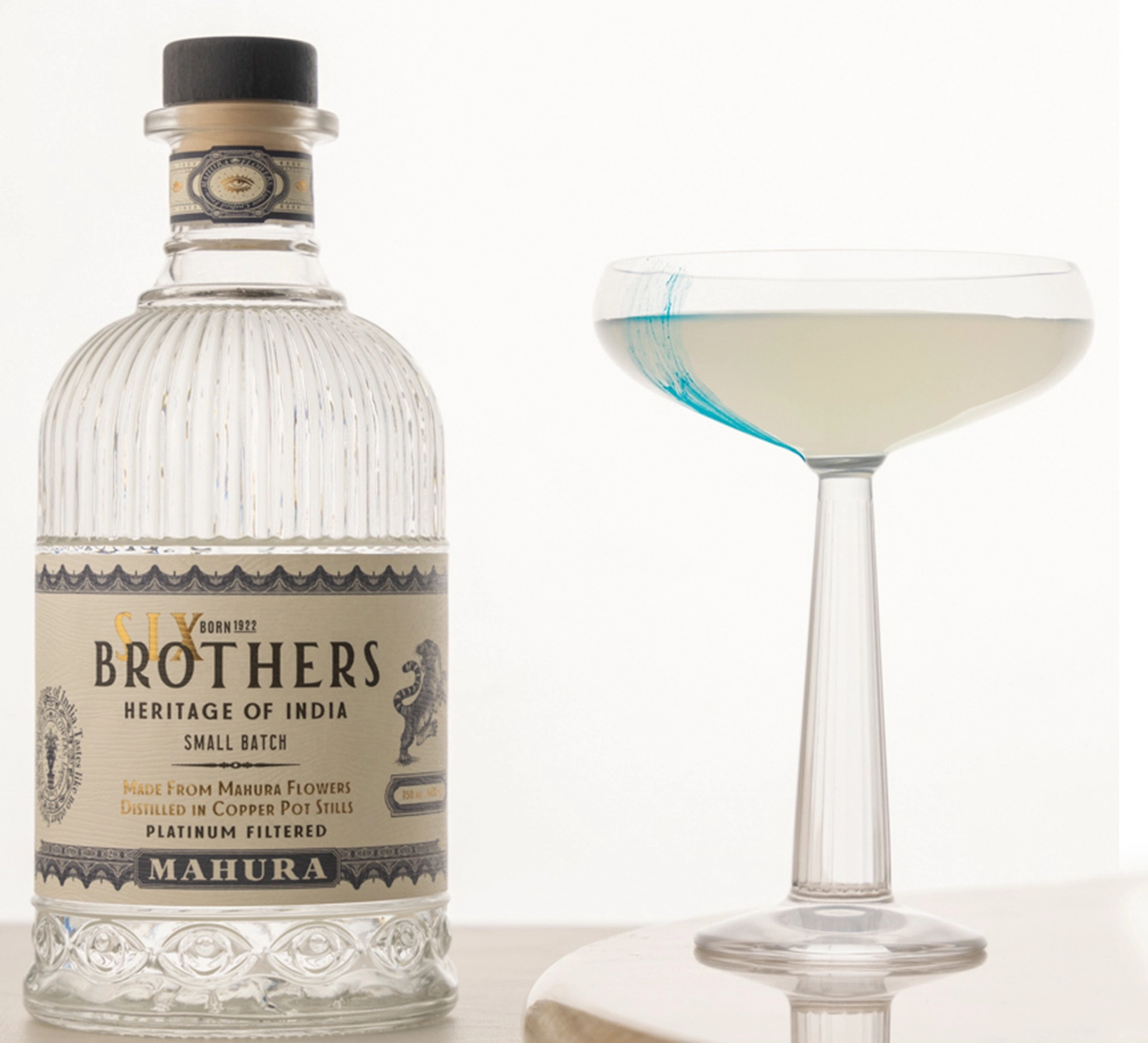
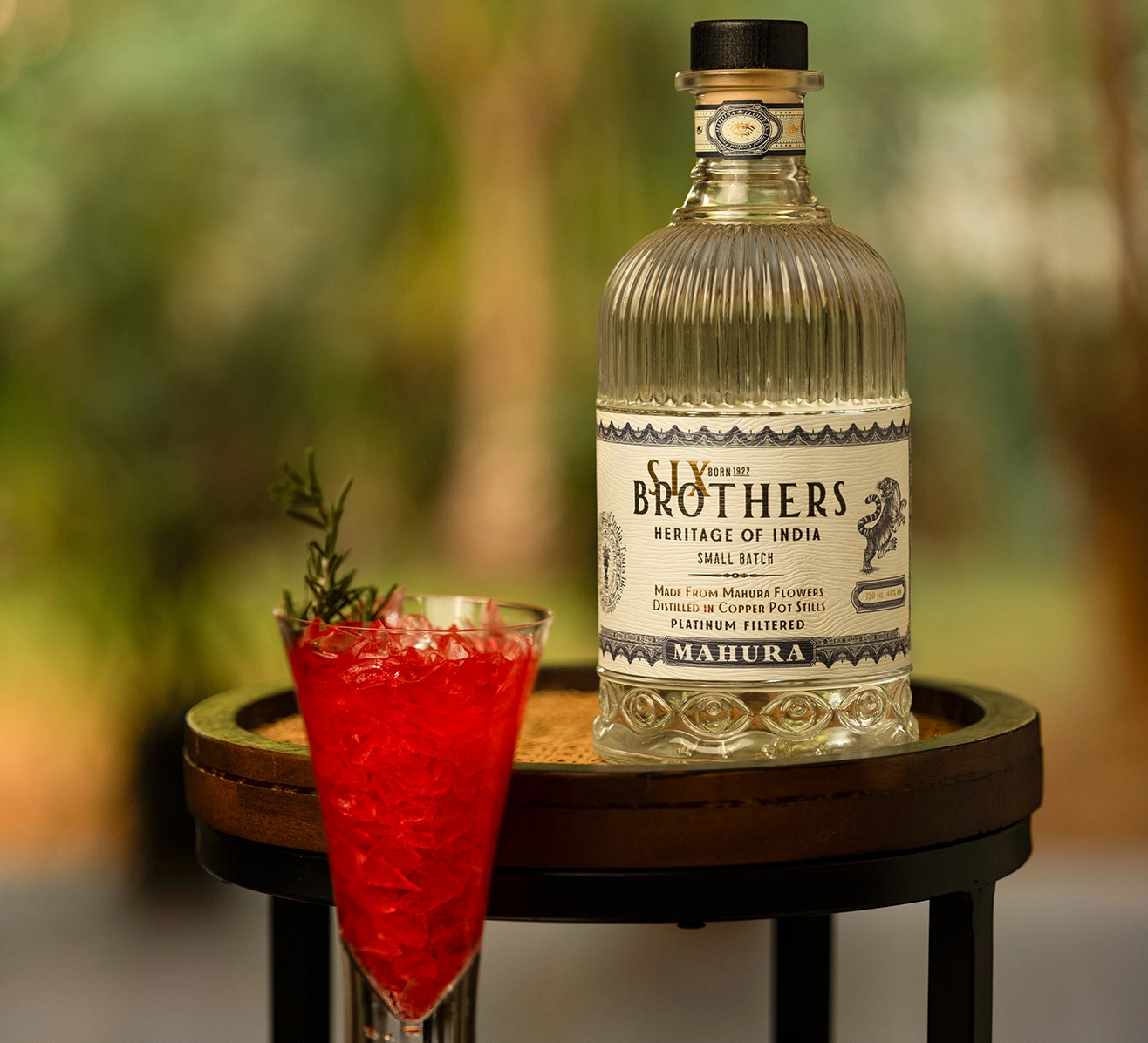
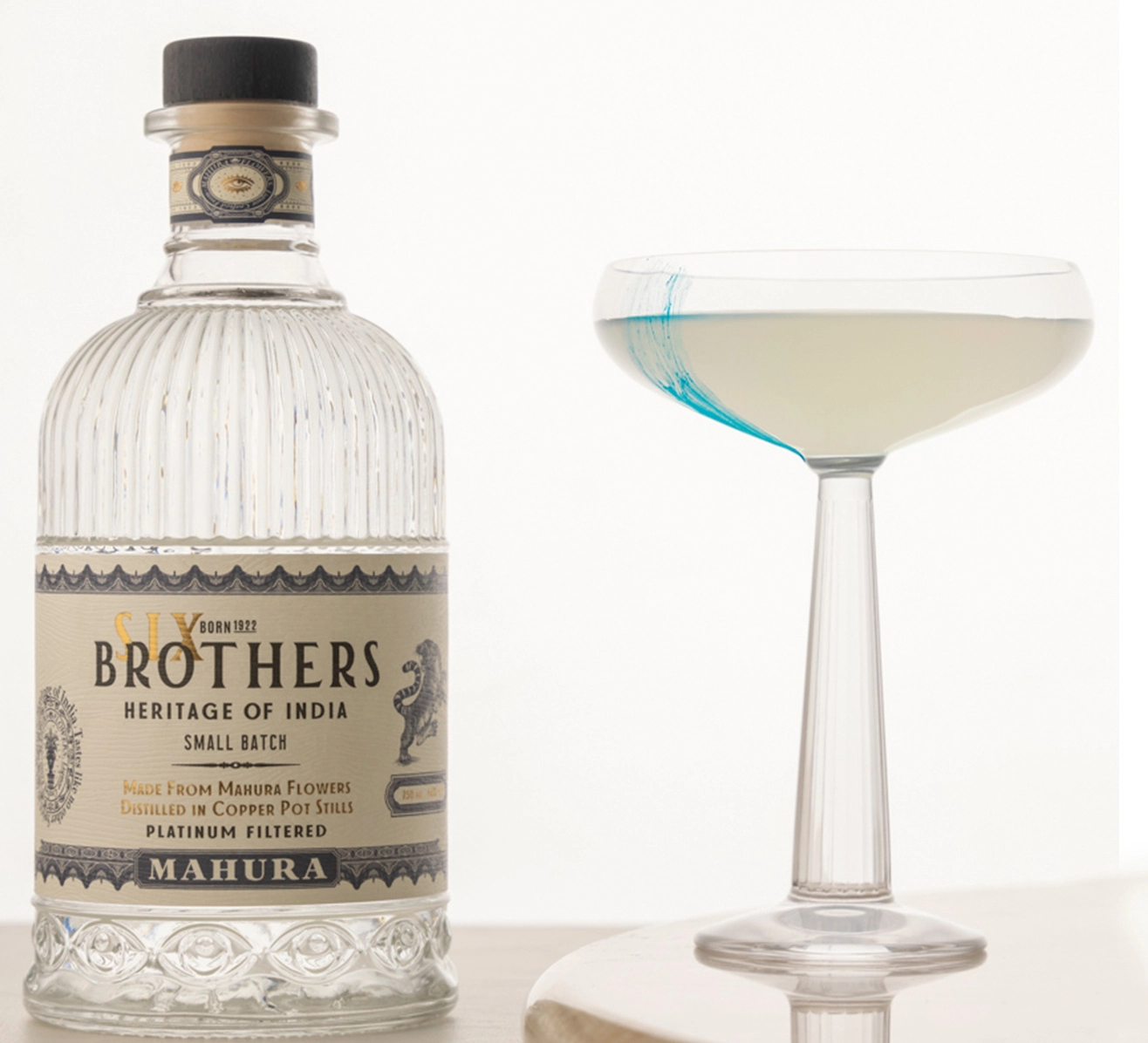
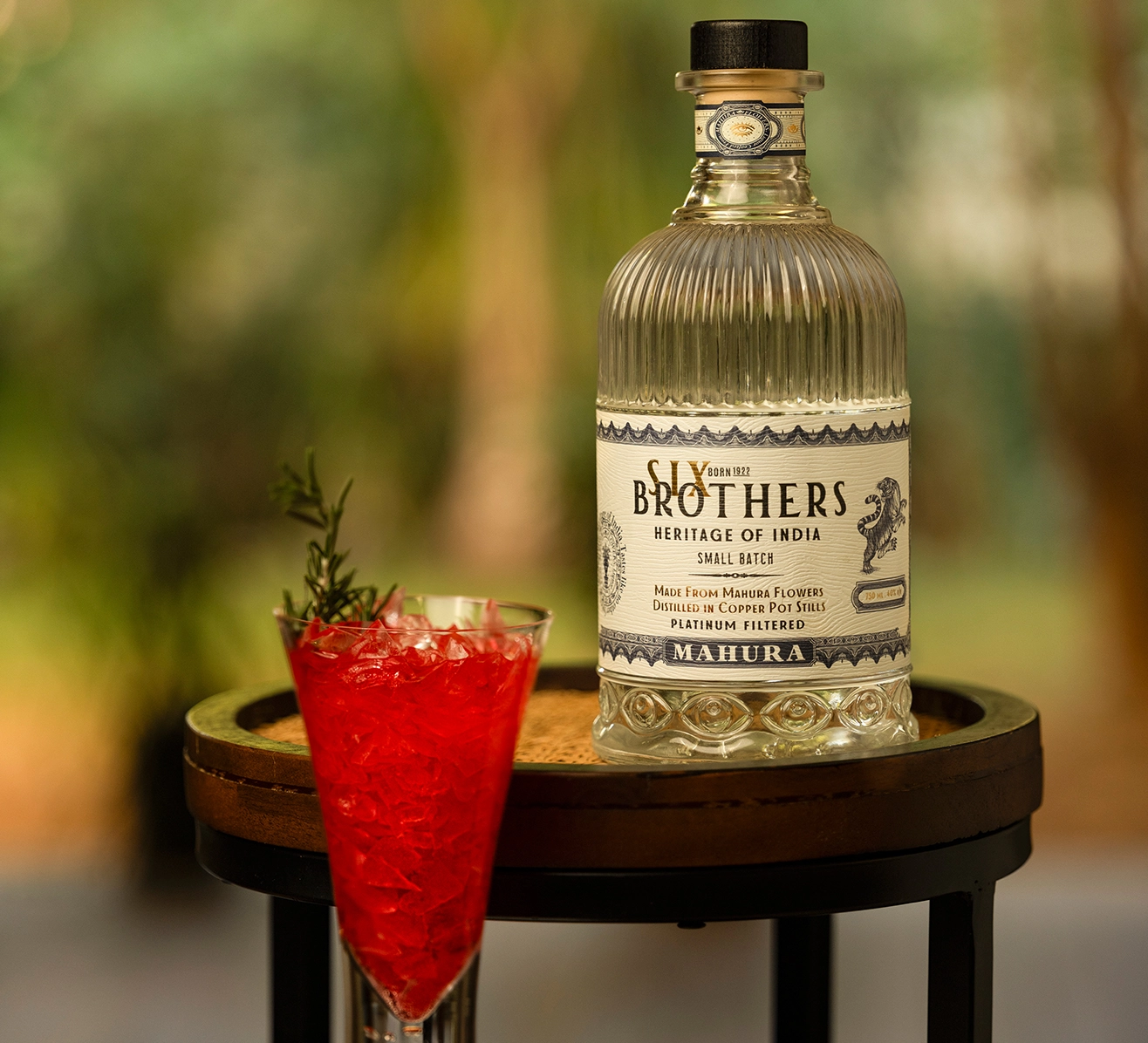
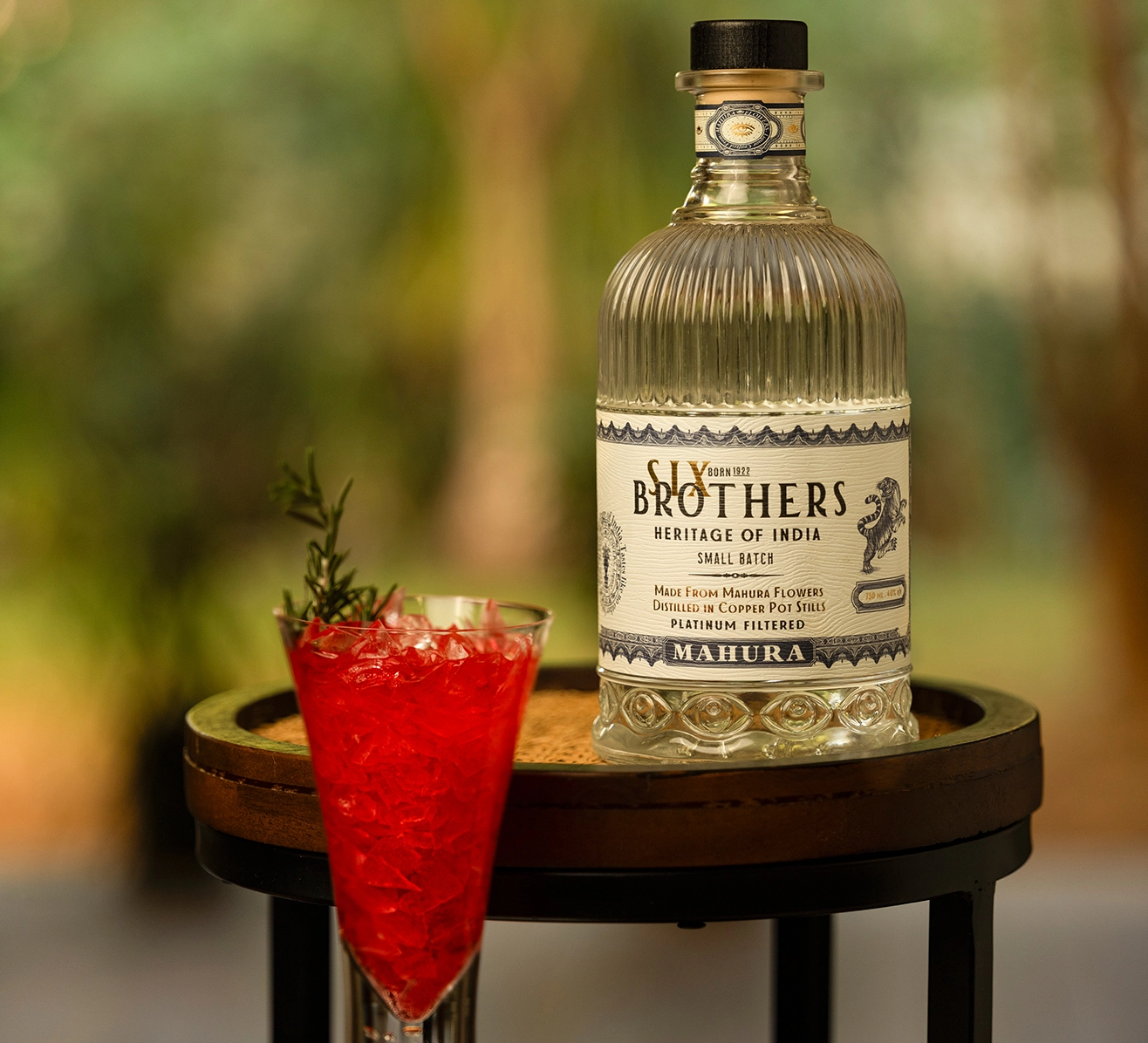
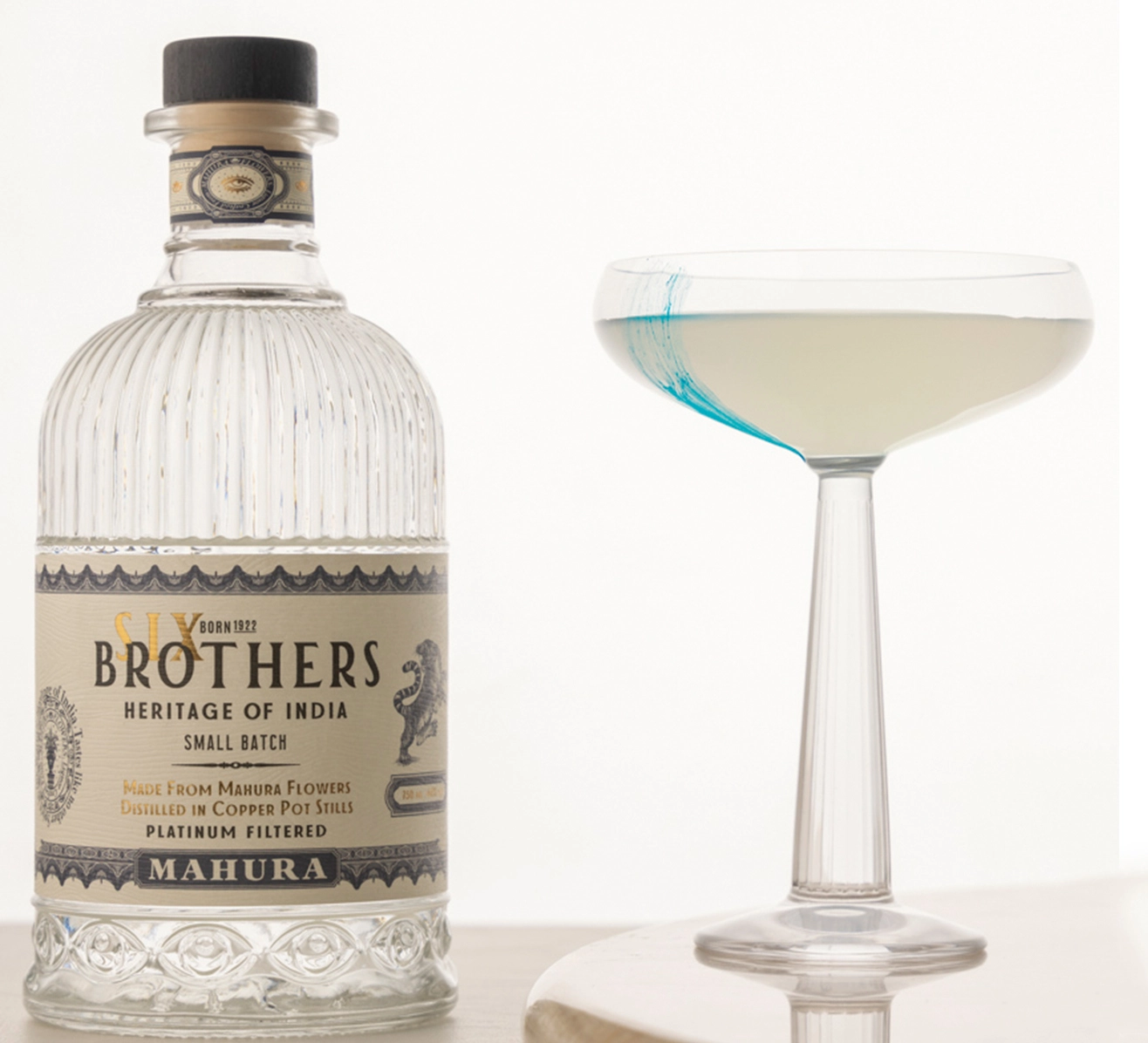
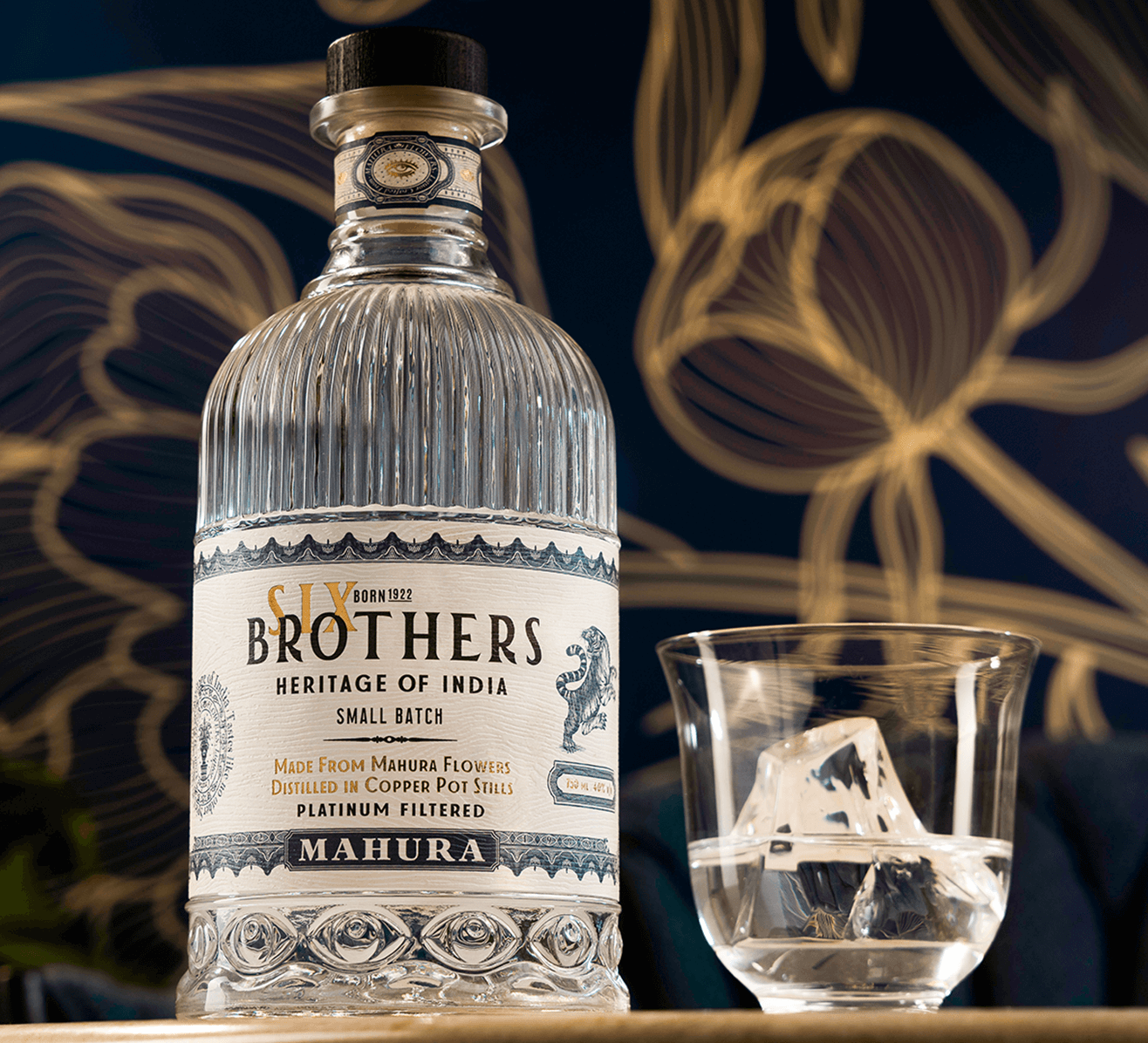
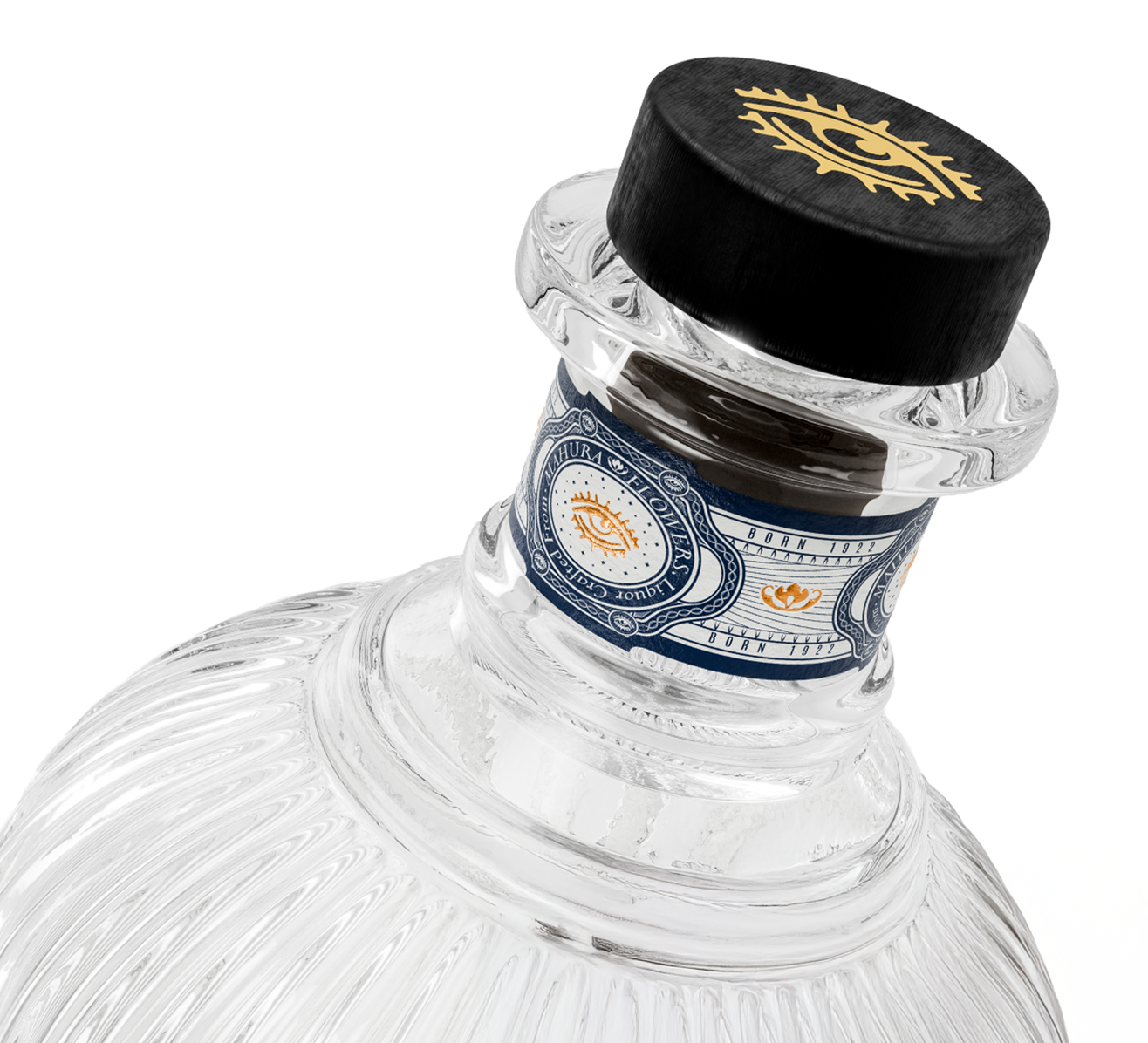
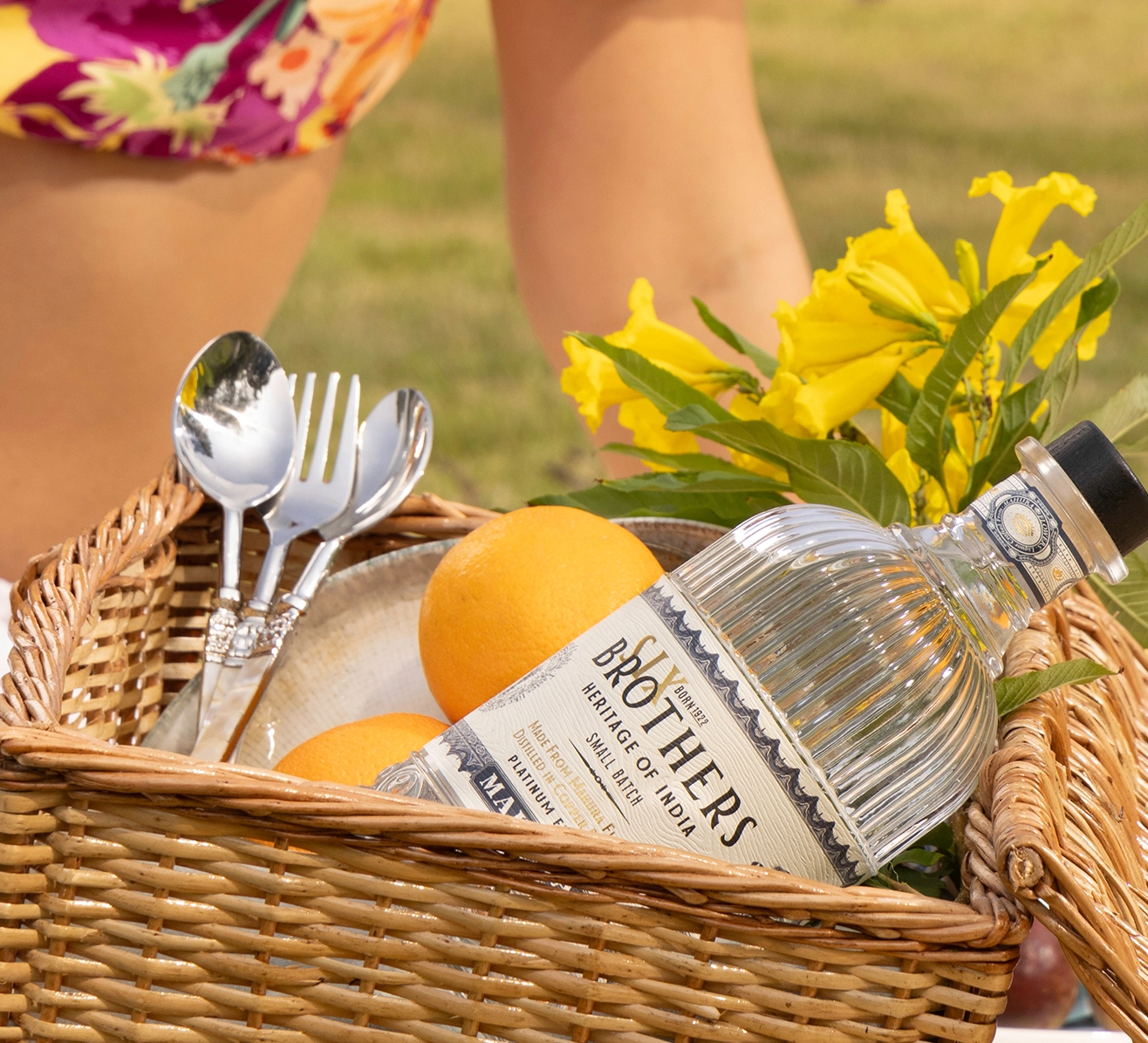
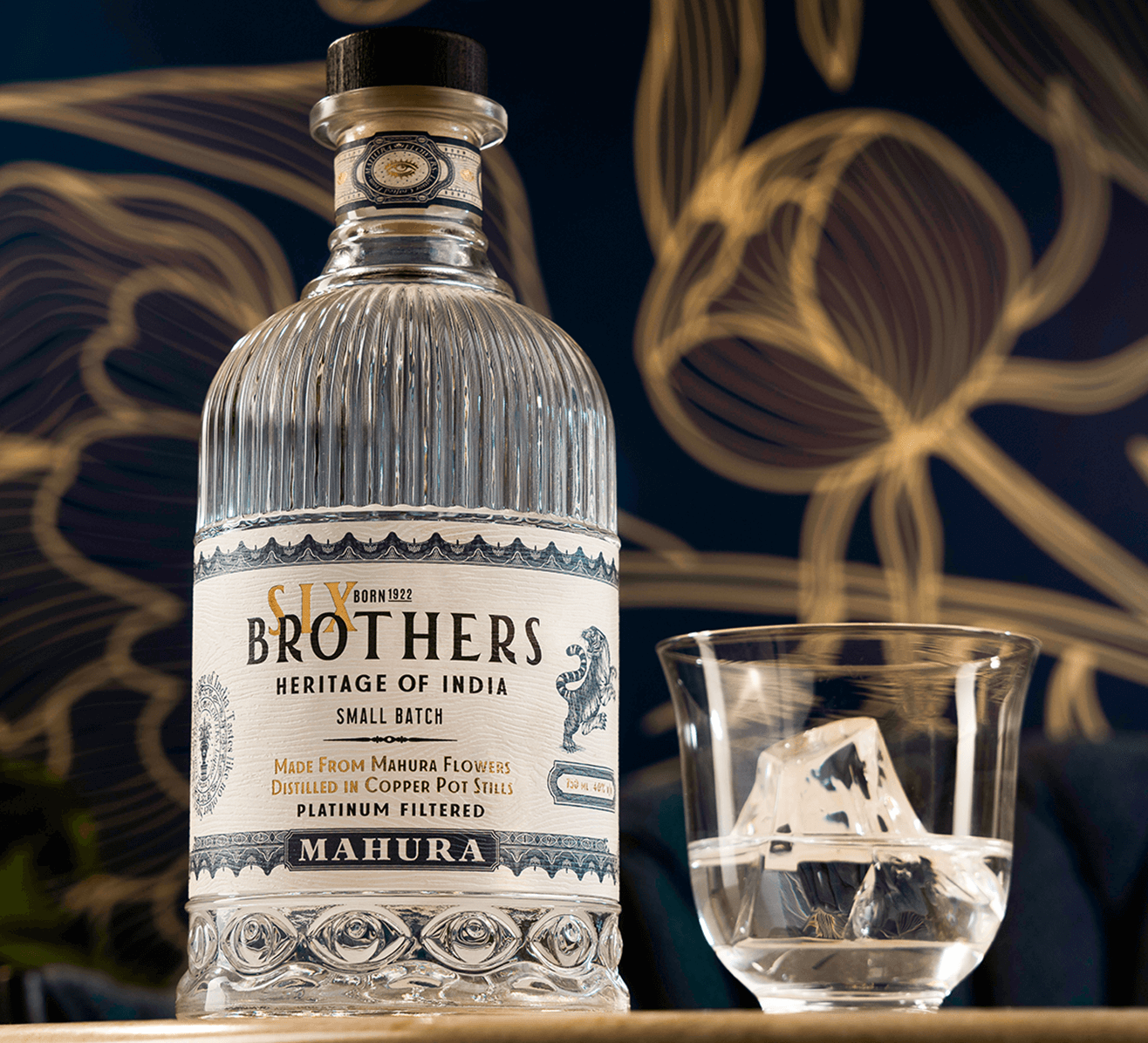
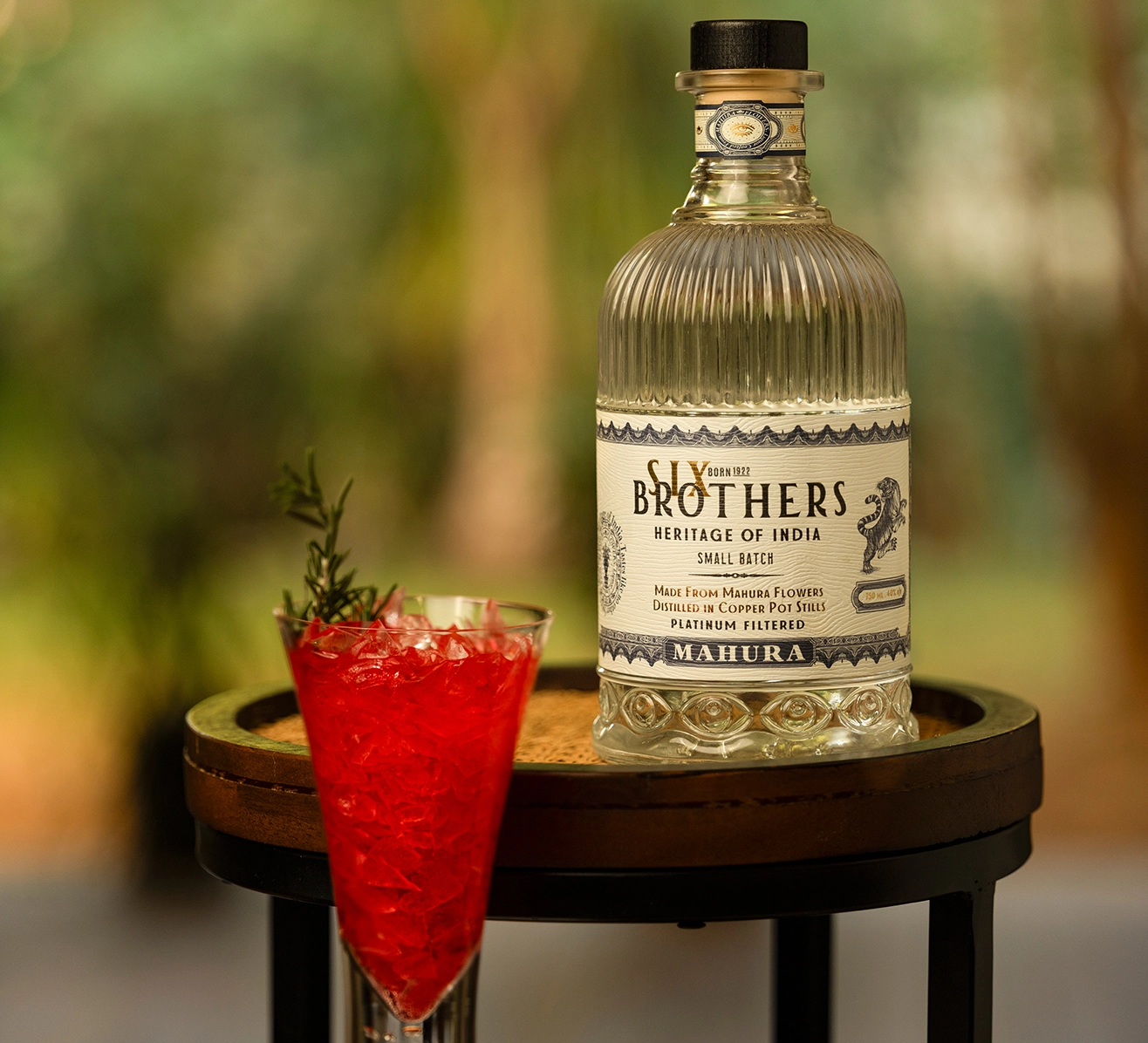
As traditional forest knowledge intersects with modern quality standards, Madhuca is increasingly viewed not as a relic of the past, but as a living example of sustainable Indian resources. In this context, responsibly produced expressions such as Six Brothers Mahura illustrate how Madhuca-based fermentation can be preserved, formalized, and shared without disconnecting from its origins
Also Read : Mahua Tree, Flower, and Fruit: A Complete Guide to Madhuca Indica
Madhuca indica is the scientific name of the Madhuka or Mahua tree.
Yes. Madhuka and Mahua refer to the same tree, Madhuca indica.
Yes. Its flowers are edible, and its seeds produce edible oil.
It supports traditional livelihoods, forest economies, and cultural heritage.
The Madhuca tree, whether called Madhuca indica or Madhuka, represents a rare balance between nature, culture, and sustainability. From its sweet flowers to its oil-rich seeds, it has quietly supported generations of forest communities across India.
Understanding the Madhuka tree is essential to understanding India’s indigenous food systems, fermentation traditions, and the growing movement toward respectful, locally rooted production.