
Posted on 20 Jan 2026
The Mahua tree is one of India’s most culturally, economically, and ecologically significant forest trees. Known for its sweet, aromatic flowers and oil-rich seeds, the Mahua tree has supported local and rural communities for centuries. Scientifically called Madhuca indica, this tree plays a vital role in traditional food systems, indigenous fermentation practices, and sustainable forest-based livelihoods.
This guide offers a detailed, intent-driven explanation of the Mahua tree, its structure, flowers, fruit, traditional and modern uses, and its growing relevance in contemporary India.
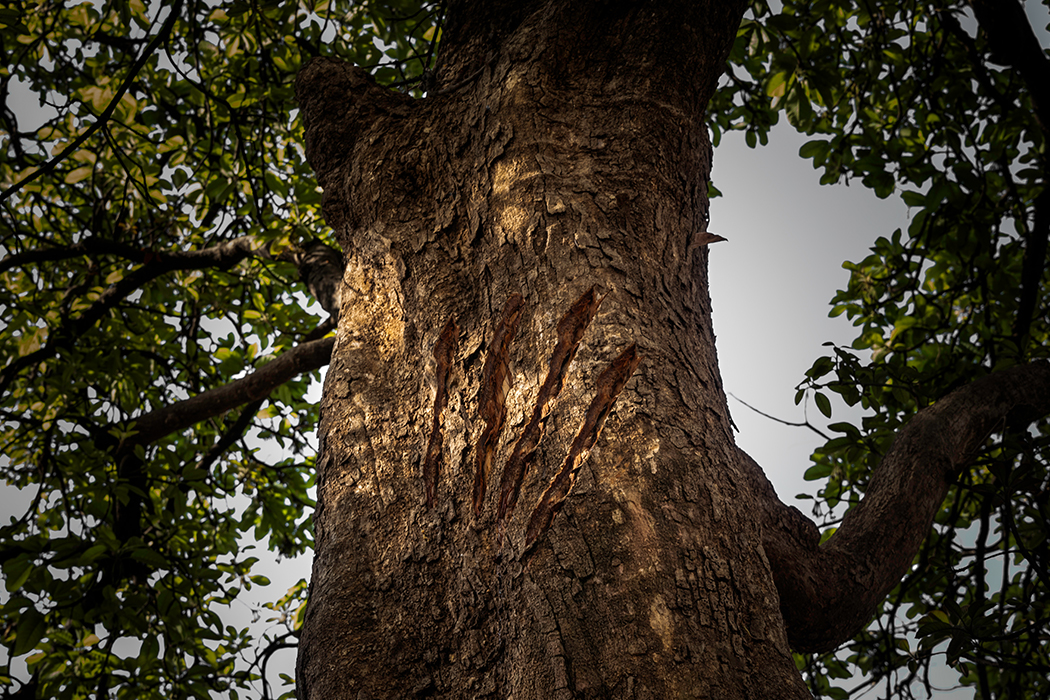
The Mahua tree, botanically known as Madhuca indica, is a tropical tree native to India and parts of South Asia. It grows naturally in dry deciduous forests and semi-arid regions, particularly across central, eastern, and western India.
For generations, Mahua has been central to traditional community life. It is not viewed merely as a plant resource, but as a seasonal provider of food, income, and cultural continuity. The tree is best known for its naturally sweet flowers, which are harvested during a short annual season and used for cooking, drying, and fermentation into traditional beverages such as Mahura.
Mahua is an evergreen to semi-evergreen tree that can grow up to 20 meters tall. It is highly resilient, capable of surviving drought conditions and poor soil quality. This adaptability has made it a dependable tree species in forest regions where agricultural reliability is low.
Every part of the Mahua tree has practical value, making it one of the most utilitarian trees in the Indian subcontinent.
Madhuca is a scientifical genus of tropical trees belonging to the Sapotaceae family. Native to South Asia, Madhuca trees are best known for their edible flowers, oil-bearing seeds, and deep connection to traditional forest-based livelihoods.
The term Mahua commonly used across India refers to specific species within the Madhuca genus, most notably Madhuca indica. While Mahua is the popular name, Madhuca is the scientific classification that groups several closely related trees with similar characteristics and uses.
Madhuca trees are valued for their resilience in dry climates, their ability to thrive in poor soils, and their role in sustaining rural and indigenous communities.
India is home to multiple species of the Madhuca genus, each adapted to different climatic and regional conditions. Though their local names and uses may vary slightly, all Madhuca species share common traits such as edible flowers and oil-rich seeds.
Major Madhuca species in India include:
All these species play an important role in forest ecosystems and rural economies.
Madhuca has long been referenced in traditional Indian medicinal systems, particularly Ayurveda. Different parts of the Madhuca tree are traditionally used for their nourishing and balancing properties.
Traditional uses include:
While traditional knowledge recognizes Madhuca as a valuable plant, modern usage emphasizes responsible consumption and scientific validation rather than medicinal claims.
Beyond their economic value, Madhuca trees play a crucial ecological role in India’s dry and semi-arid forest regions.
Madhuca trees help:
Because of their long lifespan and minimal water requirements, Madhuca trees are often protected and community-managed in forest areas.
Madhuca and Mahua are often used interchangeably, but they are not identical terms.
In simple terms, all Mahua trees belong to the Madhuca genus, but not all Madhuca species are called Mahua in everyday language.
Understanding this distinction helps clarify scientifical classification and traditional usage.
Madhuca trees are native to the Indian subcontinent and are commonly found in:
They grow naturally in dry deciduous forests, grassland edges, and semi-arid regions, making them one of the most climate-resilient indigenous tree species.
The Mahua tree has a thick, sturdy trunk that supports a wide-spreading canopy. Its long lifespan and minimal maintenance requirements make it an ideal forest species.
The leaves are large, oval-shaped, and deep green in color. They grow in clusters near the ends of branches and help the tree retain moisture during dry seasons. The dense canopy provides shade, improves soil stability, and supports surrounding plant and animal life.
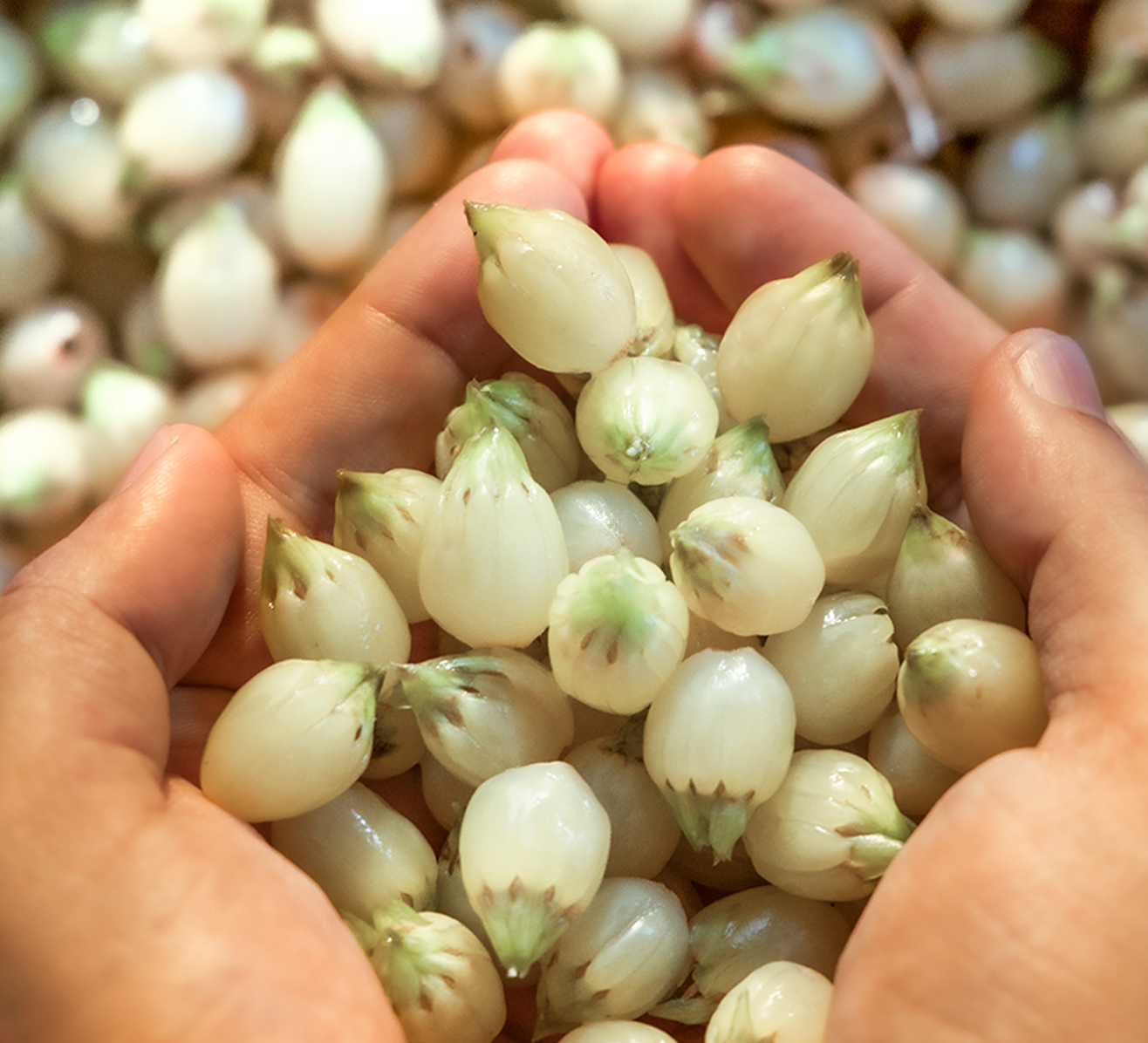
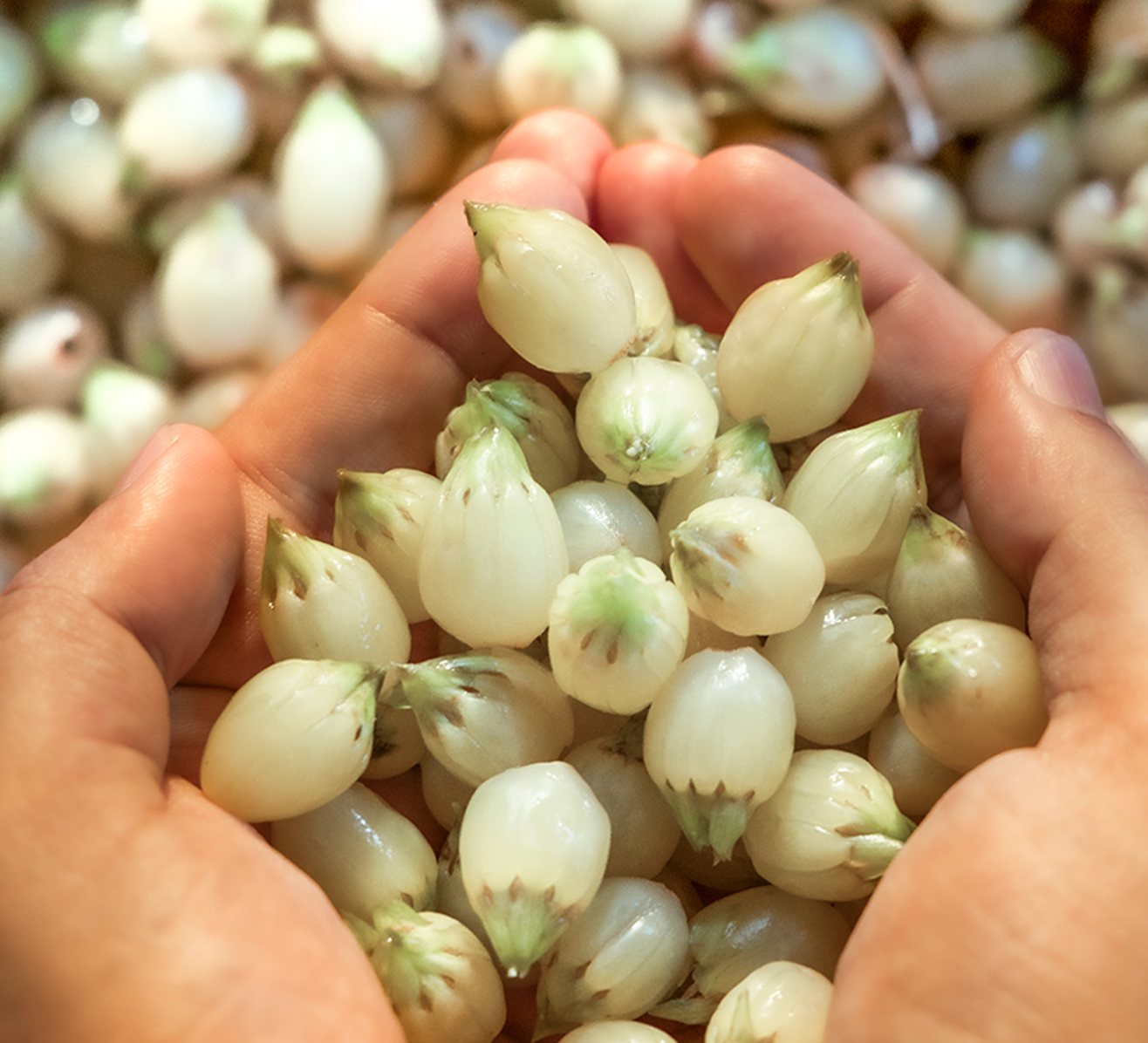
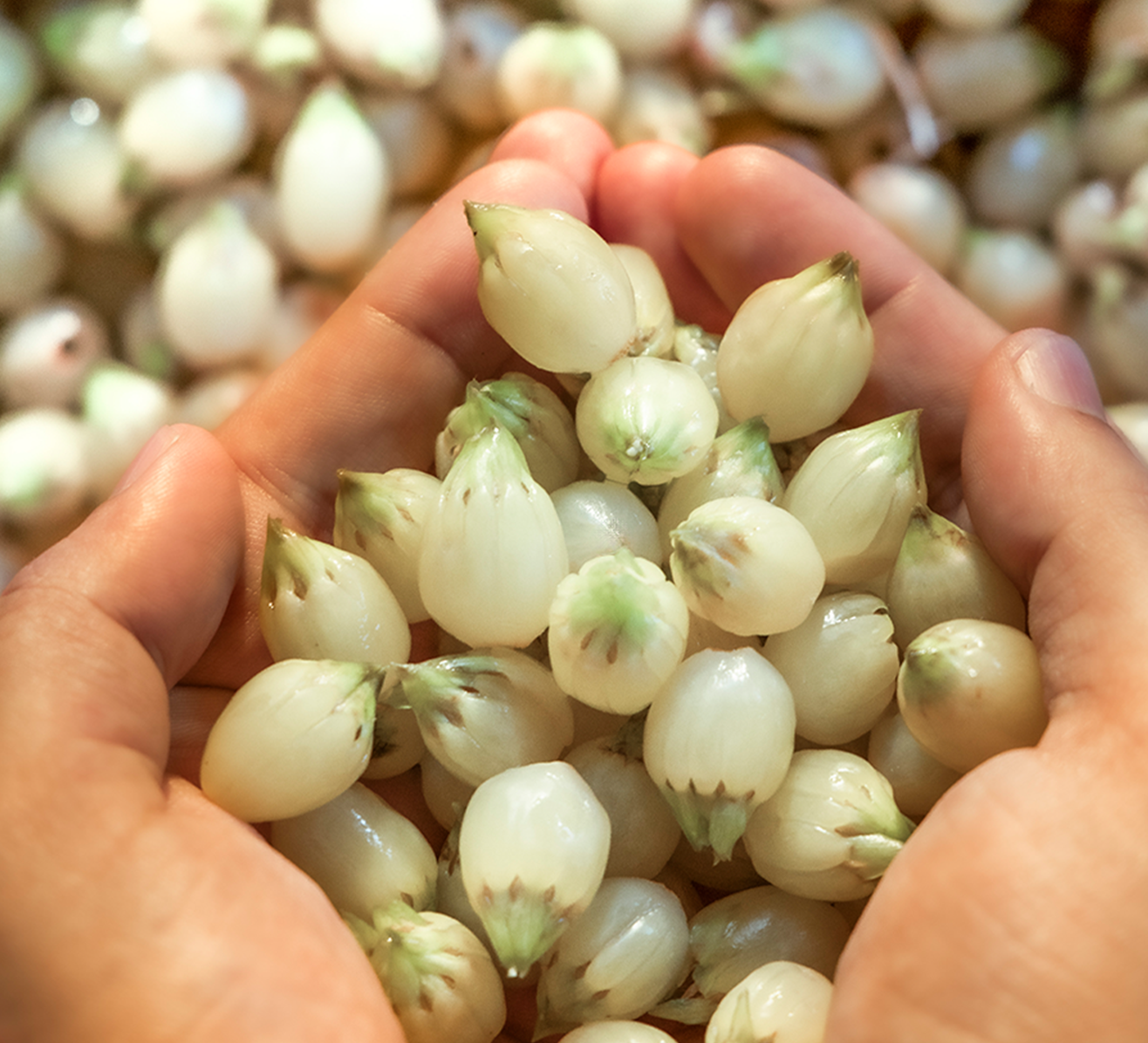
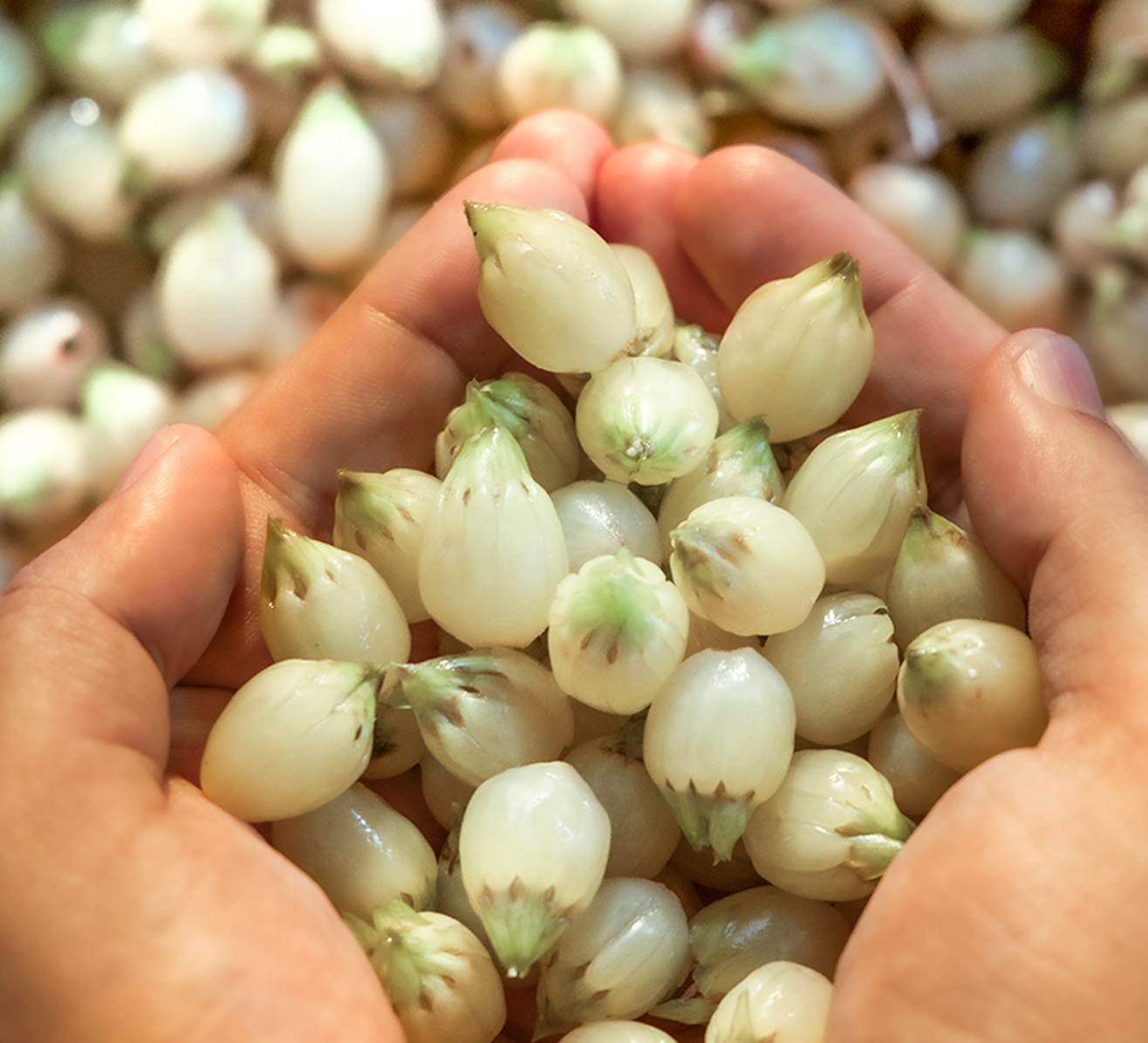
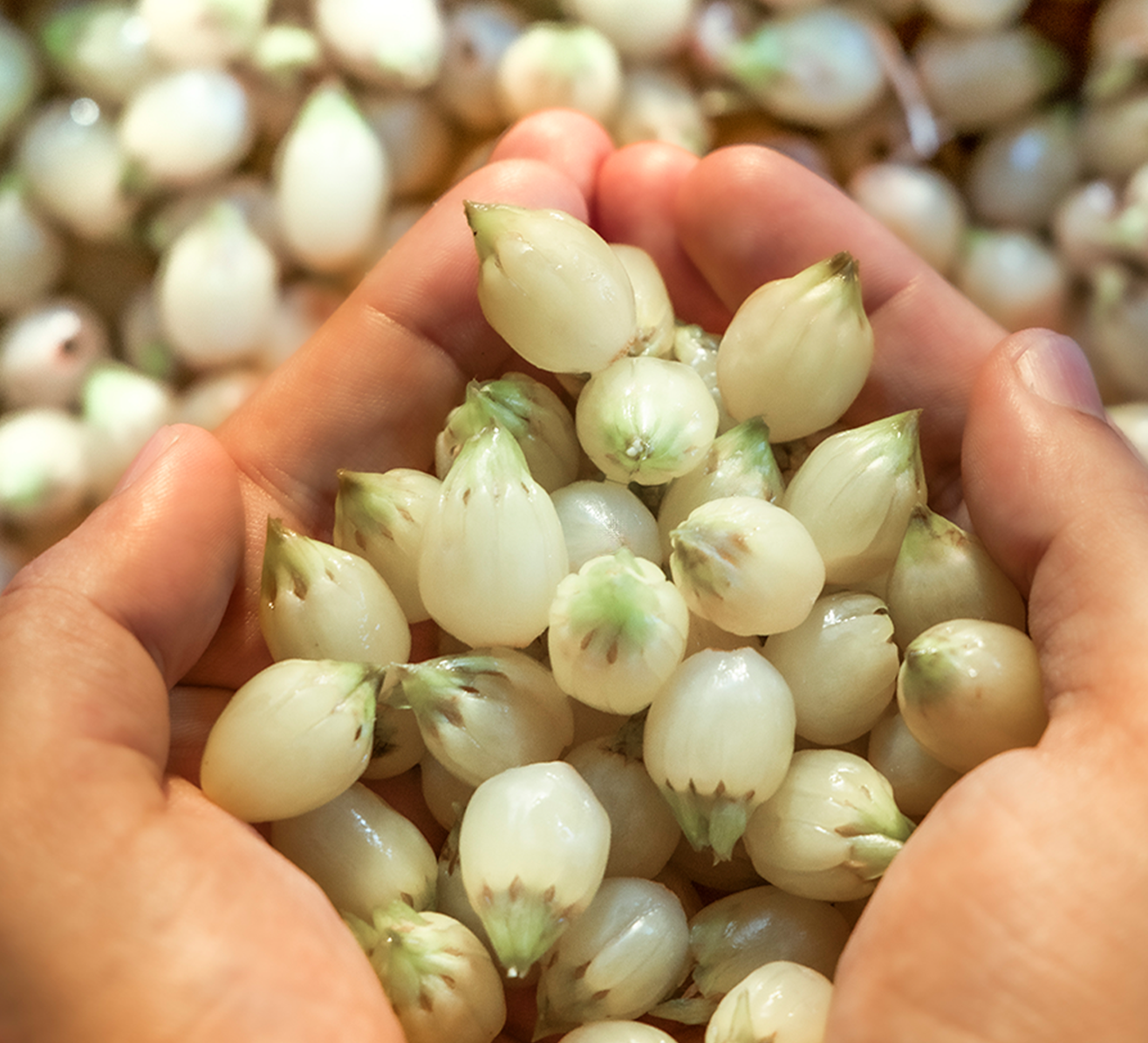
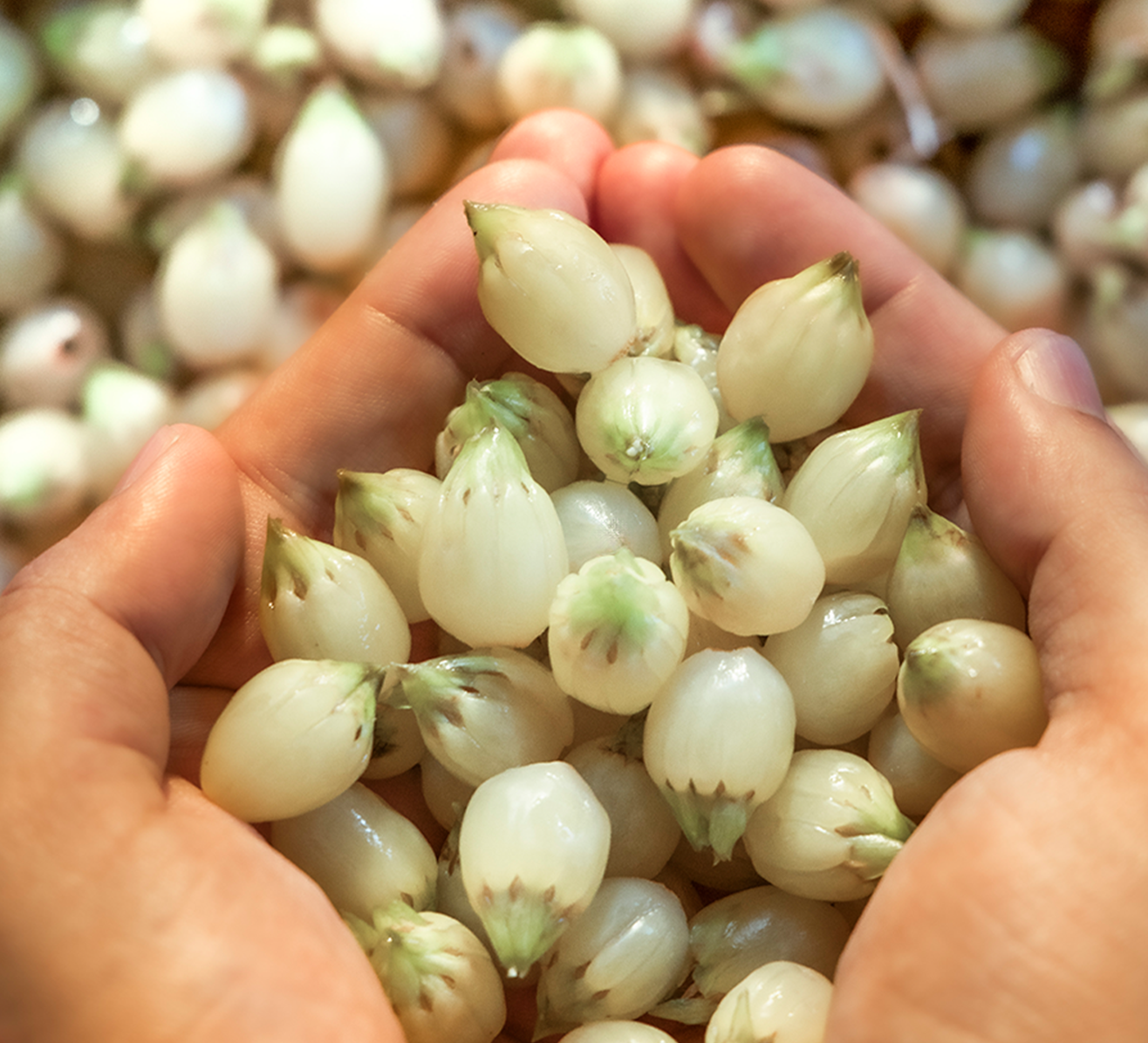
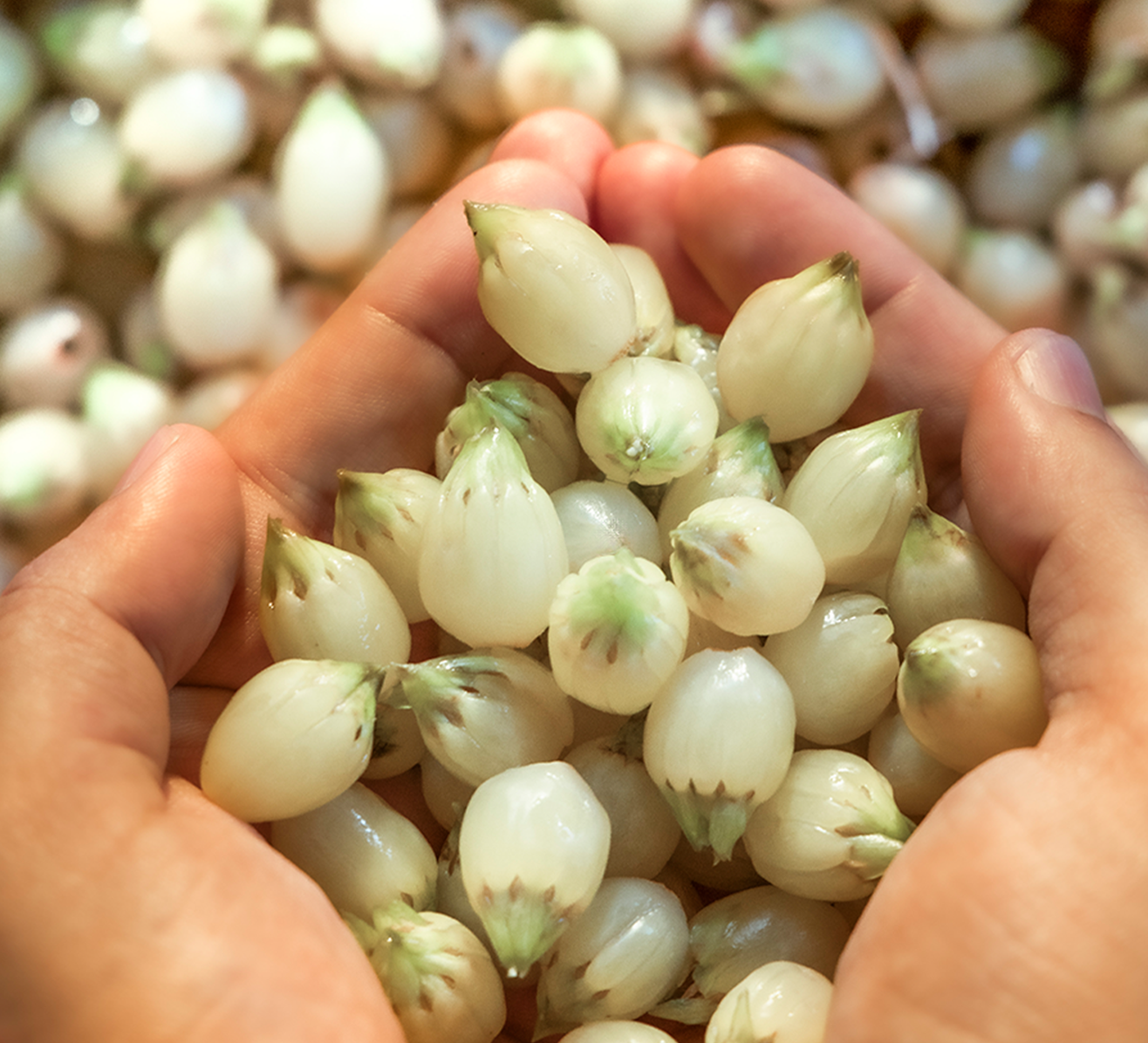
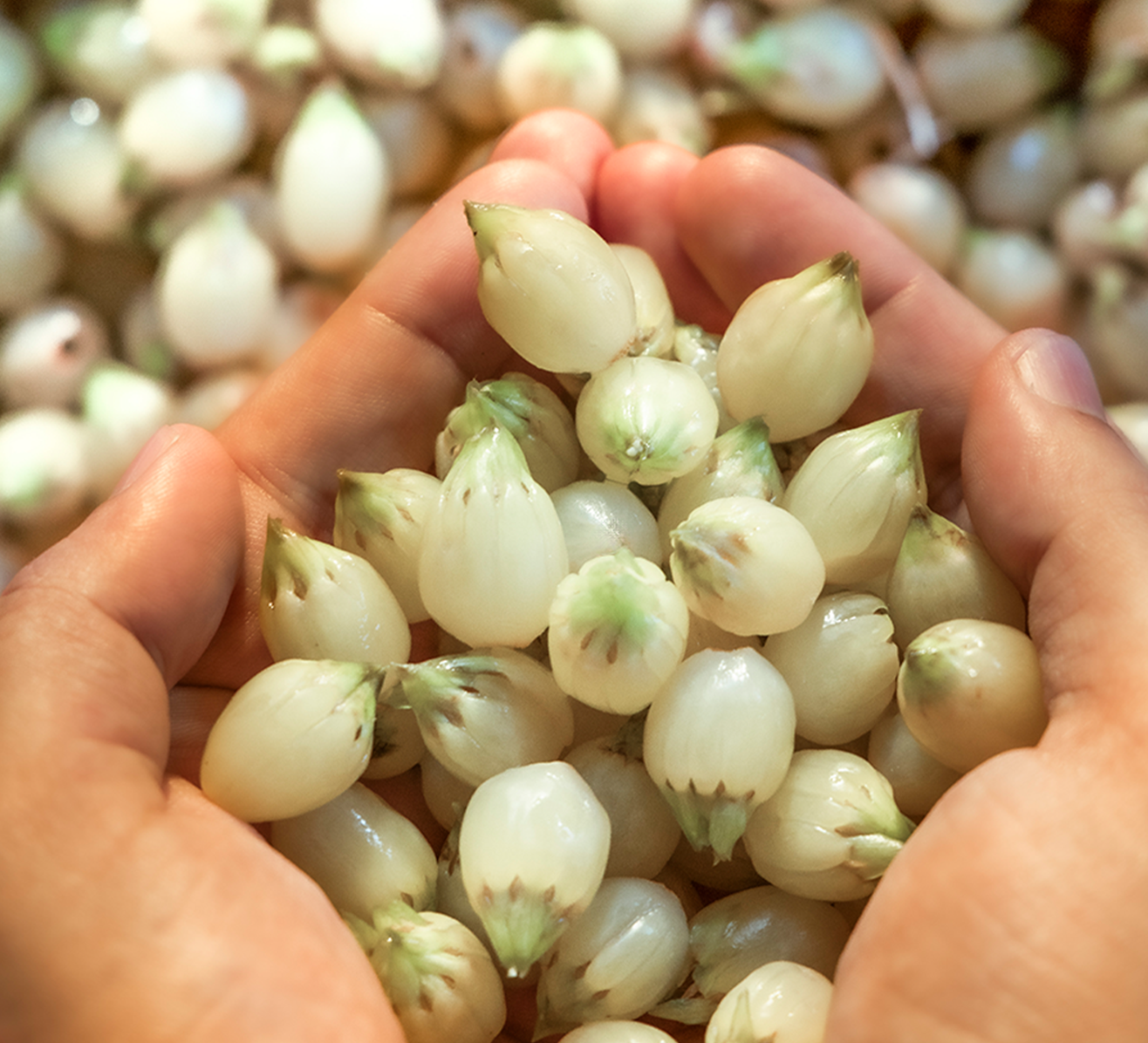
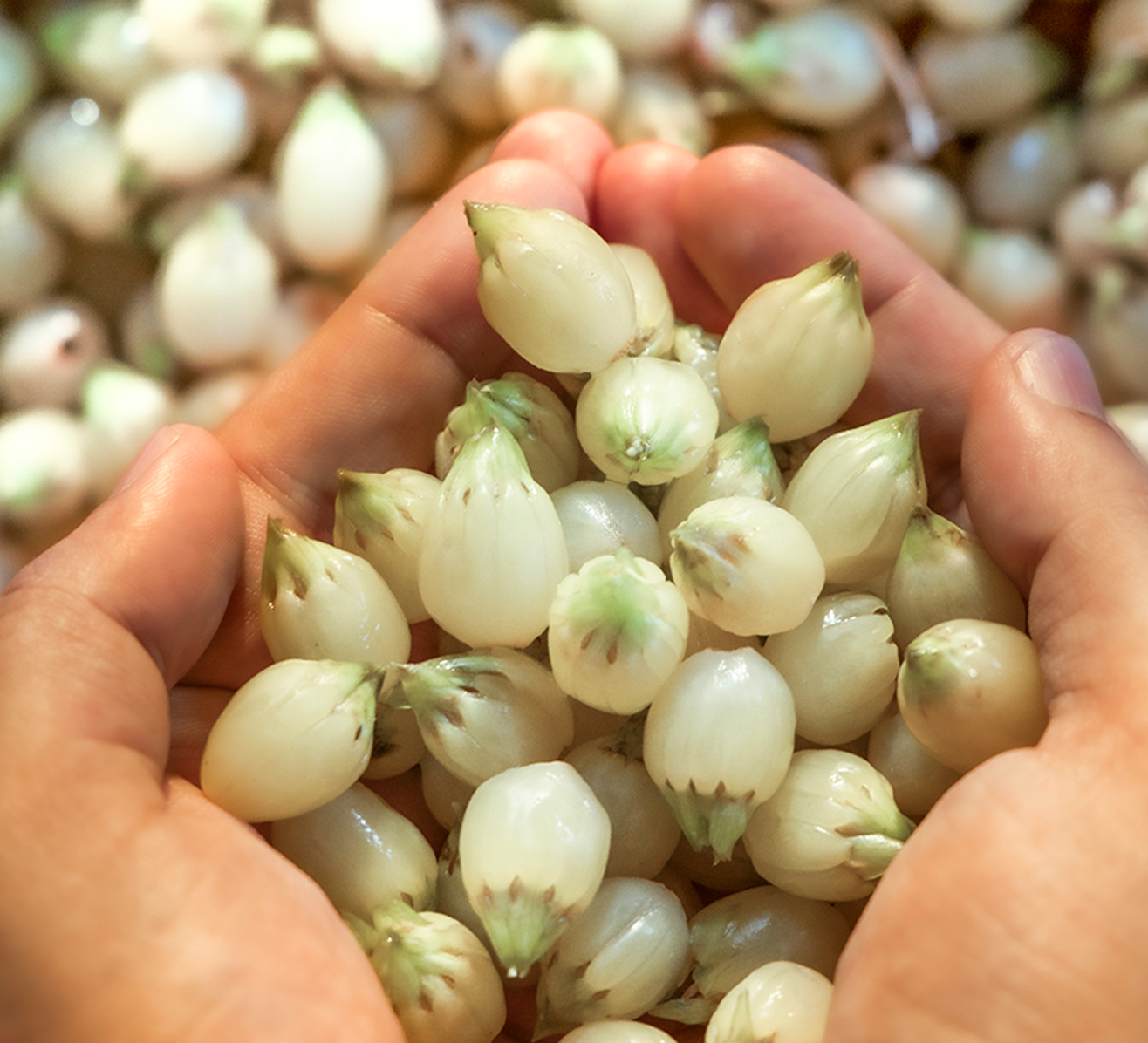
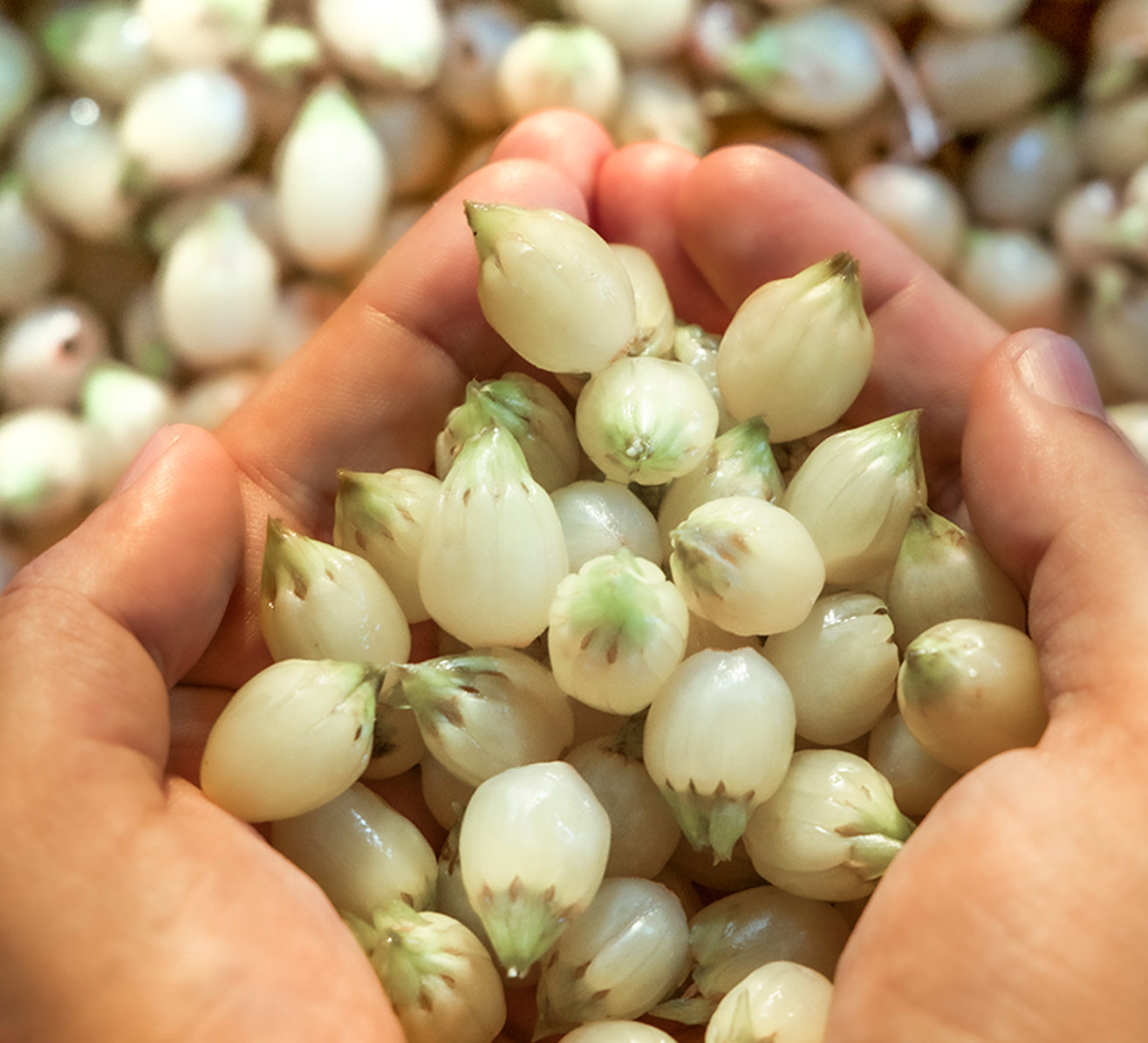
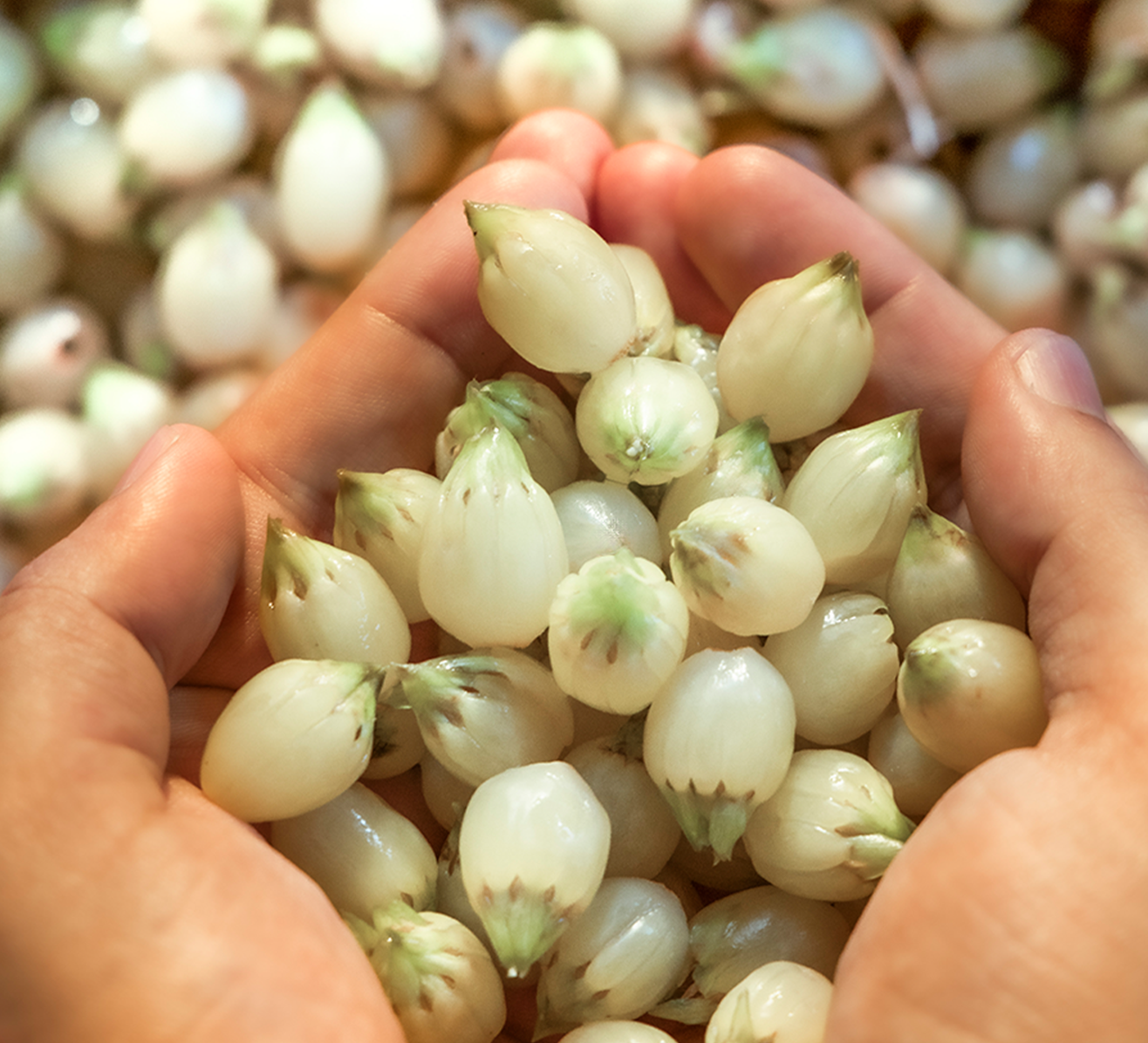
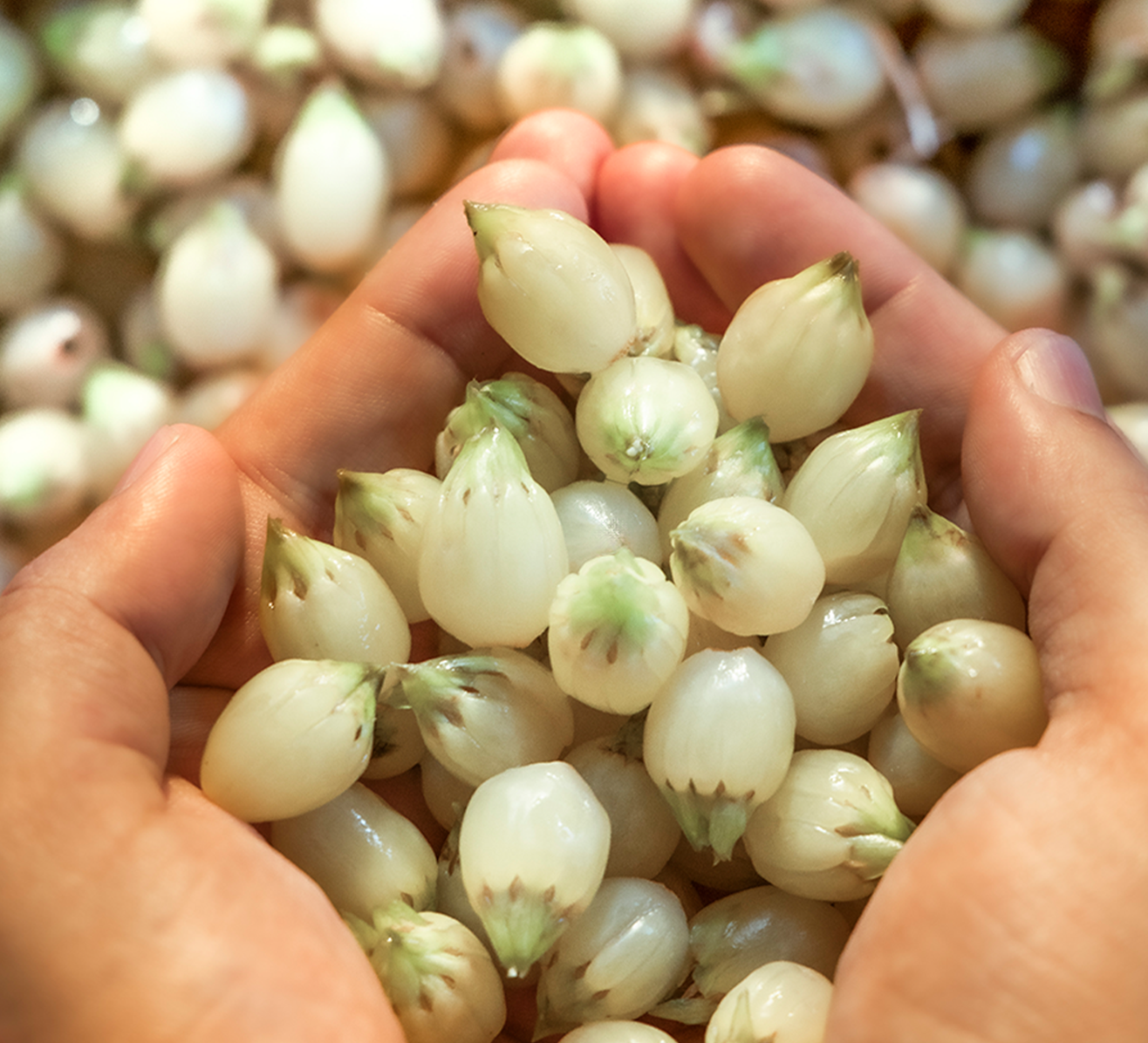
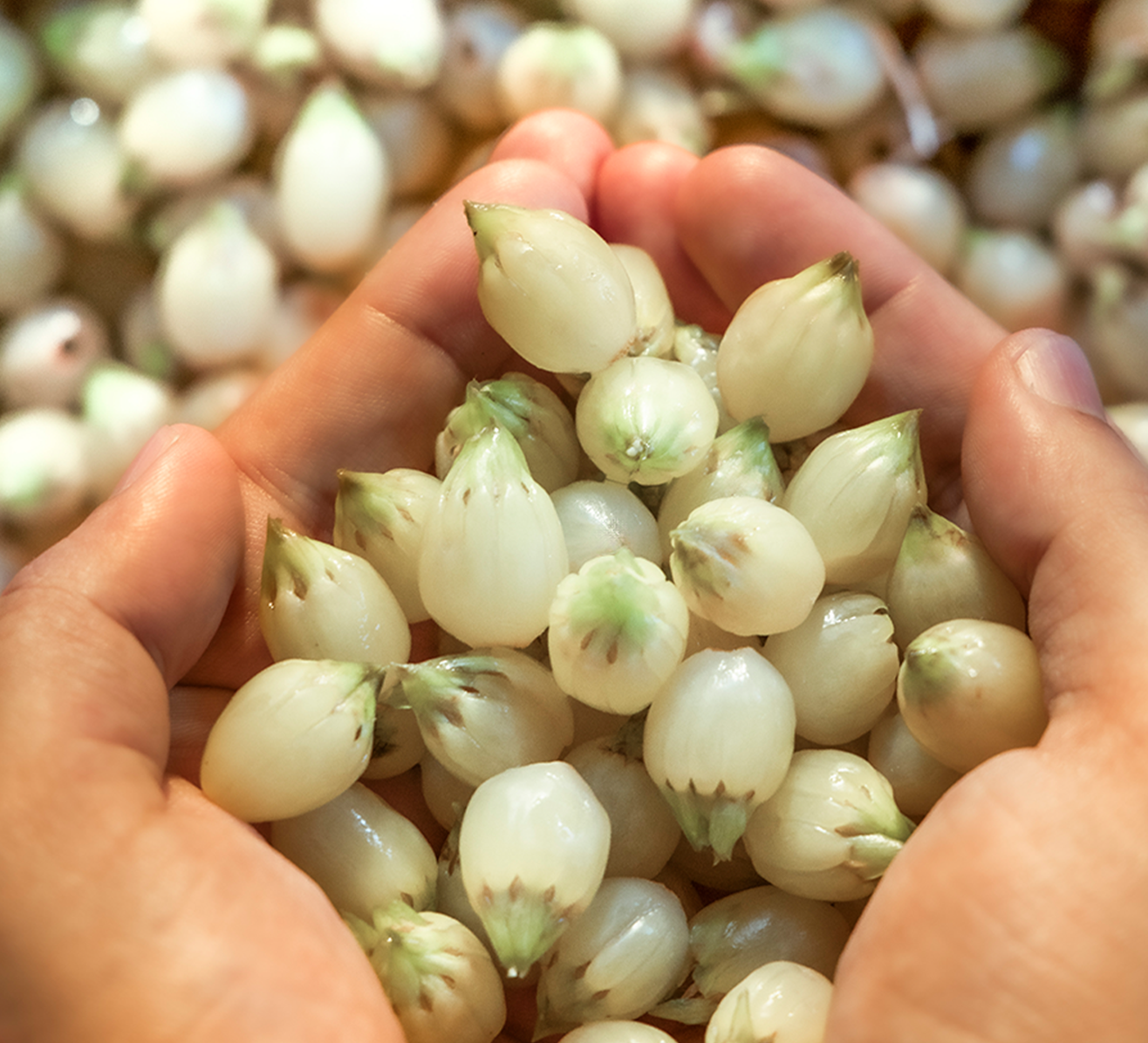
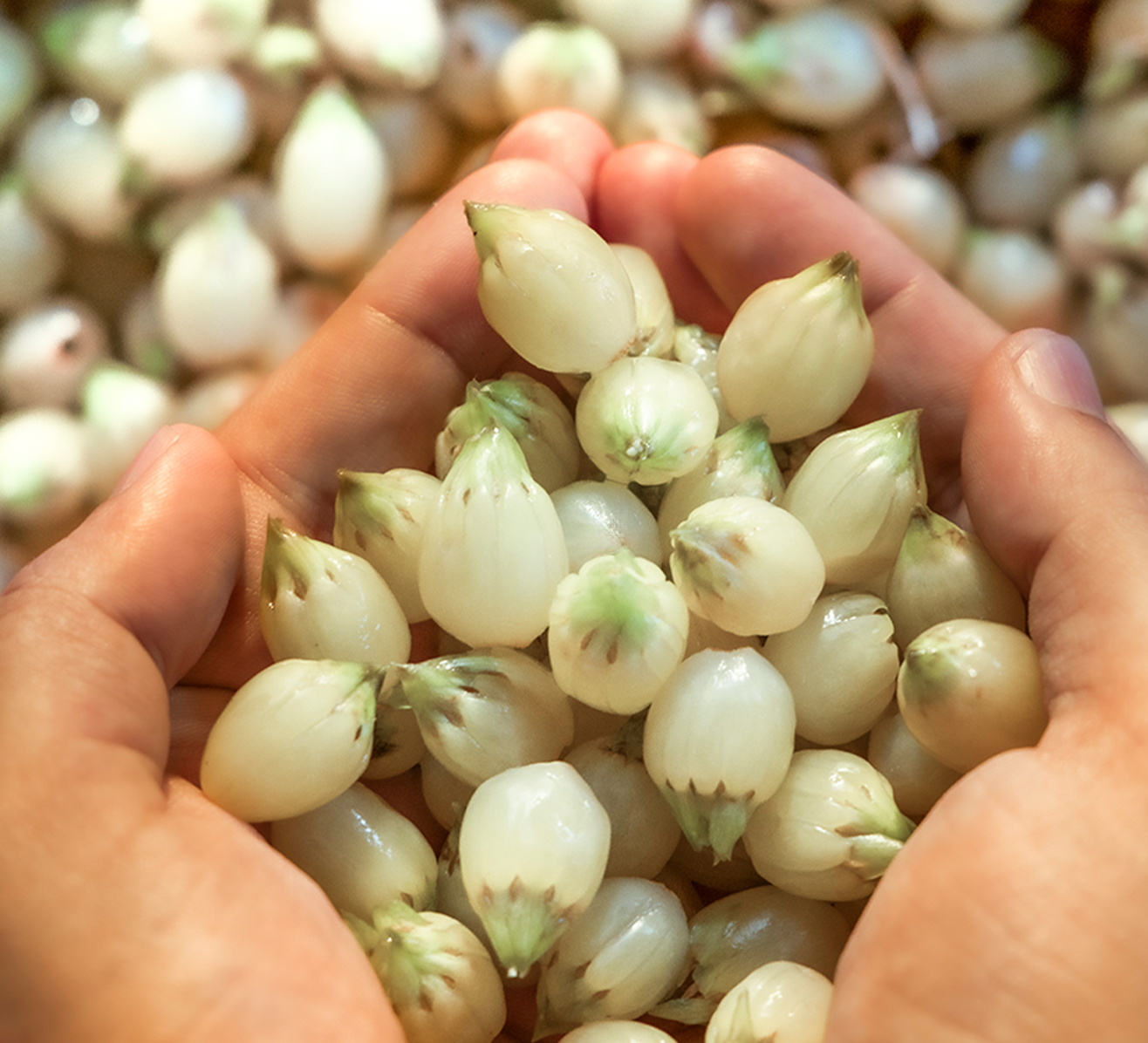
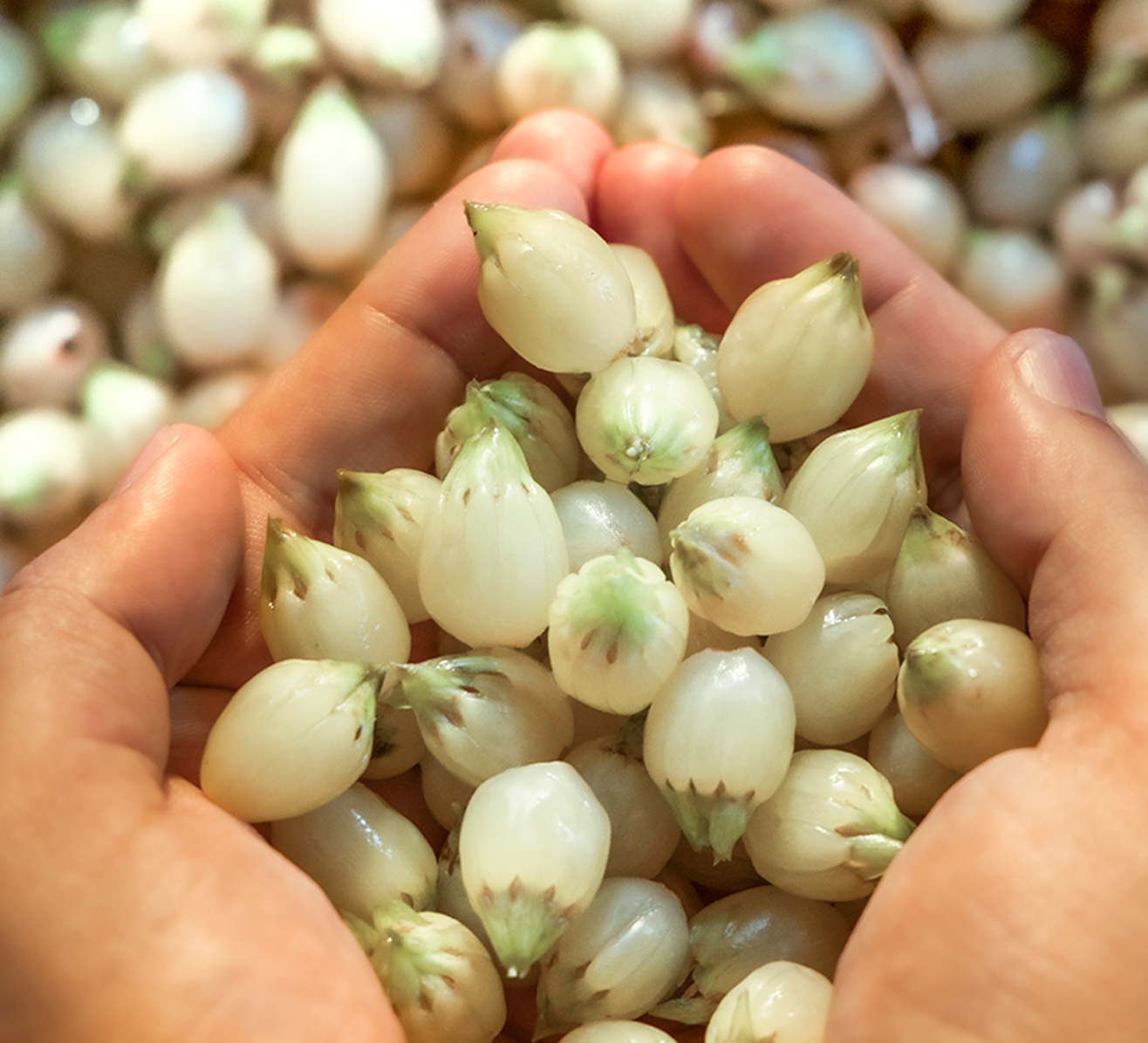
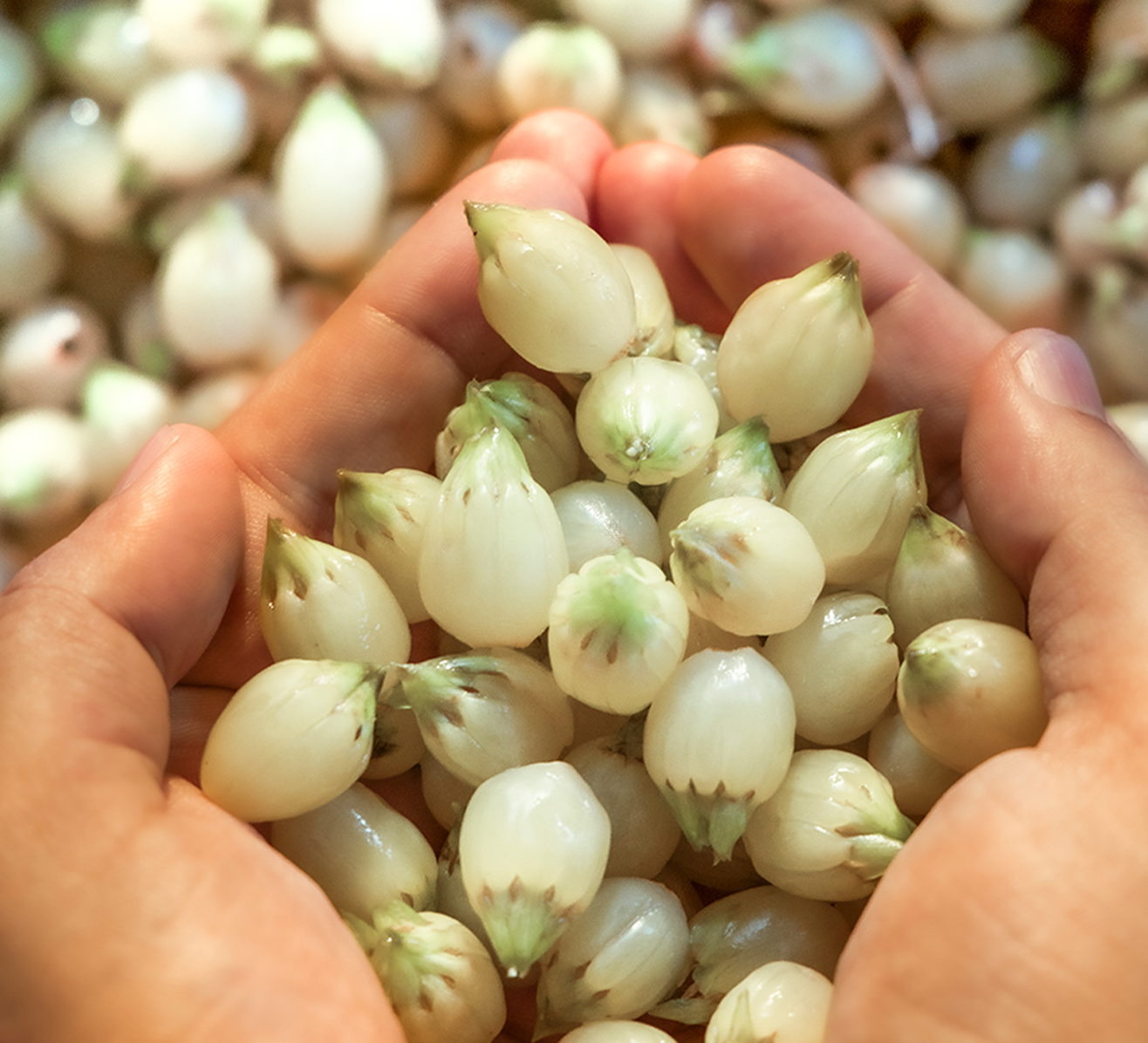
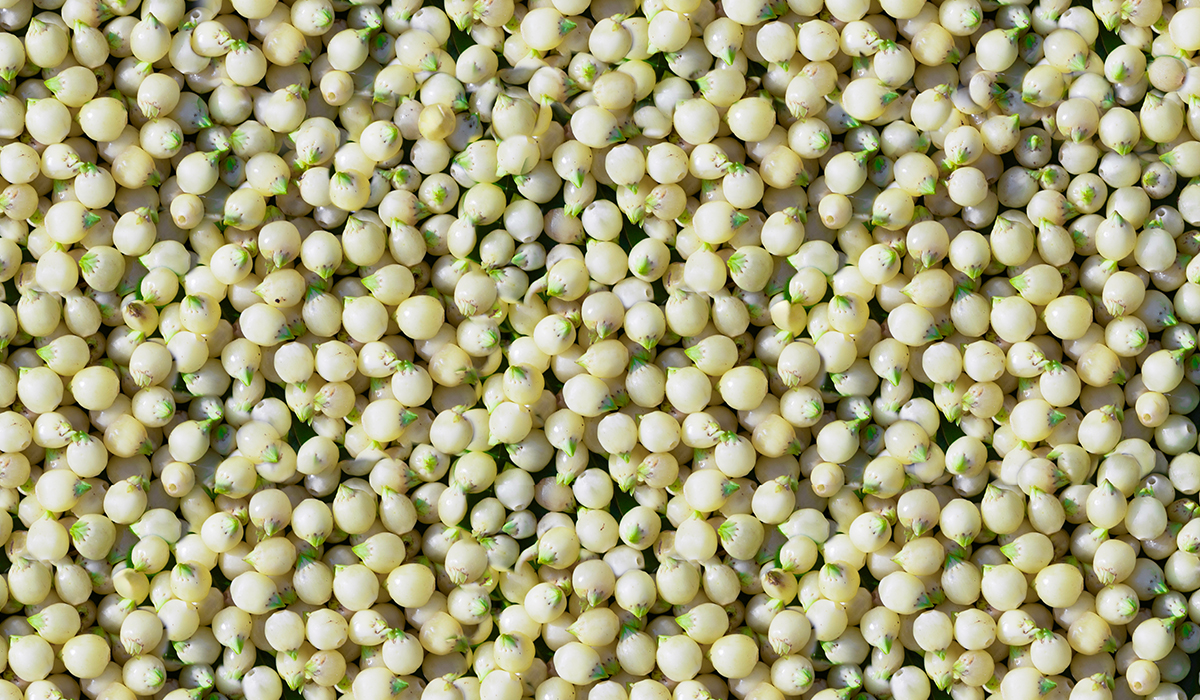
Mahua flowers are the most economically and culturally important part of the tree.
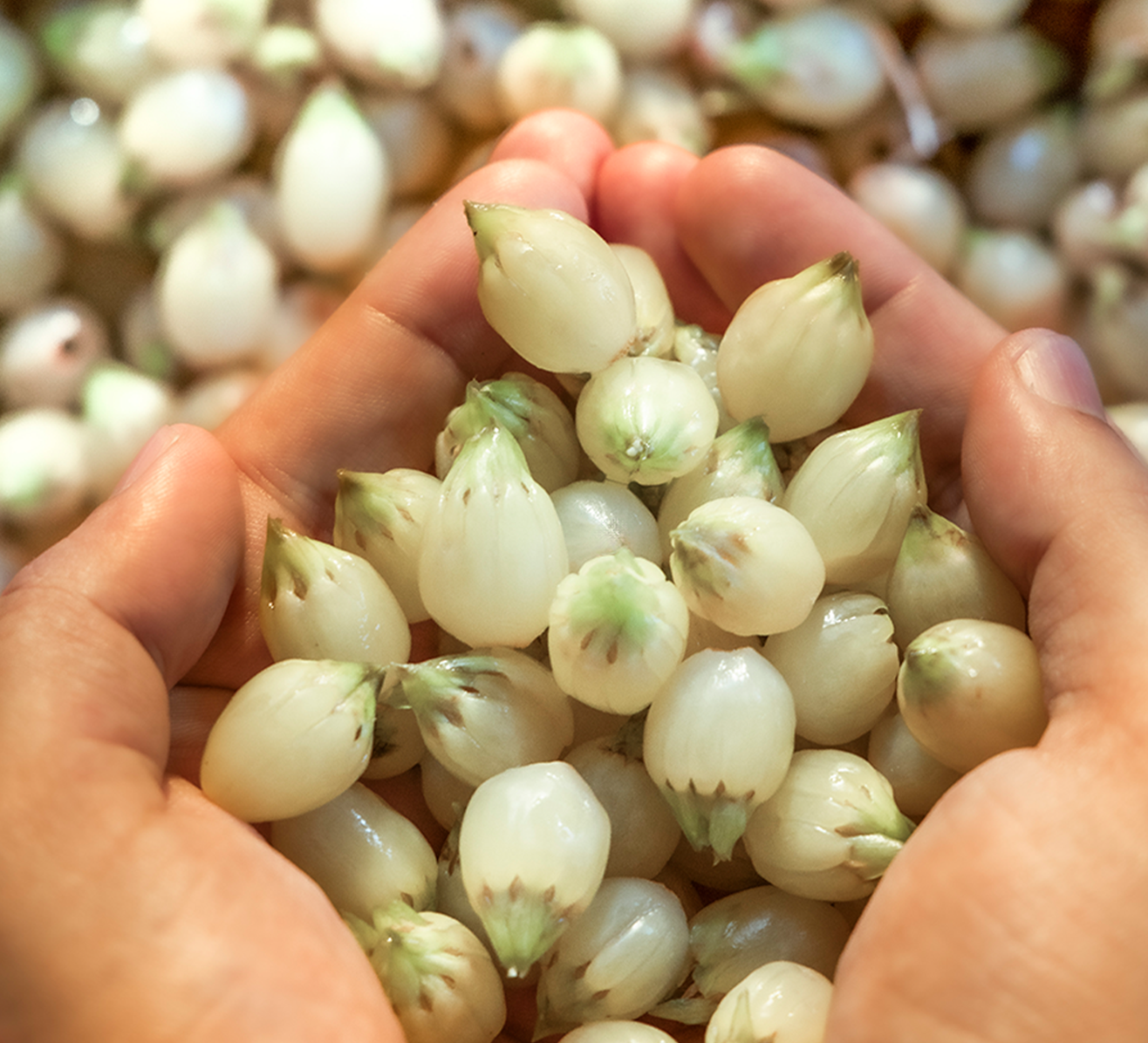
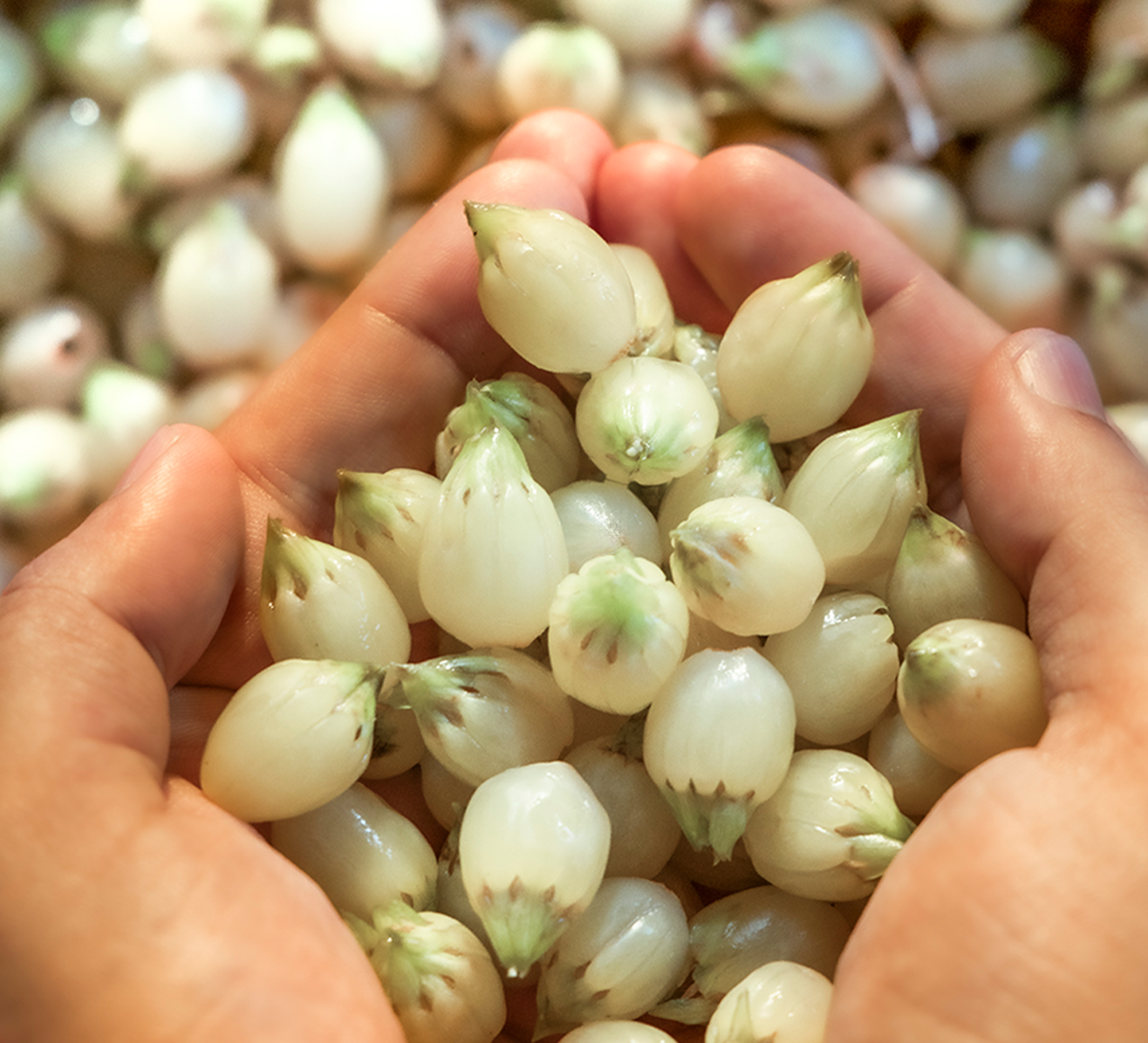
They are pale yellow to cream in color, fleshy in texture, and naturally high in sugar. When ripe, the flowers fall to the ground rather than being plucked from the tree. This natural shedding preserves their sugar content and aroma.
Flowers are collected early in the morning, cleaned, and sun-dried. Properly dried Mahua flowers can be stored for months and used gradually throughout the year.
Historically, Mahua flowers have been used as a vital food source in local communities, especially during lean agricultural periods.
Because the flowers ferment naturally, they have long been used to produce local drinks using household-level fermentation methods passed down through generations.
In recent years, Mahua flowers have gained renewed attention beyond forest communities. Their natural sweetness and fermentability have made them relevant to modern applications such as:
The revival of Mahua-based fermentation has brought traditional knowledge into conversation with modern quality and safety standards.
After the flowering season, the Mahua tree produces green, oval-shaped fruits. These fruits contain fleshy pulp and oil-rich seeds.
The fruit pulp is edible in some regions, though the primary value lies in the seeds. Mahua seeds are traditionally pressed to extract Mahua oil.
The oil’s stability and long shelf life make it especially valuable in forest economies.
Mahua trees typically flower once a year, most commonly between March and April. The exact timing varies slightly depending on regional climate conditions.
Because the flowering season is short, harvesting is highly time-sensitive. Entire communities often participate in collection, drying, and storage. This seasonal rhythm has made Mahua flowering a culturally significant event in many regions.
For local communities, Mahua is inseparable from daily life and cultural identity.
The tree supports:
The collective harvesting and processing of Mahua flowers strengthens community bonds and preserves traditional ecological knowledge.
Mahua flowers ferment naturally due to their high sugar content. Traditional fermentation typically involves sun-dried flowers mixed with water and left to ferment using natural yeast present on the flowers.
This slow fermentation process forms the base of traditional Mahua-based beverages. While methods vary by region, the underlying principles remain consistent and deeply rooted in indigenous practice.
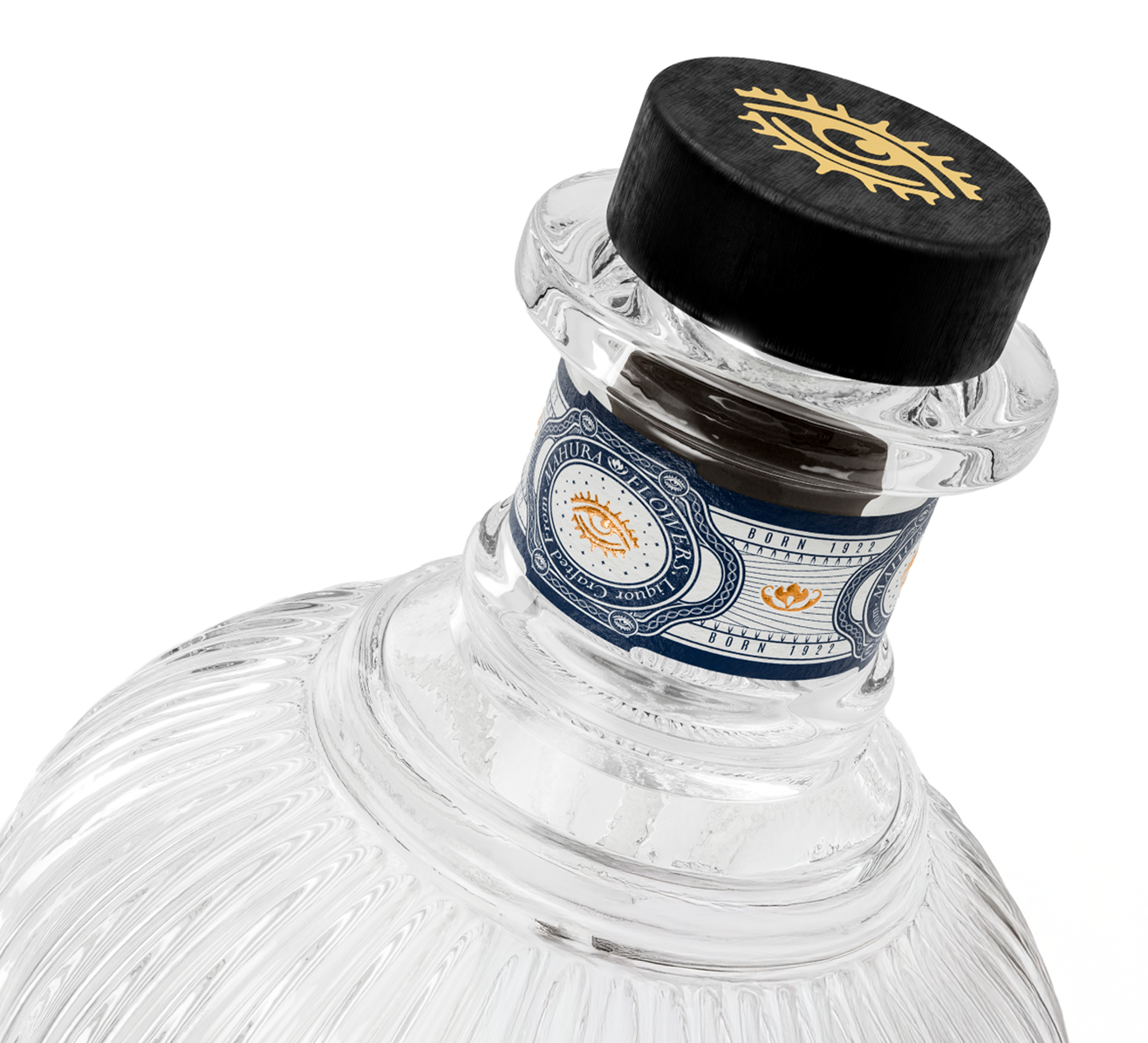
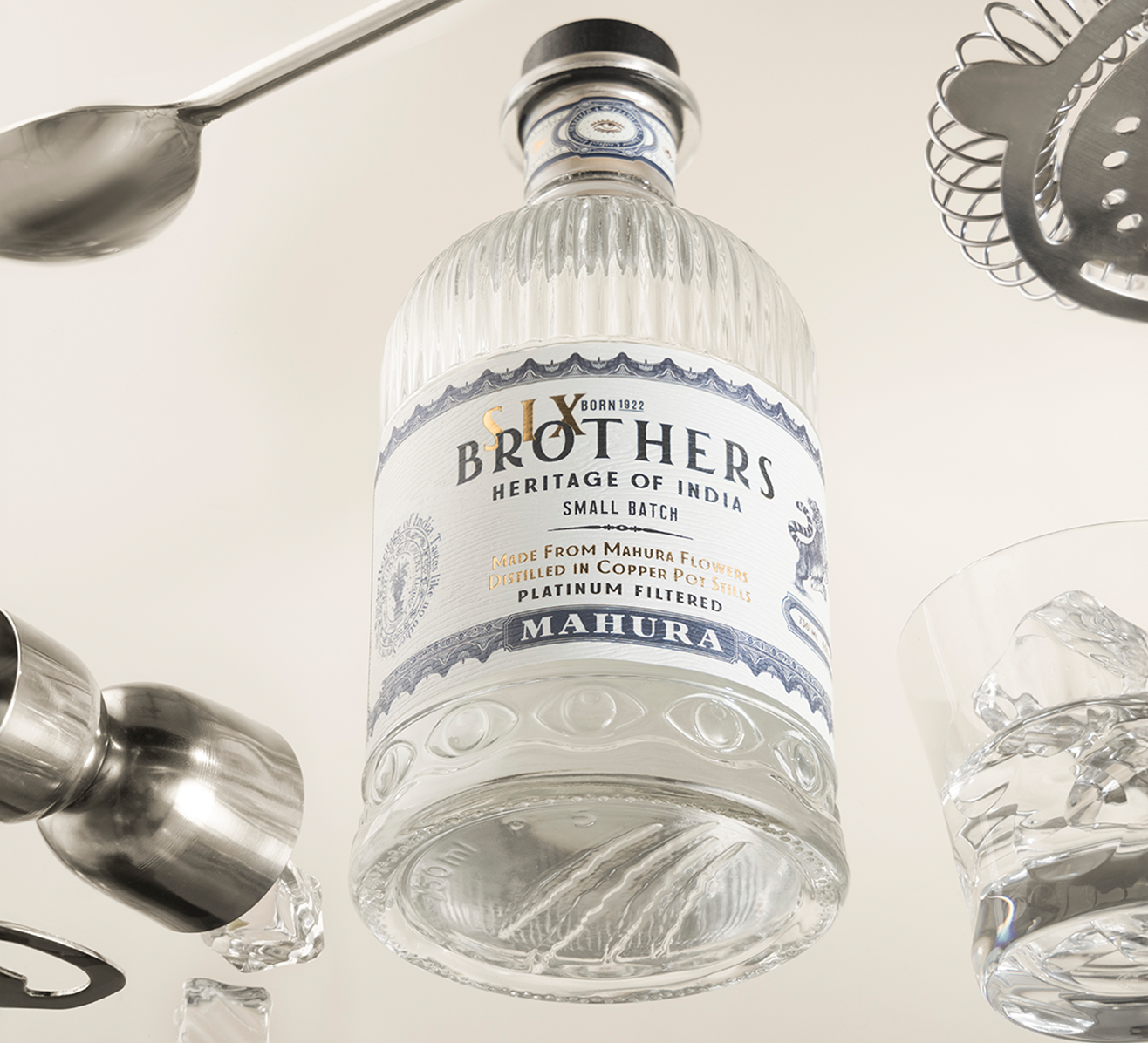
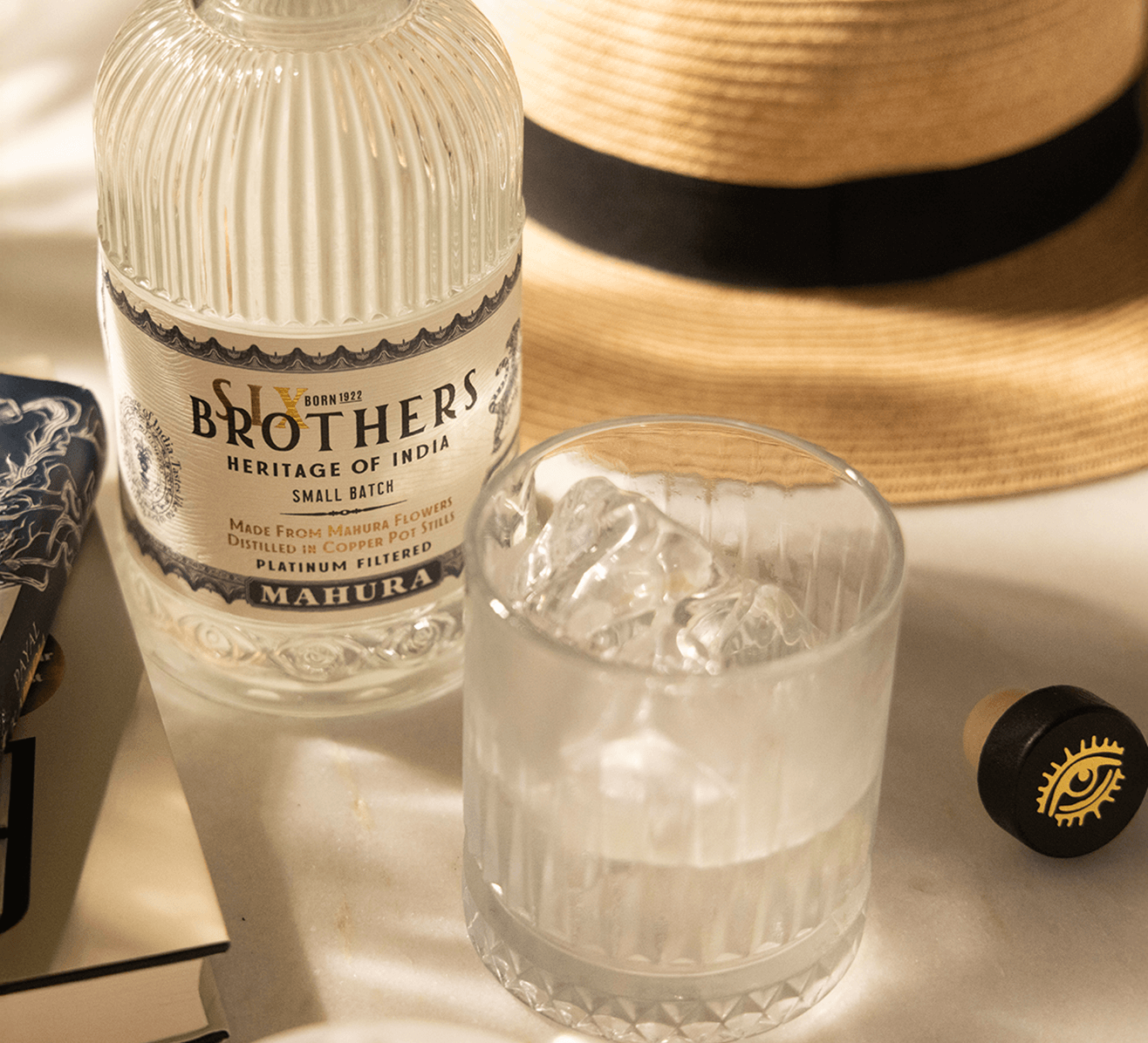
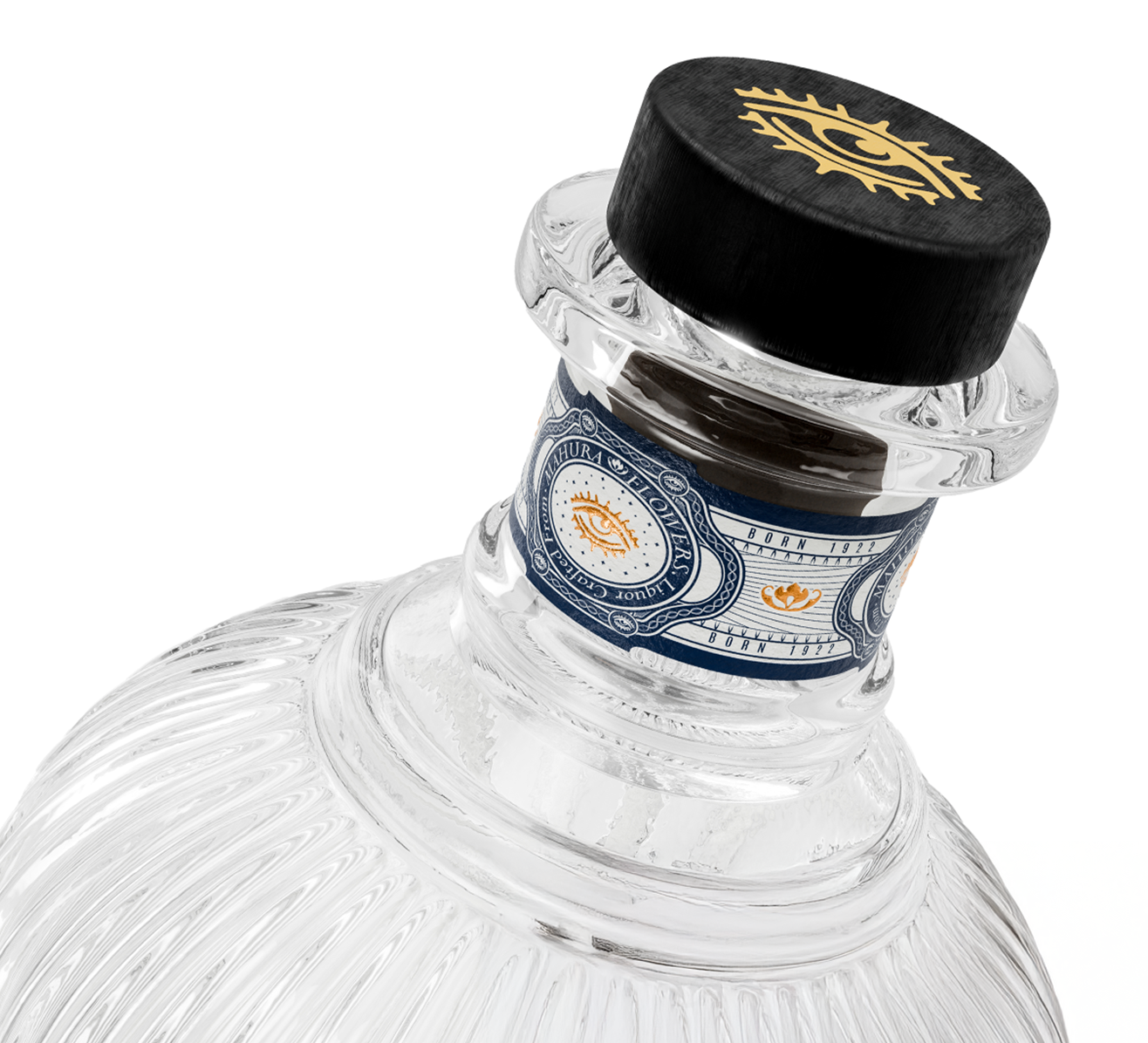
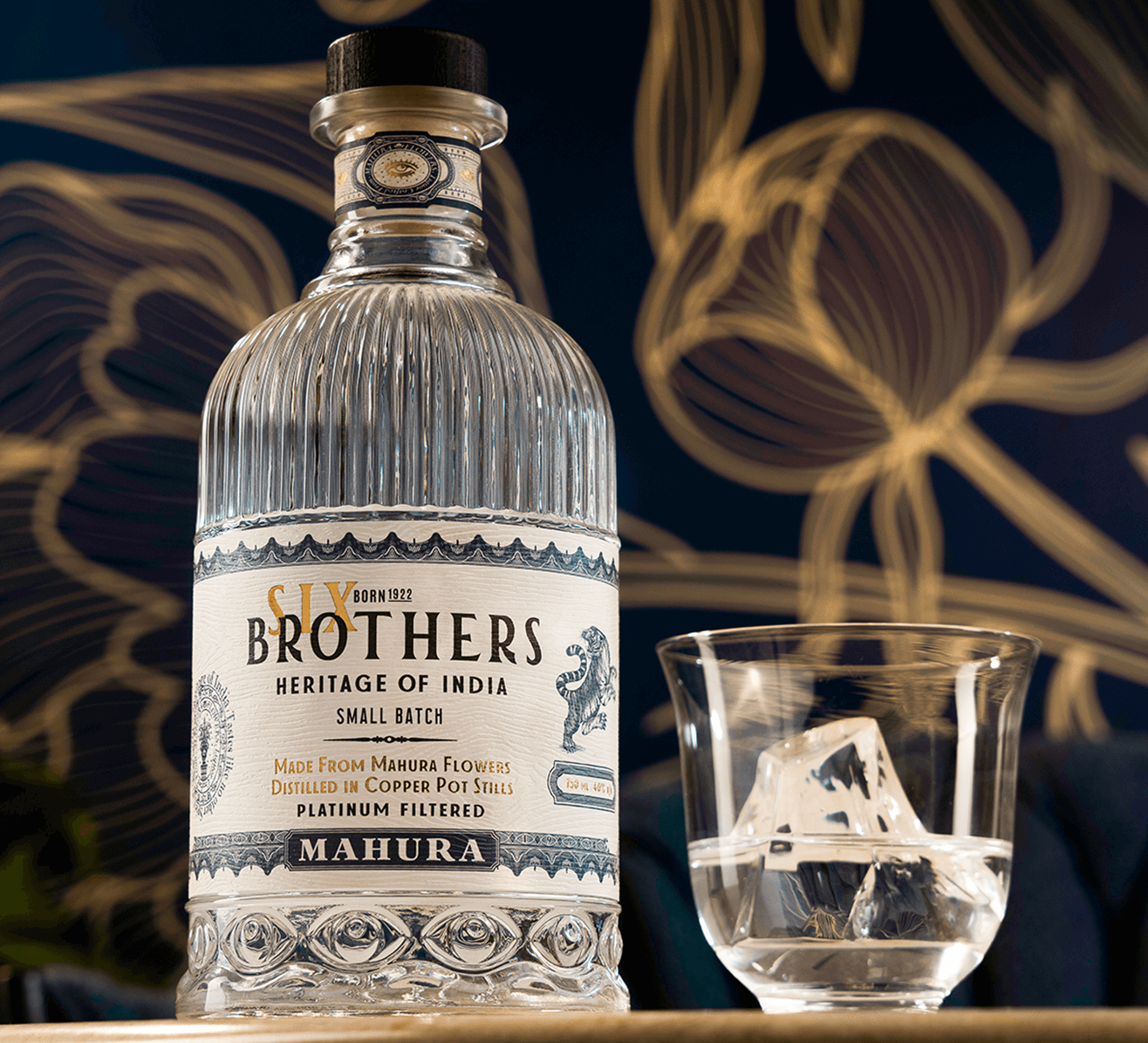
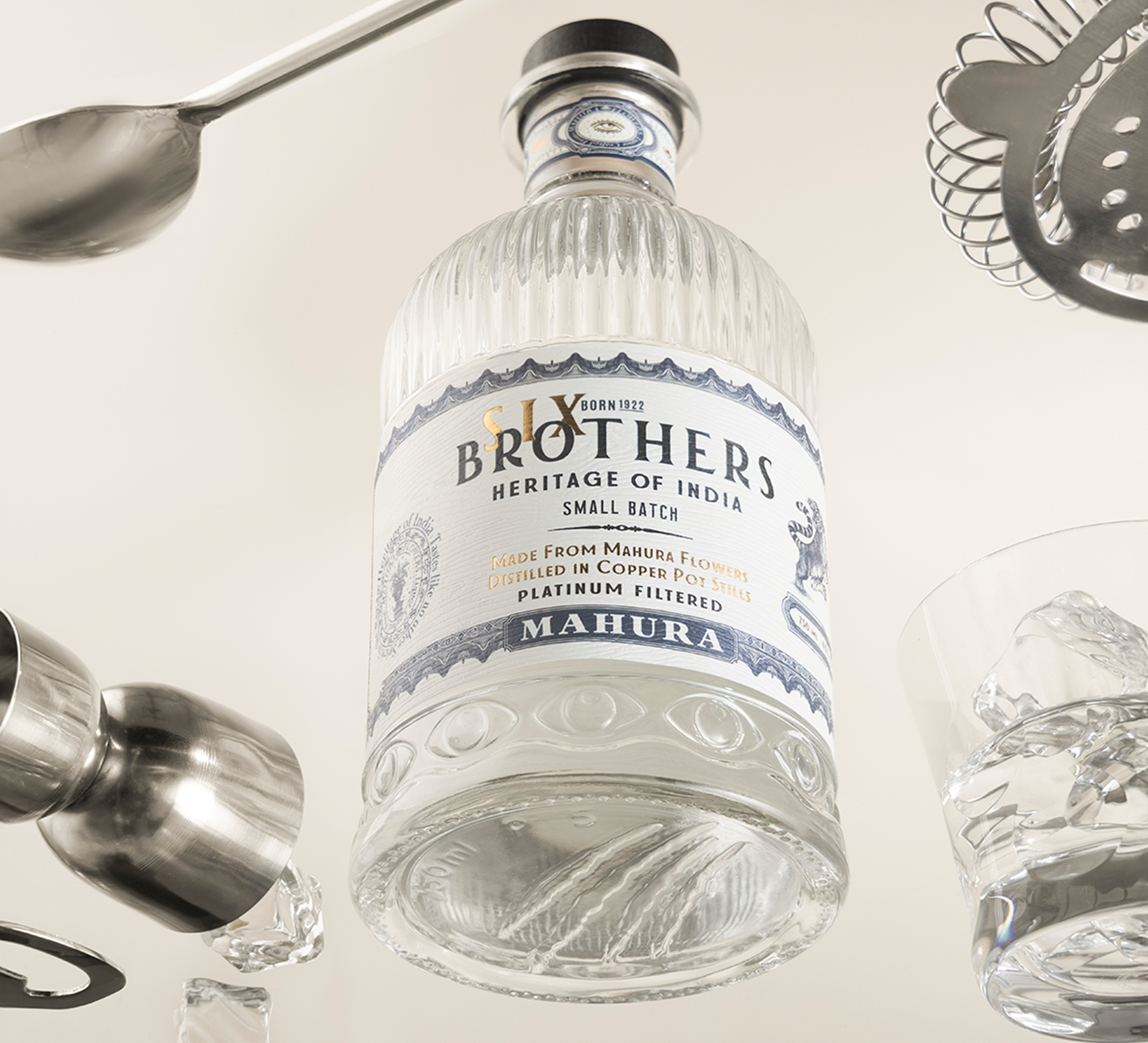
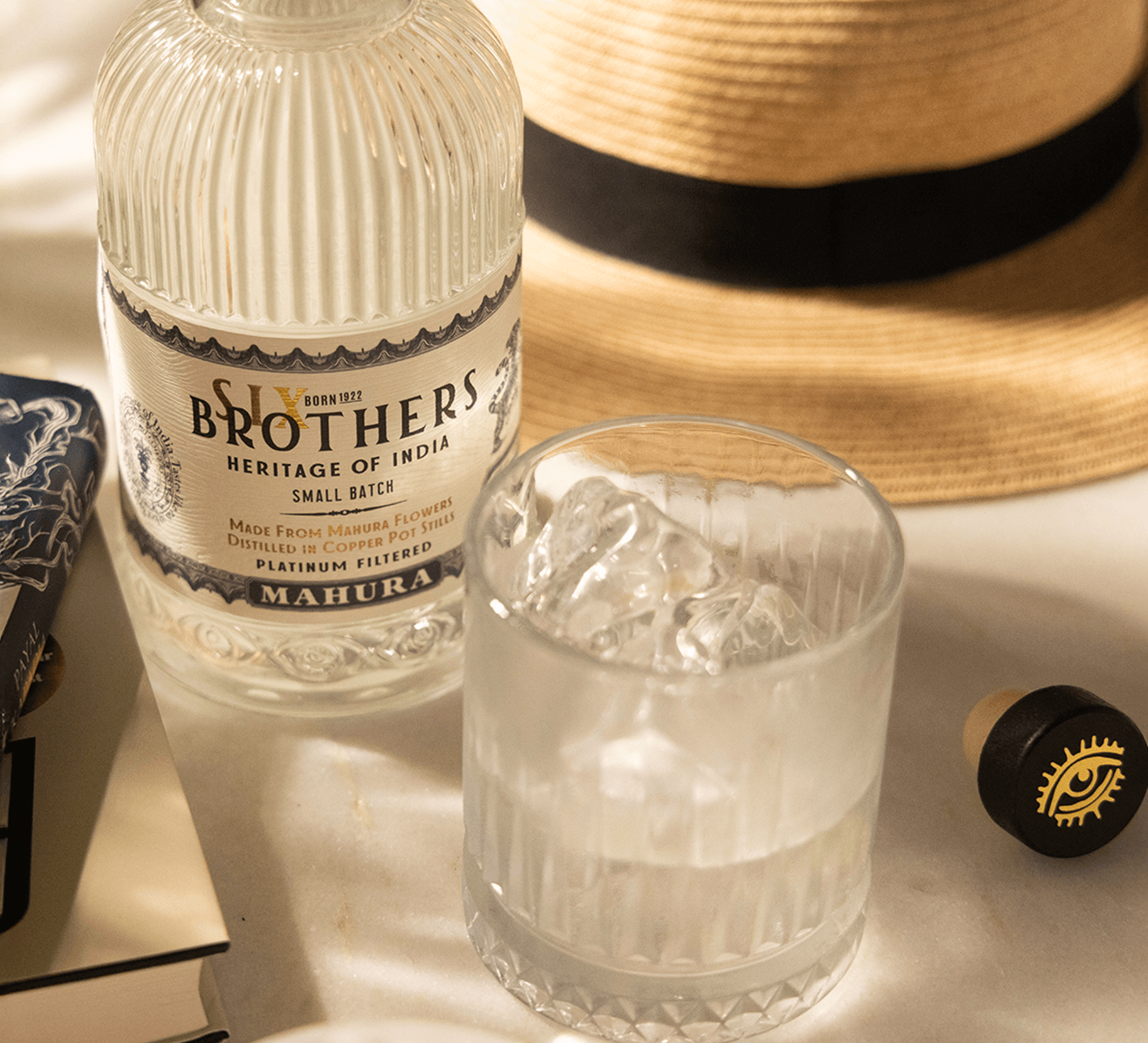
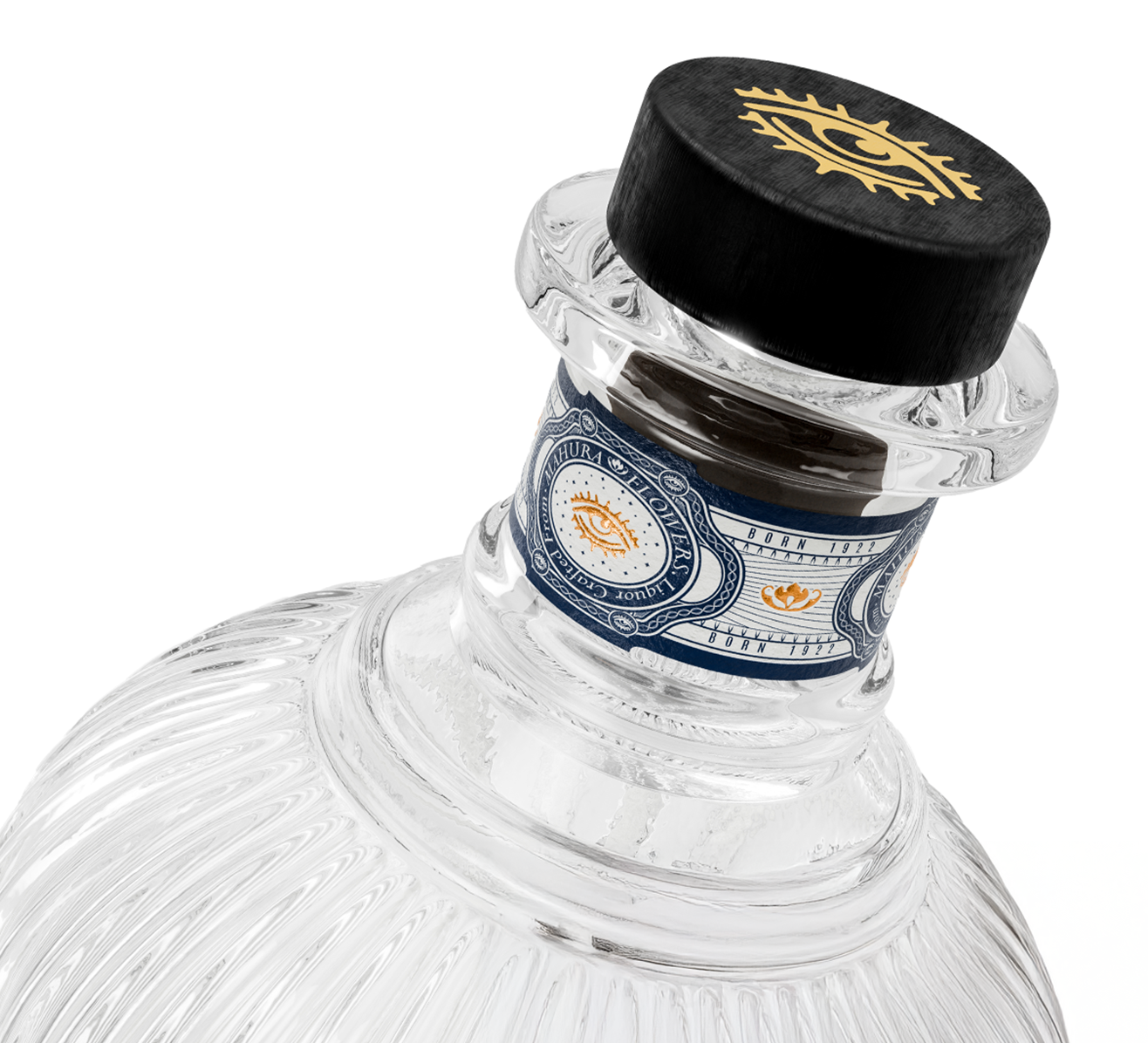
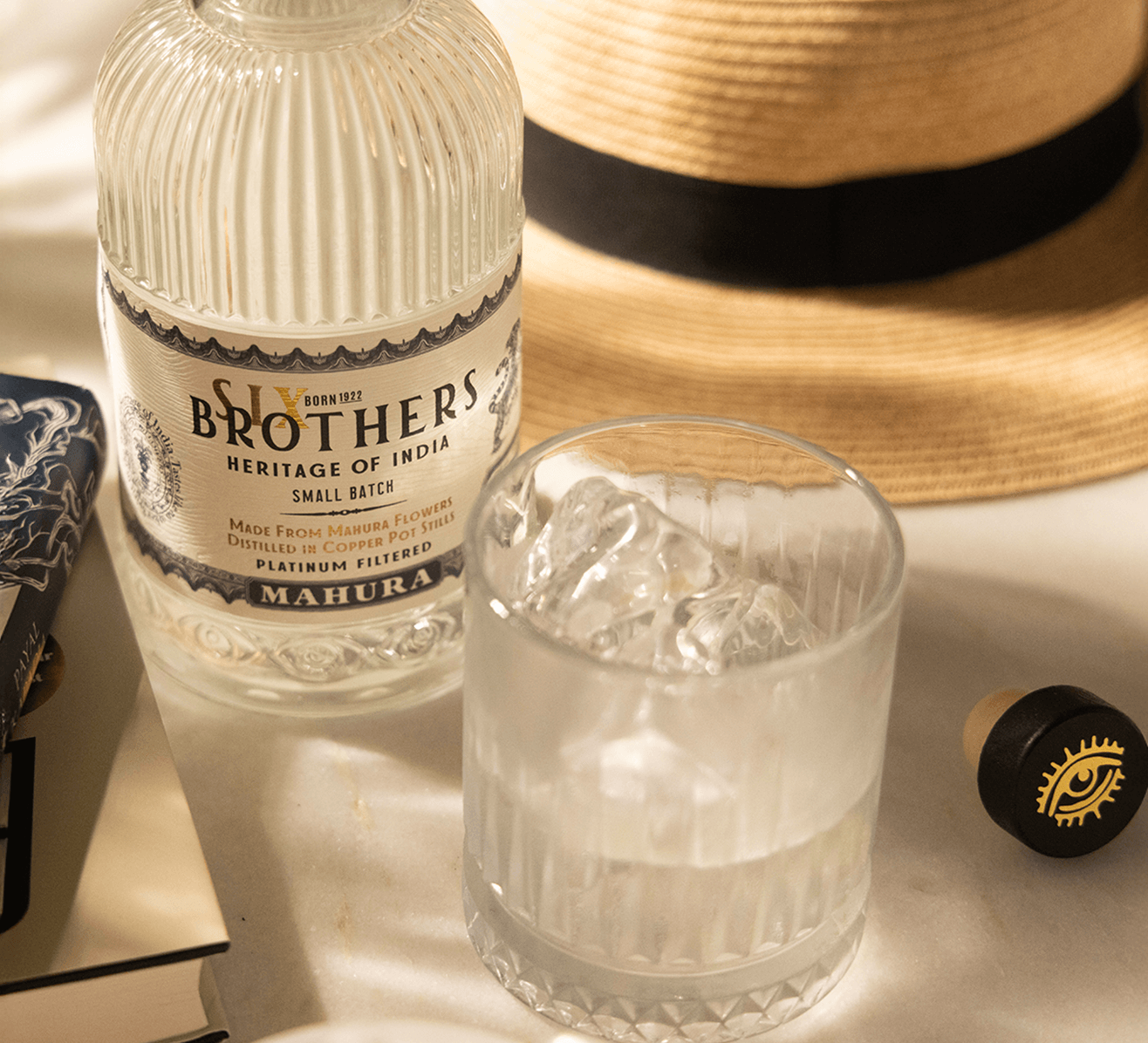
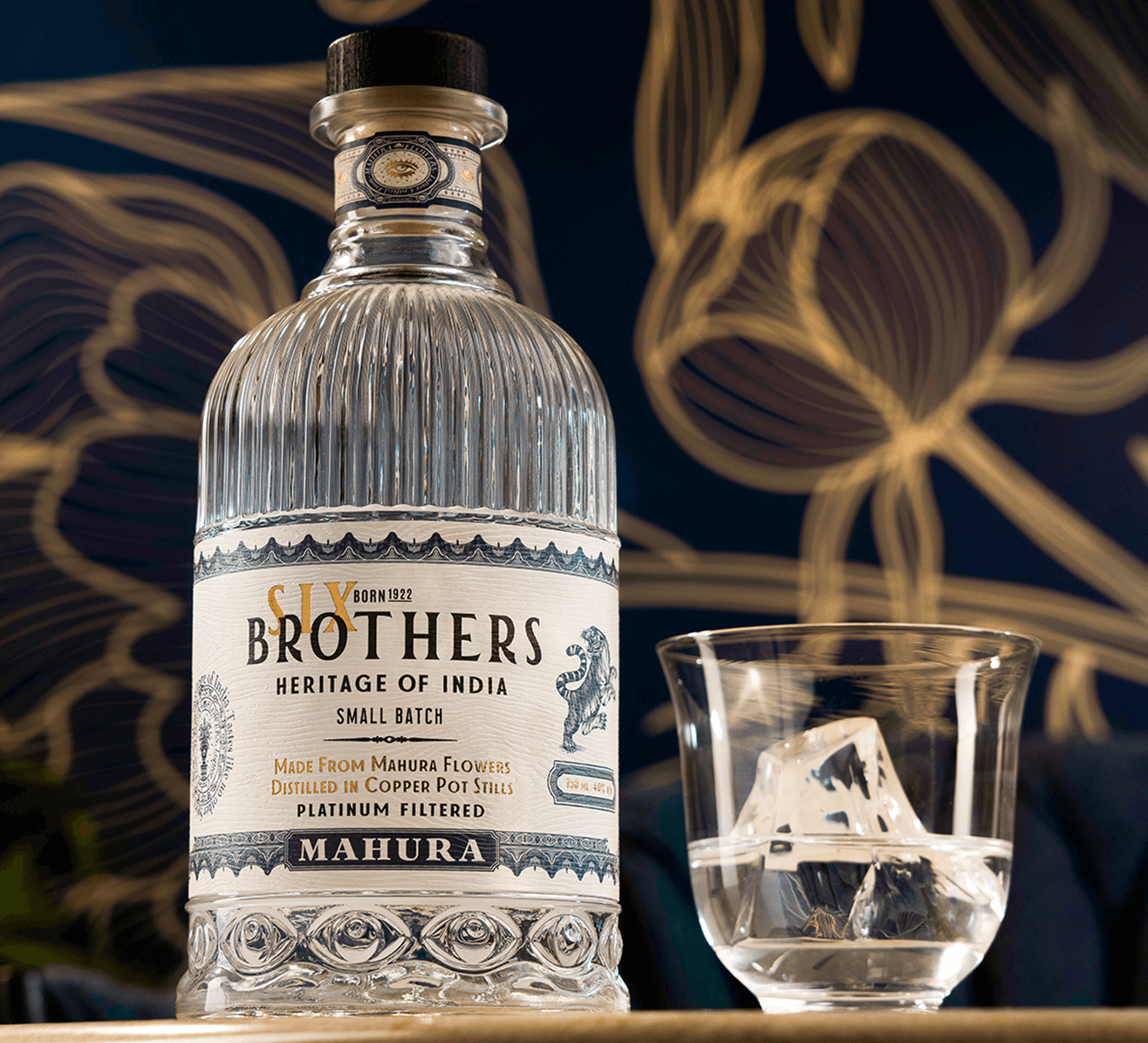
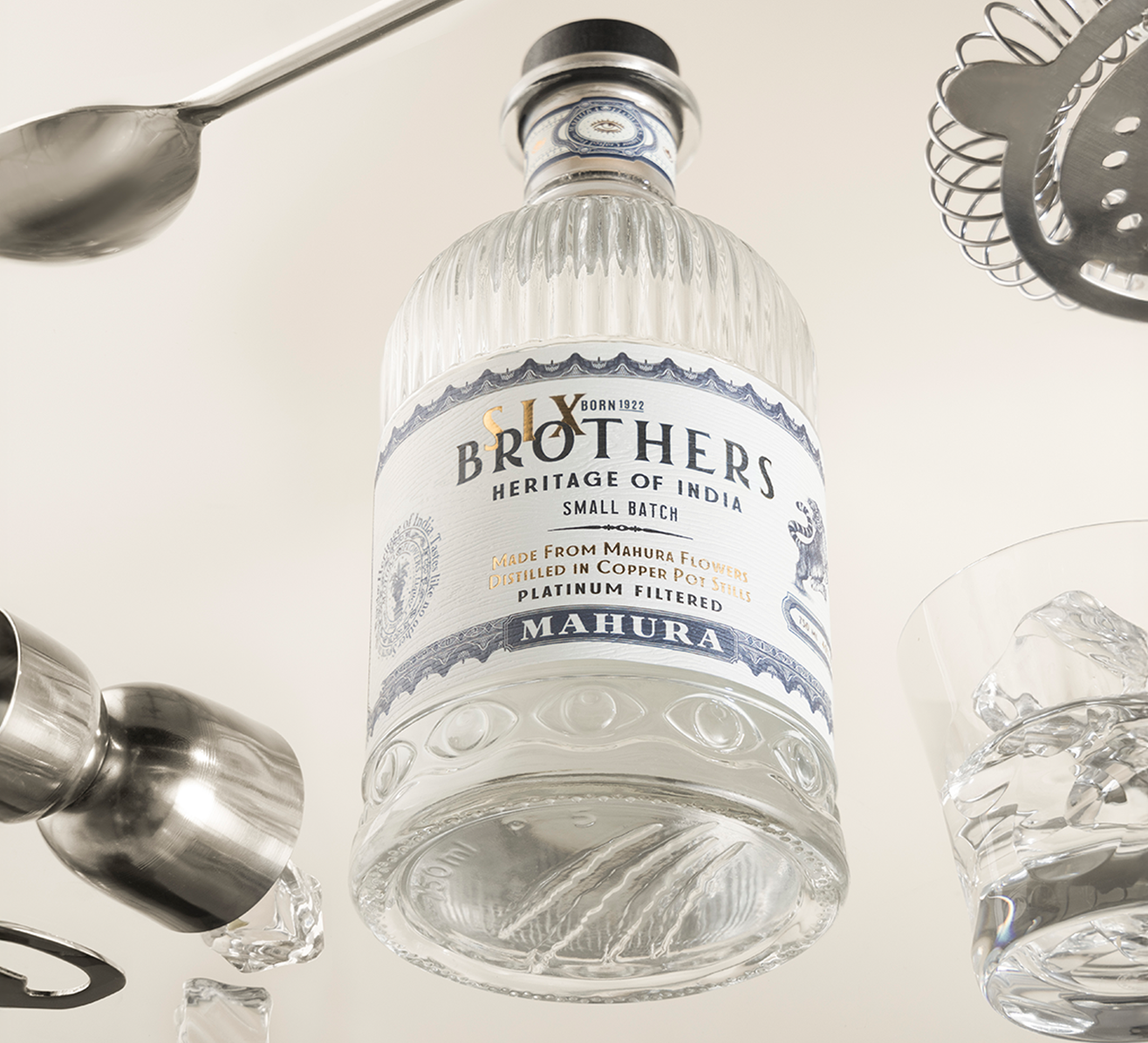
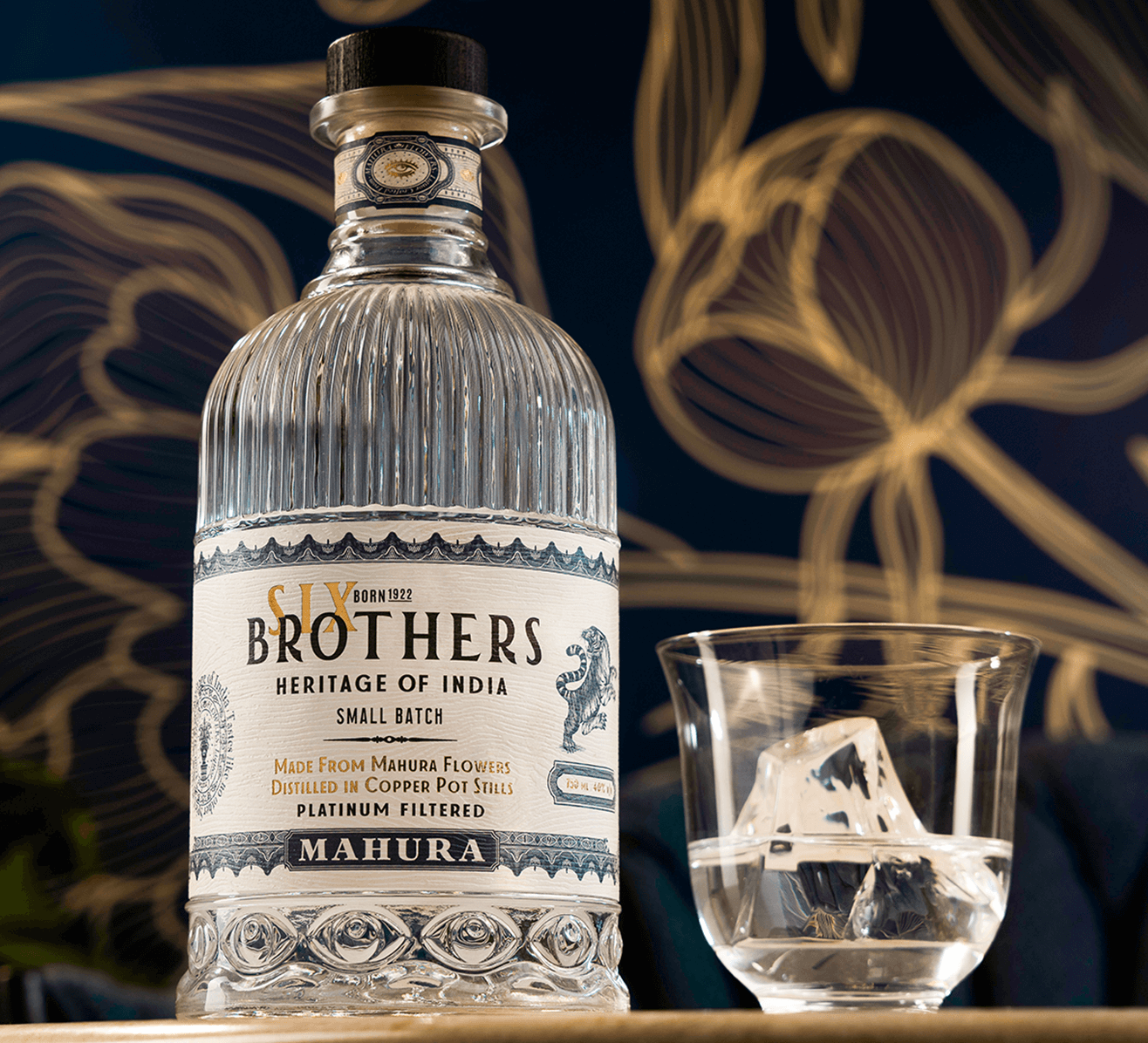
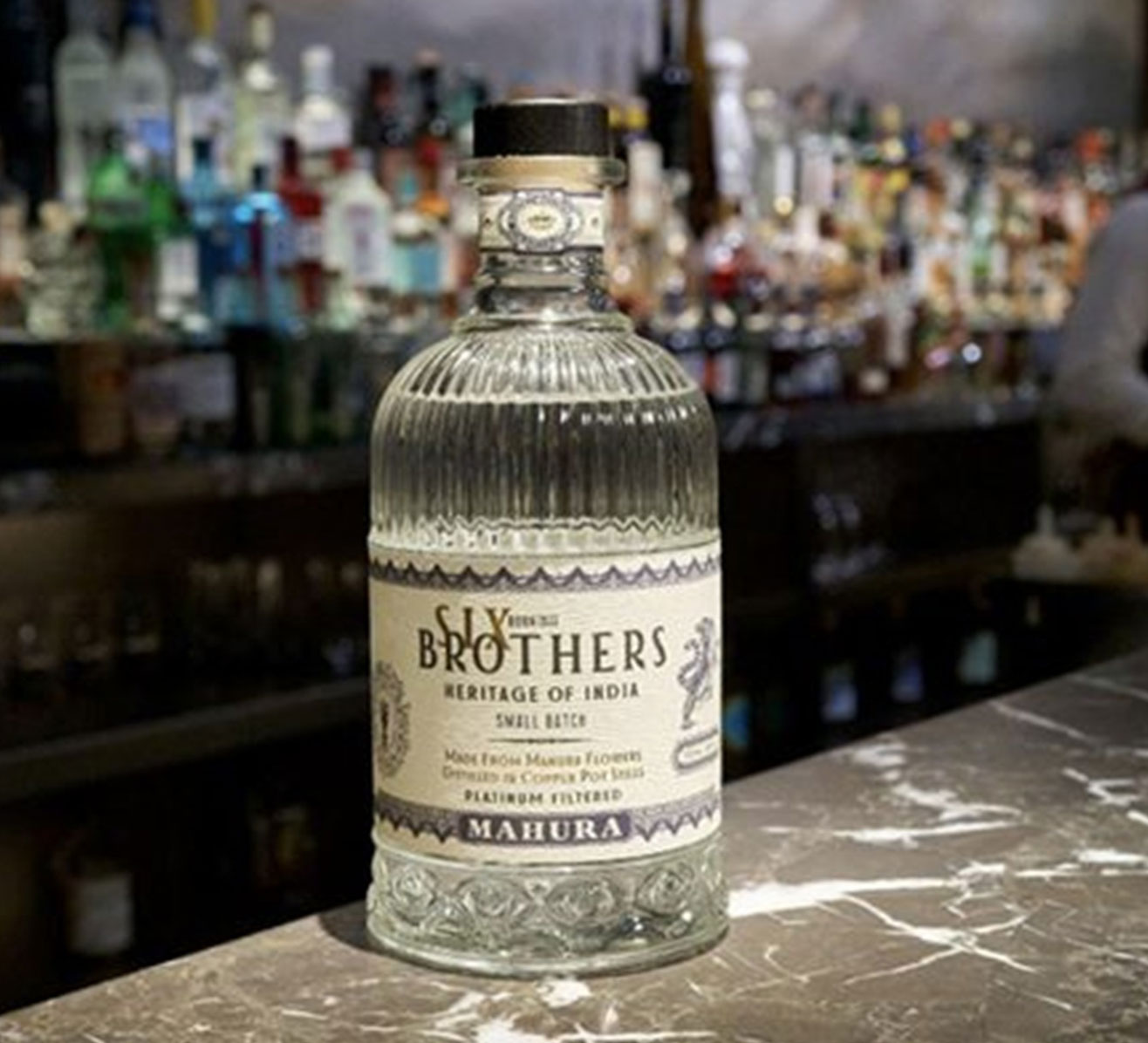
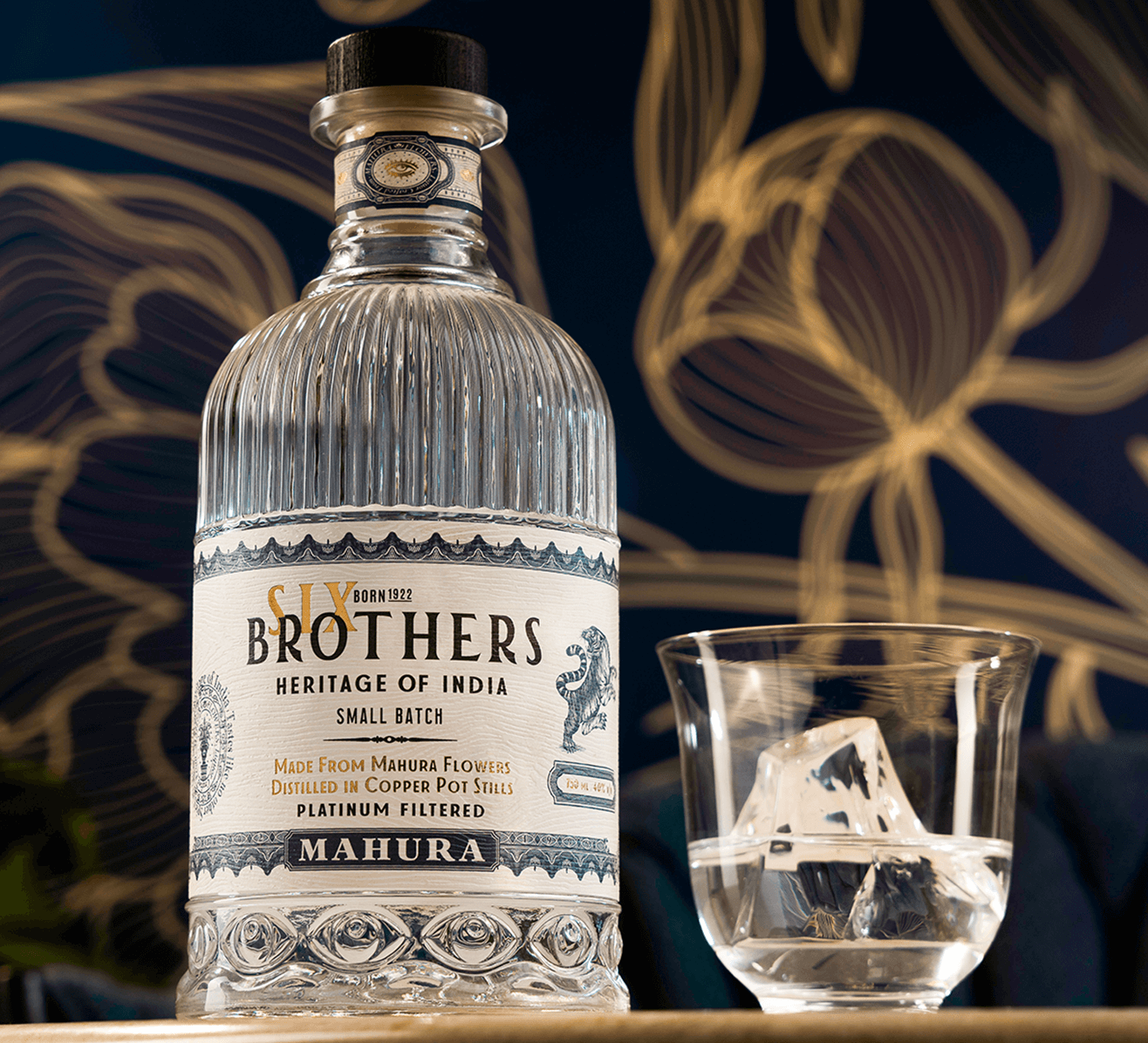
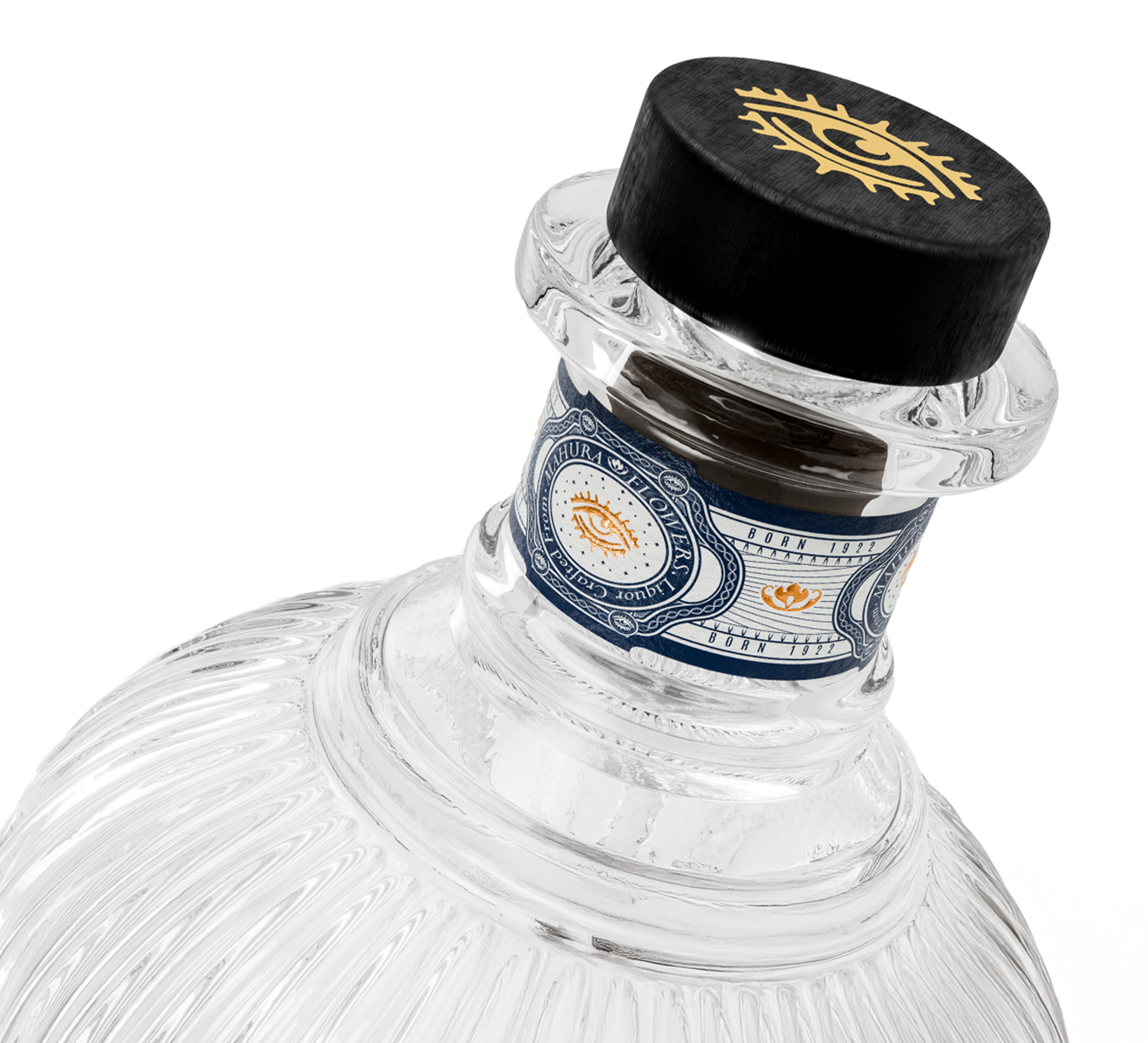
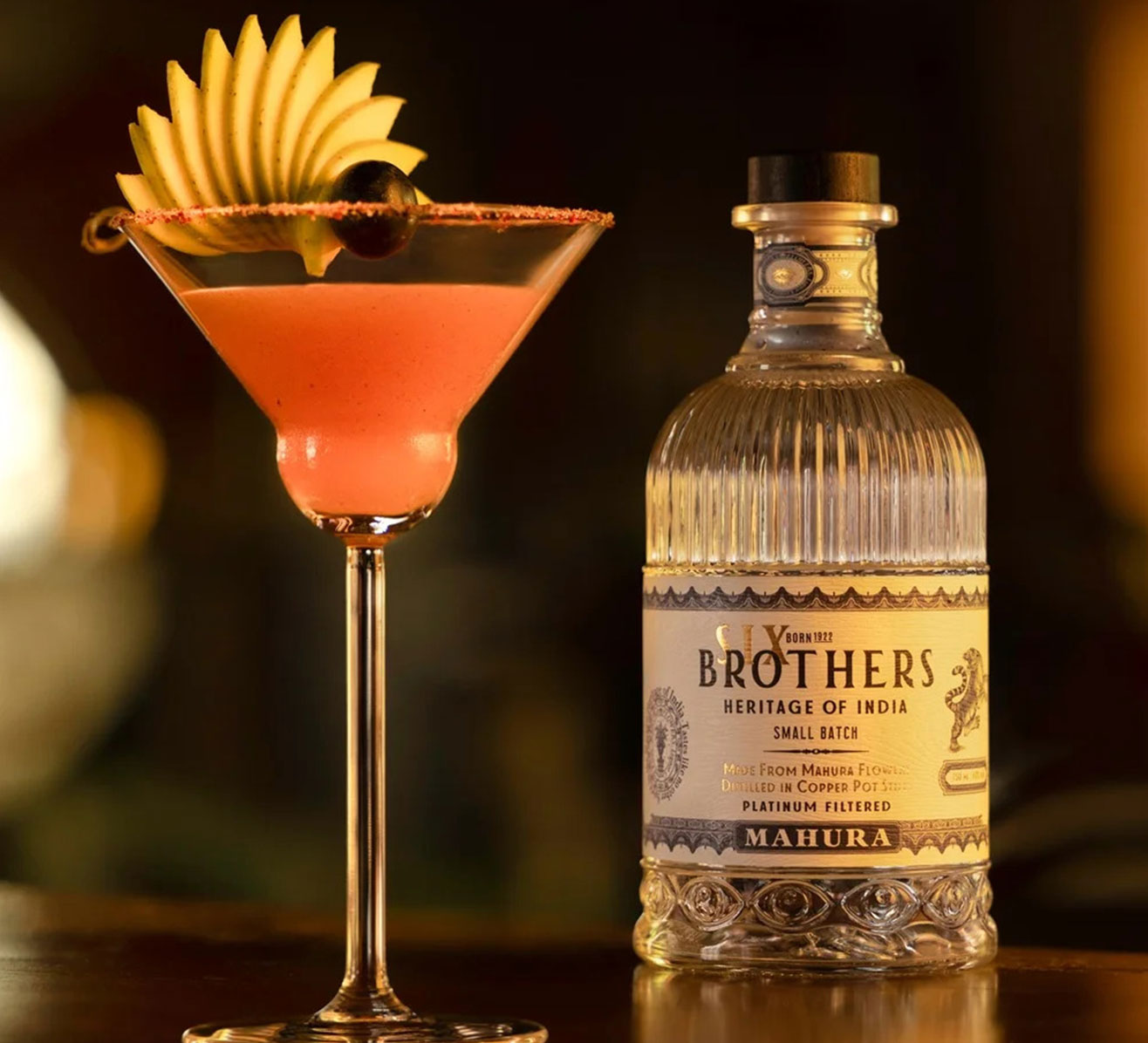
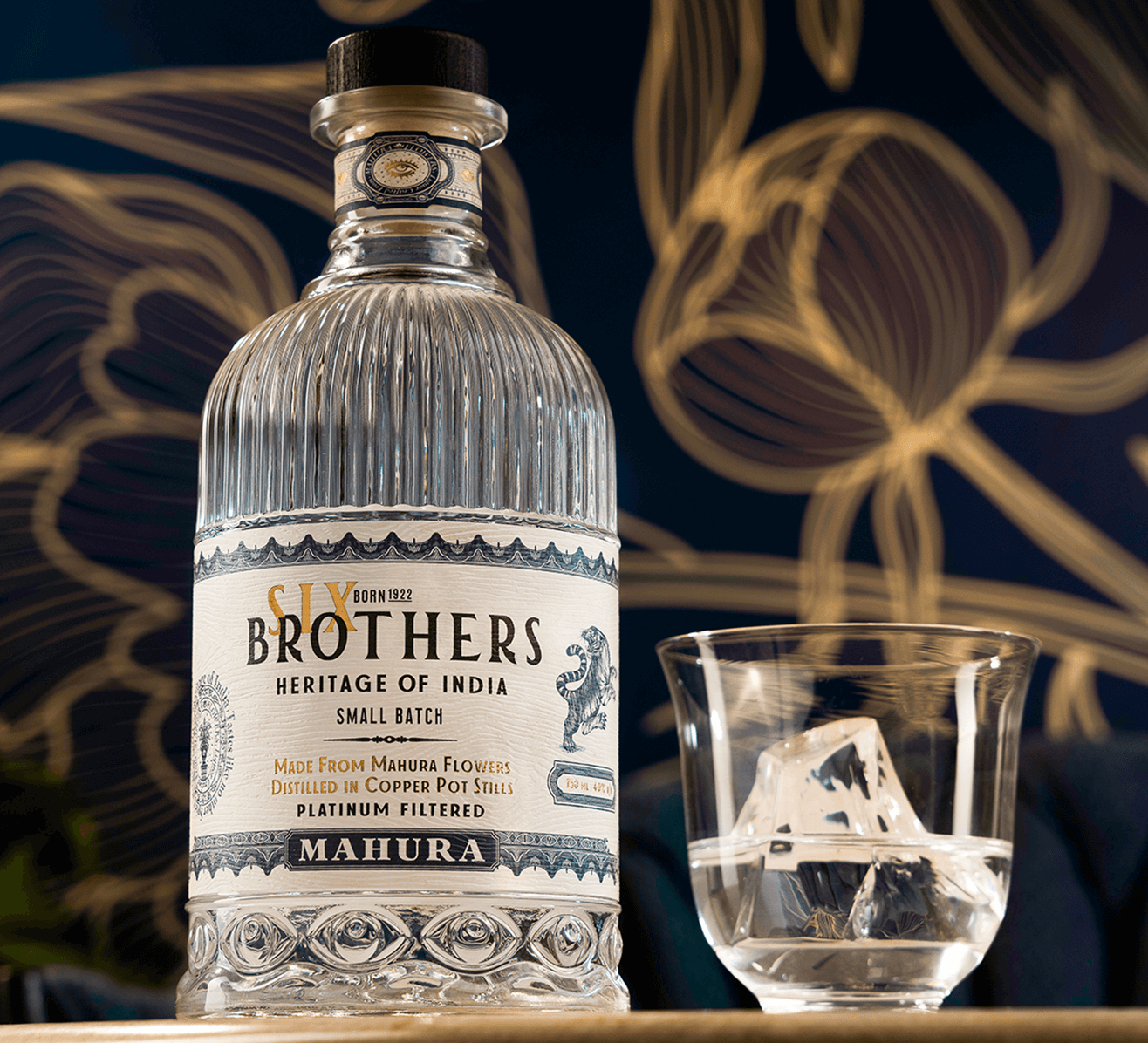
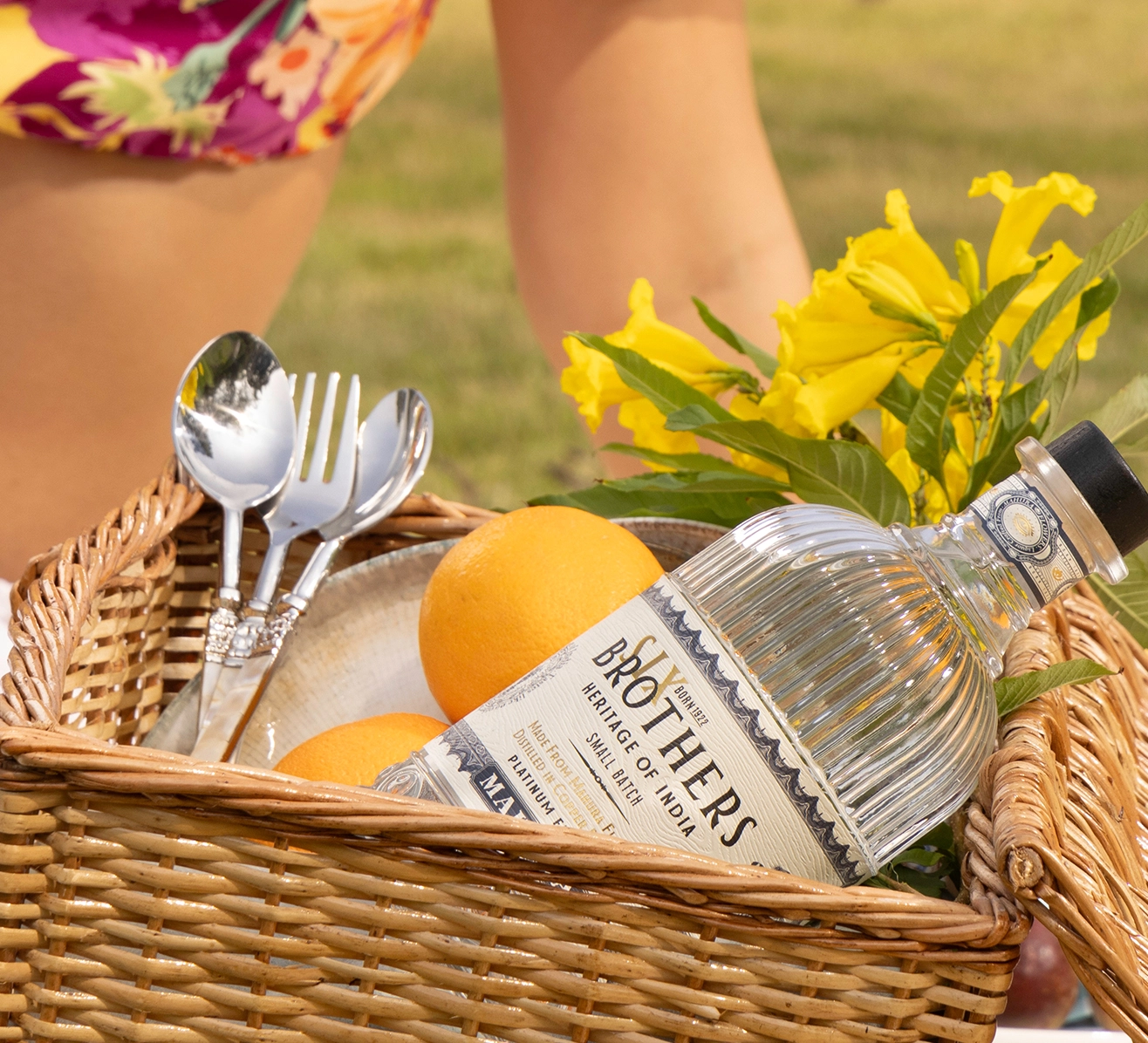
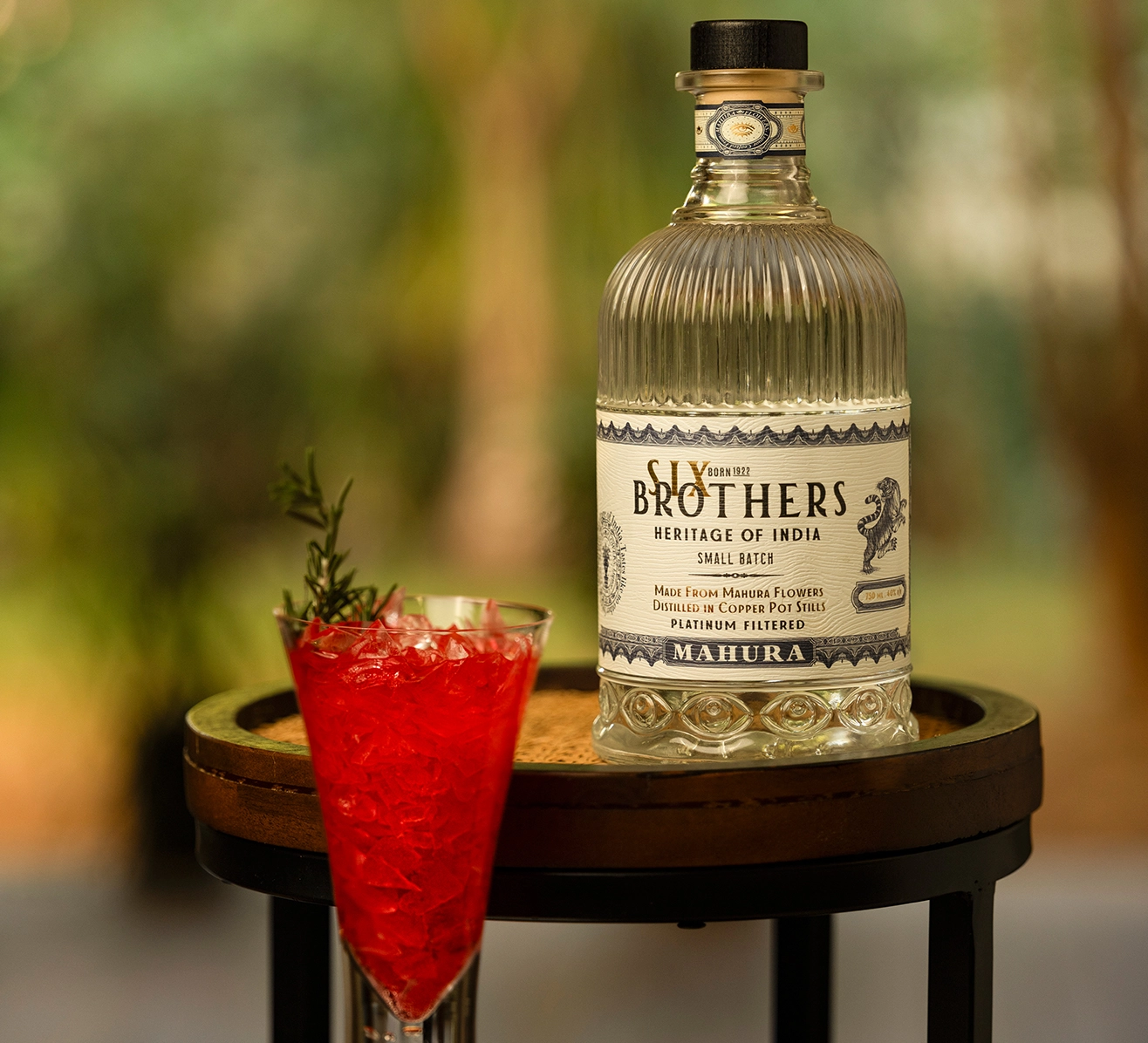
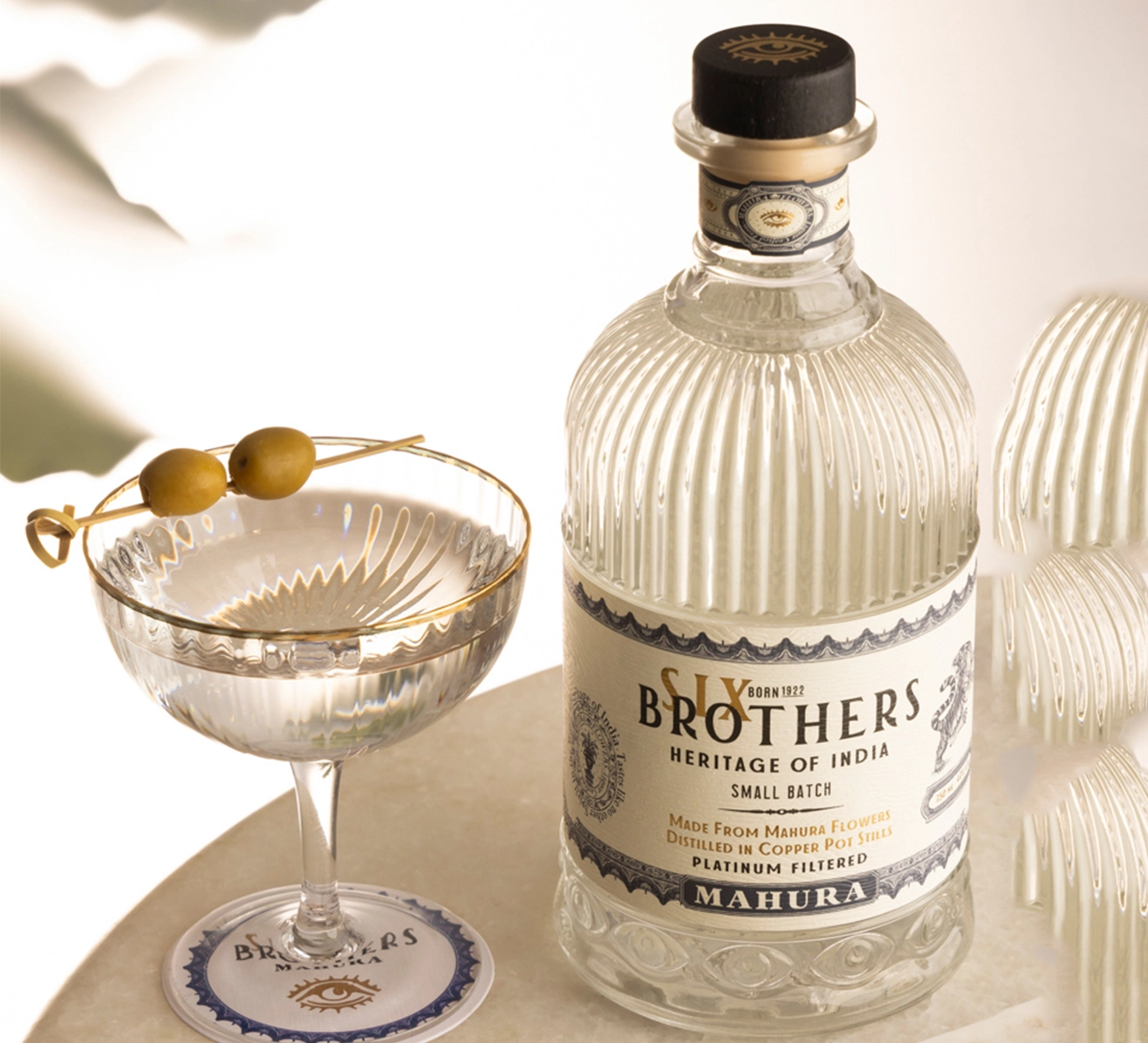
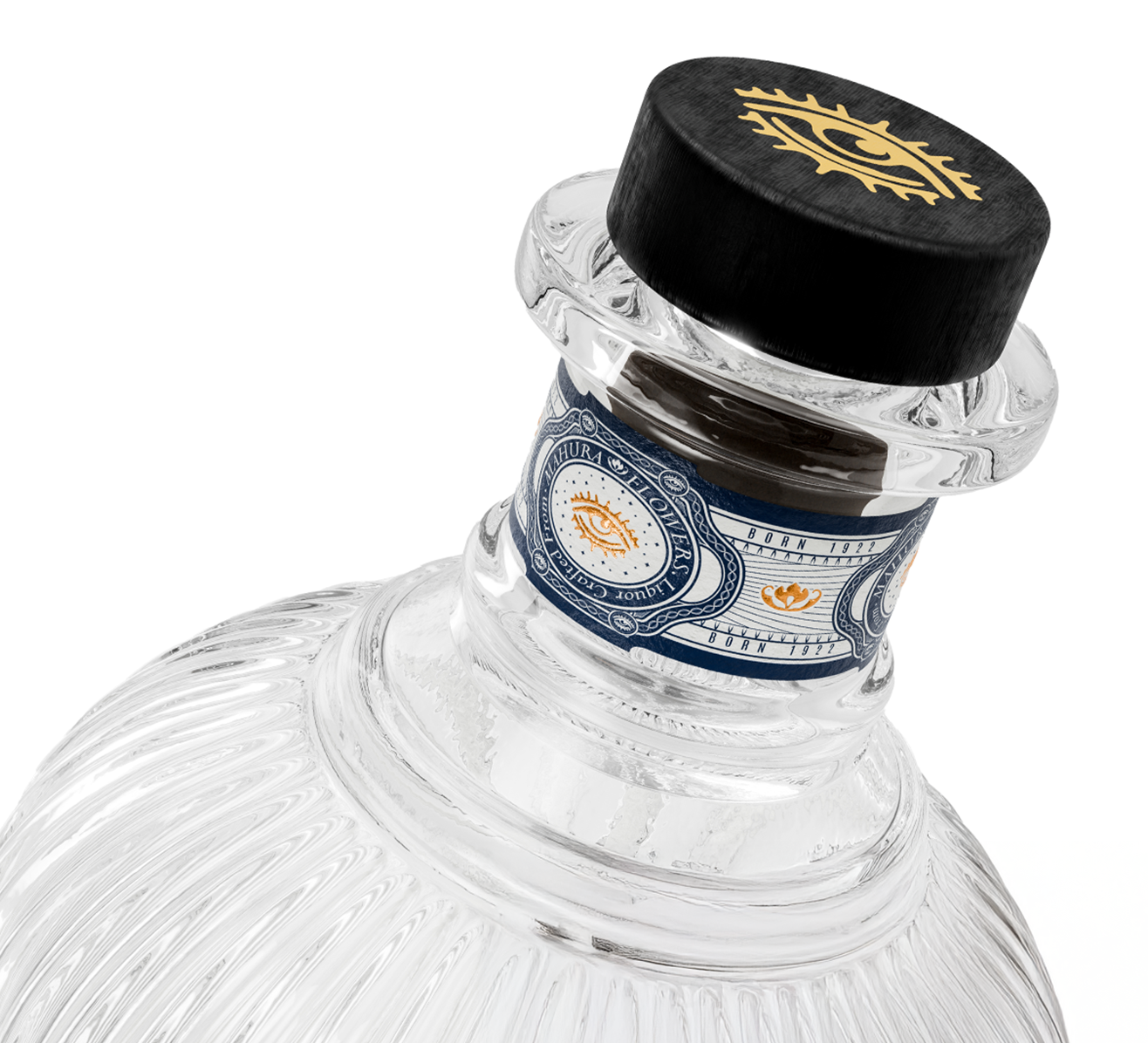
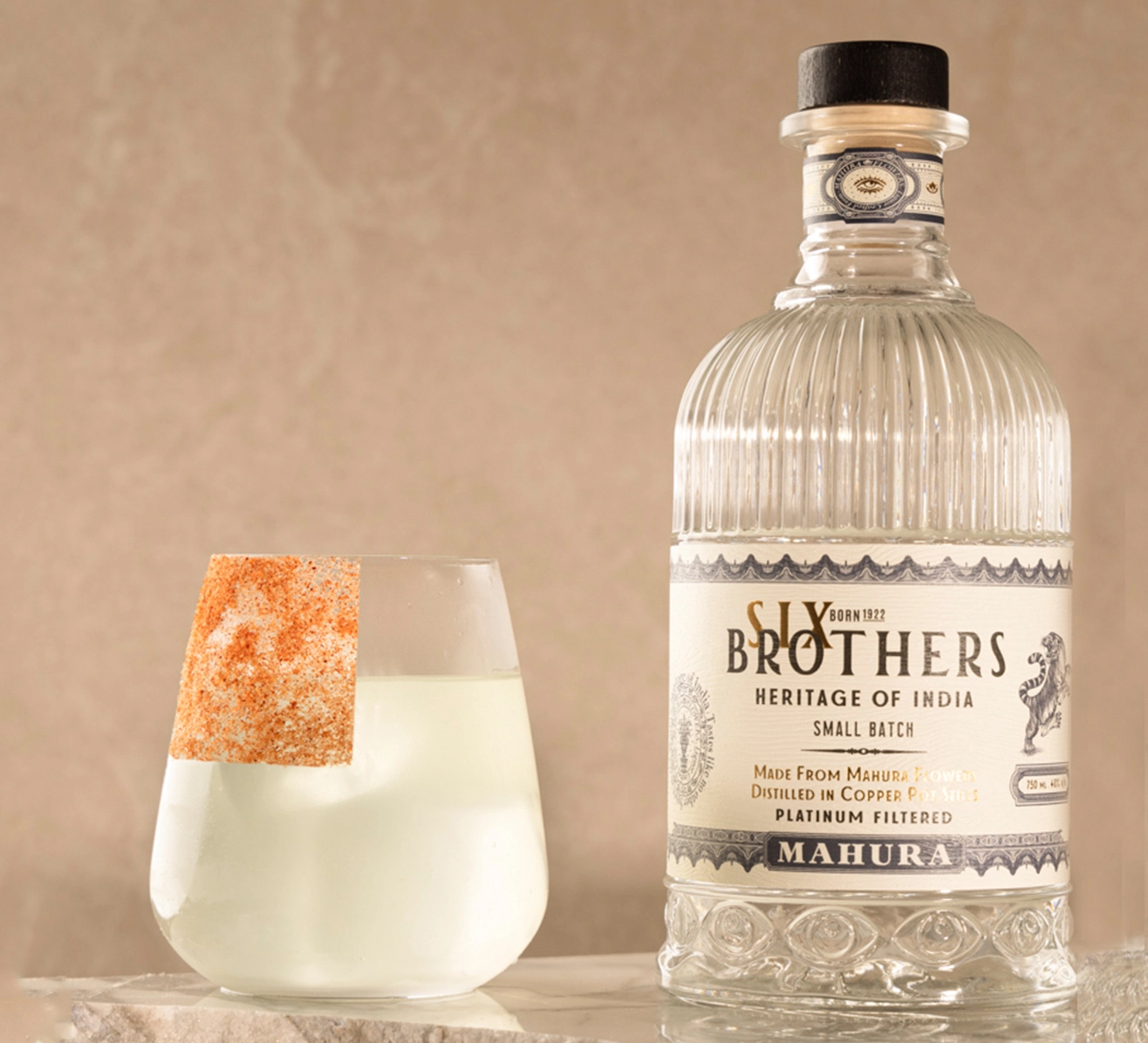
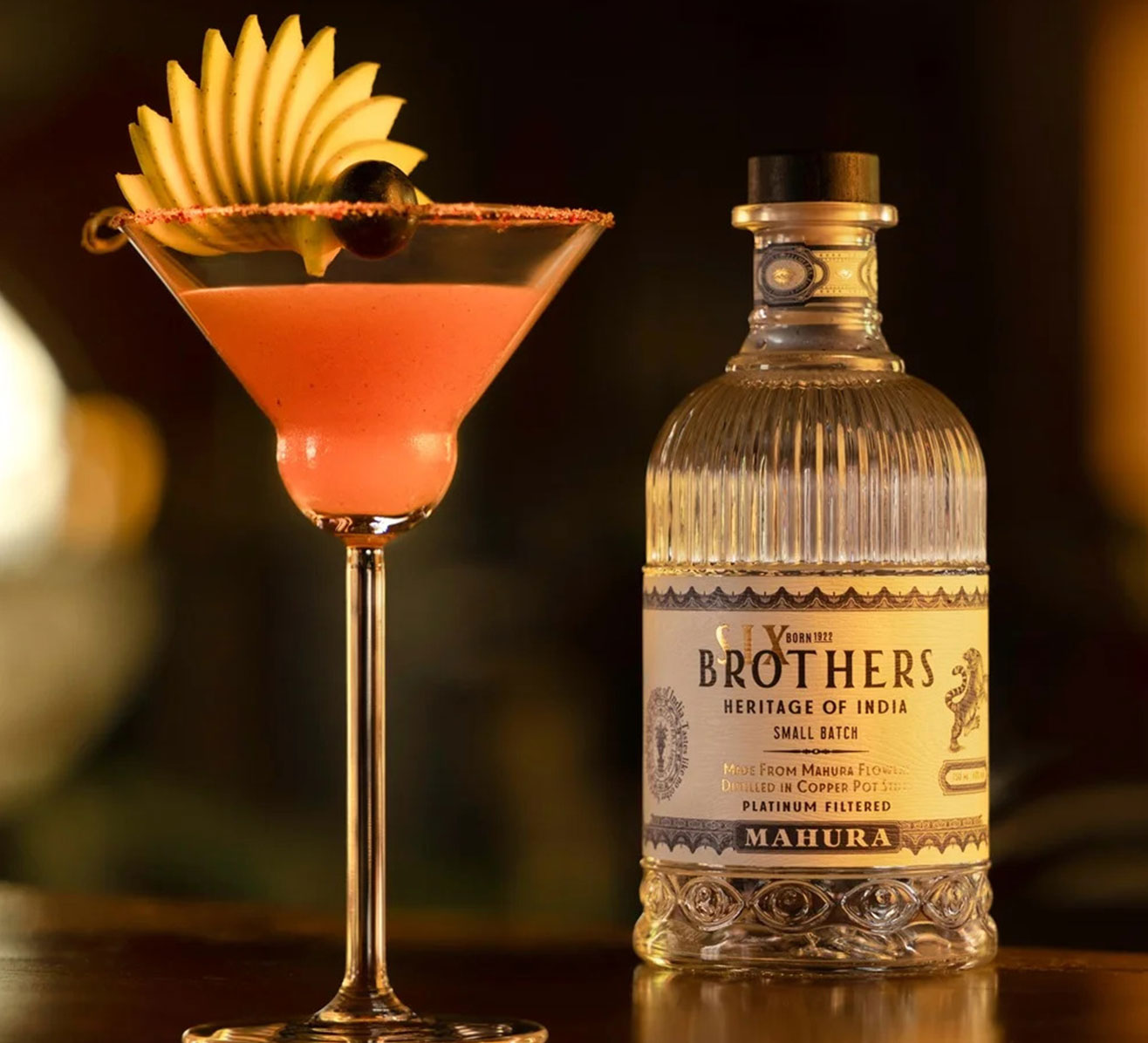
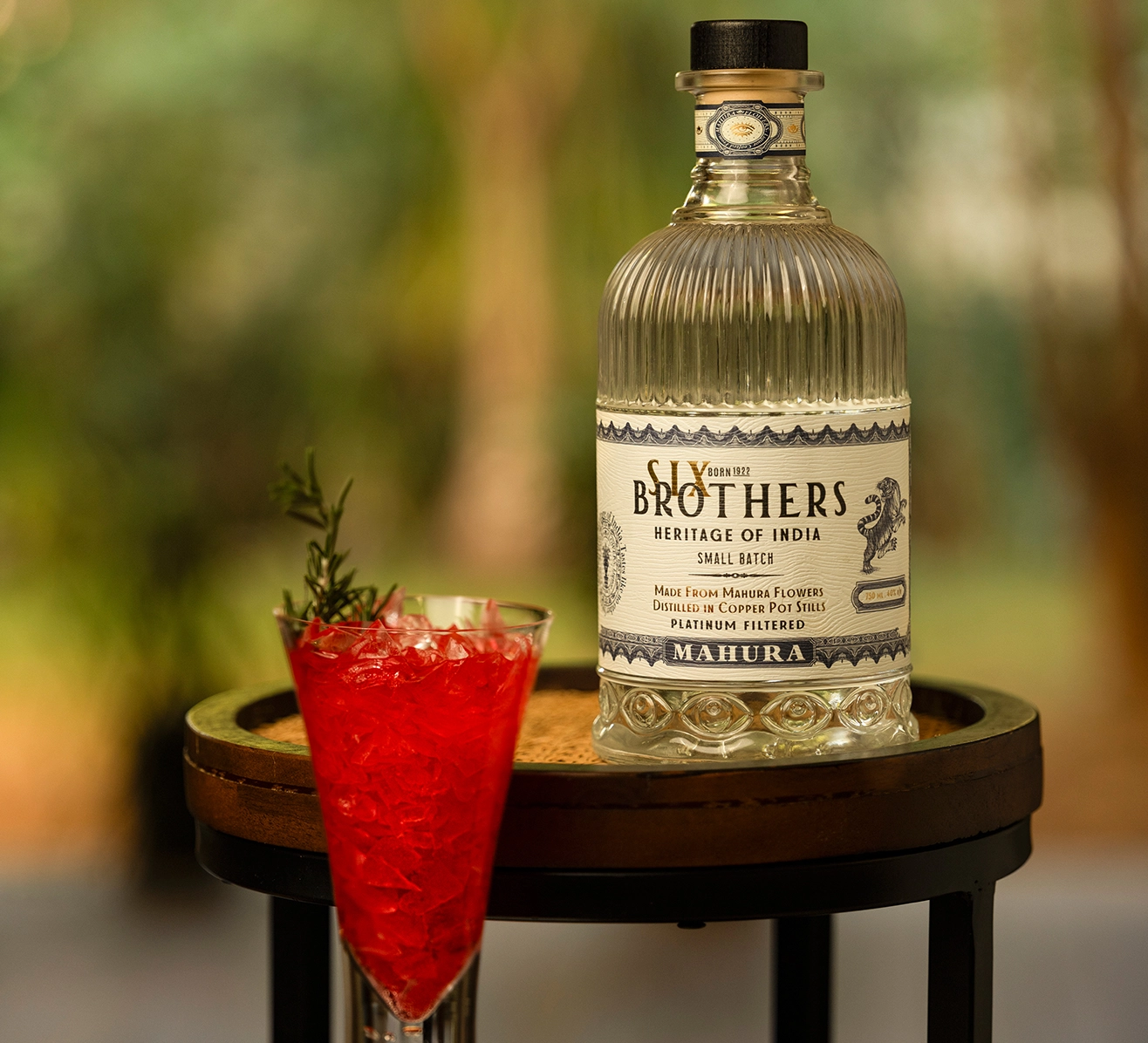
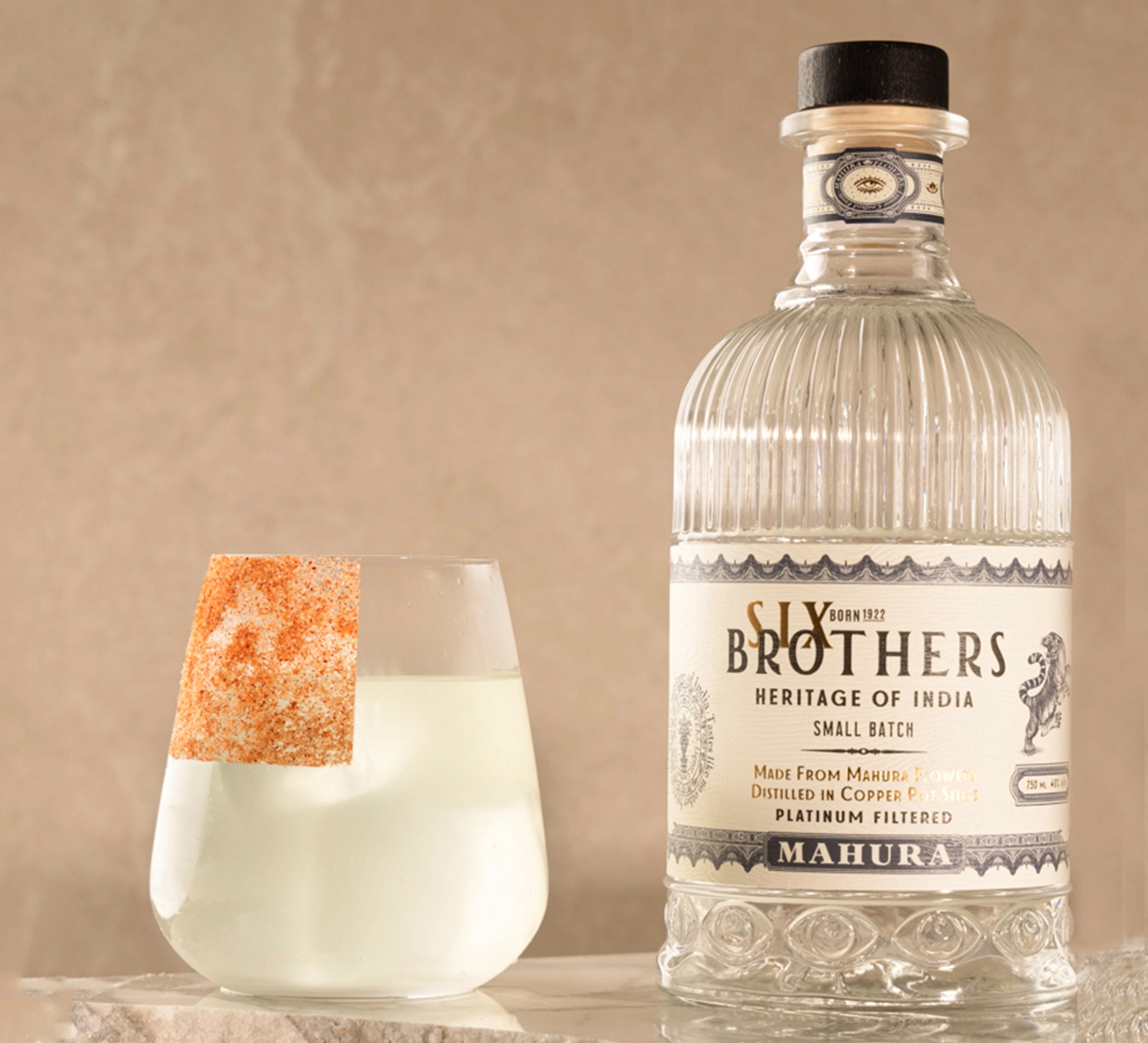
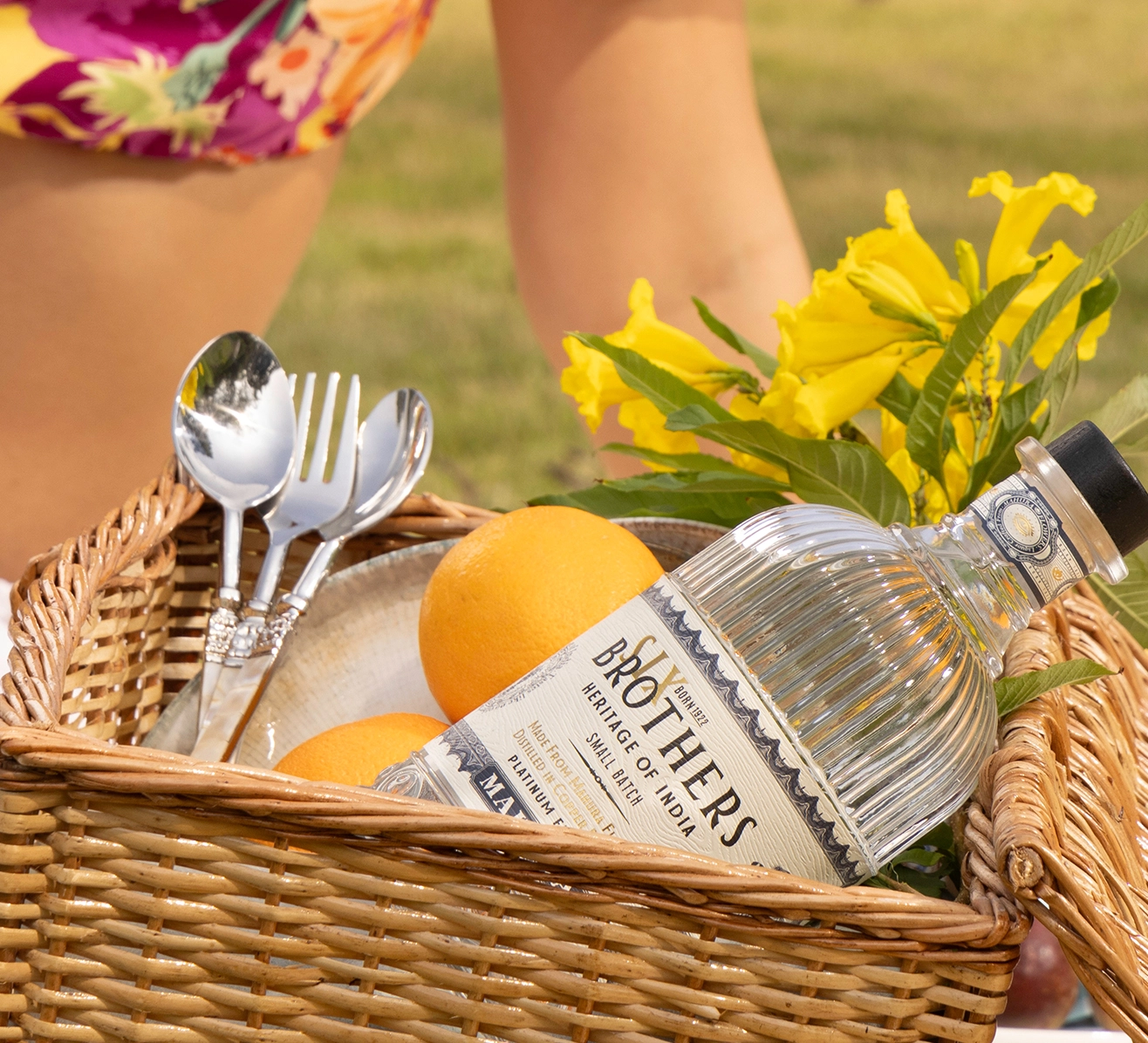
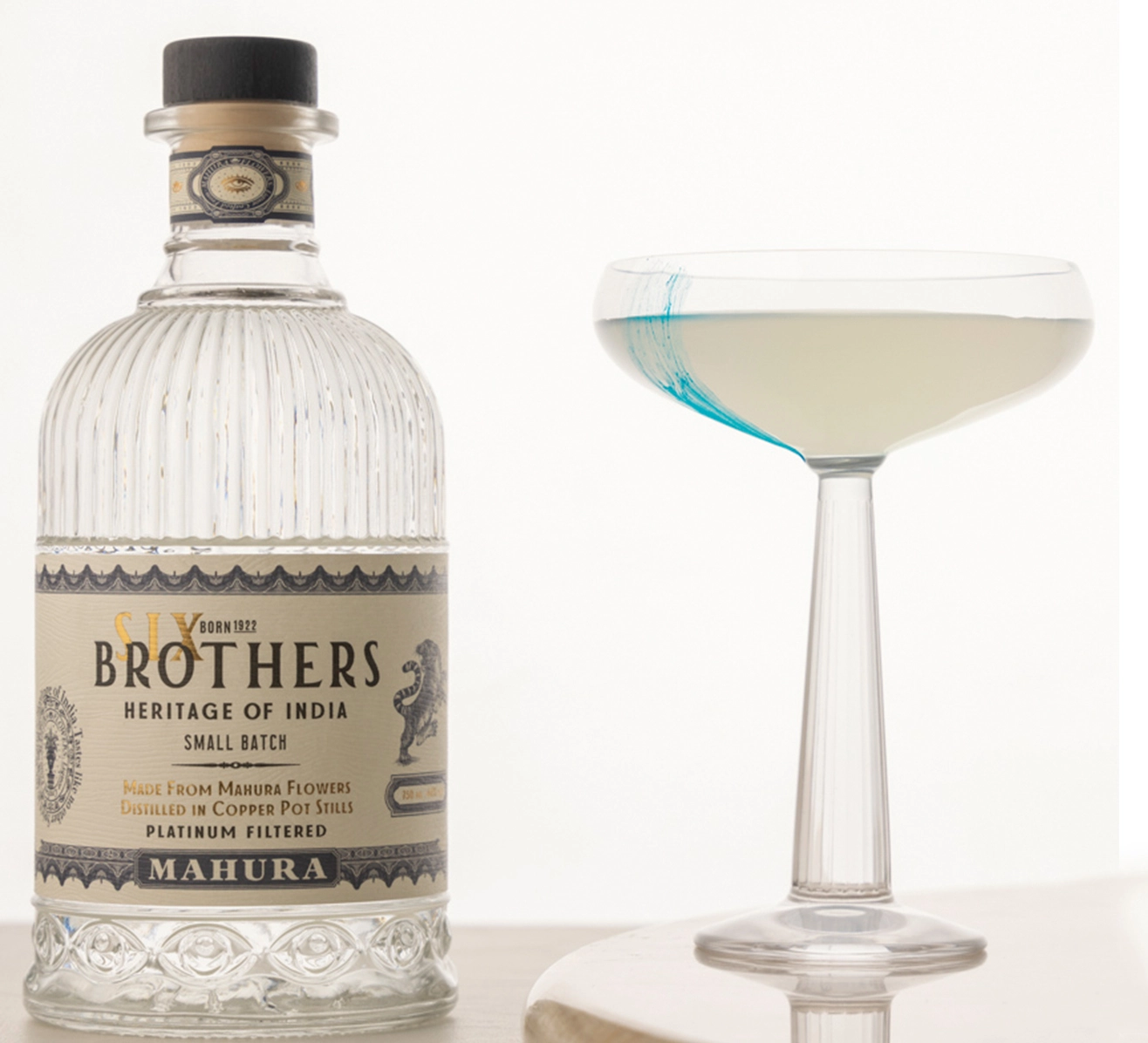
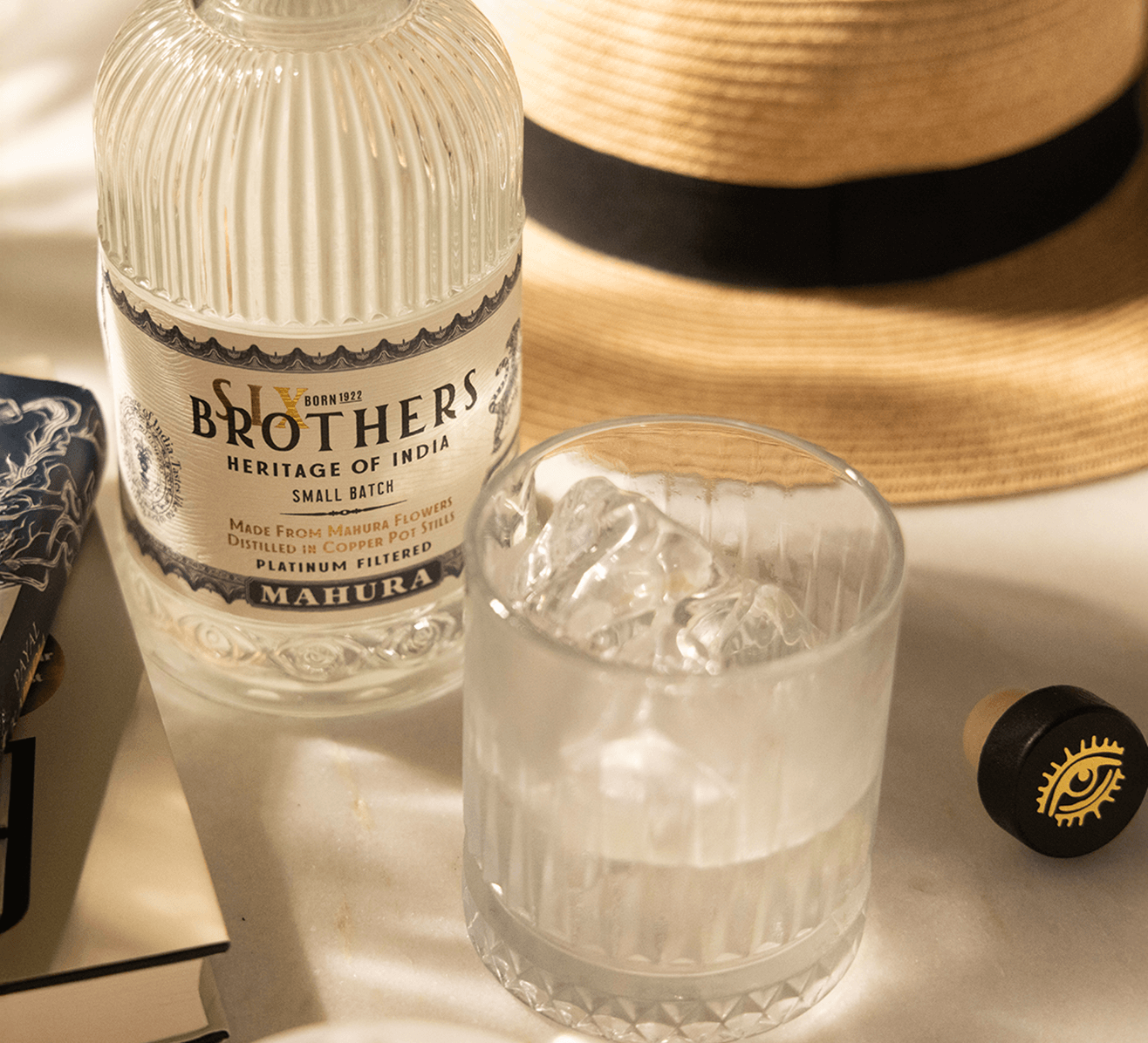
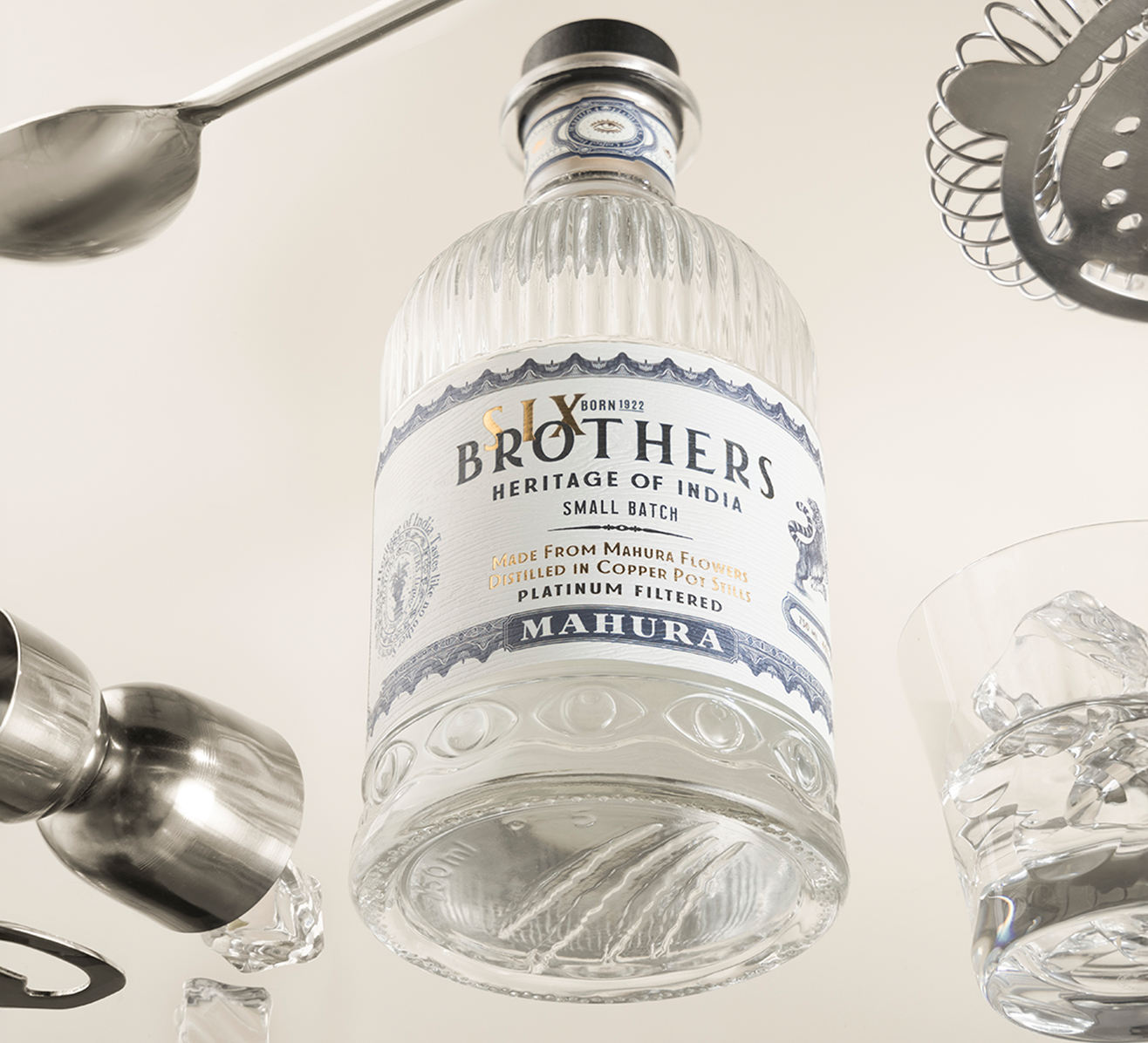
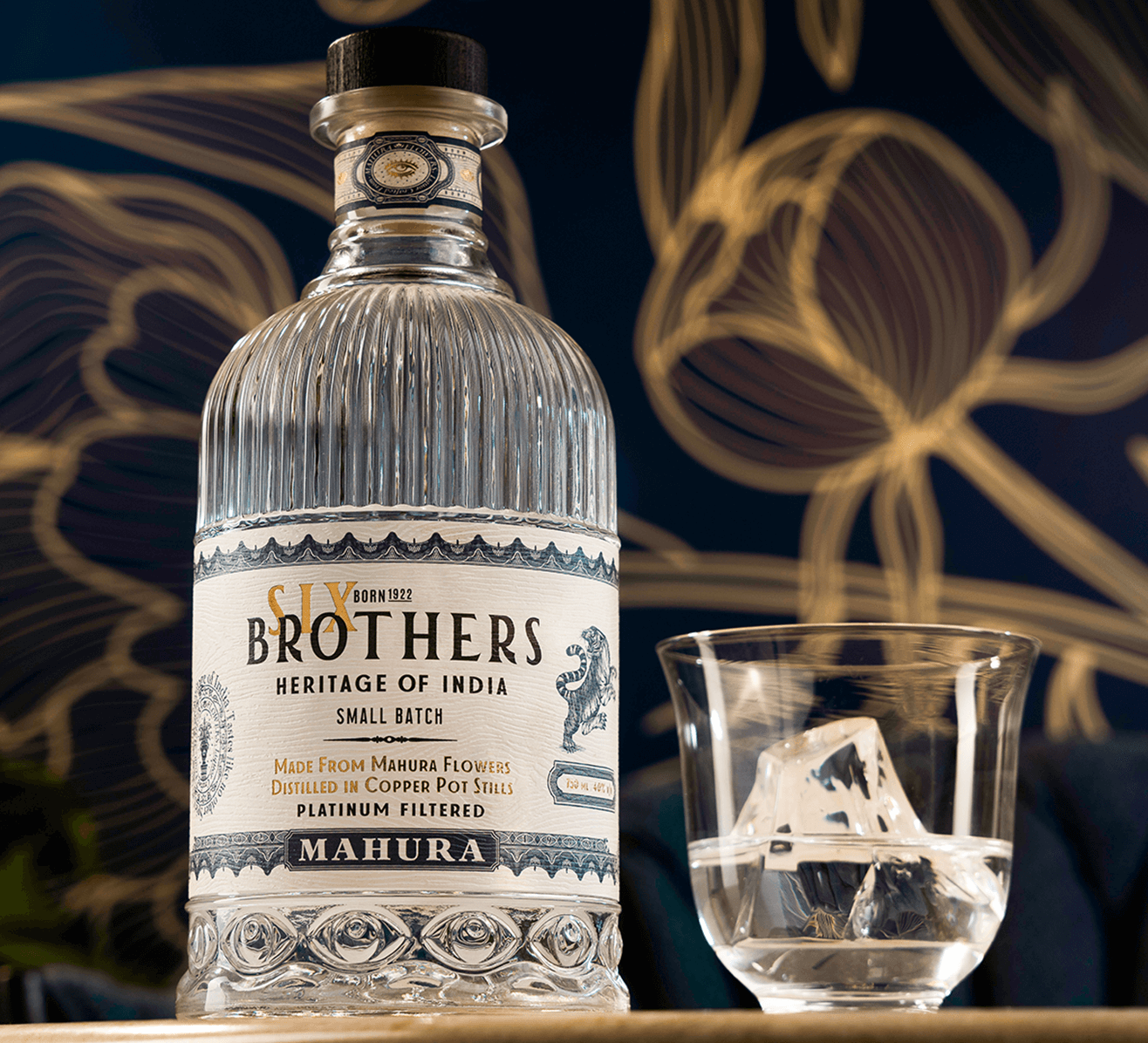
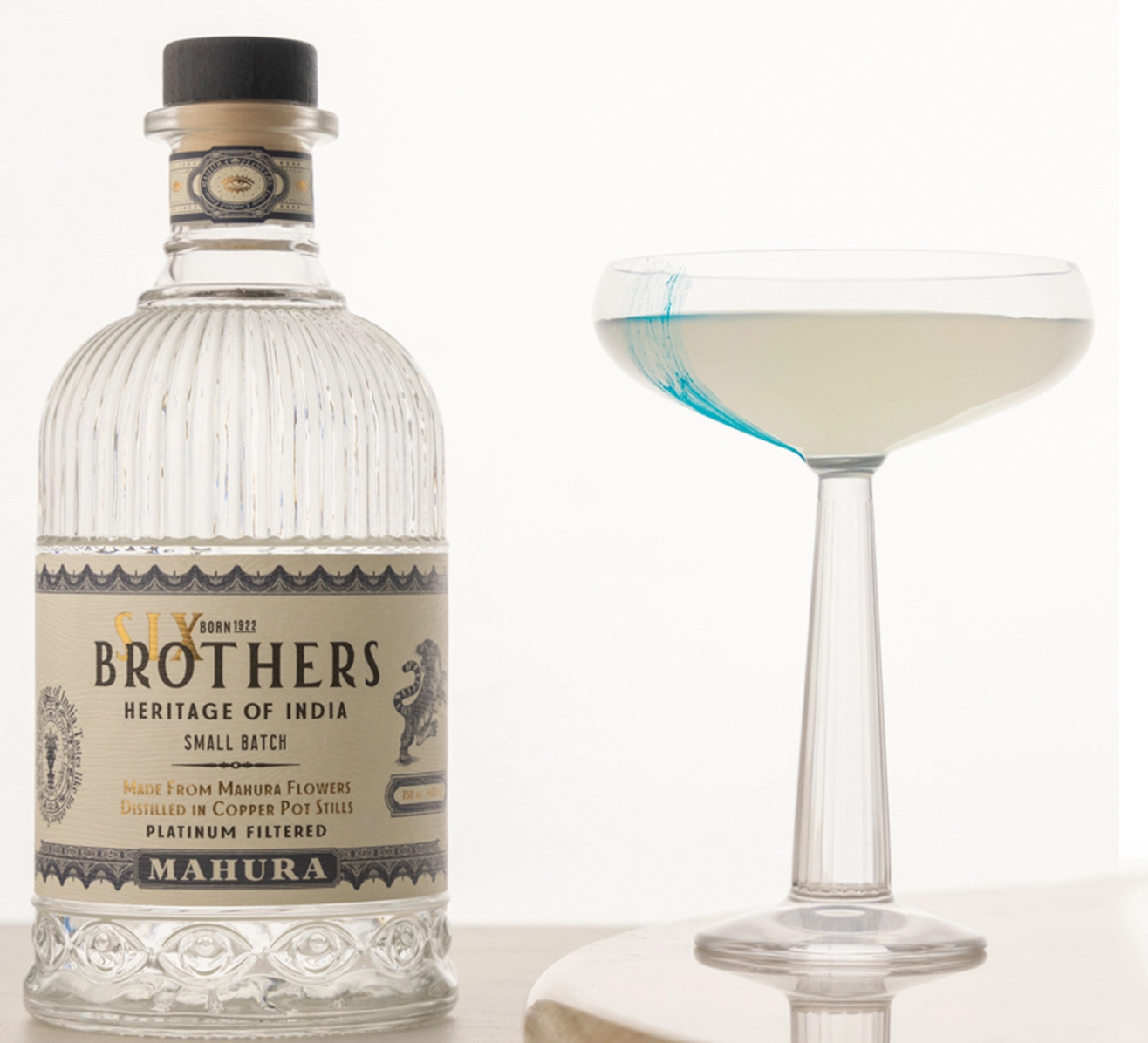
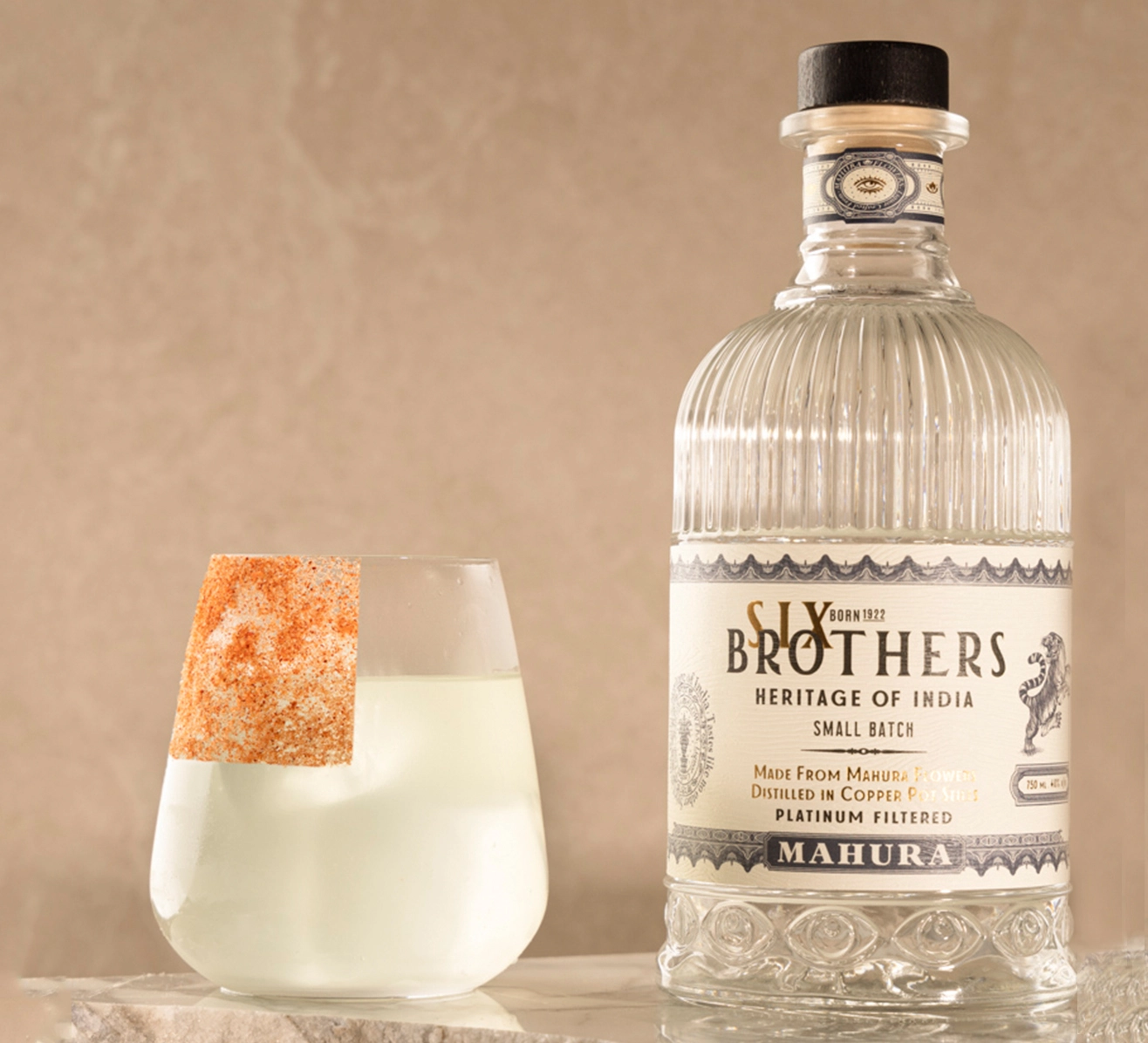
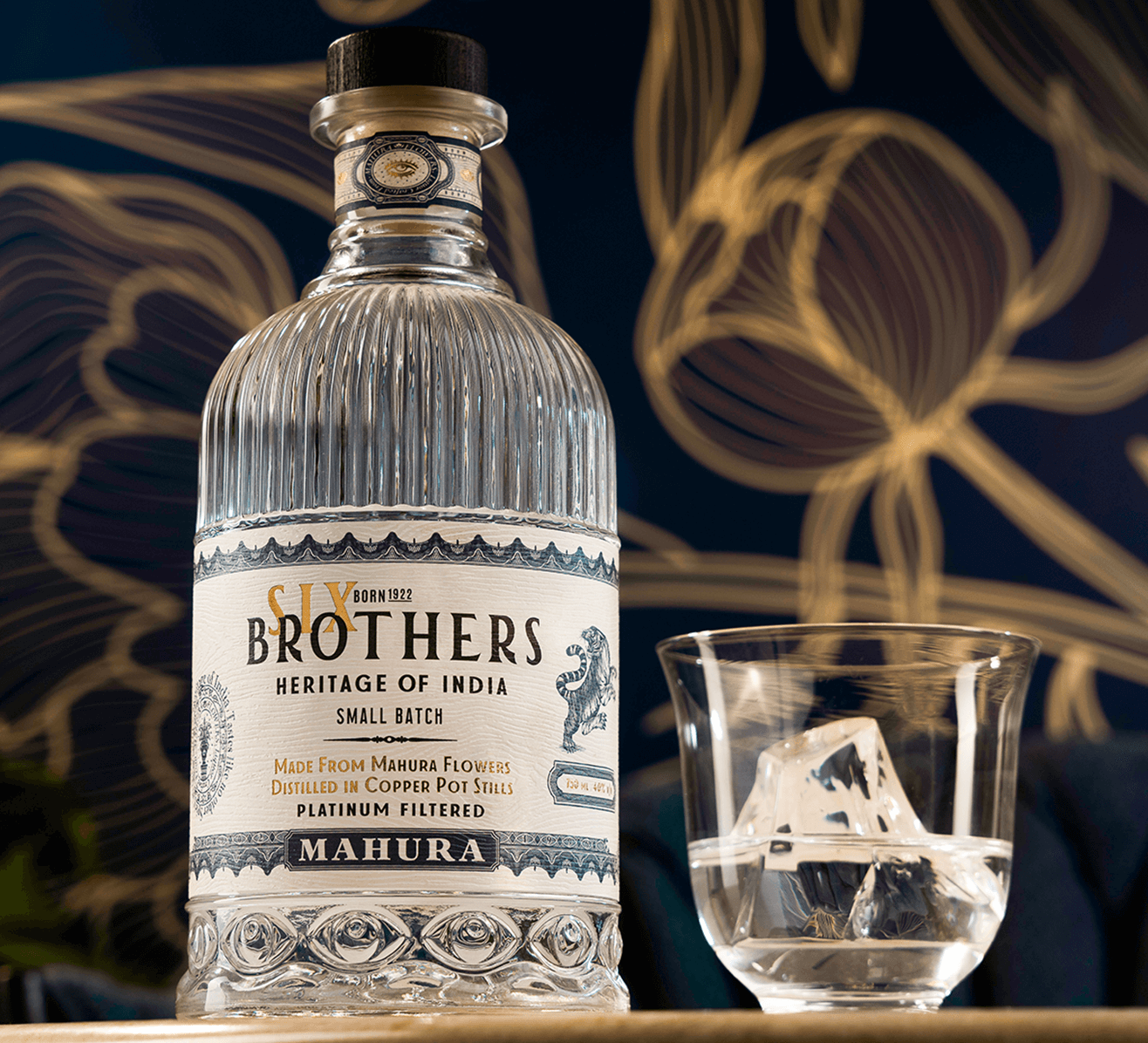
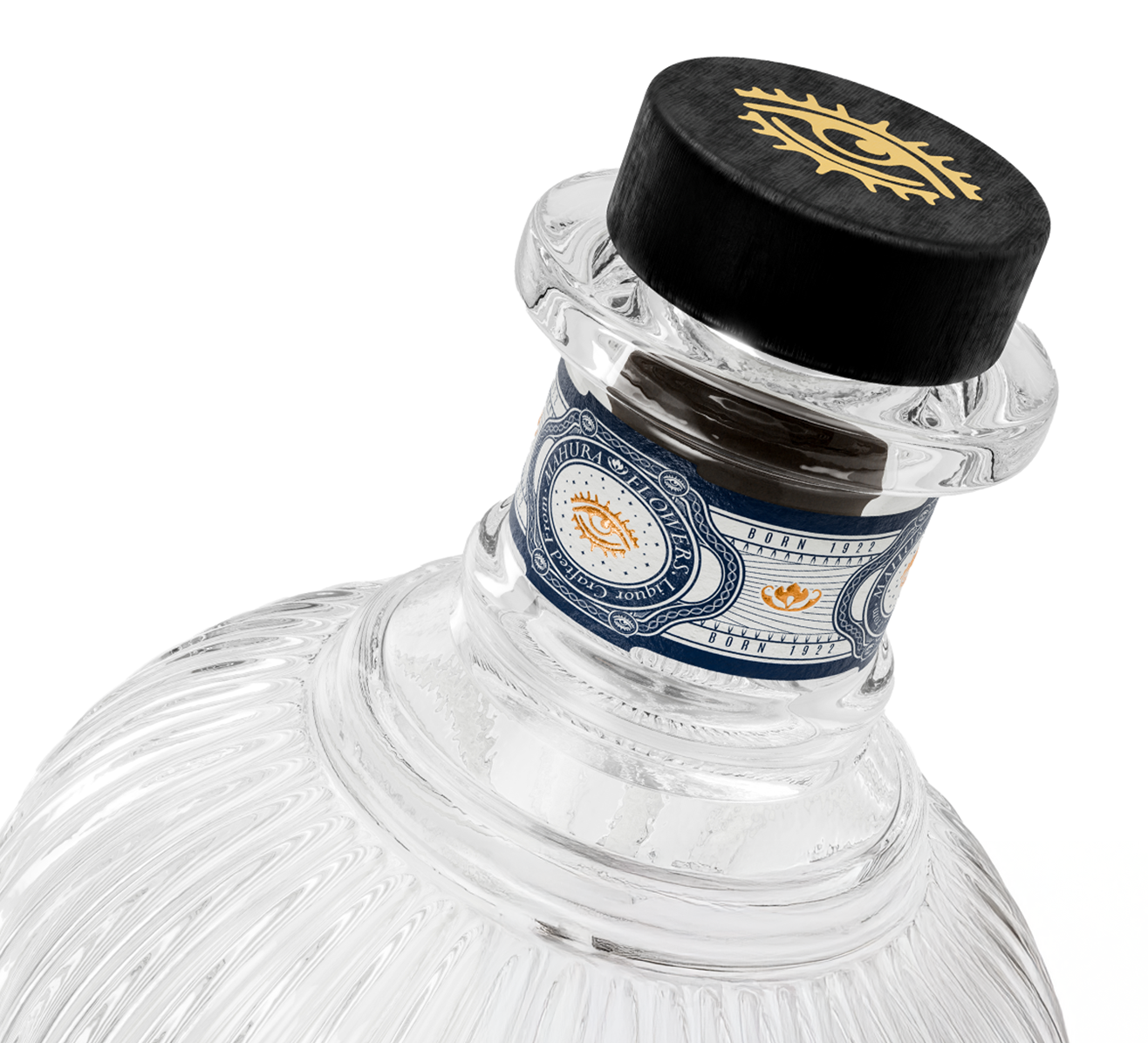
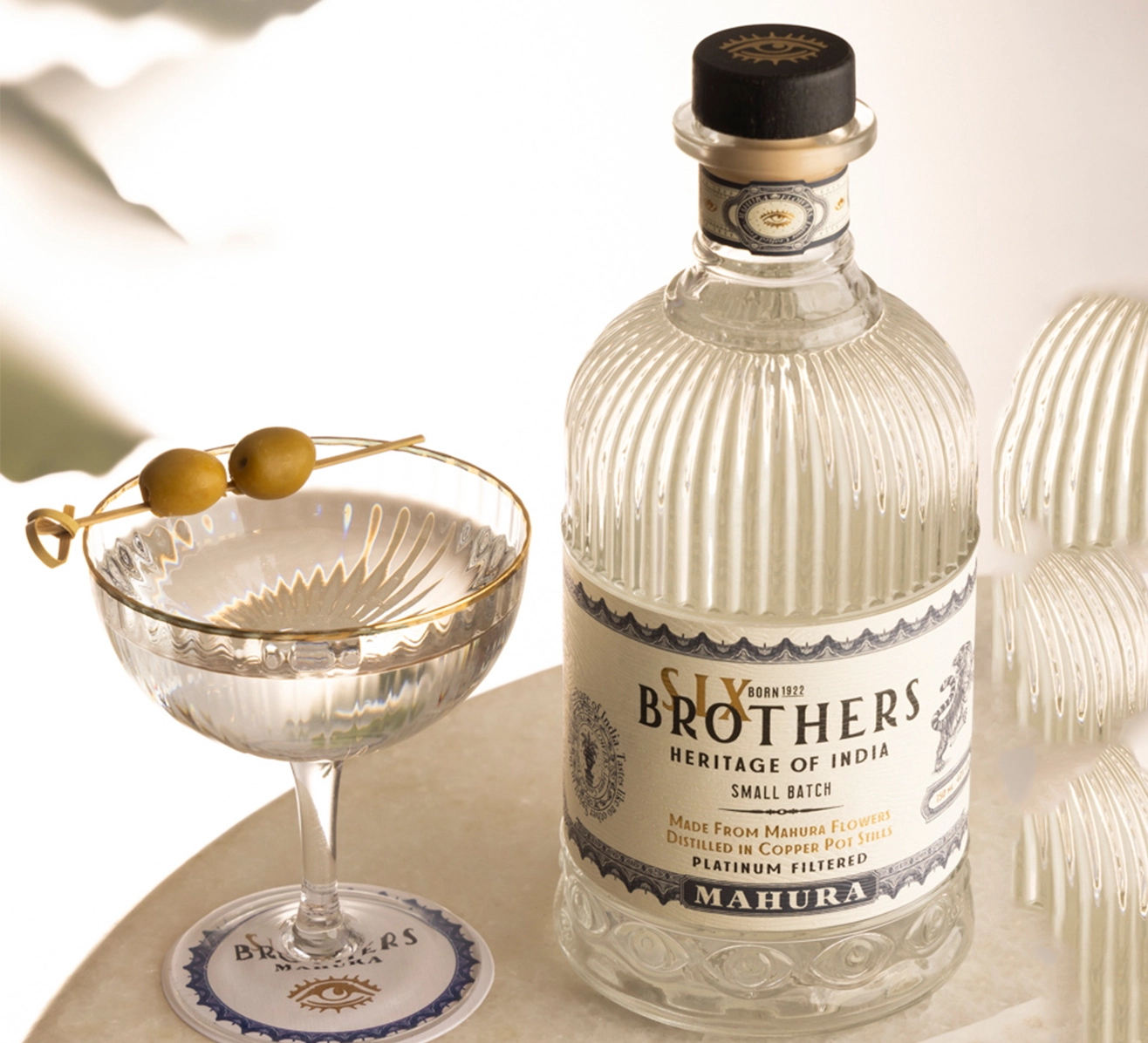
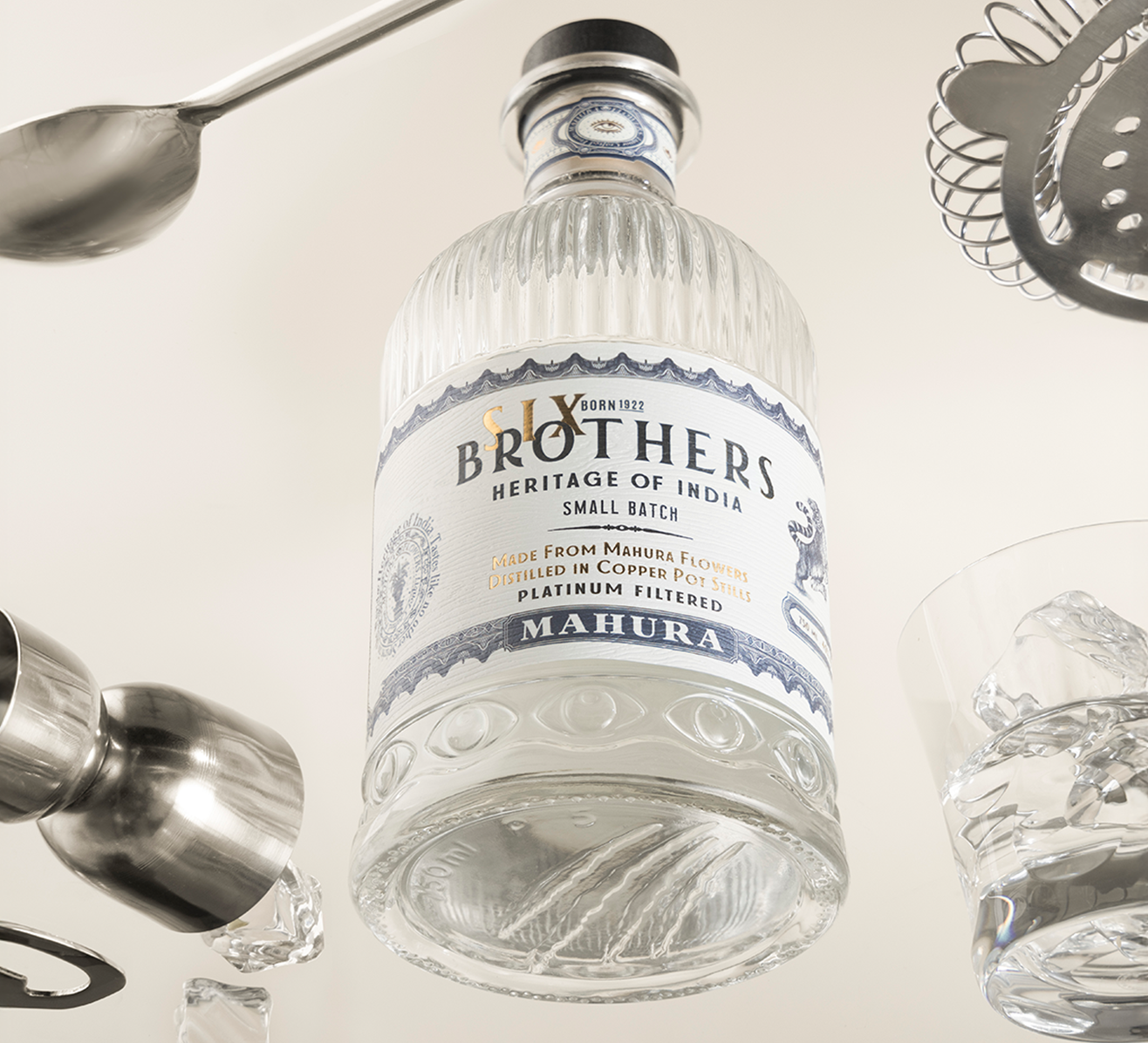
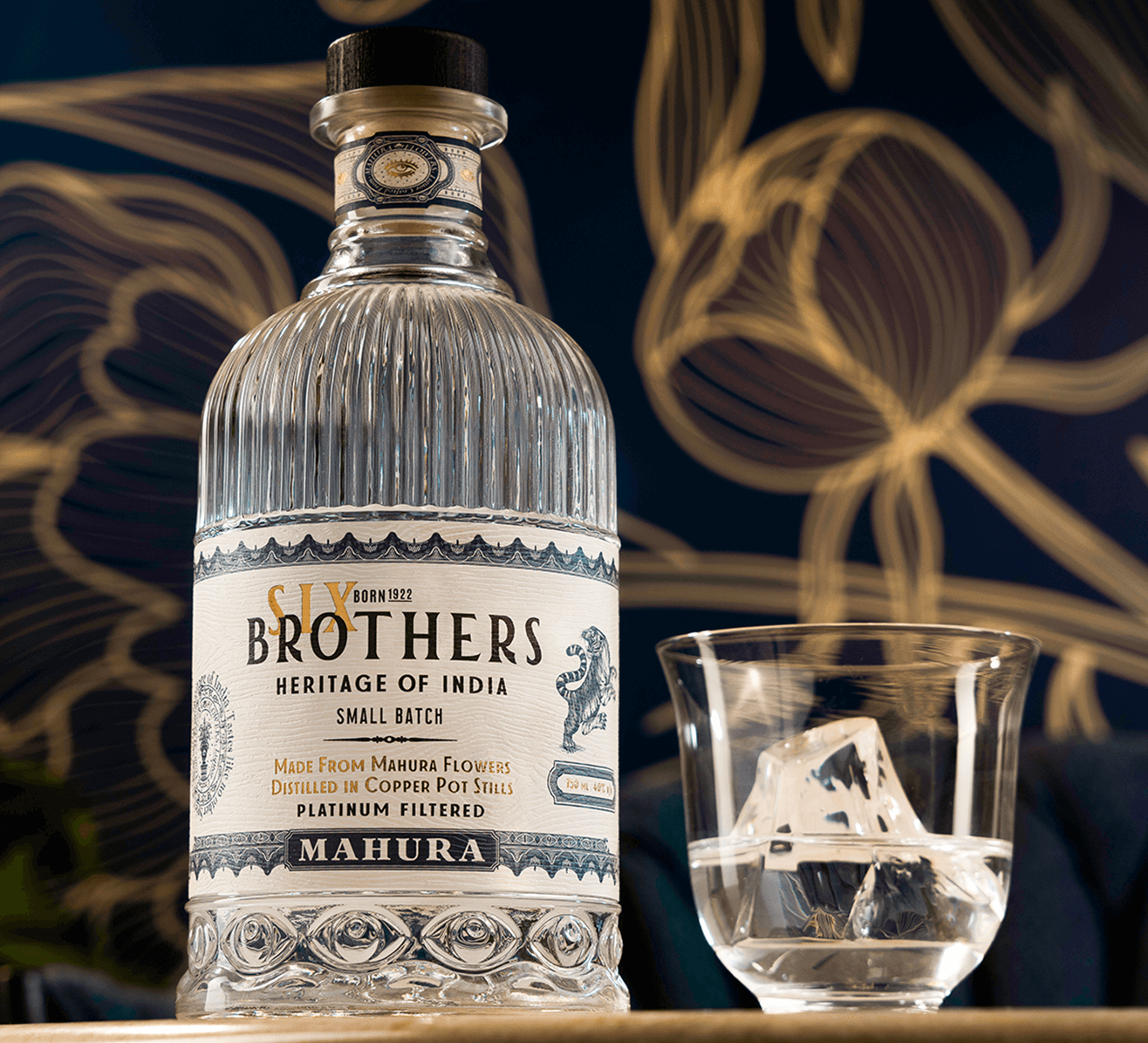
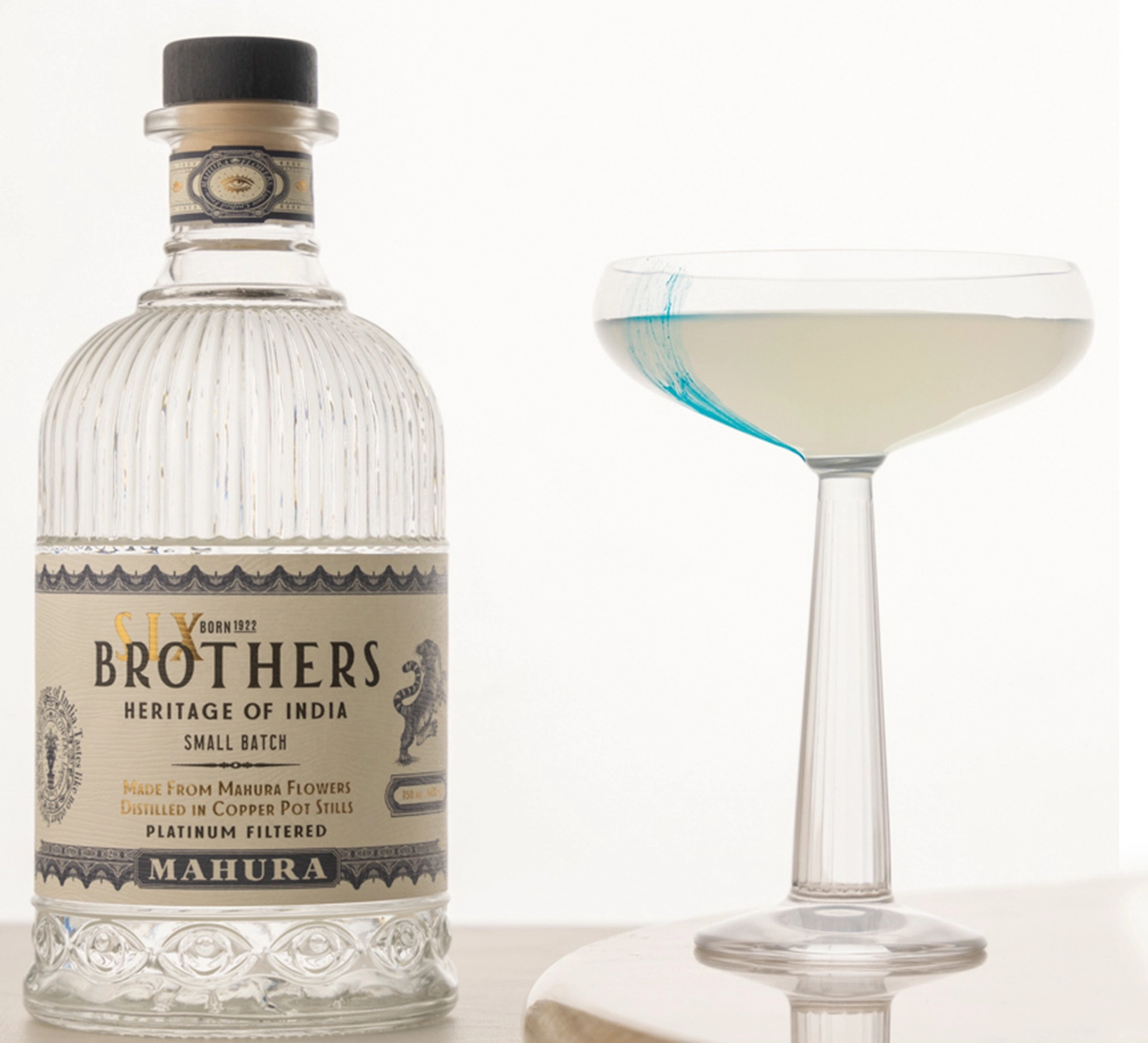
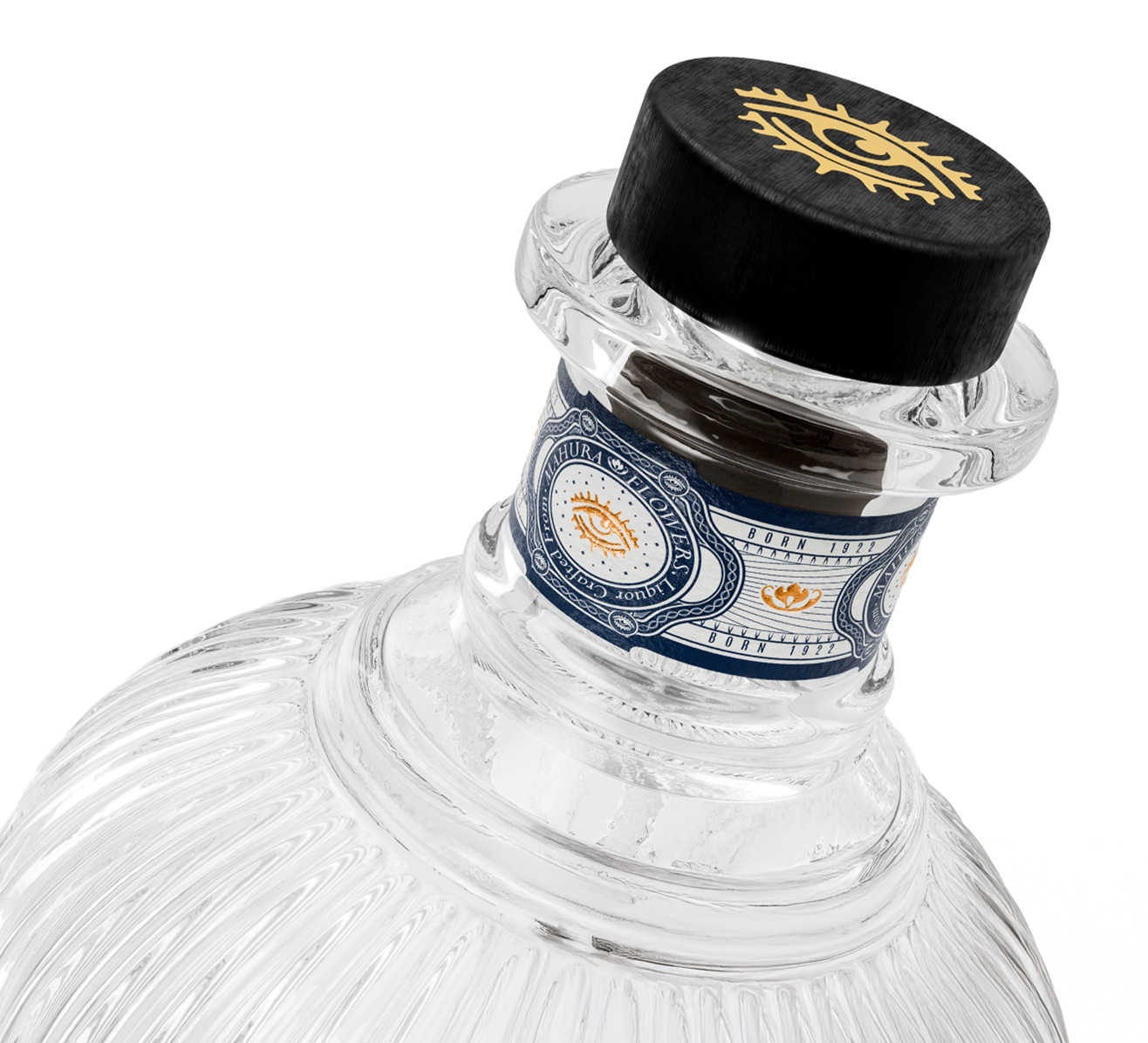
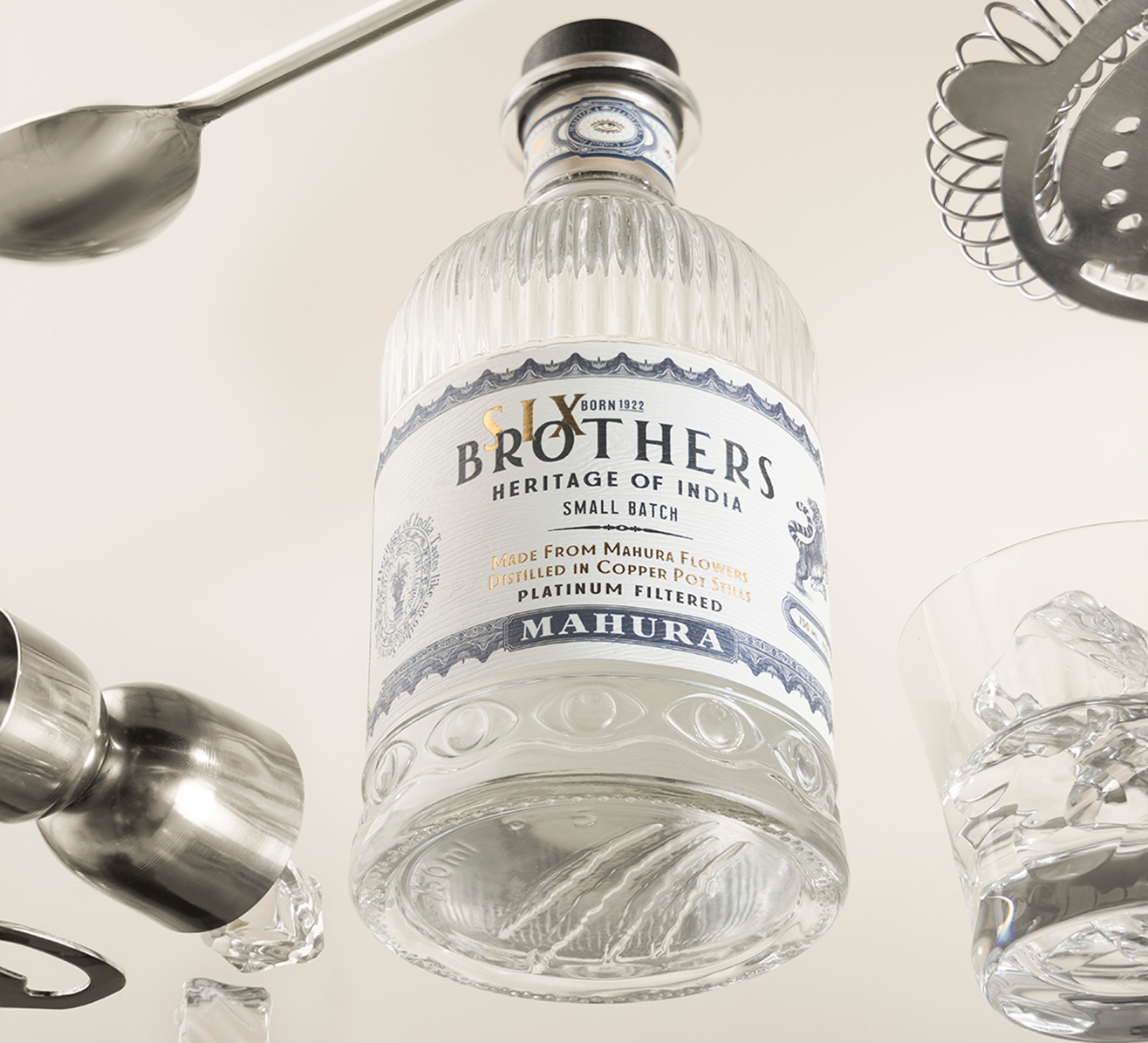
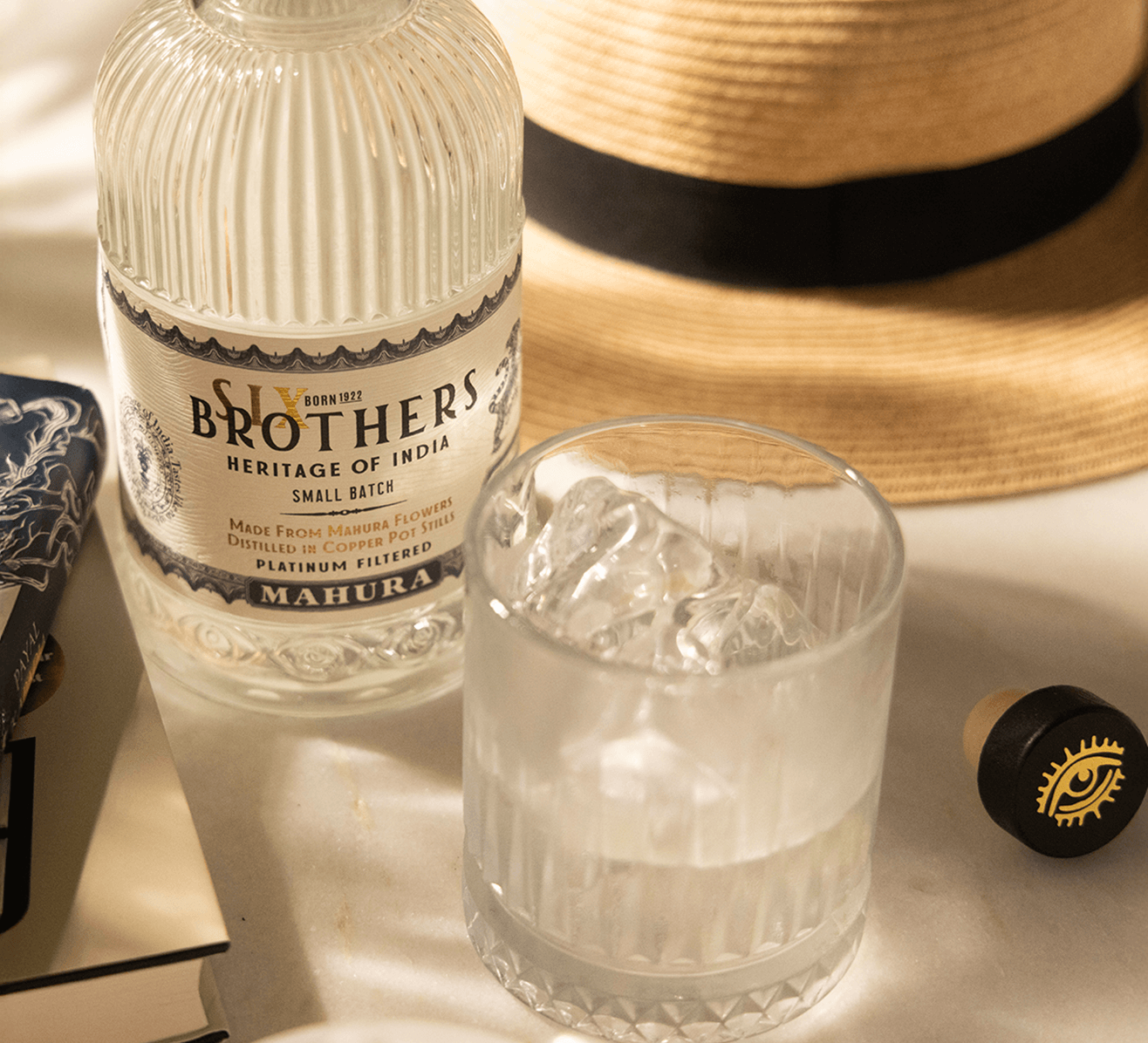
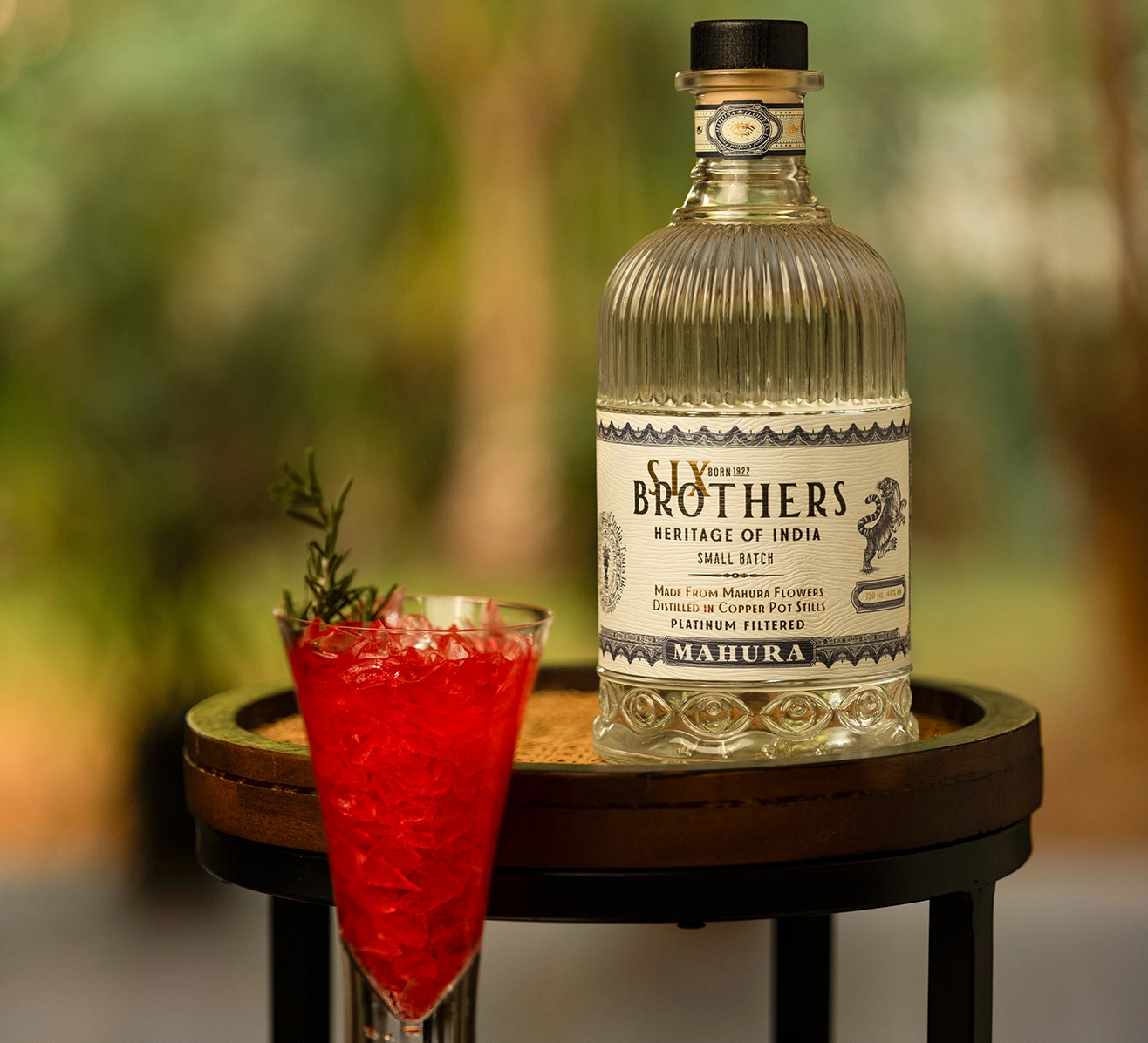
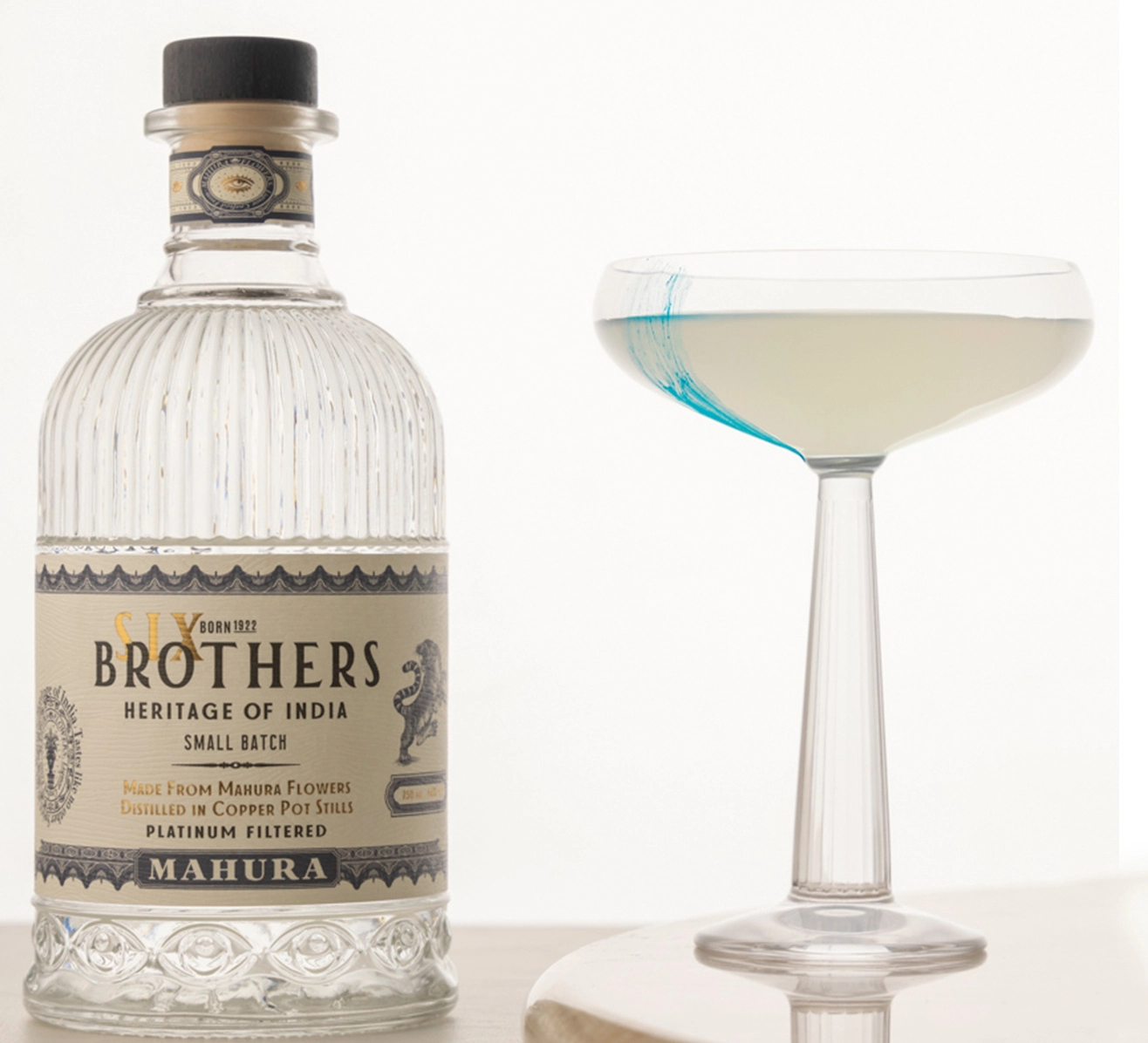
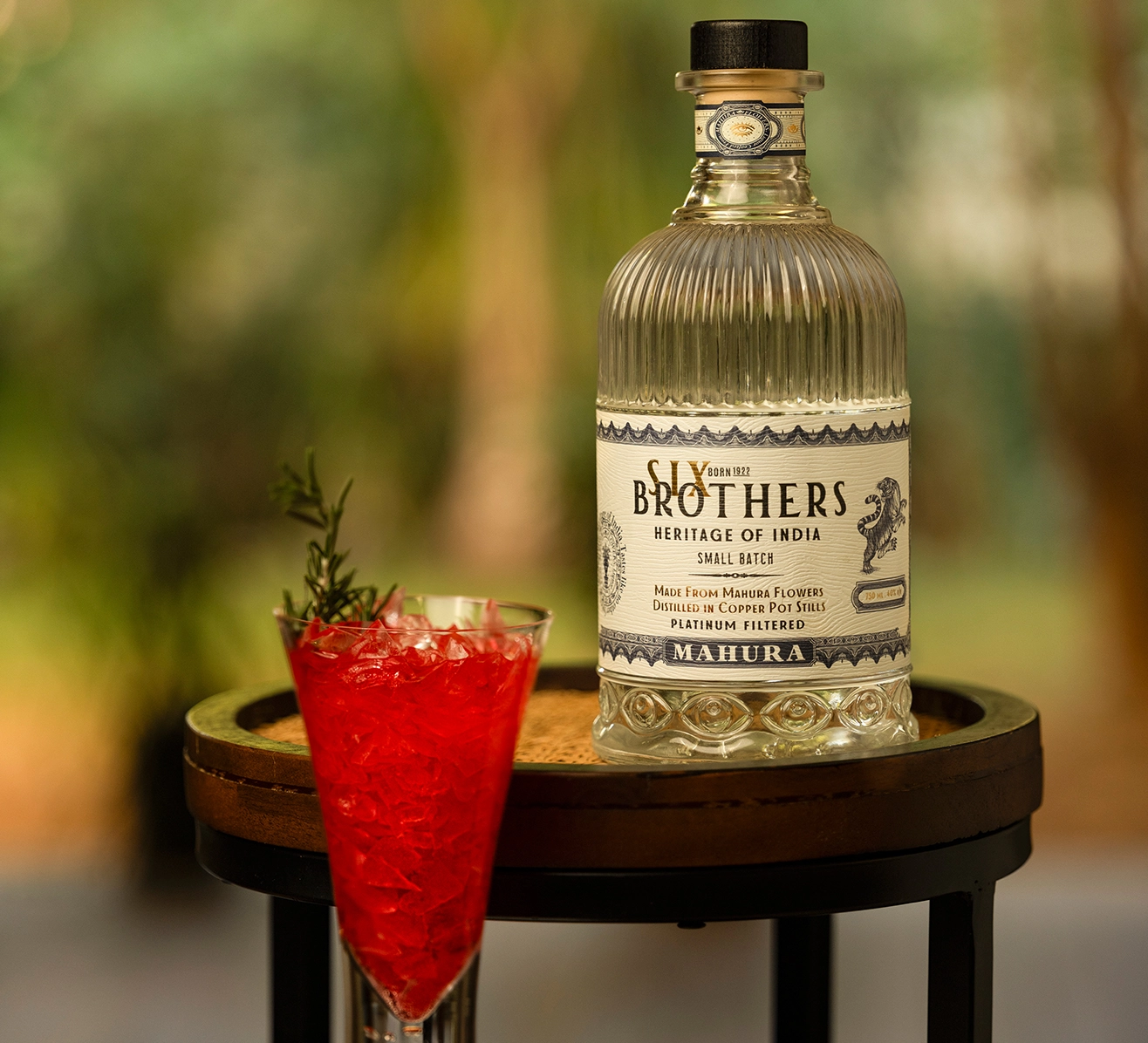
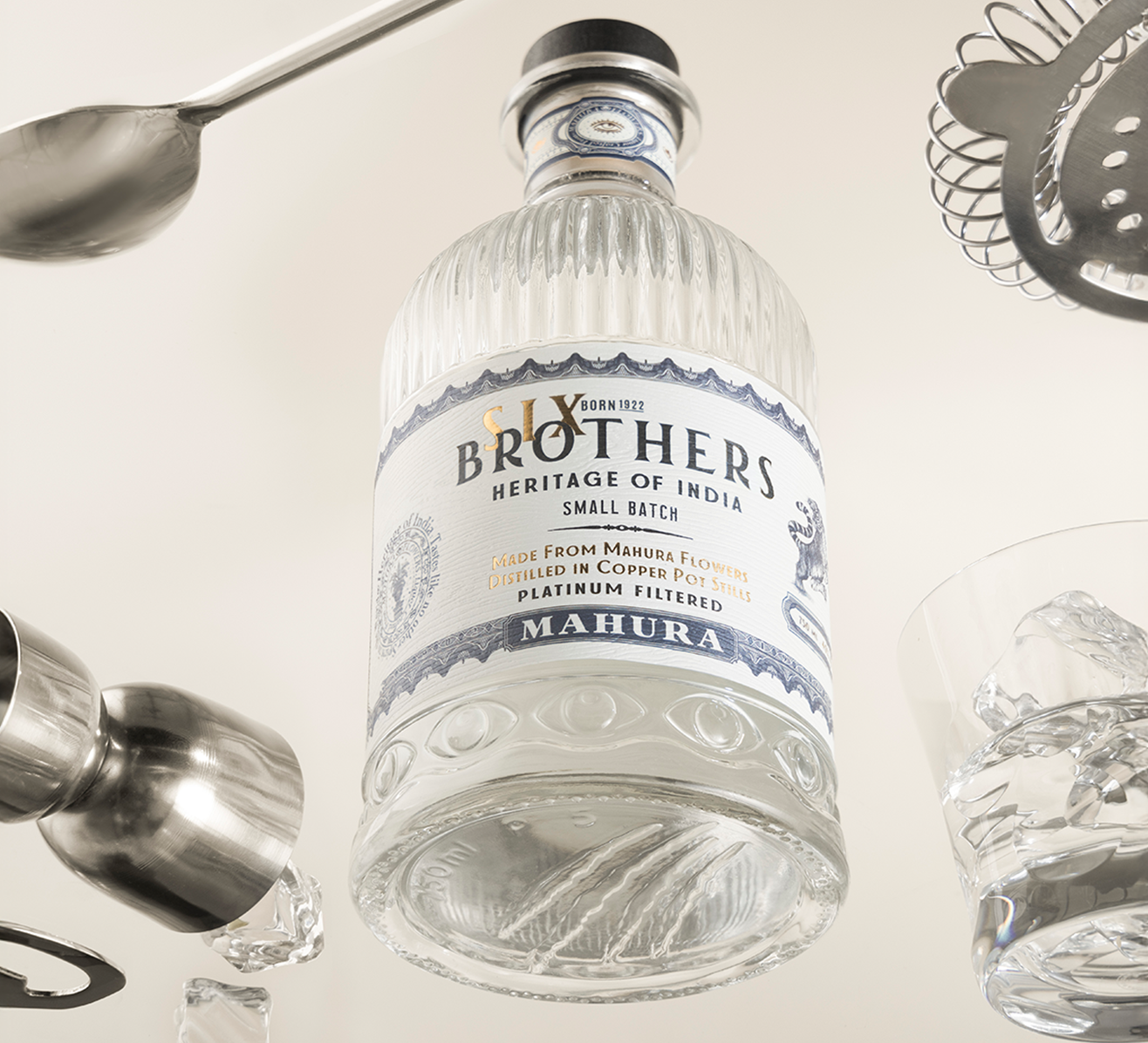
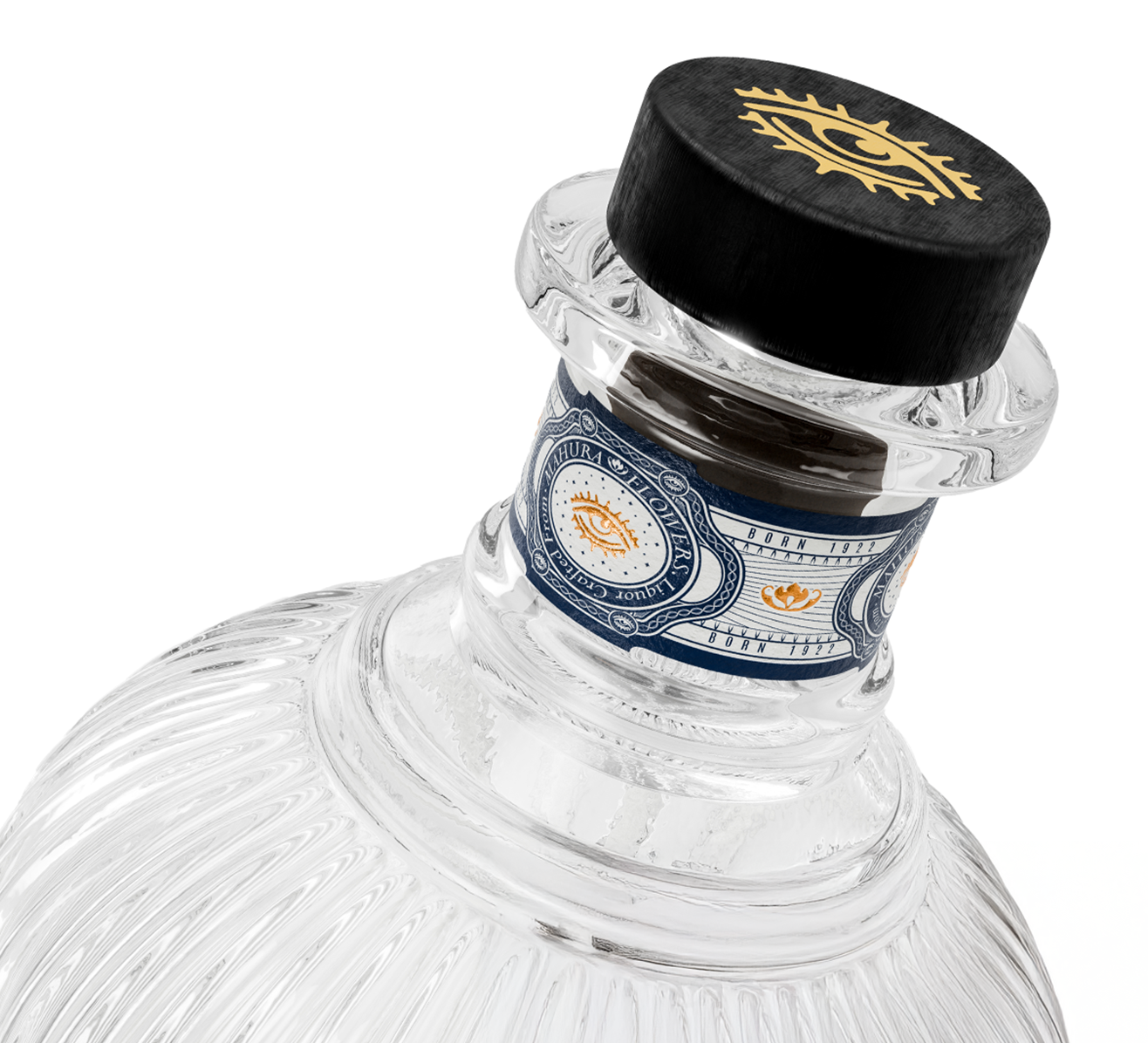
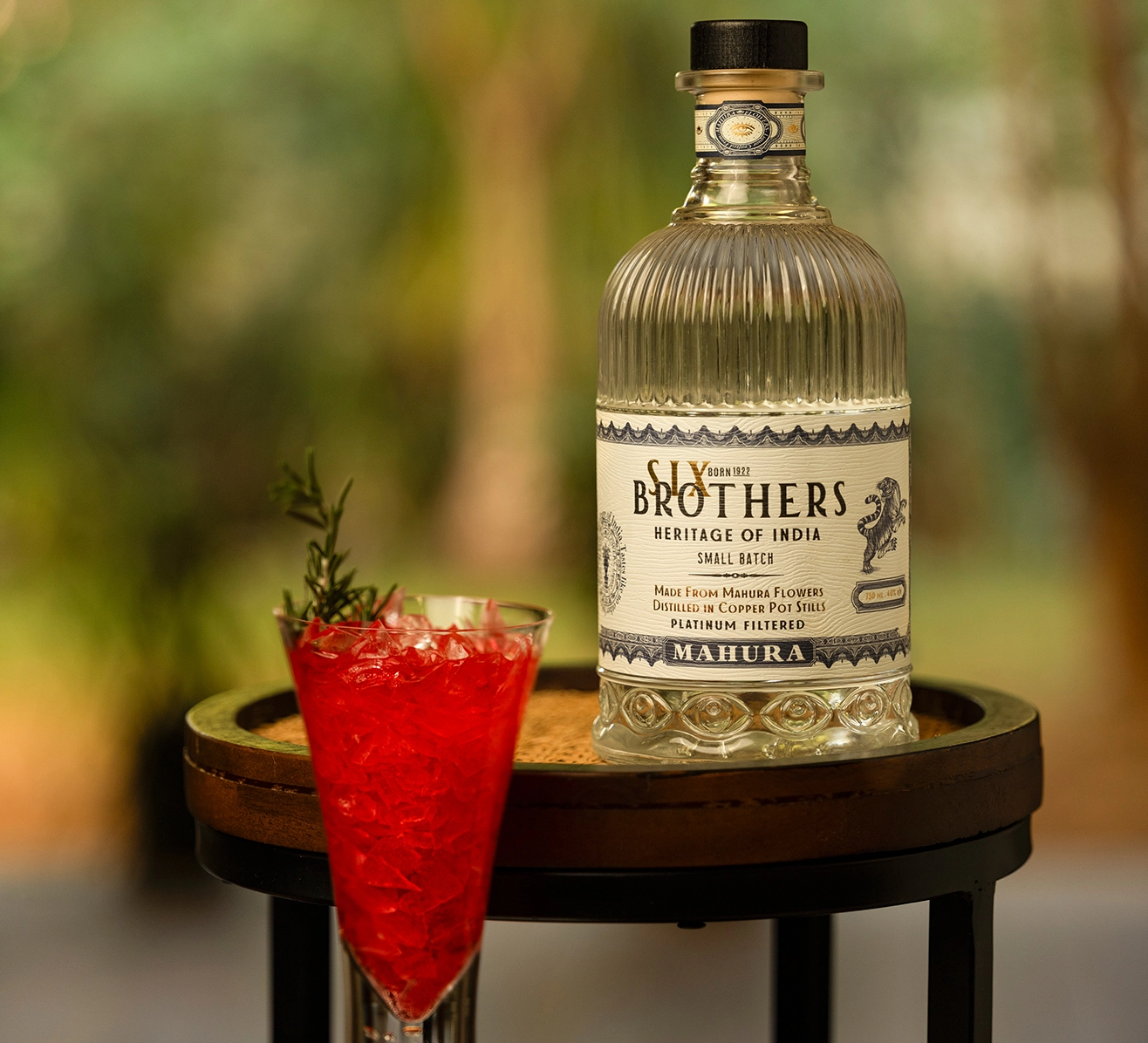
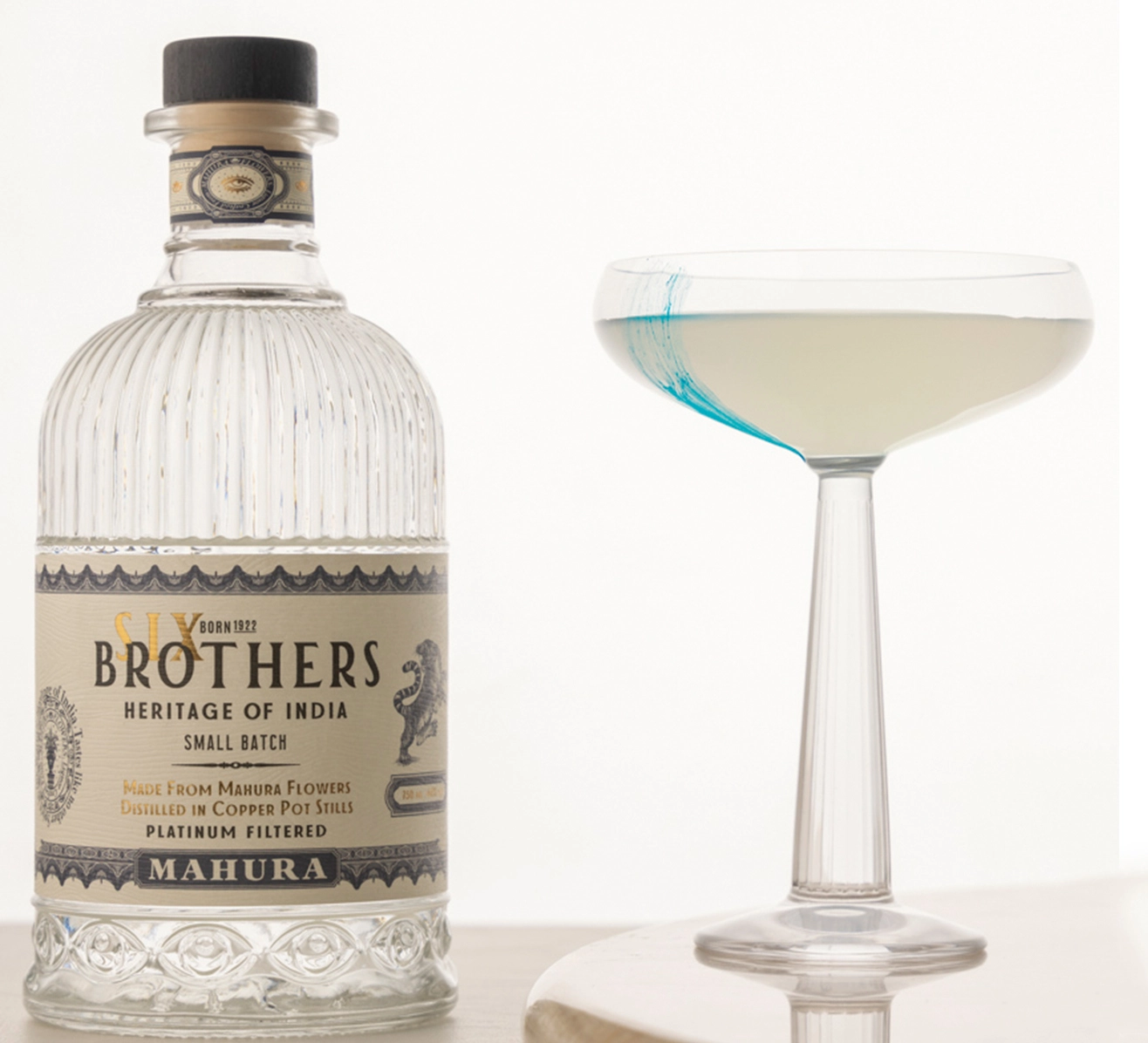
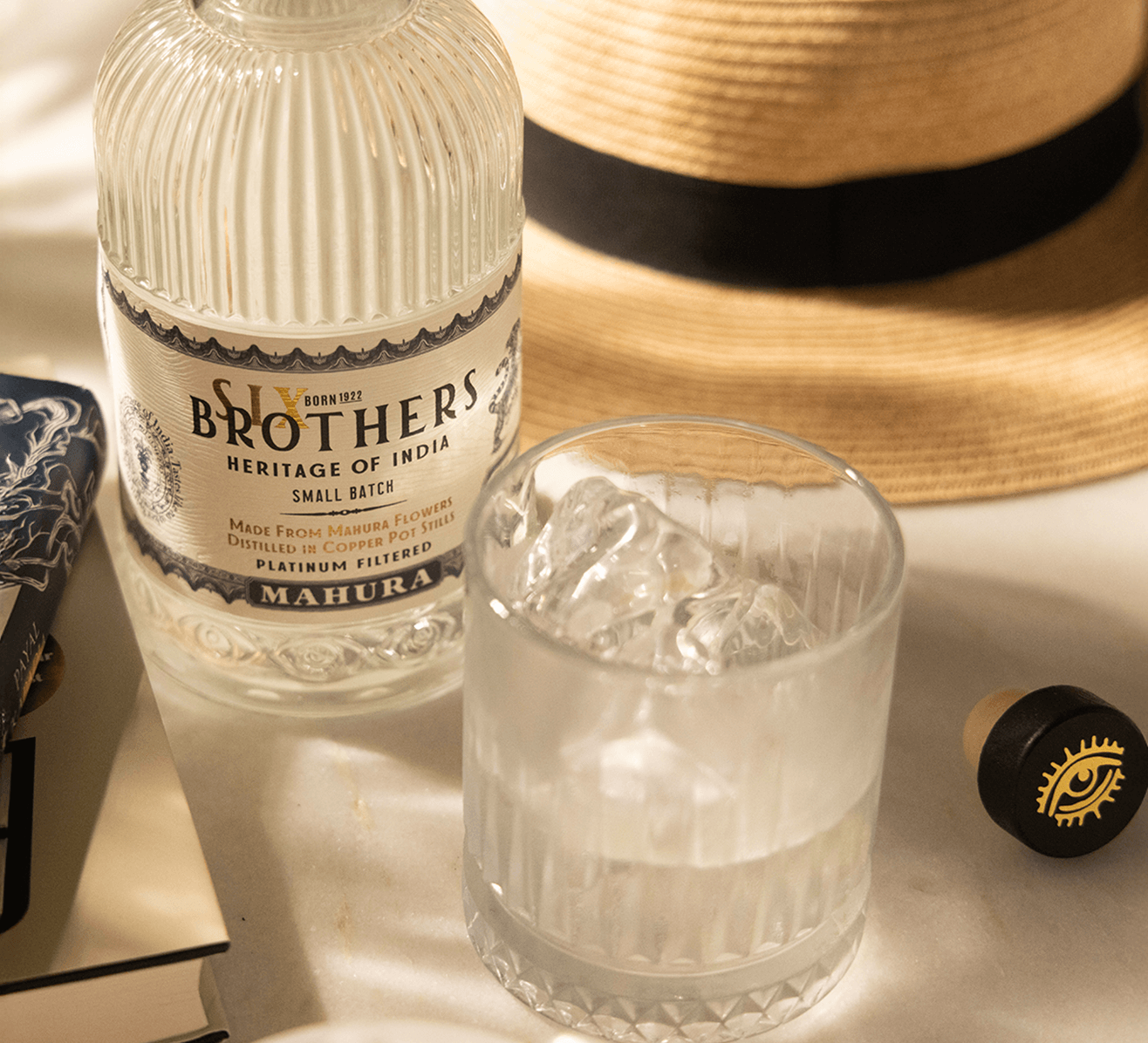
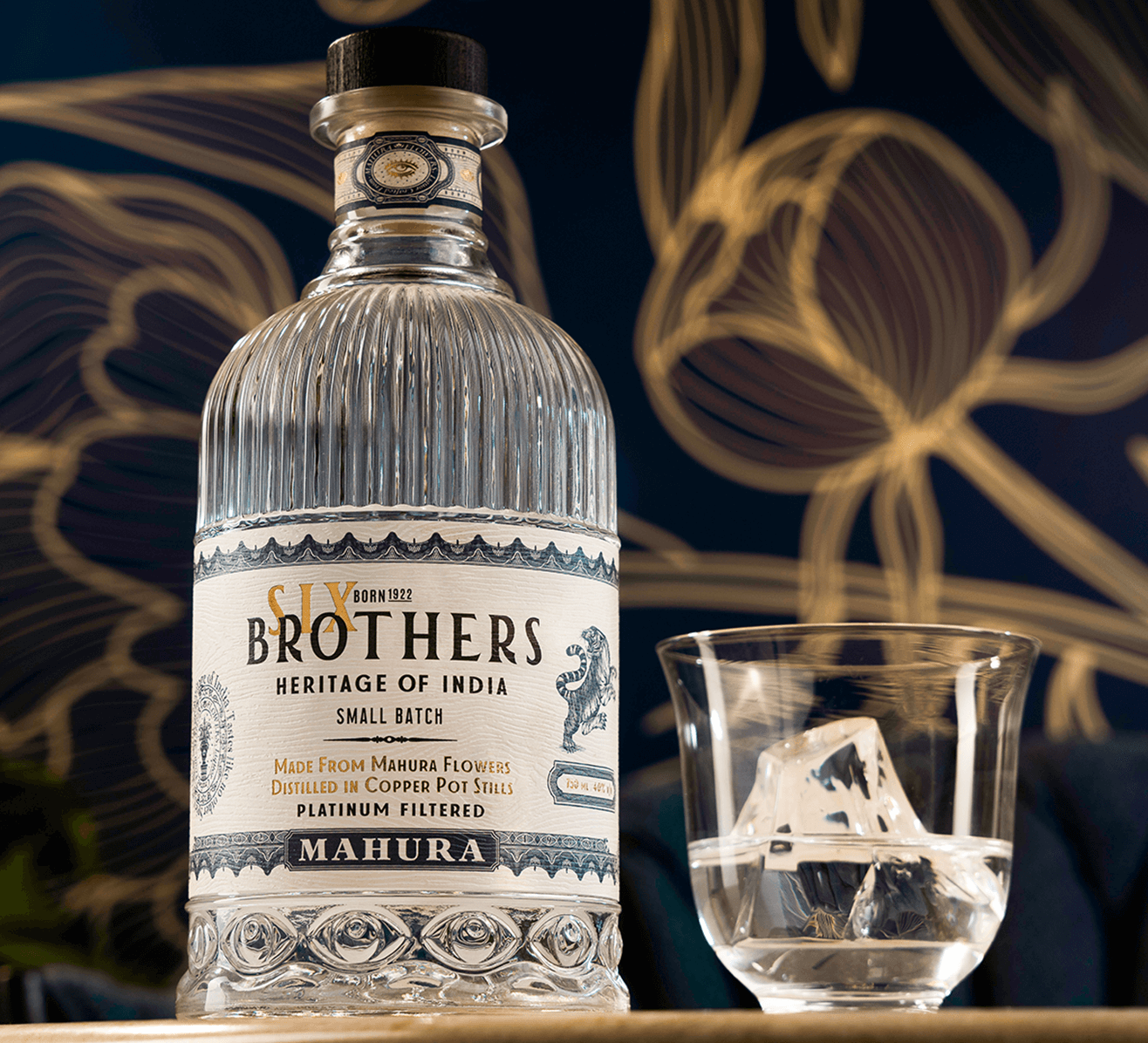
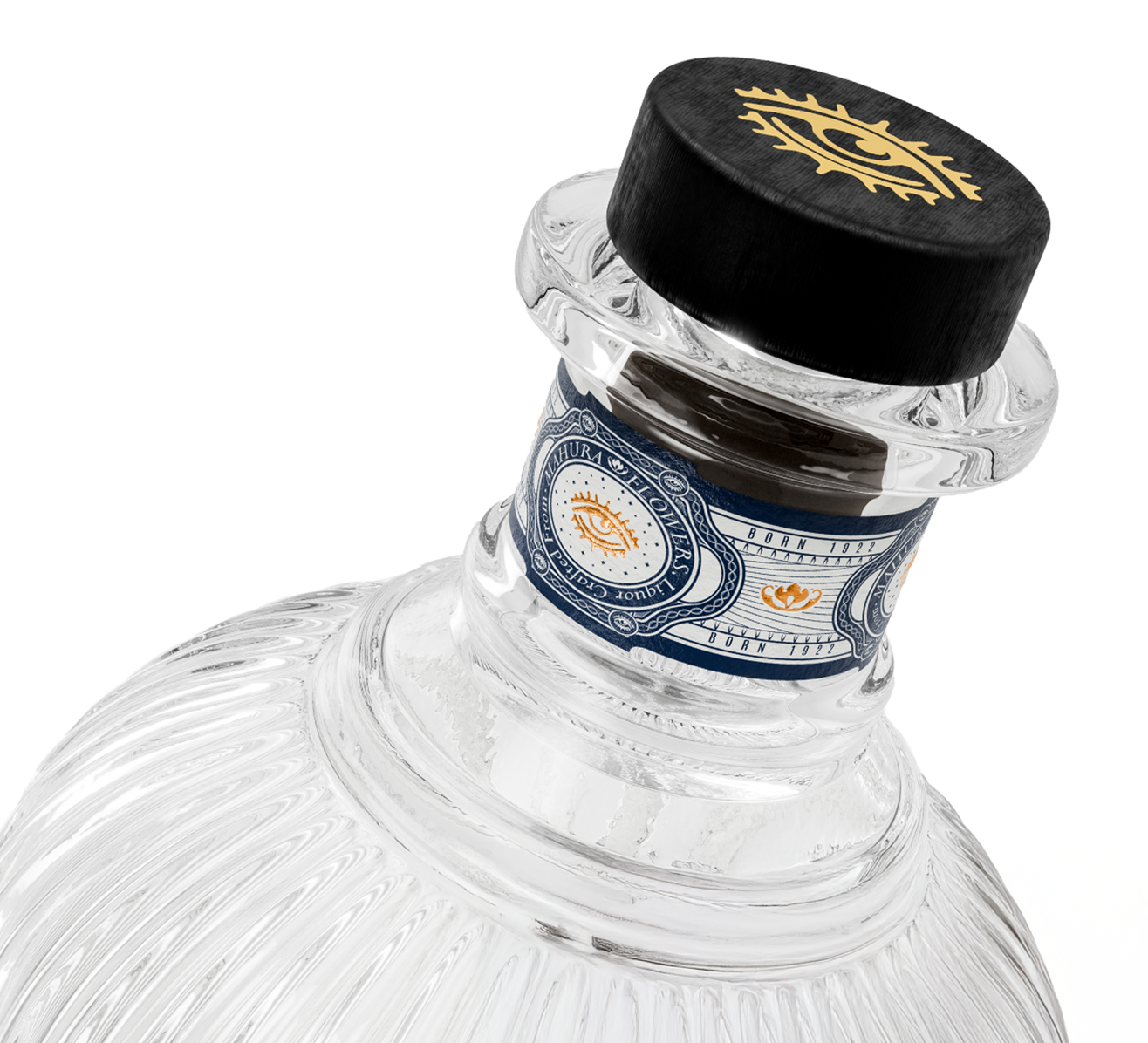
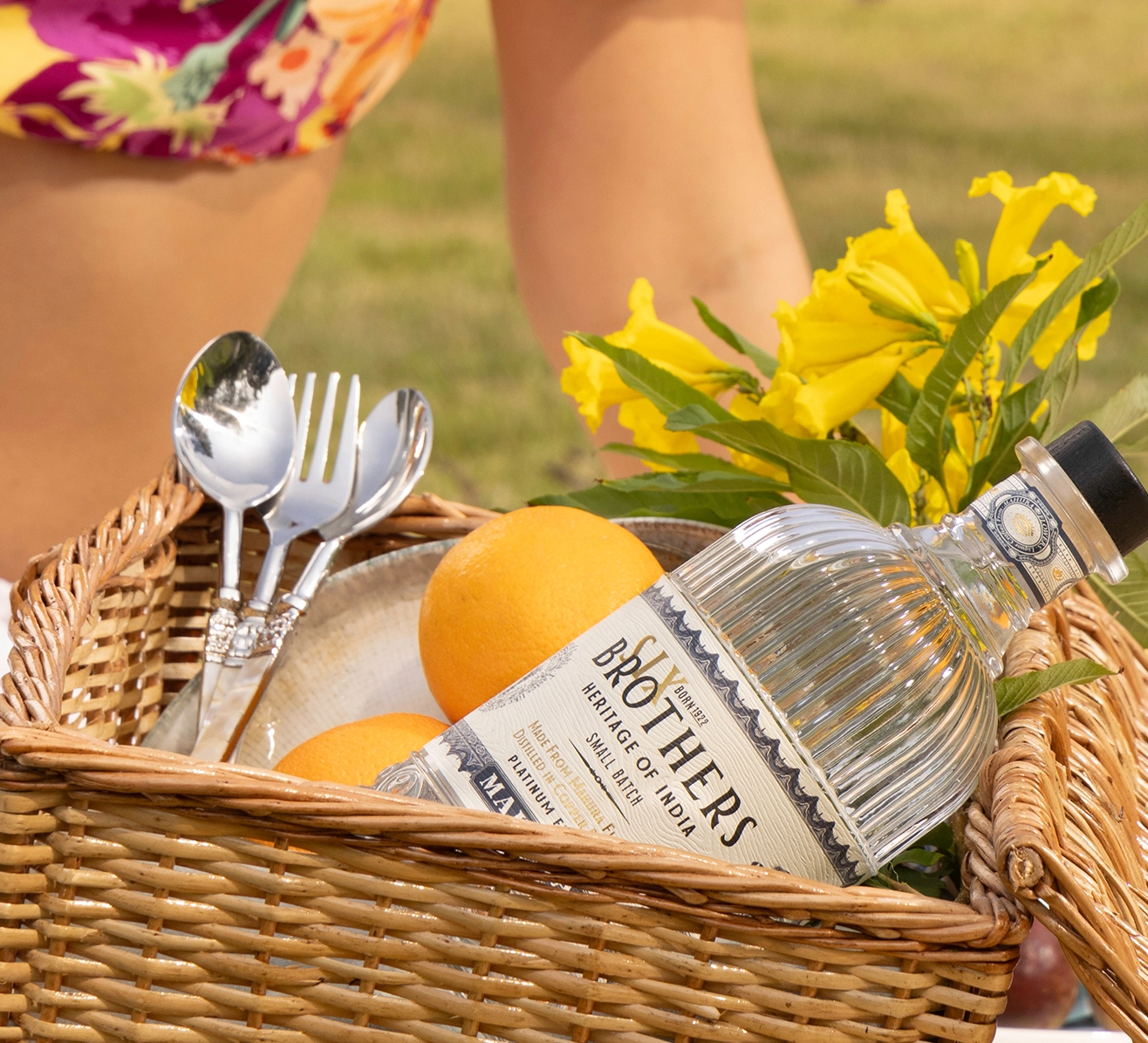
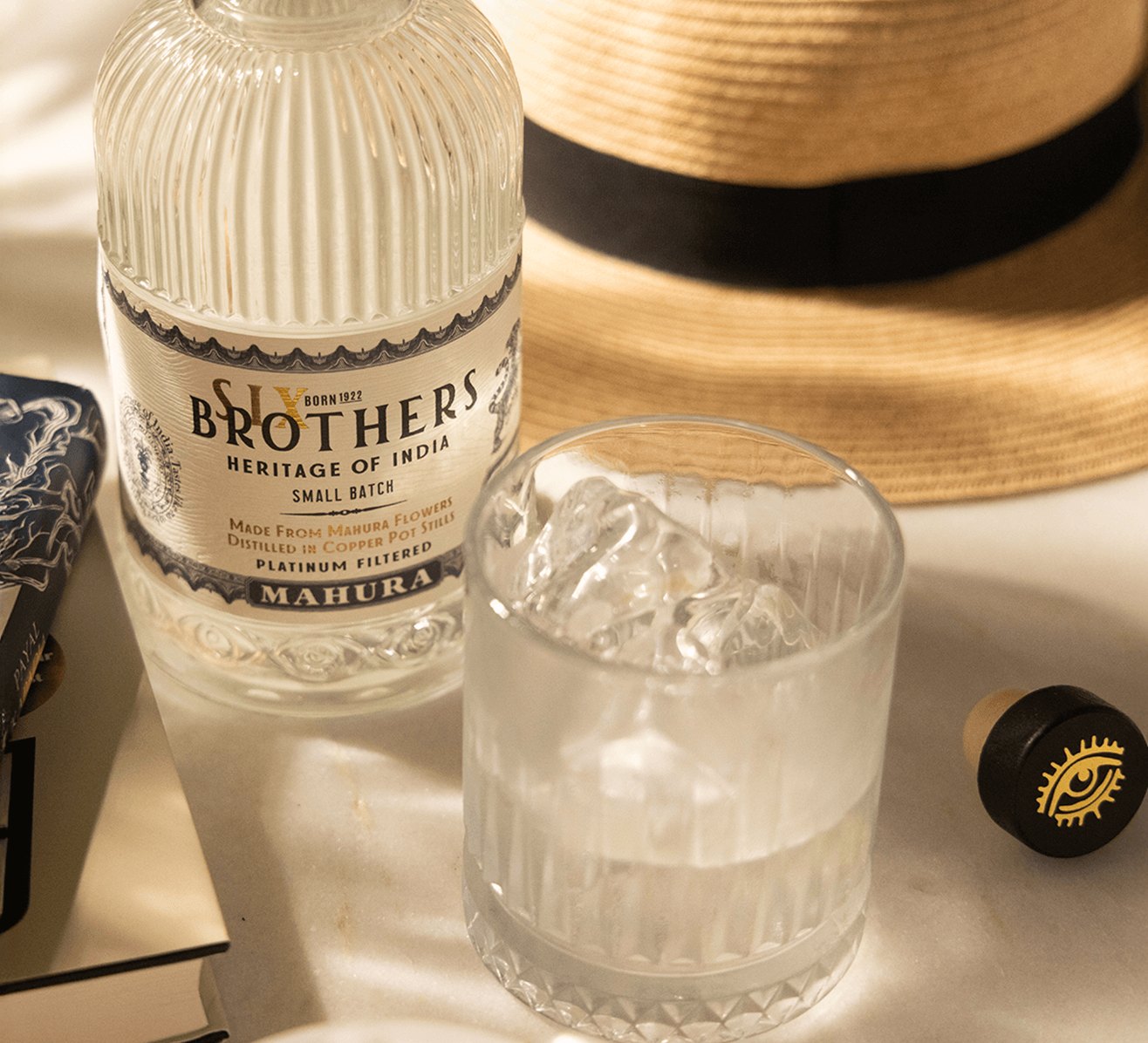
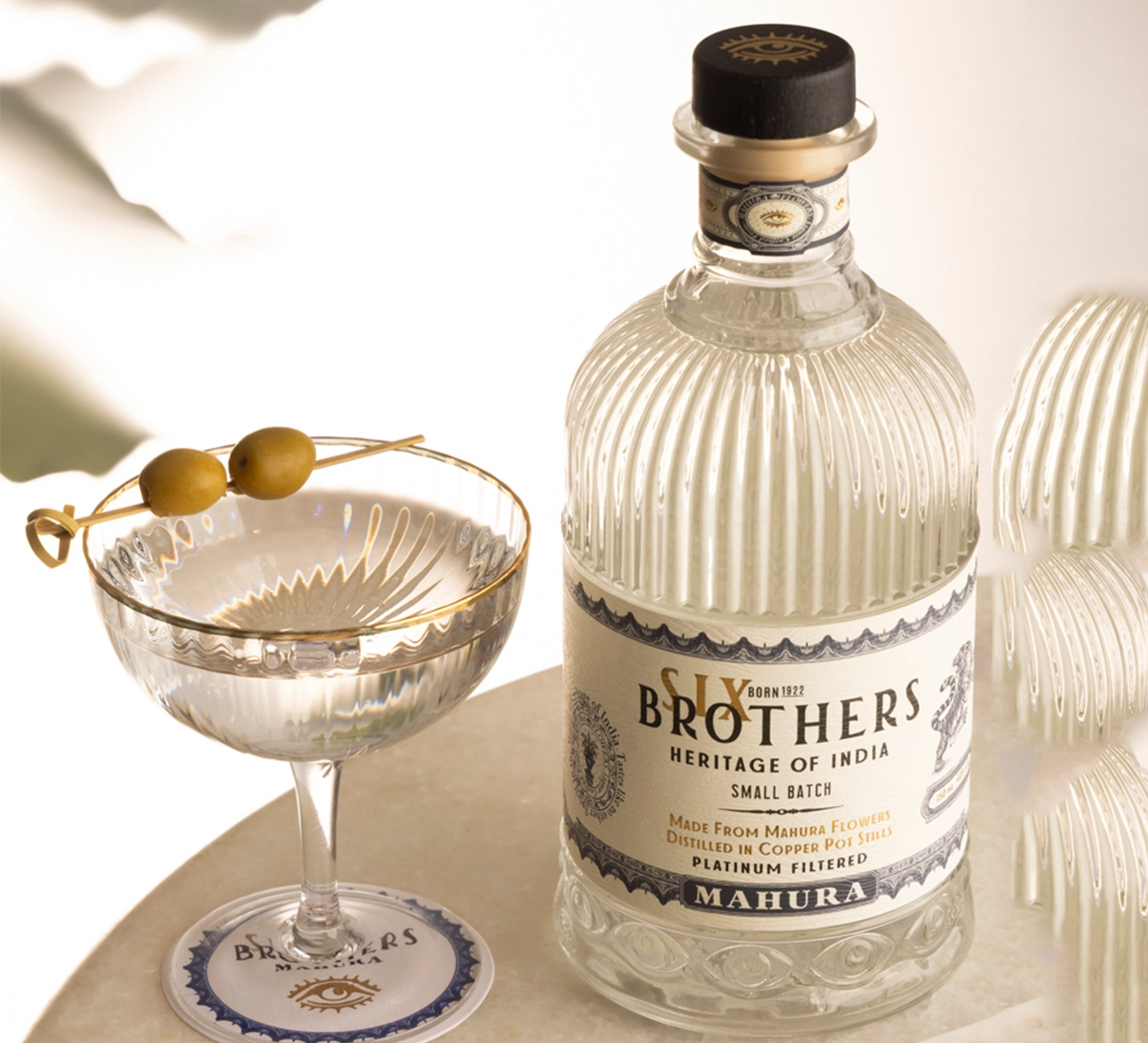
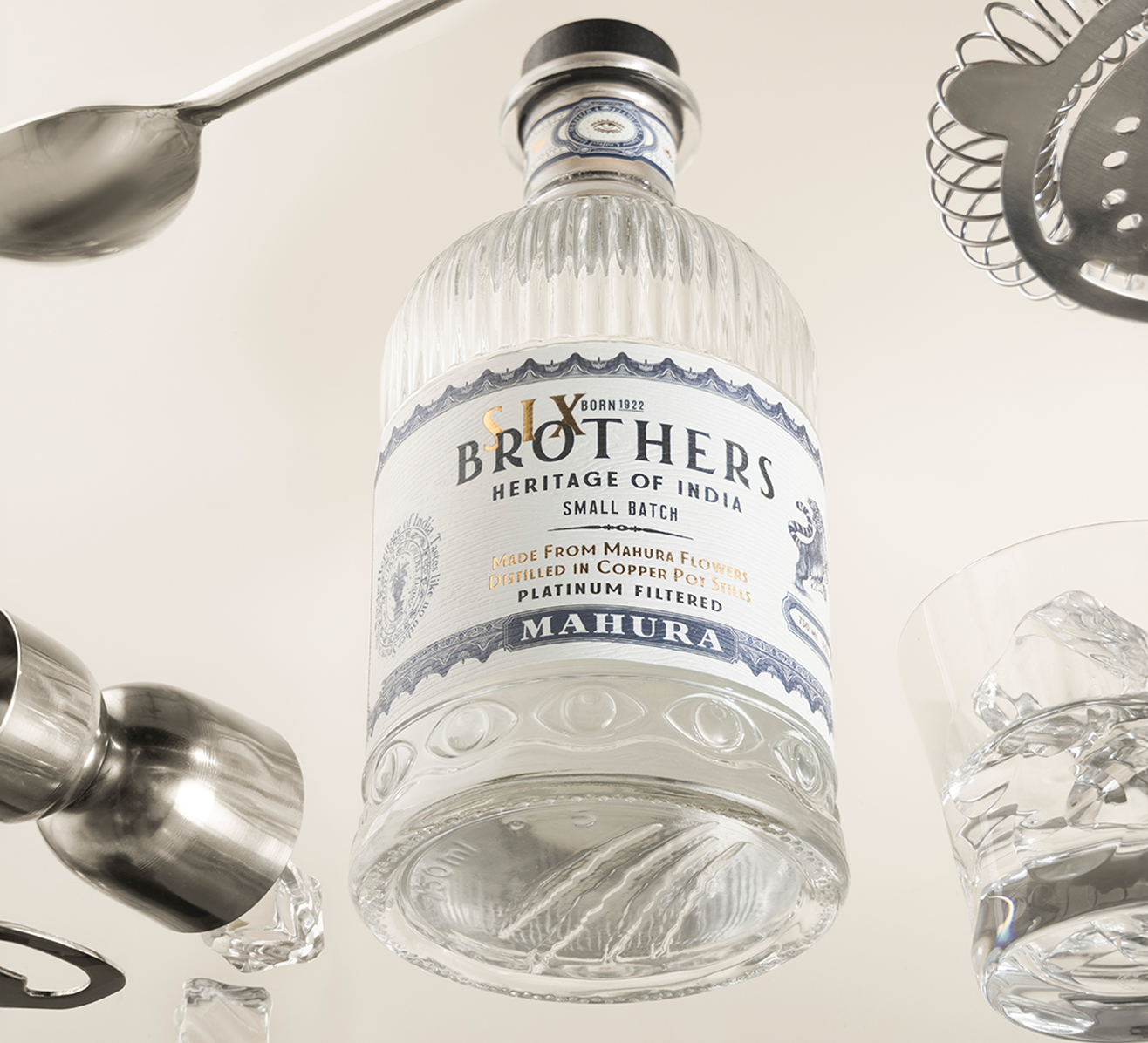
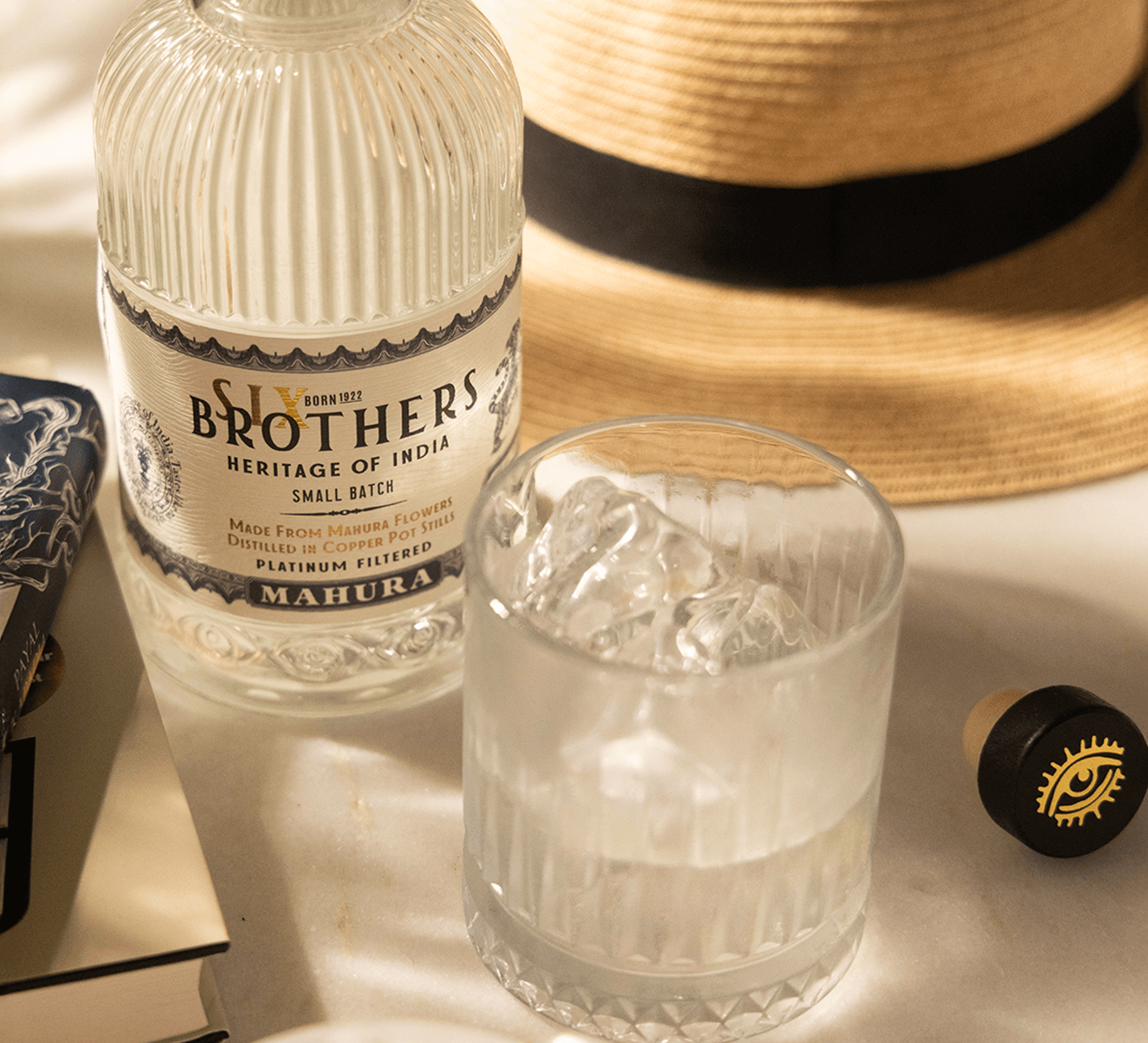
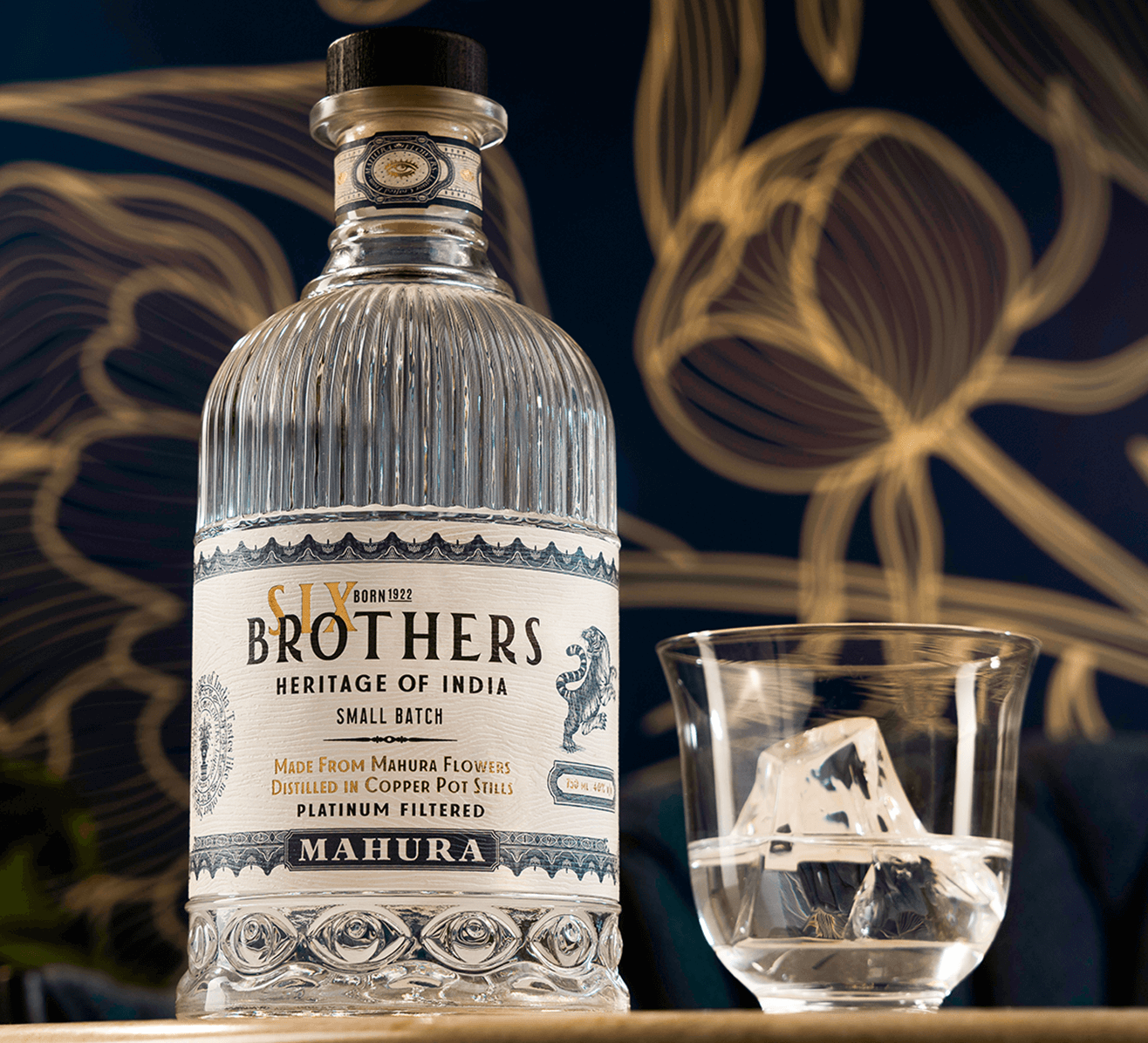
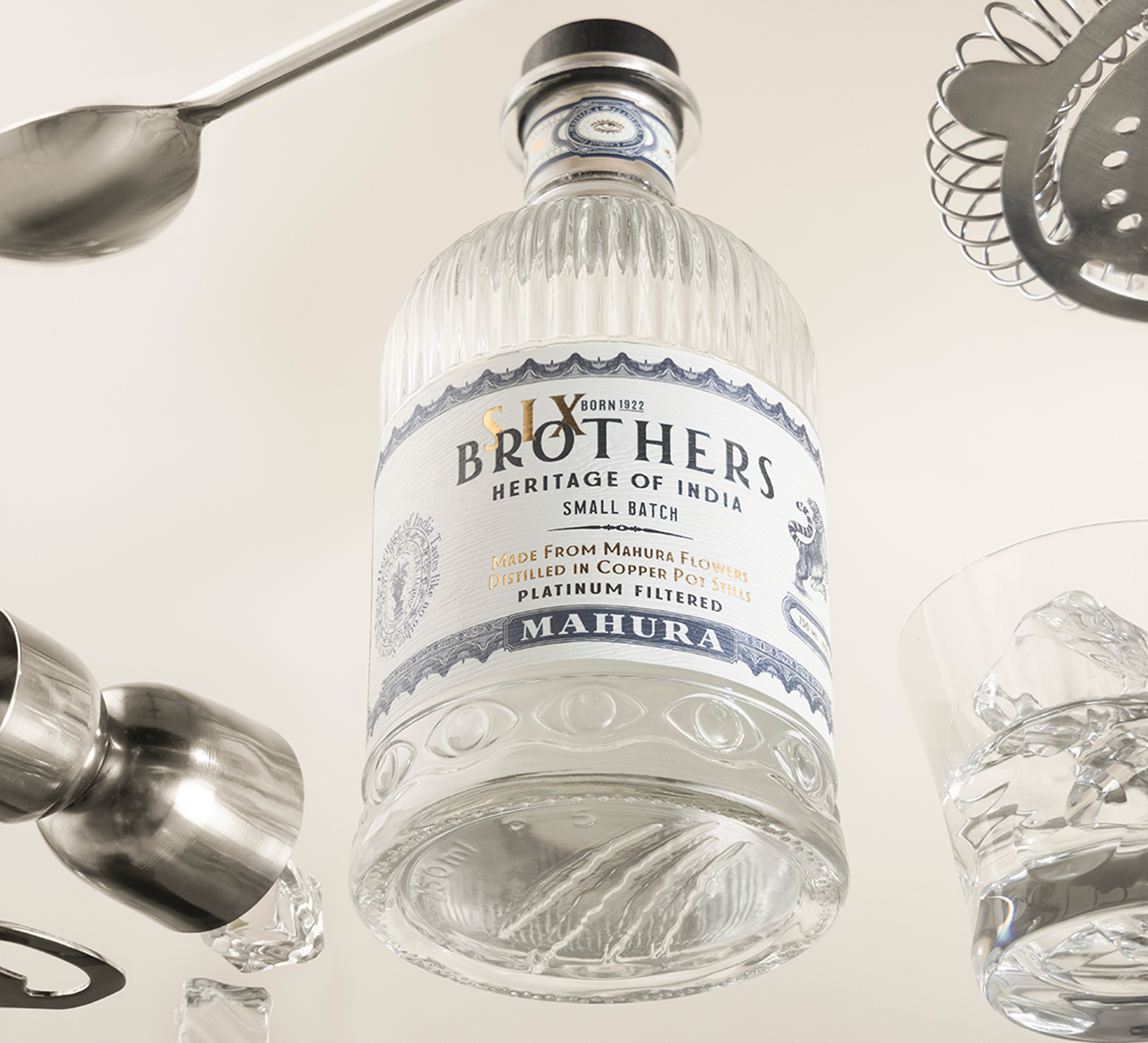
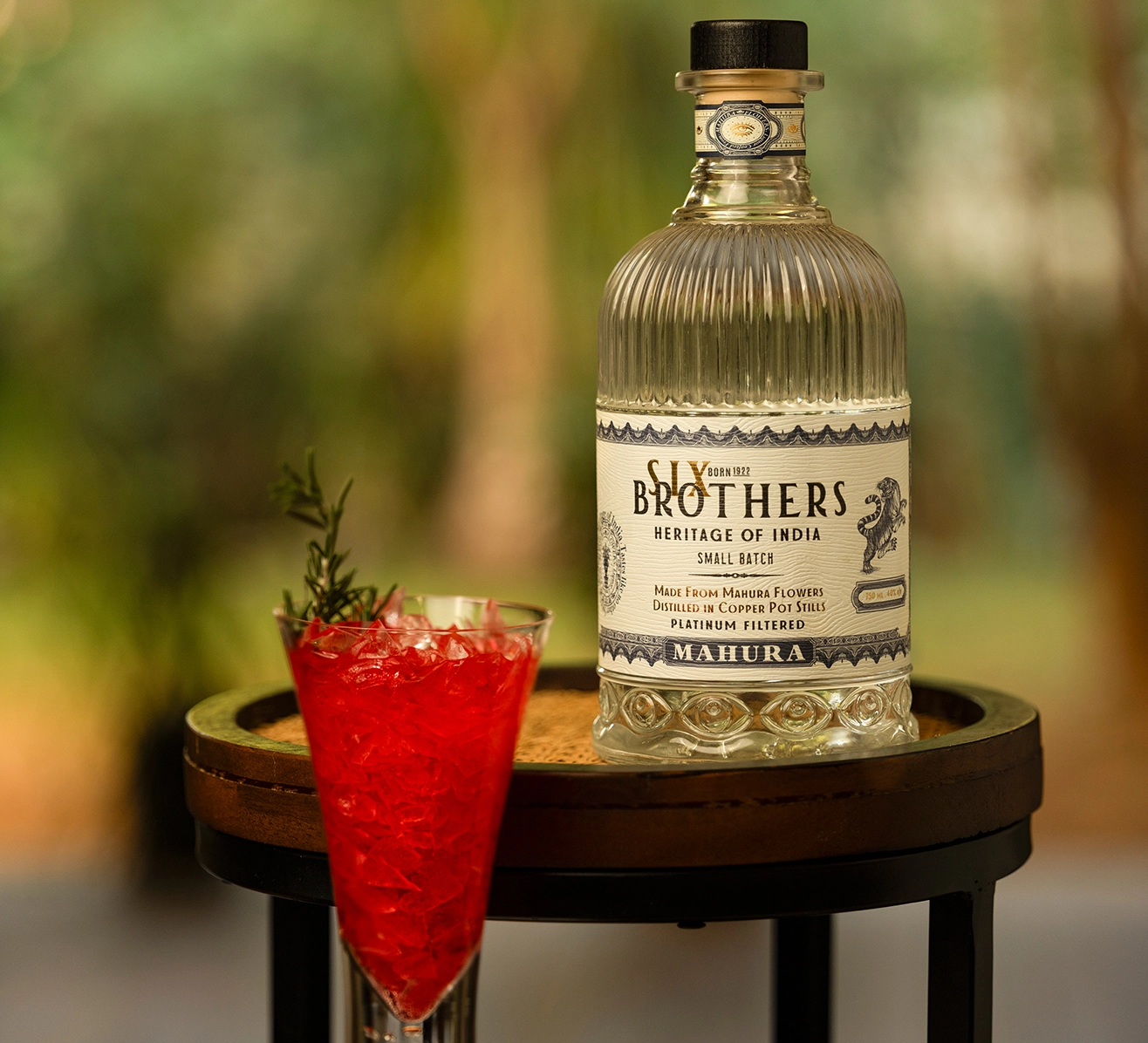
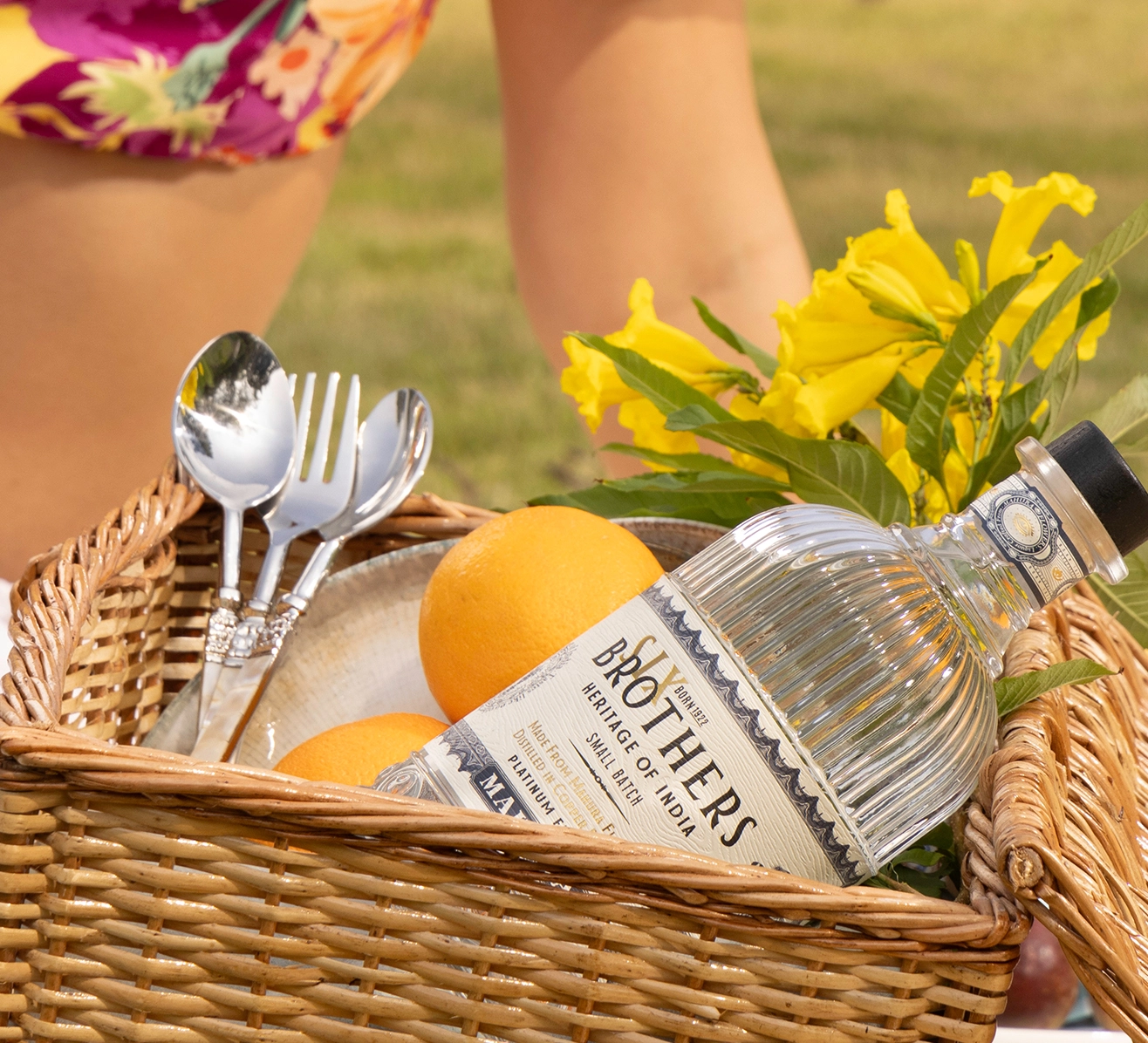
In modern times, producers such as Six Brothers Mahura have adapted these traditional fermentation methods to meet contemporary quality, hygiene, and regulatory standards. By working closely with local communities and respecting ancestral knowledge, Six Brothers Mahura demonstrates how Mahua-based spirits can be produced responsibly without disconnecting from their cultural origins.
The Mahua tree stands apart from other flowering trees because:
This rare combination of resilience, utility, and cultural importance makes Mahua one of India’s most valuable indigenous trees.
Today, Mahua is experiencing a cultural and commercial revival. Growing interest in indigenous ingredients, sustainable sourcing, and authentic Indian craft spirits has brought renewed attention to this forest tree.
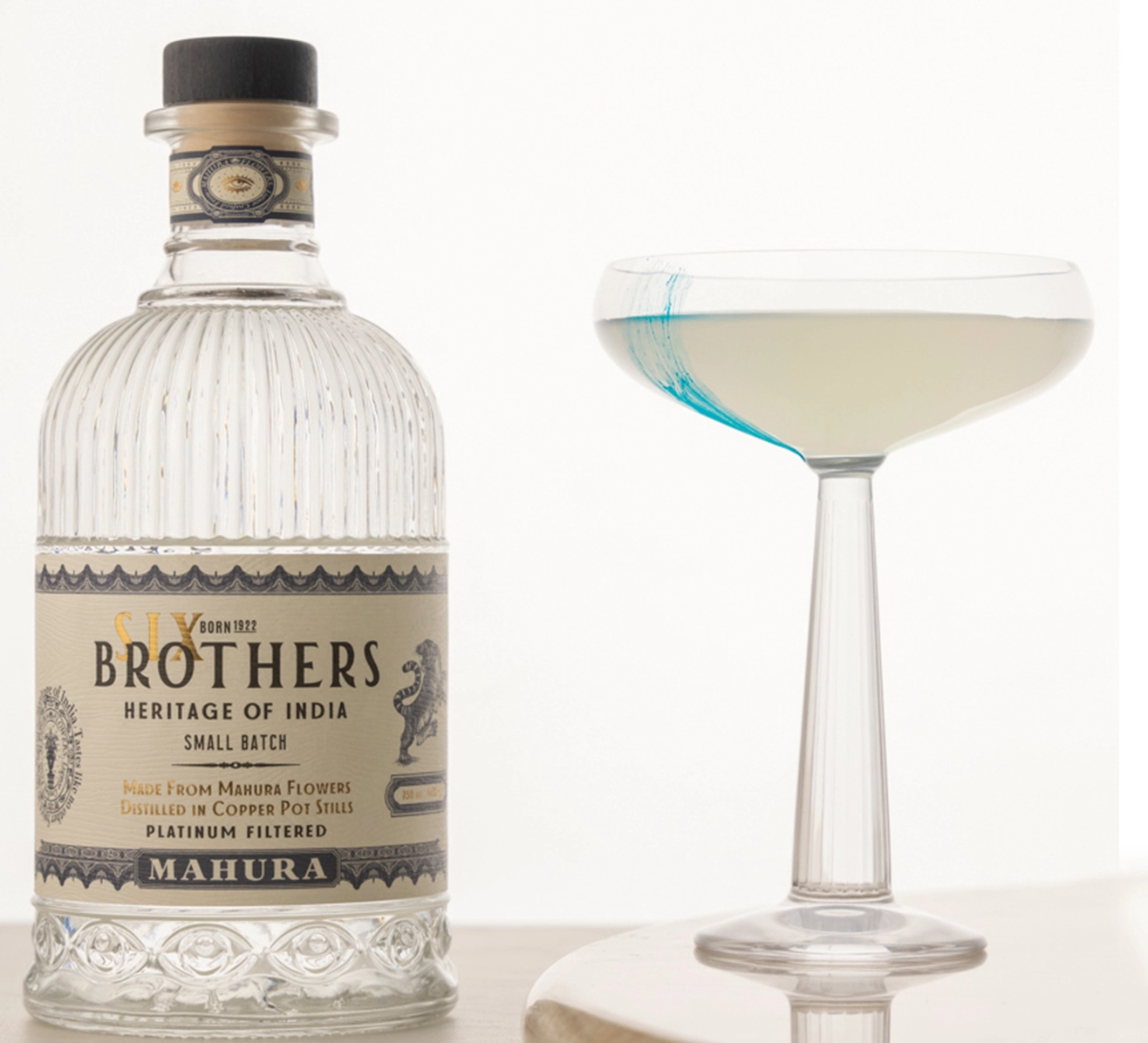
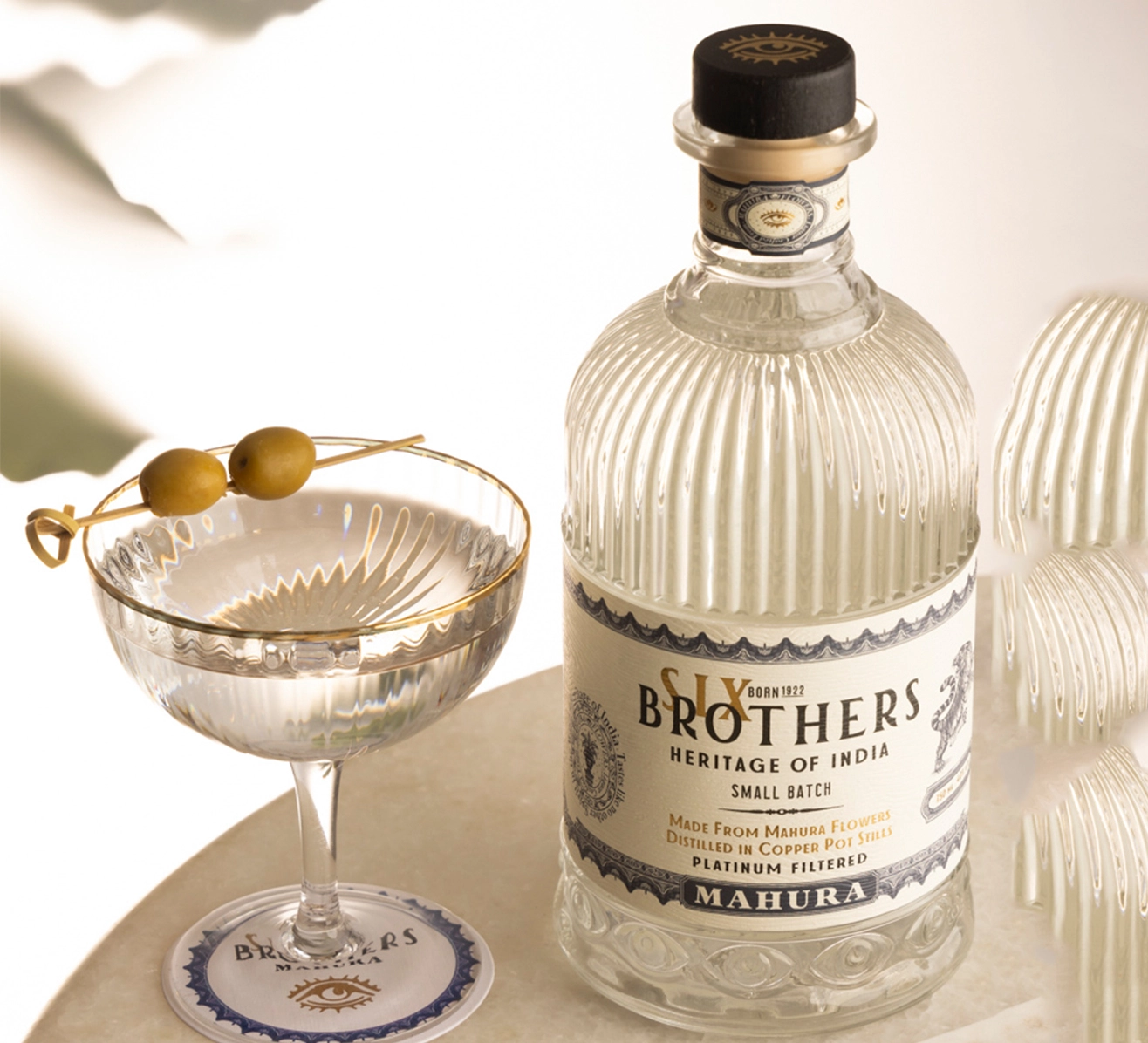
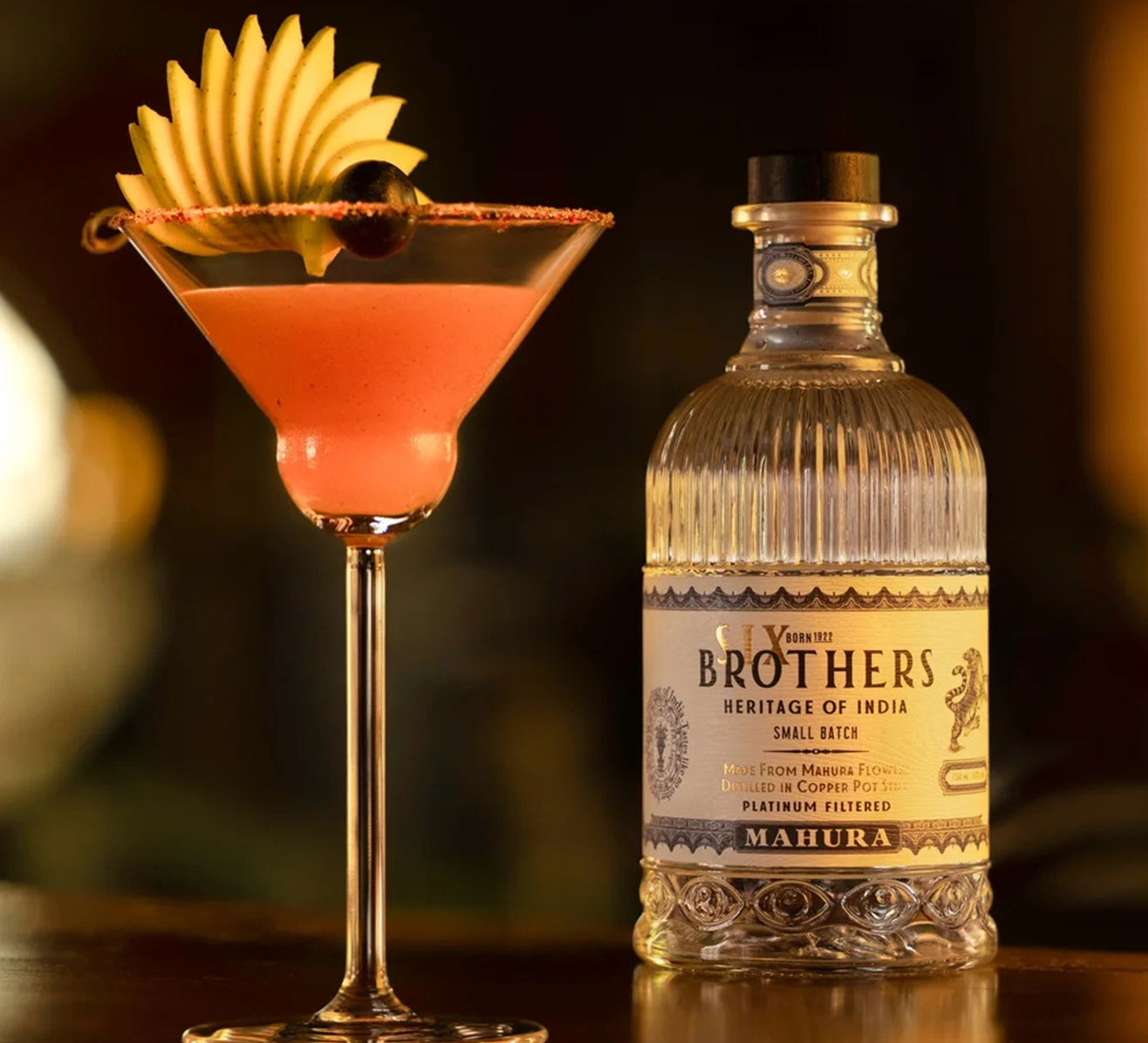
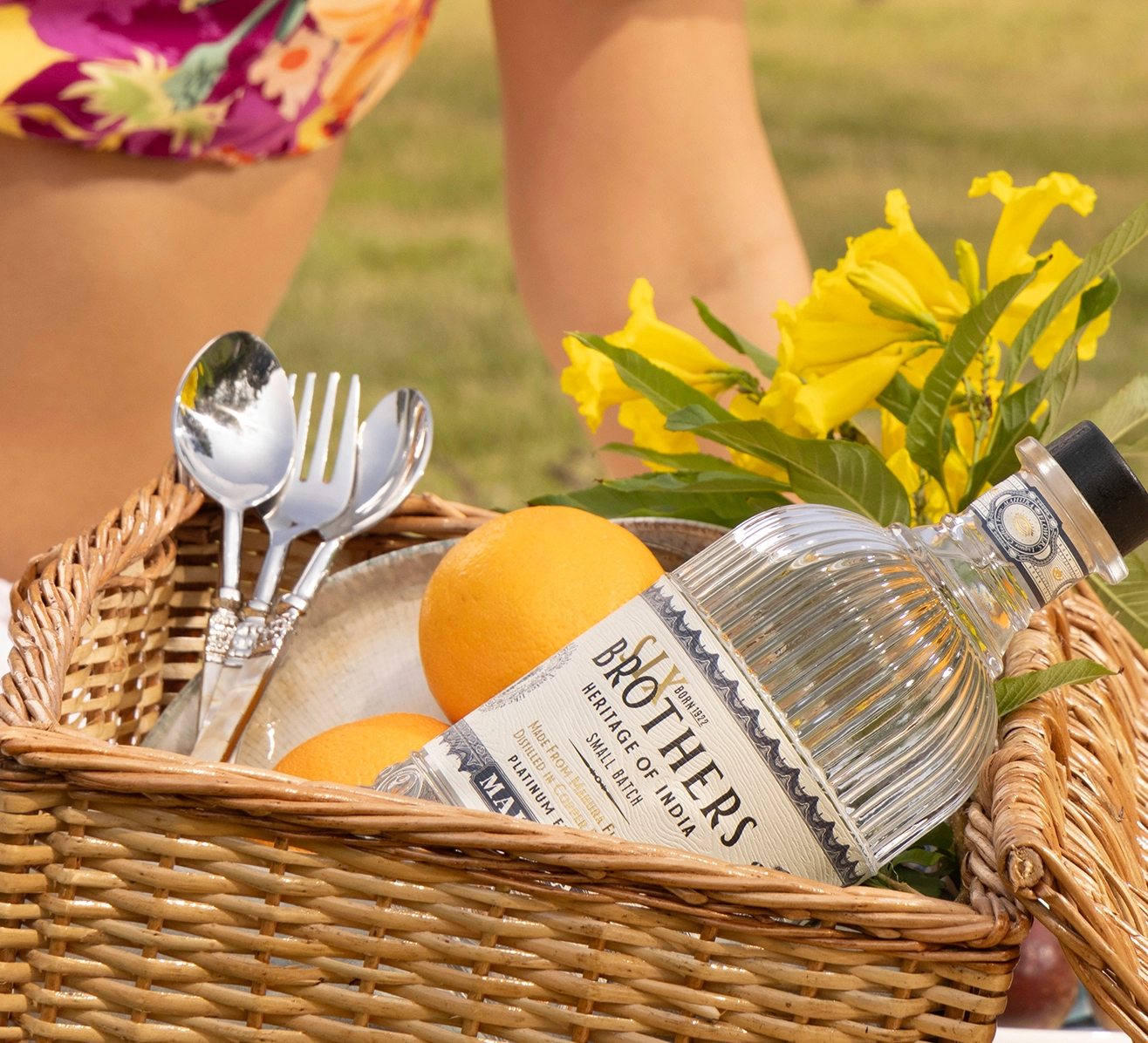
Brands like Six Brothers Mahura are helping bridge the gap between traditional forest practices and modern consumers. By positioning Mahua as a culturally rooted ingredient rather than a novelty, such efforts contribute to sustainable livelihoods and the preservation of indigenous knowledge.
The scientific name of Mahua is Madhuca indica.
Yes, Mahua flowers are edible and have been traditionally consumed in various forms.
Mahua is a large tree that can grow up to 20 meters tall.
Mahua is important for cultural heritage, traditional livelihoods, and sustainable forest economies.
Madhuca is used for edible flowers, seed oil, traditional food preparation, fermentation, cosmetics, and sustainable forest-based livelihoods.
Yes, Madhuca indica is commonly known as Mahua and is the most widely recognized species of the Madhuca genus.
Madhuca refers to a genus of large, long-living trees, not small plants or shrubs.
There are several species within the Madhuca genus, with multiple varieties native to India and neighboring regions.
The Mahua tree is a rare example of a single species providing food, drink, oil, income, and cultural continuity. From its fragrant flowers to its nourishing seeds, Madhuca indica remains deeply embedded in India’s ecological and cultural landscape.
Understanding the Mahua tree is the first step toward appreciating Mahura, indigenous fermentation traditions, and the future of responsibly produced Indian spirits.