
Posted on 22 Aug 2025
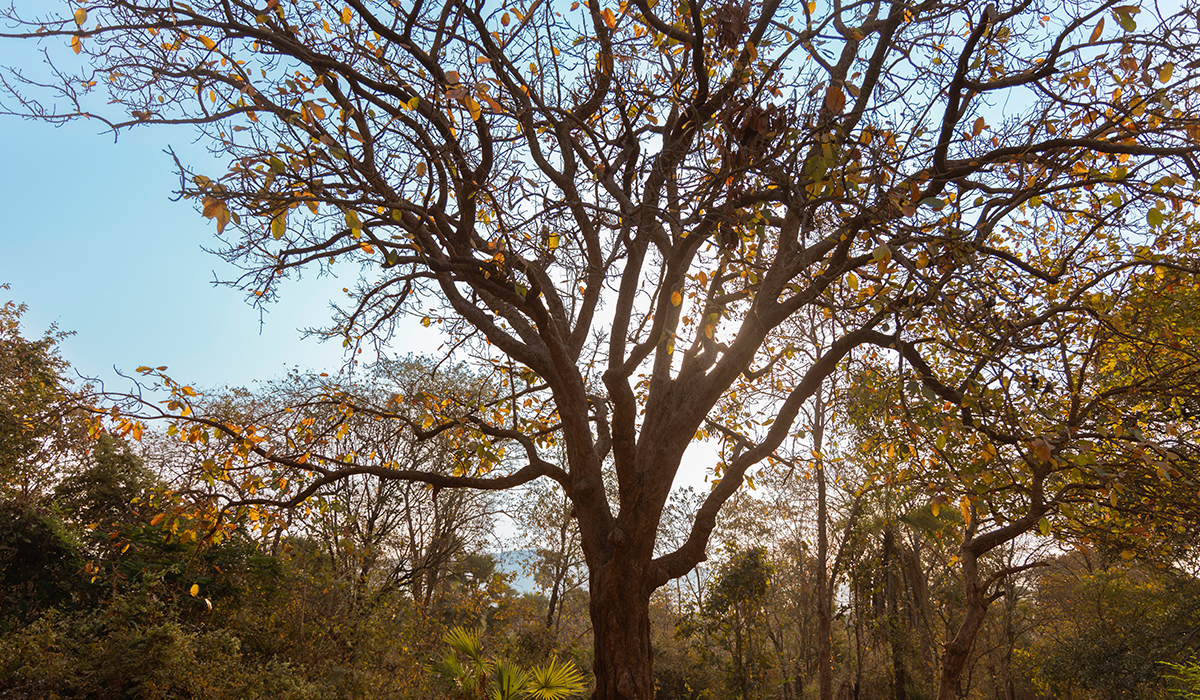
For centuries, Mahua alcohol has been an integral part of traditions in central and eastern India. Made from the flowers of the Mahua tree (Madhuca longifolia), this drink was often regarded as a rural or indigenous beverage, primarily consumed in village gatherings and cultural festivals. However, over the last few years, Mahua has undergone a remarkable transformation. What was once seen as a rustic drink is now finding its way into urban bars, restaurants, and even premium alcohol shelves. So, what is driving the popularity of Mahua alcohol in India’s urban centers? Let’s explore the reasons behind this cultural shift.
The word mahuaa is the most widely used spelling across the Hindi heartland — particularly in Bihar, Uttar Pradesh, Madhya Pradesh, and Jharkhand, where the Mahua tree is most abundant and the drink is woven into daily life. But the same spirit travels under different names depending on where you are in India:
Mahuaa — Bihar, UP, MP, Jharkhand (most common in online searches)
Mahua — Pan-India botanical and regulatory term (used in excise documents and media)
Mahulo / Mahula — Odisha and parts of Chhattisgarh
Mohwa / Mhowra — Older anglicised spelling, still seen in colonial-era references
Mahudo — Gujarat
Iluppai — Tamil Nadu (different tree variety, similar tradition)
When someone types "mahuaa" into a search bar, they are almost always looking for the alcohol — either to understand what it is, where to buy it, or how to drink it. The spelling reflects how the word is pronounced in spoken Hindi: the doubled "a" captures the elongated vowel sound native speakers use.
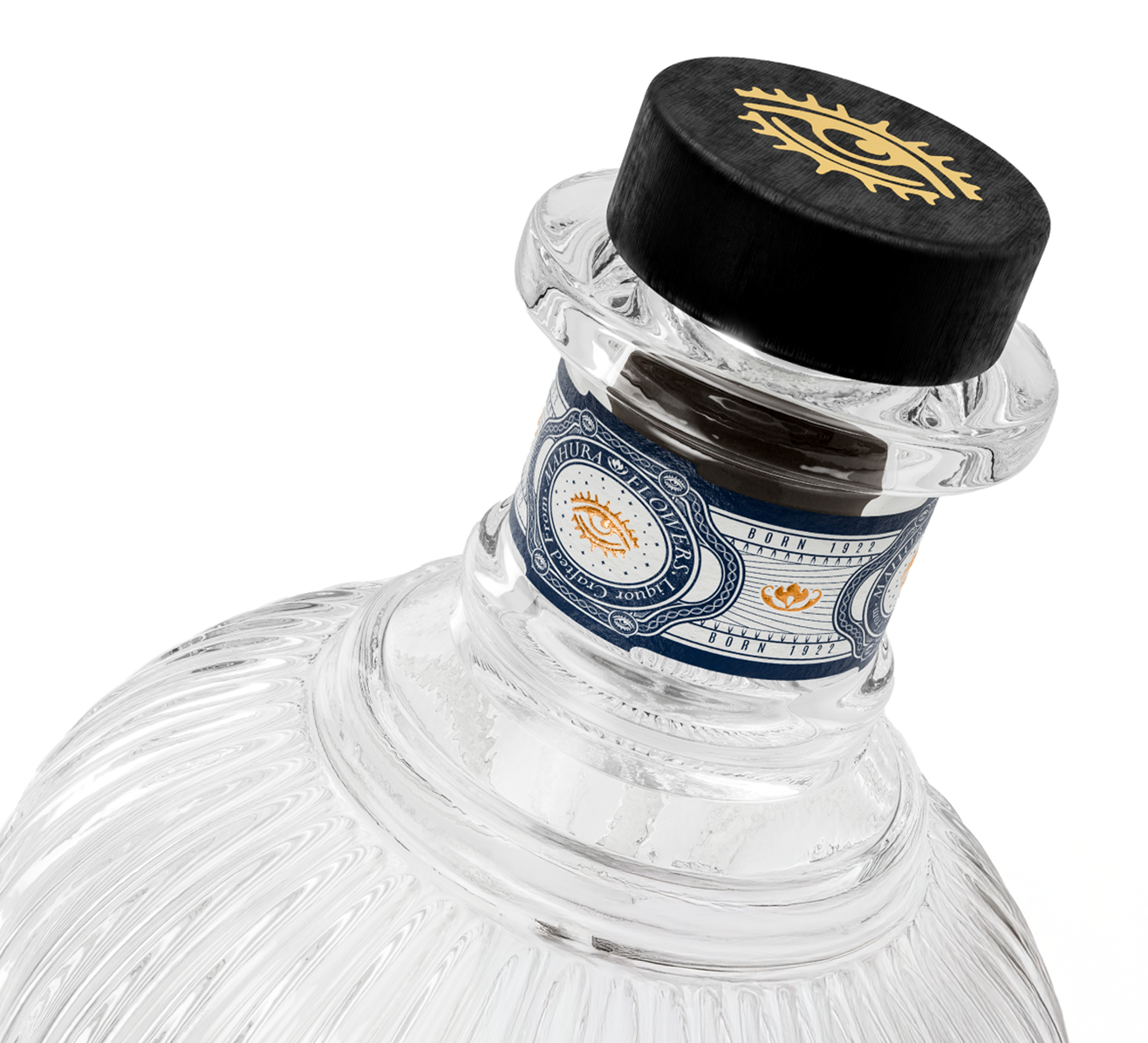
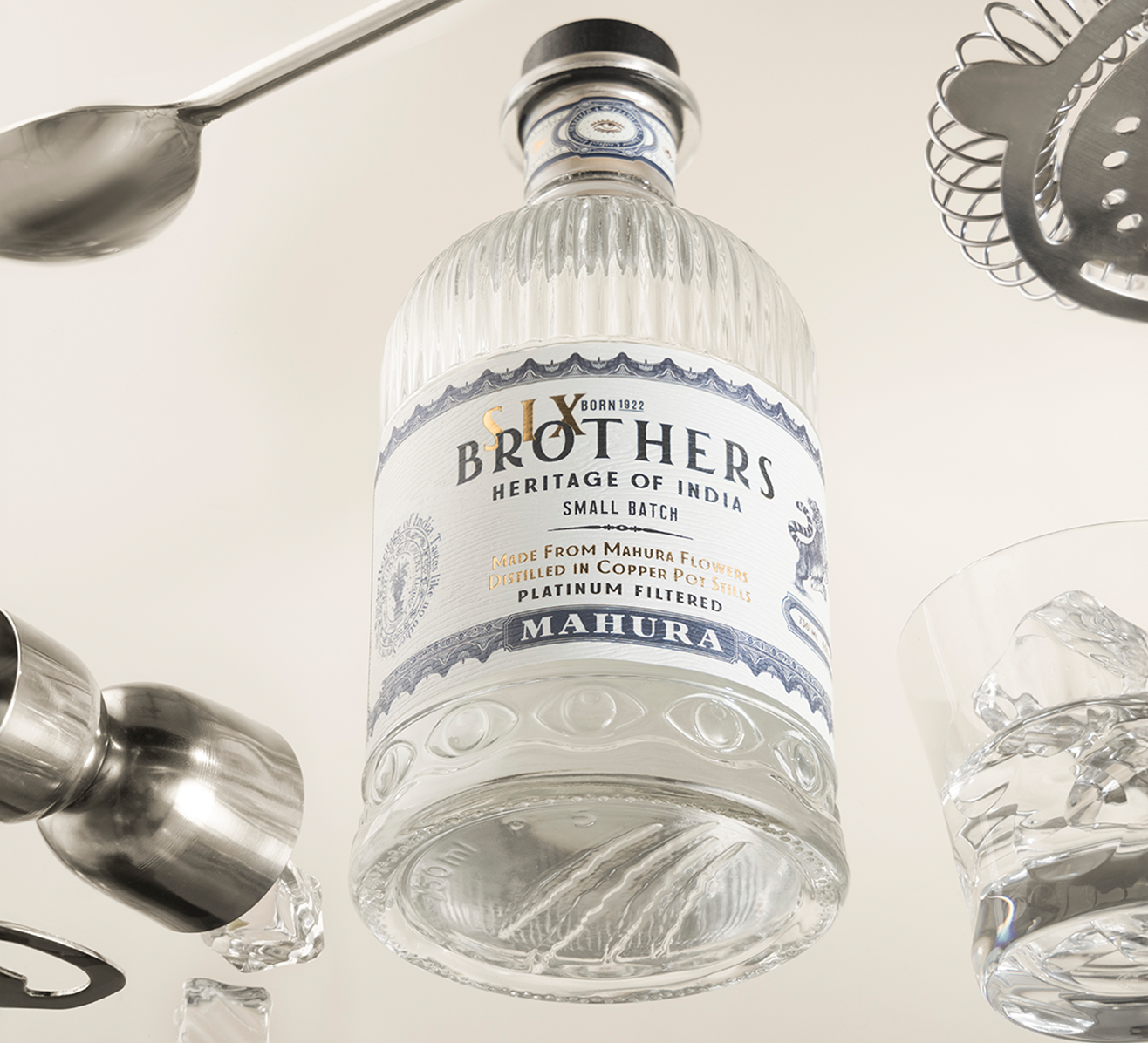
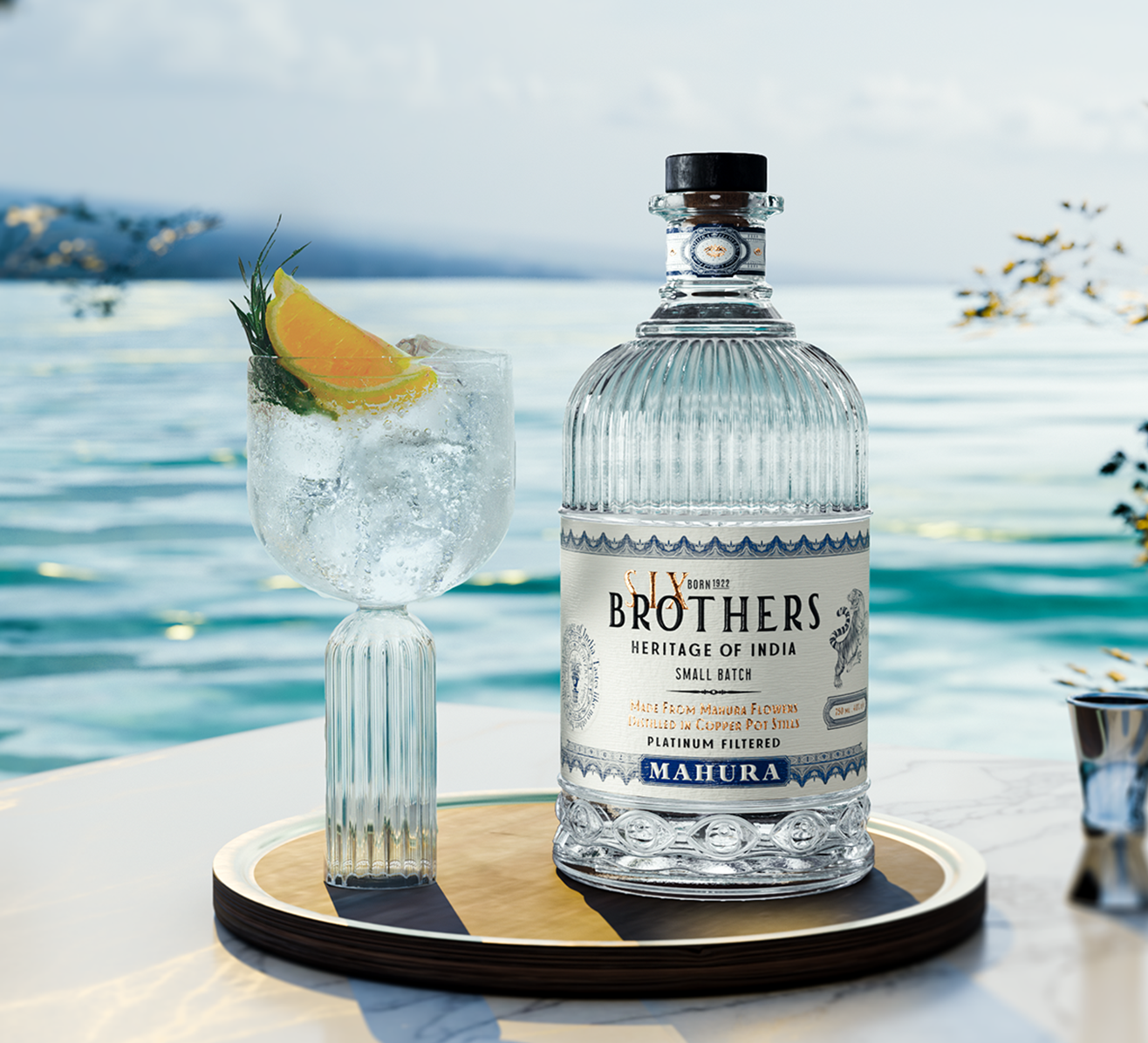
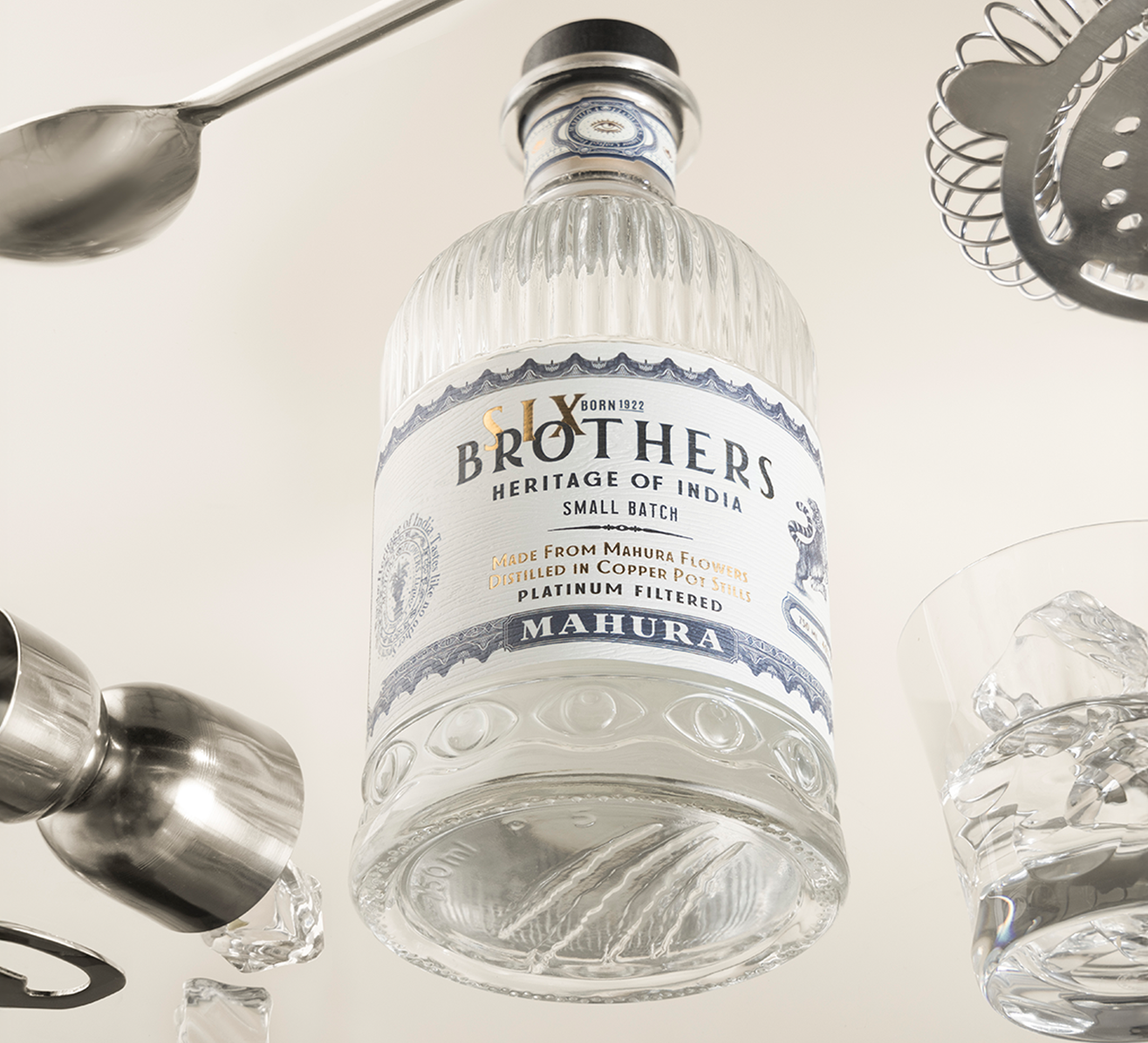
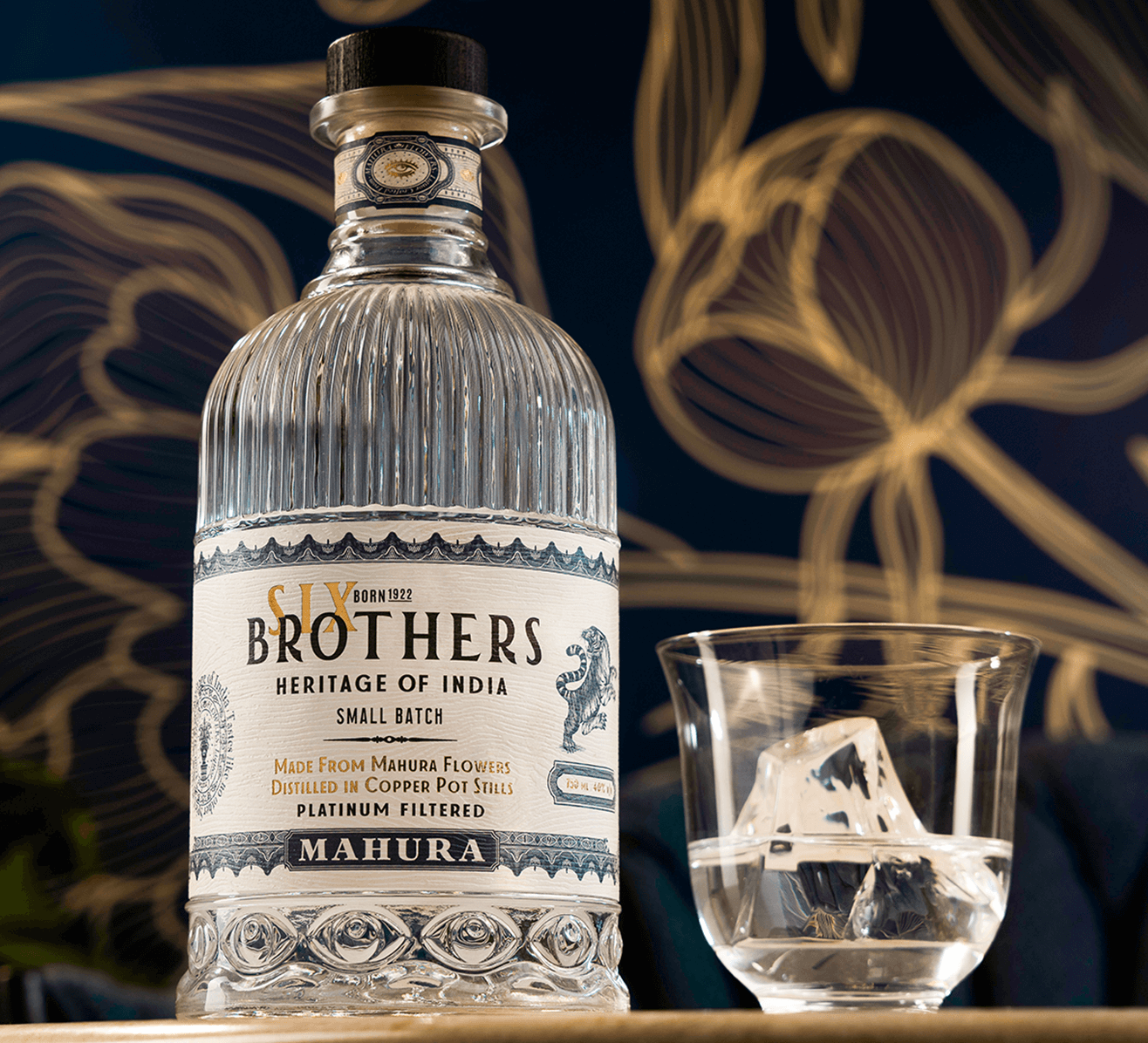
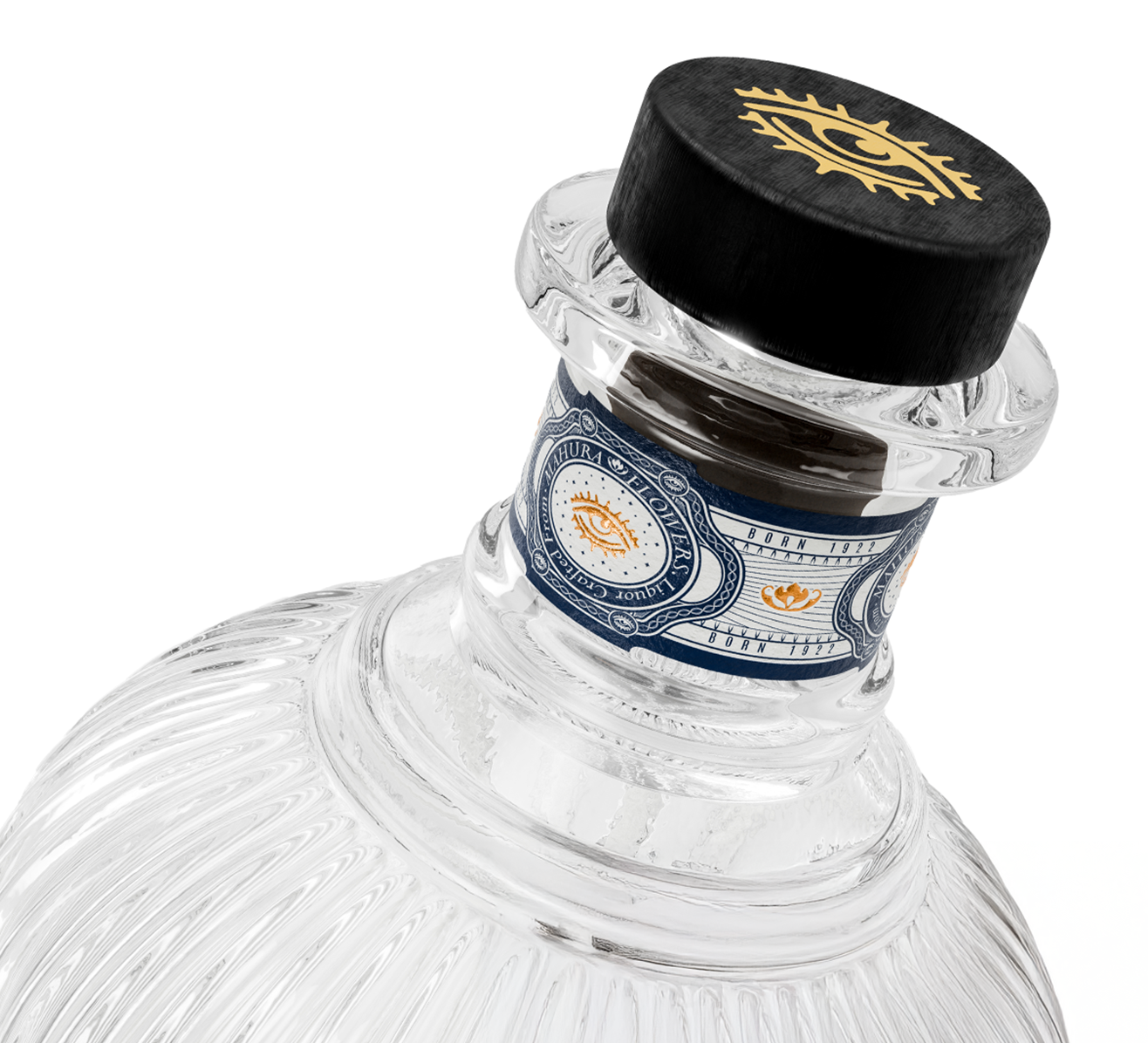
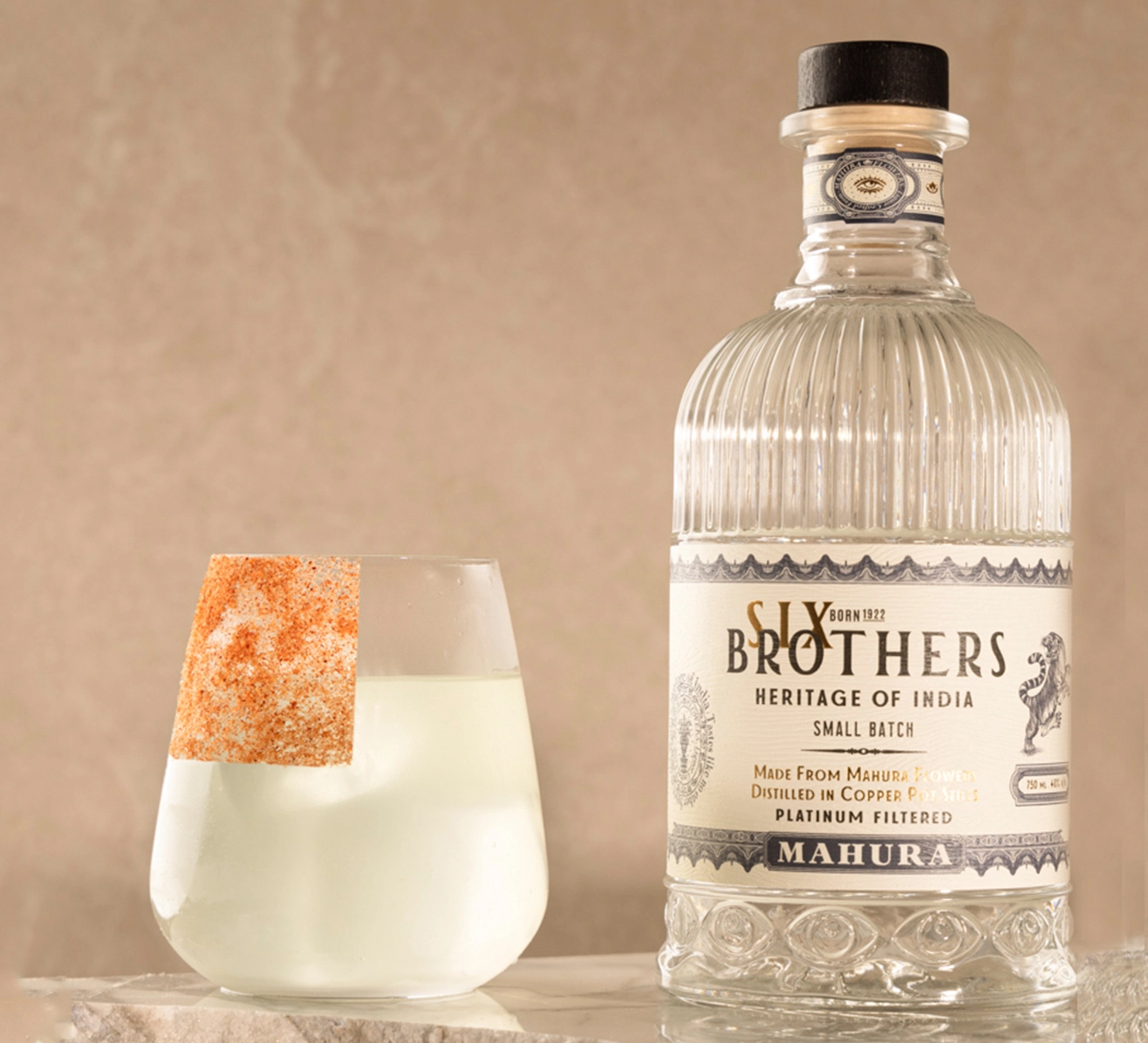
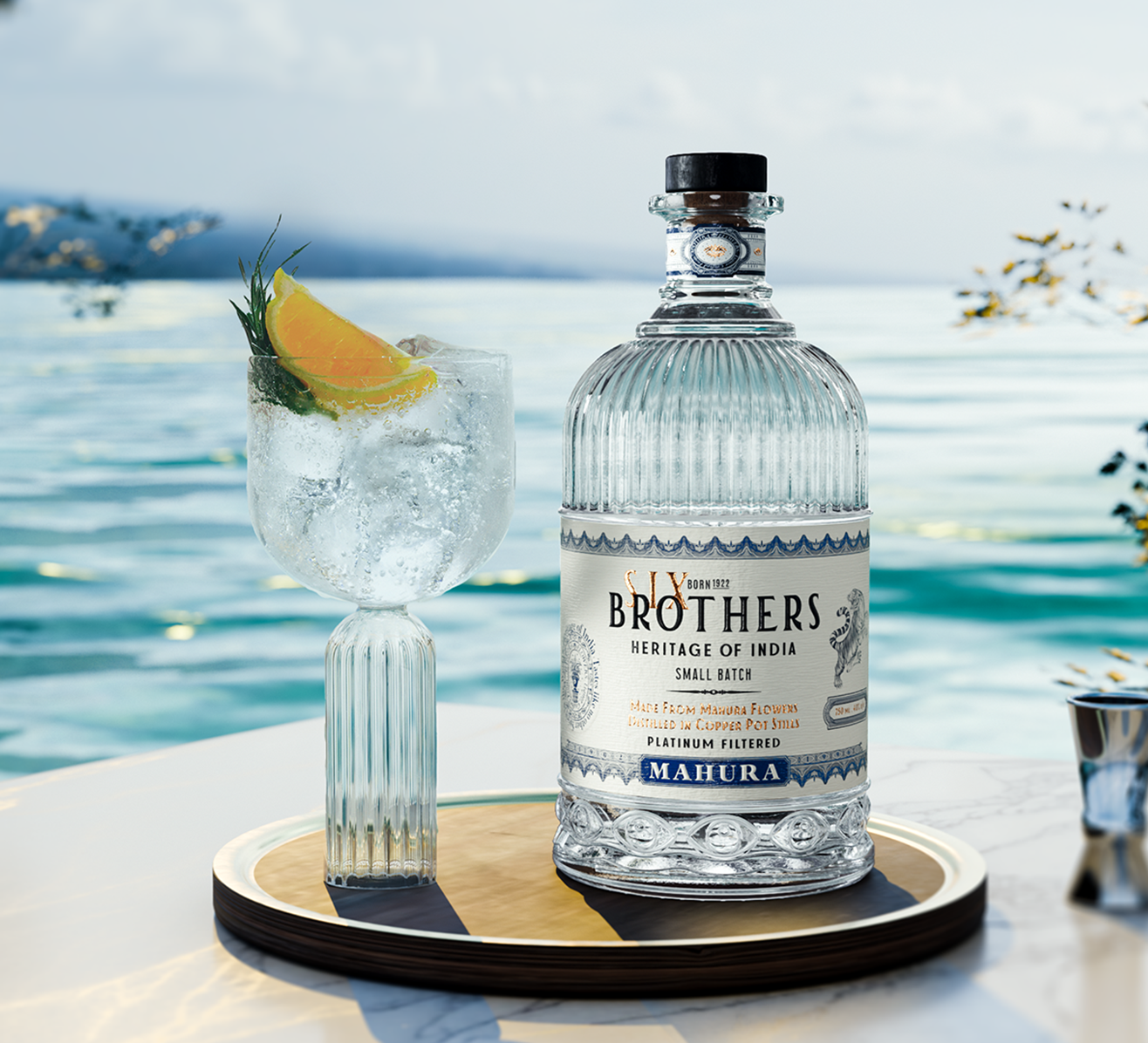
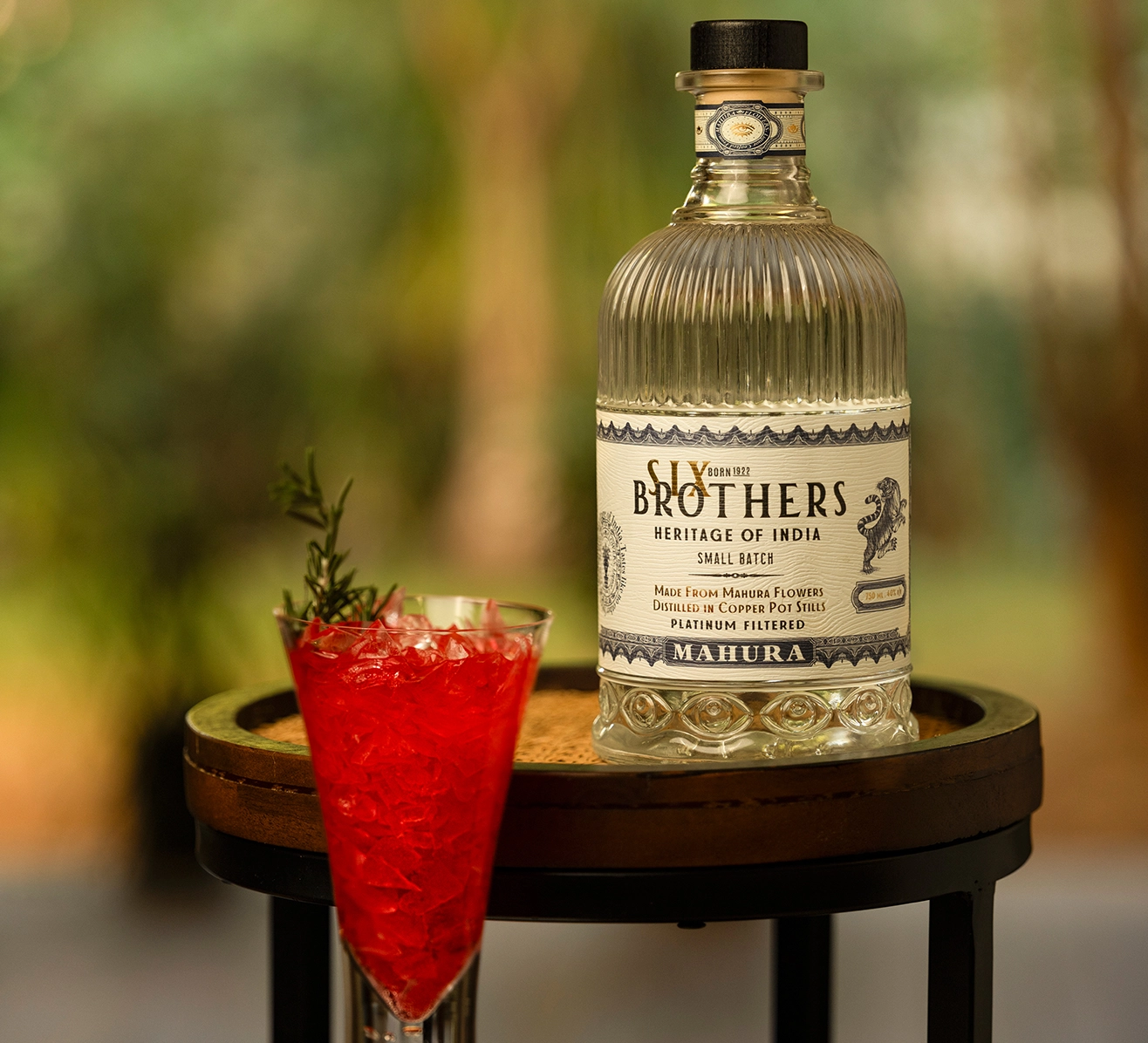
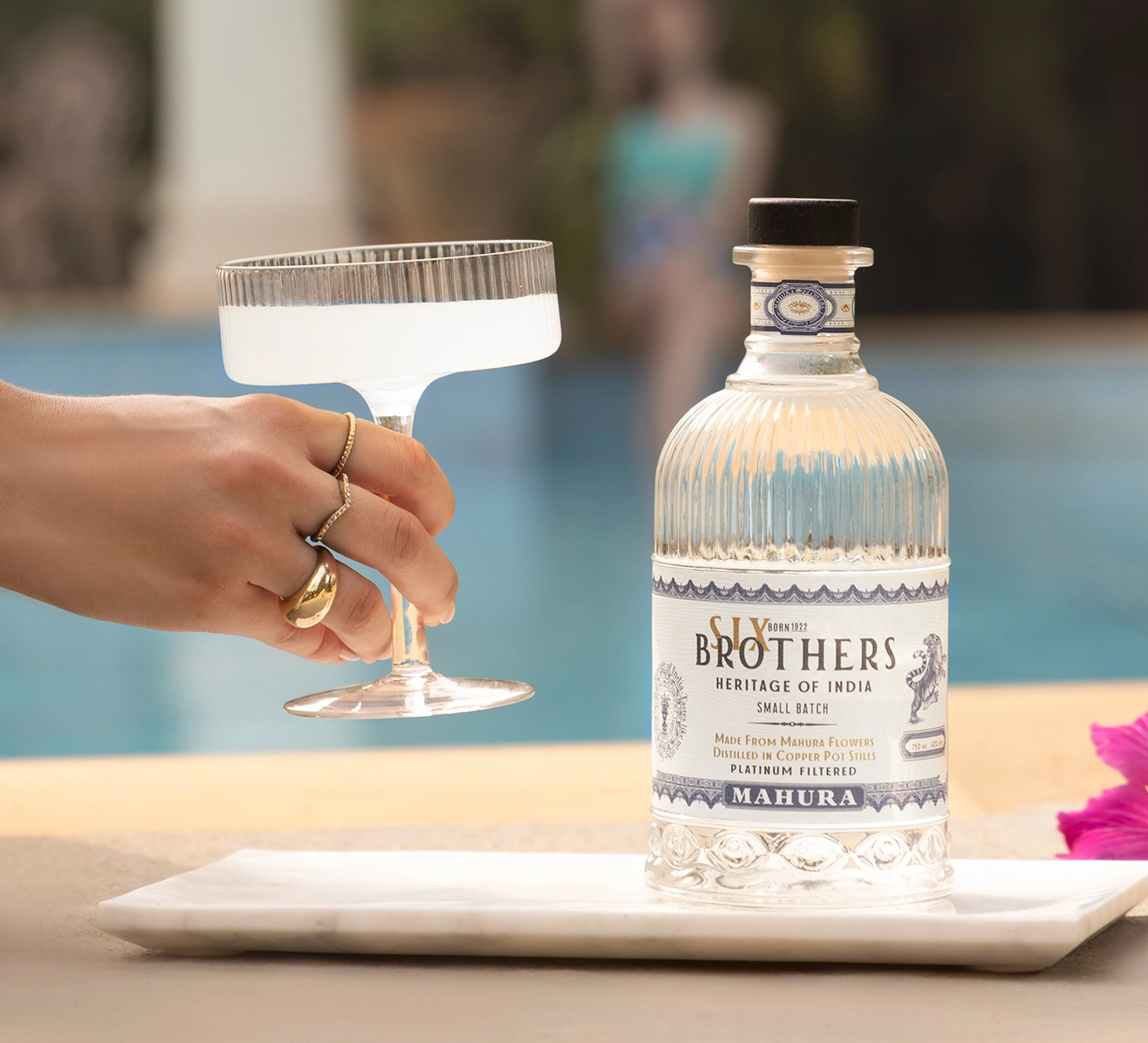
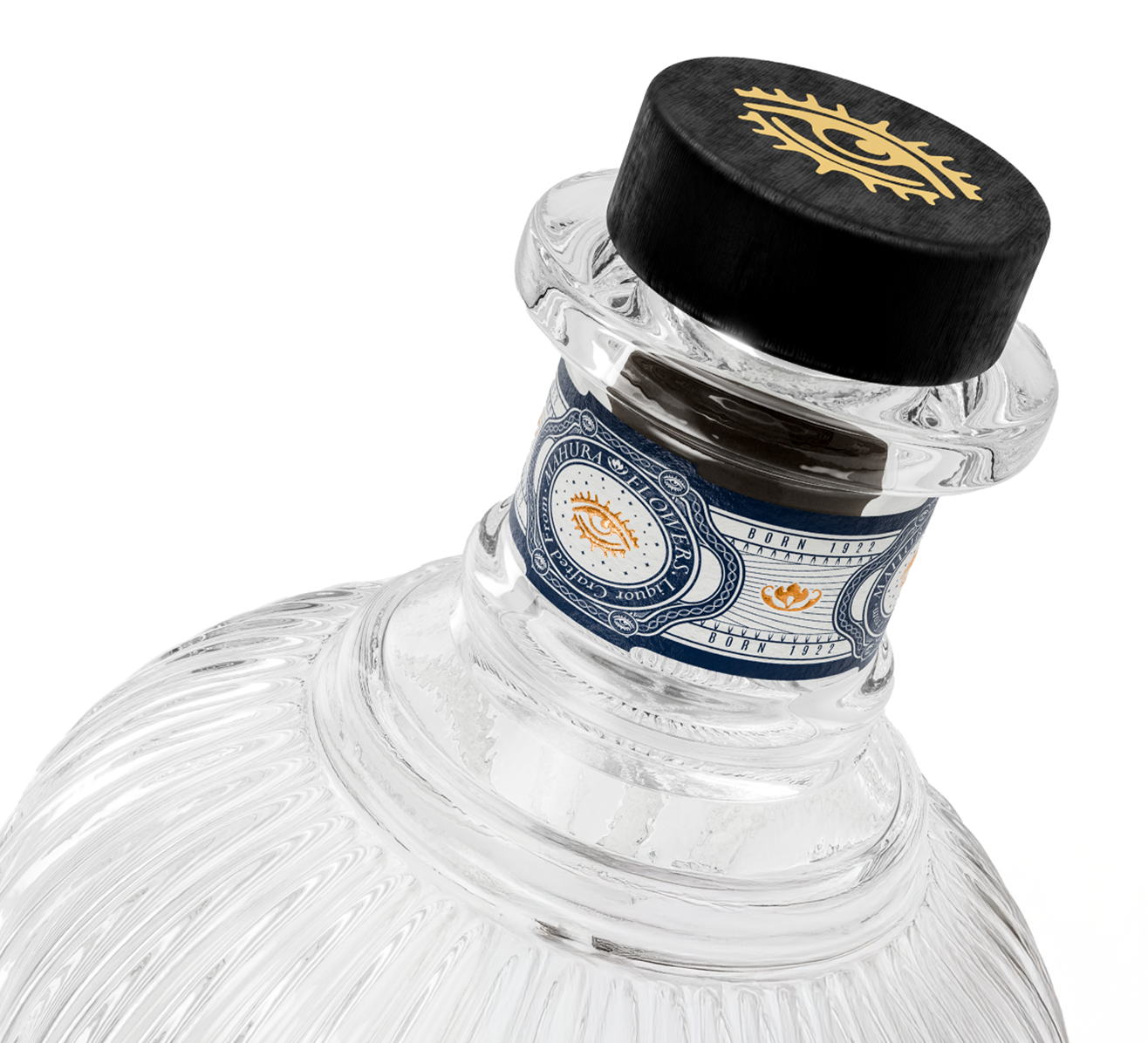
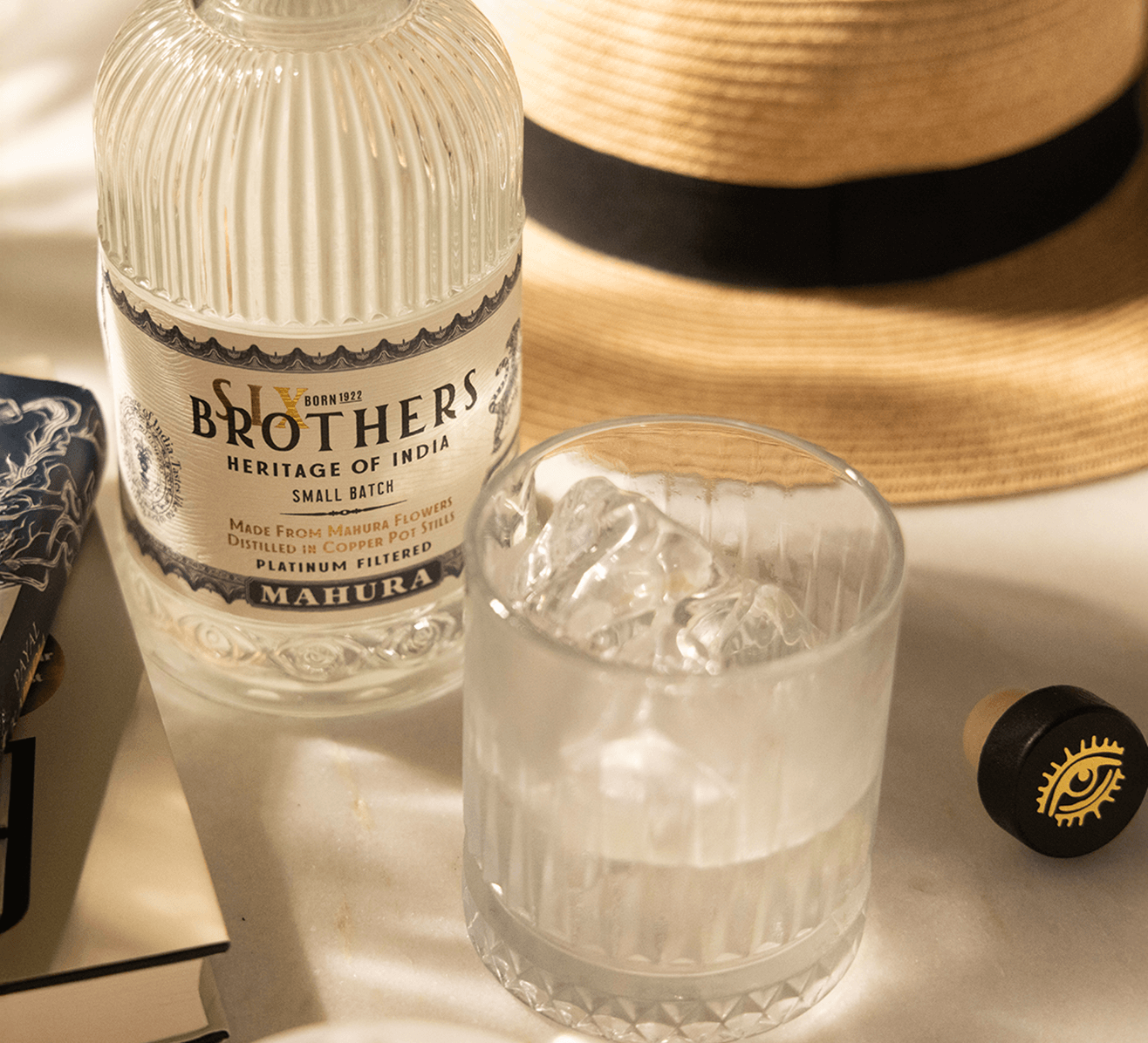
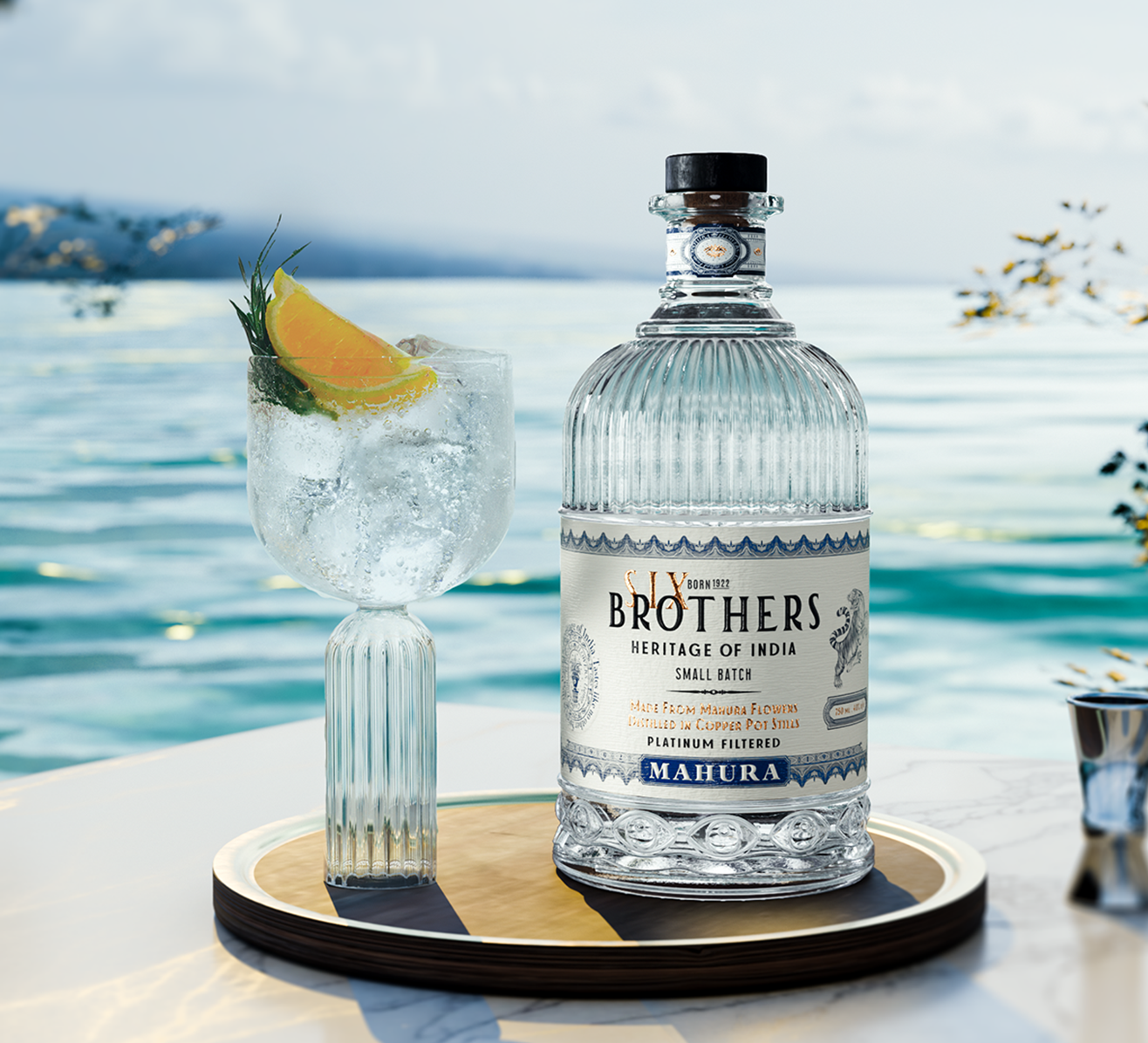
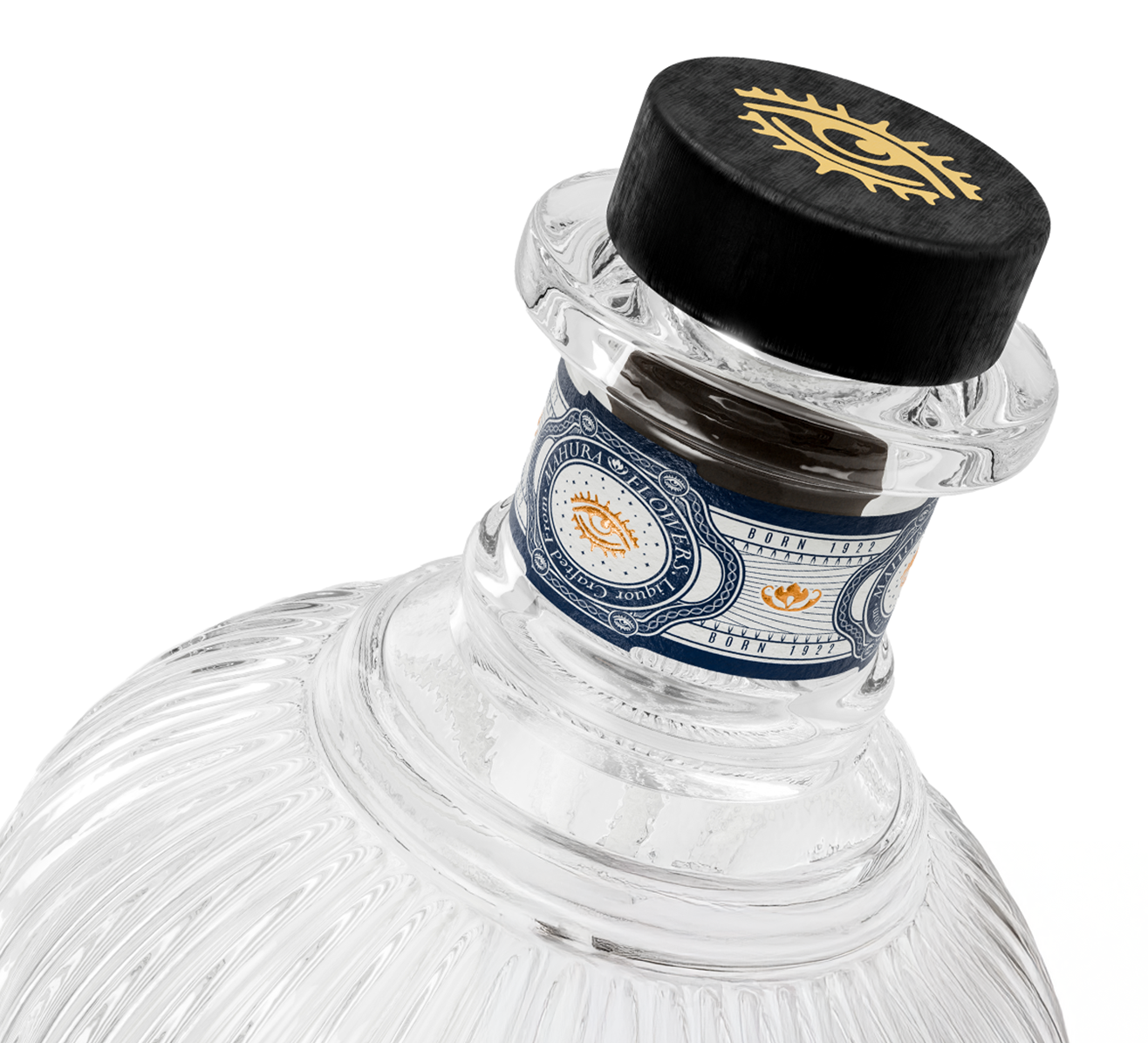
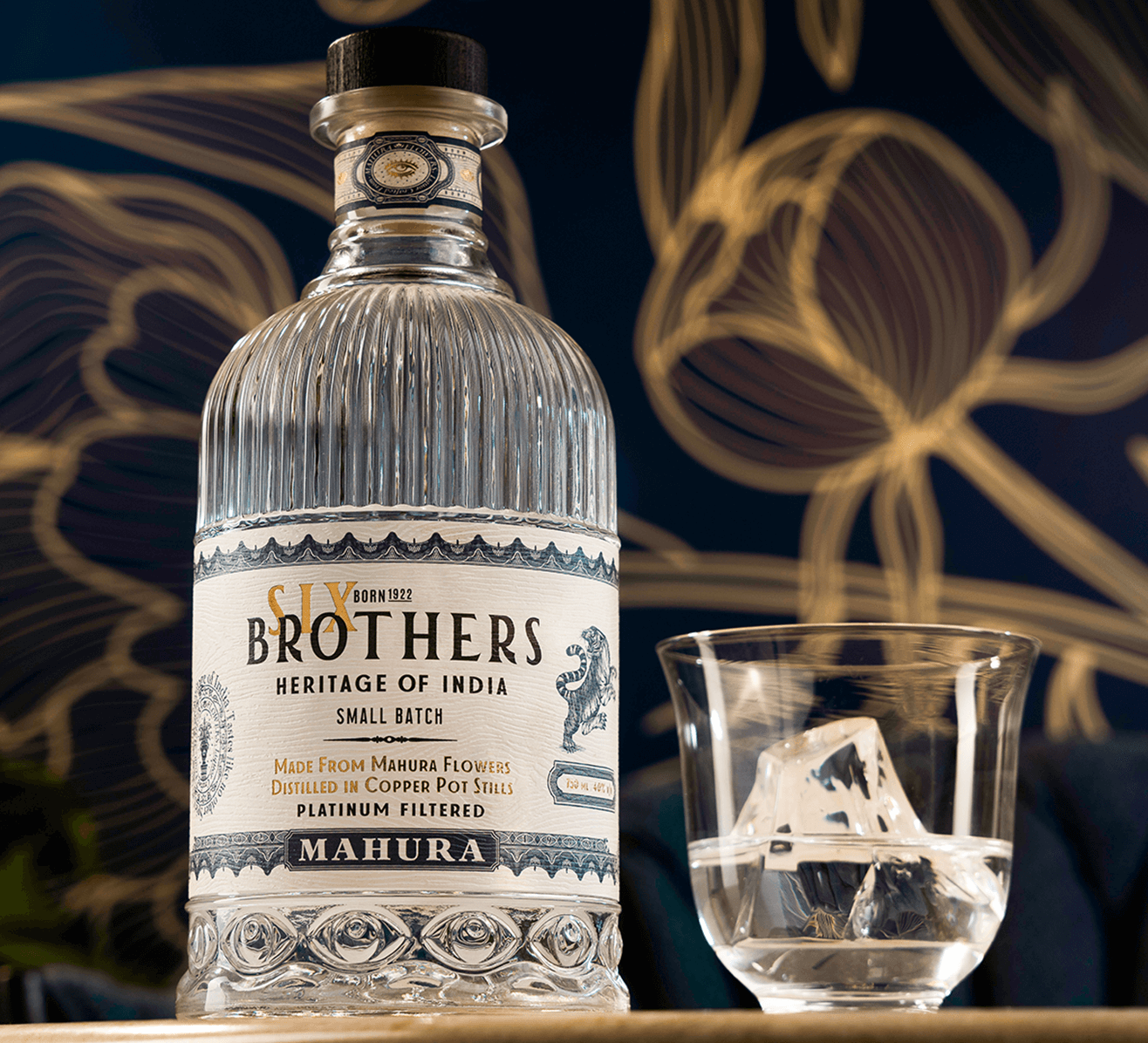
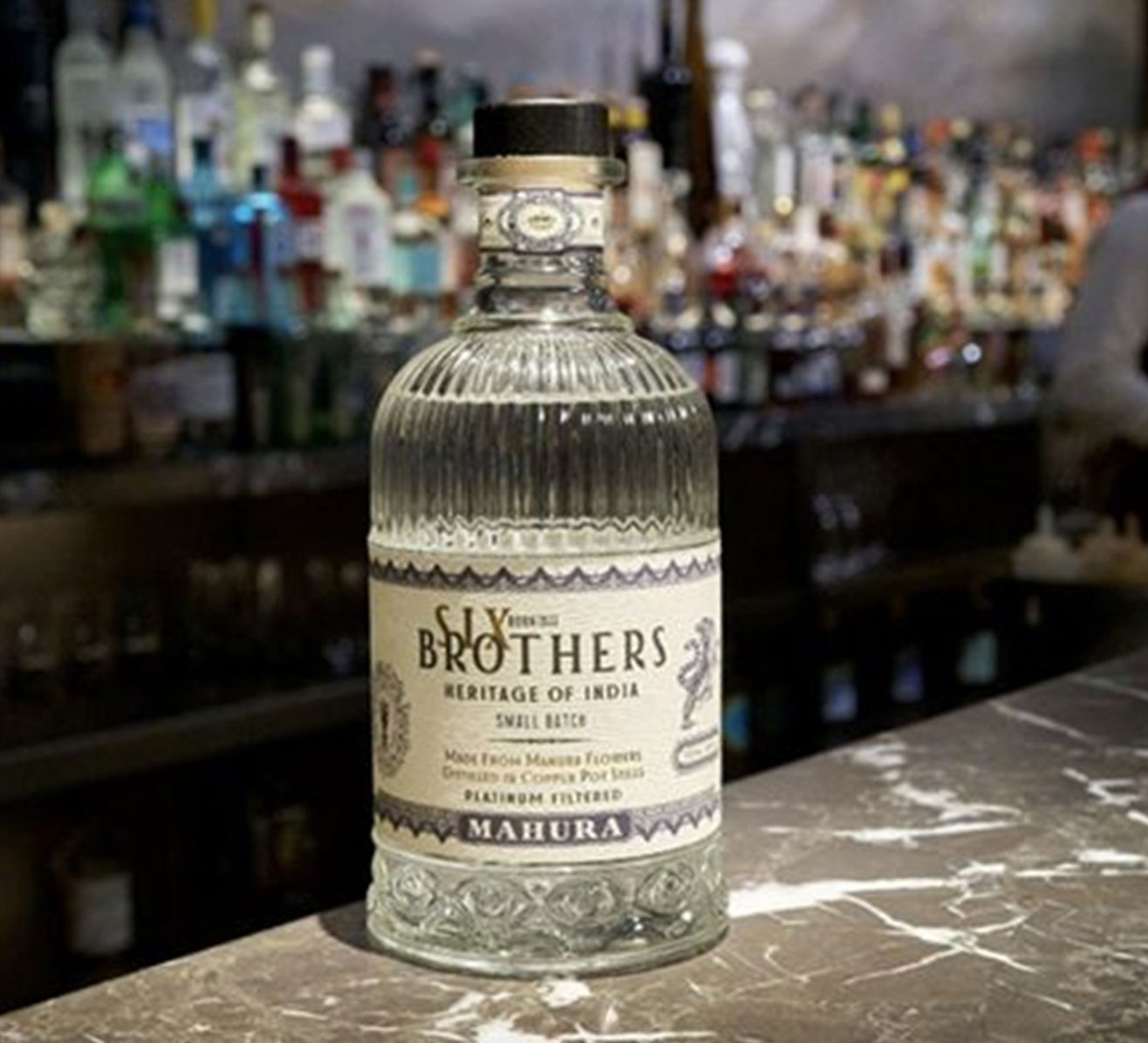
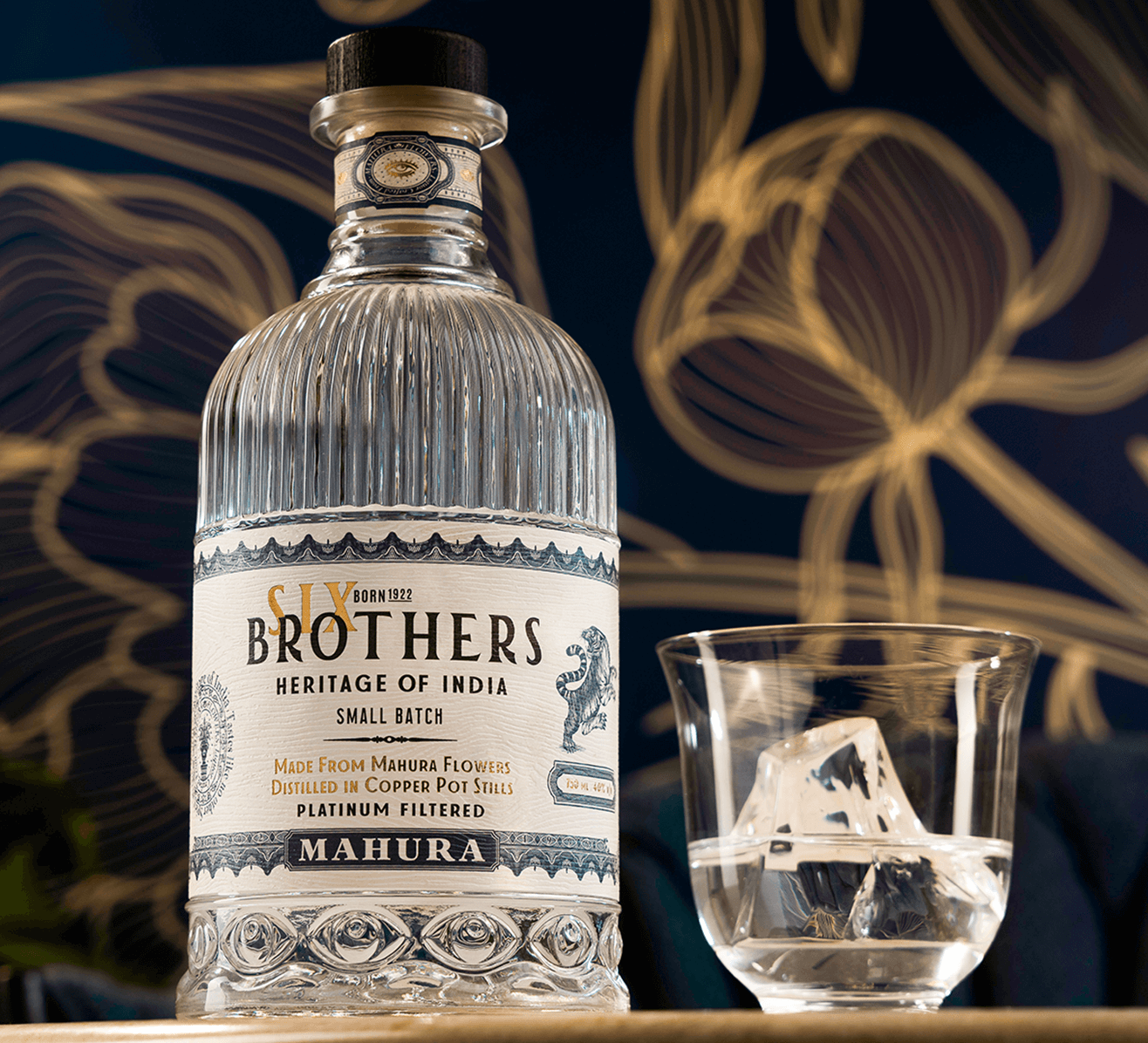
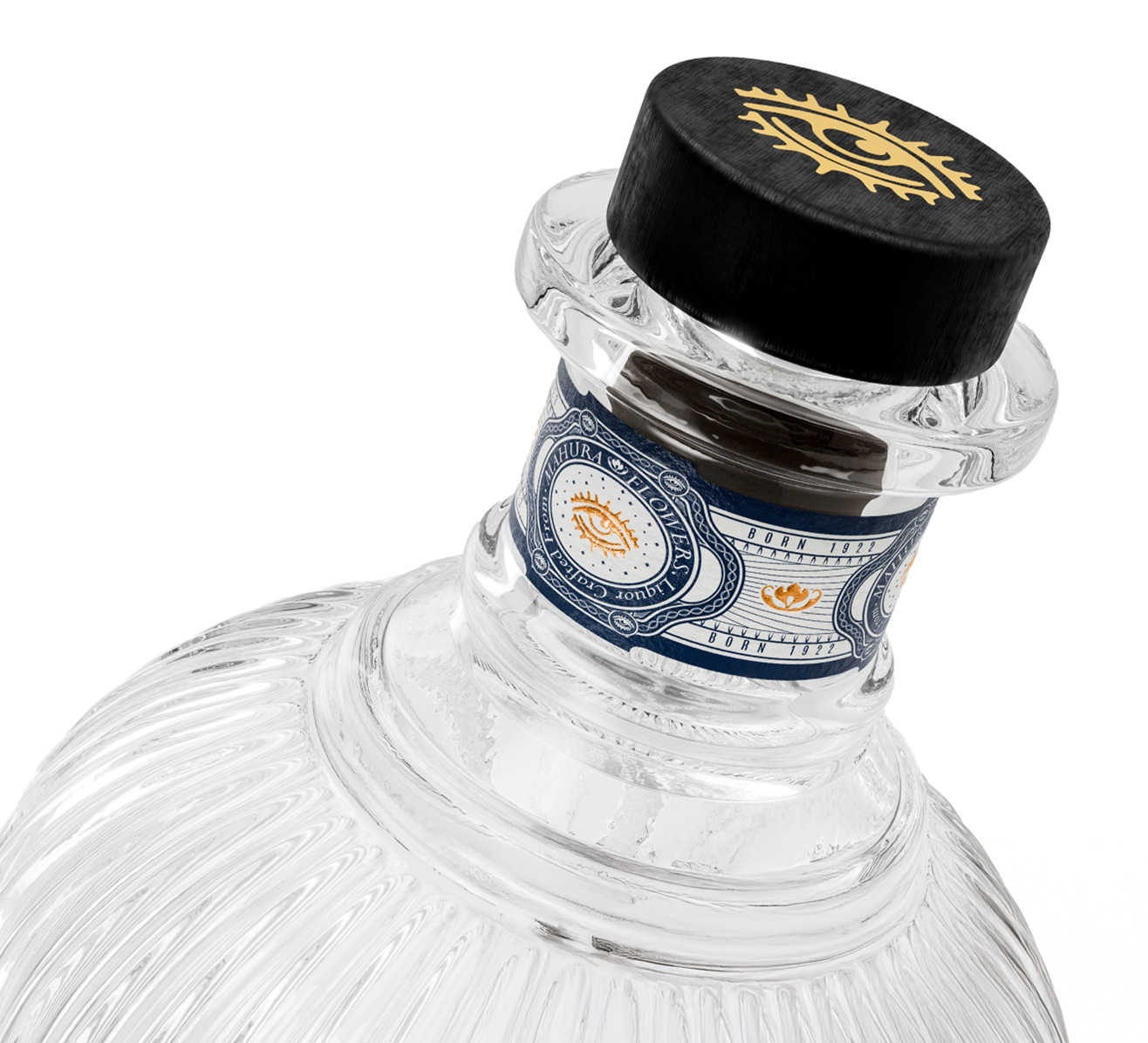
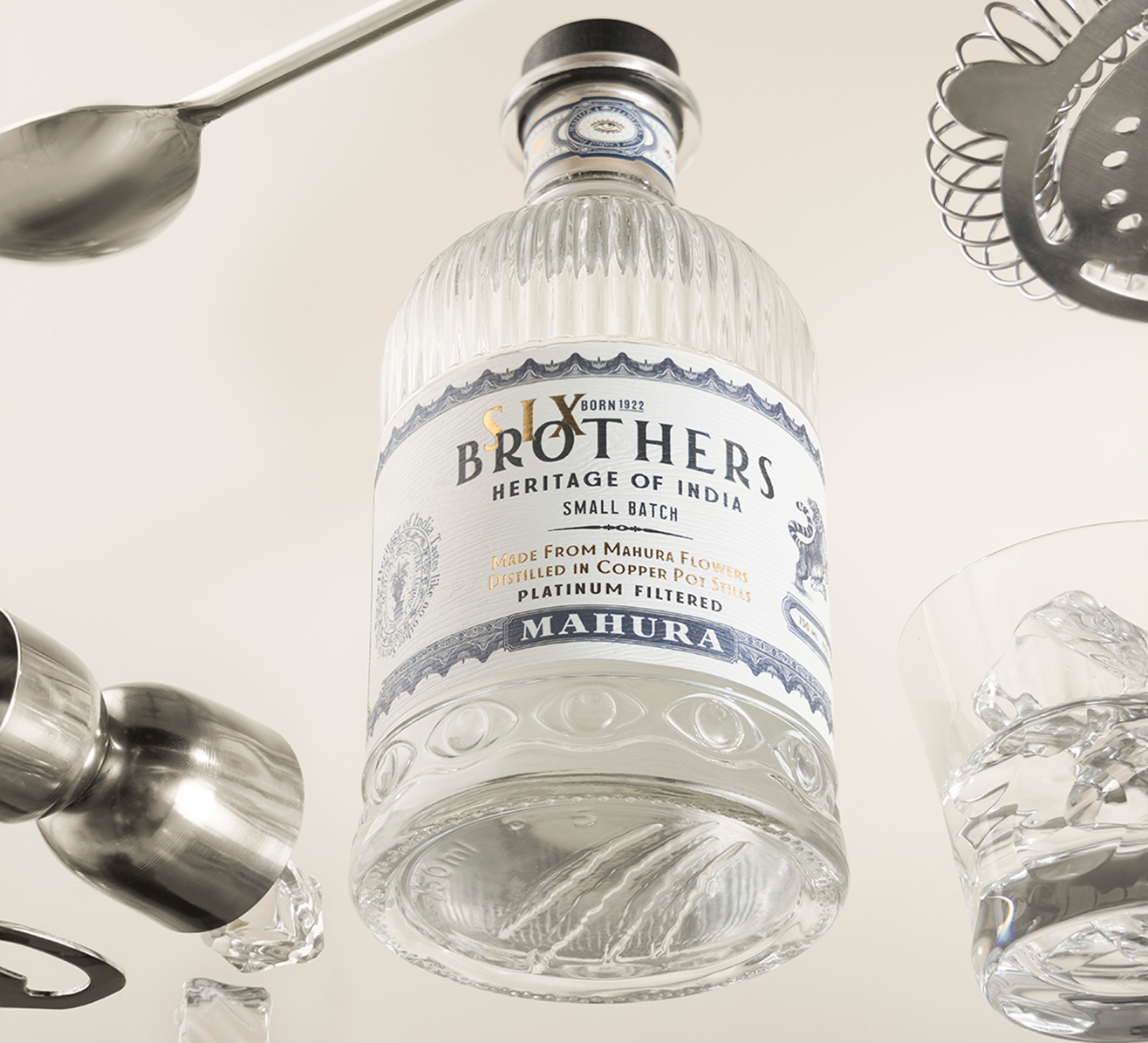
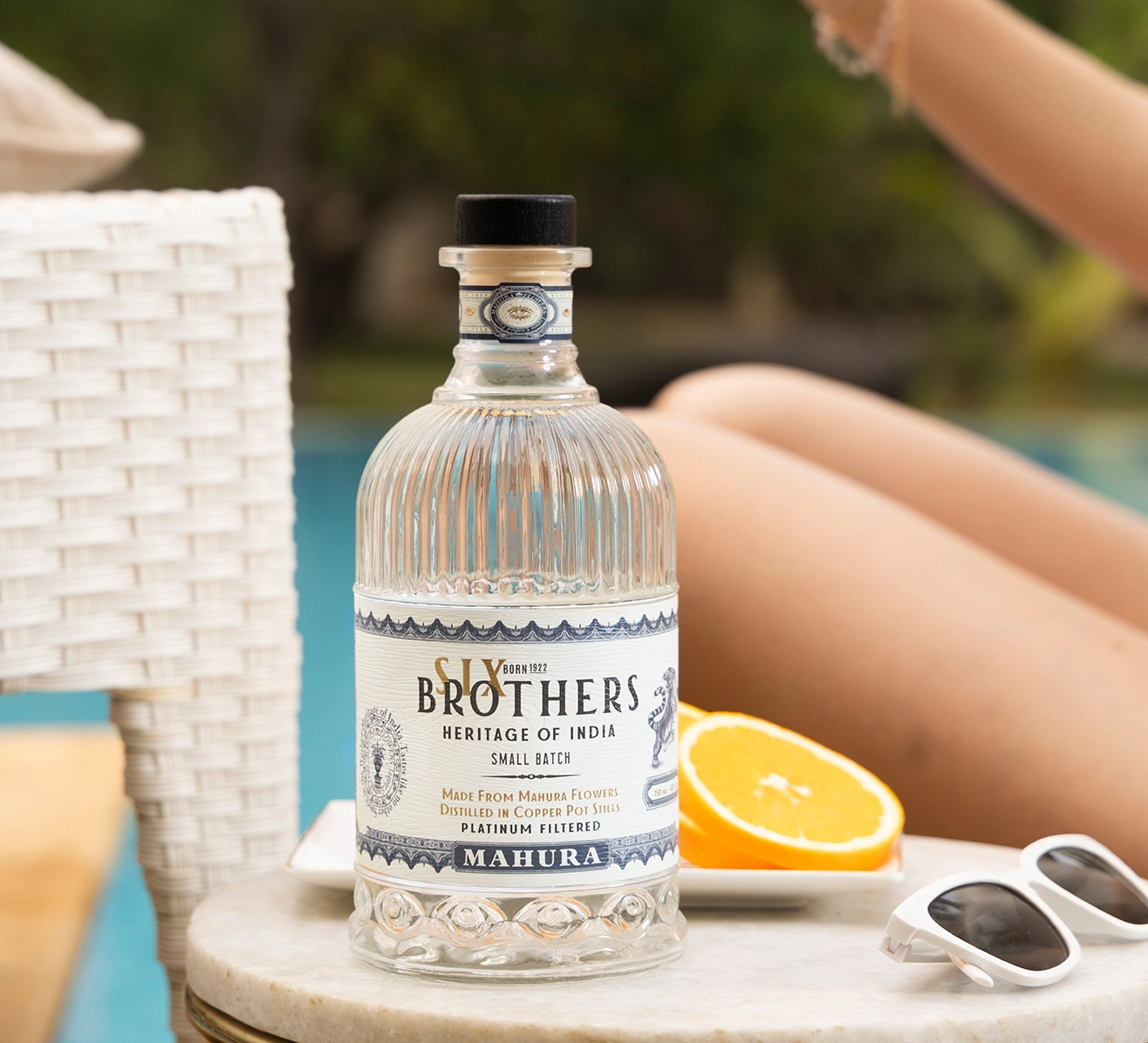
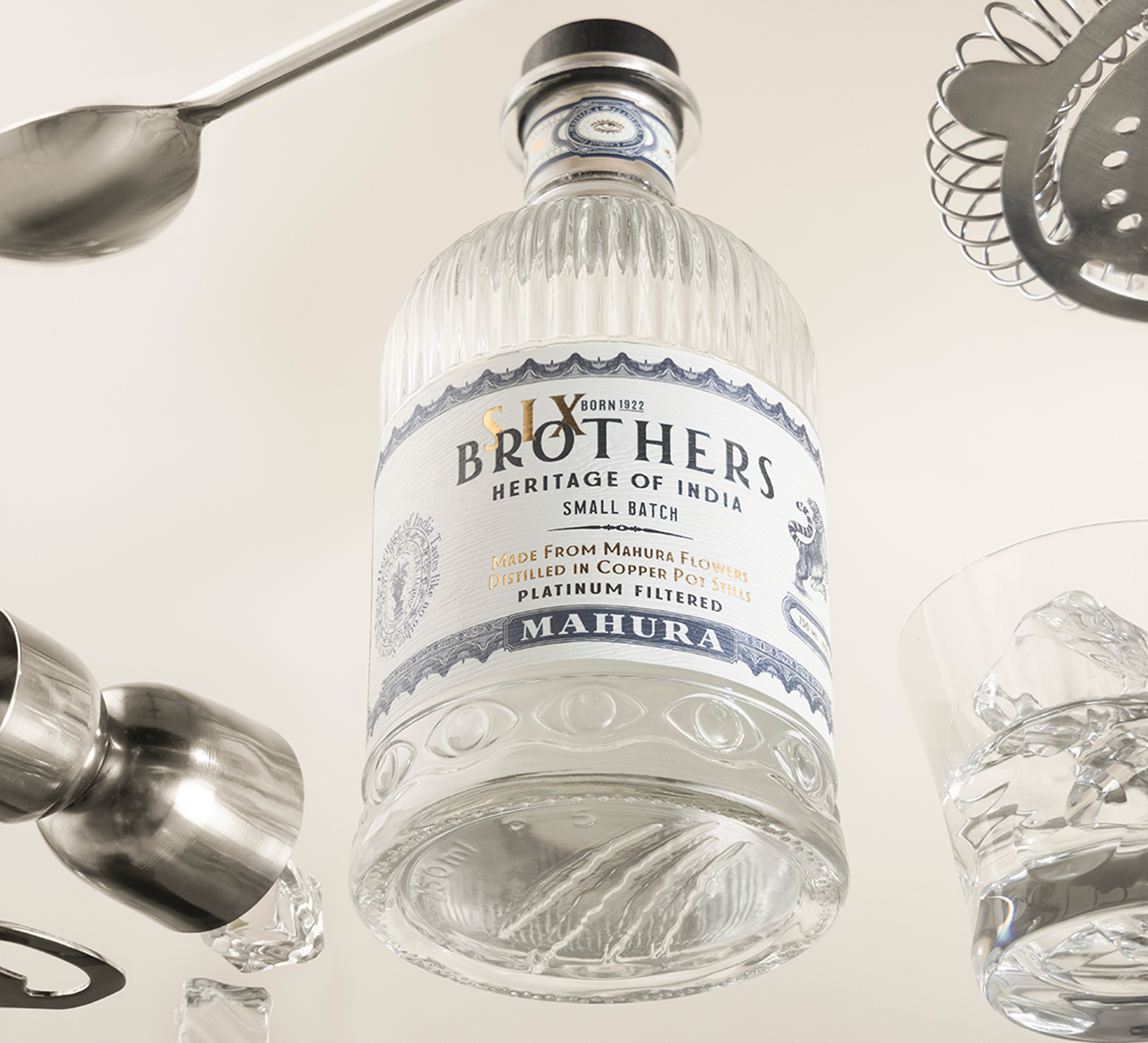
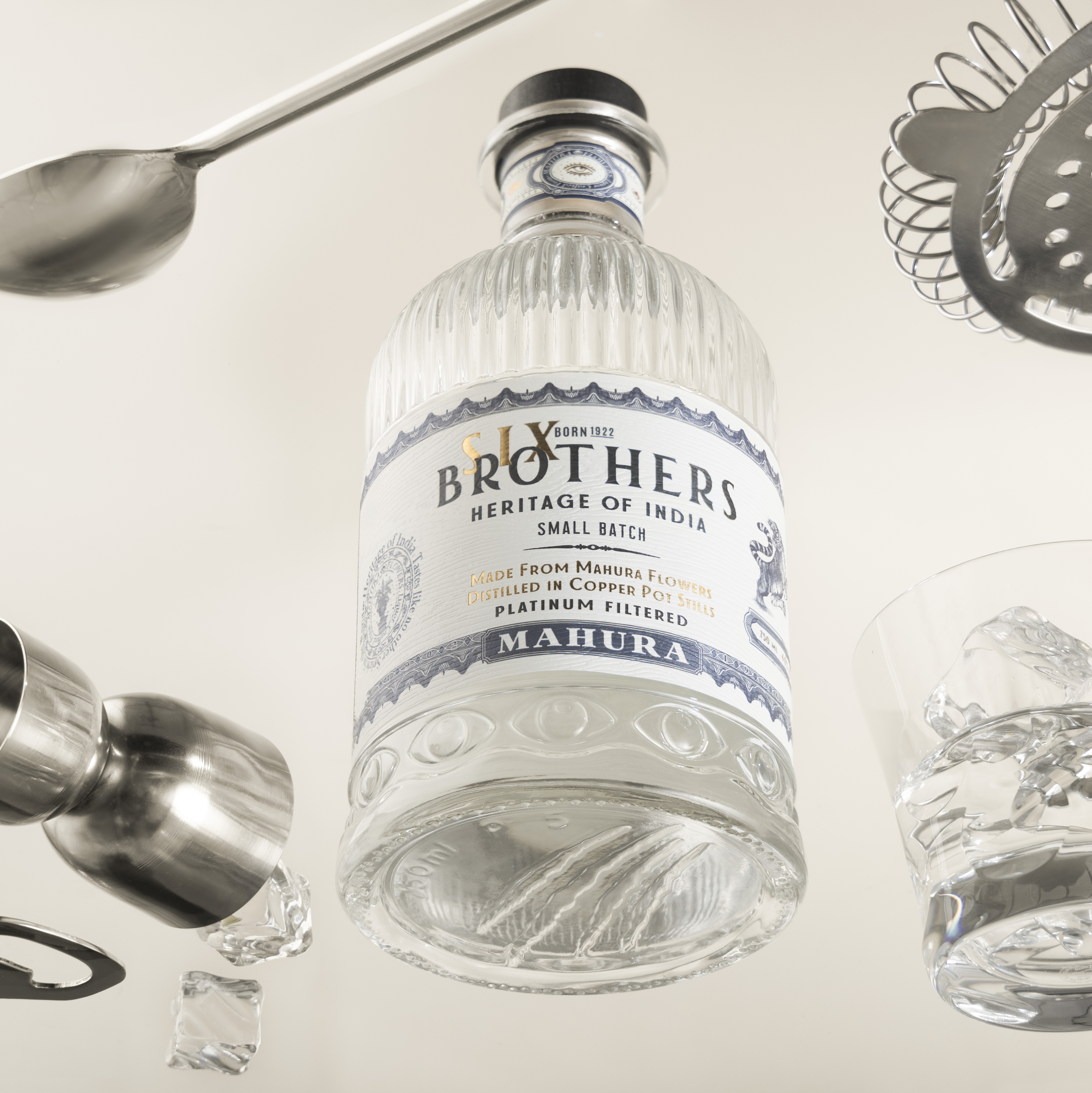
For the purpose of this article, mahuaa and mahua refer to the same flower-based spirit. Six Brothers Mahura is produced from the same Madhuca longifolia flower that all of these regional names point to.
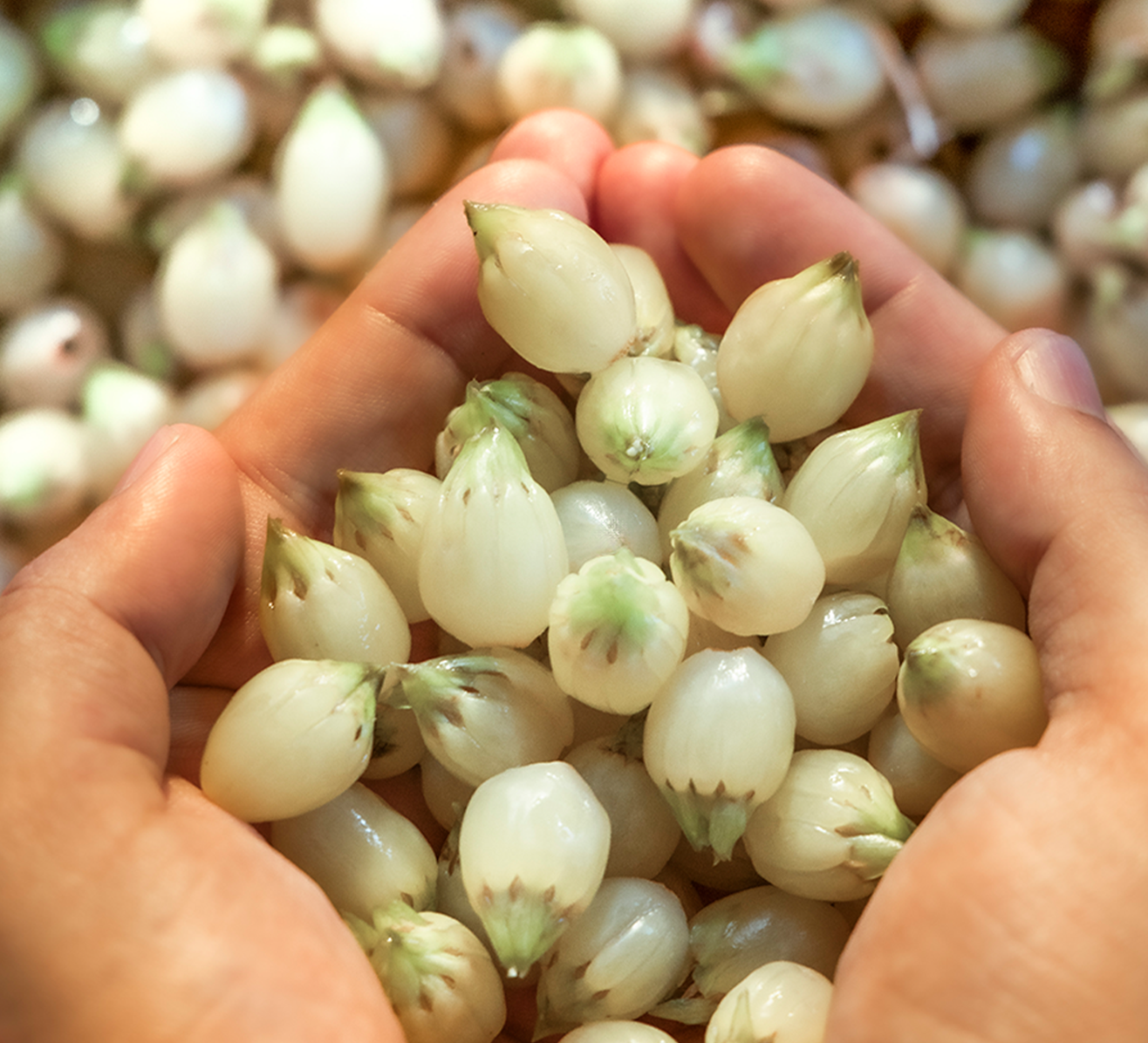
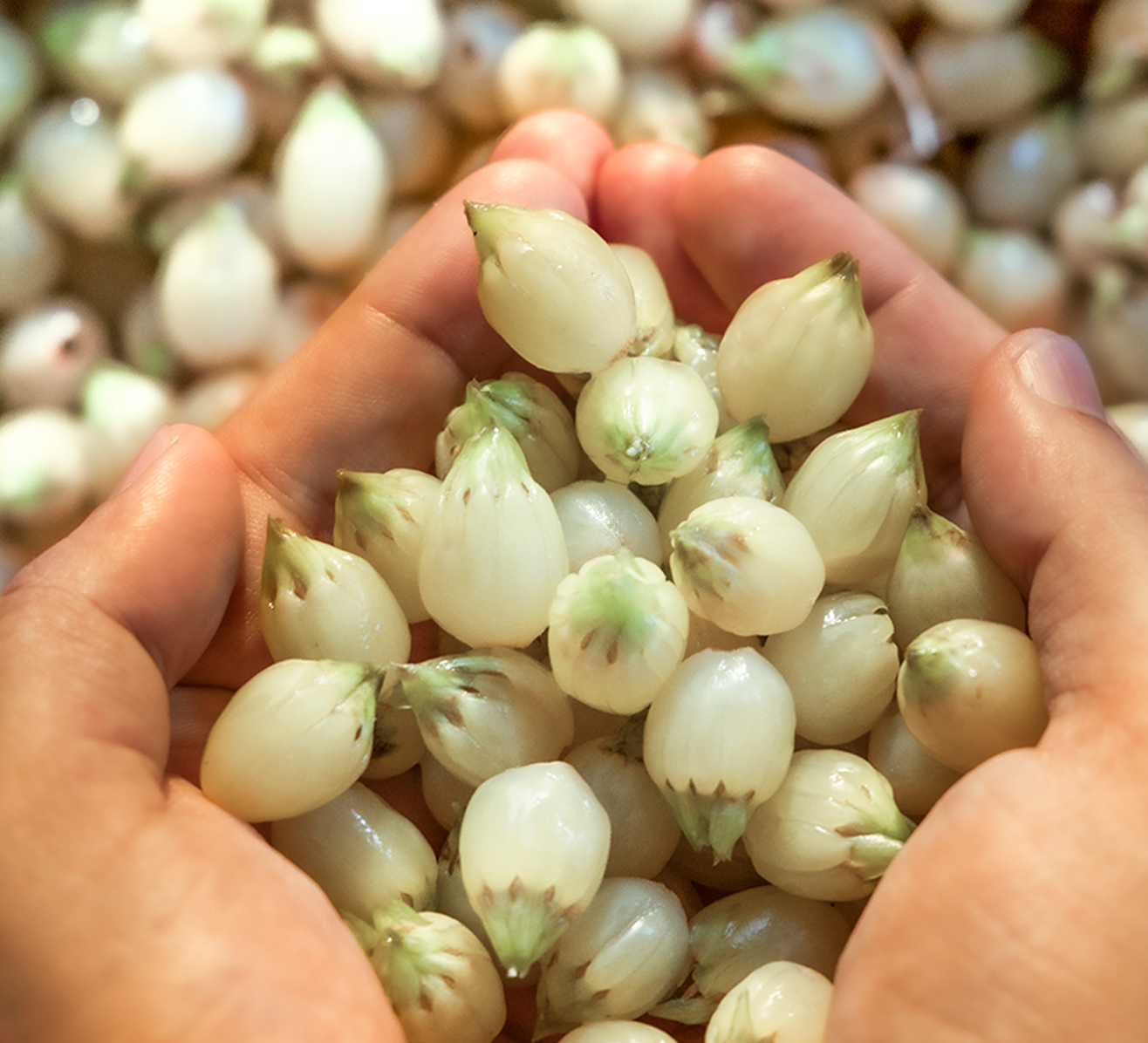
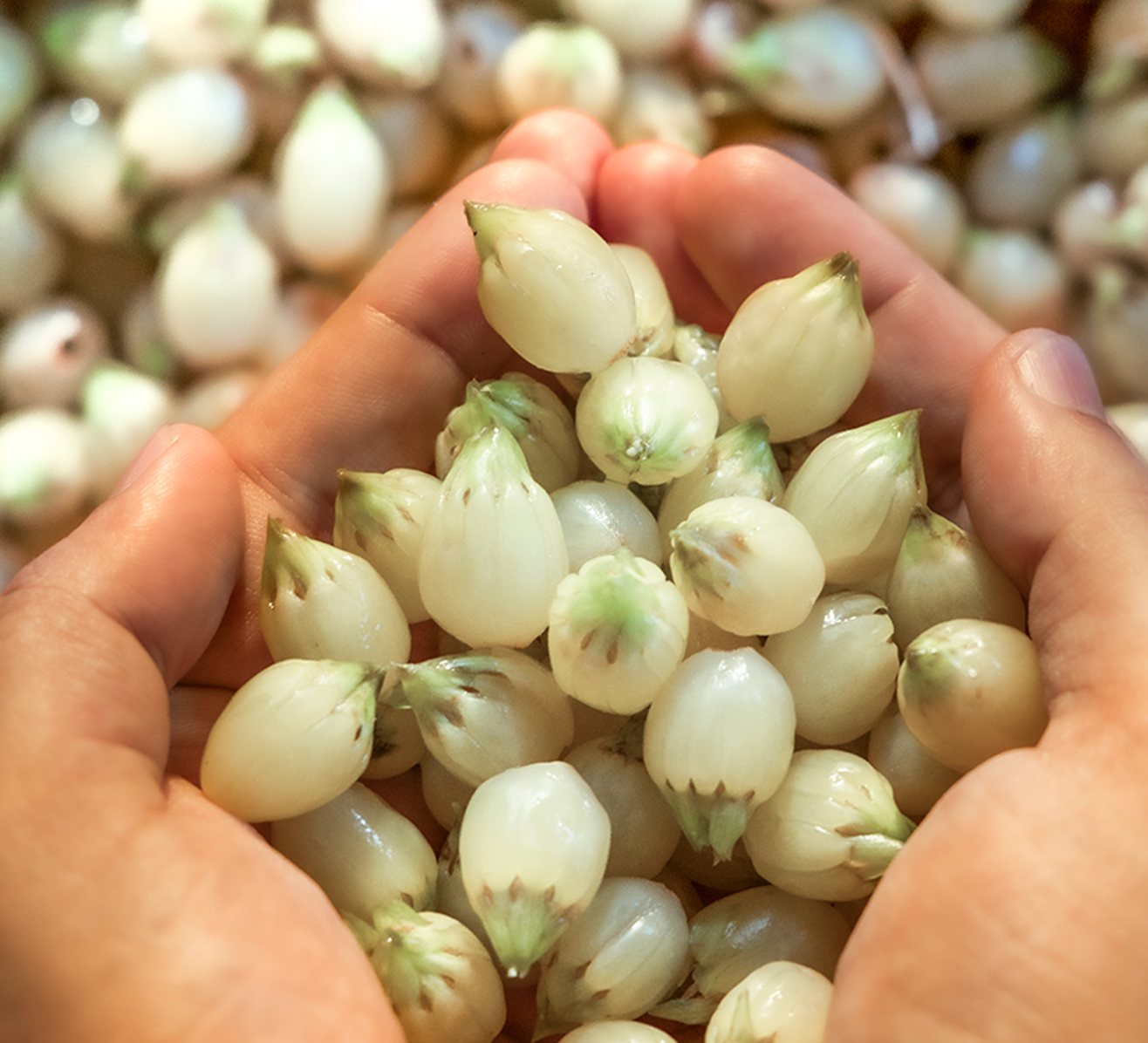
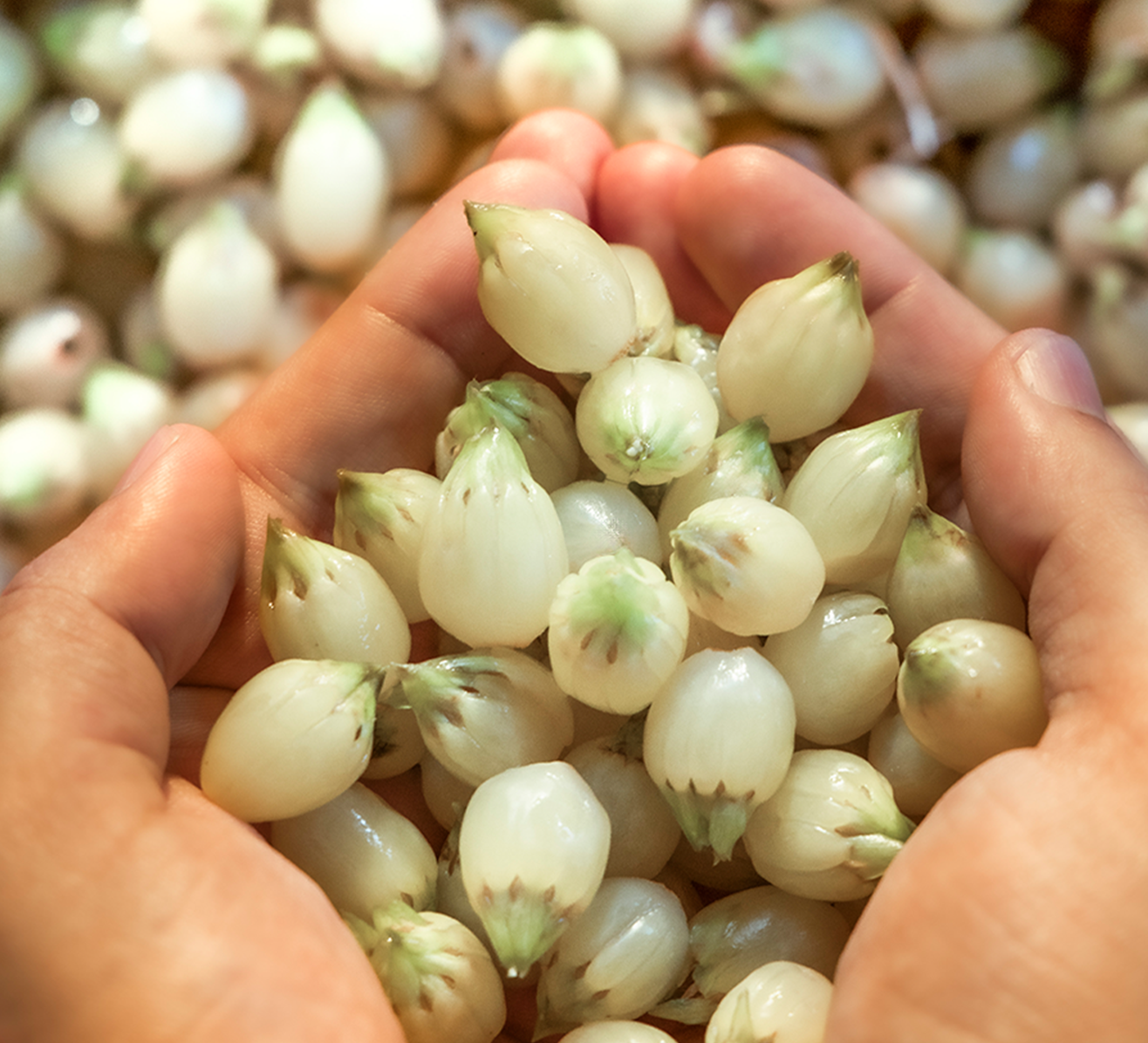
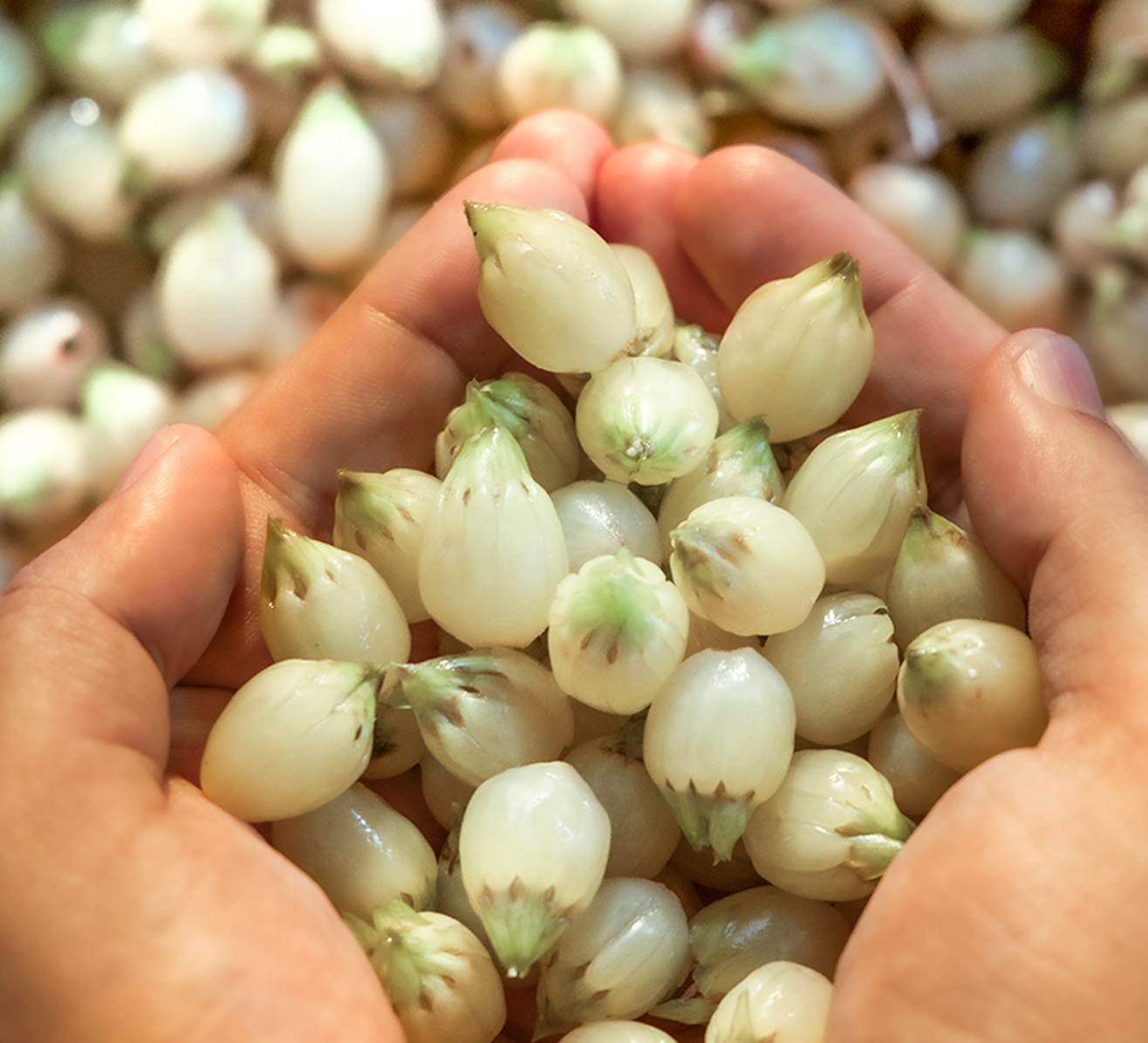
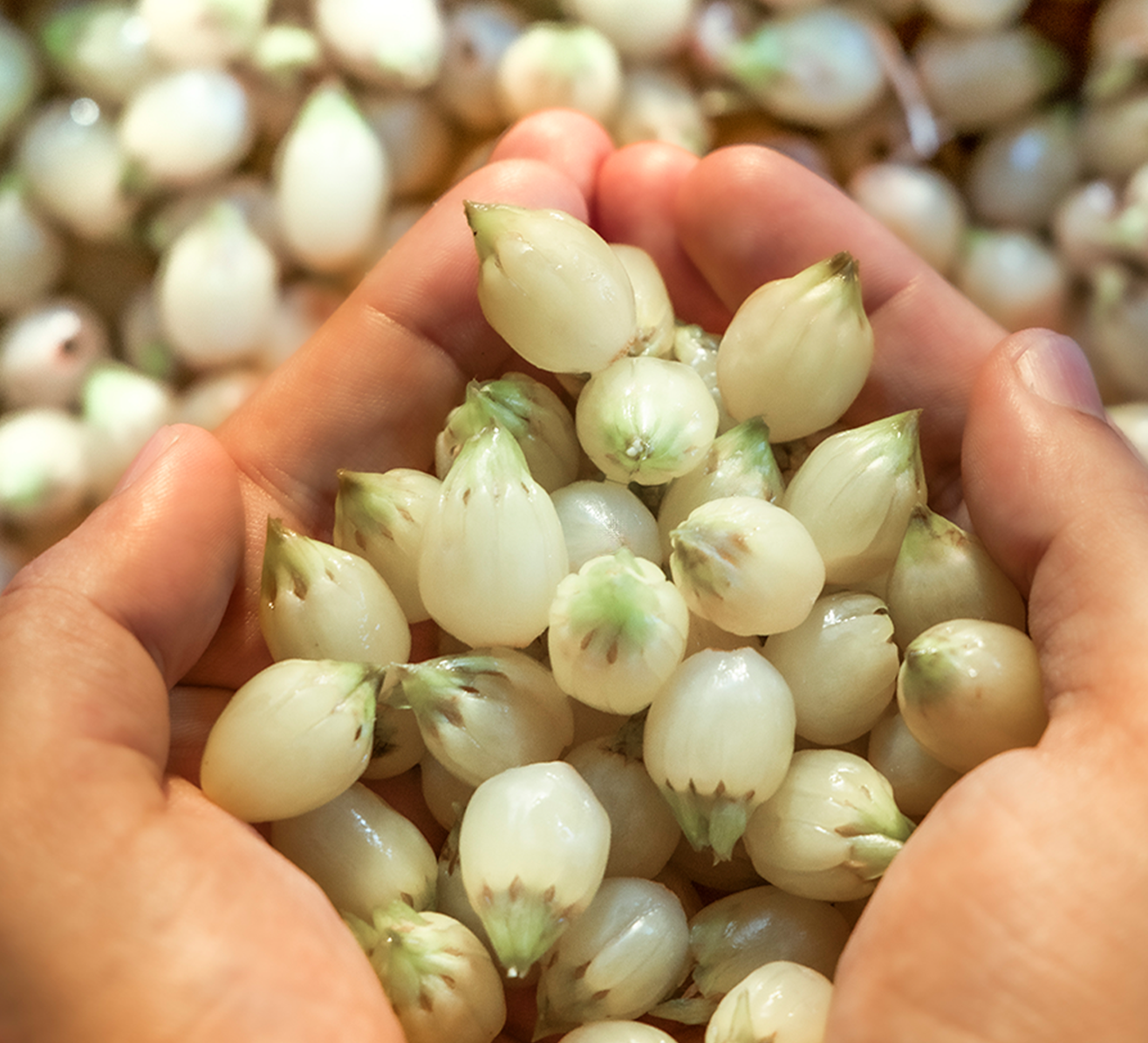
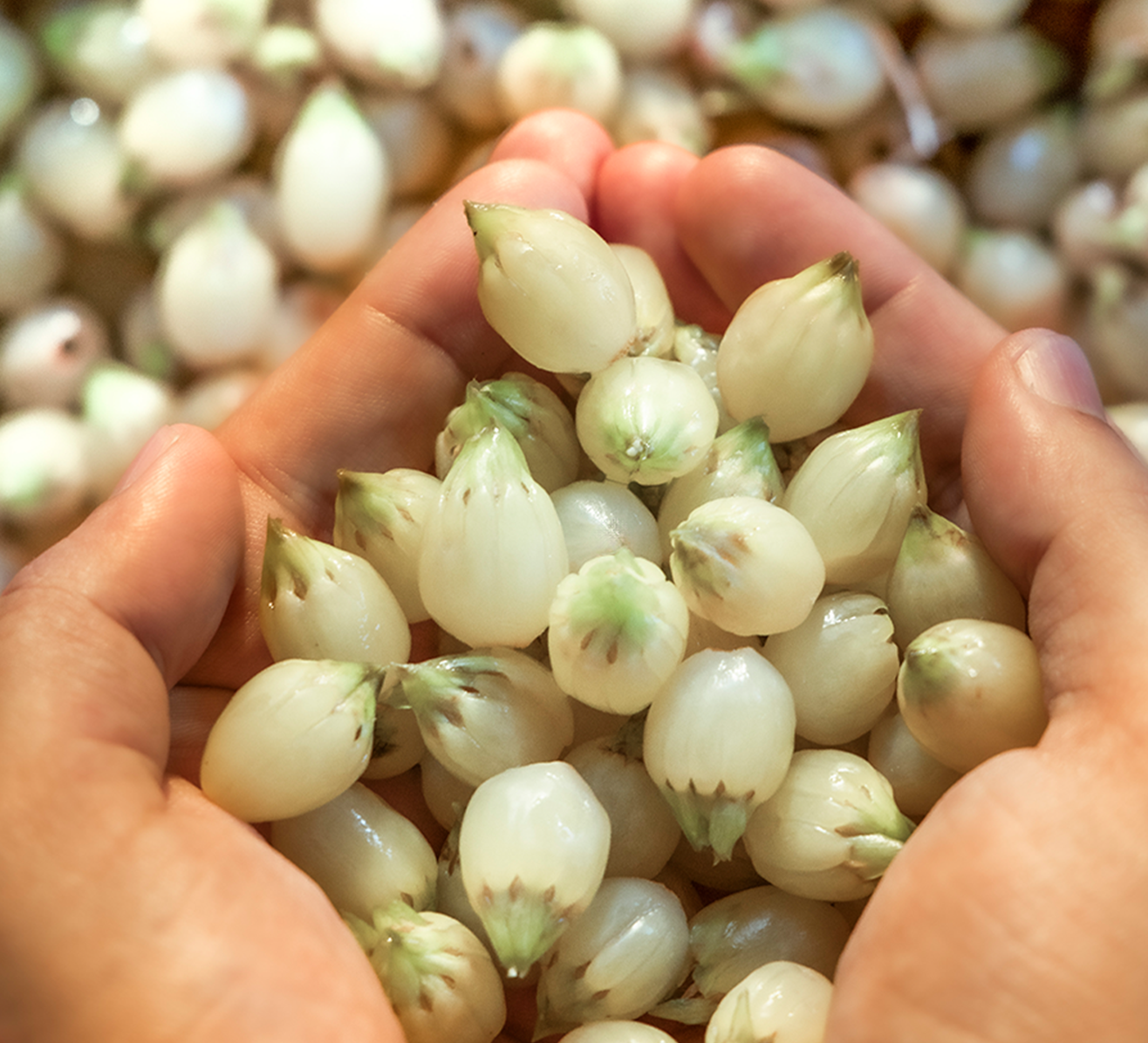
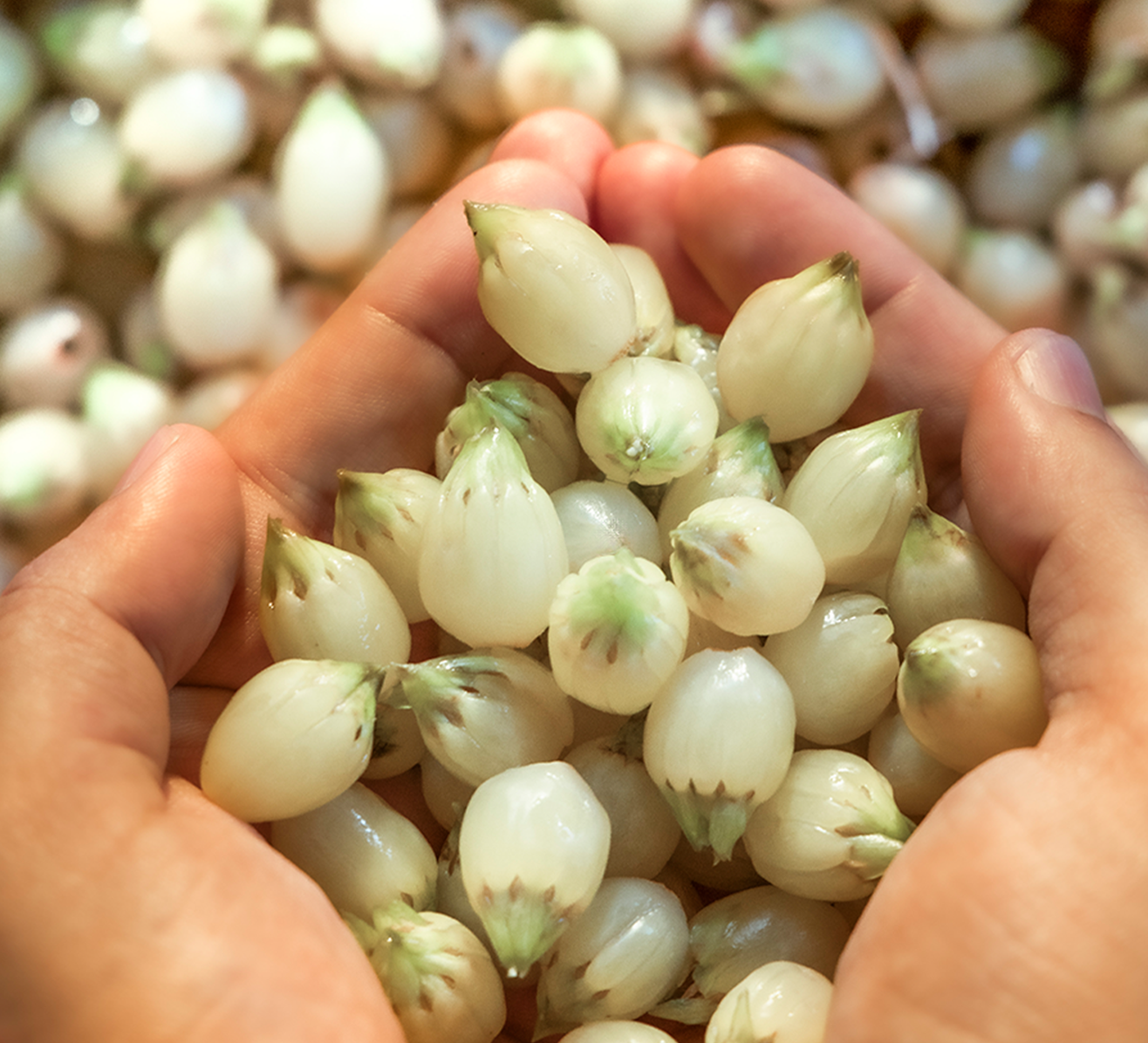
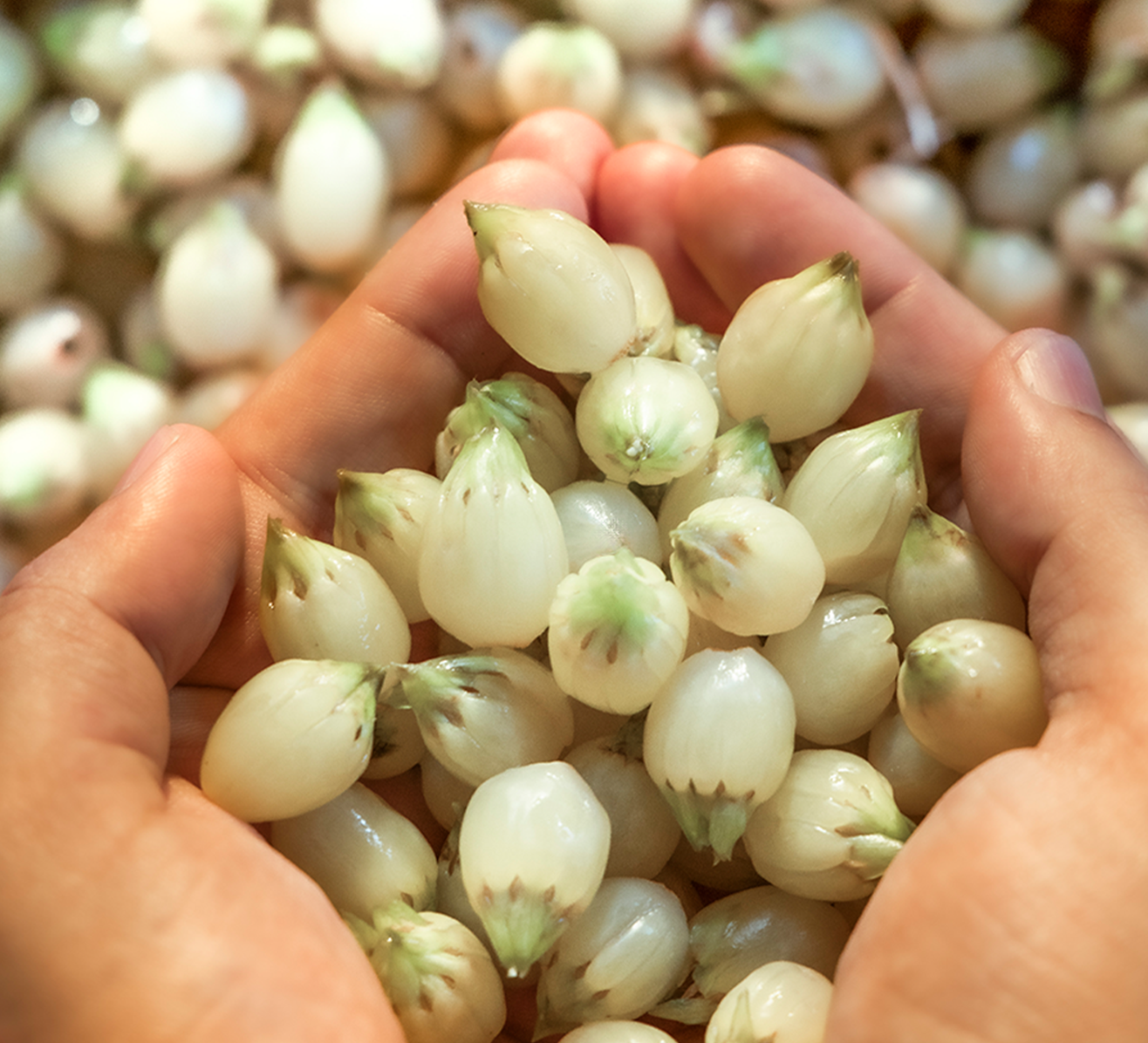
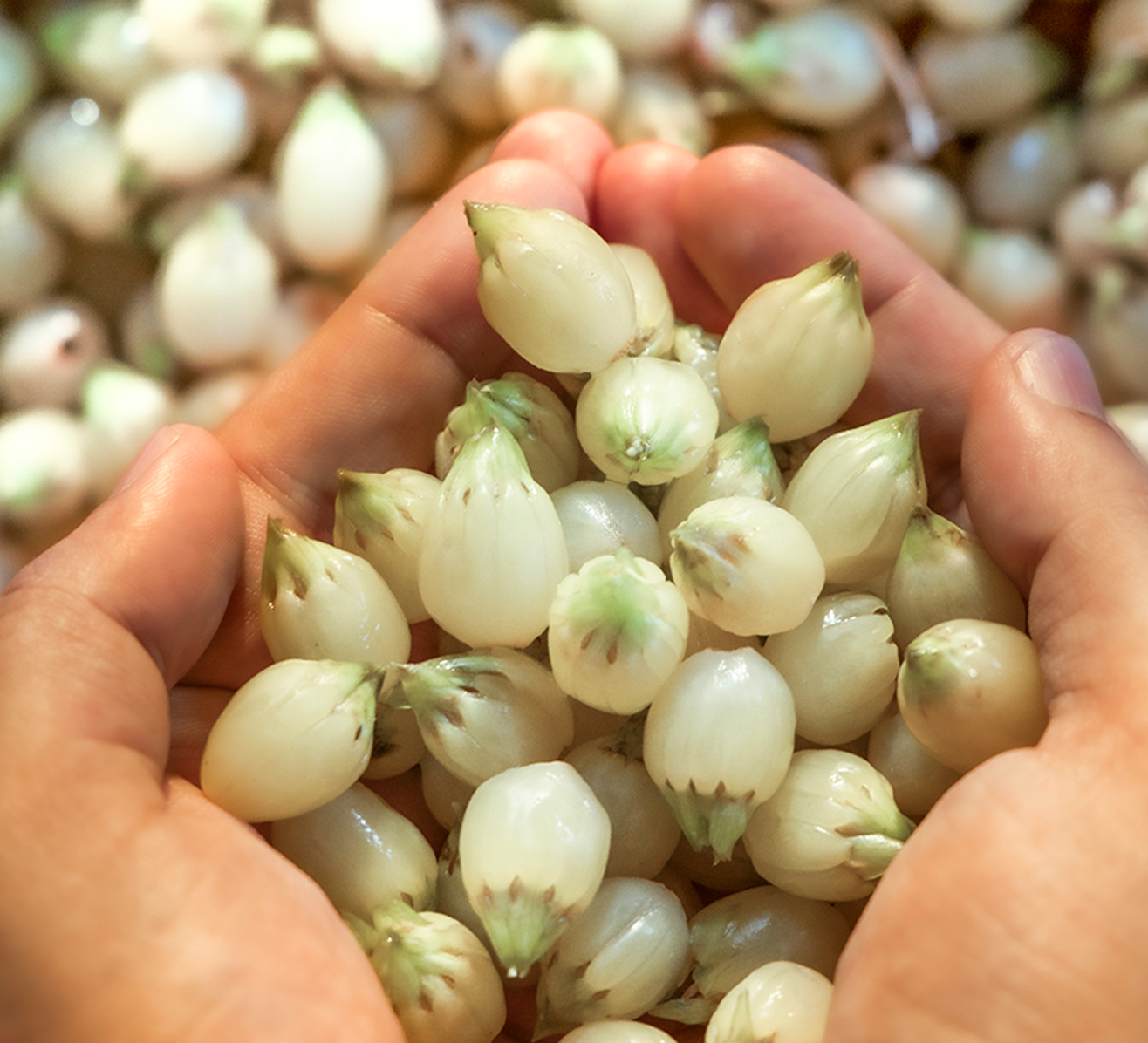
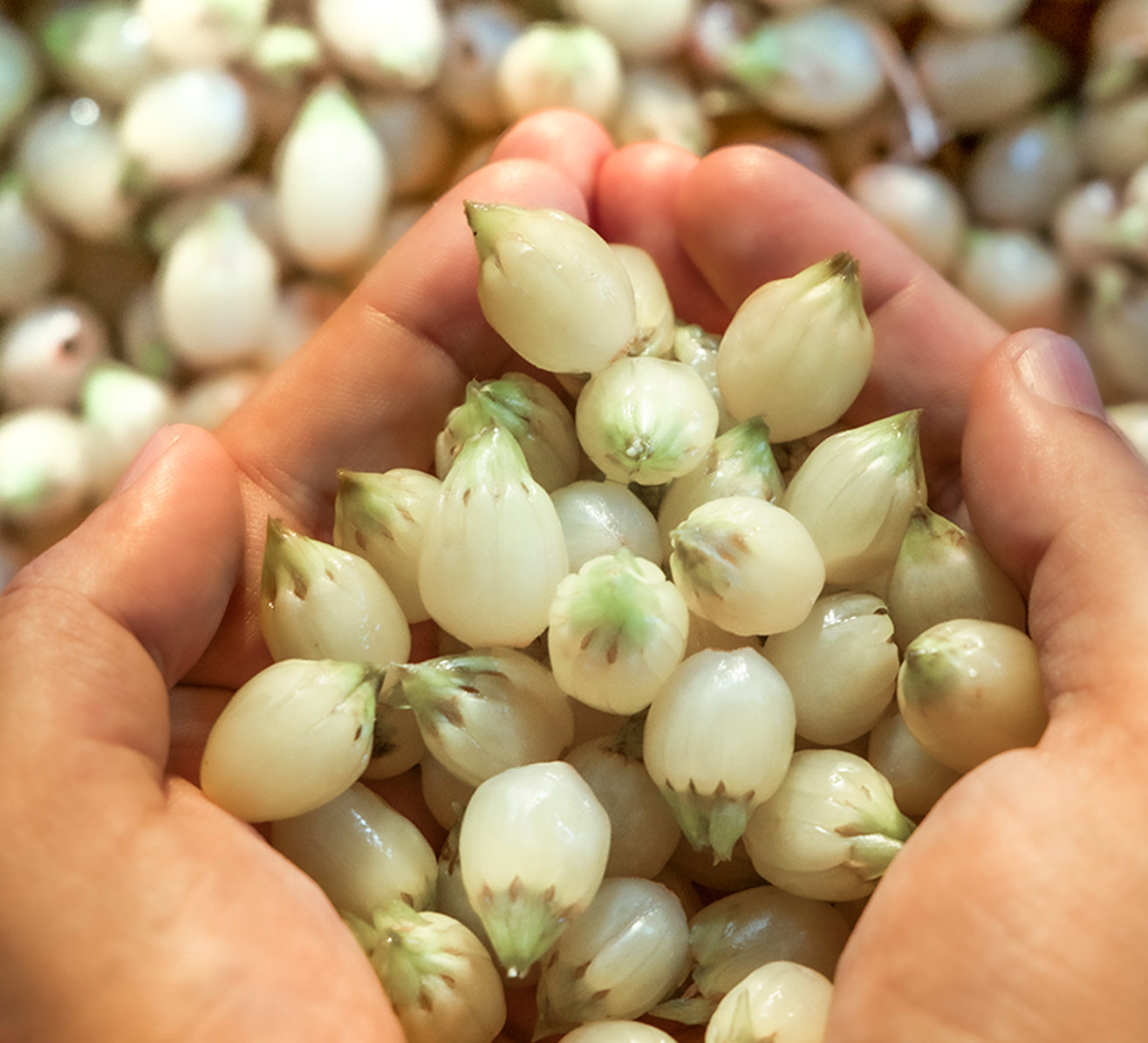
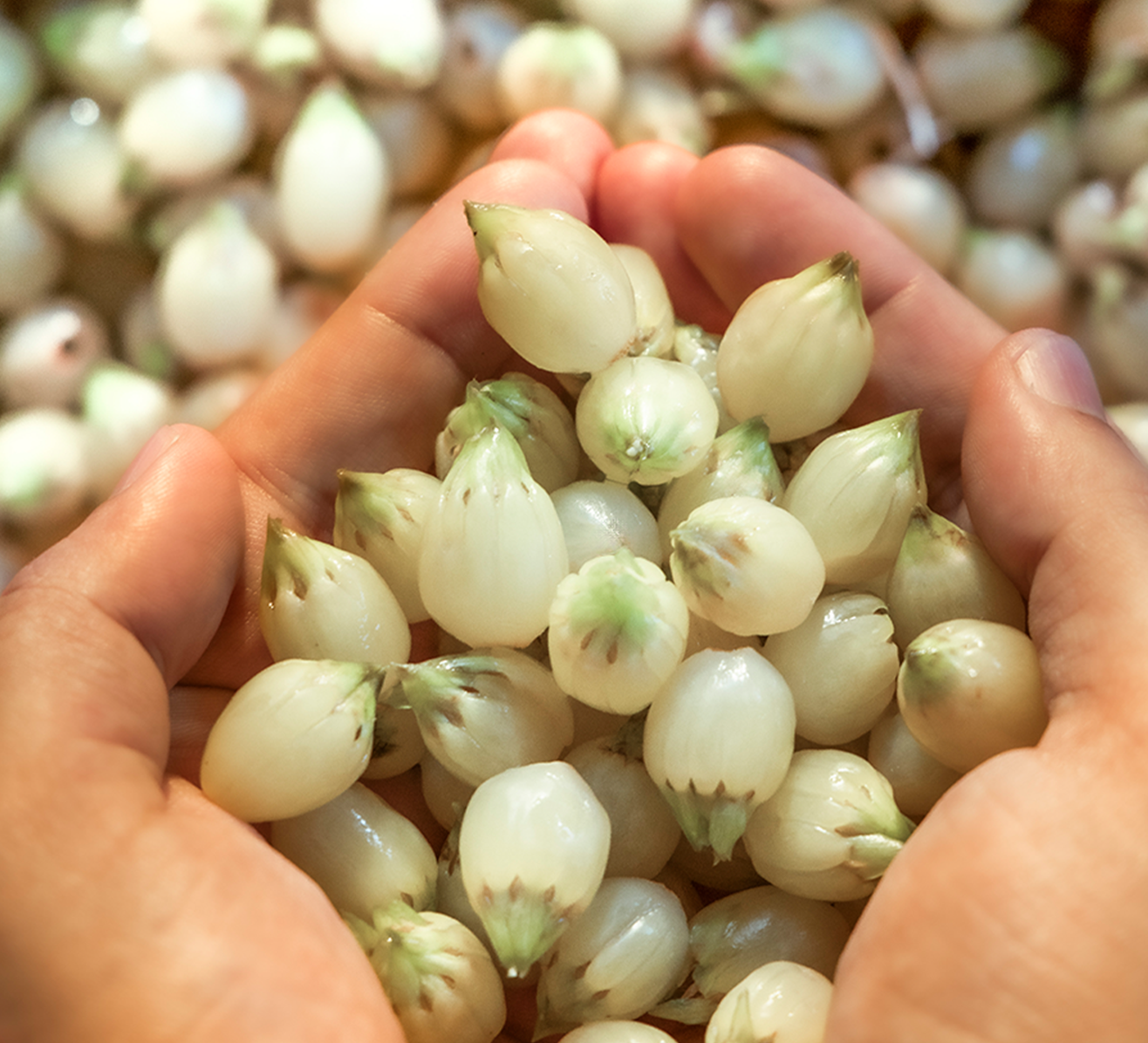
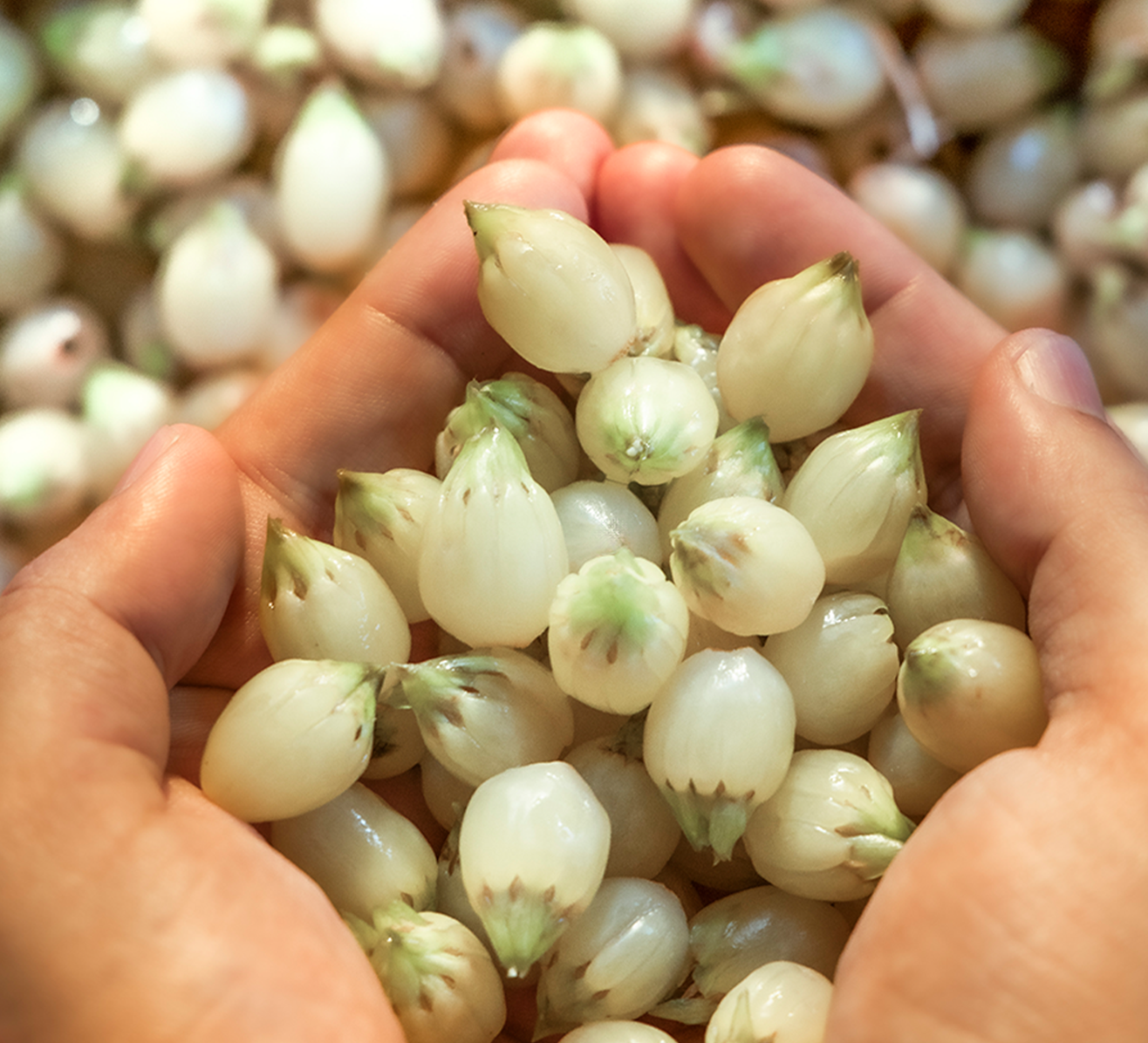
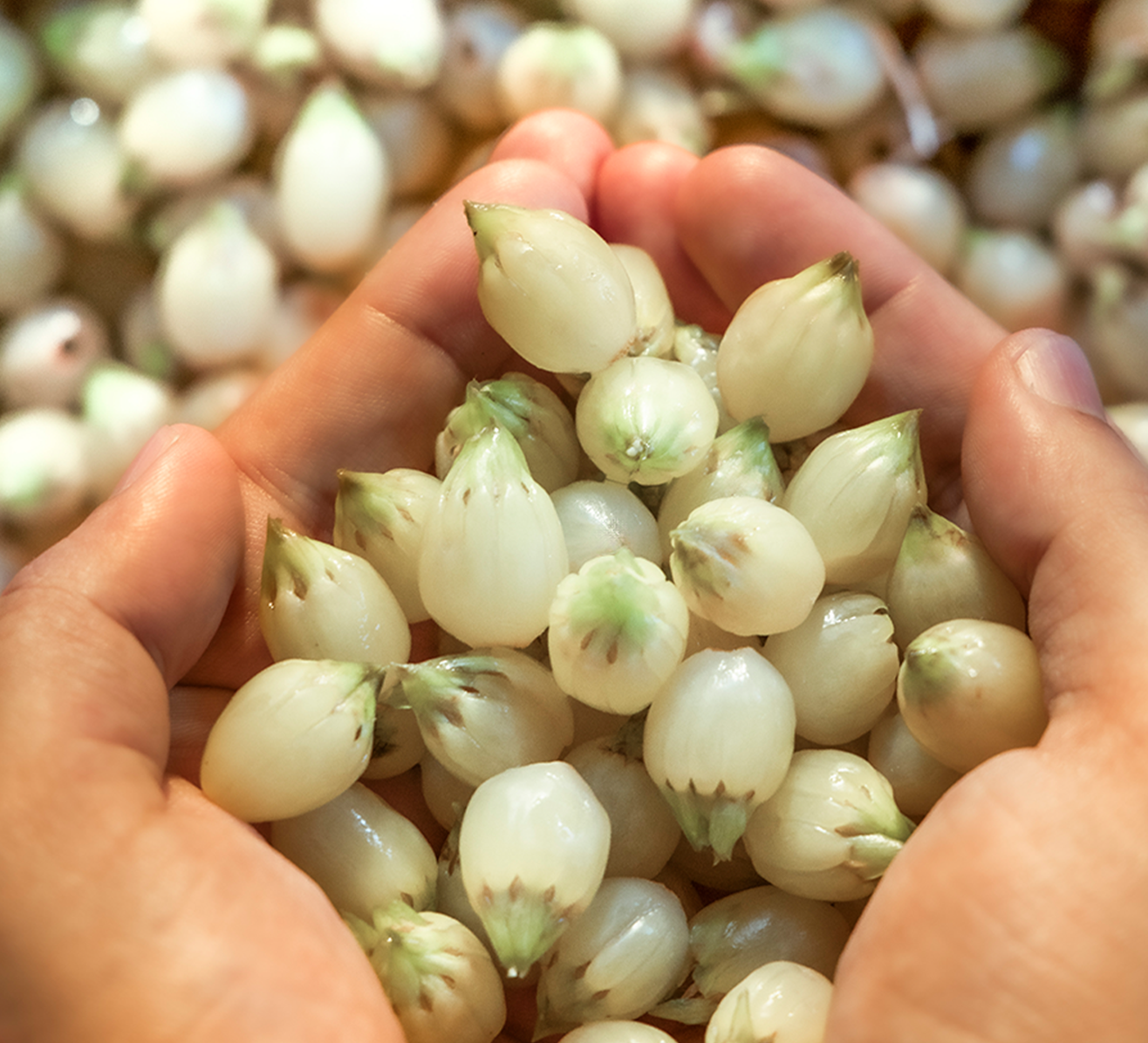
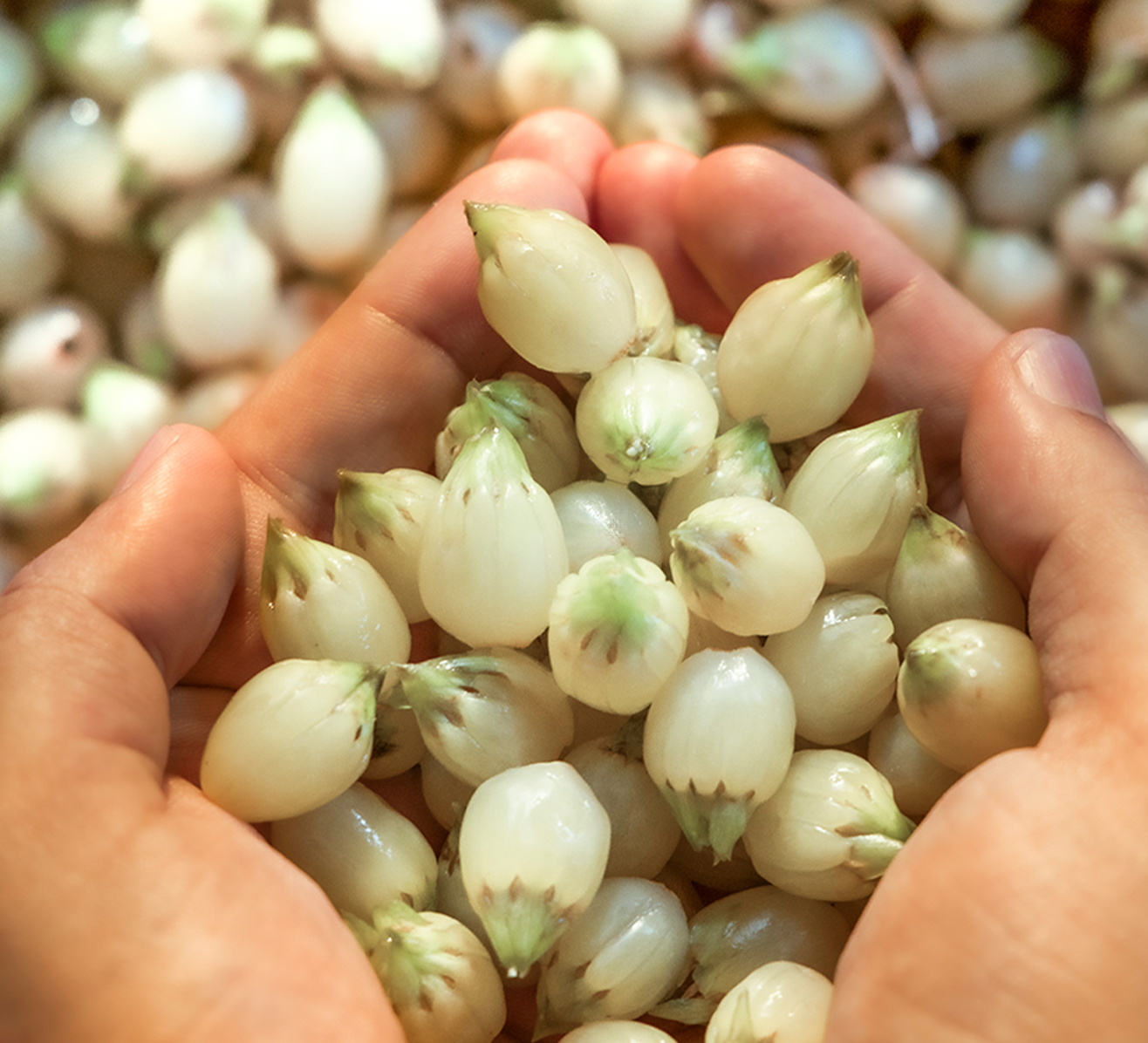
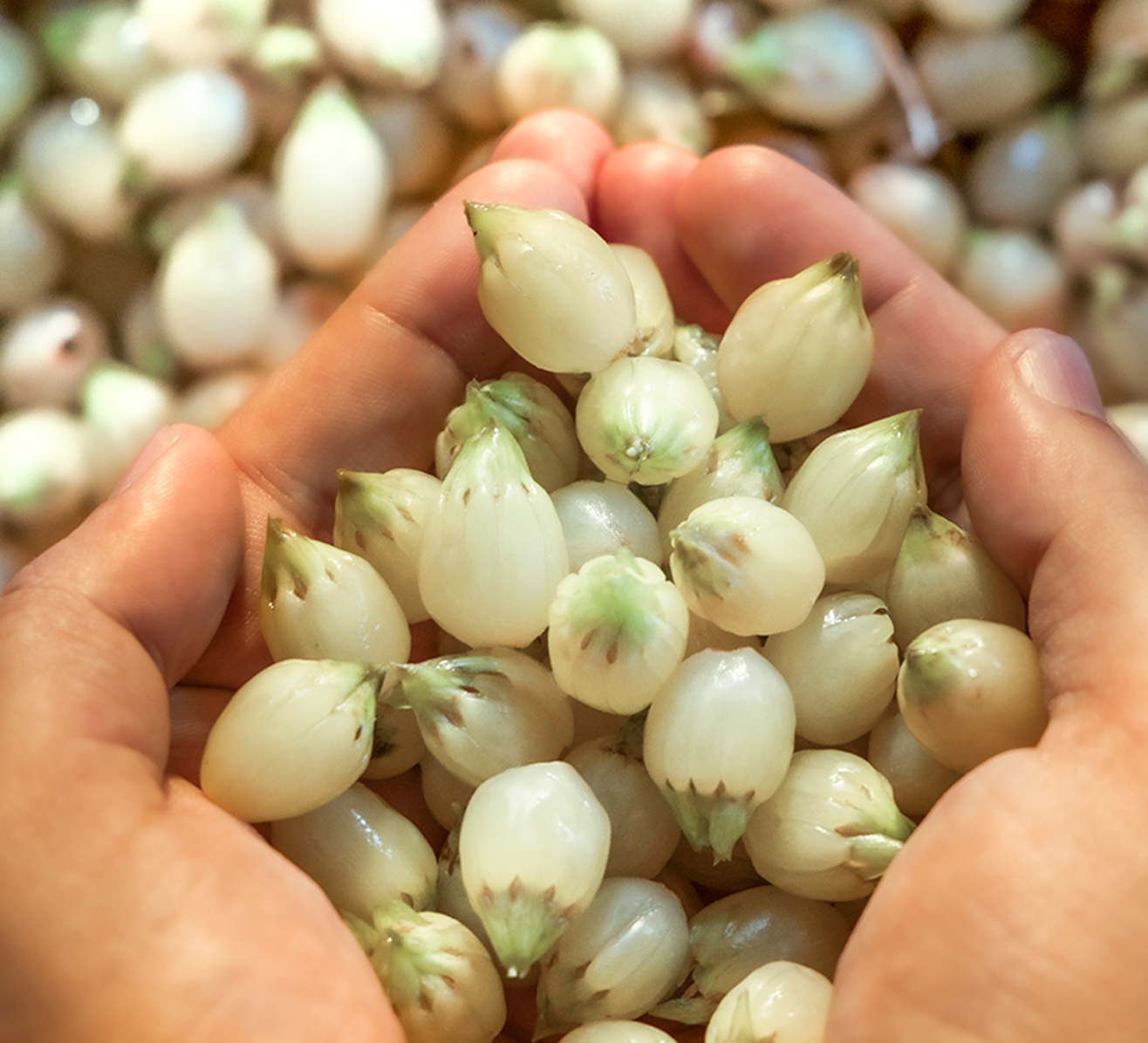
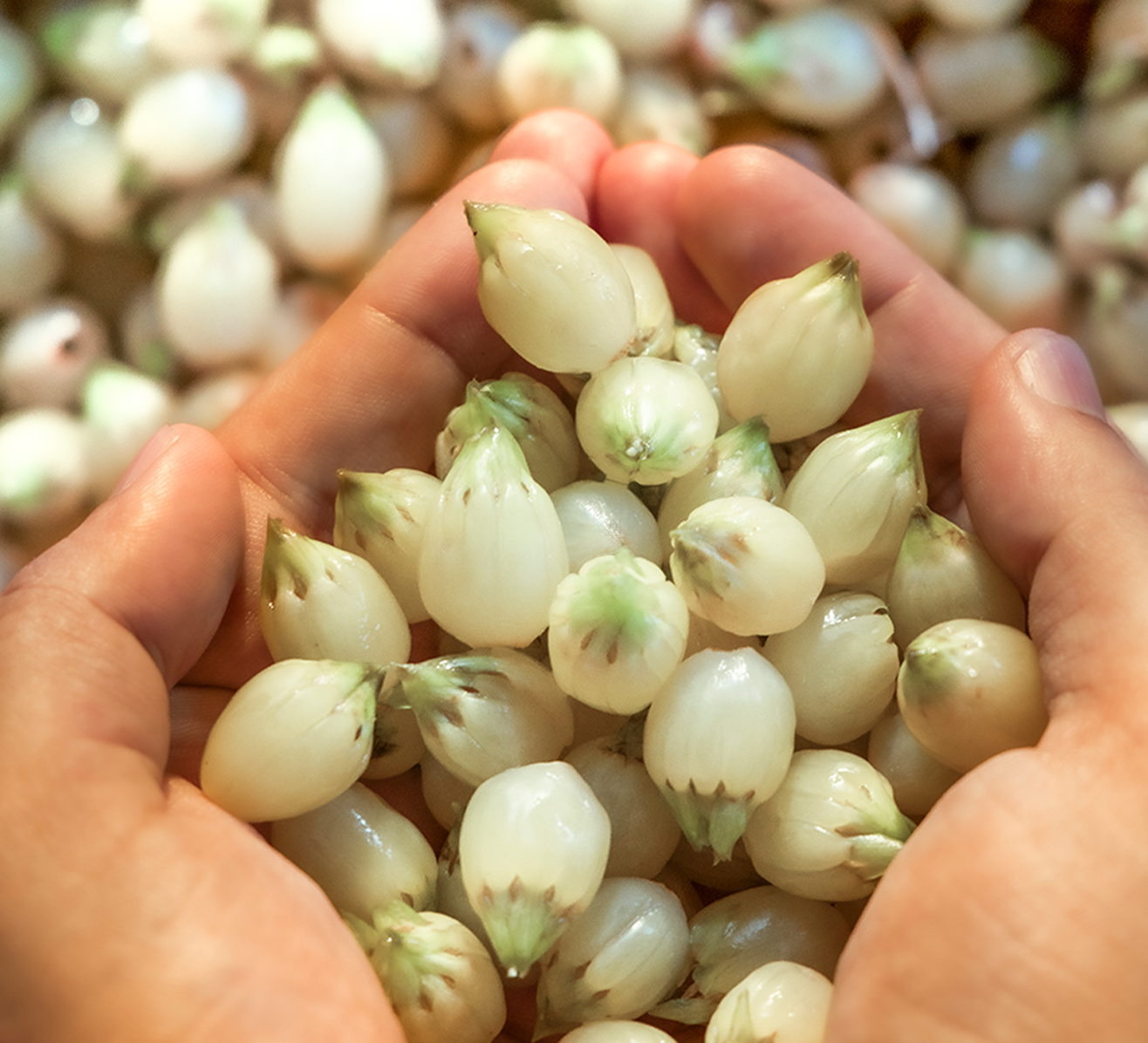
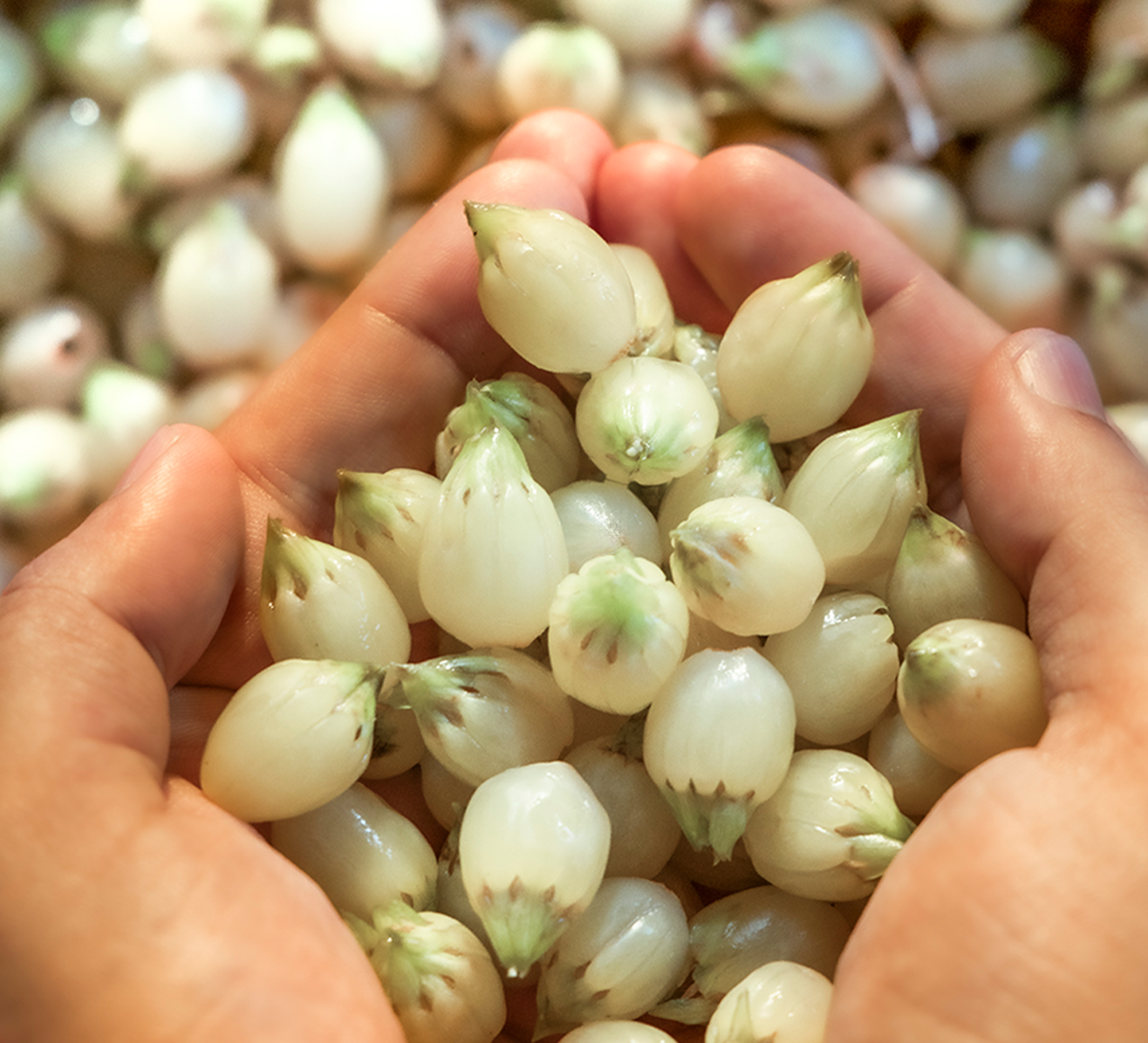
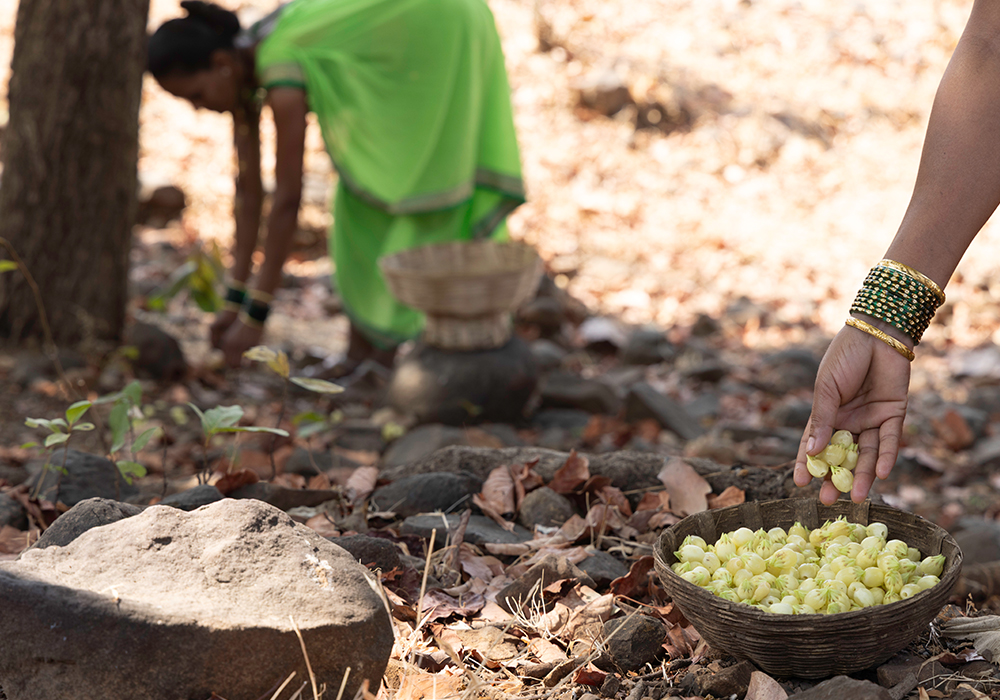
Mahuaa alcohol is made from the naturally fallen flowers of the Mahua tree. These flowers are rich in natural sugars, making them ideal for fermentation without artificial additives
The traditional process involves:
Modern Mahuaa producers refine this process using controlled fermentation and distillation techniques while retaining the essence of the traditional method. This balance between tradition and refinement is what makes Mahuaa appealing to urban drinkers today.
Urban consumers often compare Mahuaa with more familiar Indian spirits like rum, whisky, or country liquor. What sets Mahuaa apart is its origin and flavor profile.
Mahuaa alcohol:
Unlike molasses-based rum or grain spirits, Mahuaa offers a taste experience that feels rooted in India’s forests rather than industrial distilleries.
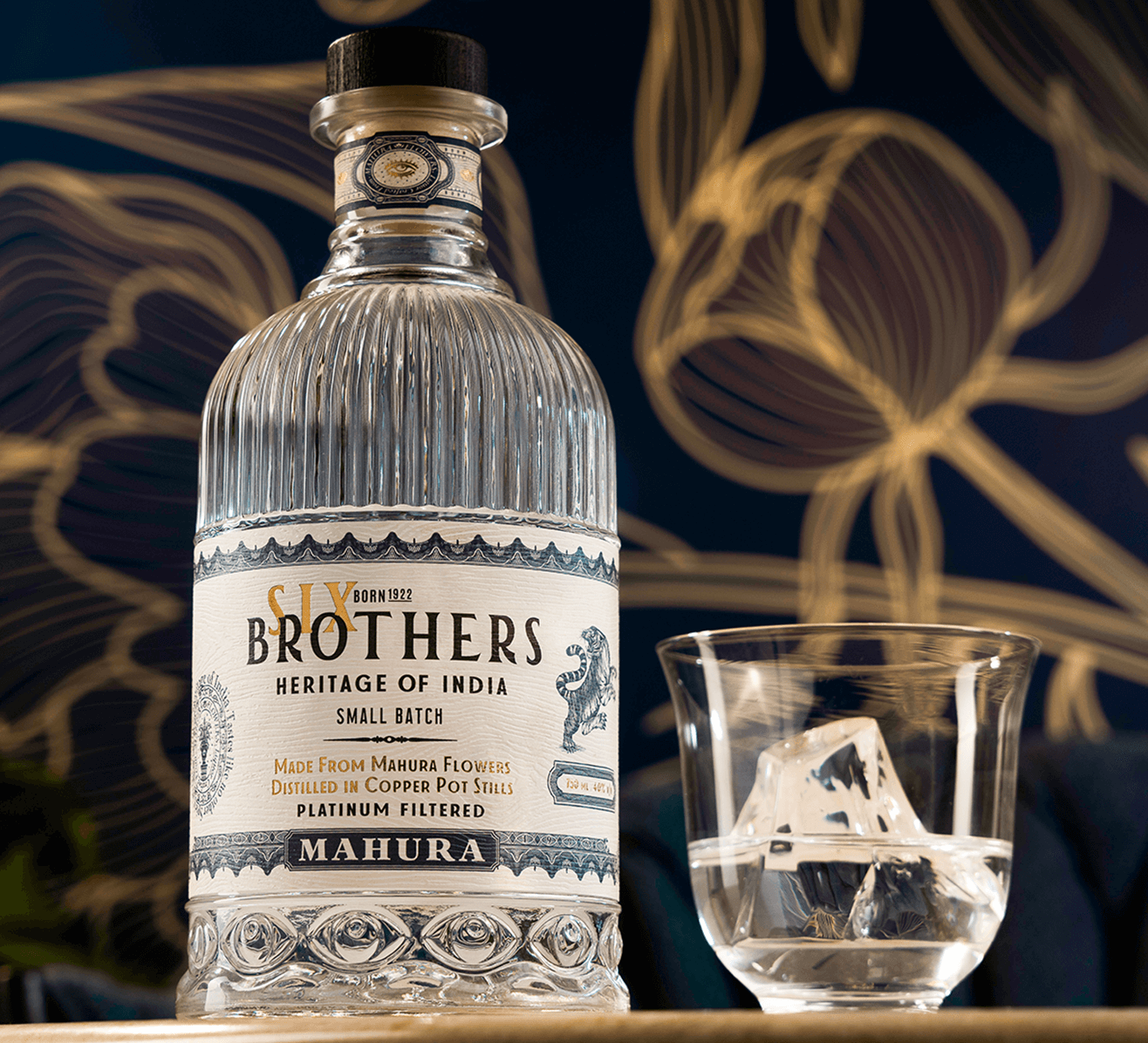
If you have never tried mahuaa before, here is what to expect from a quality distilled mahuaa like Six Brothers Mahura:
ABV: Typically 35–42% depending on the distillation batch. Similar to a standard whisky or dark rum in strength.
On the nose: The first thing you notice is a warm, sweet floral aroma — distinctly different from grain-based spirits. Think dried wildflowers with a faint earthy undertone, similar to the smell of sun-dried mahua flowers themselves.
On the palate: Entry is soft and slightly sweet, with the natural sugars of the mahua flower coming through. The mid-palate opens up to earthy, honey-like notes with a light herbal warmth. It does not have the sharpness of a cheap country spirit or the heavy burn of unaged rum.
Finish: Medium-length, warm, and mildly floral. Cleaner than most people expect for the first time.
Closest comparison for reference: If you have had toddy, arrack, or mahua daru in a rural setting, commercial quality mahuaa from a licensed distillery is a noticeably more refined version — the rough edges smoothed out by controlled fermentation and distillation. If your reference point is whisky or rum, think of mahuaa as lighter-bodied, more aromatic, and less oak-forward.
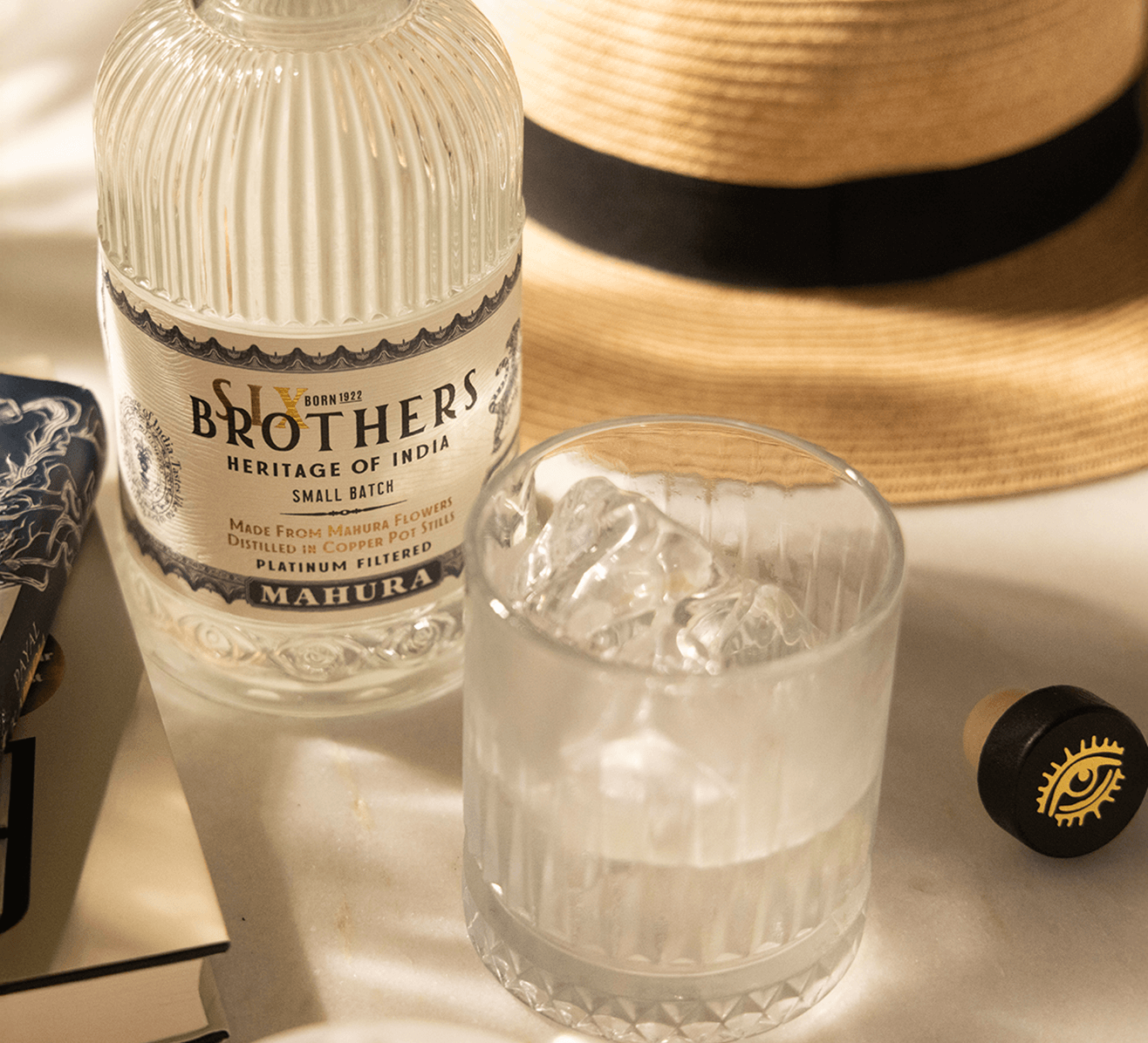
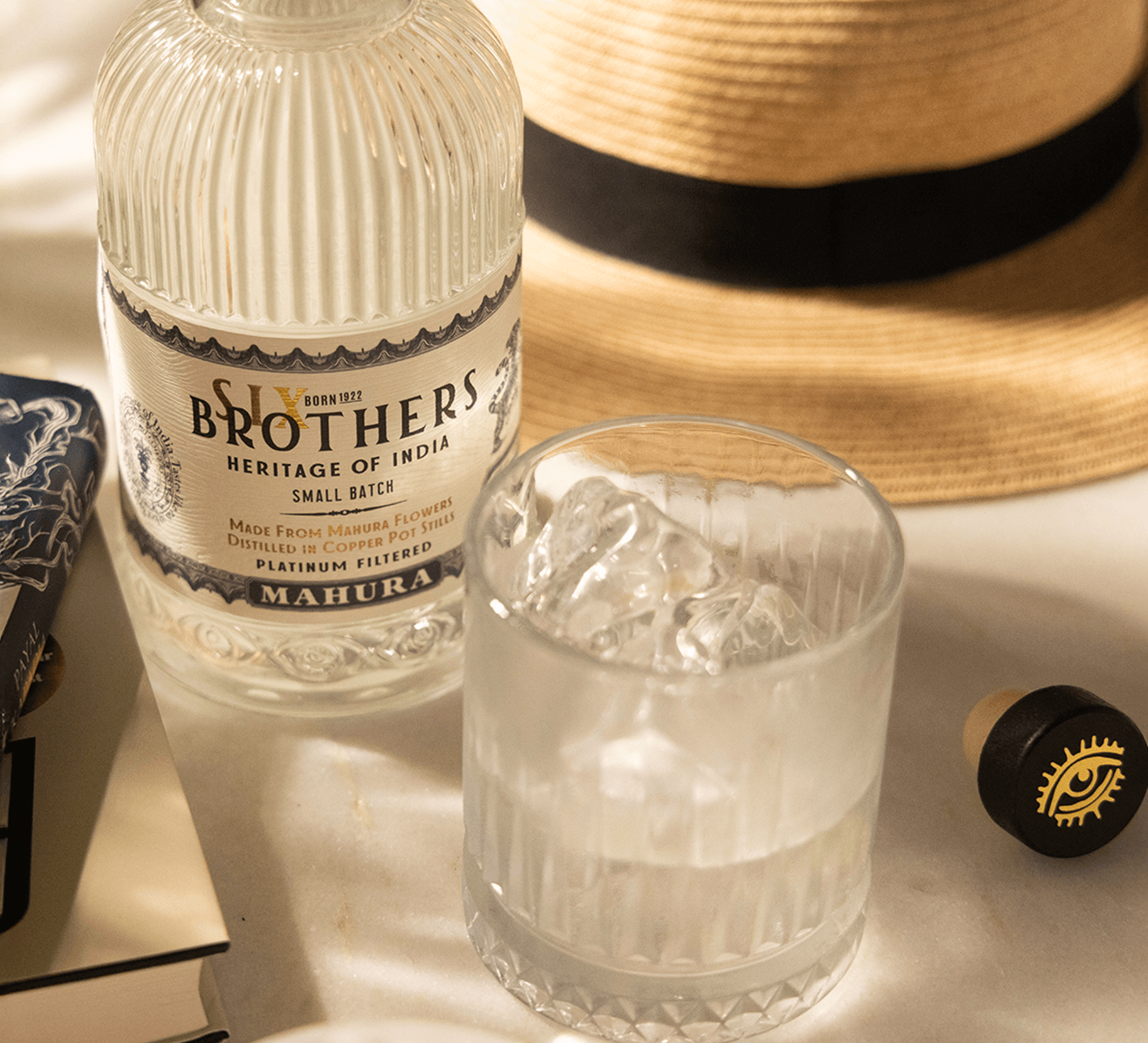
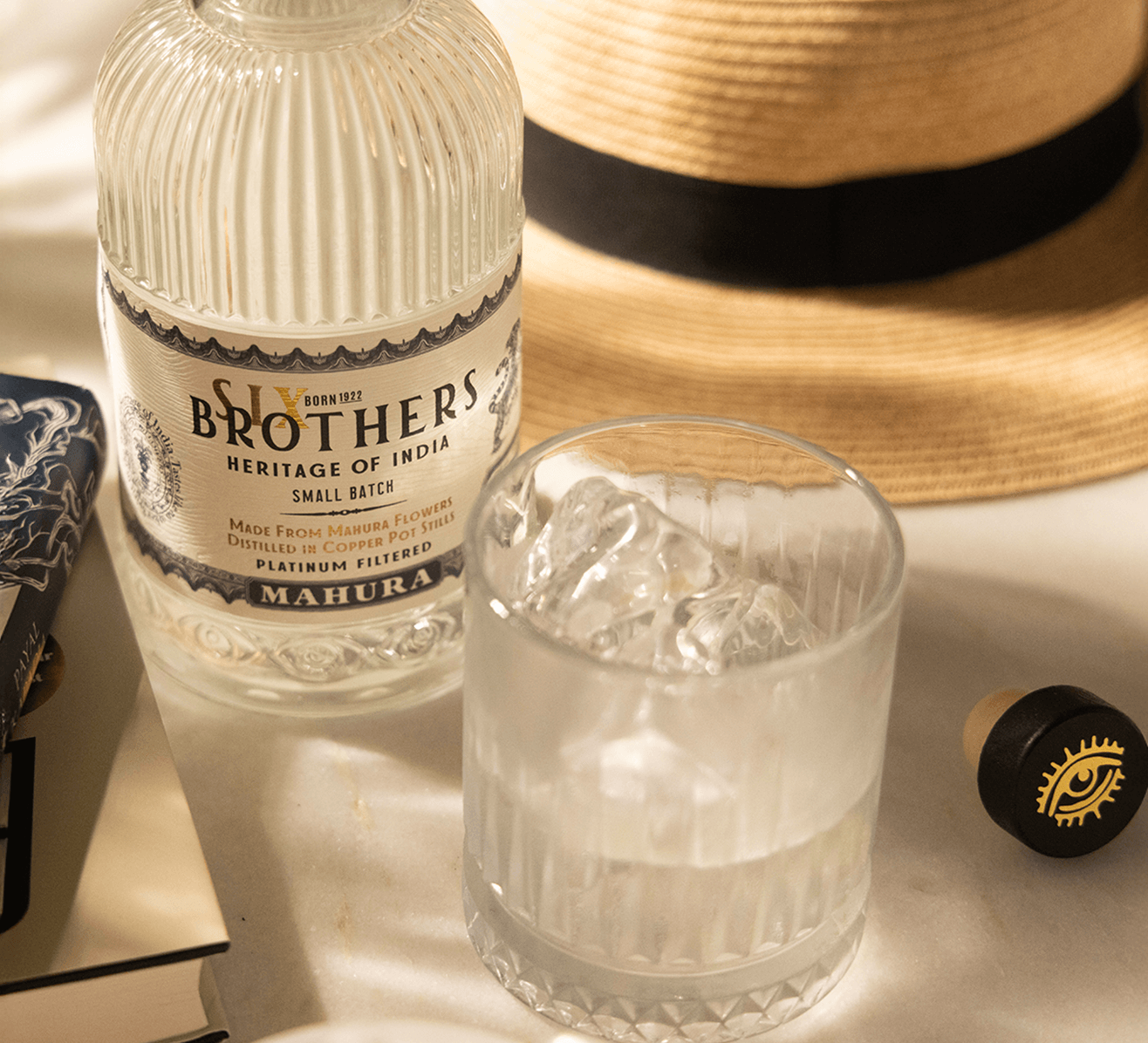
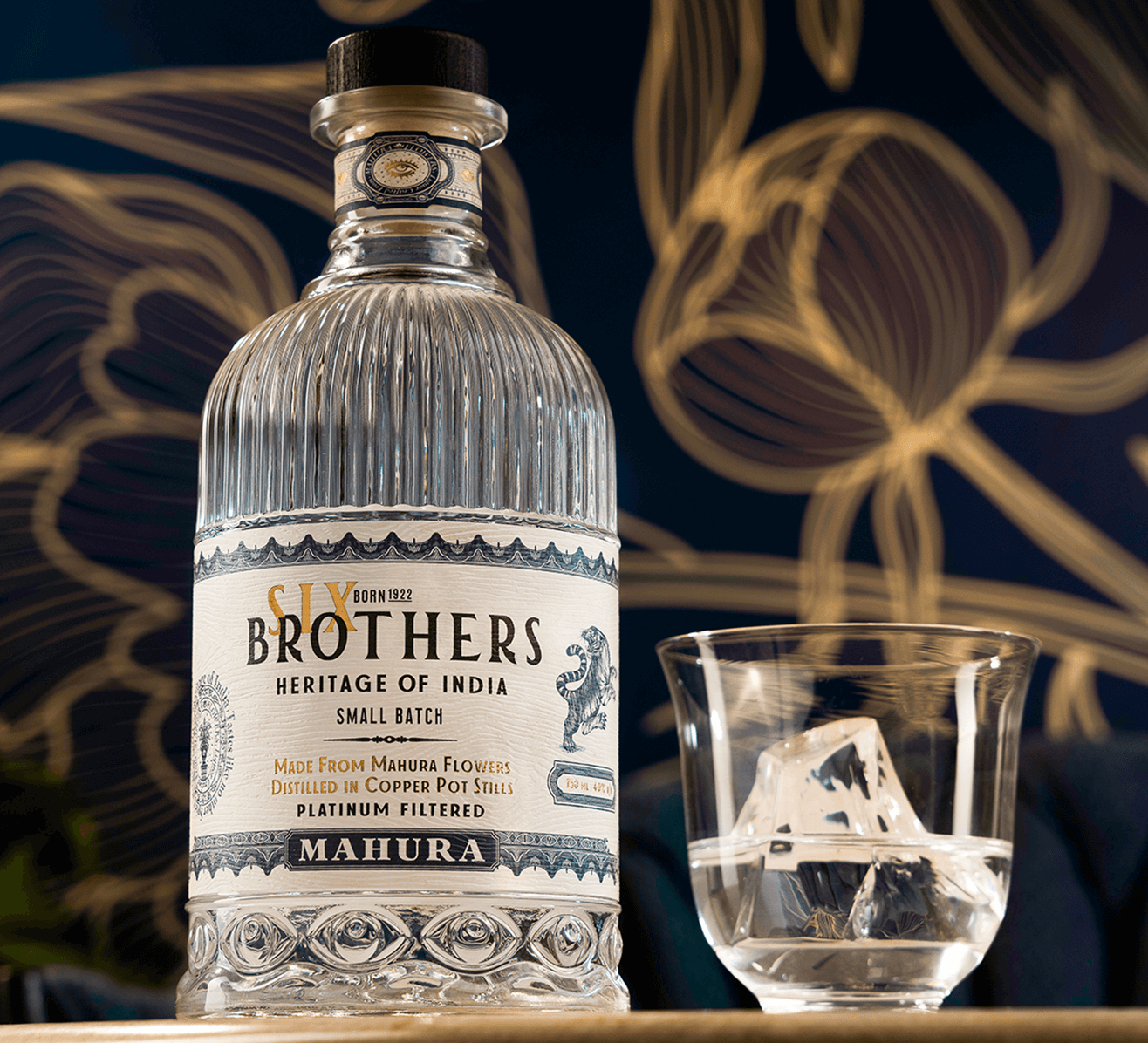
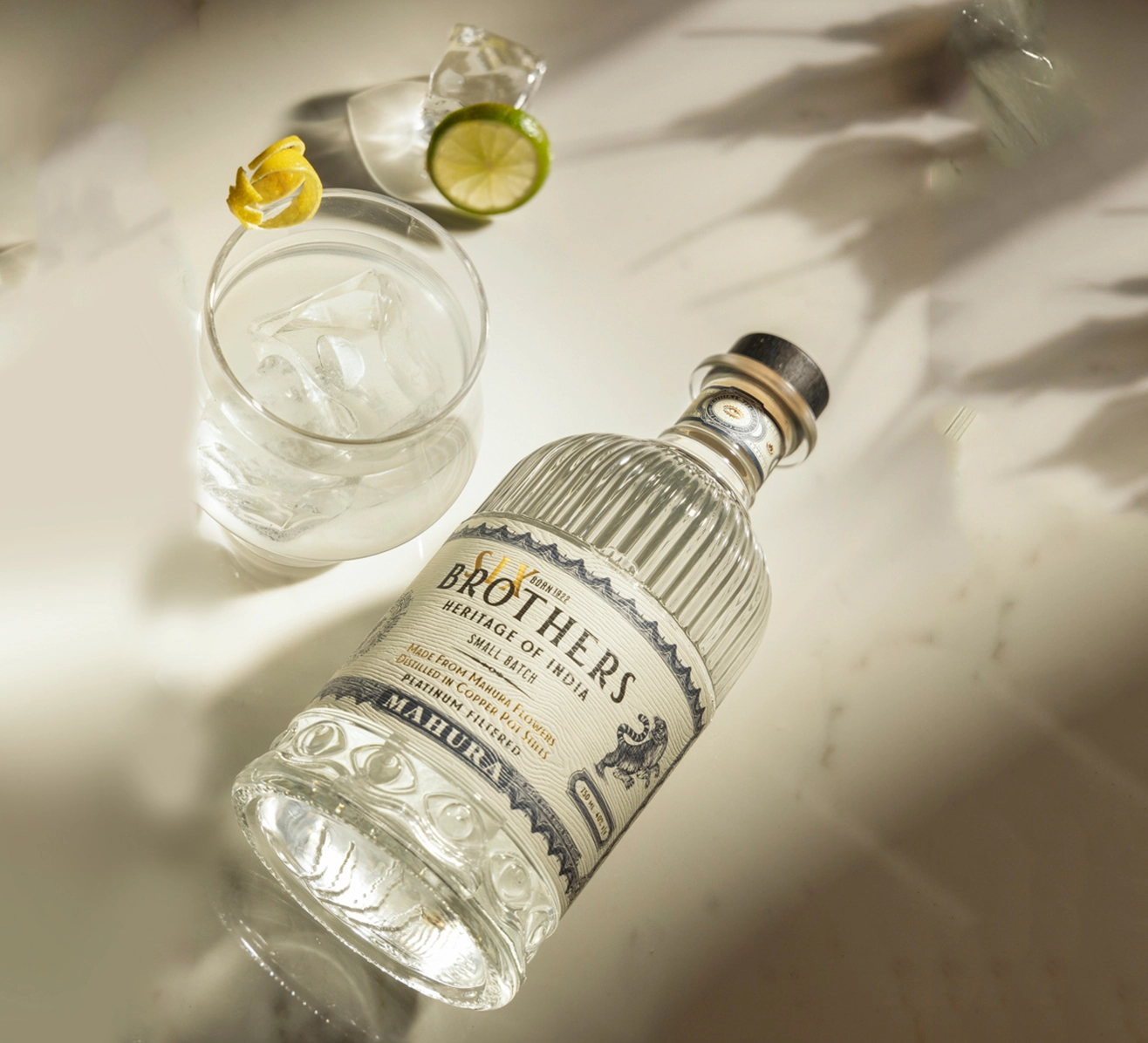
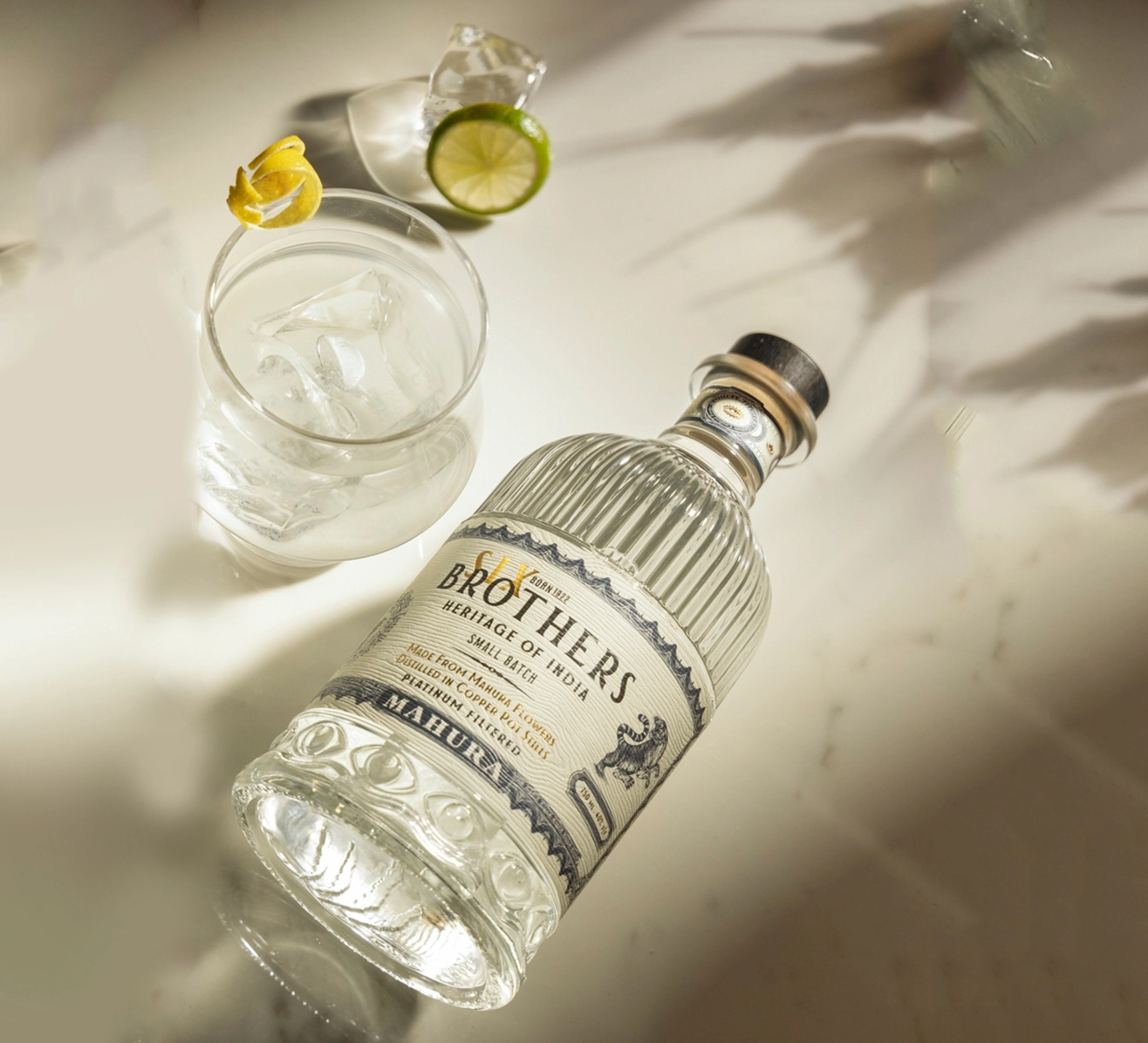
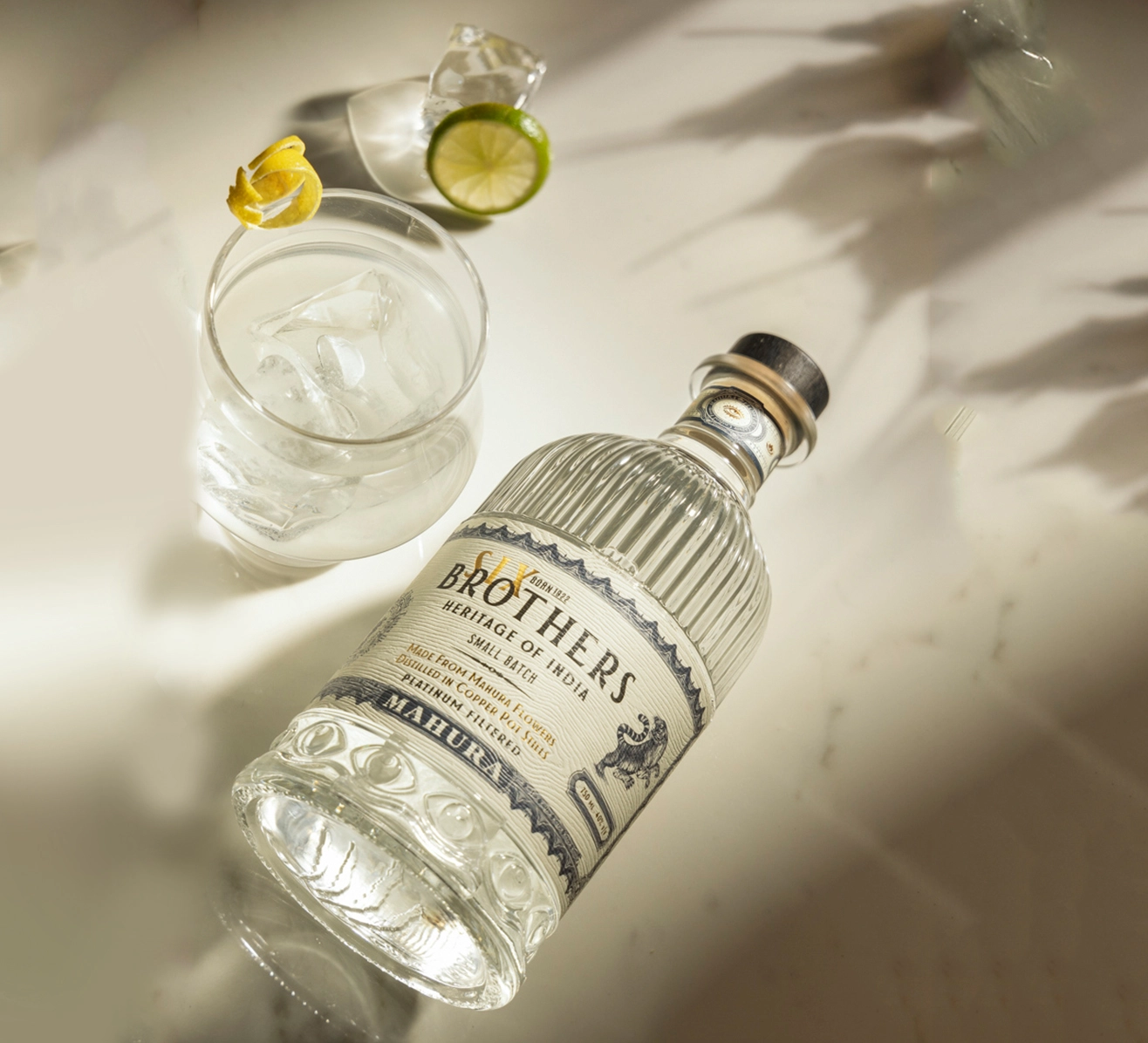
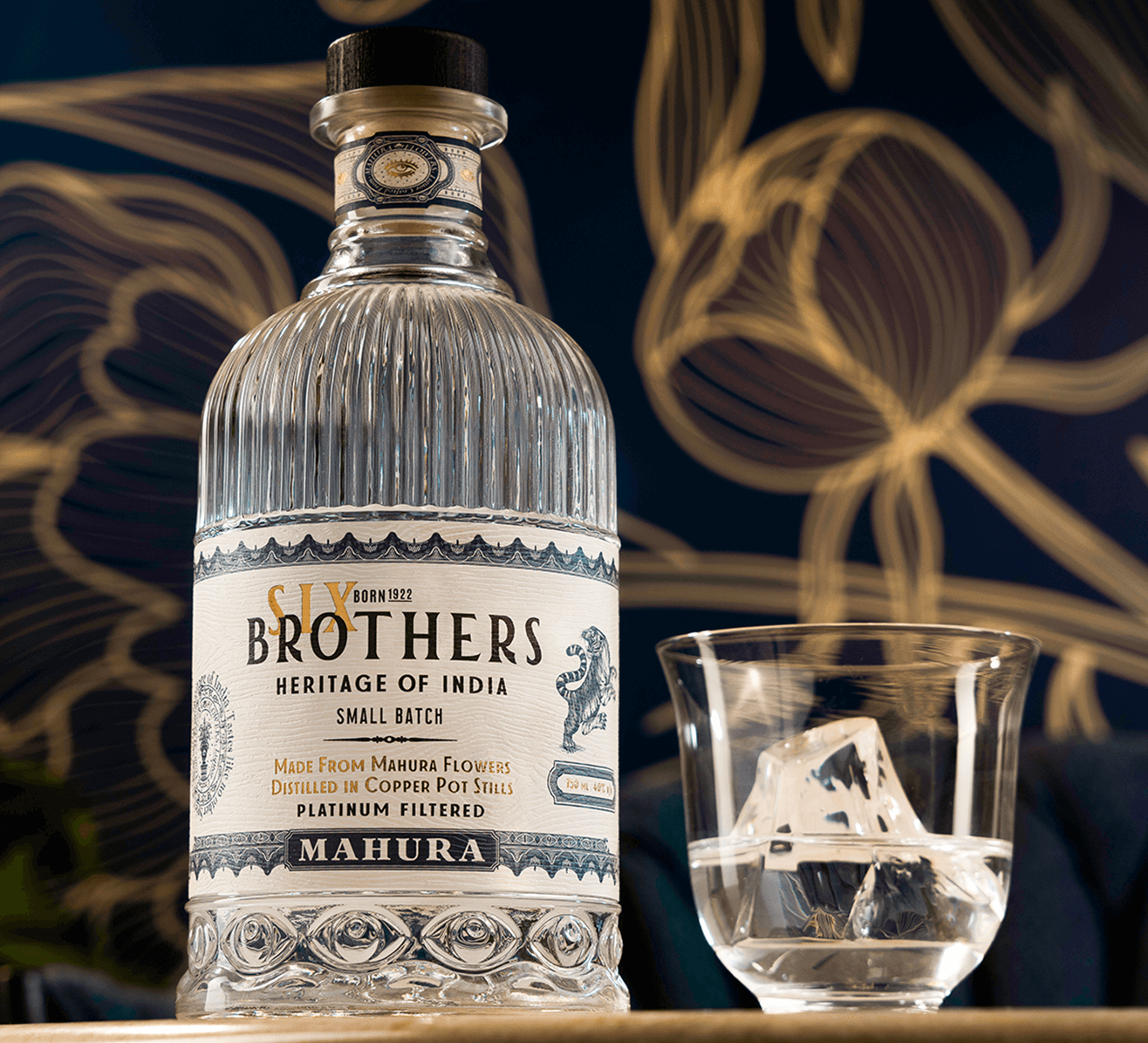
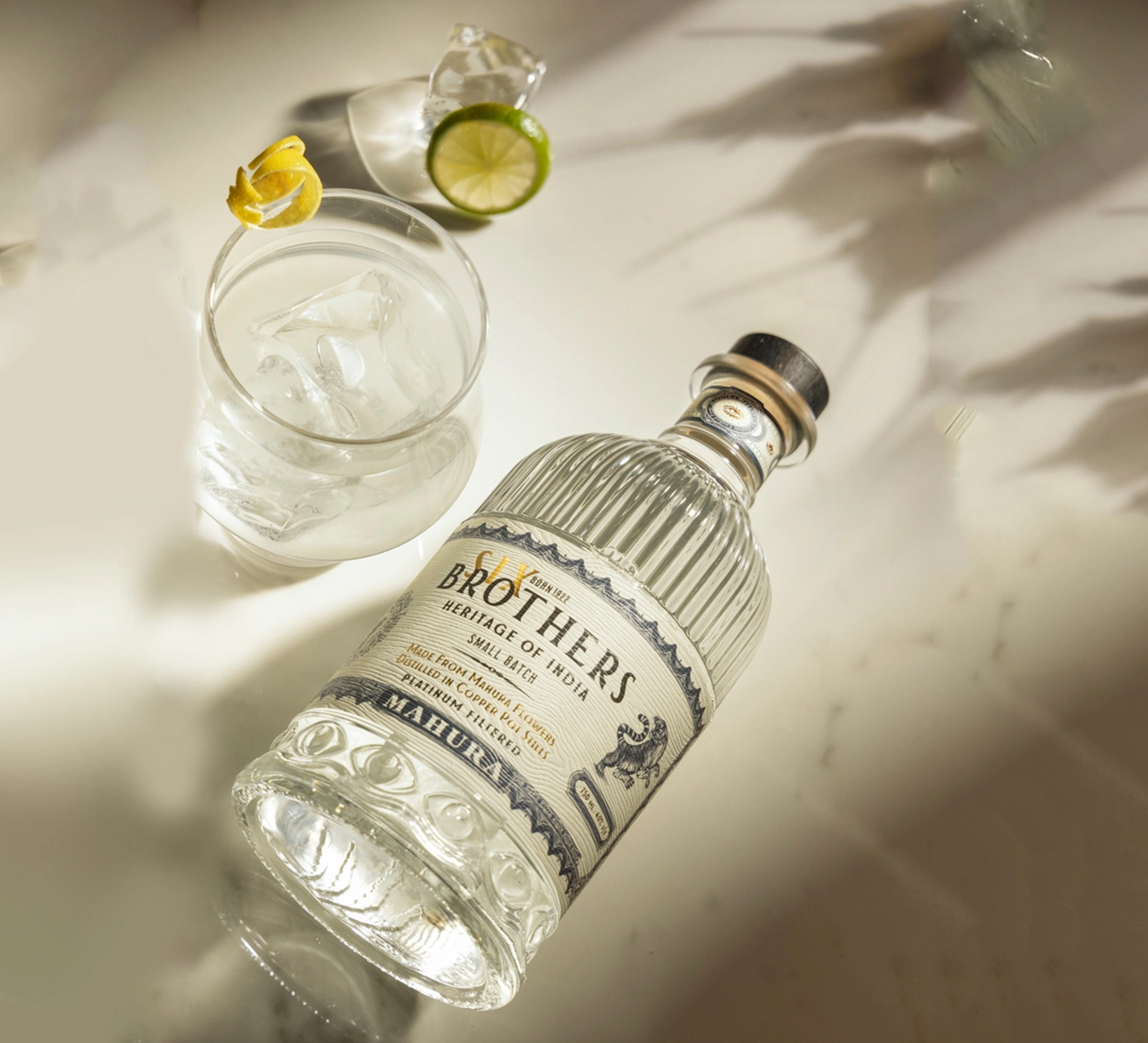
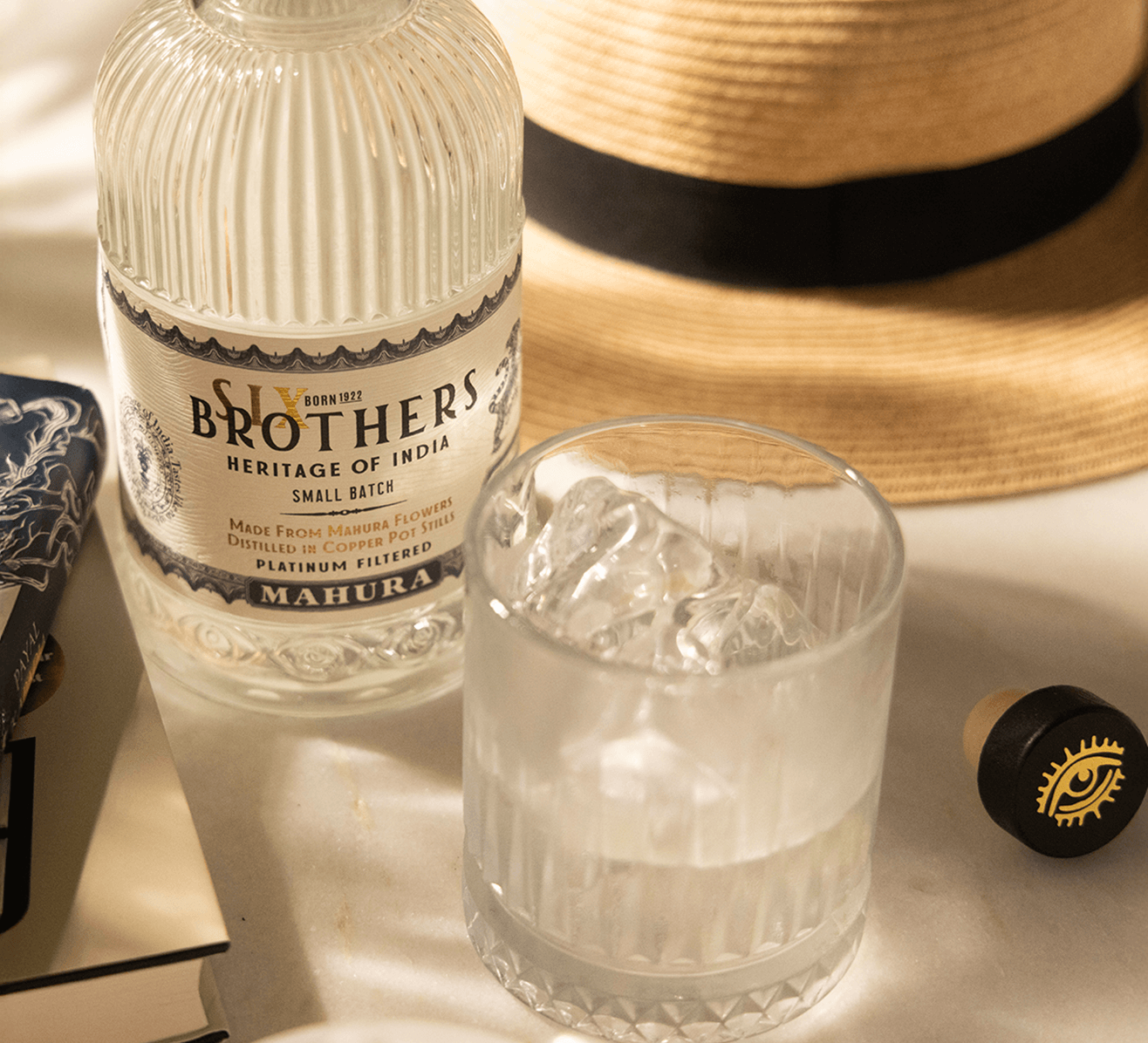
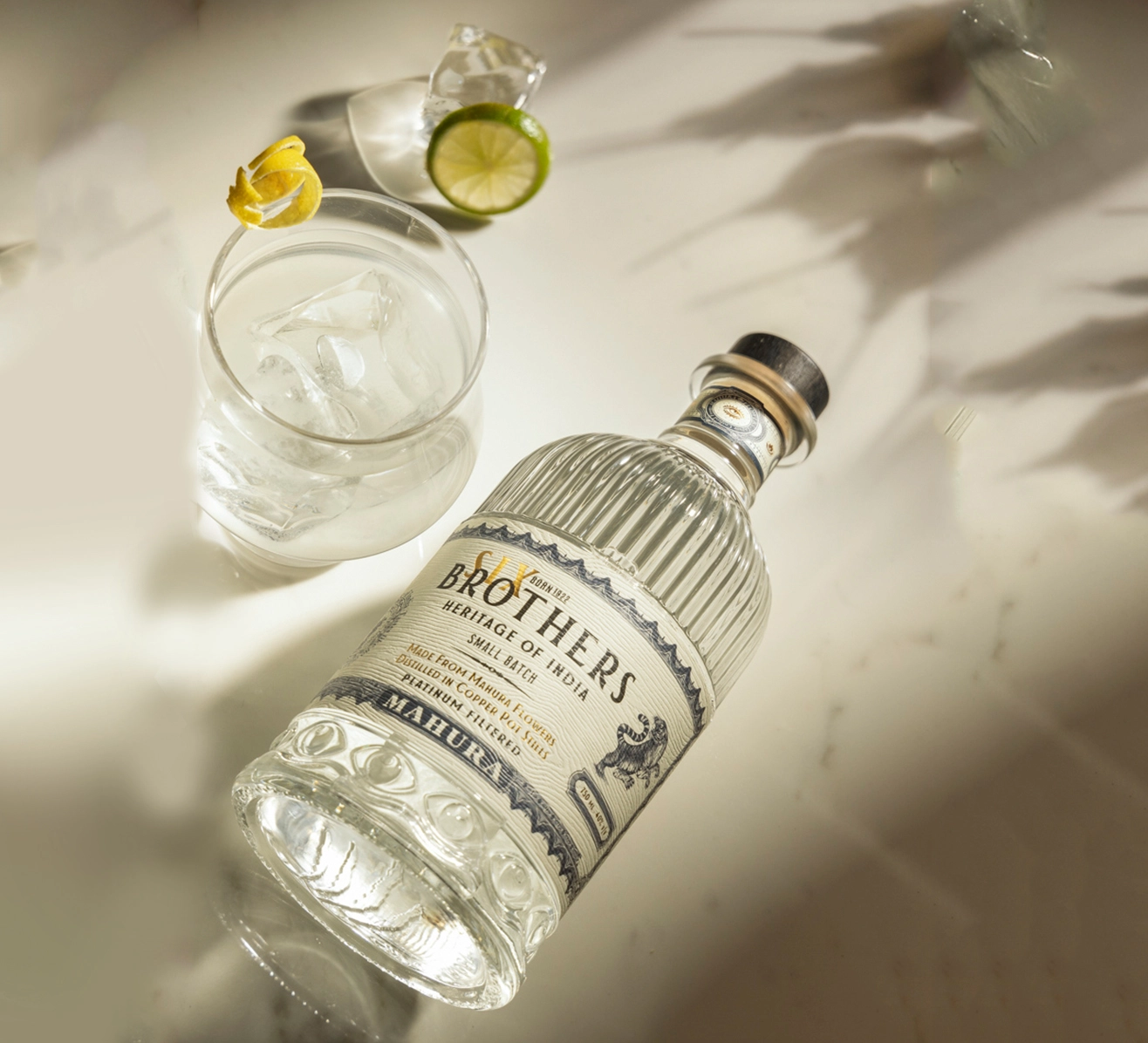
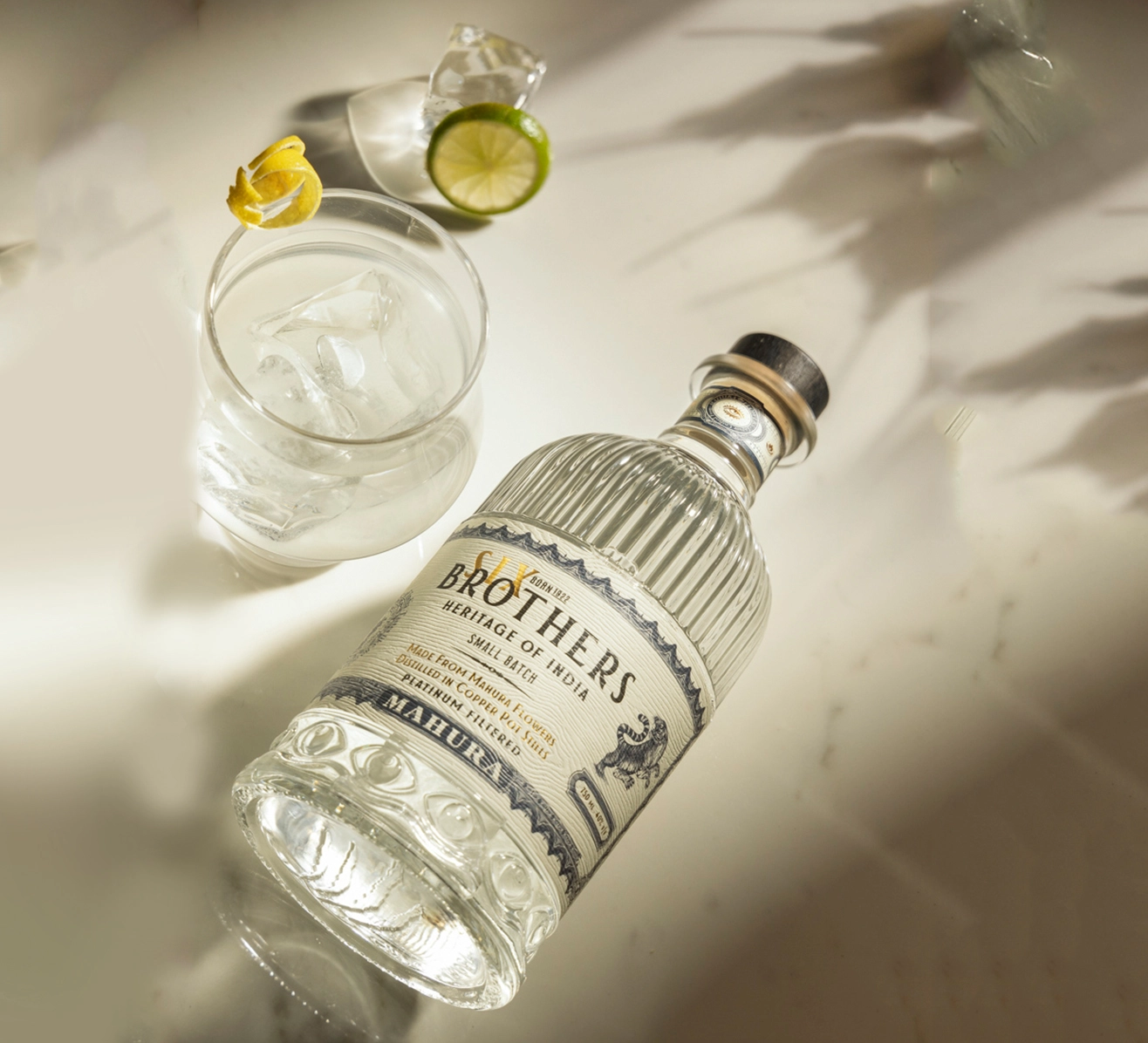
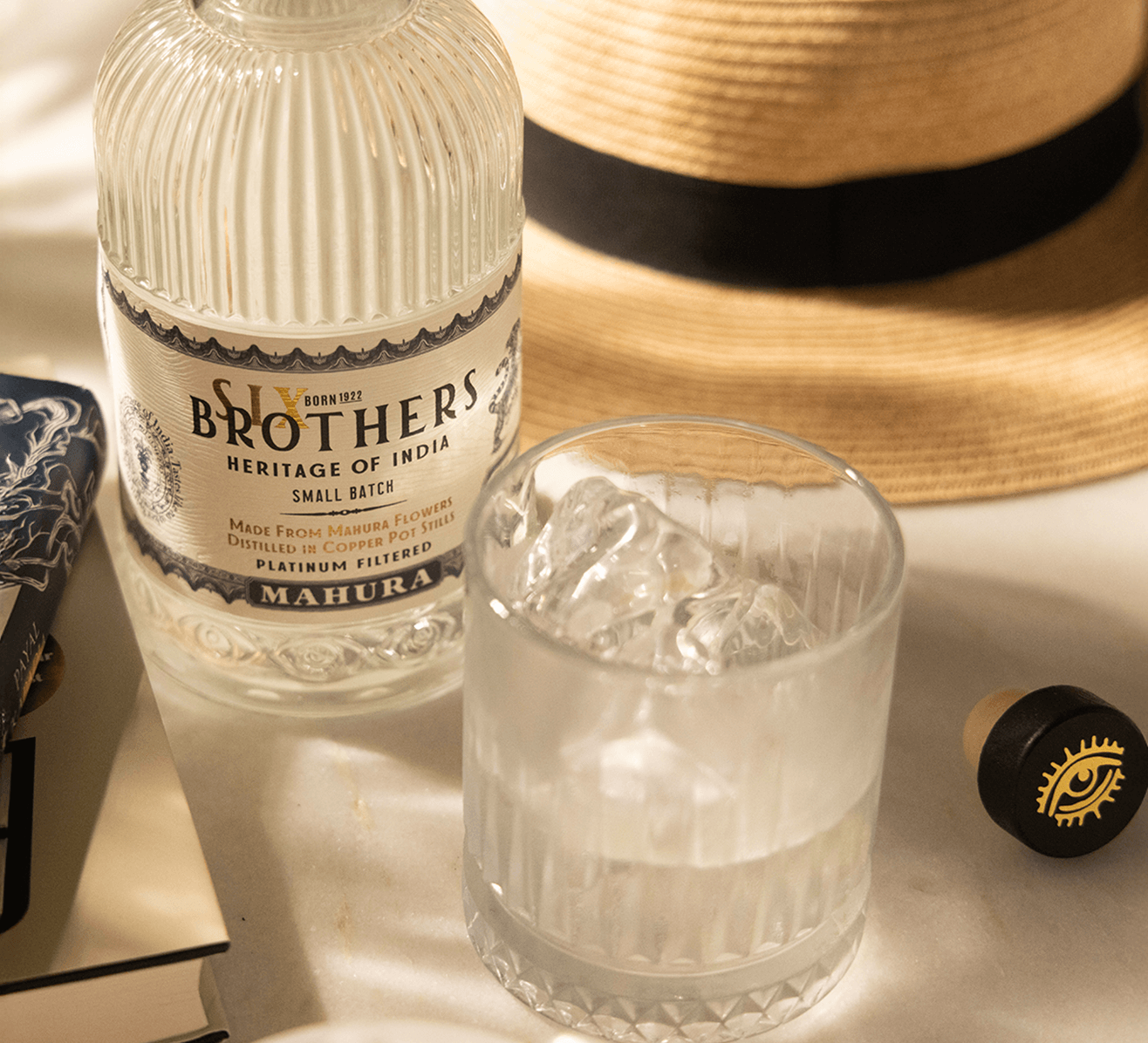
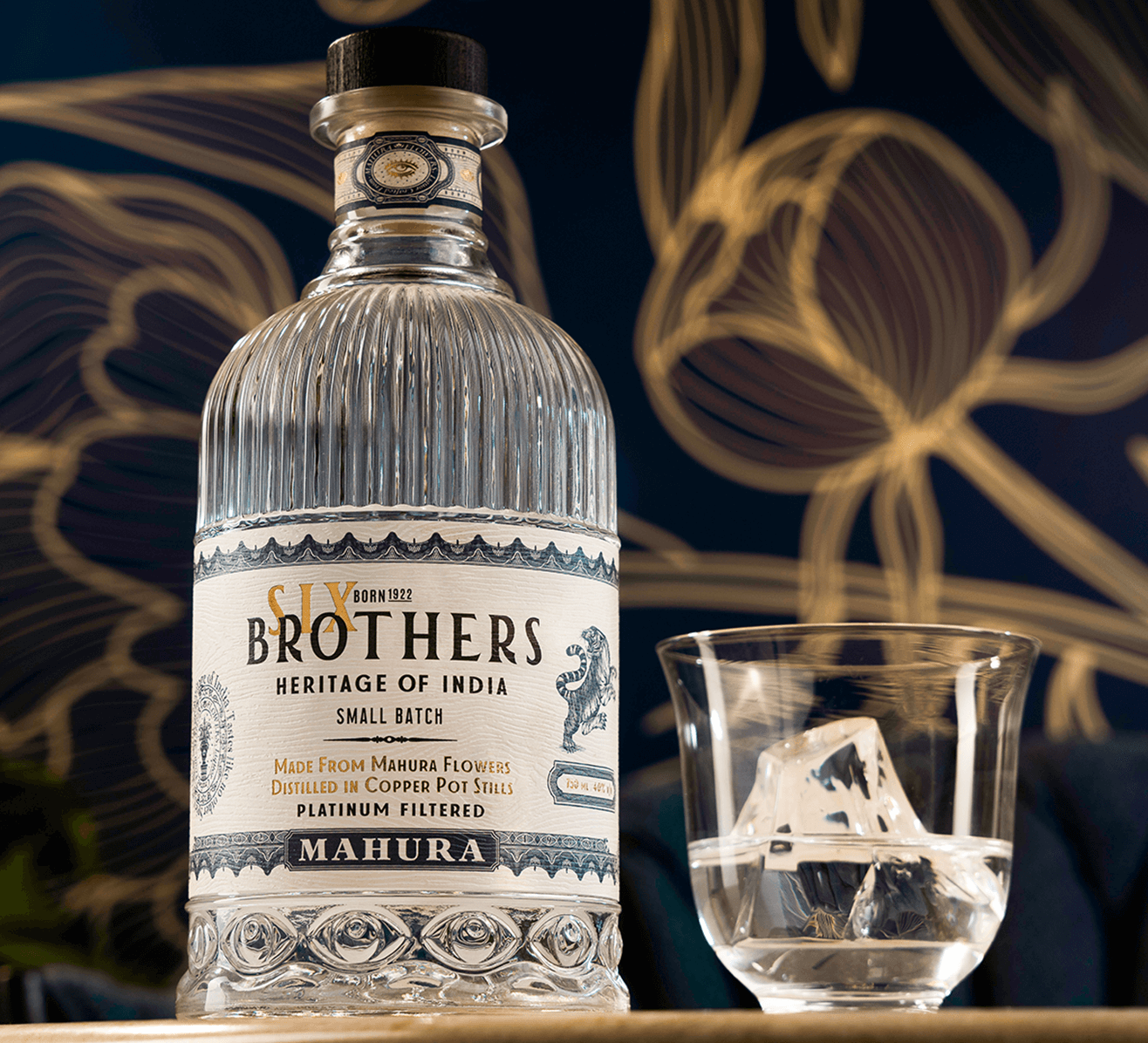
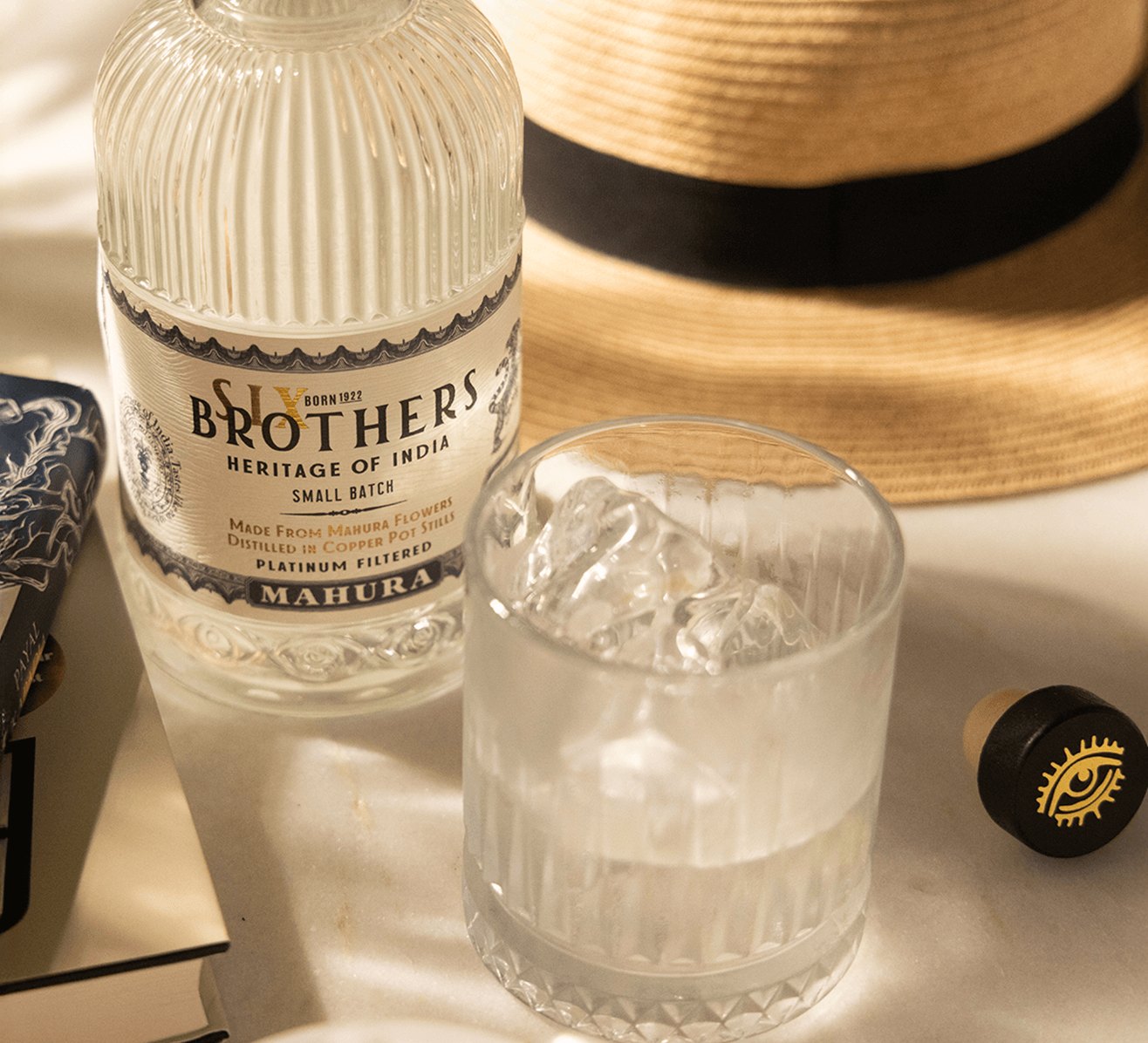
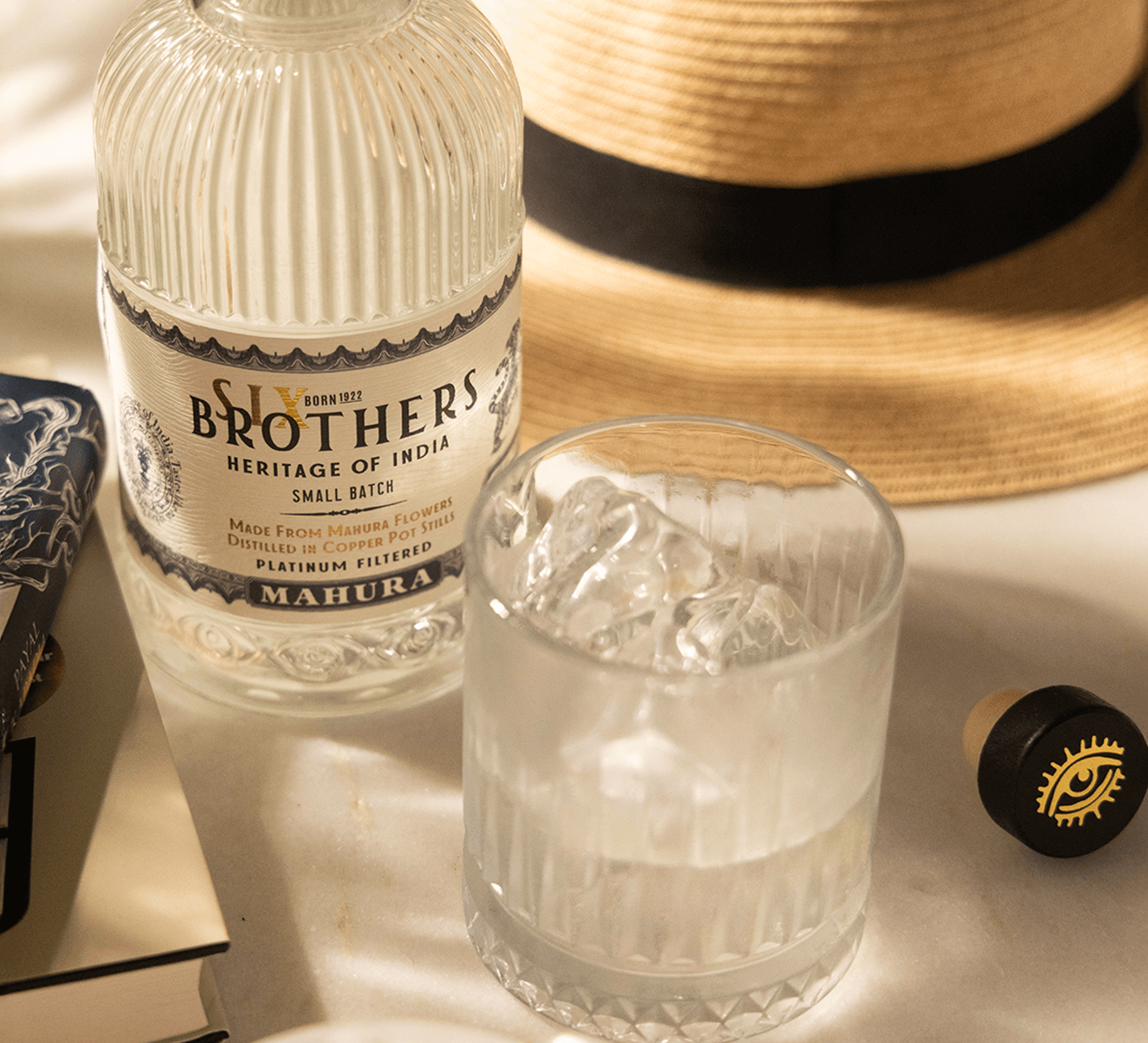
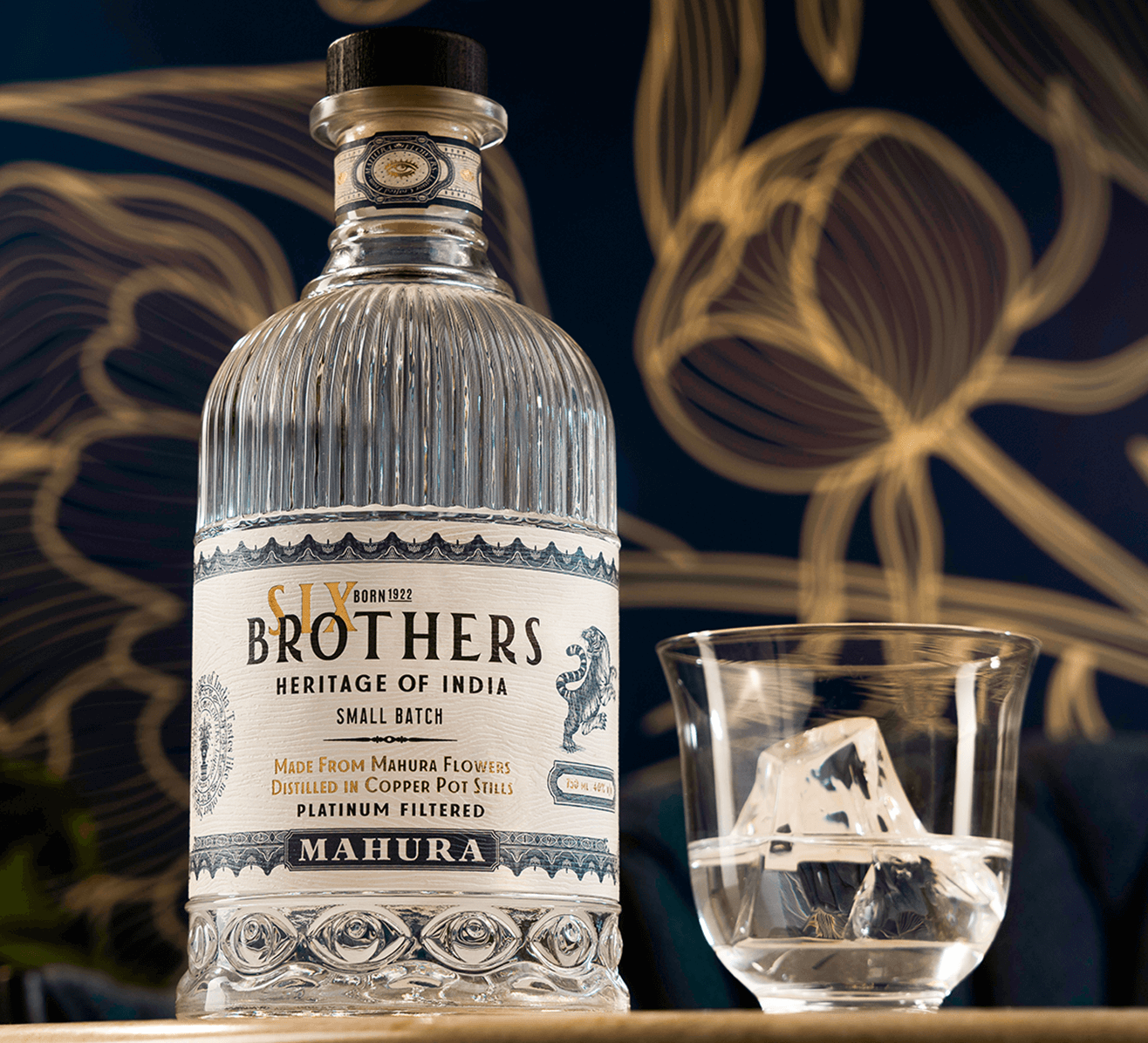
Best served: Neat at room temperature for the first try. Once comfortable with the base flavour, try it over a single large ice cube or in a simple sour.
The rising interest in Mahuaa is closely linked to changing urban drinking preferences. City consumers are increasingly curious about:
Searches for “mahuaa alcohol” or “mahuaa drink” often come from users who want something different from mainstream international spirits. Mahuaa fits this curiosity perfectly, offering both novelty and cultural depth.
One common question among first-time urban consumers searching for Mahuaa is about legality and safety.
Today, Mahuaa alcohol produced by licensed distilleries follows state excise regulations, quality controls, and hygiene standards. This legal recognition has helped remove the long-standing stigma associated with Mahua as an illicit drink and has encouraged responsible consumption in urban settings.
As with any alcoholic beverage, moderation is key.
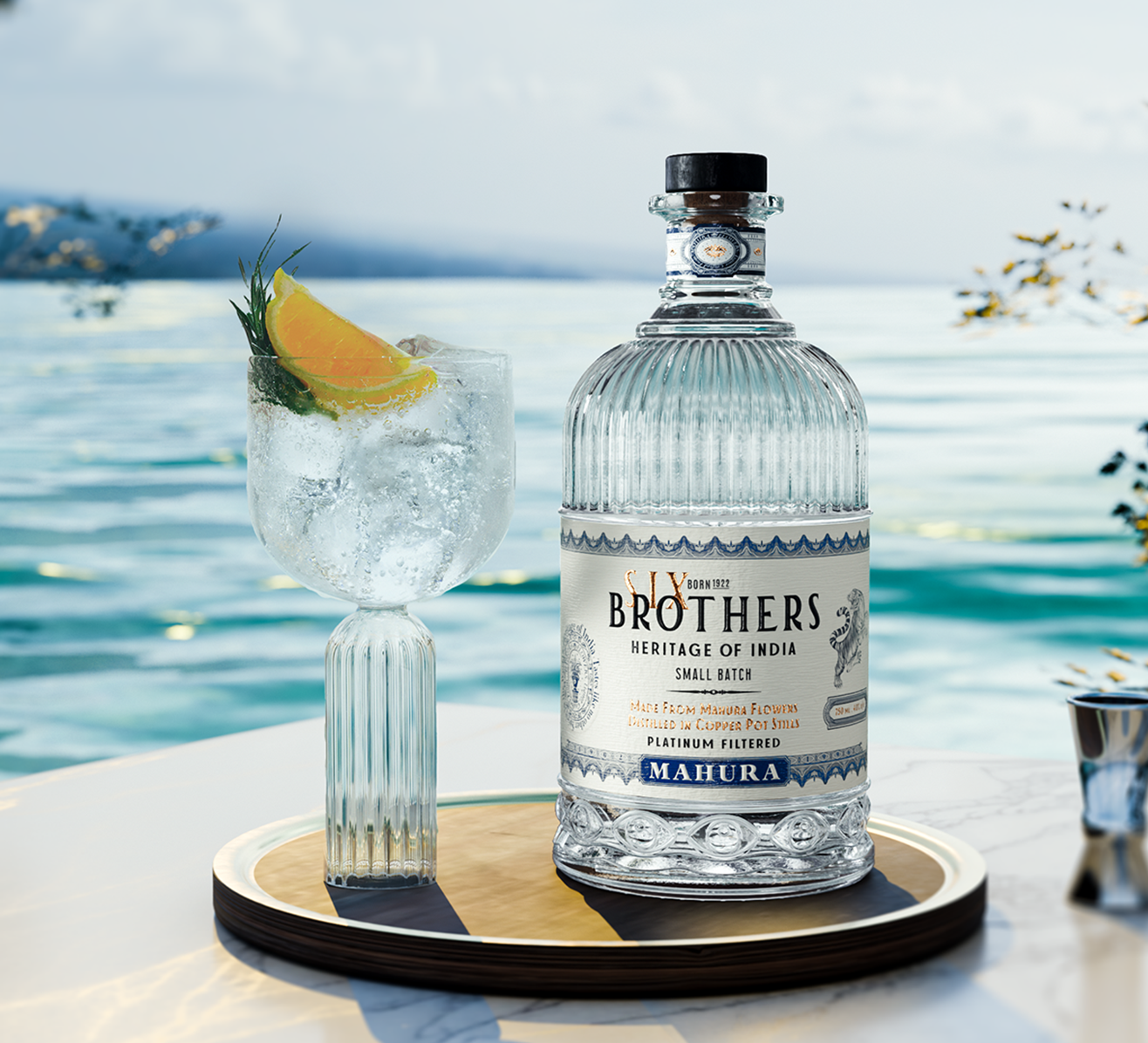
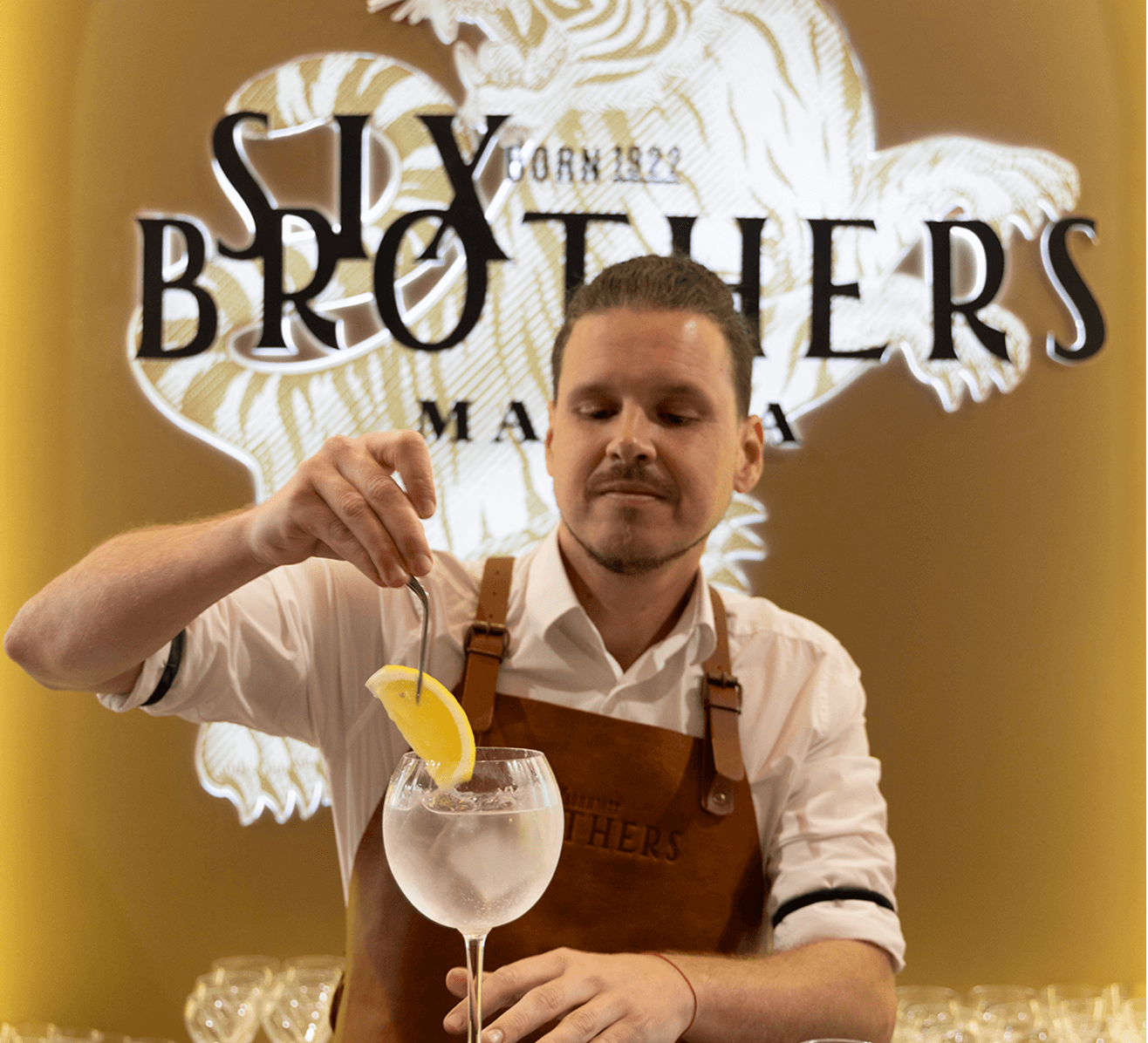
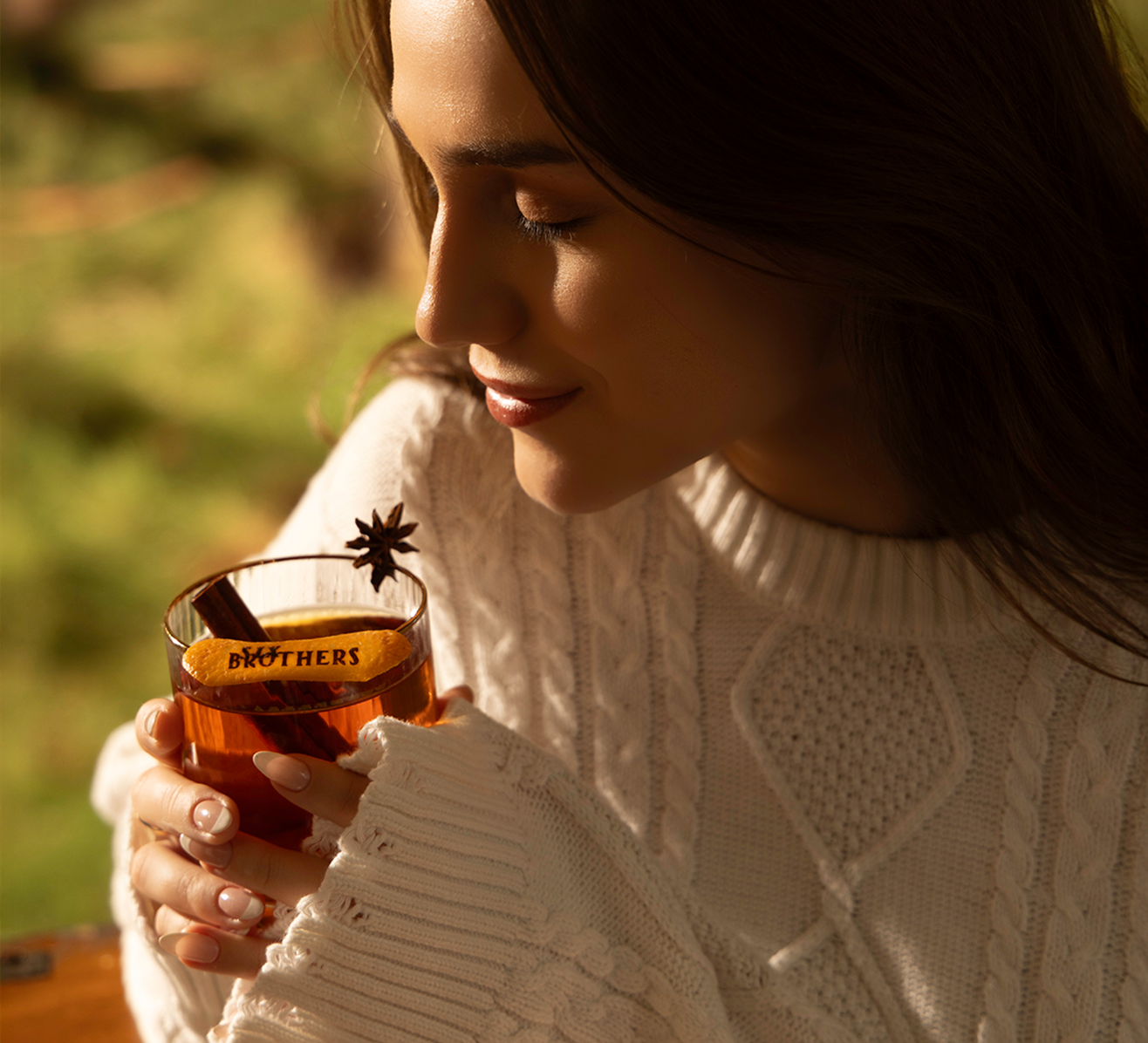
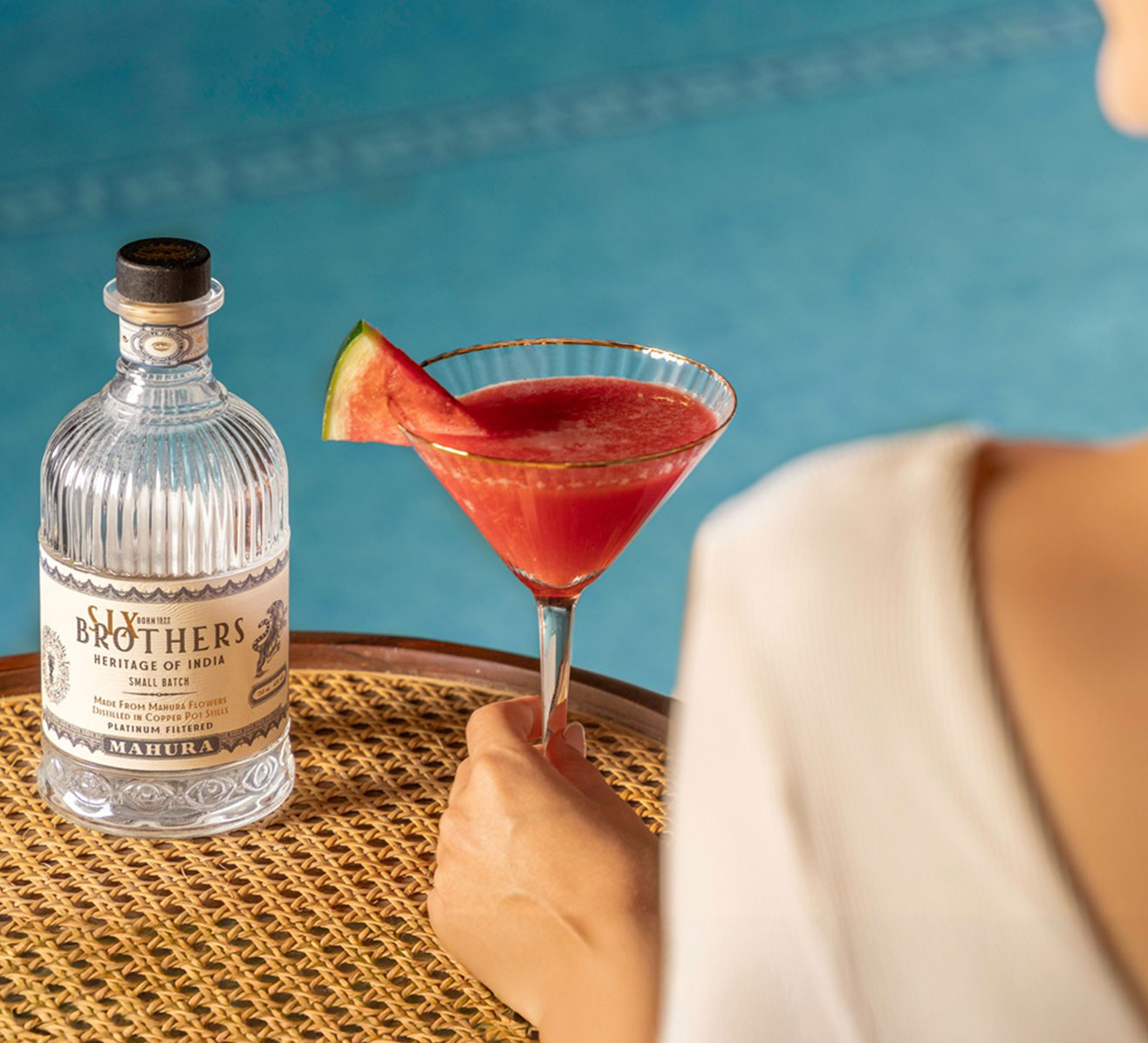
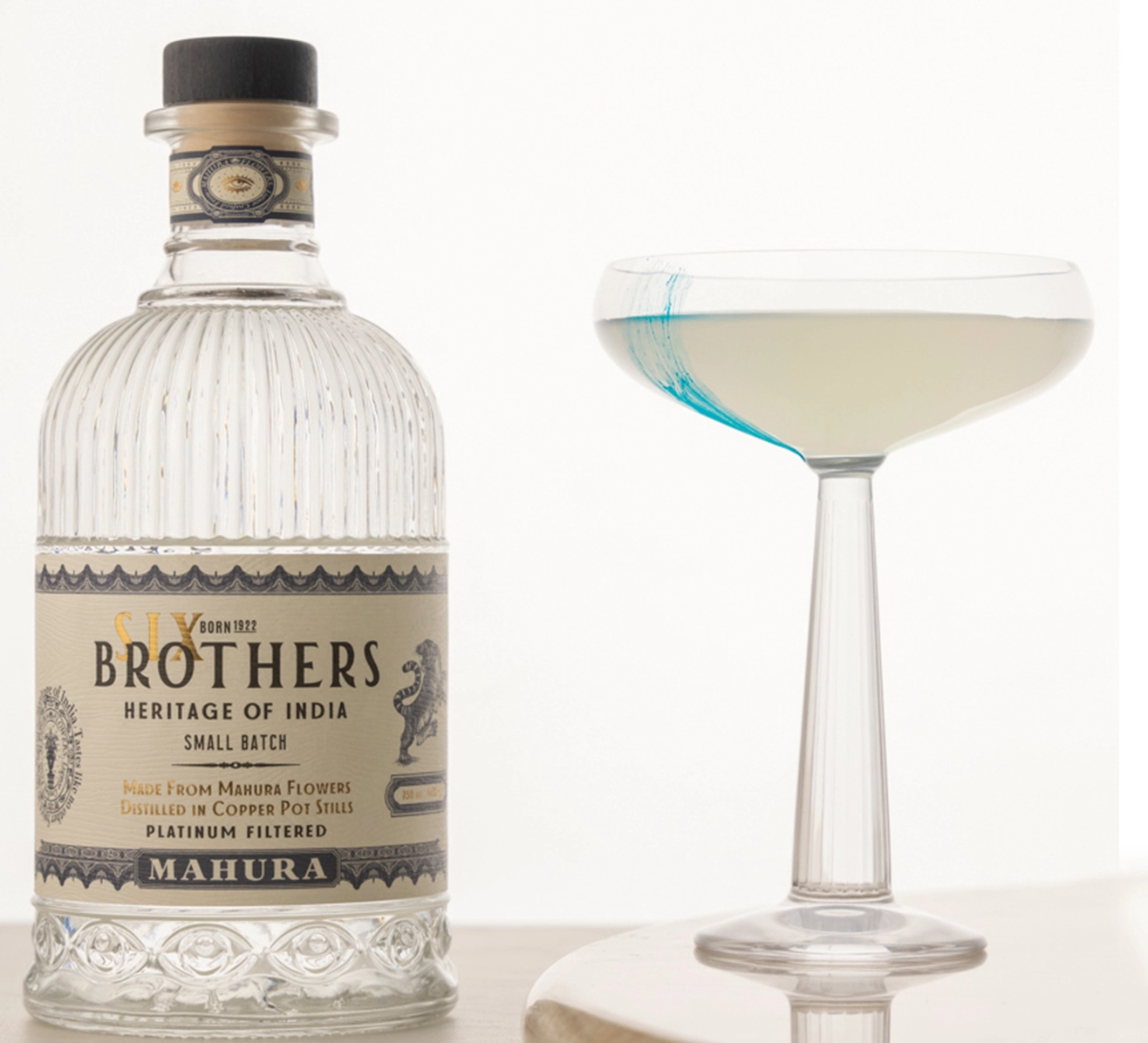
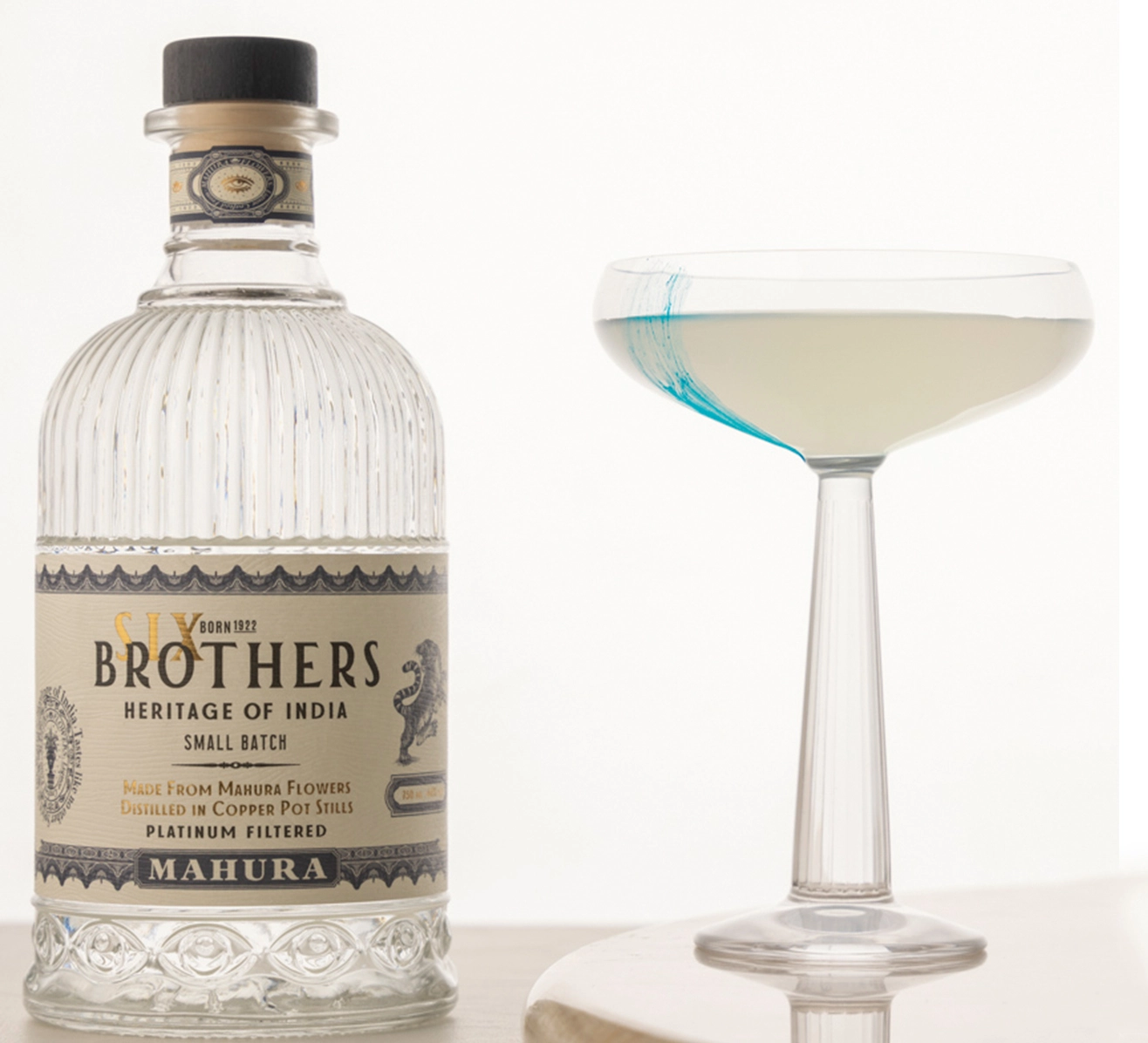
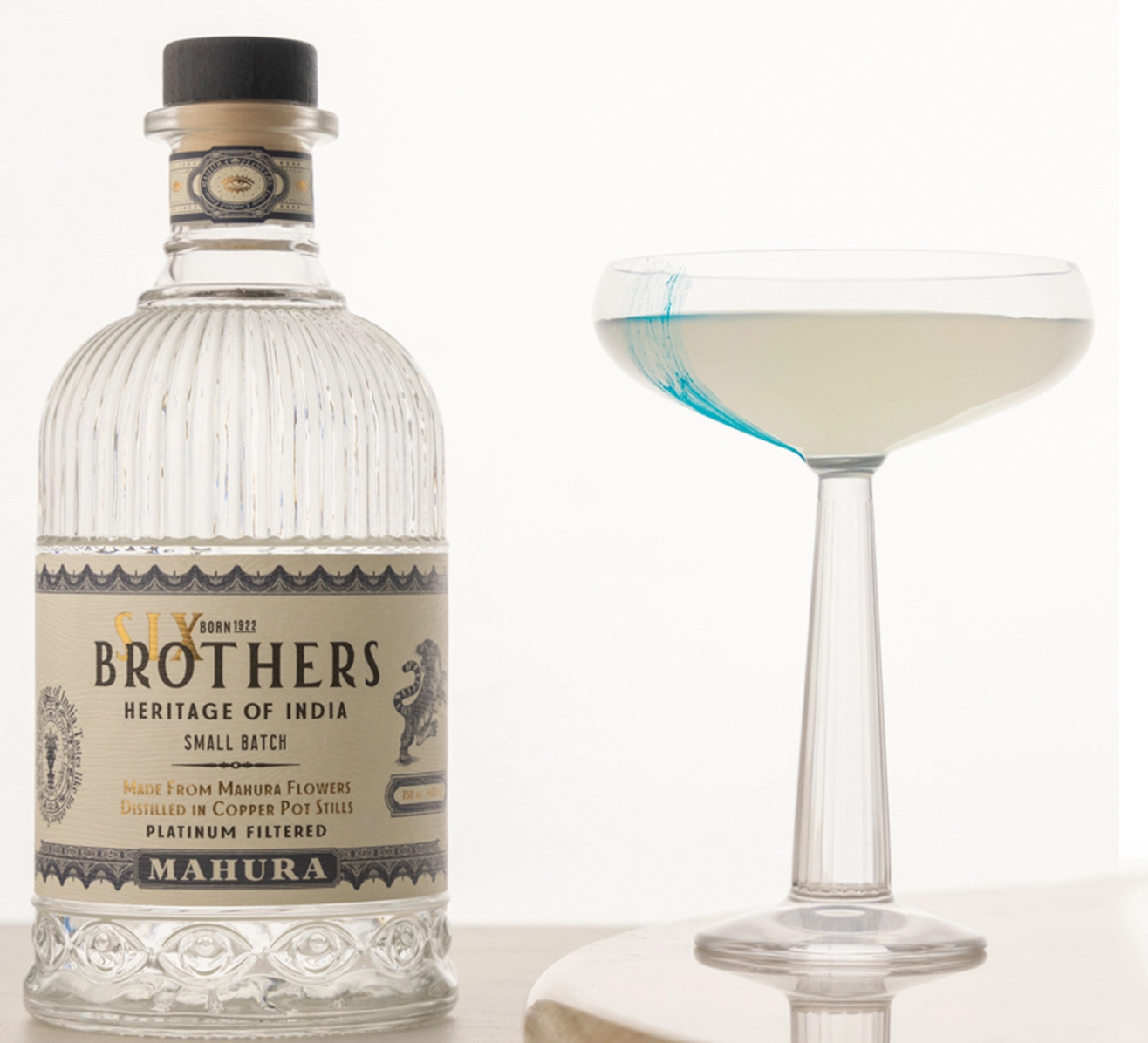
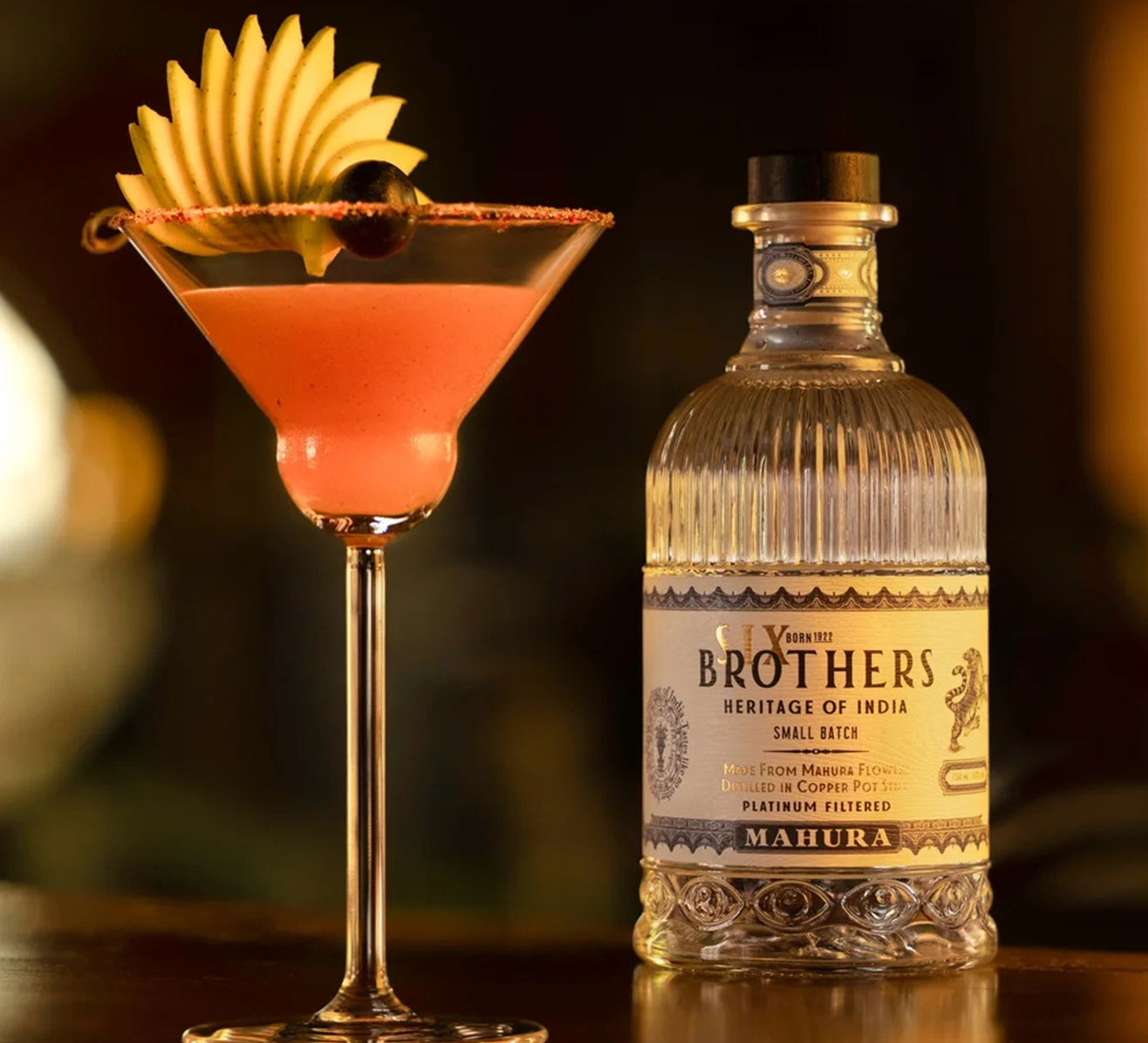
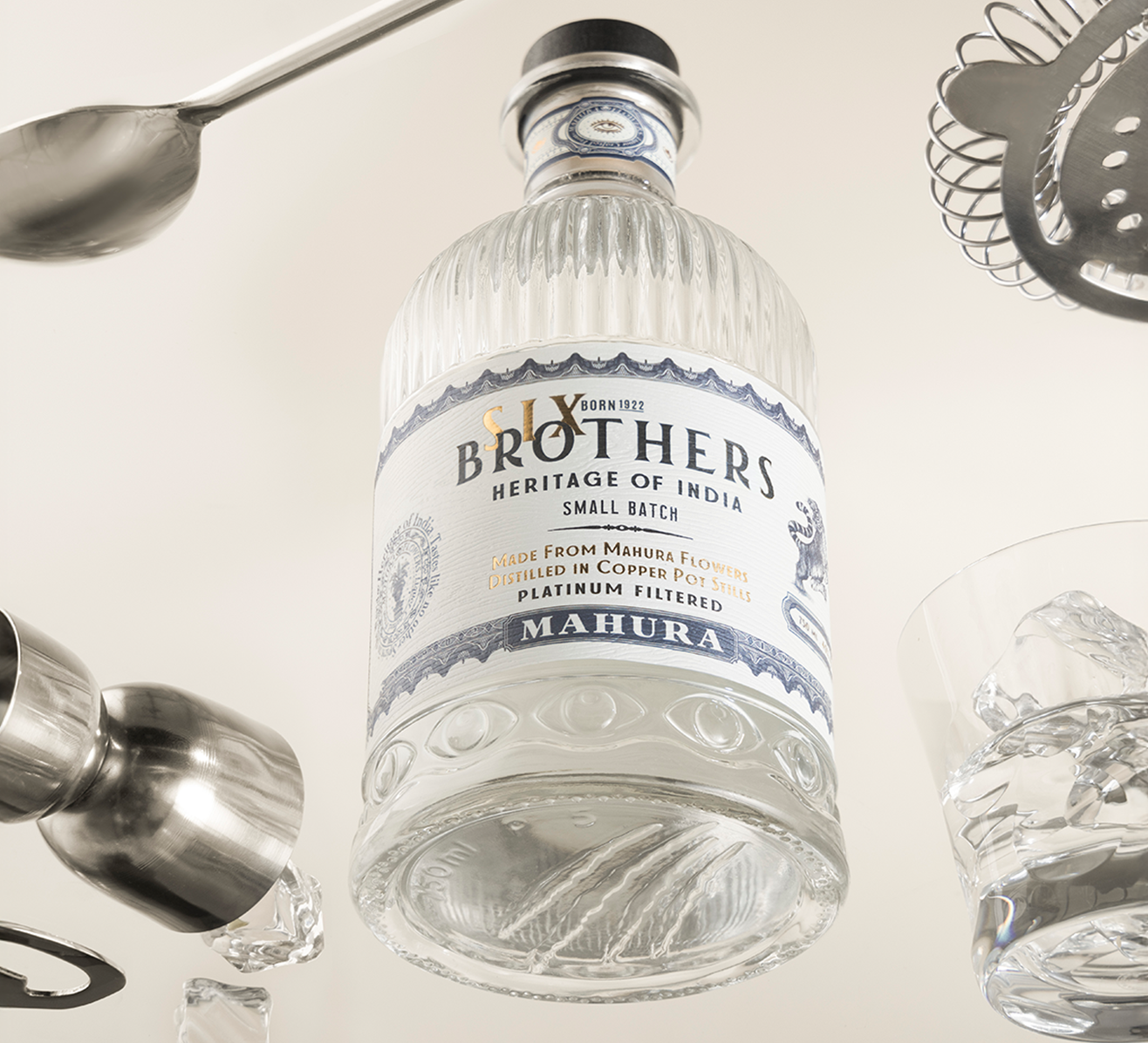
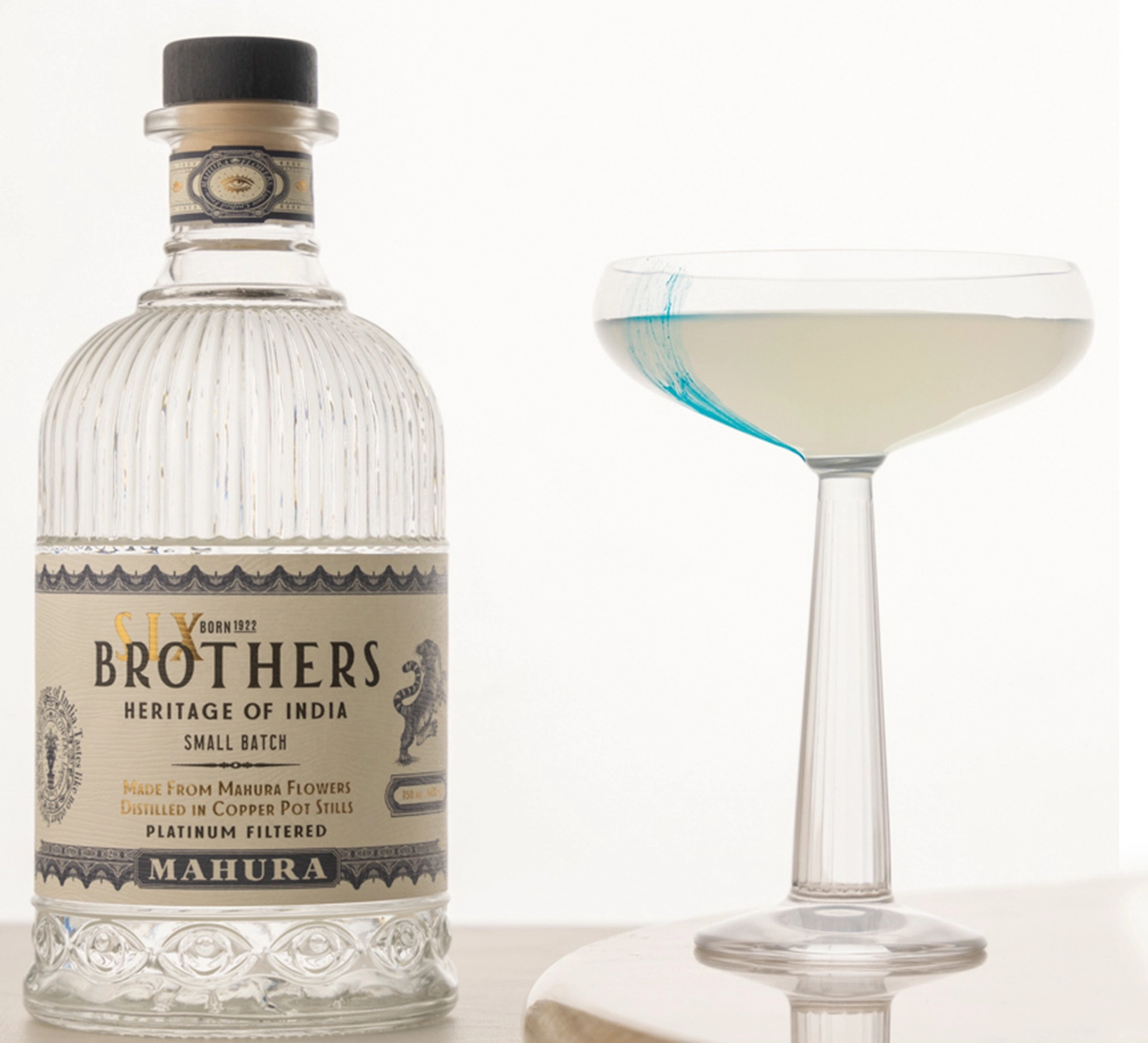
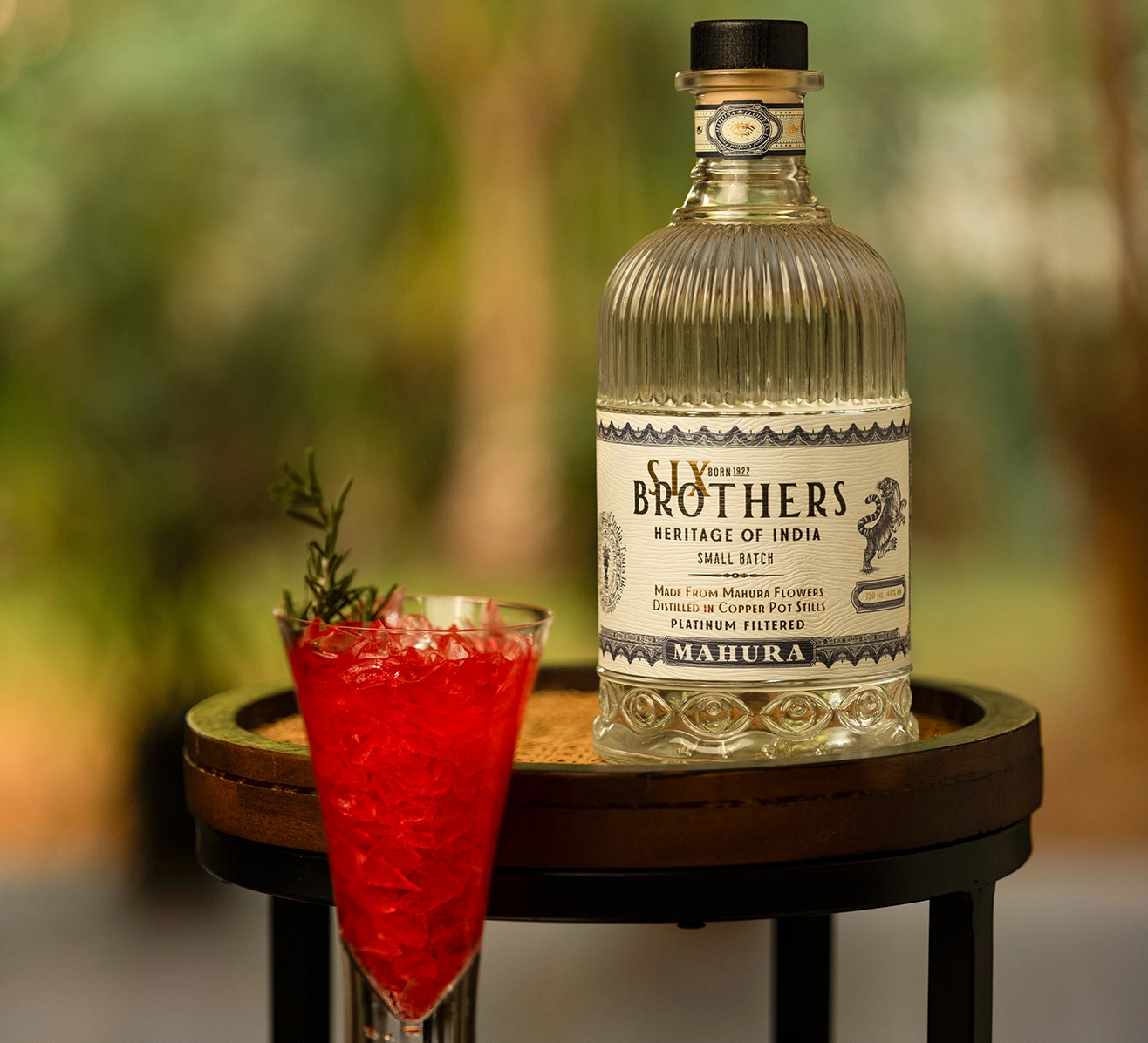
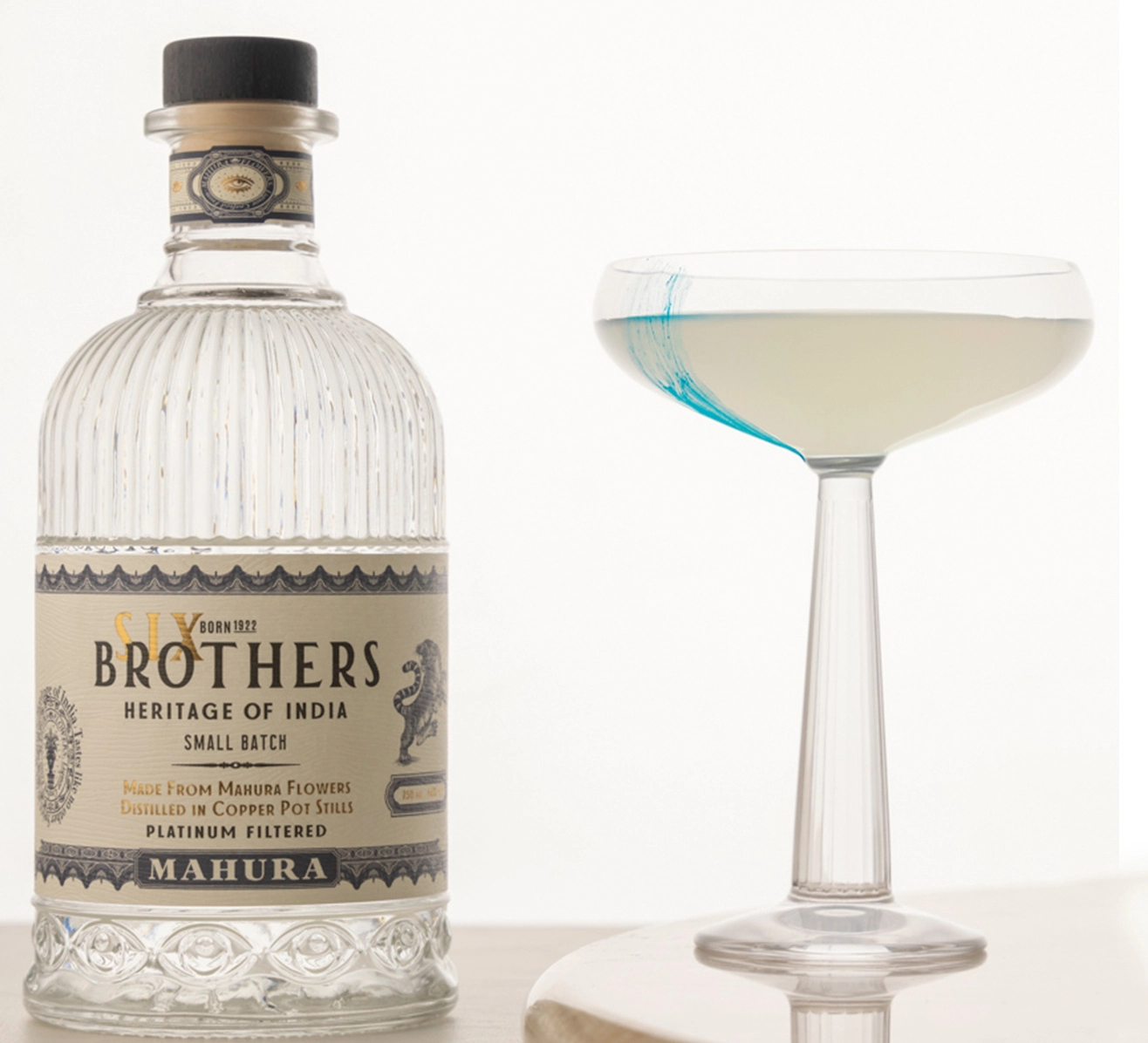
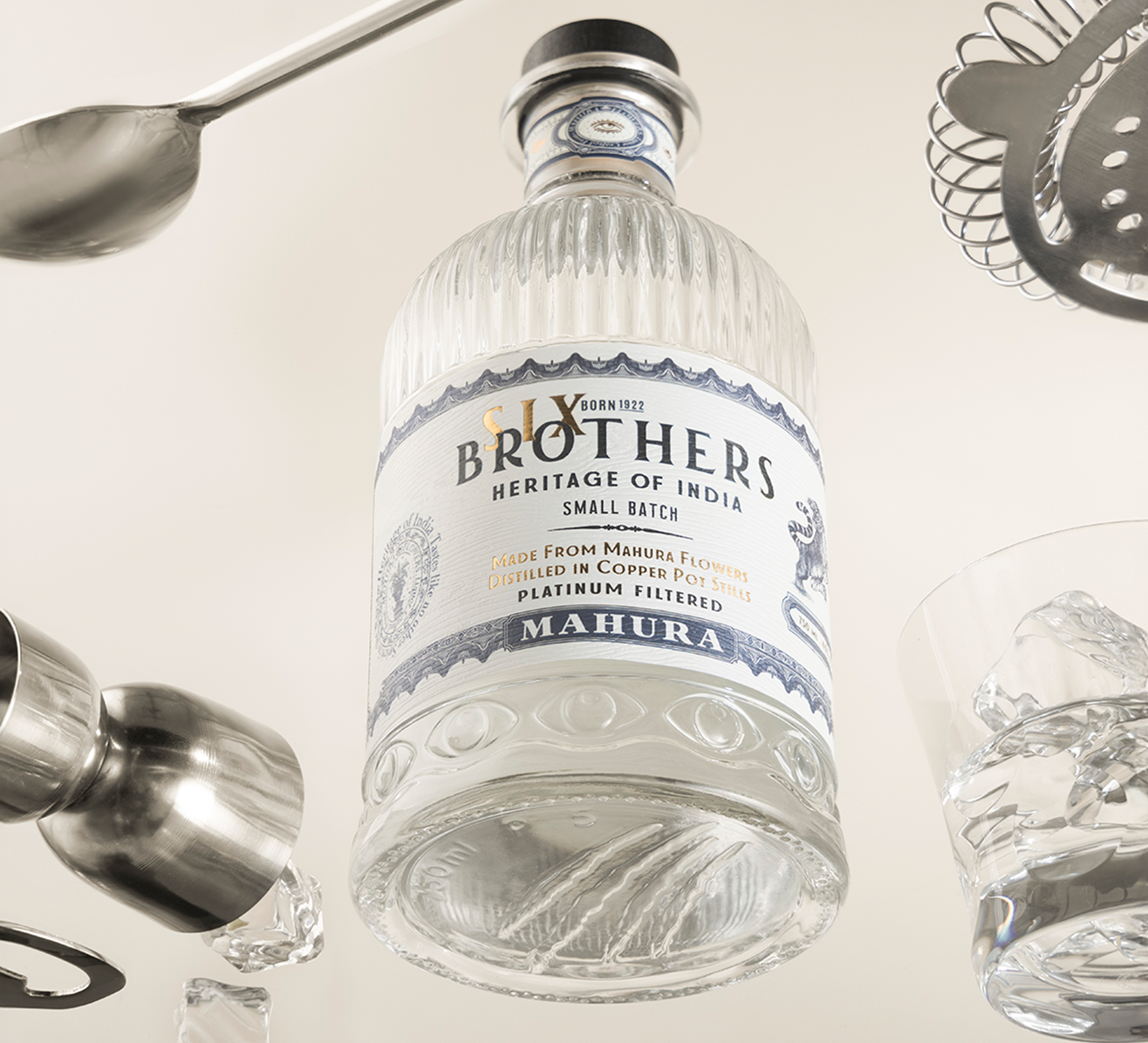
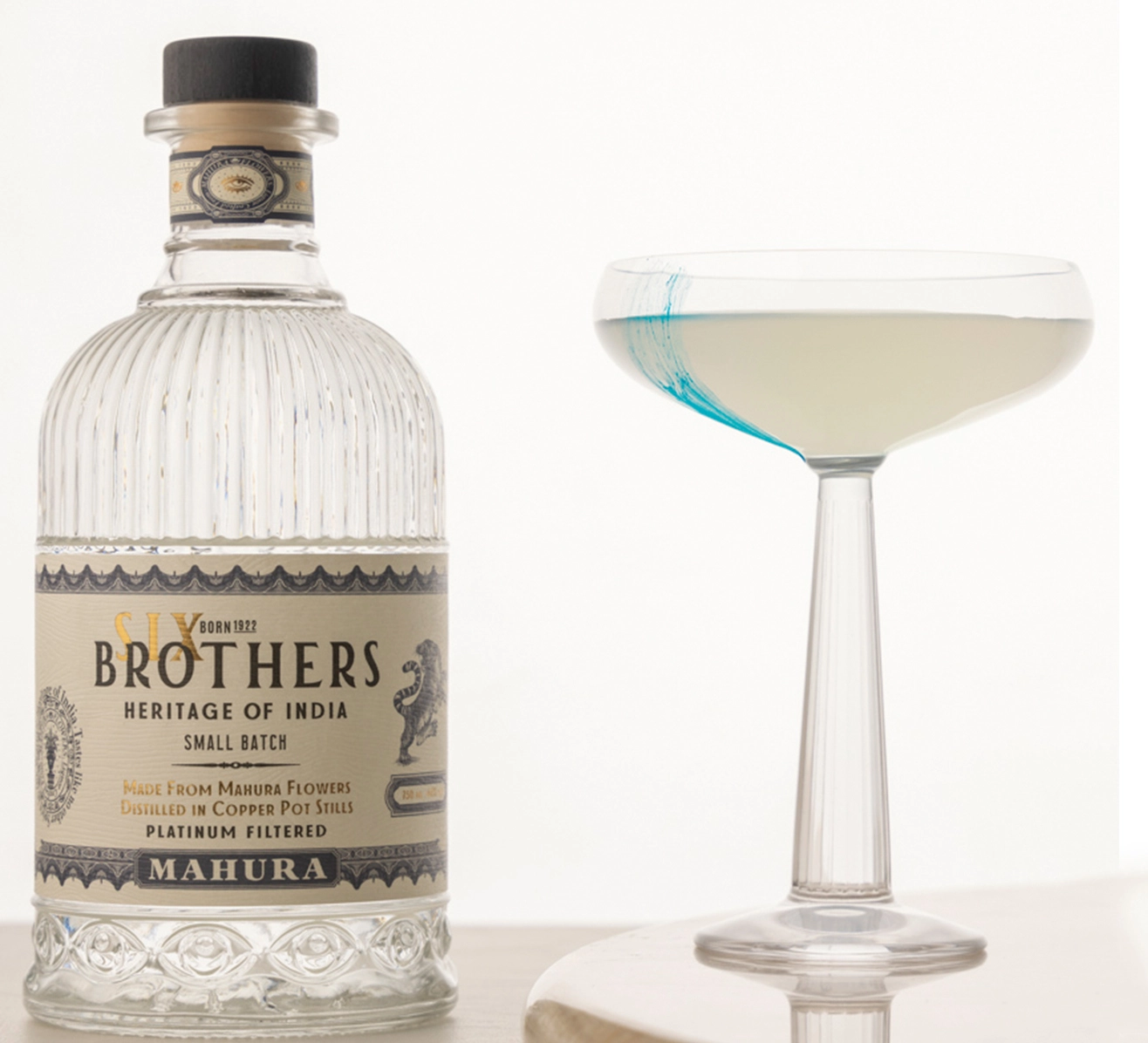
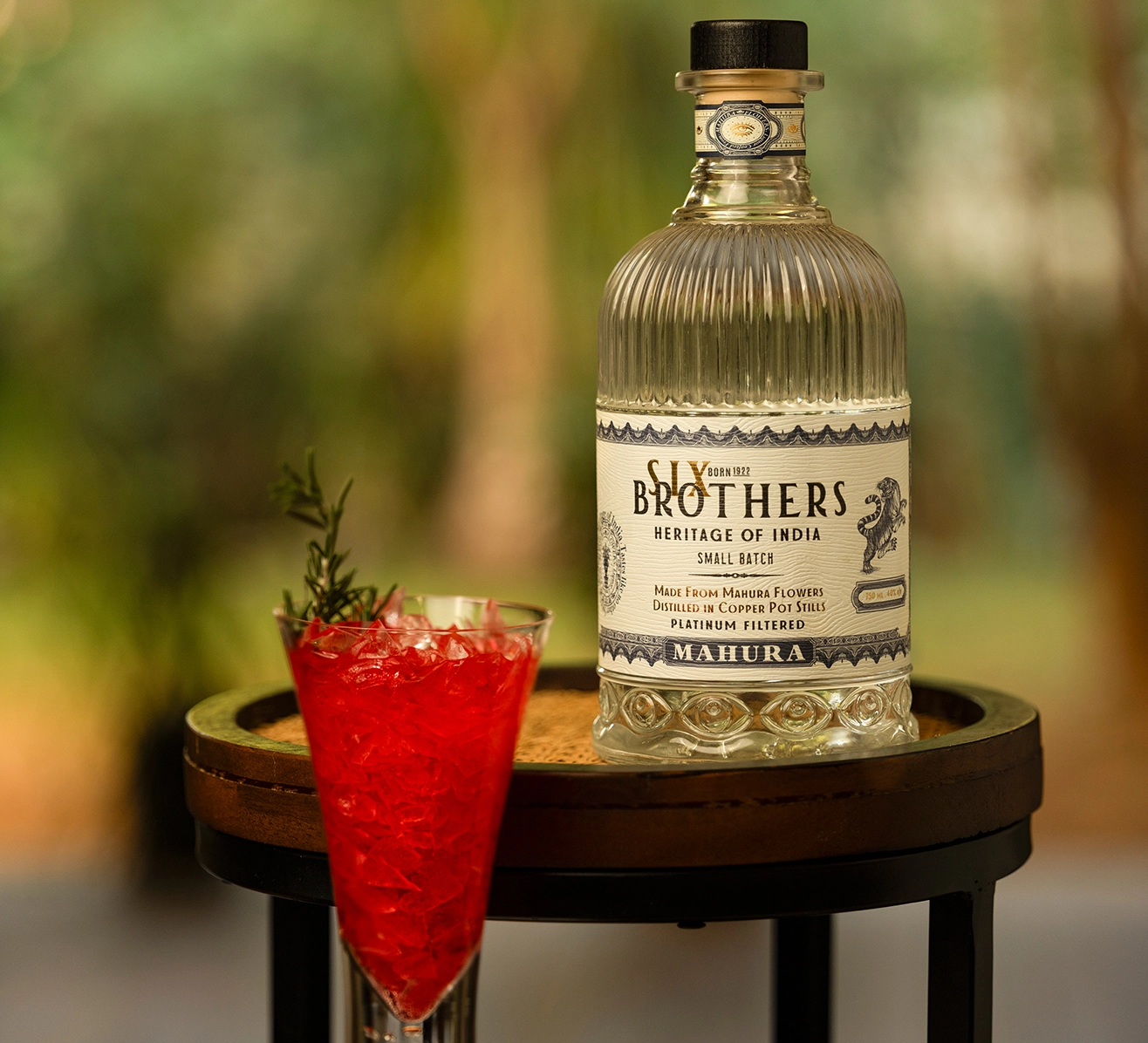
Urban mixologists are finding that mahuaa's floral, honey-forward character holds up well in sour-style cocktails — the acidity cuts through the sweetness and brings out the earthy undertones.
Here is one recipe to try at home:
Mahuaa Sour
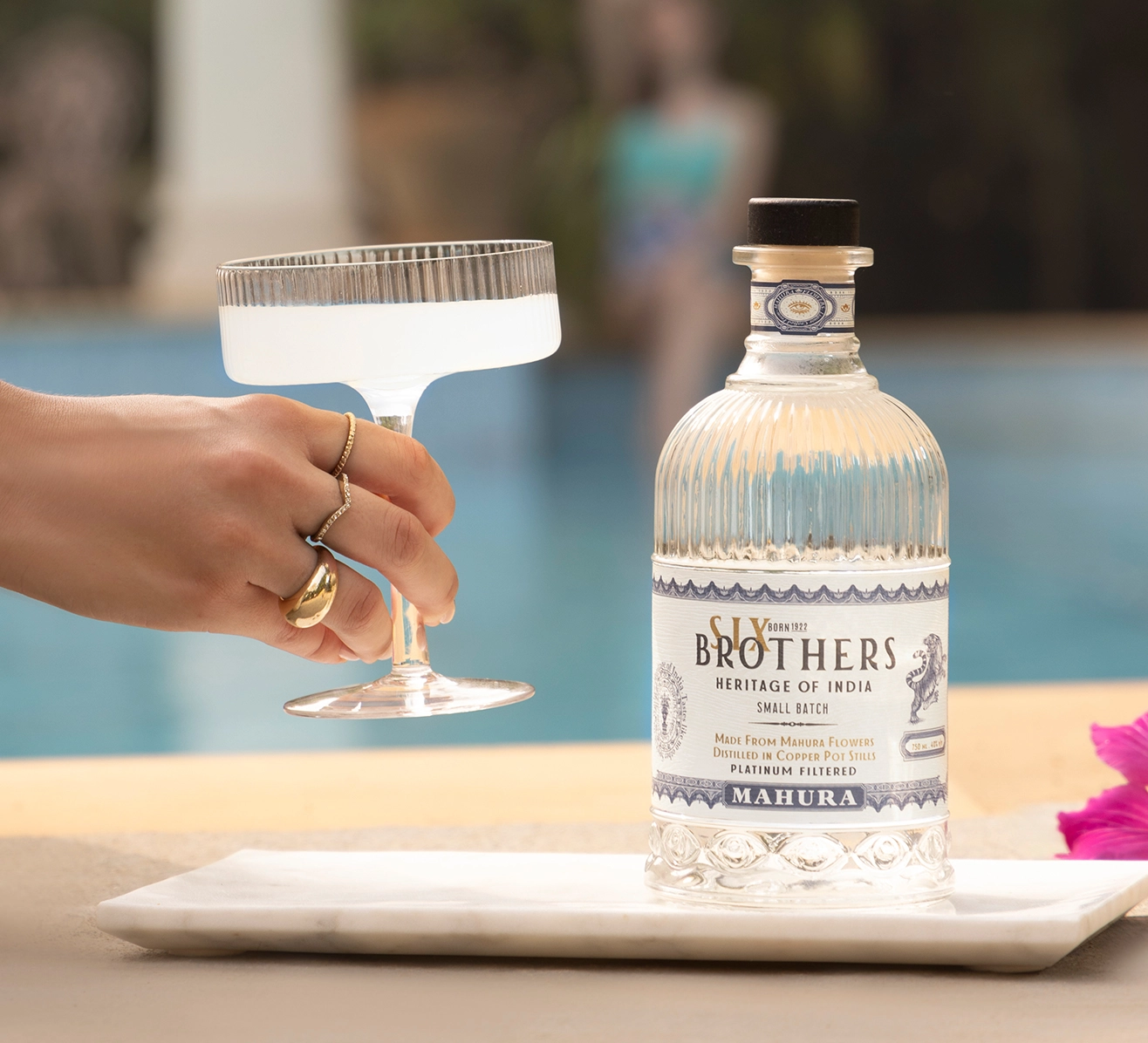
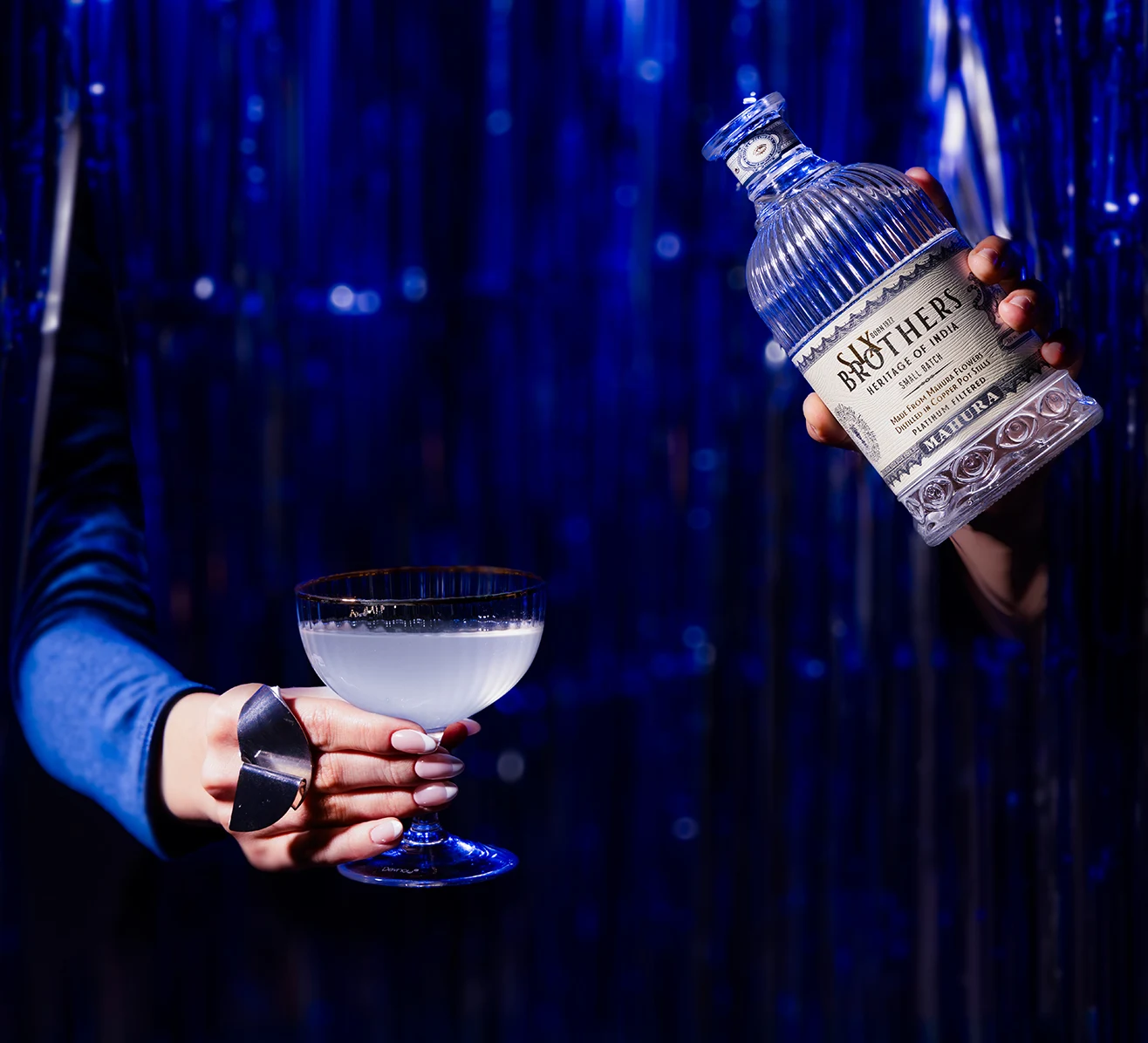
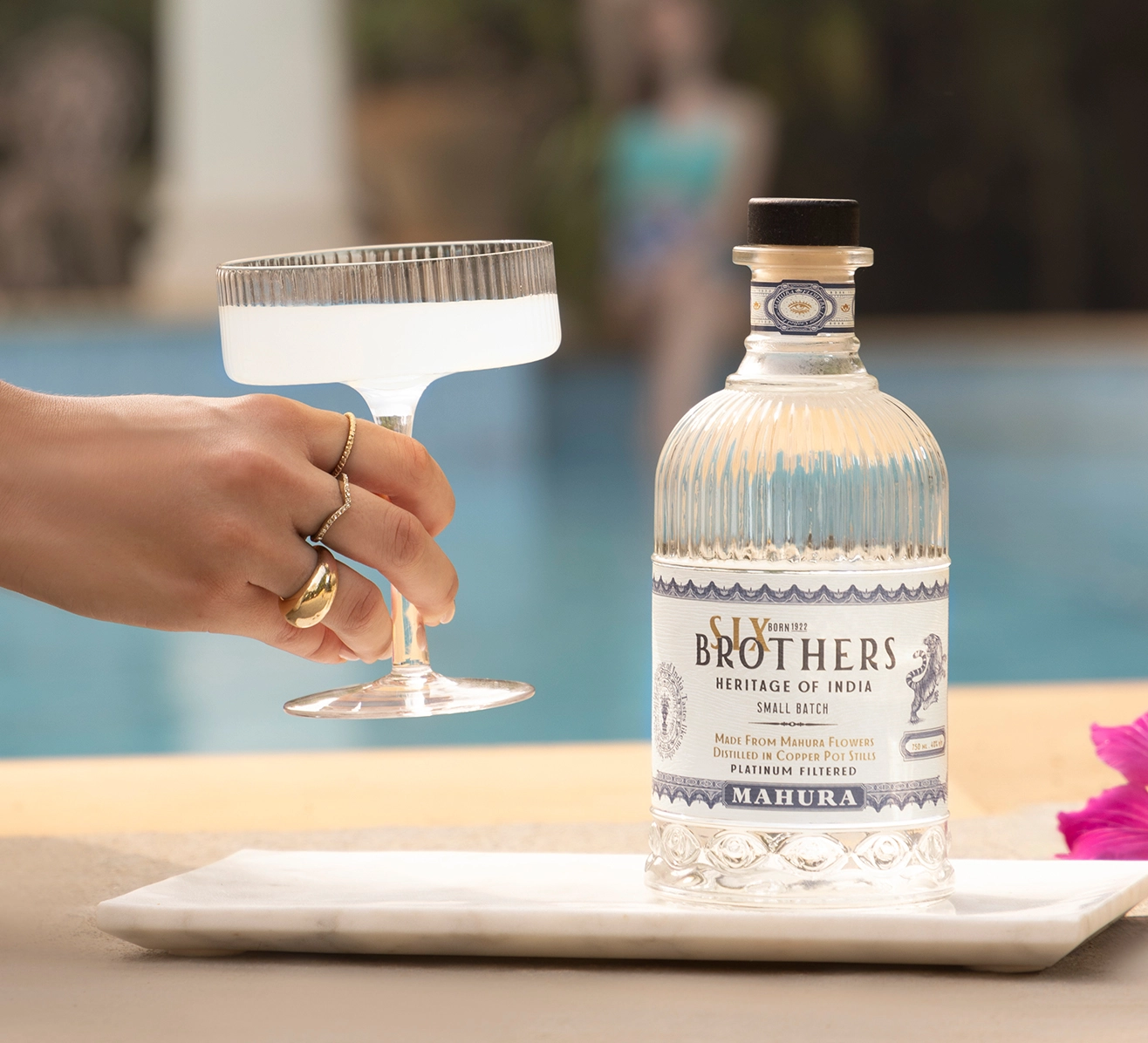
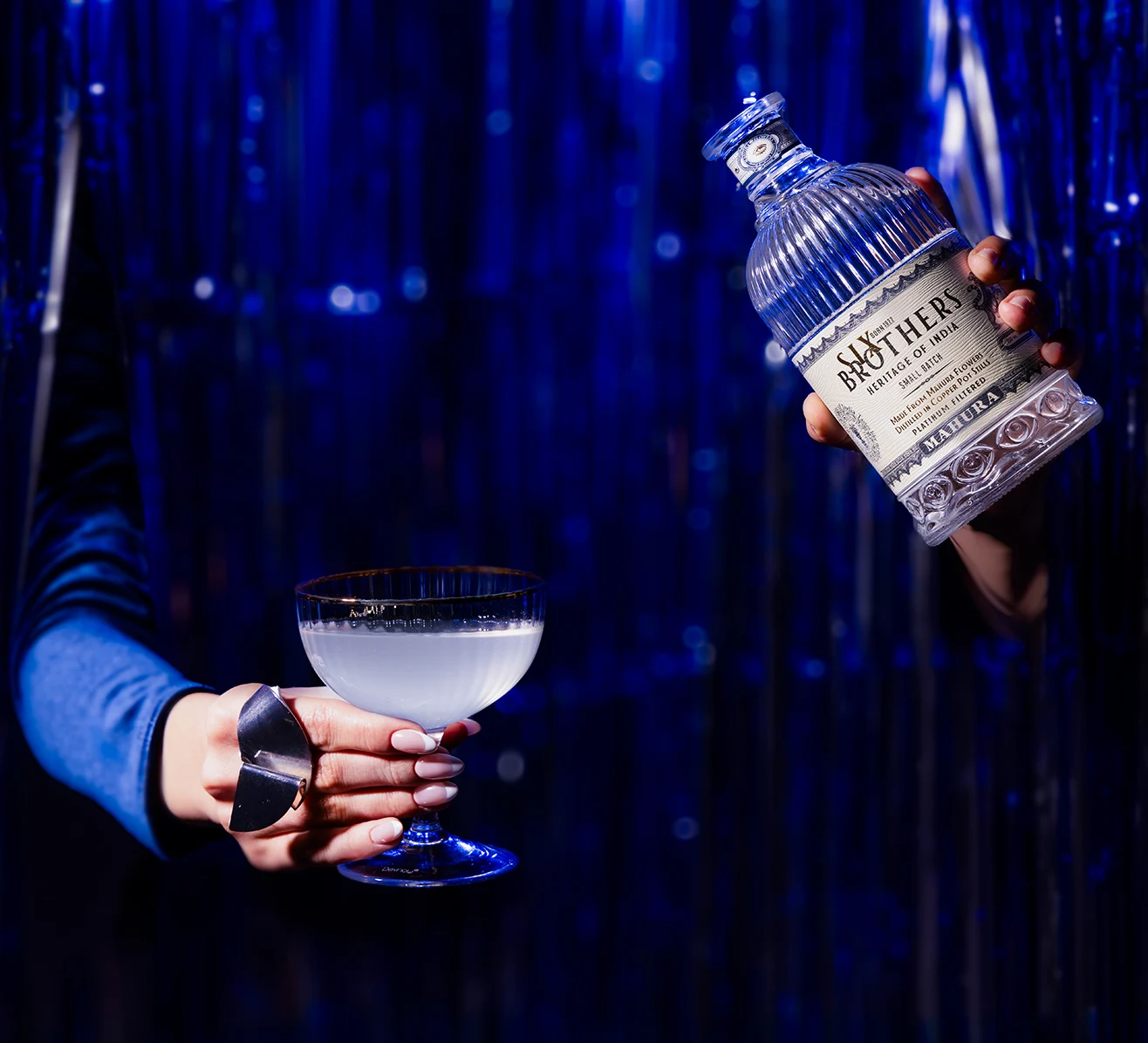
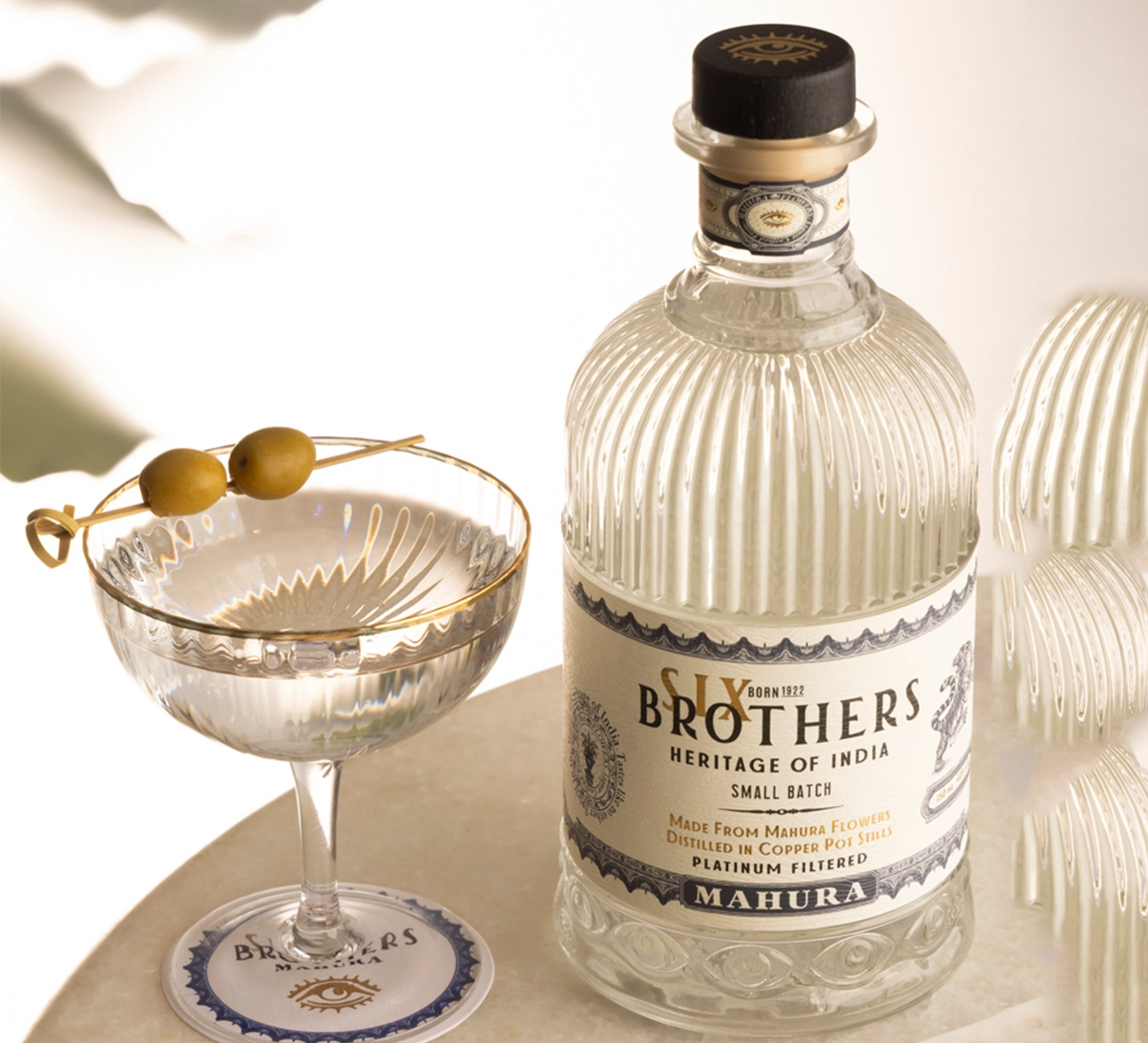
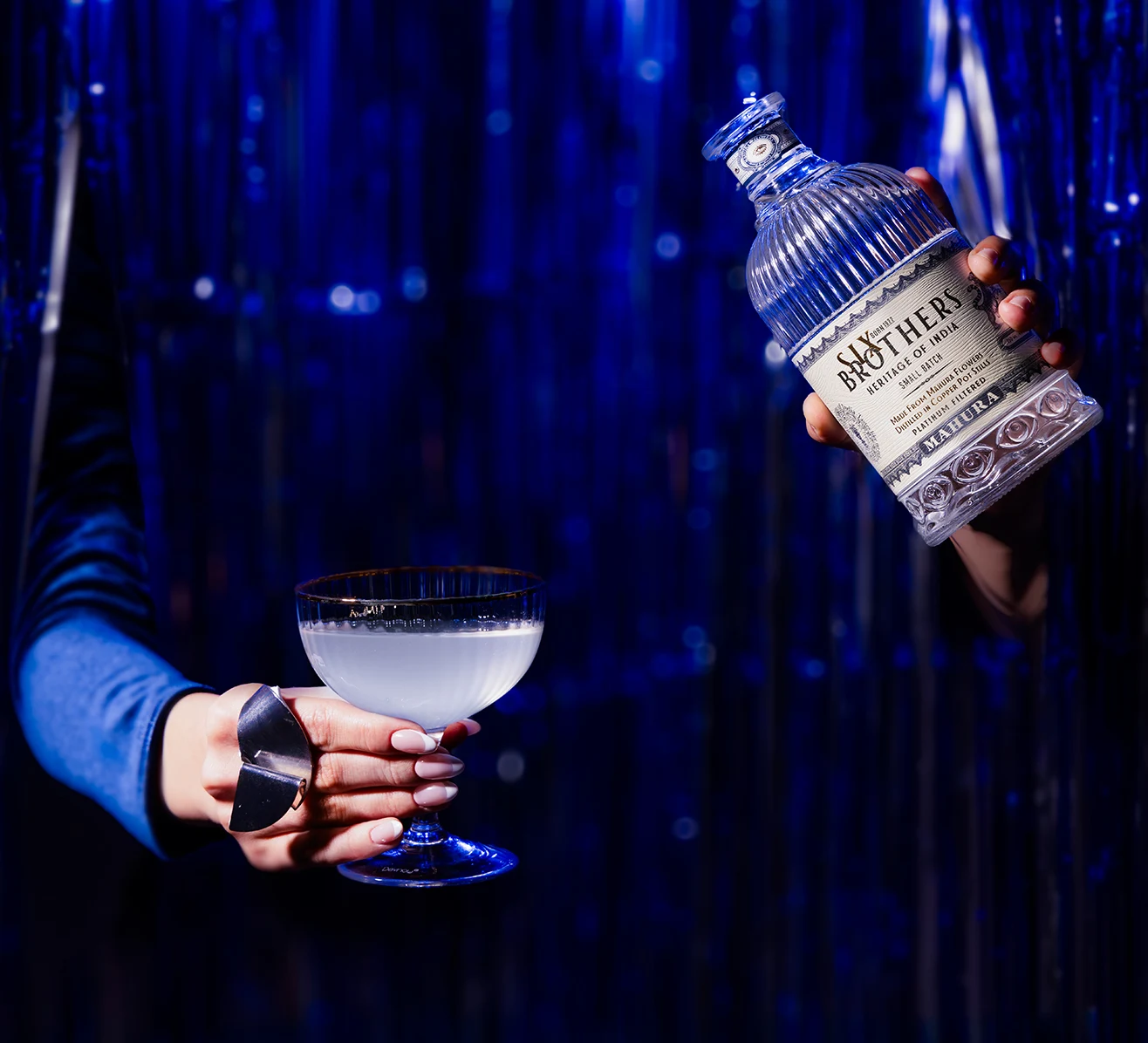
Method: Combine all ingredients in a shaker. If using egg white, dry shake first (no ice) for 15 seconds to emulsify. Add ice and shake hard for another 10 seconds. Double strain into a chilled coupe glass. No garnish needed — the aroma speaks for itself.
Why it works: The lemon juice mirrors the slight tartness that develops during mahuaa fermentation. The simple syrup does not add sweetness so much as it rounds out the alcohol edge. The egg white is optional but gives the drink a texture that makes it feel premium.
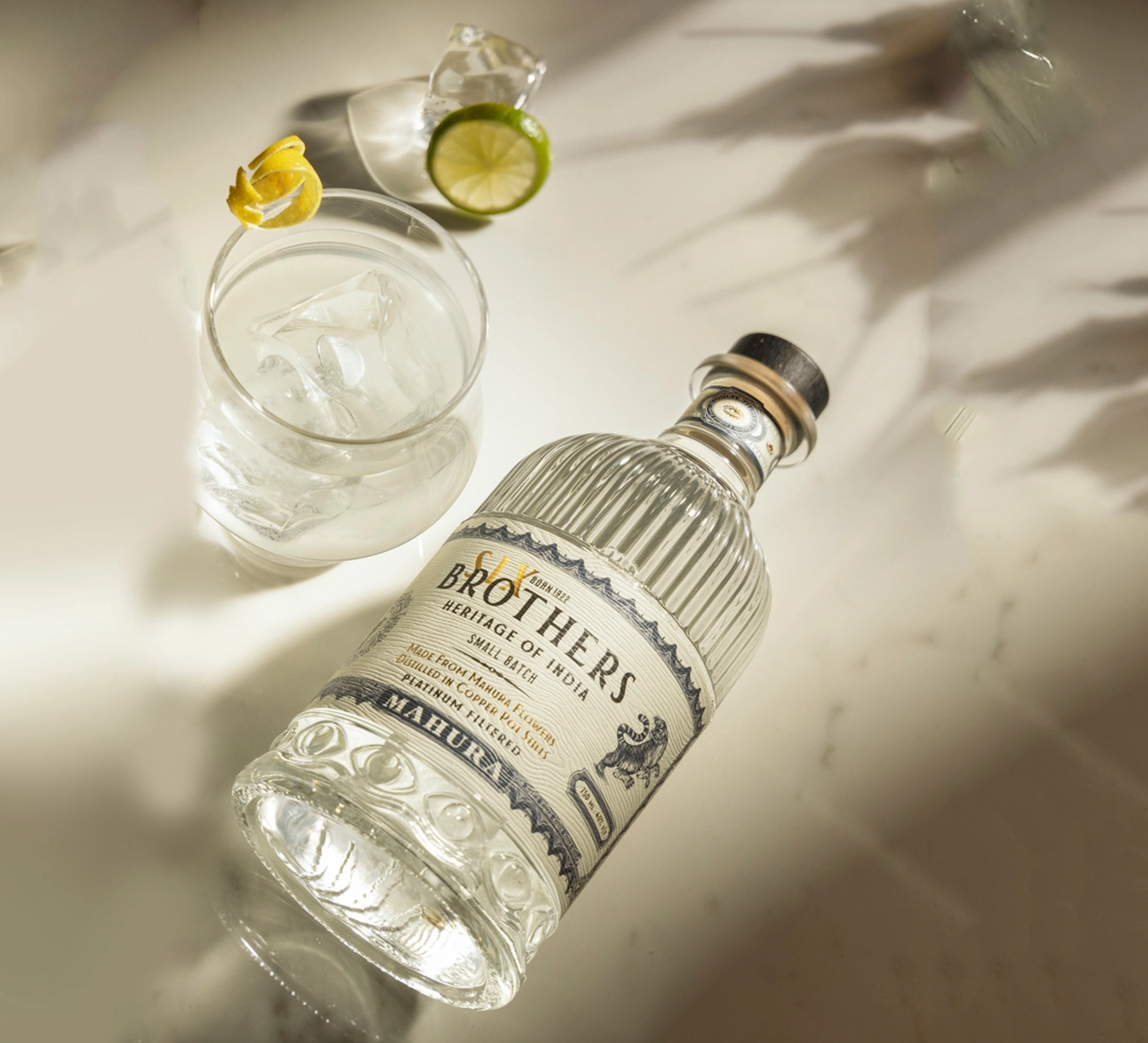
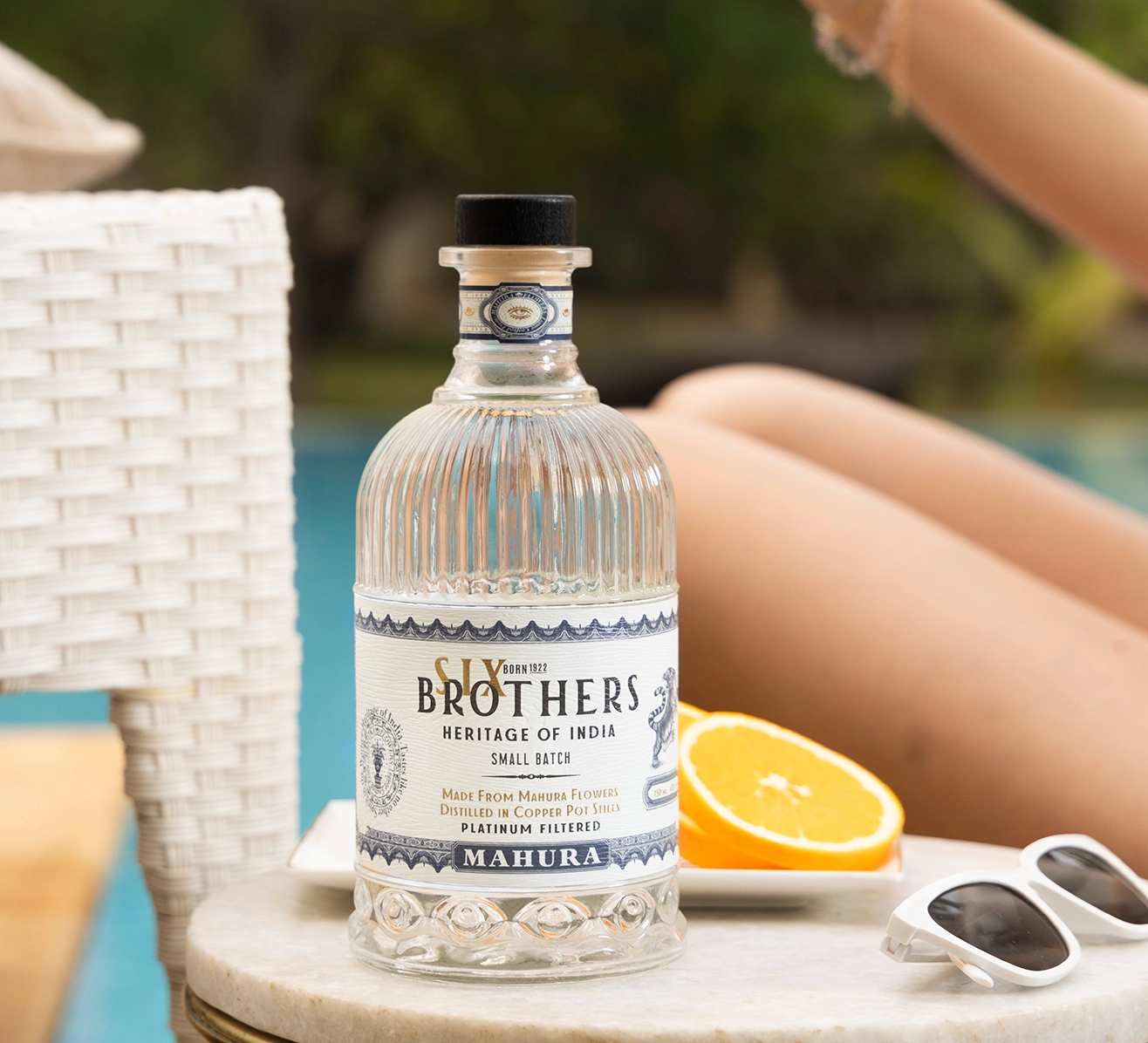
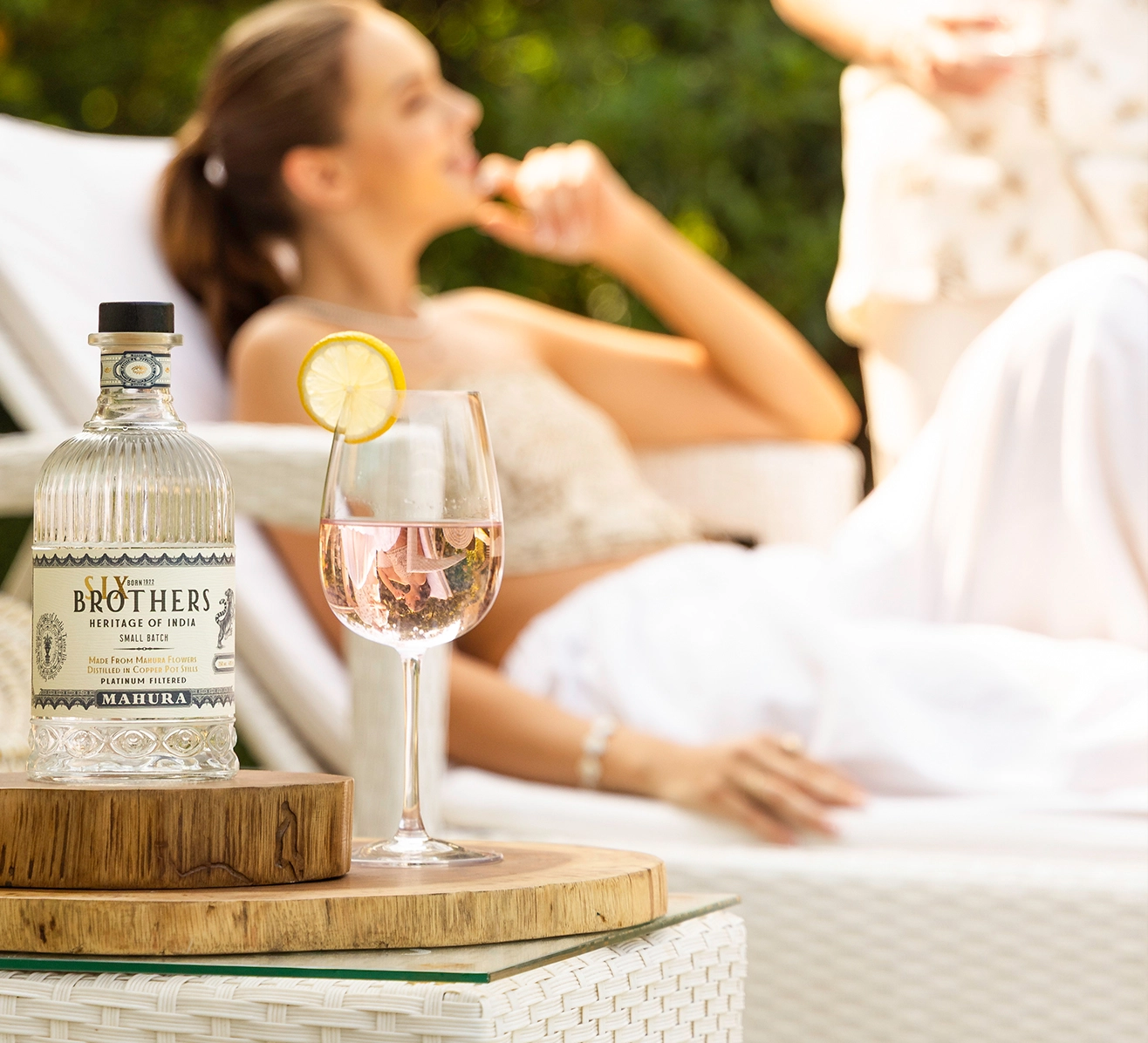
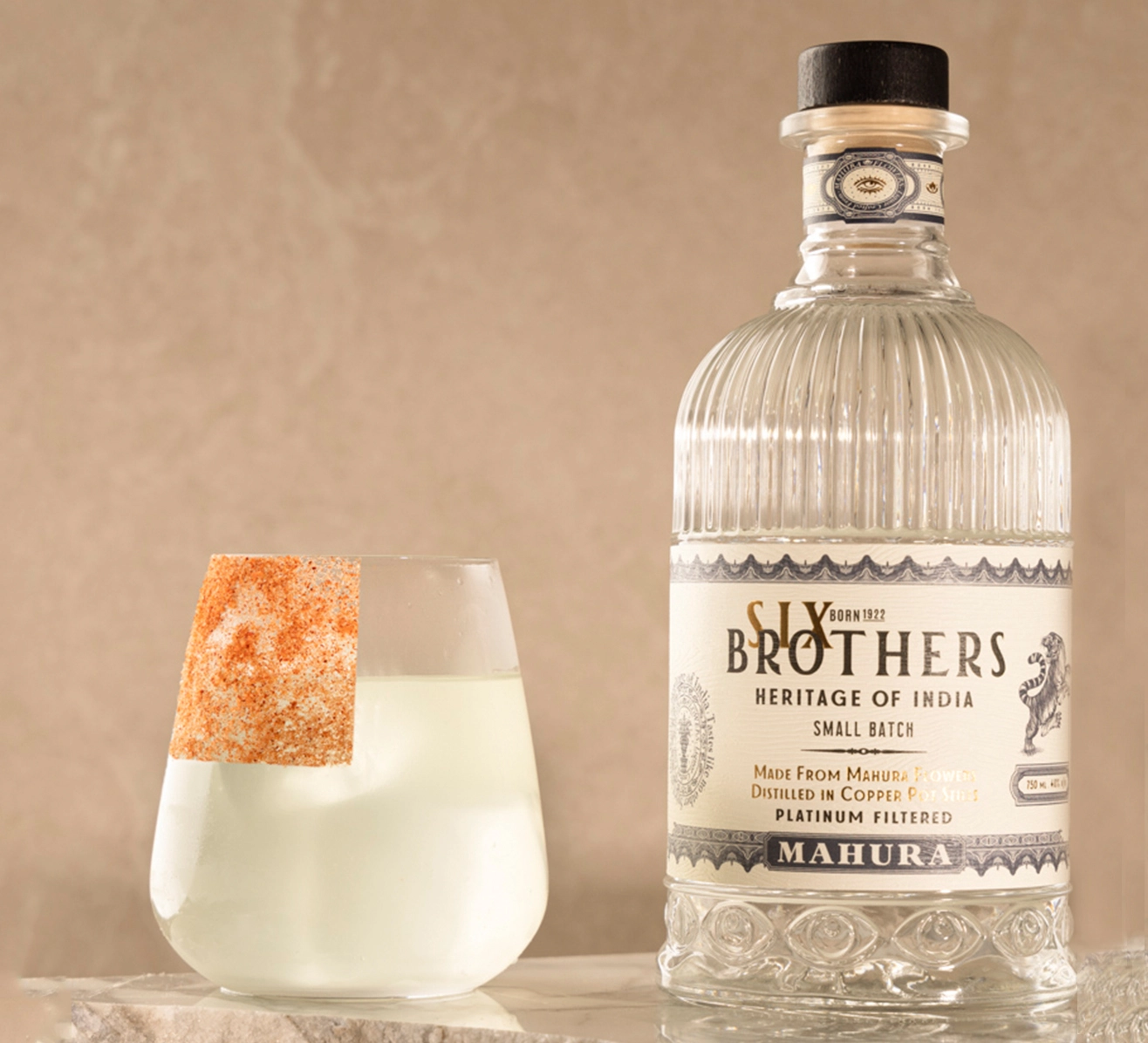
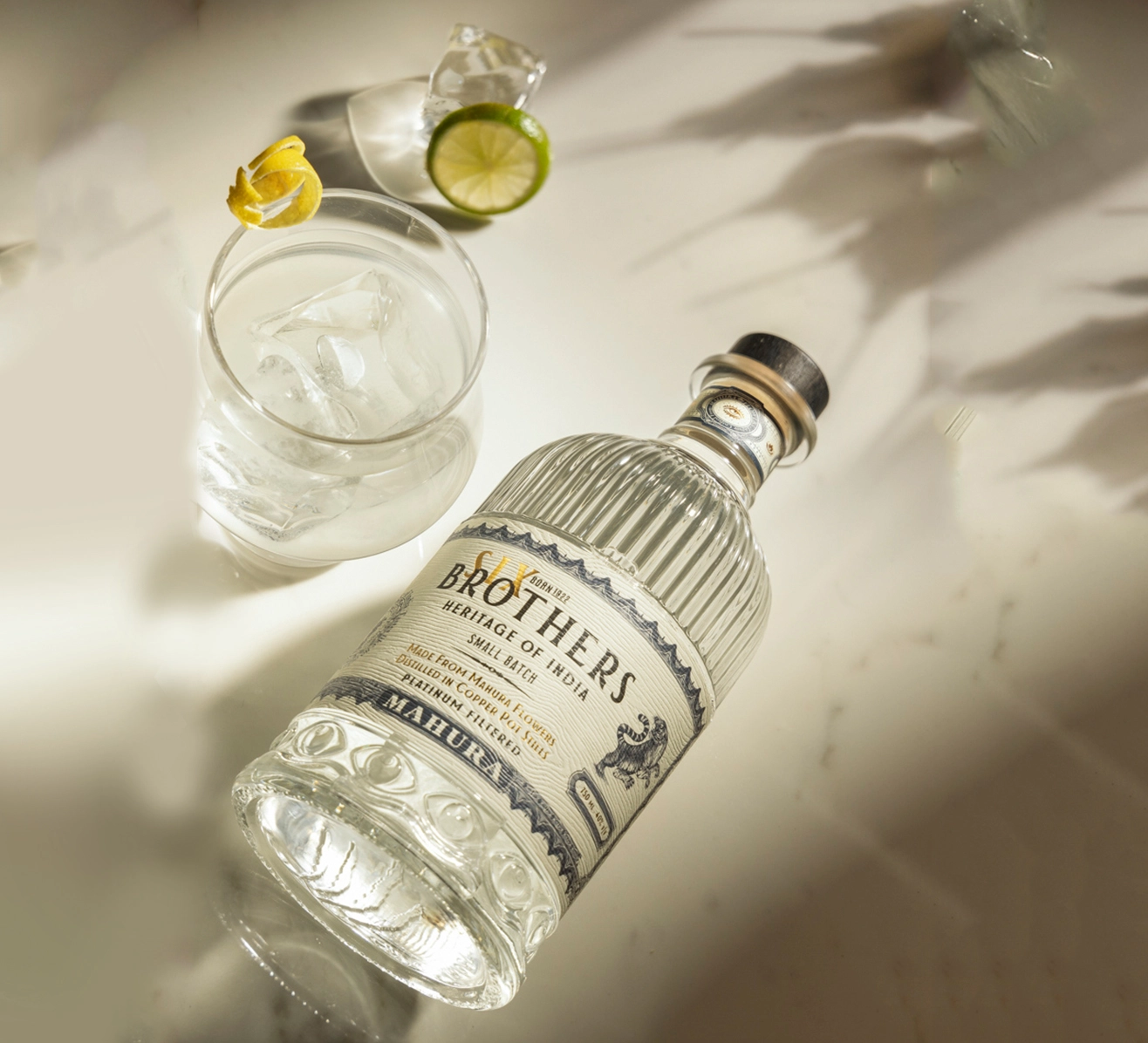
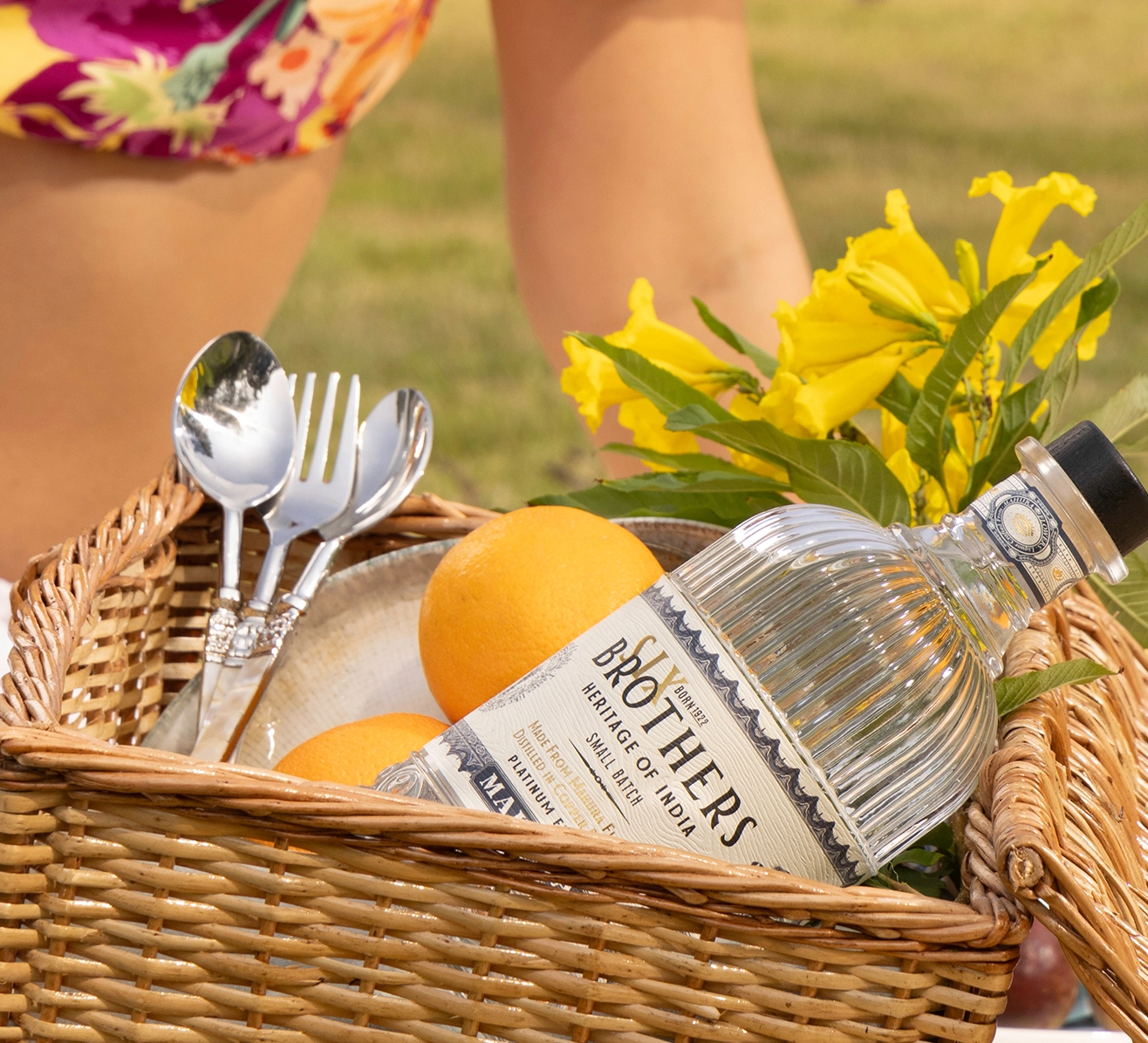
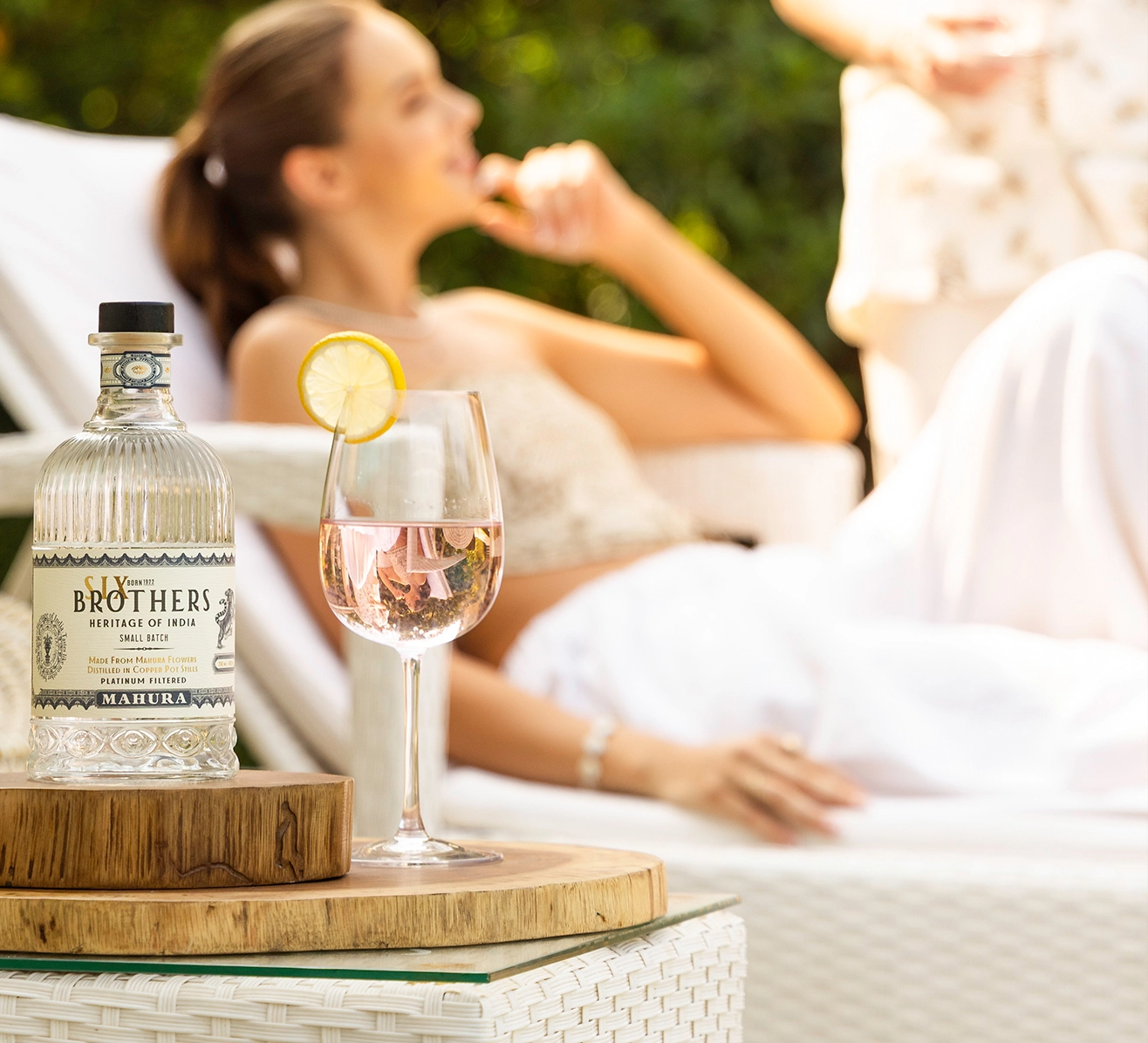
Other combinations that work: mahuaa with fresh kokum and soda (earthy-tart), mahuaa with fresh ginger and lime (warming), or mahuaa floated over chilled coconut water (light and floral). Mahuaa does not respond well to cola or heavy mixers — it gets lost.
Choosing Mahuaa alcohol also supports forest-dependent communities. The flowers used in Mahuaa production are collected without cutting trees, making it an environmentally low-impact practice.
For many tribal and rural families, Mahua flower collection provides seasonal income. As demand for Mahuaa grows in cities, it creates a stronger economic bridge between urban consumers and indigenous producers.
Urban India is becoming more curious about its roots, traditions, and indigenous flavors. Mahua, long ignored by mainstream alcohol consumers, is finally being recognized as a heritage spirit of India. With increasing awareness of culture and the government’s push to promote local and traditional products, Mahua alcohol is now being positioned as a premium, authentic Indian spirit rather than a backdoor brew. This rediscovery appeals to urban Indians who are seeking more cultural connections through food and beverages.
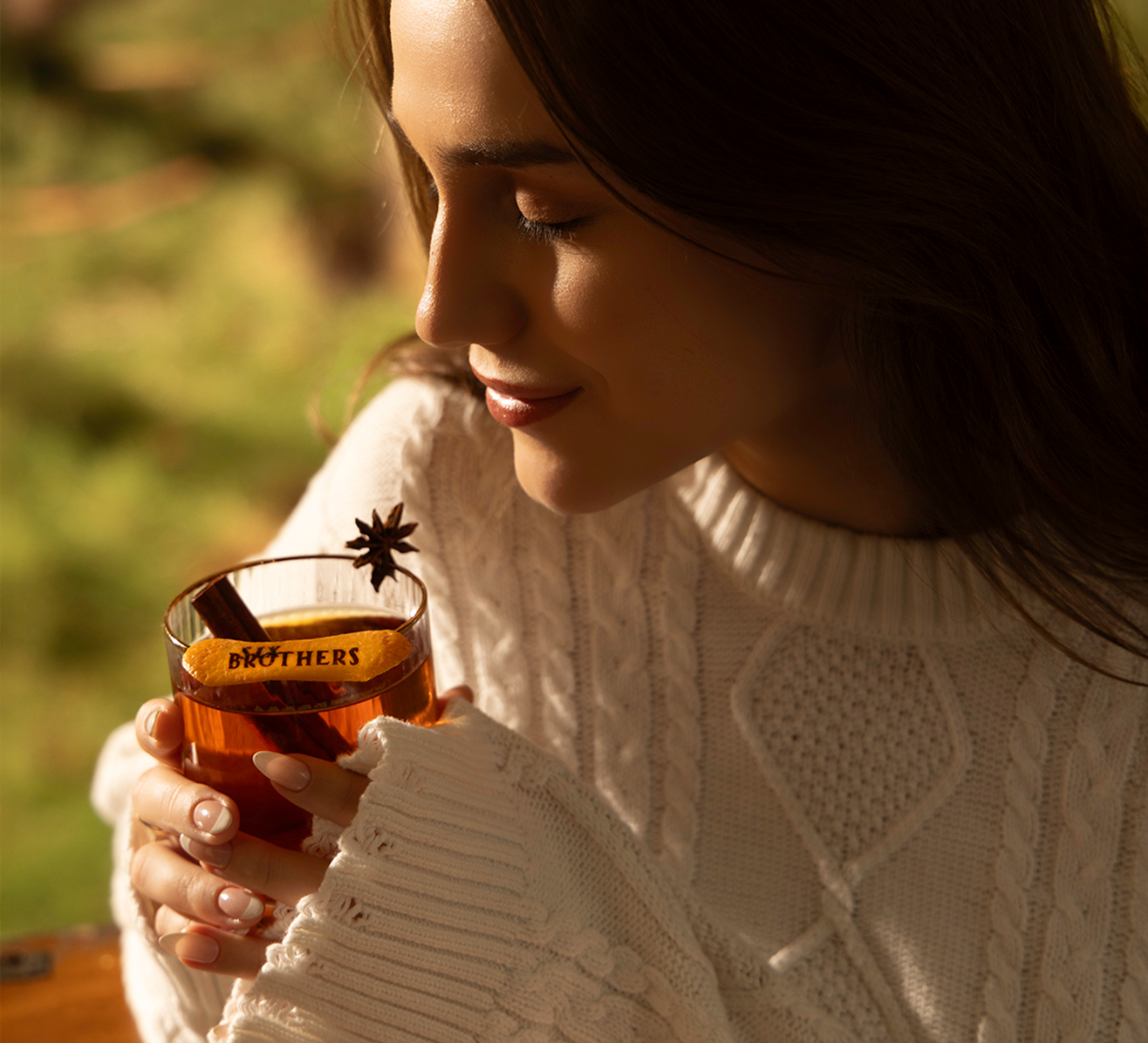
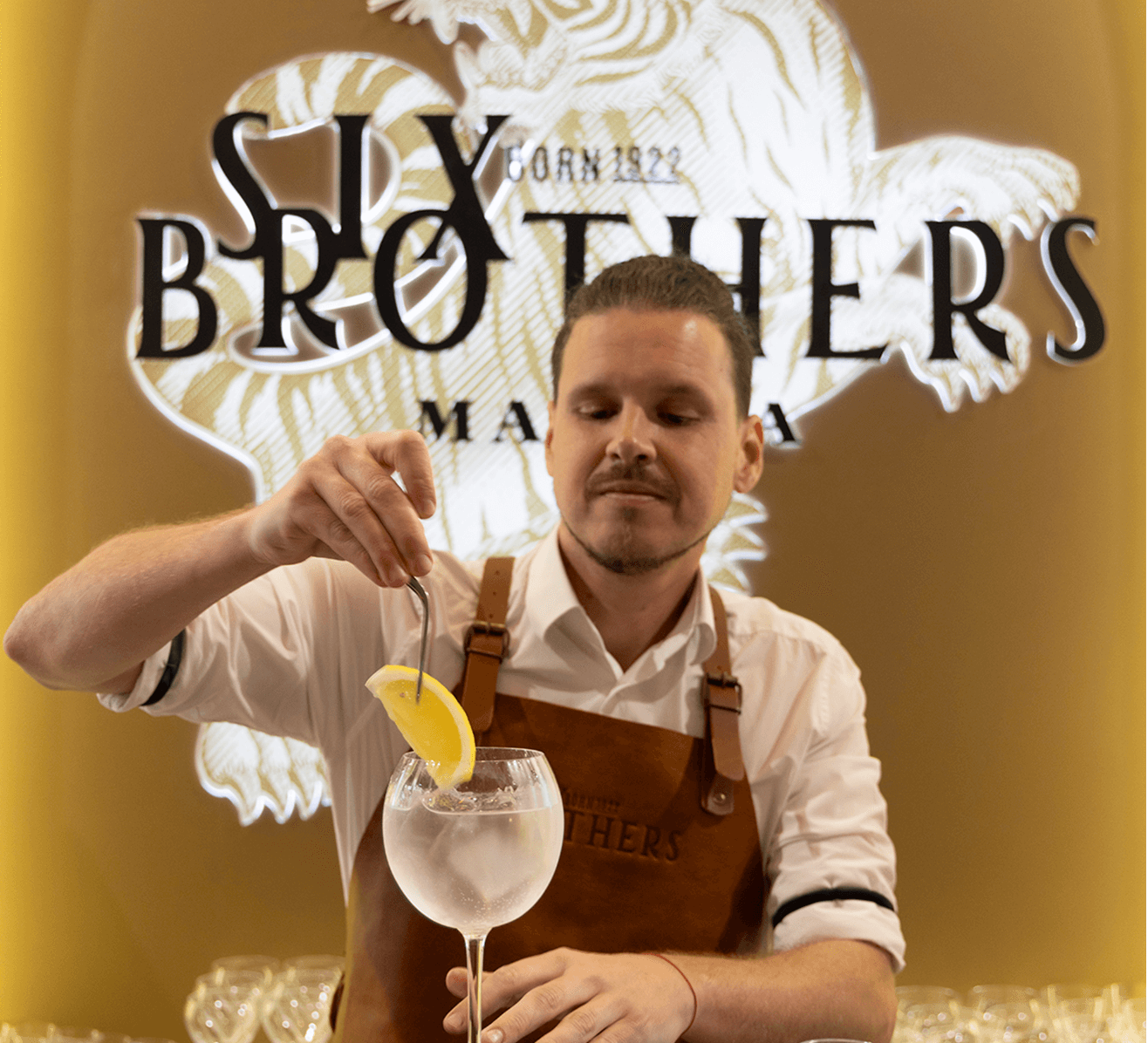
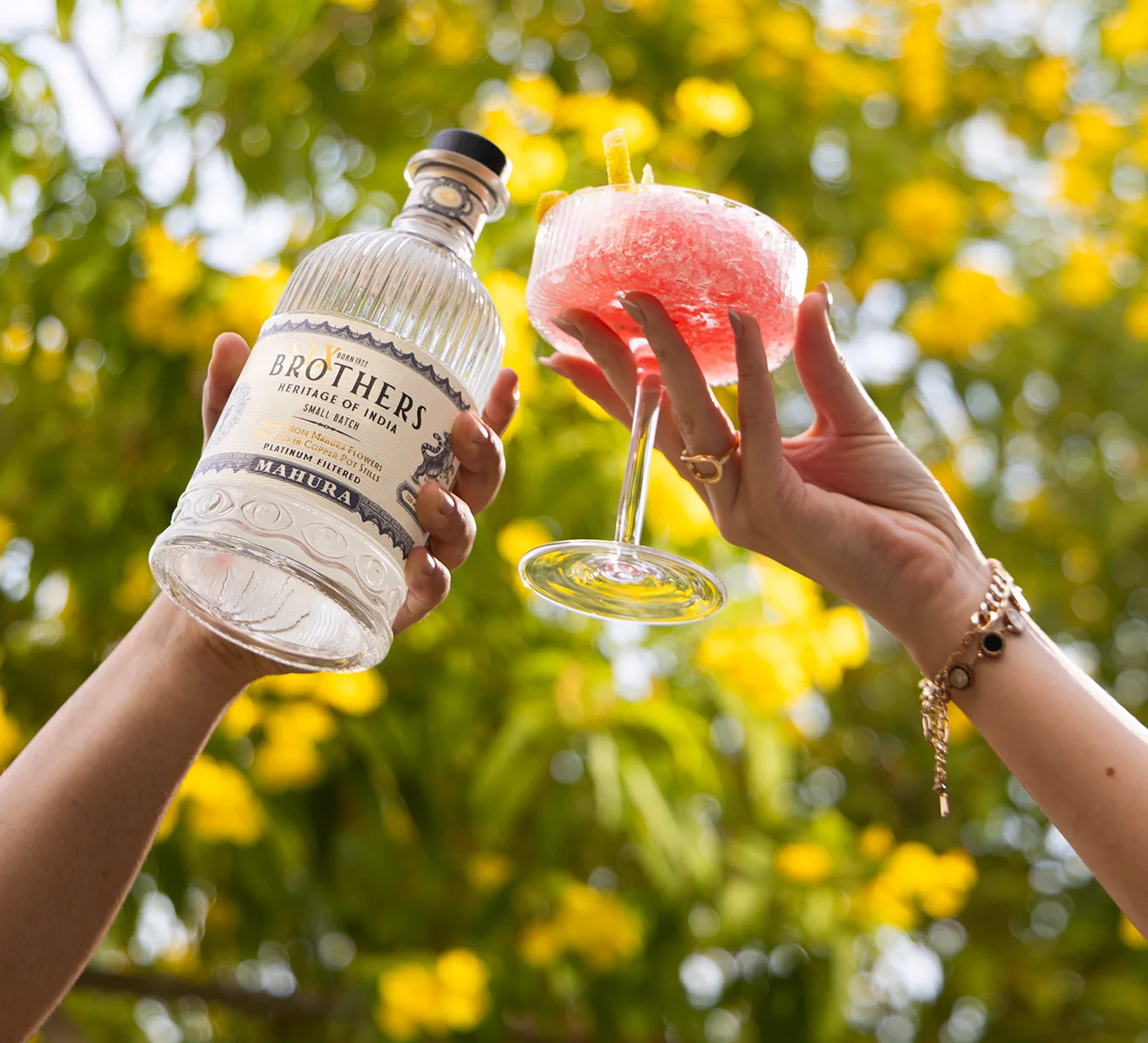
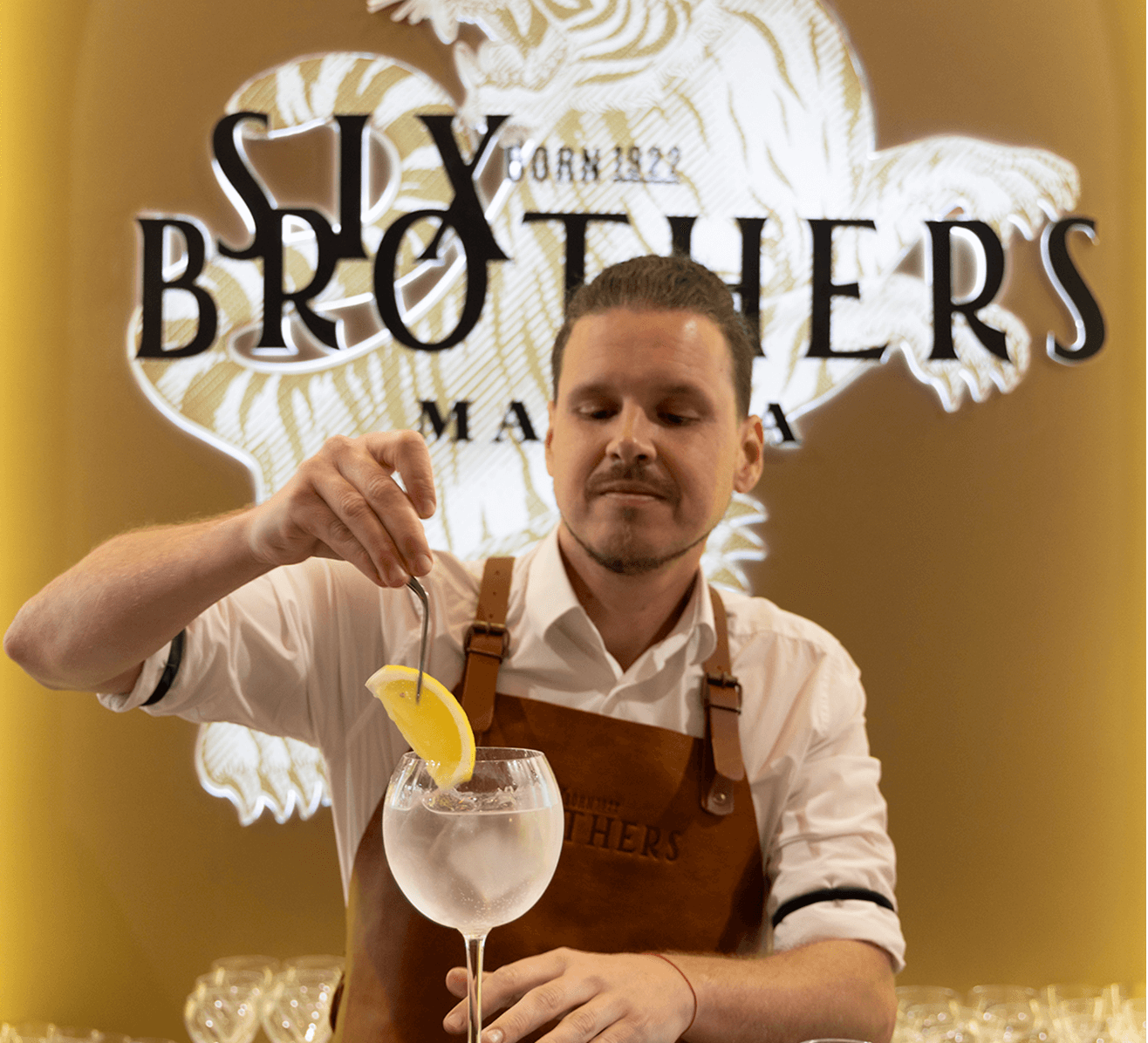
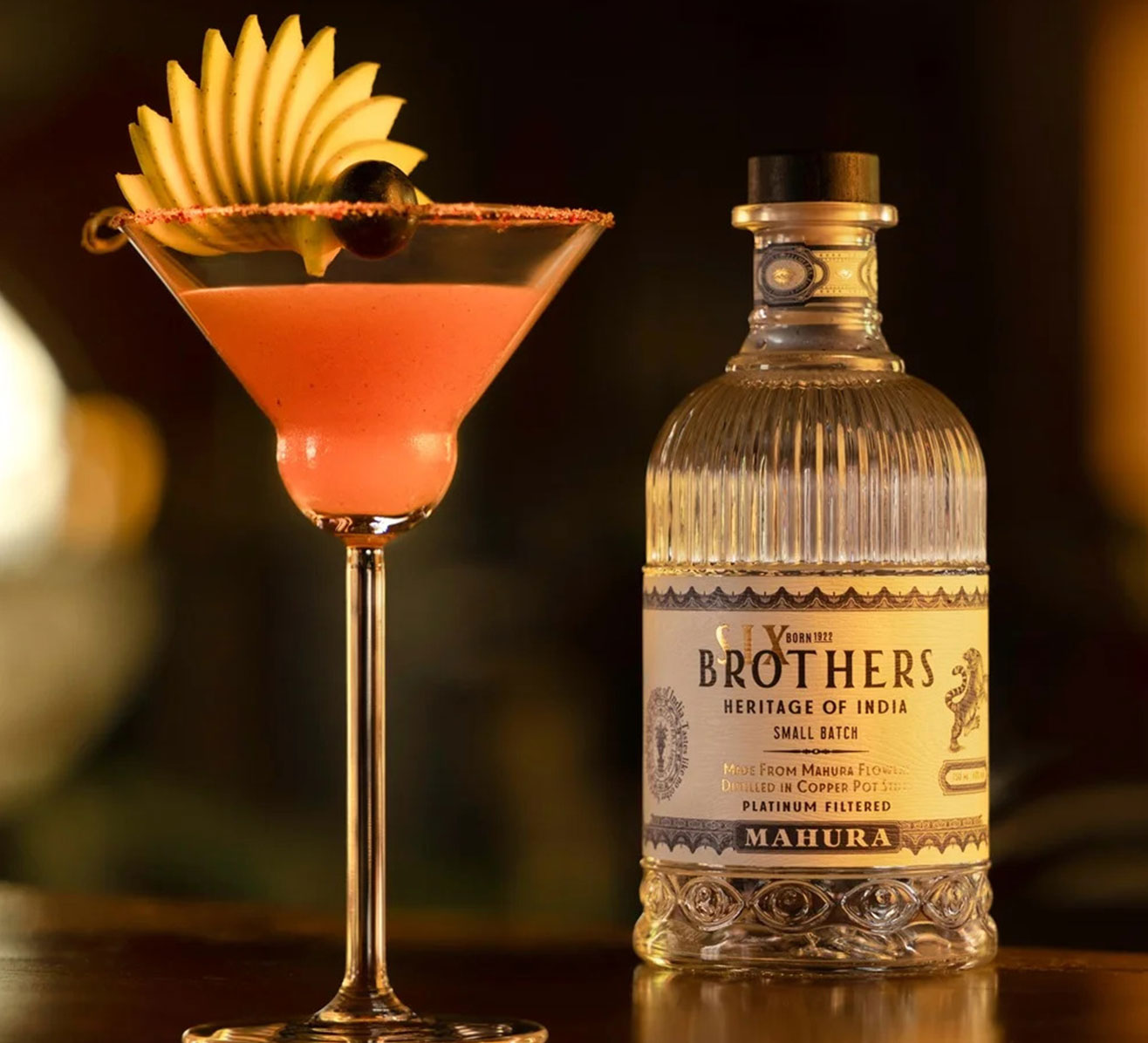
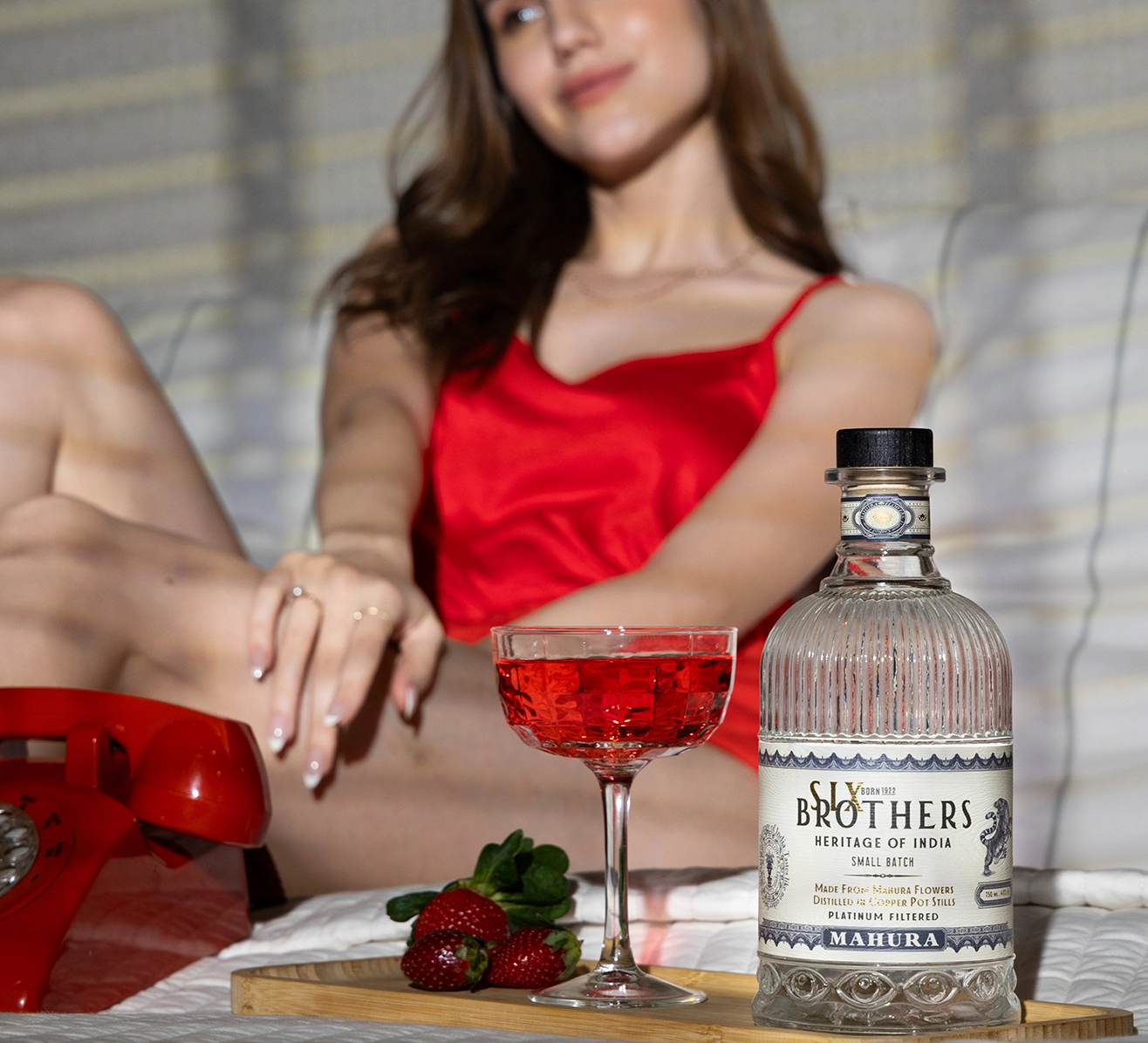
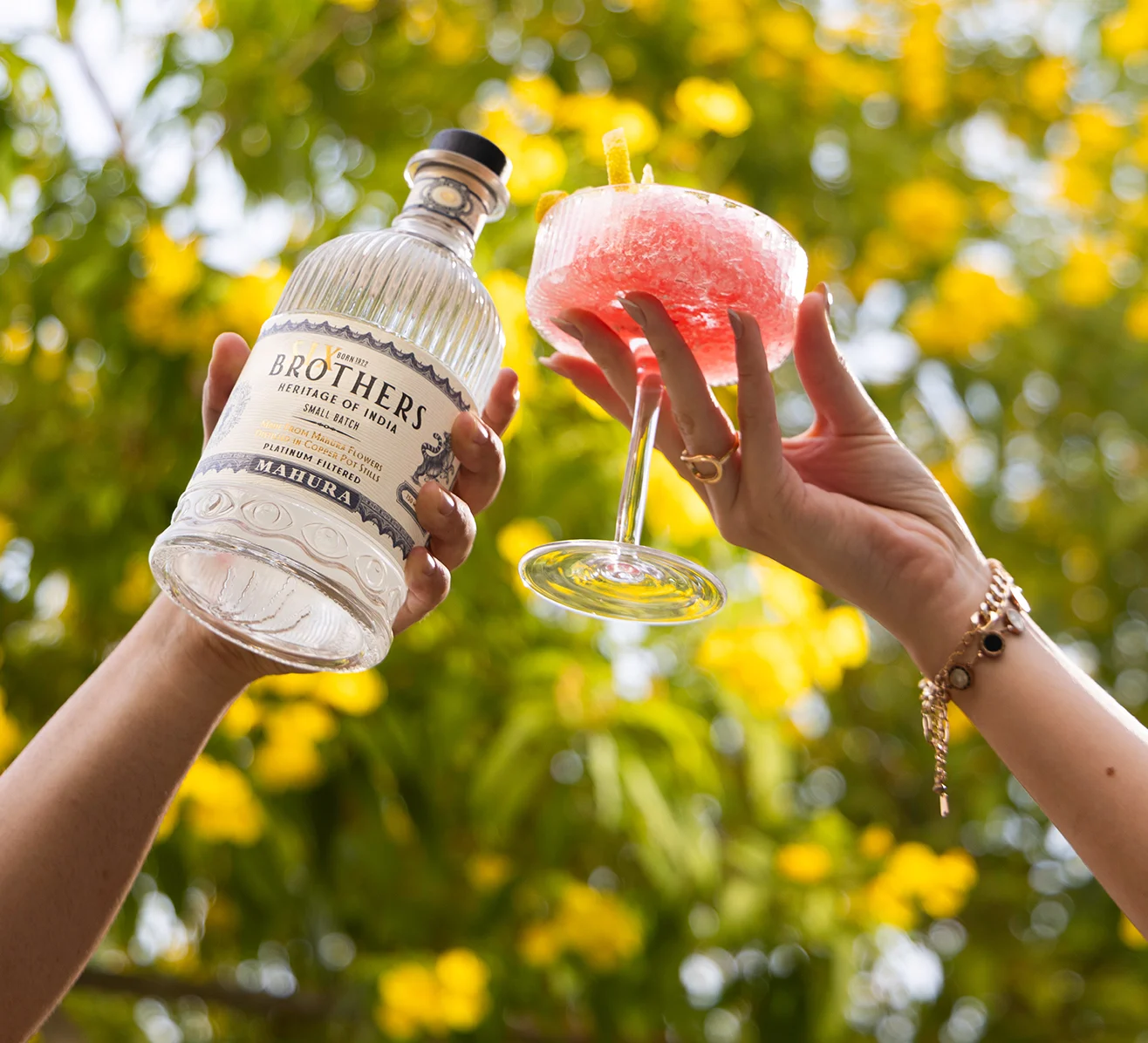
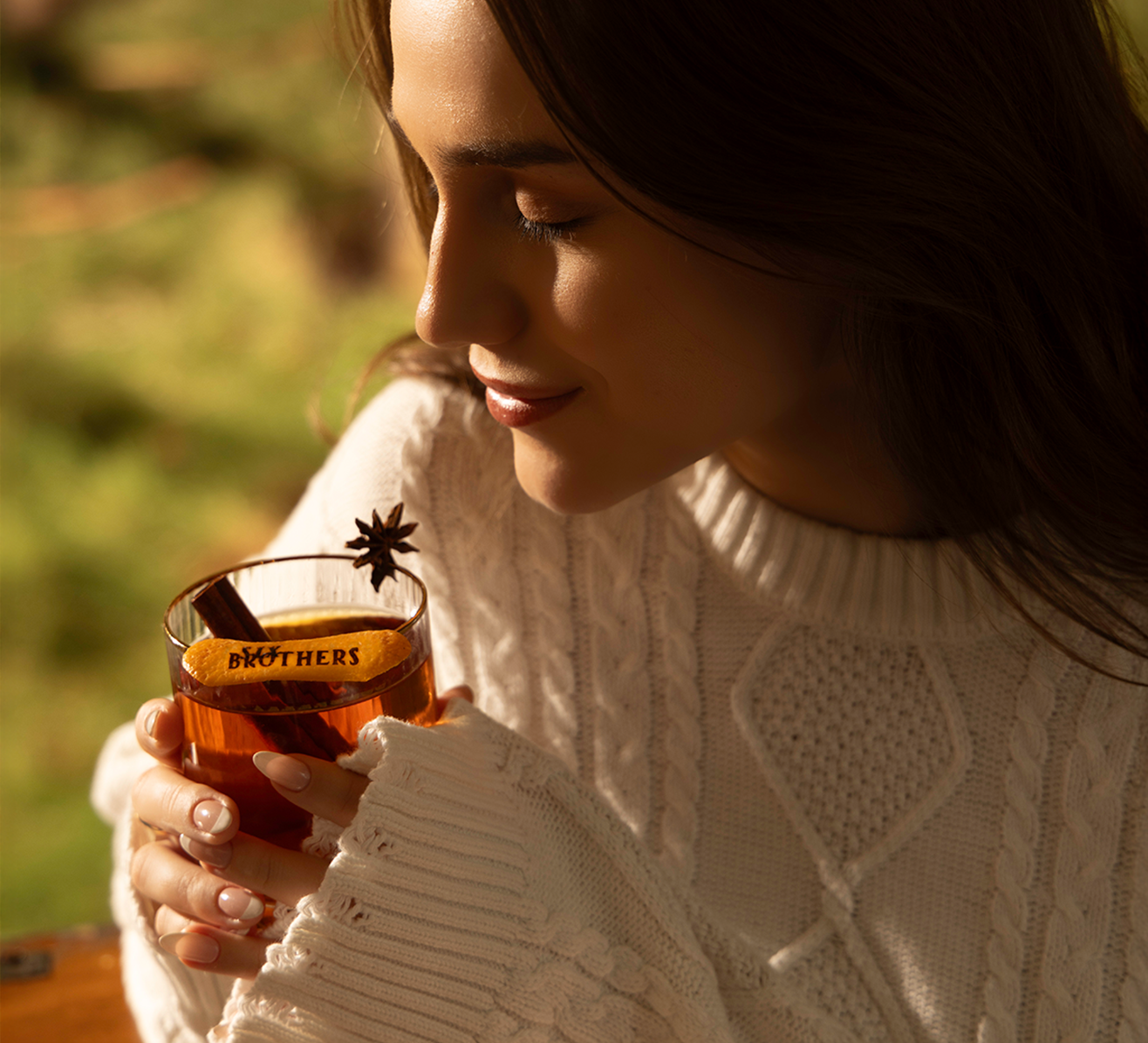
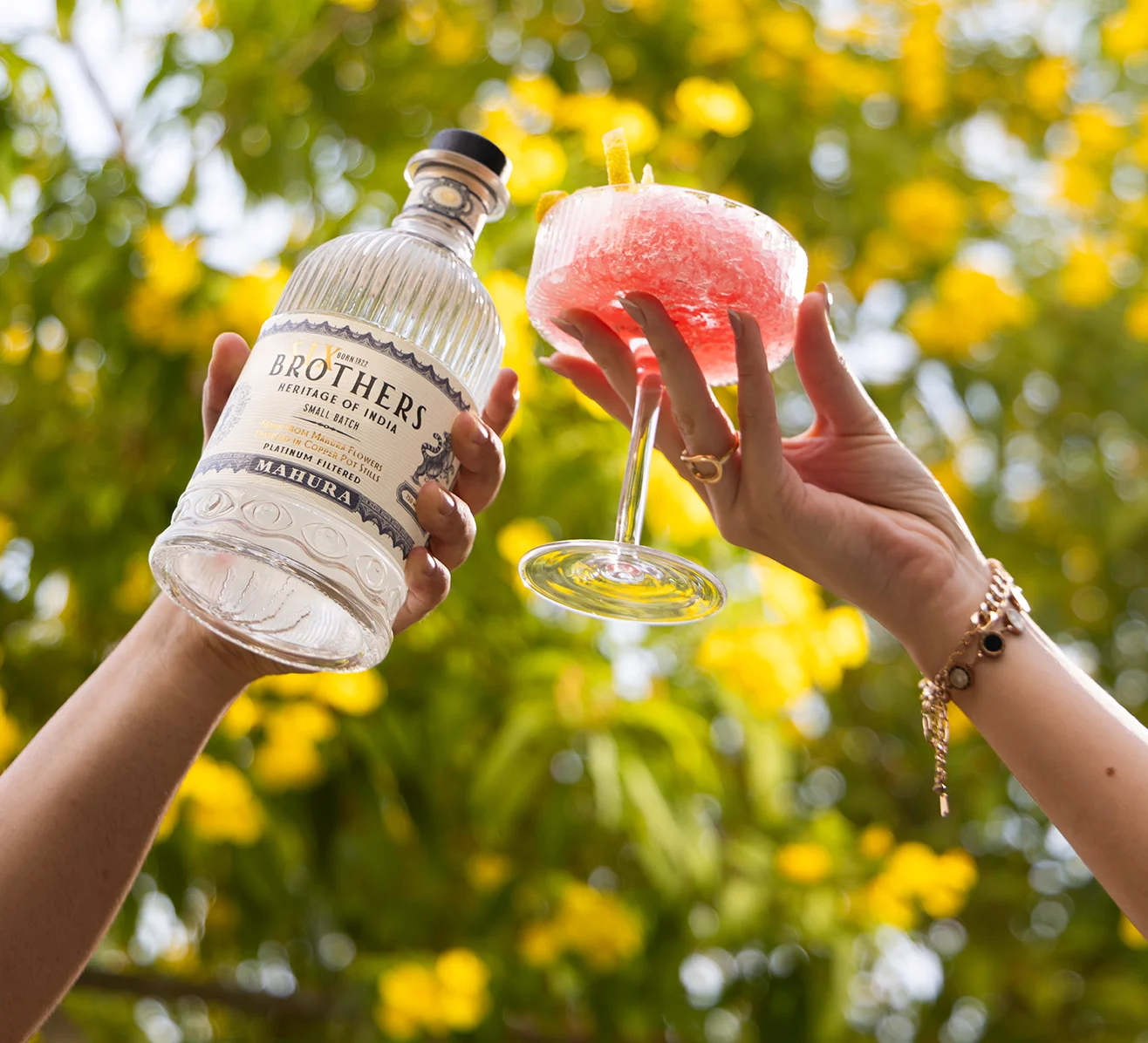
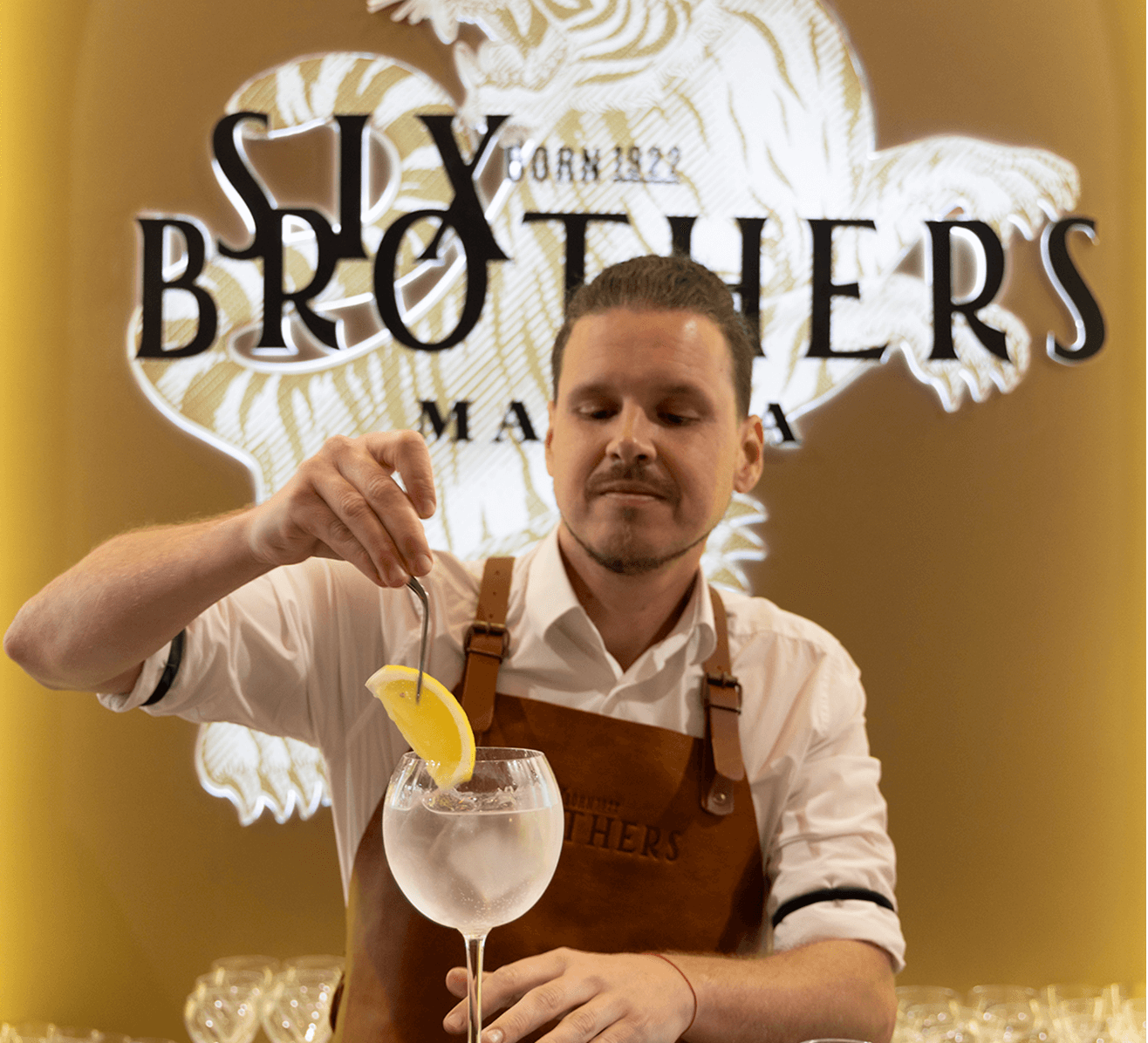
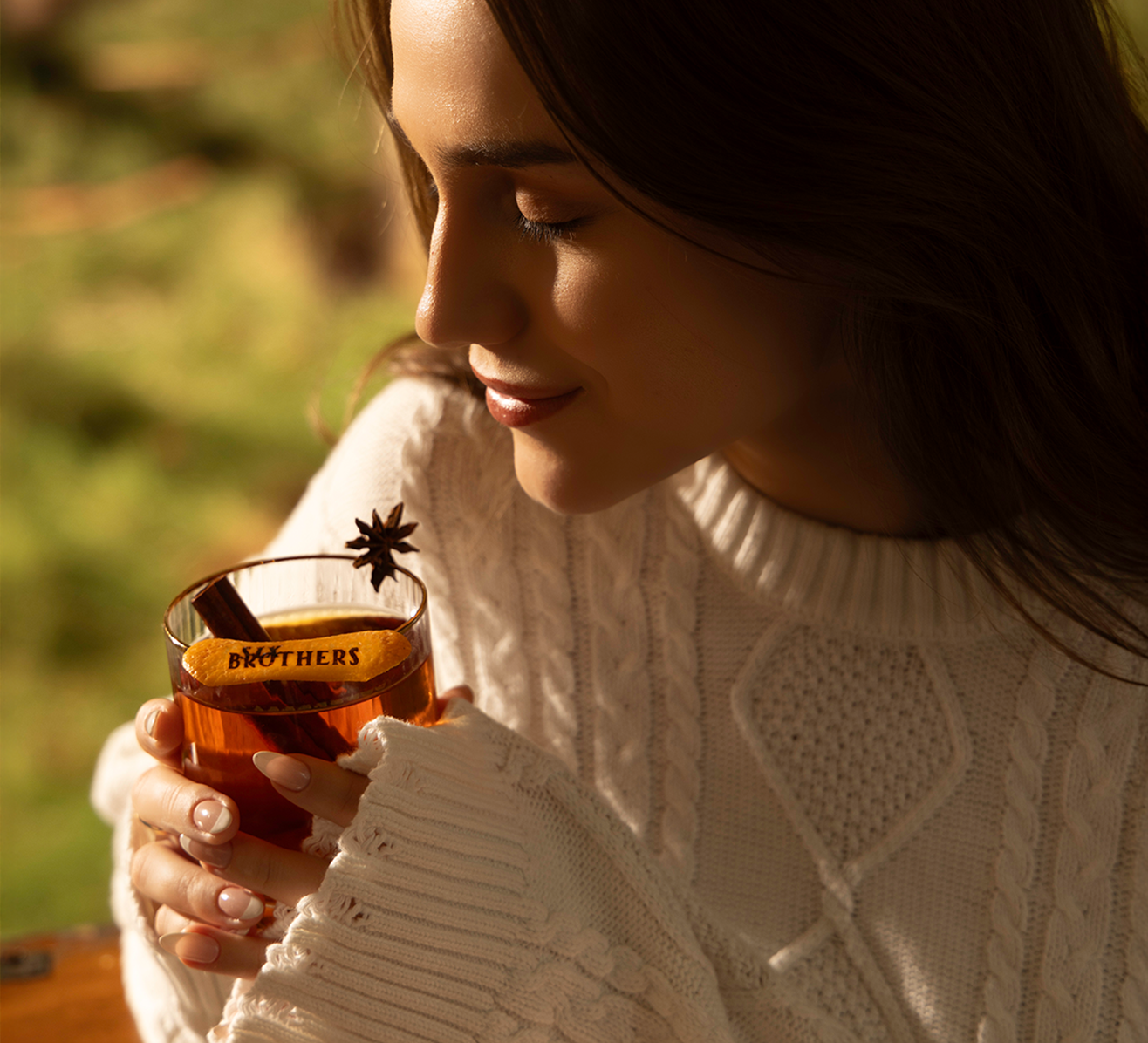
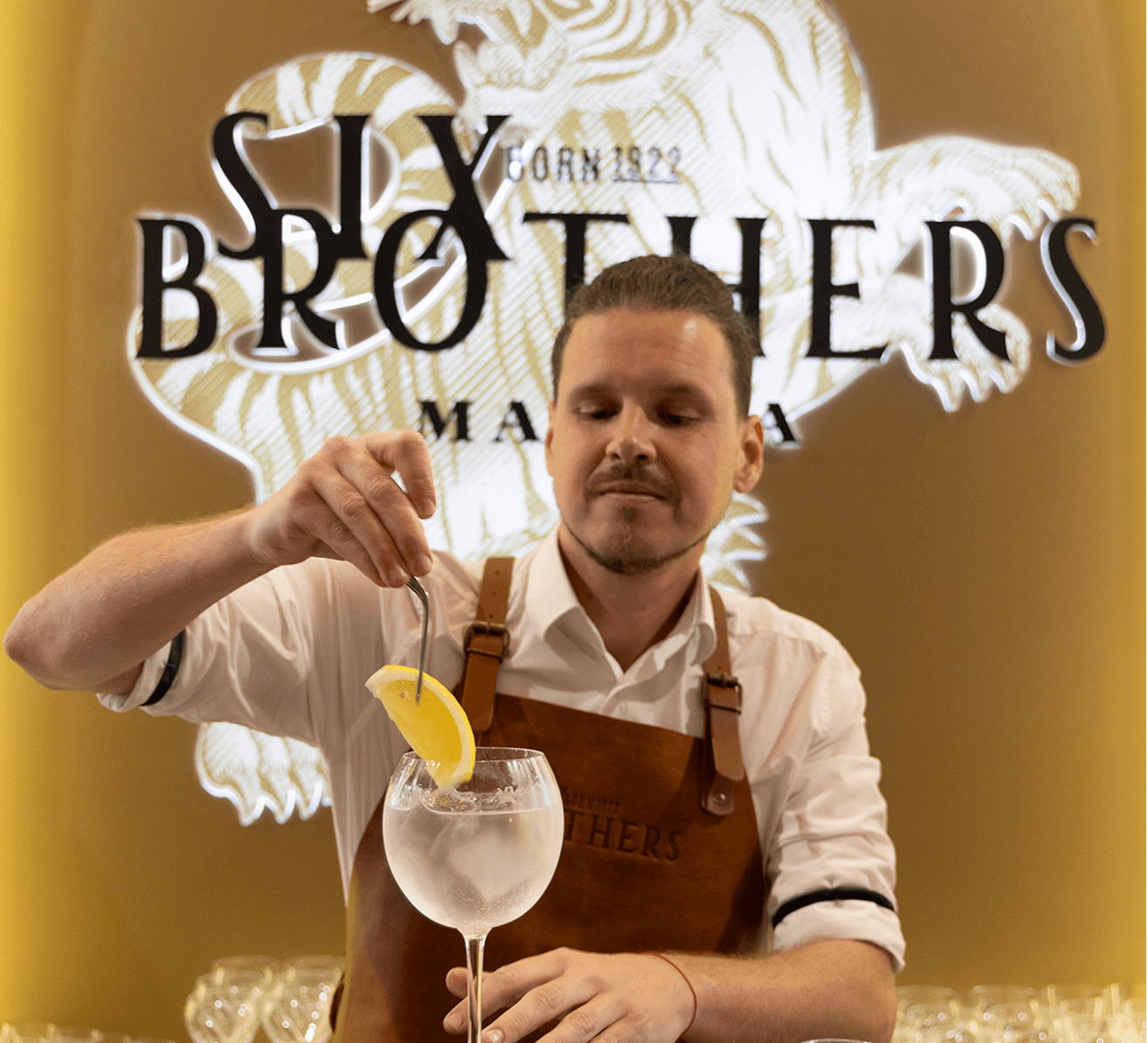
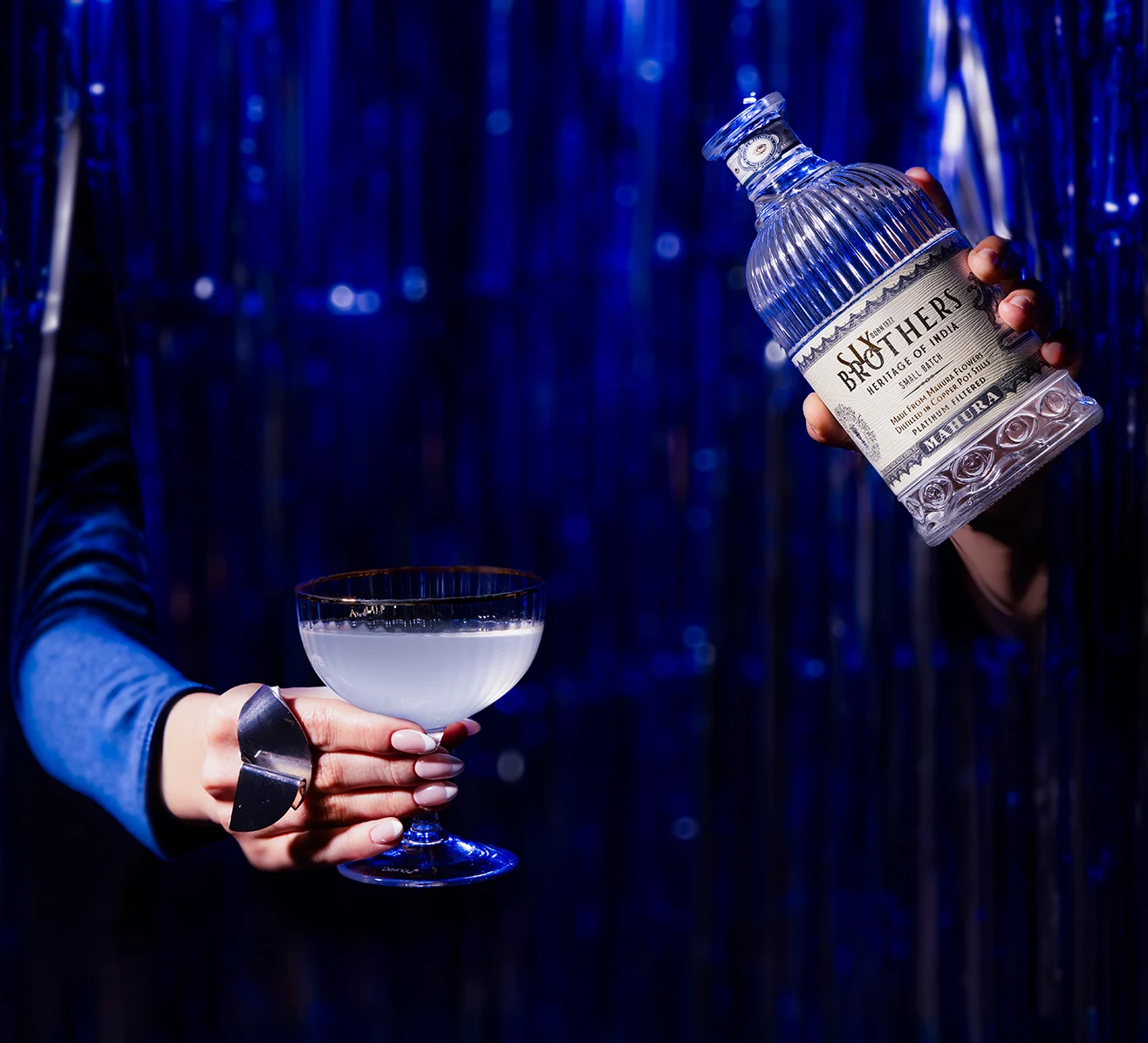
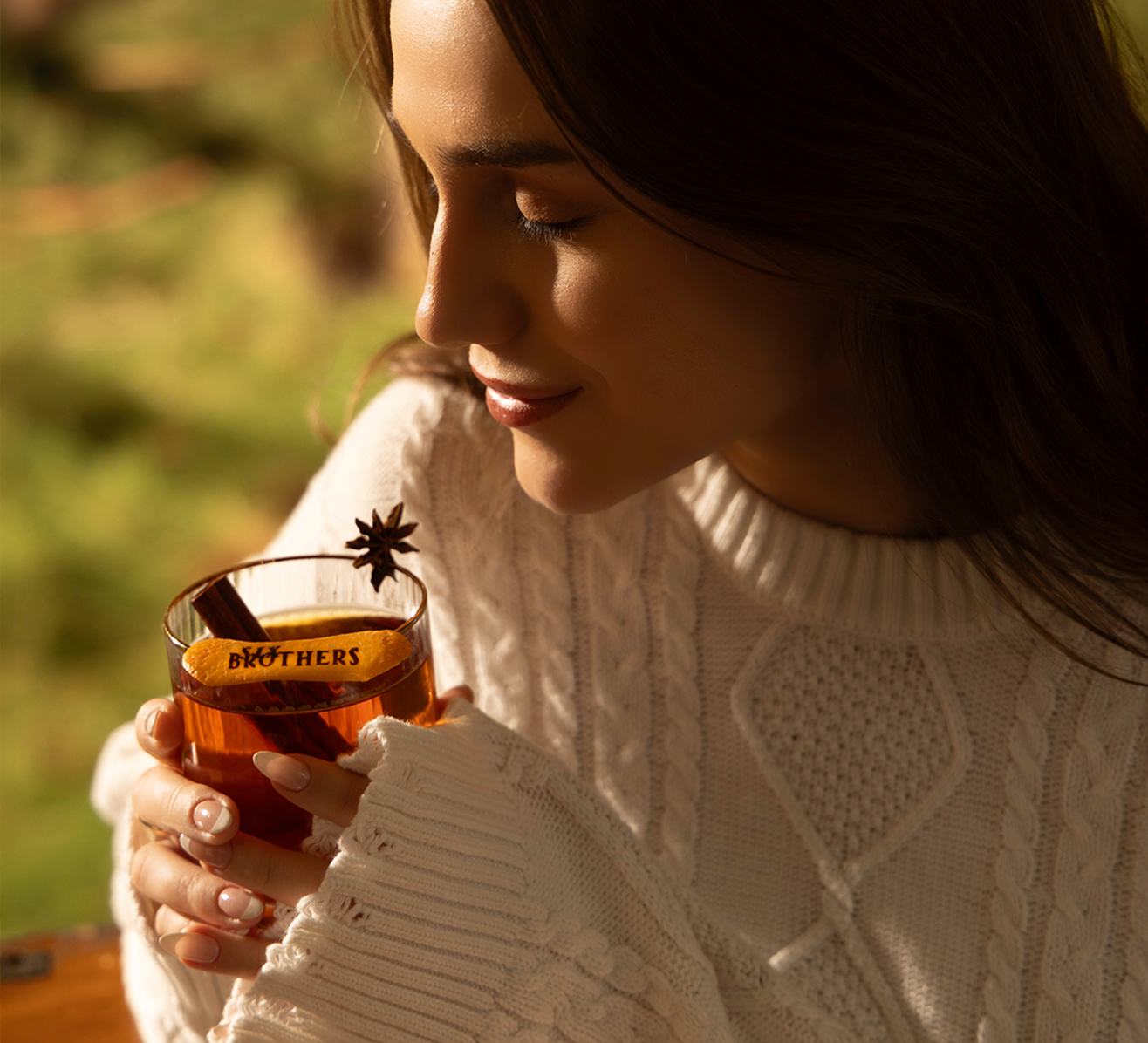
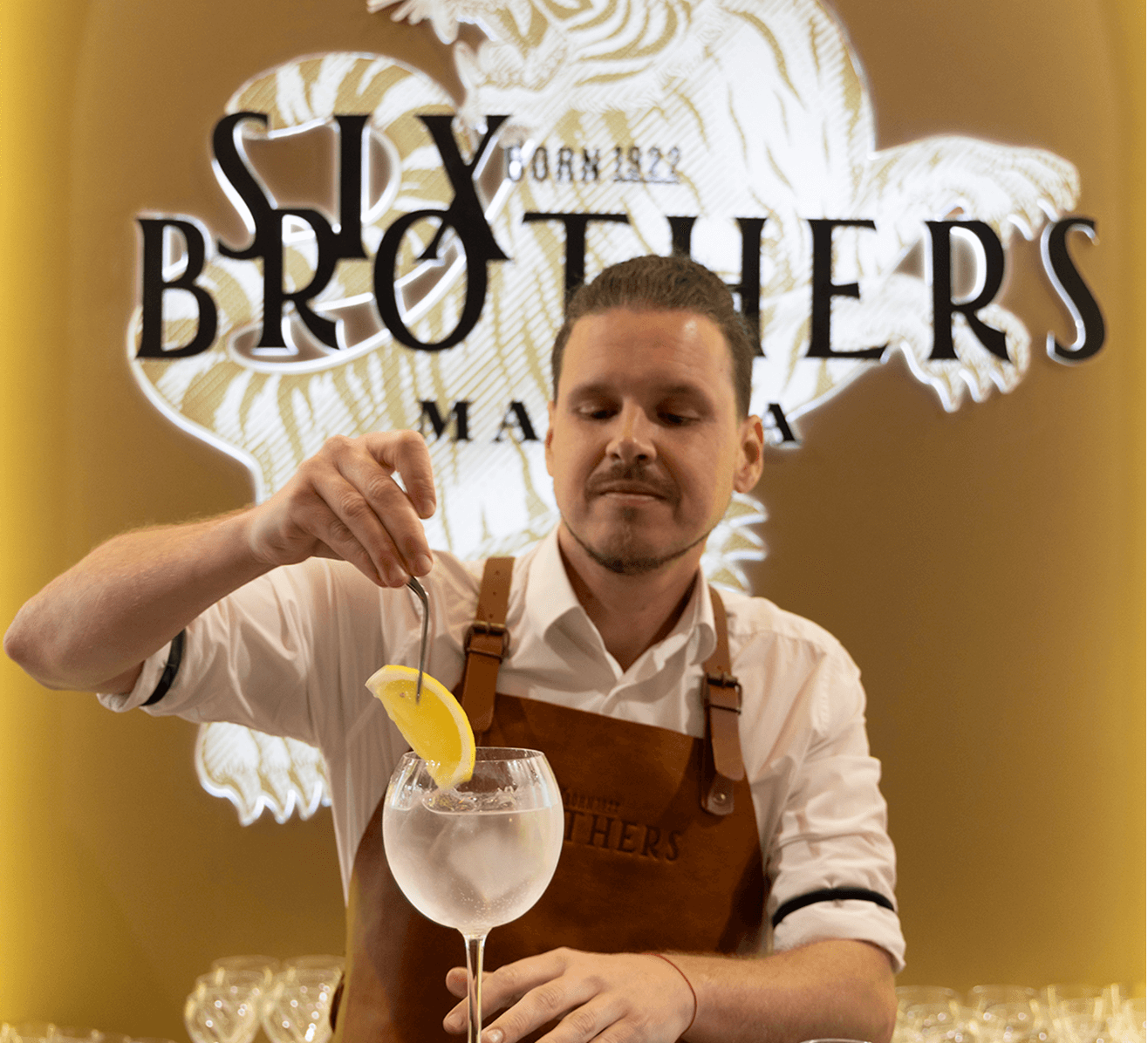
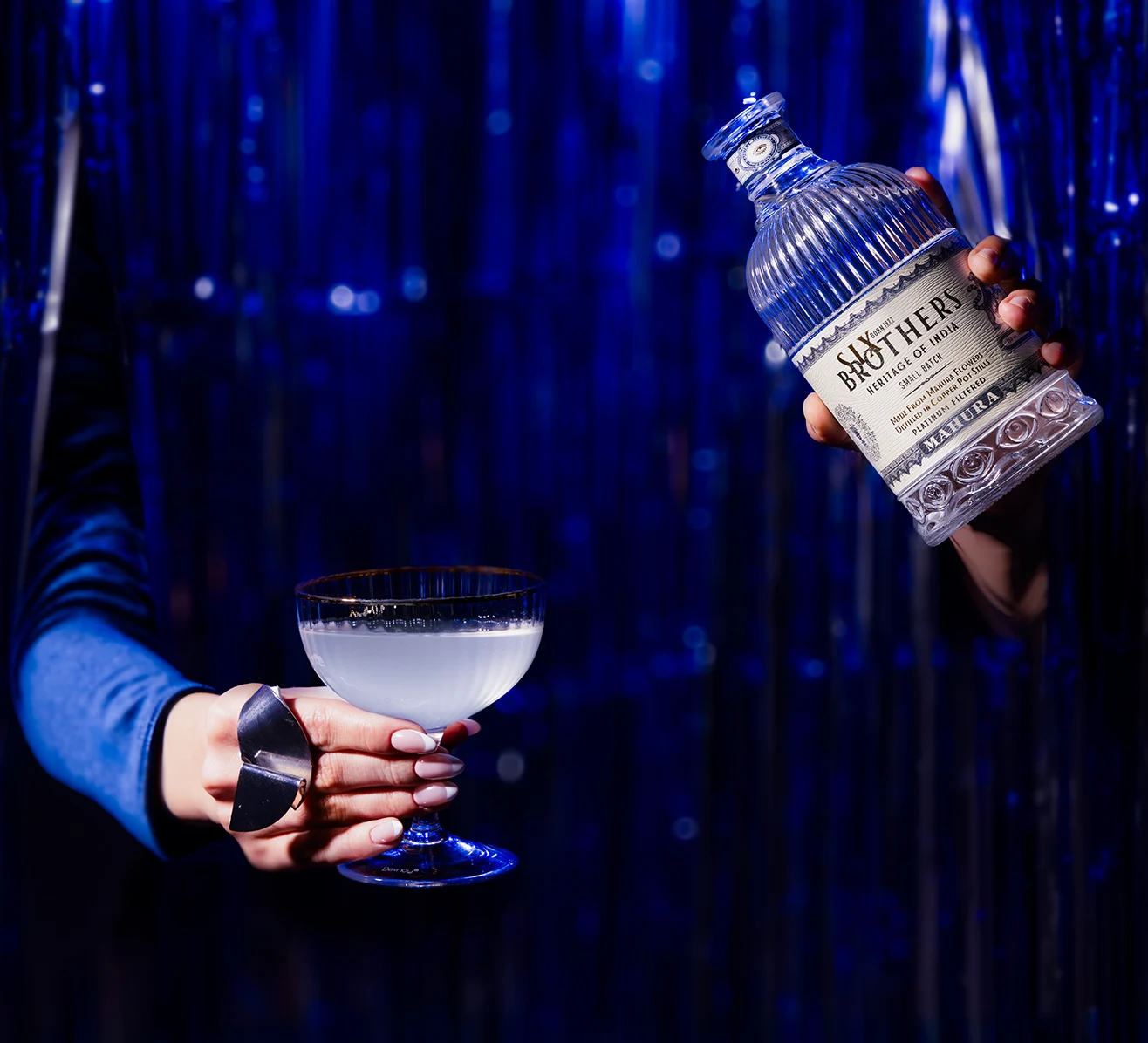
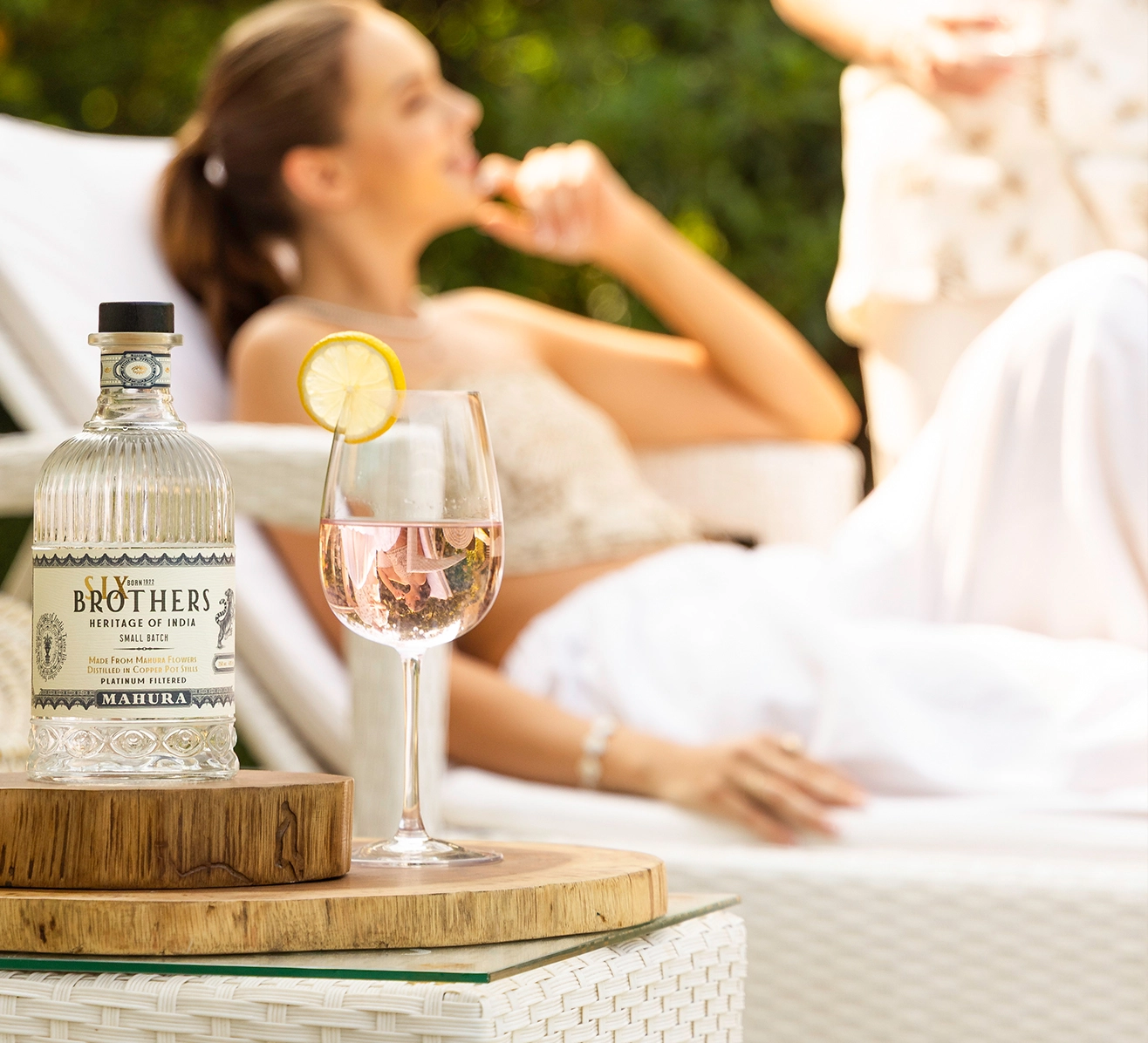
Unlike whisky or rum, Mahua alcohol has a distinct flavor profile. It carries floral notes with earthy undertones, offering a taste that is both refreshing and complex. Urban consumers, especially younger ones, are more experimental and open to trying new flavors rather than sticking to conventional spirits. Craft cocktails made with Mahua are now being served in metropolitan bars, adding to its trendy image. For those who are tired of the standard whisky-soda or rum-cola, Mahua offers a completely different drinking experience.
In an age where urban consumers are increasingly health-aware, Mahua has gained attention for being a more natural and traditional spirit. Since it is derived from Mahua flowers and fermented in small batches, it is often perceived as less artificial compared to highly processed liquors. While alcohol of any kind should be consumed in moderation, Mahua’s traditional preparation methods and lack of heavy chemical additives resonate with health-conscious millennials and Gen Z drinkers who prefer authenticity.
Also Read :Mahua Spirit Benefits - Health, Heritage & Mahura Revival
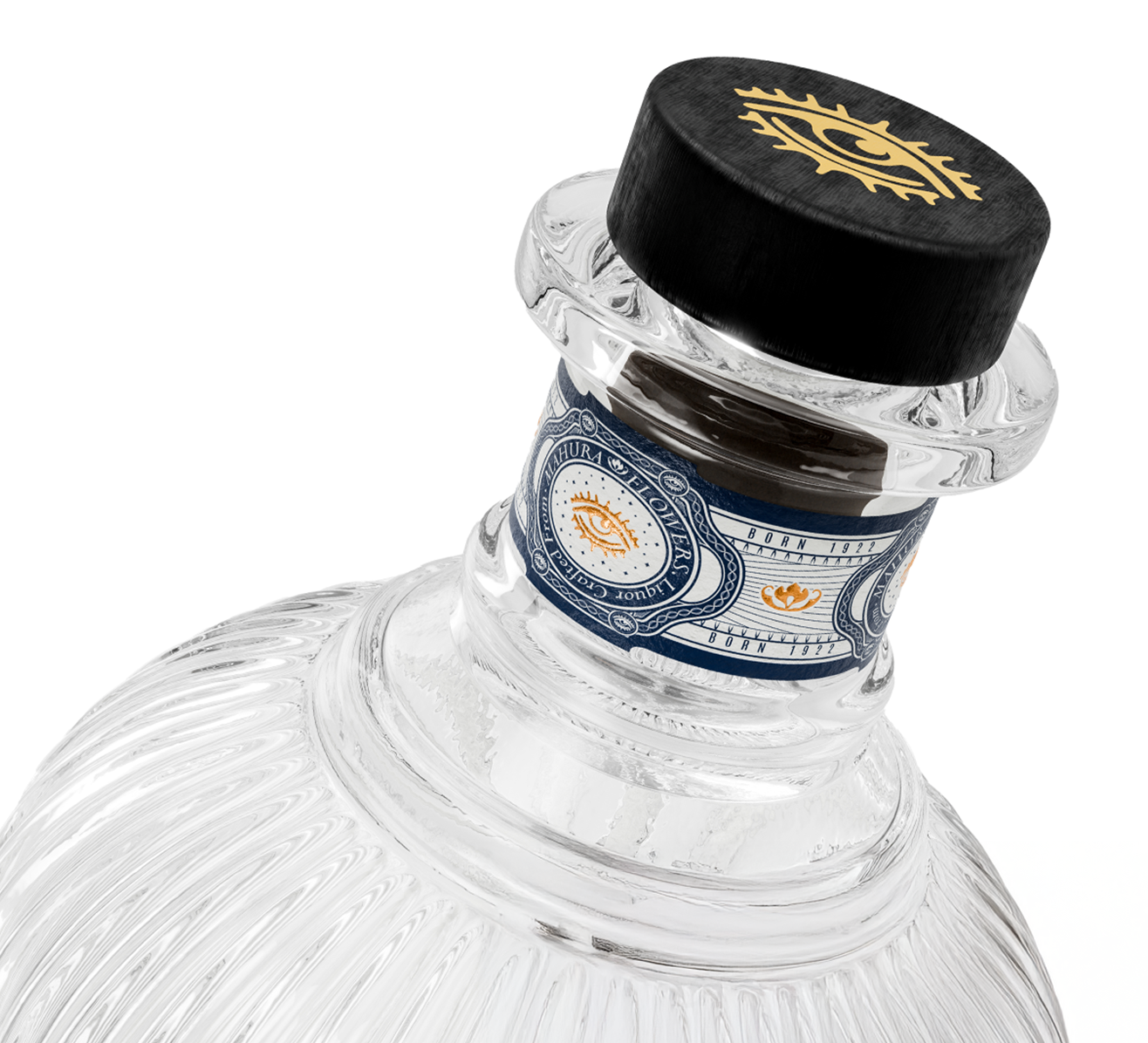
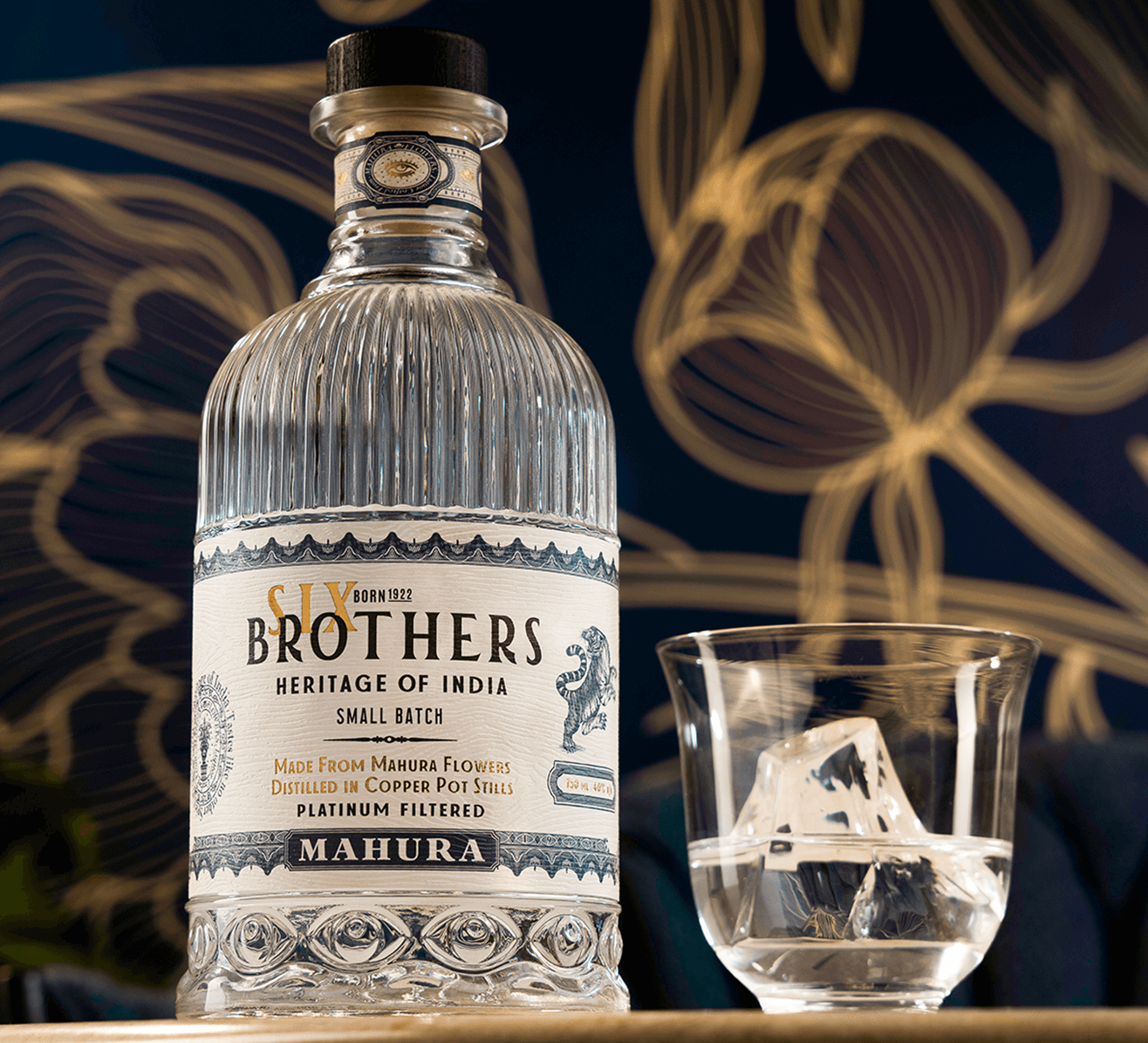
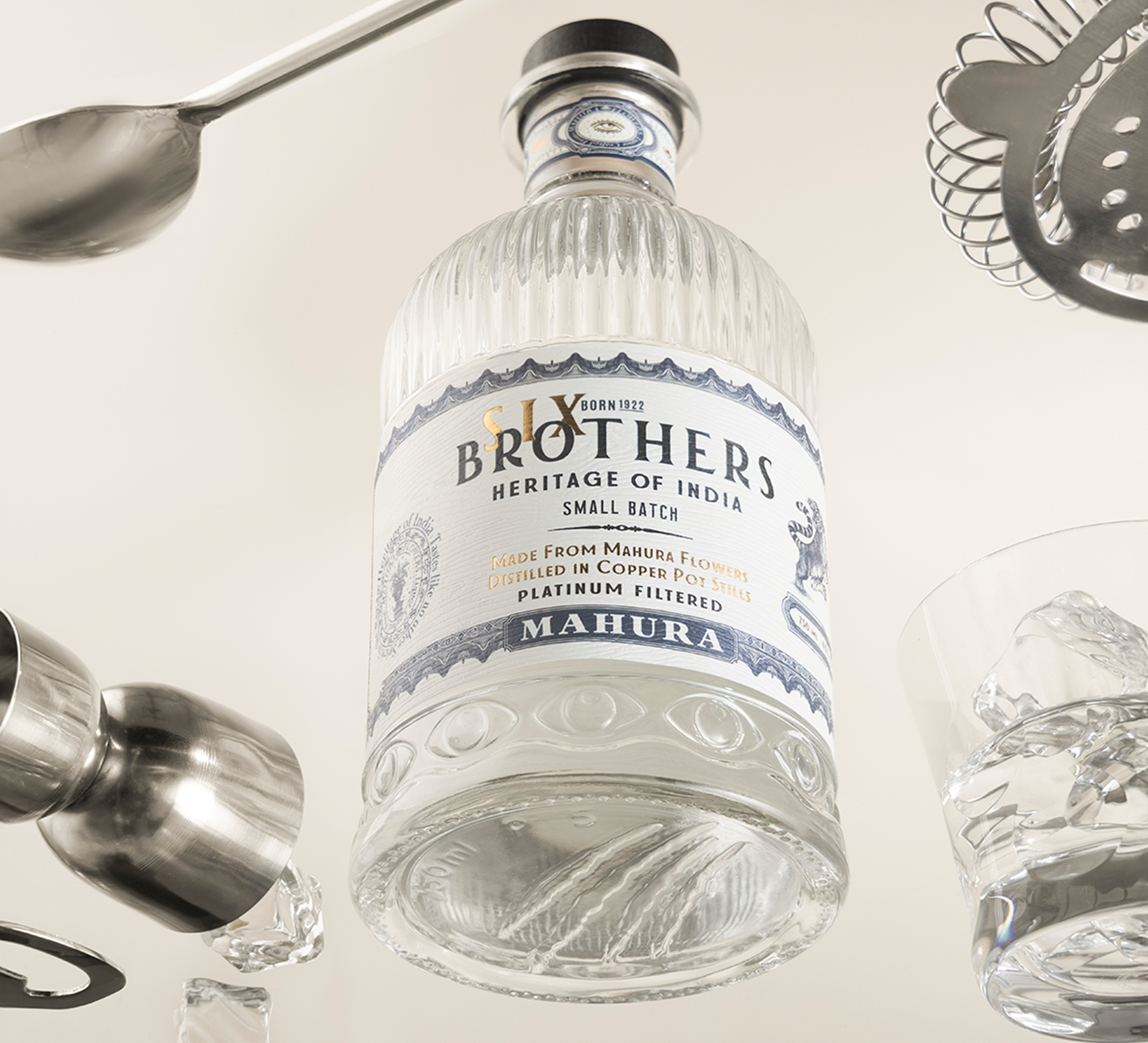
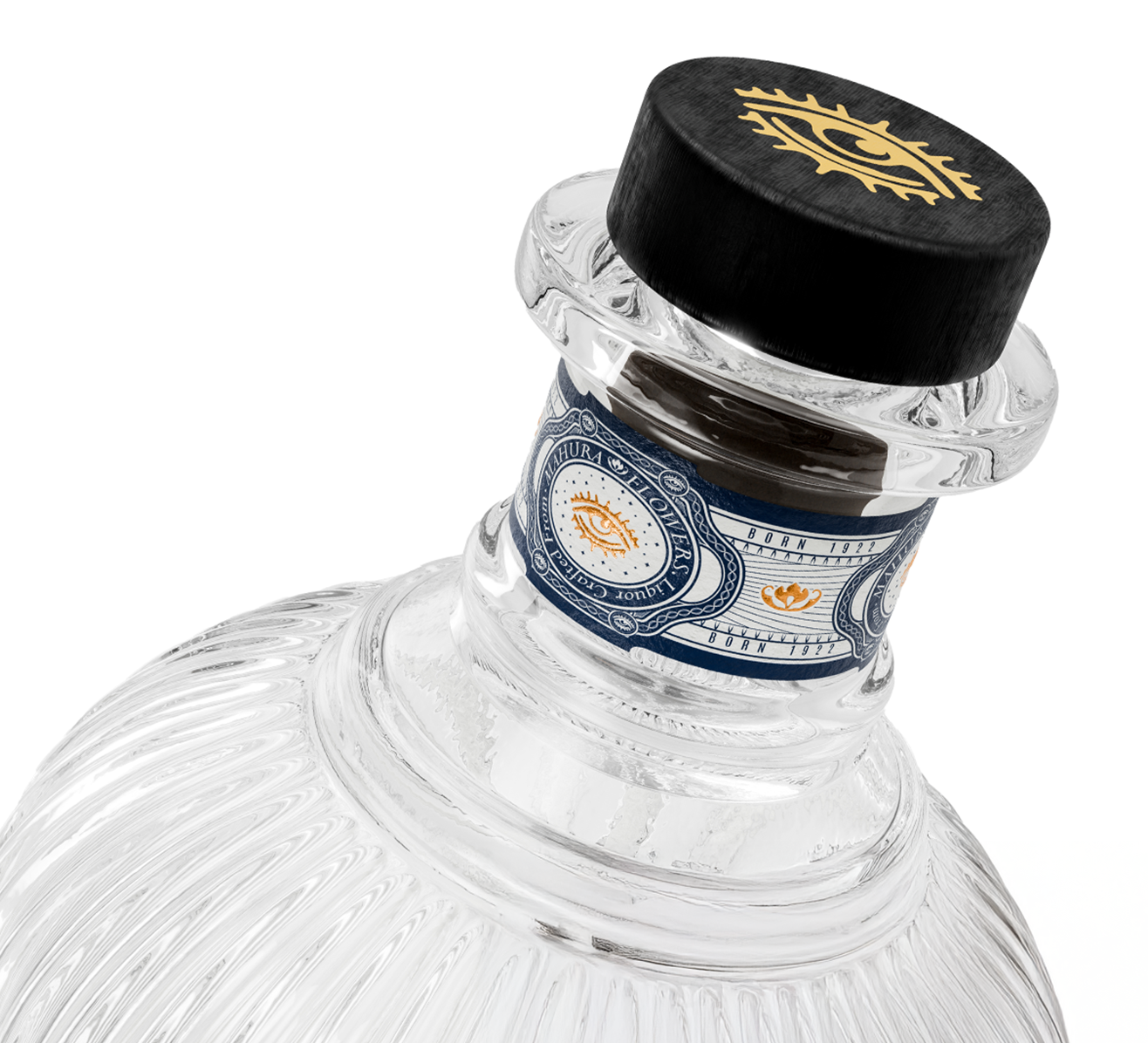
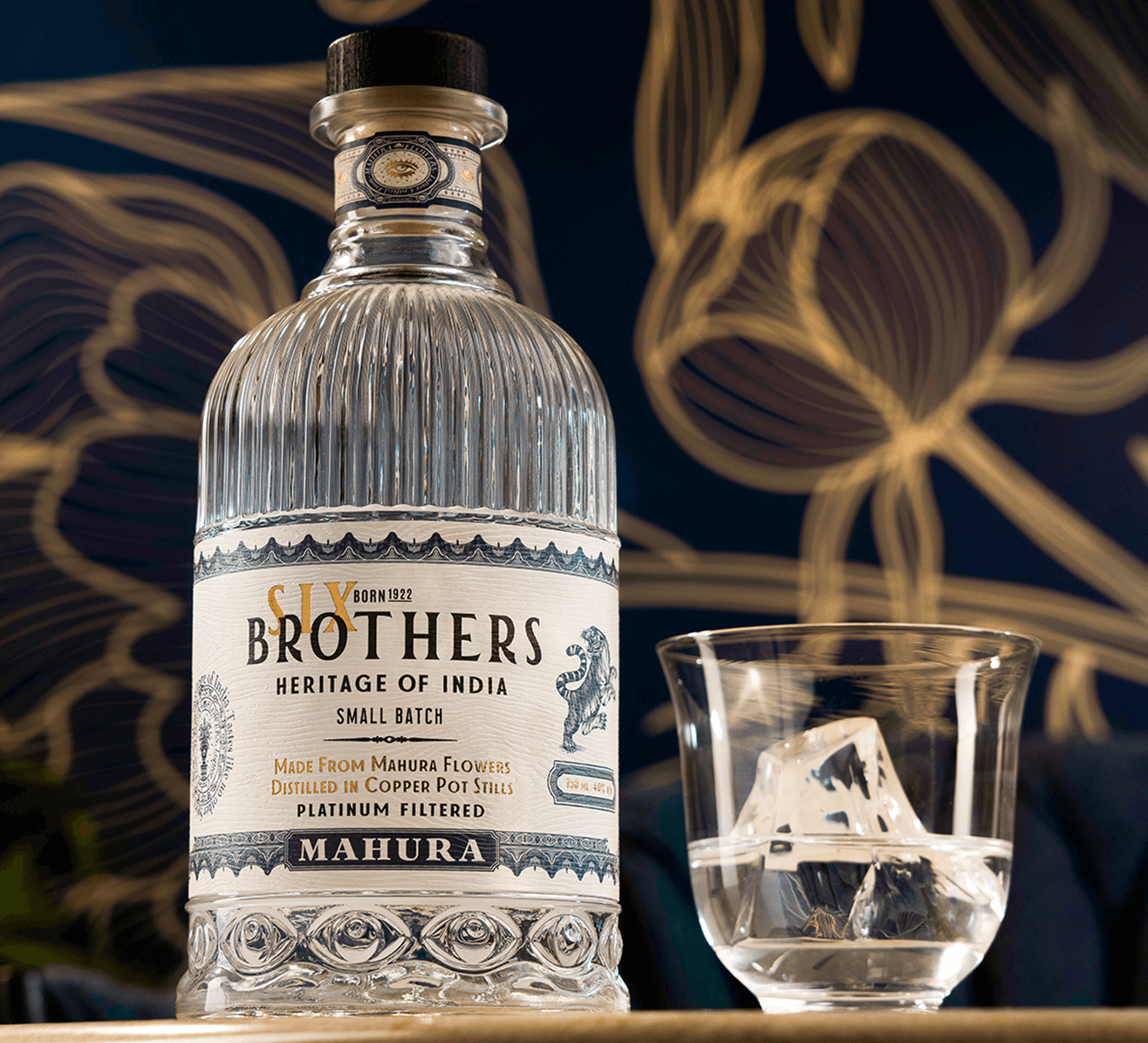
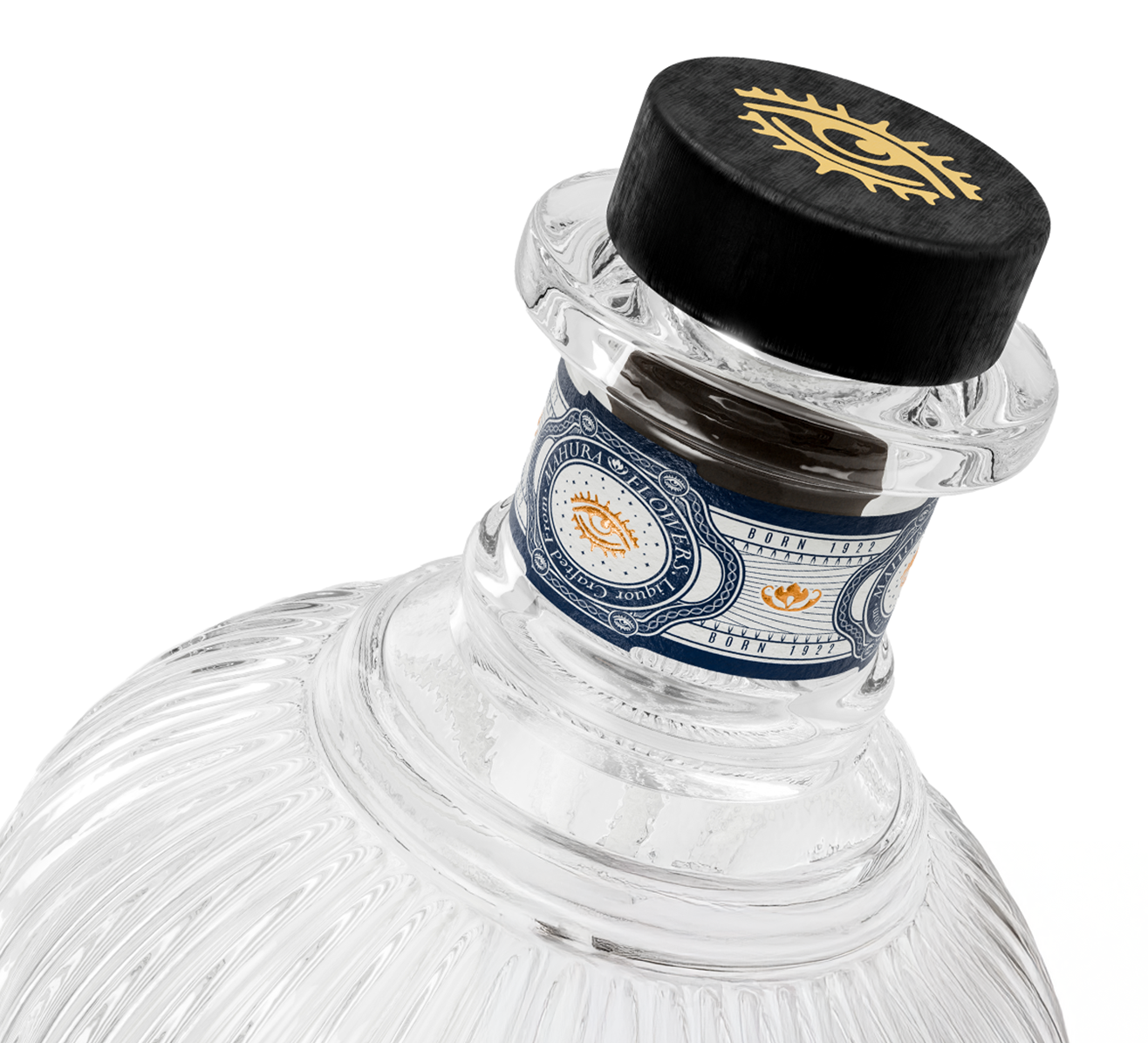
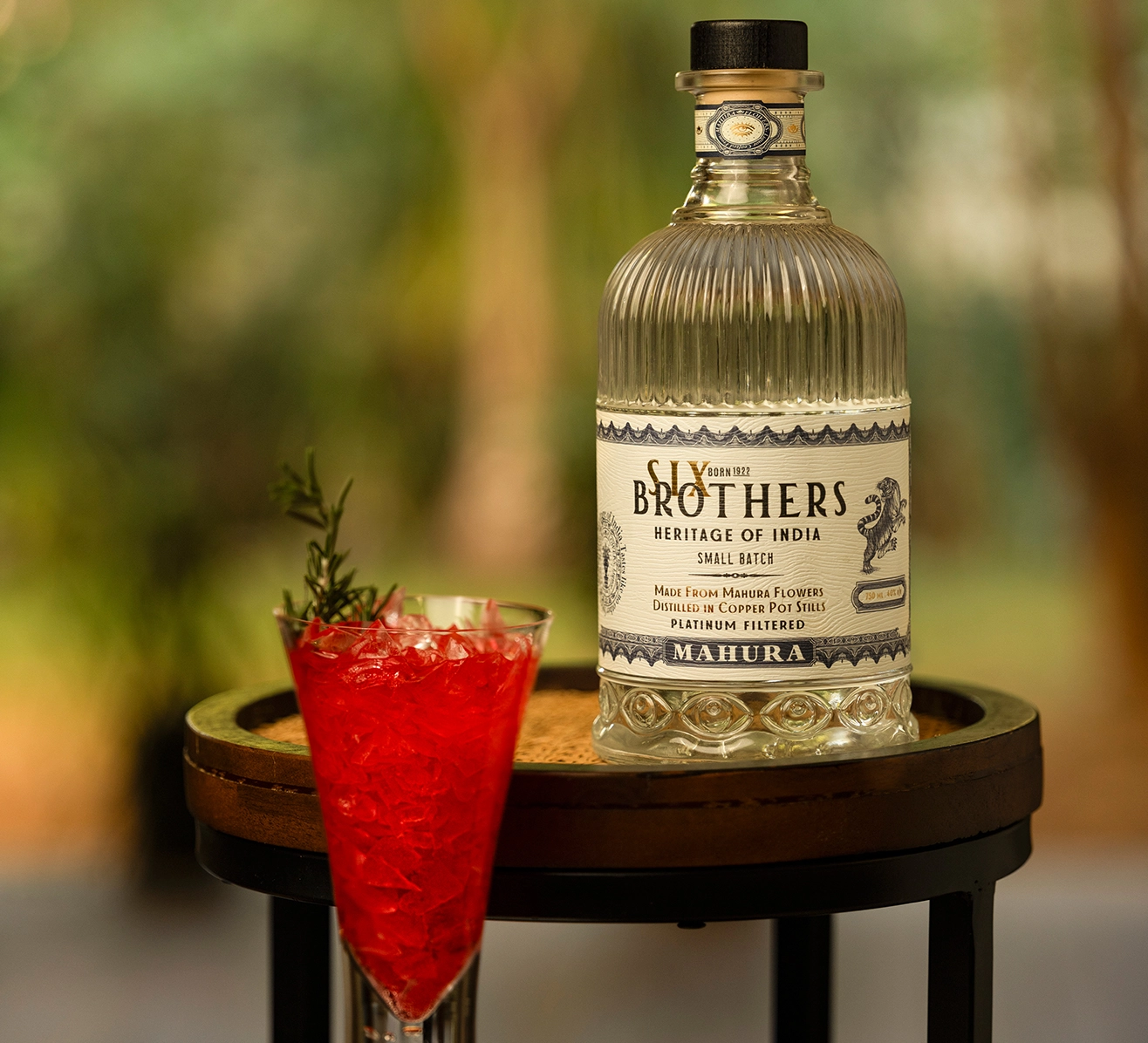
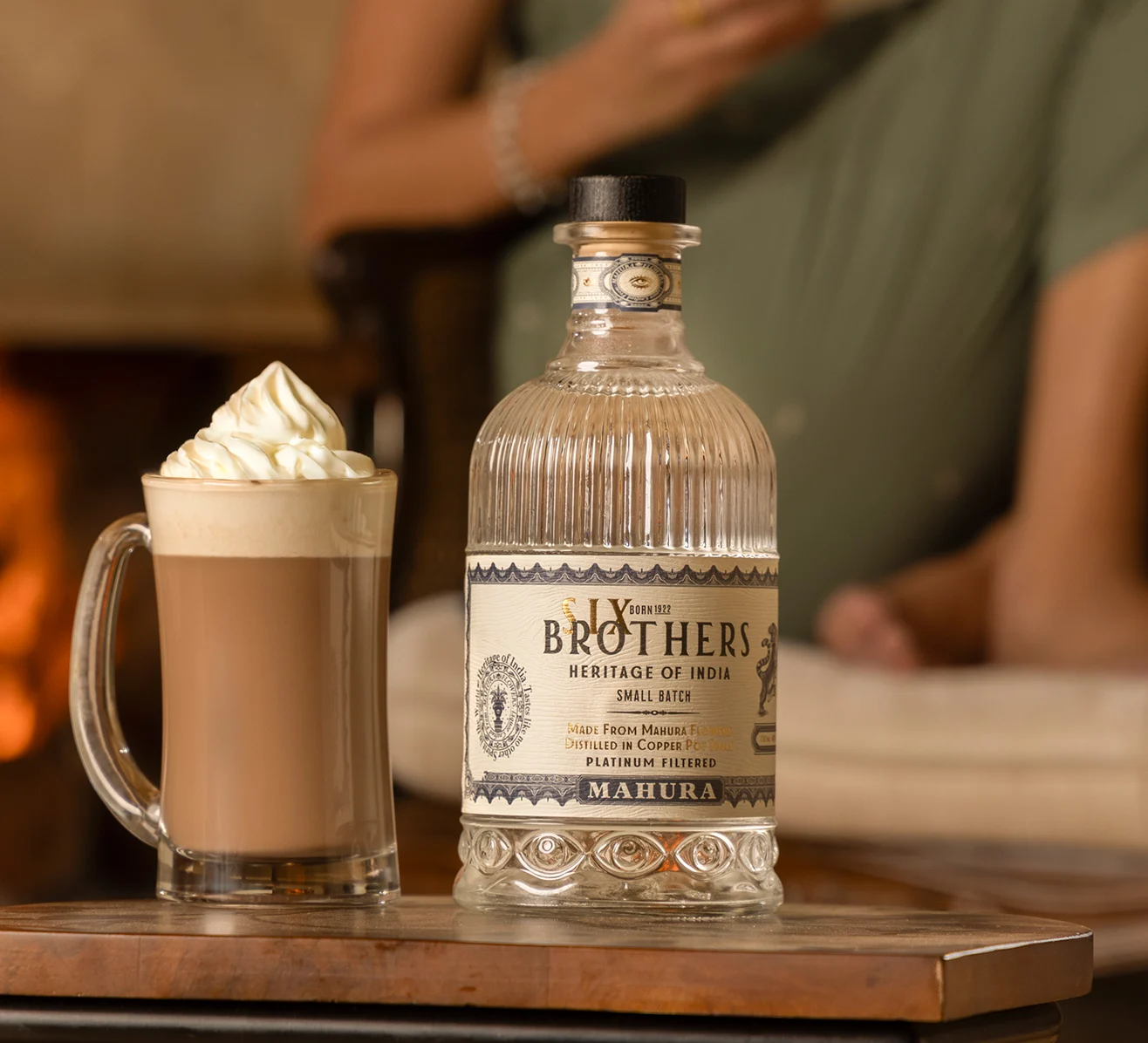
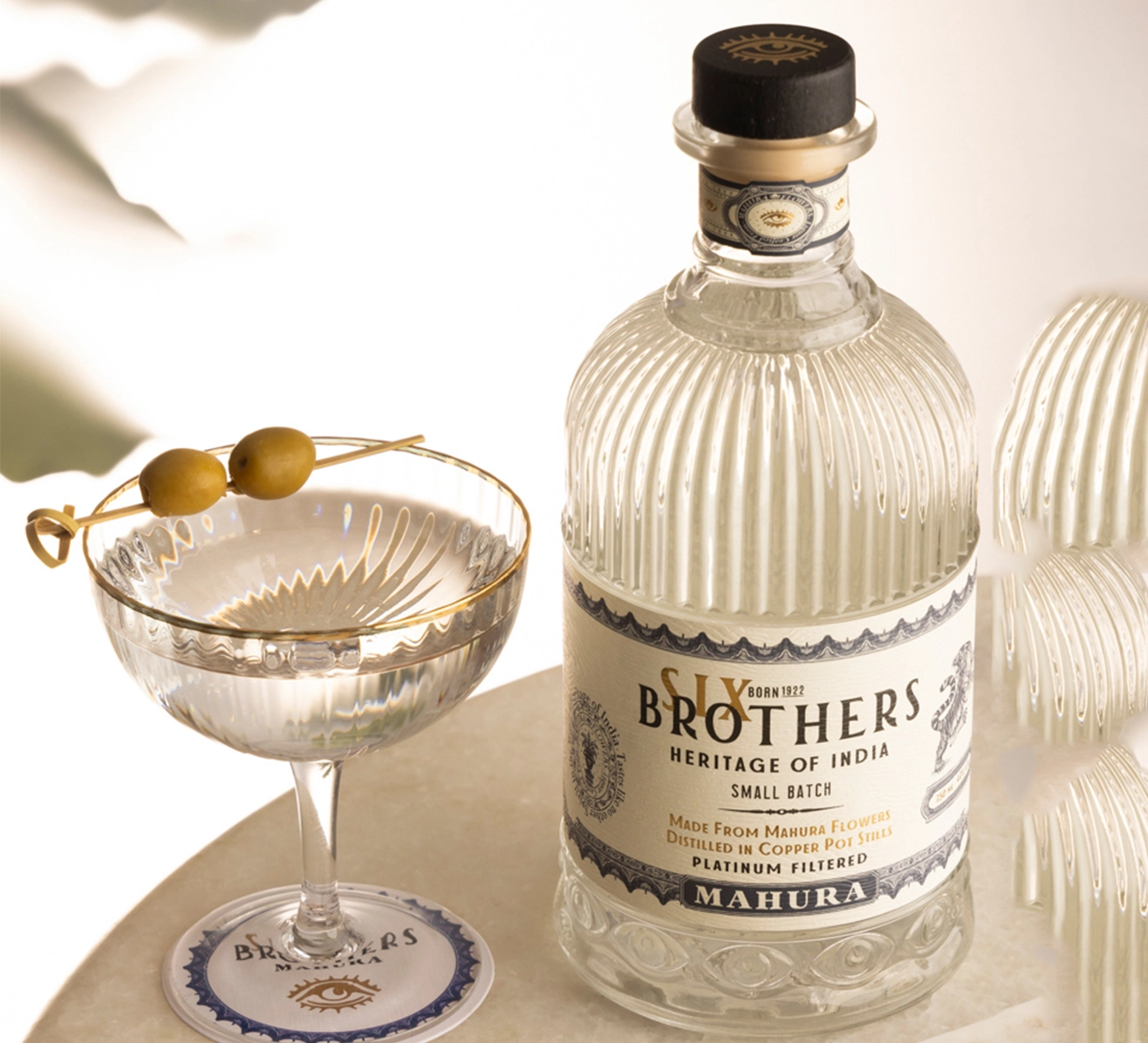
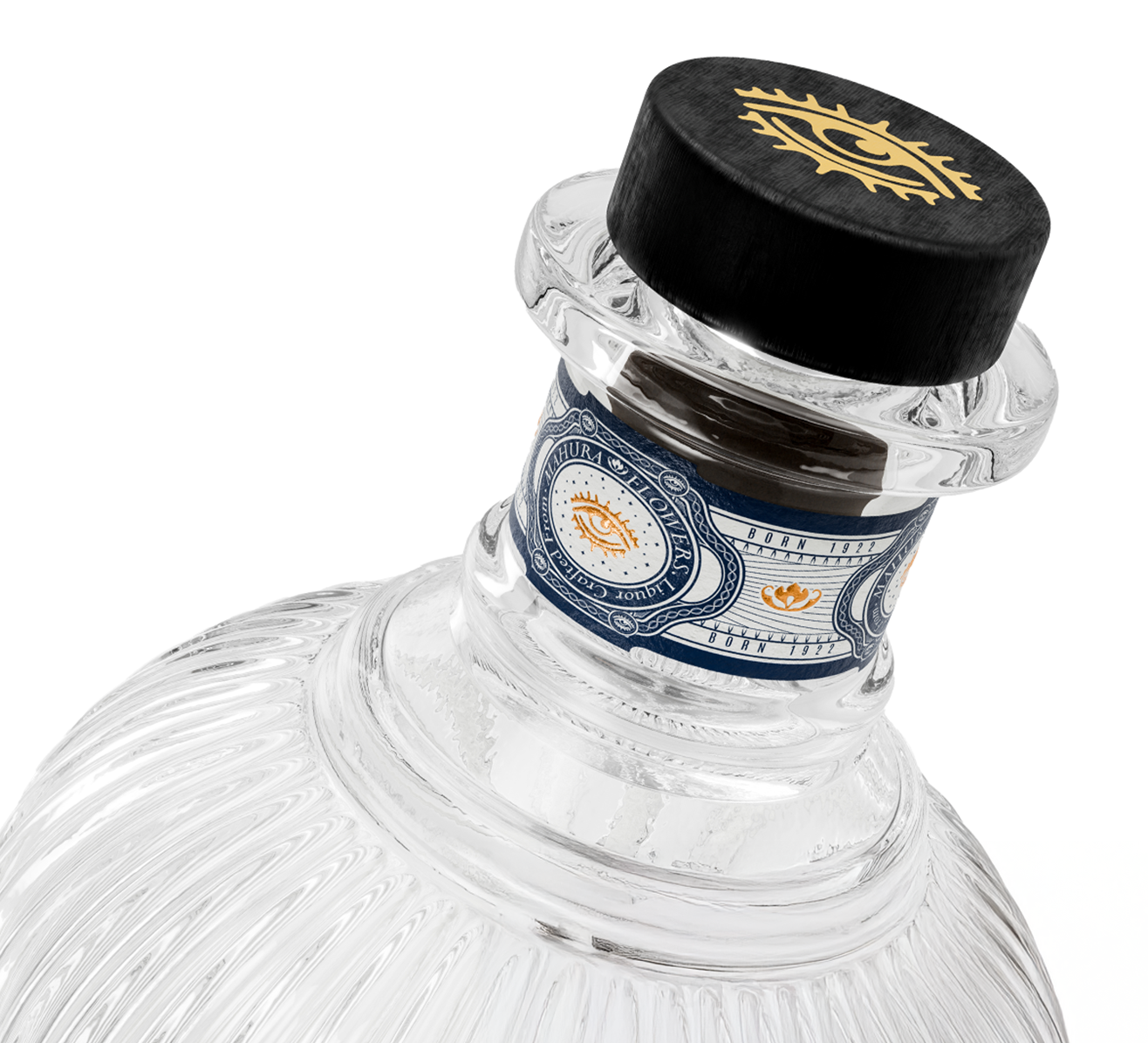
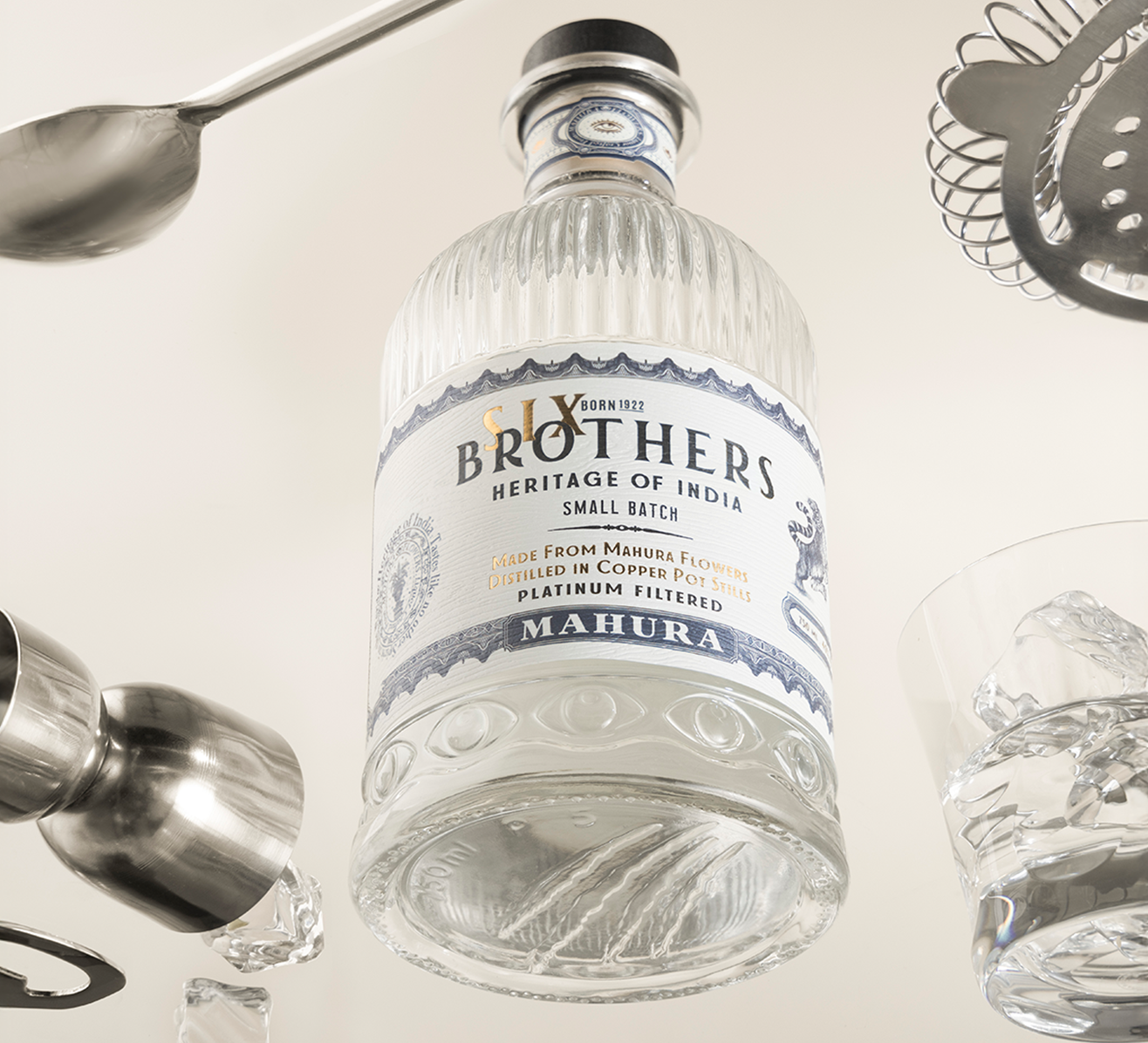
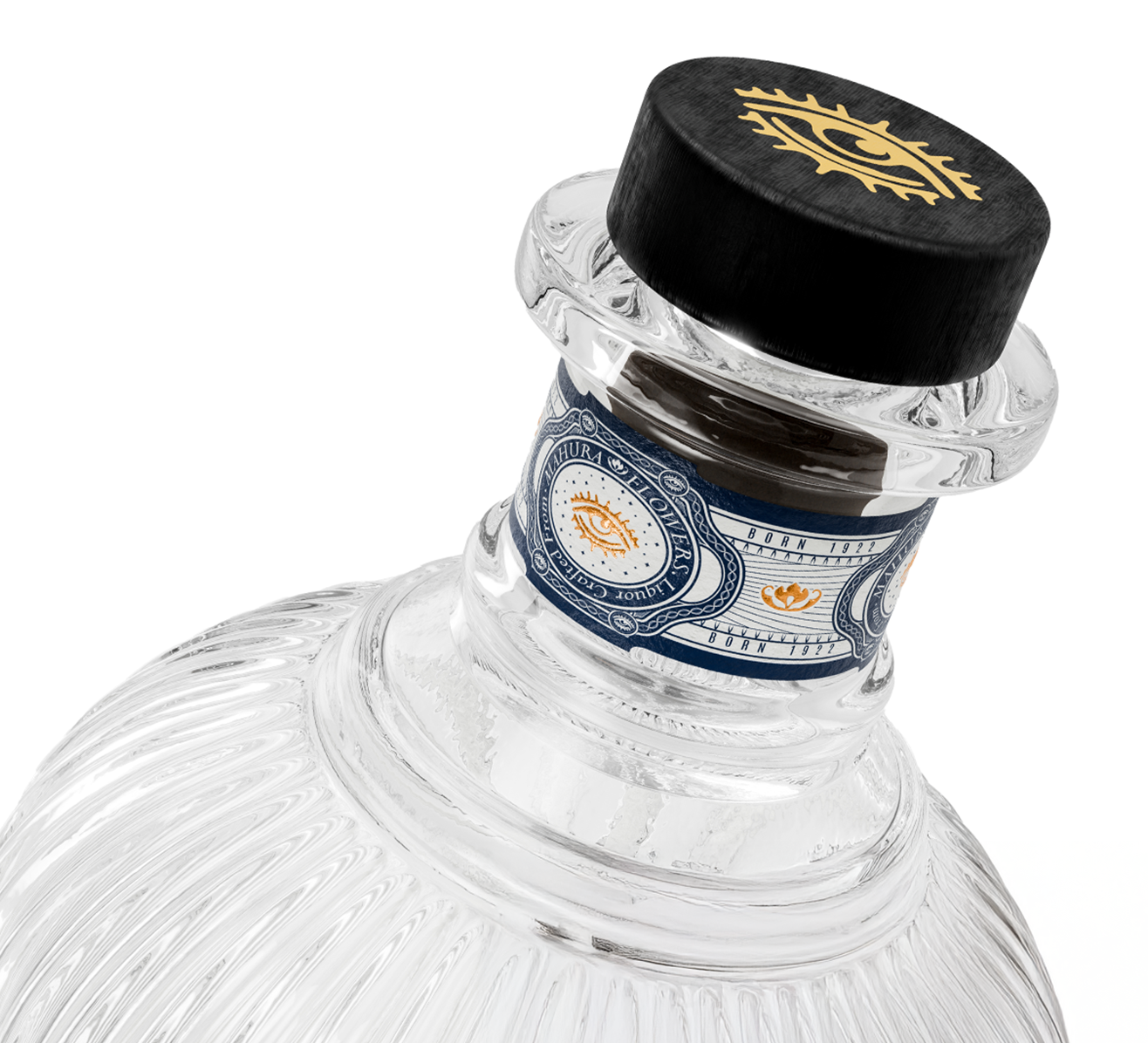
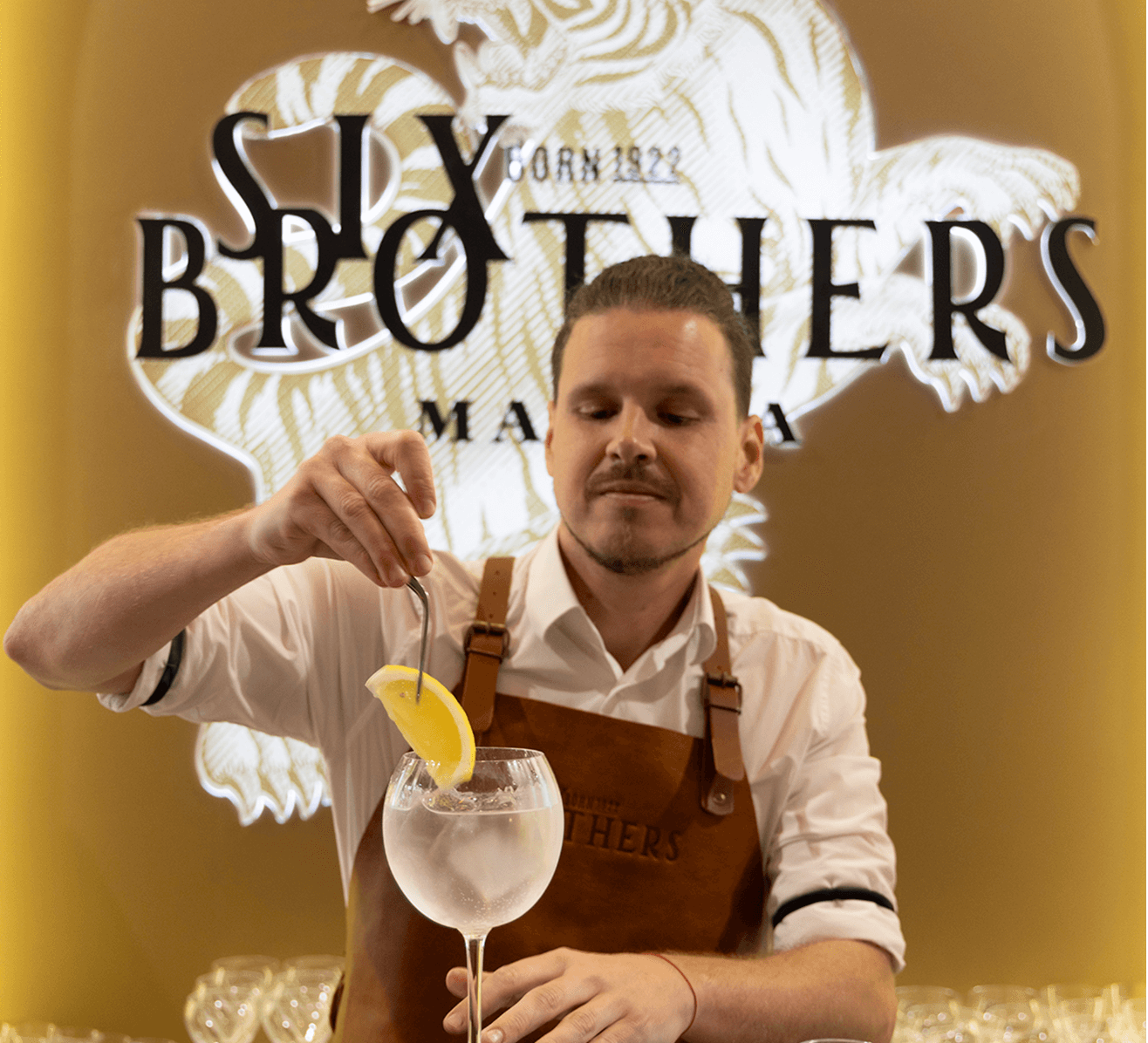
The rise of craft breweries and homegrown spirit brands in India has paved the way for beverages like Mahua. Just as craft beer revolutionized beer drinking habits, craft Mahua distilleries are working to bring this indigenous drink into mainstream consumption. Brands are focusing on bottling Mahua in stylish packaging, offering premium variants, and experimenting with blends to appeal to urban consumers. This “craft culture” trend is one of the biggest reasons why Mahua is finding space on city bar menus.
For decades, Mahua carried the stigma of being an illicit liquor due to lack of legal recognition. But in recent years, state governments and policy makers have taken steps to promote Mahua alcohol as a legitimate product. Efforts to standardize production, regulate quality, and market it as a state-backed product have boosted its credibility. With the ‘Vocal for Local’ and Atmanirbhar Bharat initiatives, Mahua is no longer seen as an underground drink but as a proud representative of India’s indigenous heritage.
Urban consumers are becoming more aware of sustainability. Since Mahua alcohol is made from naturally fallen flowers of the Mahua tree, it has a low environmental impact compared to some other spirits that require intensive farming. Supporting Mahua also helps communities who depend on Mahua flowers for their livelihood, making it a drink that ties in well with the values of conscious urban consumers.
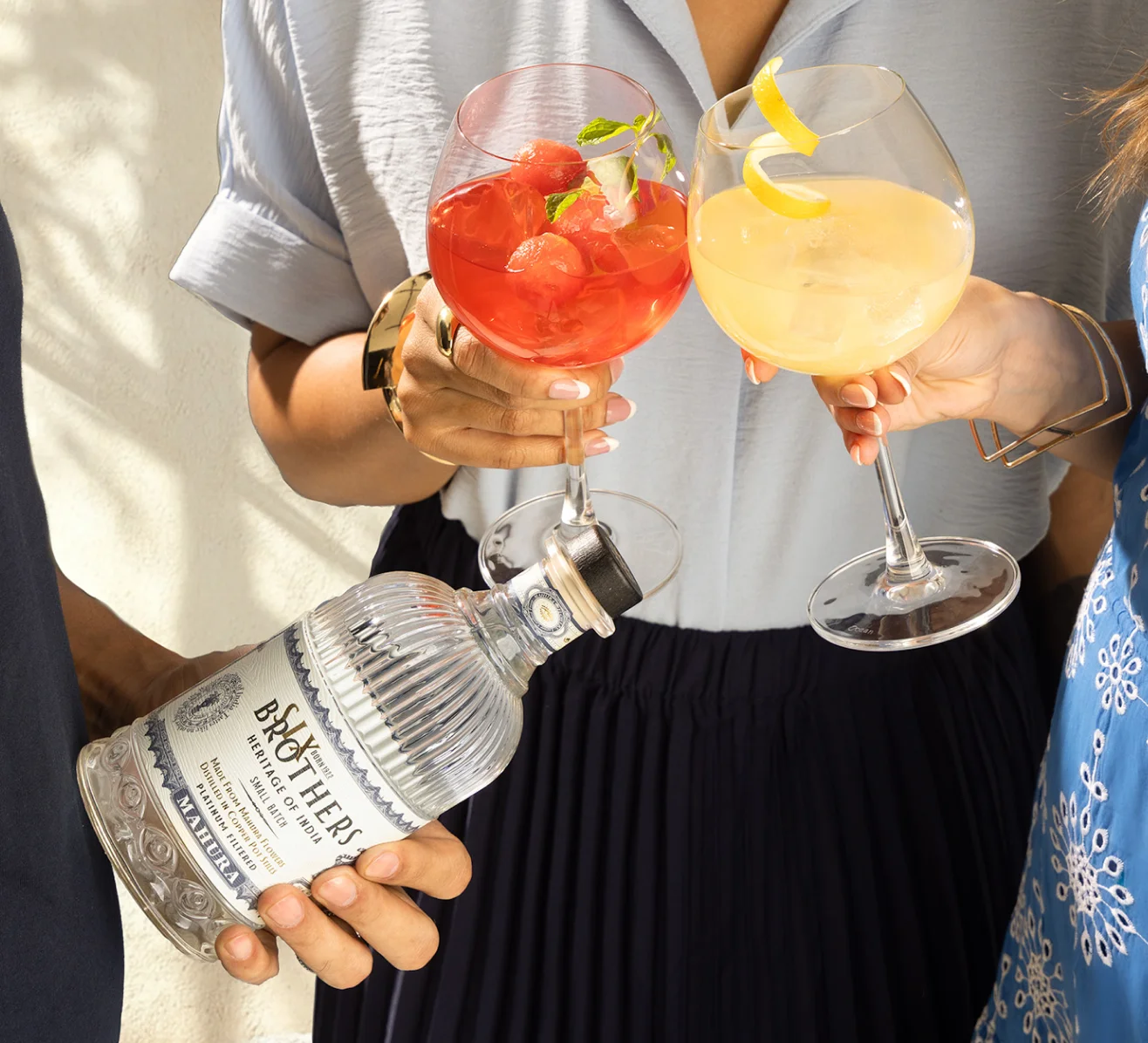
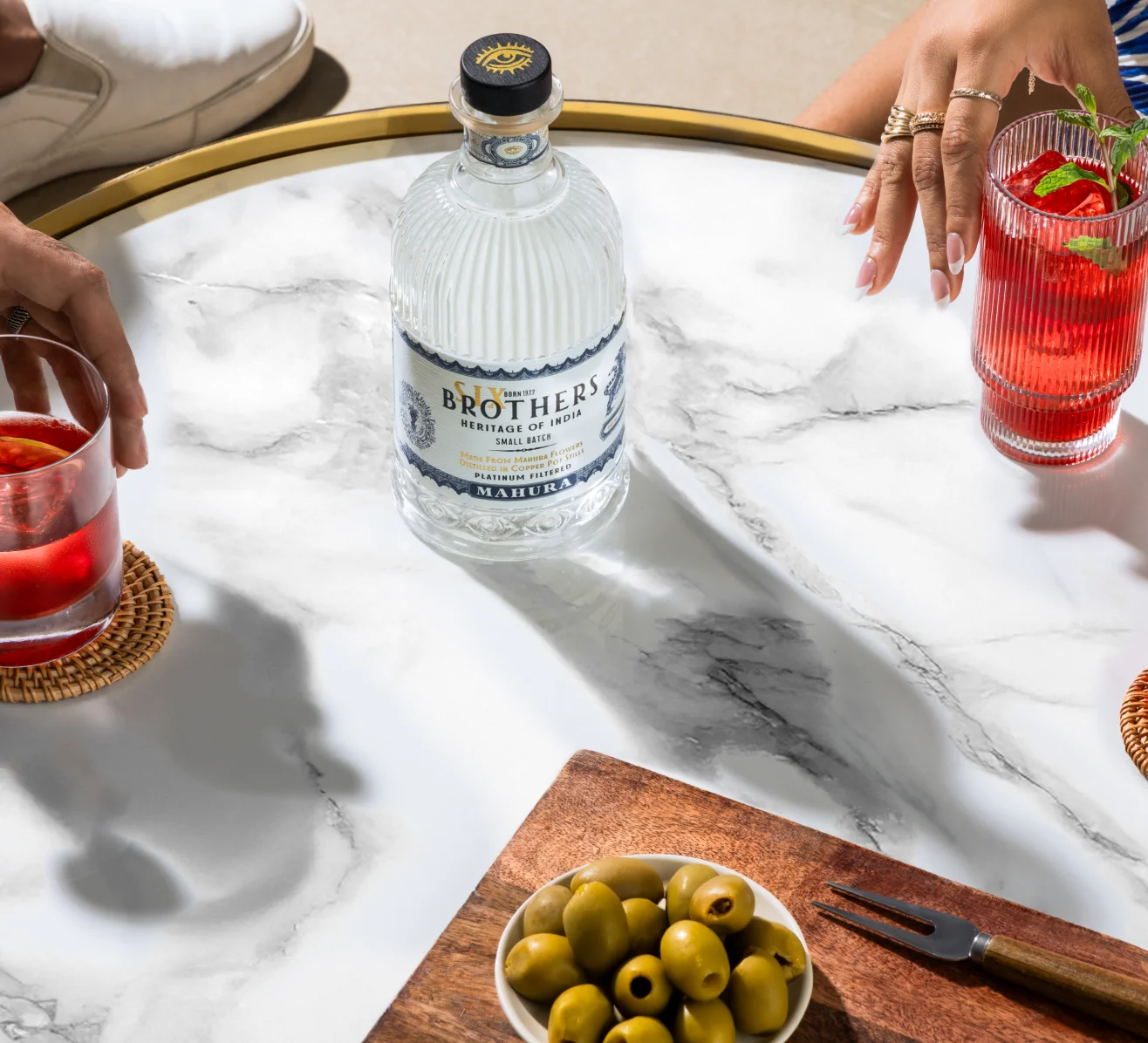
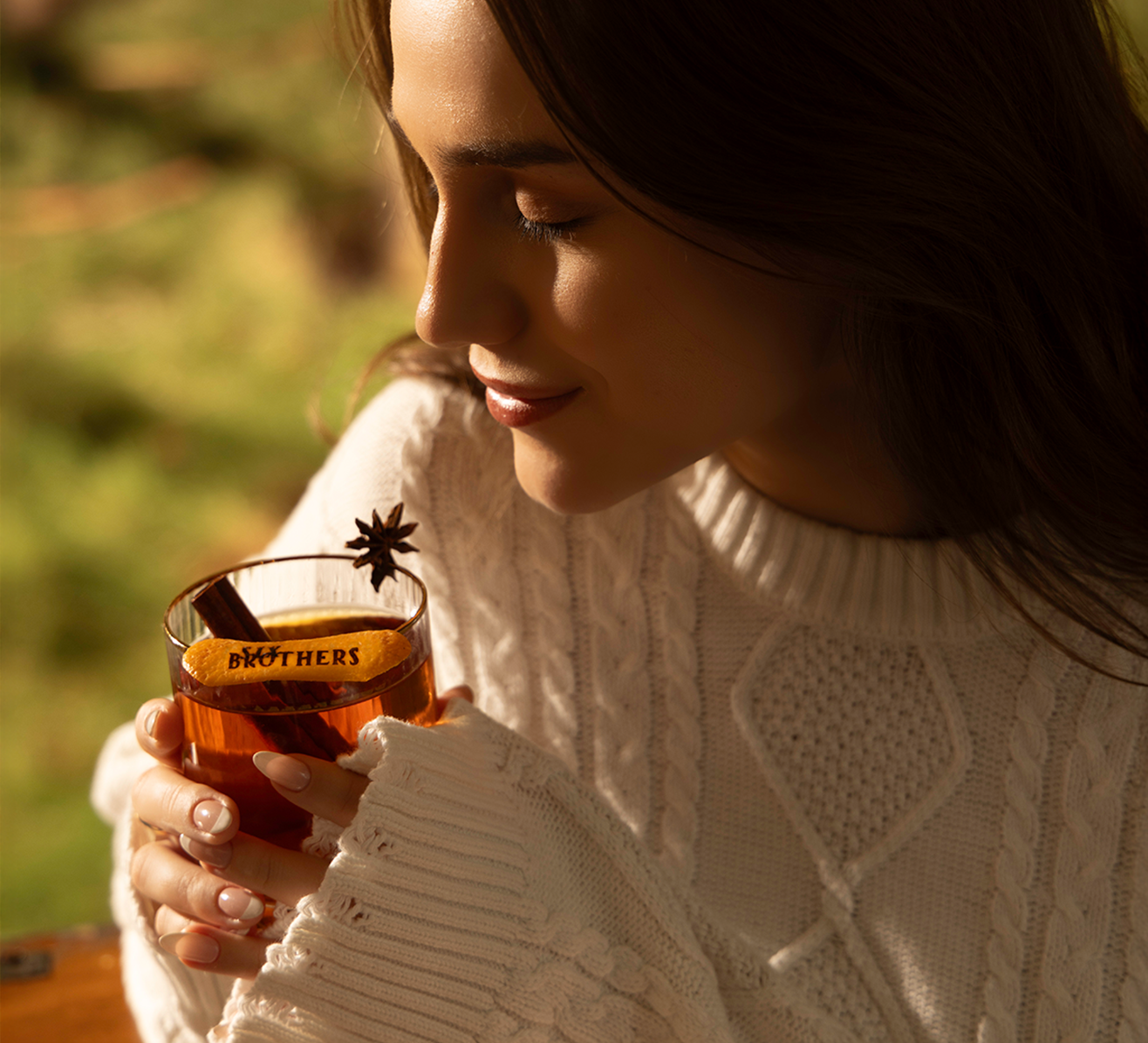
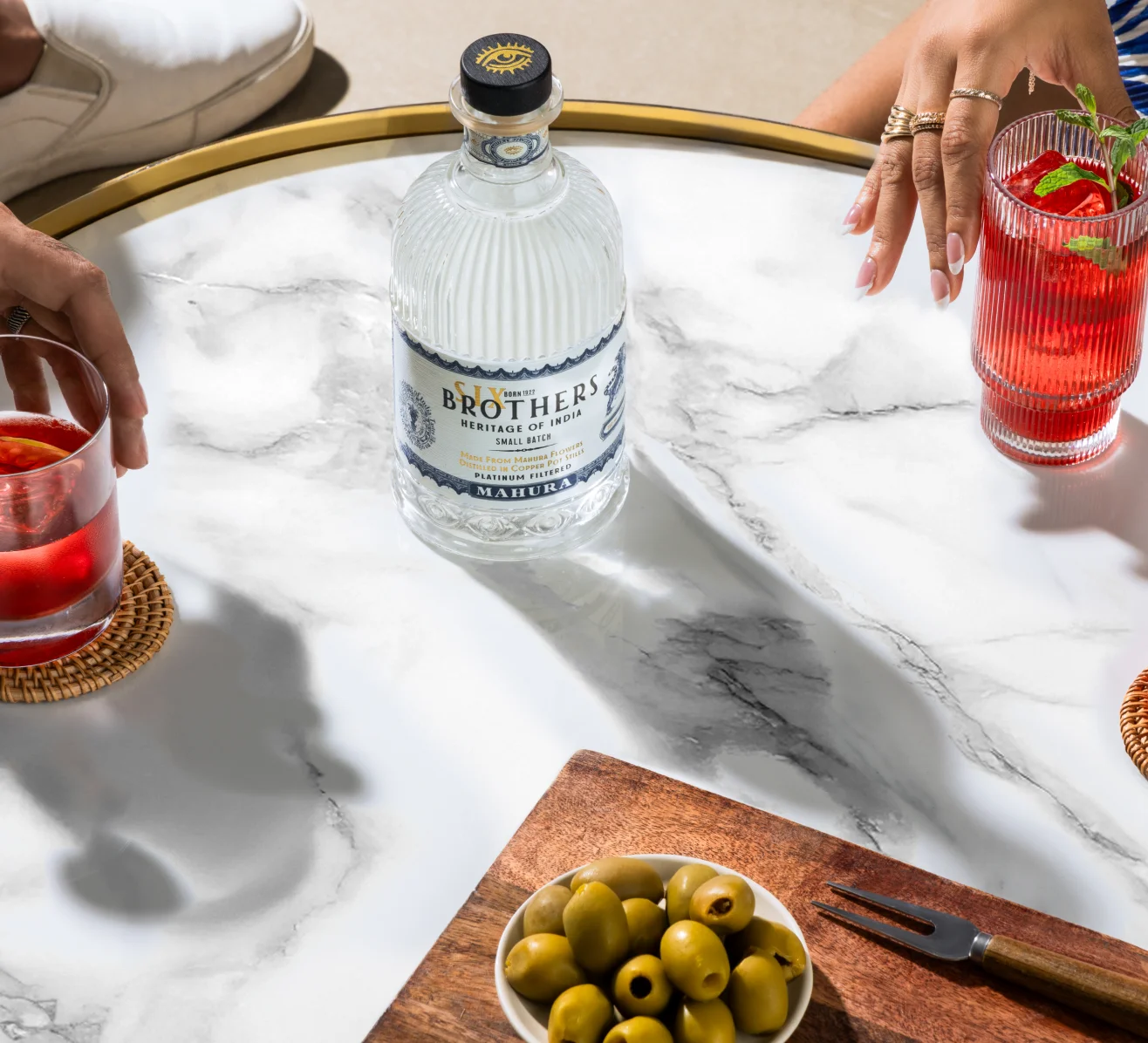
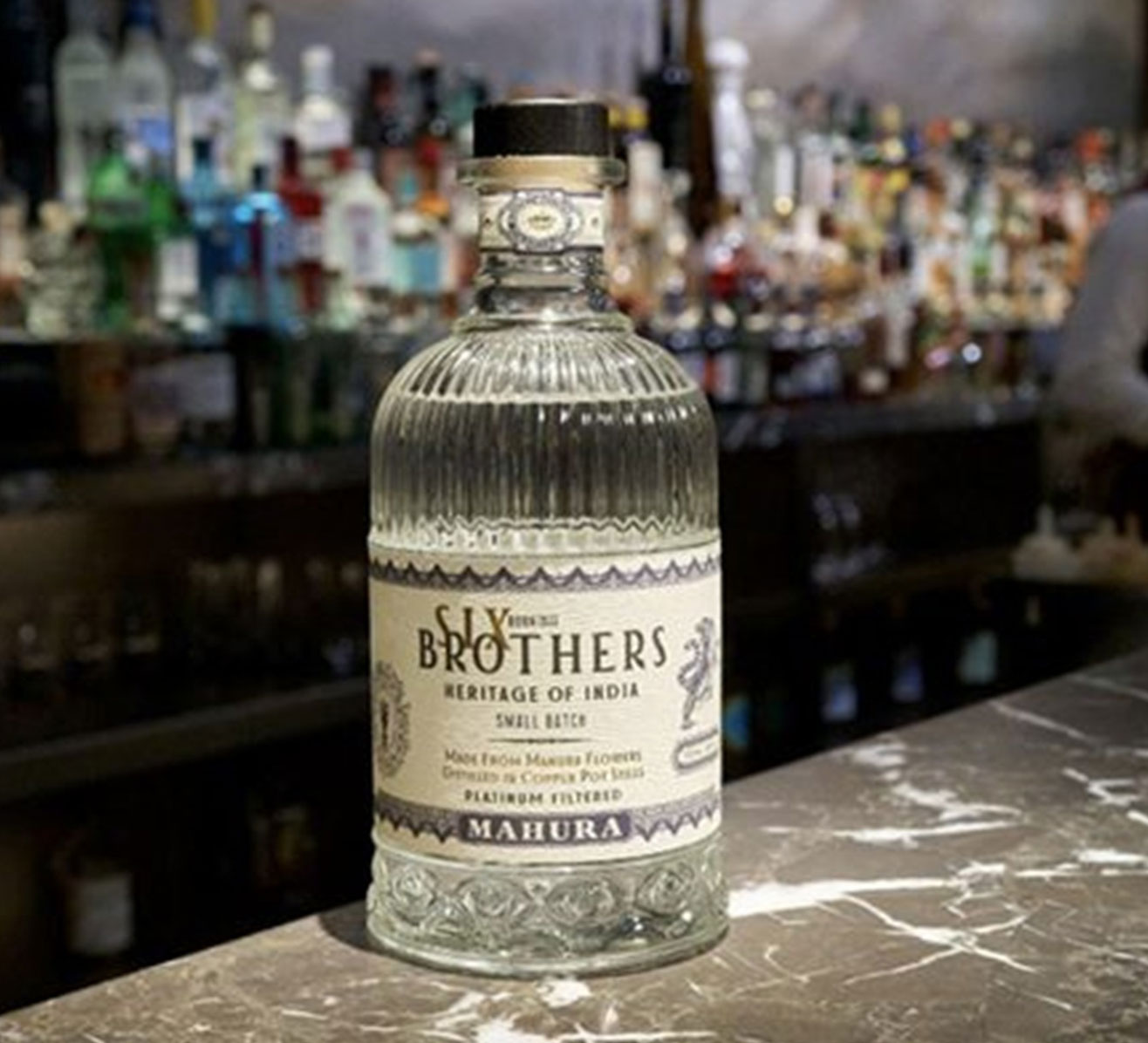
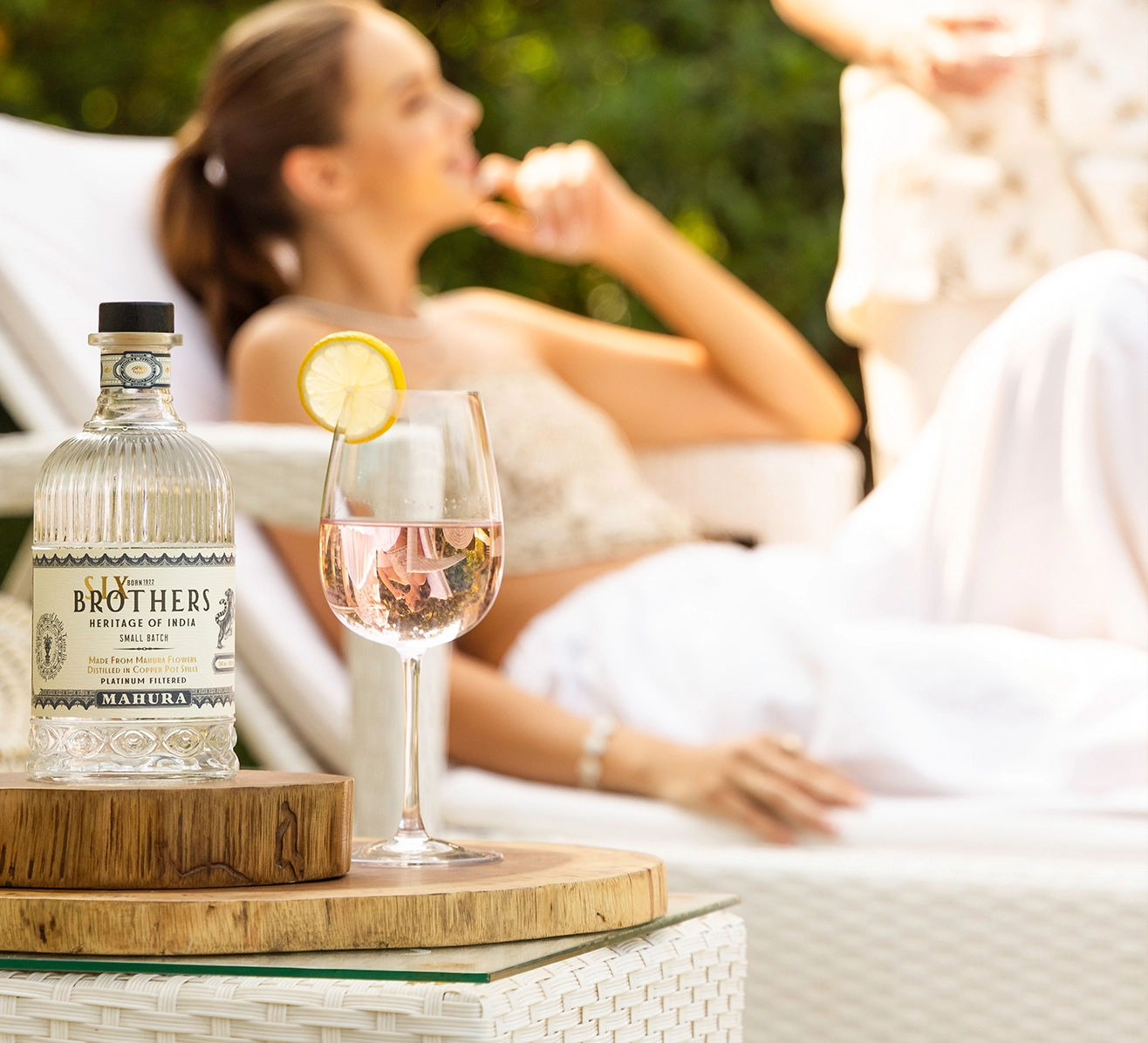
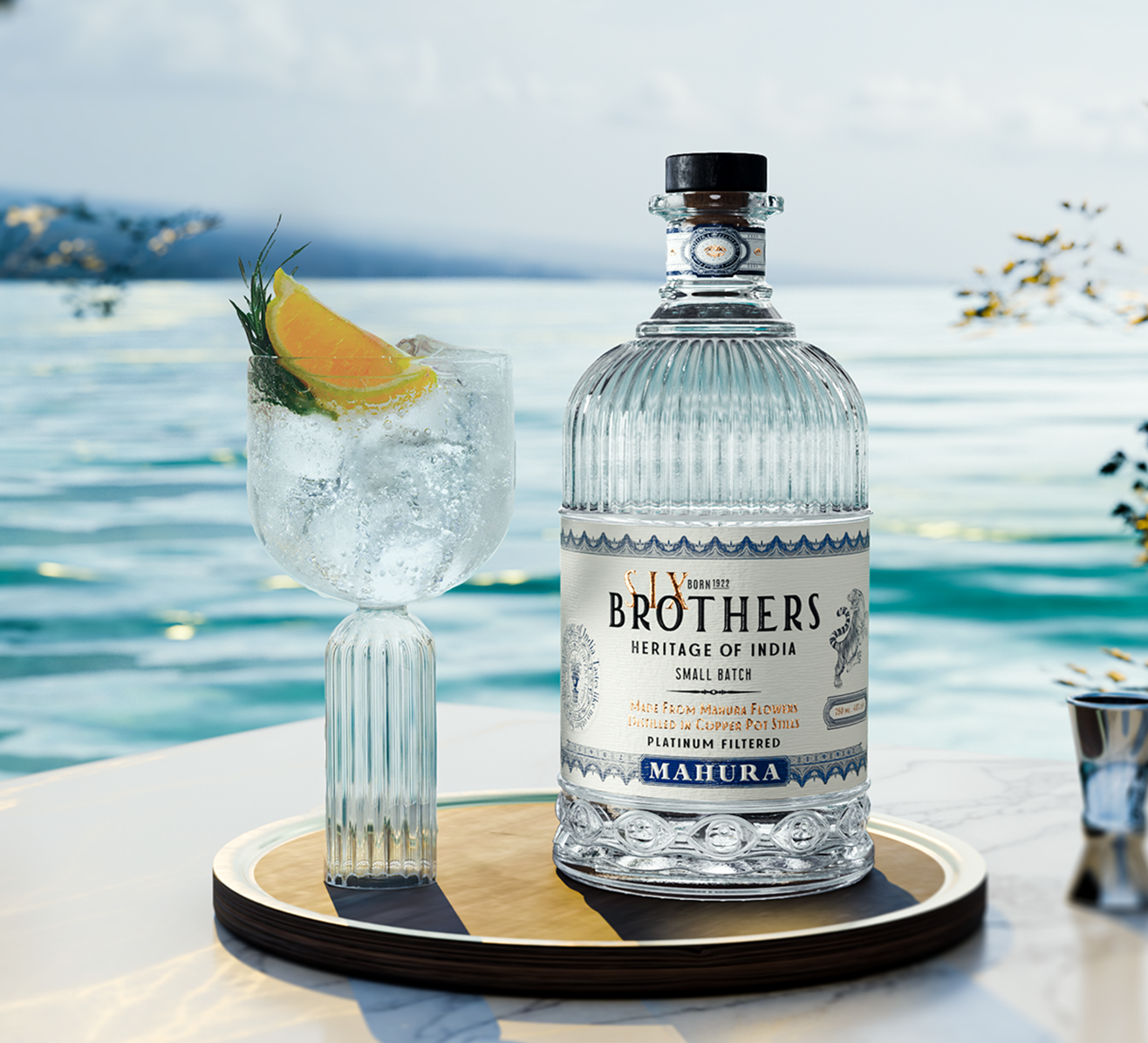
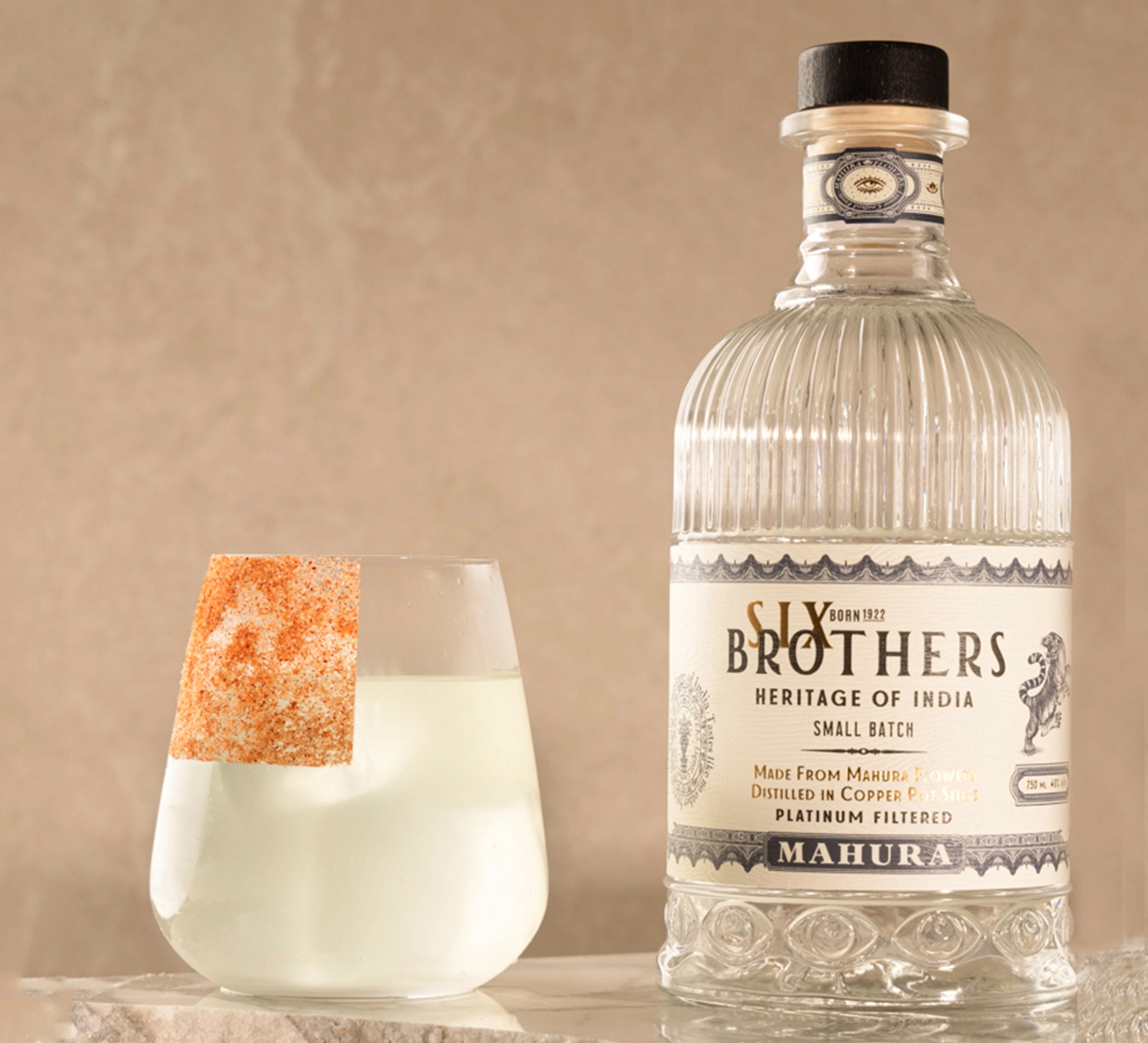
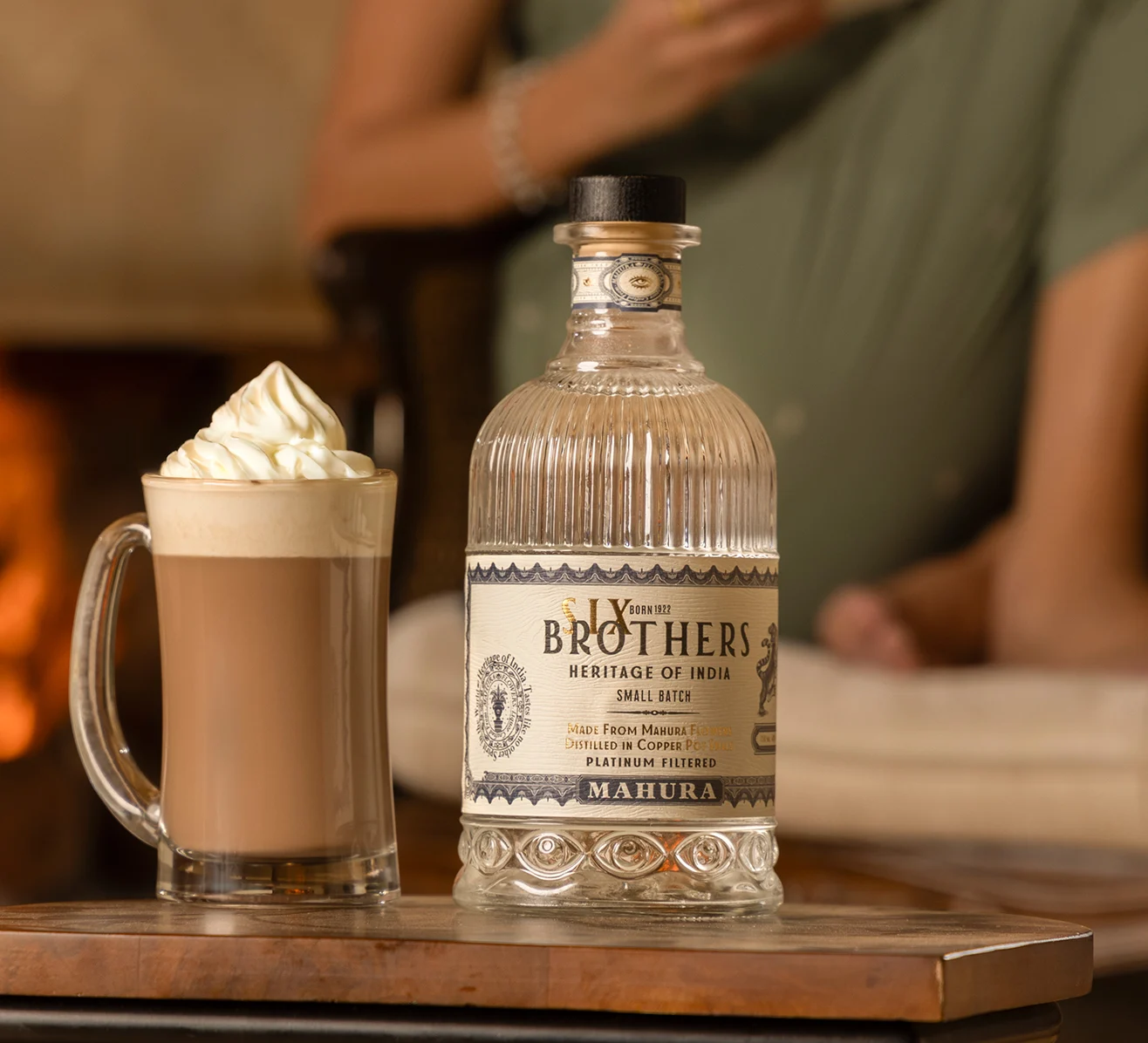
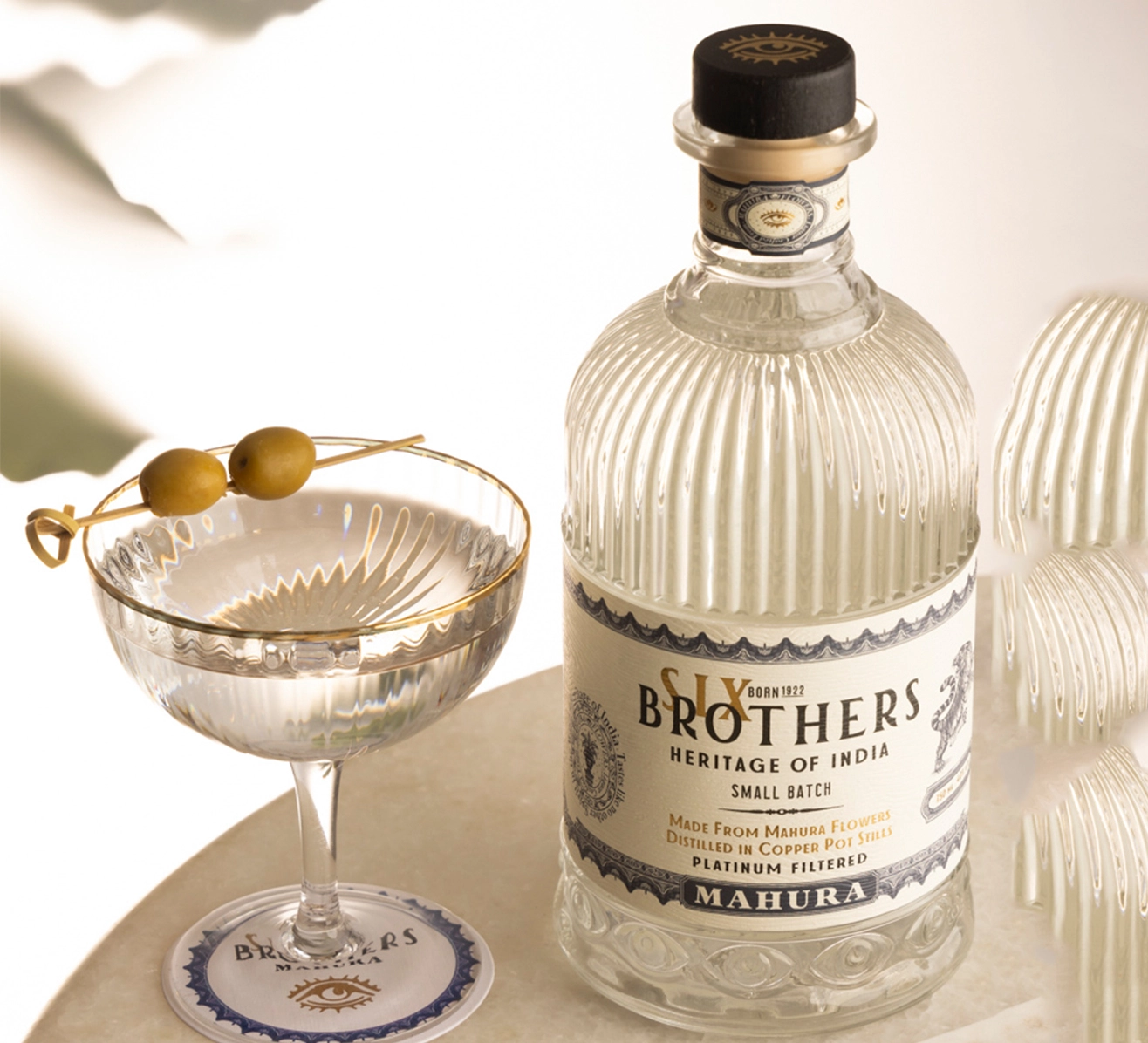
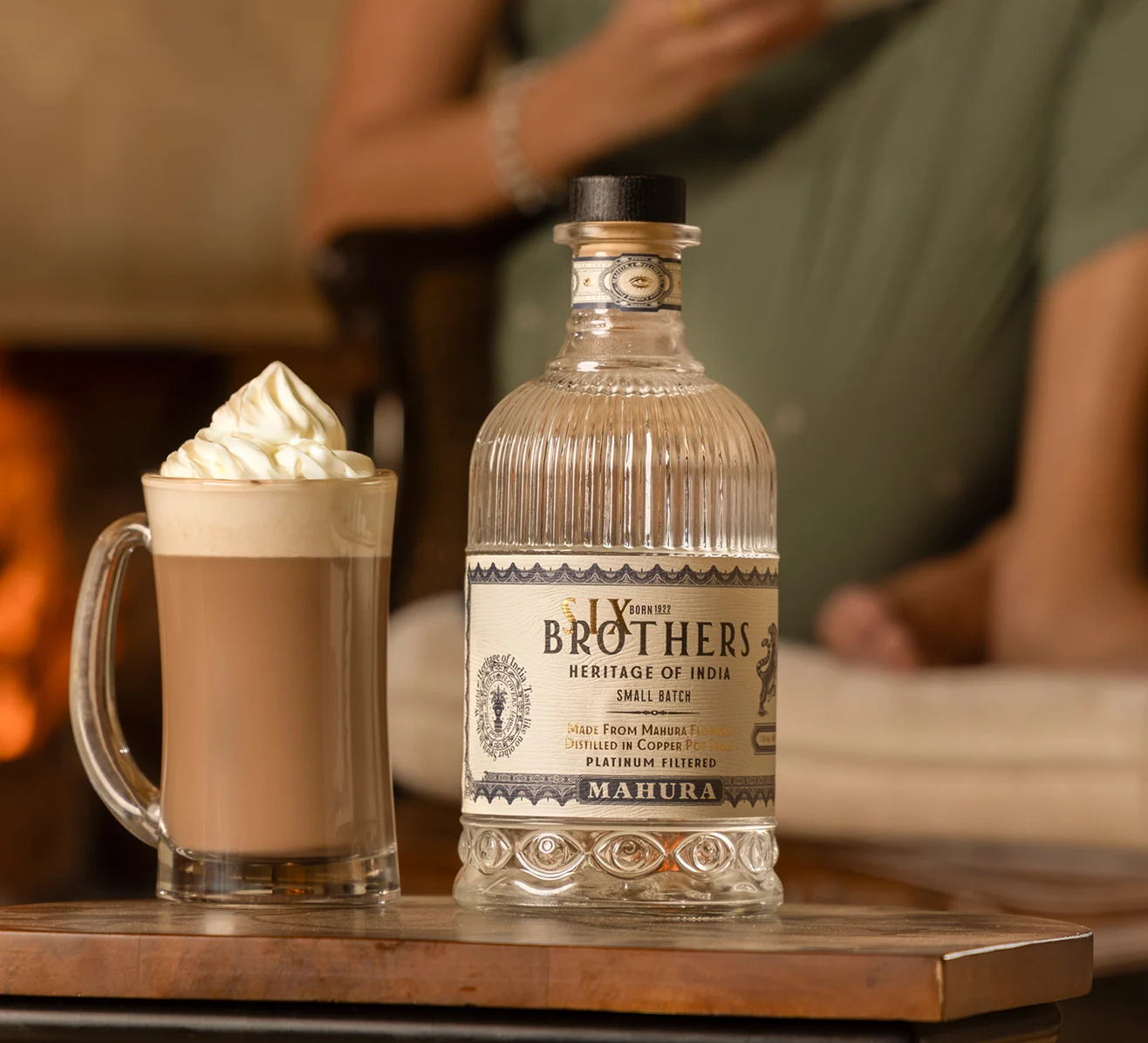
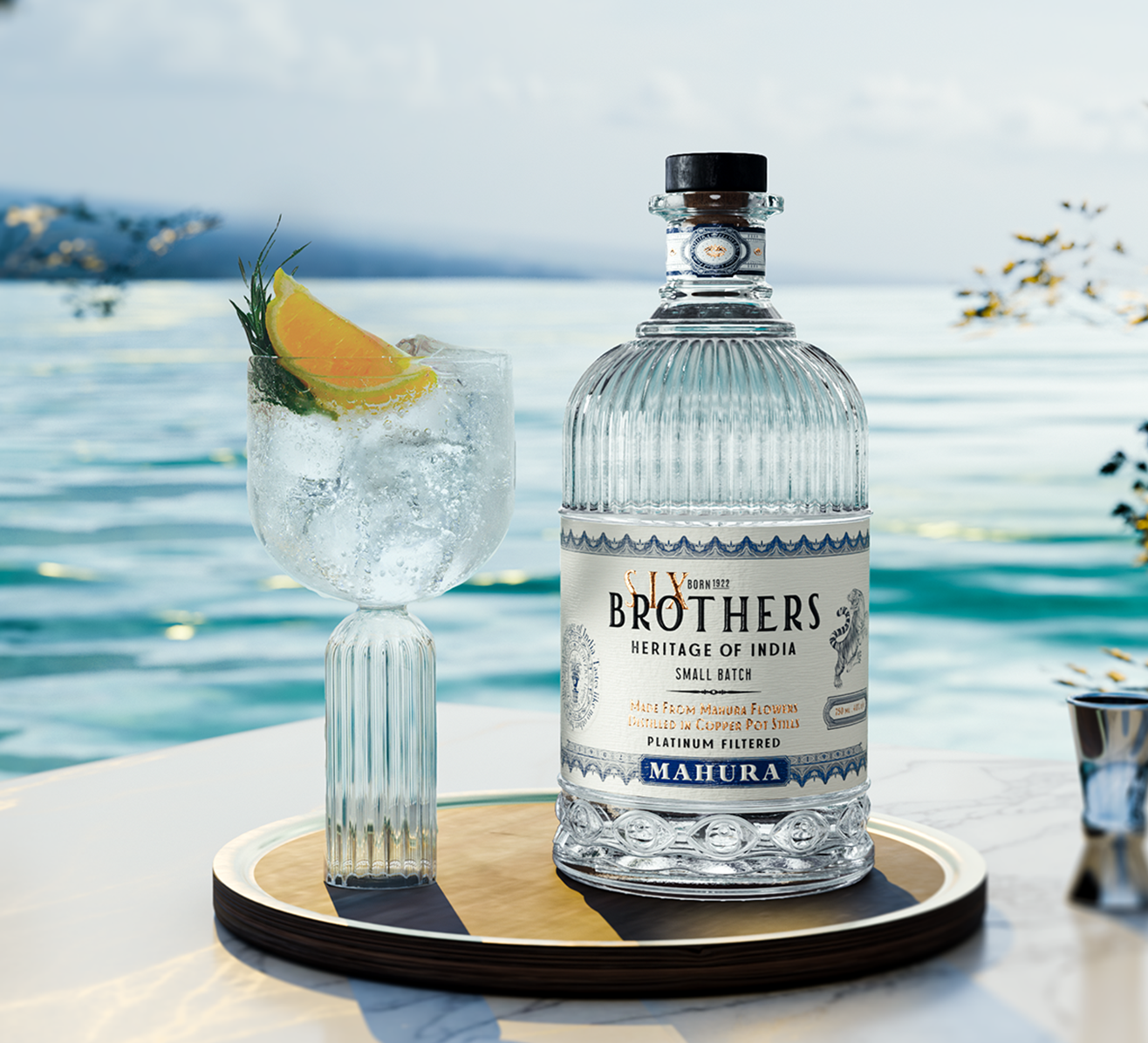
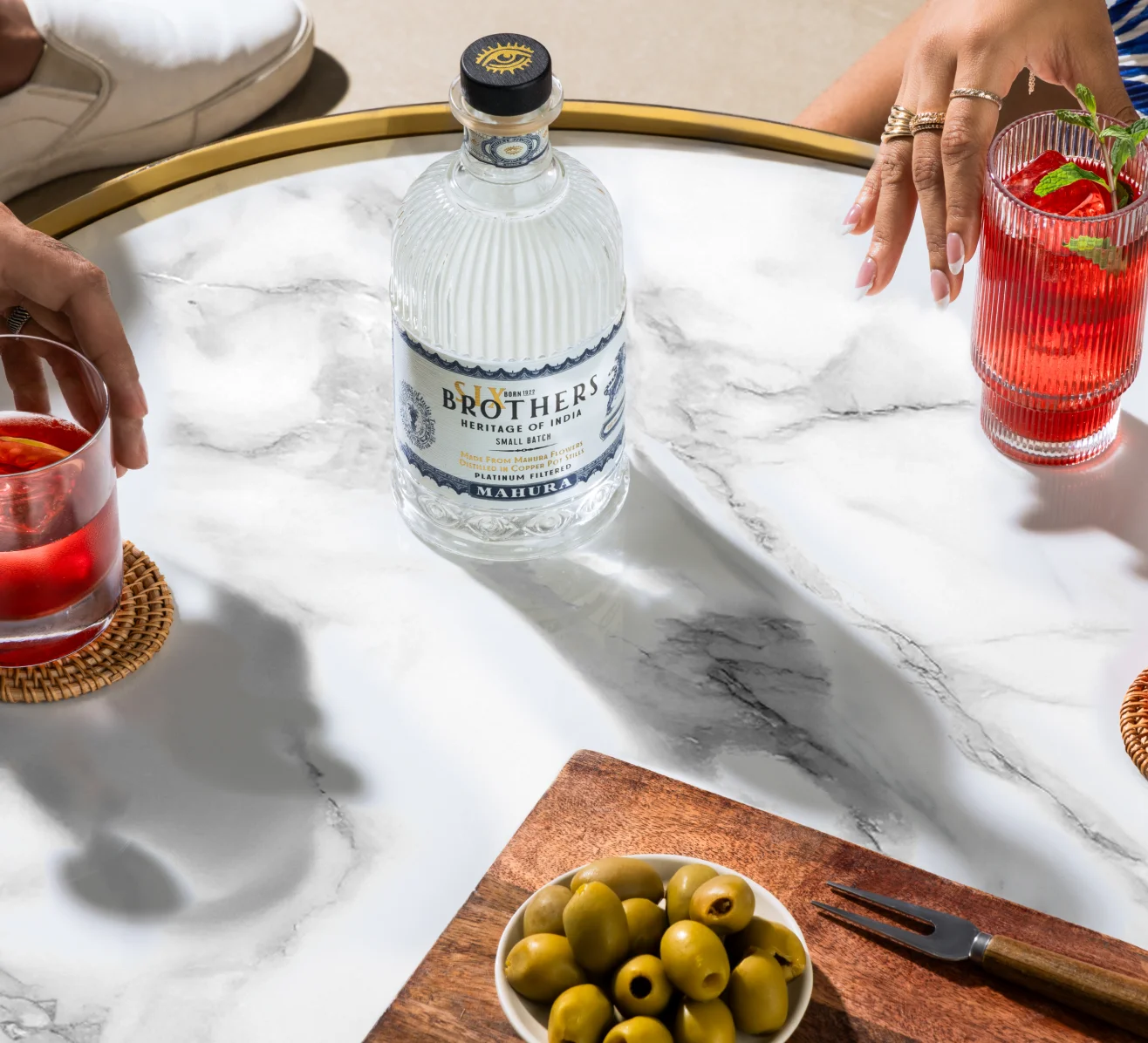
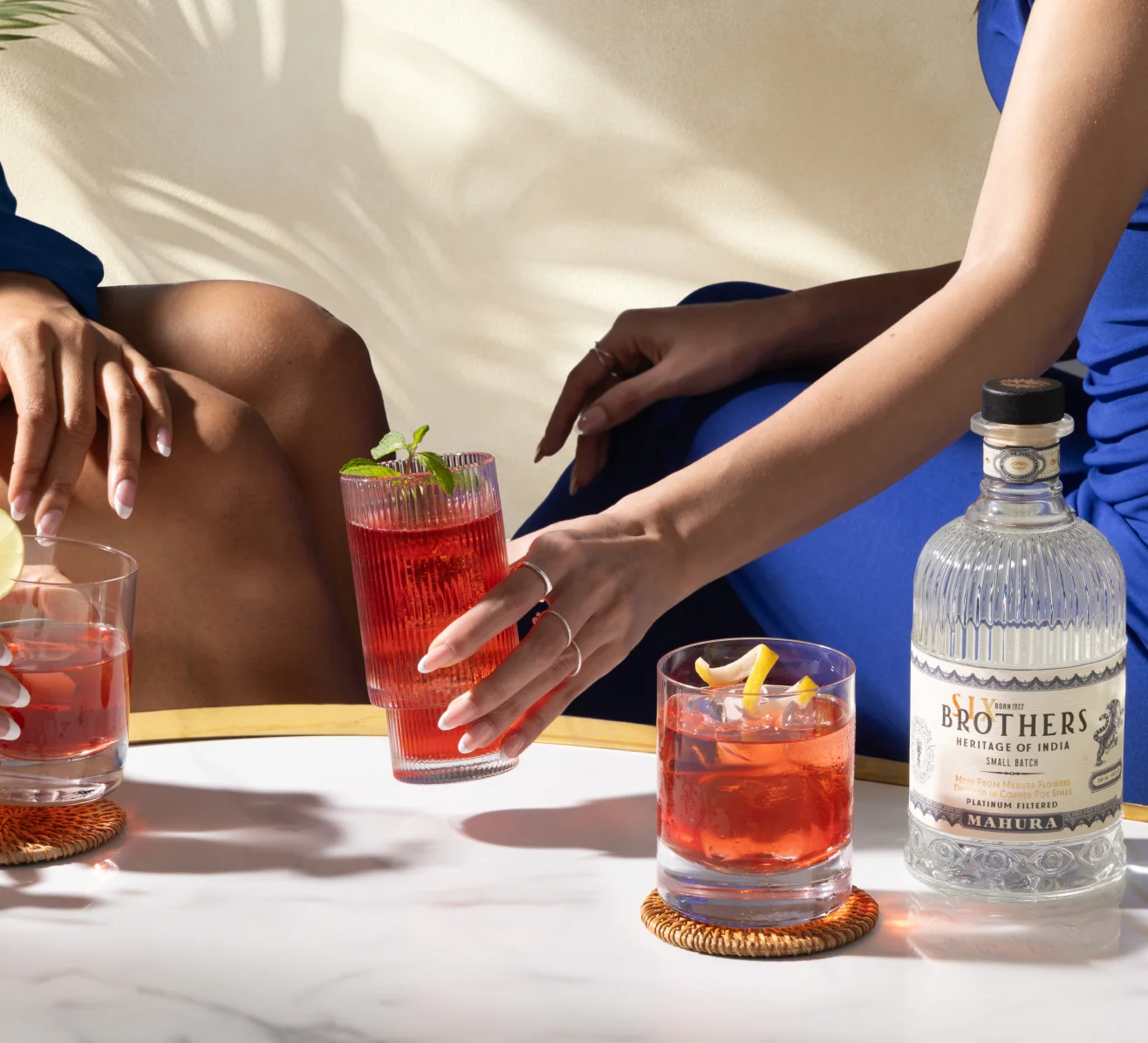
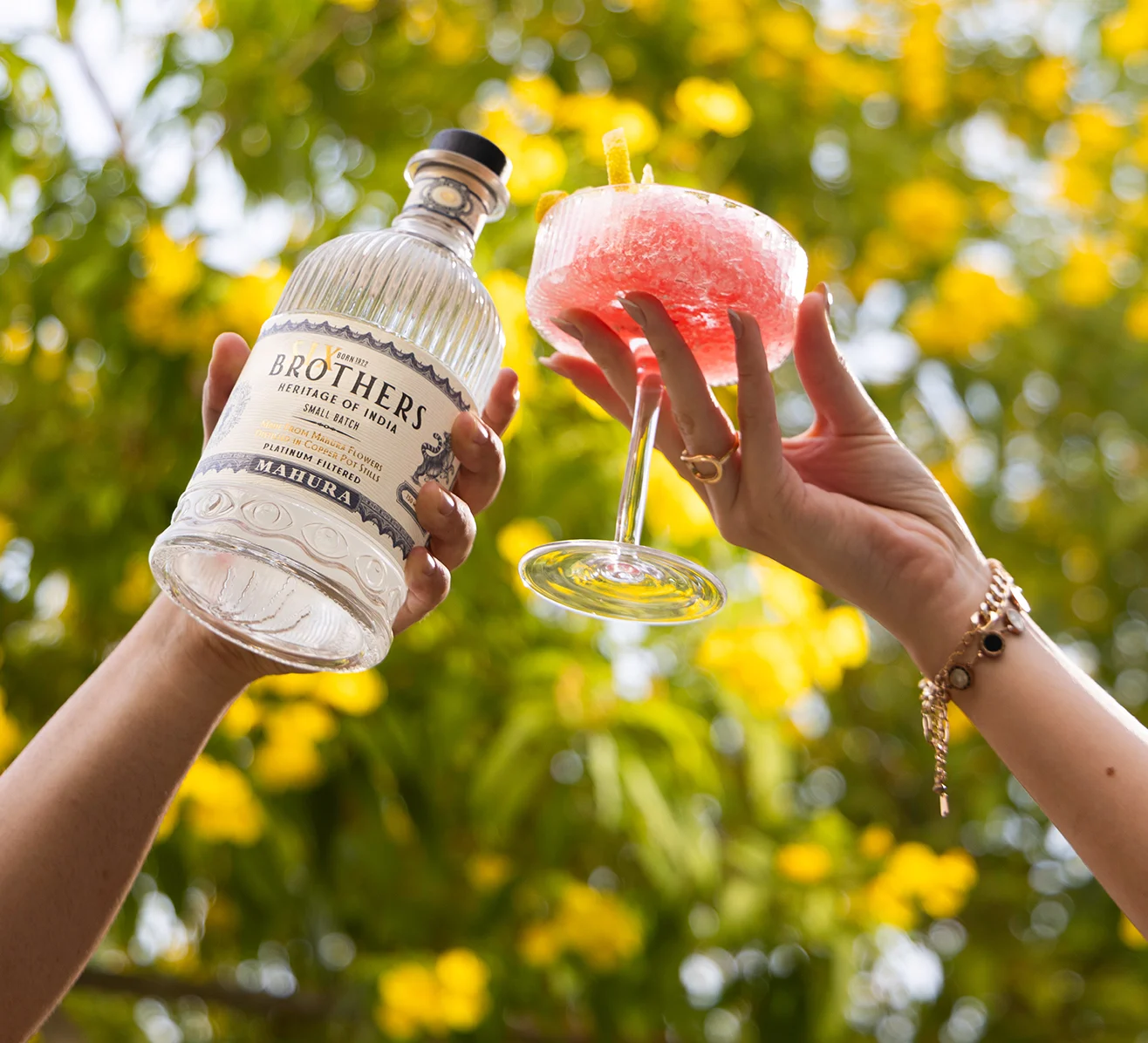
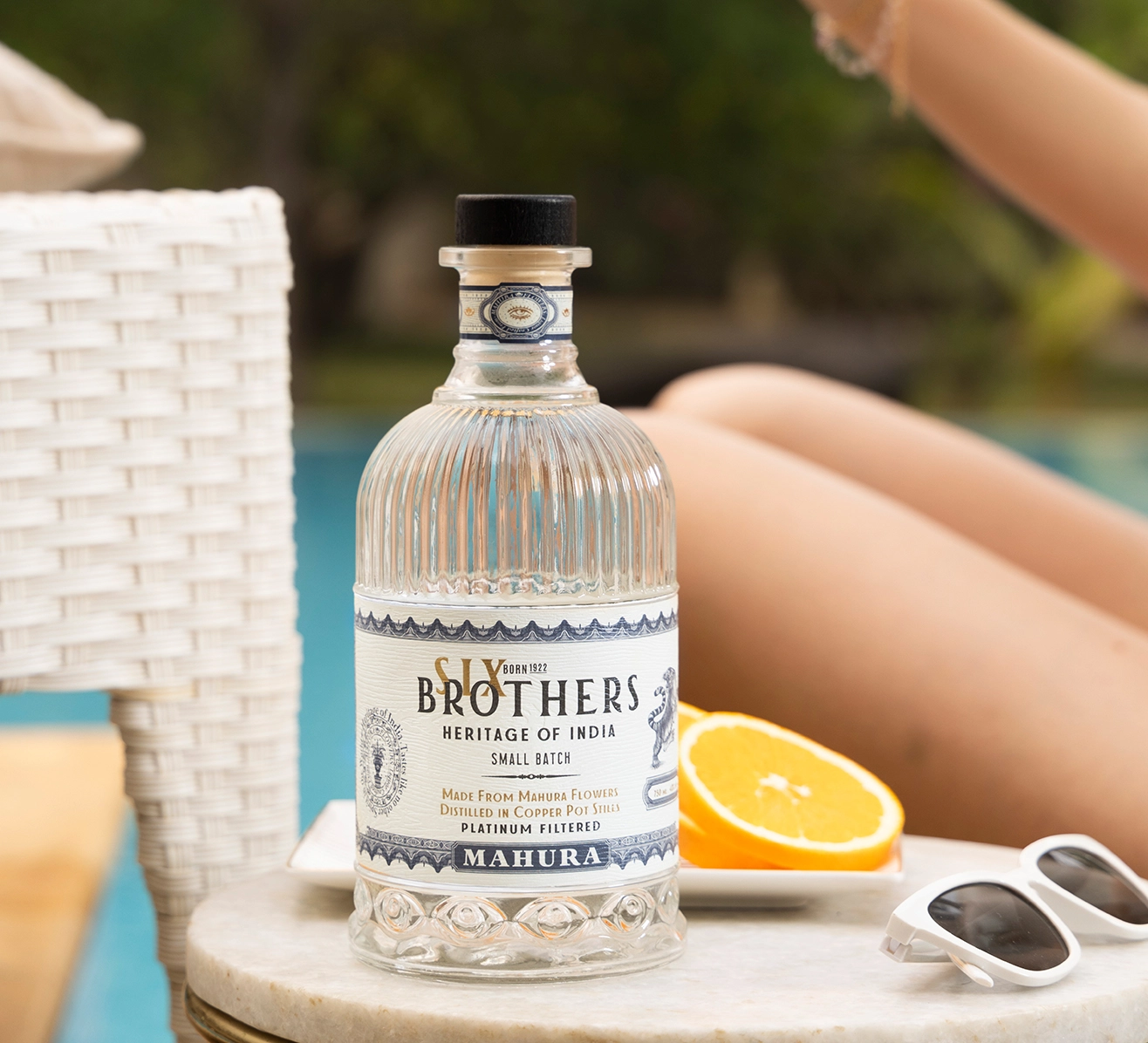
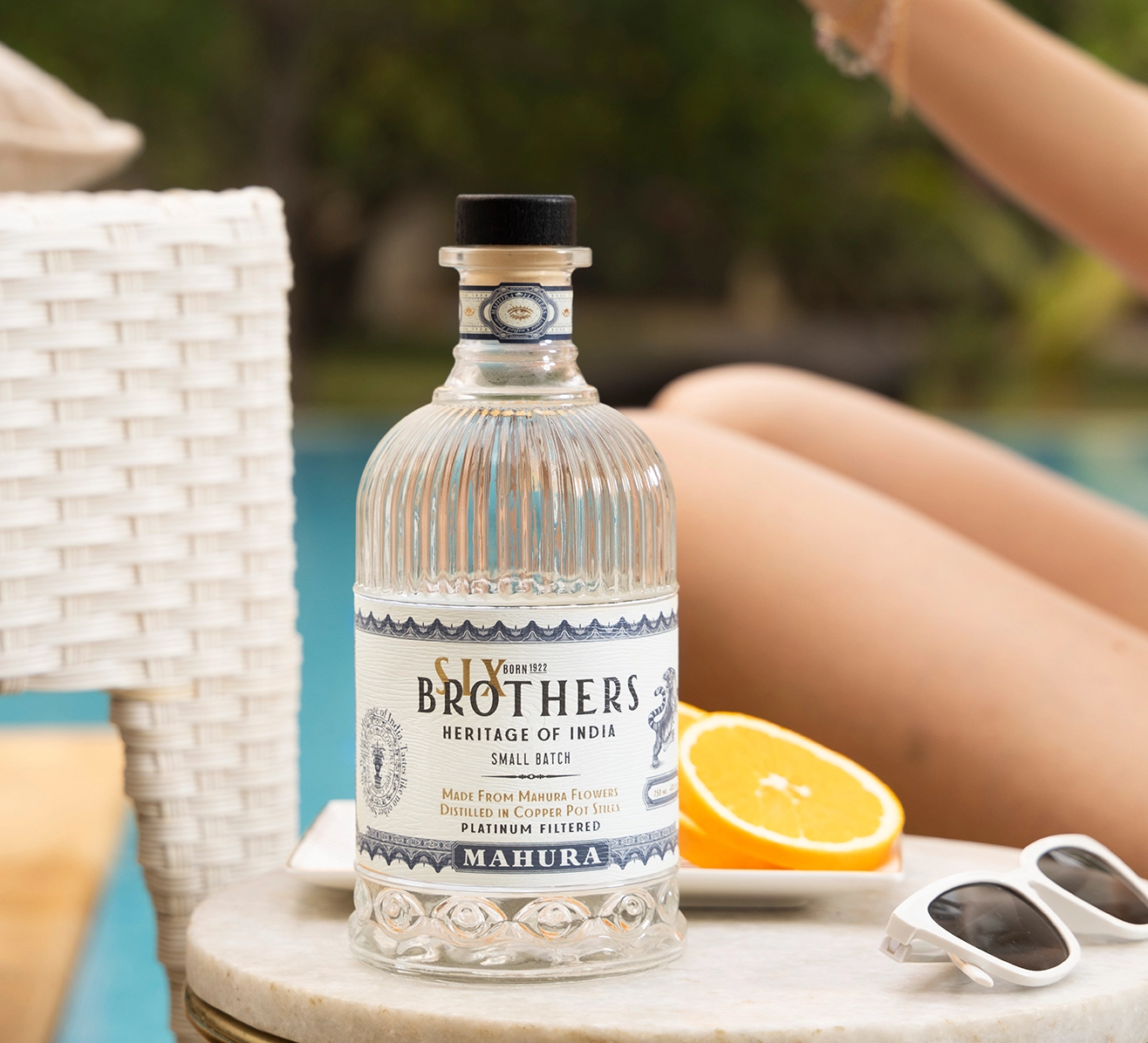
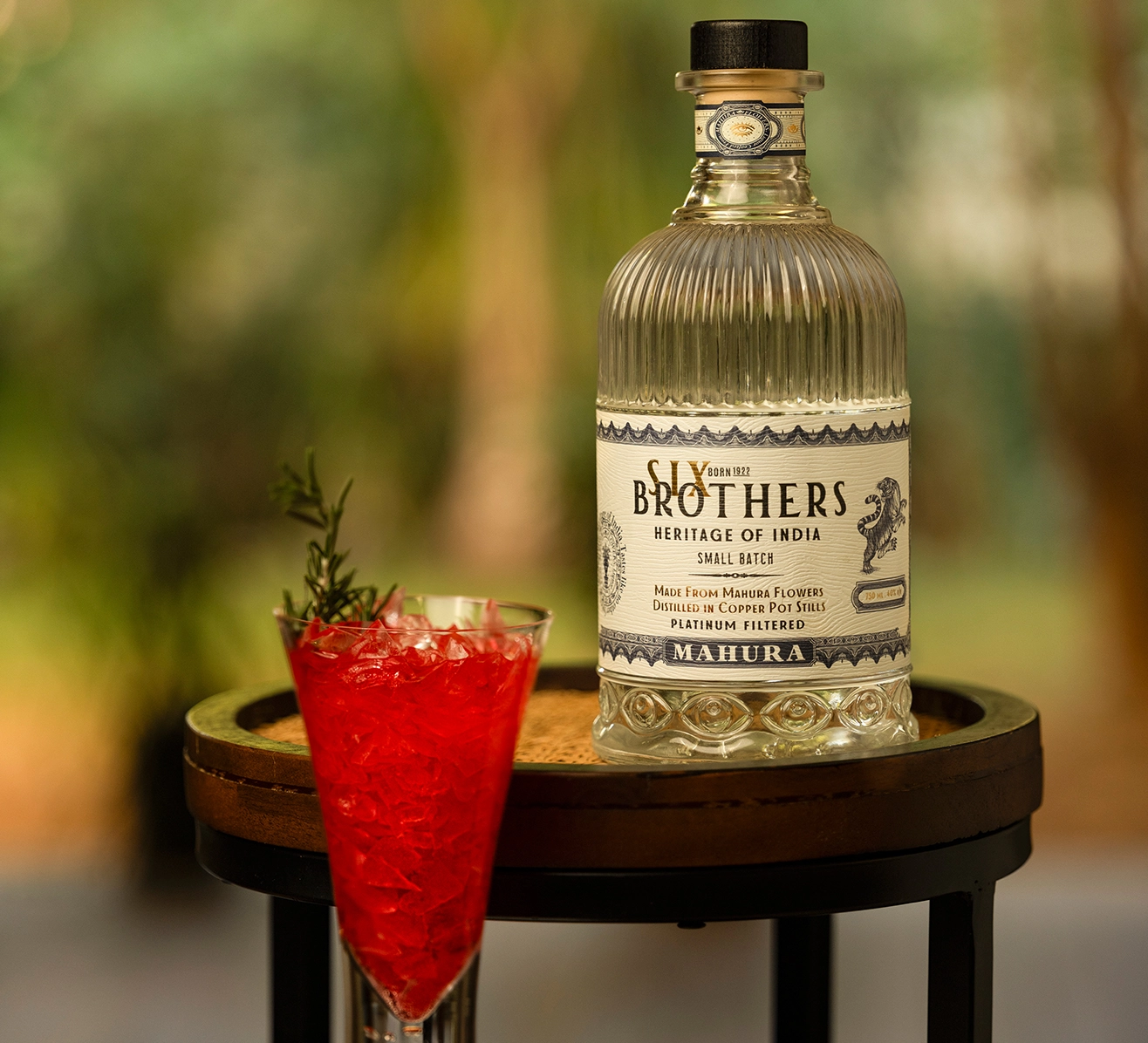
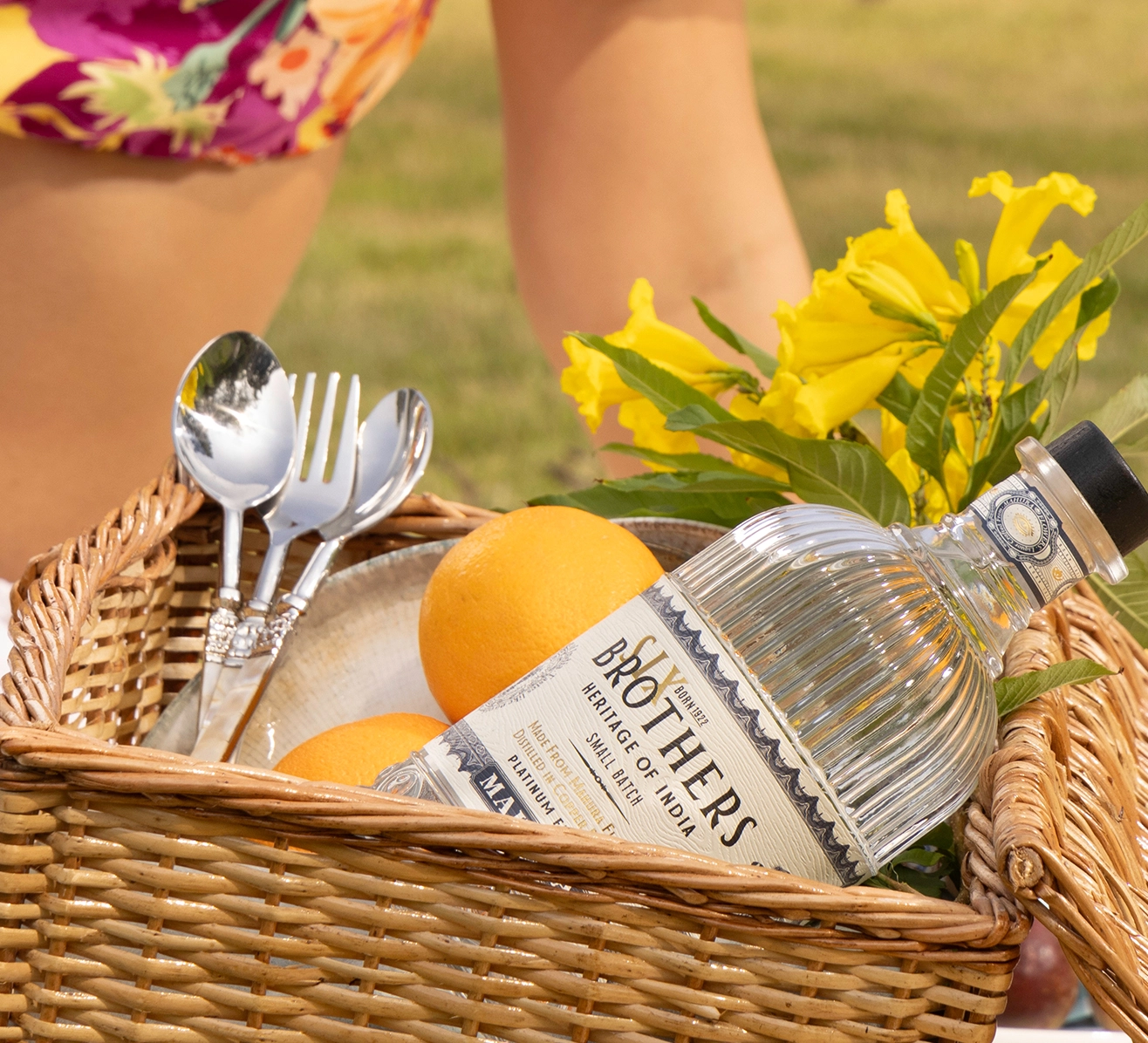
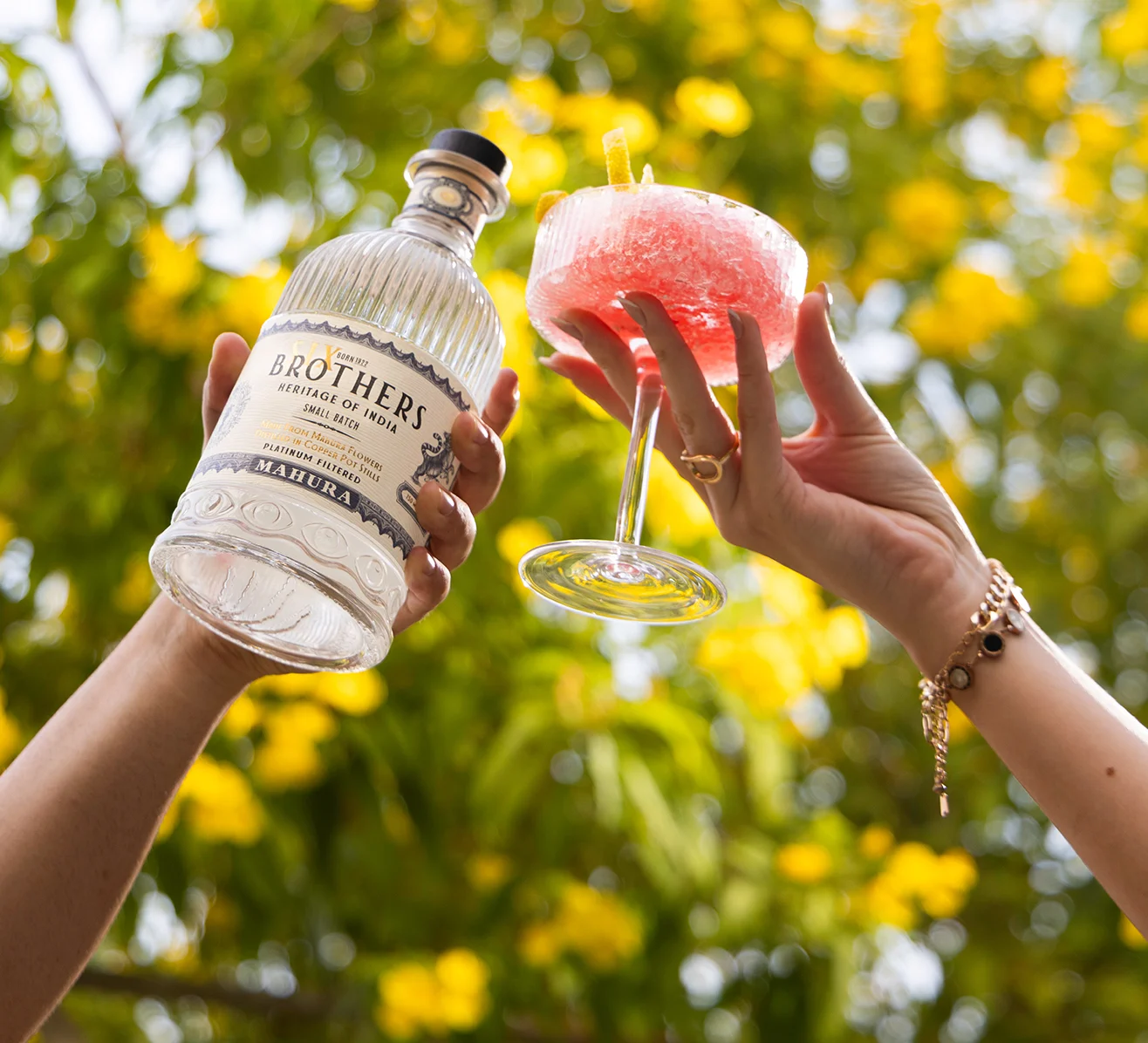
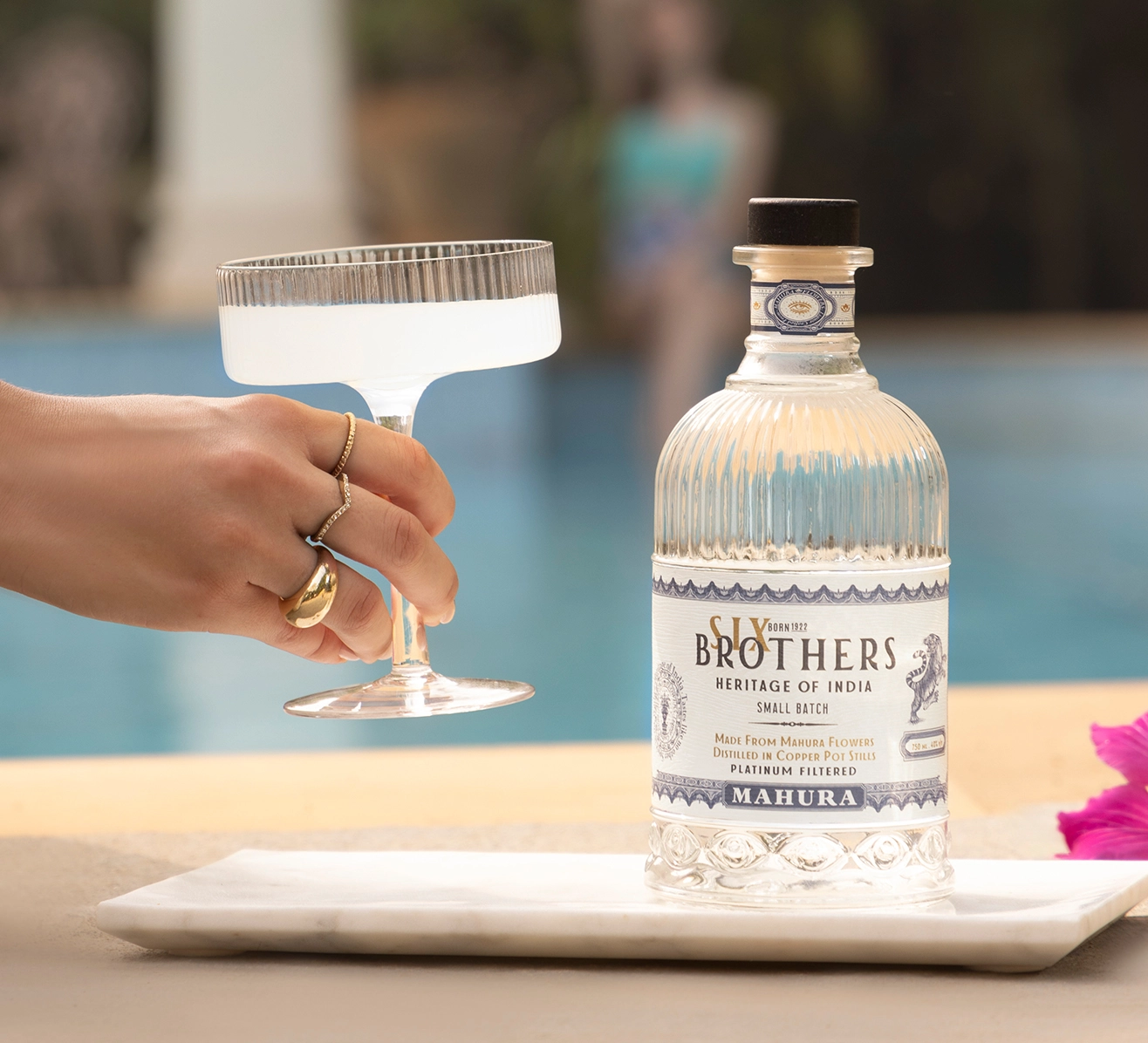
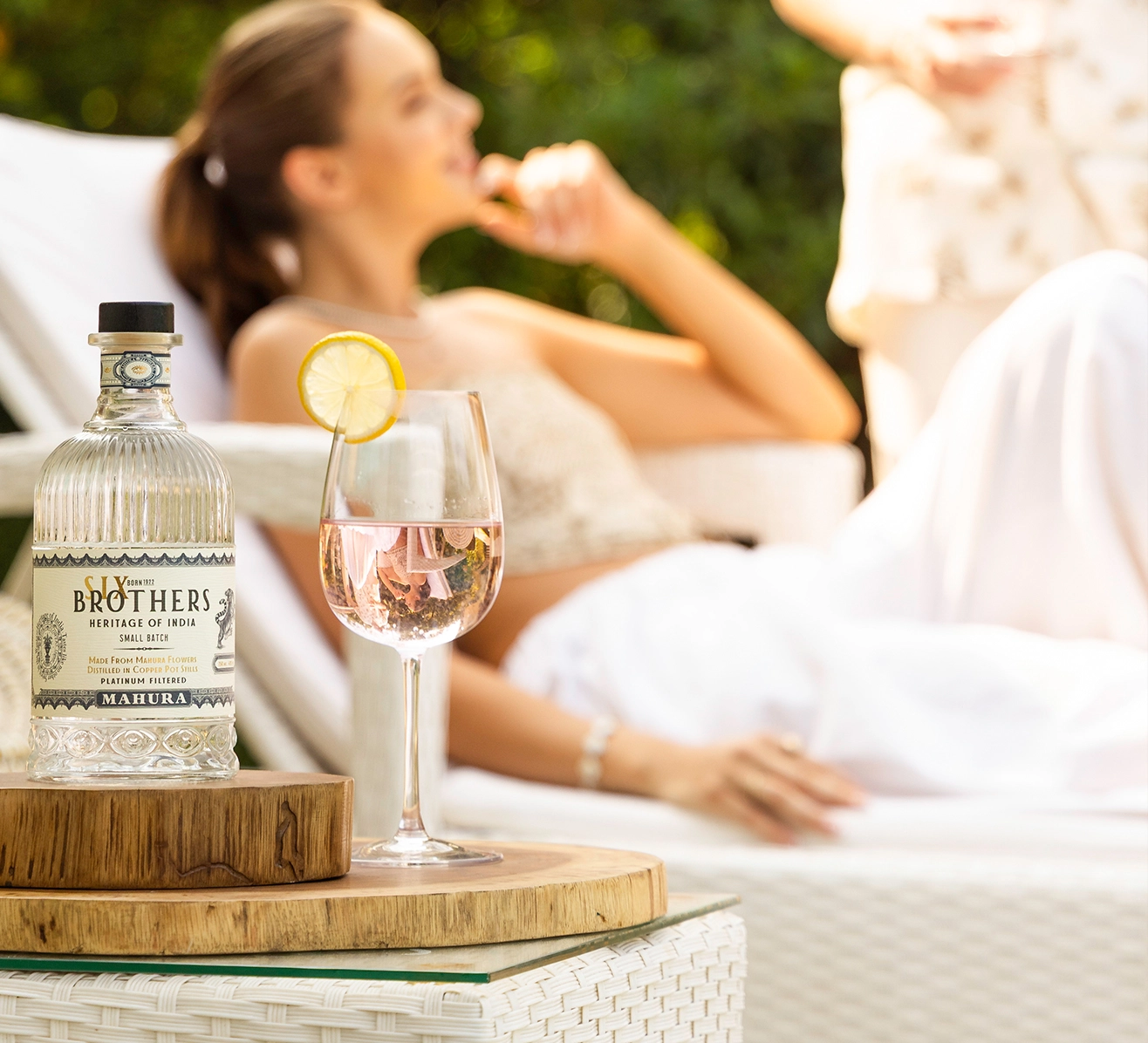
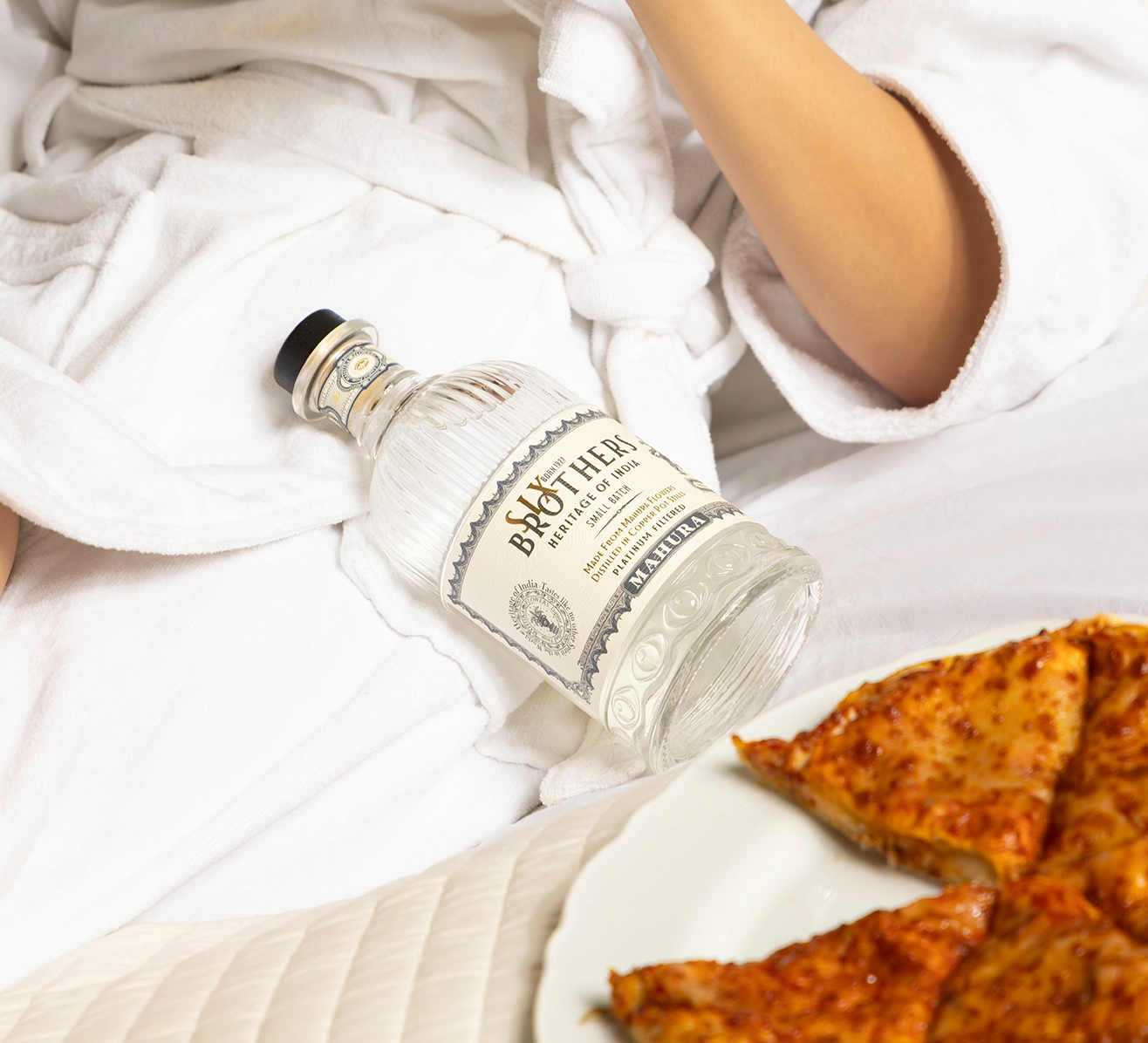
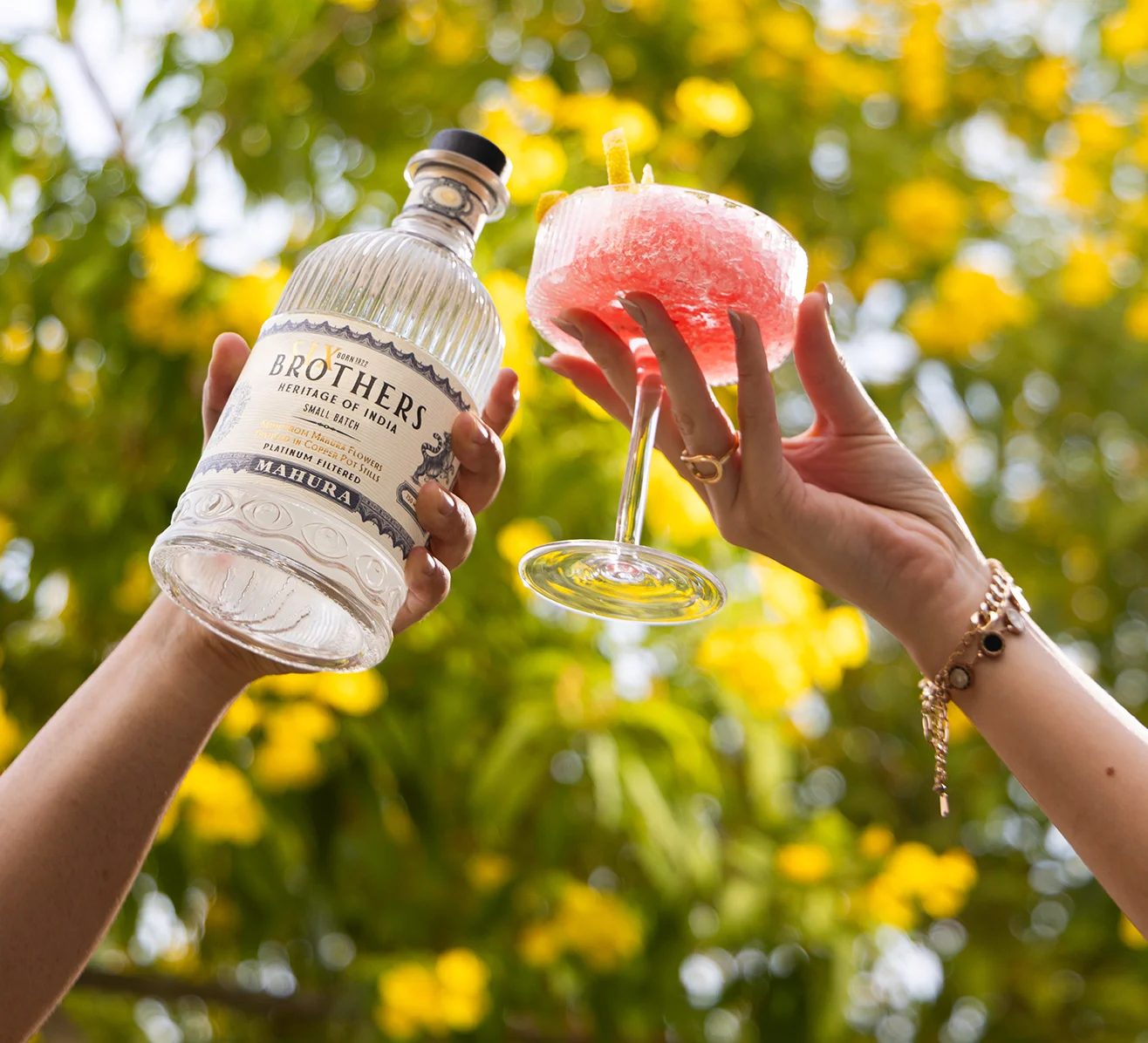
What was once sold in mud pots in rural markets is now being marketed in premium bottles in metropolitan liquor stores. Urban consumers are increasingly associating Mahua with exclusivity and authenticity, making it comparable to international spirits. Whether enjoyed neat, on the rocks, or in cocktails, Mahua is gaining the status of a premium, Indian-made craft spirit.
The rising popularity of Mahua alcohol in urban India is not just a passing trend—it is part of a larger cultural revival where indigenous products are being celebrated and reimagined. With its unique taste, sustainable origins, and heritage-rich story, Mahua has found its place among modern urban consumers who crave both authenticity and novelty.
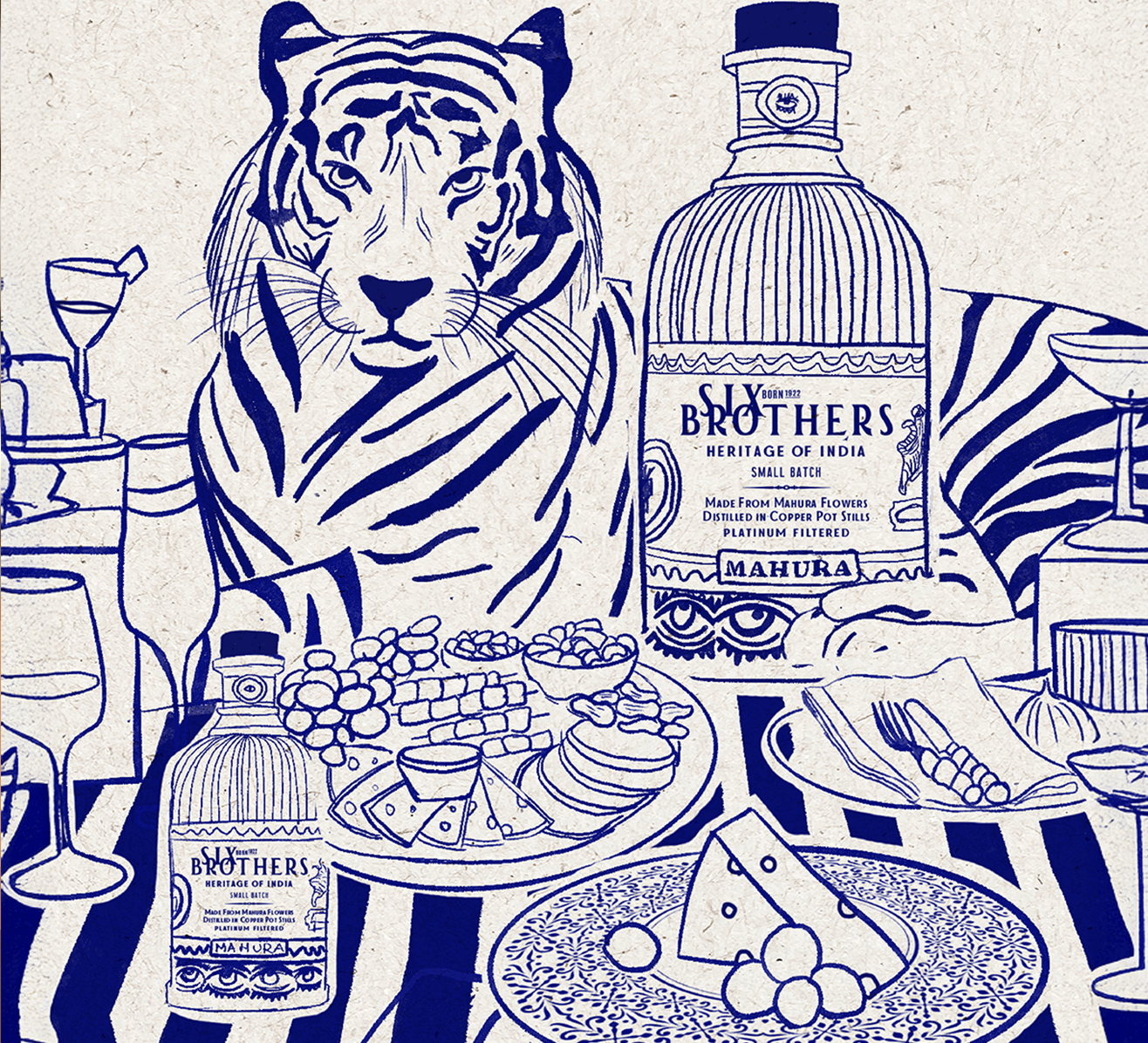
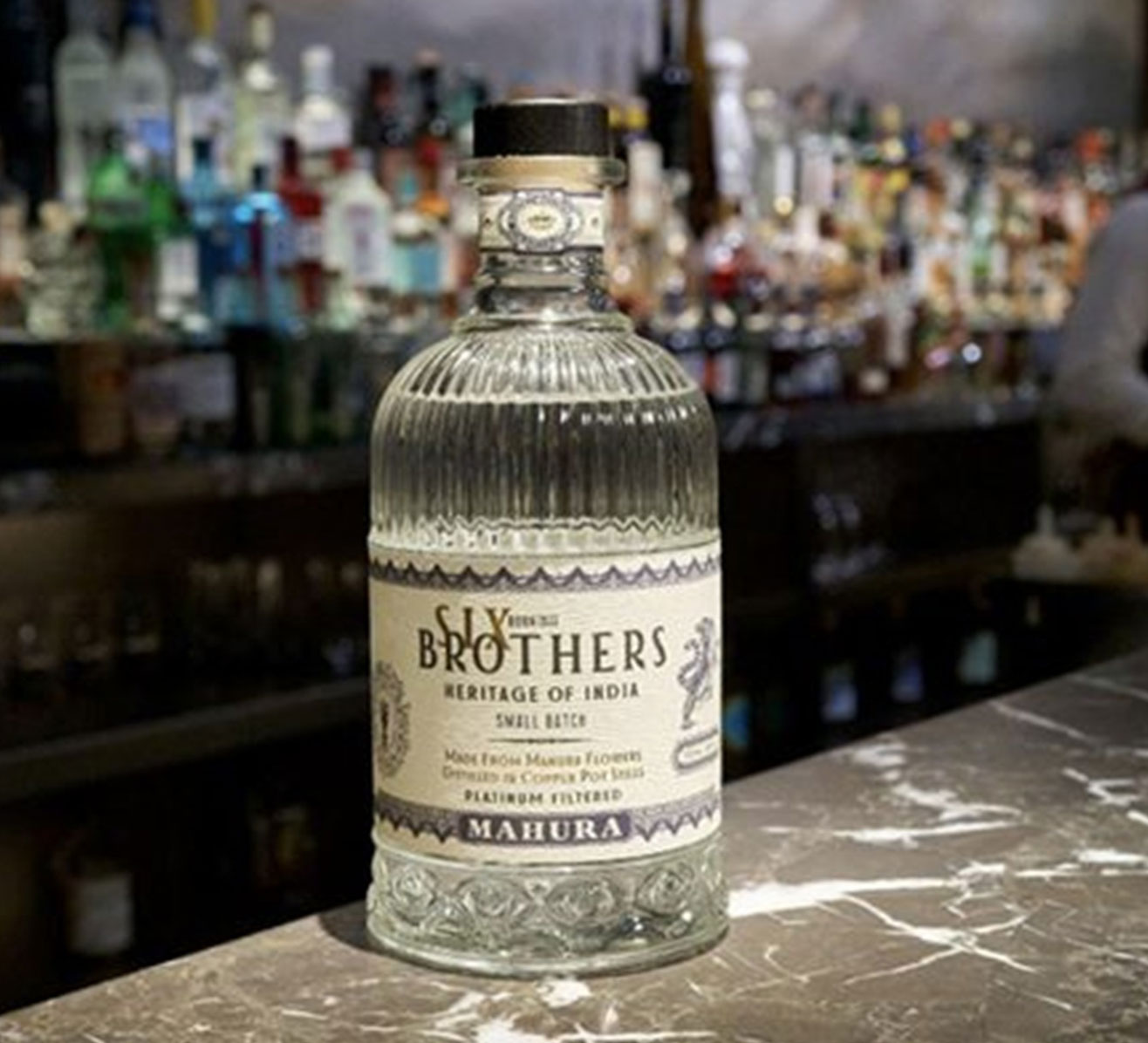
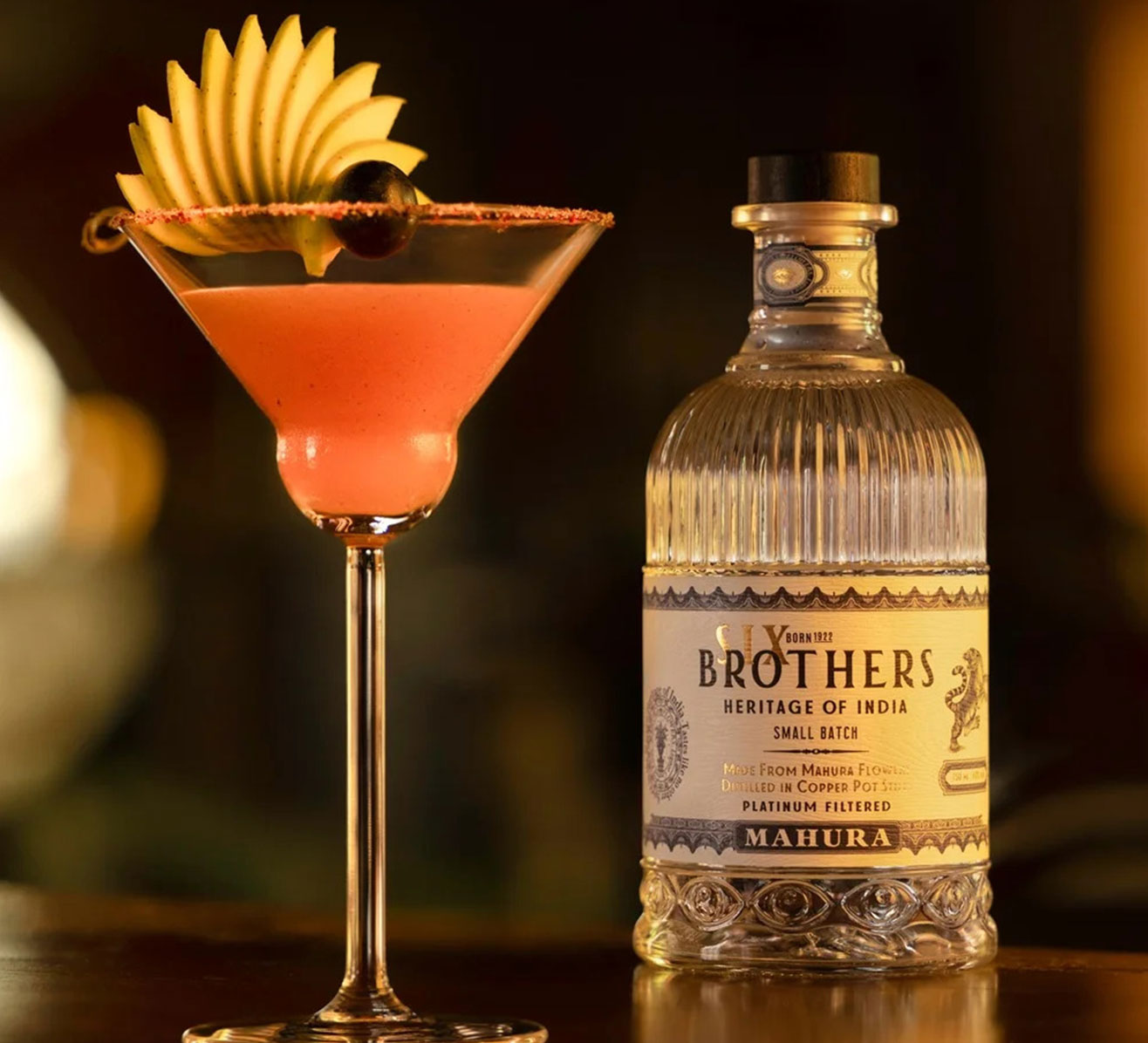
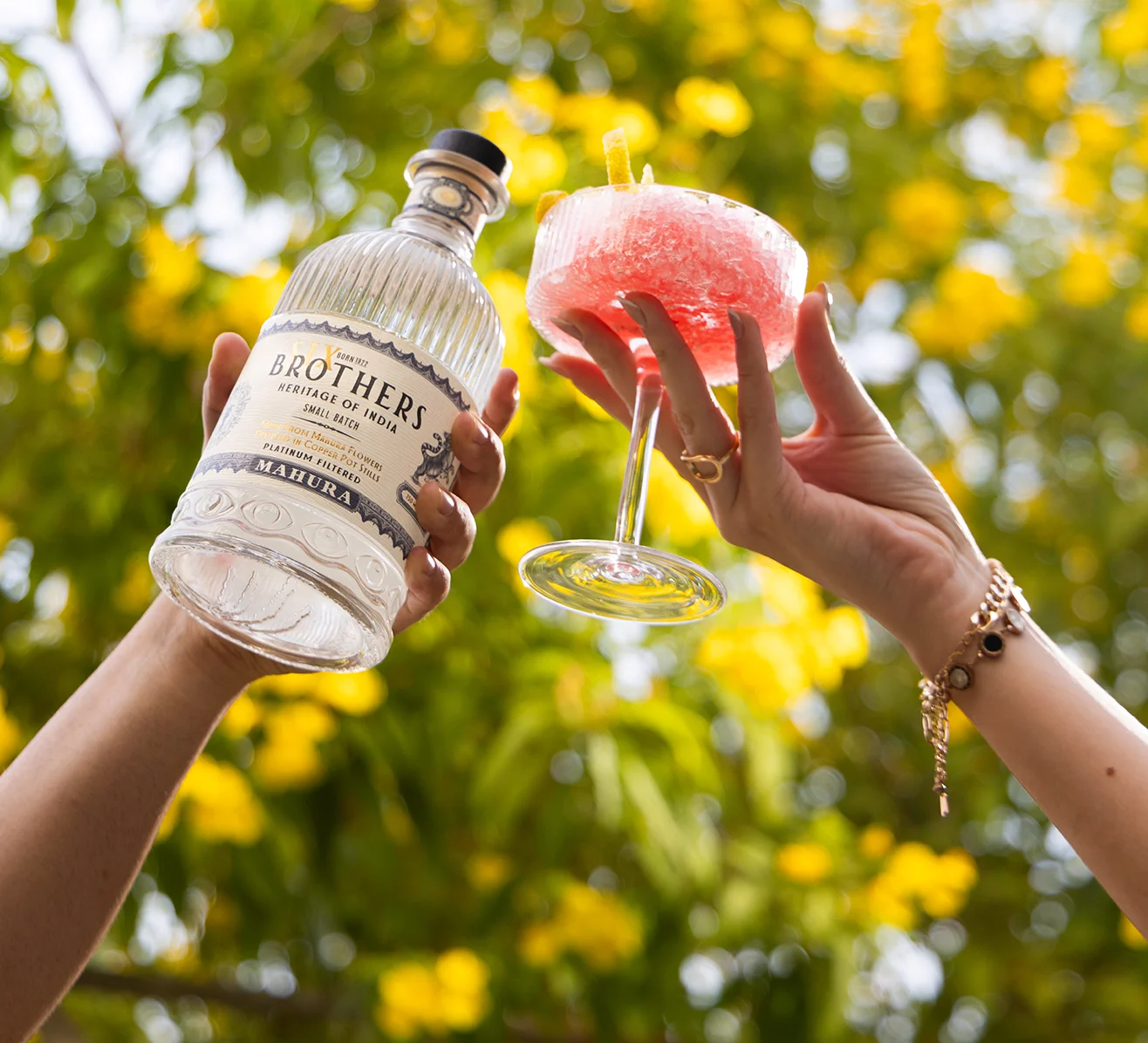
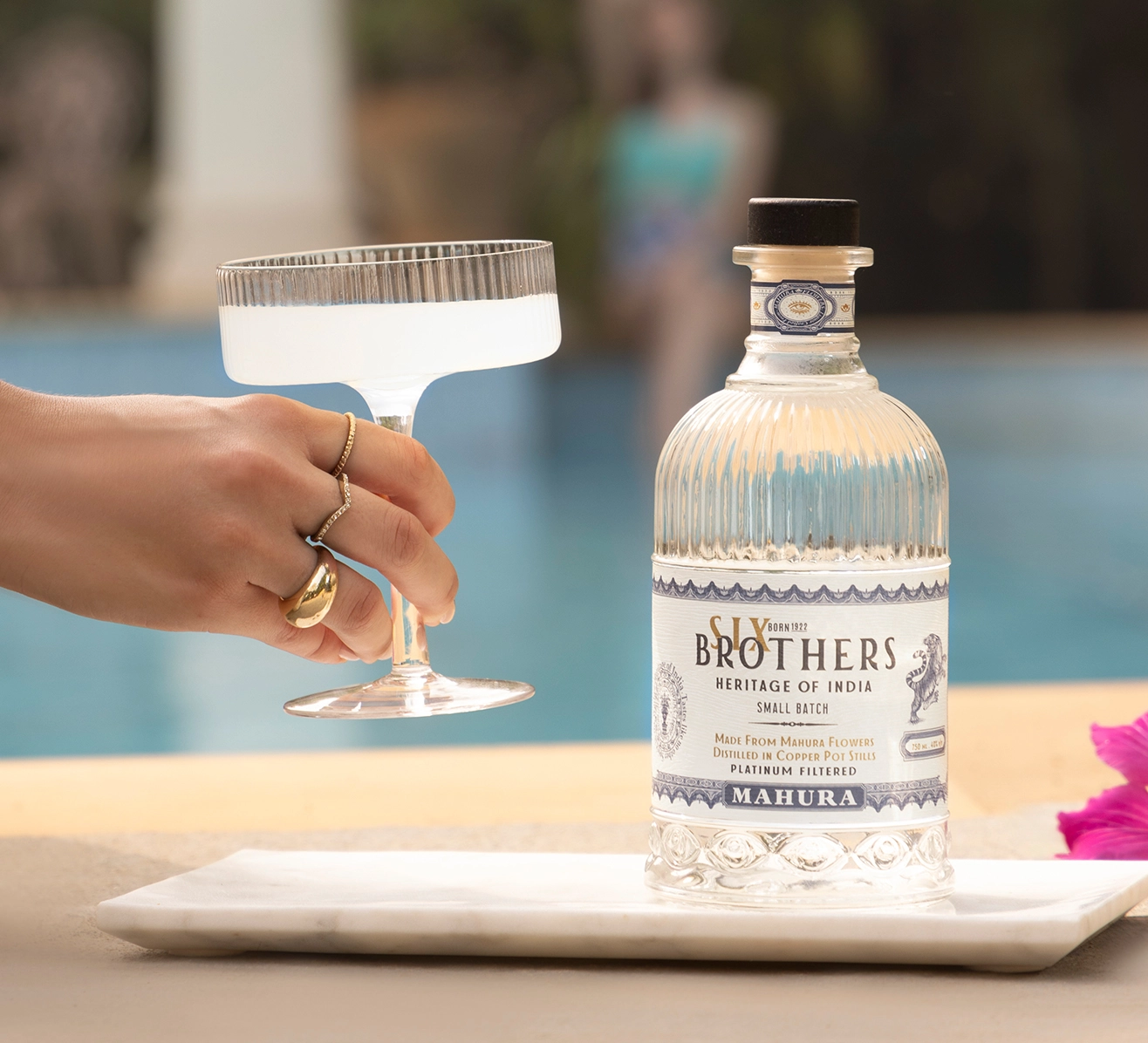
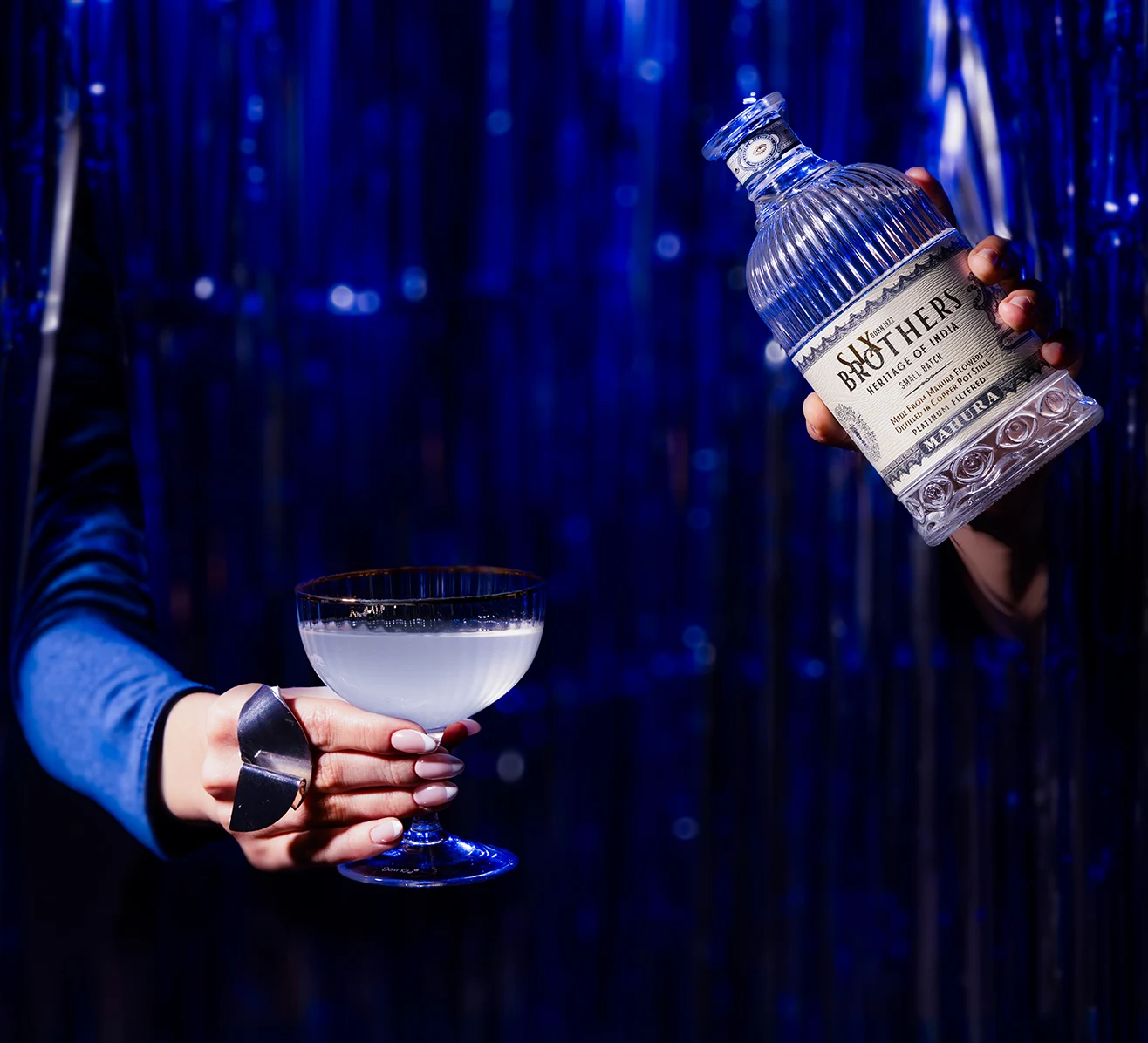
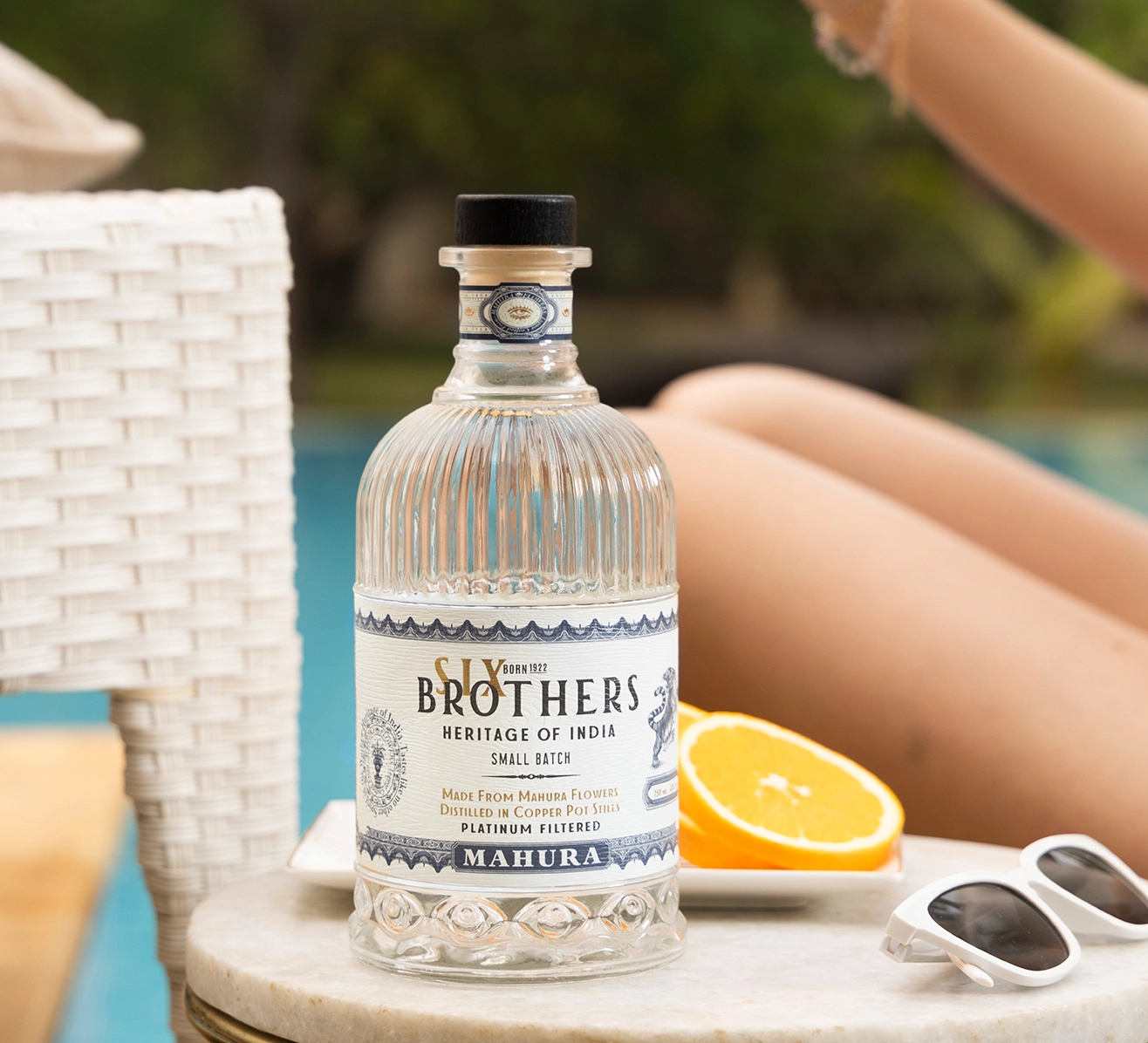
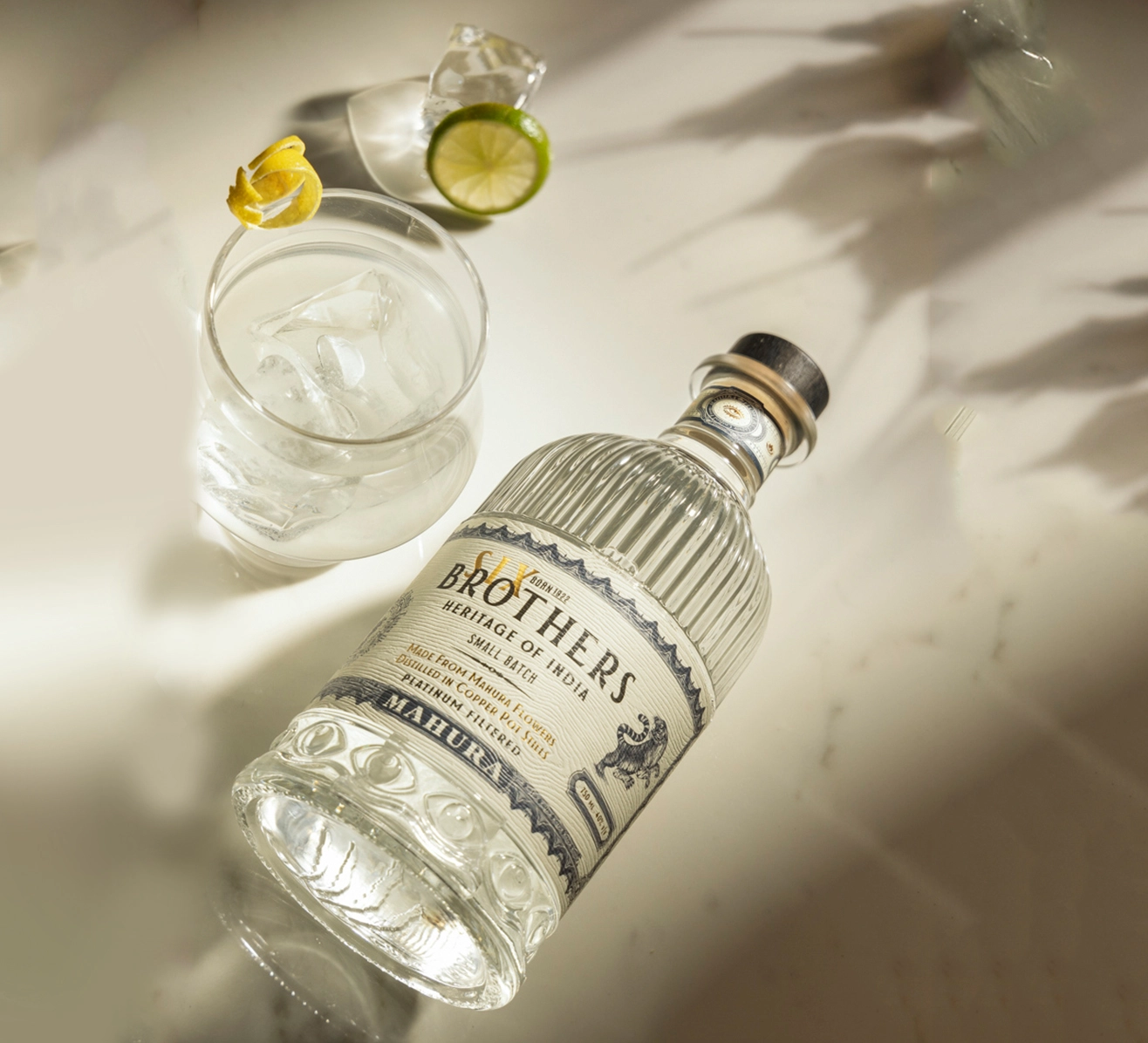
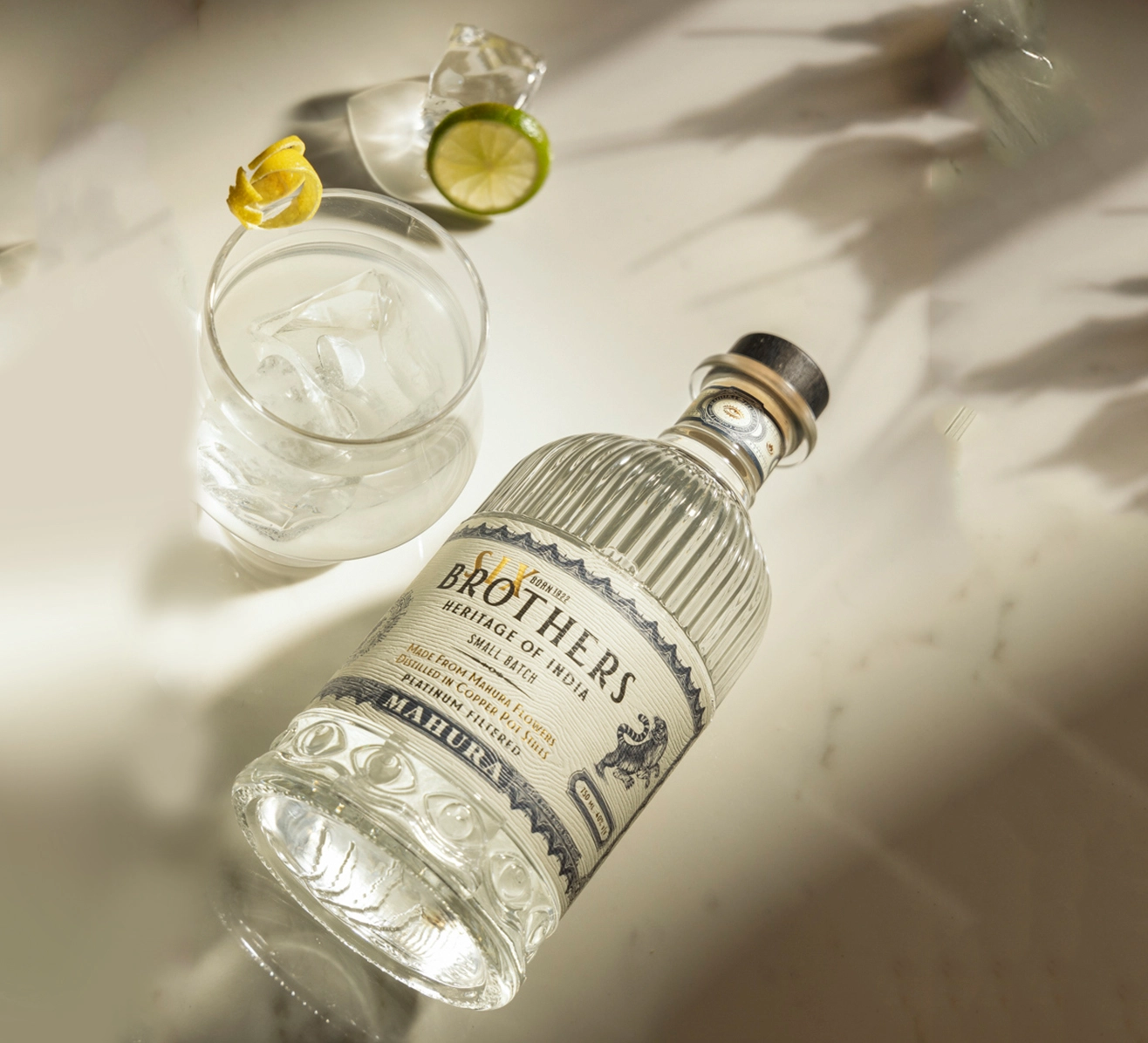
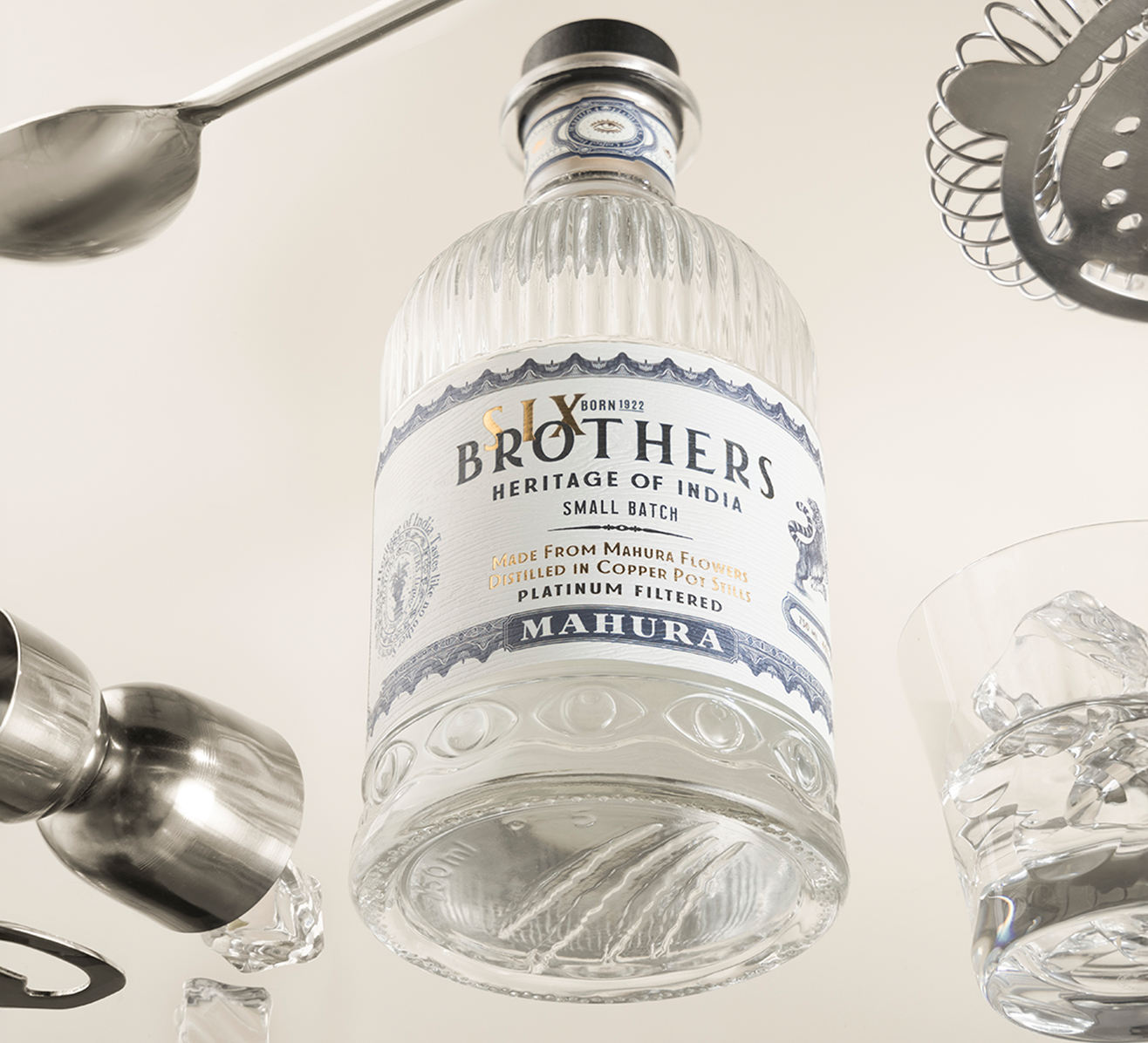
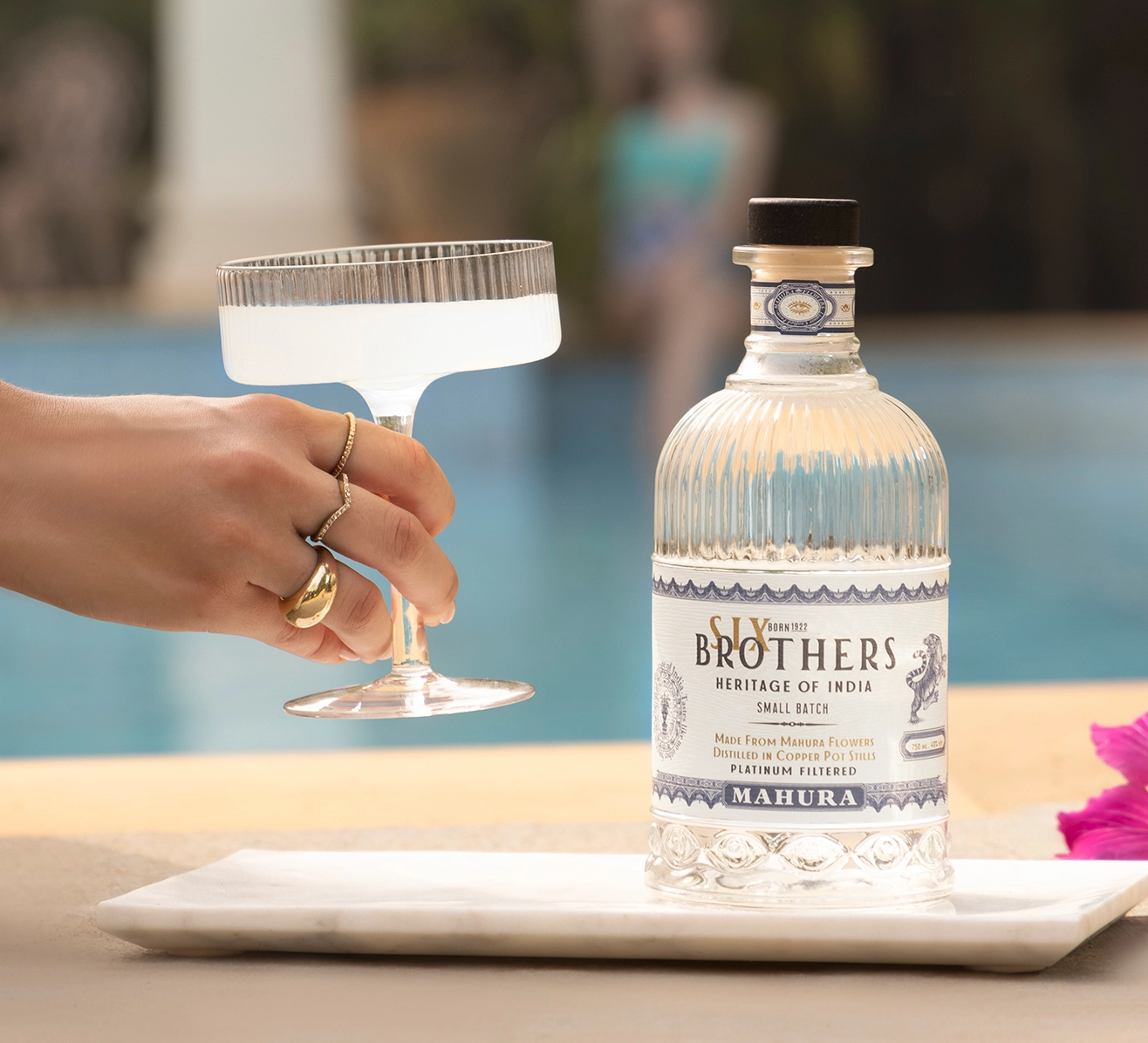
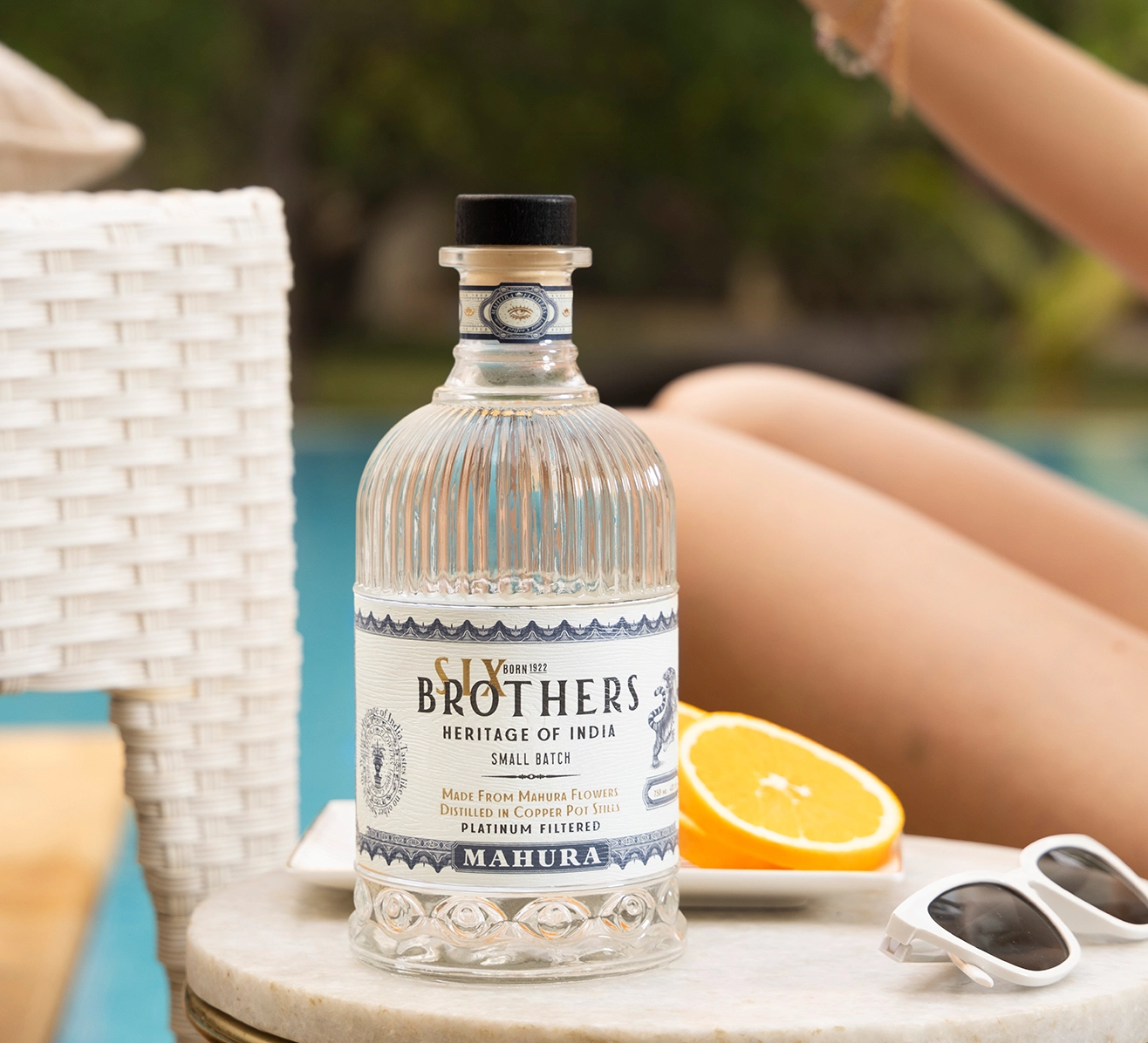
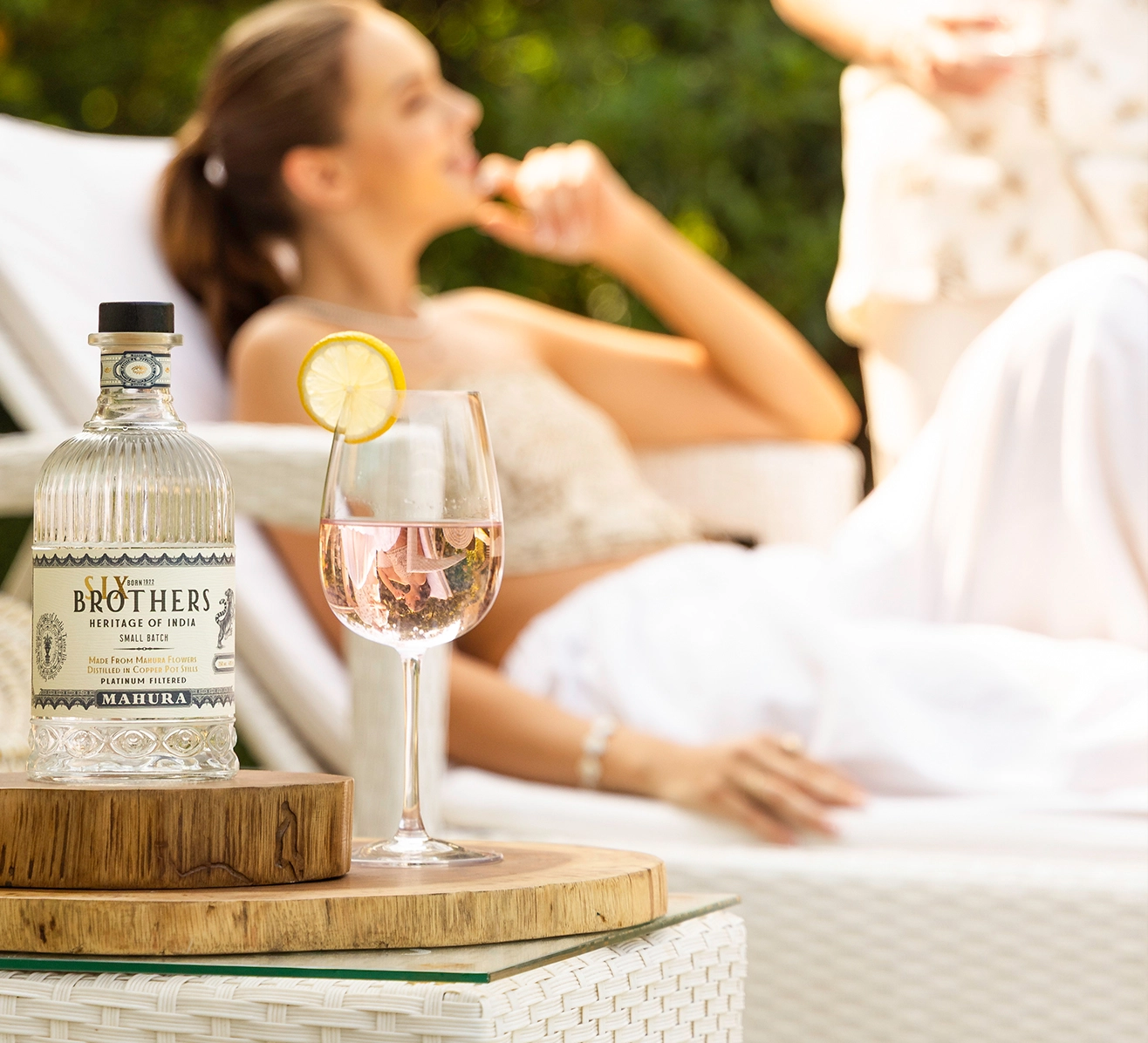
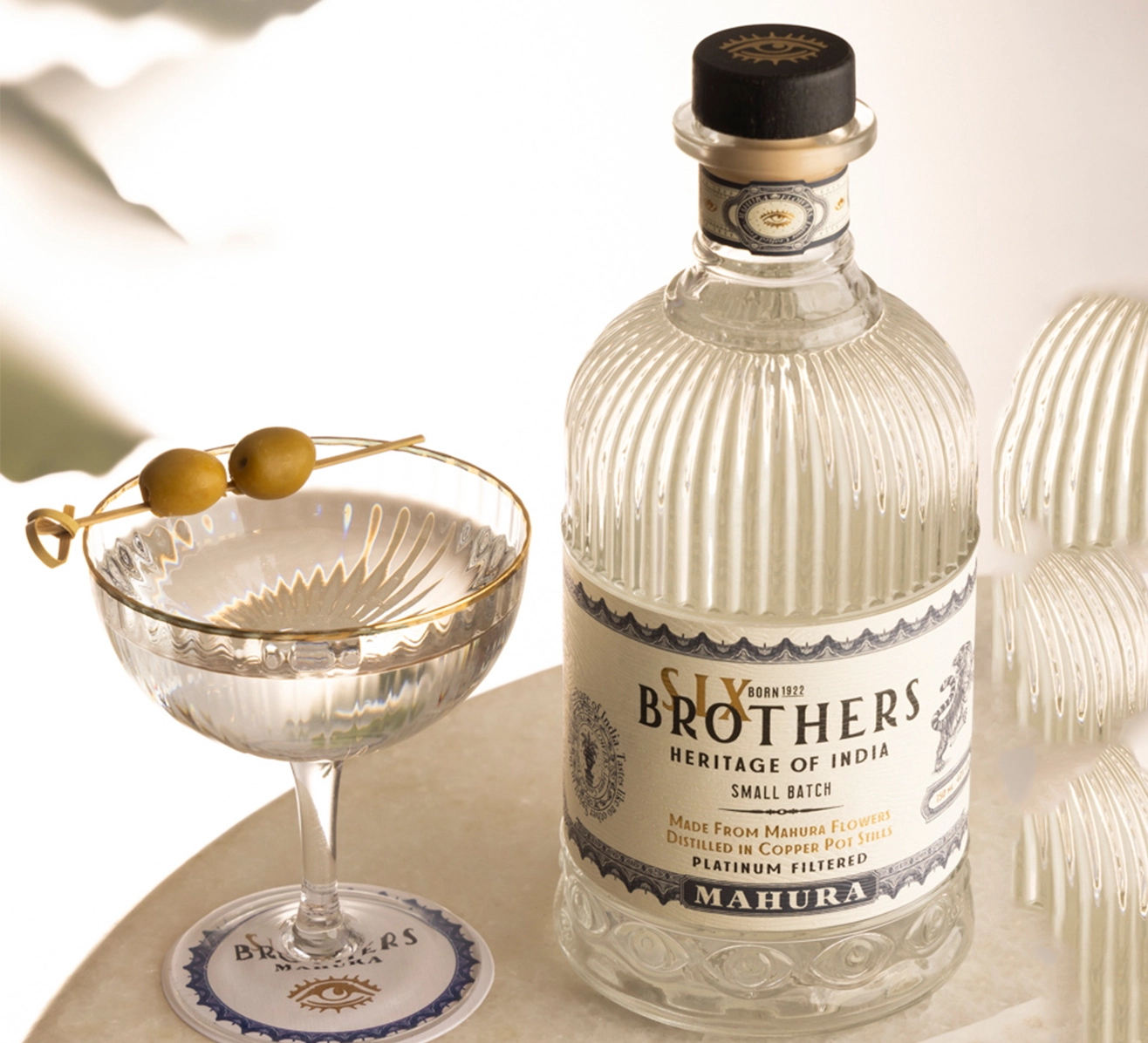
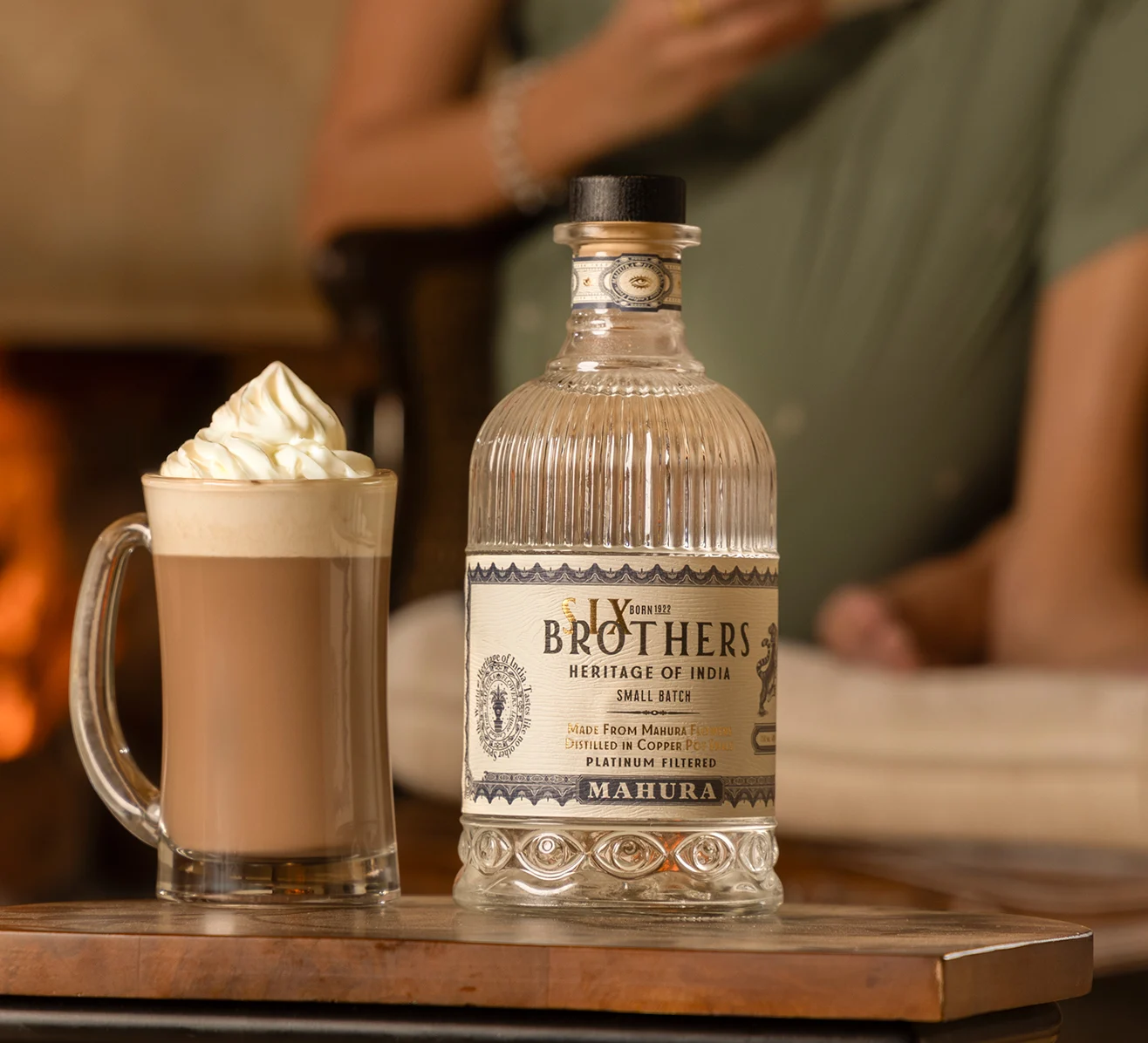
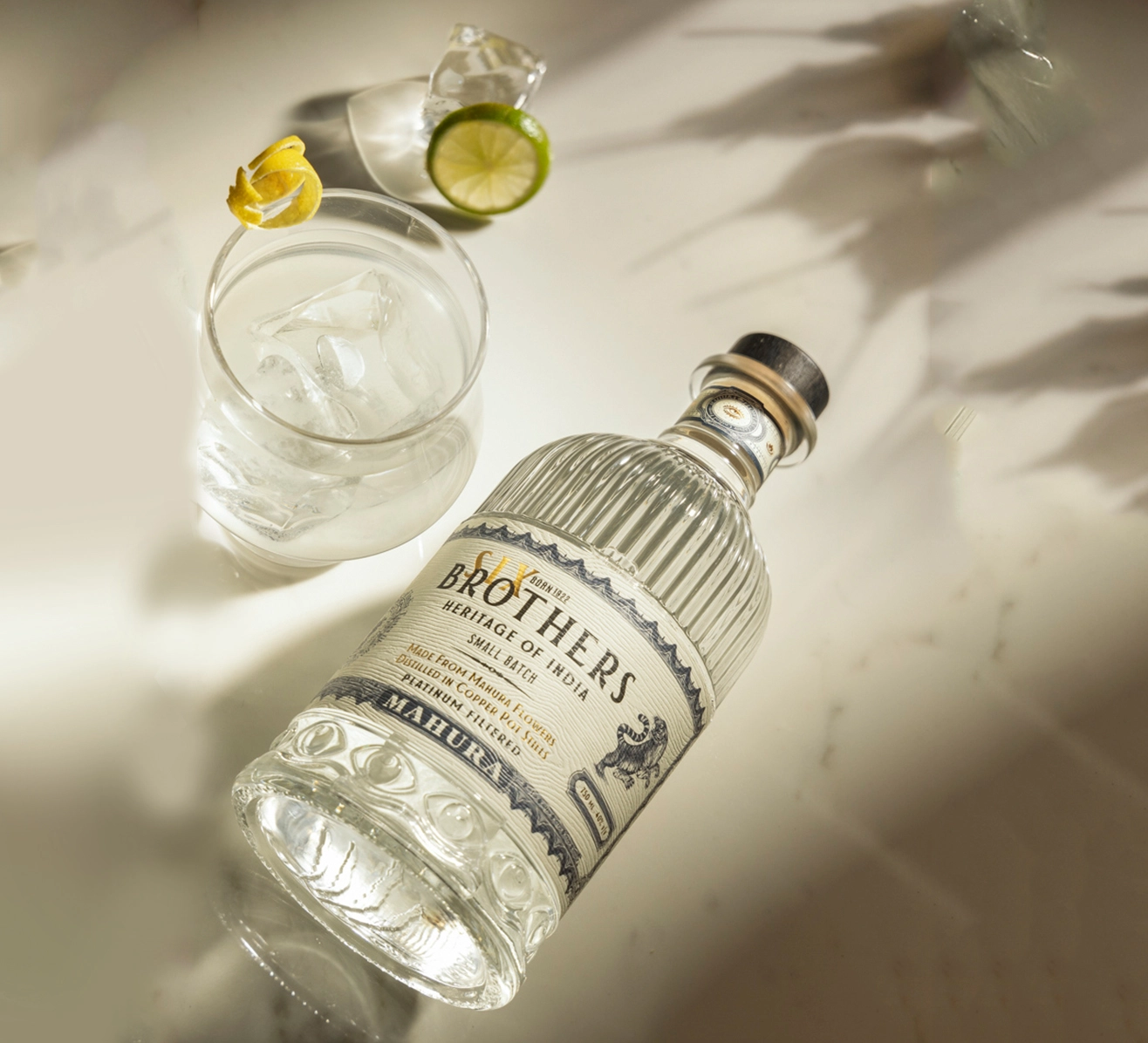
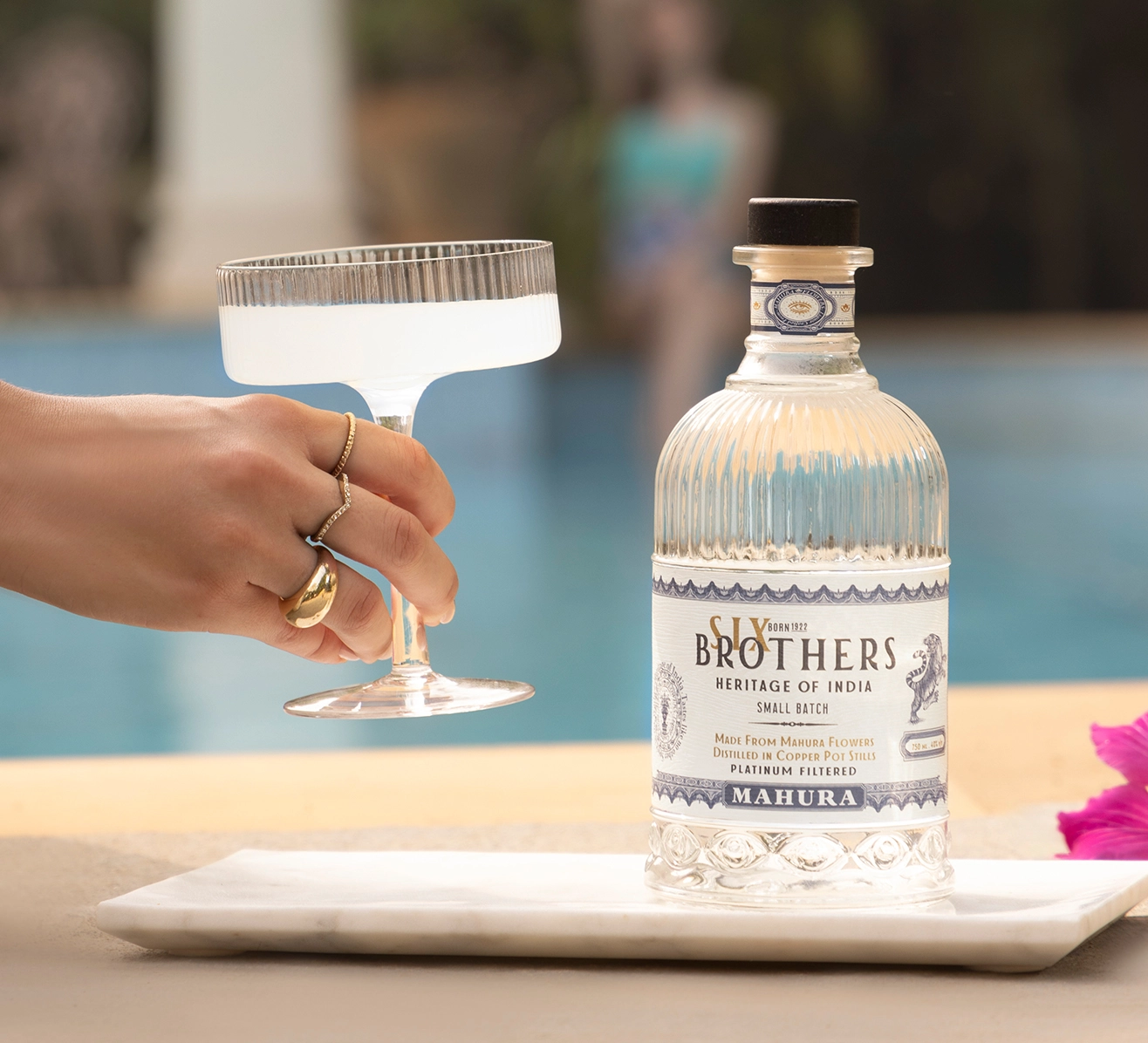
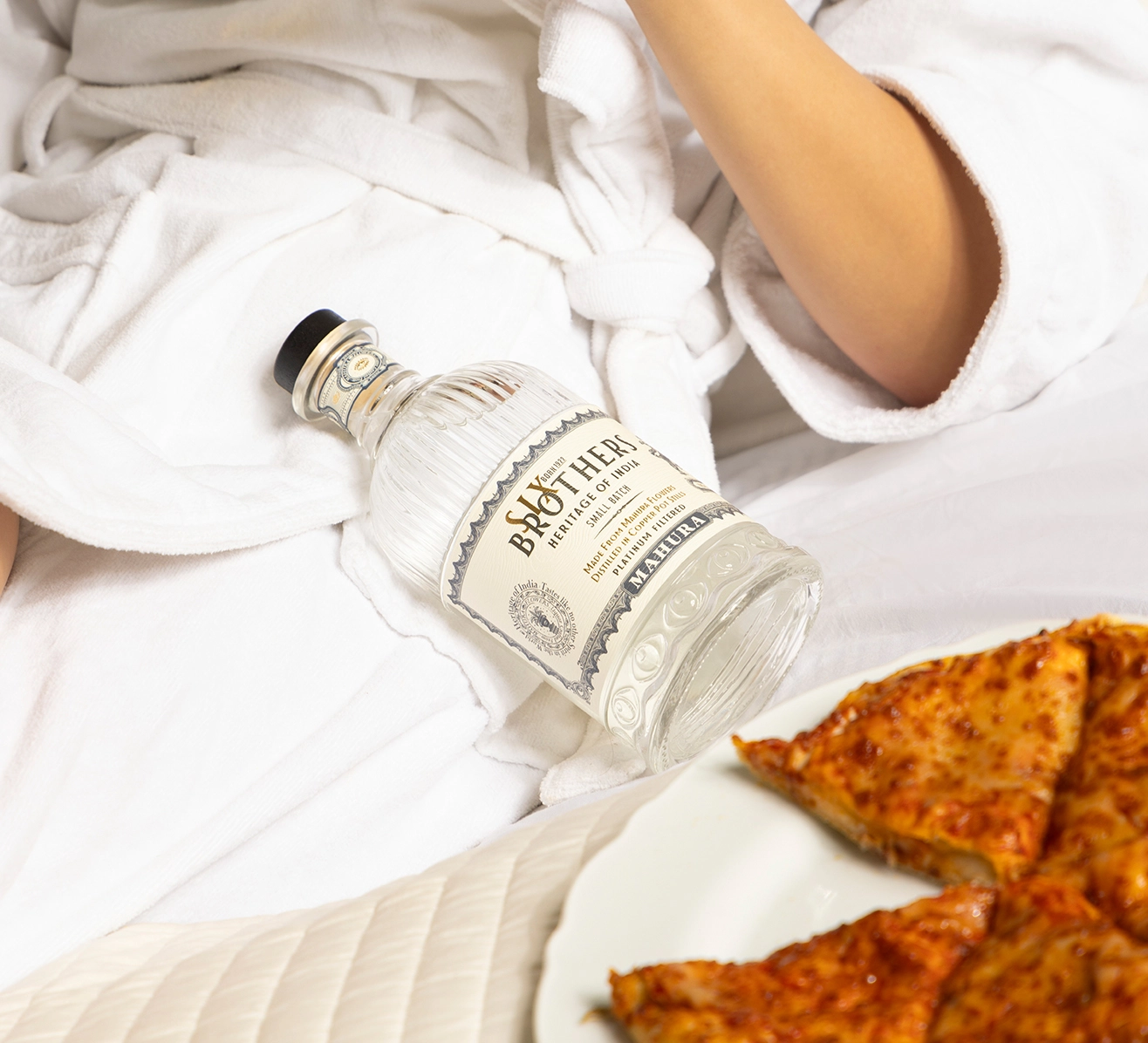
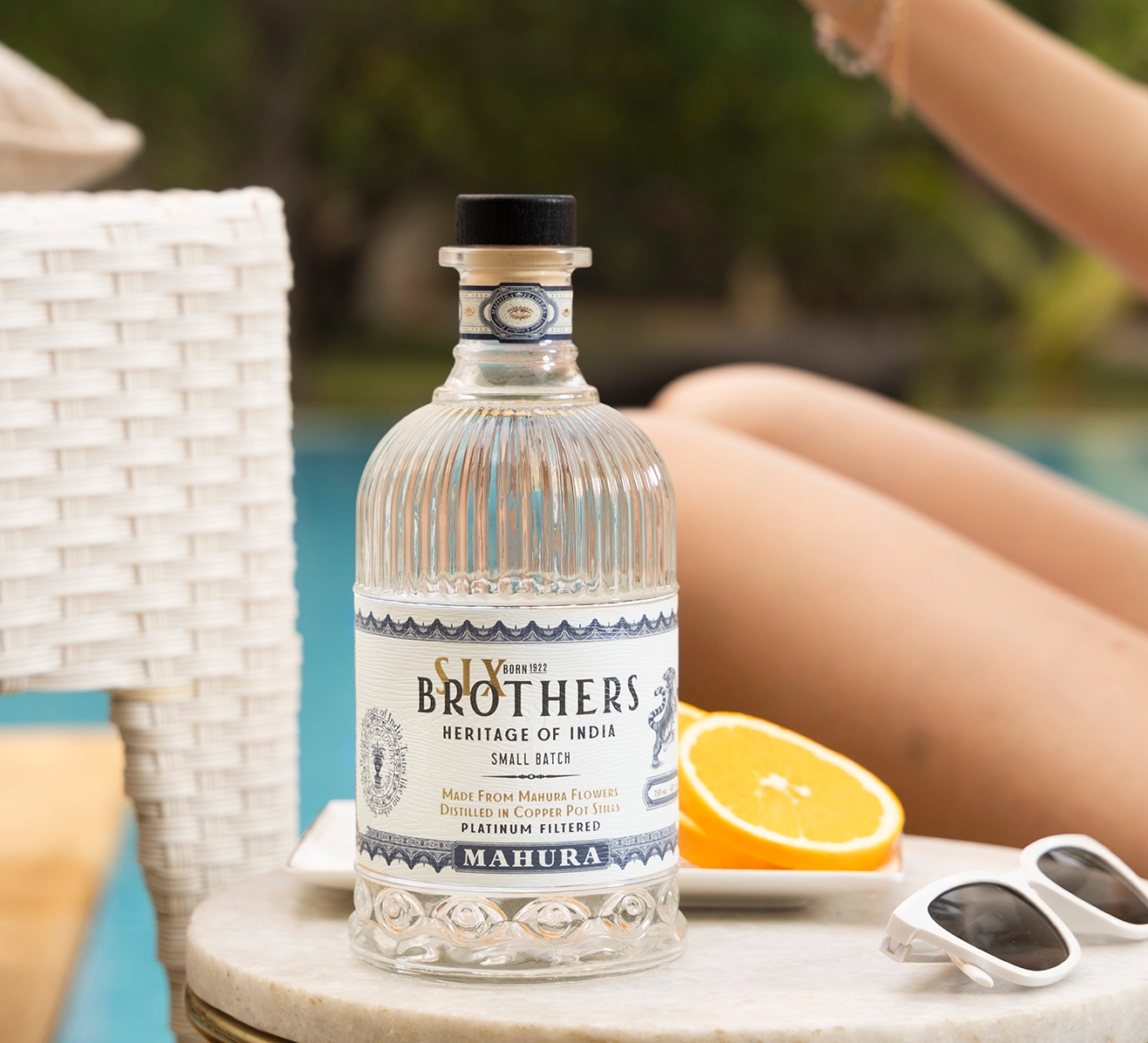
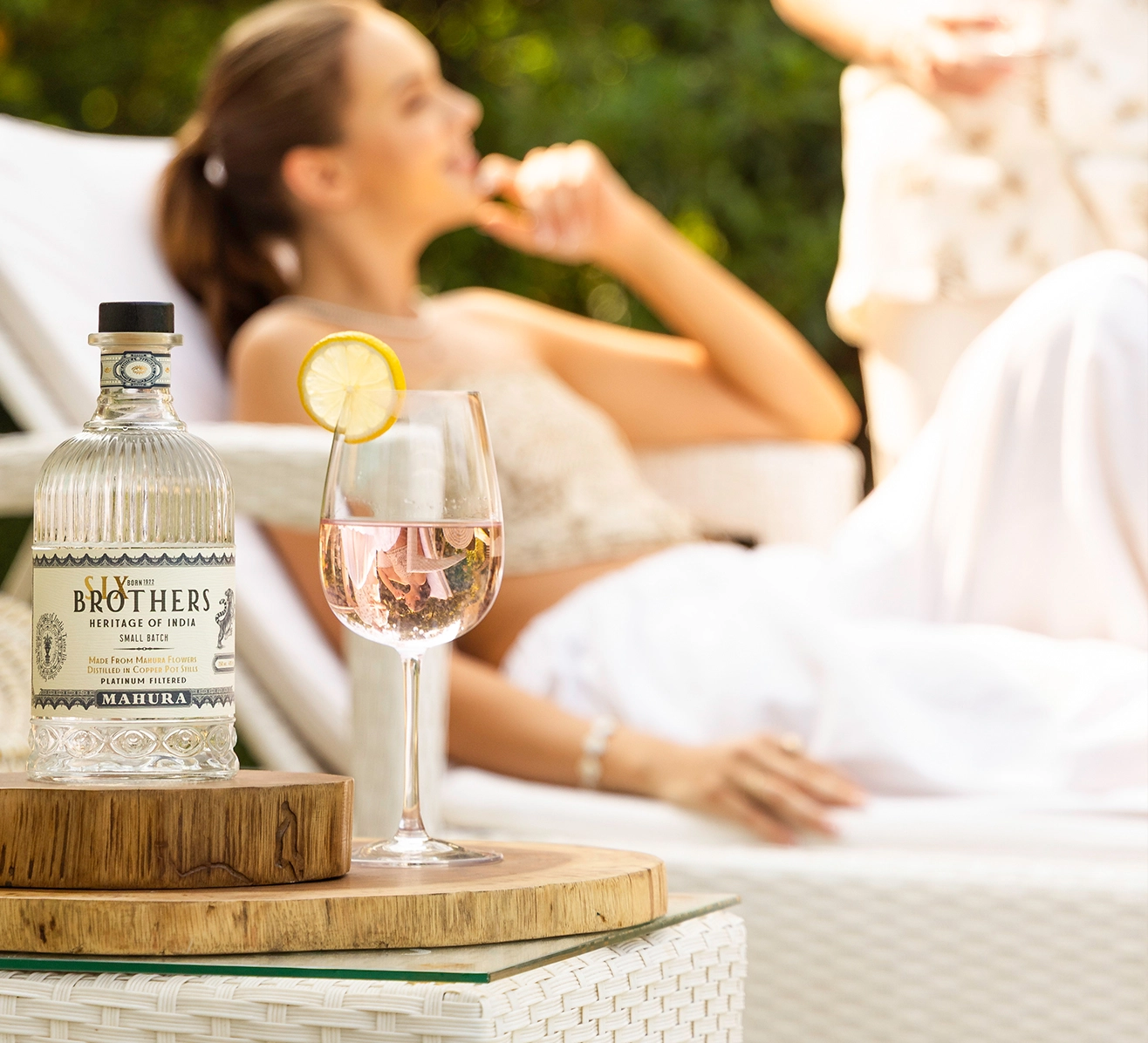
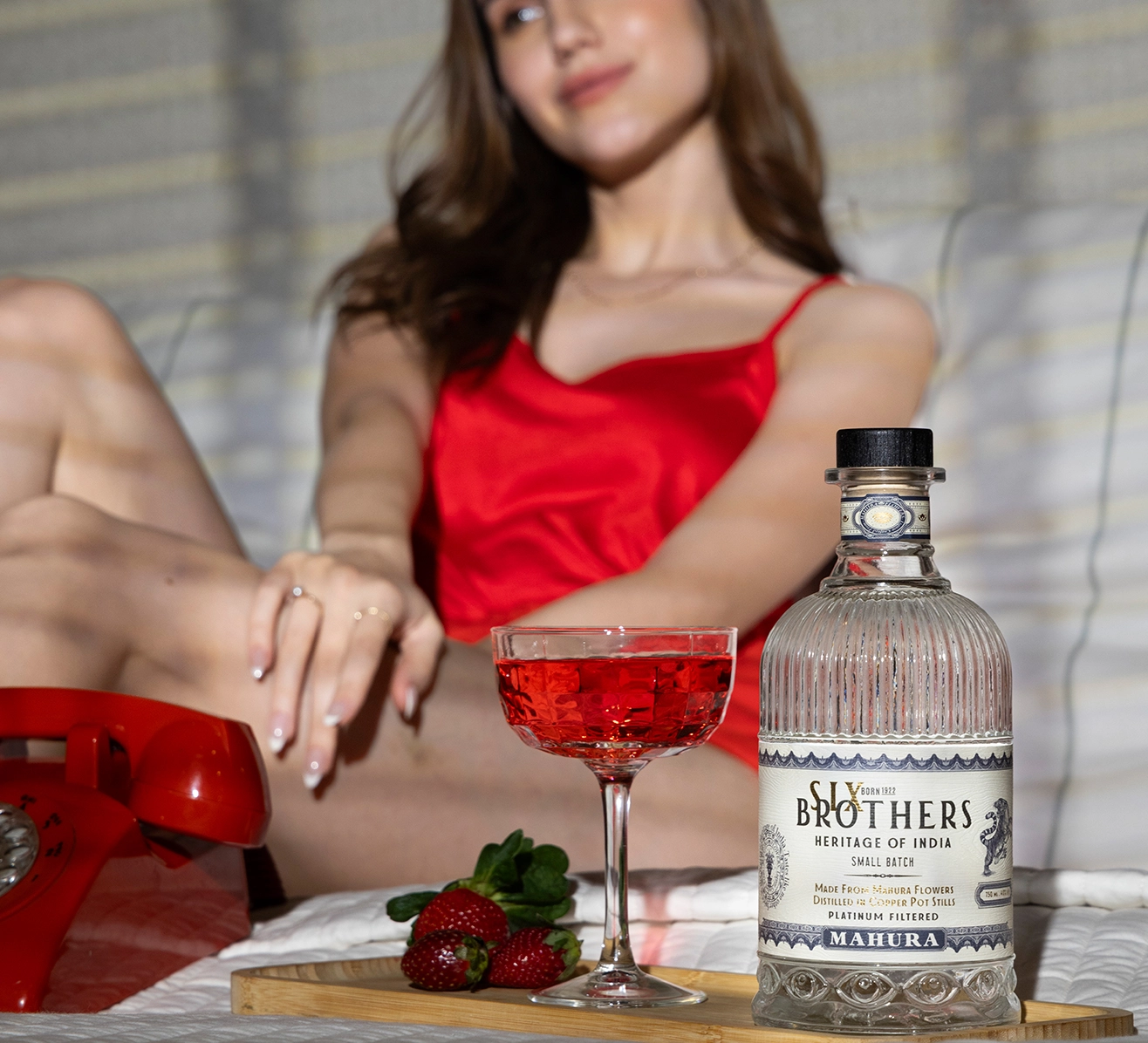
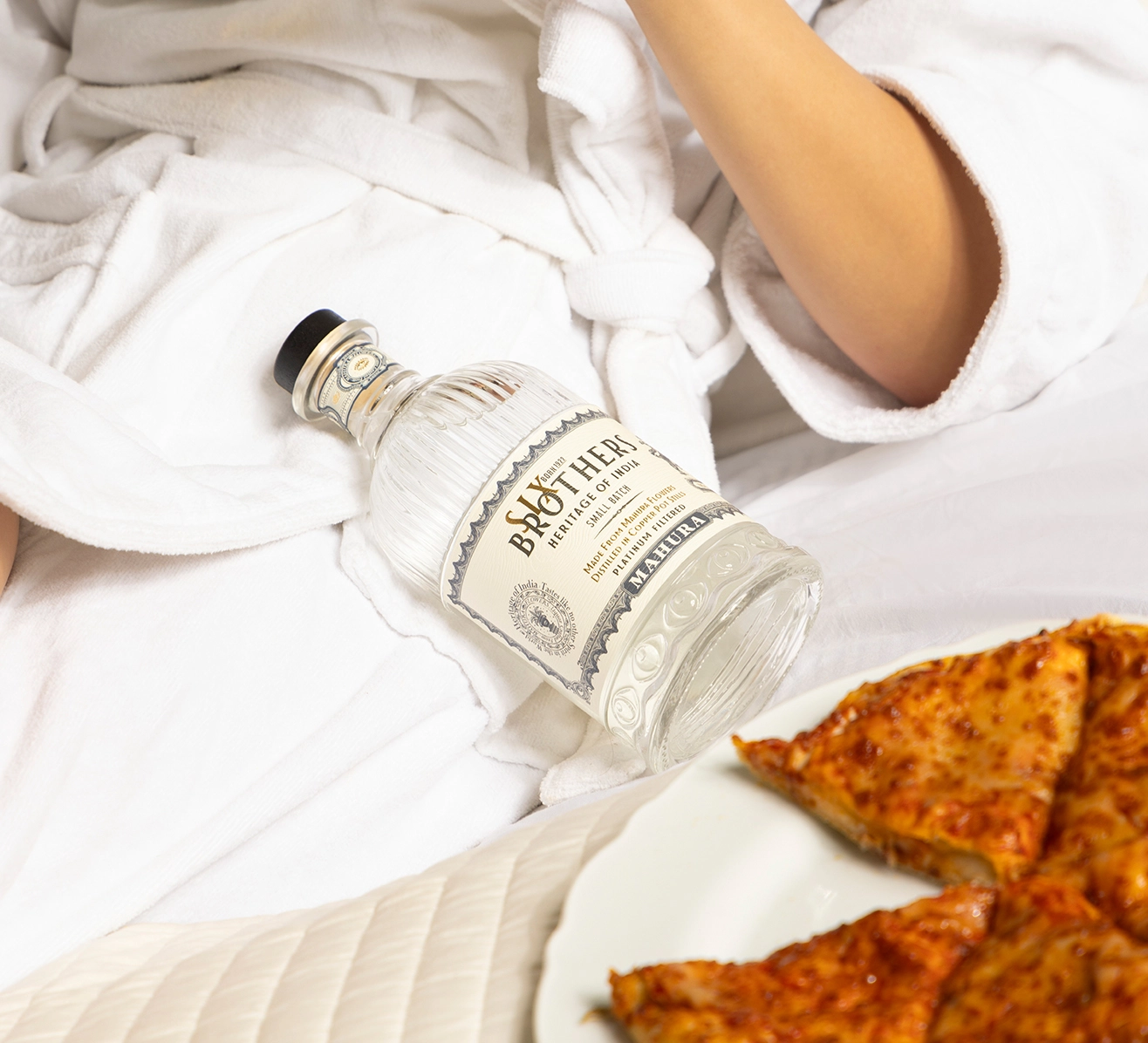
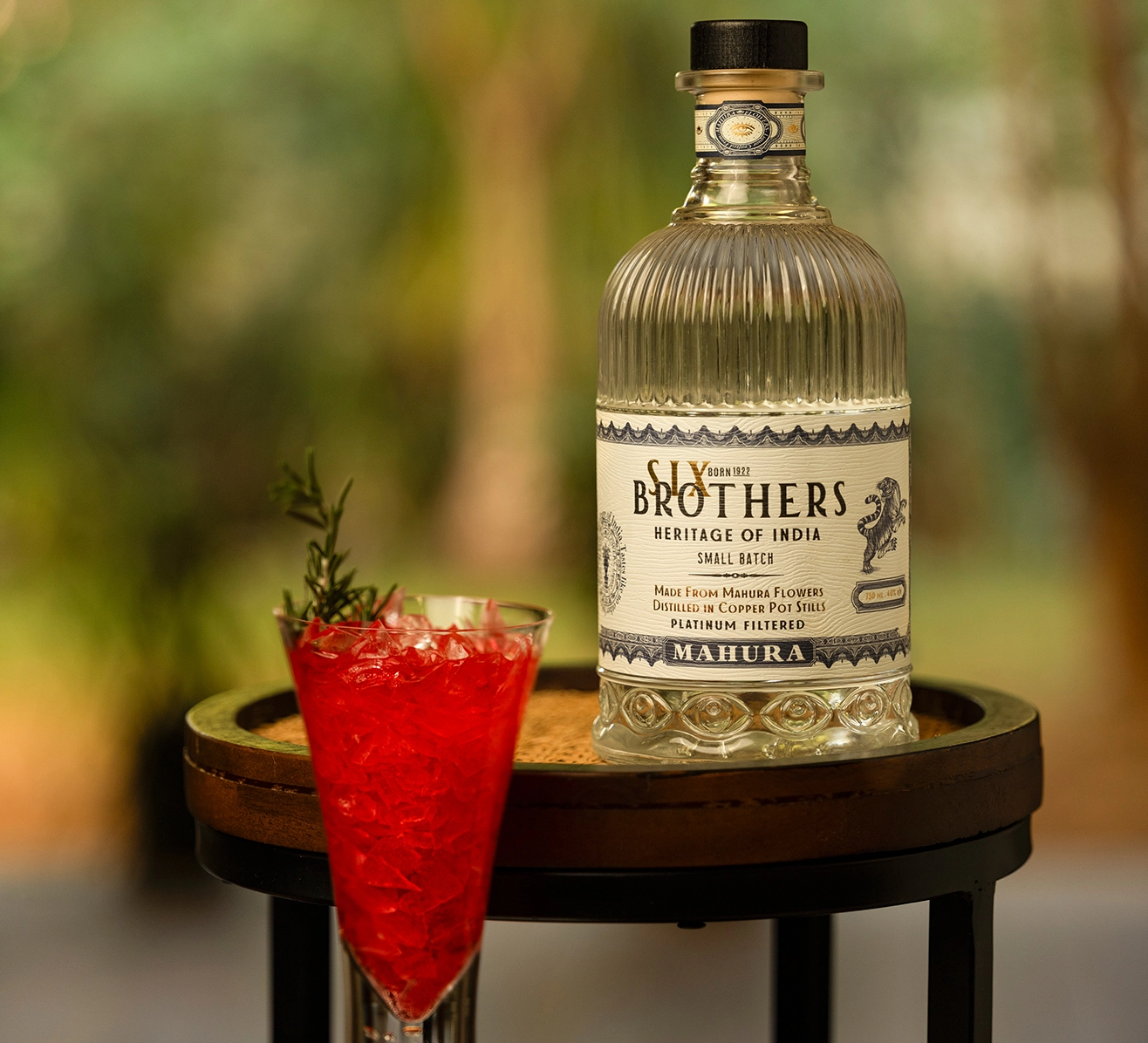
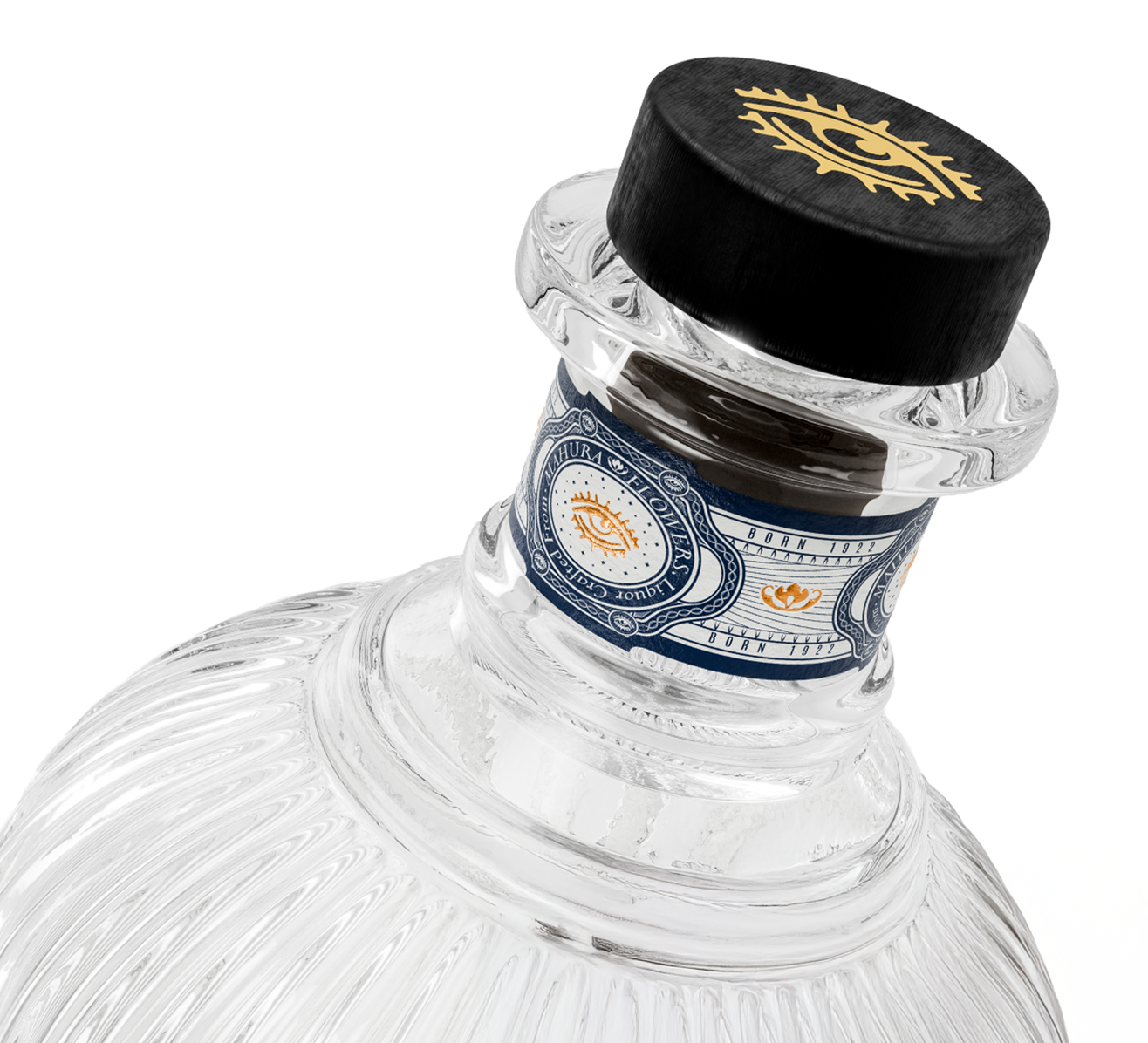
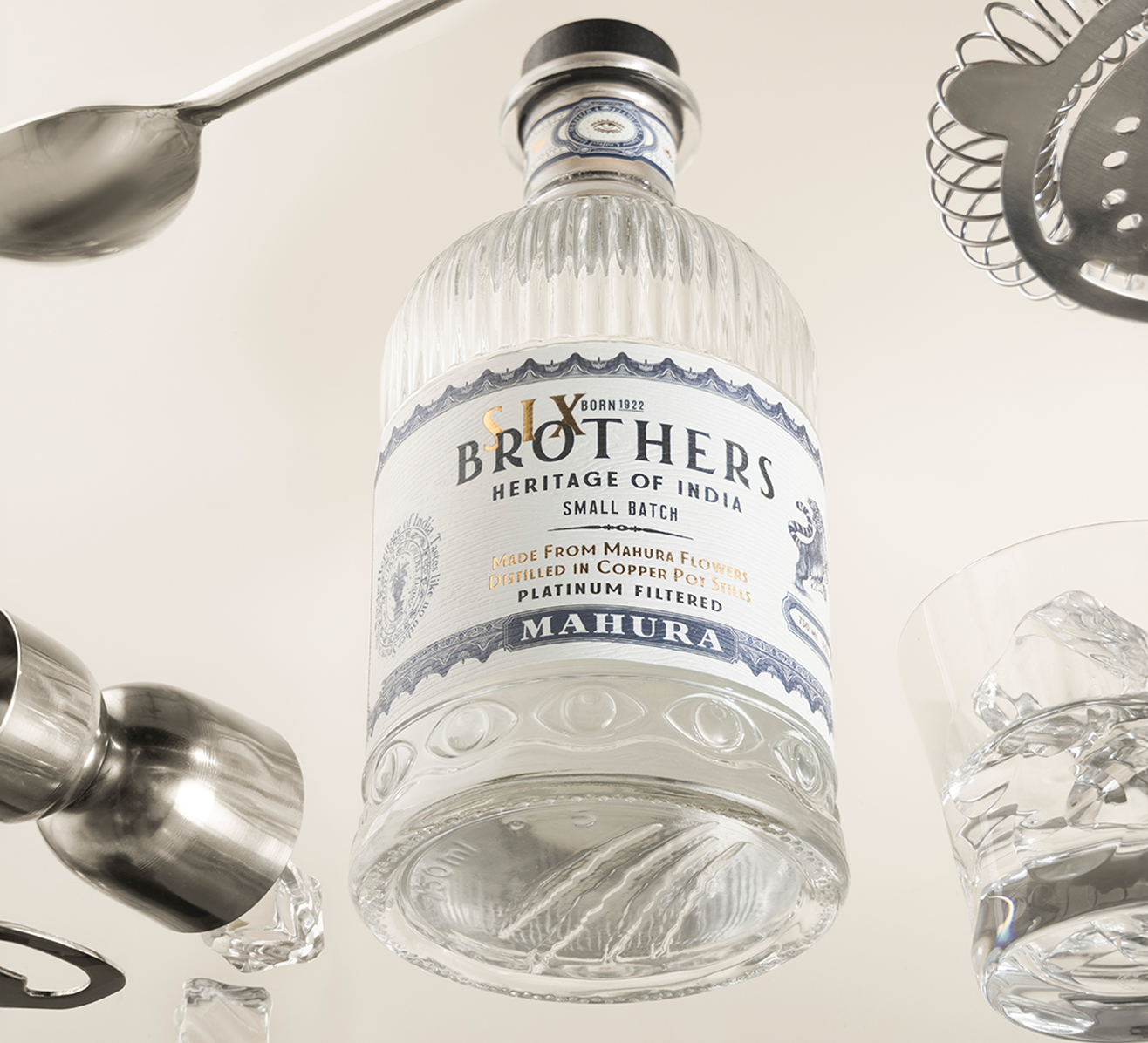
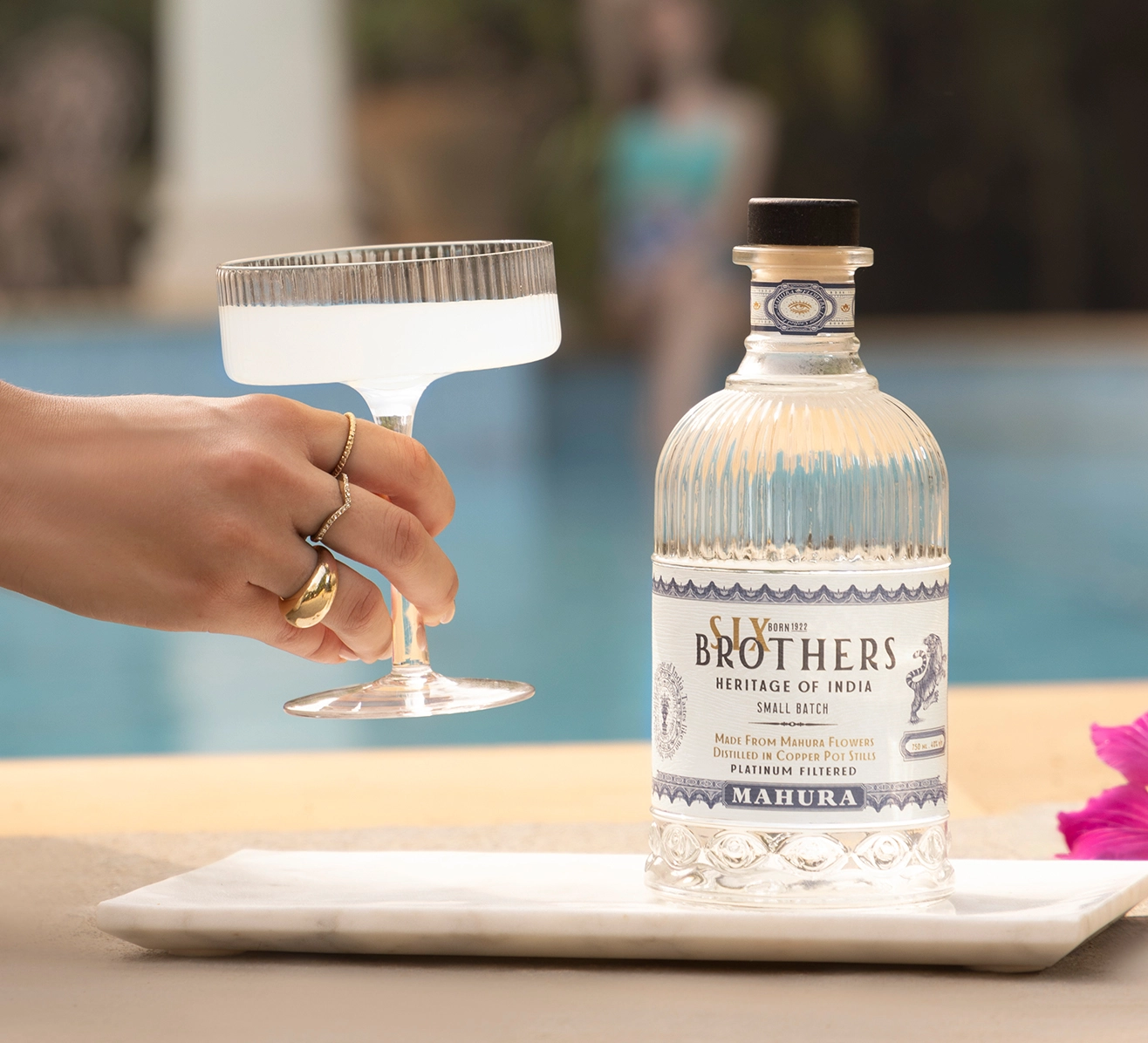
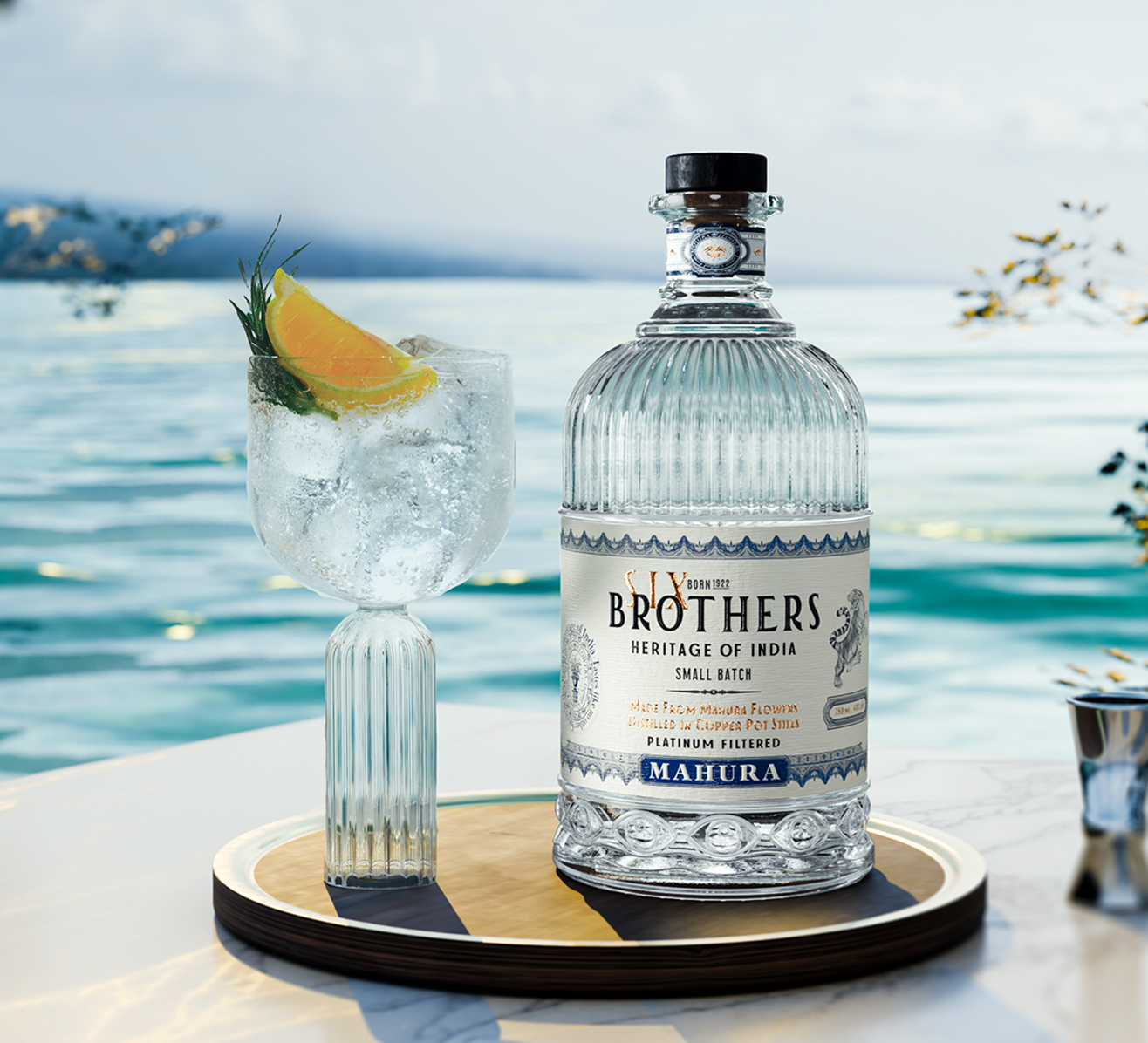
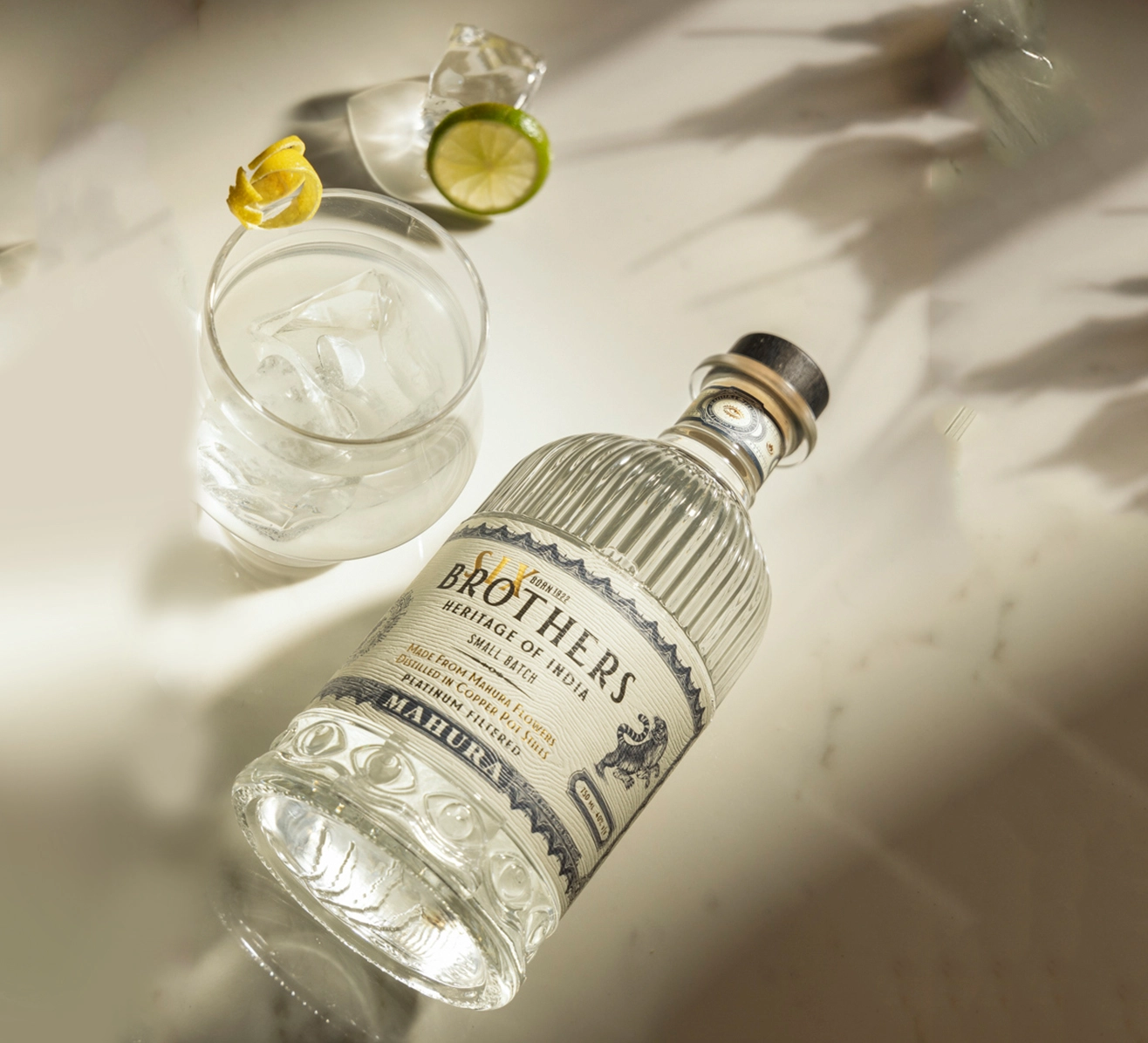
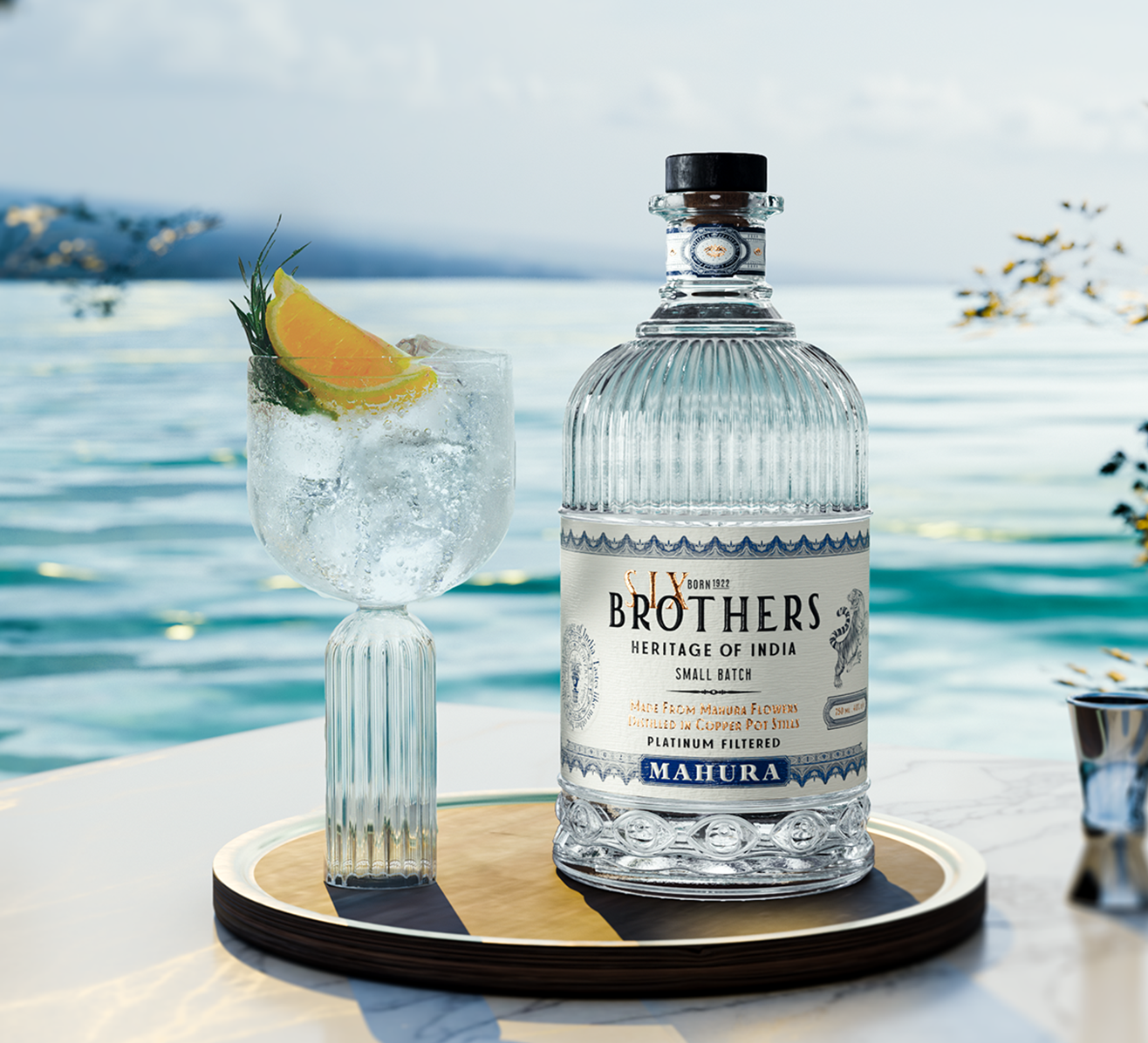
Brands like Six Brothers Mahura are at the forefront of this revolution, bringing Mahua out of its rural shell and into urban bars and households. By combining traditional preparation methods with modern quality standards, Six Brothers Mahura offers a refined version of this ancient spirit for today’s discerning drinkers. If you are curious about exploring India’s indigenous flavors, Mahua alcohol might just be the next exciting addition to your collection.
Q. What is mahuaa alcohol?
Mahuaa (also spelled mahua) is a traditional Indian spirit distilled from the naturally fallen flowers of the Mahua tree (Madhuca longifolia). It has been made in central and eastern India for centuries. Licensed distilleries now produce it commercially with consistent quality standards.
Q. What is the alcohol content (ABV) of mahuaa?
Commercially distilled mahuaa typically ranges from 35% to 42% ABV, similar to standard whisky or rum. Home-made or unlicensed versions vary widely and may be stronger or inconsistent in quality.
Q. What does mahuaa taste like?
Mahuaa has a soft, floral entry with honey-like sweetness and earthy undertones. The finish is warm and medium-length. It is less sharp than most people expect — quality distilled mahuaa is smoother than country liquor and more aromatic than most grain spirits.
Q. Where can I buy mahuaa in India?
Six Brothers Mahura is available in select premium liquor outlets in Maharashtra and other states where it has excise clearance. You can check availability at sixbrothers.com or contact them directly. State regulations affect where mahuaa can be legally sold, so availability varies by city.
Q. What is the price of mahuaa?
Premium commercial mahuaa like Six Brothers Mahura is priced in the same range as mid-shelf Indian whisky. Country-grade mahuaa from unlicensed sources is cheaper but unregulated. Exact pricing depends on the state and retail outlet.
Q. Is mahuaa alcohol legal in India?
Yes, mahuaa produced by licensed distilleries under state excise licences is completely legal. Several states including Maharashtra, Madhya Pradesh, and Chhattisgarh have formal regulatory frameworks for commercial mahuaa production. Unlicensed home distillation remains illegal.
Q. How is mahuaa different from desi daru or country liquor?
Traditional home-made mahuaa (often called mahua daru) is unregulated and inconsistent. Commercial mahuaa from licensed producers uses controlled fermentation and distillation, resulting in a cleaner, more consistent drink. Think of the difference between craft rum and cheap bootleg.
Q. Can mahuaa be used in cocktails?
Yes. Mahuaa works well in sour-style cocktails (with lemon and simple syrup), with kokum and soda, or with fresh ginger and lime. It does not mix well with colas or heavy sugary mixers, which overpower its floral character.