Posted on 15 Dec 2025
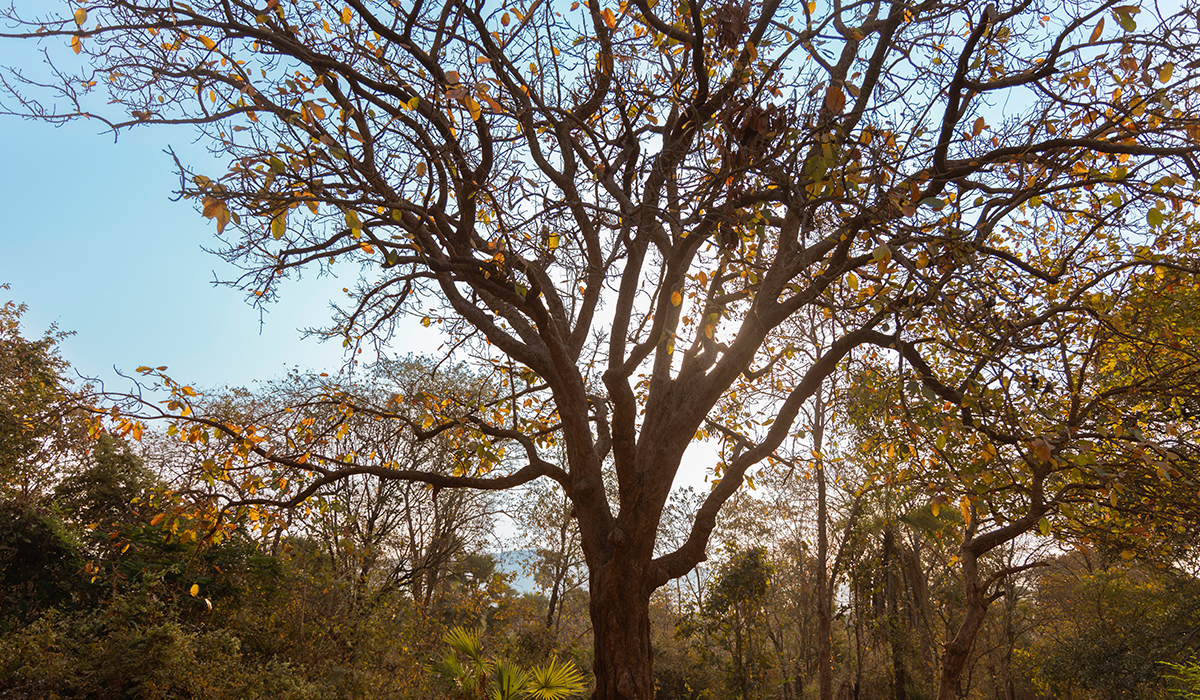
If there’s one tree that truly supports life in India’s forest belts, it’s the Mohwa tree — also called Mahua, Madhuka, or Madhuca longifolia. People often talk about neem or tulsi as miracle plants, but the Mohwa tree quietly does just as much, sometimes more.
Let’s walk through its story.

The Mohwa / Mahua tree is a hardy, long-living species native to central and eastern India. It thrives in dry forests where very few trees can survive, which makes it incredibly valuable to the people living around it.
Every part of the Mohwa tree is useful:
This has earned it the nickname:
the Kalpavriksha of the forests.
No wonder a single Mohwa tree is considered a family asset in many communities.
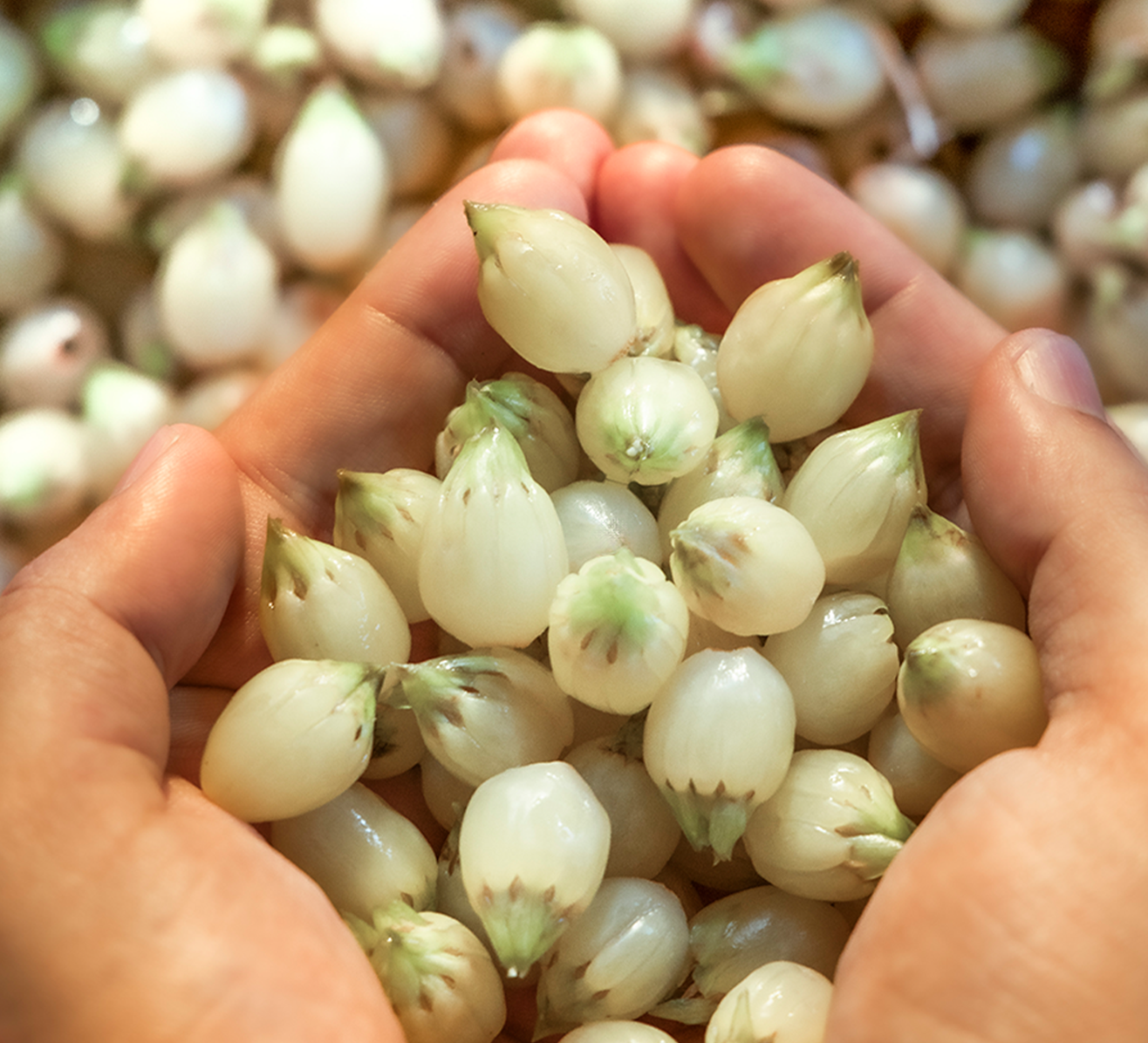
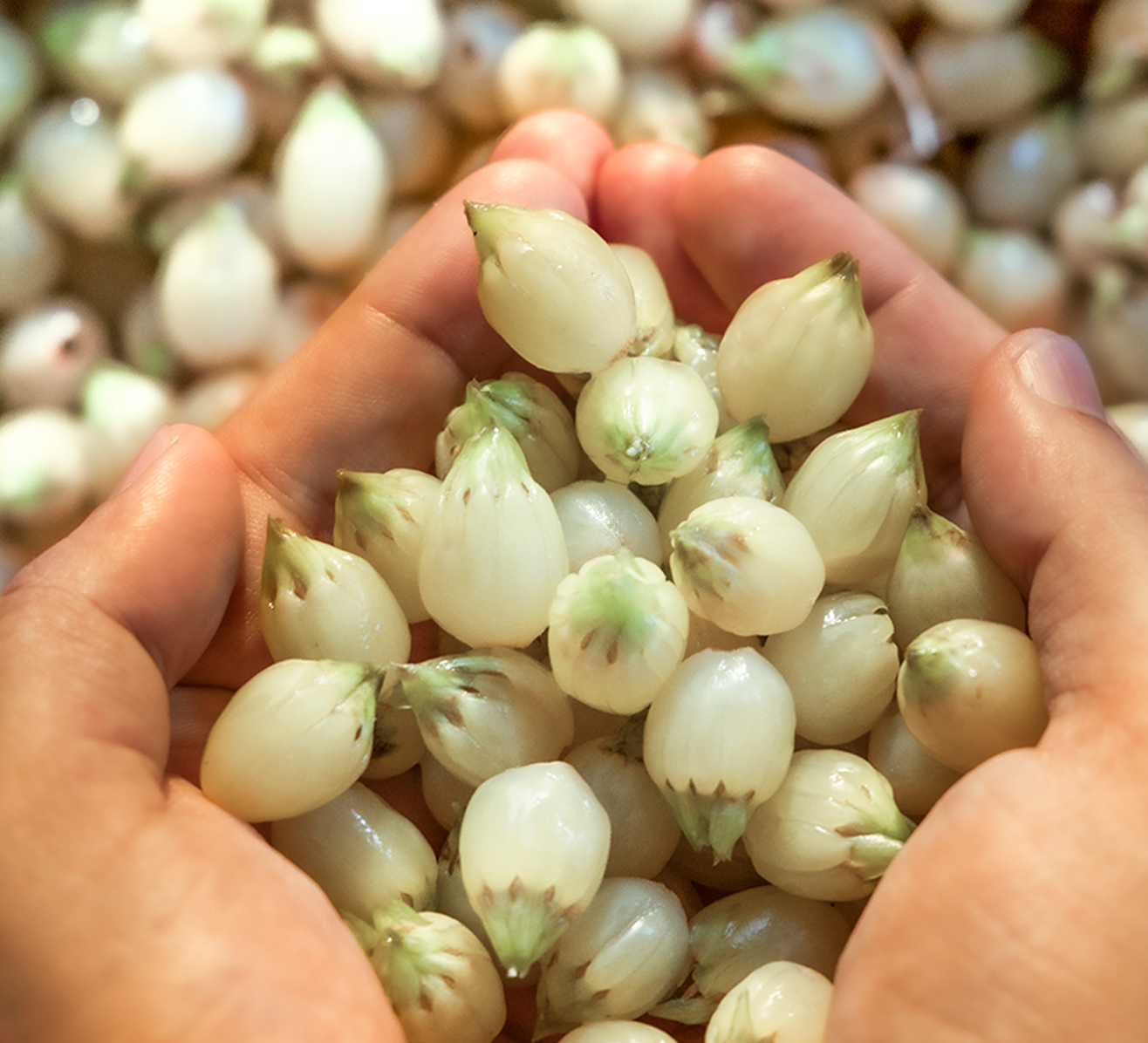
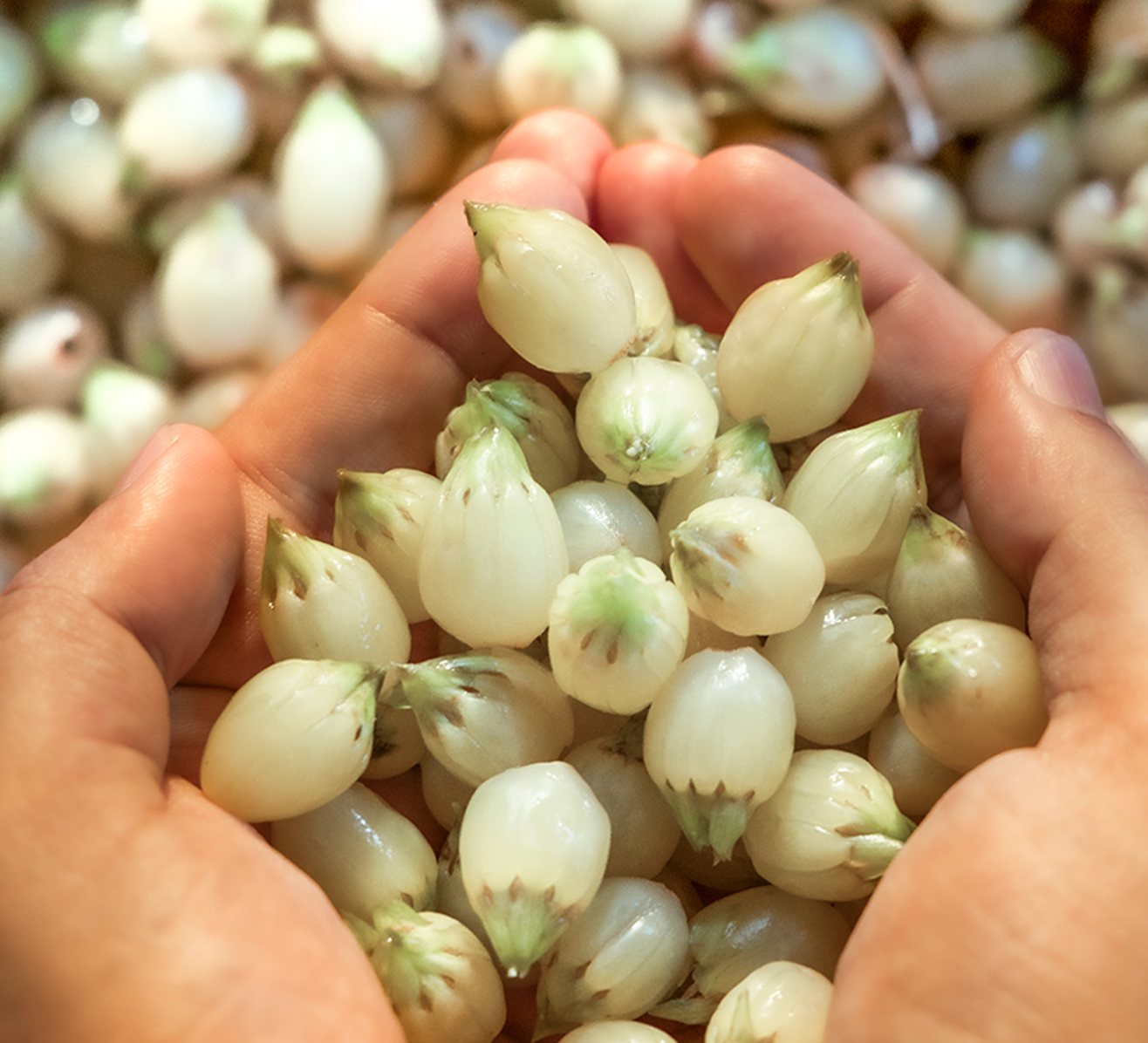
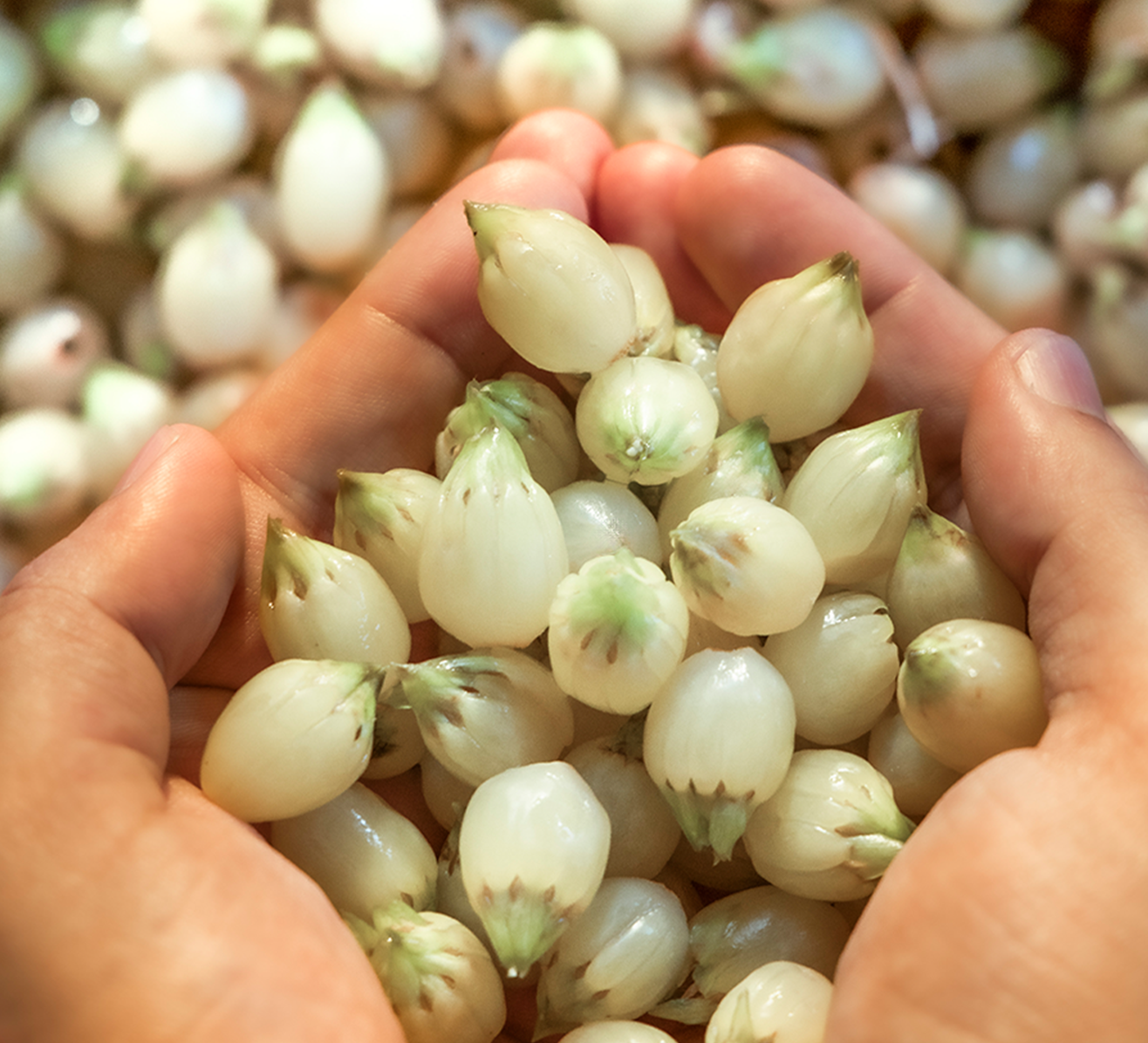
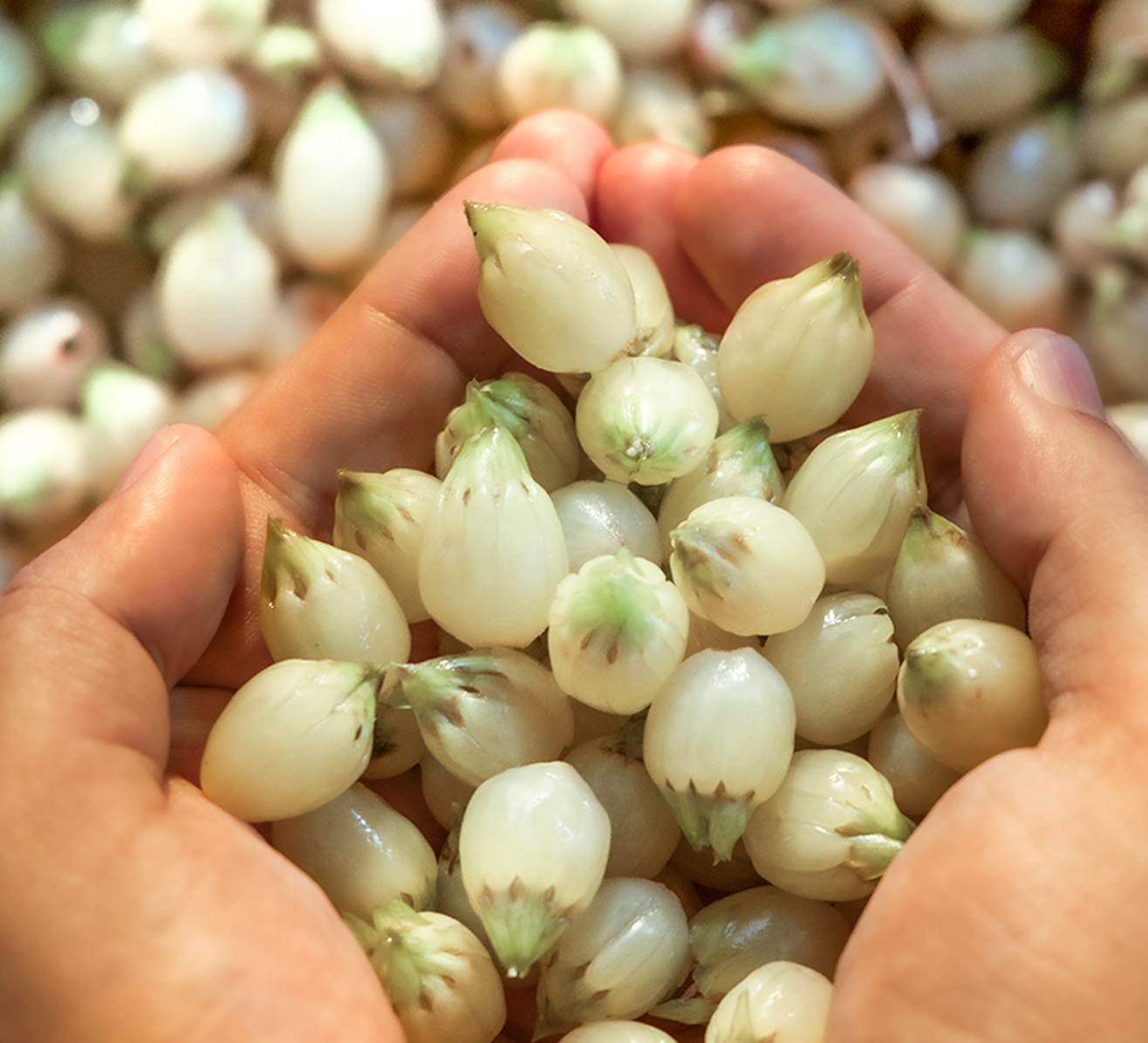
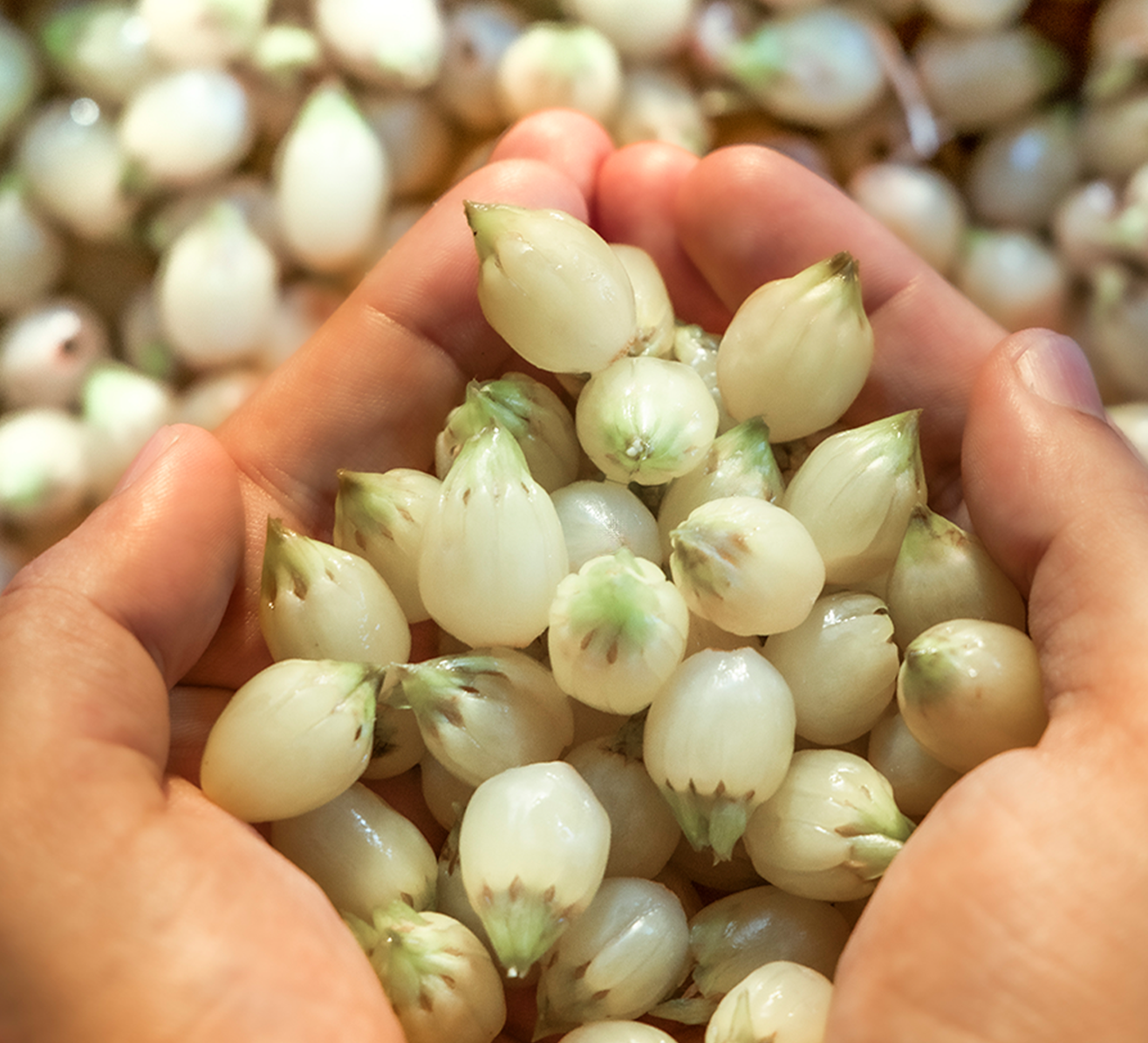
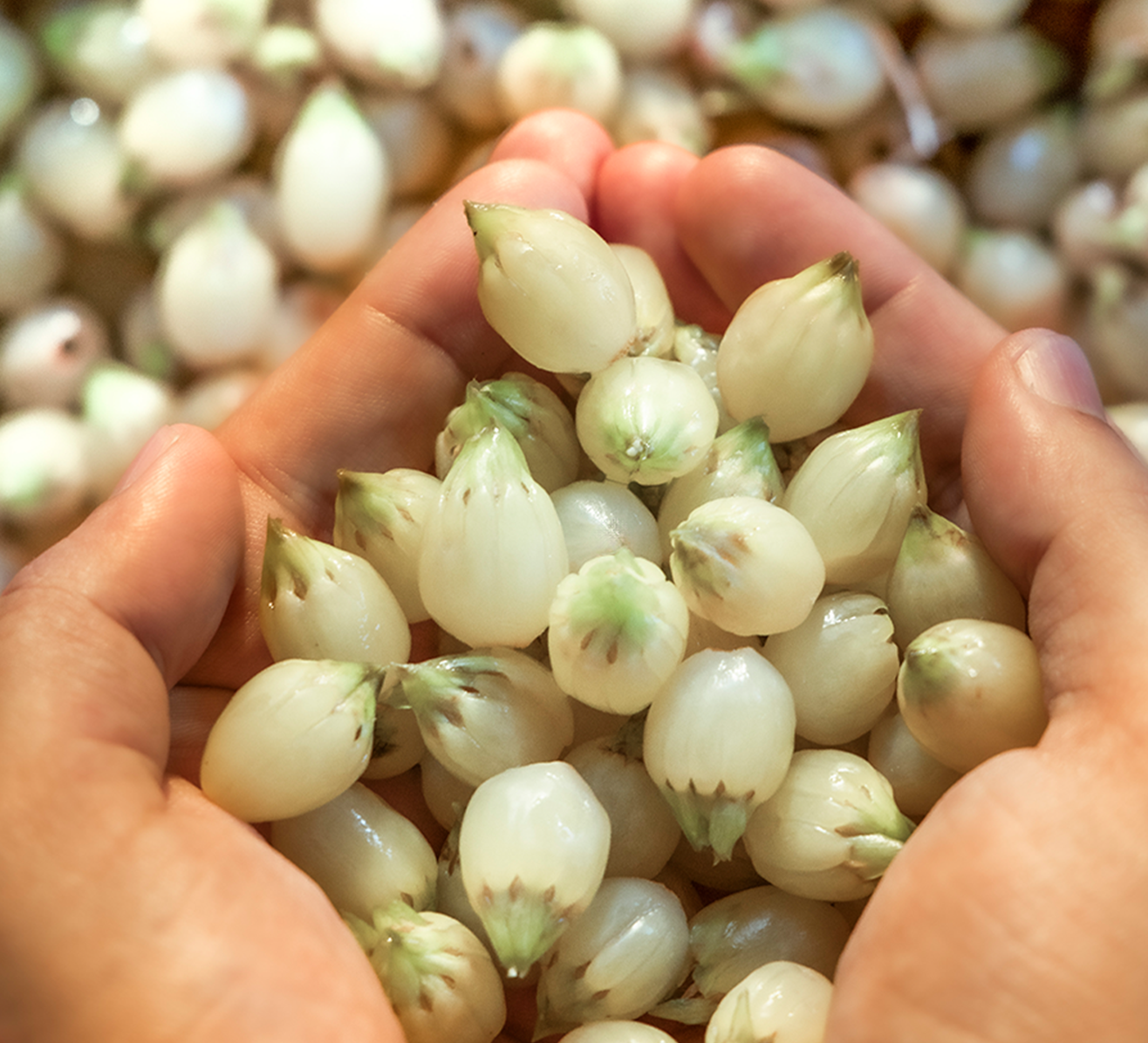
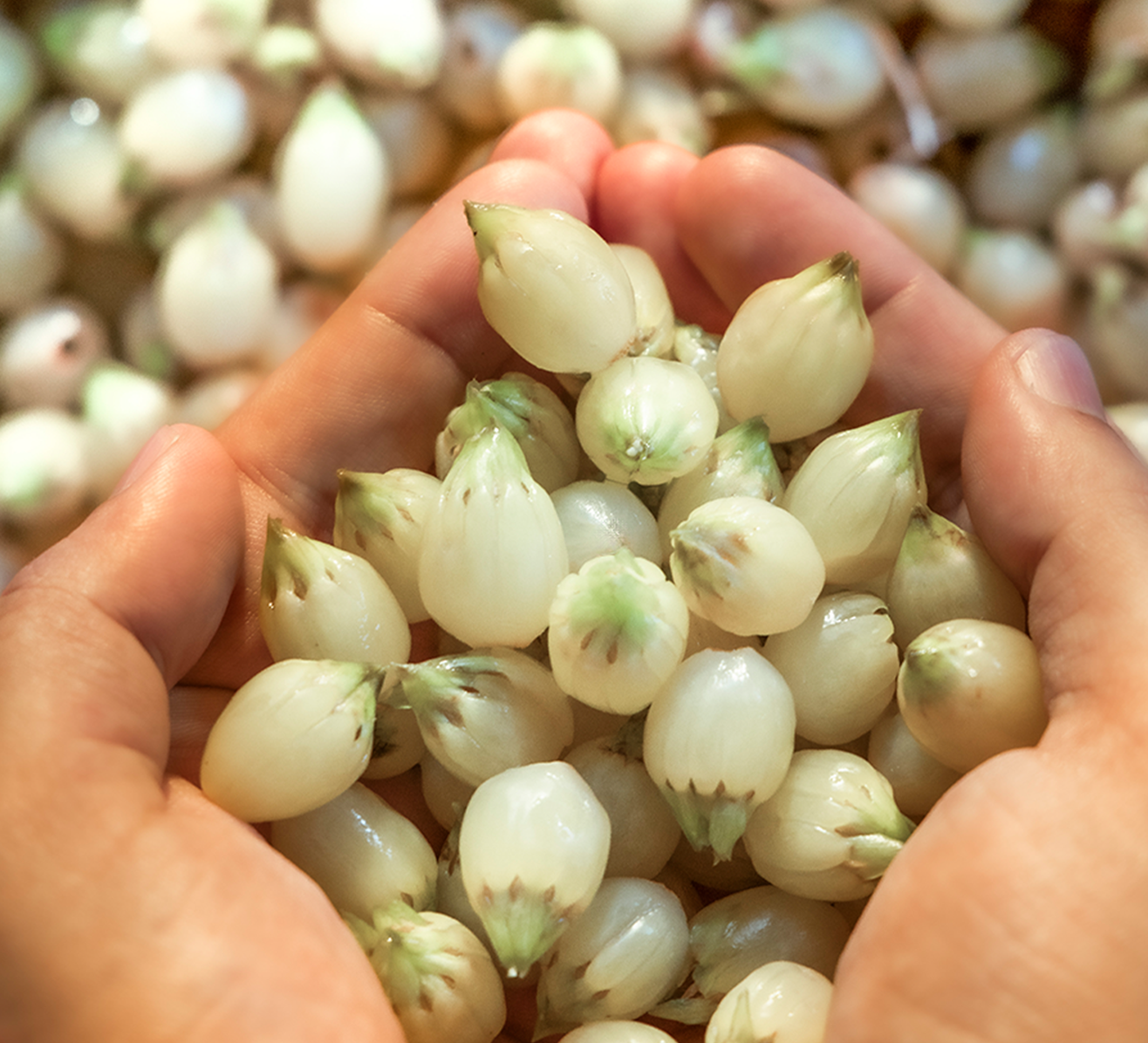
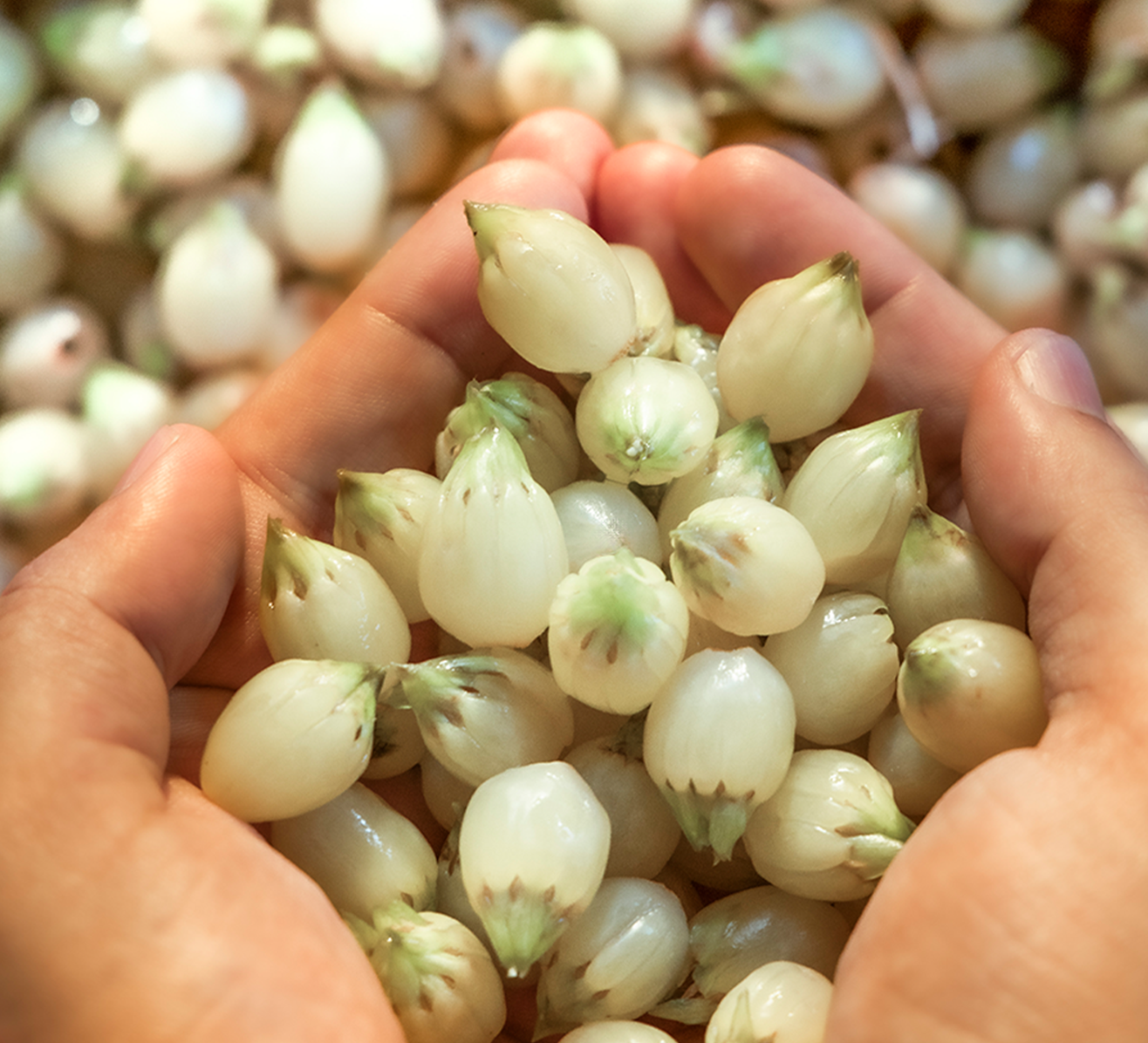
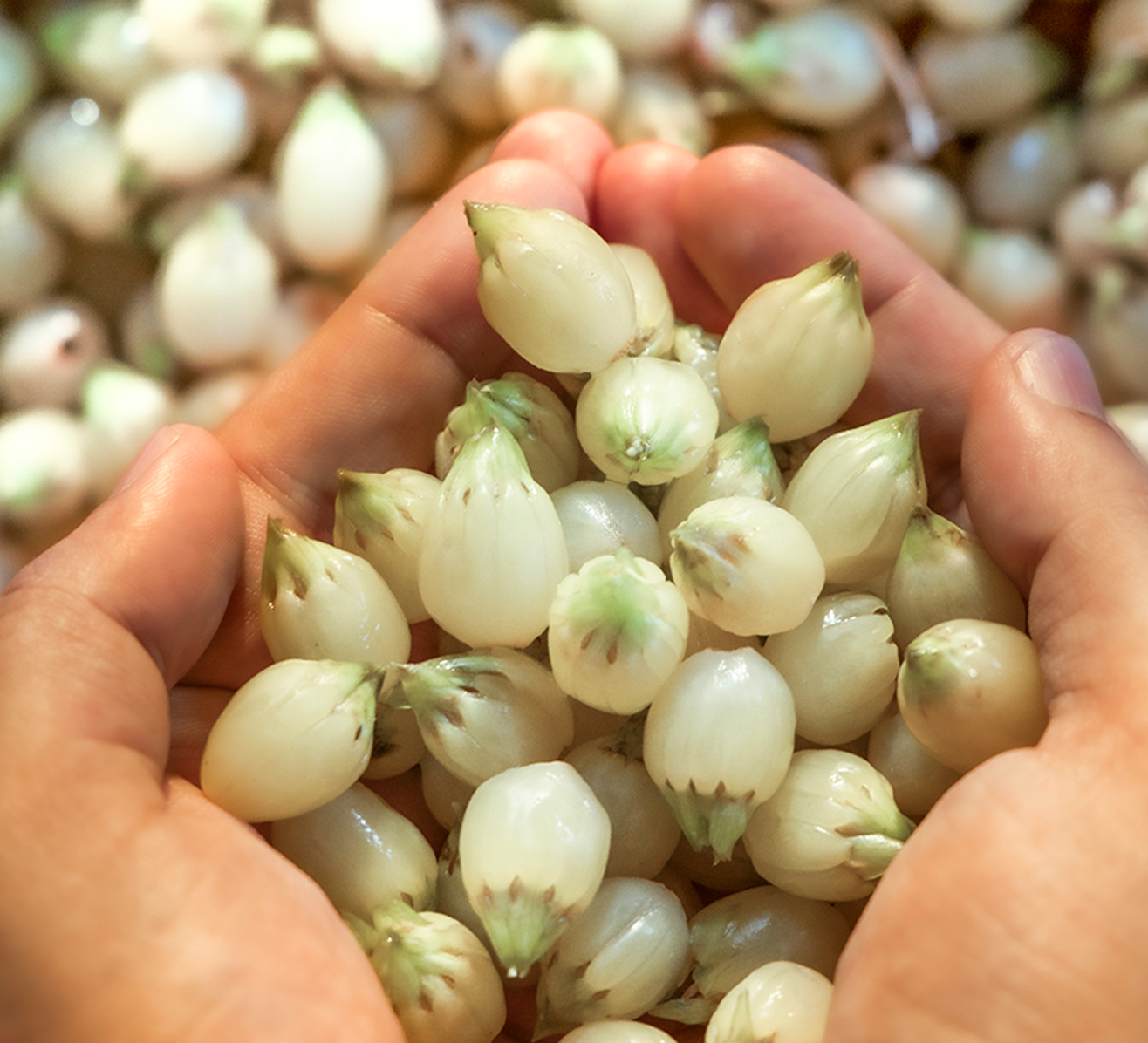
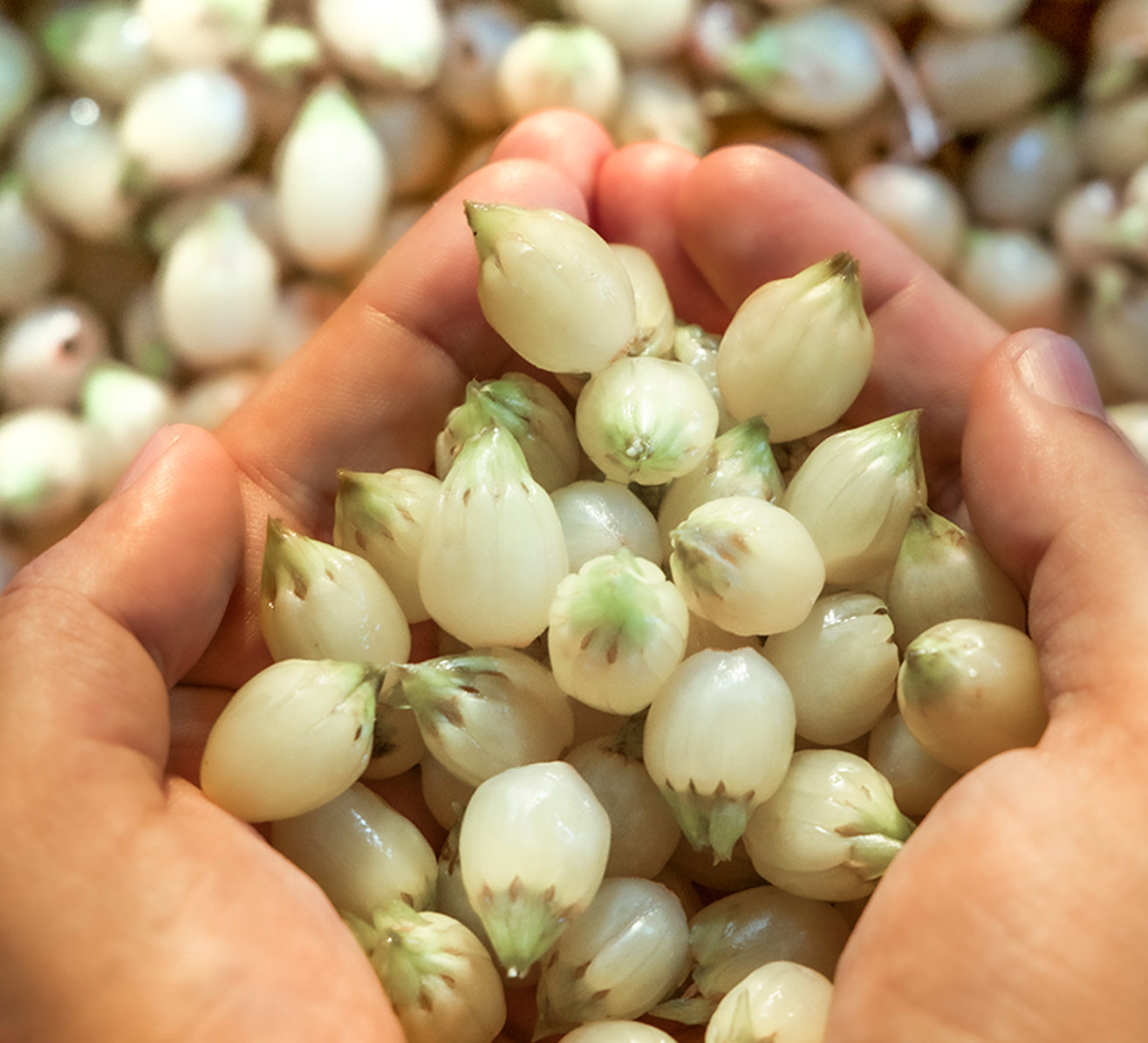
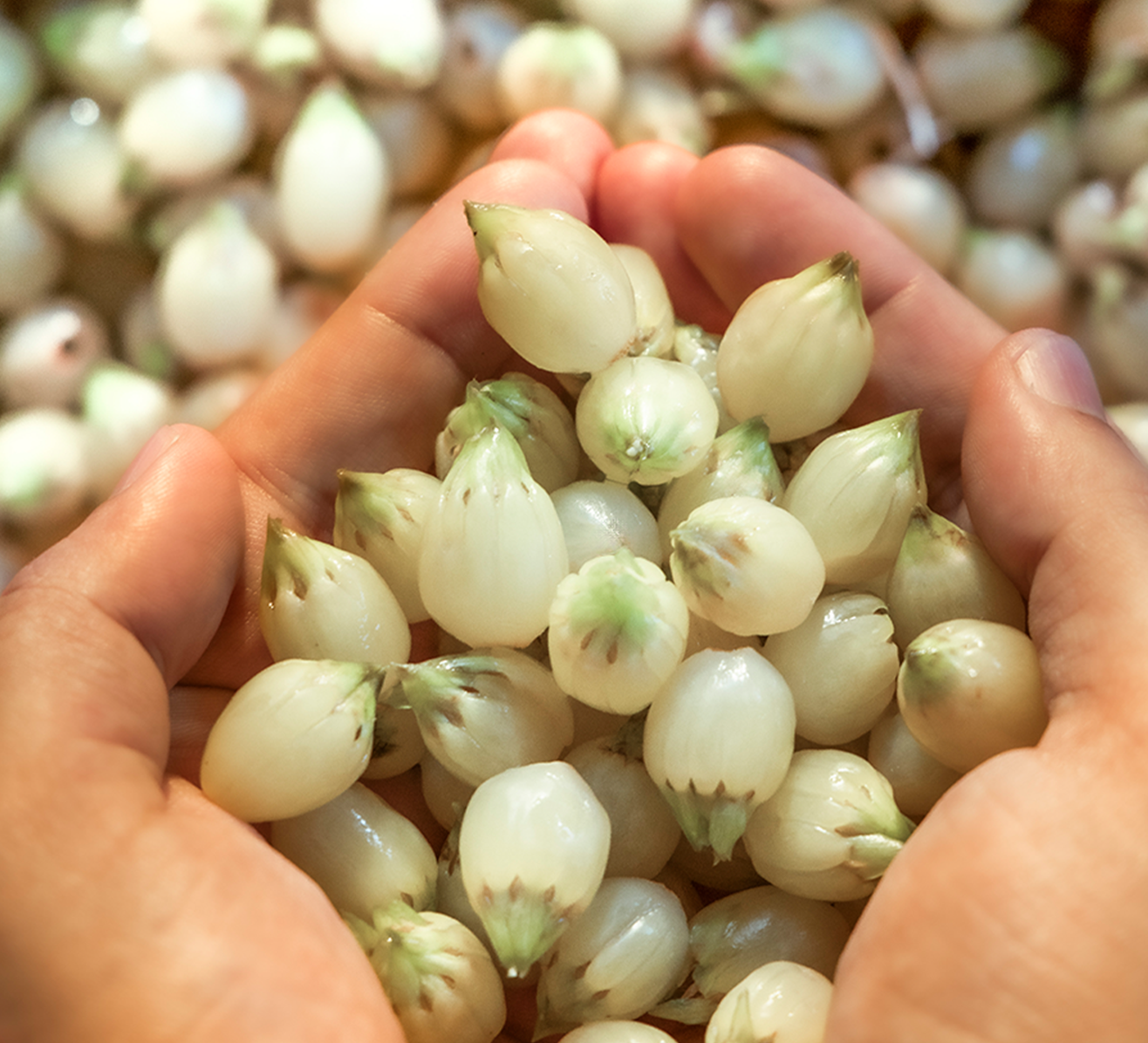
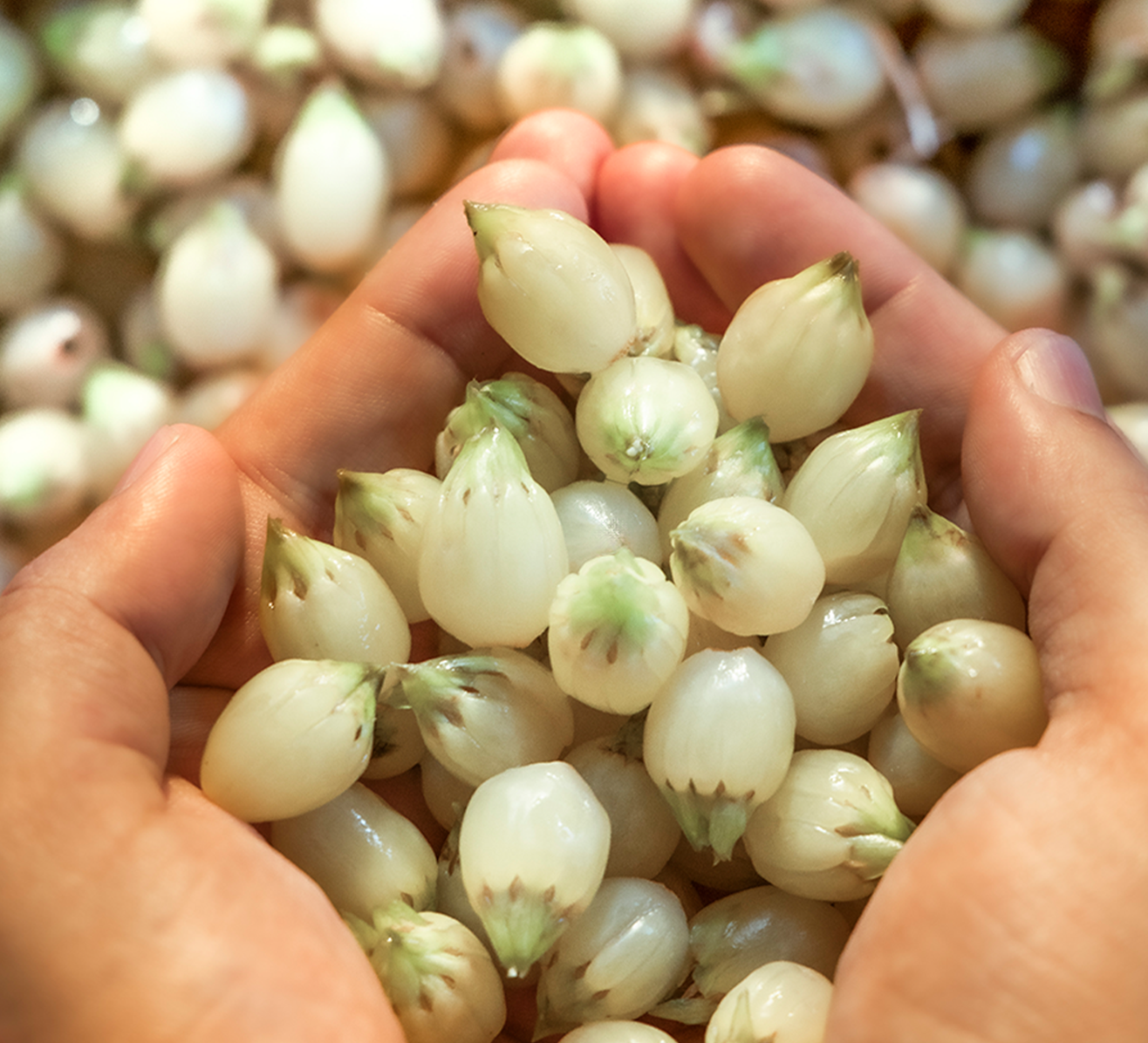
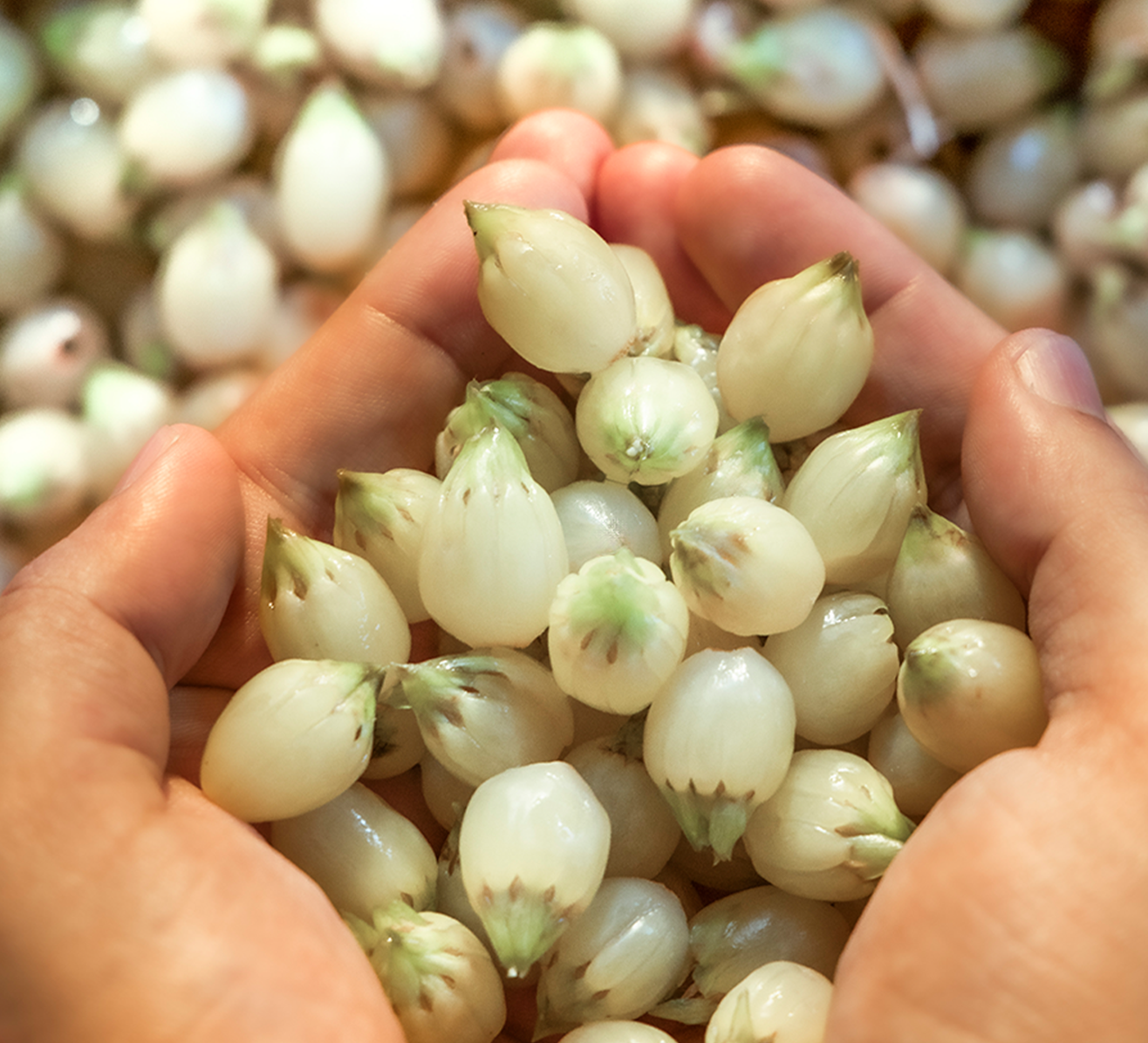
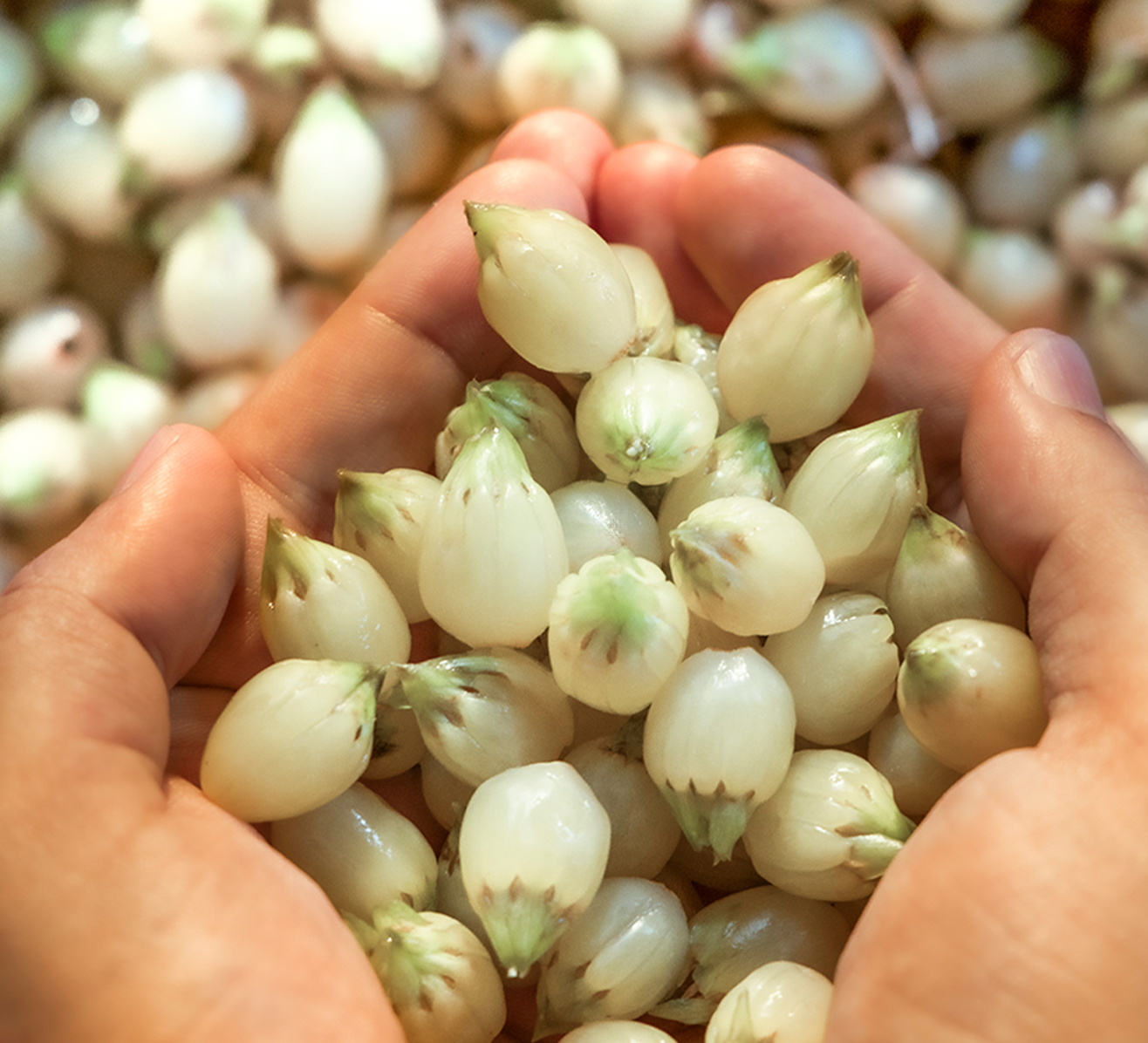
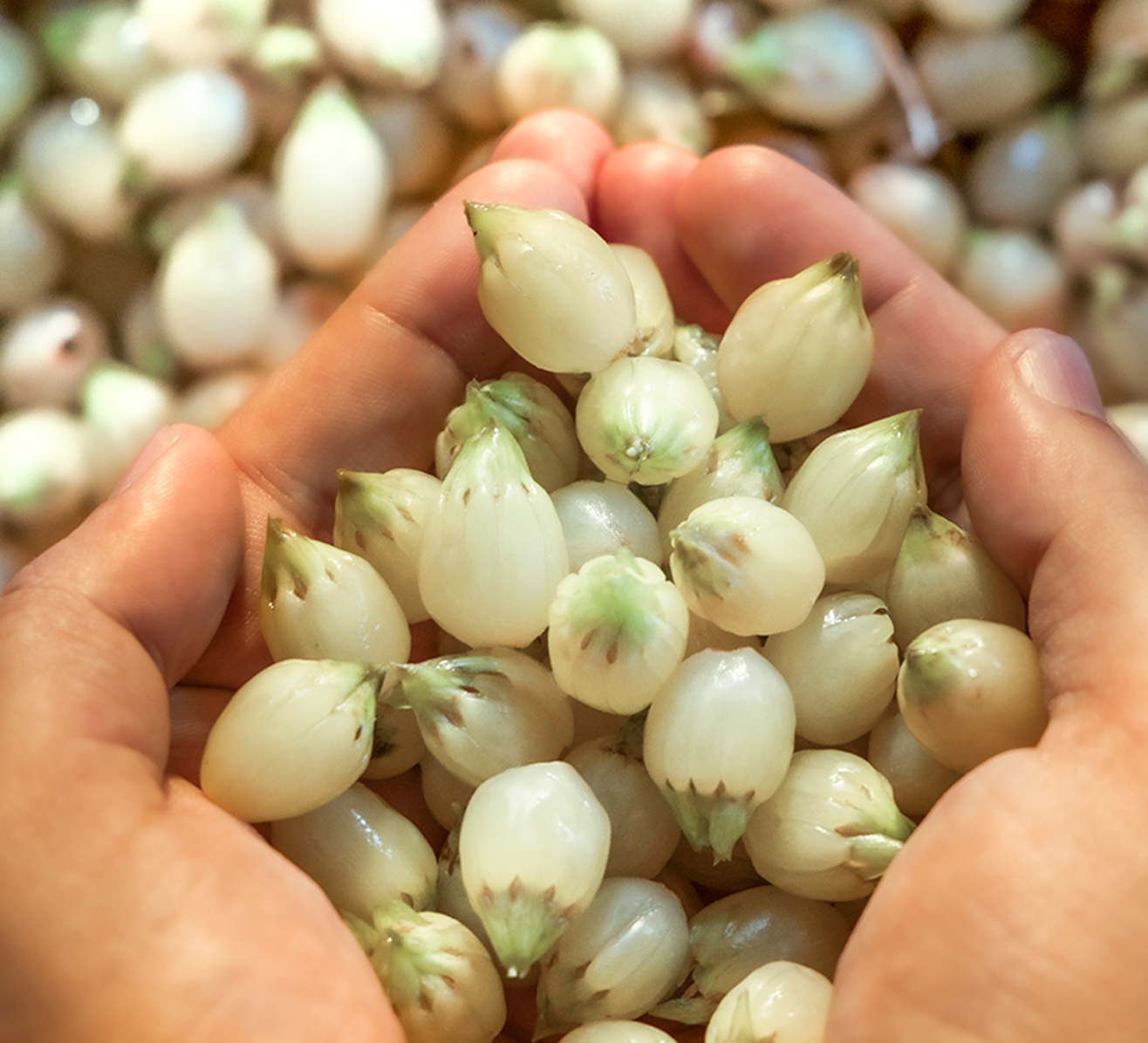
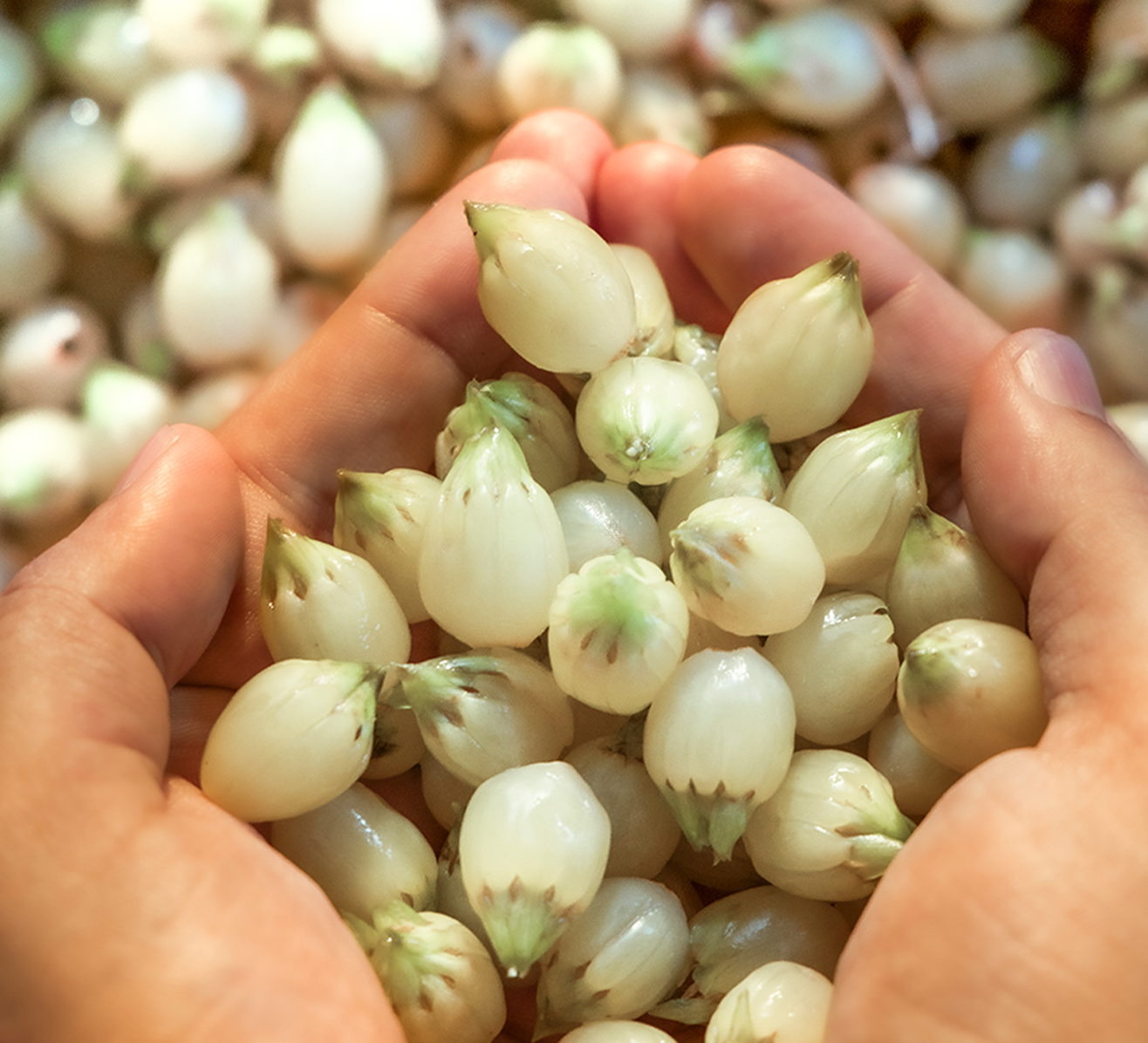
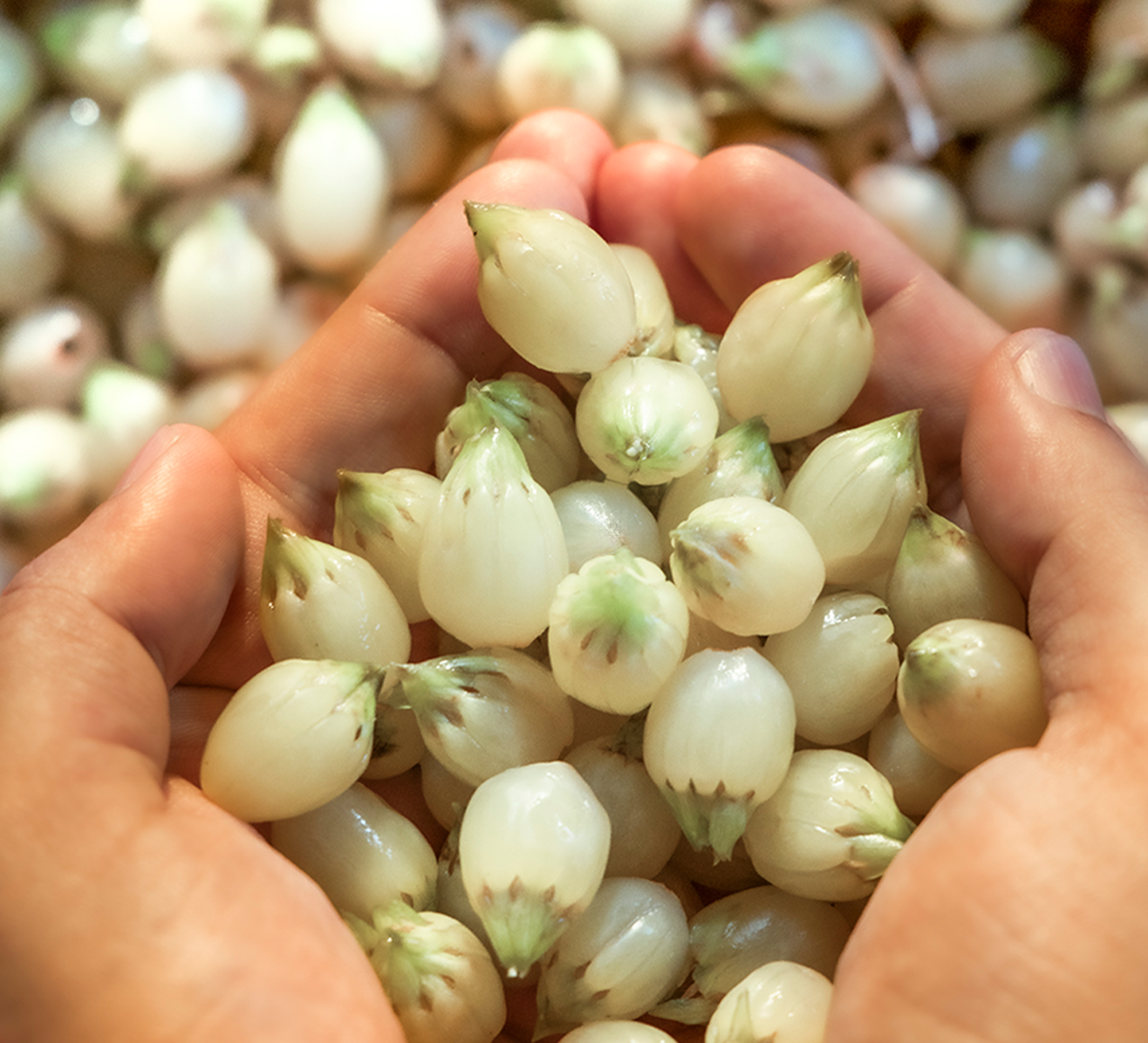
The star output of the Mohwa tree is the fragrant flower it sheds in summer. These blossoms are edible and rich in natural sugars.
They are used for:
For many families, collecting and selling Mohwa flowers brings seasonal income.
The oil is thick, nourishing, and gentle on the skin.
In Ayurveda, Mohwa / Mahua is known for being:
Different parts of the tree are used for:
The bark and leaves are sometimes used in poultices to soothe swelling.
Here’s the thing — the Mohwa tree isn’t just a plant. It’s part of identity and survival for many native communities.
The tree is:
It’s one of the few resources that gives something valuable almost all year round.
The Mohwa tree supports the ecosystem in multiple ways:
It survives where other trees don’t, making it a stabilizing force in dry forest landscapes.
The world has started paying attention to the Mohwa tree again. You’ll now find Mahua/Mohwa ingredients in:
It’s a natural resource that bridges the gap between tradition and modern wellness.
Urban interest in indigenous ingredients is rising, and the Mohwa tree fits perfectly into this shift. It’s sustainable, nutrient-rich, versatile, and deeply rooted in India’s cultural fabric.
For communities that depend on forests, this tree is more than a plant — it’s financial security, medicine, food, and tradition.
The Mohwa / Mahua tree stands as one of India’s most generous natural resources. Whether you look at its cultural value, medicinal uses, ecological impact, or economic importance, it remains a symbol of resilience and abundance. As people rediscover traditional ingredients, the Mohwa tree is finally receiving the recognition it has always deserved.
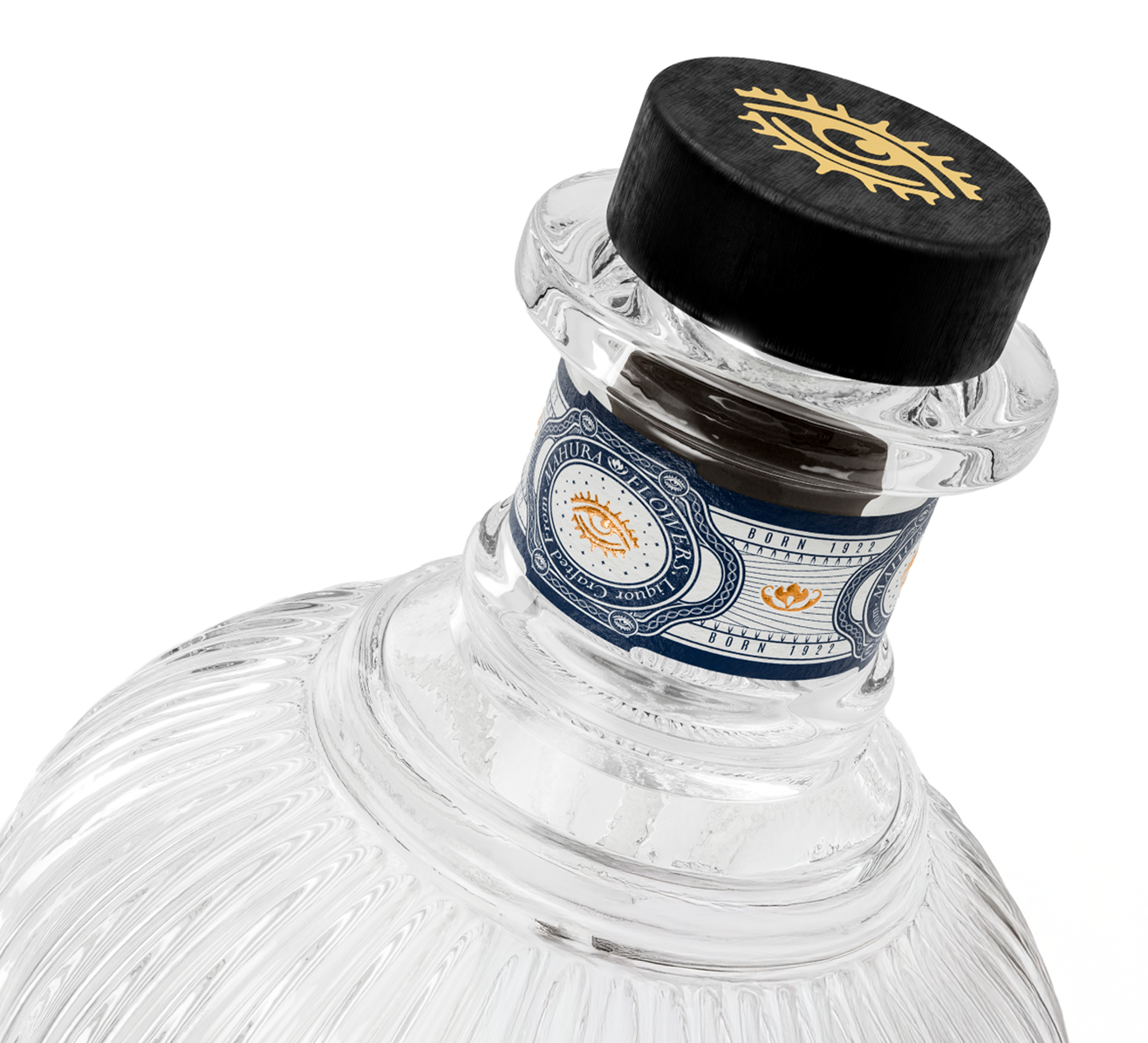
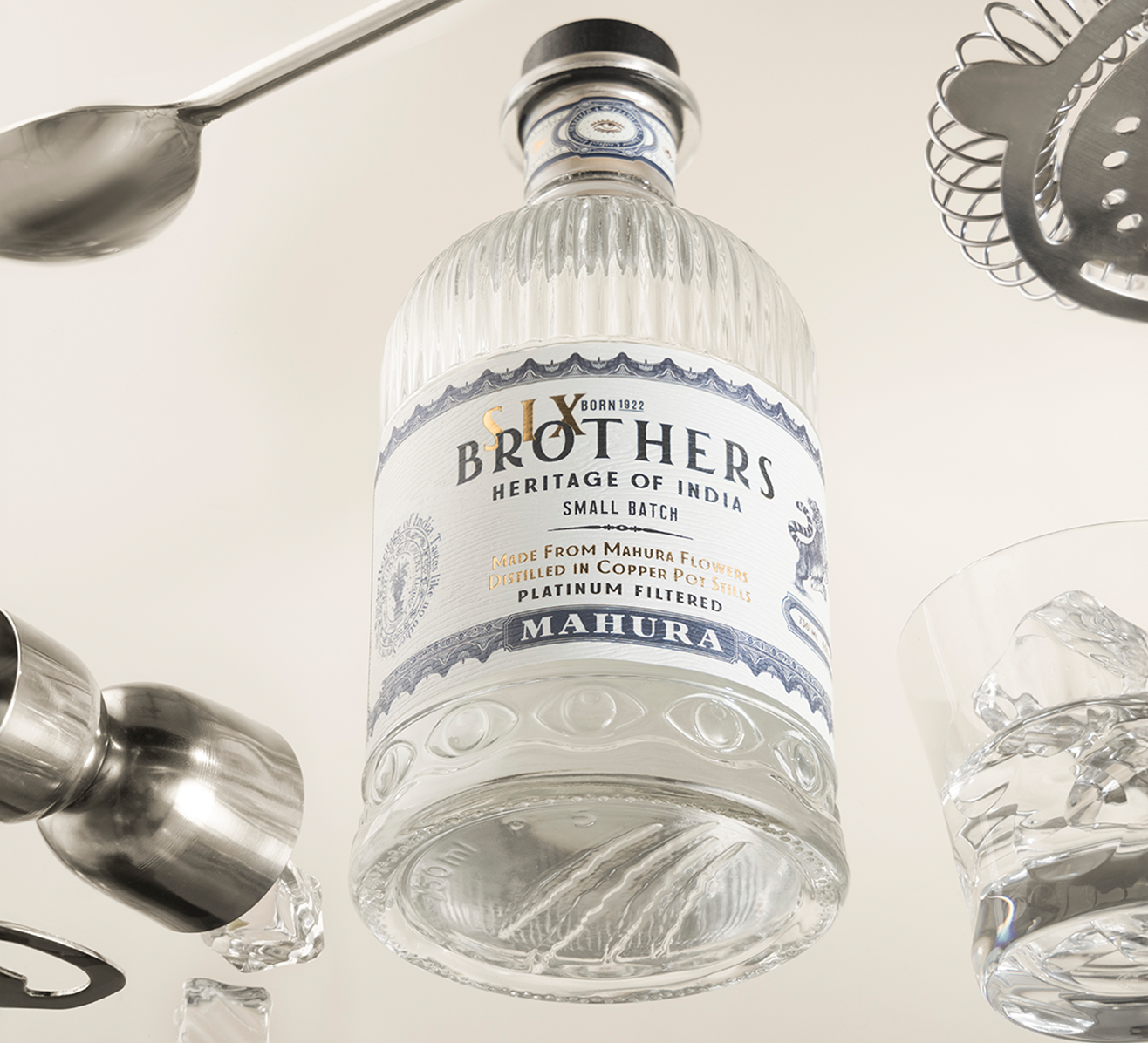
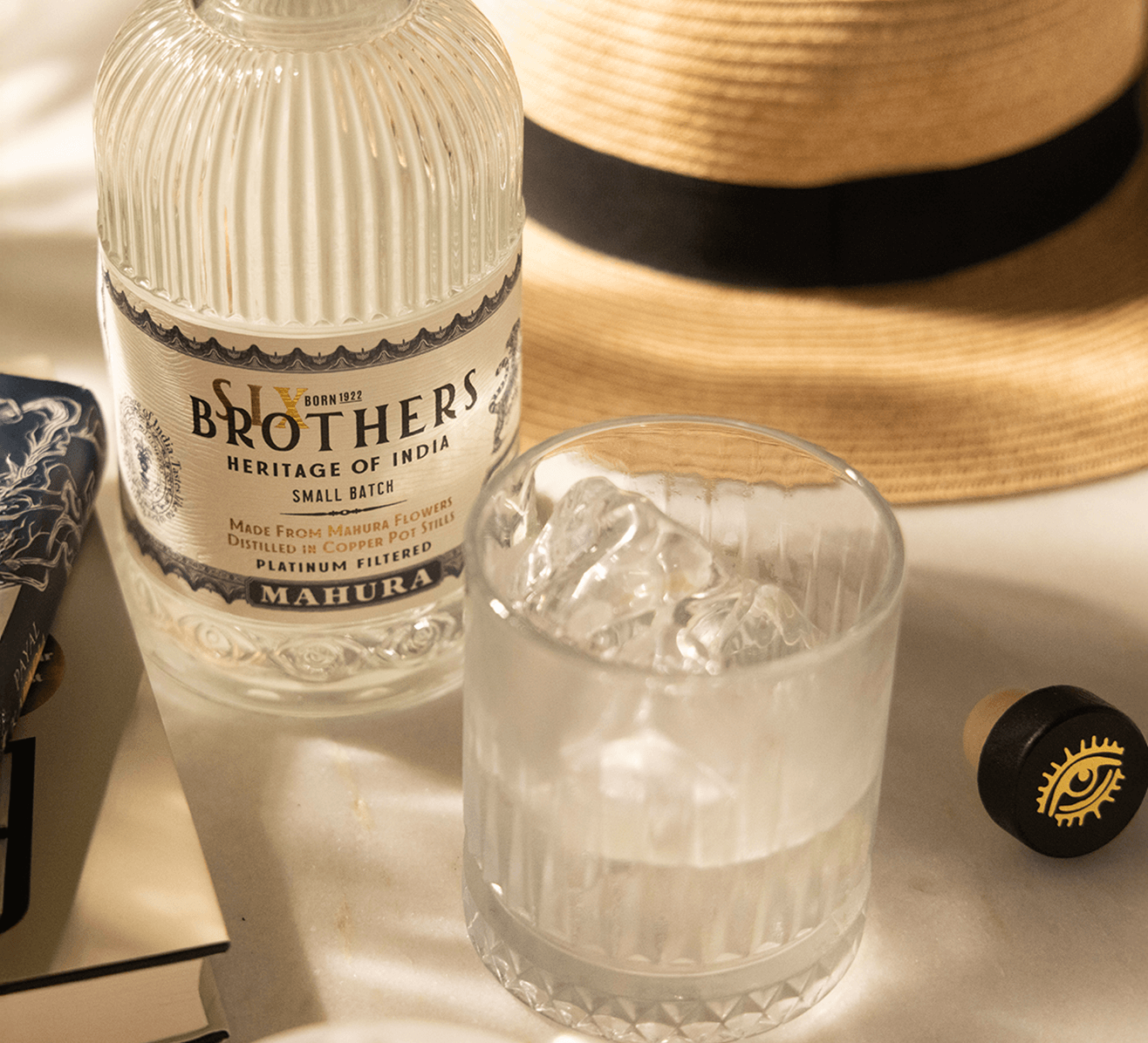
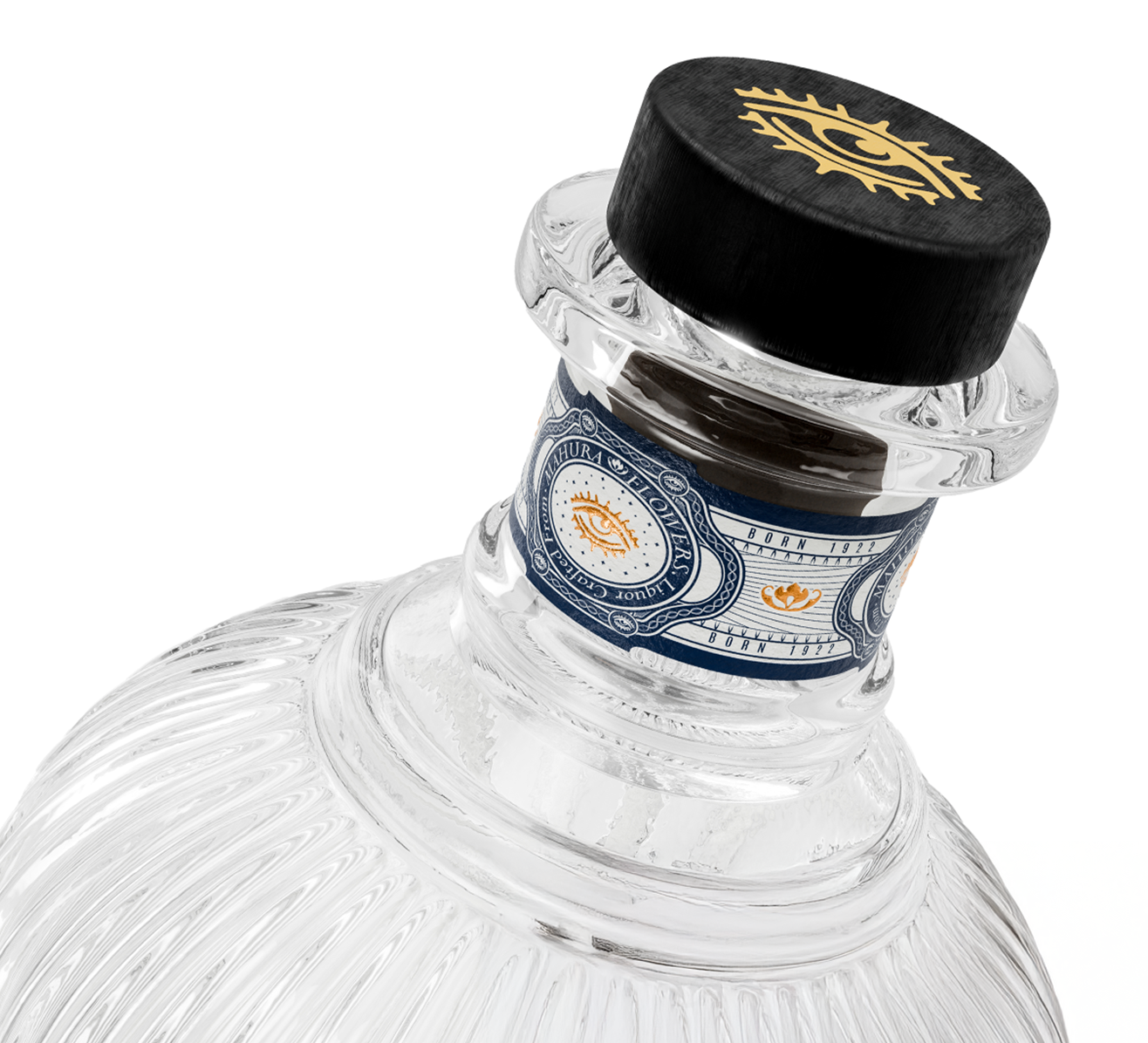
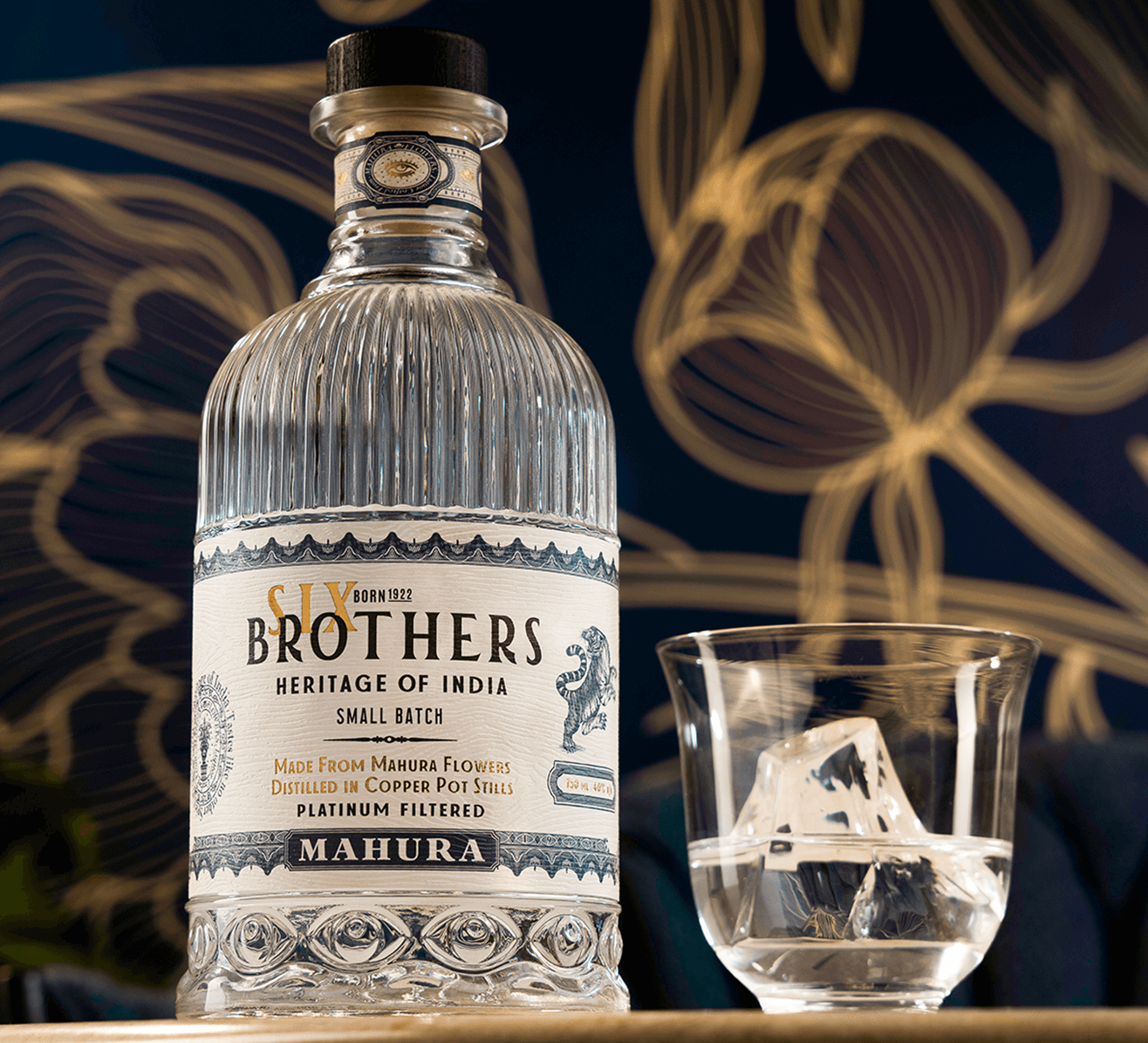
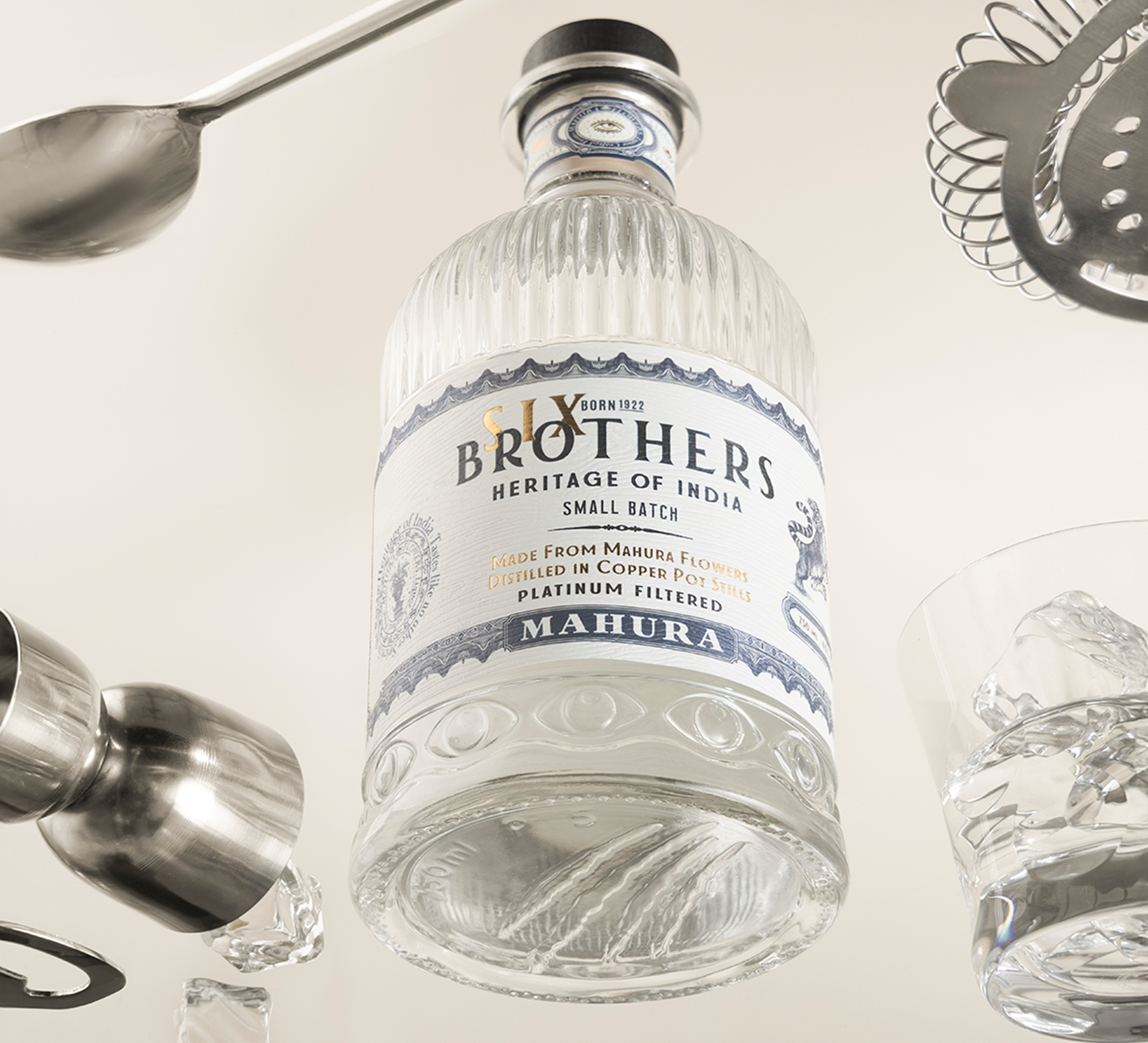
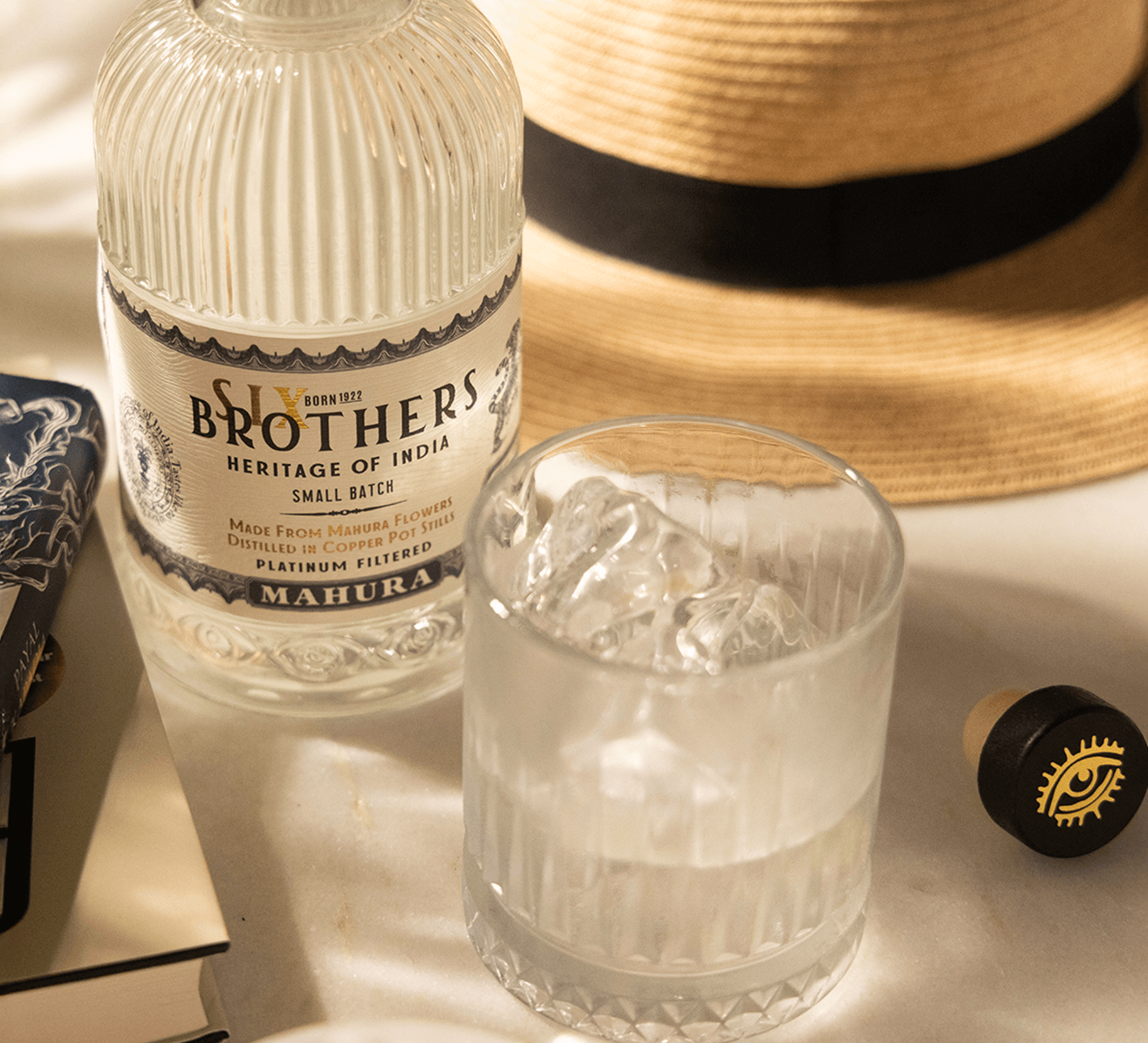
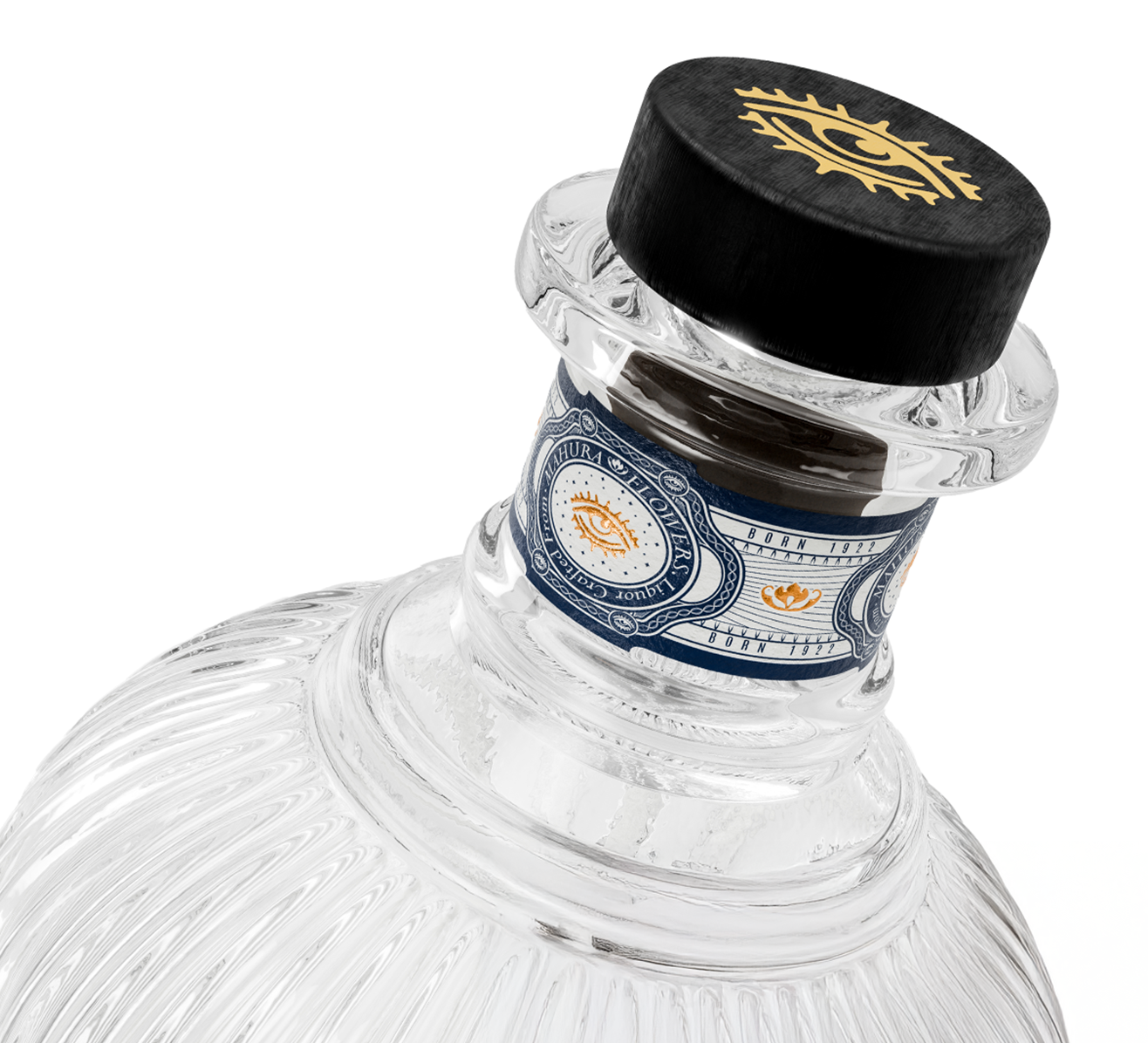
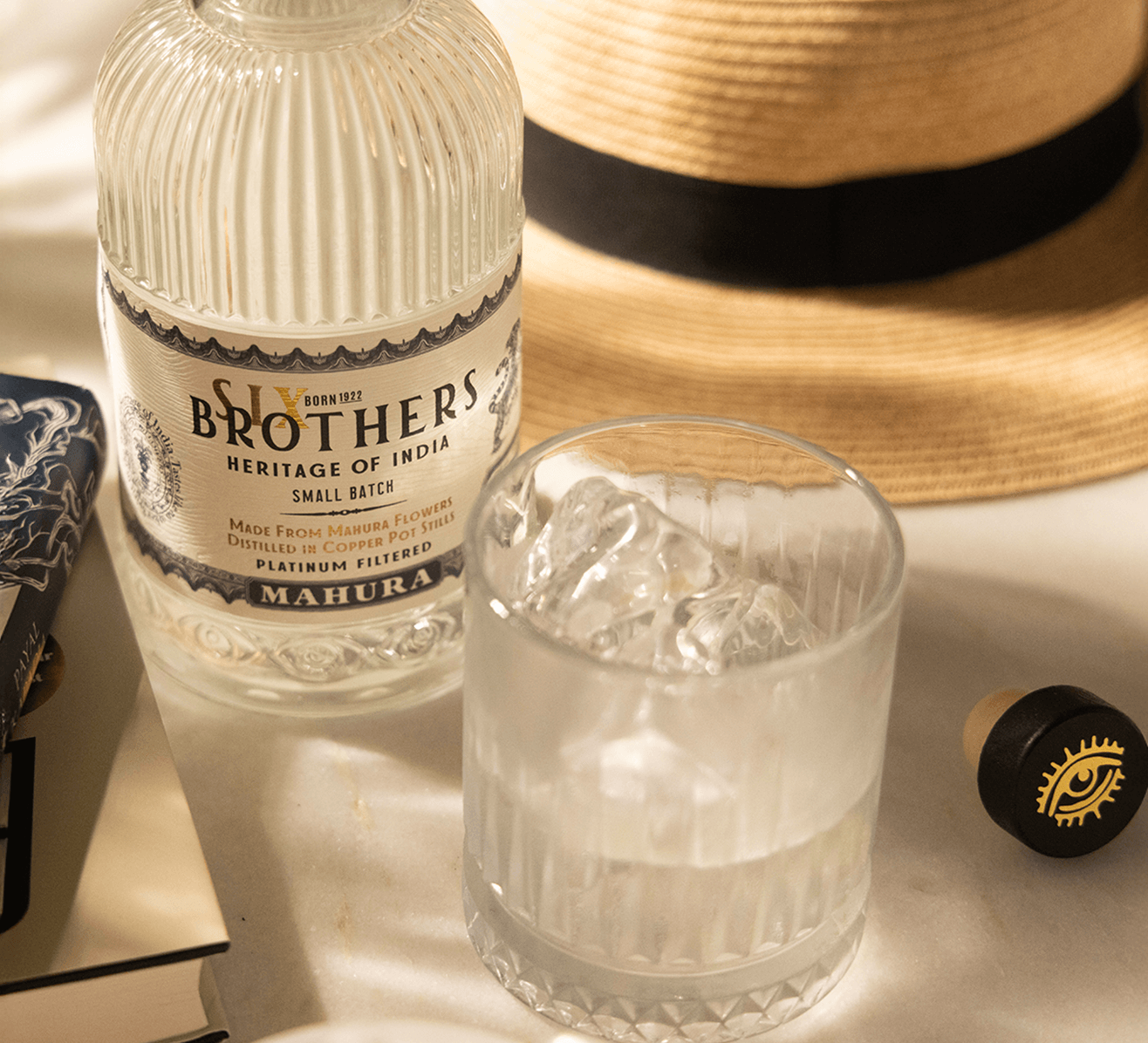
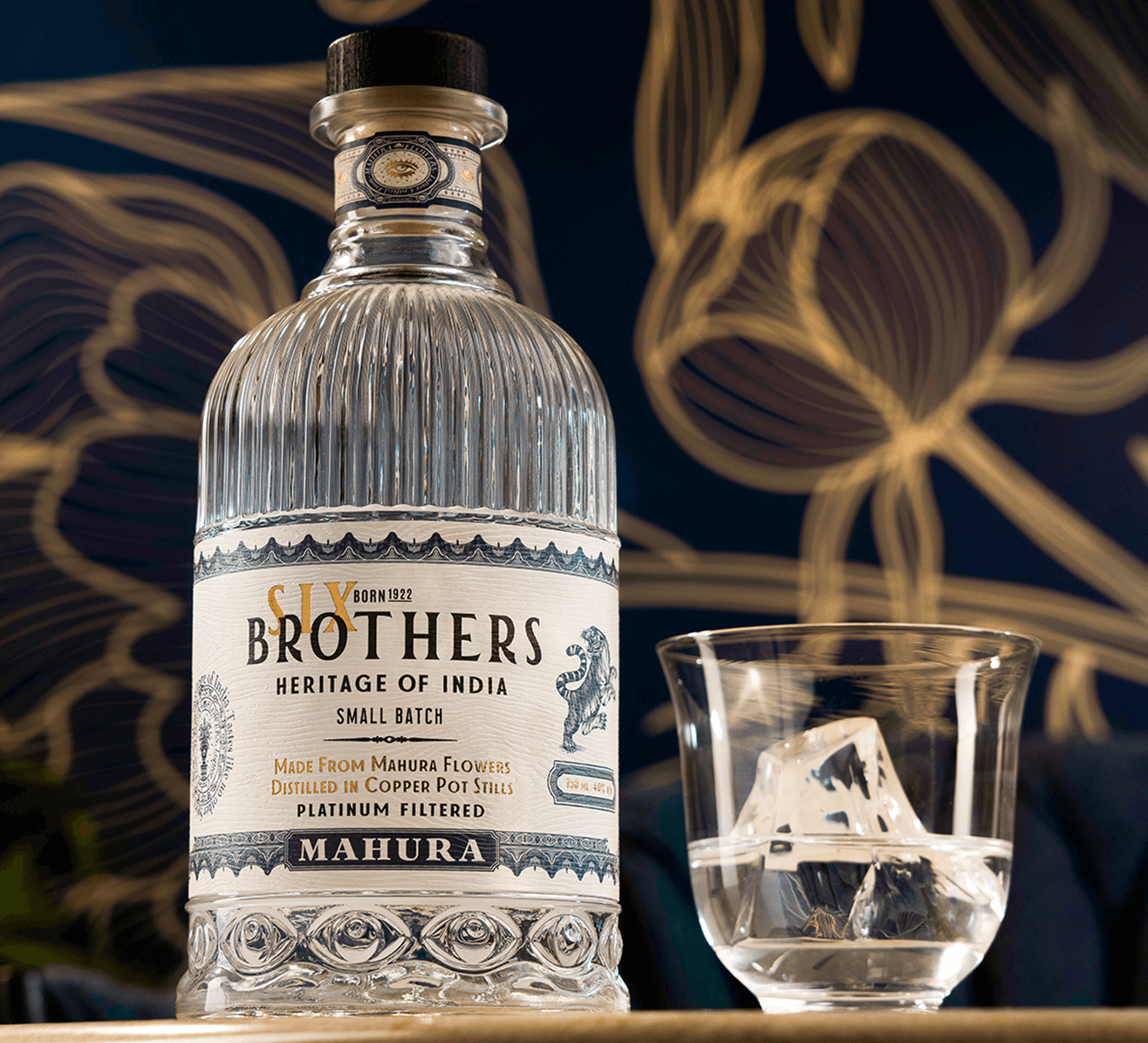
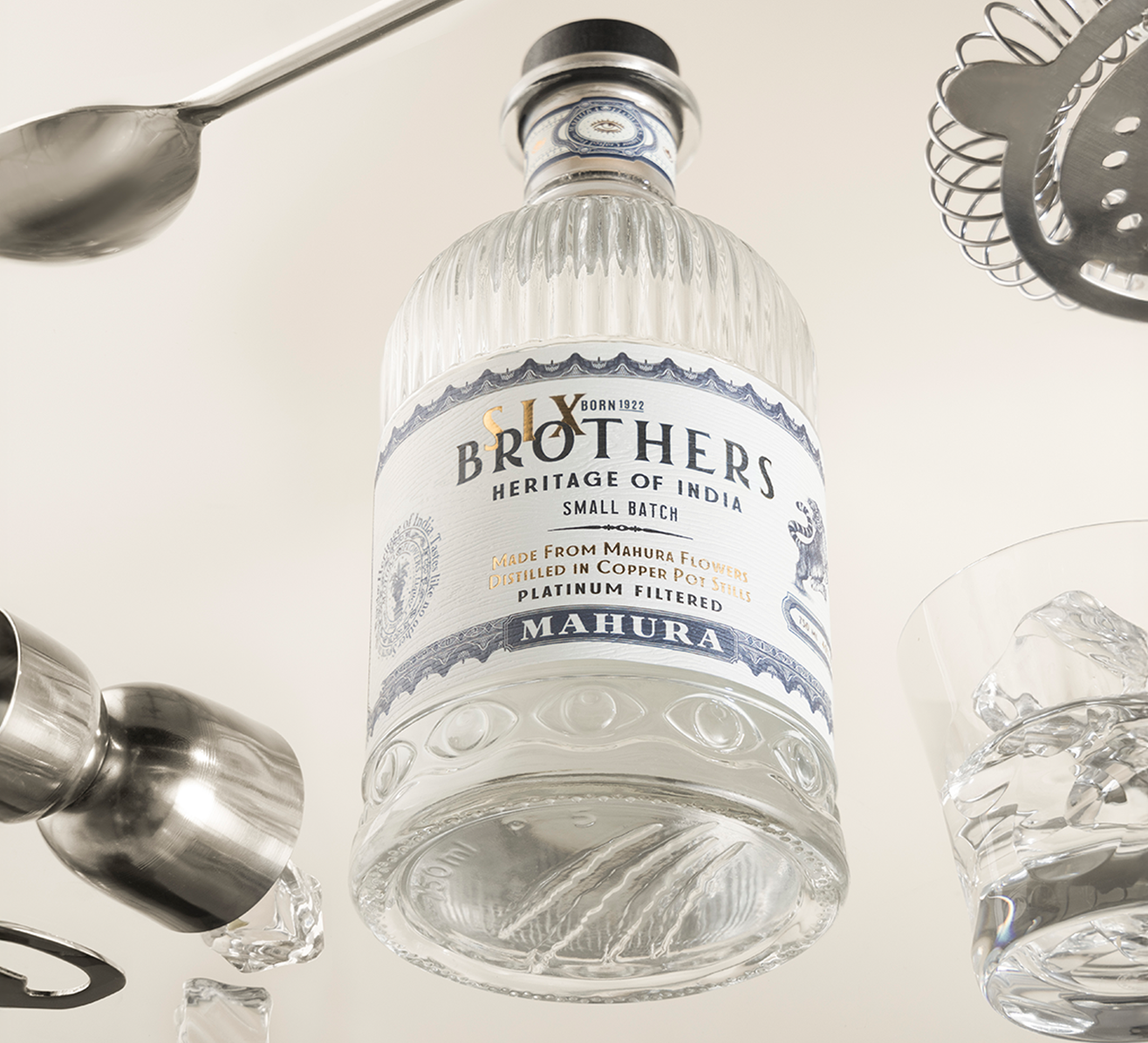
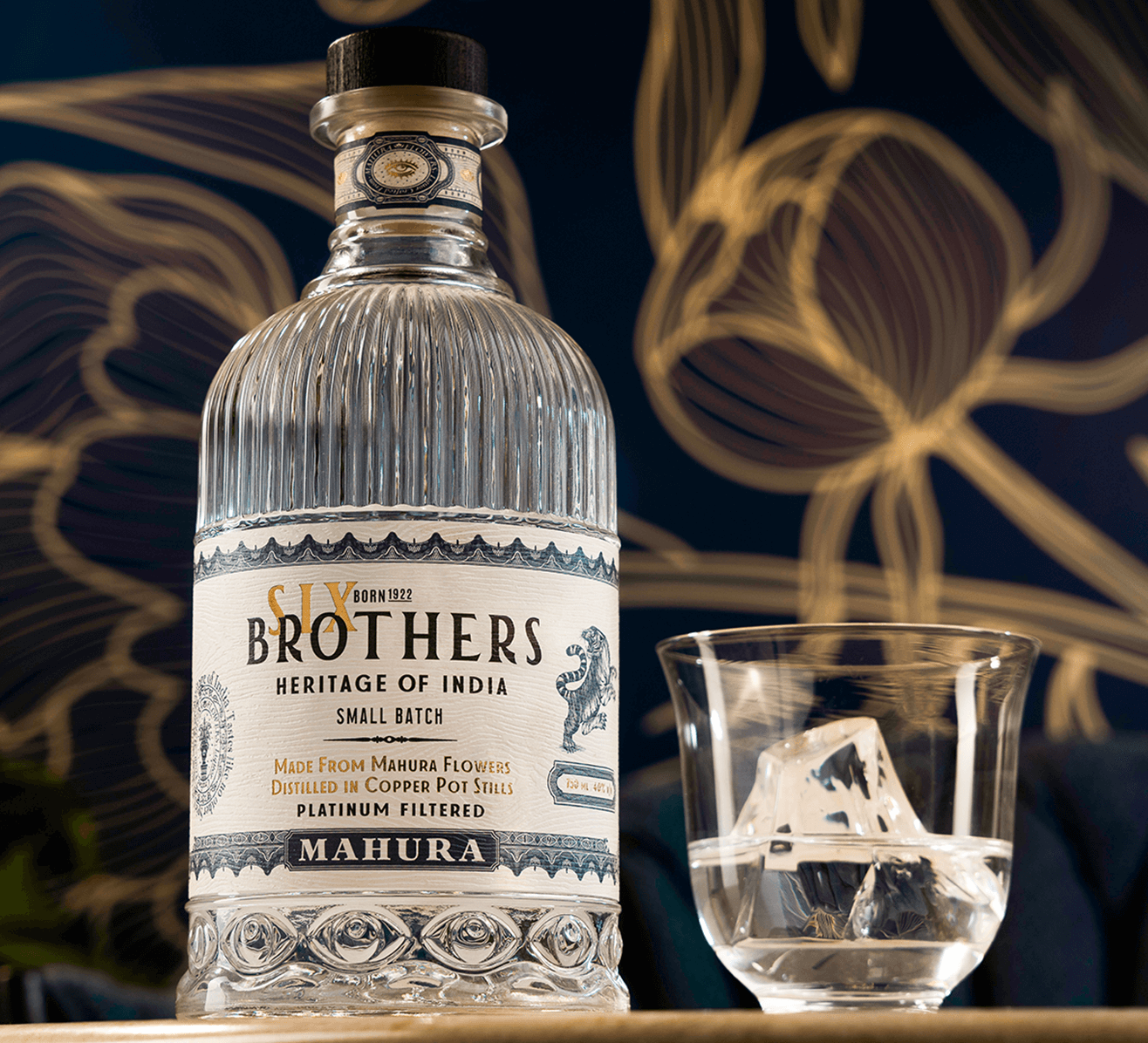
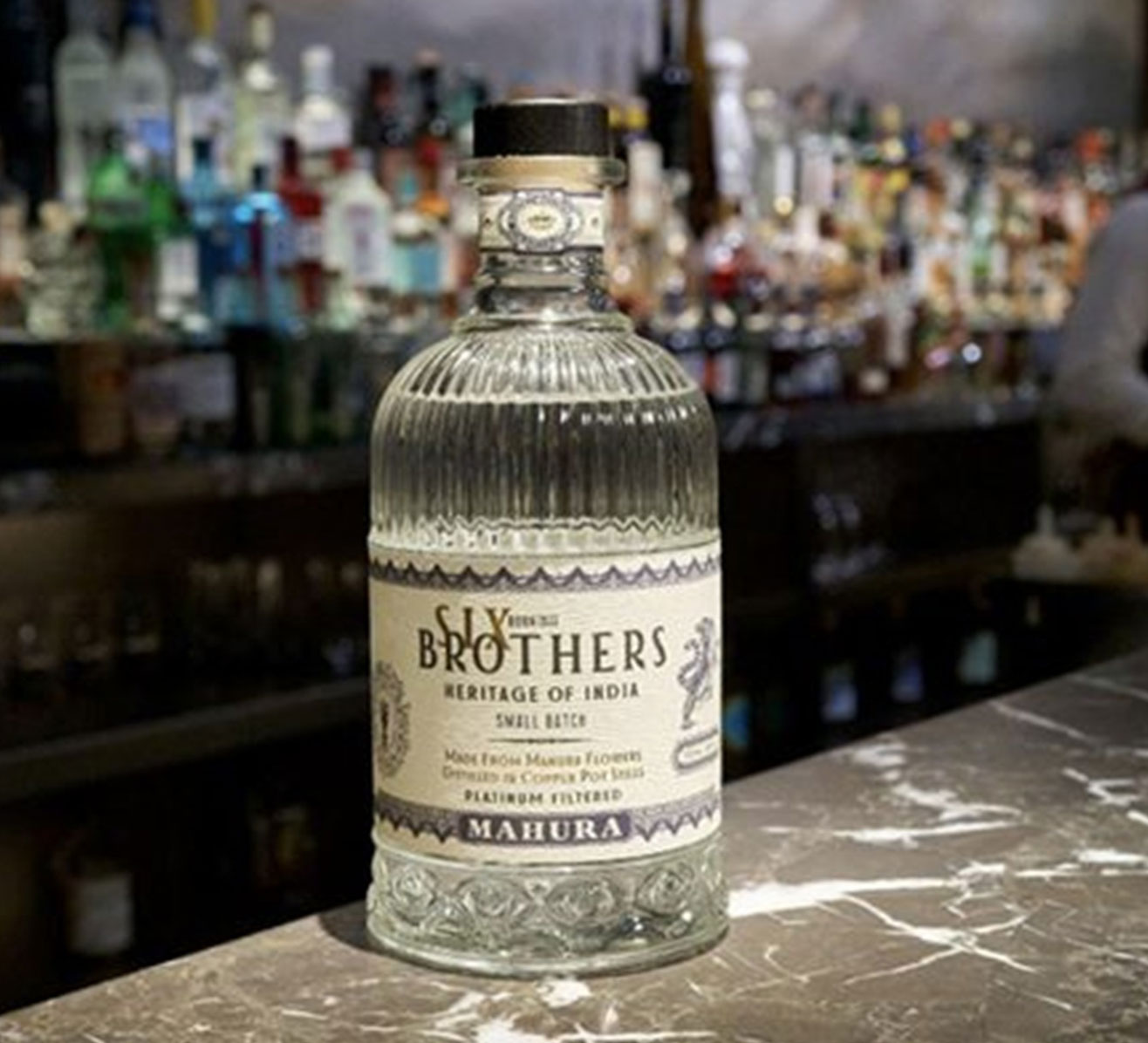
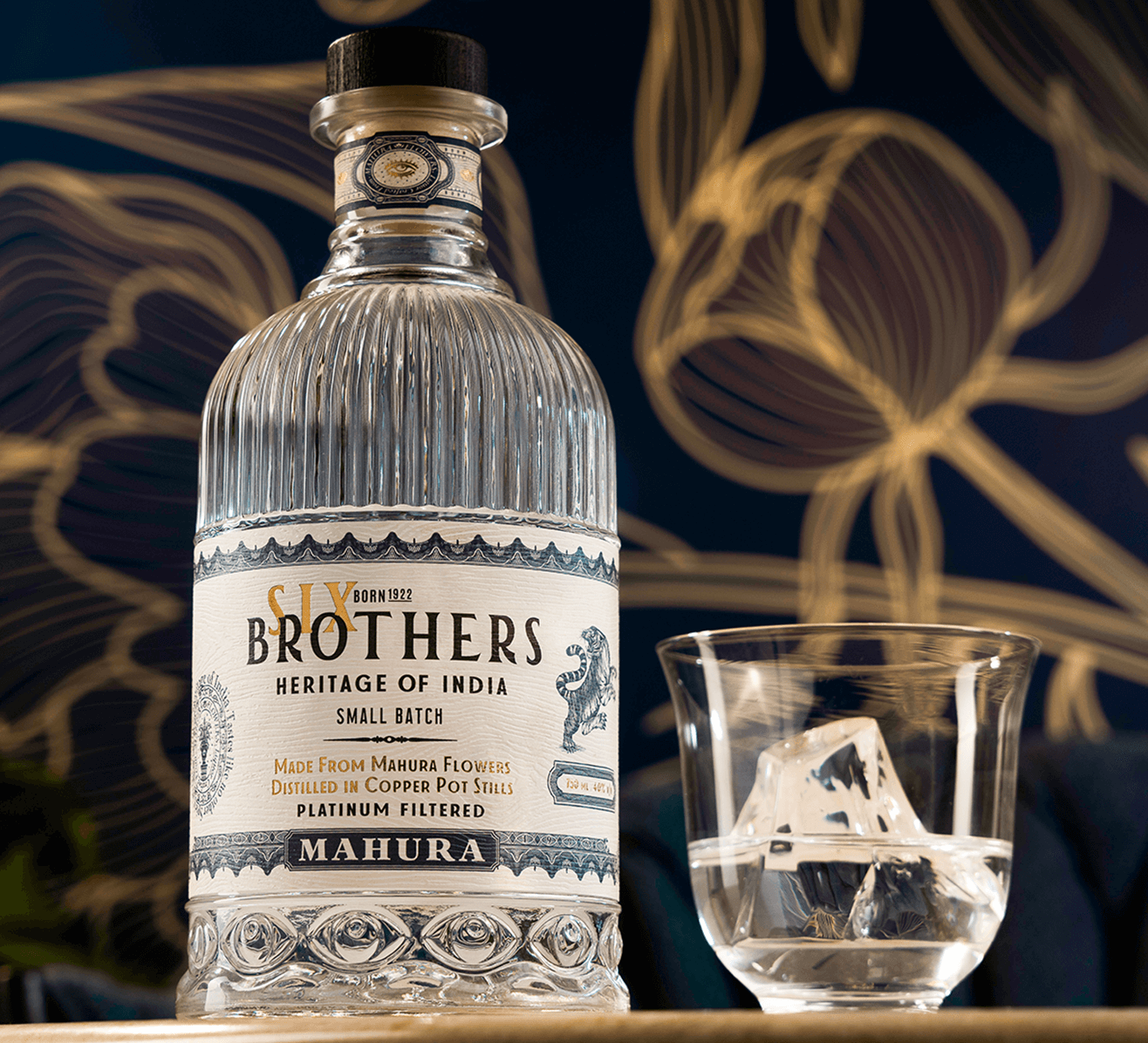
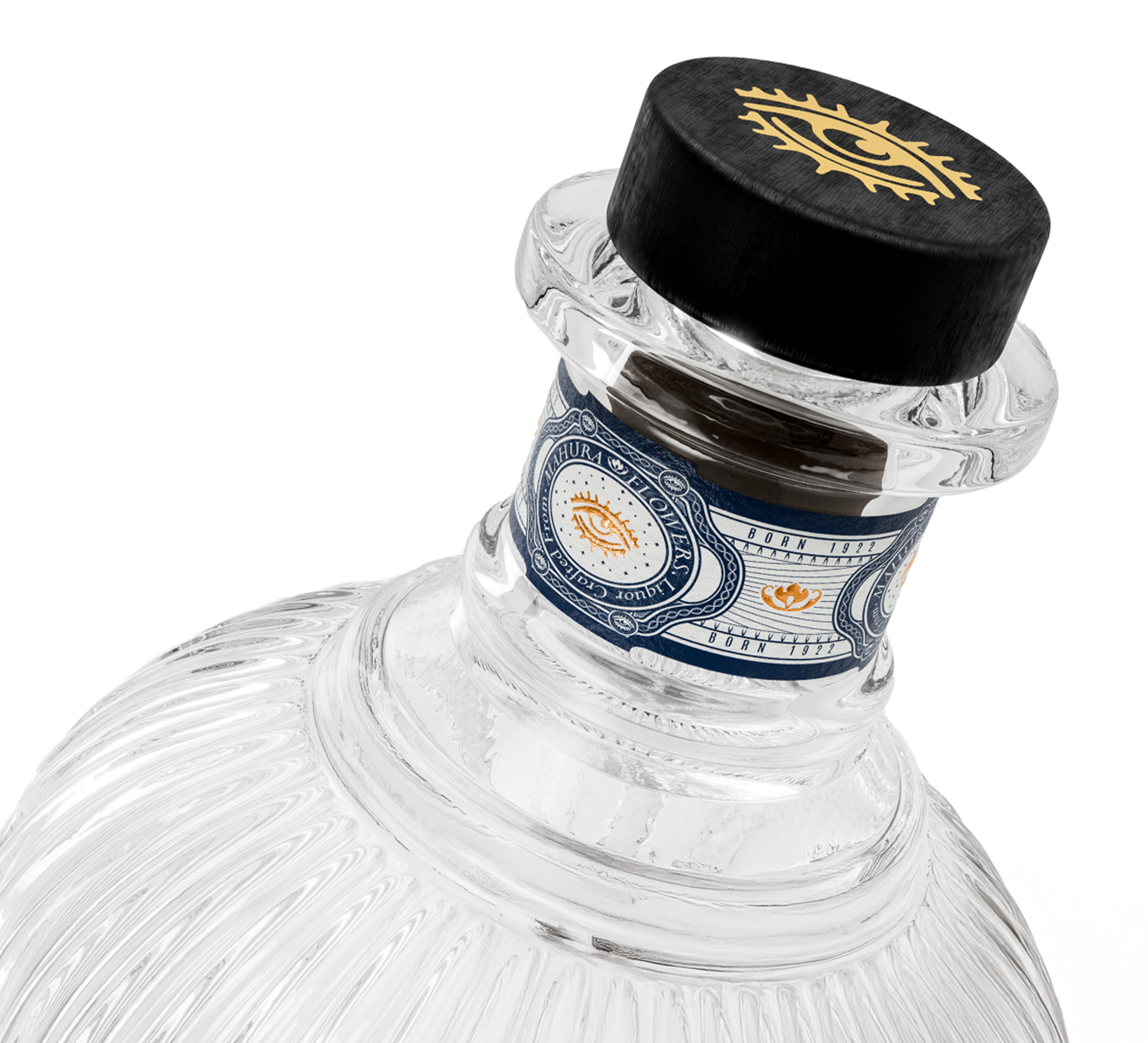
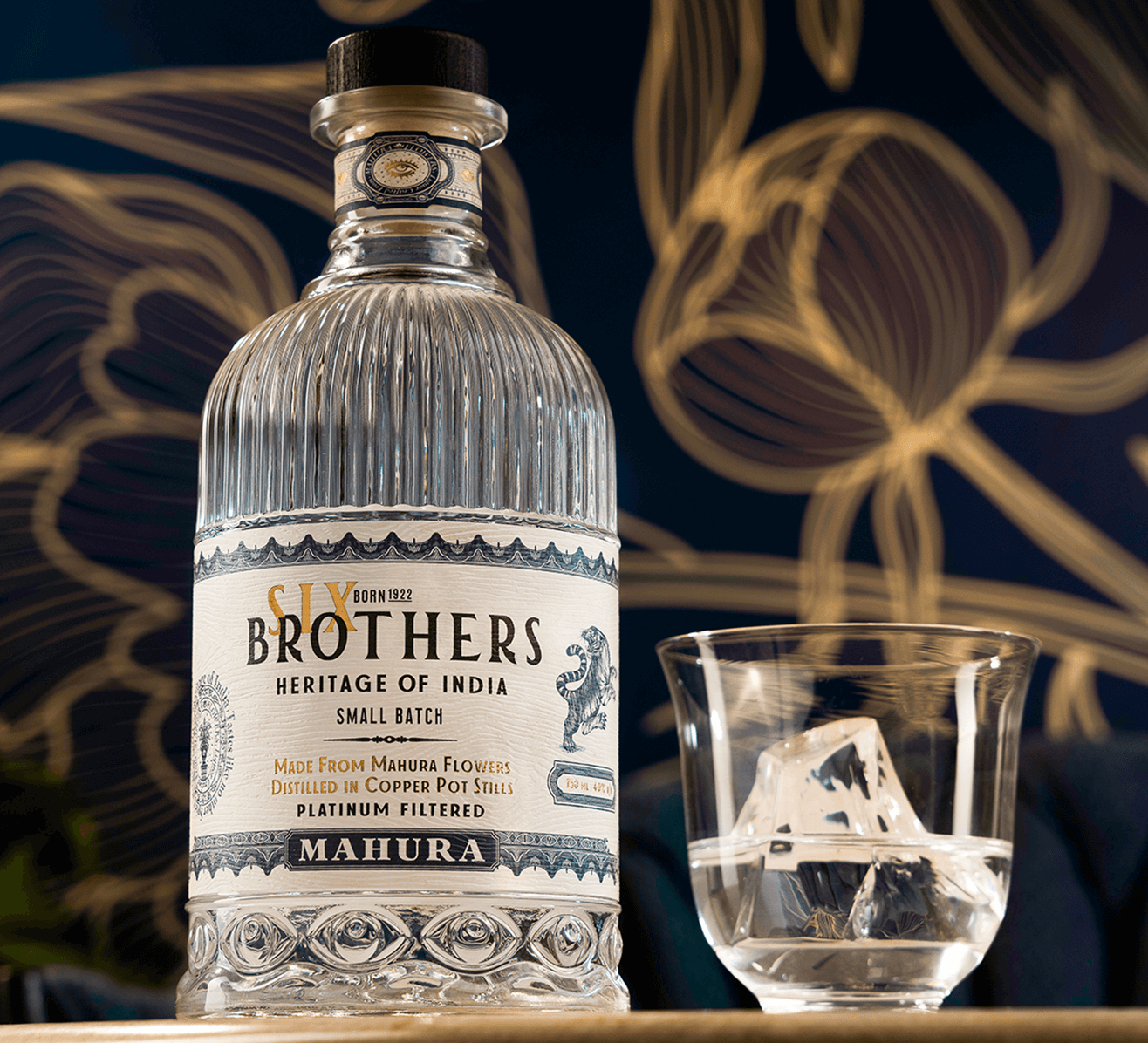
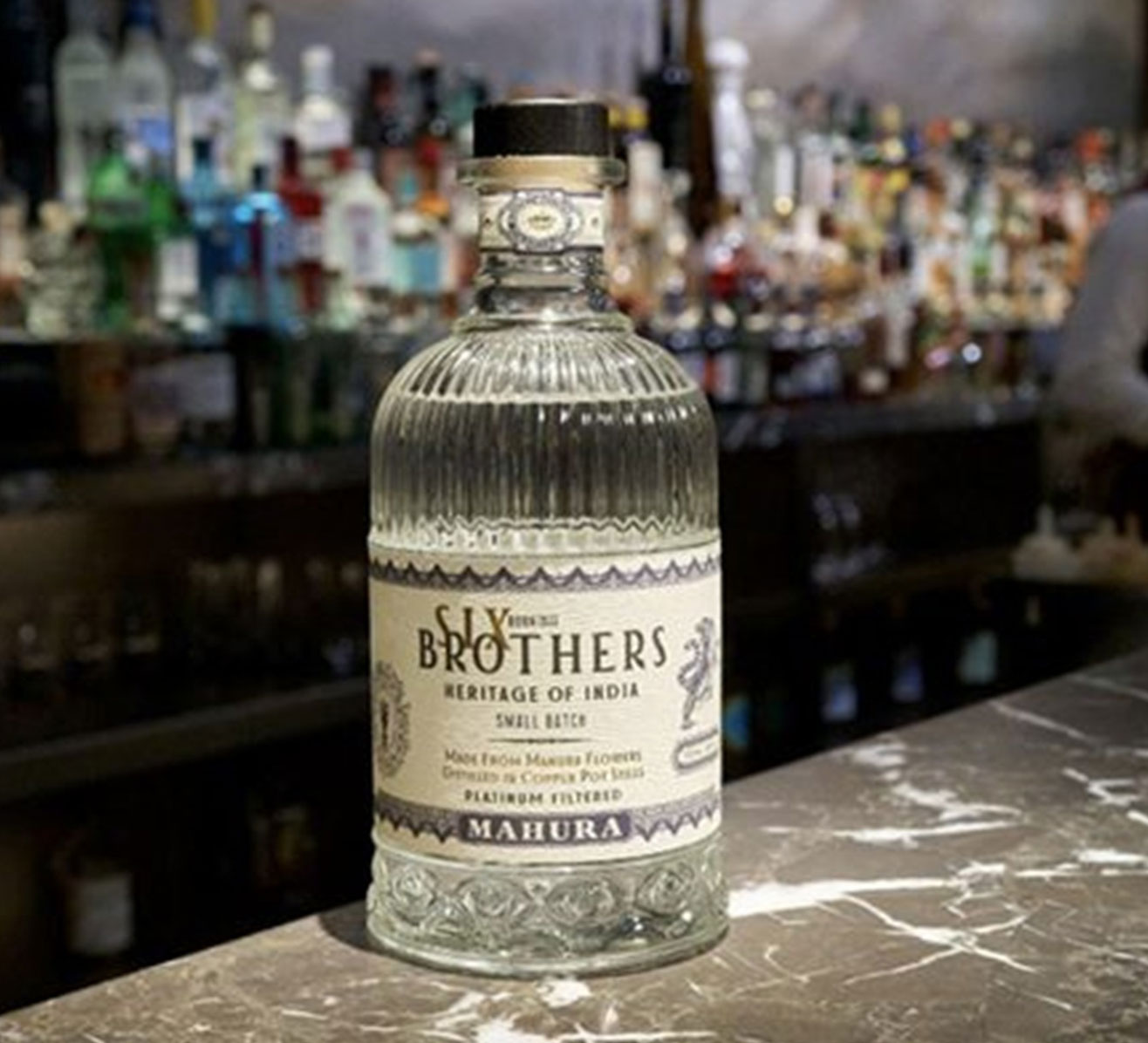
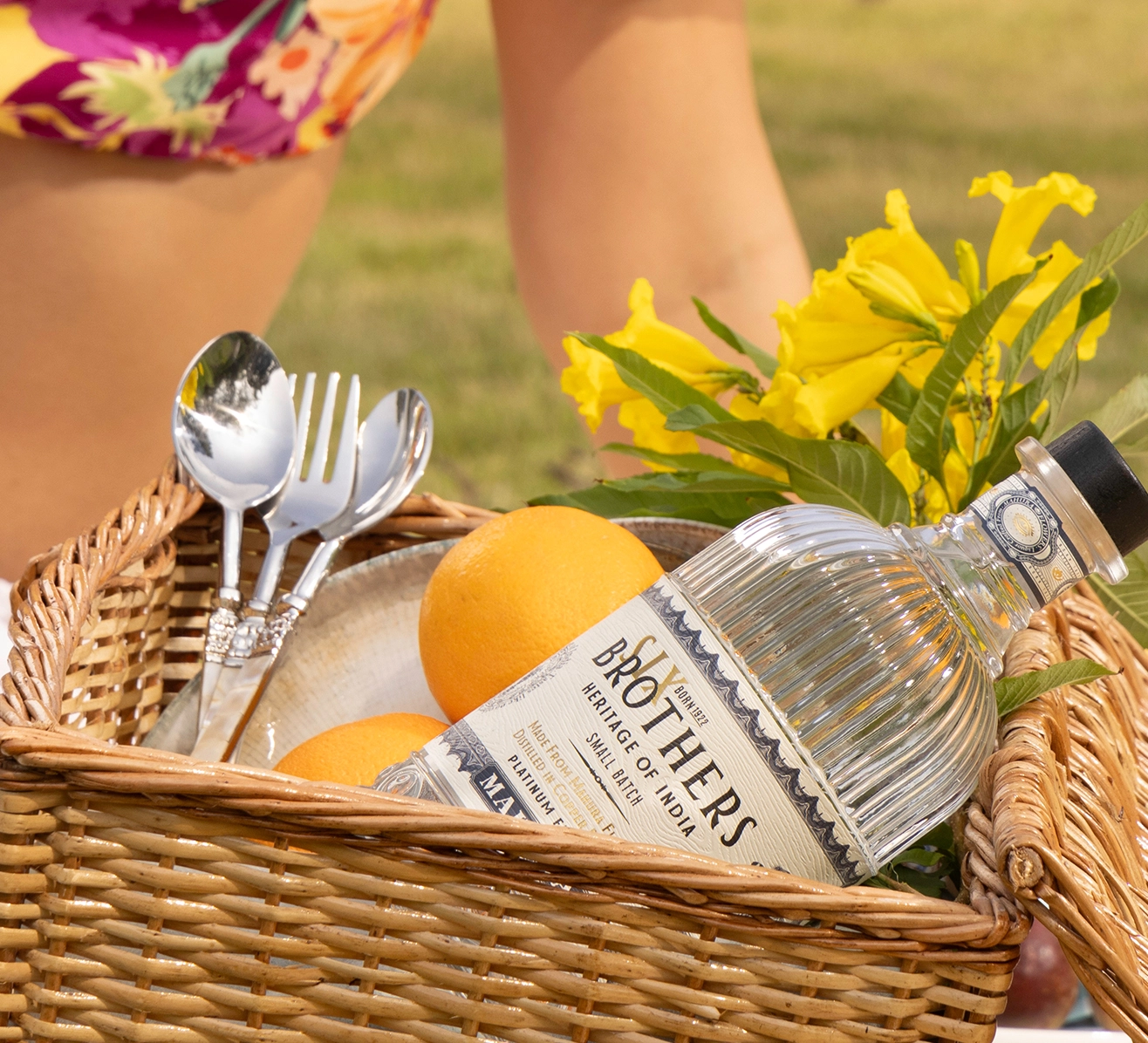
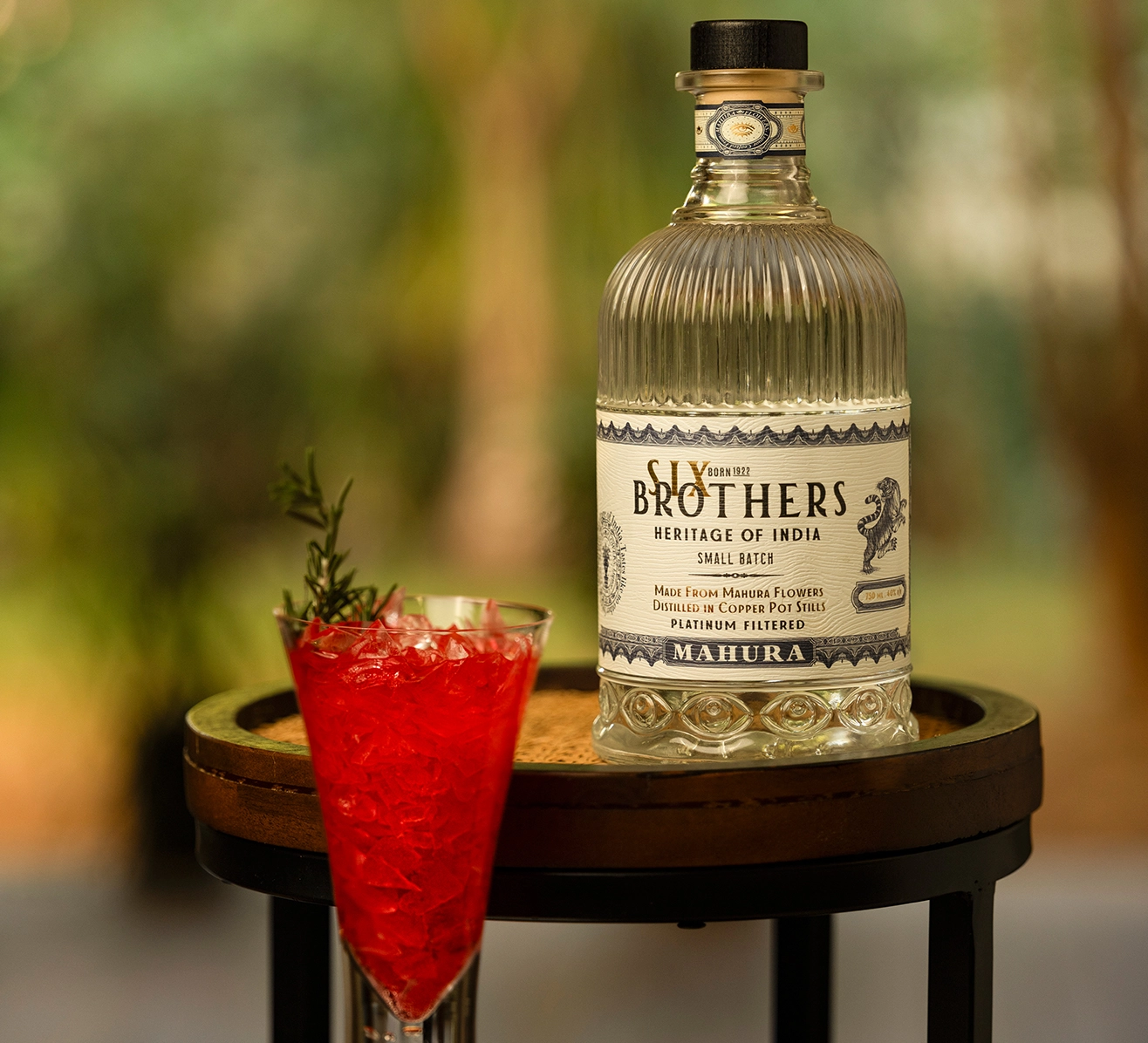
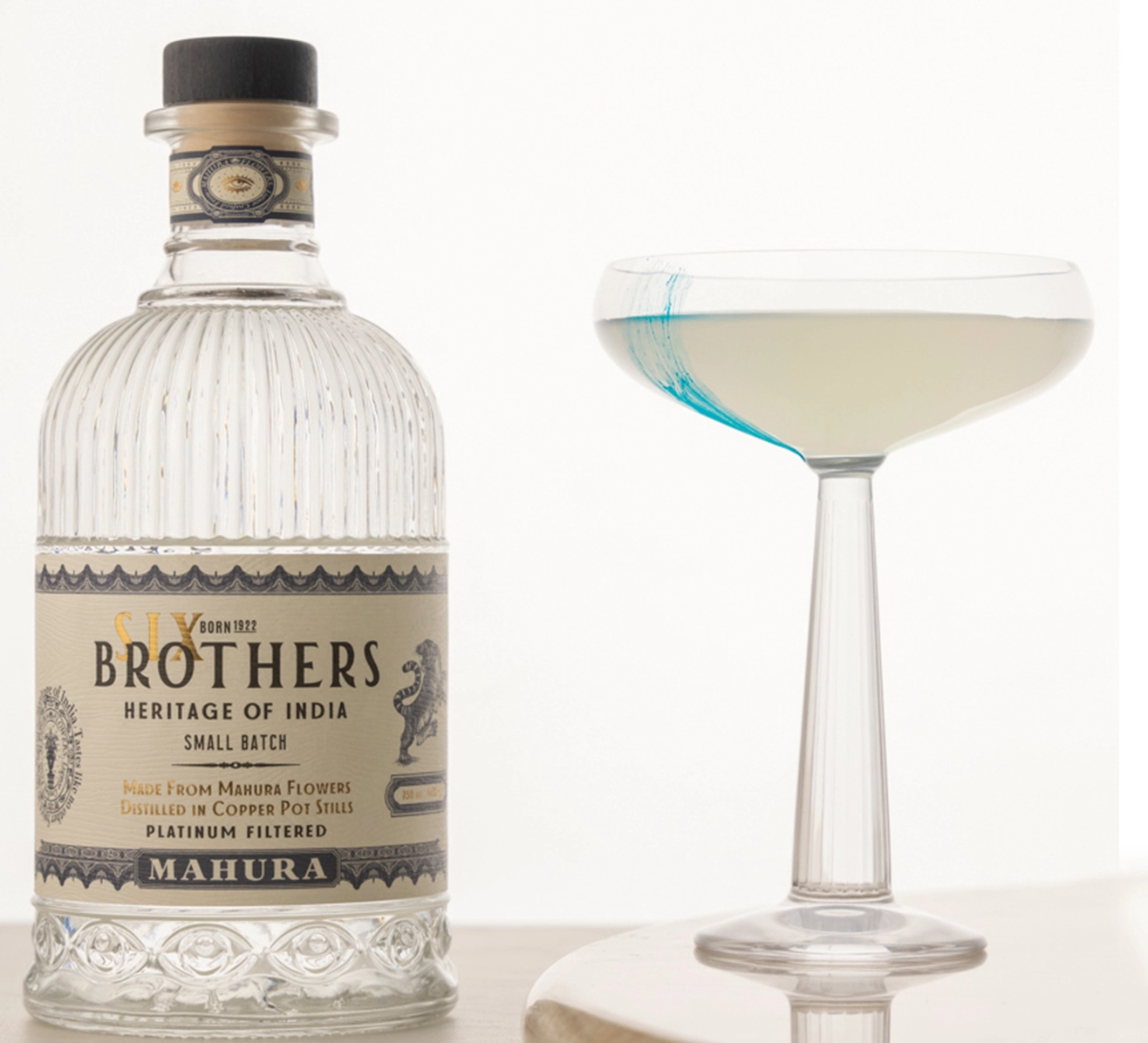
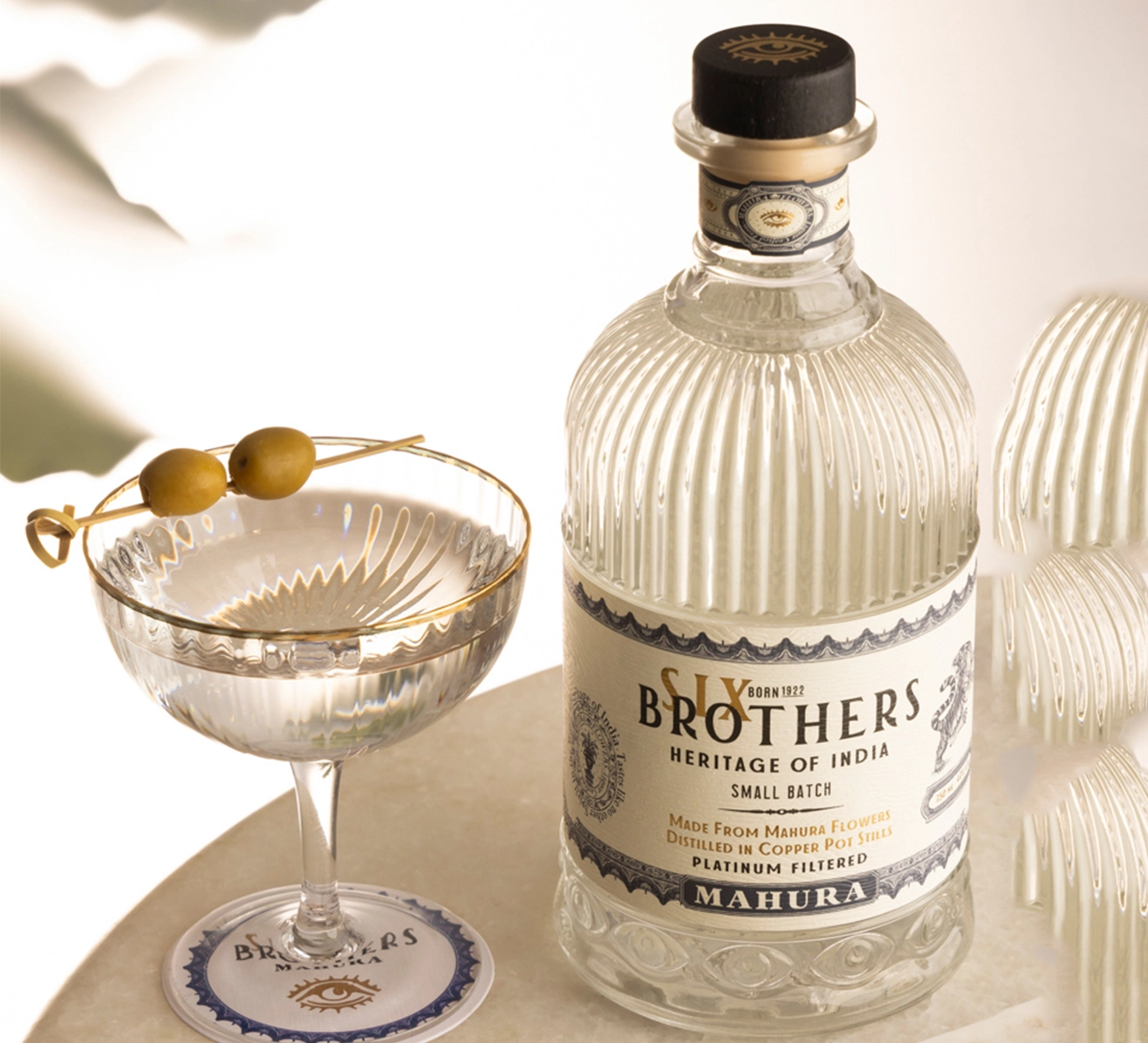
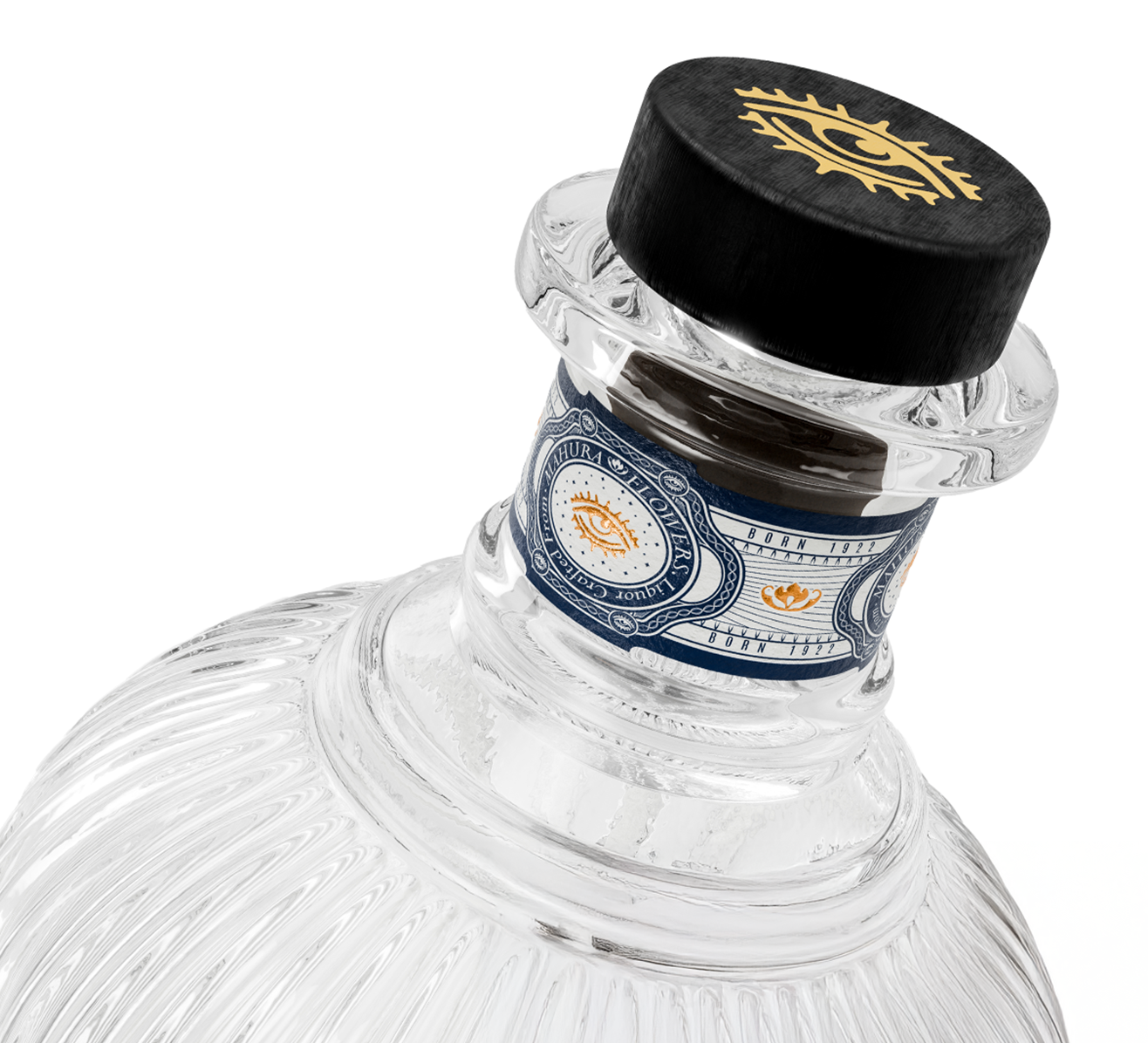
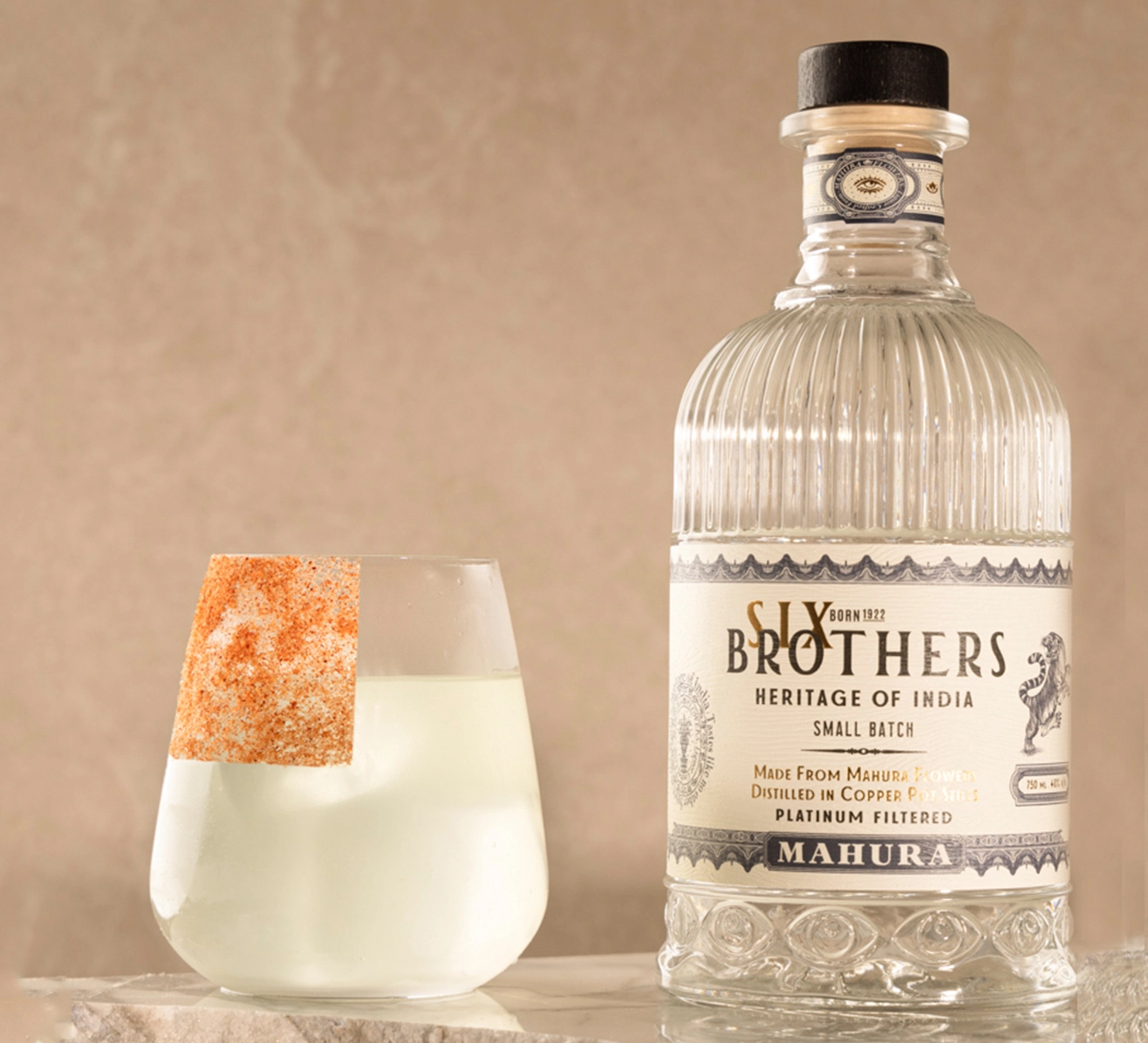
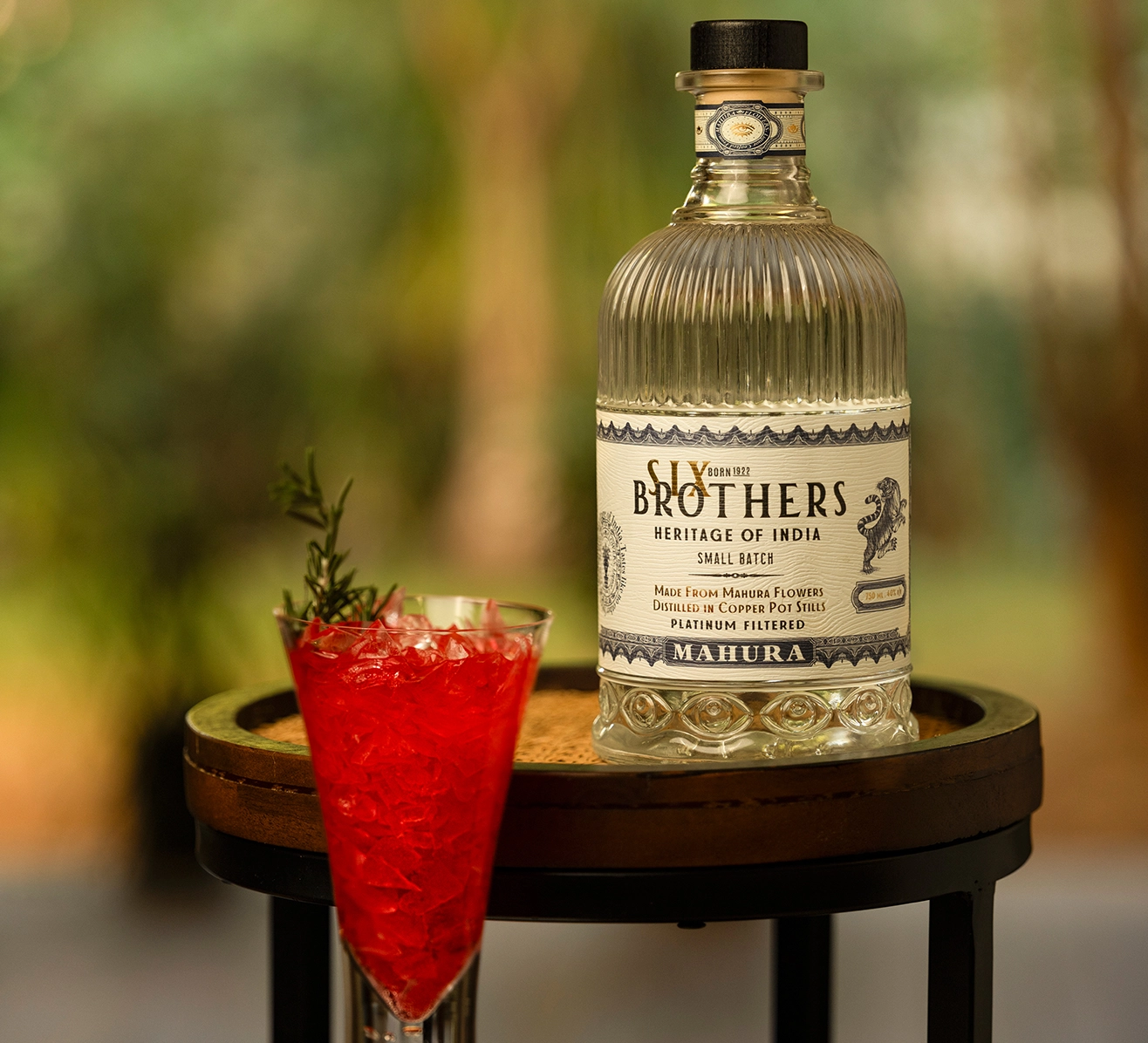
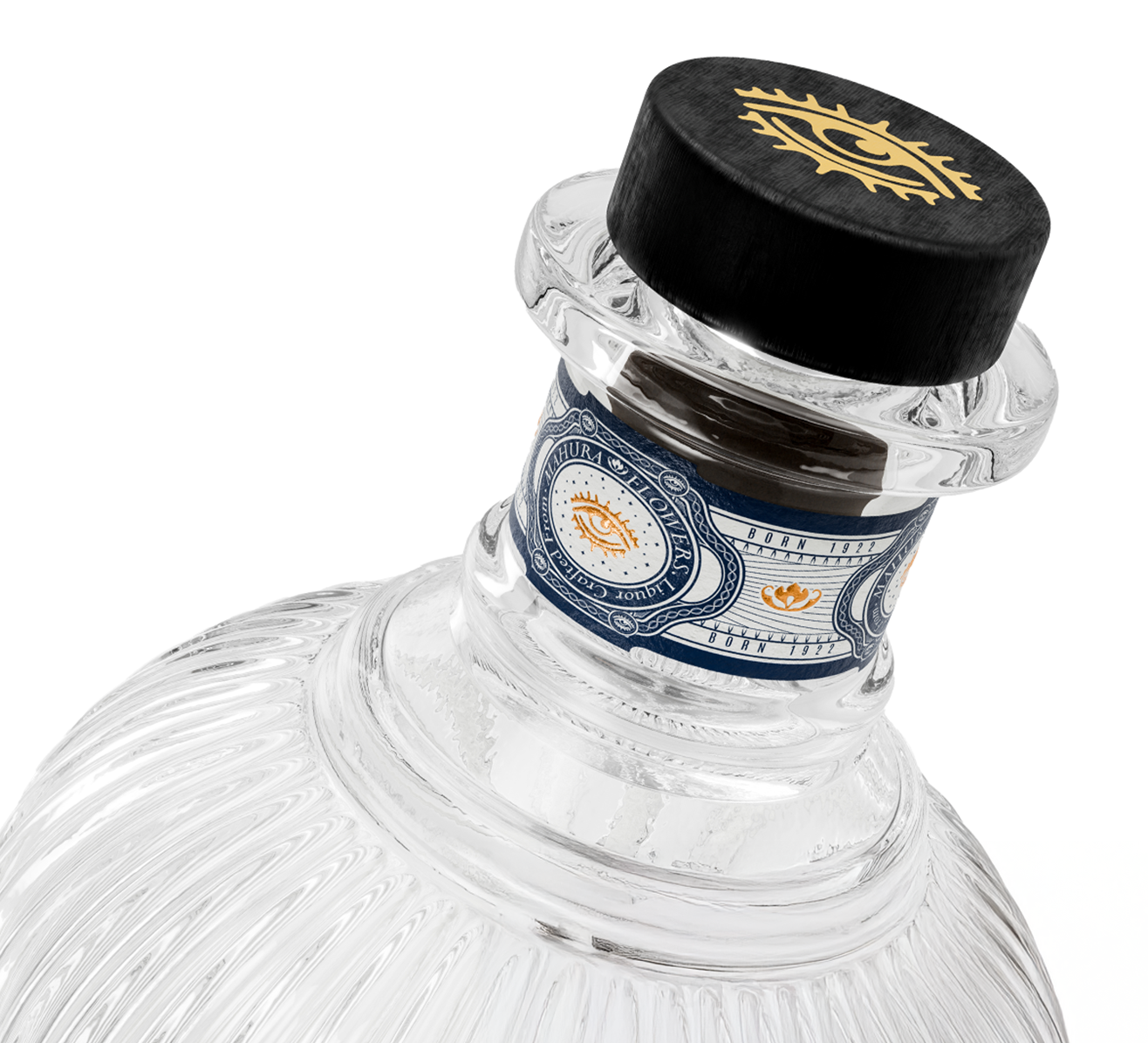
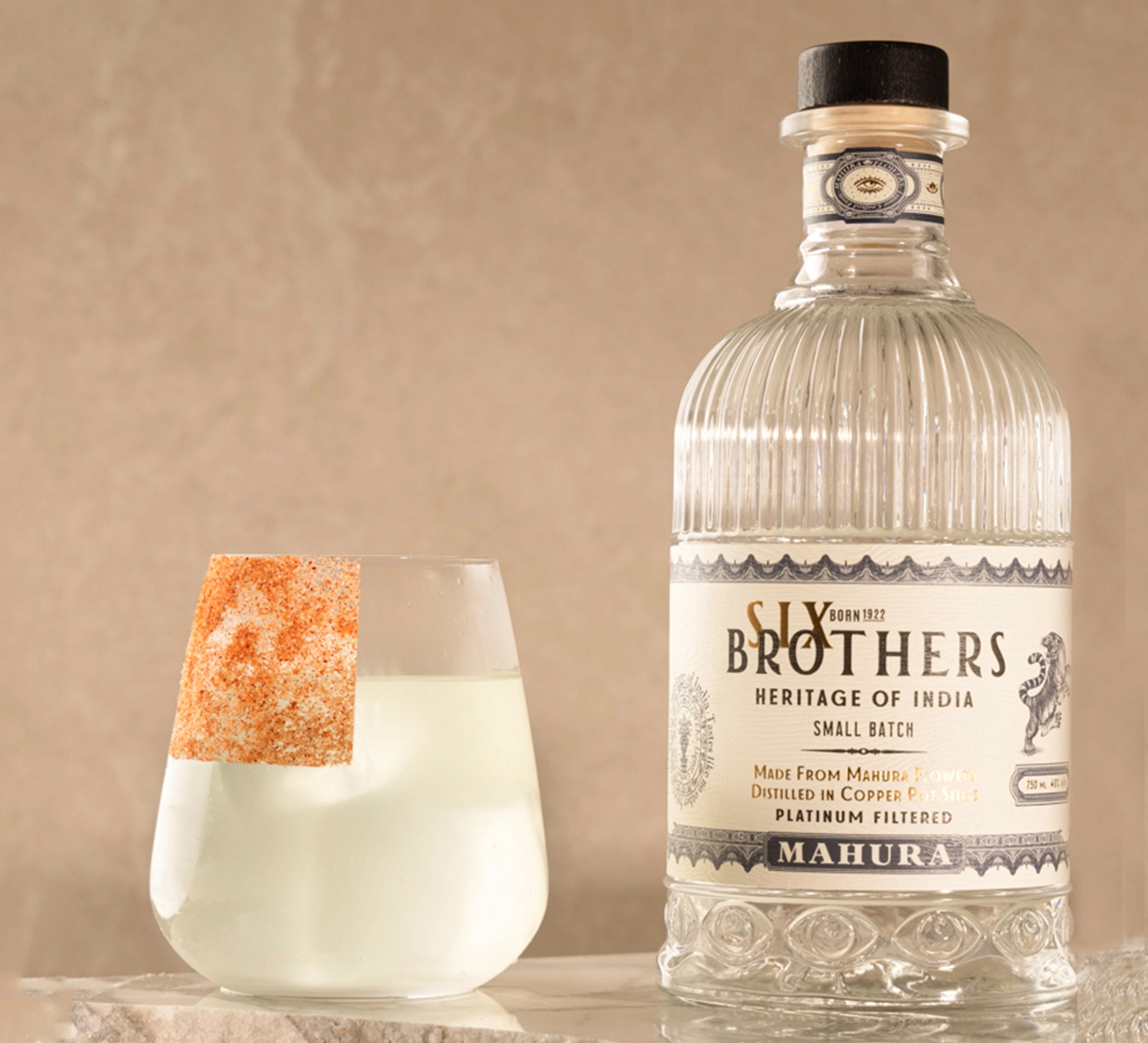
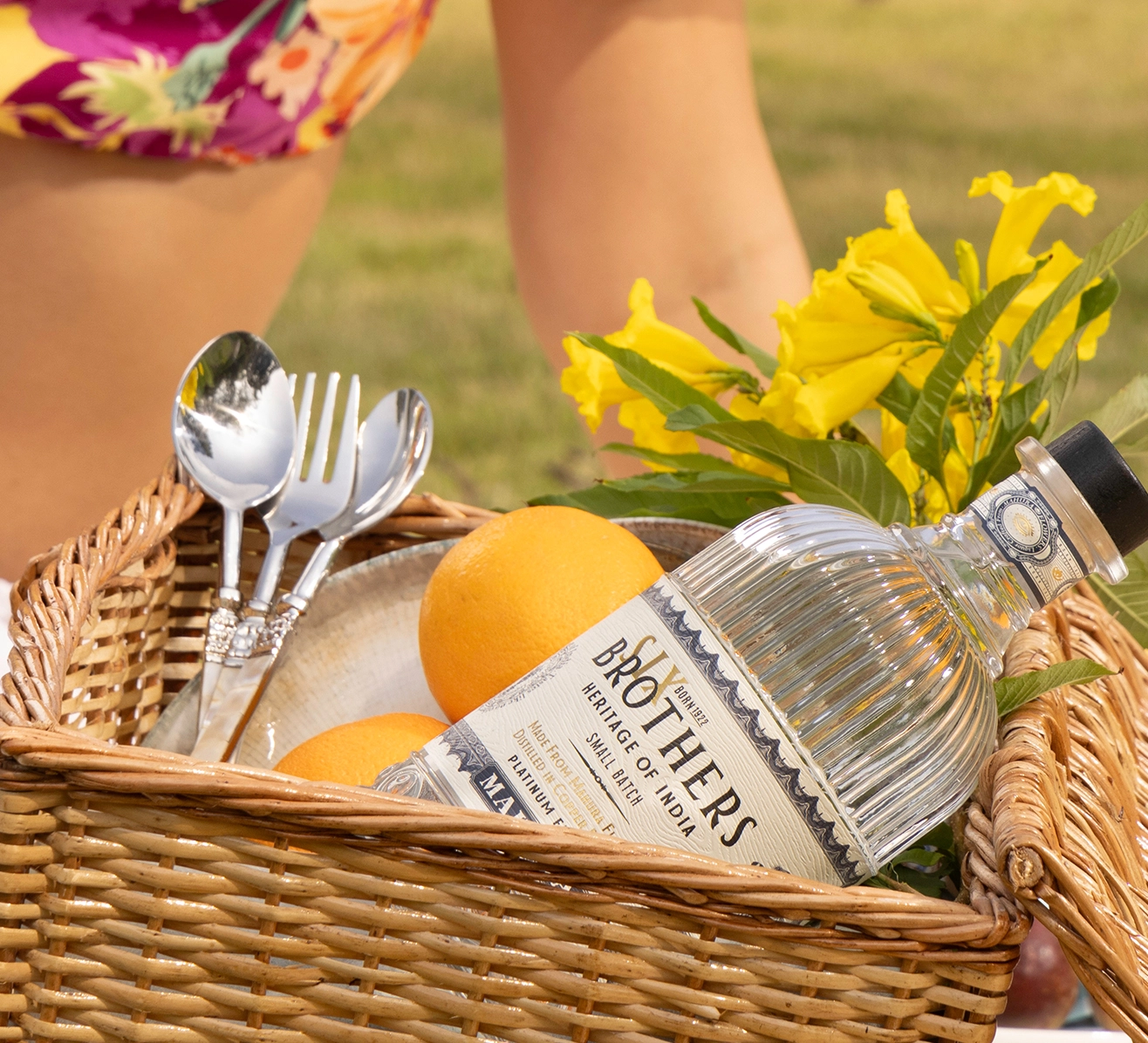
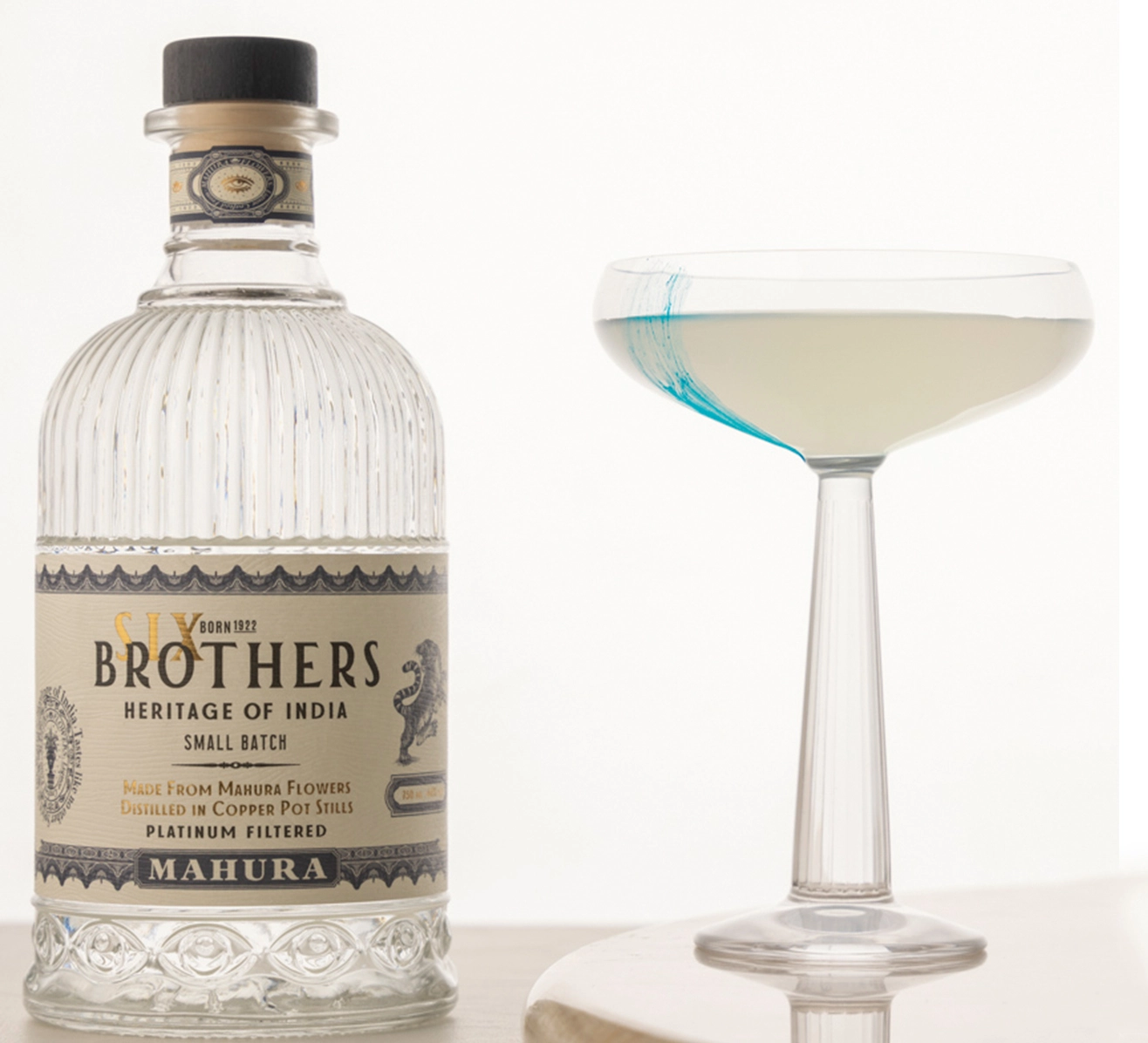
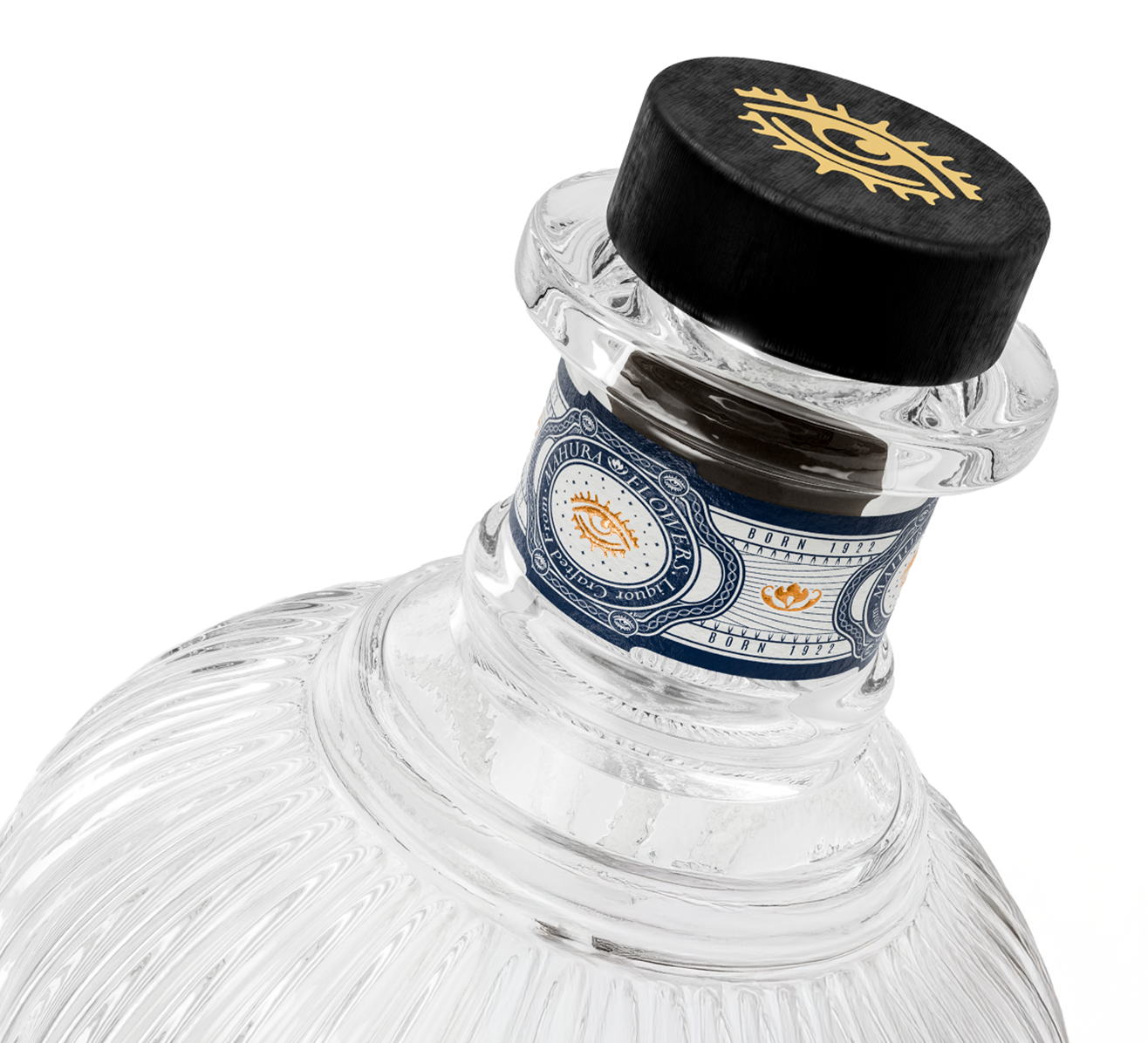
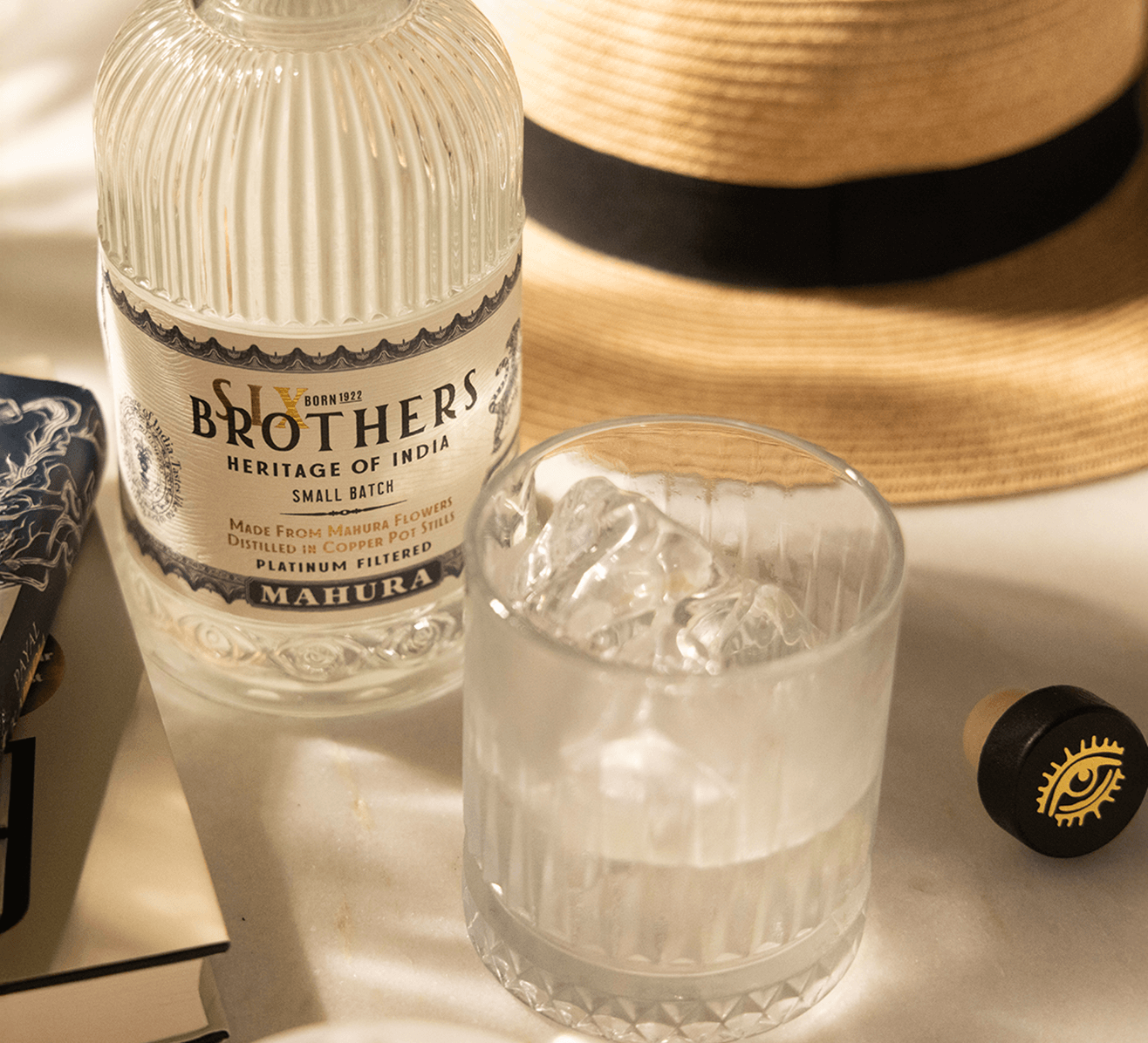
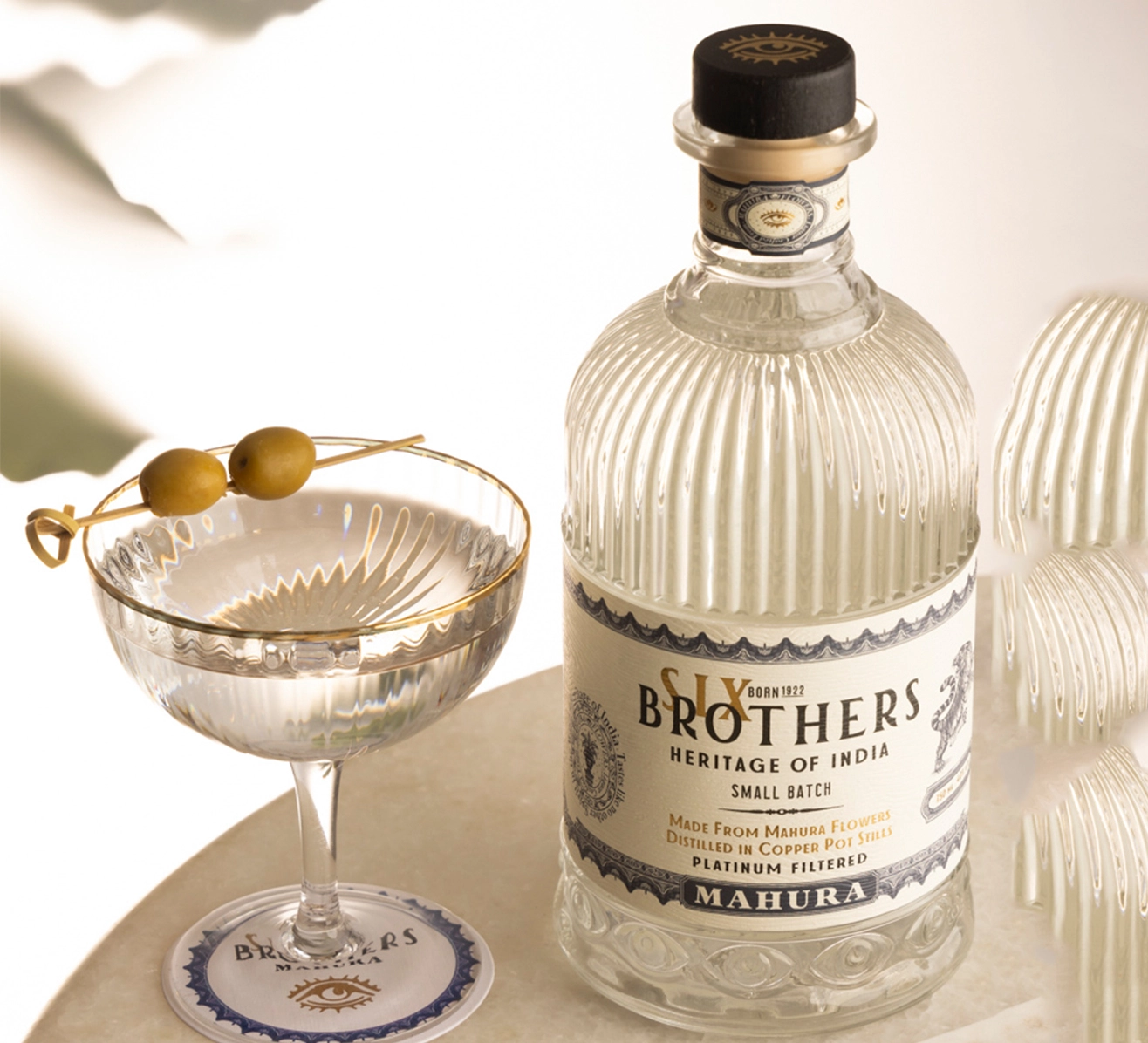
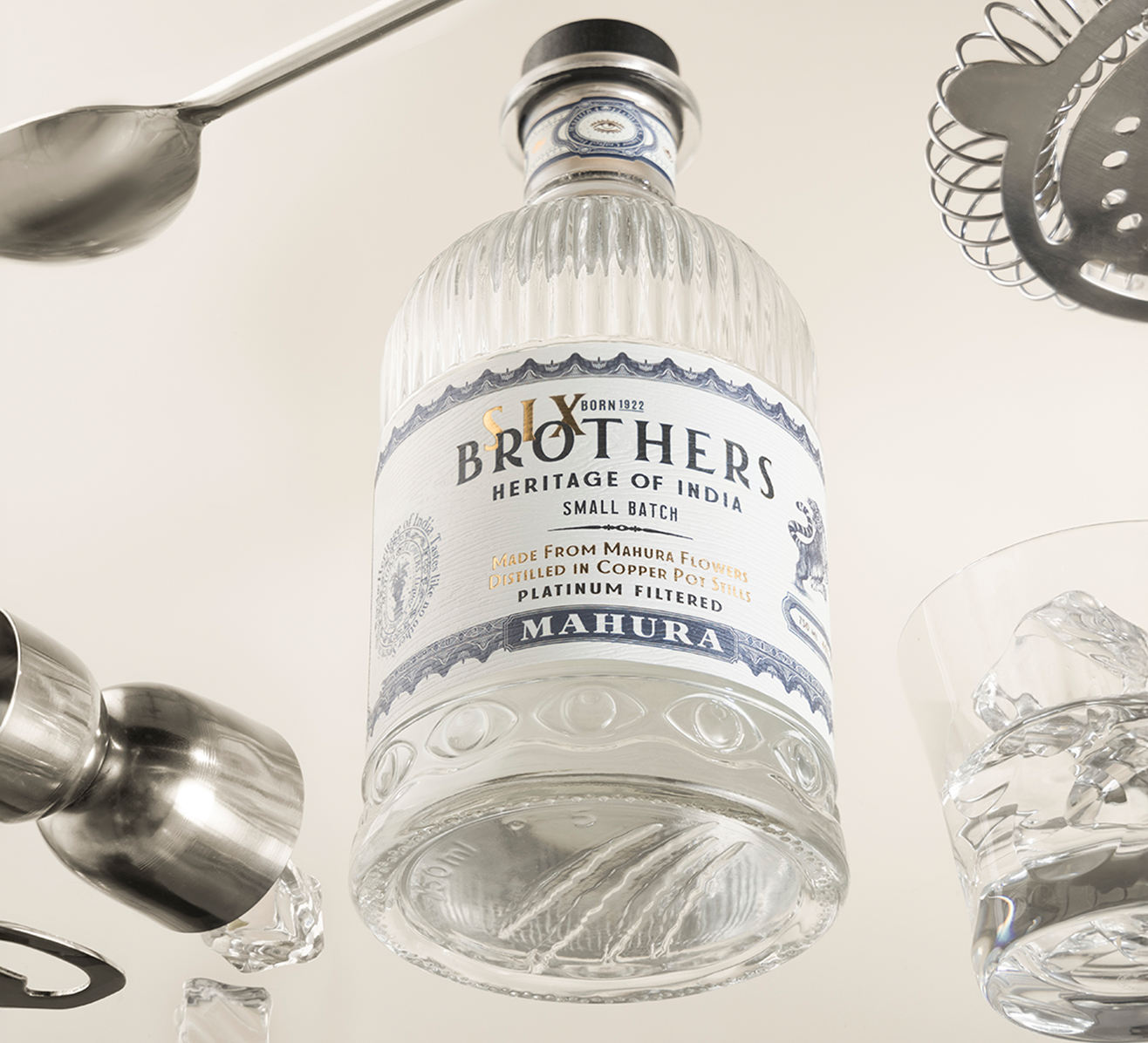
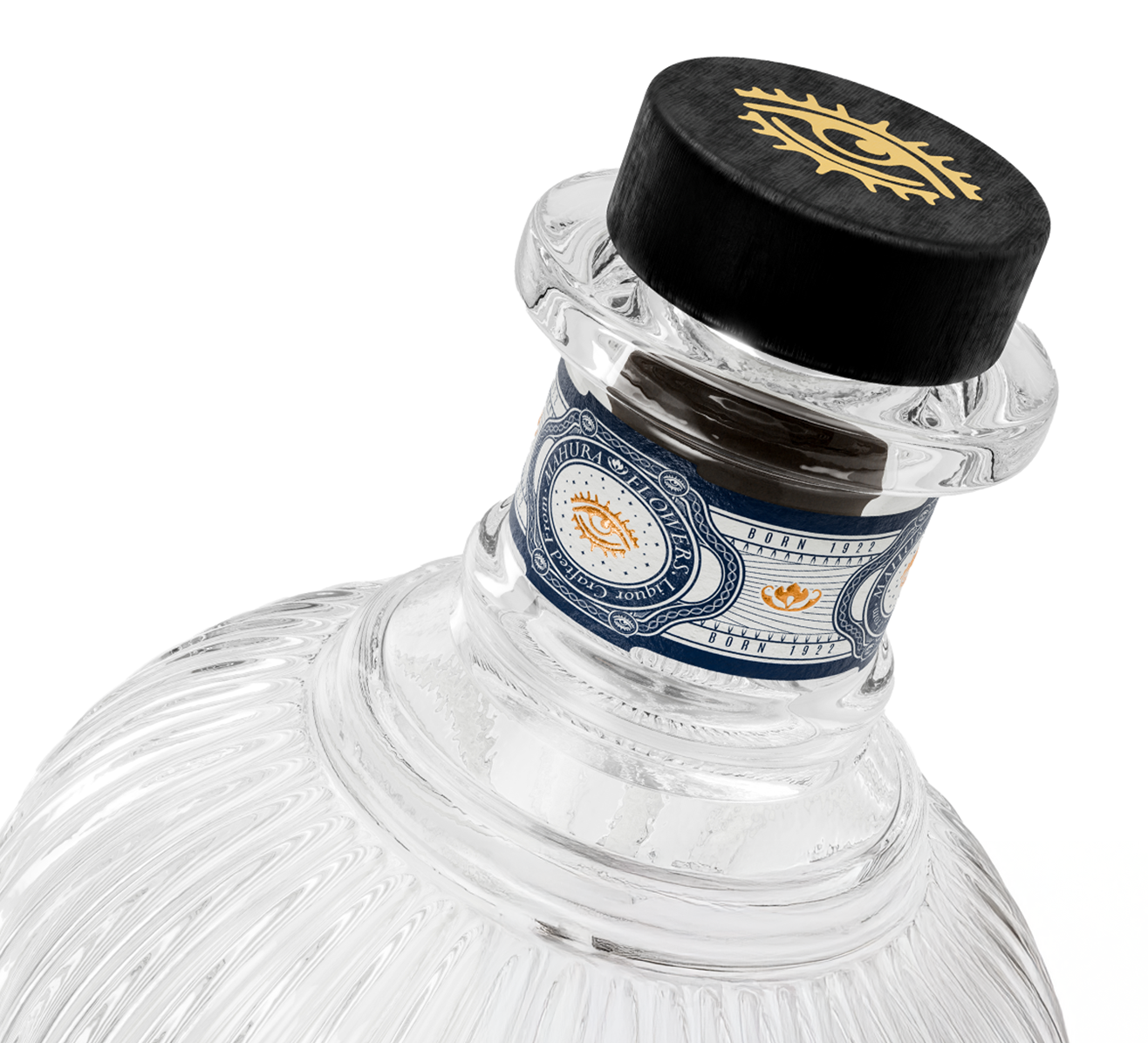
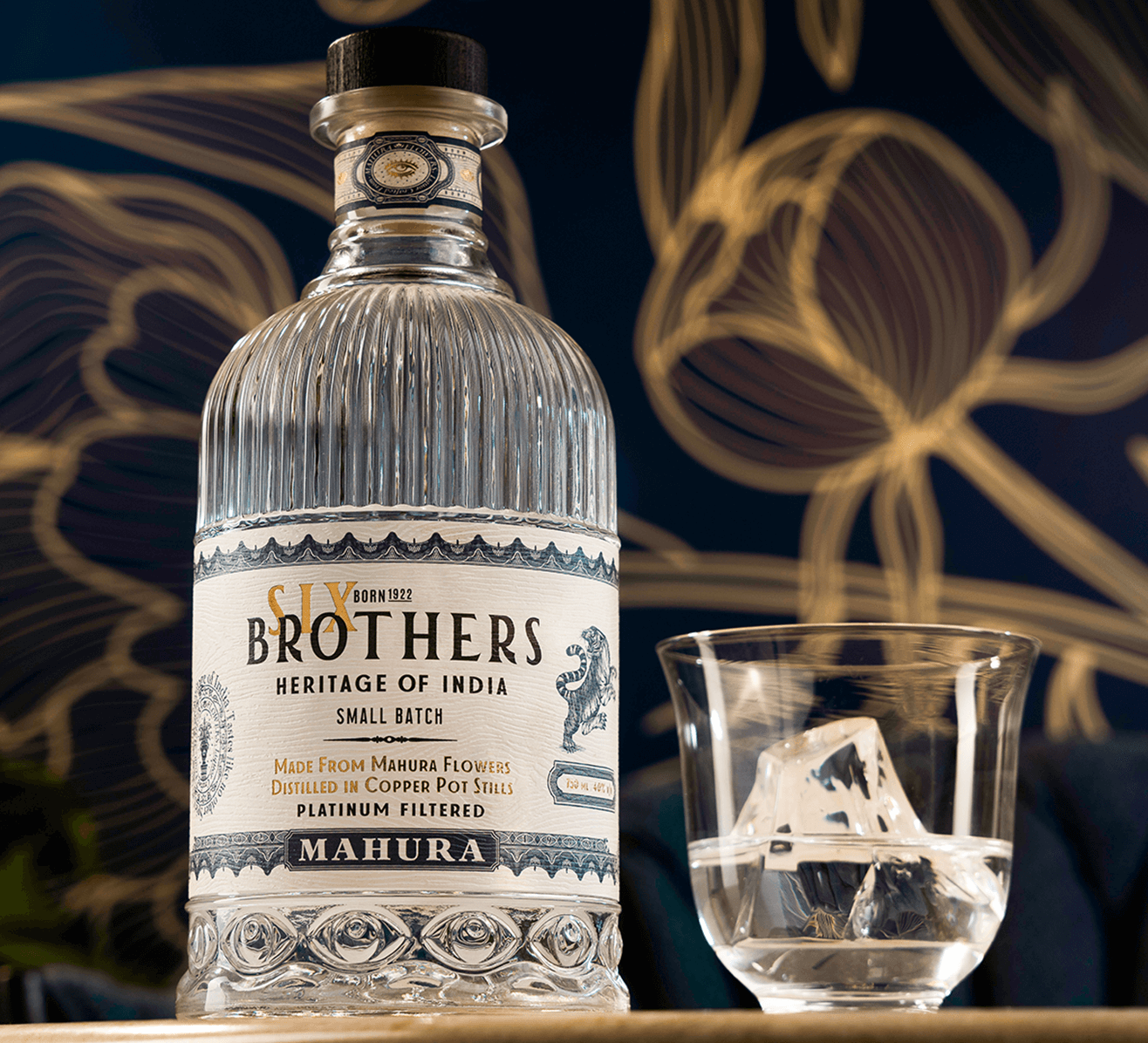
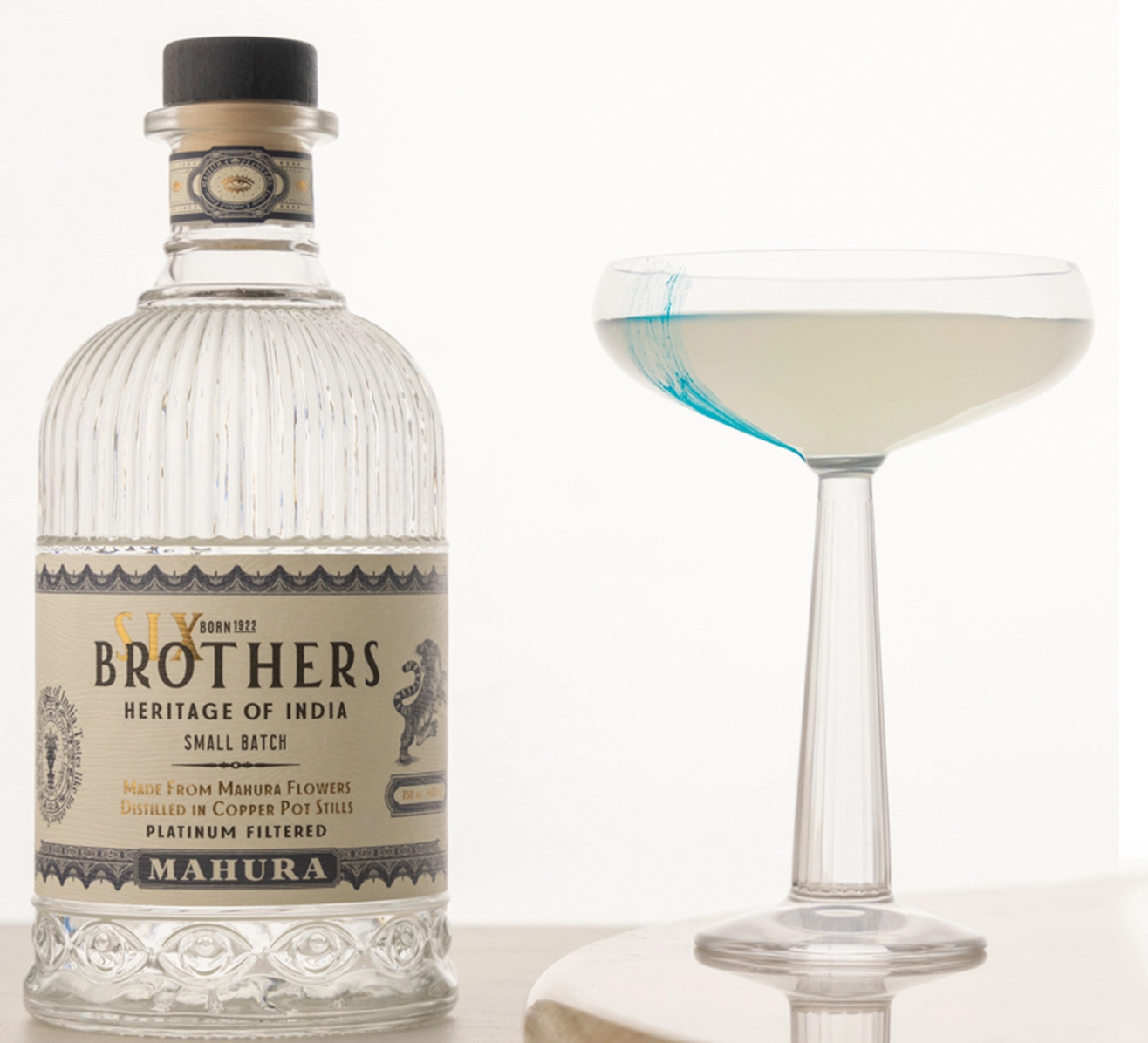
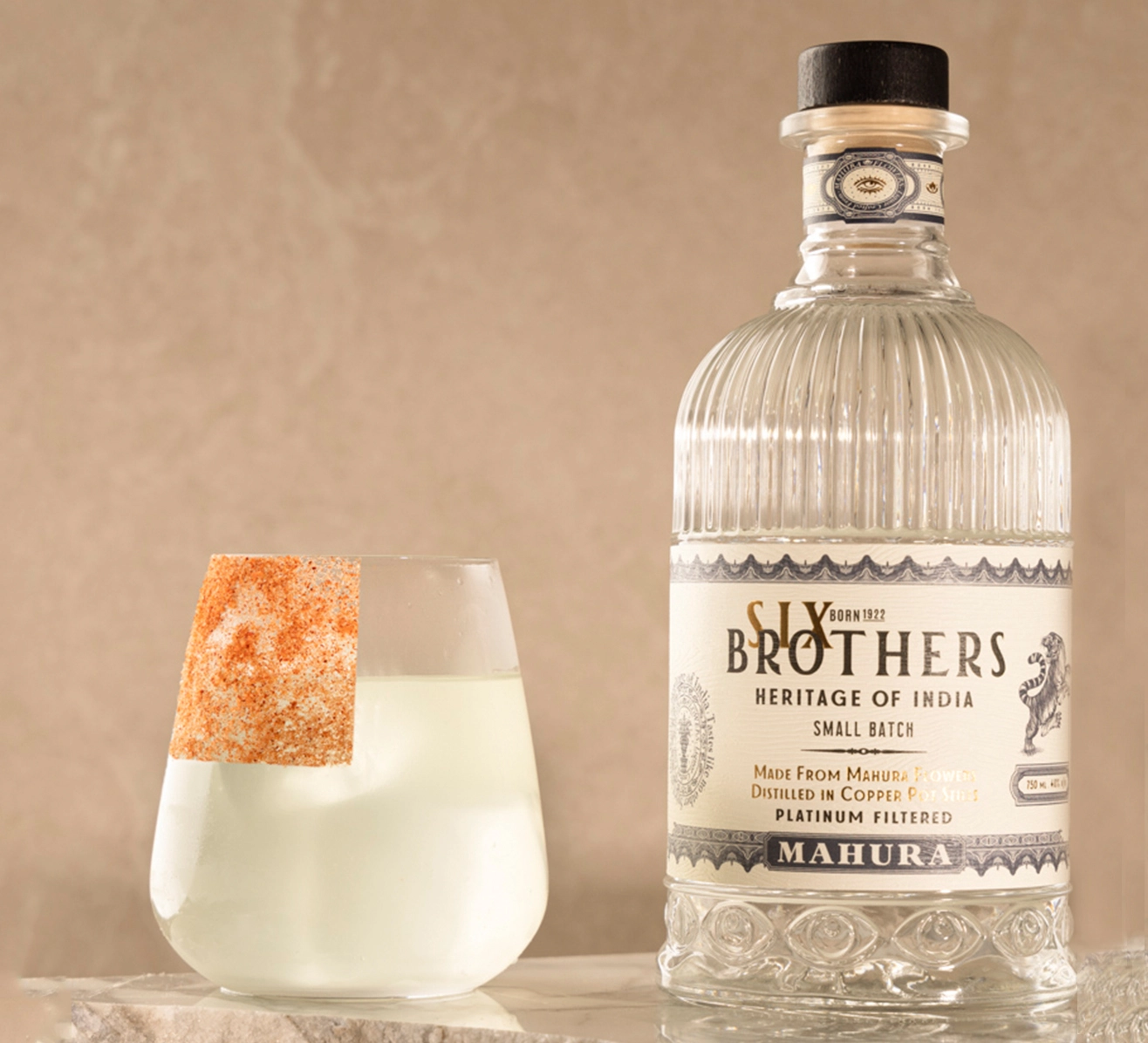
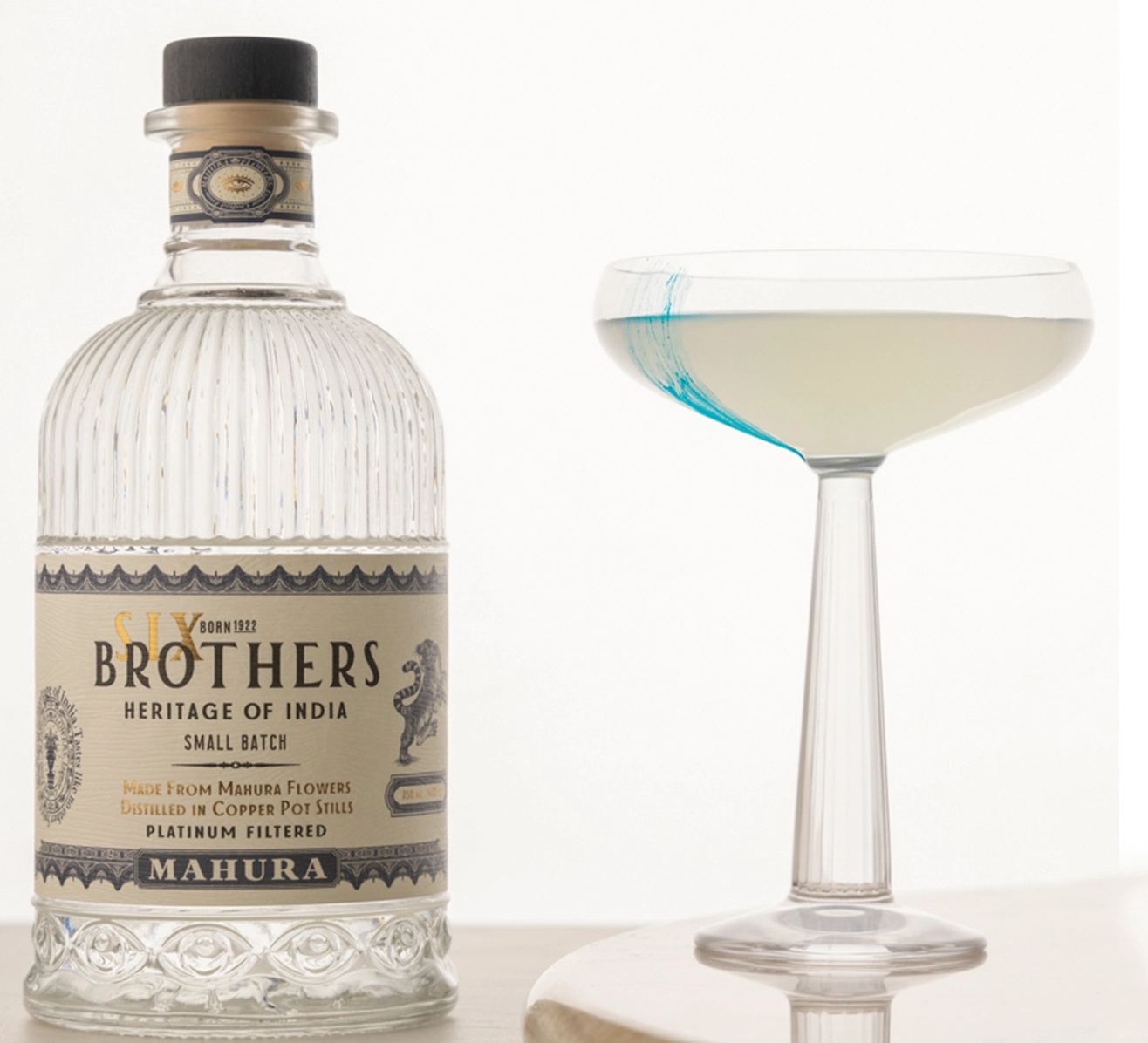
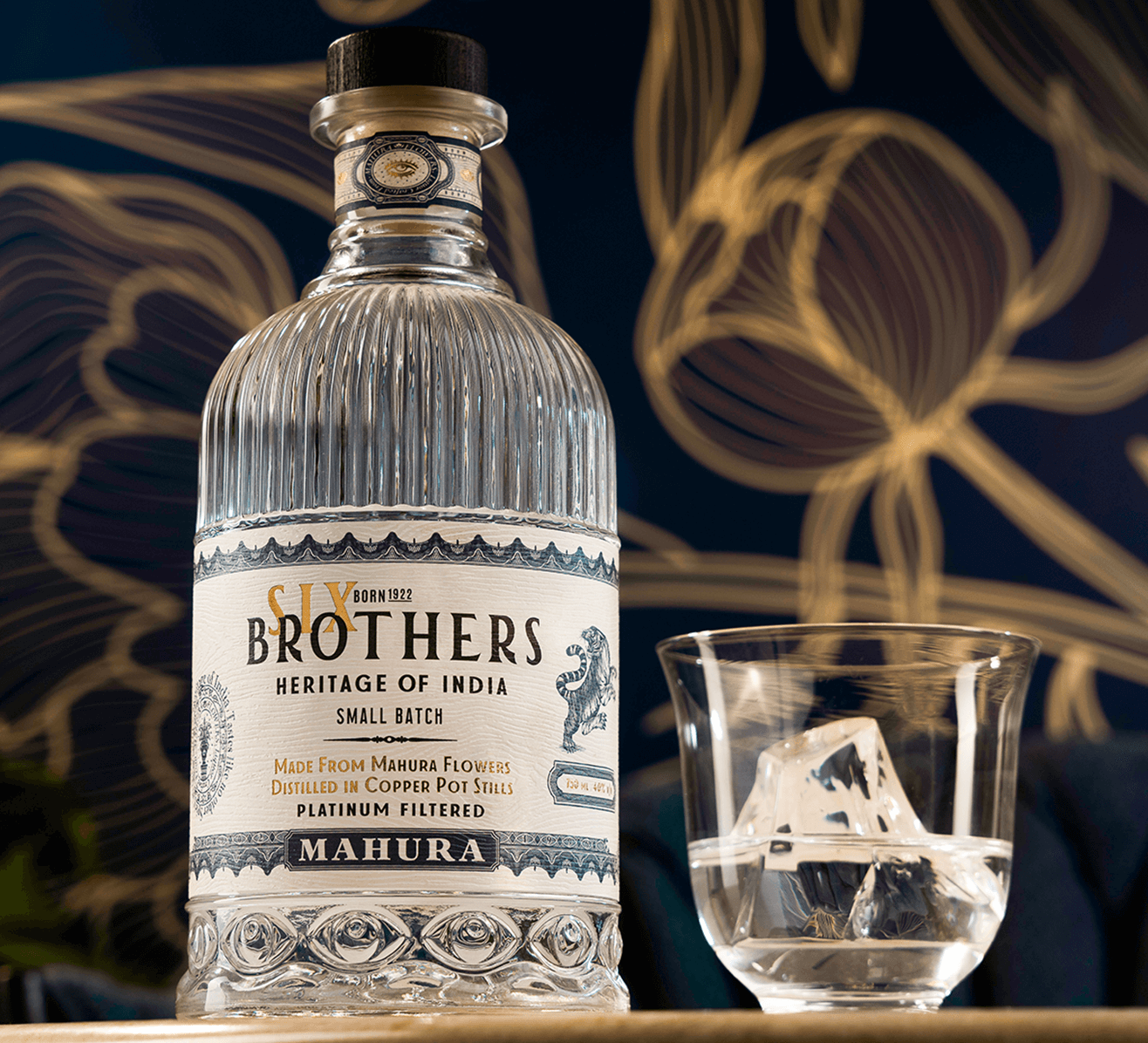
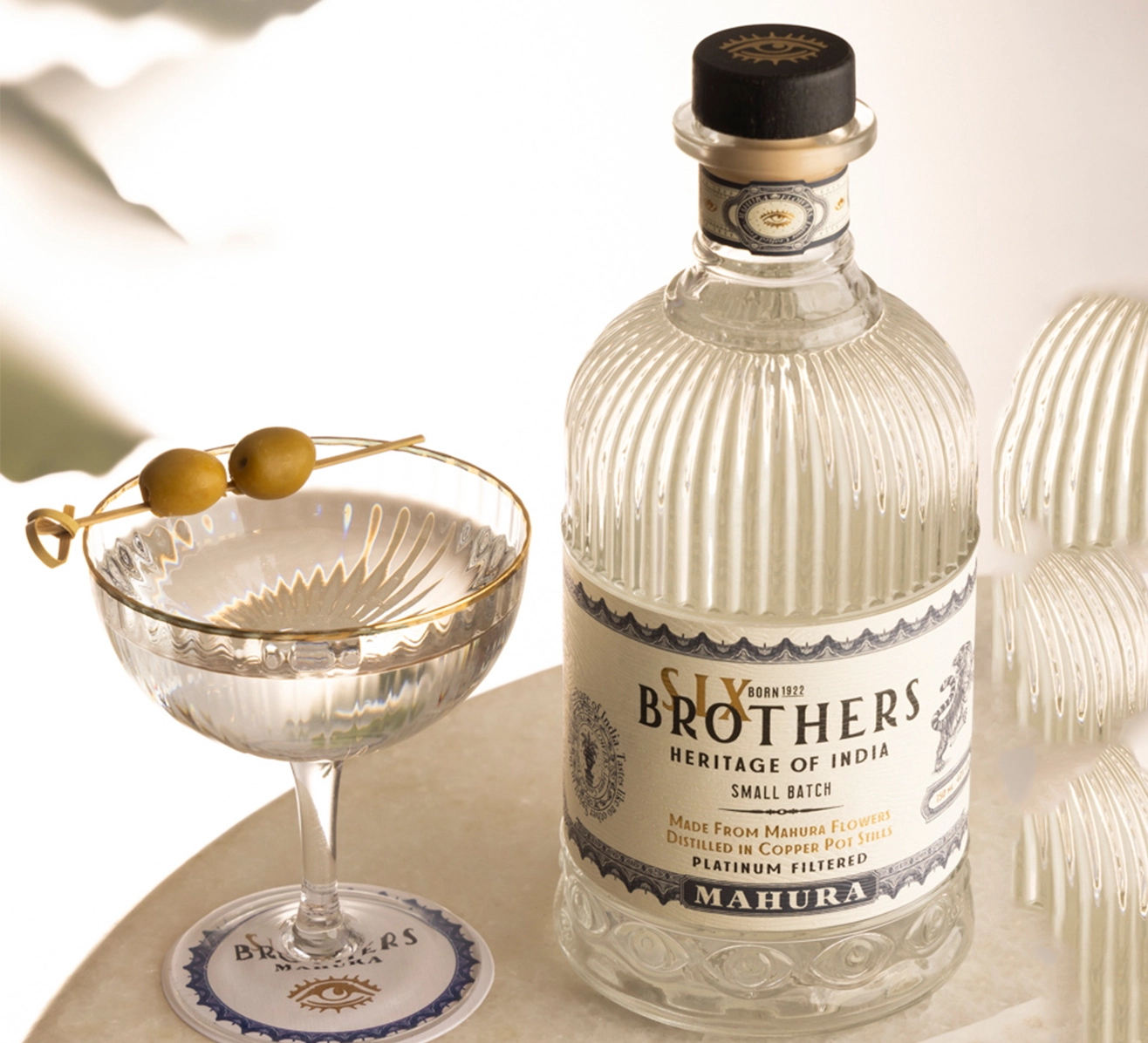
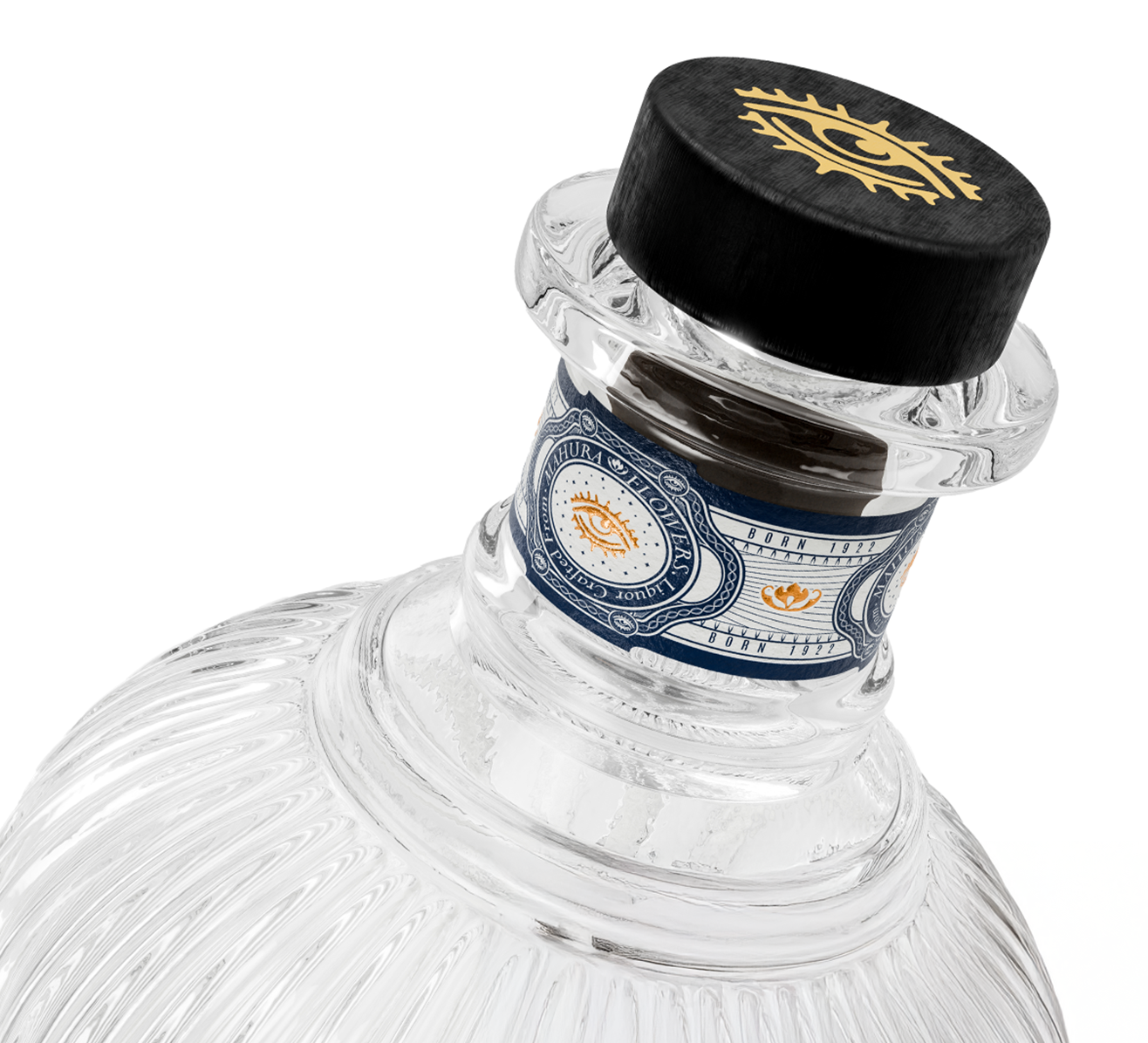
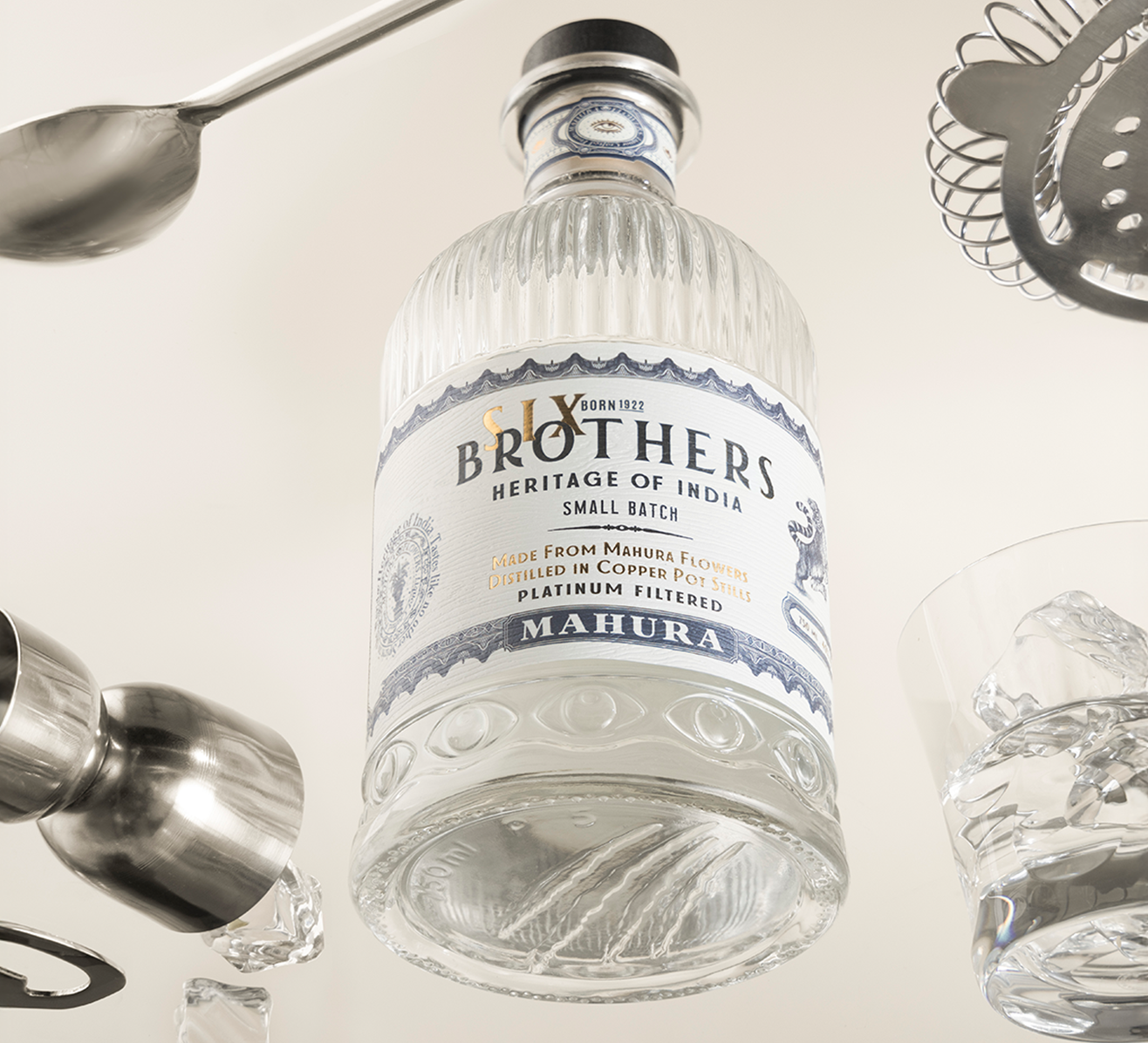
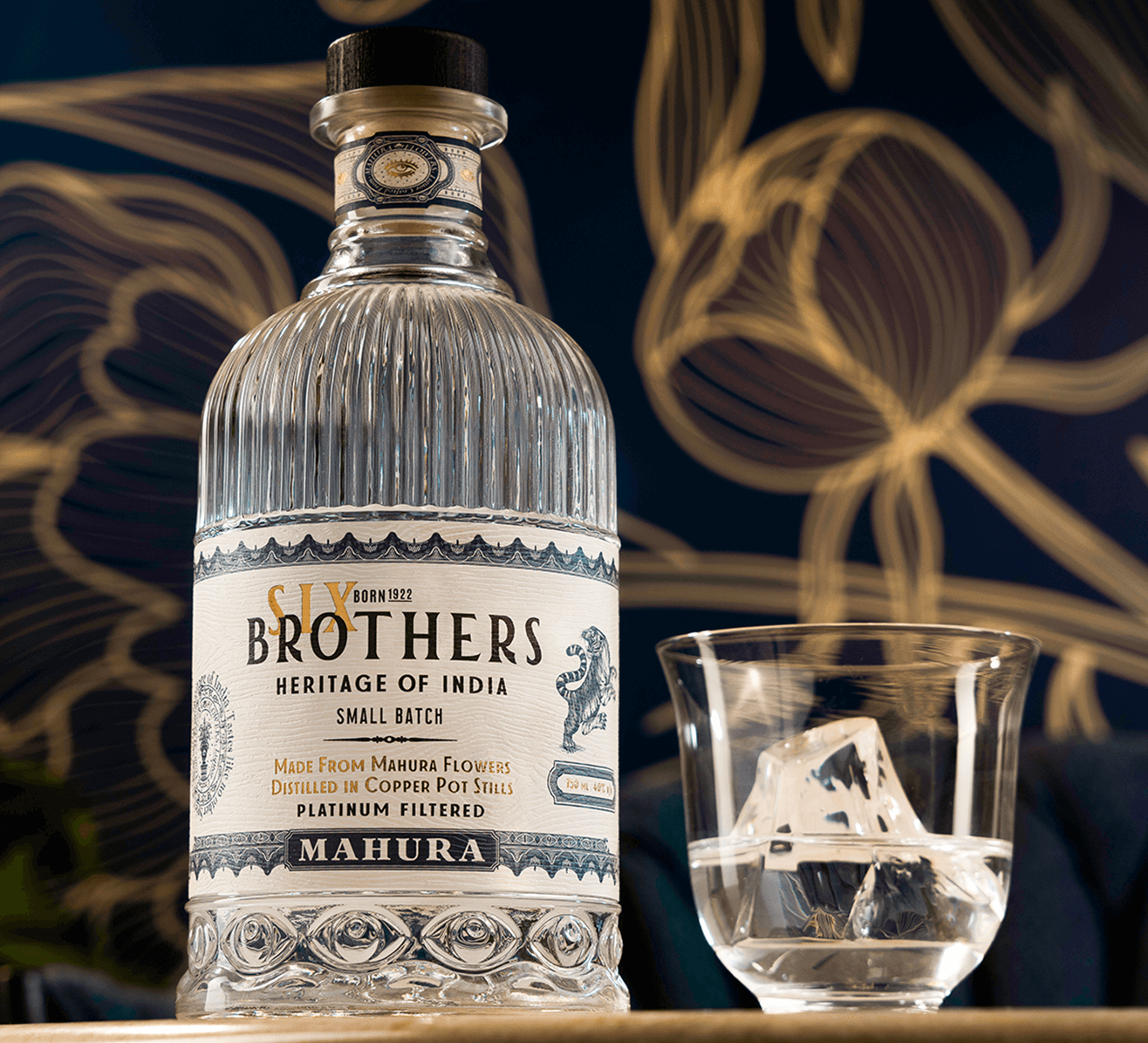
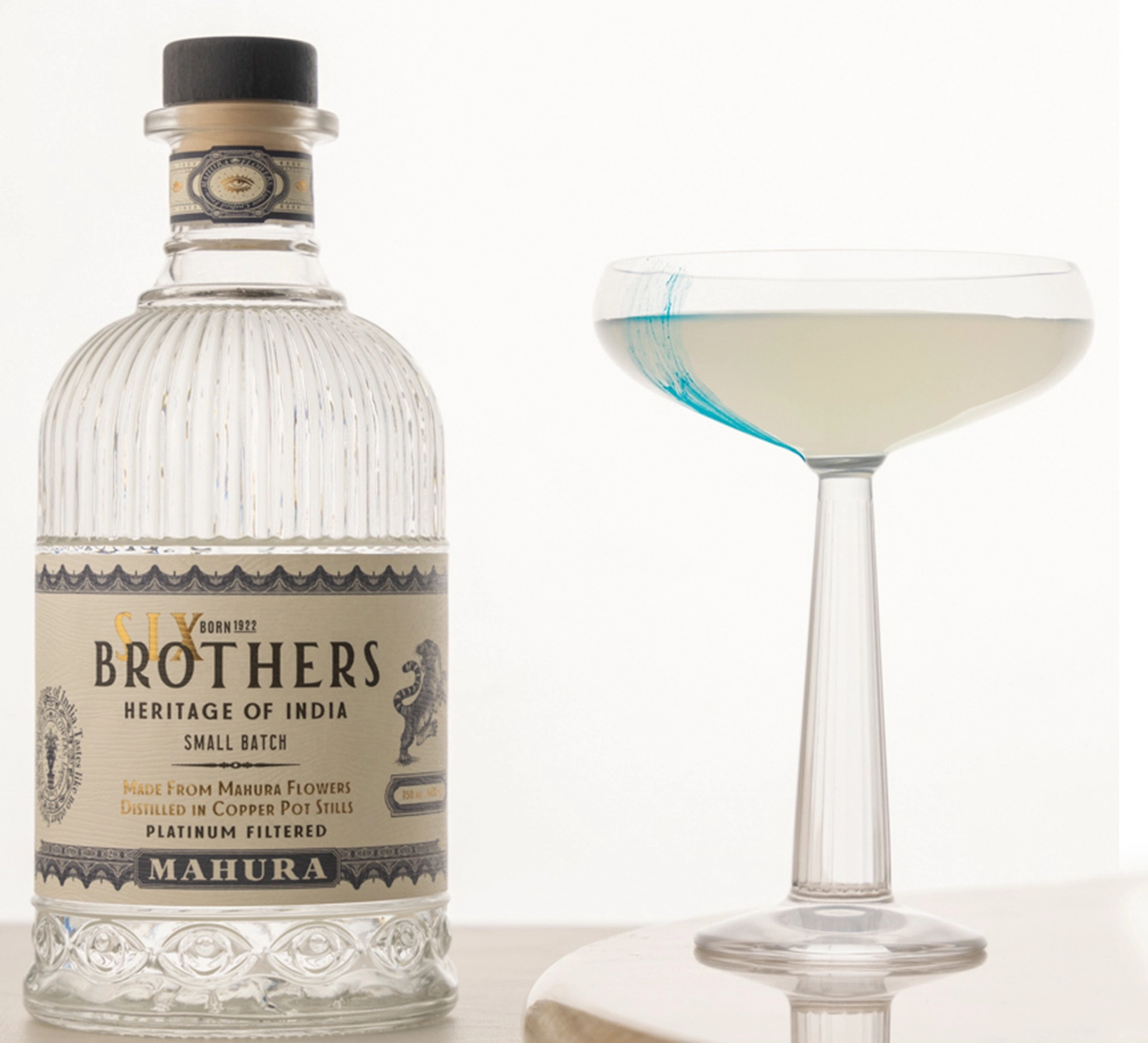
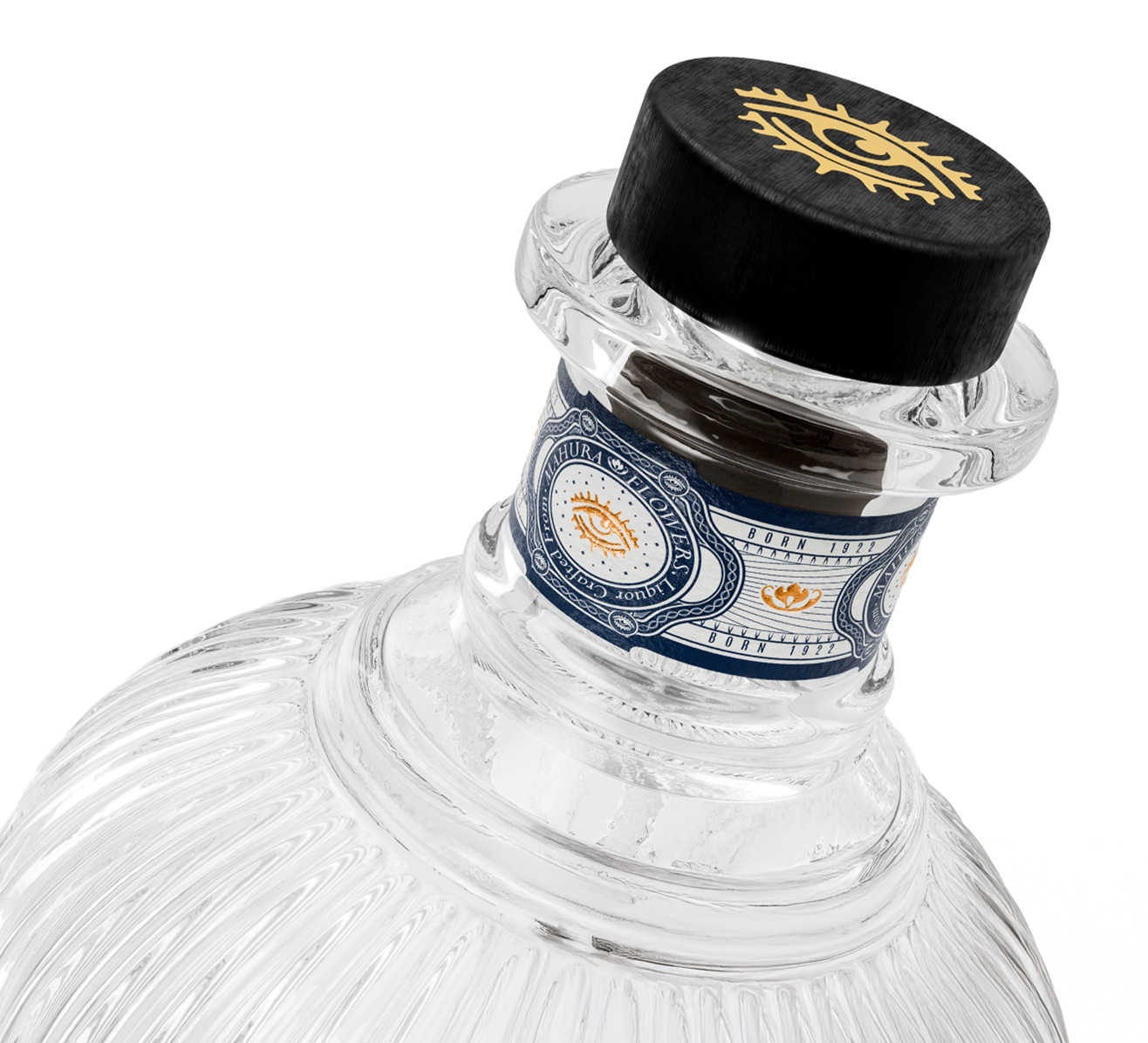
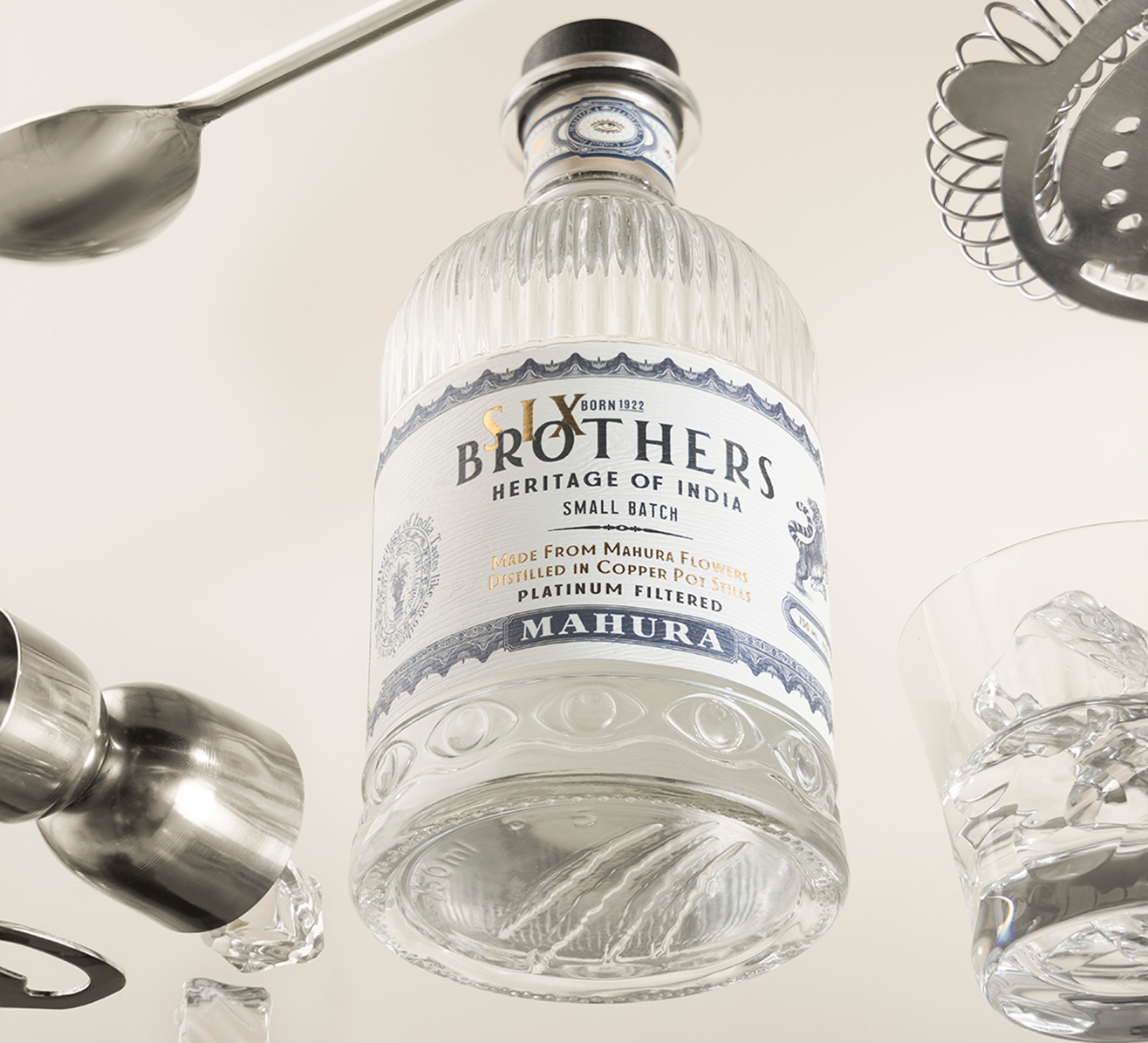
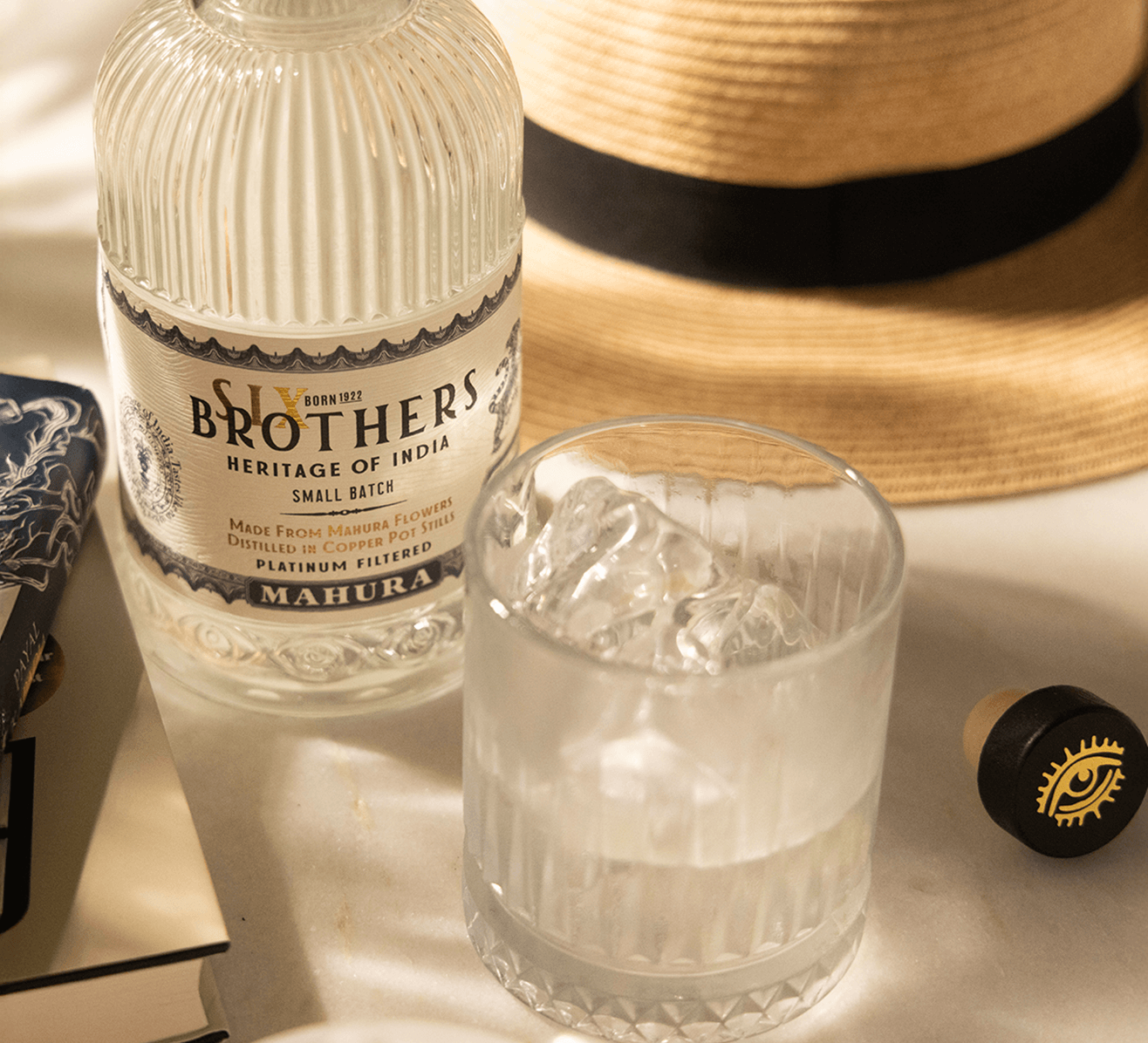
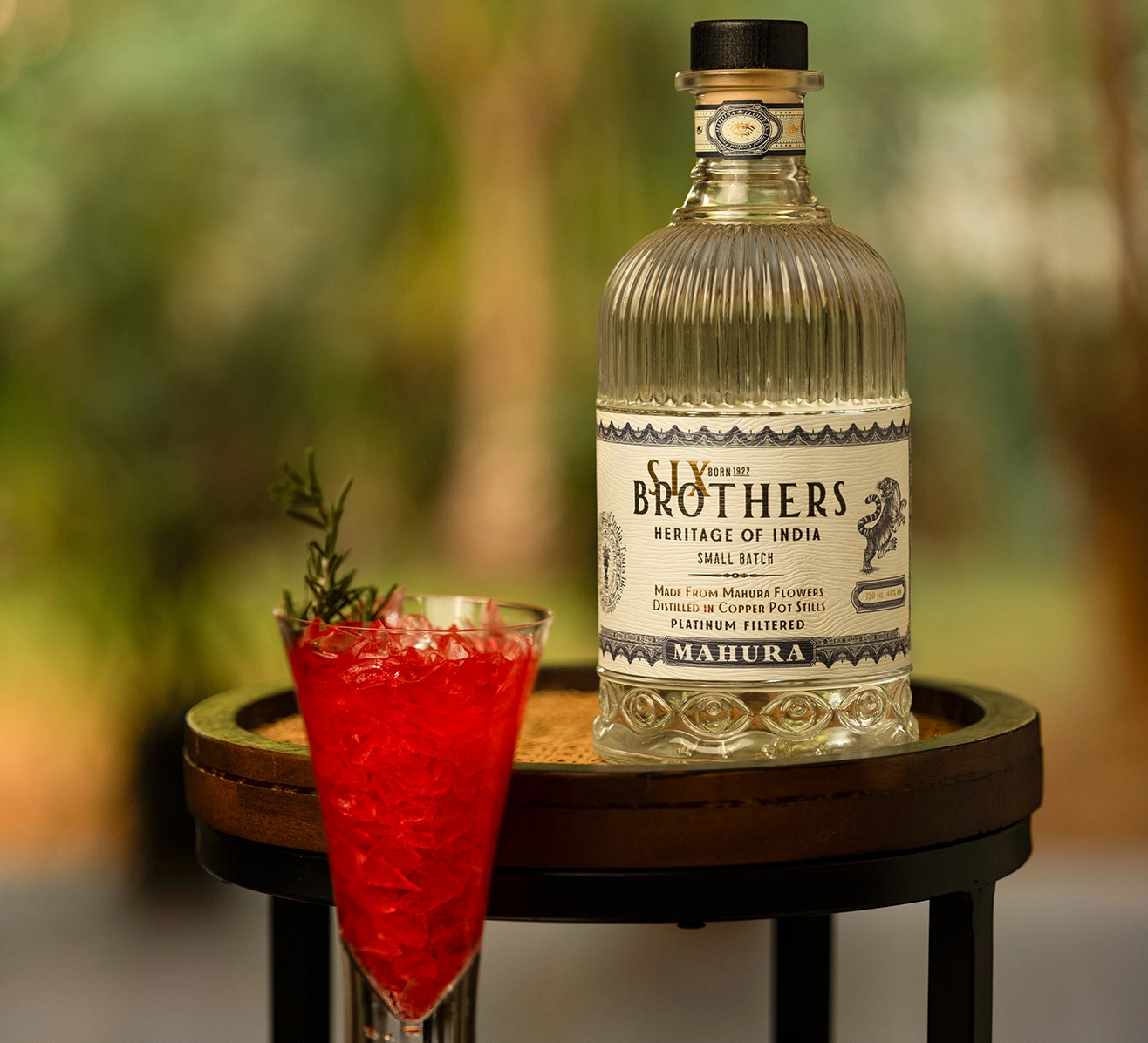
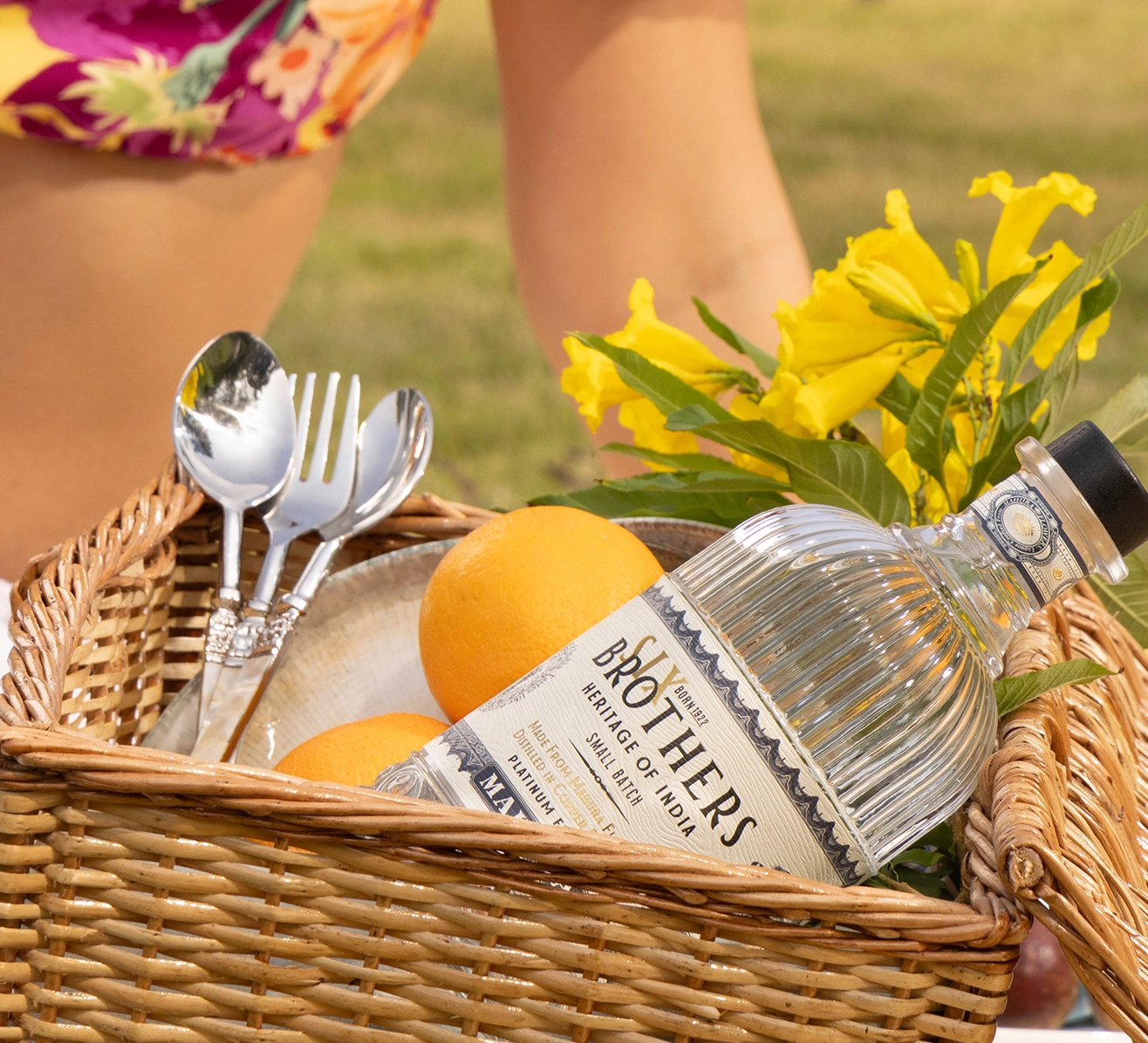
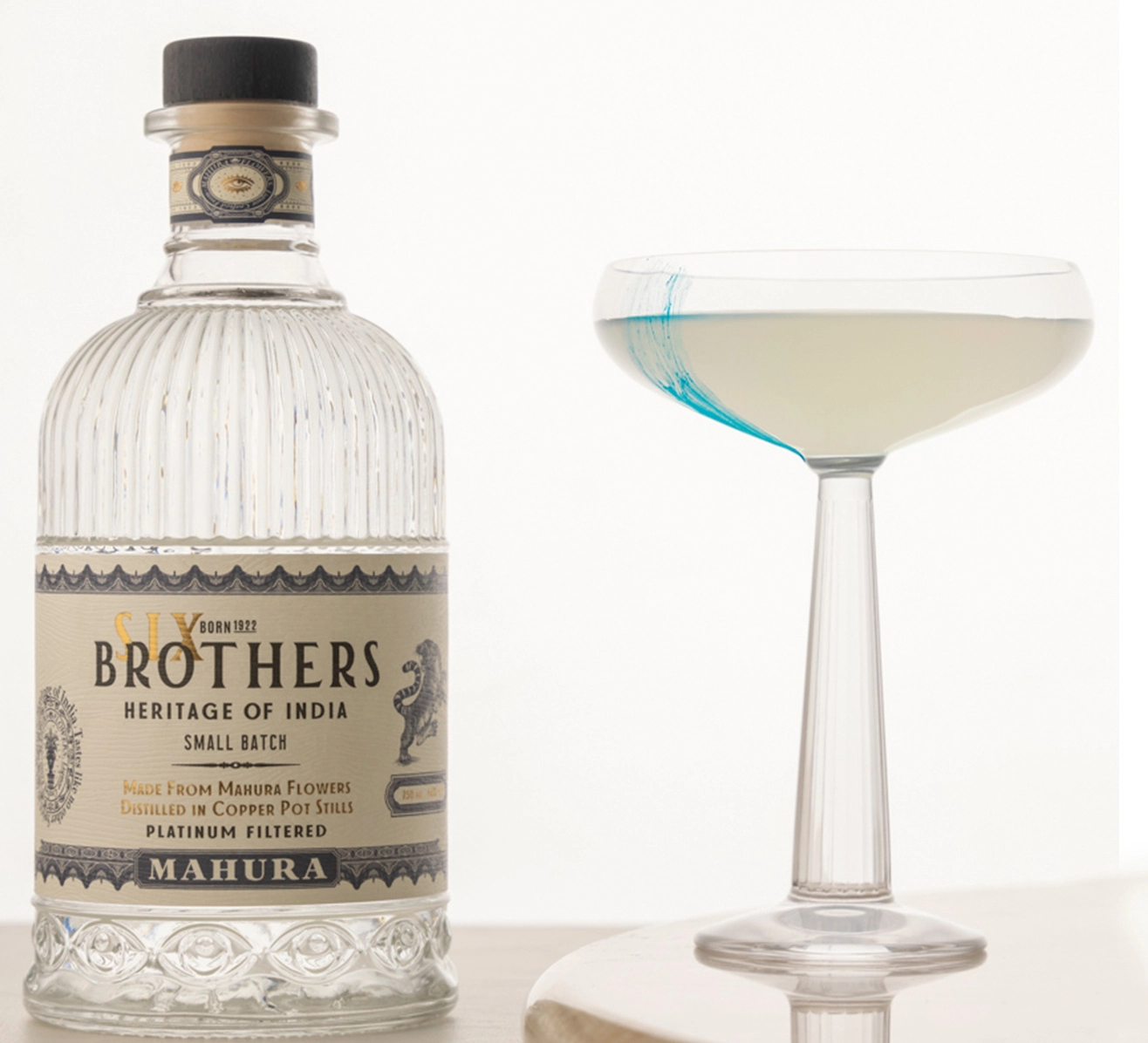
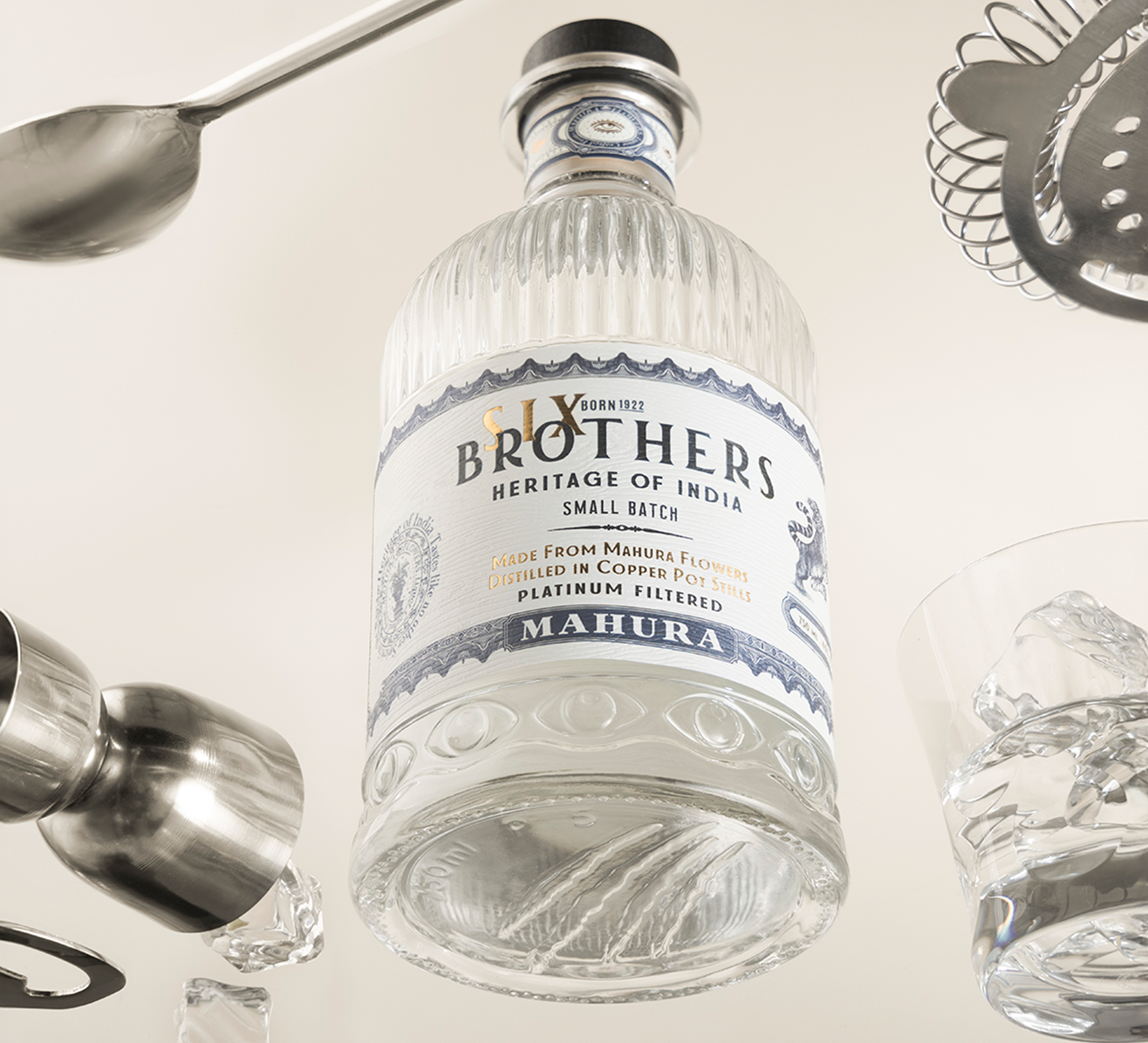
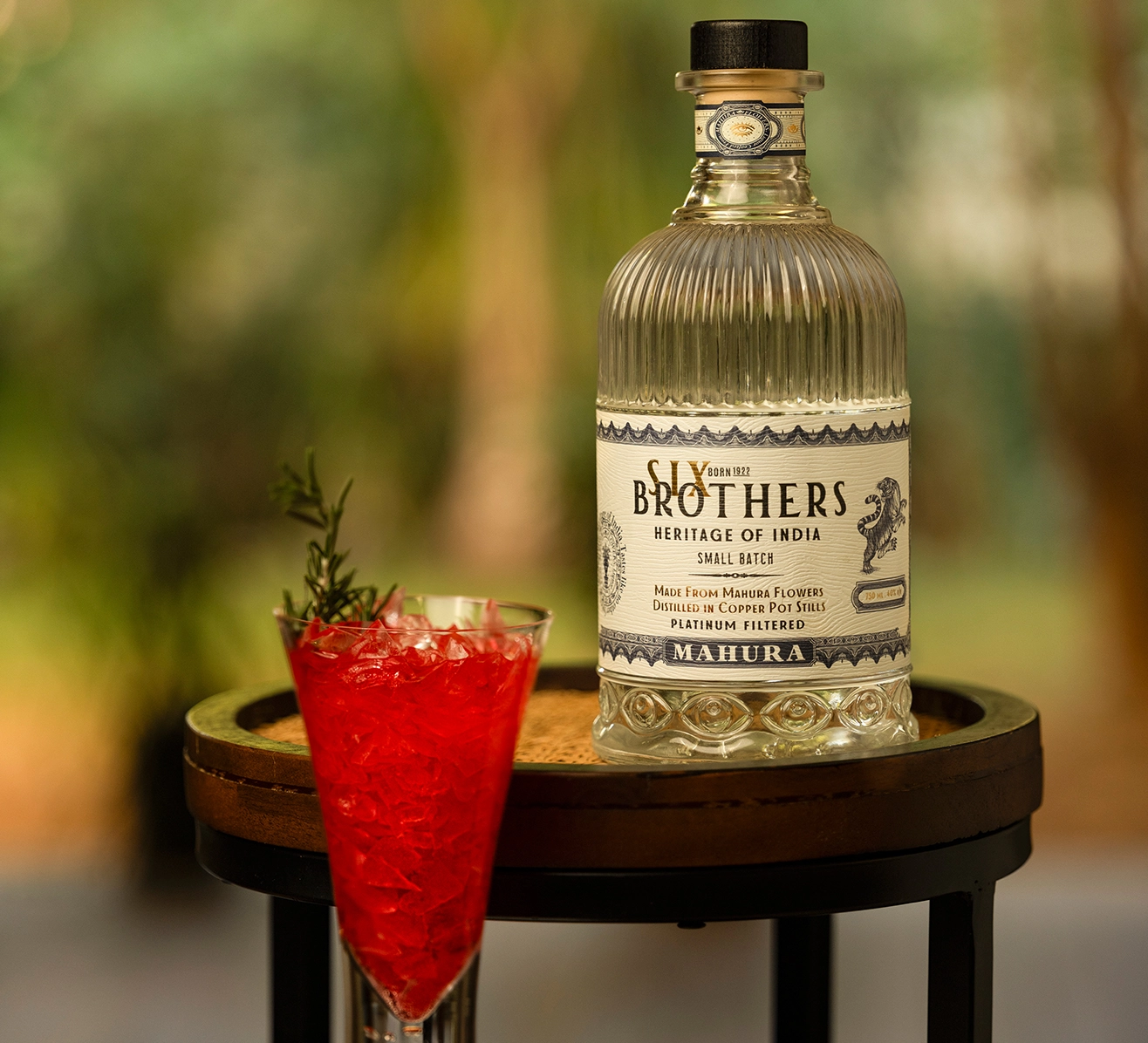
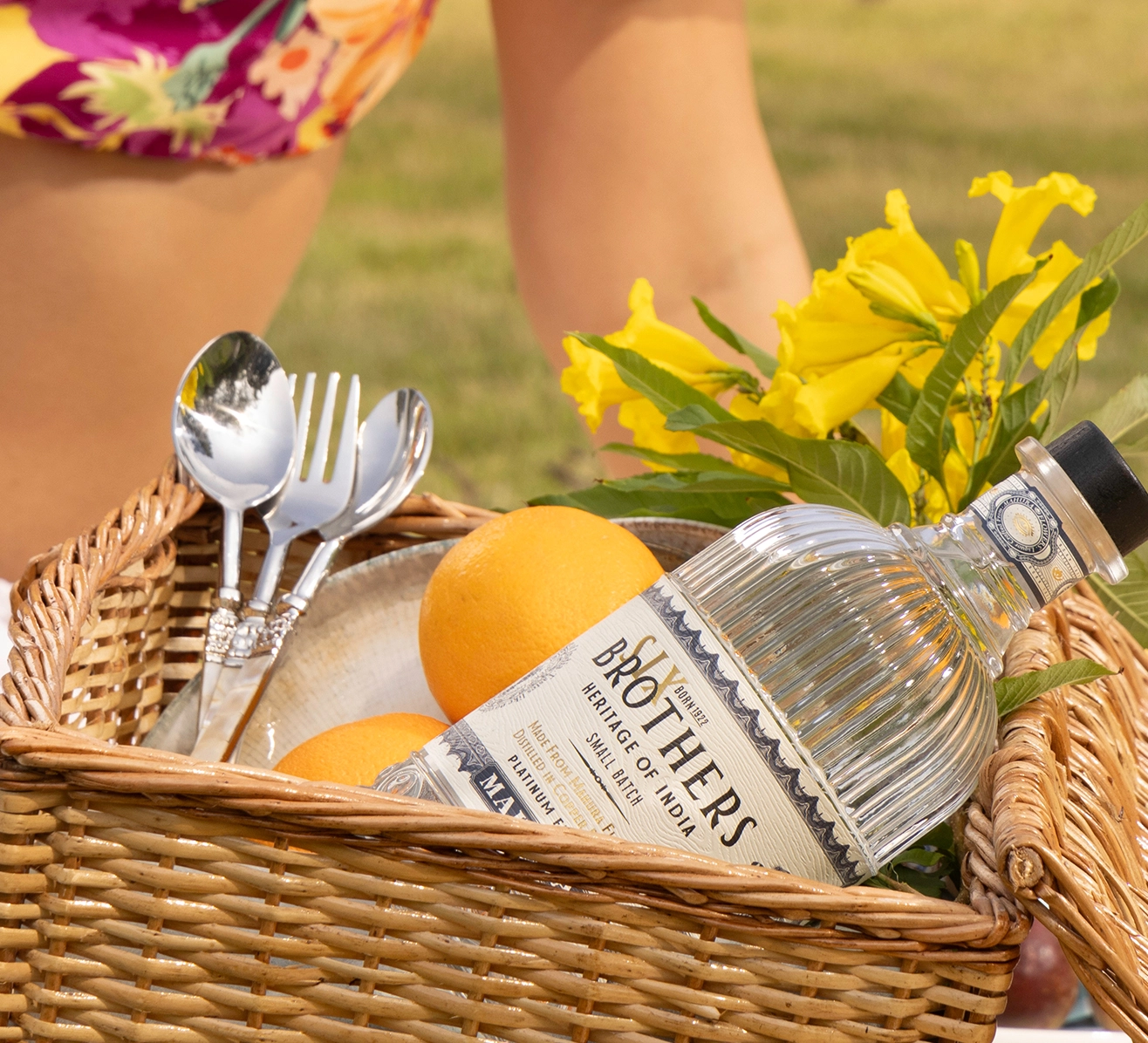
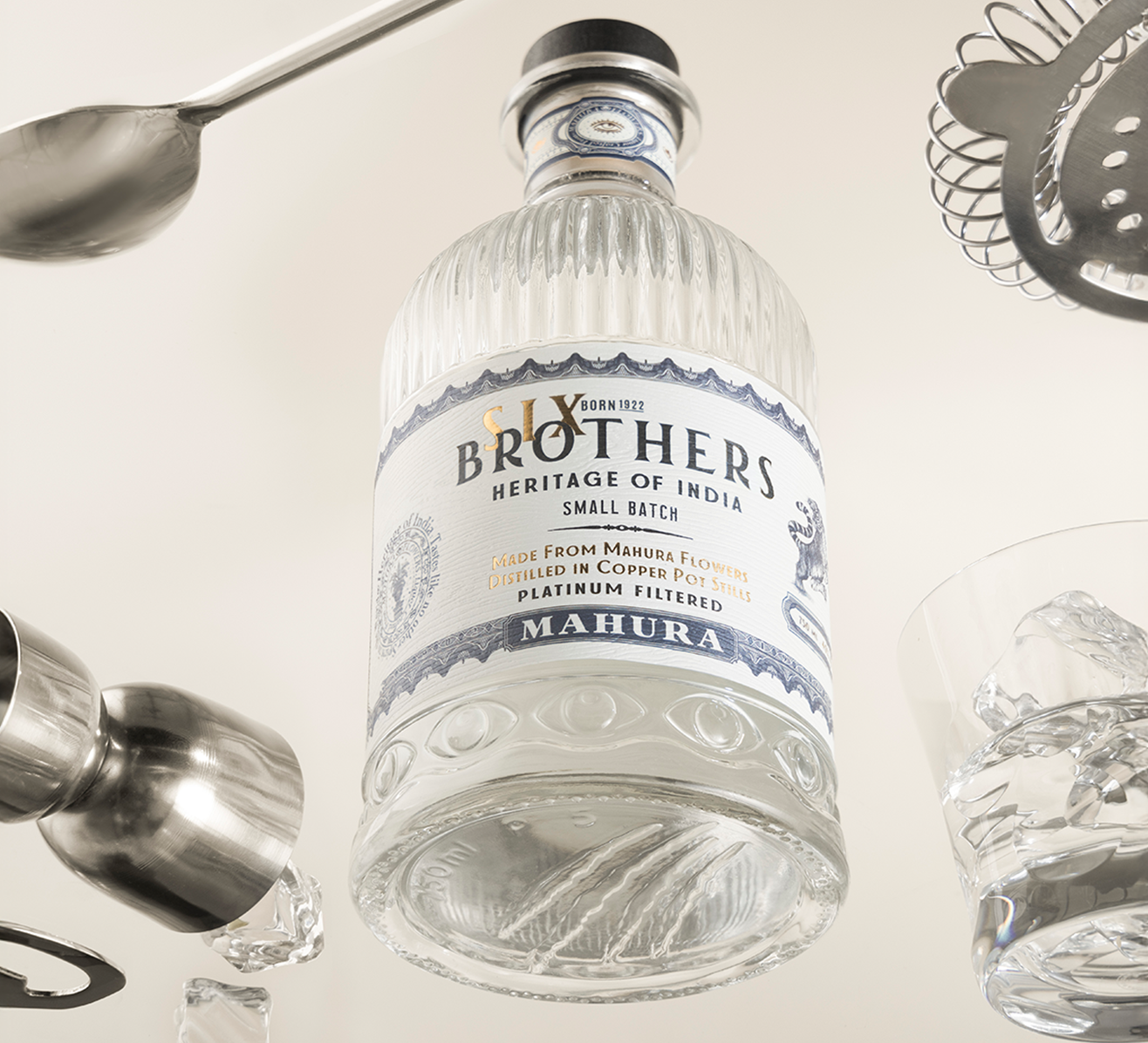
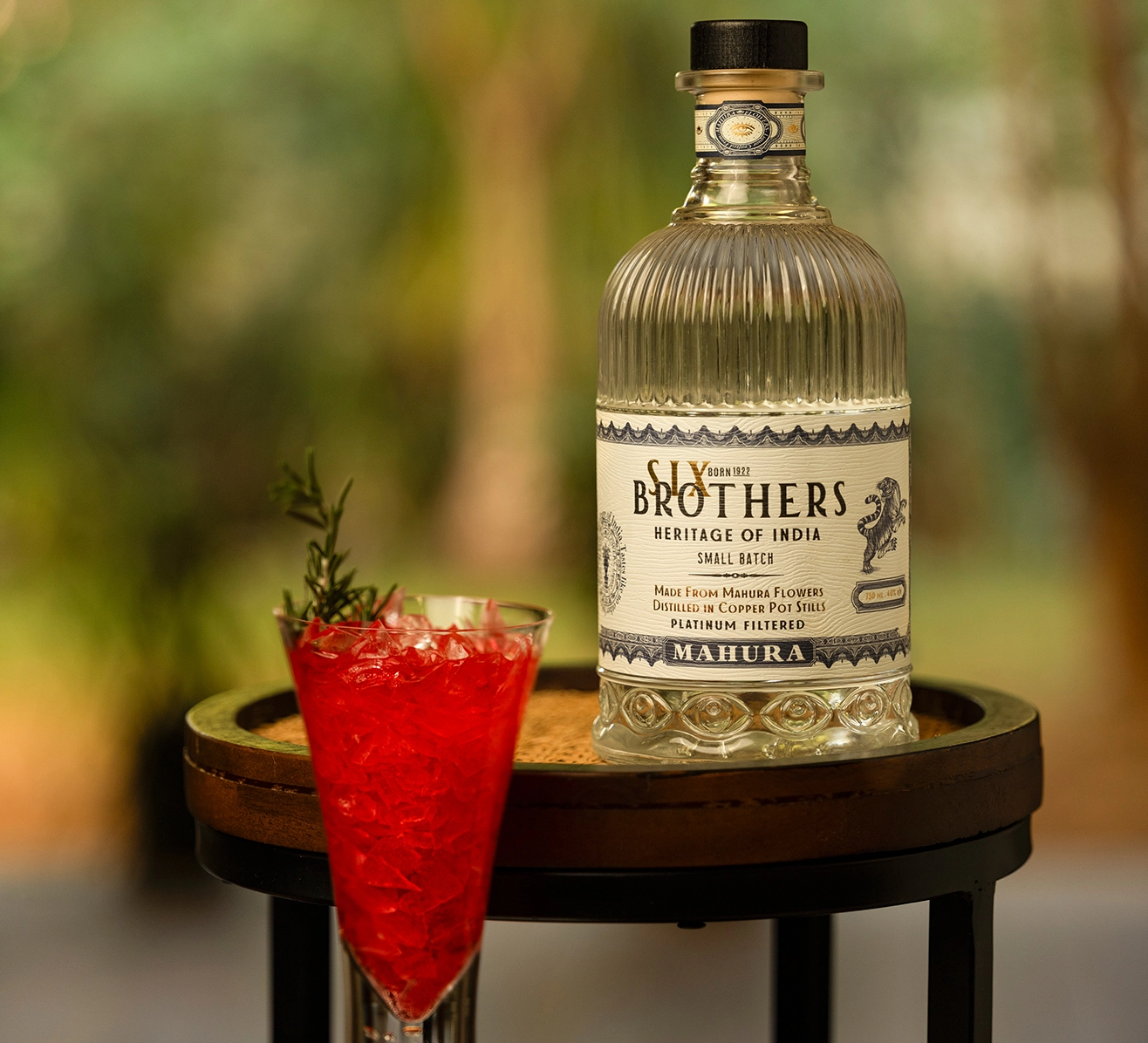
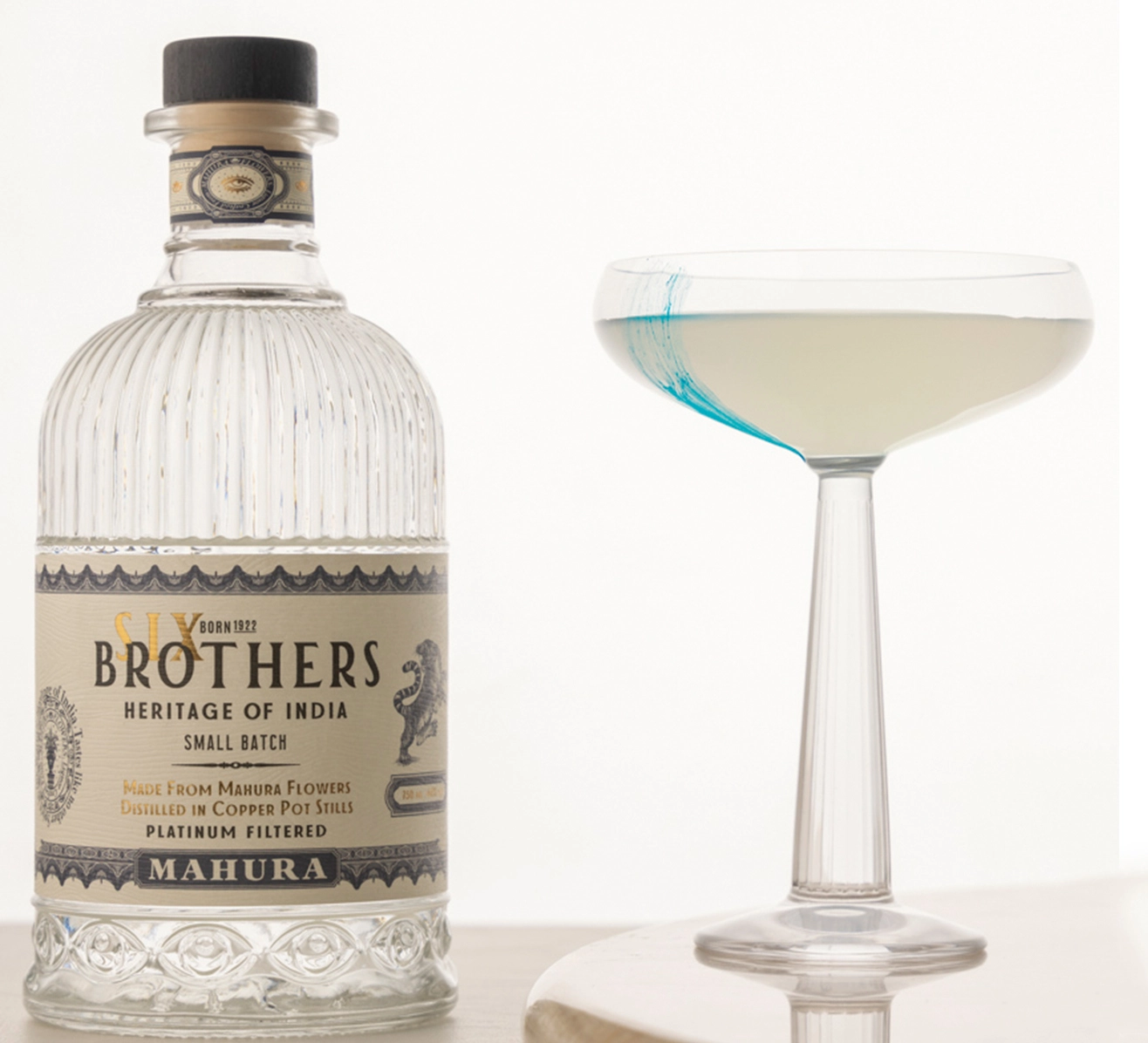
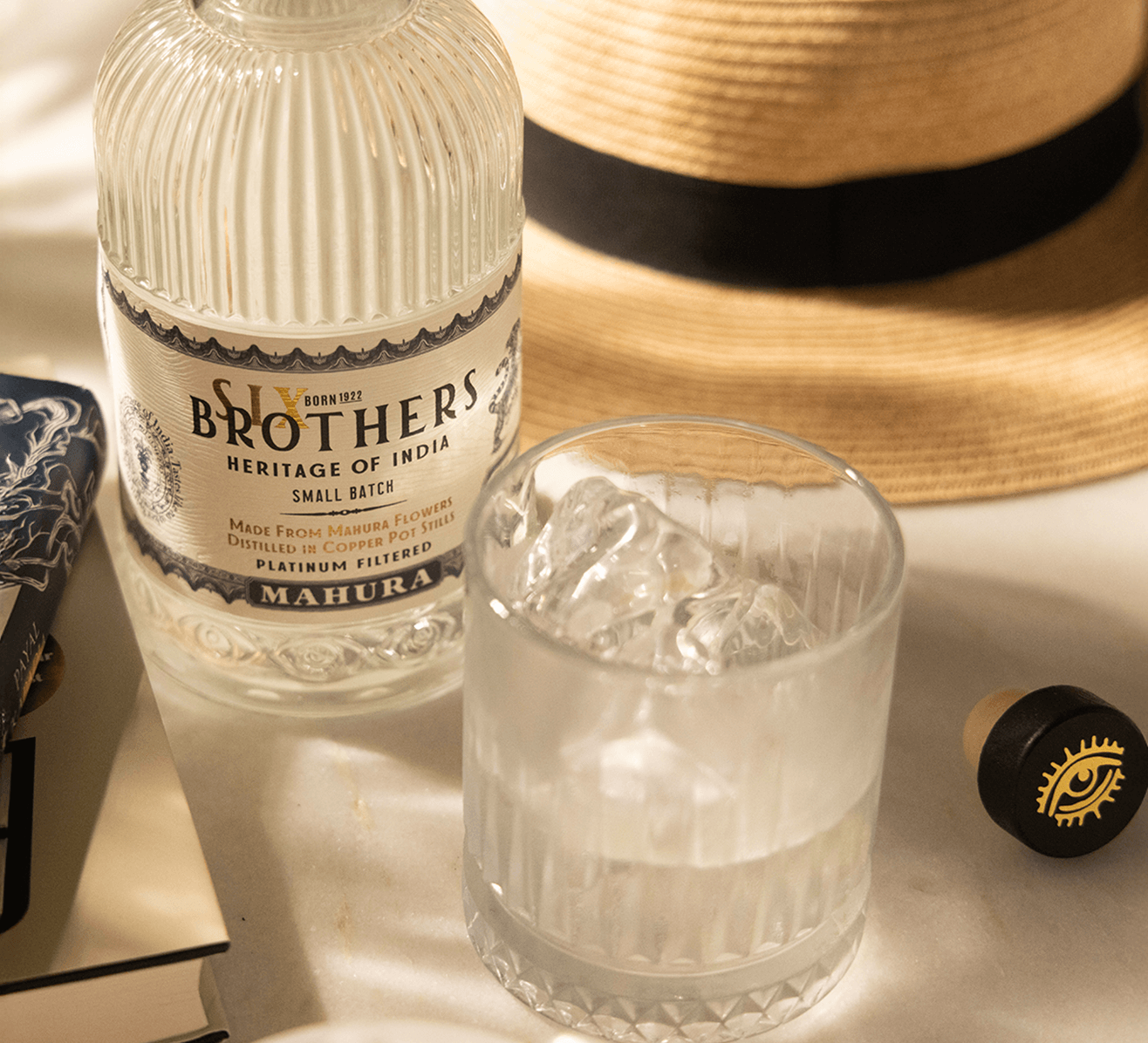
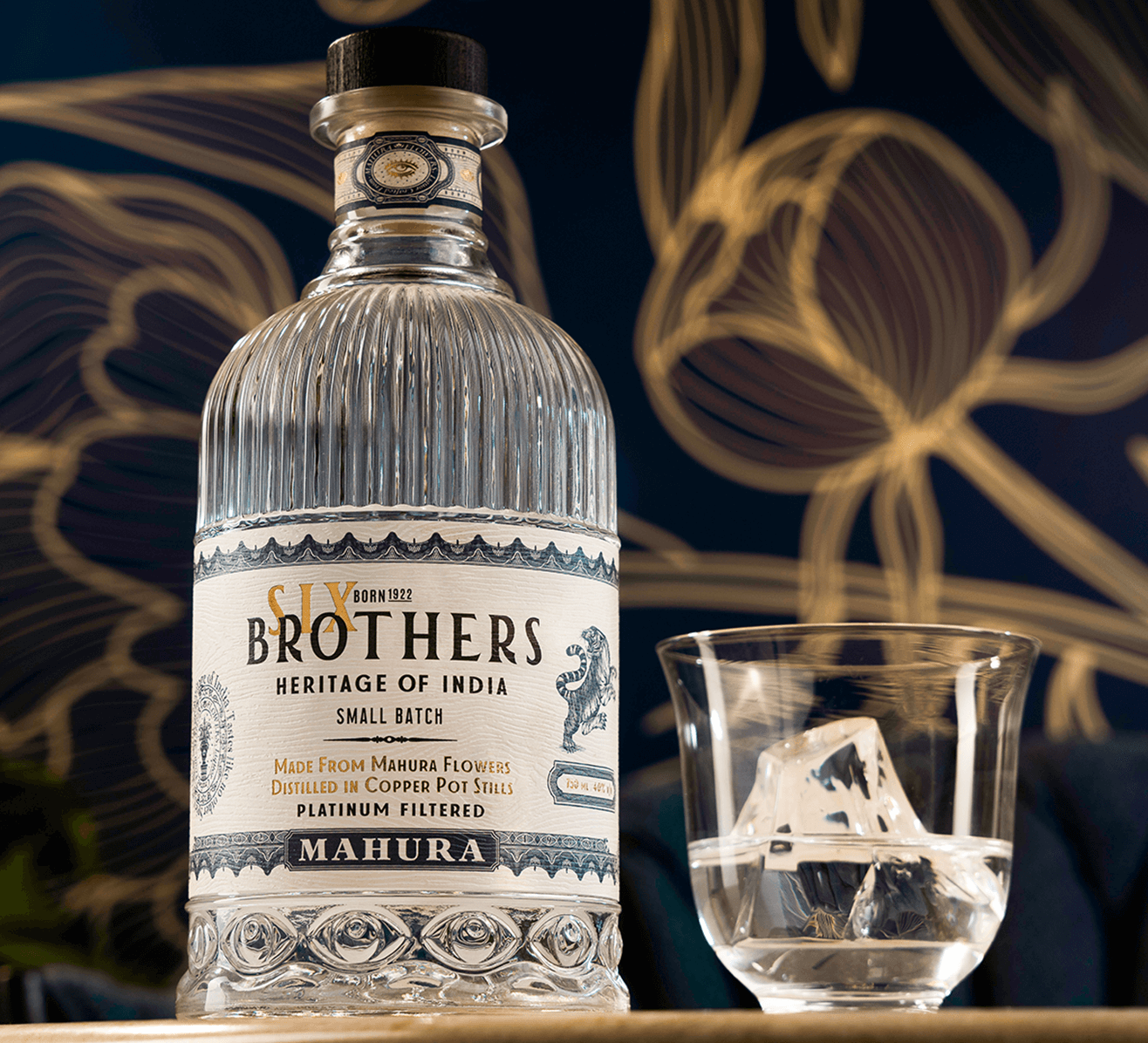
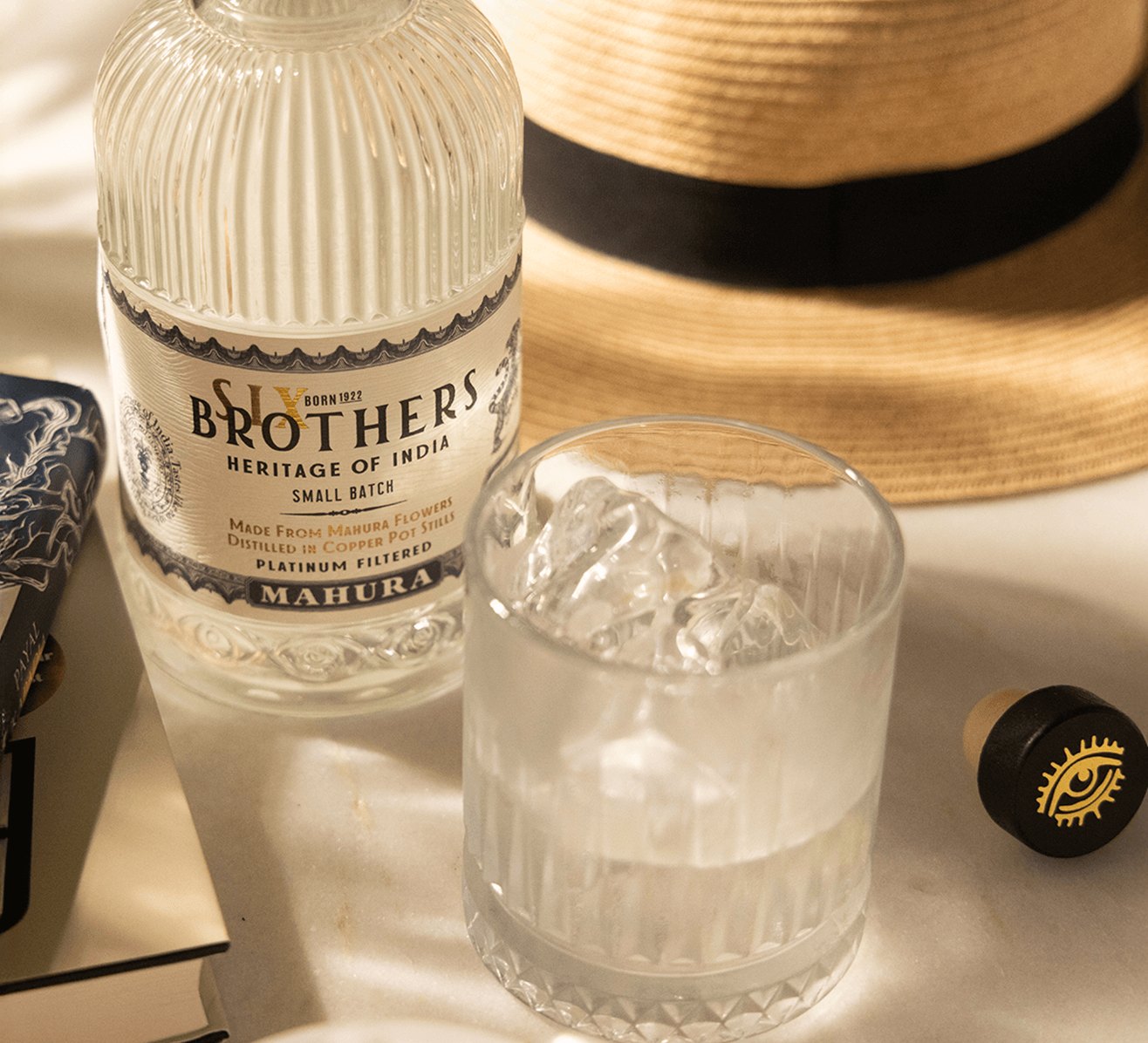
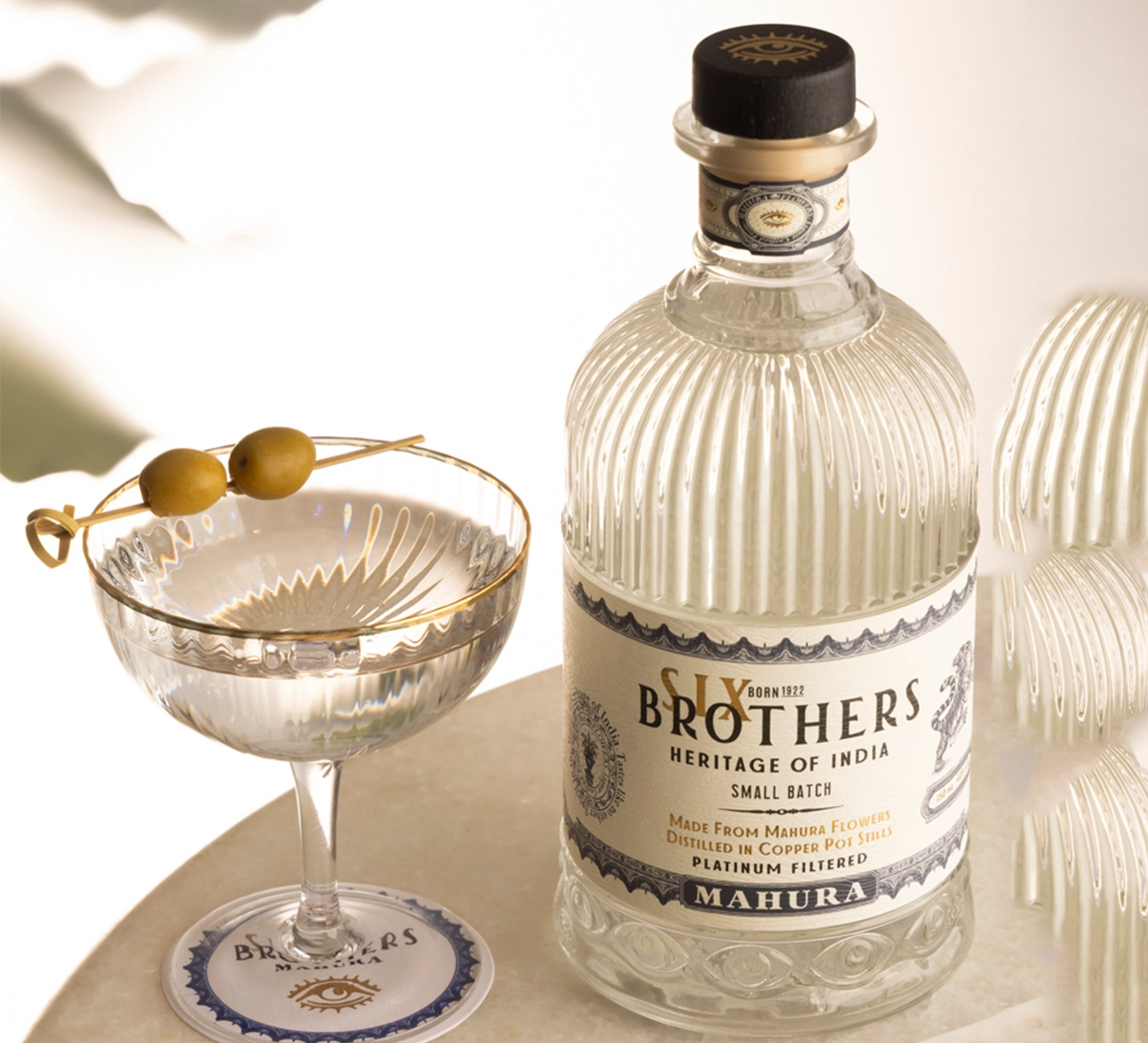
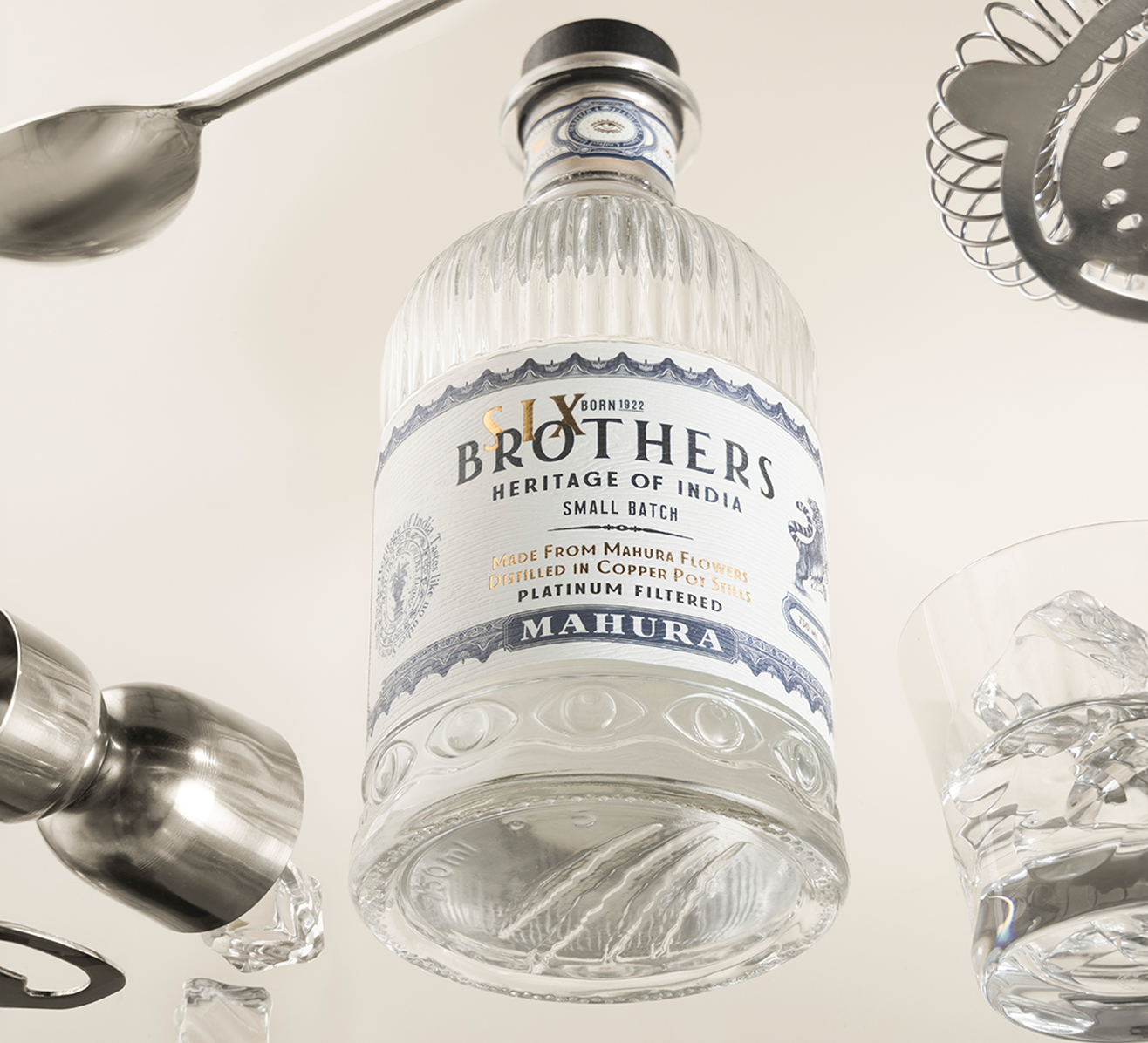
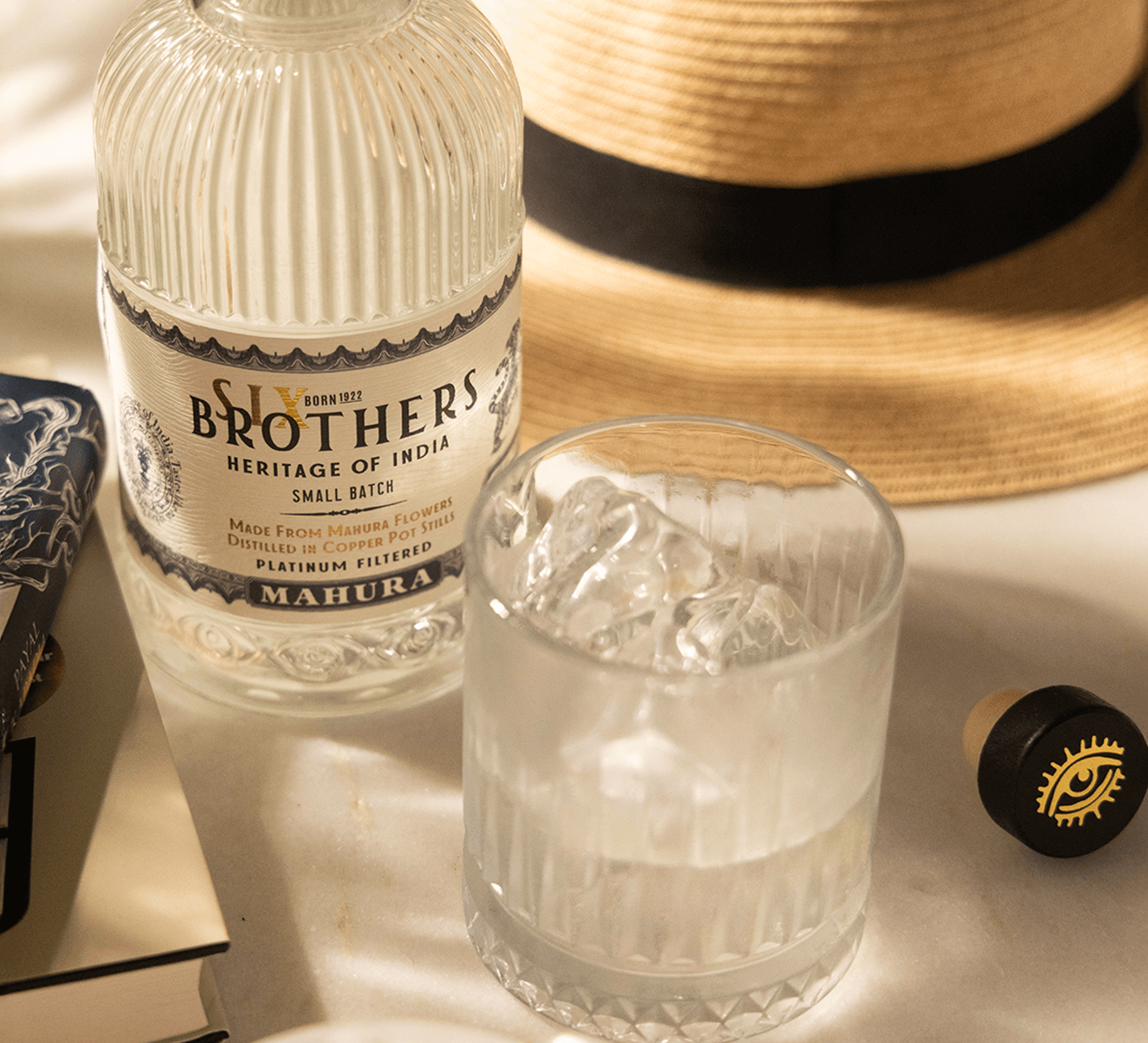
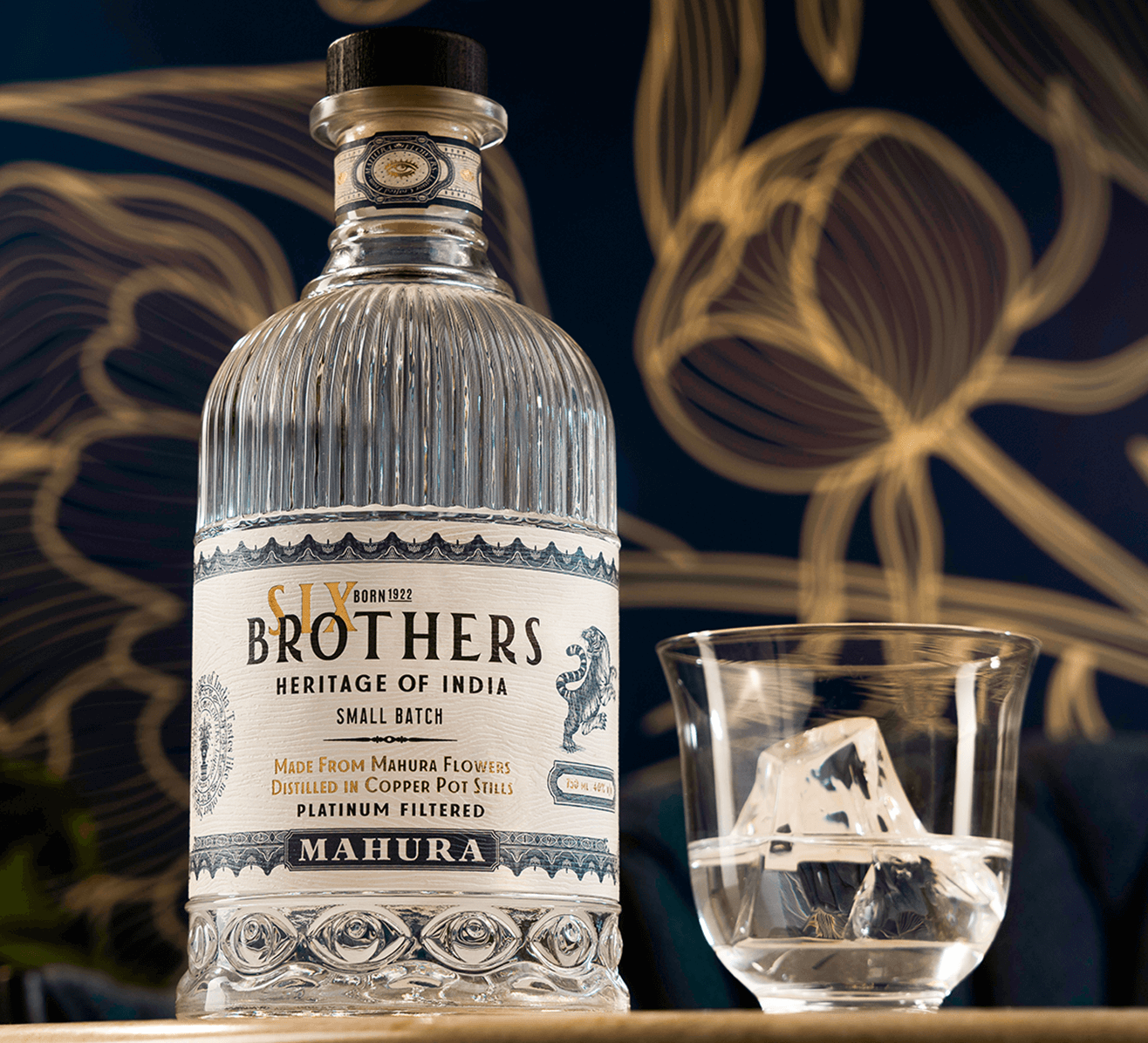
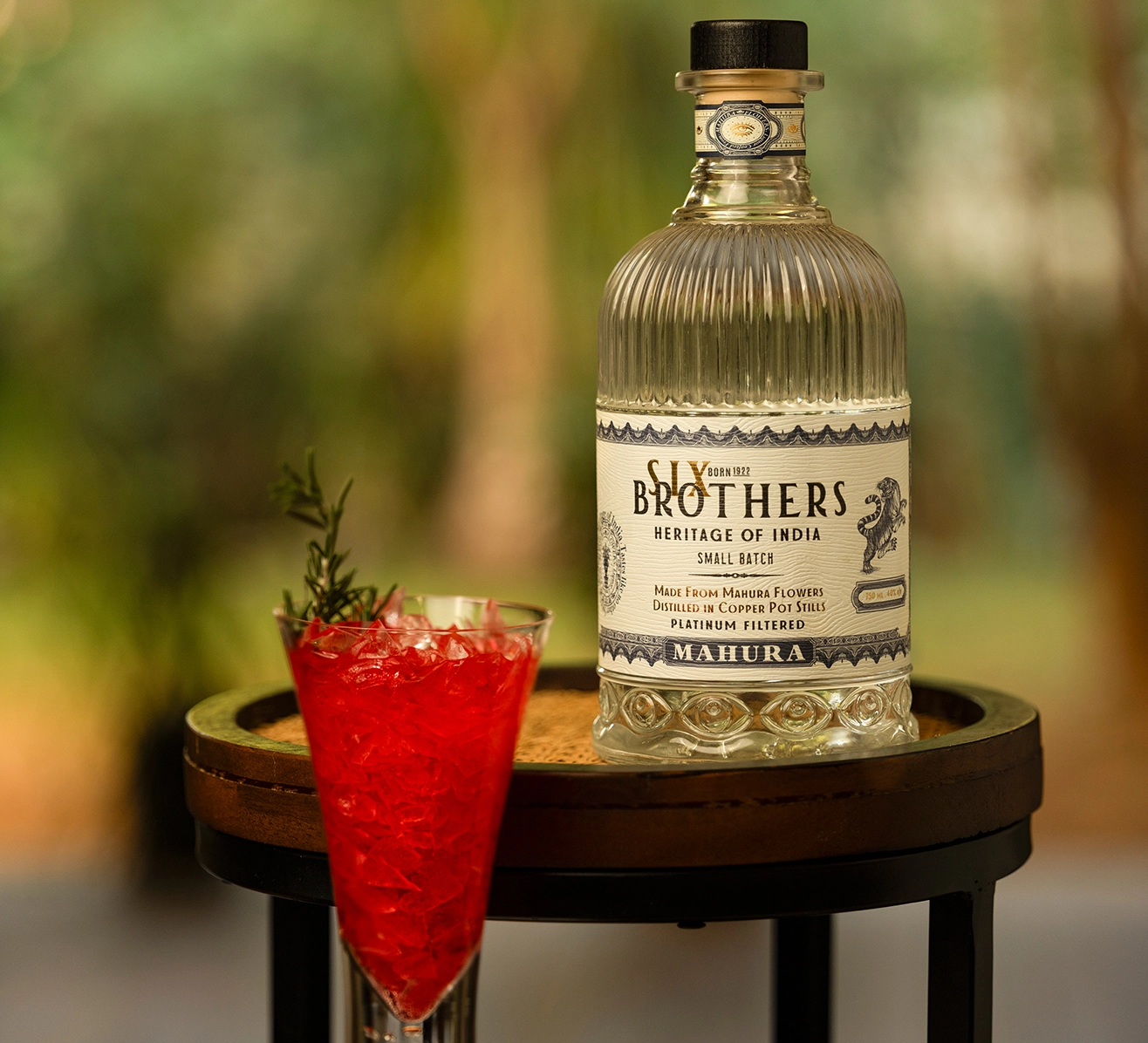
Six Brothers Mahura is built on a simple idea: honour the Mohwa tree and the people who depend on it. They source responsibly, work with native gatherers, and ensure the tree’s natural cycle is never disturbed. The result is a range of Mahua products that feel honest, rooted, and close to nature. Their work helps keep Mohwa traditions alive while introducing the tree’s benefits to a wider audience.
Q. What is the Mohwa tree?
The Mohwa tree, also known as Mahua or Madhuka, is a long-living forest tree widely found in central and eastern India. Its flowers, fruits, and seeds are used for food, medicine, and traditional products.
Q. Why is the Mohwa tree important?
It provides edible flowers, nutritious fruits, medicinal bark, and seed oil. It supports livelihoods, offers ecological benefits, and holds cultural value in native regions.
Q. What are the uses of Mohwa flowers?
They’re used for sweets, herbal teas, natural energy drinks, fermented beverages, and Ayurvedic remedies. Dried flowers also serve as a natural sweetener.
Q. What is Mohwa seed oil used for?
The oil is used in cooking, skincare, hair care, soap making, and traditional medicine. It’s valued for its nourishing and soothing properties.
Q. Does the Mohwa tree have medicinal benefitst?
Yes. Ayurveda uses different parts of the tree for digestive relief, cough, skin irritation, joint pain, and overall nourishment.