Home /
Blog /
Mahua (Madhuca longifolia): Nutritional, Medicinal & Cultural Treasure of India
Posted on 25 Nov 2025
Mahua (Madhuca longifolia): Nutritional, Medicinal & Cultural Treasure of India
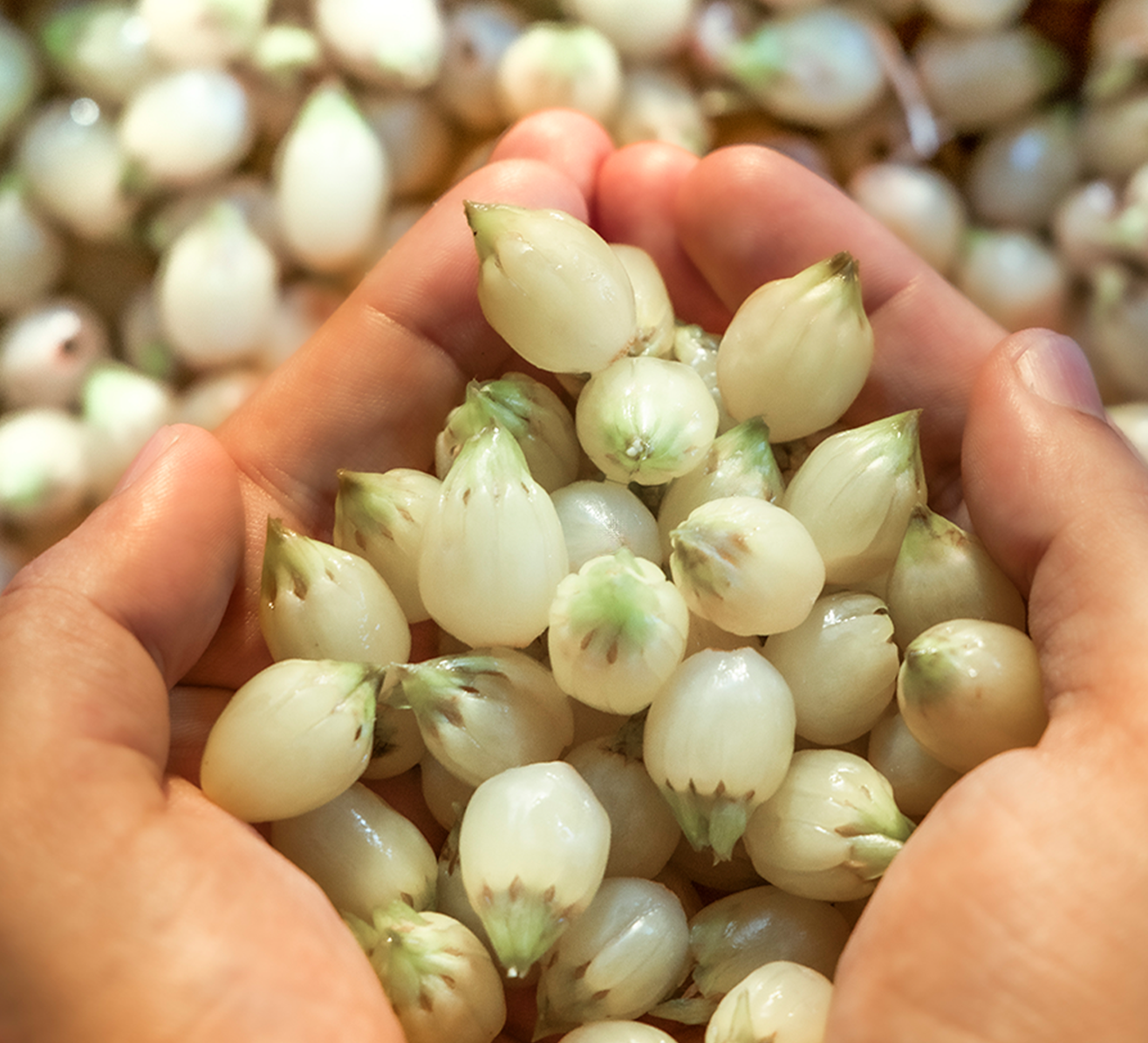
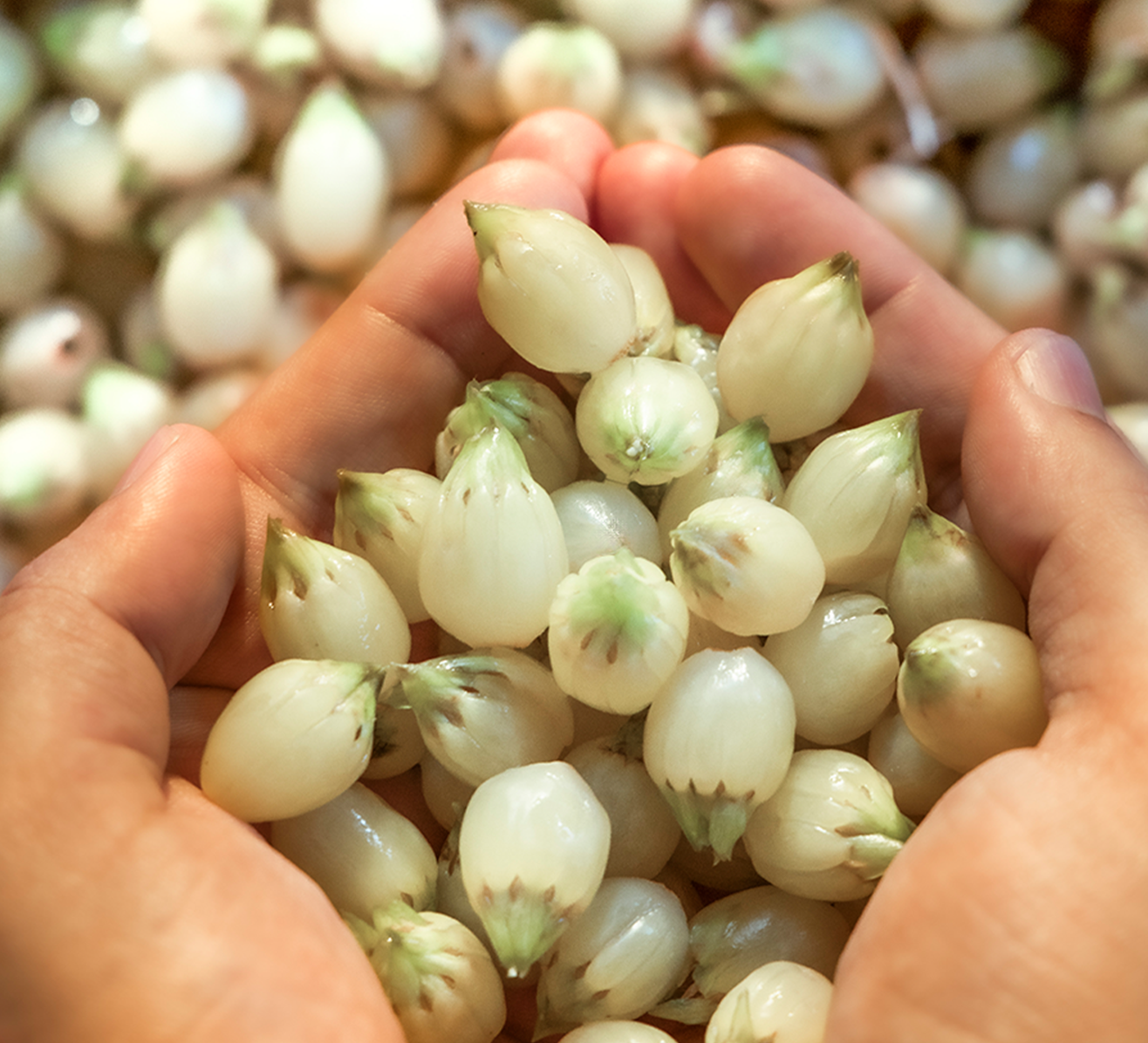
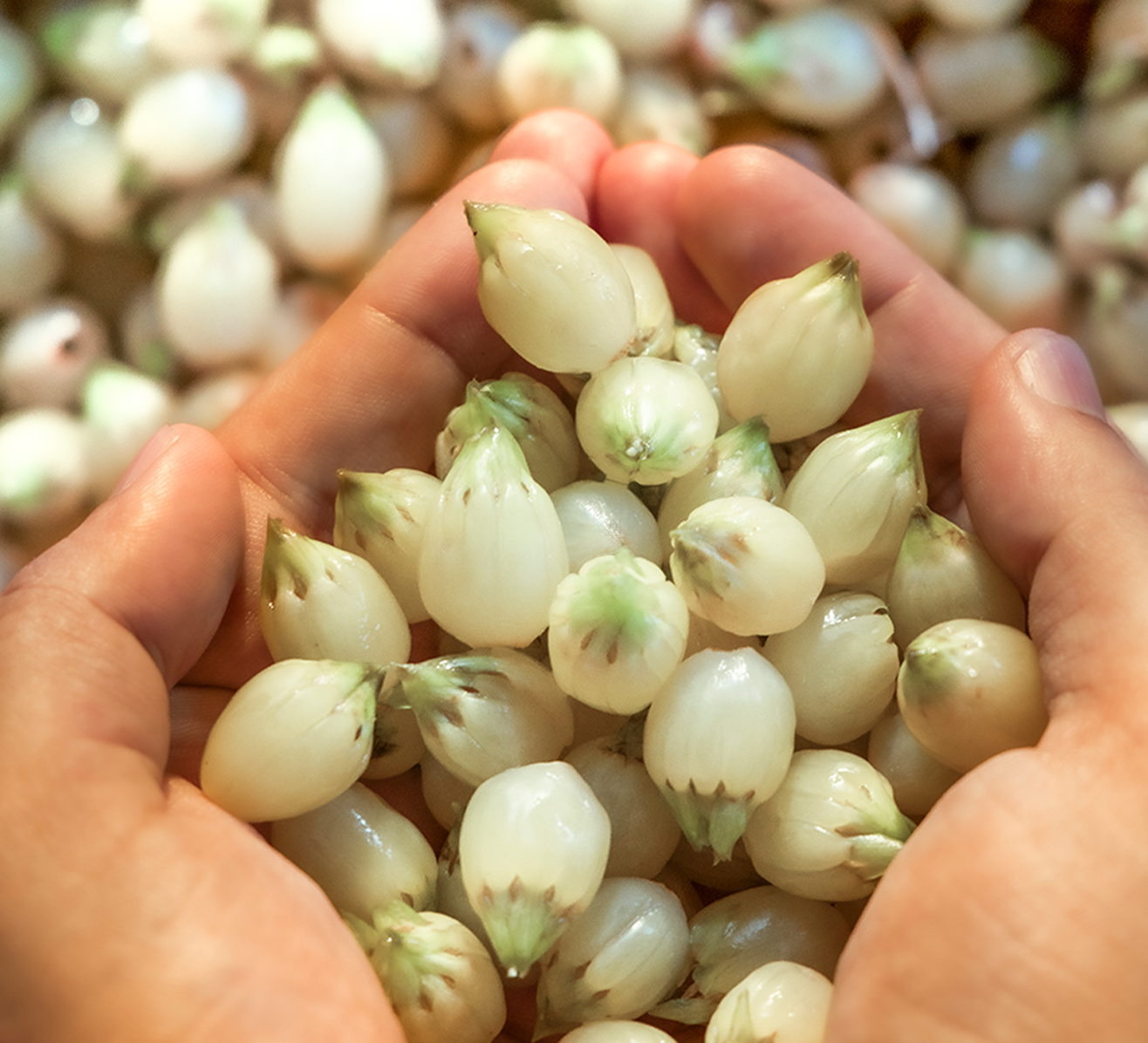
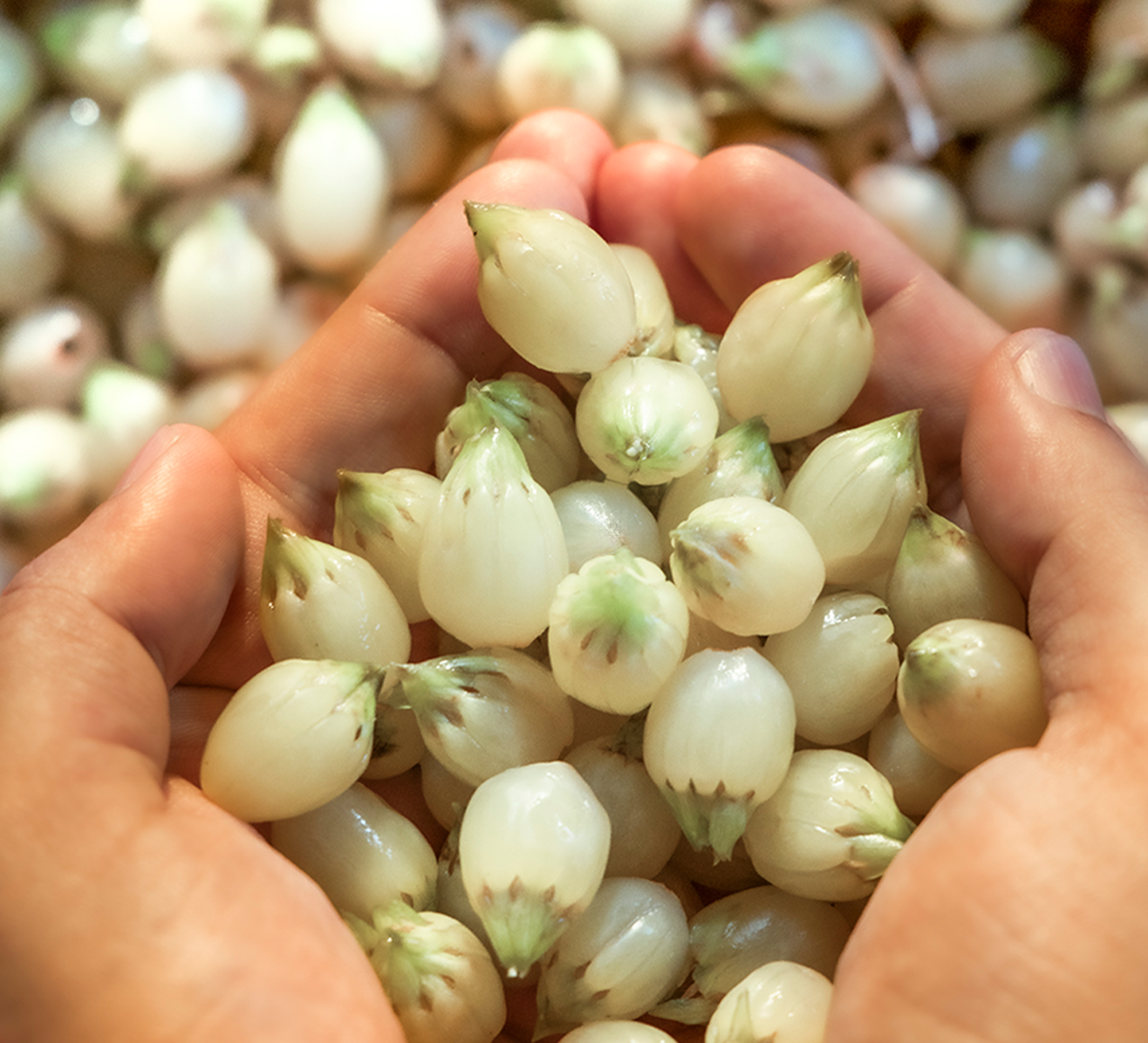
Mahua (Madhuca longifolia), often called the Indian Butter Tree, is much more than just a forest tree. For centuries, it has been a lifeline for indigenous communities across India, offering nutrition, medicine, and economic opportunities. Known for its fragrant, sweet flowers, nutritious seeds, and medicinal bark, Mahua / Mahuva is a versatile tree with immense cultural, economic, and ecological value./p>
What makes Mahua fascinating is its adaptability and multipurpose utility. Its flowers are consumed fresh, dried, or fermented into traditional alcoholic beverages. Seeds provide oil and medicinal compounds, while leaves, bark, and roots serve multiple therapeutic purposes. Despite its benefits, Mahua remains underutilized outside its native regions.
This guide dives deep into Mahua’s nutritional profile, health benefits, traditional uses, cultivation practices, and commercial potential.
Taxonomy and Botanical Profile
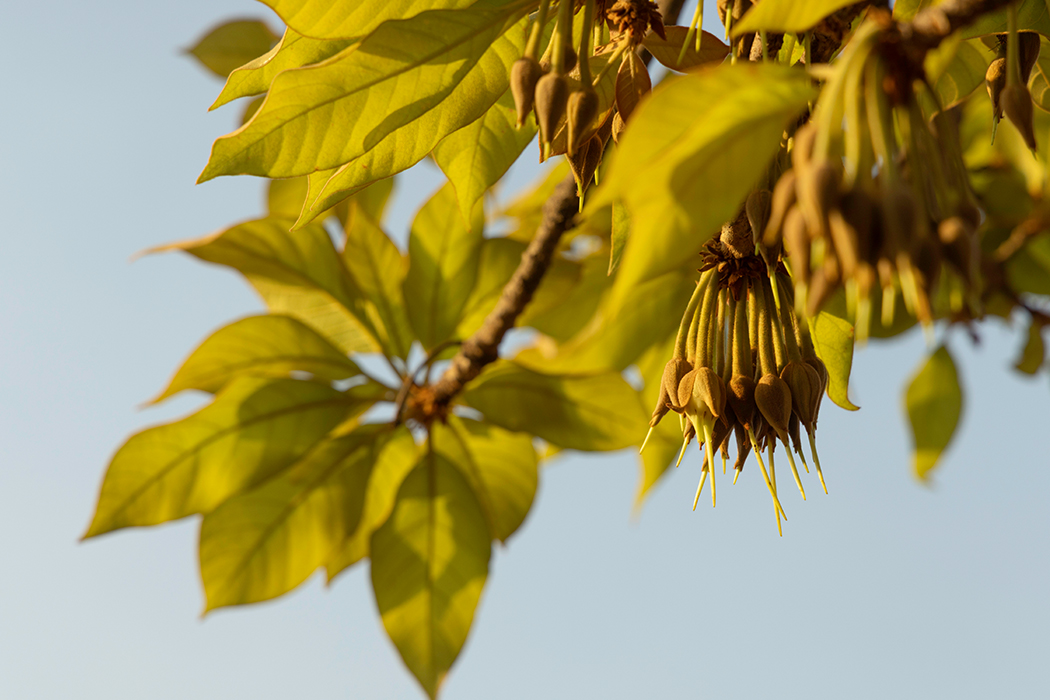
Mahua belongs to the Sapotaceae family and is scientifically recognized as Madhuca longifolia. This deciduous tree thrives in tropical and subtropical climates, particularly in semi-arid regions. Its ability to grow in poor, rocky, and saline soils makes it ideal for dryland areas.
Scientific Classification:
- Family: Sapotaceae
- Genus: Madhuca
- Species: longifolia
- Order: Ericales
- Subfamily: Caesalpinioideae
- Group: Caesalpinieae
Morphology:
- Height: Medium to large (15–20 meters)
- Crown: Broad and rounded
- Bole: Short and sturdy
- Leaves: Glossy, green, compound
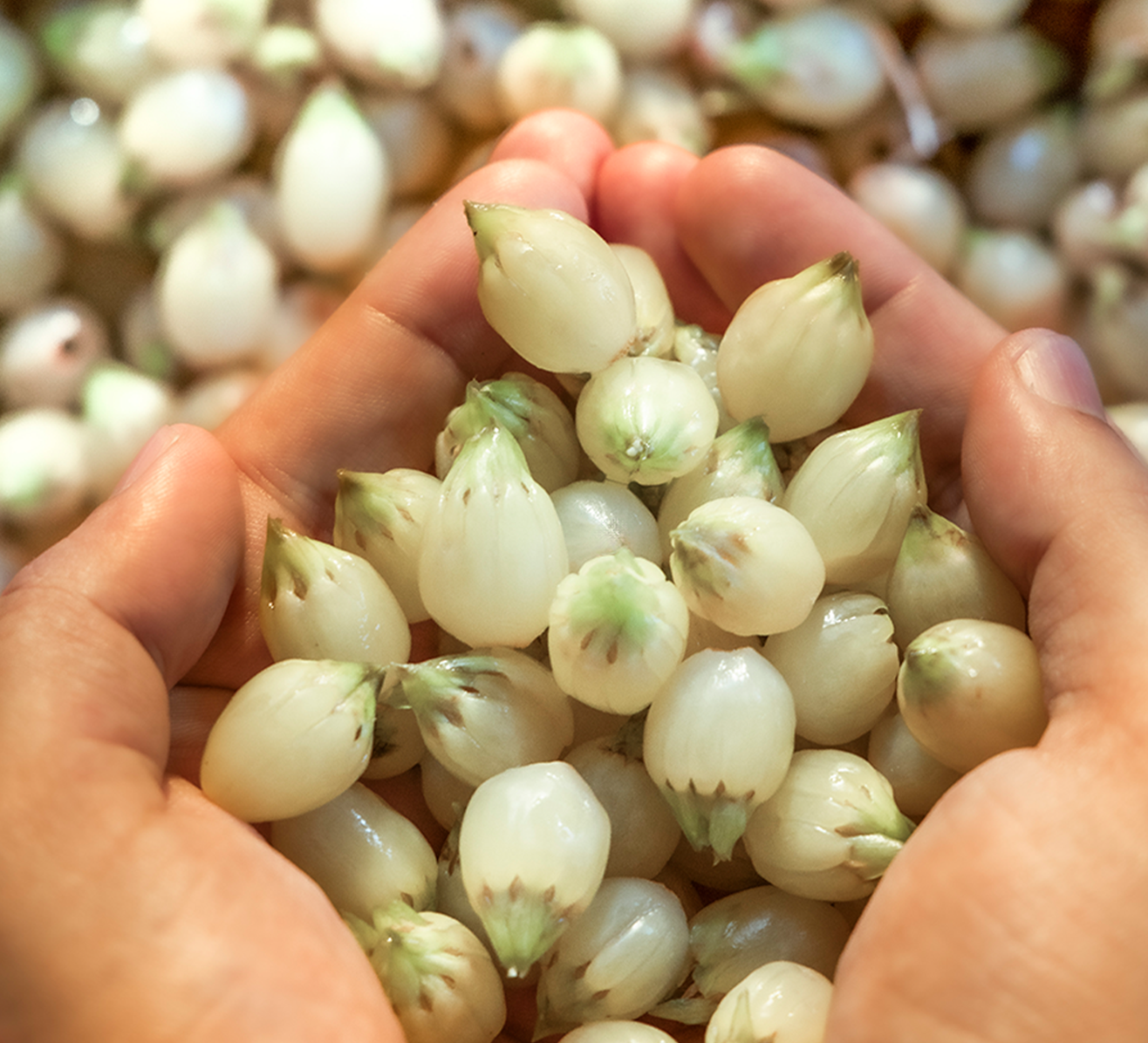
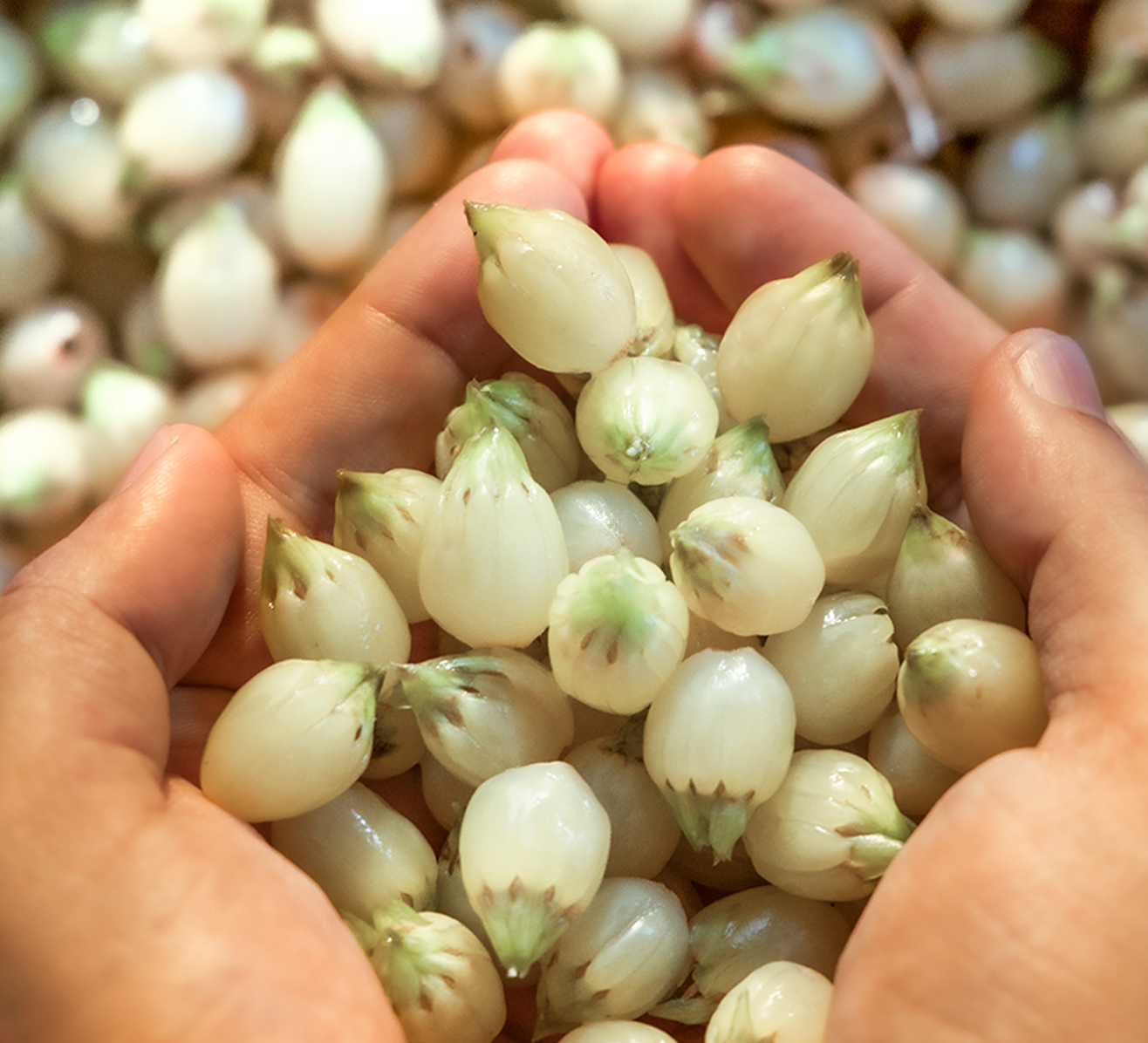
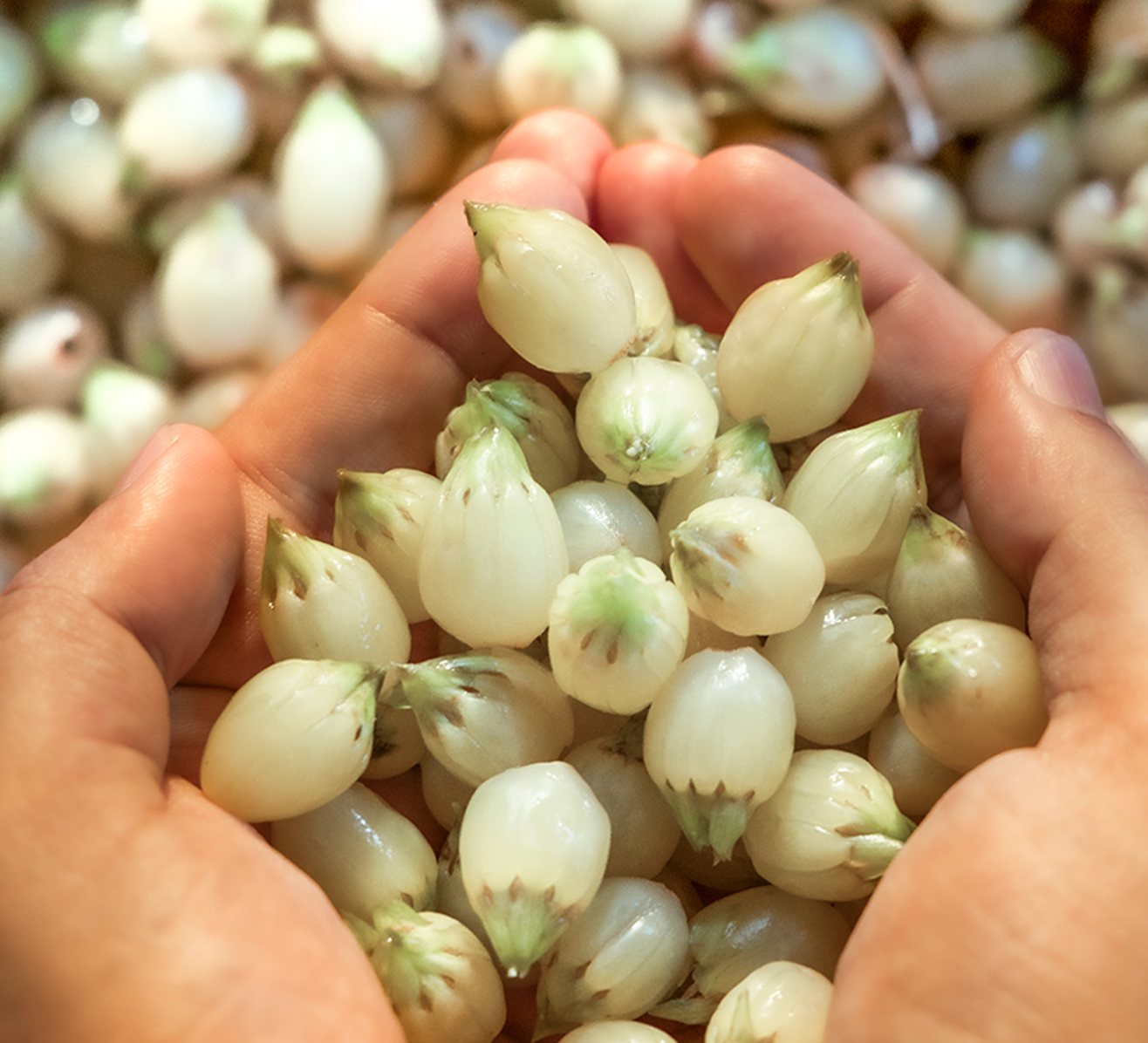
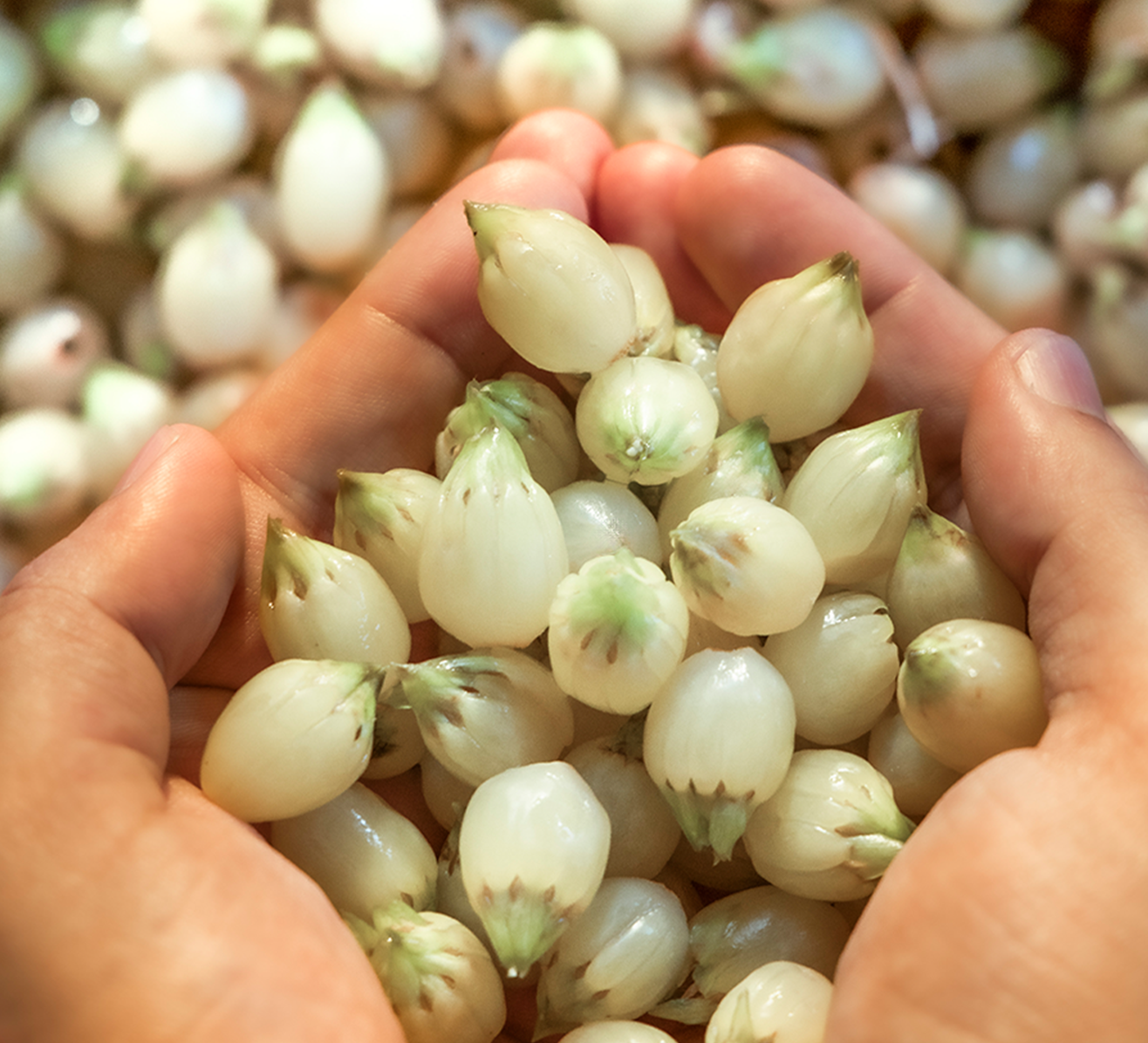
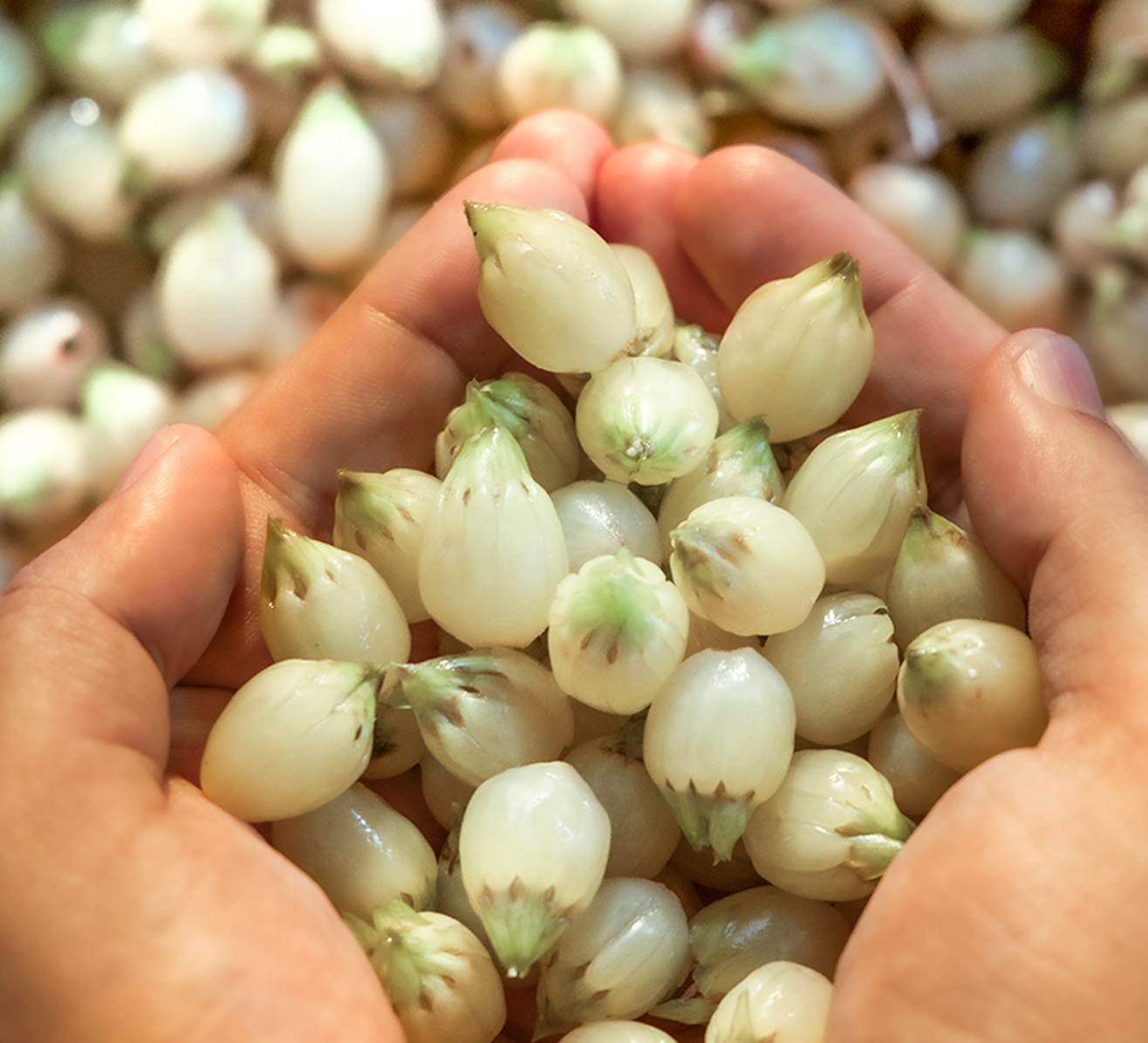
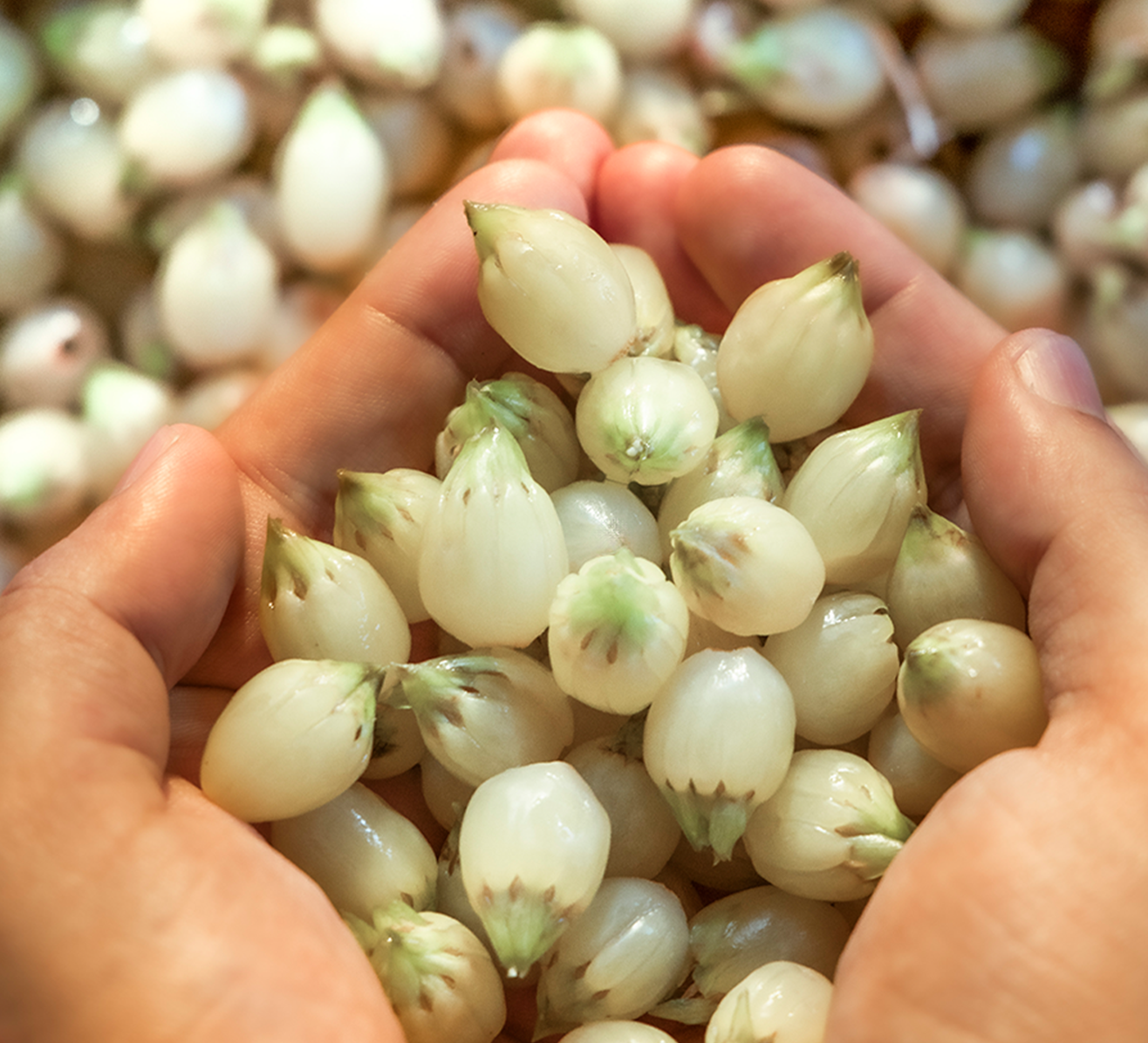
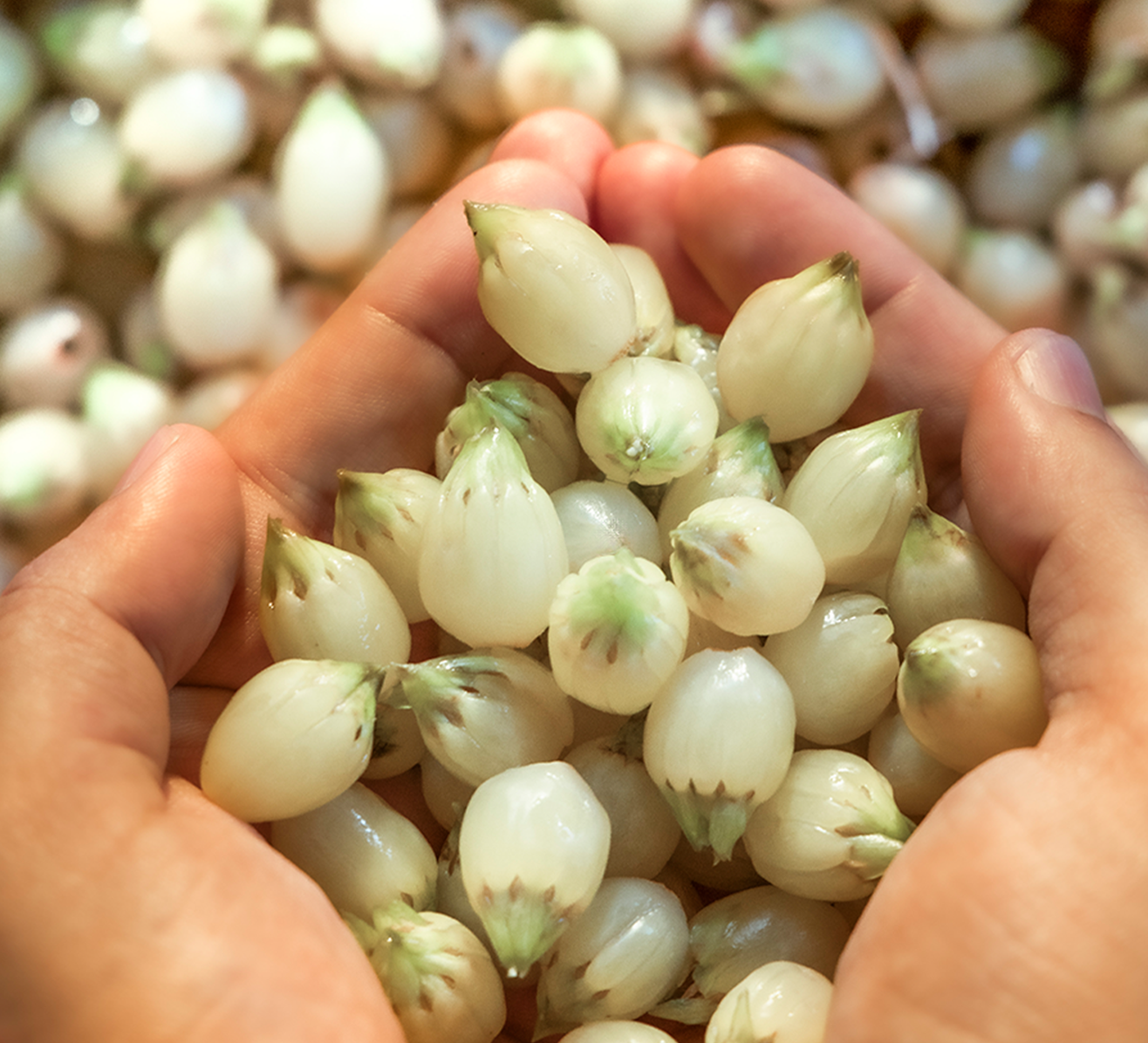
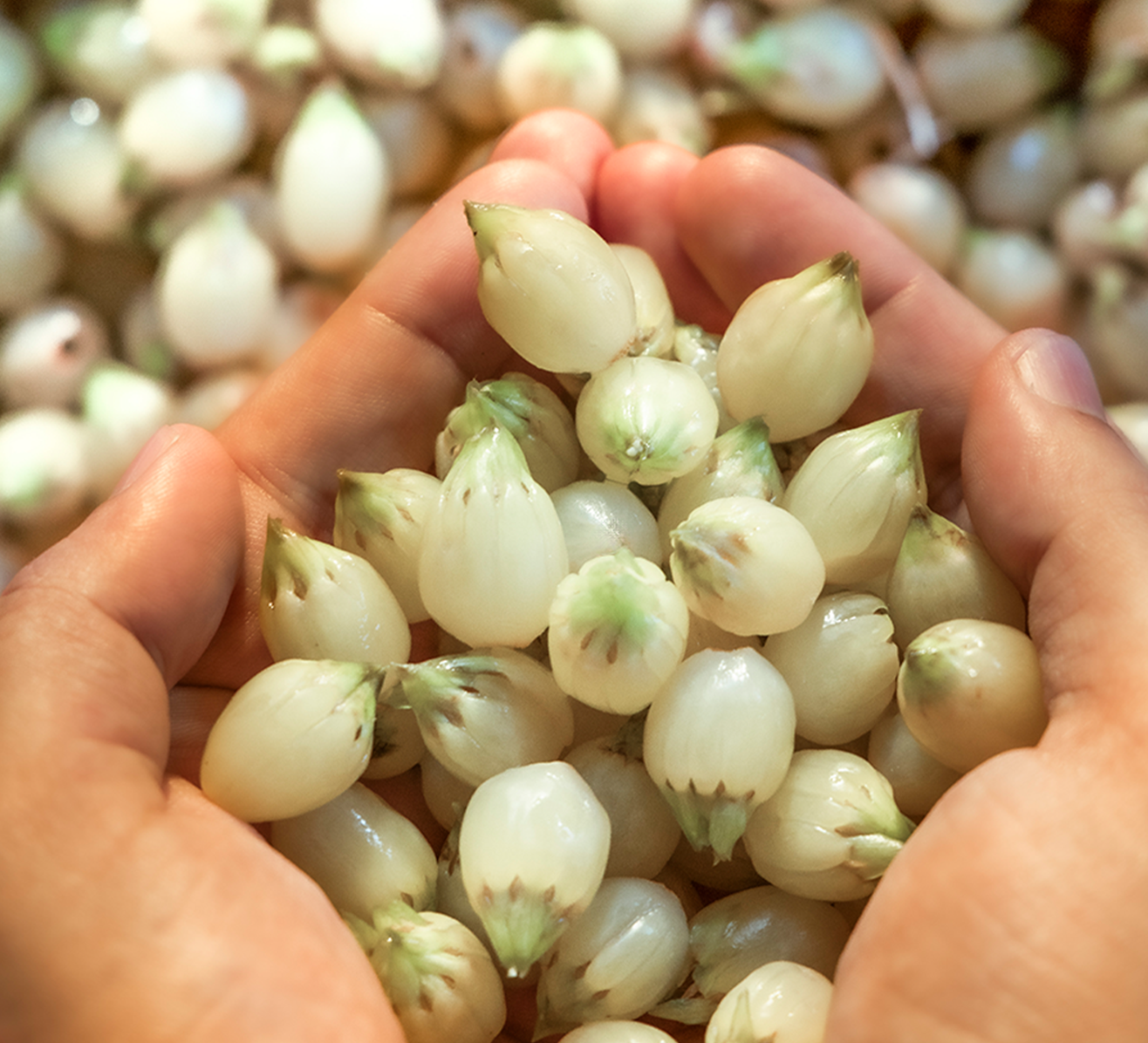
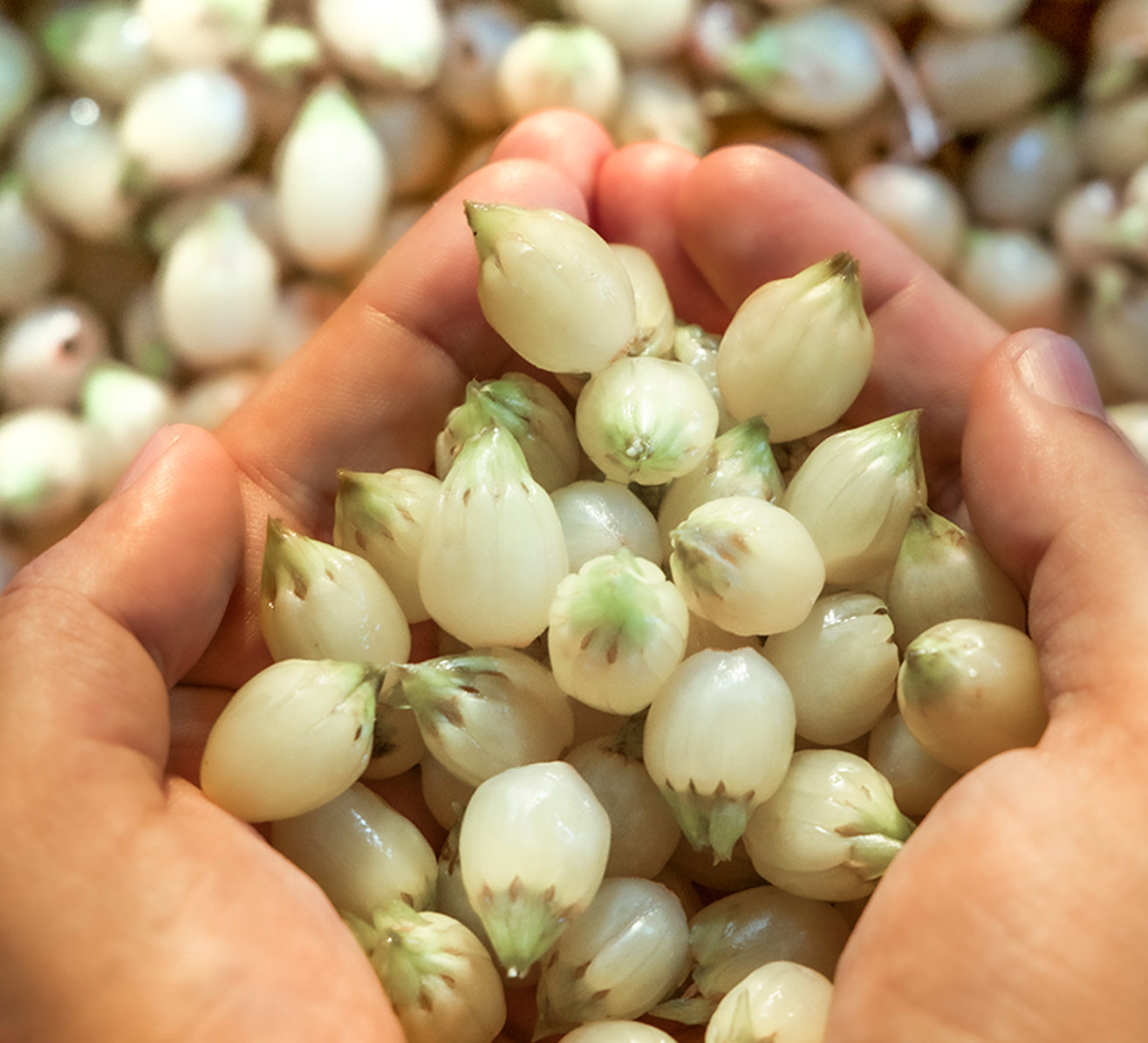
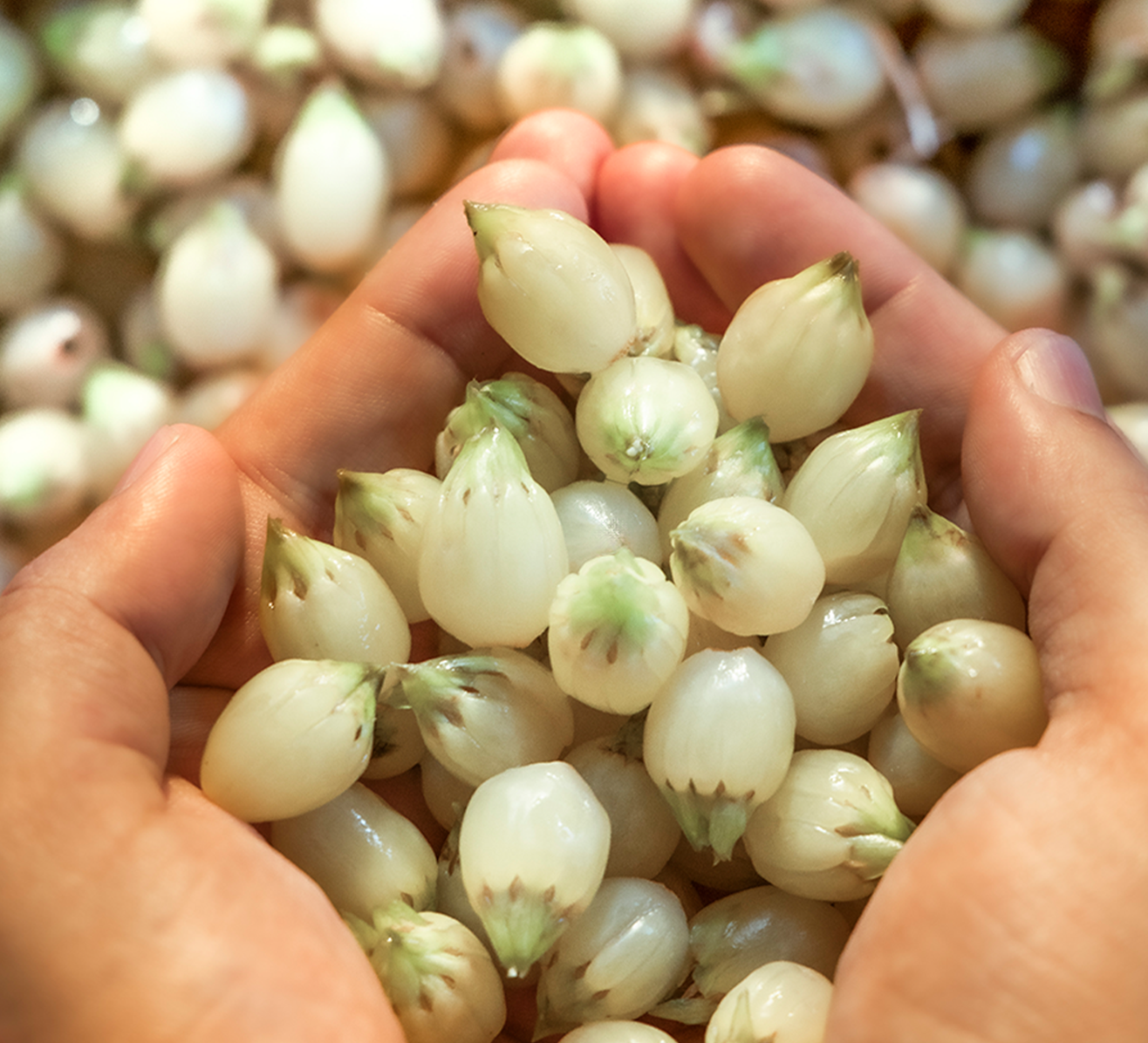
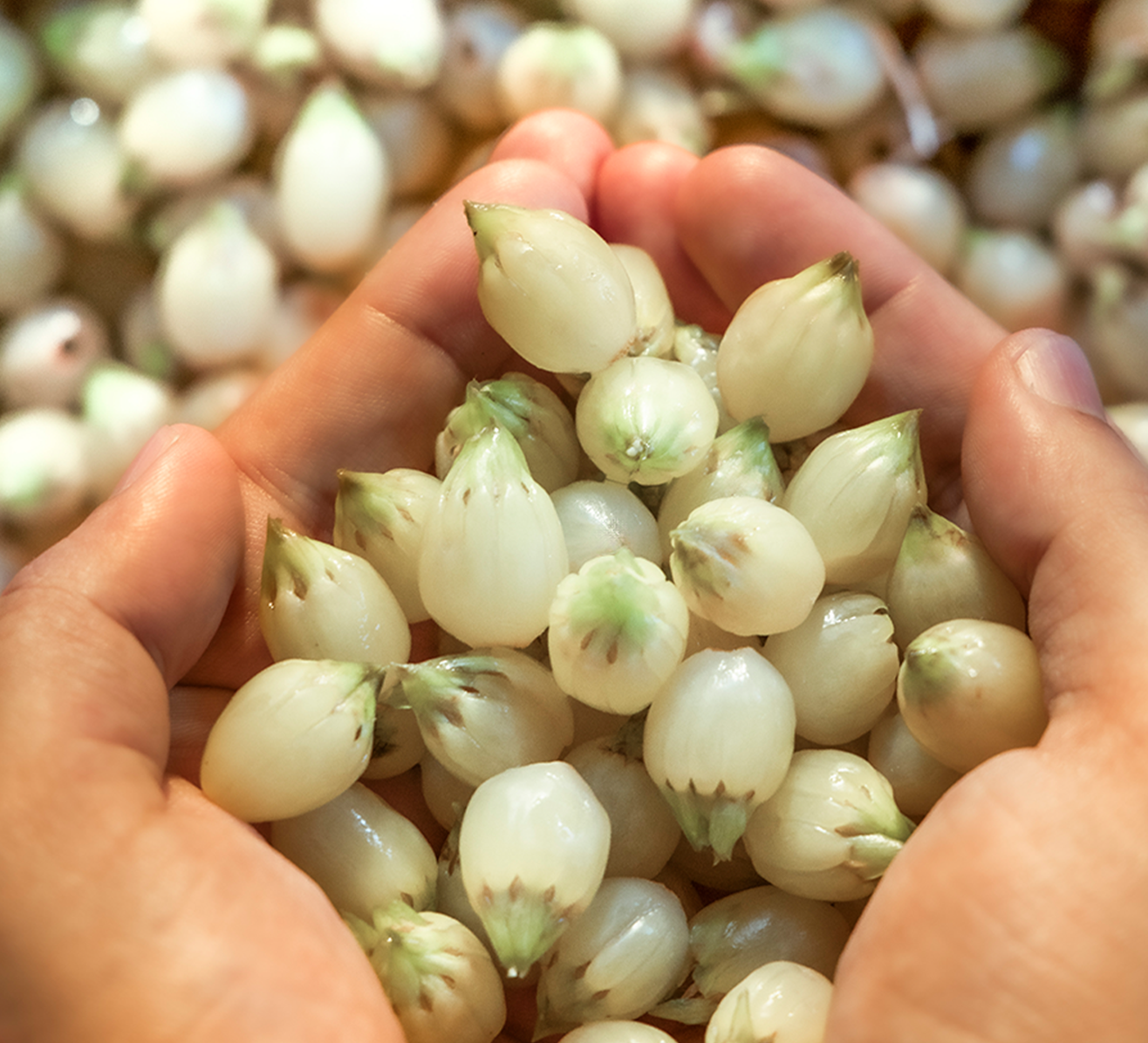
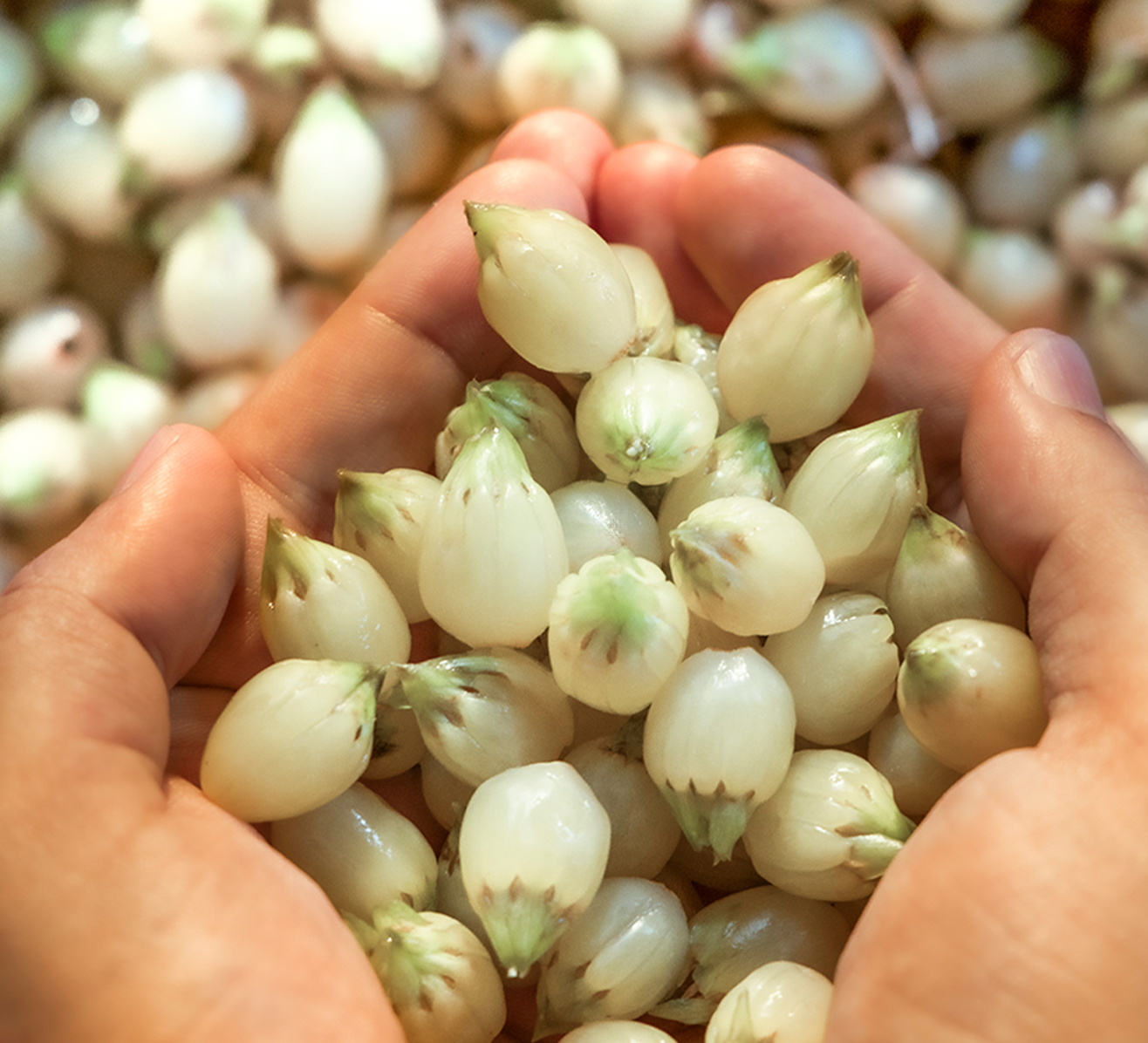
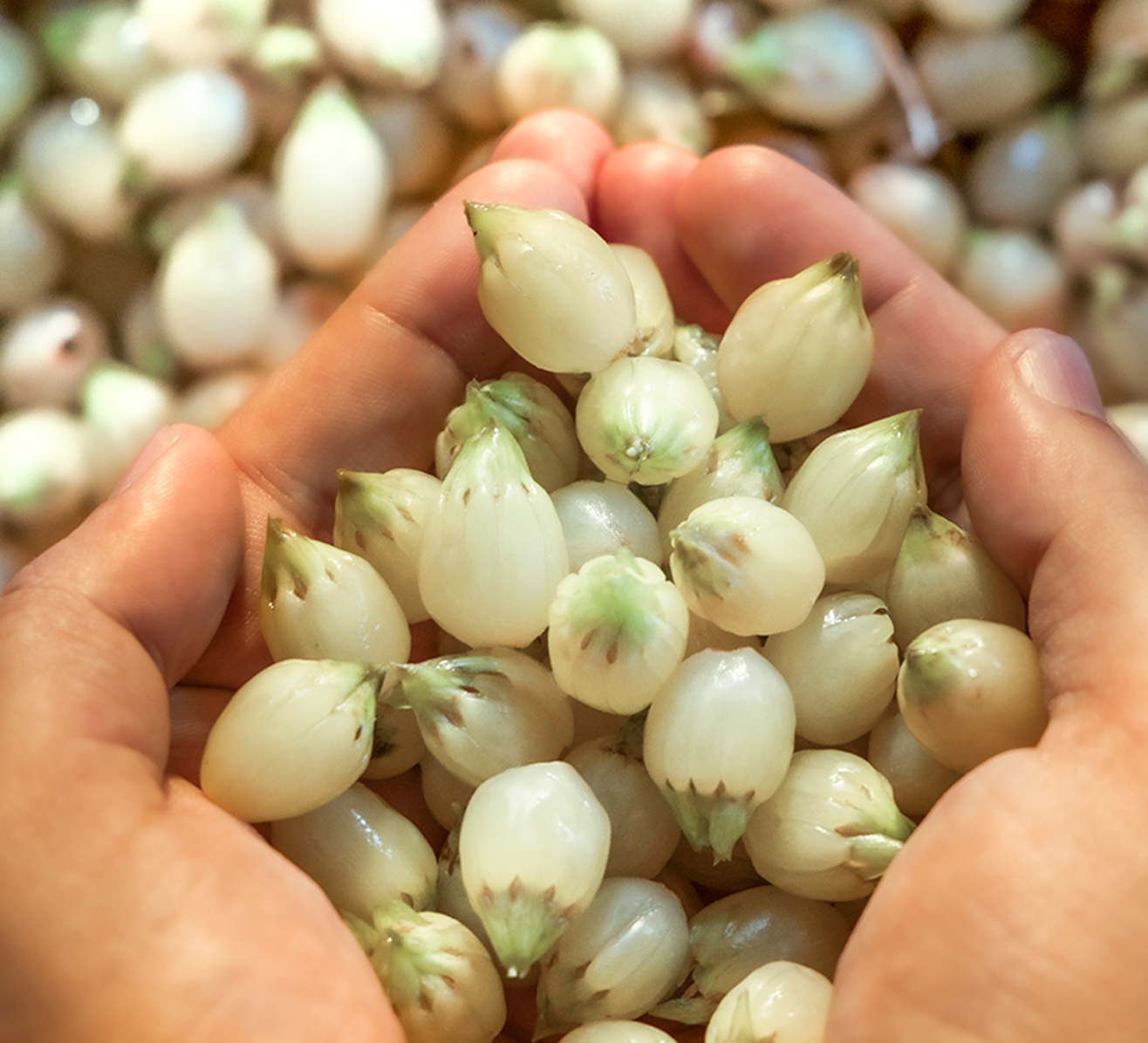
- Flowers: Fragrant, cream-colored to yellow, bloom March-April
- Fruit: Small, fleshy, with seeds rich in oil
The tree’s flowers bloom during the lean agricultural season, providing a valuable source of nutrition and income for indigenous families.
Nutritional Profile of Mahua
Mahua / Mahuva is a nutritional powerhouse, particularly its flowers and seeds.
Flowers
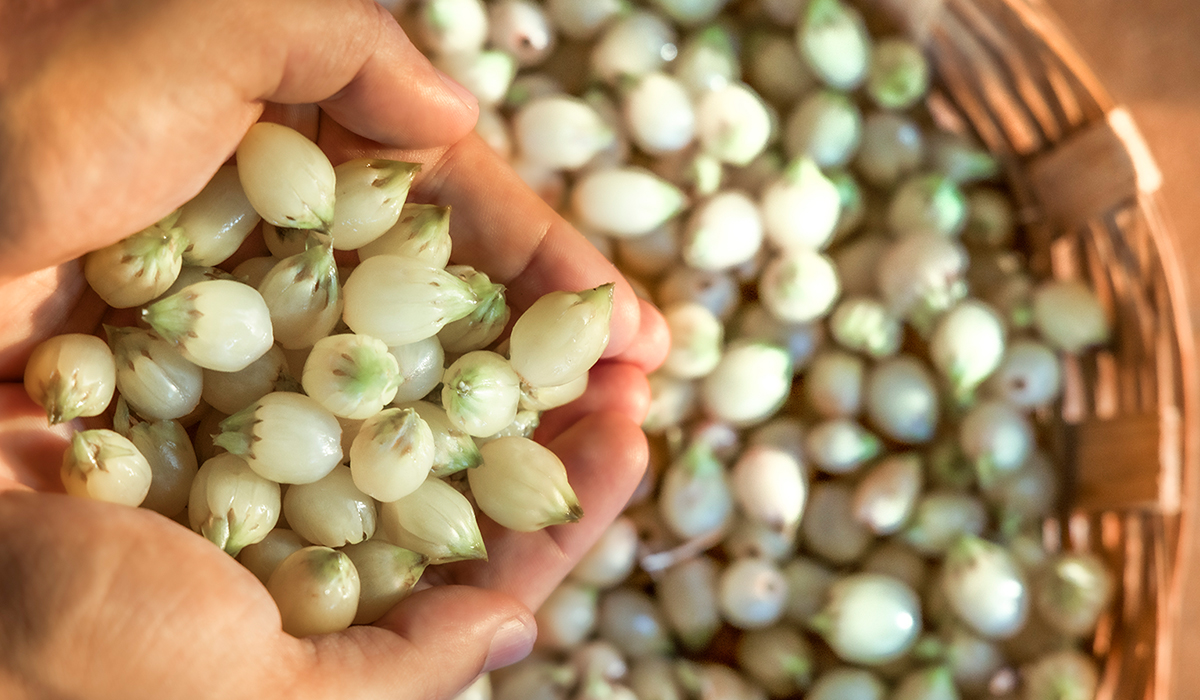
Mahua flowers are sweet, edible, and rich in essential nutrients.
Nutritional Composition per 100g:
| Component |
Quantity |
| Moisture |
11.6–19.8% |
| Protein |
5.62% |
| Fat |
0.06–0.09% |
| Total Sugars |
41.6g |
| Vitamin A |
Via carotene |
| Vitamin C |
High |
| Minerals |
Calcium, Phosphorus |
| Bioactive Compounds |
Flavonoids, Saponins, Carotene |
Key Points:
- High sugar content makes it suitable for sweets and fermentation.
- Vitamins A and C support immunity and antioxidant functions.
- Minerals strengthen bones and metabolic functions.
Seeds
Mahua seeds are oil-rich and nutritionally valuable.
Components:
- Fatty acids: Oleic, linoleic, palmitic, stearic, myristic, arachidic.
- Amino acids: Glycine, alanine, cysteine, leucine, isoleucine.
- Phytochemicals: Sapogenin, saponins, quercetin.
Seeds are used in cooking, oil extraction, and pharmaceuticals.
Fruits and Bark
- Fruits provide sugar for fermentation.
- Bark contains phytoconstituents like betulinic acid, erythrodiol, and oleanic acids, offering anti-inflammatory and hepatoprotective properties.
Cultural and Economic Importance
Mahua is not just a tree, it is a cultural symbol and economic resource.
Cultural Significance
- Flowers are integral to indigenous rituals, festivals, and weddings.
- Spirits from Mahua / Mahuva flowers are traditional in many communities.
- The tree symbolizes prosperity, fertility, and abundance in indigenous folklore.
Economic Significance
- Flowers, seeds, and oil generate income for native populations.
- Provides fodder for livestock and fuel for cooking.
- Harvesting and processing create employment opportunities in rural areas.
Health and Medicinal Benefits of Mahua
Mahua has a long history of use in traditional medicine. Modern research validates many of its therapeutic applications.
Liver Health
- Methanolic flower extracts protect against liver damage.
- Reduce SGOT, SGPT, ALP, and bilirubin levels.
- Antioxidant activity prevents liver cell damage from toxins and hepatitis.
Diabetes Management
- Bark extracts lower blood sugar and improve renal function.
- Reduce cholesterol levels, preventing insulin resistance complications.
Epilepsy
- Leaf extracts increase GABA neurotransmitter levels.
- Reduce seizure frequency and duration.
Fever and Pain Relief
- Bark and seeds have antipyretic, analgesic, and anti-inflammatory properties.
- Useful for headaches, body pain, and fever management.
Skin and Wound Healing
- Flower juice alleviates itching and inflammation.
- Leaves with sesame oil relieve eczema and aid in wound healing.
- Saponins and flavonoids promote tissue repair.
Digestive Health
- Flowers treat diarrhoea, colitis, and gastric ulcers.
- Anti-ulcer properties protect the stomach lining and reduce discomfort.
Respiratory Health
- Flower juice acts as an expectorant for bronchitis.
- Reduces airway inflammation and mucus buildup.
Cardiovascular Health
- Seed oil rich in monounsaturated fatty acids lowers LDL cholesterol.
- Supports overall heart function and reduces coronary disease risk.
Anti-parasitic Properties
- Methanolic and ethanolic extracts paralyze or kill intestinal worms in lab studies.
- Effective against helminths and potentially other parasites.
Dental Care
- Bark extracts as a gargle prevent gum disease and treat tonsillitis.
- Antibacterial triterpenoid saponins combat oral pathogens.
Culinary Applications
Mahua flowers and seeds are widely used in Indian cuisine.
Sweets
- Halwa, kheer, burfi, and laddoos flavored with Mahua flowers.
Beverages
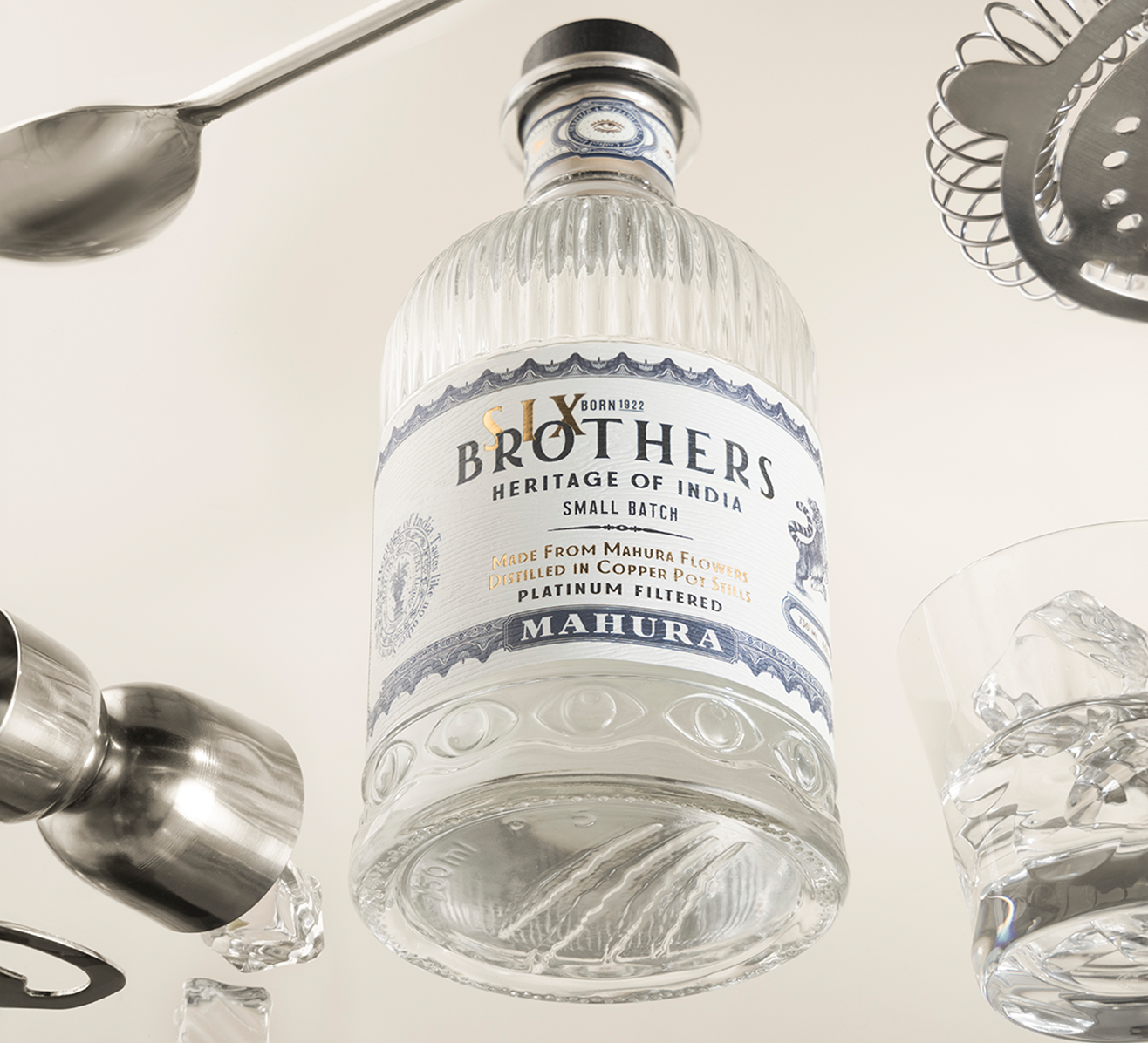
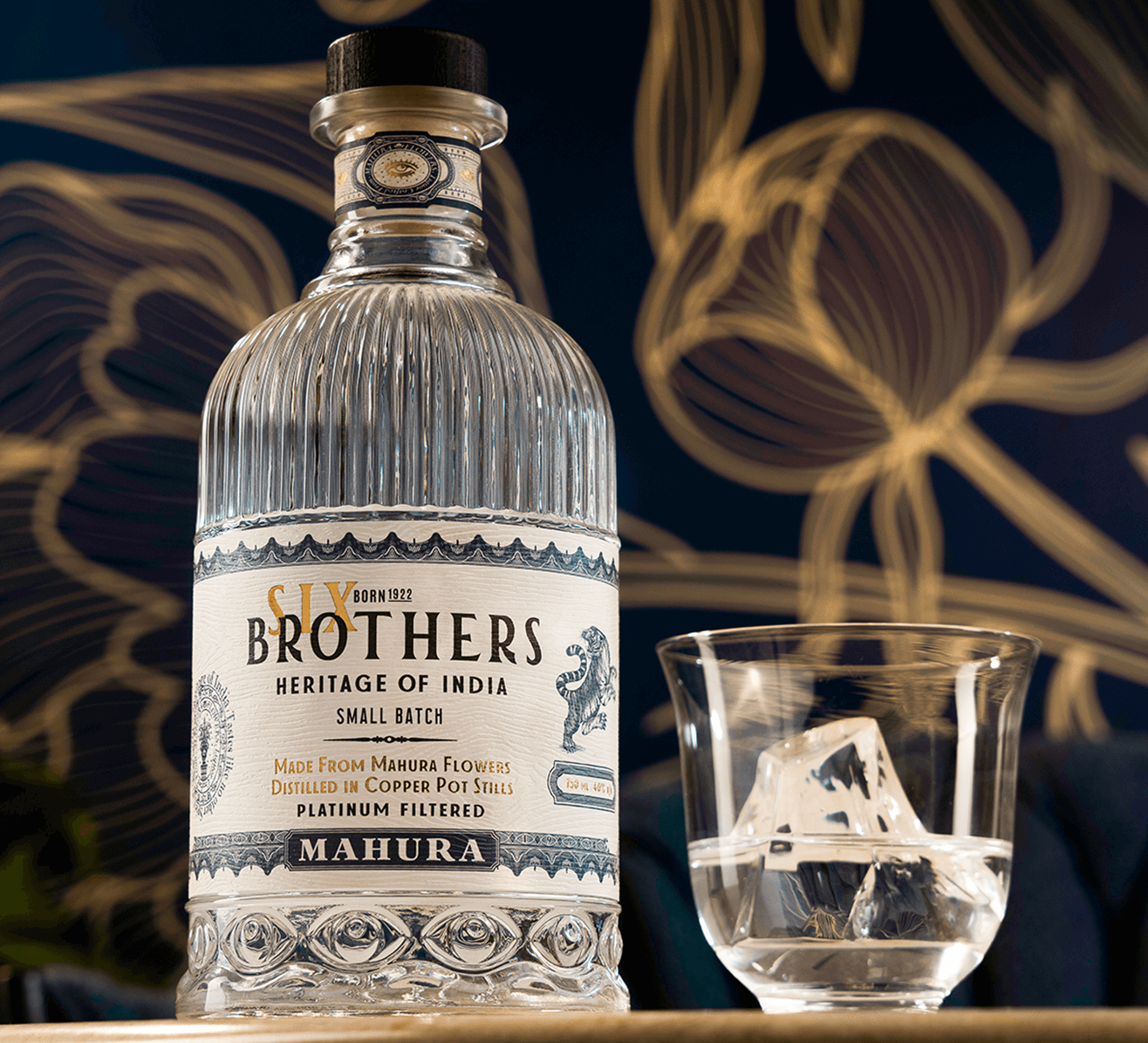
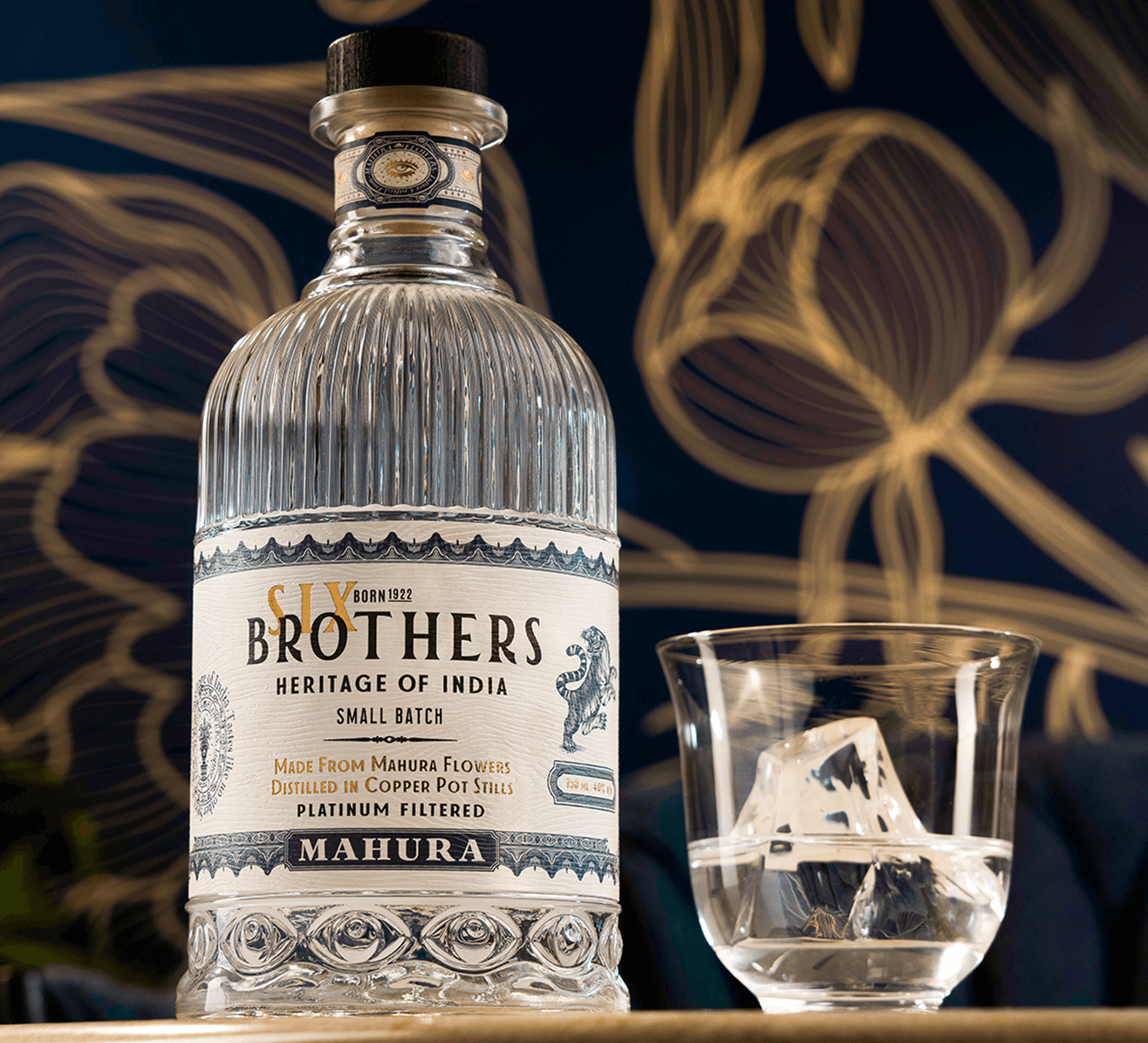
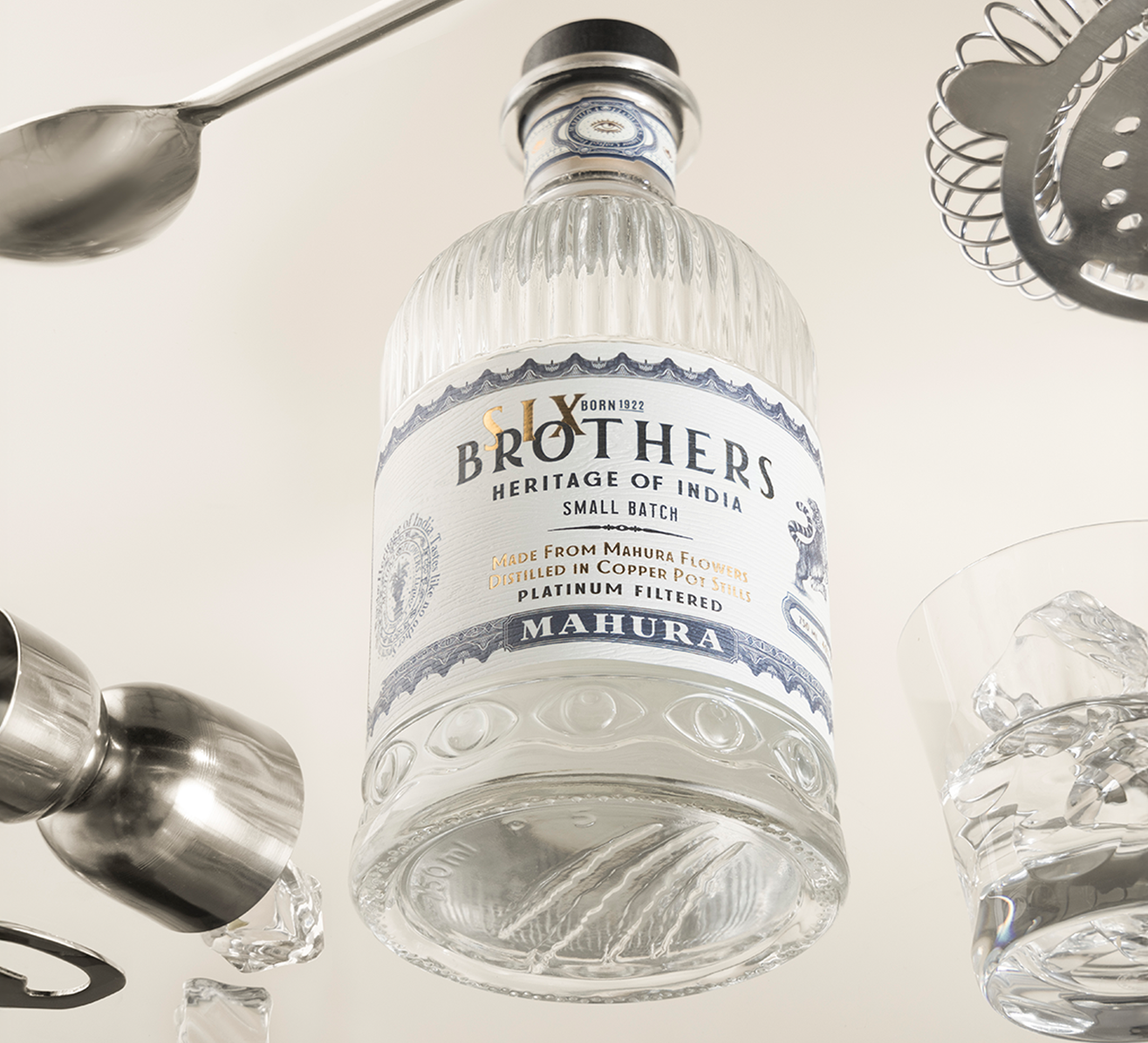
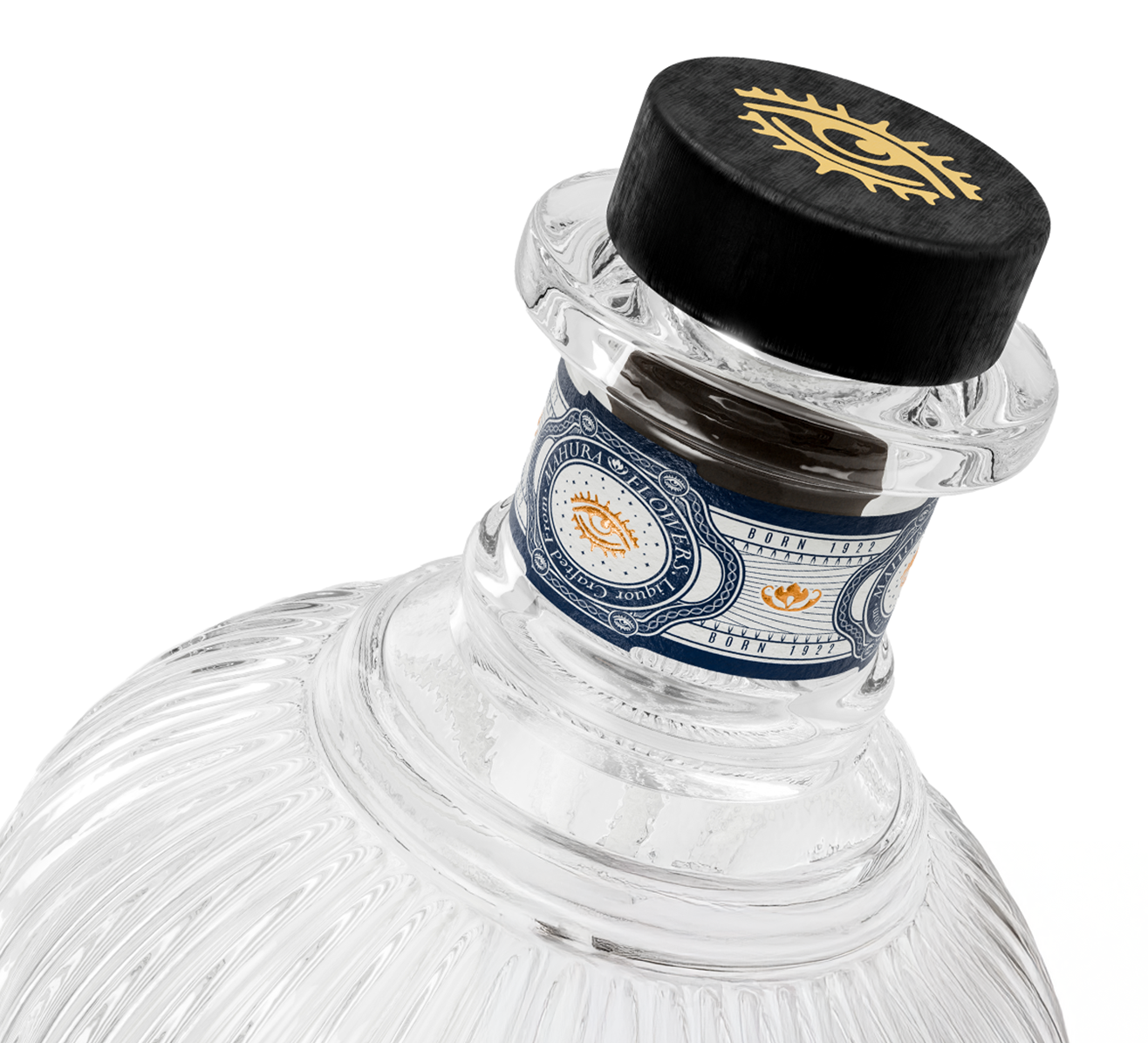
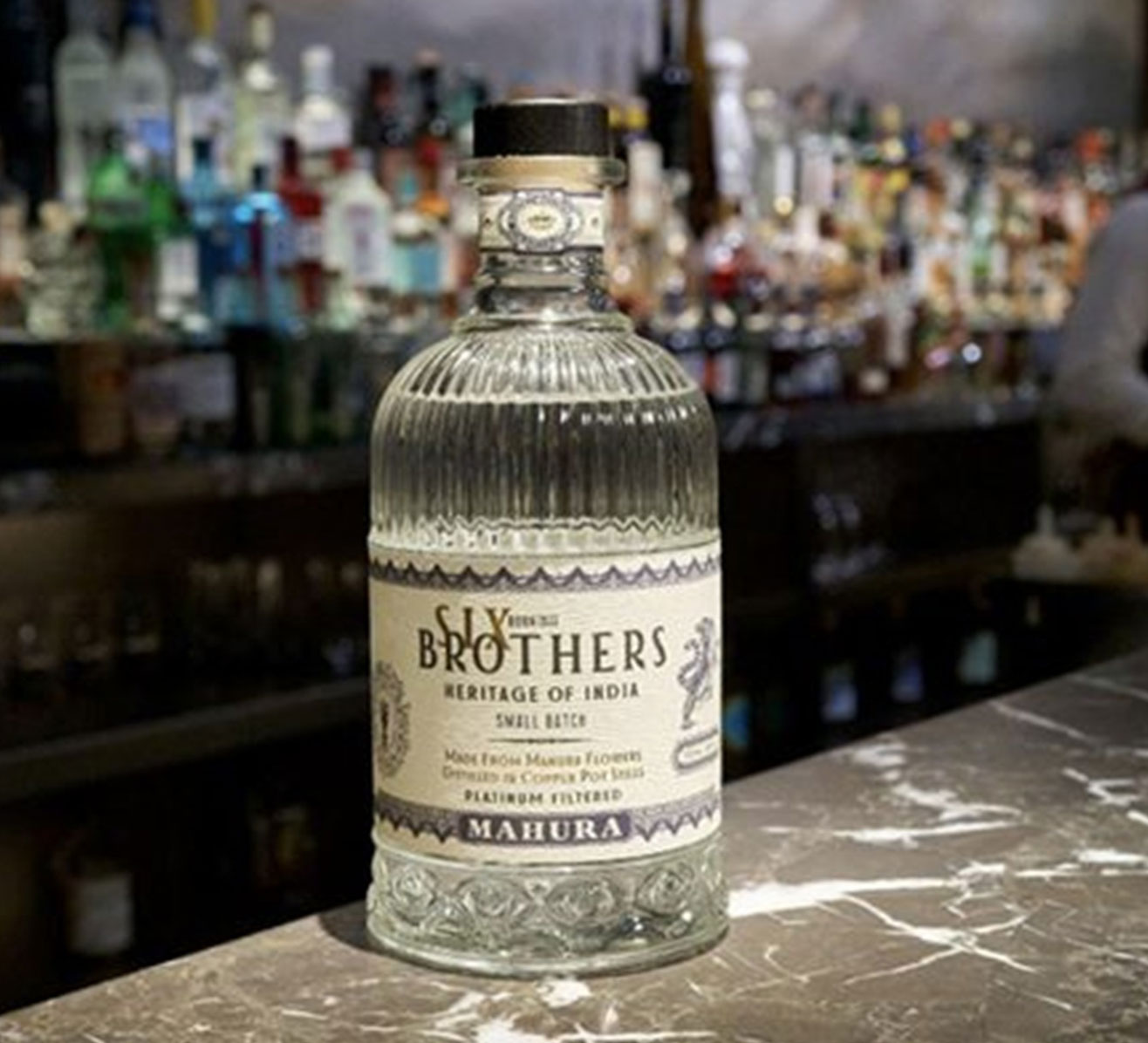
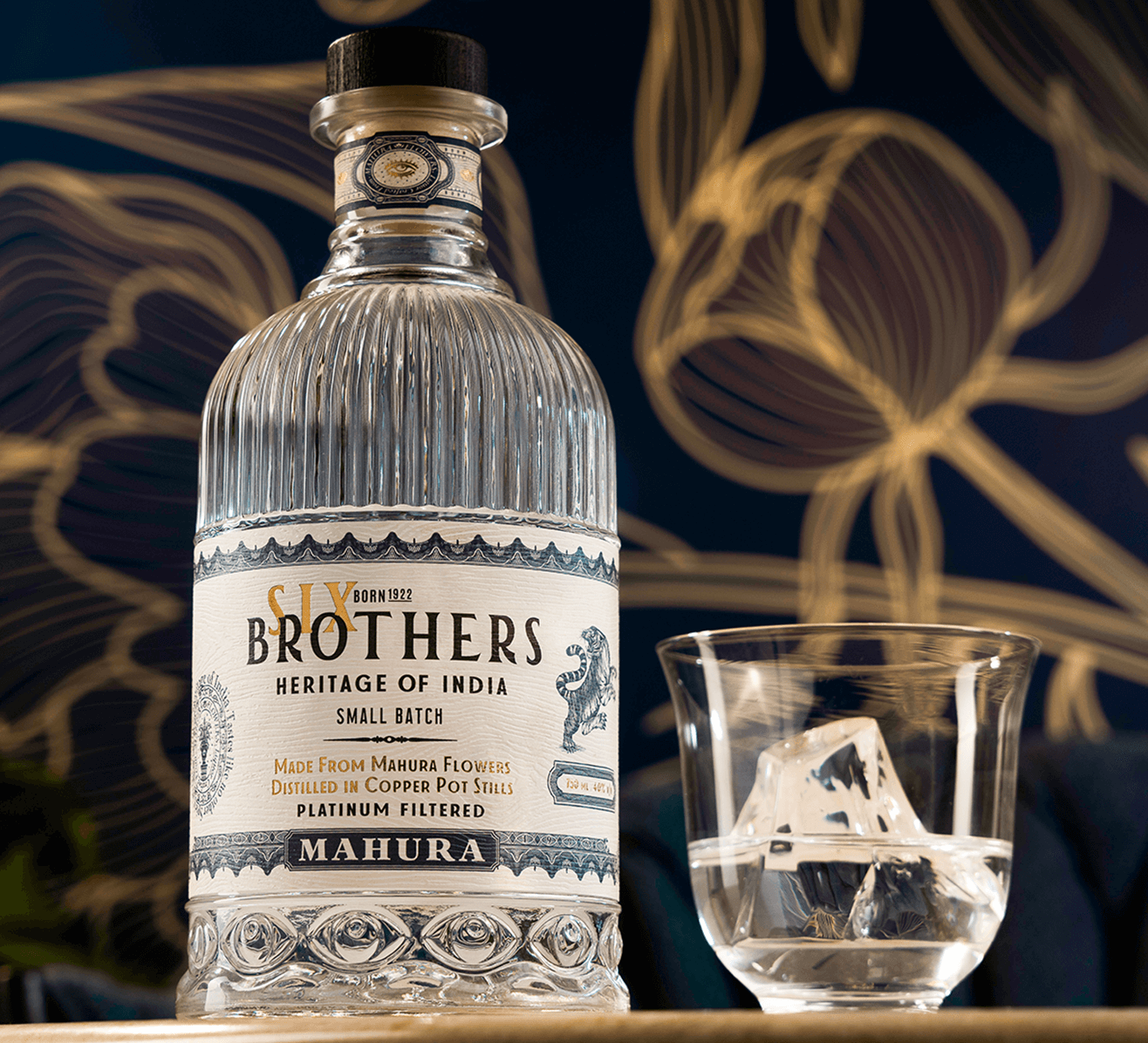
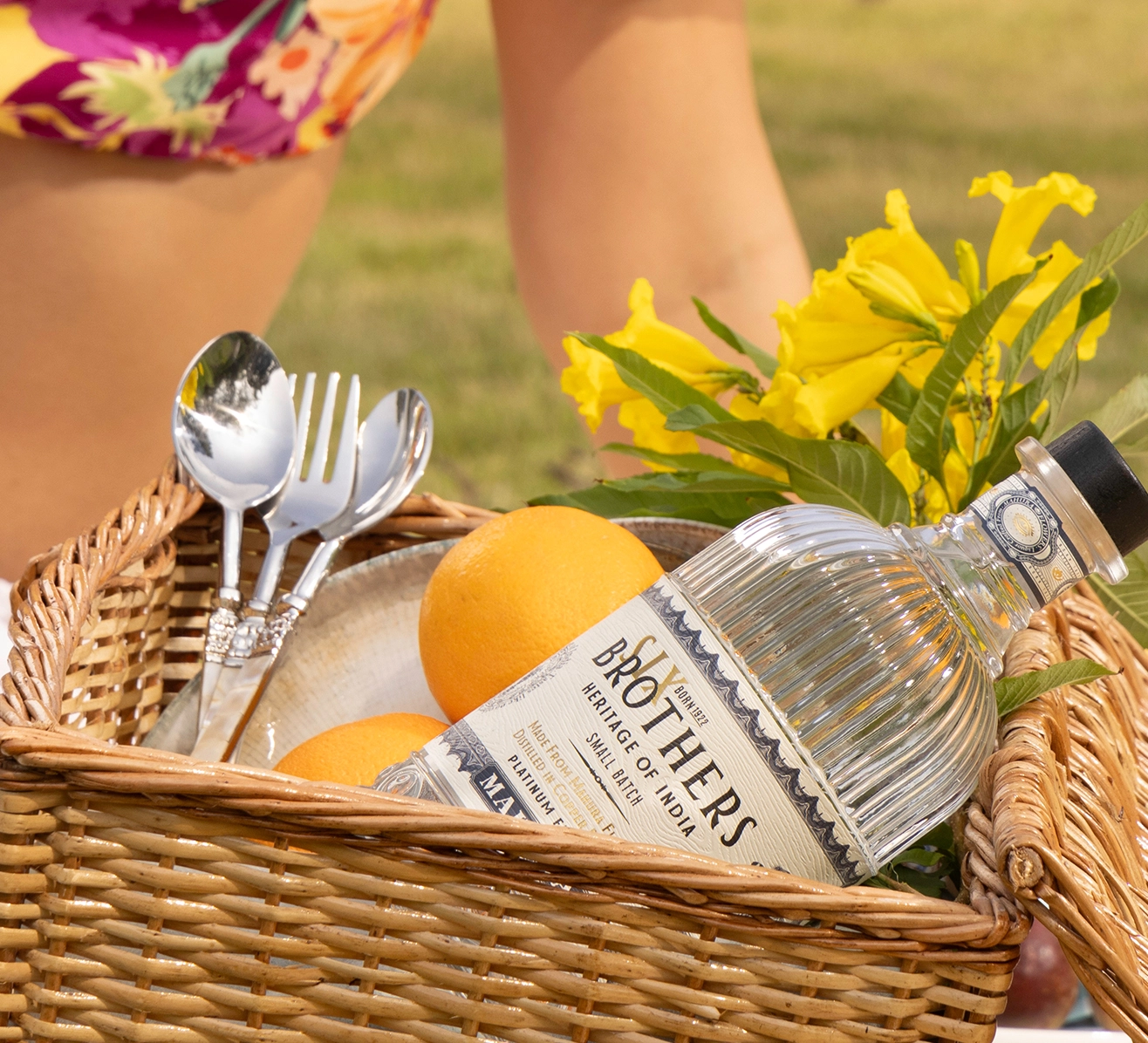
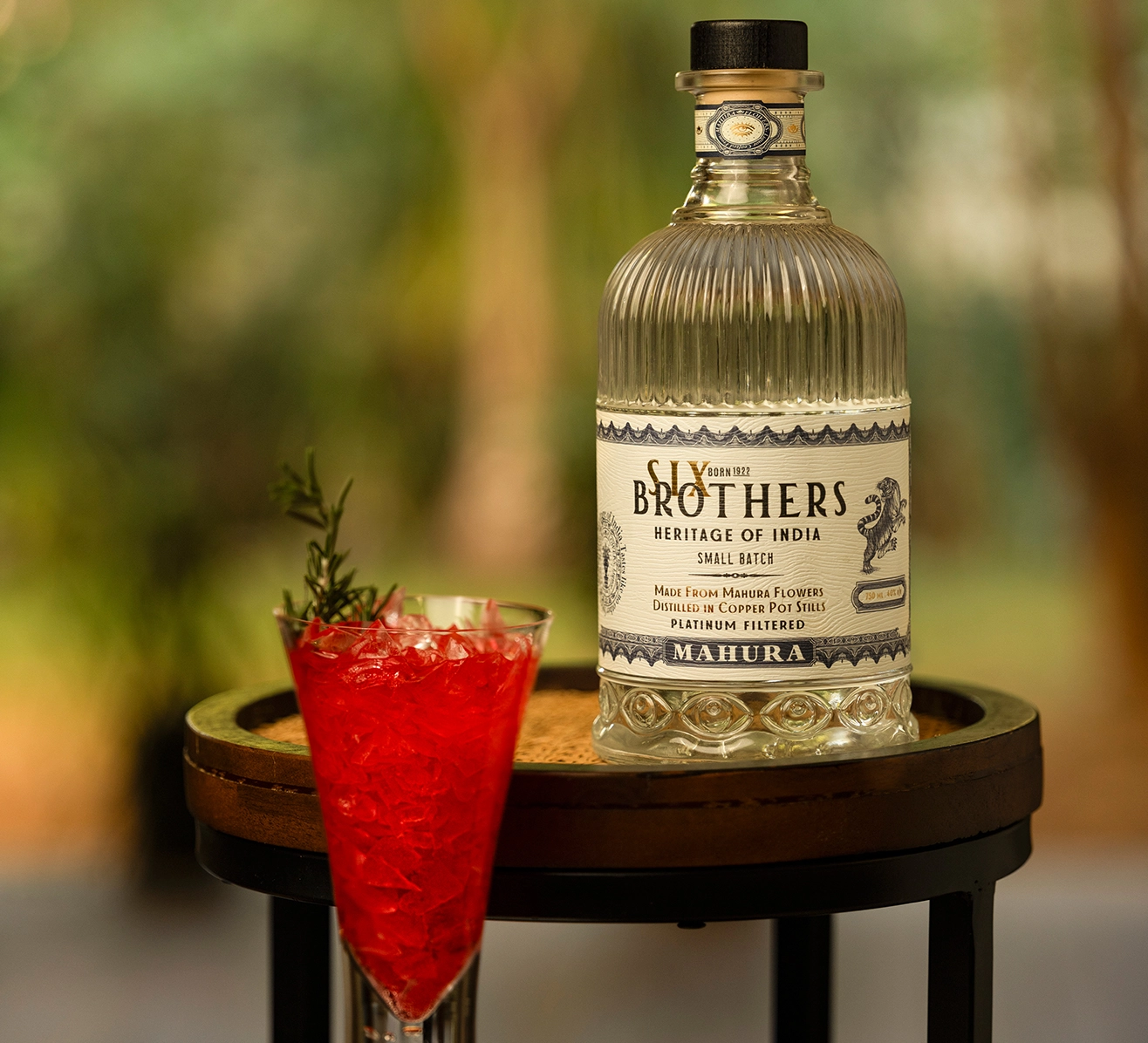
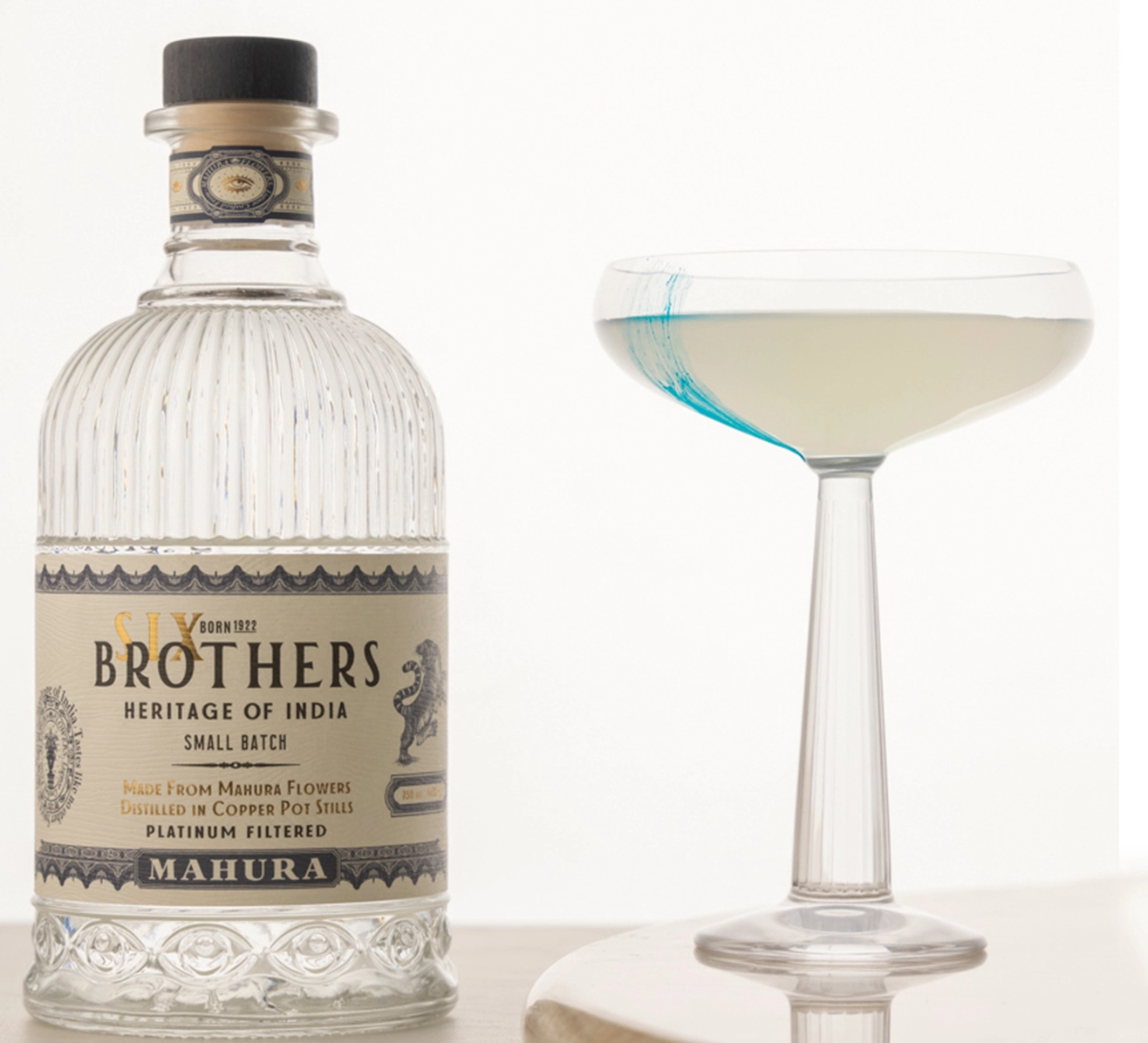
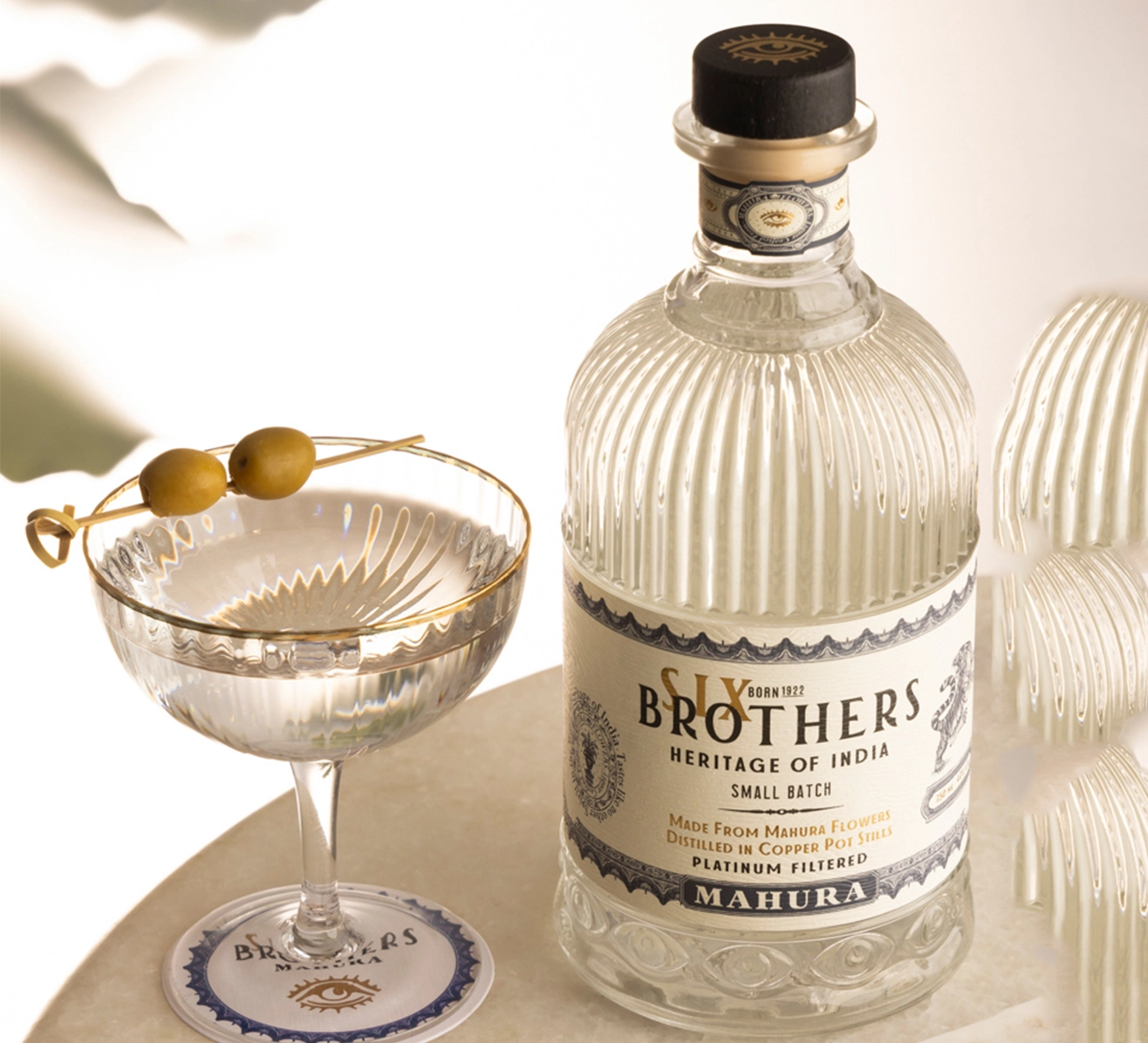
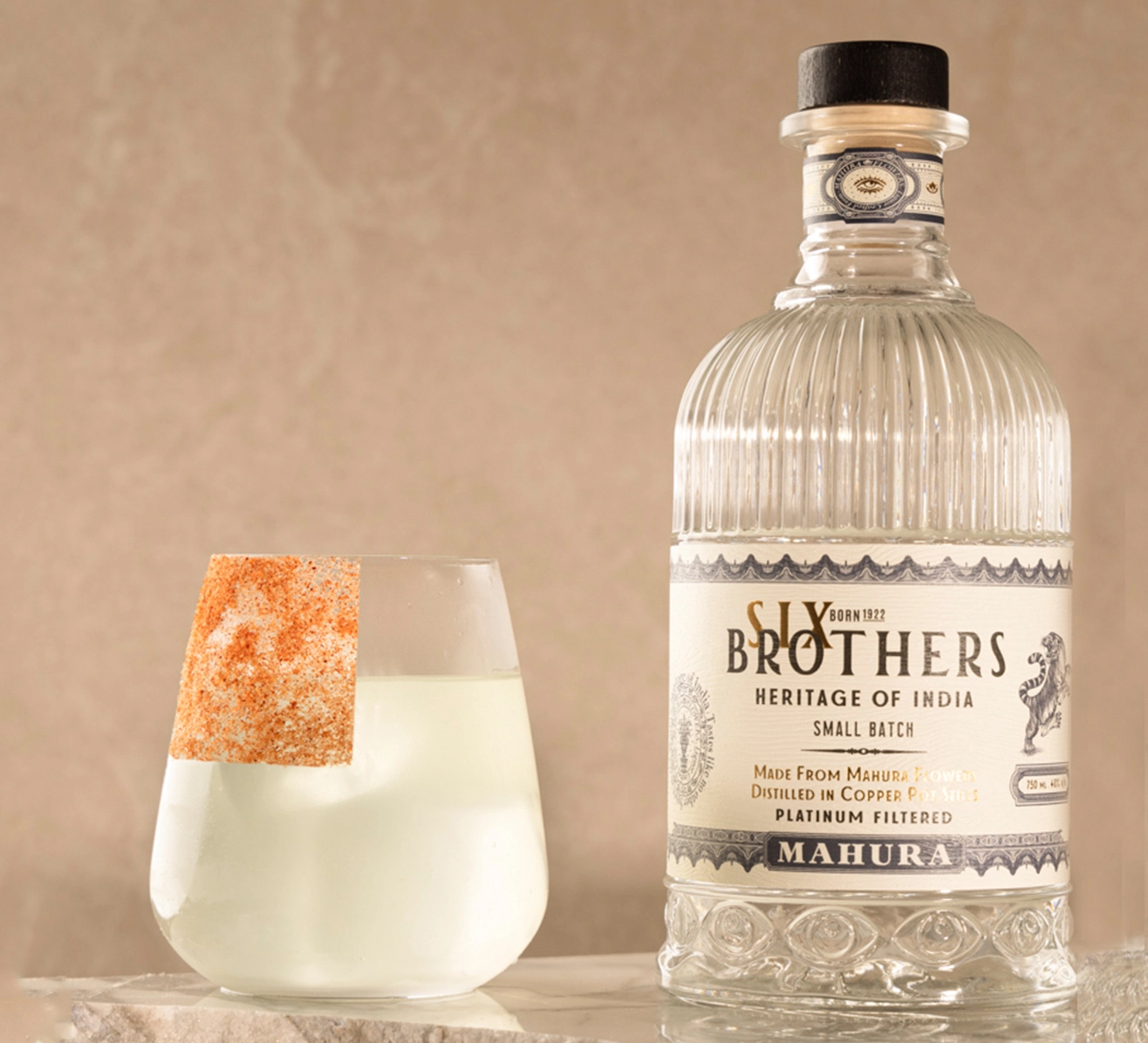
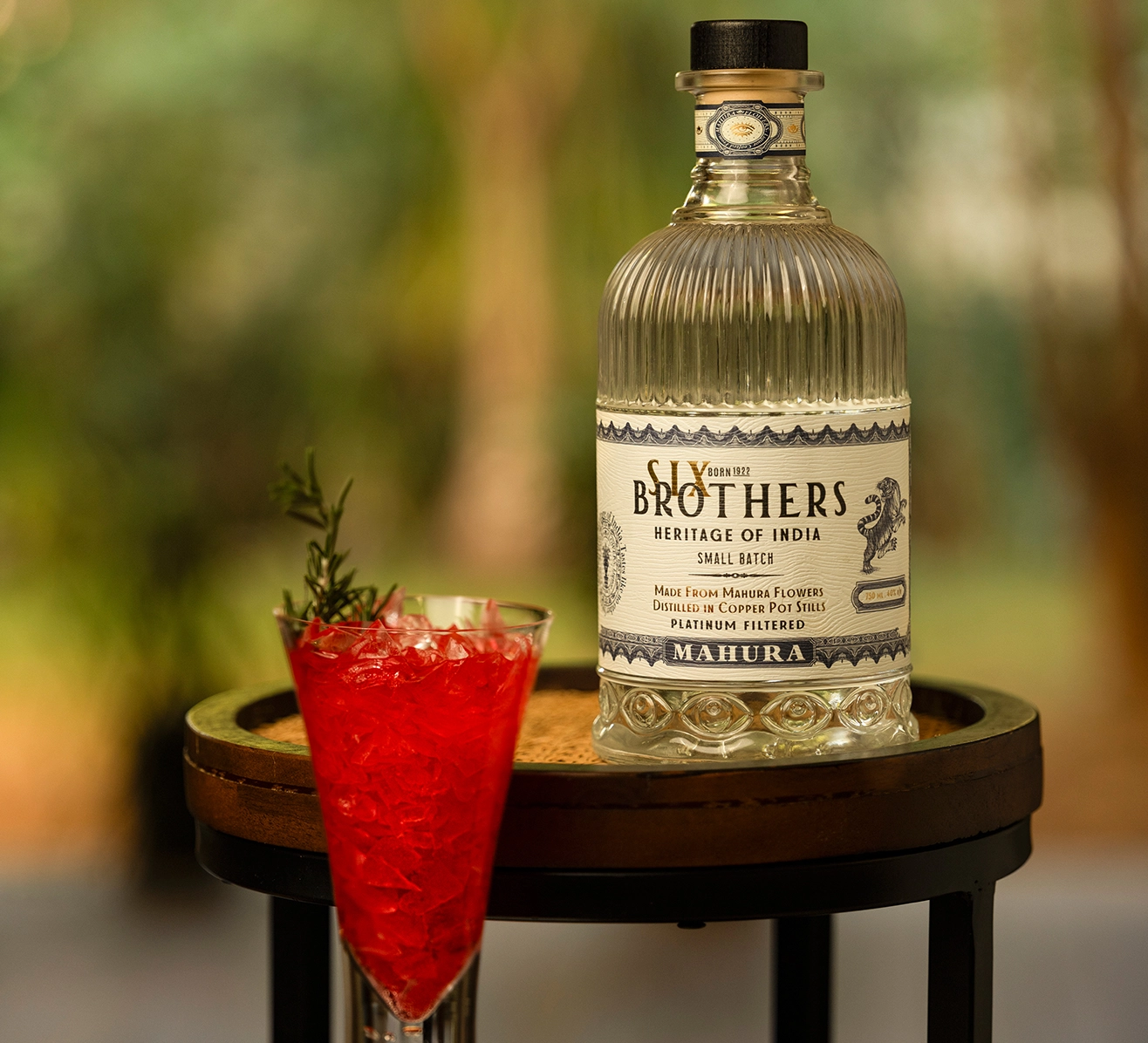
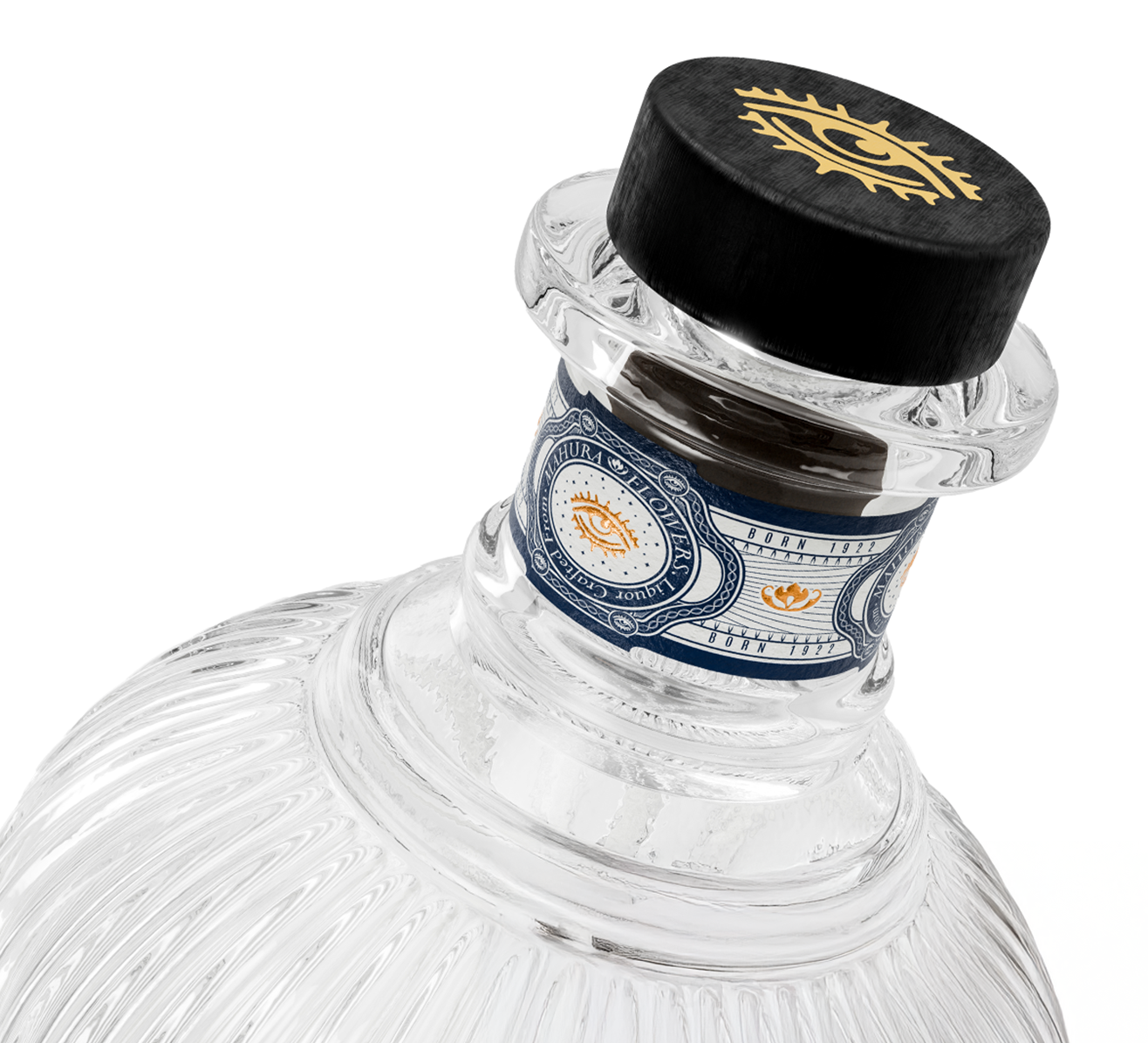
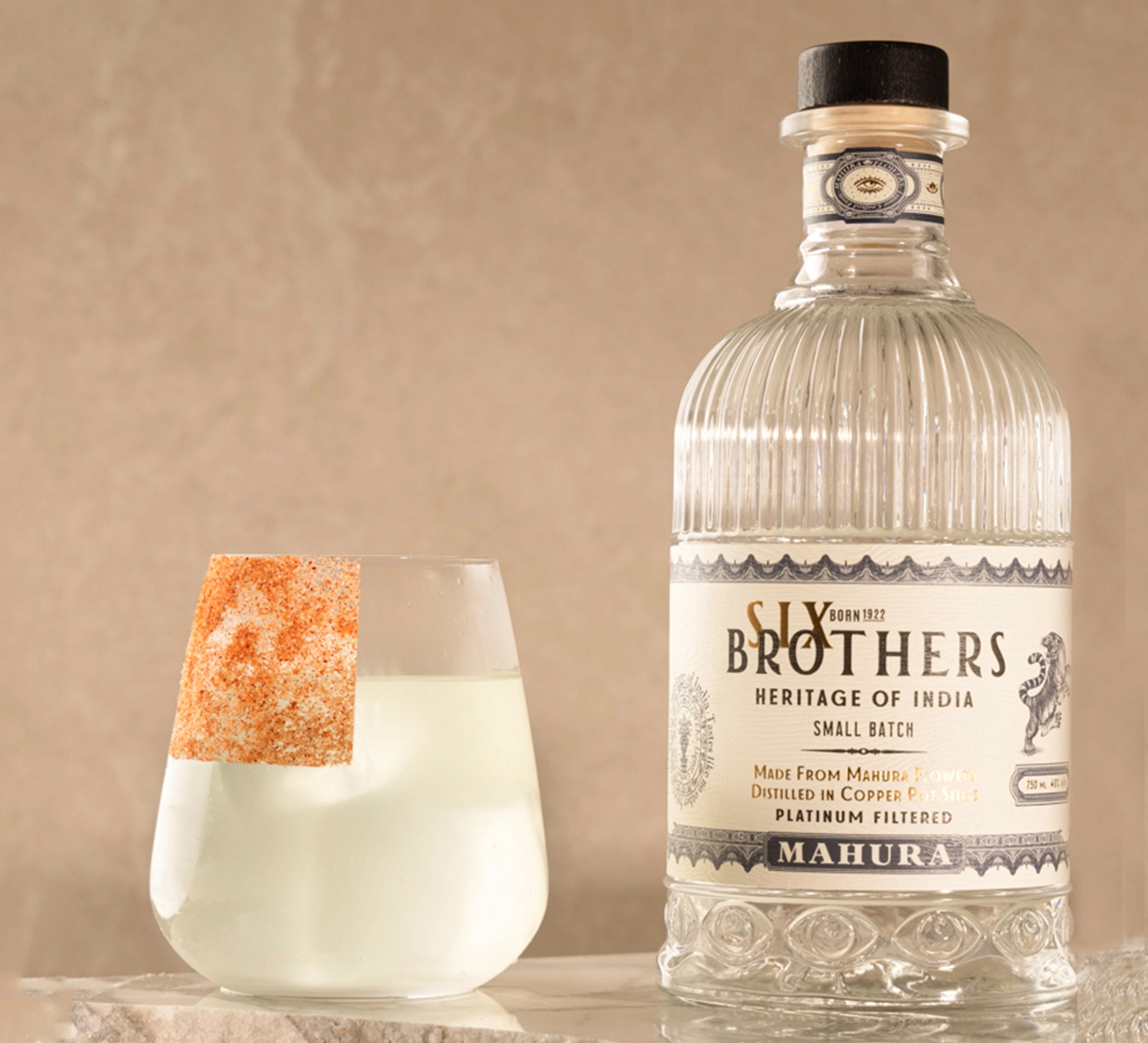
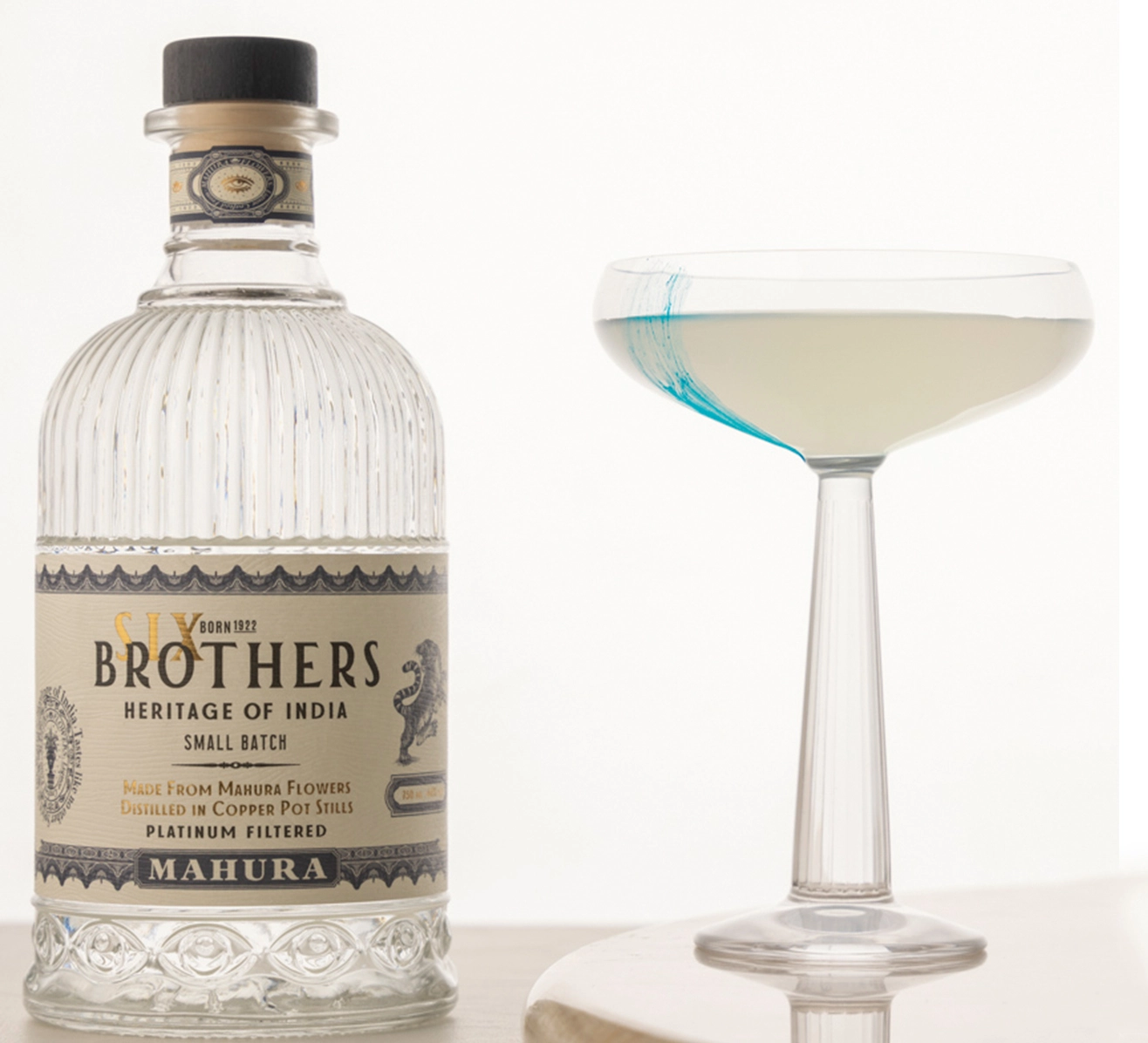
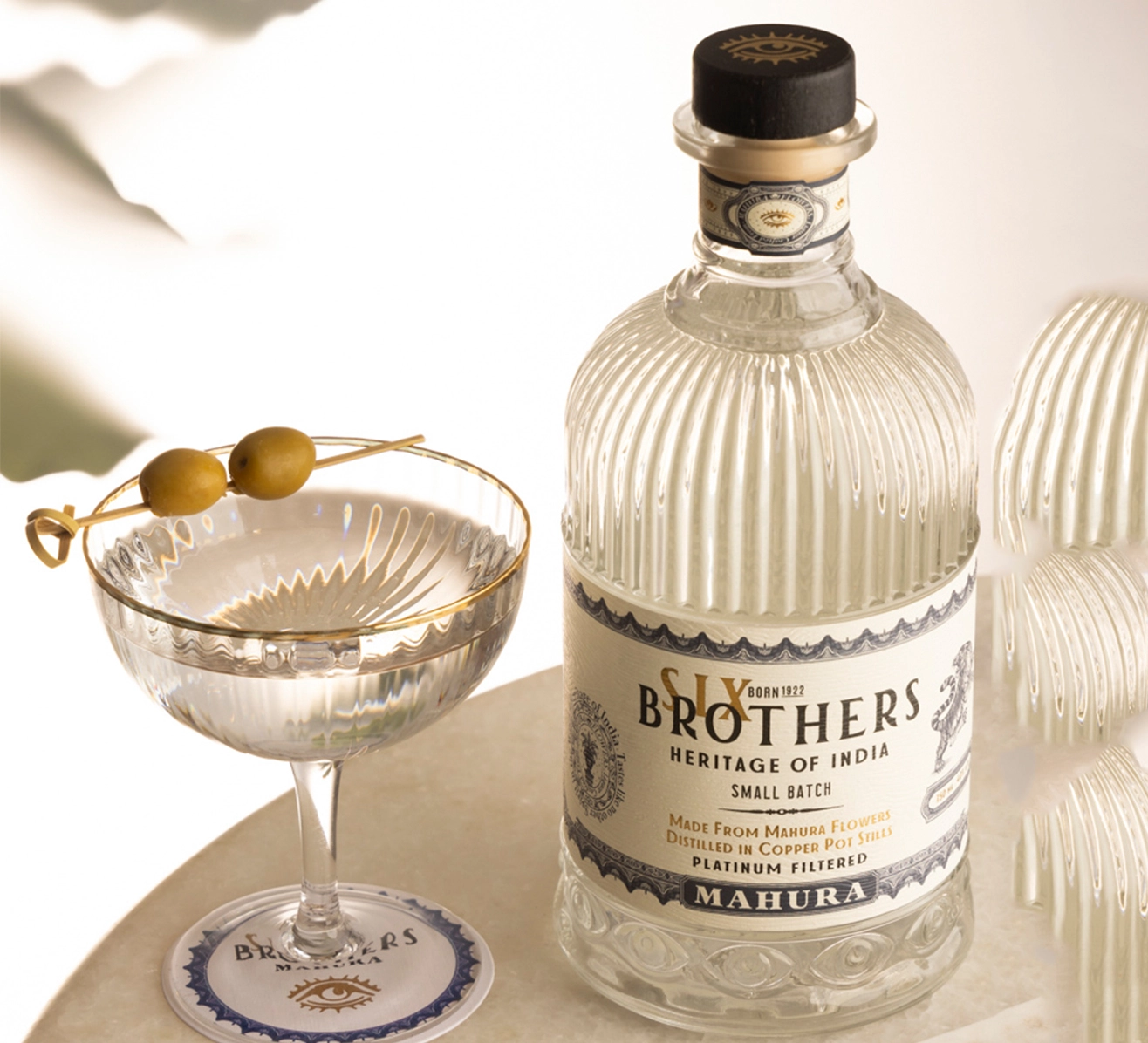
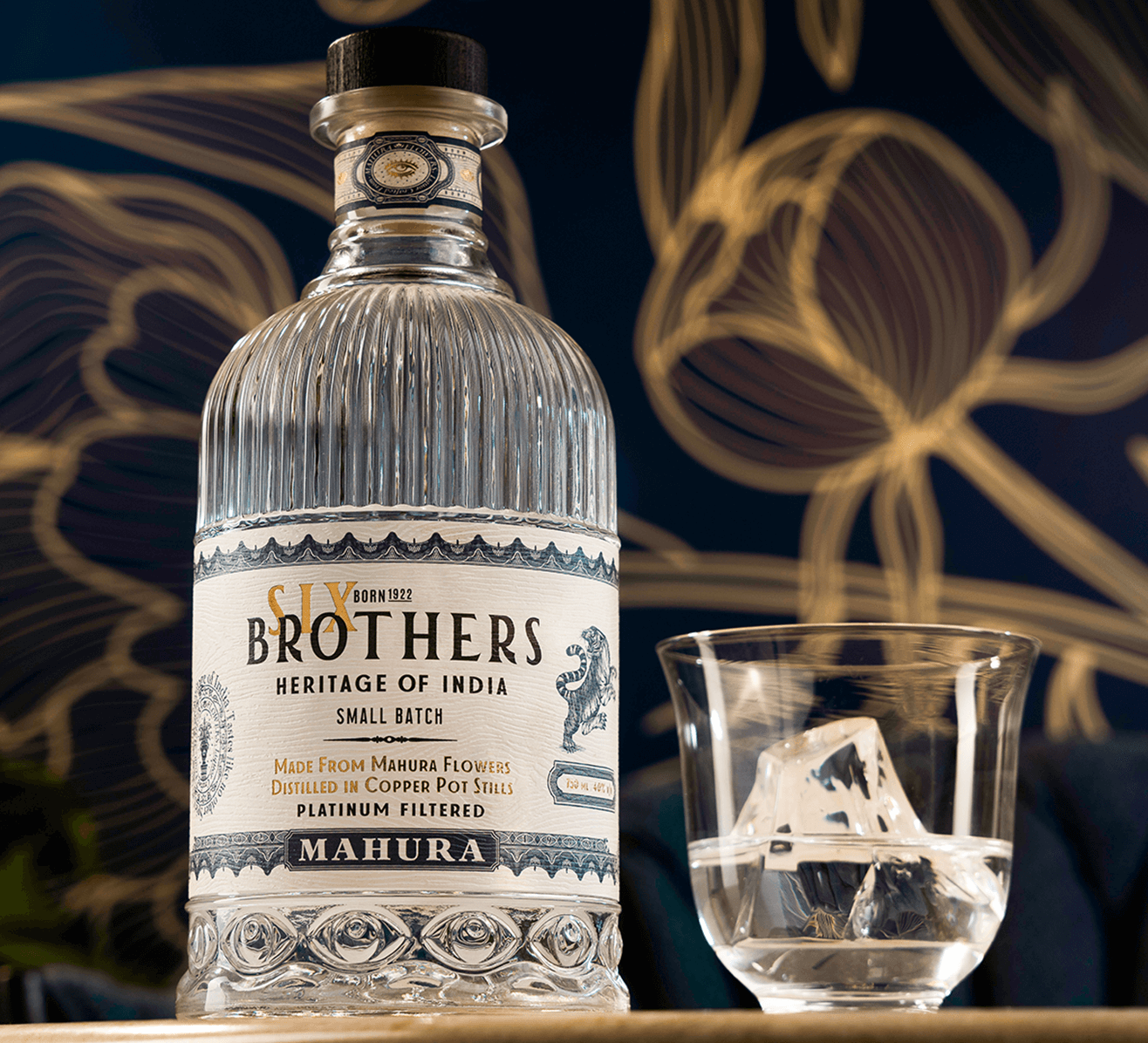
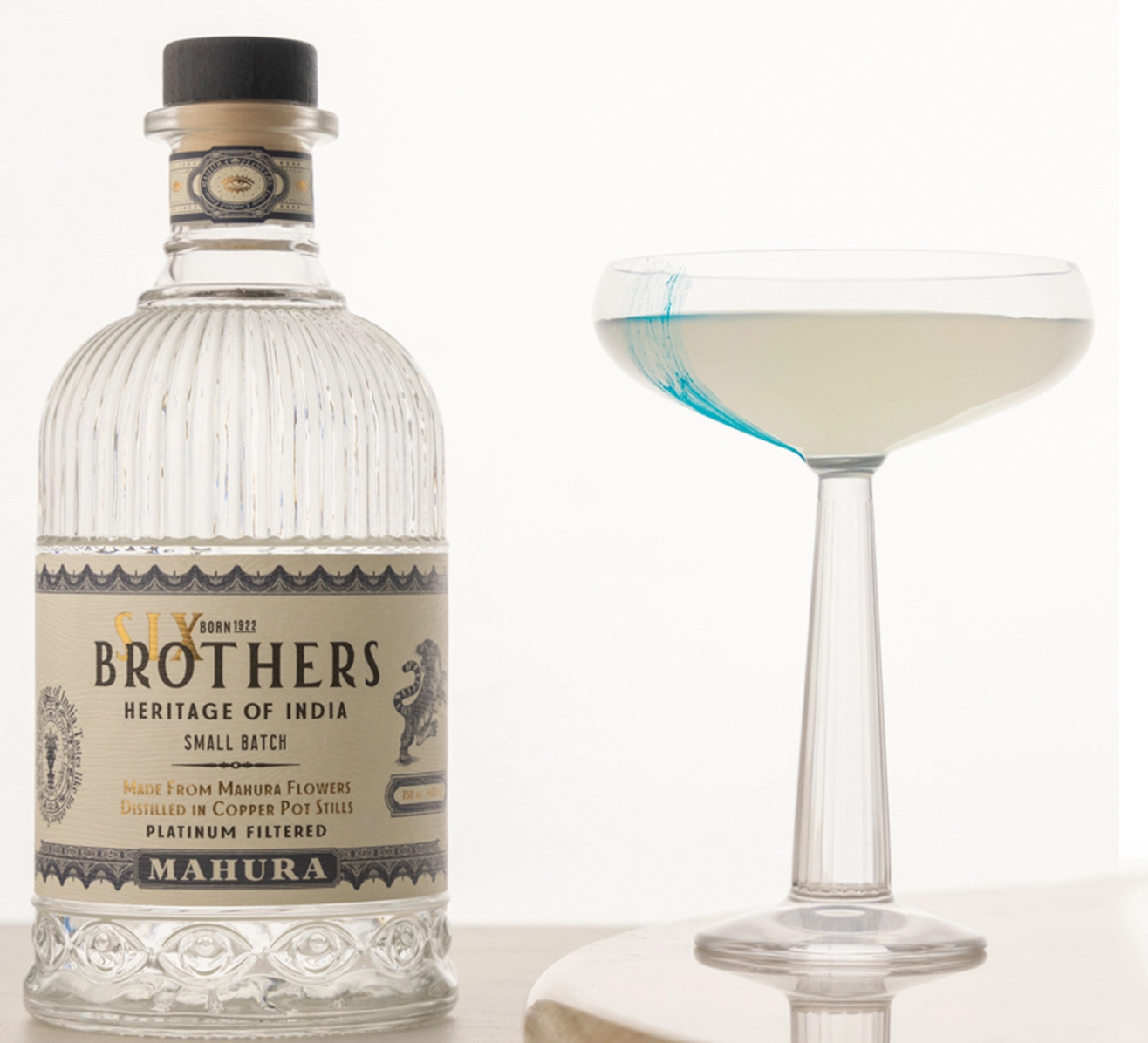
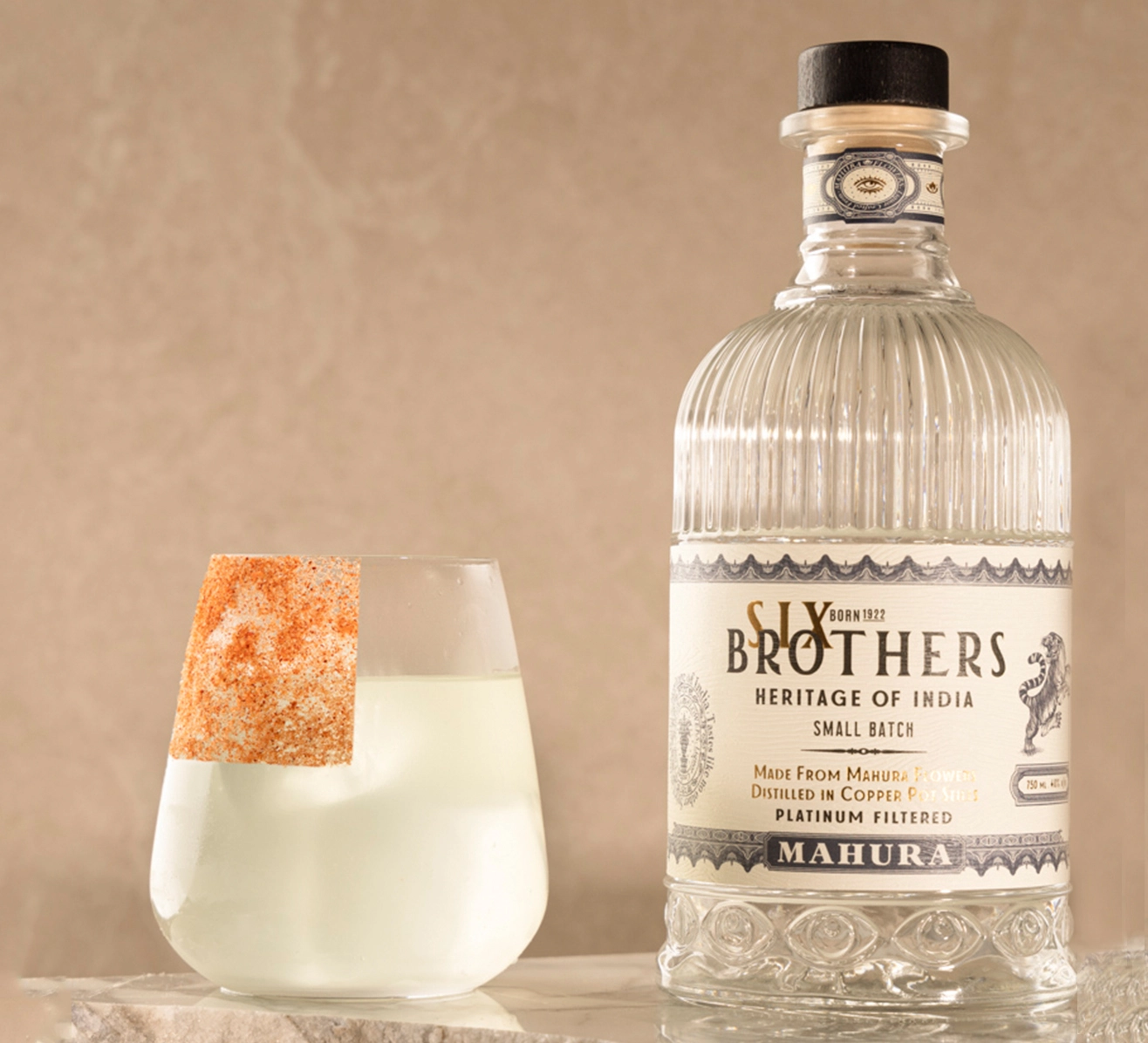
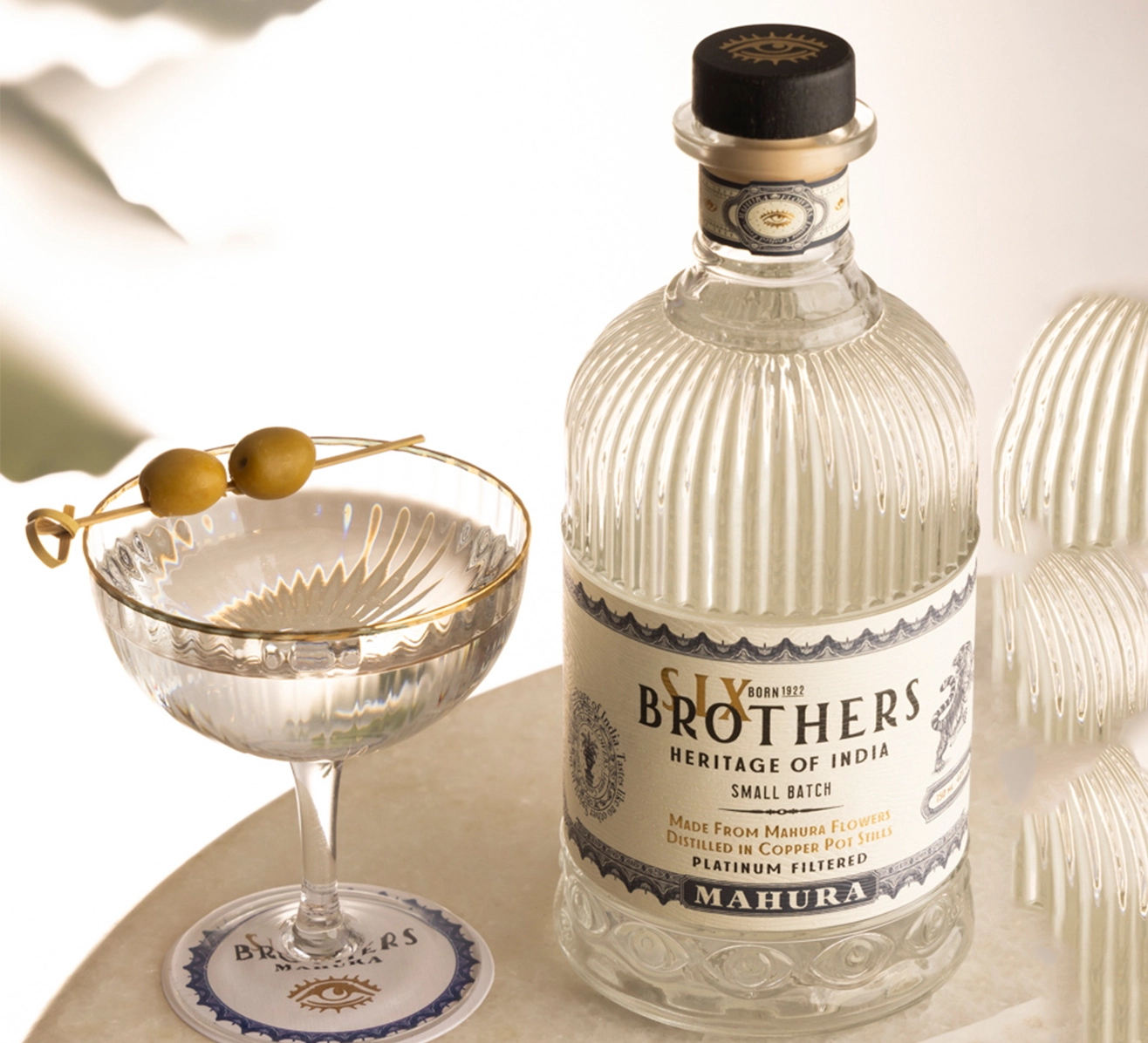
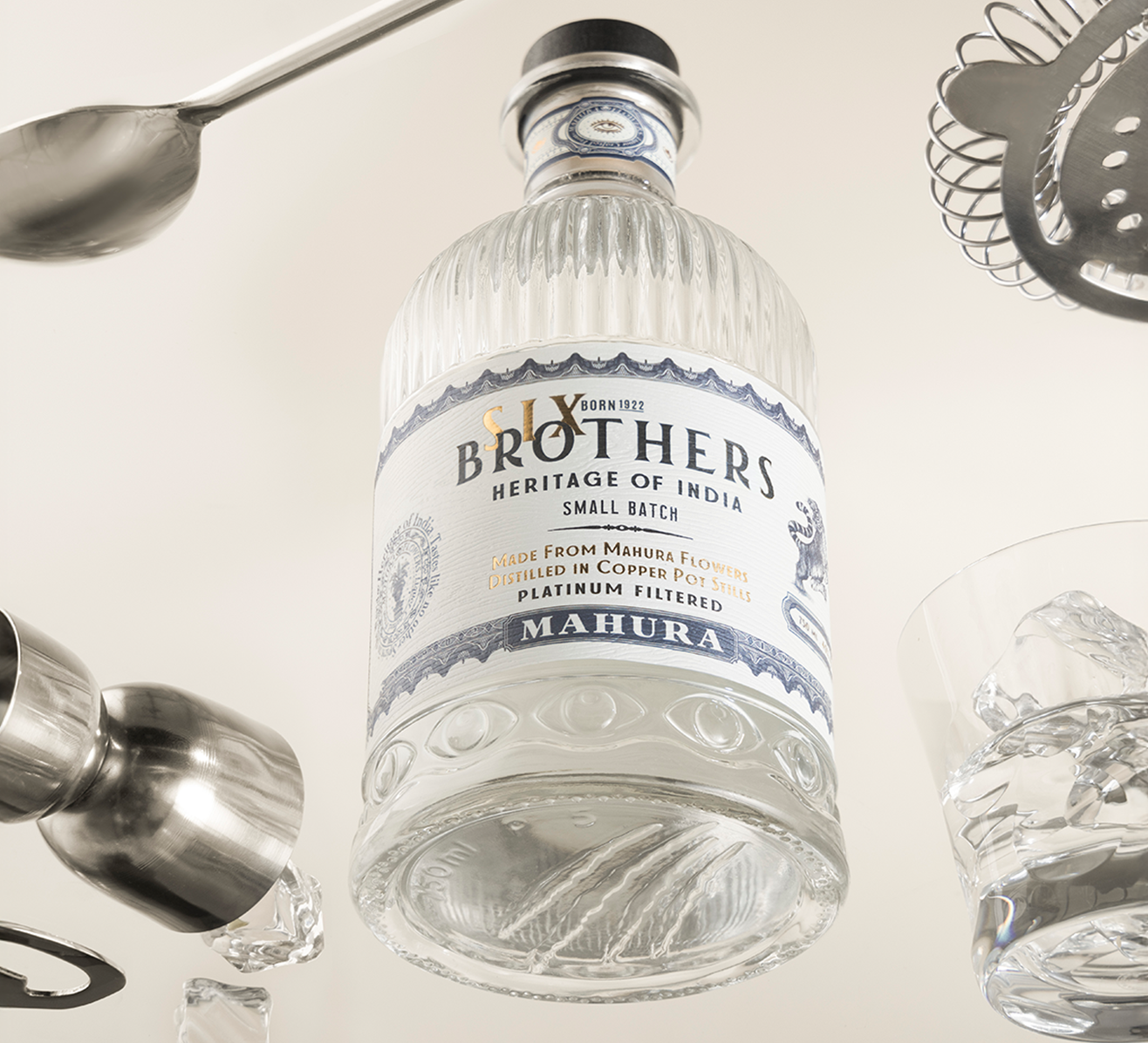
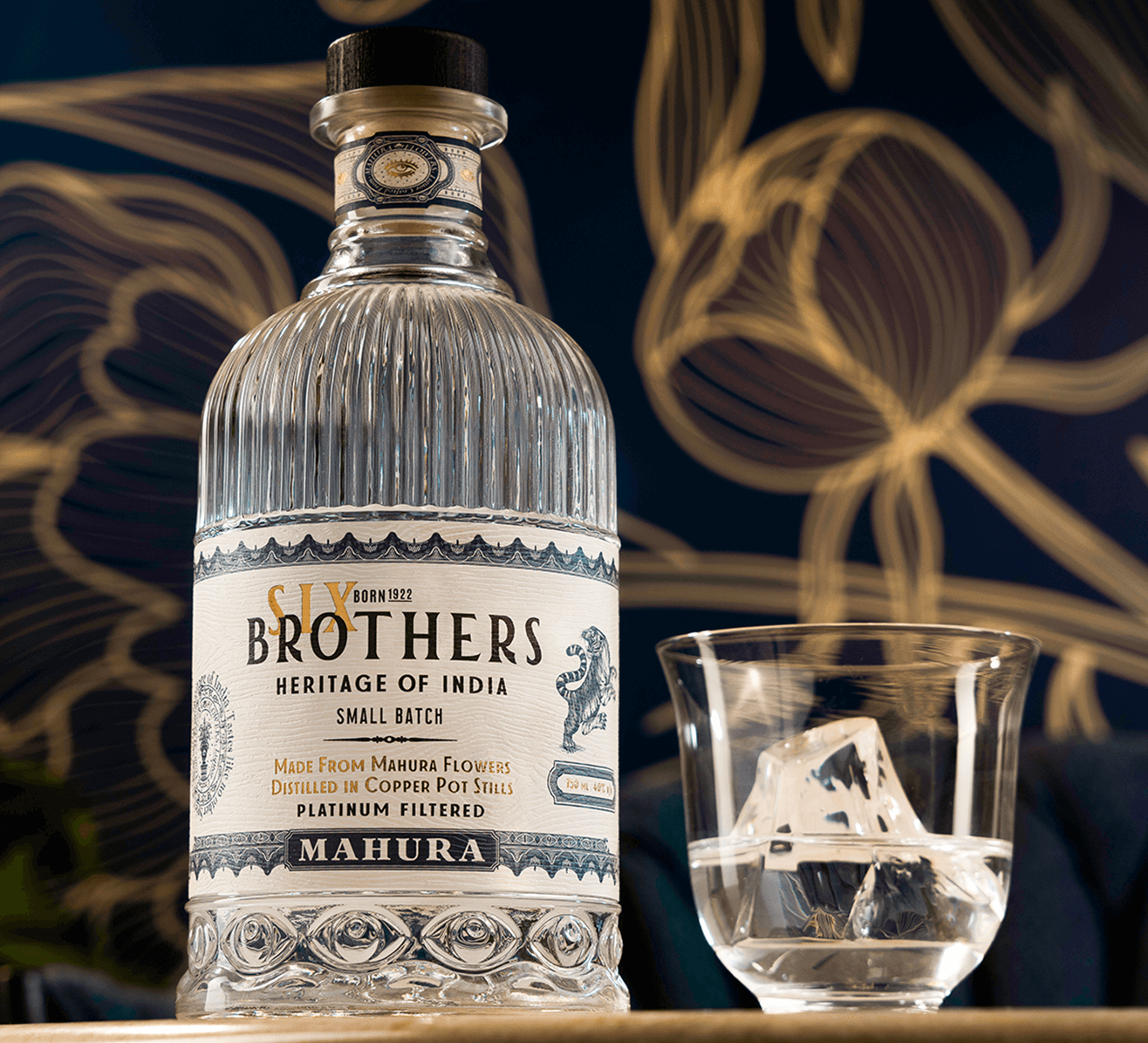
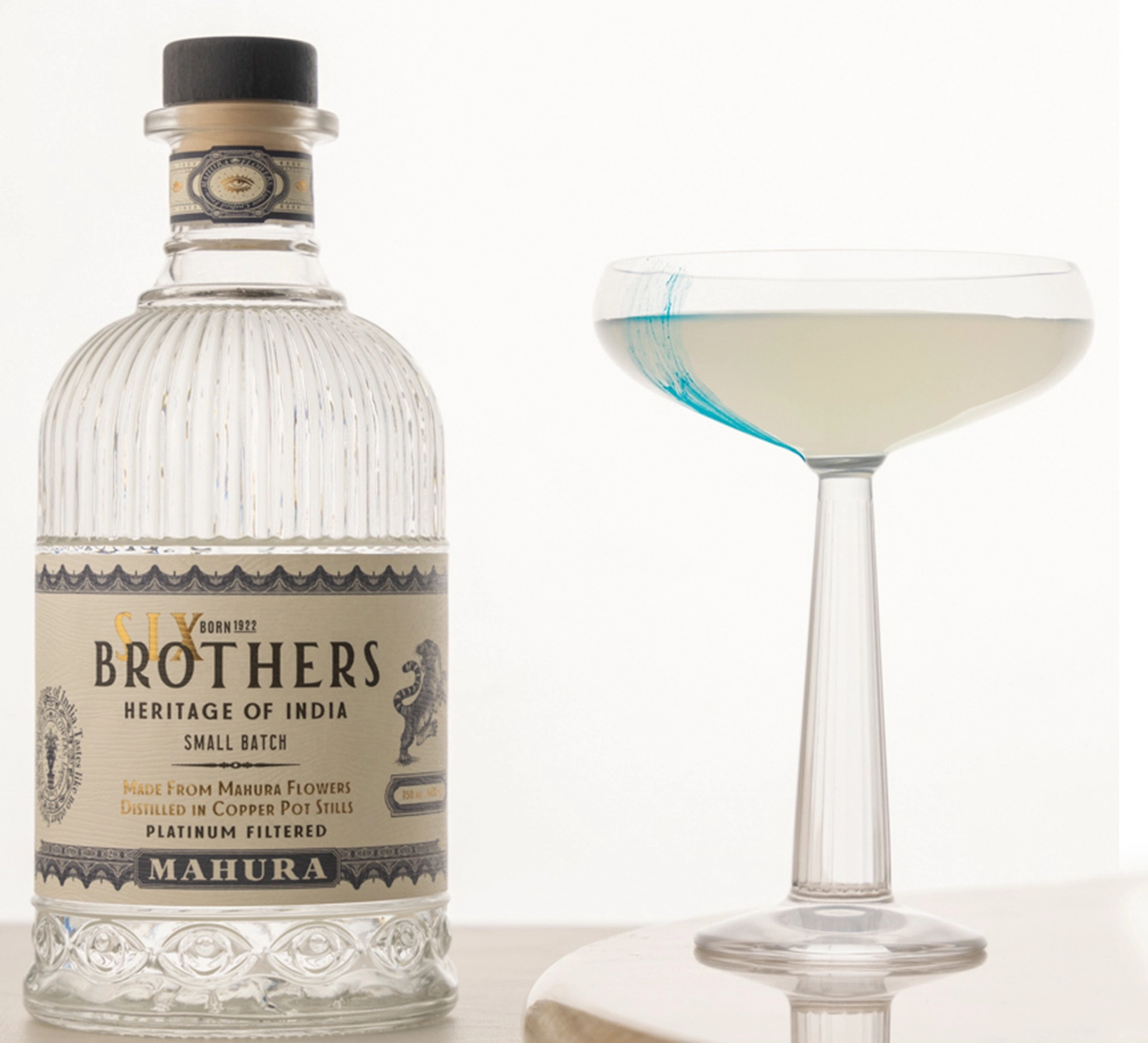
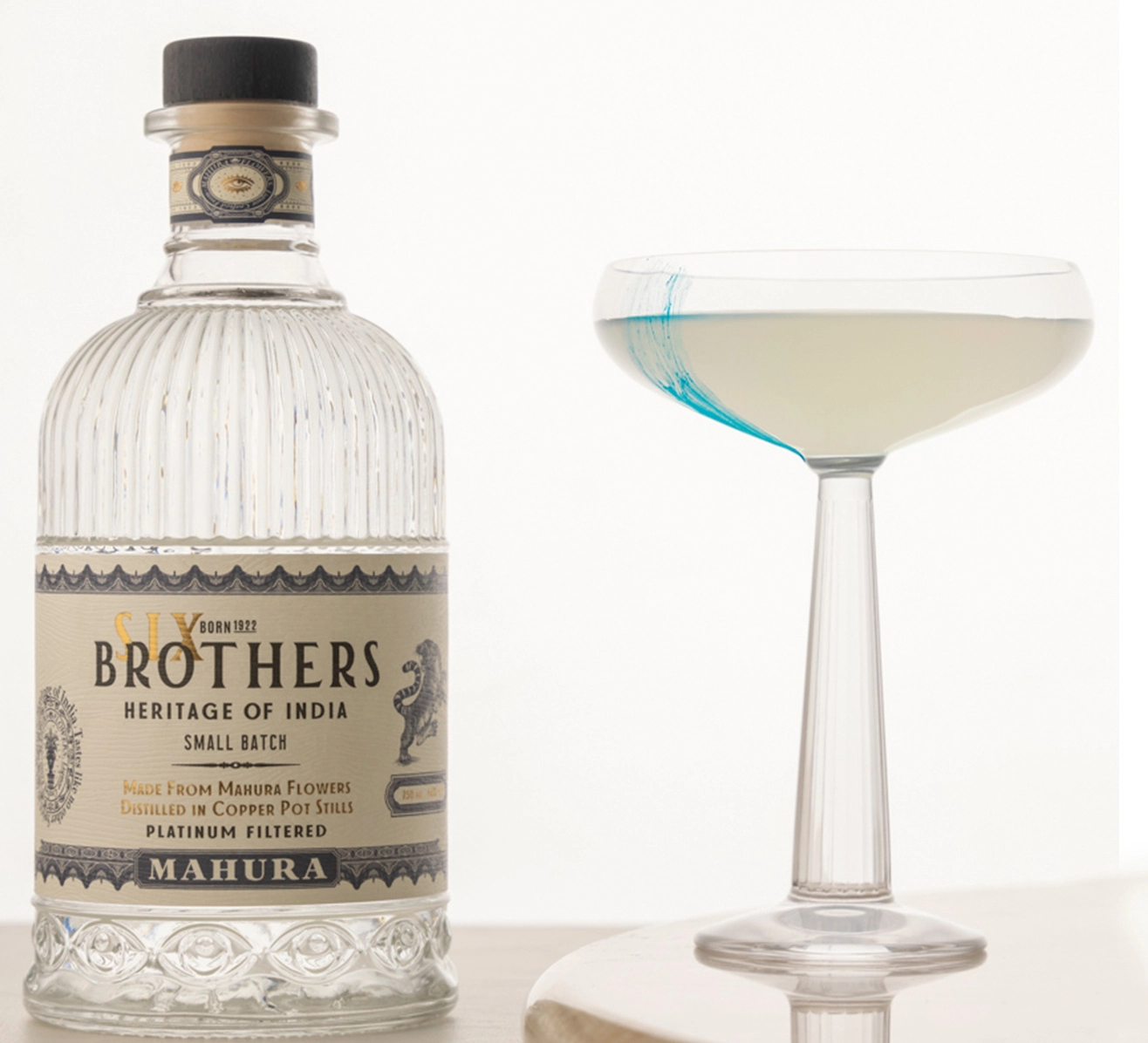
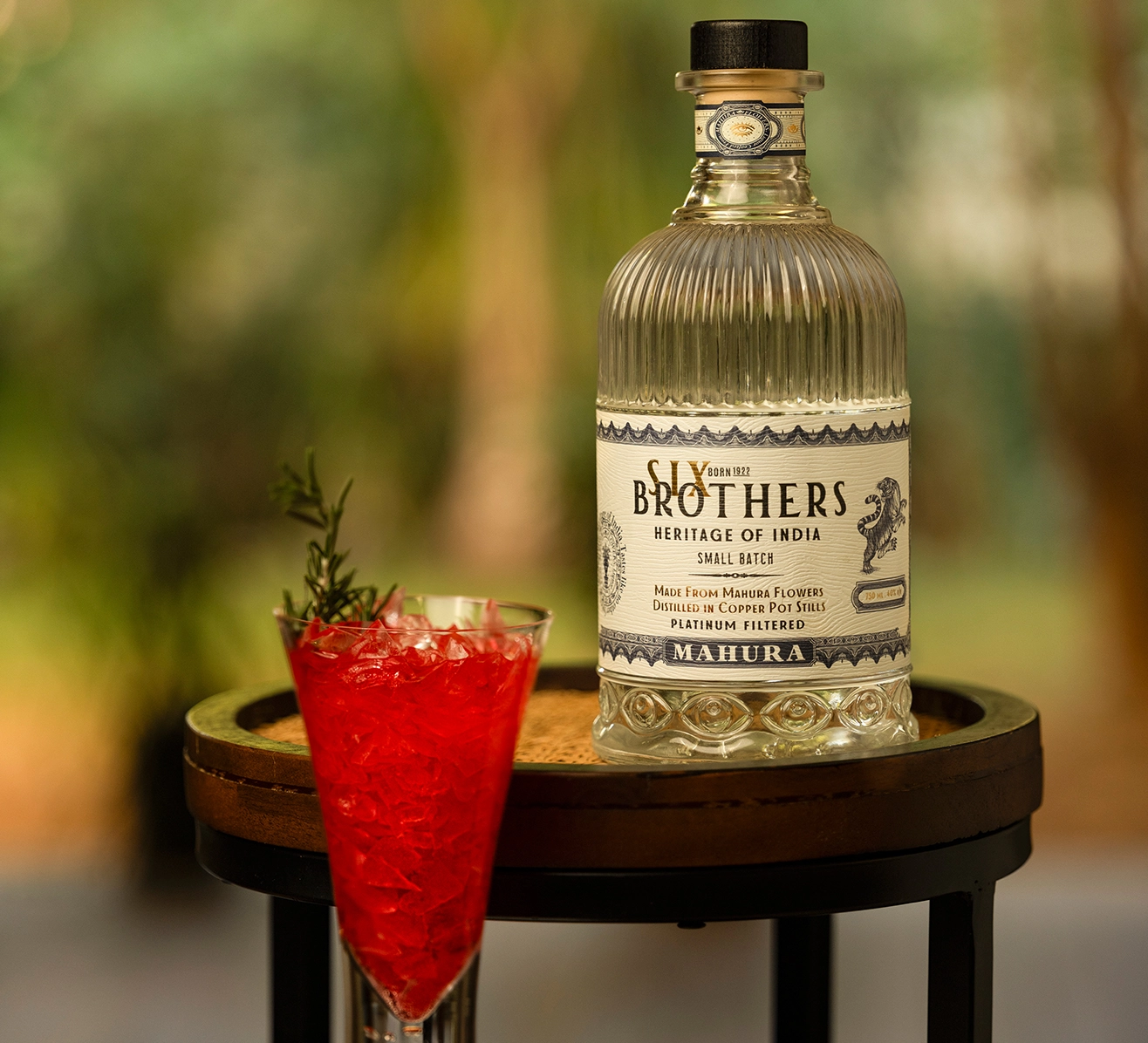
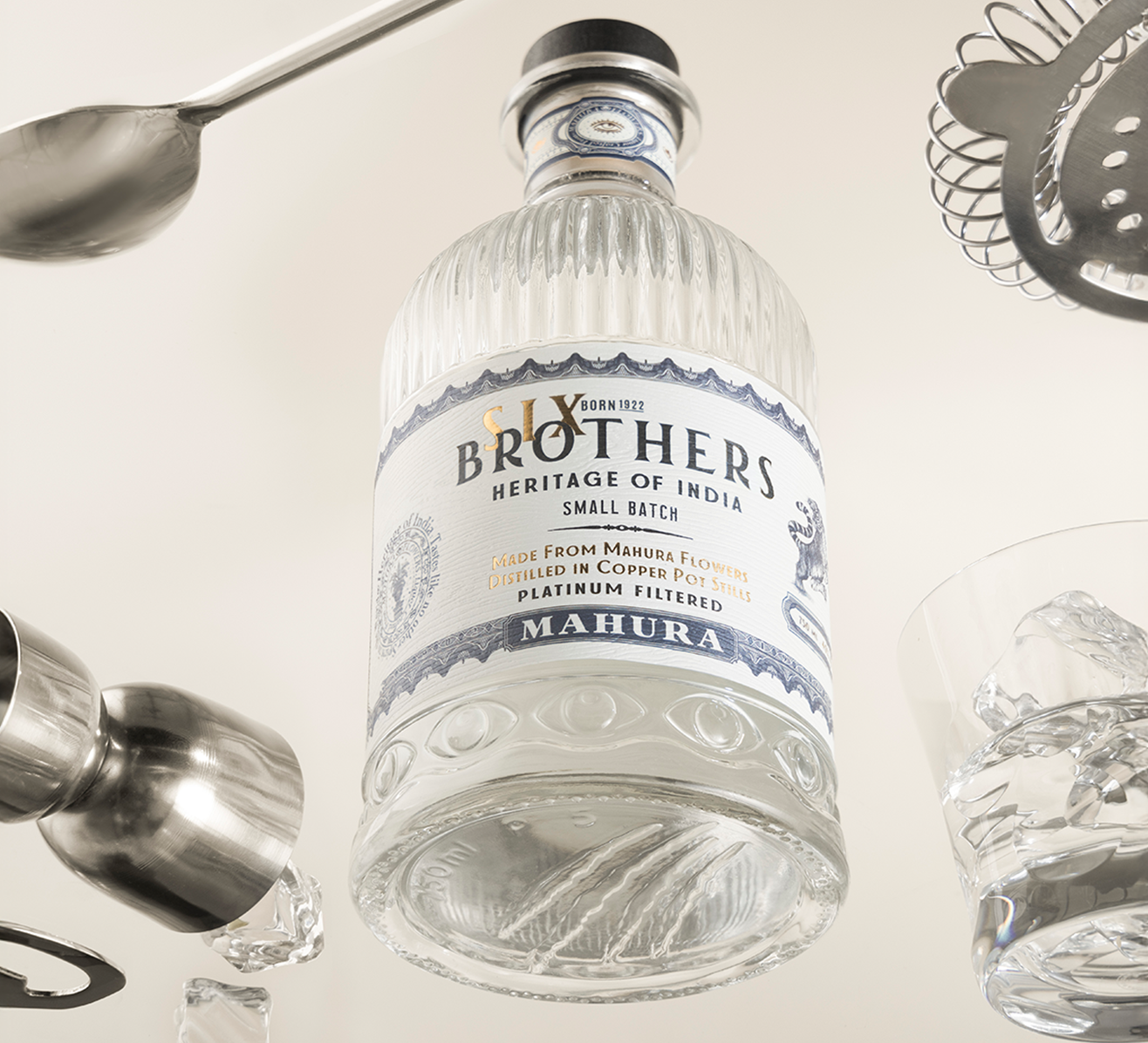
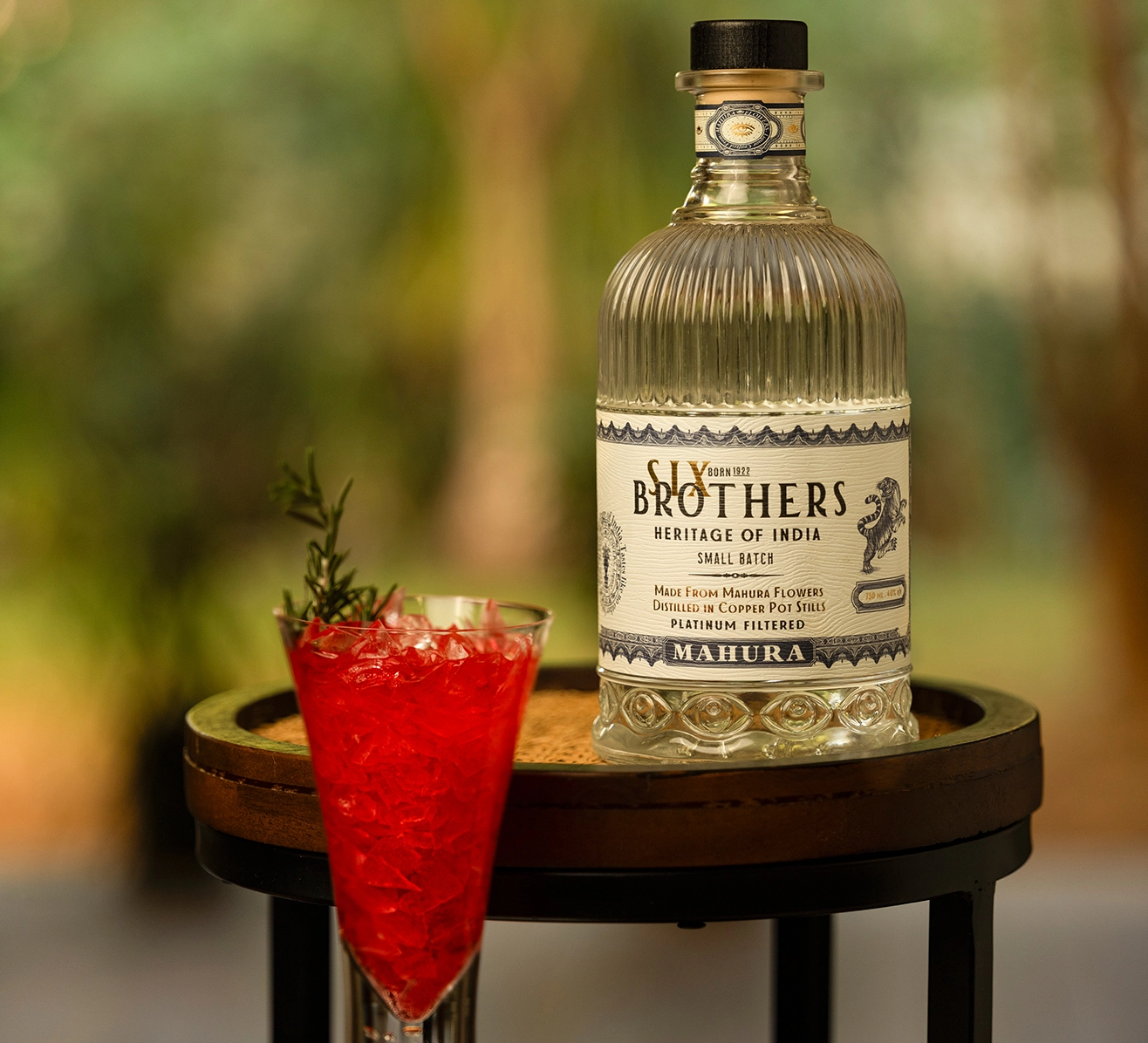
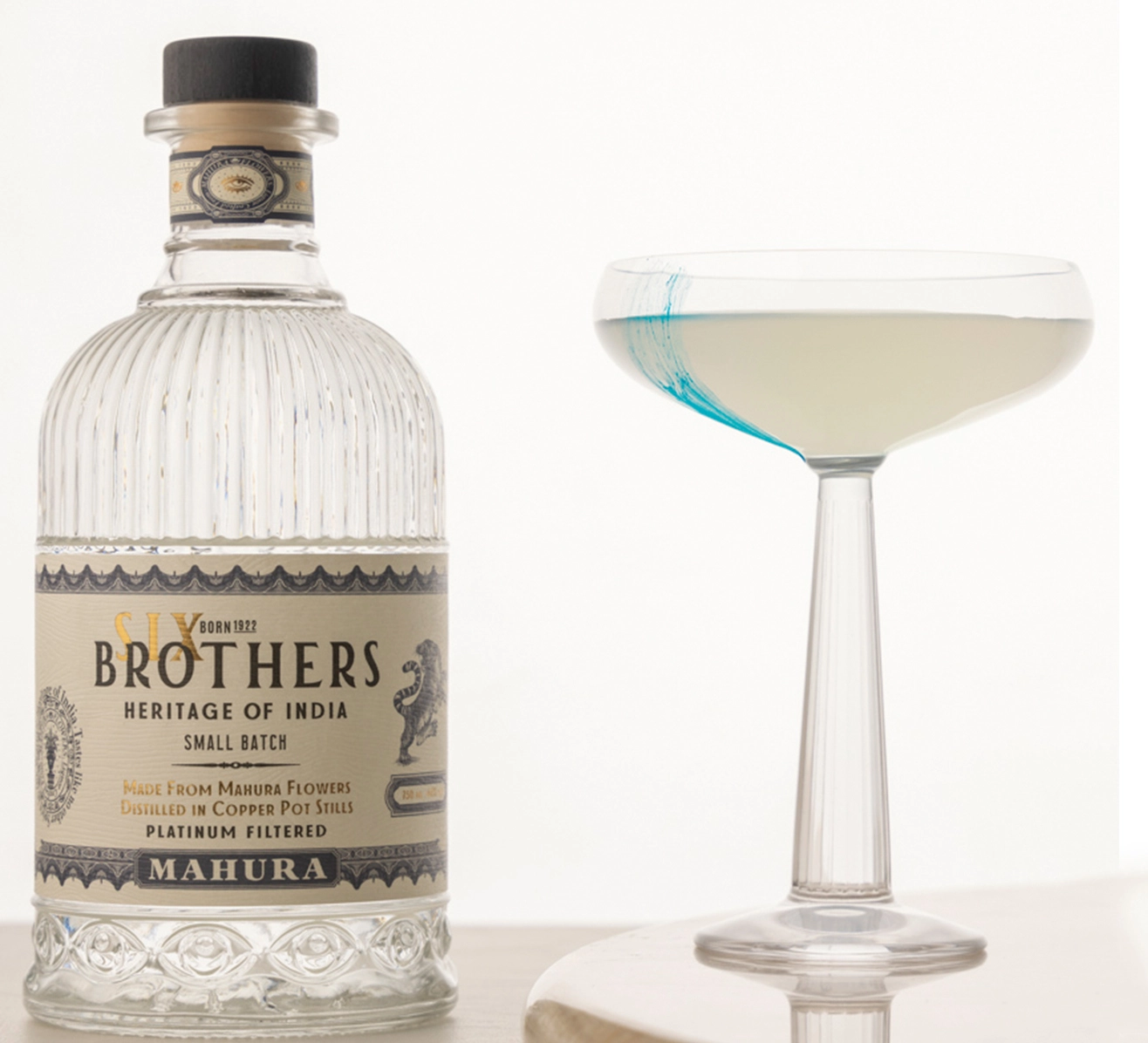
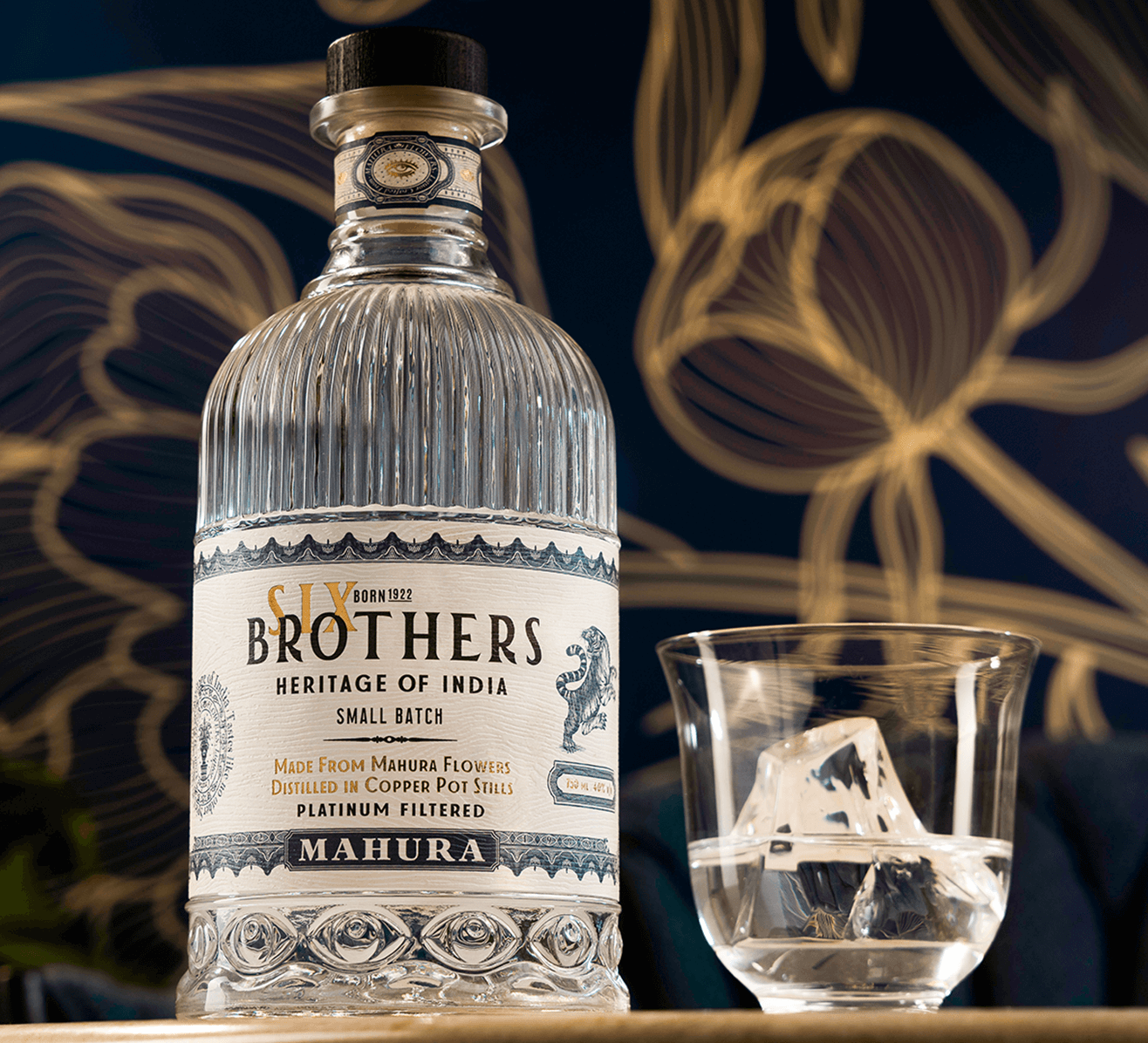
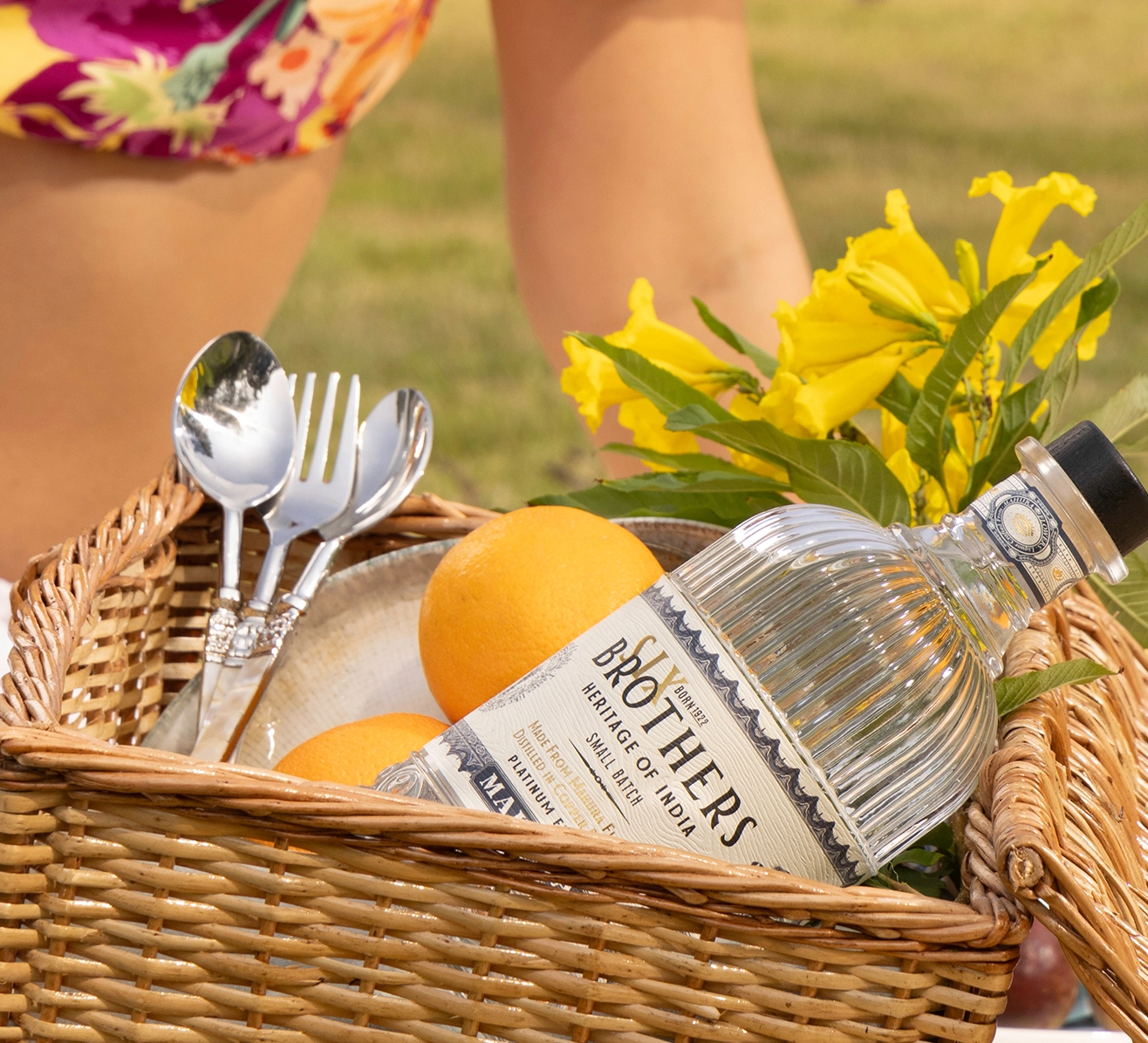
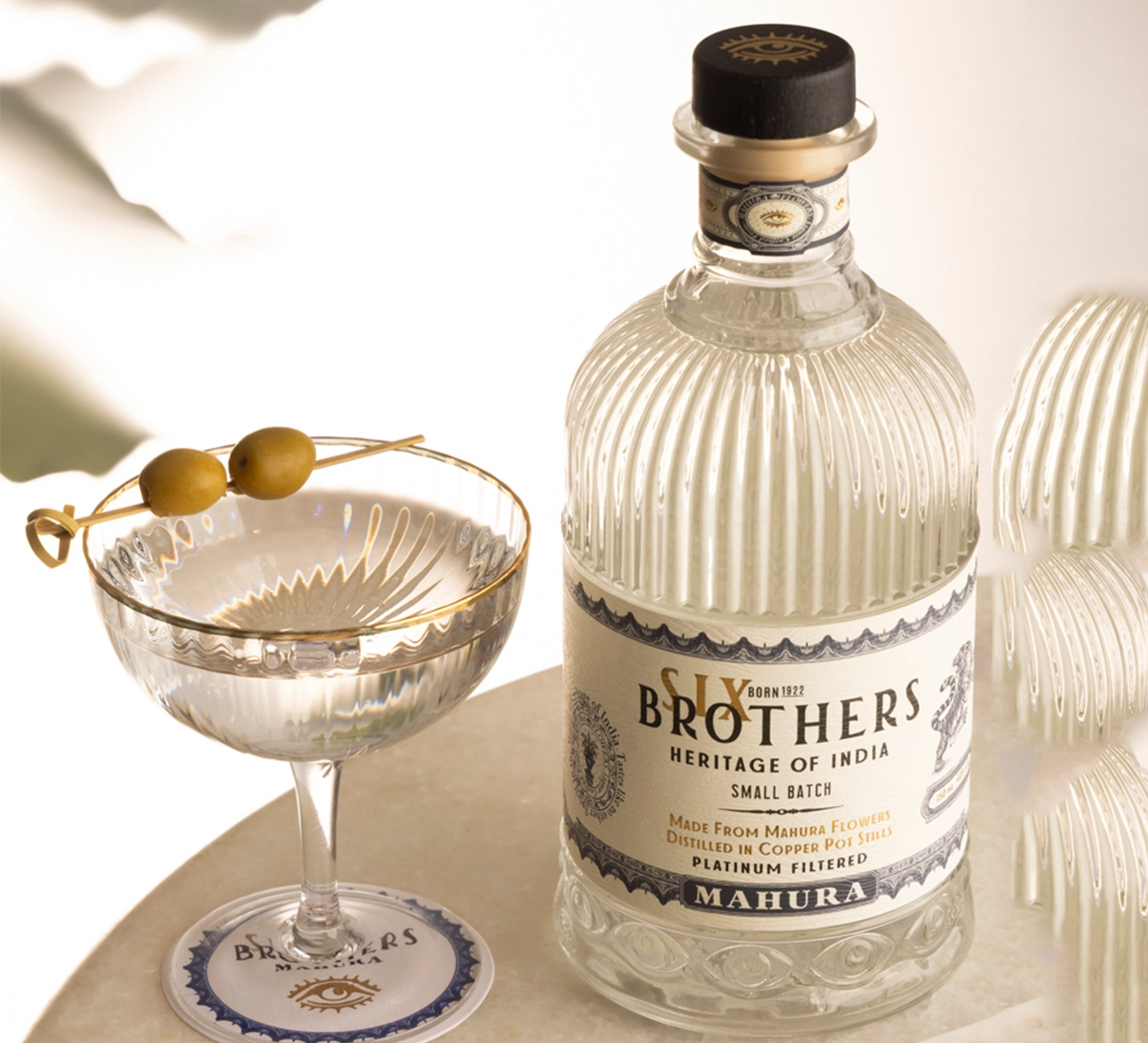
- Fermented and Double Distilled Mahua spirit, syrup and tea-like infusions.
Snacks
- Roasted or fried flowers as edible treats.
Storage Tip: Flowers are hygroscopic and spoil quickly. Proper sun-drying, vacuum packing or freeze-drying extends shelf life and preserves nutrients.
Bioactive Compounds and Their Effects
| Compound Type |
Effects |
| Saponins |
Anti-inflammatory, antimicrobial |
| Flavonoids |
Antioxidant, anticancer |
| Triterpenoids |
Hepatoprotective, analgesic |
| Vitamins A & C |
Immunity boost, antioxidant |
| Carotene |
Eye health, vitamin A precursor |
These compounds explain Mahua’s extensive medicinal applications in Ayurveda and modern medicine.
Cultivation and Harvesting
Growing Conditions
- Thrives in dry, rocky or saline soils.
- Requires minimal water and survives in poor soil conditions.
- Can grow in India, Sri Lanka and Australia.
Harvesting
- Flowers bloom in March-April.
- Seeds and fruits collected after ripening.
- Leaves and bark harvested selectively to avoid harming the tree.
Post-Harvest Processing
- Flowers sun-dried or freeze-dried to prevent spoilage.
- Seeds cleaned, de-shelled, and oil-extracted.
- Modern processing enhances shelf-life and marketability.
Commercial Potential
Food Industry
- Sweeteners, syrups, confectionery and beverages.
Pharmaceutical Industry
- Herbal extracts for liver protection, anti-diabetes, anti-inflammatory, and skincare products.
Cosmetic Industry
- Oils and extracts for skin creams, hair oils and ointments.
Opportunities: Sustainable harvesting, value addition, and modern processing can create income and employment for local communities.
Sustainable Use and Conservation
- Mahua contributes to forest ecology and biodiversity.
- Sustainable harvesting ensures long-term availability.
- Educating local groups on processing methods improves economic growth while conserving natural resources.
Regional Uses and Case Studies
Chhattisgarh
- Flowers fermented into traditional alcoholic beverages.
- Seeds used for oil extraction and sold in local markets.
Odisha
- Bark and leaves used in Ayurvedic medicine for liver and digestive ailments.
Madhya Pradesh
- Flowers incorporated into sweets and snacks during festivals.
Challenges and Opportunities
Challenges
- Short flowering period limits availability.
- Poor storage leads to high post-harvest losses.
- Limited awareness among consumers and processors outside indigenous regions.
Opportunities
- Value addition in food, beverages and pharmaceuticals.
- Modern storage techniques for year-round supply.
- Expansion into international markets with nutraceutical and cosmetic applications.
FAQs About Mahua
Q. Is Mahua safe to eat?
Yes, Mahua flowers and seeds are safe when consumed in traditional culinary and medicinal forms.
Q. Can Mahua help with diabetes?
Yes, studies suggest bark extracts help regulate blood sugar and improve kidney function.
Q. How can I use Mahua in cooking?
You can use dried flowers in sweets, teas, syrups or fry them as snacks. Seed oil can be used for cooking.
Q. Does Mahua have medicinal properties?
Absolutely. Flowers, seeds, leaves and bark are used for liver health, skin care, fever, digestive issues and cardiovascular support.
Q. Where is Mahua grown?
Predominantly in India (Maharashtra, Chhattisgarh, Odisha, Madhya Pradesh), Sri Lanka and Australia.
Conclusion
Mahua / Mahuva (Madhuca longifolia) is a multifunctional tree that bridges nutrition, medicine, culture, and livelihood. From its sweet flowers and oil-rich seeds to its medicinal bark and leaves, every part has a purpose. Despite its immense potential, Mahua remains underutilized due to seasonal availability and limited processing methods.
Harnessing modern techniques for drying, storage, and value addition can make Mahua a sustainable resource, improving indigenous livelihoods, creating employment, and providing health benefits worldwide. Mahua is not just a tree; it is a treasure of nature waiting to be fully discovered.
References
- Dogra, T. (2022). Butter Tree: Health Benefits Uses And Side Effects Of Mahua. TheHealthSite.
- Ekka, A., & Ekka, N.S. (2014). Madhuca longifolia var. latifolia: An Important Medicinal Plant.
- Mishra, A., & Poonia, A. (2019). Mahua flowers: Review on processing and biological properties. Nutr Food Sci.
- Sinha, J.K., Singh, V., Singh, J., & Ak, R. (2017). Phytochemistry, Ethnomedical Uses and Future Prospects of Mahua.
- Yadav, P. (2012). MADHUCA LONGIFOLIA: Traditional Uses, Phytochemistry and Pharmacology.
- Ramadan, M.F., Mohdaly, A.A., Assiri, A.M.A., Tadros, M., & Niemeyer, B. (2015). Functional characteristics, nutritional value and industrial applications of Madhuca longifolia seeds.