
Posted on 29 Apr 2026
For centuries, mahua has existed at the very heart of India's cultural and ecological landscape. It was never just a drink. It was ritual, livelihood, and identity woven into the fabric of communities across central and western India.
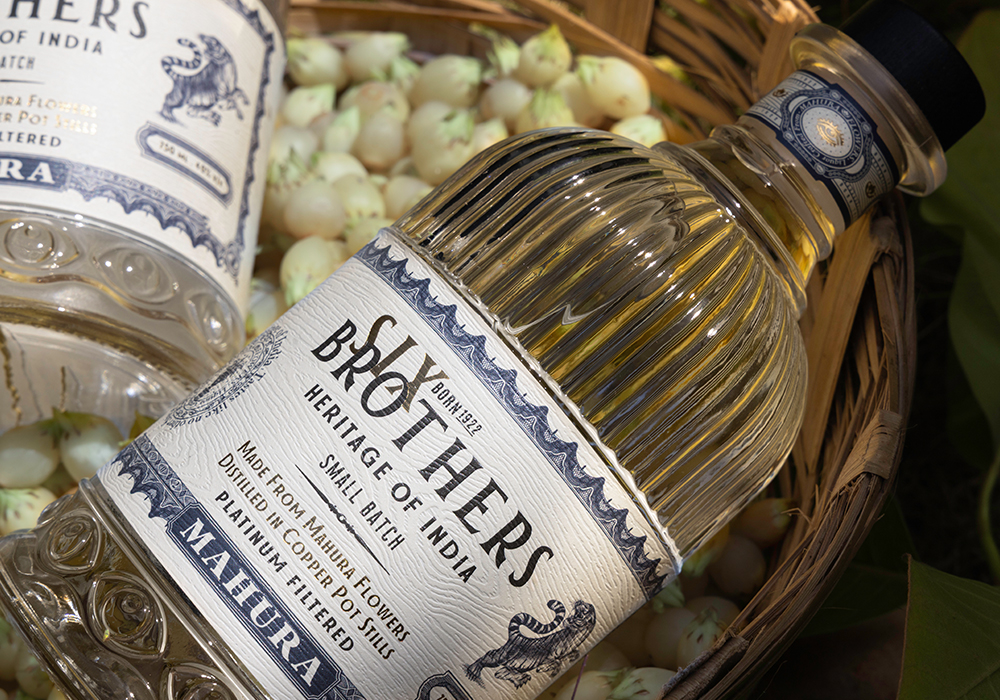
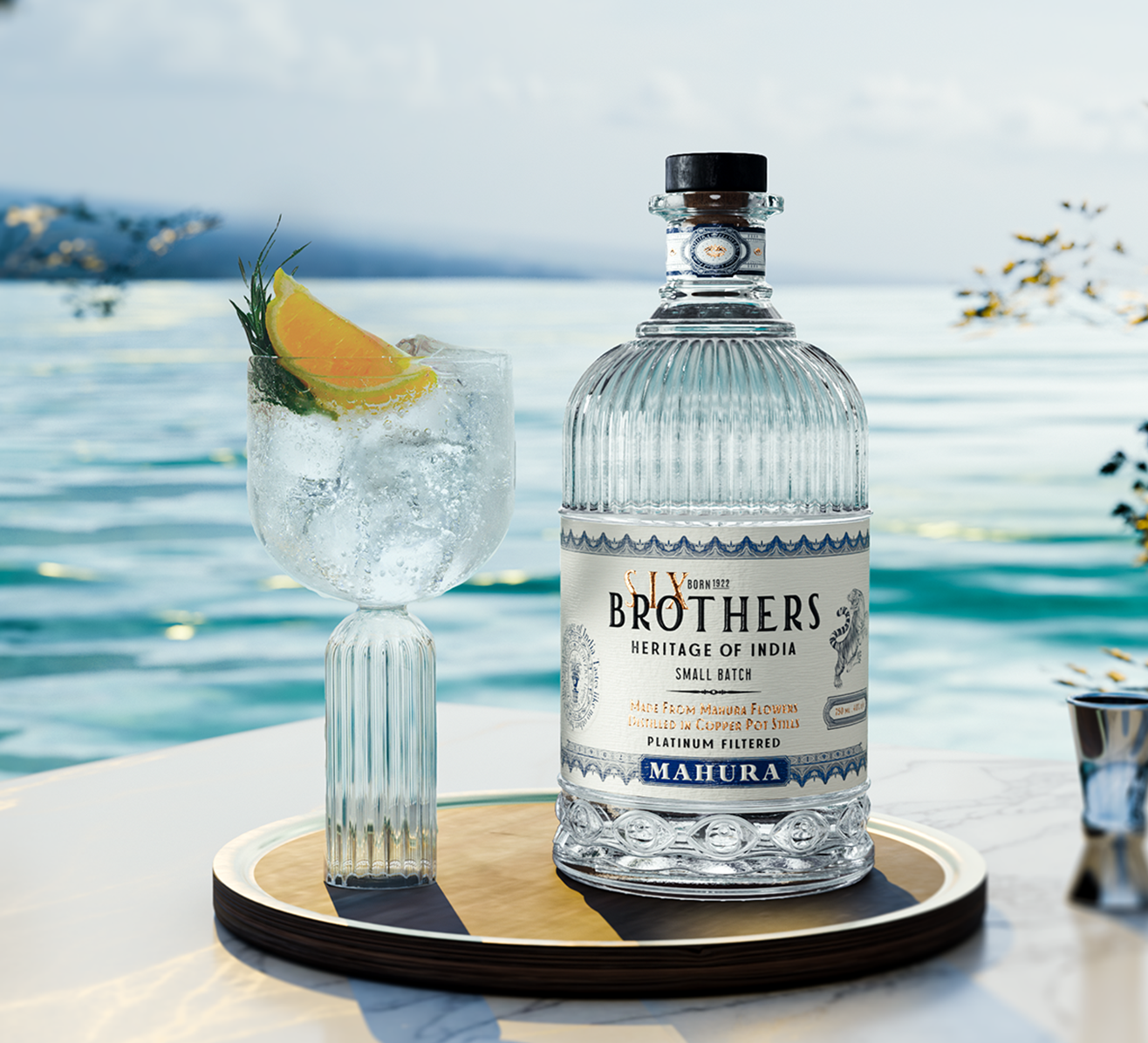
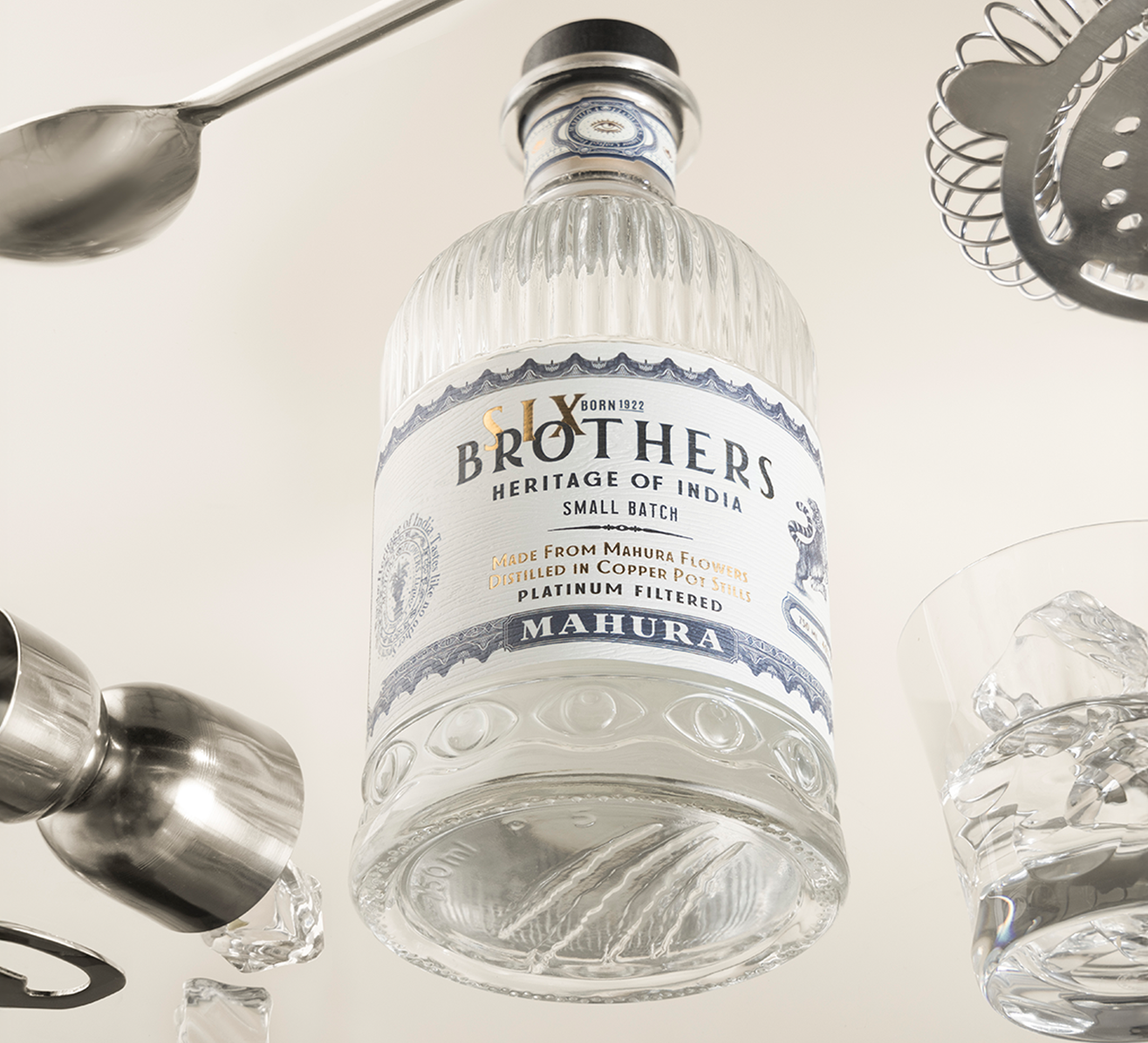
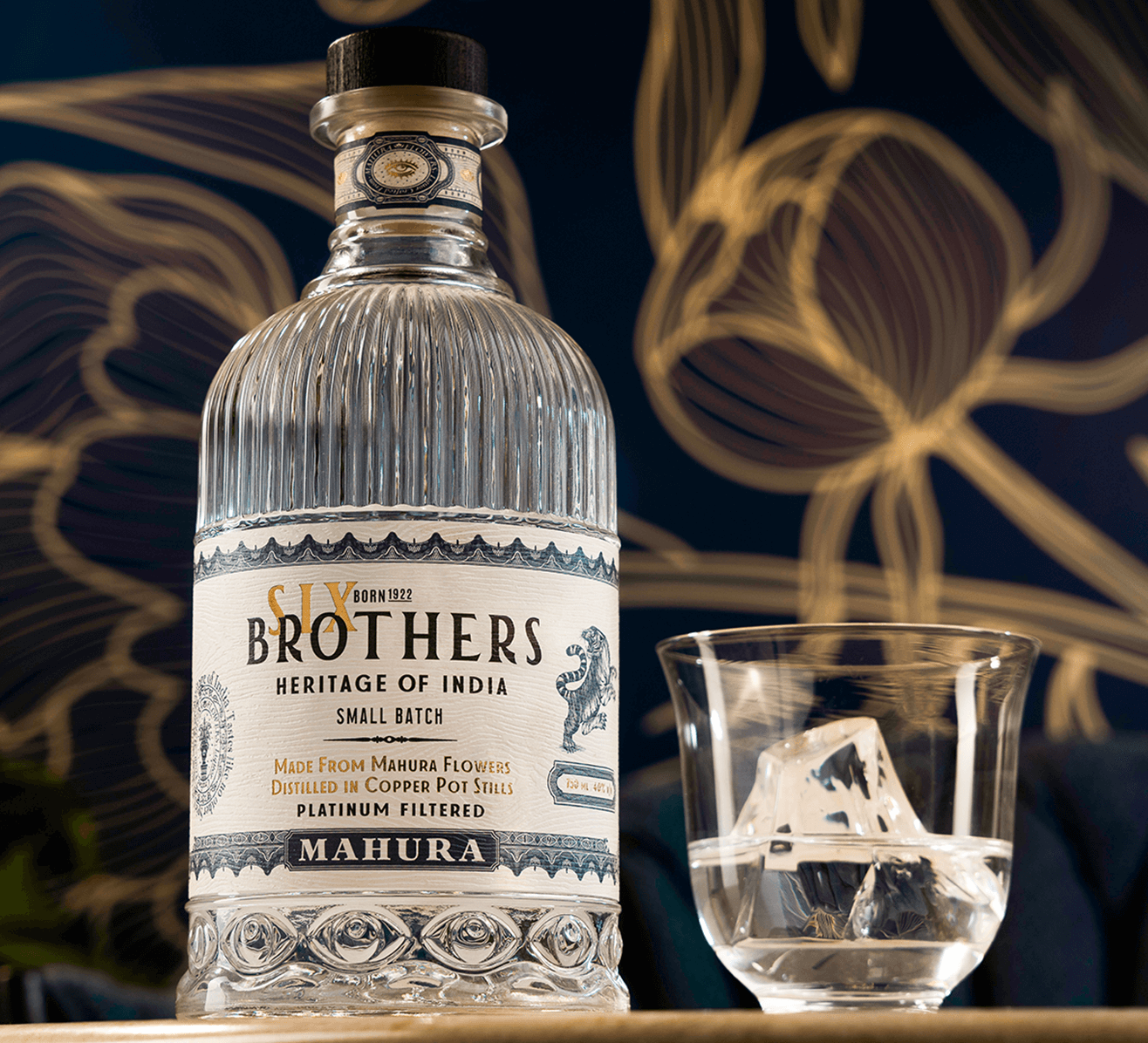
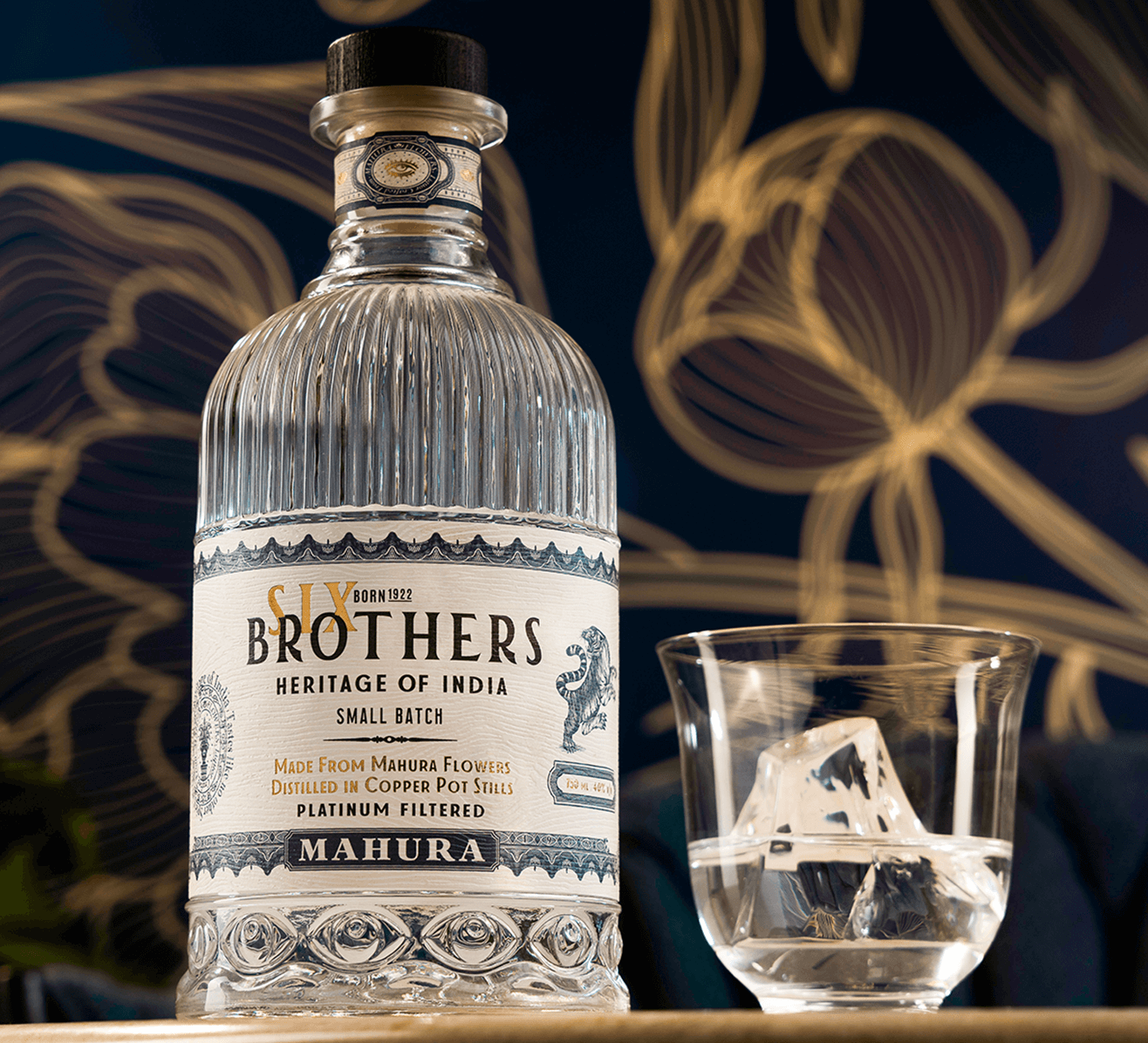
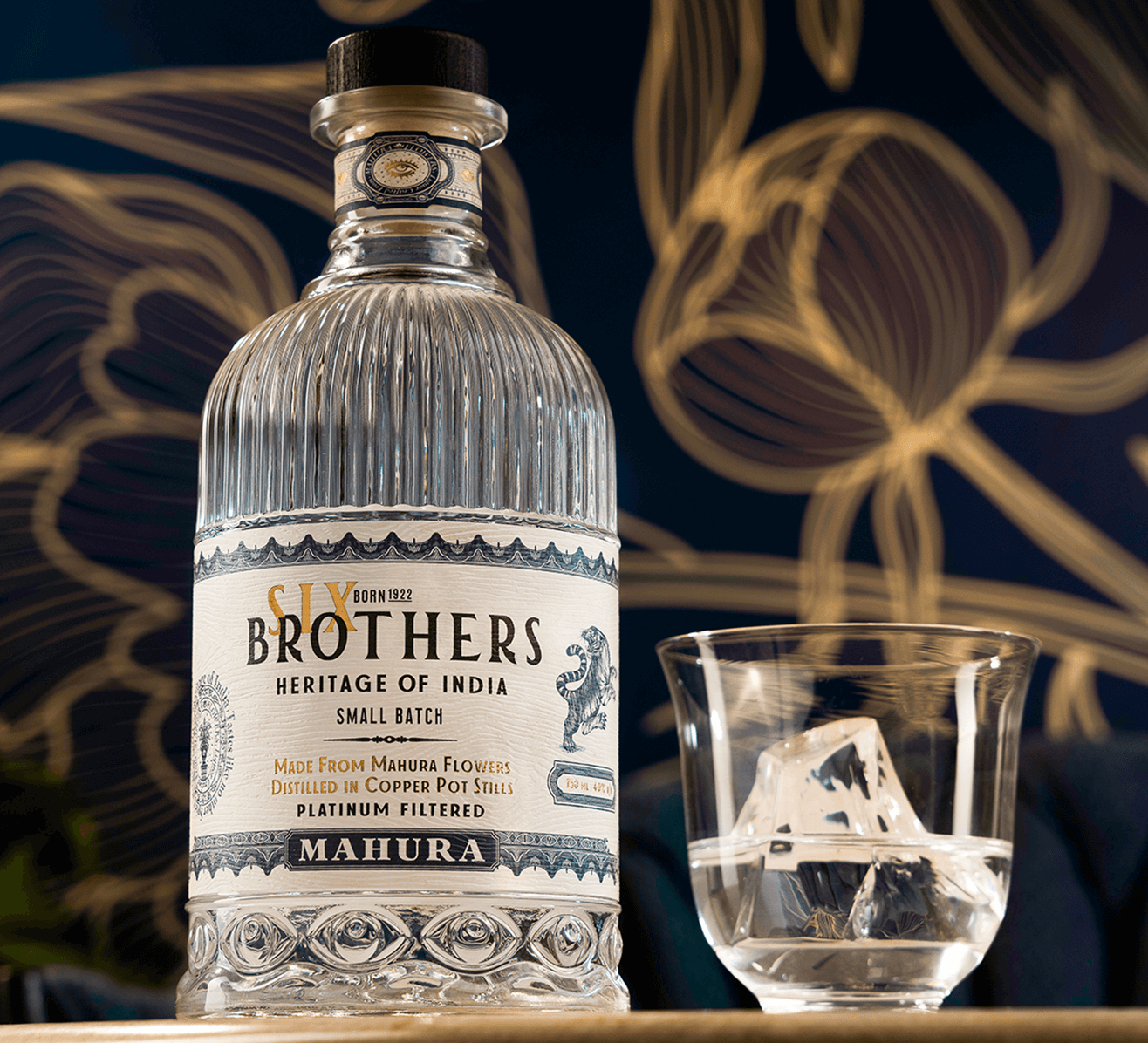
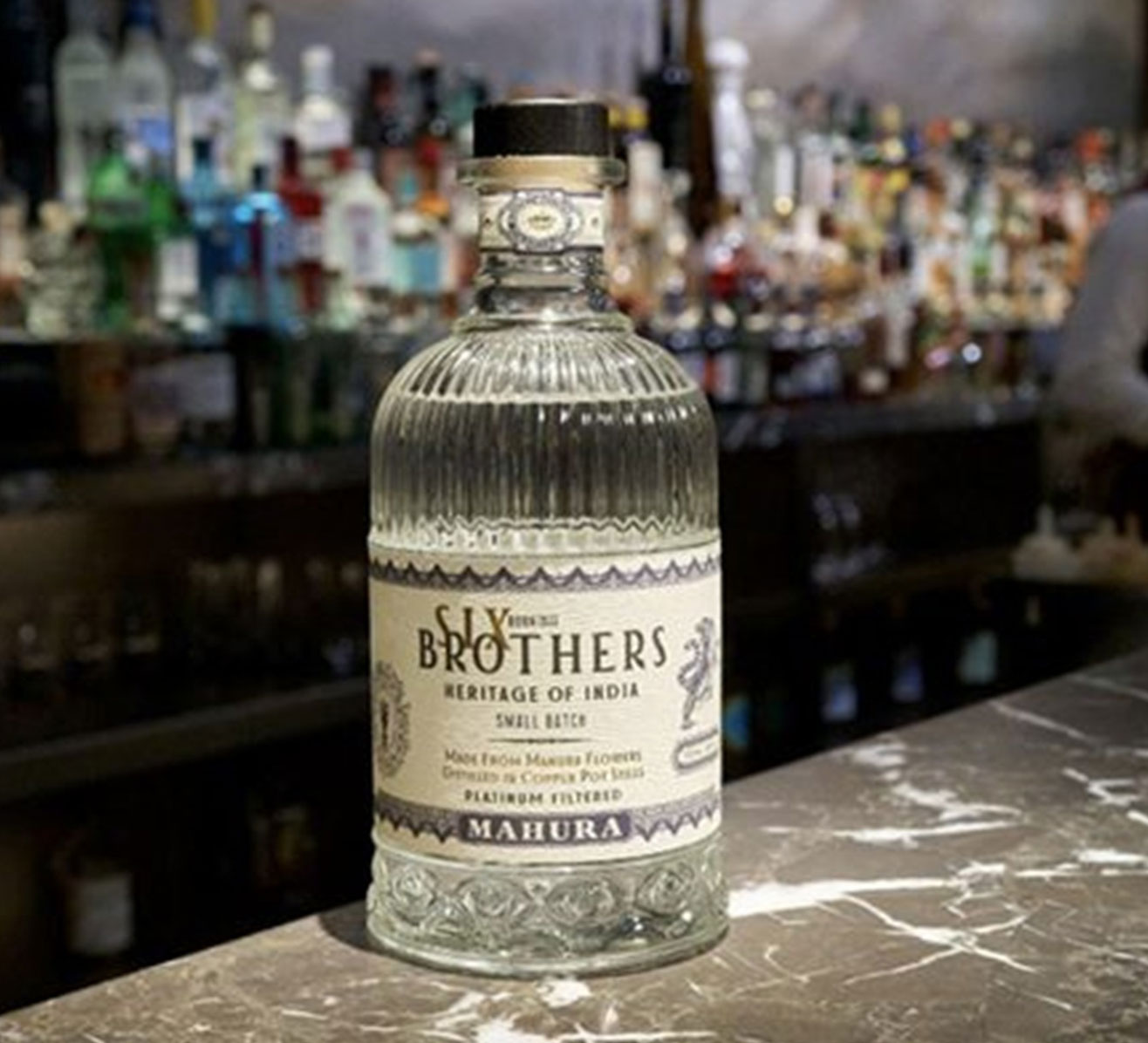
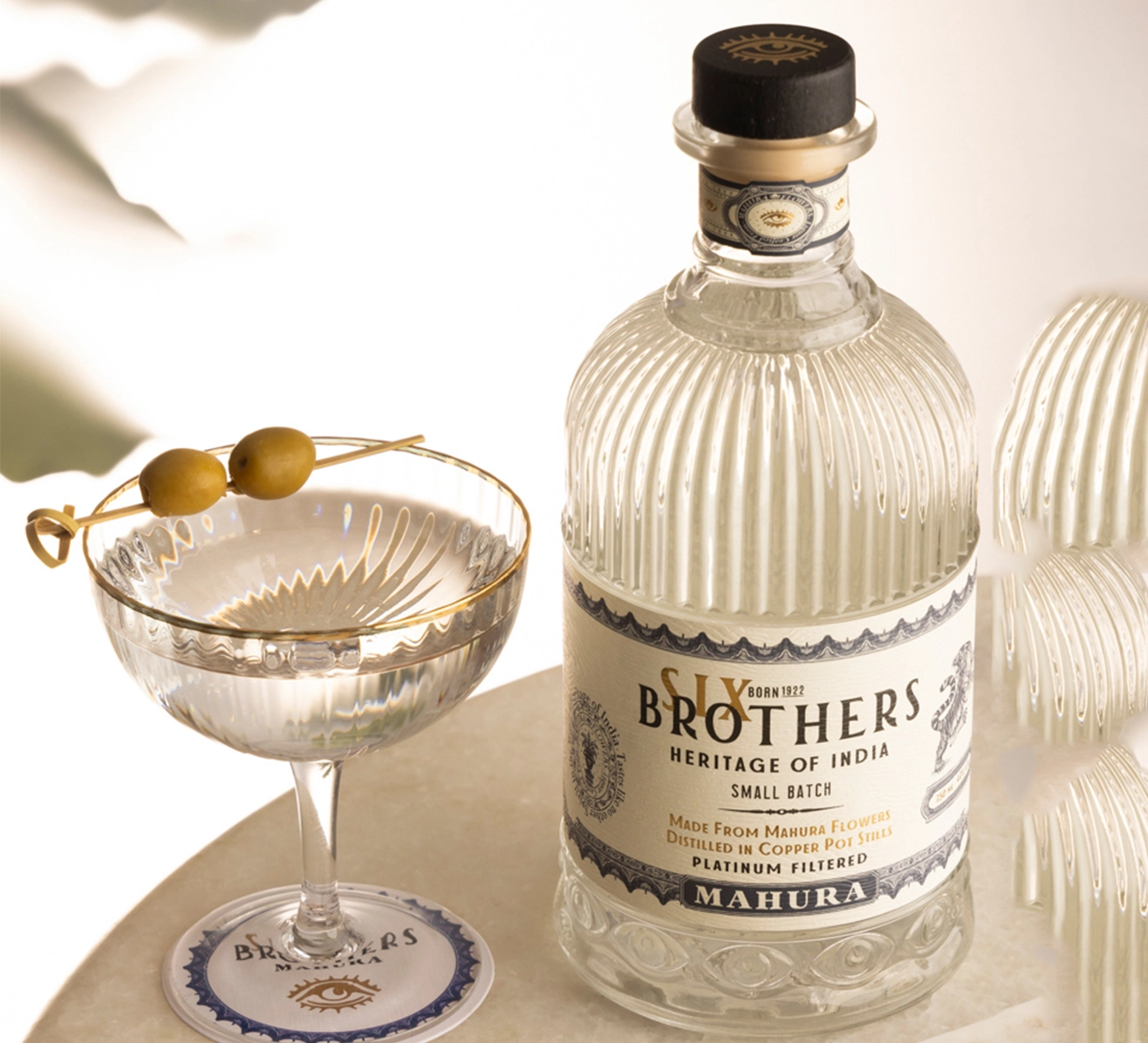
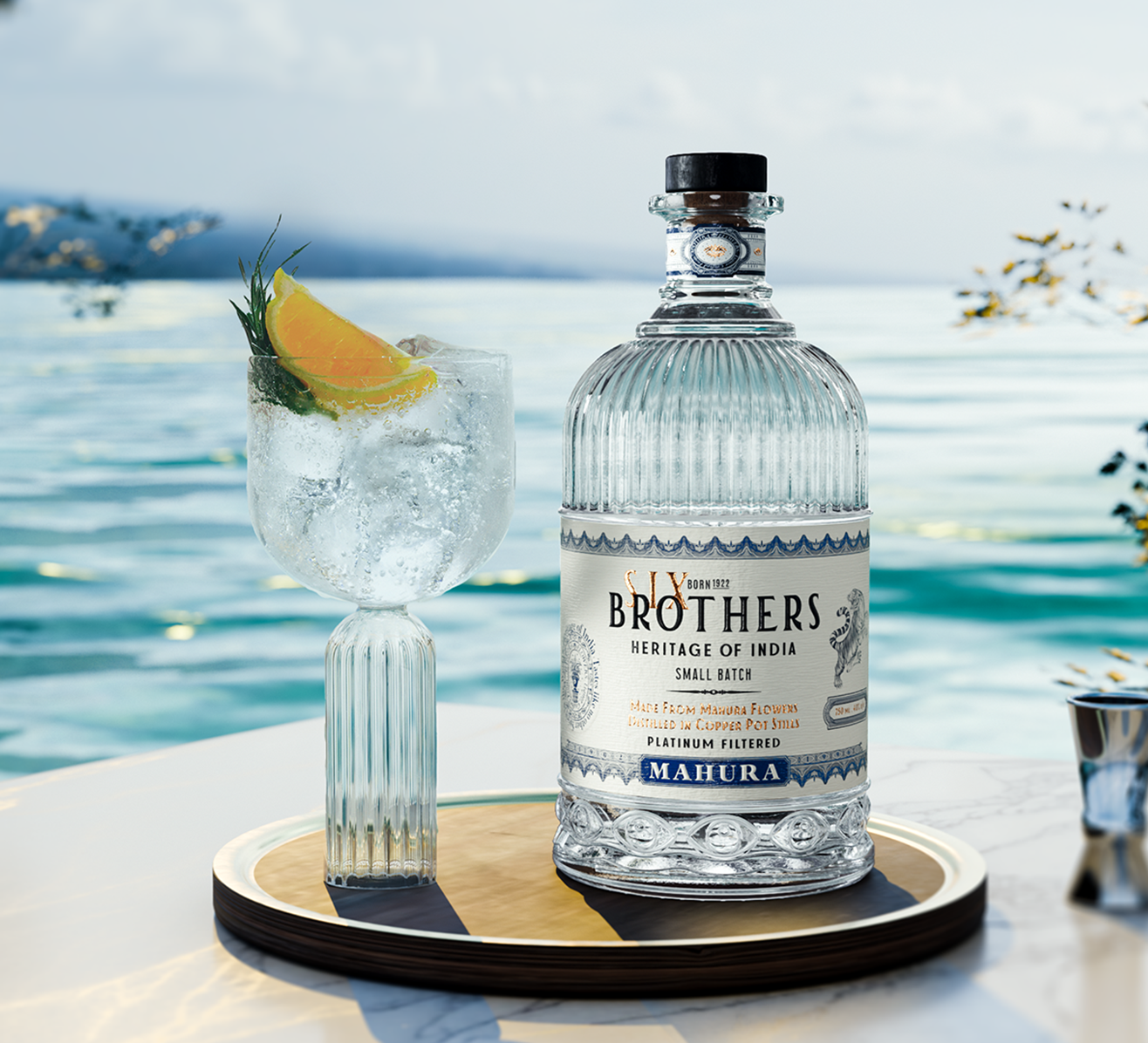
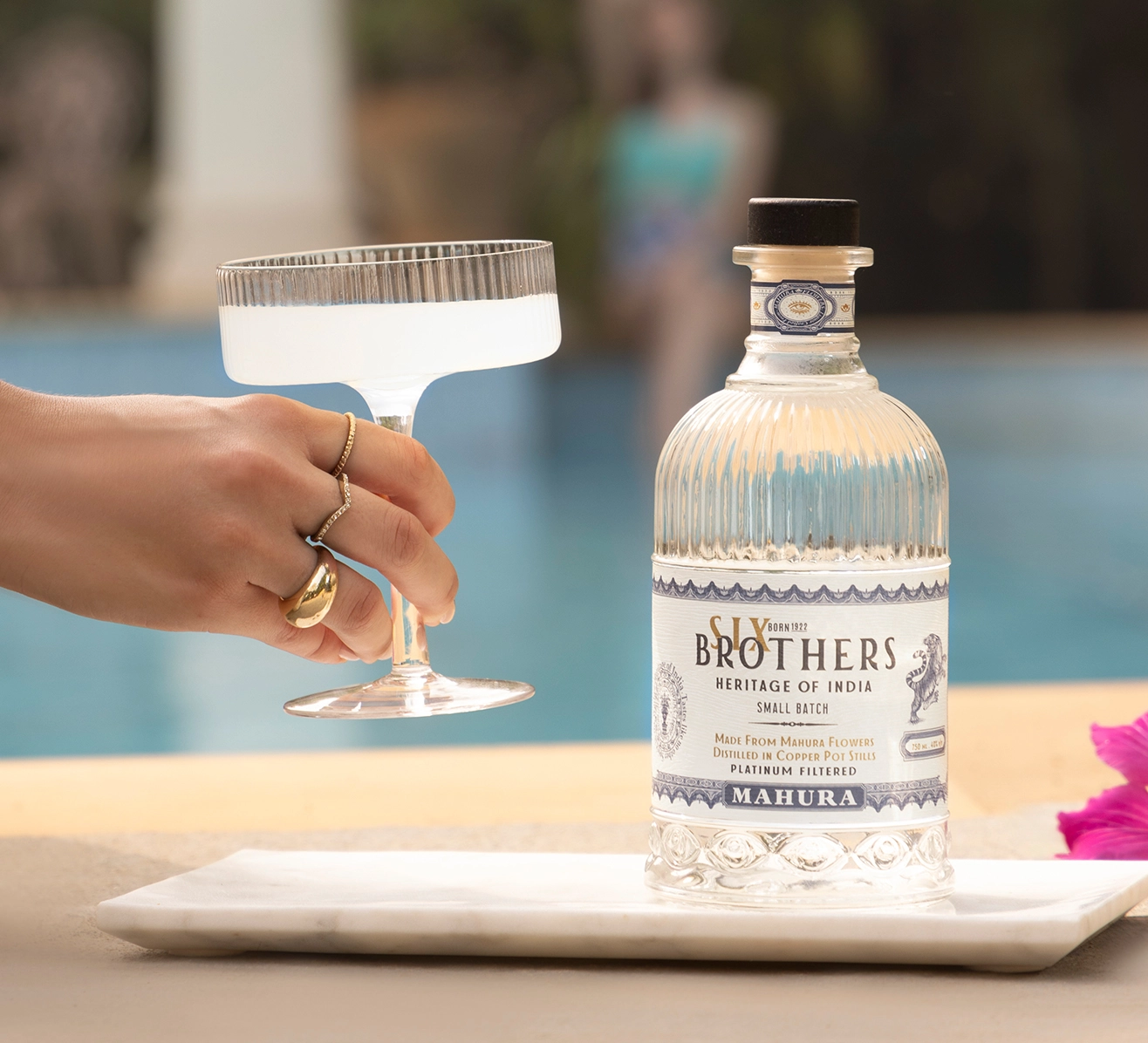
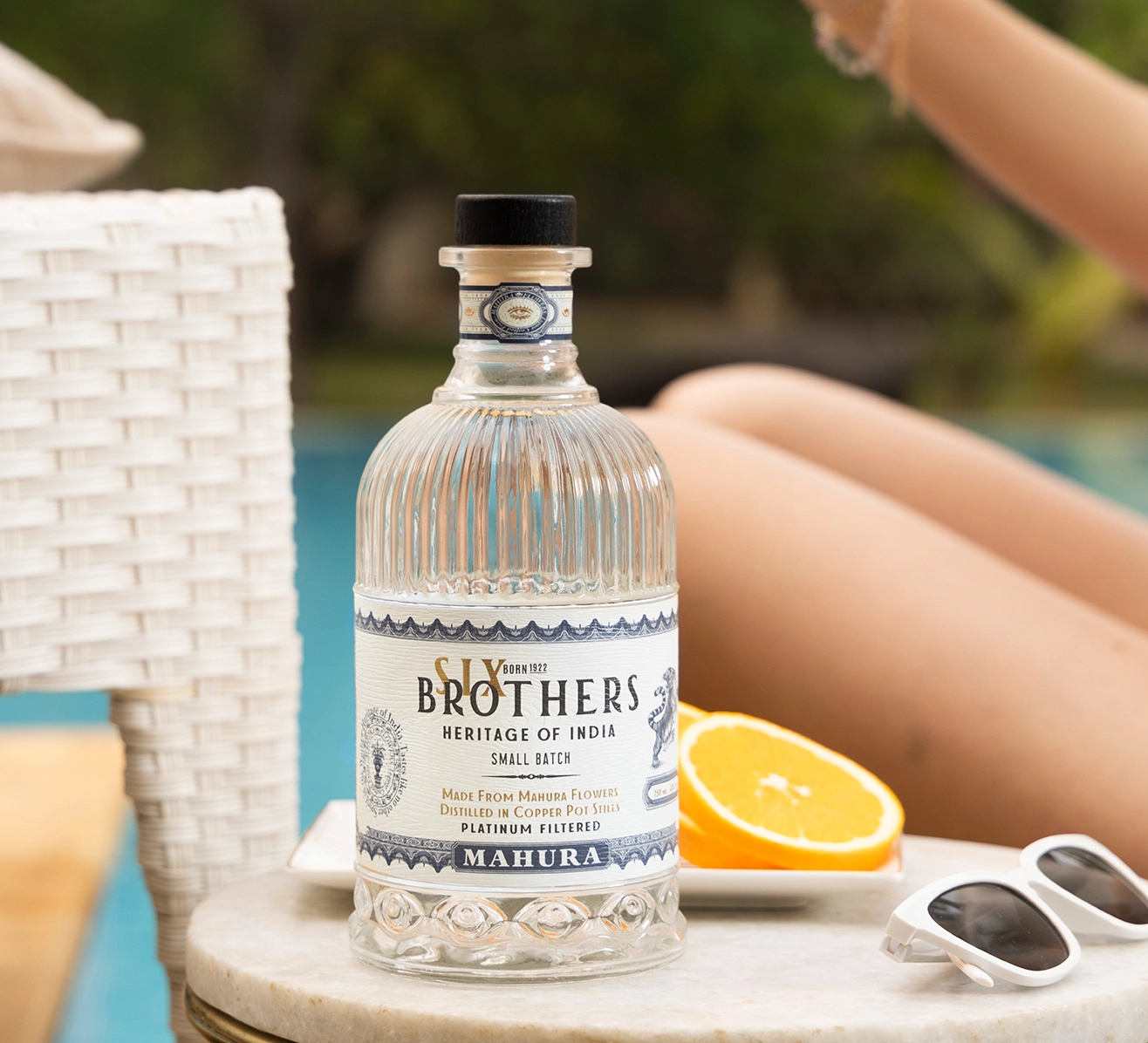
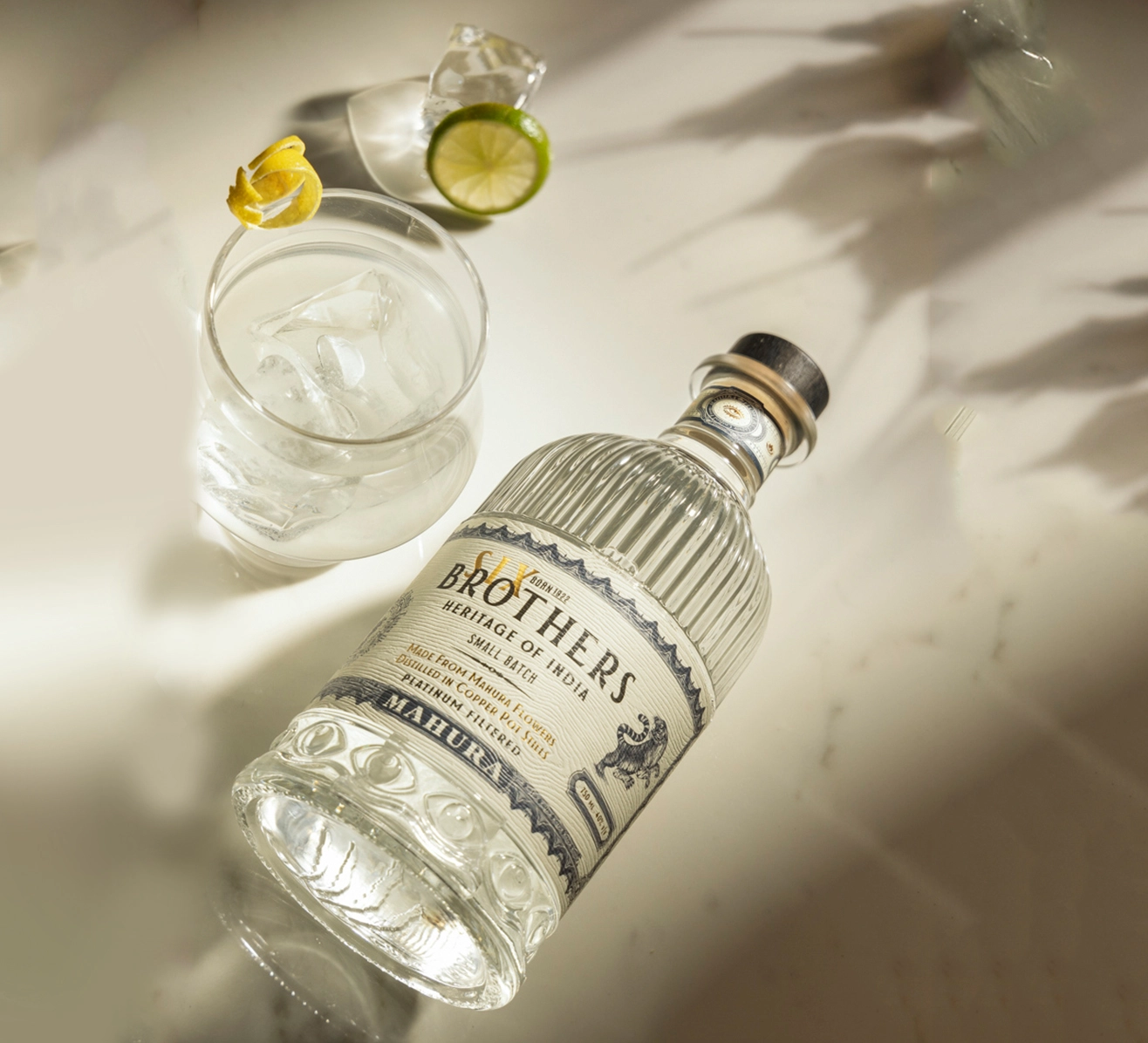
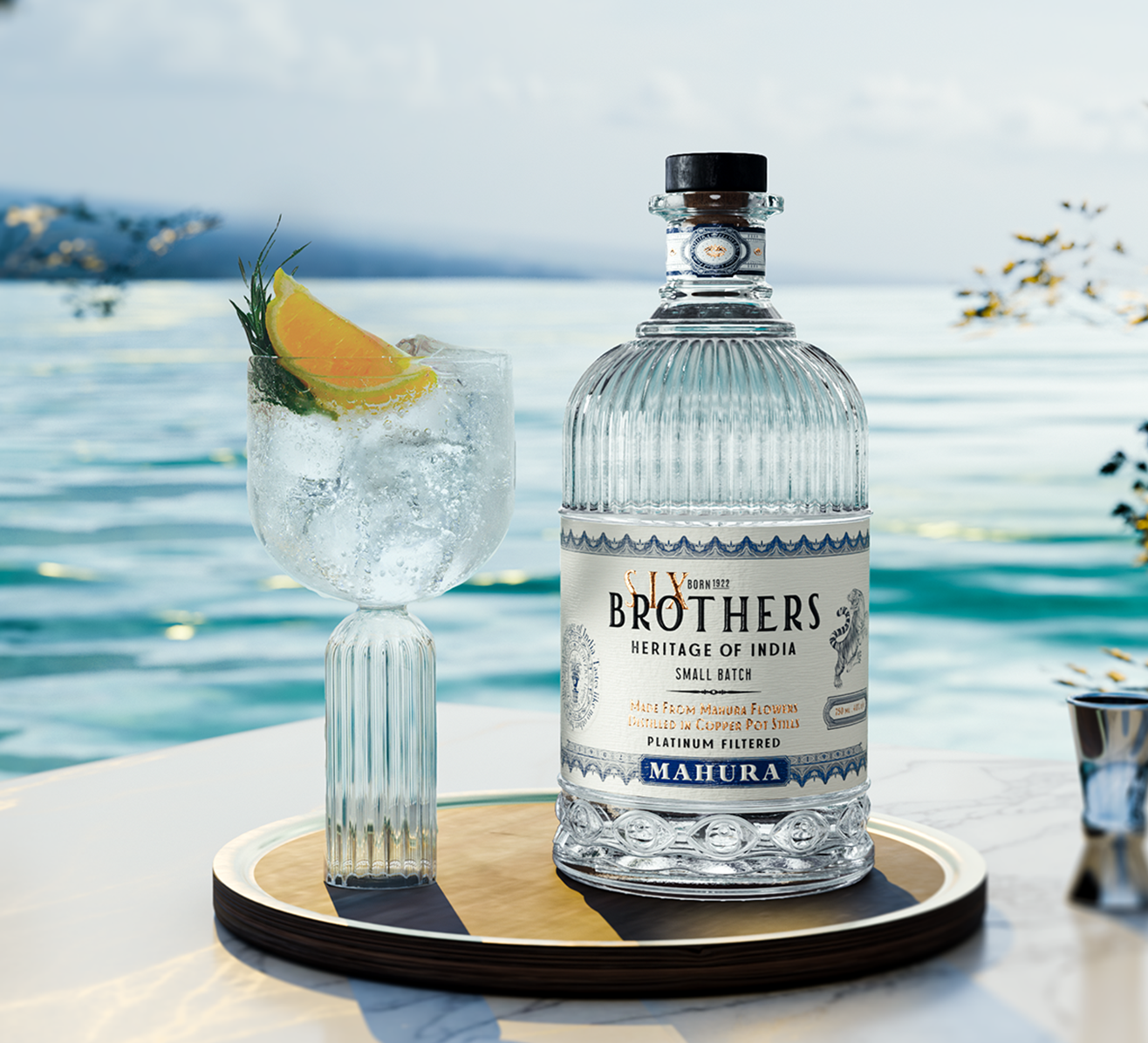
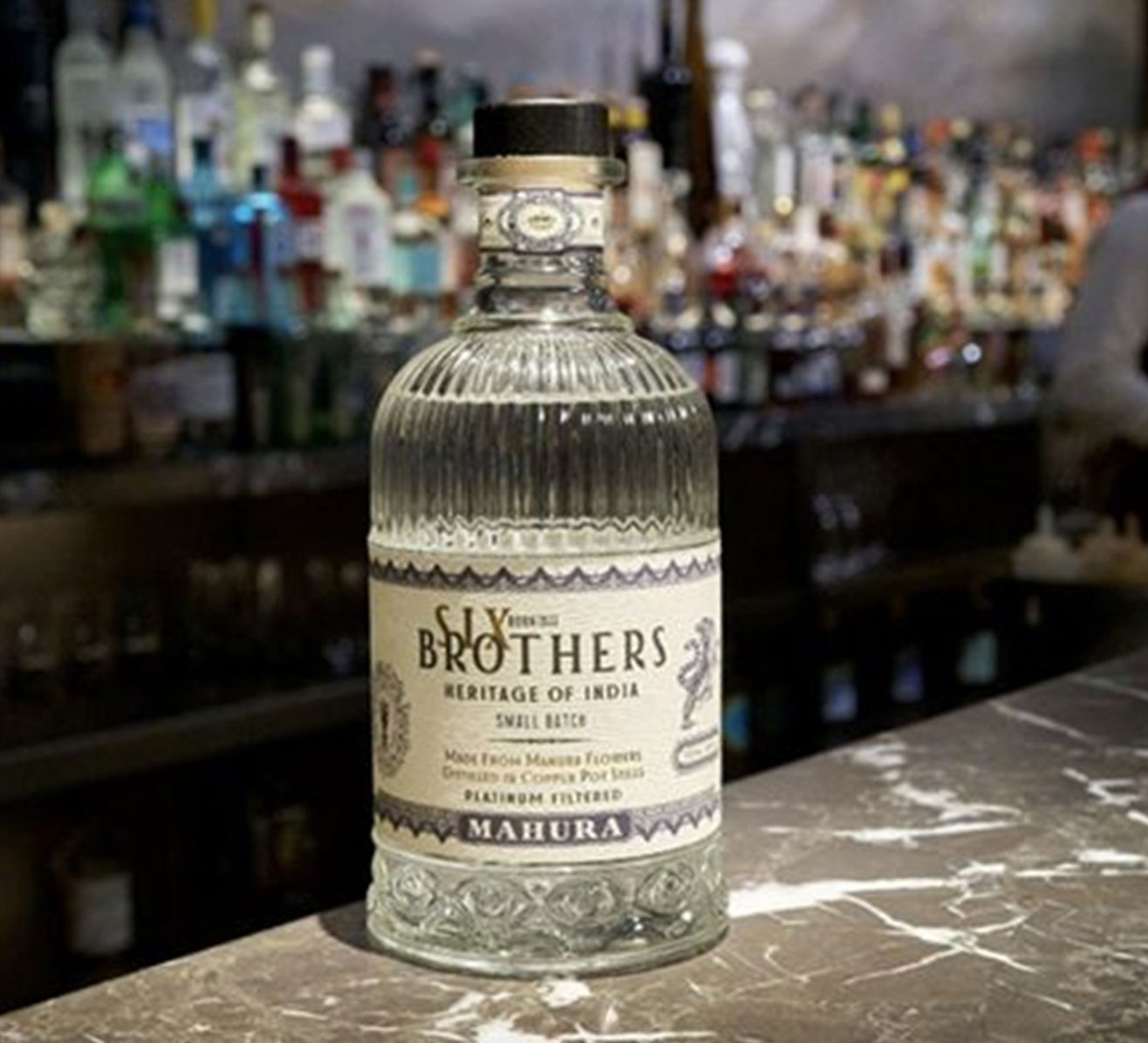
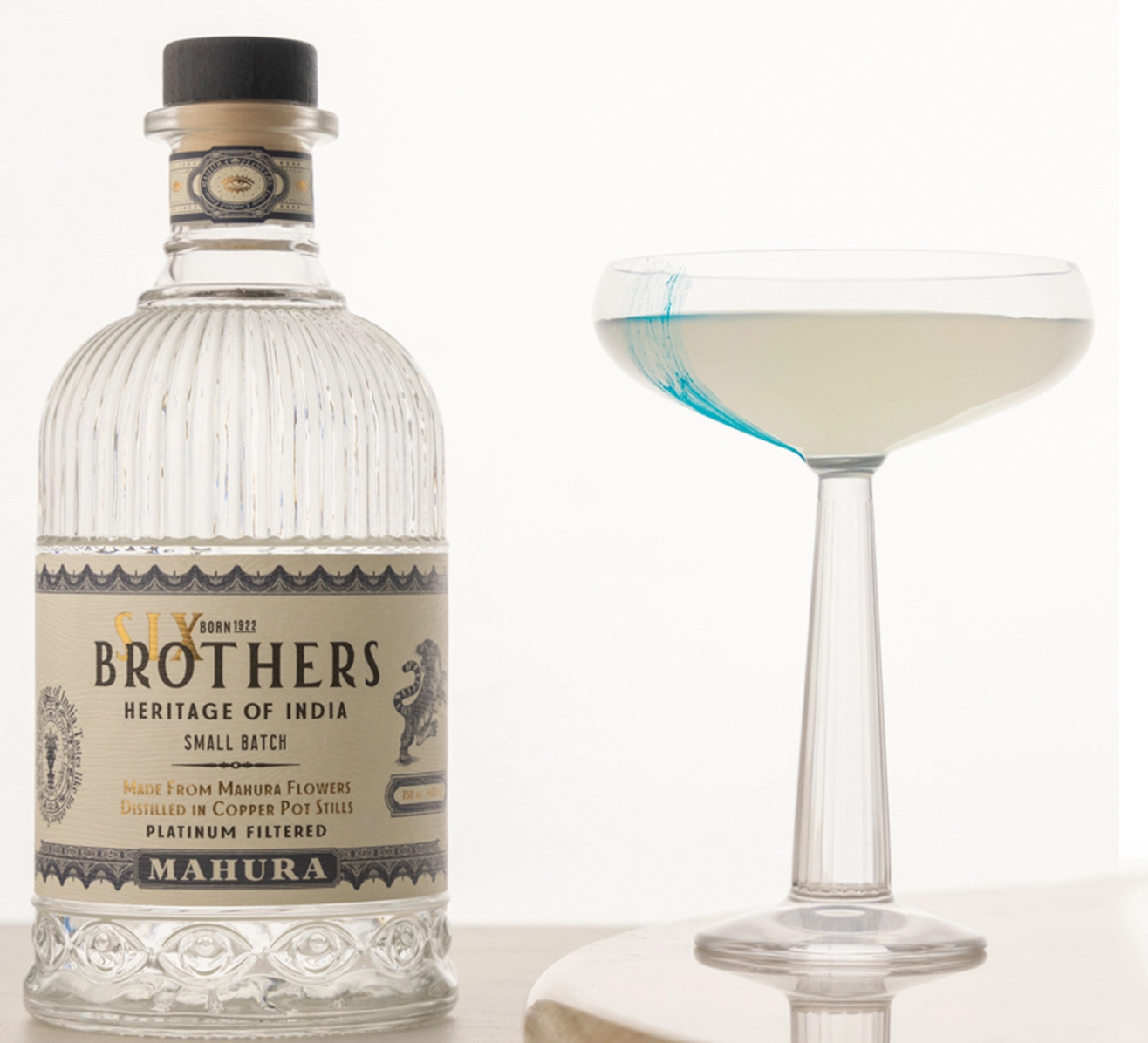
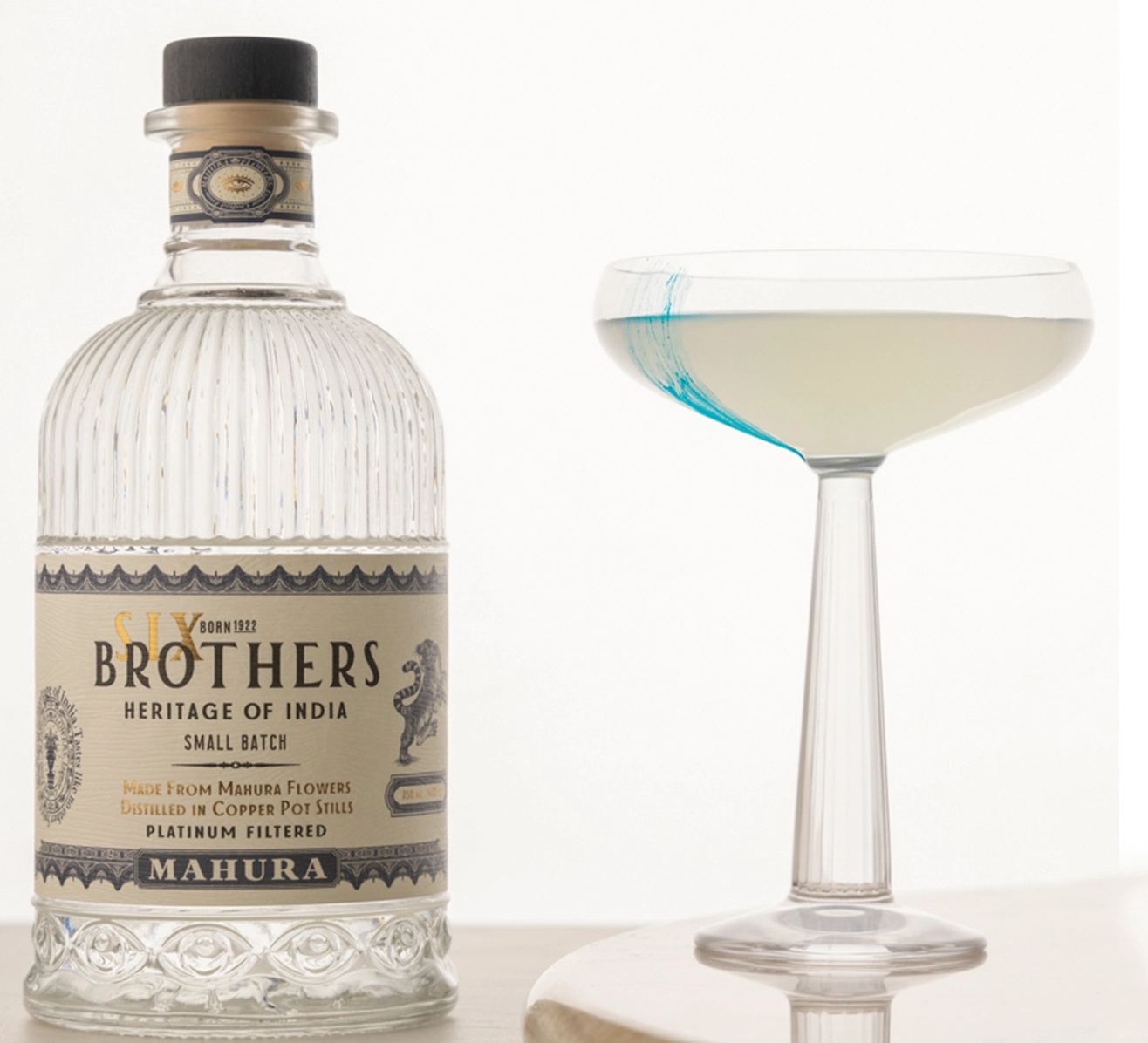
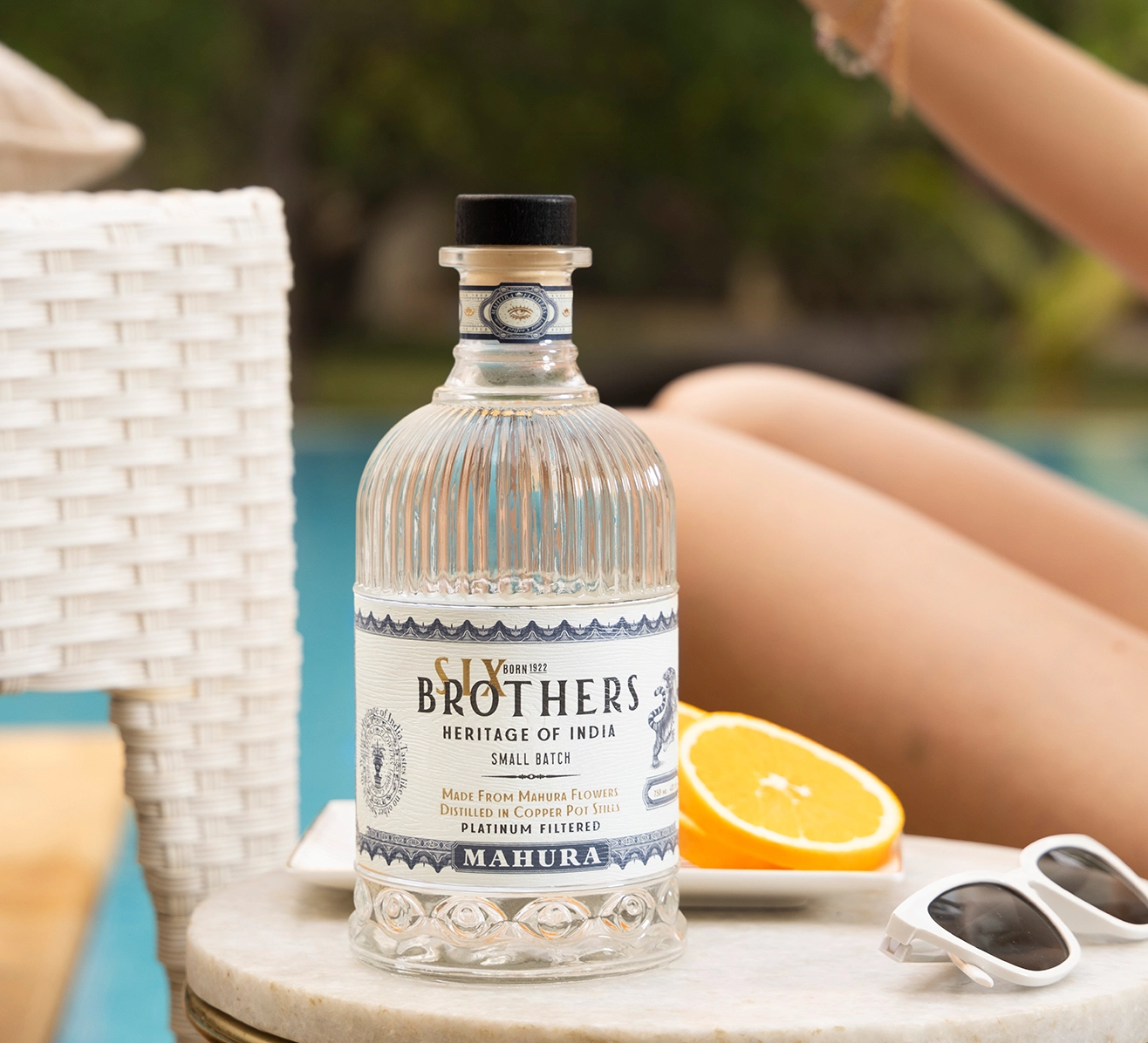
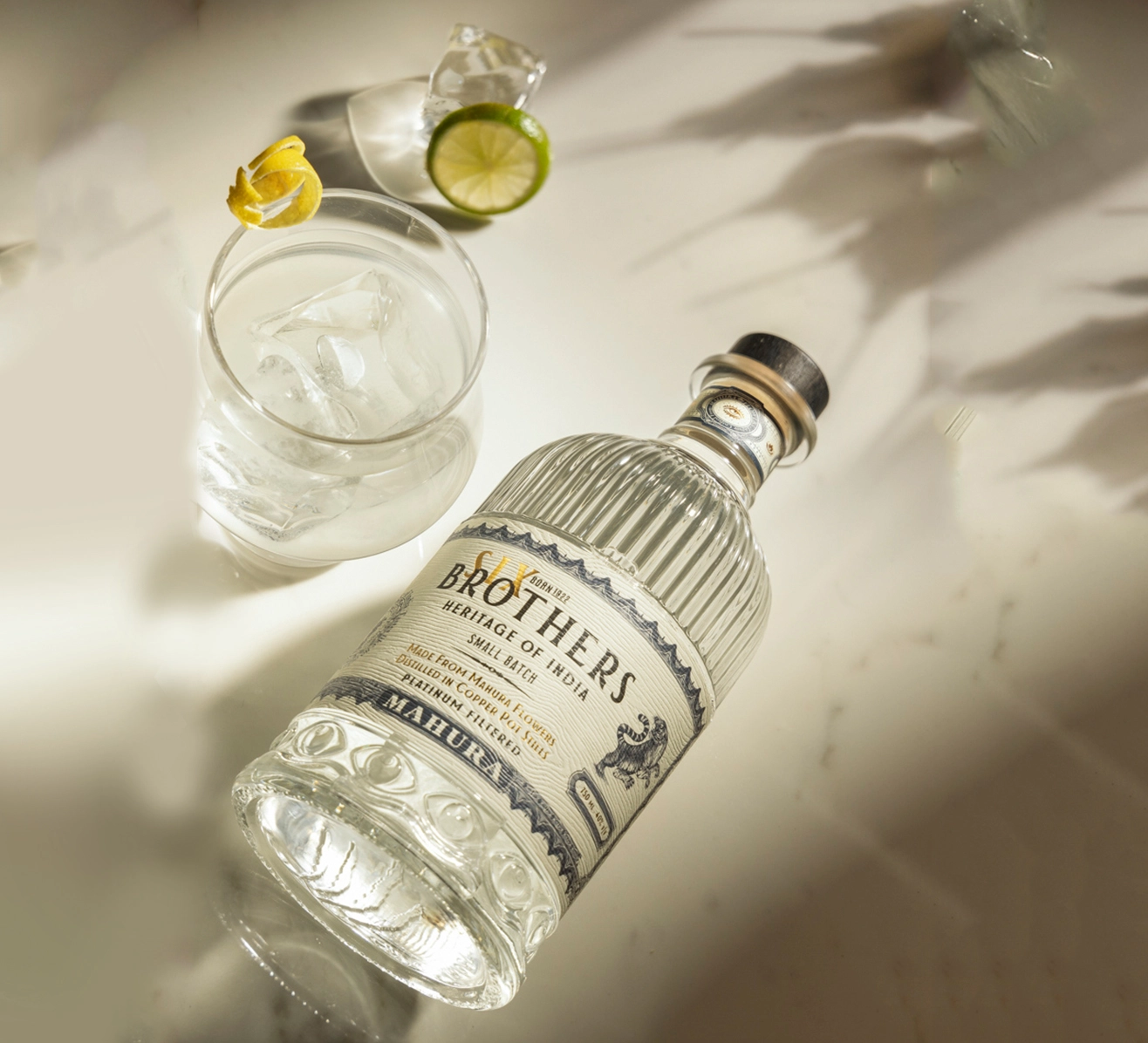
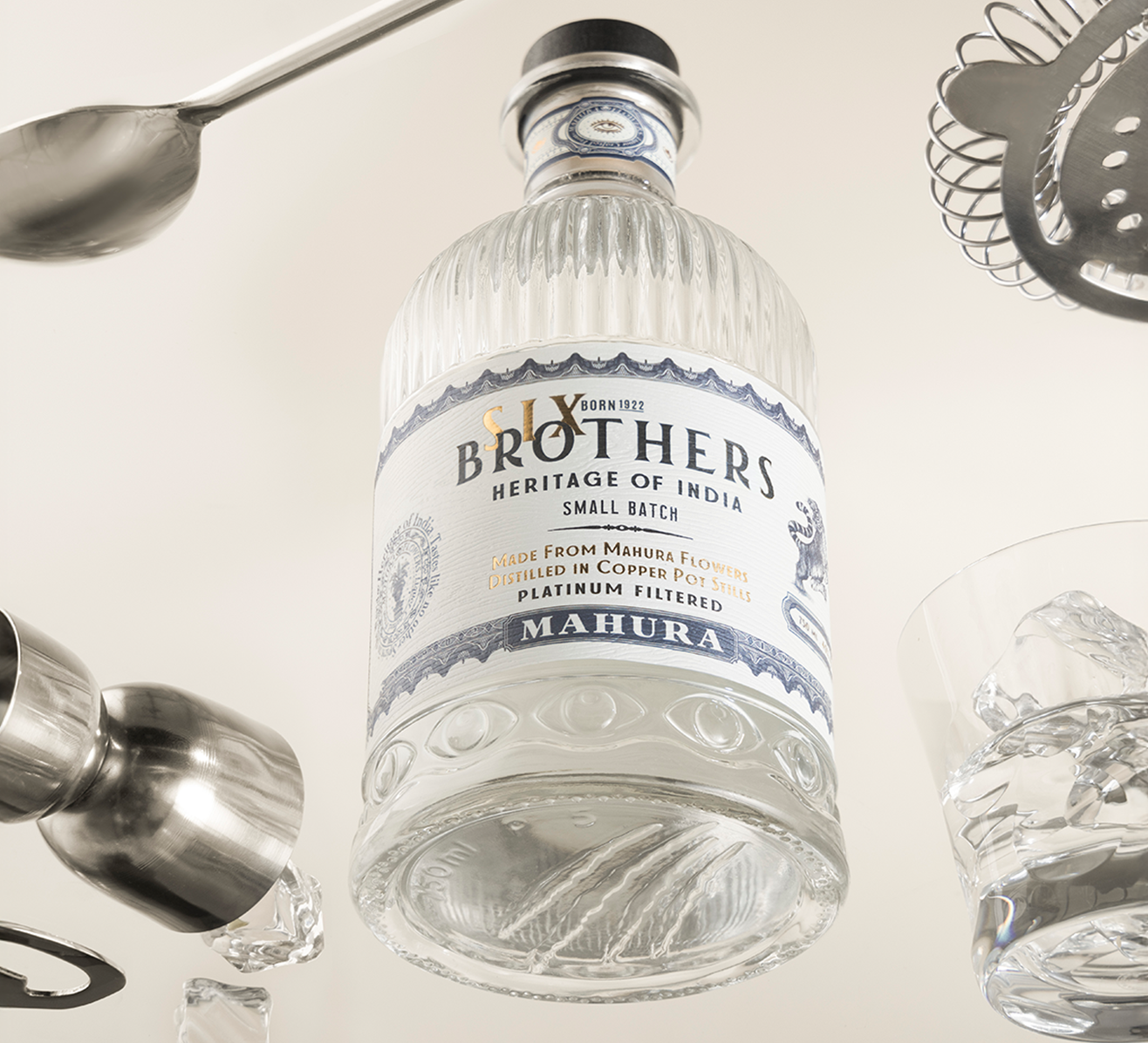
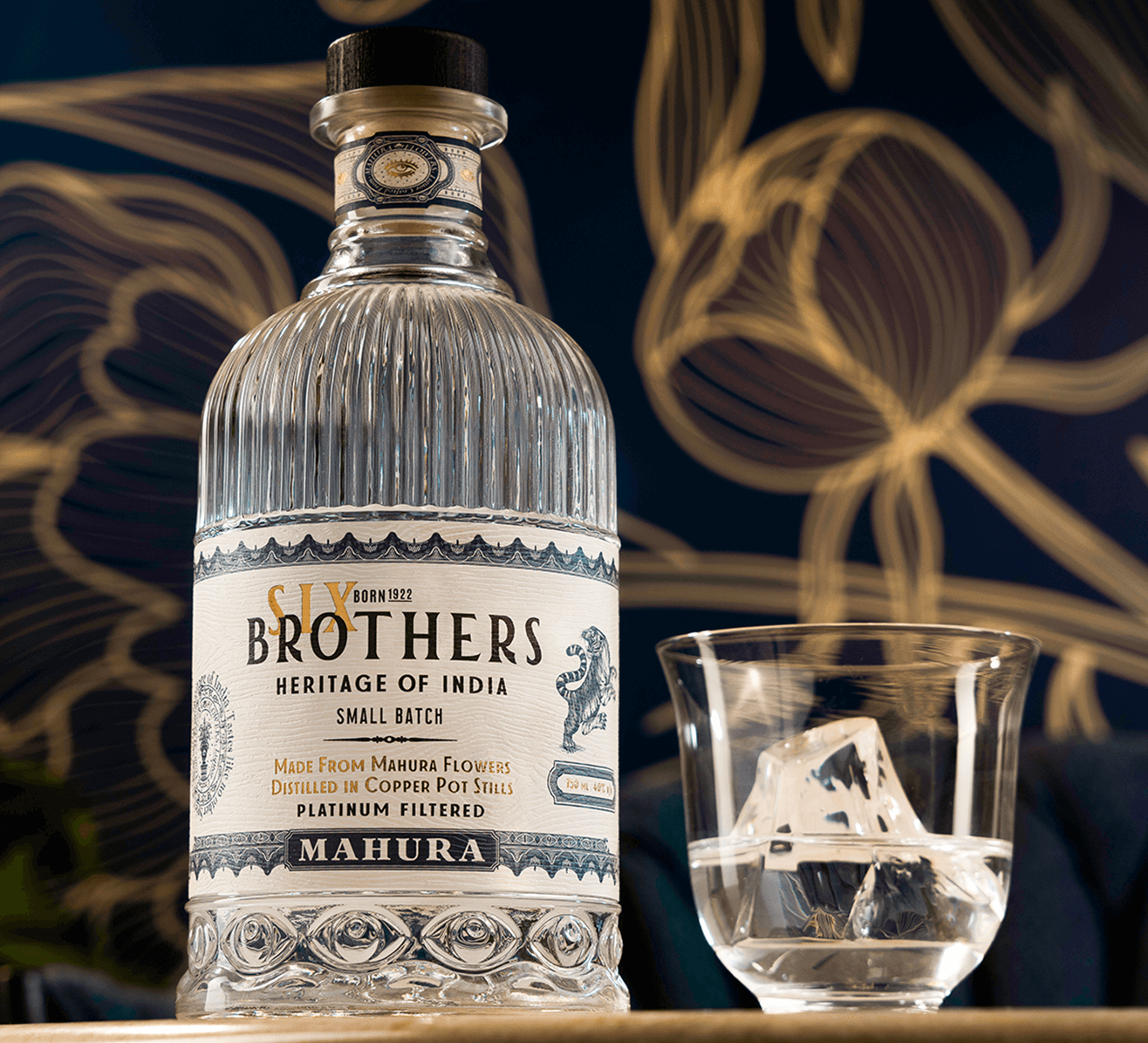
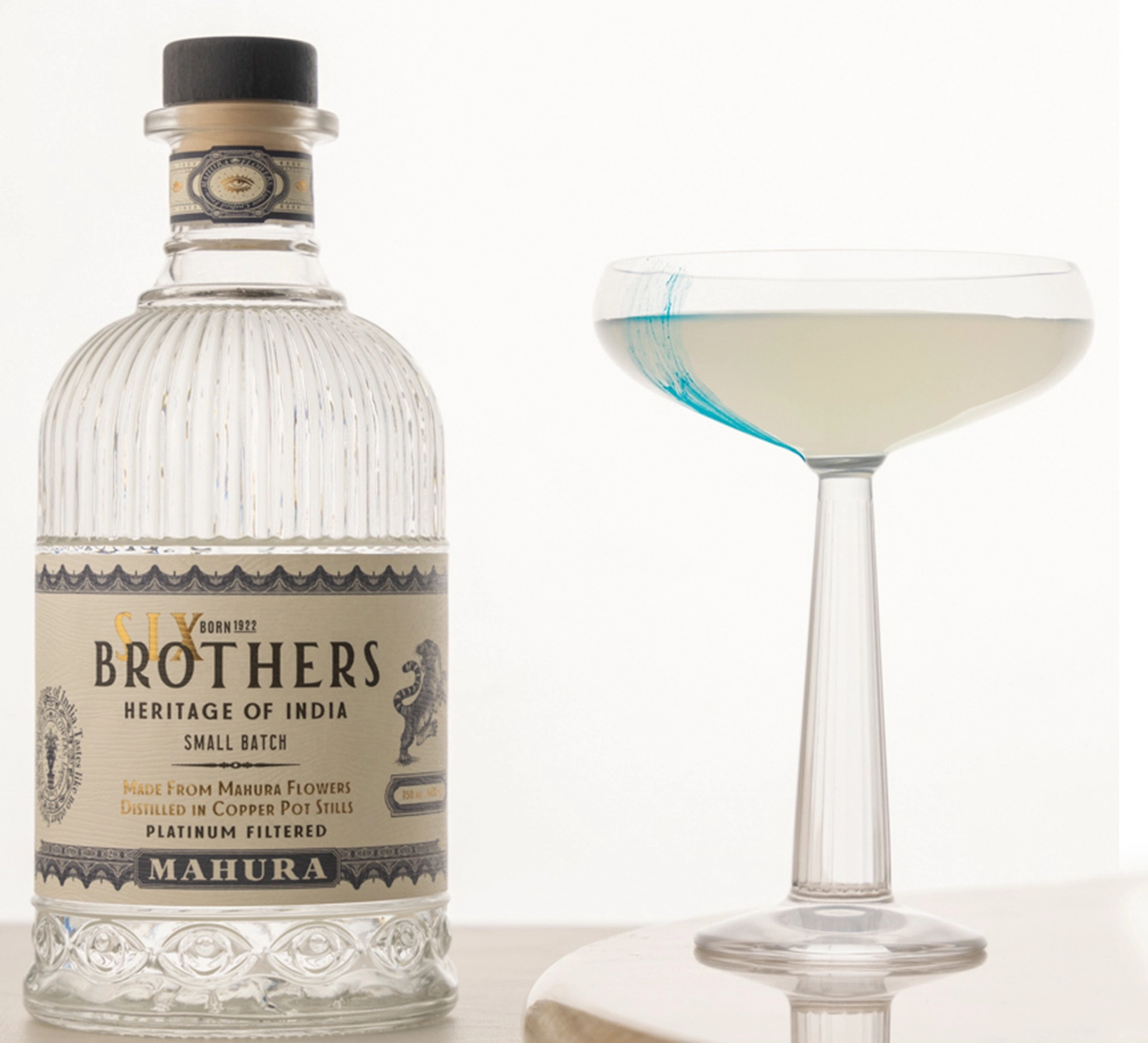
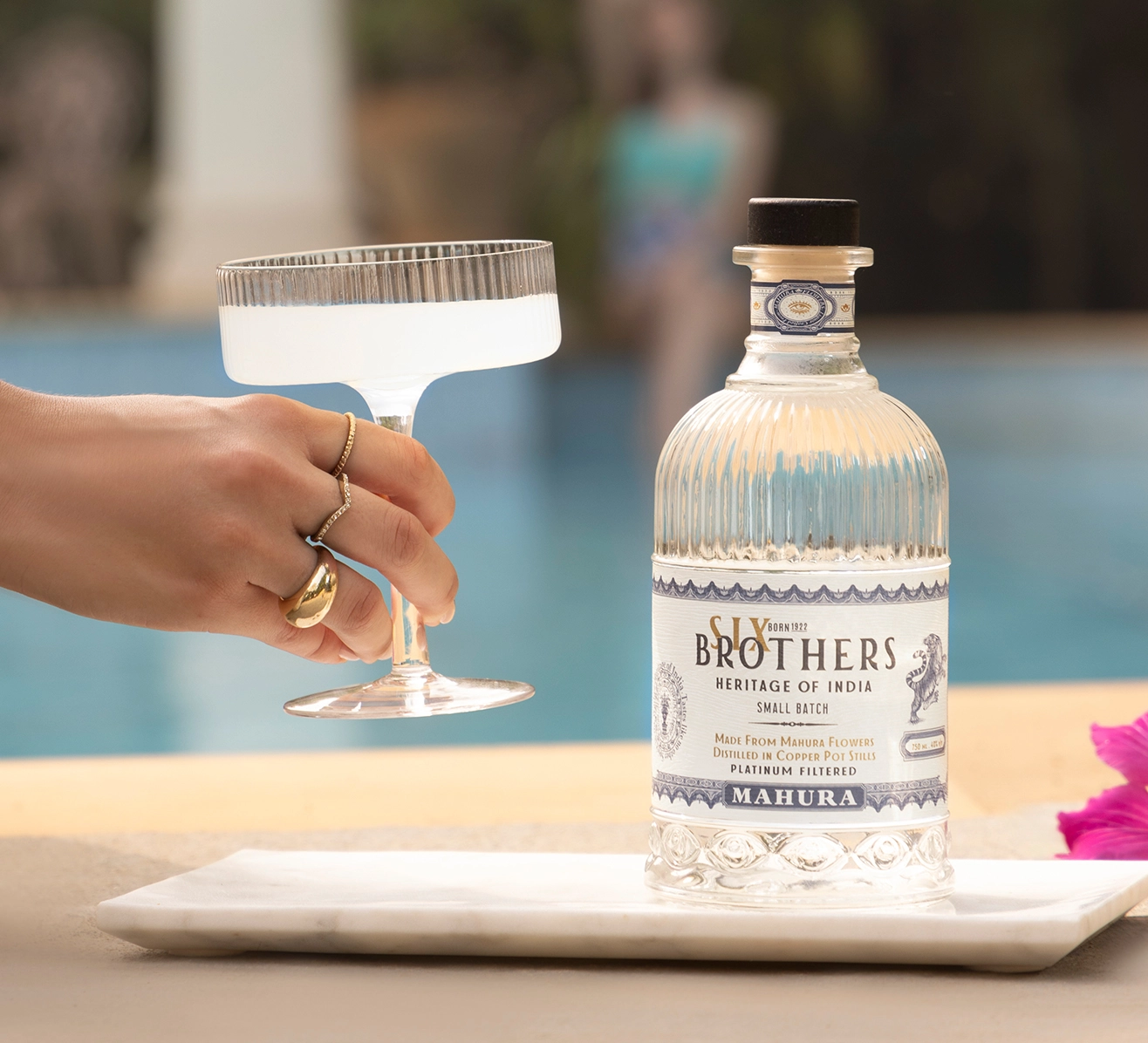
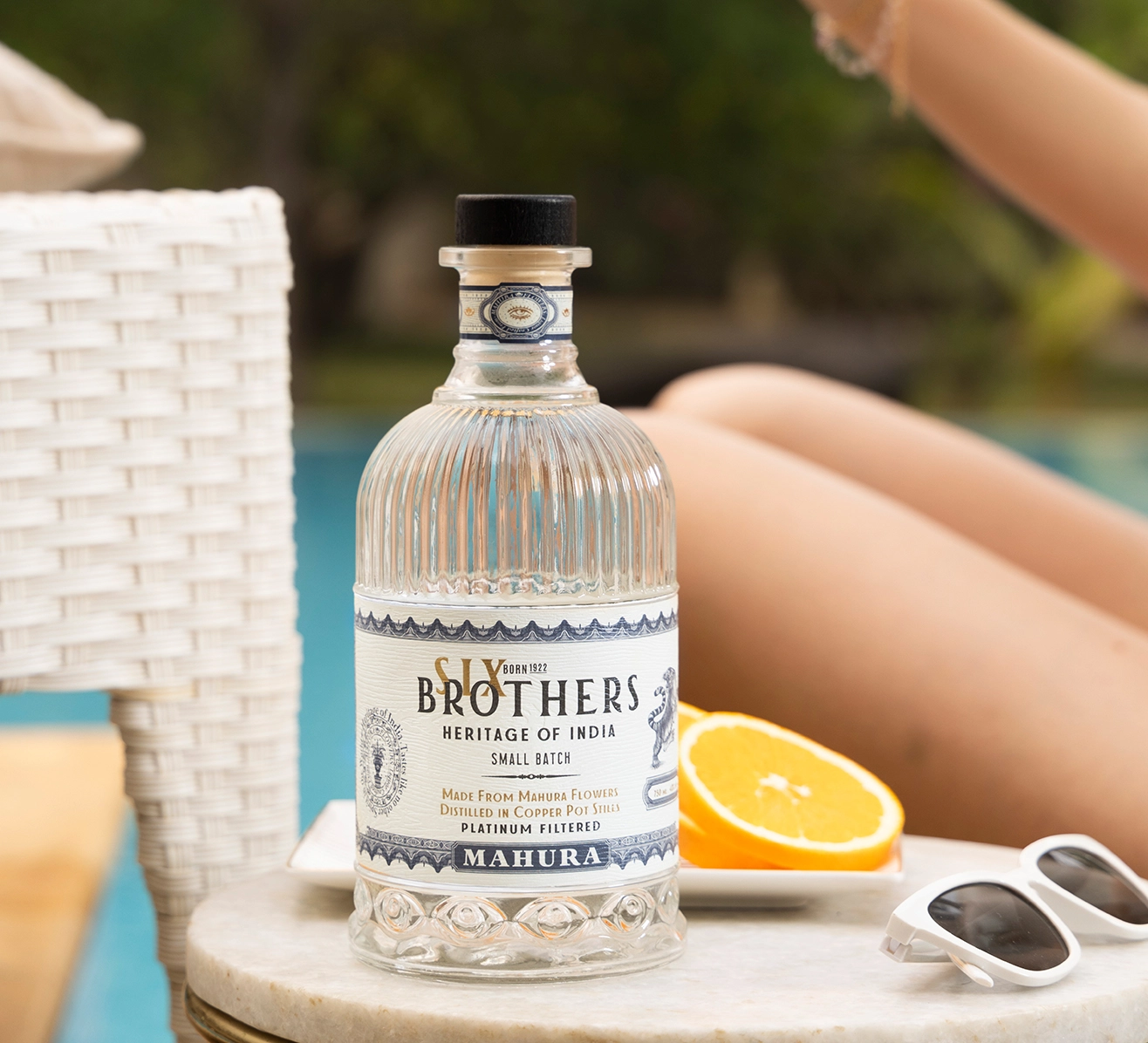
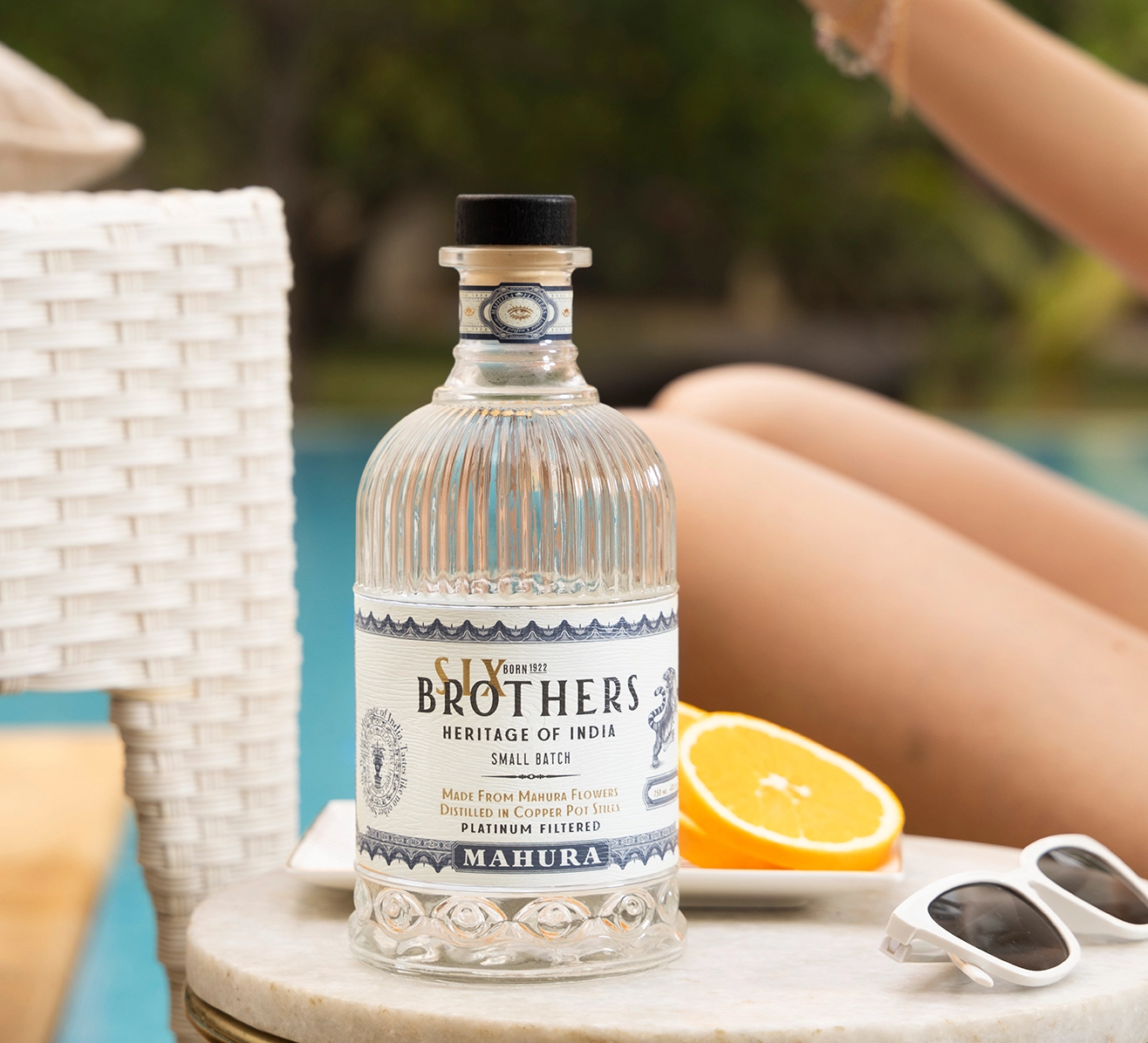
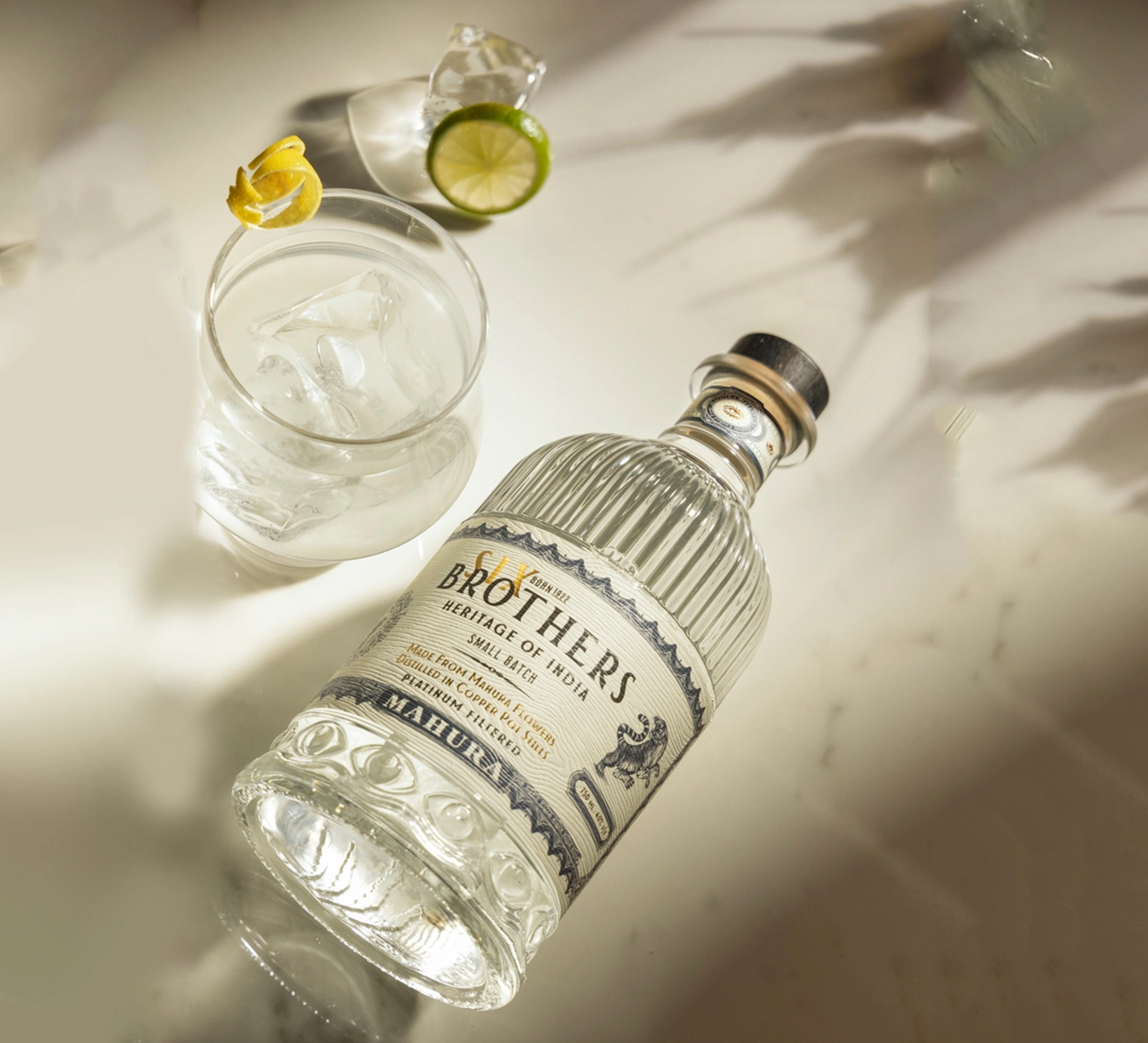
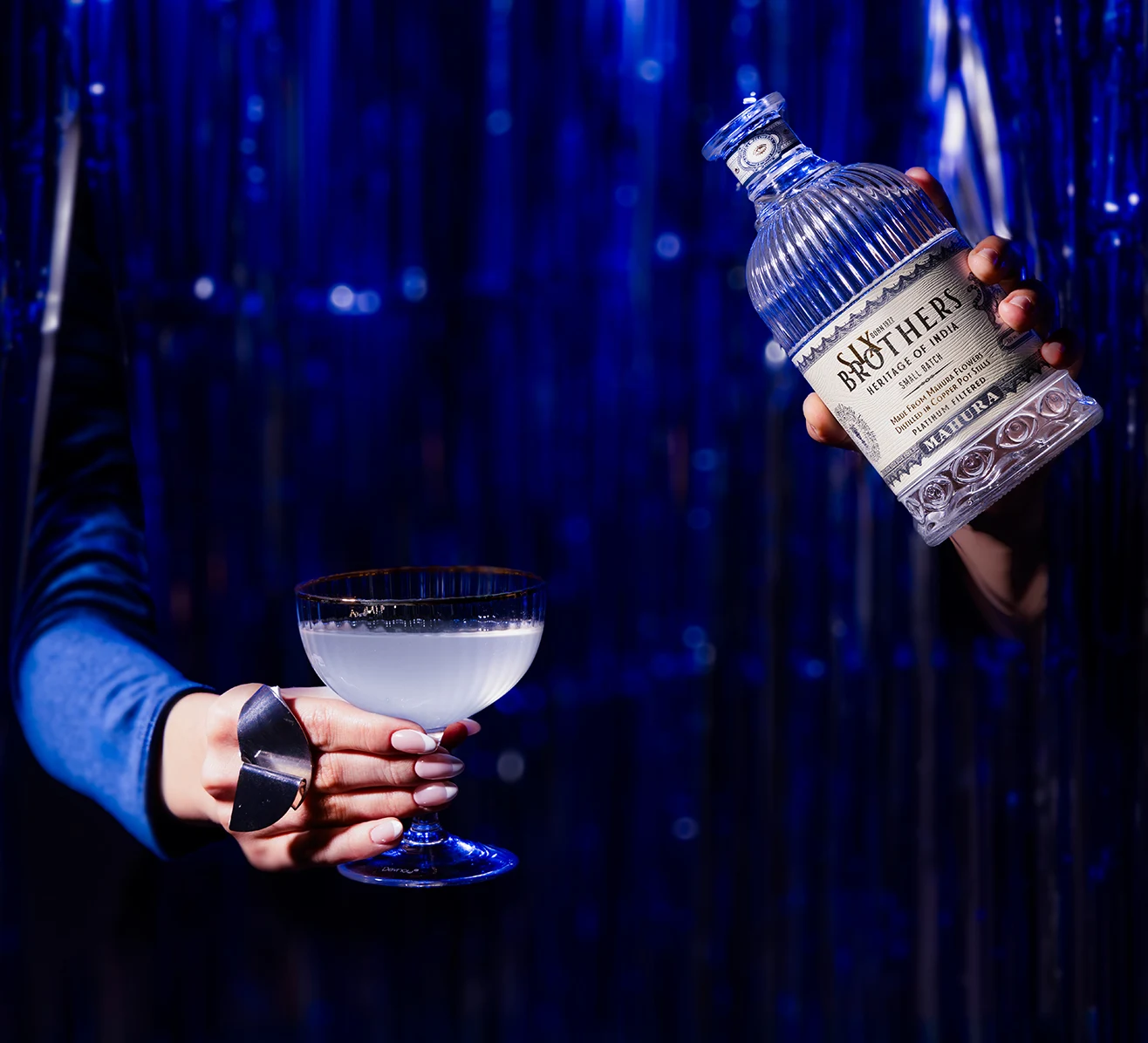
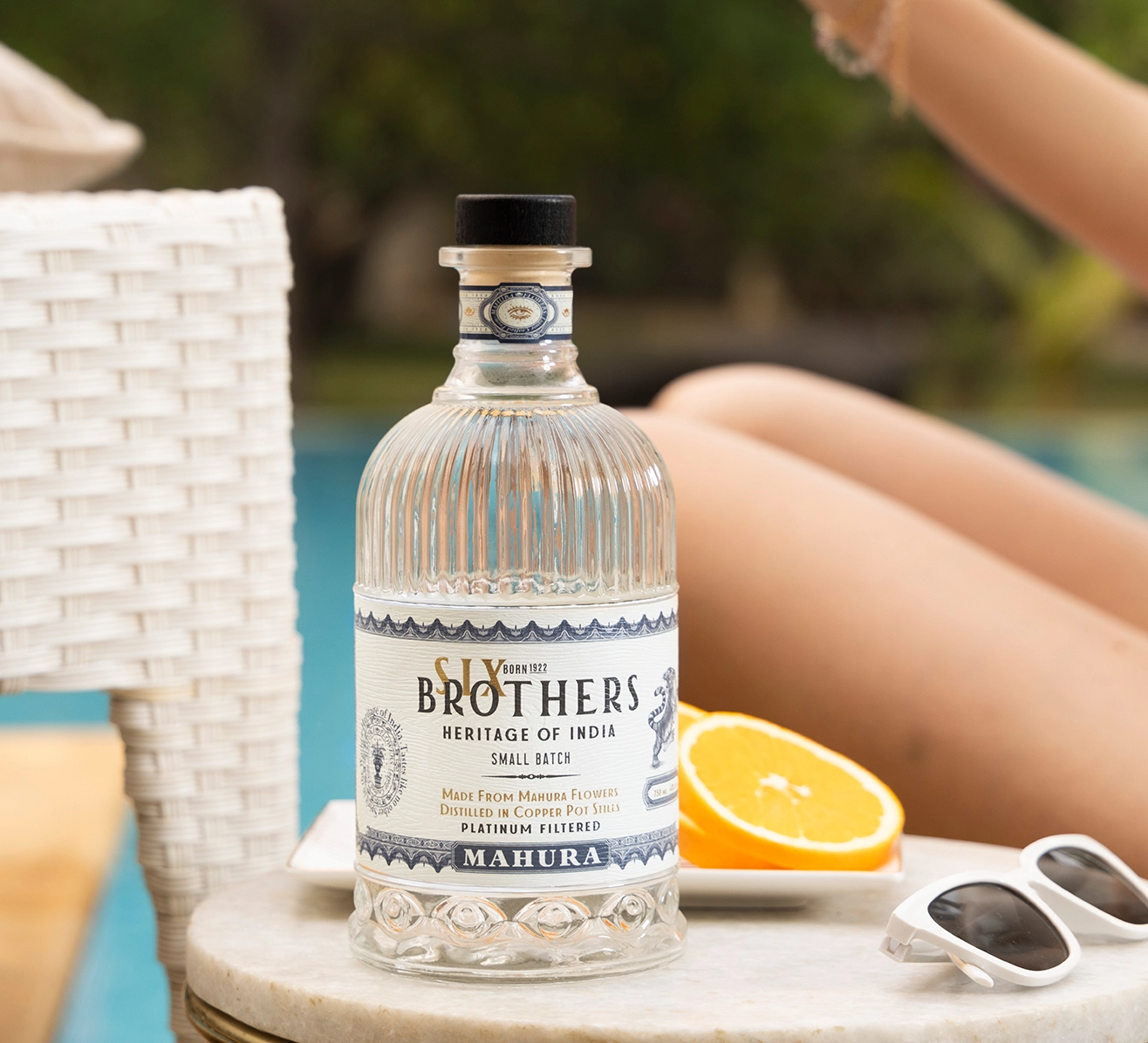
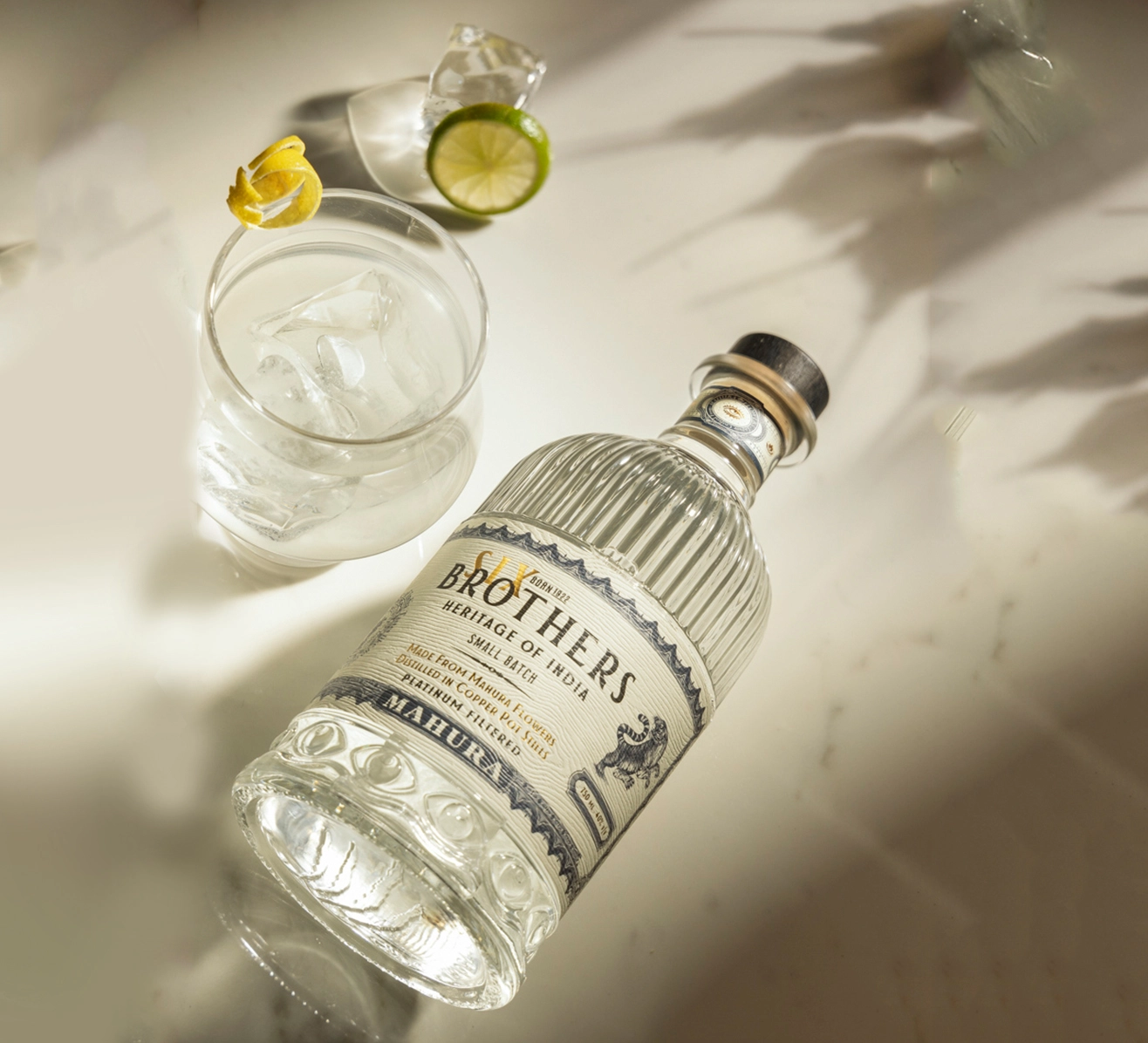
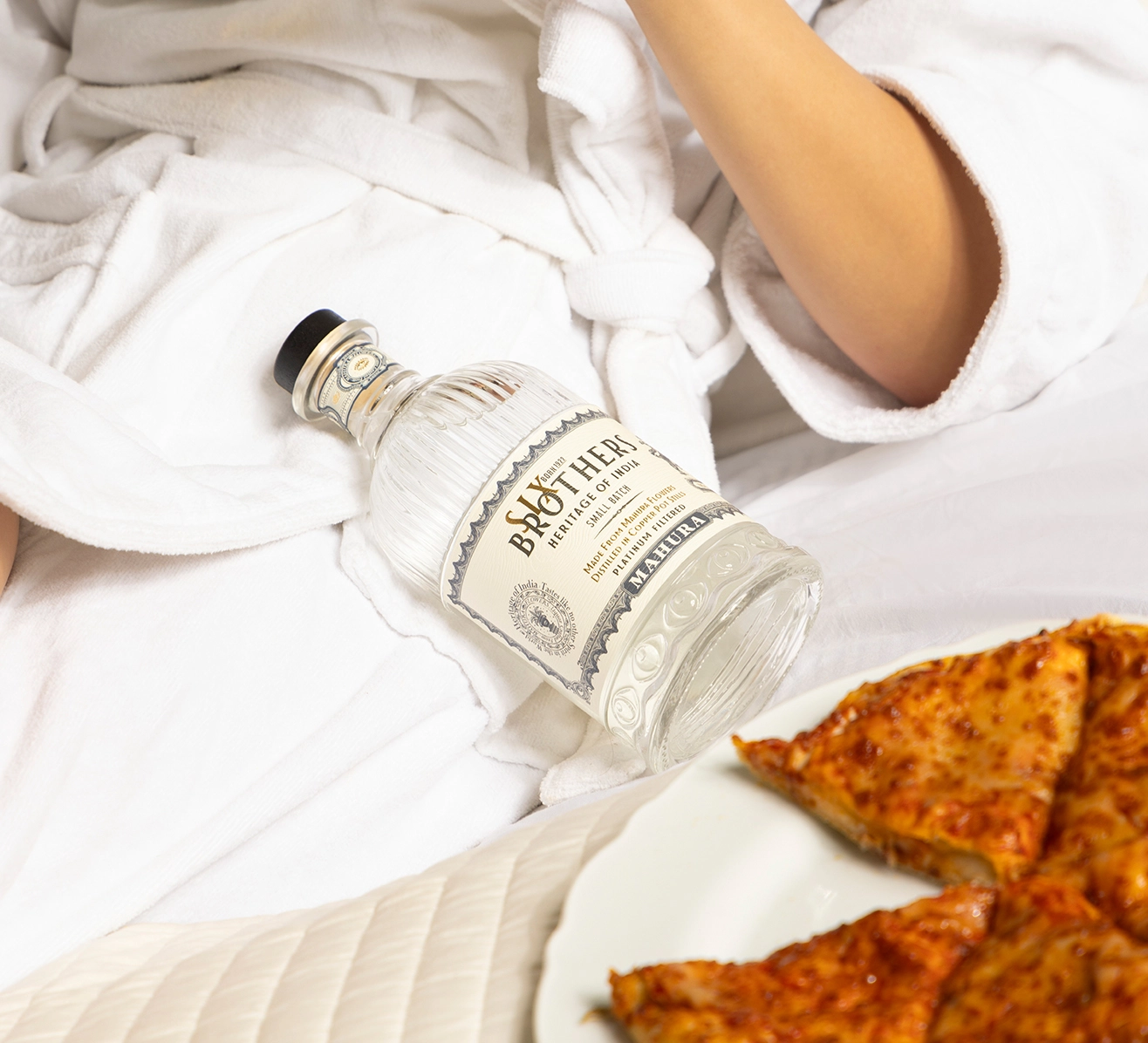
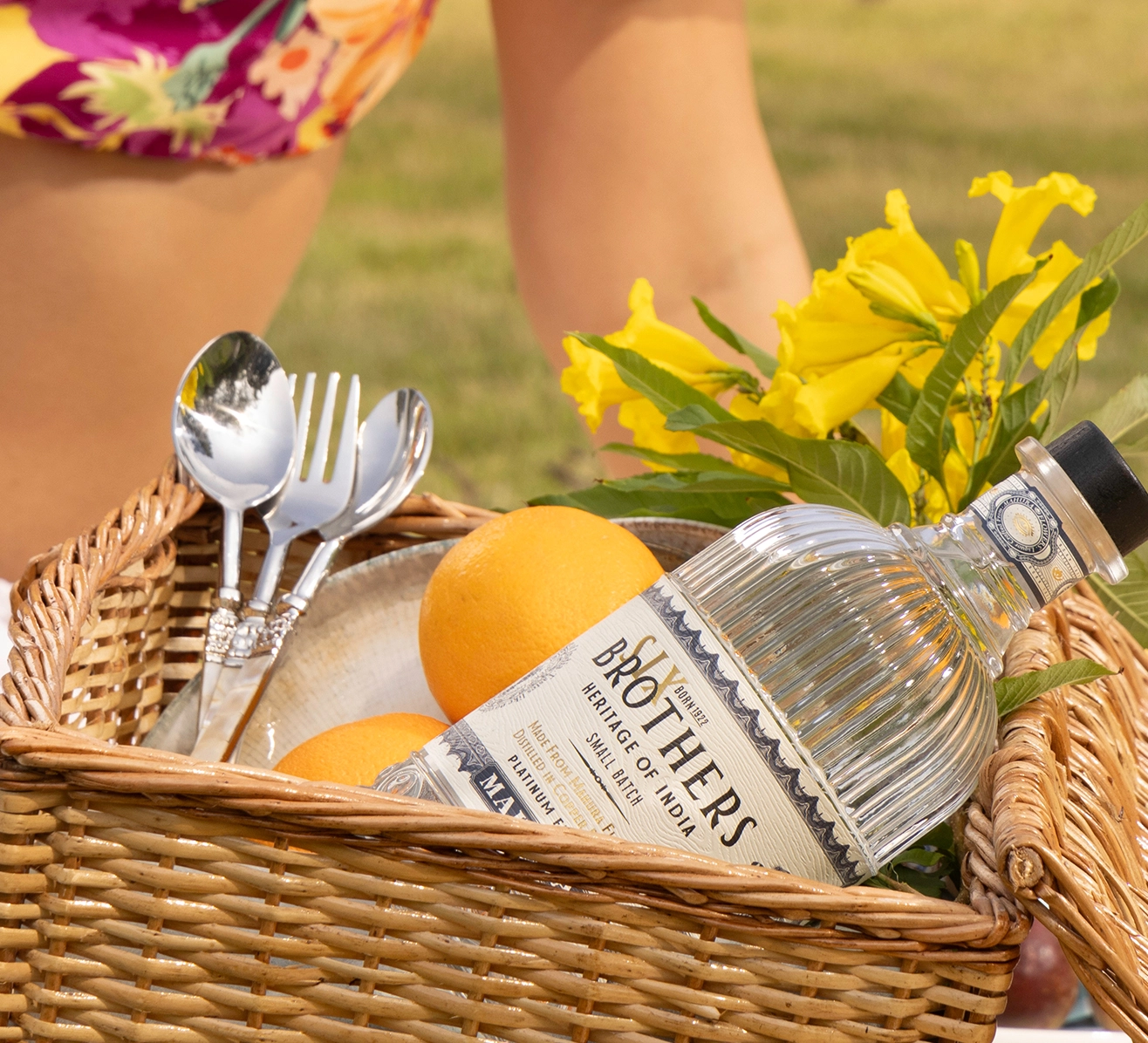
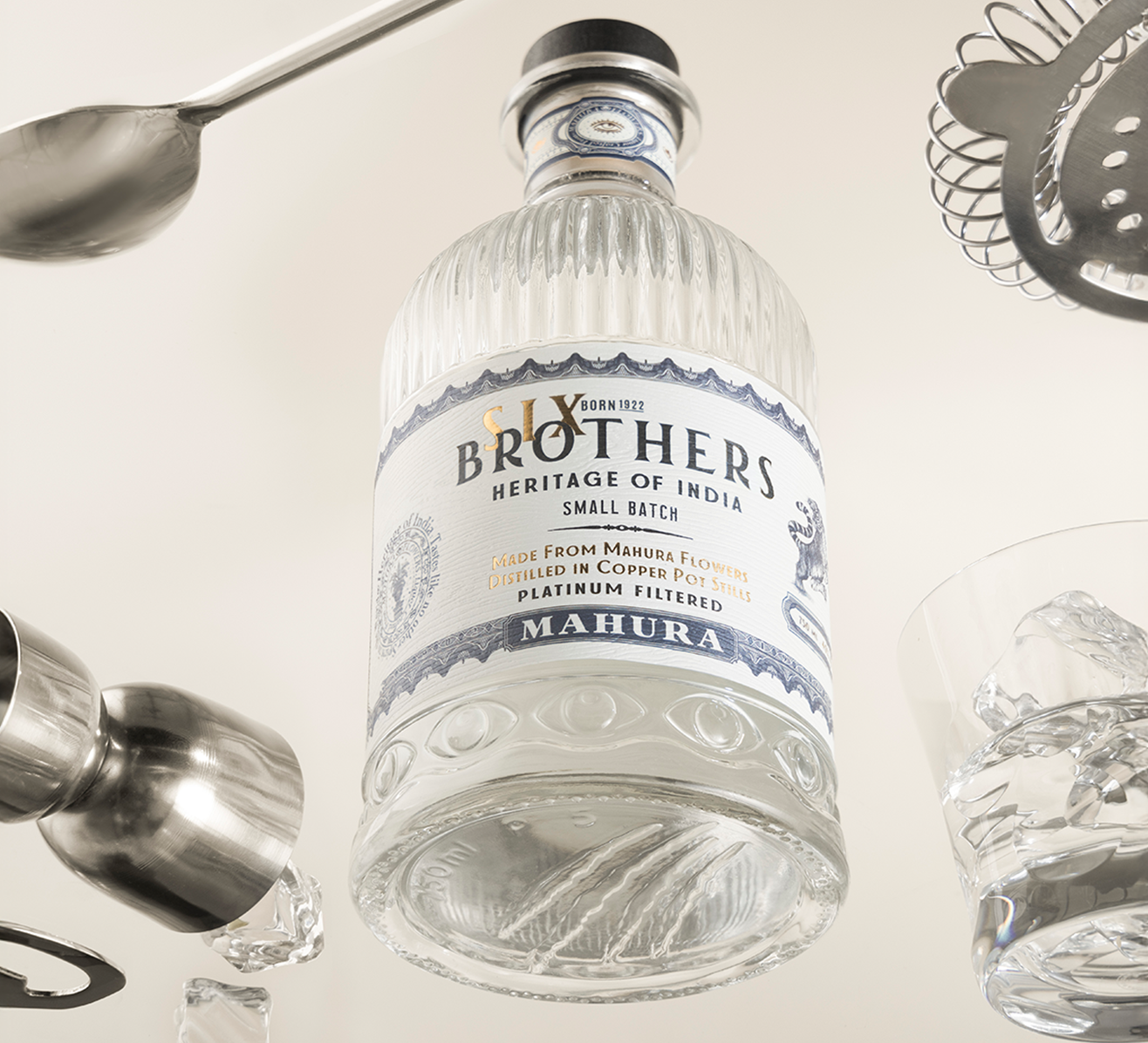
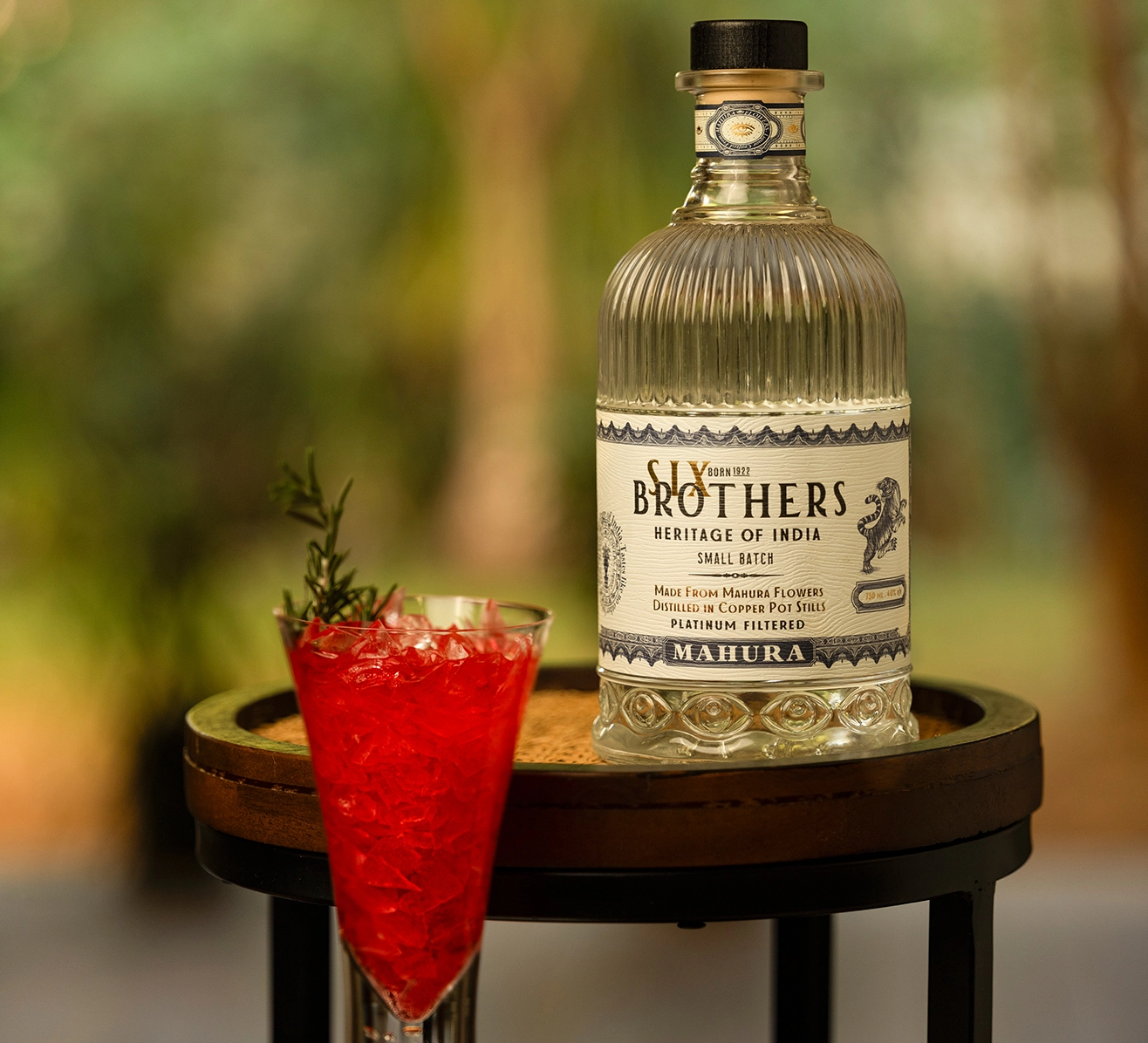
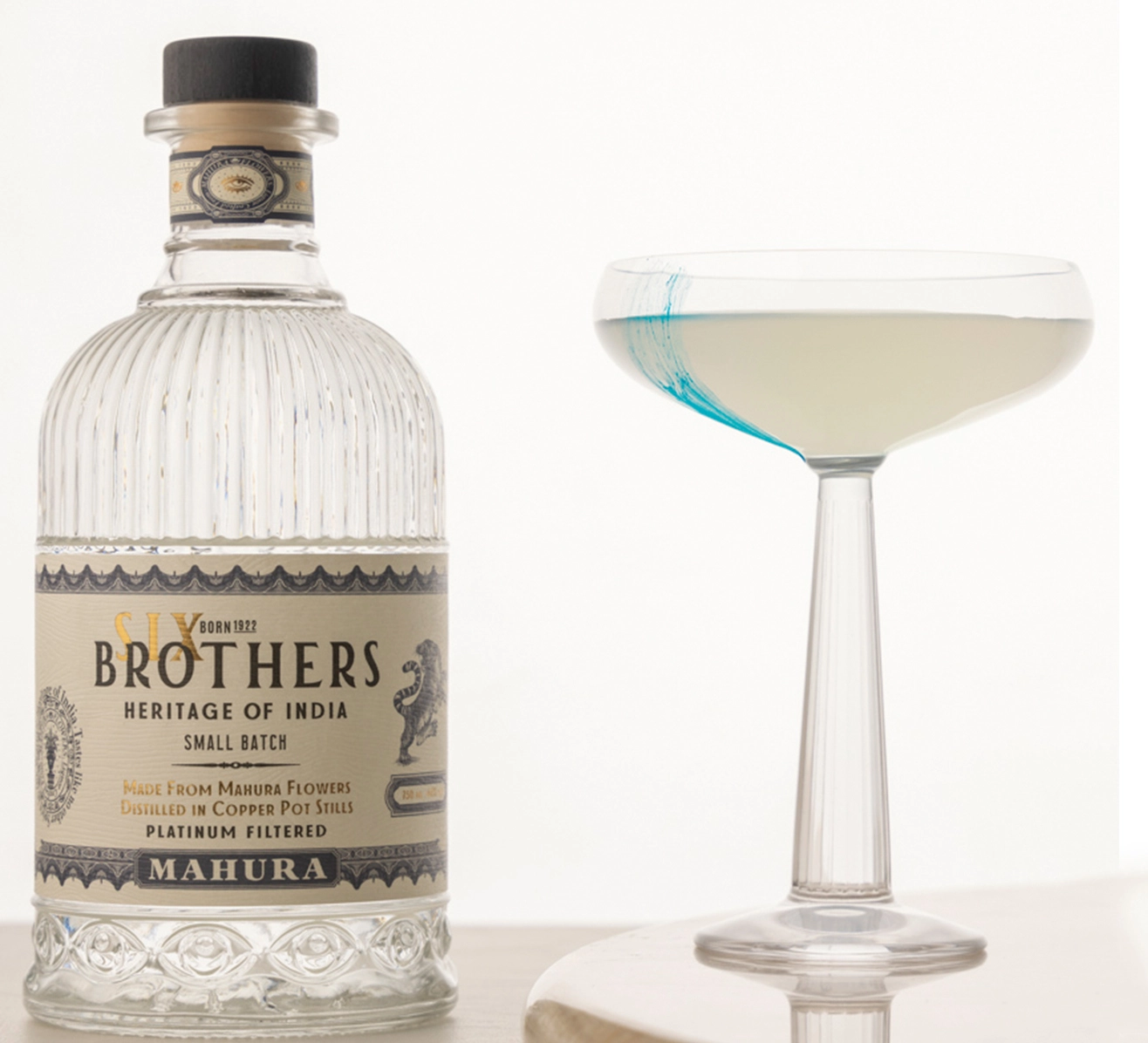
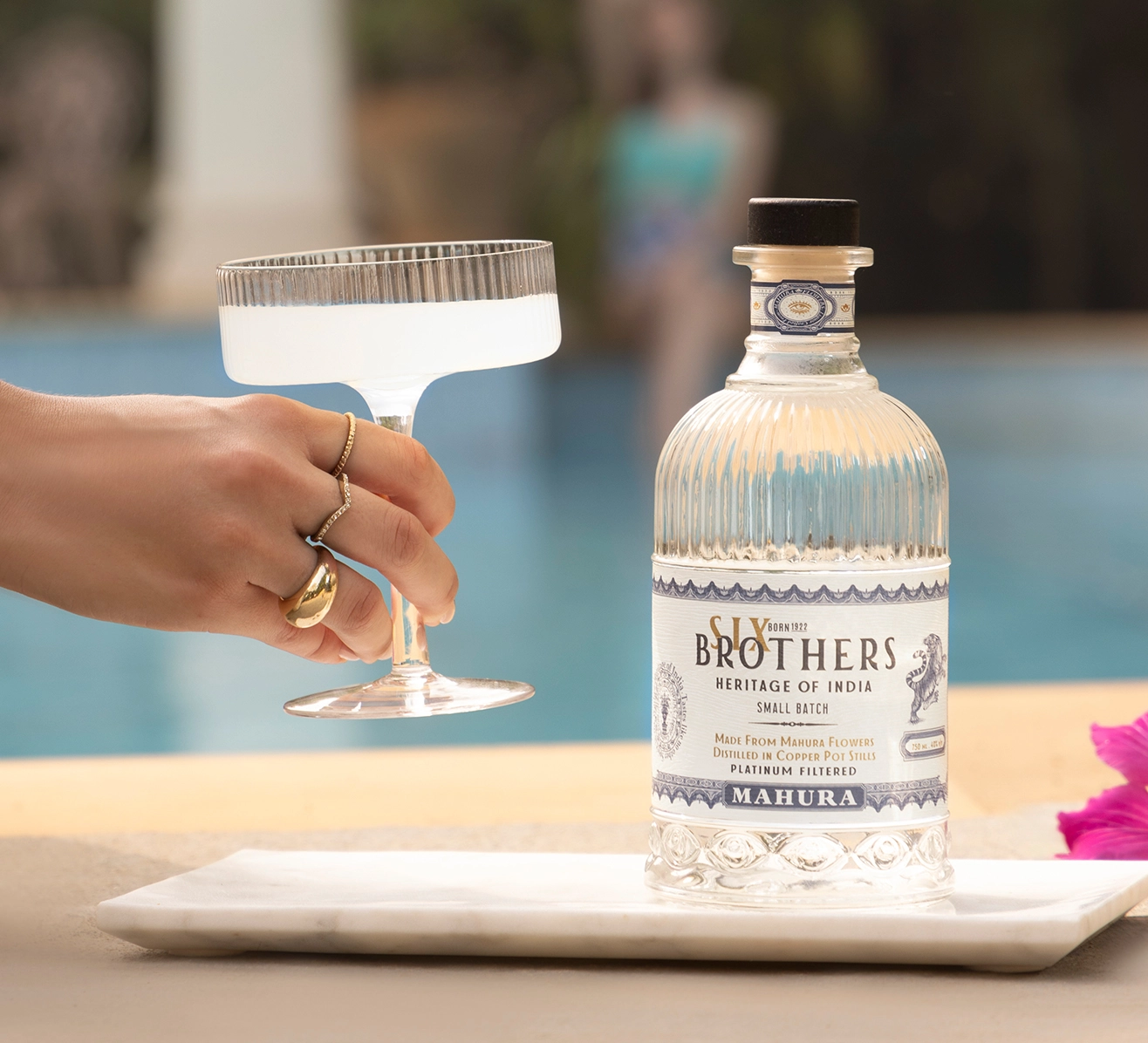
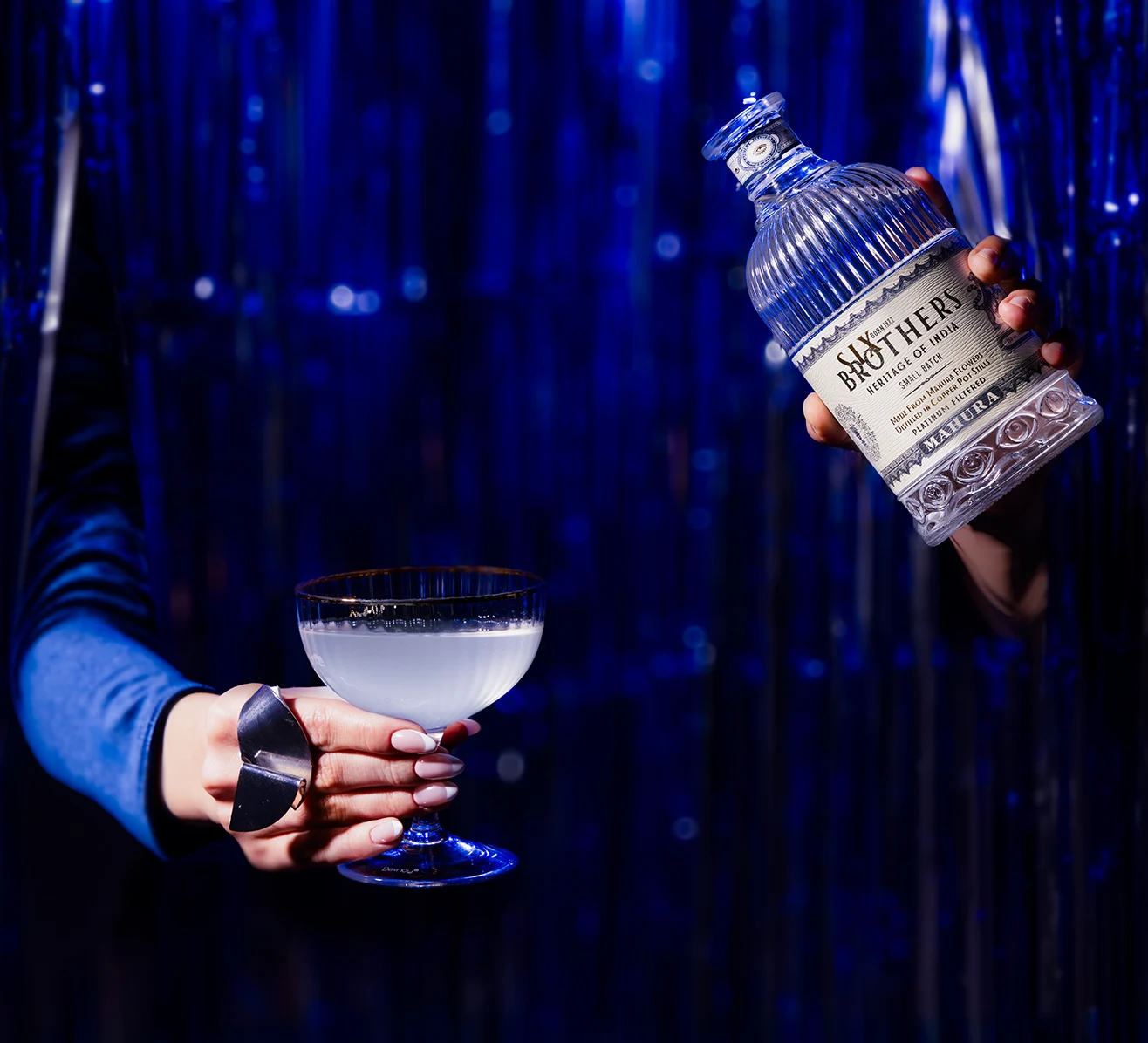
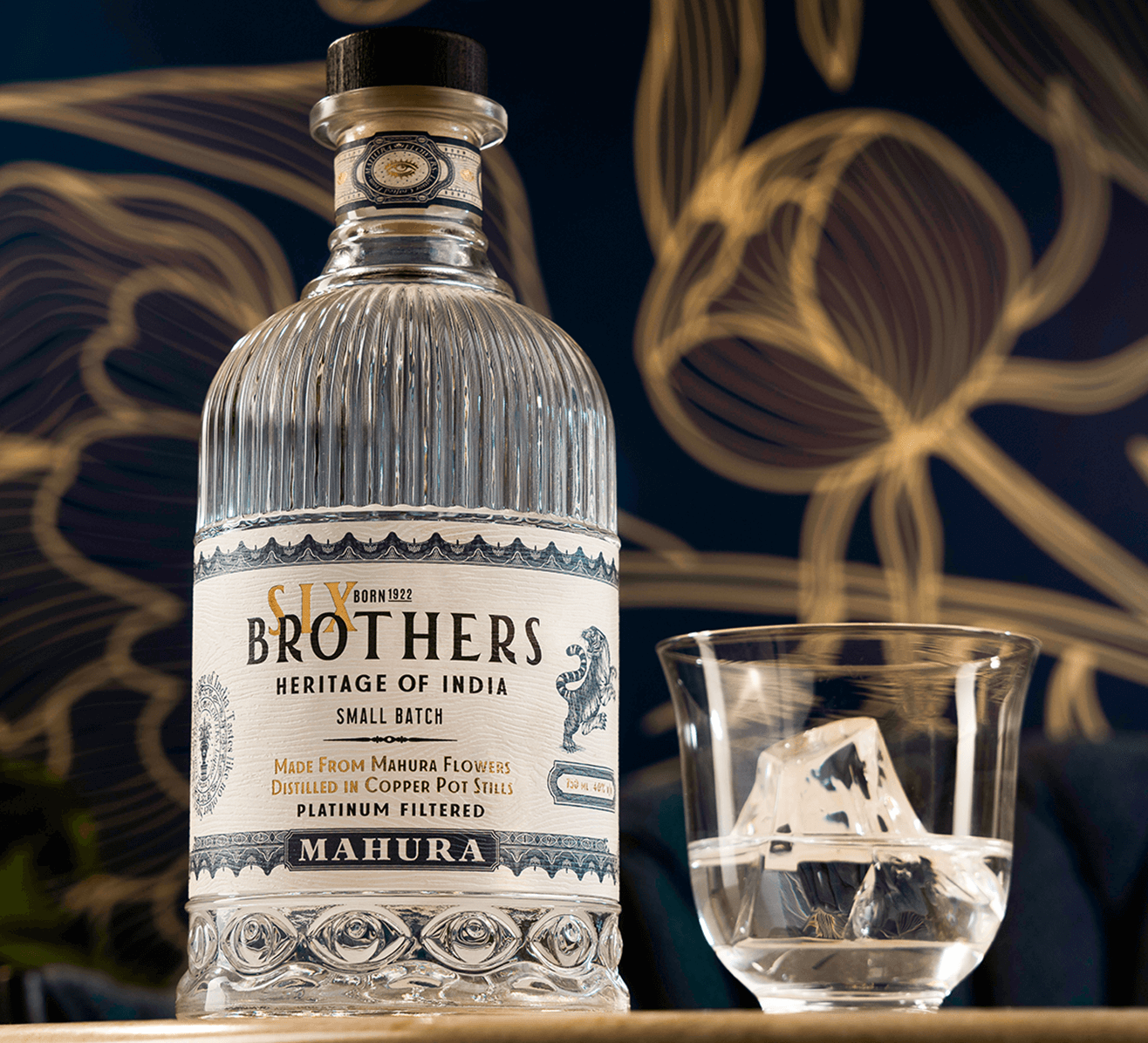
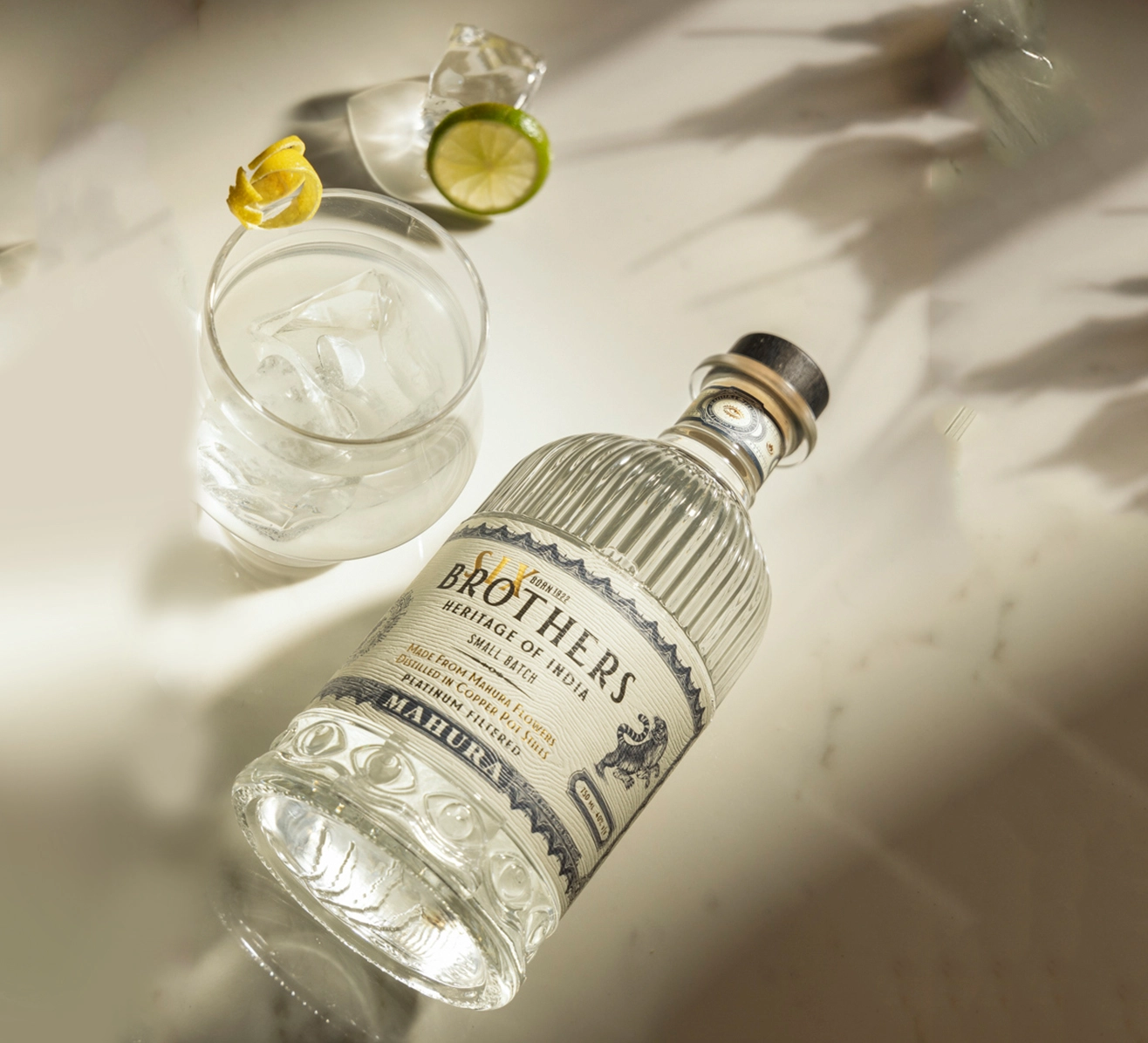
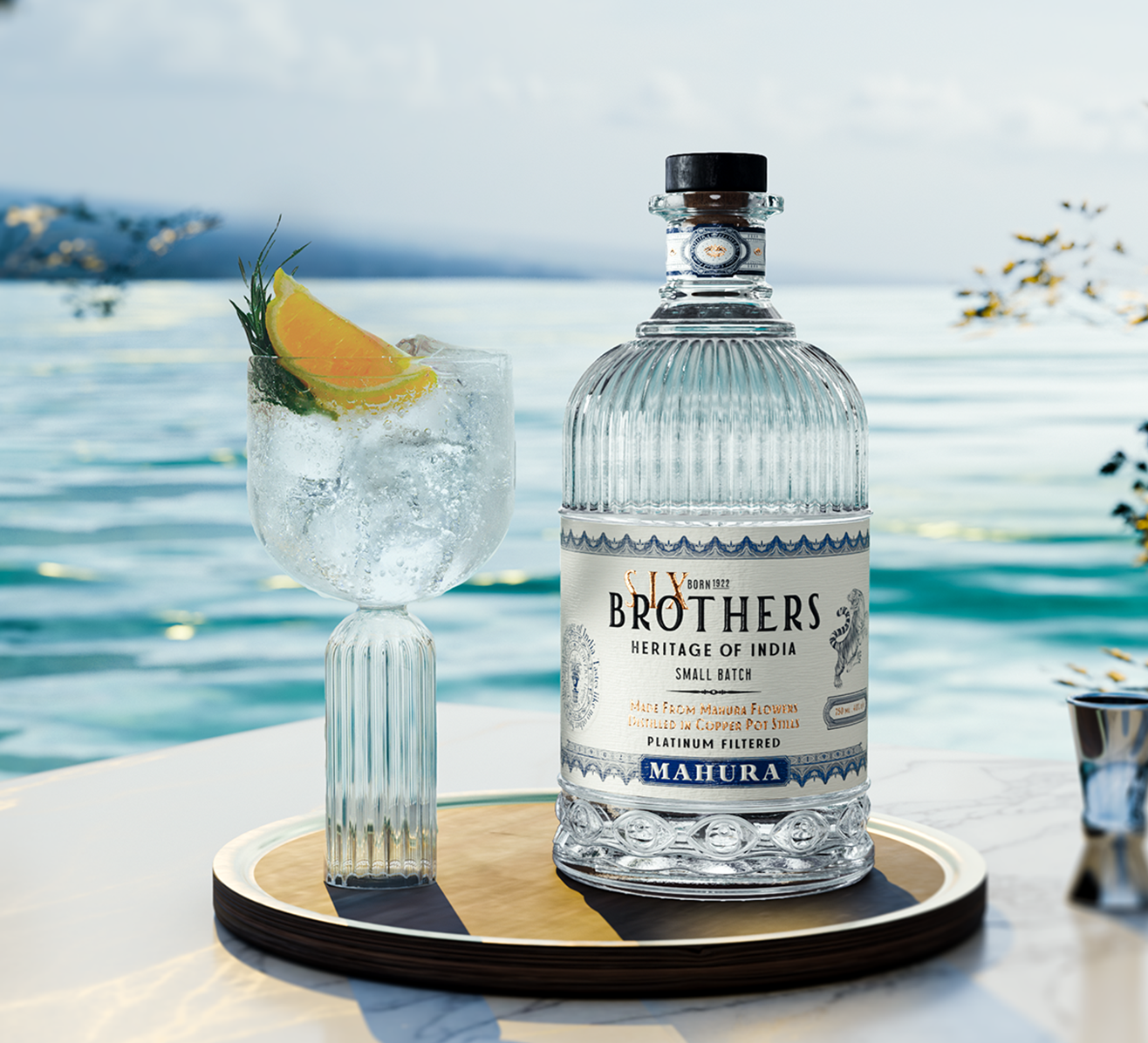
Today, that legacy is being rediscovered and powerfully redefined. At the forefront of this revival is Six Brothers Mahura, a brand that is not merely reintroducing mahua to modern consumers but elevating it into a world-class spirit deserving of a place alongside the finest craft distillates anywhere on earth.
This is the story of a spirit that nearly disappeared, why it matters, and how it is finding its way back into the hands of a new generation of curious, discerning drinkers.
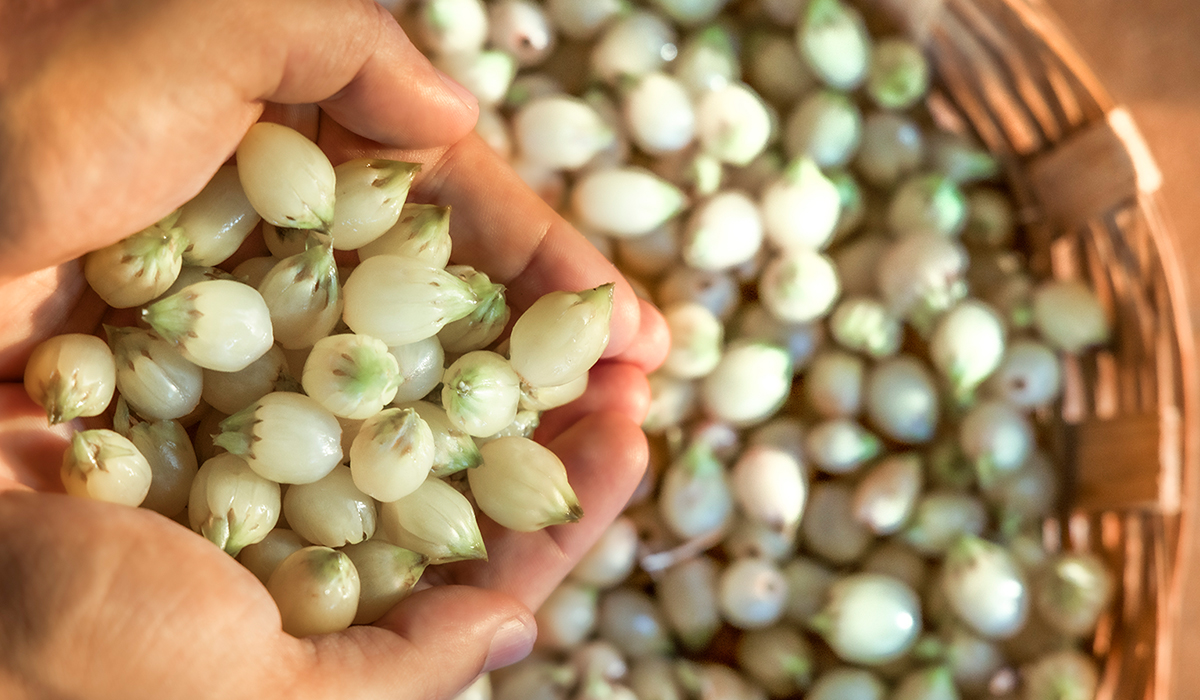
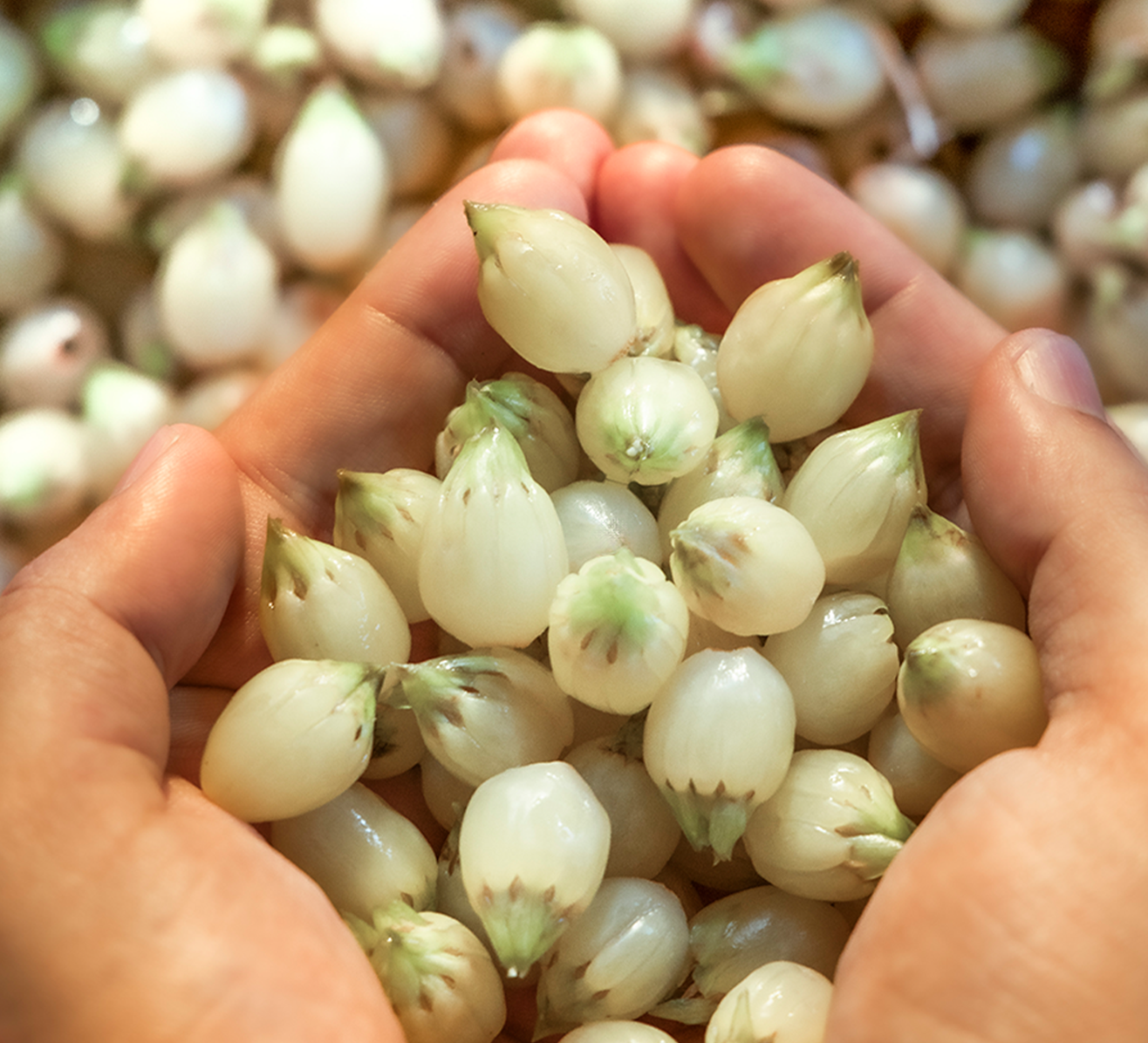
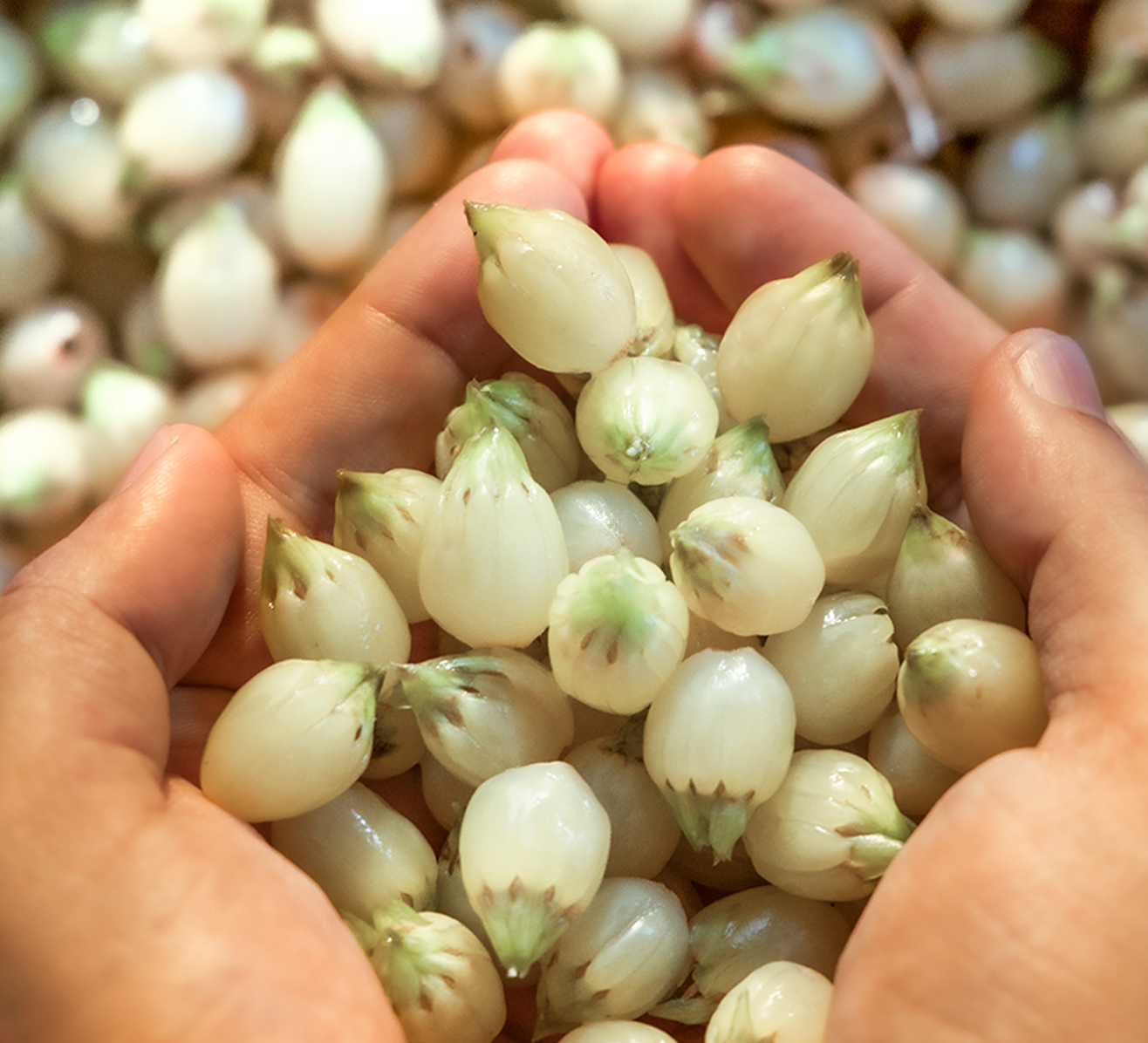
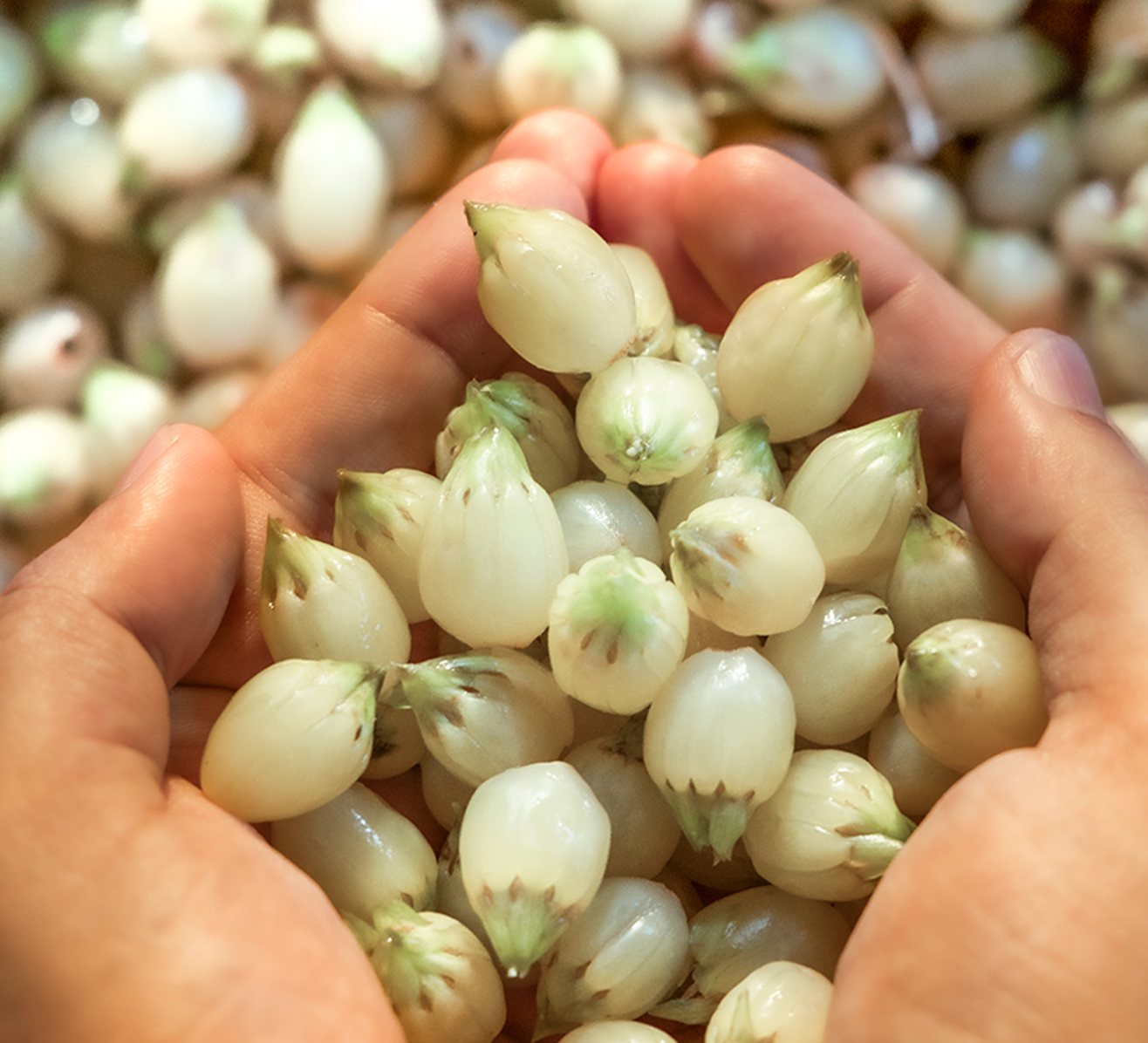
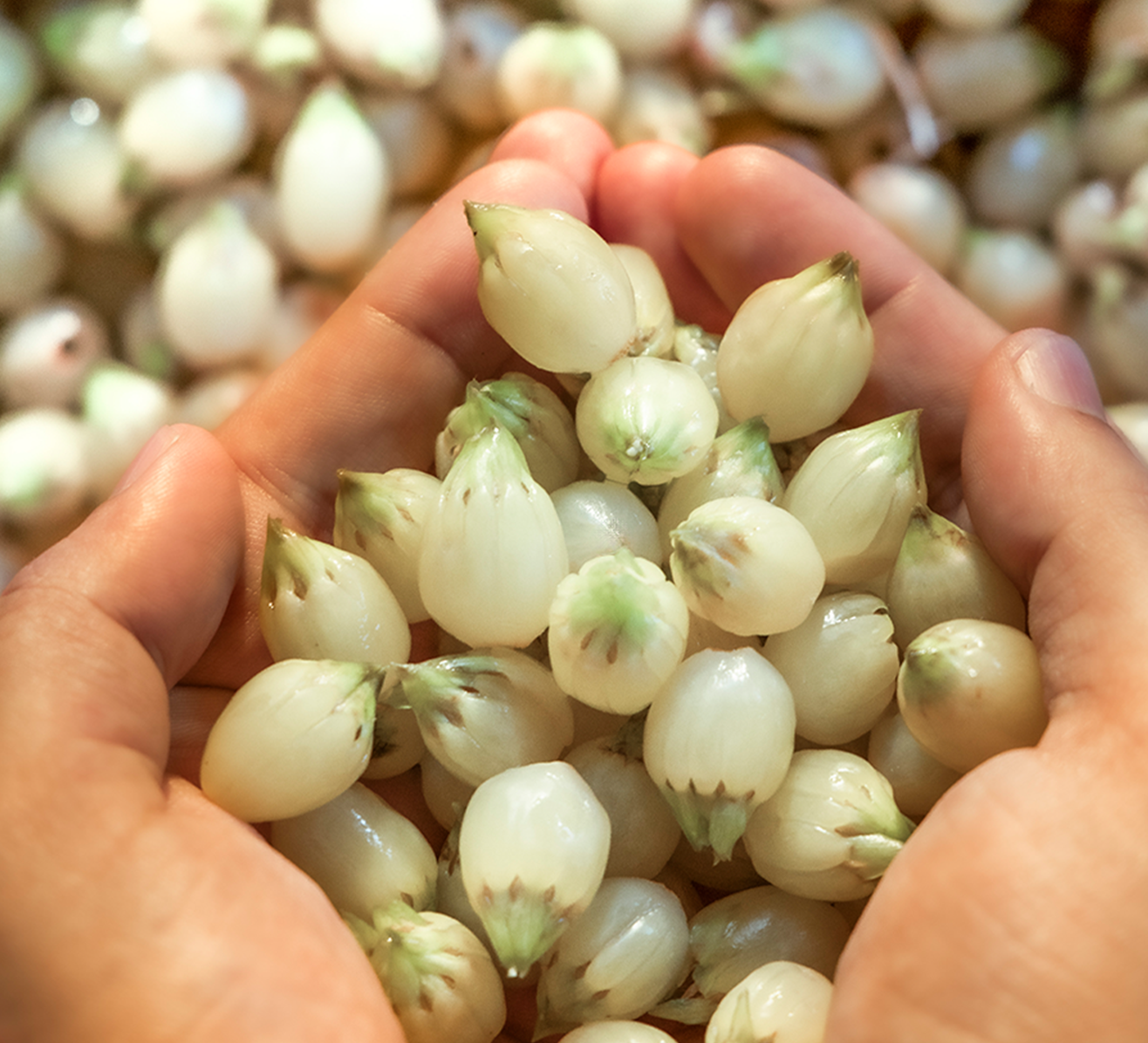
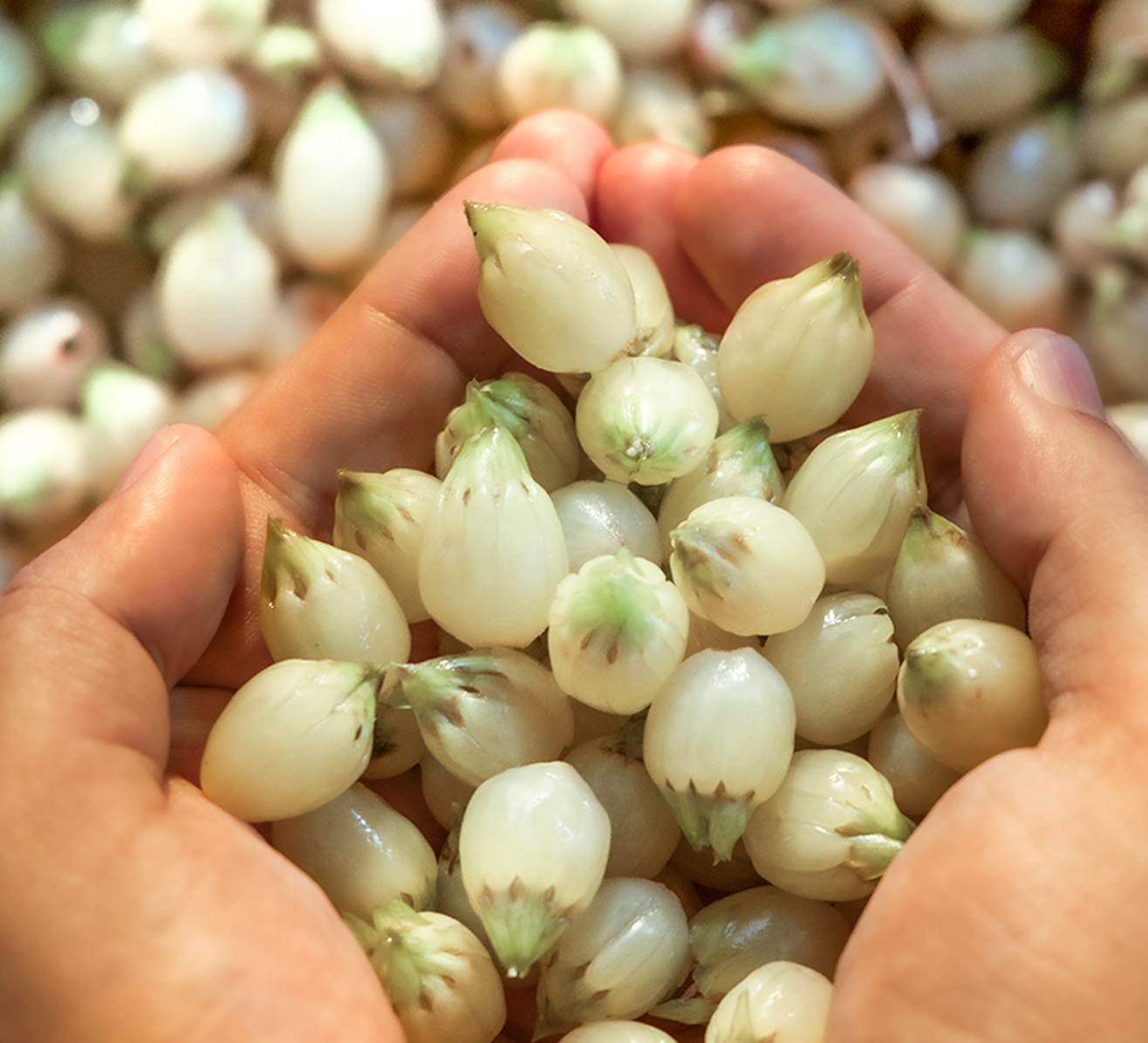
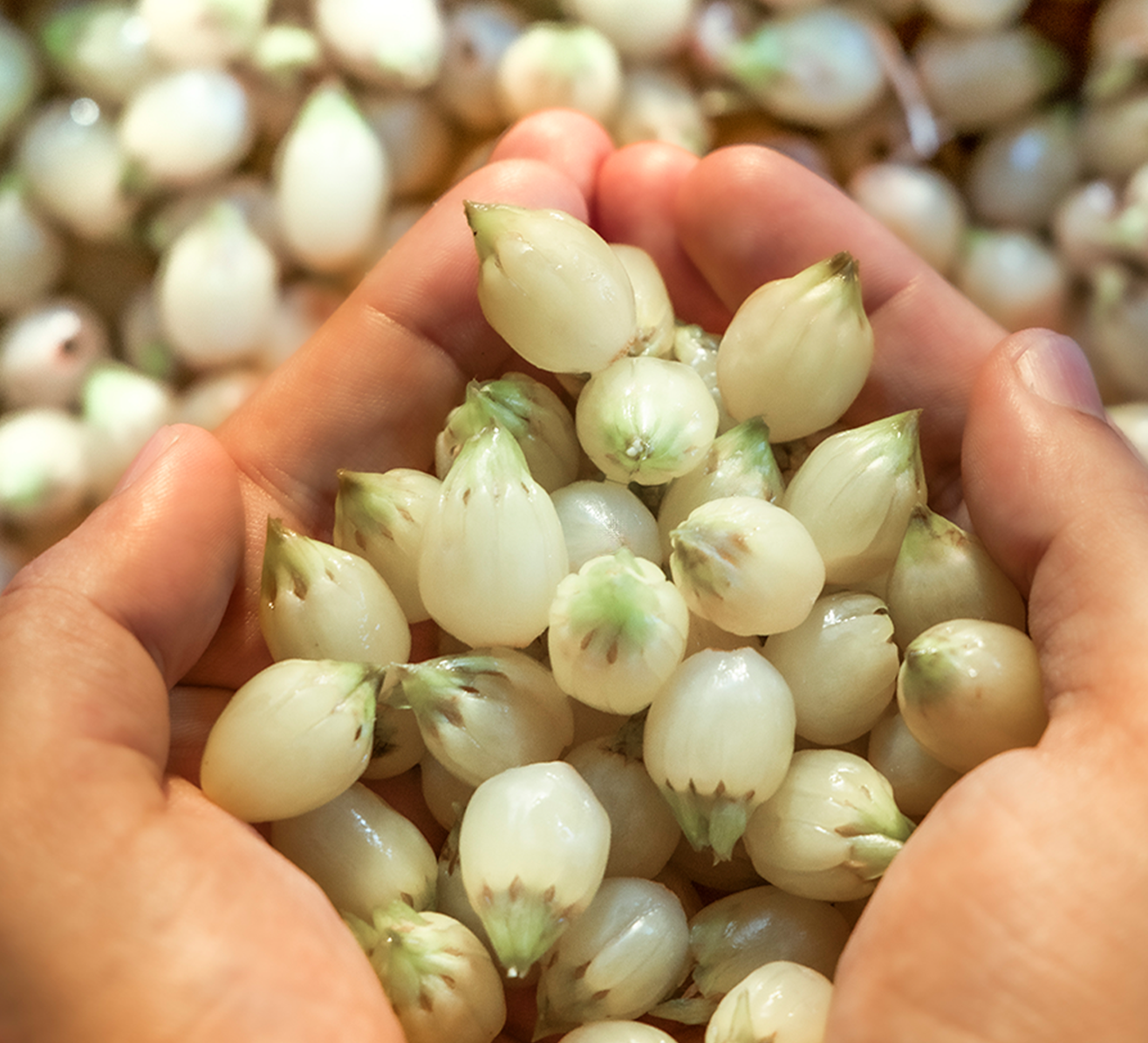
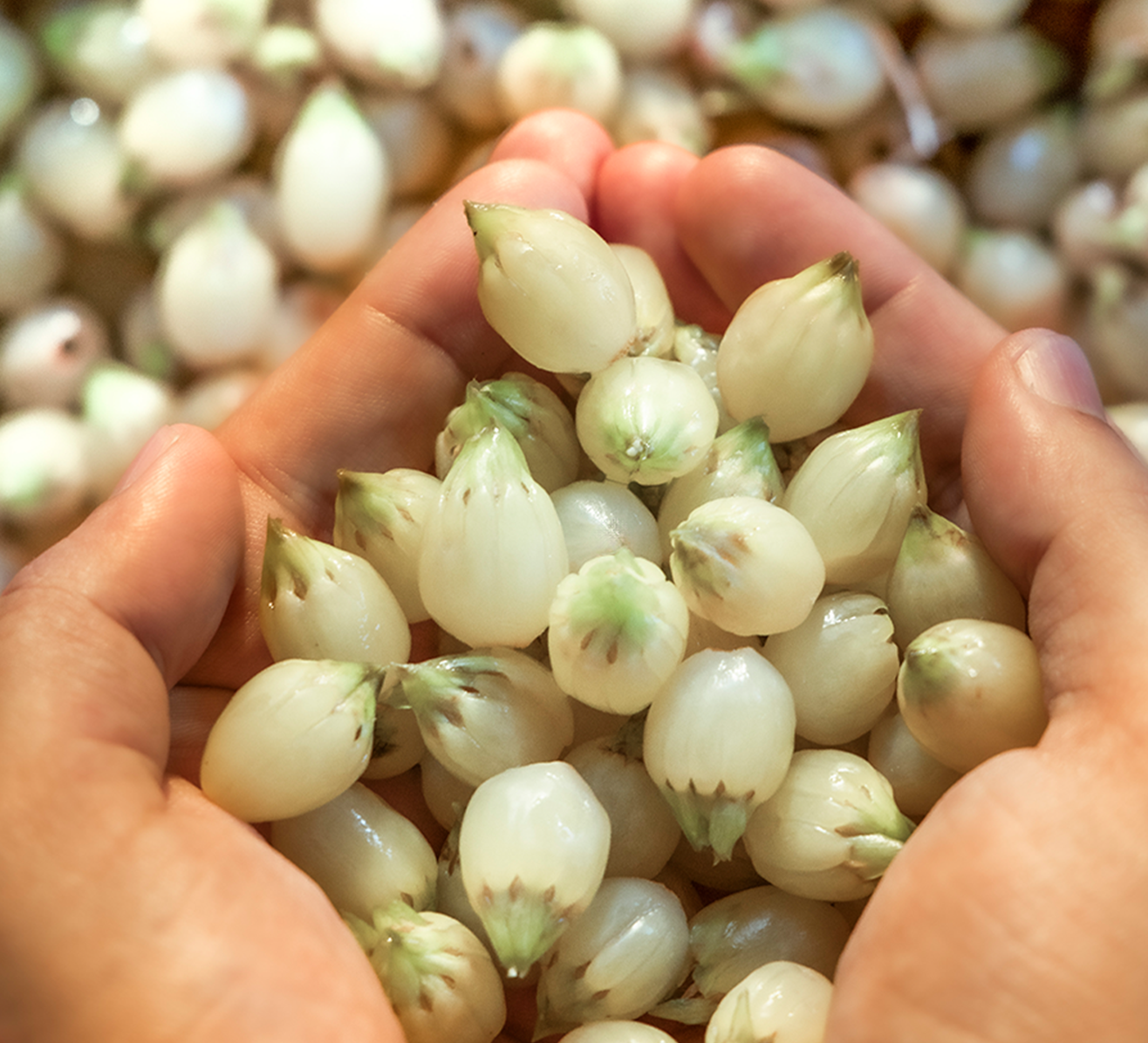
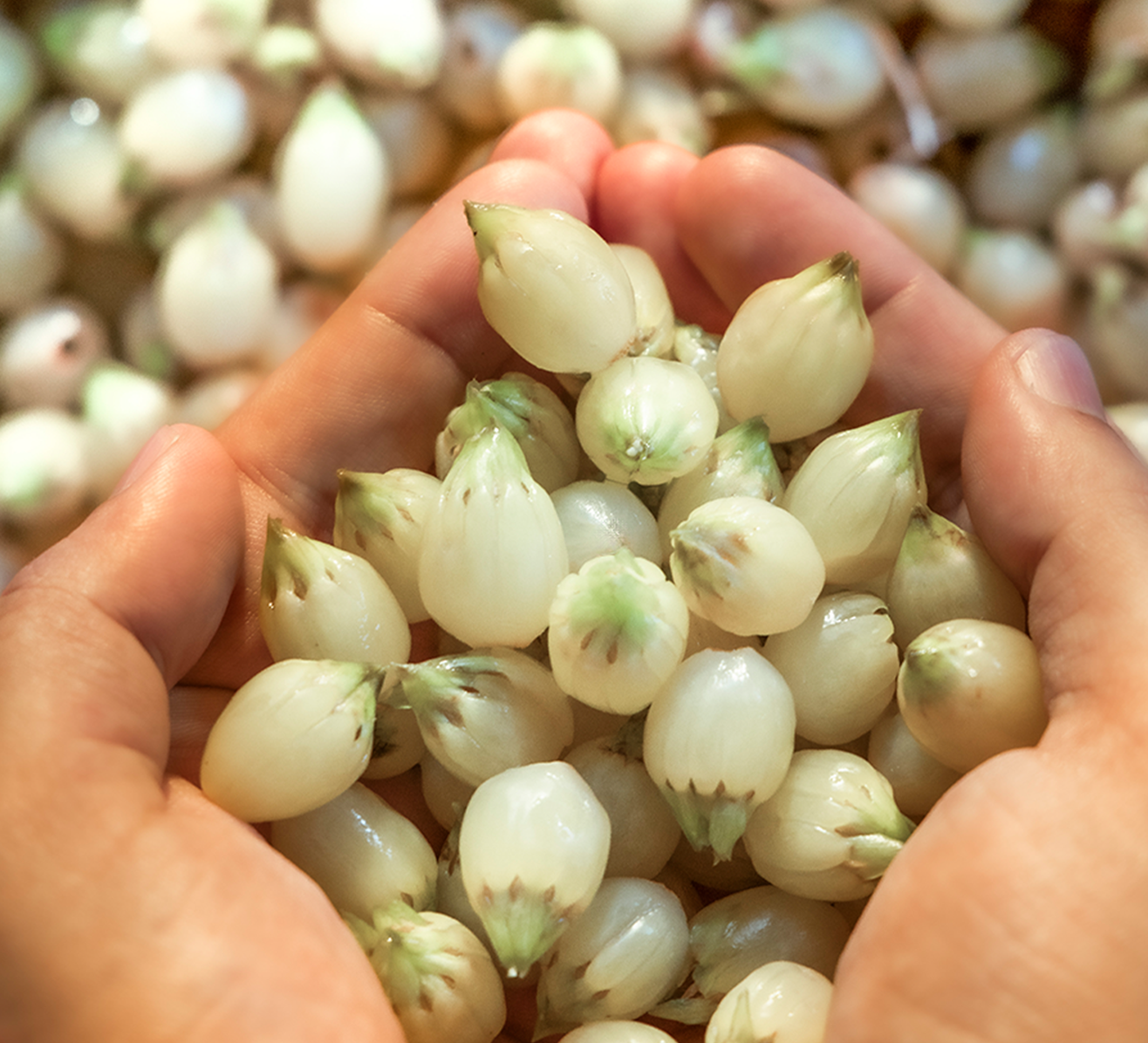
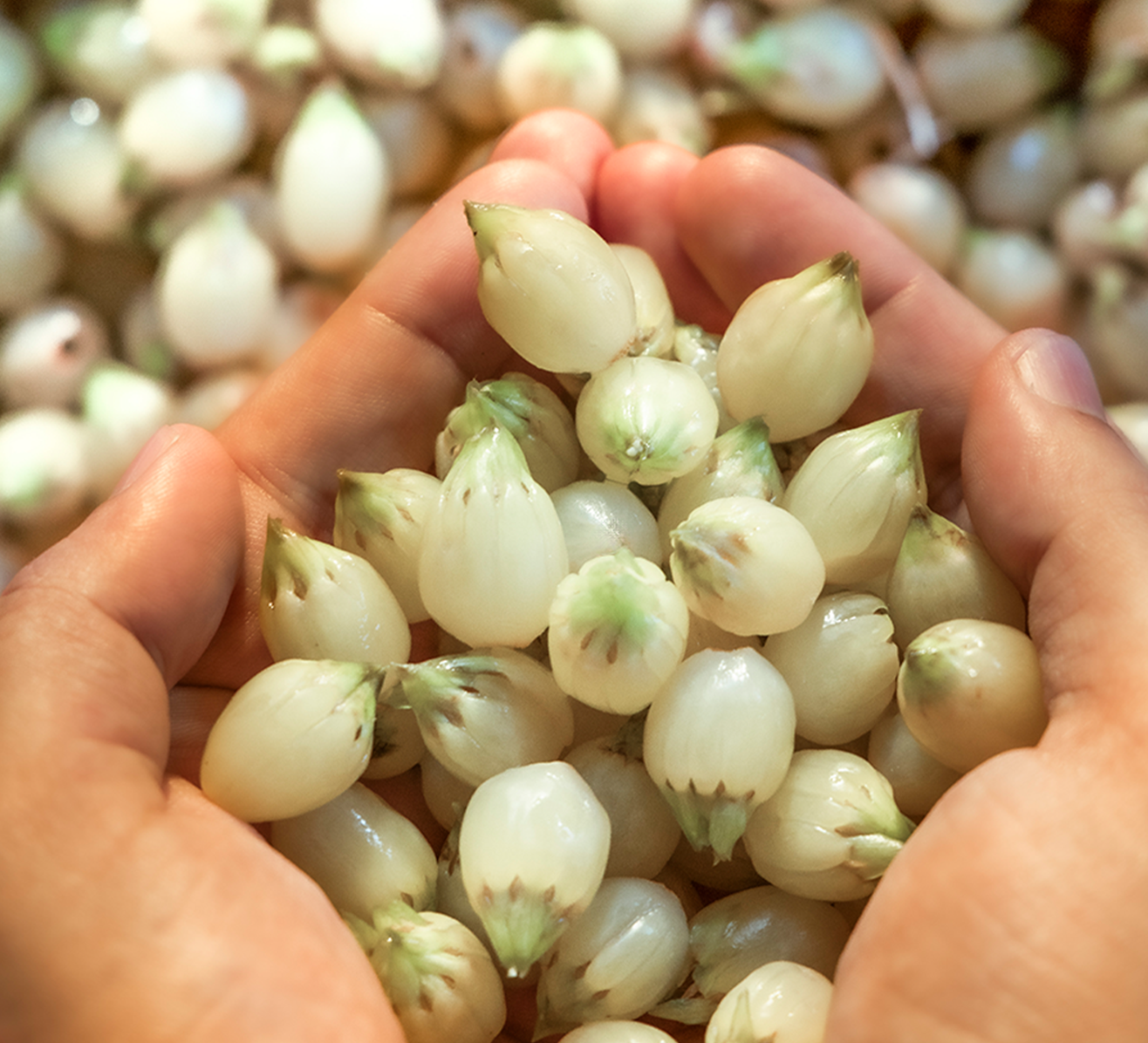
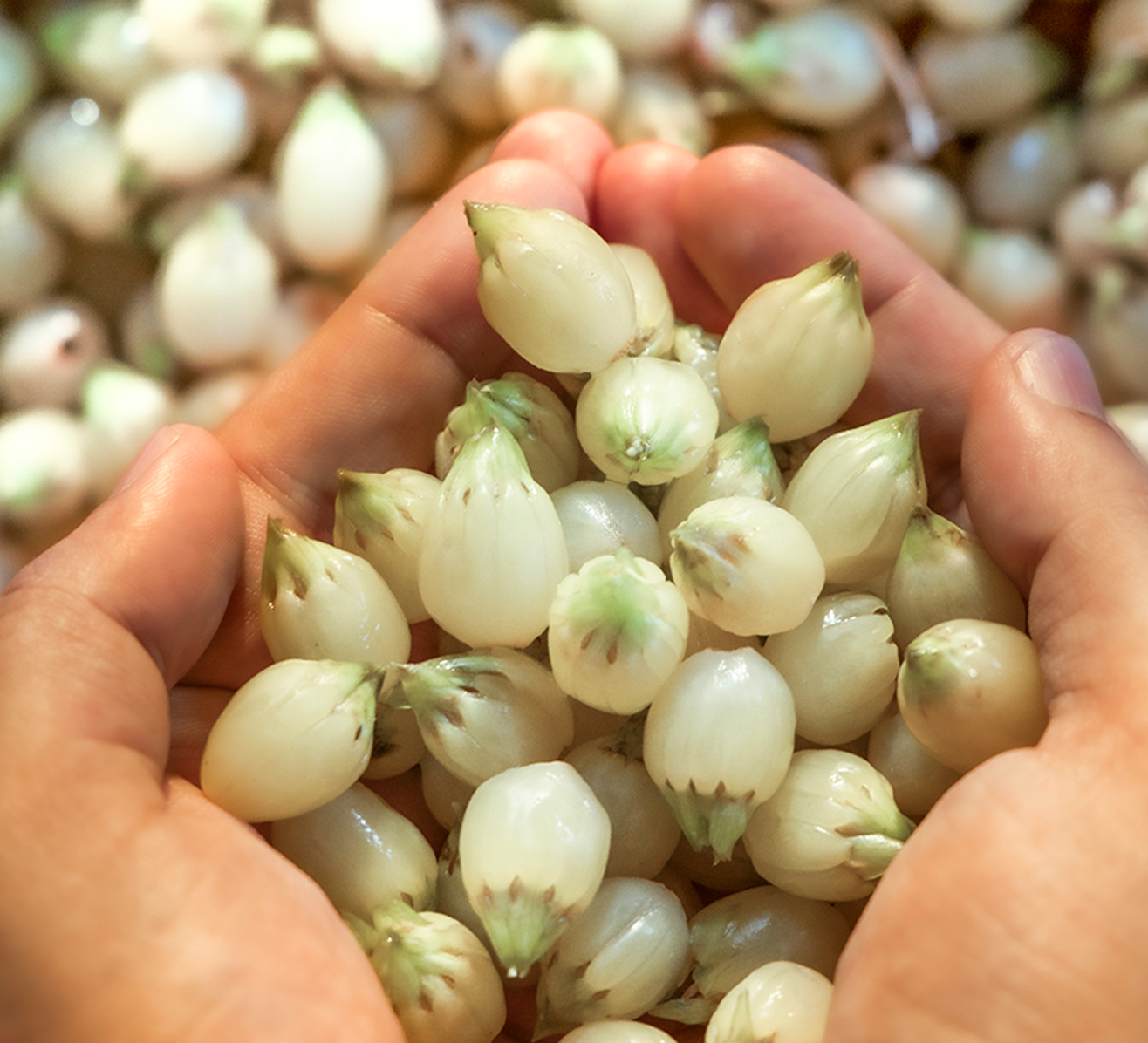
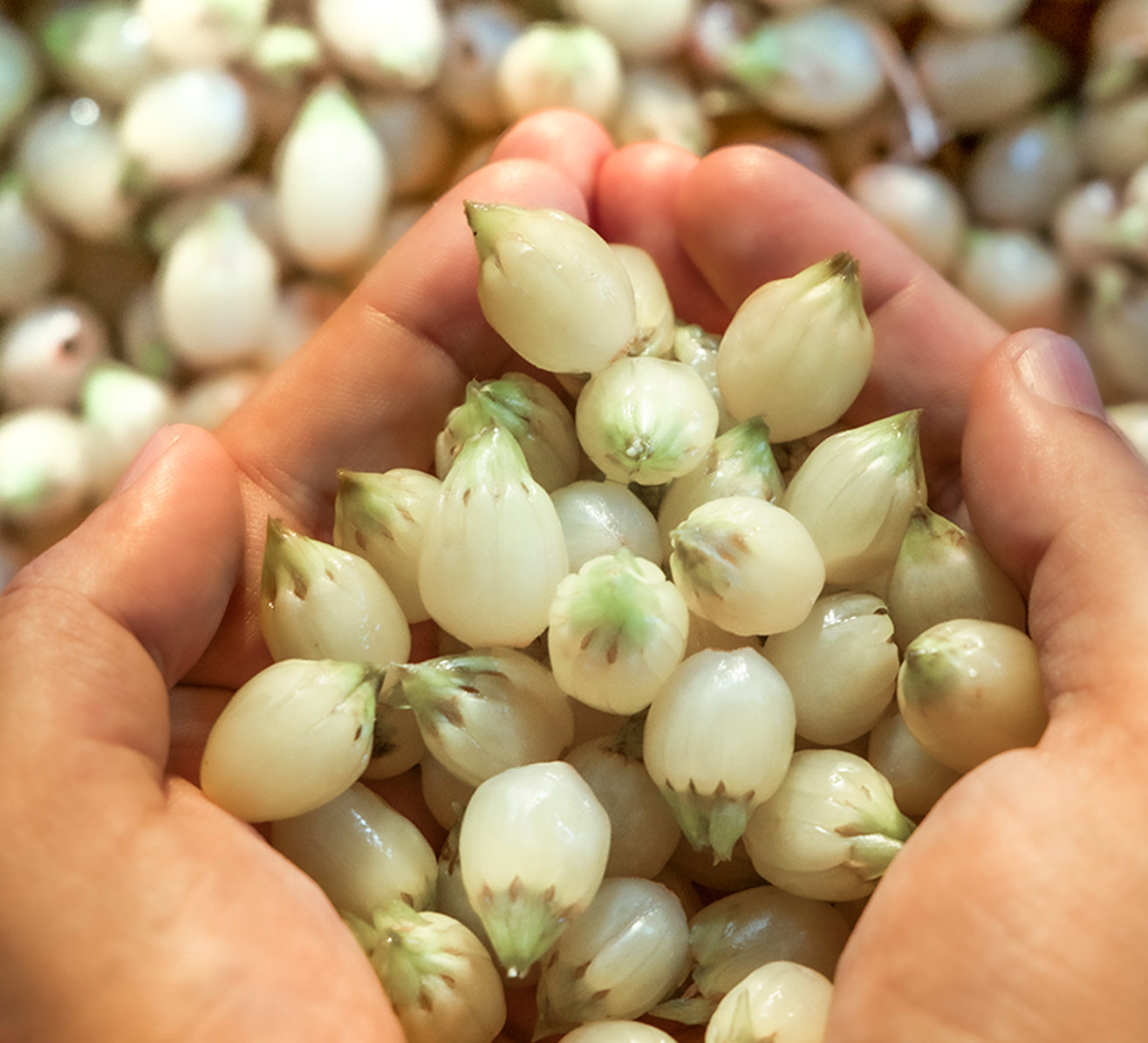
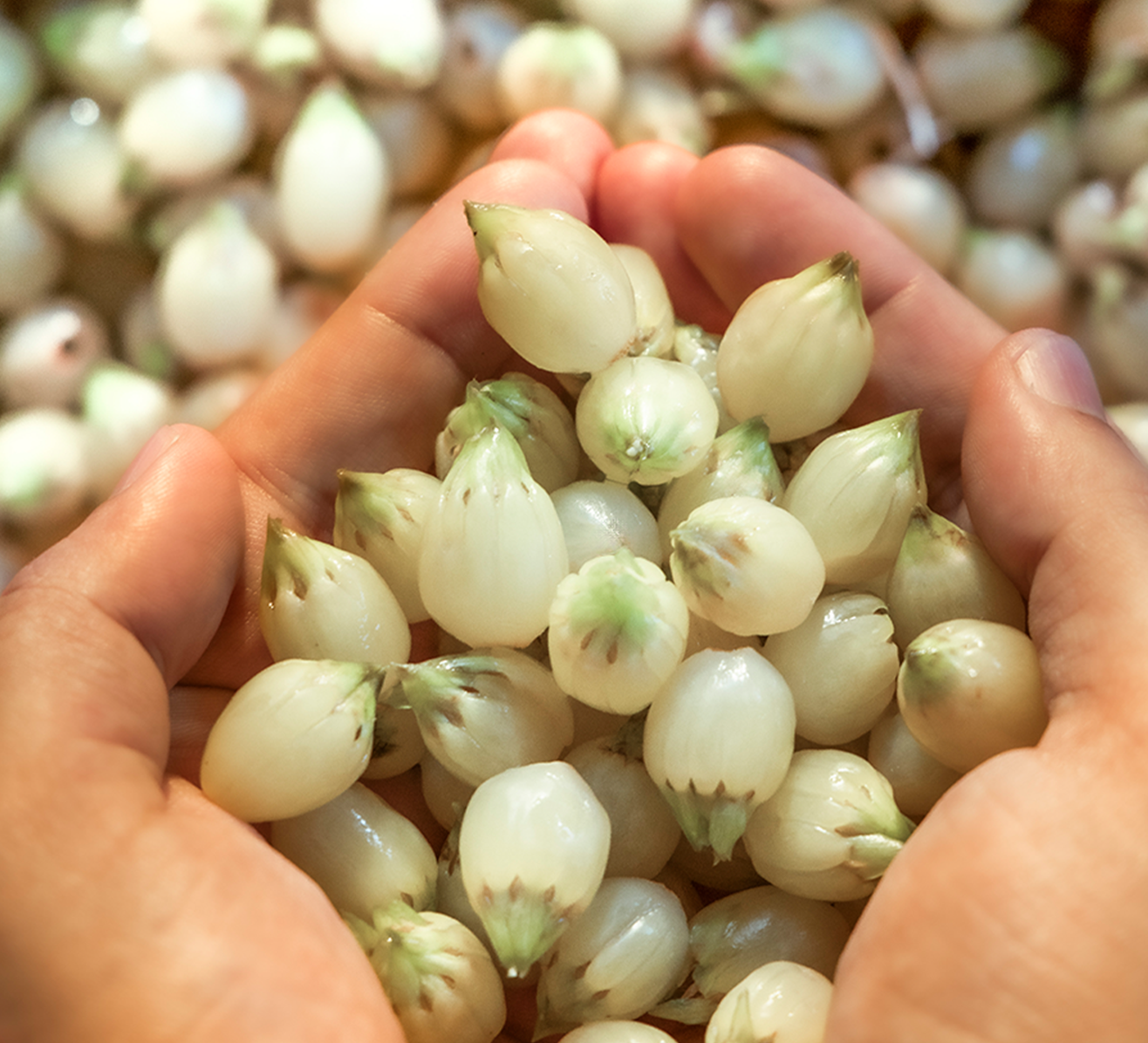
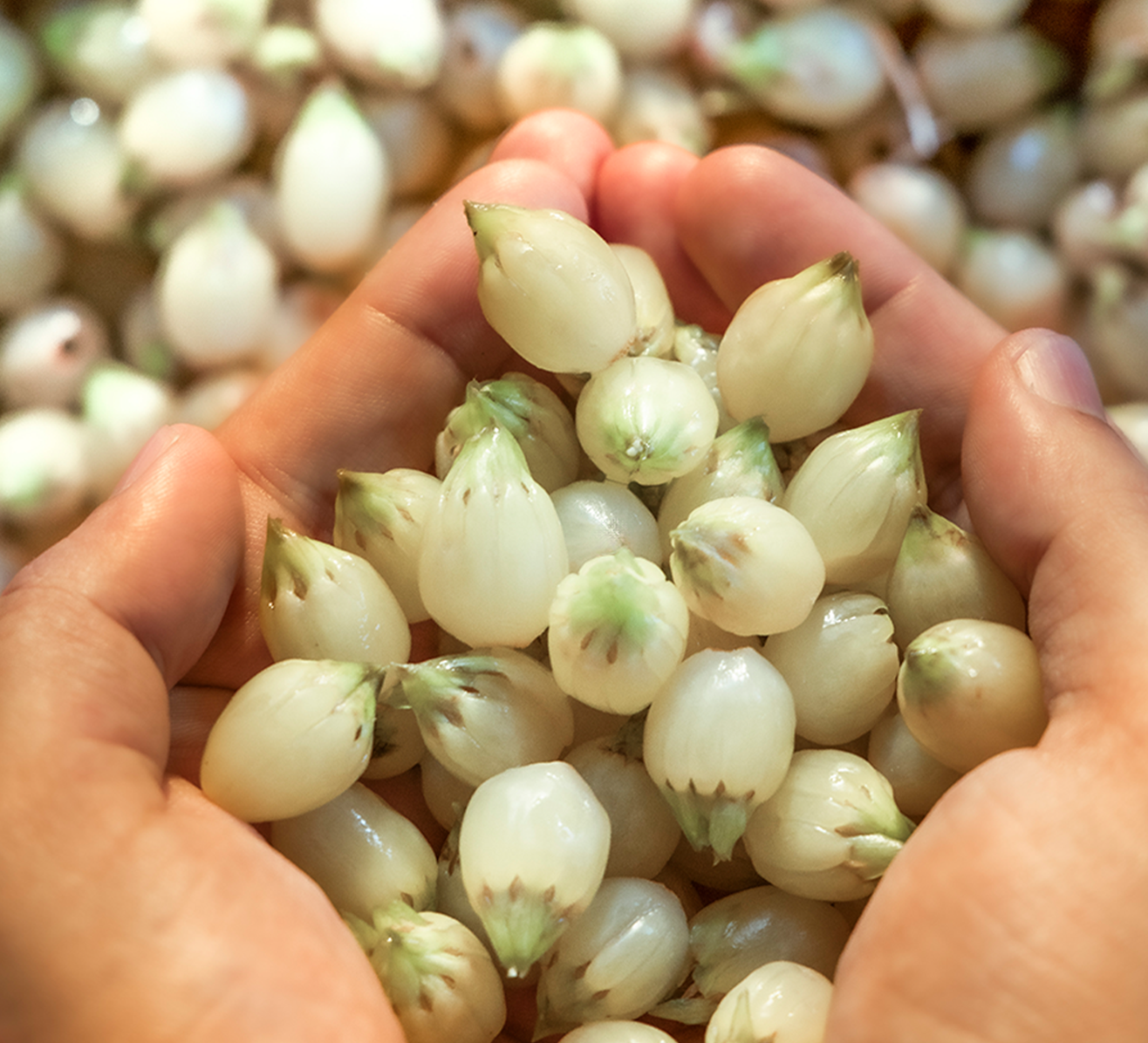
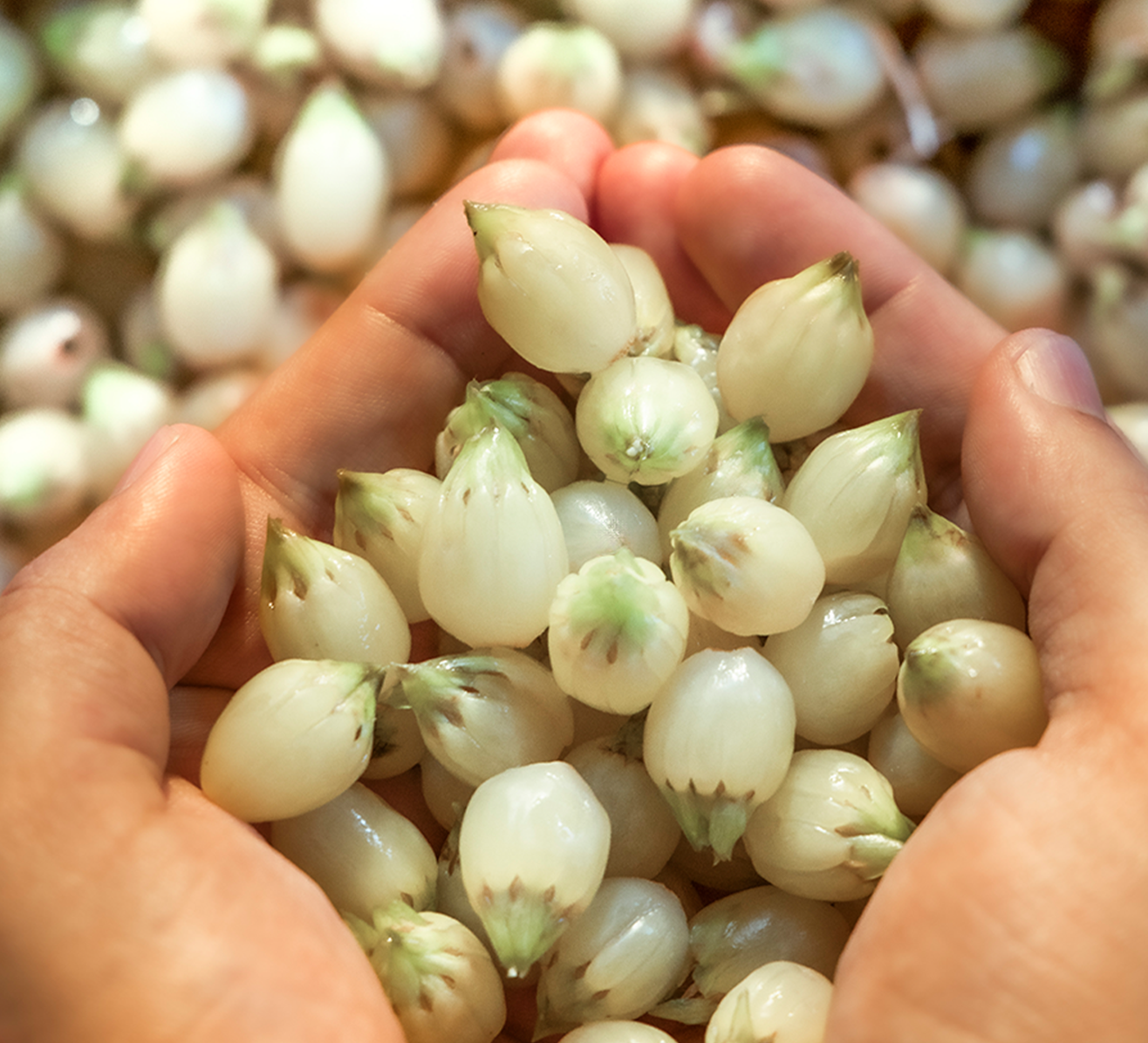
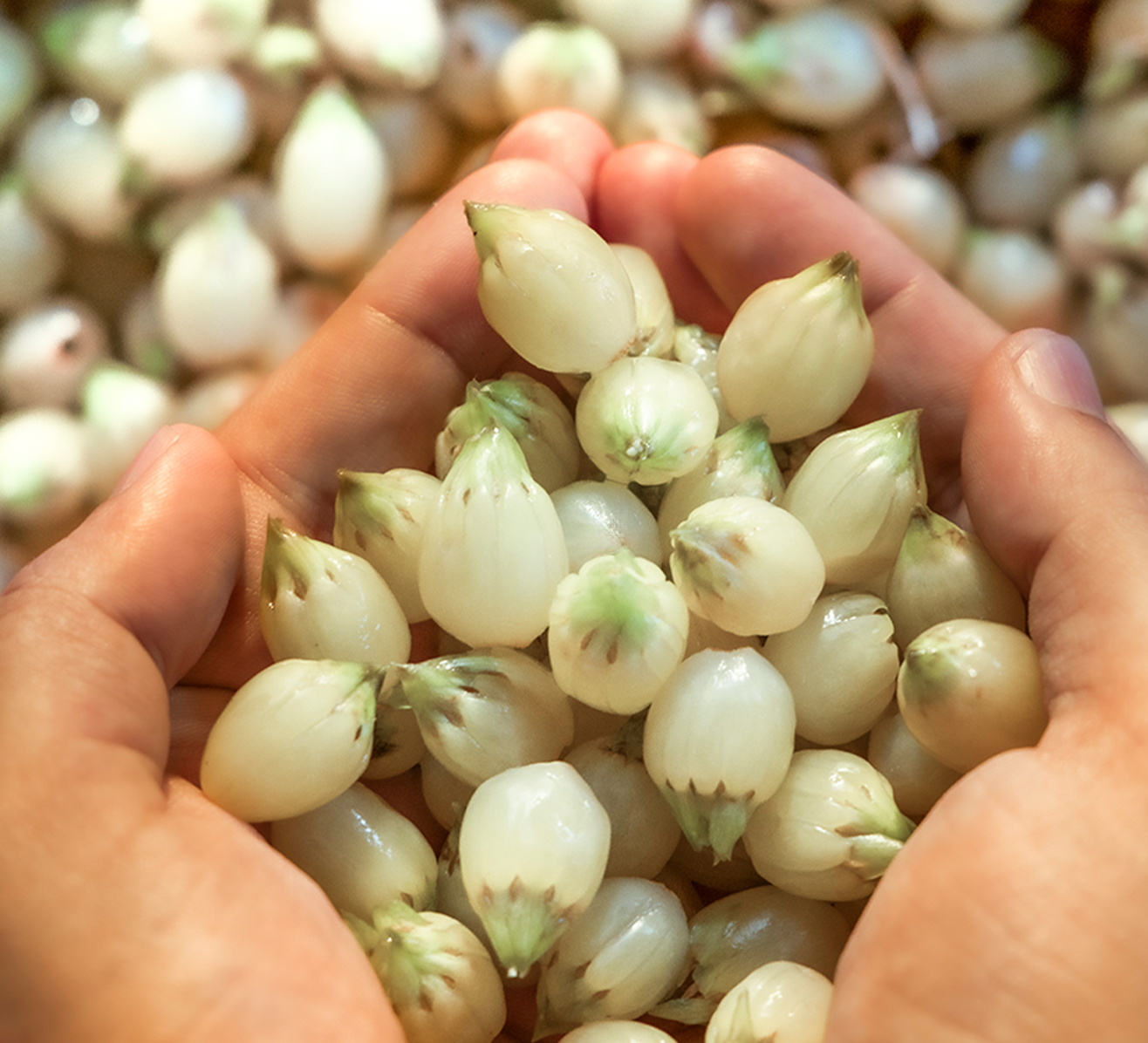
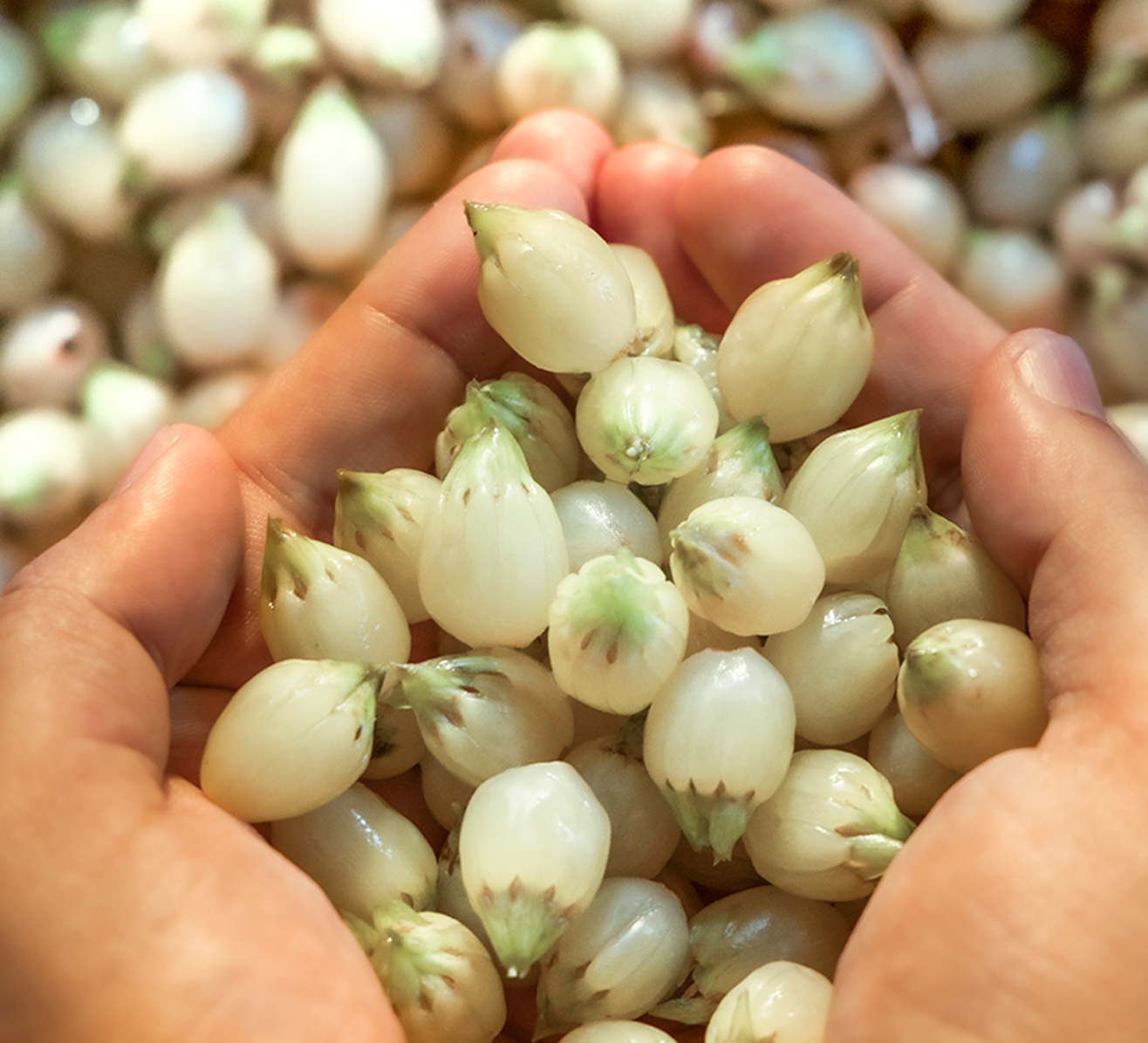
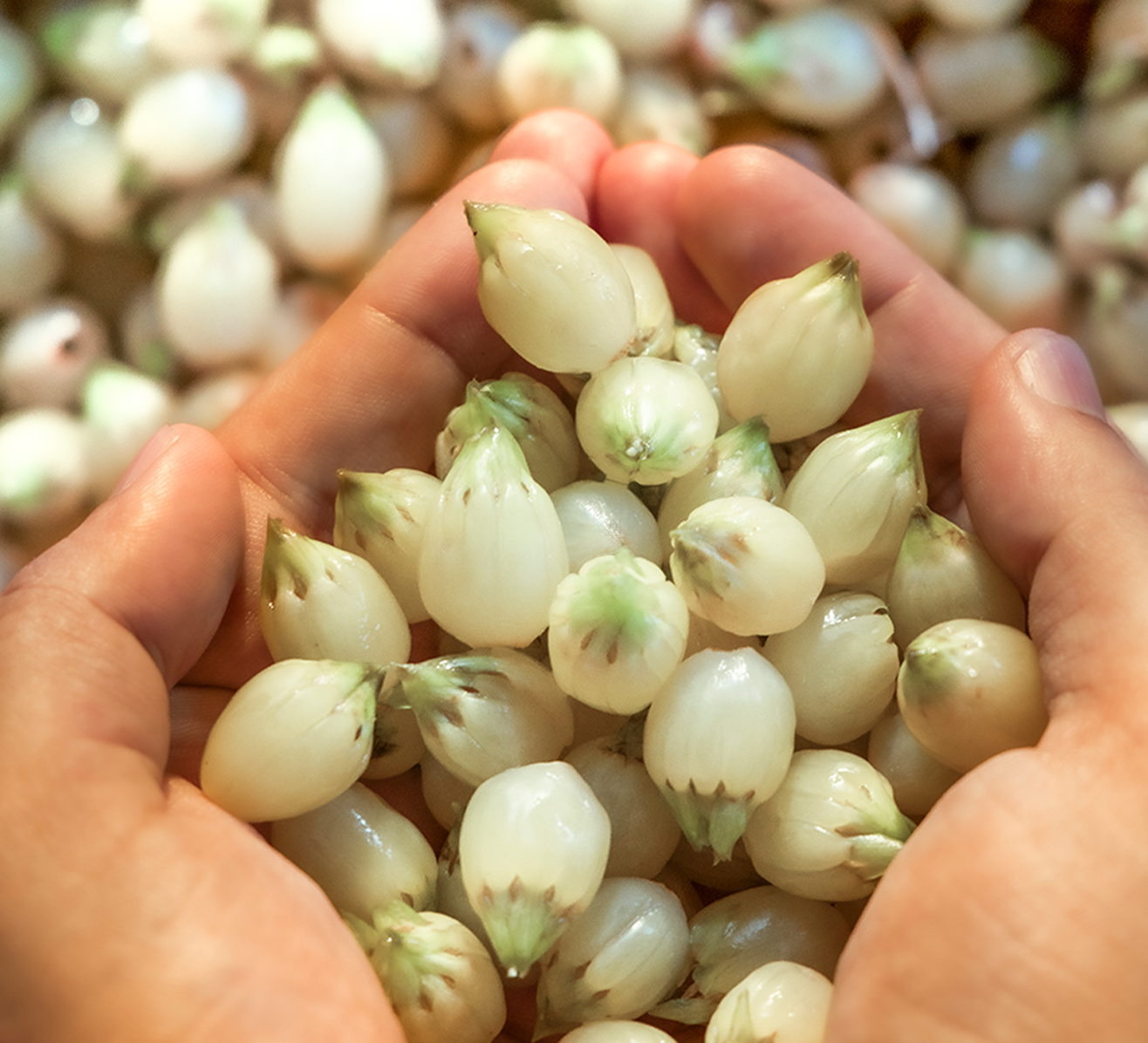
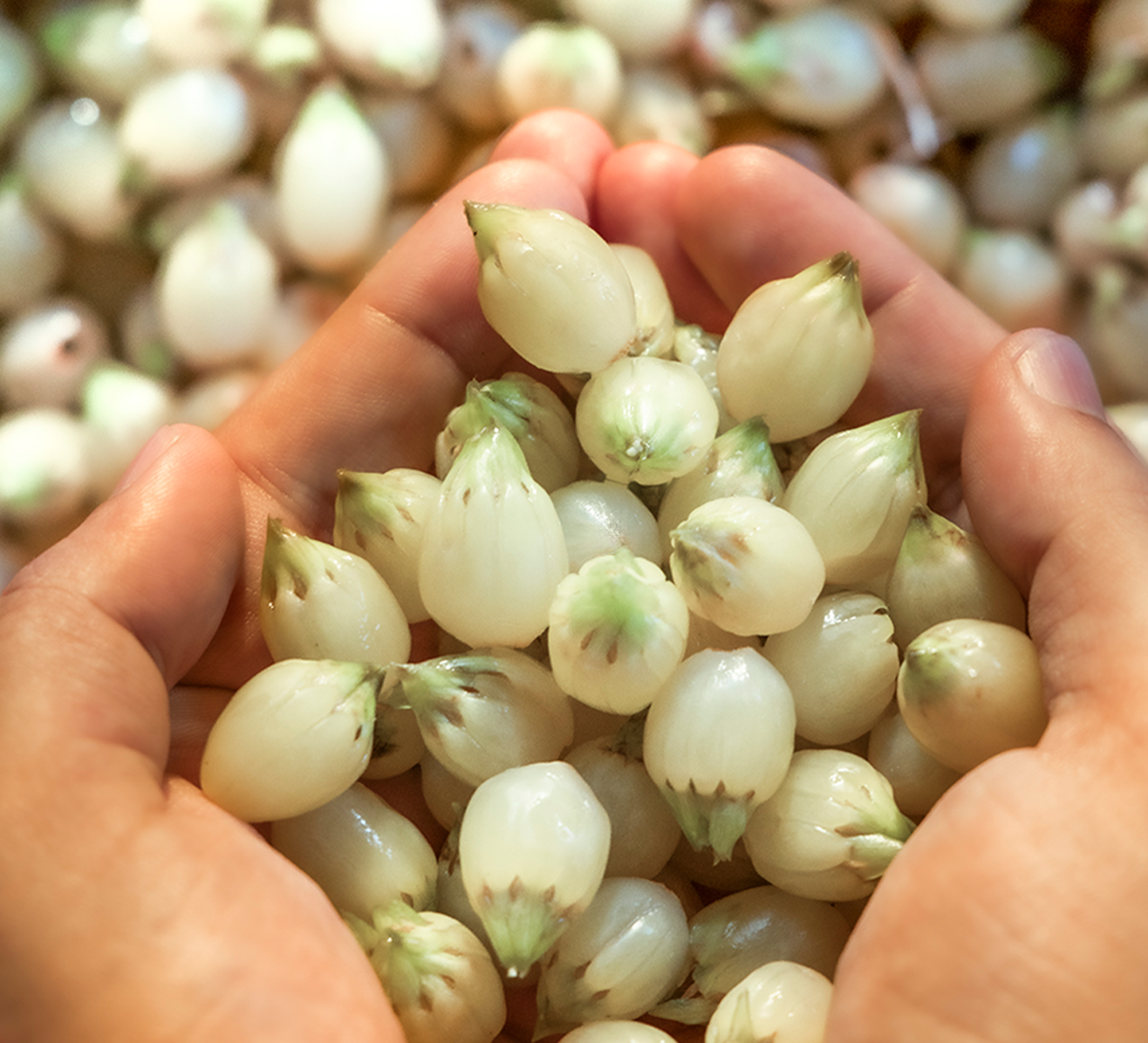
Mahua is derived from the flowers of the Madhuca longifolia tree, a species that grows abundantly across the forests and hillsides of central, eastern, and western India. The tree flowers between February and April each year, carpeting the forest floor with fleshy, nectar-rich blossoms that are naturally high in sugars.
For thousands of years, these flowers were not wasted. Local and forest communities across Madhya Pradesh, Chhattisgarh, Odisha, Jharkhand, Maharashtra, and Andhra Pradesh collected them during the brief flowering season, dried them carefully, and fermented them into a spirit that was deeply embedded in everyday life.
Mahua was not simply consumed as a drink. It served multiple layers of meaning within these communities:
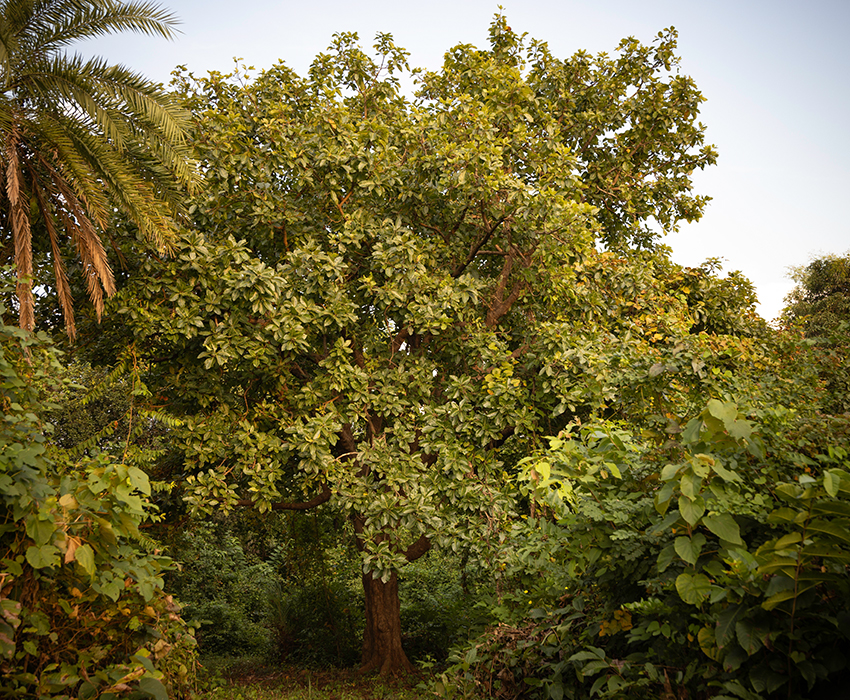
The Madhuca longifolia tree itself was considered sacred in many communities. Every part of it was used: the flowers for distillation, the seeds for oil, the bark for medicine. Wasting any of it would have been unthinkable.
Its naturally sweet, nectar-rich flowers make it uniquely suited to fermentation, giving rise to a spirit that is both aromatic and deeply rooted in the land it comes from. Unlike grain or sugarcane spirits, mahua carries the character of a specific tree, a specific region, and a specific time of year. It is, in the truest sense, a terroir spirit.
The story of mahua is, unfortunately, also a story of deliberate suppression. Understanding why it faded from mainstream culture is essential to appreciating why its revival matters.
During British colonial rule in India, traditional distillation practices across the country faced severe restriction. Mahua was specifically targeted under colonial excise policies that sought to curtail indigenous alcohol production, partly to protect revenue from colonial-licensed liquor and partly to dismantle practices associated with local autonomy and community cohesion.
The Madhu and Mahua Acts in various provinces either banned or heavily taxed traditional mahua production, criminalising practices that had been entirely normal for centuries. Communities that had distilled mahua for generations were suddenly operating outside the law.
After independence, many of these colonial-era restrictions were not fully dismantled. State-level excise policies continued to treat mahua with suspicion. The spirit remained associated with informal and unregulated production, and the absence of proper commercial frameworks meant it could not easily enter the mainstream market.
Crucially, the stigma around country liquor attached itself to mahua despite the fact that the spirit itself was perfectly safe when properly distilled. It became perceived as a rural, low-status drink rather than the sophisticated heritage spirit it actually is.
As urbanisation accelerated and aspirational drinking culture in India turned to imported Scotch whisky and rum, mahua retreated further into the margins. A spirit with centuries of legacy nearly disappeared from India's modern drinking consciousness.
What was lost was not just a drink. It was a category of craft, culture, and indigenous knowledge that had no equivalent anywhere else in the world.
In recent years, a convergence of regulatory, cultural, and commercial shifts created the conditions for mahua's return. Two developments in particular proved decisive.
Mahua received formal recognition and licensing pathways in several Indian states, allowing it to enter the legal, commercial spirits ecosystem for the first time in a structured way. This was not a small thing. Without a legitimate regulatory framework, no serious investment in quality, branding, or distribution could happen. The licensing recognition opened the door that had been closed for over a century.
Simultaneously, a new generation of Indian consumers began actively seeking out products with origin, authenticity, and story. The global craft spirits movement, which had already transformed gin and whisky markets in the West, was arriving in India. Drinkers who had grown up with imported Scotch were now curious about what India itself could produce.
The timing was perfect. Mahua, with its extraordinary heritage, distinct flavour profile, and connection to Indian land and culture, was precisely the kind of spirit this new consumer was looking for. It just needed someone willing to do the work of bringing it to them.
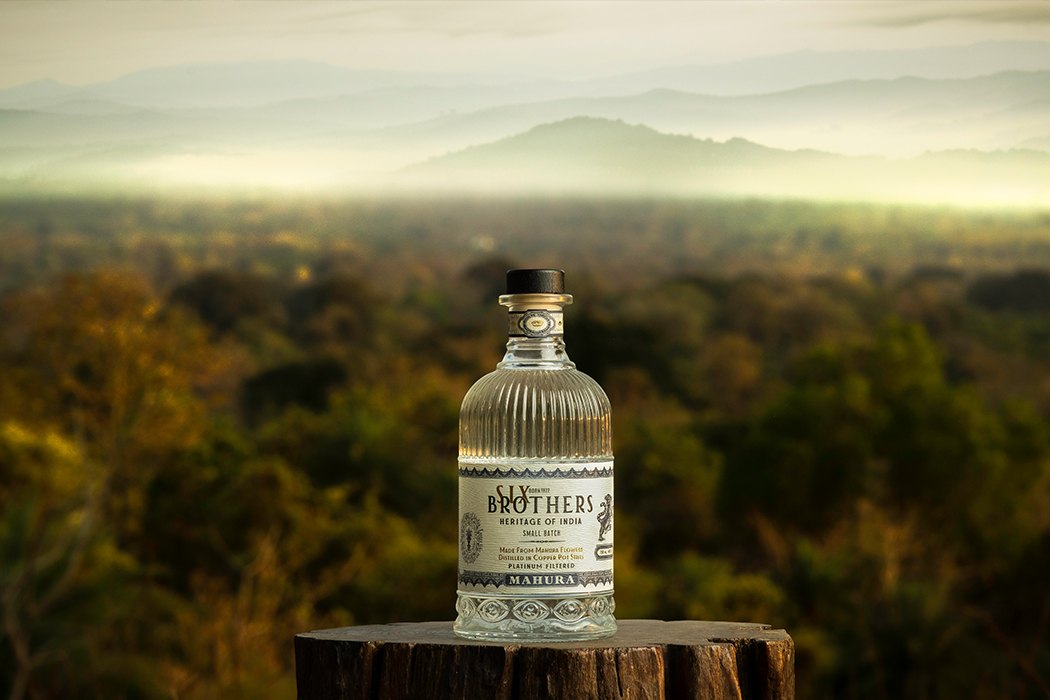
This is where Six Brothers Mahura enters the story: not as a new invention, but as a revival of something timeless. The brand's approach to this revival is thoughtful, deliberate, and grounded in genuine respect for mahua's heritage.
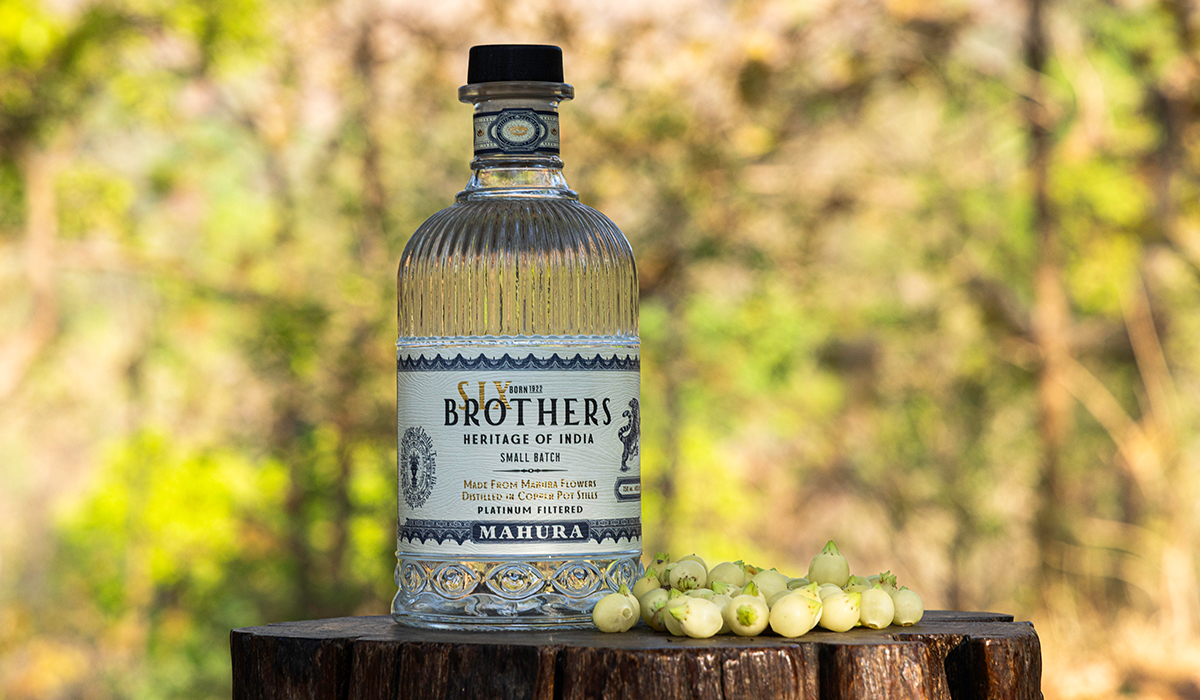
Six Brothers Mahura traces its inspiration back to early 20th-century distillation traditions, with a legacy connected to one of India's earliest efforts to position mahua as a premium commercial spirit. The founders understood that what was needed was not to create a new category, but to restore one that had been unjustly marginalised.
This distinction matters. Six Brothers Mahura is not borrowing mahua's story for marketing purposes. It is actively working to return the spirit to the position of dignity and quality it deserves, building on a lineage rather than fabricating one.
Traditionally, mahua was distilled using handcrafted stills and local techniques passed down through generations within communities. The knowledge was experiential and oral, rarely documented, and highly localised.
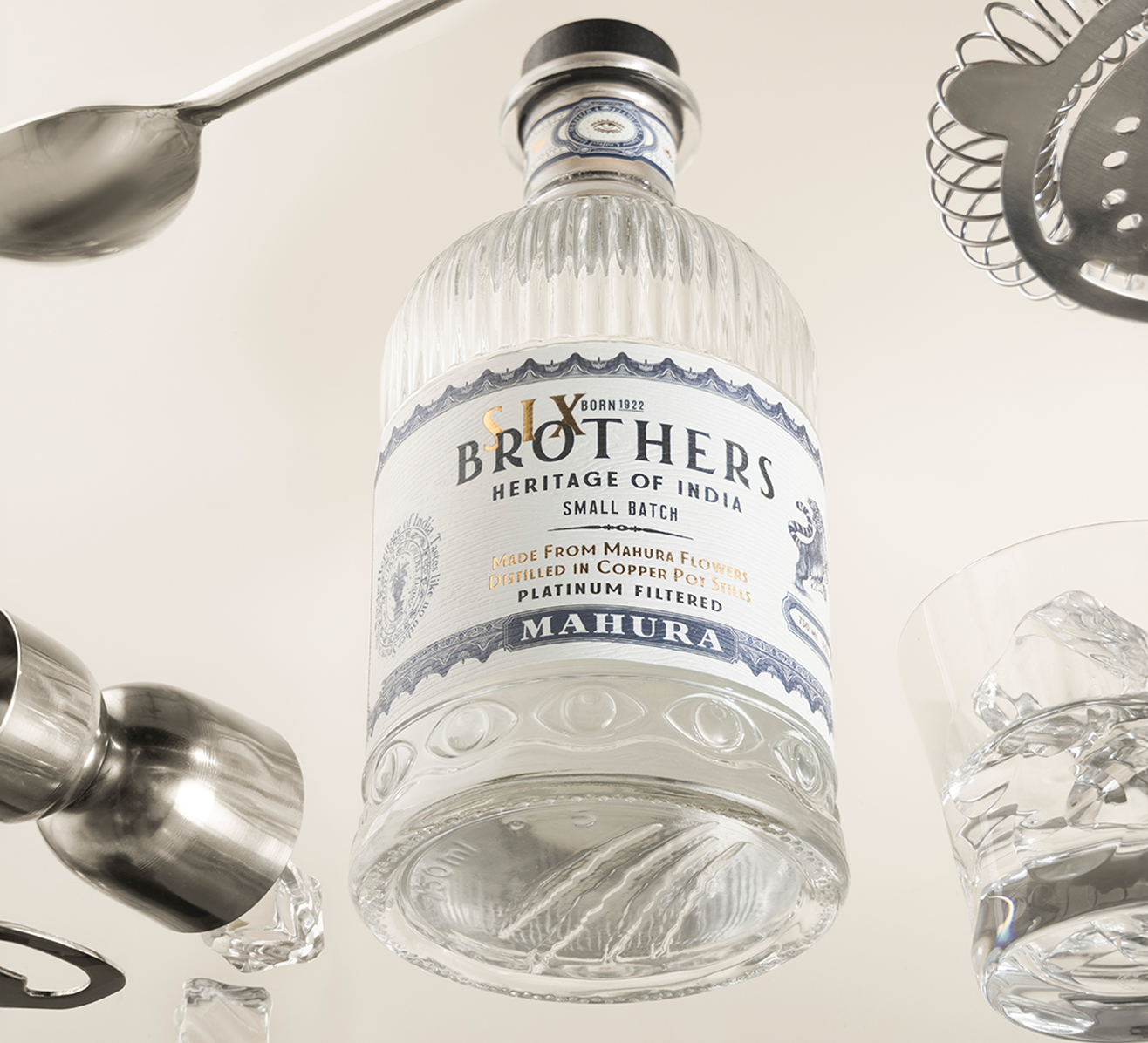
Six Brothers Mahura retains the essential soul of this tradition while applying modern distillation expertise to ensure consistency, purity, and quality at a level that can satisfy the most demanding palate. The key techniques include:
The result is a spirit that is recognisably mahua in its soul but polished and consistent enough to stand confidently alongside the best craft spirits in the world.
Historically, mahua was never positioned as a luxury product. Its association with informal production and rural consumption meant it was priced and perceived accordingly, even when individual batches were genuinely excellent.
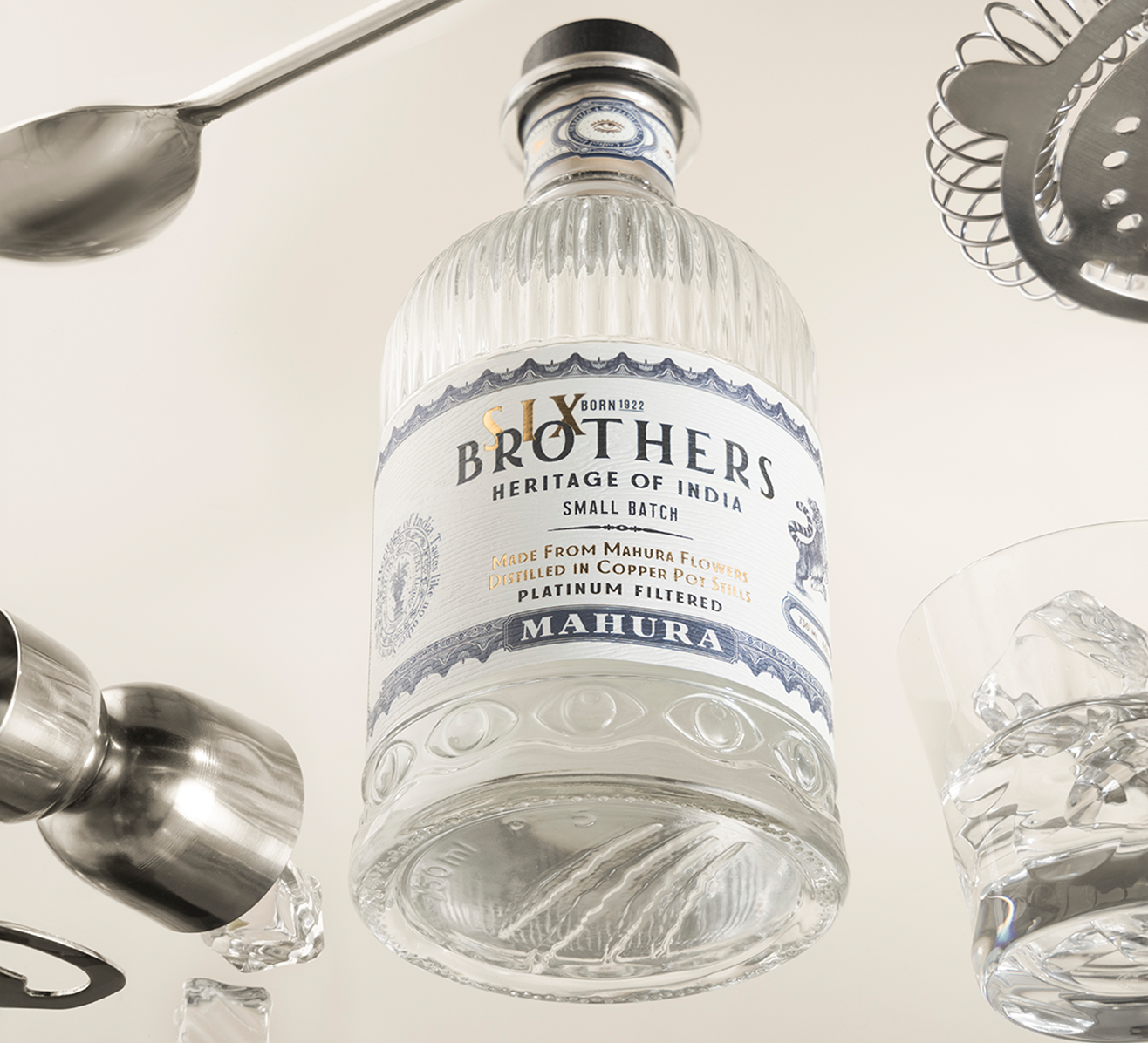
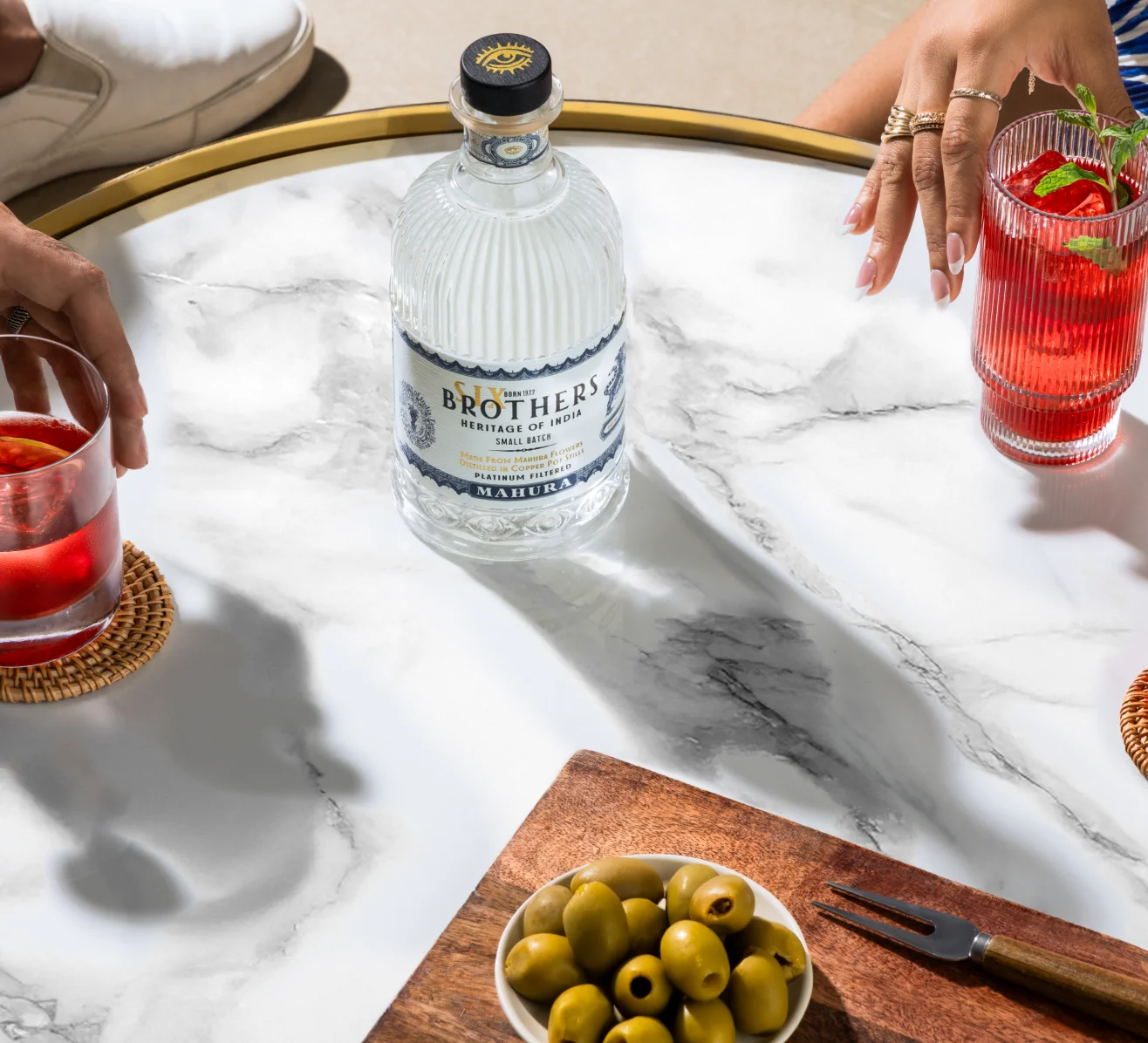
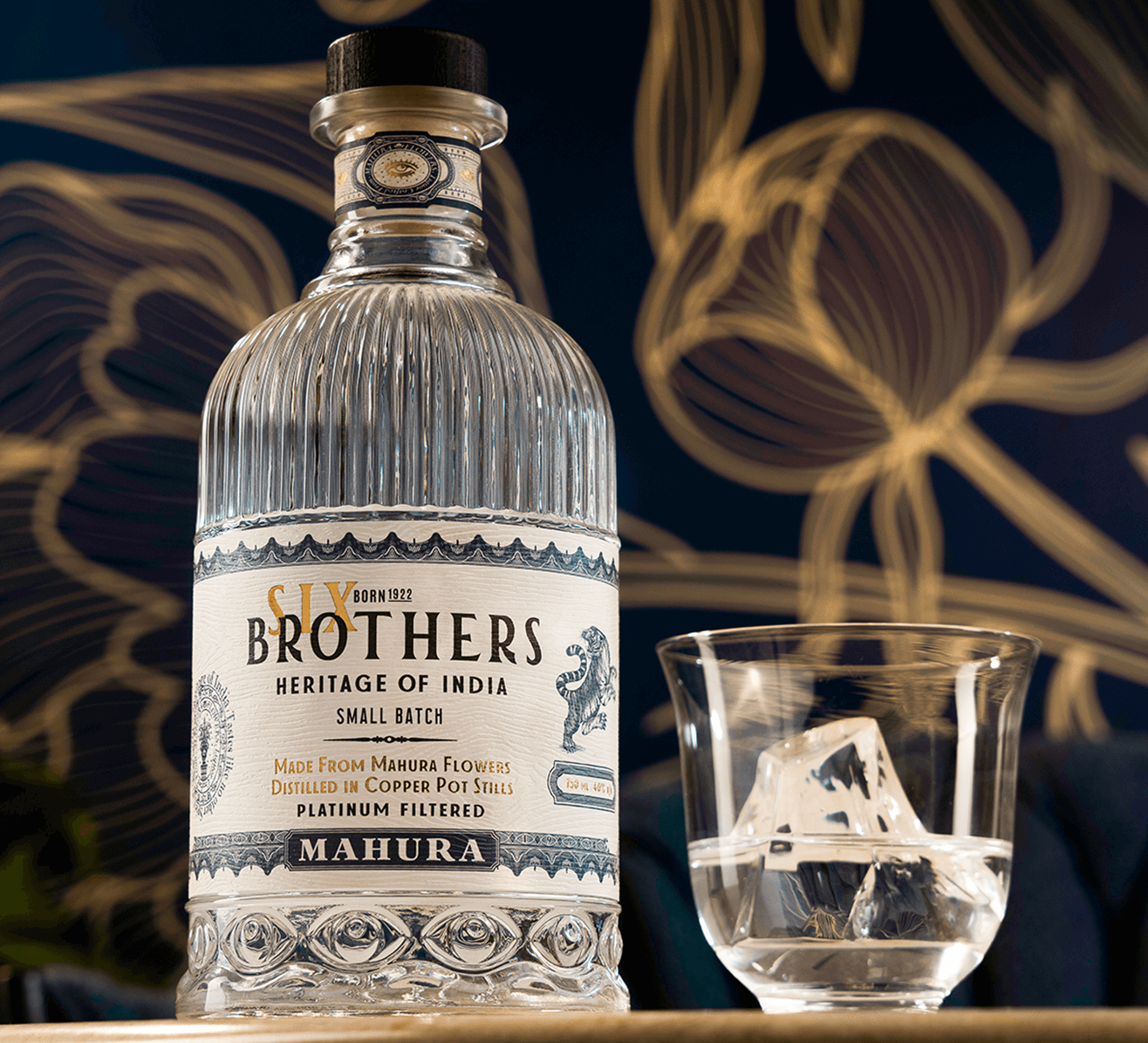
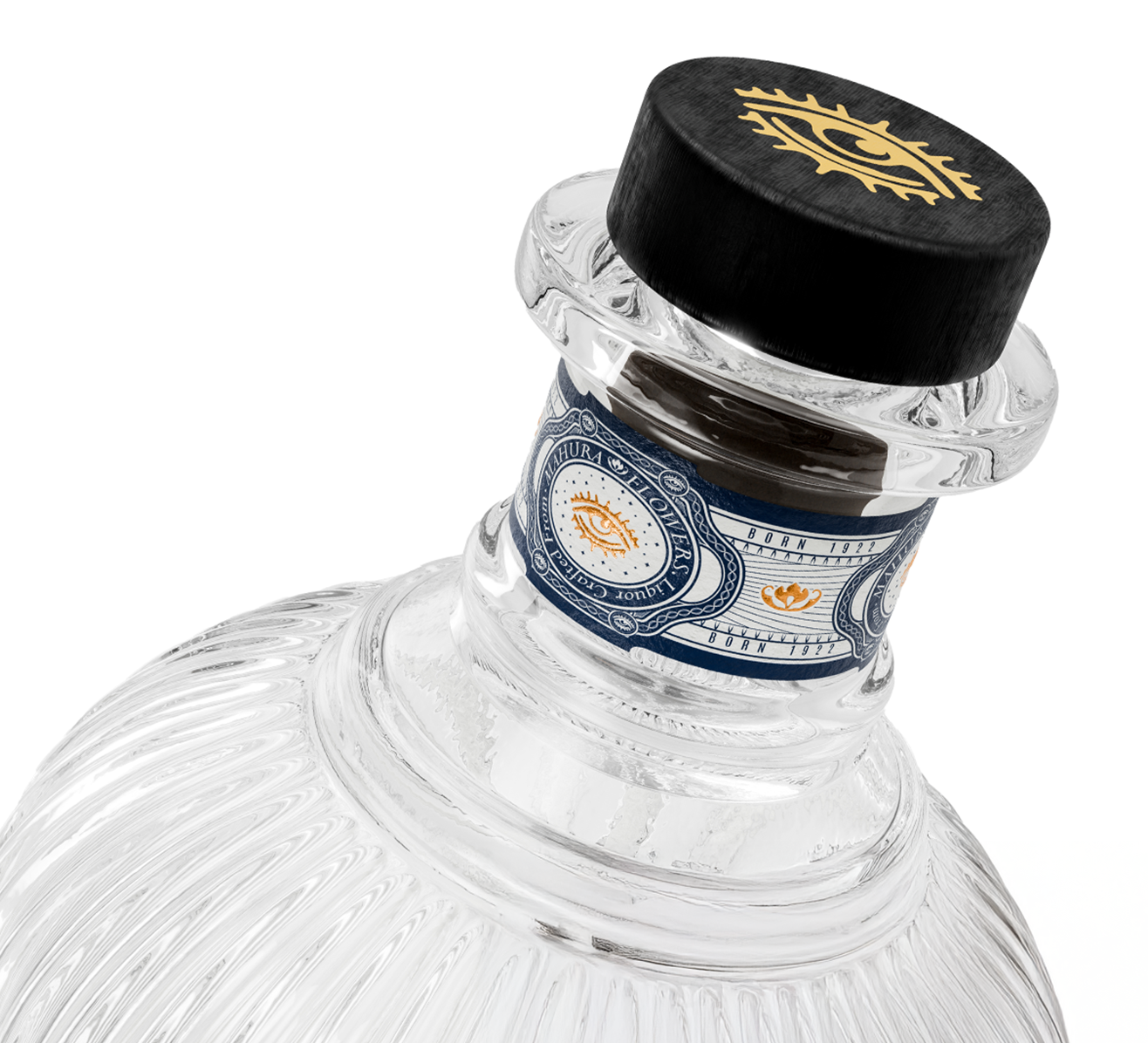
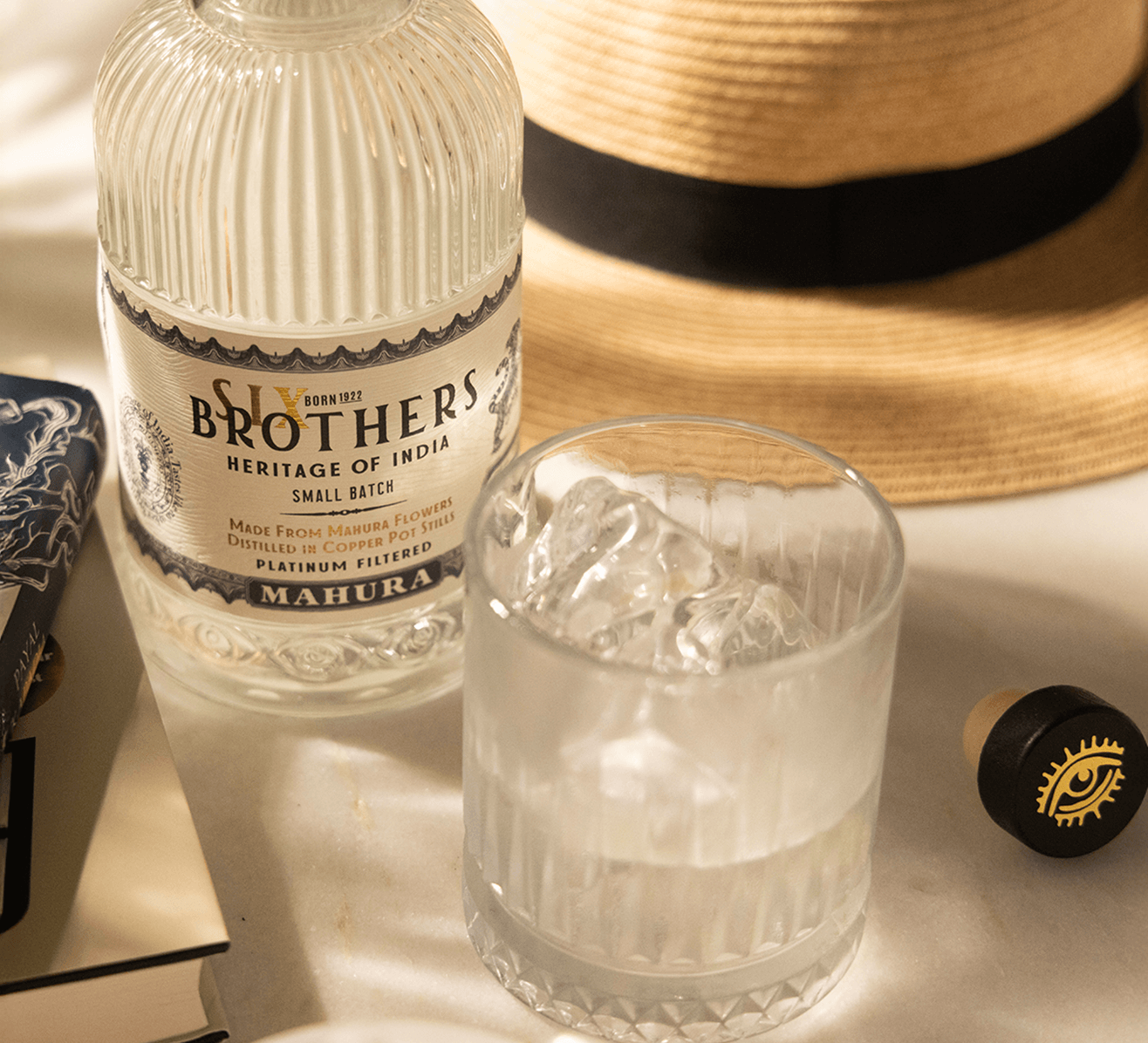
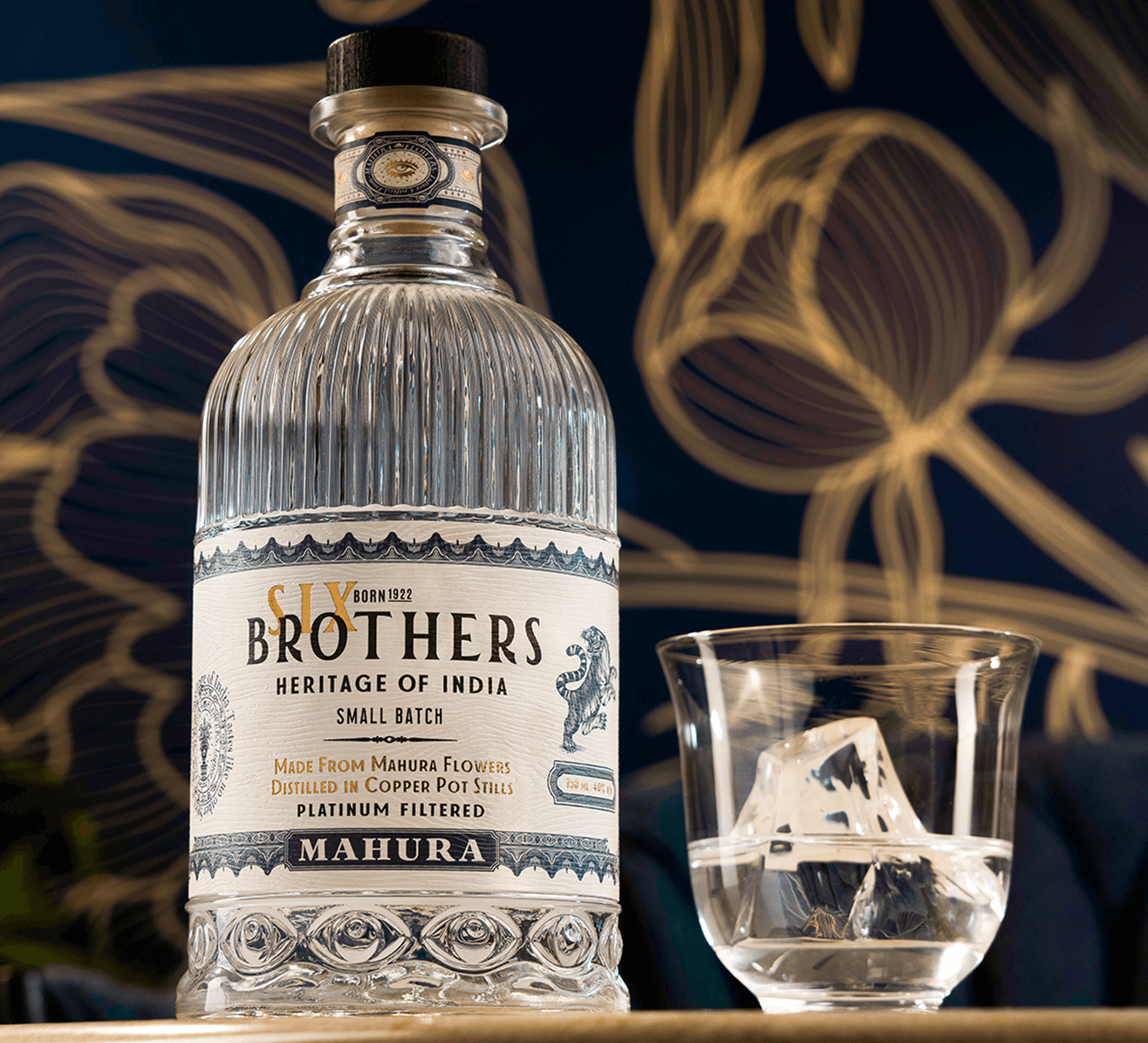
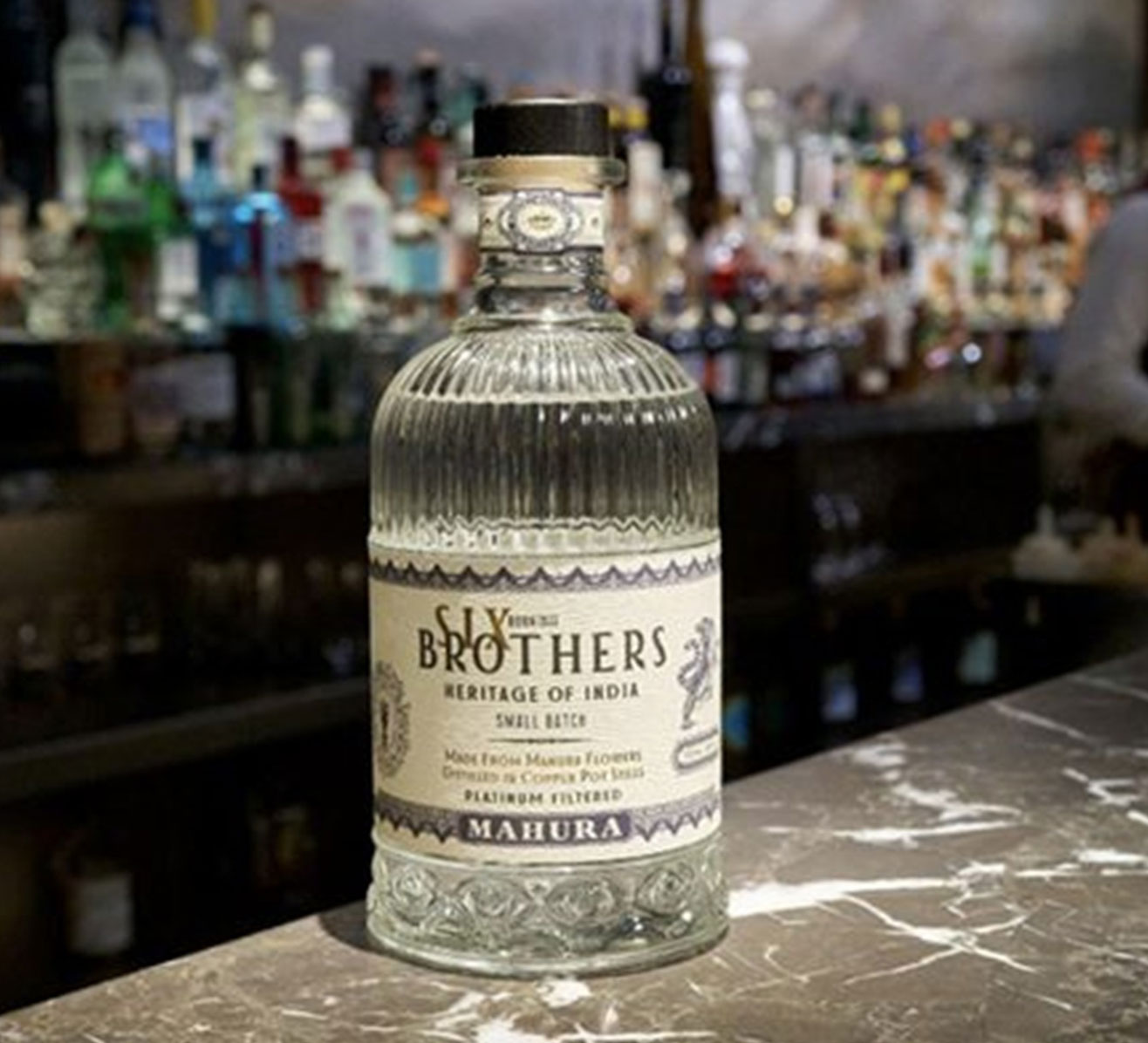
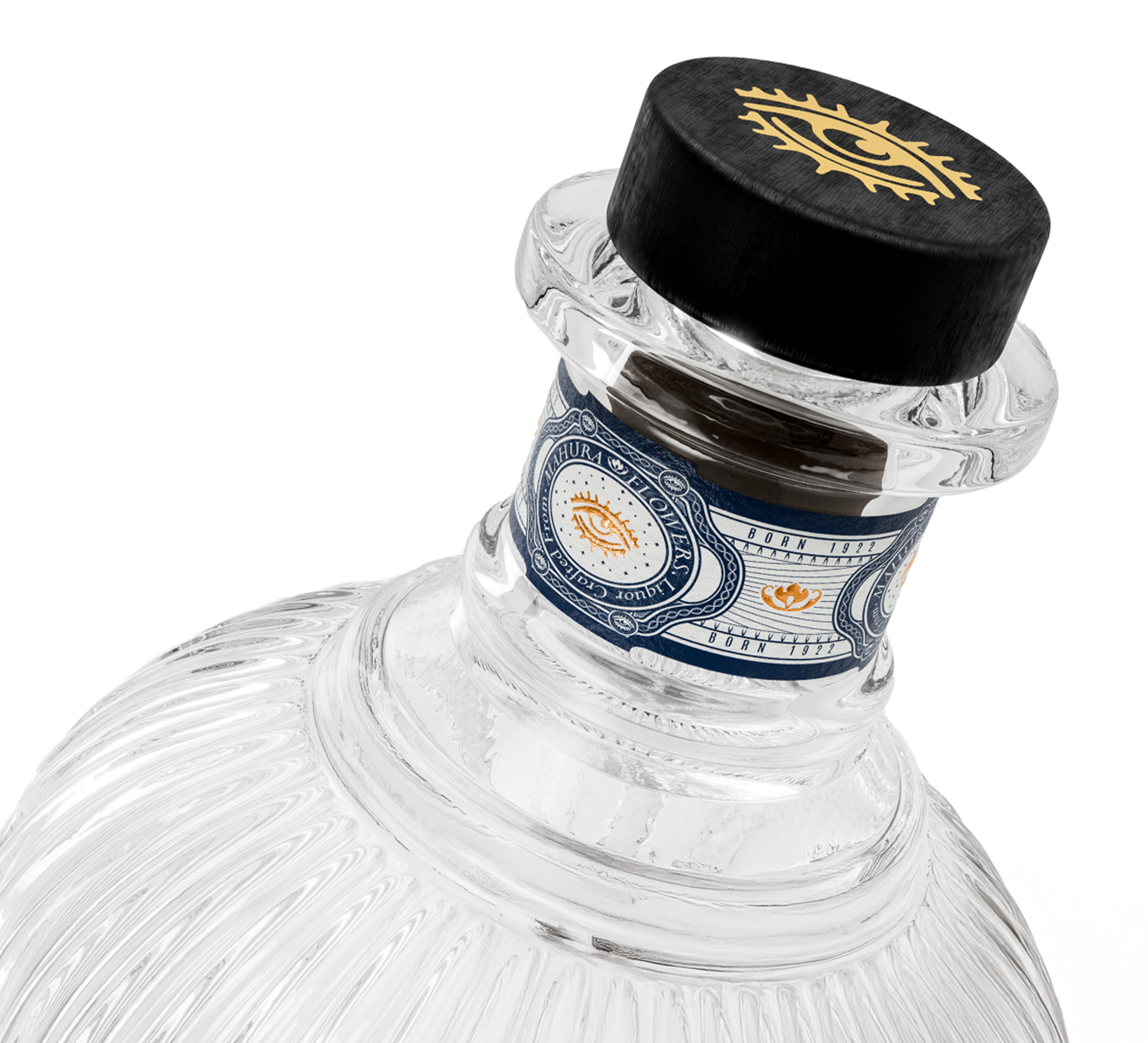
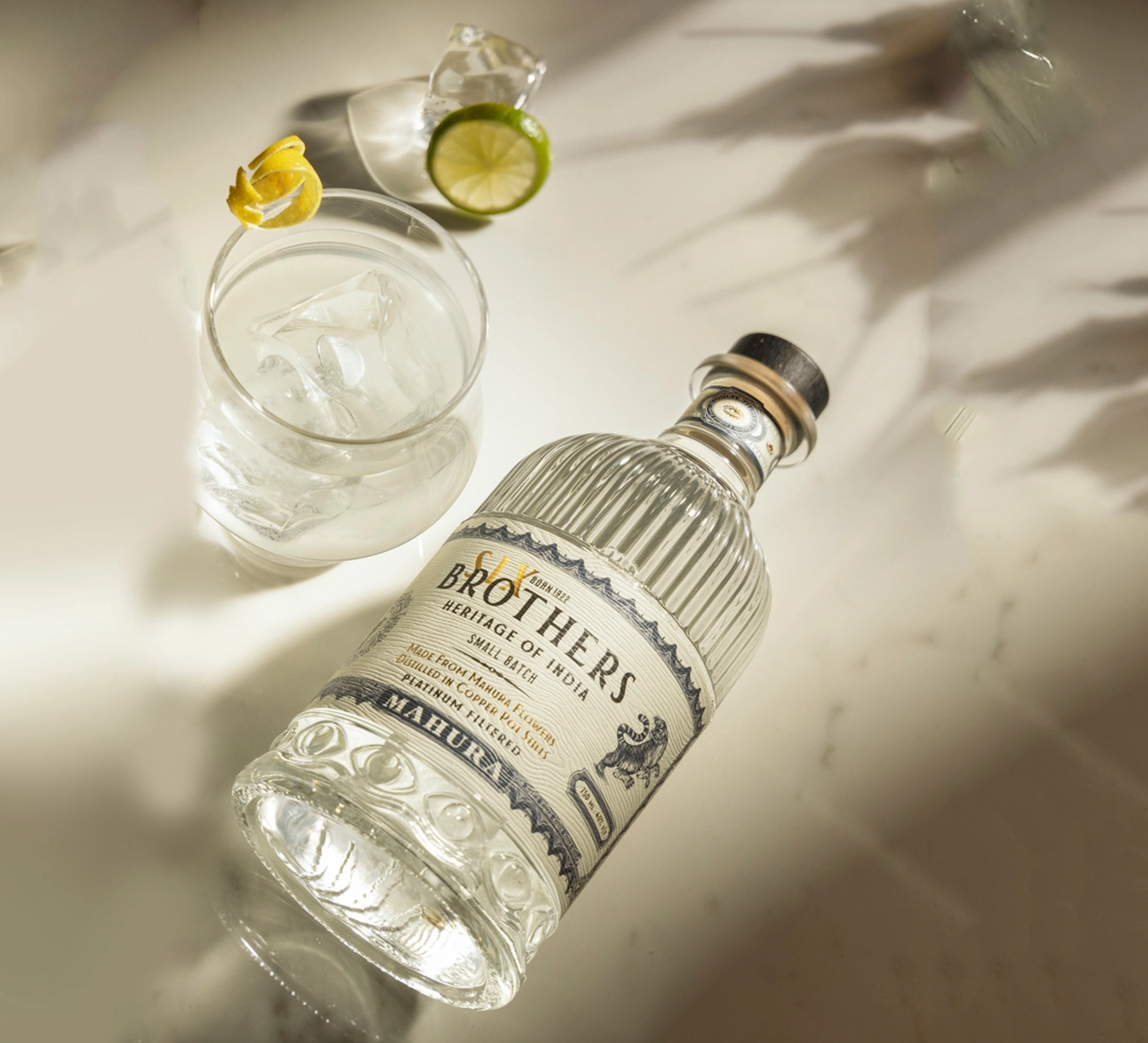
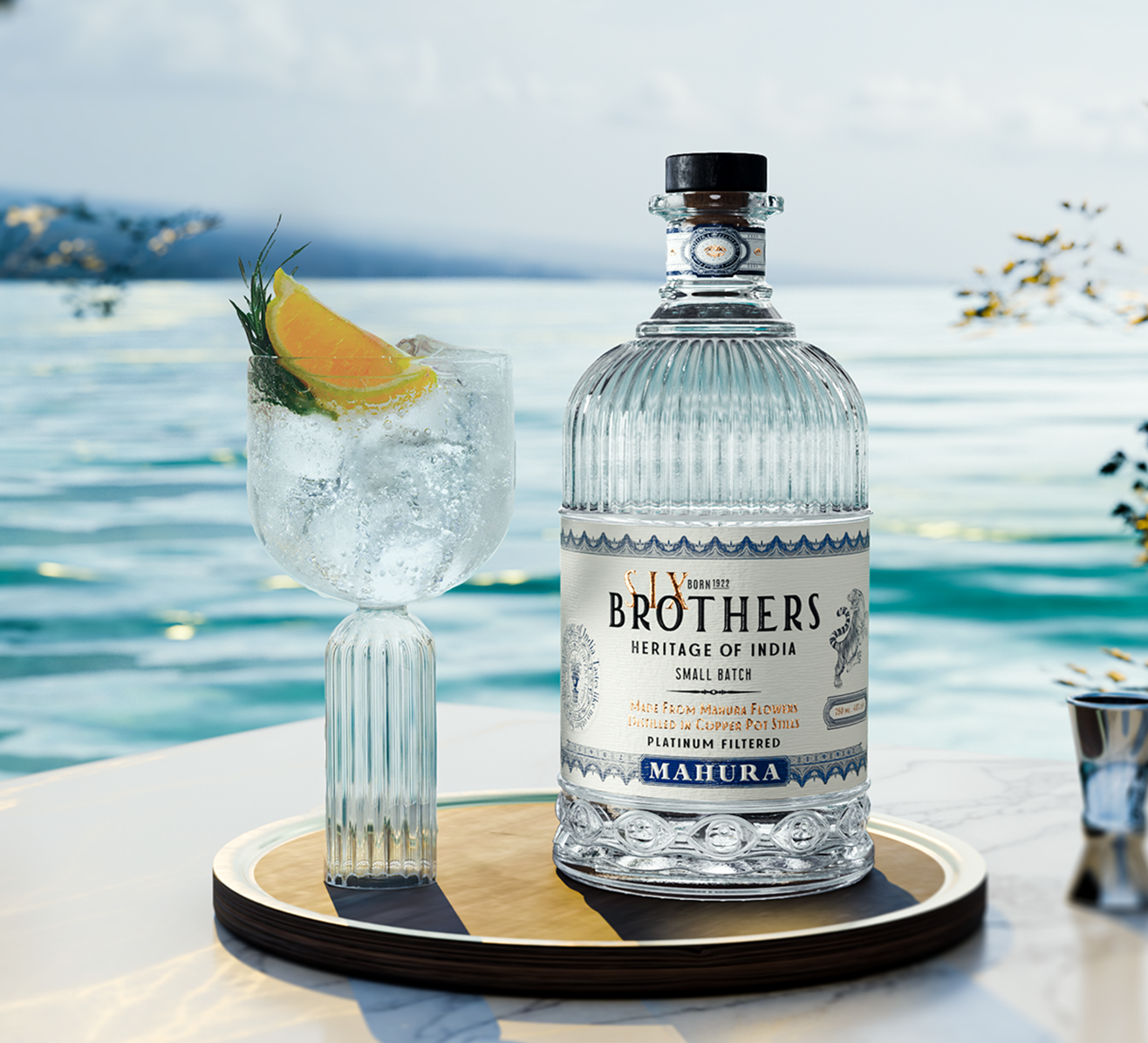
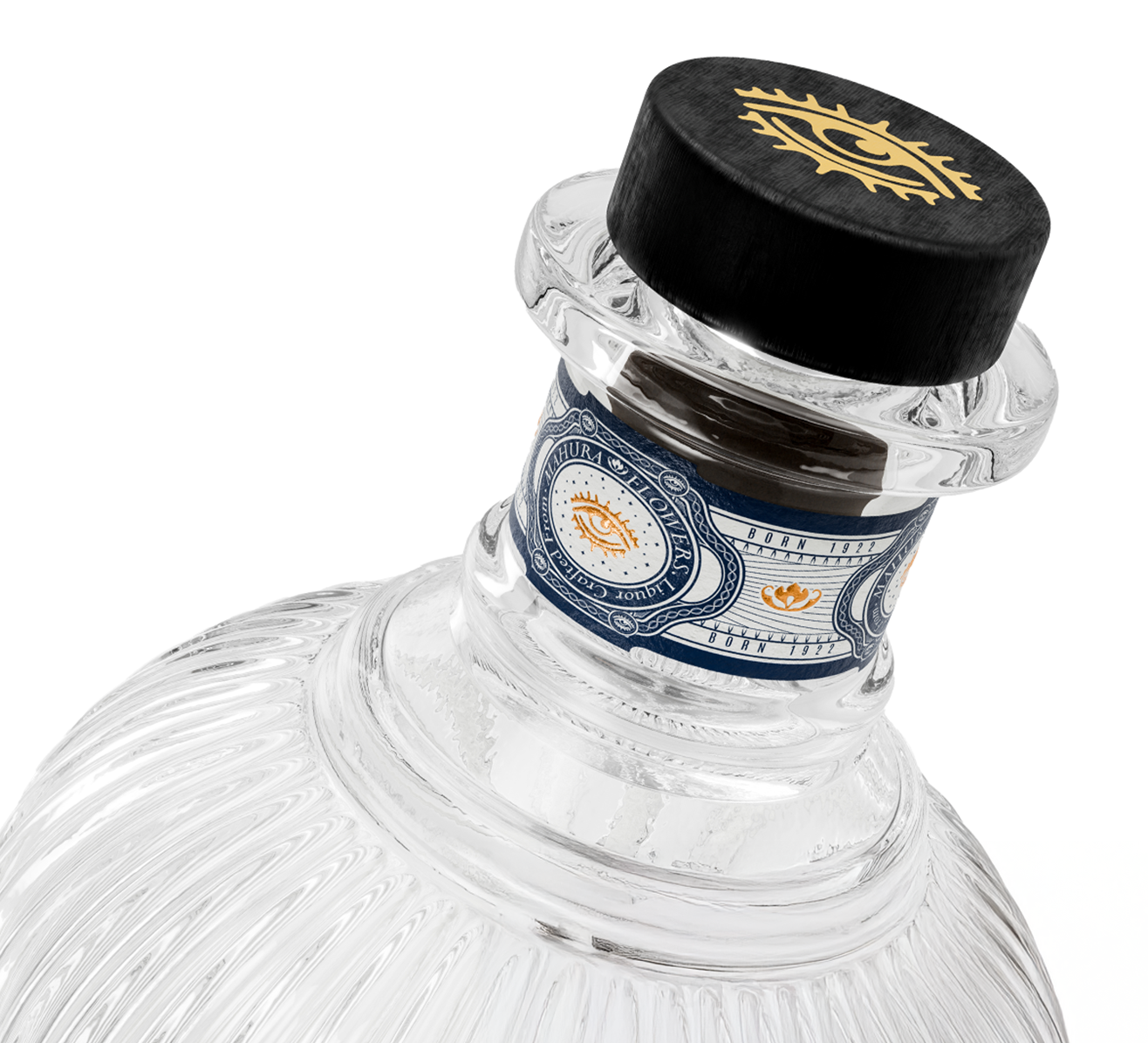
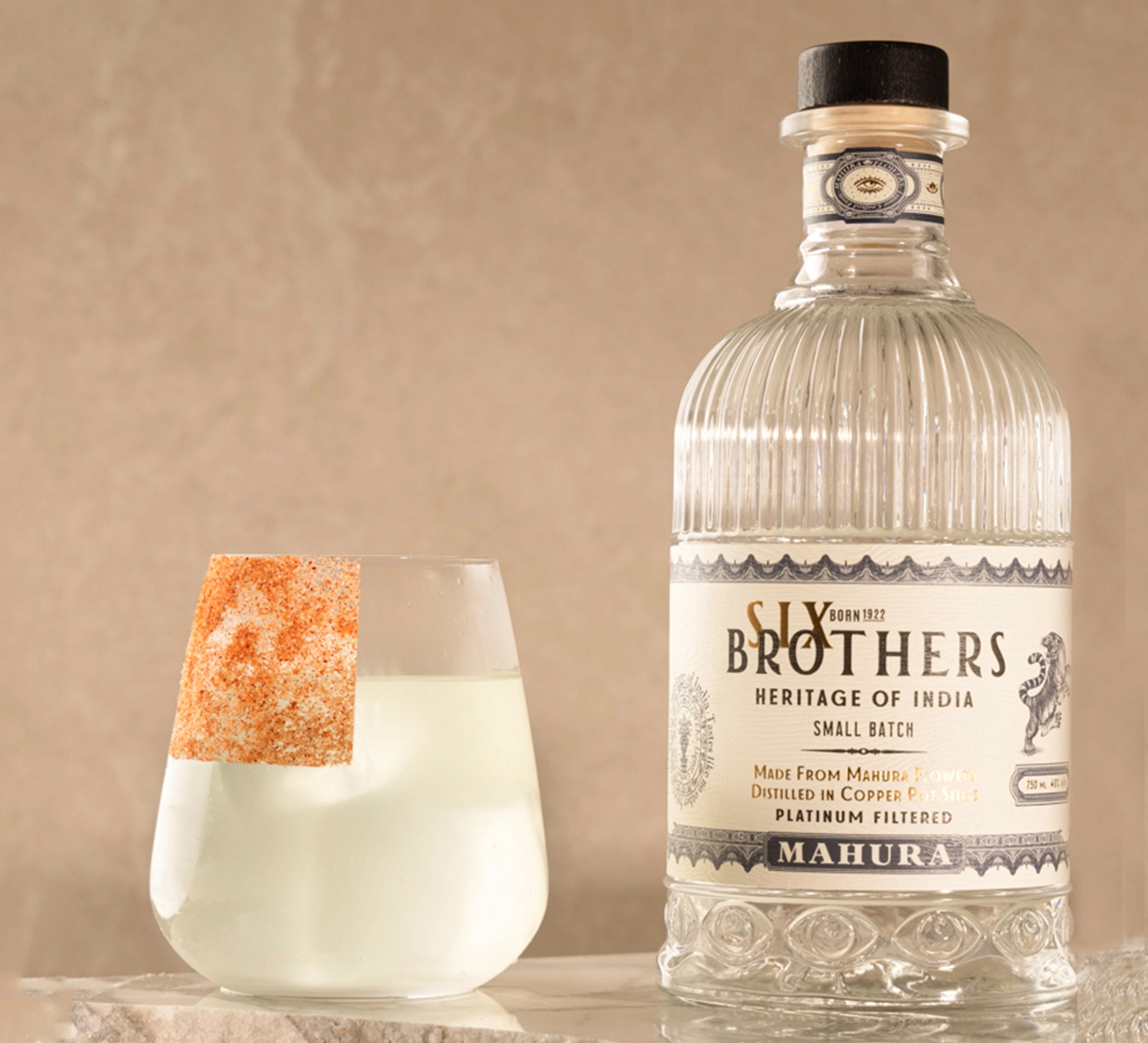
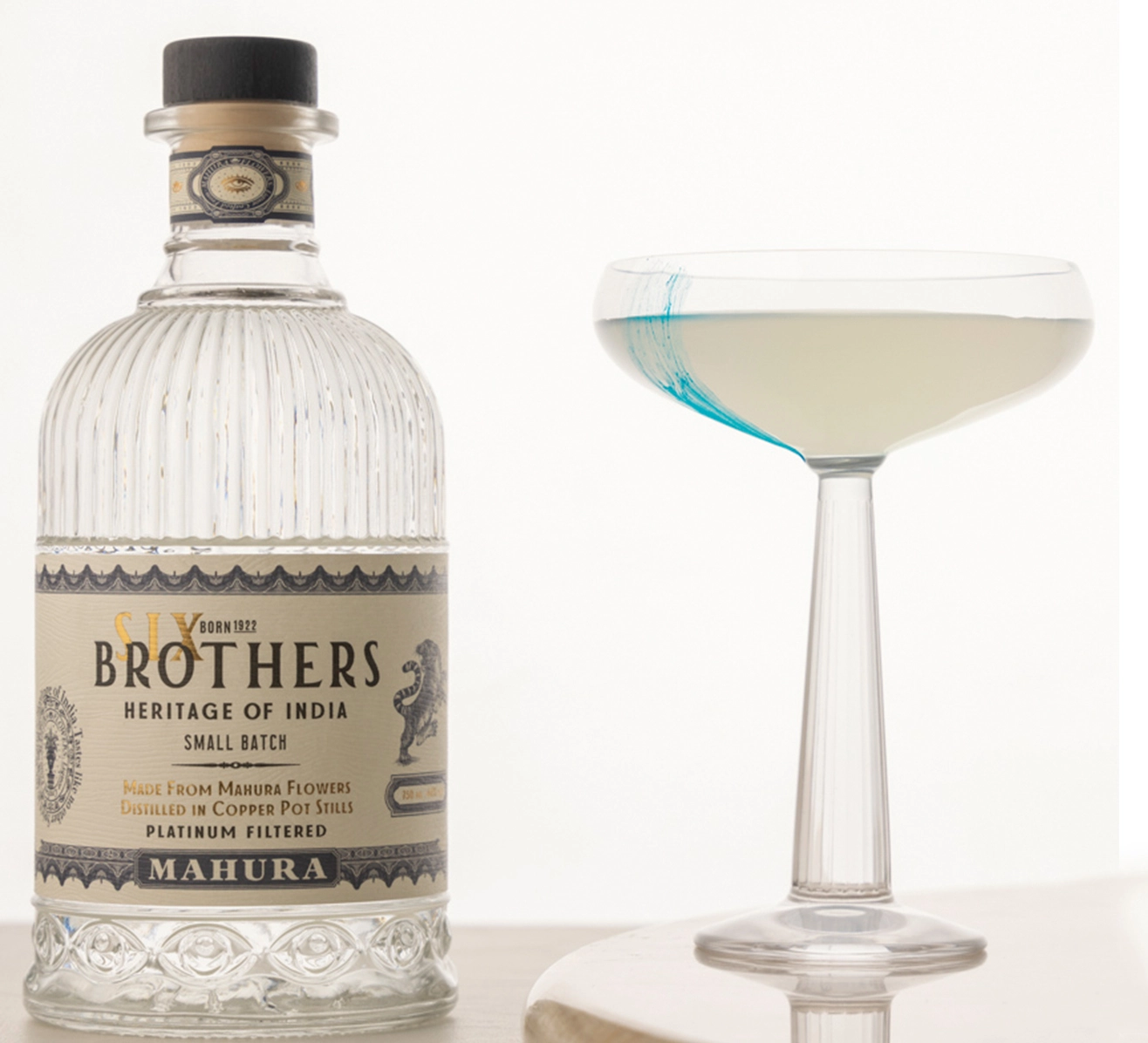
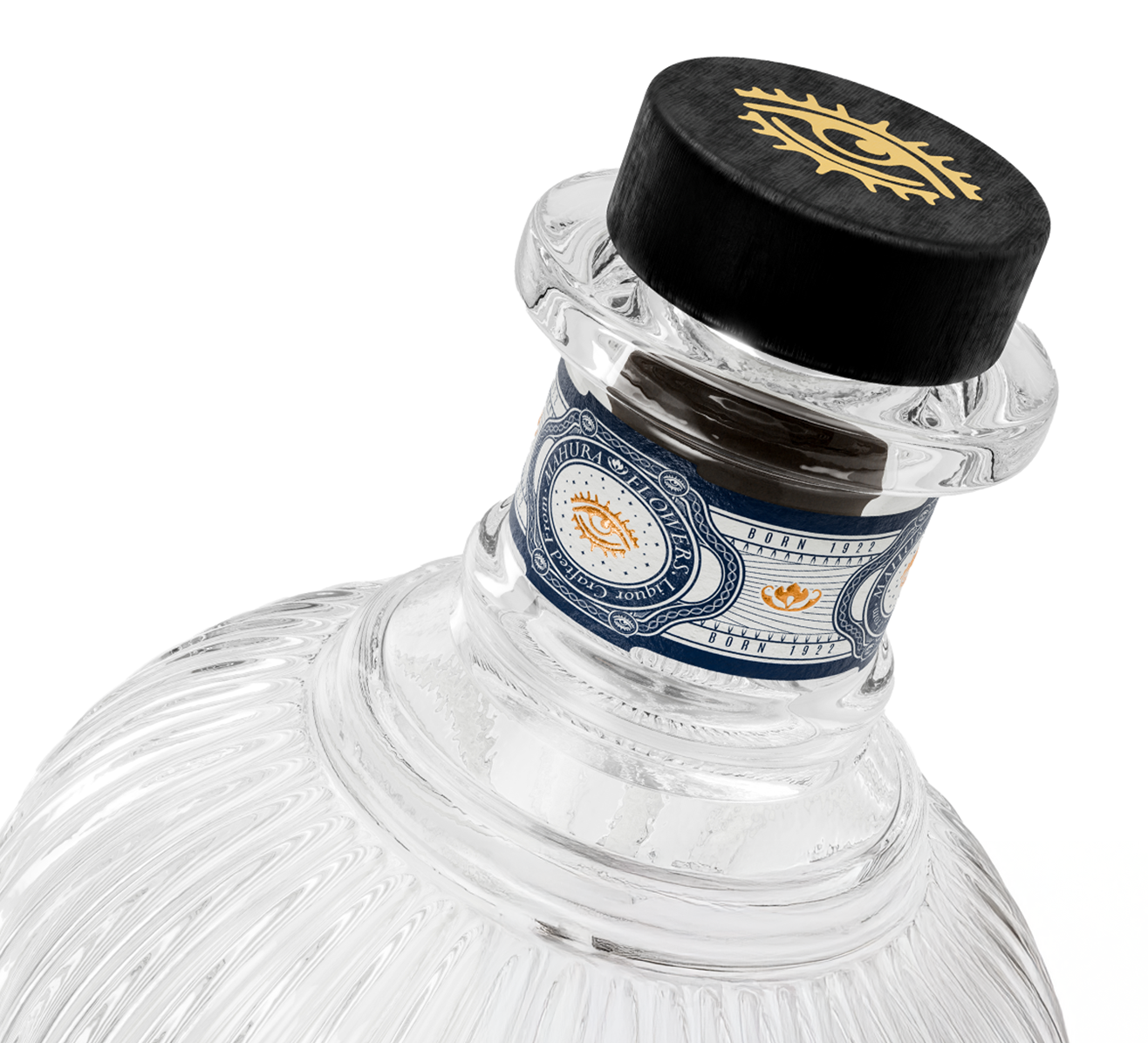
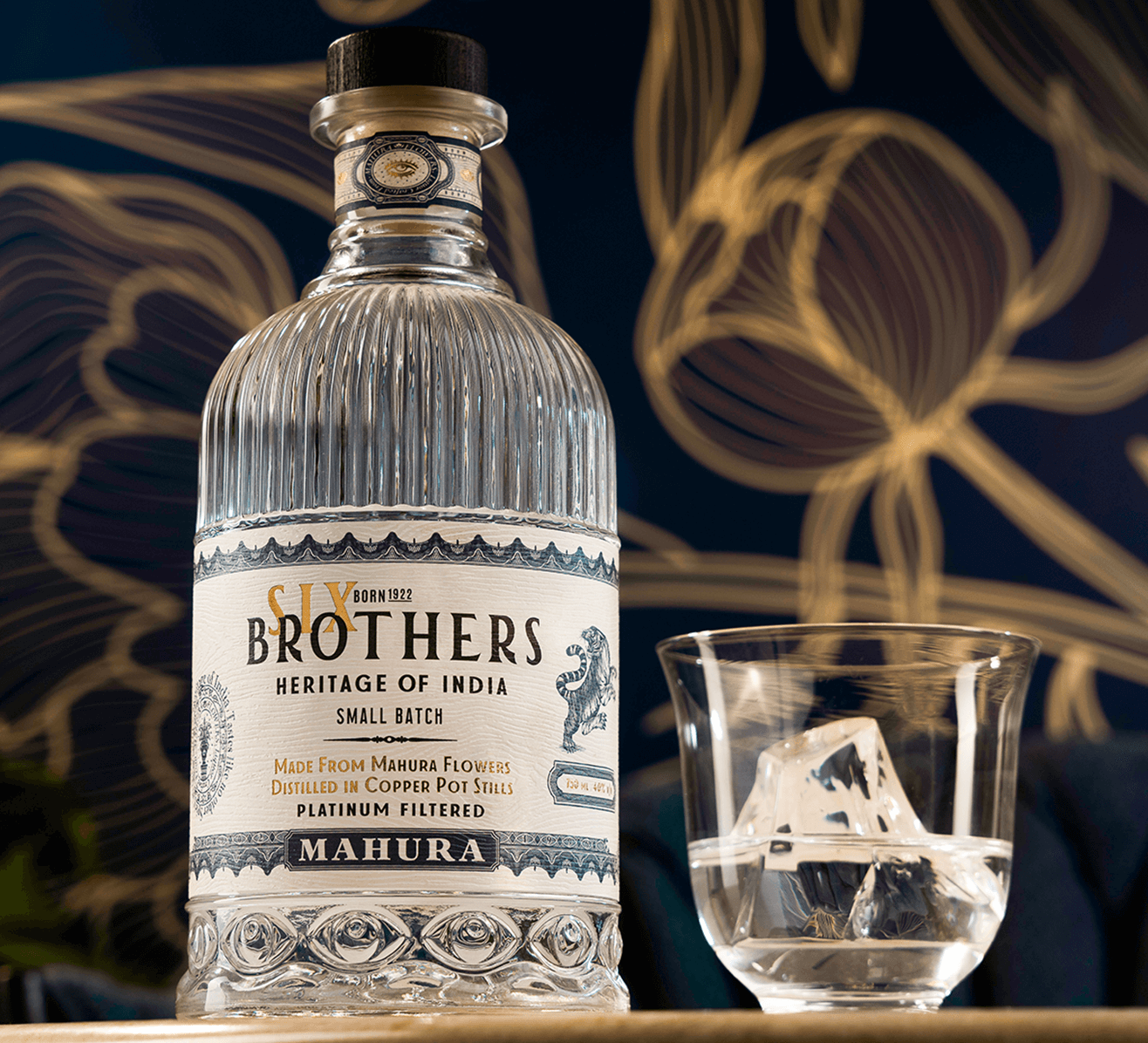
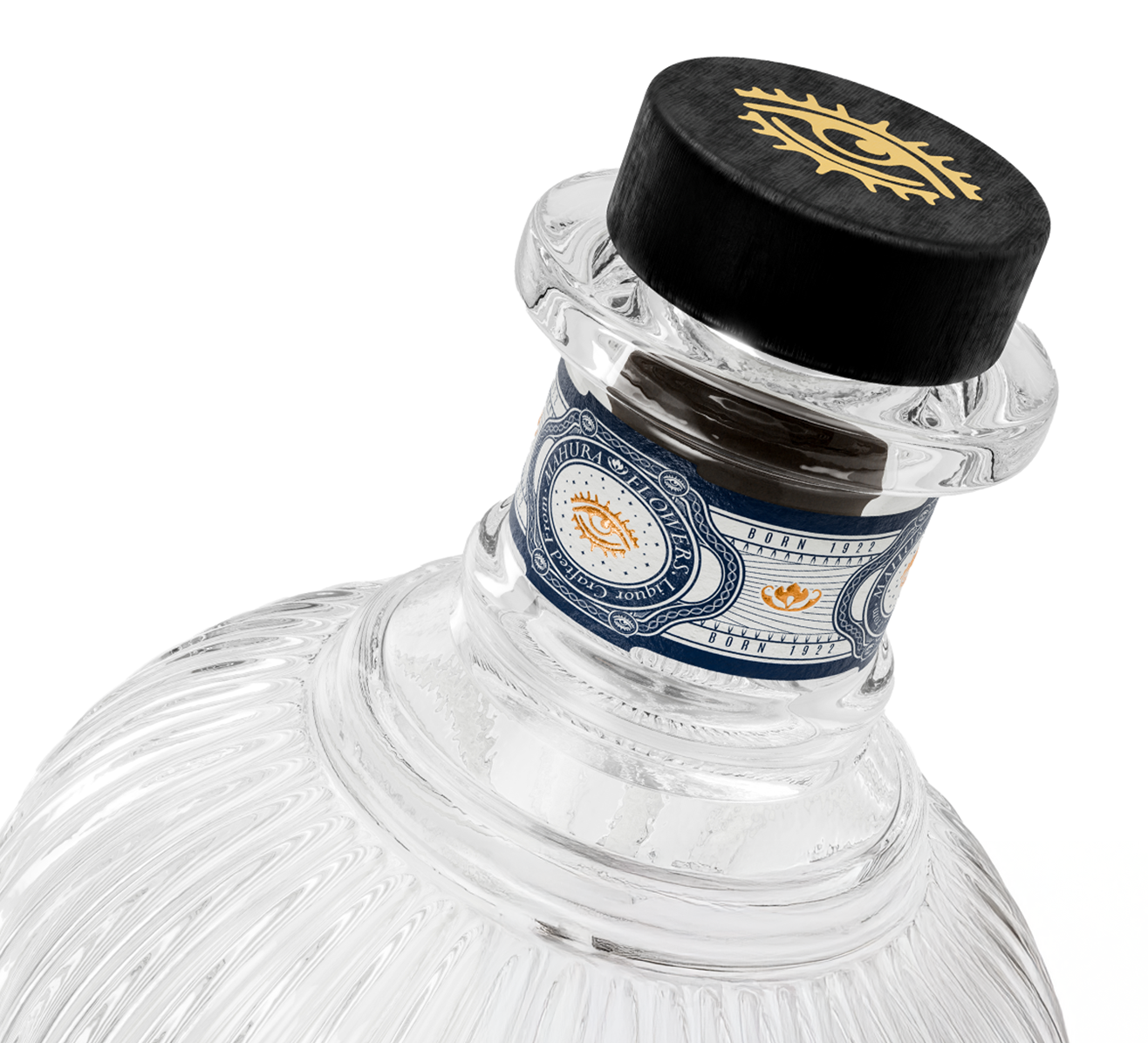
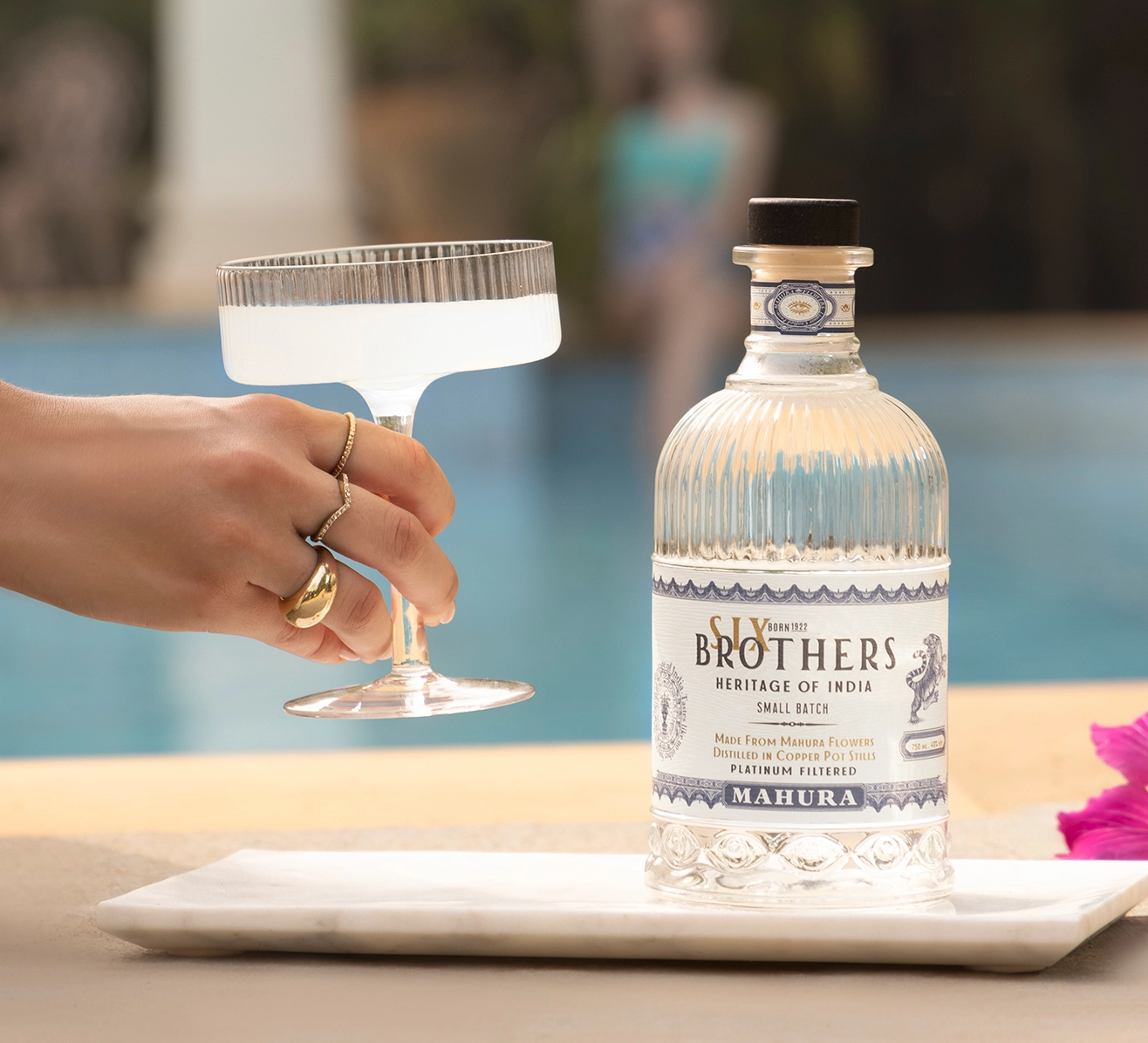
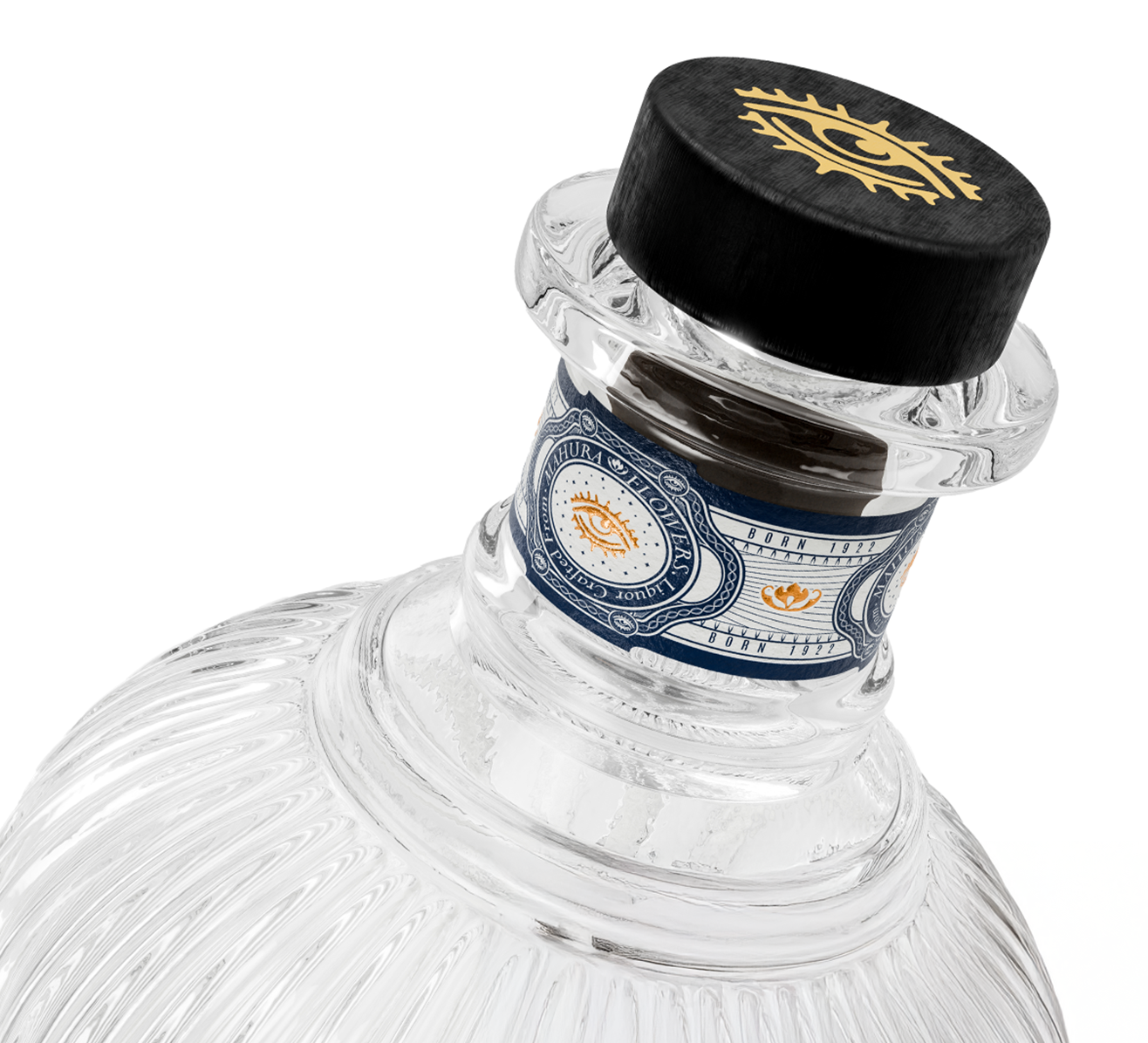
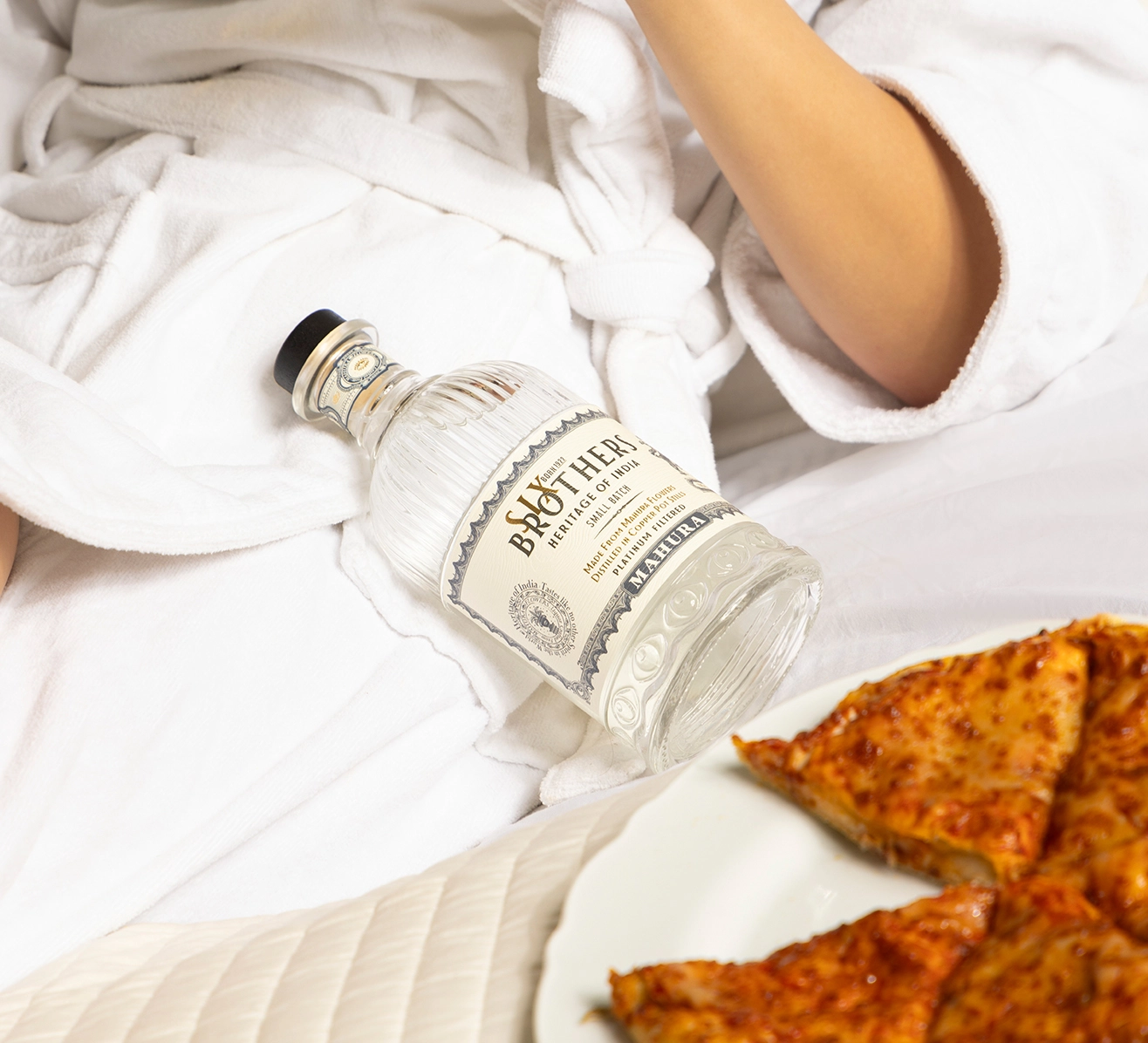
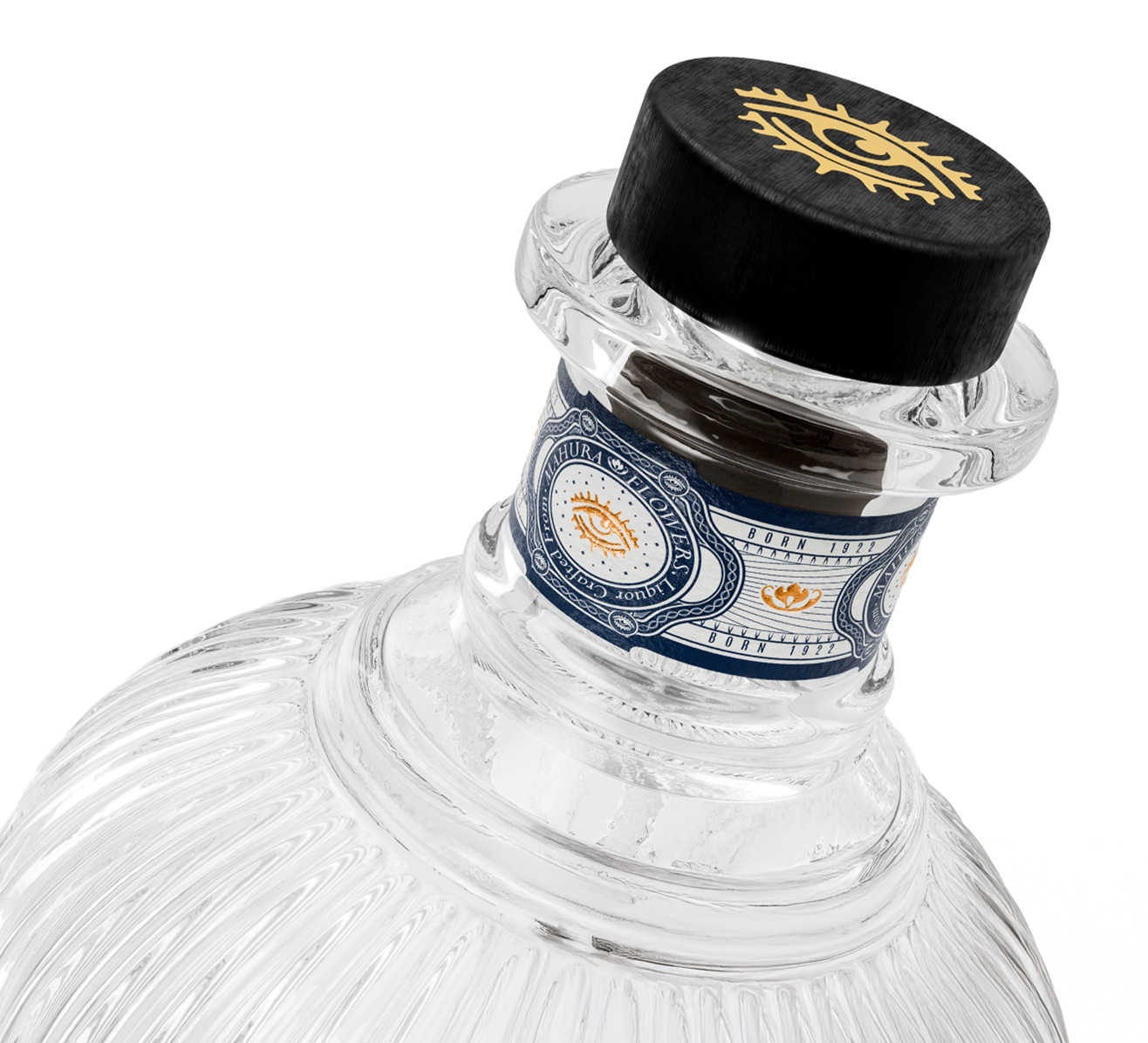
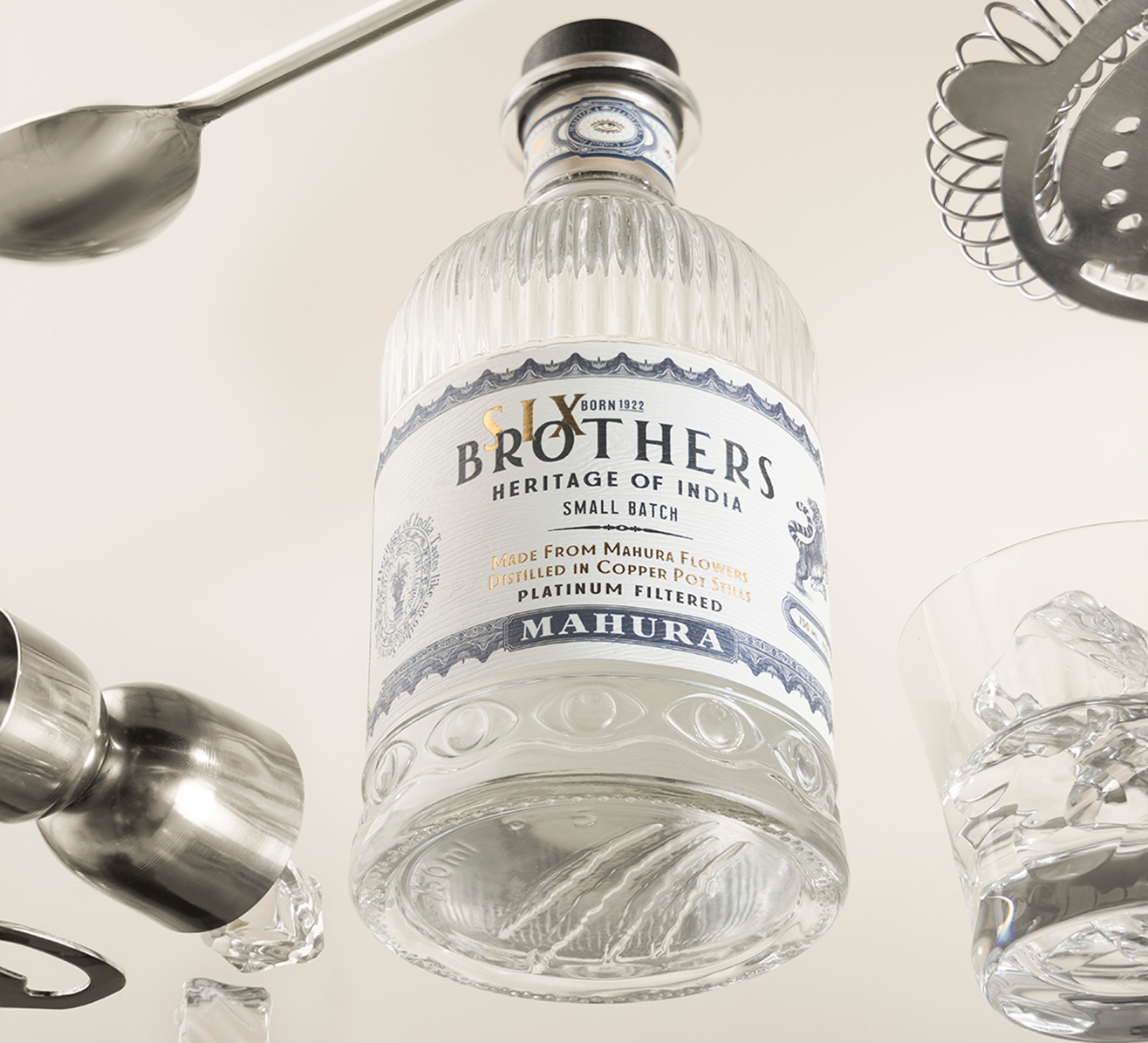
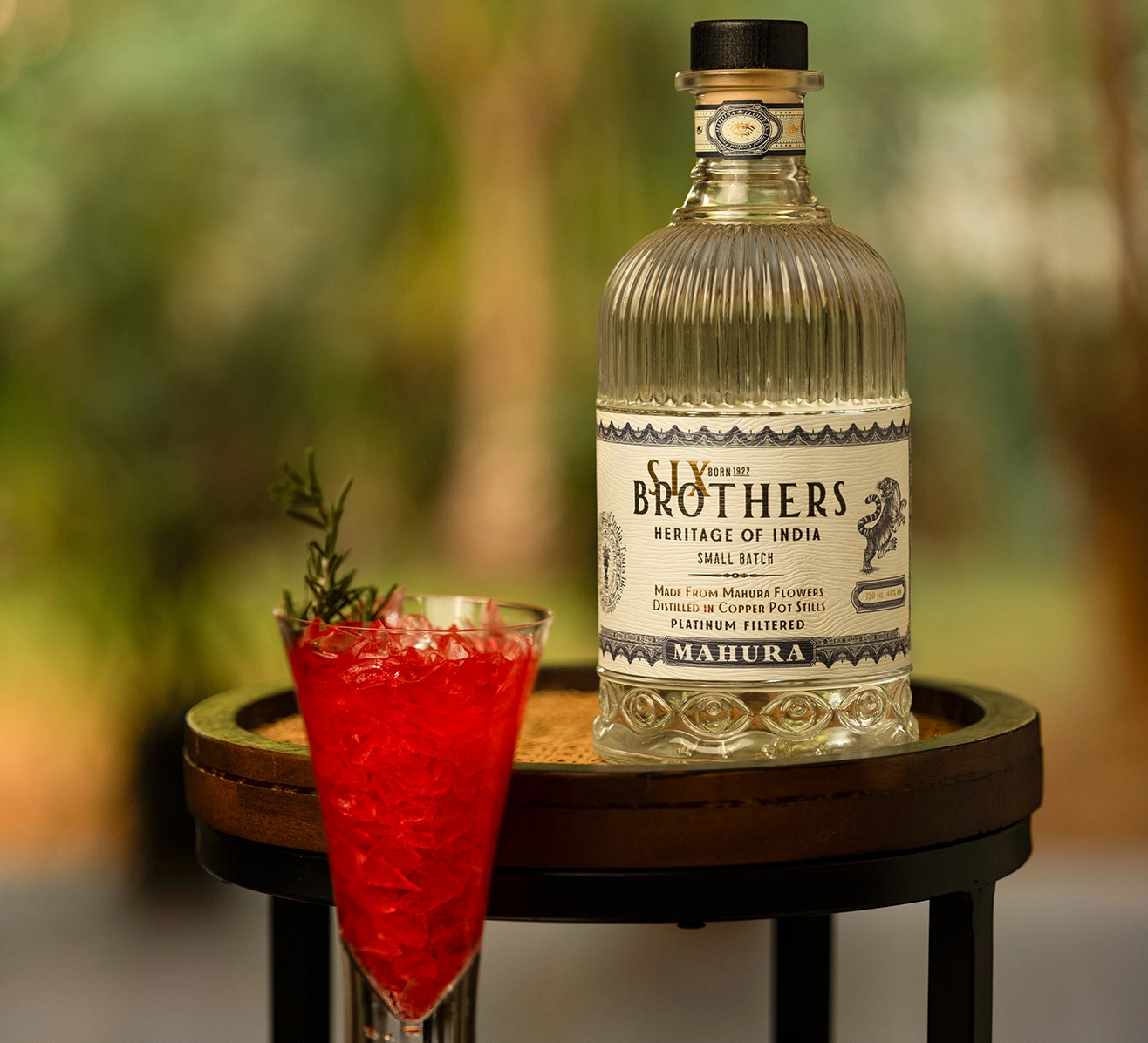
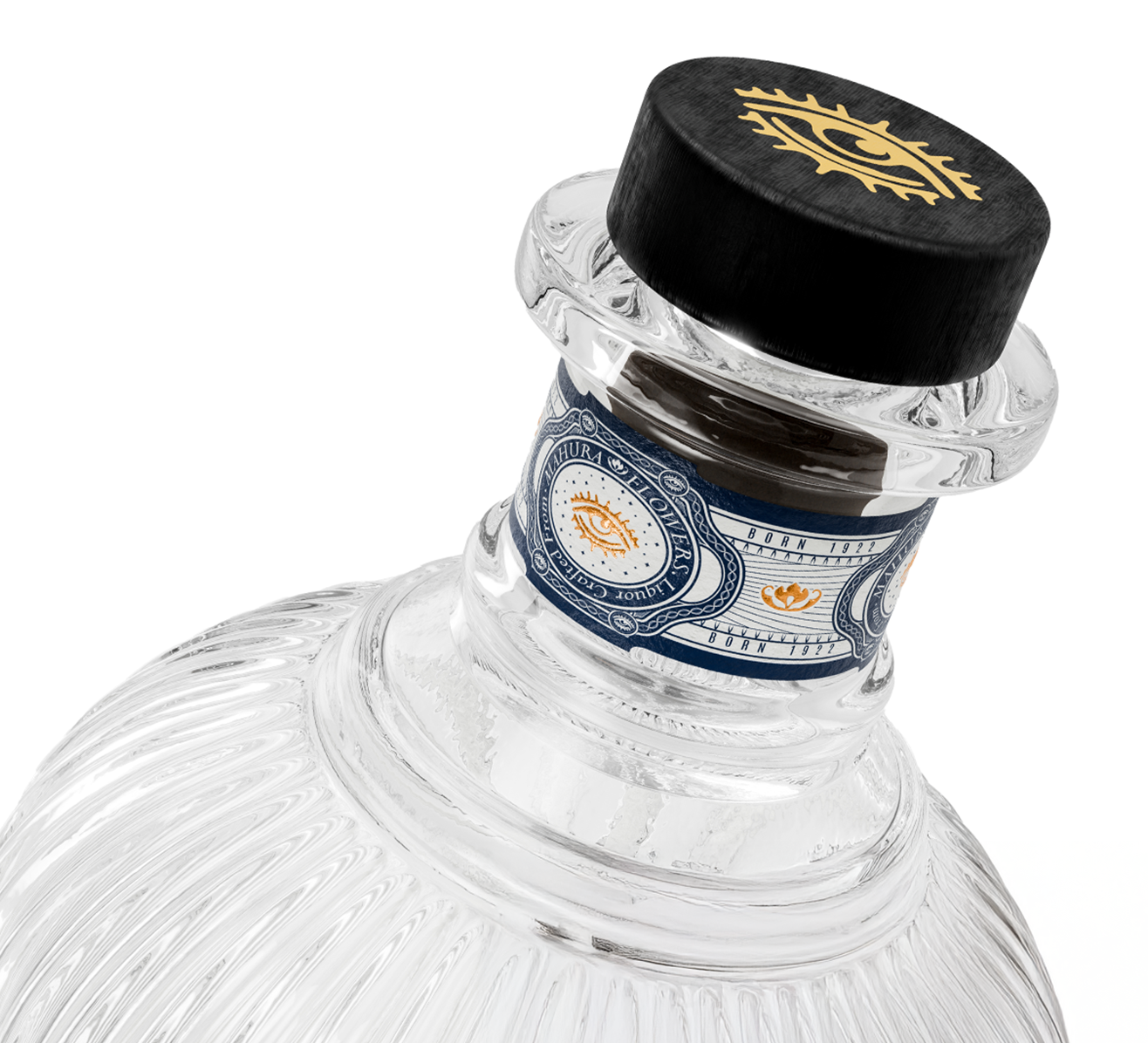
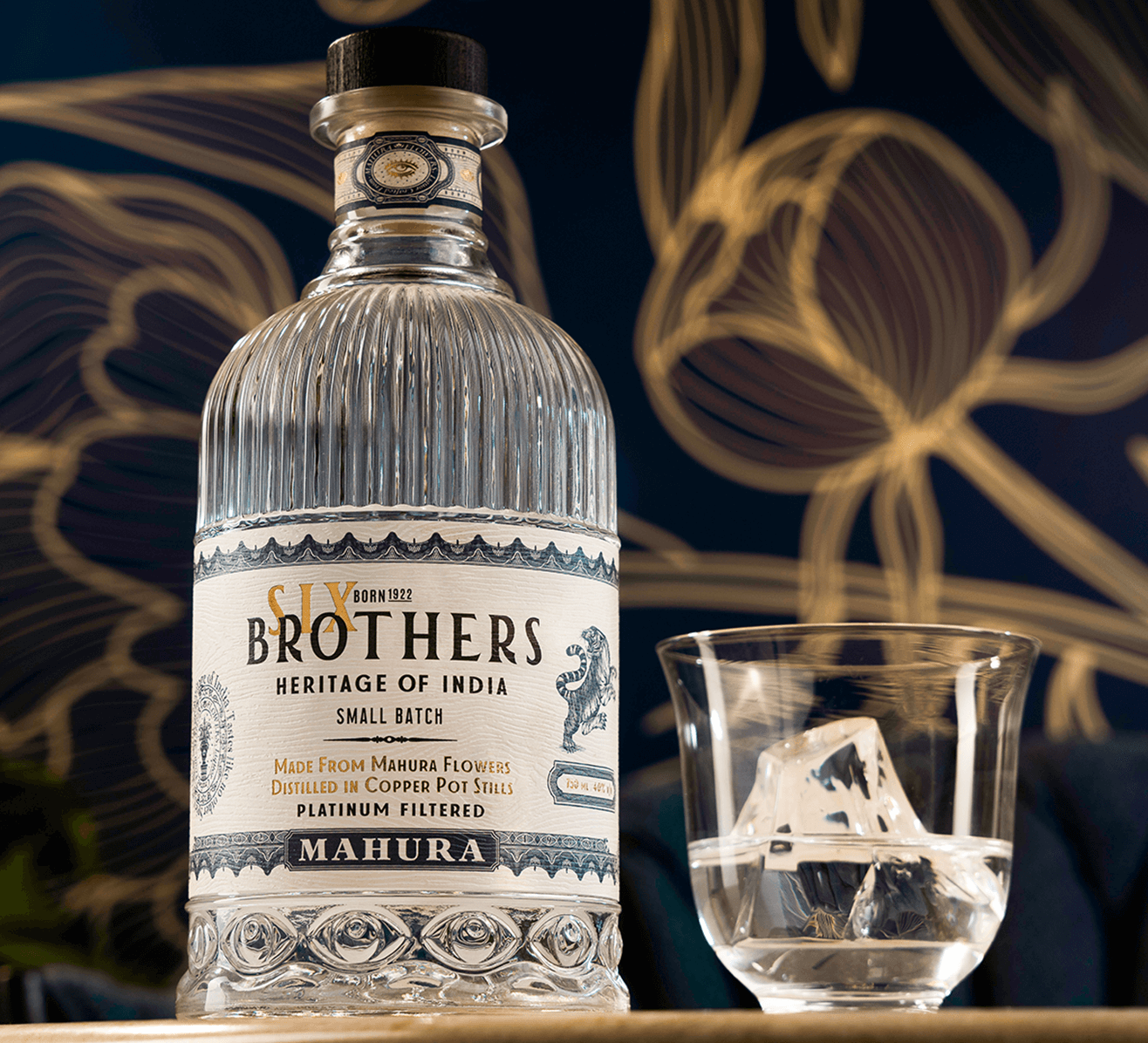
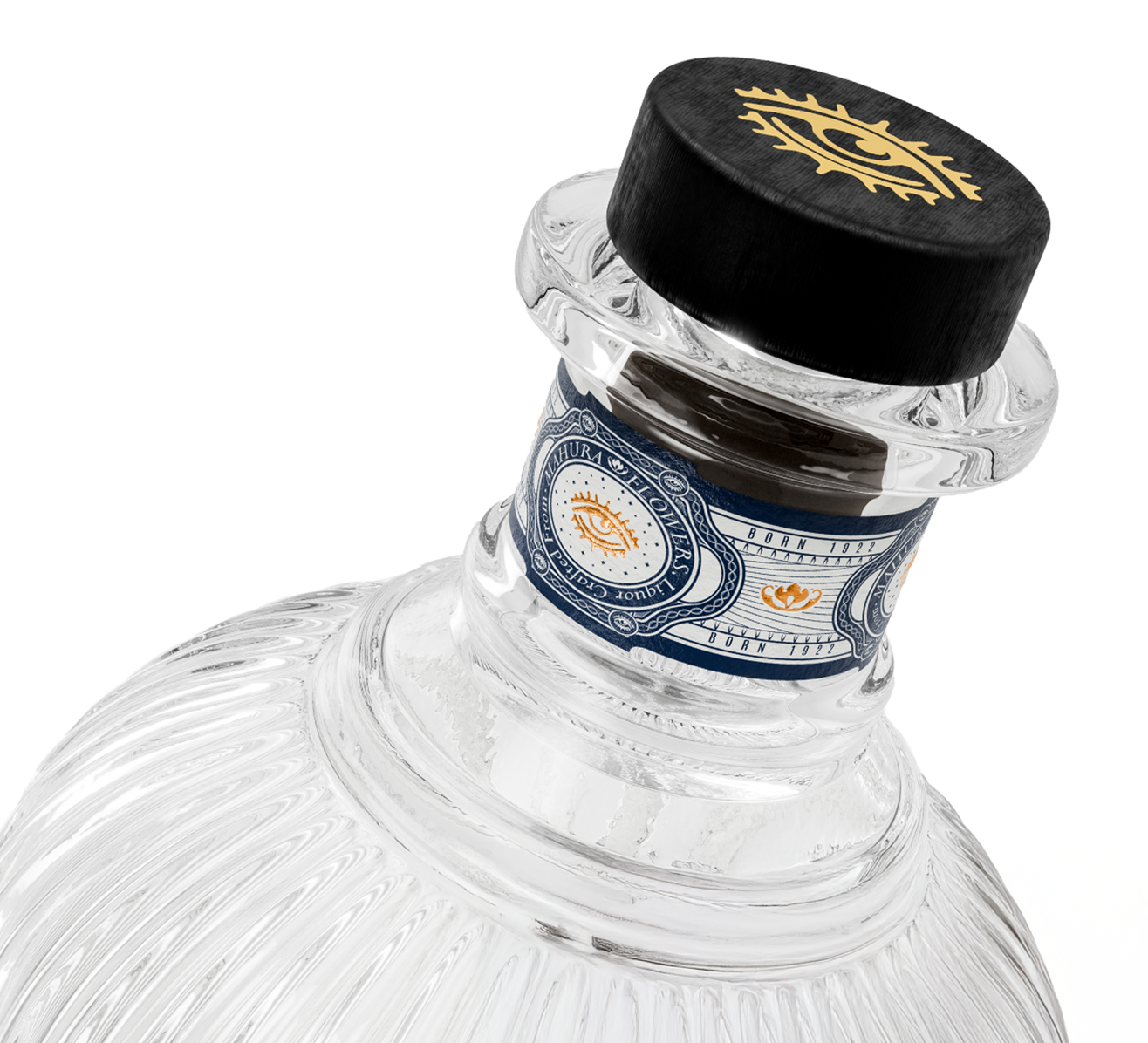
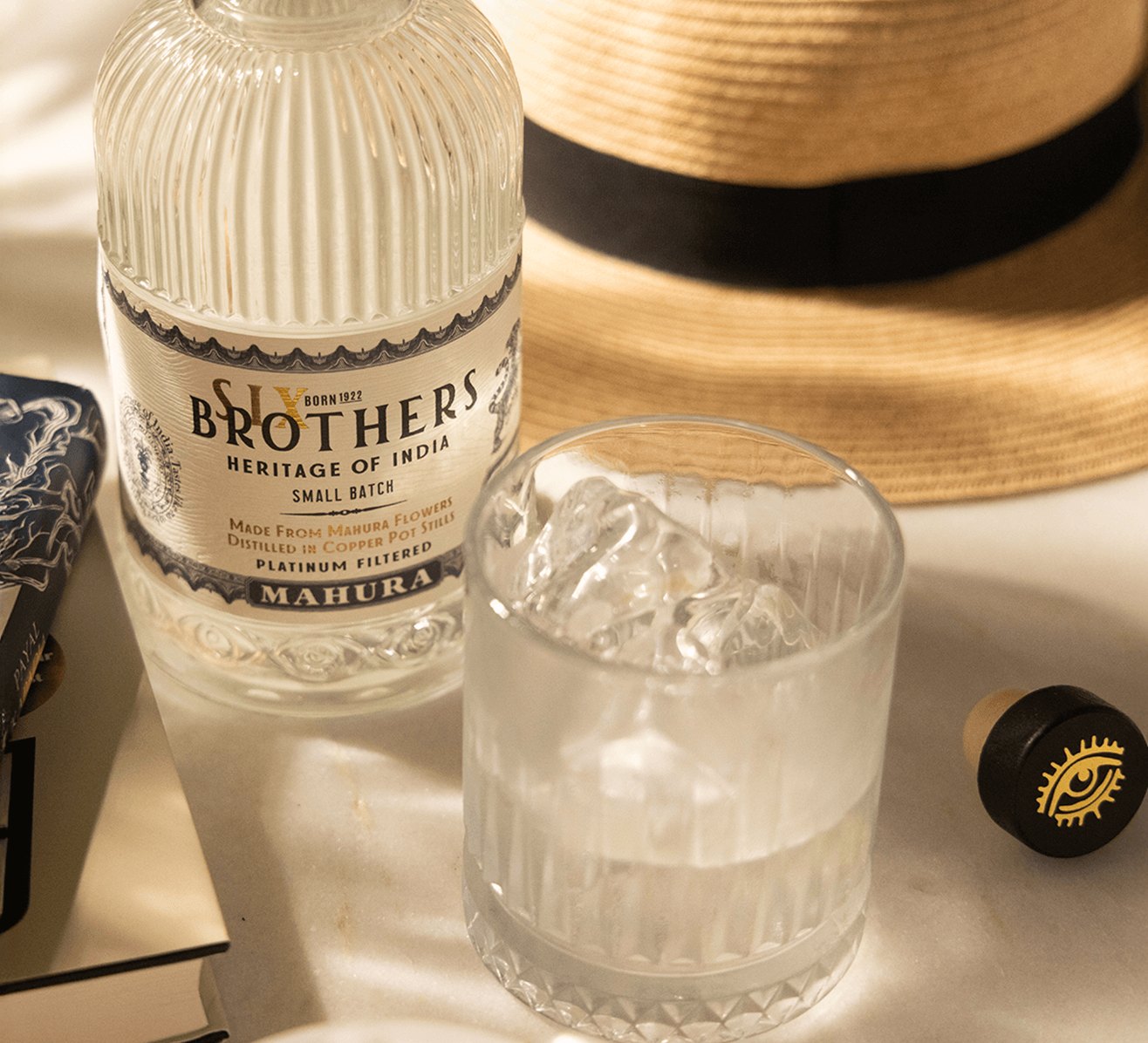
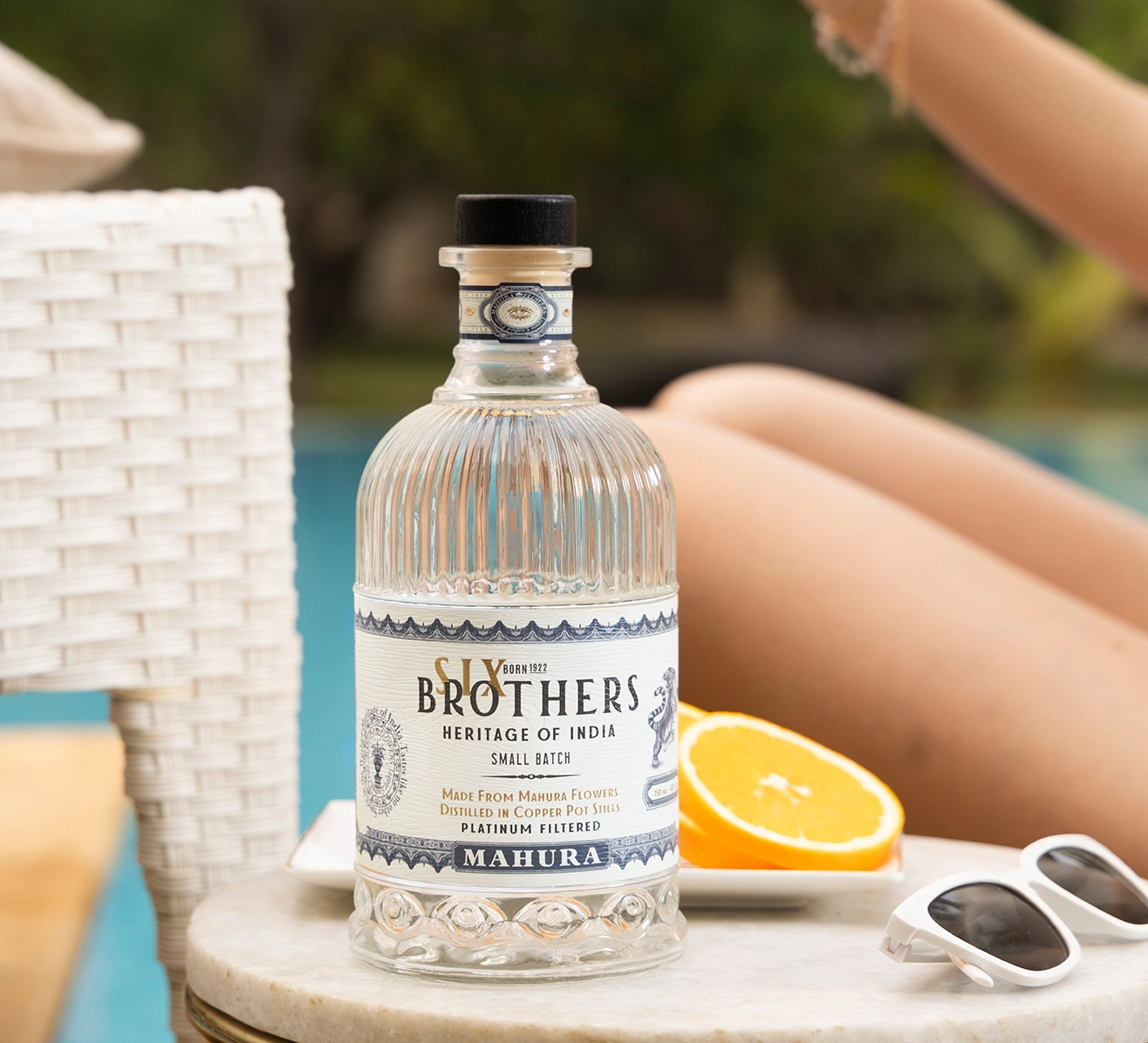
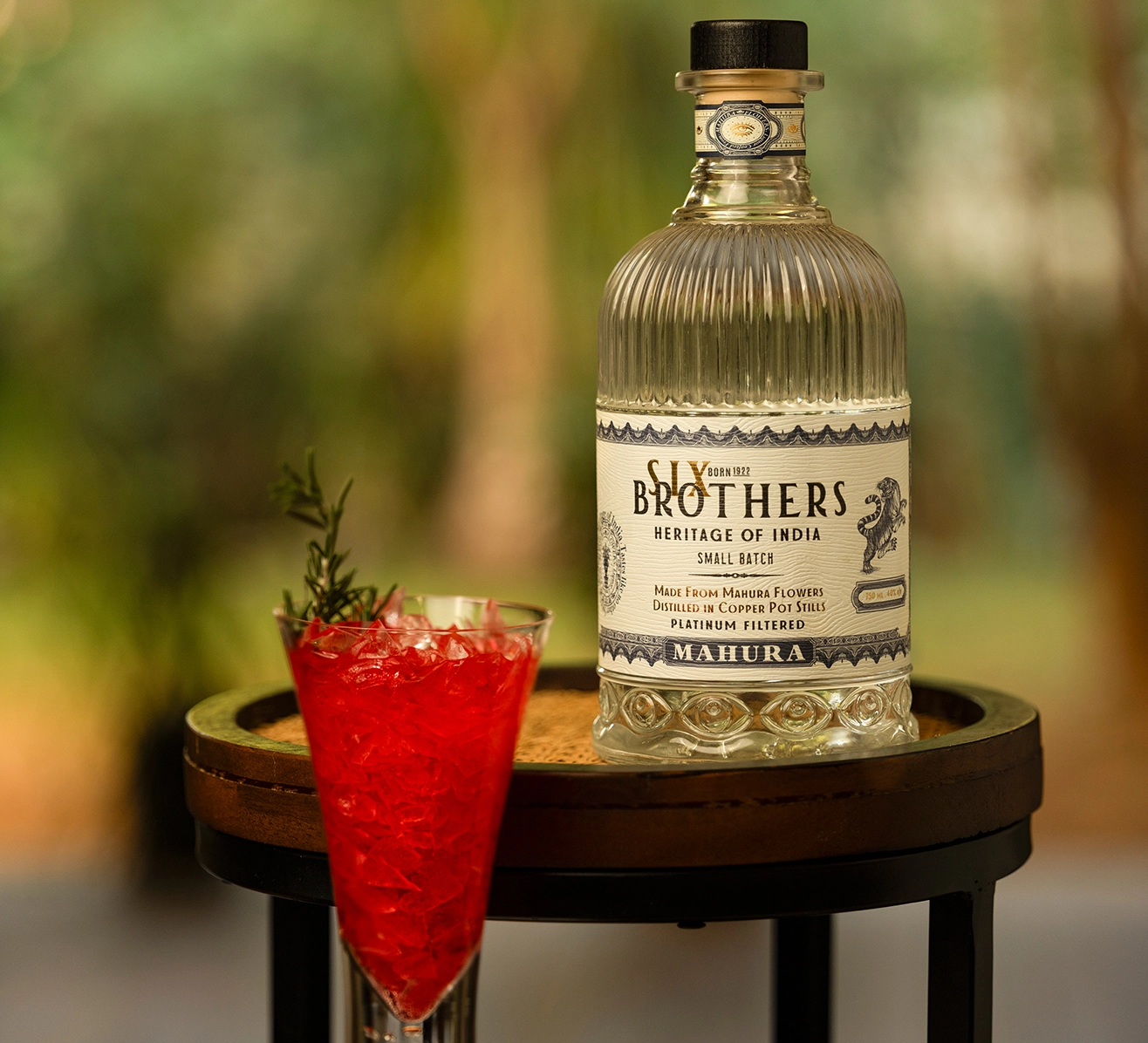
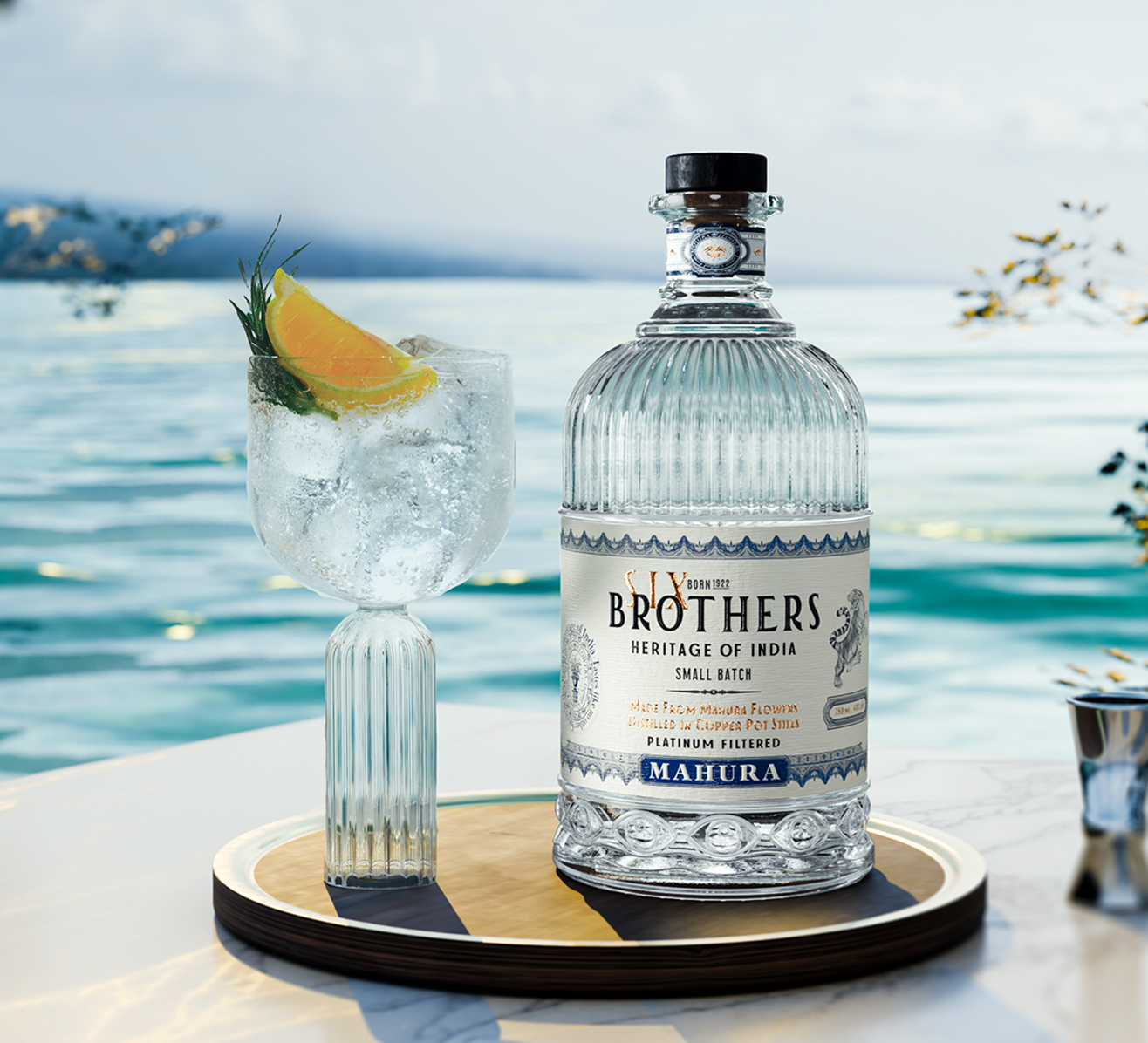
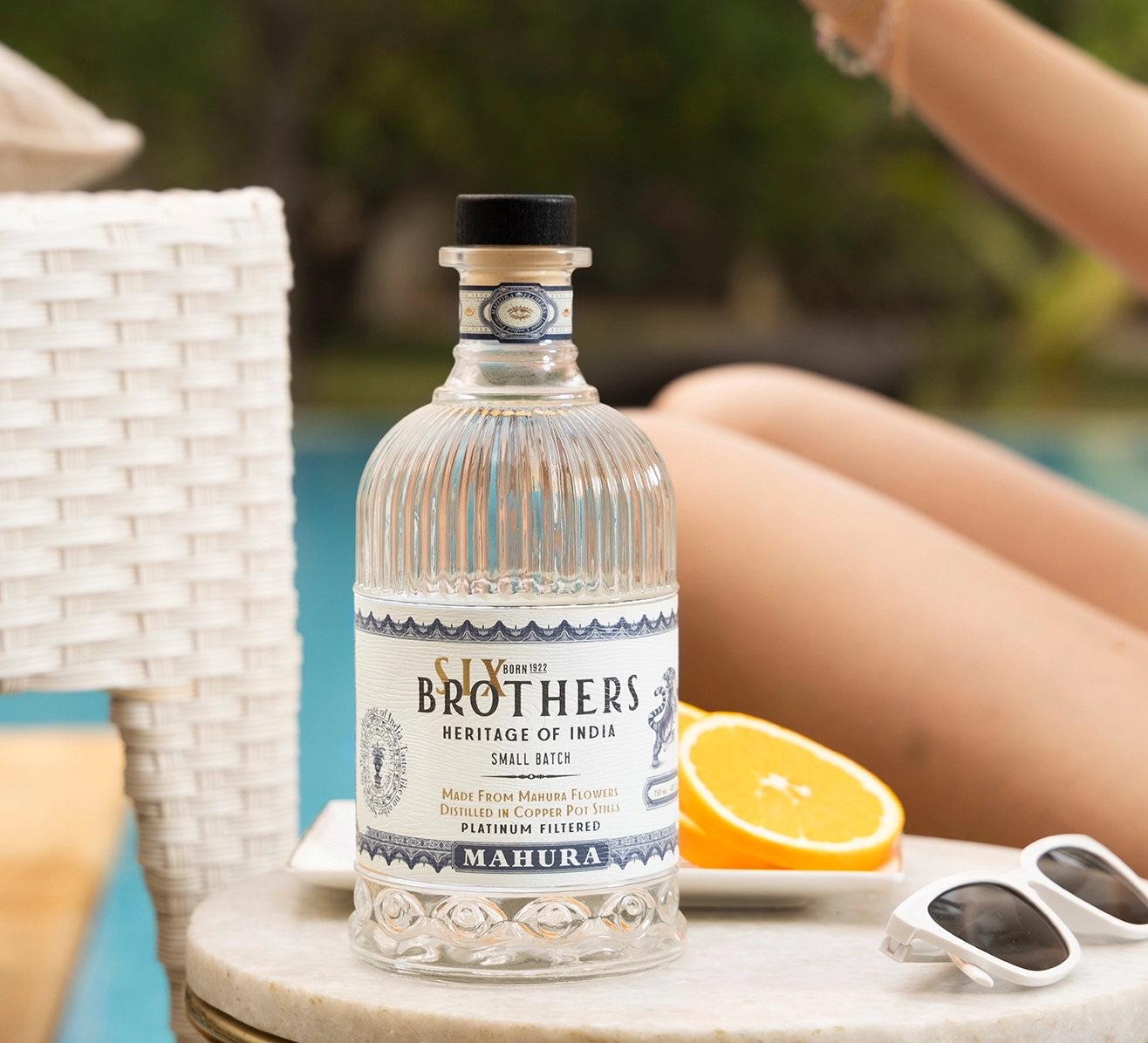
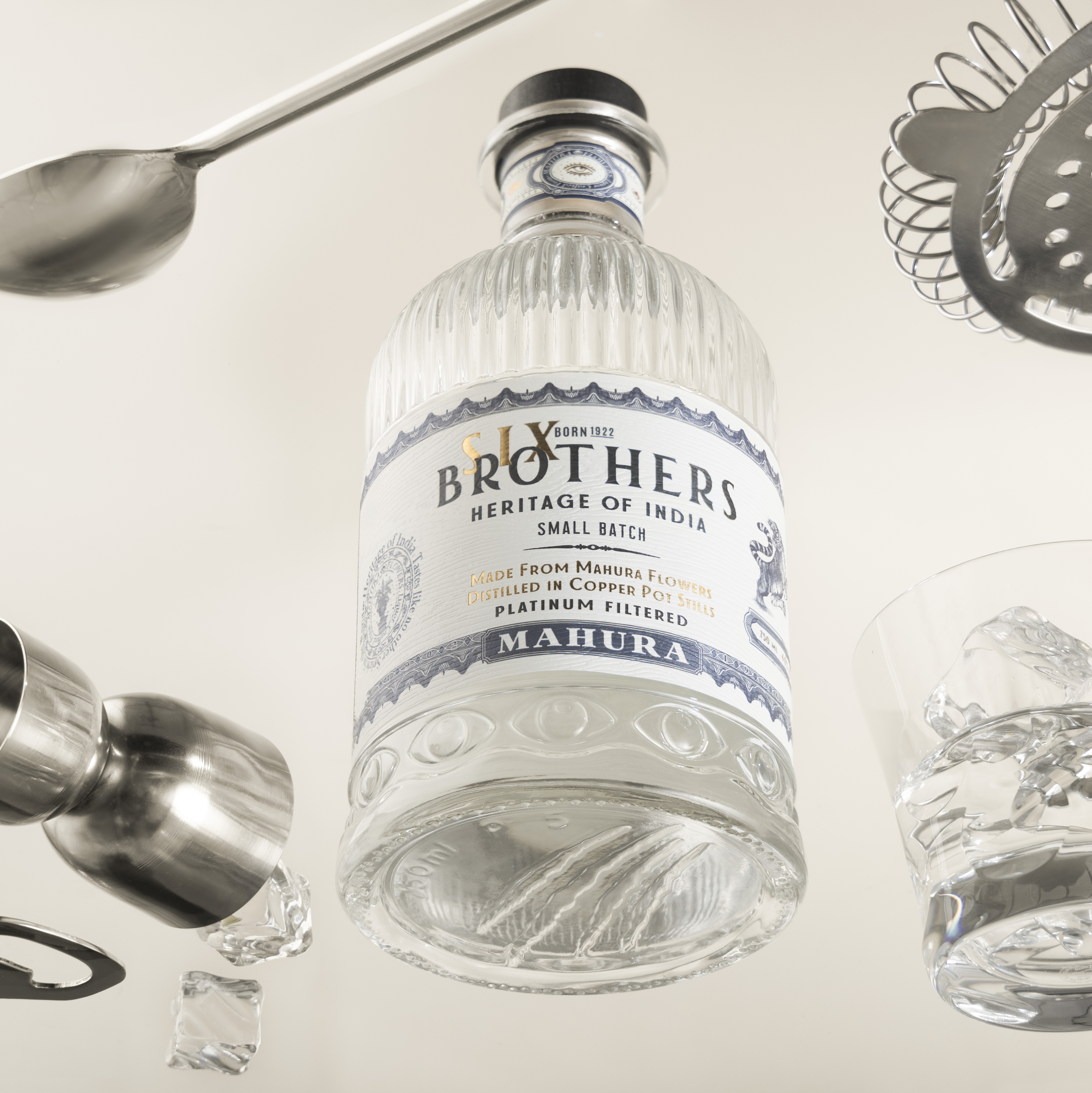
Six Brothers Mahura changes that equation fundamentally. By introducing small-batch production, focusing obsessively on craftsmanship and consistency, and presenting the spirit in a refined contemporary format with proper branding and packaging, the brand has repositioned mahua as a premium Indian offering with genuine global potential.
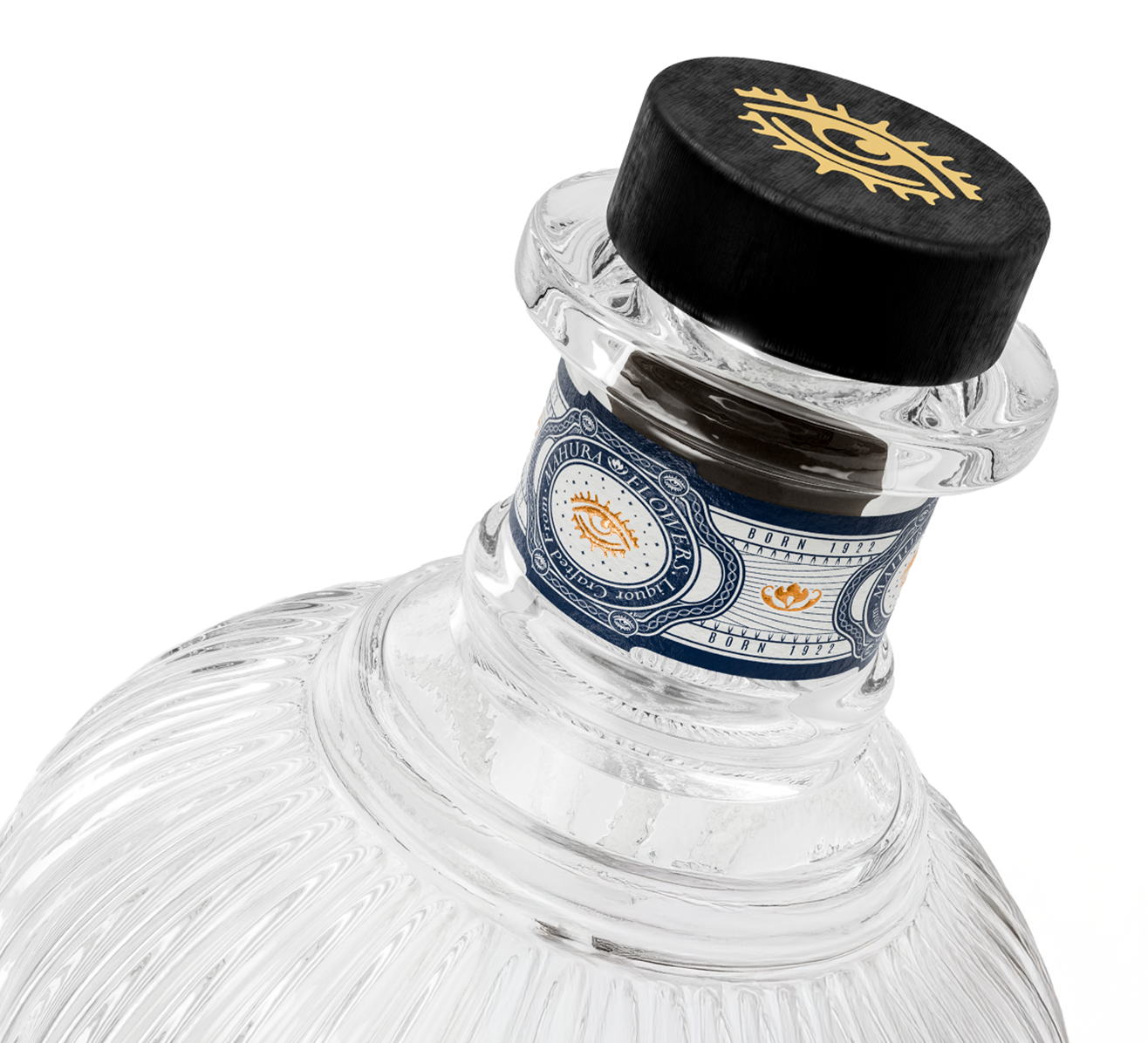
This is not superficial rebranding. The quality of the spirit itself has to justify the premium positioning, and the investment in production standards at Six Brothers Mahura reflects that understanding. The bottle on the shelf looks the part because the liquid inside earns it.
Mahua's story is inseparable from the communities that have nurtured the Madhuca longifolia tree and its flowers for generations. Any responsible revival of mahua must acknowledge and engage with this dimension, not just use it as a marketing narrative.
The revival through Six Brothers Mahura supports several important dimensions of this relationship:
The mahua flower itself remains absolutely central to the process: hand-collected during the brief flowering season, carefully dried, and transformed with craft and patience into spirit. Nothing about this part of the process has been industrialised, because industrialising it would destroy the very thing that makes it special.
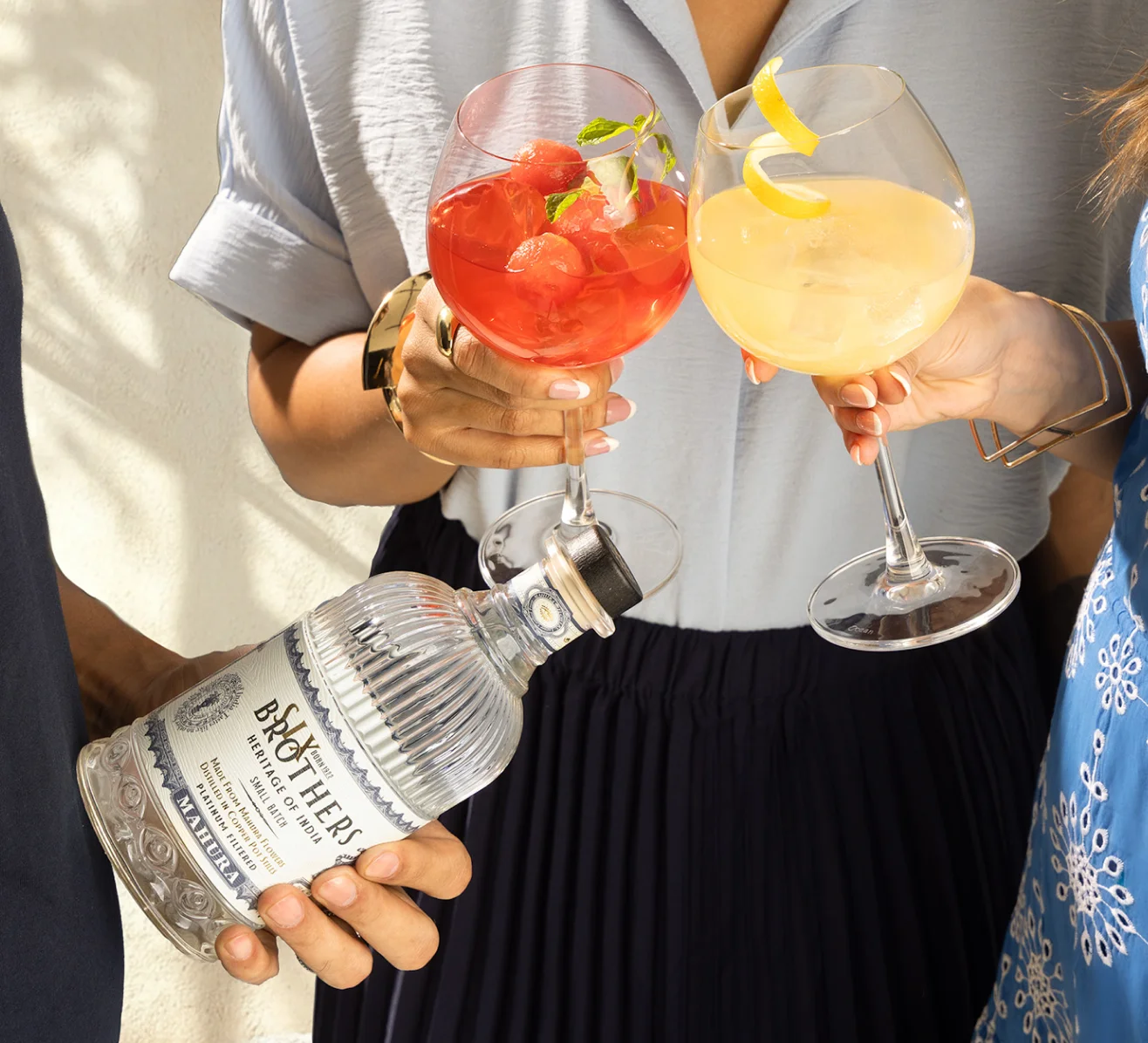
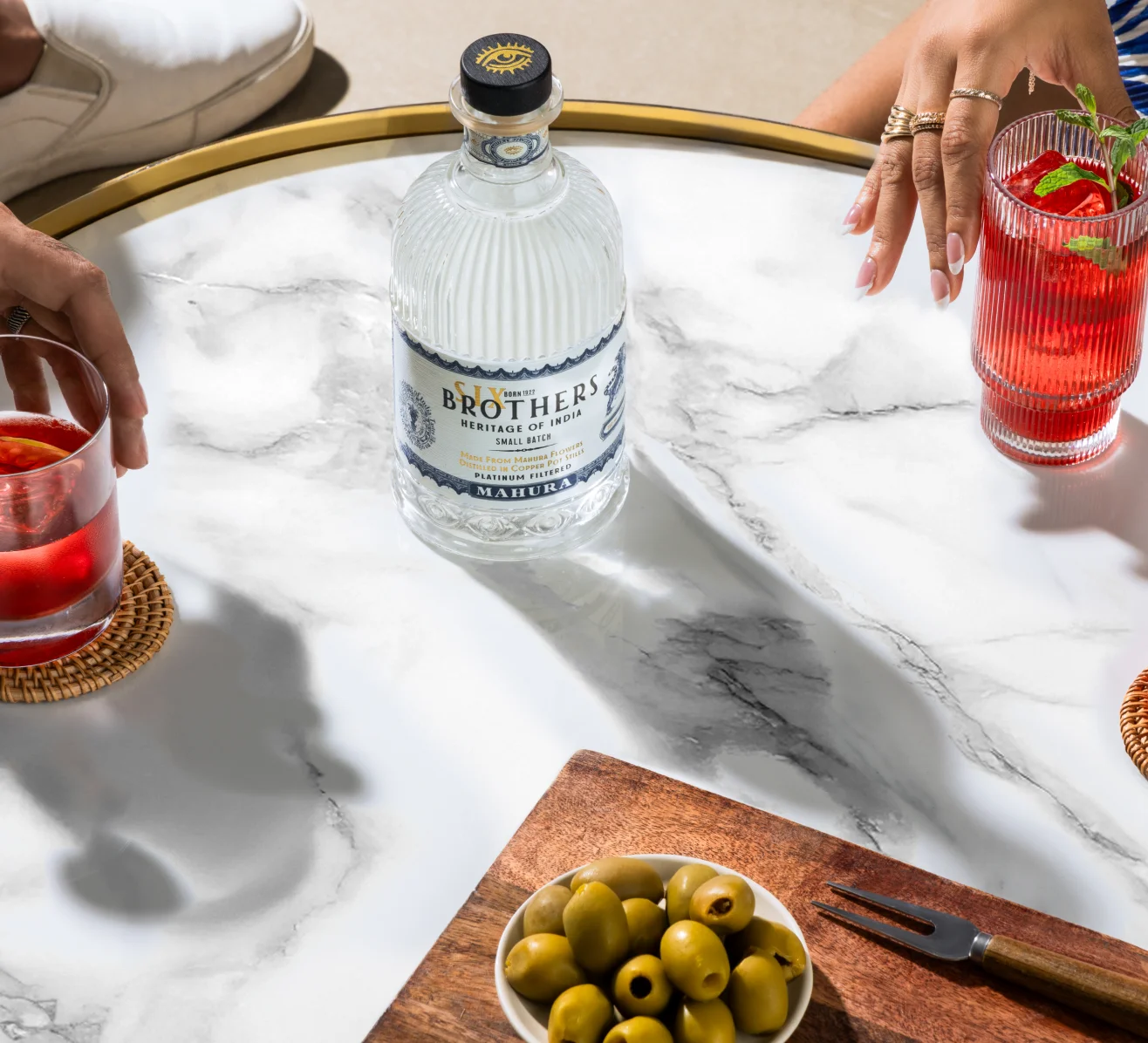
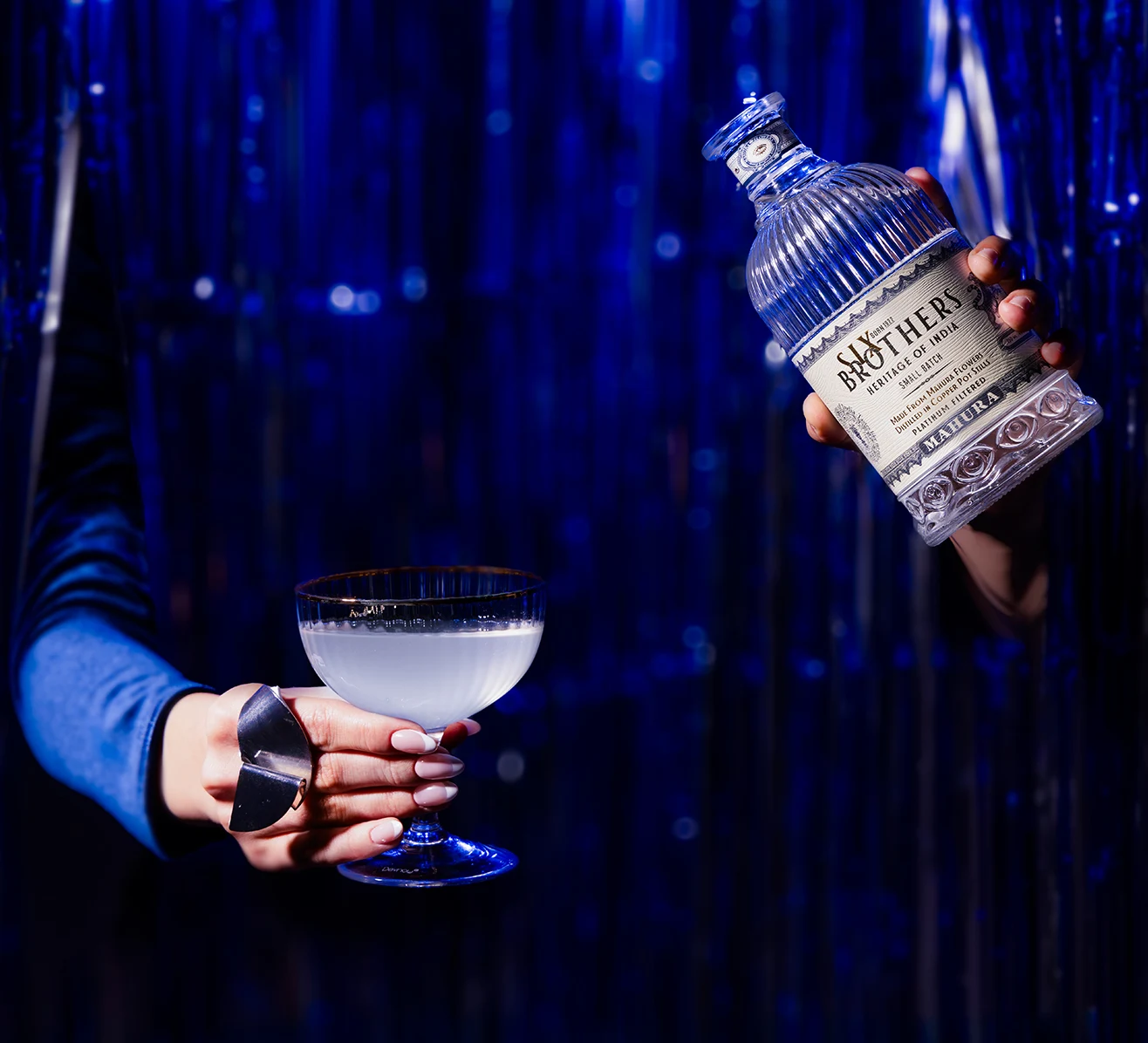
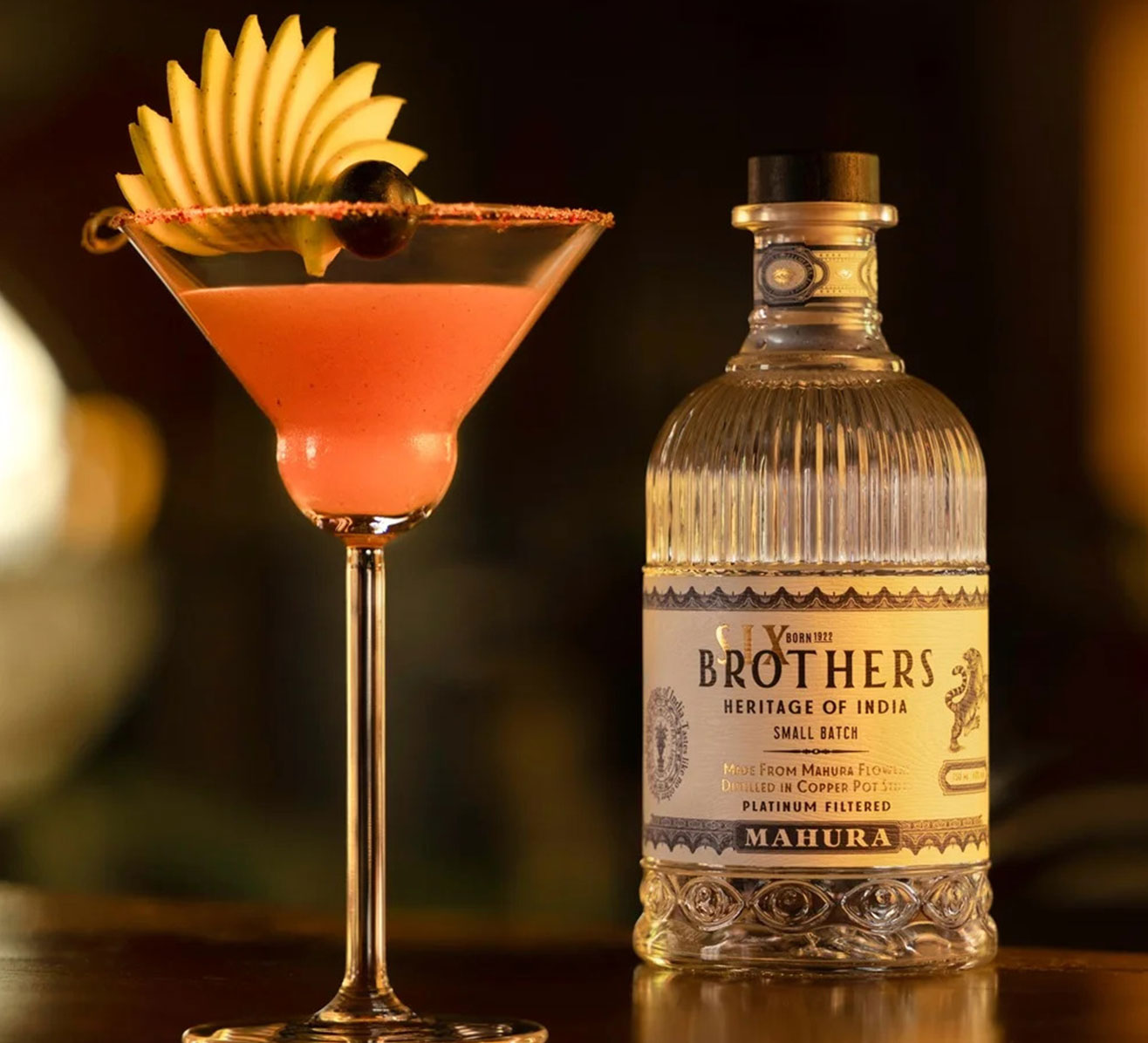
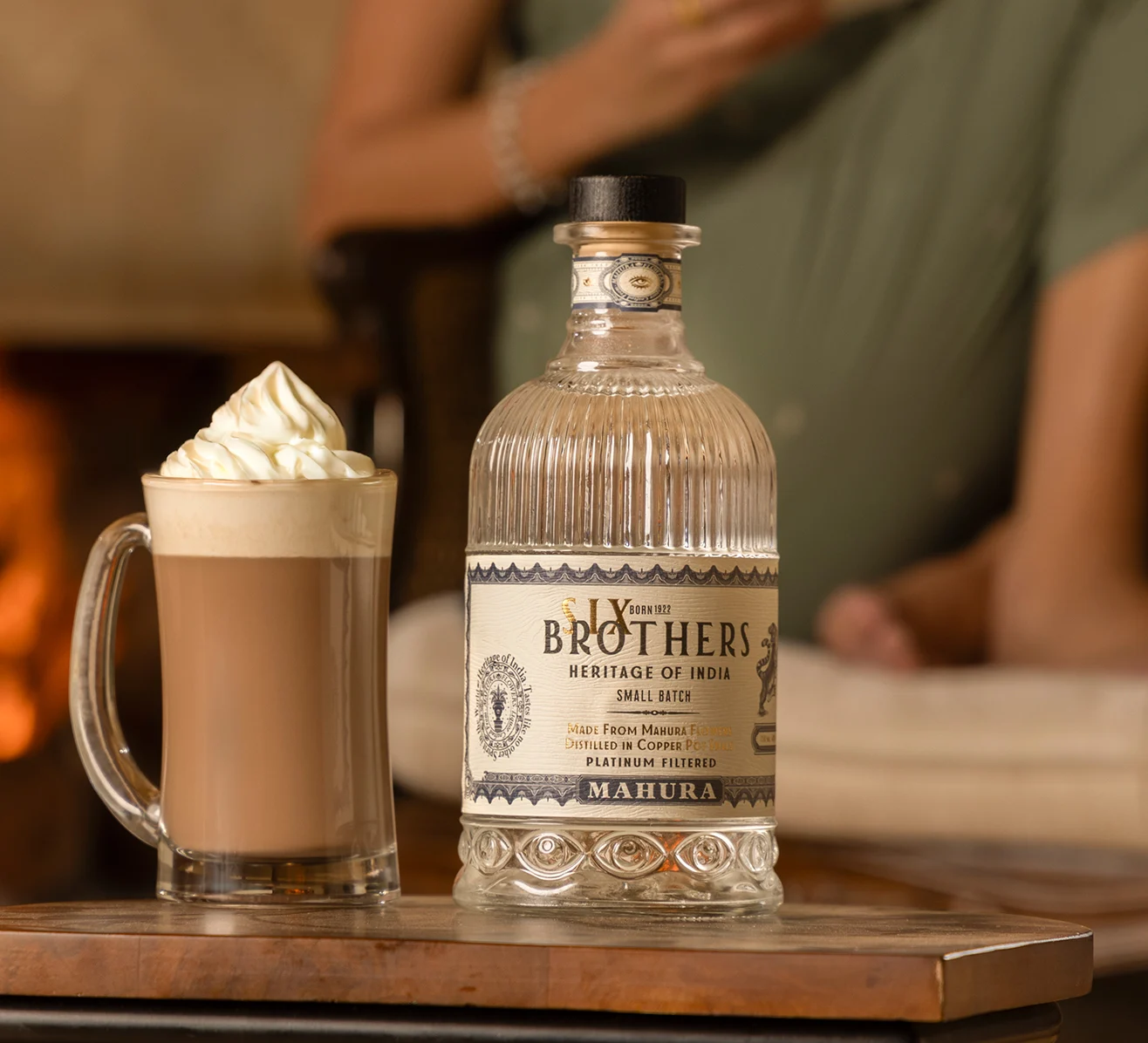
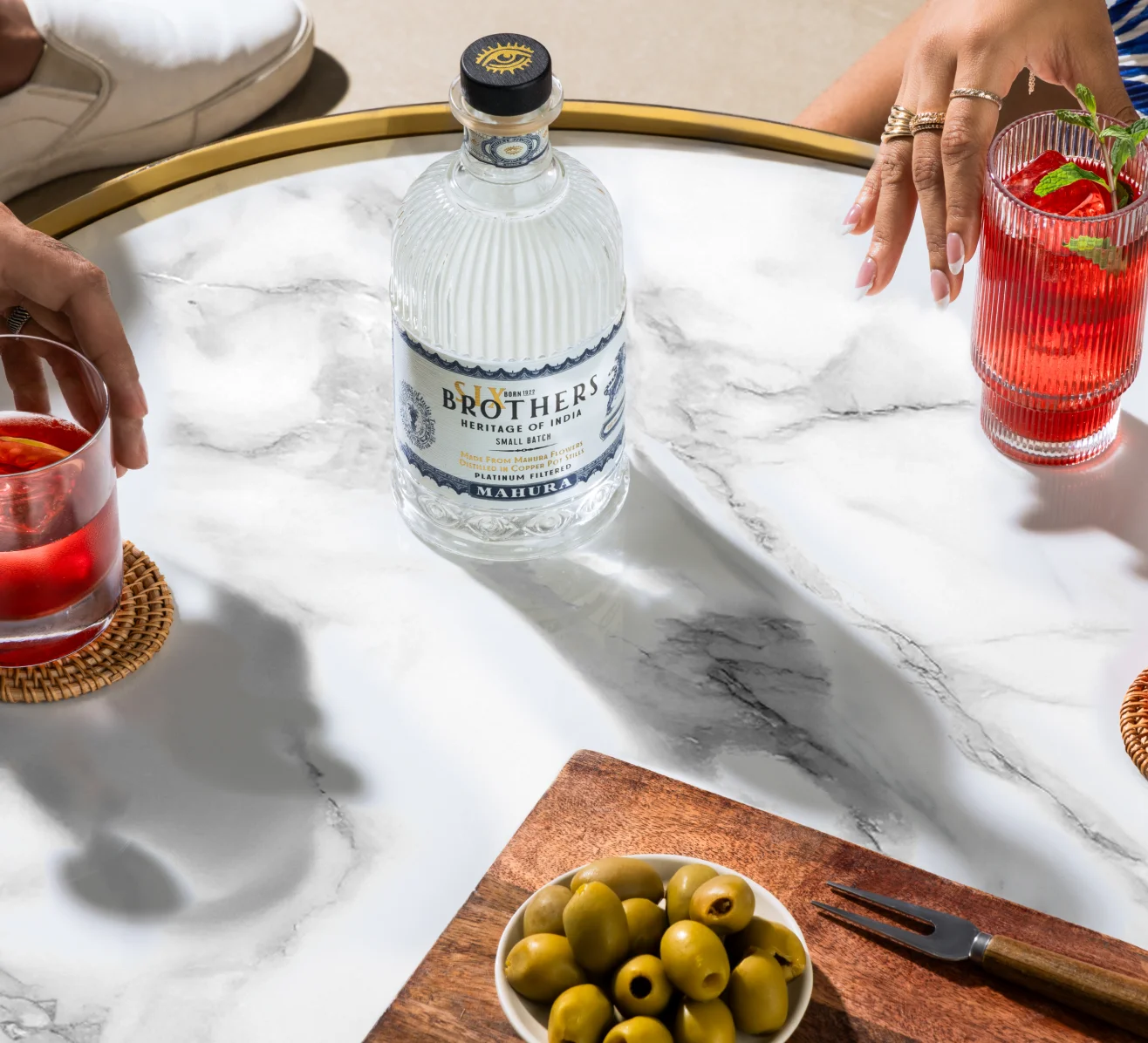
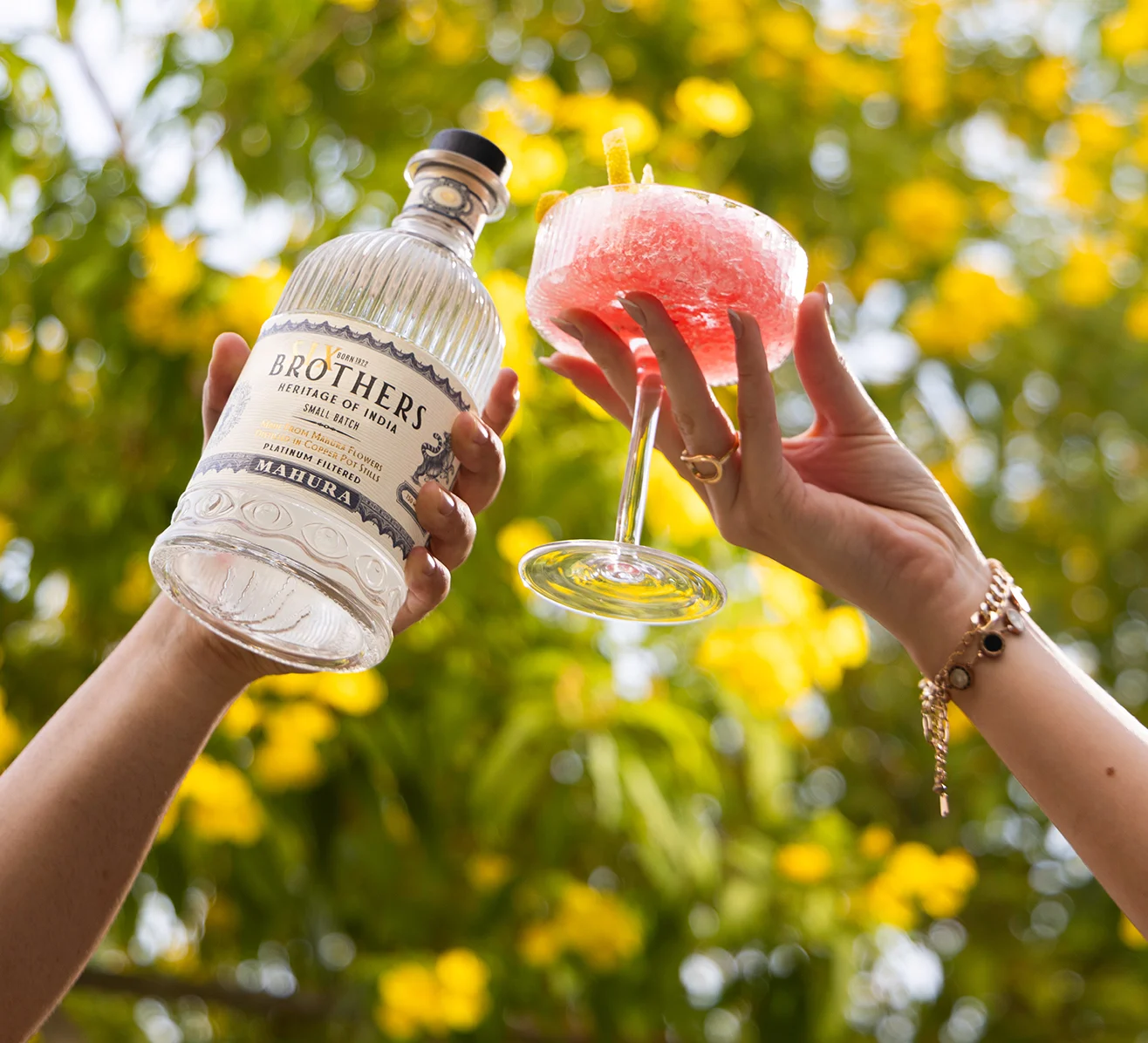
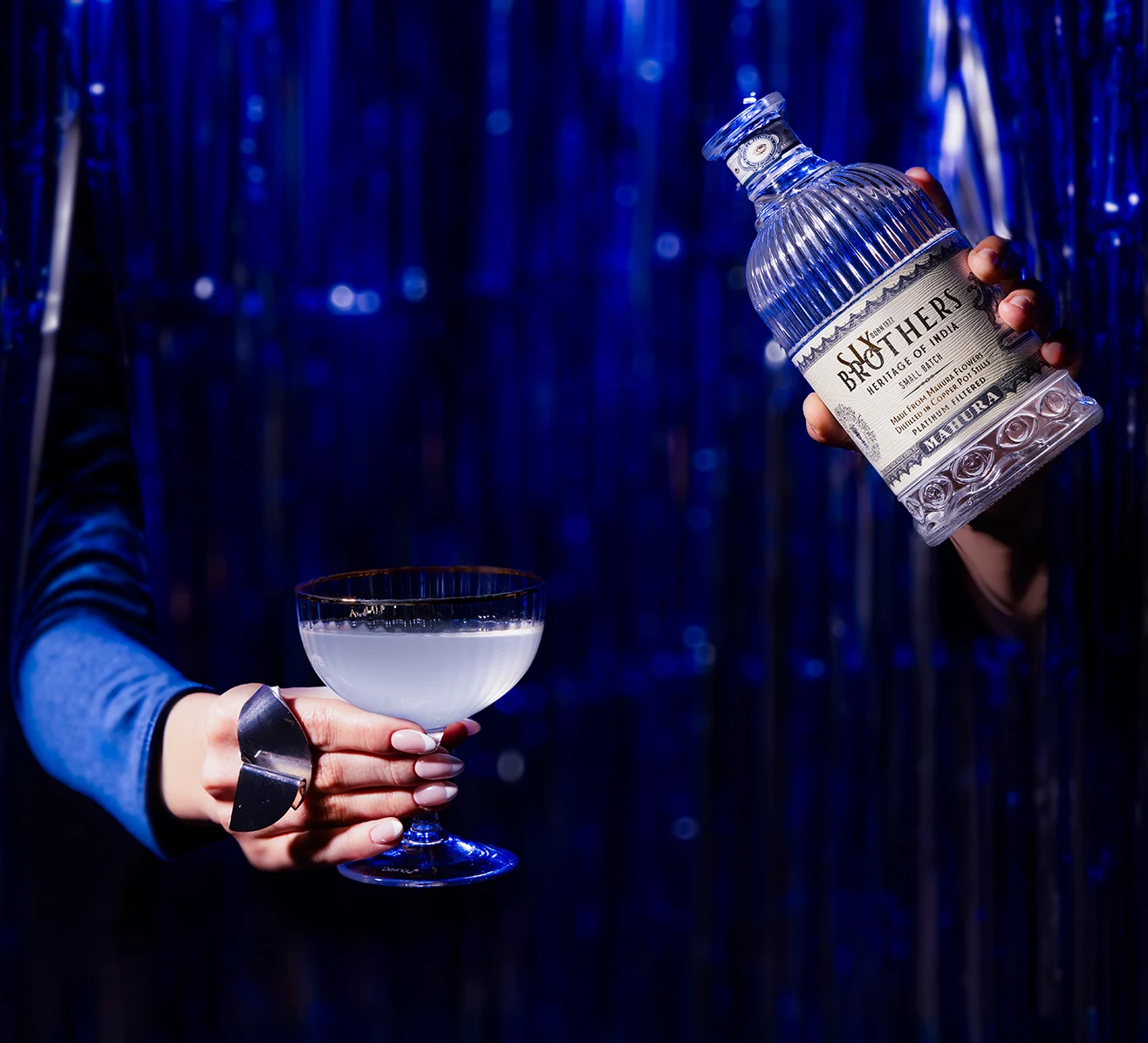
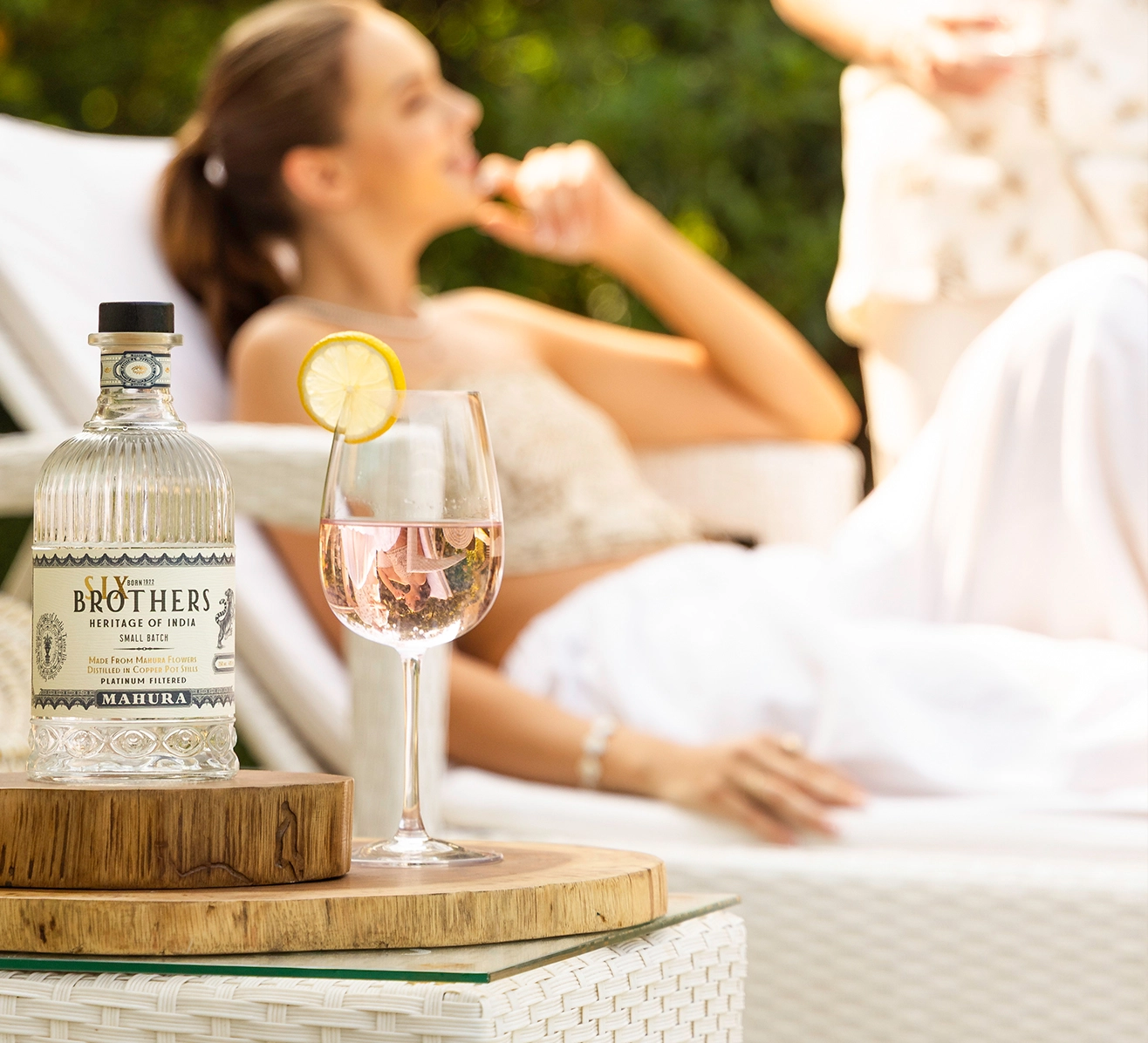
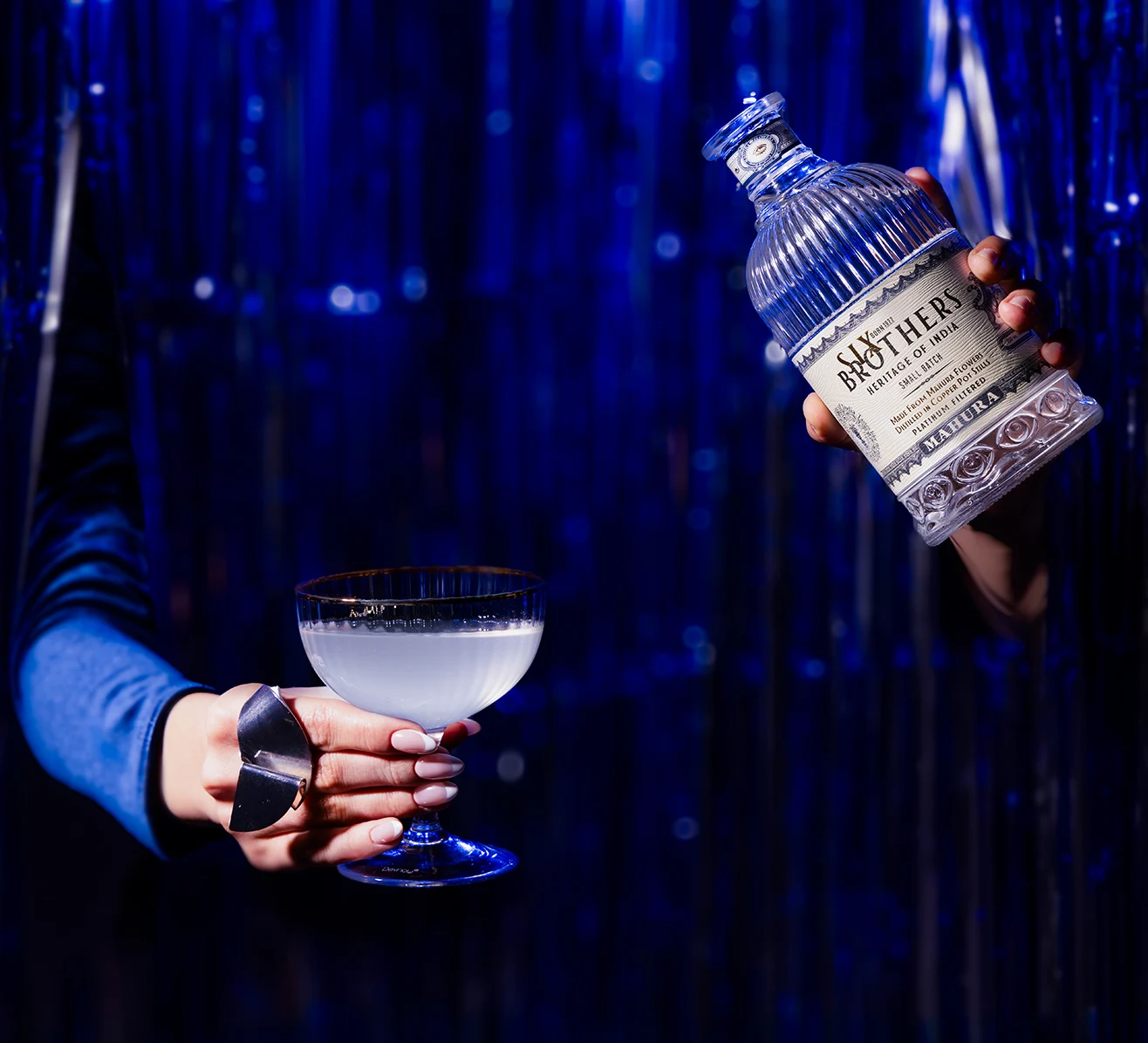
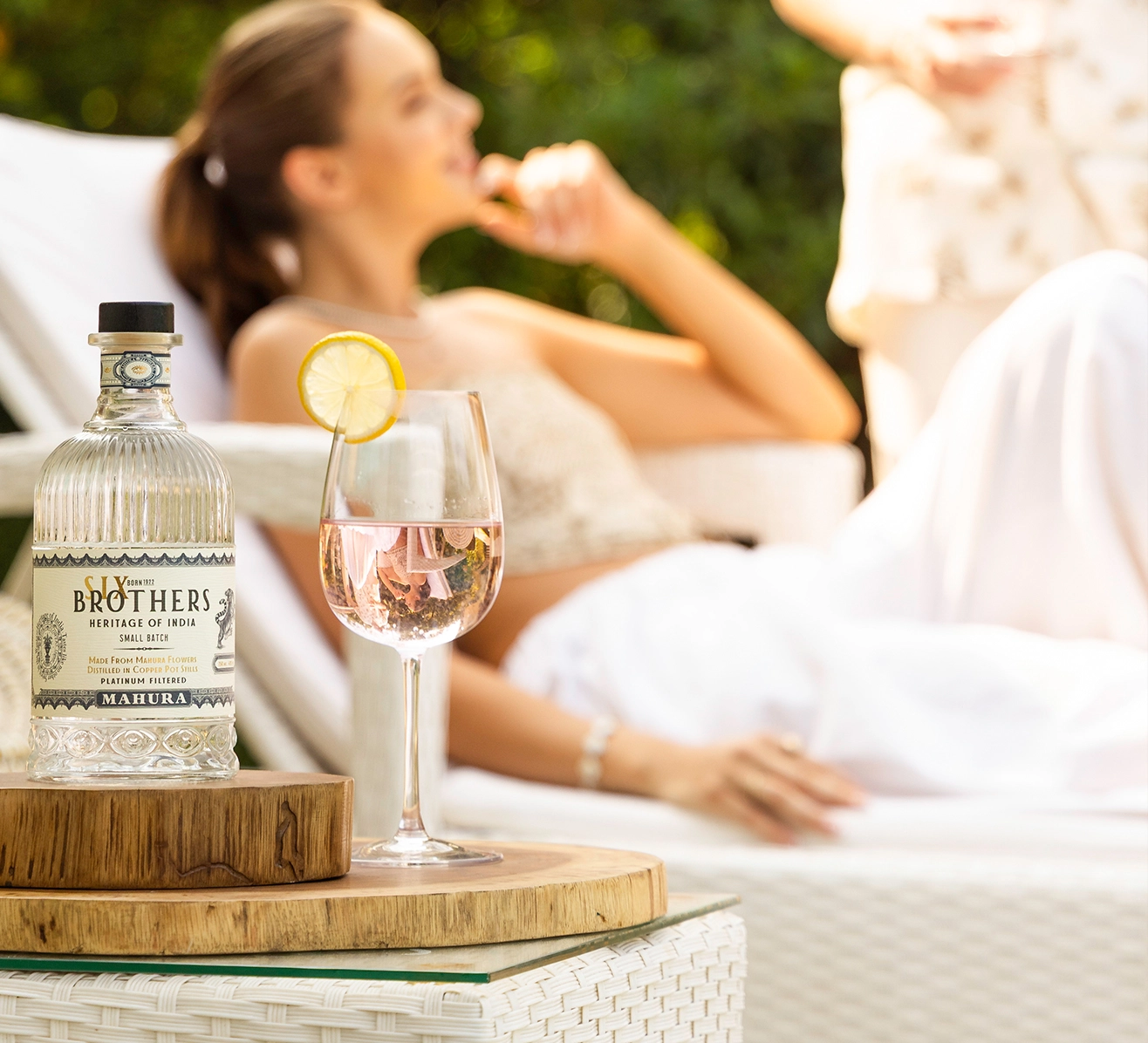
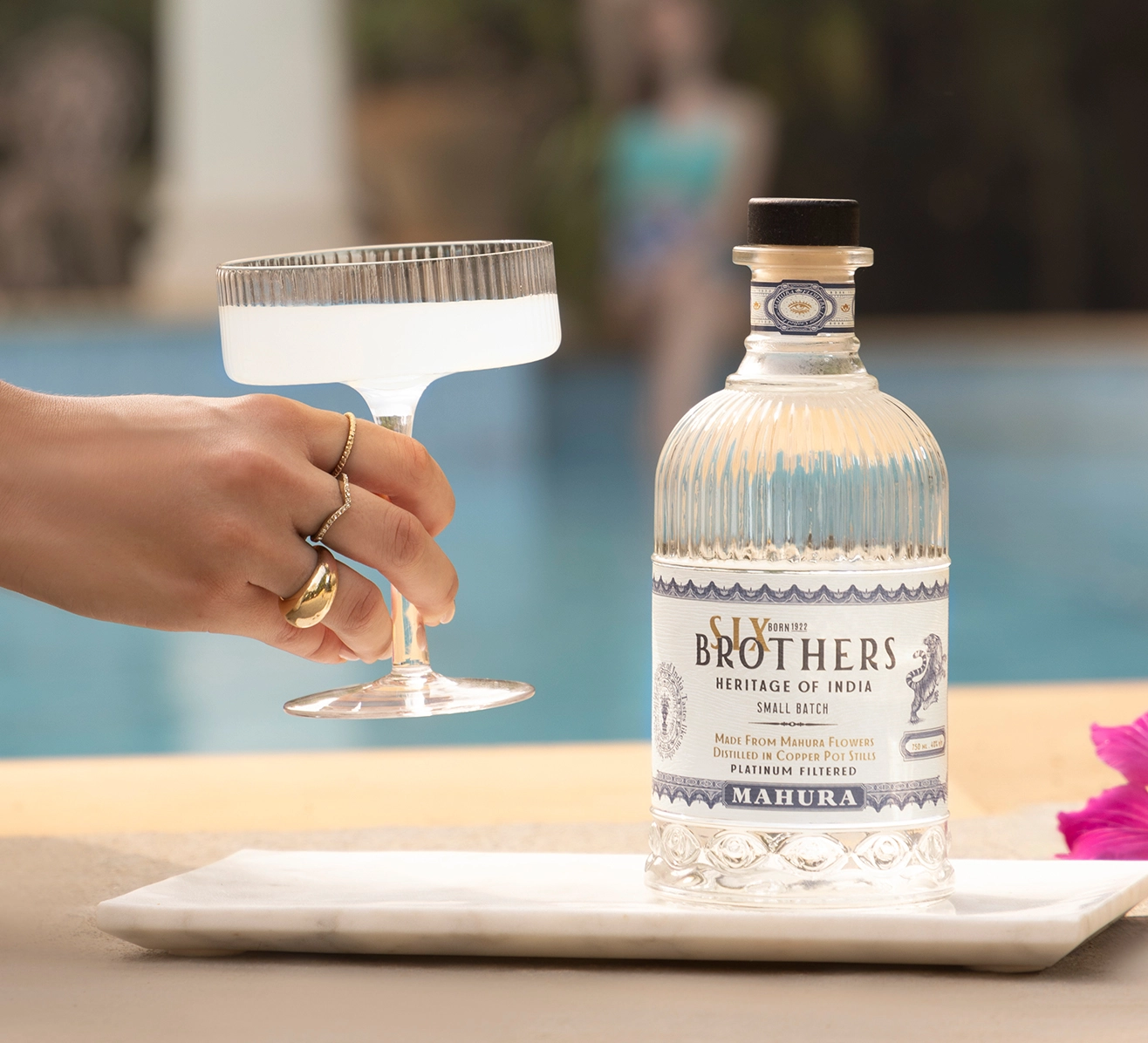
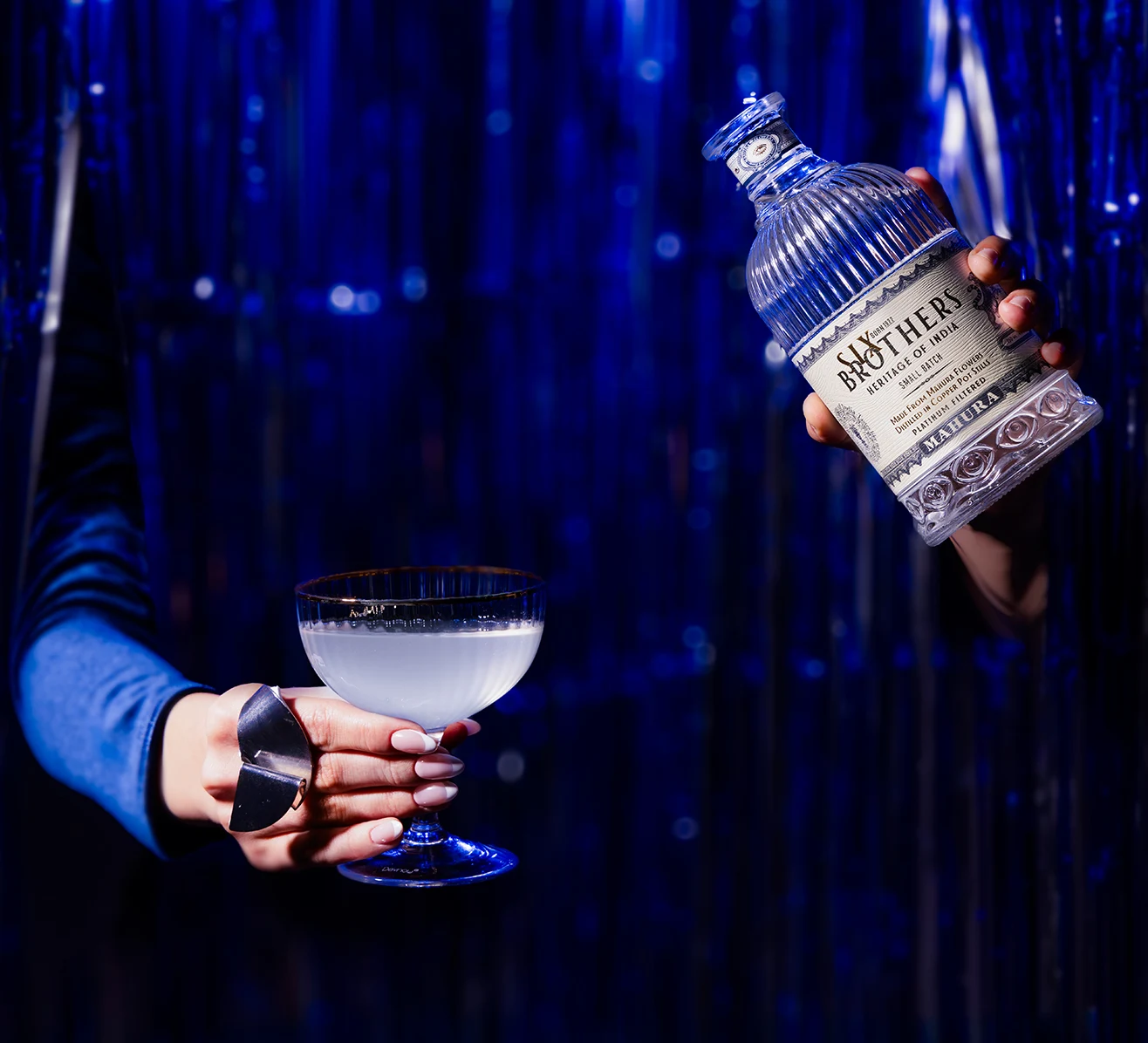
One of the most visible aspects of this revival is the way mahua is now being experienced in contemporary drinking spaces. From premium bars and cocktail menus in Mumbai and Delhi to curated tasting events and hospitality partnerships, mahua is finding its way into urban, globally-facing environments for the first time.
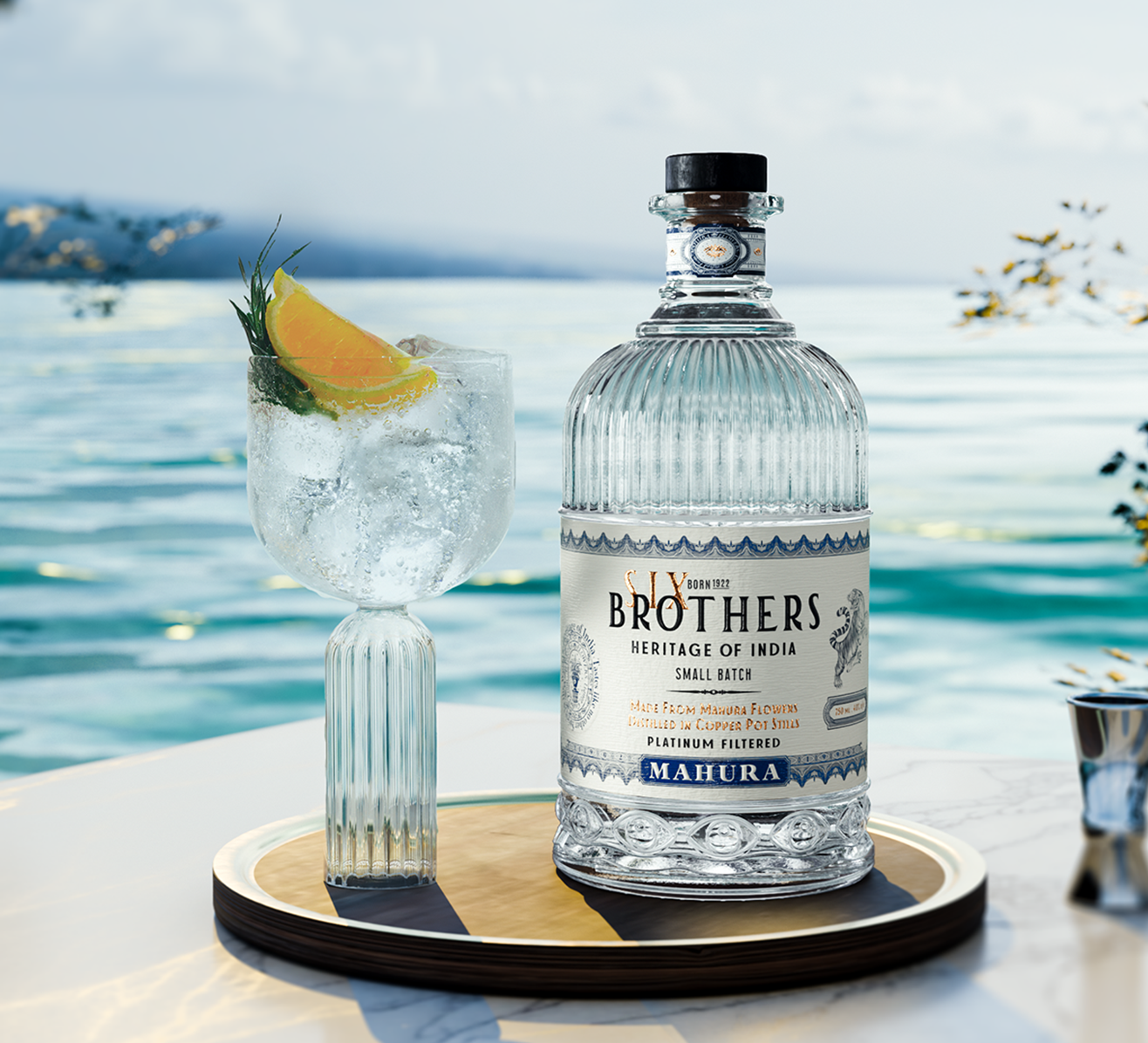
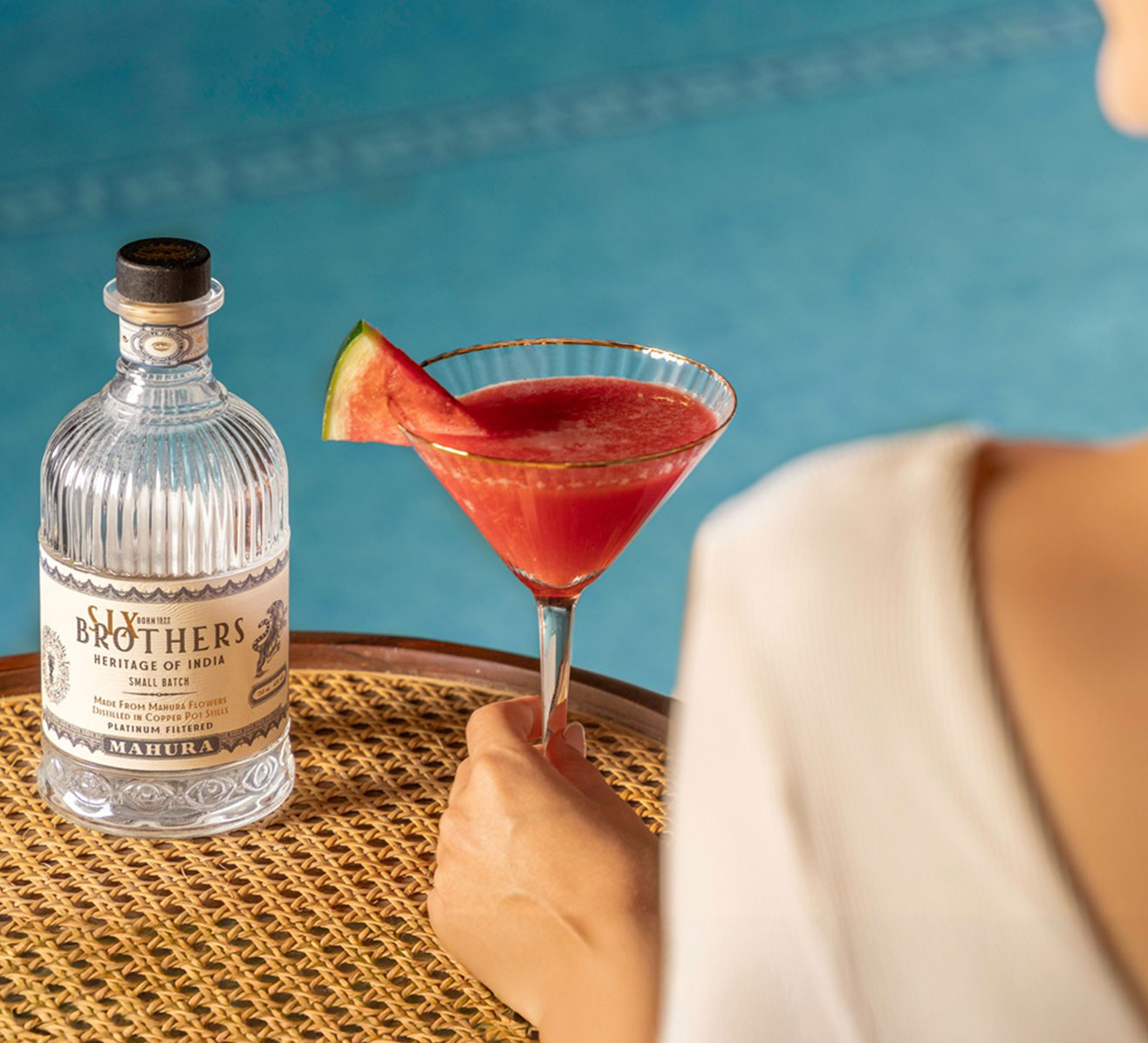
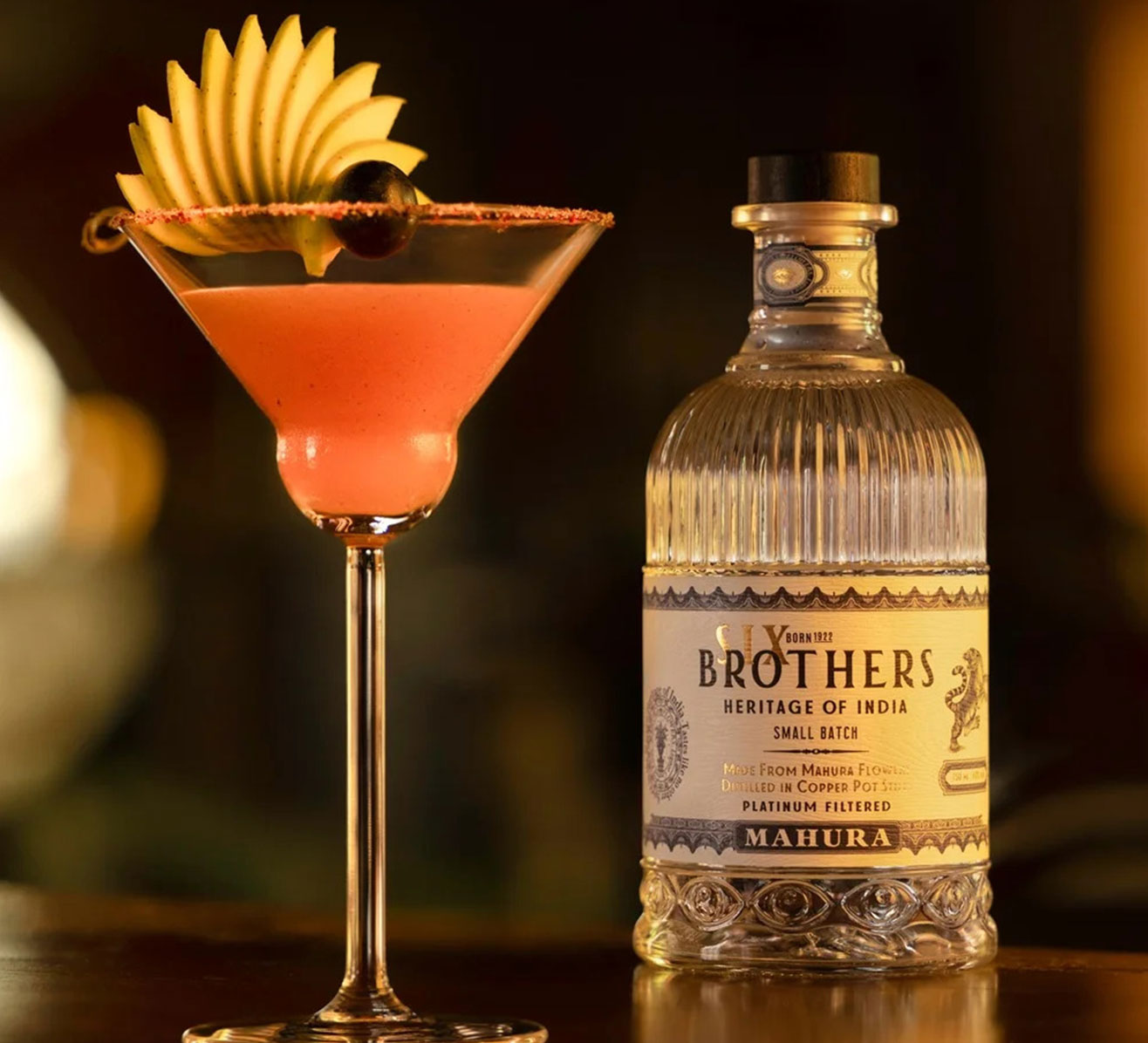
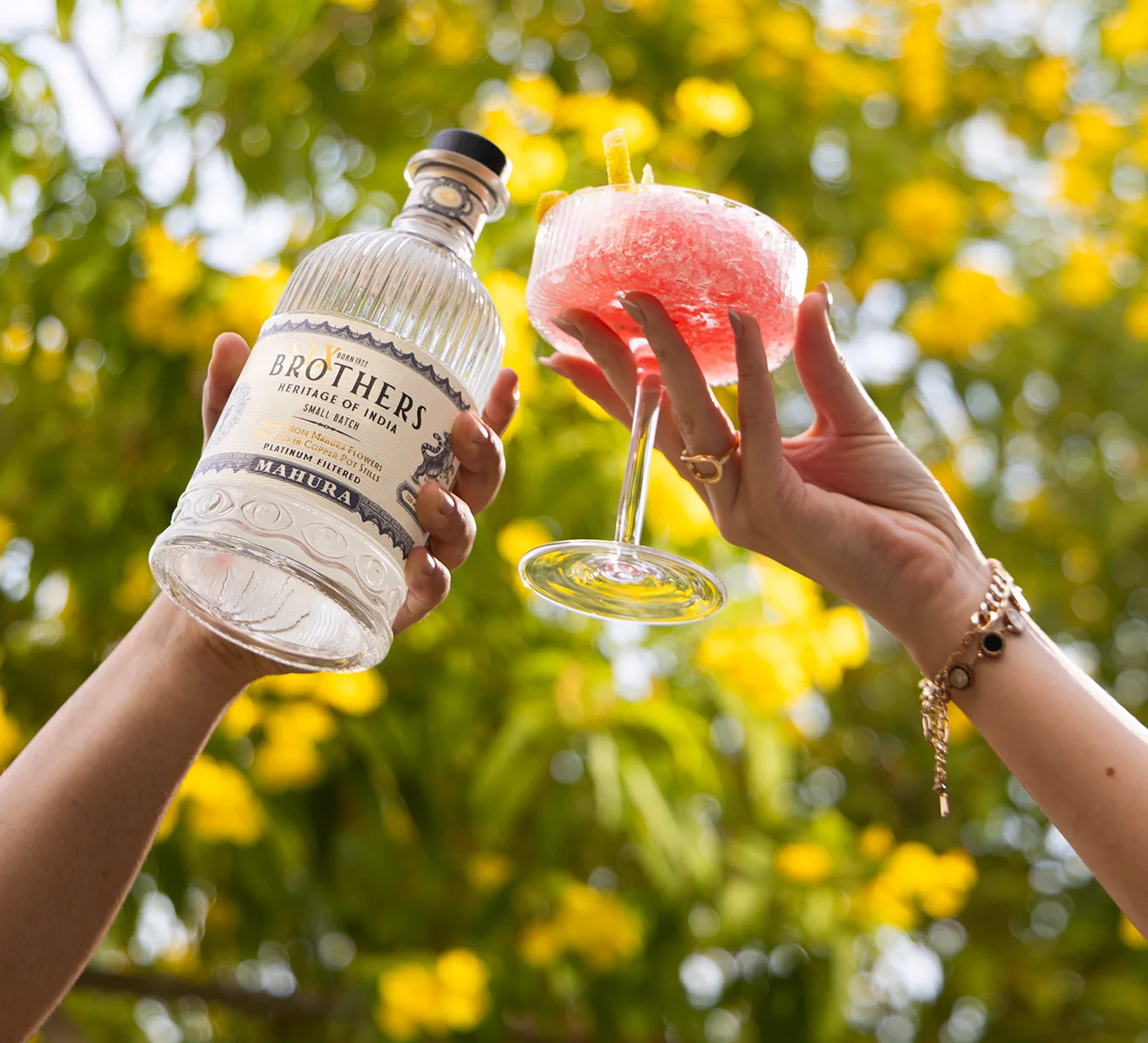
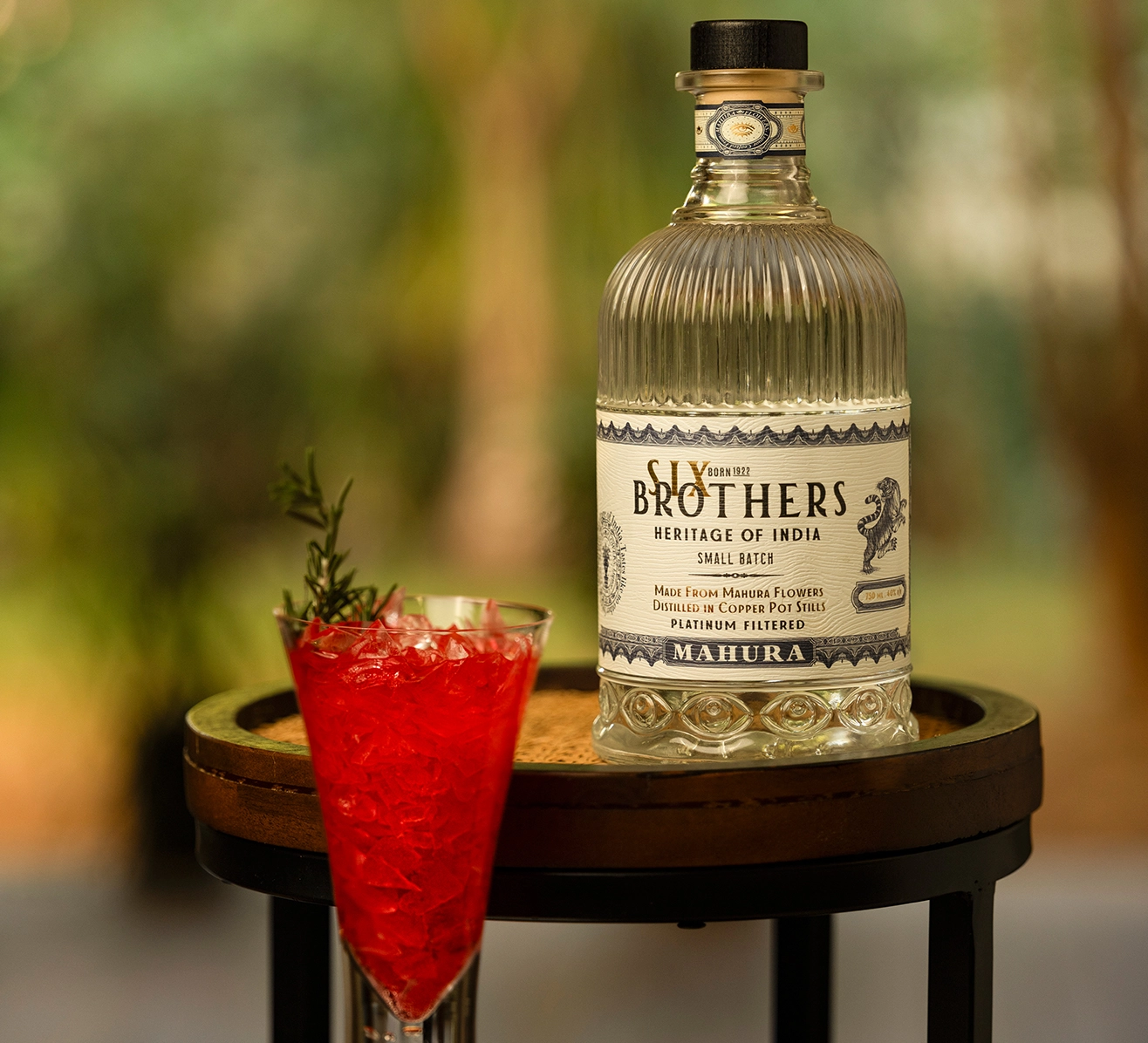
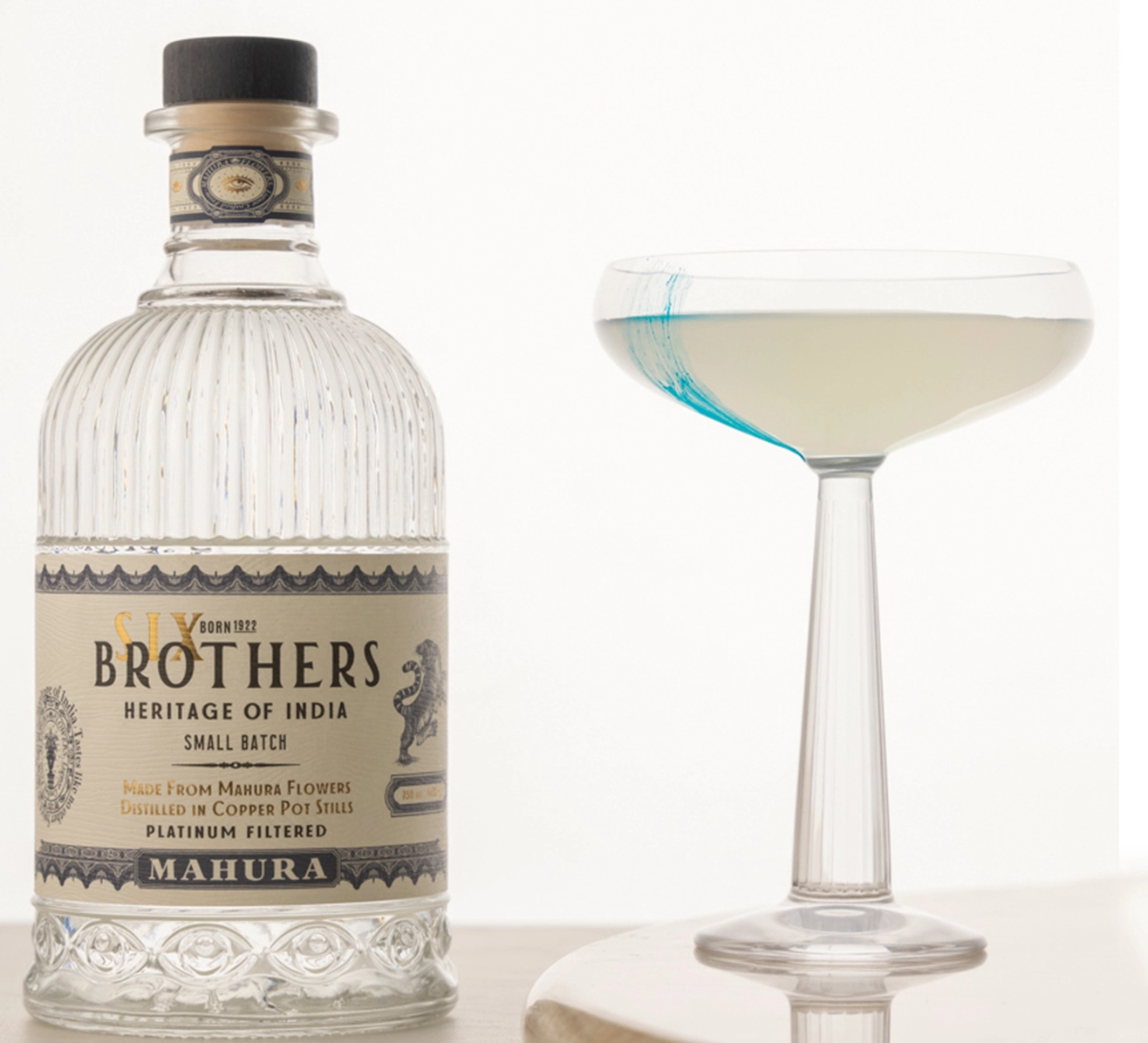
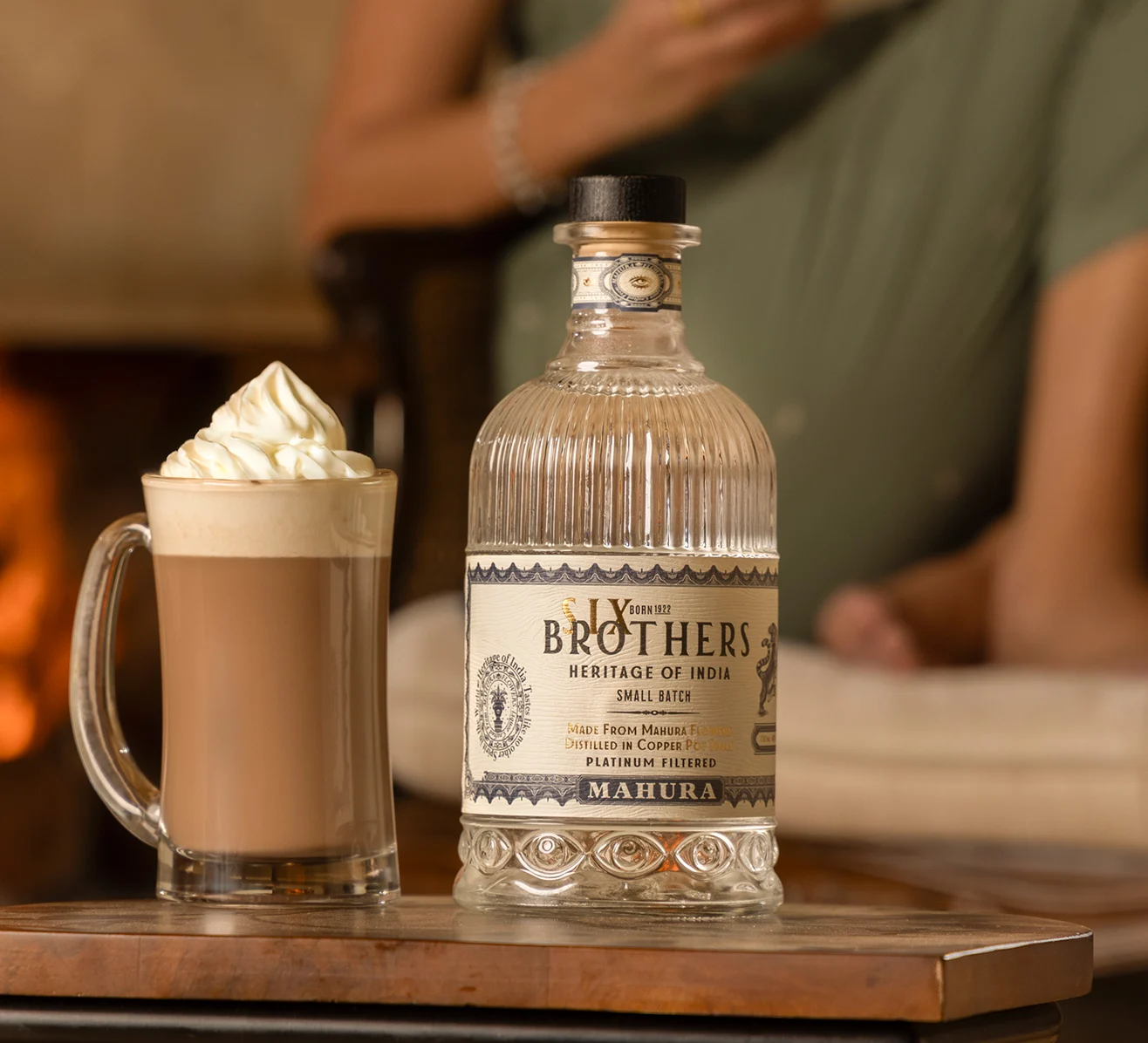
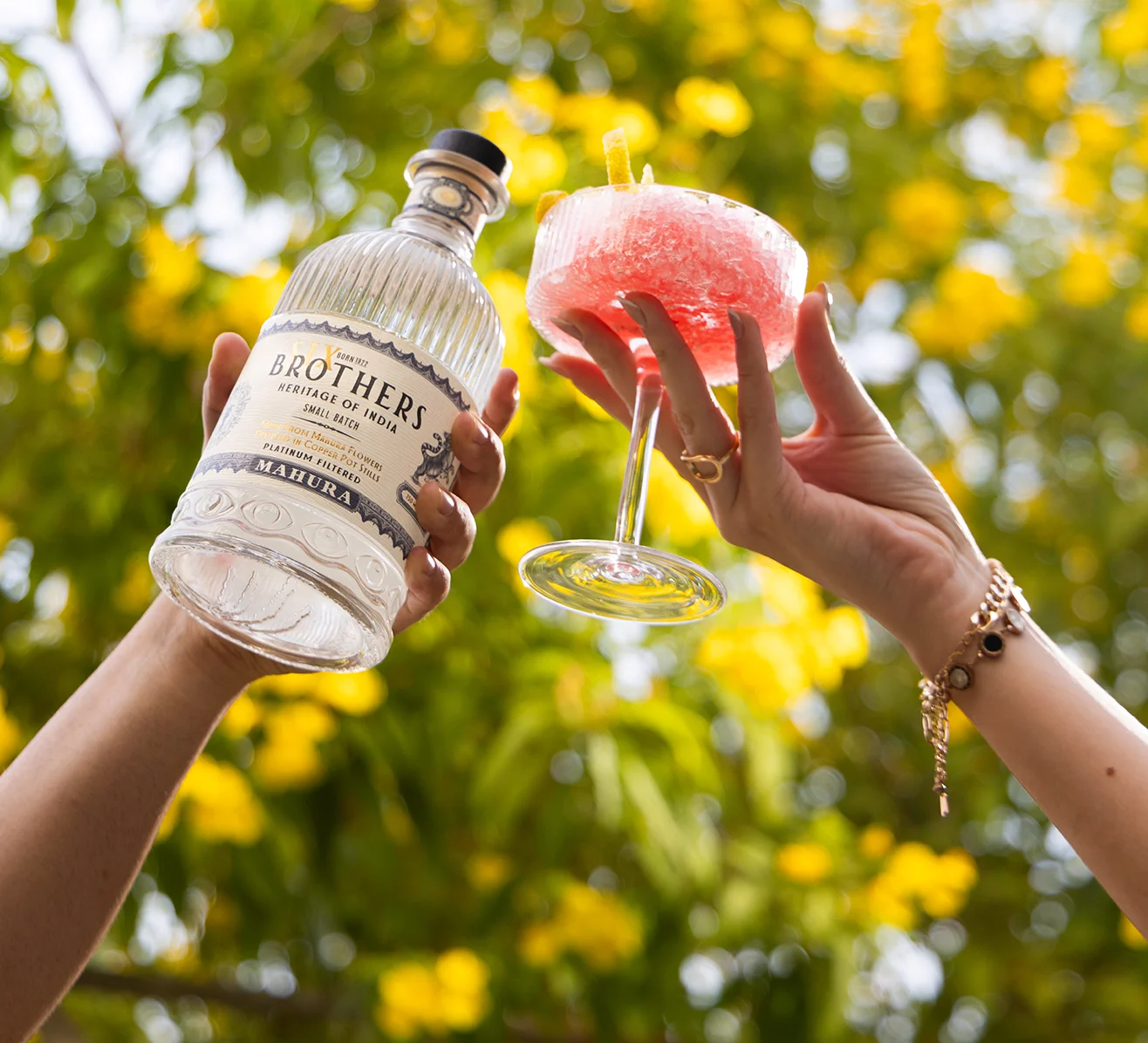
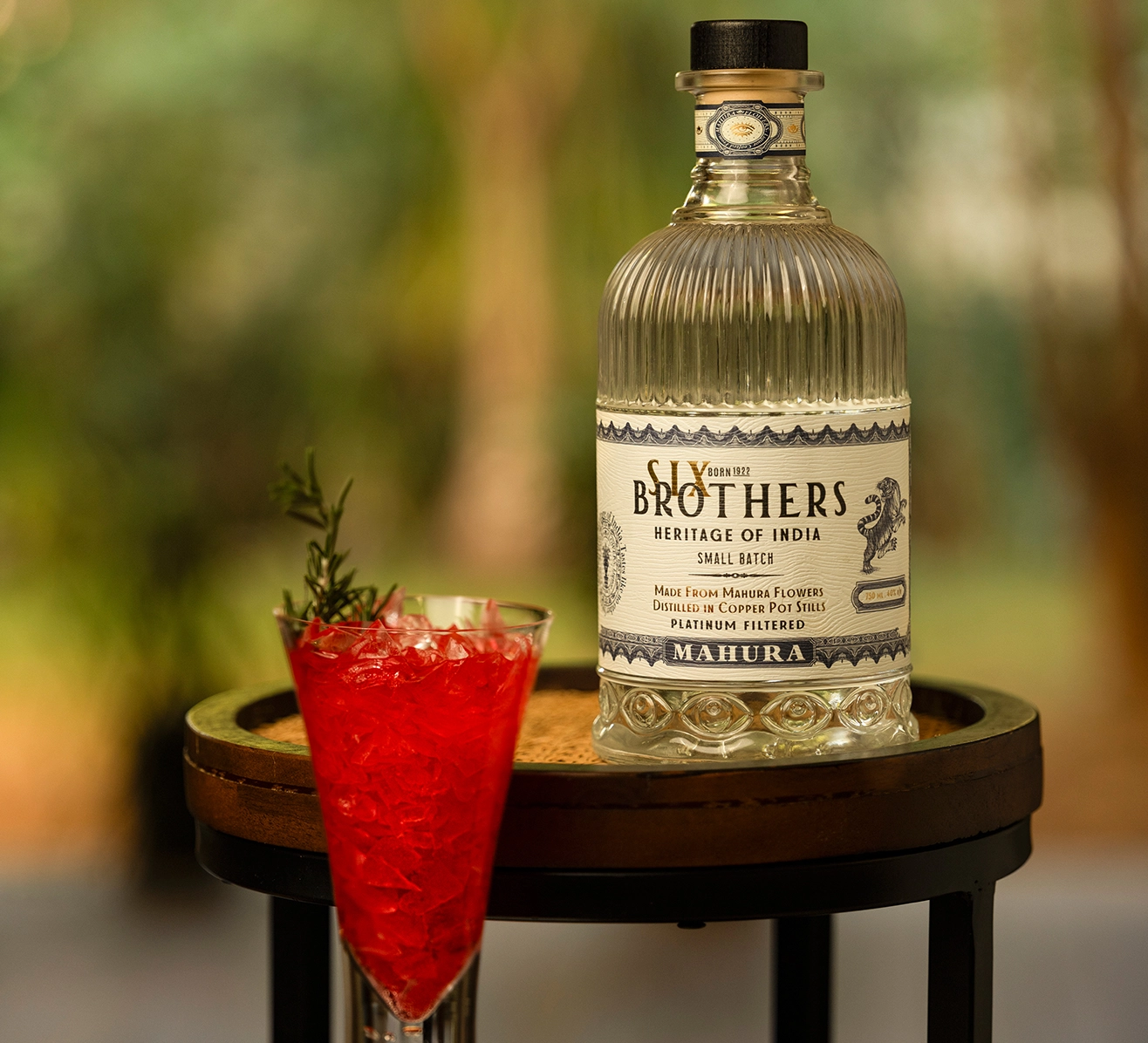
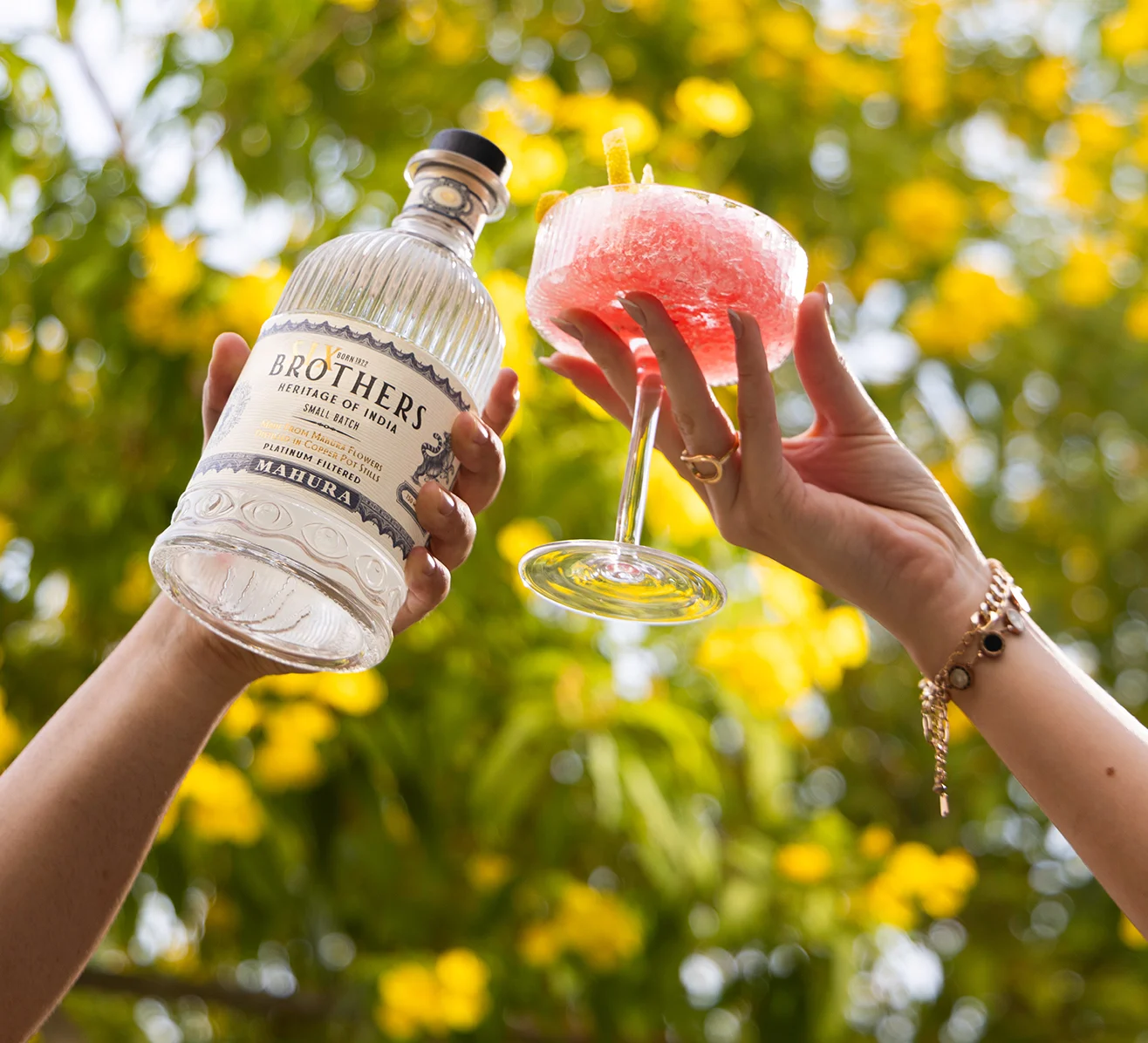
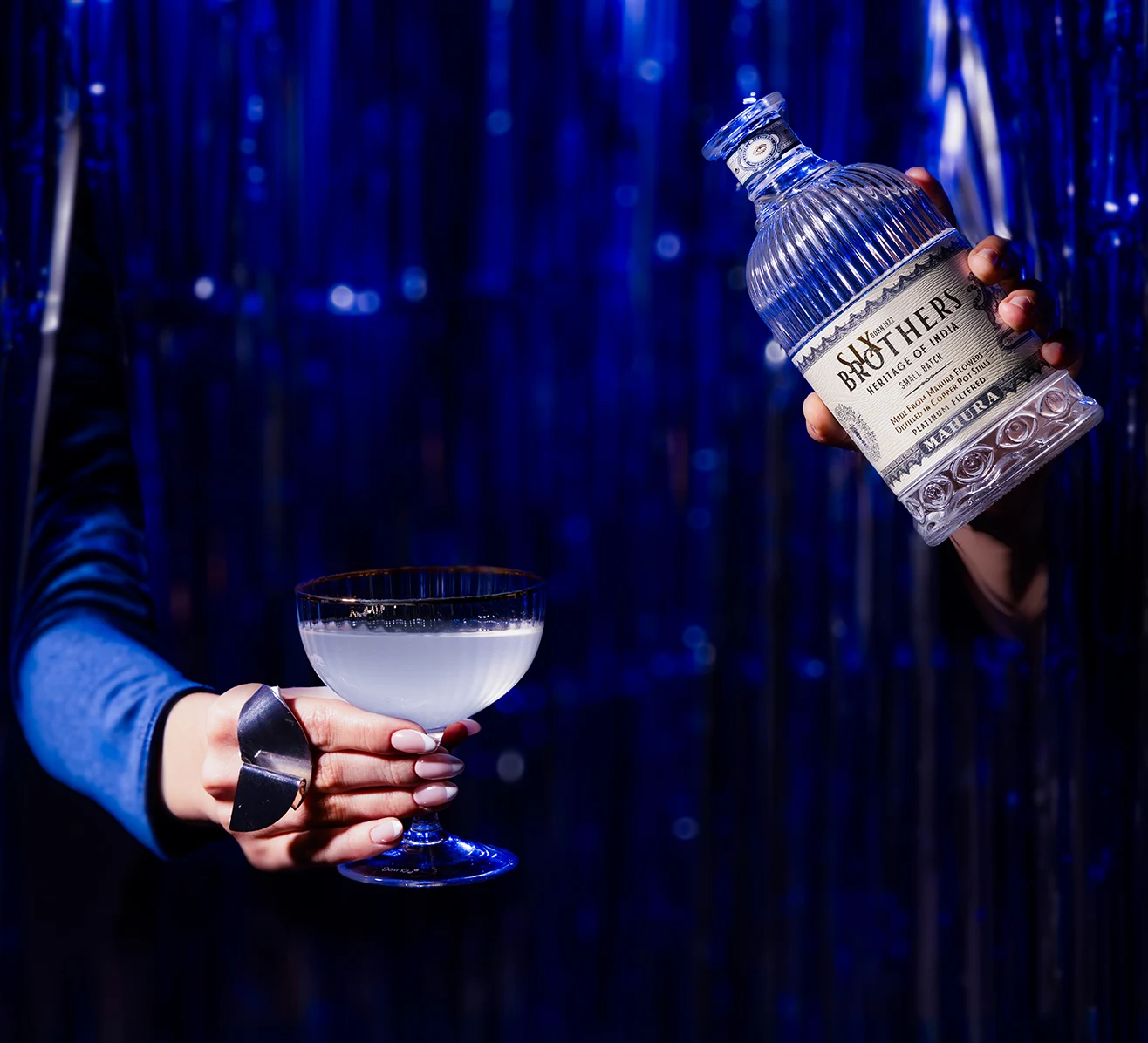
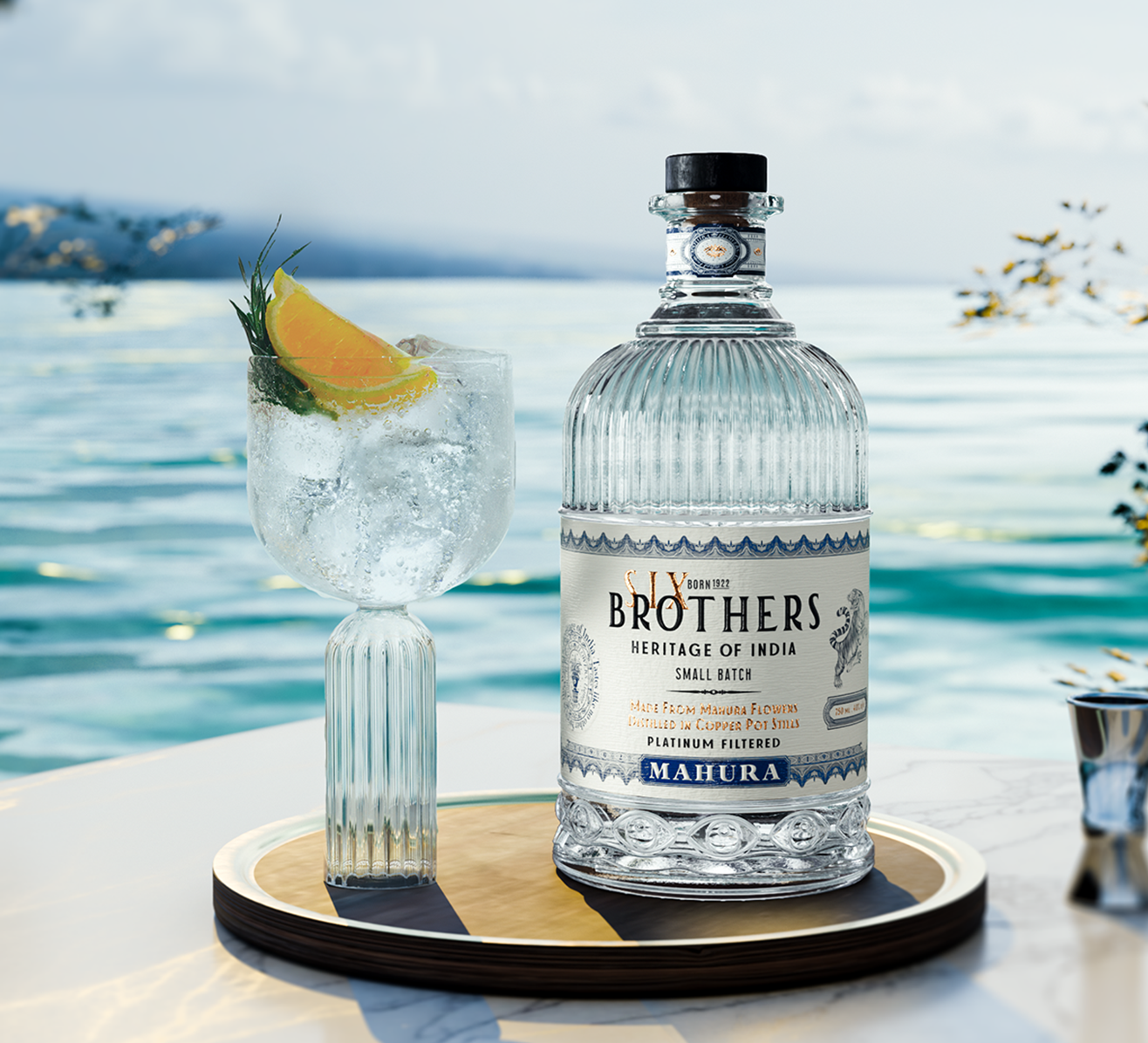
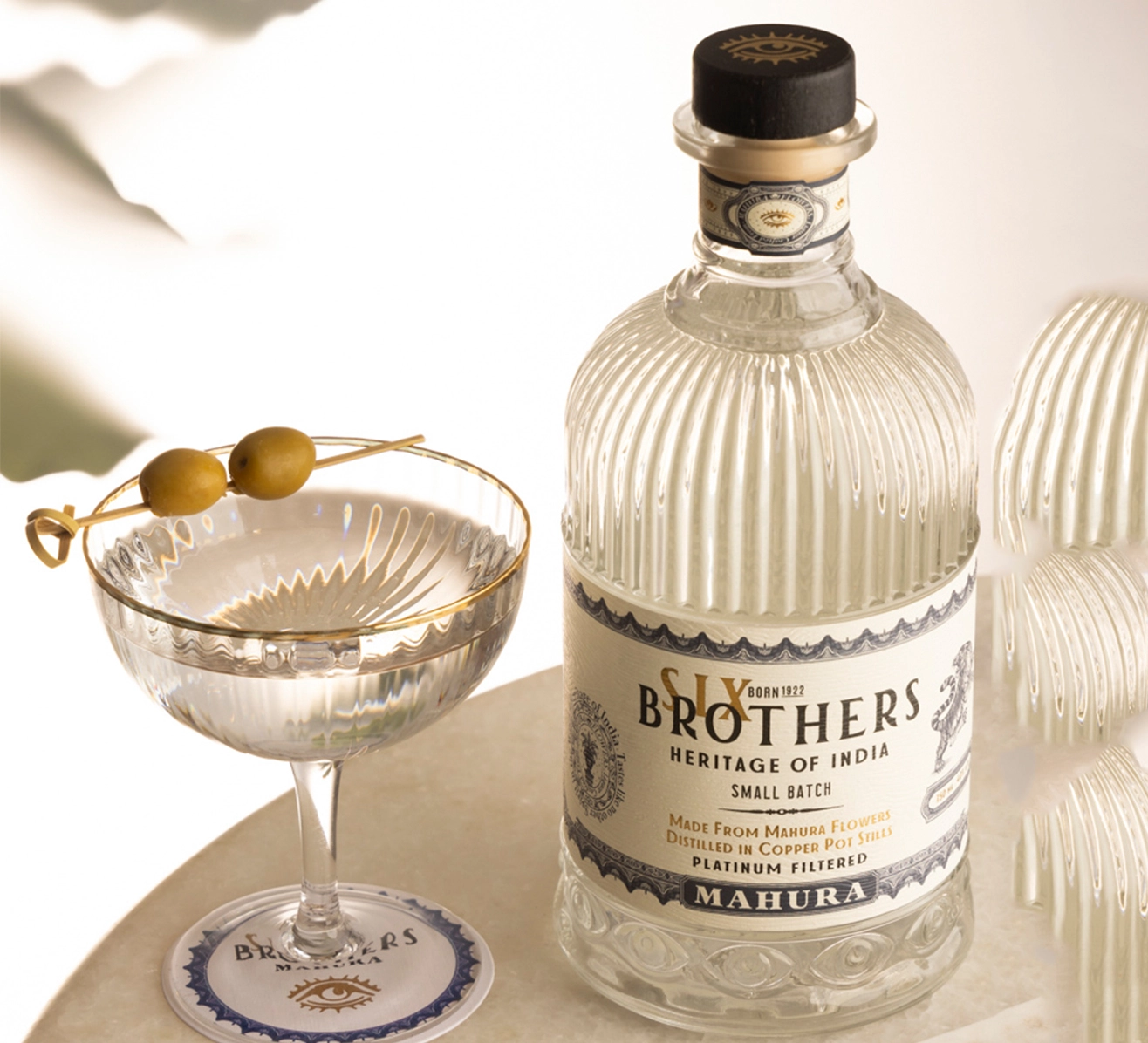
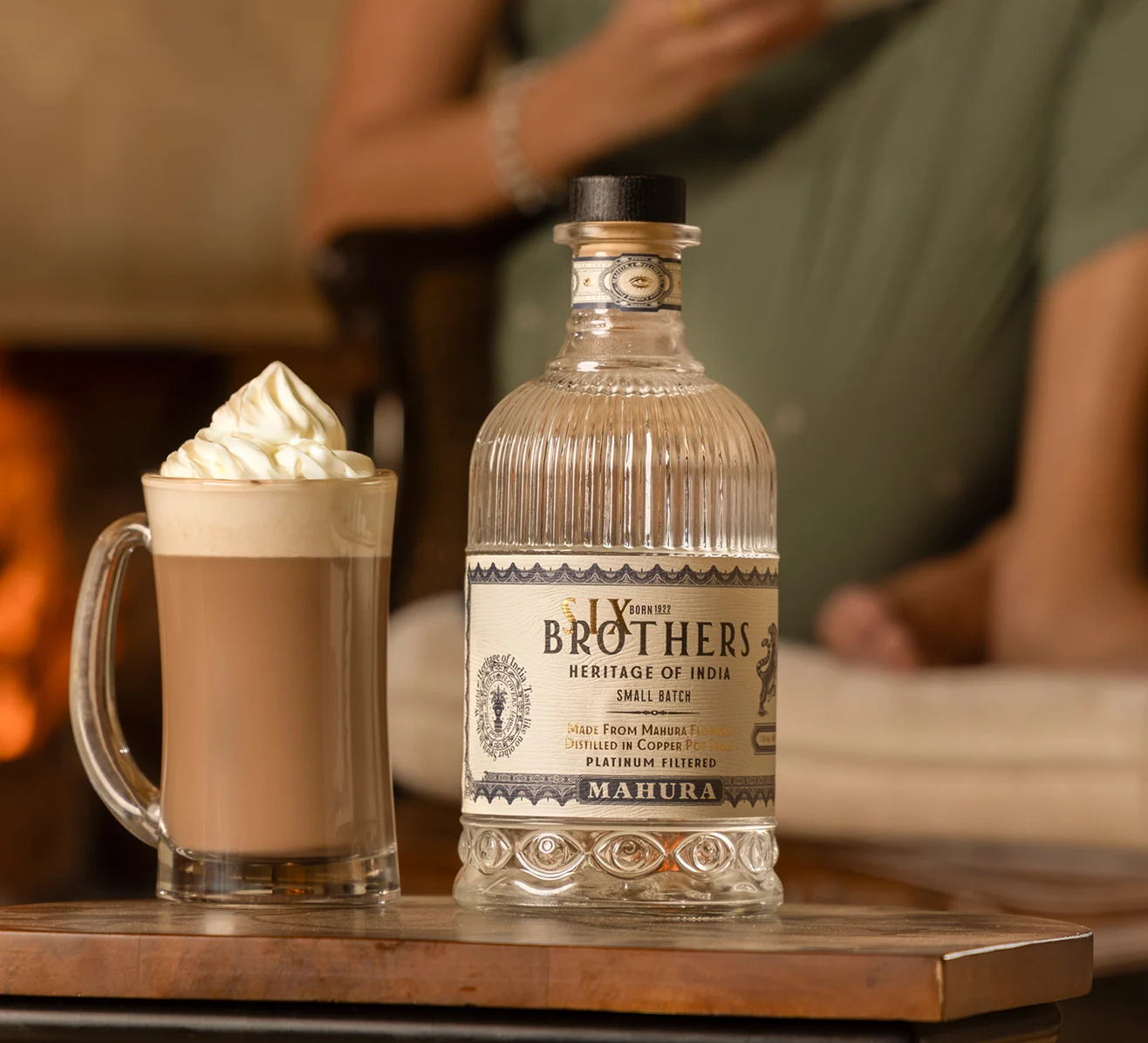
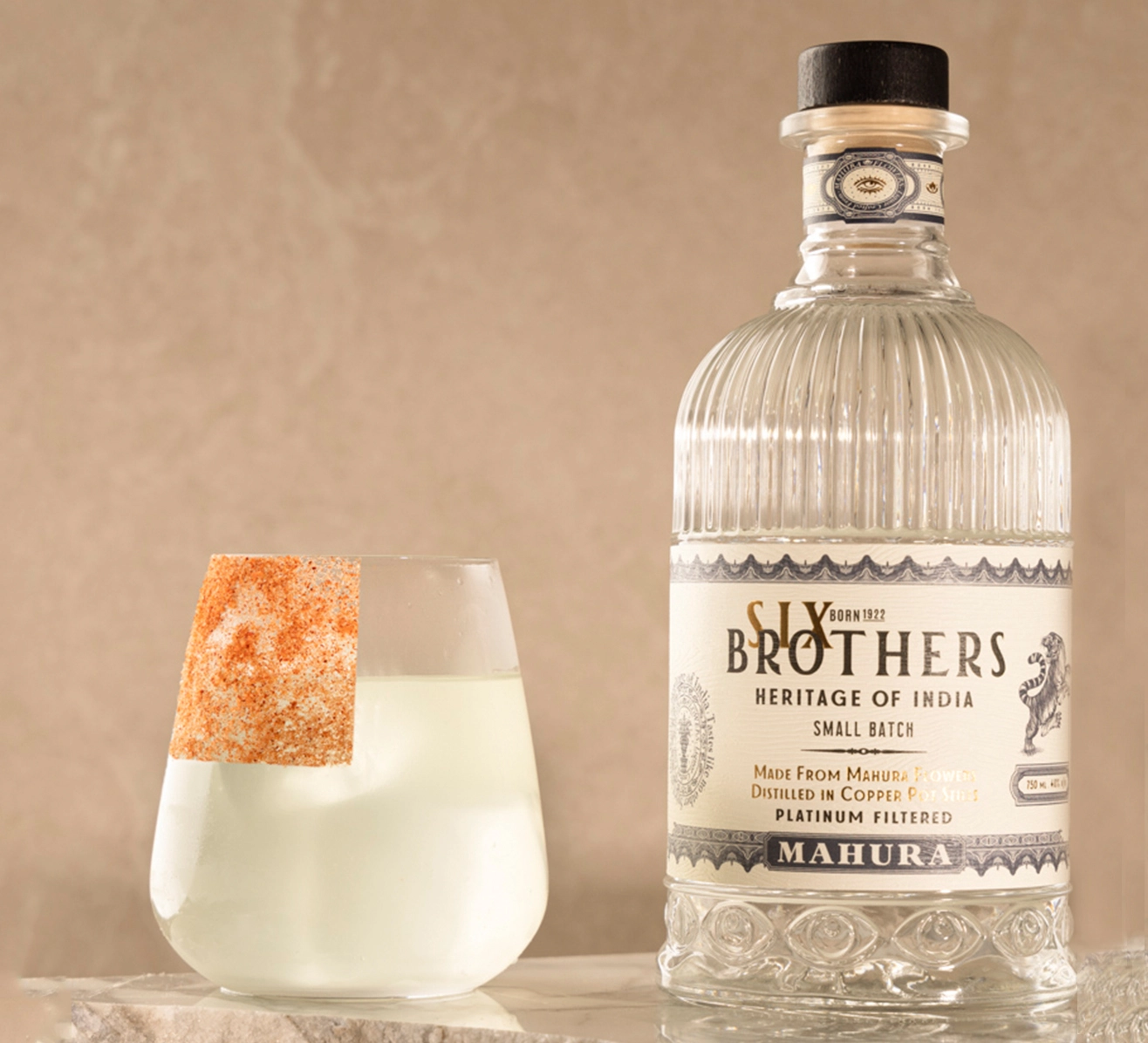
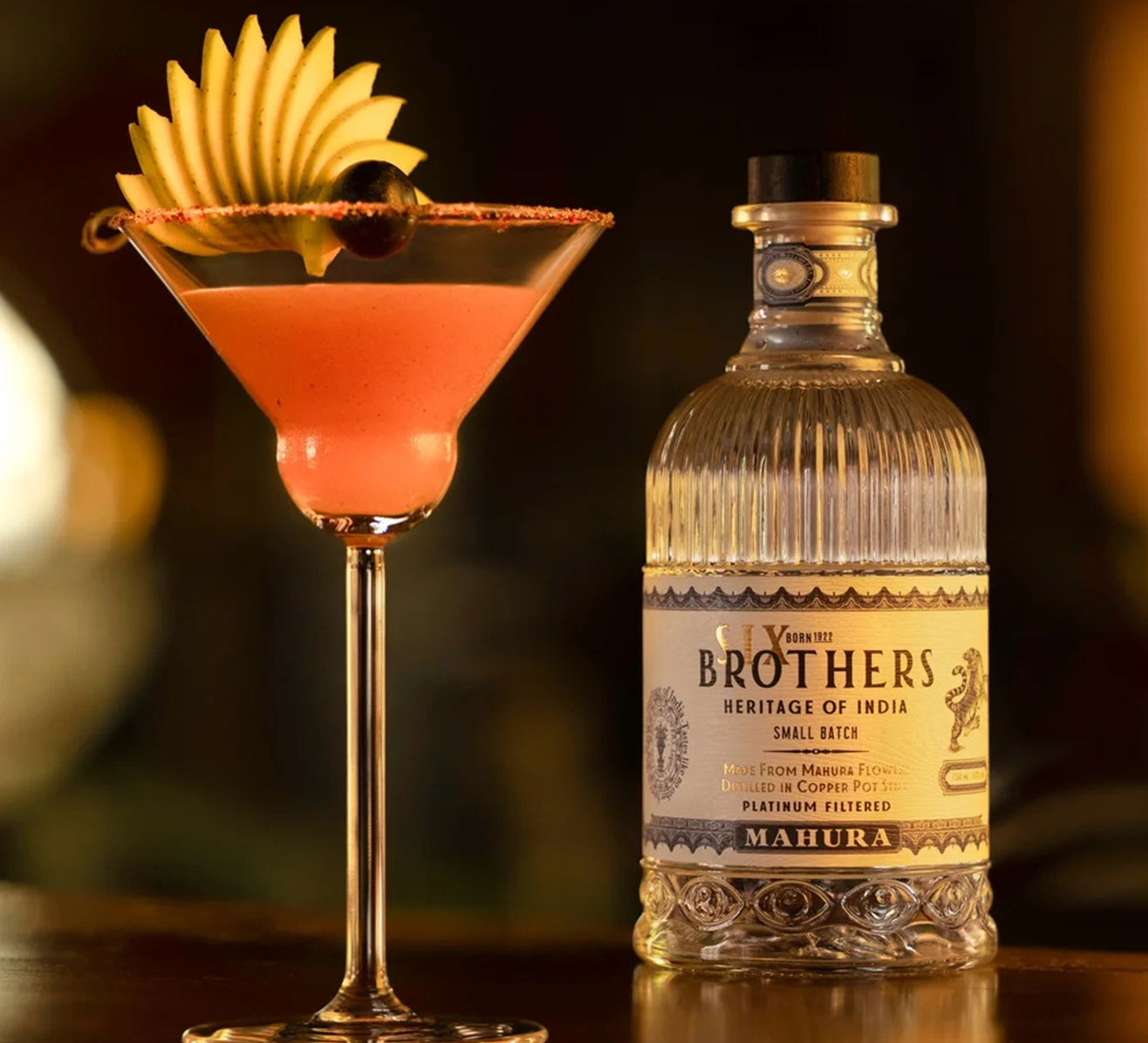
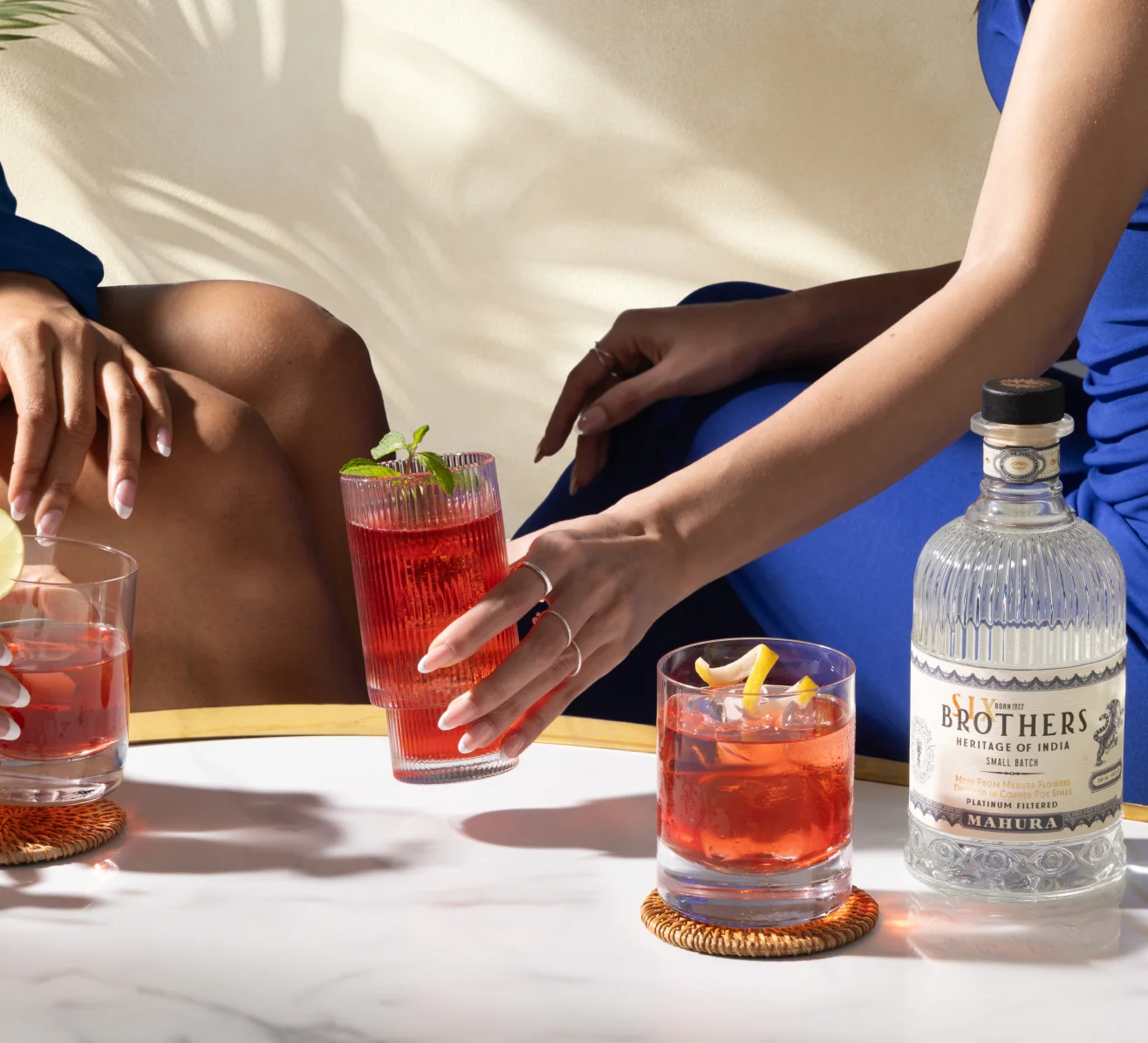
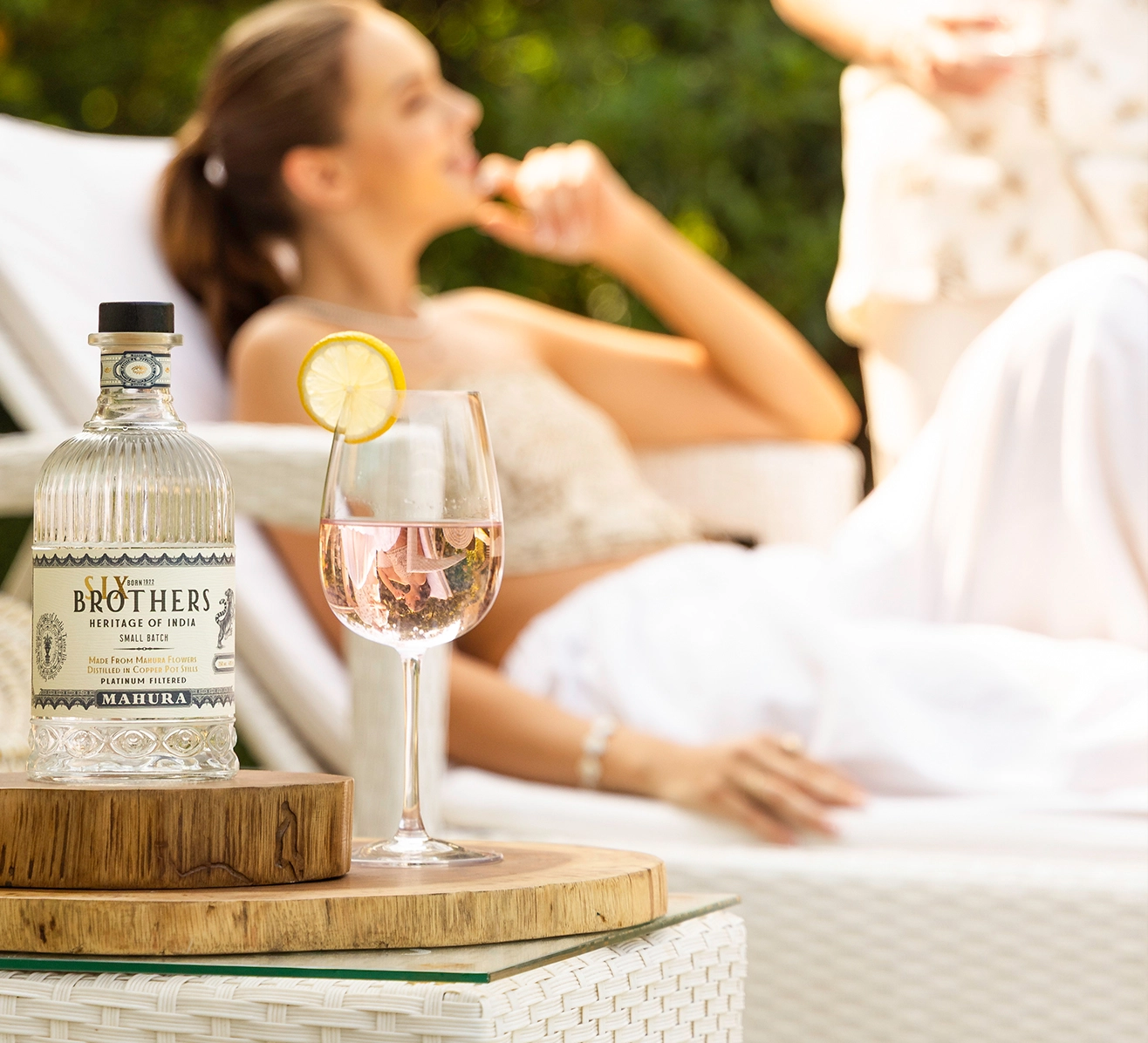
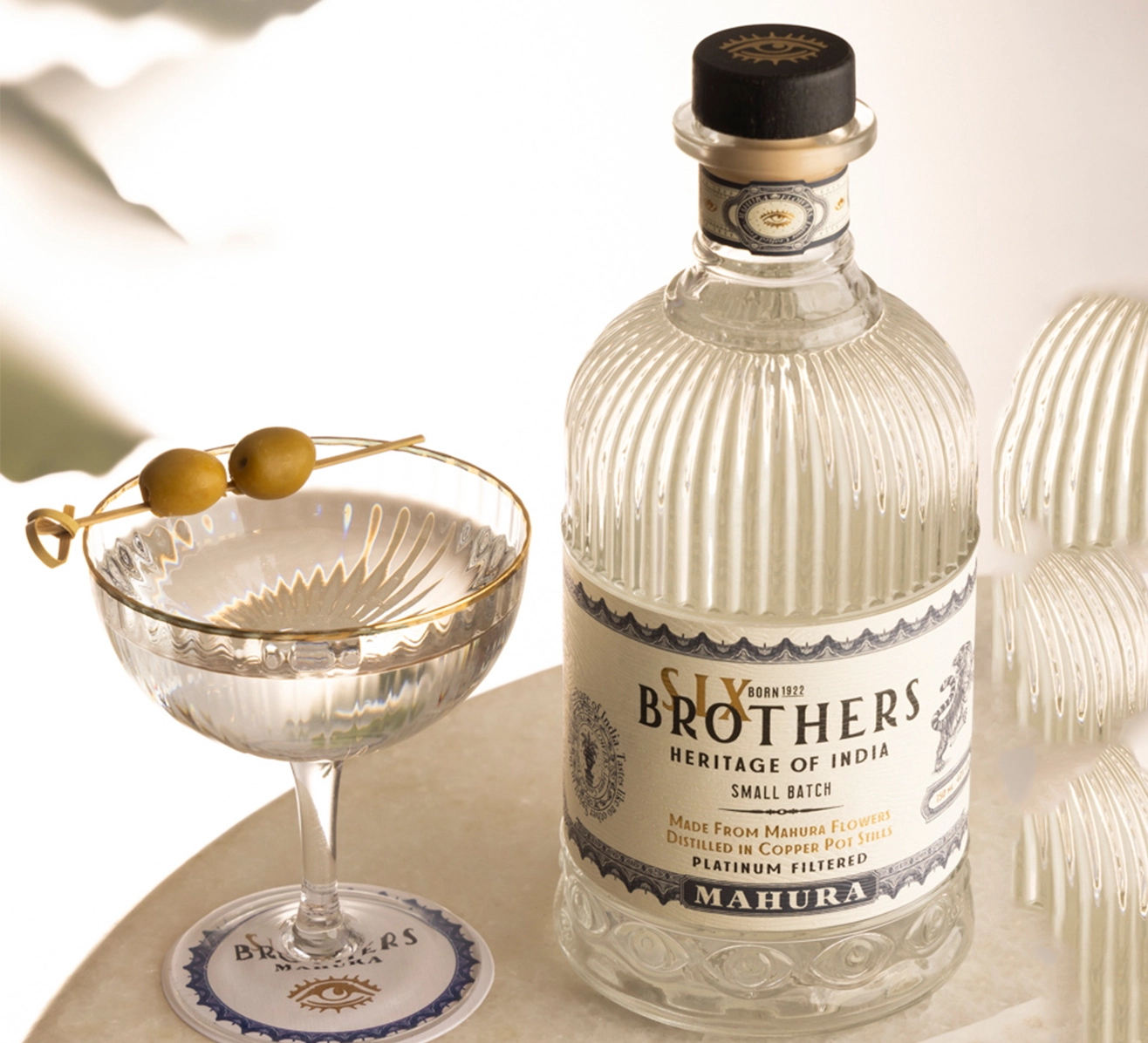
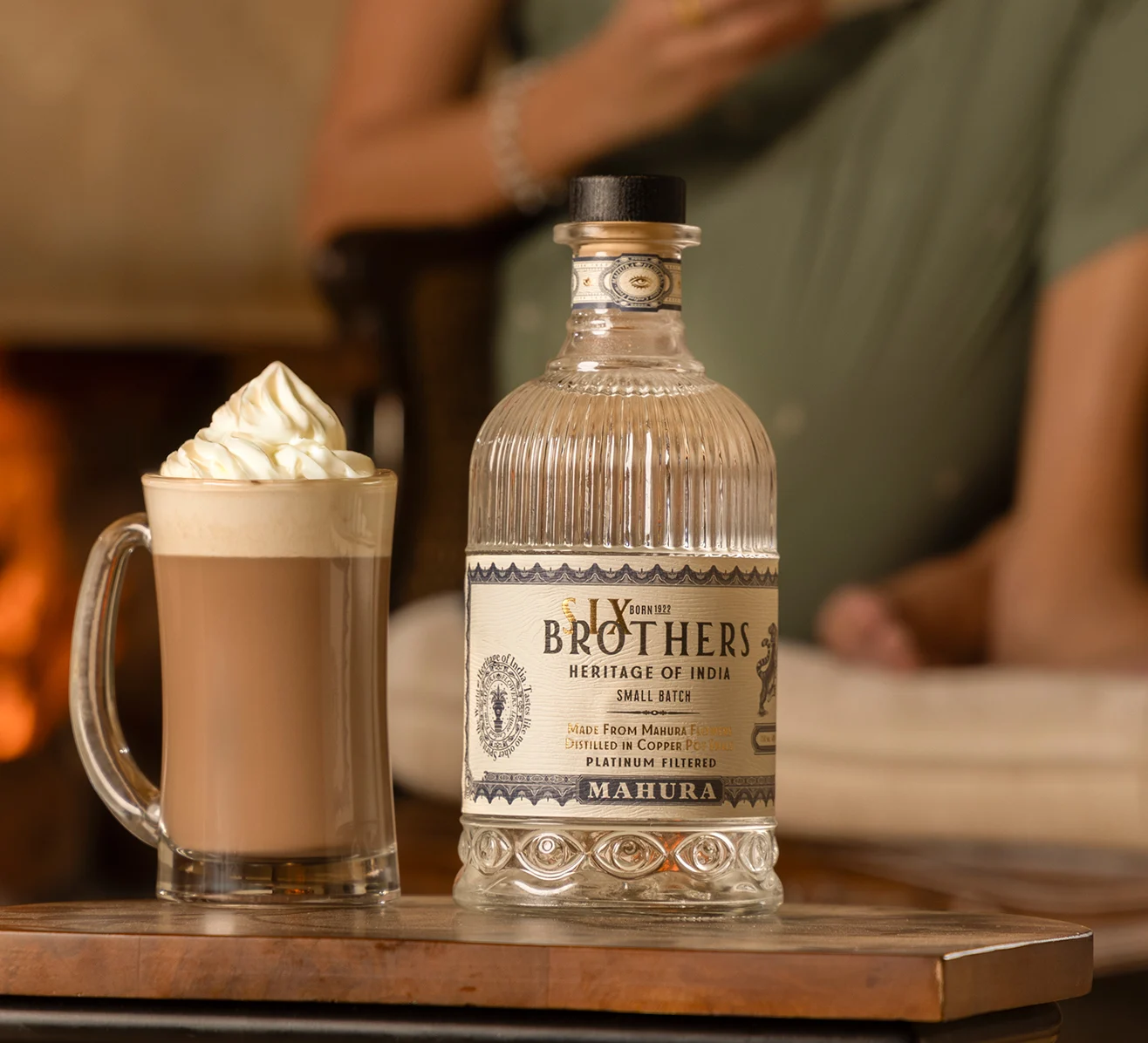
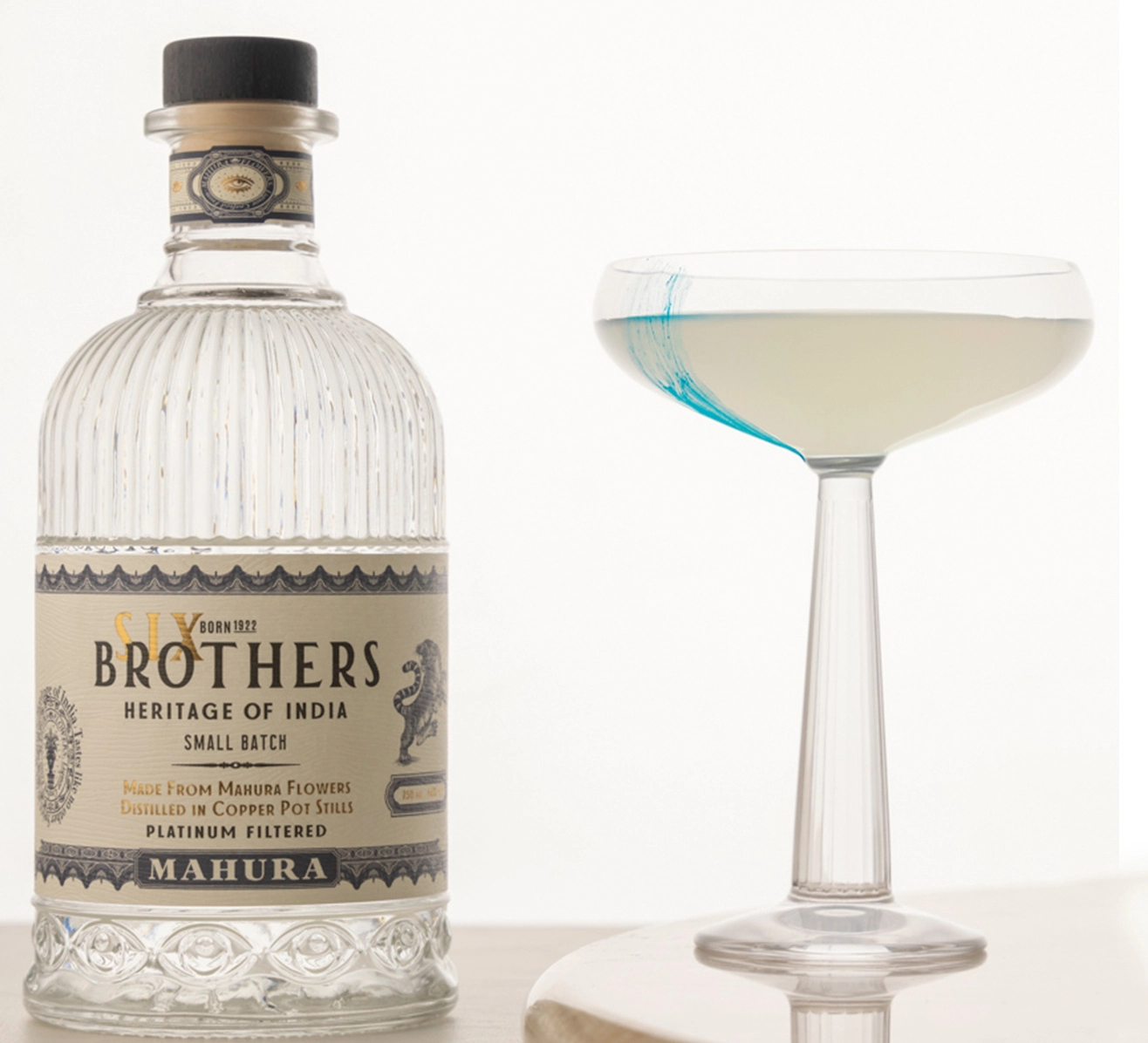
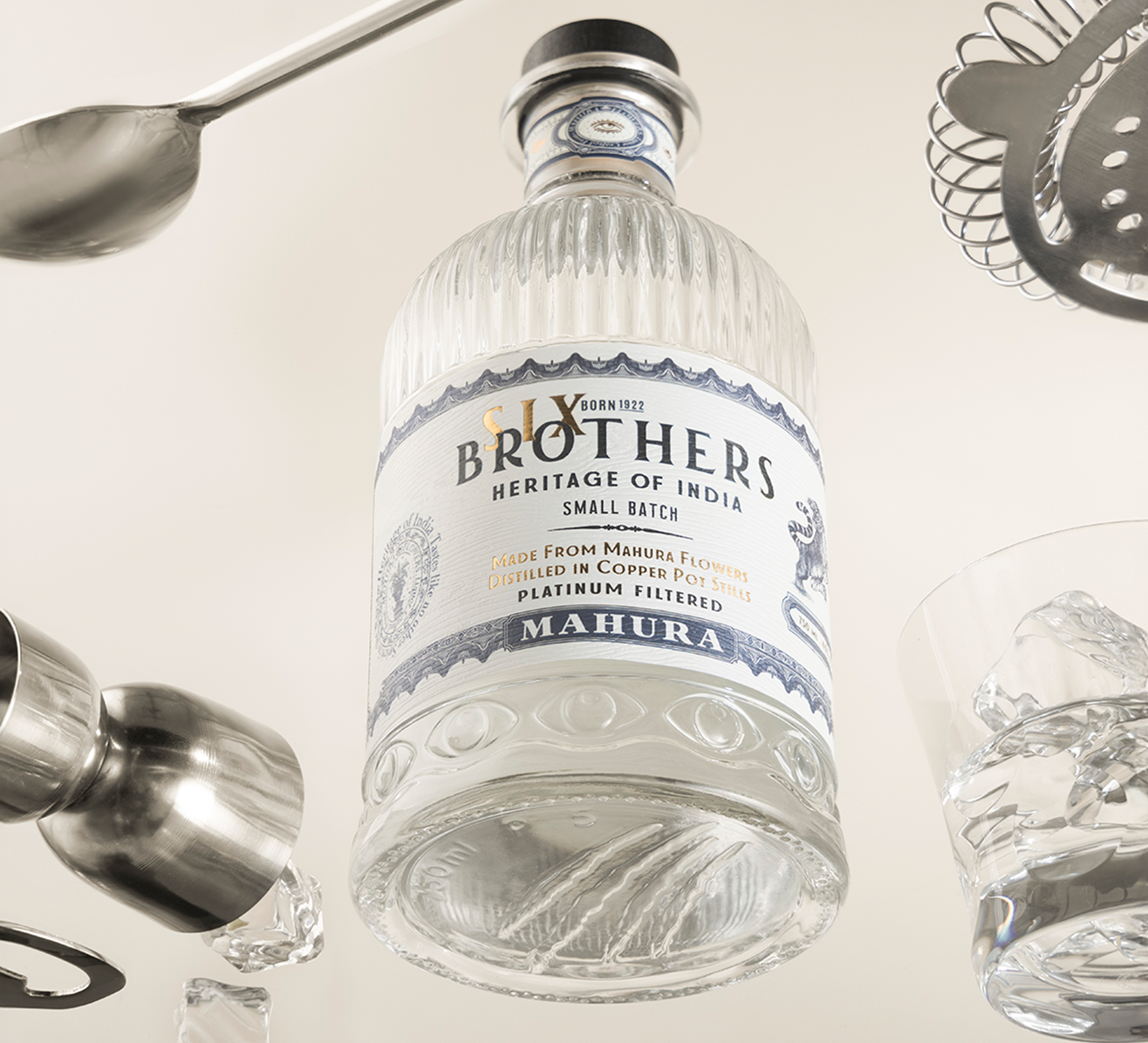
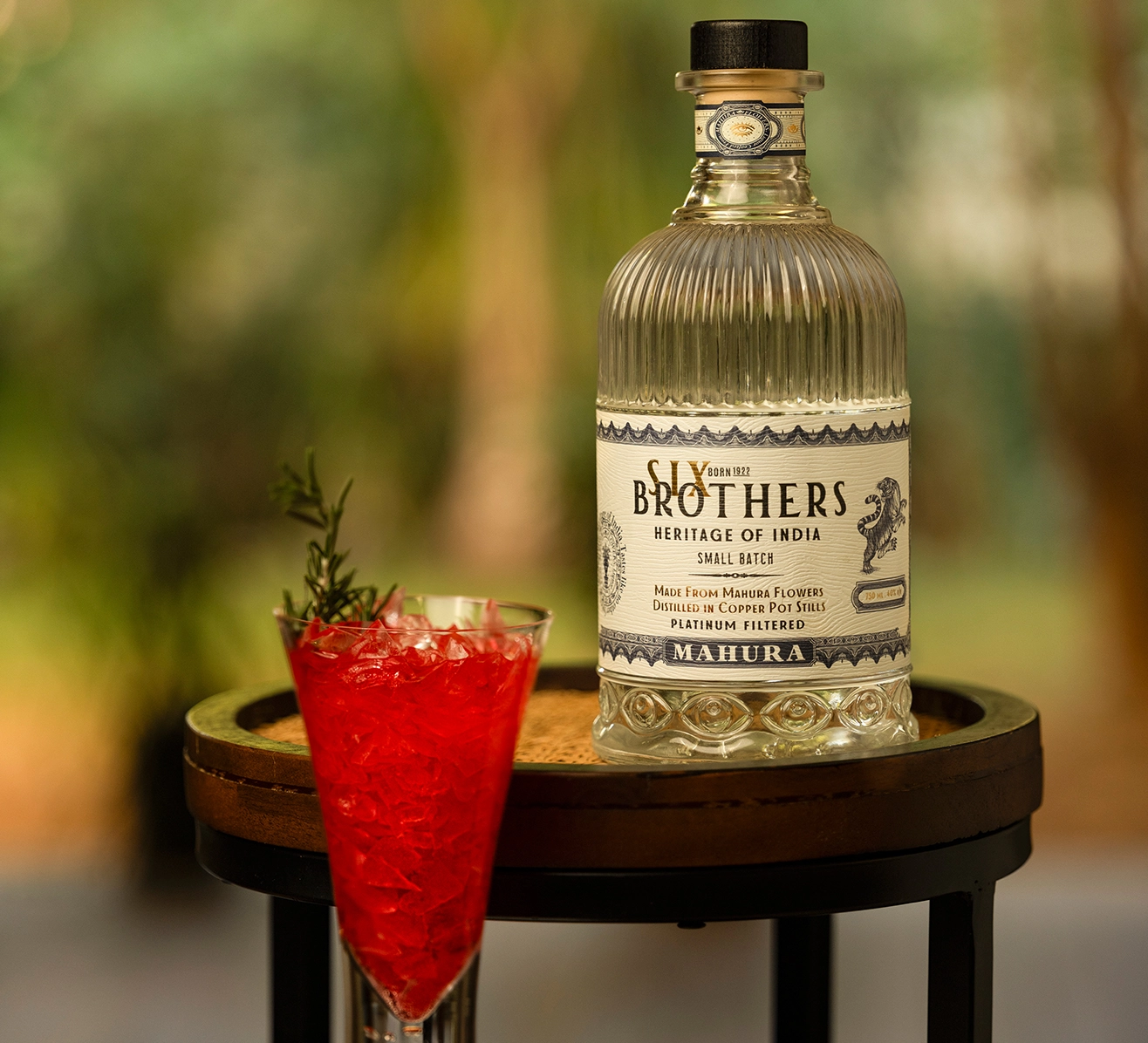
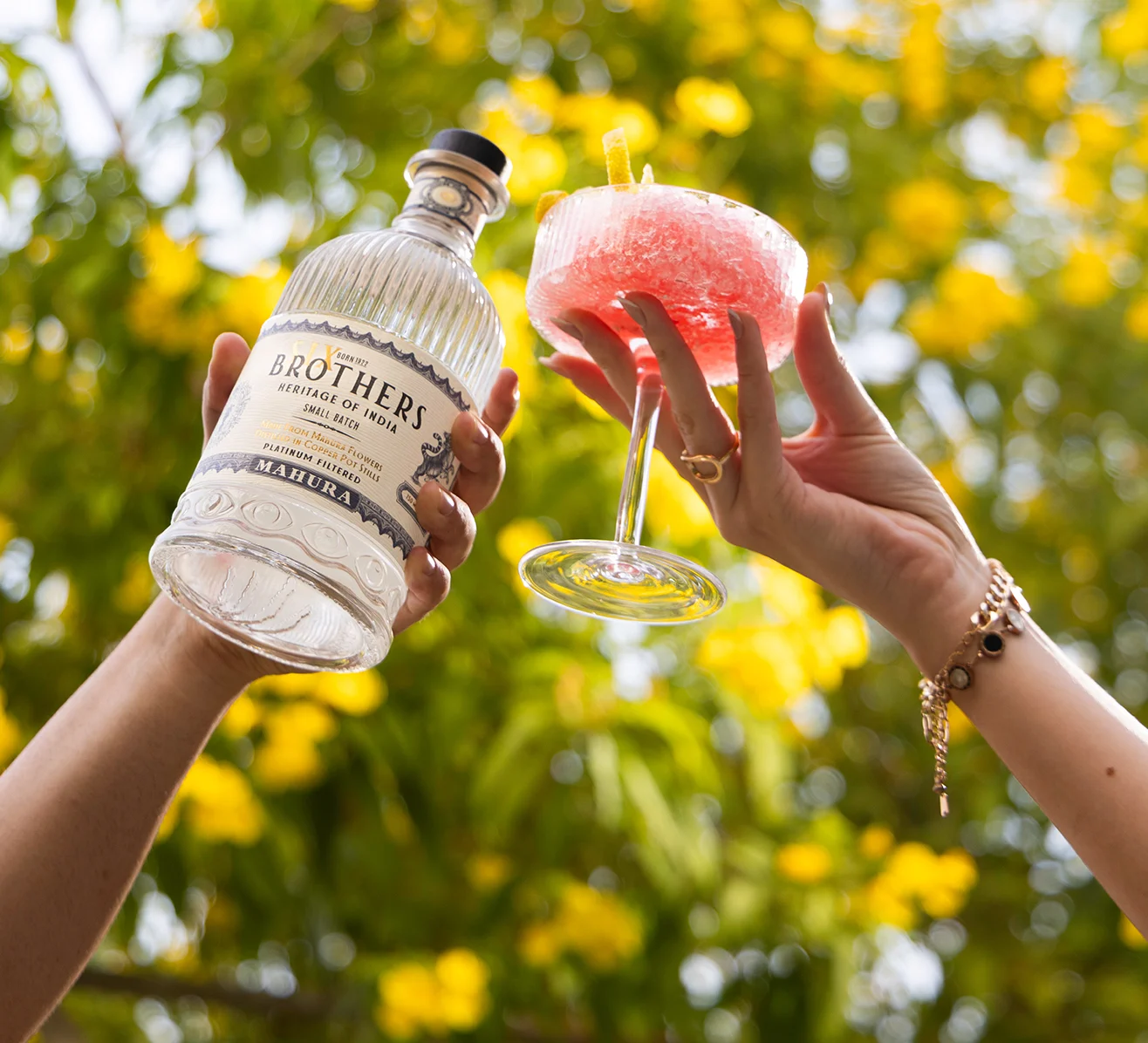
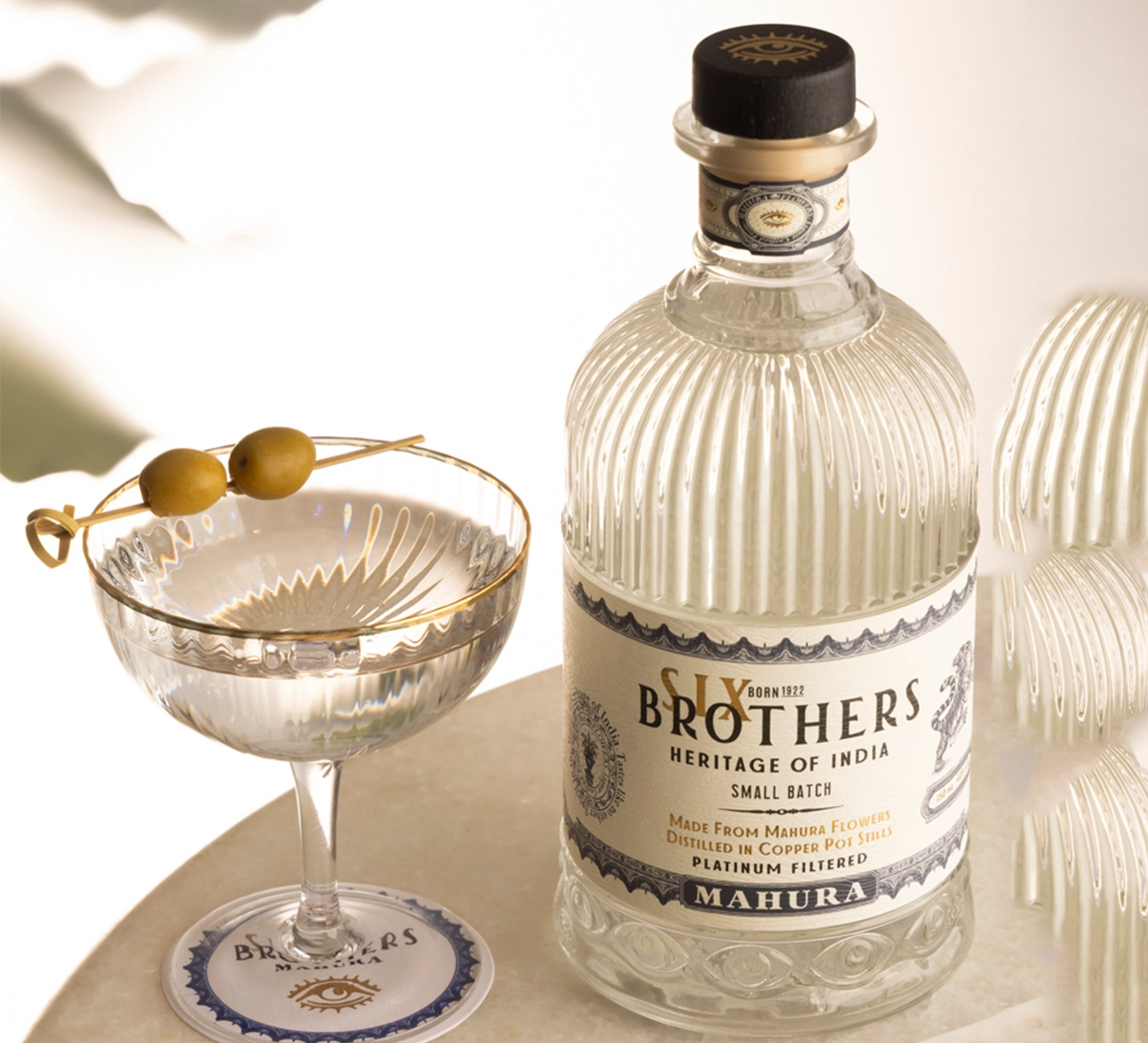
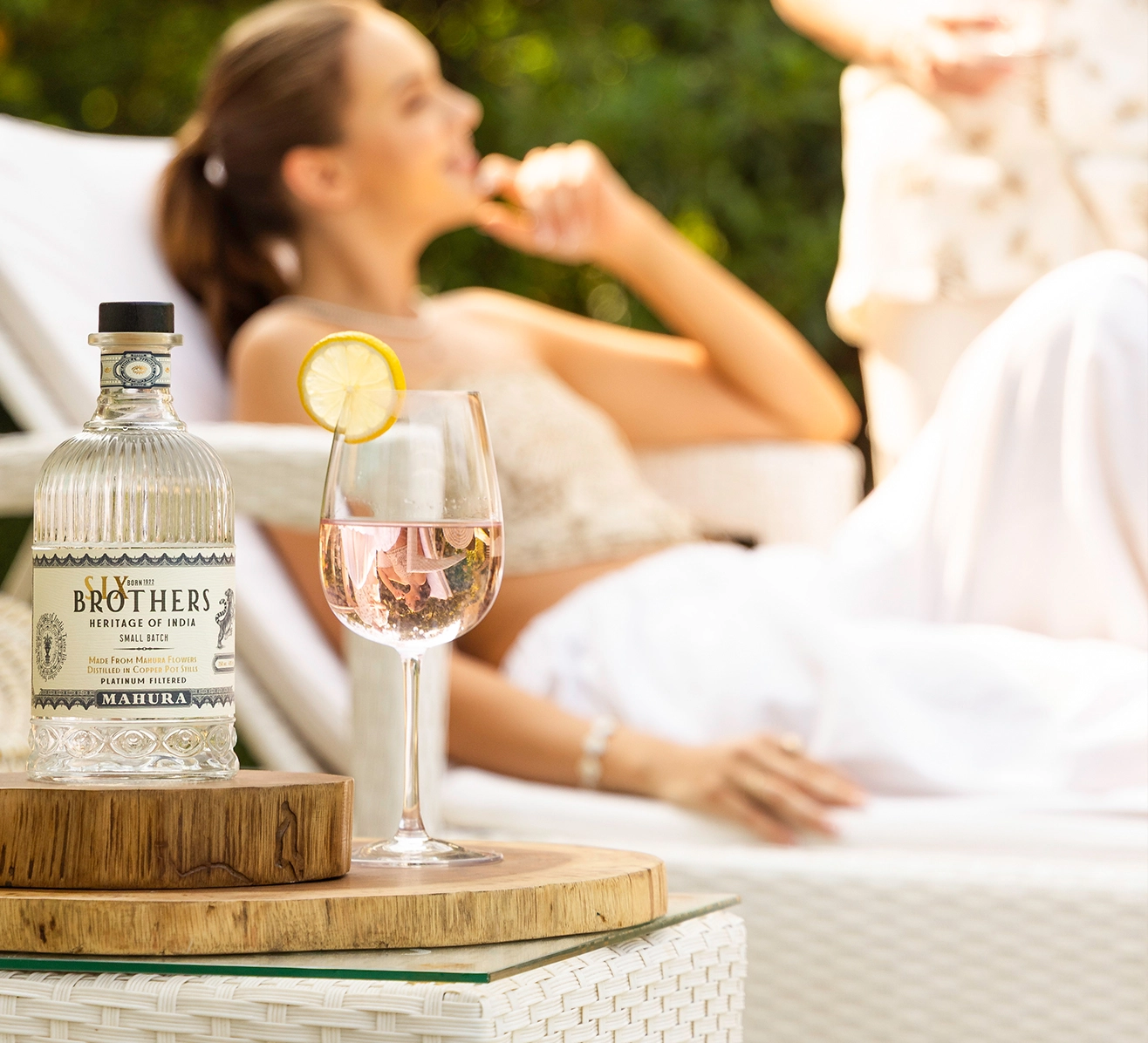
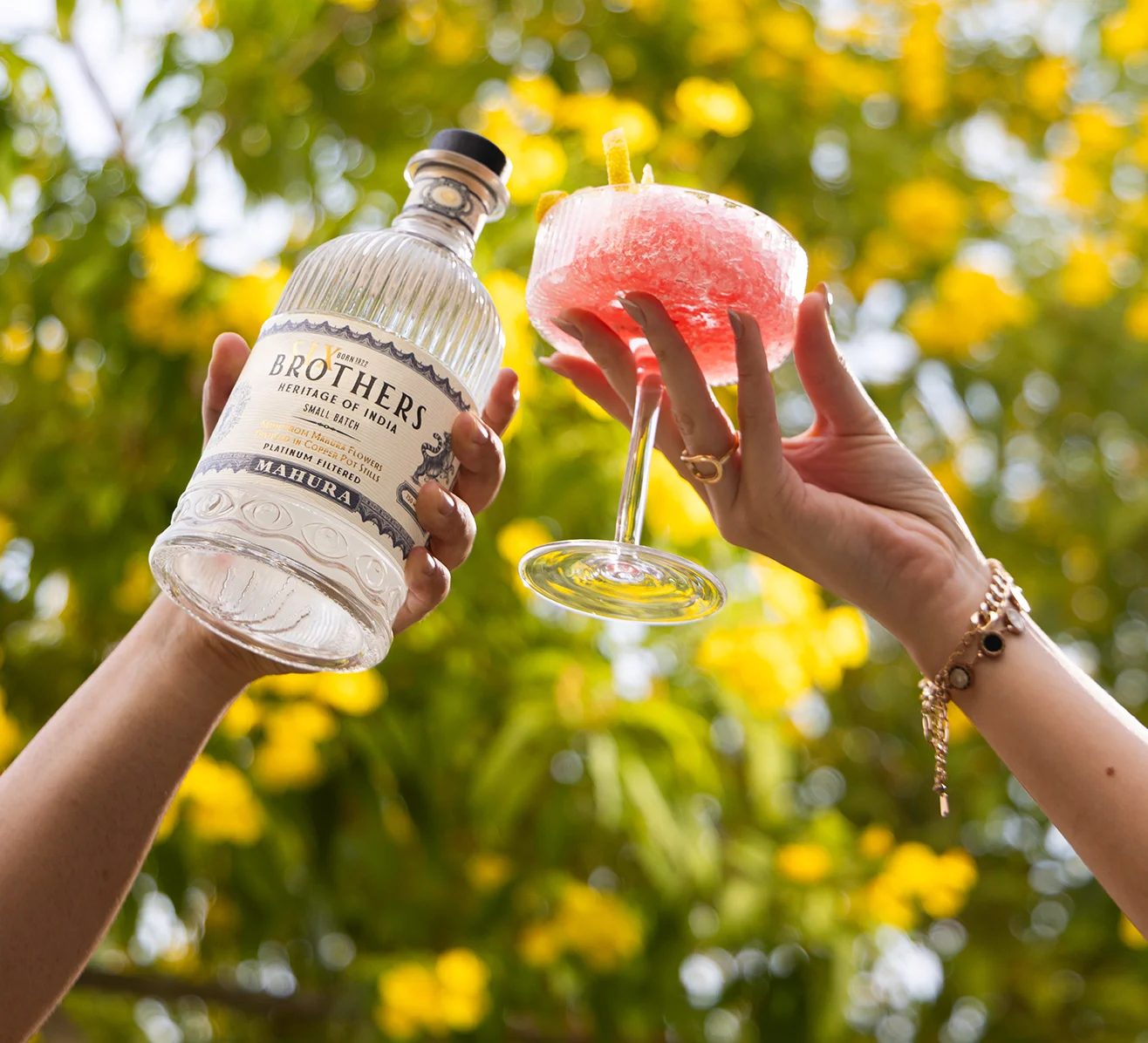
Bartenders and spirits enthusiasts who encounter Six Brothers Mahura for the first time are consistently struck by how it occupies a category of its own. Its floral base opens up cocktail possibilities that simply do not exist with grain or sugarcane spirits:
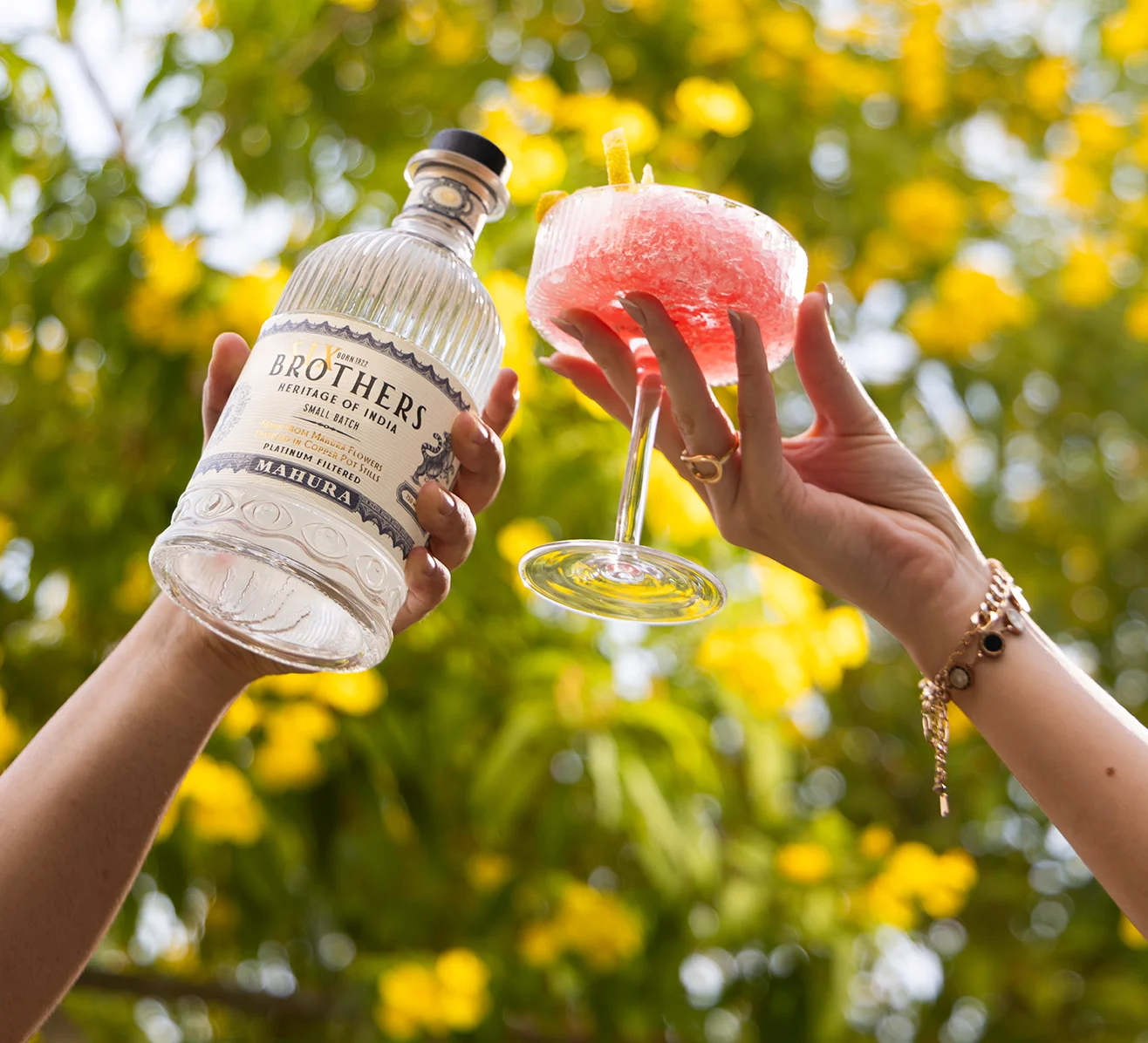
The cocktail community's curiosity has been a significant driver of mahua's urban visibility, with bartenders at premium establishments creating original serves that showcase the spirit's distinctive character.
Globally, the most celebrated spirits are inseparable from their place of origin. This geographical and cultural anchoring is not just marketing: it is the source of genuine distinctiveness.
| Spirit | Country / Region | Base Ingredient | Cultural Anchoring |
|---|---|---|---|
| Tequila / Mezcal | Mexico | Blue agave | Indigenous Aztec heritage |
| Cognac | France | Ugni blanc grapes | Charente terroir and tradition |
| Scotch Whisky | Scotland | Malted barley | Highland and Lowland culture |
| Rum | Caribbean | Sugarcane / molasses | Plantation and maritime history |
| Mahua | Central and South India | Mahua flower | Local and forest community heritage |
Mahua represents something genuinely comparable for India: a spirit that is deeply tied to a specific landscape, a specific climate, and specific communities. It could only come from India, and more specifically, from the forest belts of central and western India where the Madhuca longifolia tree thrives.
Six Brothers Mahura is helping establish mahua as a distinct global category, a modern expression of Indian terroir, and a bridge between heritage and innovation. This is the same journey that mezcal has made in Mexico over the past two decades: from a marginalised, misunderstood local spirit to a globally celebrated craft category with serious collectors and enthusiasts worldwide.
If mezcal can travel from Oaxacan villages to the world's finest cocktail bars, there is every reason to believe mahua can make the same journey from India's forests to the global spirits stage.
A revival is only as compelling as the product it delivers. The philosophical and cultural arguments for mahua matter enormously, but ultimately, what drinkers want to know is: what does it taste like, and is it worth trying?
Six Brothers Mahura offers a sensory experience that is genuinely surprising to most first-time drinkers, not because it is strange or challenging, but because it occupies a flavour territory that most people have simply never encountered before.
The first thing you notice is the aroma, and it is immediately distinctive. A delicate, wildflower floral character comes forward, reminiscent of honey without the sweetness of honey, followed by notes of dried fruit and something gently earthy that grounds the more fragrant top notes. It is inviting and intriguing in equal measure.
The palate delivers a smooth, medium-bodied experience with the floral character carrying through from the nose. Notes of dried fruit, a hint of spice, and a subtle natural sweetness develop as the spirit opens up. It does not hit you with heat or heaviness. It is refined and approachable, with enough complexity to reward attention.
The finish is clean and elegant: longer than many people expect from a spirit of this apparent delicacy, but never harsh. It leaves a pleasant warmth and a faint floral echo that makes you want another sip.
It is familiar enough to enjoy immediately, yet different enough to stand completely apart from anything else on the shelf. That combination of accessibility and distinctiveness is rare in spirits, and it is part of what makes Six Brothers Mahura so compelling as a product.
Also Read : Mohachi Daru – The Traditional Drink With History, Craft, and Cultural Identity
Mahua is a spirit distilled from the flowers of the Madhuca longifolia tree, which grows in the forests of central, eastern, and western India, particularly in states like Maharashtra, Madhya Pradesh, Chhattisgarh, Odisha, Jharkhand, , and Andhra Pradesh. The flowers are collected during the brief February to April flowering season, dried, fermented using their natural sugars, and distilled into spirit. It is one of India's oldest known fermented distillates and has been produced by local and forest communities for centuries.
The suppression of mahua production was largely a product of colonial-era excise policy. The British colonial government restricted or banned traditional mahua distillation across various provinces, partly to protect revenue from licensed colonial liquor and partly to undermine the economic and cultural autonomy of local communities. After independence, many of these restrictions persisted at the state level, and the stigma around informal country liquor production became attached to mahua even though the spirit itself was not inherently problematic. It took decades of advocacy and regulatory reform to create the licensing pathways that now allow premium commercial mahua production.
Completely. The safety concerns historically associated with mahua relate to unregulated, informal production where quality control was absent. Six Brothers Mahura is produced under proper regulatory licensing, using modern distillation equipment and quality standards. It is tested, licensed, and sold through legitimate retail channels. The product is as safe as any premium whisky or rum on the market. The stigma around traditional country liquor simply does not apply to a commercially licensed, craft-distilled spirit of this quality.
The core ingredient and the fundamental process remain the same: mahua flowers, fermented and distilled. What Six Brothers Mahura adds is precision and consistency. Double distillation in copper pot stills, controlled fermentation, advanced filtration, and rigorous quality grading of the flowers ensure that every bottle delivers a consistent, refined experience. Traditional village production could be brilliant in the hands of an experienced distiller, but it varied enormously. Six Brothers Mahura applies craft distillery discipline to produce a spirit that is reliably excellent while retaining the authentic character of the flower.
On the nose, it has a delicate wildflower floral character with hints of honey, dried fruit, and a gentle earthiness. On the palate, it is smooth and medium-bodied, with the floral notes carrying through alongside dried fruit, subtle spice, and a natural sweetness. The finish is clean and elegant with a pleasant lingering warmth. First-time drinkers are consistently surprised by how accessible it is, expecting something challenging and finding something genuinely enjoyable and distinctive.
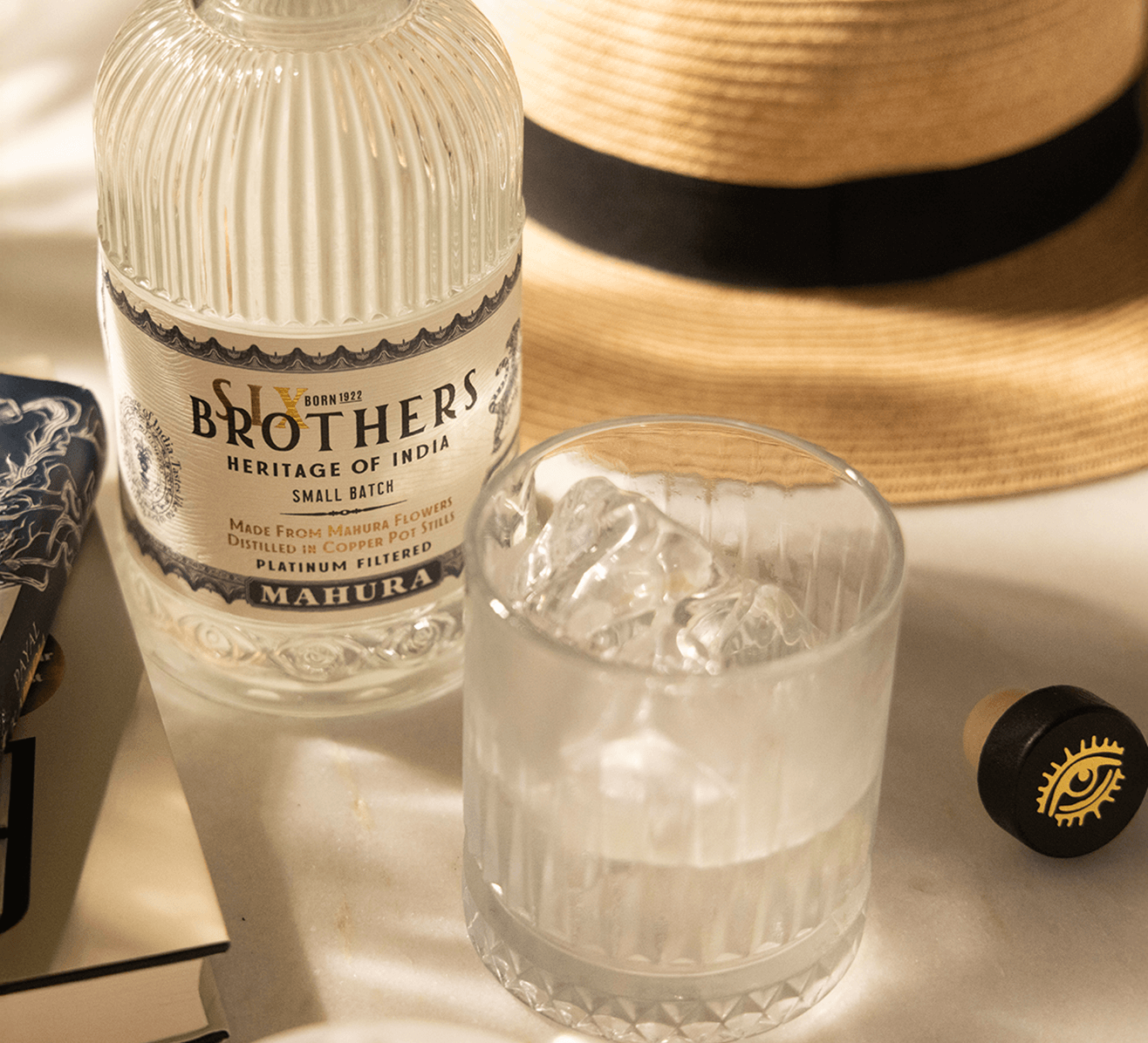
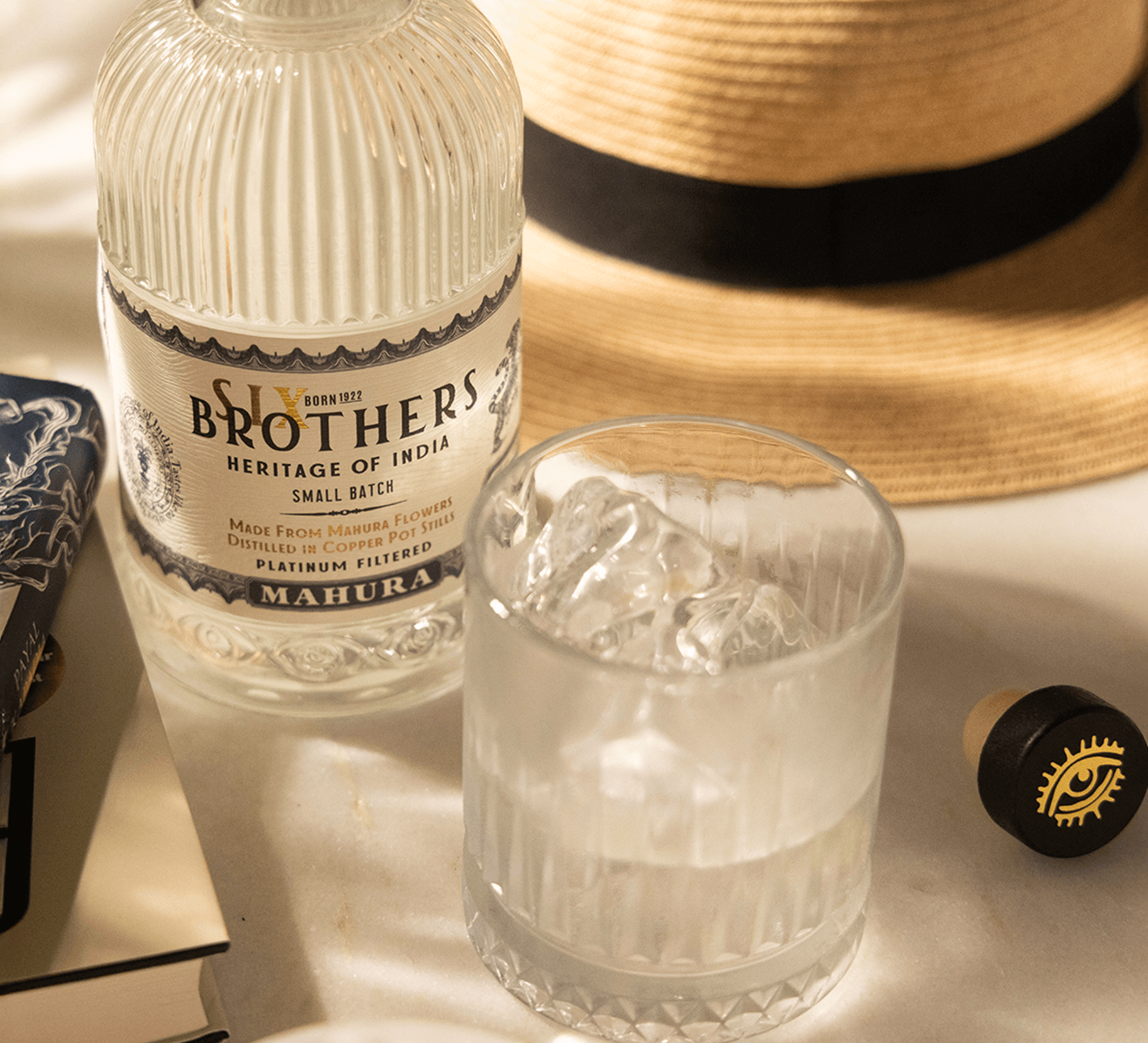
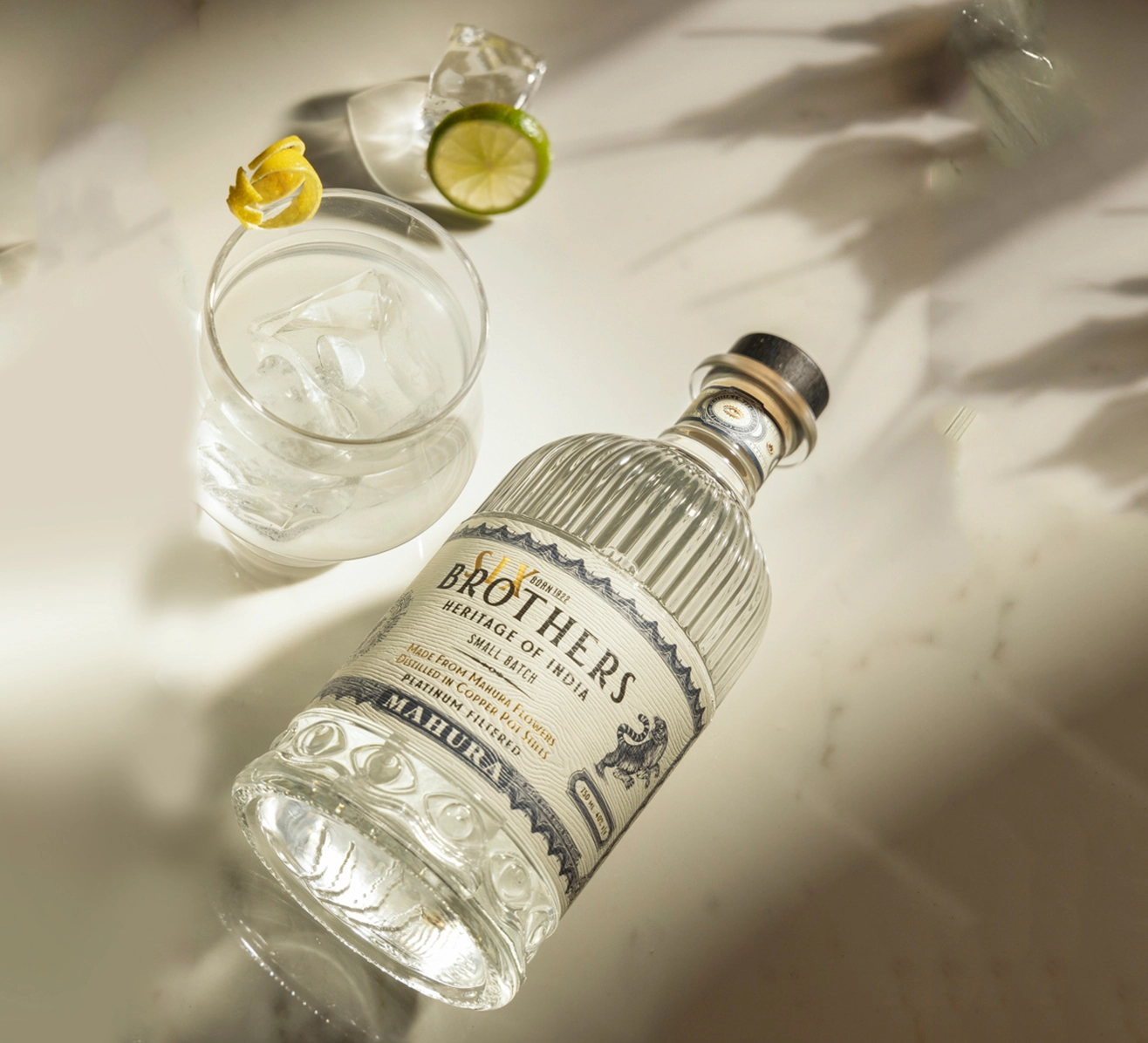
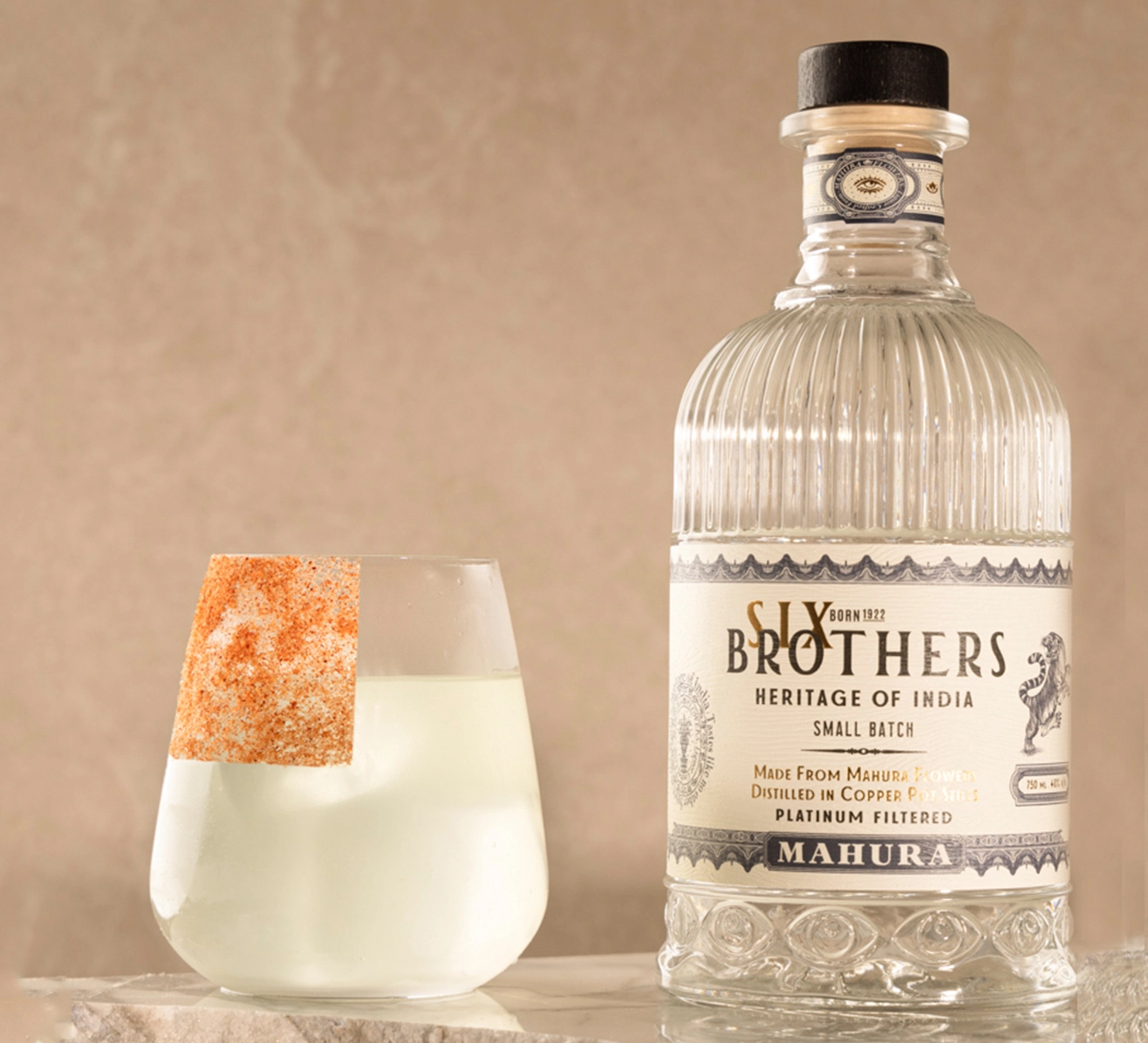
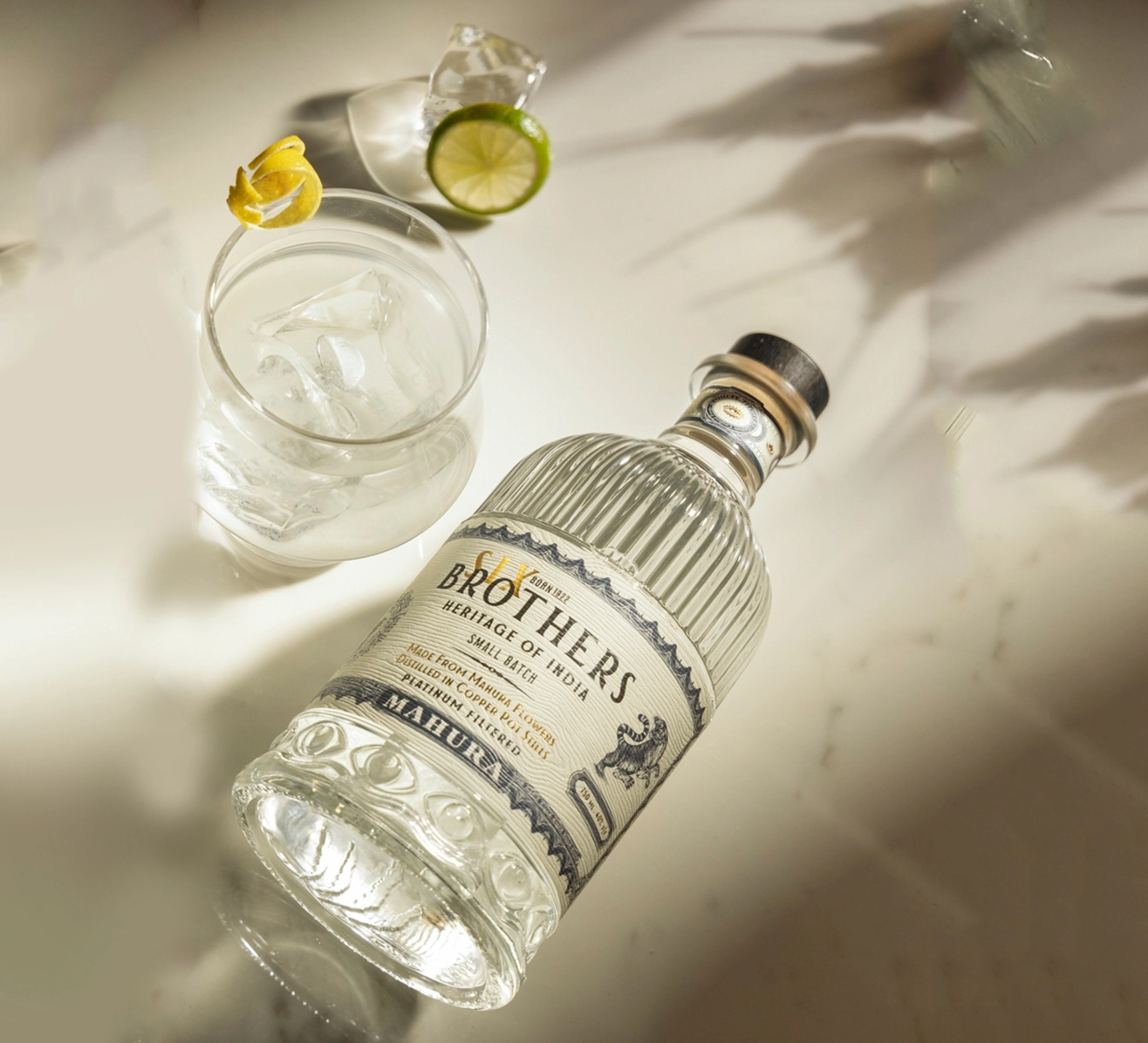
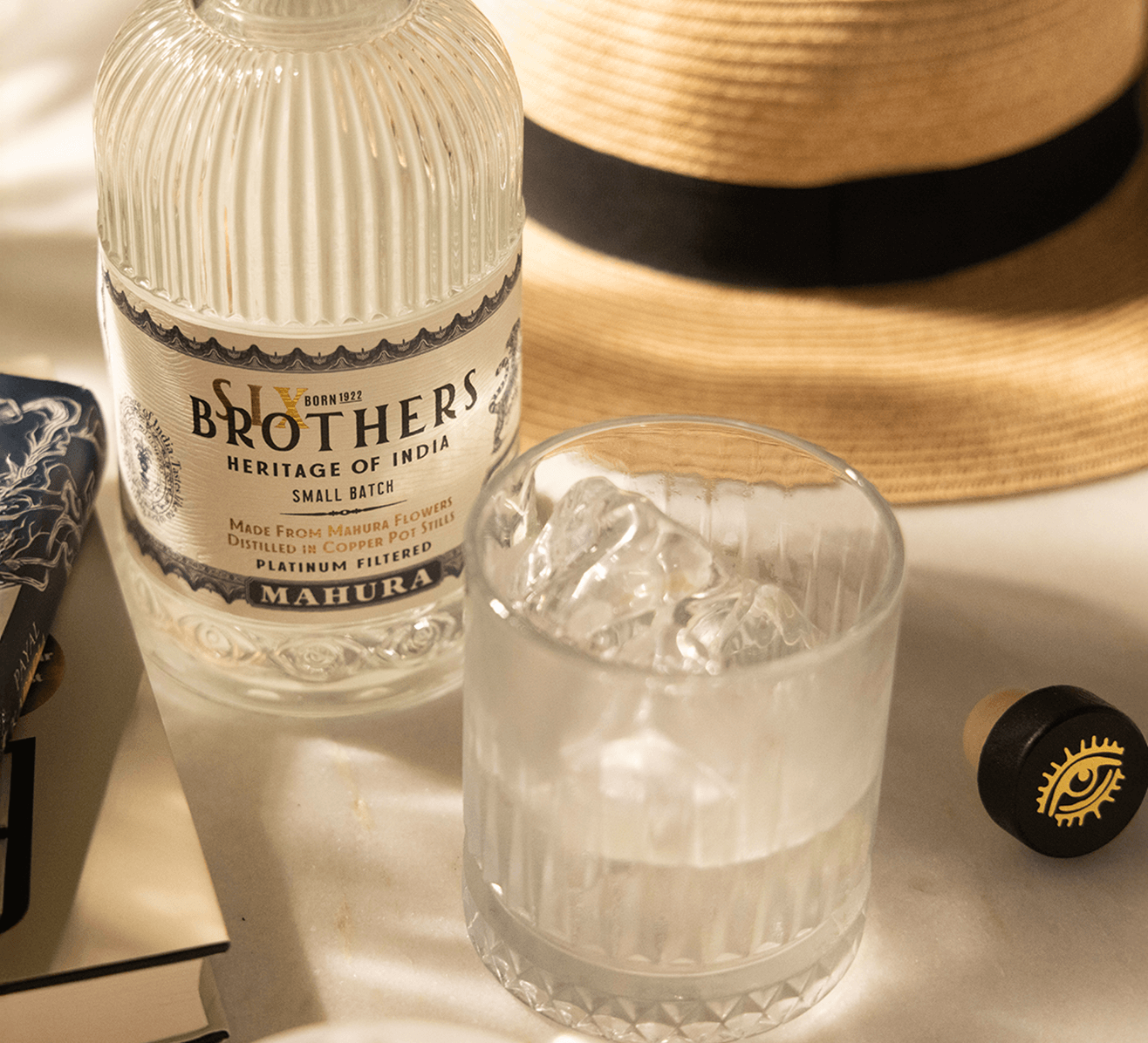
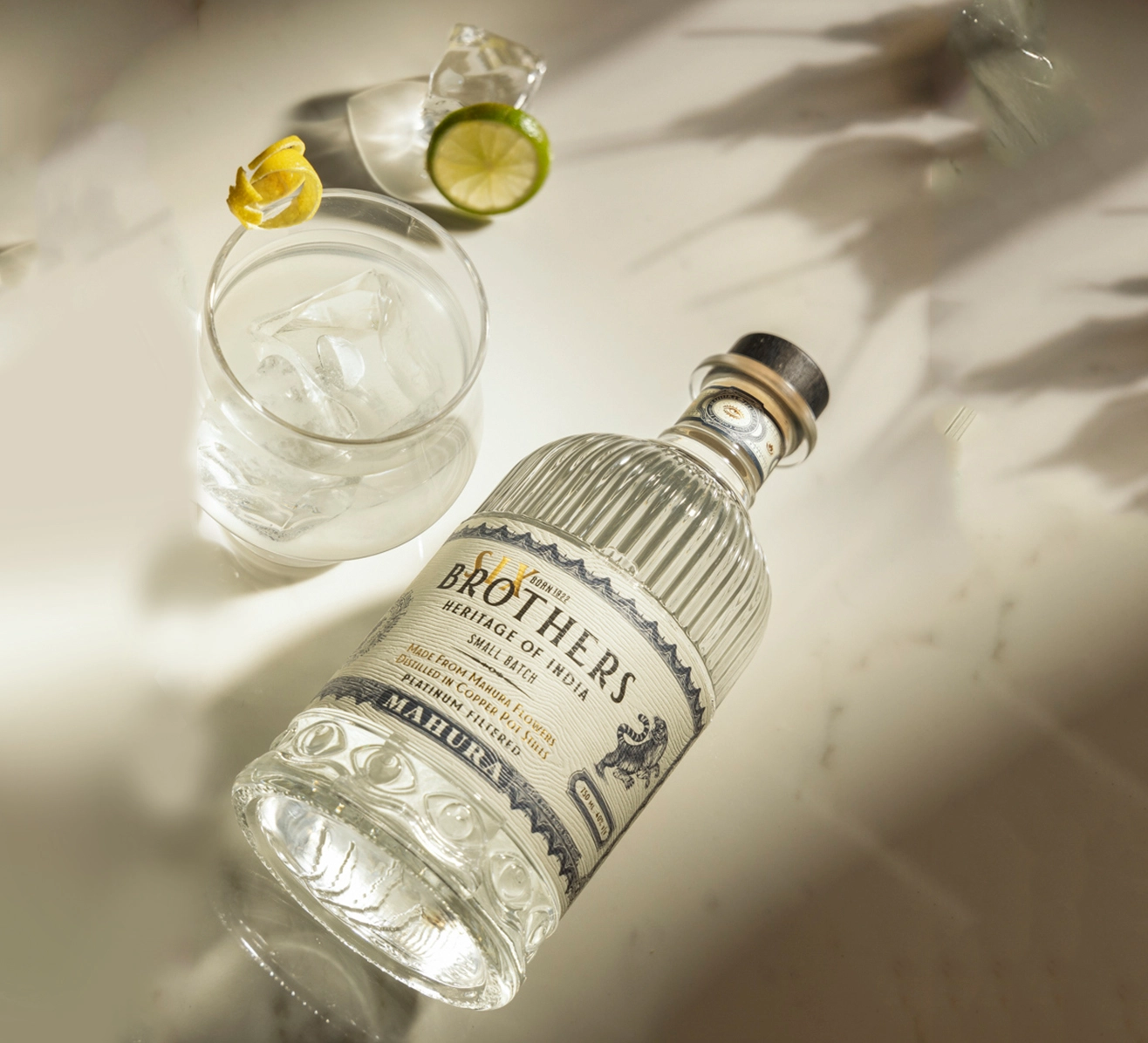
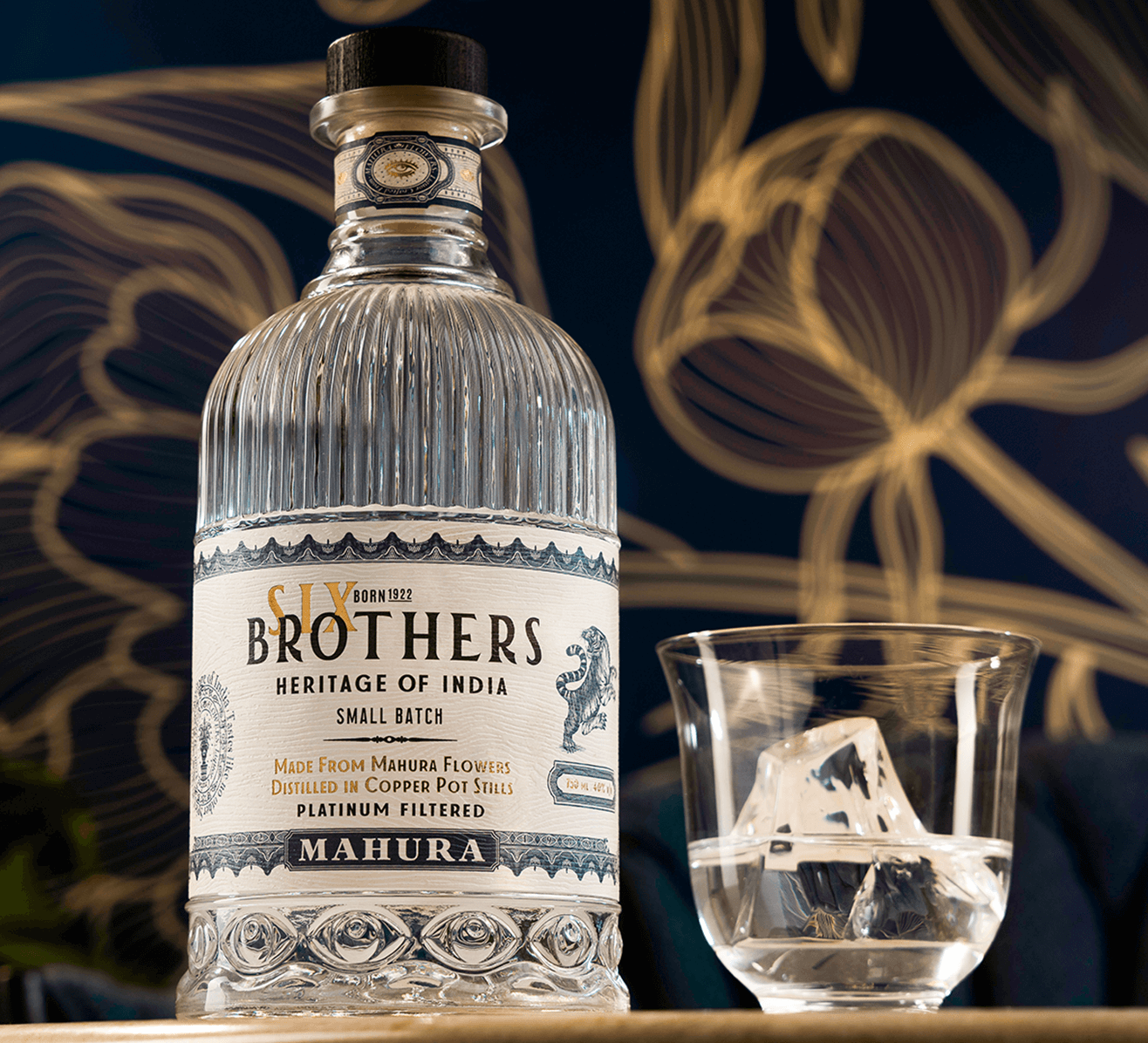
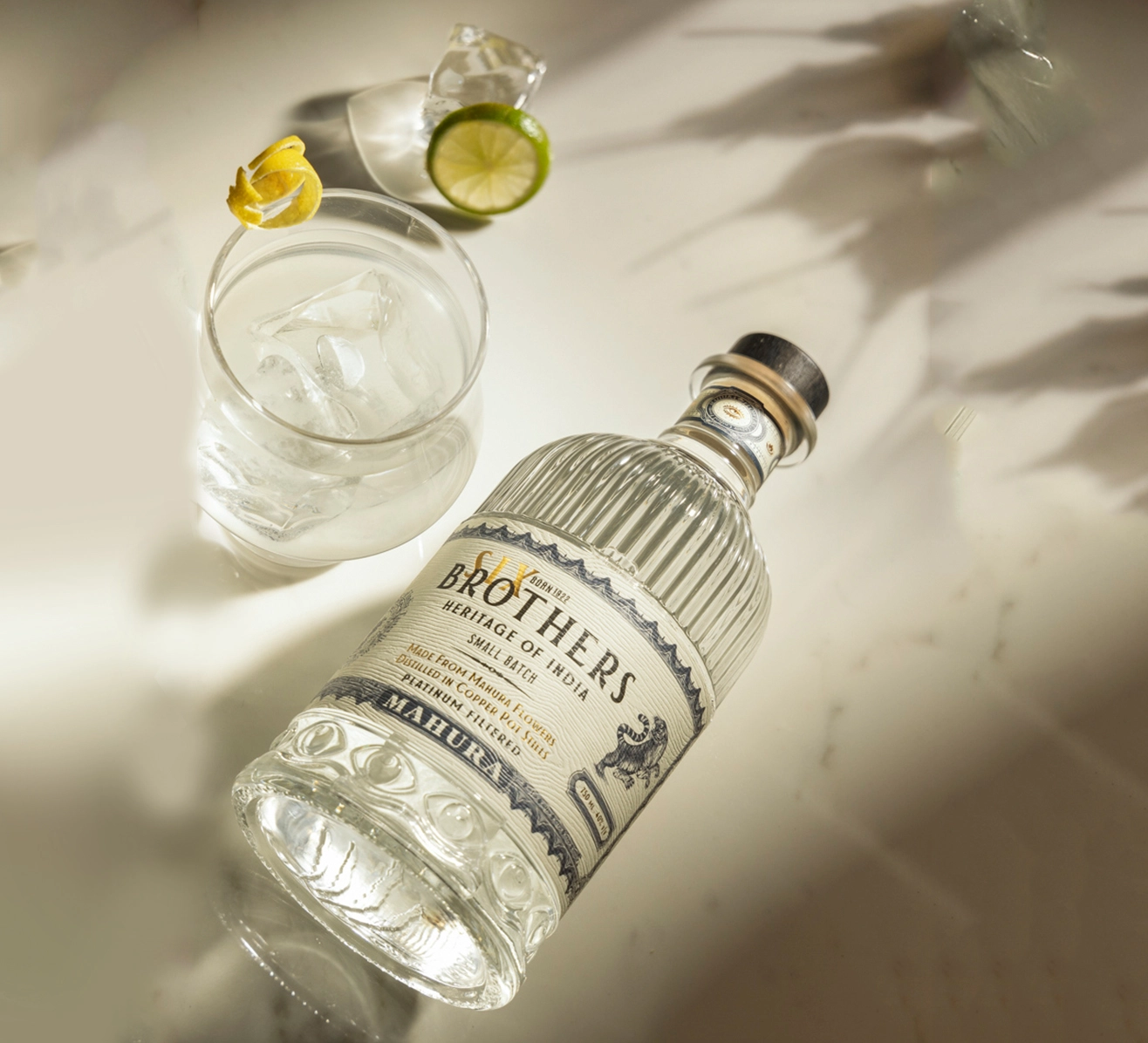
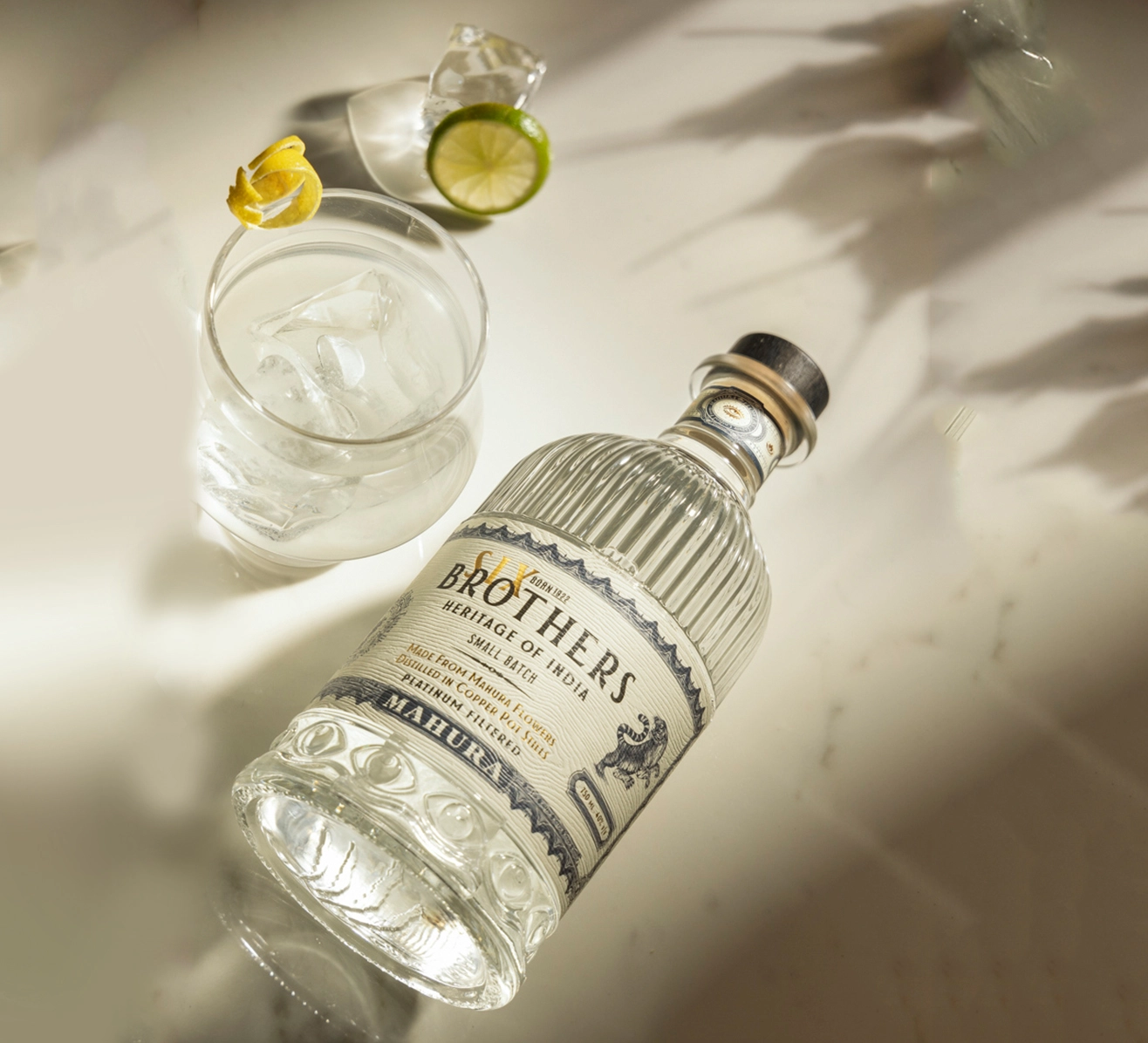
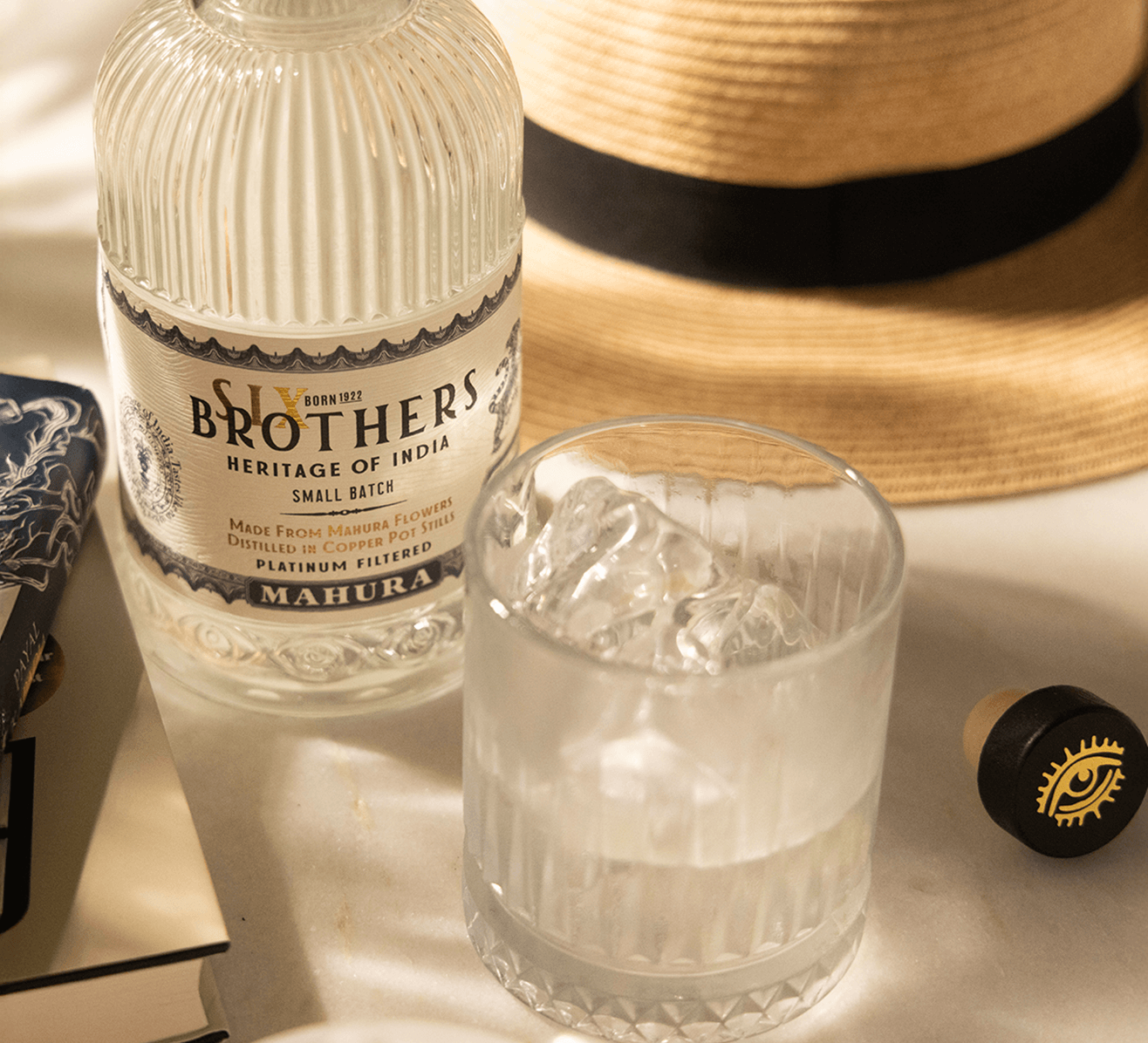
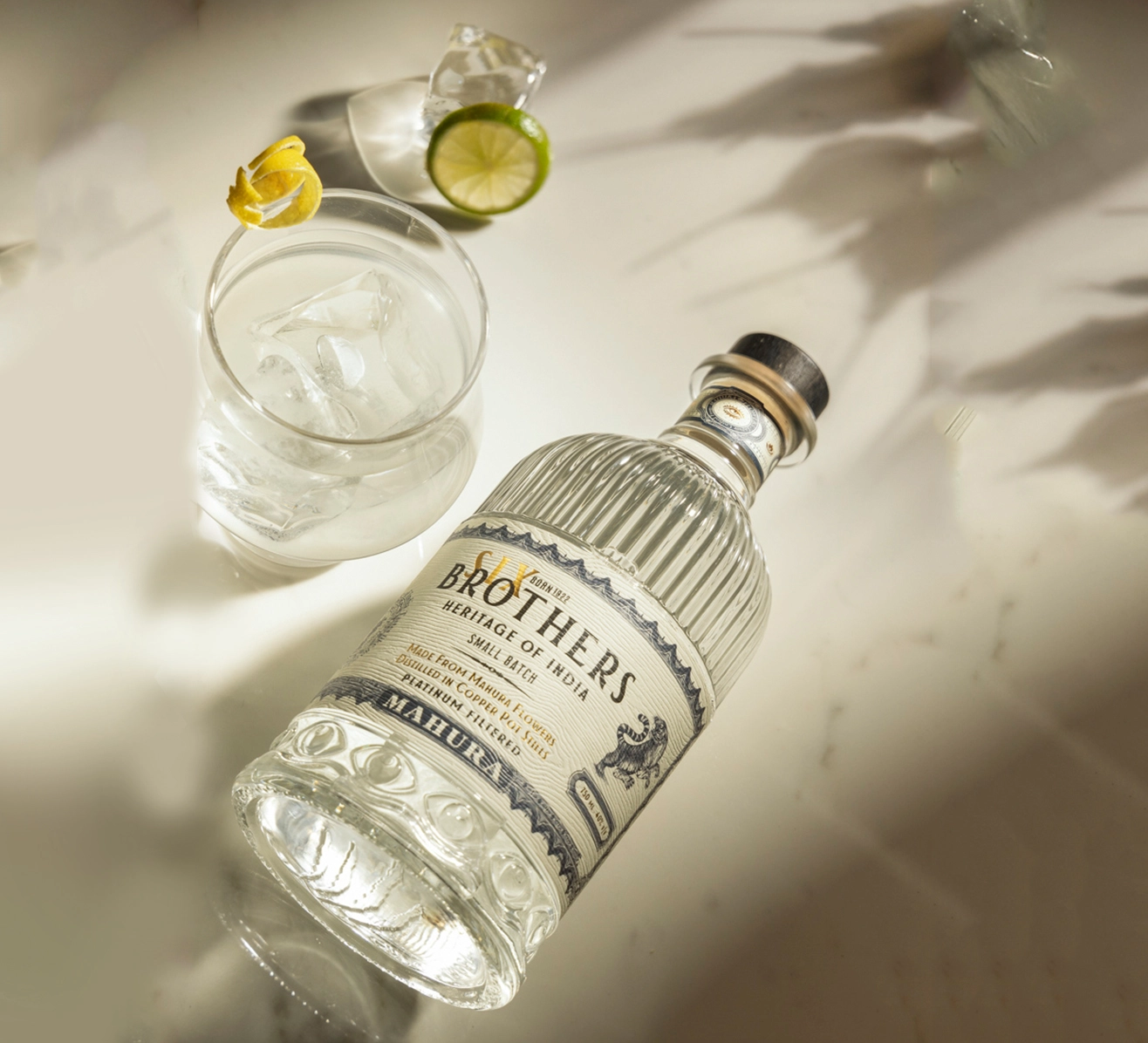
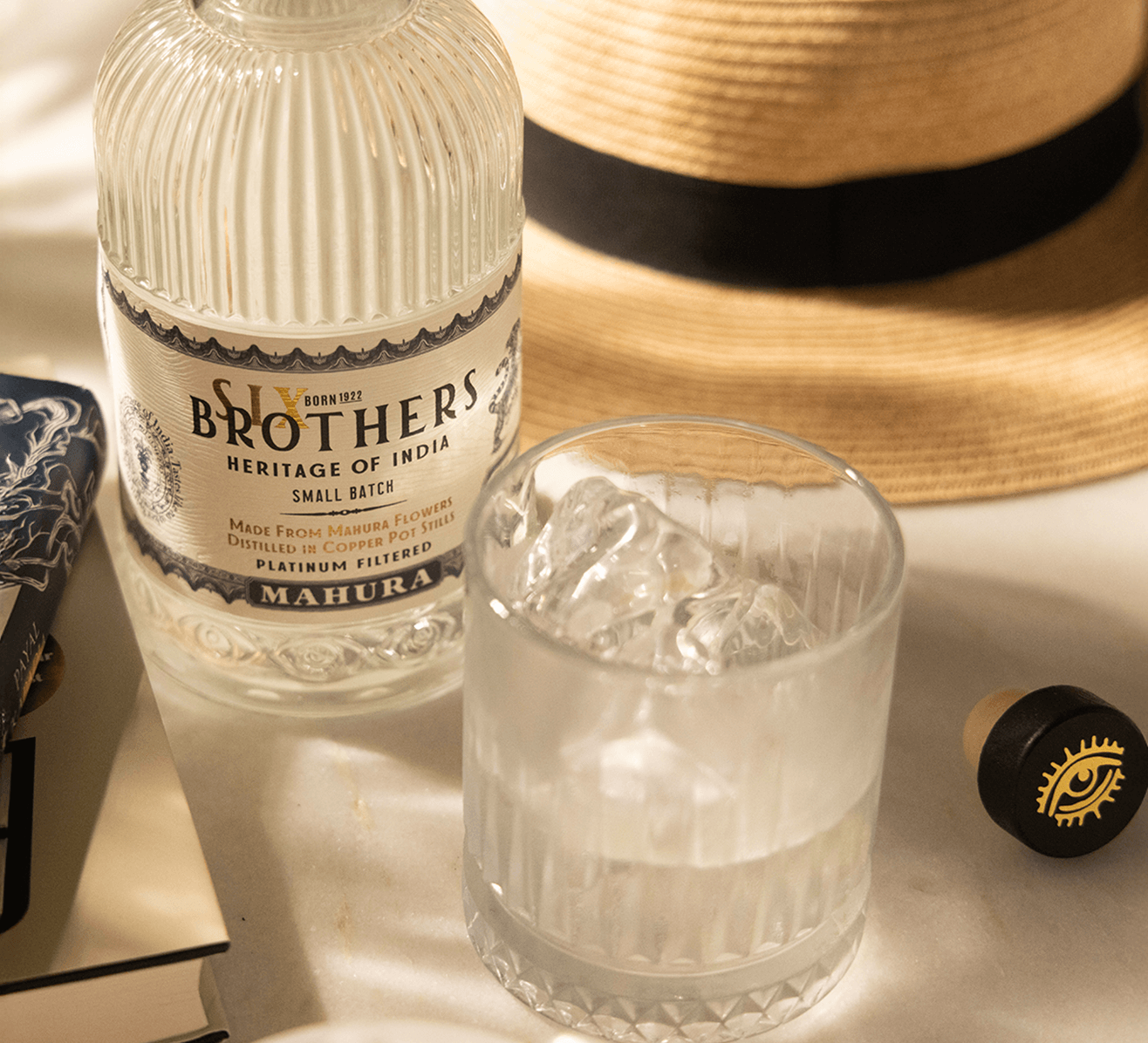
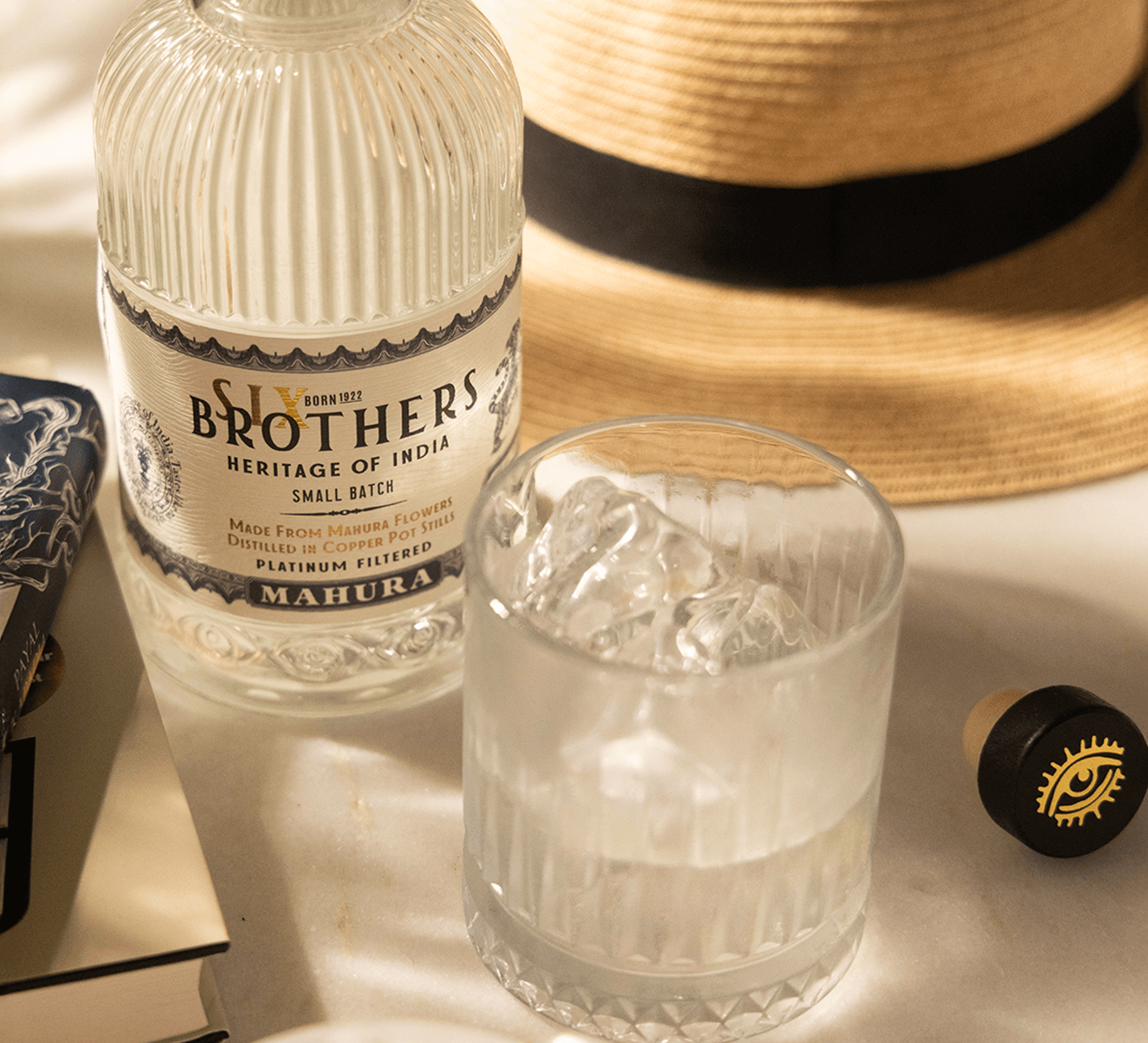
Neat, at room temperature, is the best way to experience it for the first time. This lets you fully appreciate the floral aroma and the full complexity of the palate without distraction. After that initial experience, try it with a few drops of still water, which opens up the spirit further and reveals subtler aromatic layers. From there, explore it on ice or in cocktails if you want. A Mahua Sour (mahua, lemon juice, honey syrup, egg white) or a Mahua Mule (mahua, ginger beer, lime, mint) are both excellent starting points for cocktail exploration.
Yes, and this is an important dimension of the mahua revival. The Madhuca longifolia tree and its flowers are deeply connected to the livelihoods of forest communities across India. Responsible mahua production supports seasonal flower harvesting that has sustained these communities for generations. The commercial revival of mahua, done thoughtfully, creates economic opportunity for rural and local communities while also providing an incentive to protect the mahua tree and its forest ecosystem. Six Brothers Mahura's sourcing is rooted in these connections.
There is genuine reason to believe it can. Mezcal made a similar journey, from a marginalised, misunderstood indigenous spirit associated with rural Mexico to a globally celebrated craft category with serious international collectors and enthusiasts. The preconditions are similar: a spirit with authentic heritage, a distinct flavour profile, a compelling origin story, and a growing global appetite for craft and indigenous spirits. India's diaspora and the international food and beverage community's interest in Indian culture provide strong distribution channels. The journey will take time, but the foundation is there.
Six Brothers Mahura is currently available in Mumbai and Pune through premium wine and spirits retailers, at Delhi IGI and Mumbai CSIA airport duty-free counters, and on online platforms including HipBar, Swiggy Instamart, and Blinkit in states where alcohol delivery is permitted. The brand is actively expanding into Goa, Haryana, Bengaluru, and Hyderabad. Follow Six Brothers Mahura's official channels for the latest stockist updates and new market announcements.
The Madhuca longifolia flower is exceptionally high in natural sugars, which makes it ideal for fermentation without any need for the complex starch-to-sugar conversion required in grain spirits. More importantly, the flower carries an aromatic complexity that is transferred into the spirit: the wildflower, honey, and fruity notes that define mahua's character come directly from the flower itself. No other plant in the world produces quite the same aromatic profile, which is why mahua occupies a flavour category entirely its own. It is, in every sense, a spirit of a specific place and a specific season.
The revival of mahua is not simply about bringing back an old spirit. It is about restoring a piece of India's cultural and ecological identity that was unjustly marginalised for over a century.
Six Brothers Mahura plays a central and pioneering role in this journey: reclaiming what was lost, elevating it to global standards, and reintroducing it with the pride and craft it has always deserved. The brand's work is not just commercial. It is an act of cultural restoration.
For drinkers, the practical implication is simple. If you have not tried mahua, you are missing one of the most distinctive and genuinely exciting spirits that India, or indeed the world, has to offer. That is not marketing. It is the honest assessment of anyone who has spent time with a well-made glass of it.
What was once overlooked is now being rediscovered: refined, respected, and ready for the world.