
Posted on 31 Mar 2026
If you’ve heard the words Mahudo and Mahuya used in different regions, you might assume they refer to two different things. They don’t.
Mahudo and Mahuya are regional names connected to the same tree and its flowers. Language changes from state to state, but the cultural and practical importance remains consistent.
Let’s unpack the connection clearly.
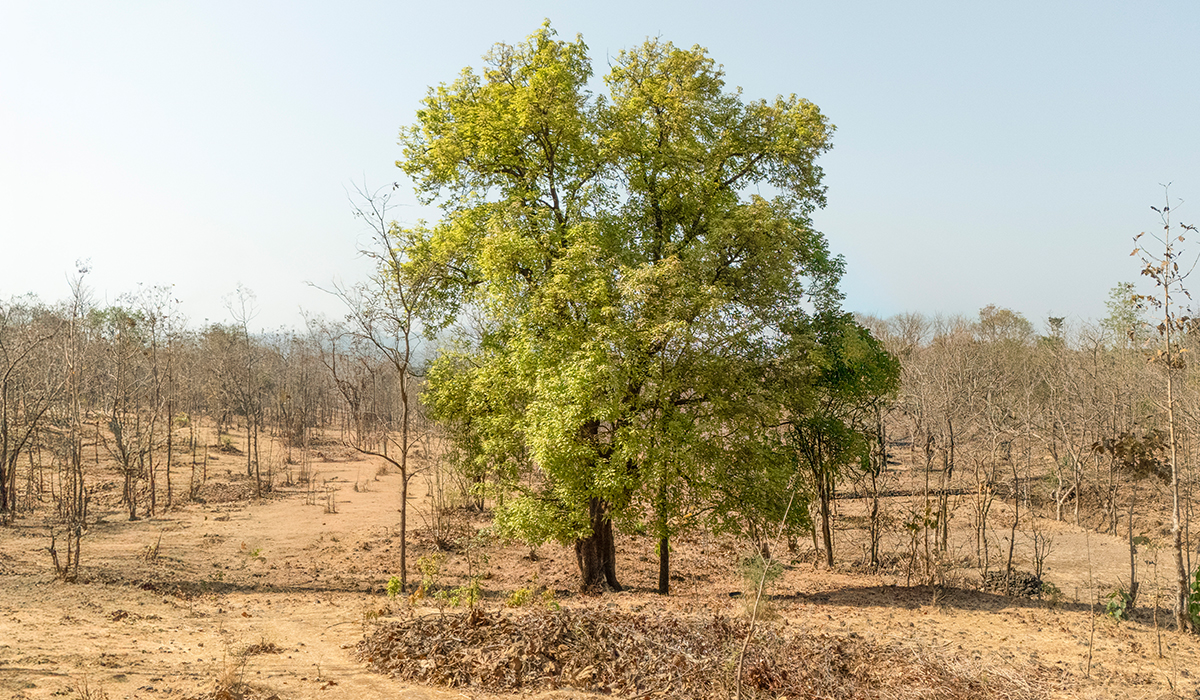
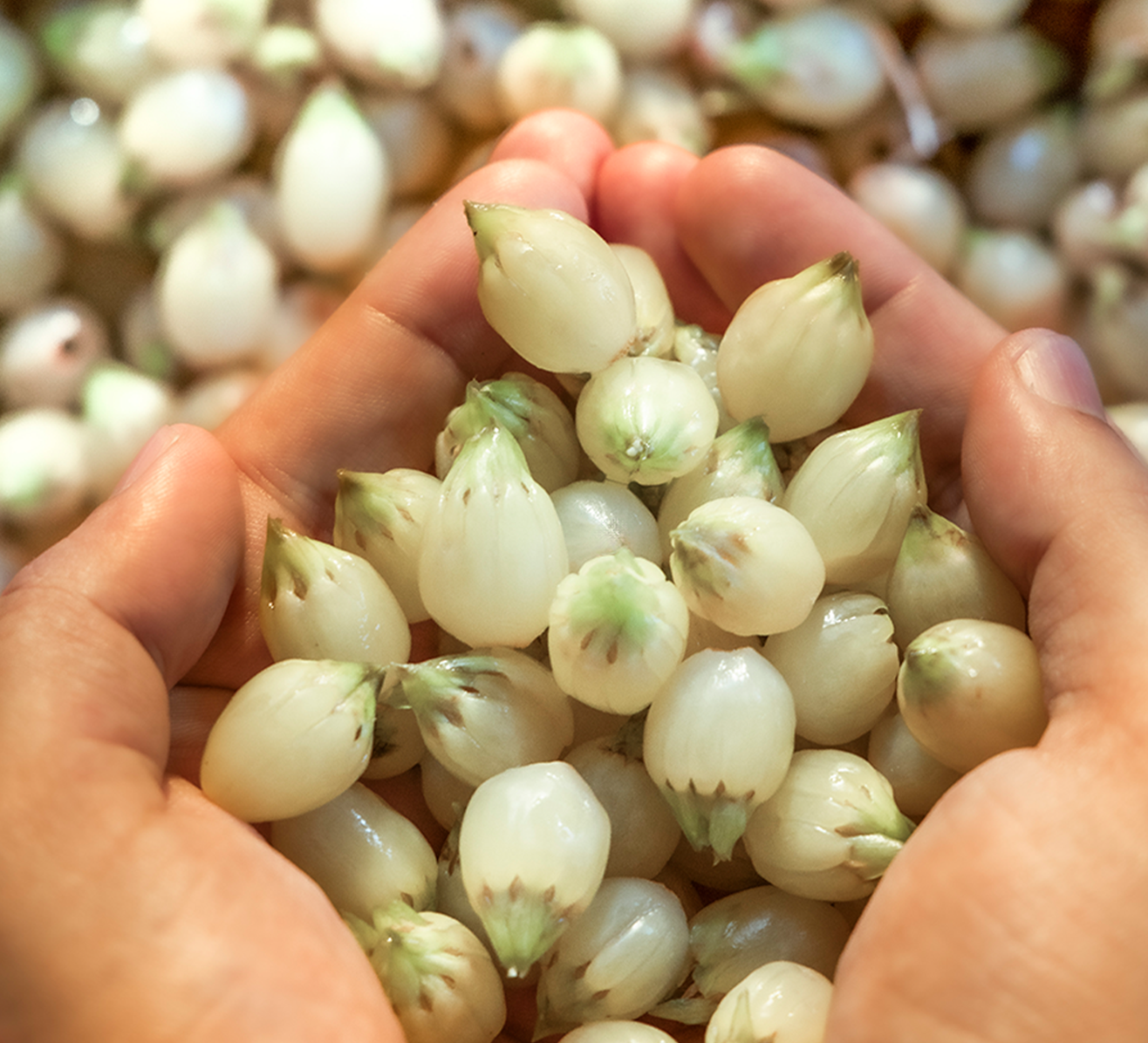
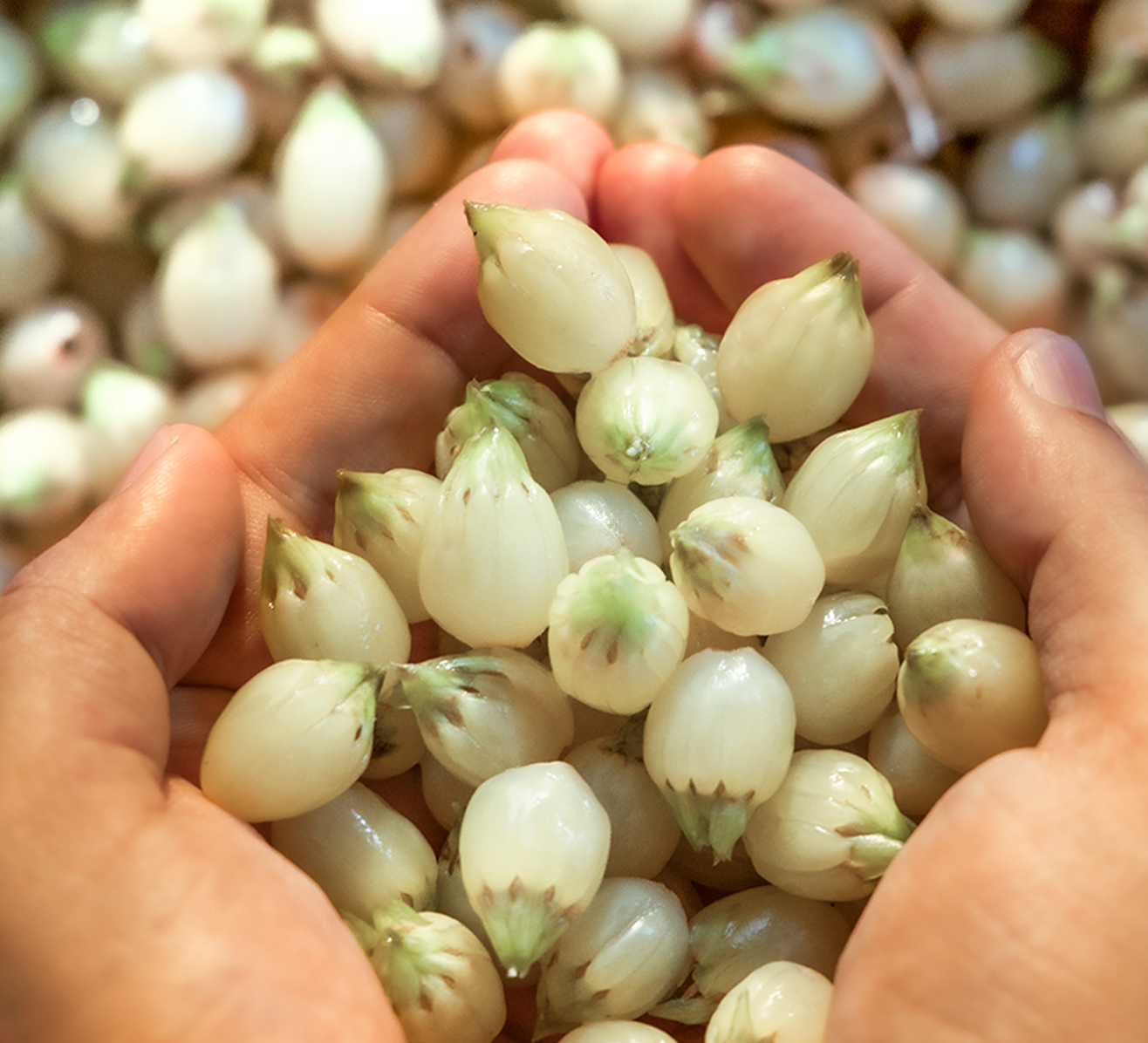
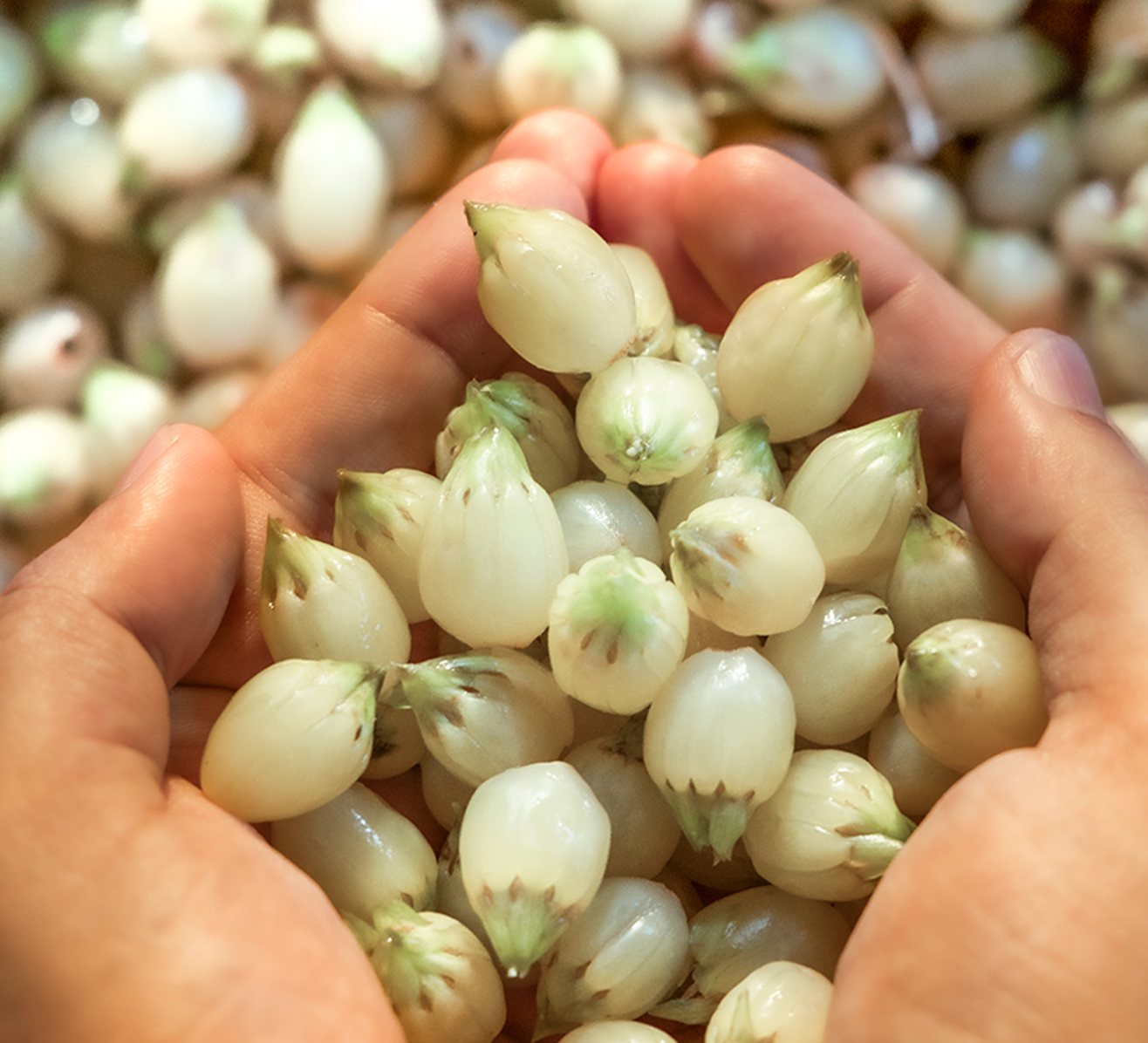
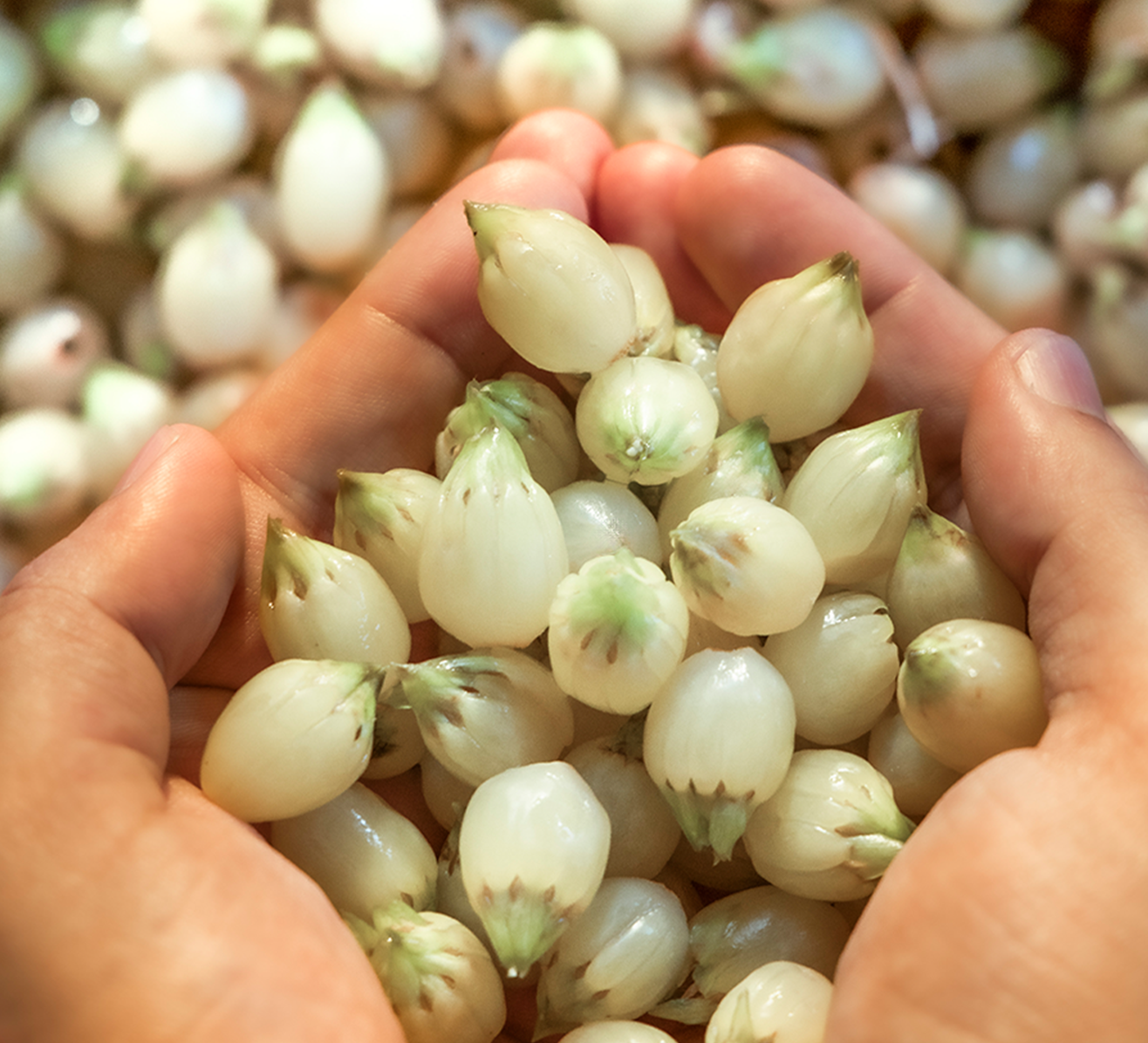
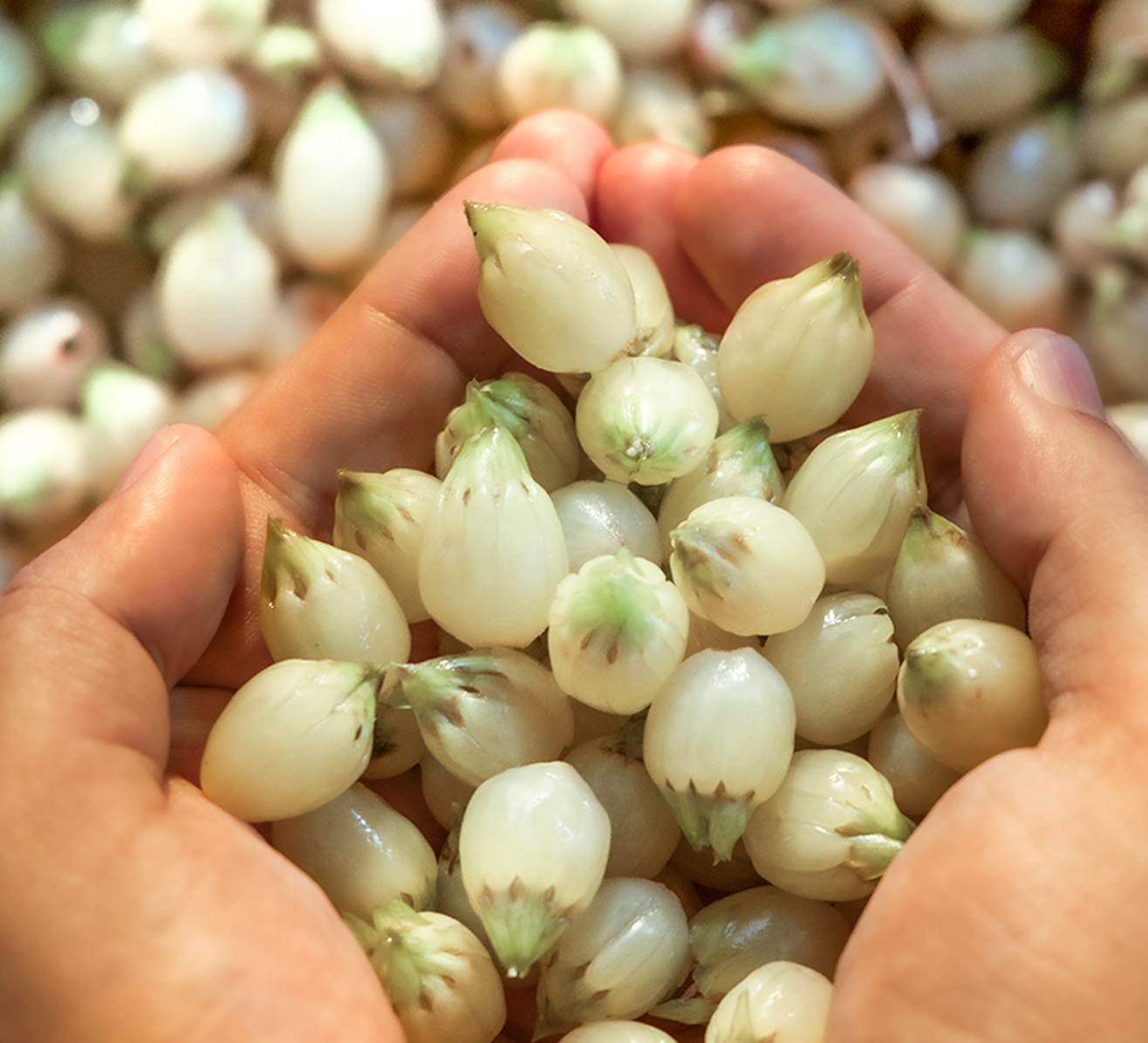
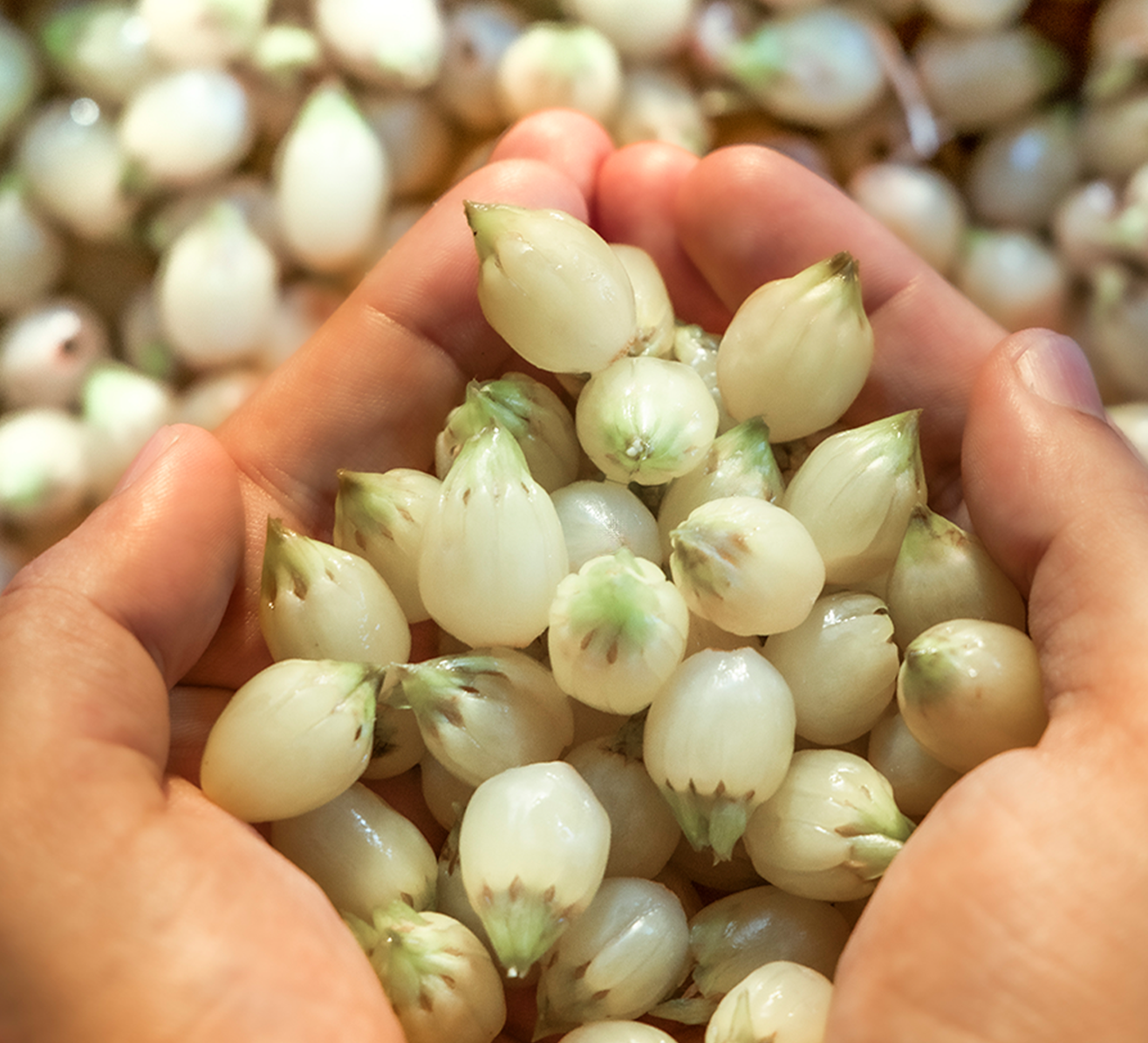
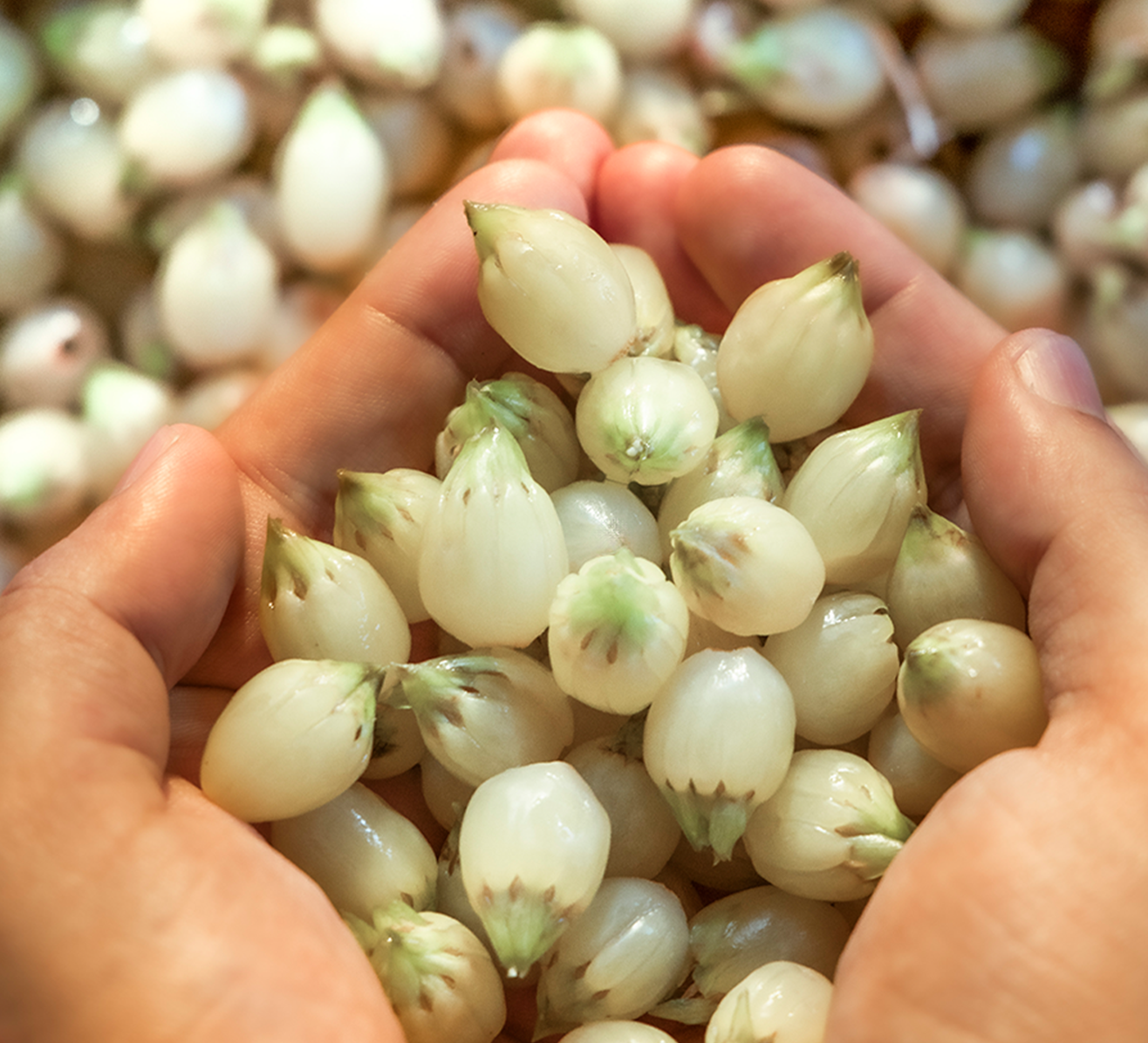
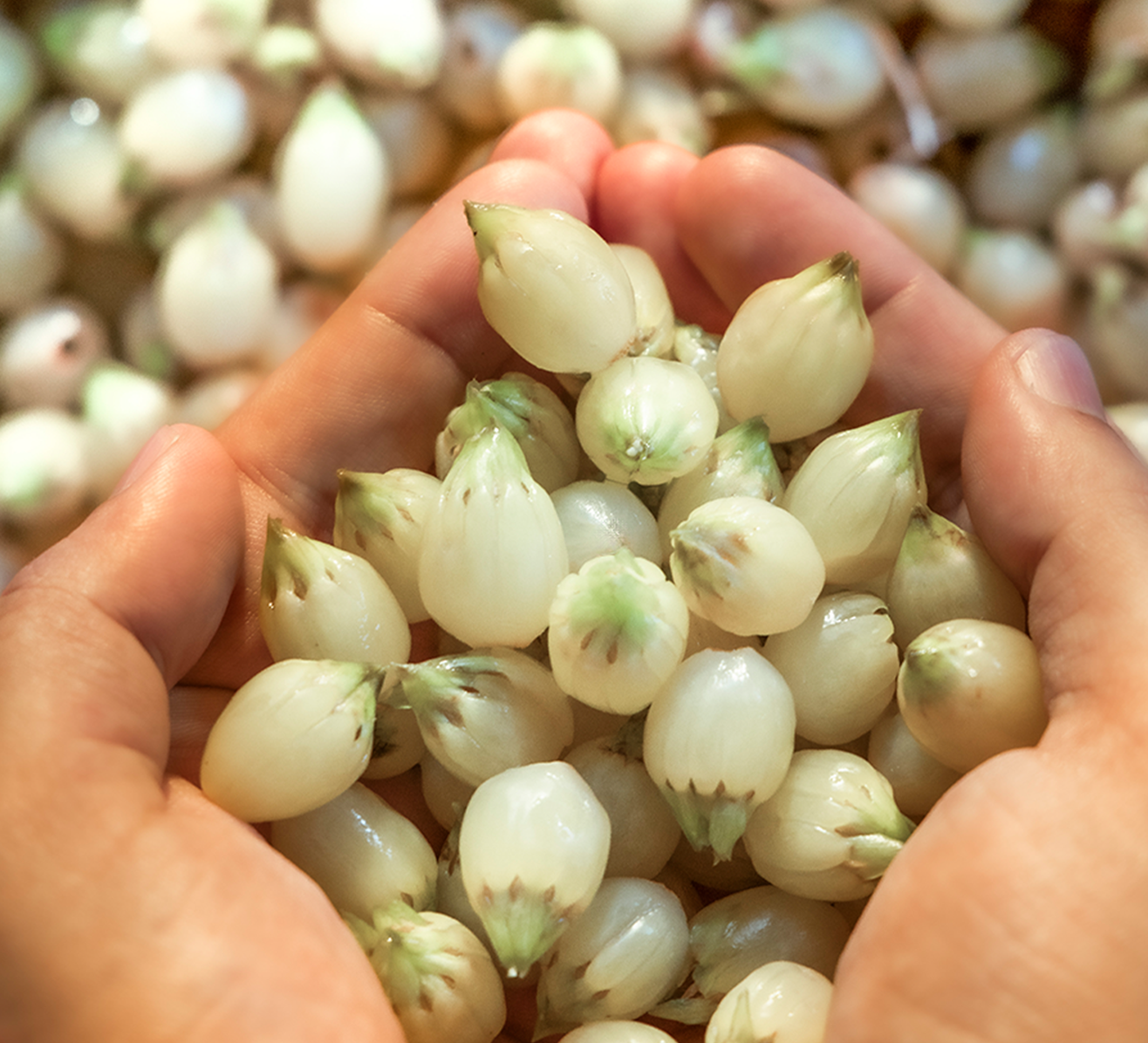
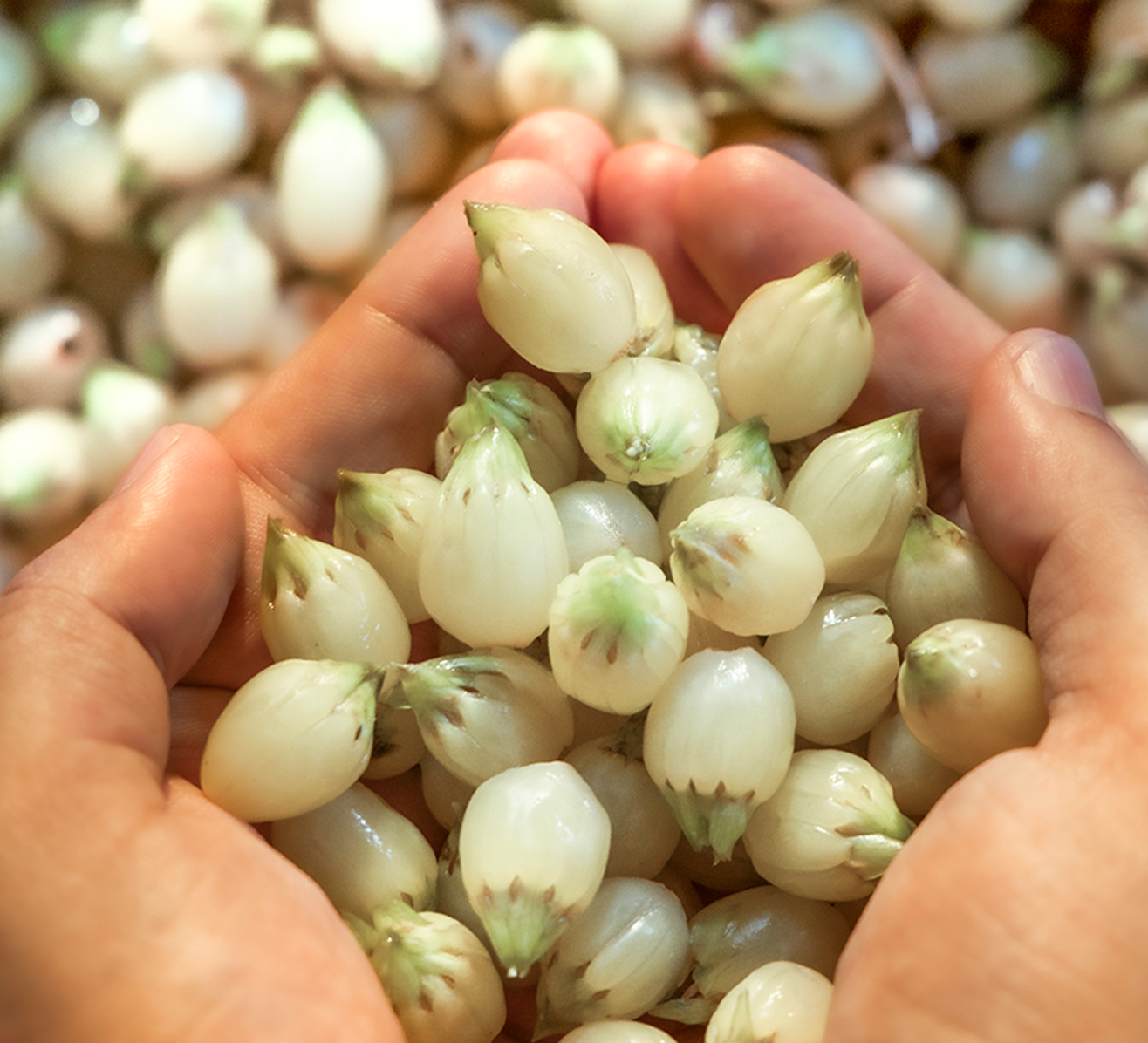
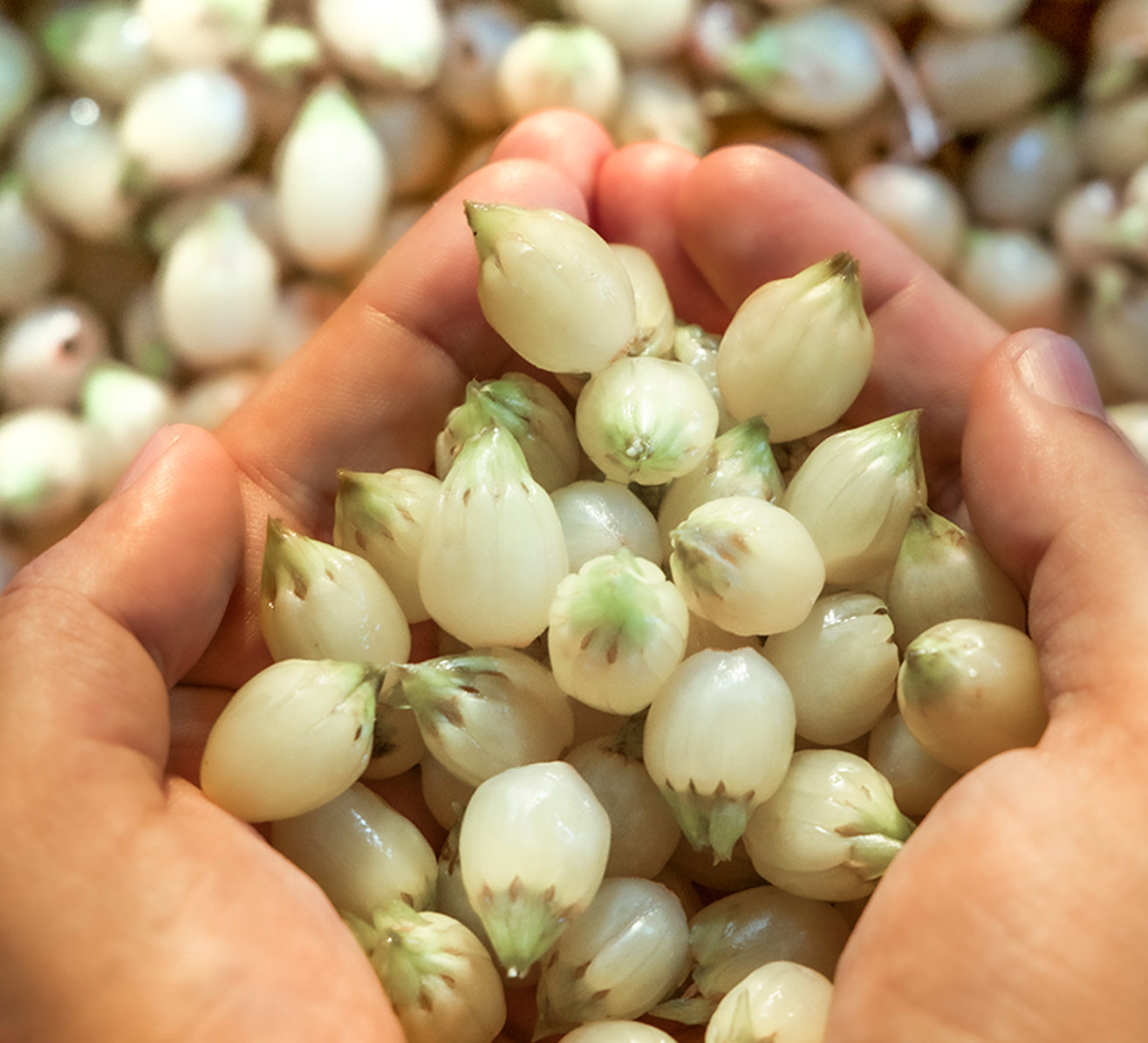
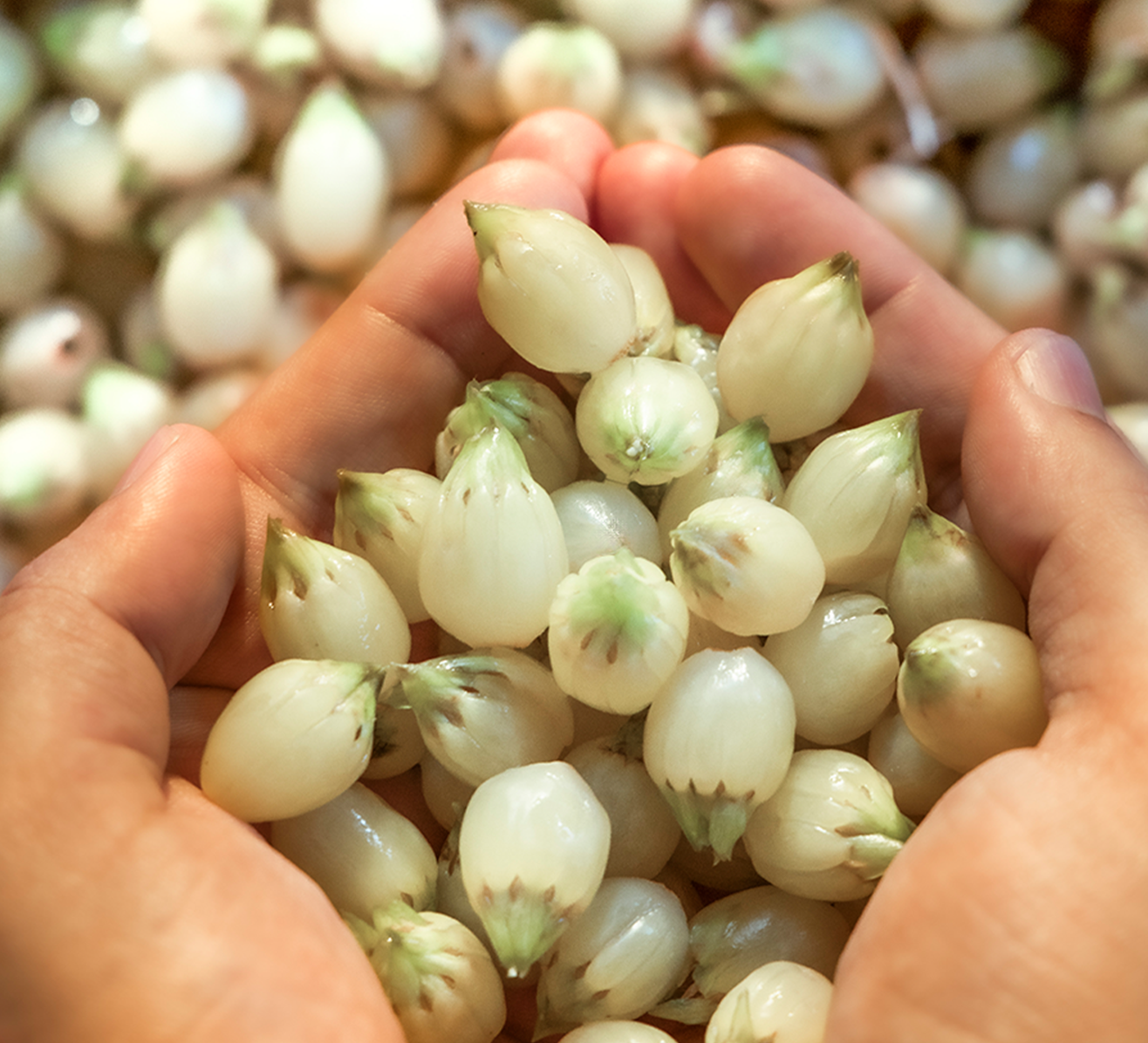
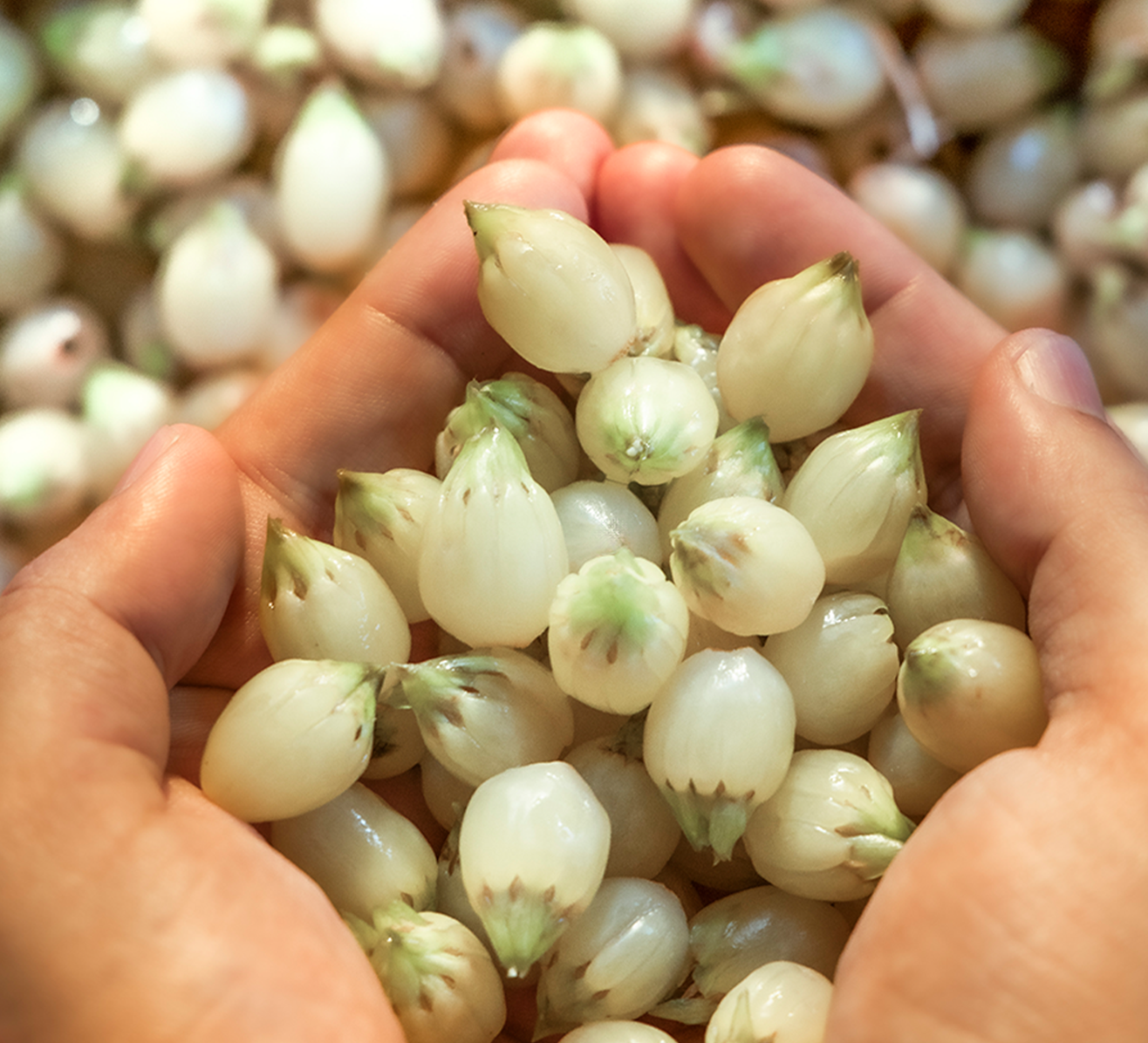
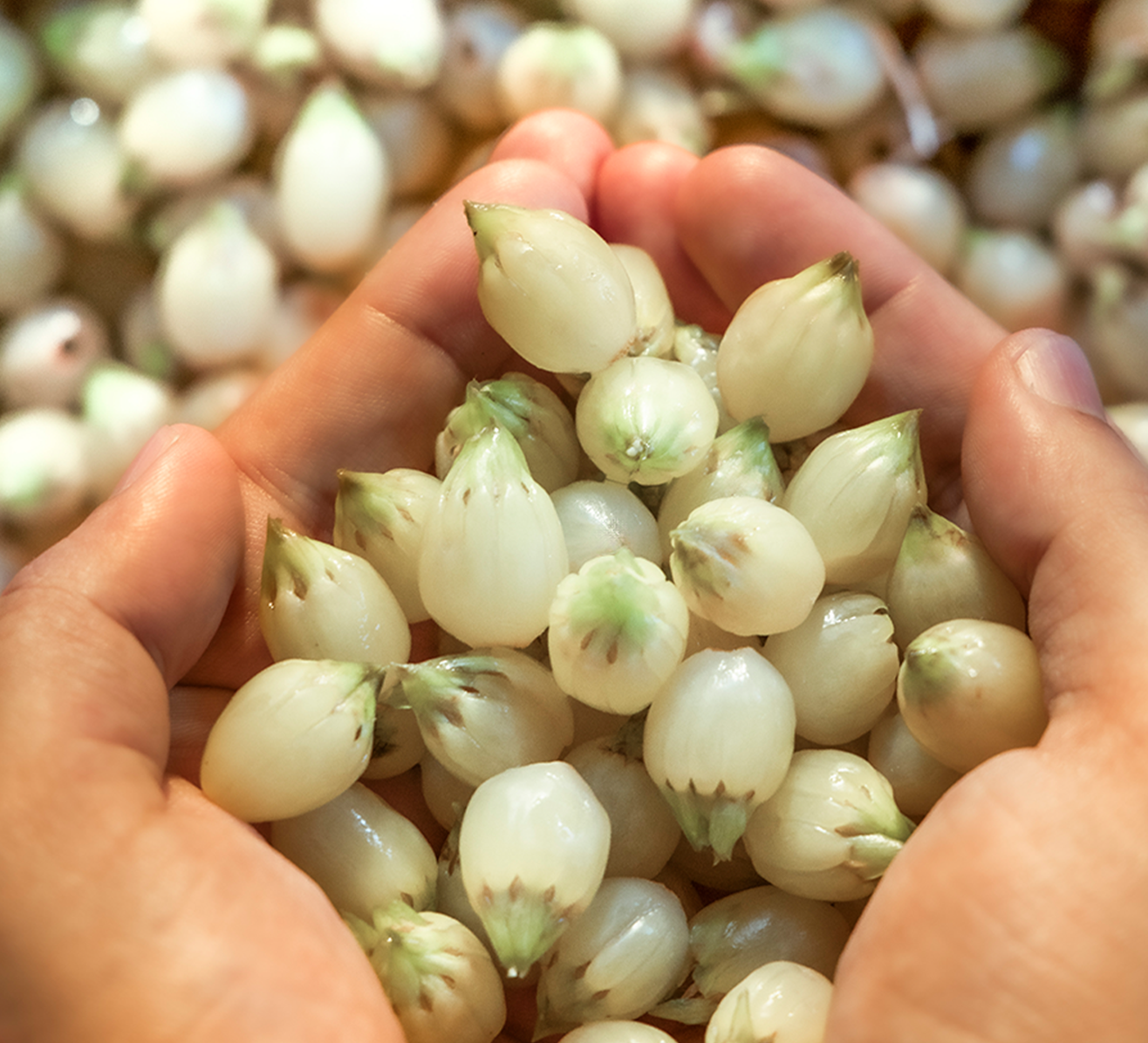
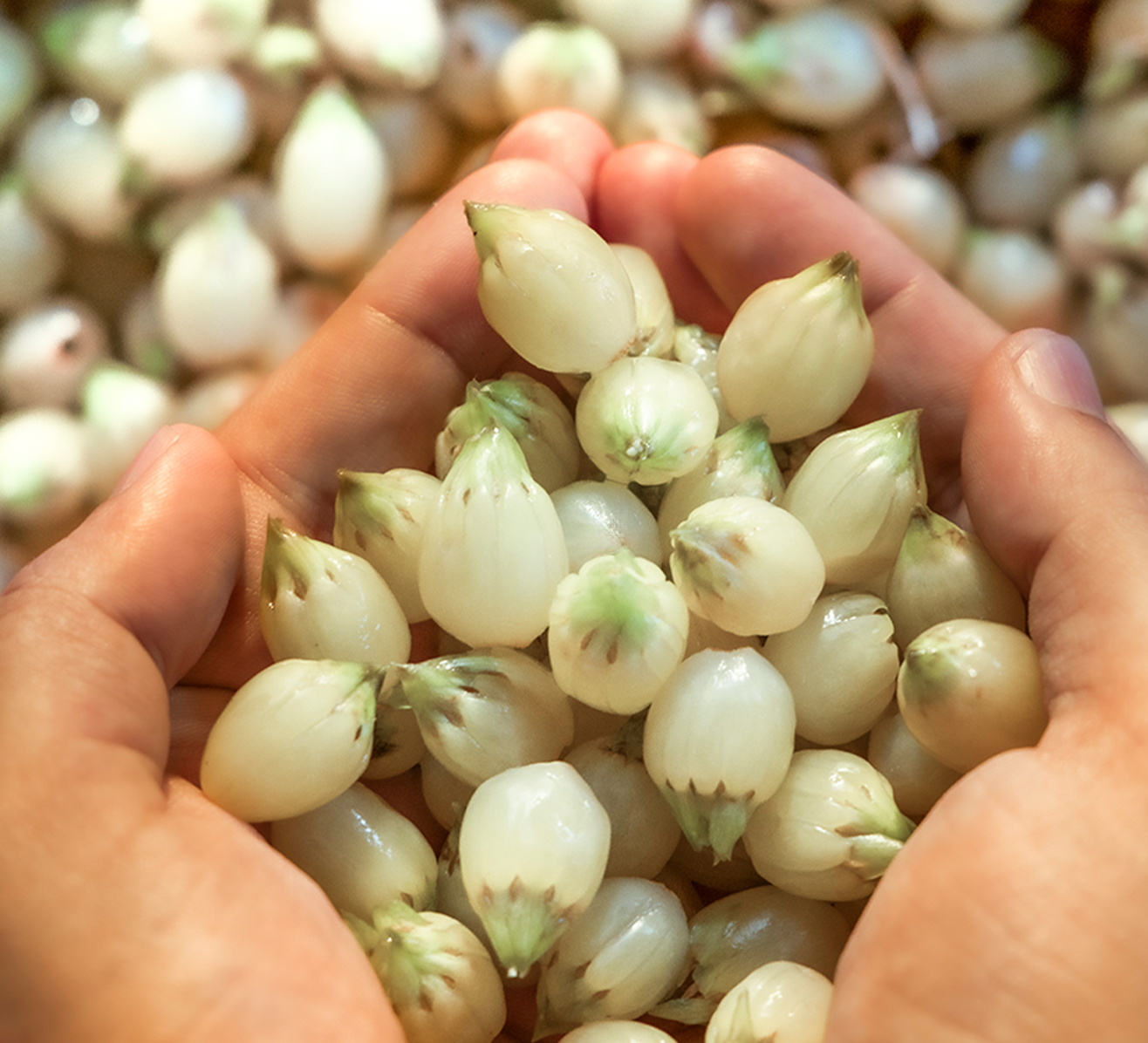
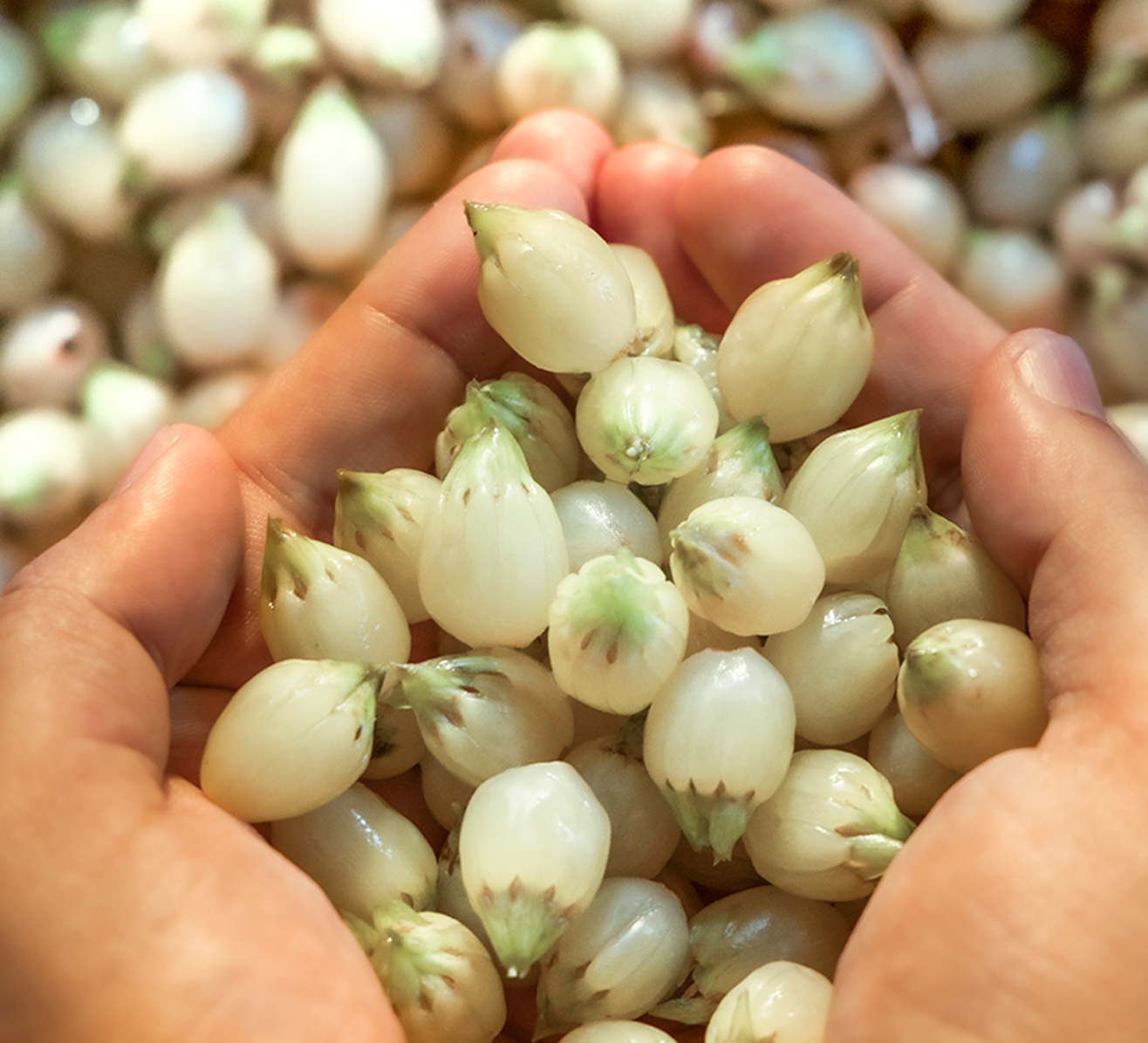
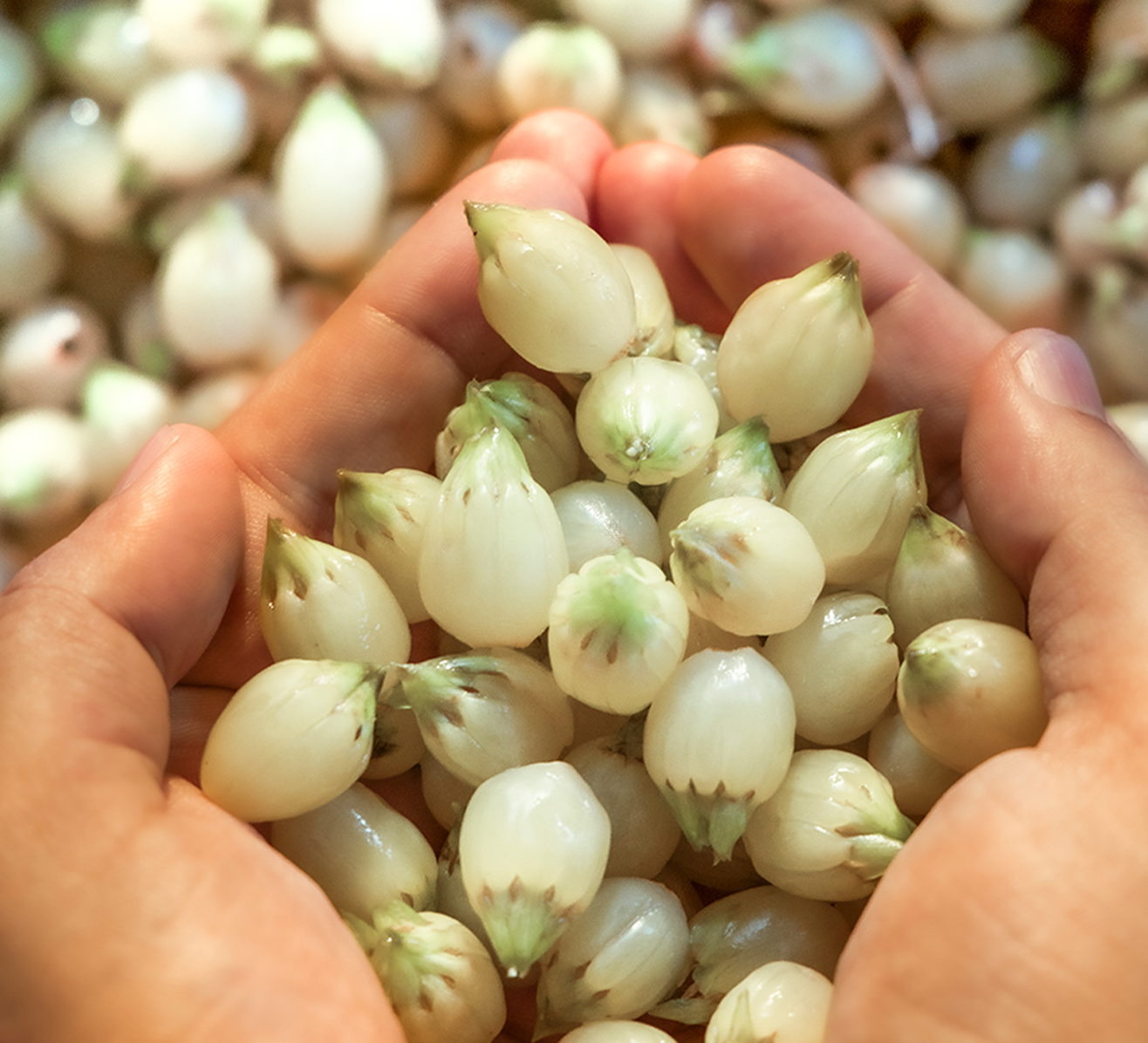
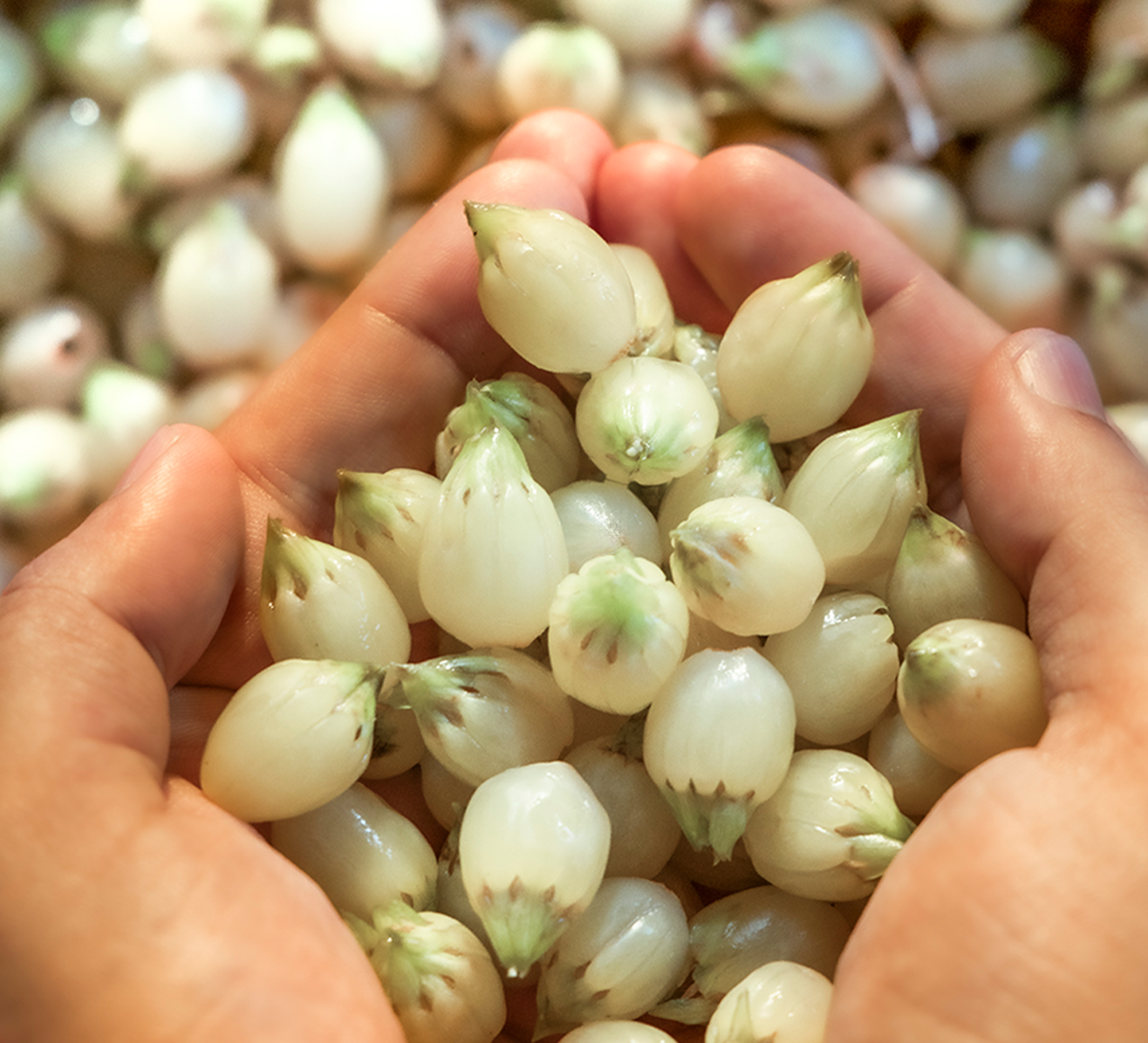
Both Mahudo and Mahuya refer to the flowers of the Madhuca longifolia tree.
In Gujarat and parts of western India, people often say Mahudo. In central and eastern regions, Mahuya or Mahua is more common.
Different pronunciation. Same origin.
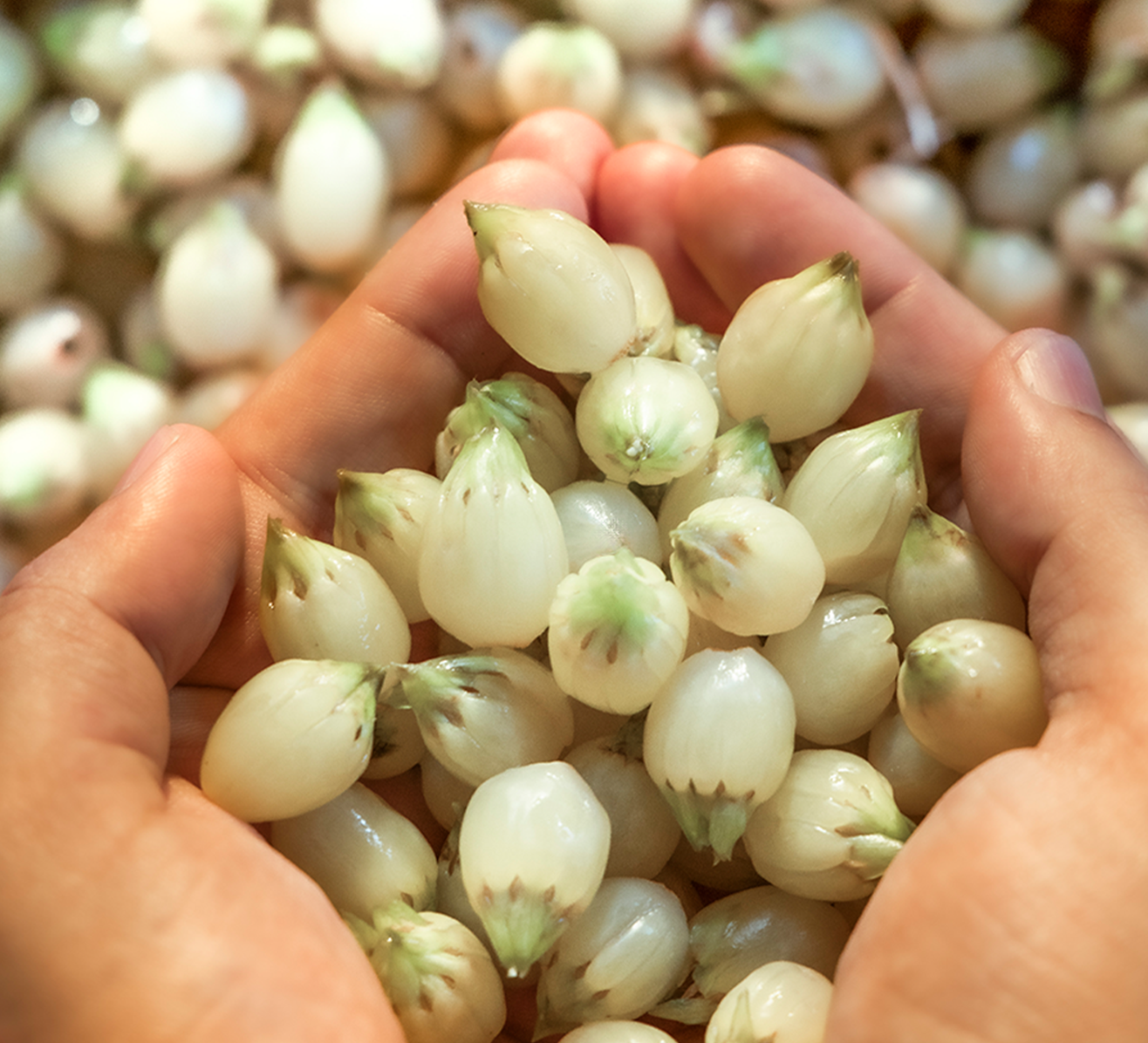
The tree produces fleshy, pale-yellow flowers rich in natural sugars. That’s why discussions around Mahua benefits and Mahua uses often point back to the same source.
Mahudo and Mahuya have been part of rural Indian life for centuries.
Historically, the flowers were:
Long before commercial liquor brands existed in local ecosystems.
The tree symbolized self-reliance. It provided food, income, and trade opportunities.
Let’s break down the commonly cited Mahua benefits and Mahua uses.
The flowers contain fermentable sugars, making them ideal for natural fermentation.
In dried form, Mahua flowers were used as a quick rural energy source.
The Madhuca longifolia tree also produces seeds used for oil extraction.
Seasonal harvesting of Mahua continues to support rural communities.
It’s important to be clear. Mahuya isn’t a miracle ingredient. Its value lies in versatility and heritage.
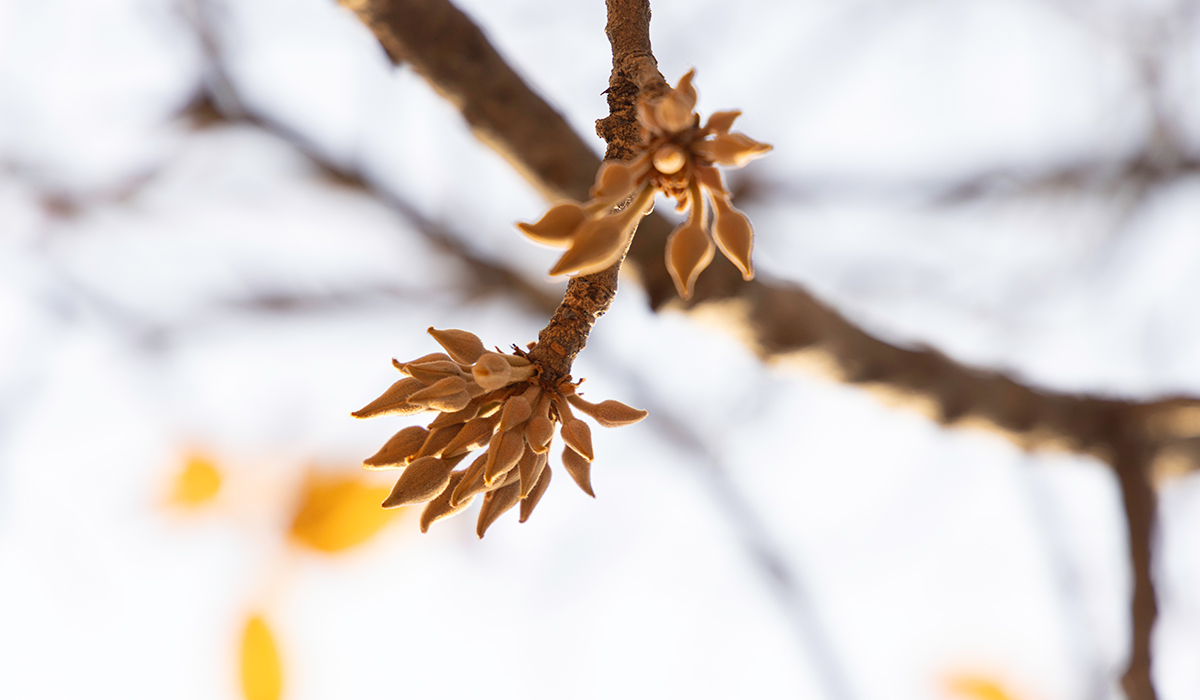
The flowers are used in several ways:
Dried flowers are incorporated into regional sweets and dishes.
Because of their sugar content, they are distilled into Mahua spirit.
Seeds from the Madhuca longifolia tree are pressed for oil.
What this really means is that Mahudo and Mahuya represent more than a drink ingredient. They are part of a broader cultural ecosystem.
For a long time, Mahuya-based spirits were seen as rustic or unrefined. Production methods varied widely, leading to inconsistent quality.
Today, careful sourcing, controlled fermentation, and refined distillation techniques have elevated mahua-based spirits into the premium category. This shift has brought new attention to the ingredient and its heritage.
Instead of being limited to local consumption, it’s now entering curated bars, gifting segments, and premium retail shelves.
Not all mahua spirits are the same. The final product depends heavily on:
Without these steps, the result can be harsh or inconsistent. With them, the spirit can be smooth, aromatic, and layered.
This is where brands that take production seriously stand apart.
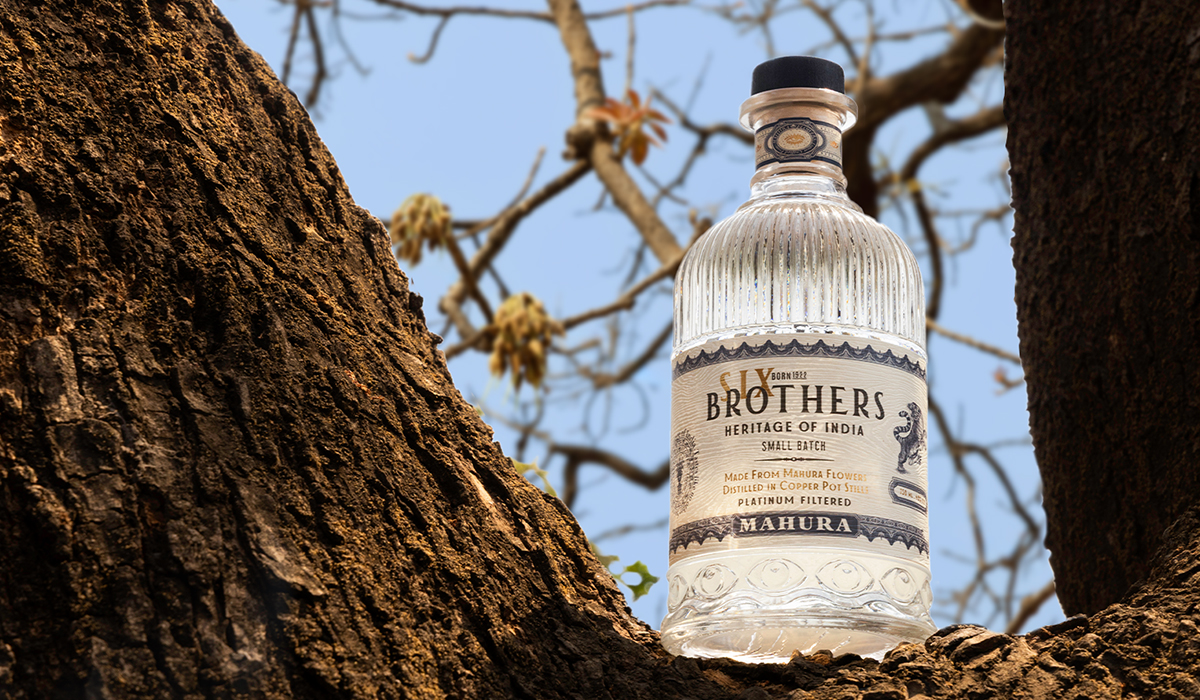
As interest grows in heritage-based Indian spirits, certain brands are redefining how Mahuya is presented to the modern consumer.
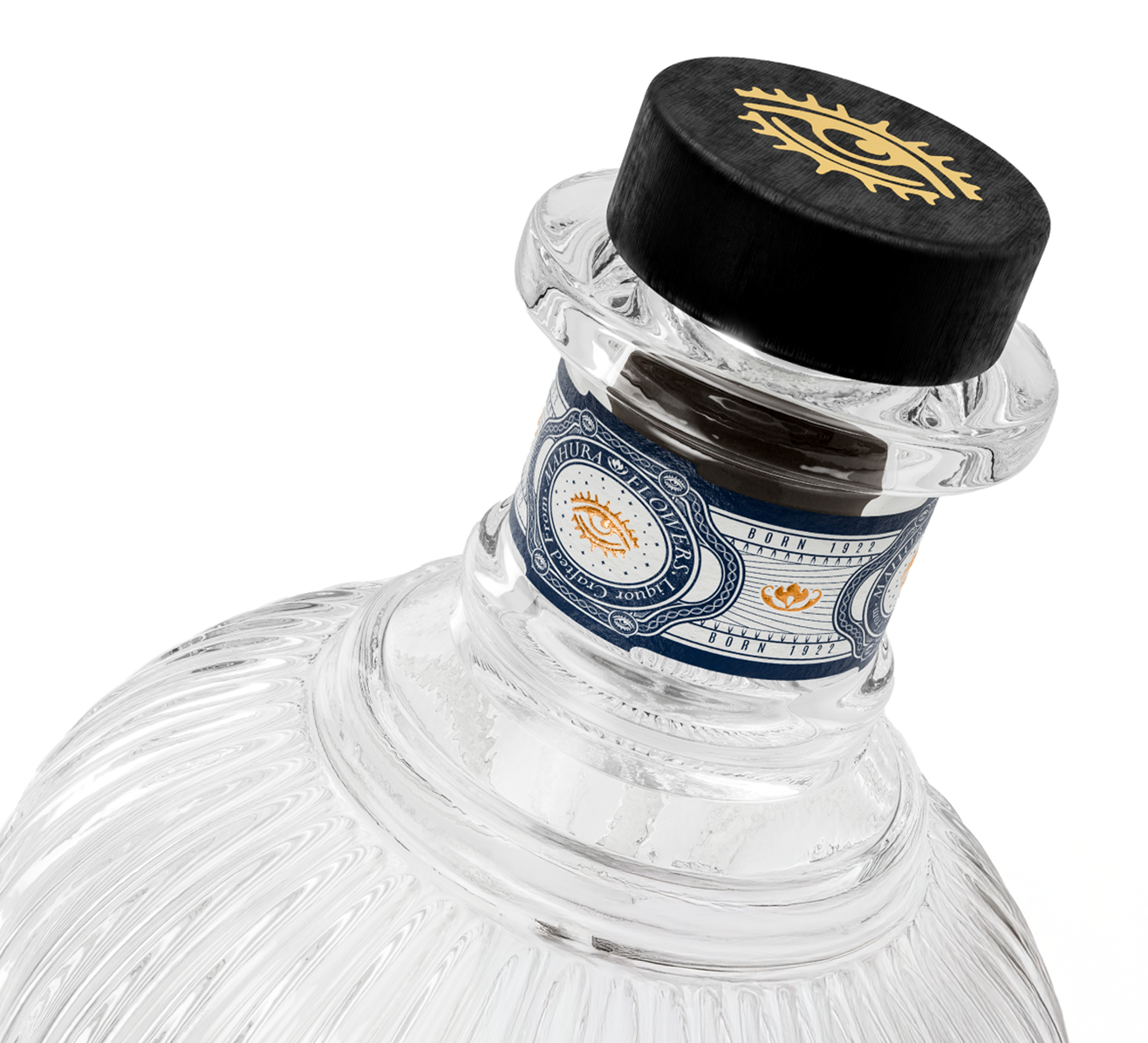
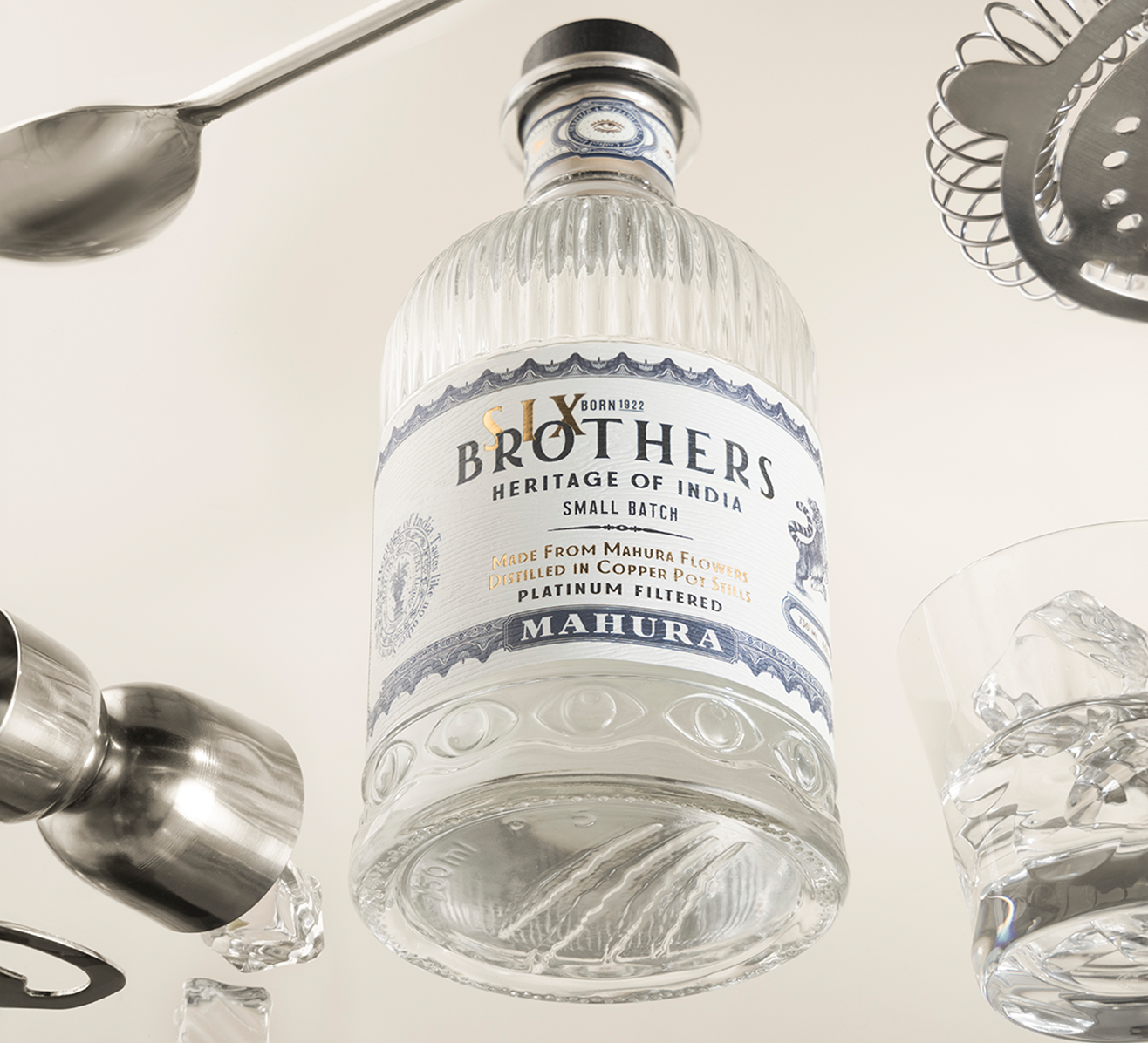
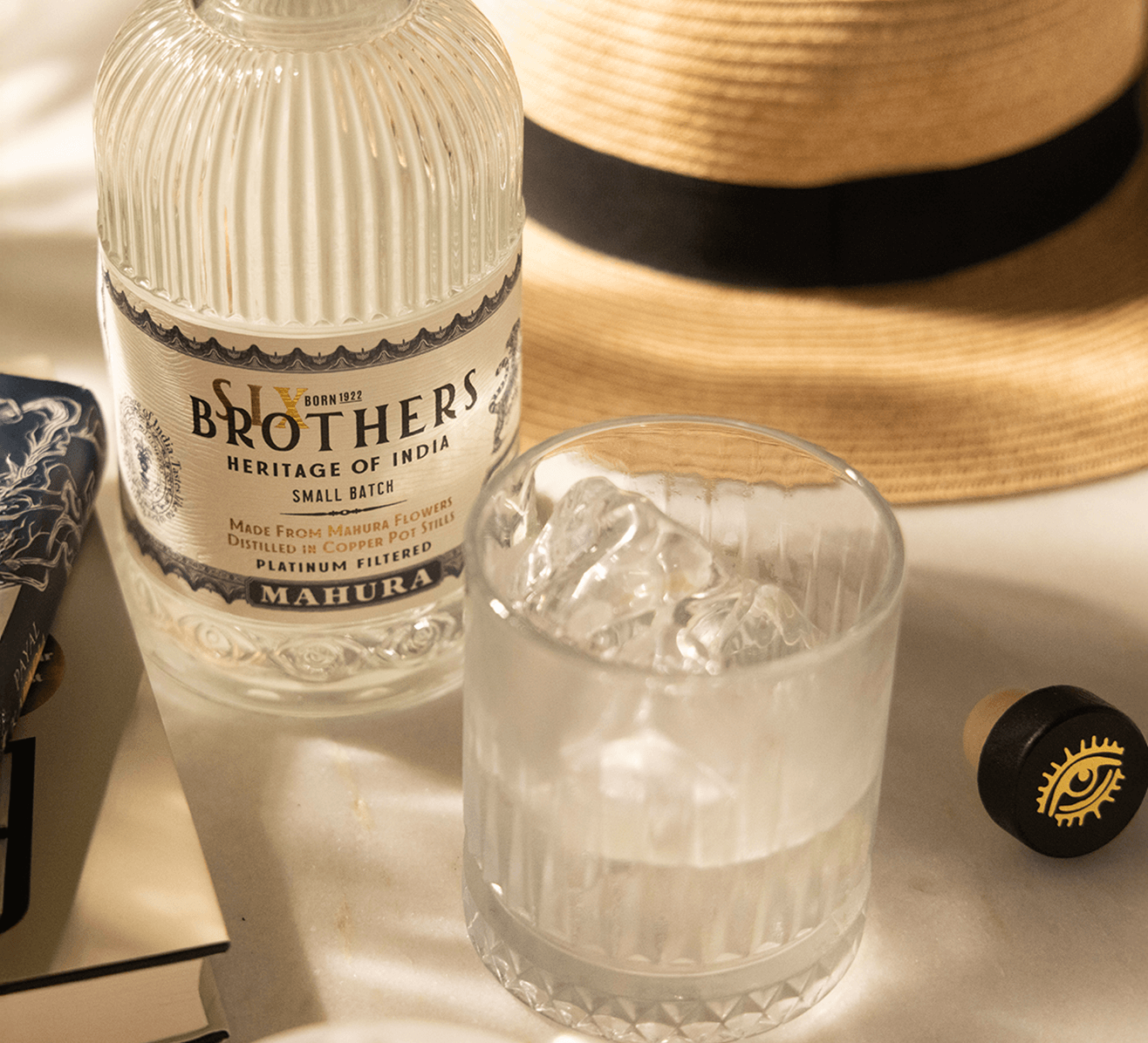
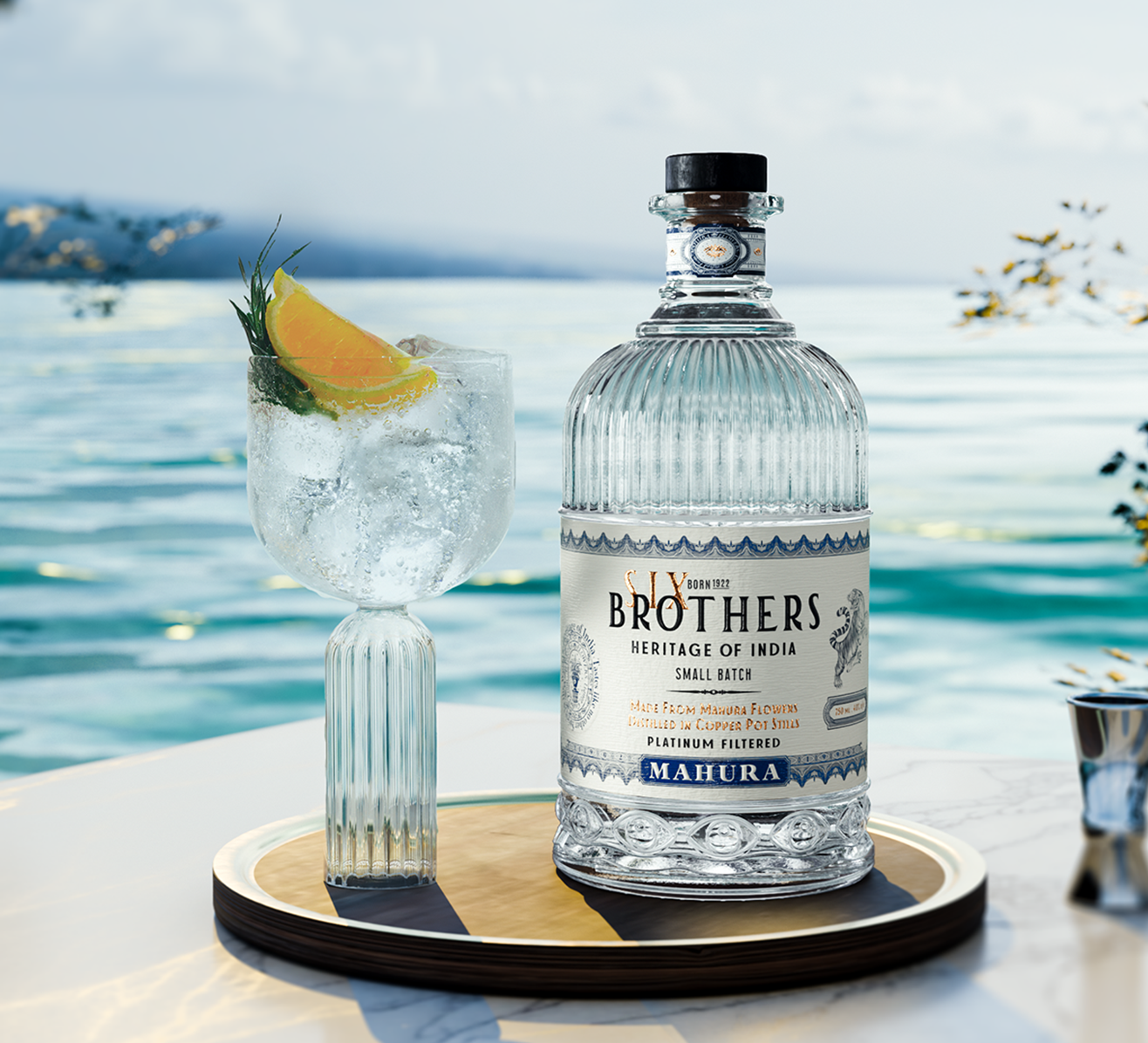
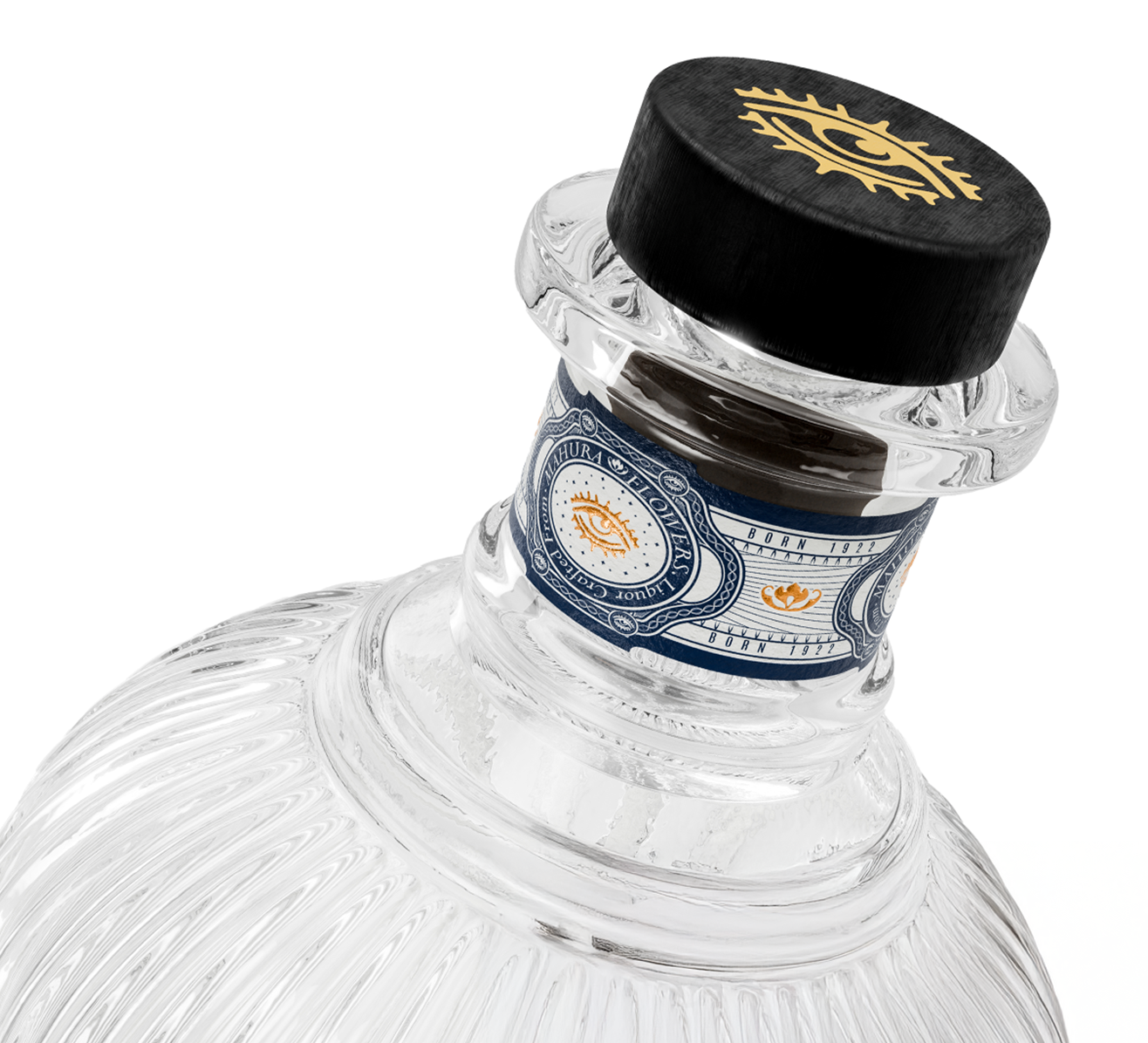
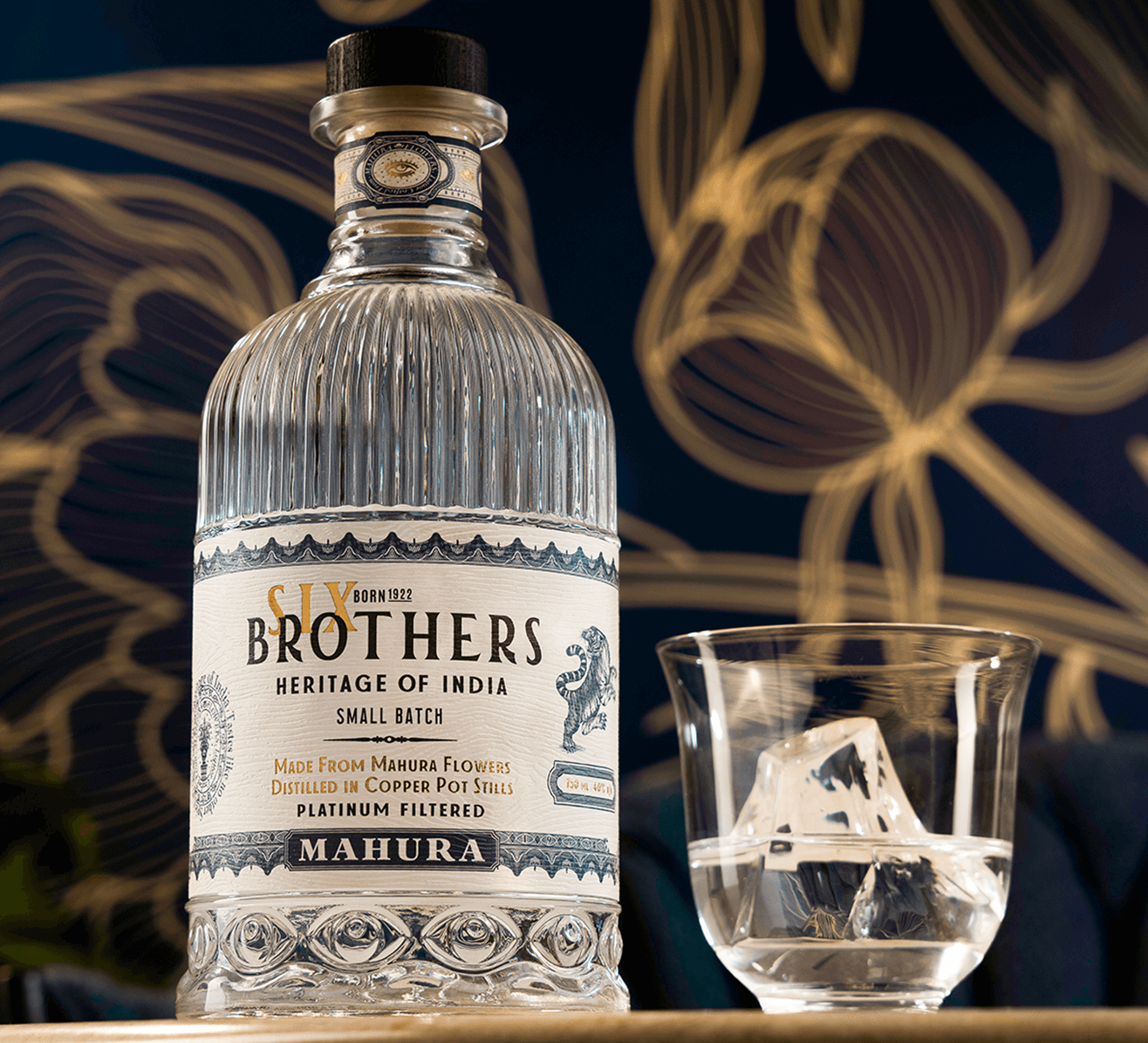
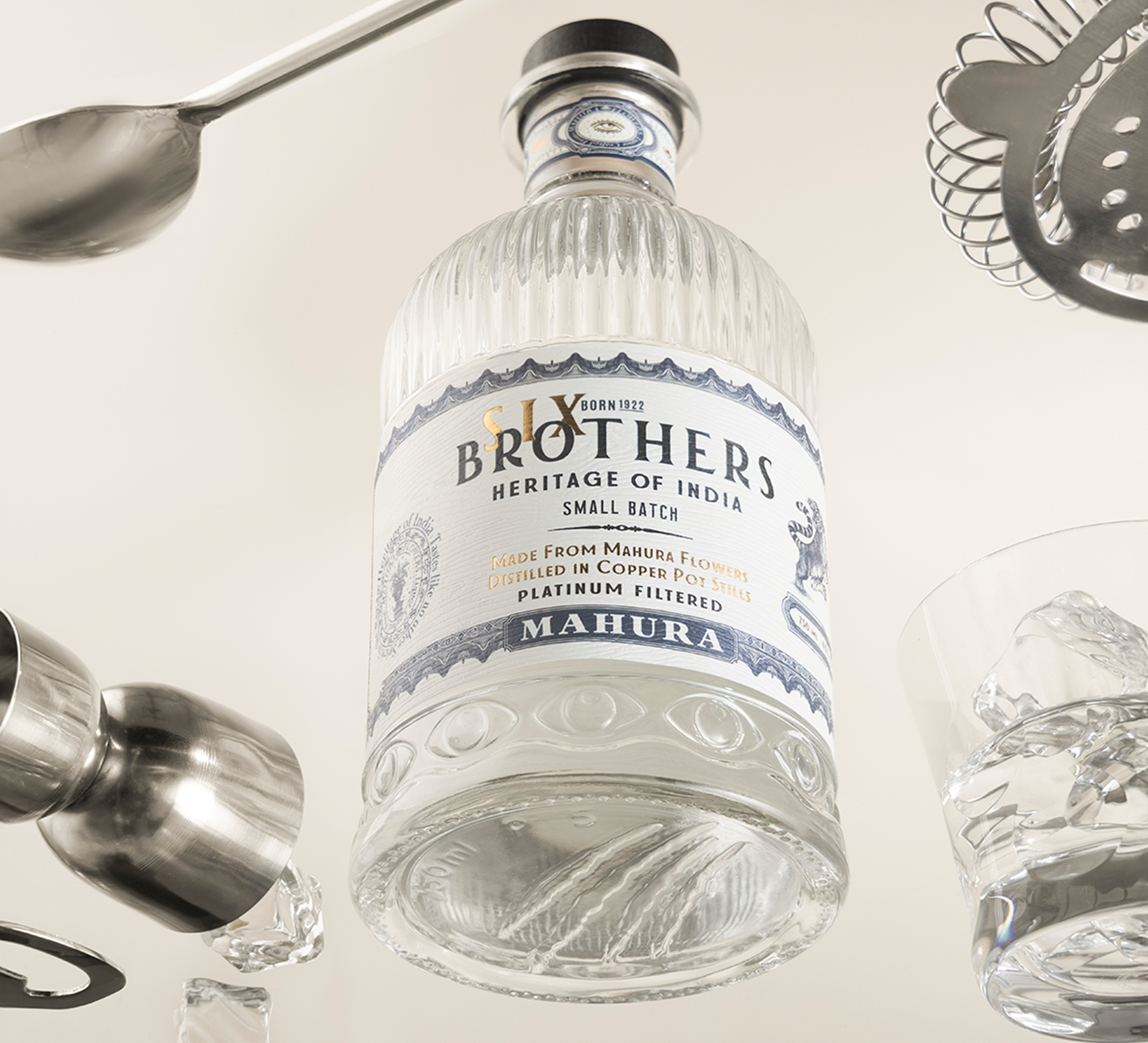
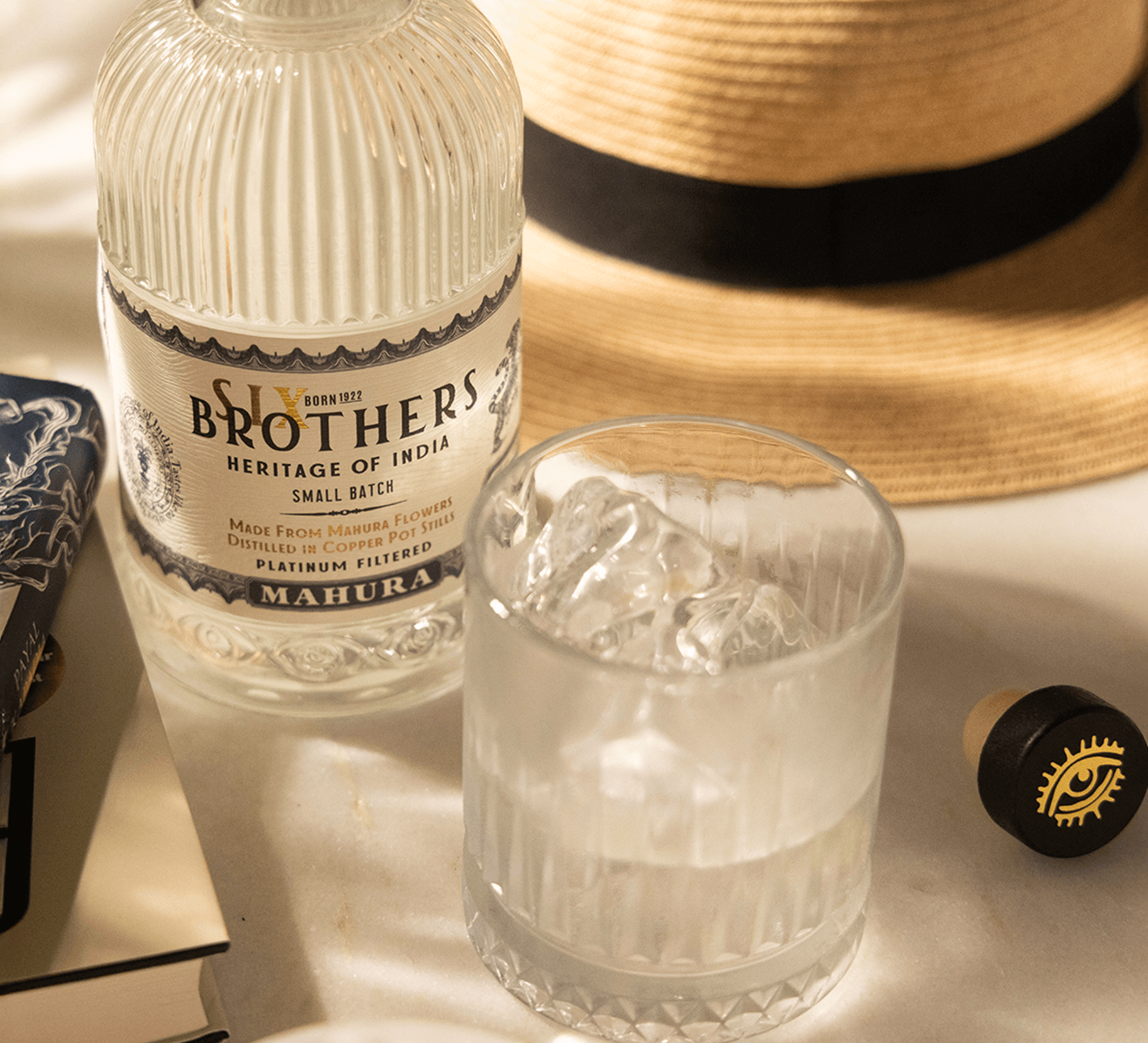
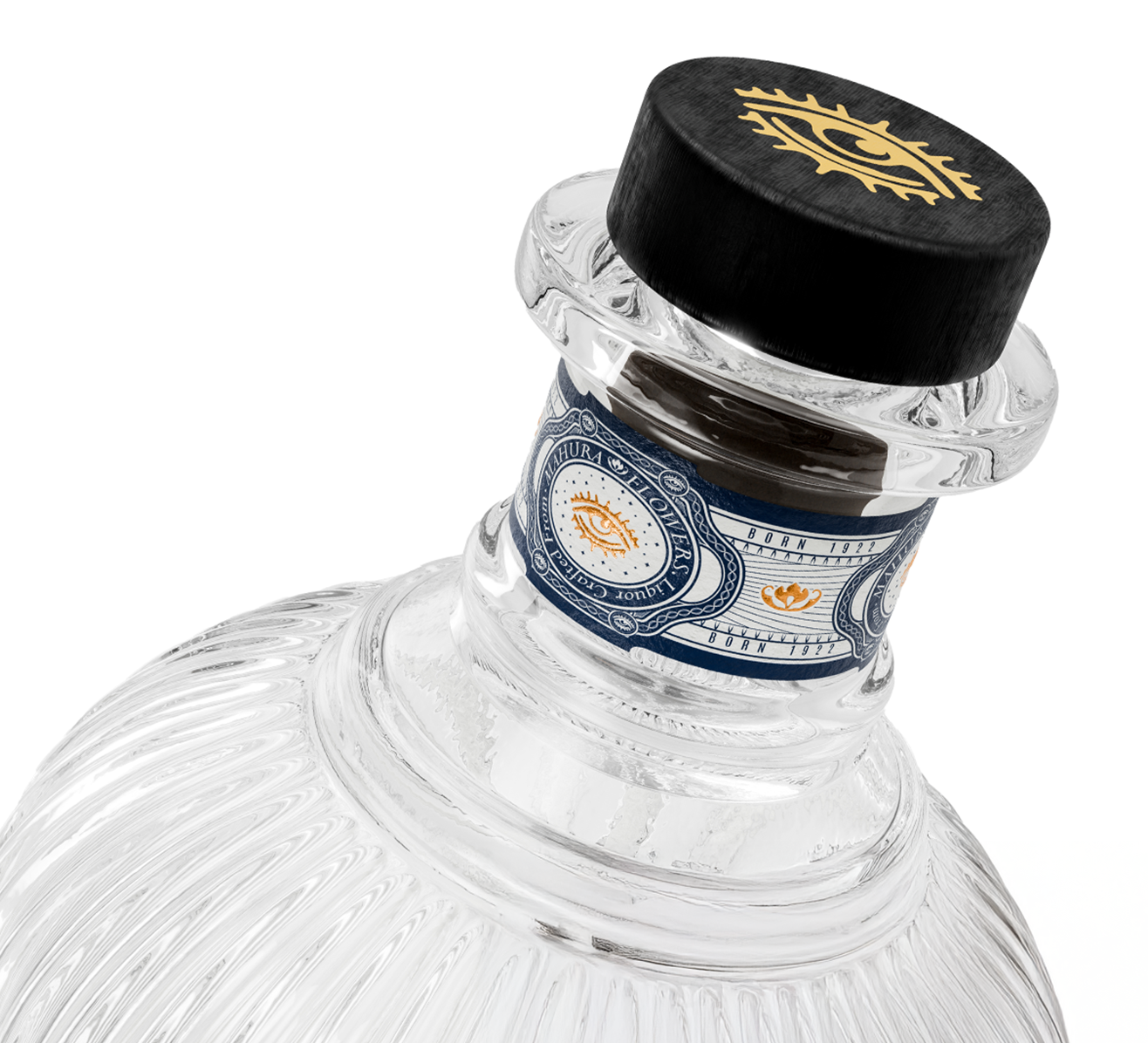
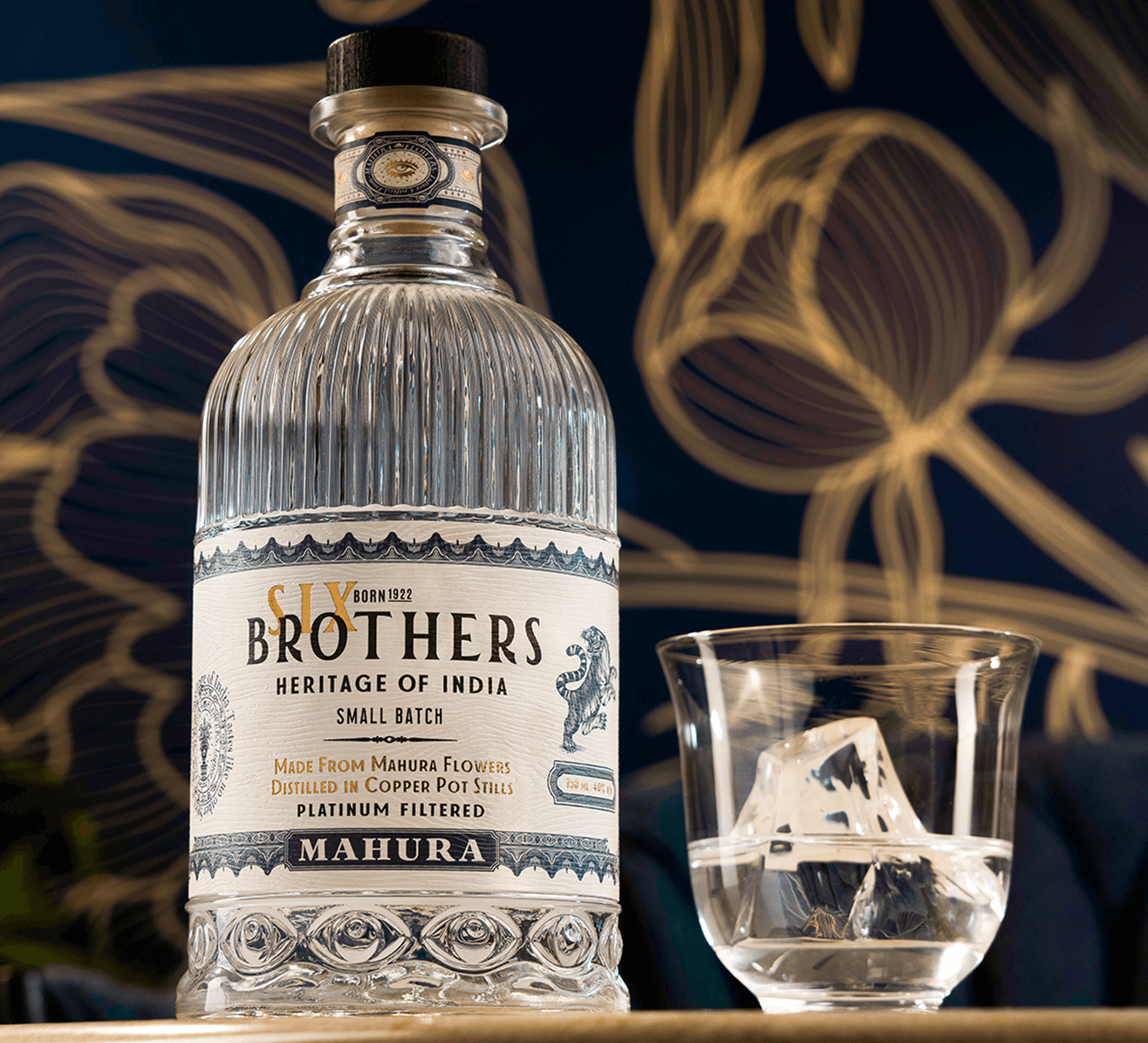
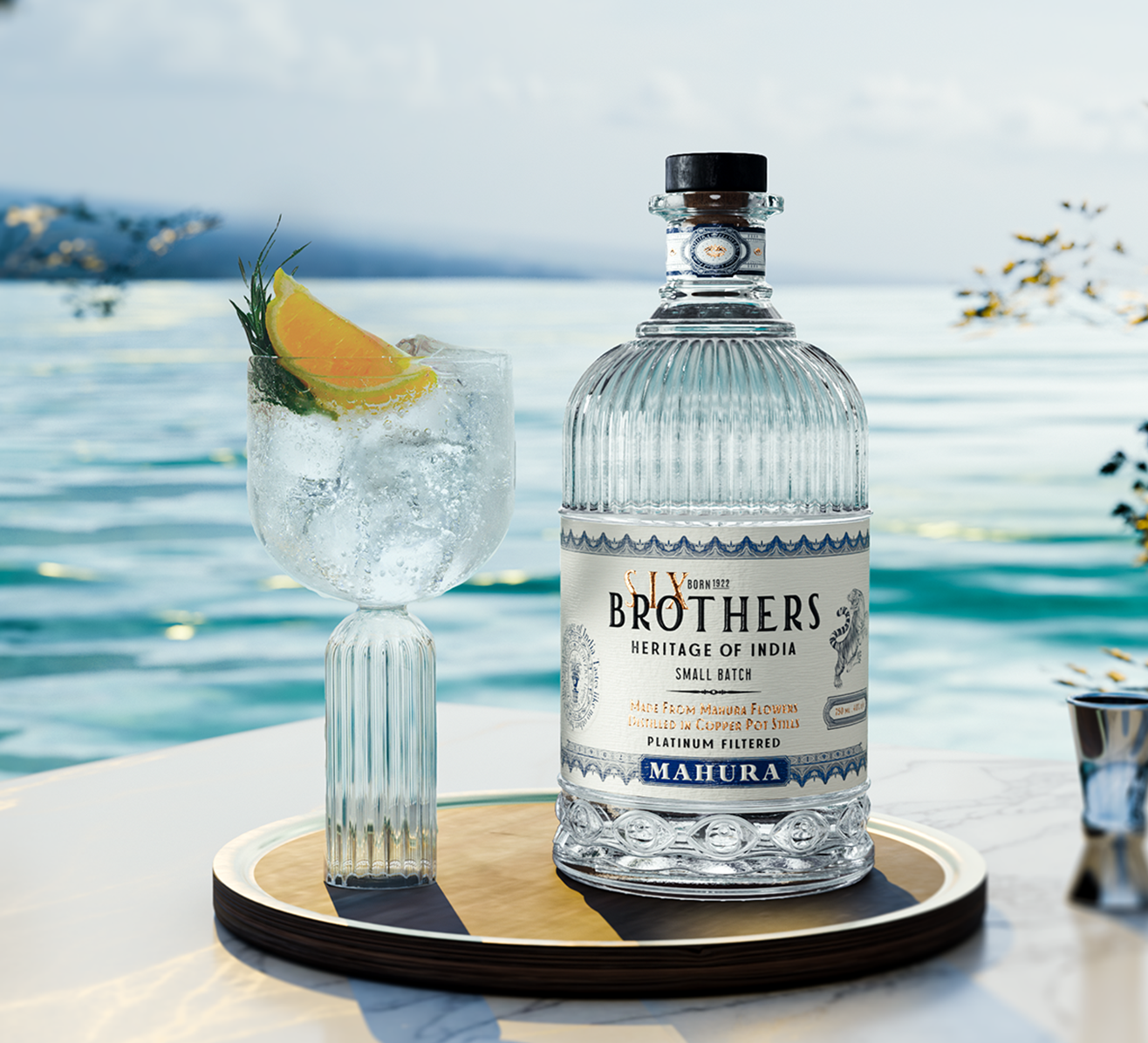
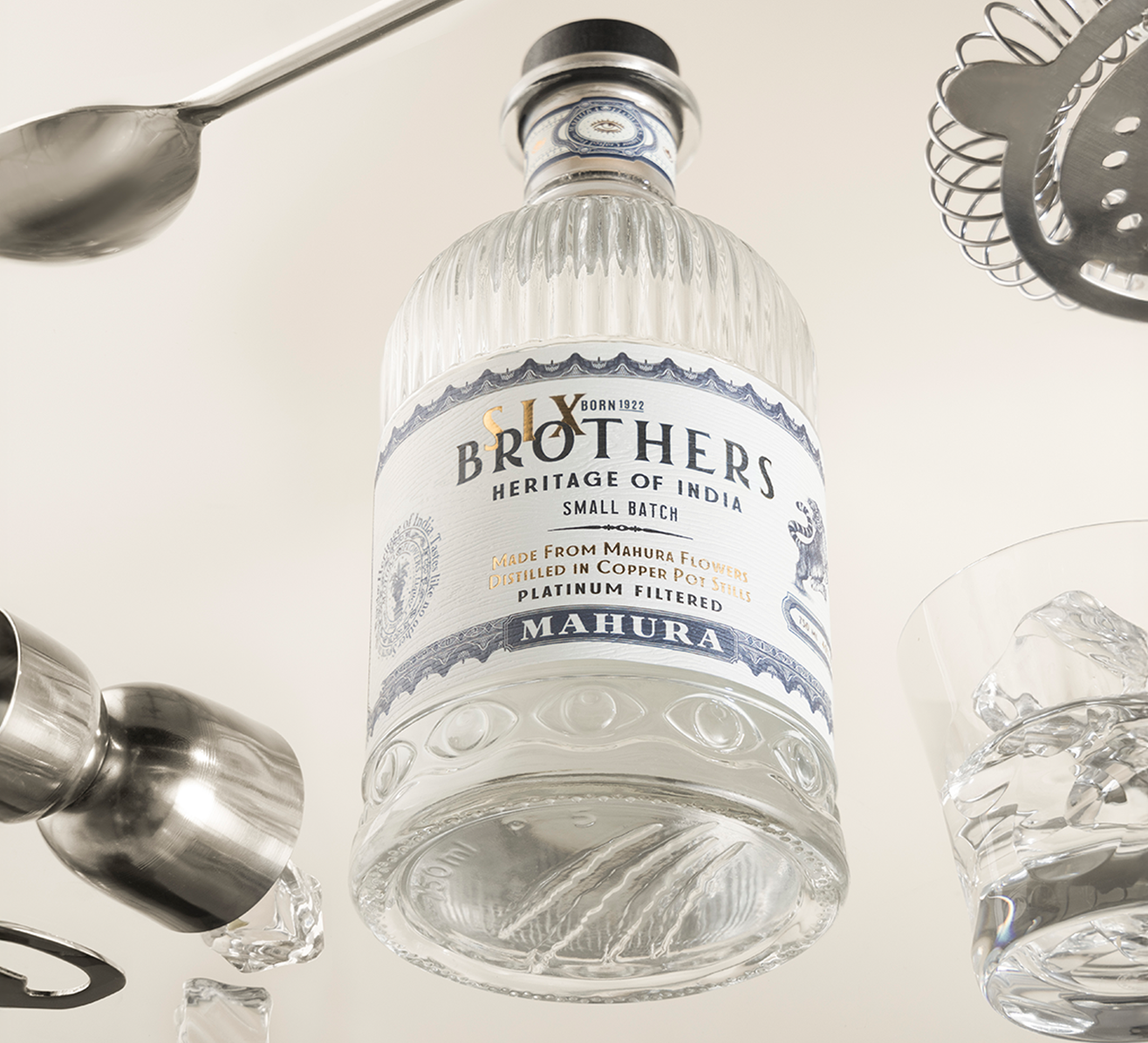
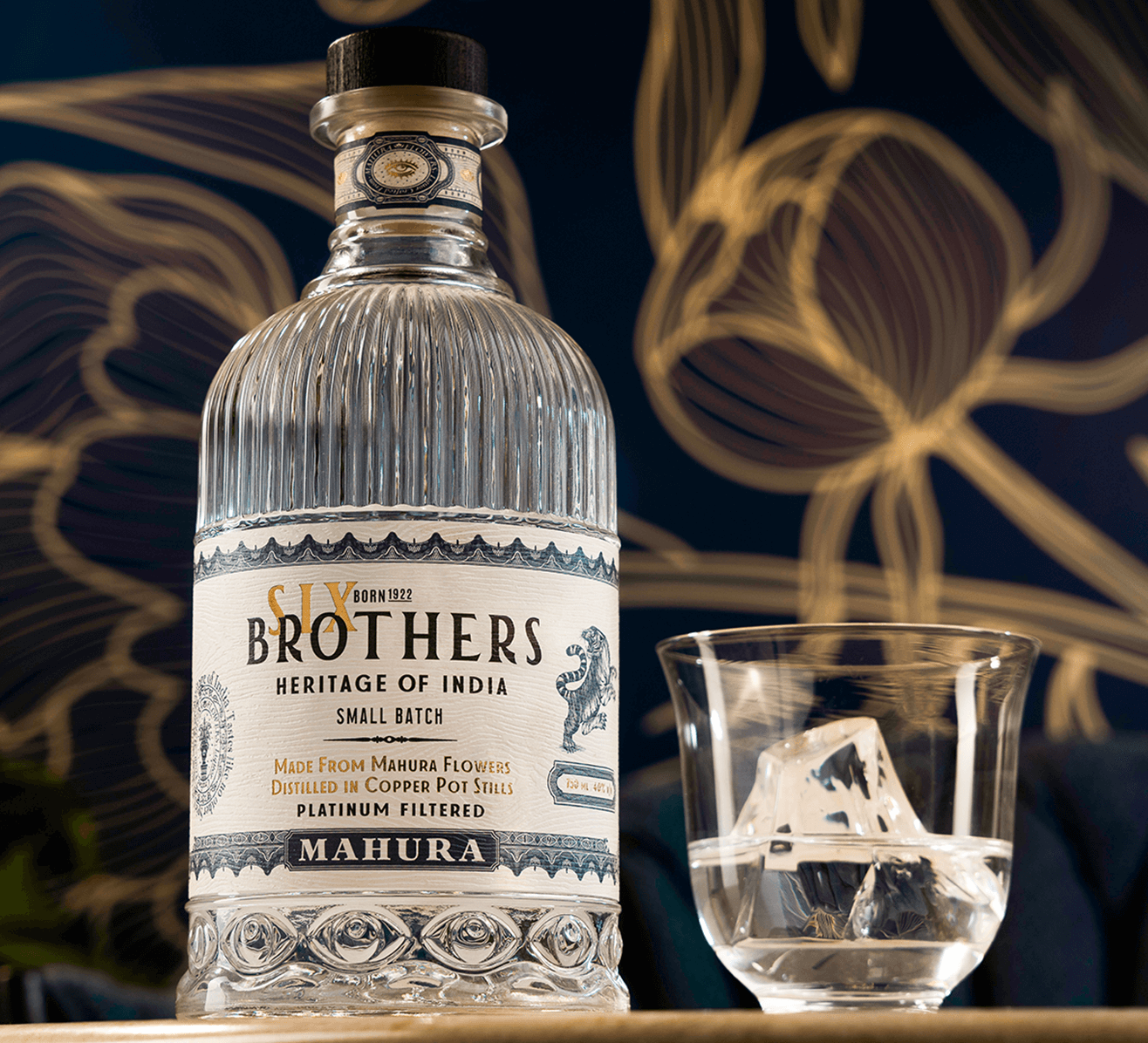
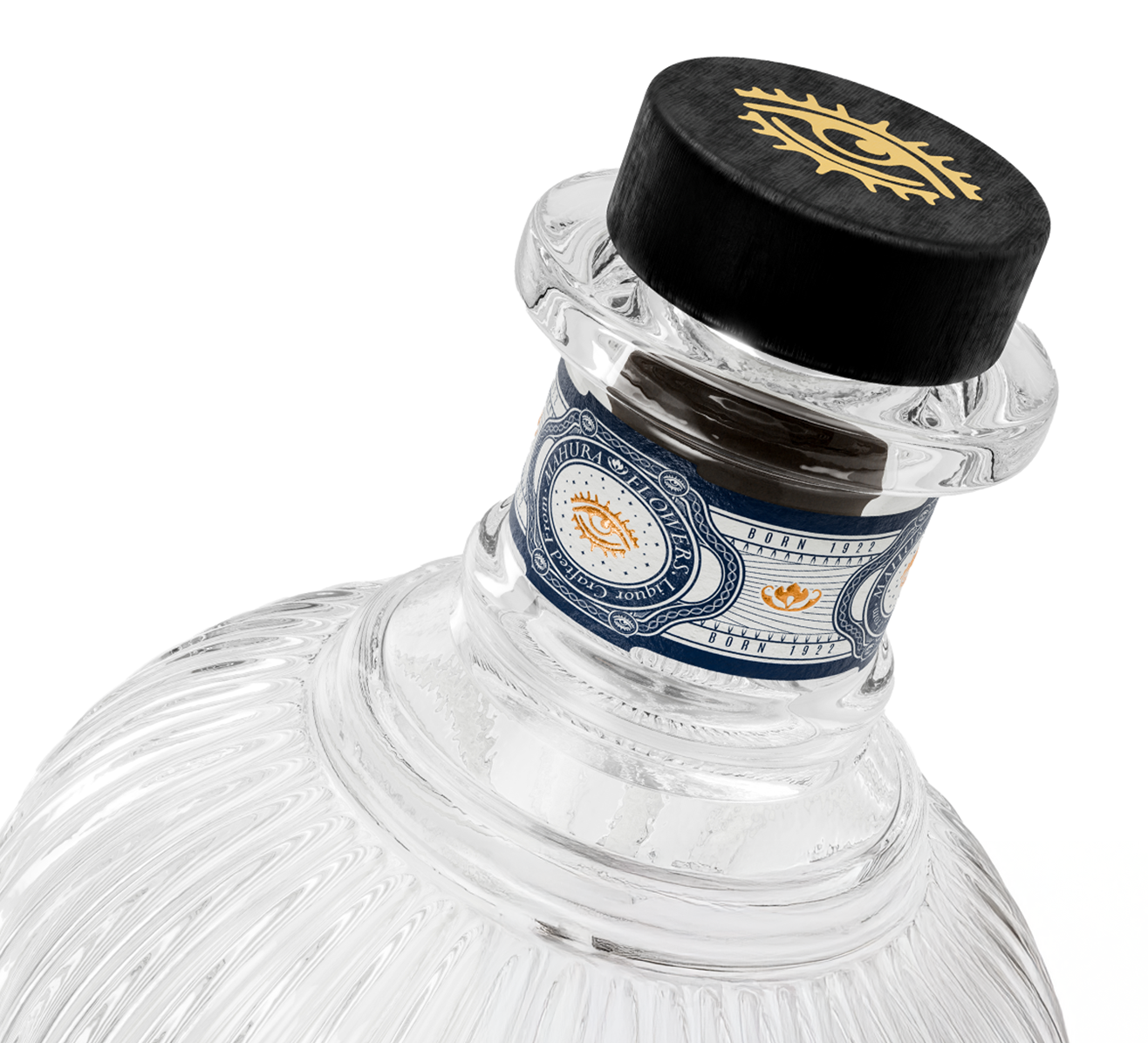
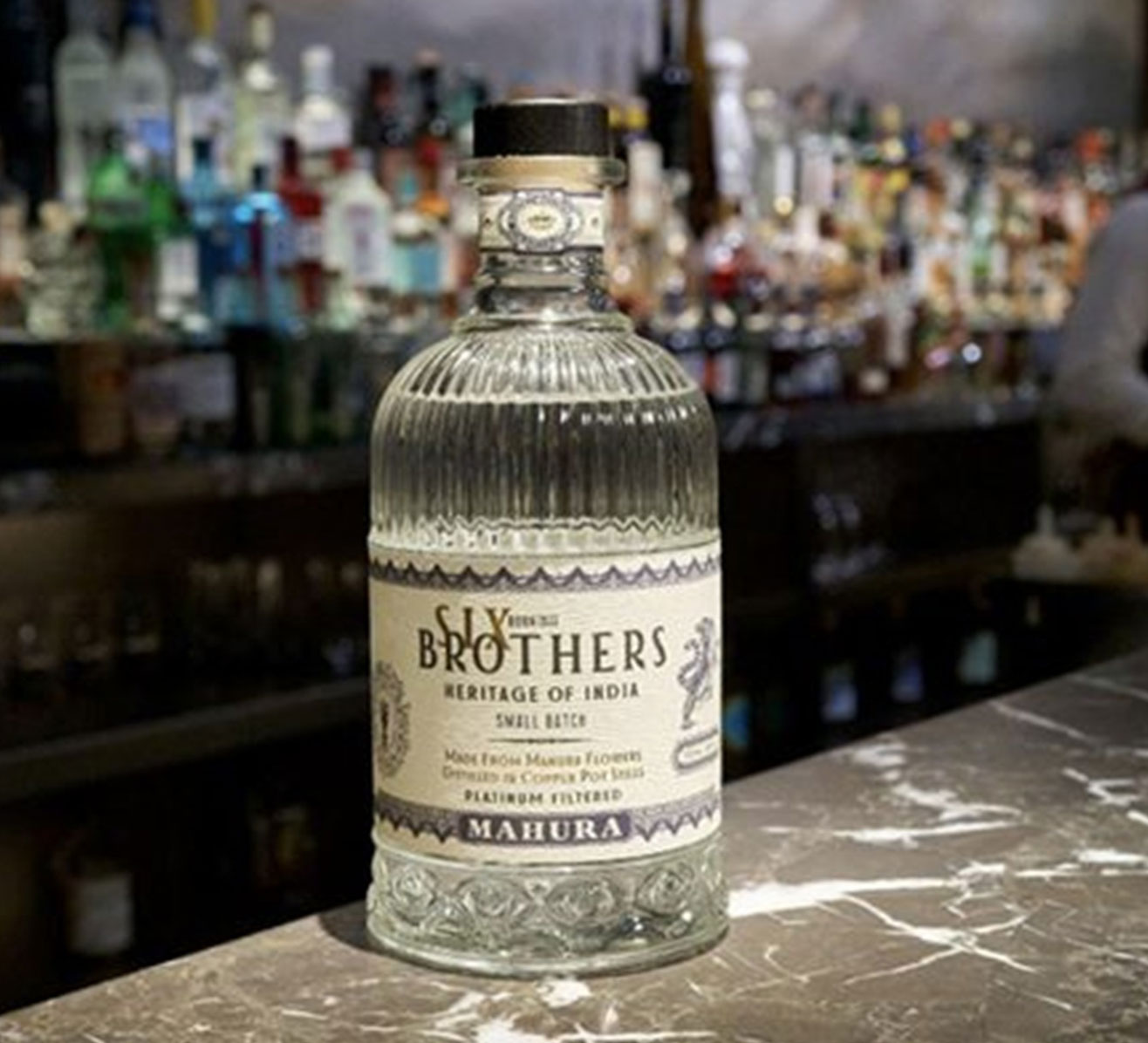
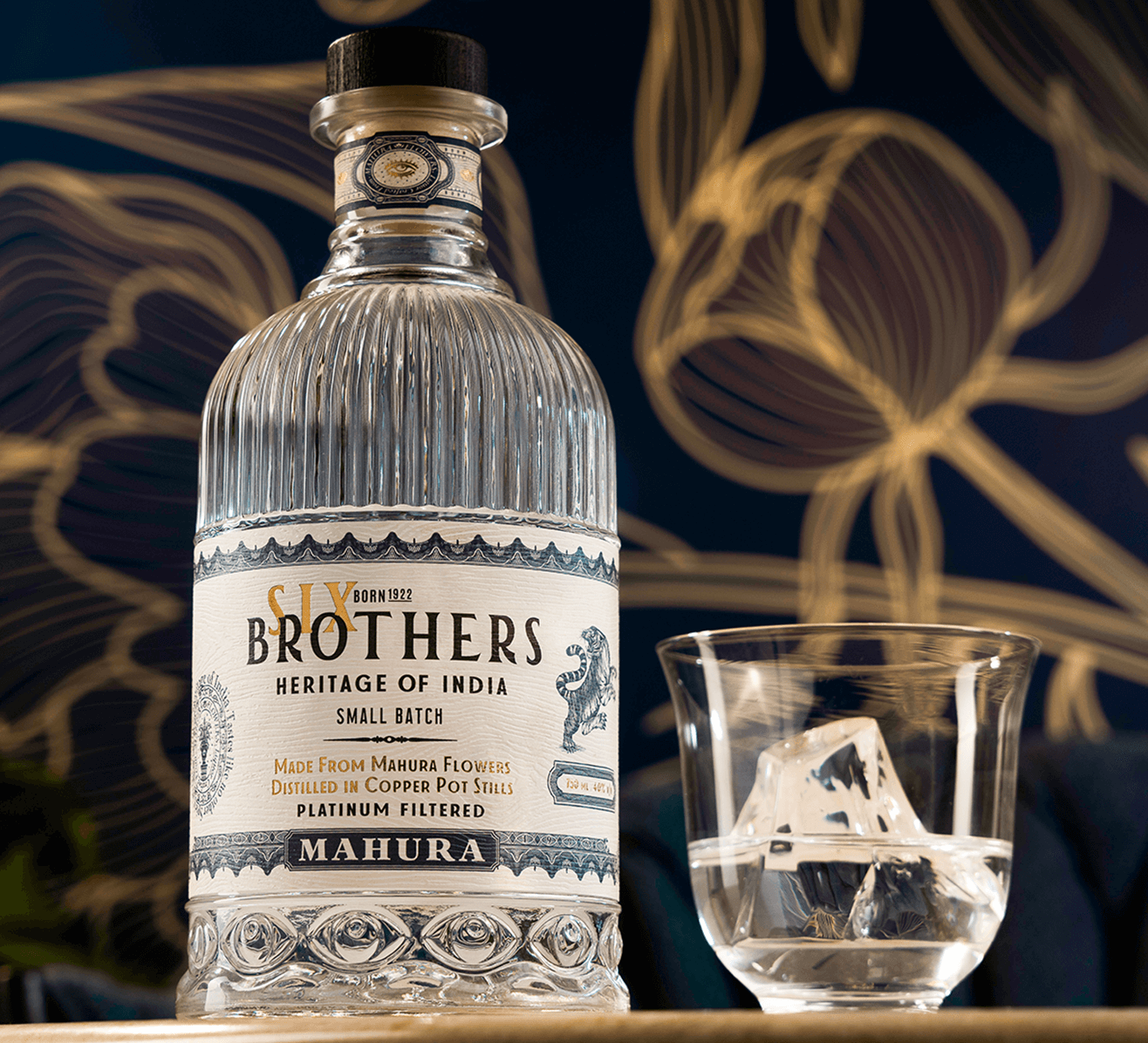
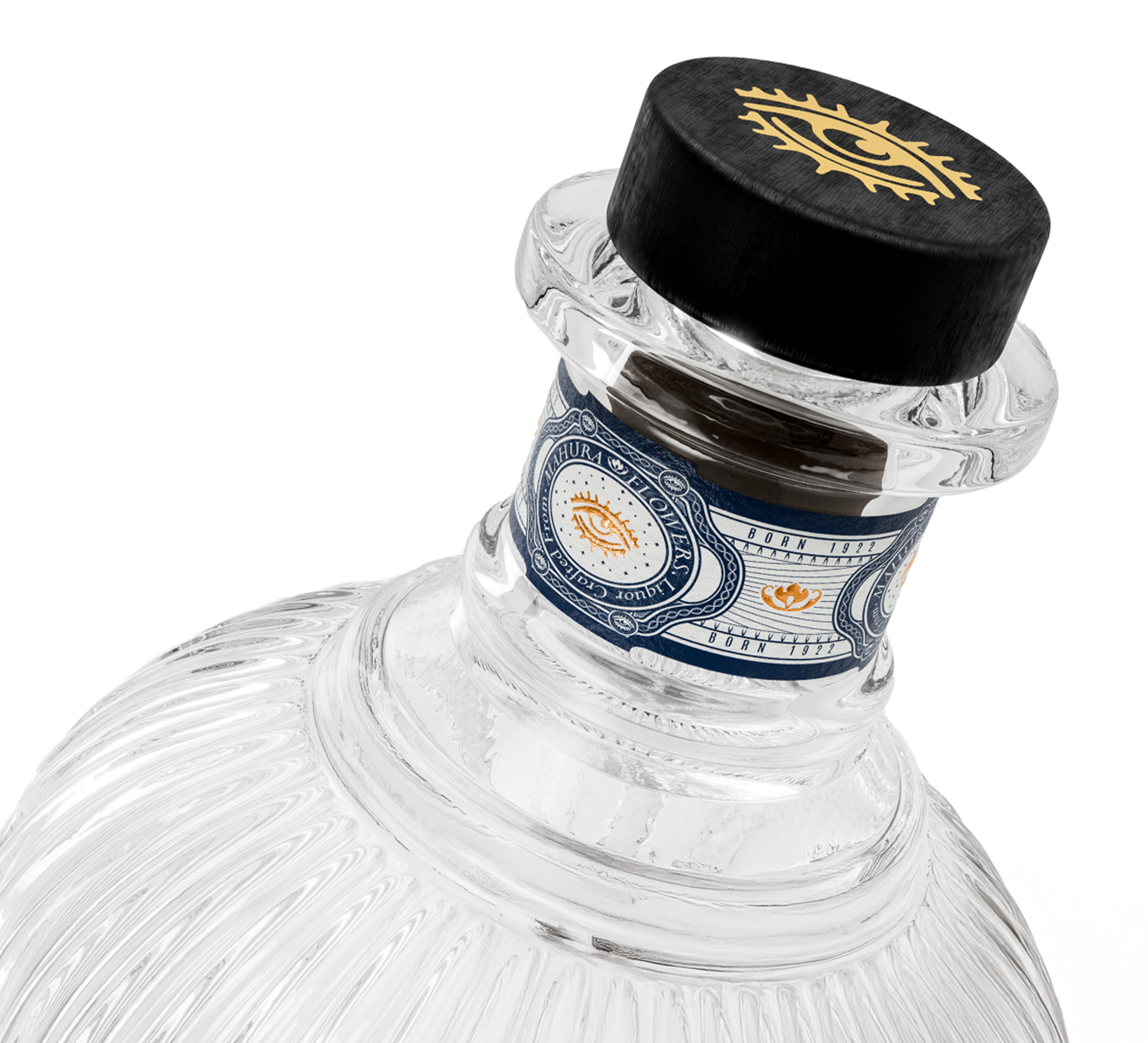
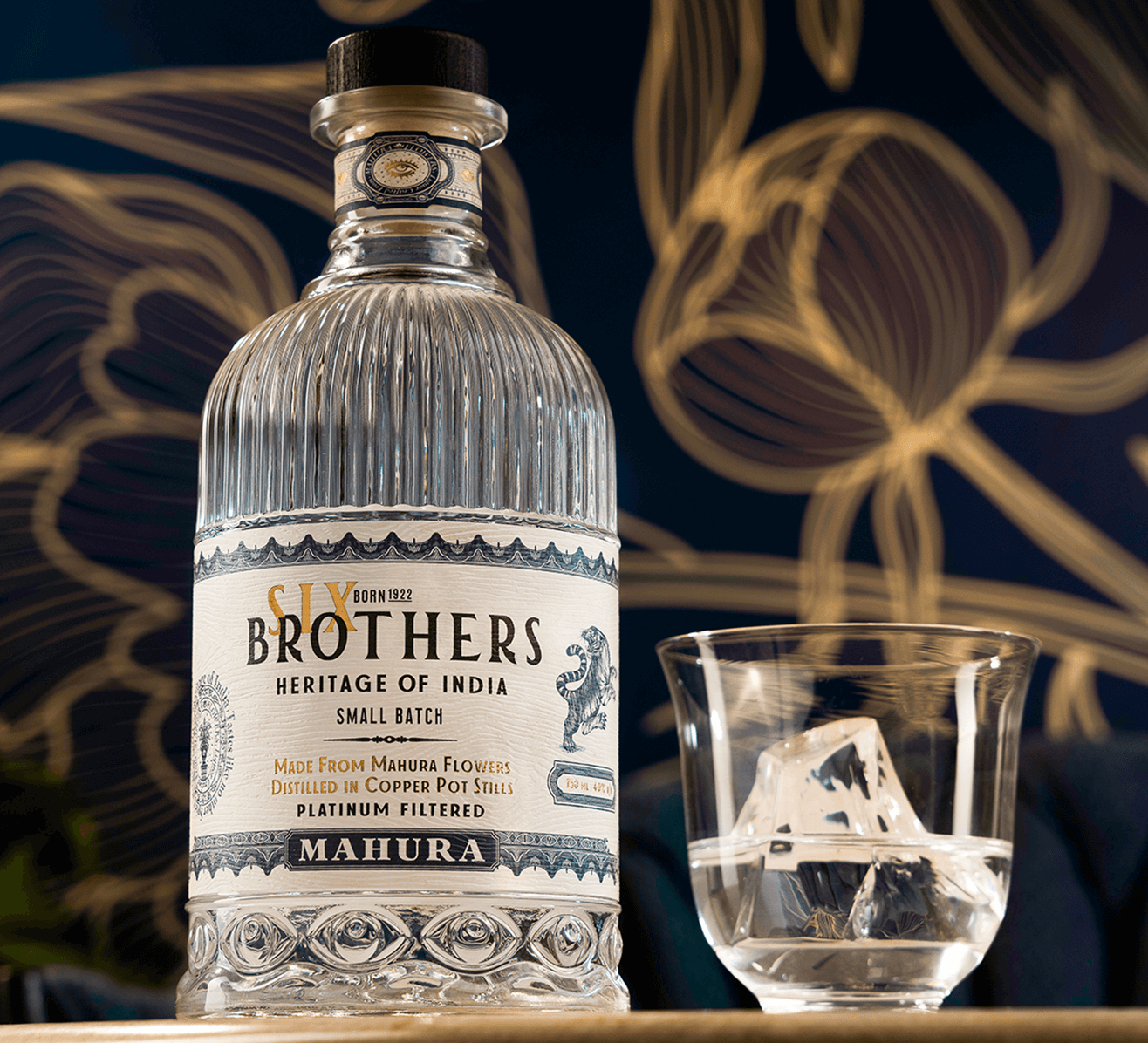
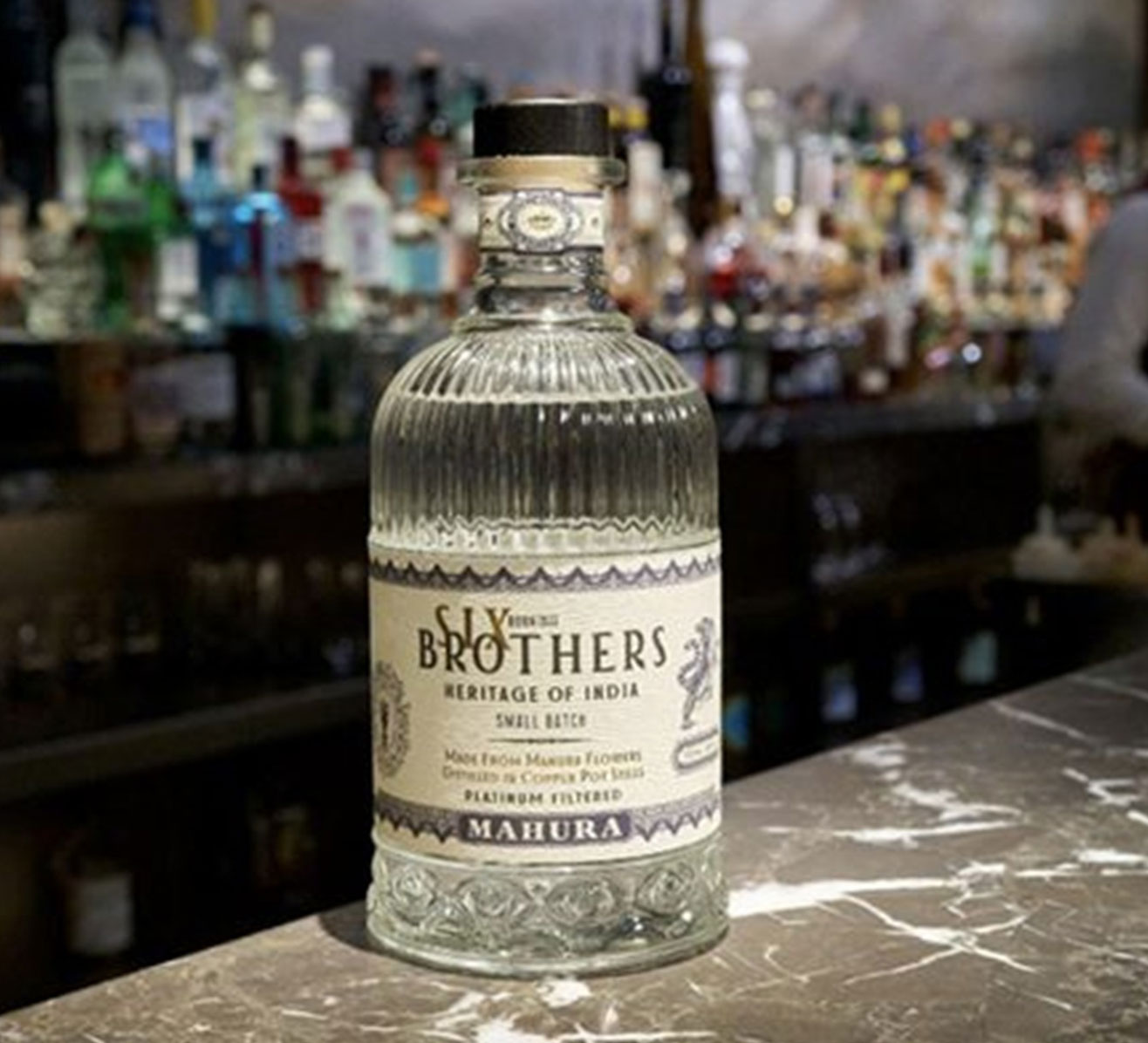
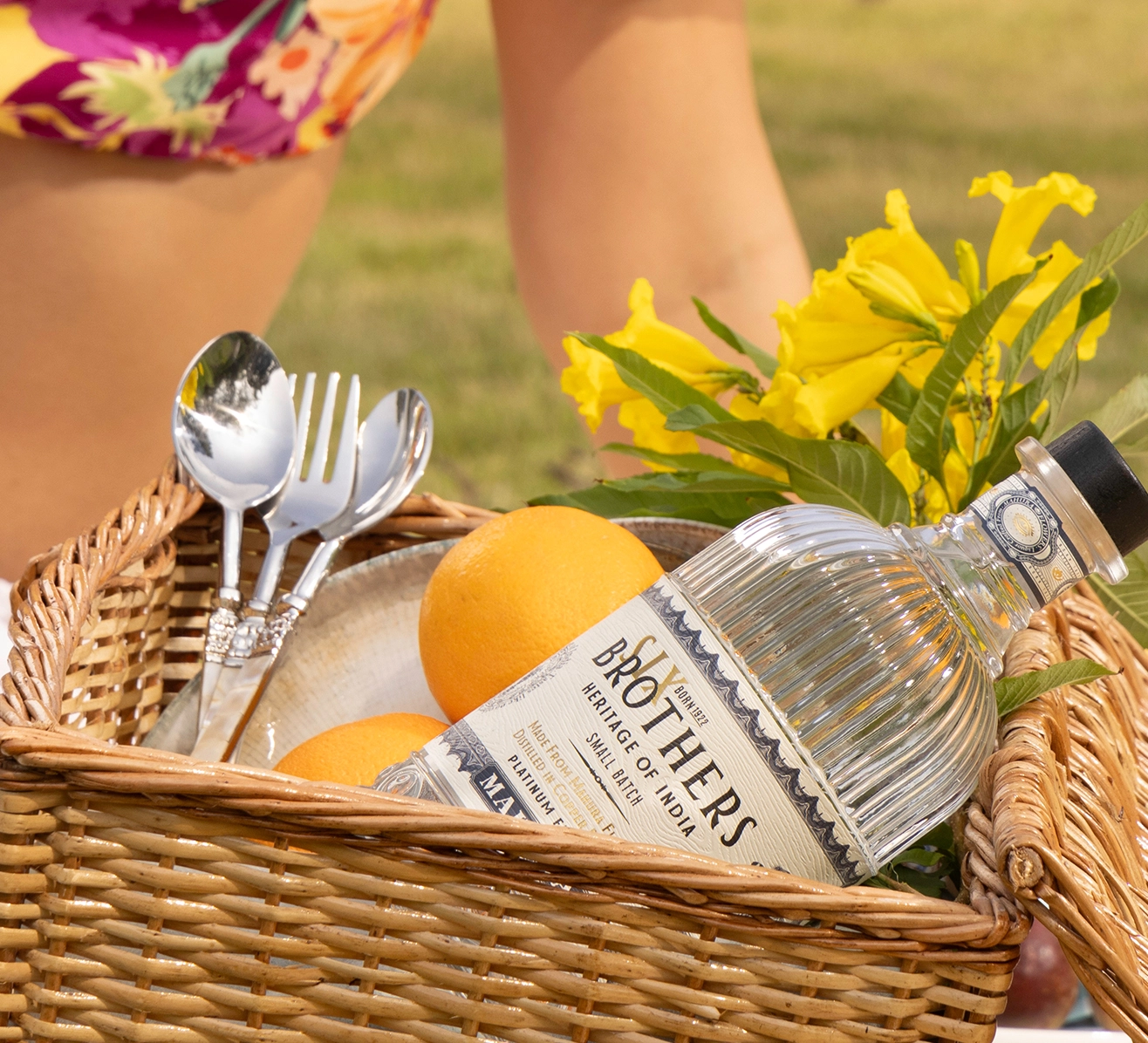
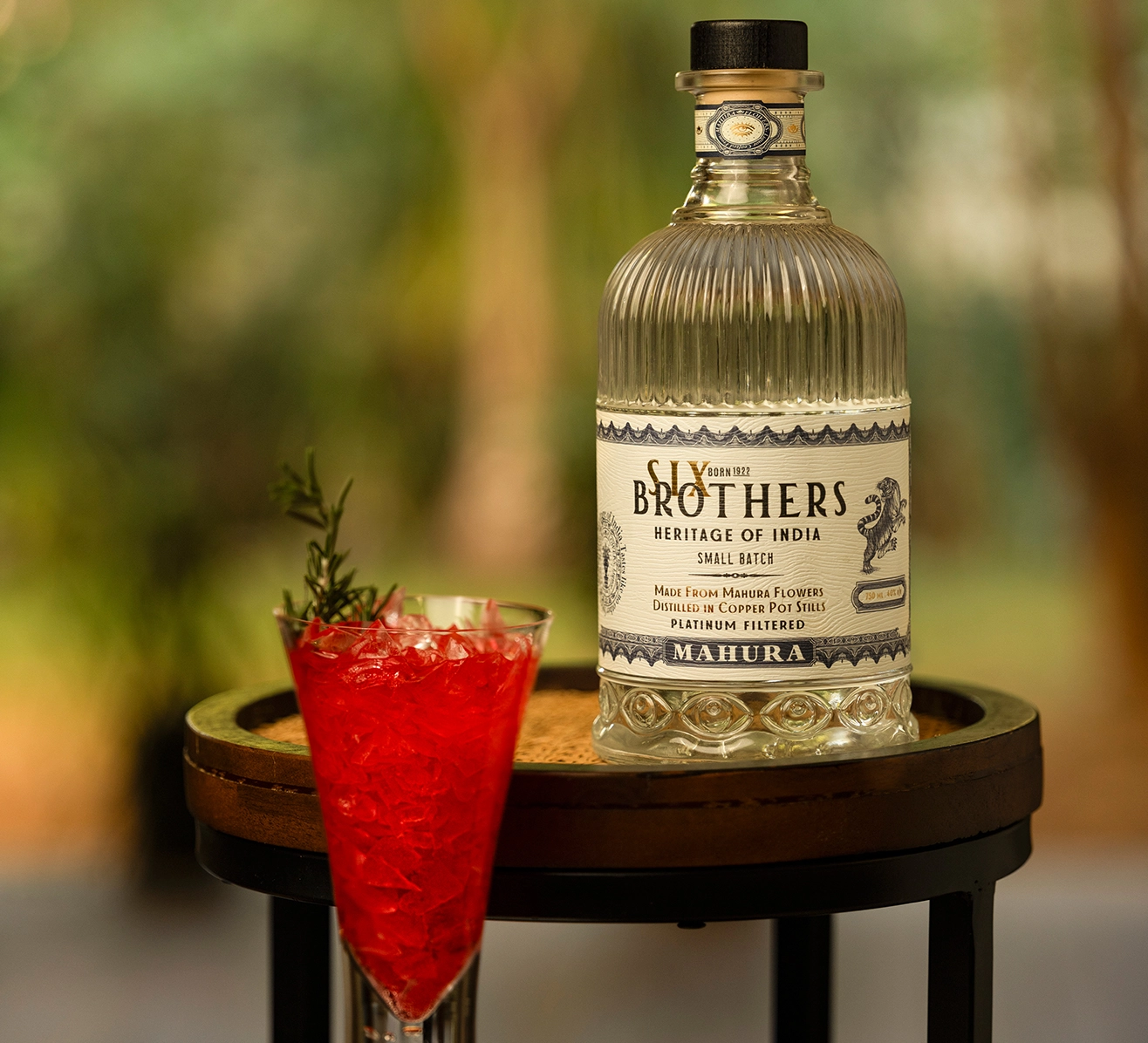
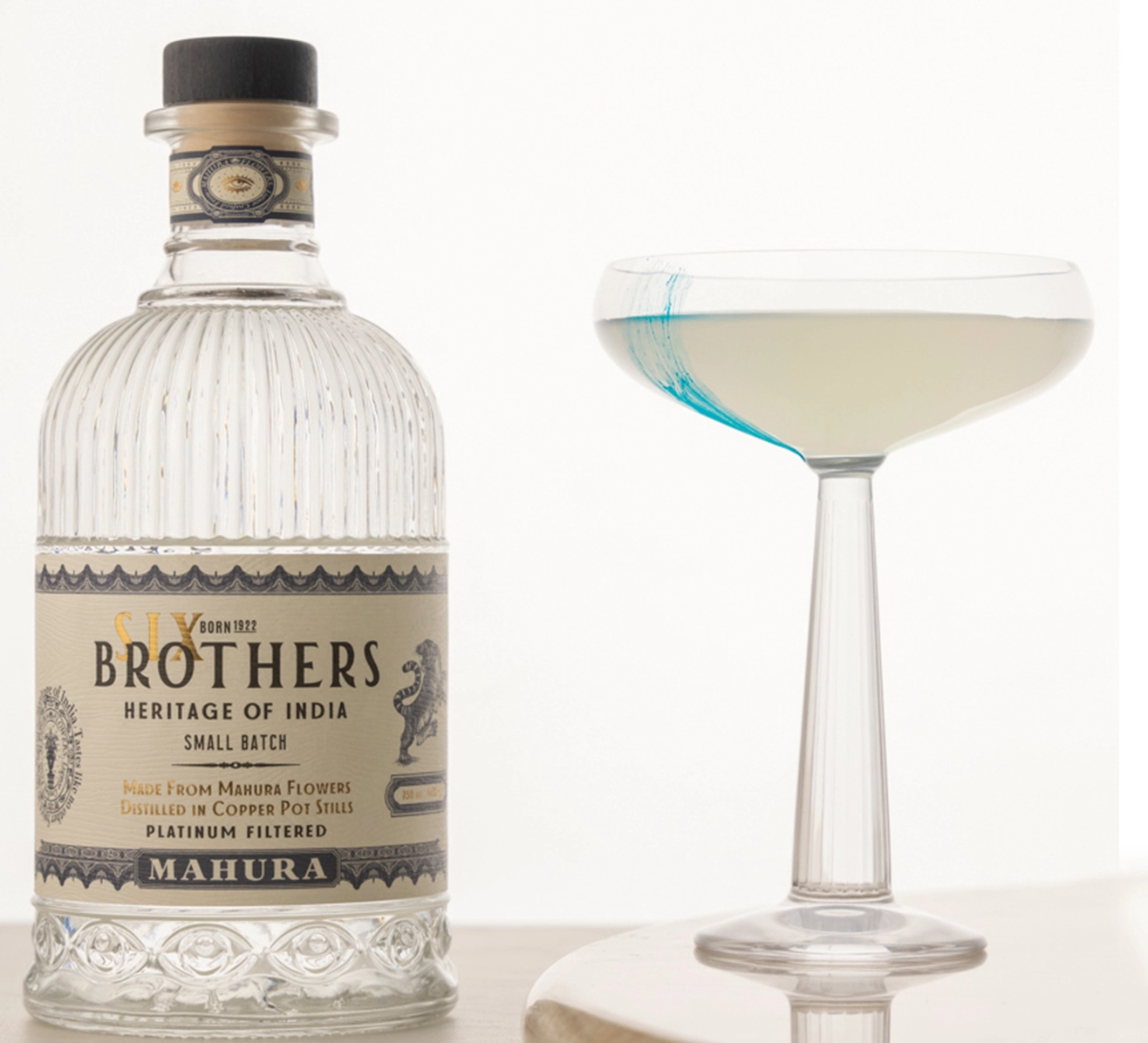
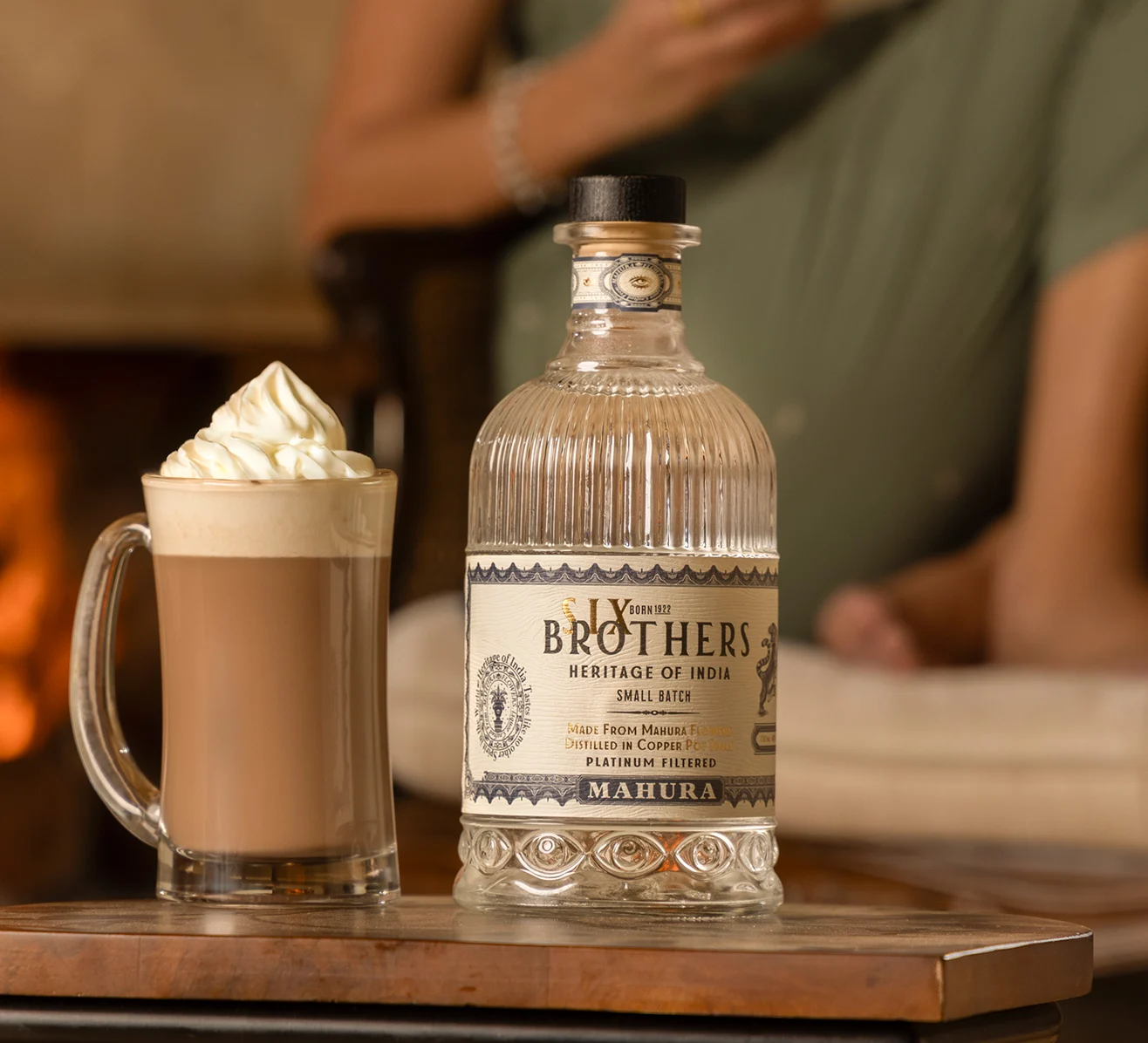
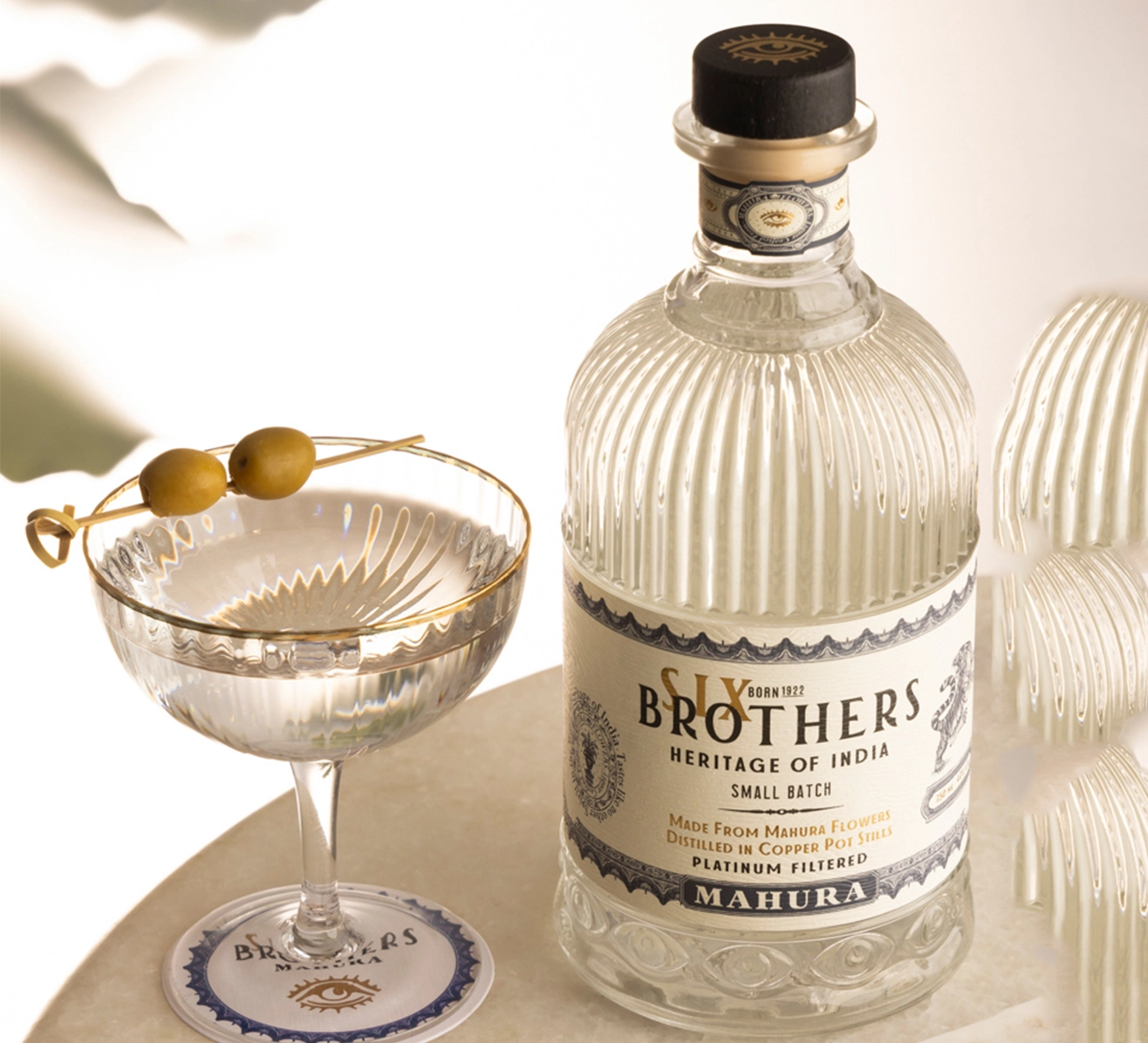
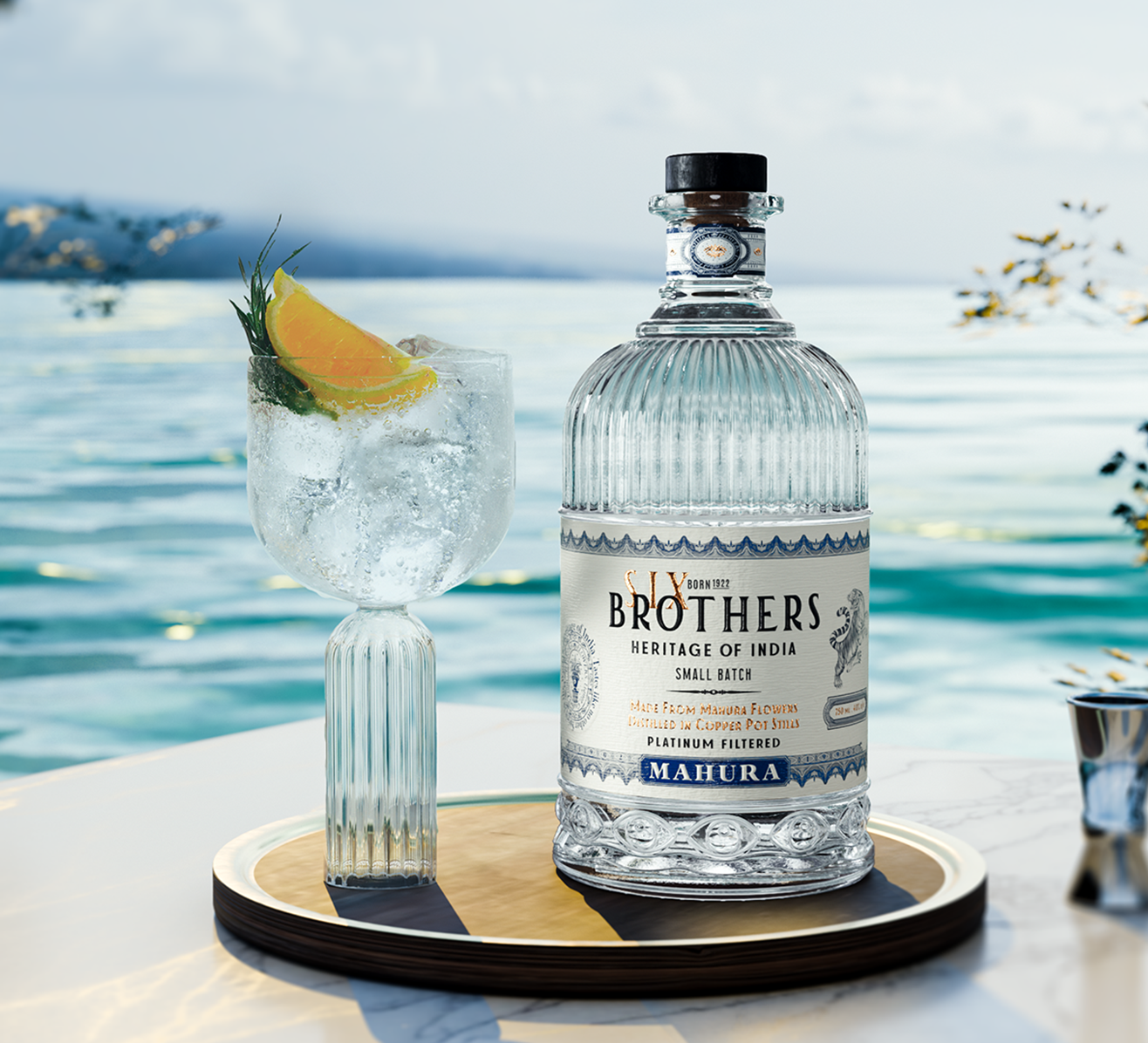
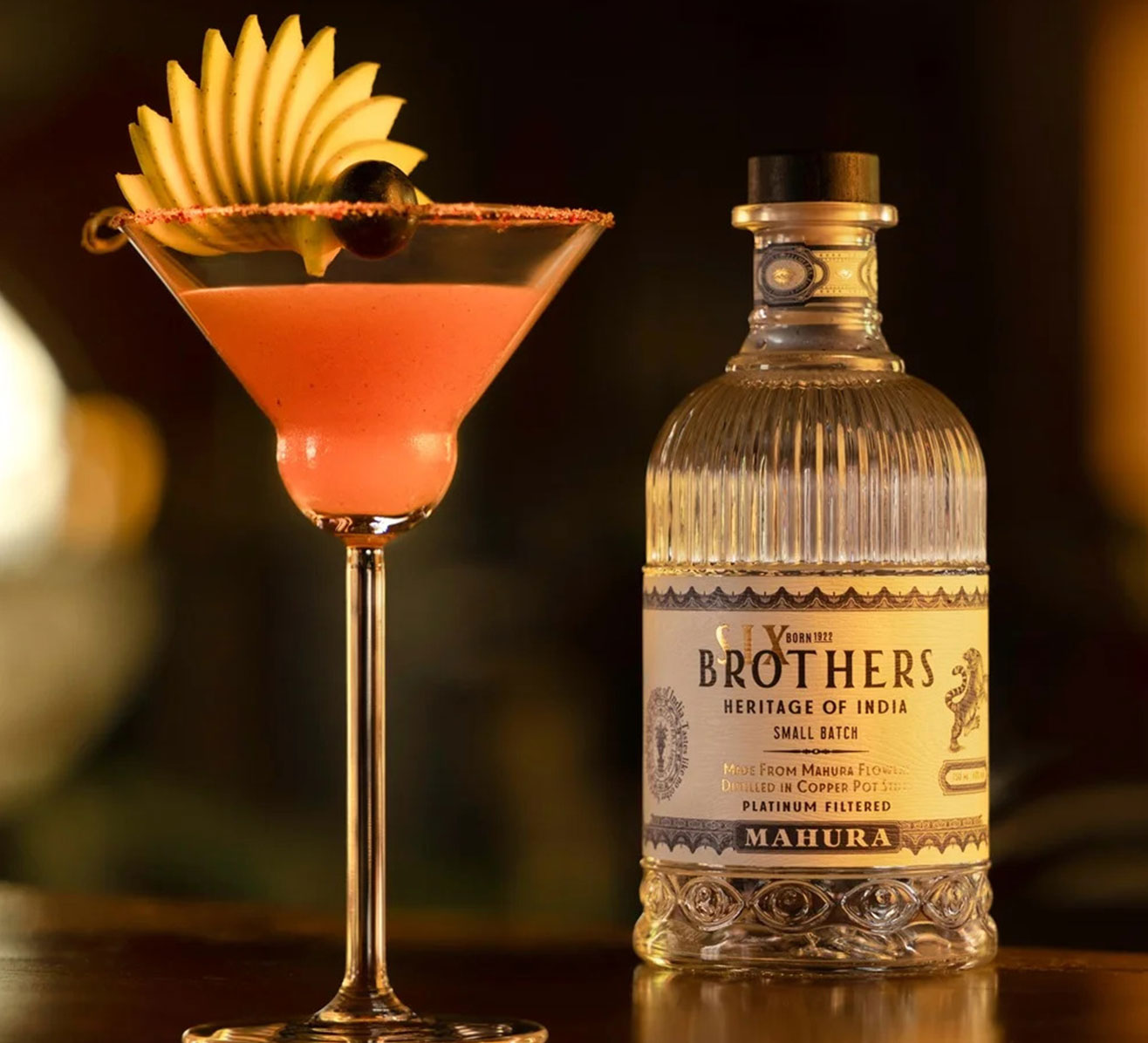
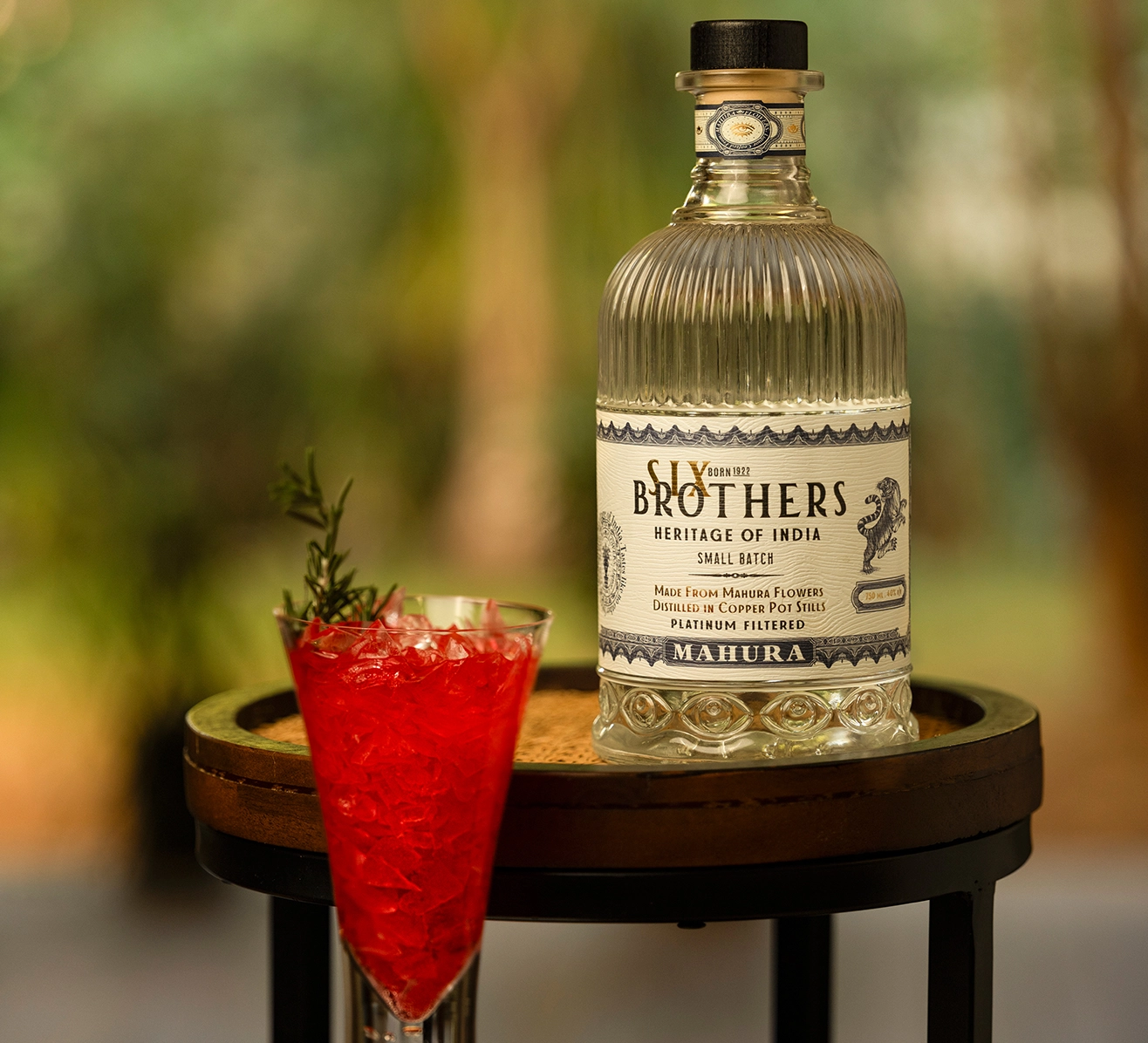
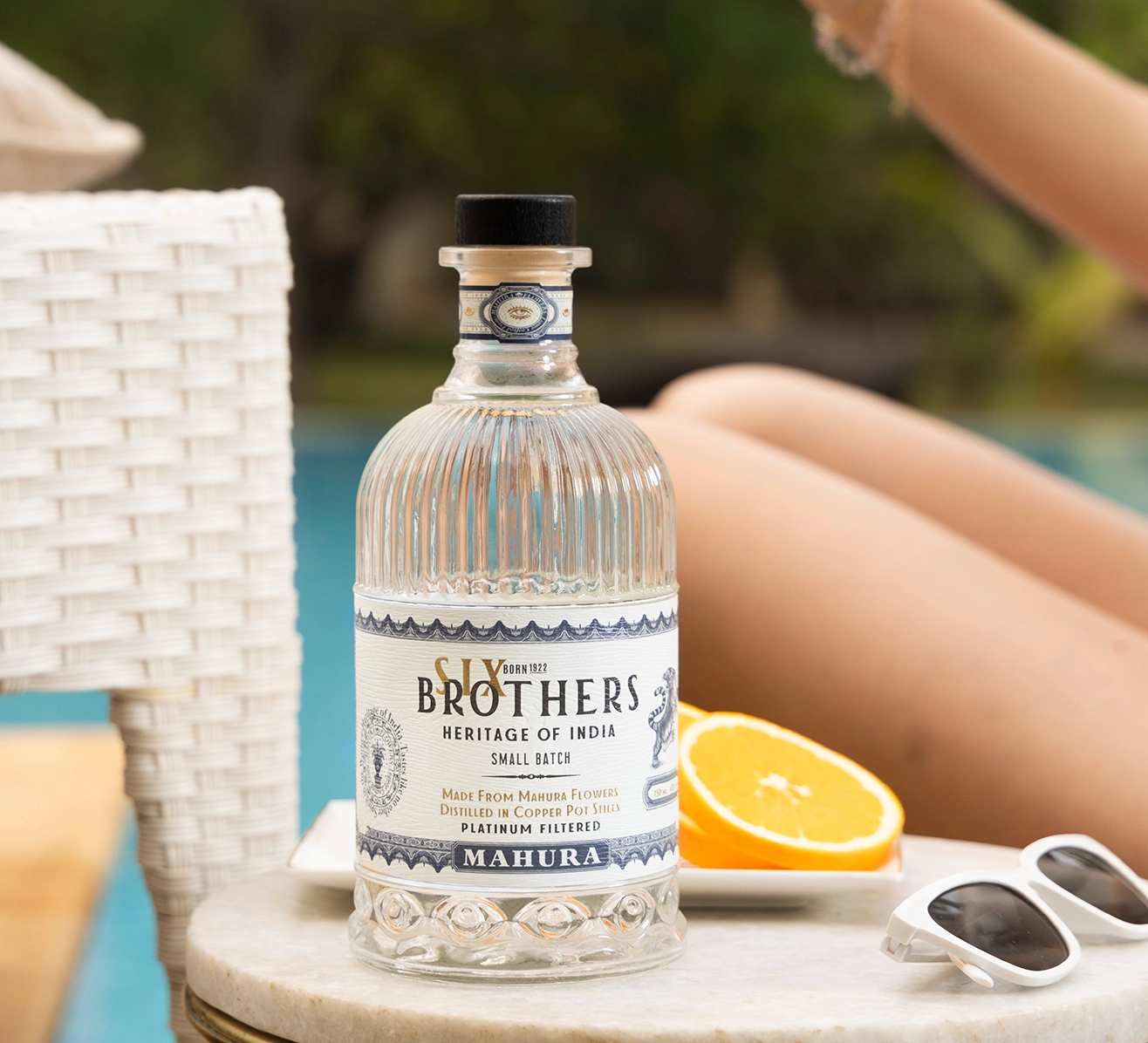
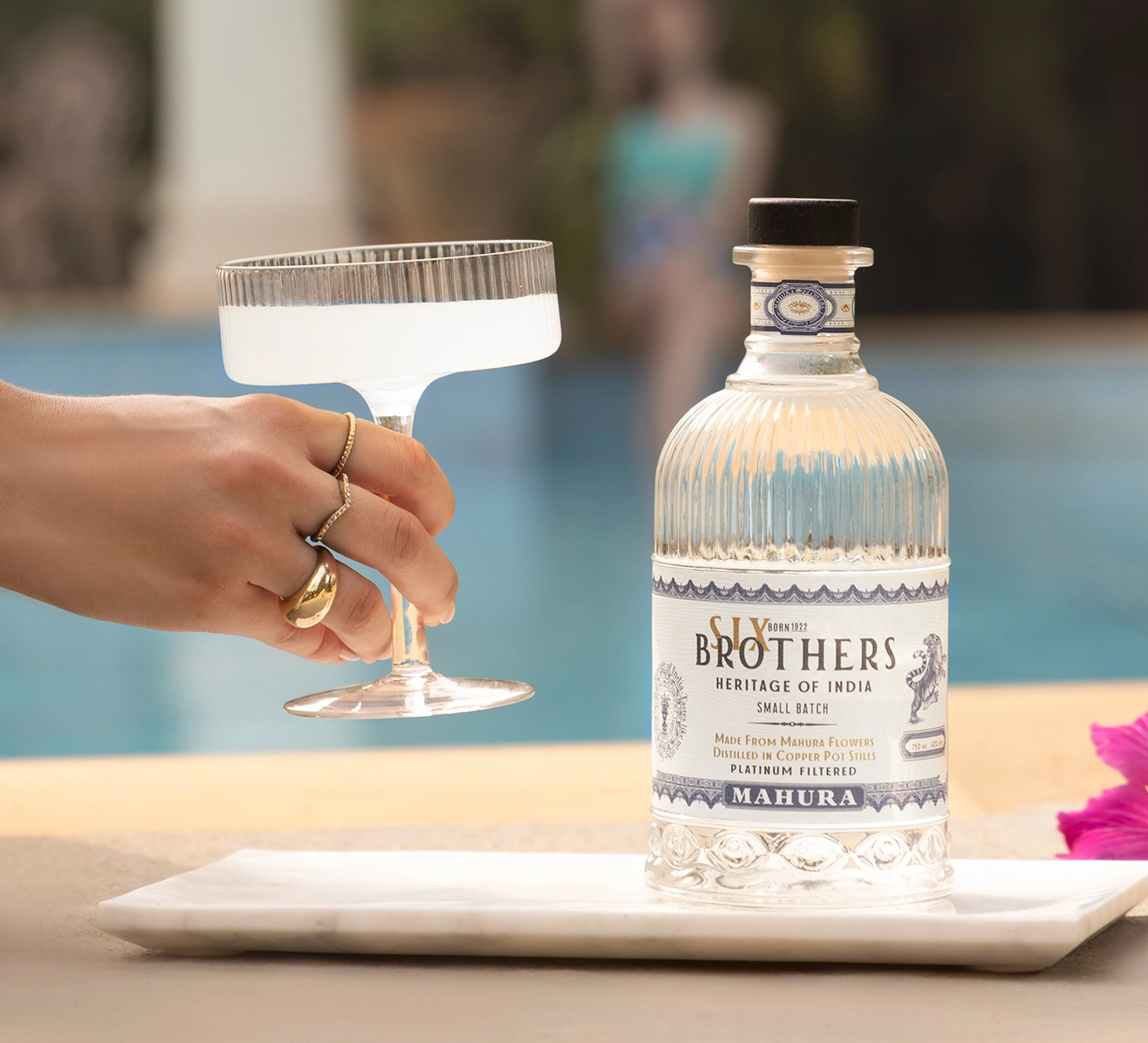
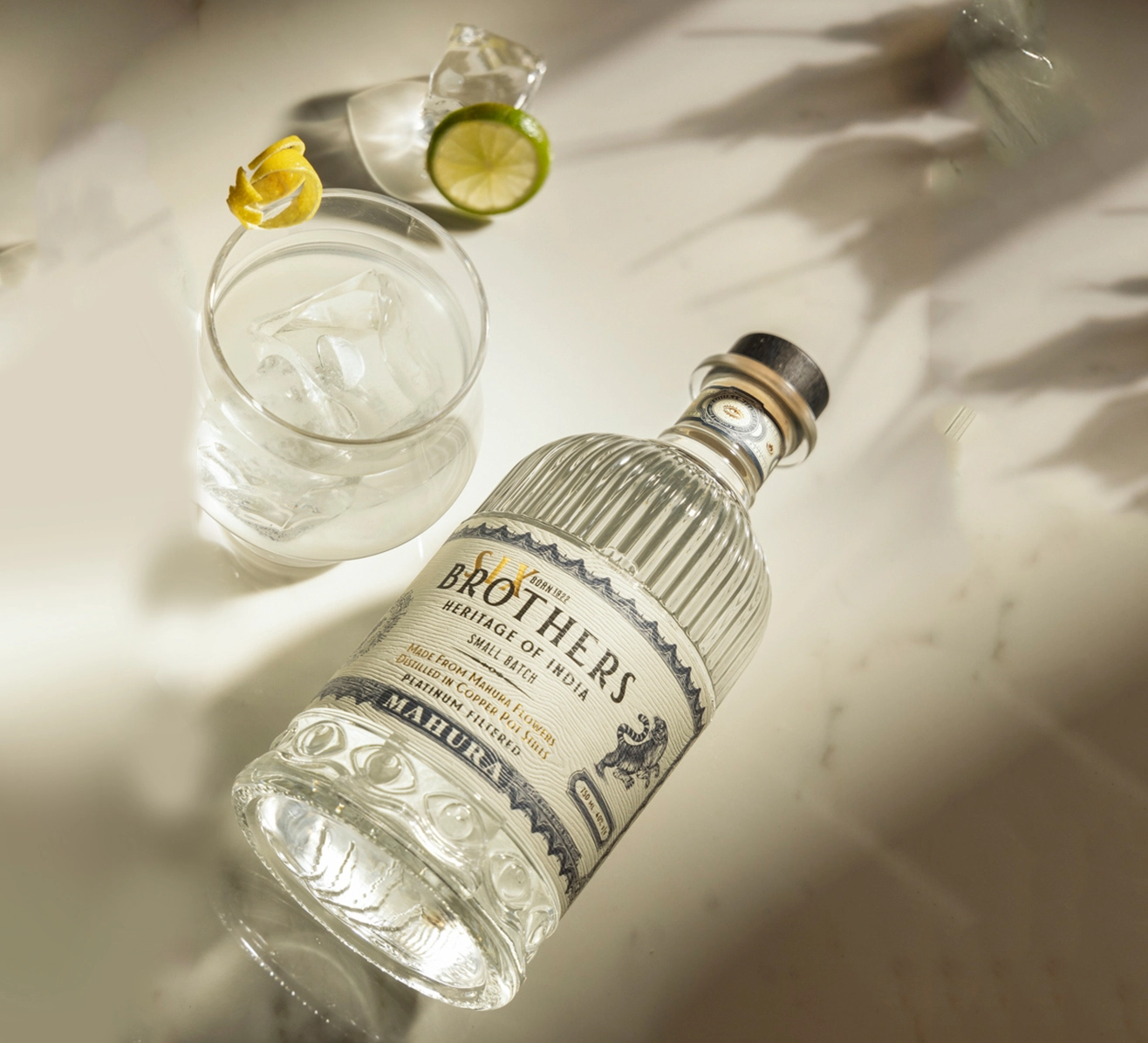
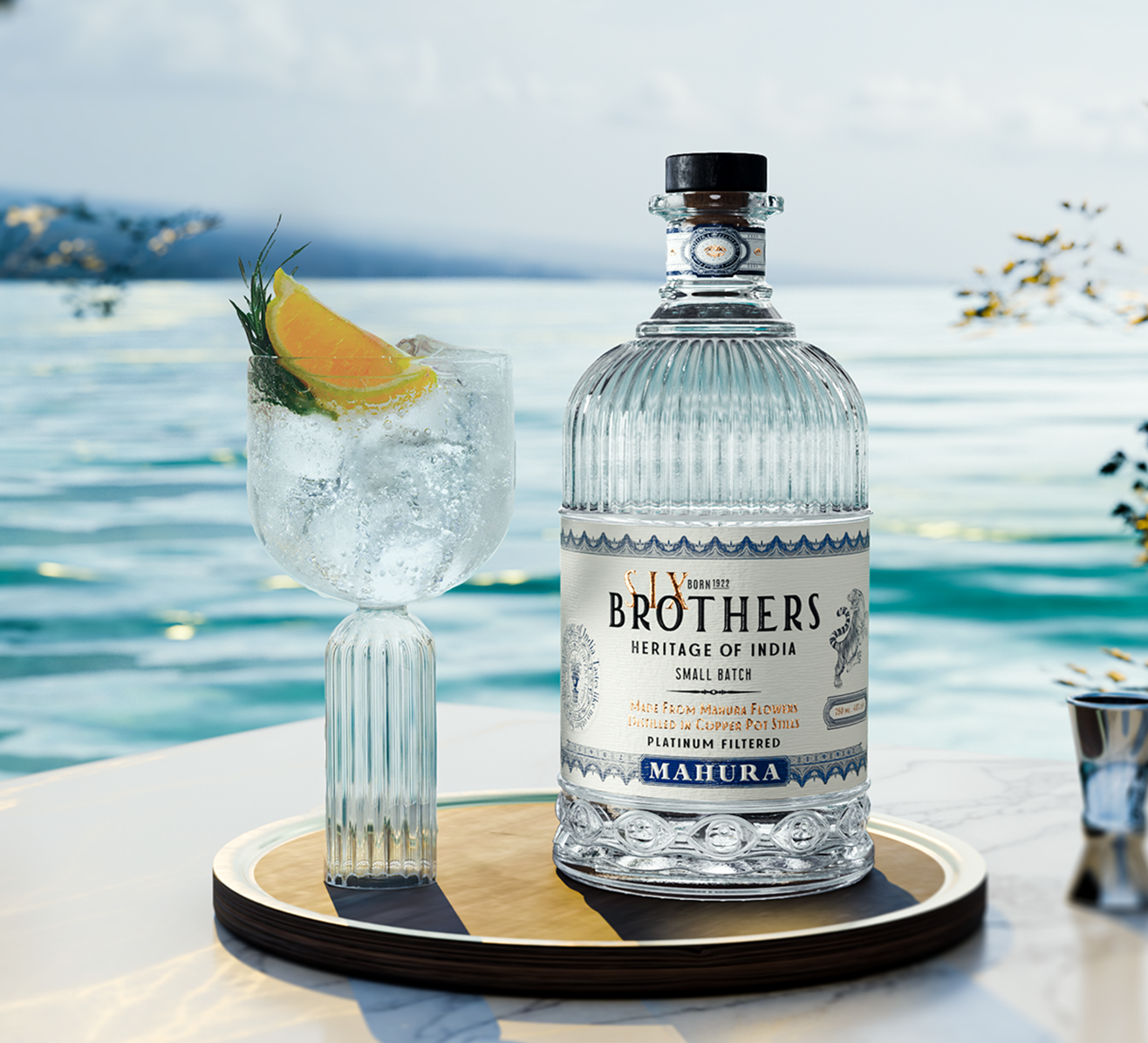
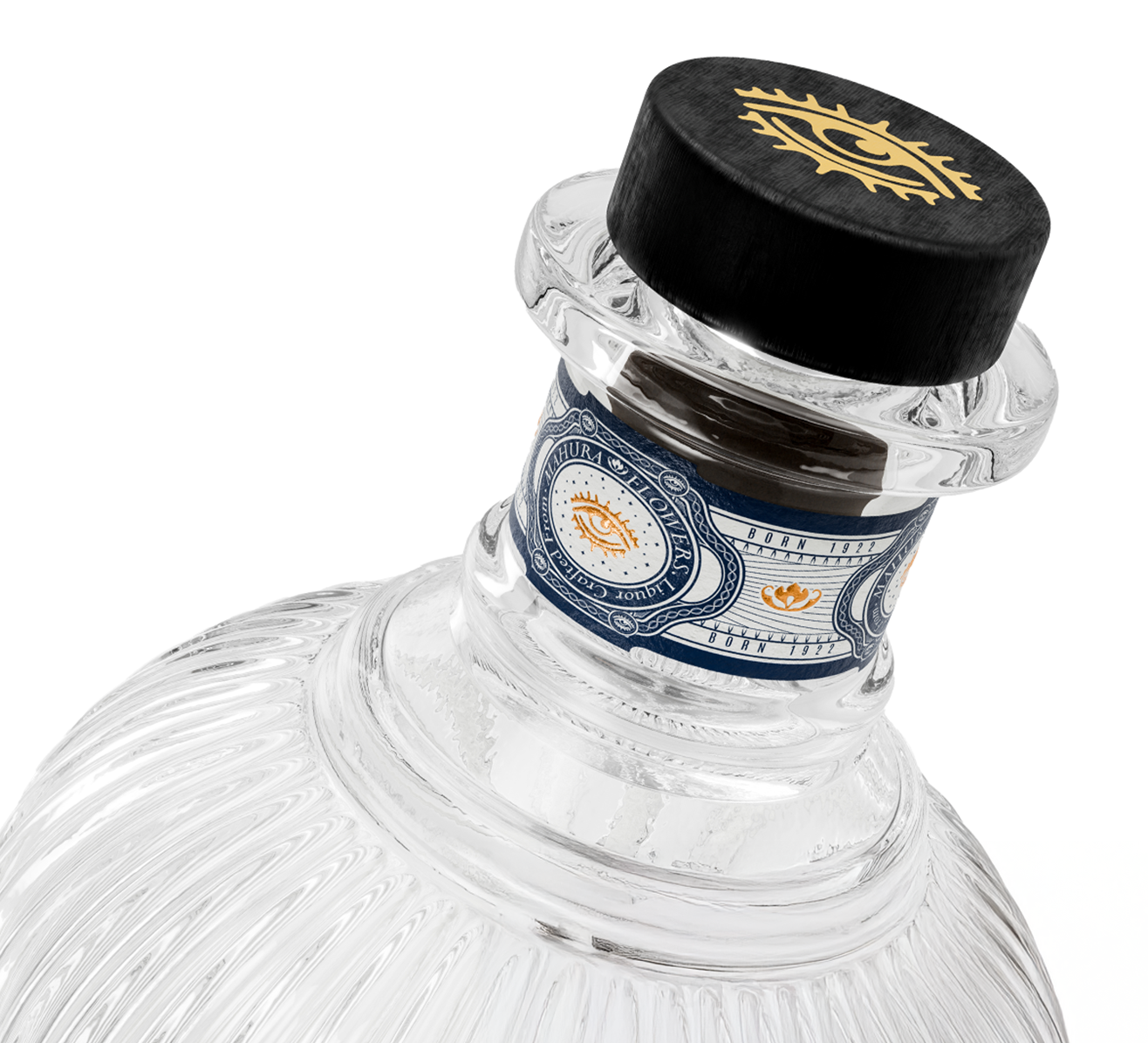
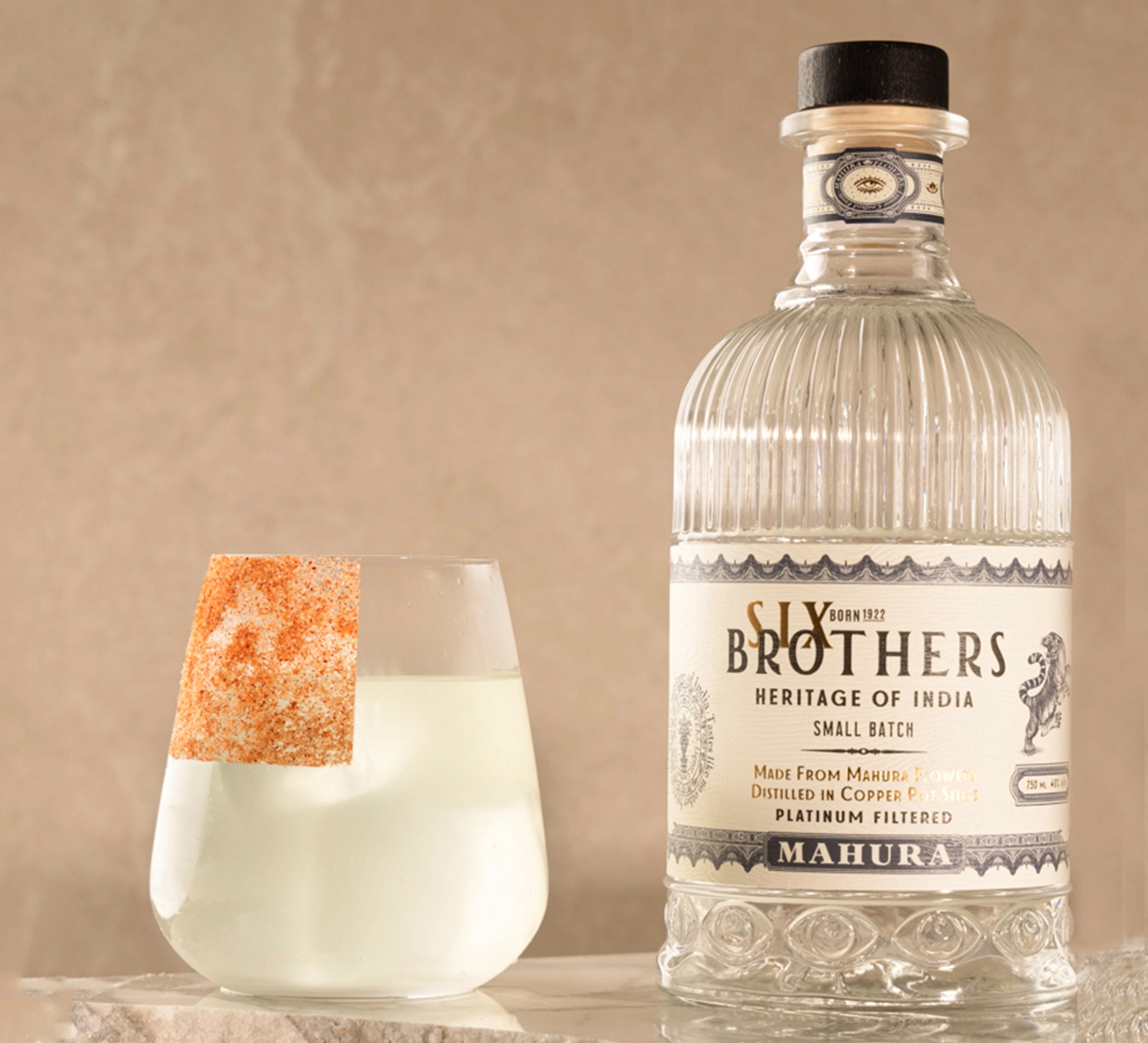
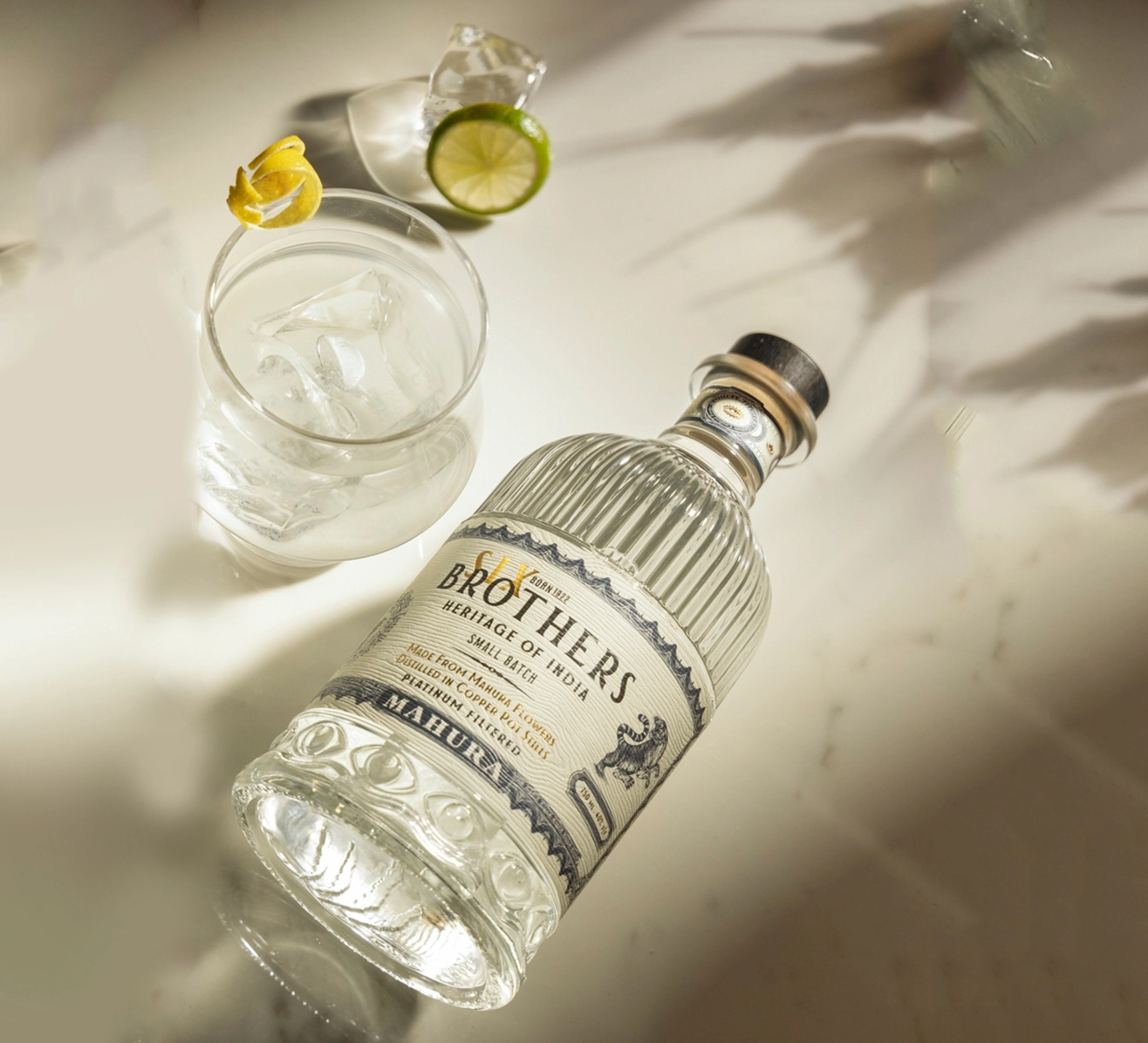
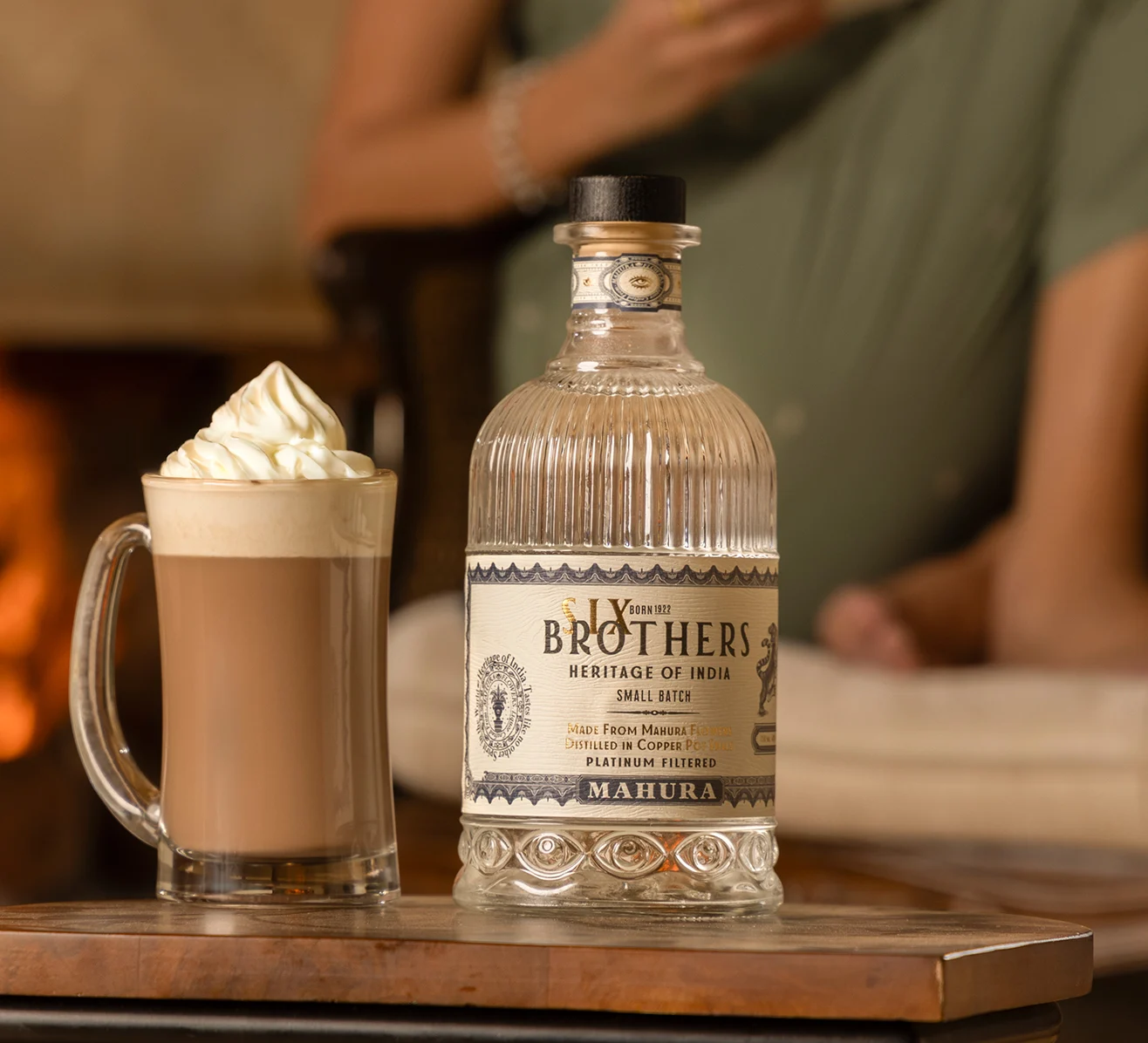
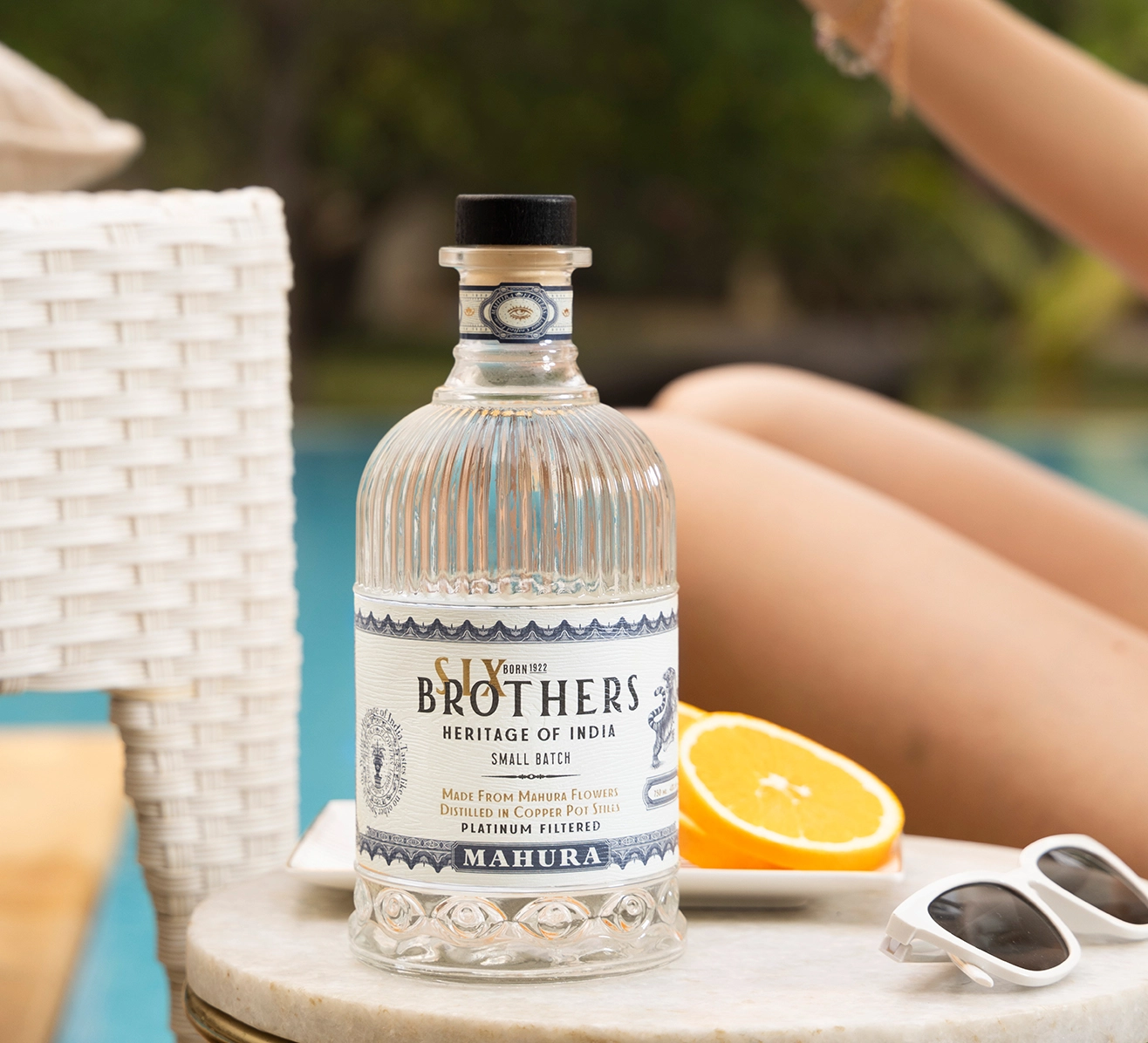
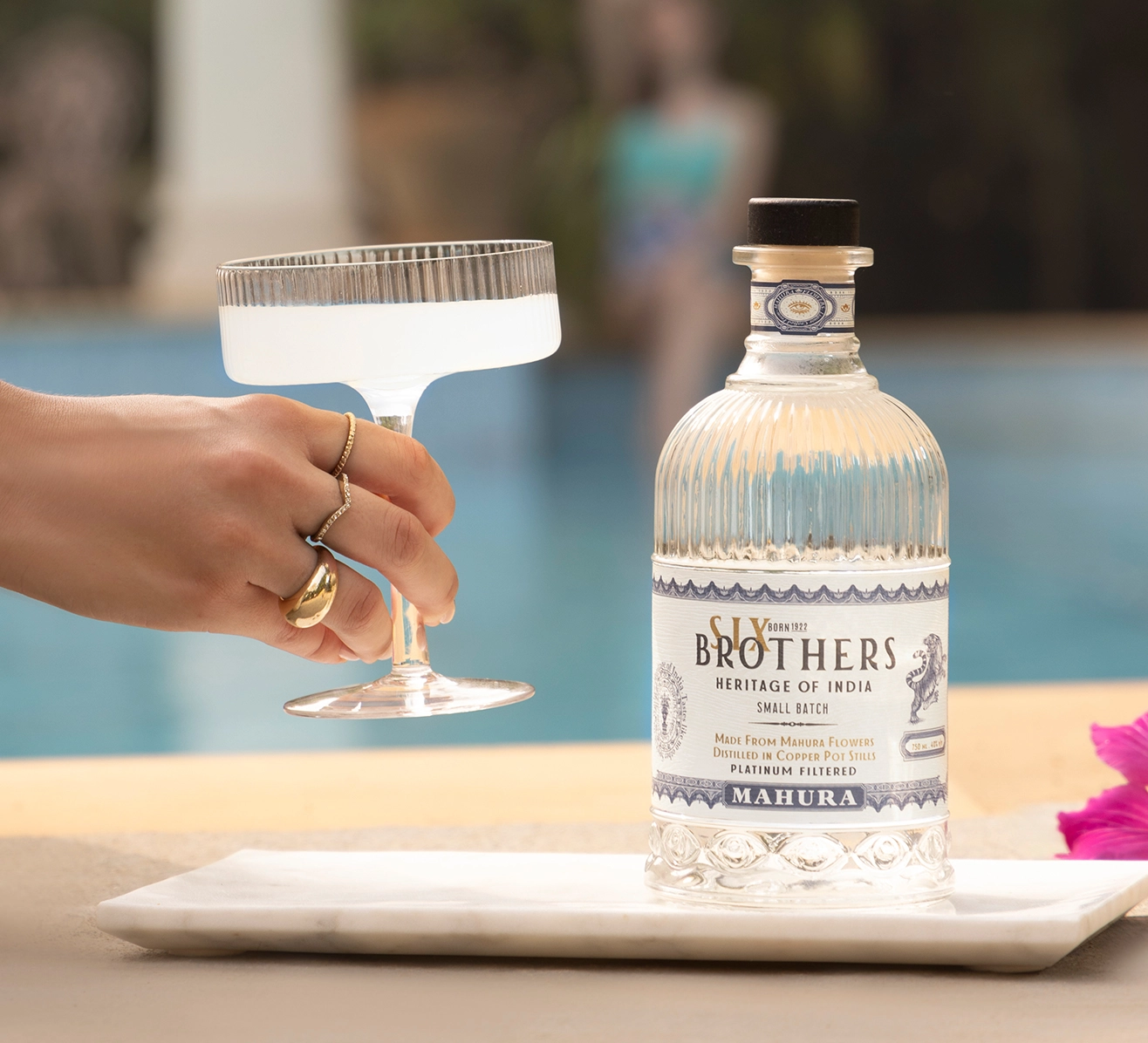
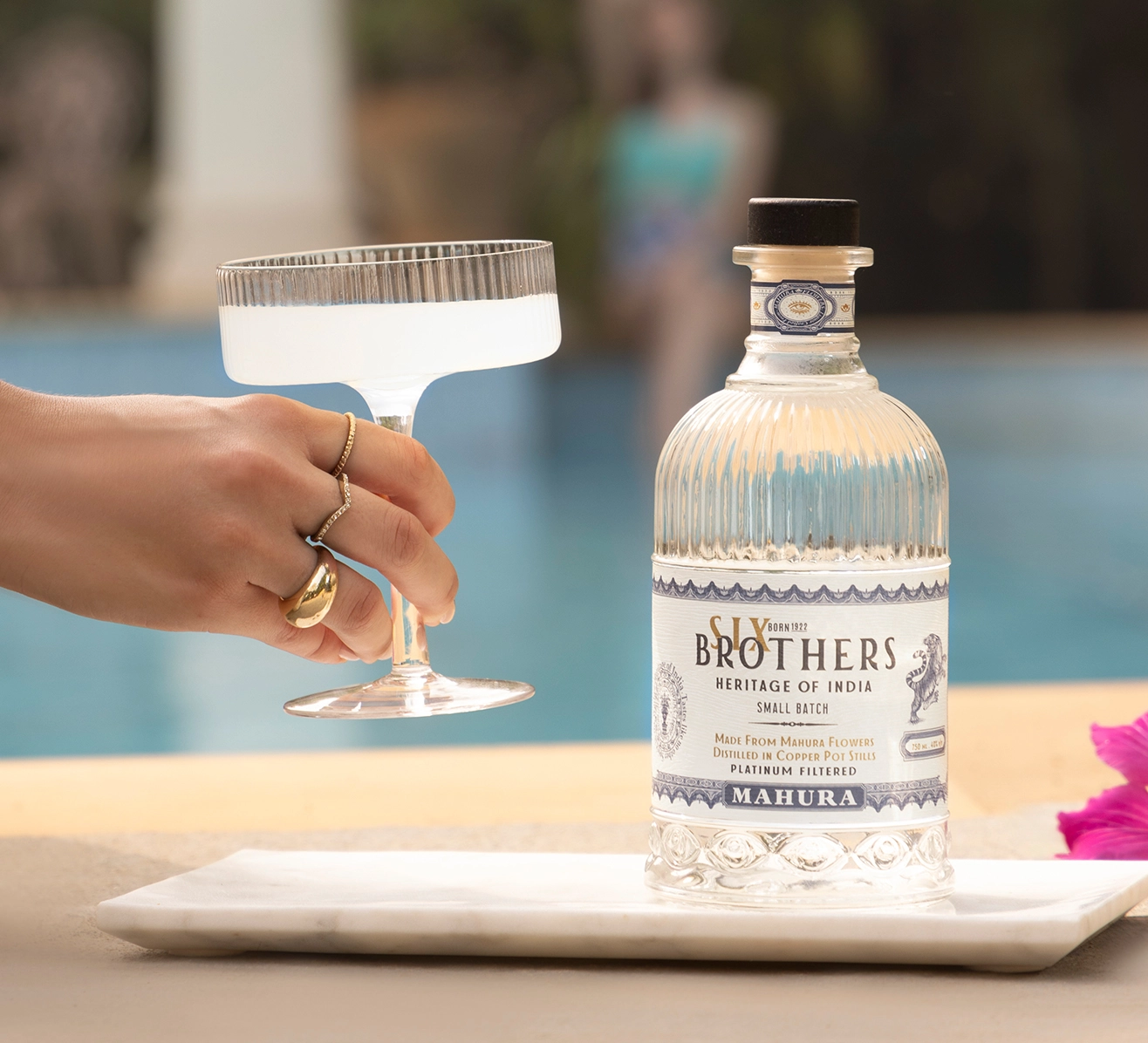
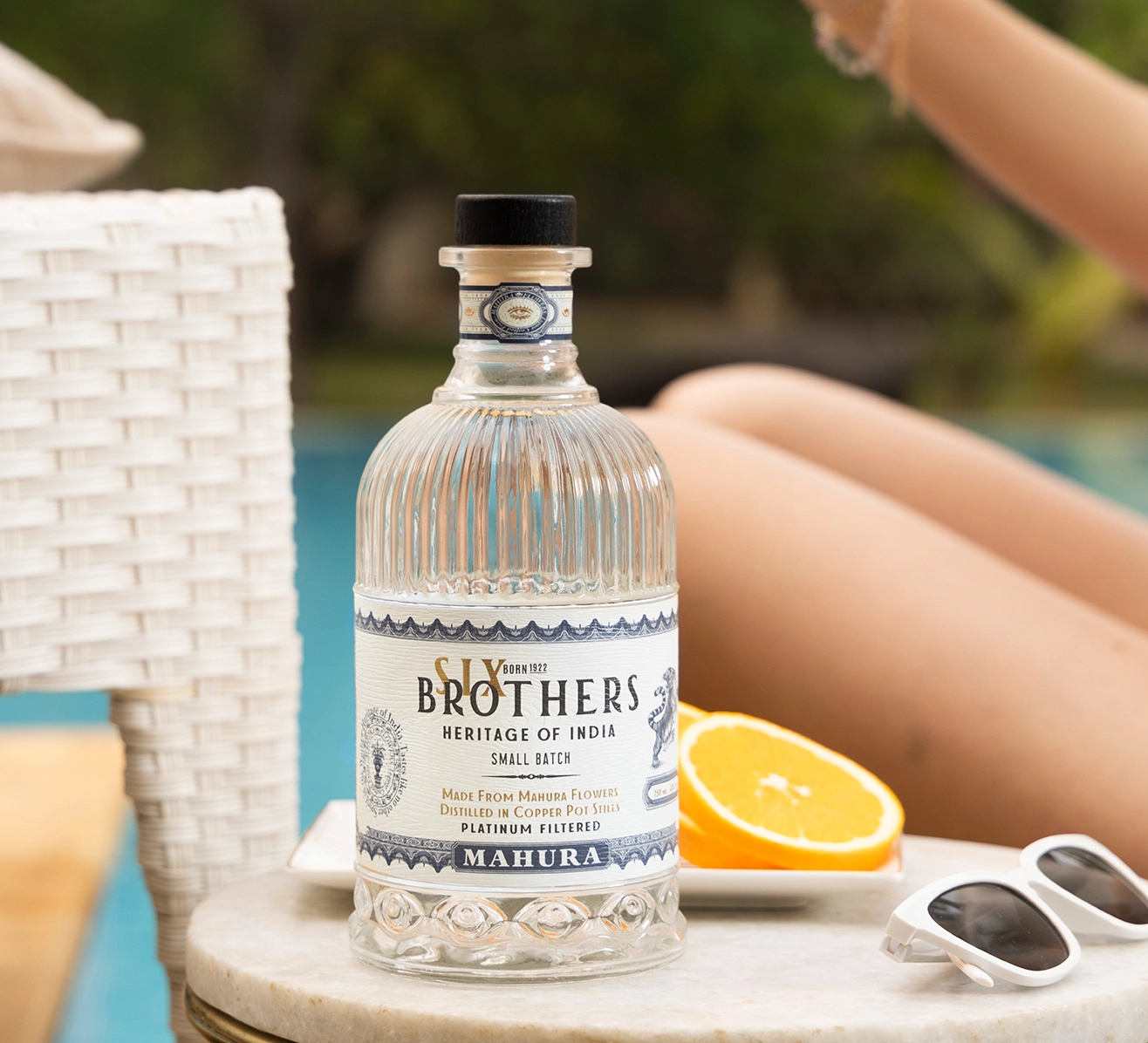
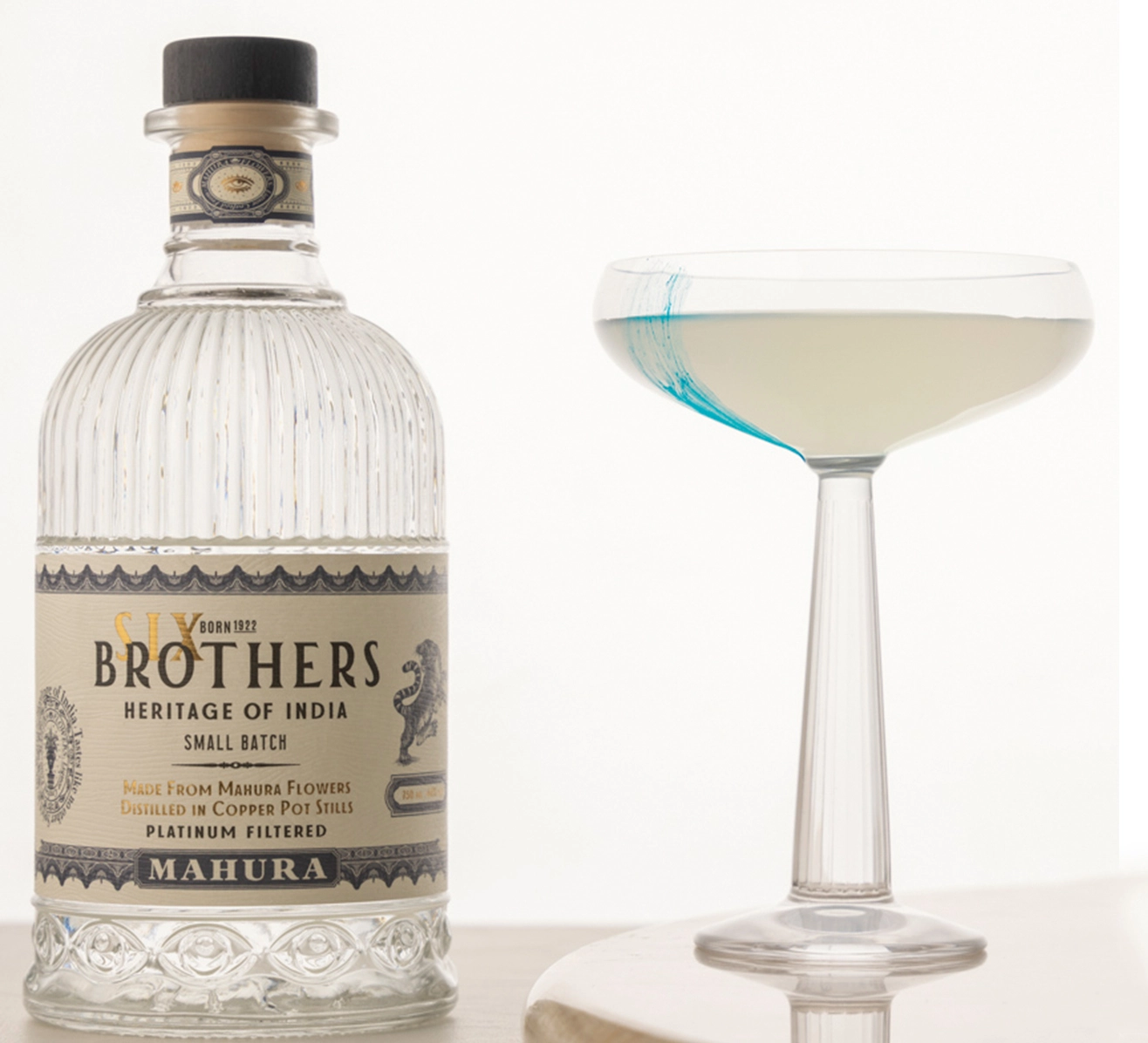
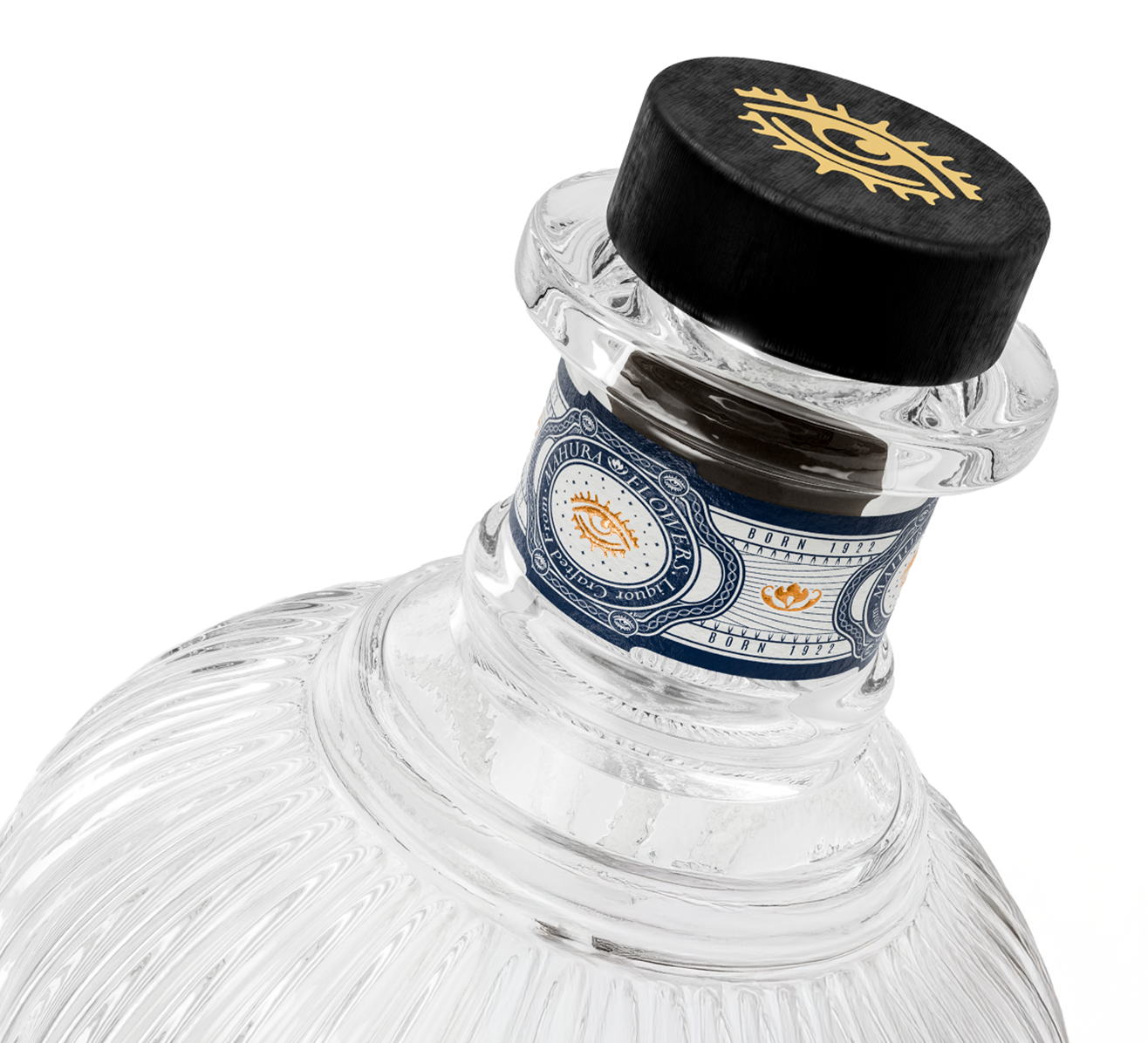
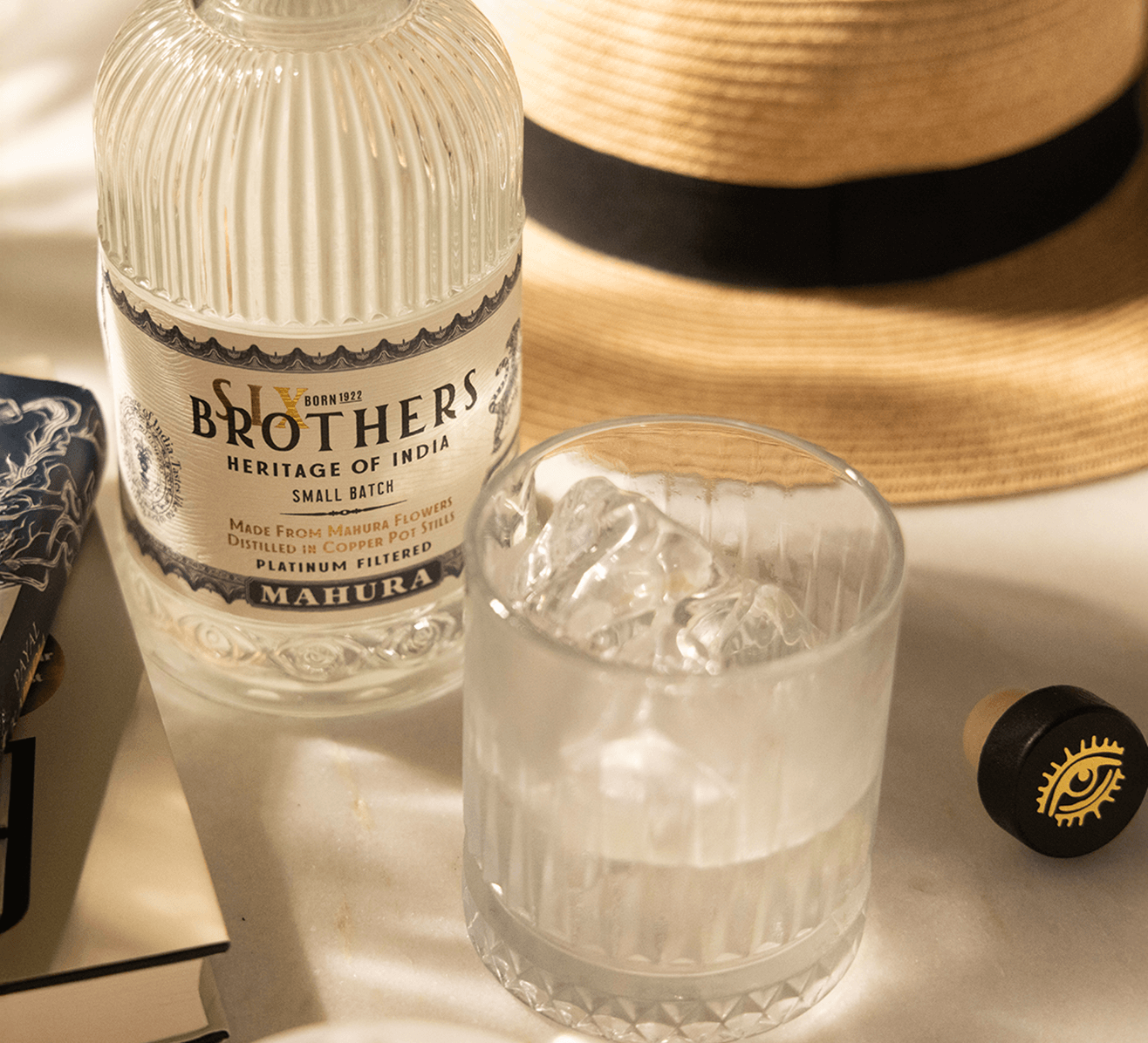
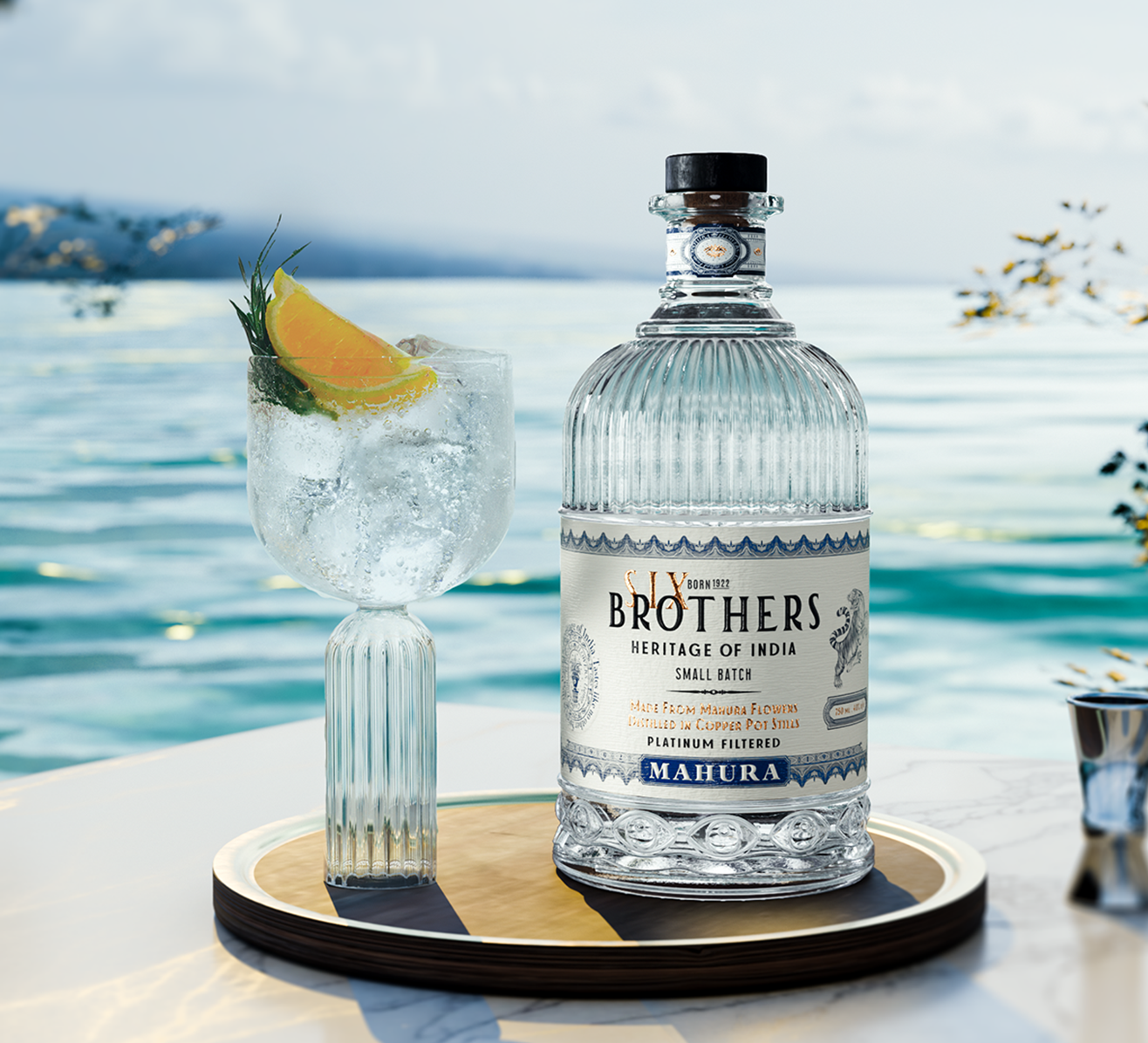
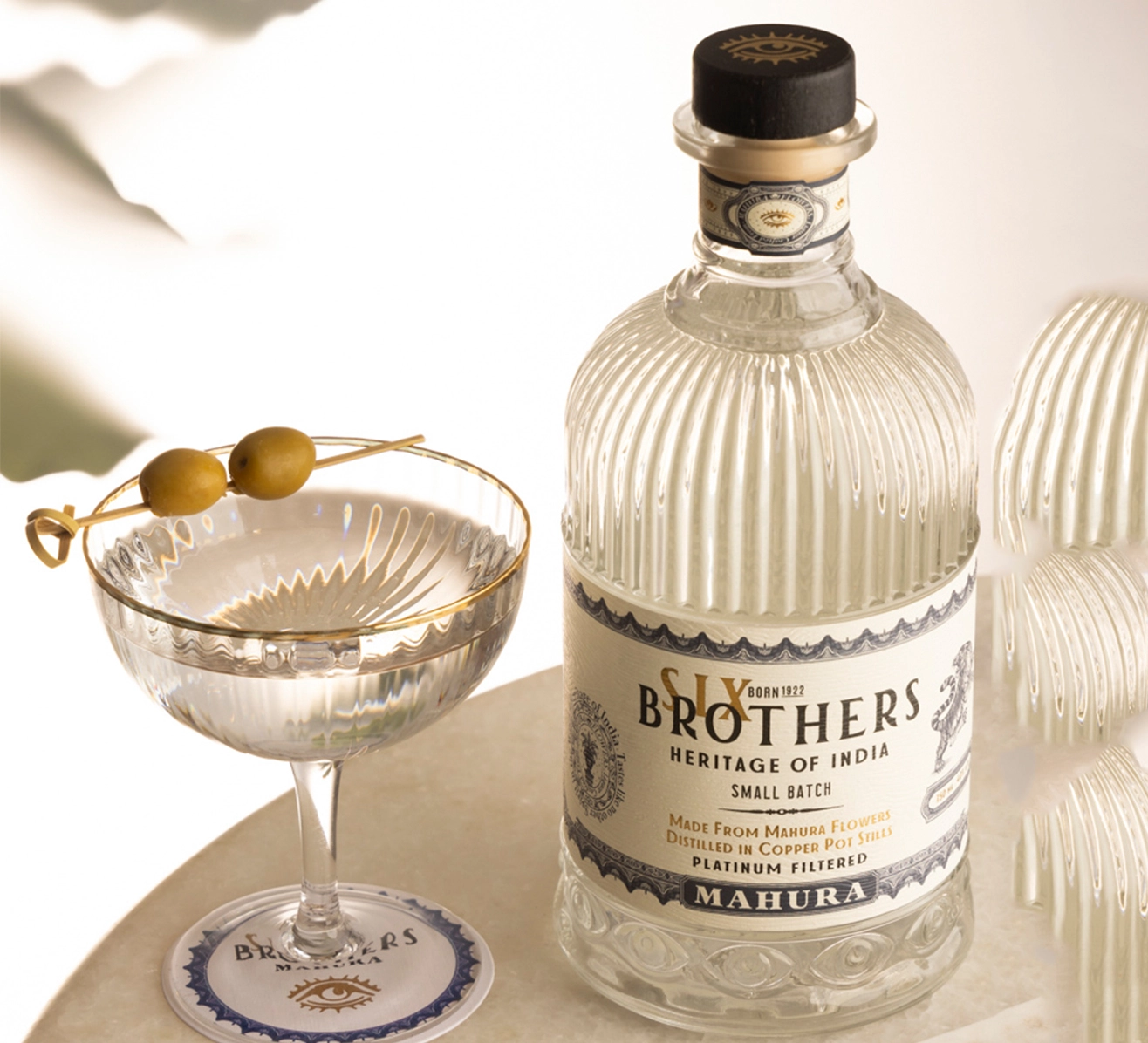
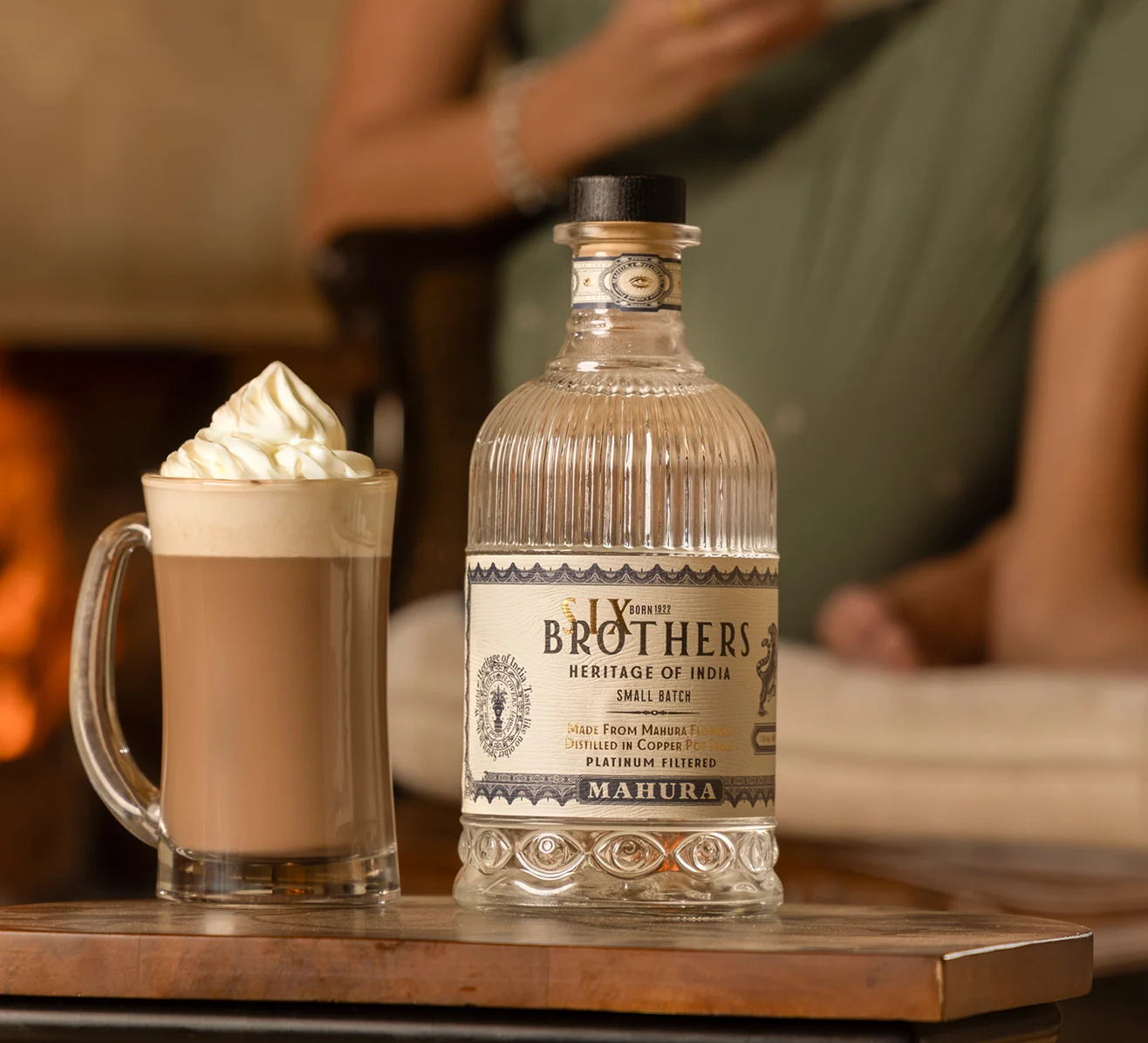
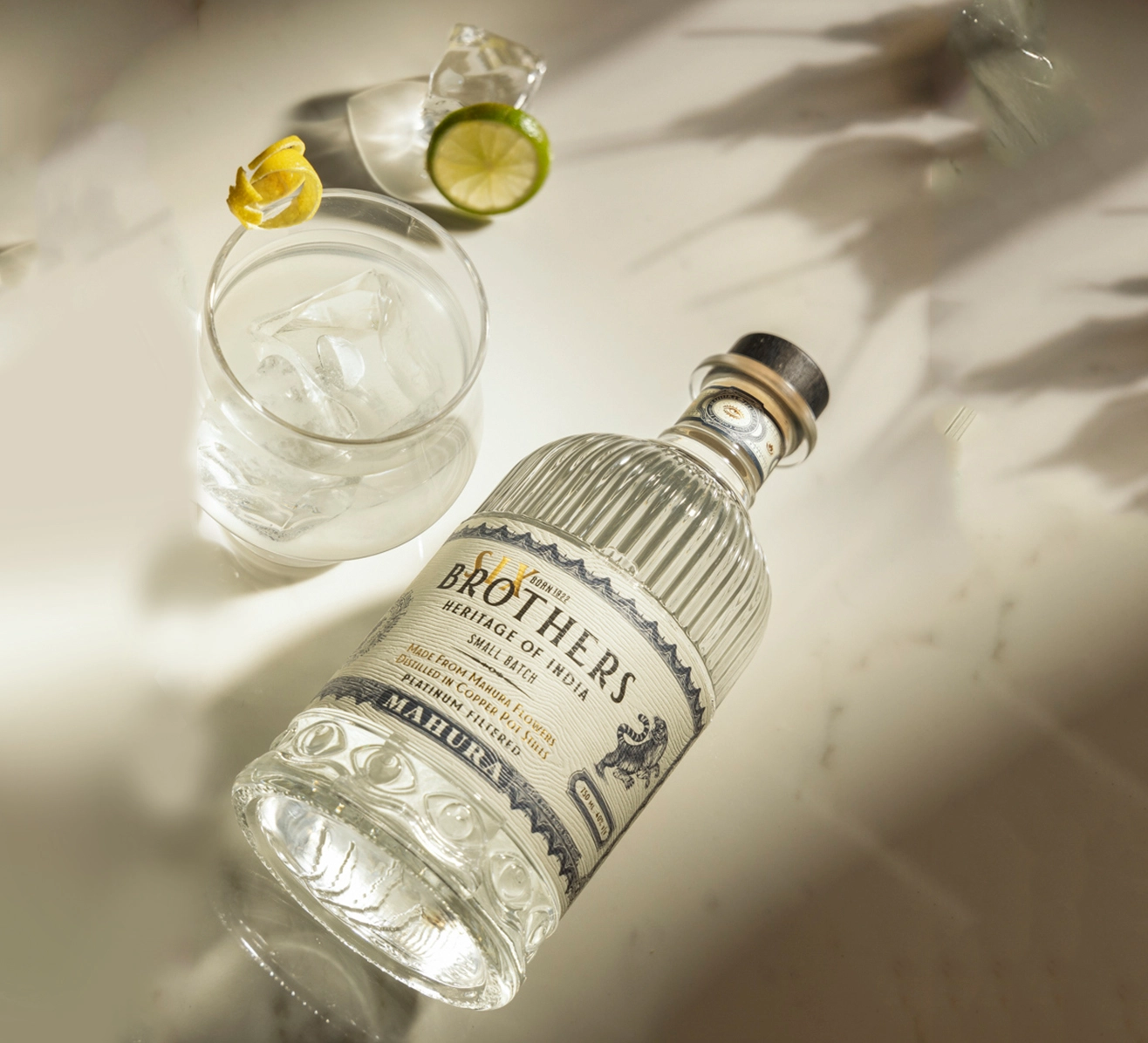
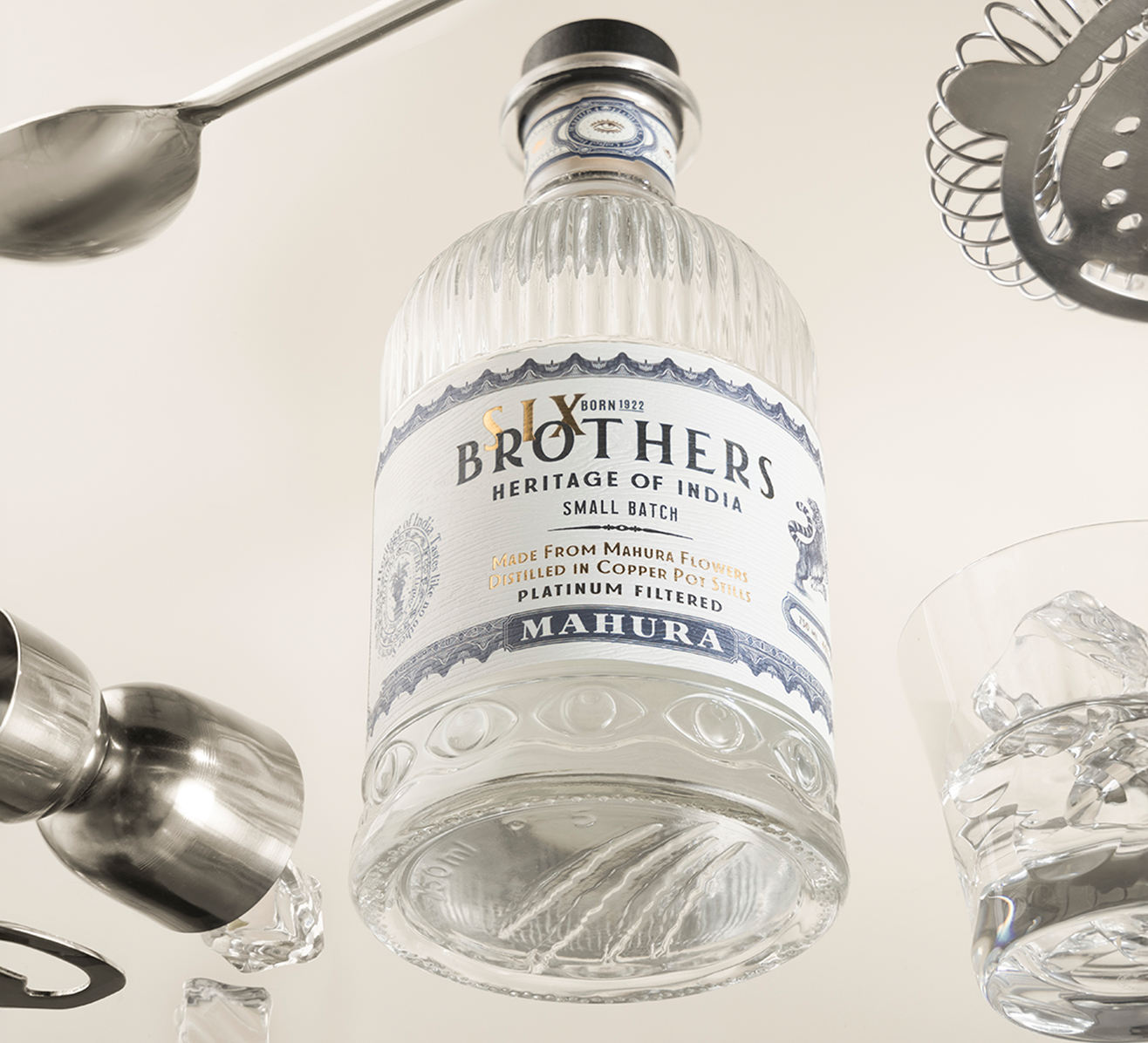
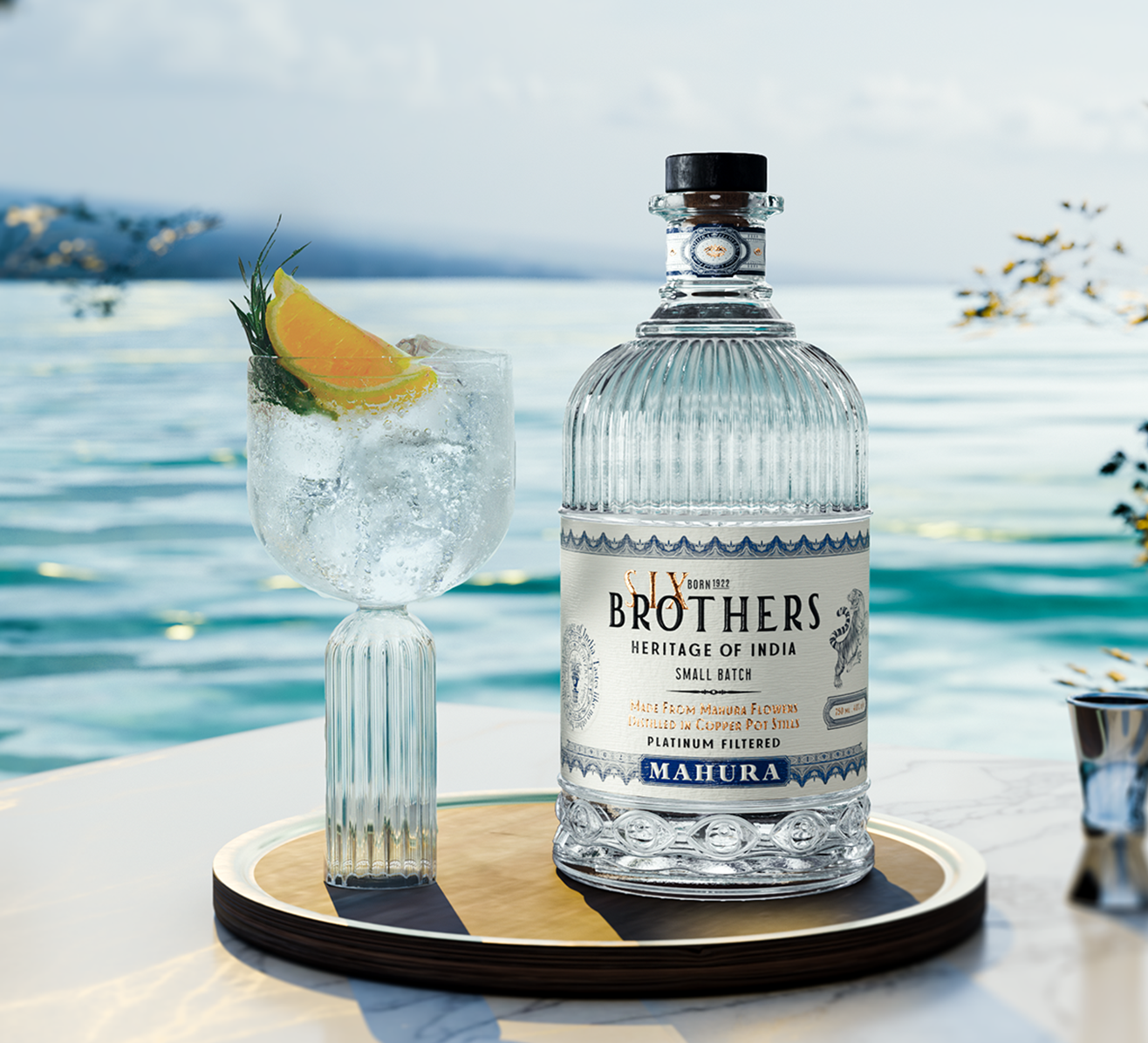
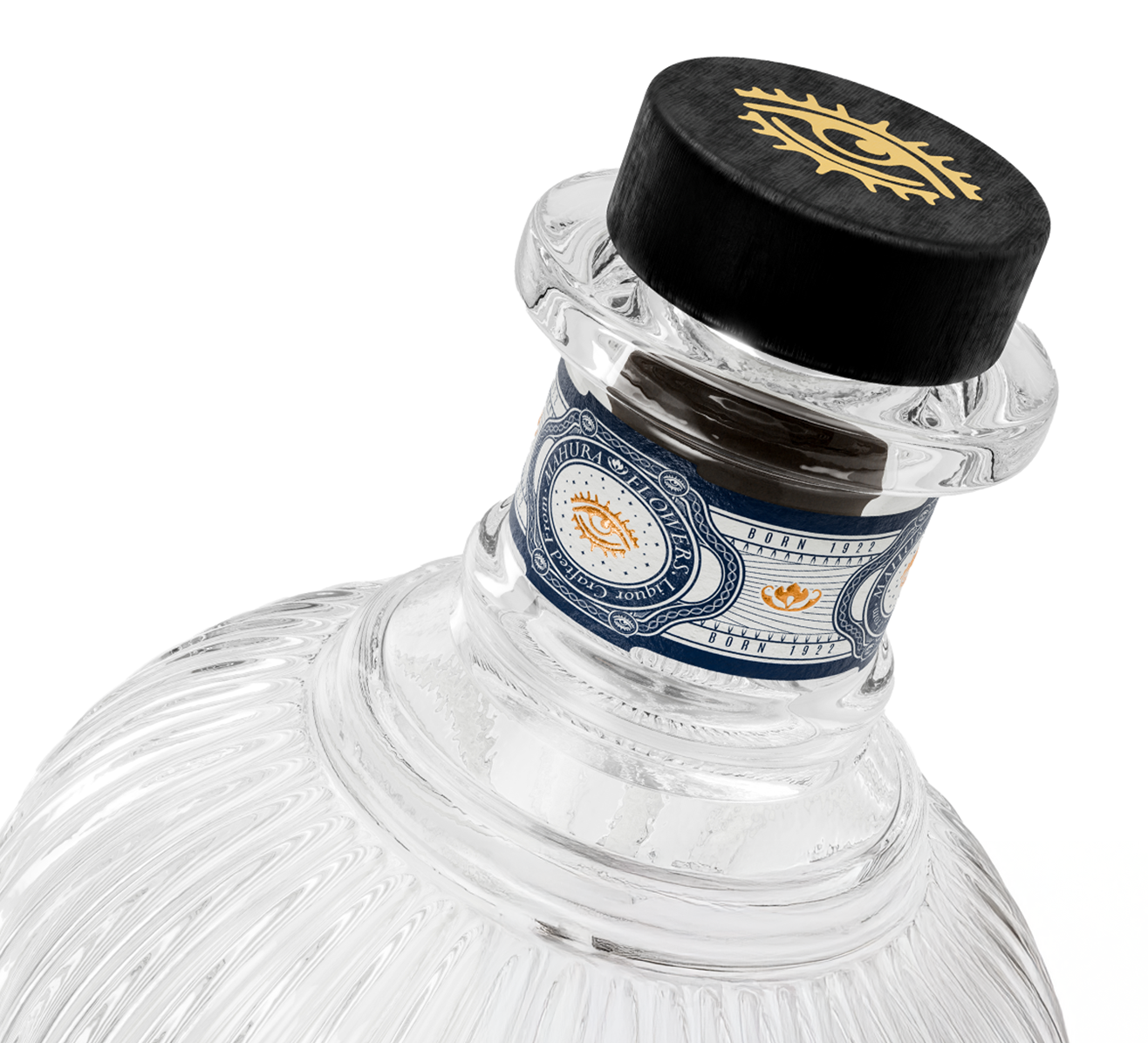
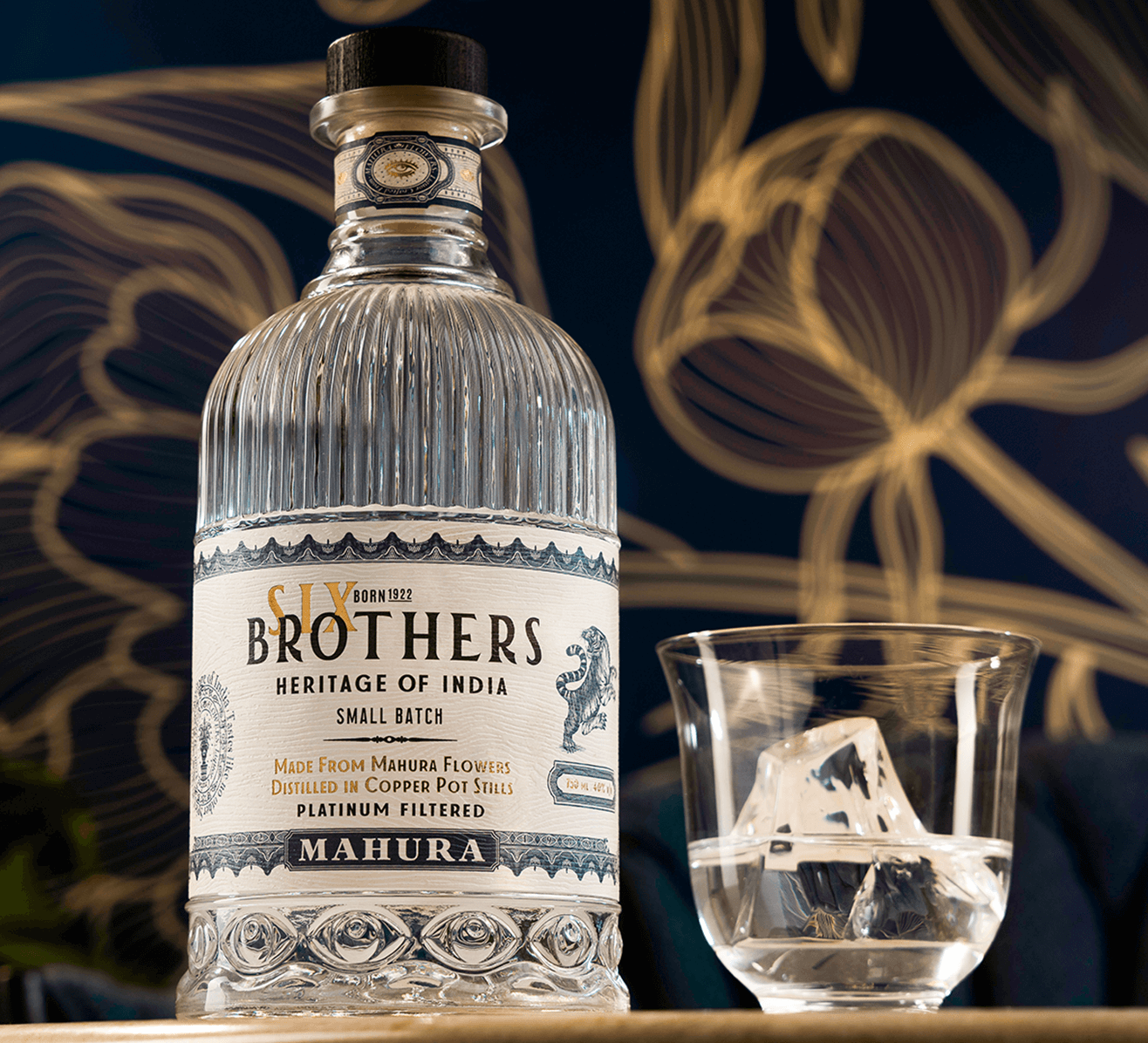
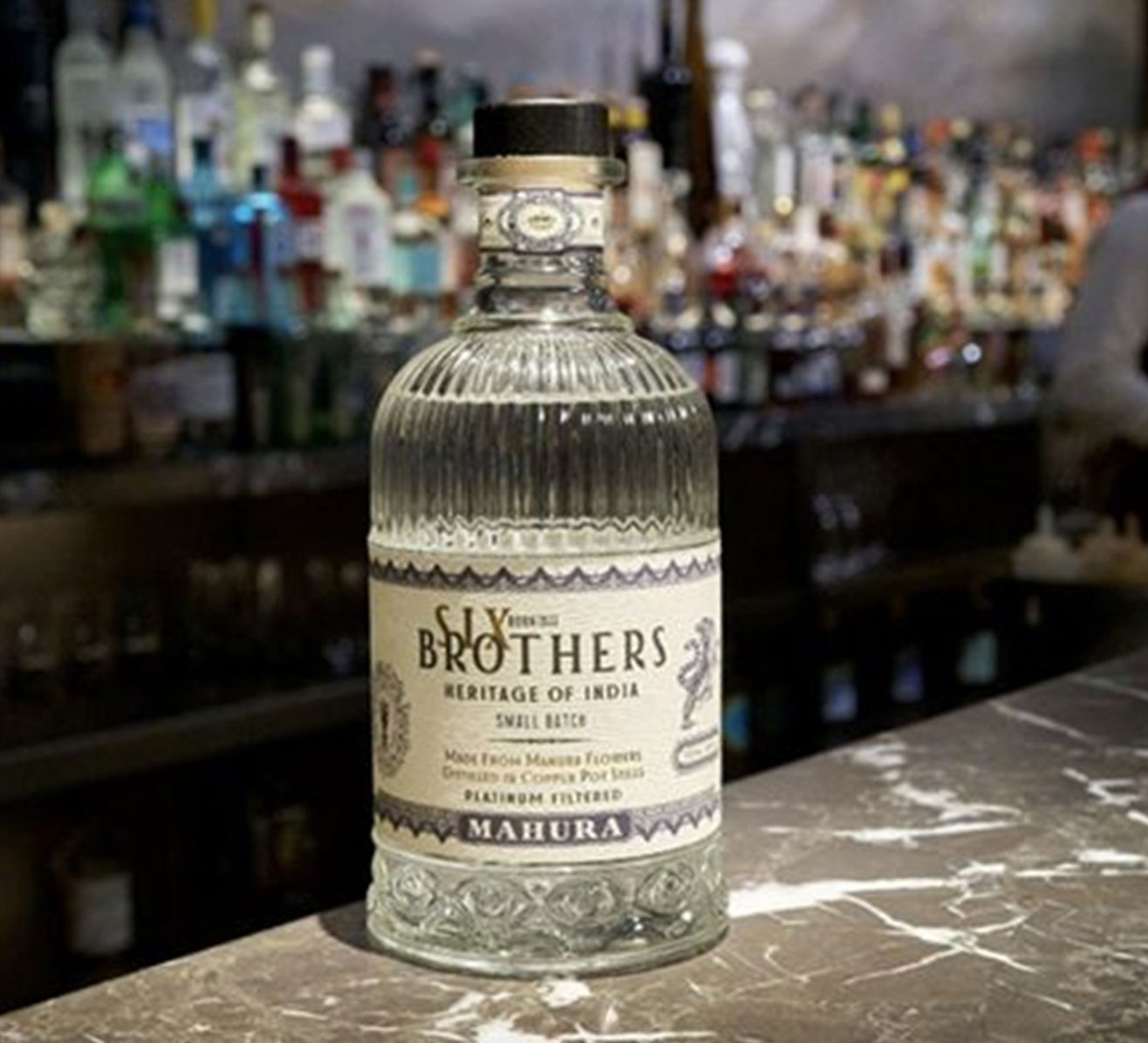
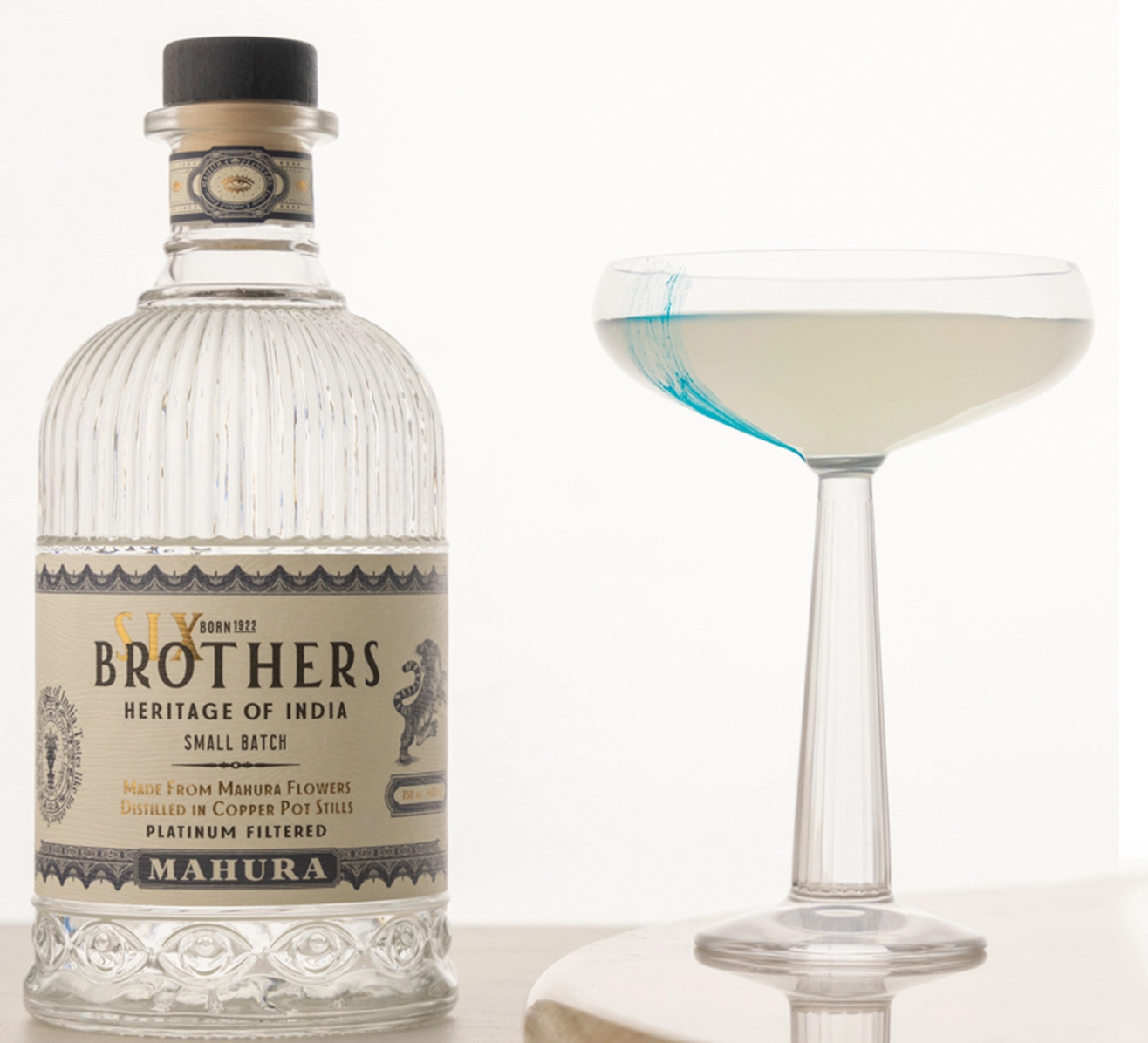
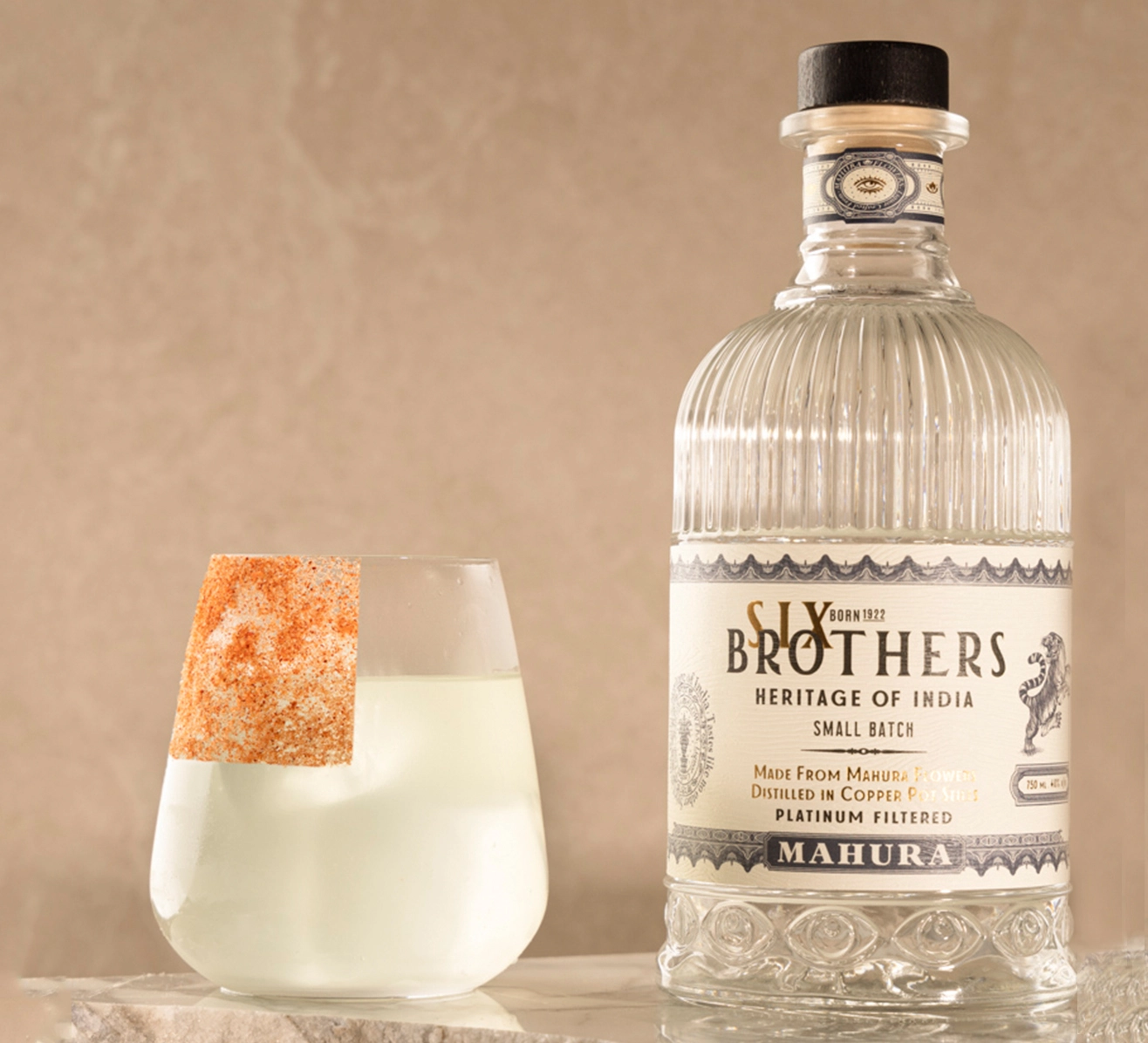
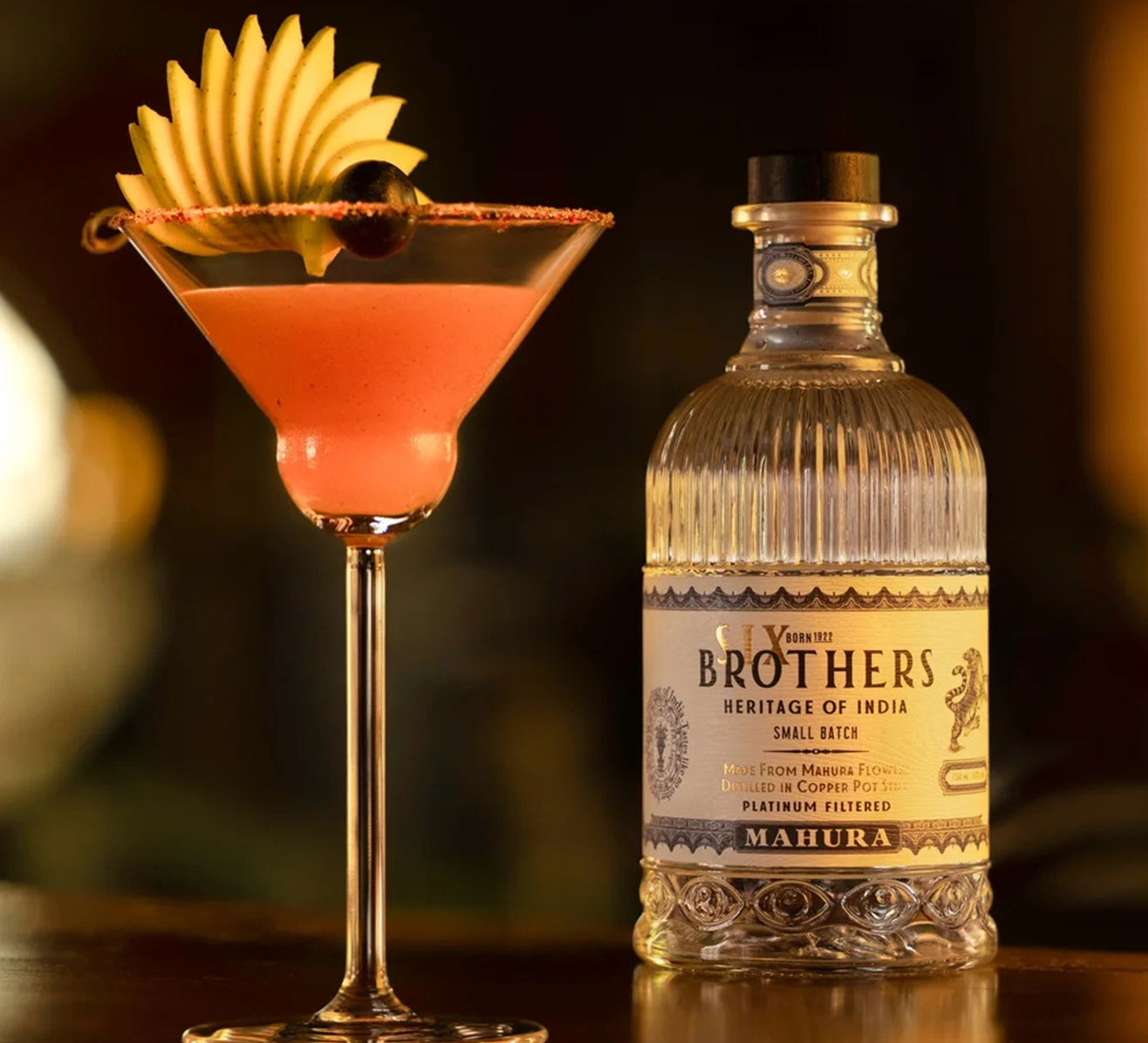
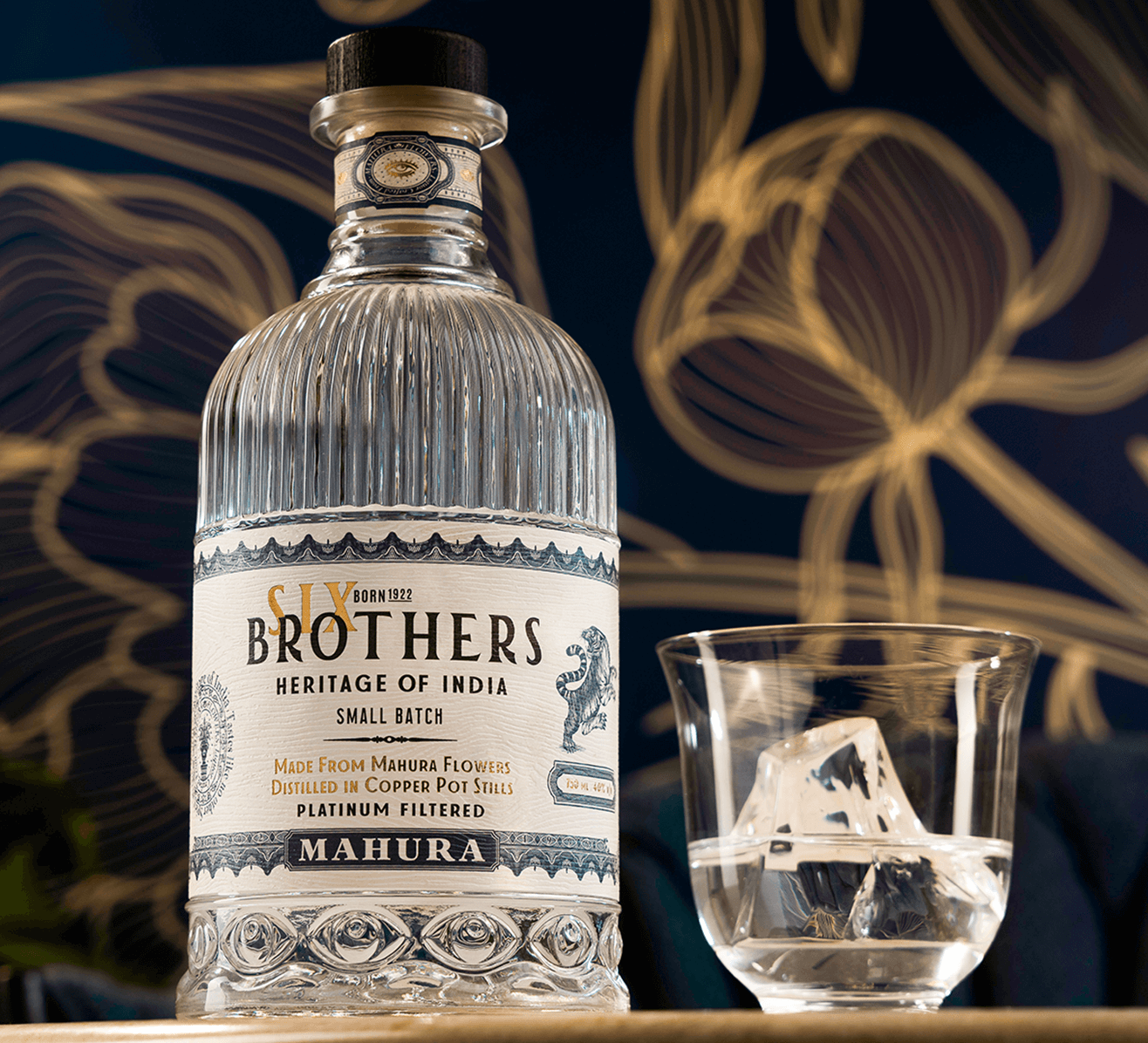
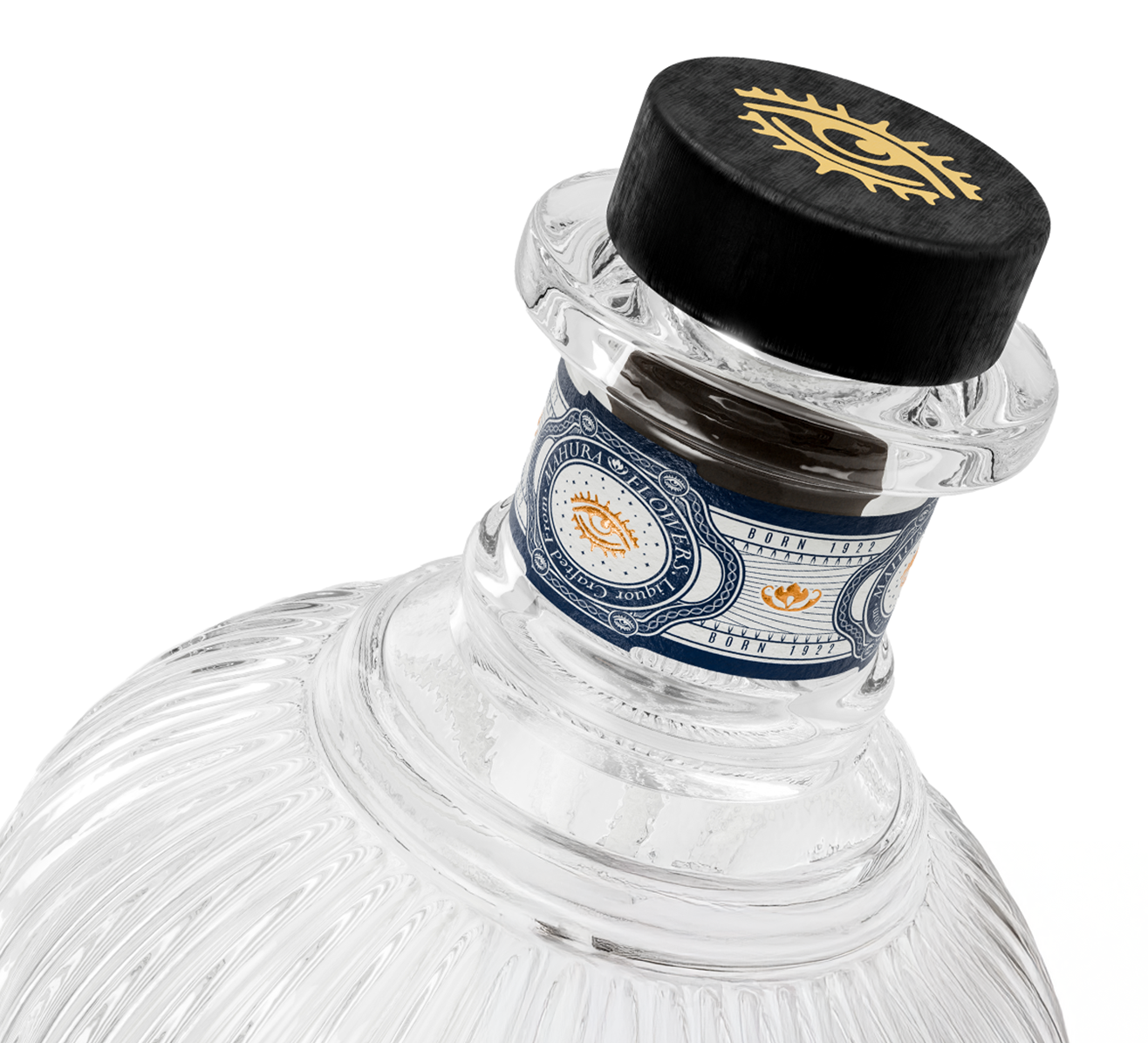
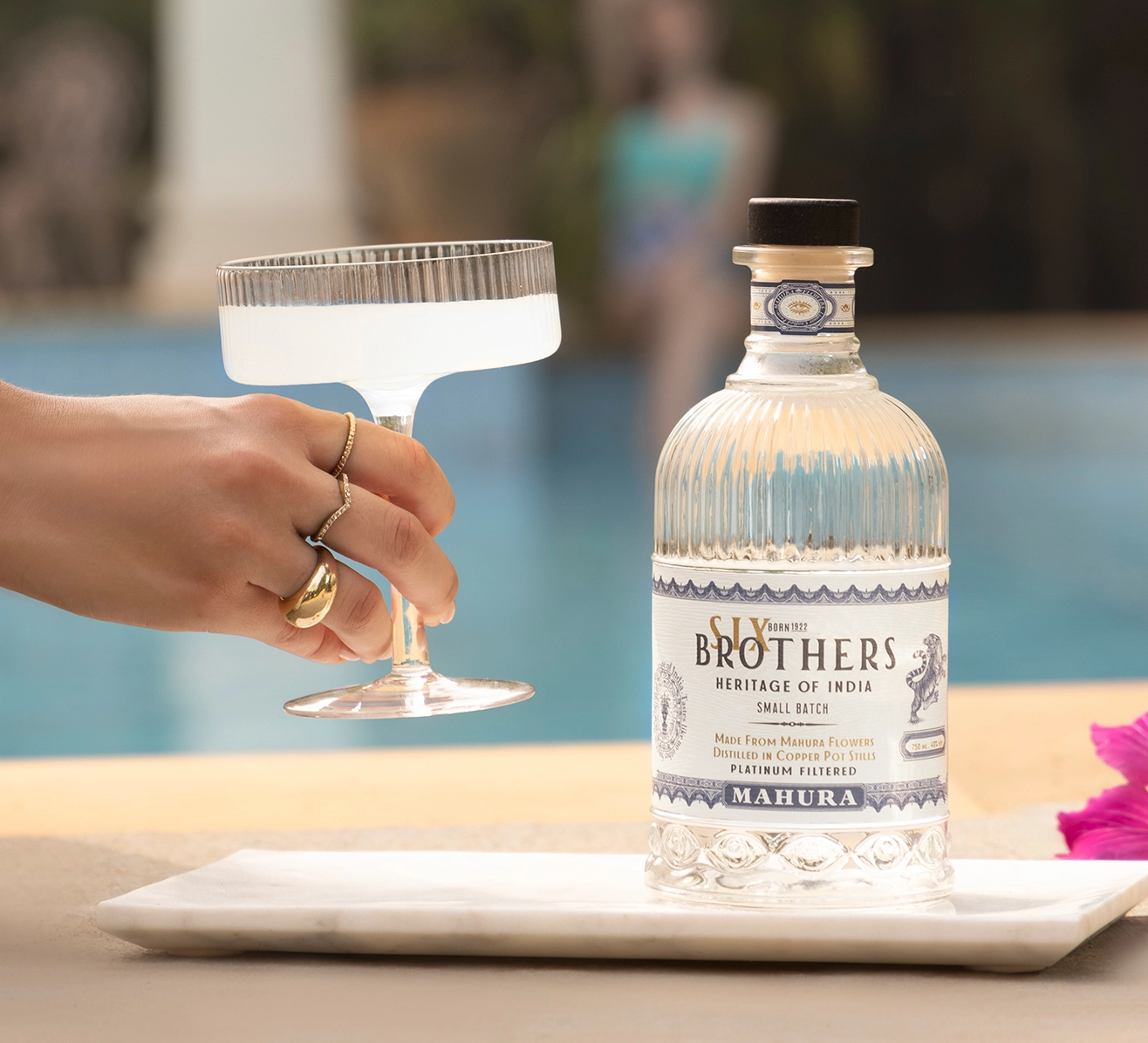
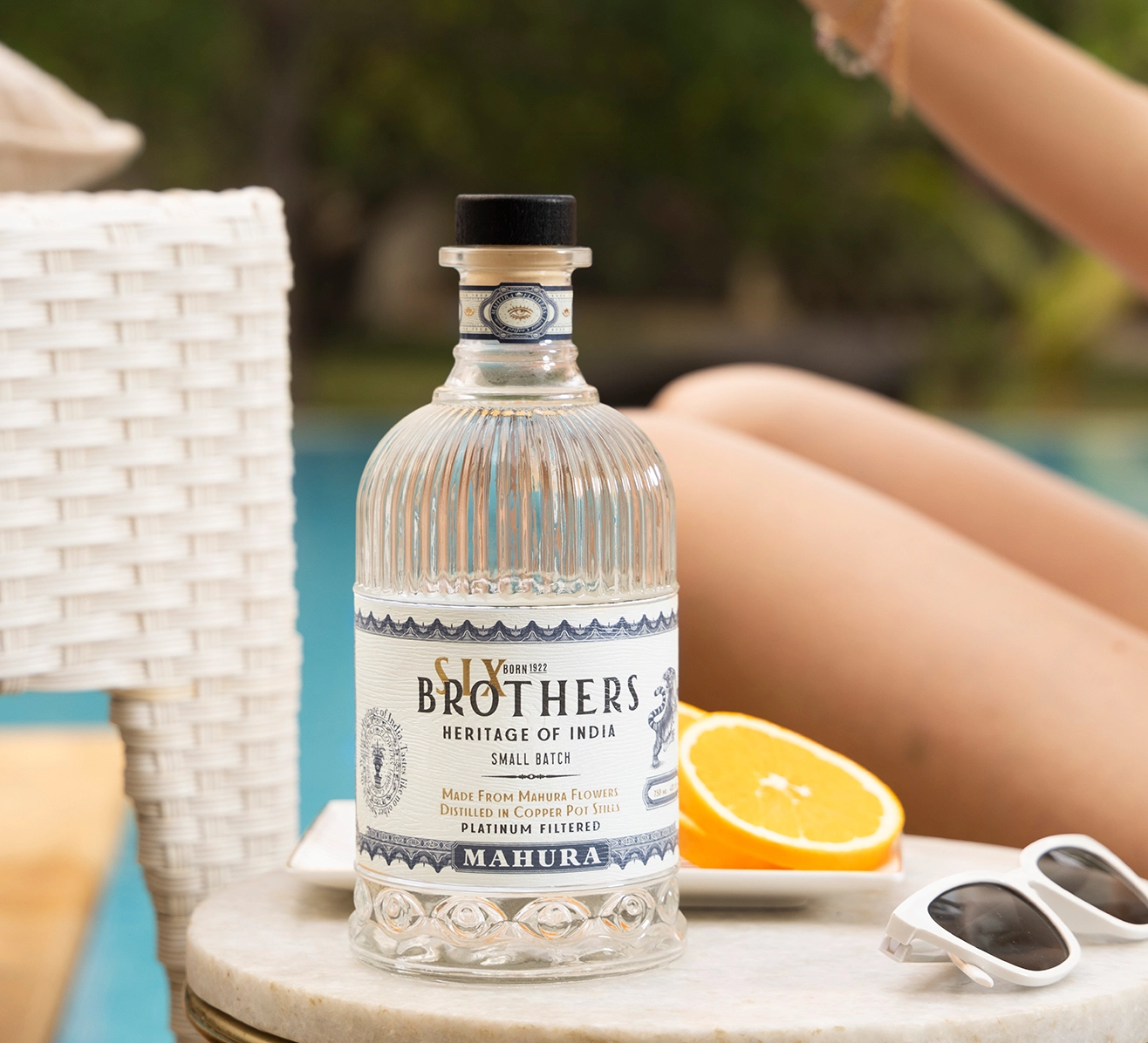
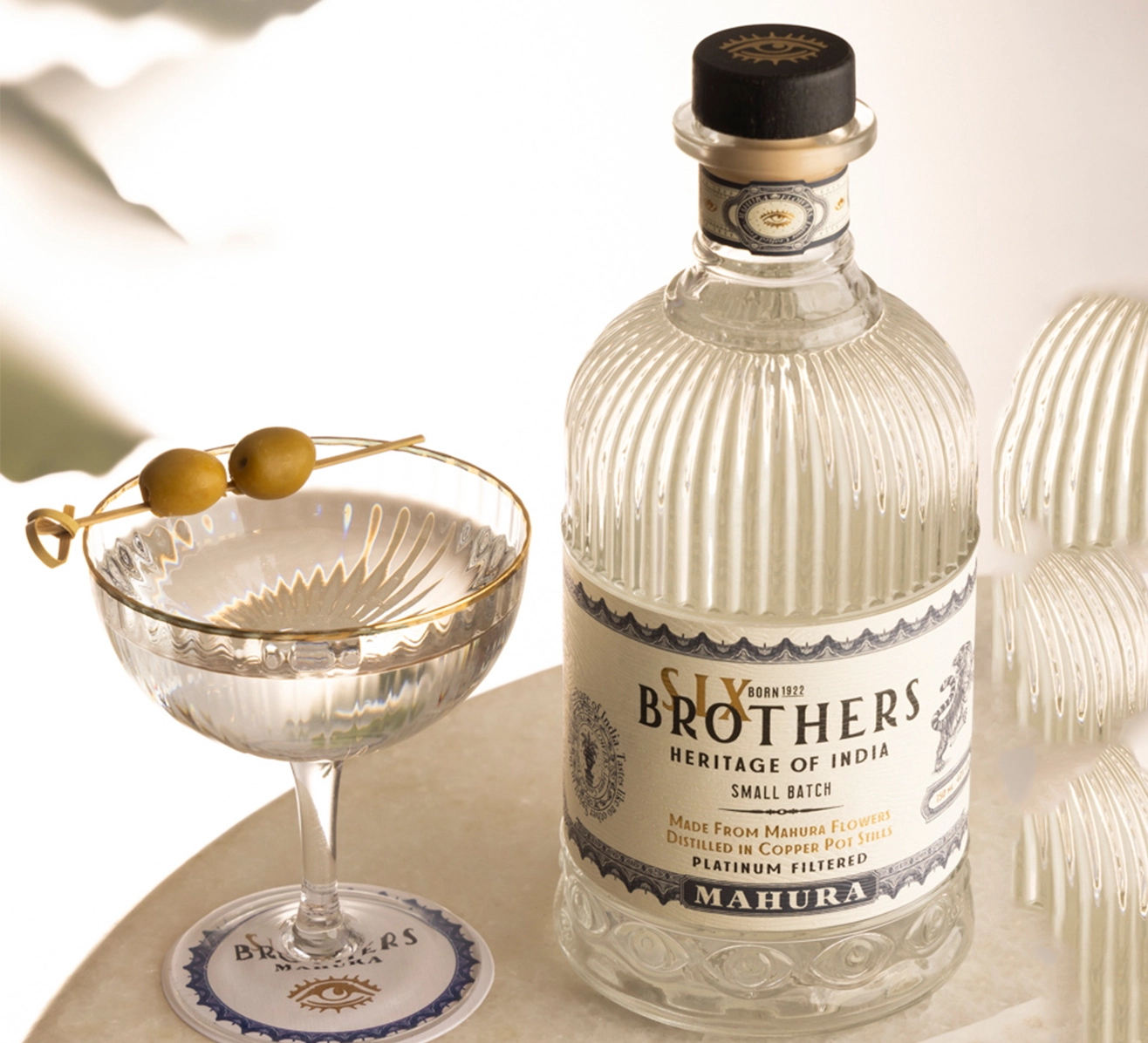
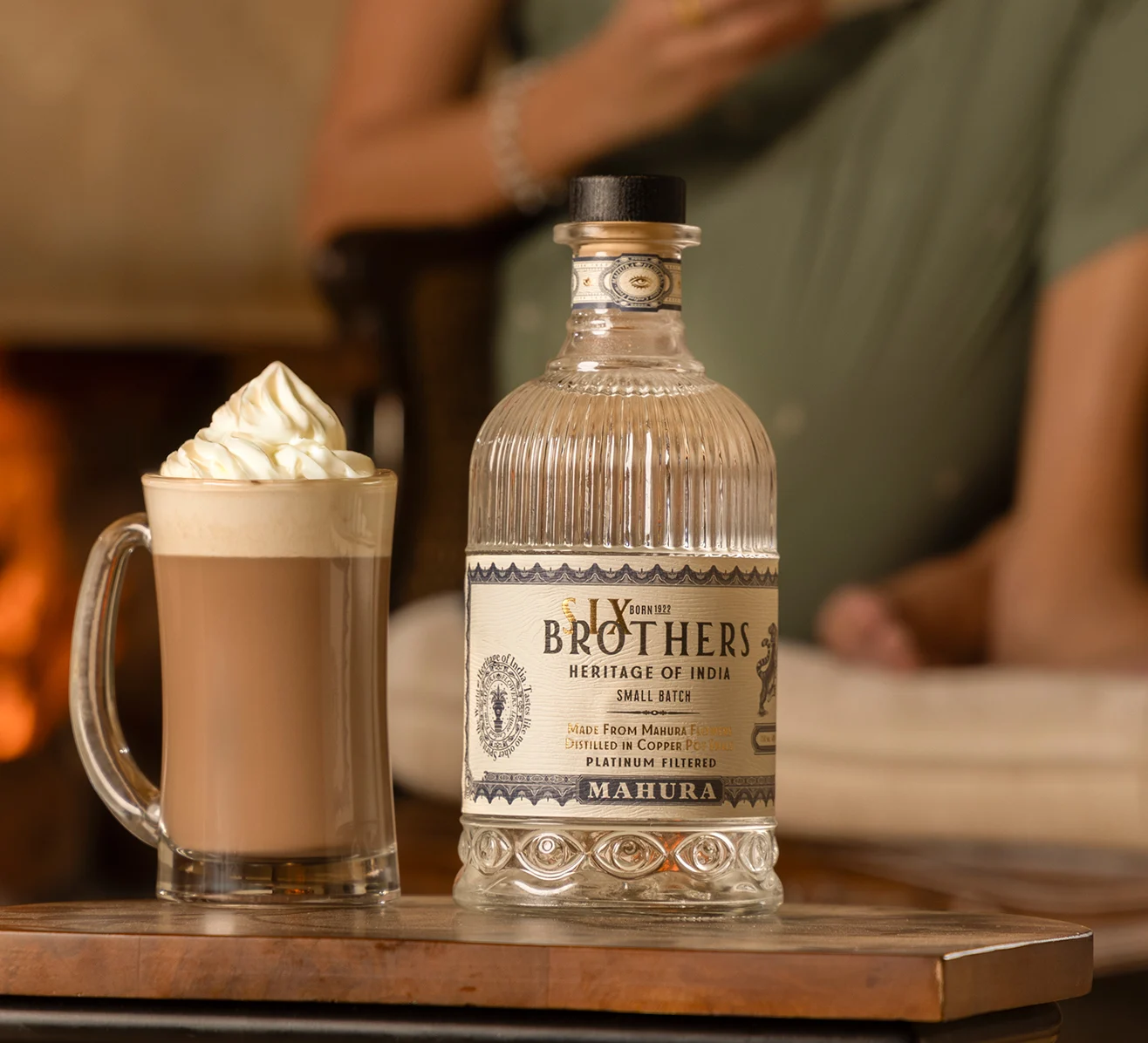
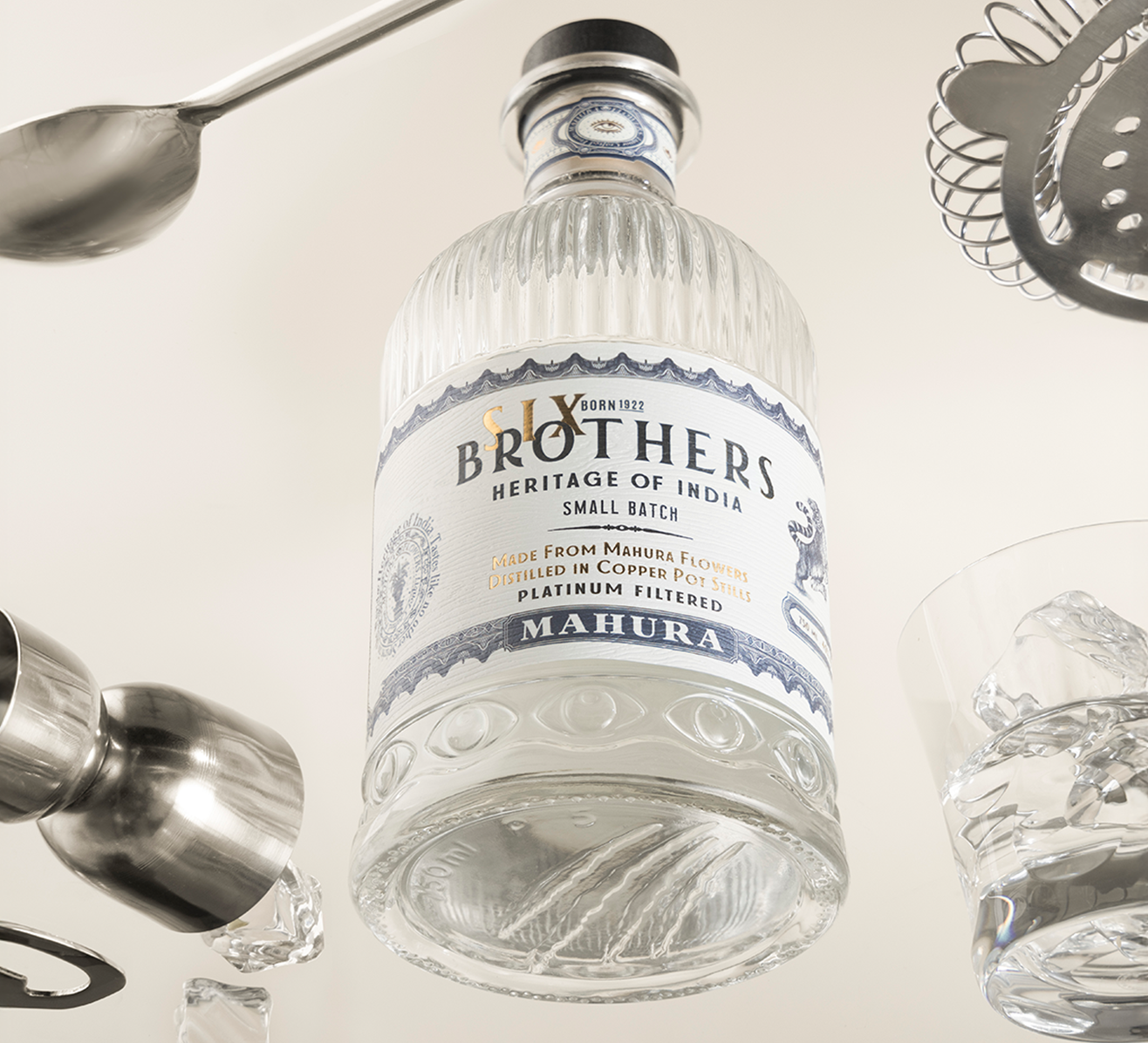
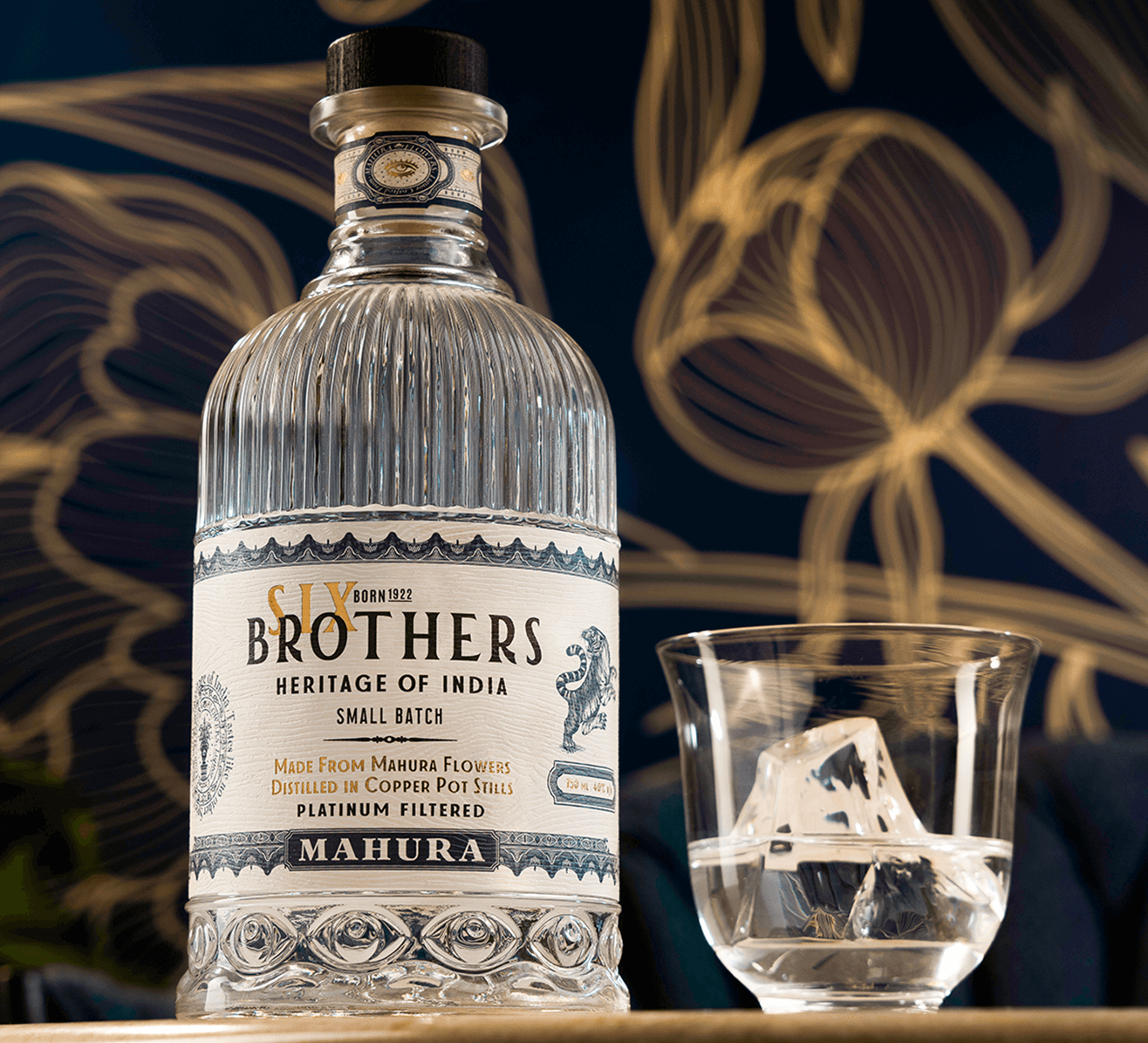
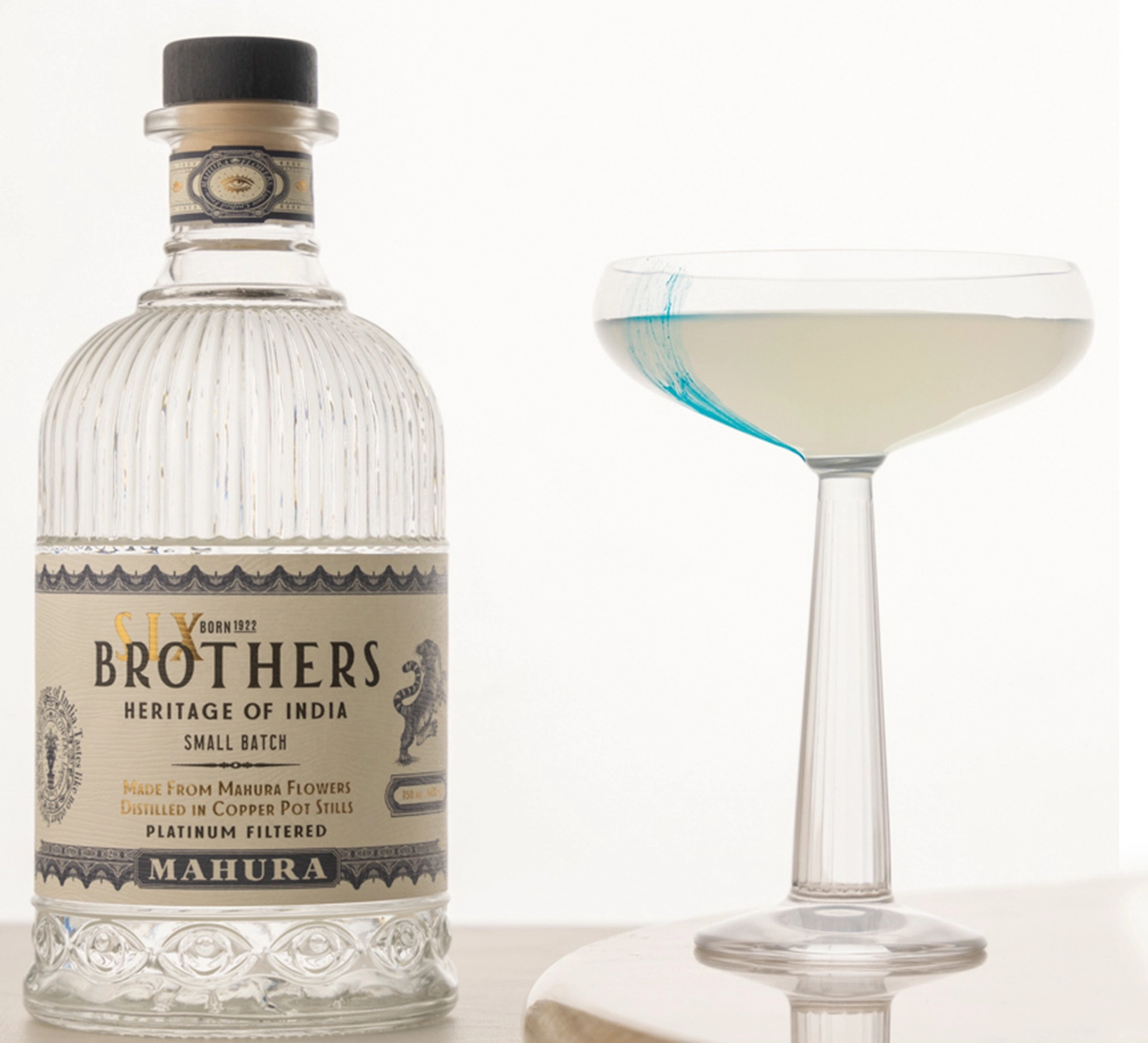
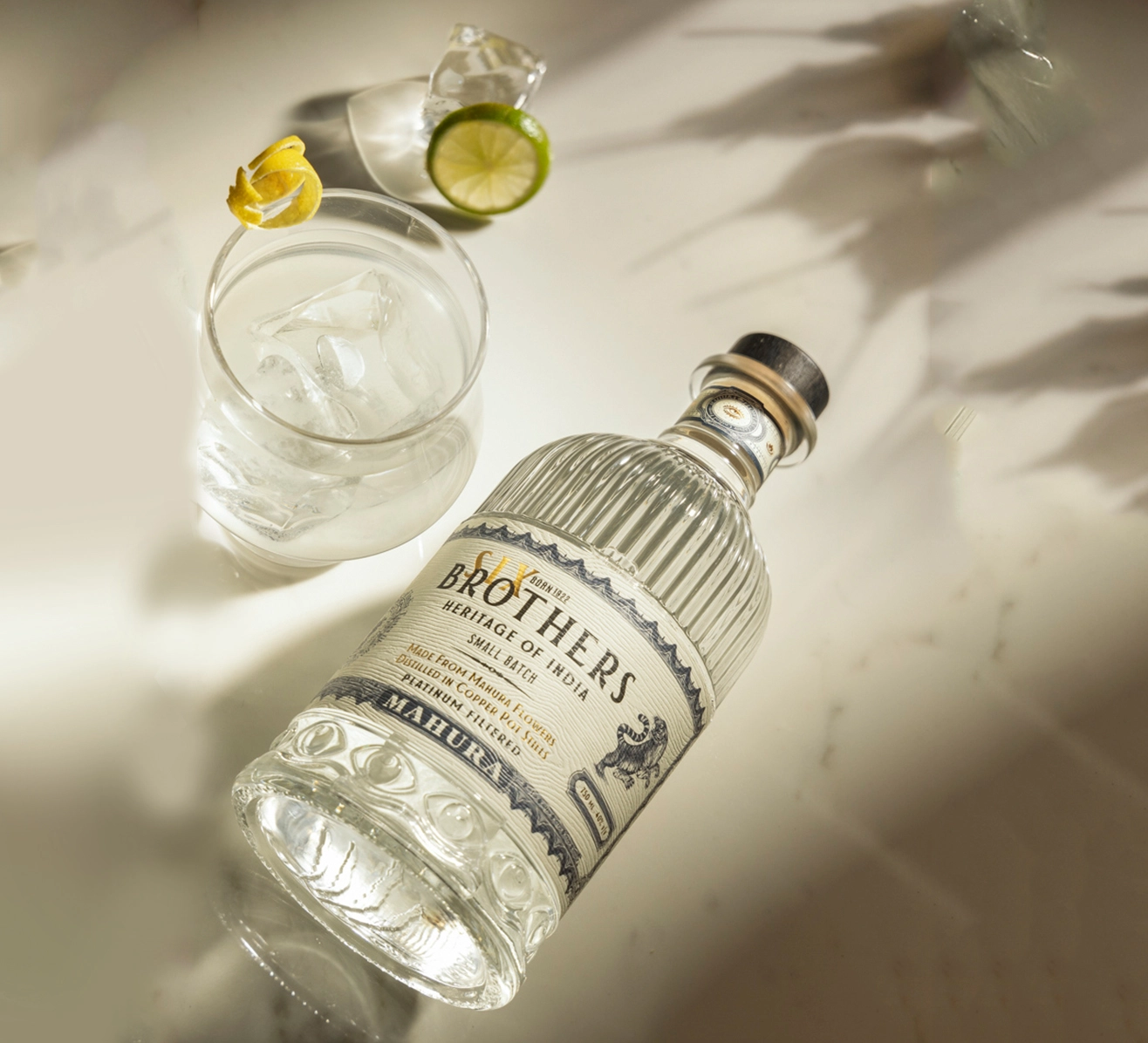
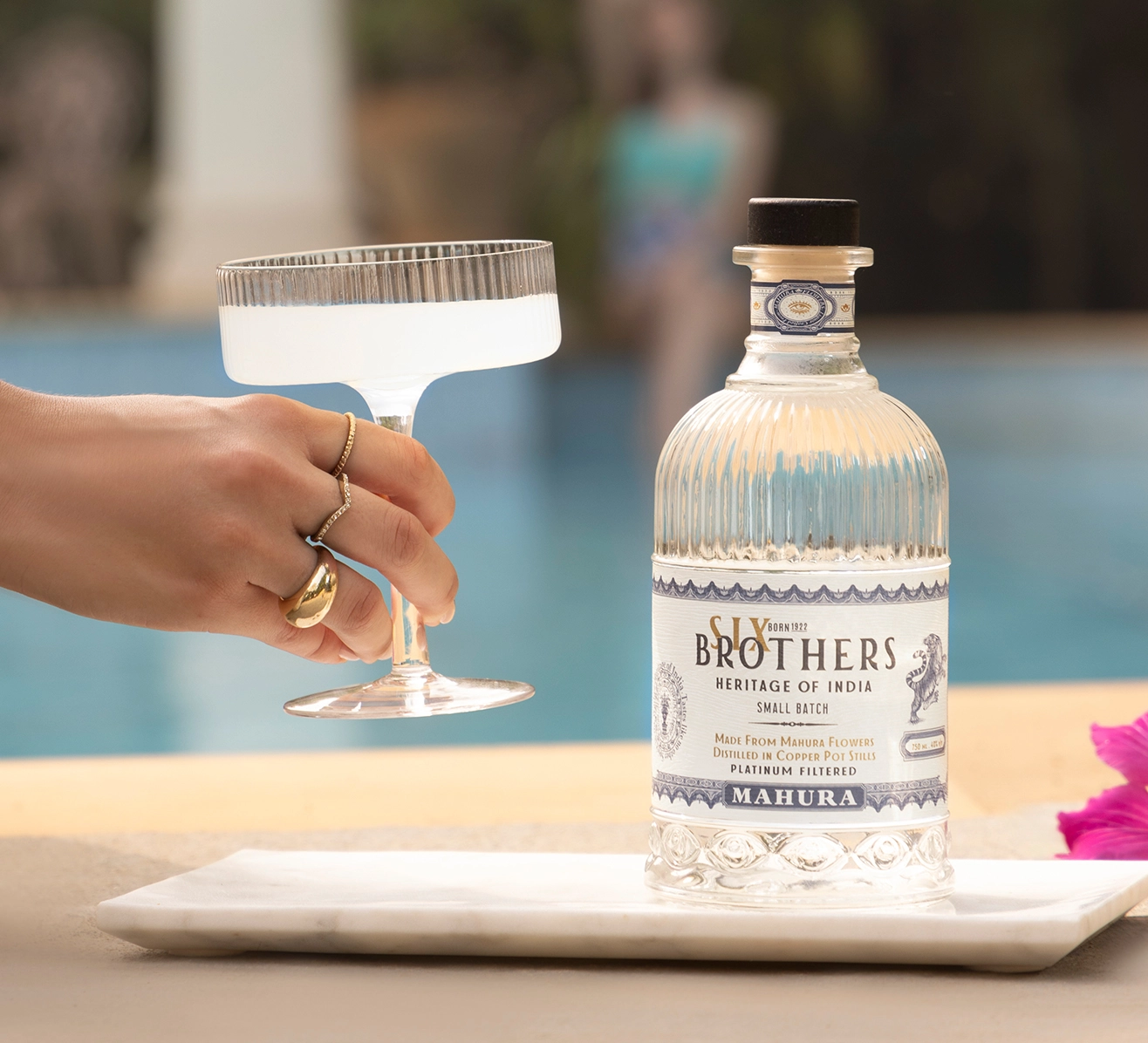
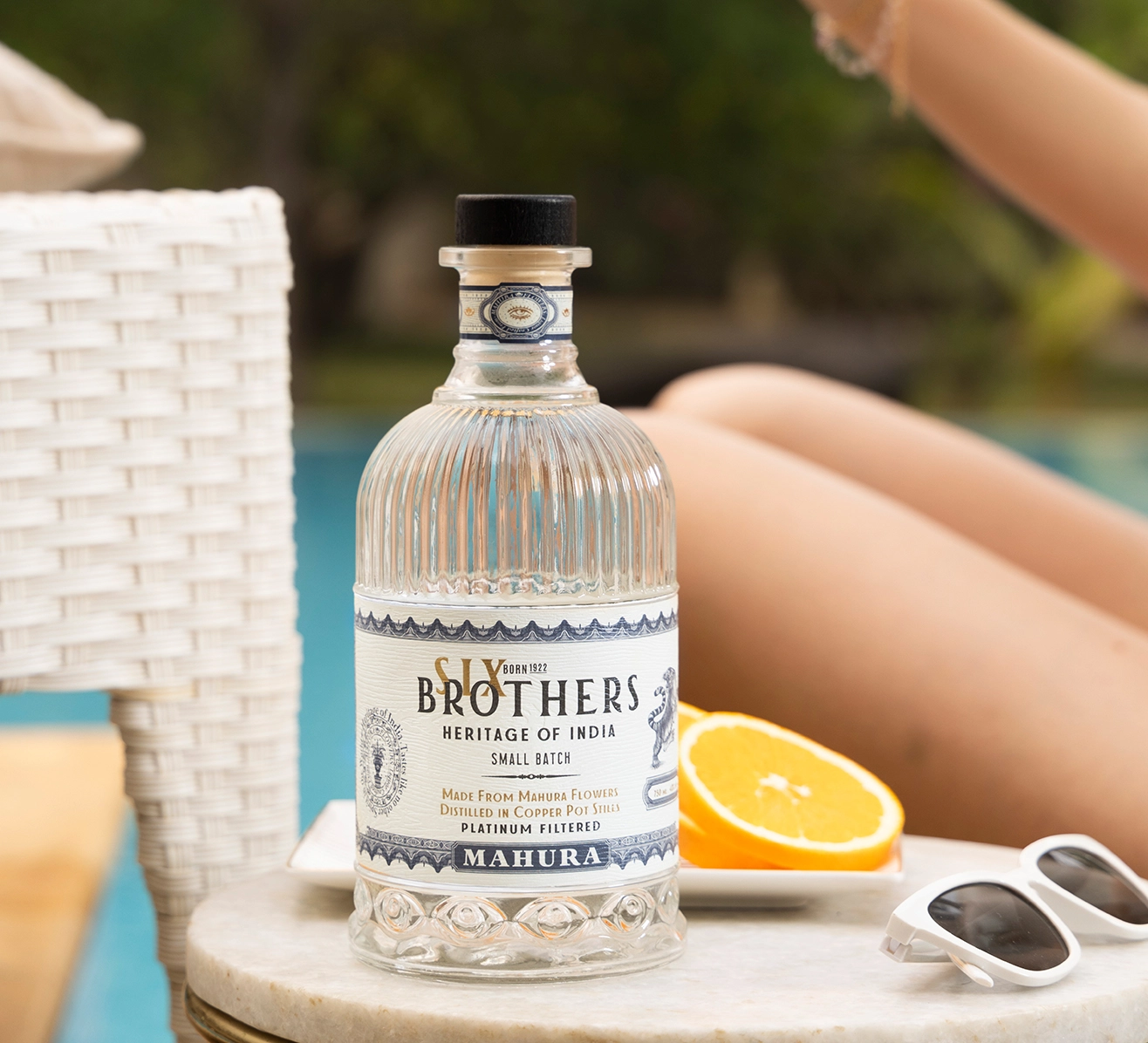
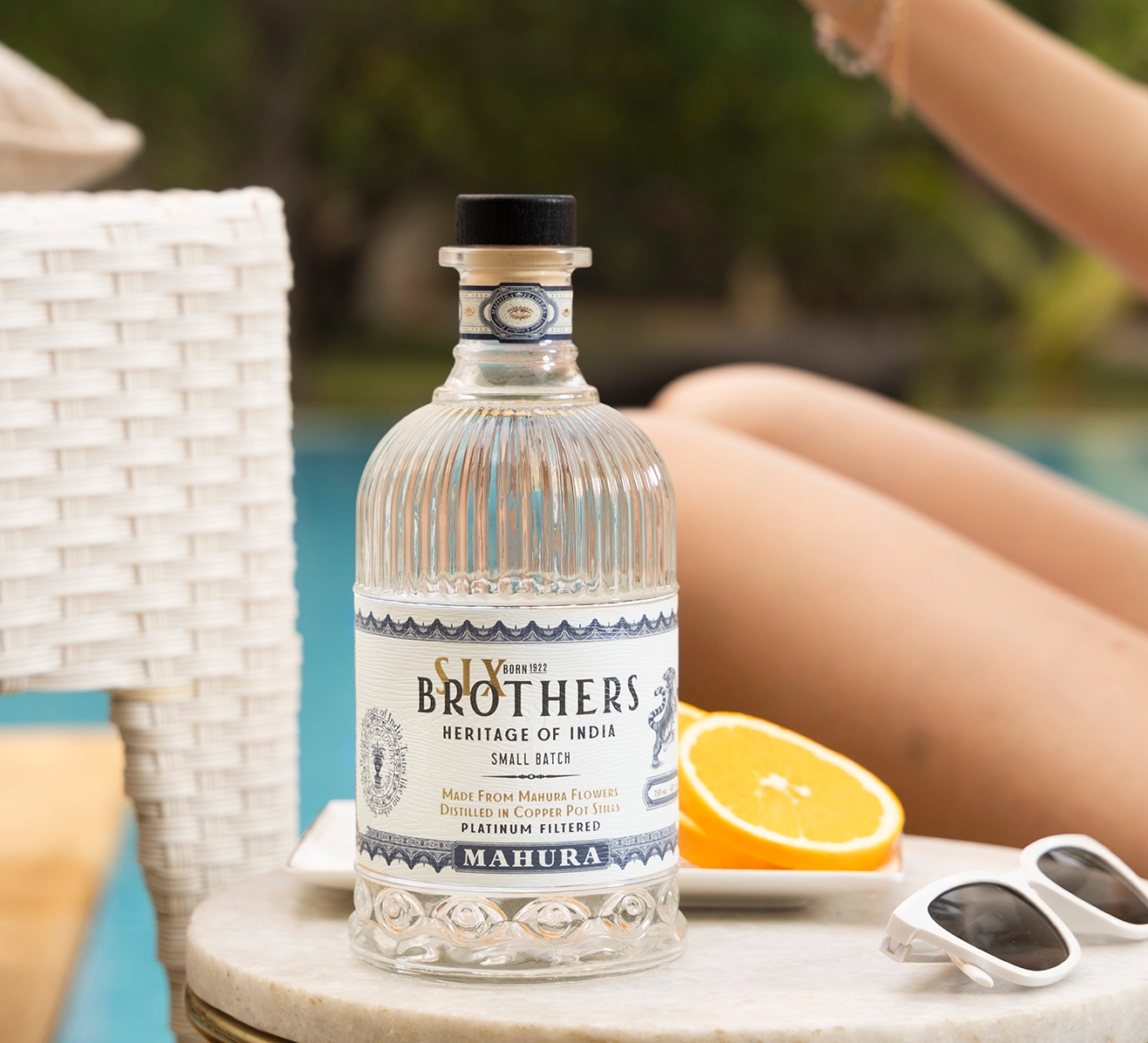
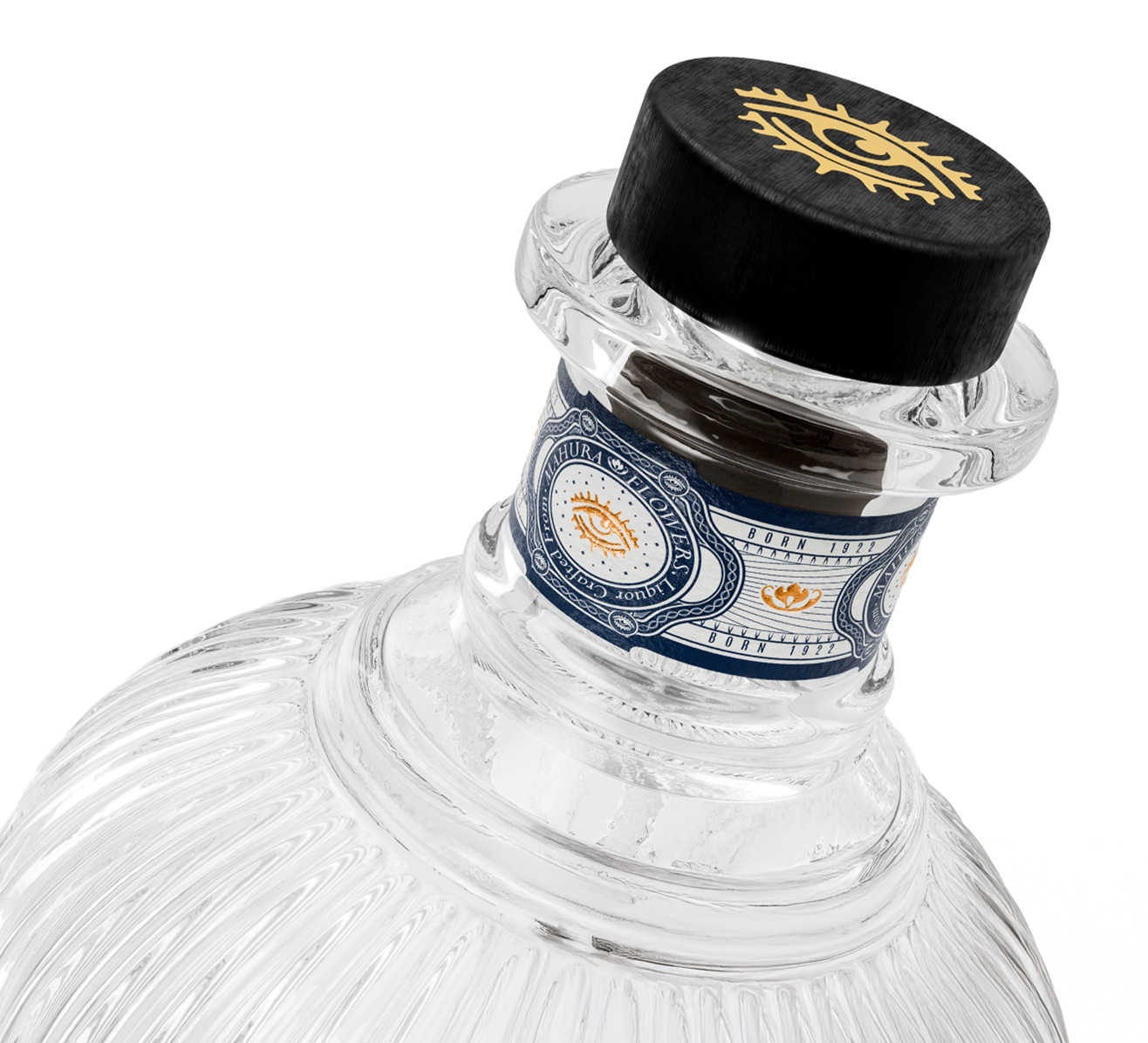
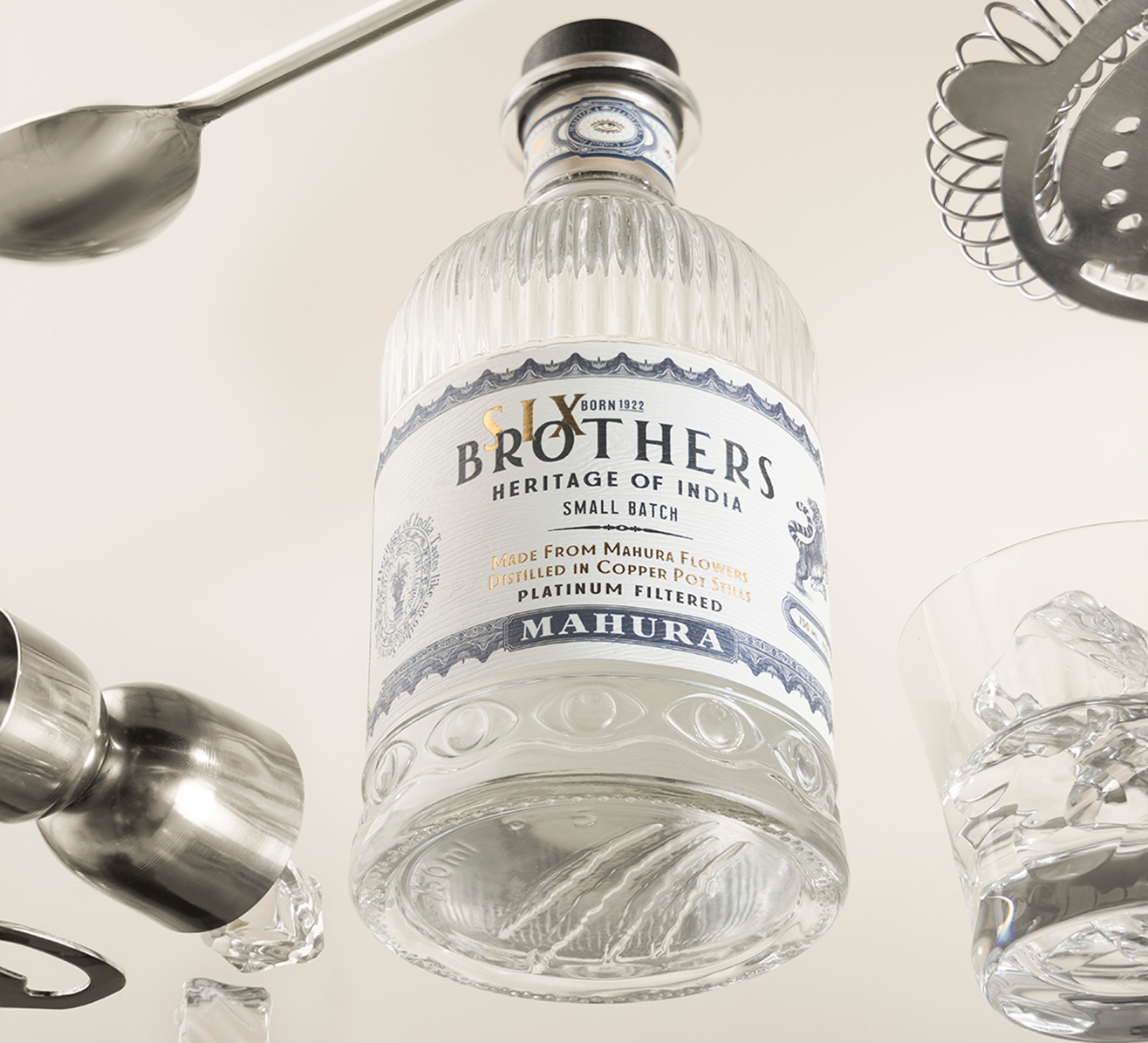
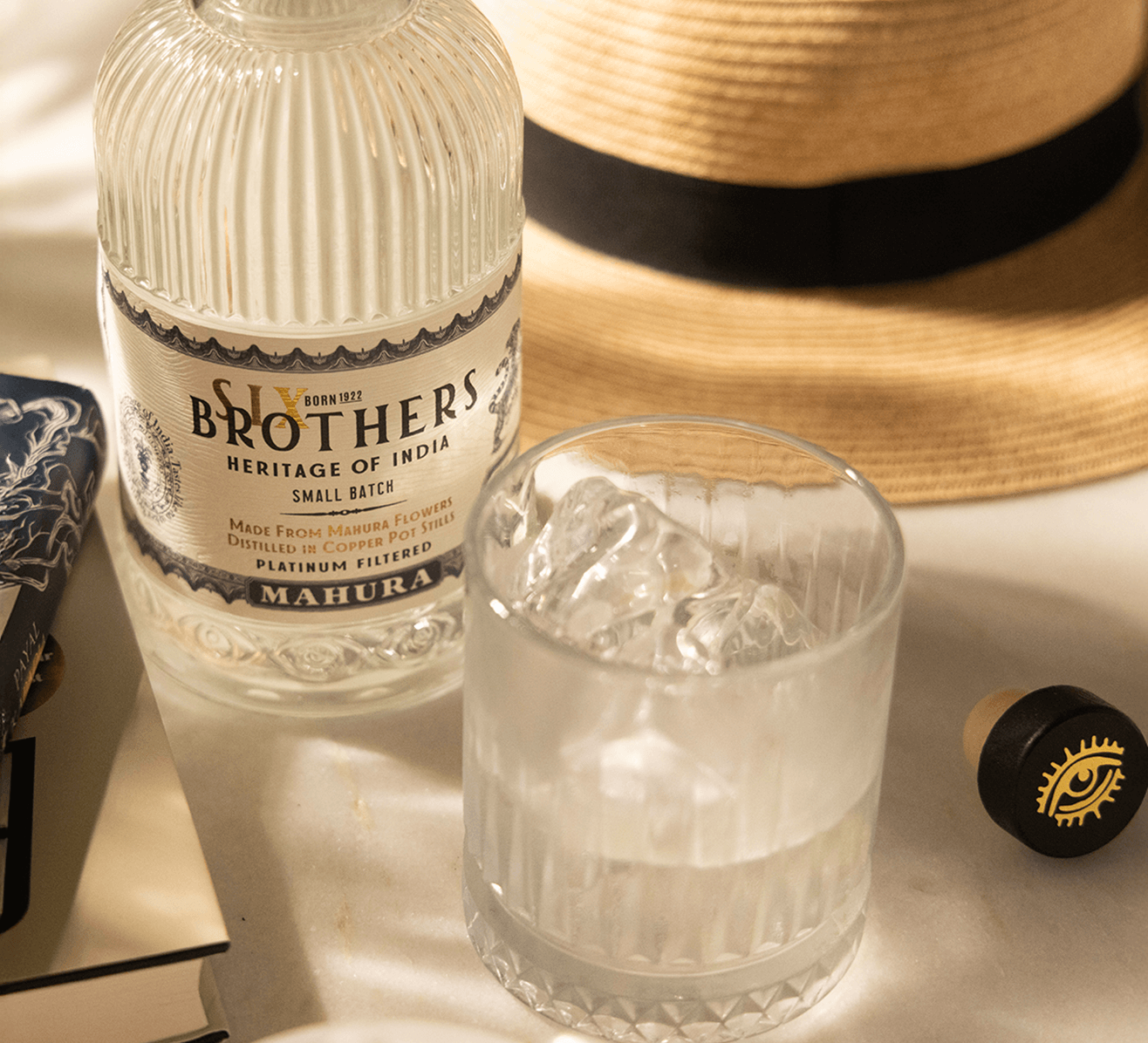
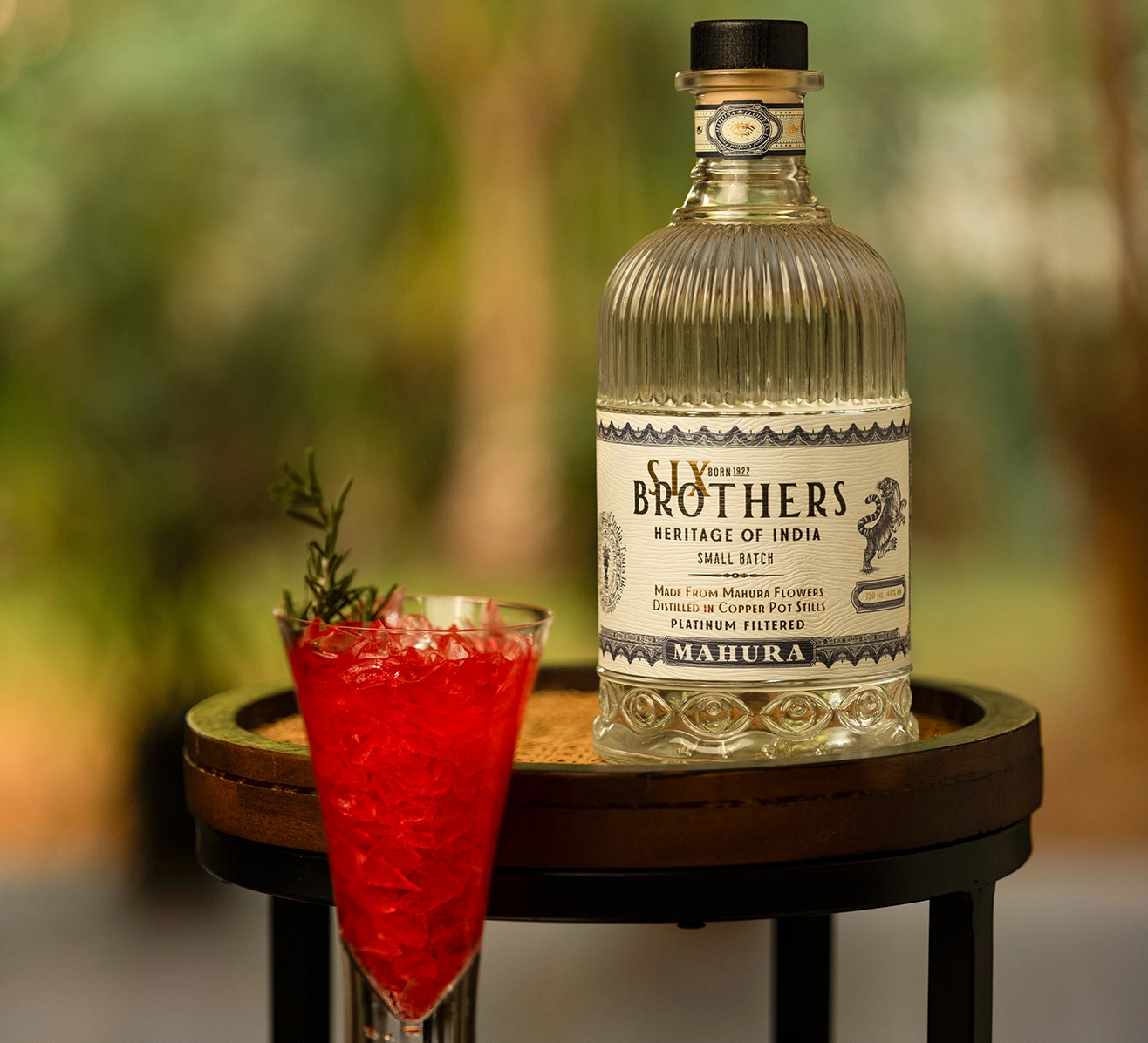
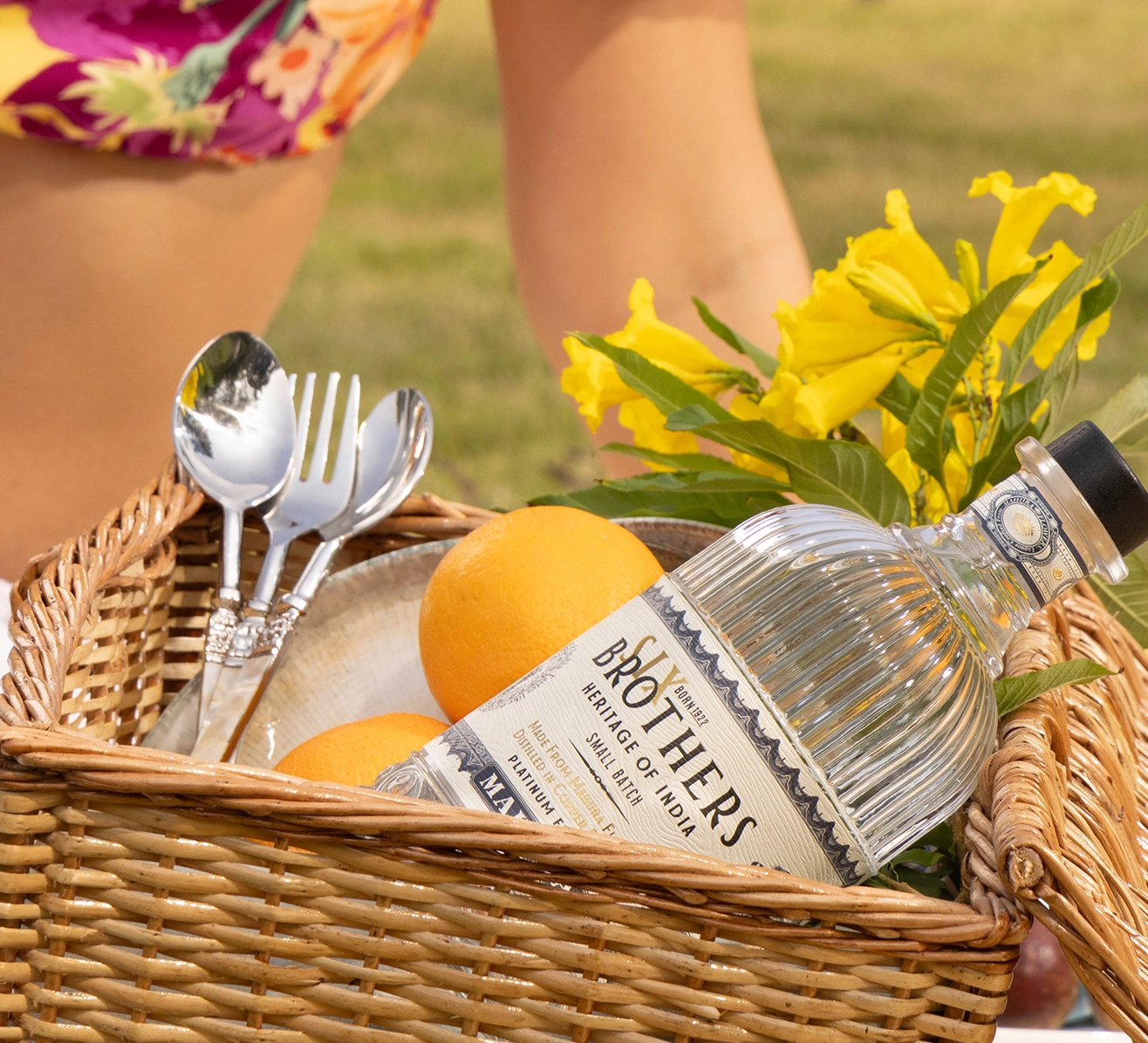
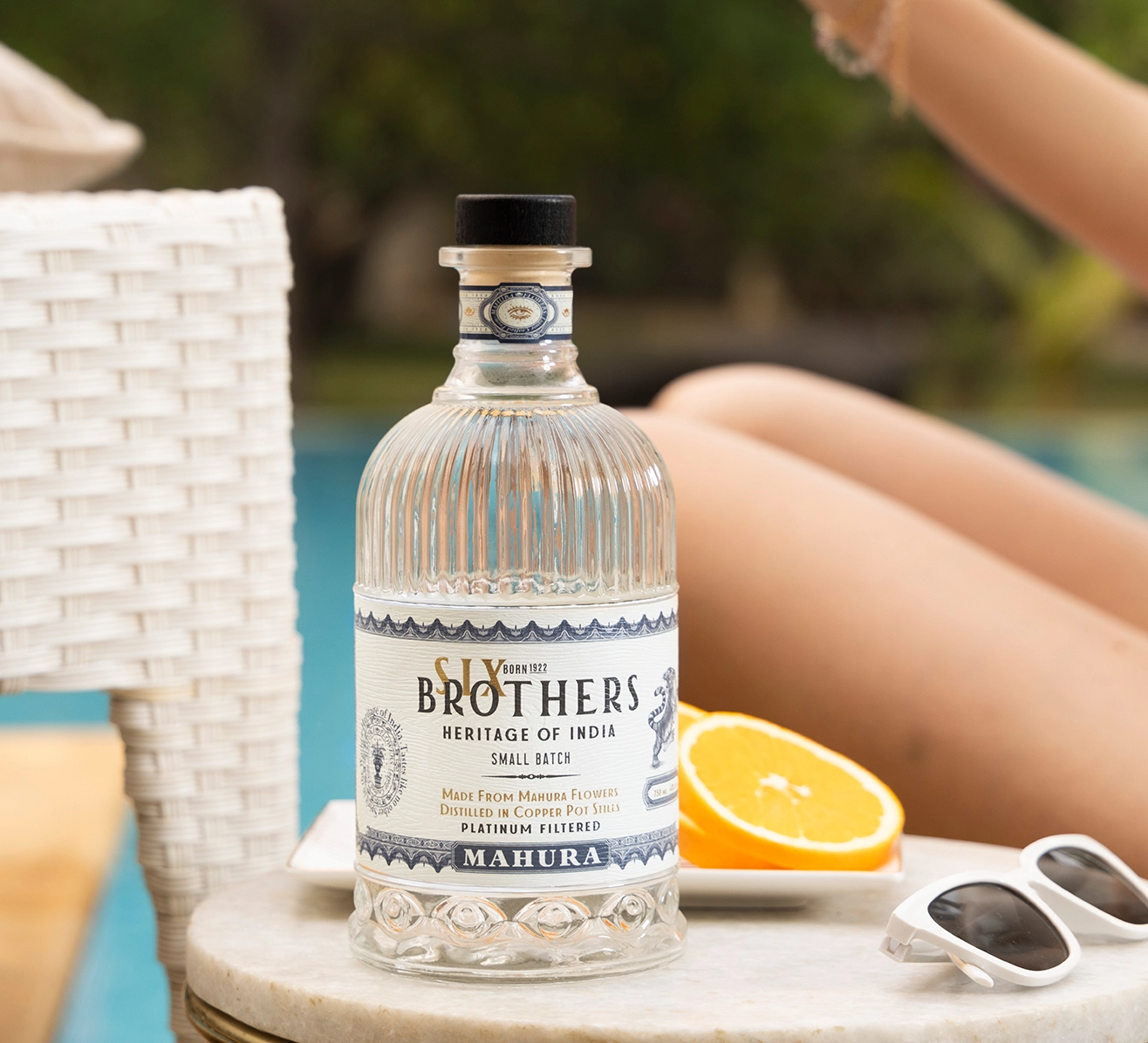
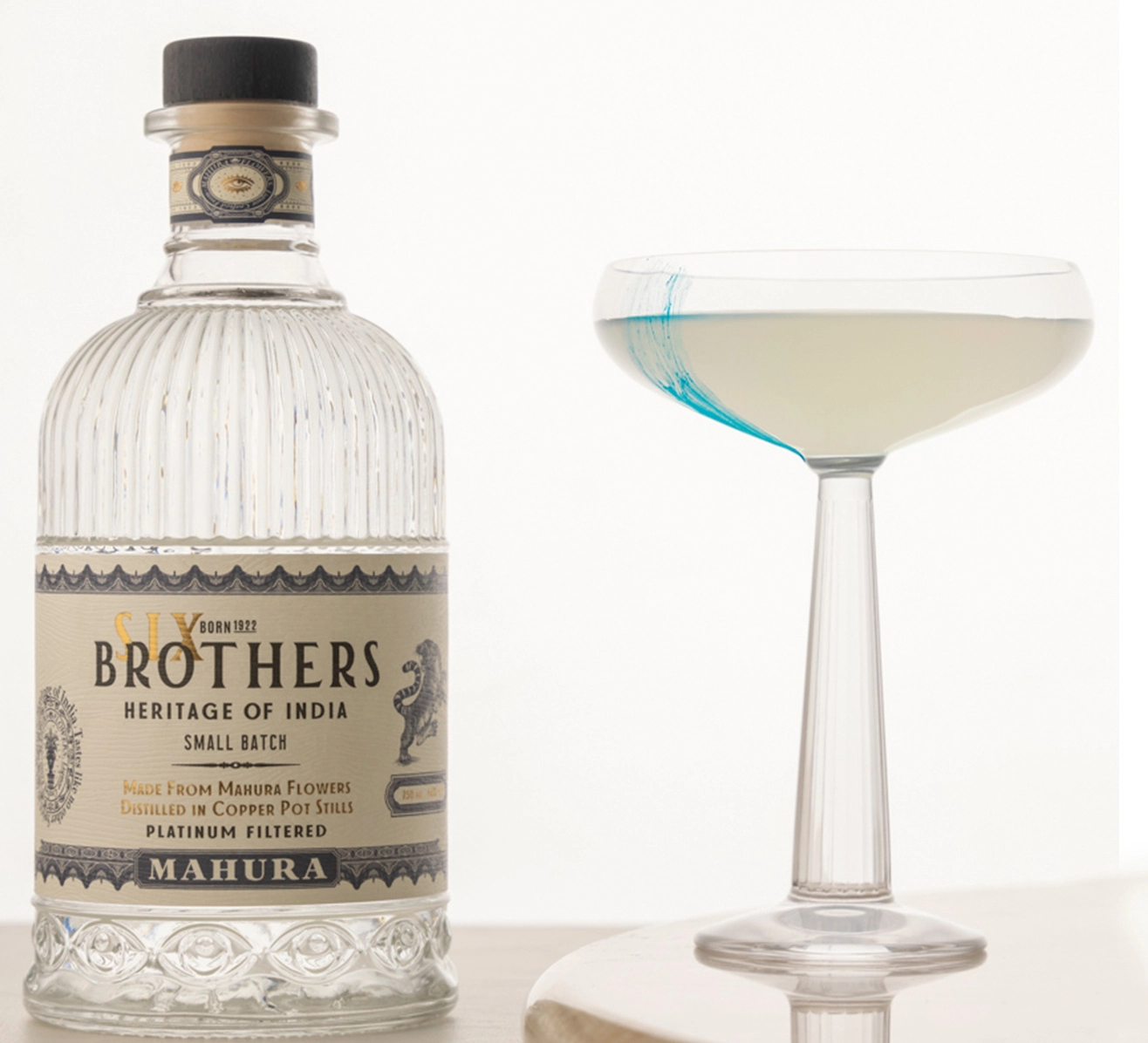
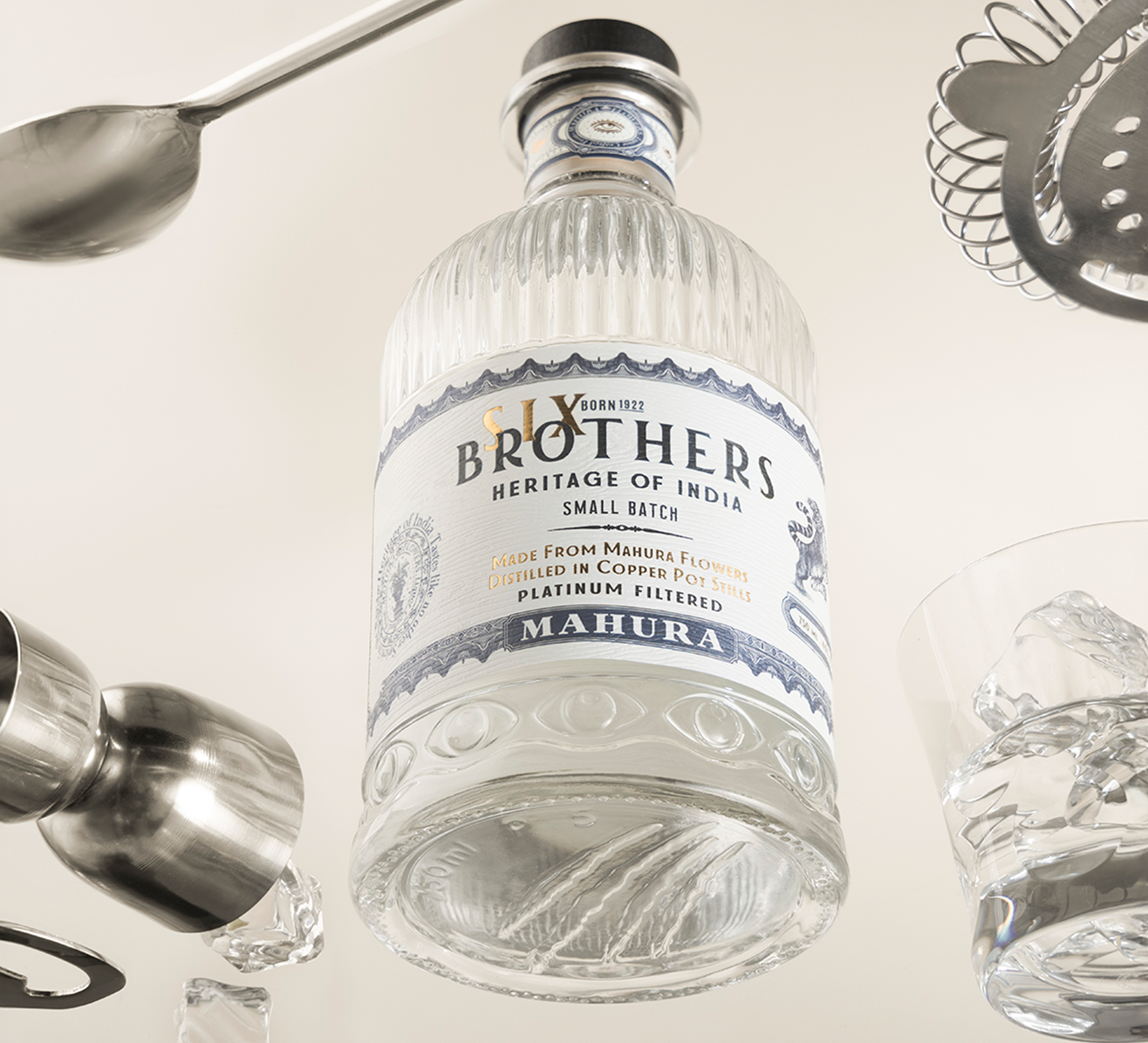
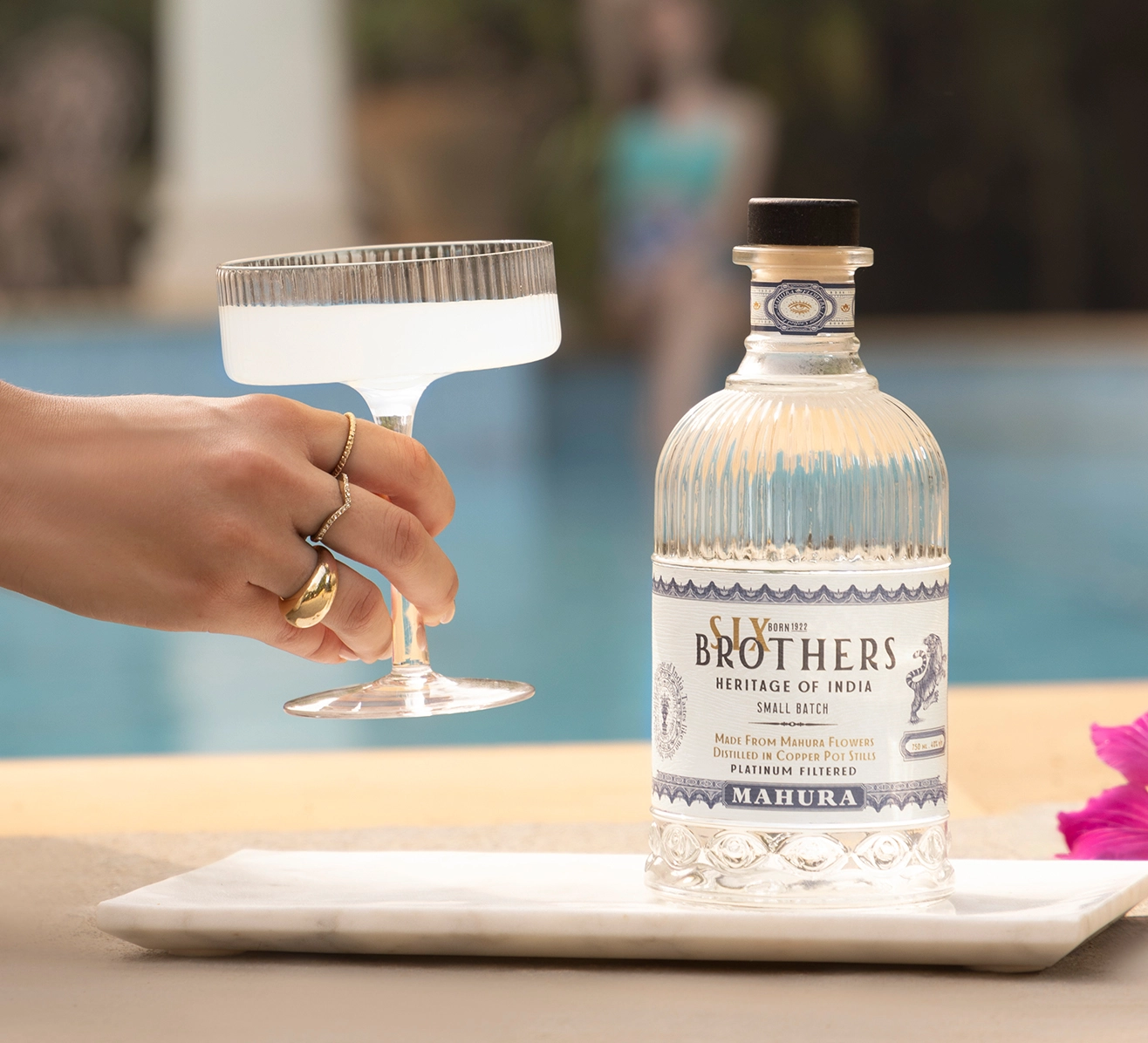
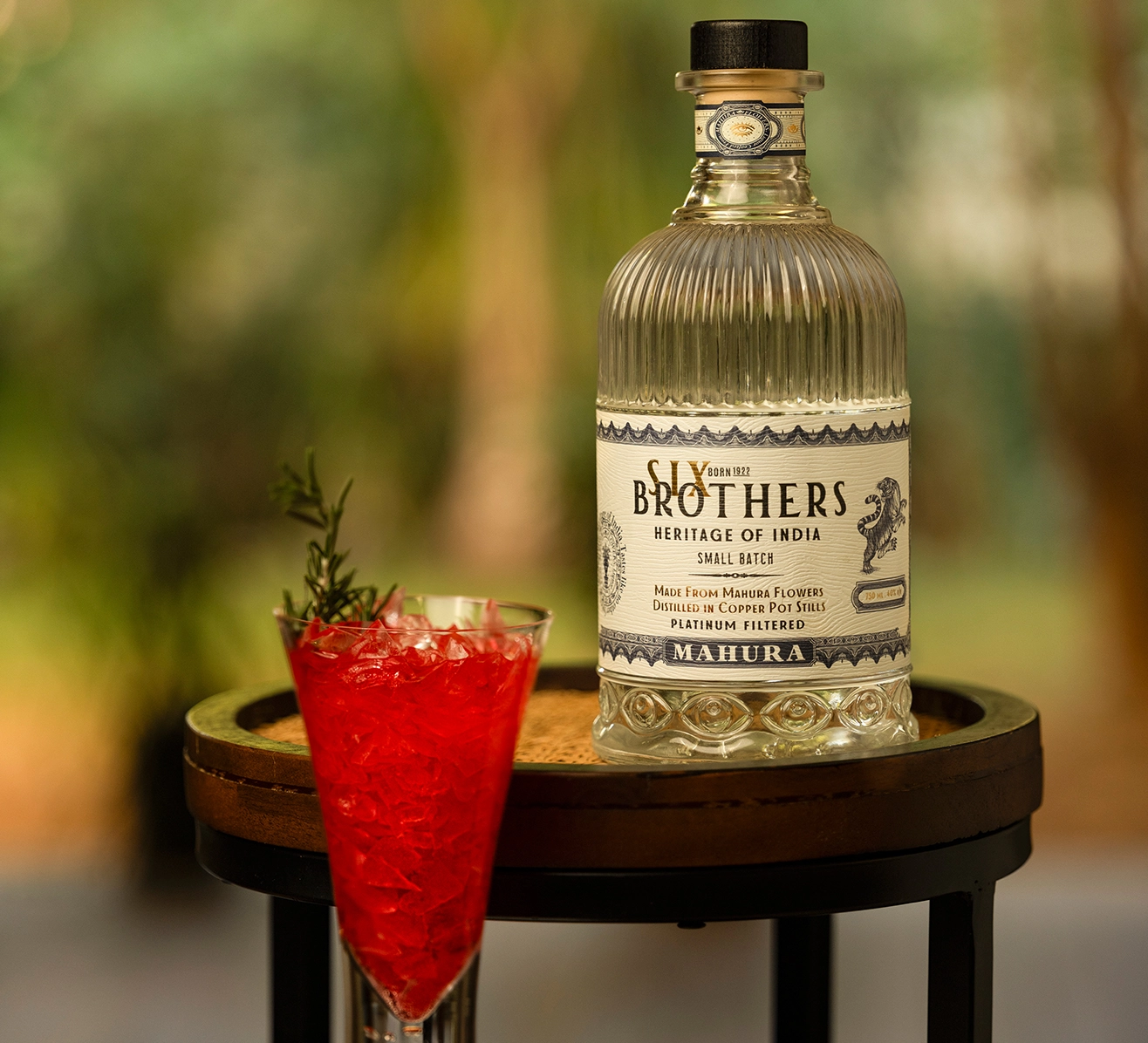
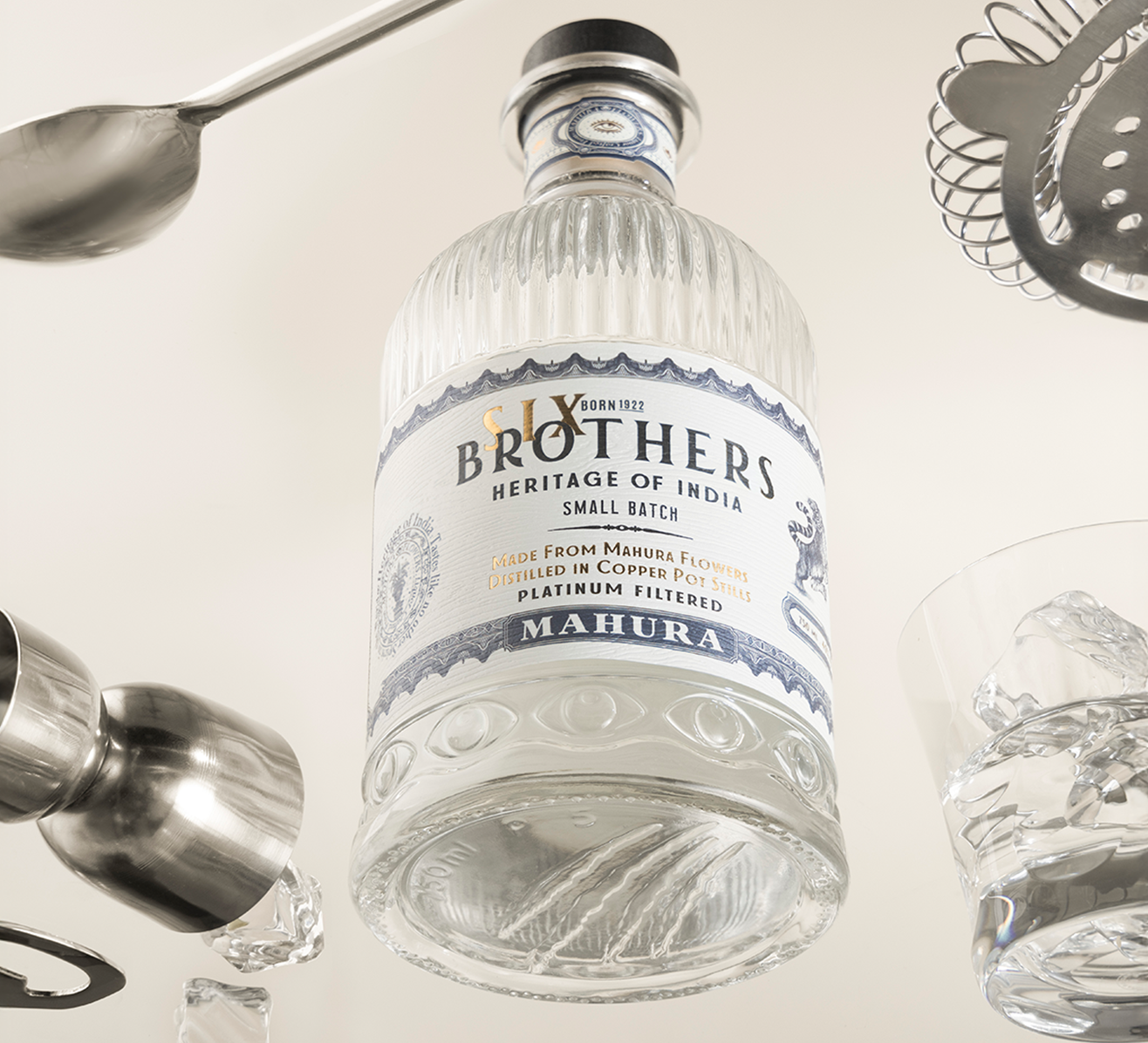
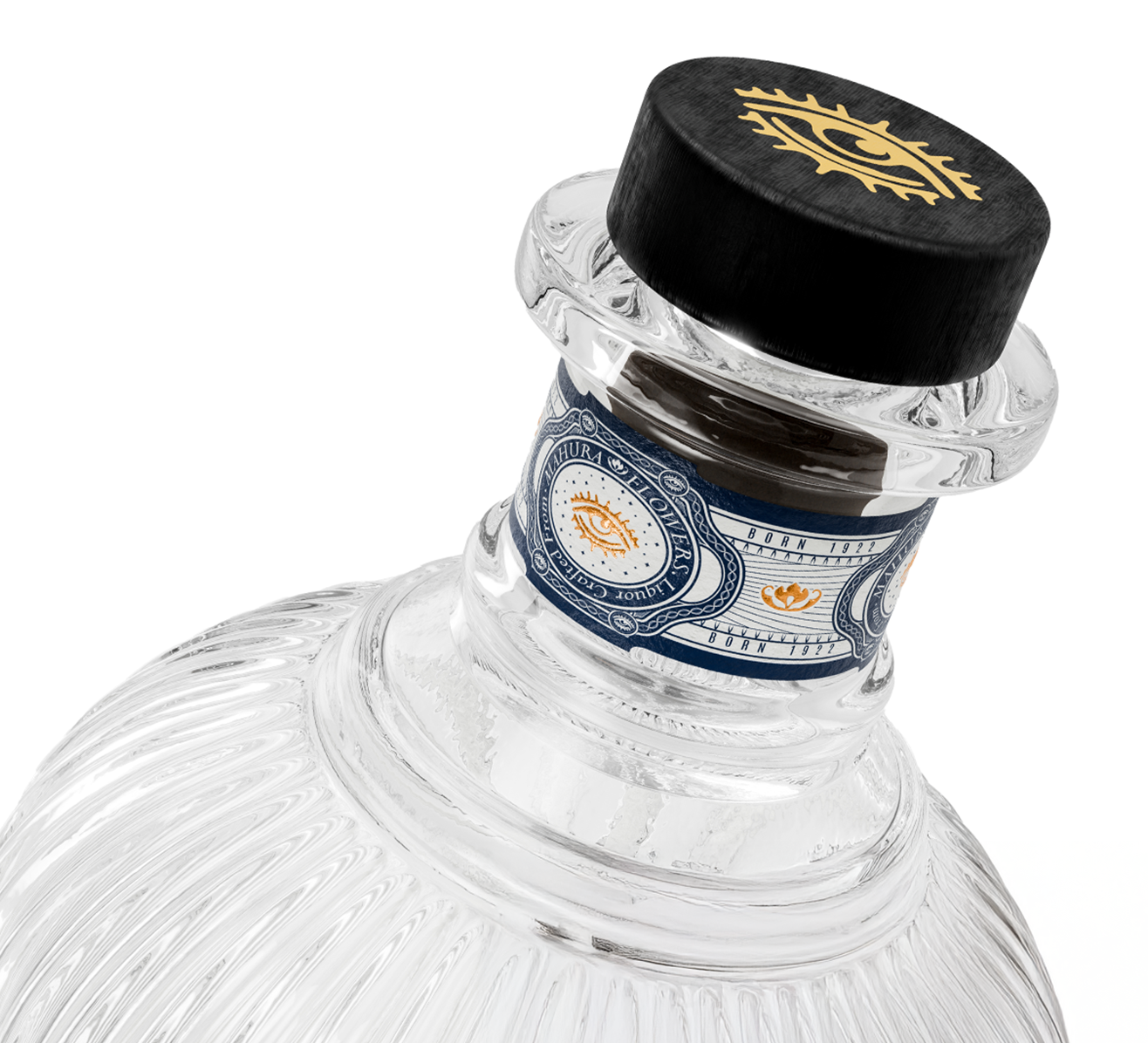
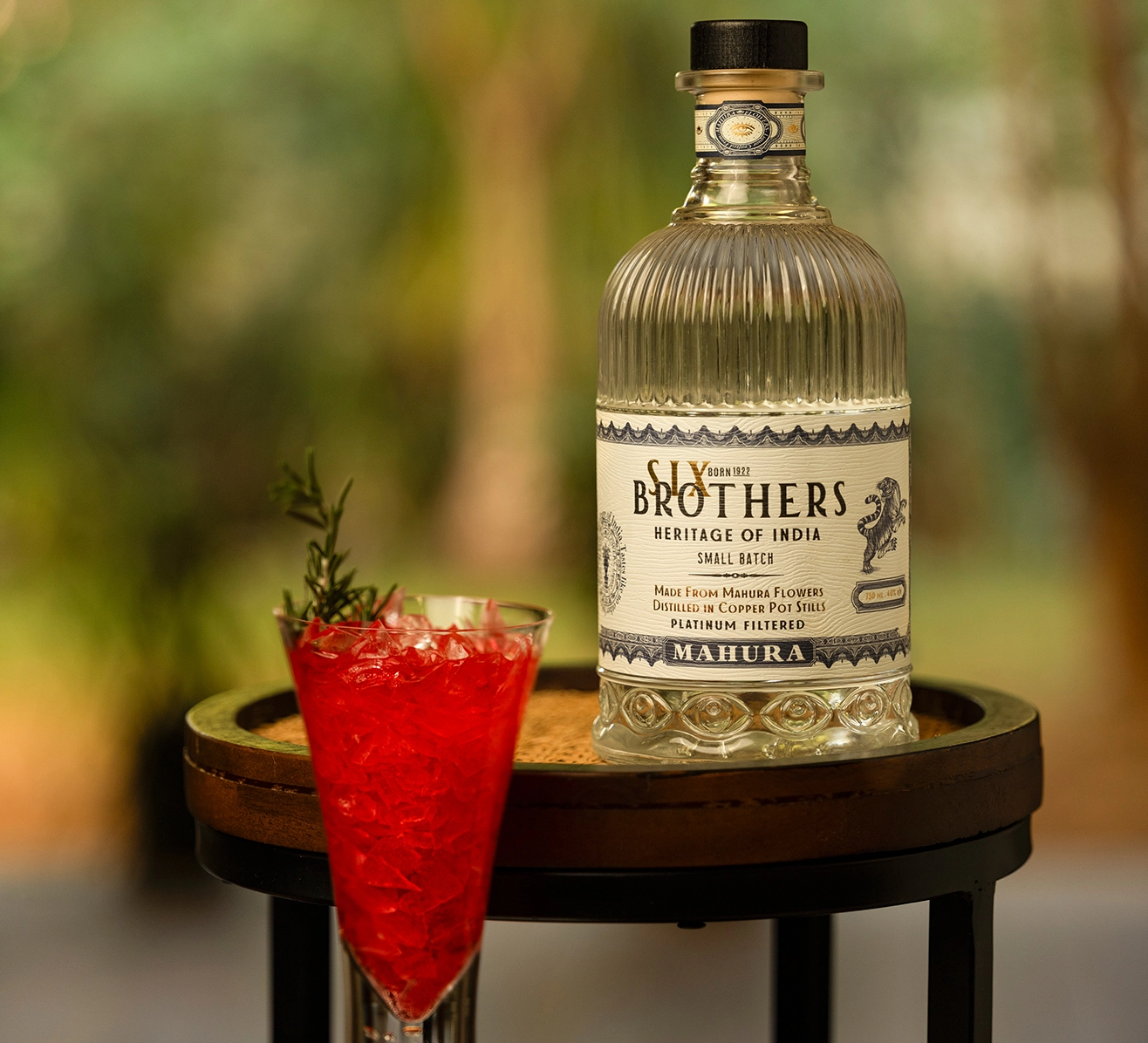
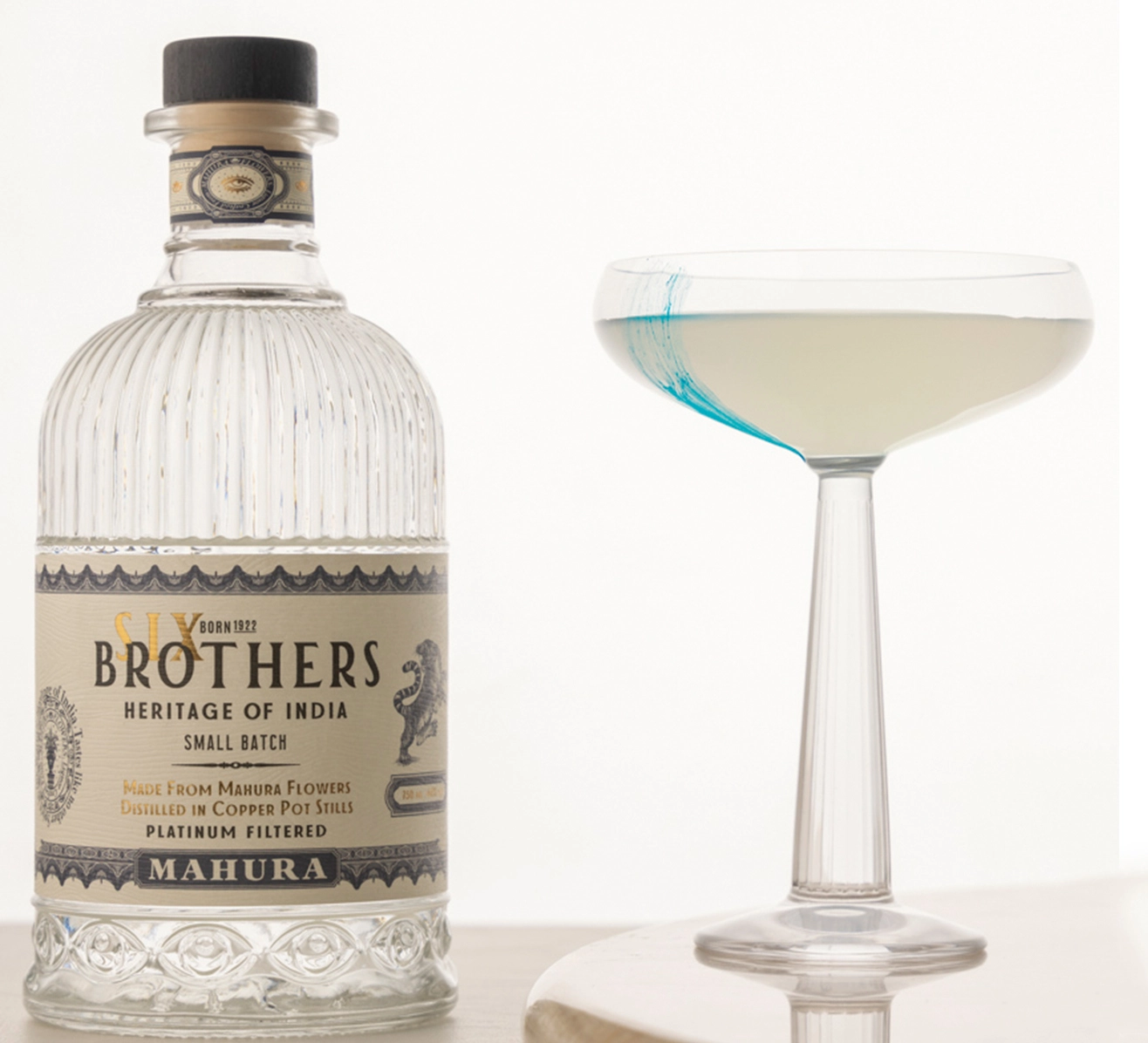
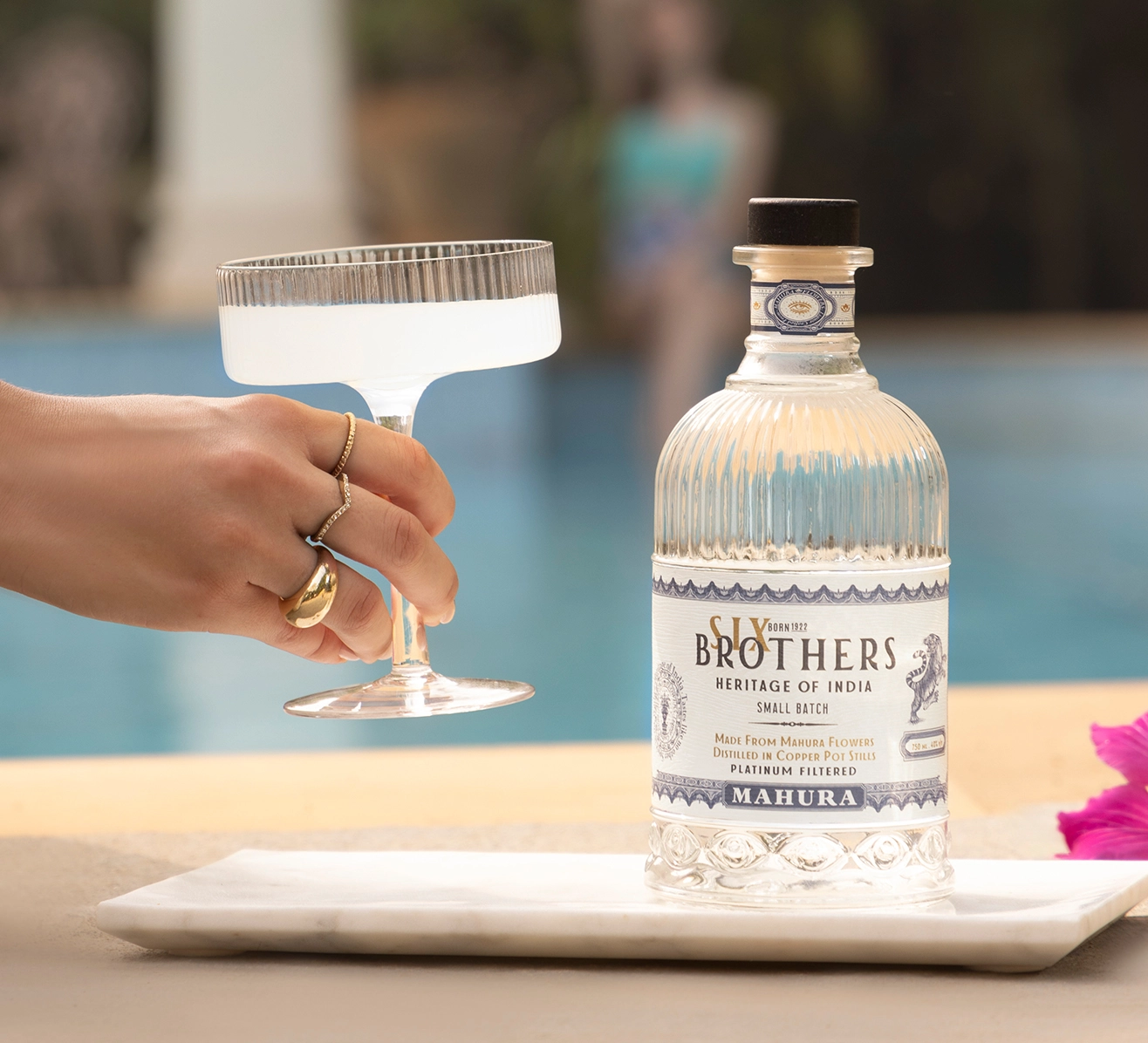
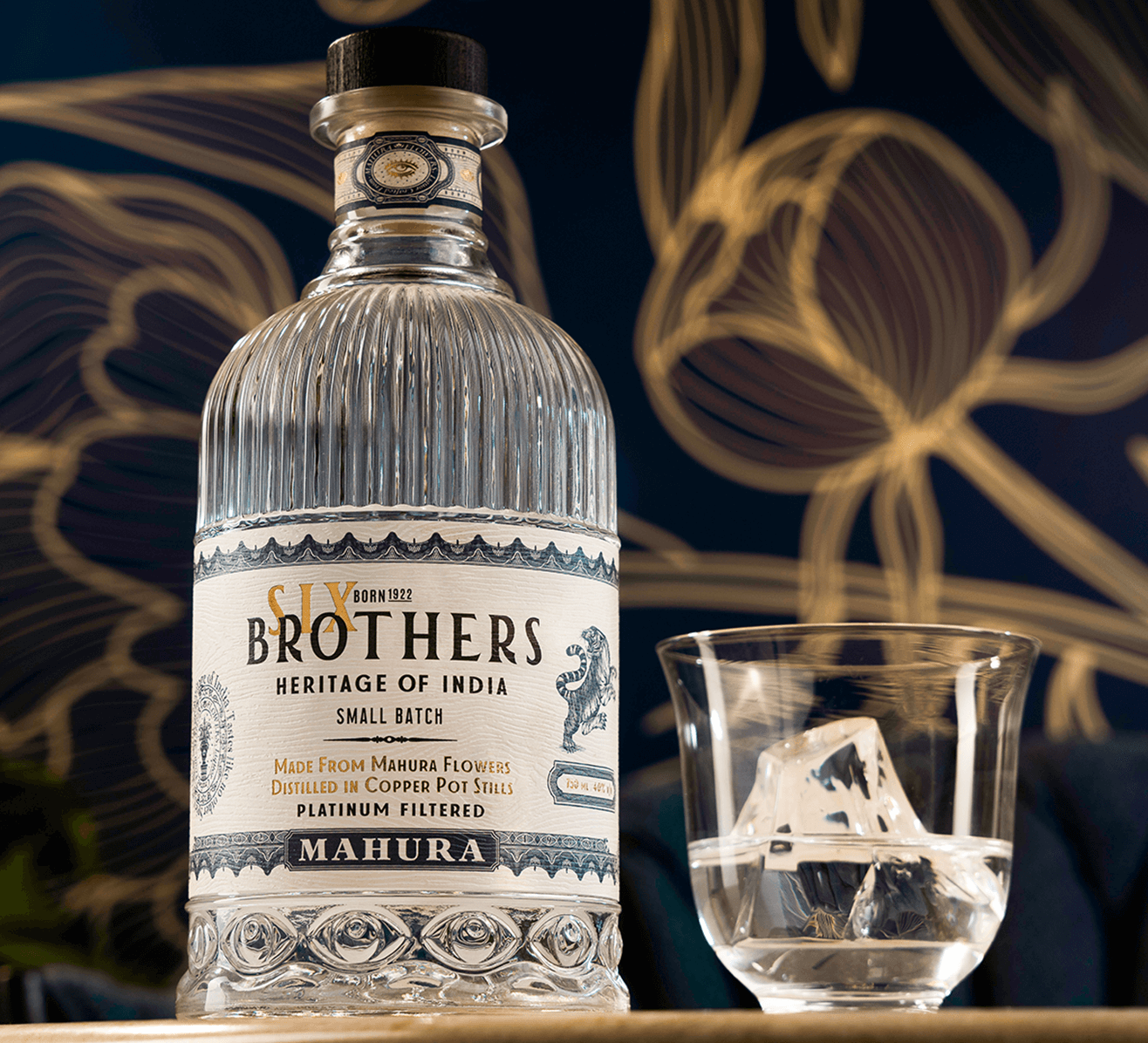
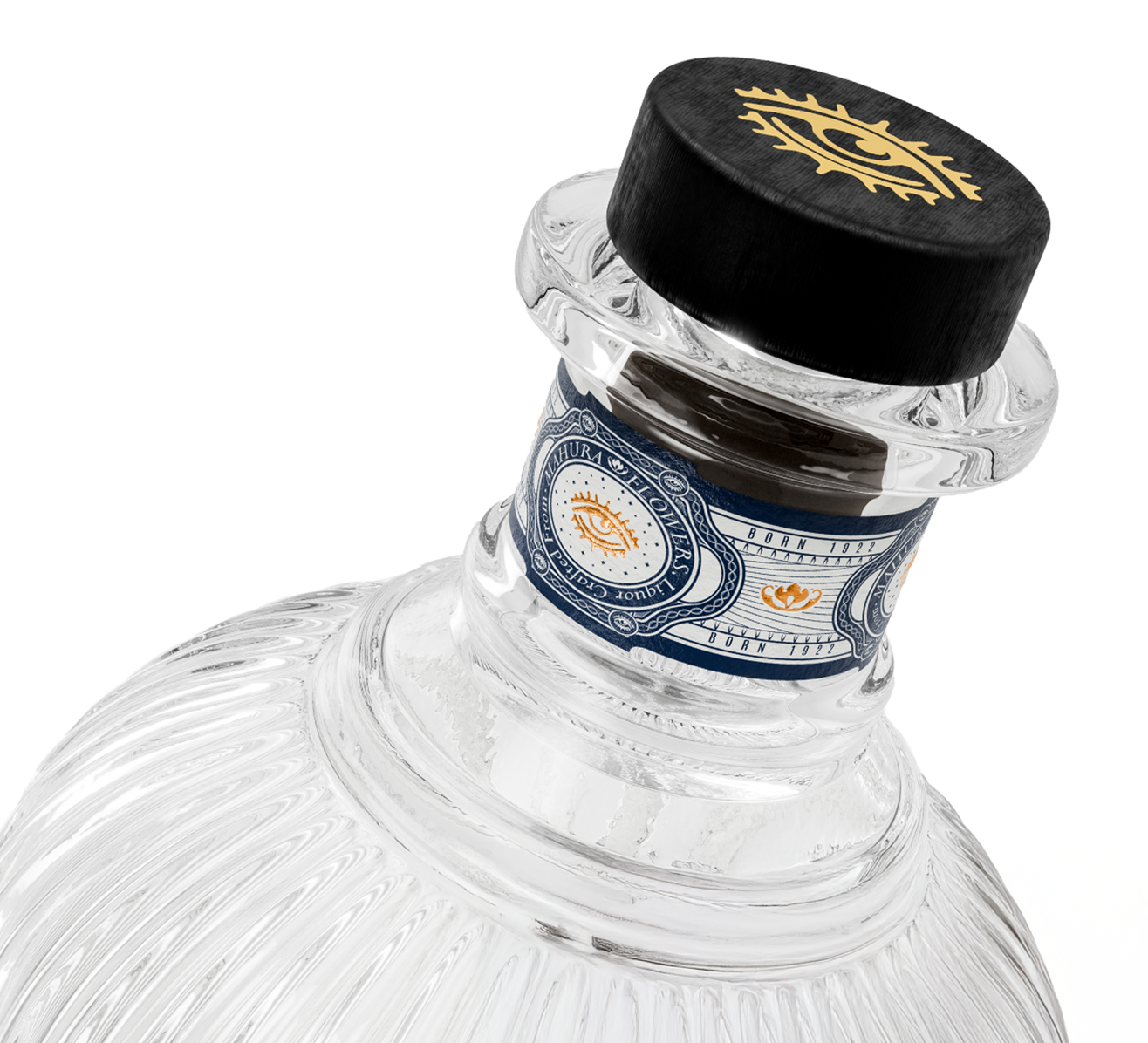
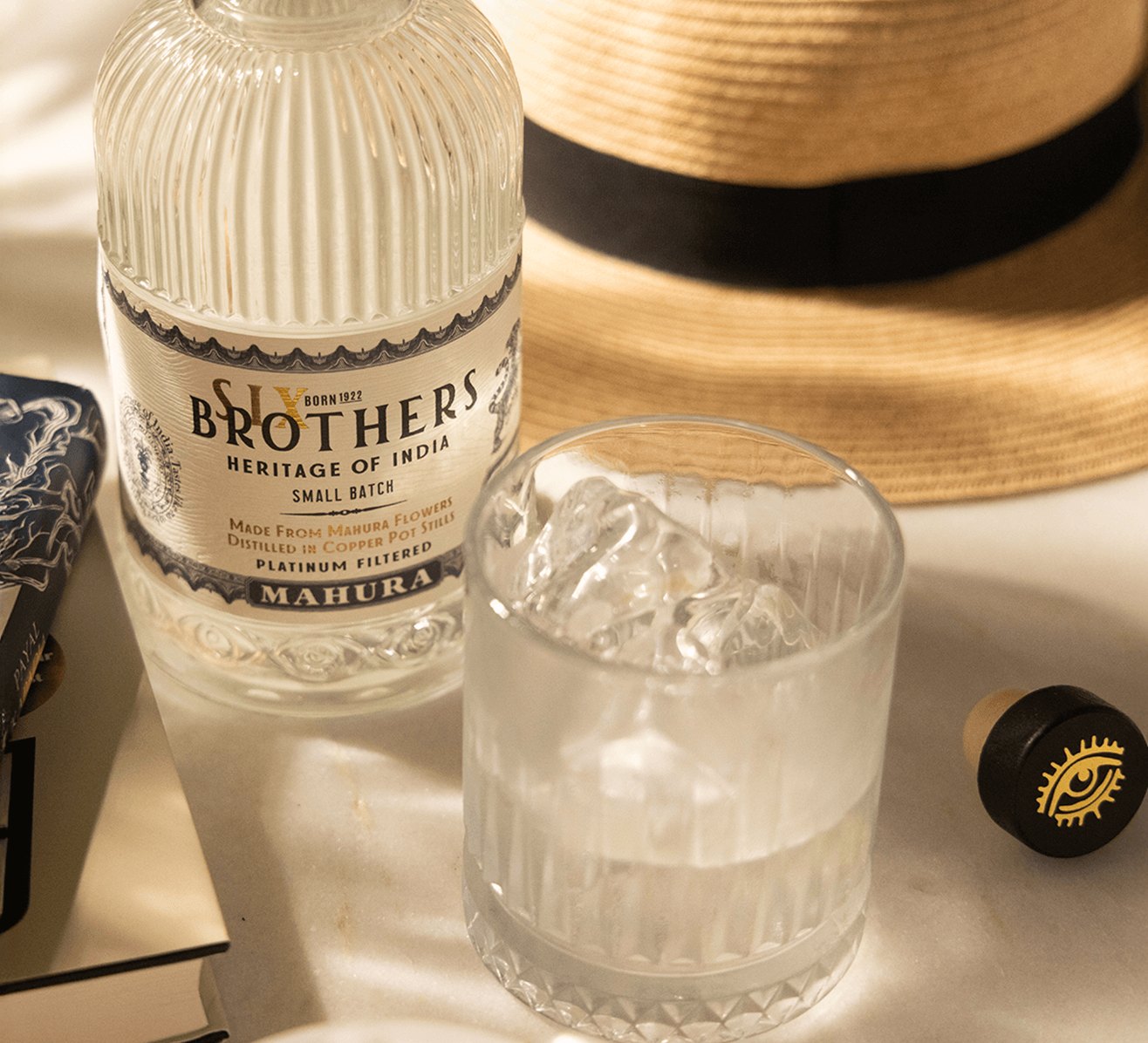
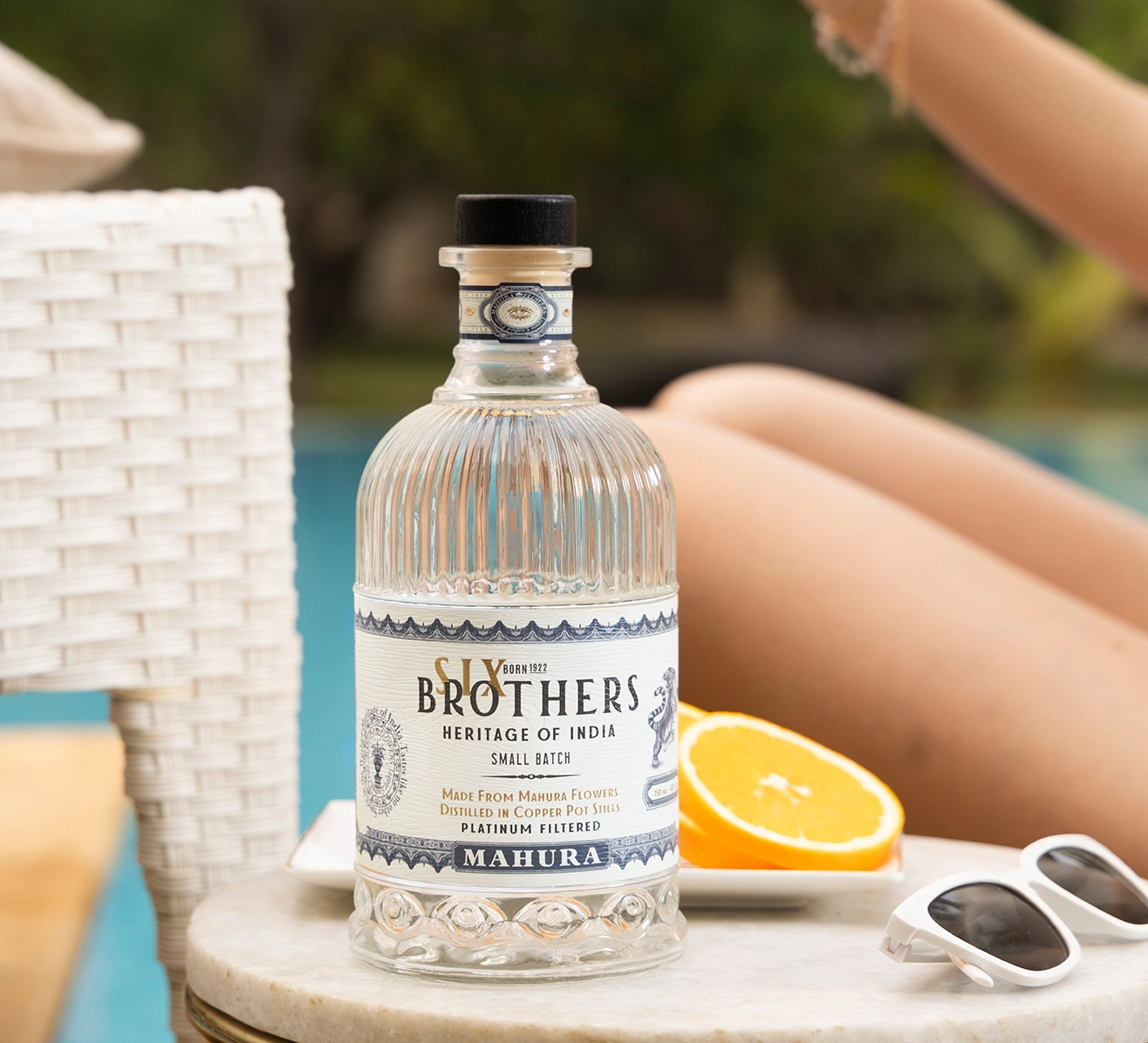
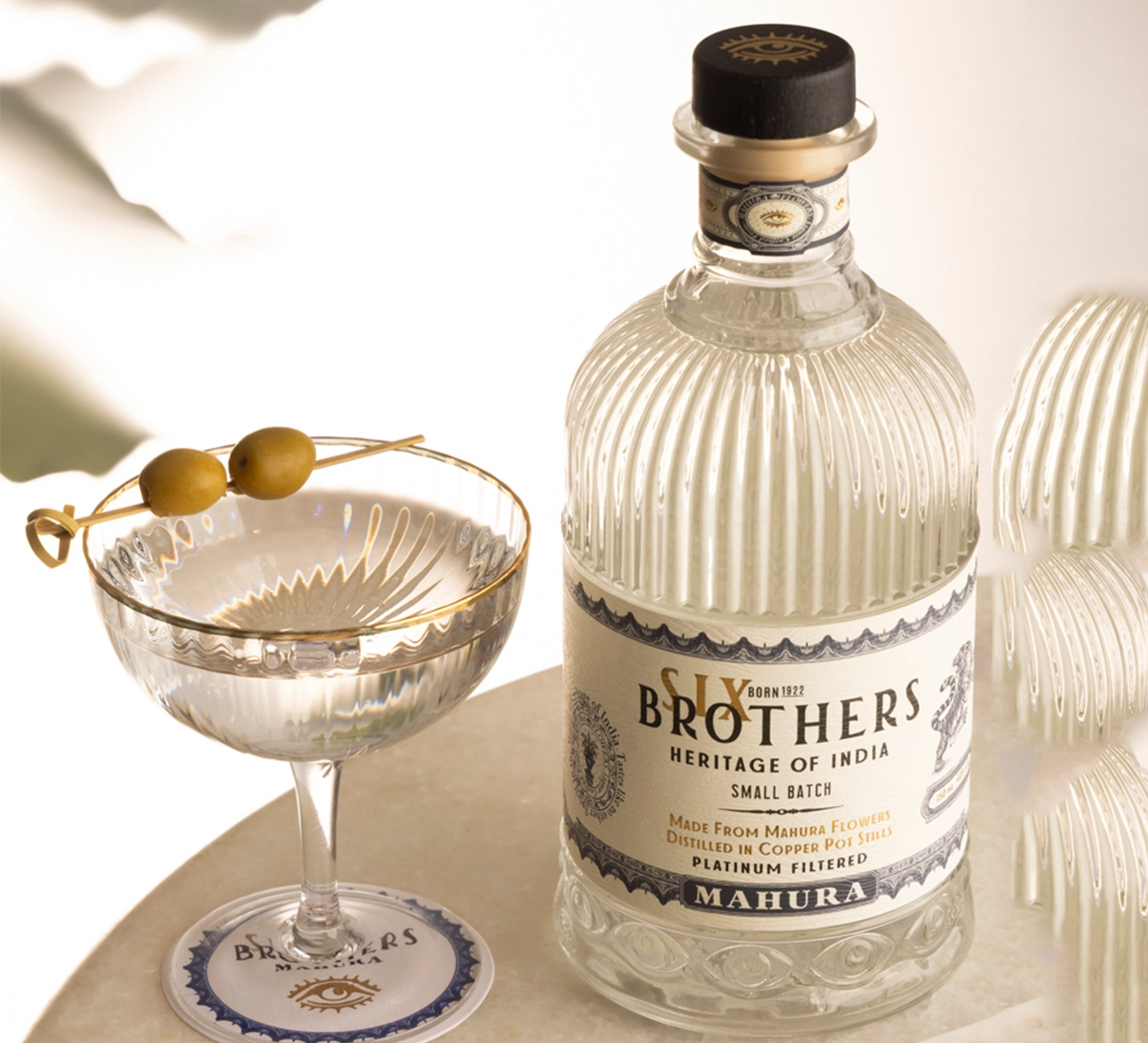
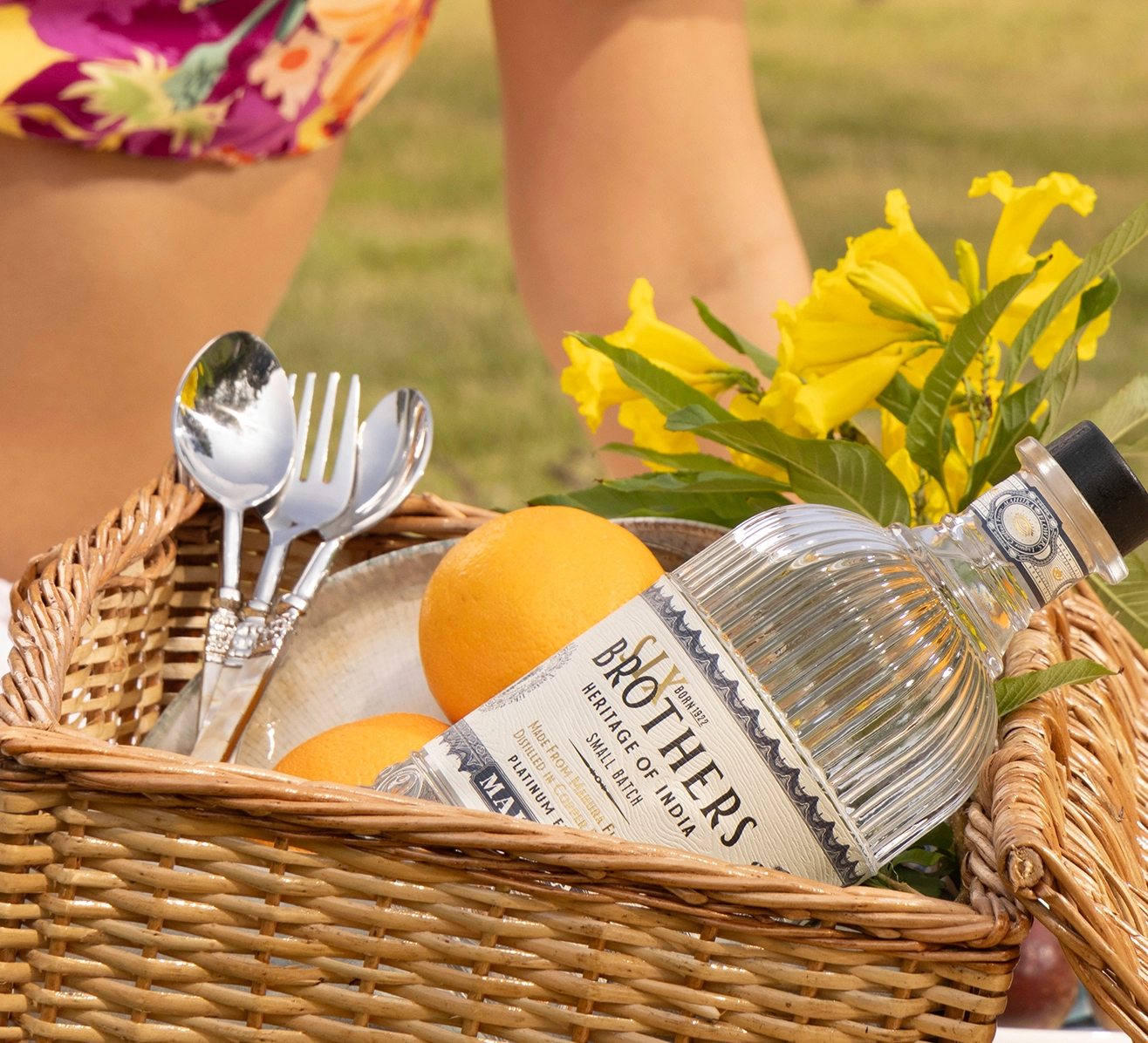
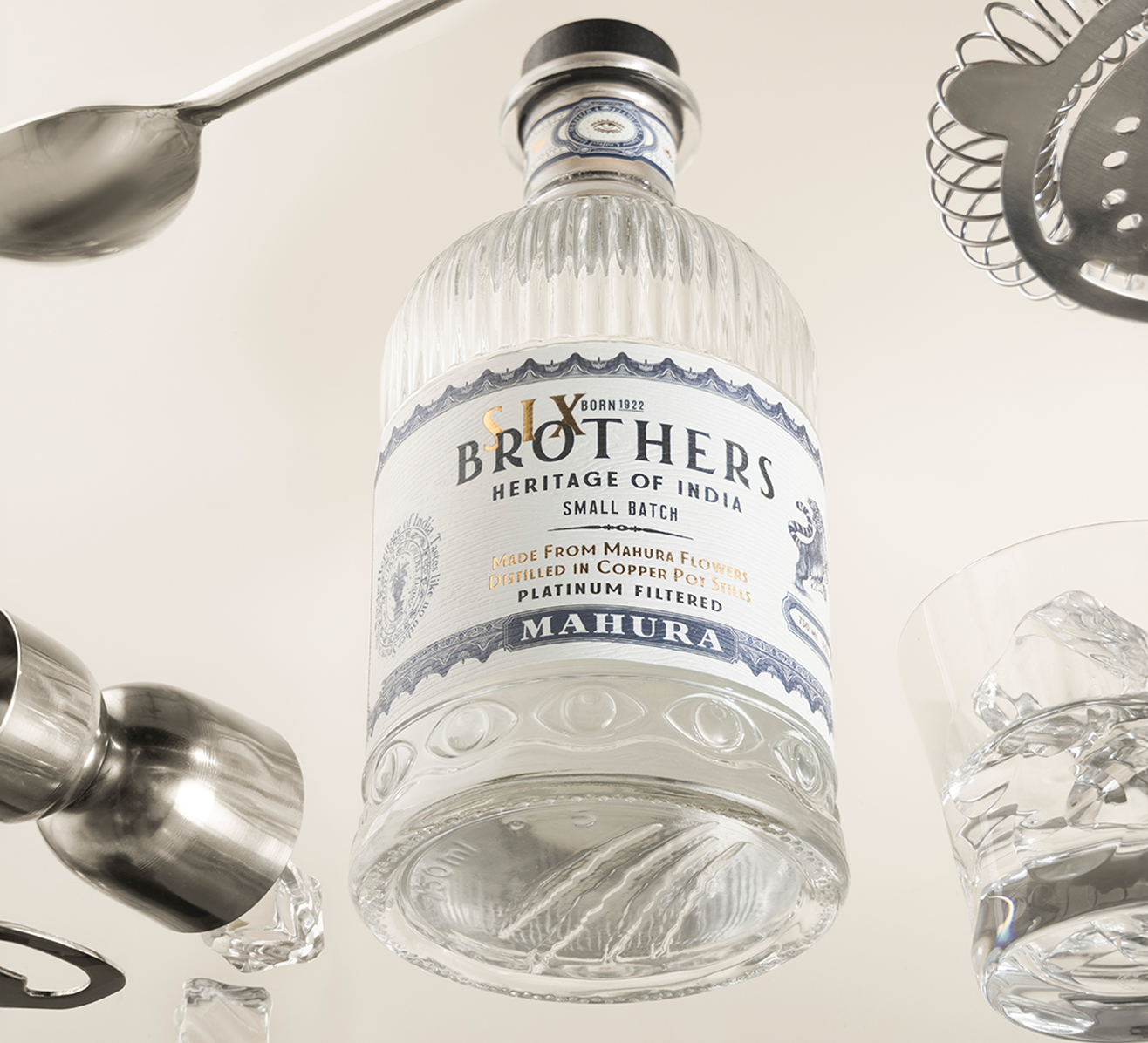
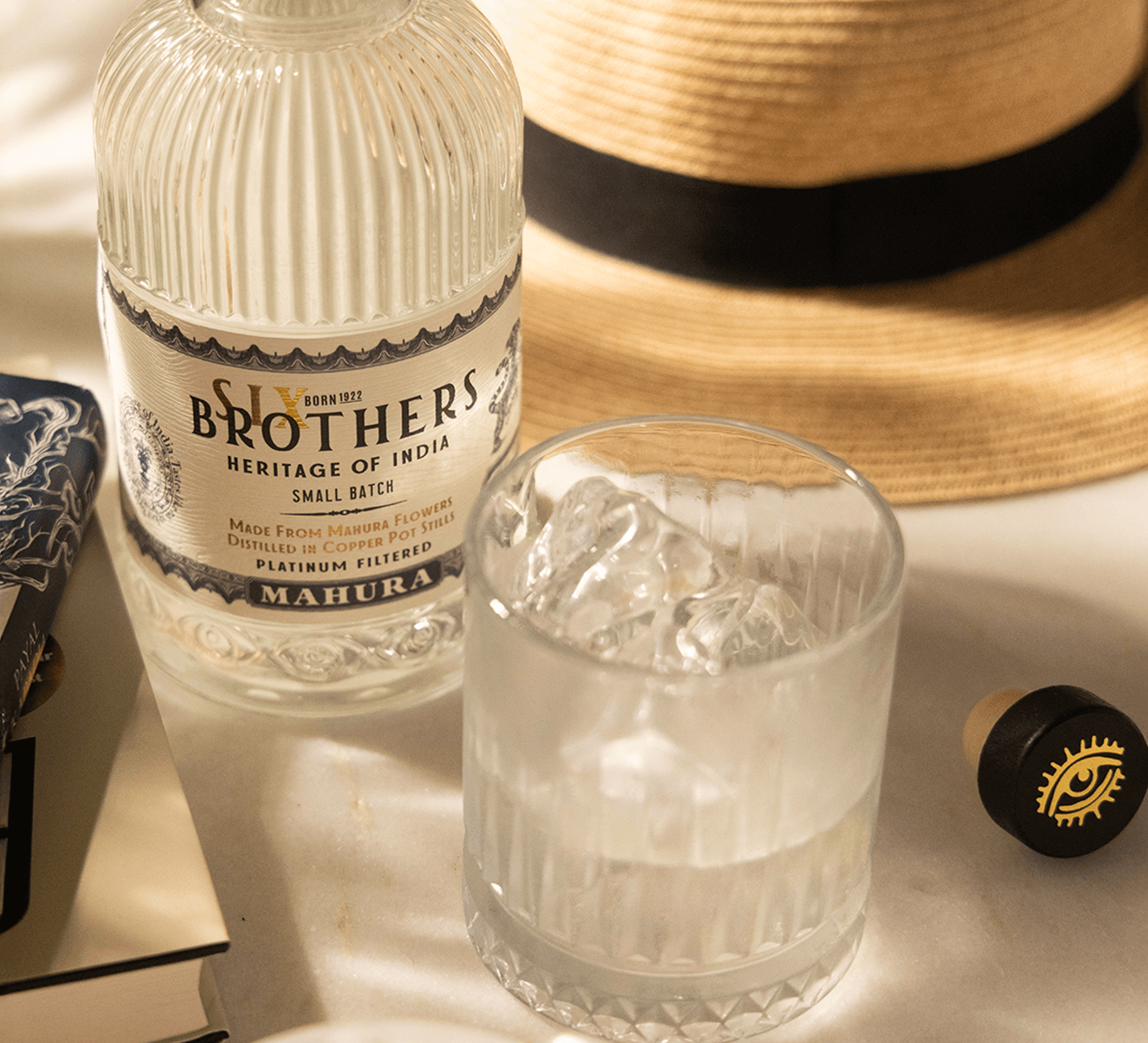
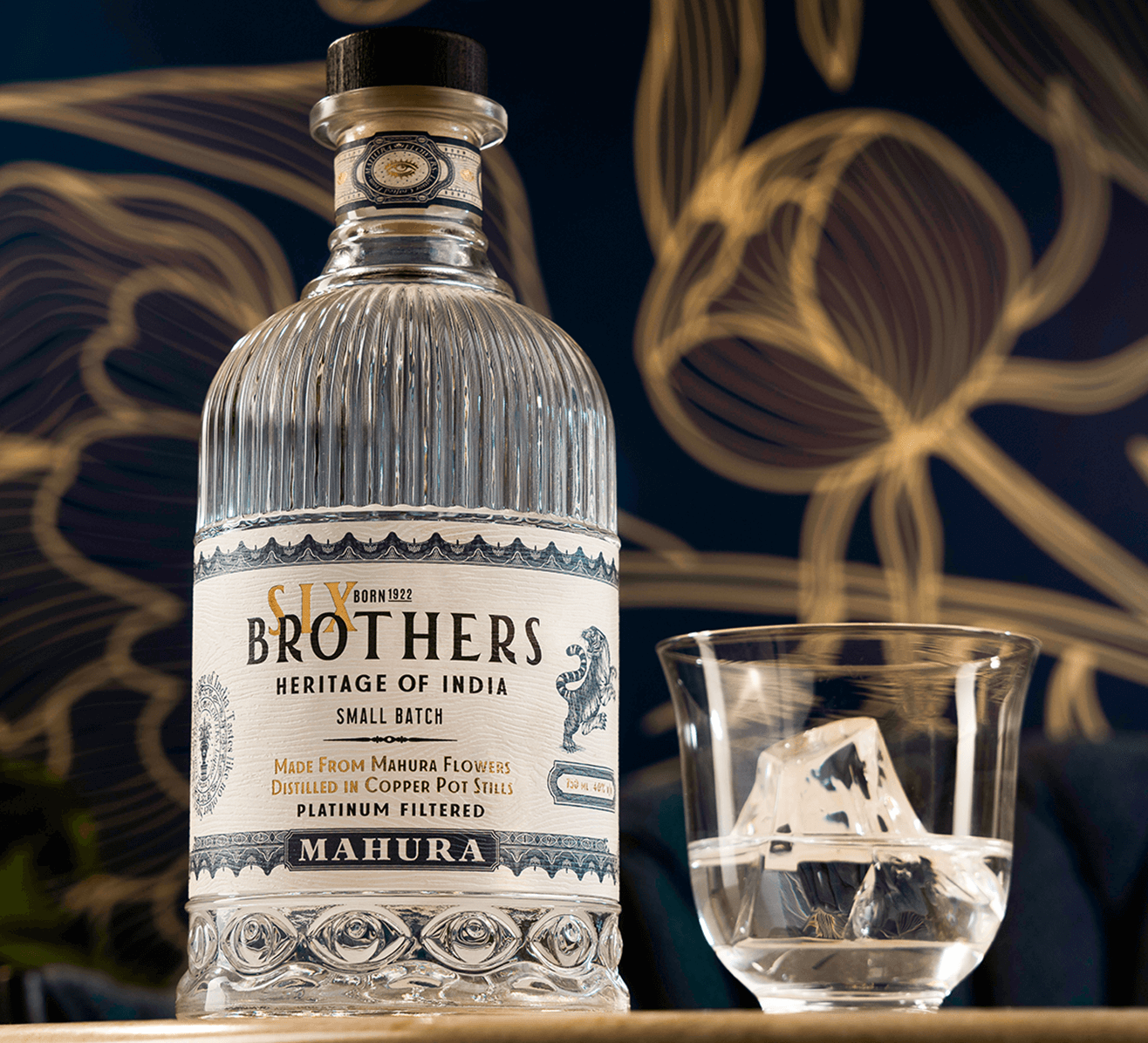
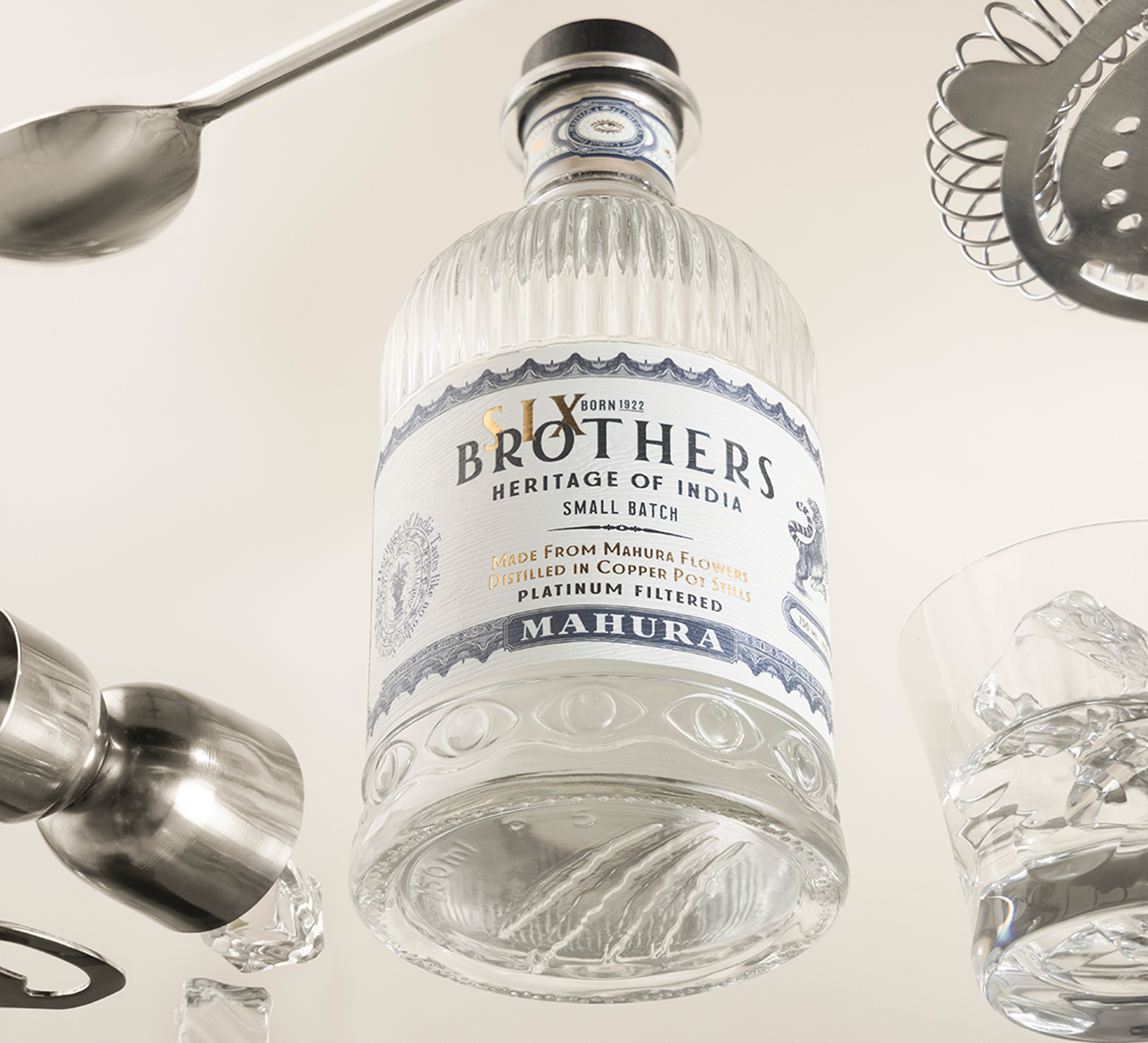
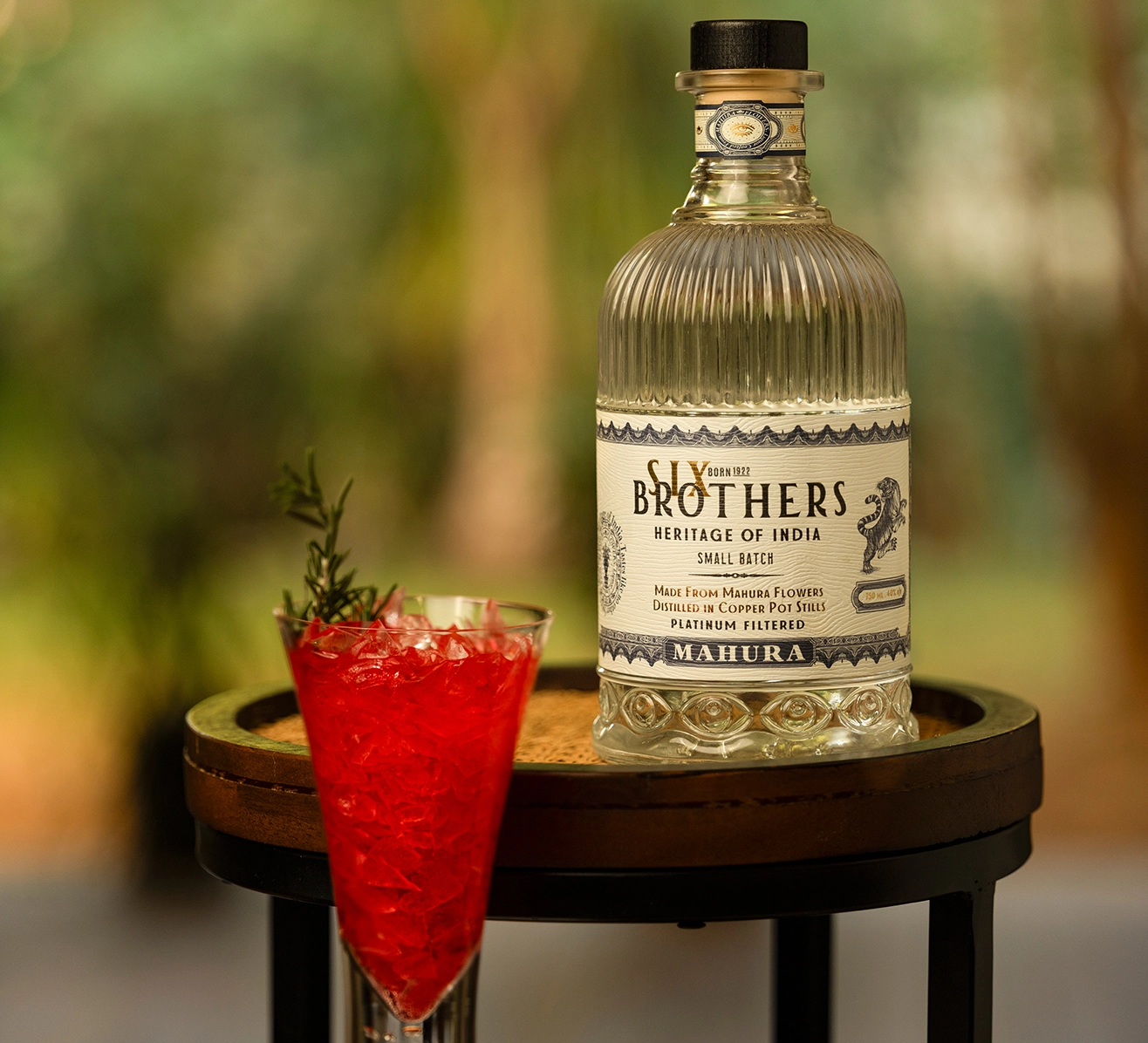
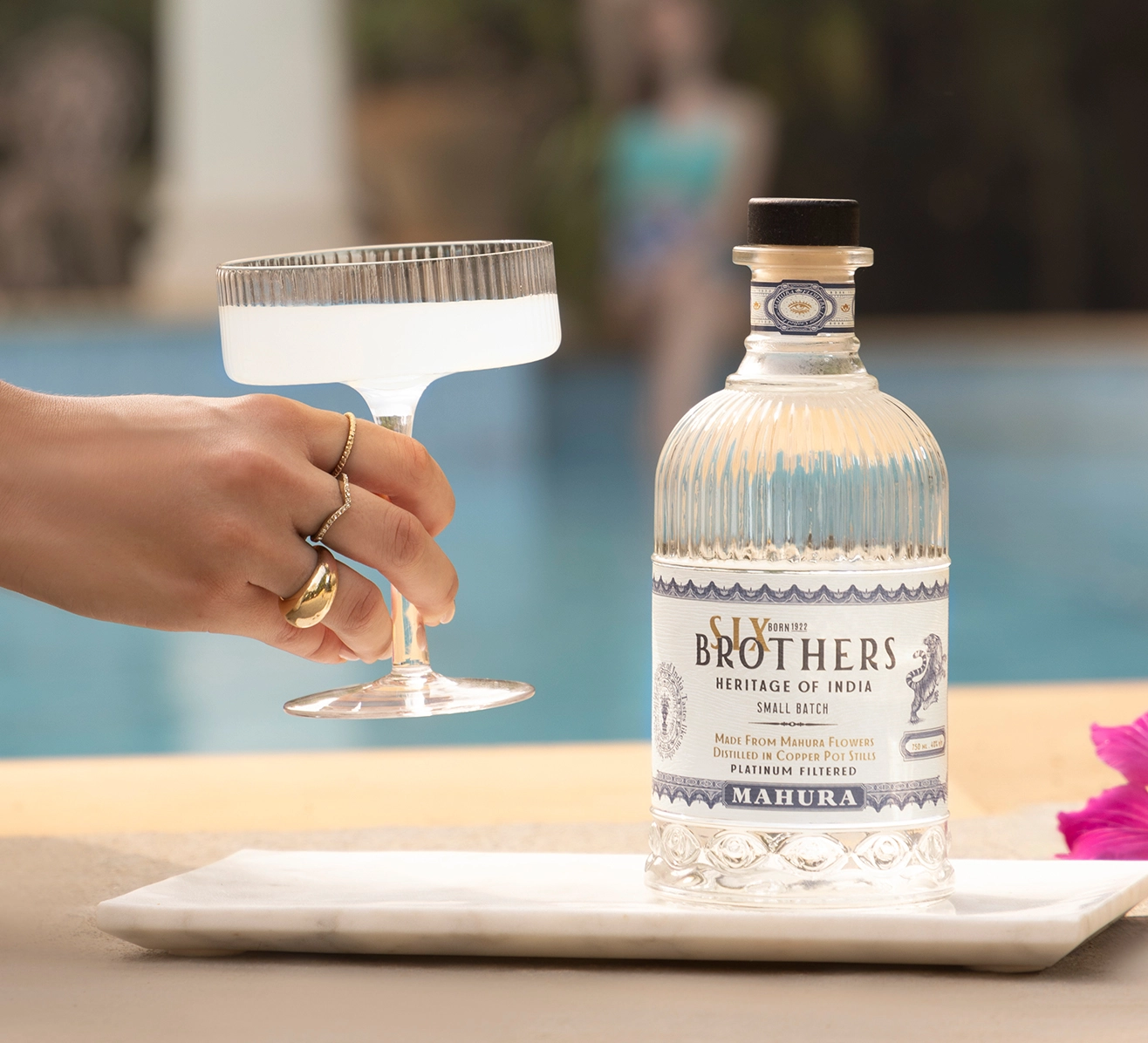
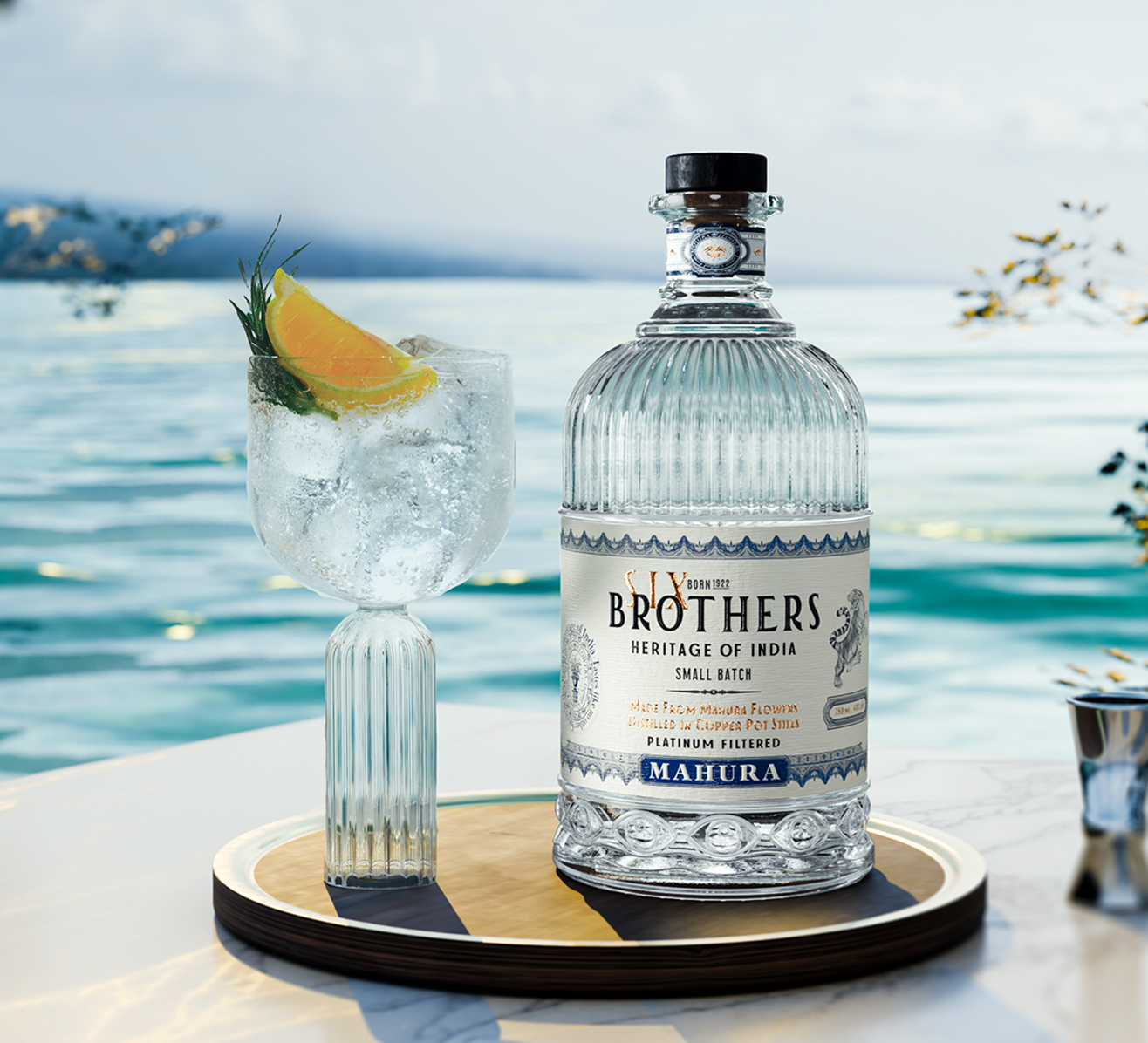
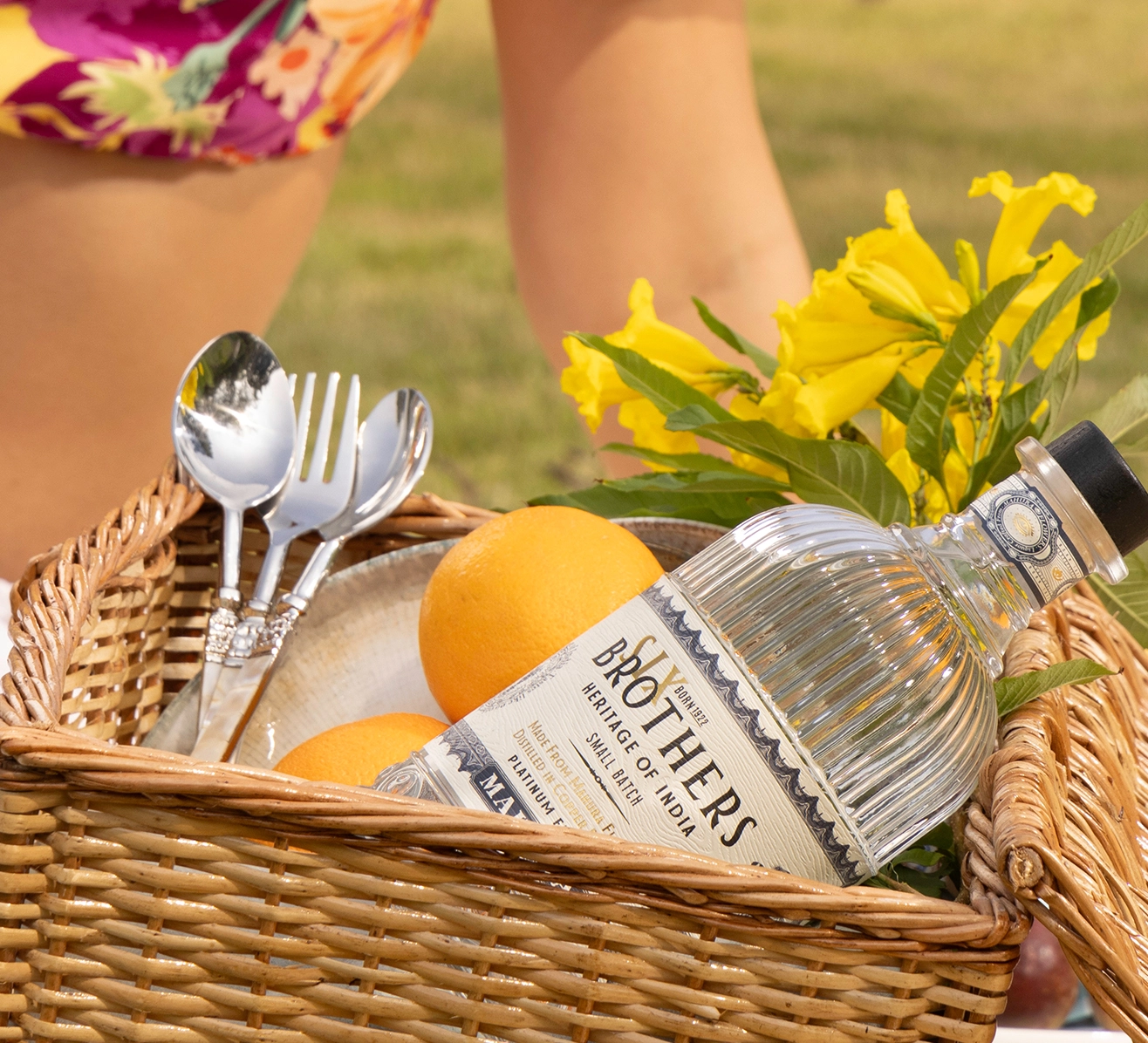
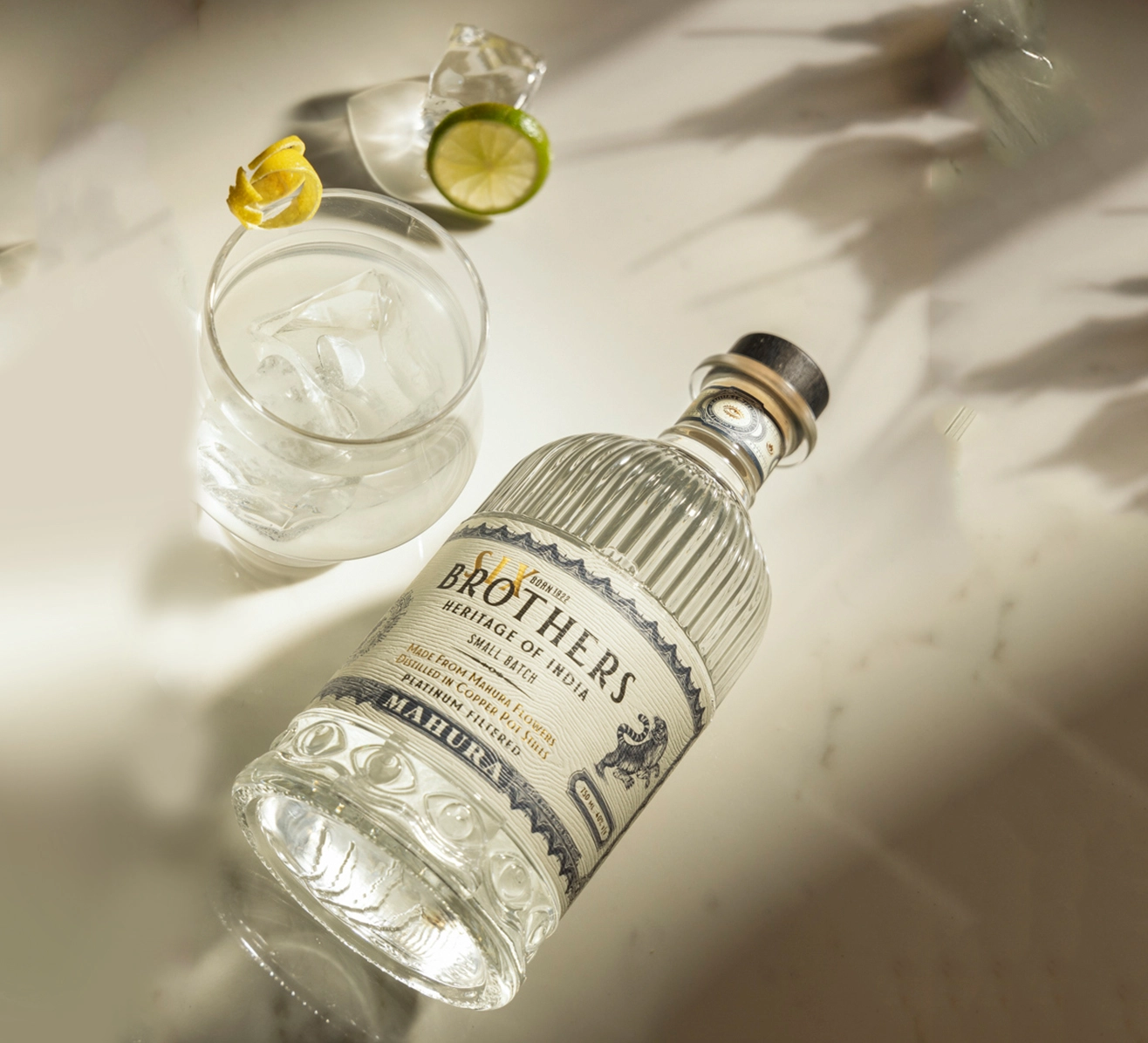
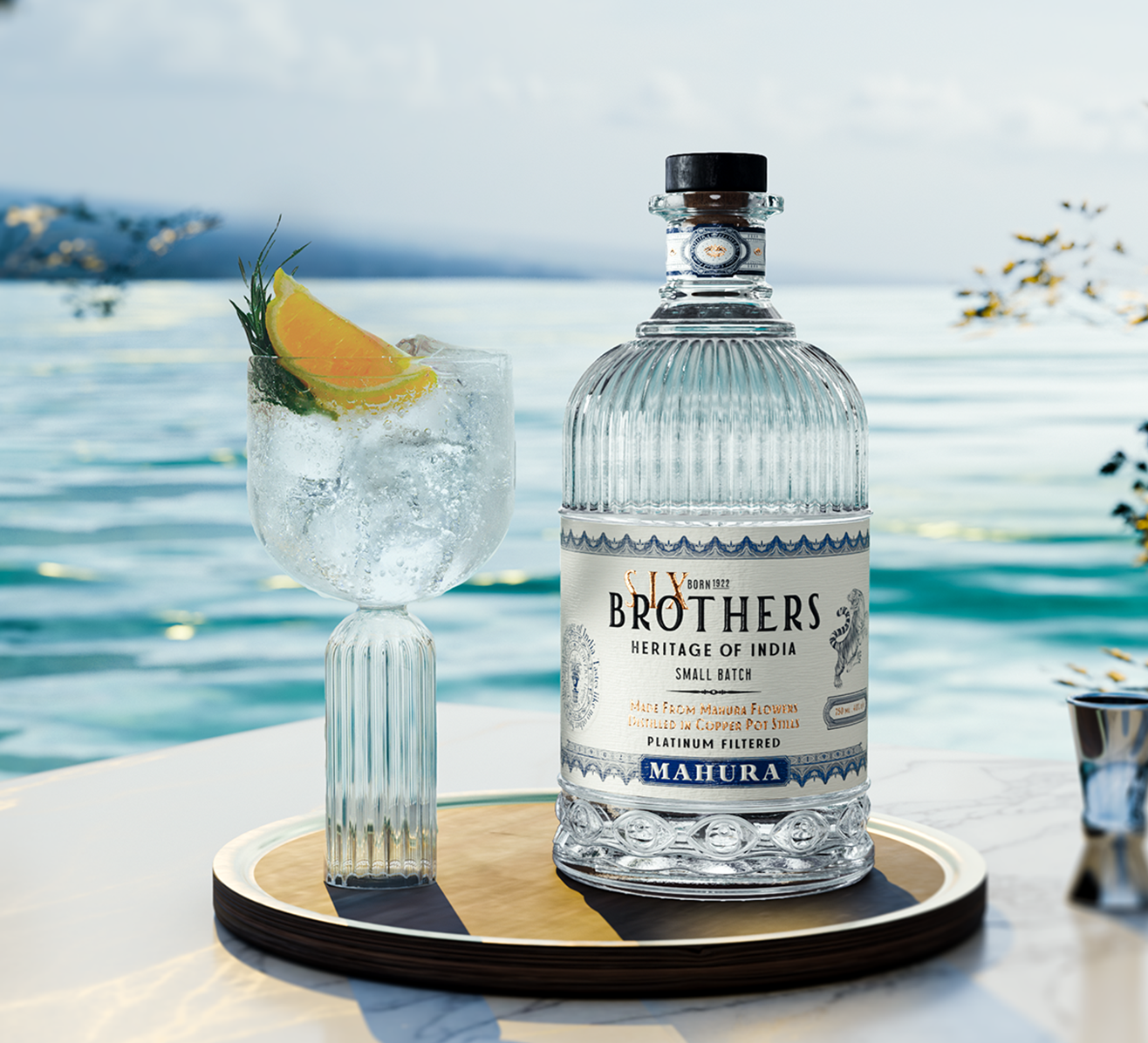
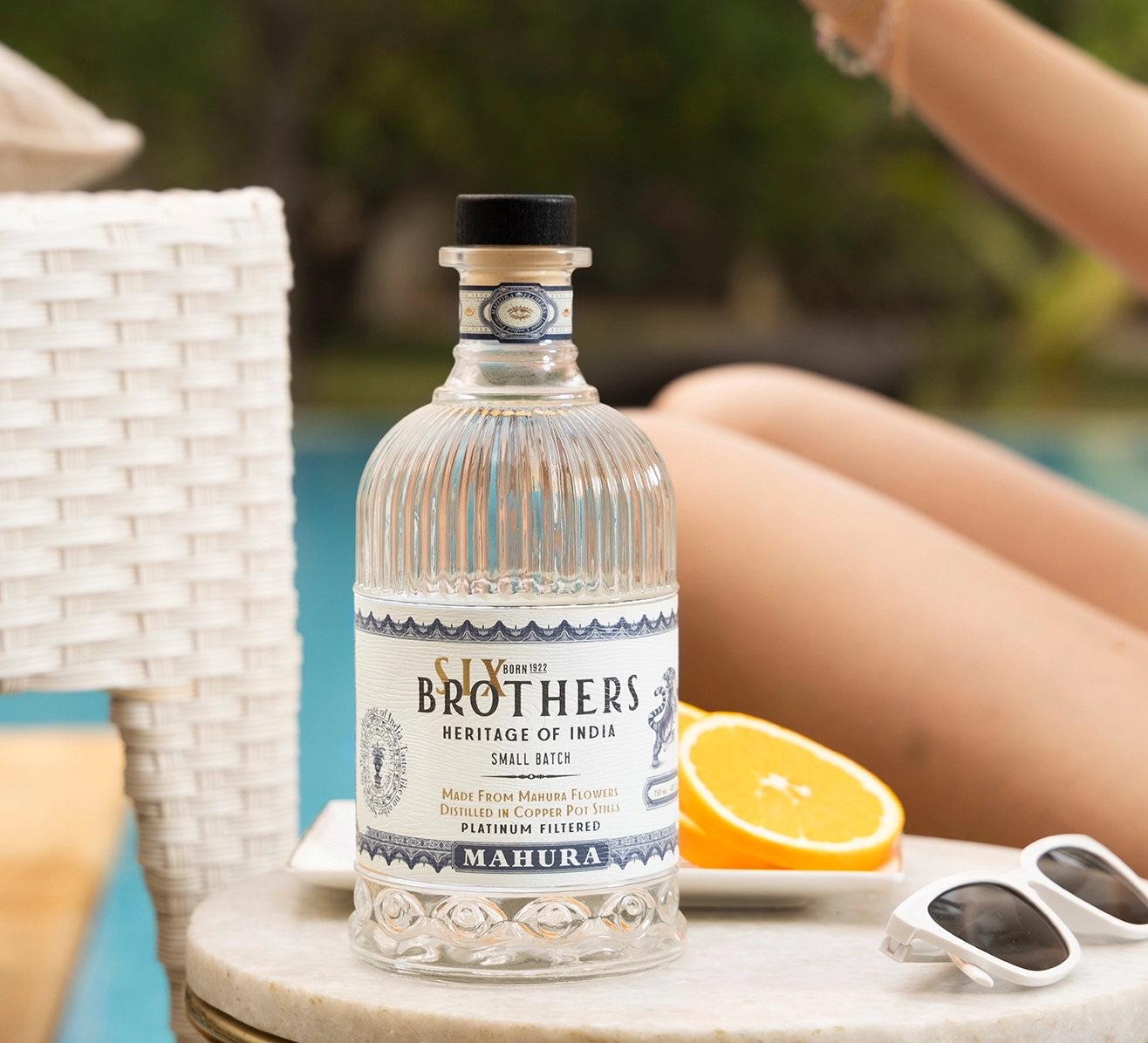
Six Brothers Mahura is one such example.
Rather than treating mahua as a rustic afterthought, the brand focuses on refined production and premium positioning. The result is a smoother, more balanced spirit that retains its authentic roots while meeting contemporary quality expectations.
This matters because today’s consumers want both story and standard. They want something culturally rich, but they also expect consistency in taste and finish.
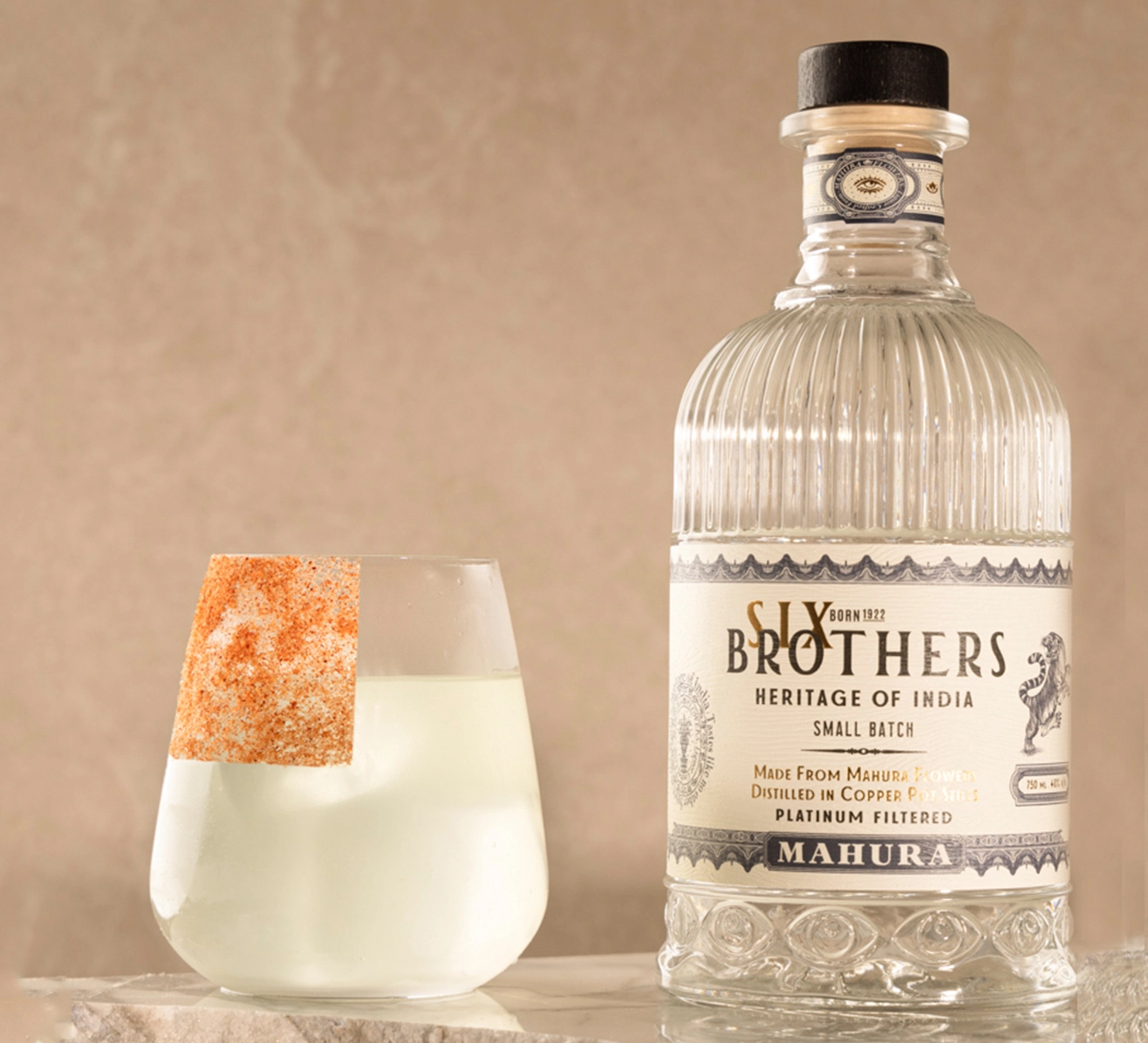
By elevating Mahuya into a premium segment, Six Brothers Mahura connects history with modern craftsmanship. It takes what Mahudo and Mahuya have always represented and gives it a platform that fits today’s evolving liquor market.
Mahudo and Mahuya are not separate ingredients. They are regional names for the same flower from the Madhuca tree. Their history runs deep in India’s rural economy and cultural life.
Now, with improved production and branding, mahua-based spirits are stepping into a new phase. The revival is not about nostalgia. It’s about refinement.
Understanding the connection between Mahudo and Mahuya helps you appreciate the ingredient beyond labels. And when that ingredient is handled with care, as seen in brands like Six Brothers Mahura, it proves that tradition and premium quality can absolutely coexist.
The story isn’t just about a flower. It’s about how India is rediscovering and re-presenting its own legacy, one bottle at a time.
Also Read : Why Mahua/Mahuaa Alcohol is Becoming Popular in Urban India
Yes. Mahudo and Mahuya are regional names for the flowers of the Madhuca longifolia tree. The difference is purely linguistic, not scientifical or functional.
Mahudo is more commonly used in Gujarat and parts of western India, while Mahuya or Mahua is used in central and eastern regions. The tree and its uses remain the same.
Mahuya flowers are traditionally used for:
The flowers contain natural sugars, which historically made them a source of energy in certain regional diets. However, they are not considered a health supplement.
Mahuya has long been part of rural economies and seasonal harvesting cycles. It provided food, income, and material resources, making it culturally and economically significant.
Yes. Modern premium versions focus on controlled fermentation, refined distillation, and better quality standards. This results in a smoother, more consistent spirit compared to many unregulated traditional brews.
A premium Mahuya spirit depends on:
These factors significantly influence smoothness and flavor.
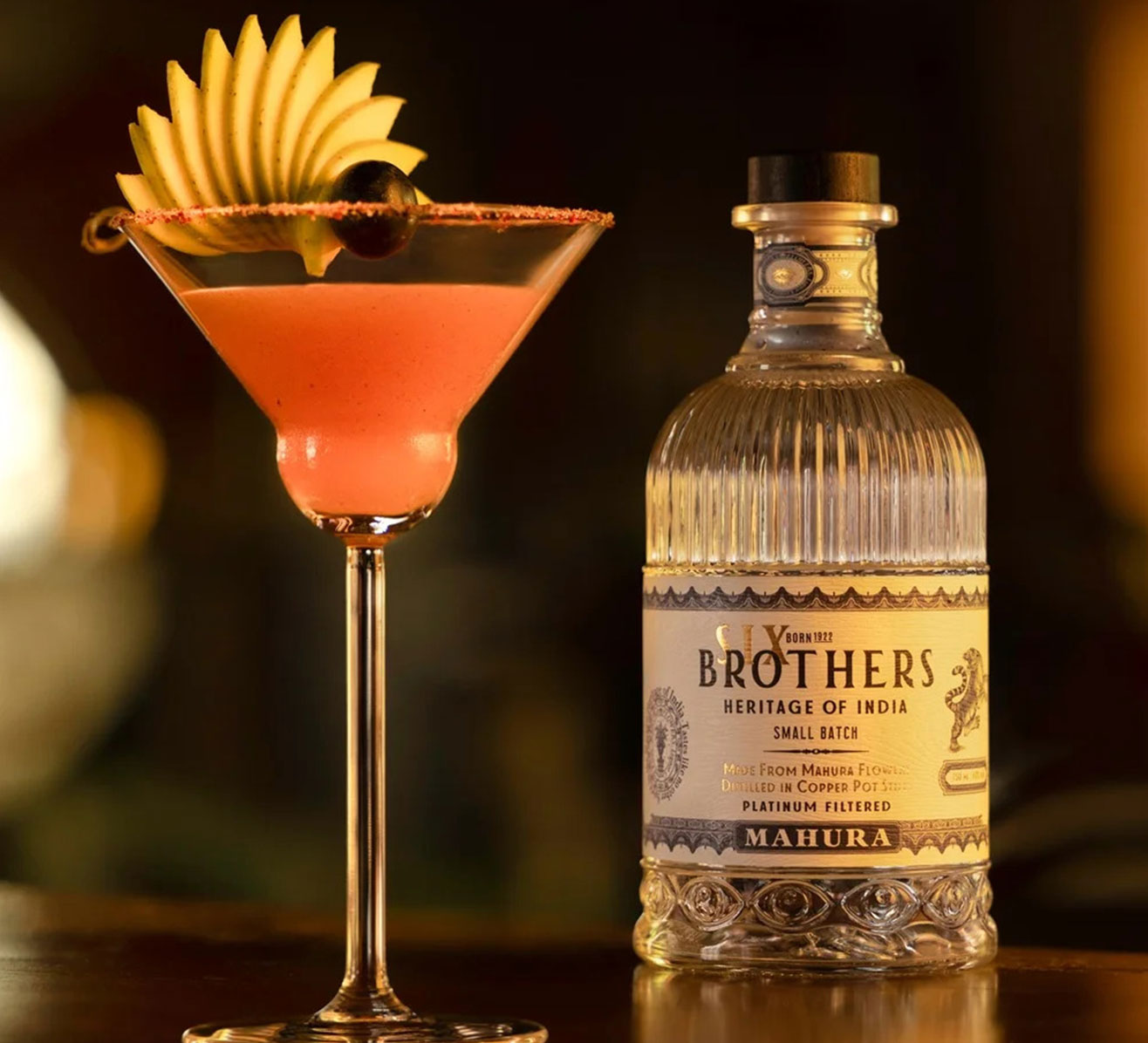
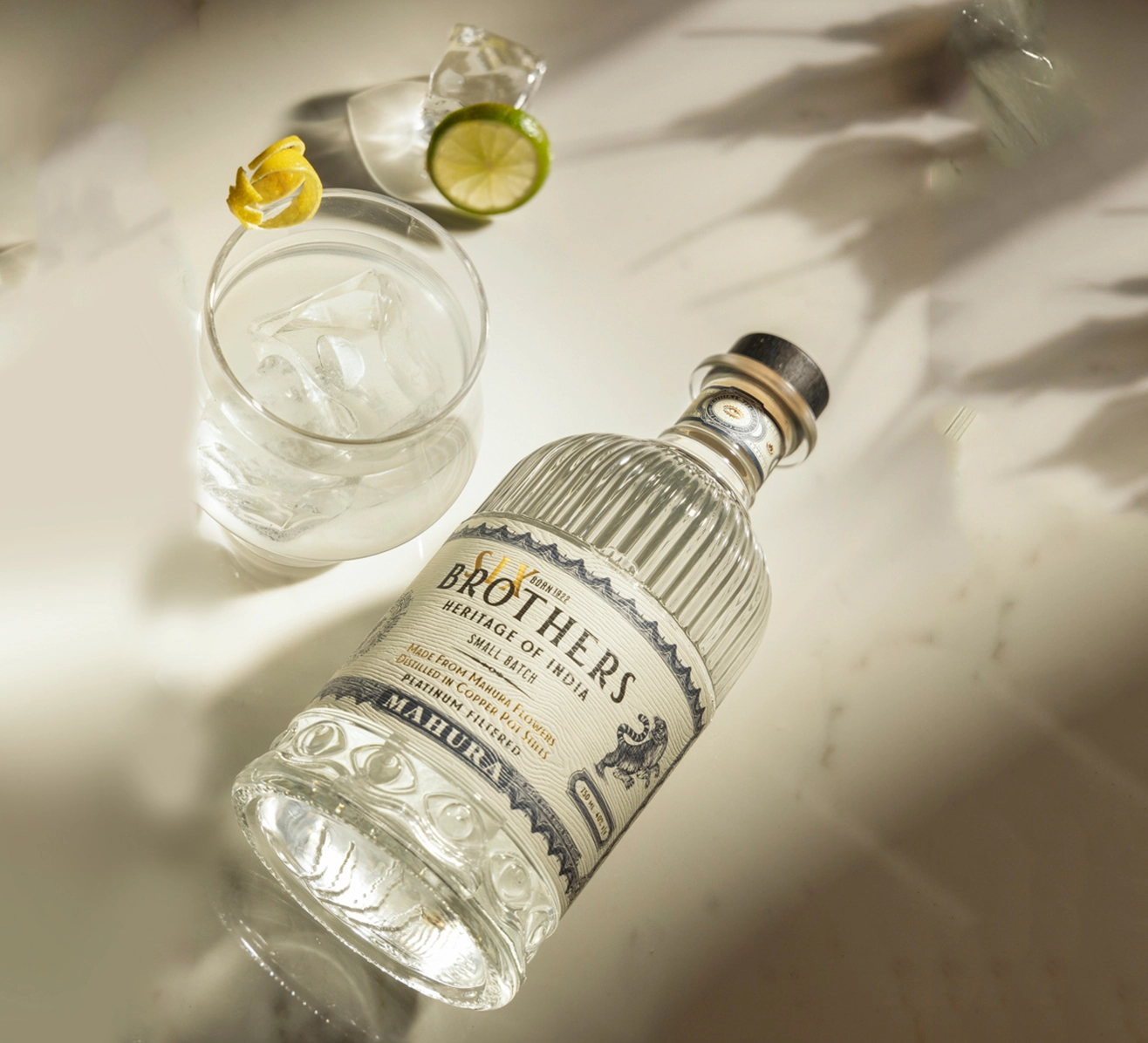
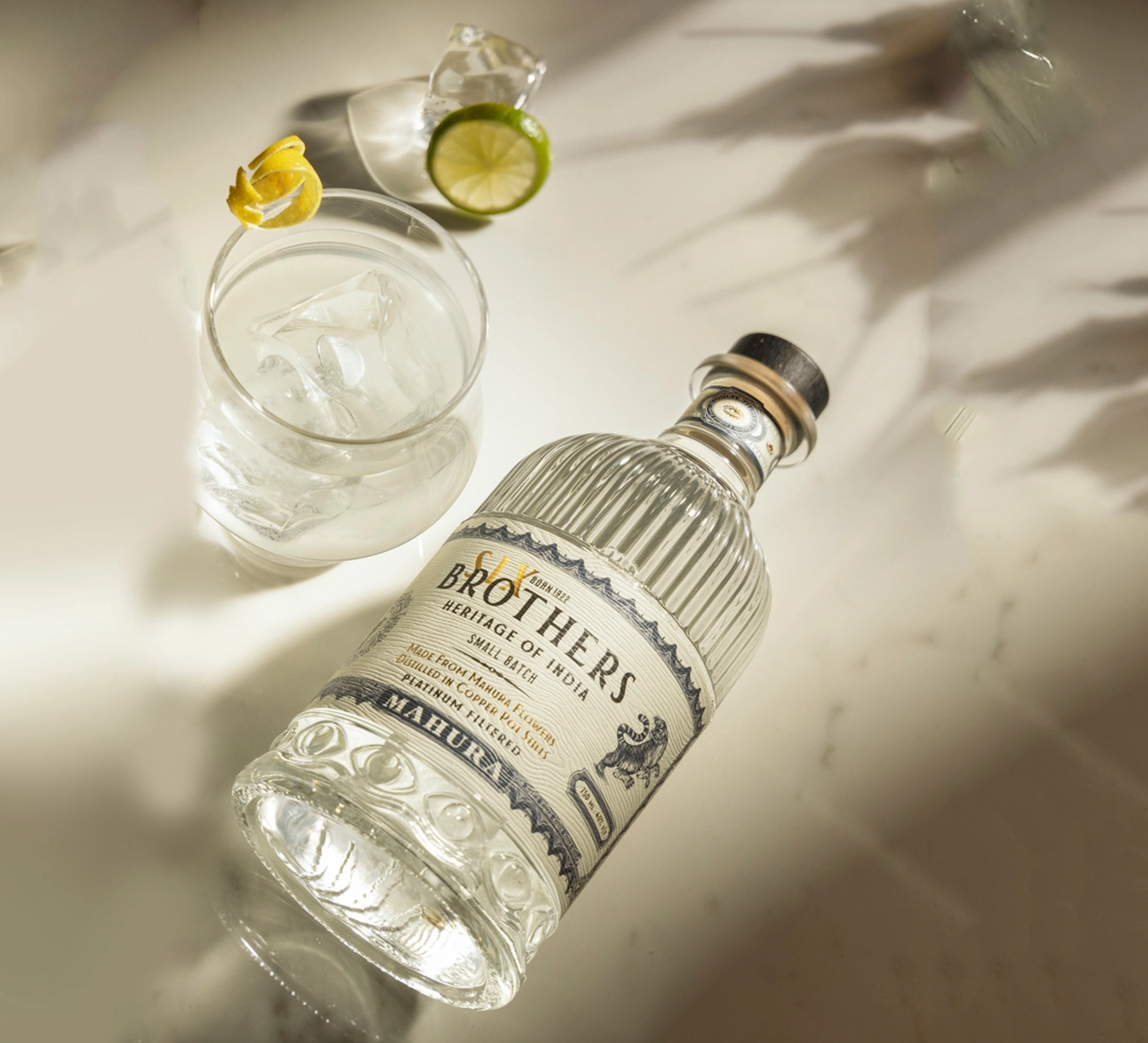
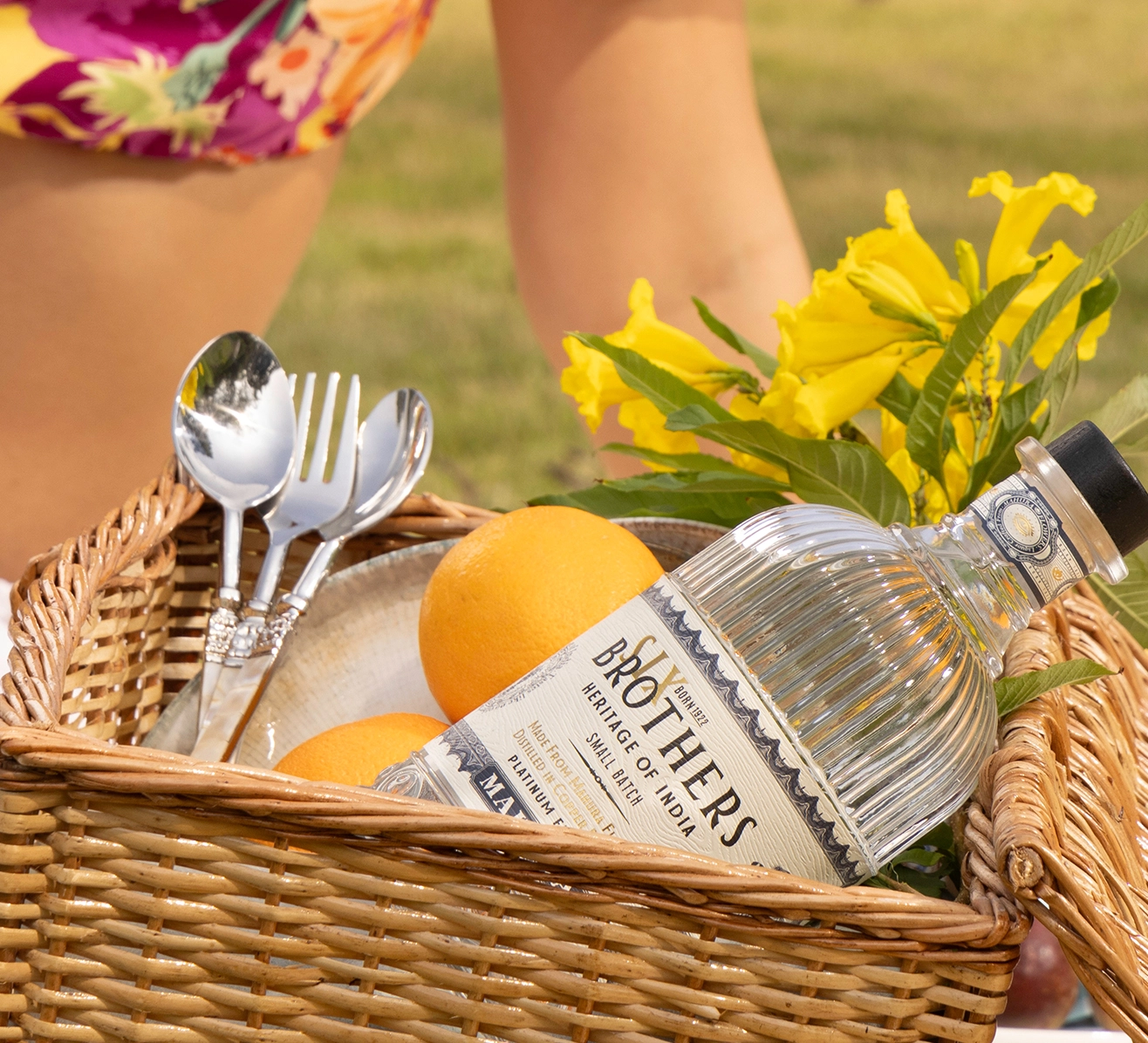
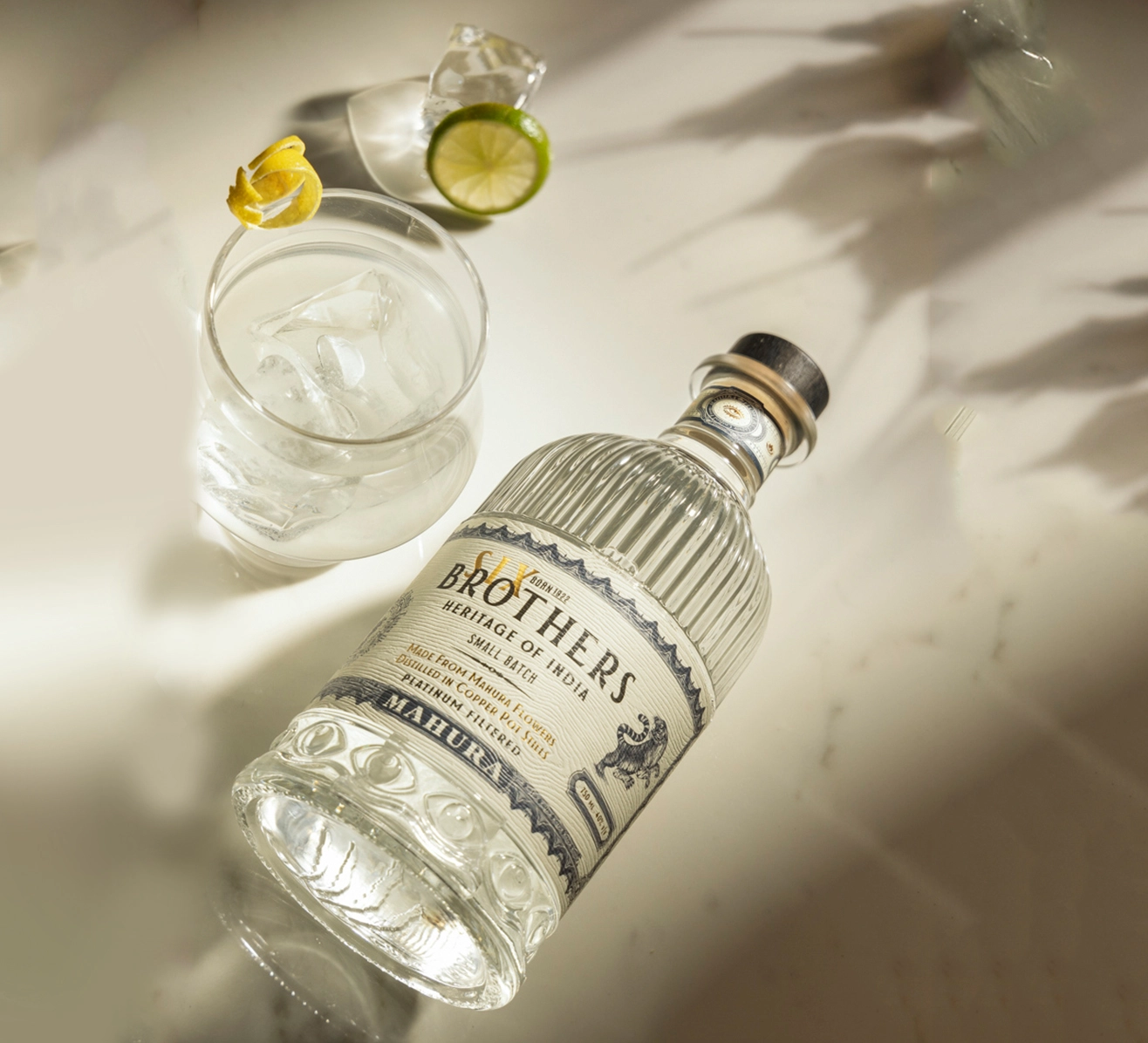
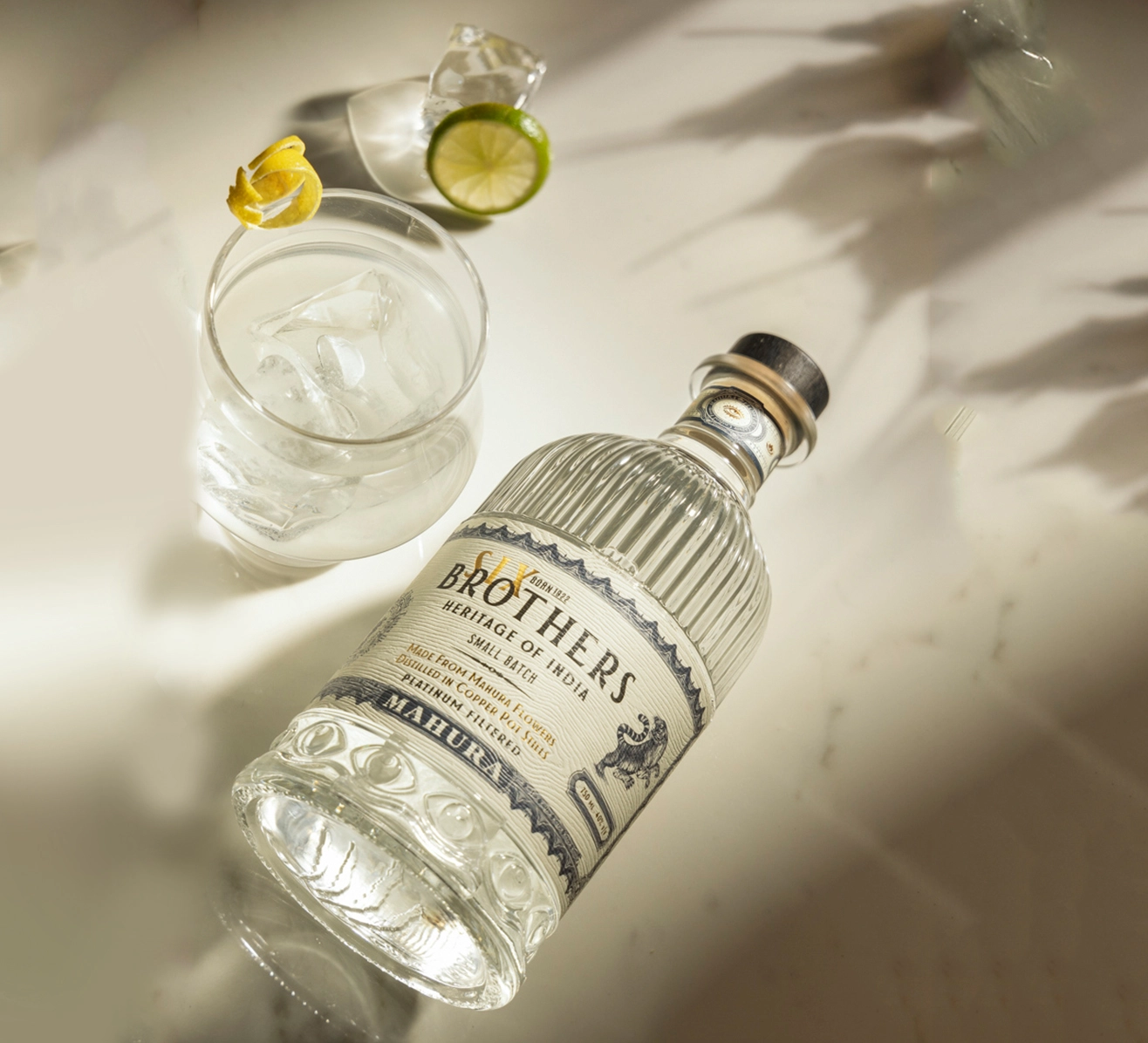
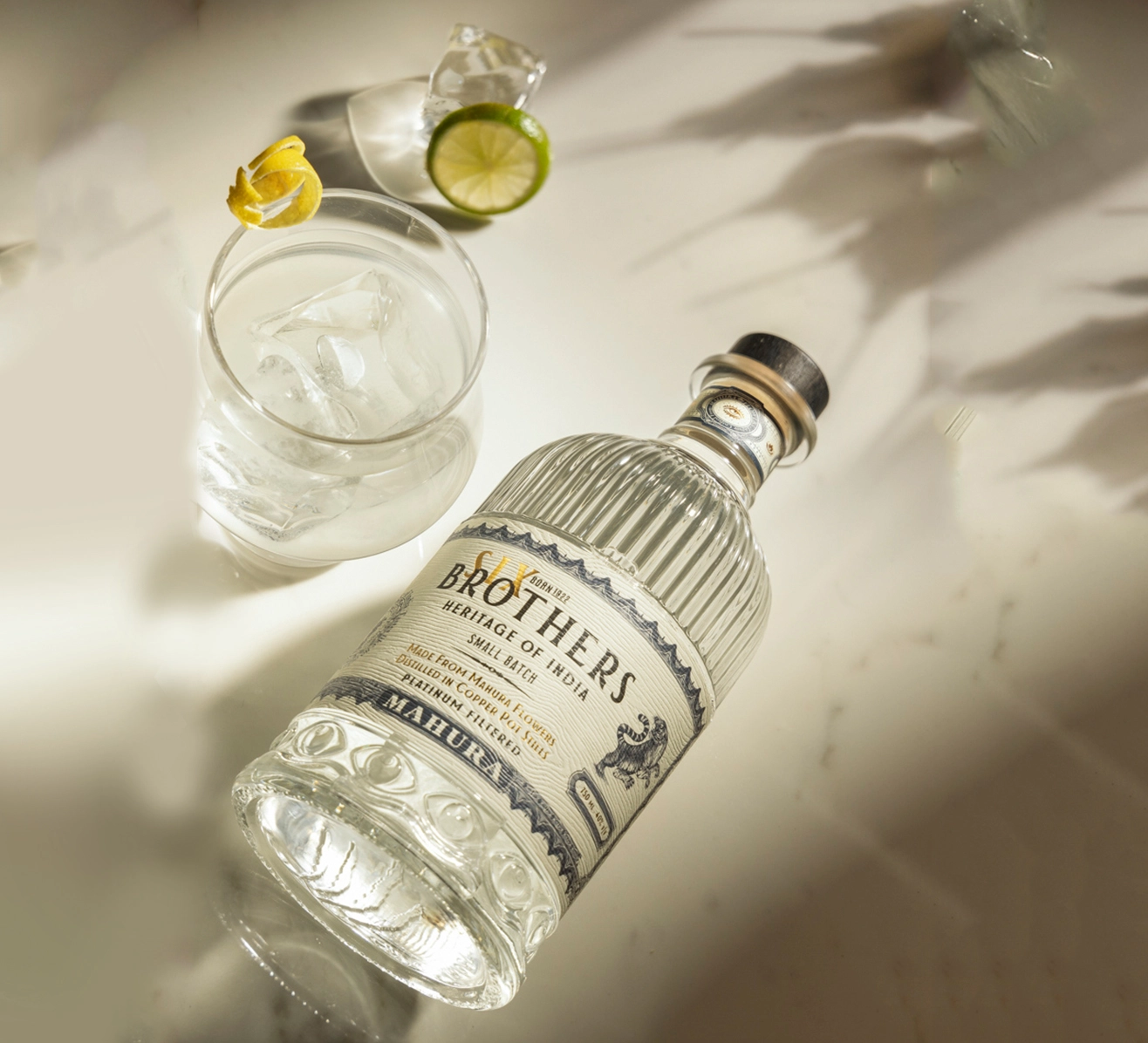
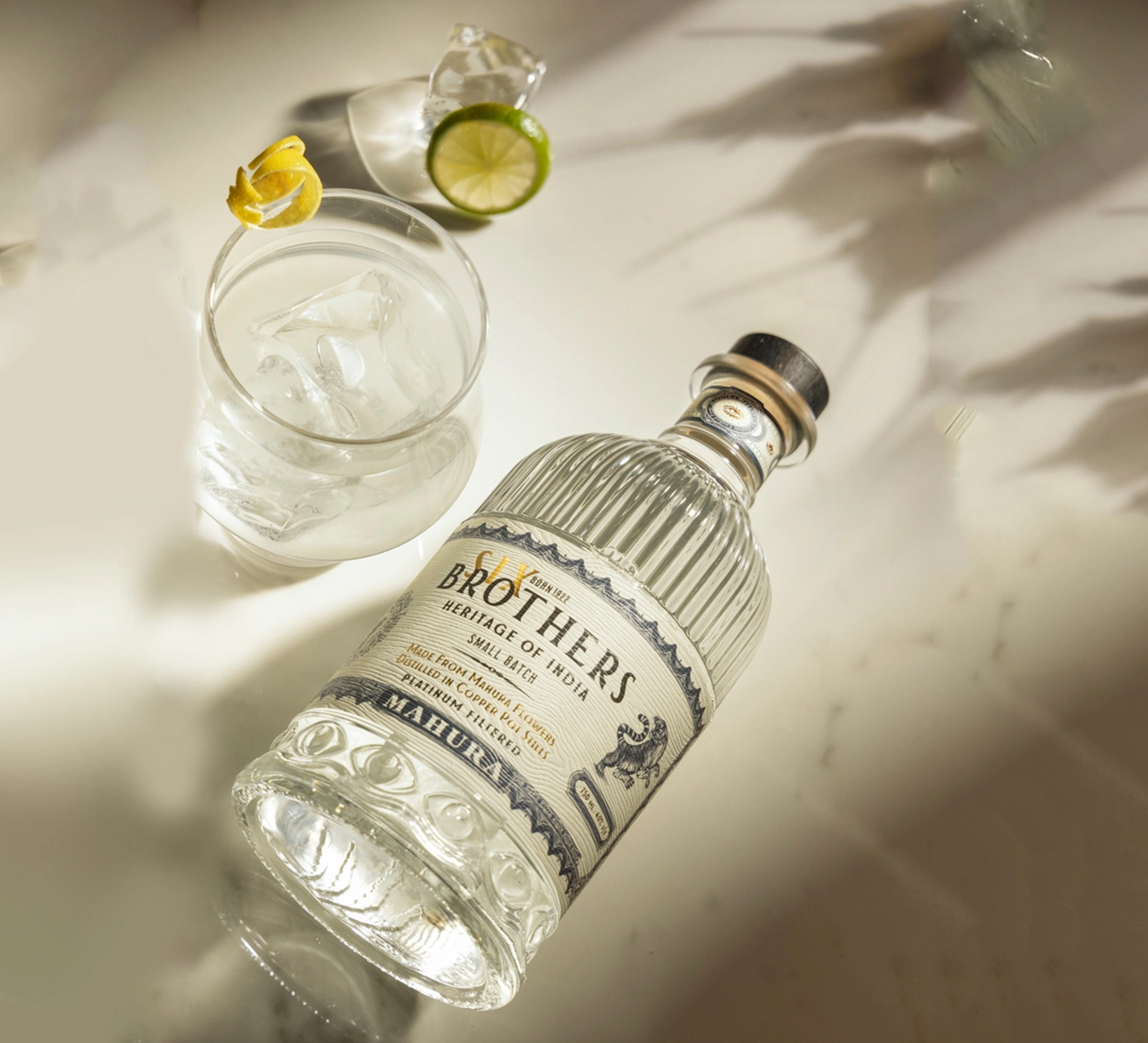
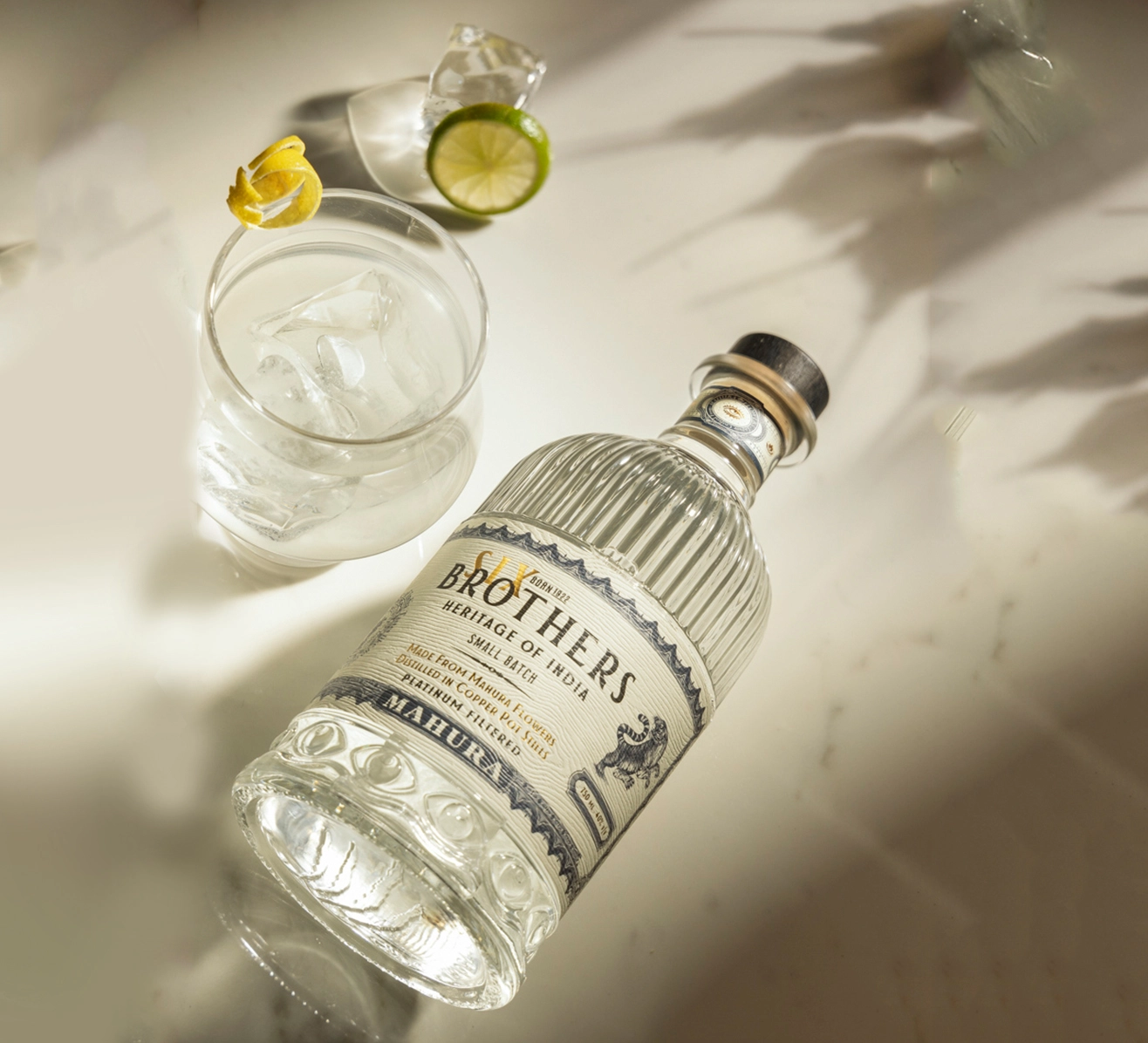
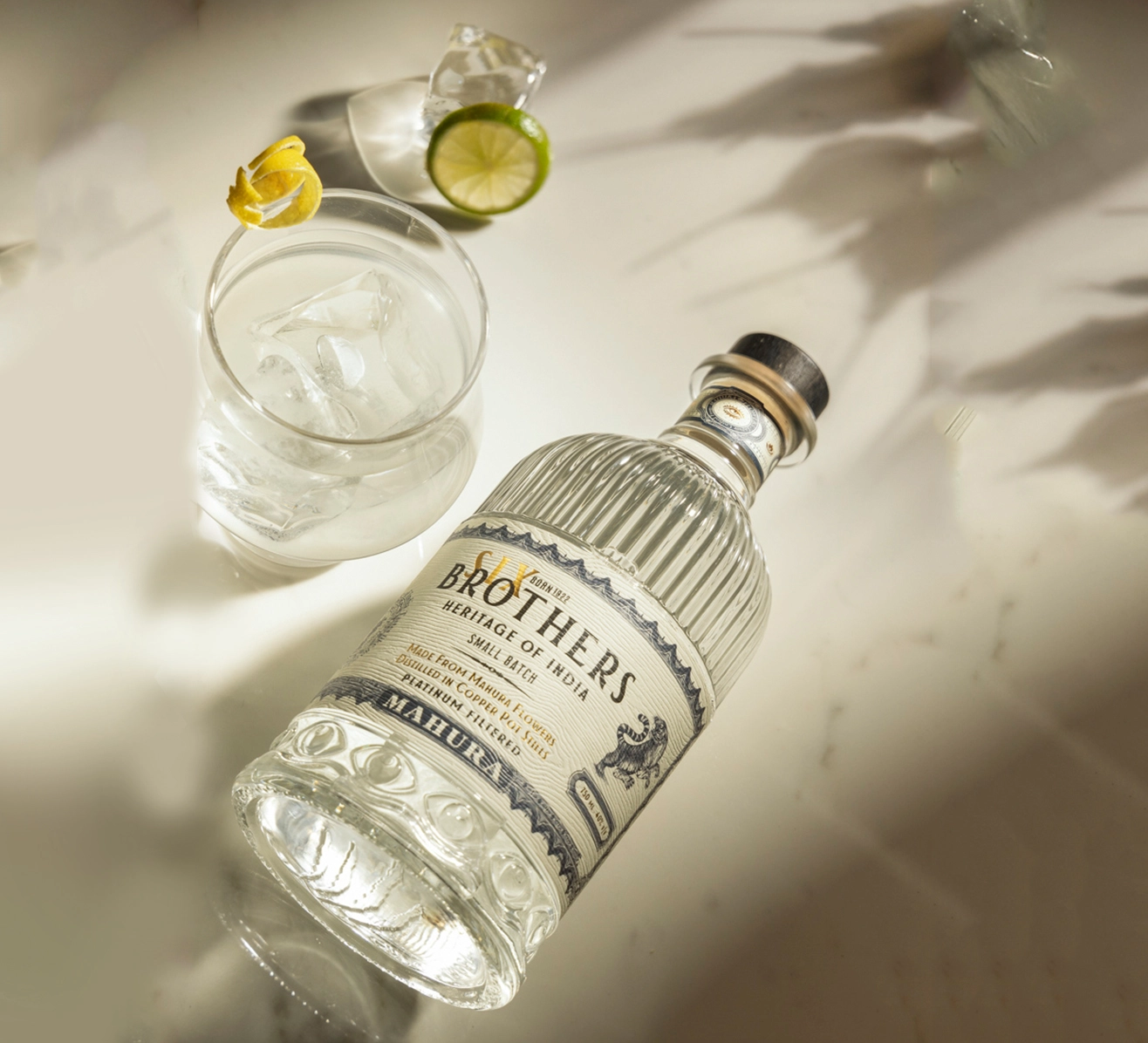
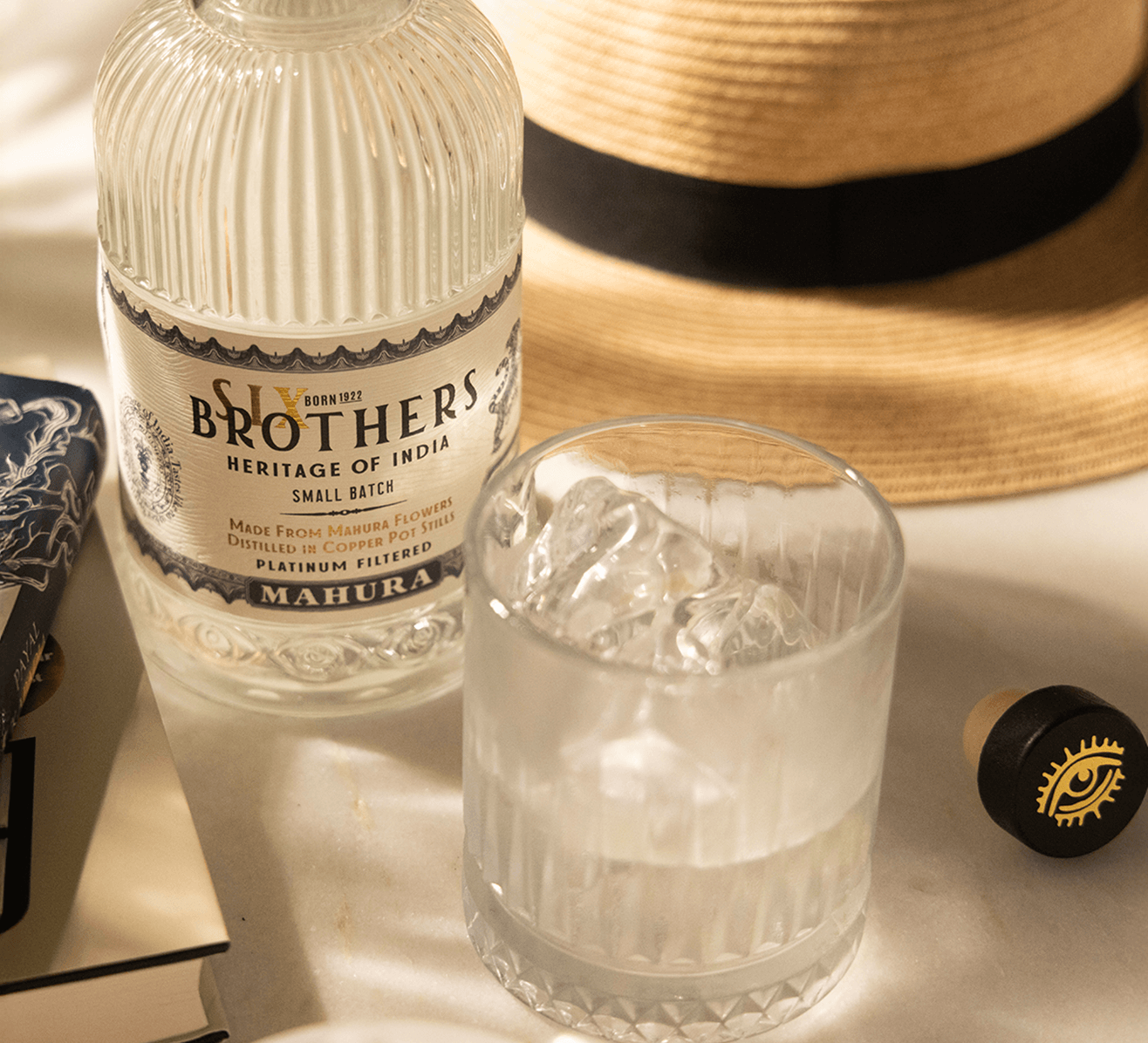
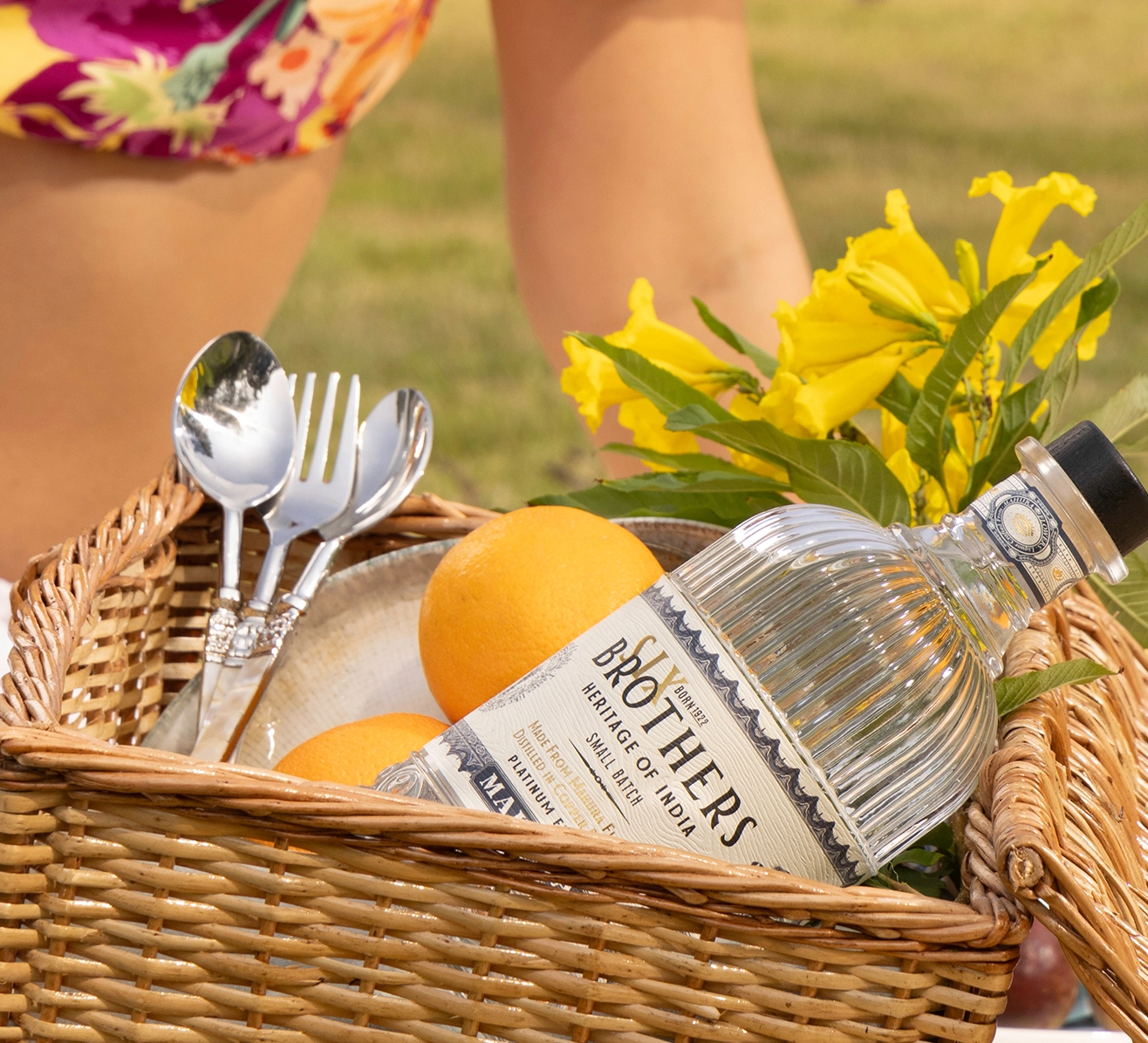
It can be enjoyed neat, over ice, or in simple cocktails with soda and citrus. Premium expressions are often best appreciated with minimal mixers to preserve their natural flavor.
No. Both names refer to the same Madhuca longifolia tree. The difference lies only in regional terminology
Yes. With growing interest in heritage-based Indian spirits, brands like Six Brothers Mahura are presenting refined, premium versions that combine traditional roots with modern production standards.