
Posted on 29 Apr 2026
India's drinking culture is evolving rapidly. While whisky and rum have long dominated bar shelves and dinner tables, mahua is now stepping into the spotlight as a distinctive, heritage-led alternative that offers something entirely new to the modern drinker.
At first glance, all three may sit side by side on the same shelf. But once you understand how they are made, where they come from, and what they actually taste like, the differences become striking and enlightening.
This guide is for anyone who is curious about spirits beyond the familiar, wants to make more informed choices at the bar or bottle shop, or is simply wondering what makes mahua worth trying.
Every spirit begins with a base ingredient, and this single choice shapes everything that follows: aroma, flavour, texture, and even how the spirit feels on the palate. Here is where mahua, whisky, and rum immediately diverge.

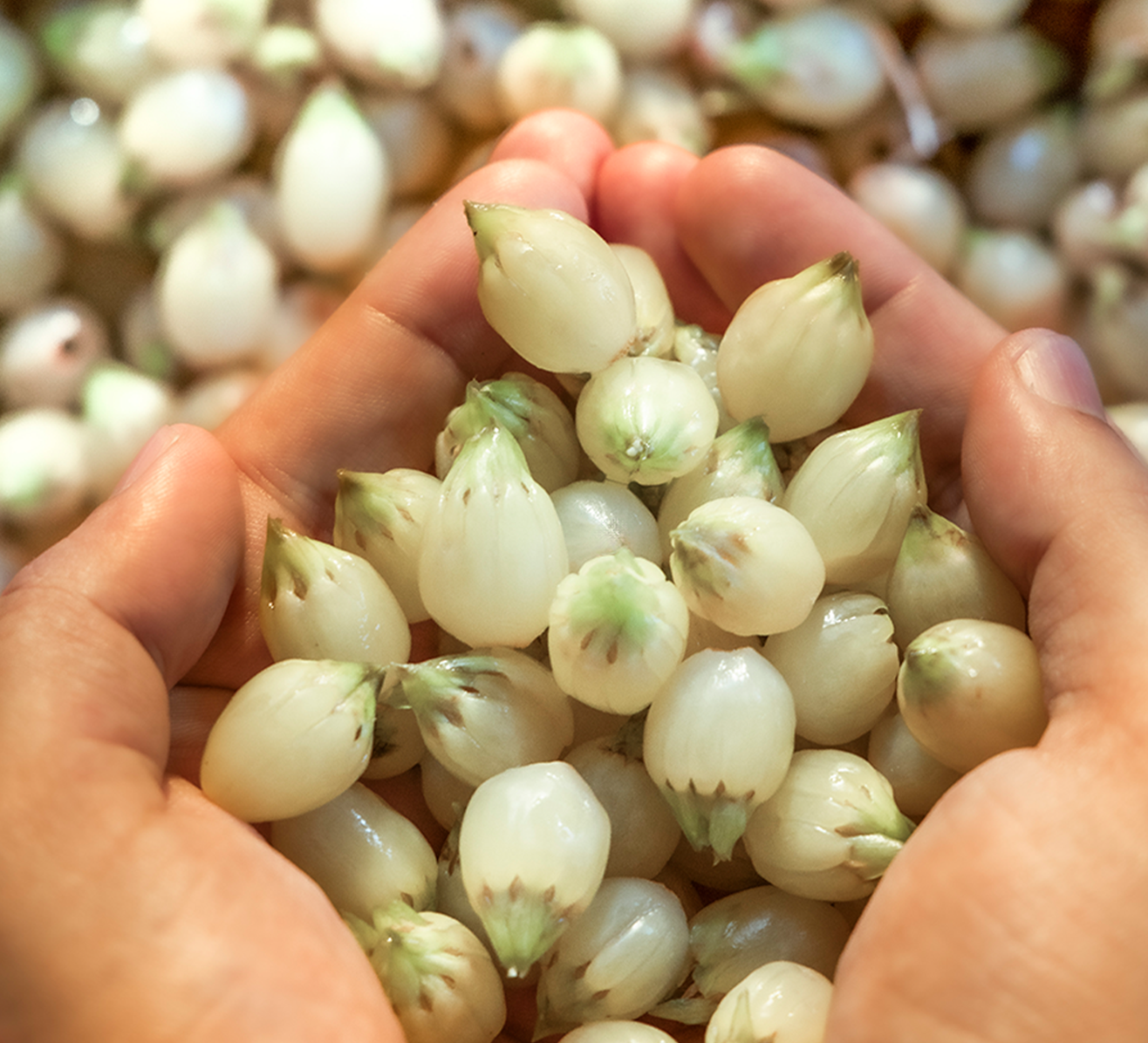
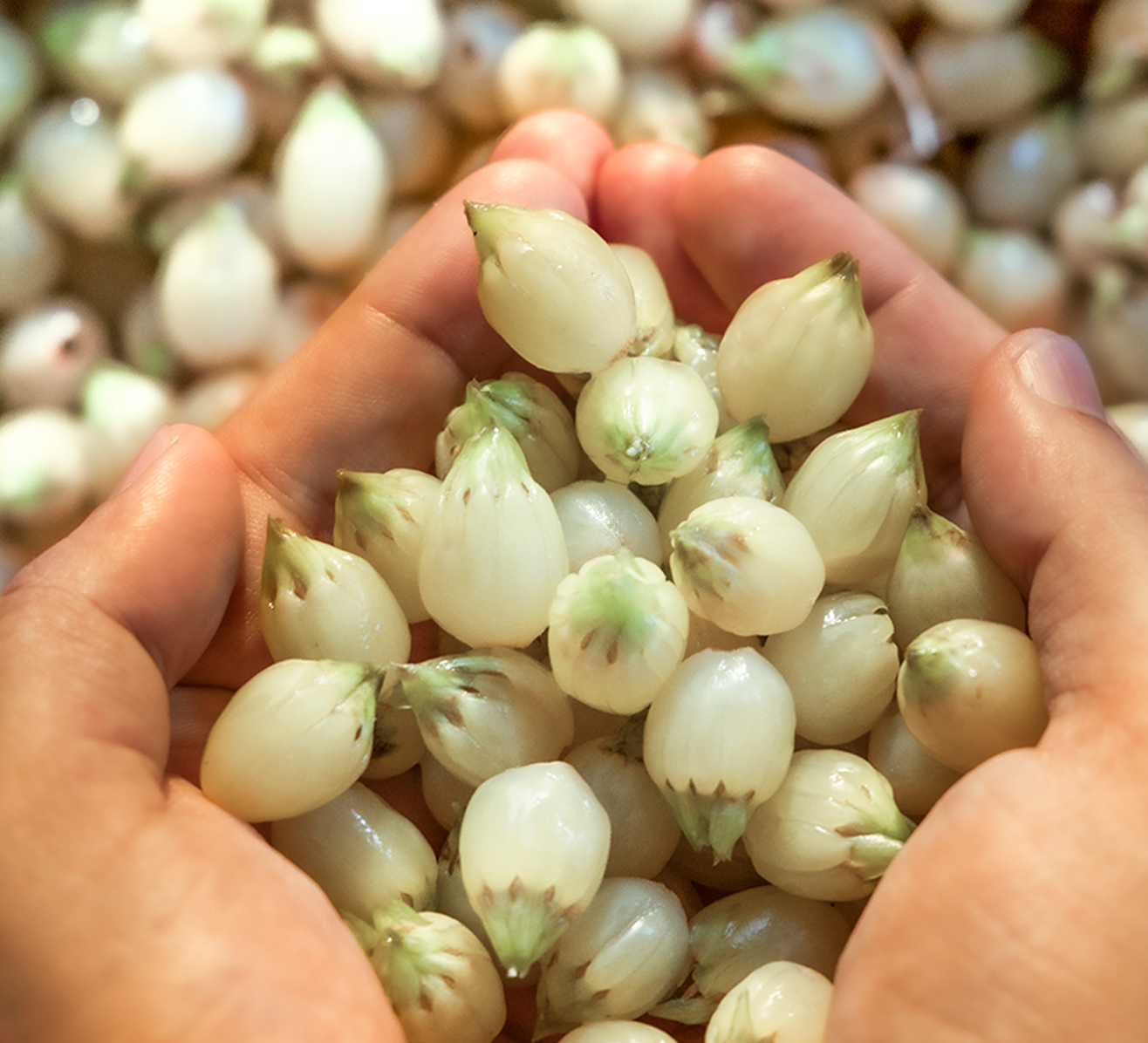
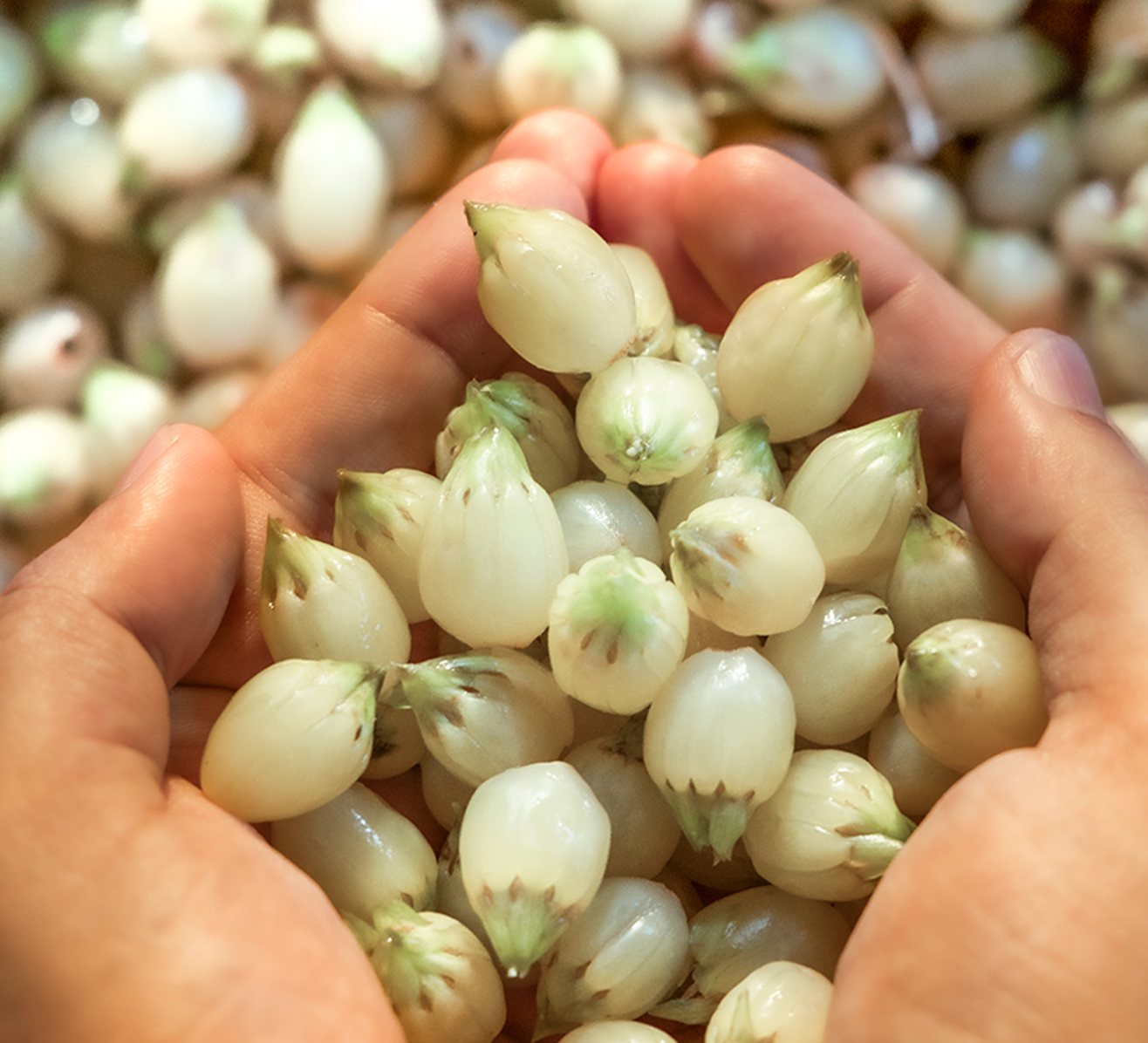
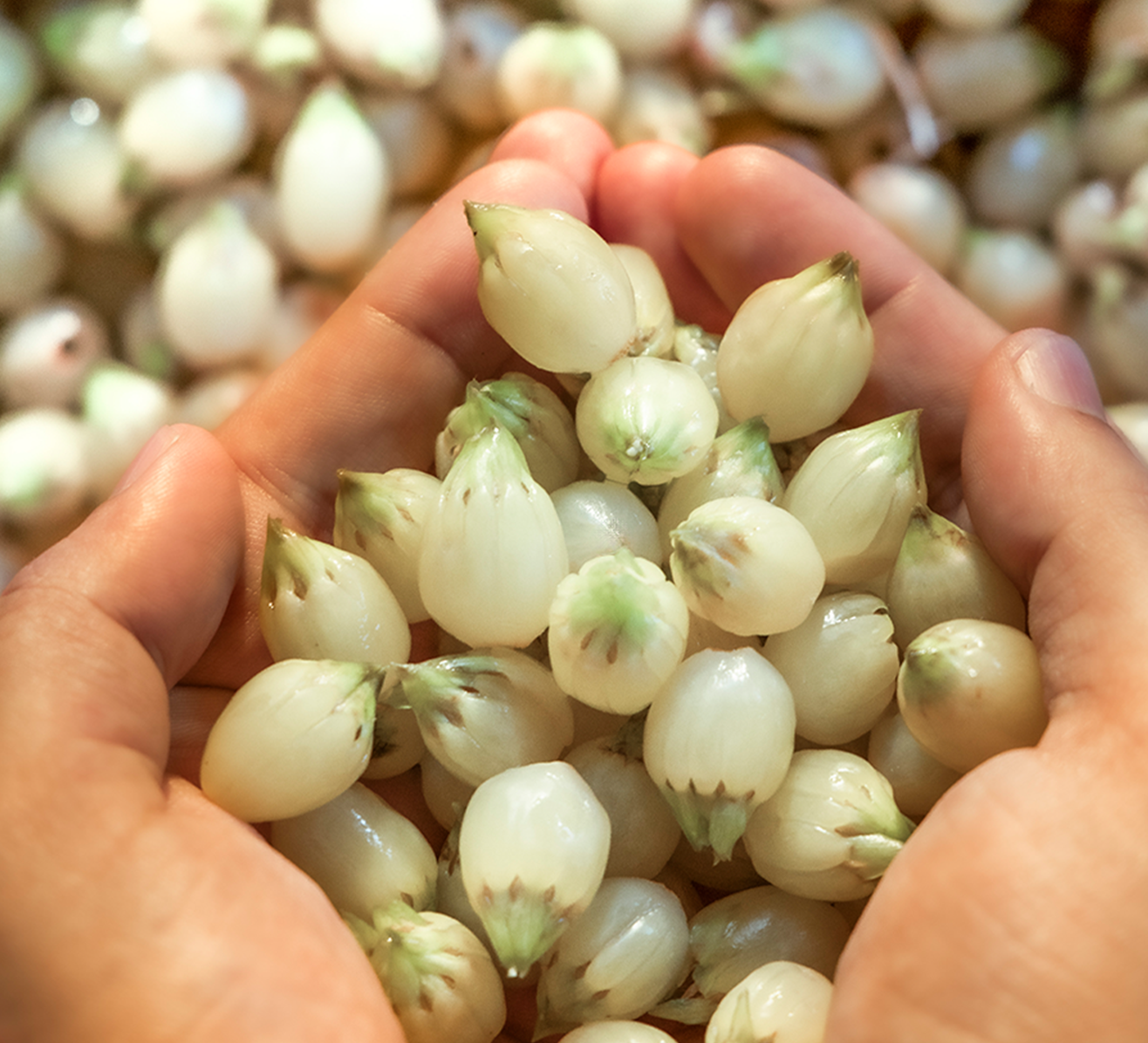
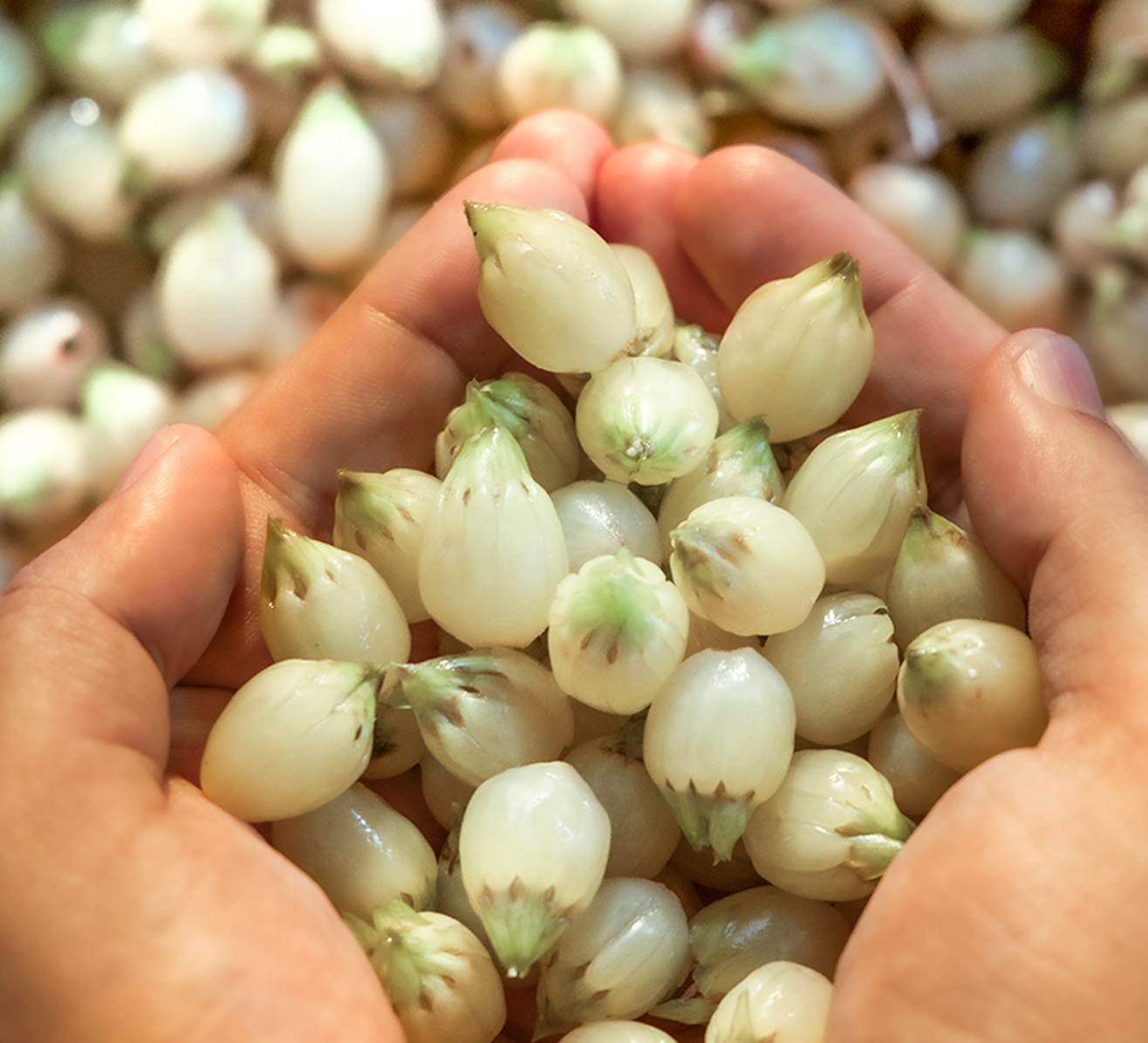
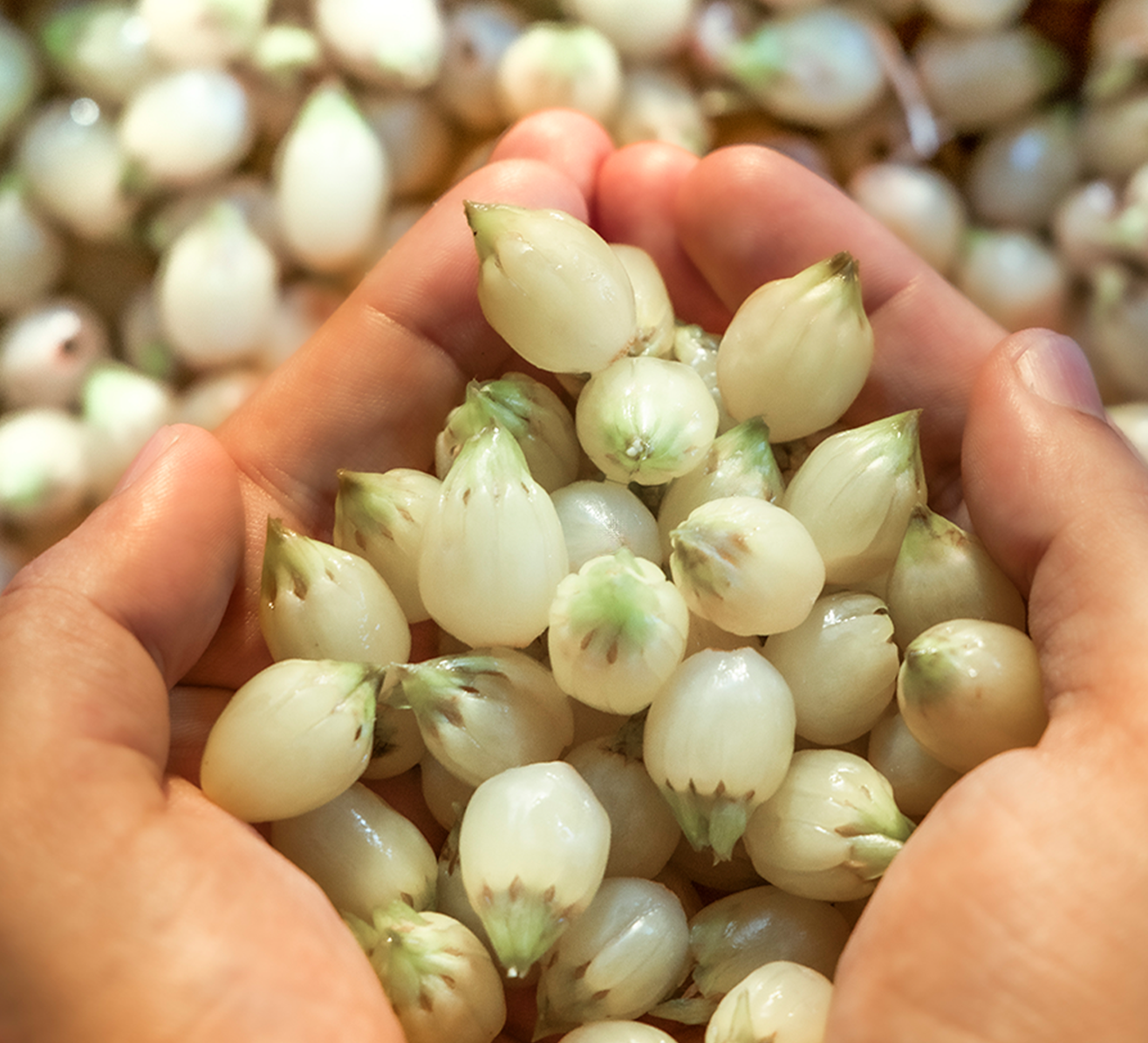
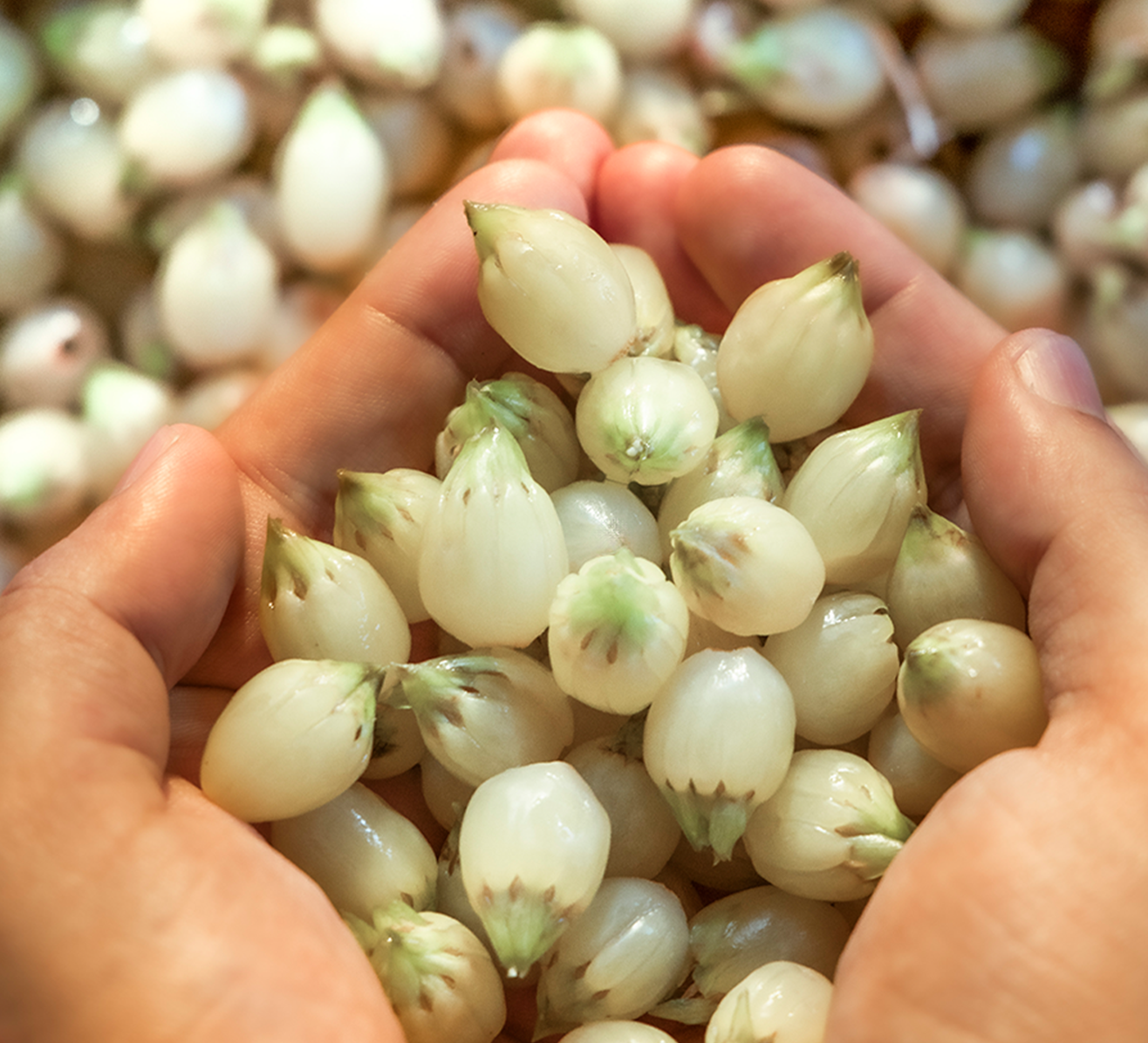
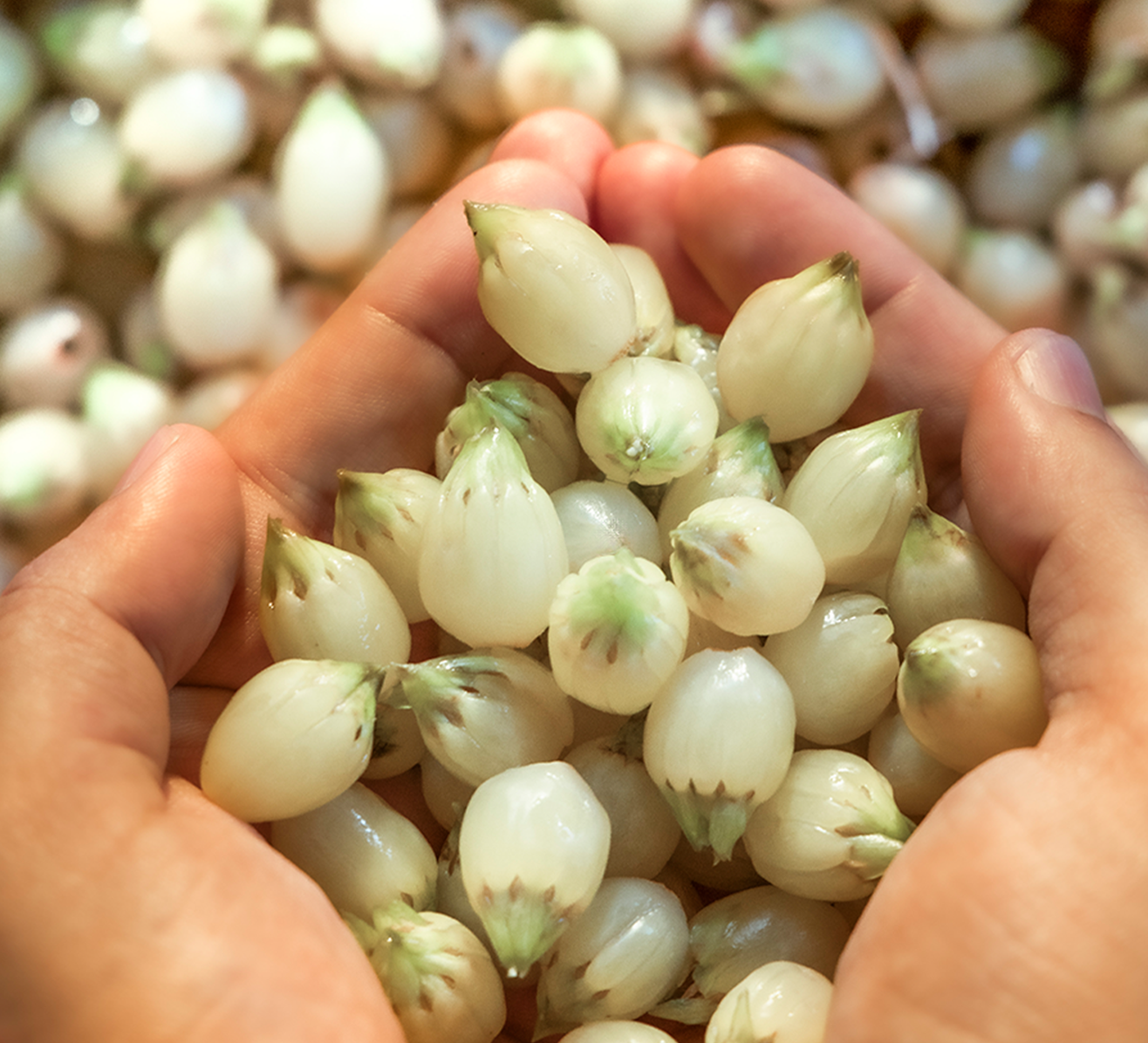
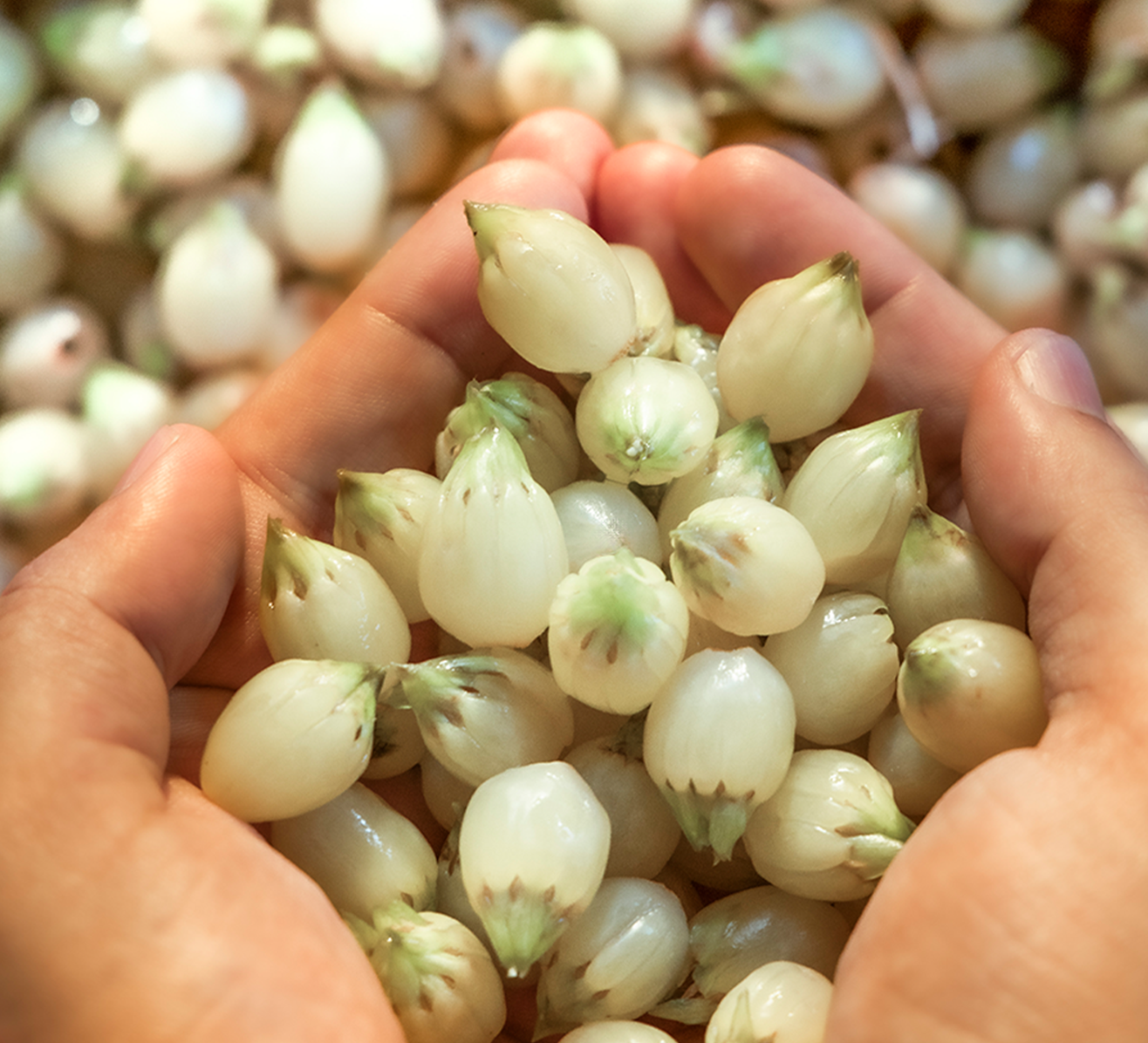
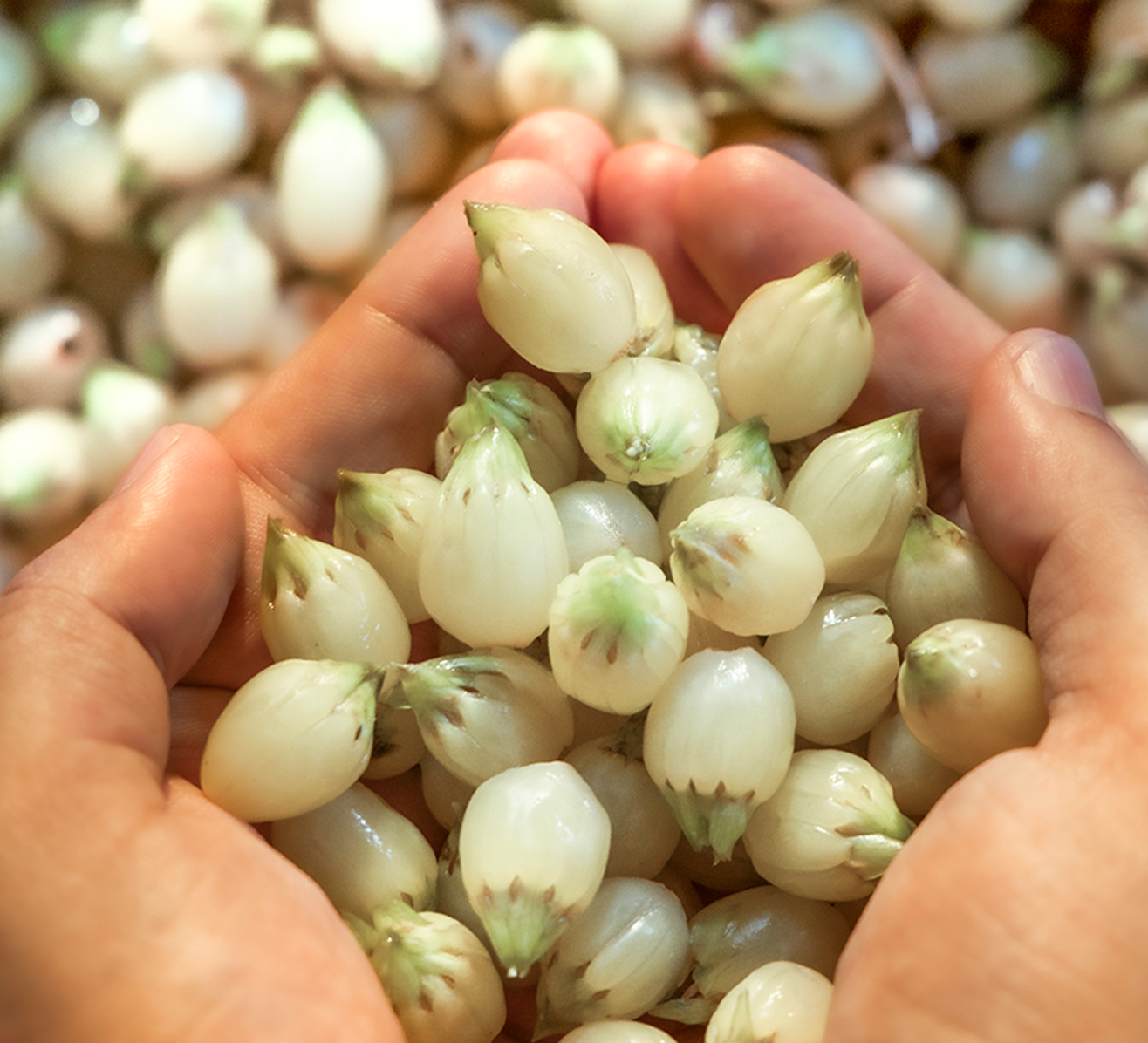
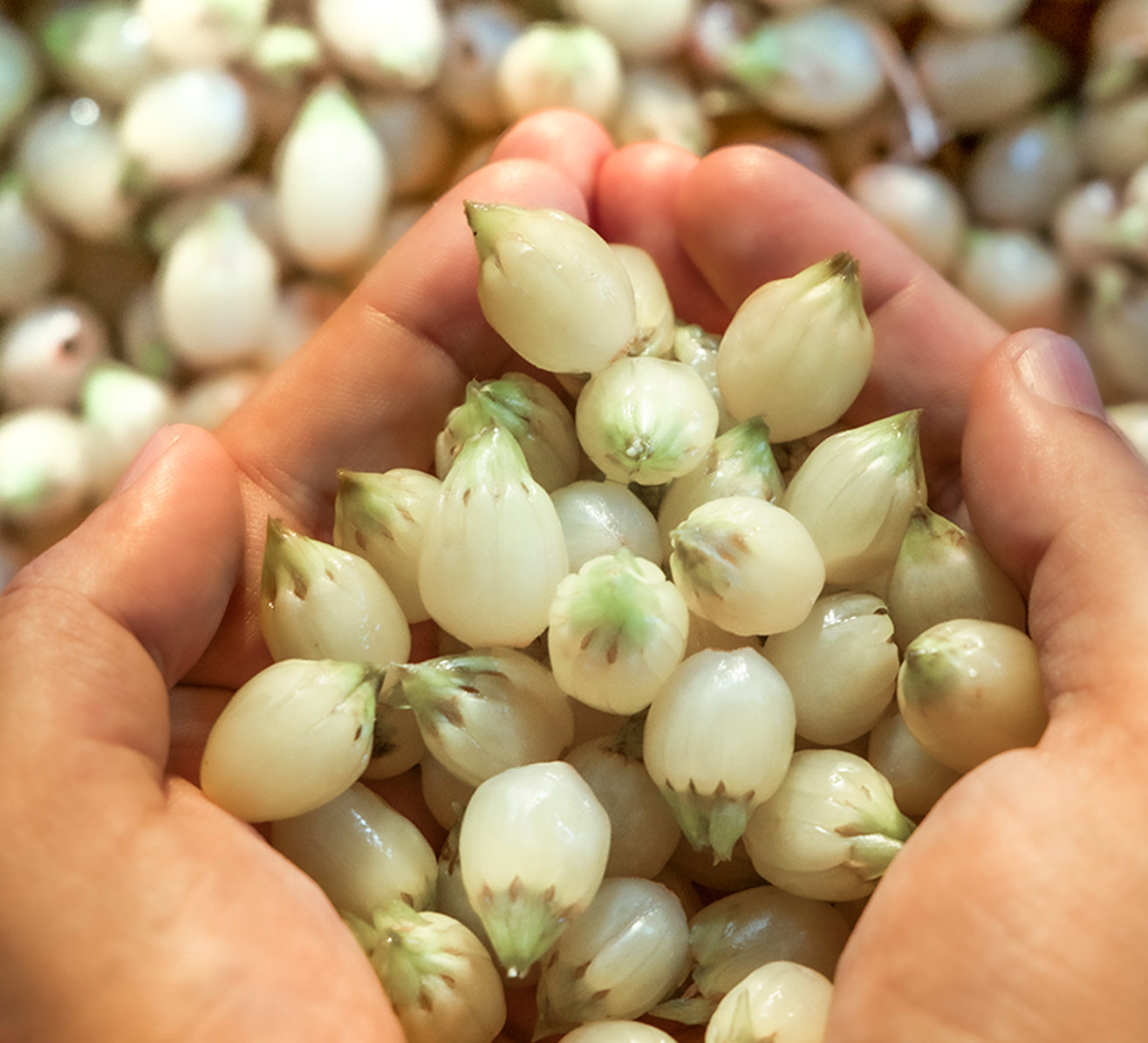
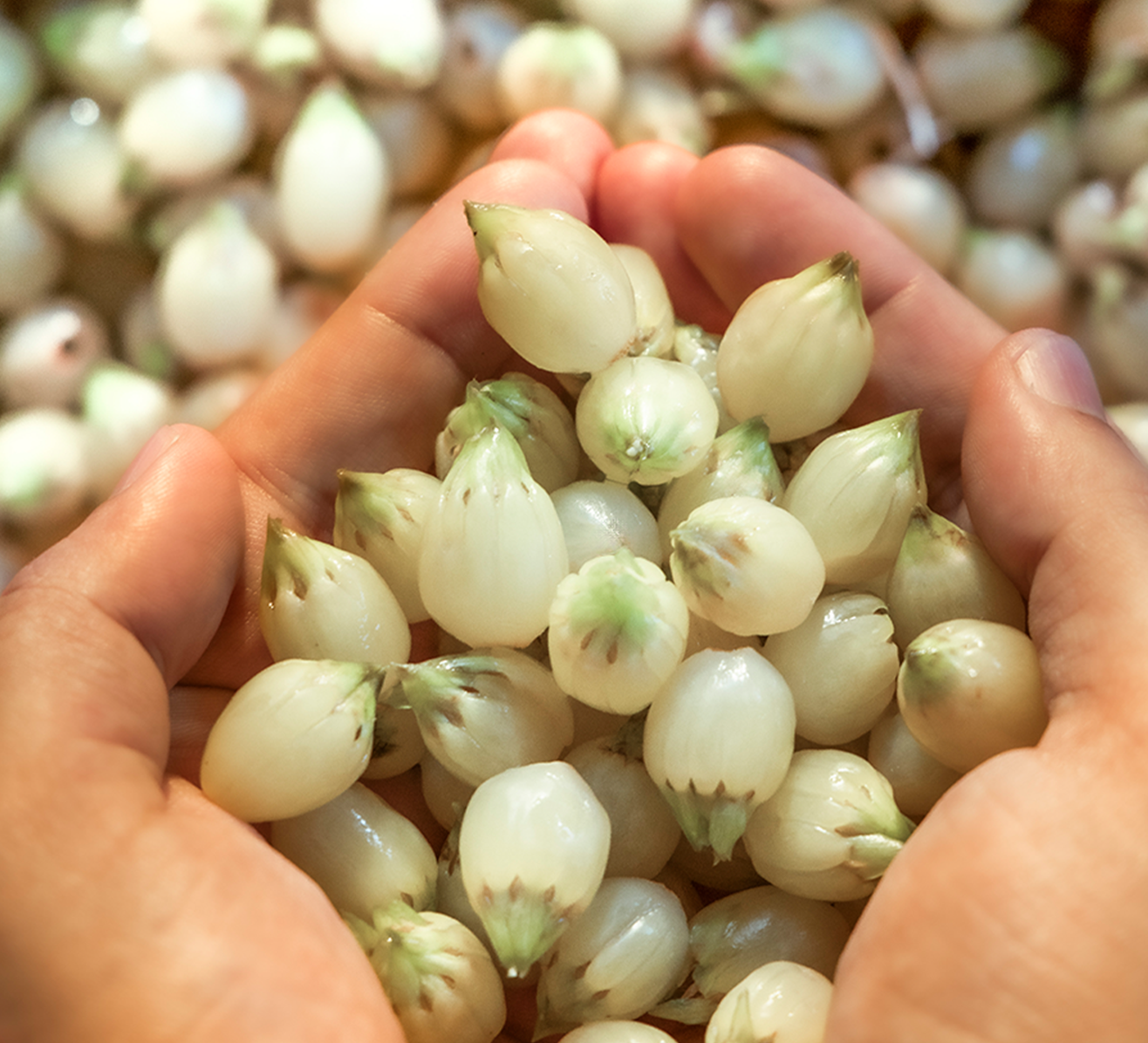
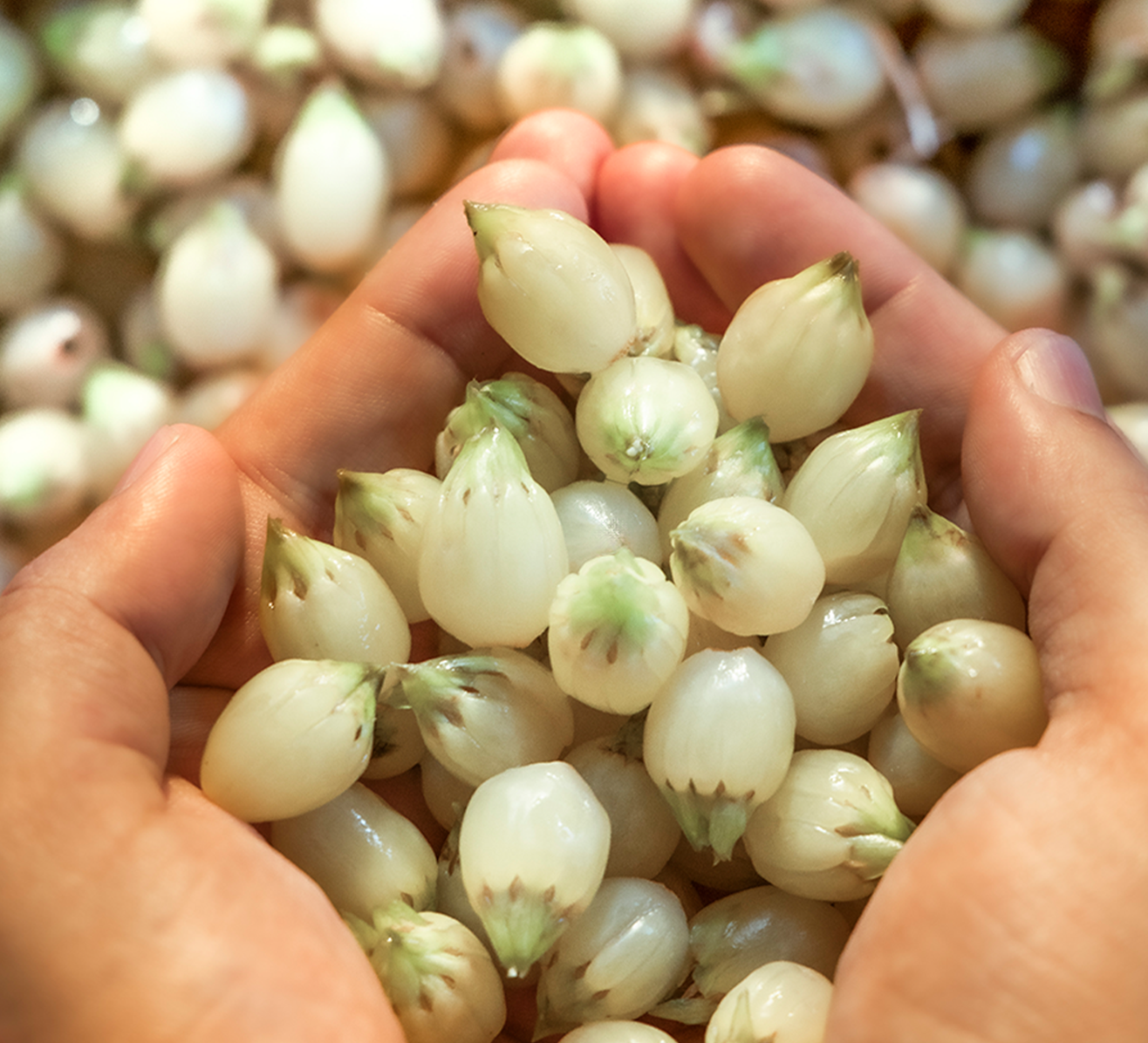
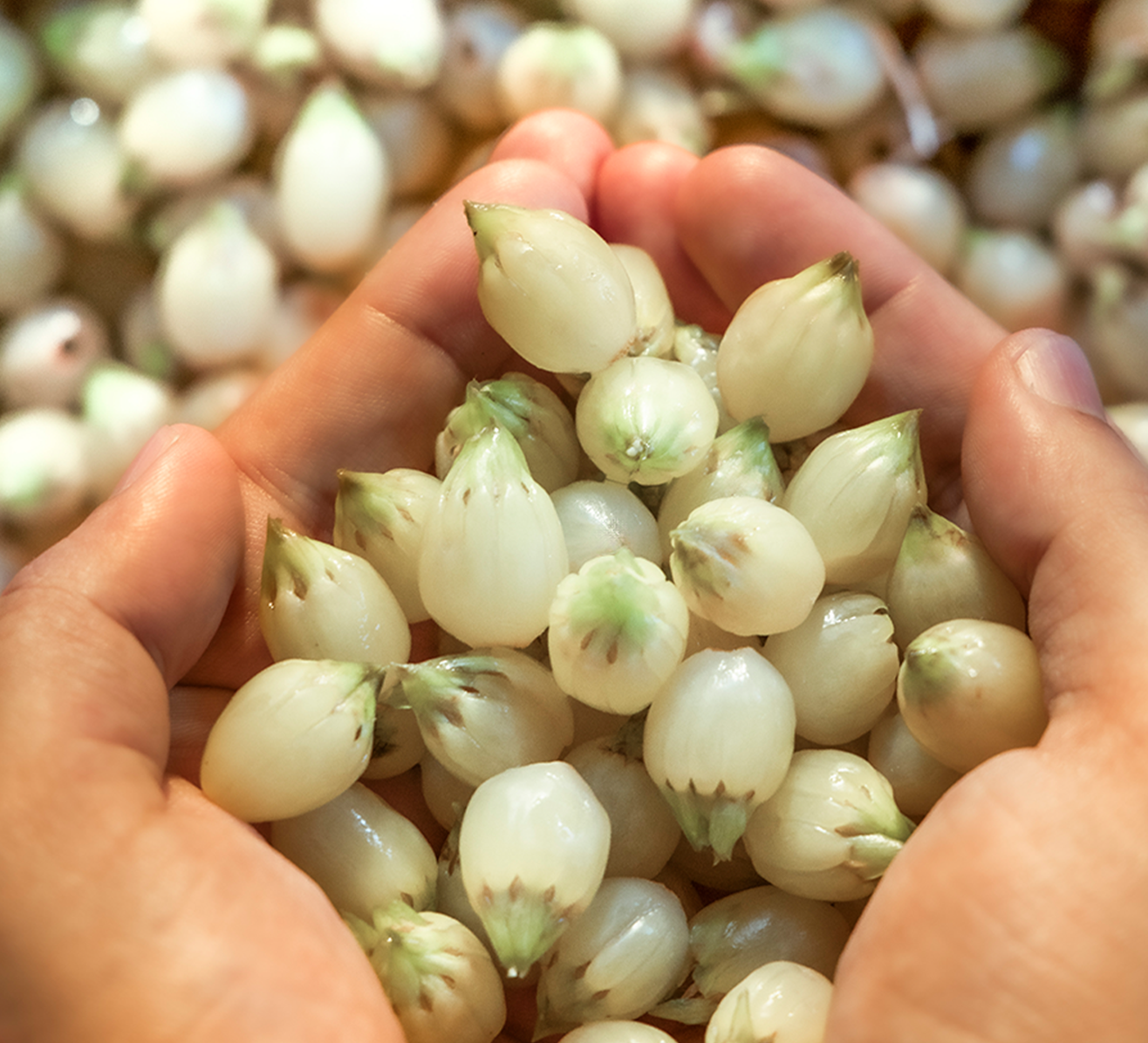
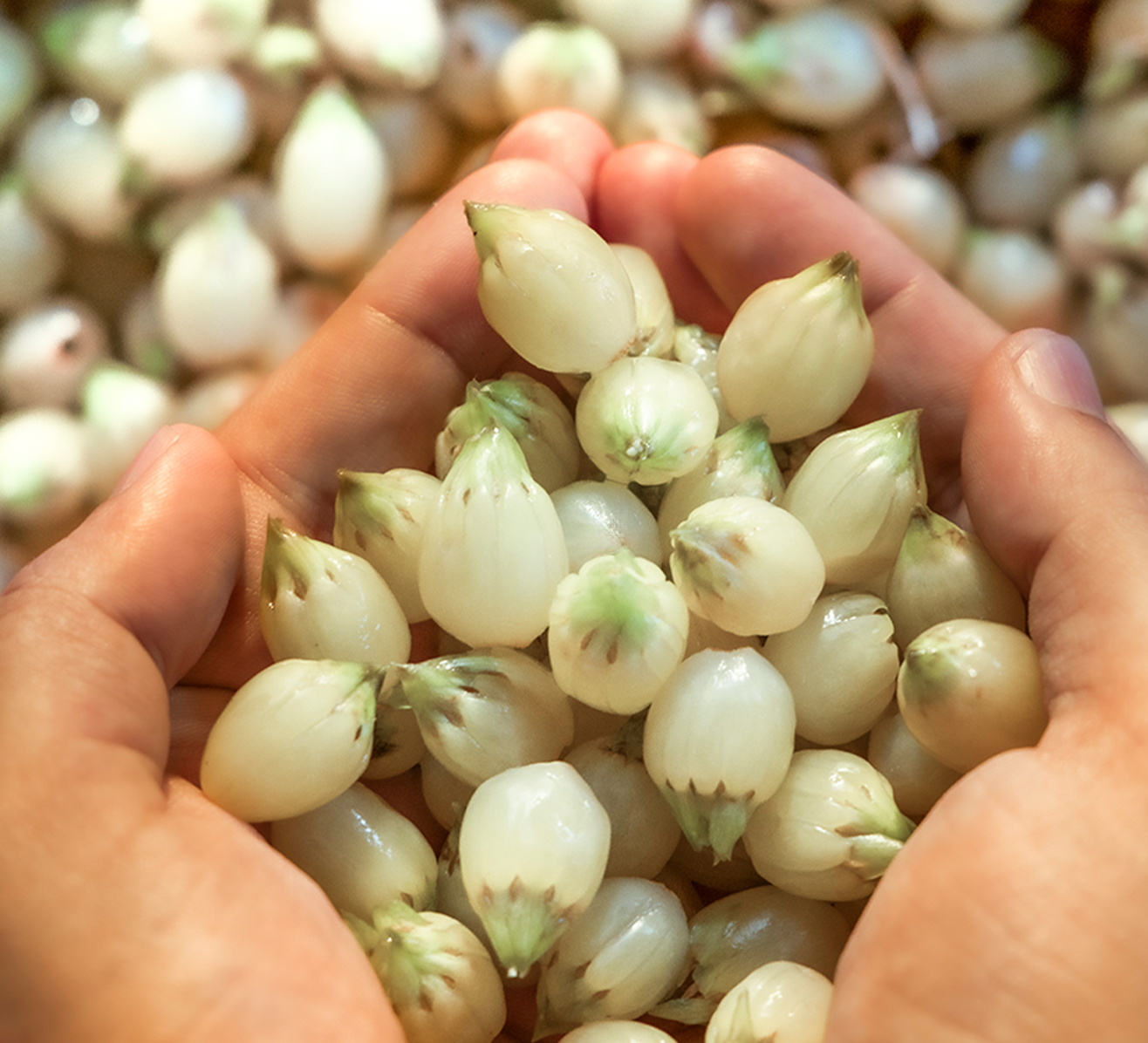
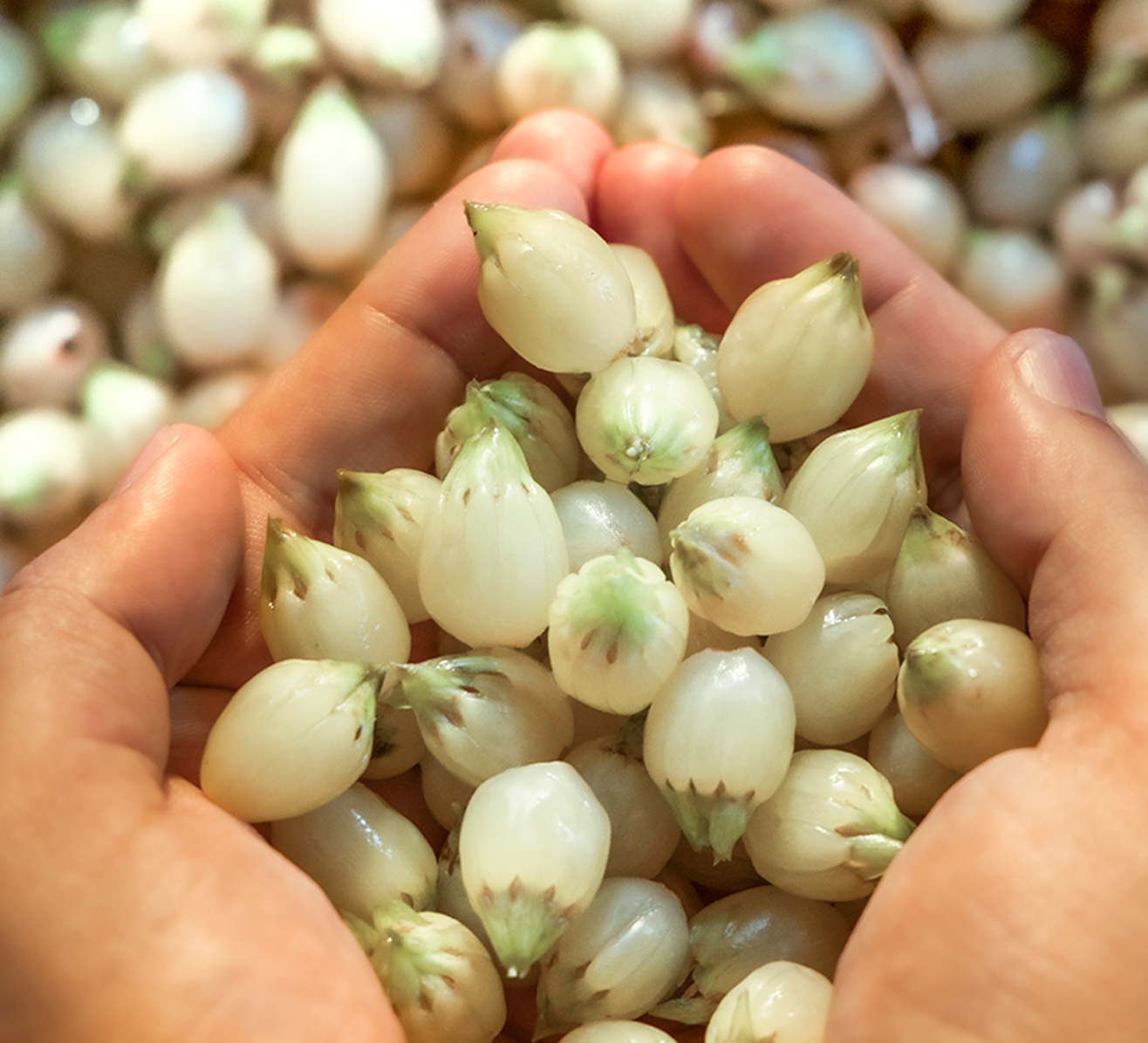
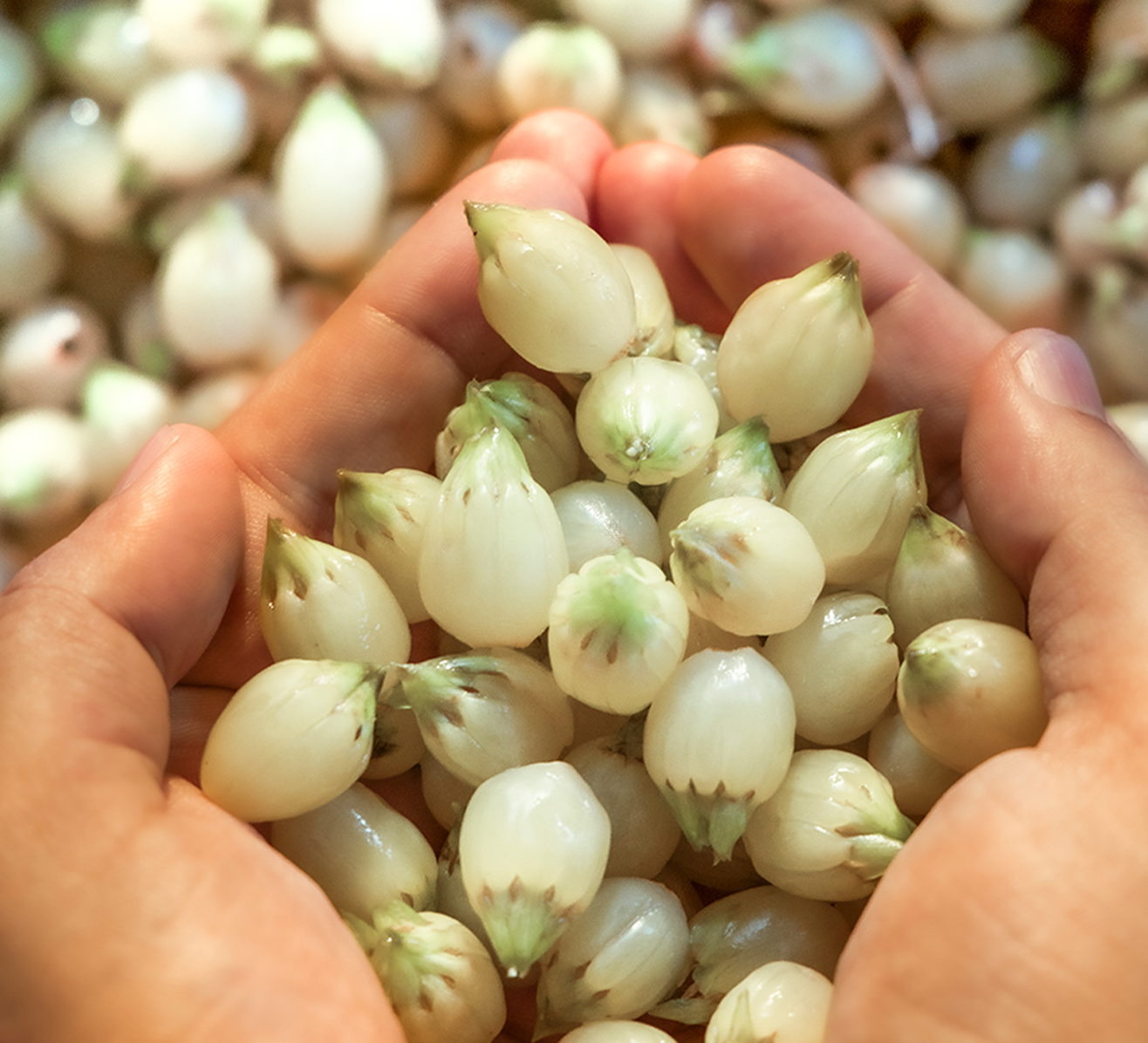
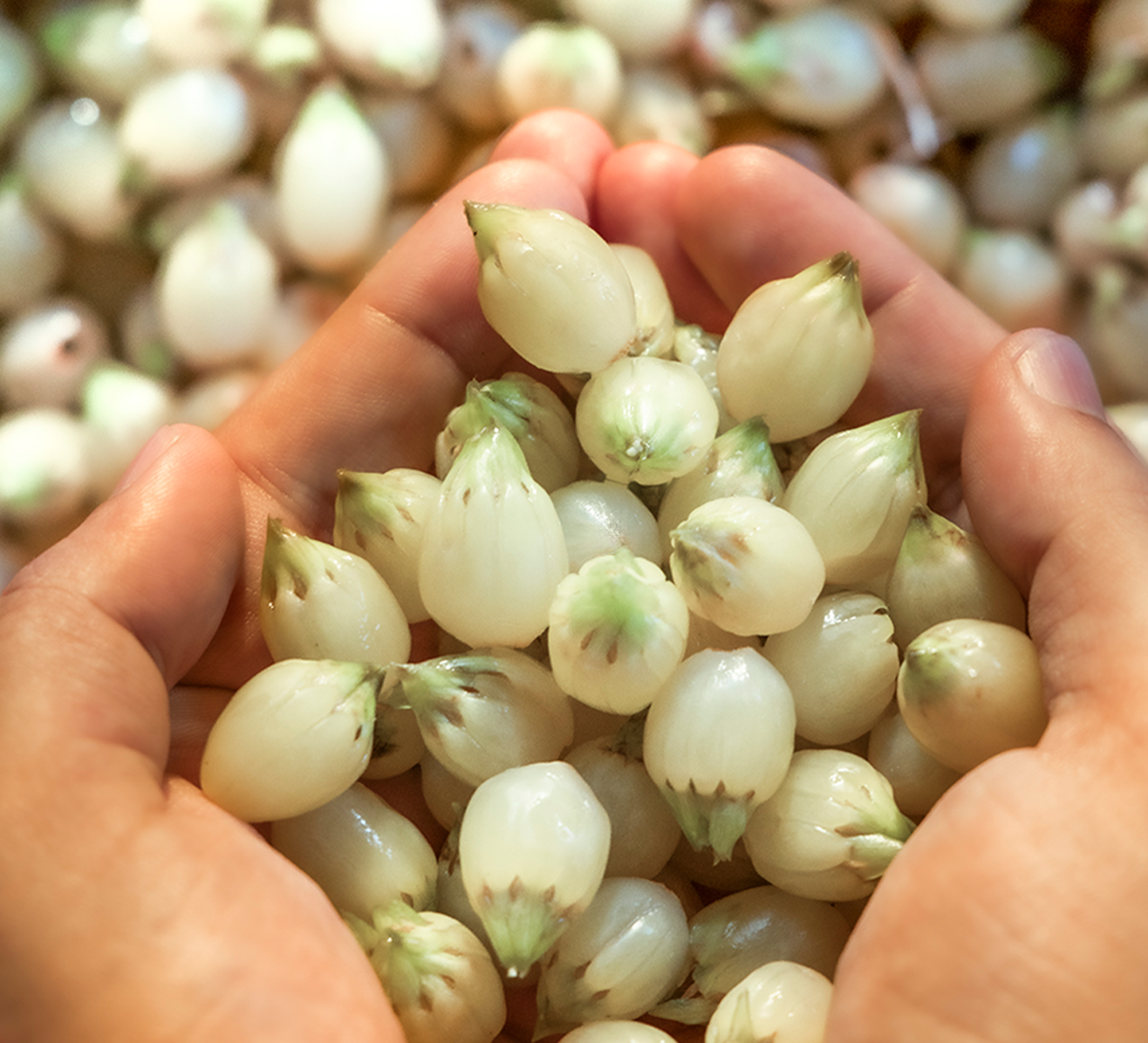
Mahua is made from the flowers of the Madhuca longifolia tree, a species native to central and south India. These flowers are naturally rich in sugars, which means no grain conversion or complex mashing process is needed. The flowers are sun-dried, fermented using their natural sugars, and then distilled into spirit.
The result is a base that is inherently floral and nectar-like, completely unlike anything derived from grain or sugarcane. This is why mahua occupies a sensory category of its own.
Whisky is typically made from grains such as barley, corn, rye, or wheat. Barley is often malted, meaning it is allowed to germinate to develop enzymes that convert starch into fermentable sugars. The grain is then mashed, fermented into a wash, distilled, and aged in oak barrels.
The grain base and the oak aging process together create whisky's characteristic malty, woody, and often smoky profile. The spirit is shaped as much by what happens after distillation as by the grain itself.
Rum is made from sugarcane derivatives, either molasses (the byproduct of sugar refining) or fresh cane juice. The sugarcane is fermented and distilled, and the resulting spirit may or may not be aged depending on the style.
This sugarcane base gives rum its characteristic sweetness and a rich, tropical quality. Light rums are clean and subtle; aged rums can be deeply complex and rich.
Understanding production helps you appreciate what is in your glass. The journey from raw ingredient to finished spirit looks quite different across these three categories.
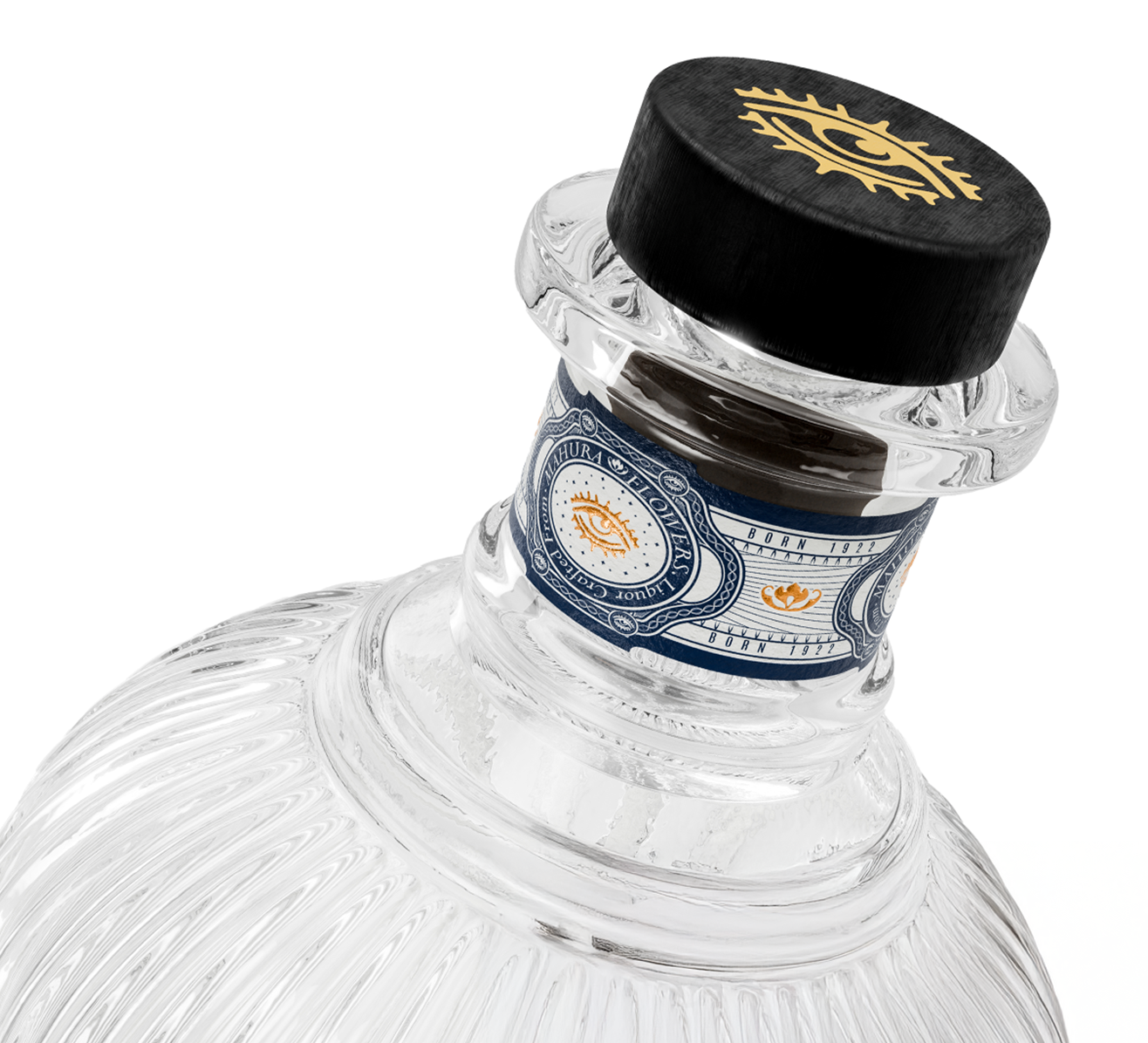
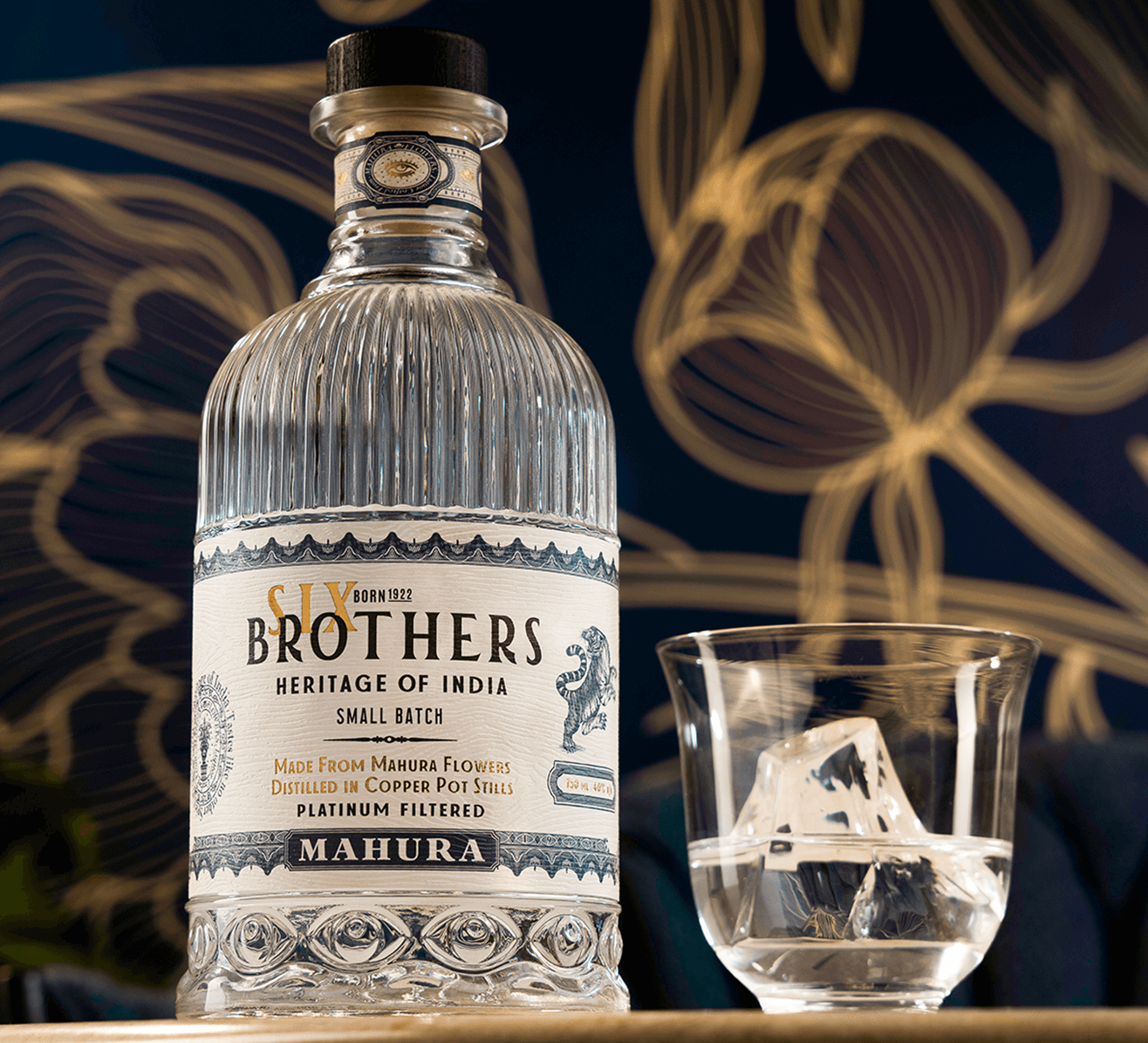
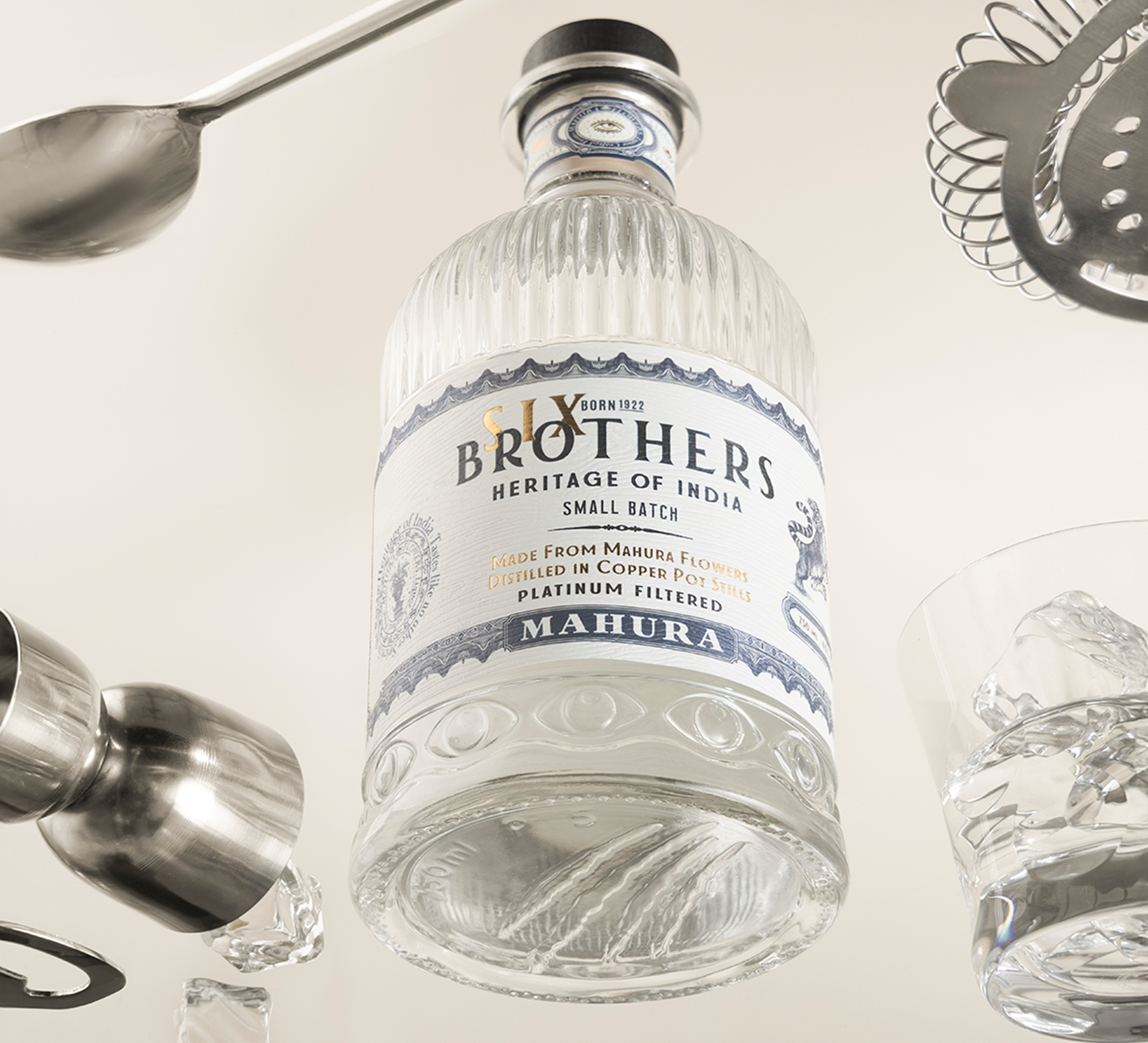
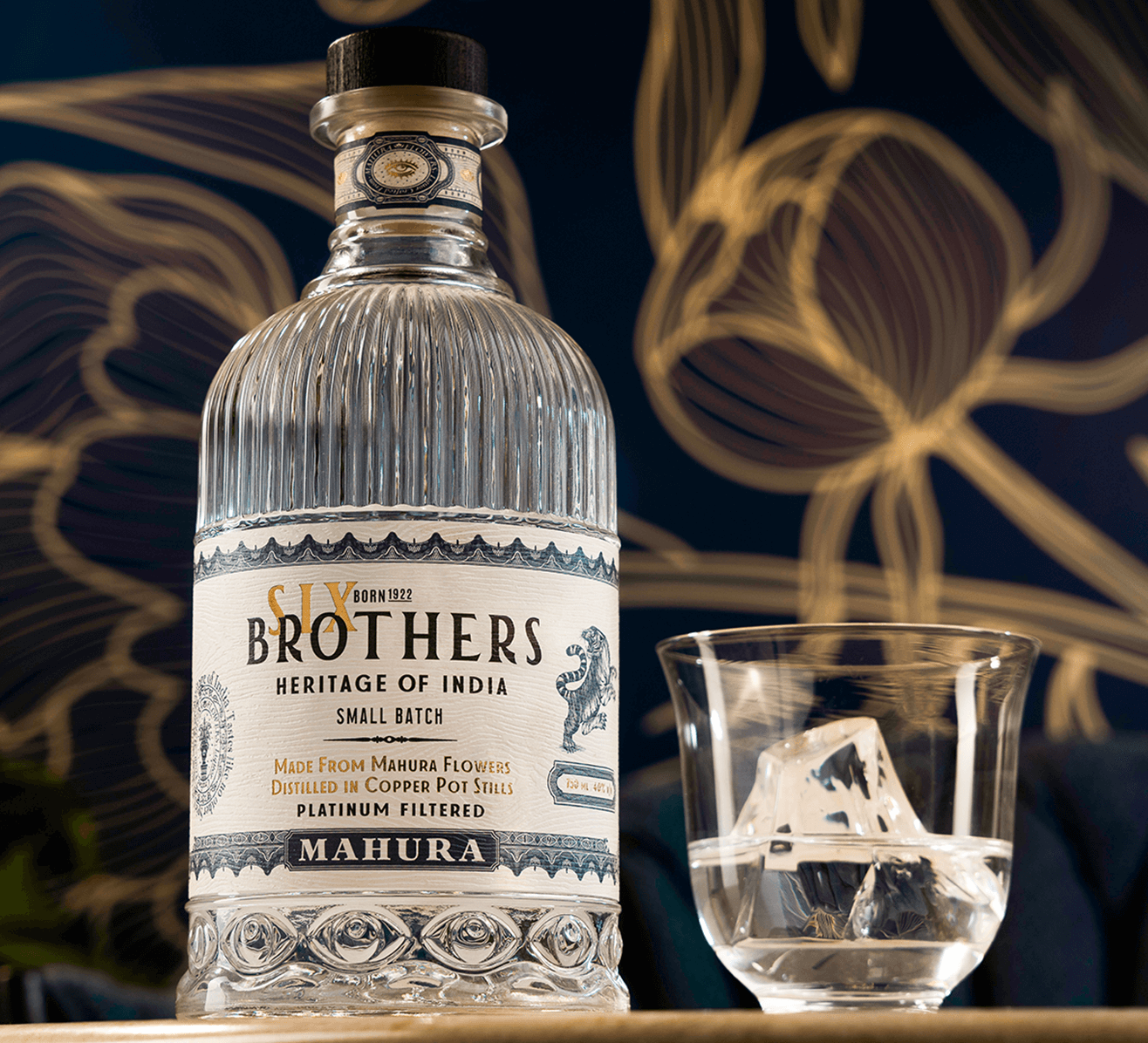
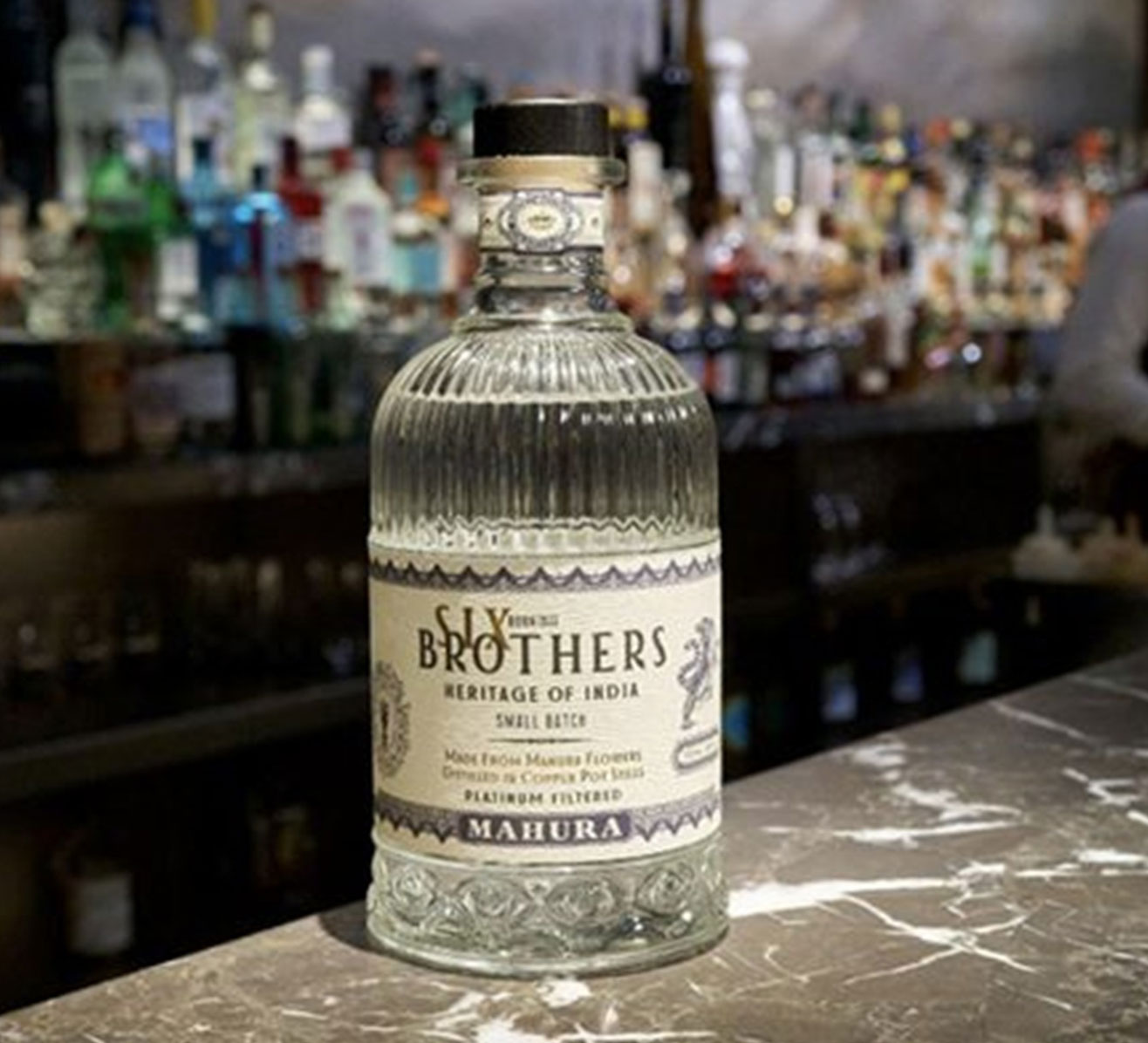
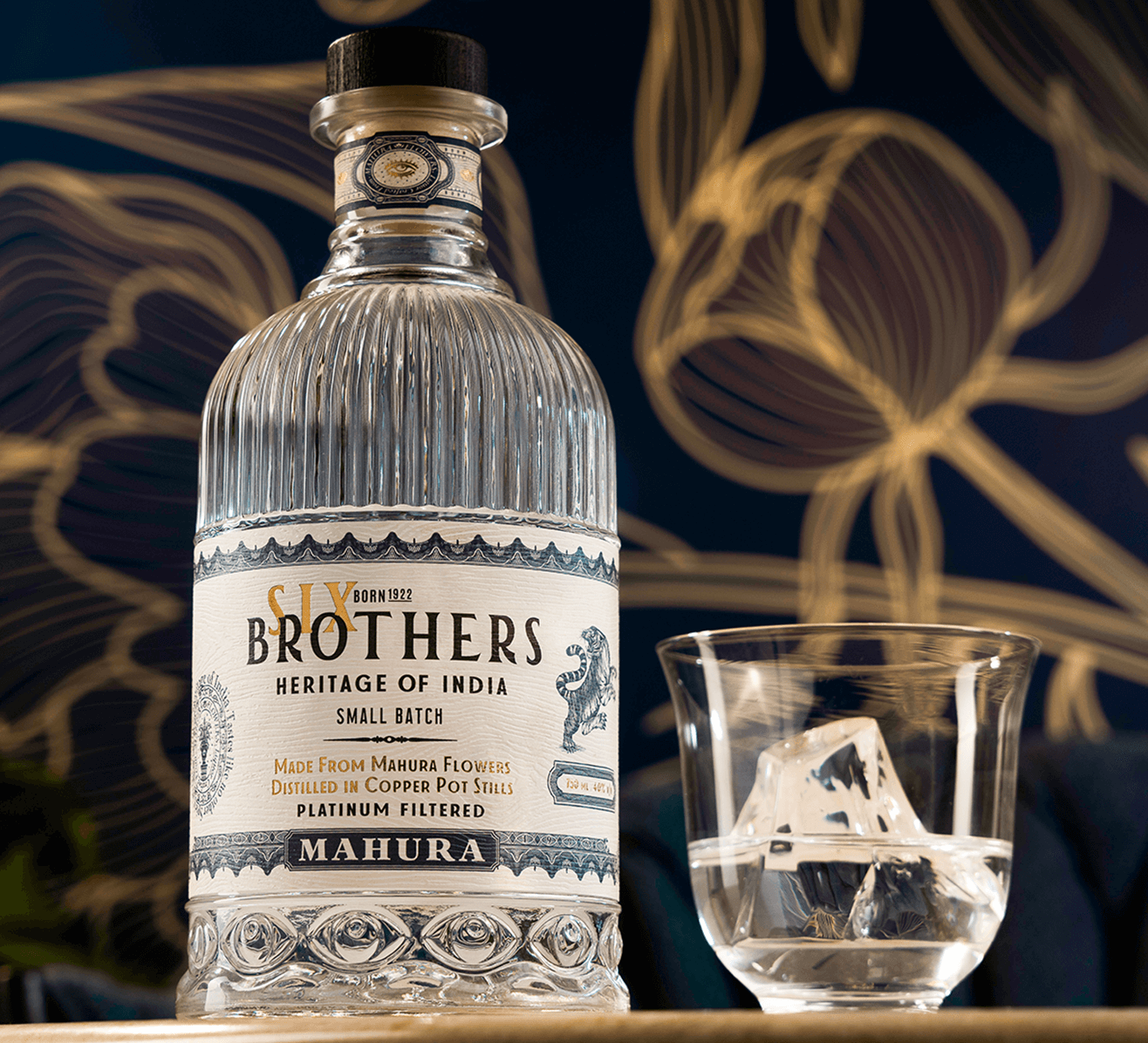
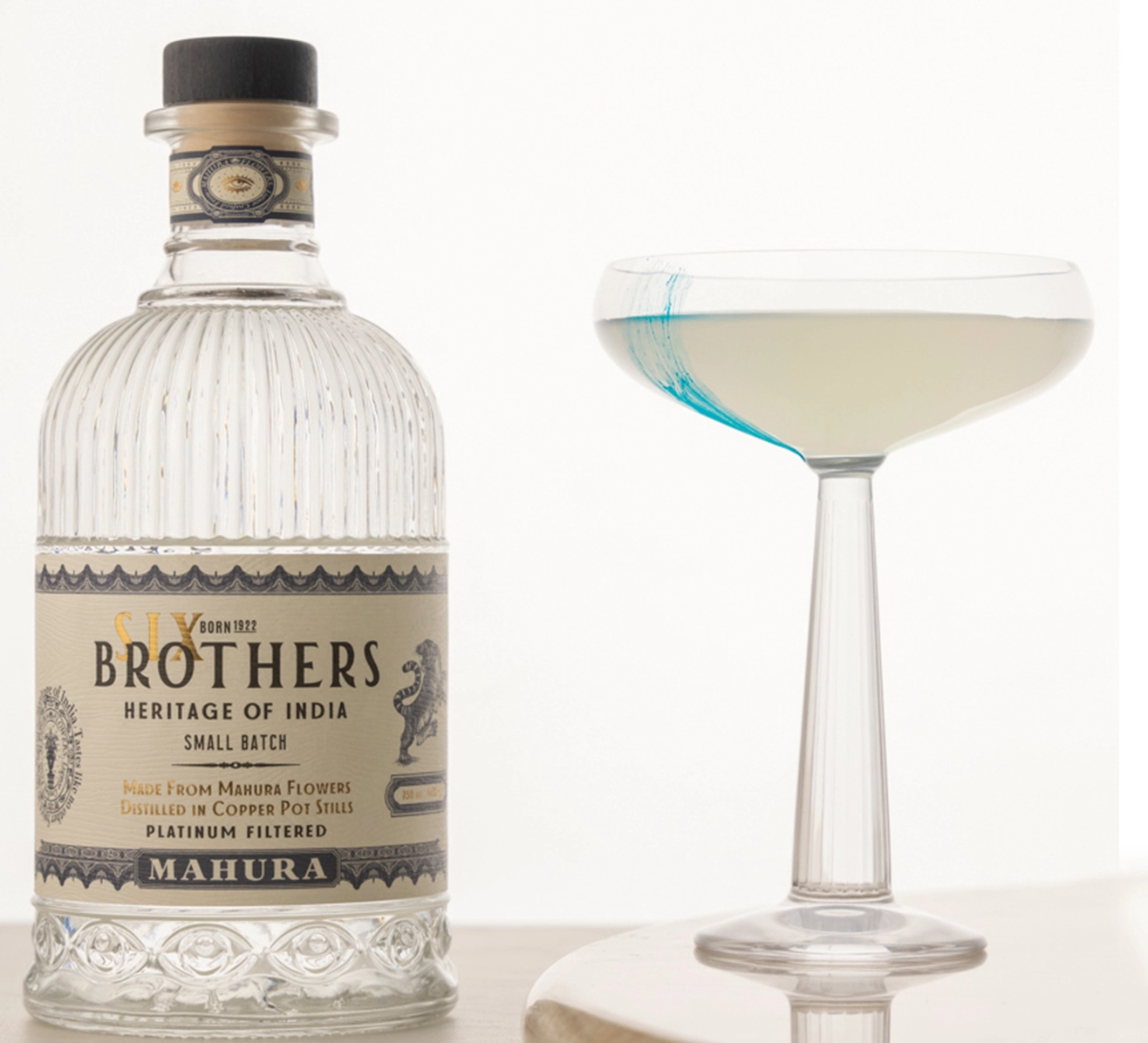
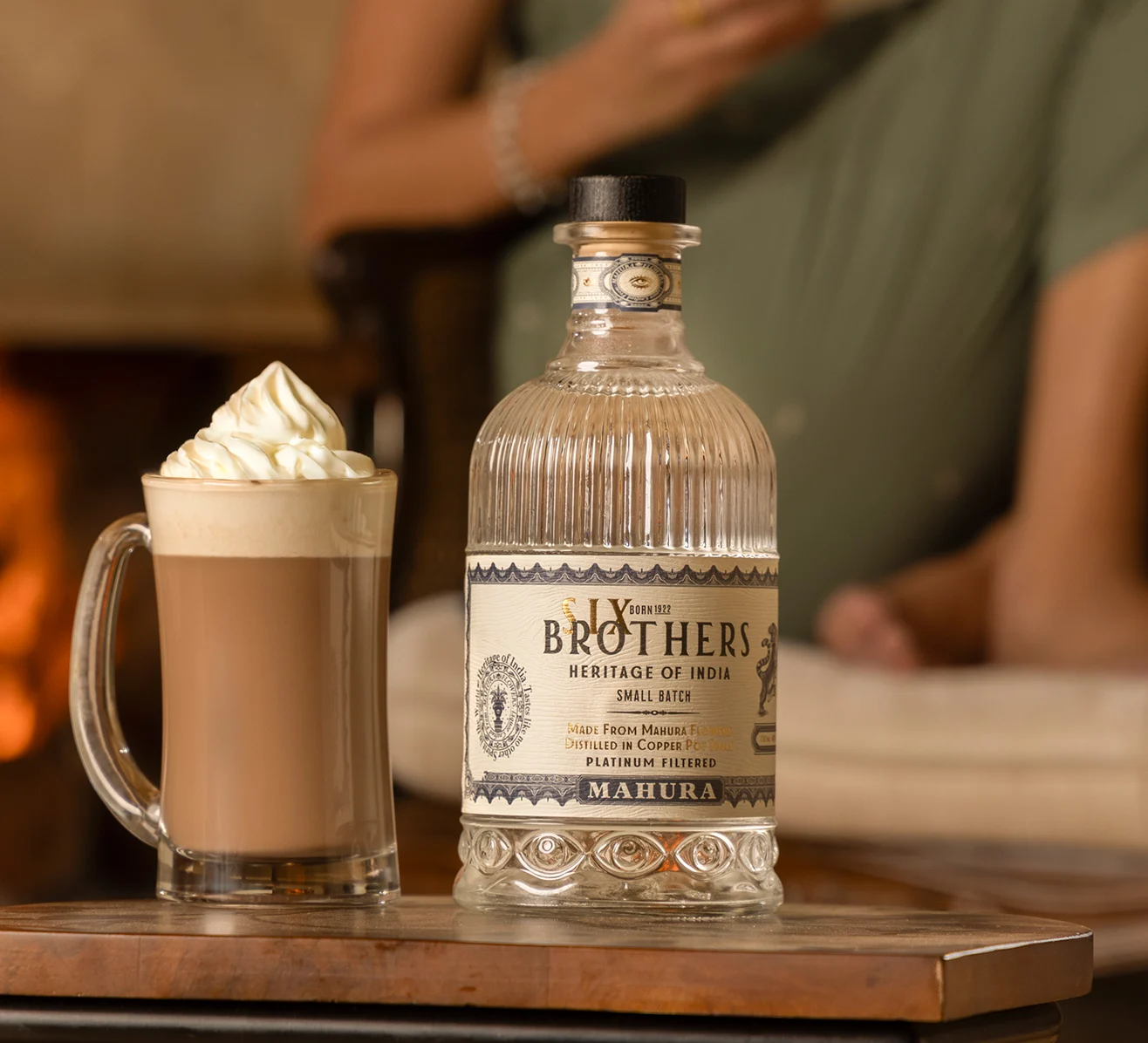
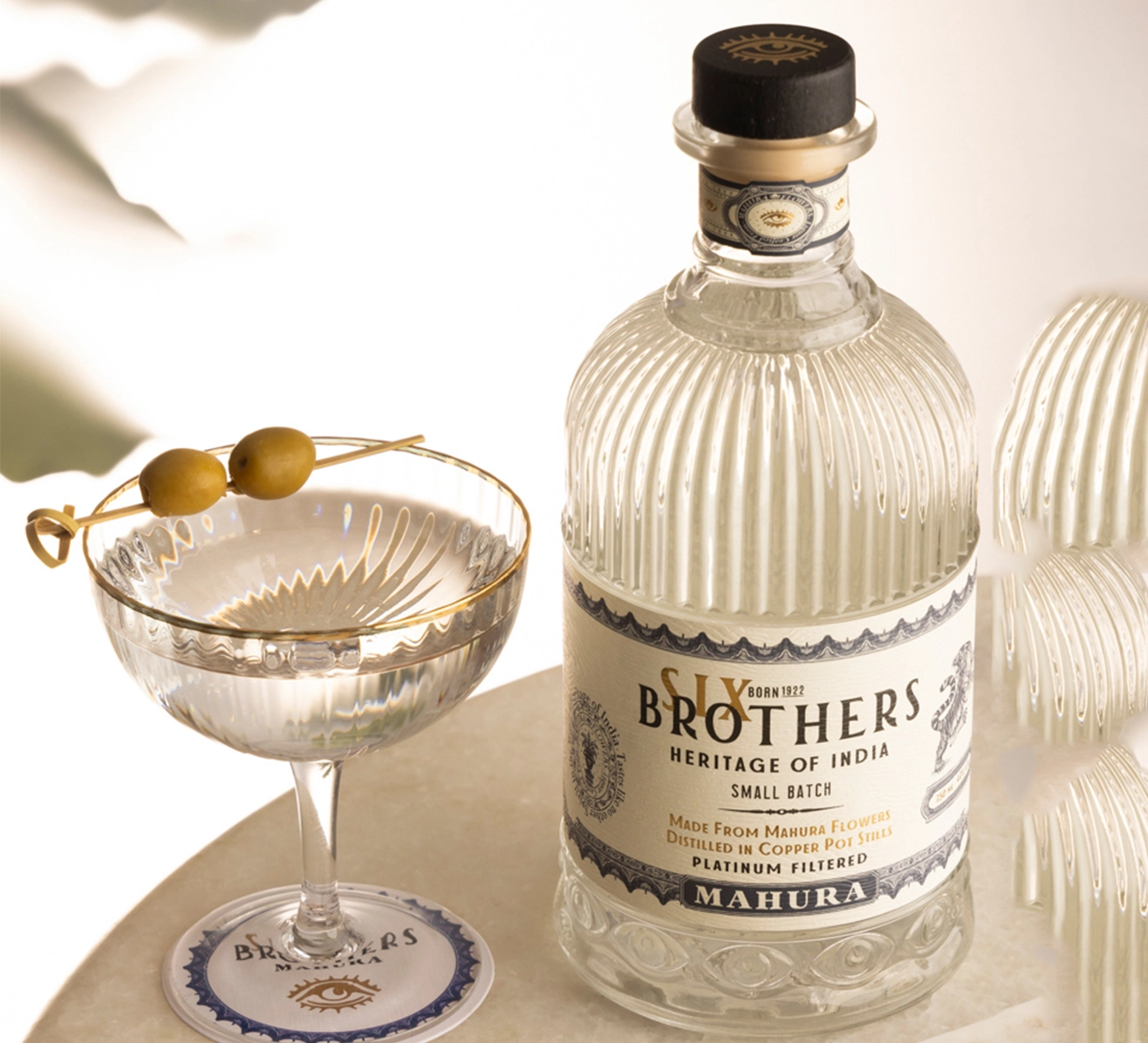
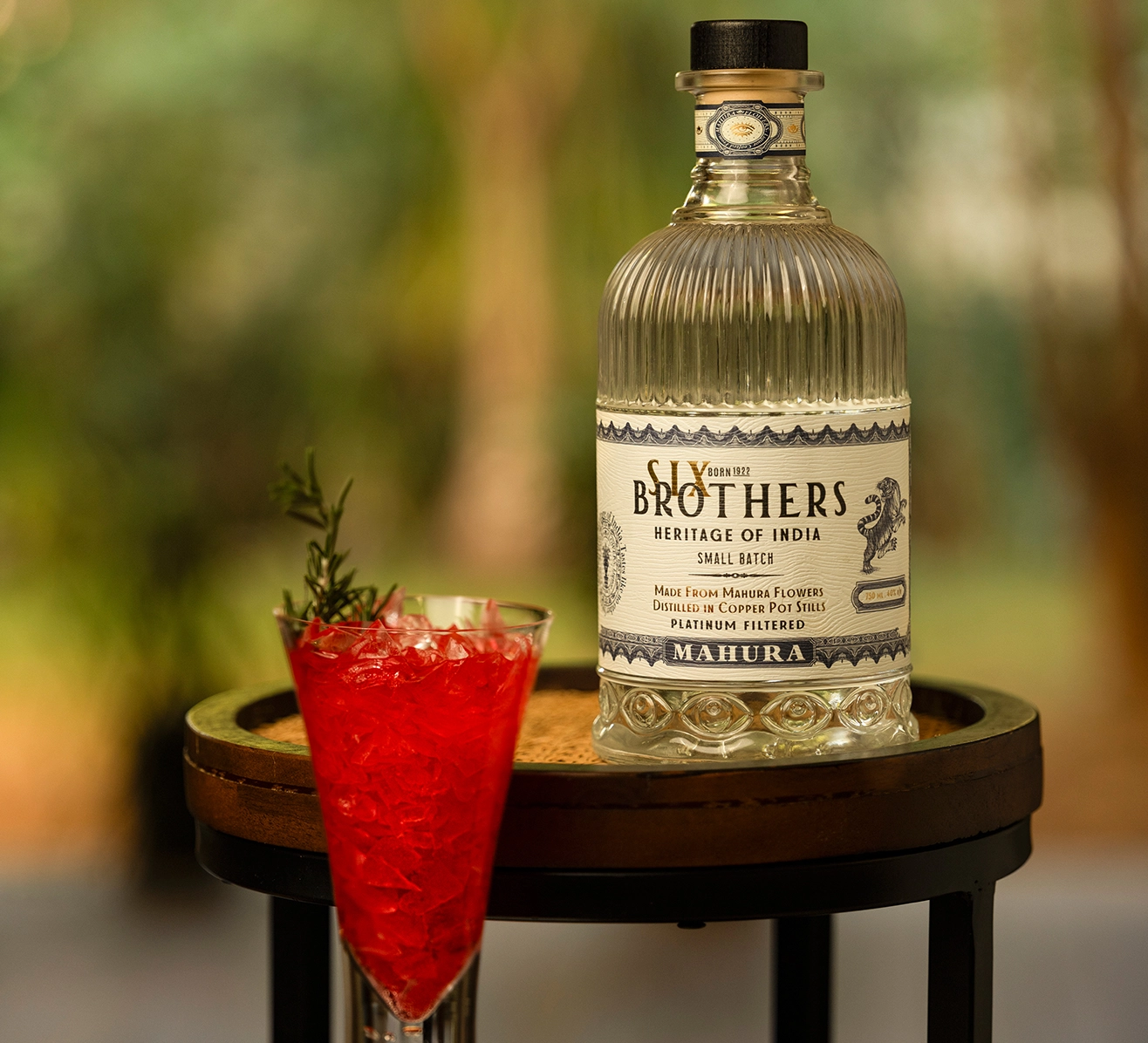
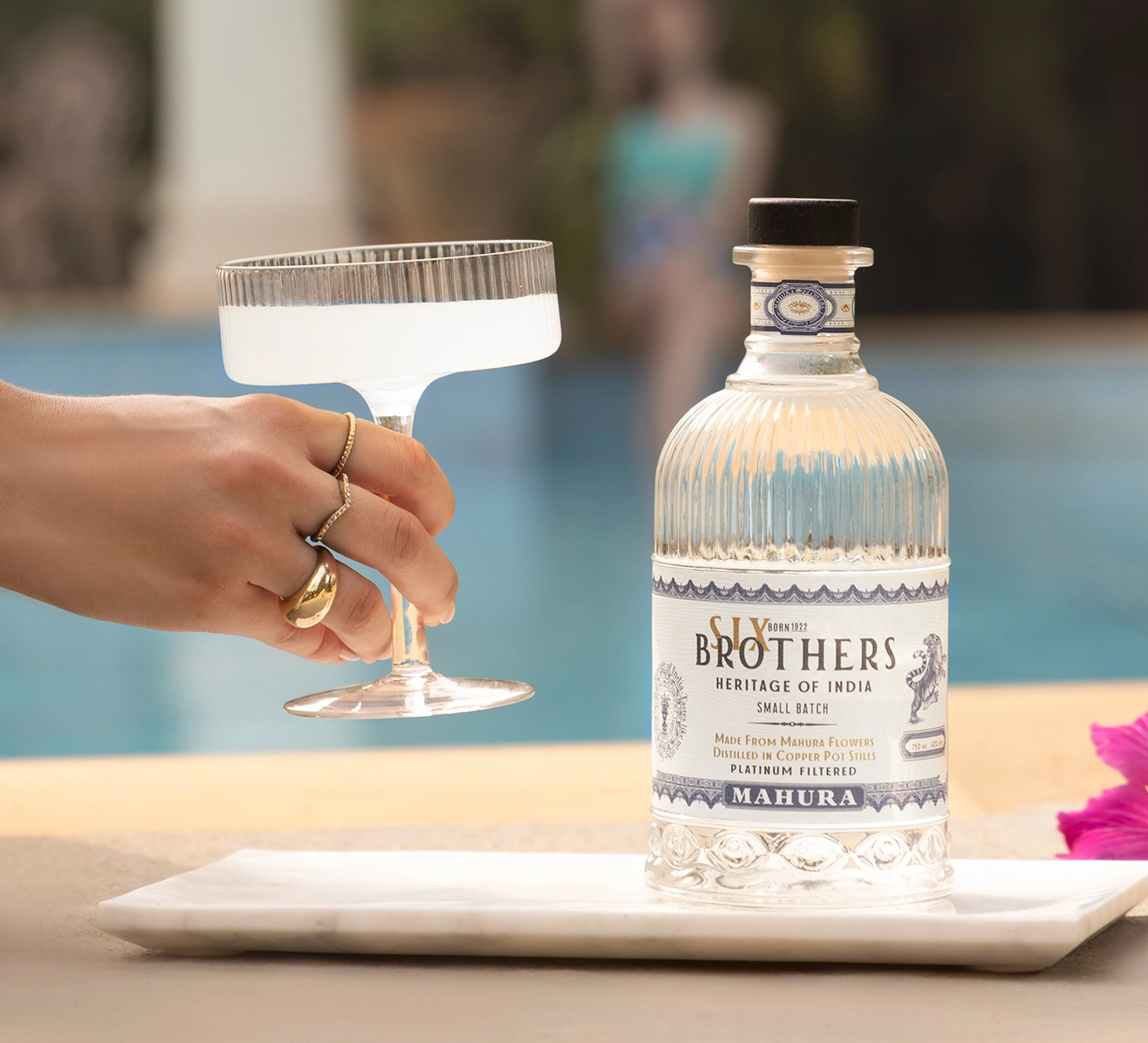
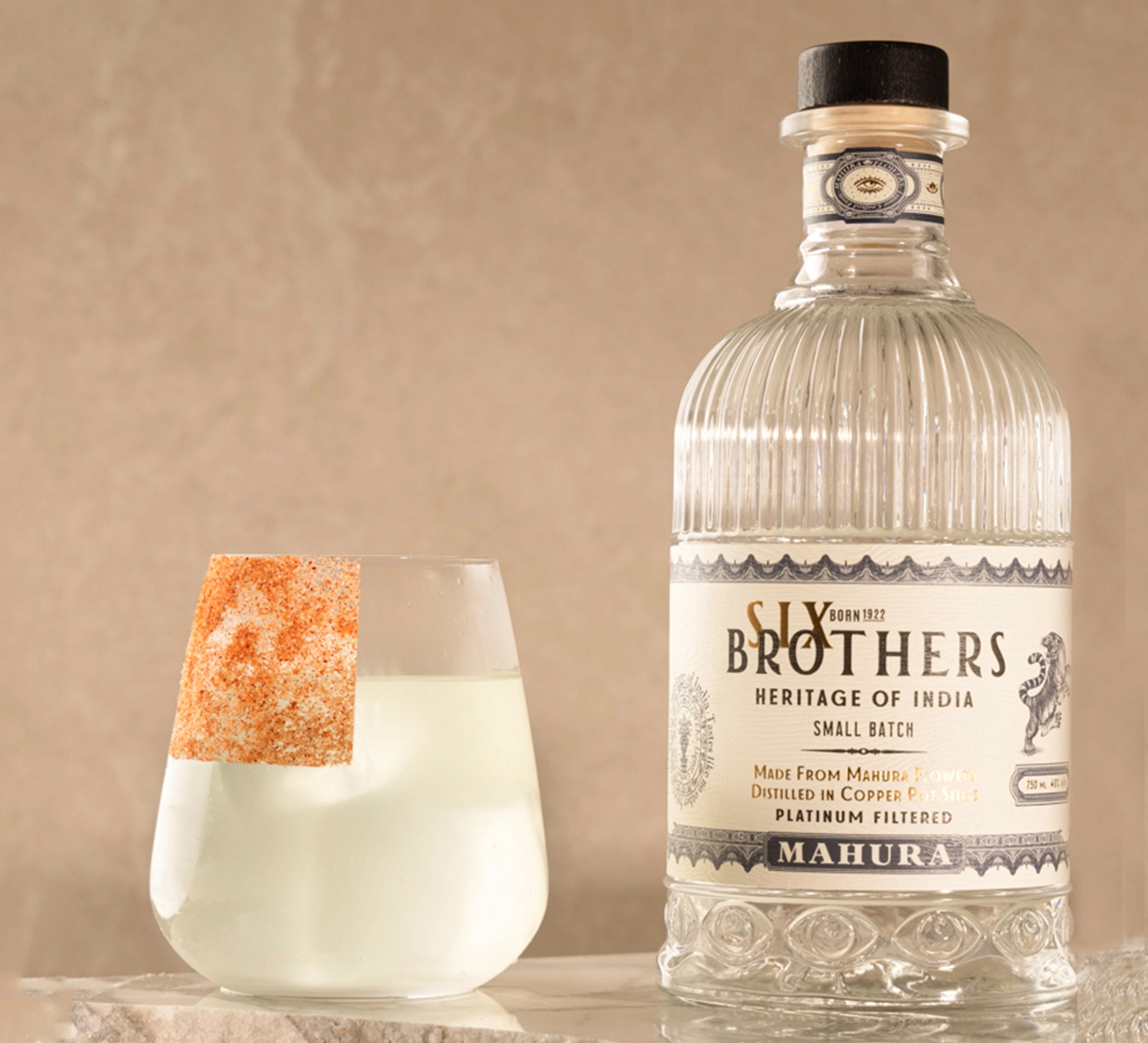
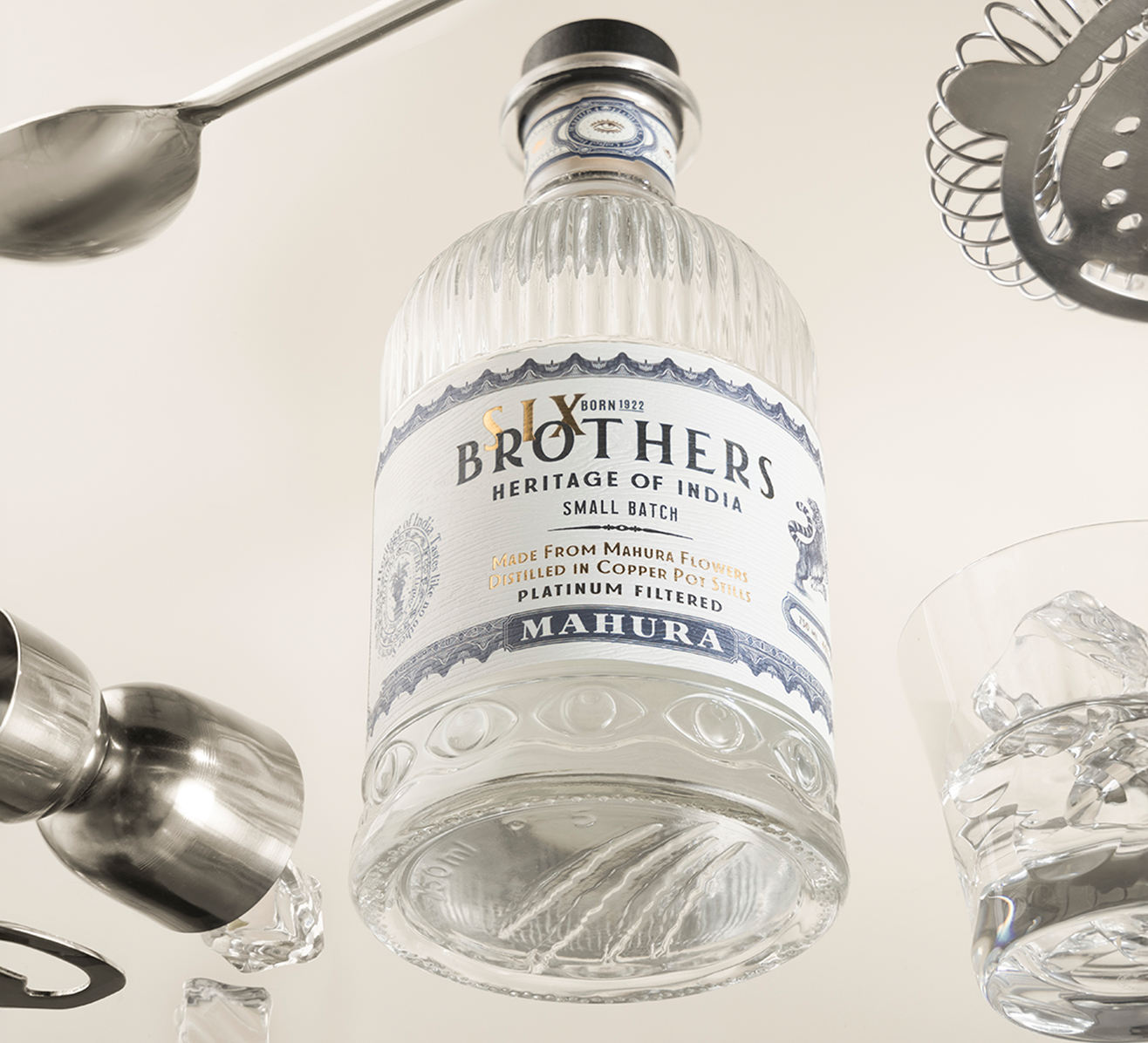
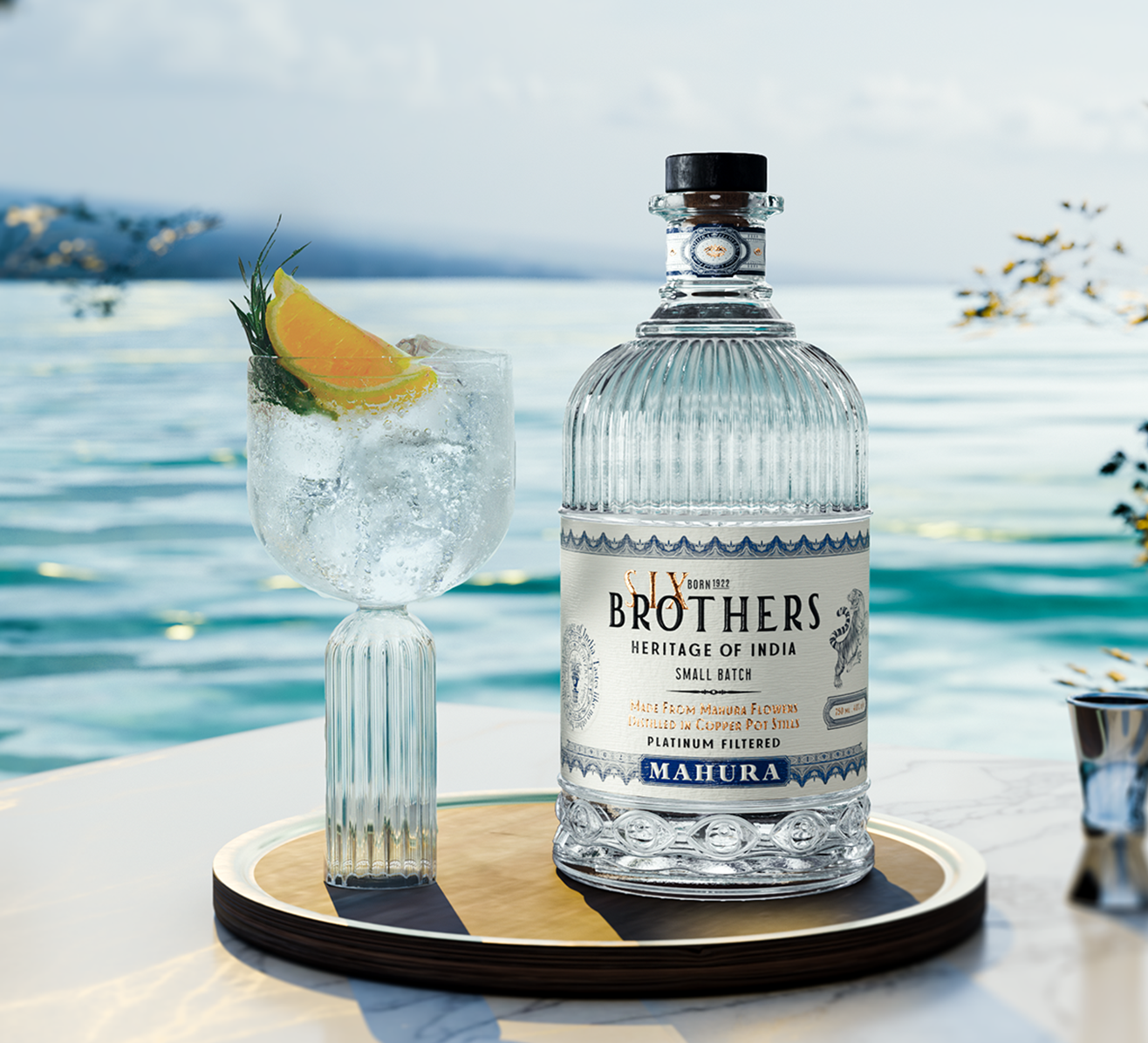
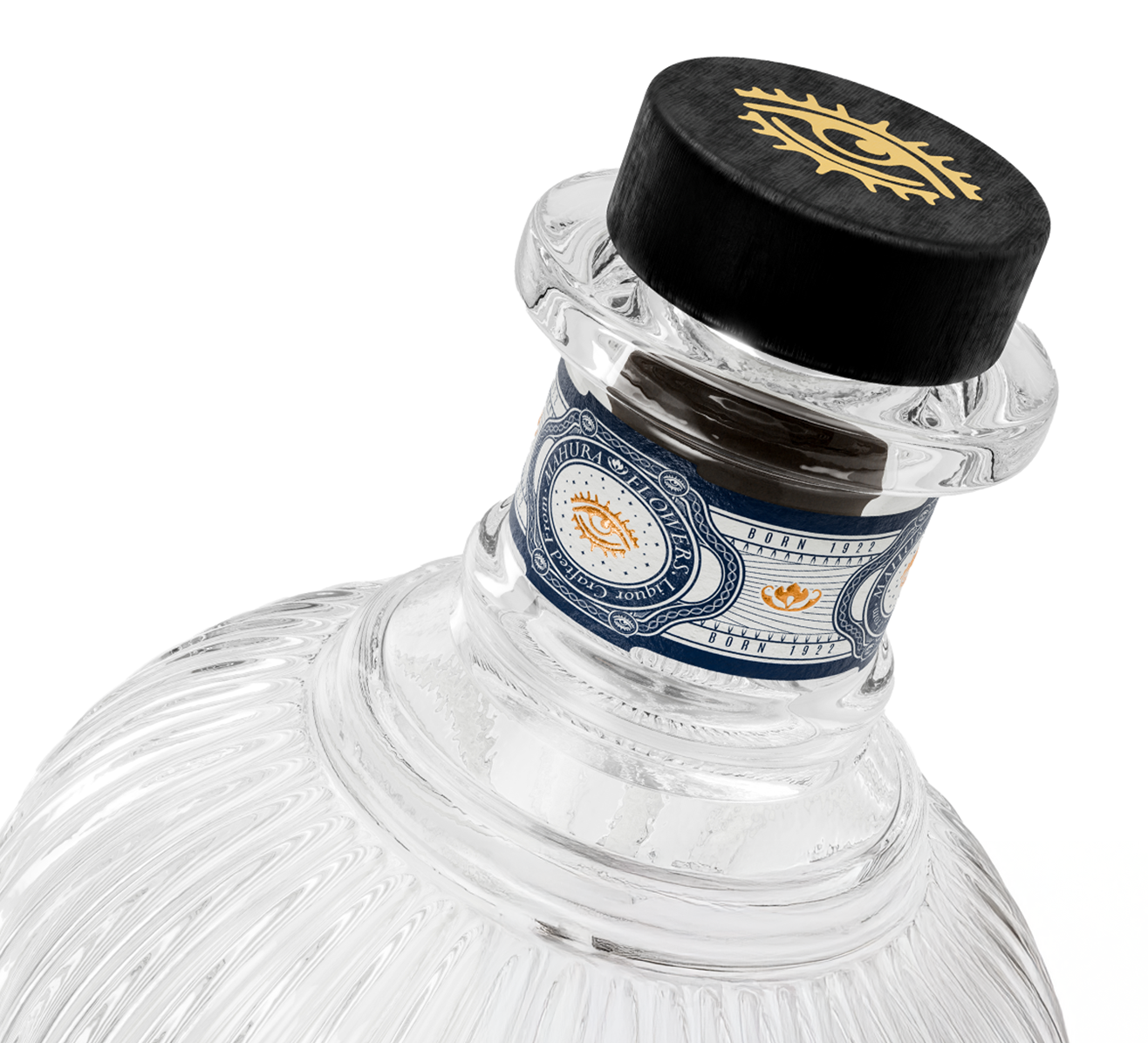
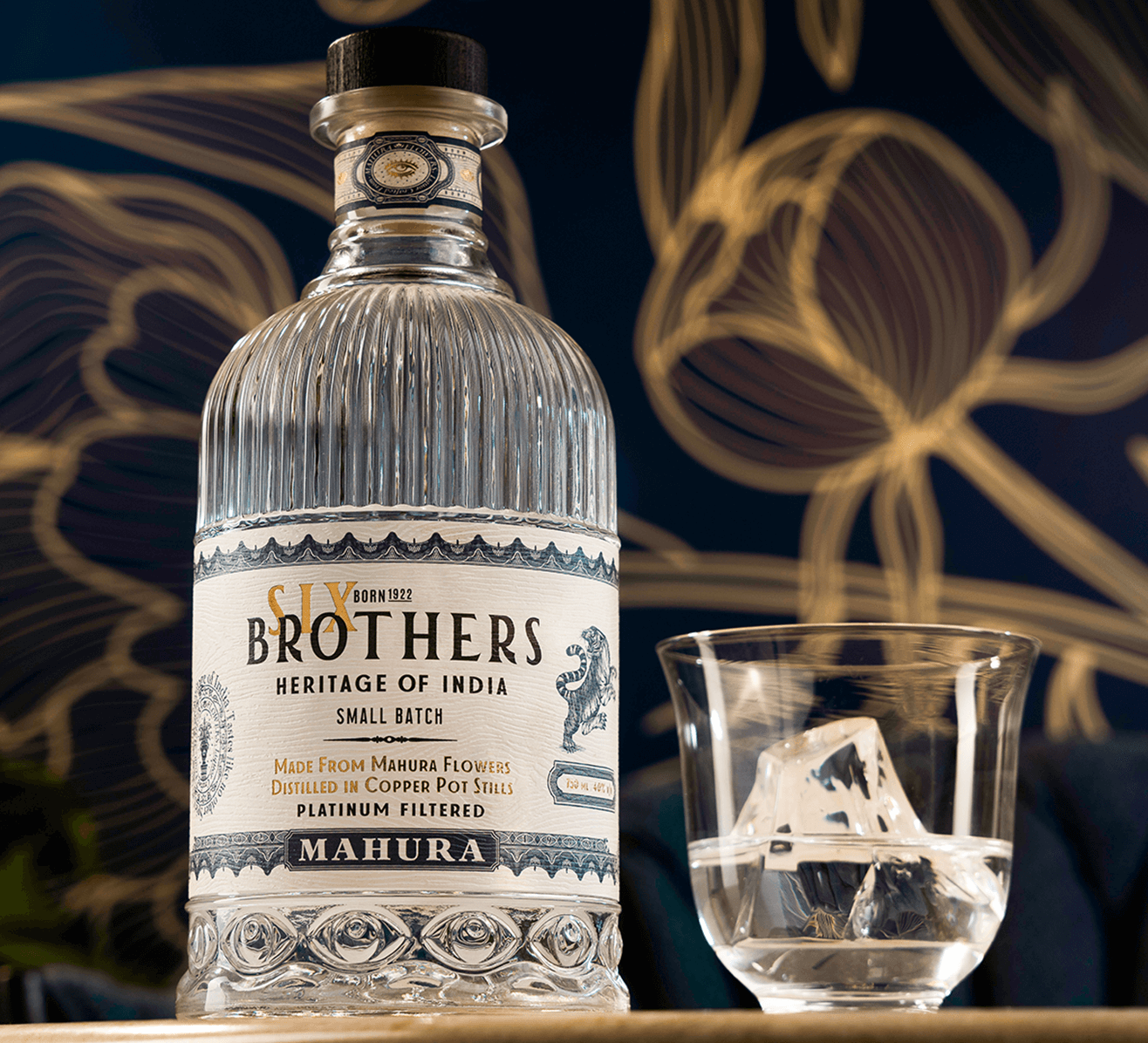
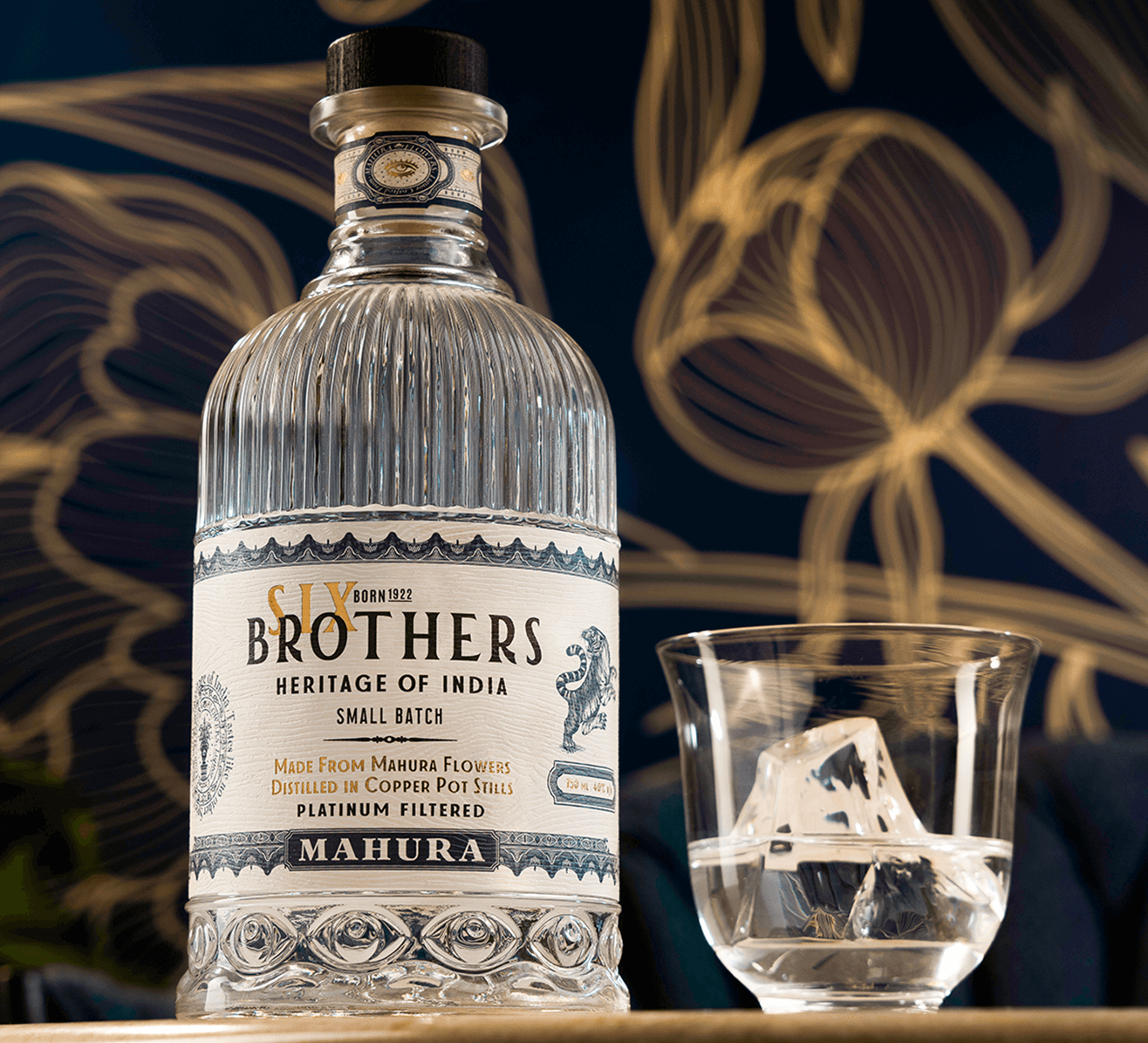
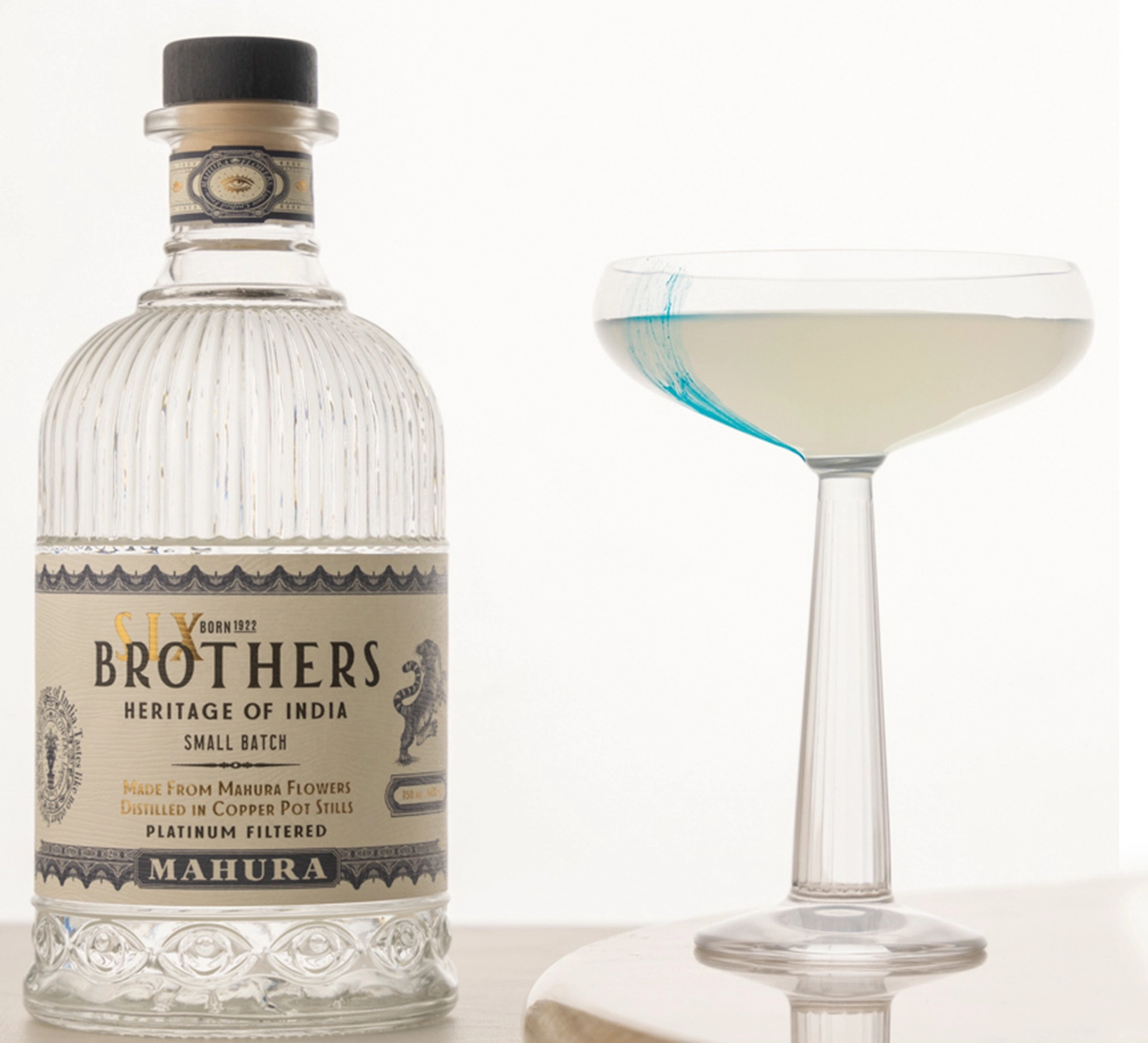
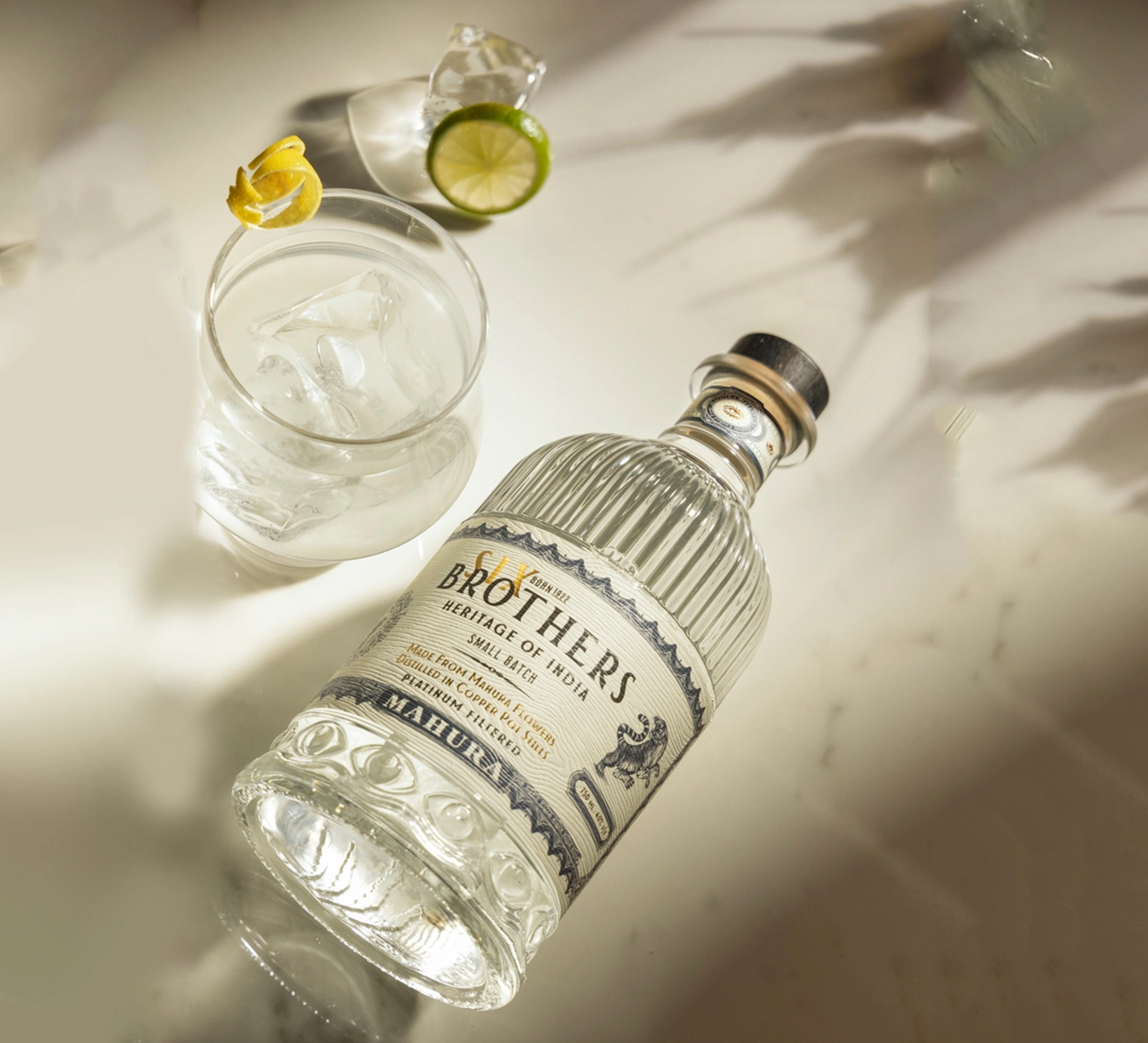
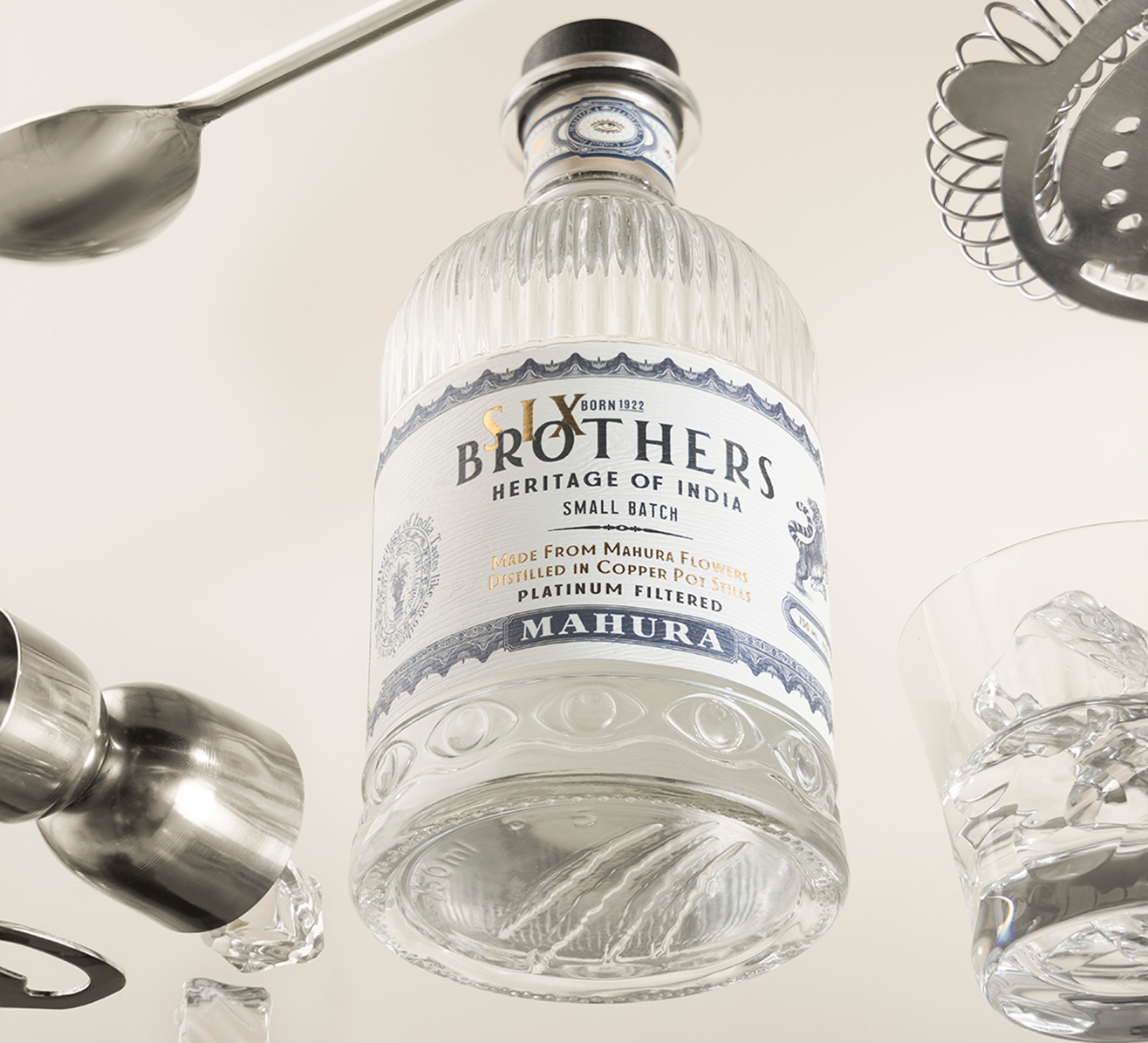
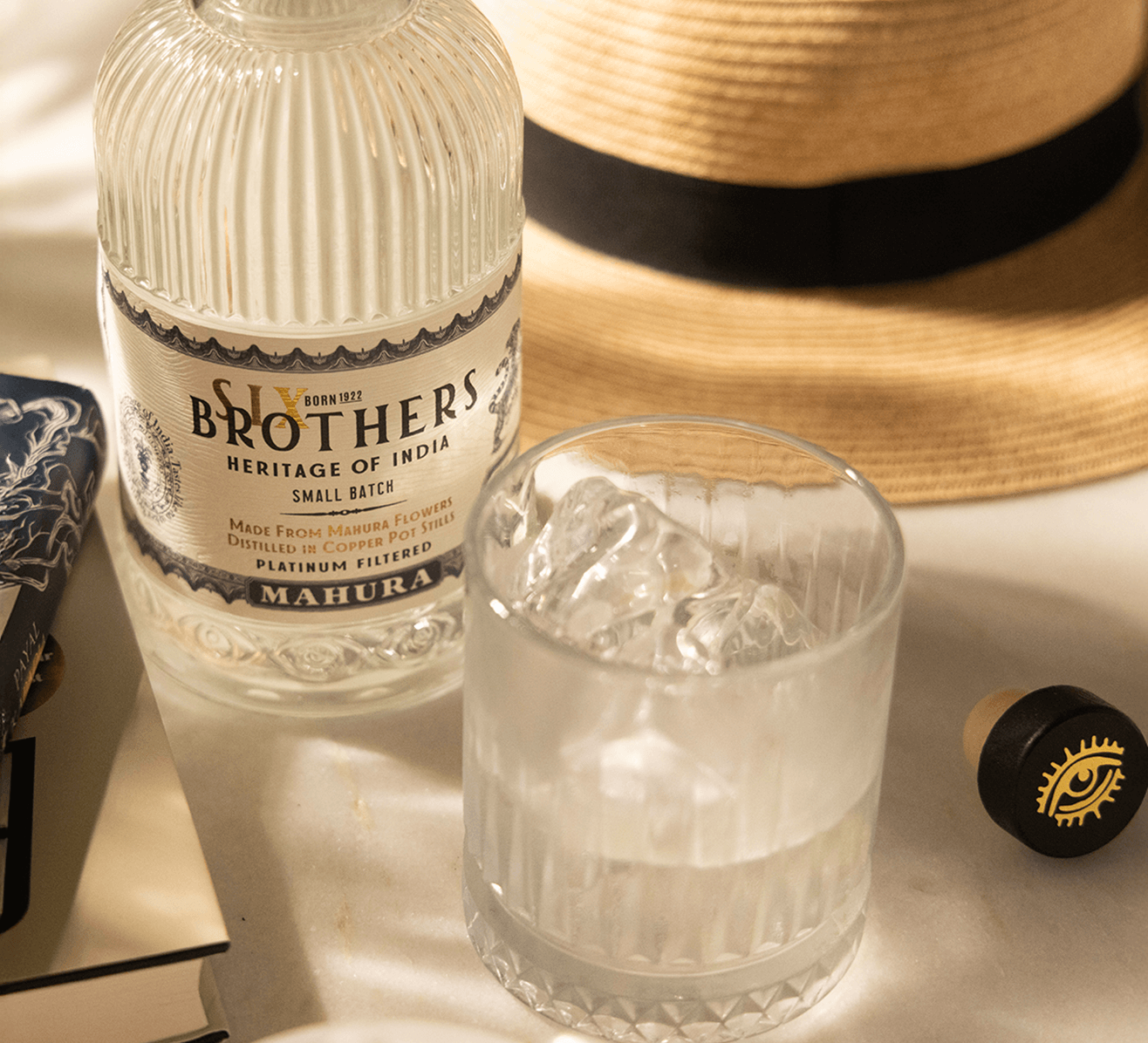
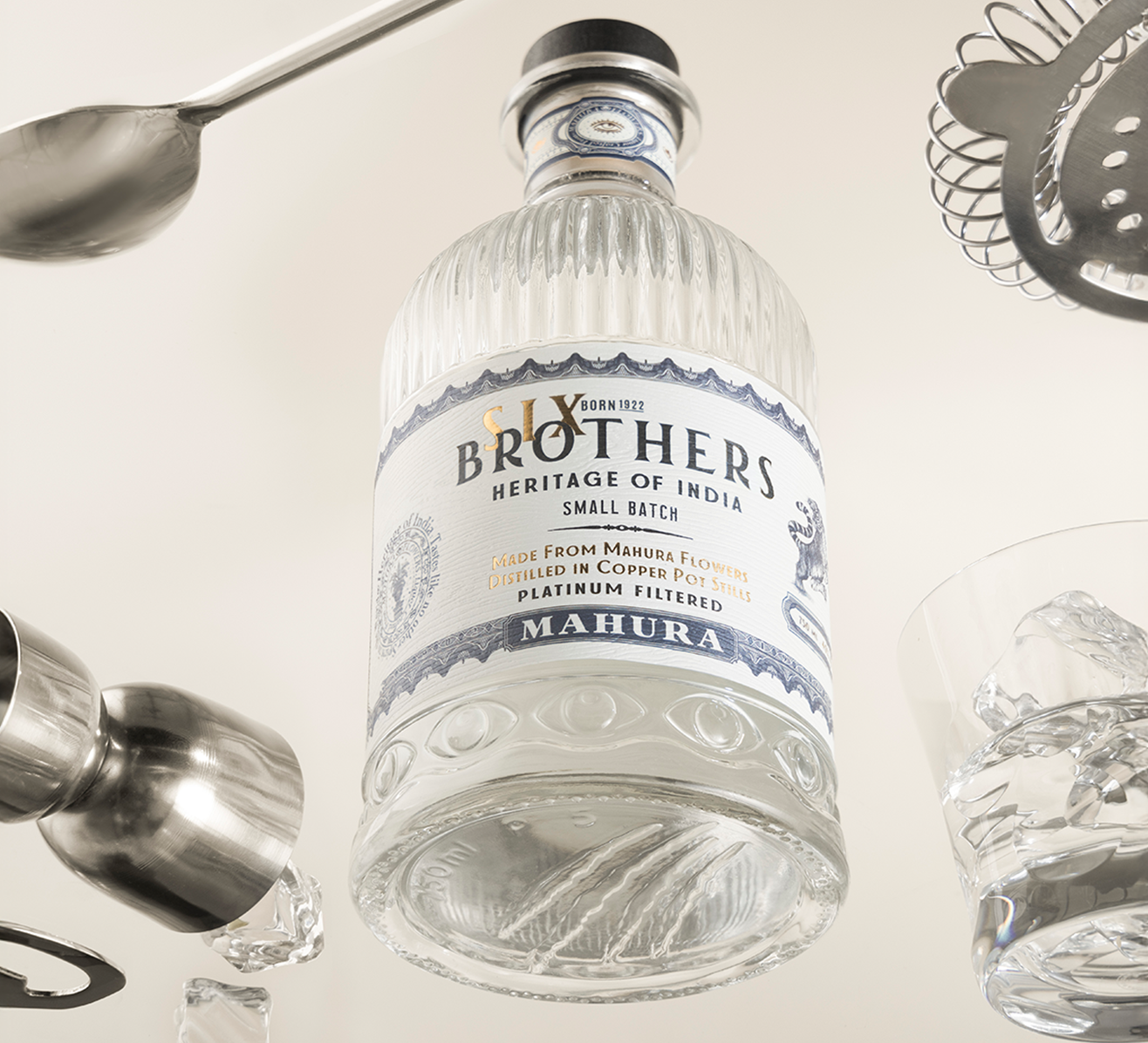
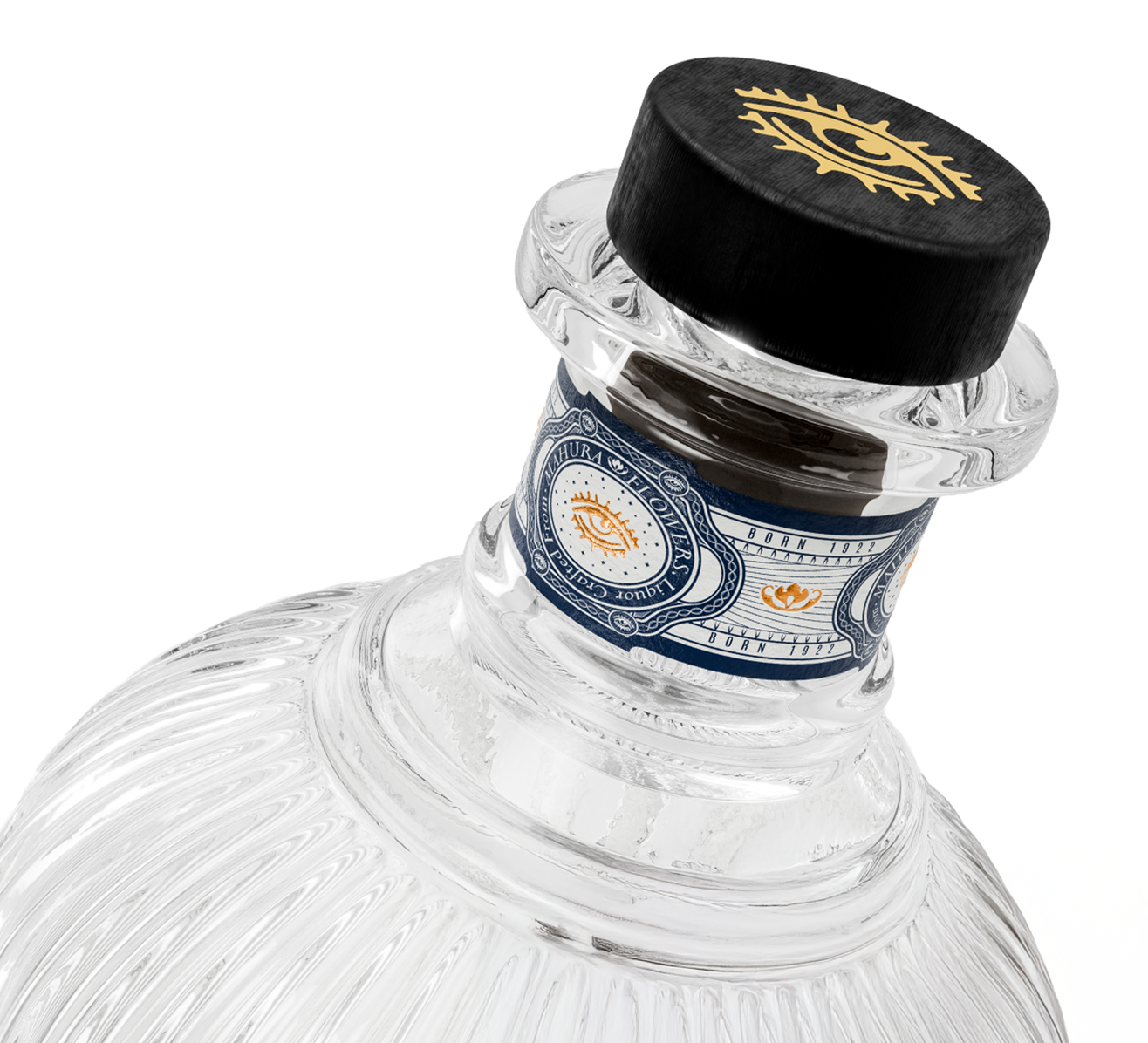
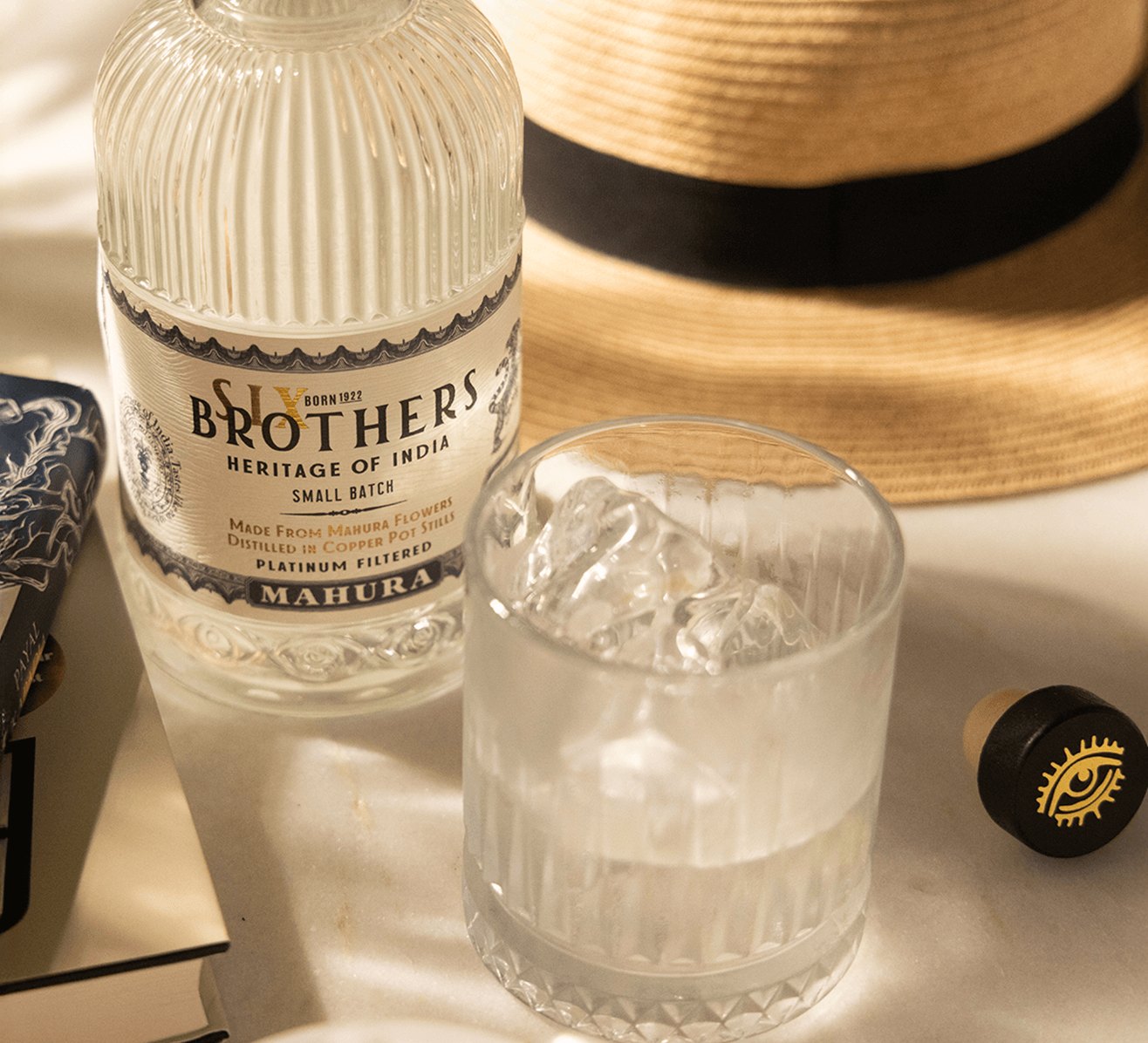
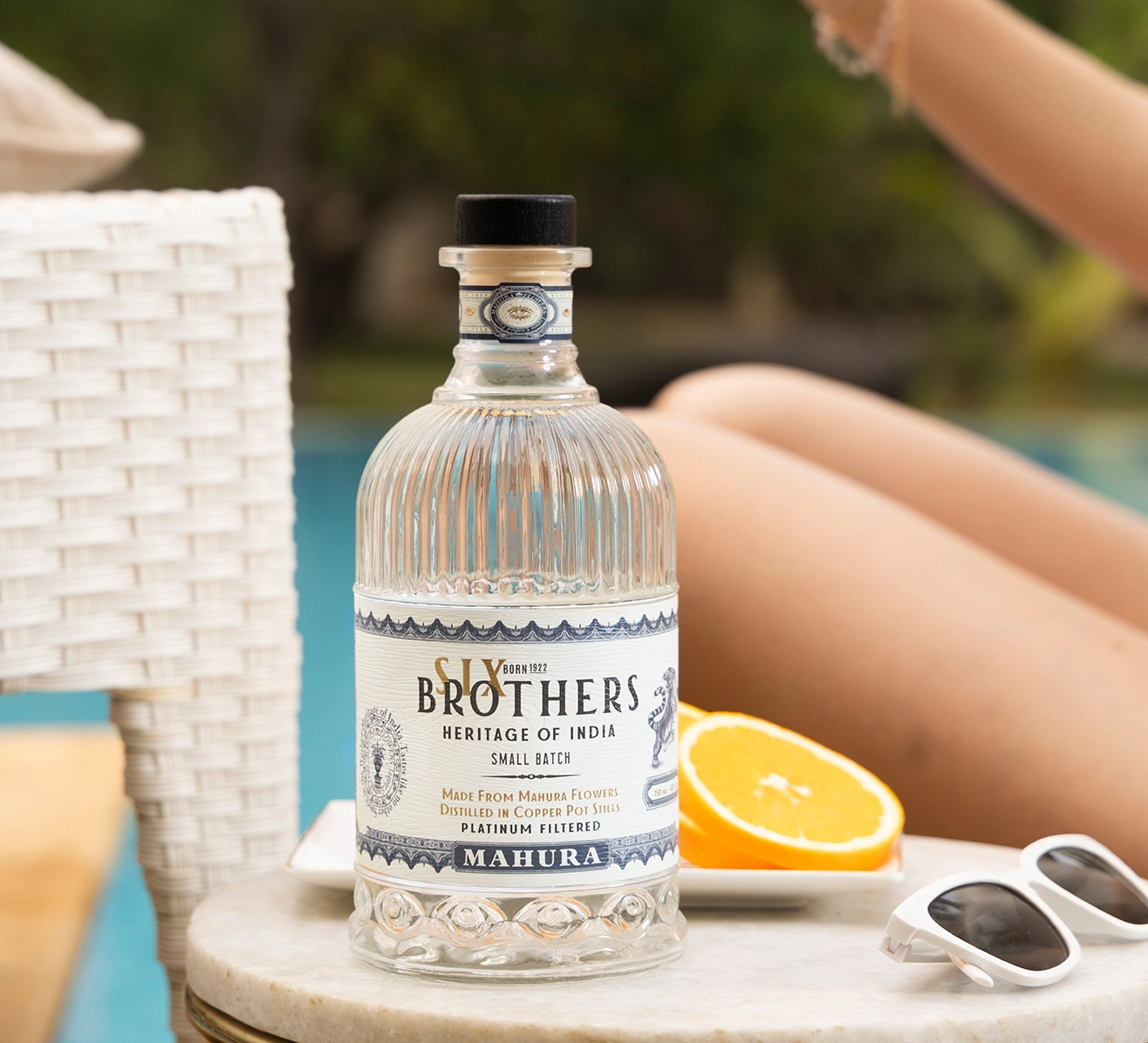
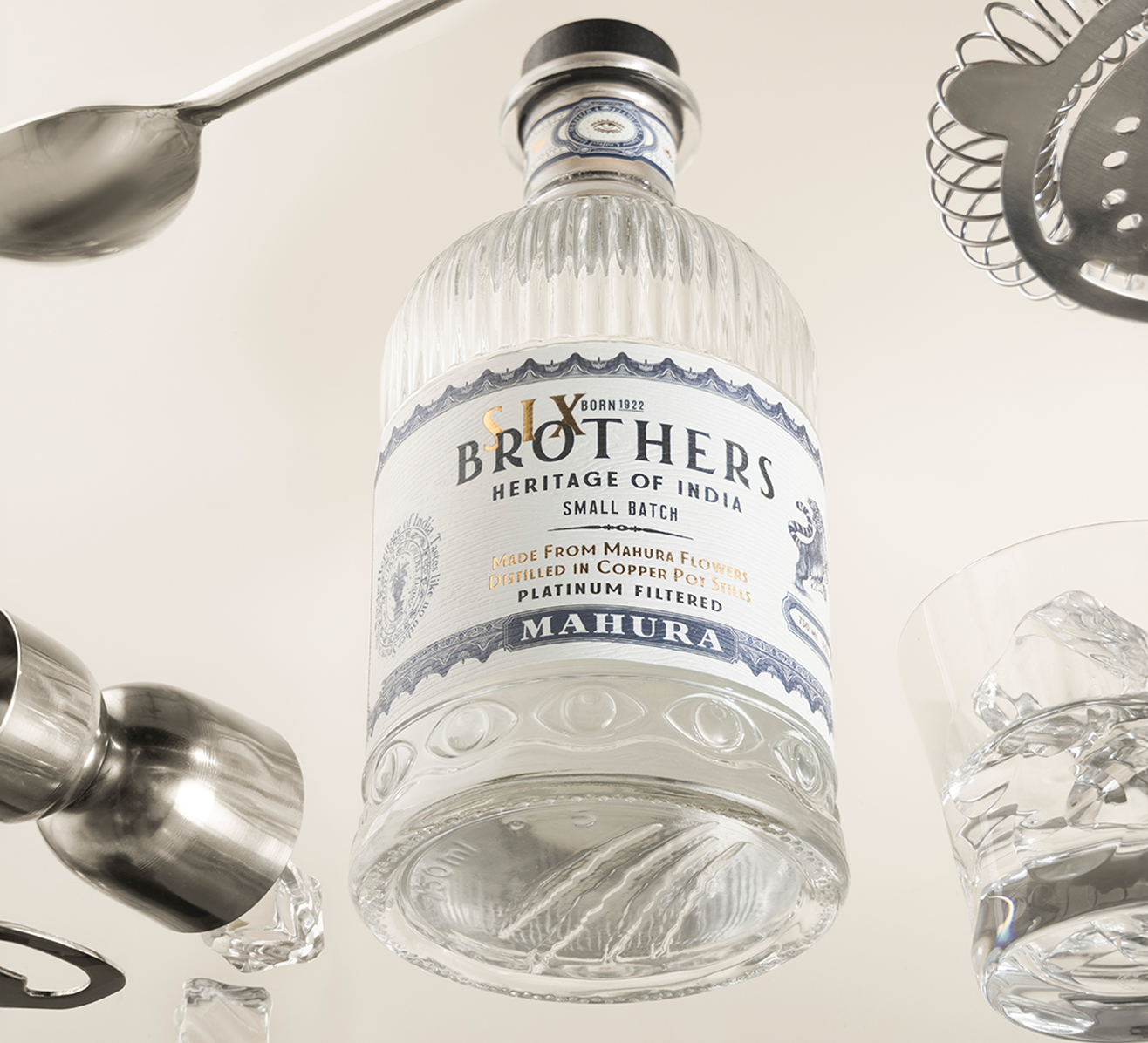
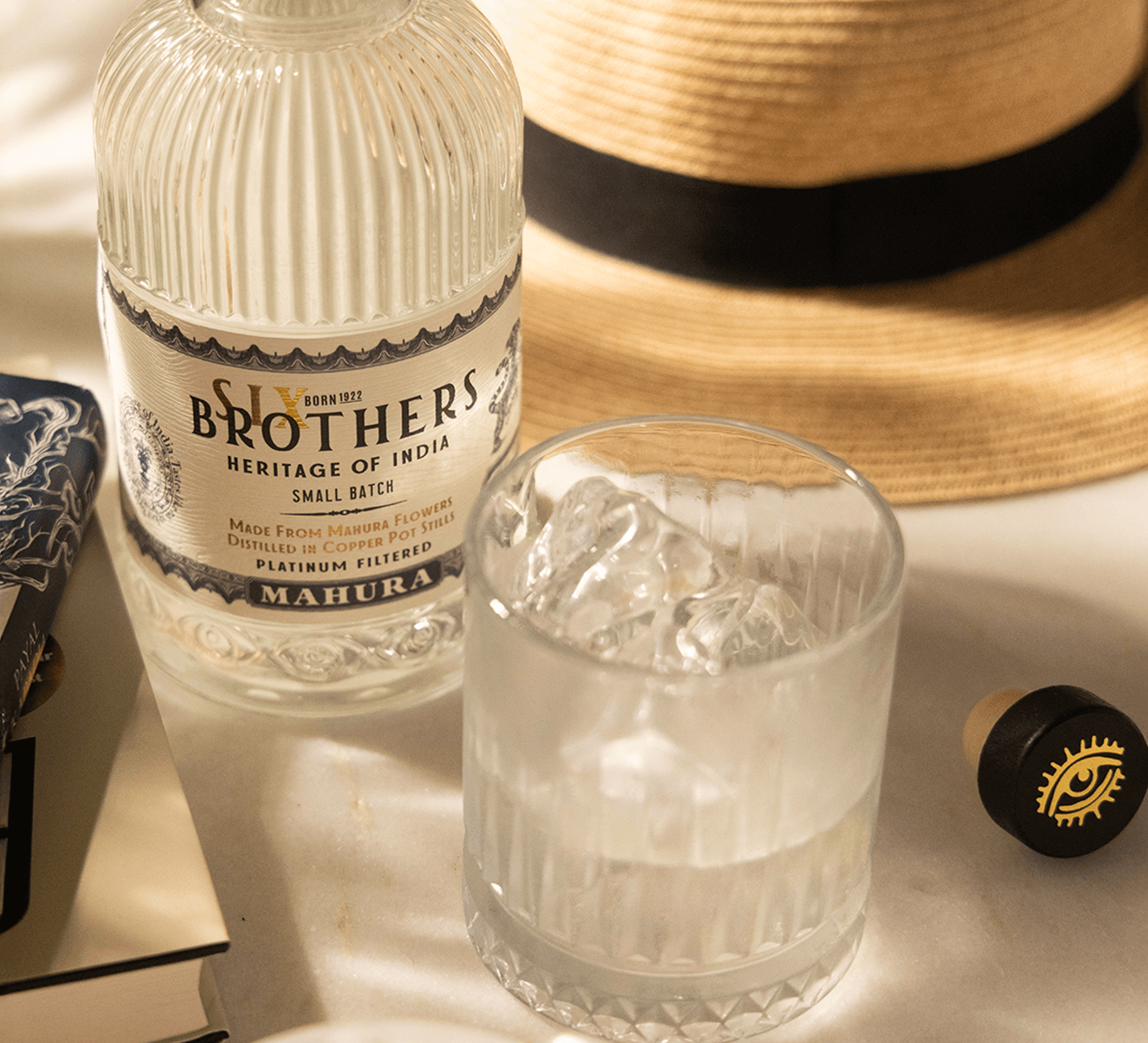
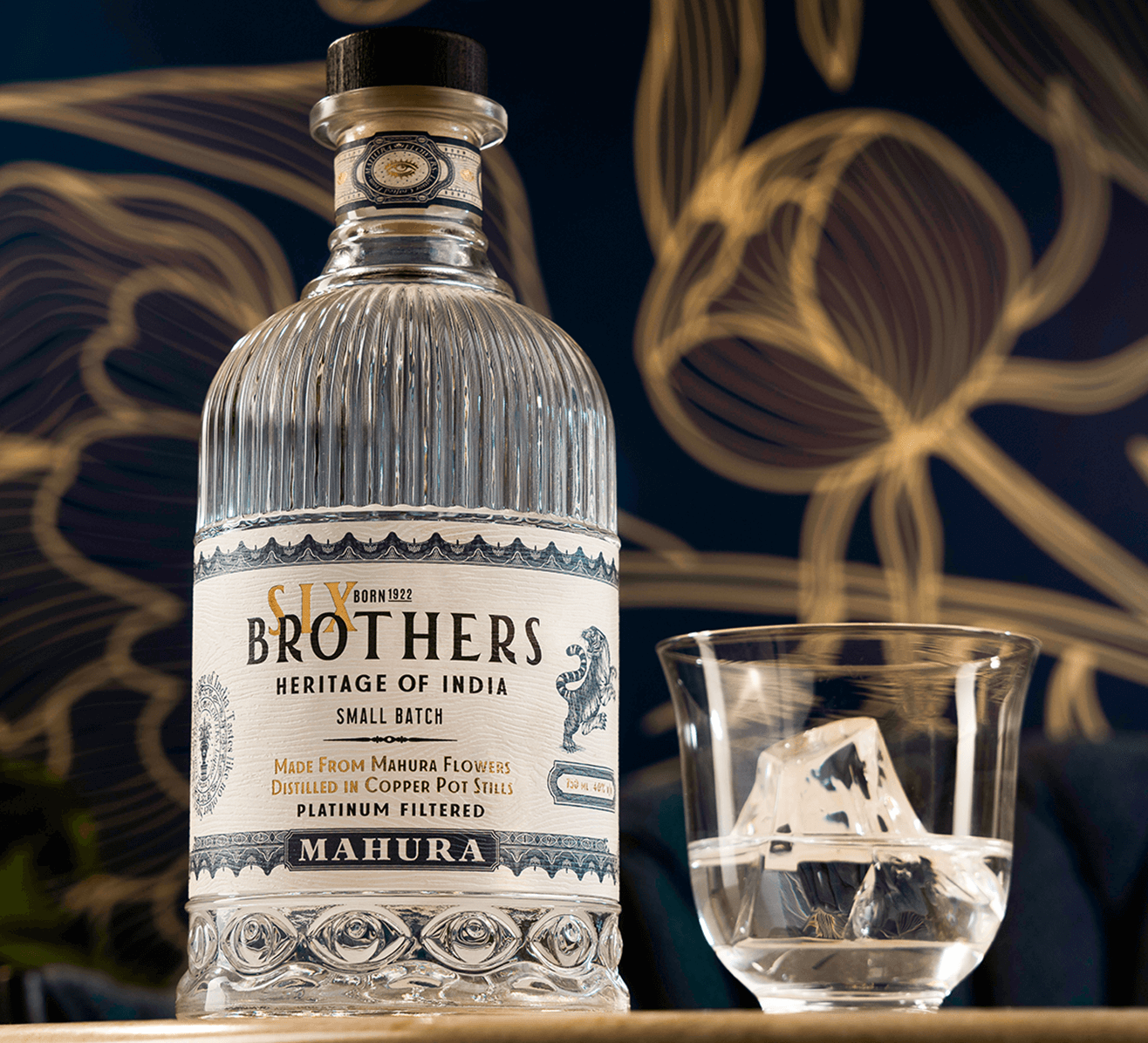
Mahua follows a process rooted in centuries of tradition but refined through modern distillation in premium expressions like Six Brothers Mahura:
Because the sugars are naturally present in the flowers, mahua does not require the complex starch-to-sugar conversion that grain-based spirits demand. This makes the process more direct, though the quality of the flowers and the care taken at each stage determine the final spirit's character.
Whisky is one of the more process-intensive spirits to produce:
Aging is not just a regulatory requirement for most whisky styles; it is where the spirit develops much of its character. The interaction between spirit and oak over time introduces vanilla, tannins, spice, and colour.
Rum sits somewhere between the two in terms of complexity:
Some rums are bottled unaged and light; others are aged for many years and carry extraordinary depth. The style varies enormously by producing country and tradition.
This is where the experience of drinking truly separates. Each spirit has a distinct sensory identity shaped by its ingredients and production.
| Spirit | Primary Aromas | Palate Character | Finish |
|---|---|---|---|
| Mahua | Floral, honey, dried fruit | Light, fruity, smooth | Clean, elegant |
| Whisky | Oak, vanilla, malt, spice | Layered, structured, warming | Long, often smoky or dry |
| Rum | Caramel, toffee, tropical fruit | Sweet, rounded, rich | Smooth, slightly sweet |
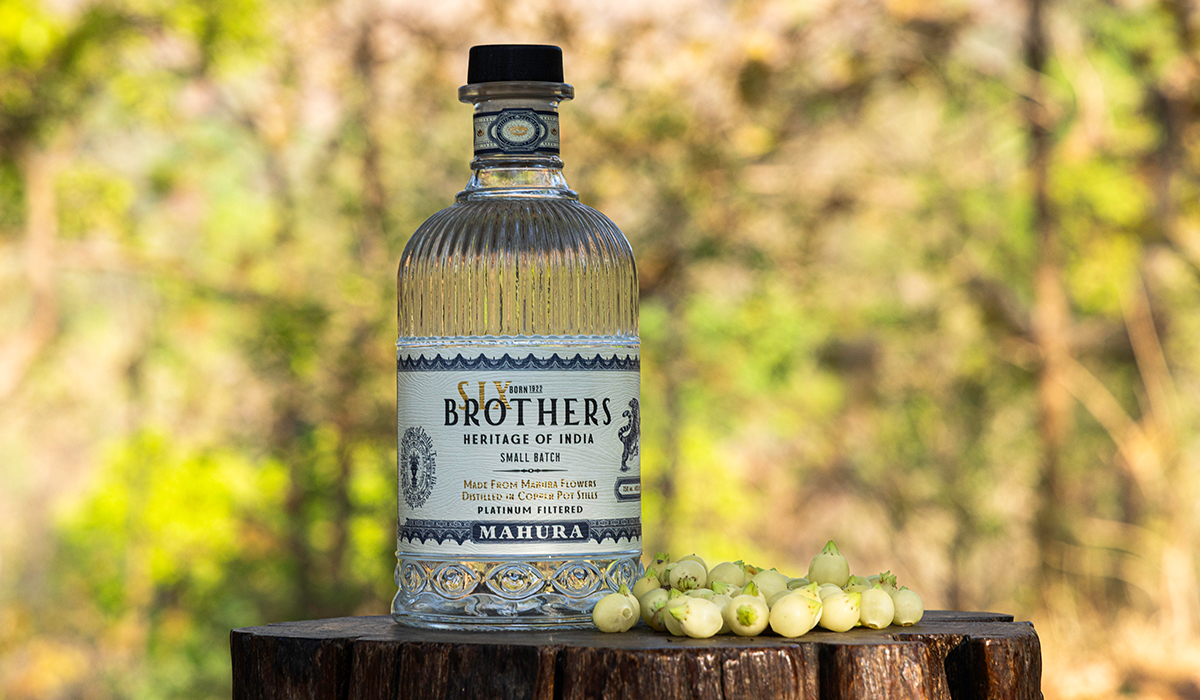
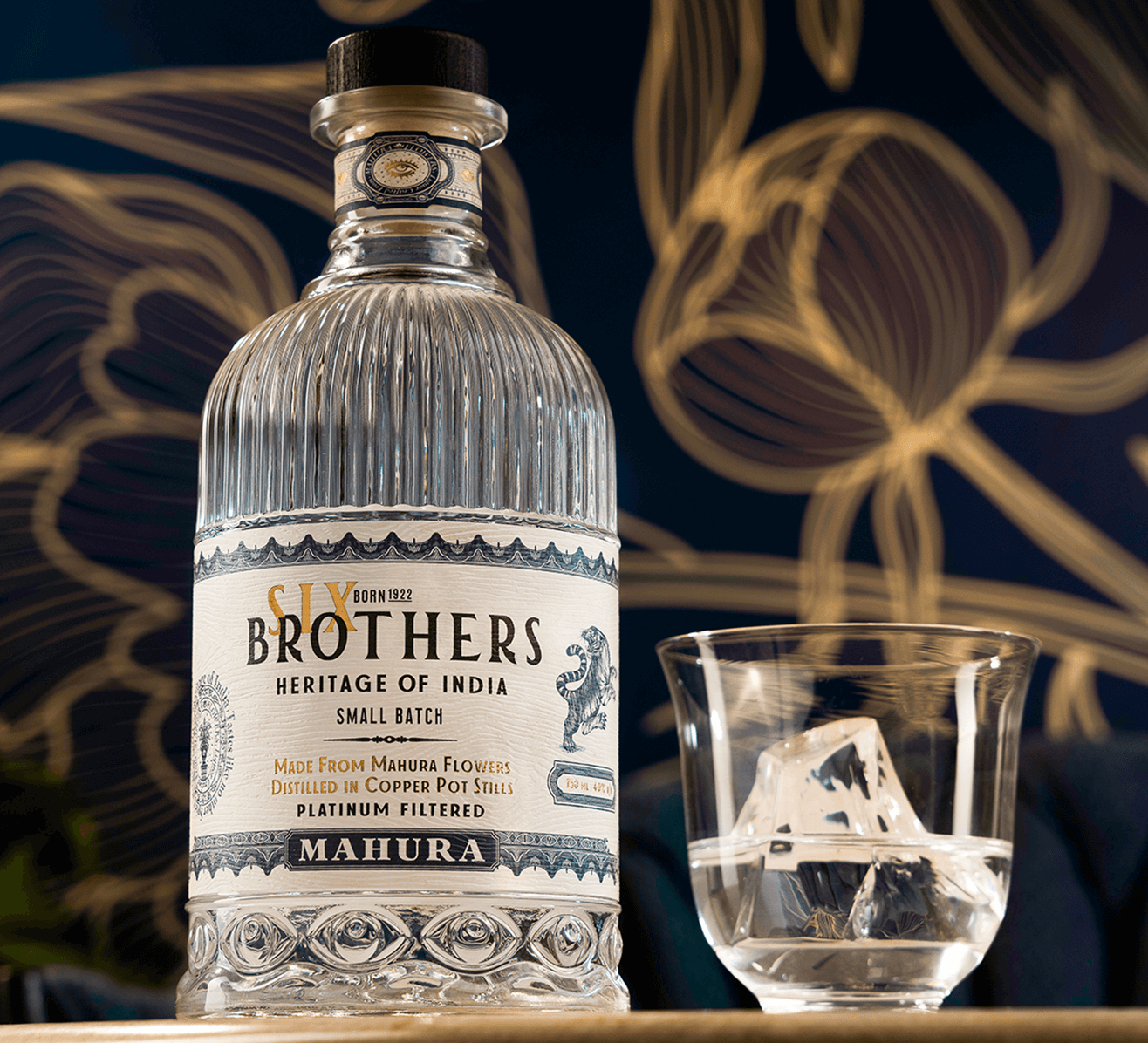
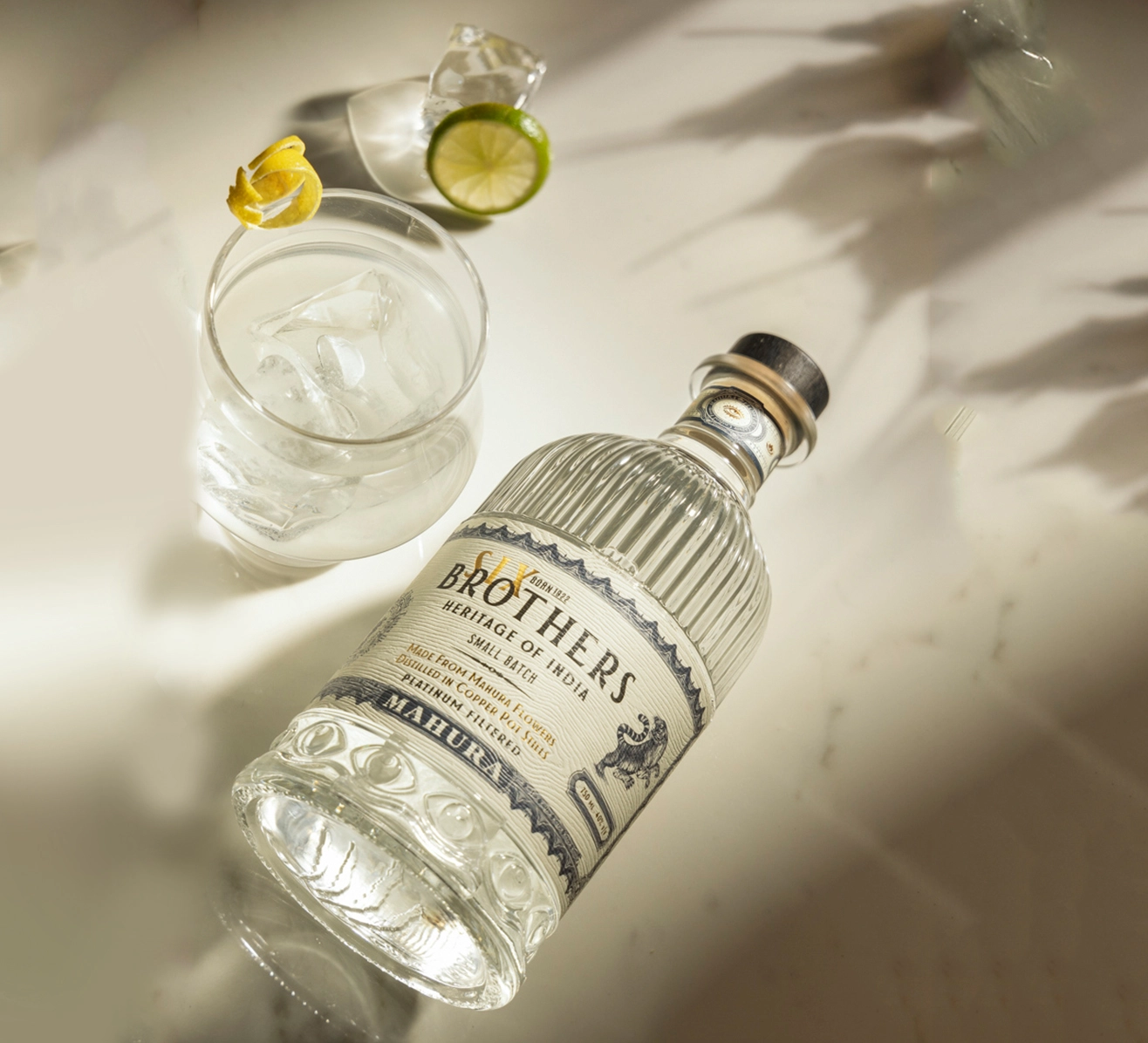
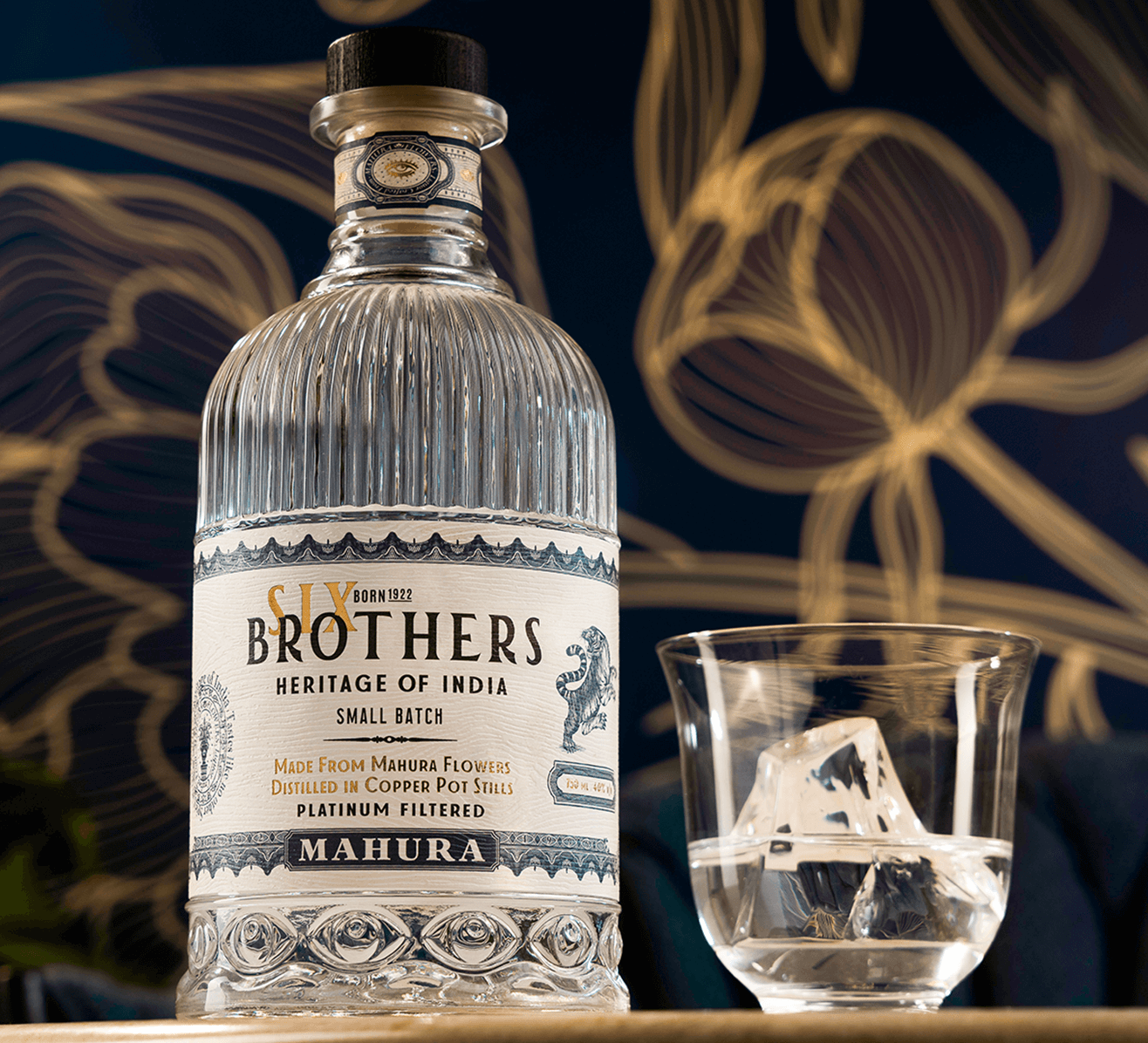
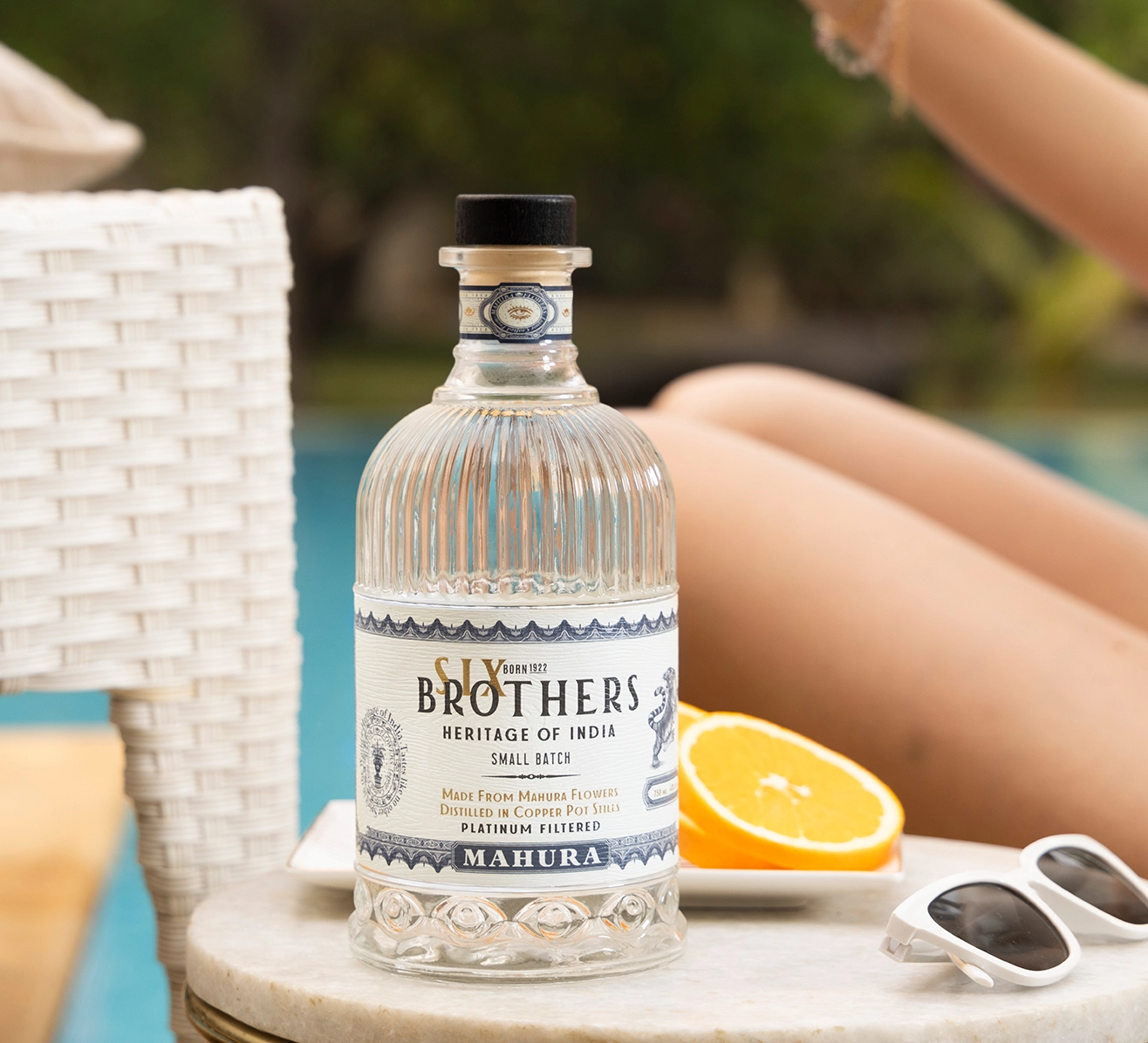
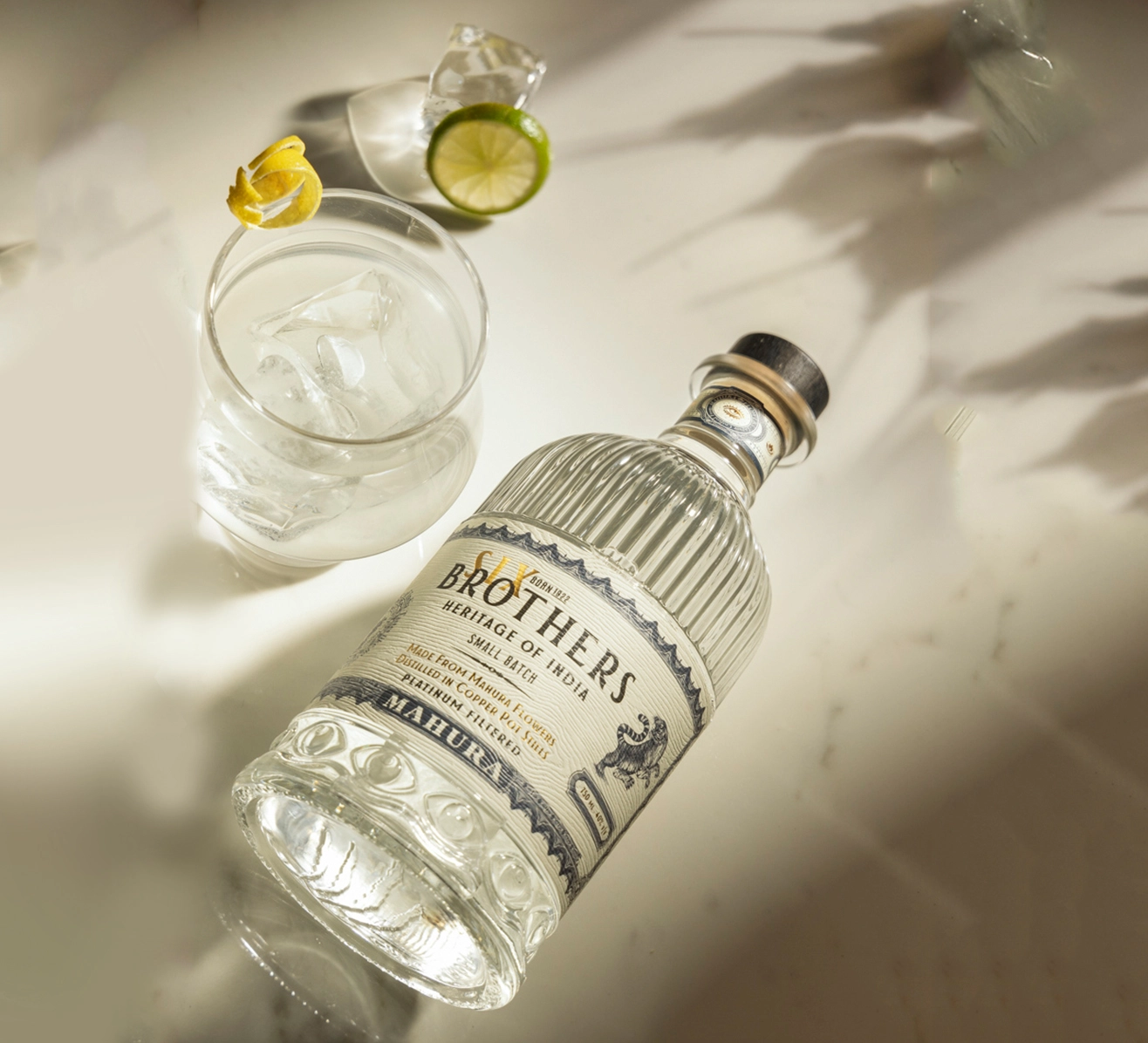
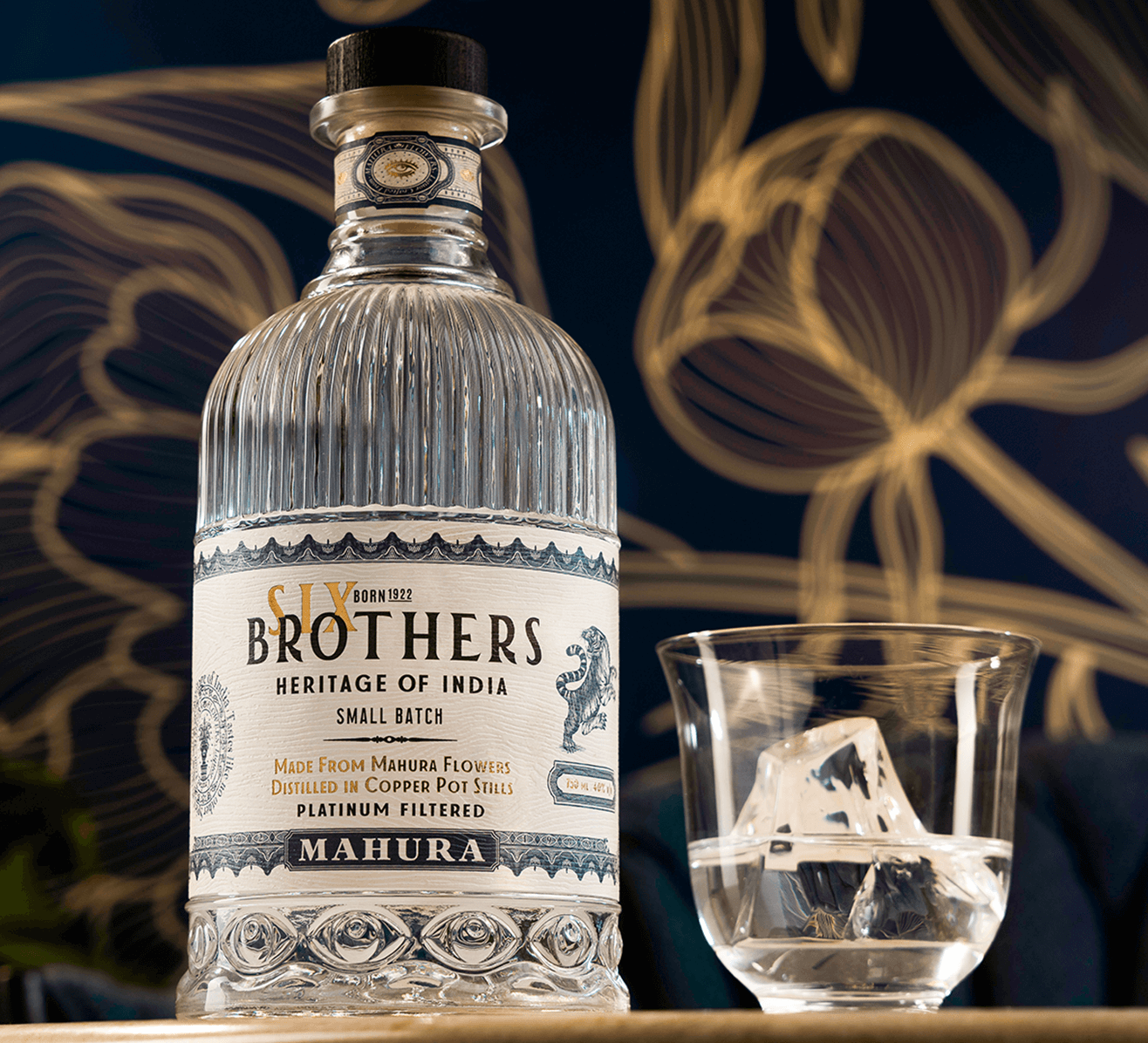
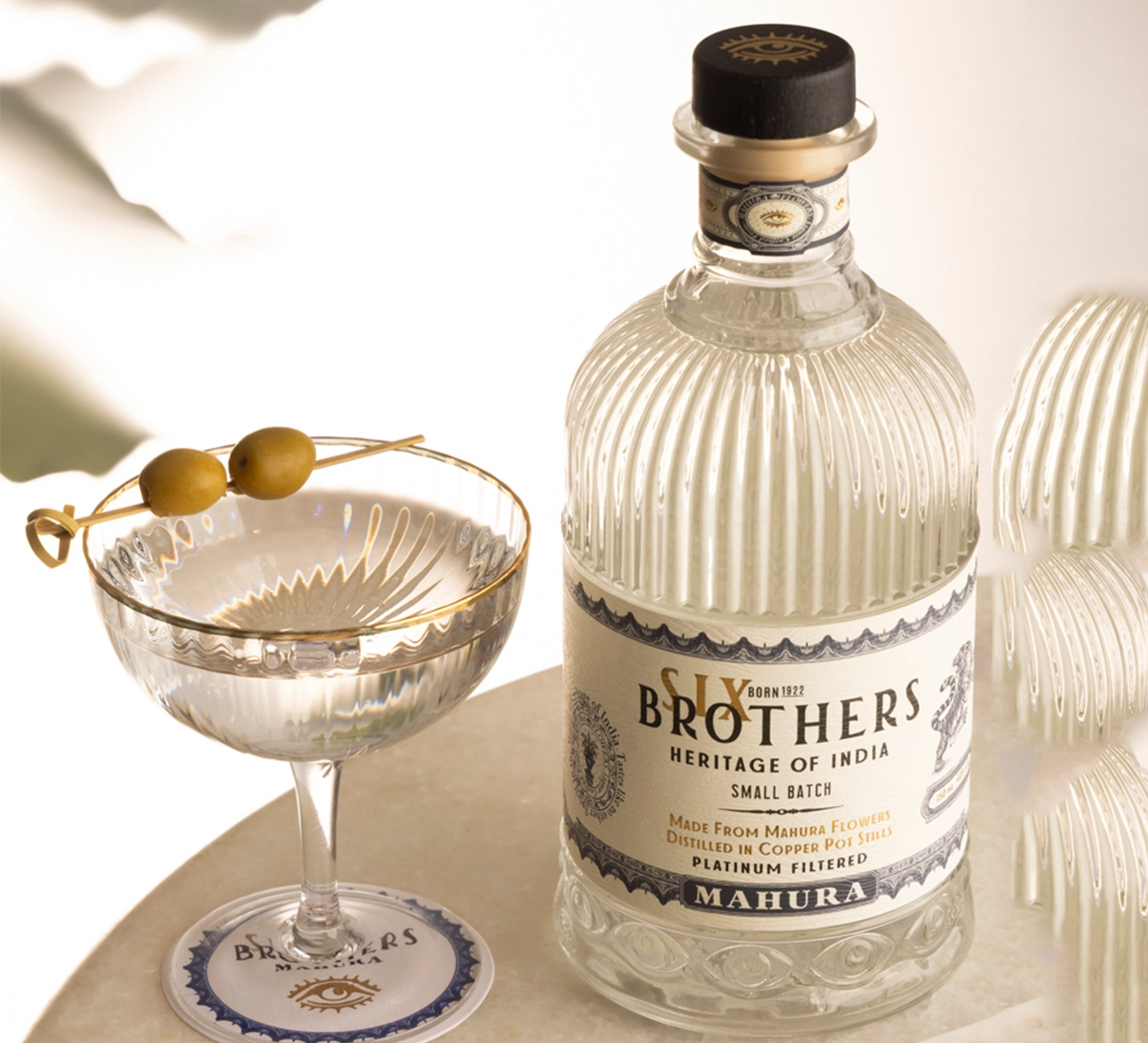
Mahua offers a sensory profile unlike anything else in the spirits world. On the nose, expect a light floral aroma reminiscent of wildflower honey with hints of dried fruit and something gently earthy beneath. On the palate, it is smooth and approachable, with a clean, elegant finish that does not linger with the heat or weight of grain spirits.
It is often described as delicate yet expressive, making it ideal for sipping neat or for use in refined cocktails. The key point is that mahua is not trying to be whisky or rum: it is its own thing, and understanding that is the starting point for appreciating it.
Whisky delivers a more layered, structured profile shaped significantly by its time in oak. Notes of vanilla, caramel, dried fruit, baking spice, and sometimes smoke or peat are common depending on the style. The finish tends to be long and warming.
Indian single malts like Crazy Cock Single Malt have introduced the world to the idea that great whisky can come from the subcontinent, and they have earned considerable global recognition for doing so.
Rum is typically the most immediately approachable of the three for new spirits drinkers. Caramel, toffee, vanilla, and tropical fruit notes dominate, and the mouthfeel is often slightly viscous and rounded. Aged rums from the Caribbean or Latin America can achieve extraordinary complexity.
The sweetness of rum makes it easy to enjoy on its own or in cocktails, and it pairs naturally with flavours like coconut, lime, and spice.
Aging plays very different roles across these three spirits, and understanding this helps explain the range of expressions within each category.
Mahua can be enjoyed unaged and still offer a complete, satisfying drinking experience, because its character comes from the flower rather than from wood. When aged in casks, typically in premium and limited-edition expressions, the wood adds warmth, depth, and subtle spice without overwhelming the floral core. This makes mahua one of the few spirits where aging is an addition rather than a necessity.
For most whisky styles, aging is non-negotiable and legally mandated. Scotch whisky must be aged for at least three years; many expressions spend ten, eighteen, or twenty-five years in cask. Without aging, new-make whisky spirit is raw and harsh. The wood transforms it, adding colour, softening the spirit, and building layers of complexity that simply cannot be replicated any other way.
Rum ranges widely, from unaged light rums bottled straight off the still to aged expressions that have spent twelve or more years in oak. The tropical climate of the Caribbean accelerates the aging process significantly, meaning a five-year Caribbean rum can develop a character comparable to a much older spirit aged in cooler climates.
Each of these spirits carries a different cultural legacy, and for many drinkers, that story adds meaning and texture to the experience of drinking.
| Spirit | Origin | Cultural Roots | Modern Identity |
|---|---|---|---|
| Mahua | Central and South India | Tribal and forest communities | Emerging premium craft category |
| Whisky | Scotland, Ireland, USA | Distilling guild traditions | Global premium benchmark |
| Rum | Caribbean and Latin America | Maritime trade and plantation history | Diverse, vibrant global category |
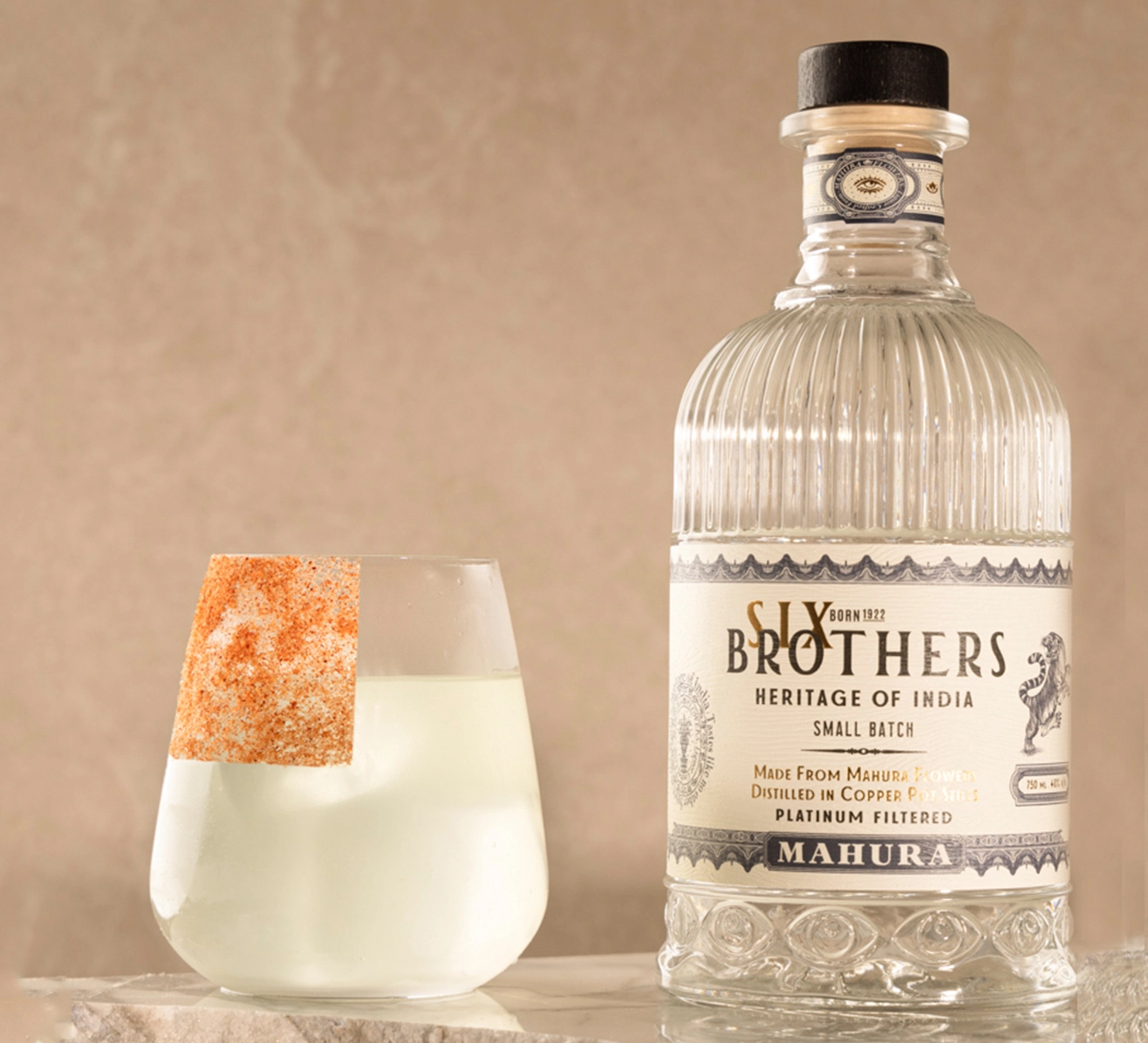
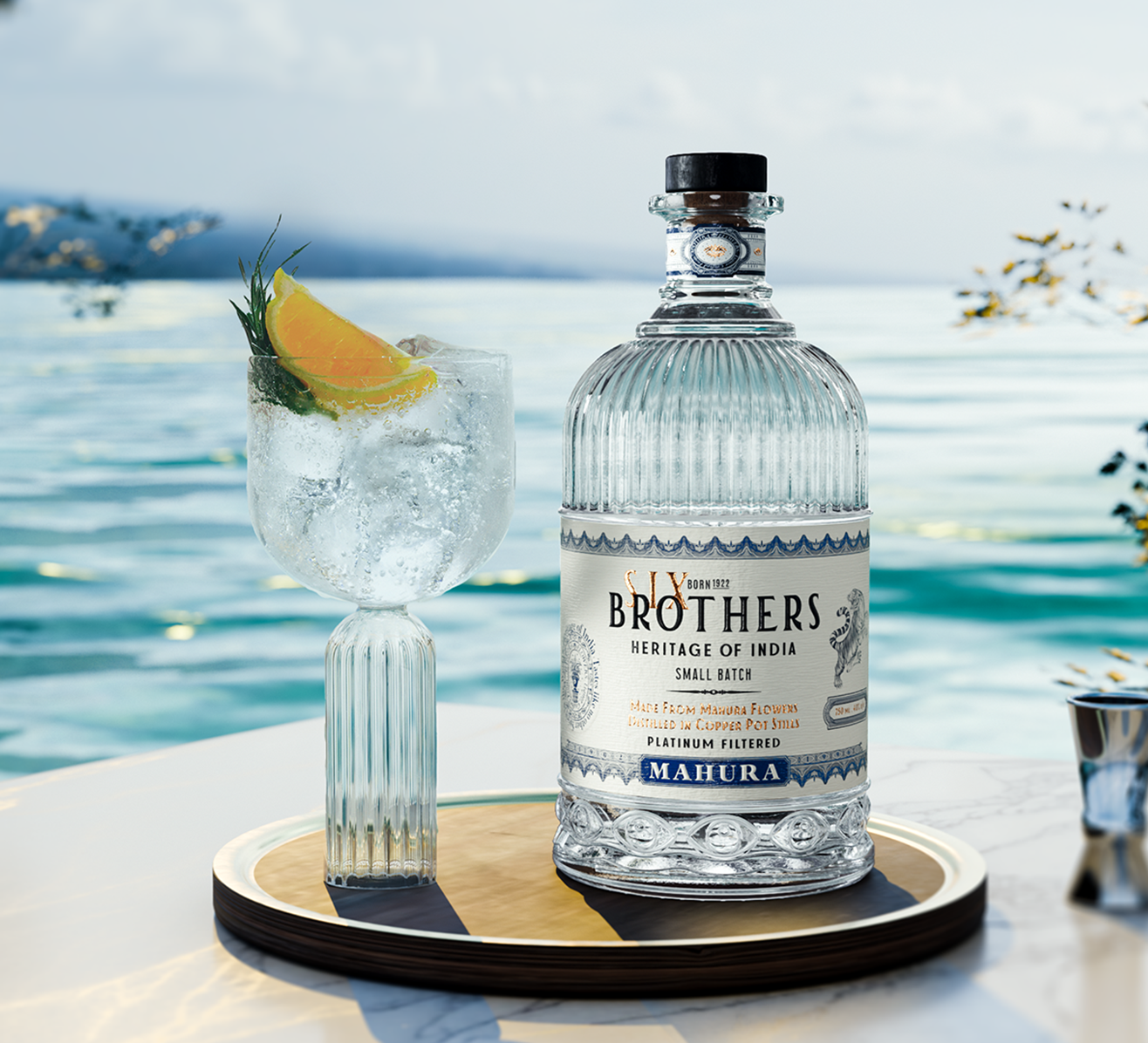
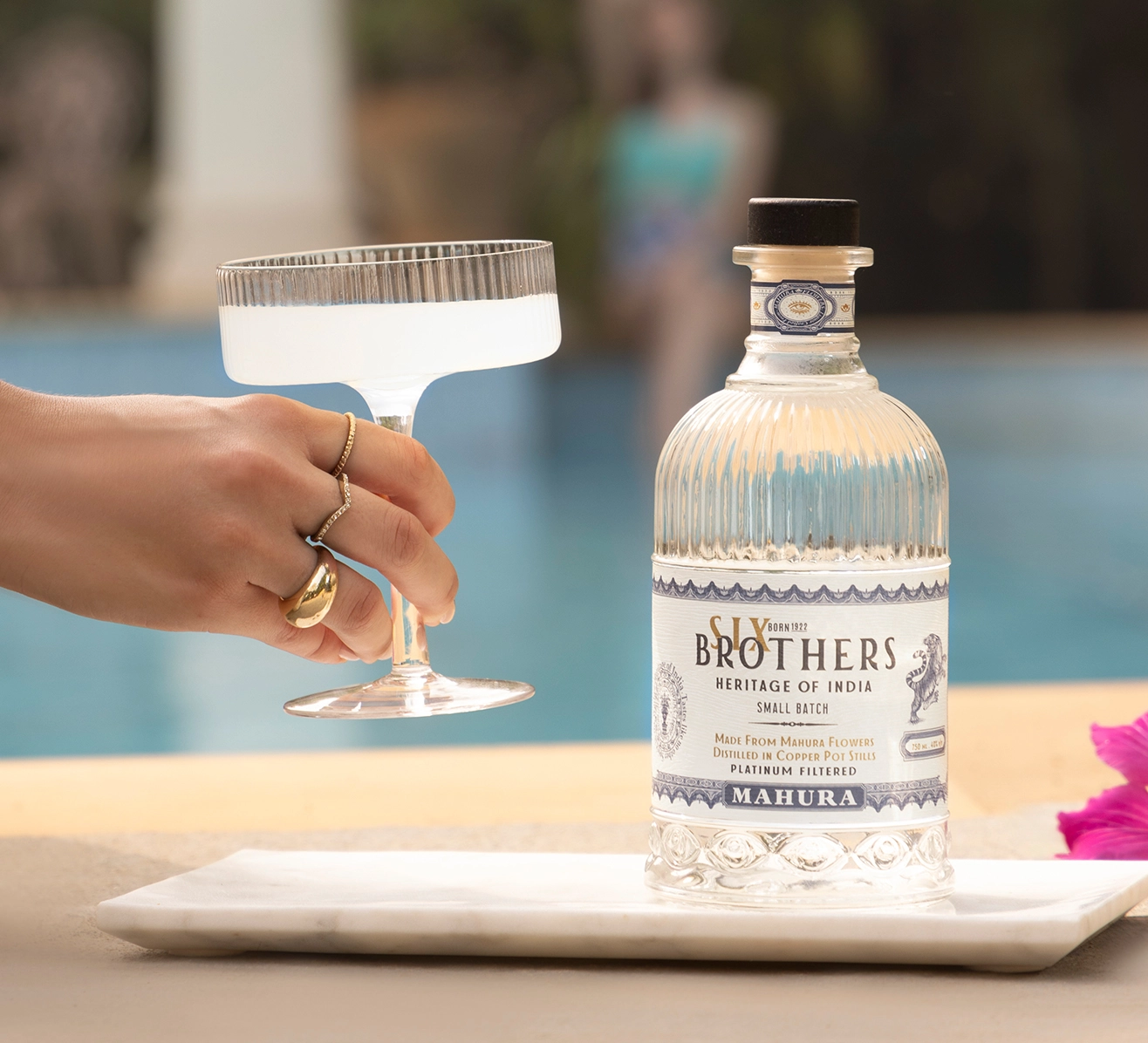
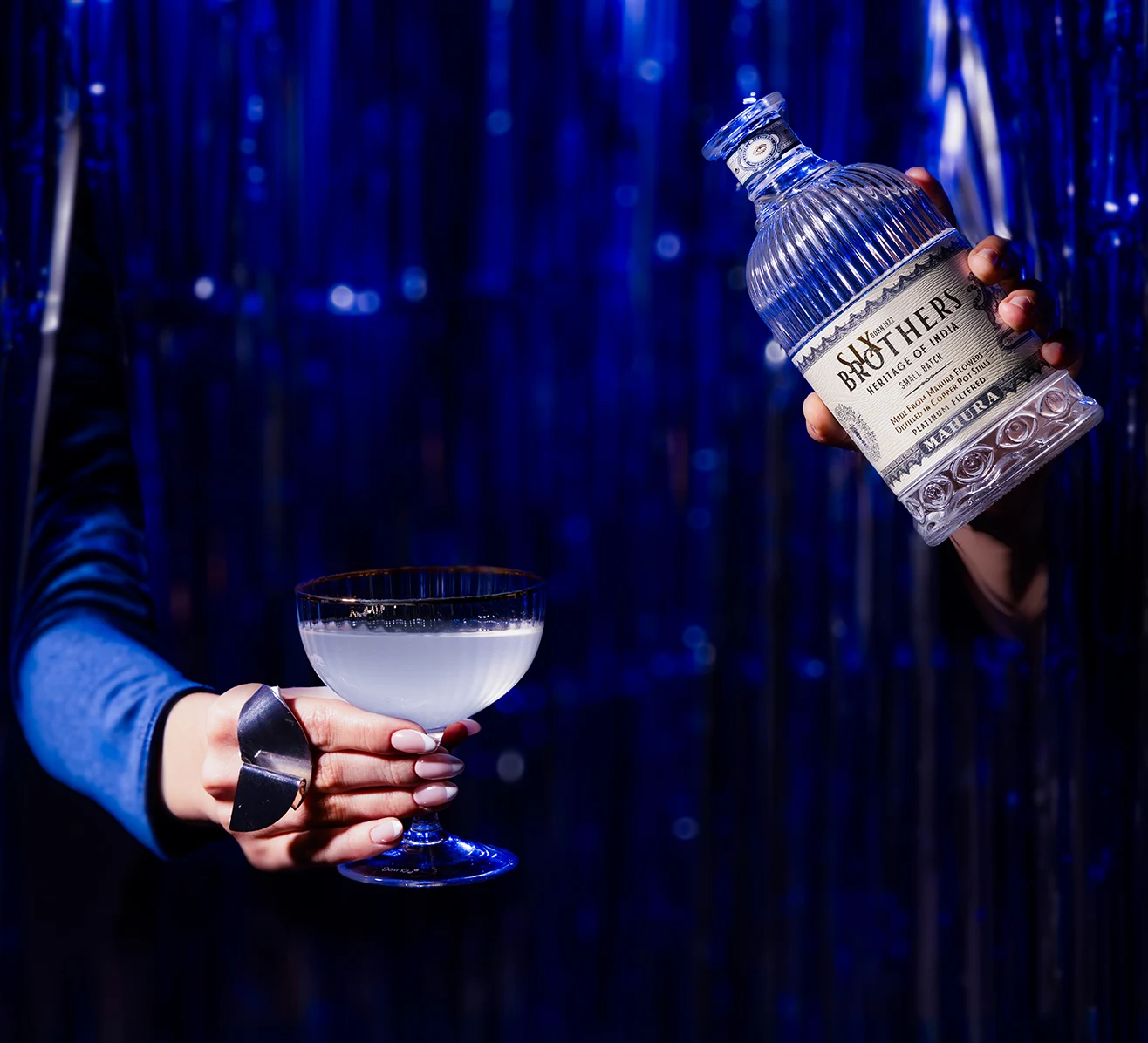
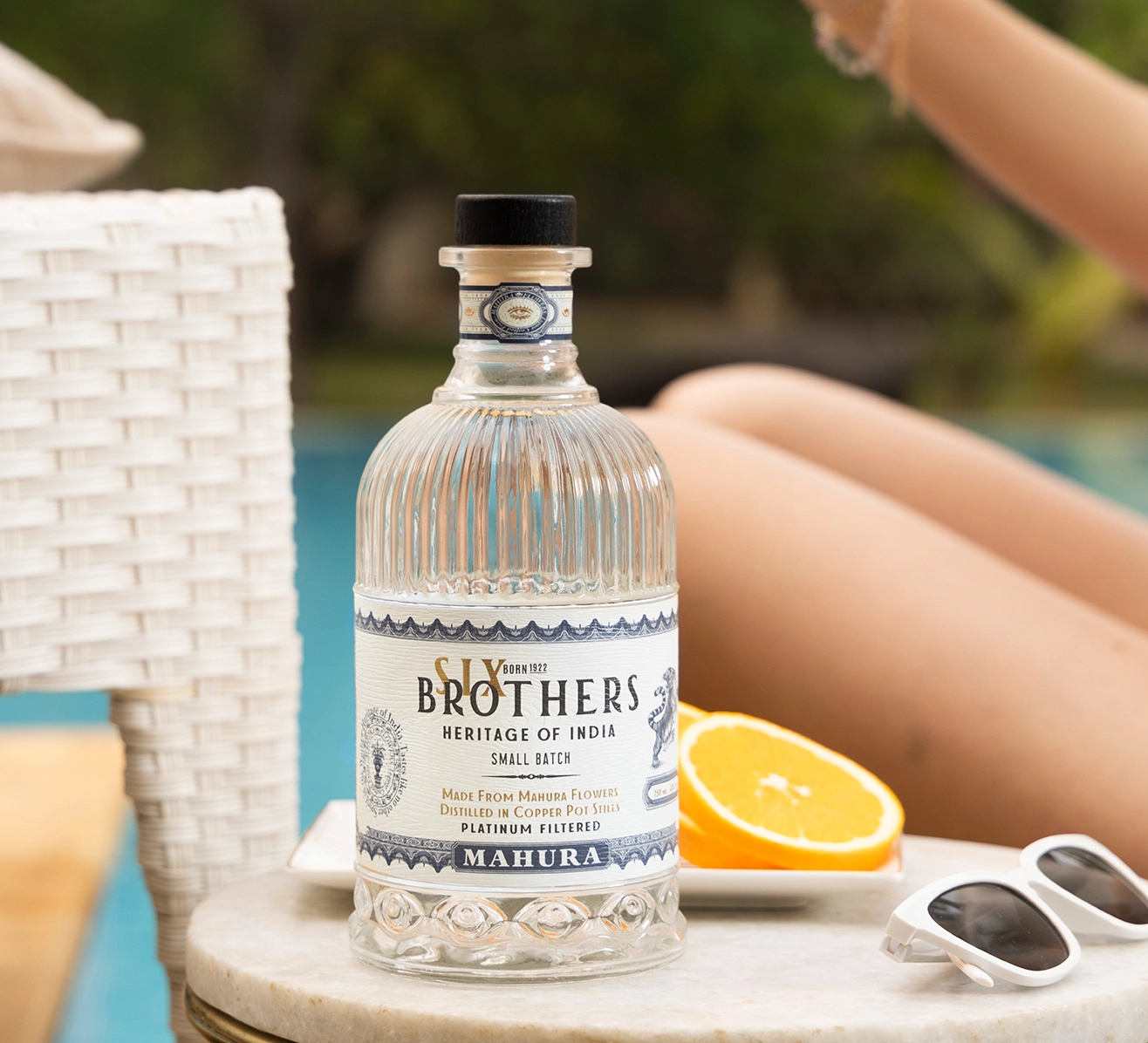
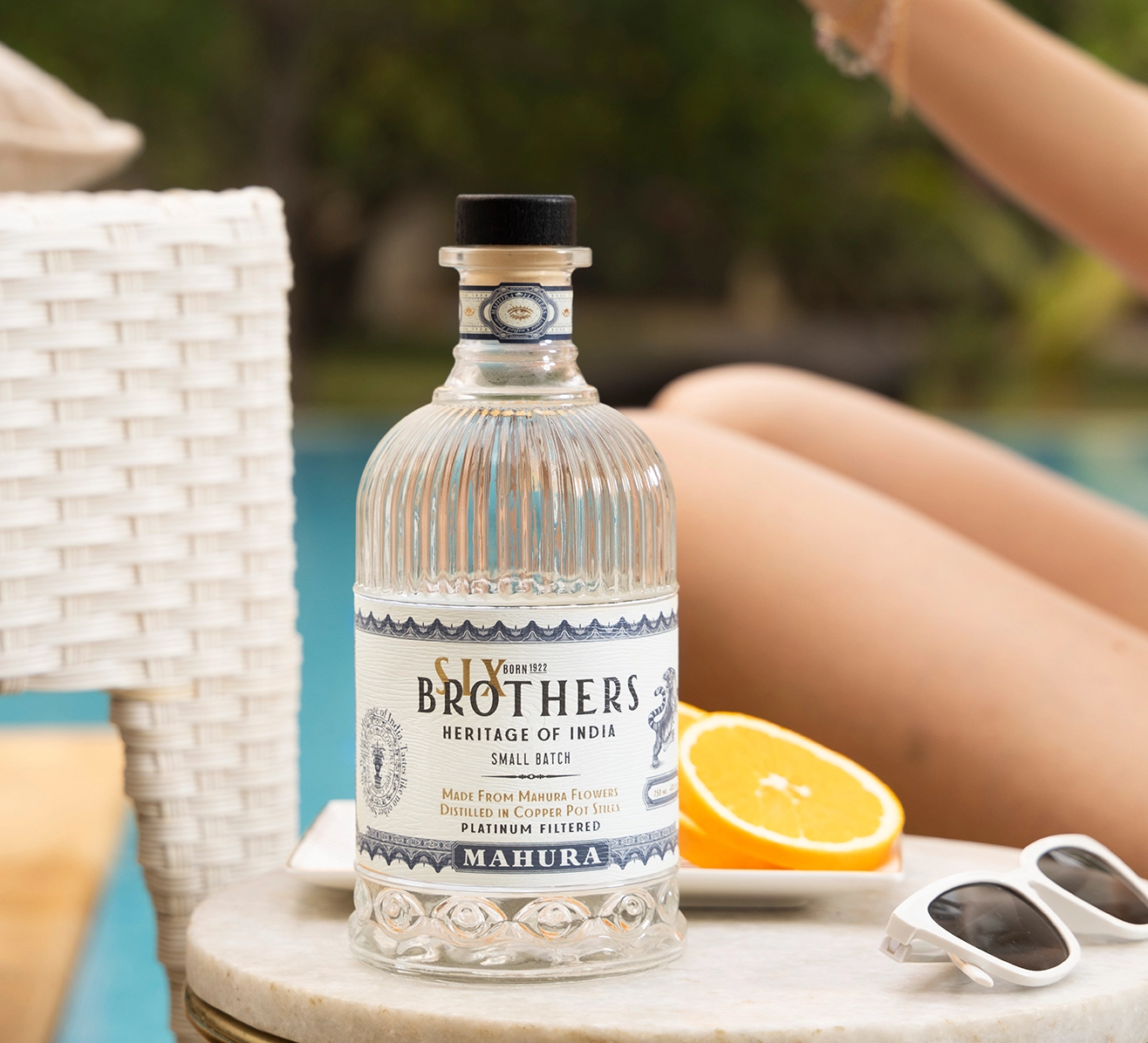
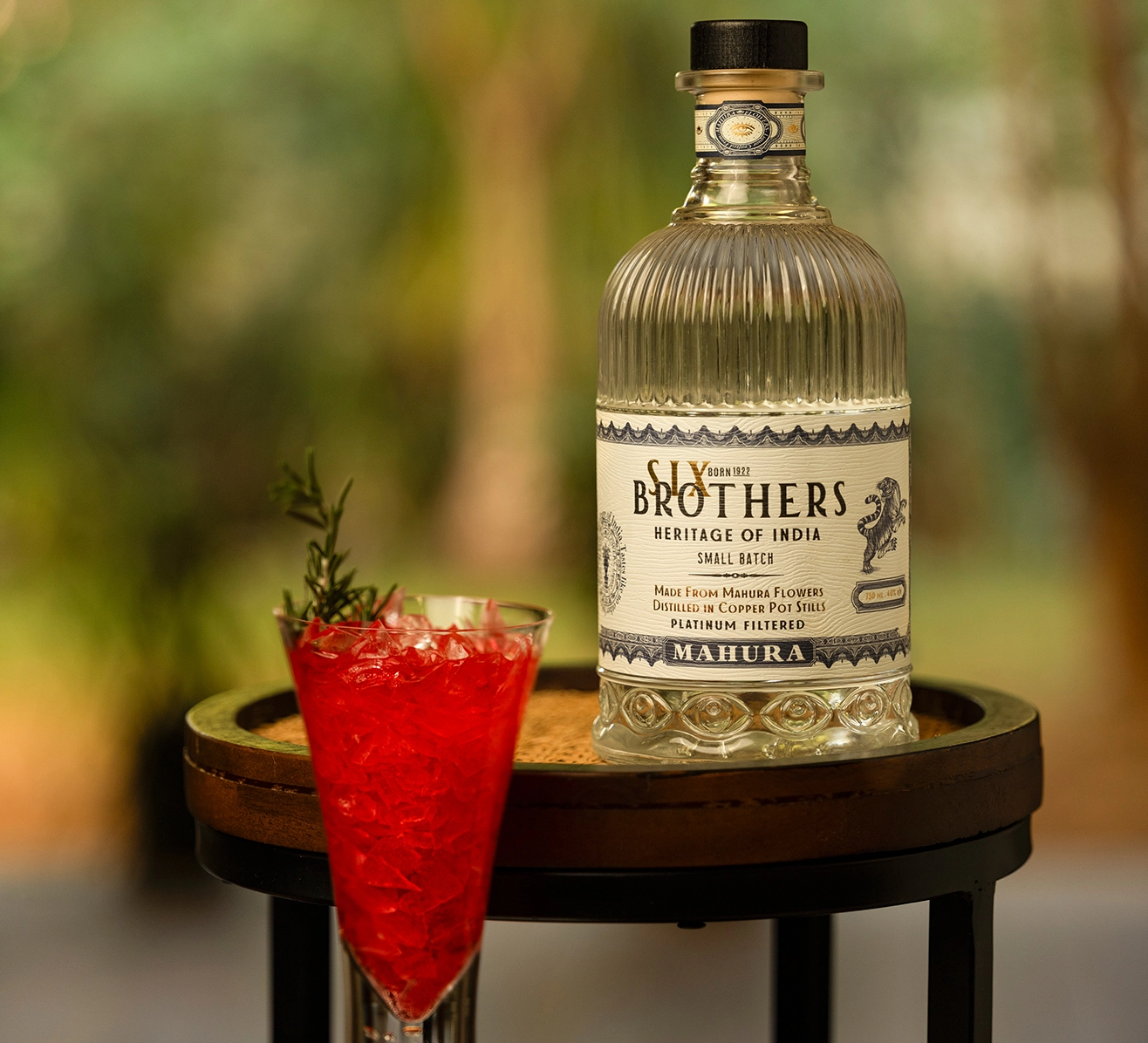
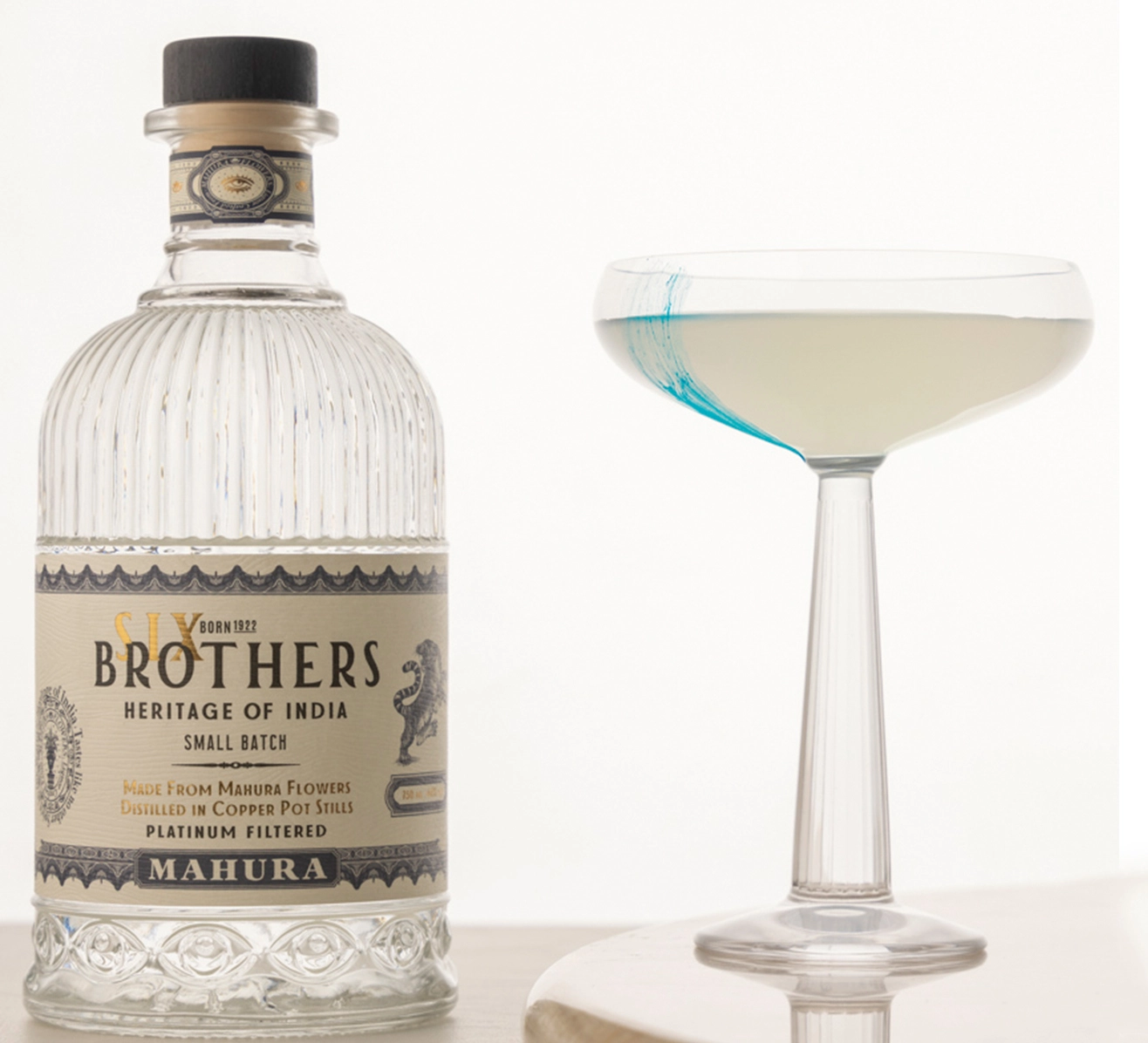
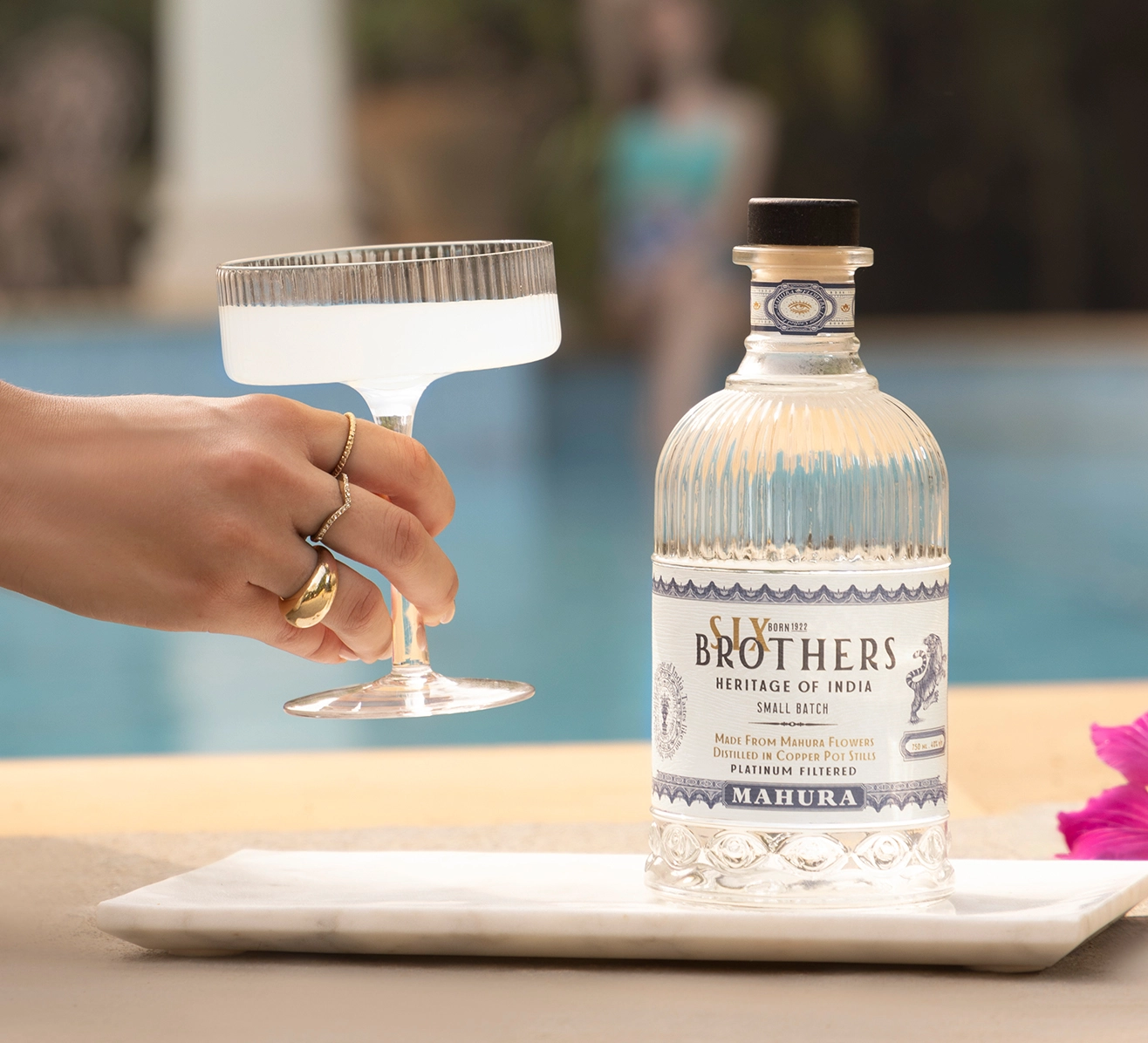
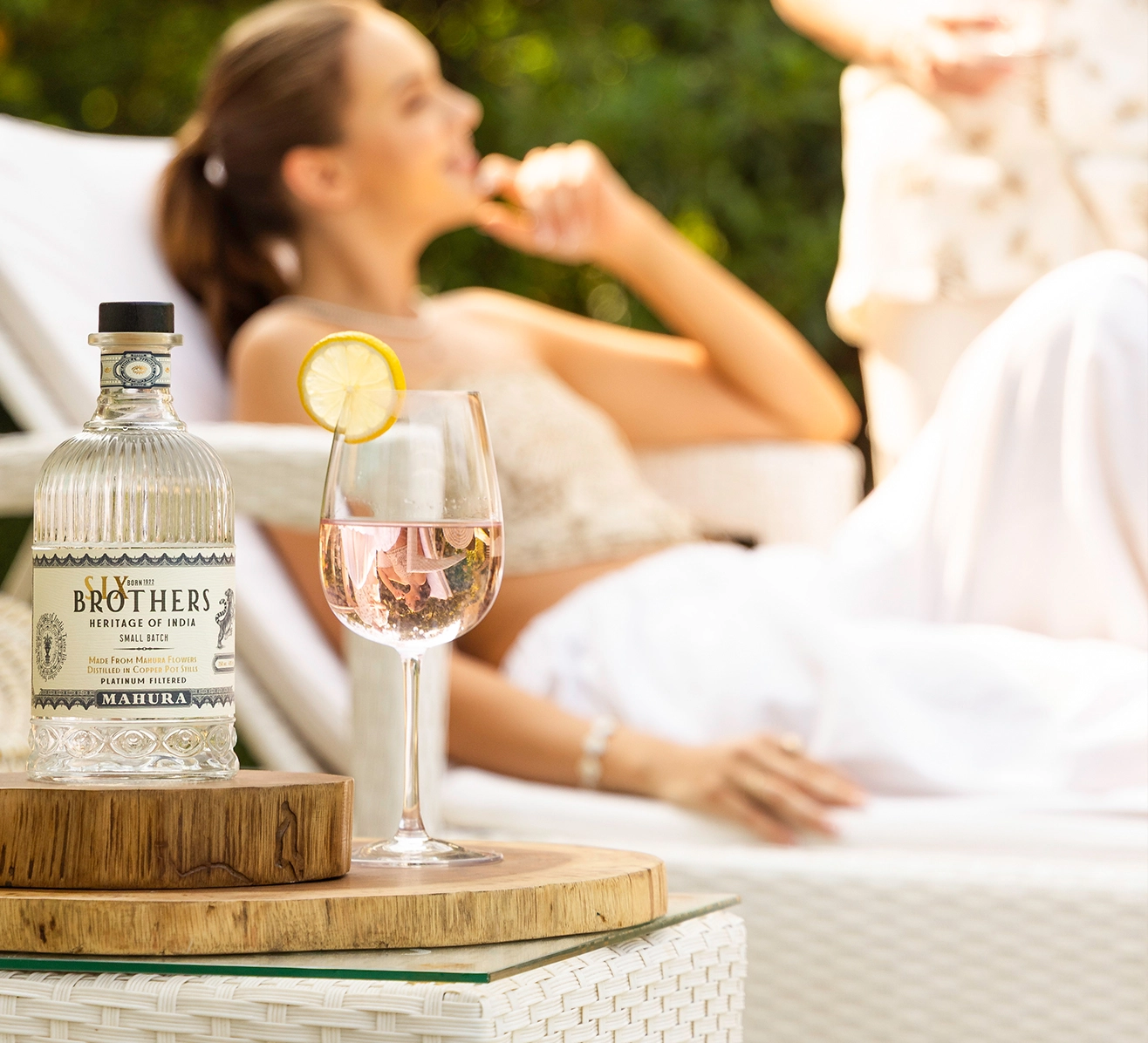
What is particularly interesting about mahua in 2024 is that it is being reintroduced in a modern, premium format while its heritage remains intact. Brands like Six Brothers Mahura are not reinventing the spirit: they are elevating and celebrating what already existed, bringing it to an audience that was never given the chance to discover it.
Mahua is not a new invention. It is an old spirit being seen clearly for the first time.
This is not about which spirit is better. It is about what you are in the mood for, what occasion you are drinking for, and what kind of experience you want.
This is one of the most common questions, and the answer is a clear yes, when you are drinking a commercially produced, licensed spirit like Six Brothers Mahura. Traditionally distilled mahua was made in homes without modern quality controls, which is where the reputation for roughness came from. Premium mahua brands use proper distillation equipment, regulatory oversight, and quality testing. The stigma around country liquor simply does not apply to a craft-distilled, commercially licensed mahua spirit.
There are some surface similarities in that both can carry floral and botanical character, but they are made very differently. Gin is a grain-neutral spirit that is flavoured by redistilling it with botanicals like juniper. Mahua's floral character comes entirely from the flower itself, not from added botanicals. The result is a more organic, earthy, and rounded floral quality compared to gin's typically sharper and more herbaceous profile.
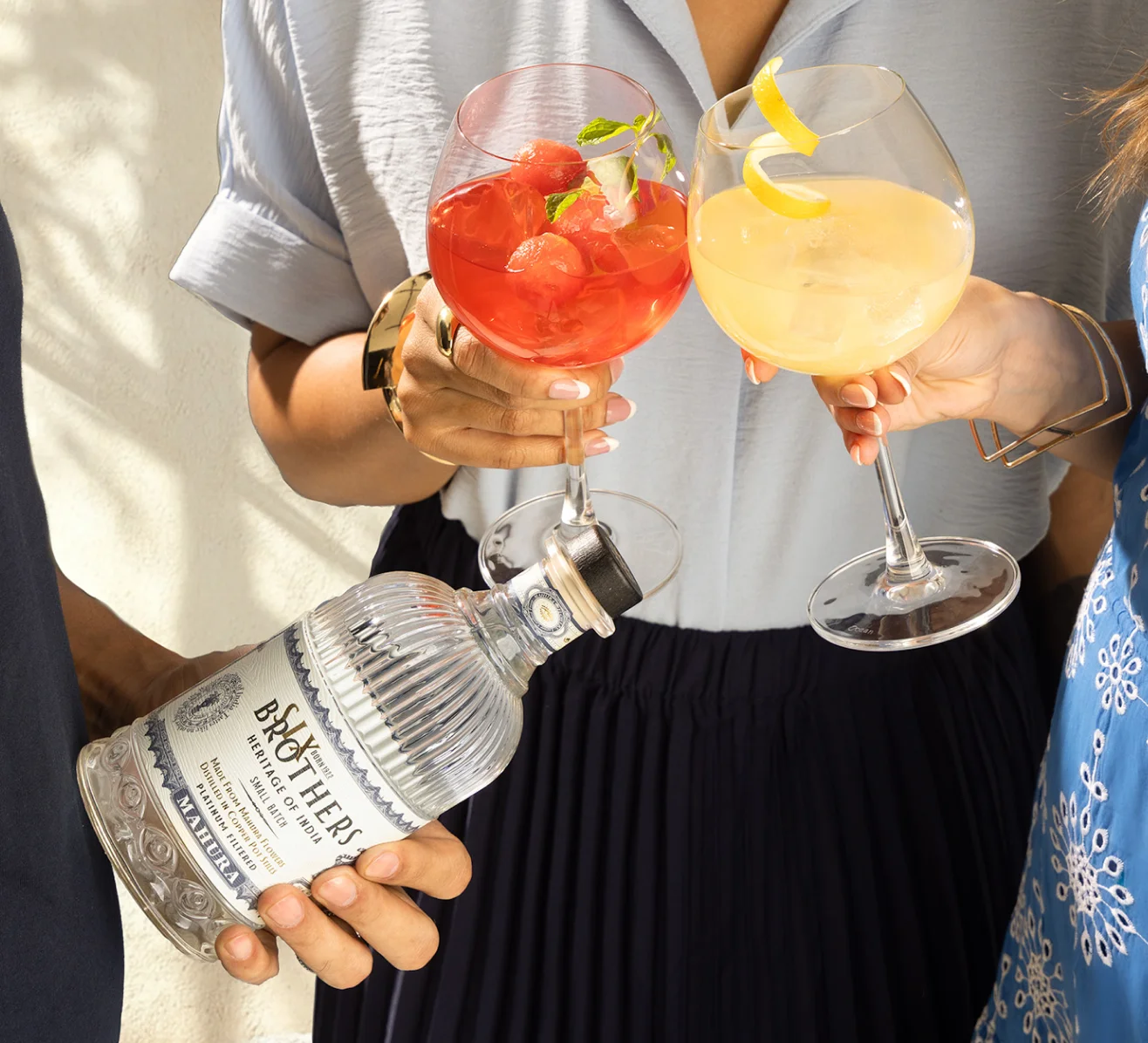
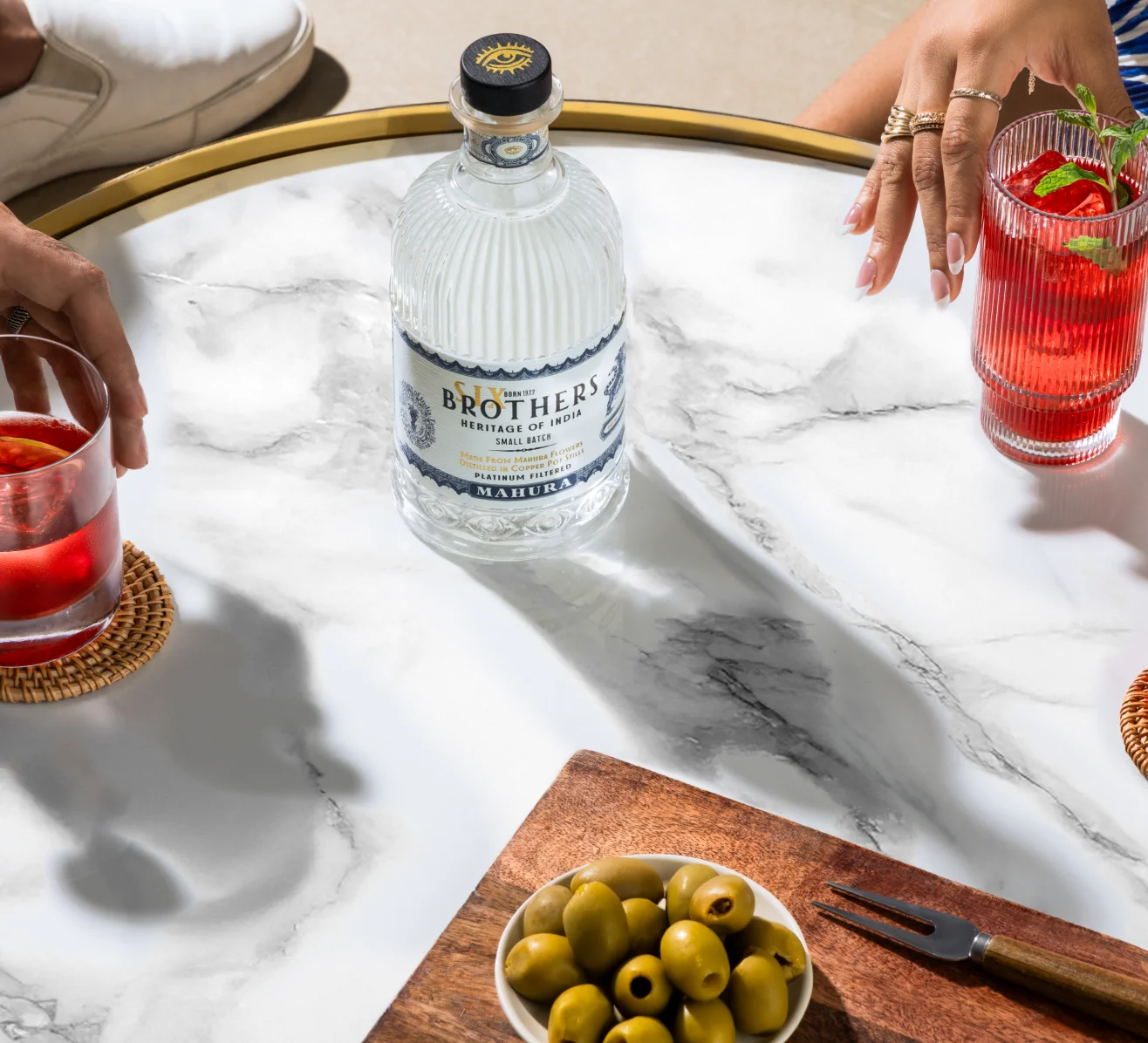
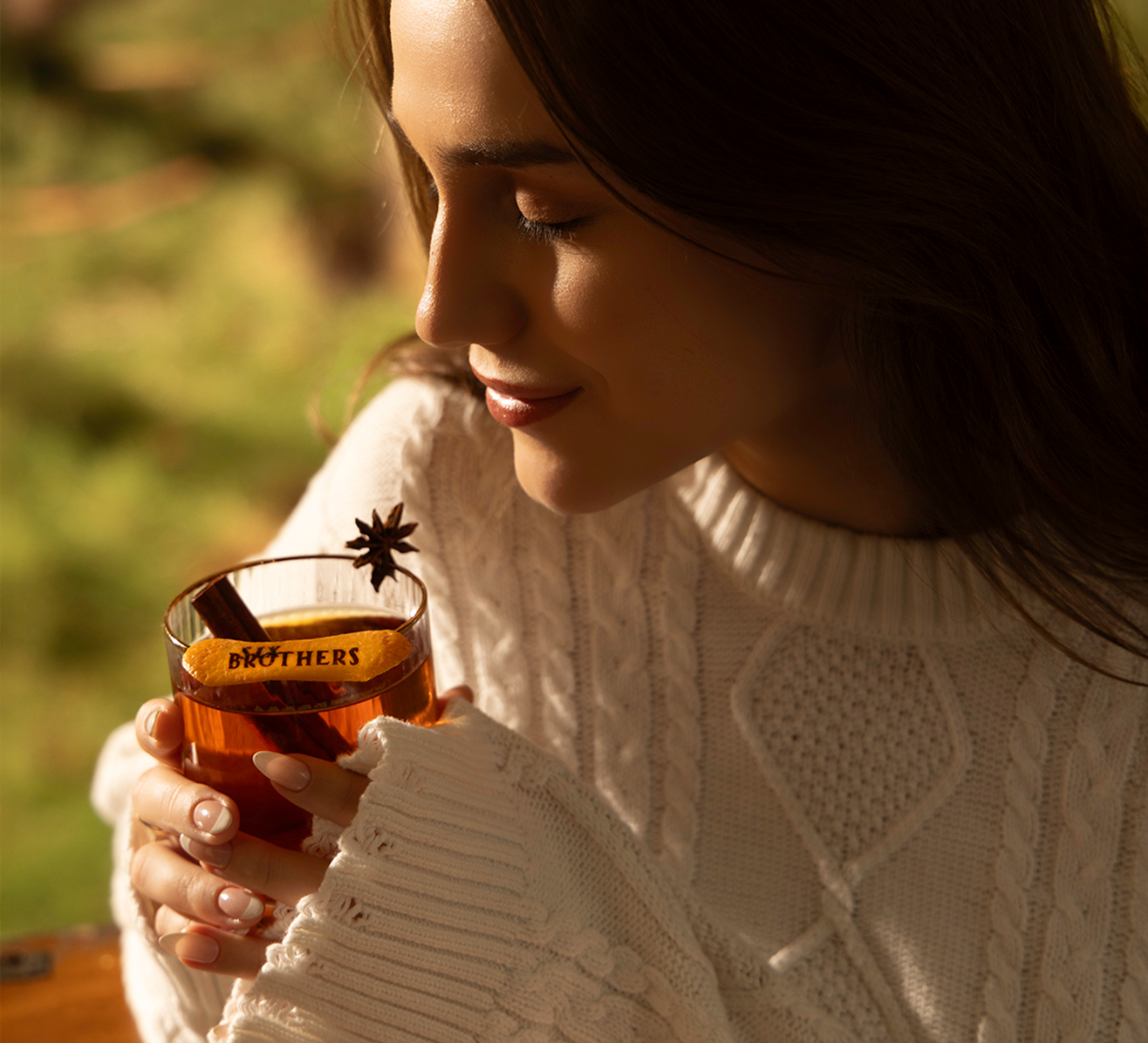
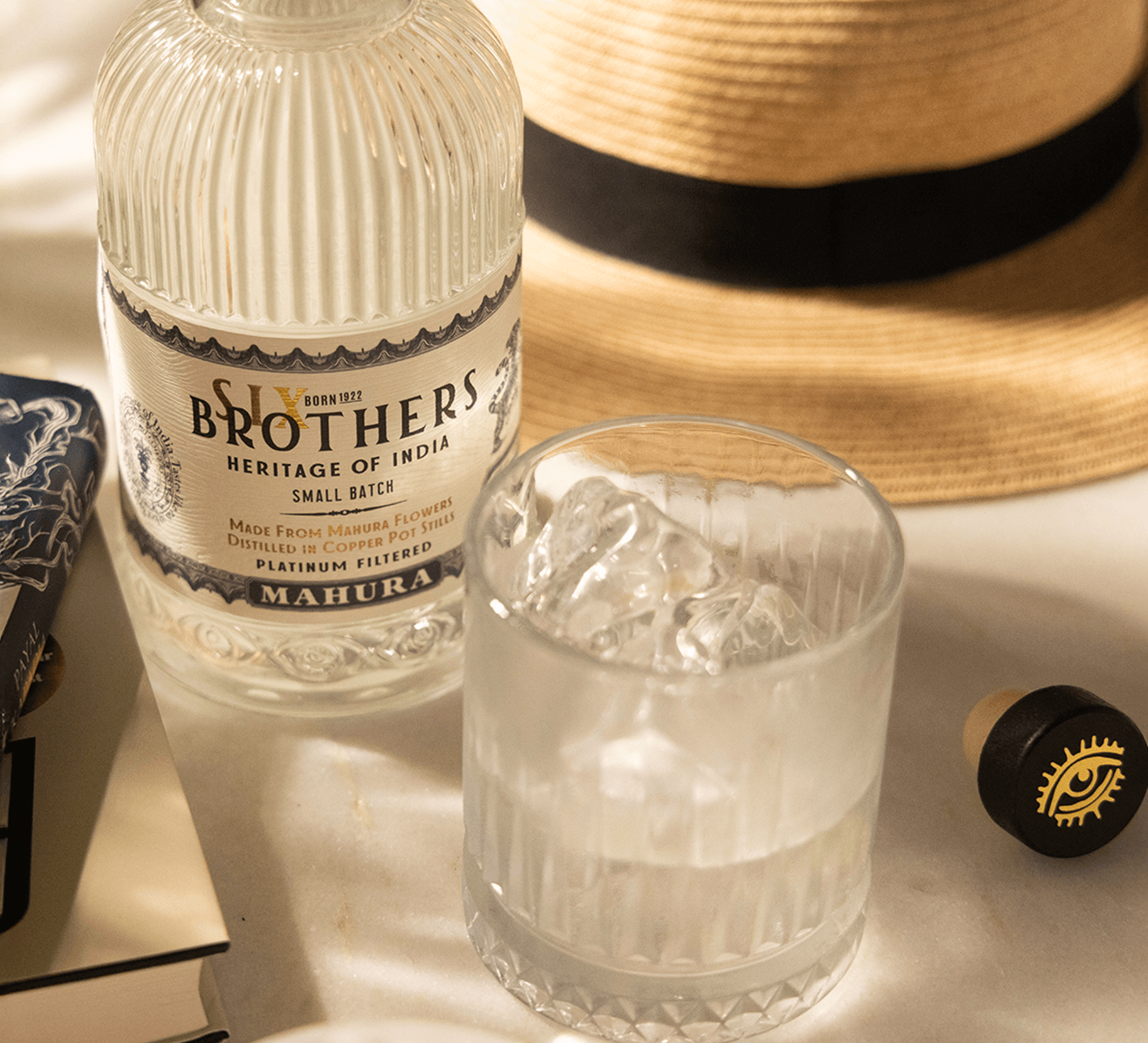
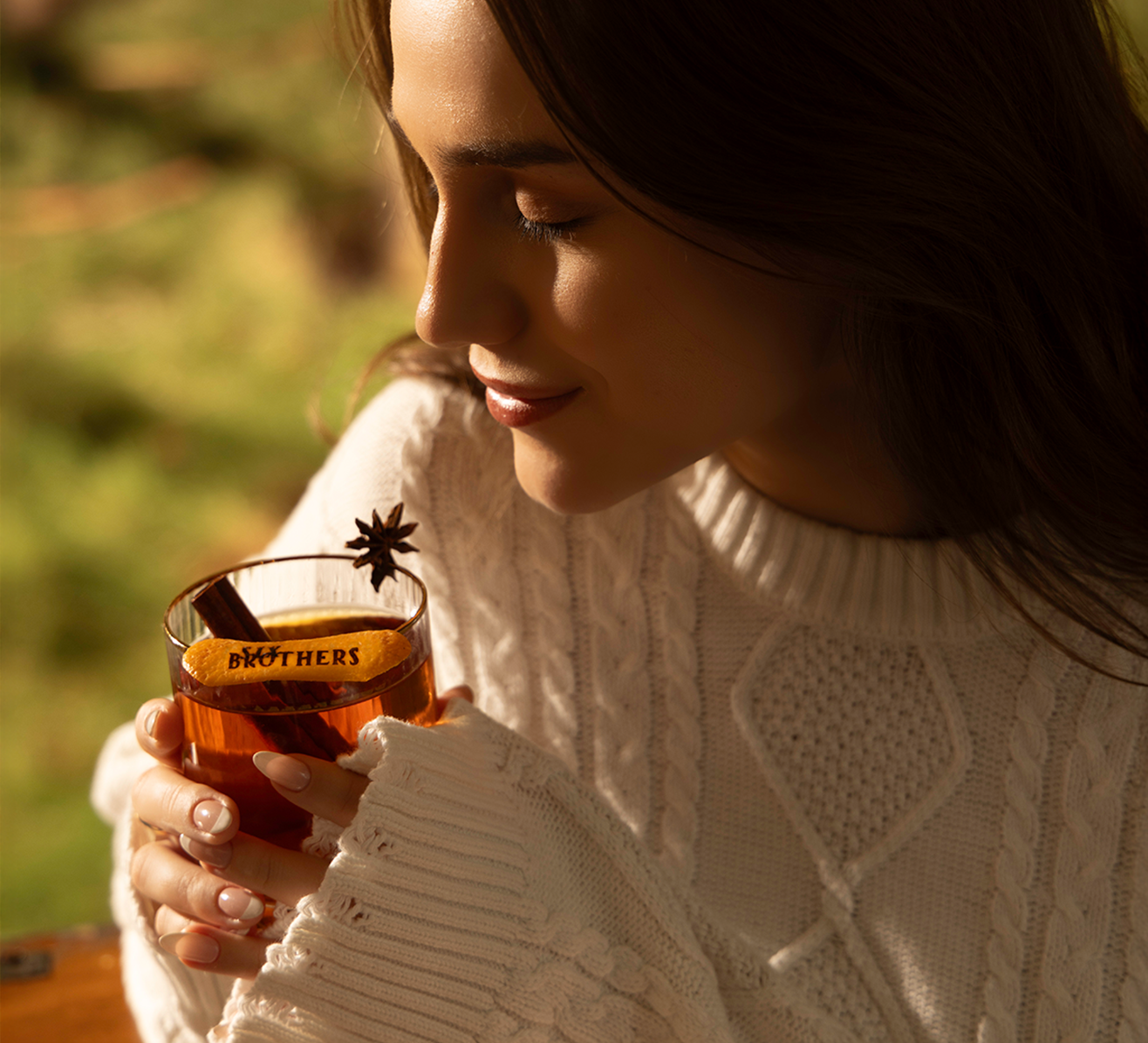
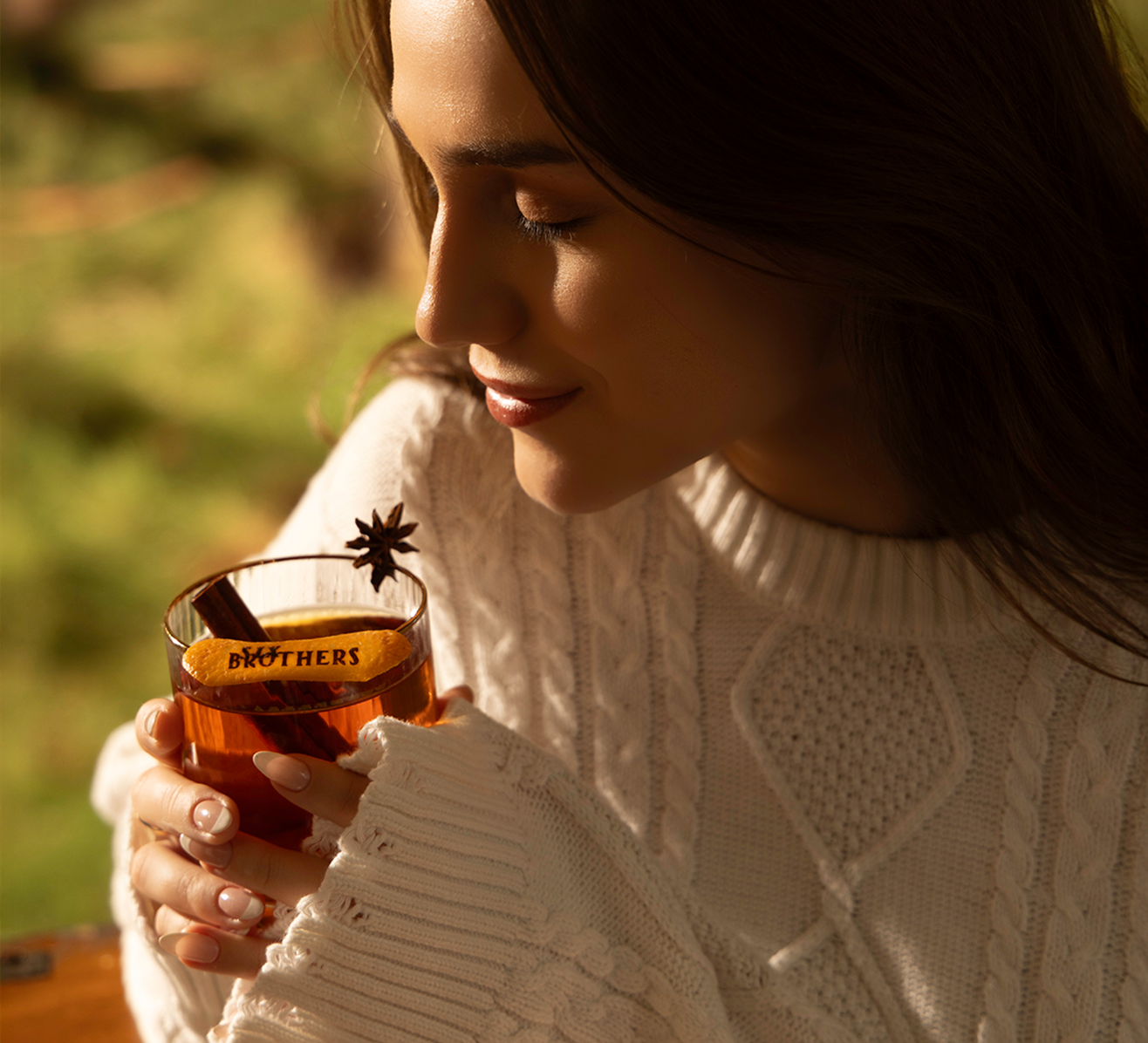
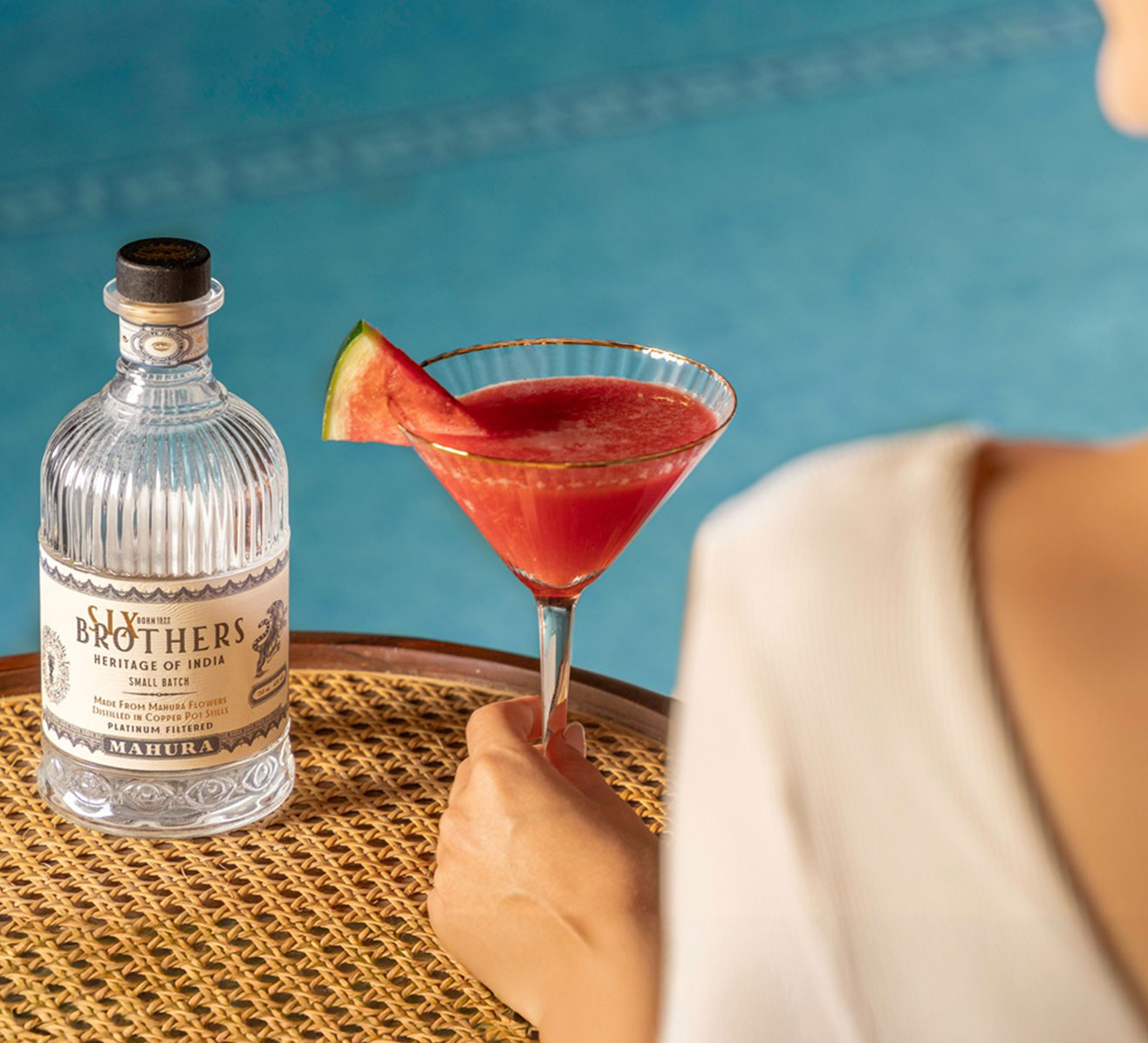
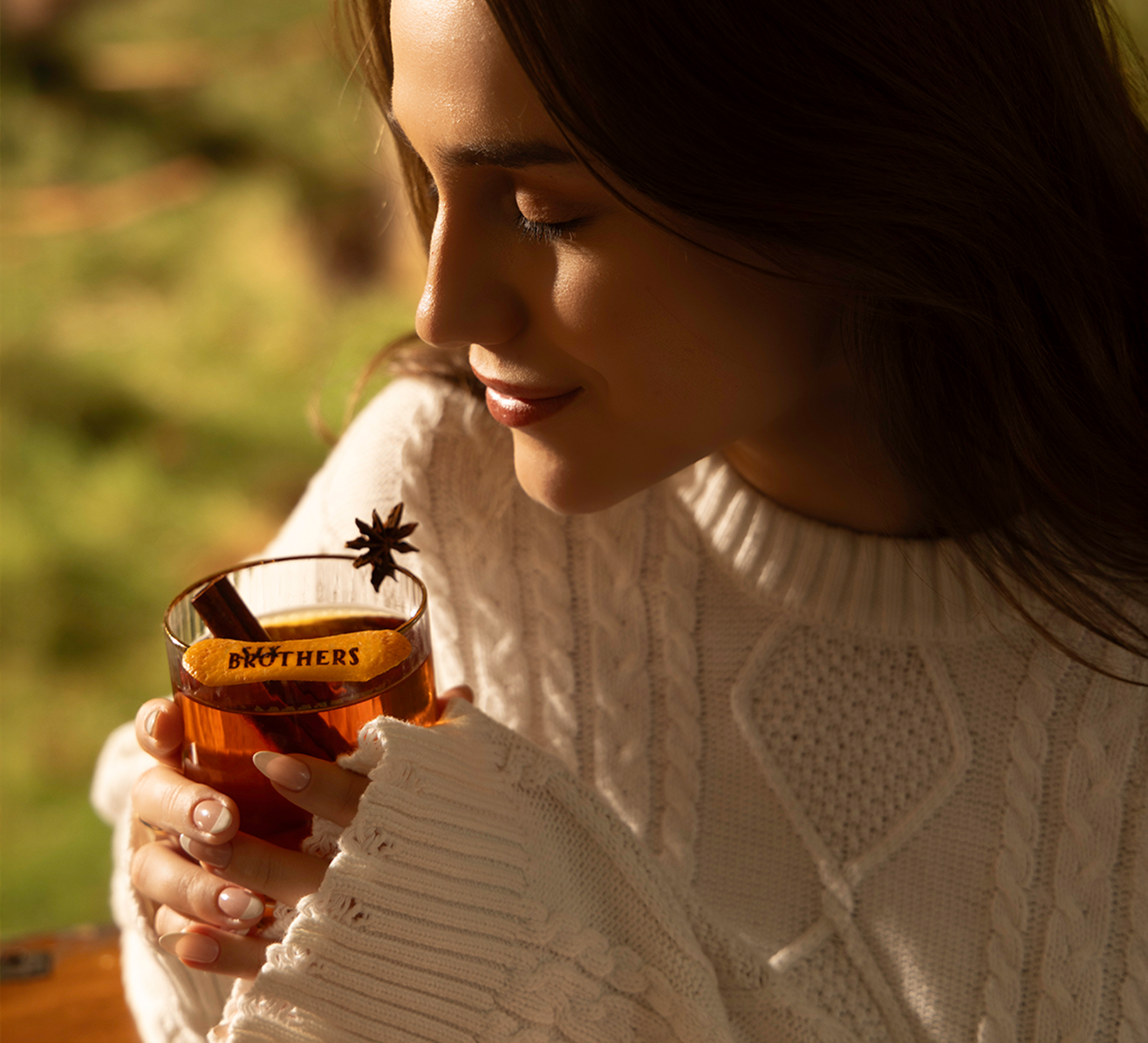
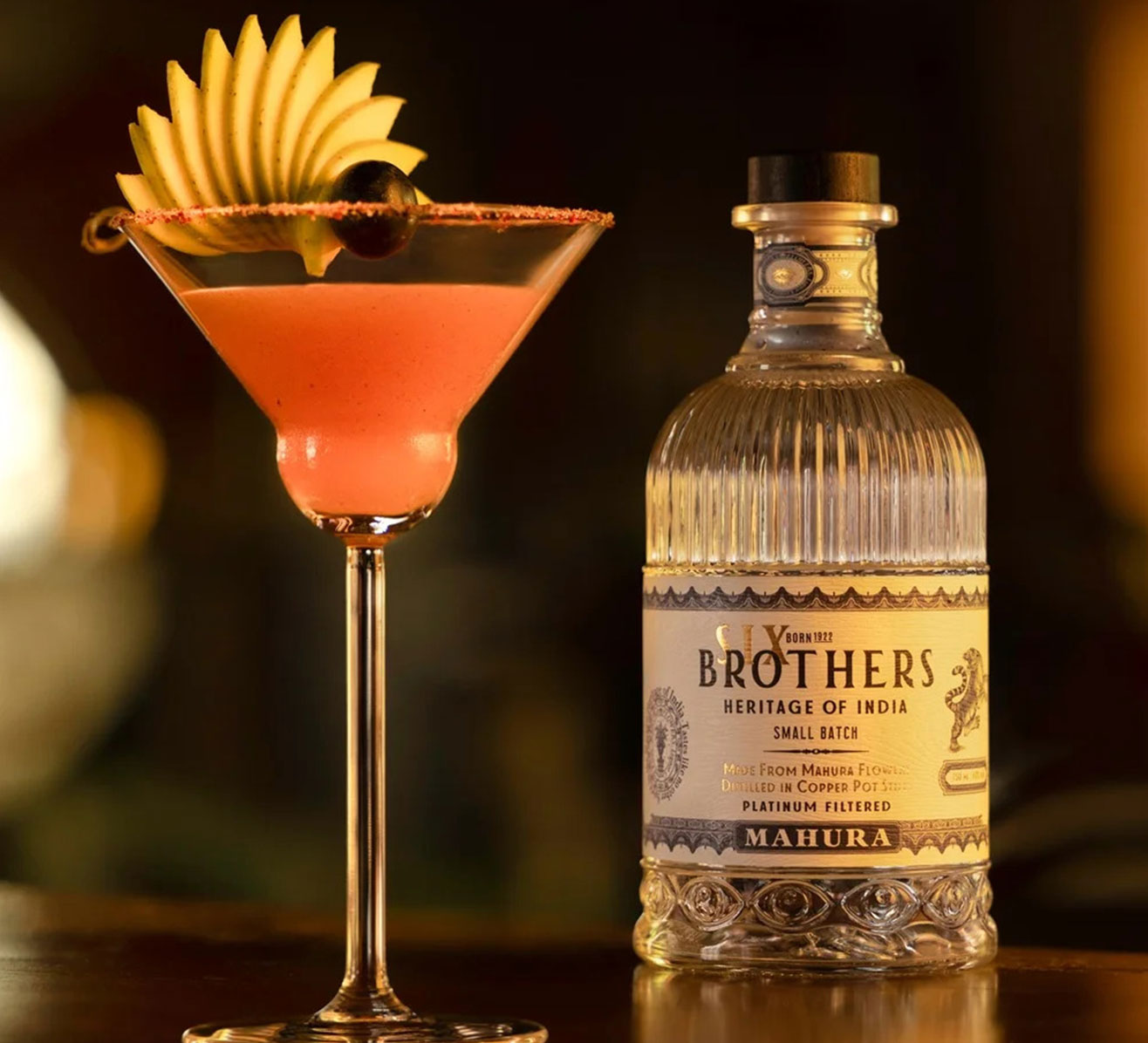
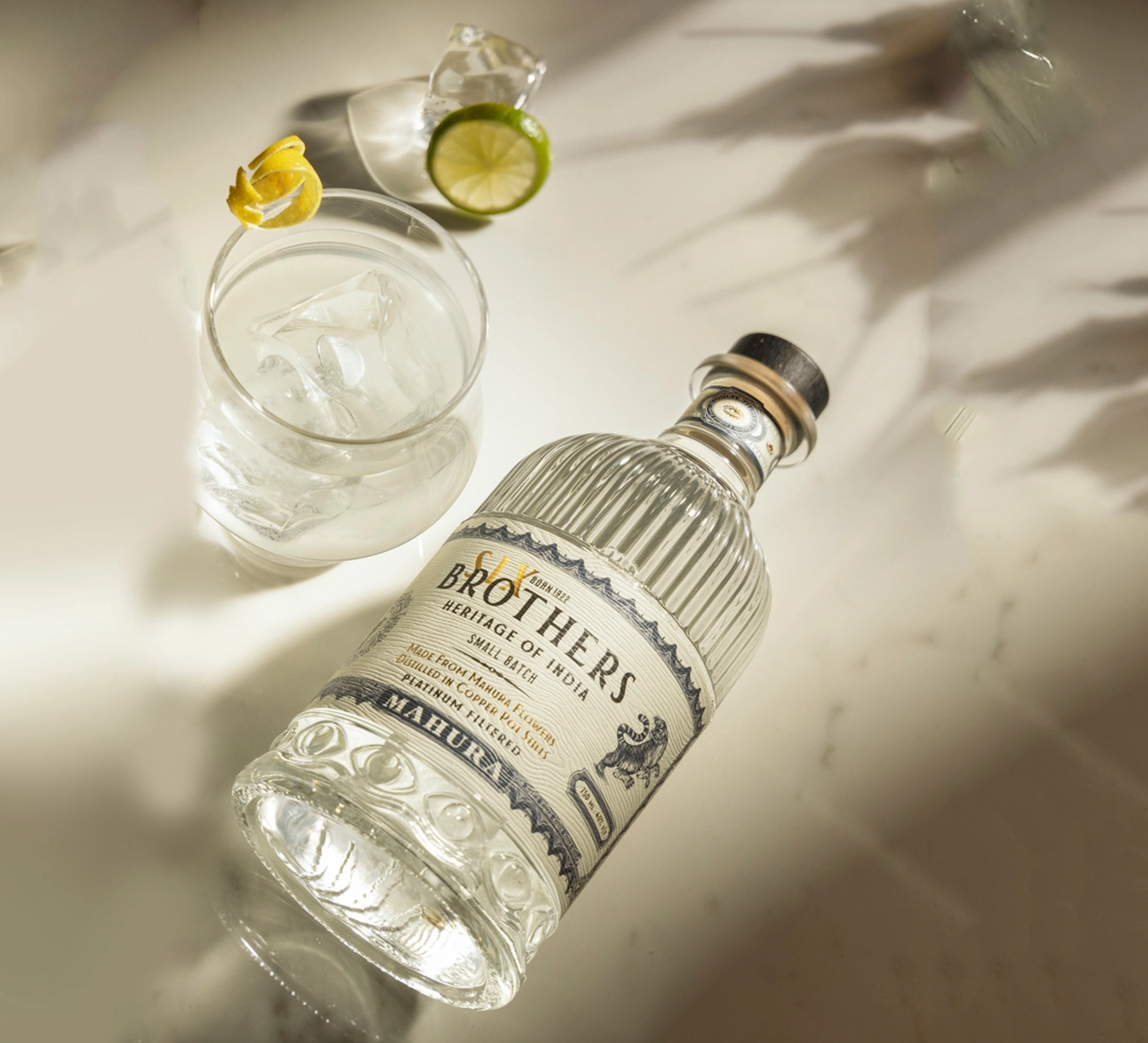
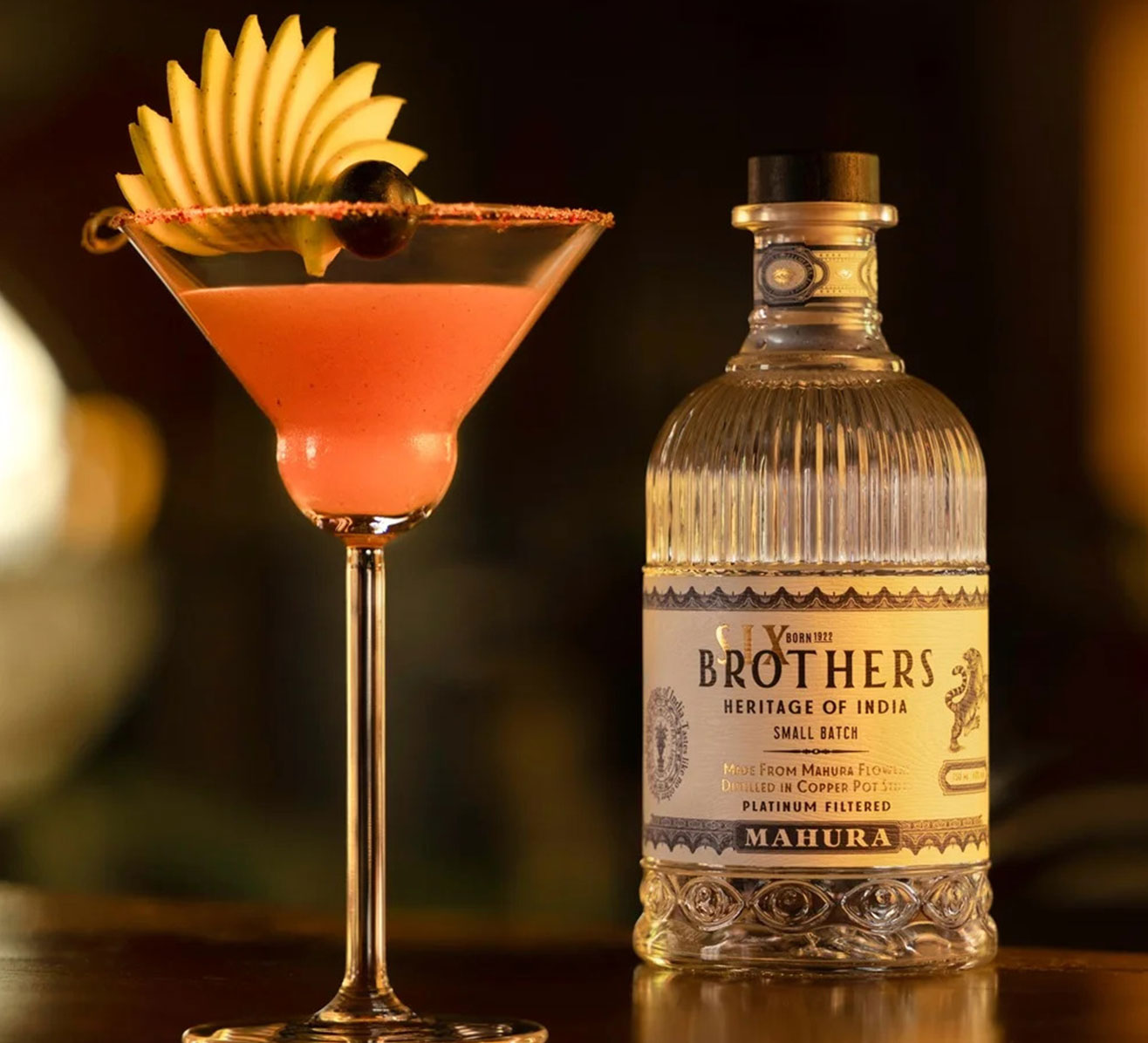
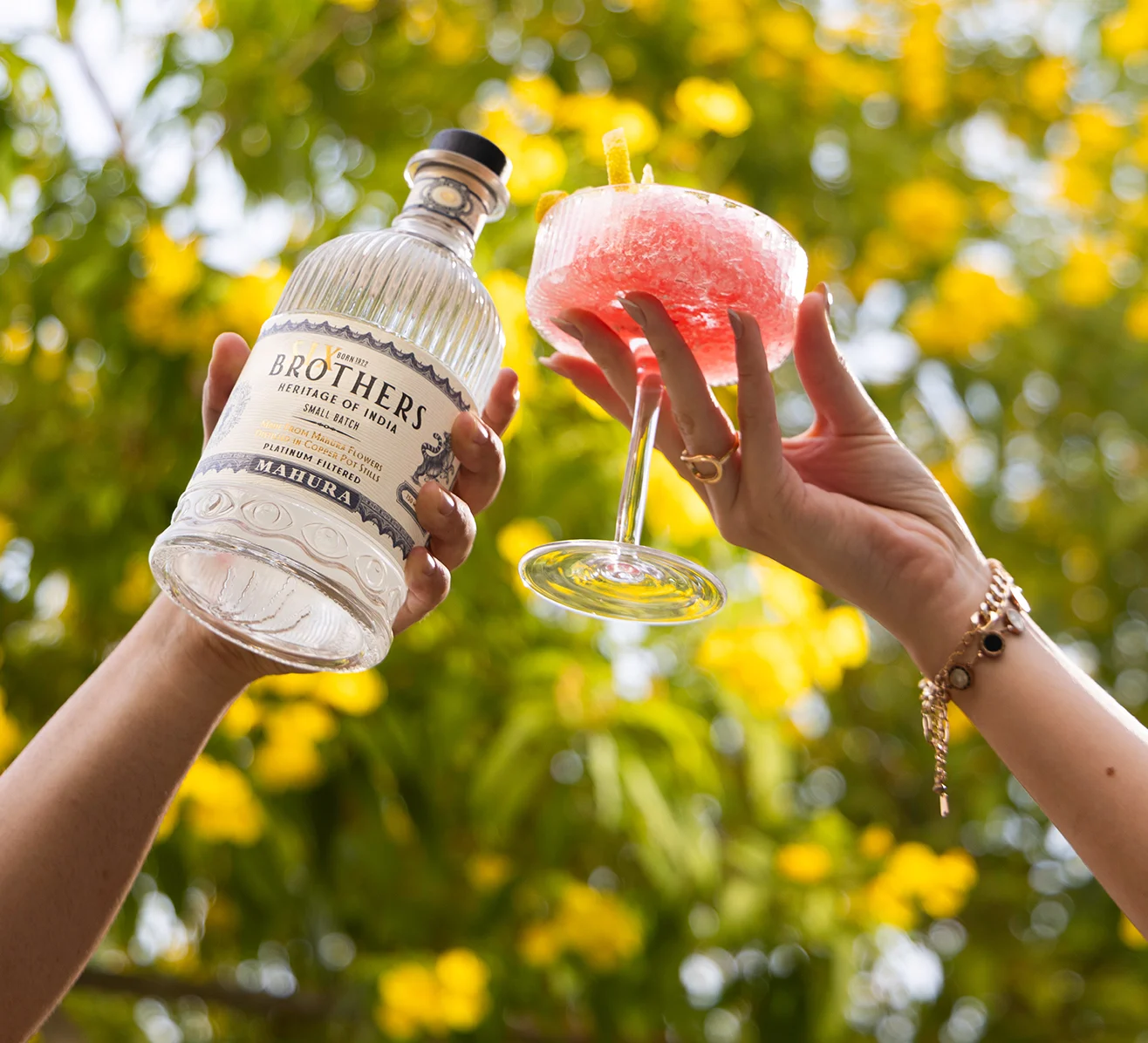
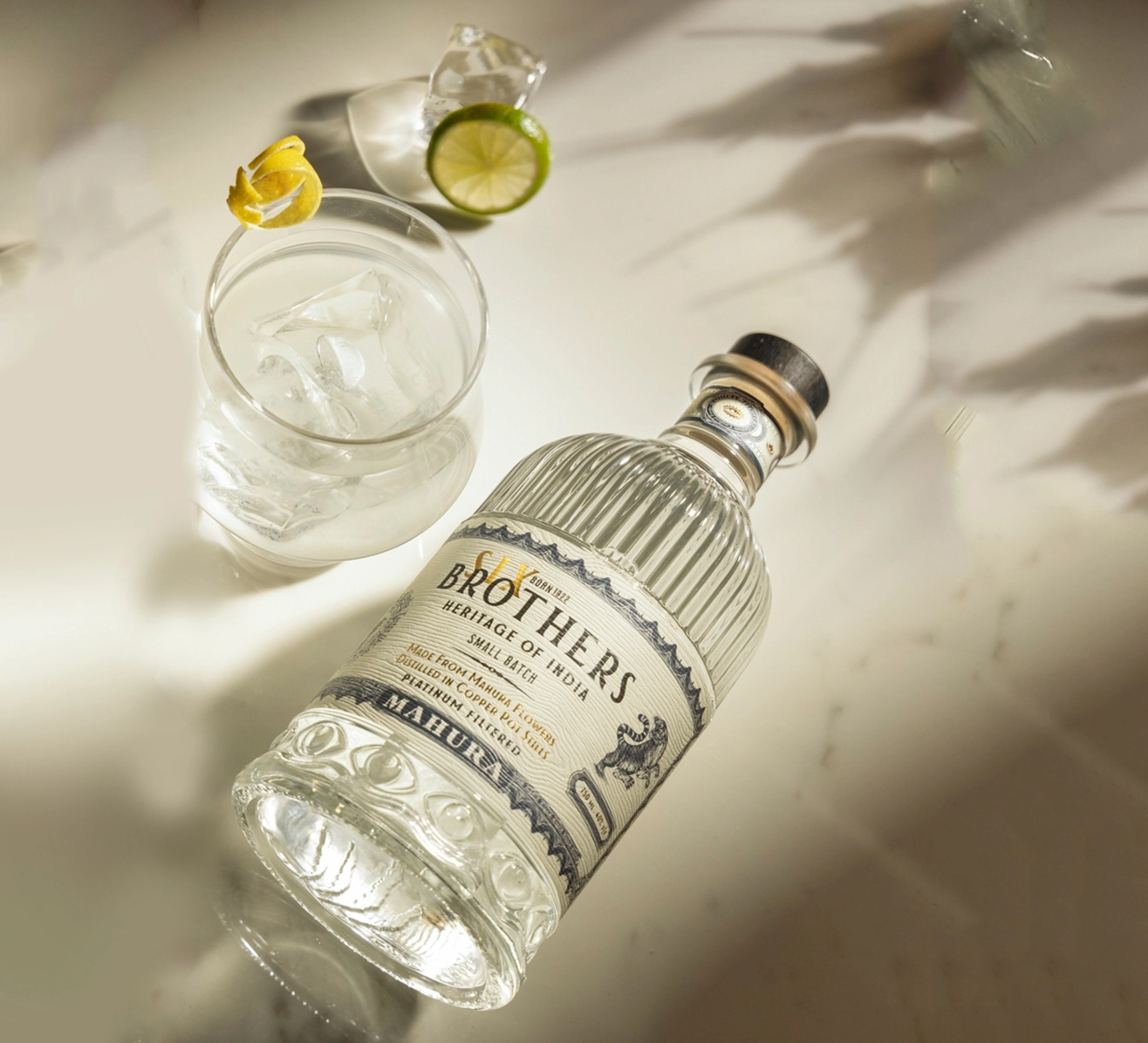
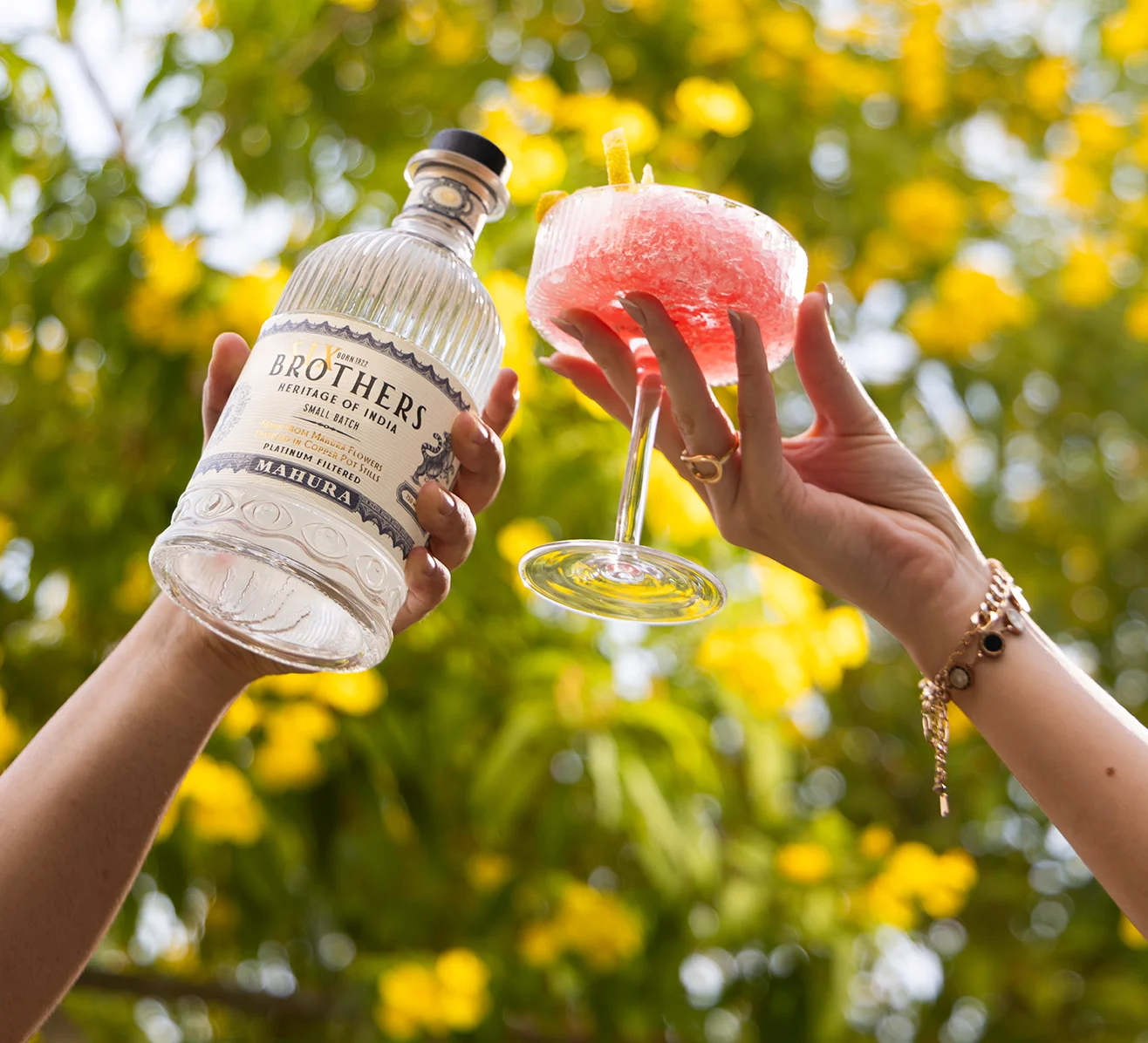
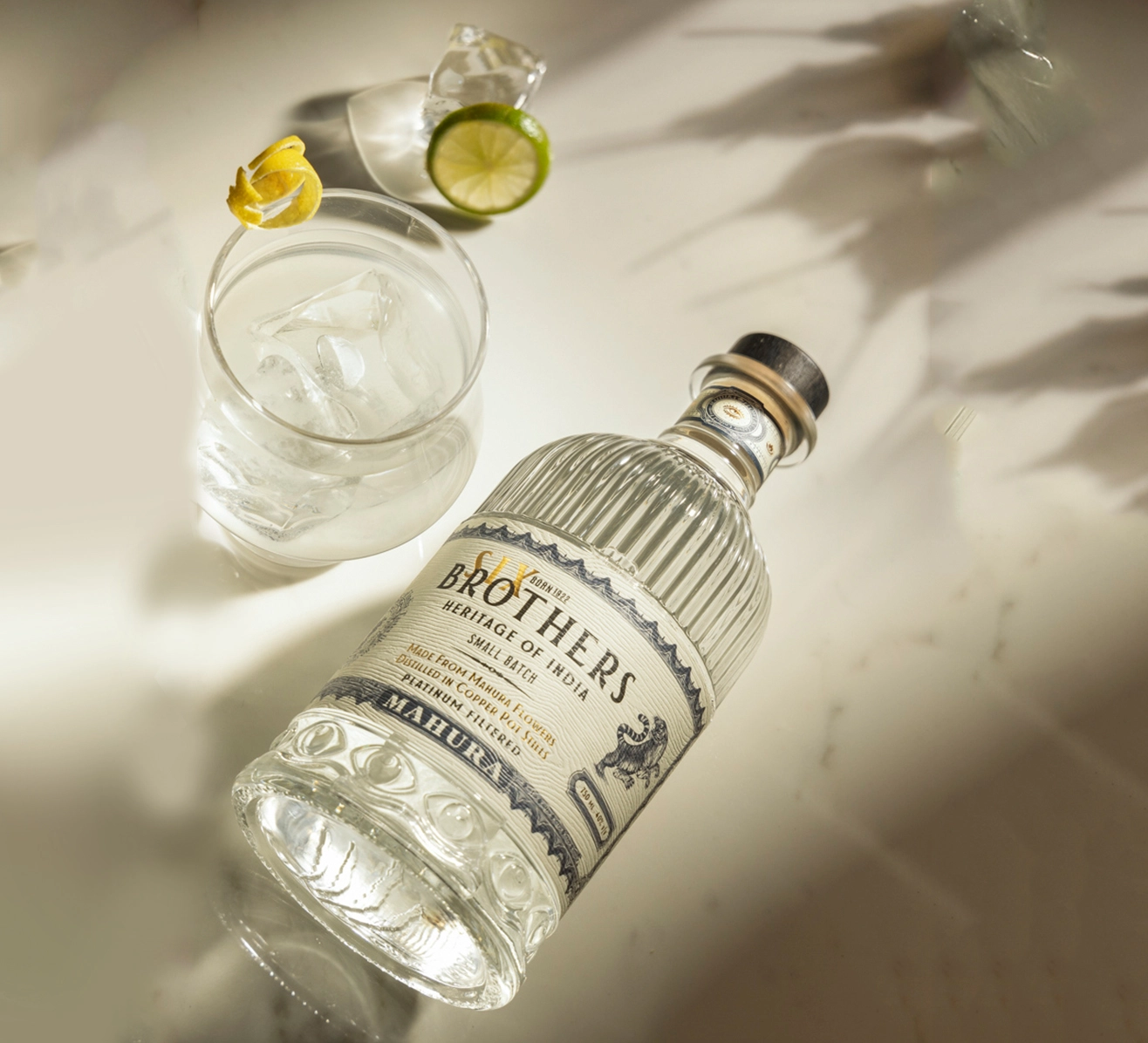
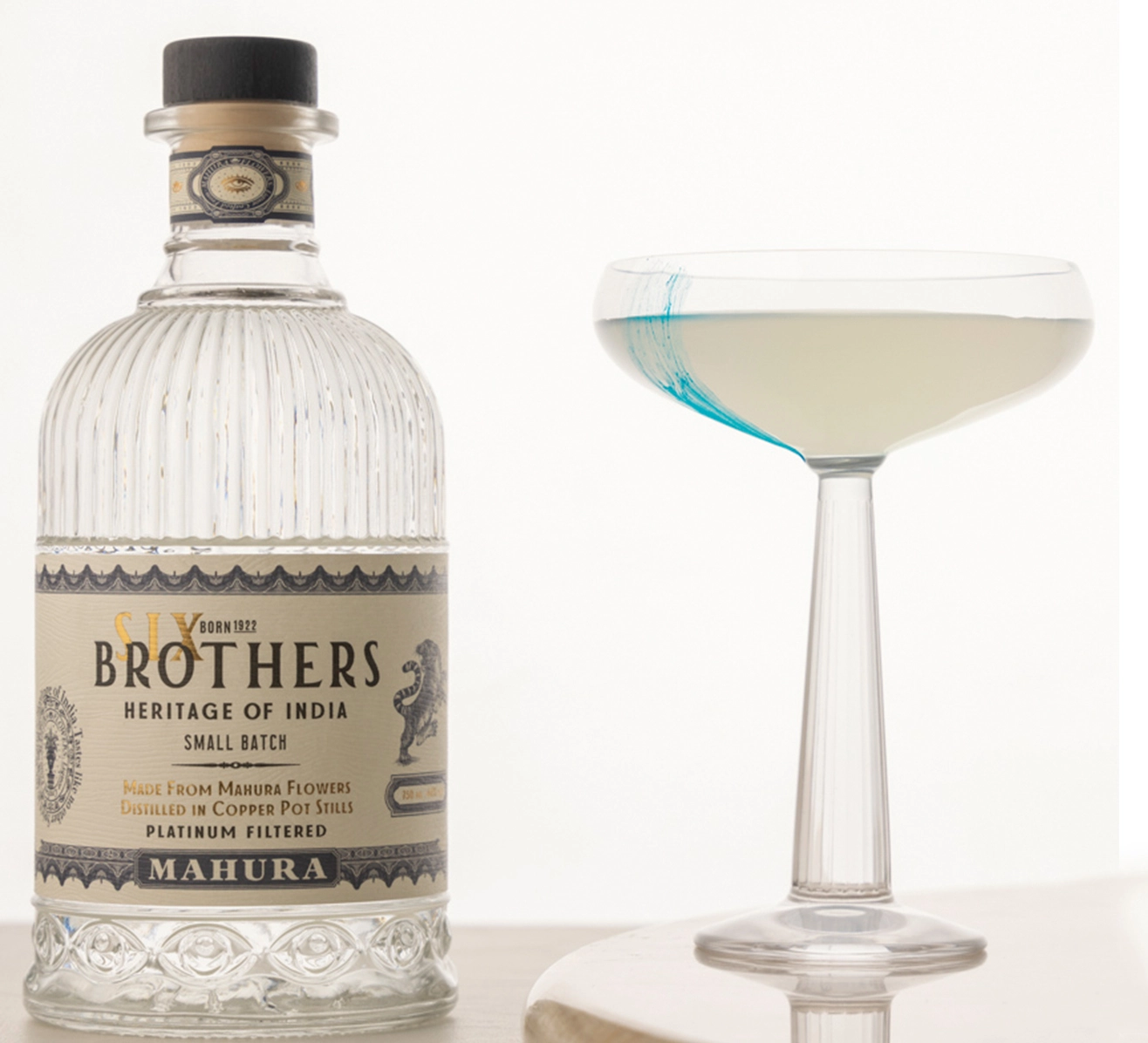
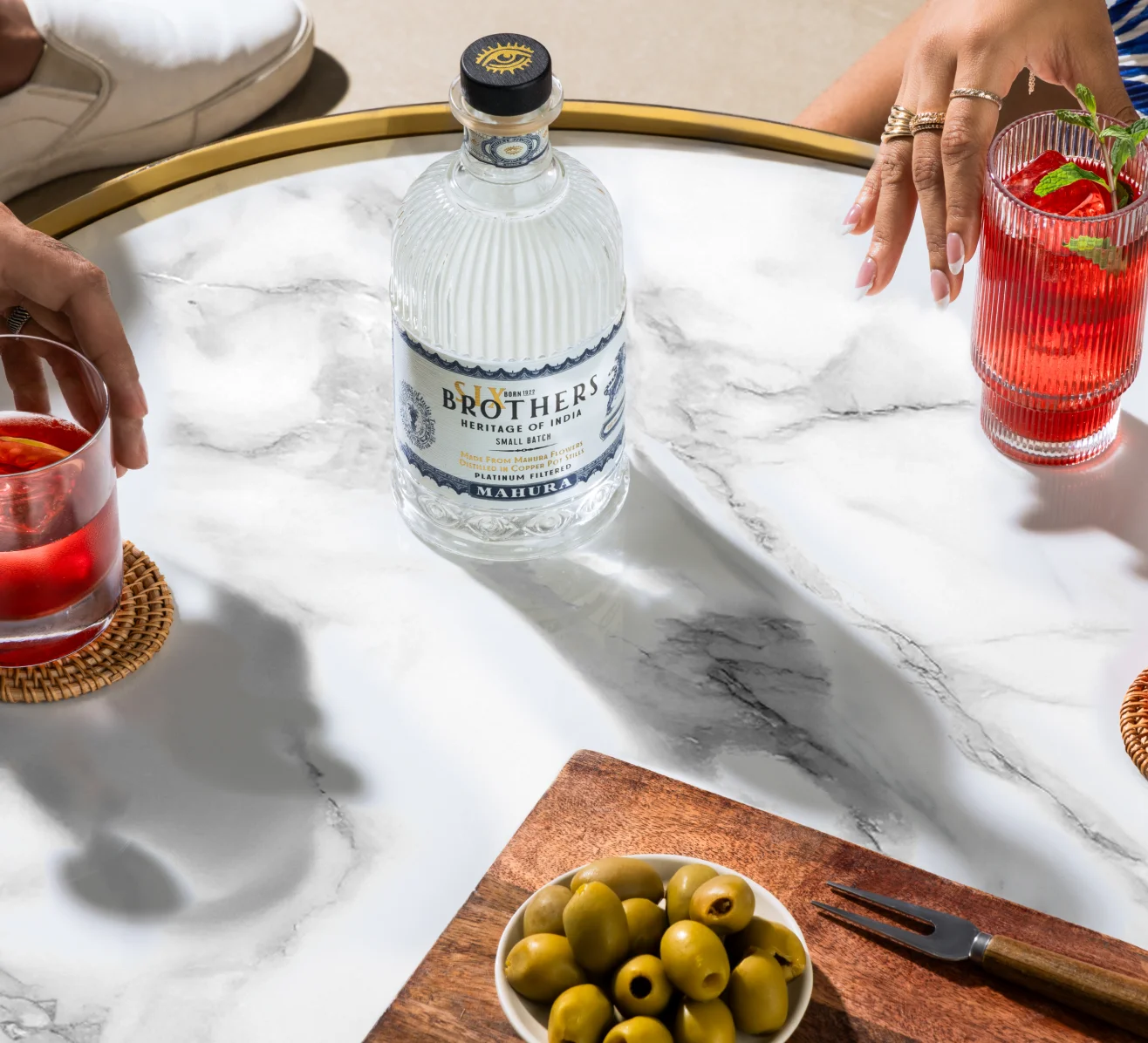
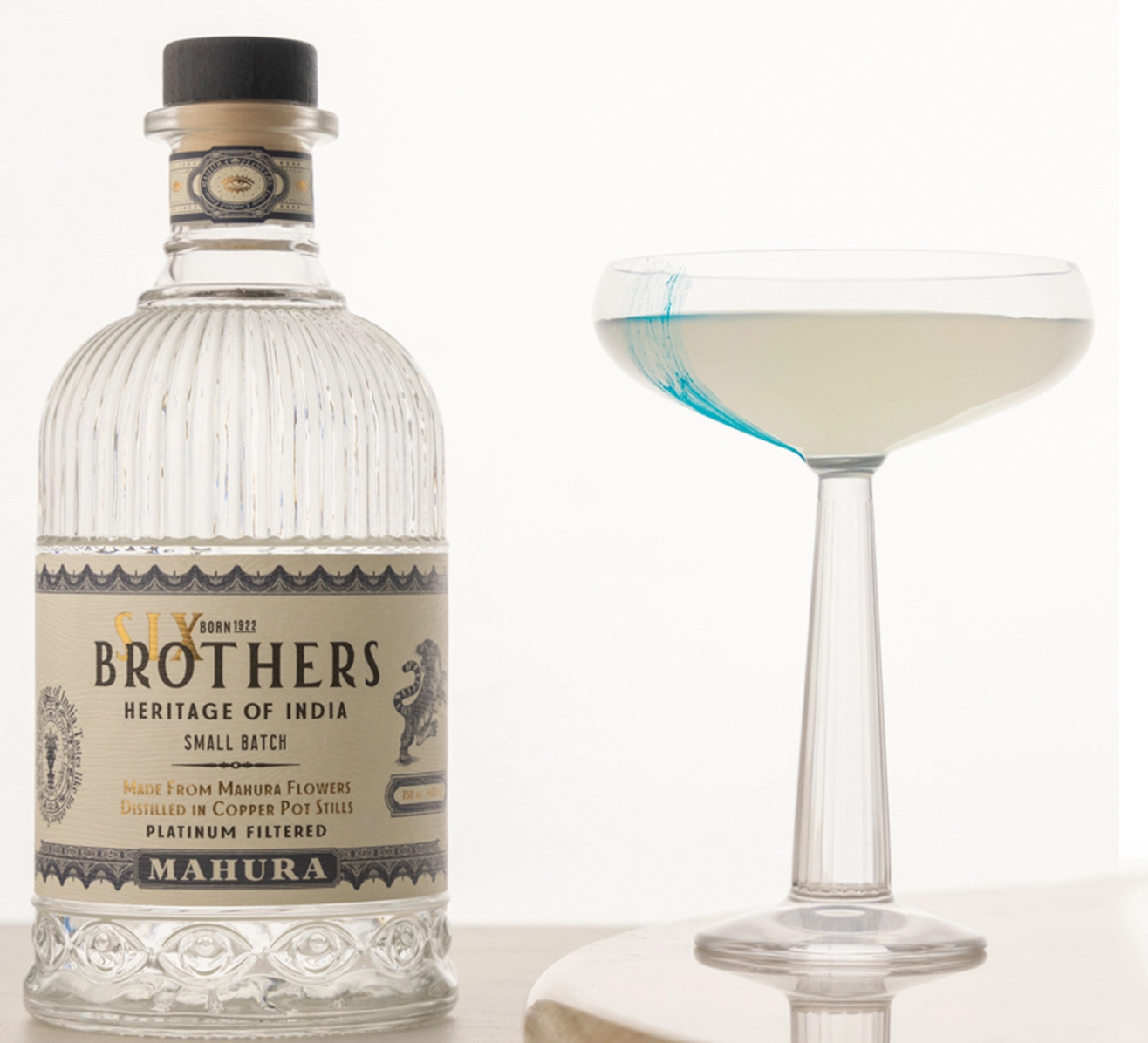
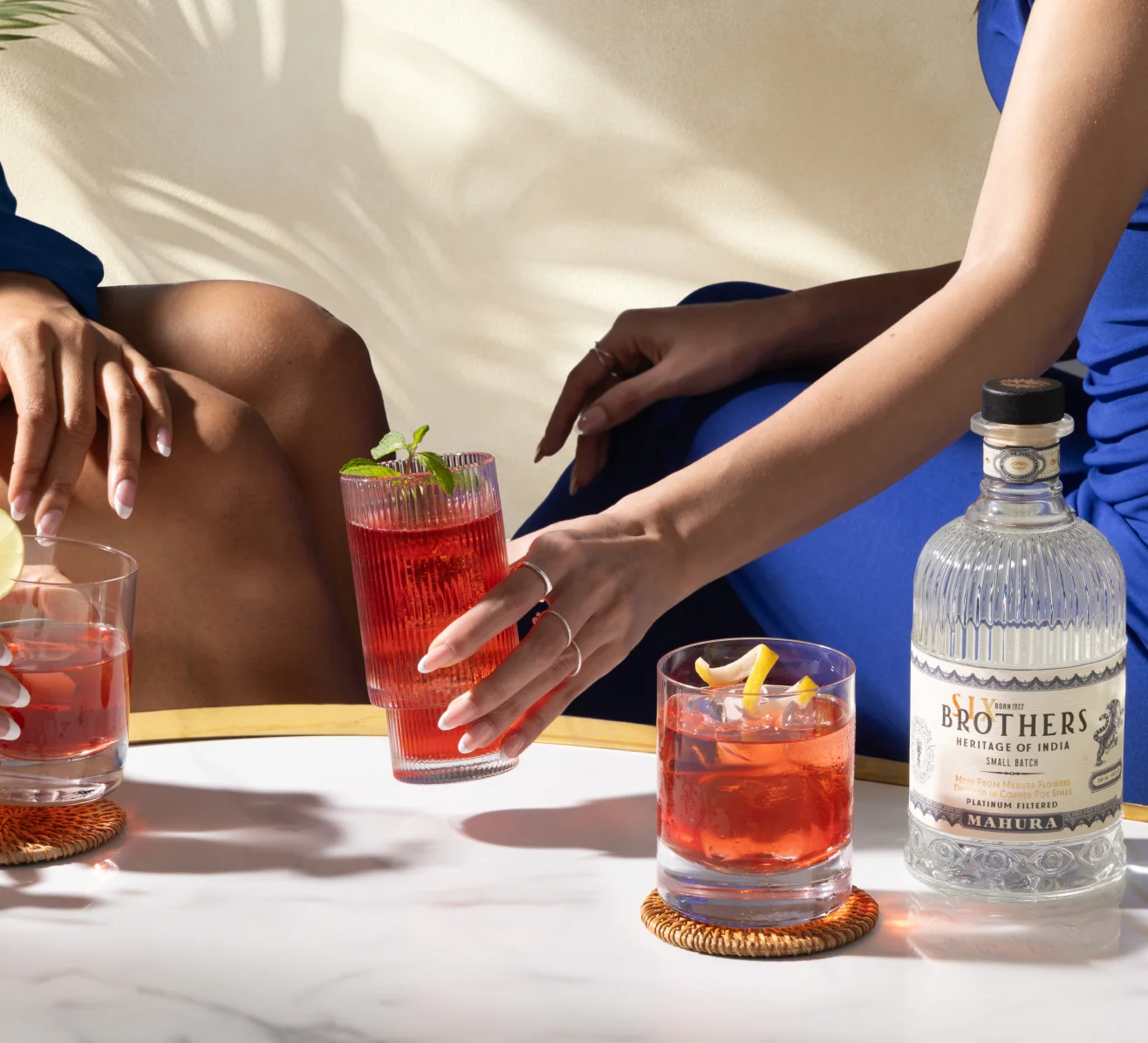
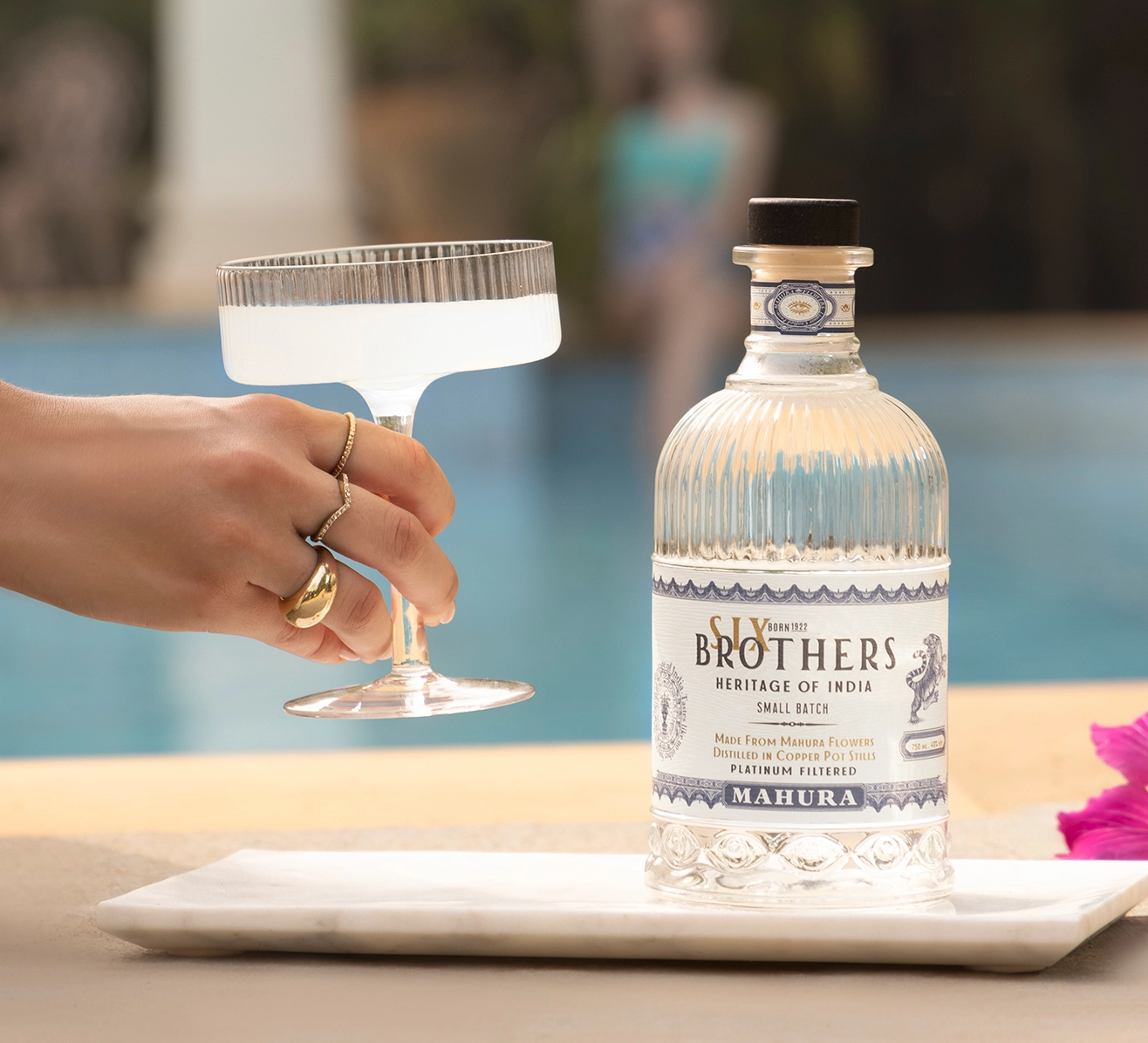
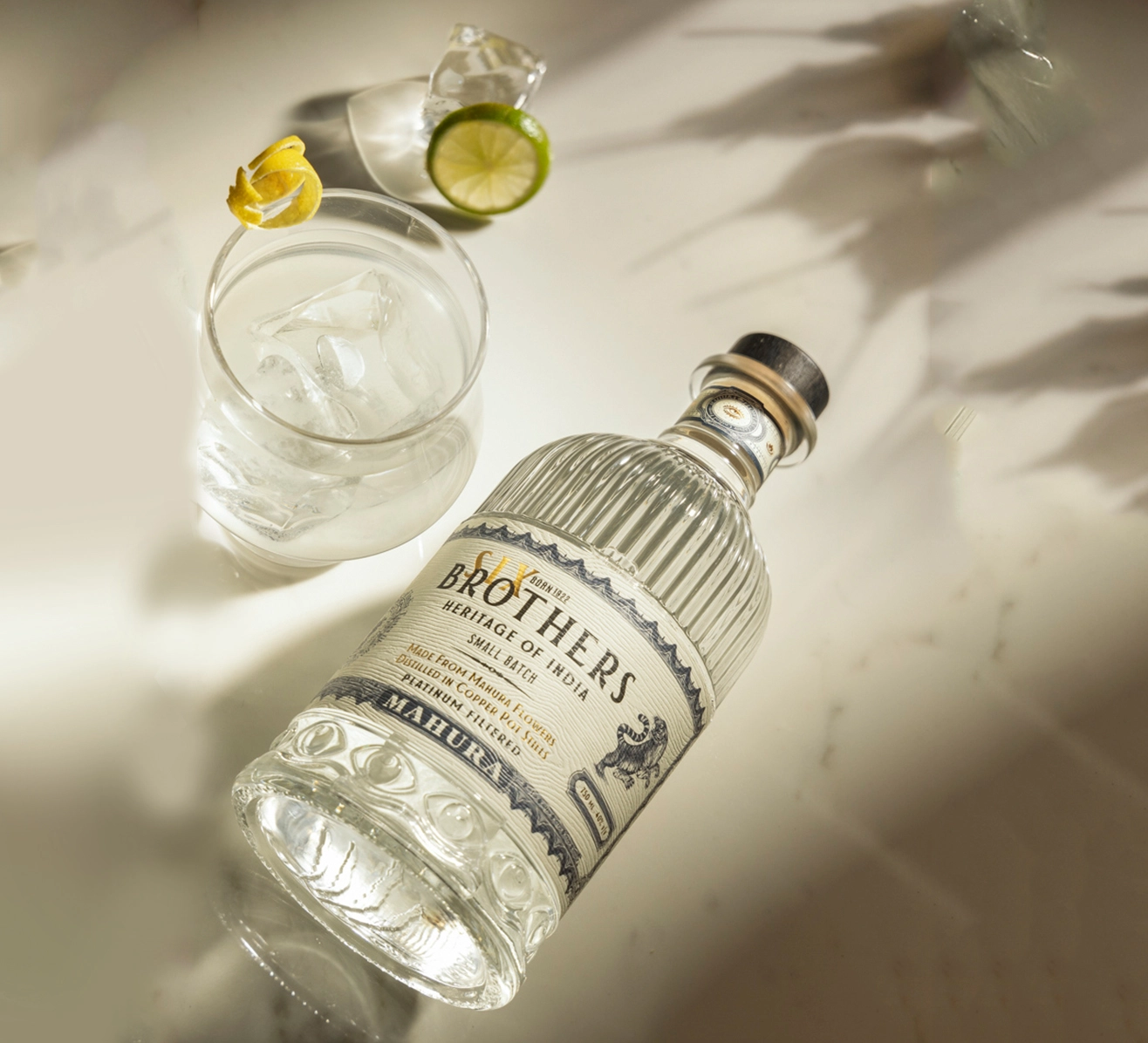
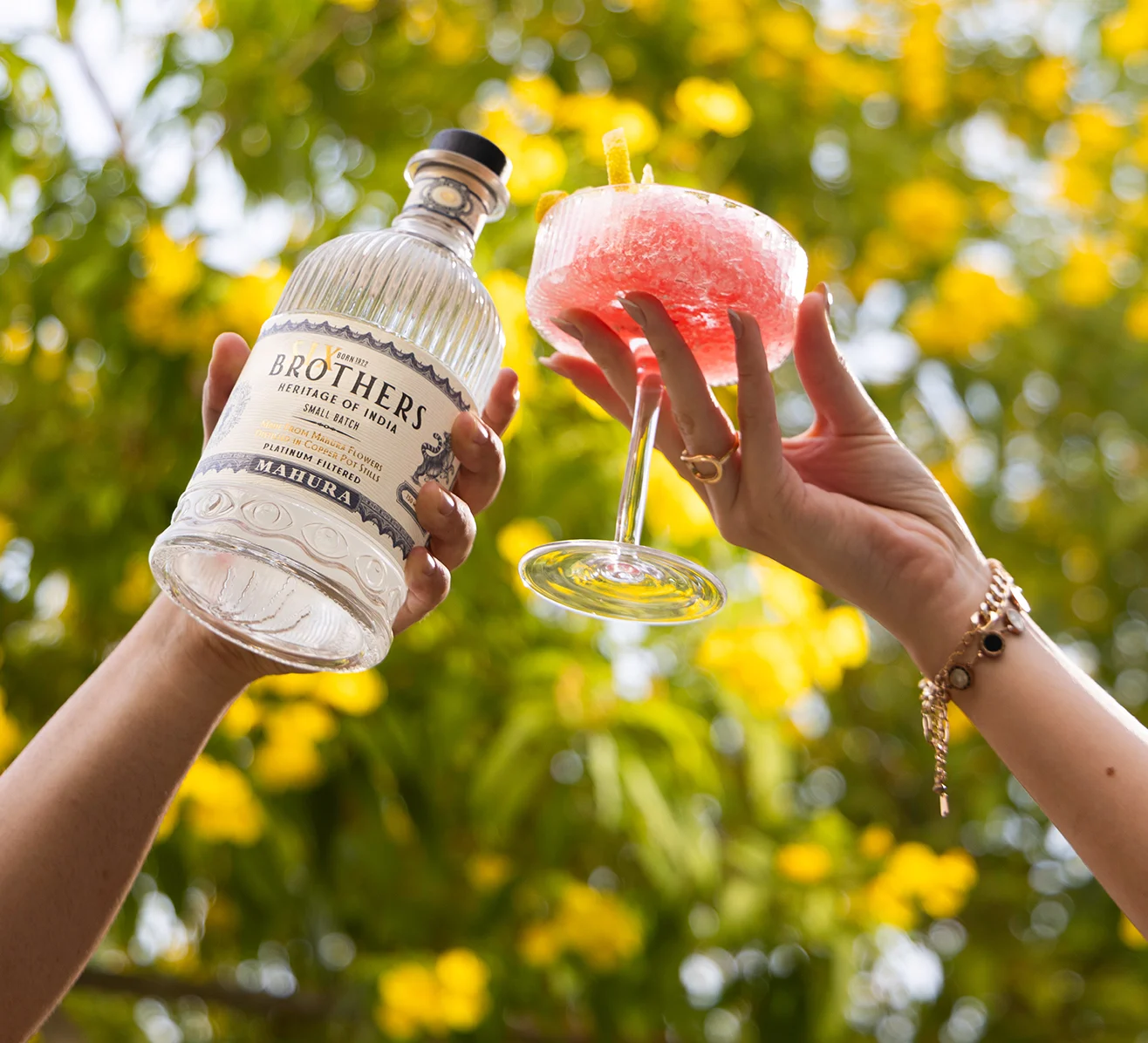
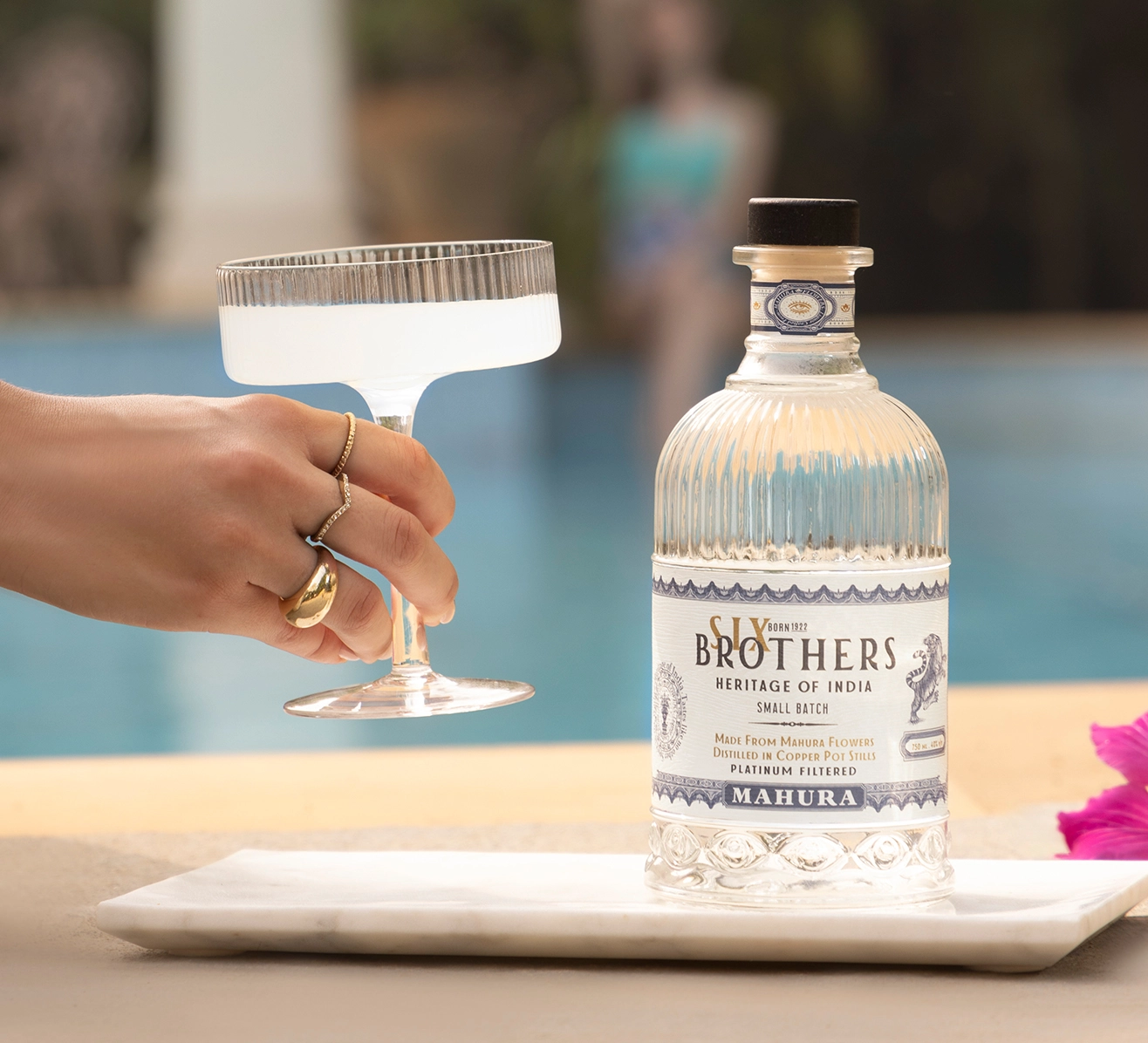
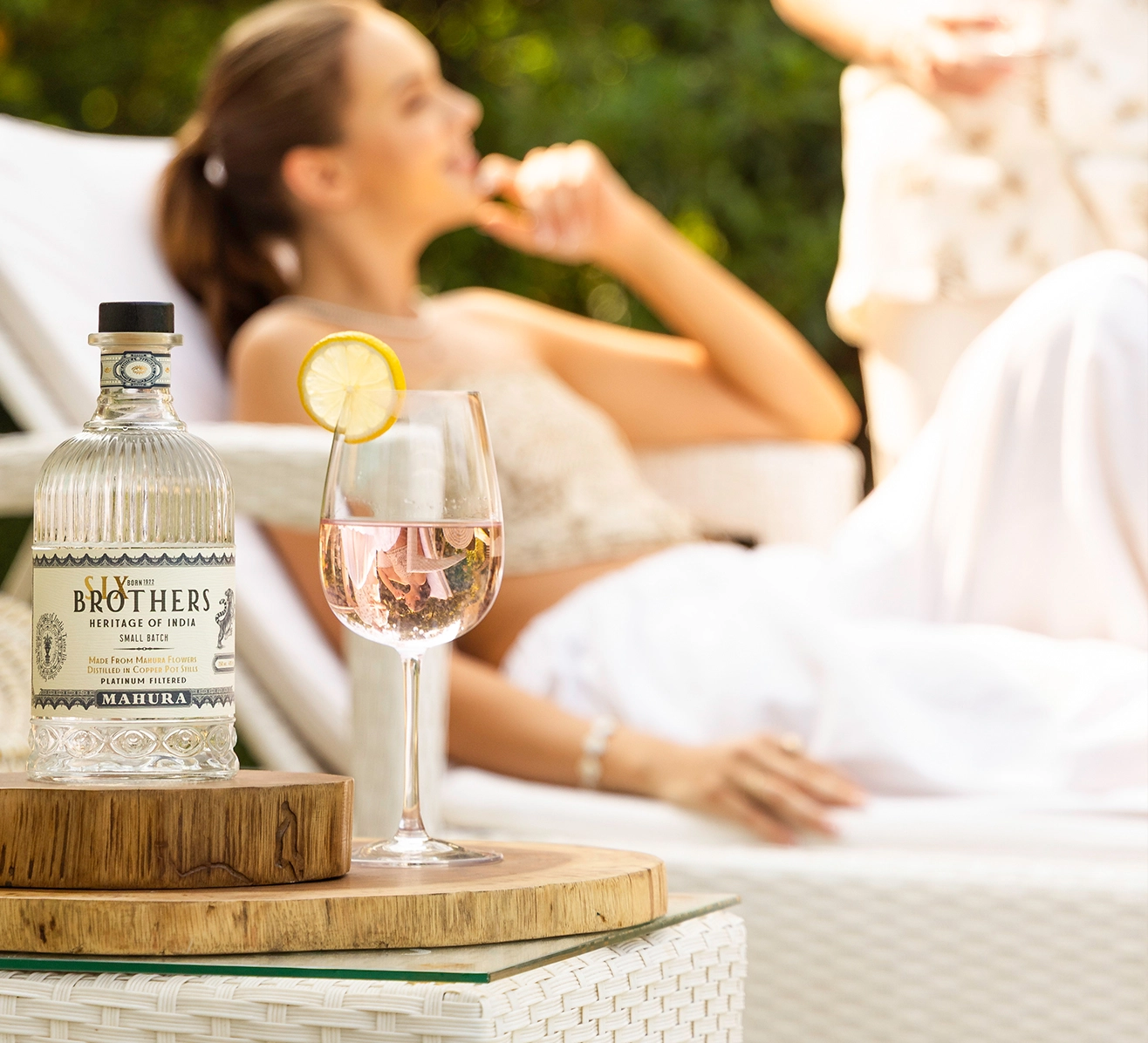
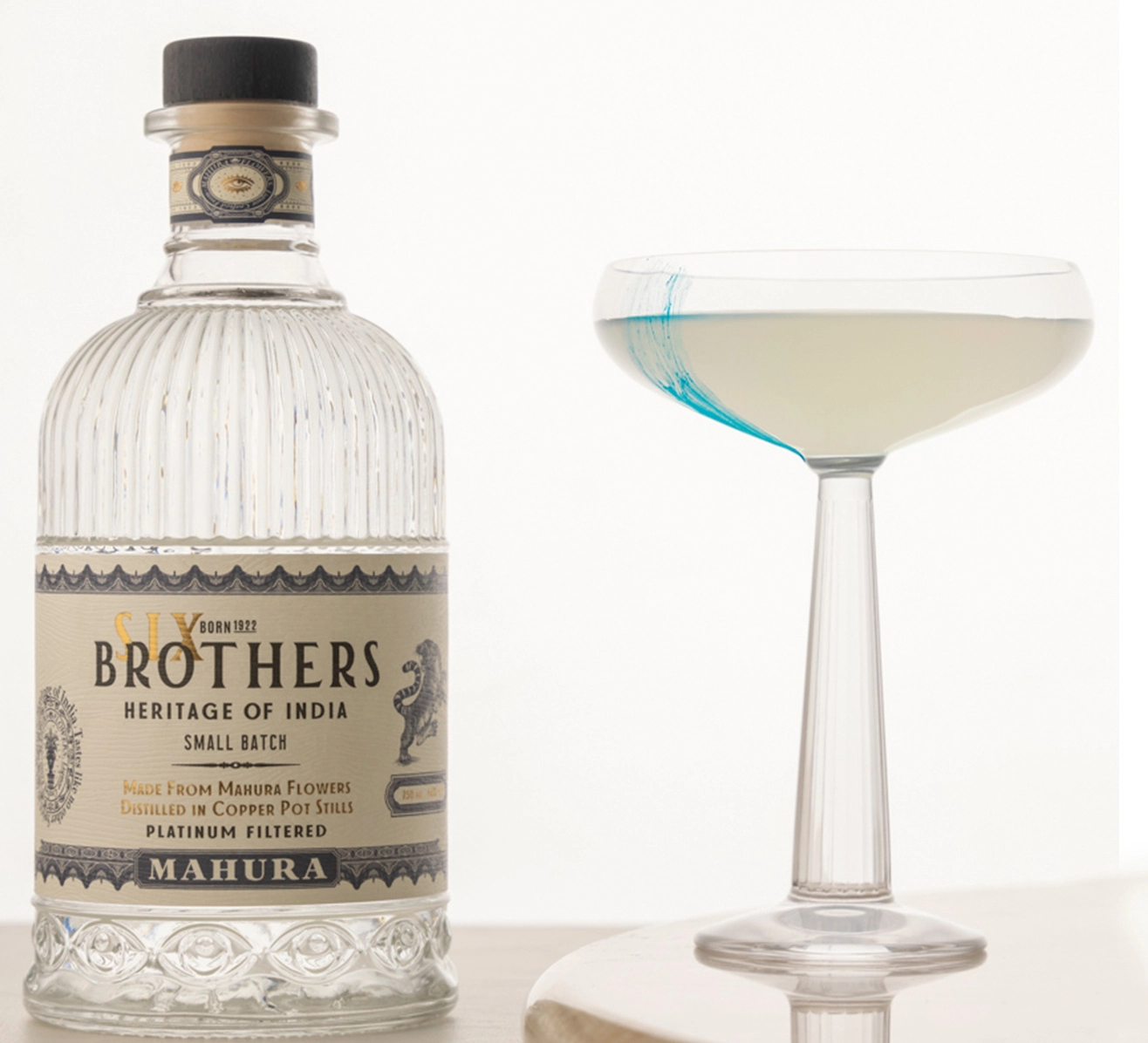
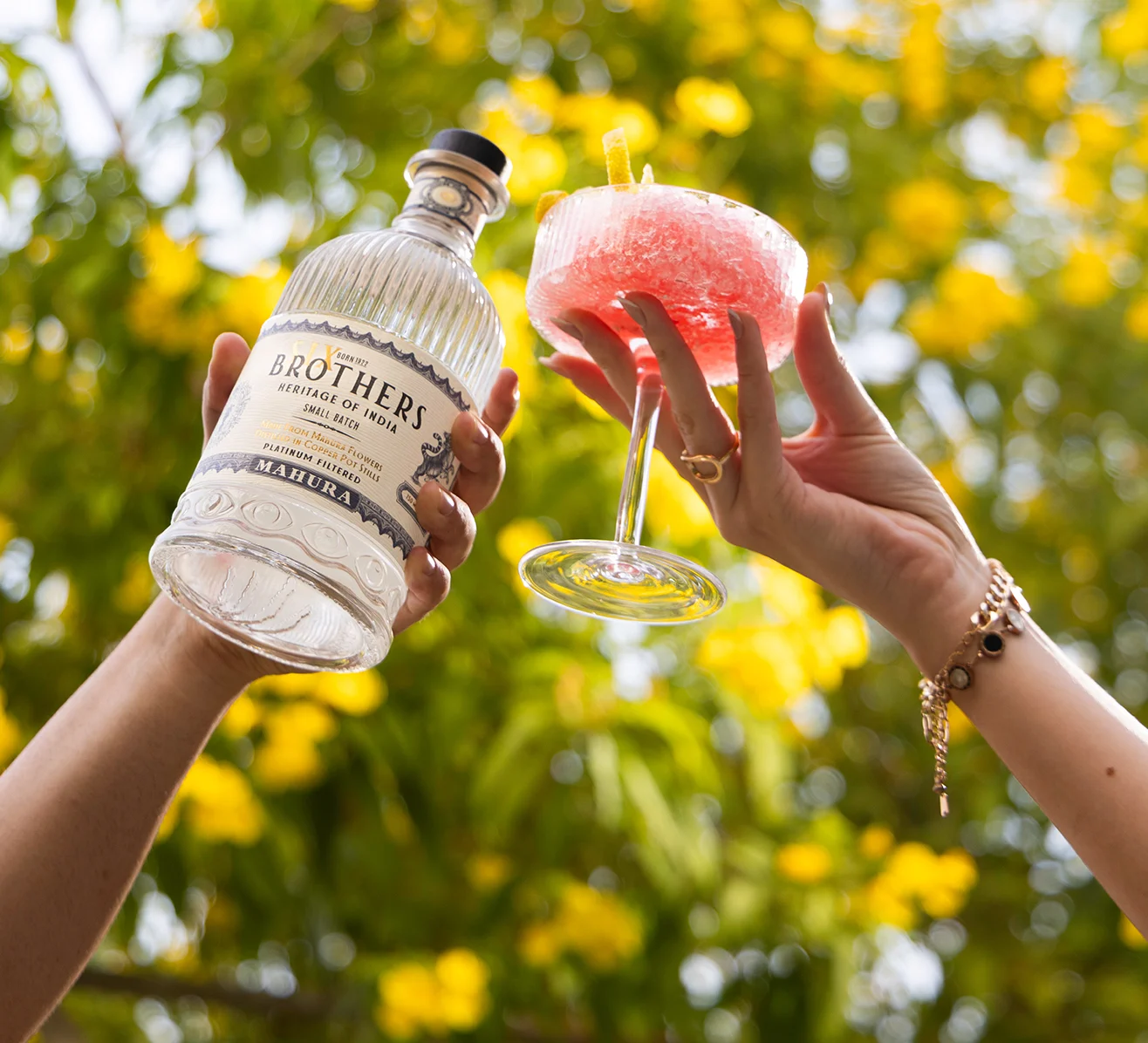
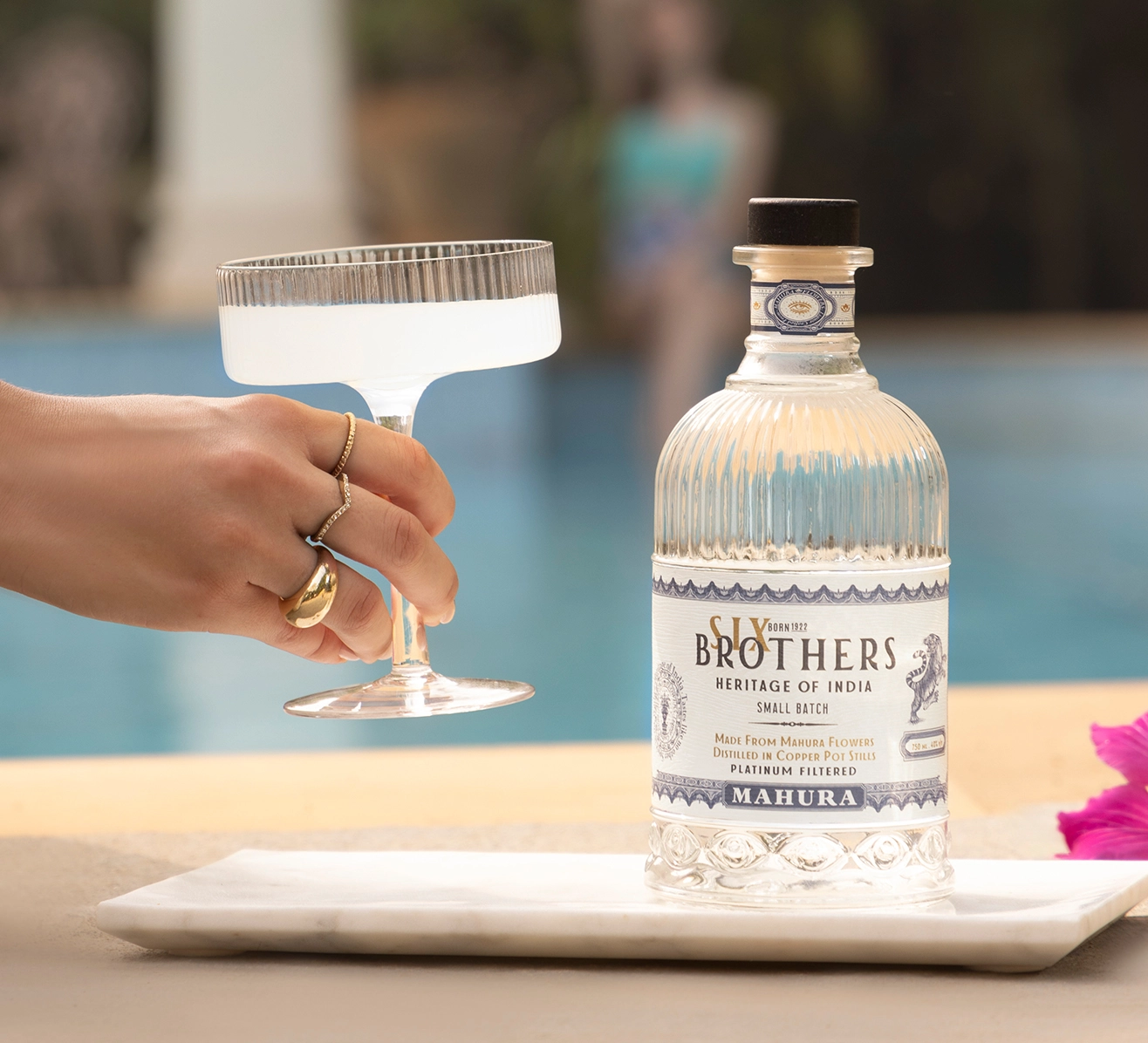
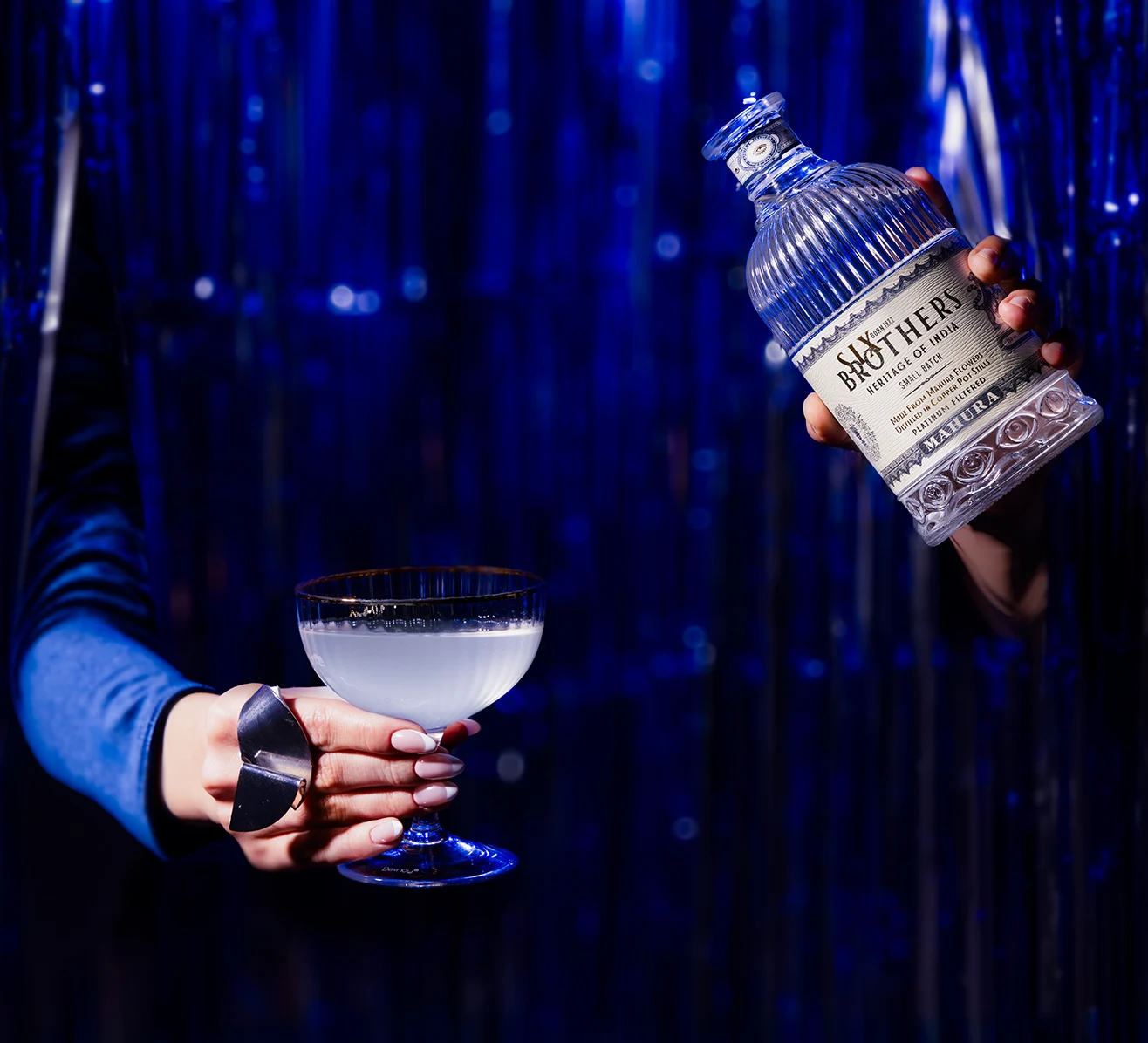
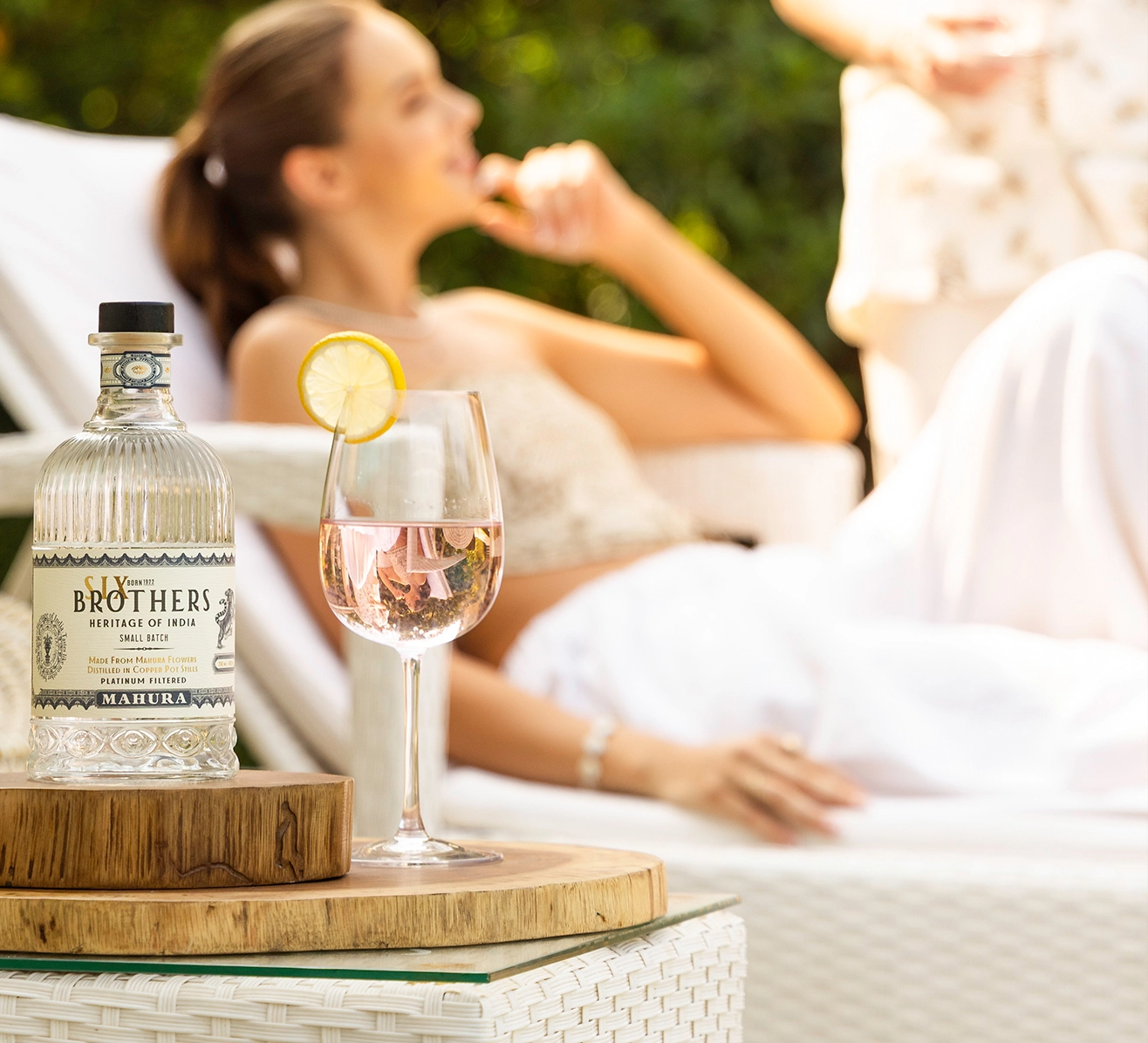
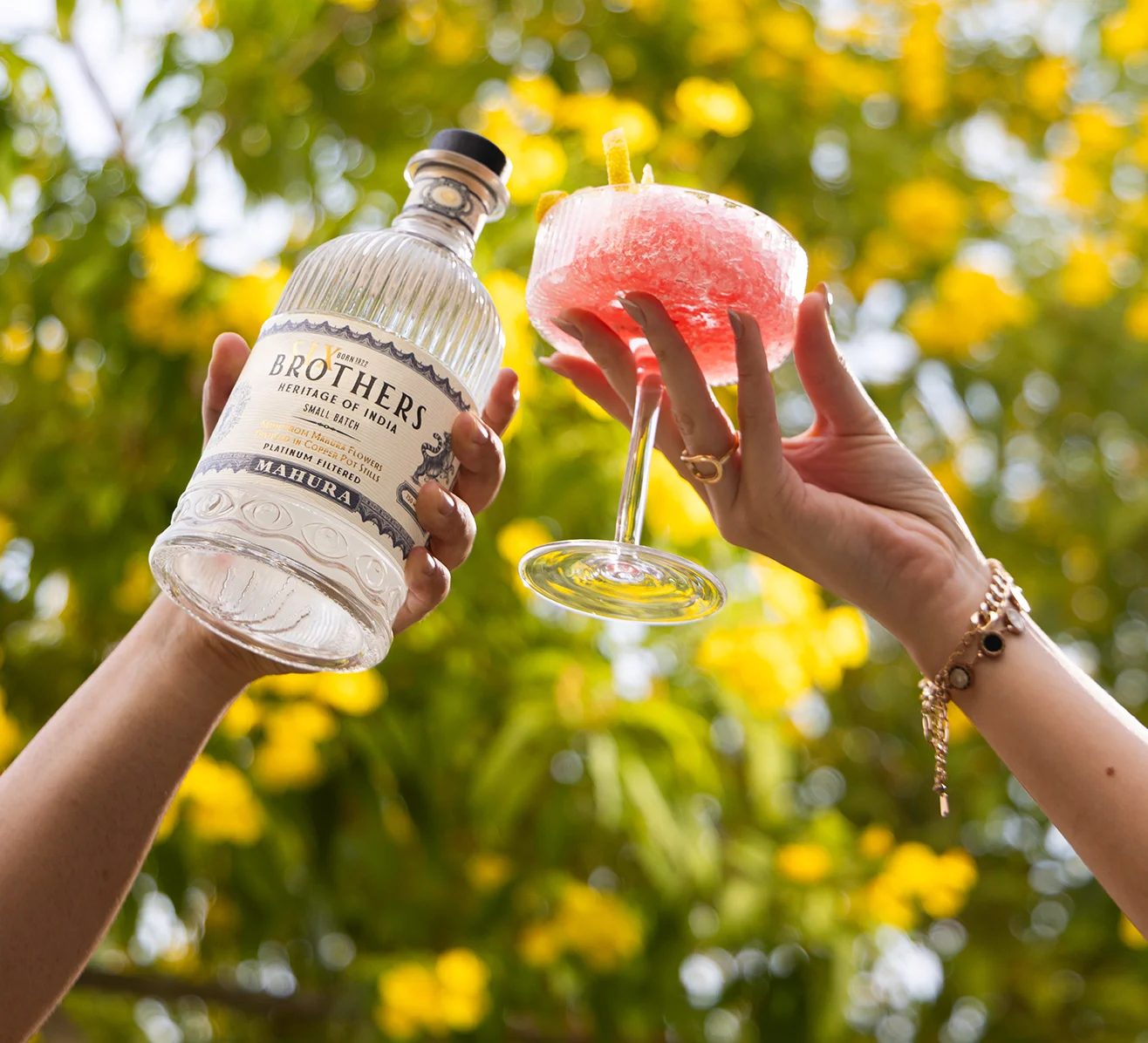
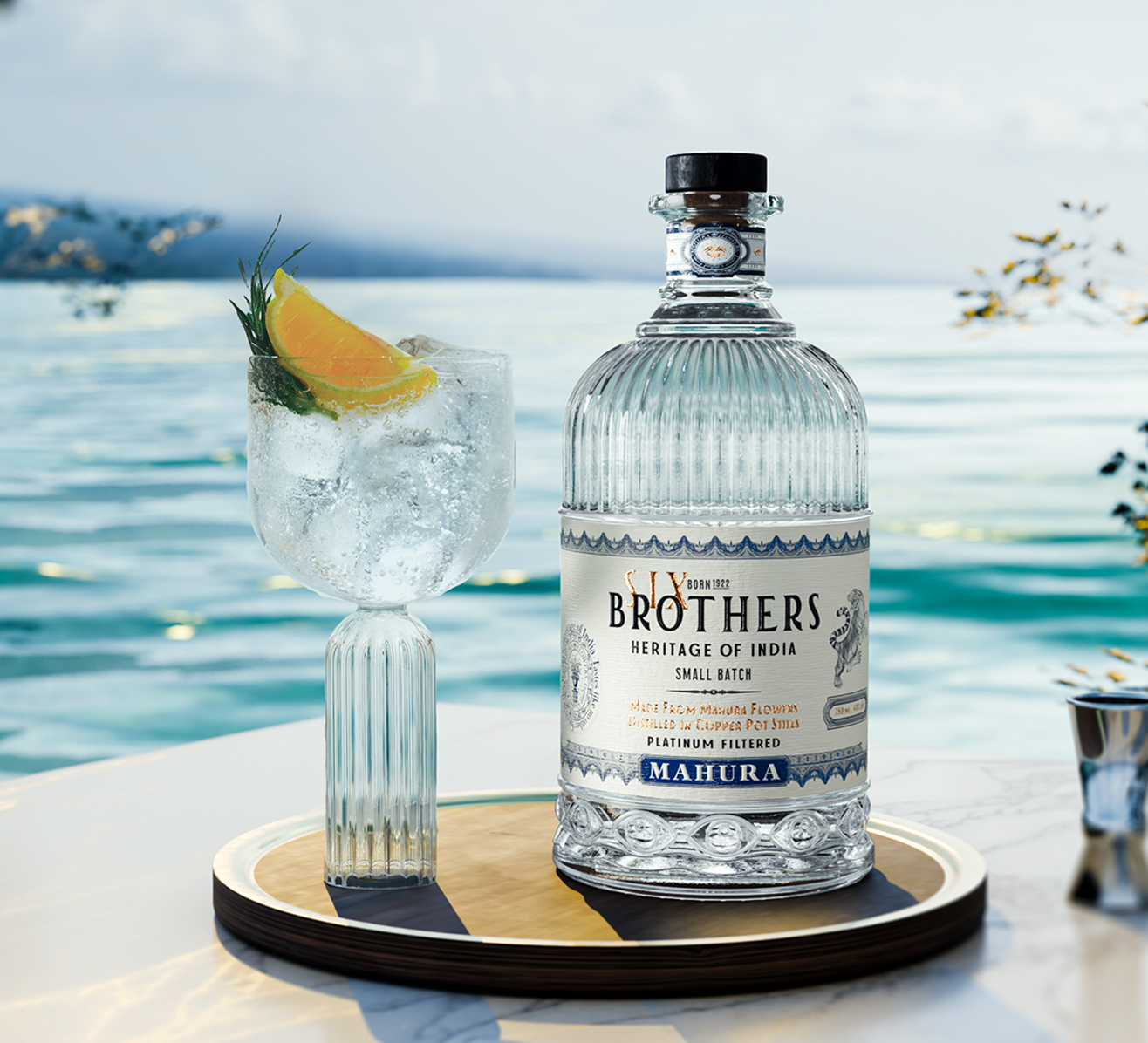
Mahua works beautifully in cocktails and is increasingly being used by bartenders looking for something new. Its floral sweetness pairs well with citrus, ginger, honey-based syrups, and bitter botanicals. A Mahua Sour (mahua, lemon juice, honey syrup, egg white) and a Mahua Mule (mahua, ginger beer, lime, mint) are great starting points. That said, a well-made premium mahua like Six Brothers Mahura deserves to be tried neat at least once before it goes into a shaker.
Not in the same way. Rum's sweetness comes from molasses or cane juice and is more heavy and dessert-like. Mahua's sweetness is lighter and more floral, reminiscent of honey or wildflower nectar rather than toffee or caramel. Mahua drinkers often describe it as subtle and aromatic rather than sweet in the conventional sense.
It can be, but it does not have to be. Unaged mahua offers a complete and enjoyable drinking experience because its character comes from the flower rather than wood. When mahua is aged in casks, as in some premium and limited-edition expressions, it gains warmth, spice, and added depth without losing its floral identity. This makes it distinct from whisky, where aging is essential to the final product.
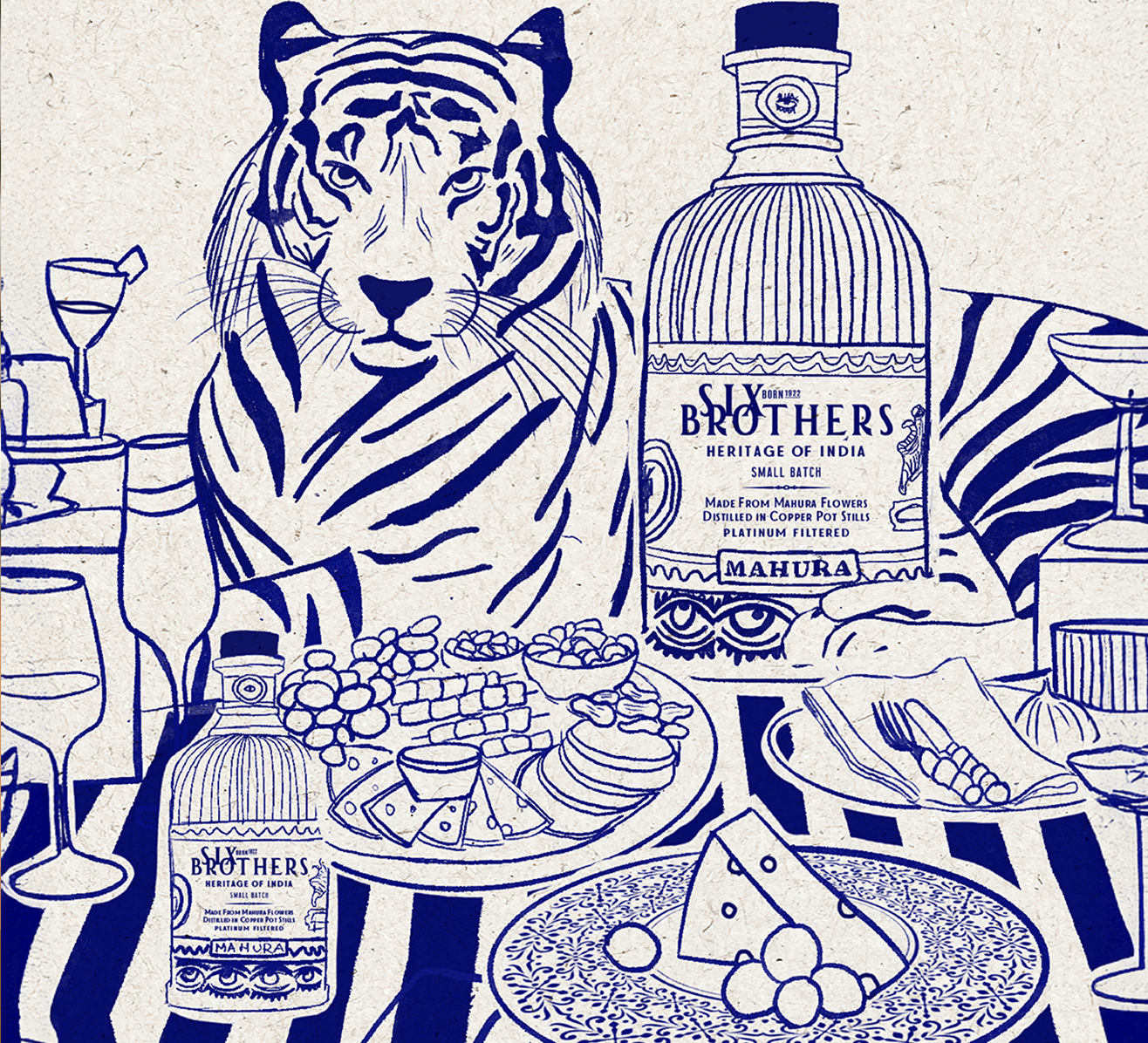
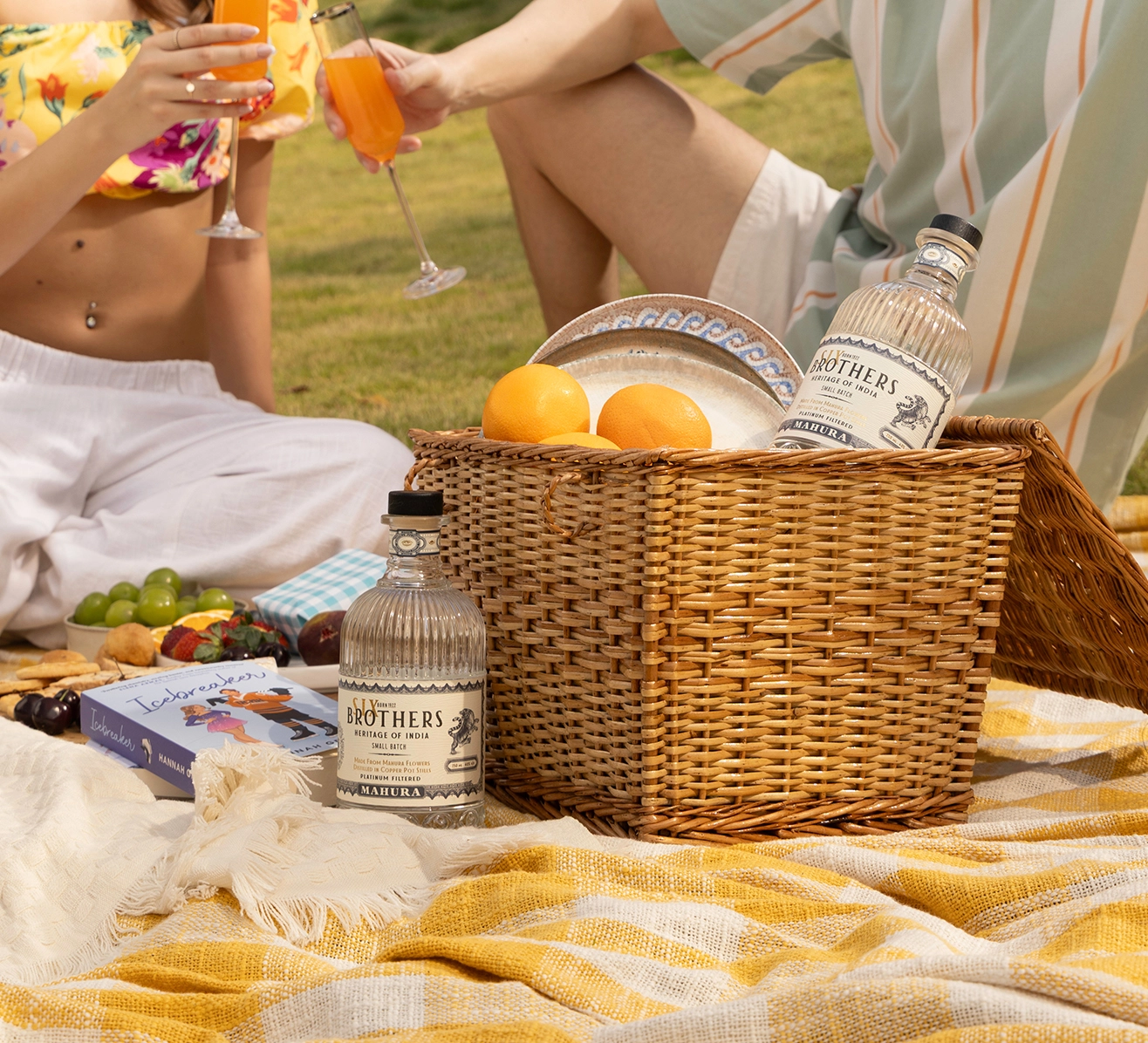
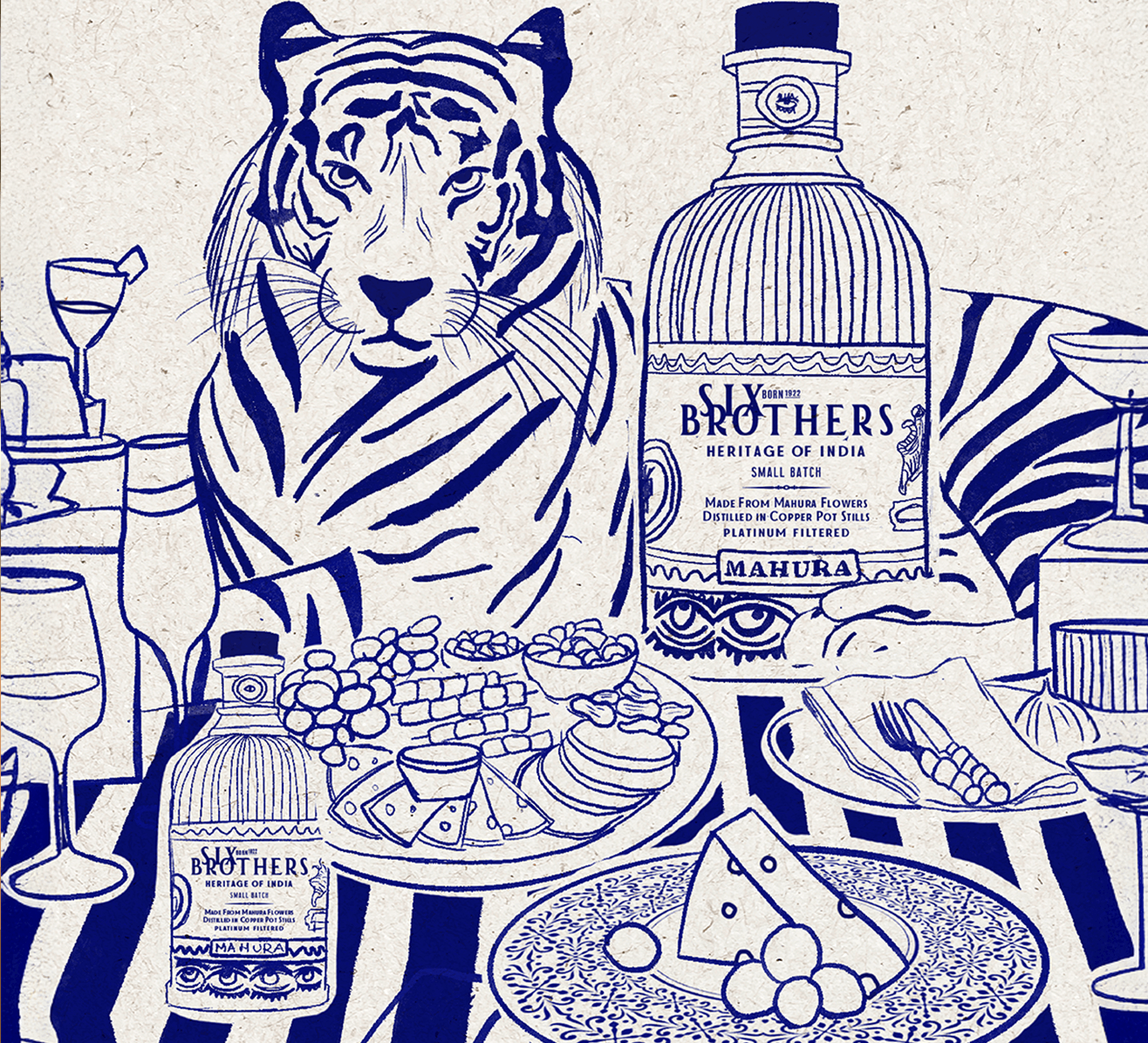
Mahua's floral and slightly fruity character makes it a natural companion for Indian desserts like mithai, gulab jamun, and kheer. It also pairs surprisingly well with dark chocolate, aged cheeses, roasted nuts, and light seafood dishes. For savoury pairings, try it alongside dishes that use floral spices like cardamom, saffron, or rose.
Six Brothers Mahura is currently available in Mumbai and Pune through premium wine and spirits retailers, at select airport duty-free counters including Delhi IGI and Mumbai CSIA, and on online delivery platforms like HipBar and Swiggy Instamart in states where alcohol delivery is permitted. The brand is actively expanding into Goa, Haryana, Bengaluru, and Hyderabad. Check the brand's official channels for the latest stockist updates.
Currently Six Brothers Mahura is focused on building its presence within India, though international travellers may find it at Indian airport duty-free on departure. As global interest in Indian craft spirits grows, an international launch is expected in the medium term. For now, picking it up at an Indian airport duty-free is a reliable option for overseas buyers.
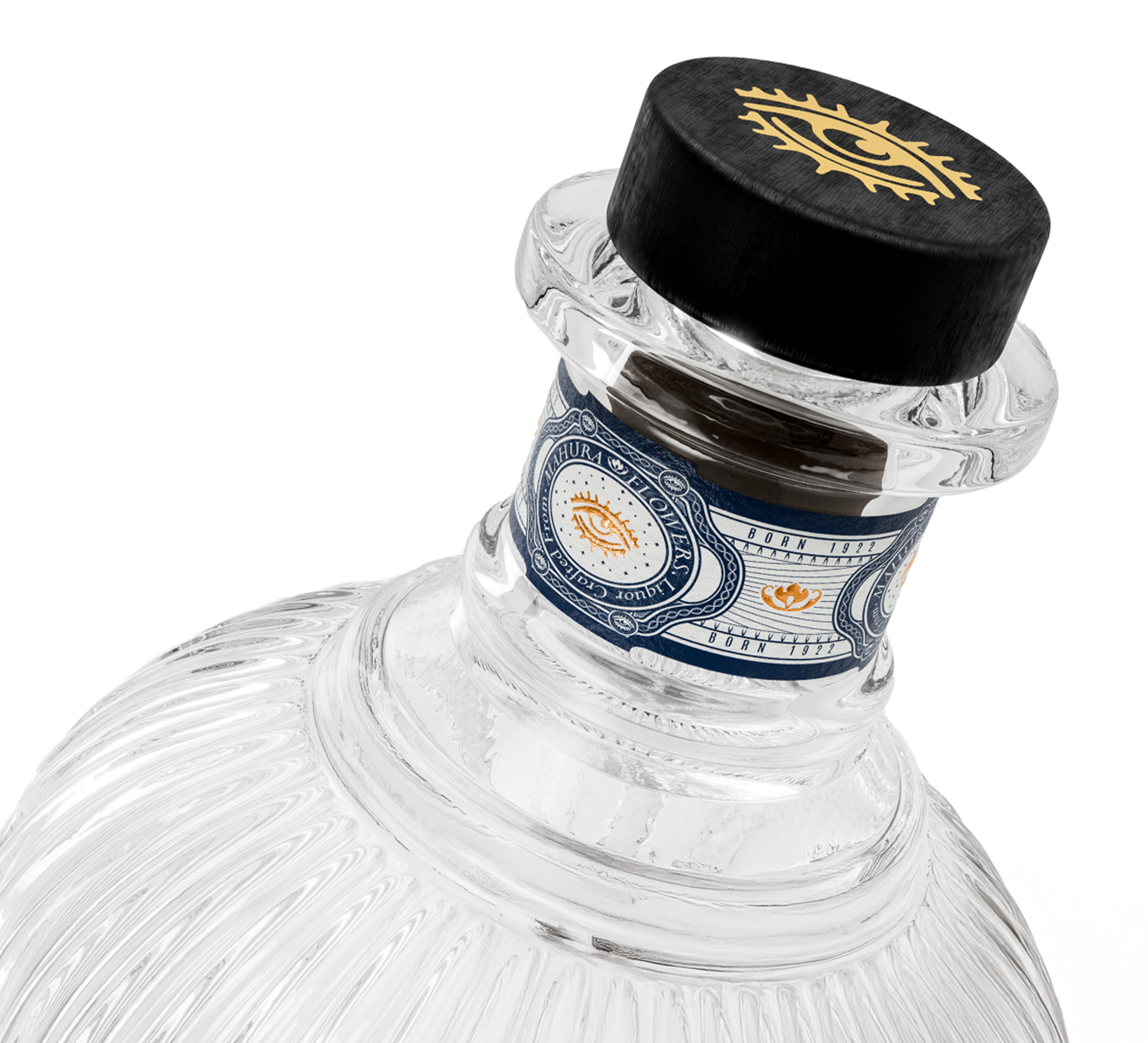
Premium mahua expressions like Six Brothers Mahura are typically bottled at around 40 to 42% ABV, consistent with international premium spirits standards. This is the same range as most entry-level and mid-range whiskies and rums. Limited edition releases may vary slightly, and the exact ABV is stated on the label.
Store it upright in a cool, dark place away from direct sunlight and heat. Once opened, it is best enjoyed within 12 to 18 months for peak flavour, though it will not spoil. Always ensure the bottle is tightly resealed after each use to minimise oxidation and preserve the delicate floral aromas.
Mahua, whisky, and rum may all be distilled spirits, but they live in entirely different flavour worlds and come from different corners of history and culture.
What this means for the modern drinker is not that one is better than the others, but that there is more to explore than most people realise. Mahua is not trying to compete with whisky or rum: it is introducing a new category altogether, one that is as old as the forests it comes from and as fresh as the craft movement that is now bringing it to the world.
As Indian craft spirits gain global recognition, mahua is stepping into the spotlight as something both rooted and refined. For those ready to explore beyond the familiar, it offers a drinking experience that feels fresh, nuanced, and unmistakably Indian.