
Posted on 31 Mar 2026
Different states pronounce and spell it differently. But they all point to the same source the sweet, fragrant flowers that are fermented and distilled into mahua liquor..
Now let’s break this down properly.
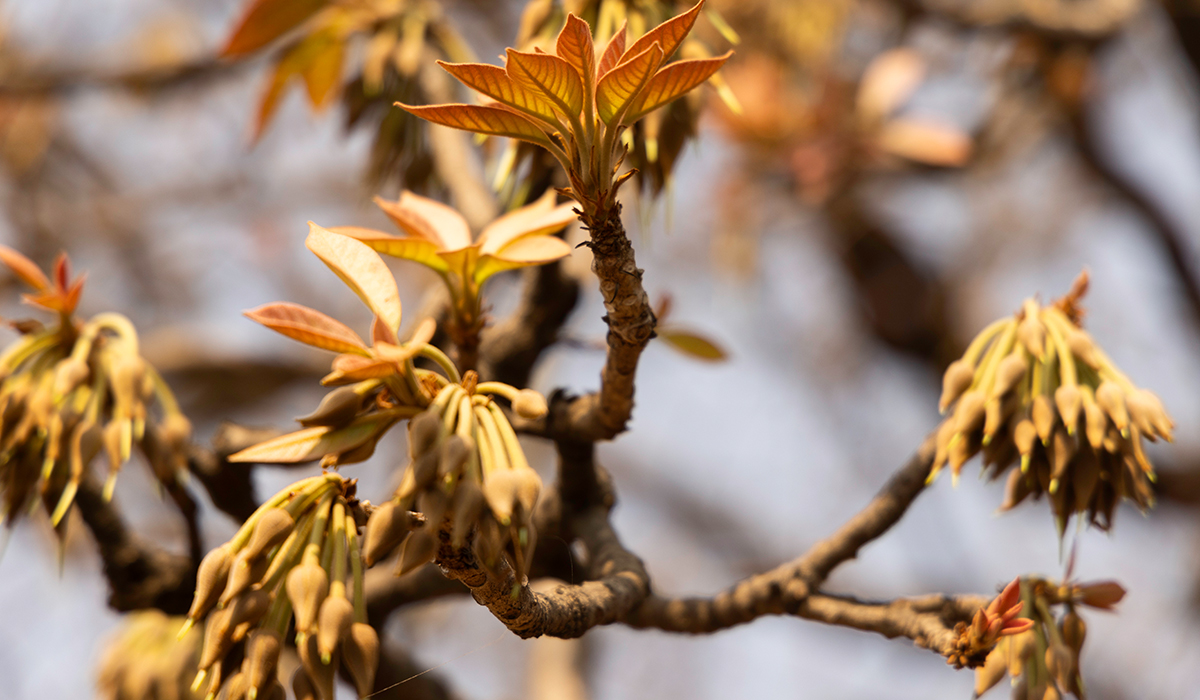
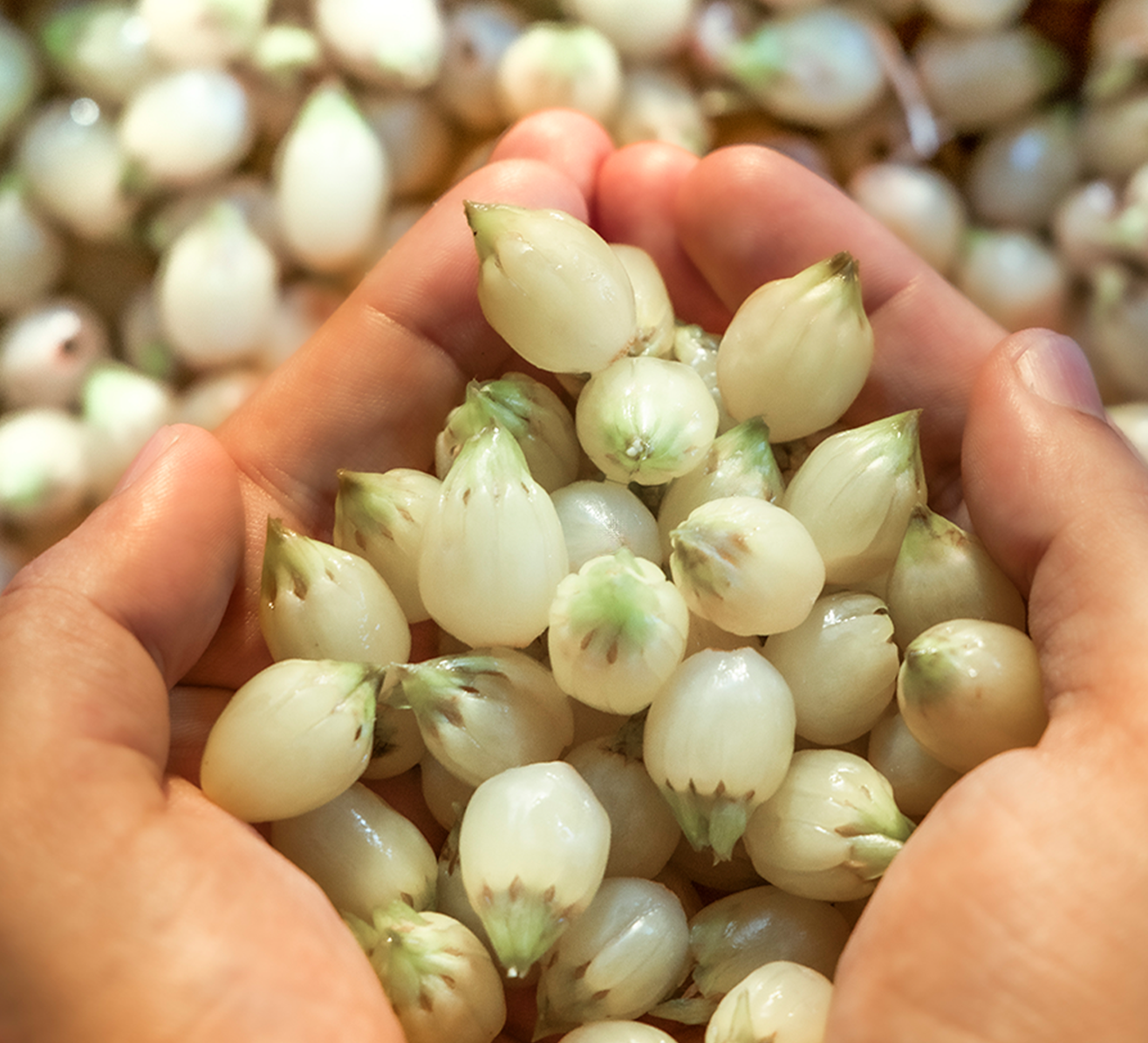
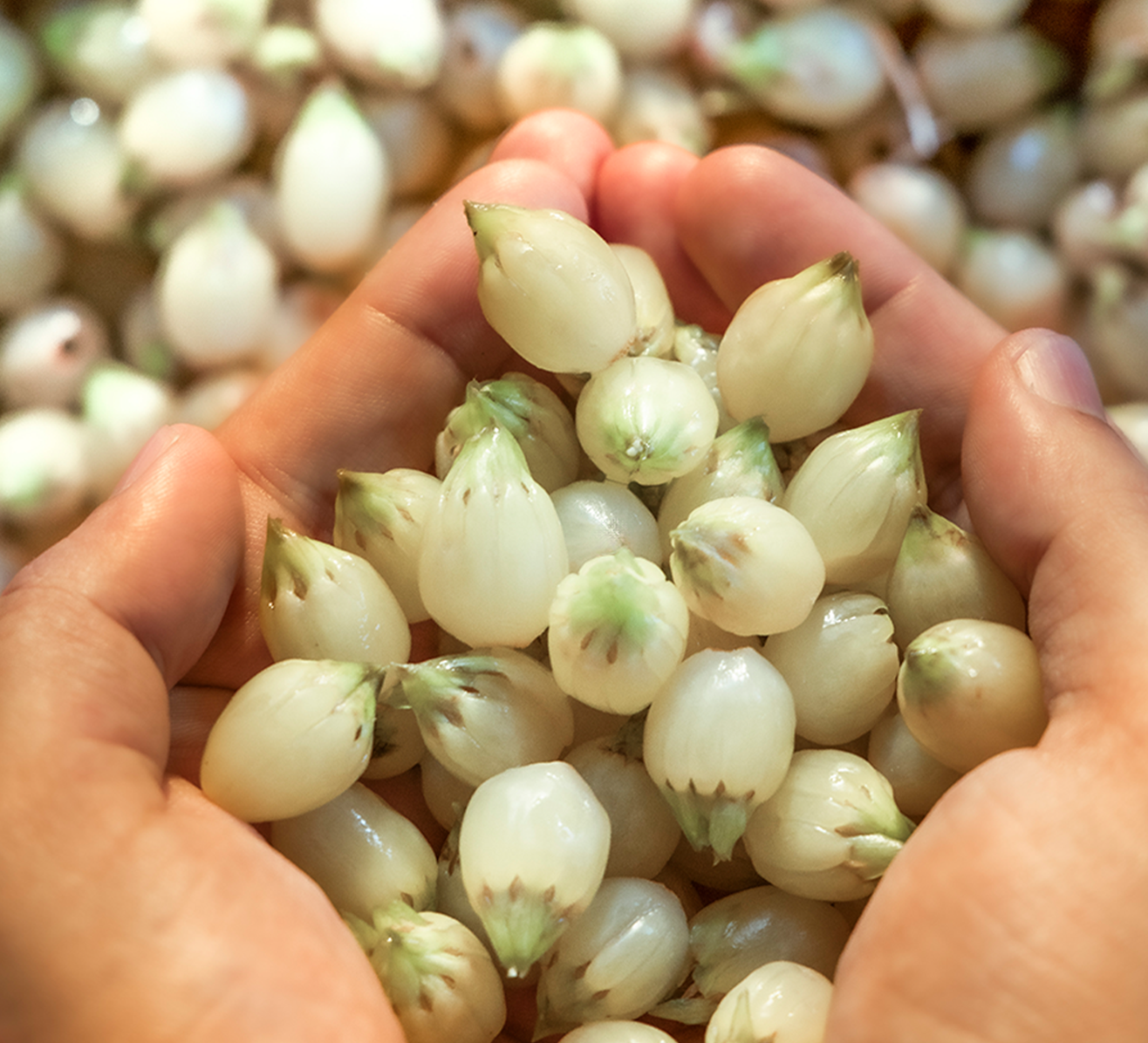
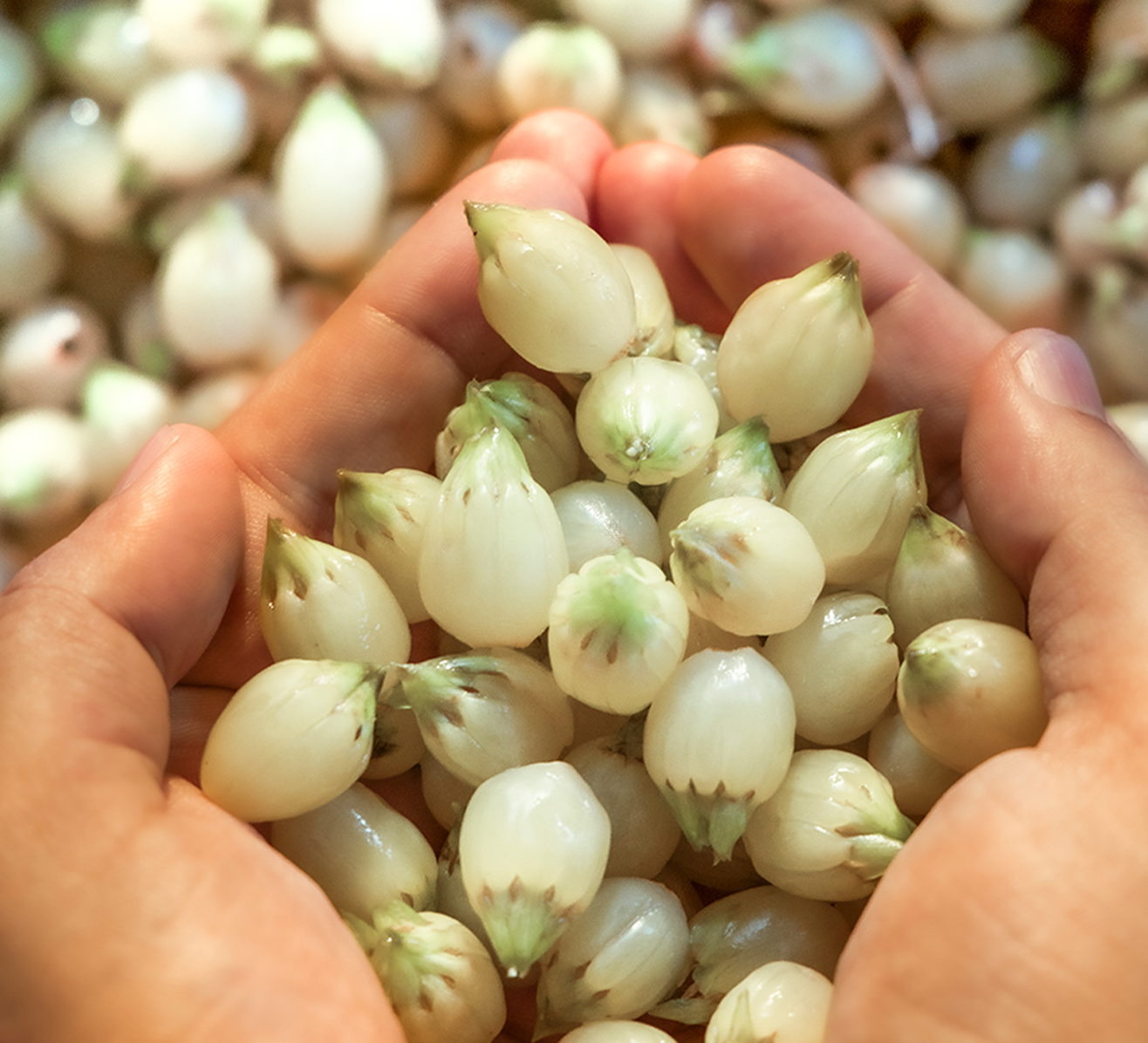
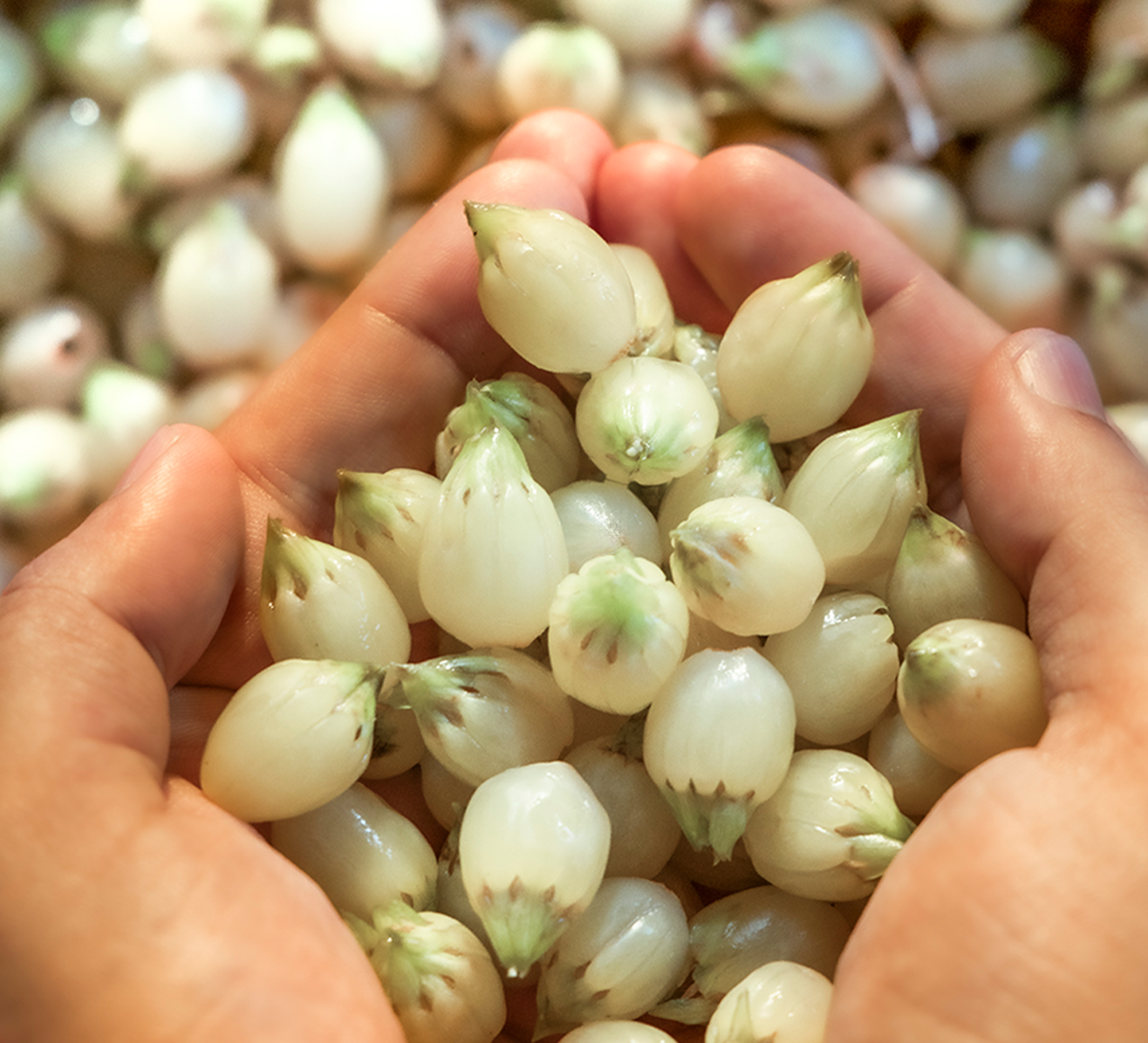
Mahuwa (also spelled mahua or mahula) refers to a spirit made from the dried flowers of the mahua tree. The flowers are naturally sweet. When fermented and distilled, they produce a distinctive alcoholic drink that has been consumed in parts of central and eastern India for generations.
In states like:
The spelling changes, but the base ingredient and process remain similar.
The mahua tree grows widely across:
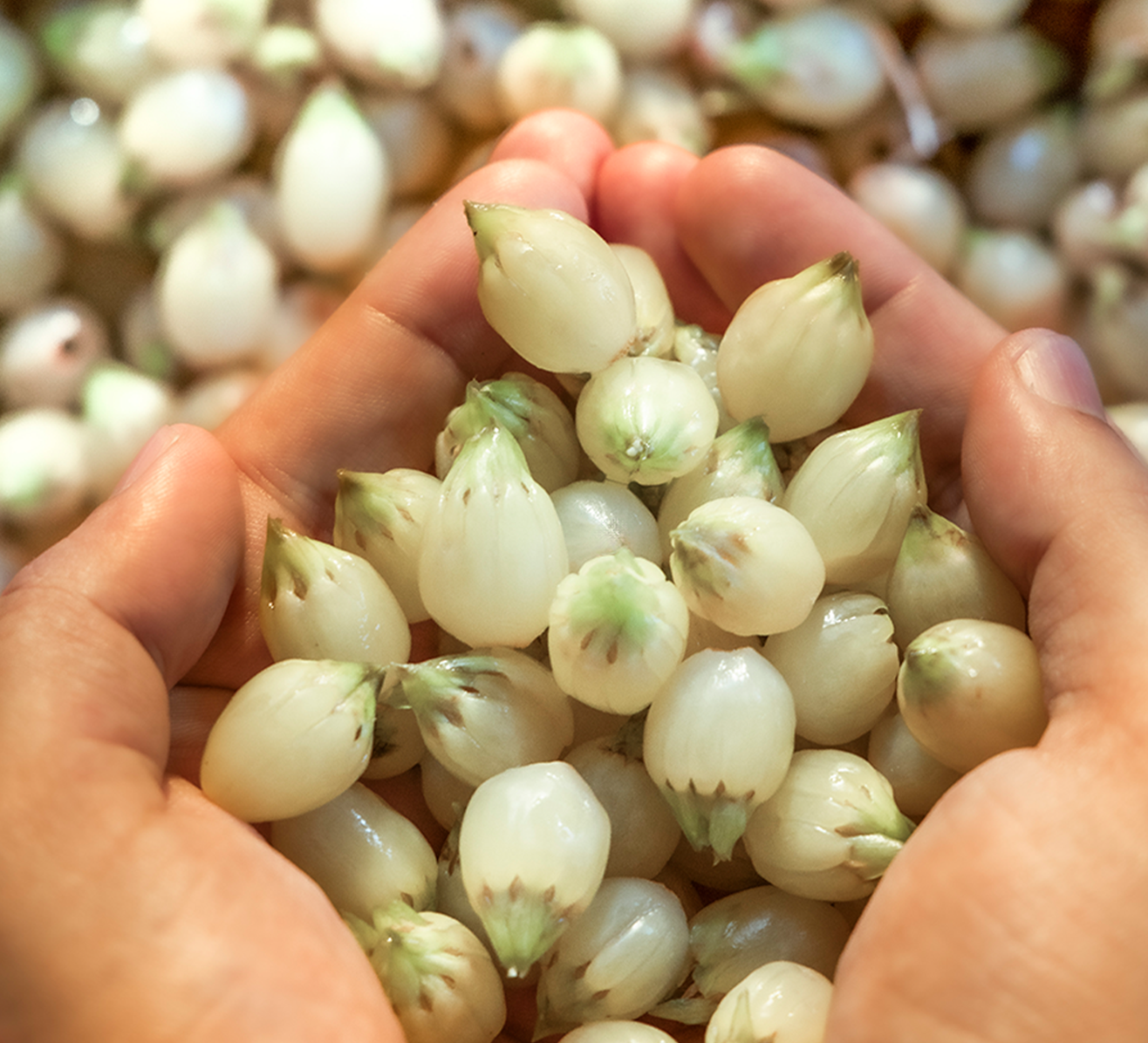
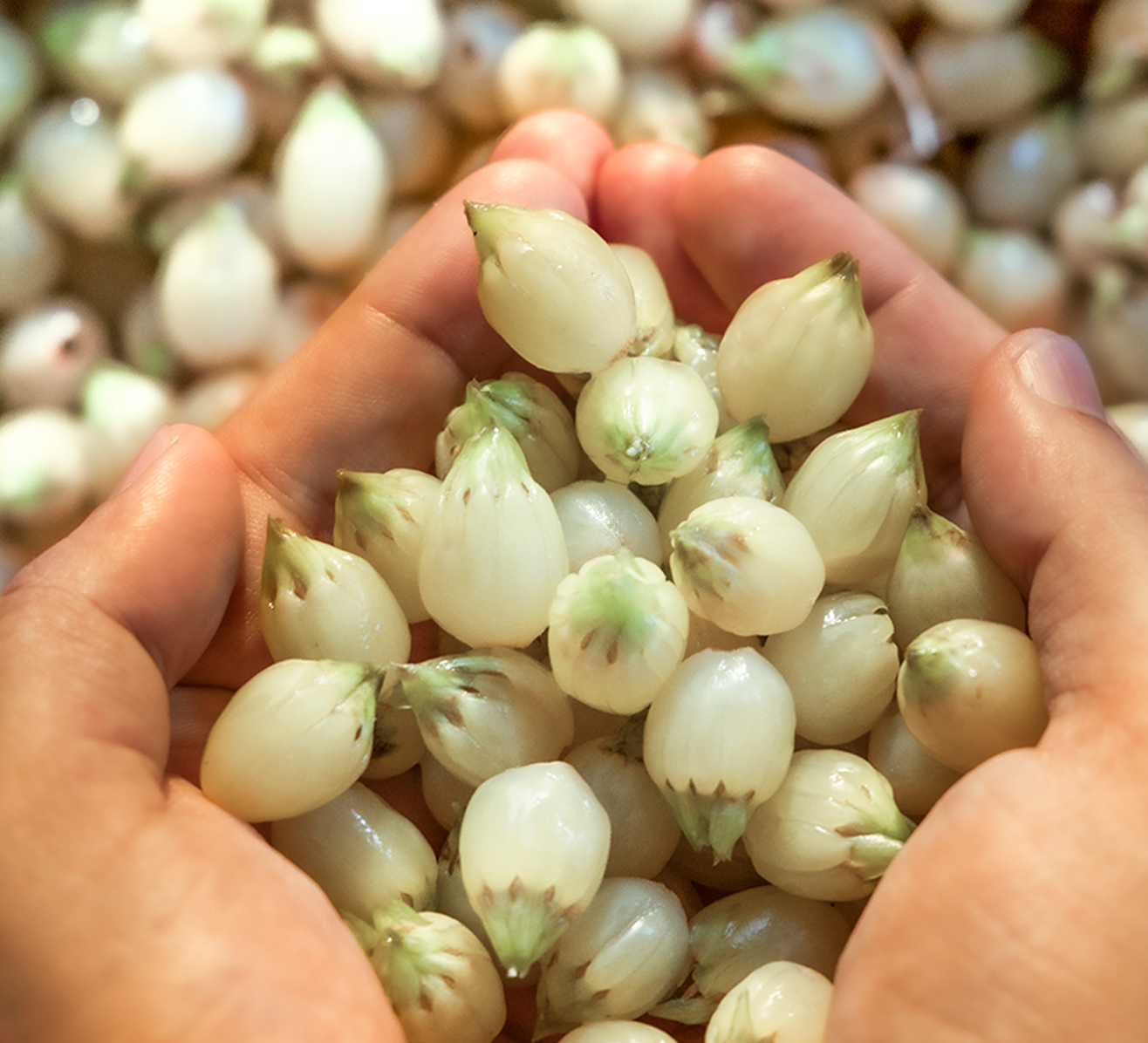
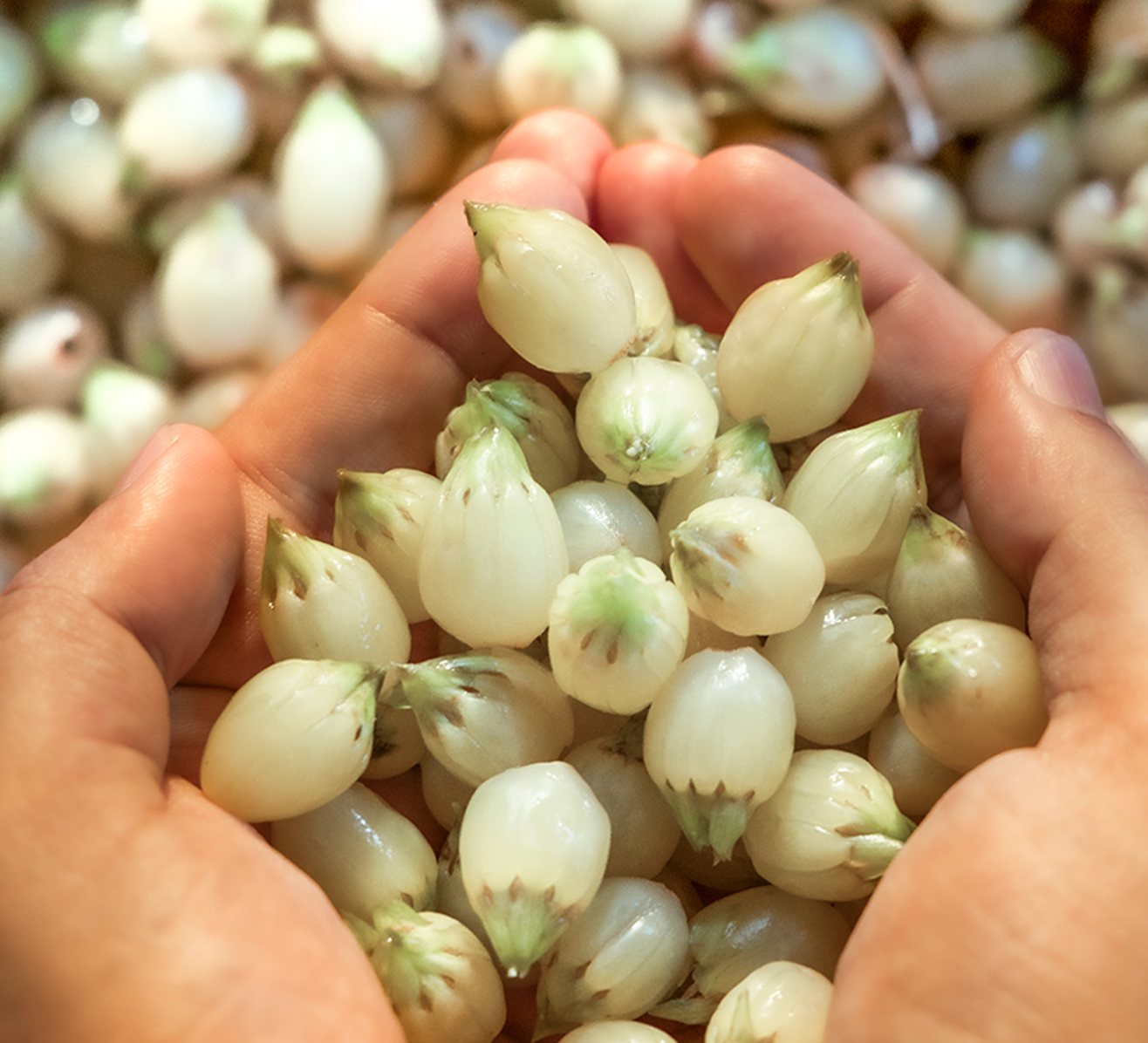
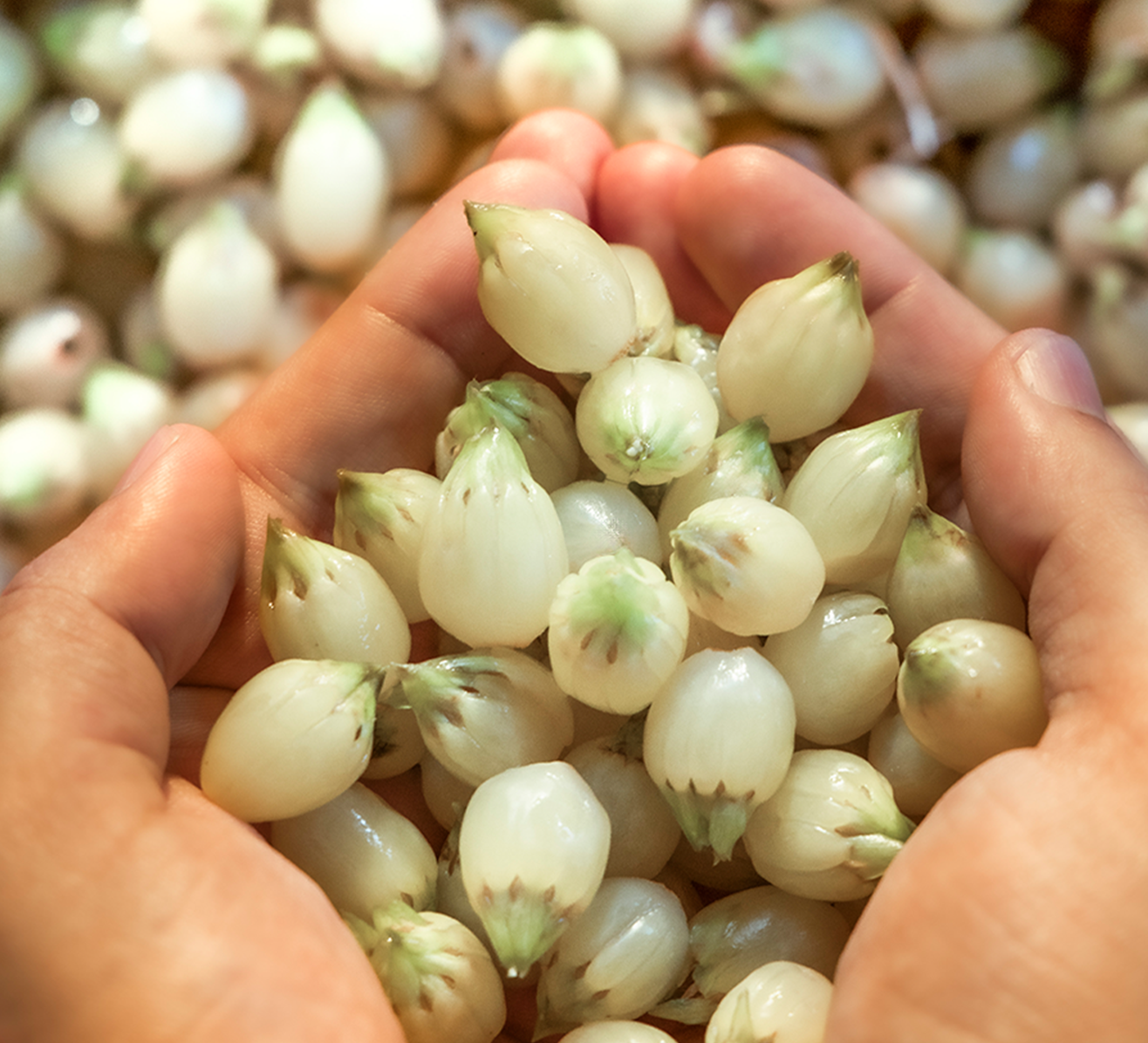
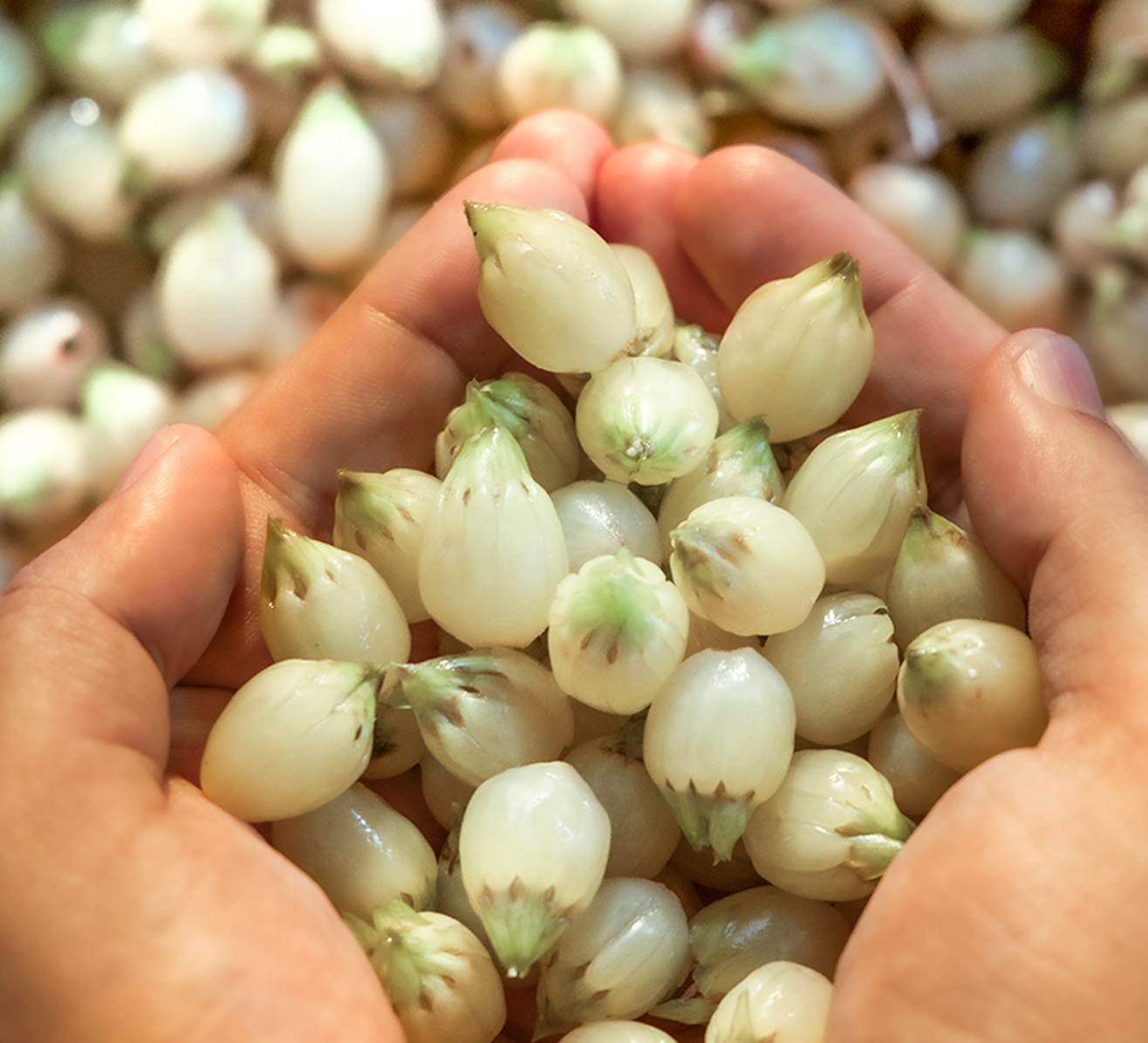
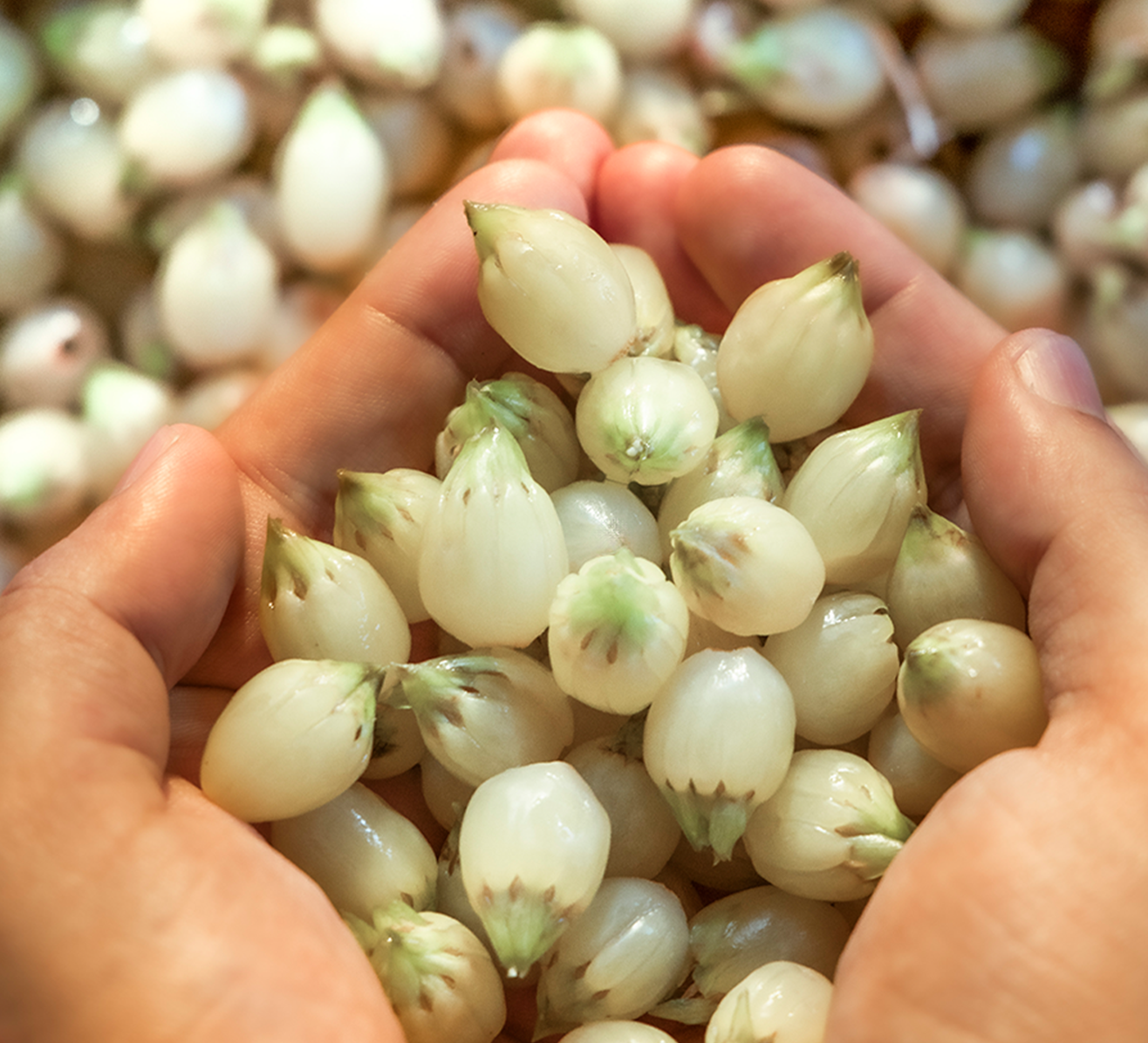
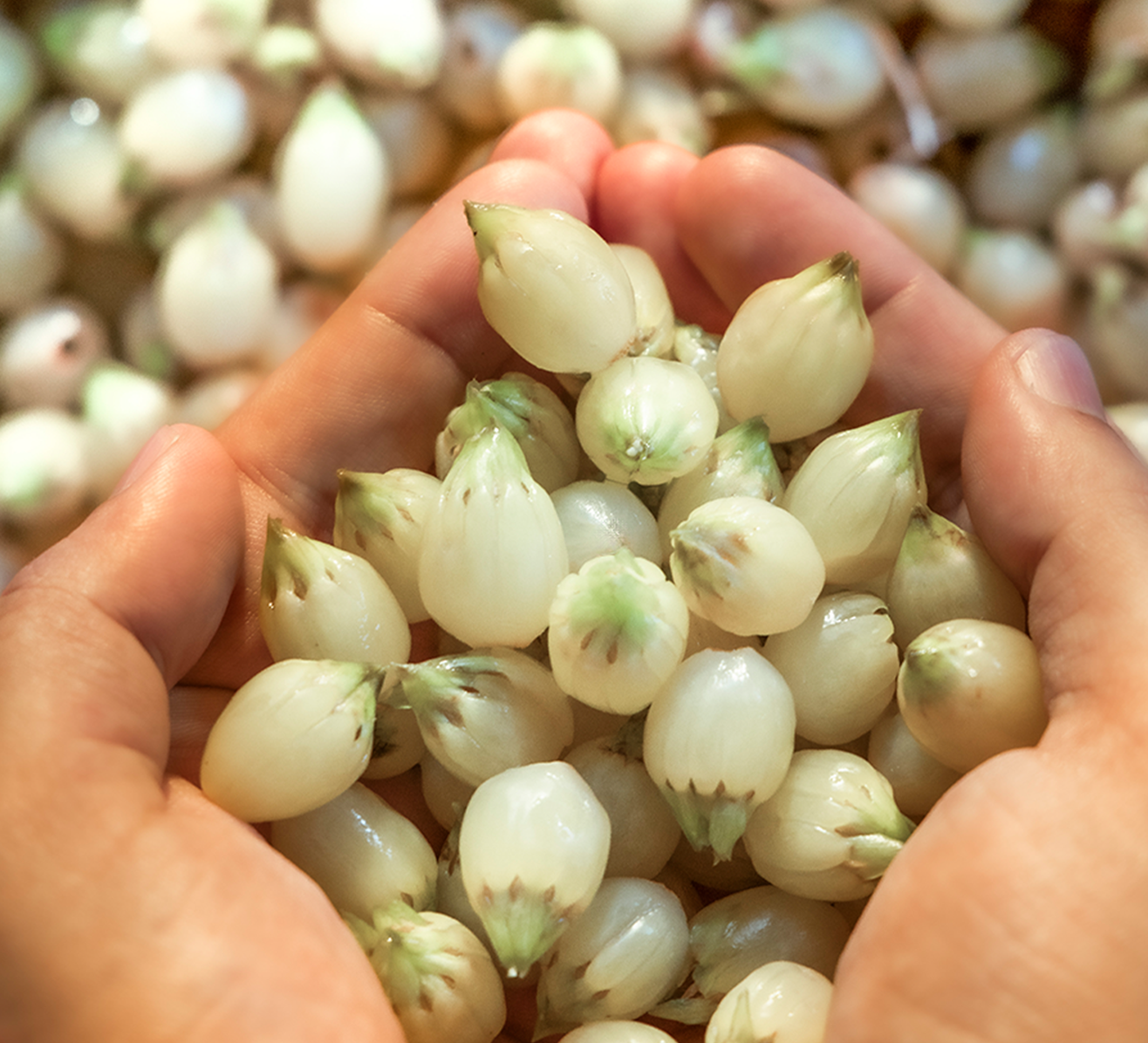
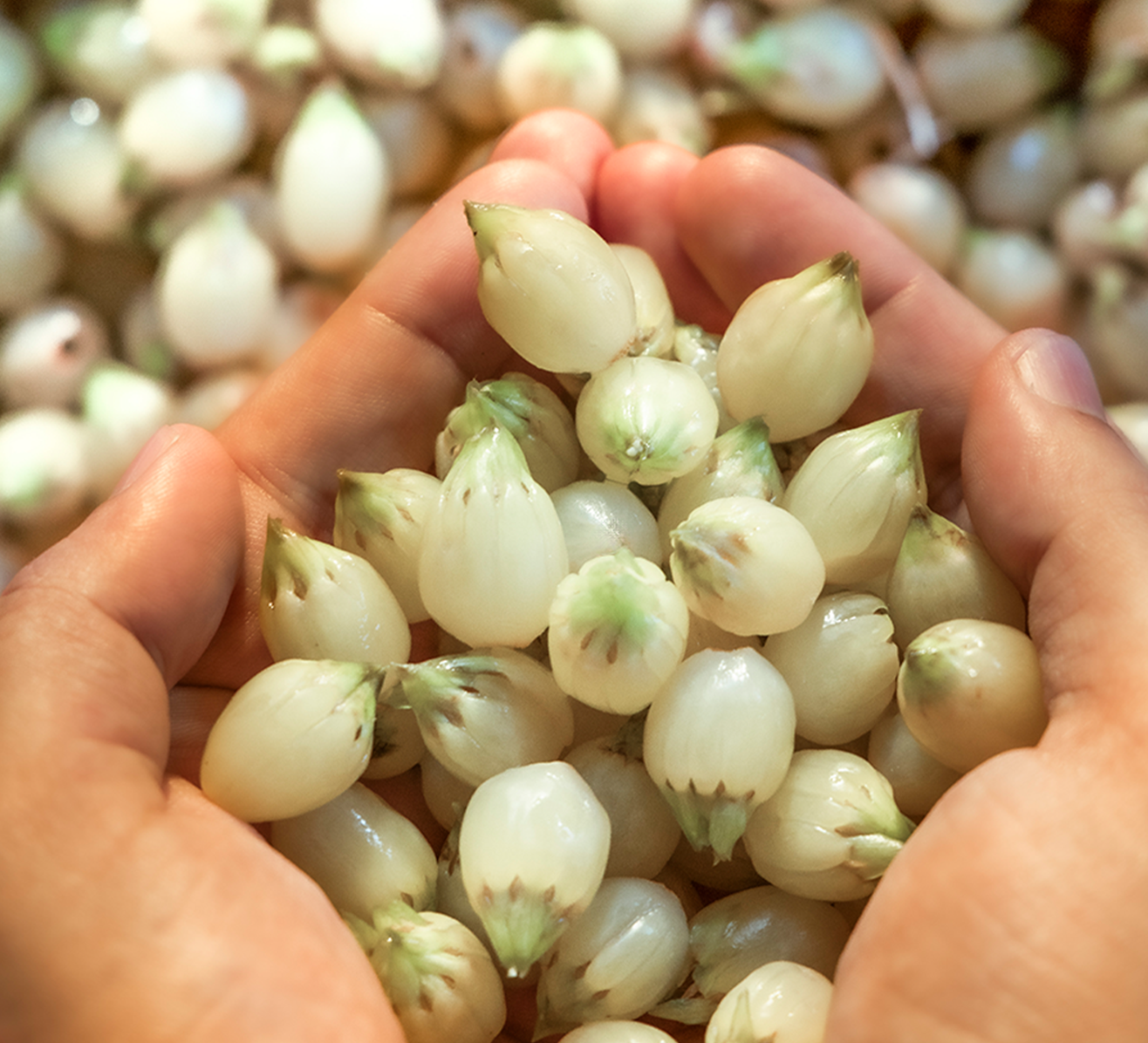
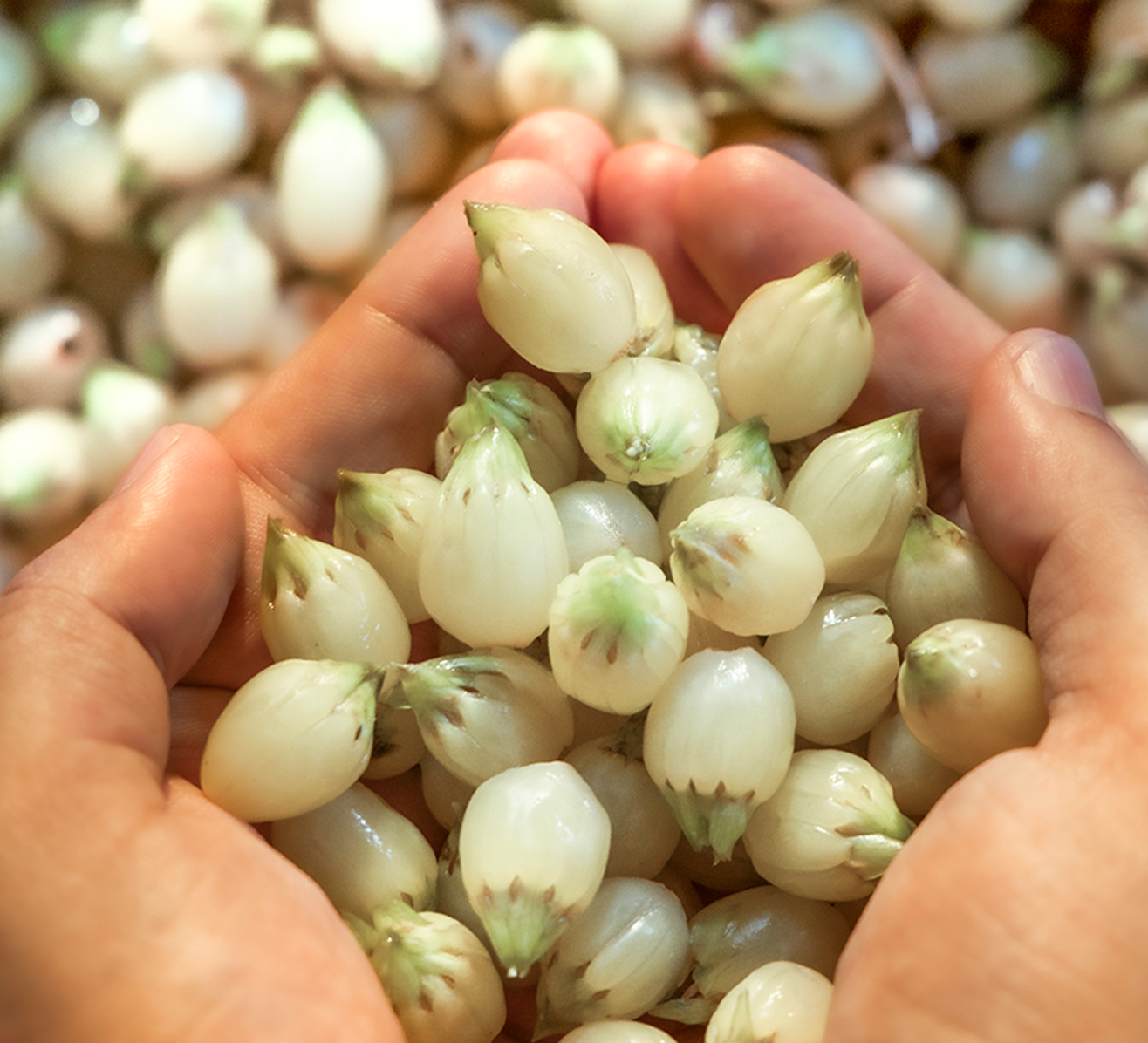
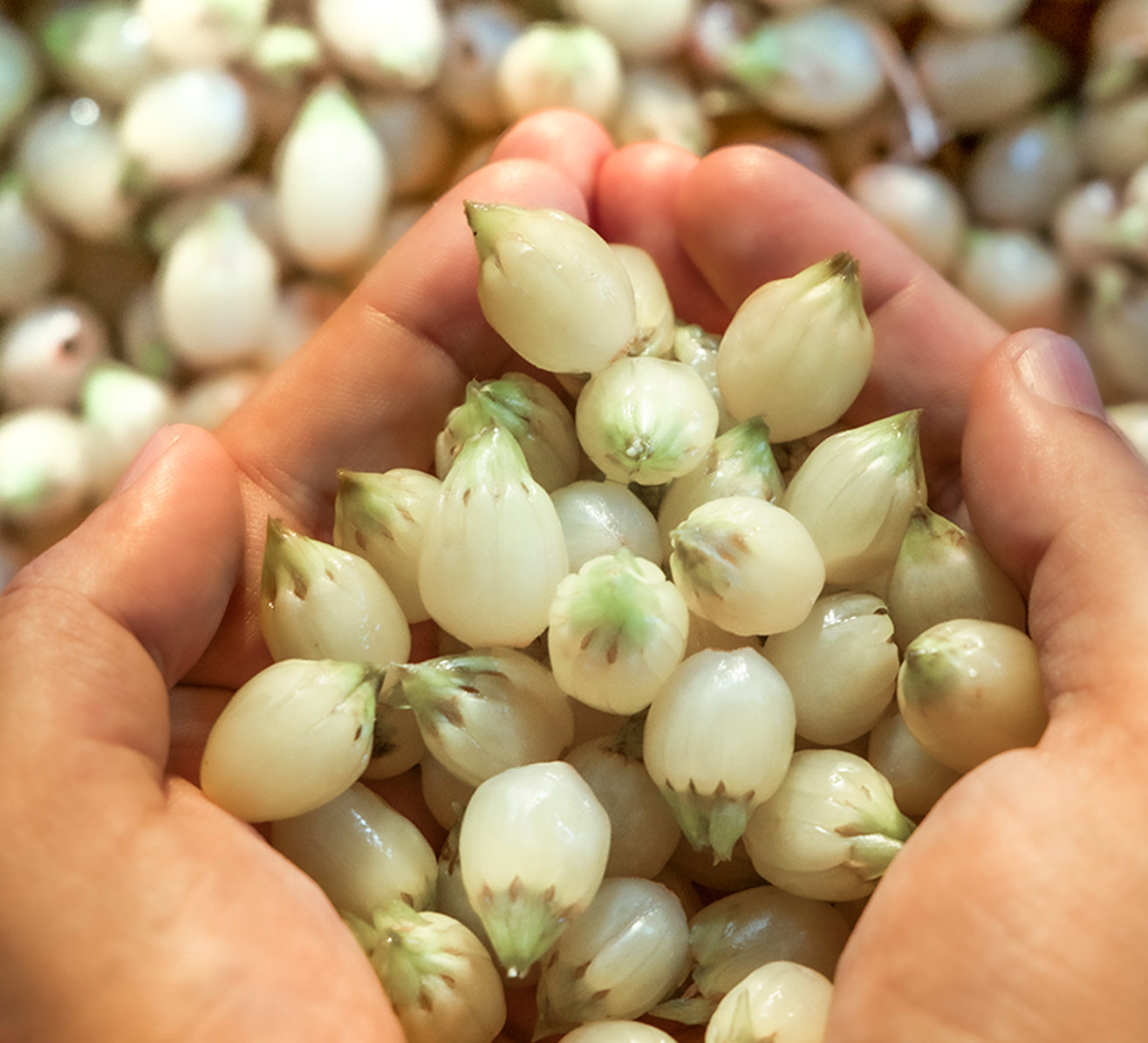
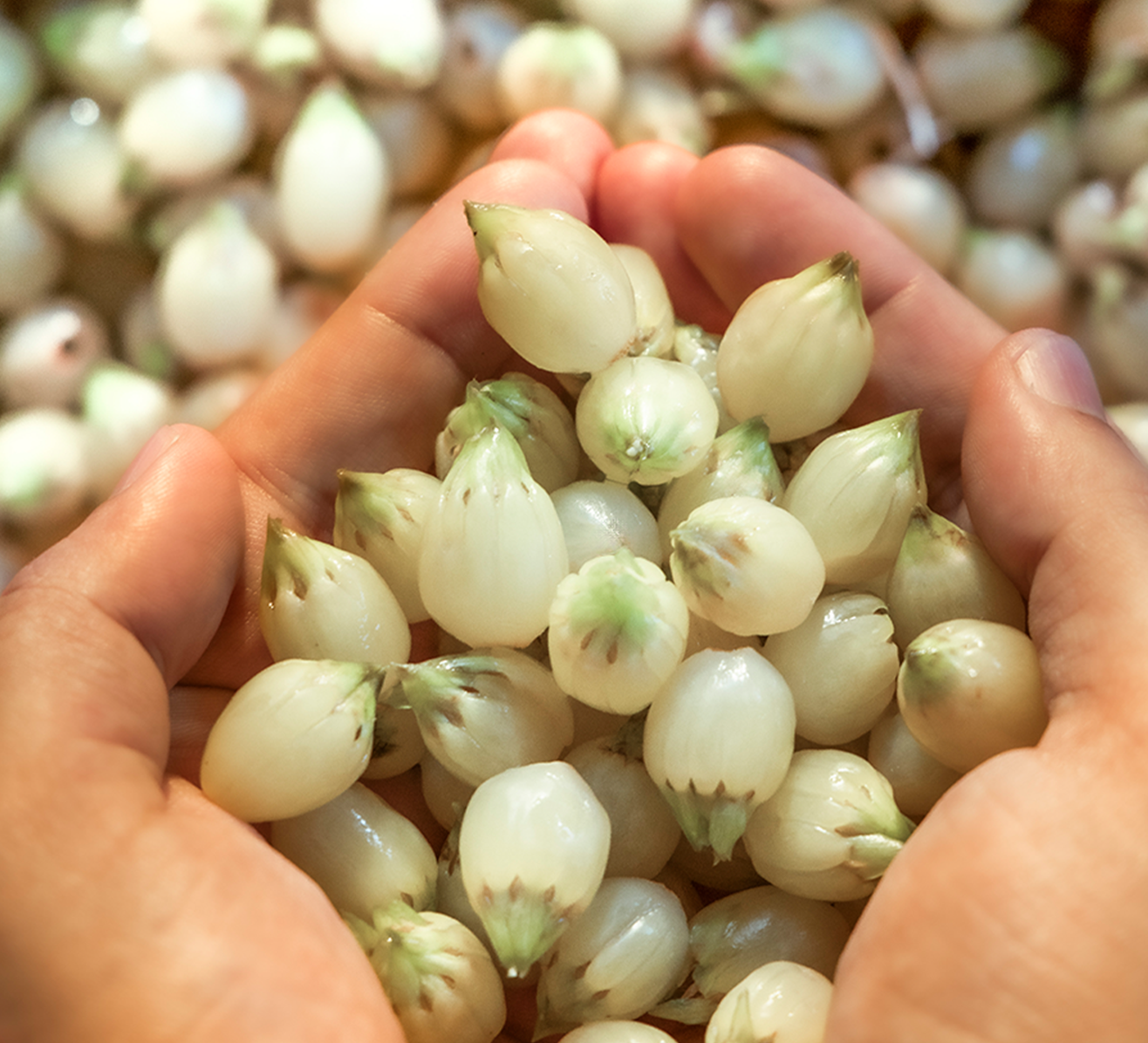
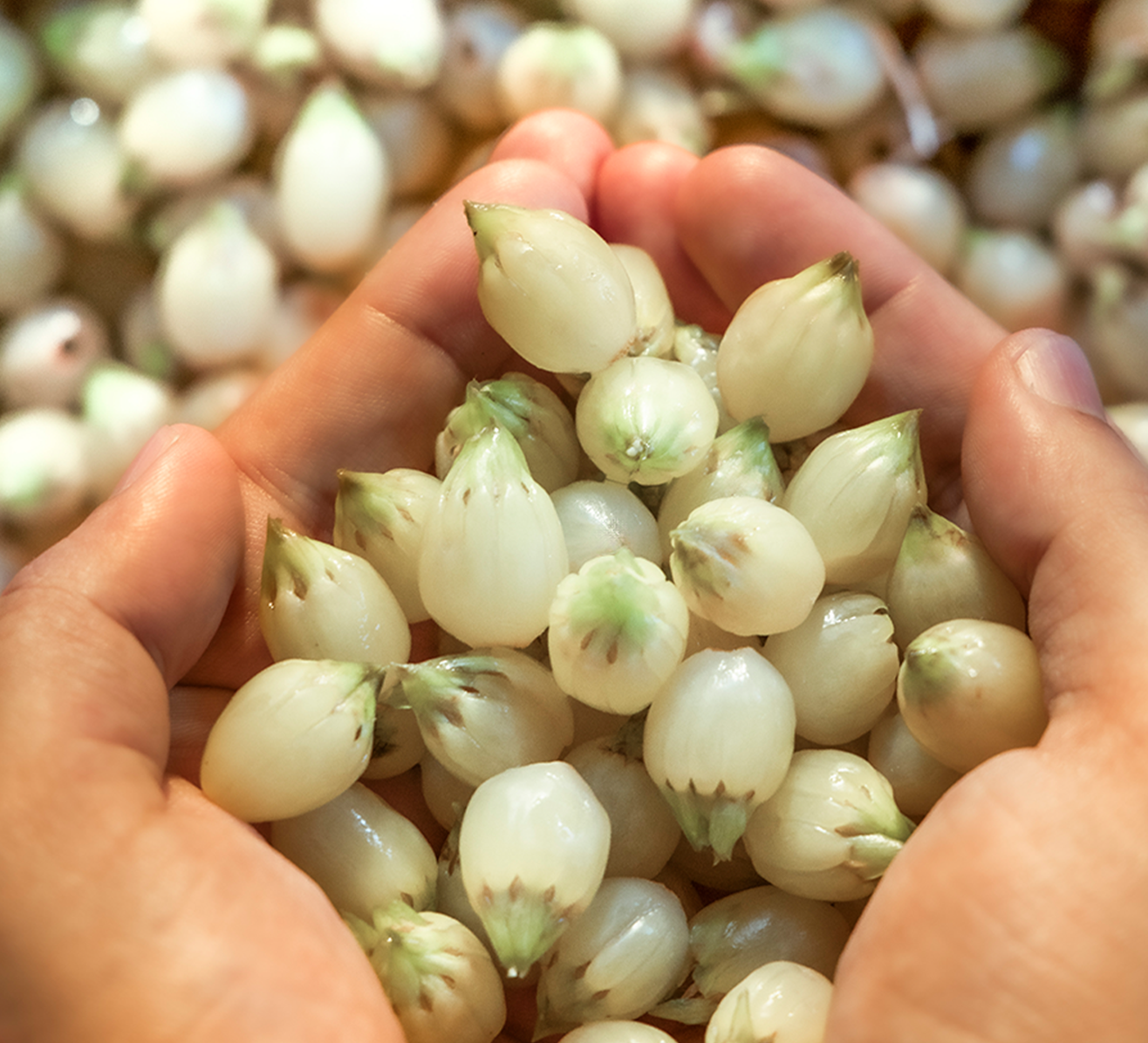
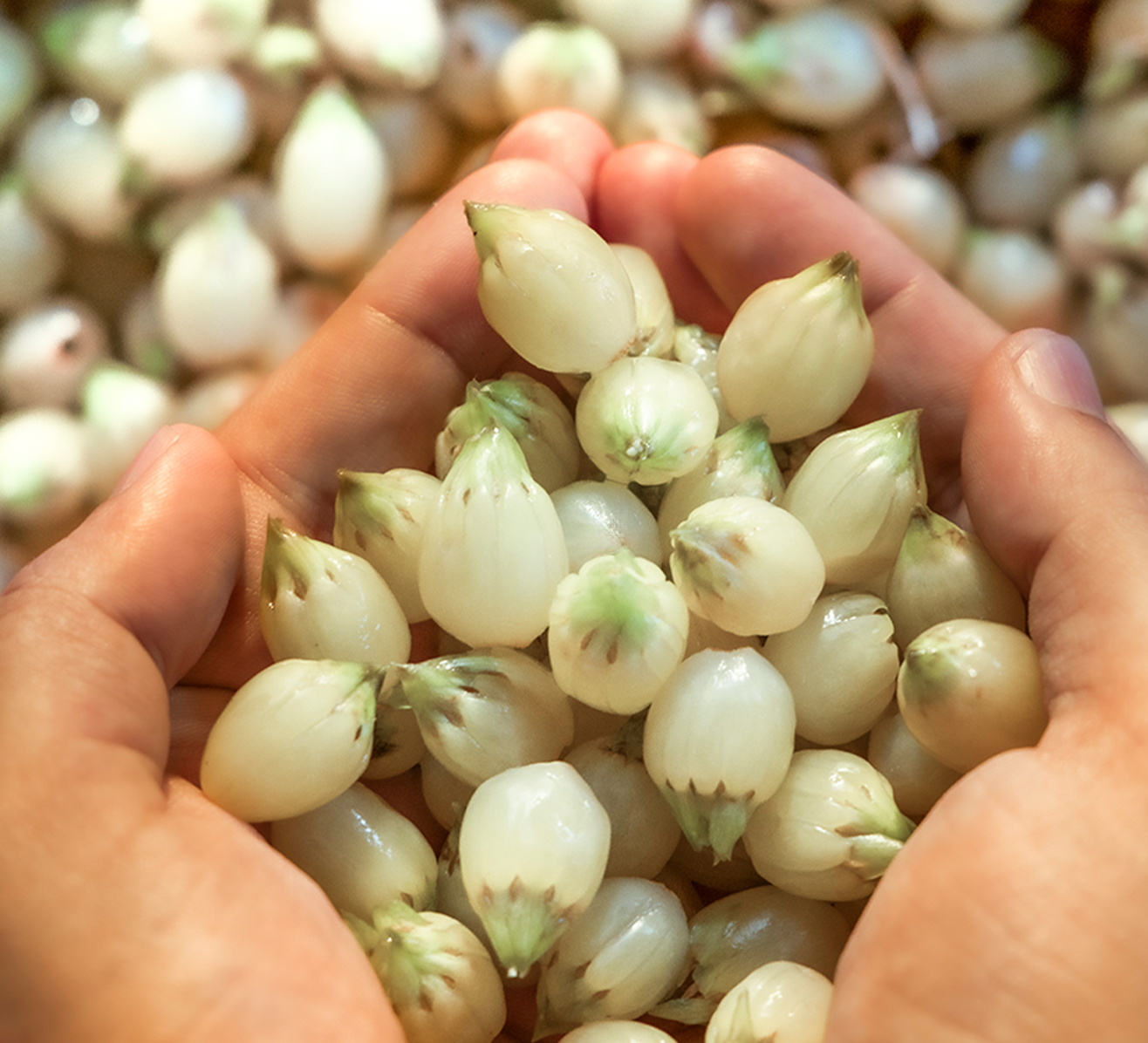
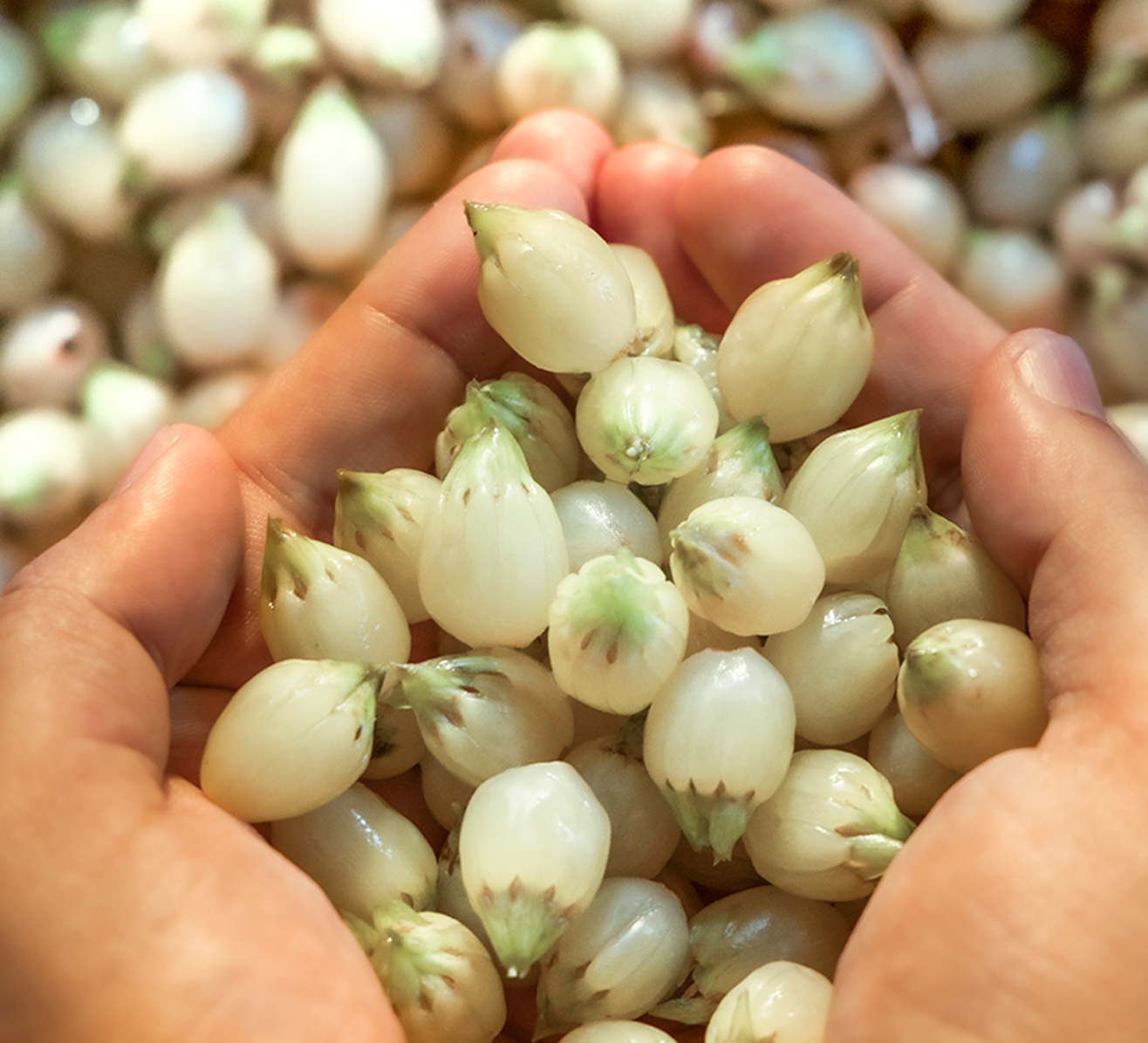
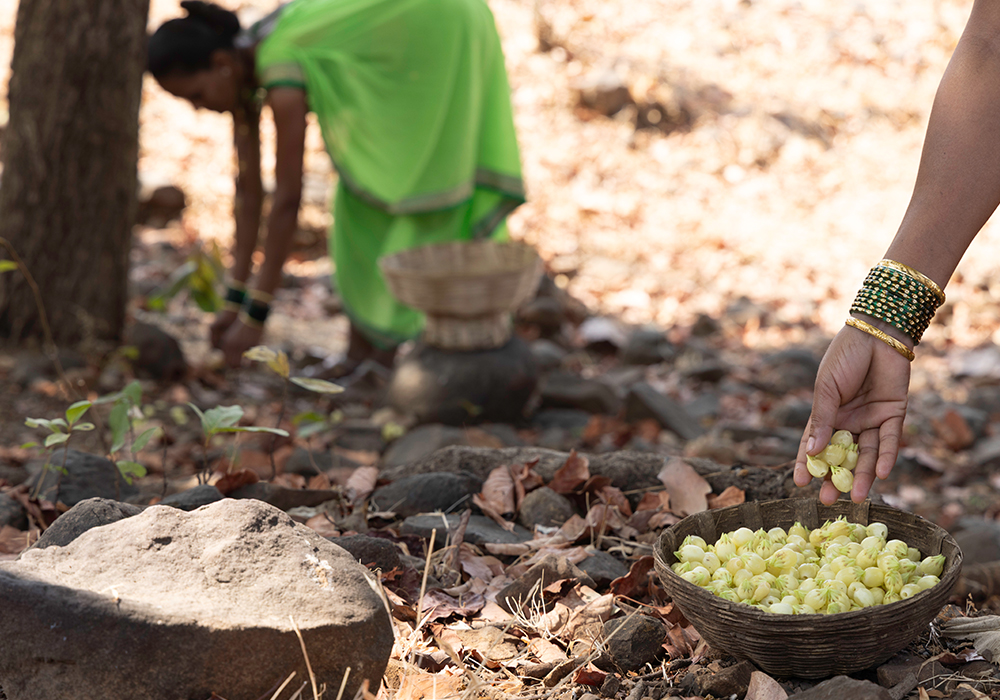
The tree produces small cream-colored flowers that fall naturally to the ground. These flowers are collected, dried, and later used for fermentation.
Unlike grain-based spirits, mahuwa uses flower sugars for alcohol production, which gives it a distinct flavour profile slightly fruity, mildly sweet, and earthy.
Here’s how the process generally works:
Fresh flowers are gathered after they fall from the tree.
They are sun-dried to preserve natural sugars.
The dried flowers are soaked in water and allowed to ferment for several days.
The fermented liquid is distilled to produce alcohol.
Traditional methods vary by region. Modern commercial brands use controlled fermentation and hygienic distillation to ensure consistent taste and quality.
Let’s clear this up.
There is no major difference in the base ingredient. The variation is mostly linguistic. However, the final taste can differ based on:
So when someone searches for mahuwa or mahula, they’re usually looking for mahua liquor information, pricing, or availability.
People often compare it loosely to rum or fruit-based spirits, but that’s not entirely accurate.
Typical tasting notes include:
Unregulated or poorly distilled variants can taste harsh. That’s why choosing a licensed brand matters.
What’s changed in recent years?
Urban consumers are exploring options beyond whisky, vodka, and gin.
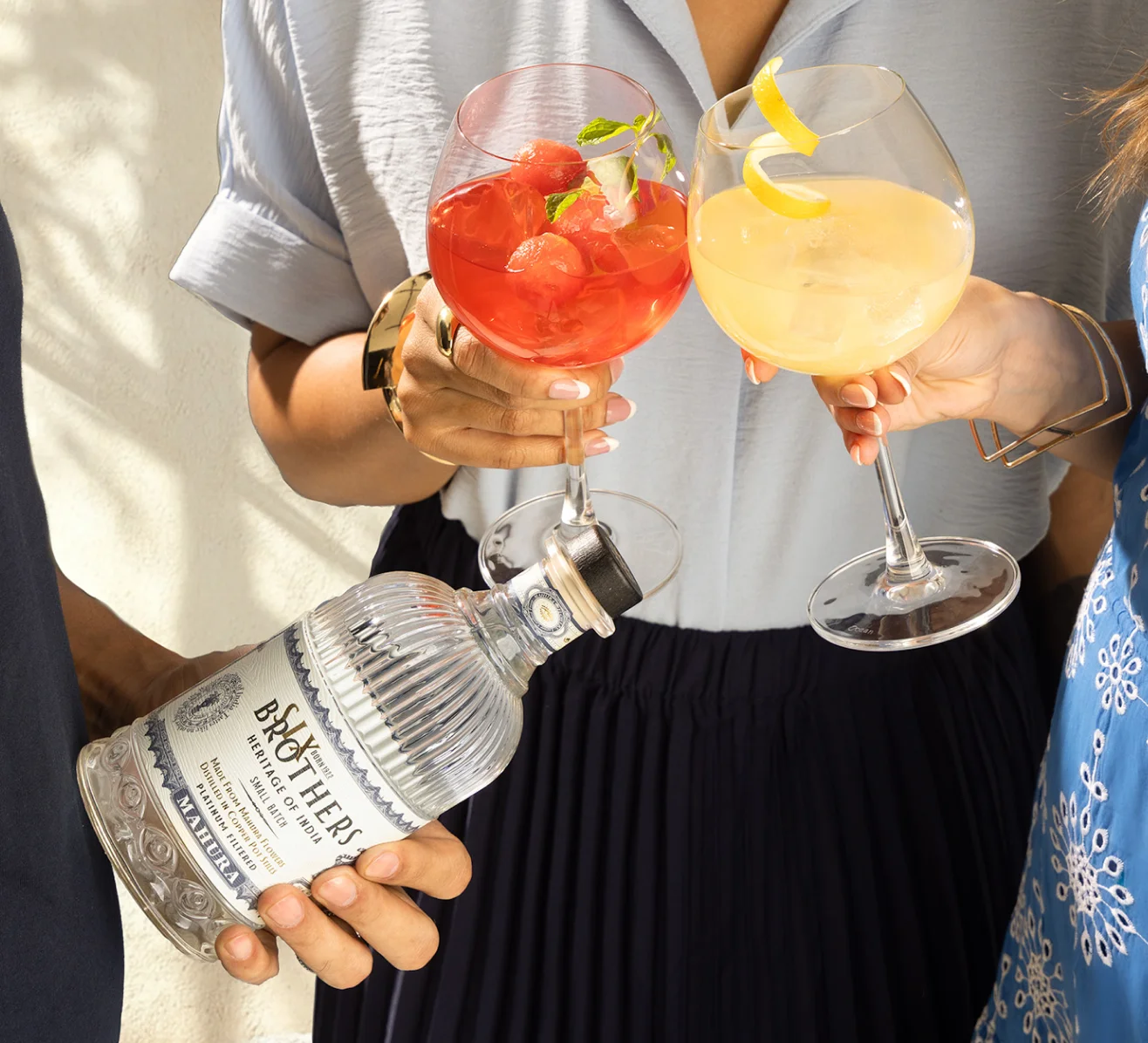
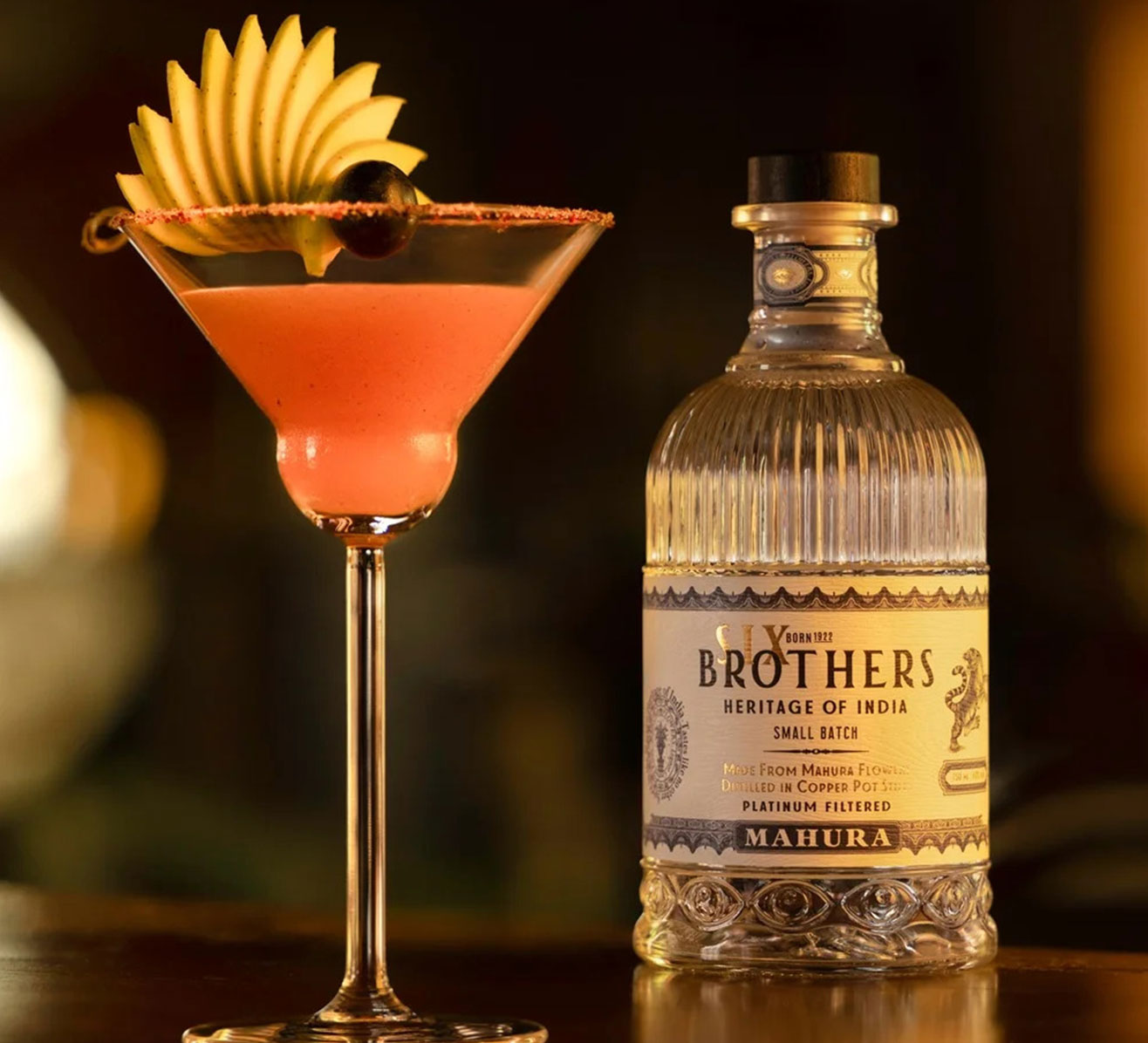
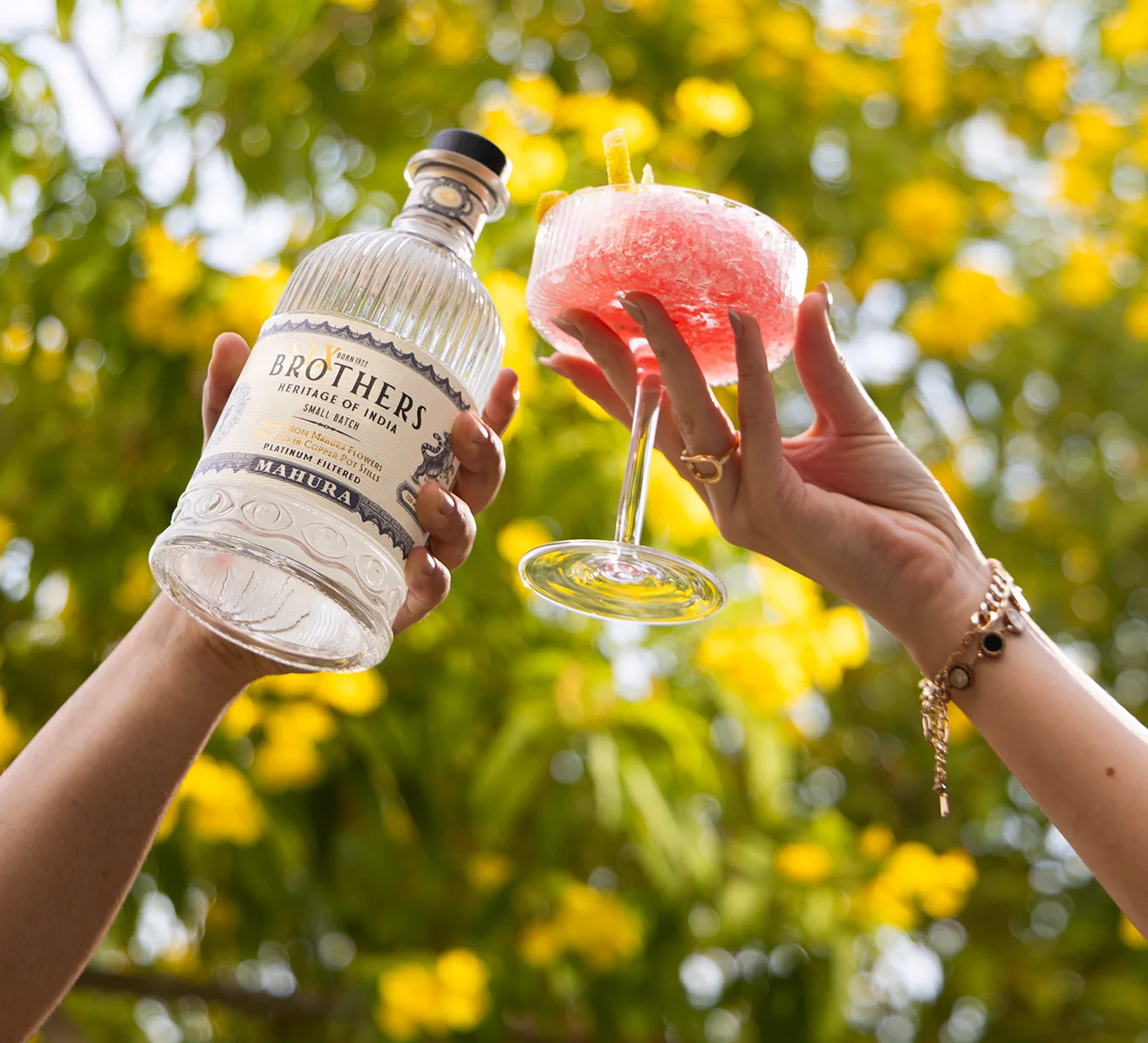
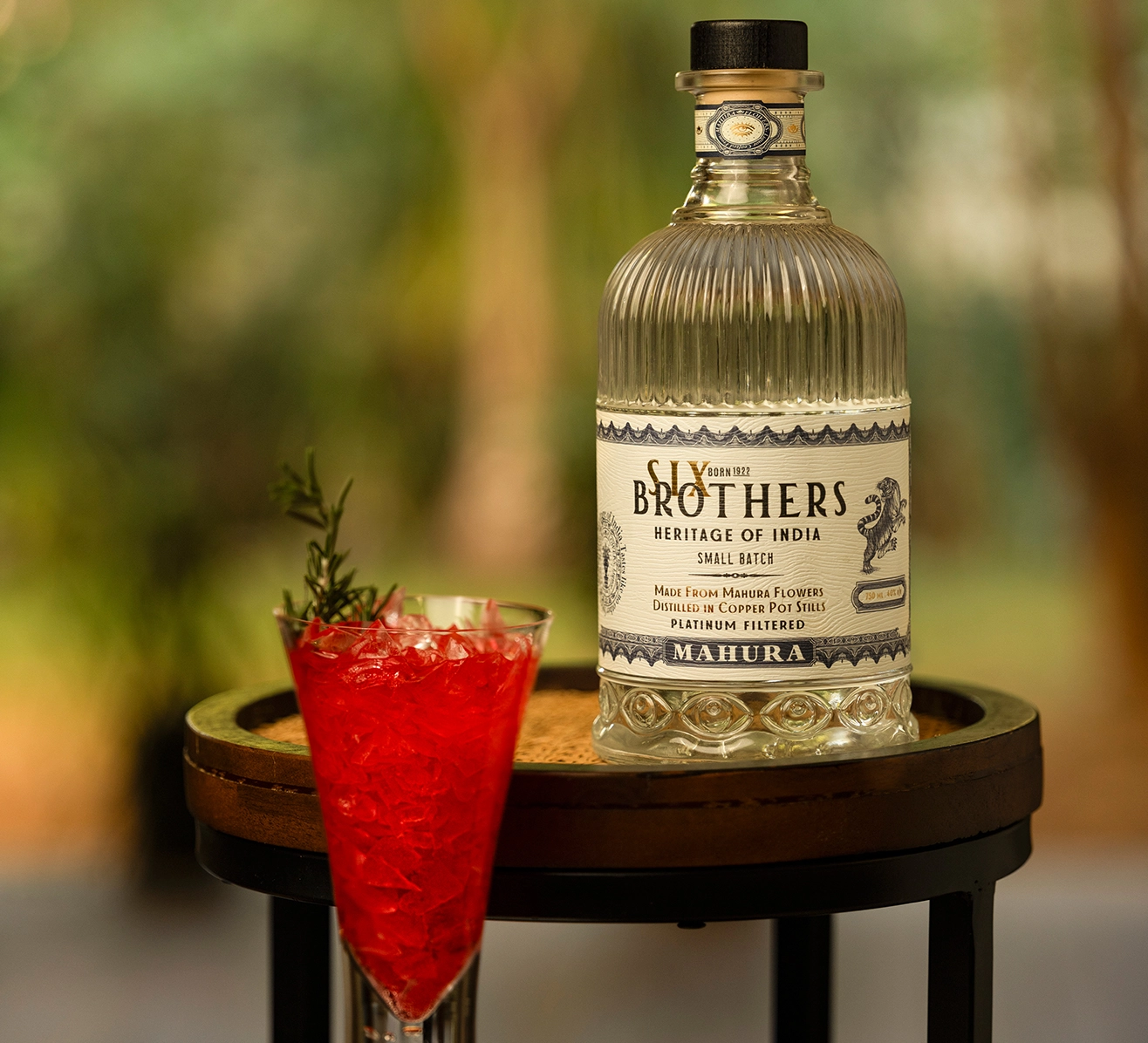
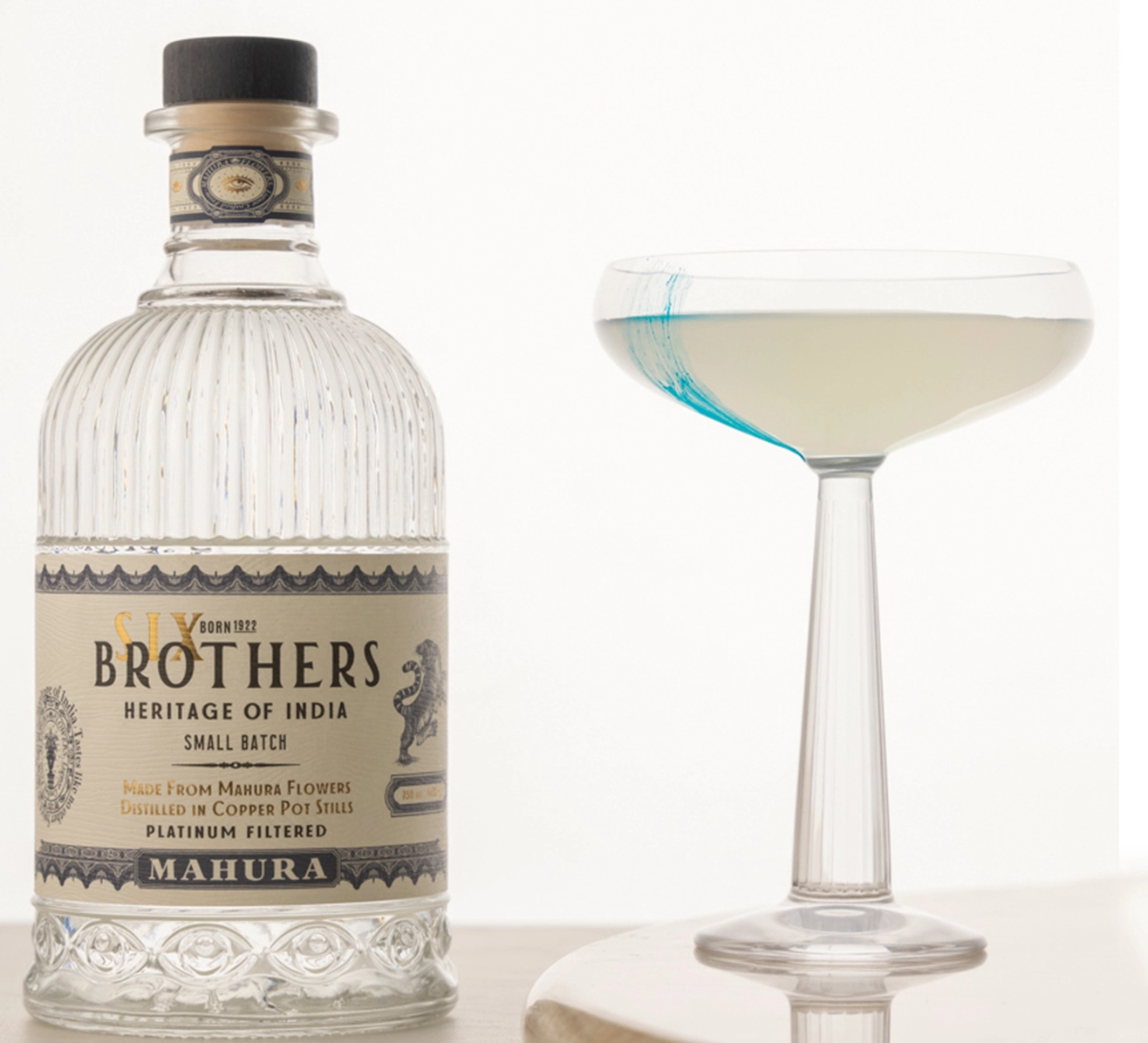
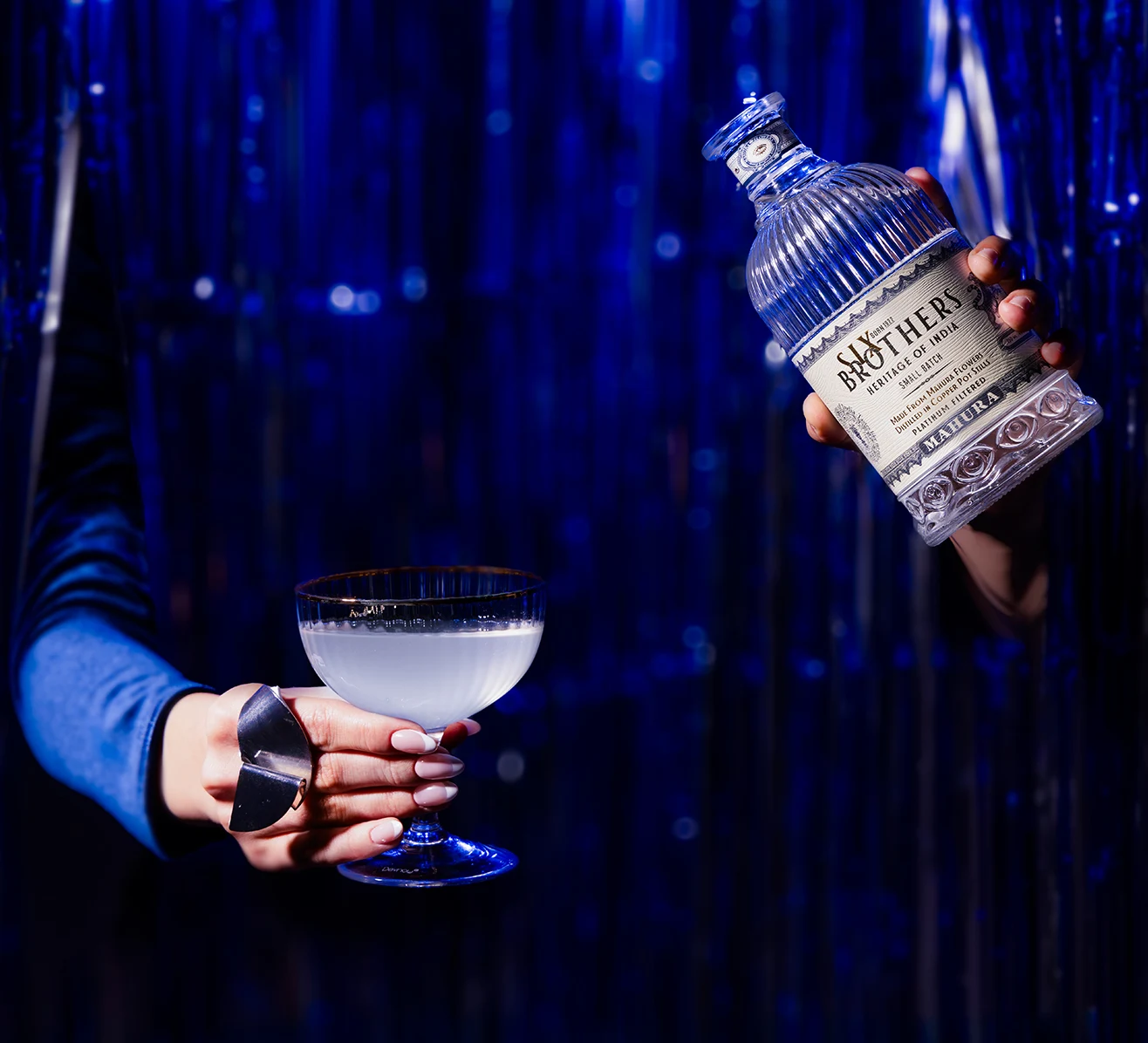
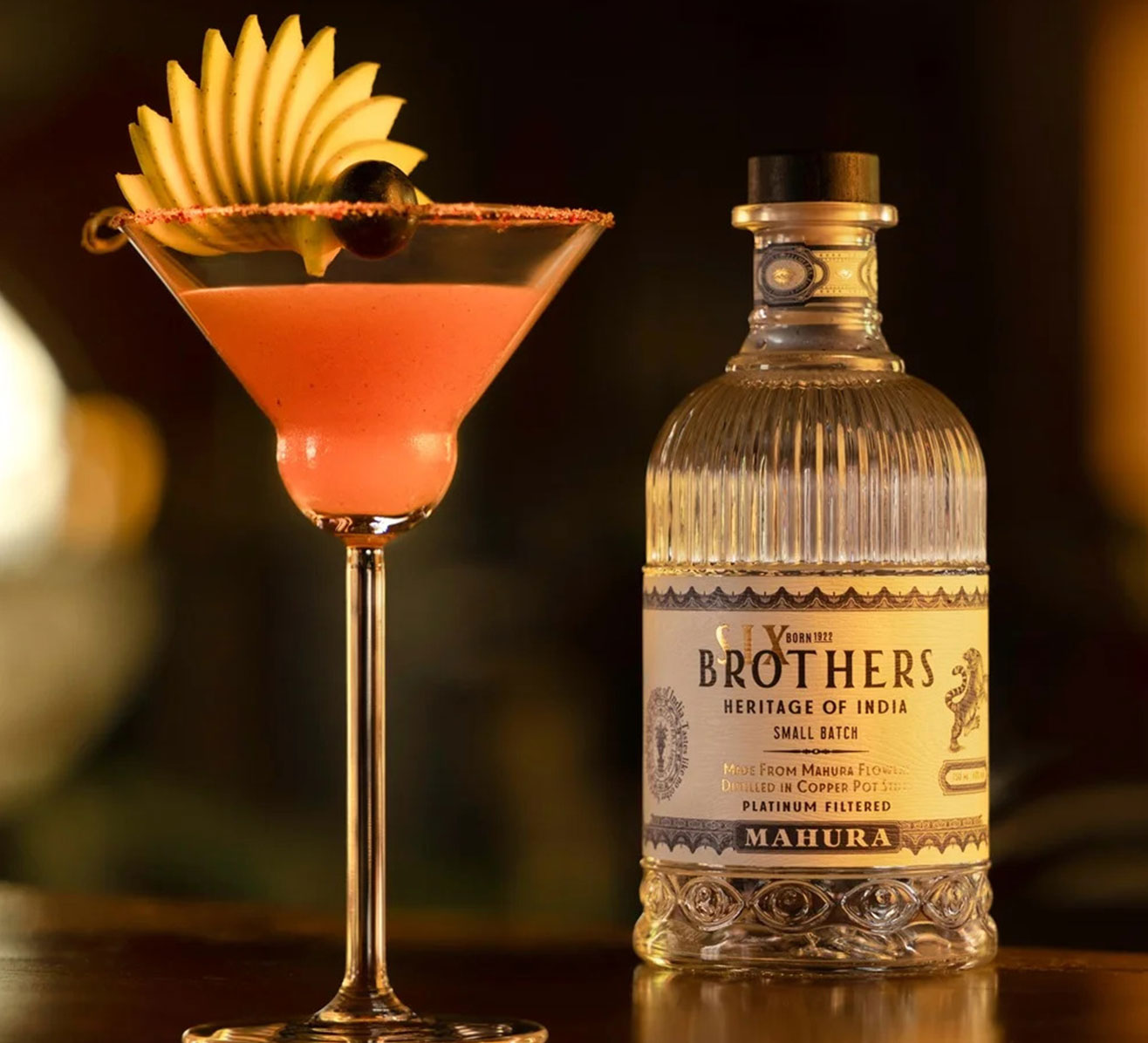
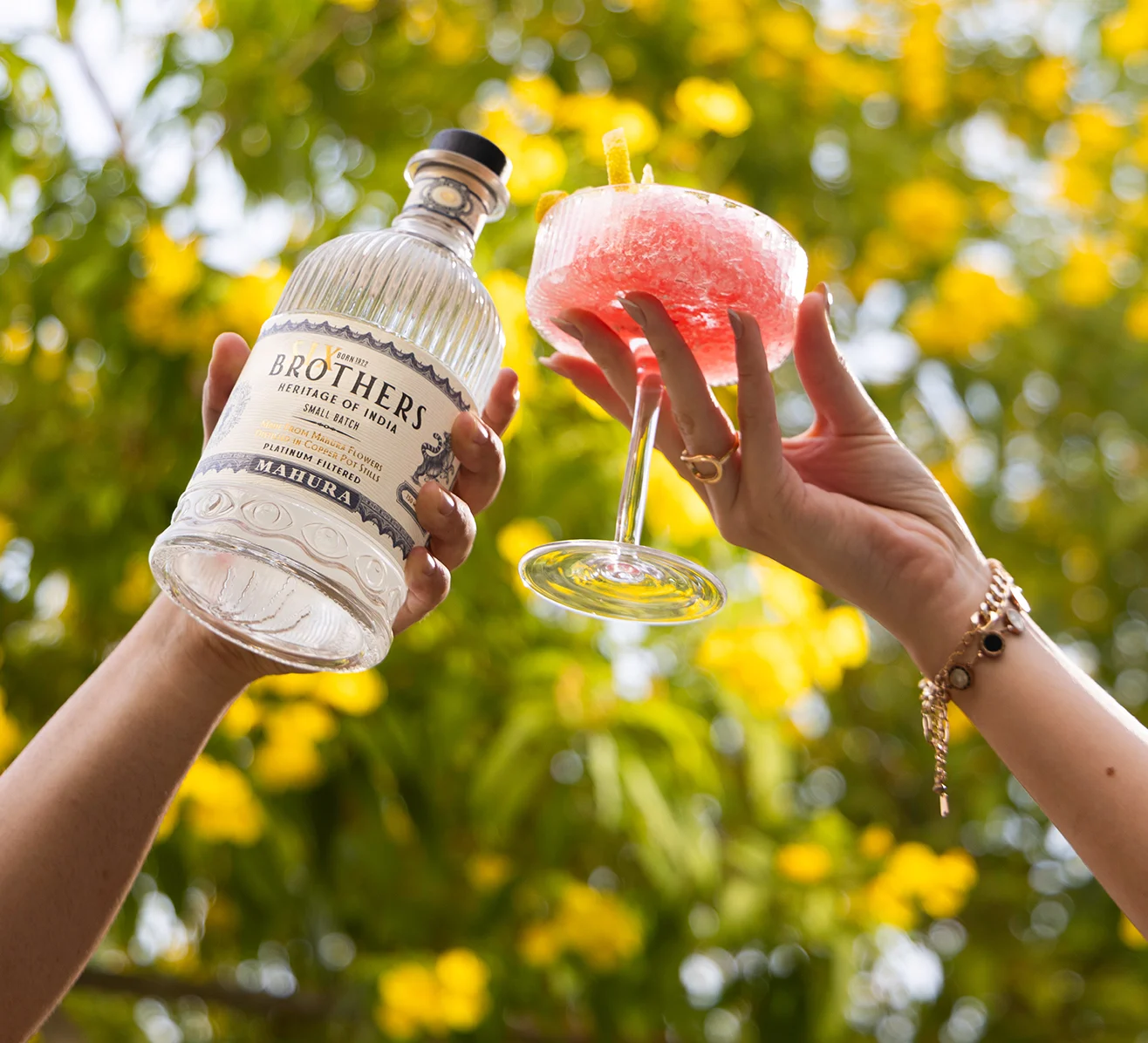
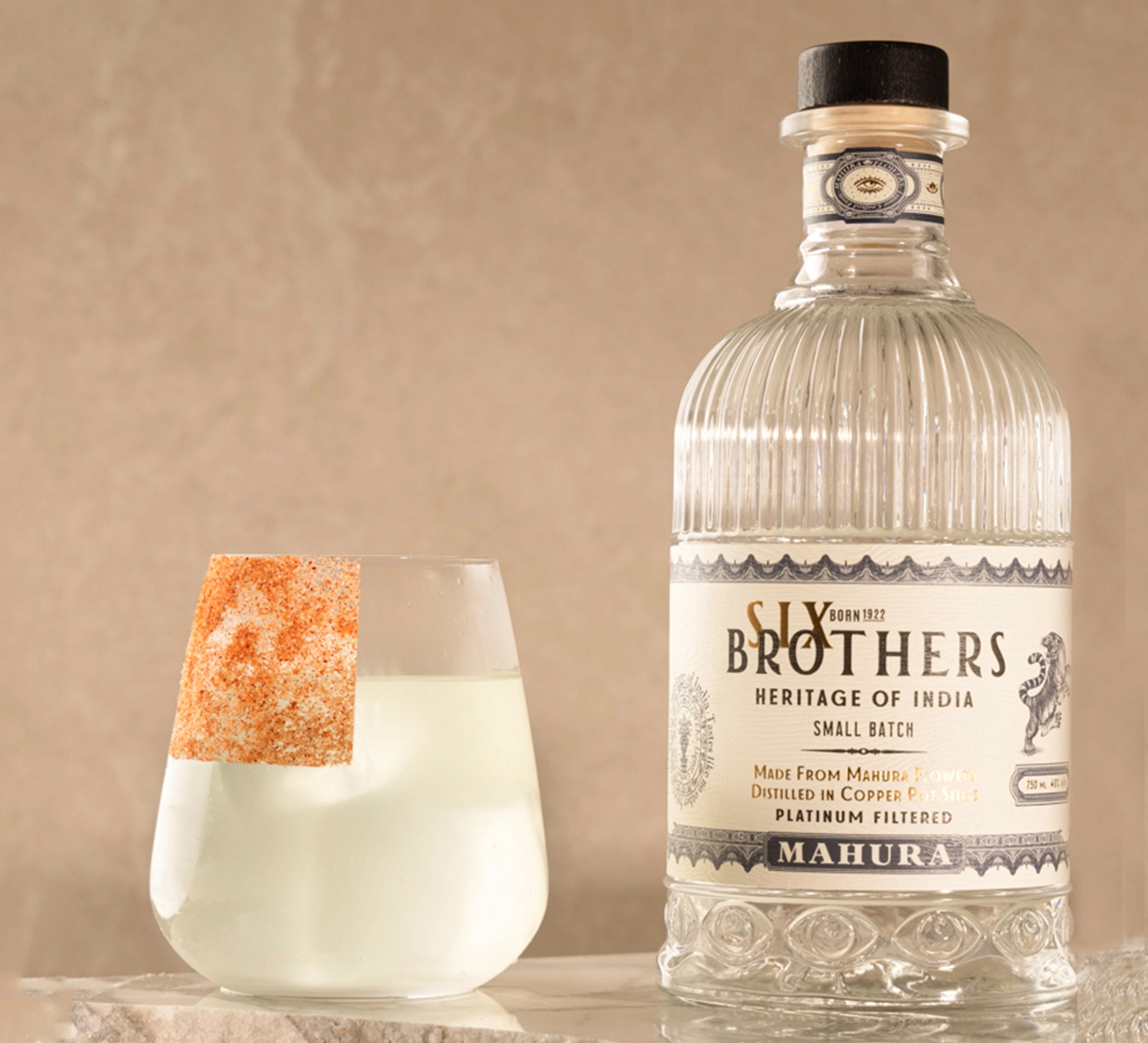
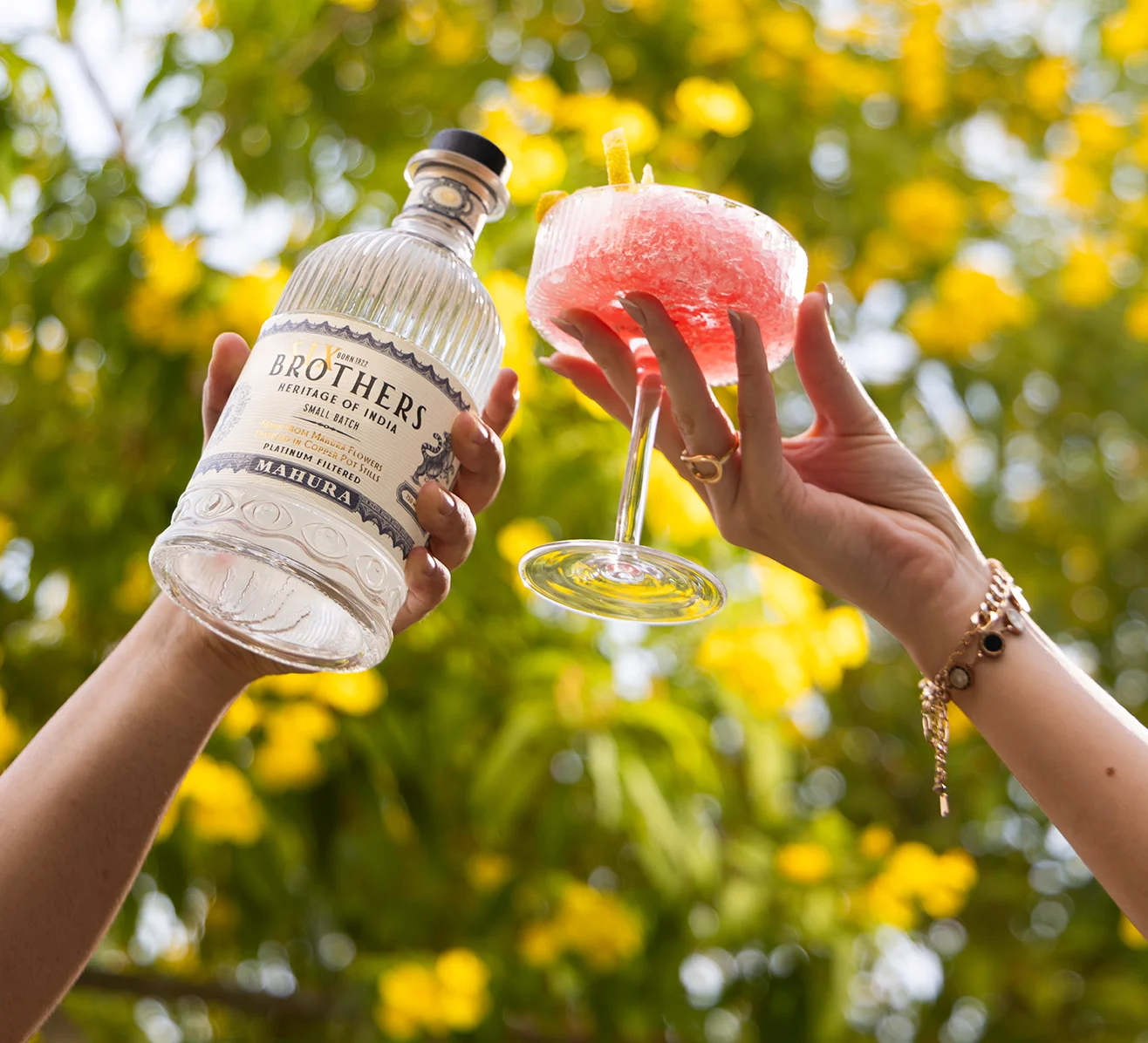
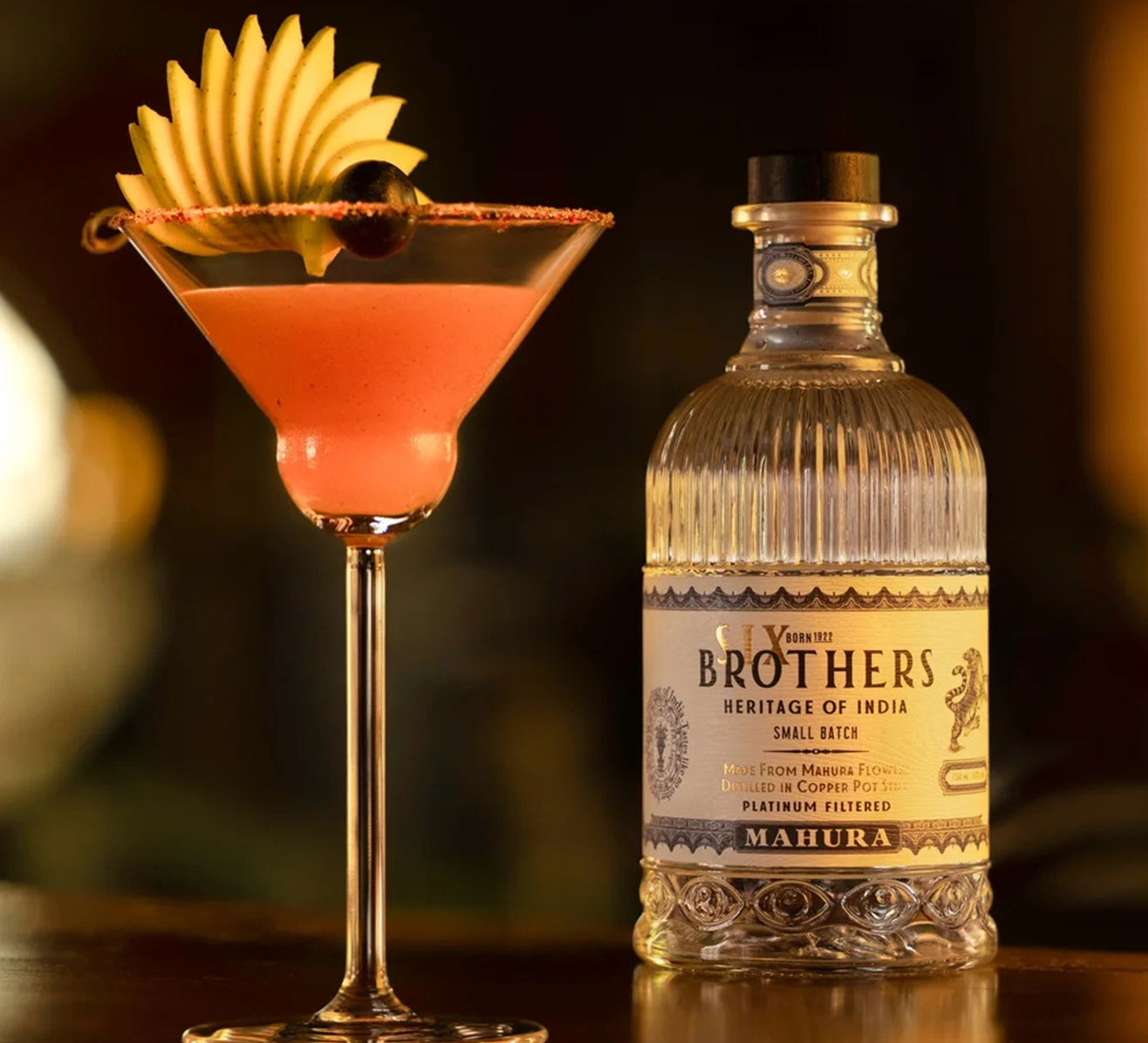
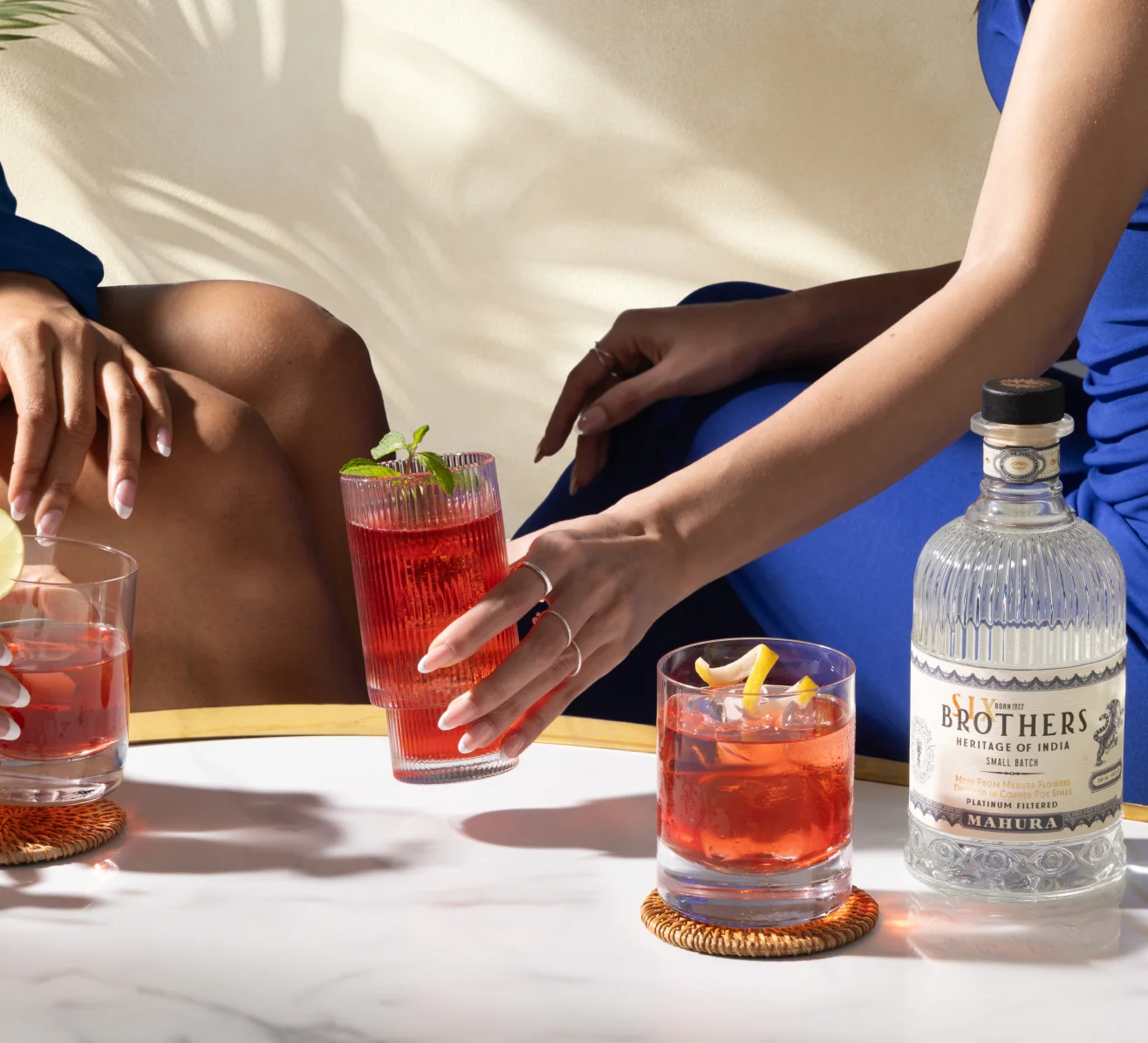
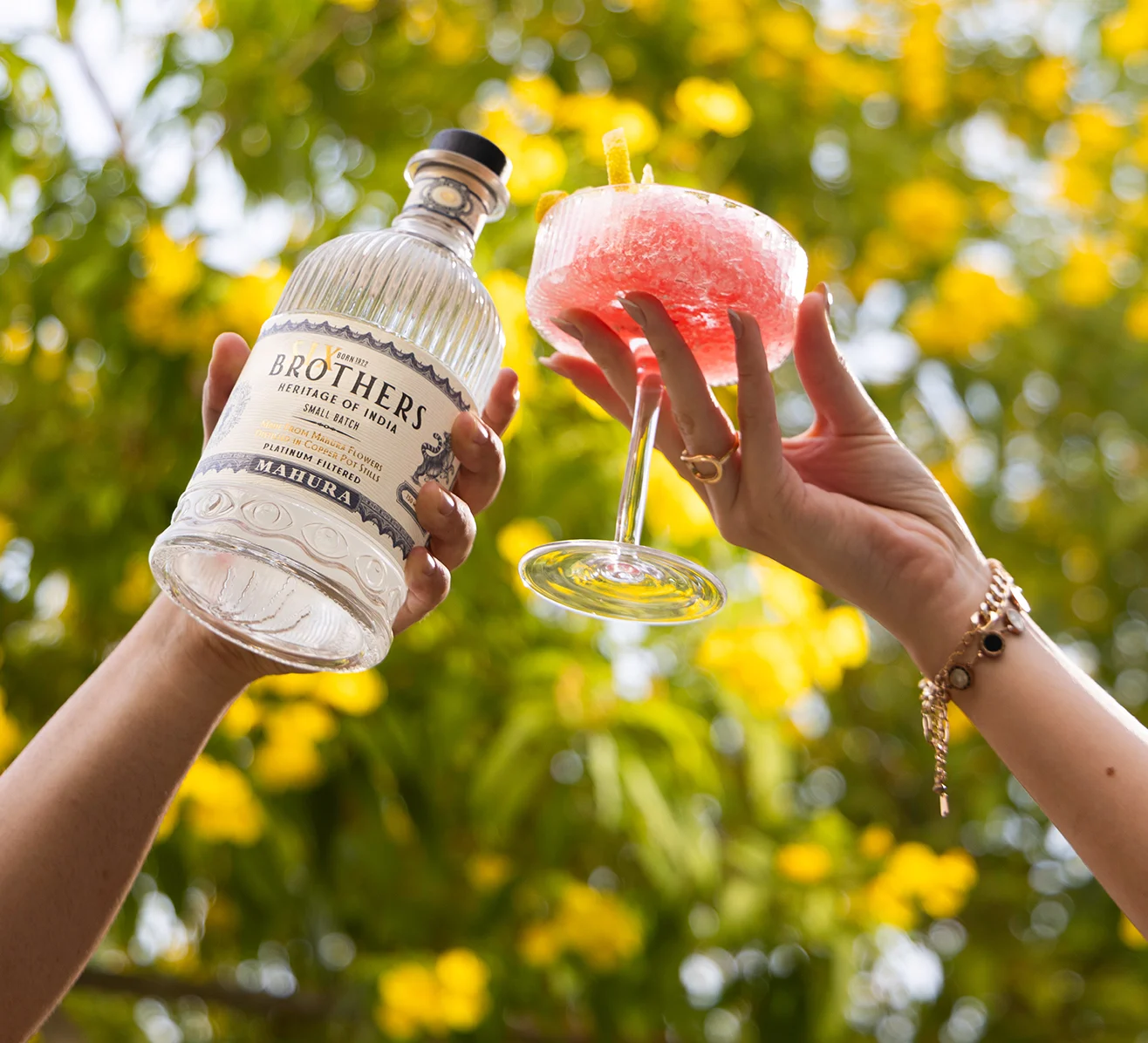
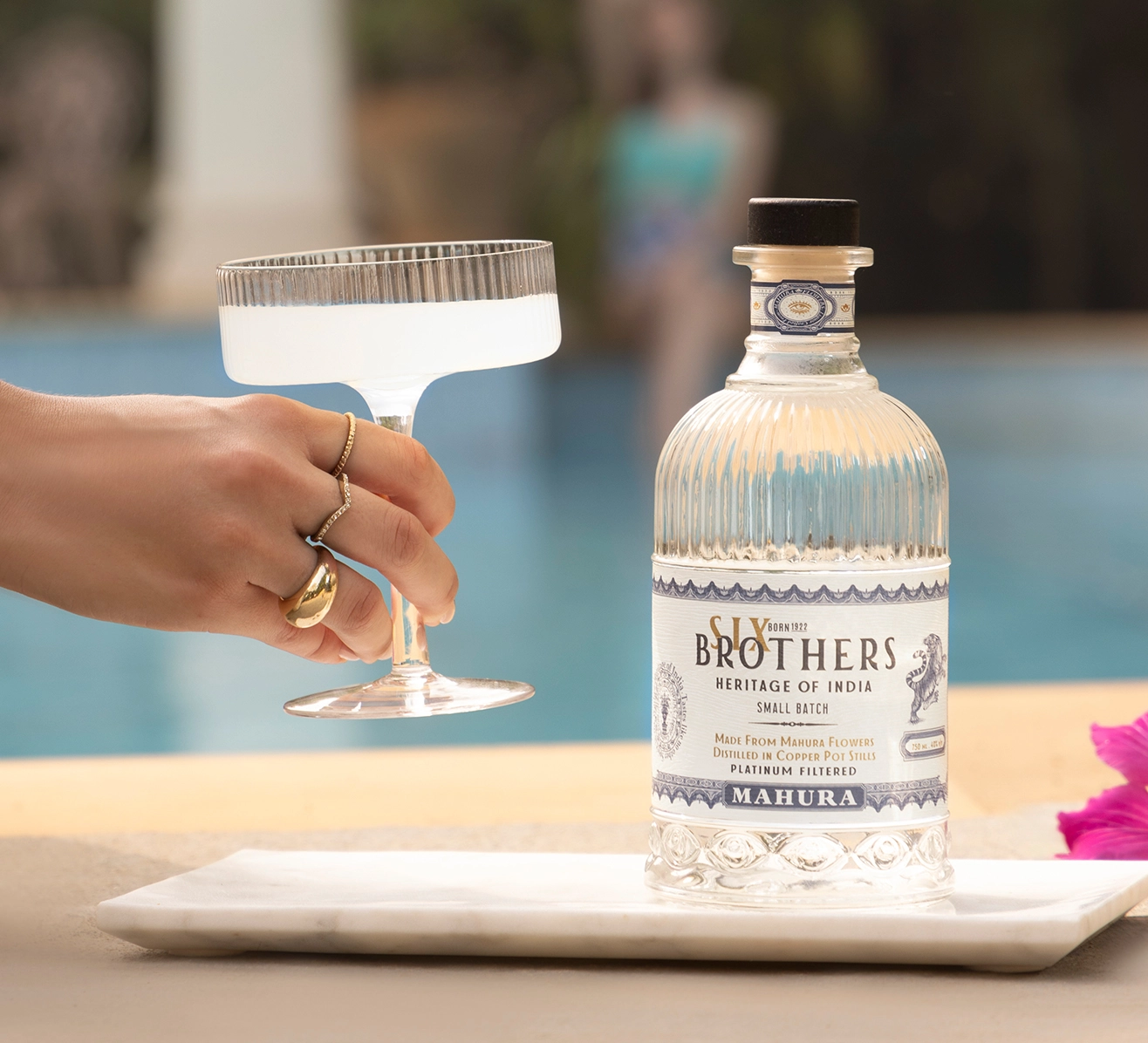
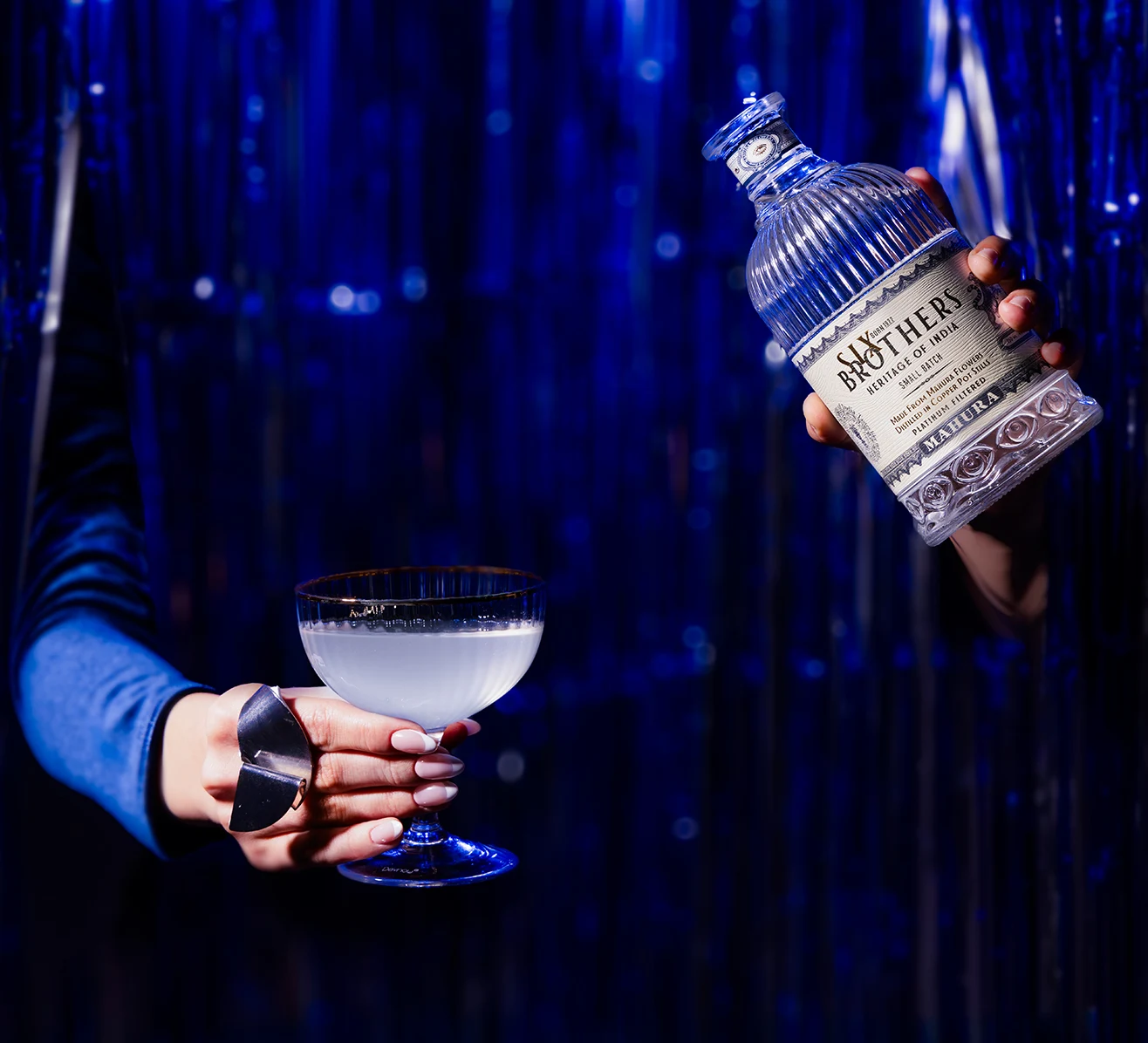
Mixologists are experimenting with mahuwa-based cocktails.
Structured branding, better packaging, and quality control have elevated the category.
There’s renewed interest in heritage-based beverages, especially among younger buyers.
Search trends for “mahua price,” “mahua liquor near me,” and “mahuwa alcohol” have increased steadily.
Also Read : Mahua Flower Uses: From Tradition to Mahua Flower Alcohol, Wine & Liquor
On average:
Prices vary by state due to excise regulations.
Yes, when produced and sold by licensed manufacturers under state excise rules.
However, local homemade variants may not always meet safety standards. Always check for:
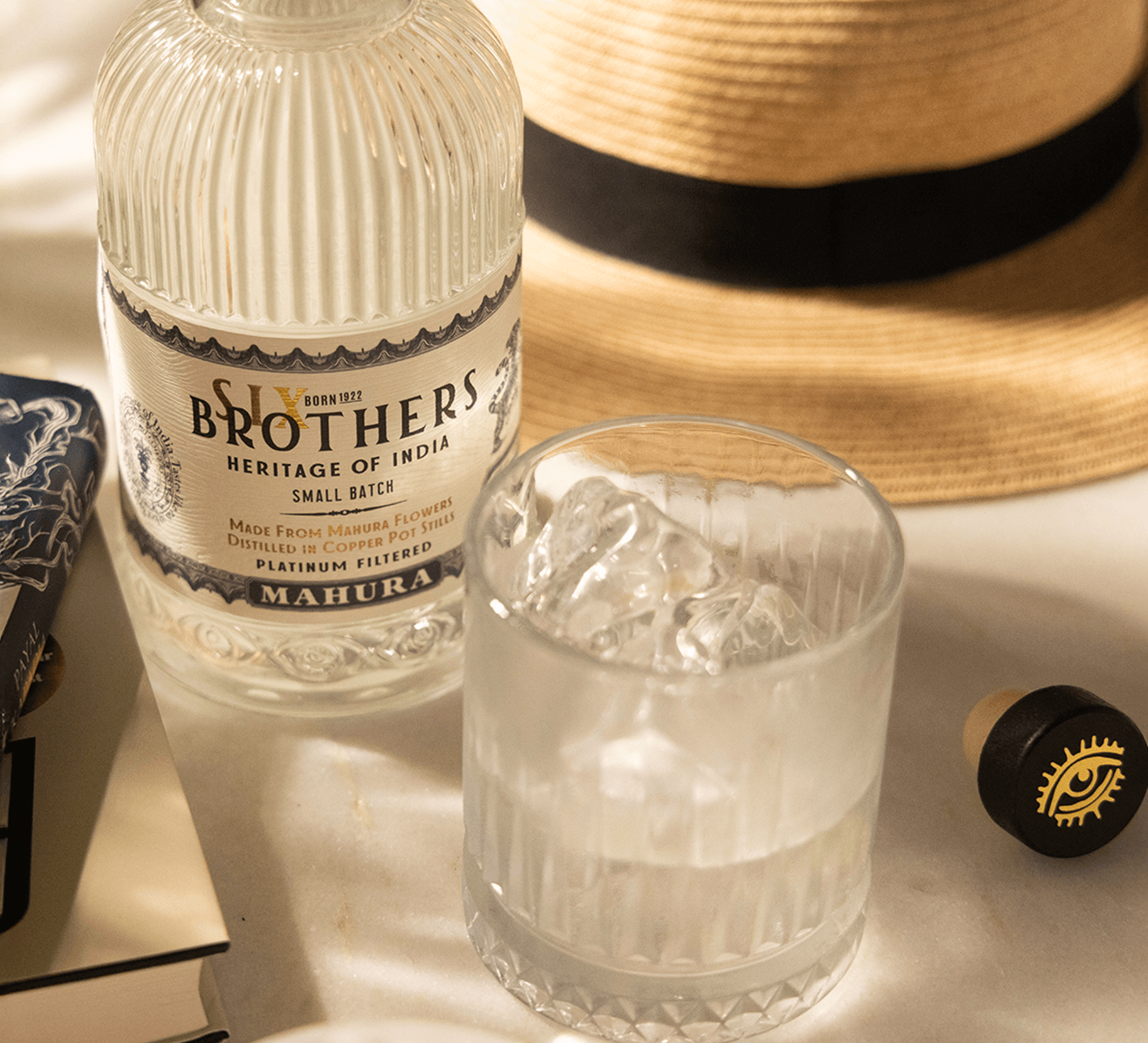
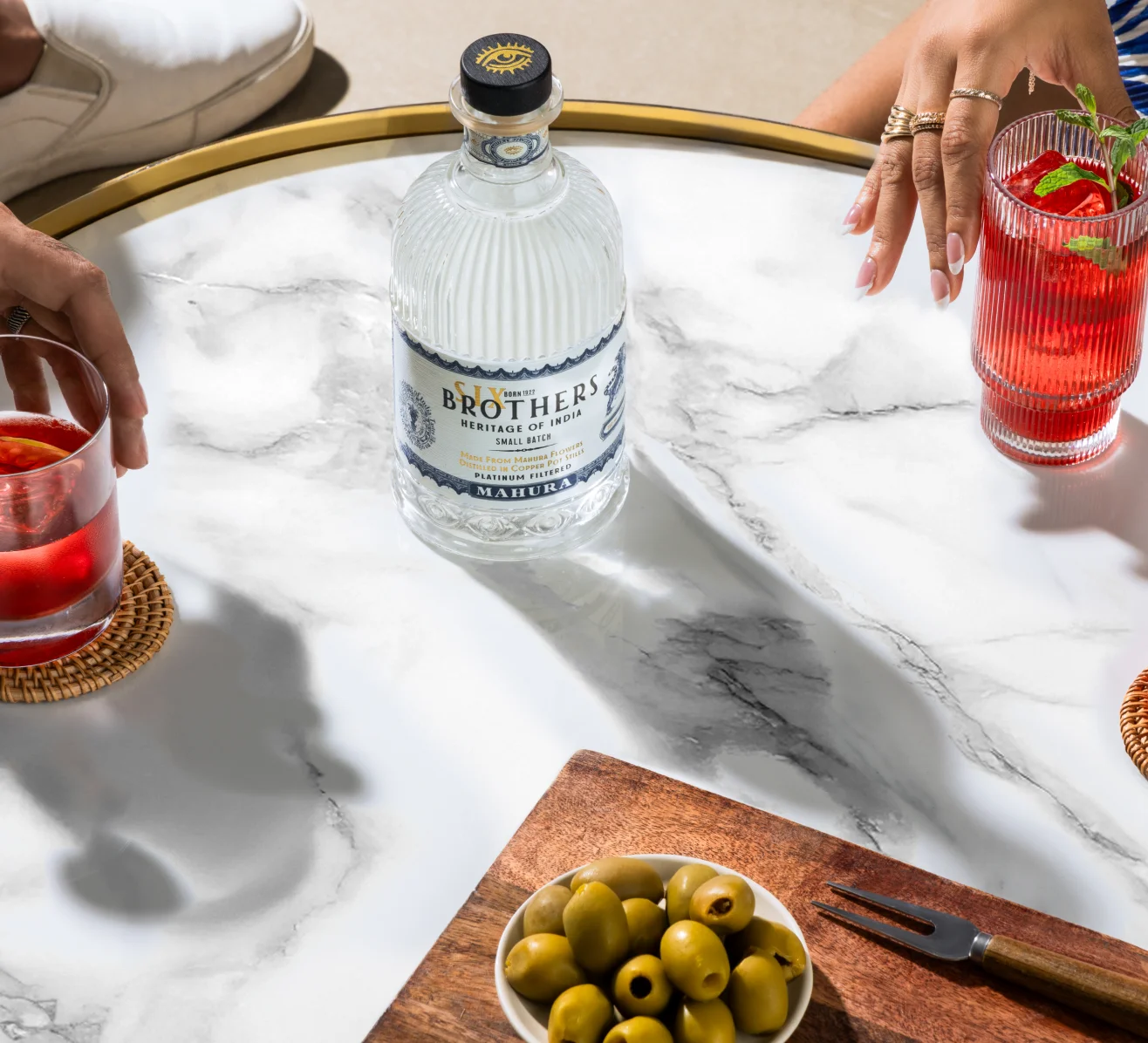
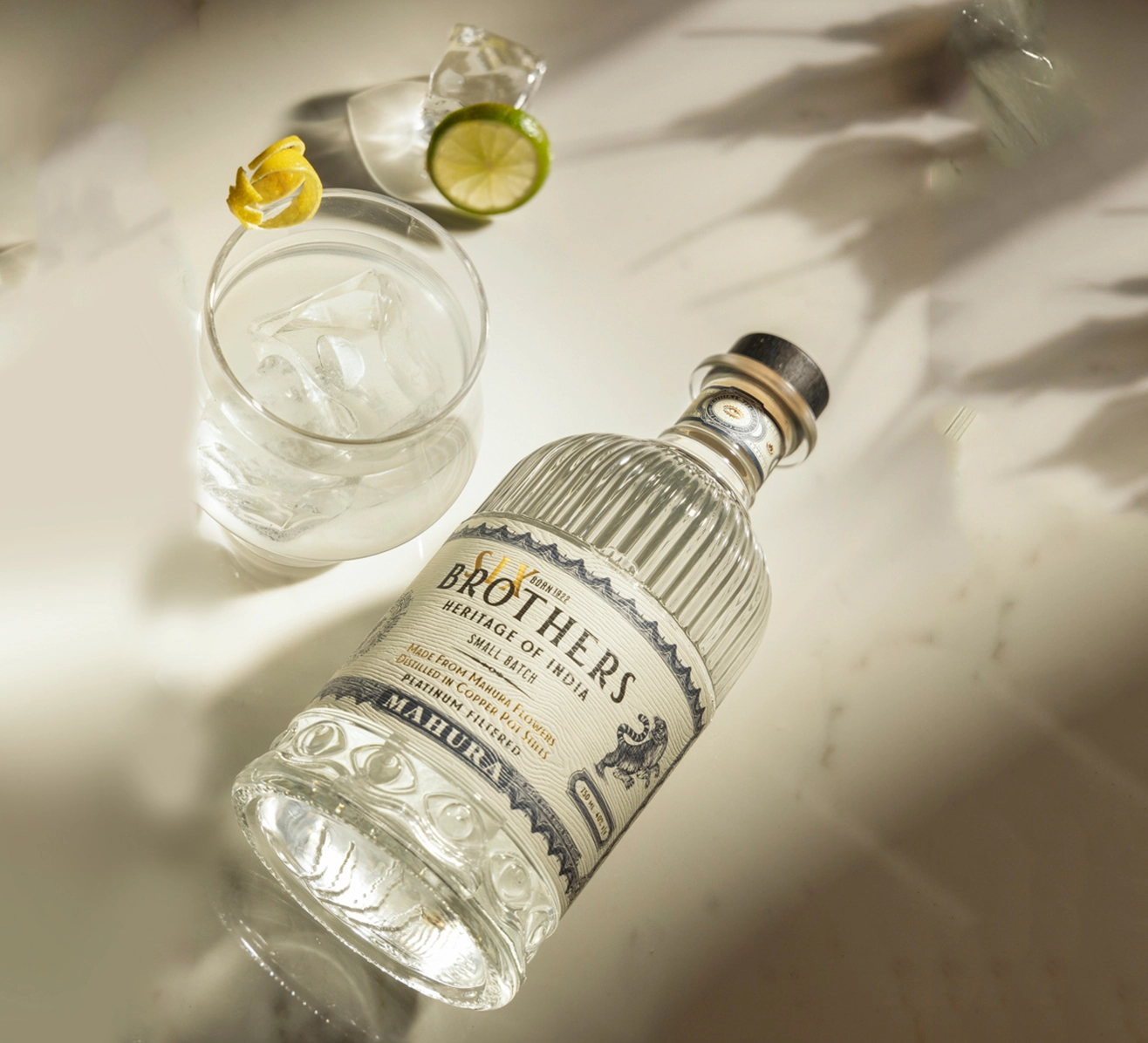
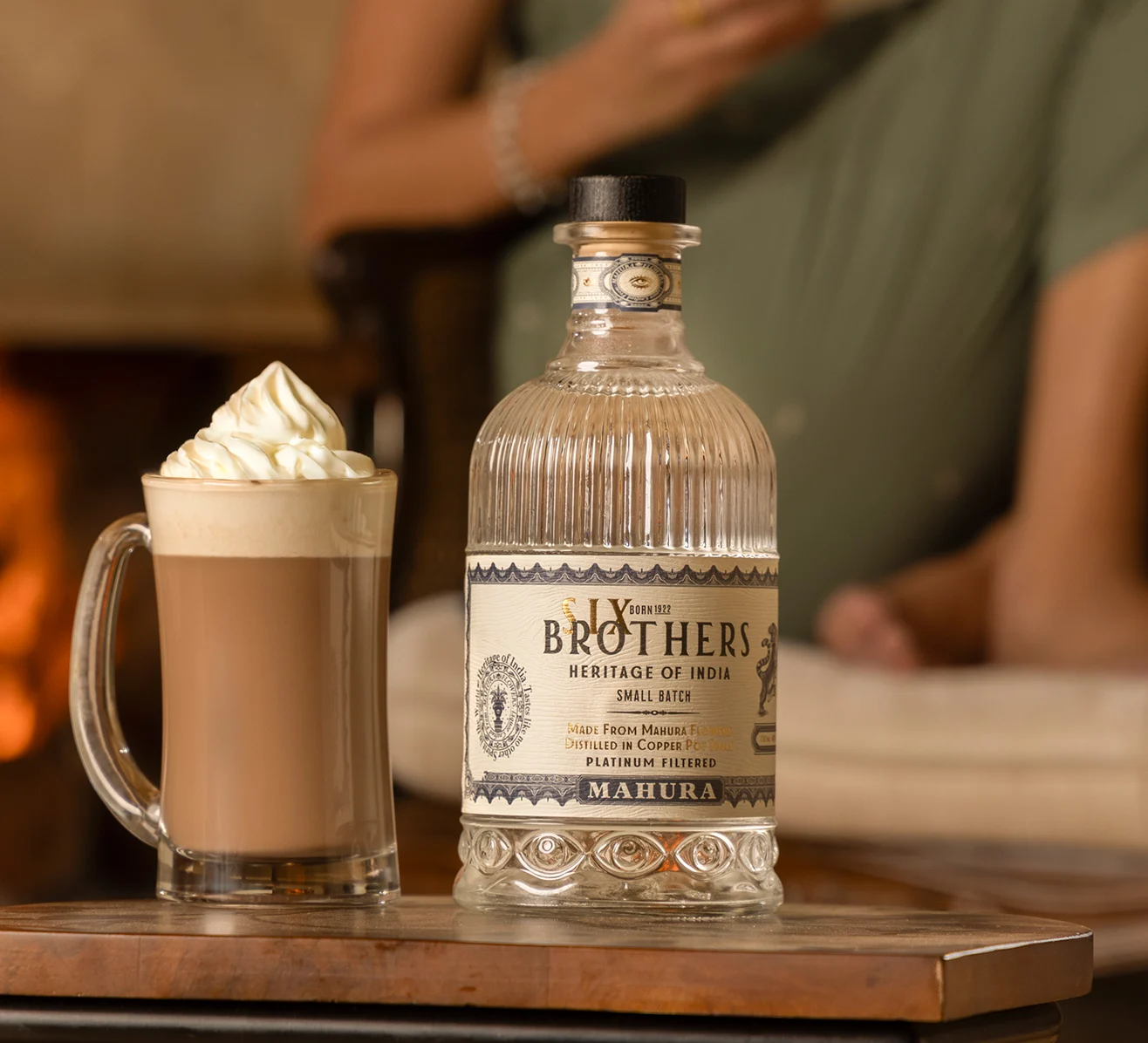
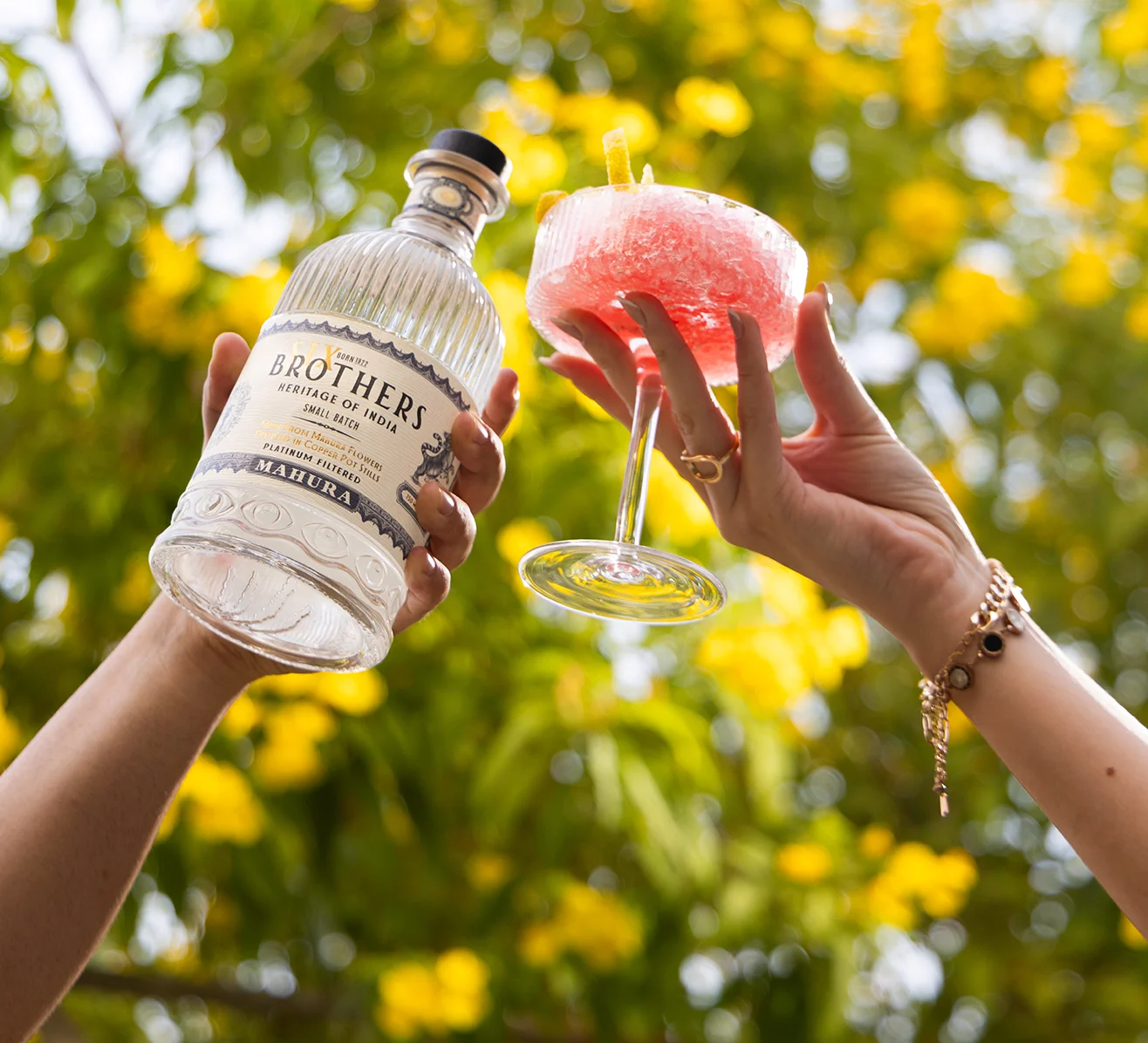
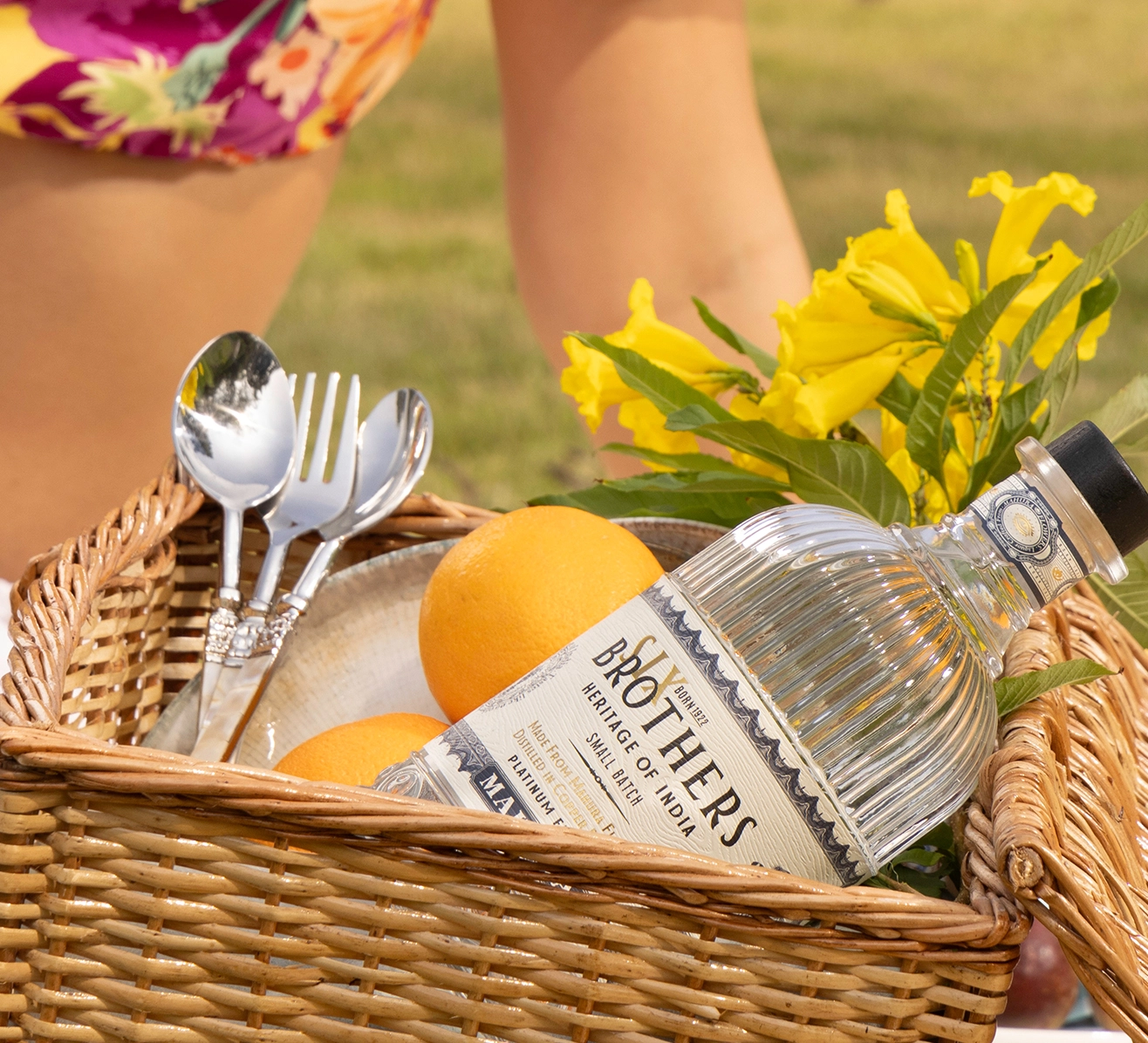
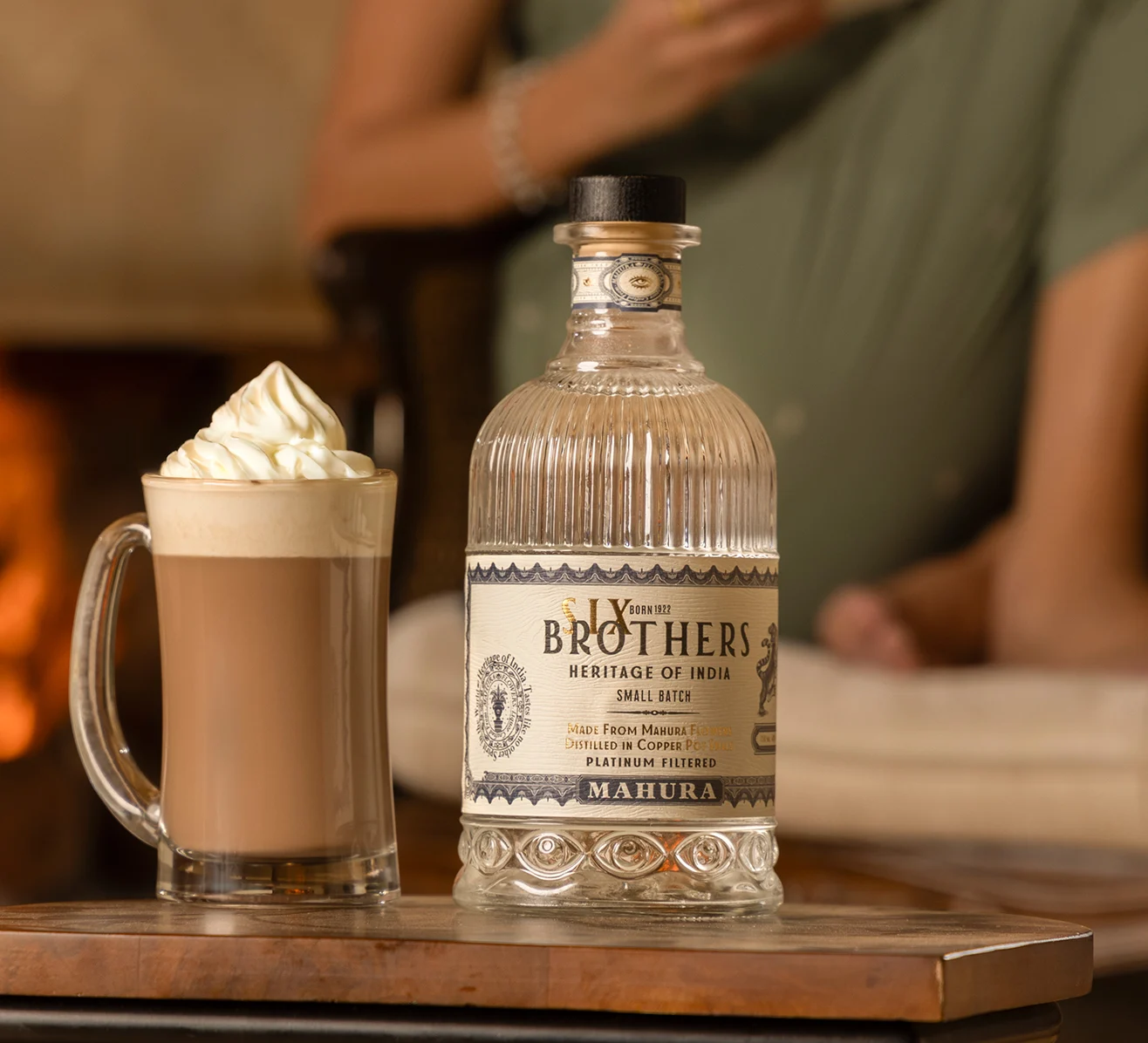
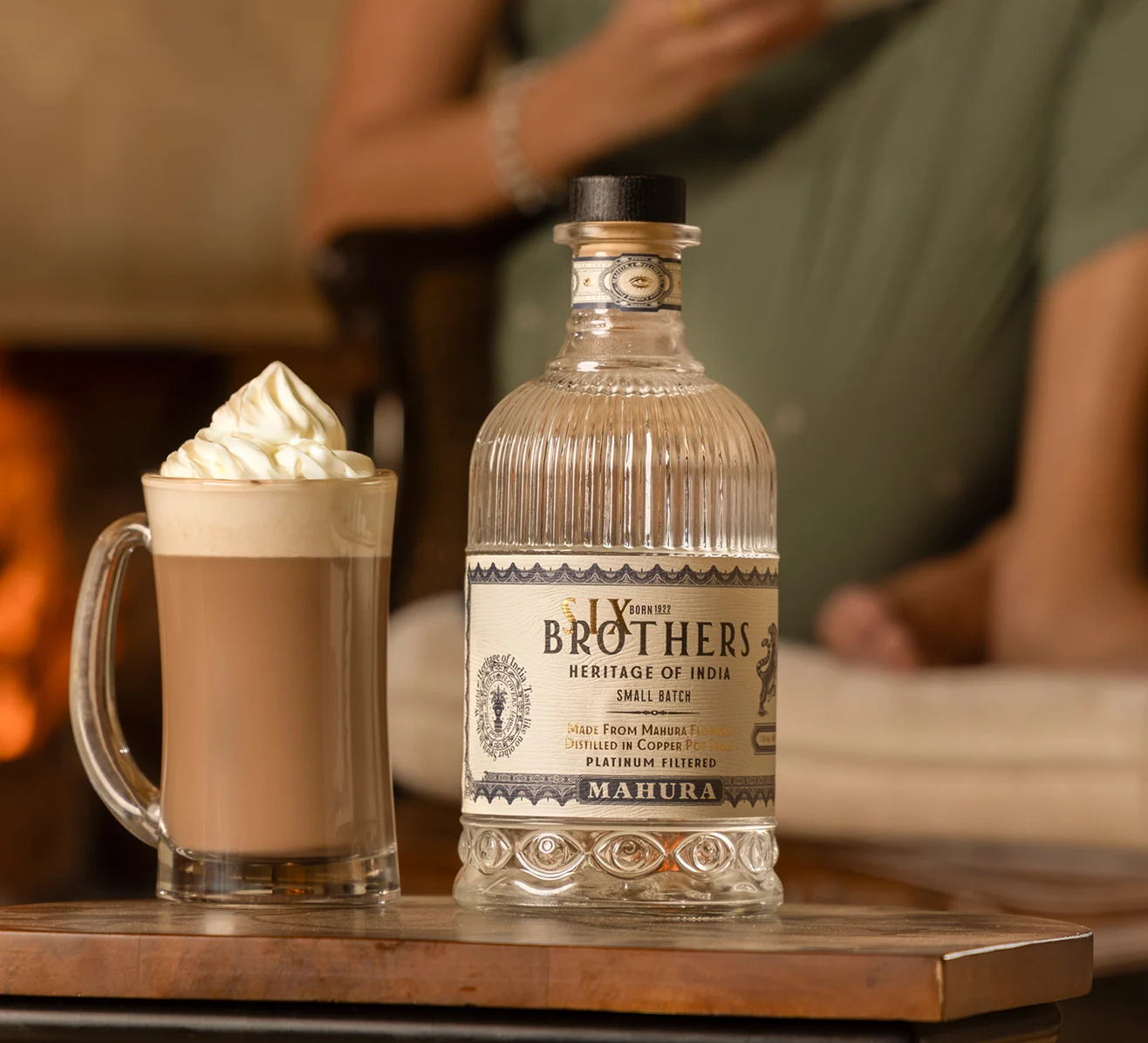
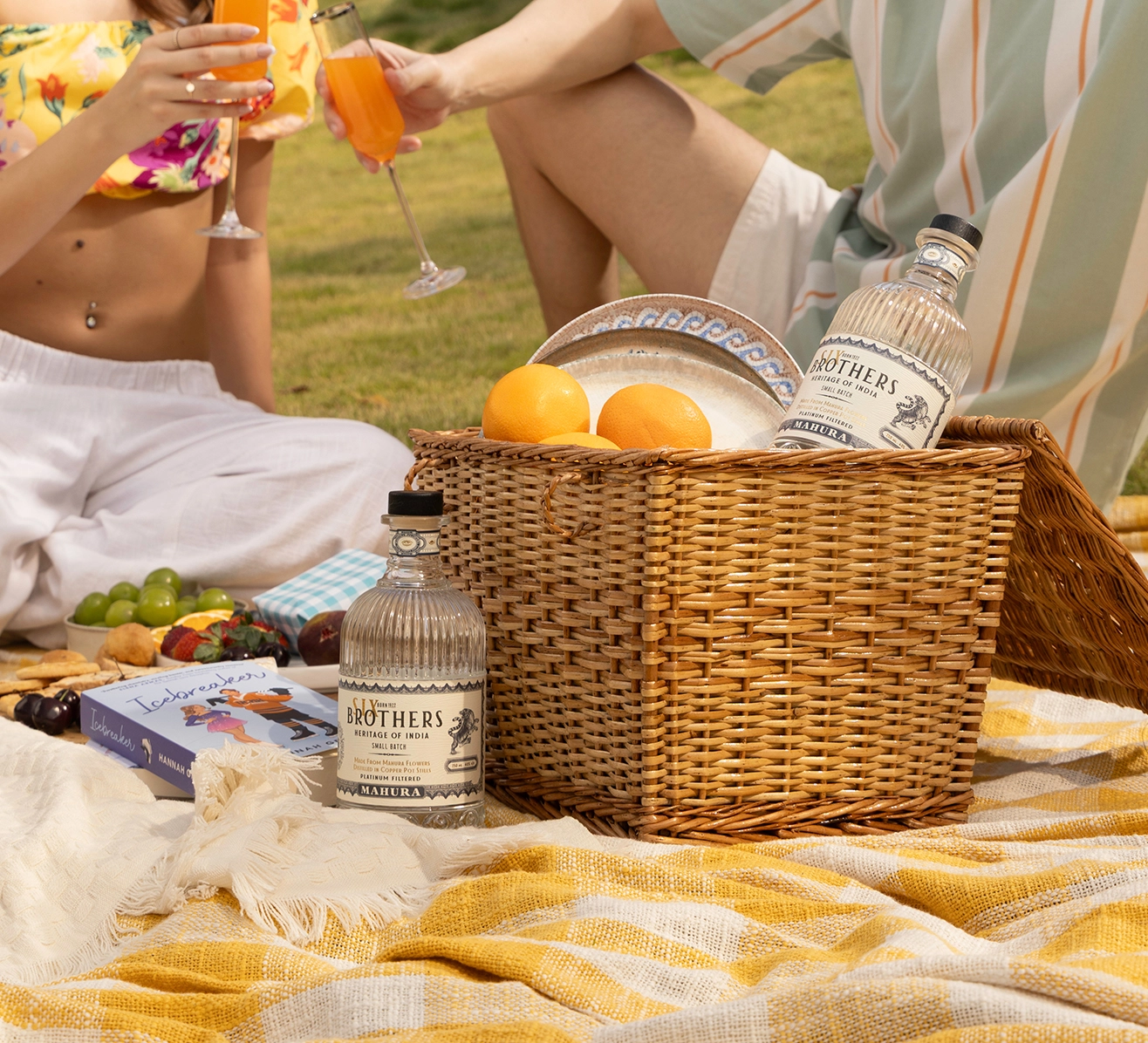
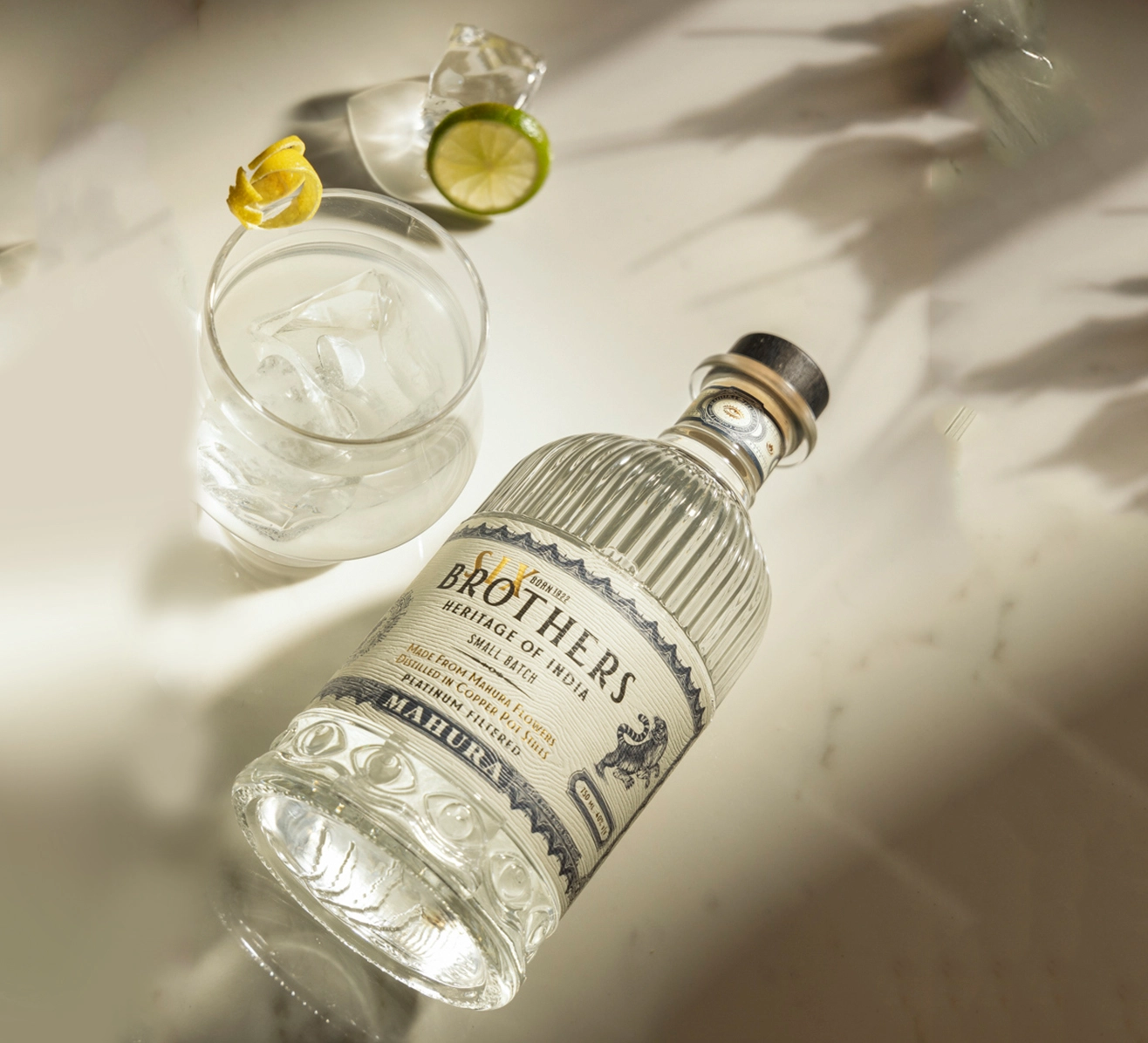
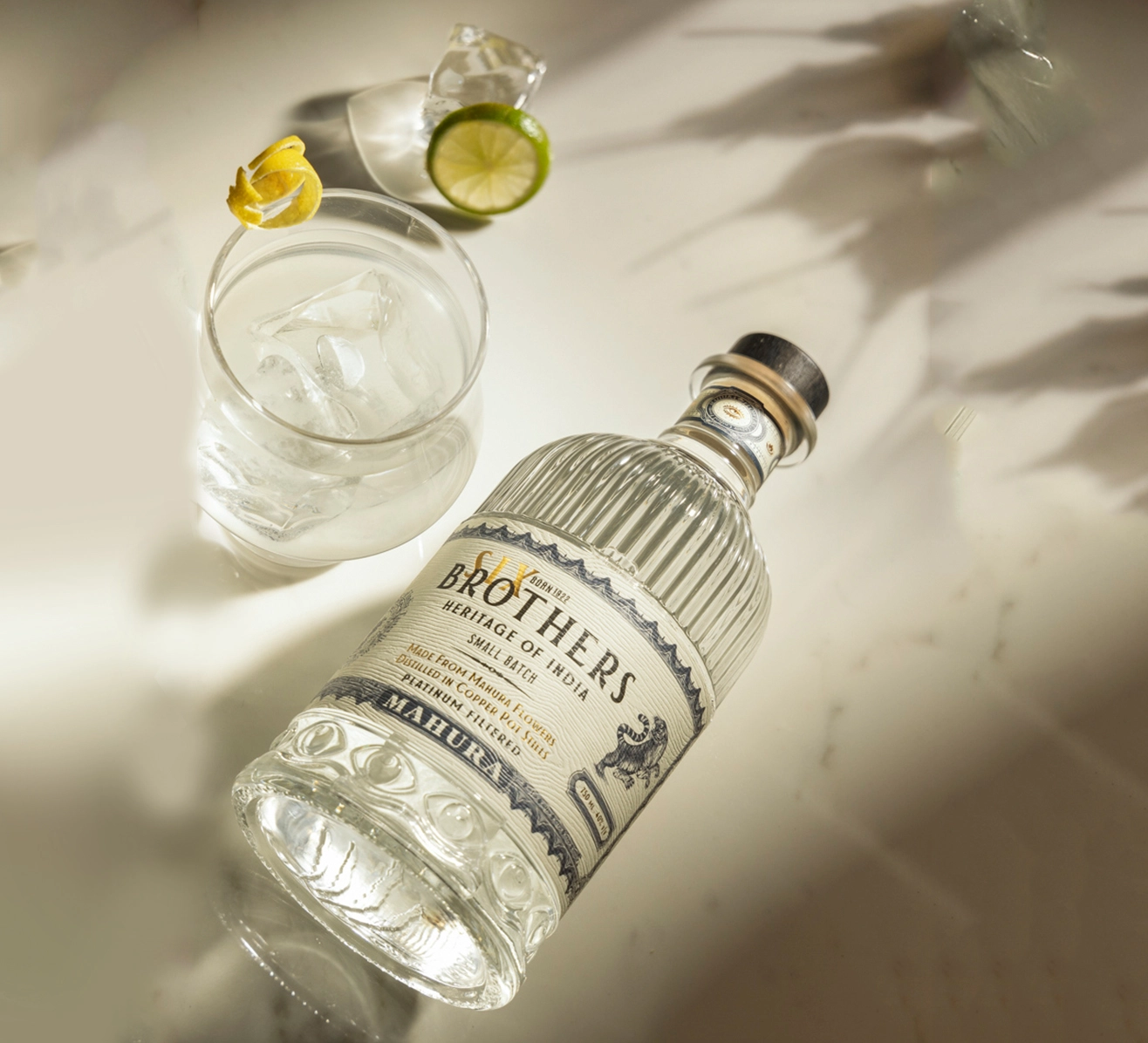
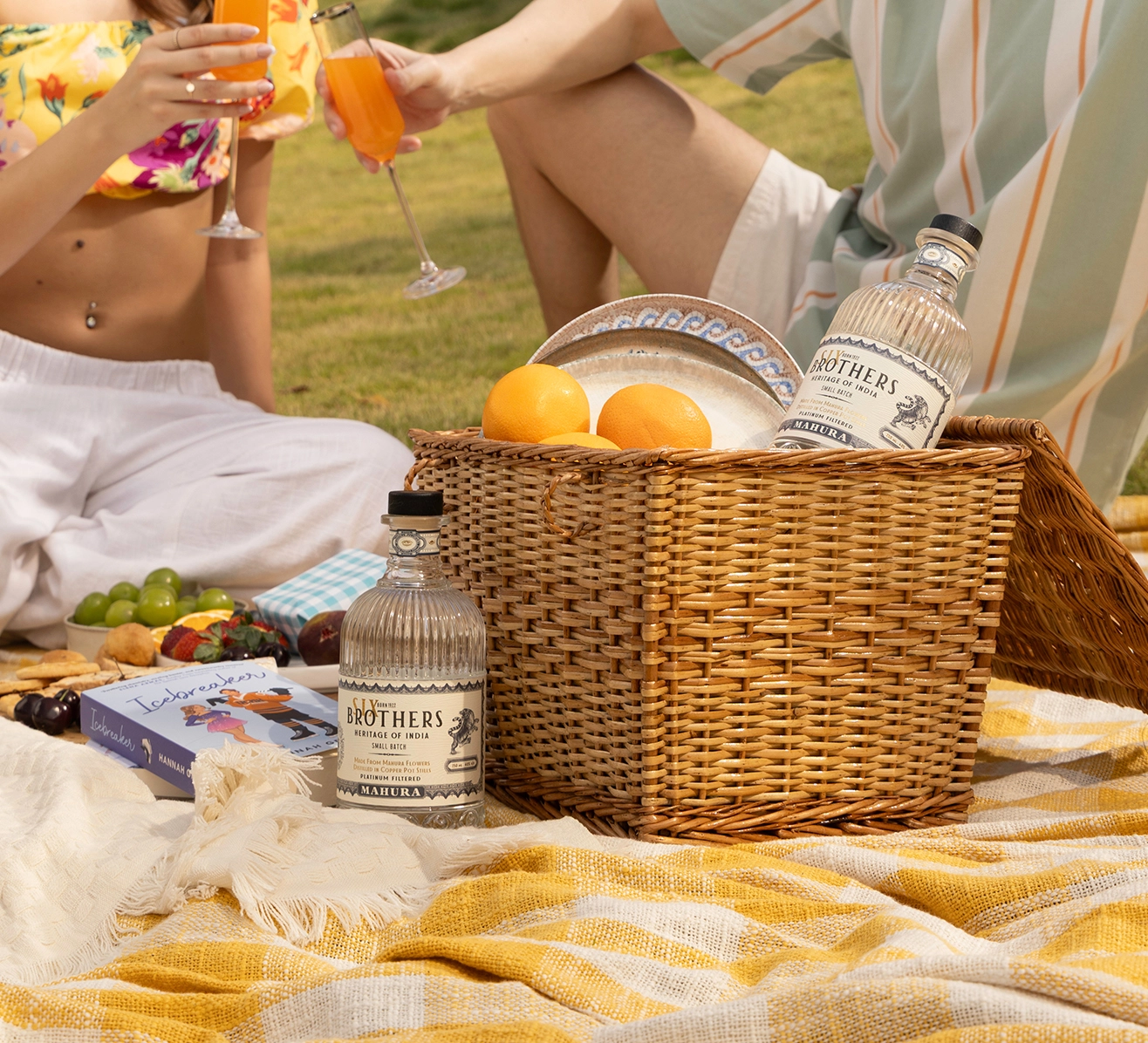
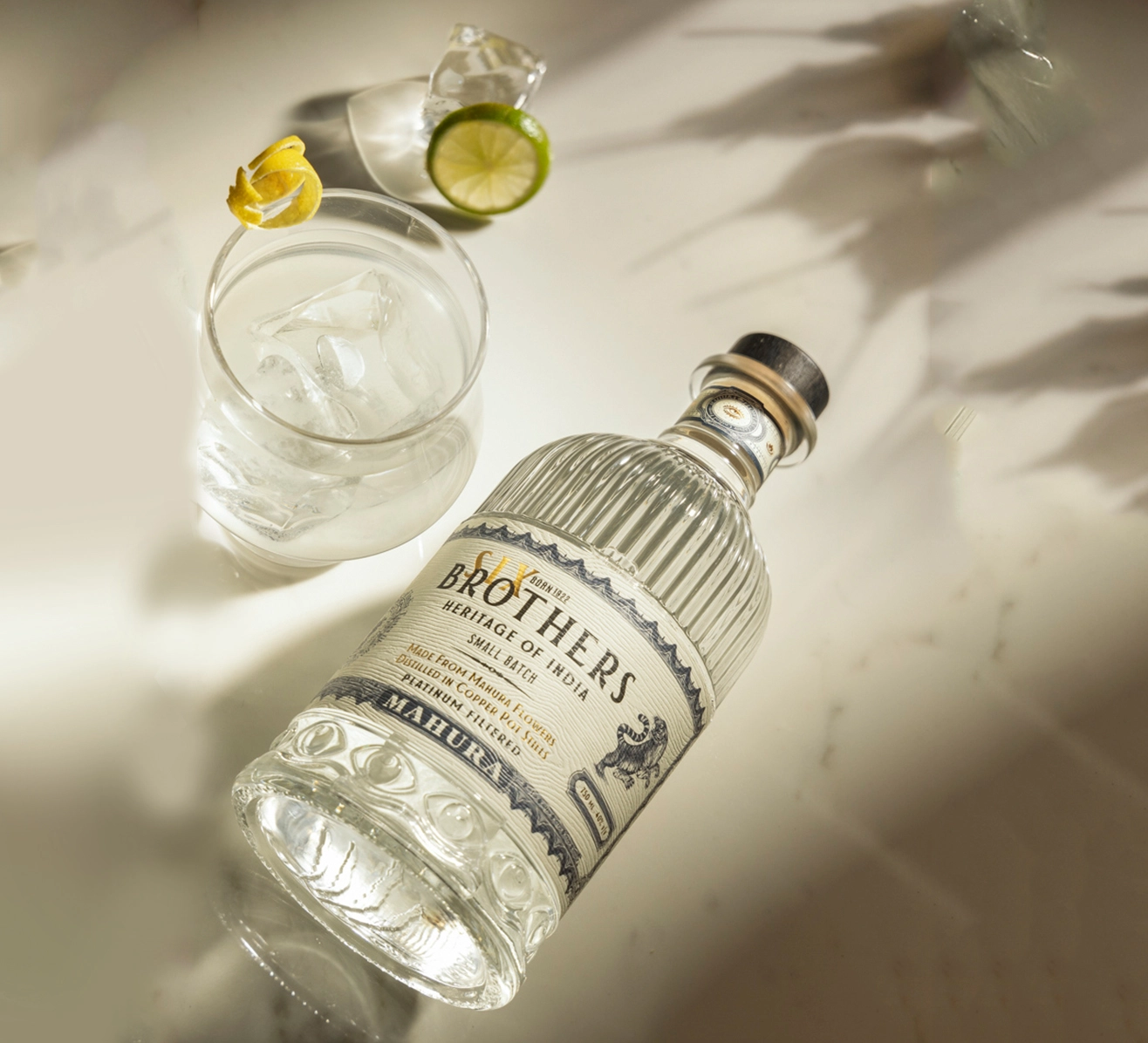
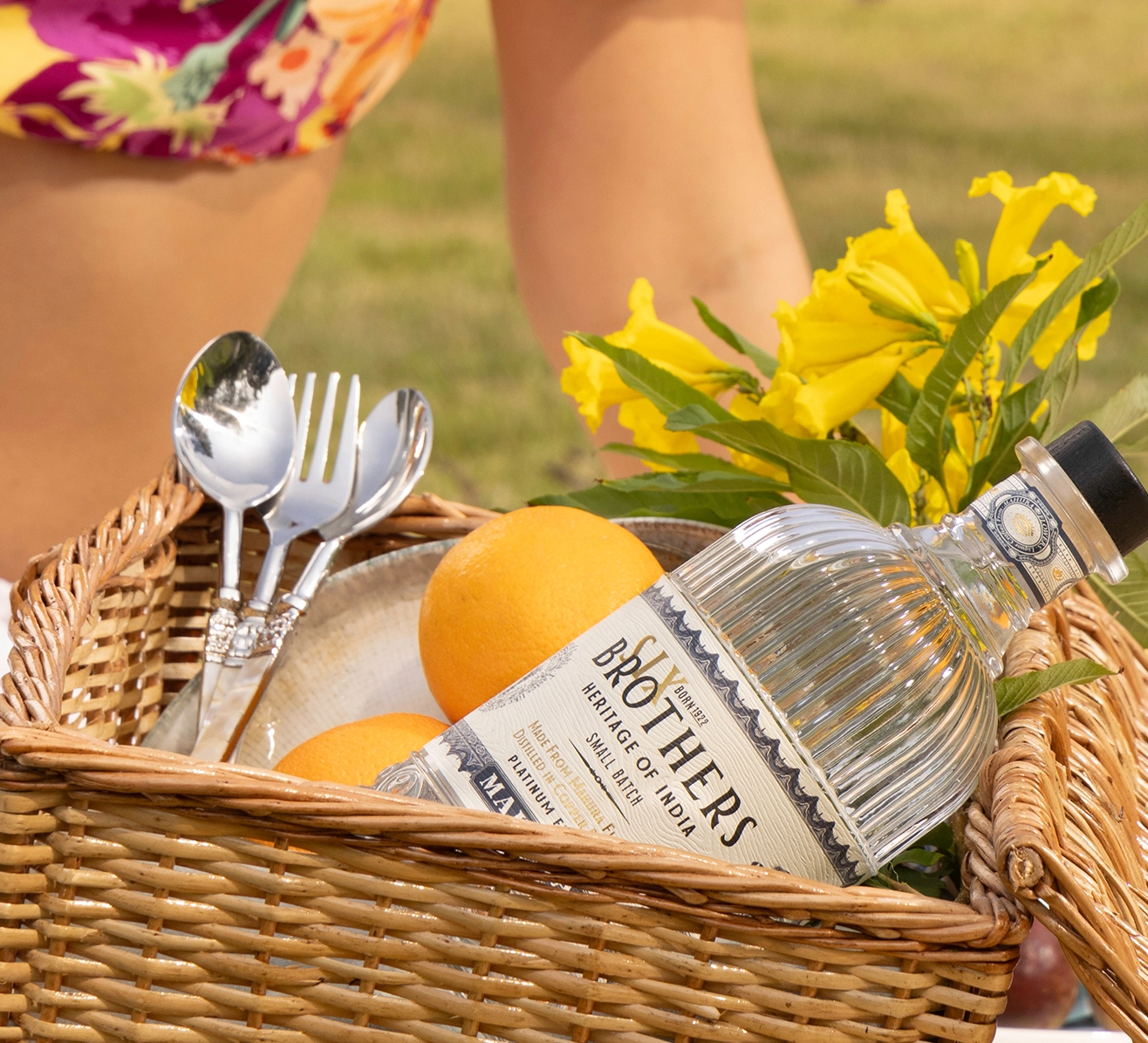
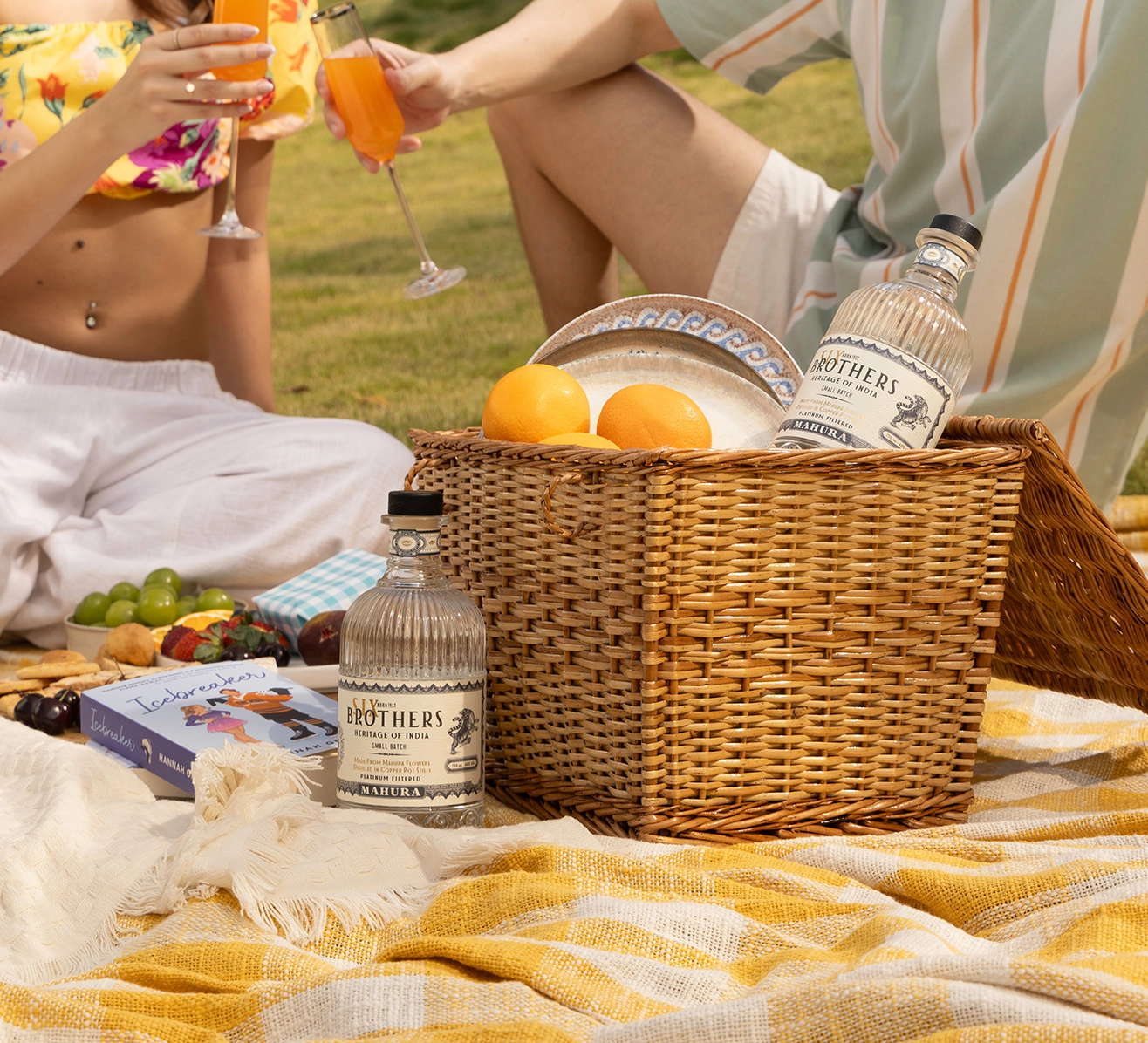
You can enjoy mahuwa in several ways:
Premium versions tend to have a smoother finish, making them easier for first-time drinkers.
The shift from loose, unlabelled bottles to structured premium offerings has changed the perception of mahuwa significantly.
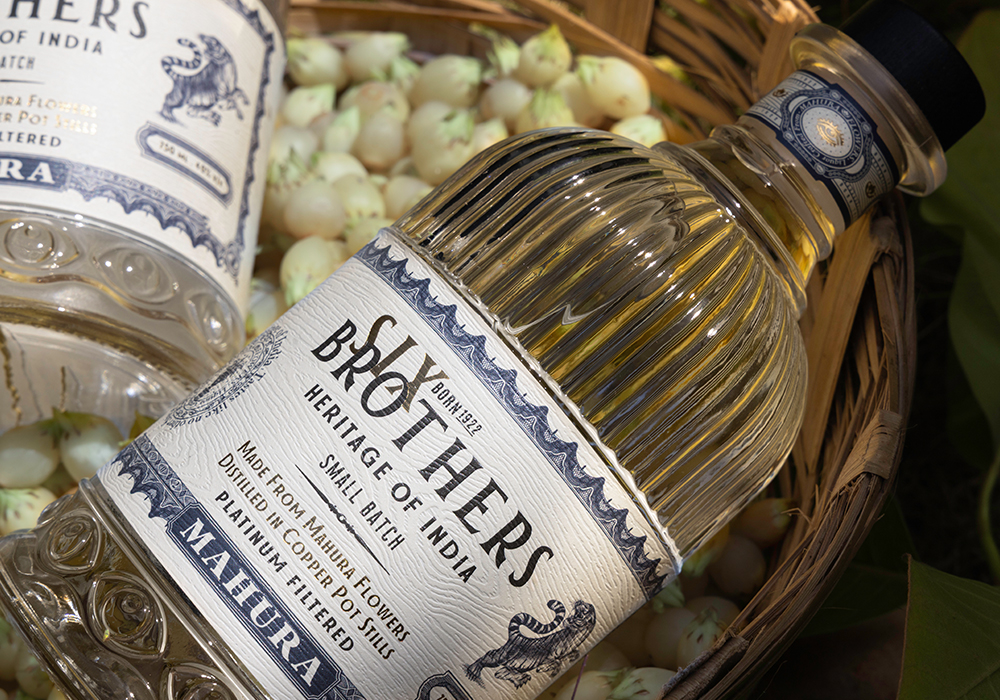
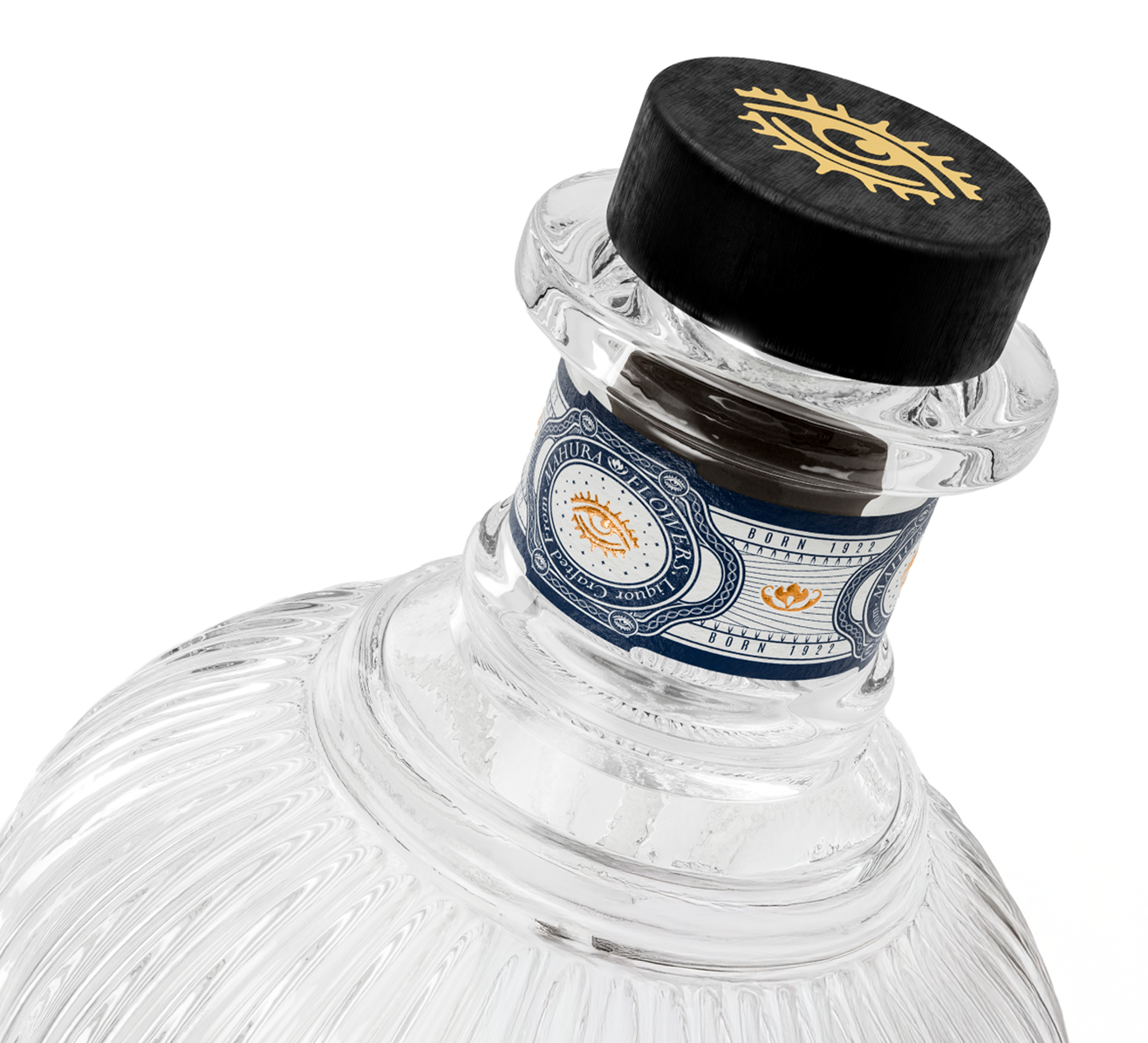
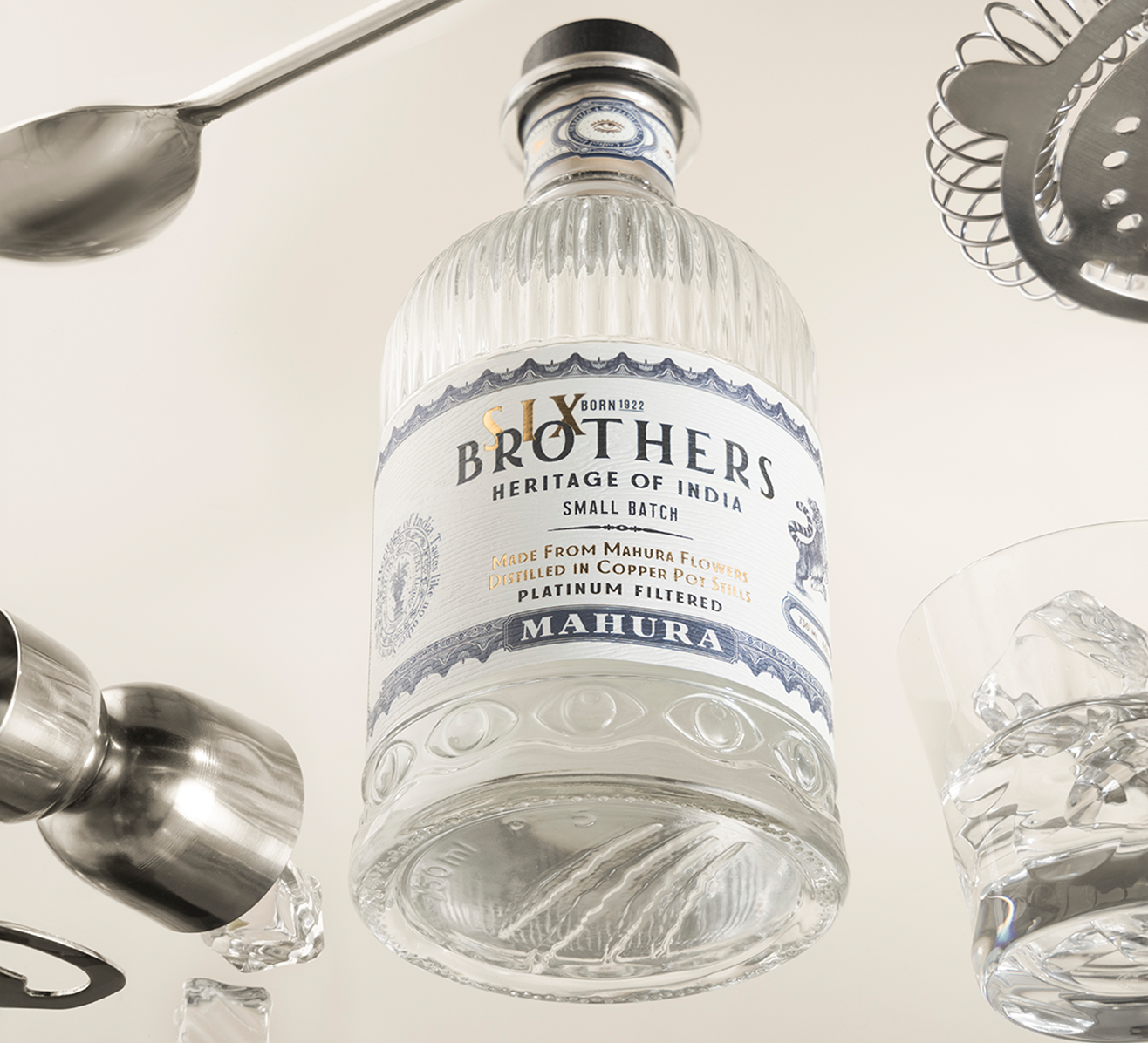
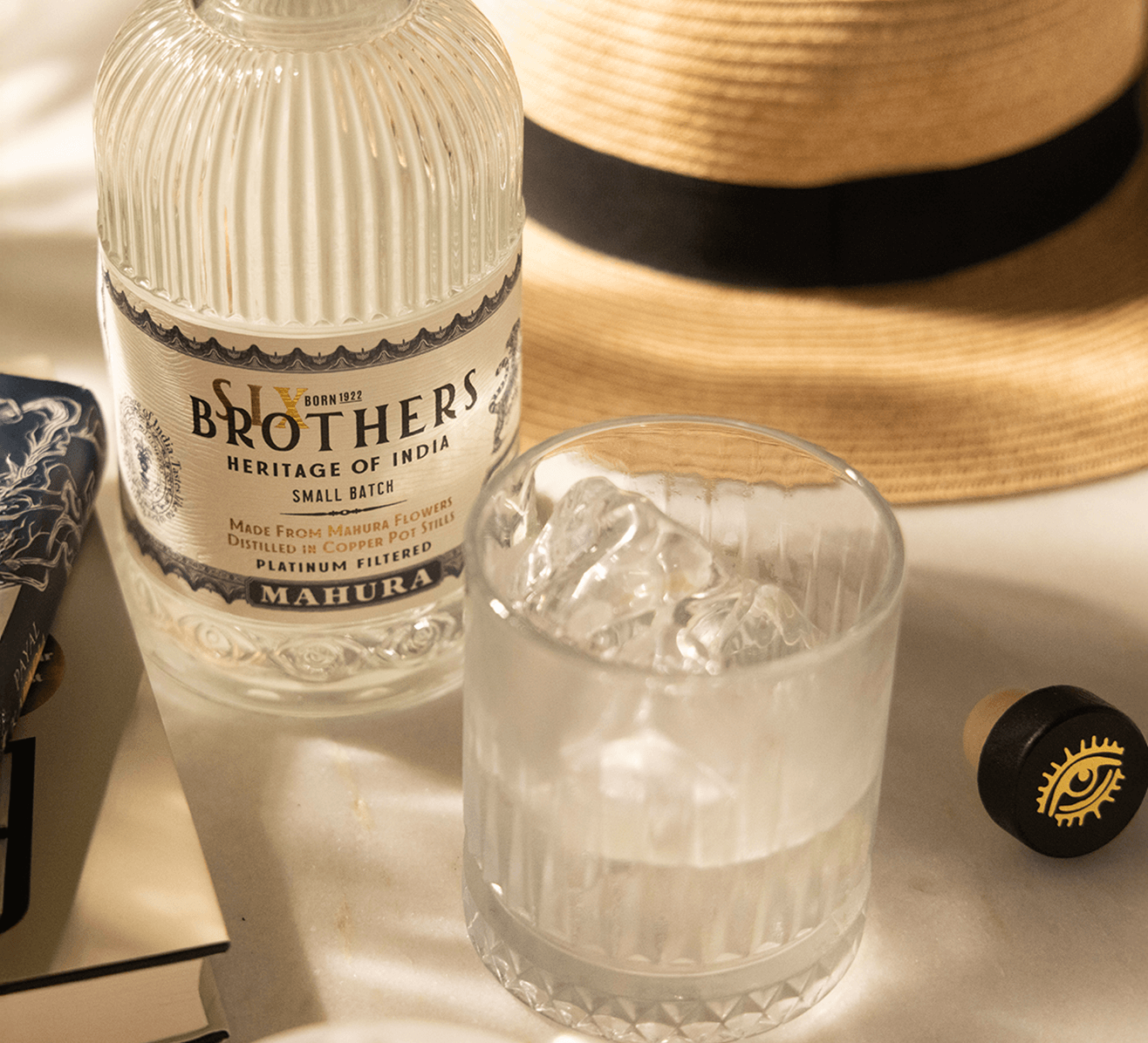
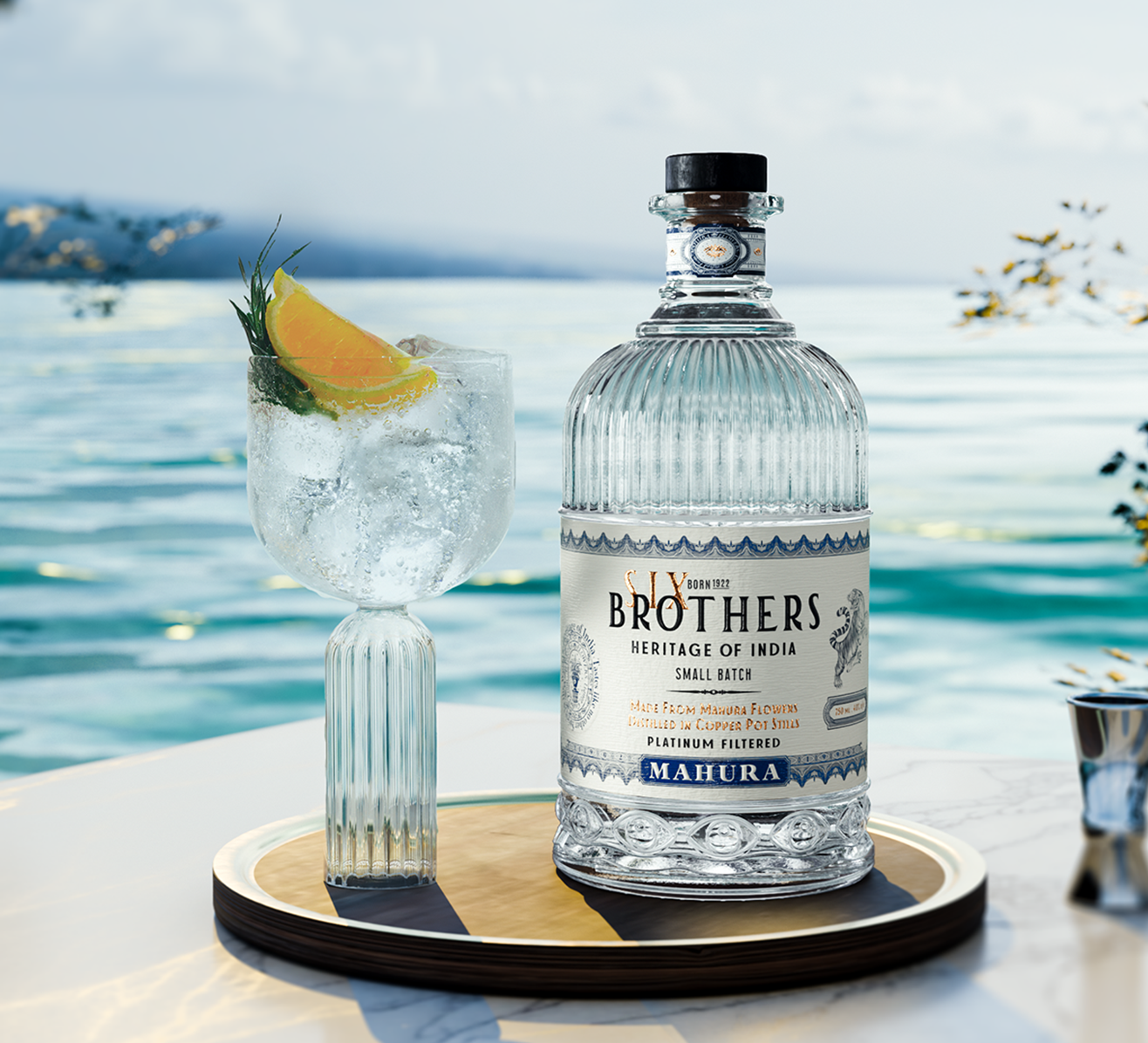
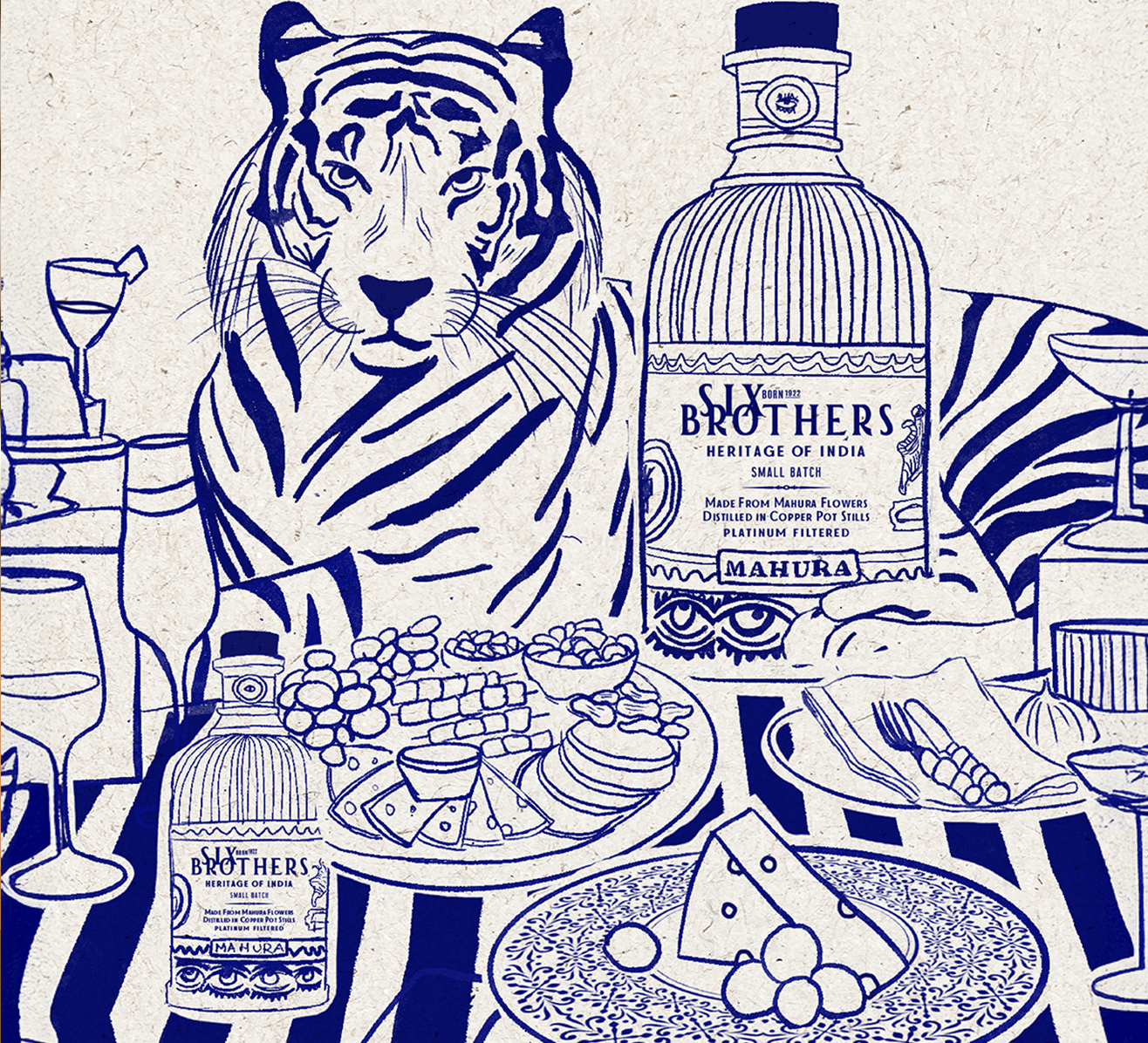
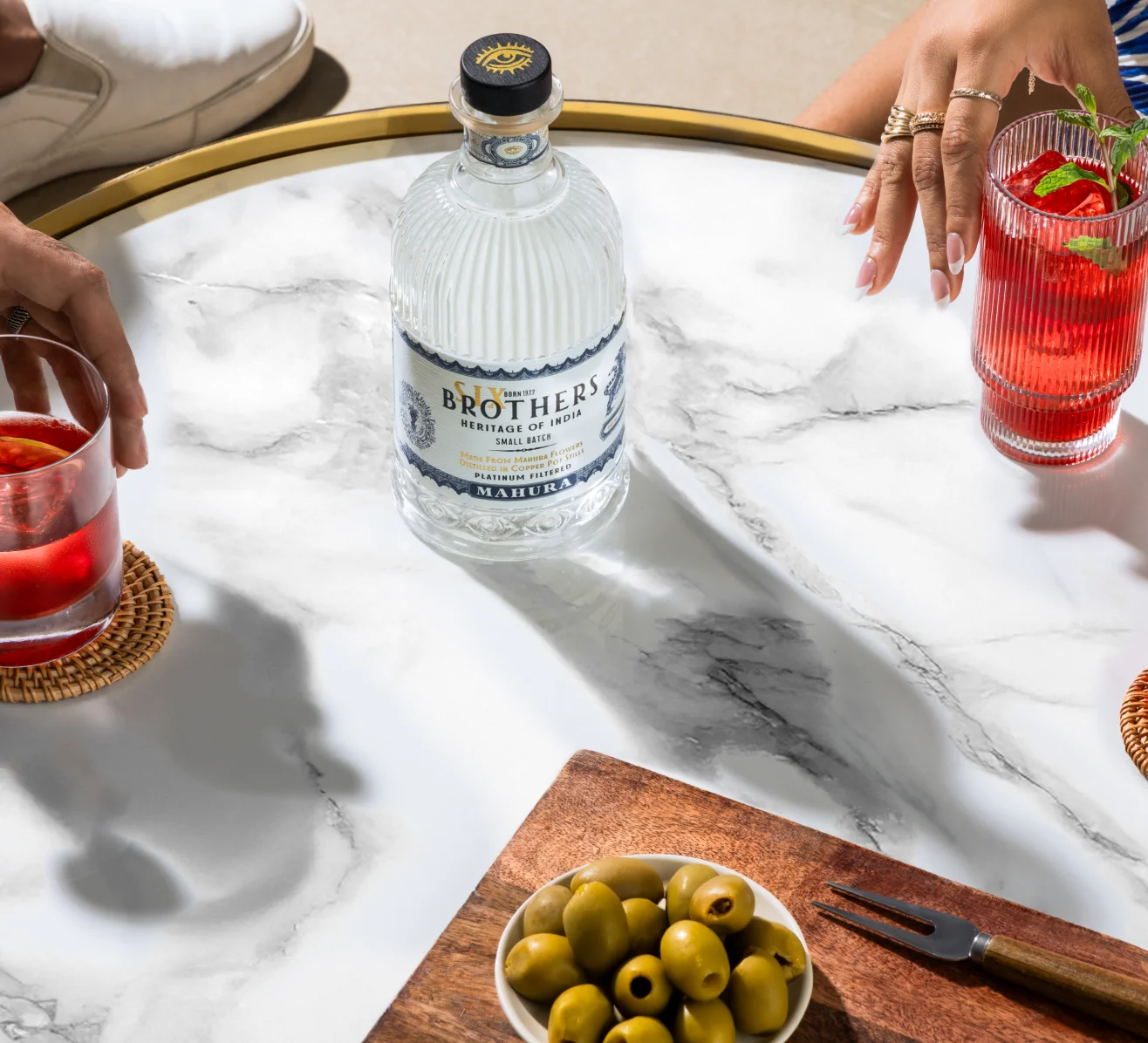
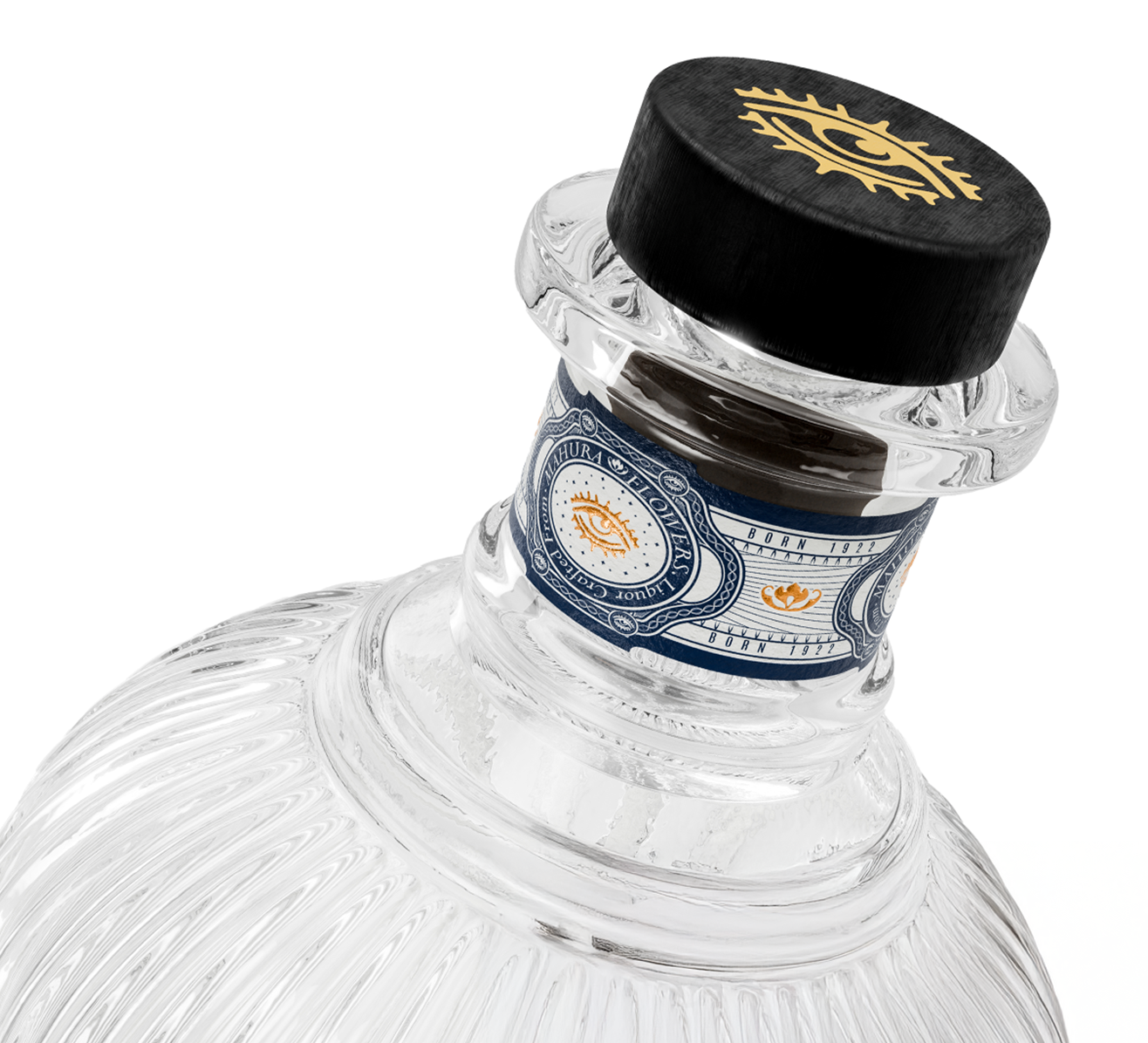
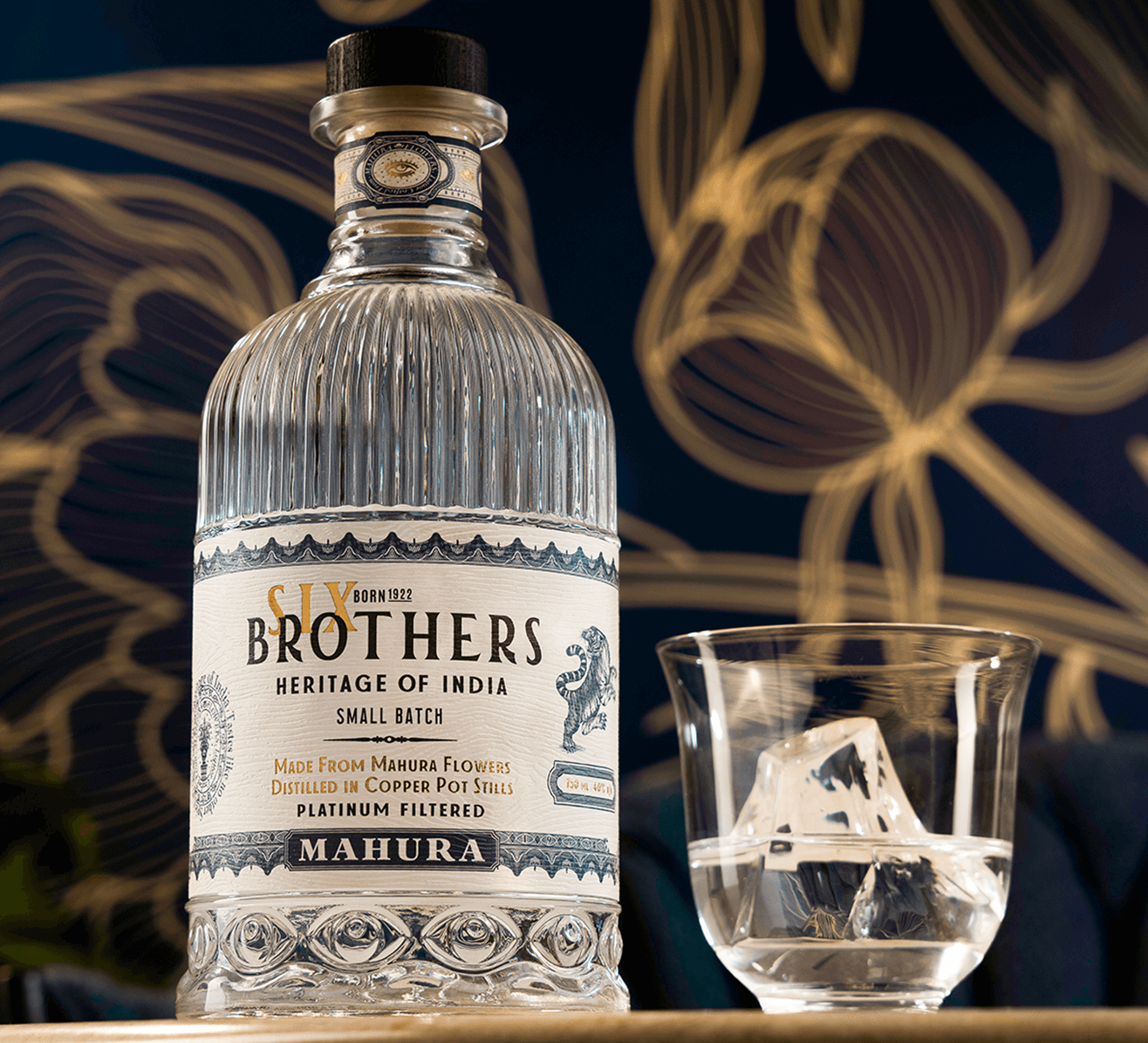
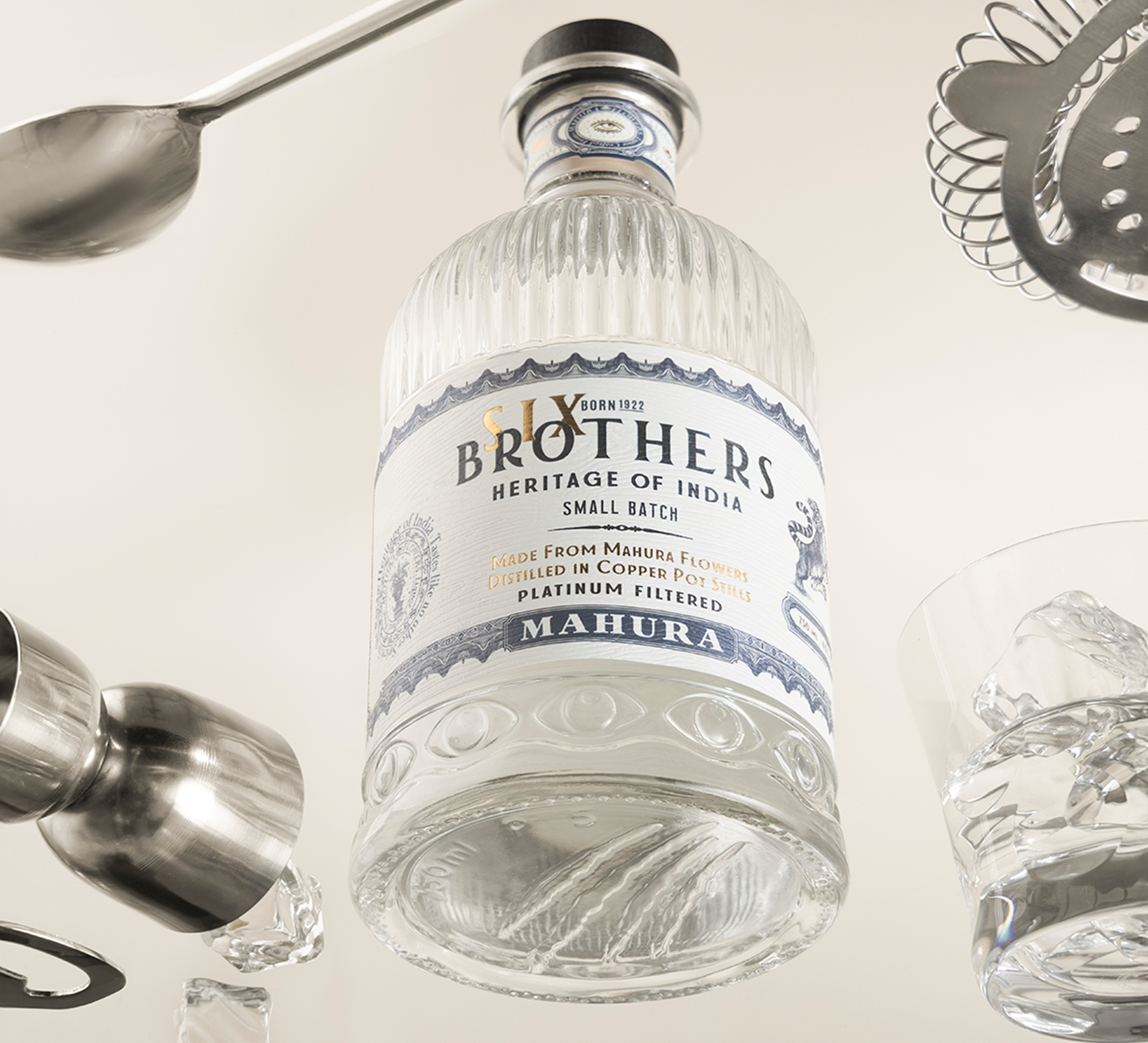
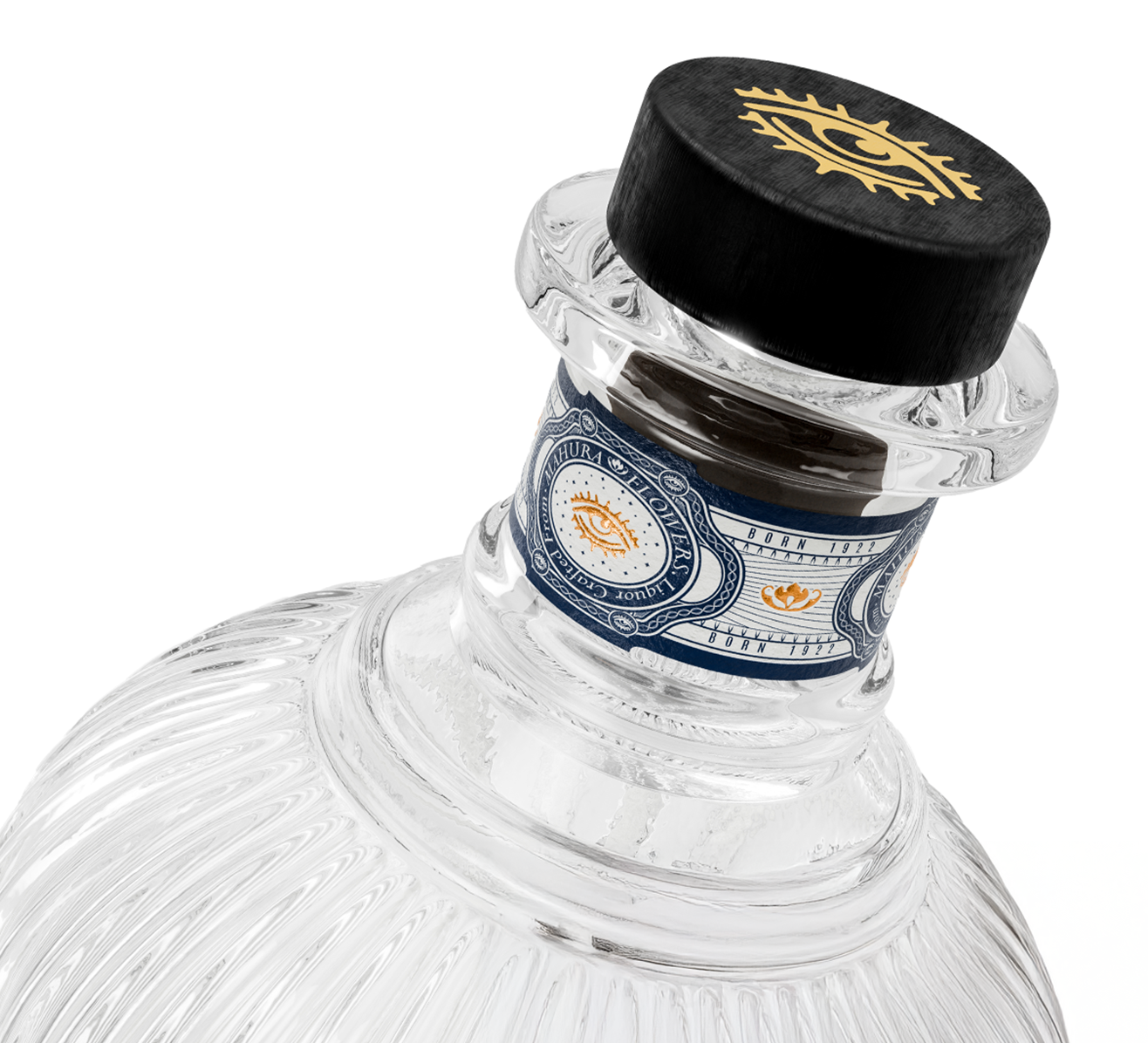
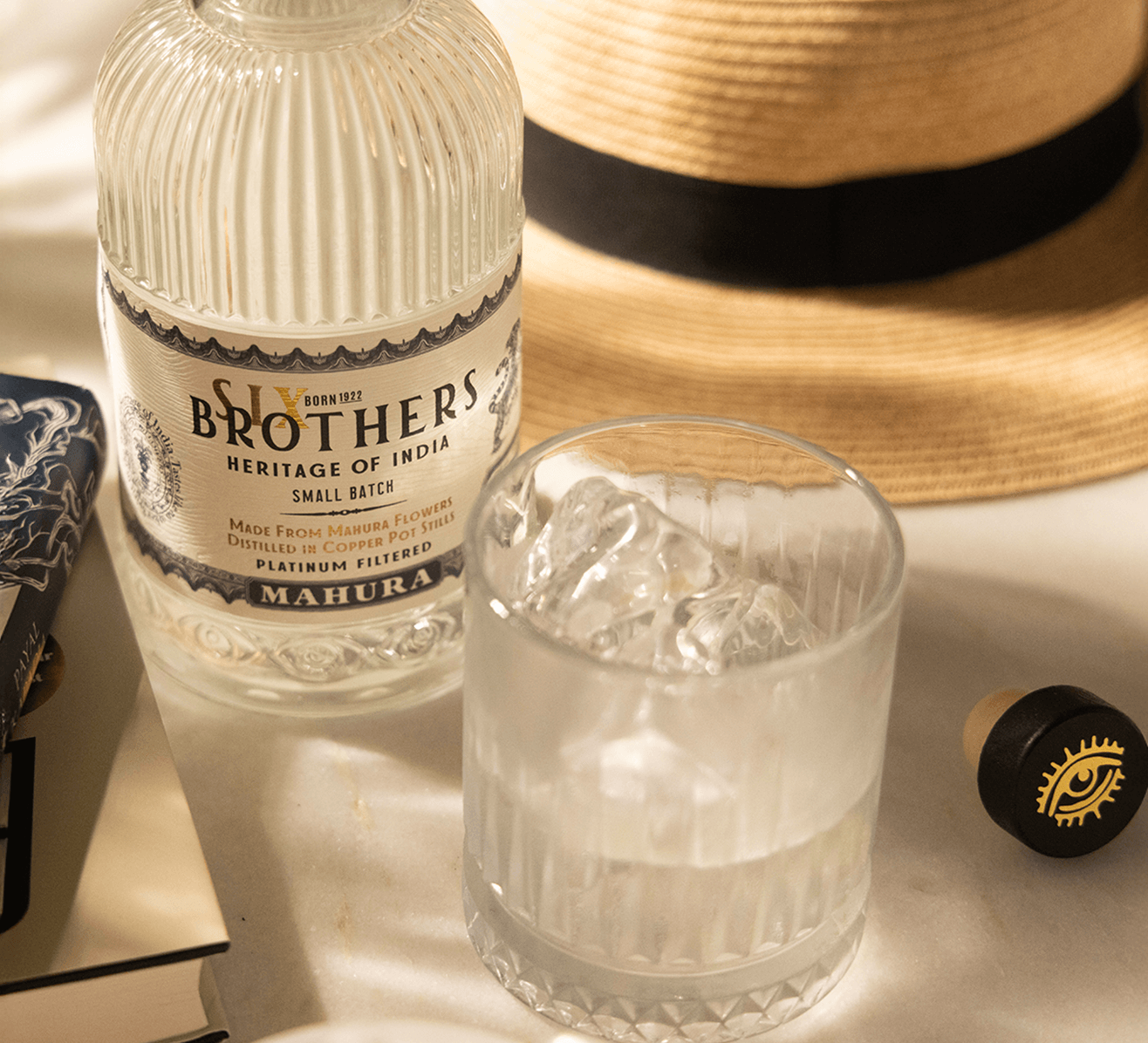
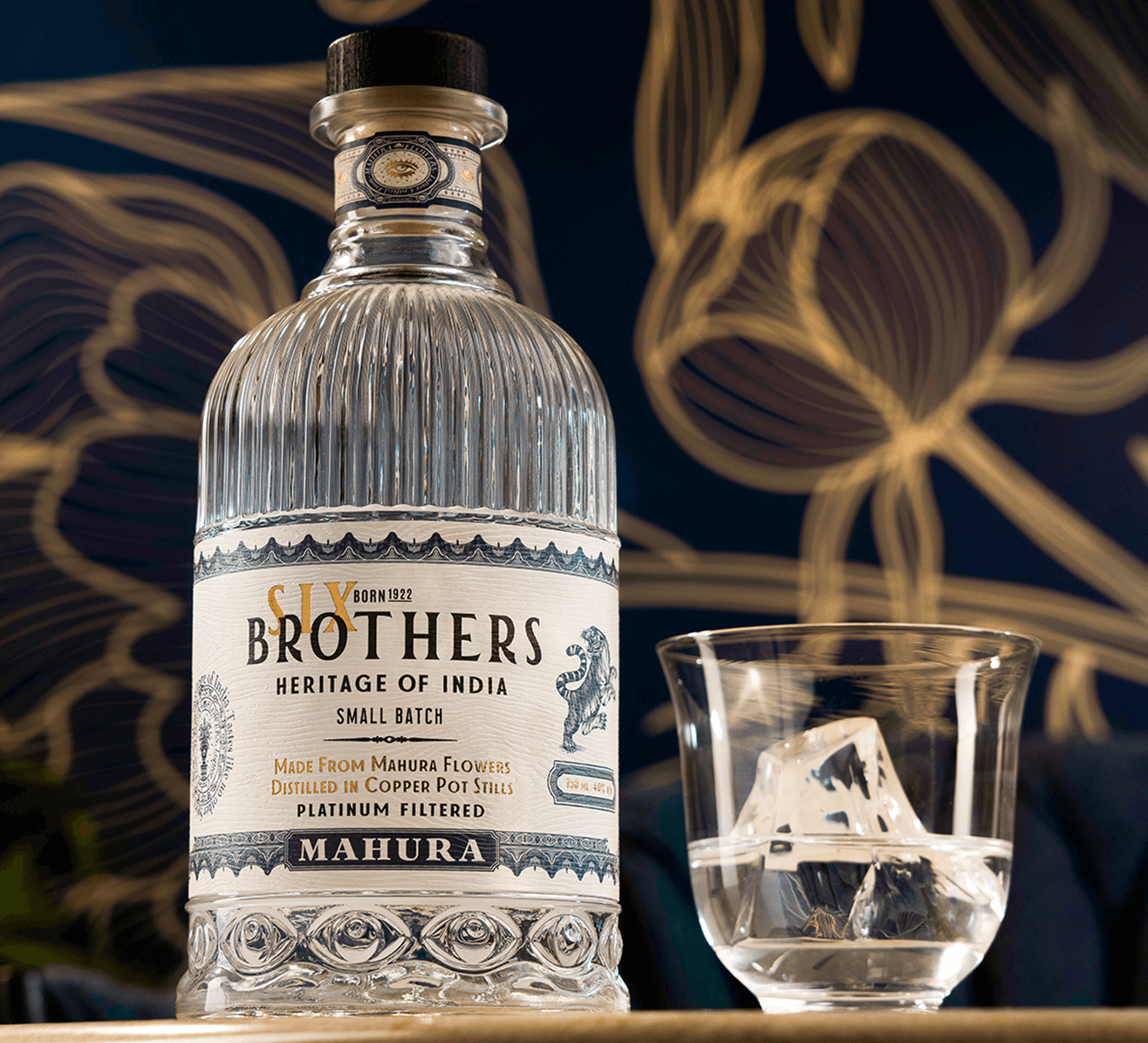
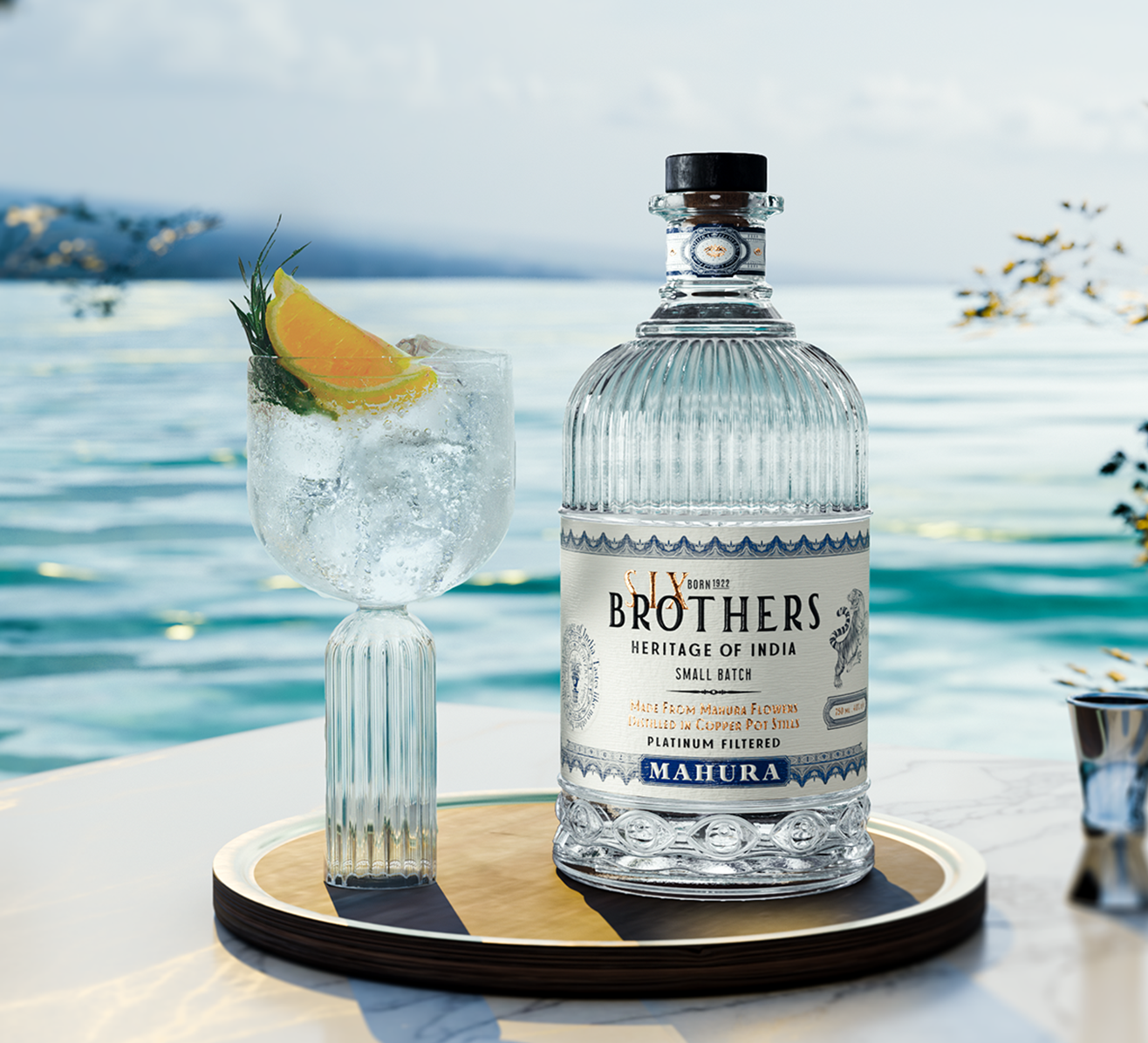
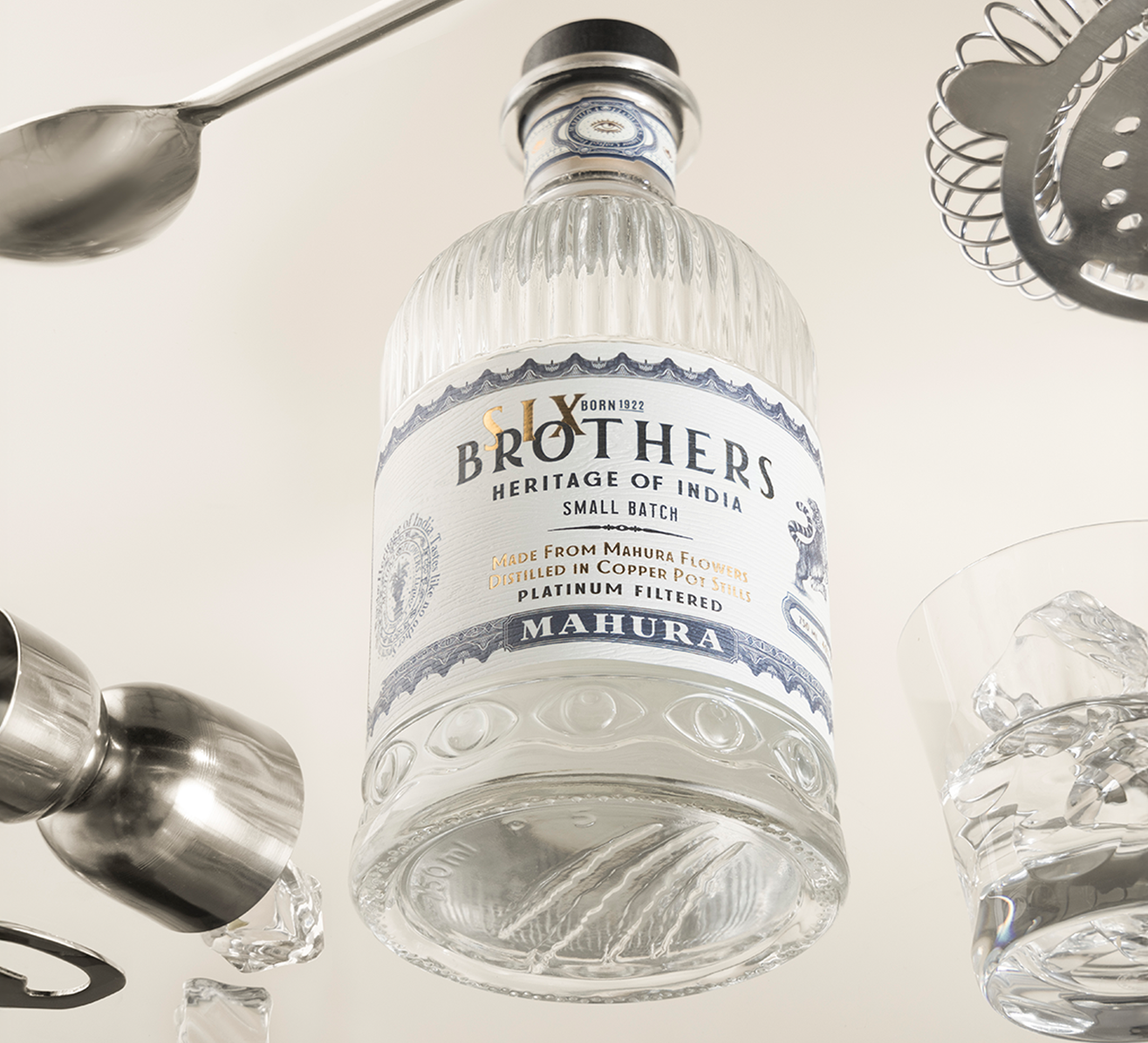
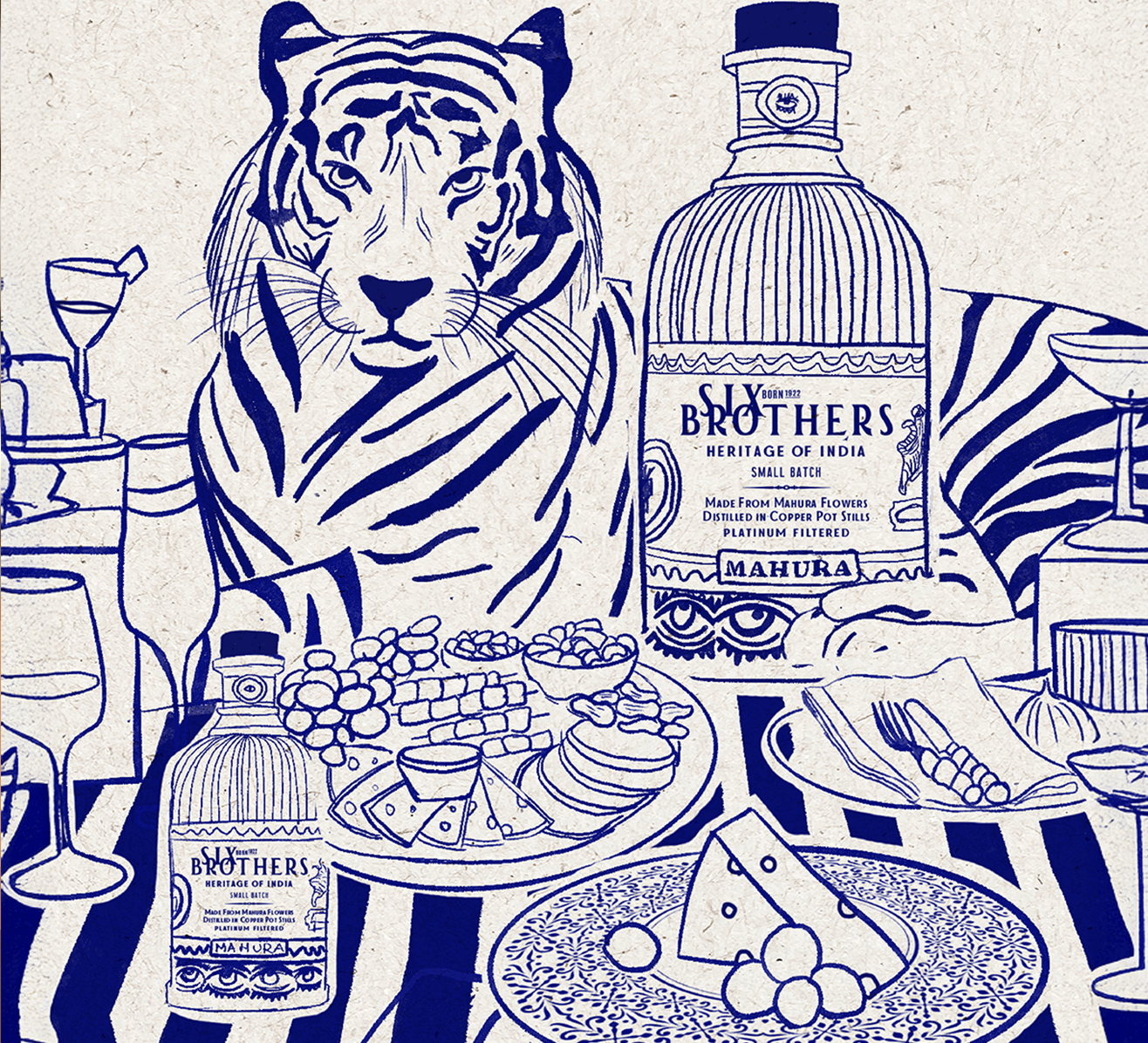
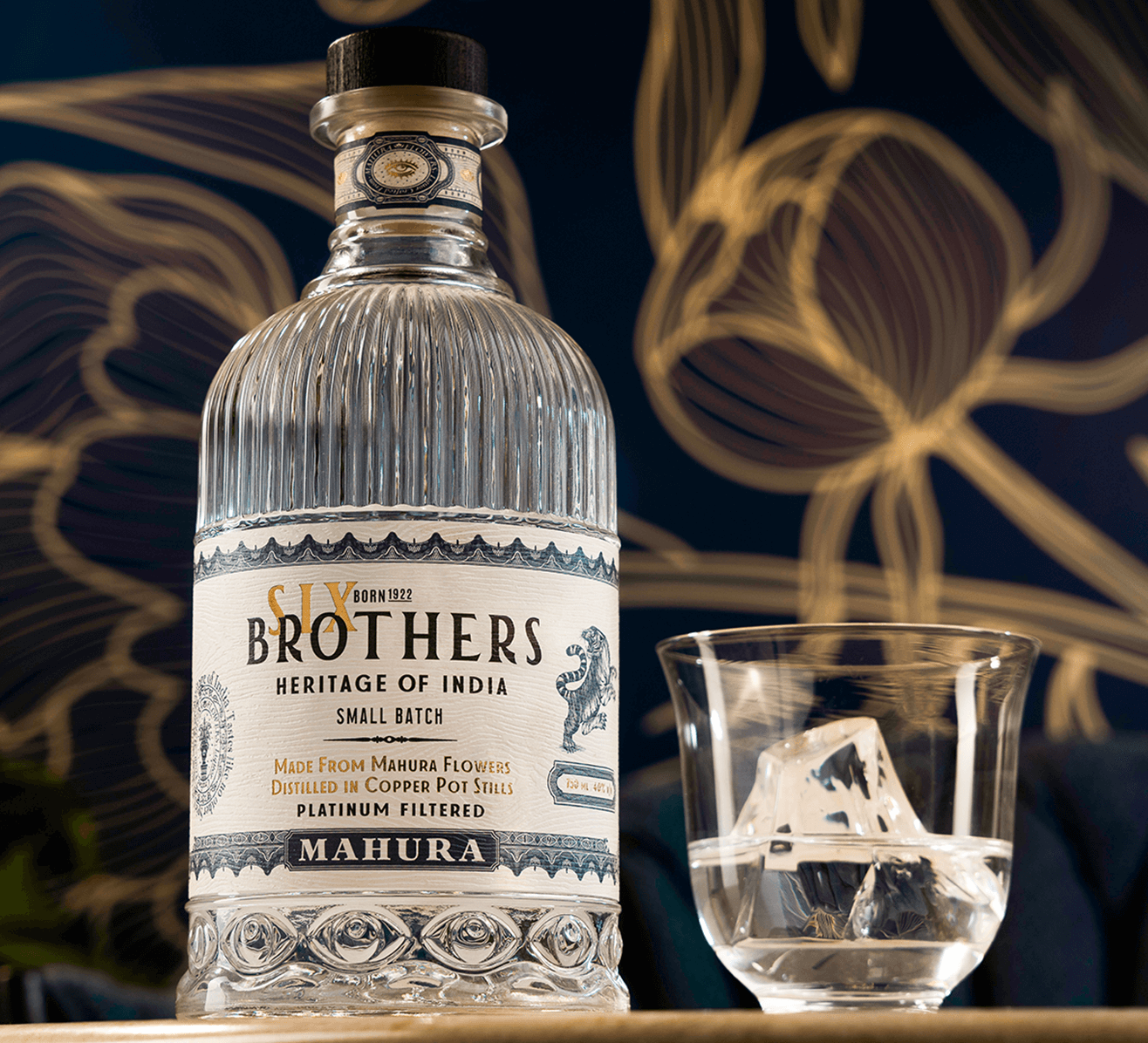
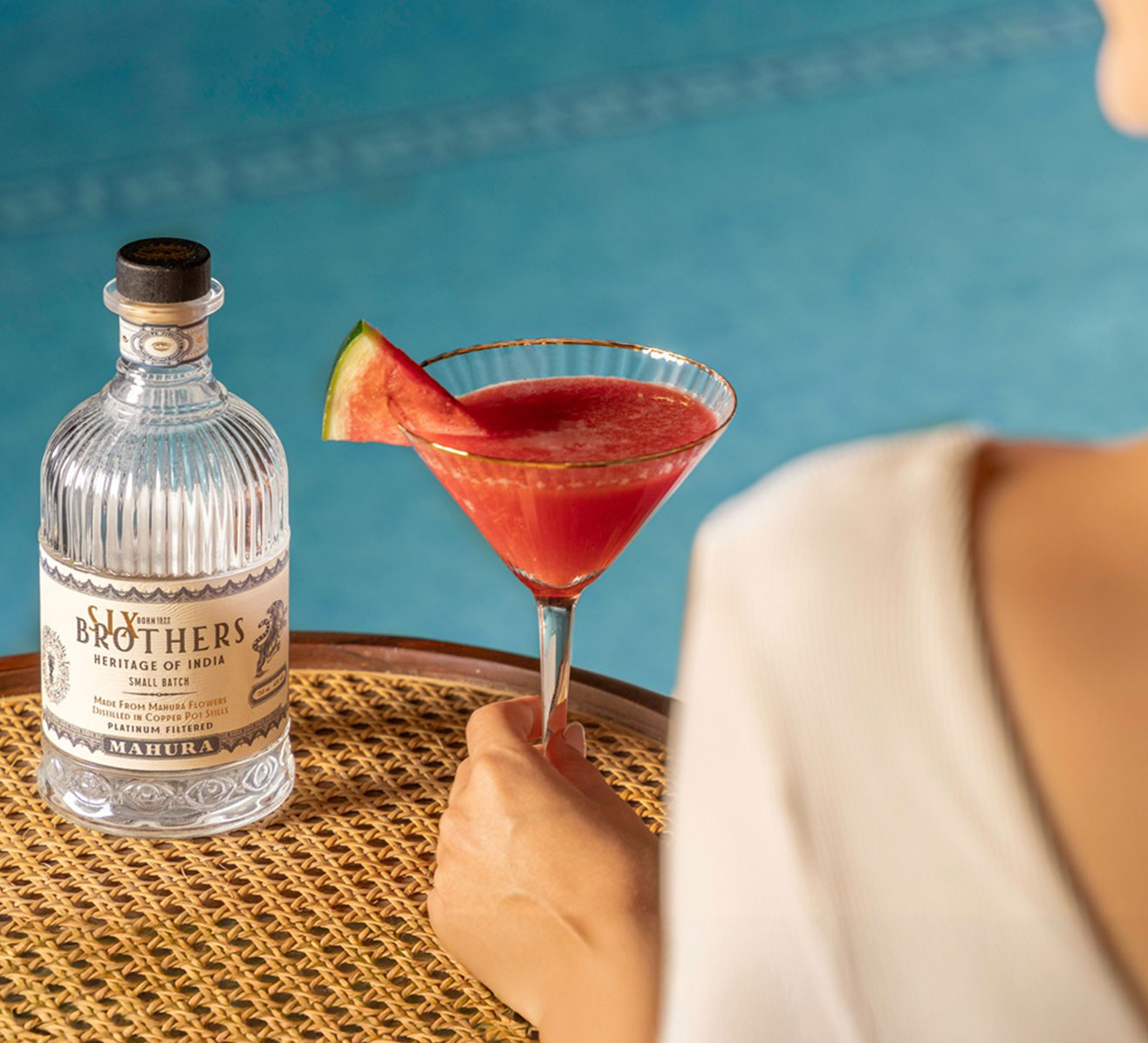
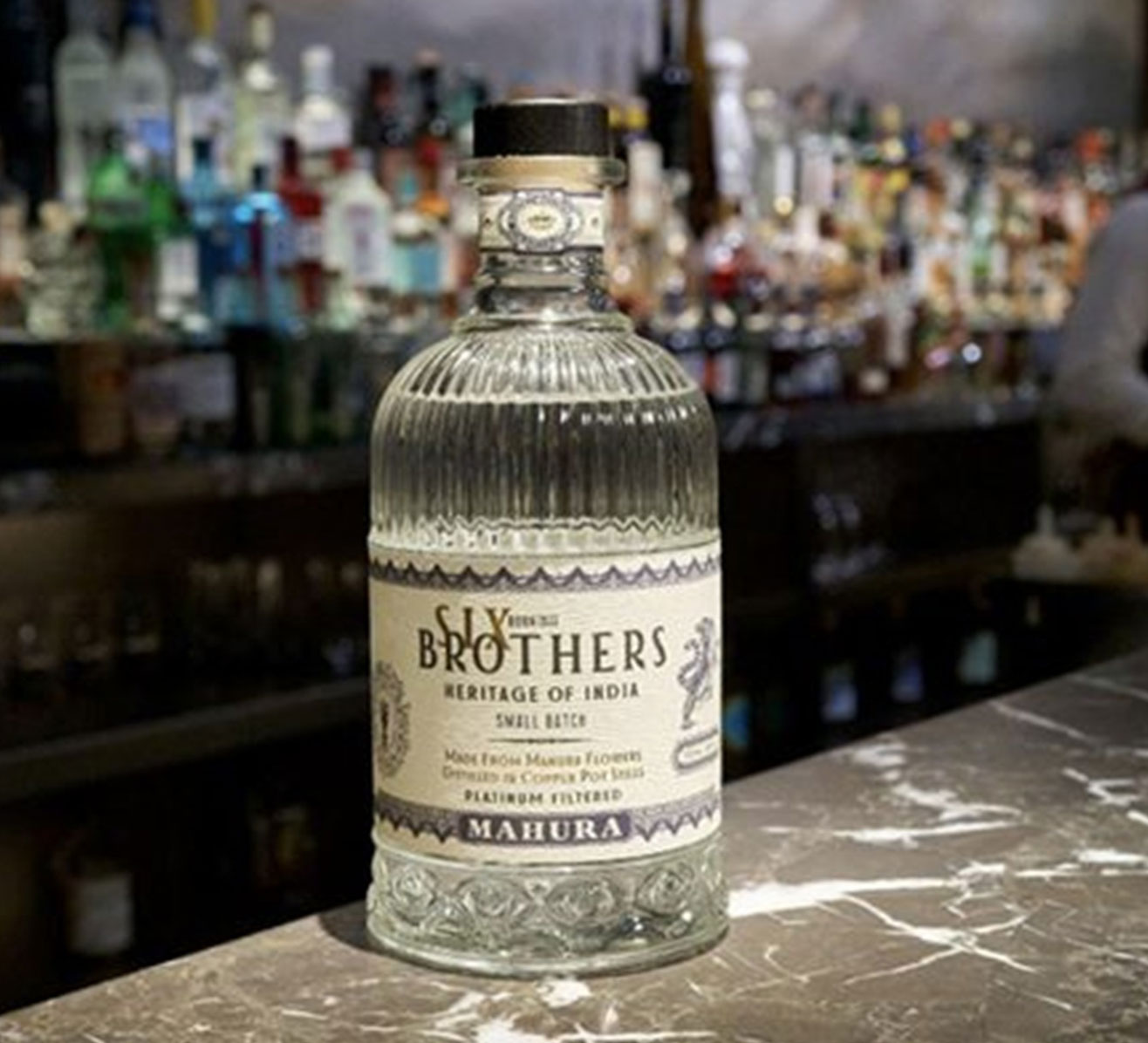
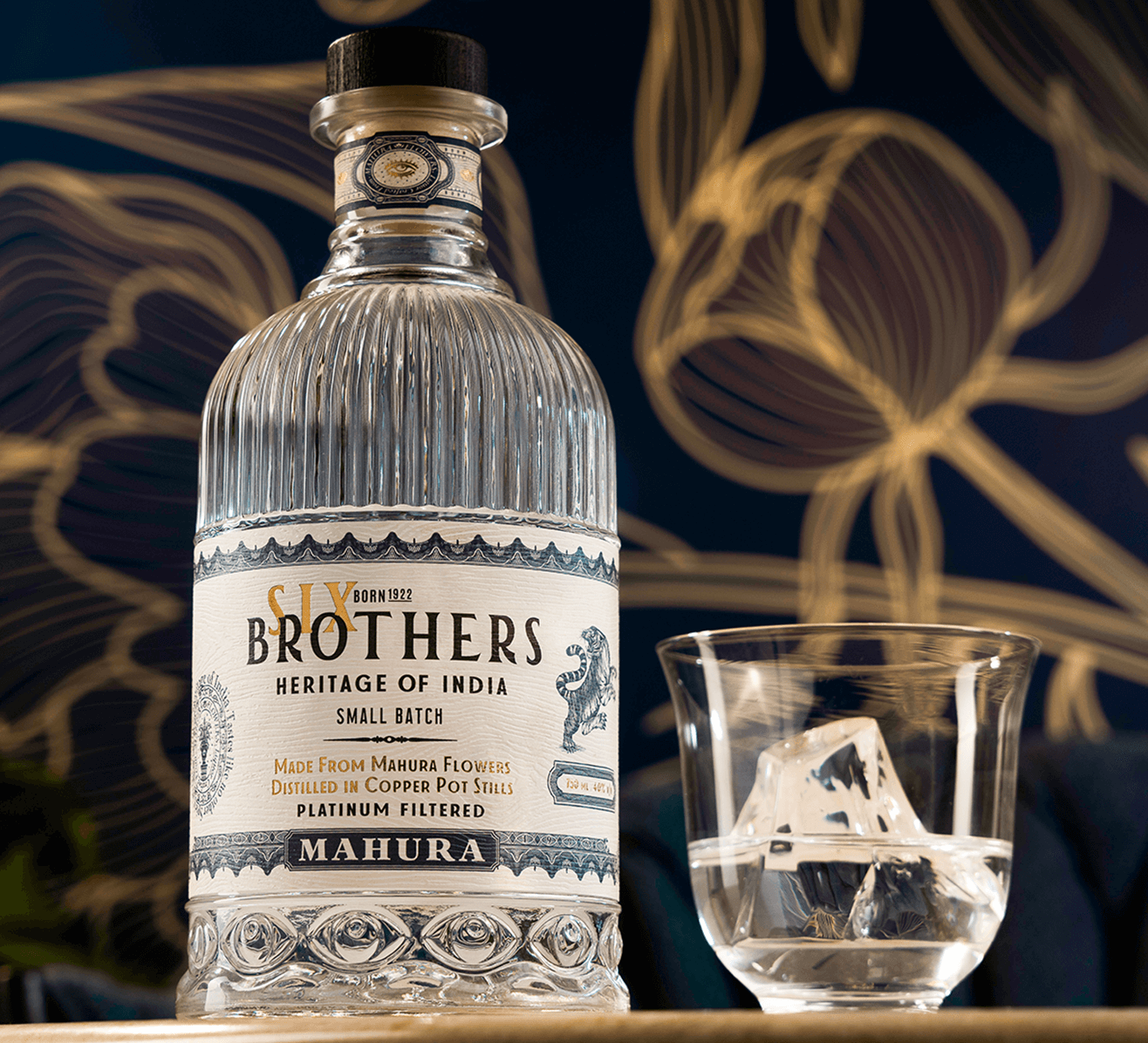
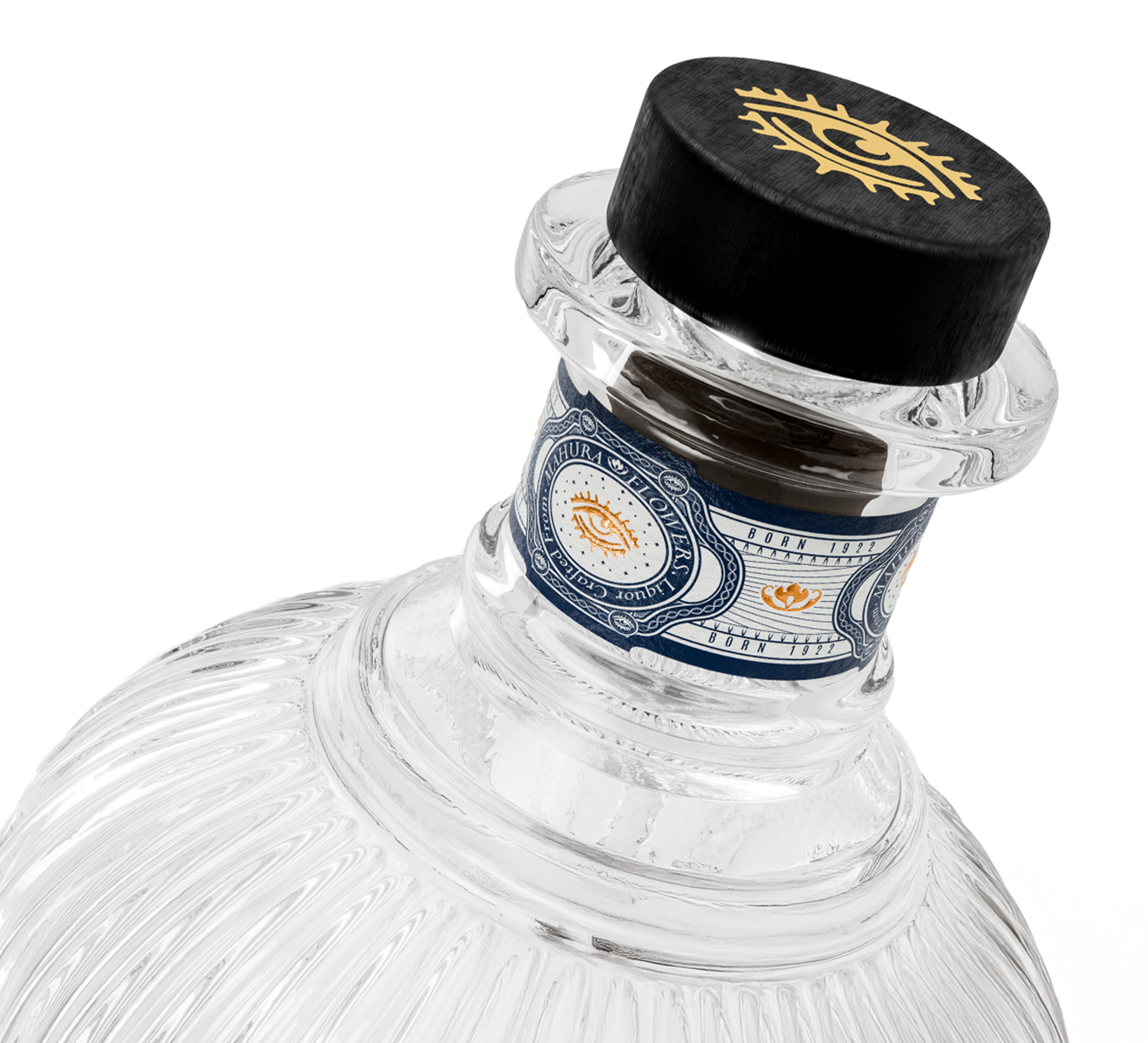
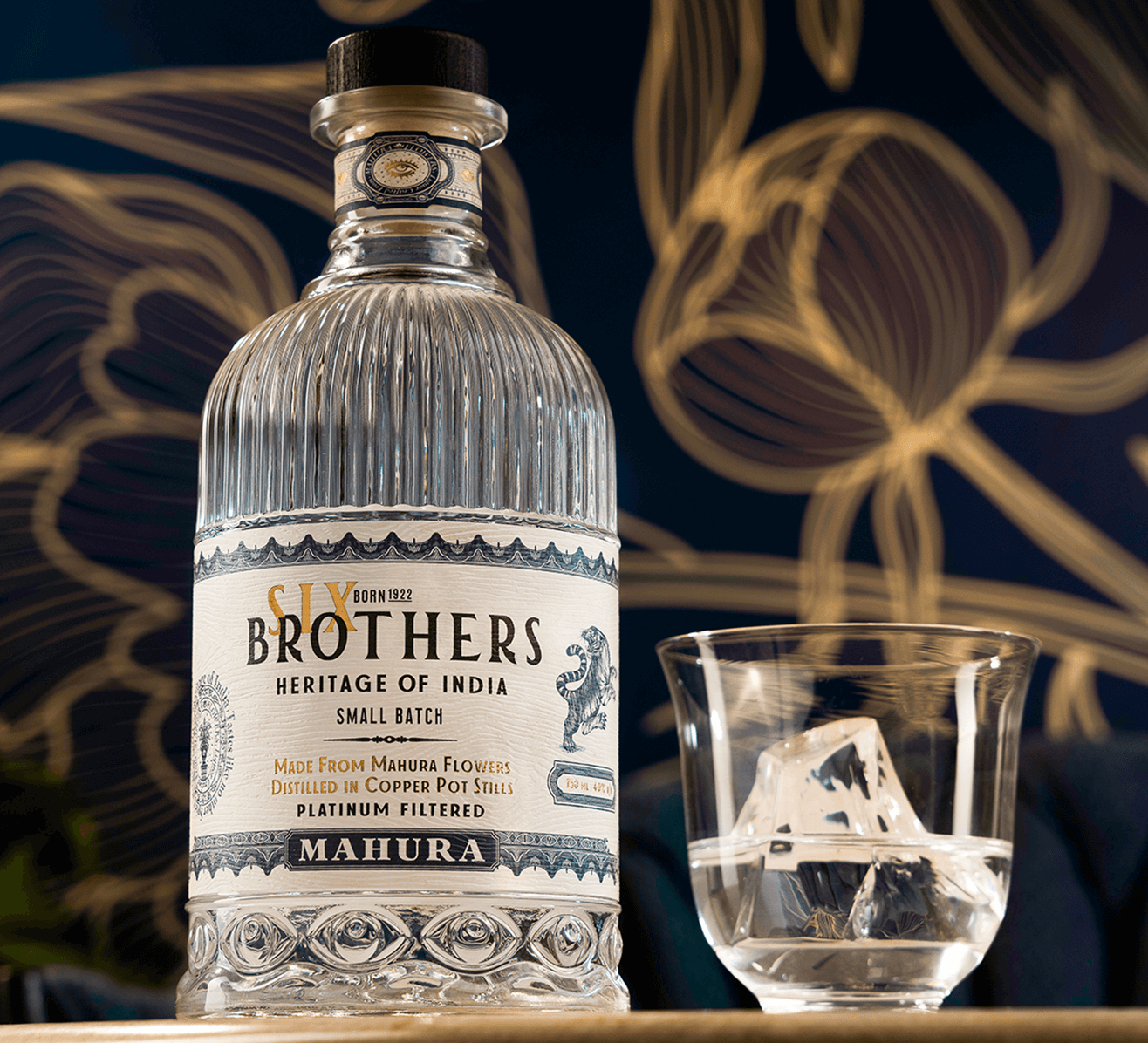
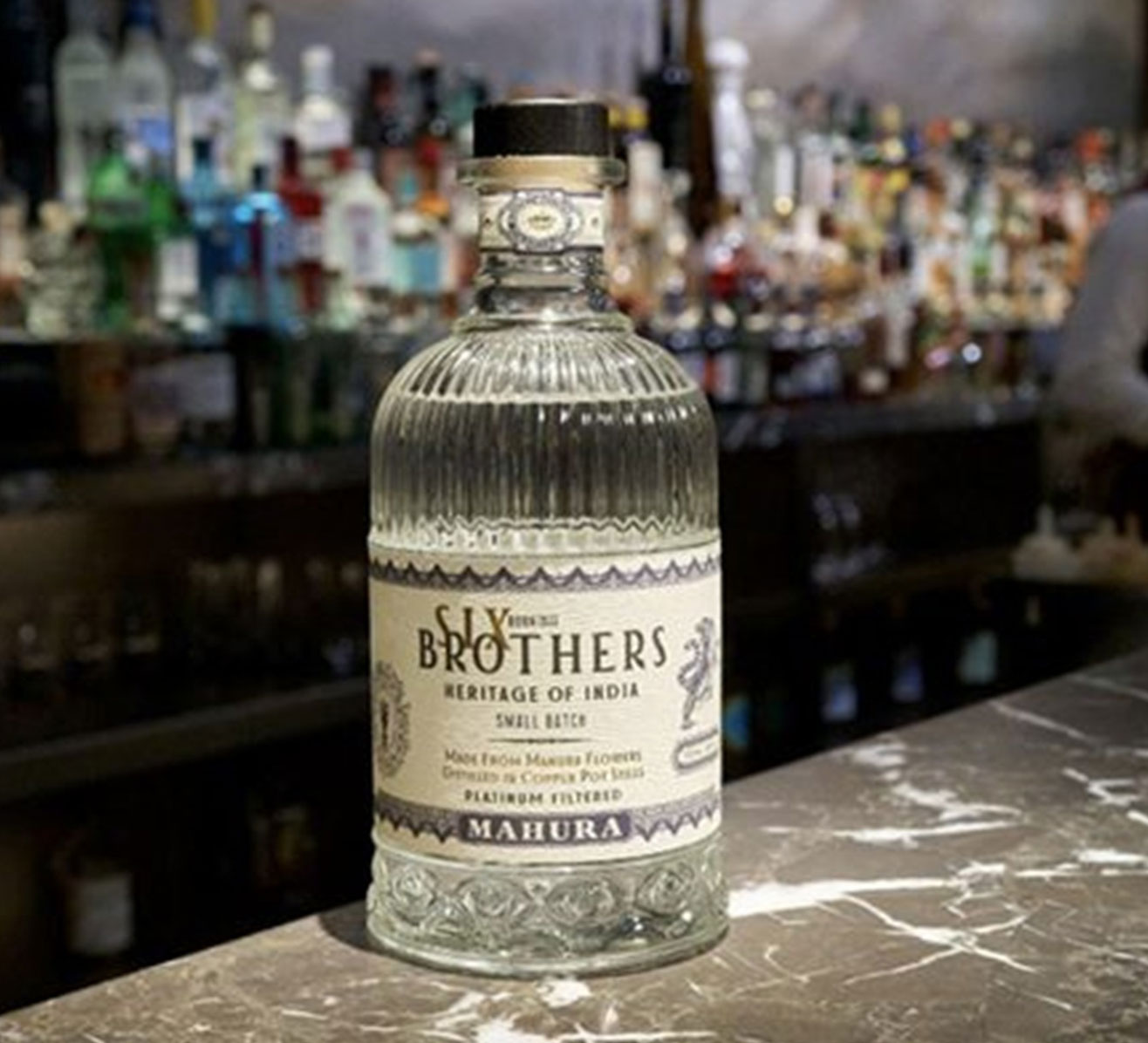
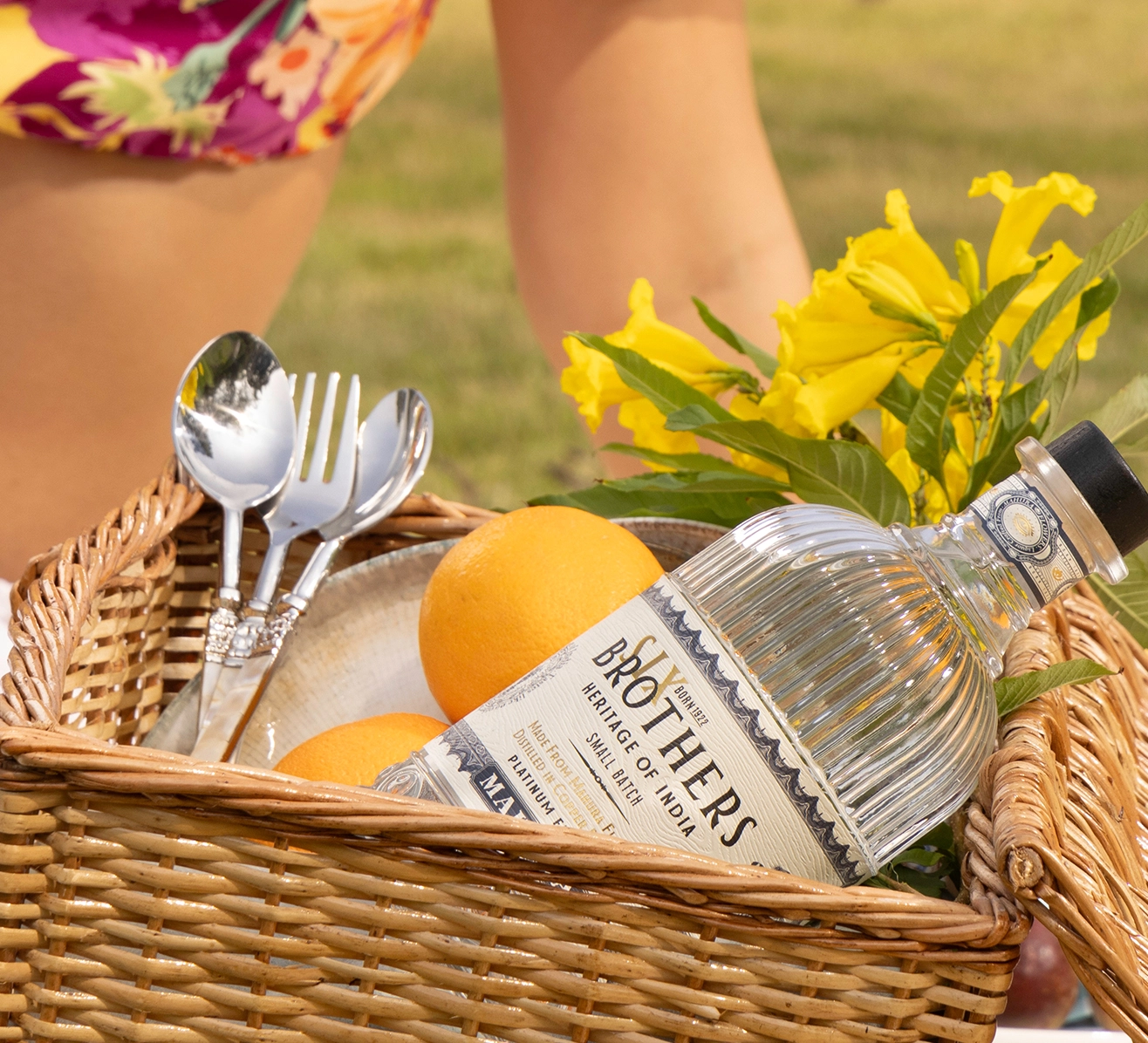
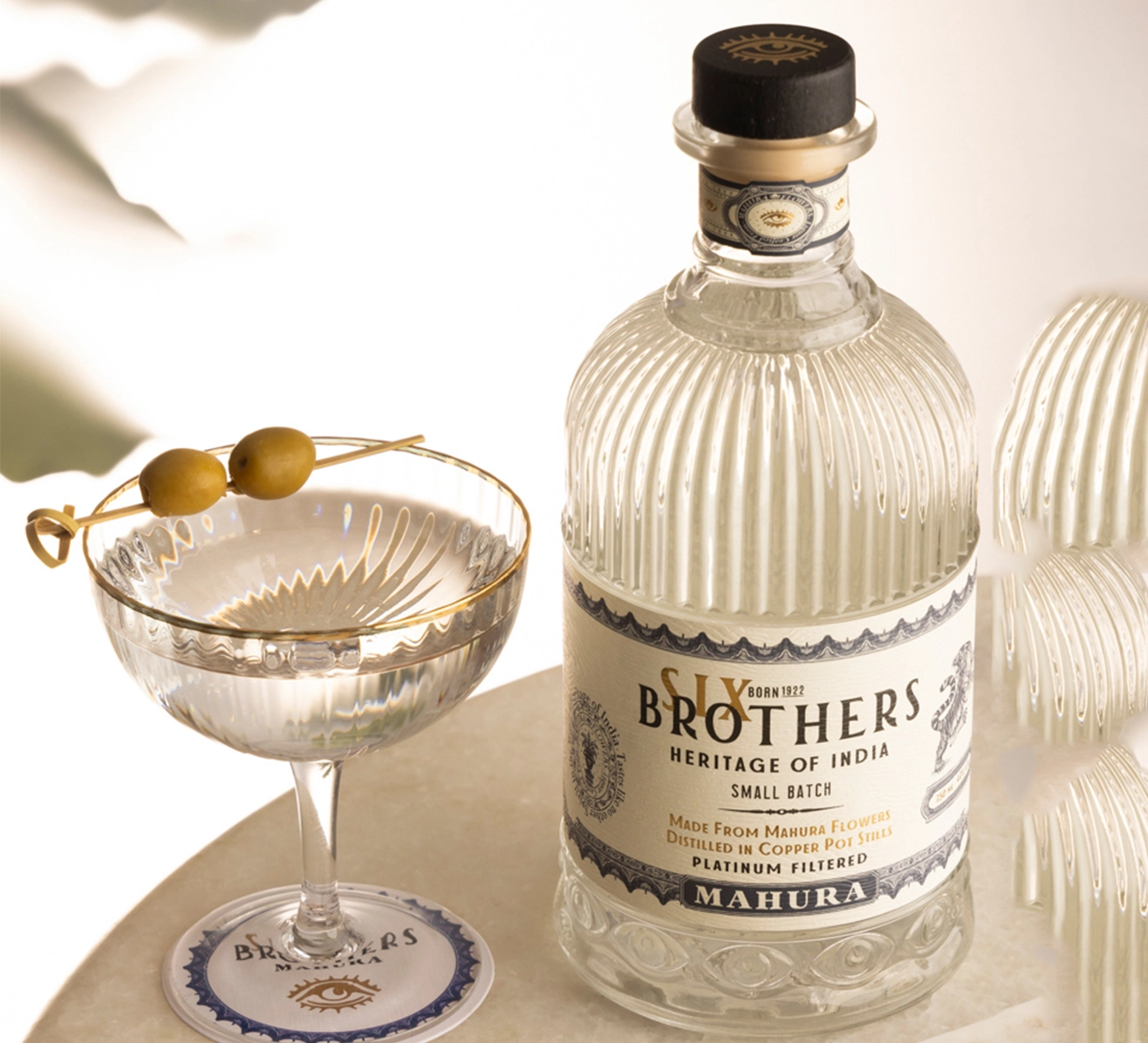
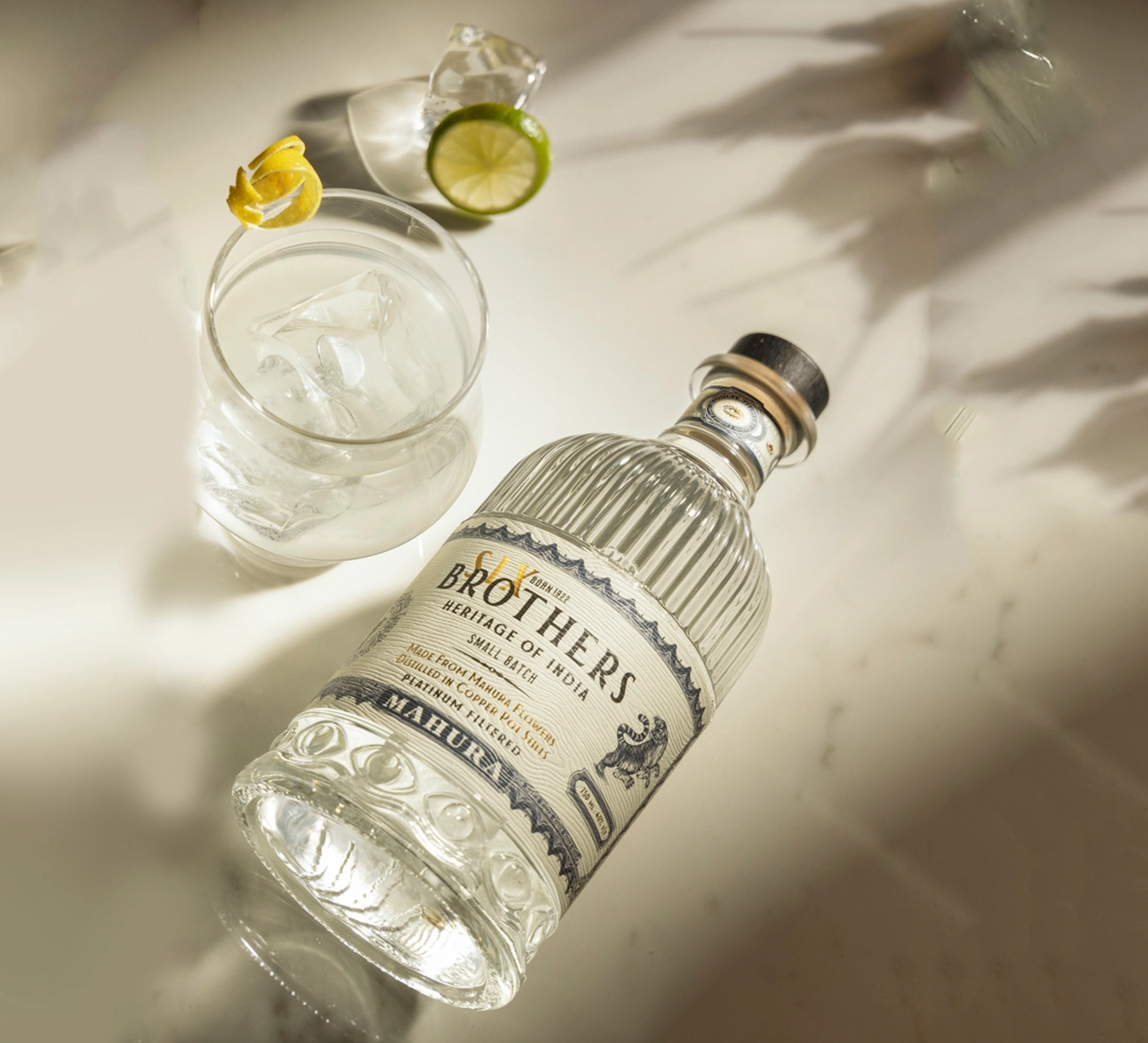
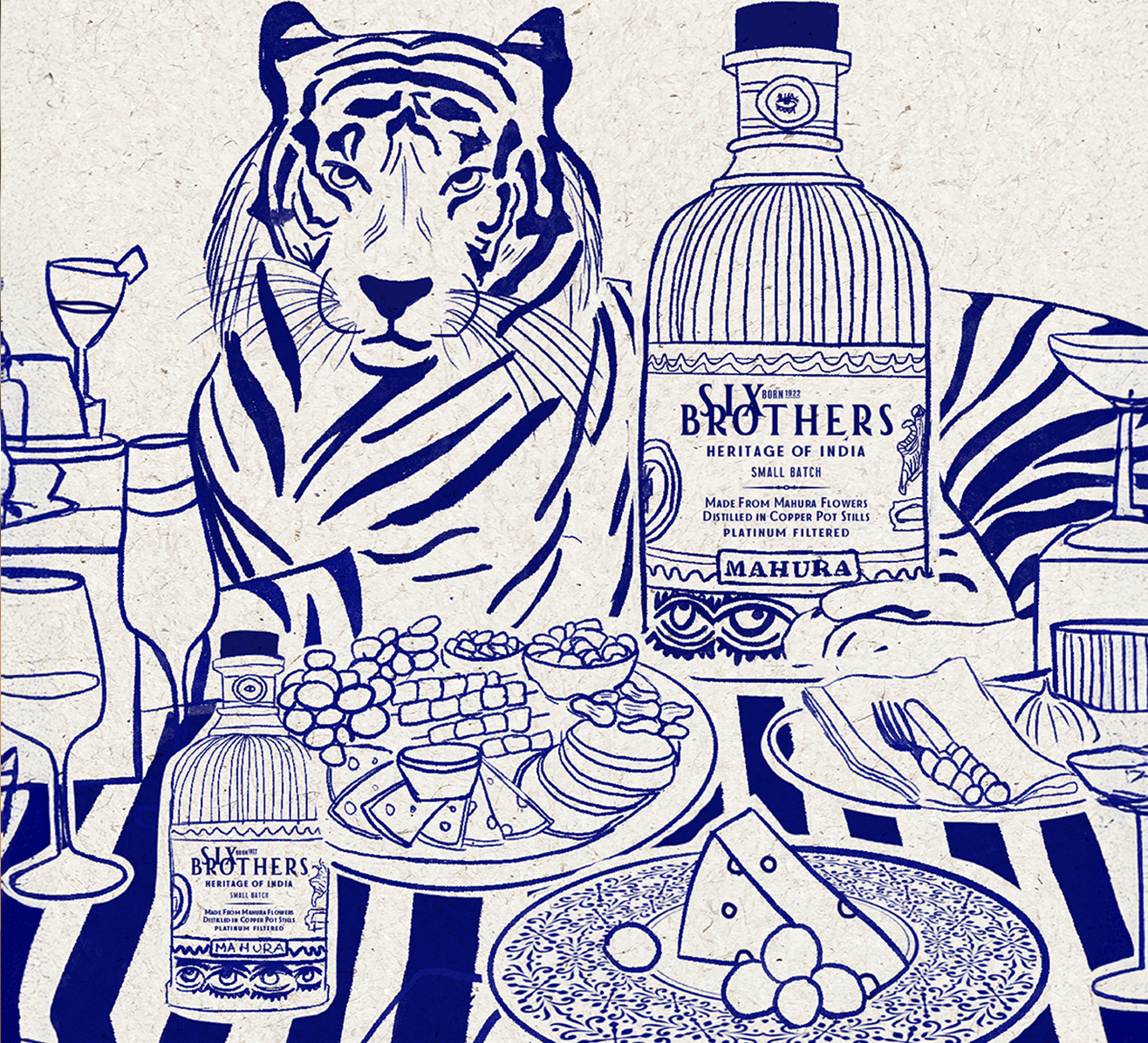
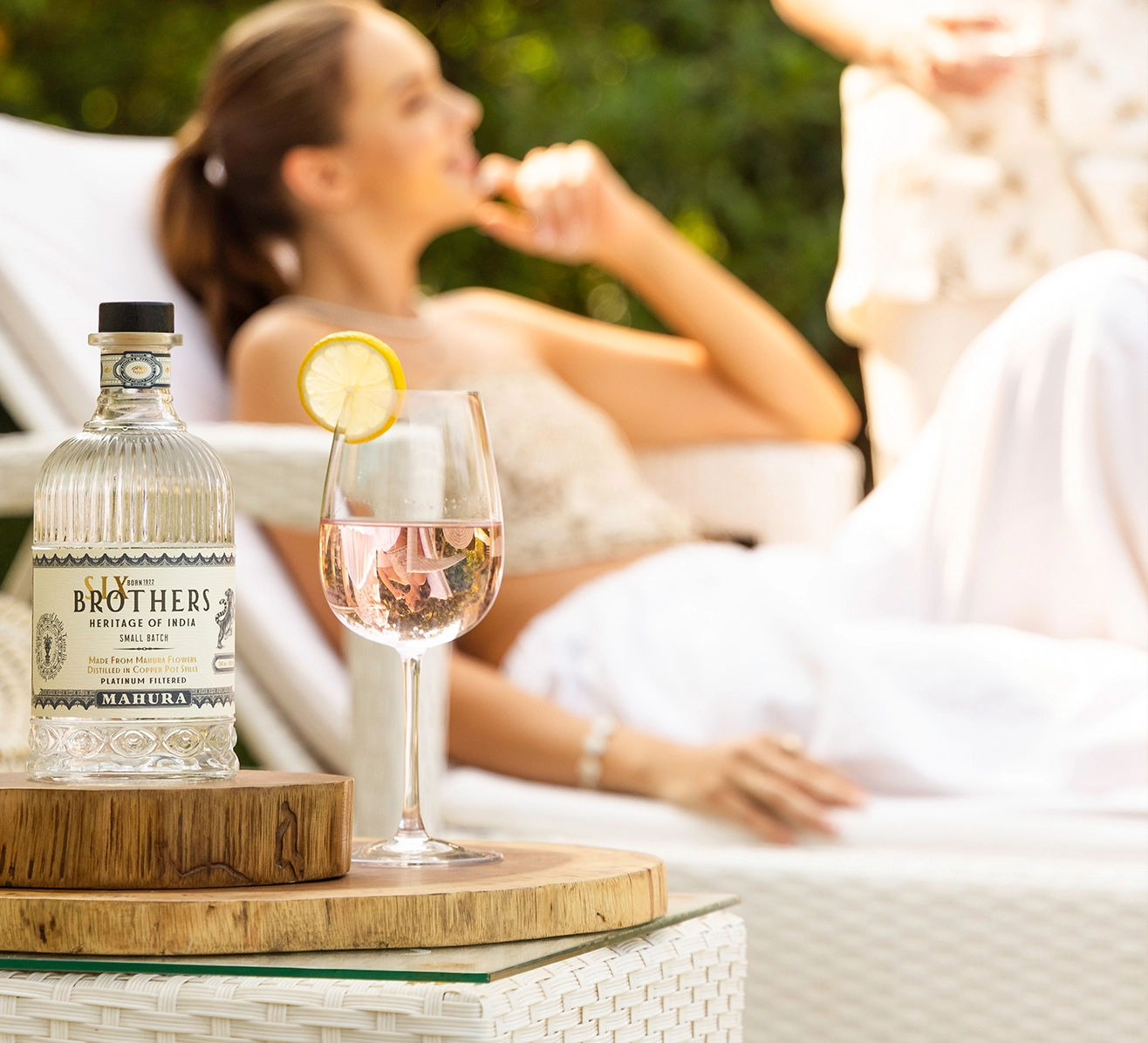
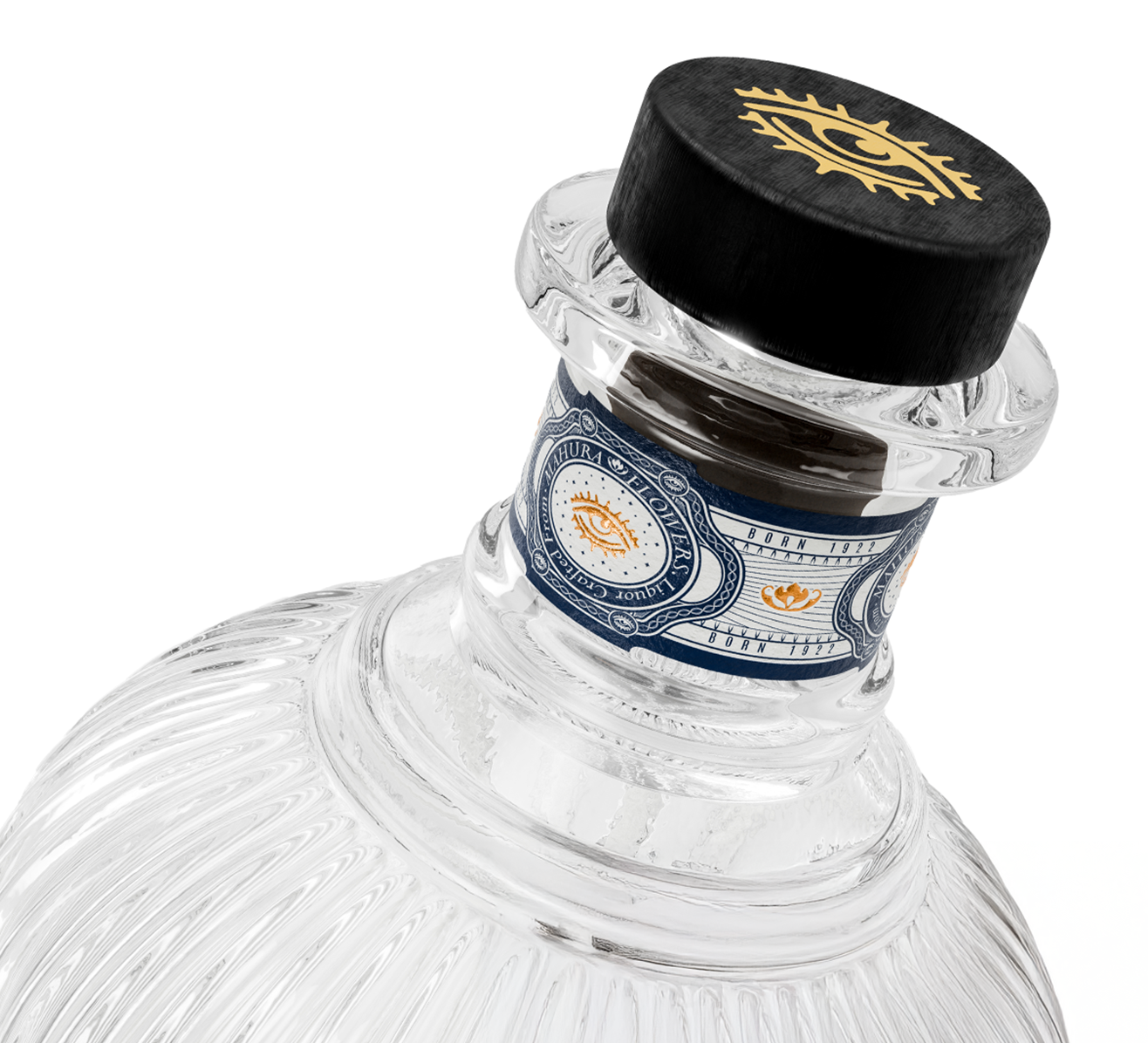
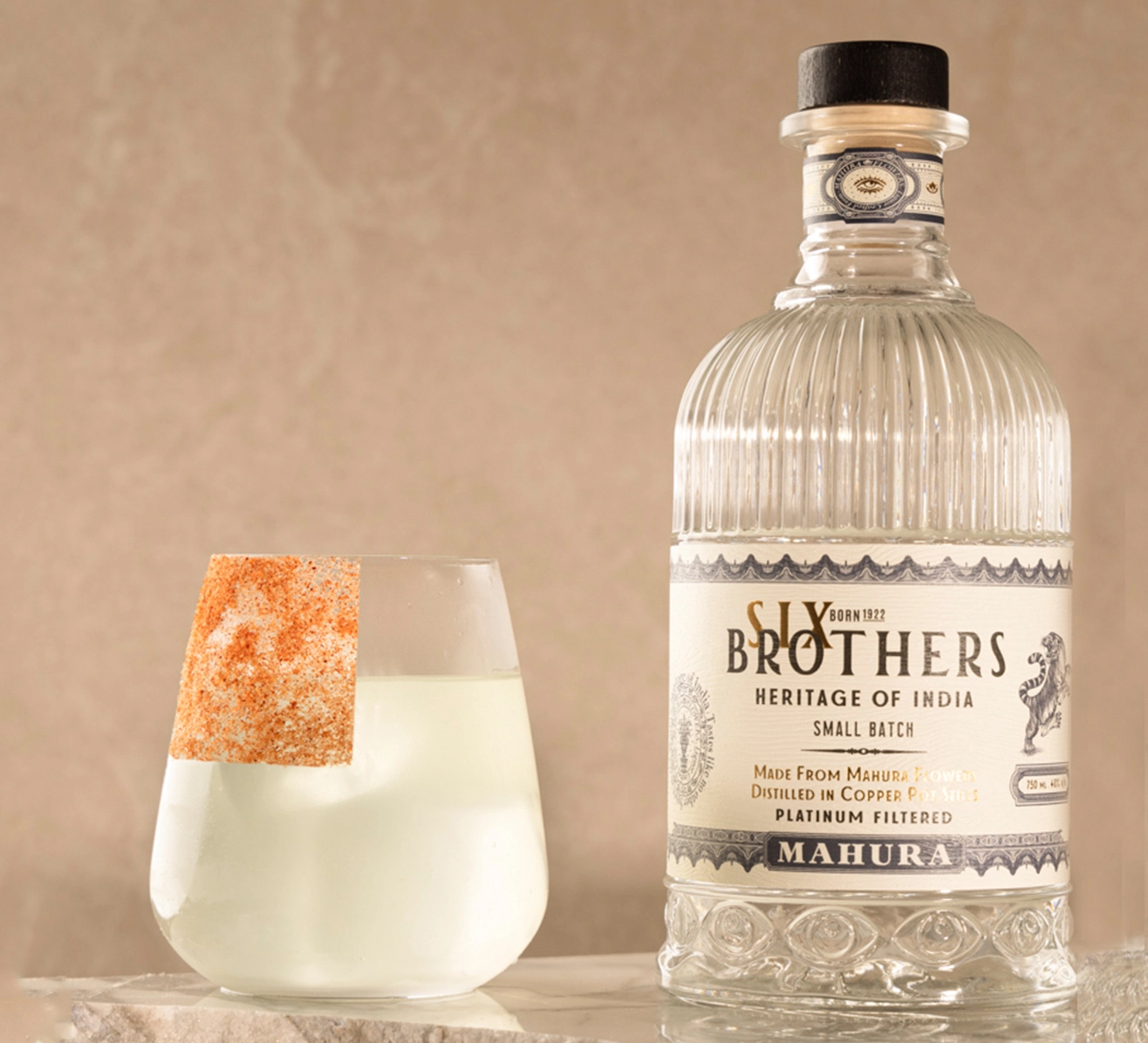
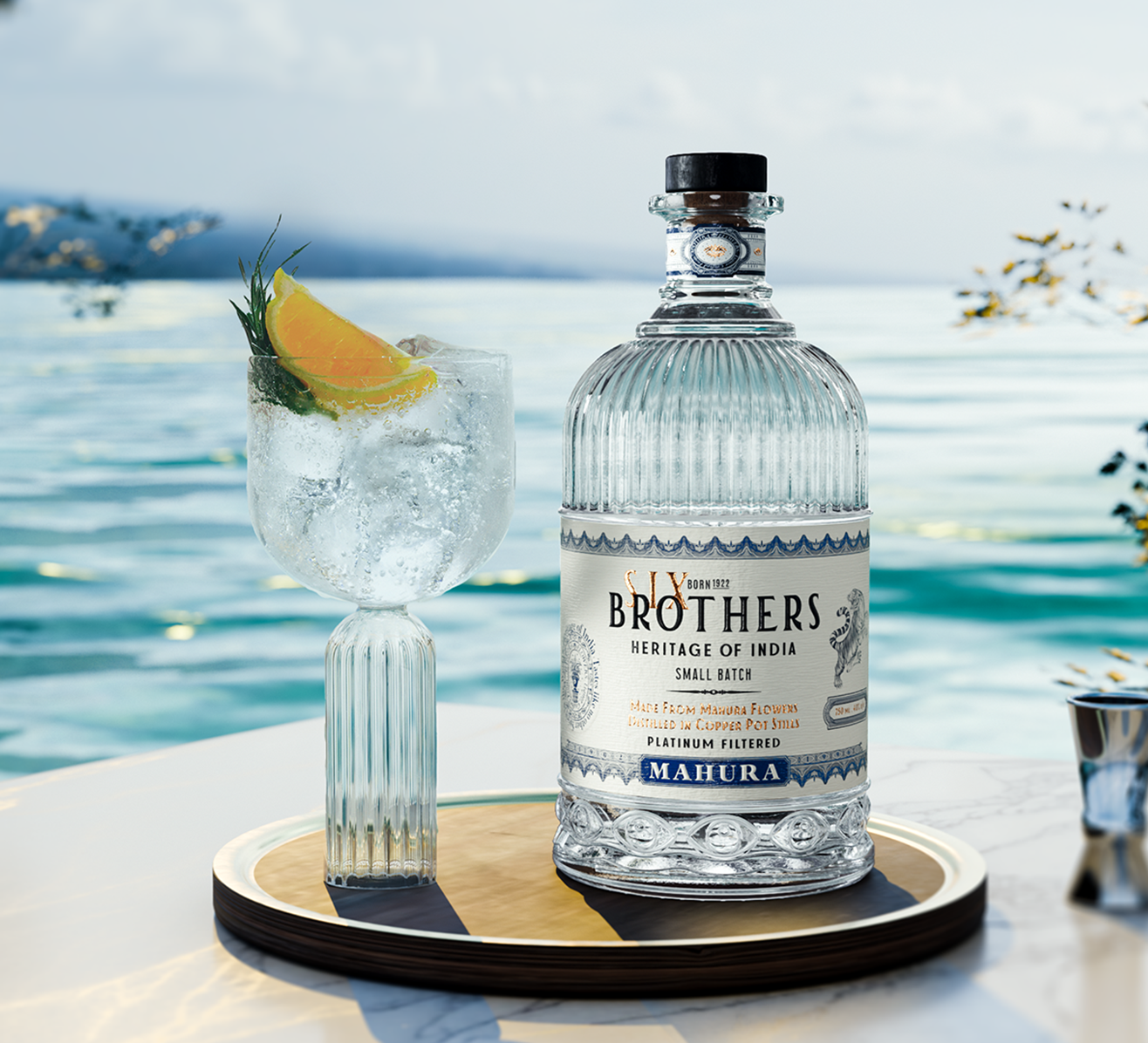
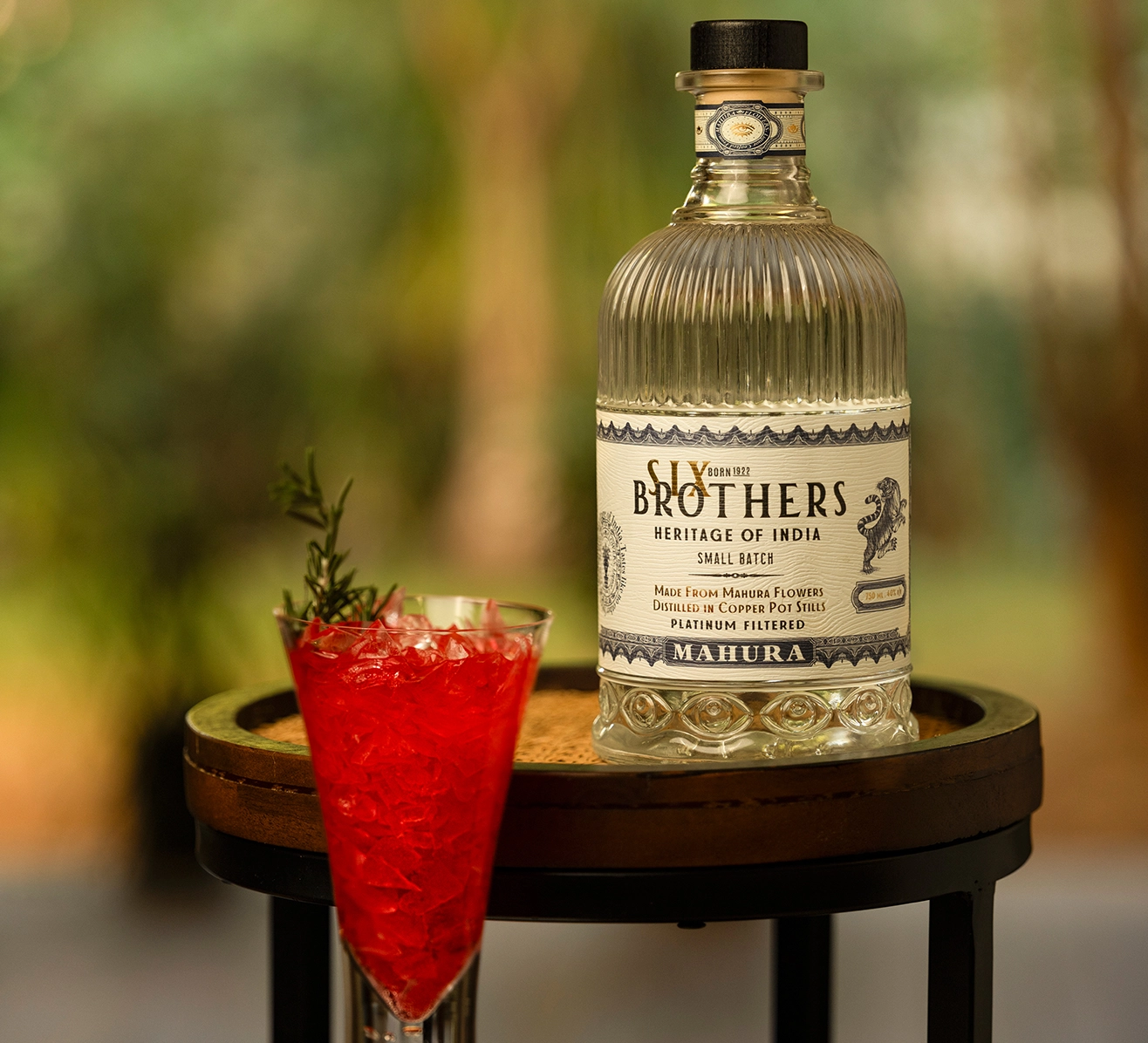
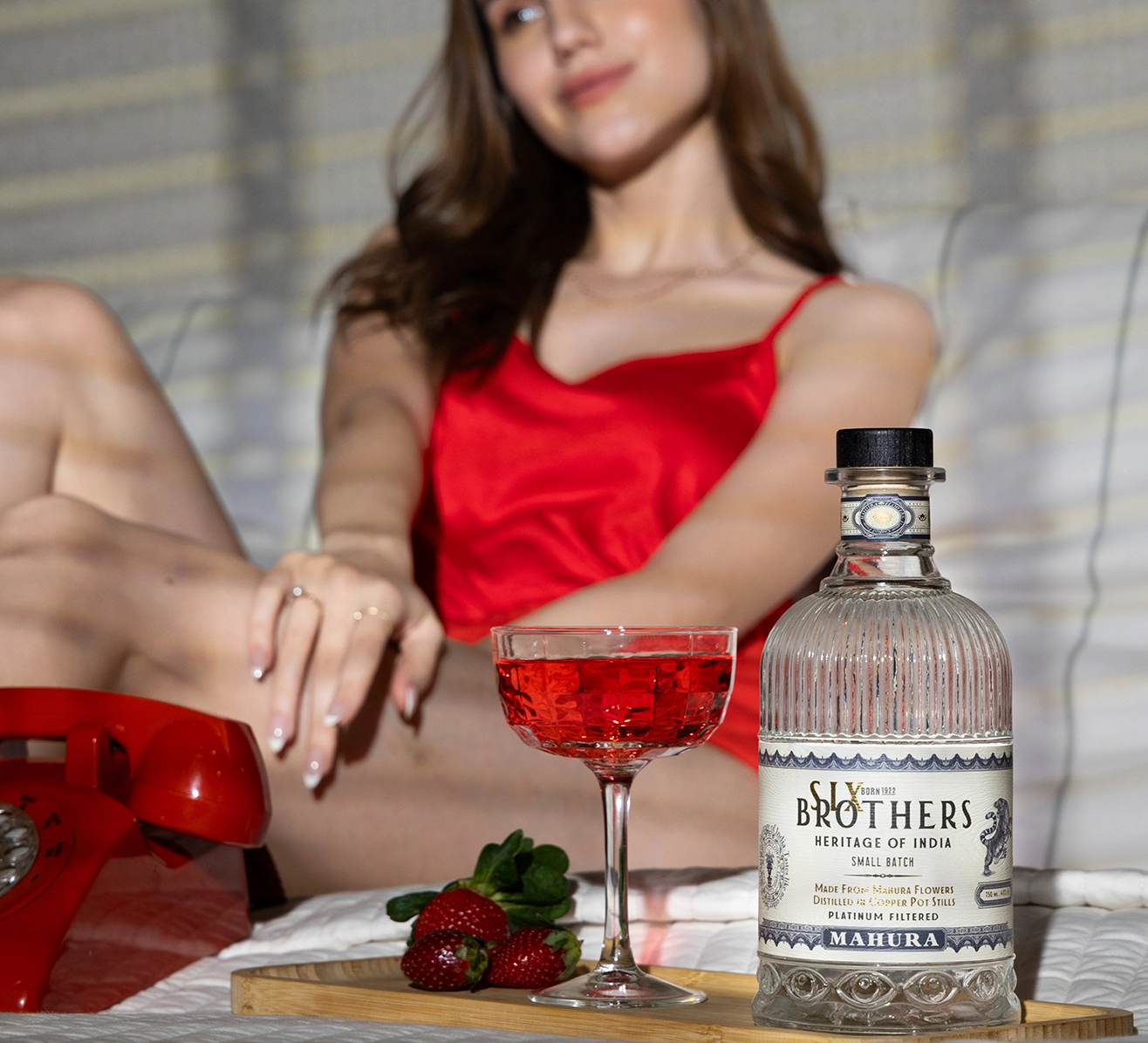
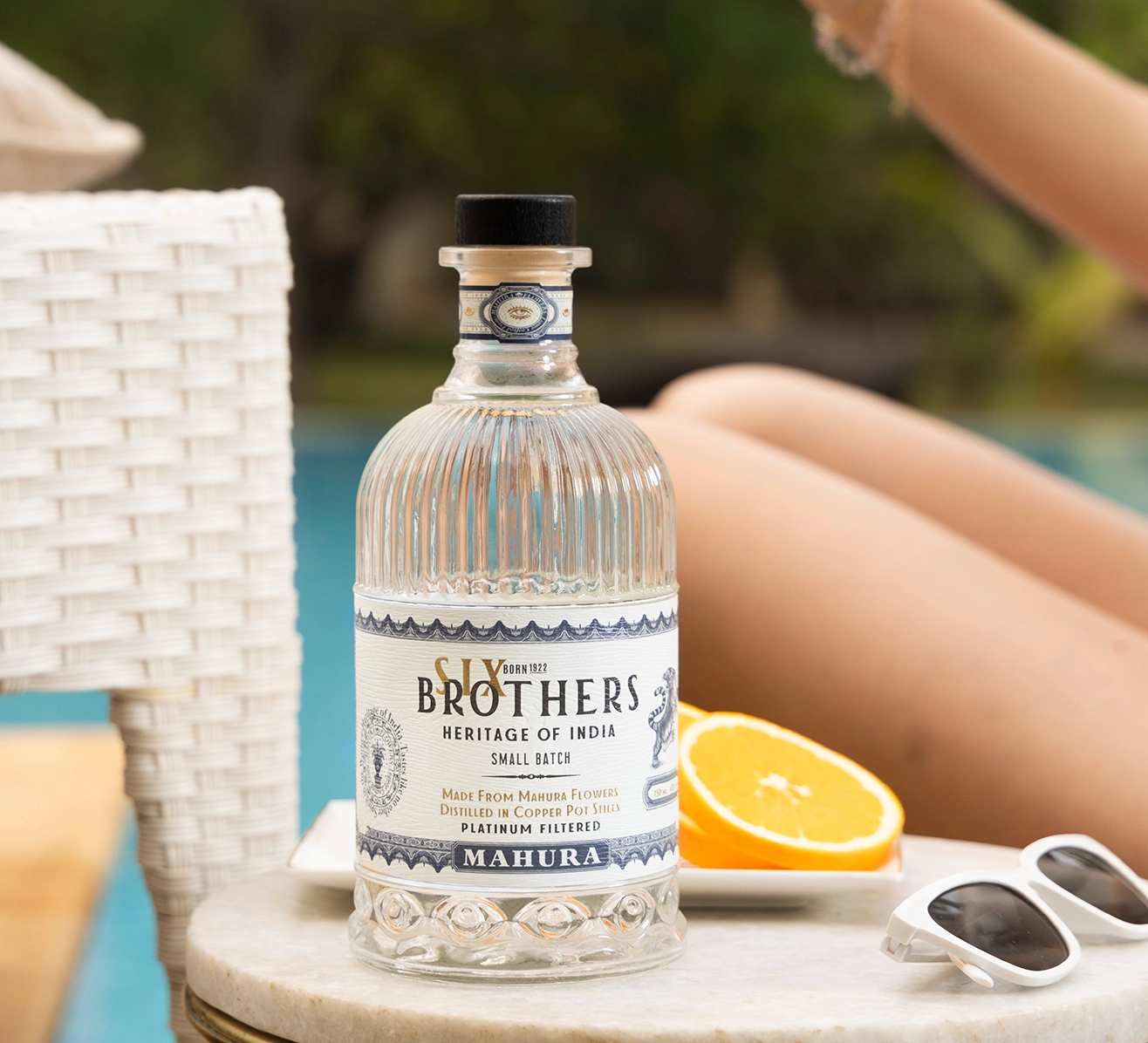
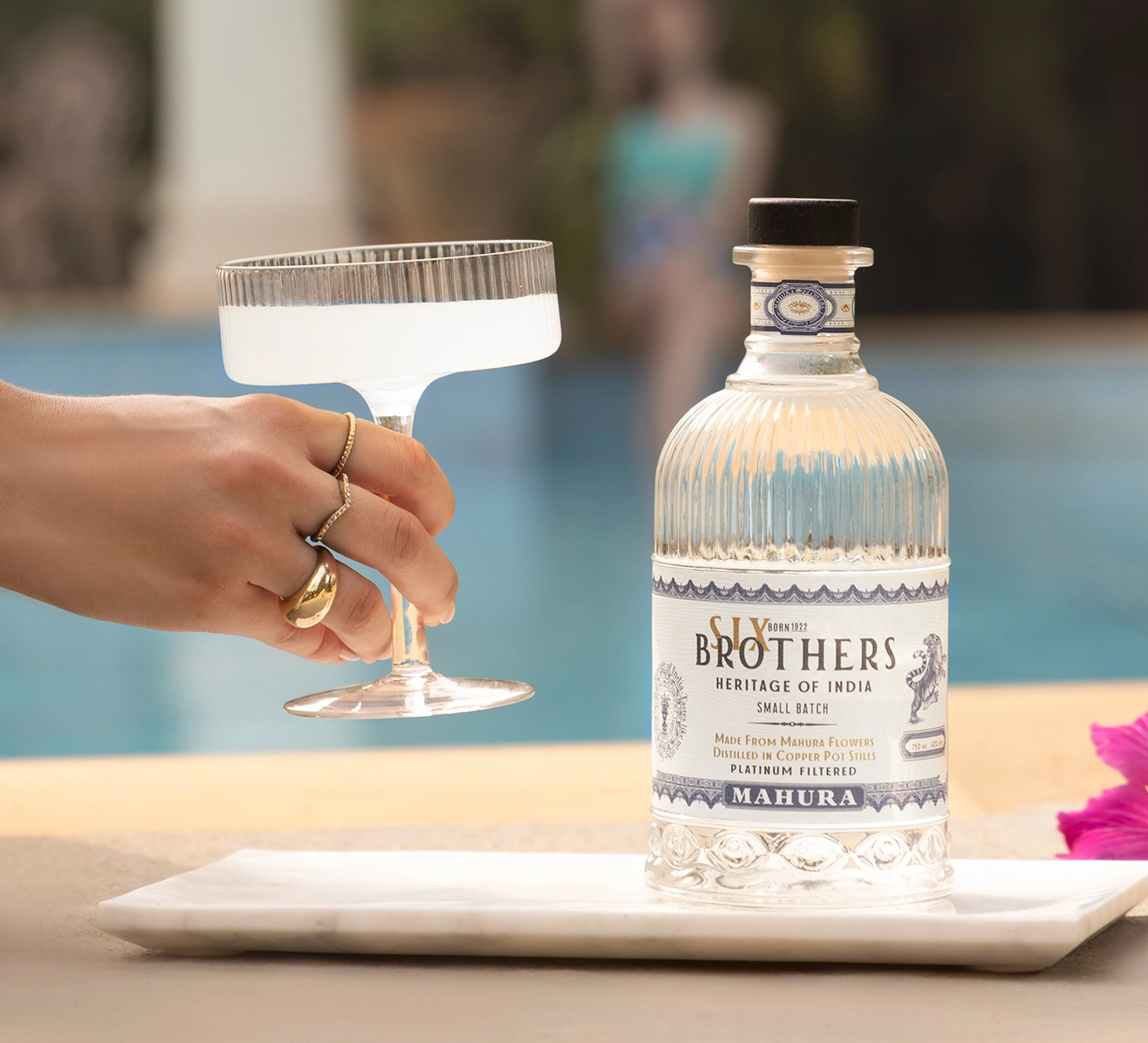
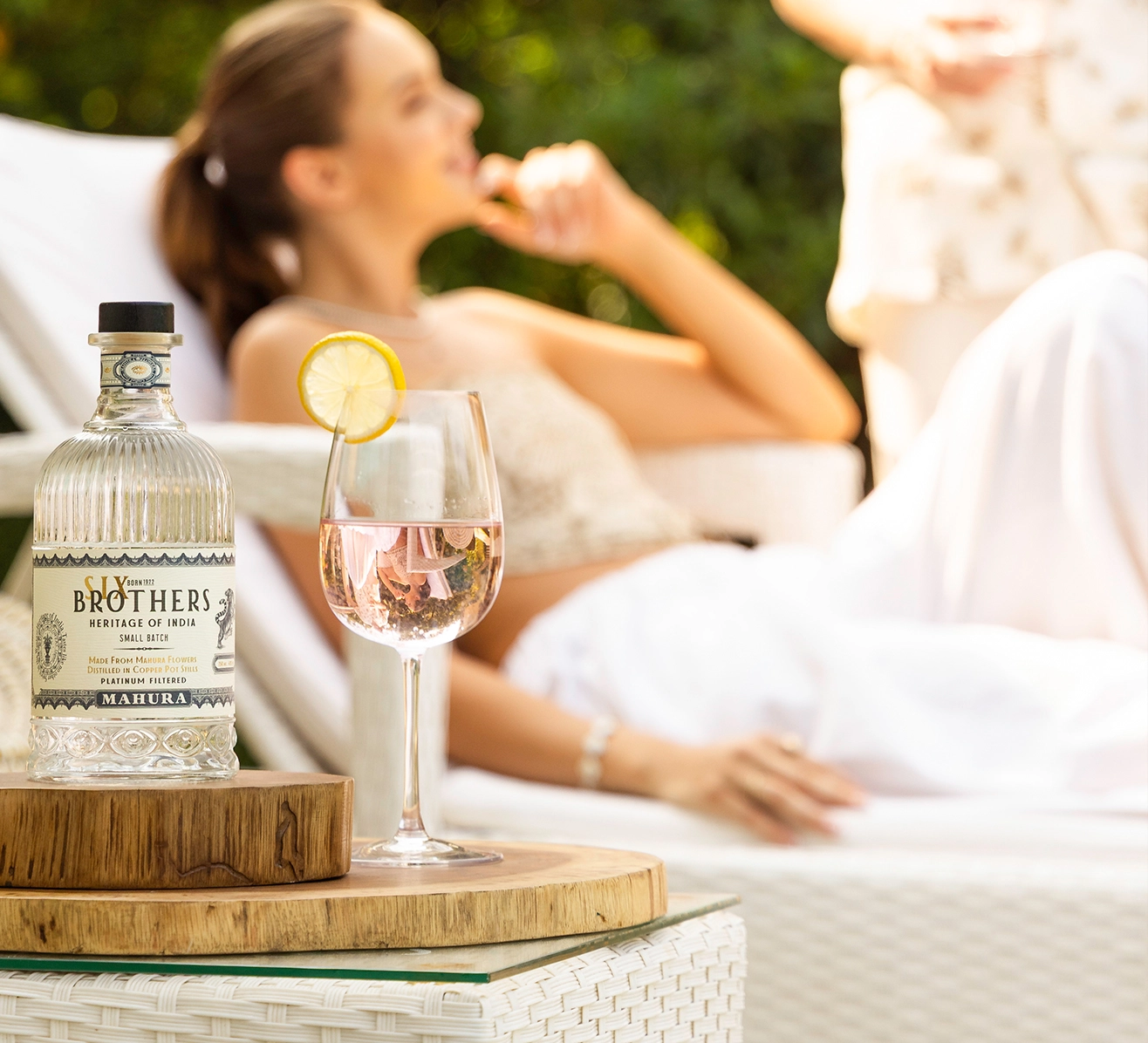
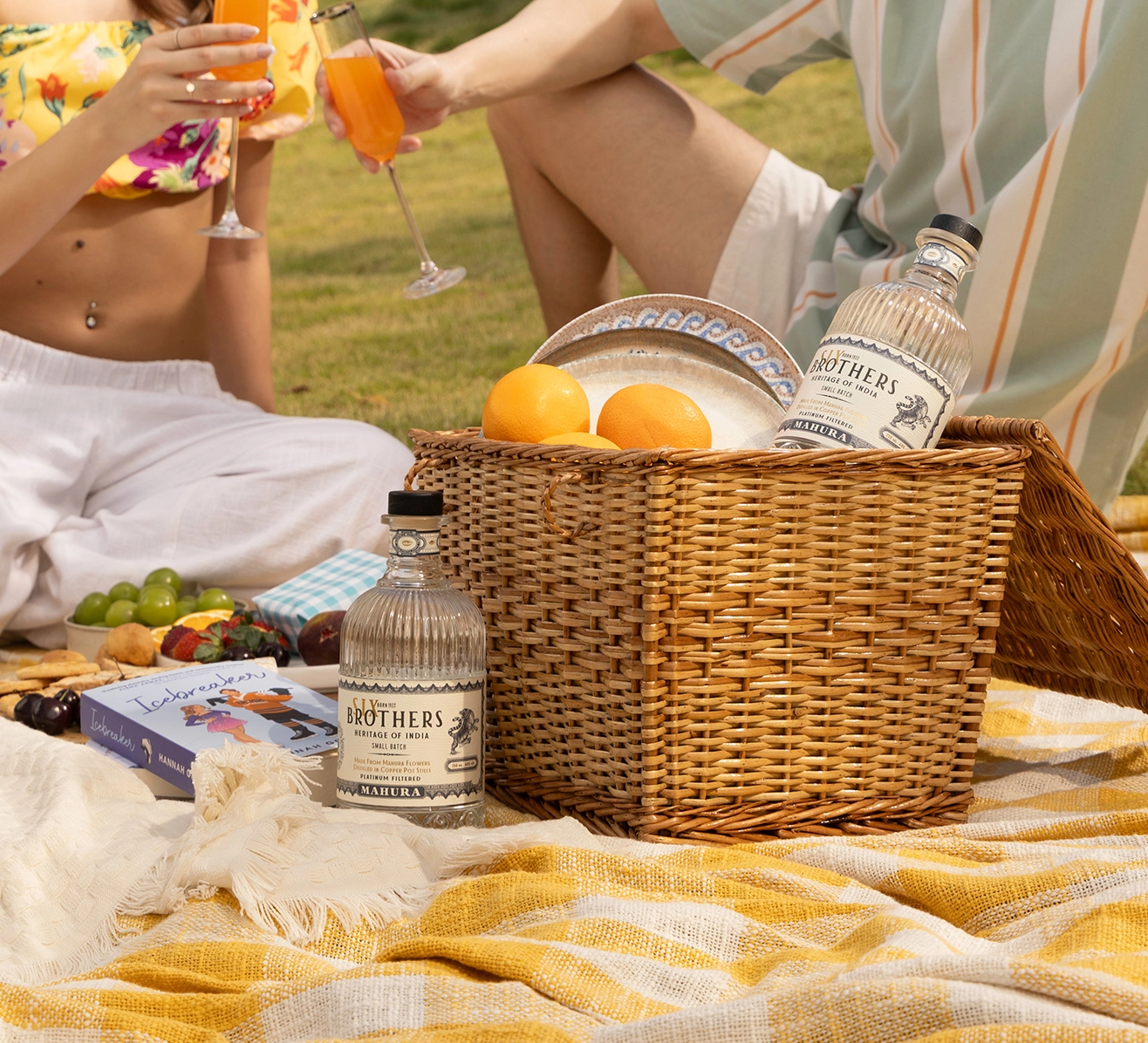
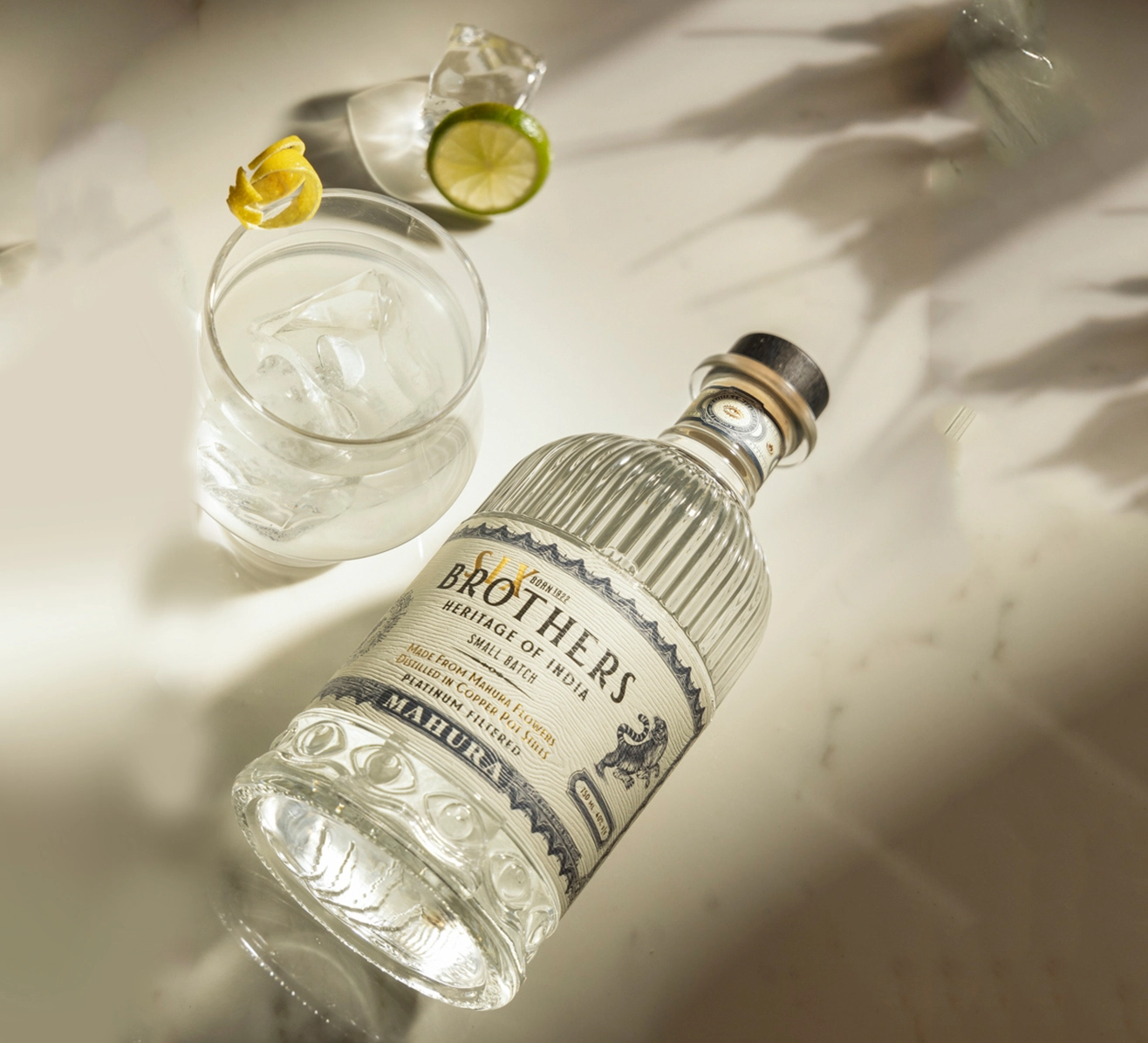
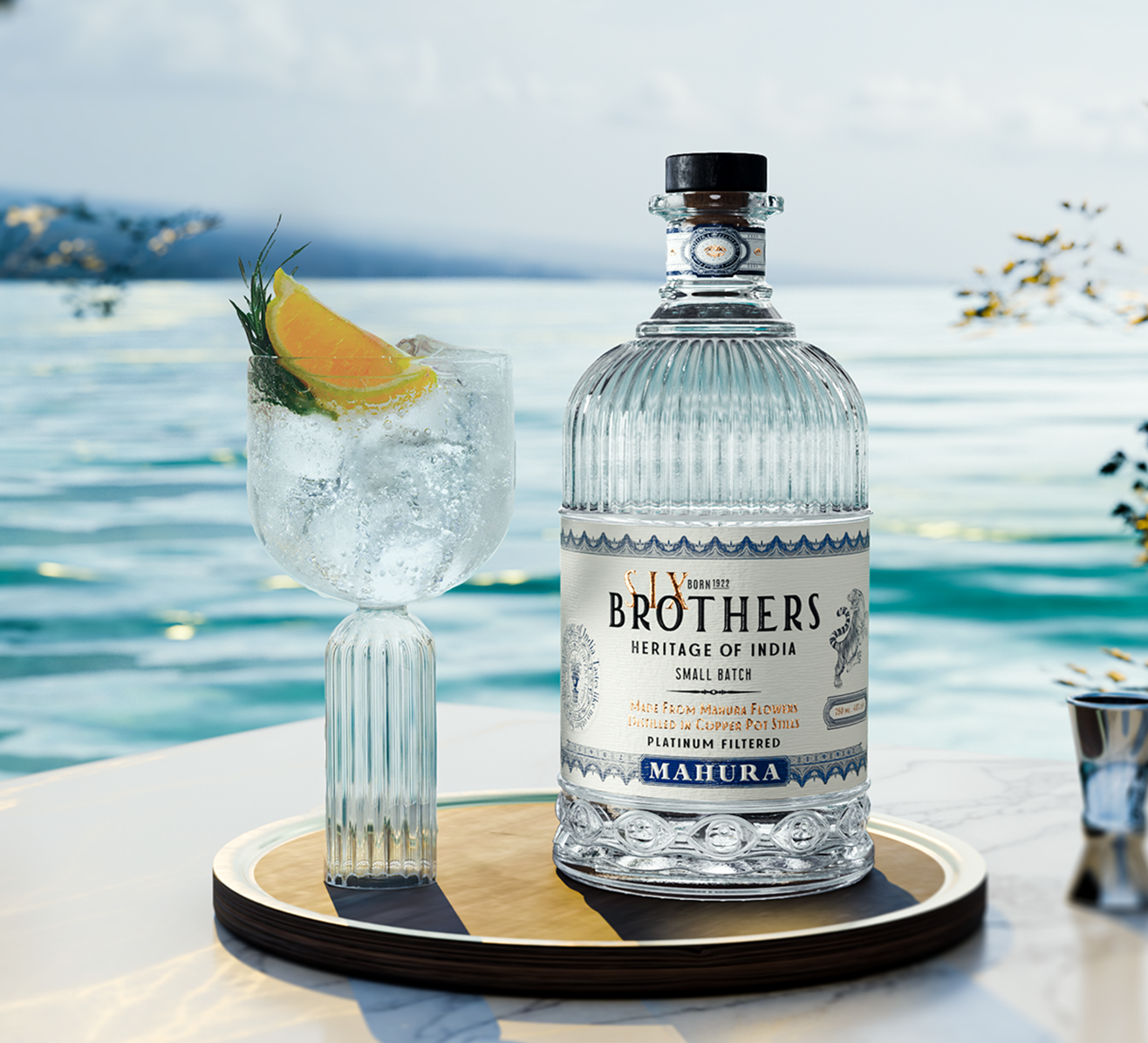
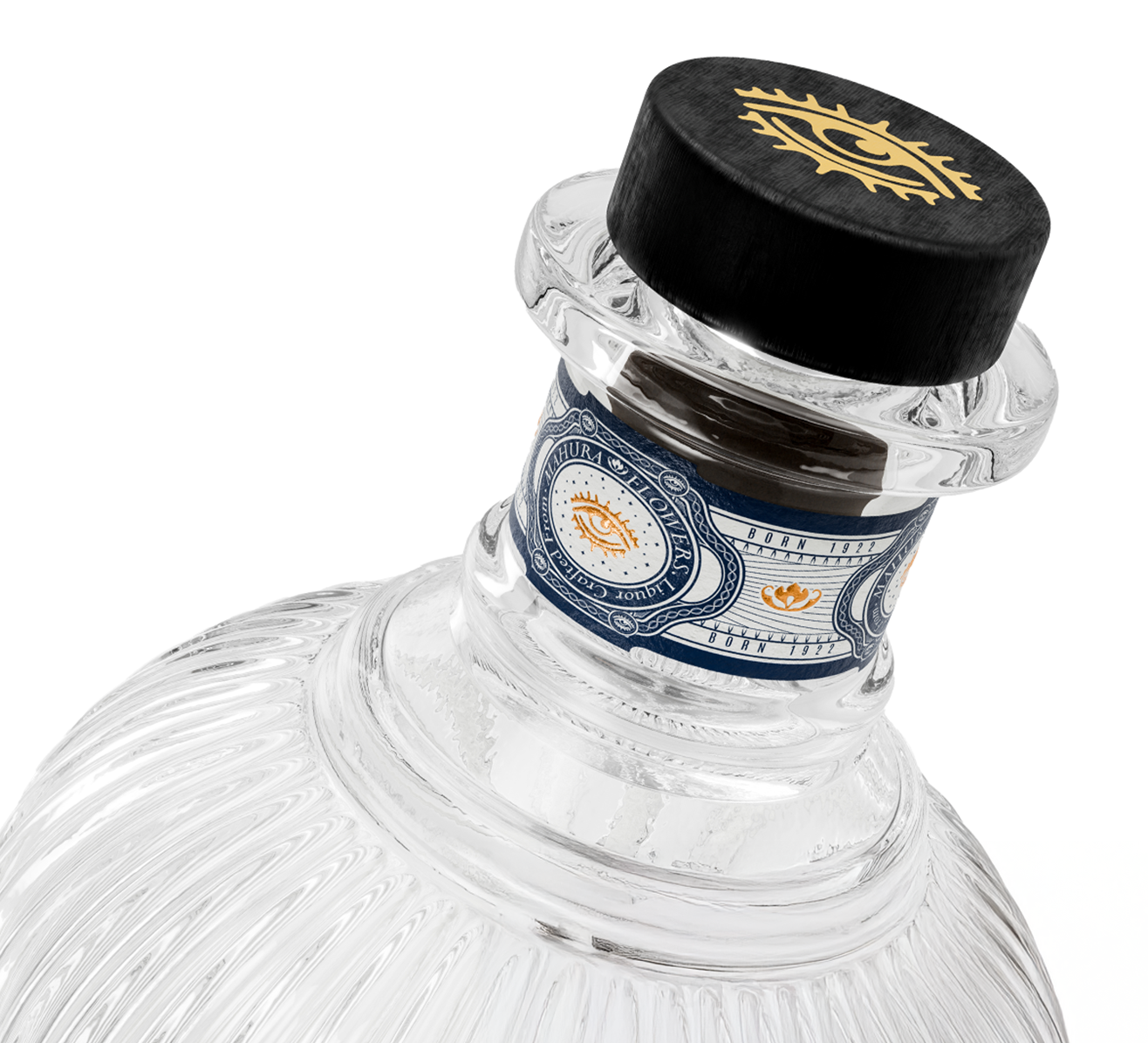
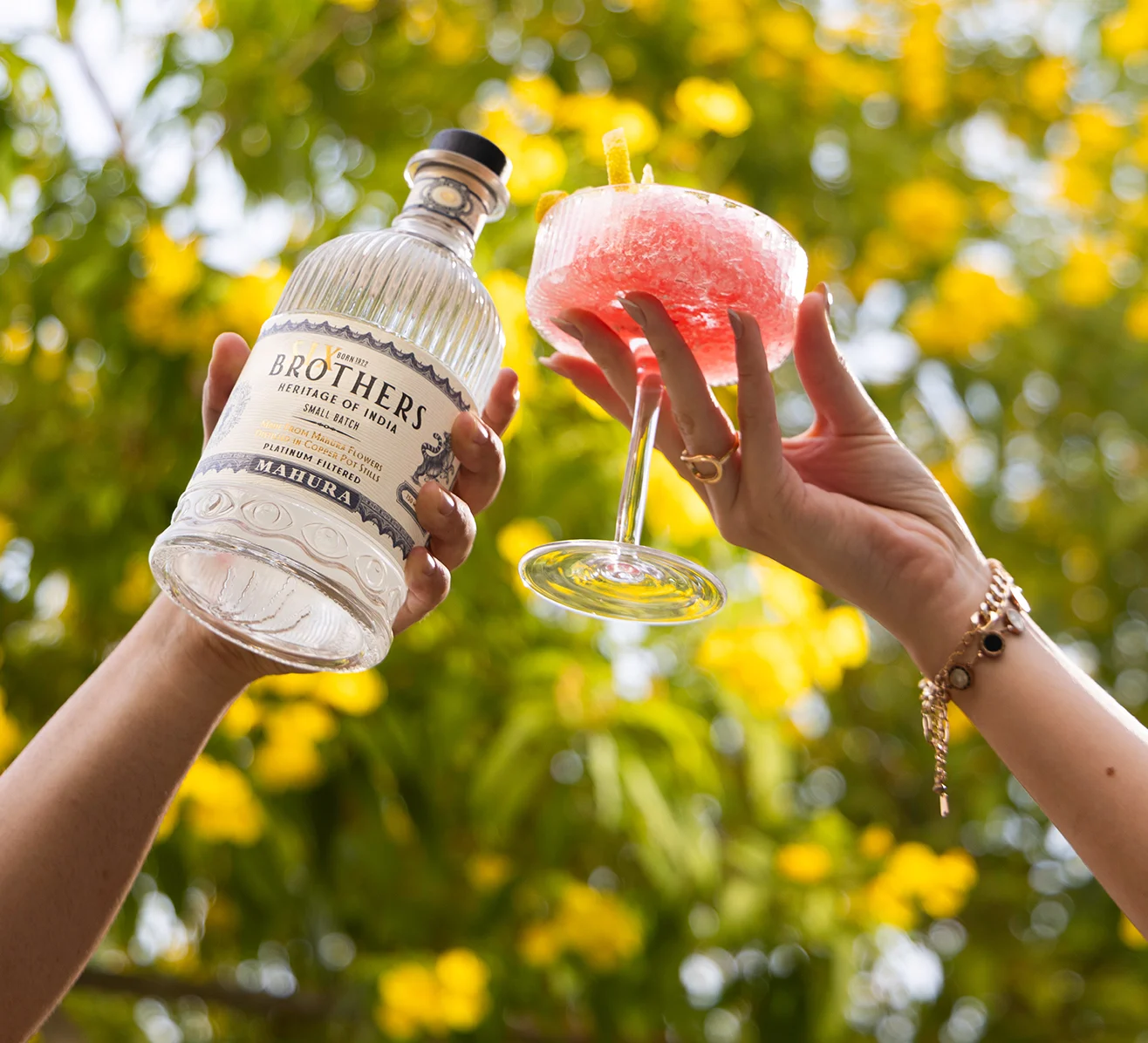
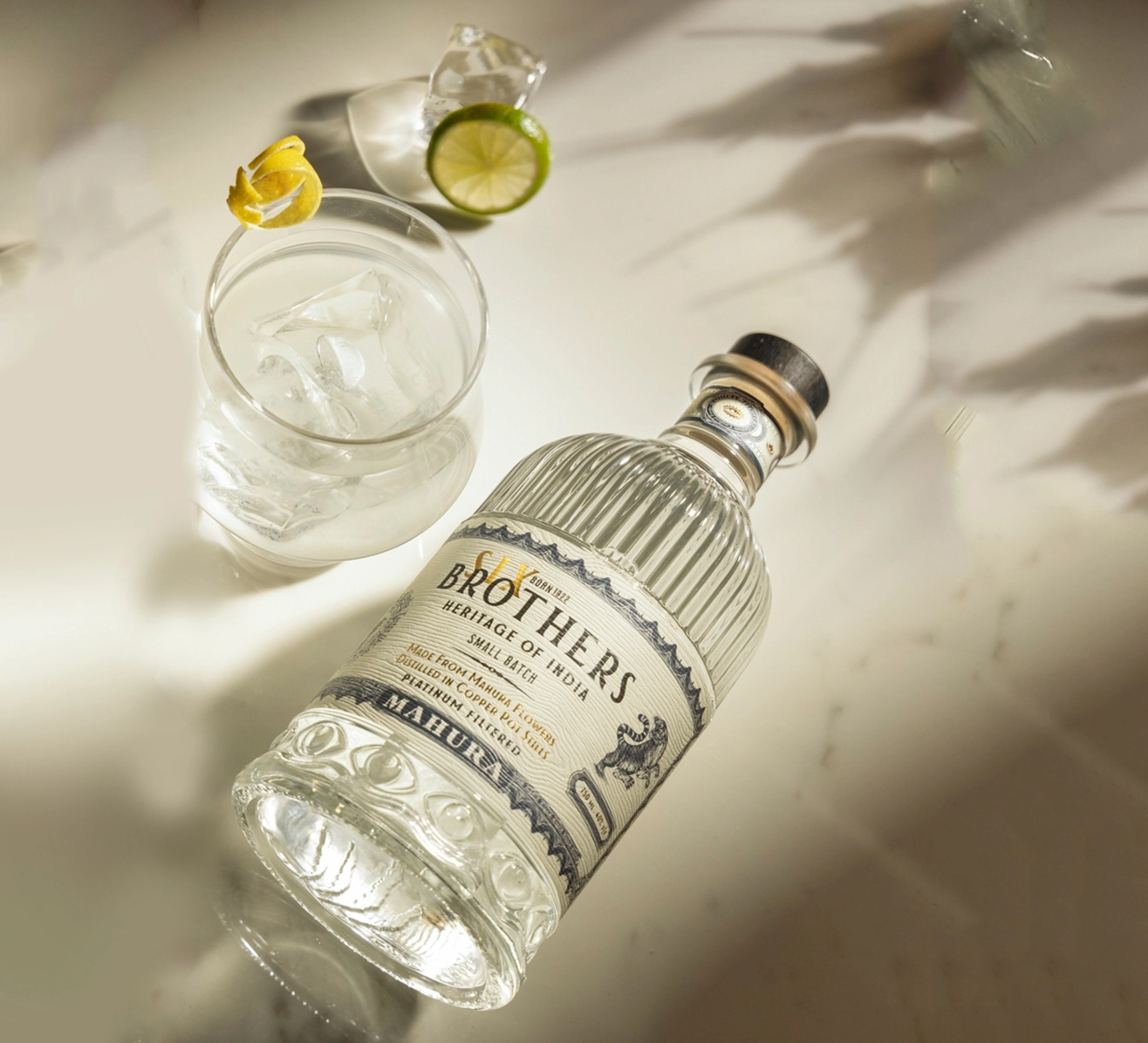
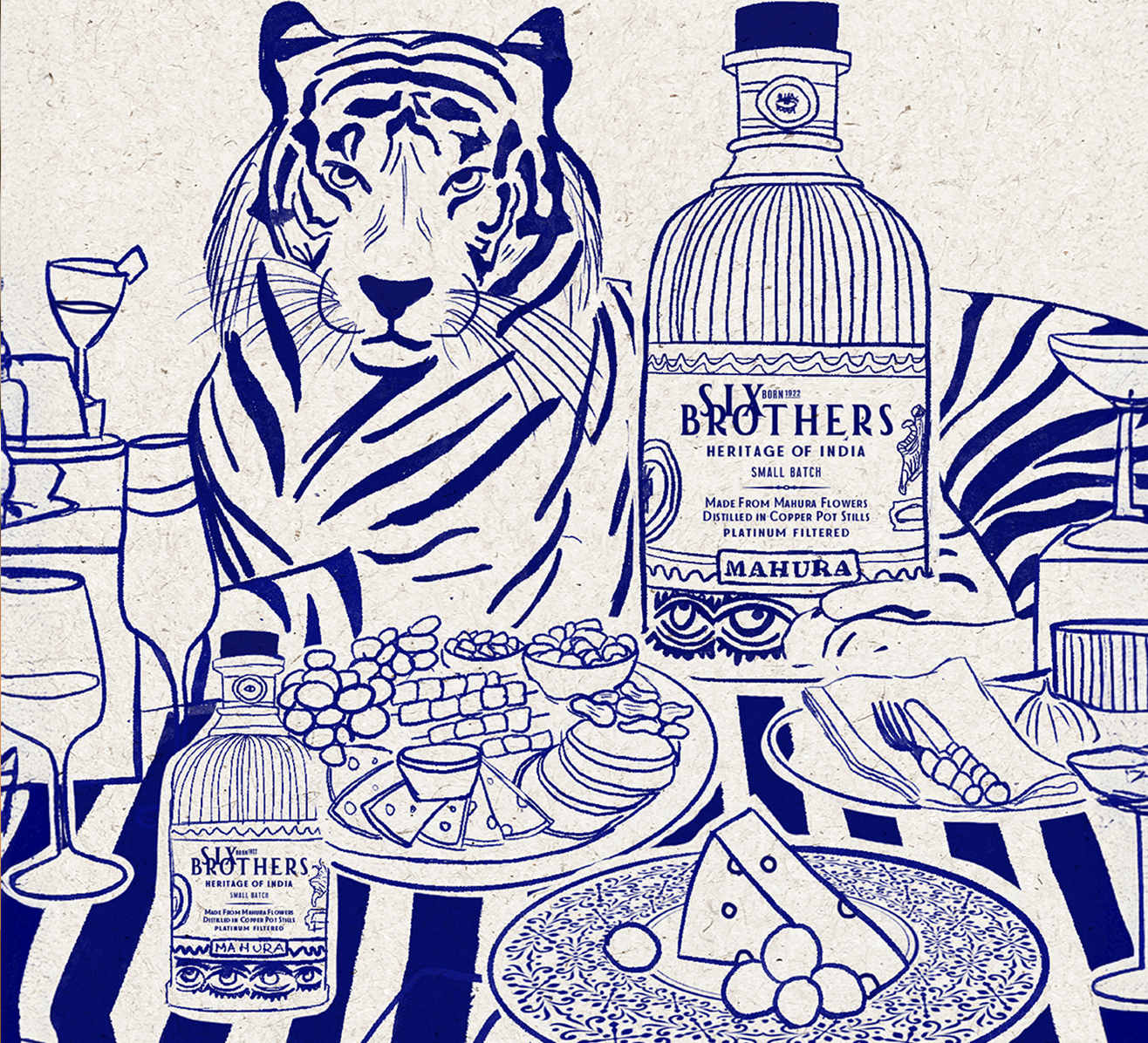
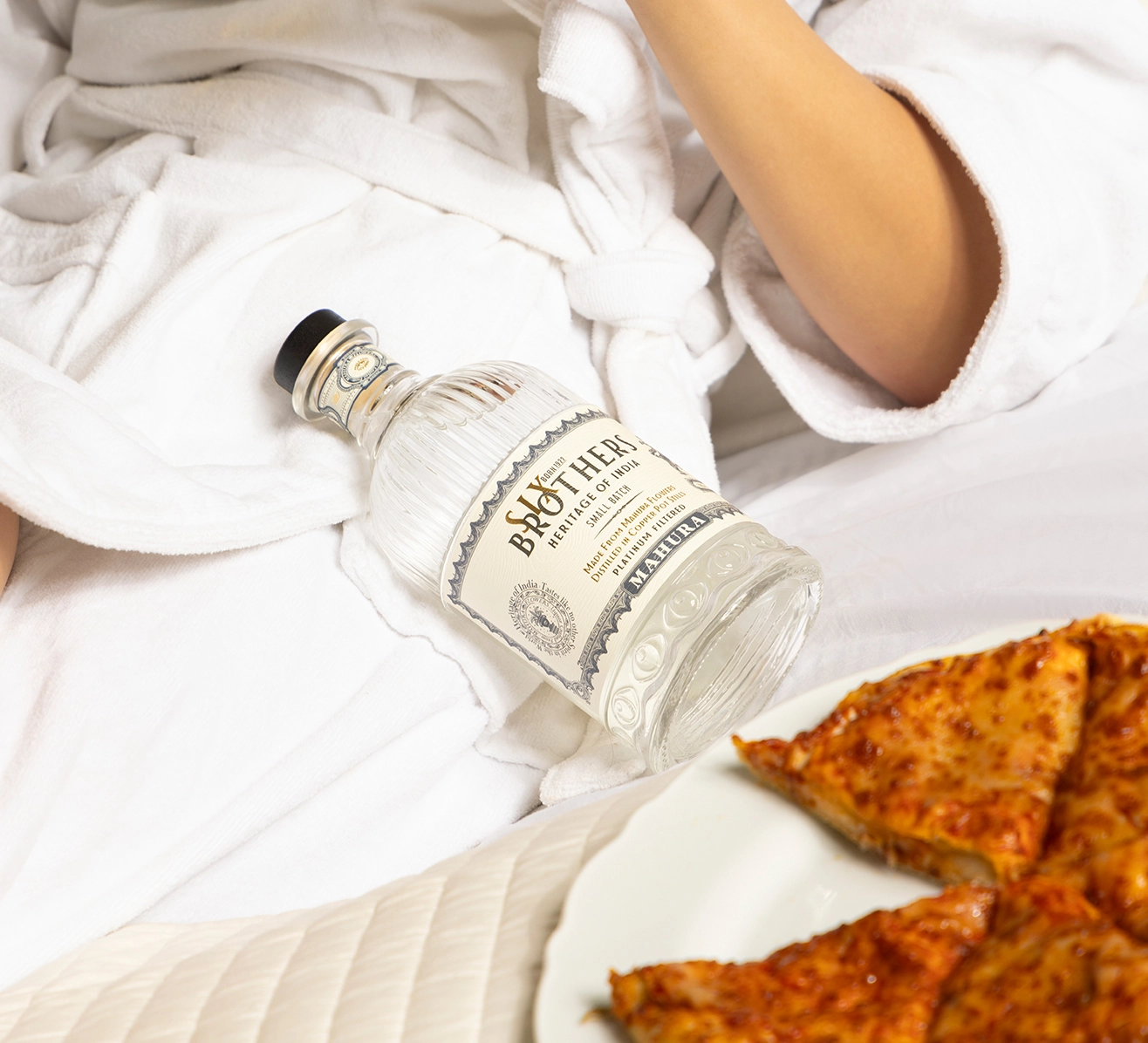
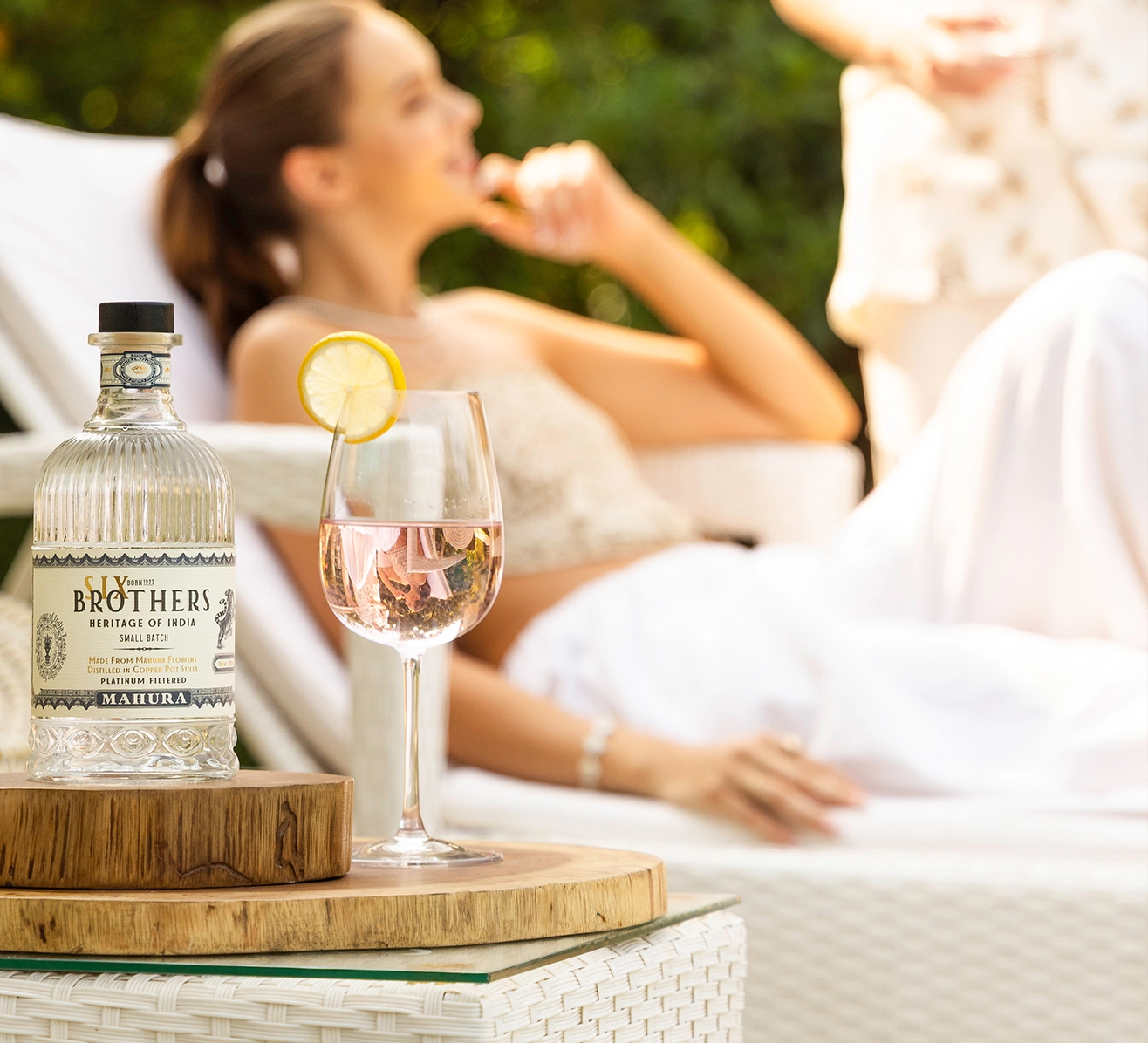
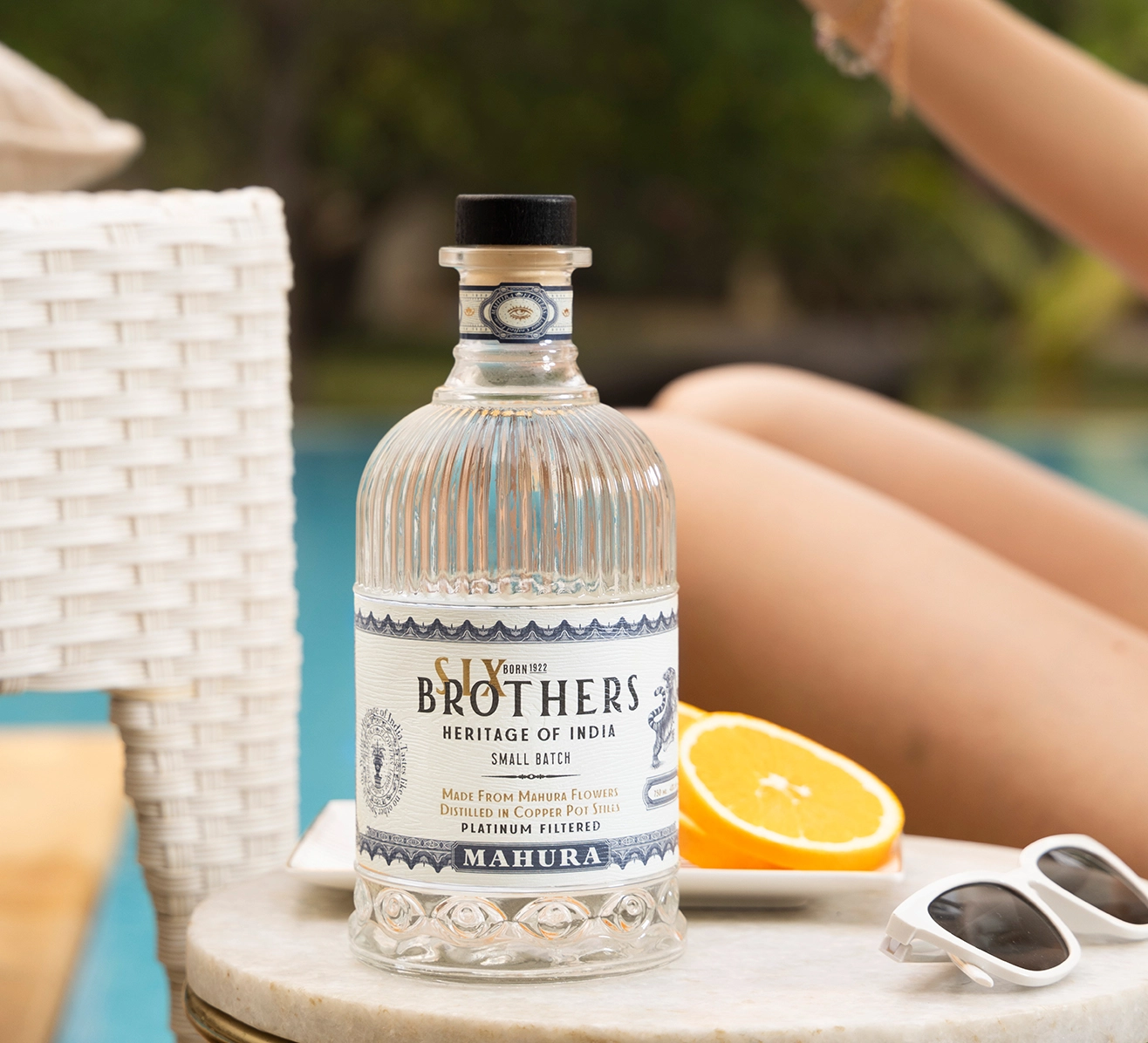
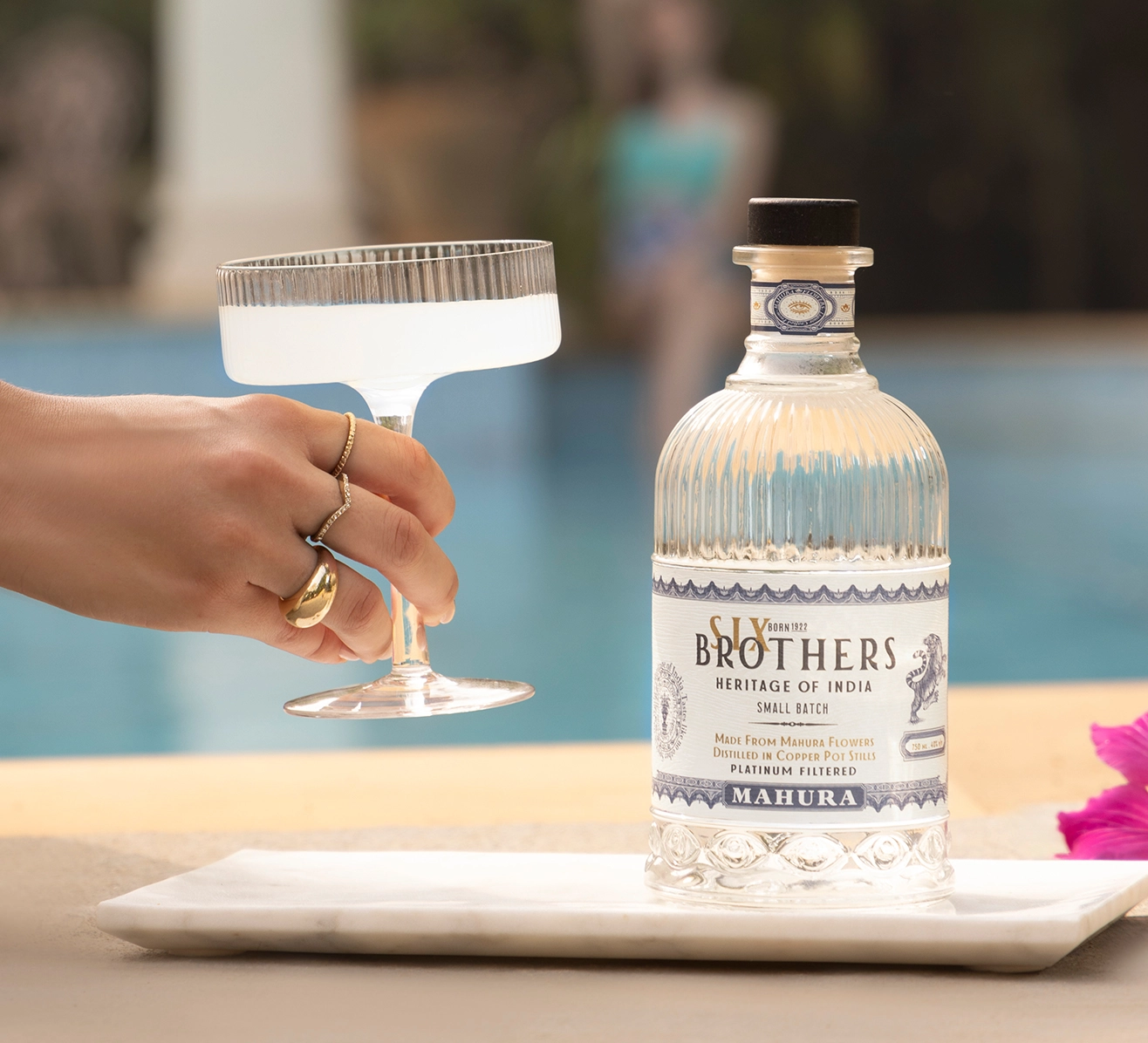
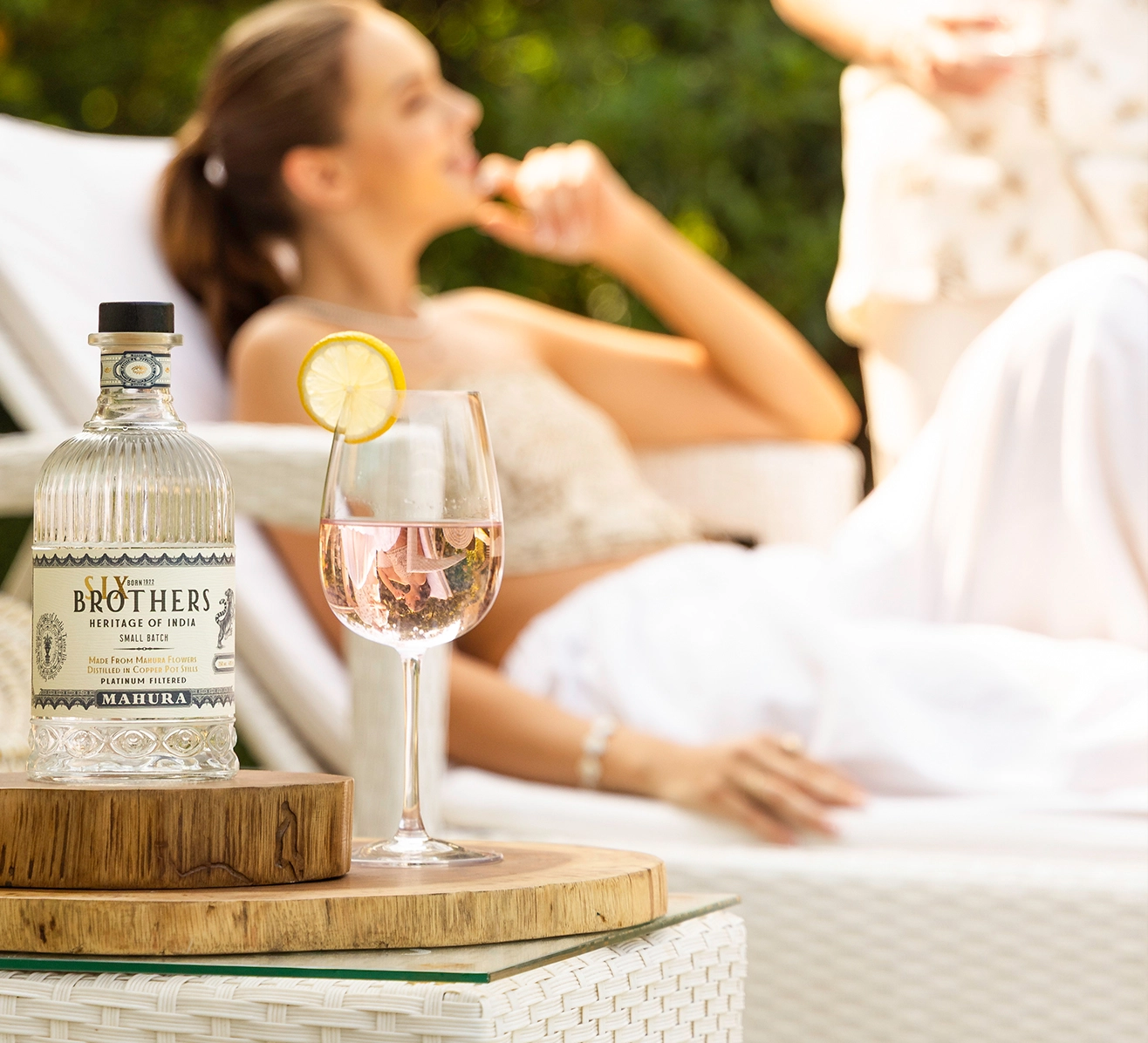
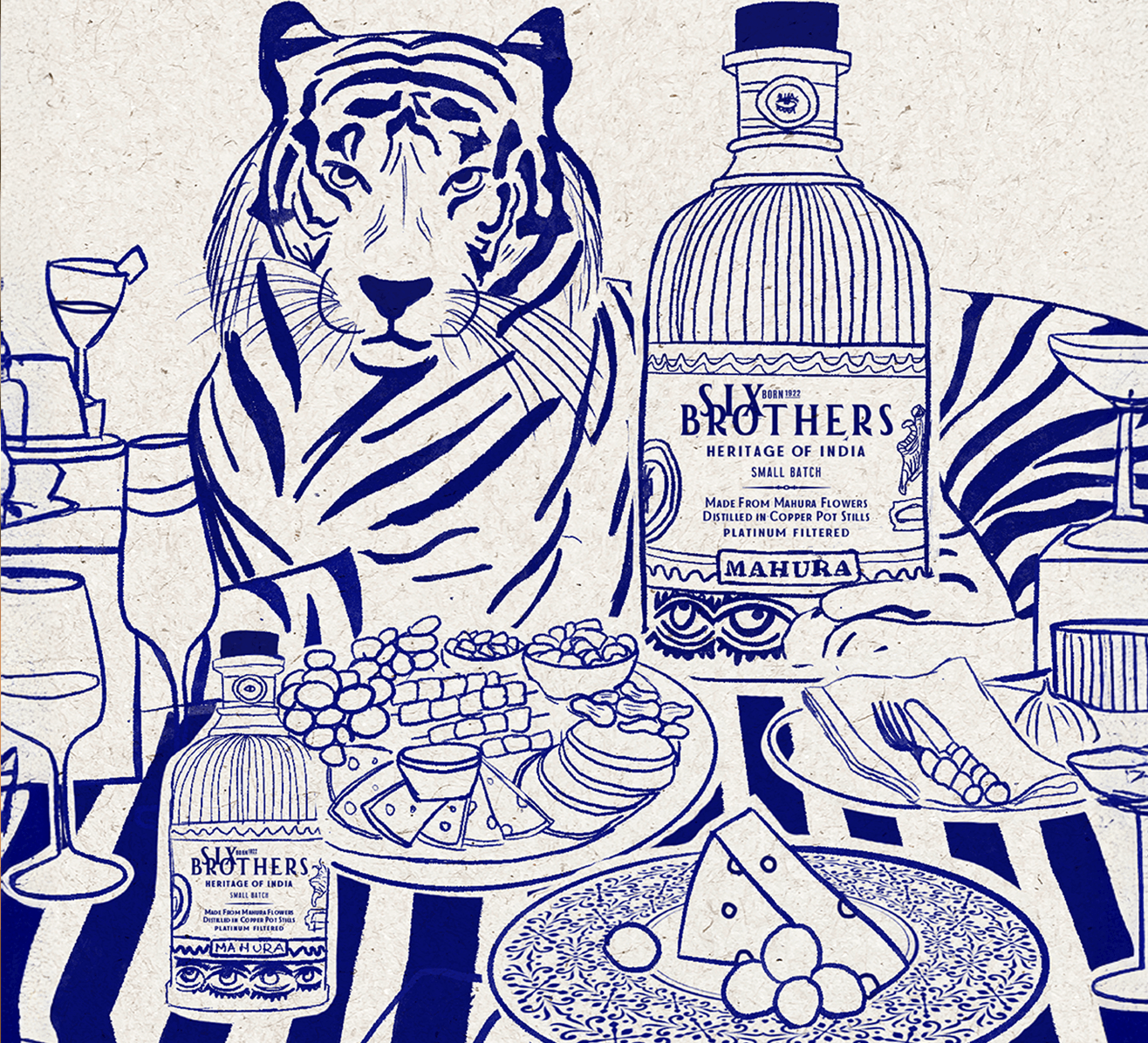
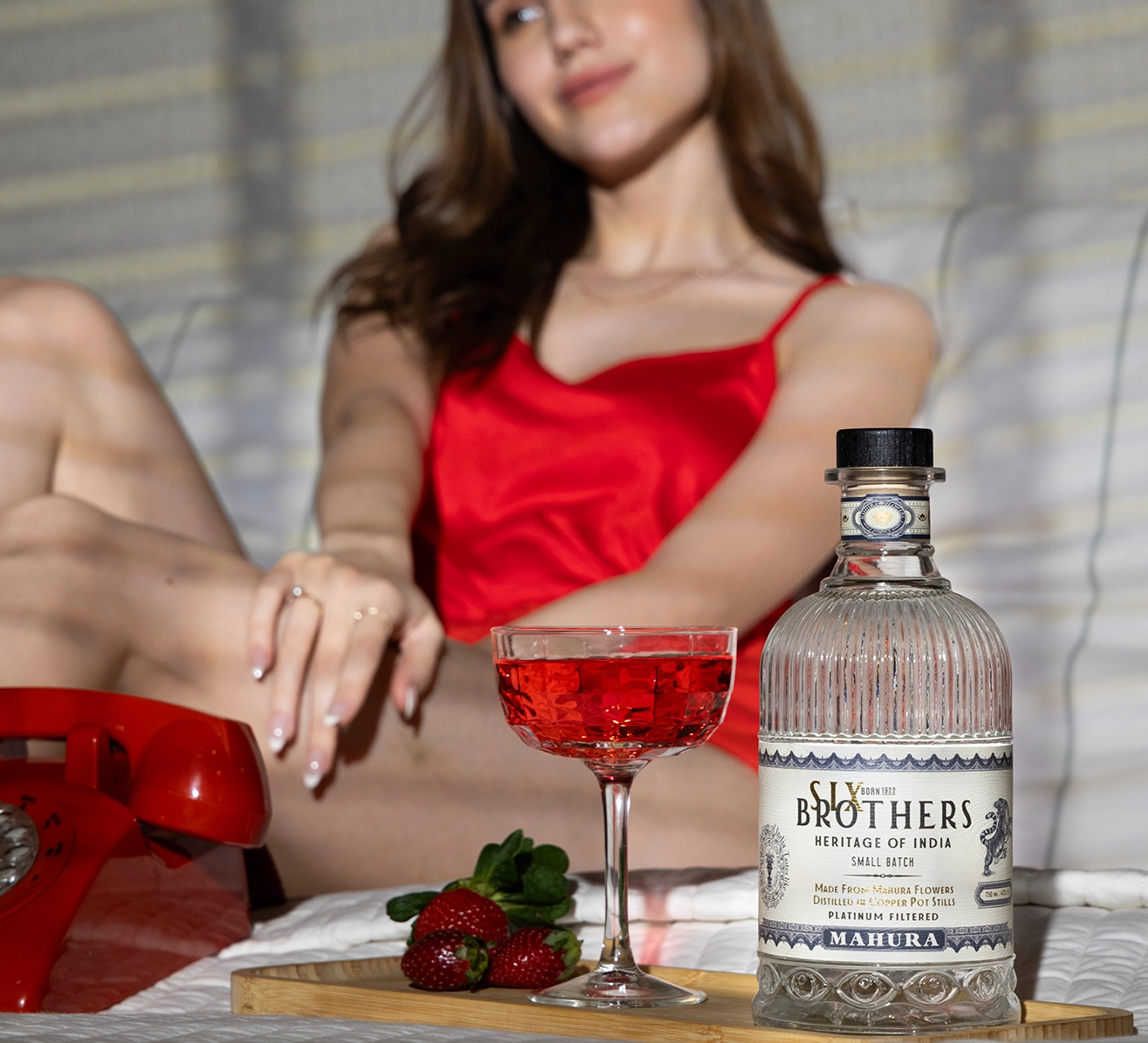
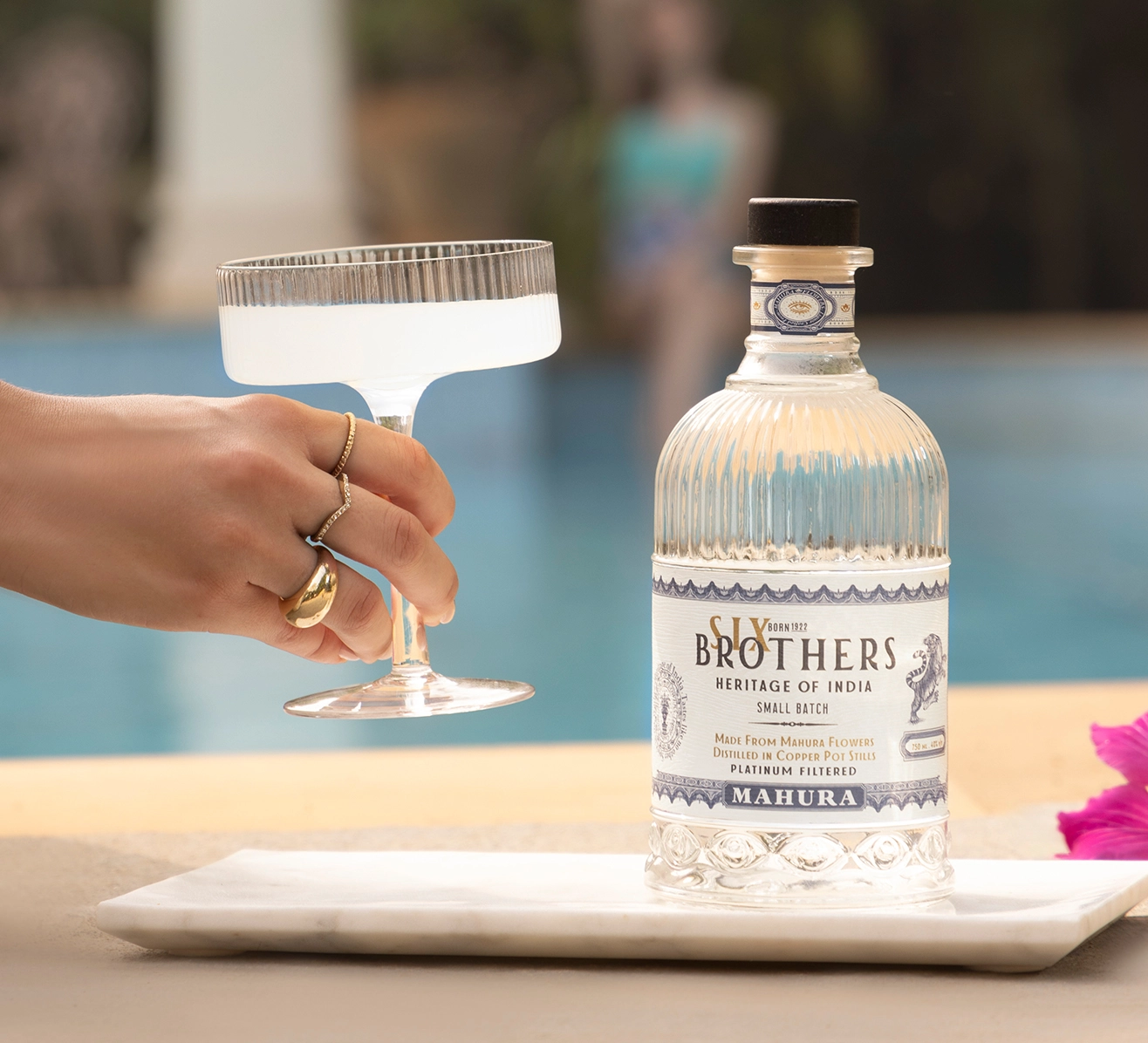
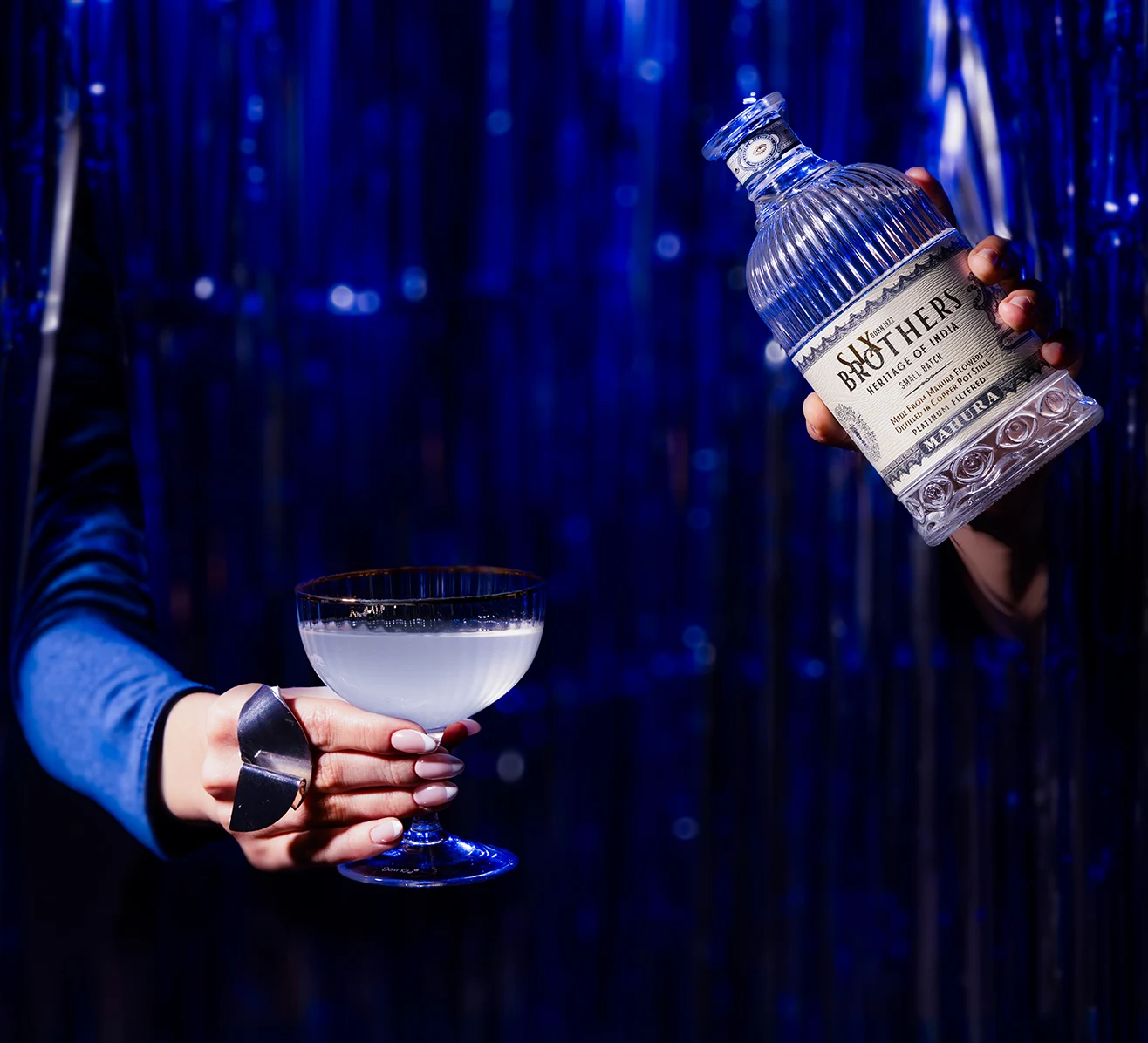
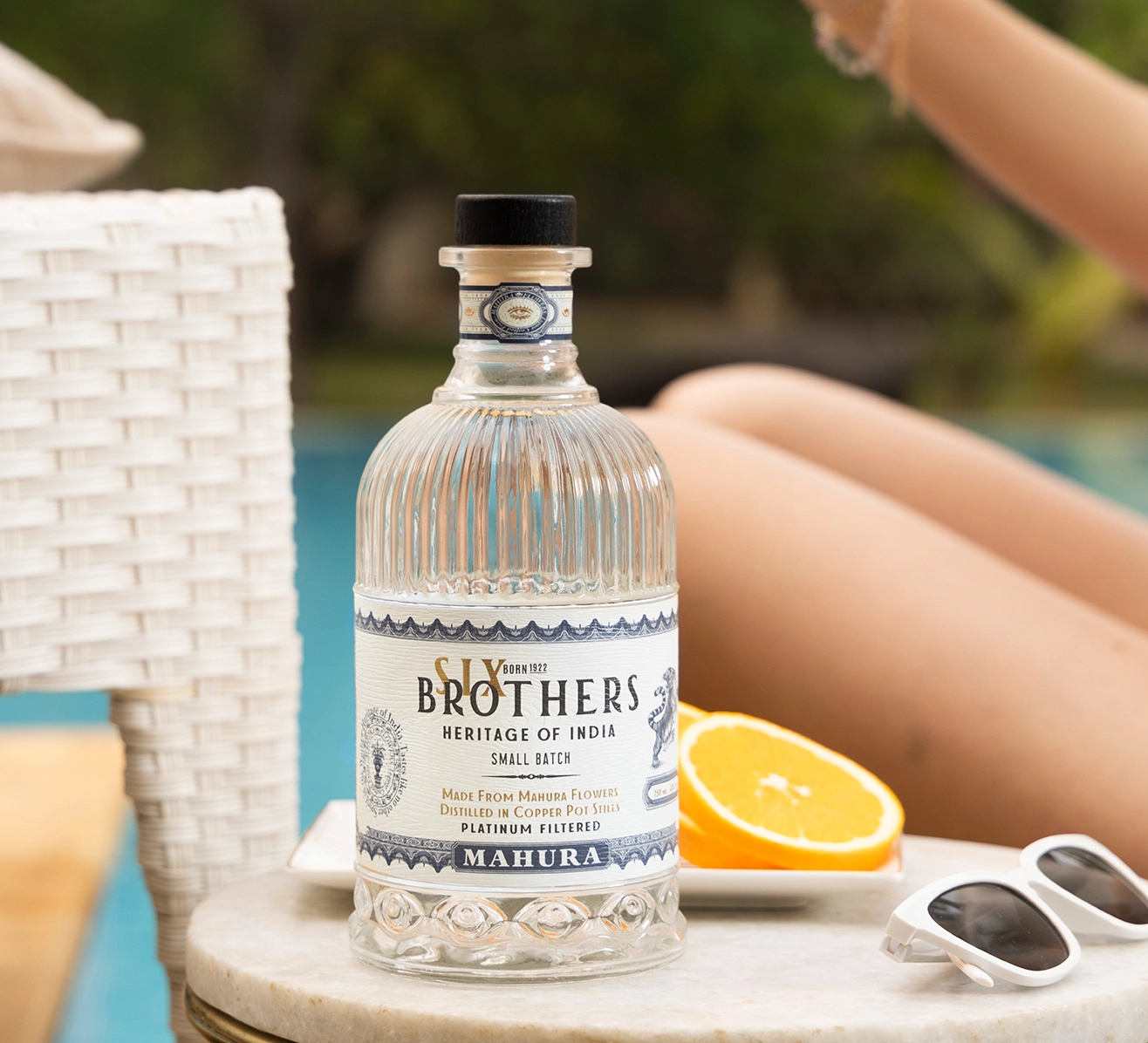
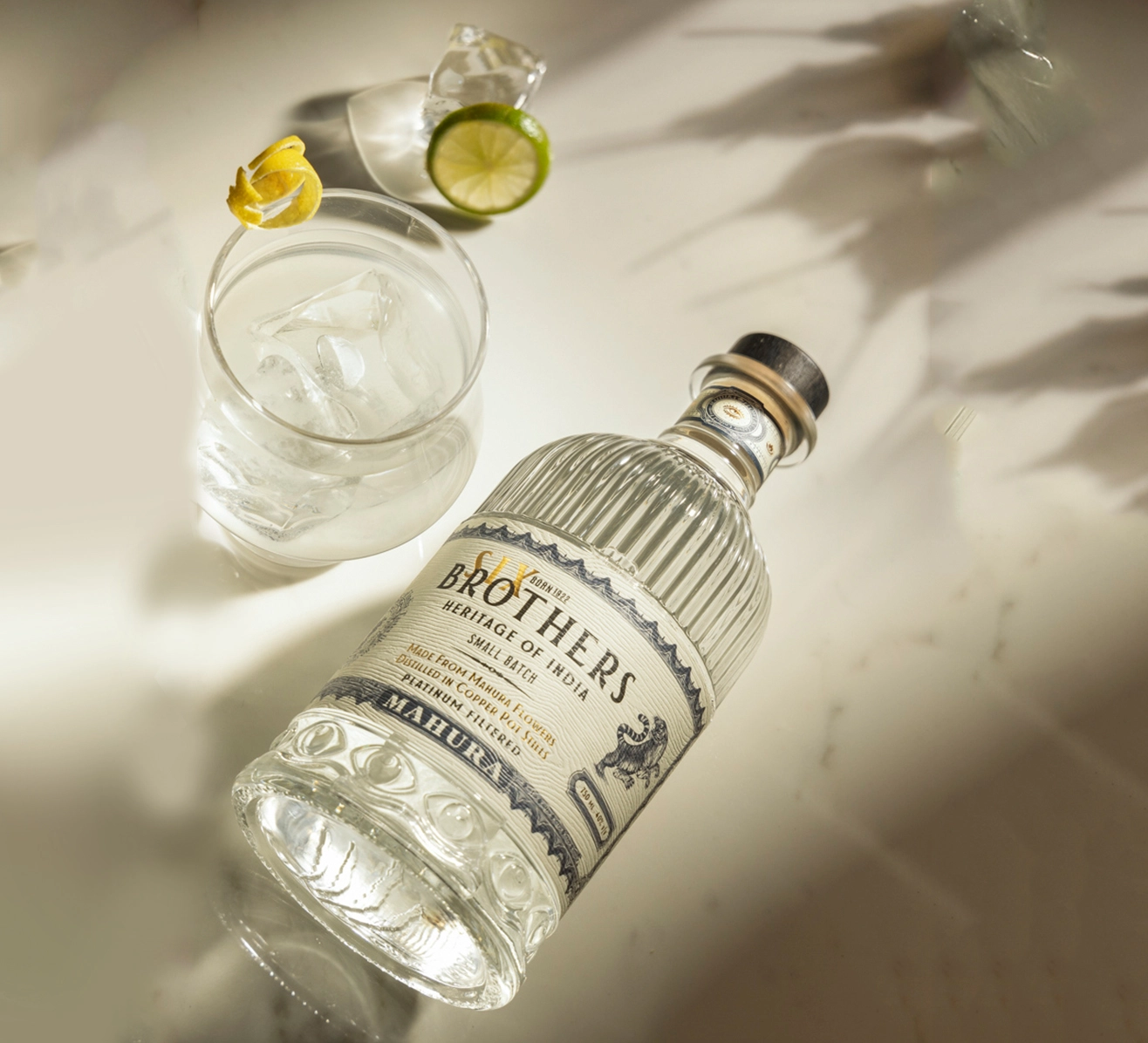
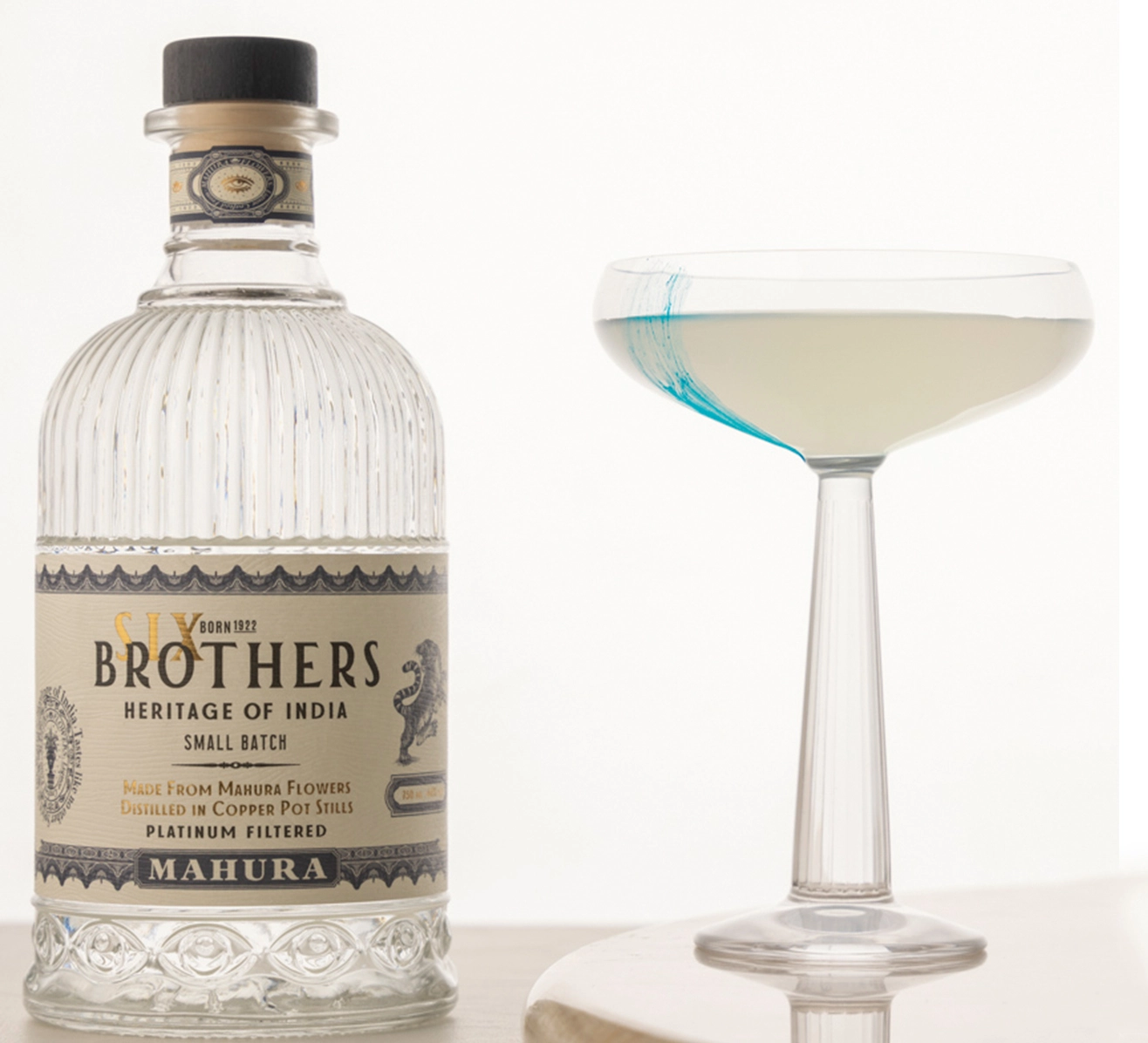
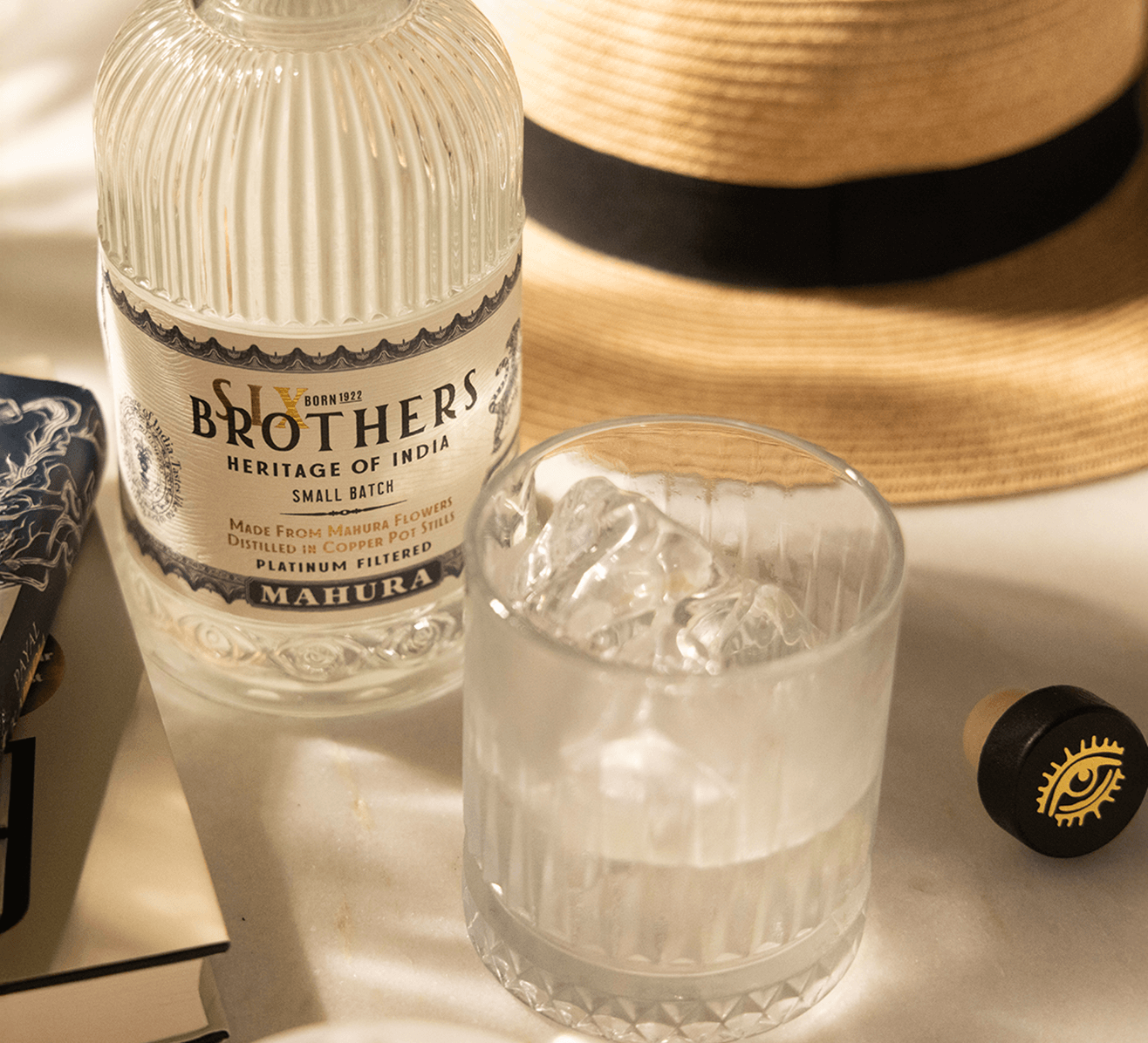
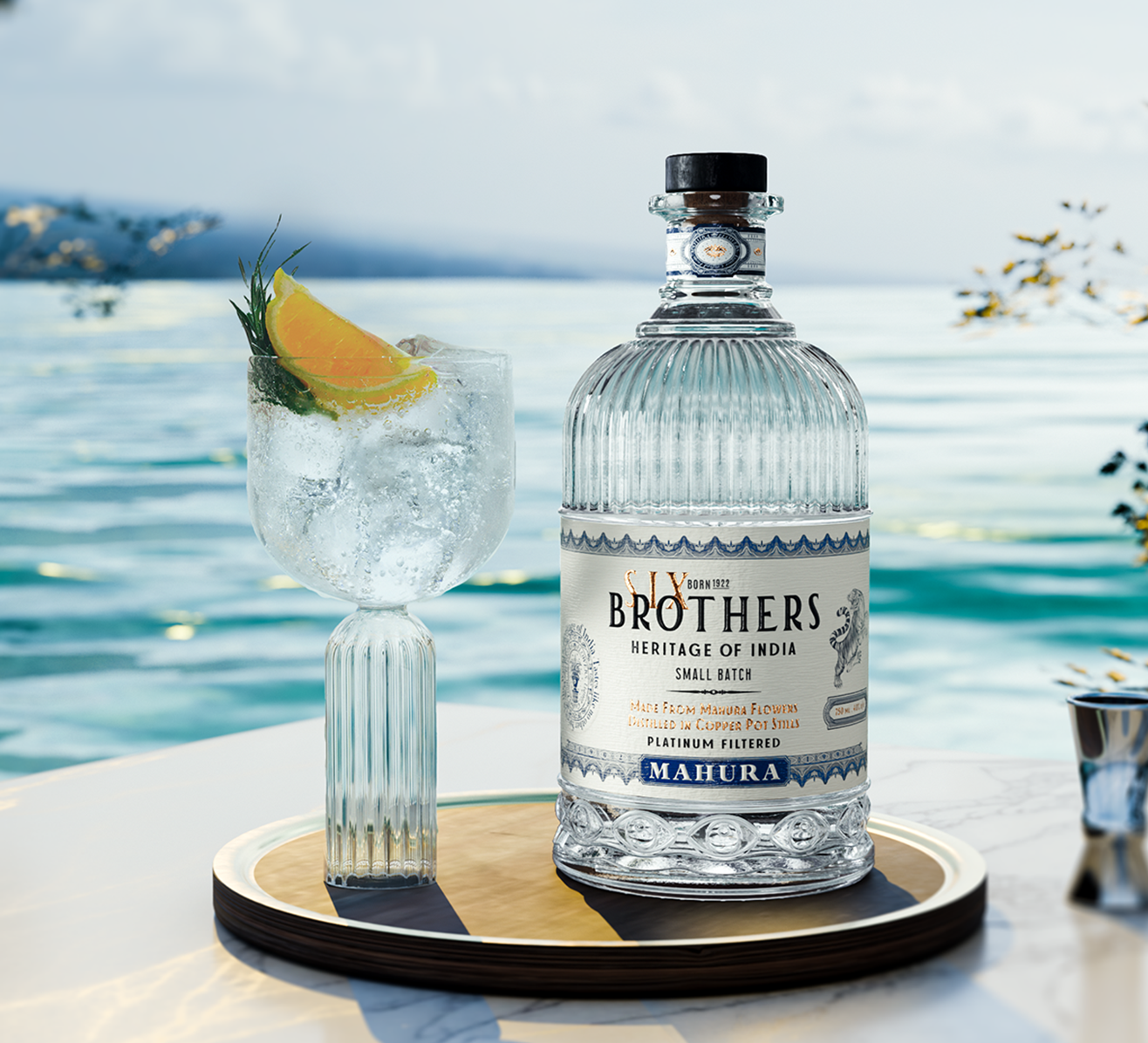
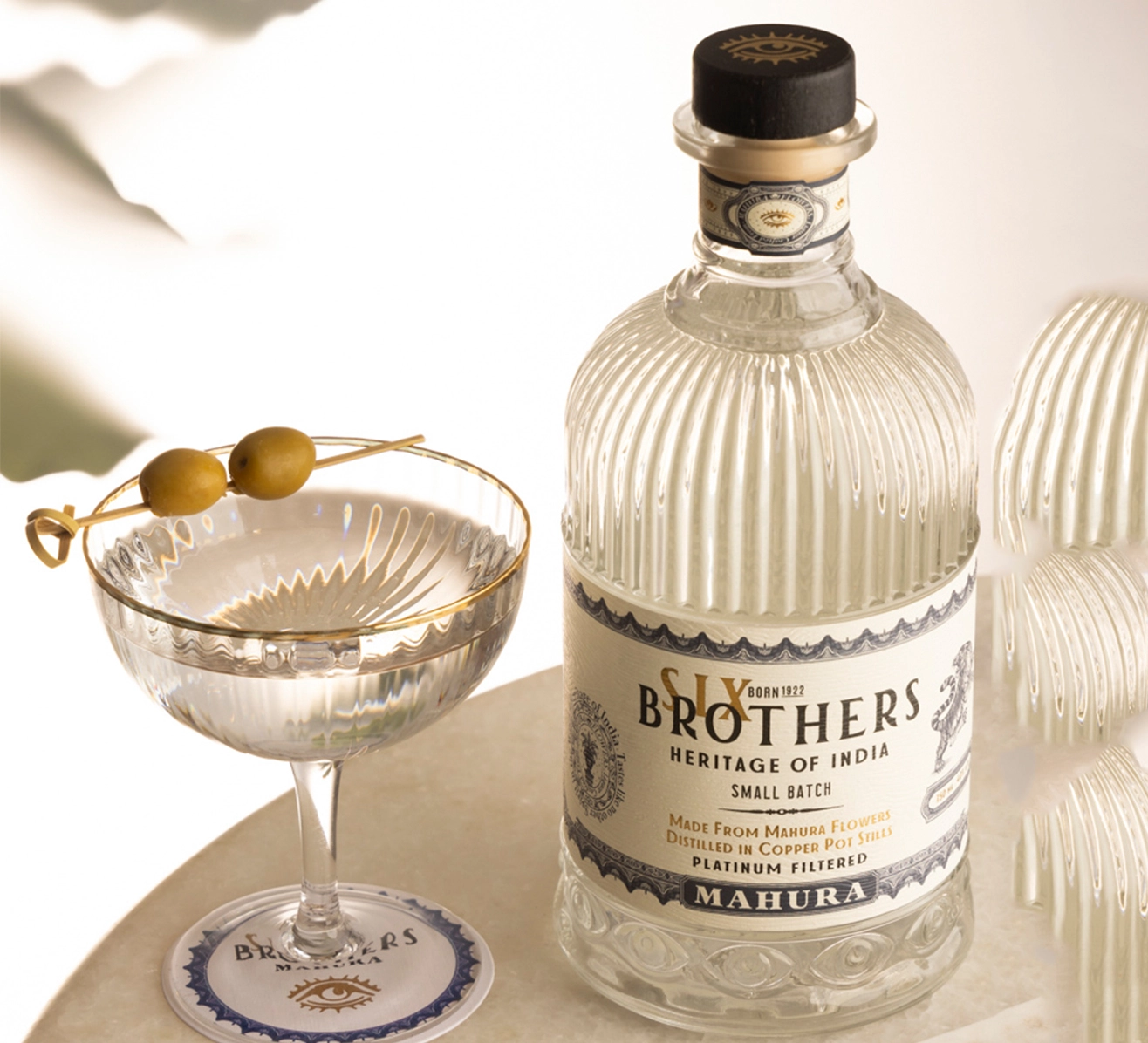
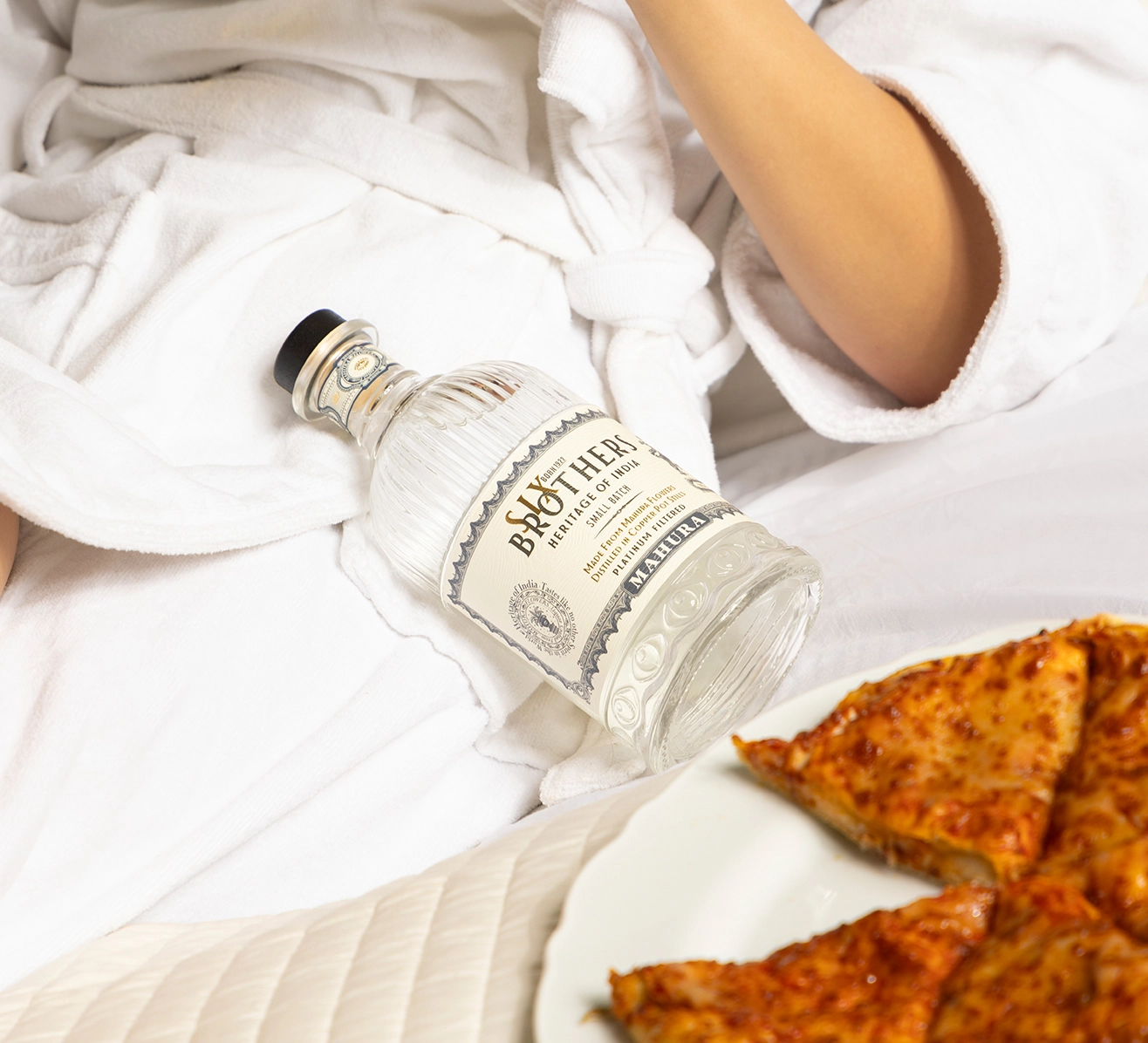
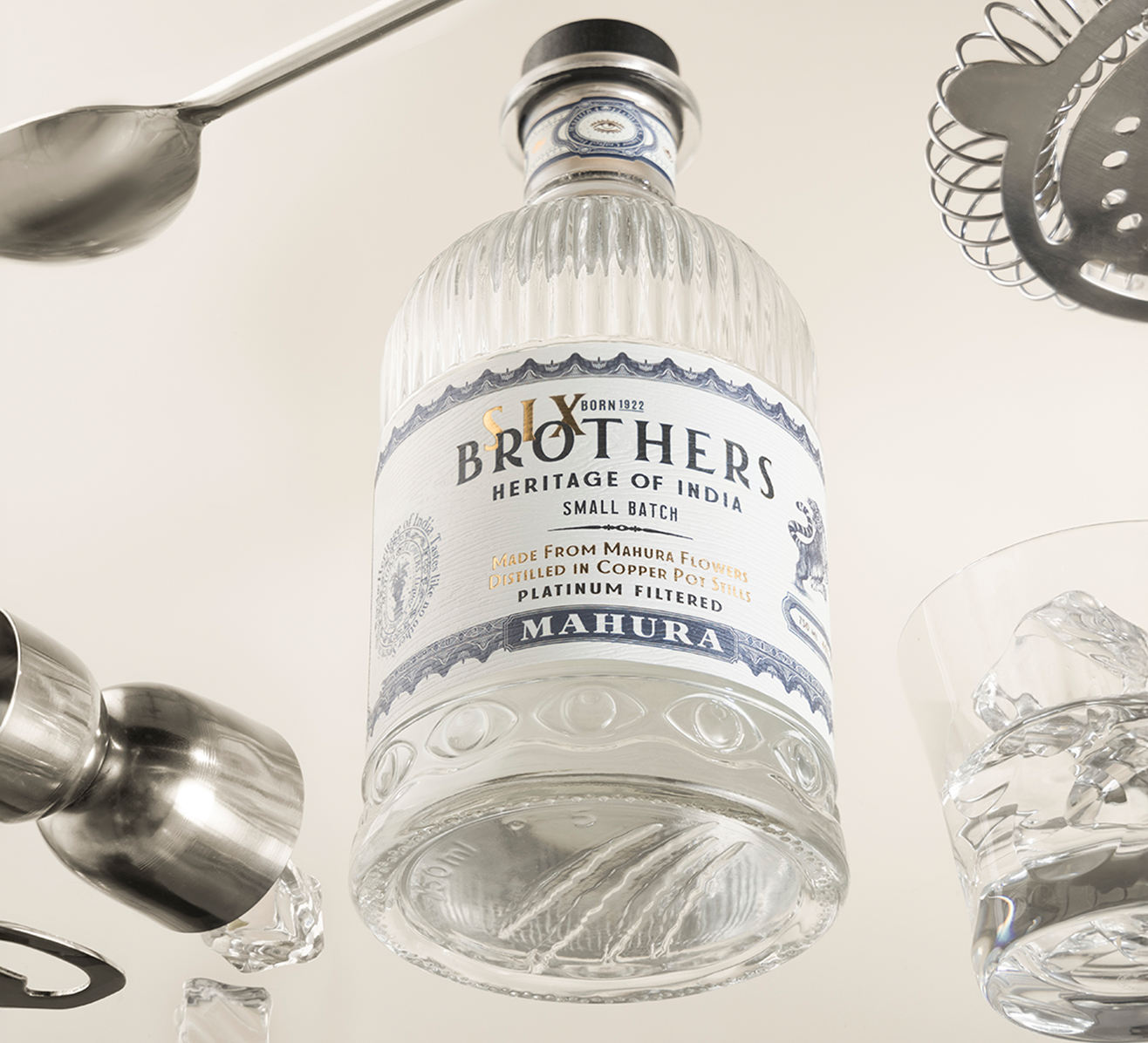
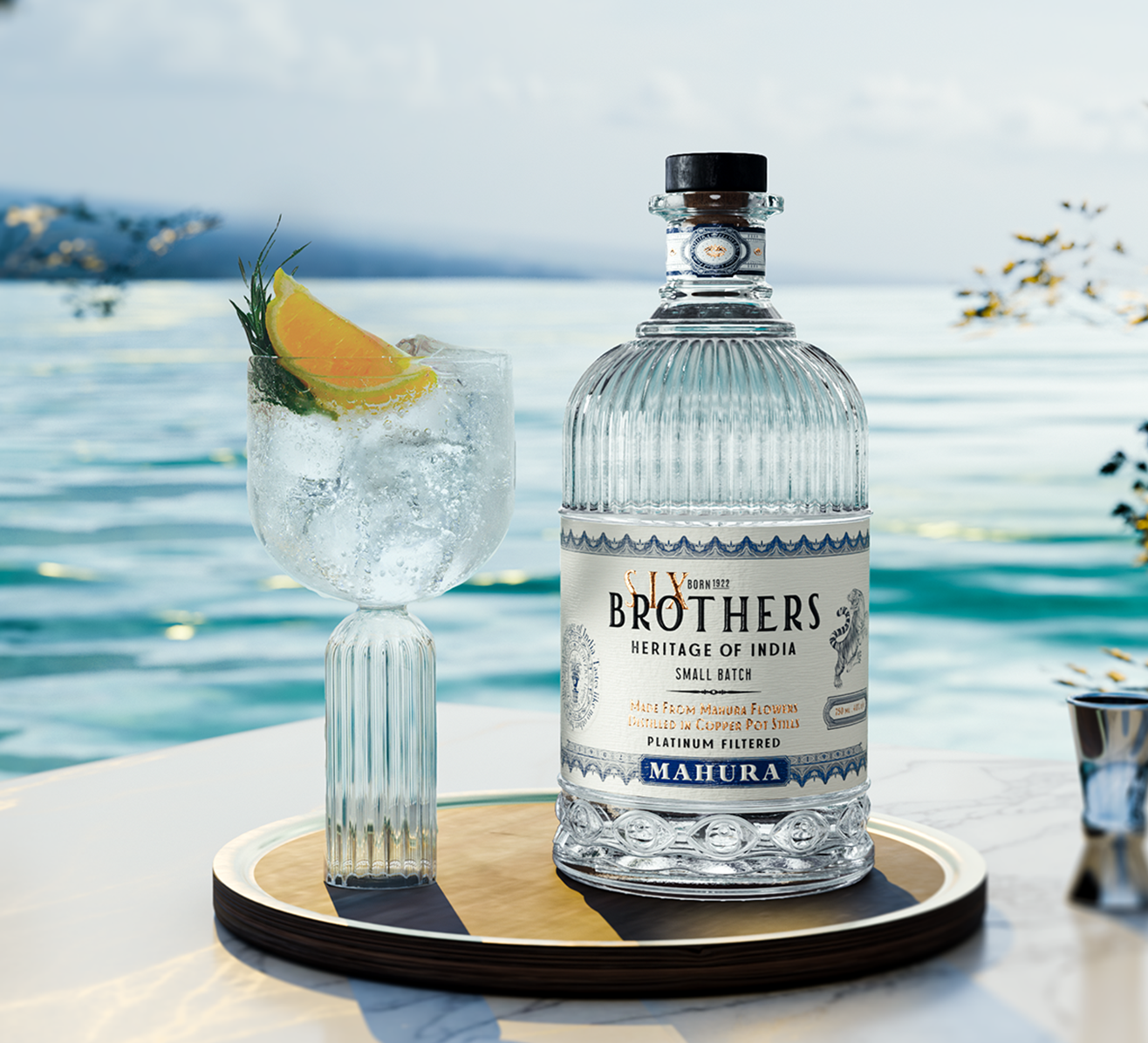
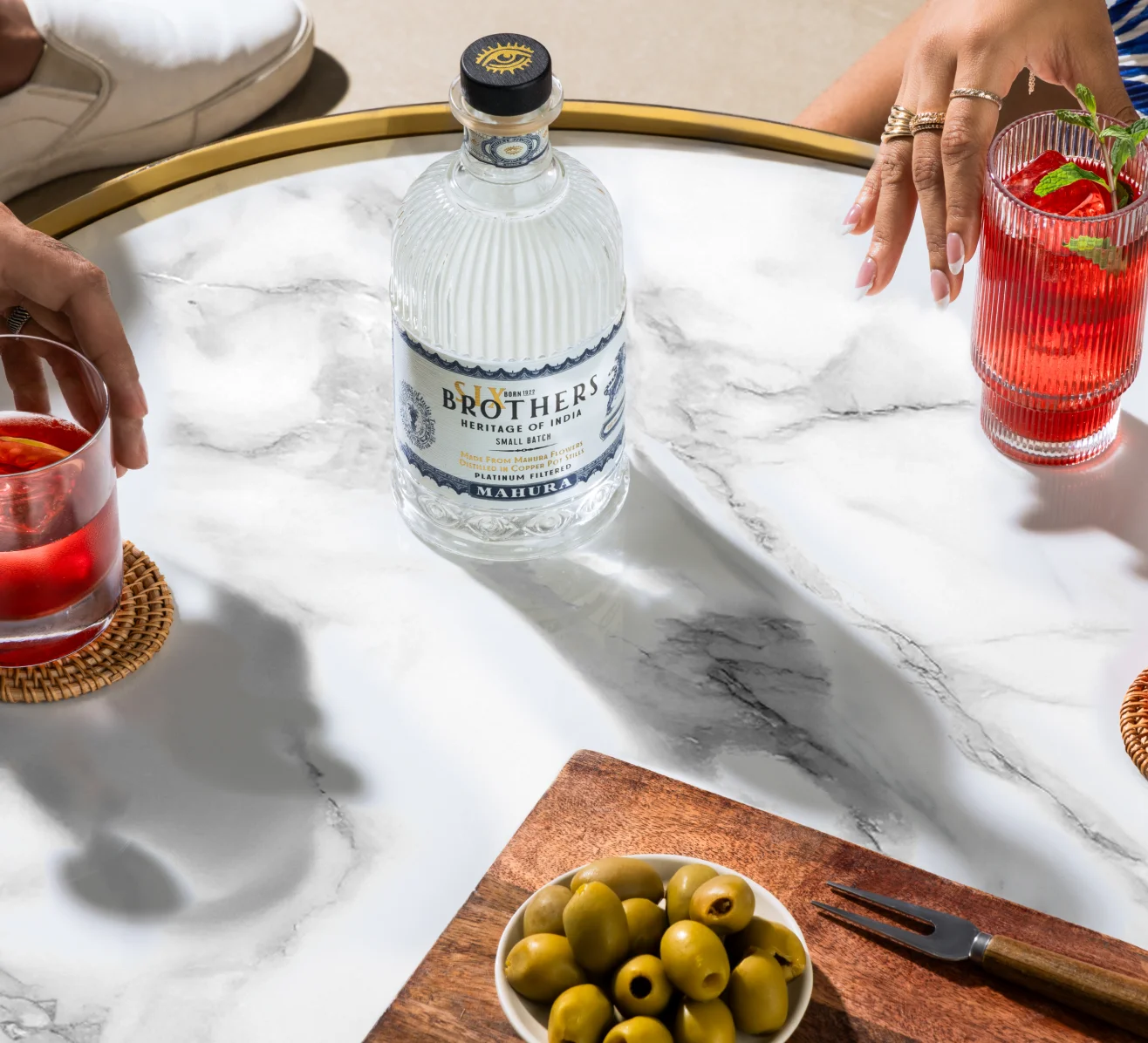
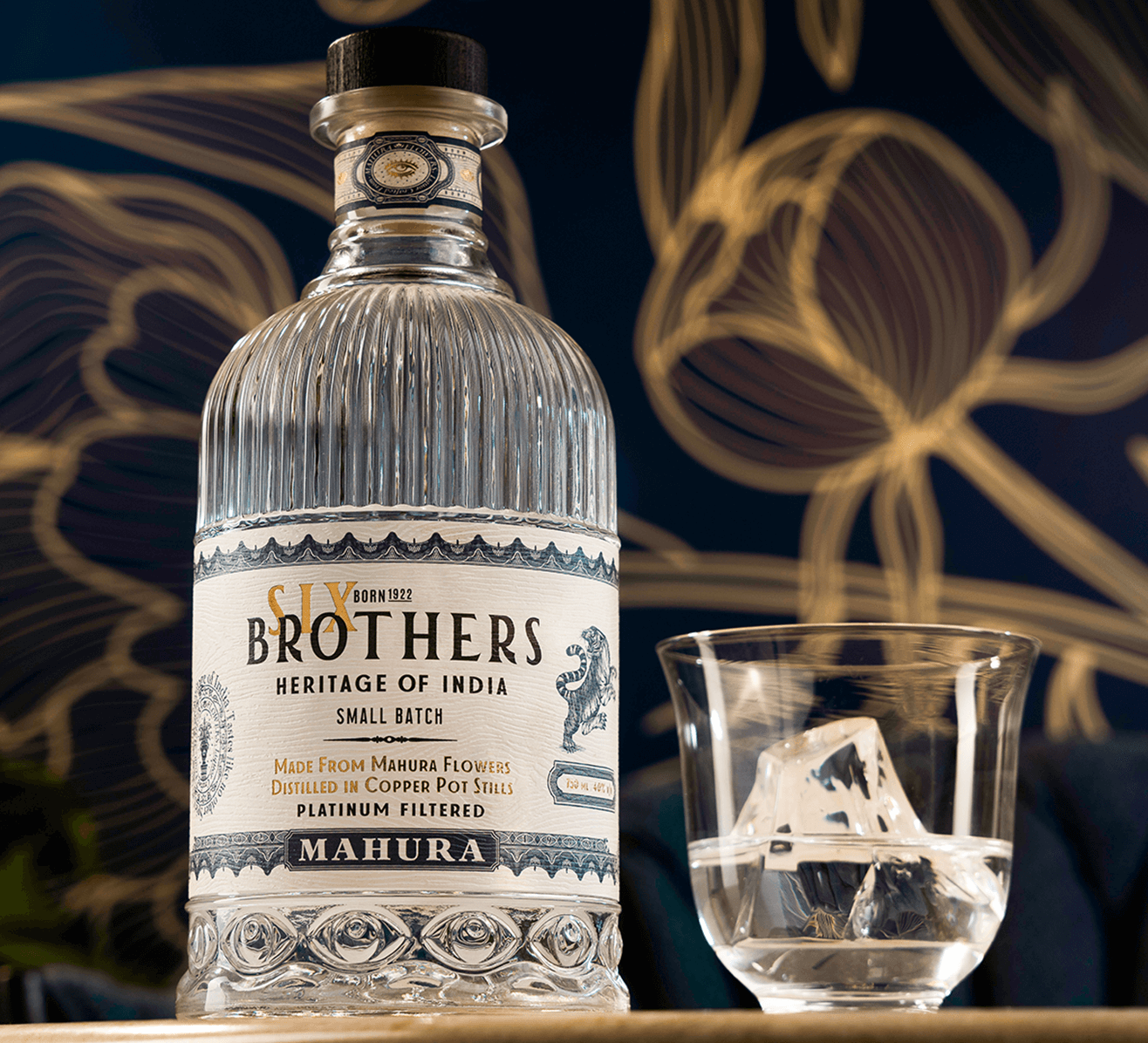
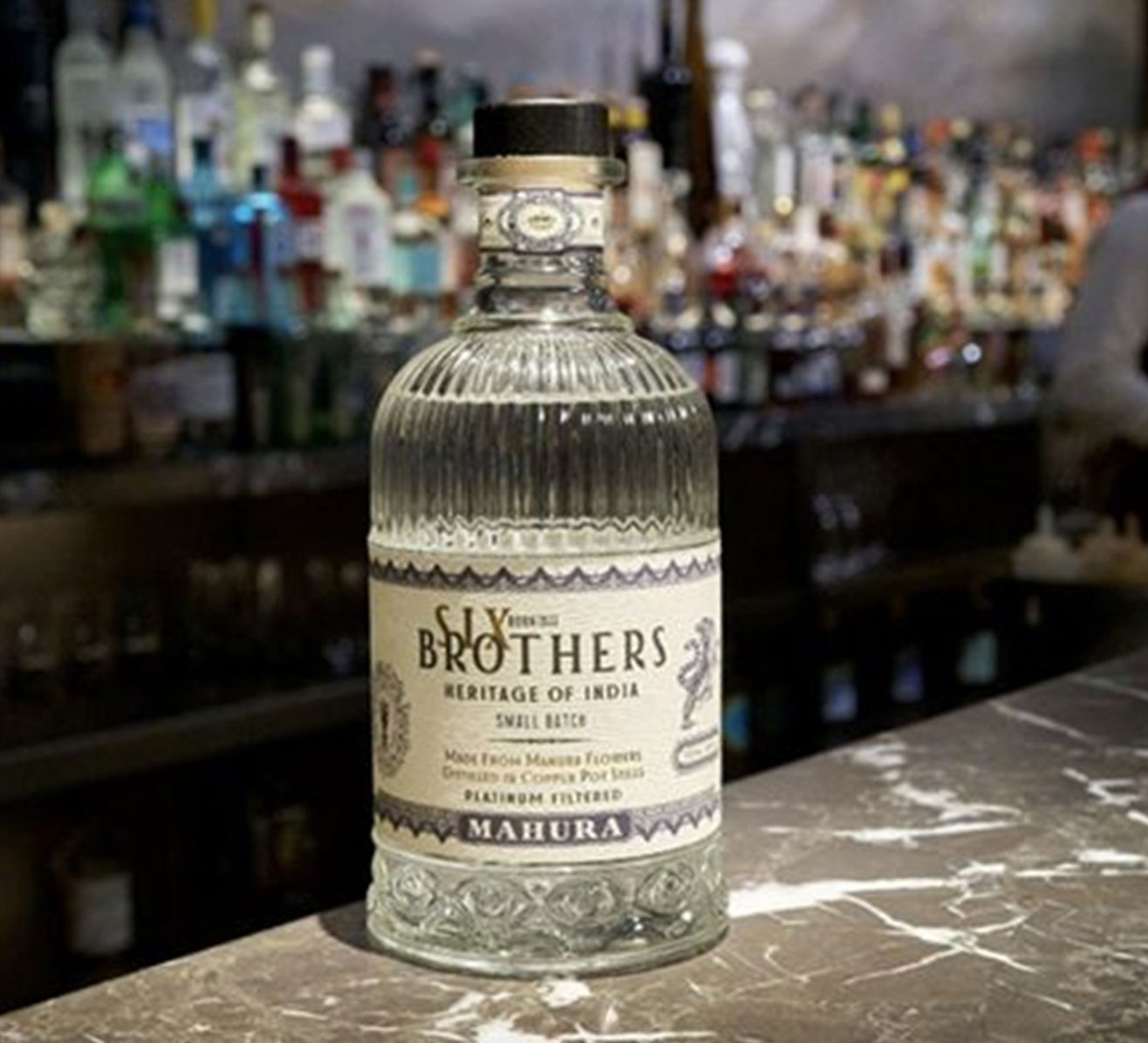
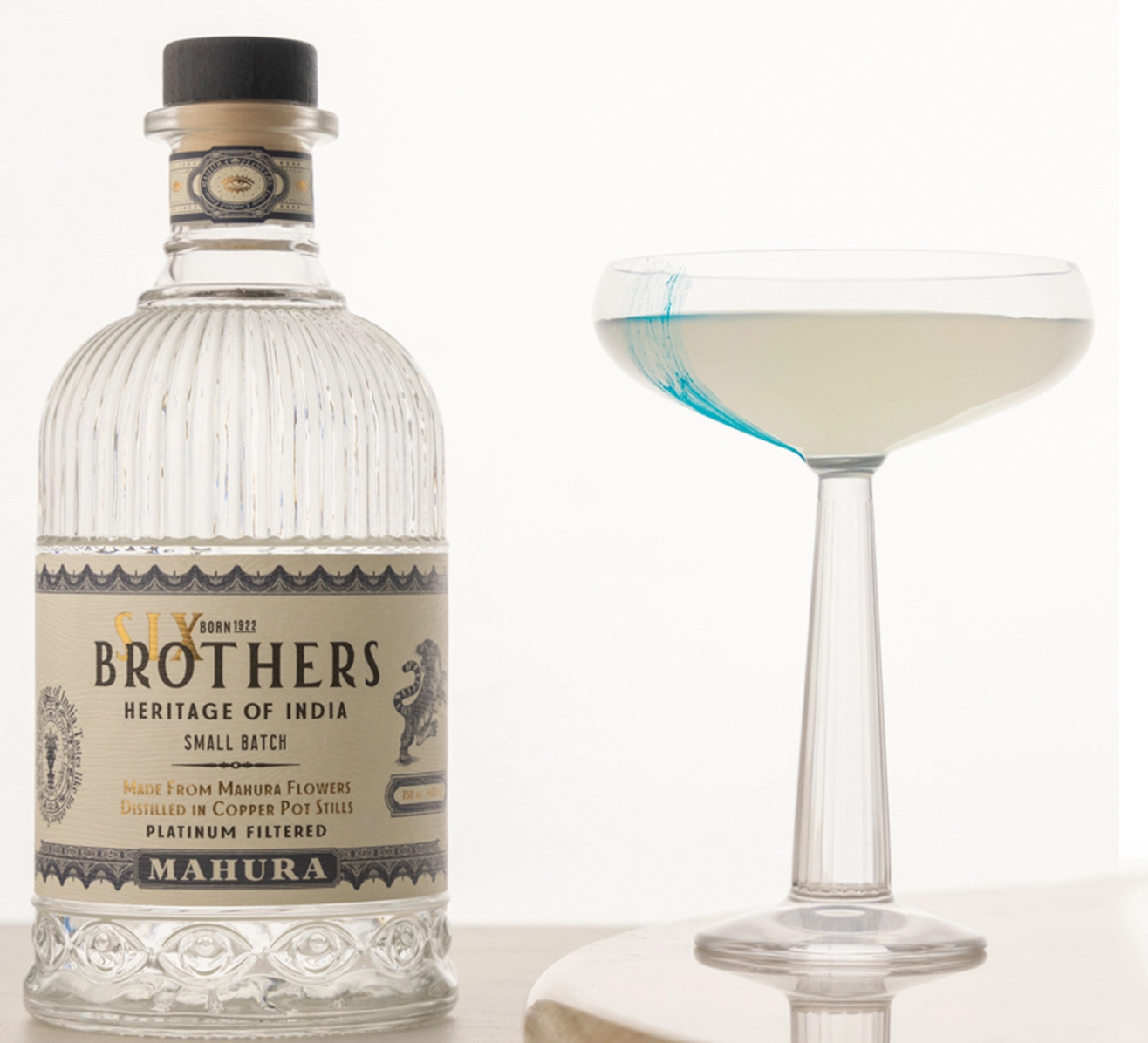
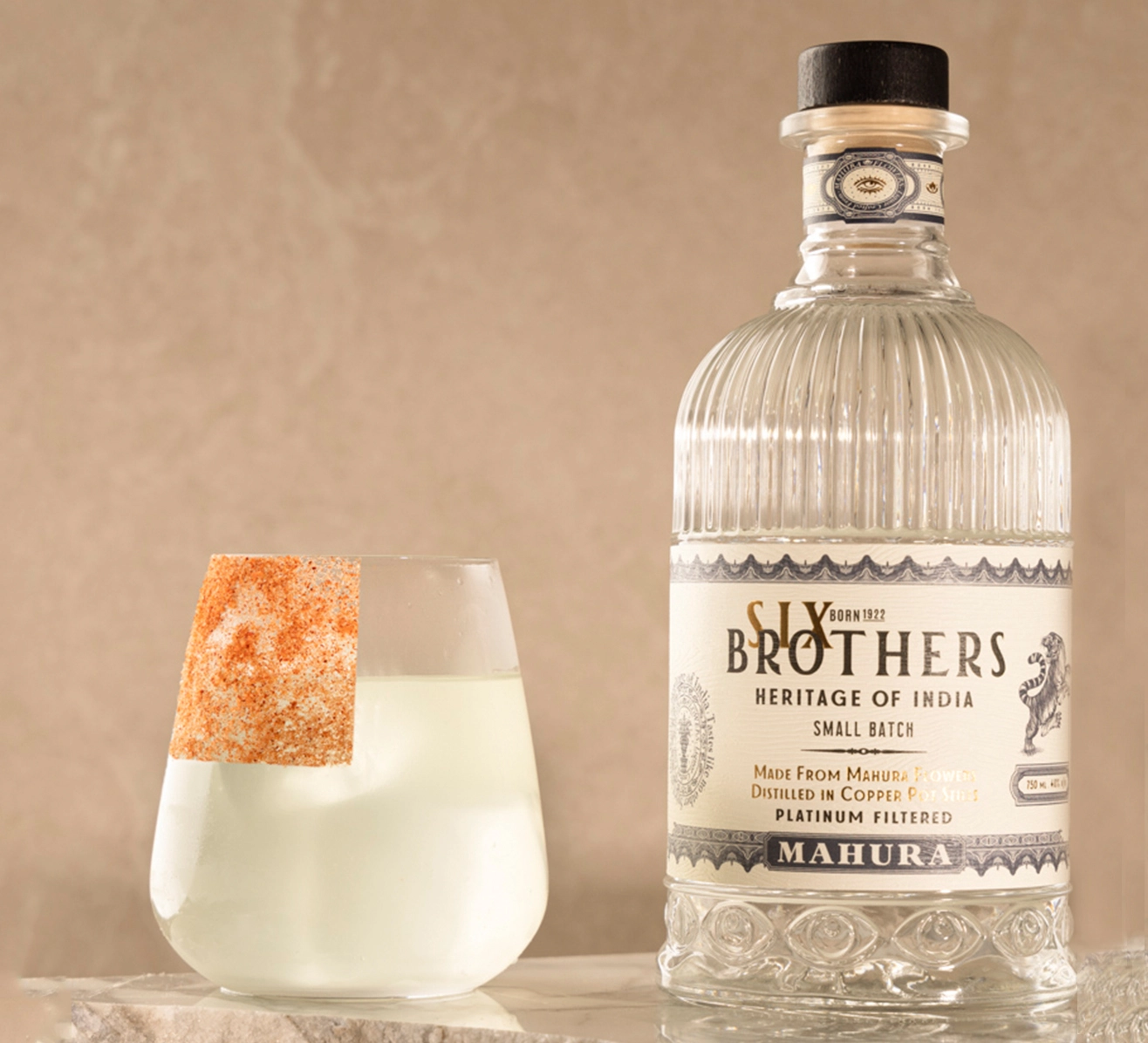
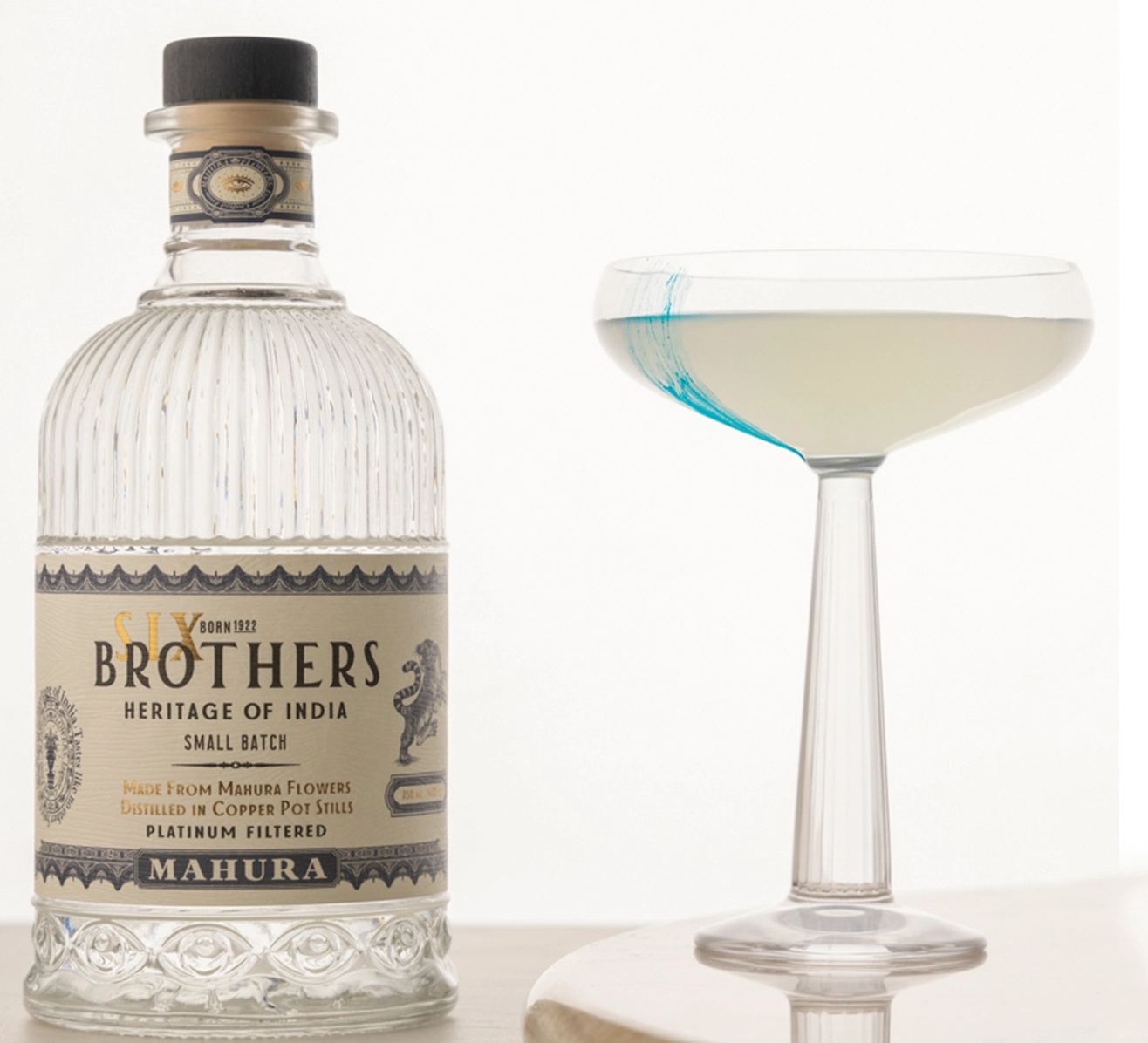
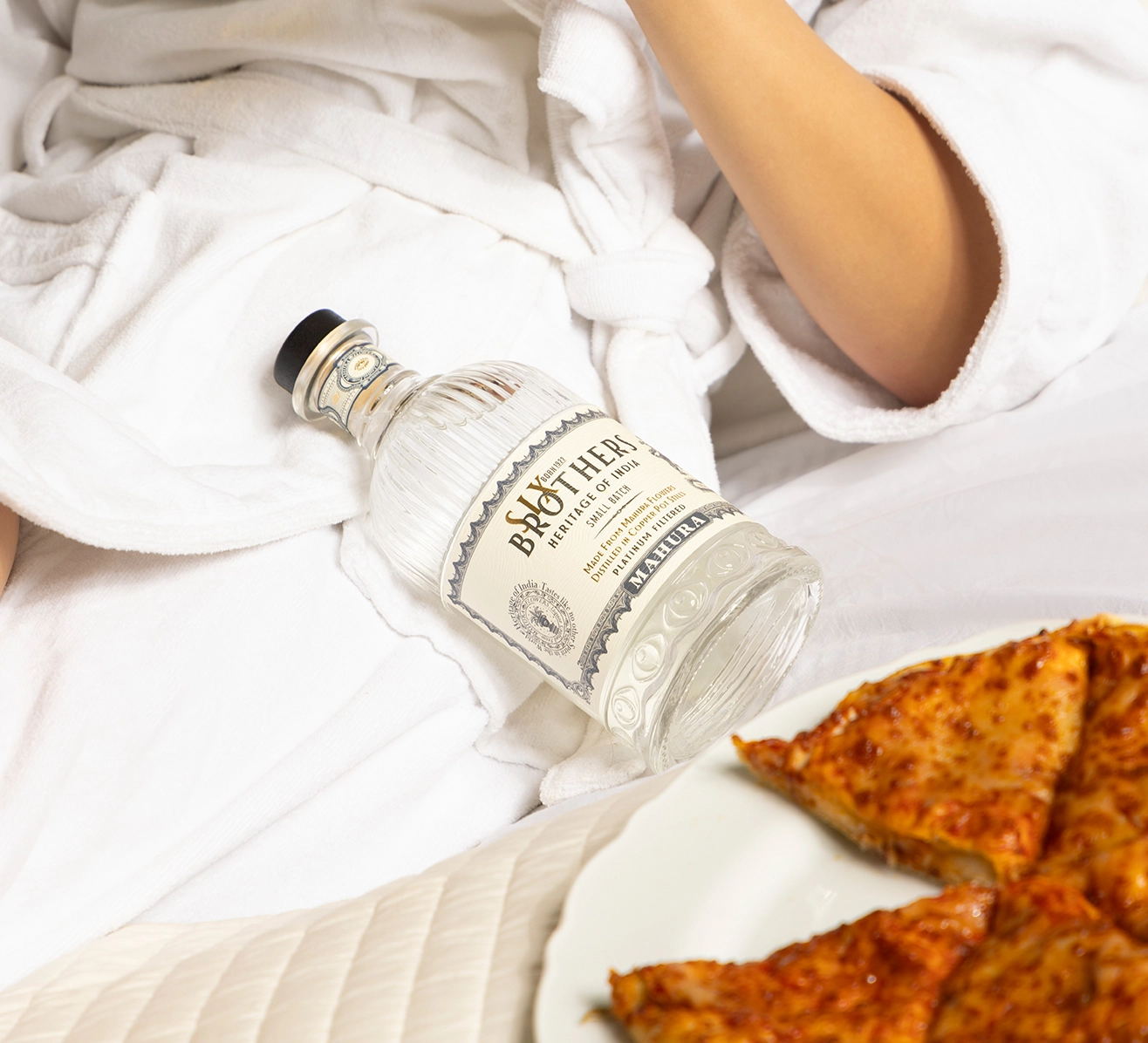
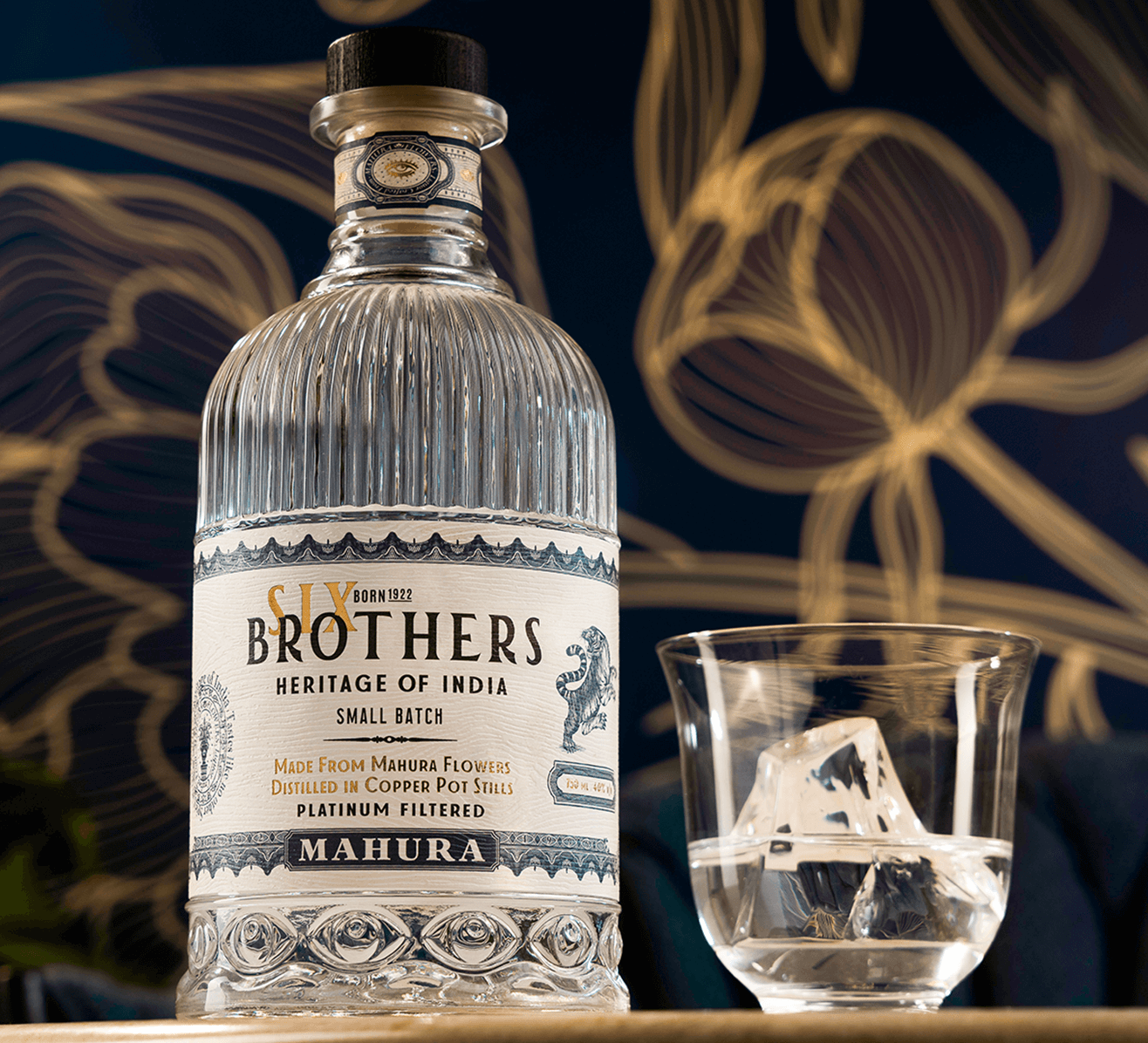
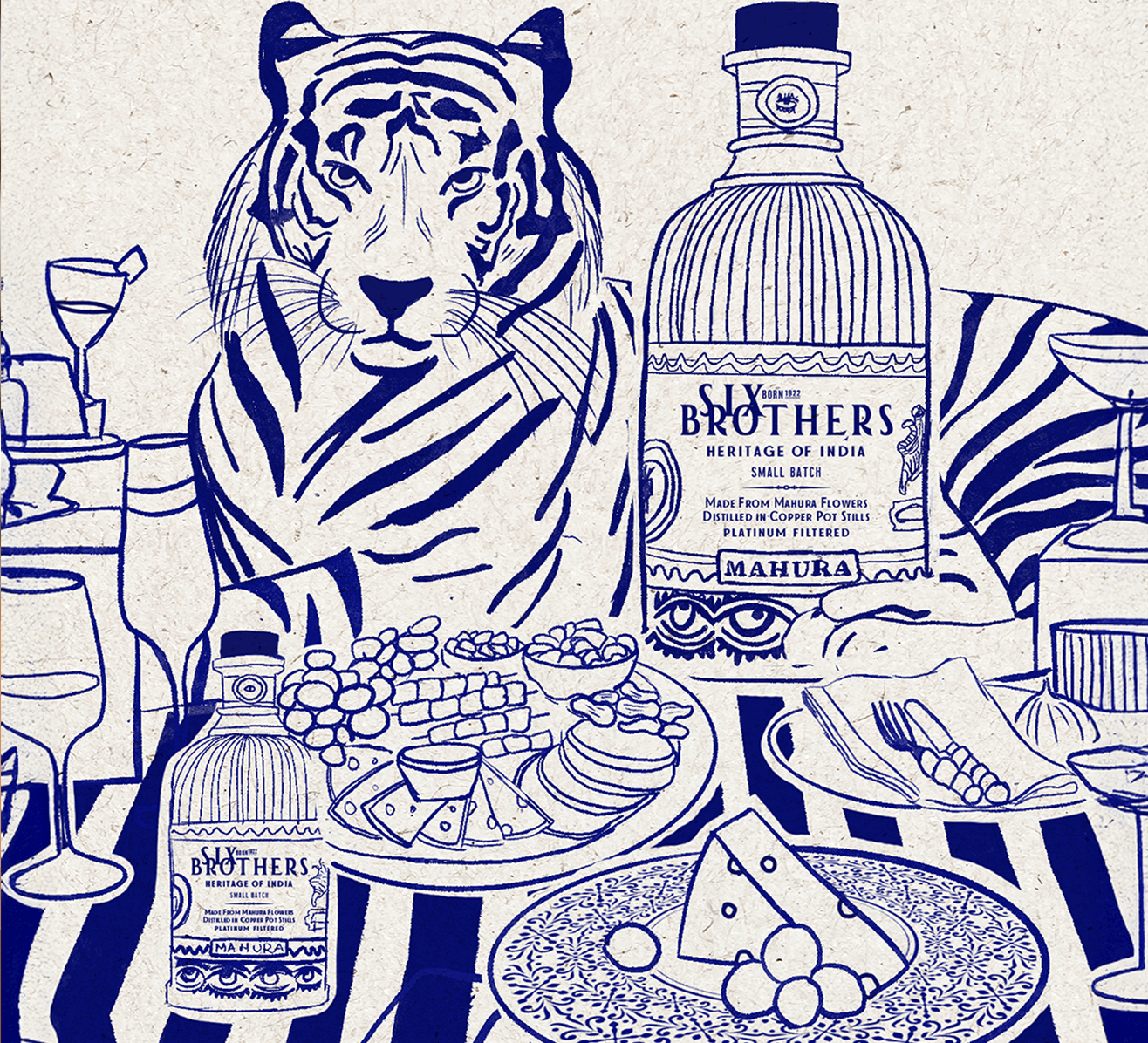
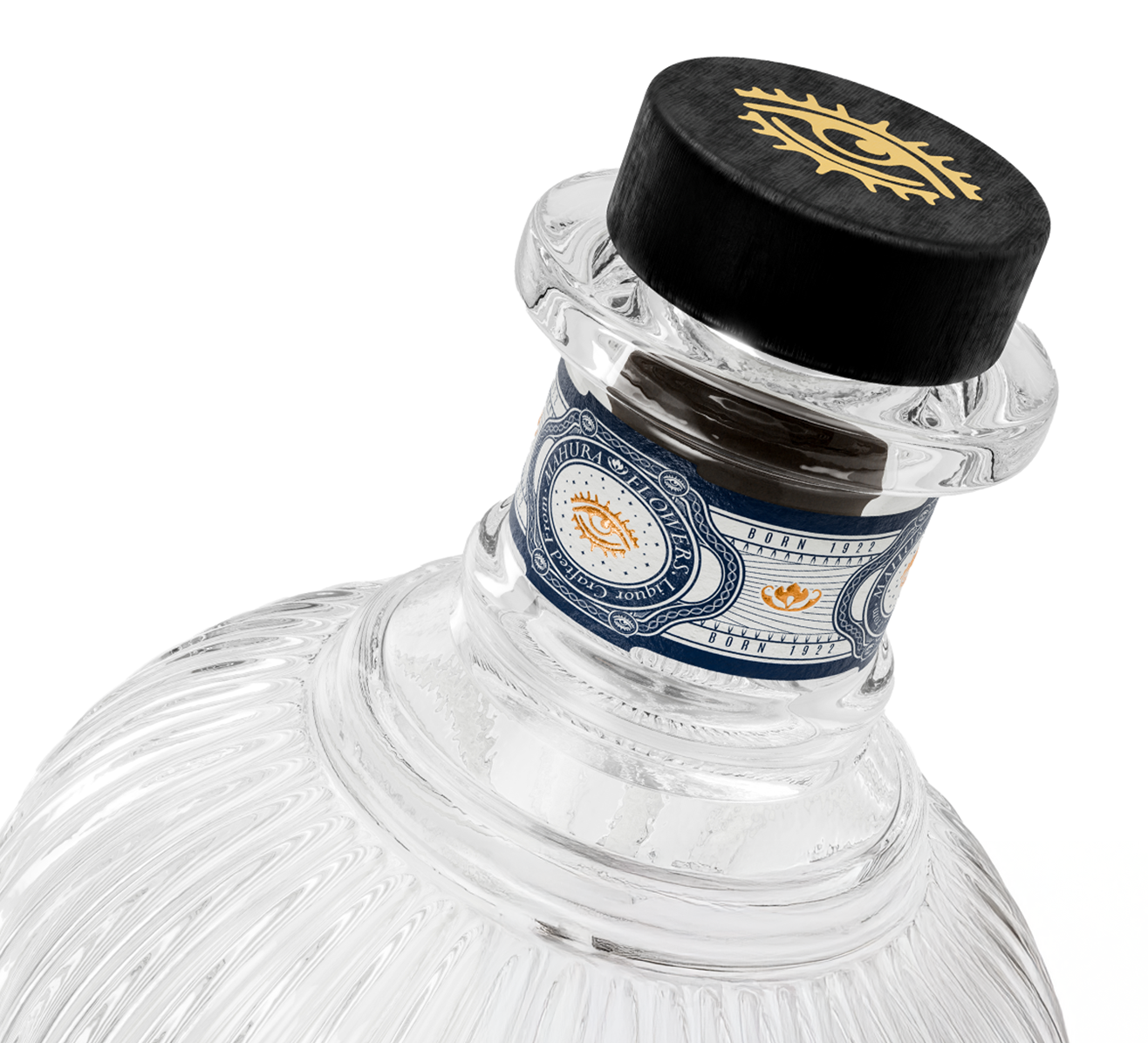
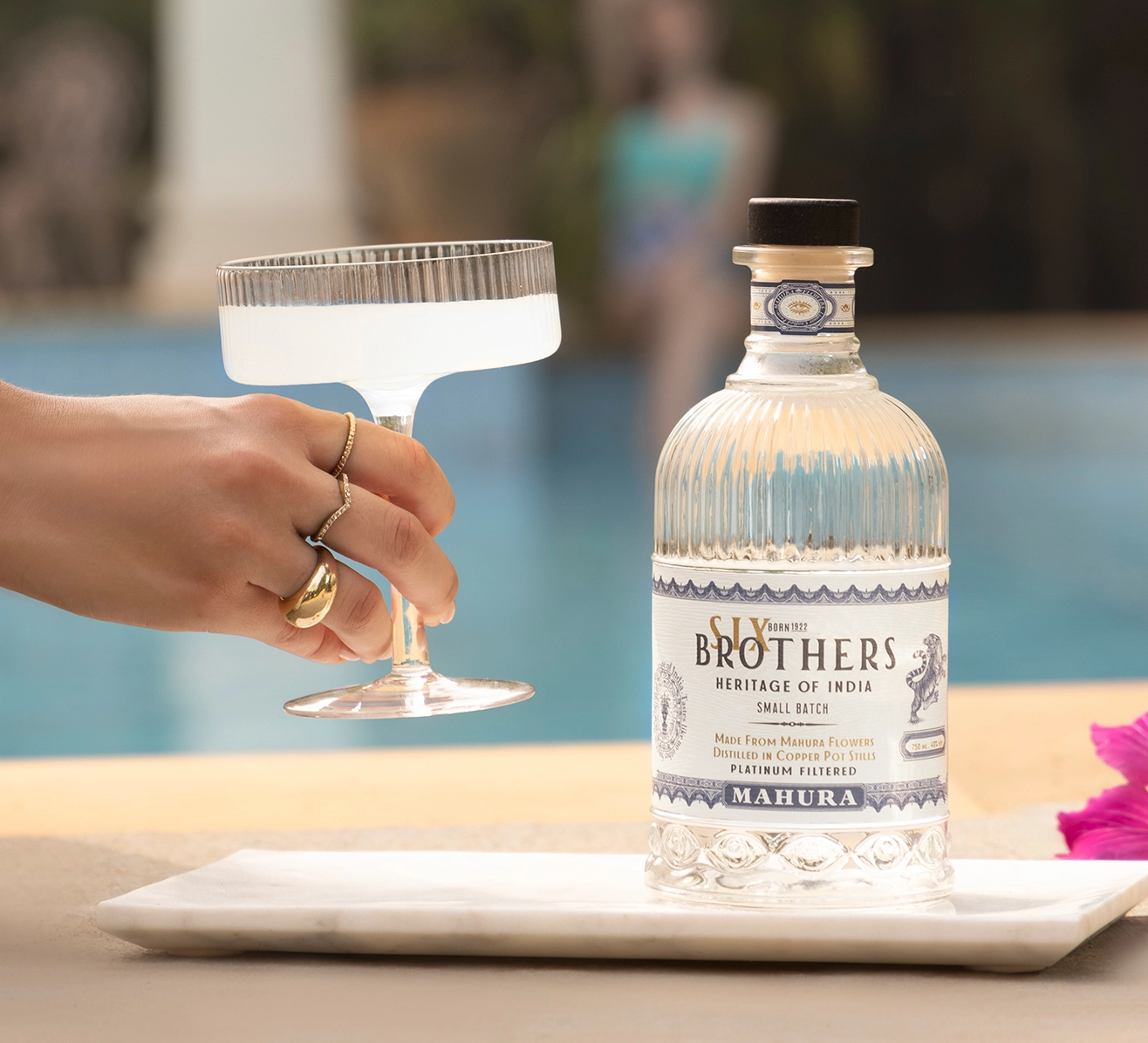
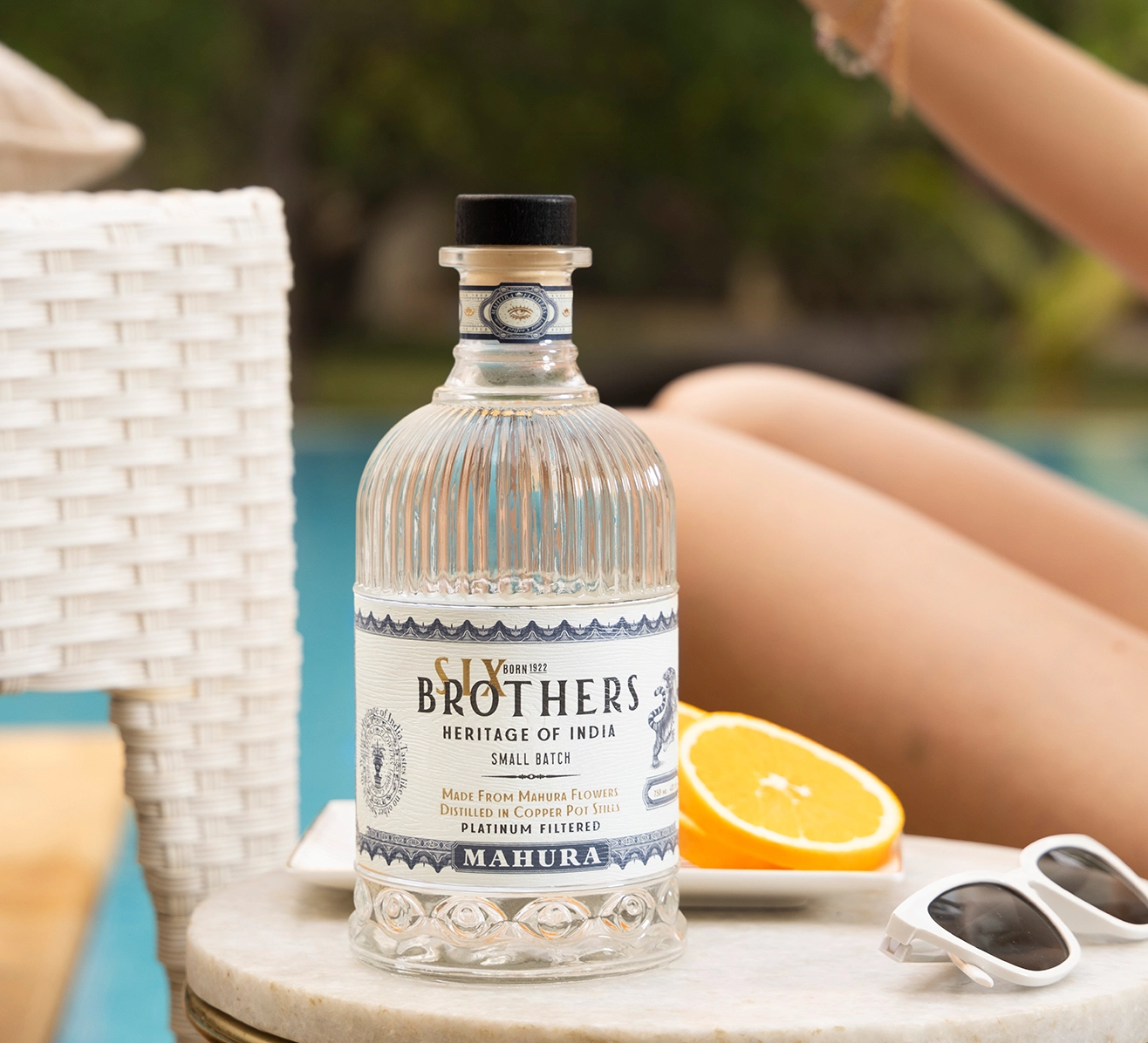
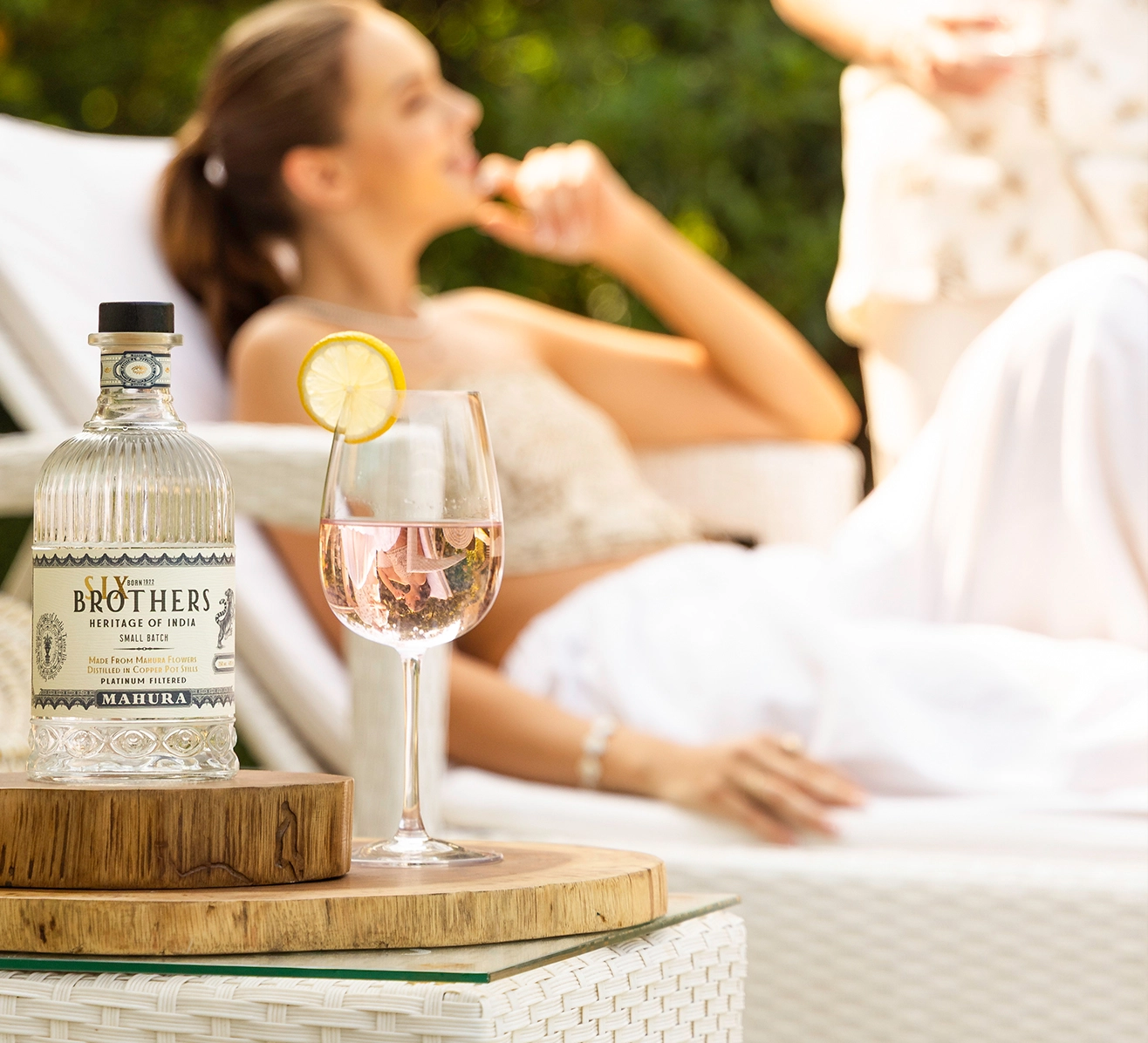
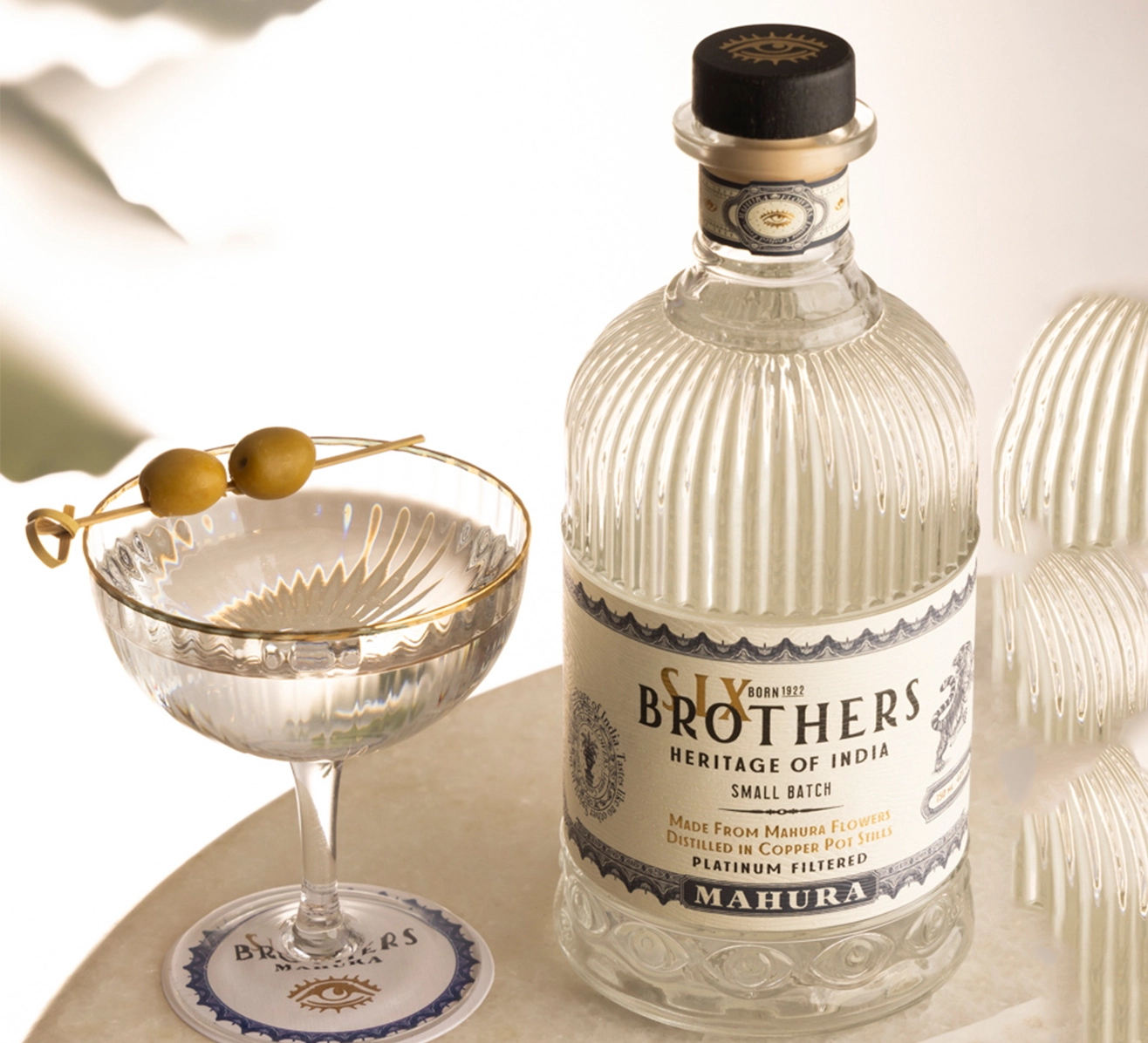
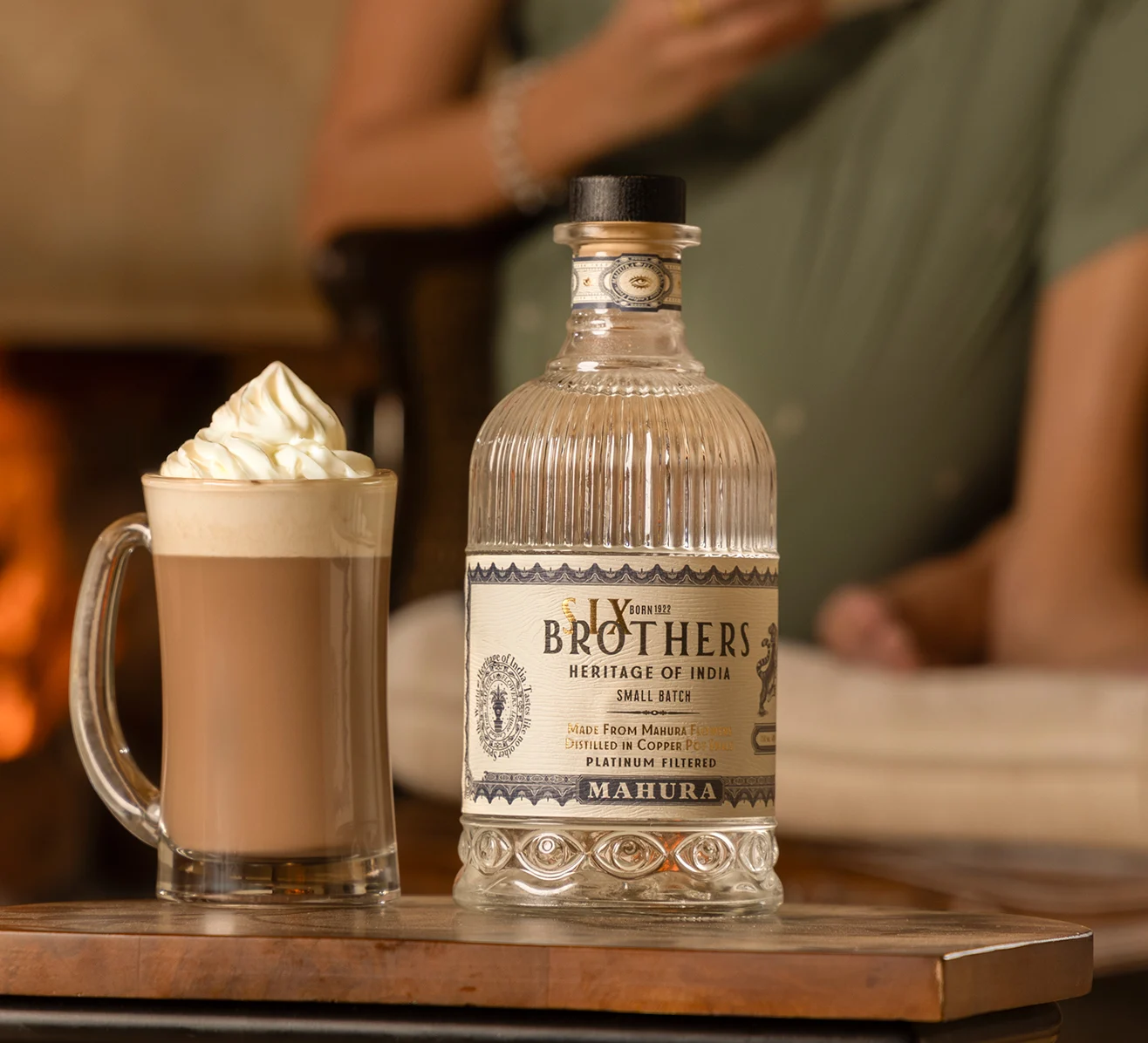
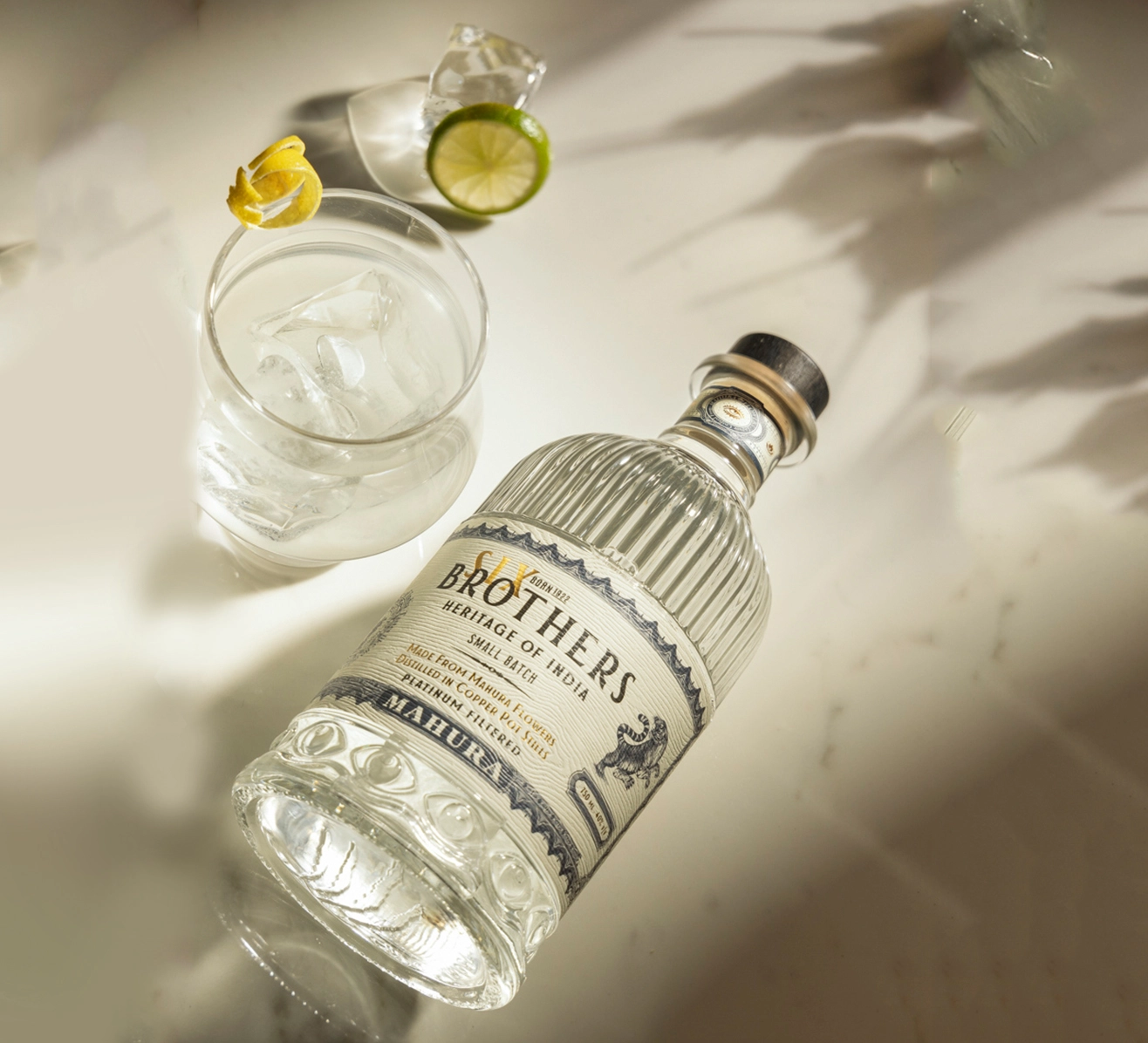
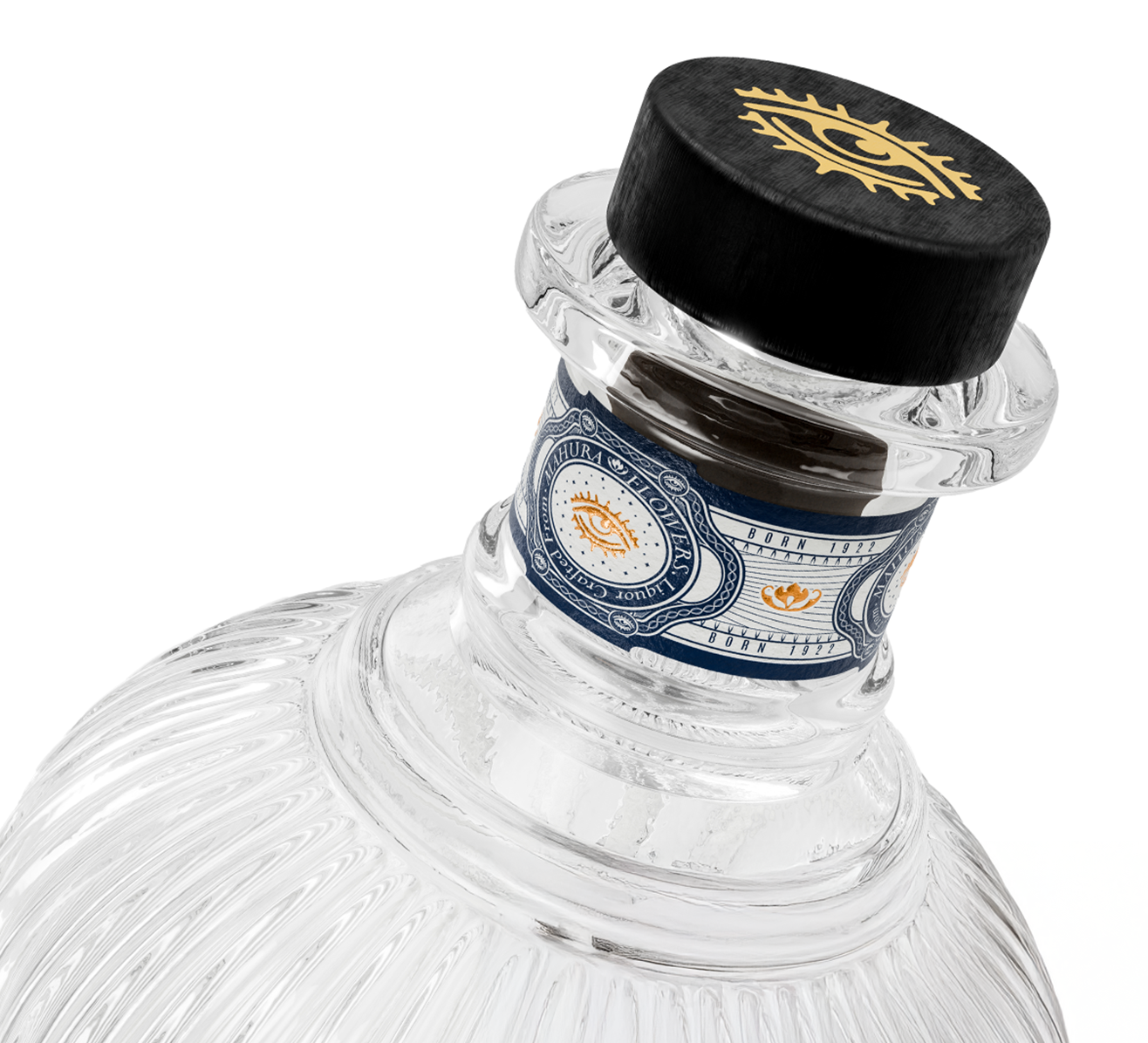
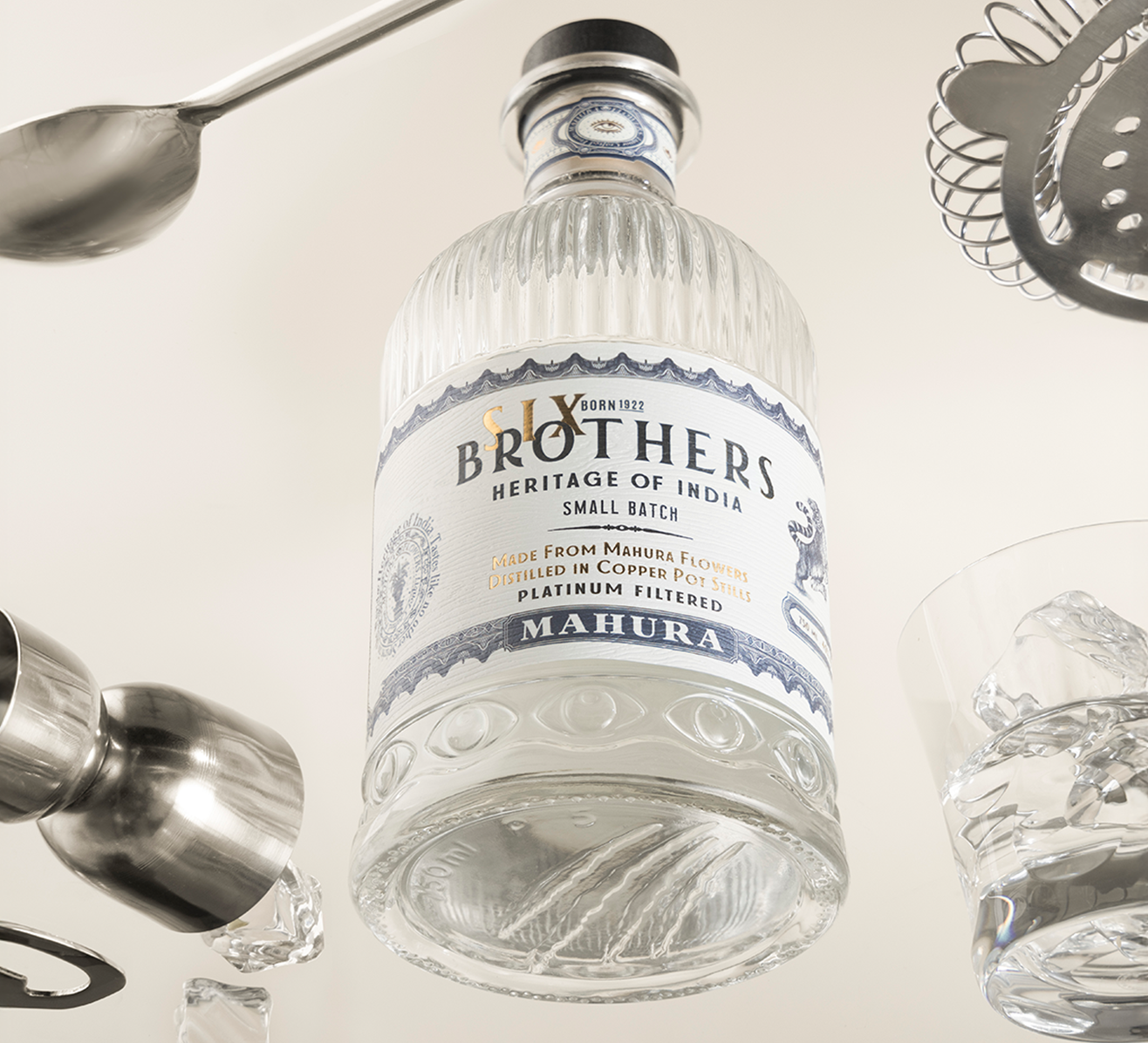
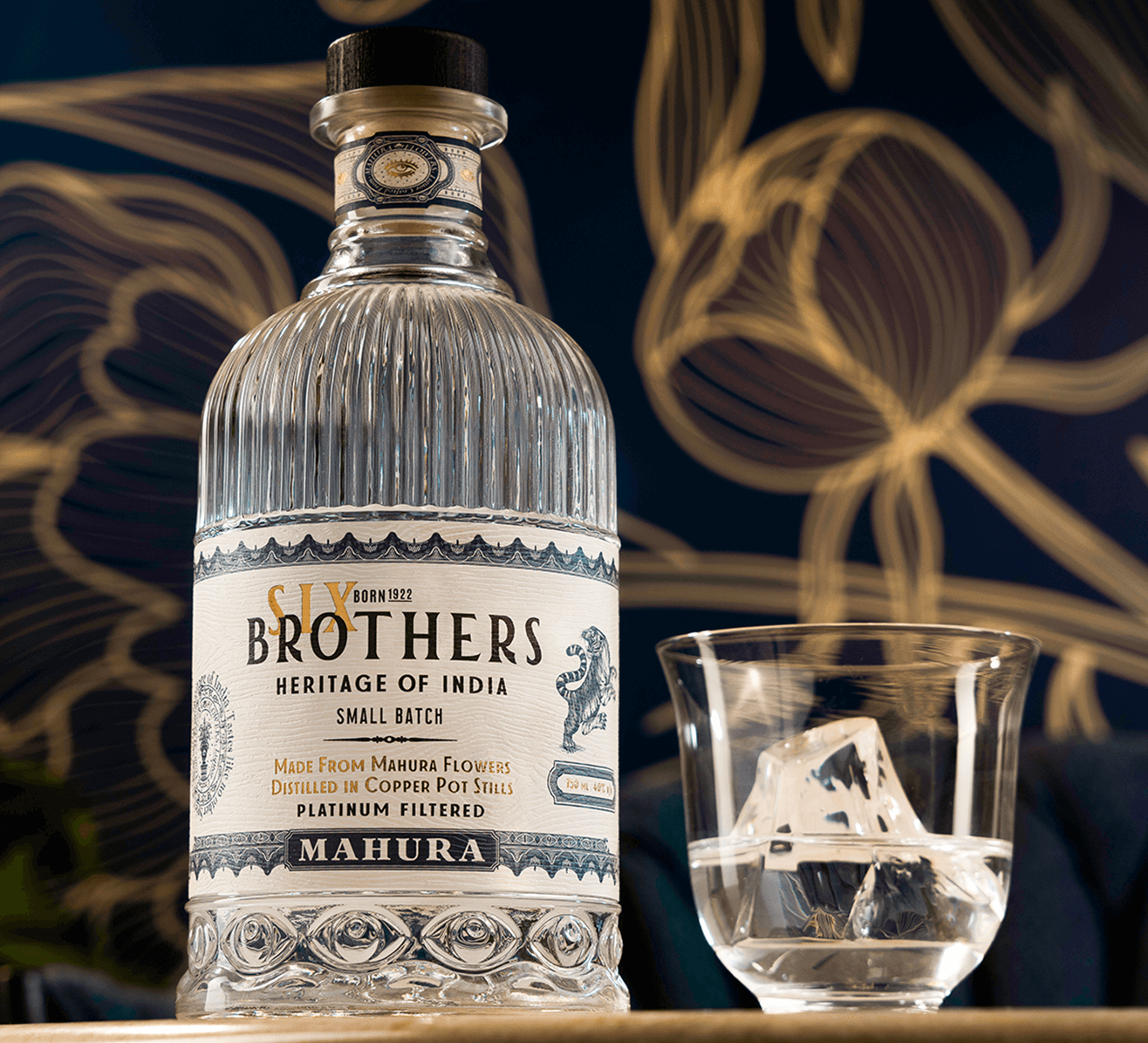
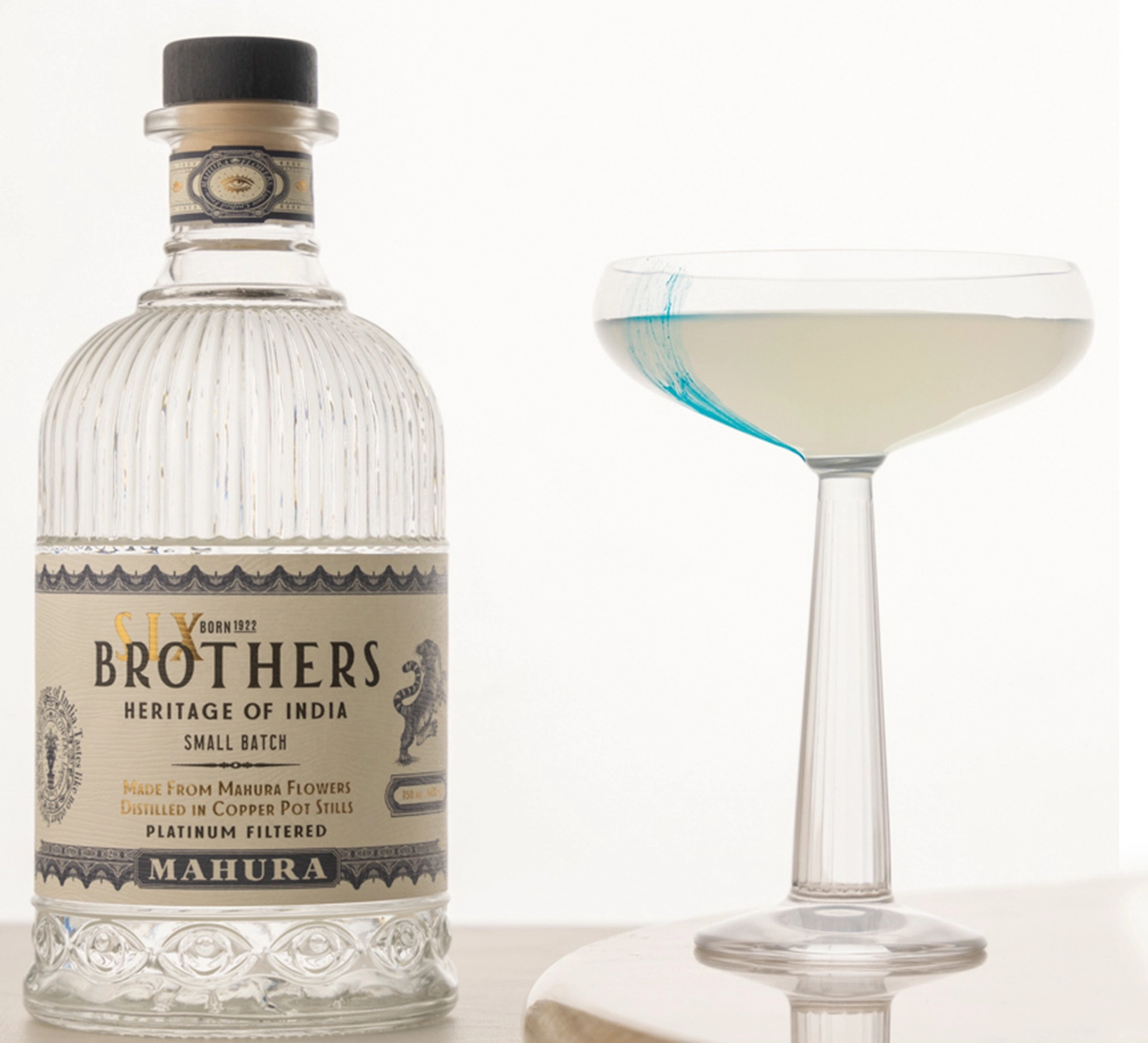
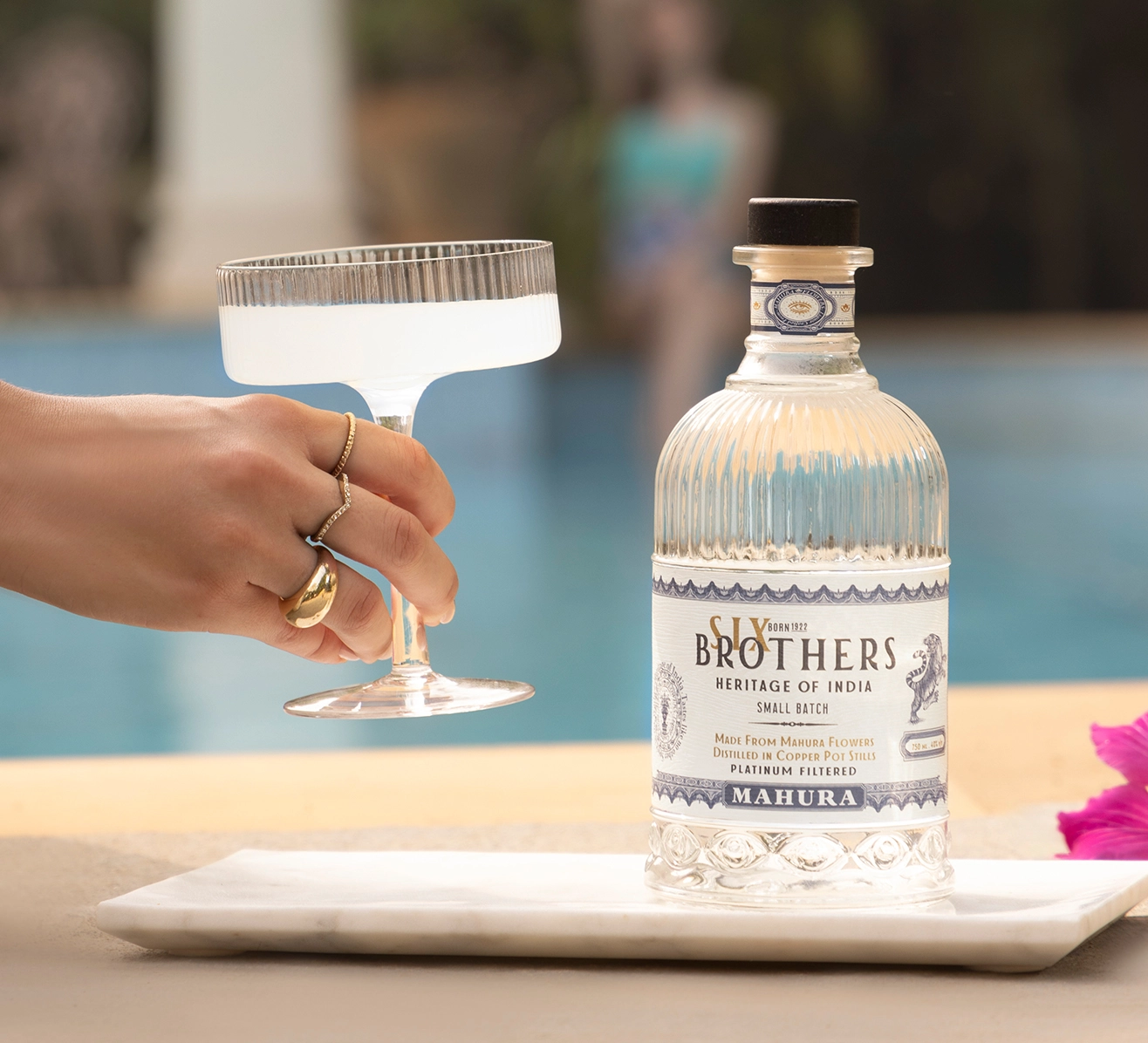
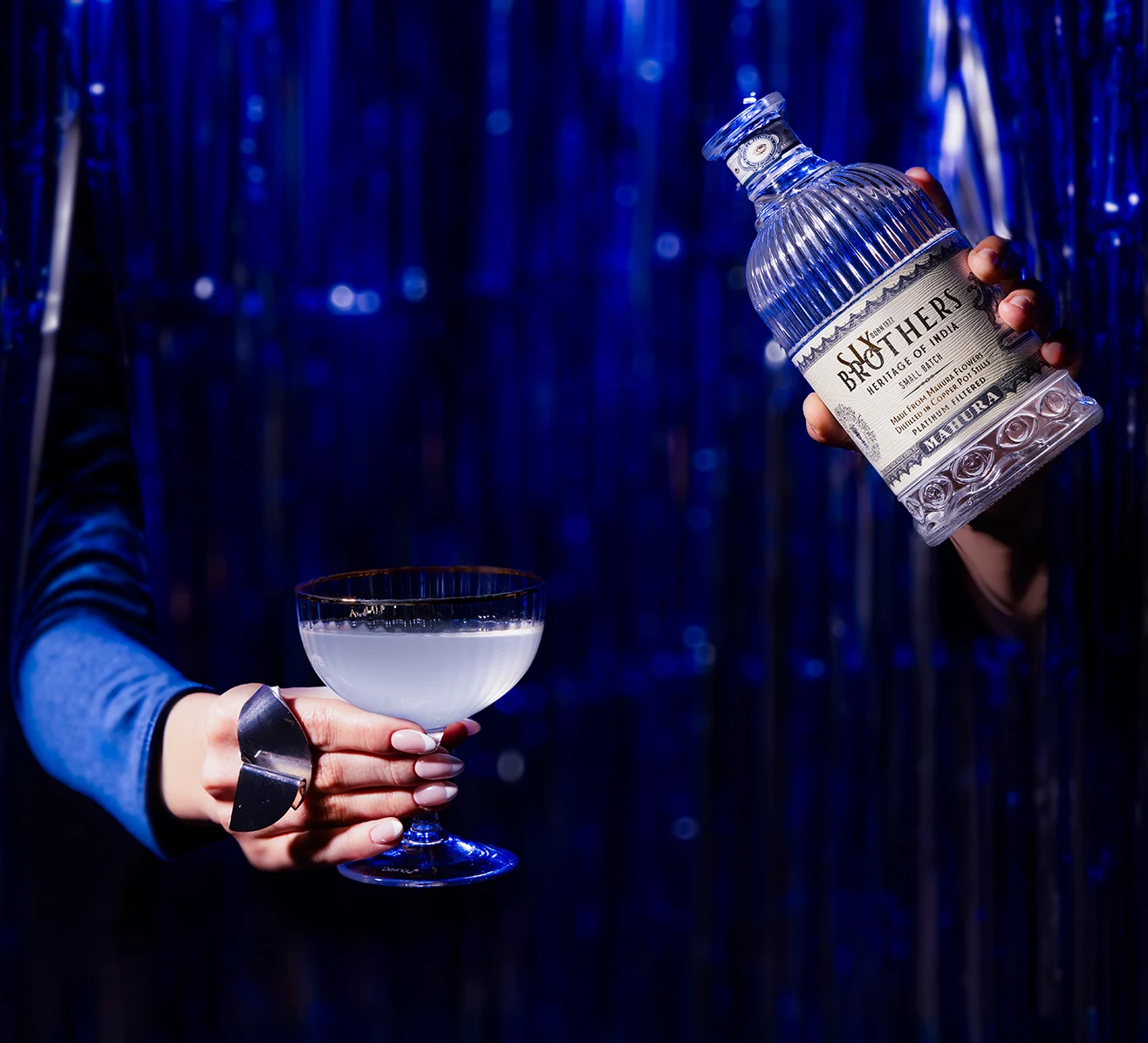
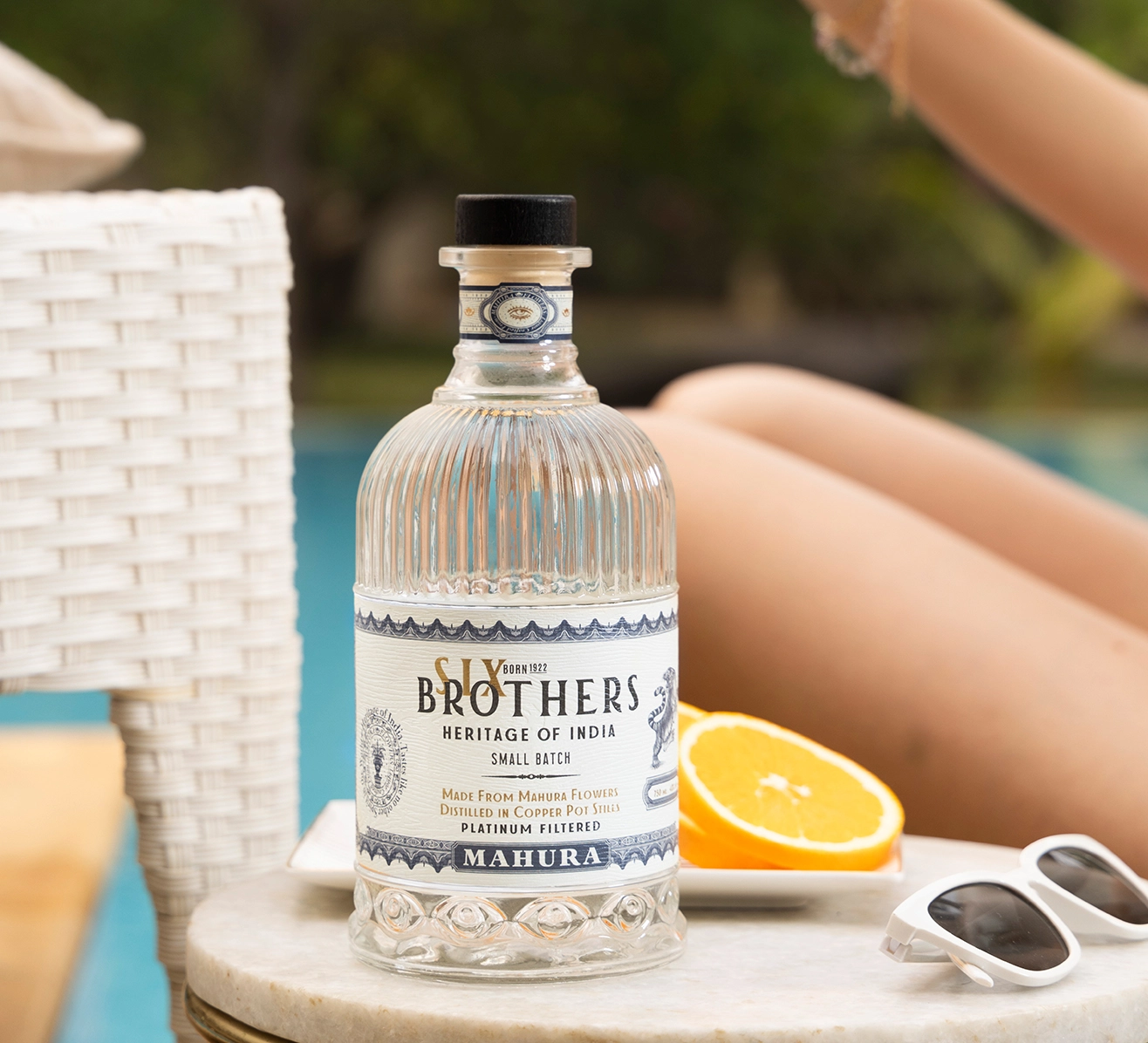
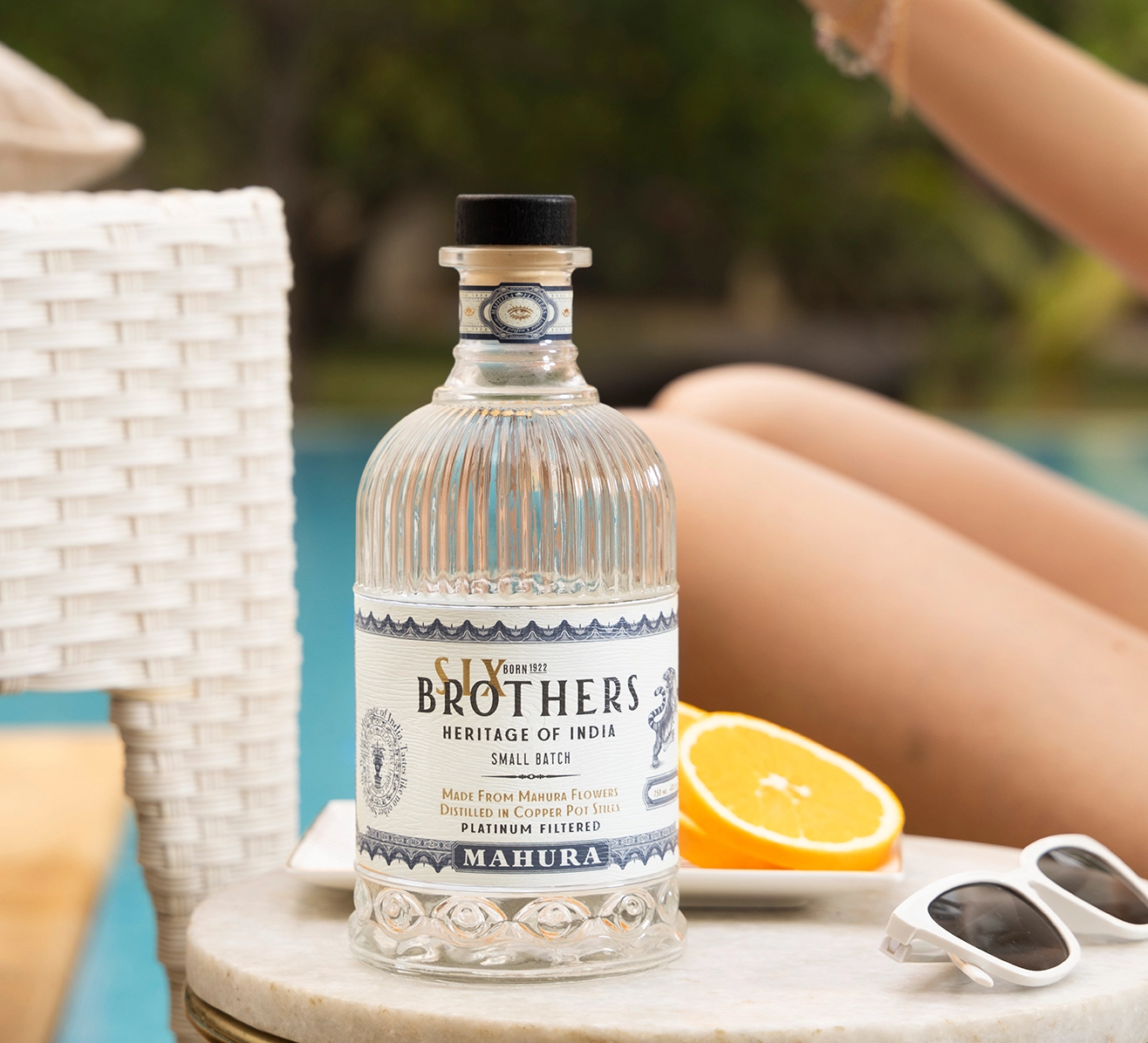
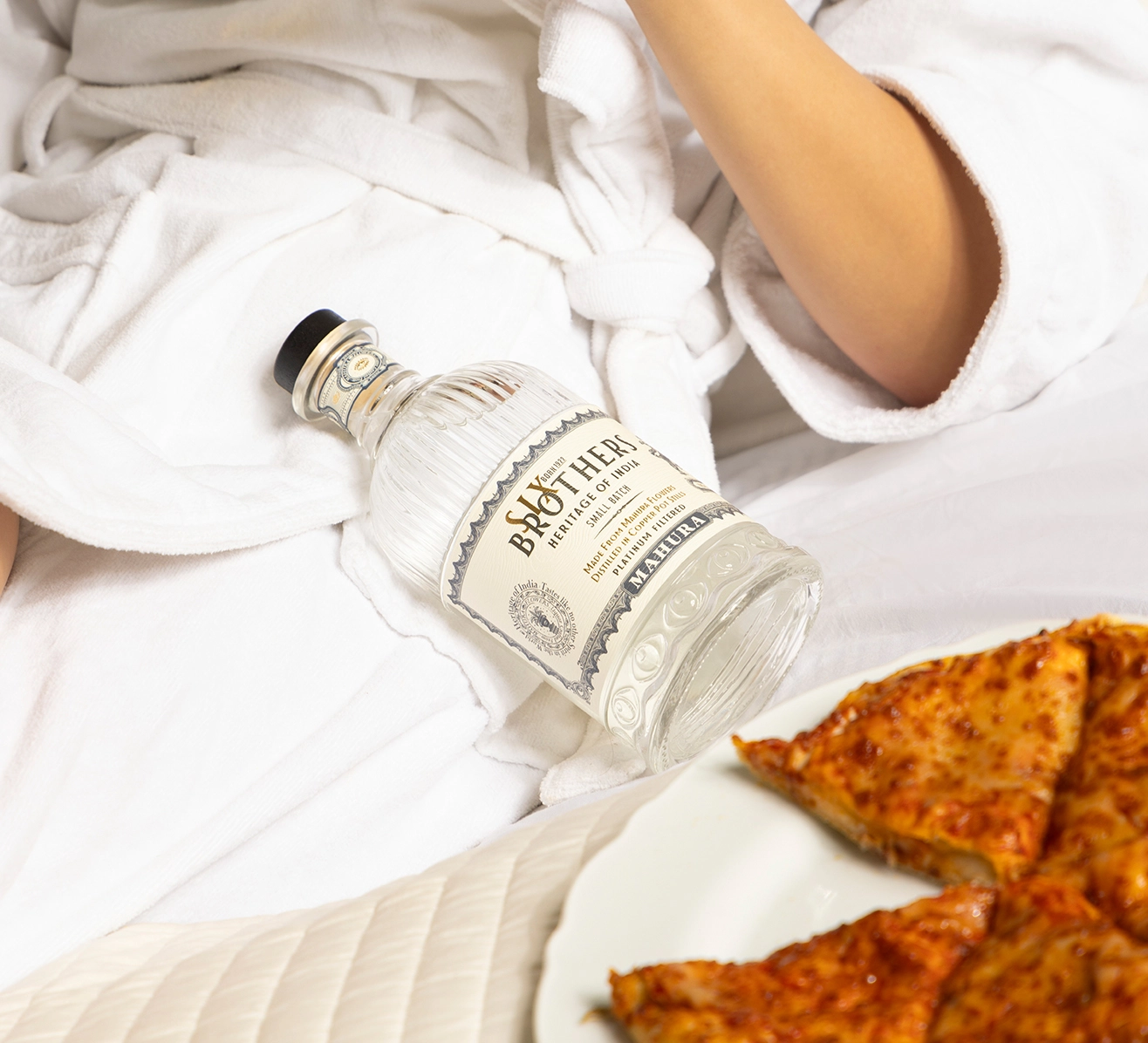
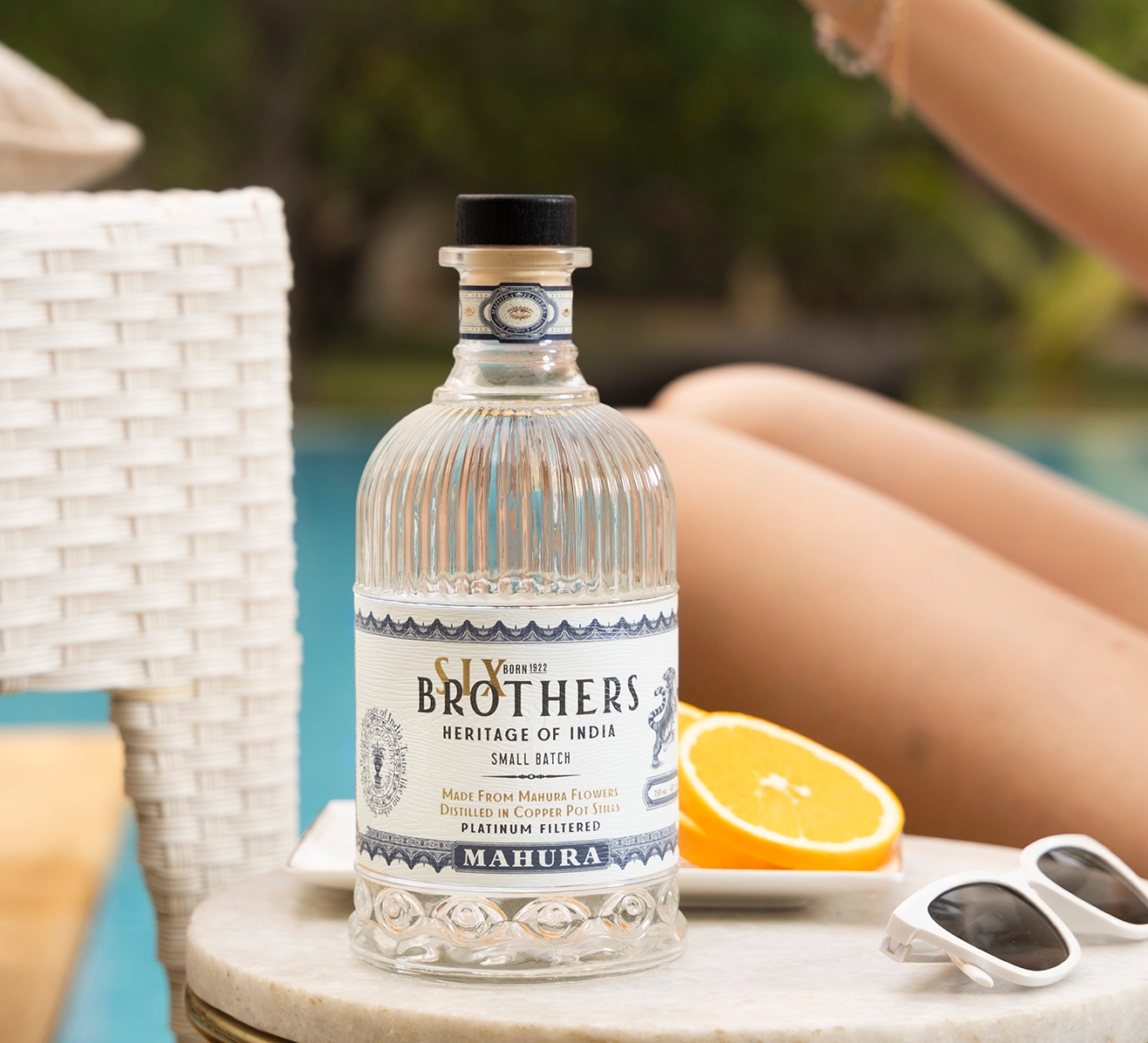
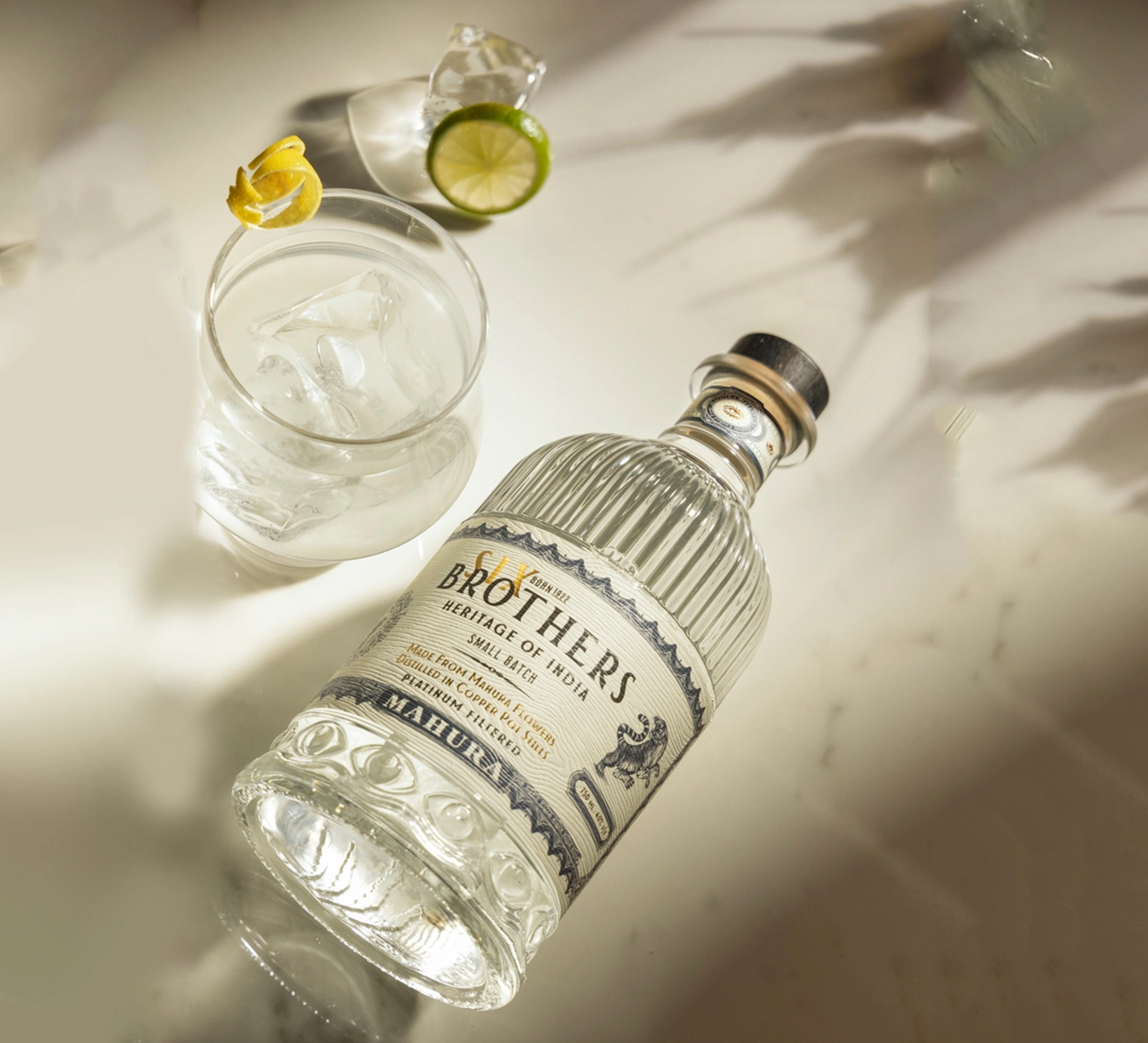
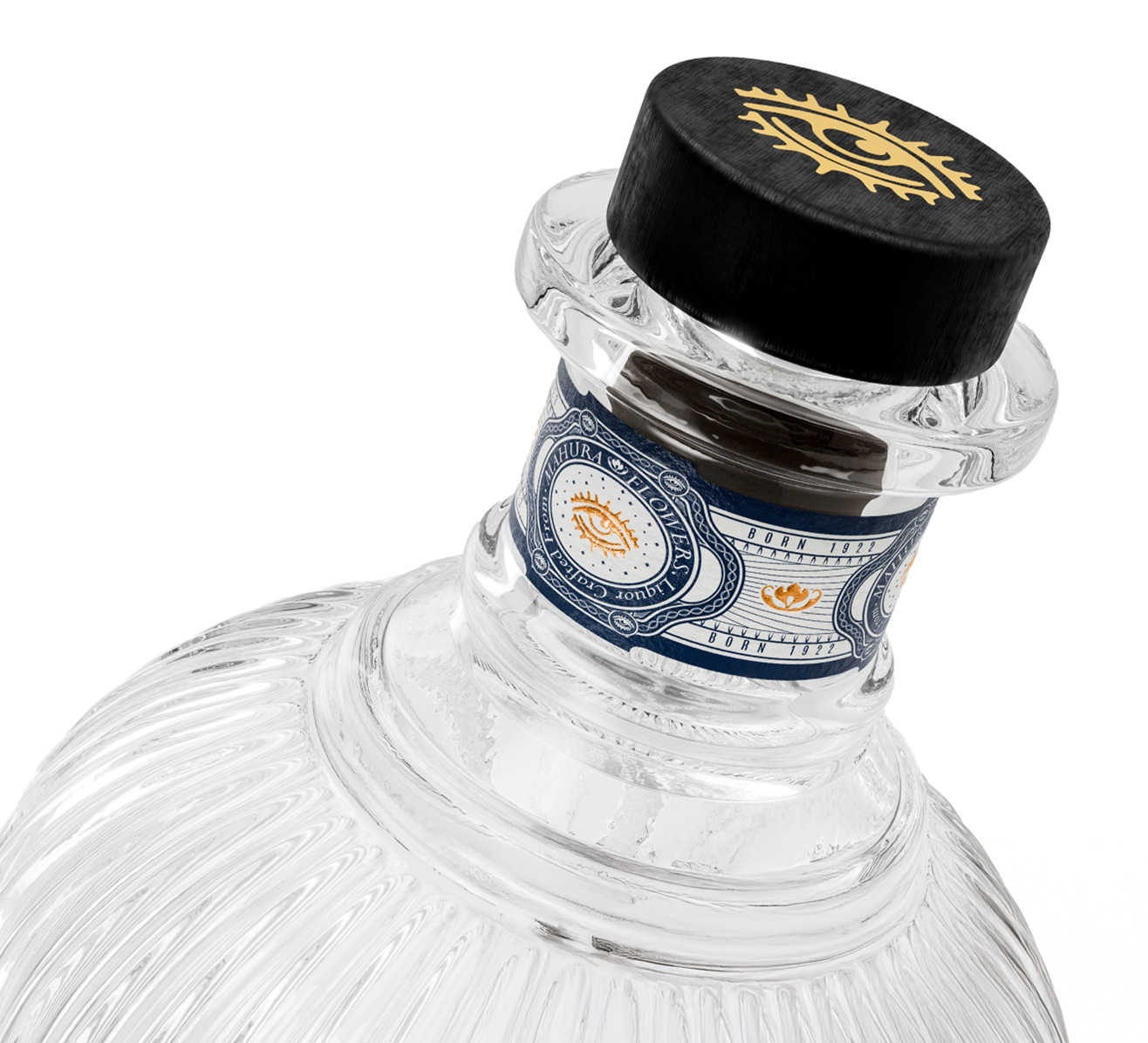
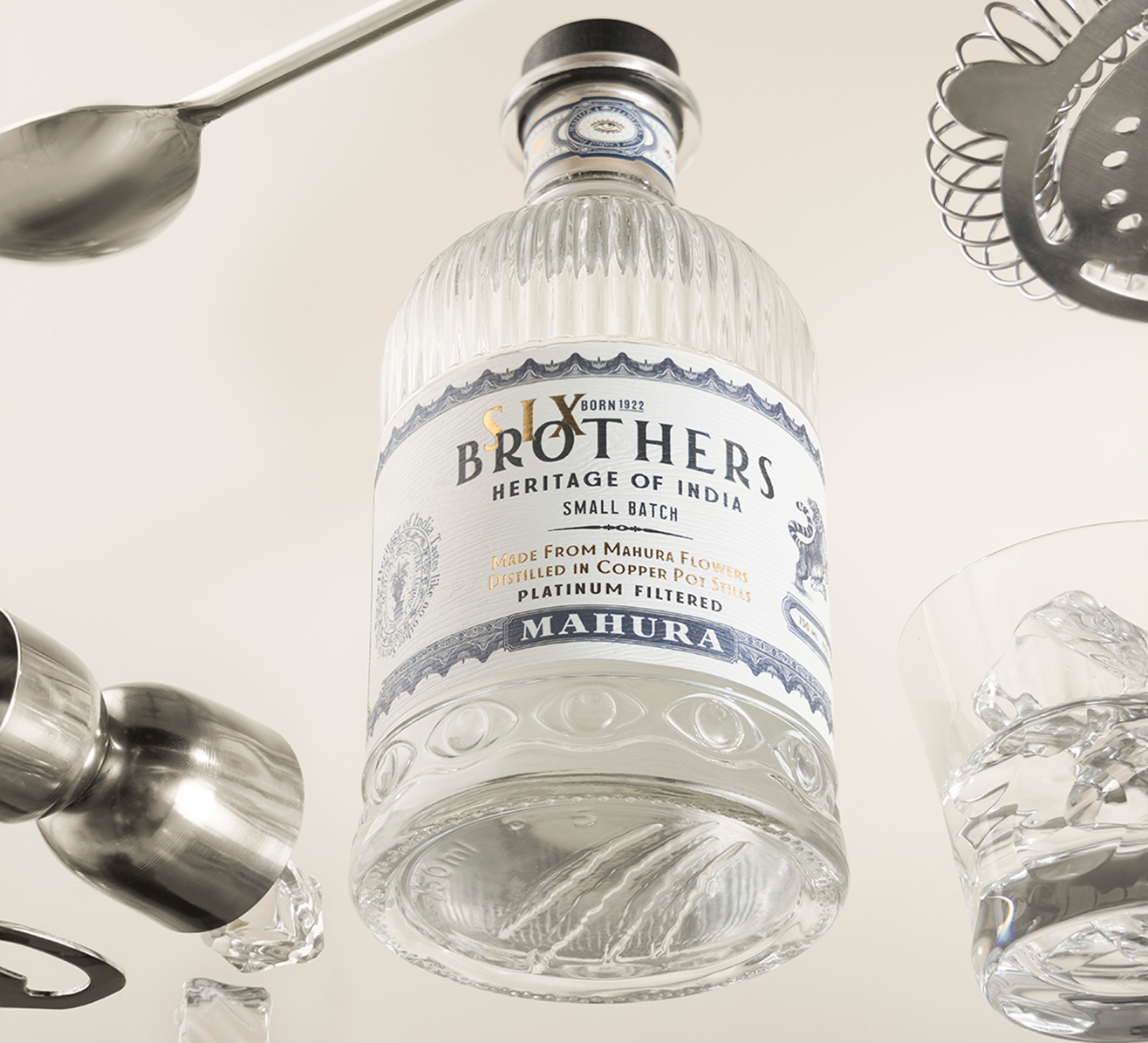
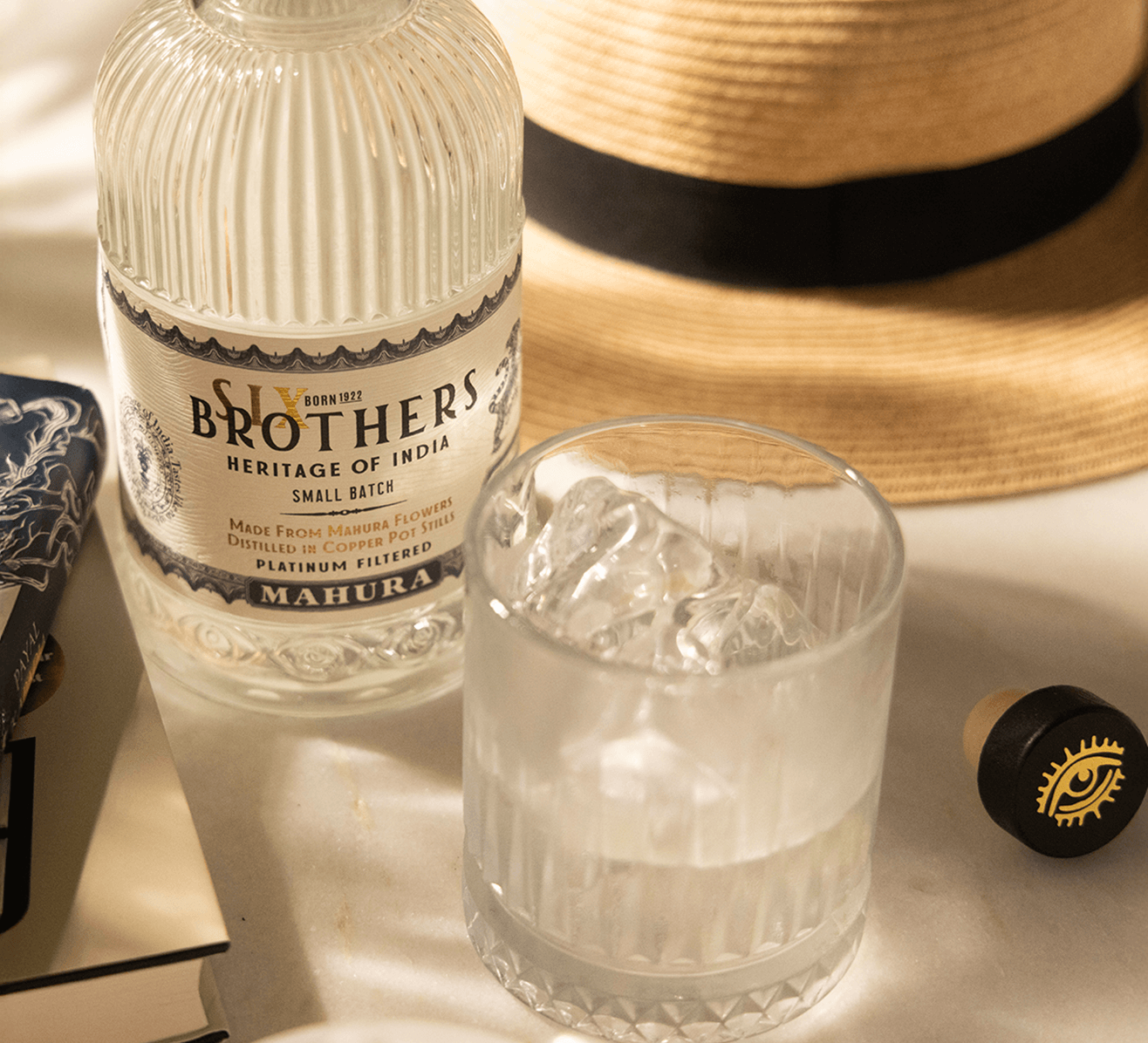
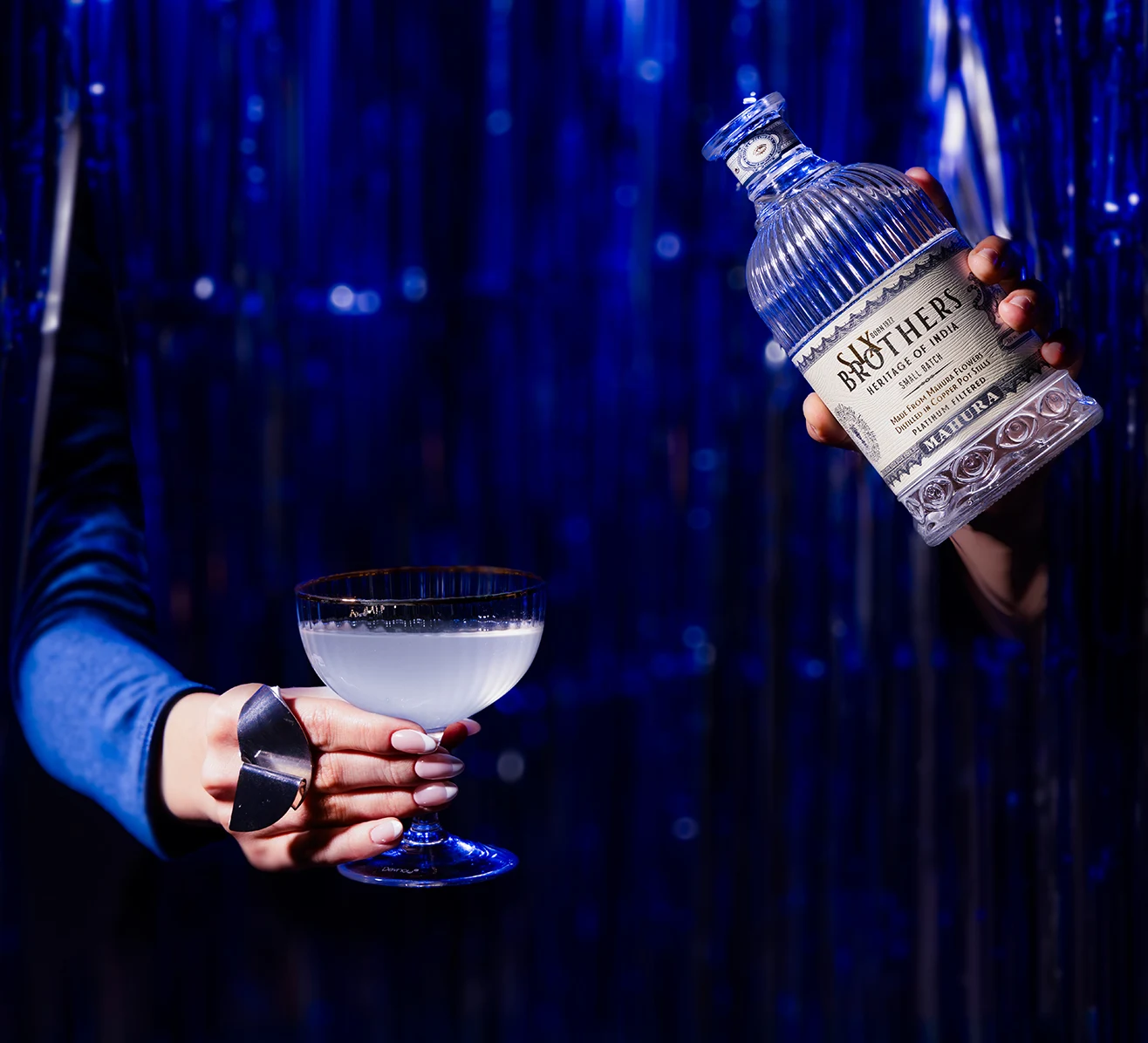
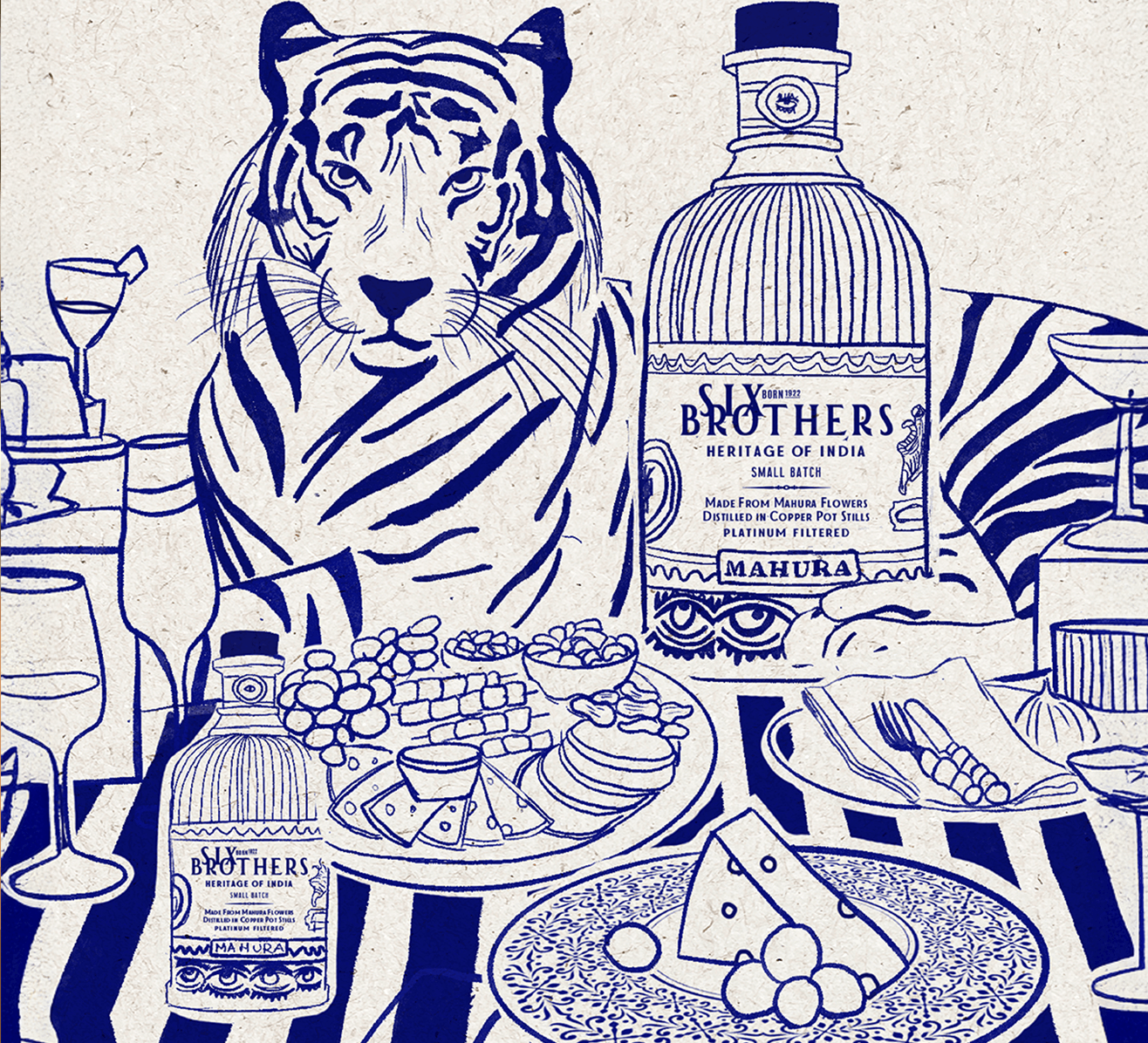
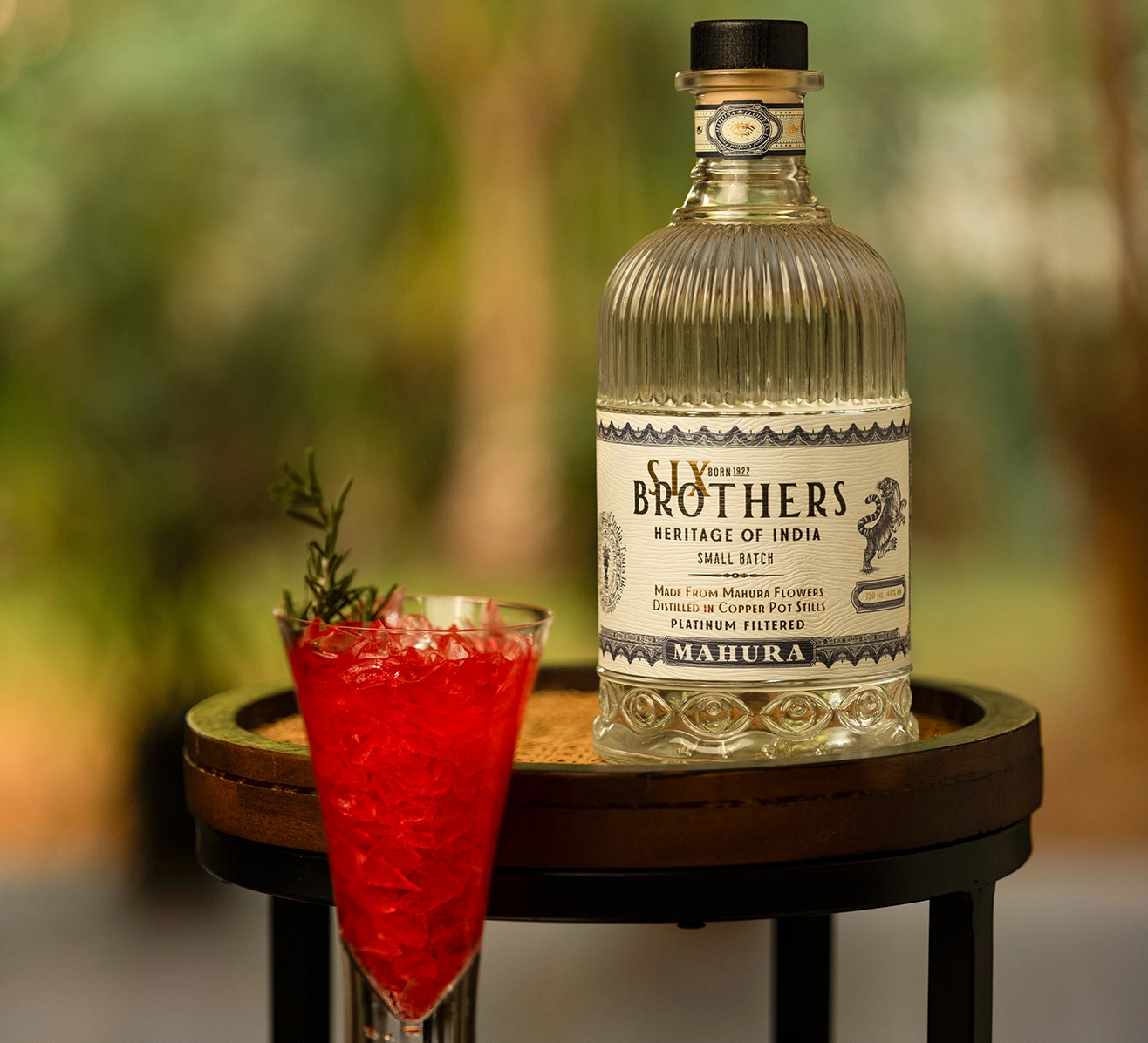
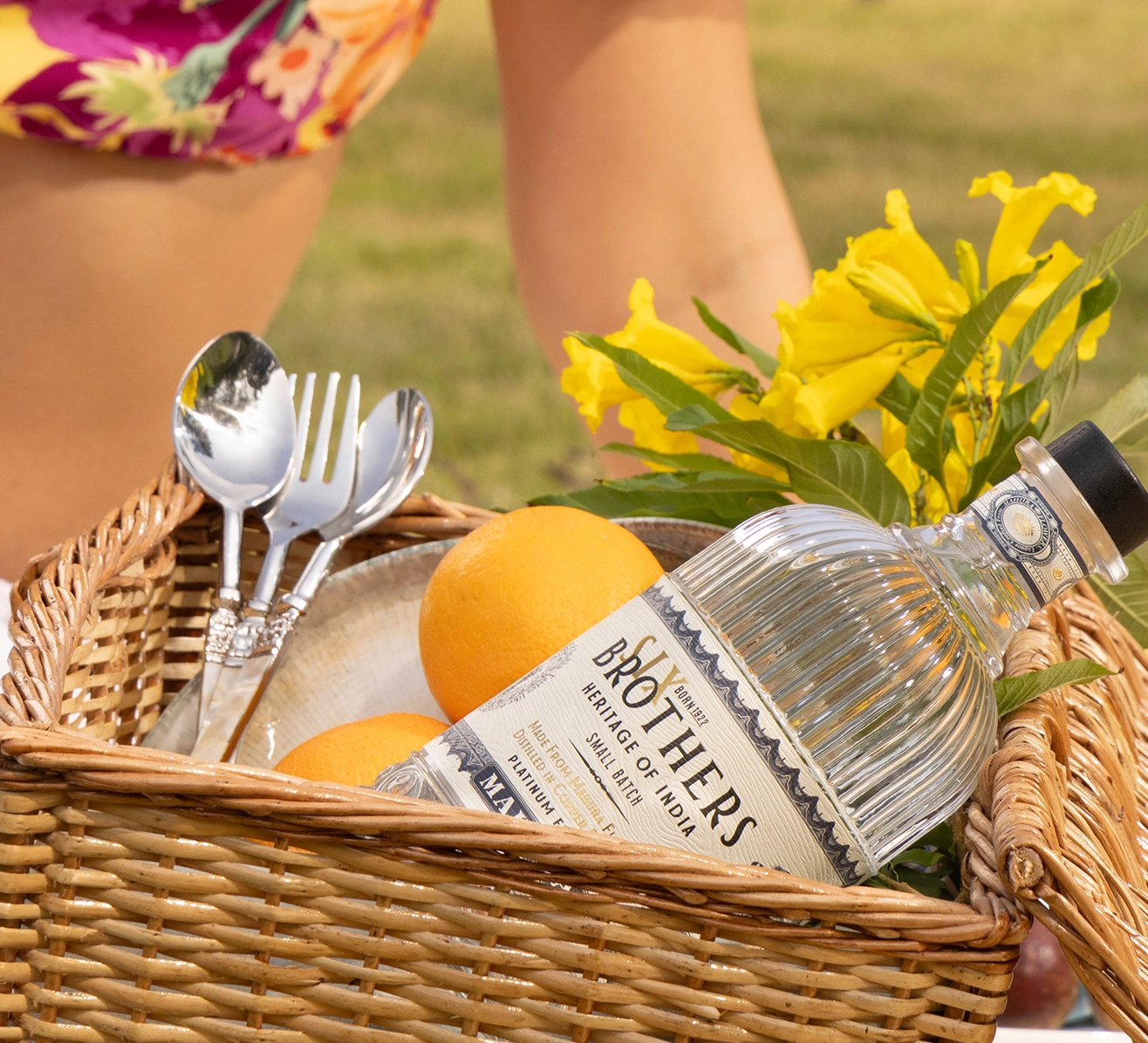
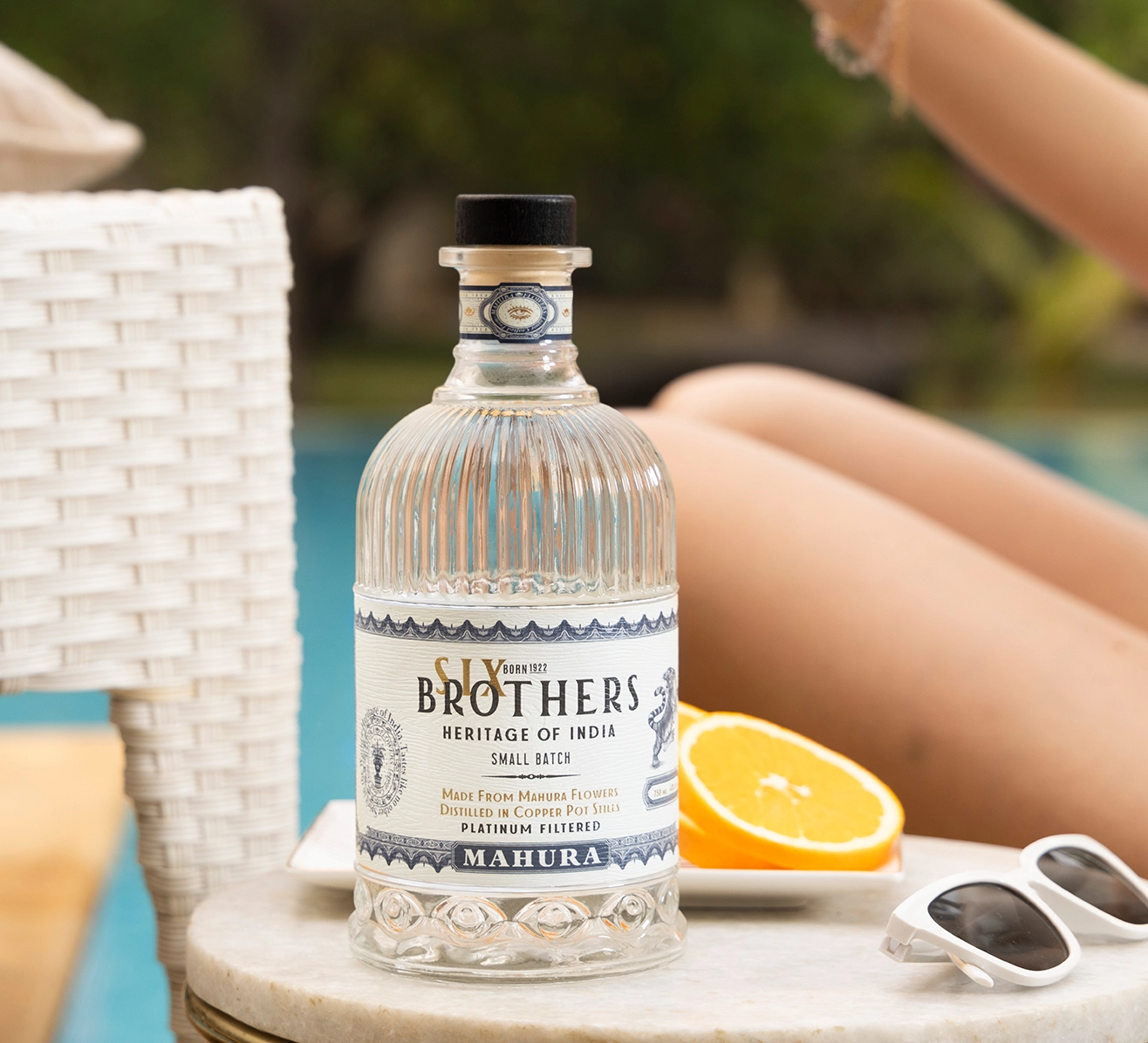
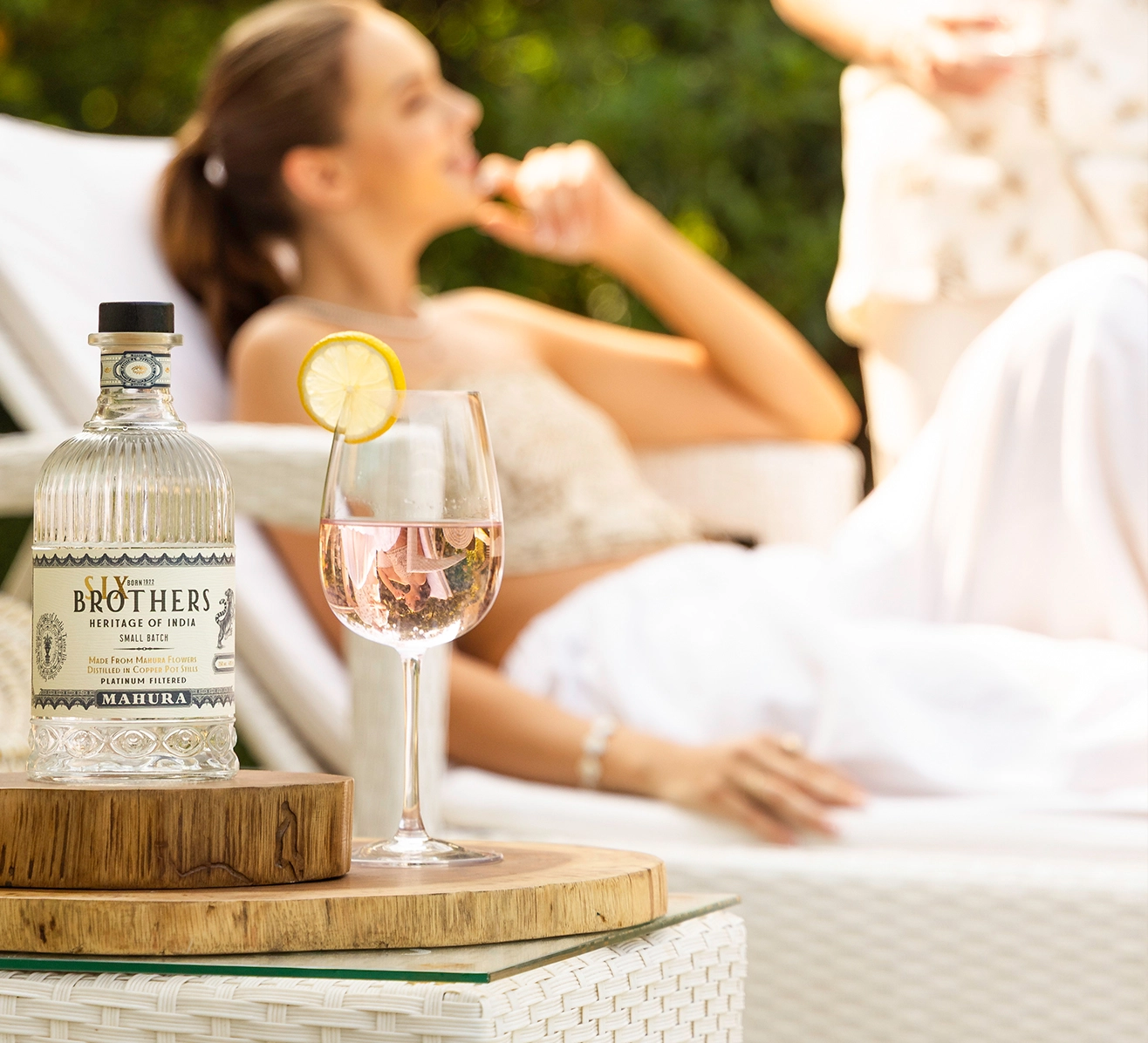
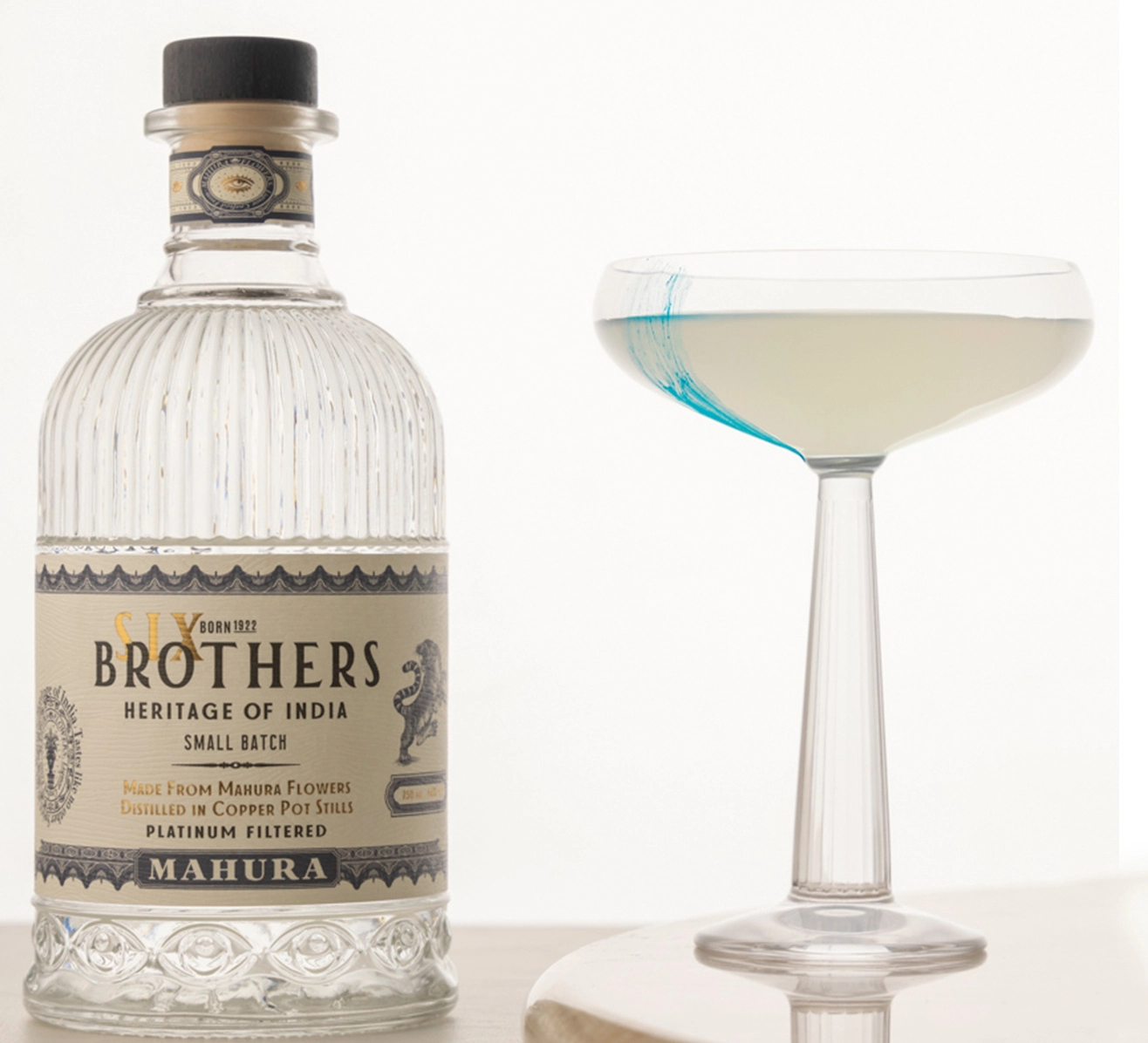
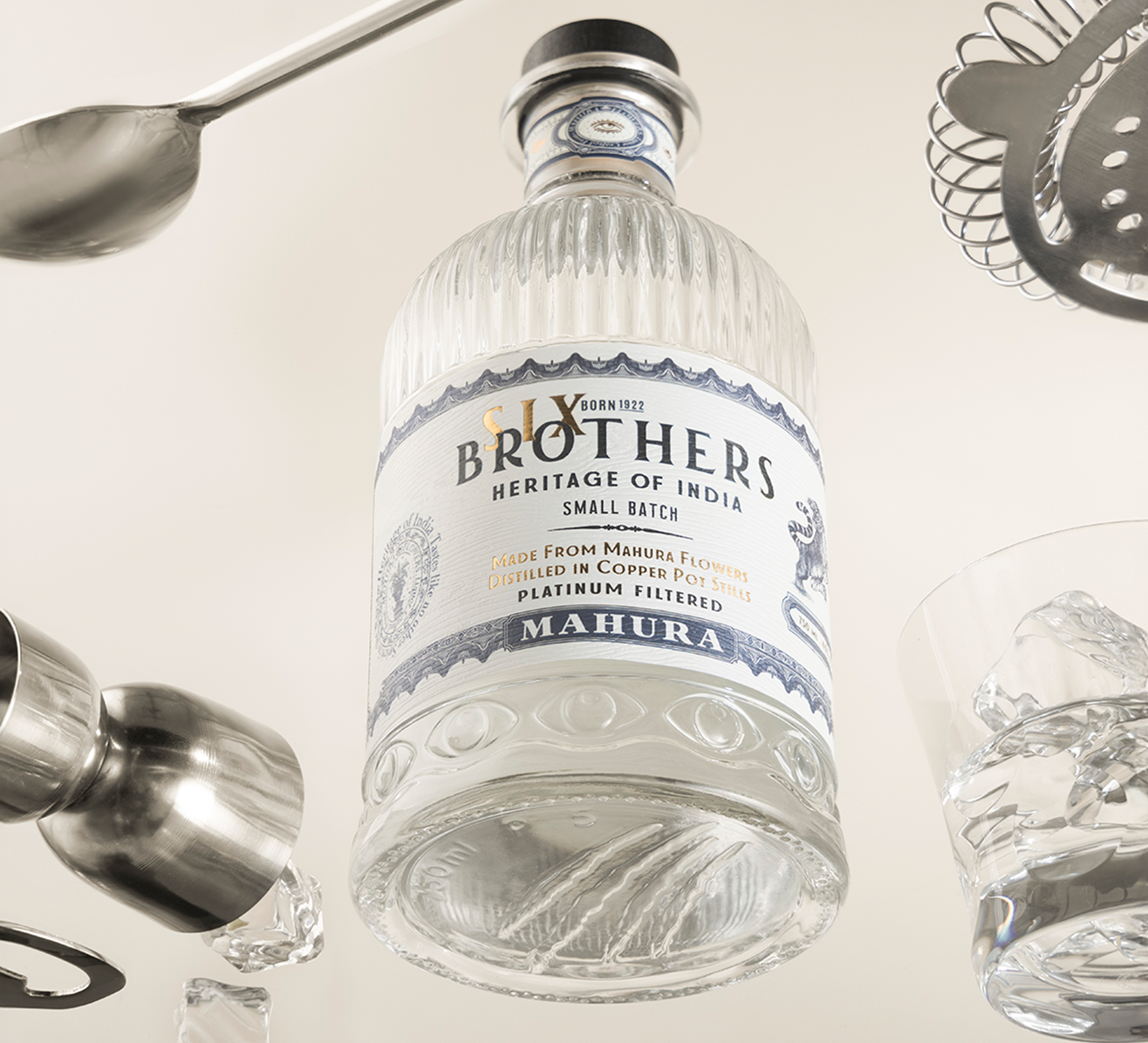
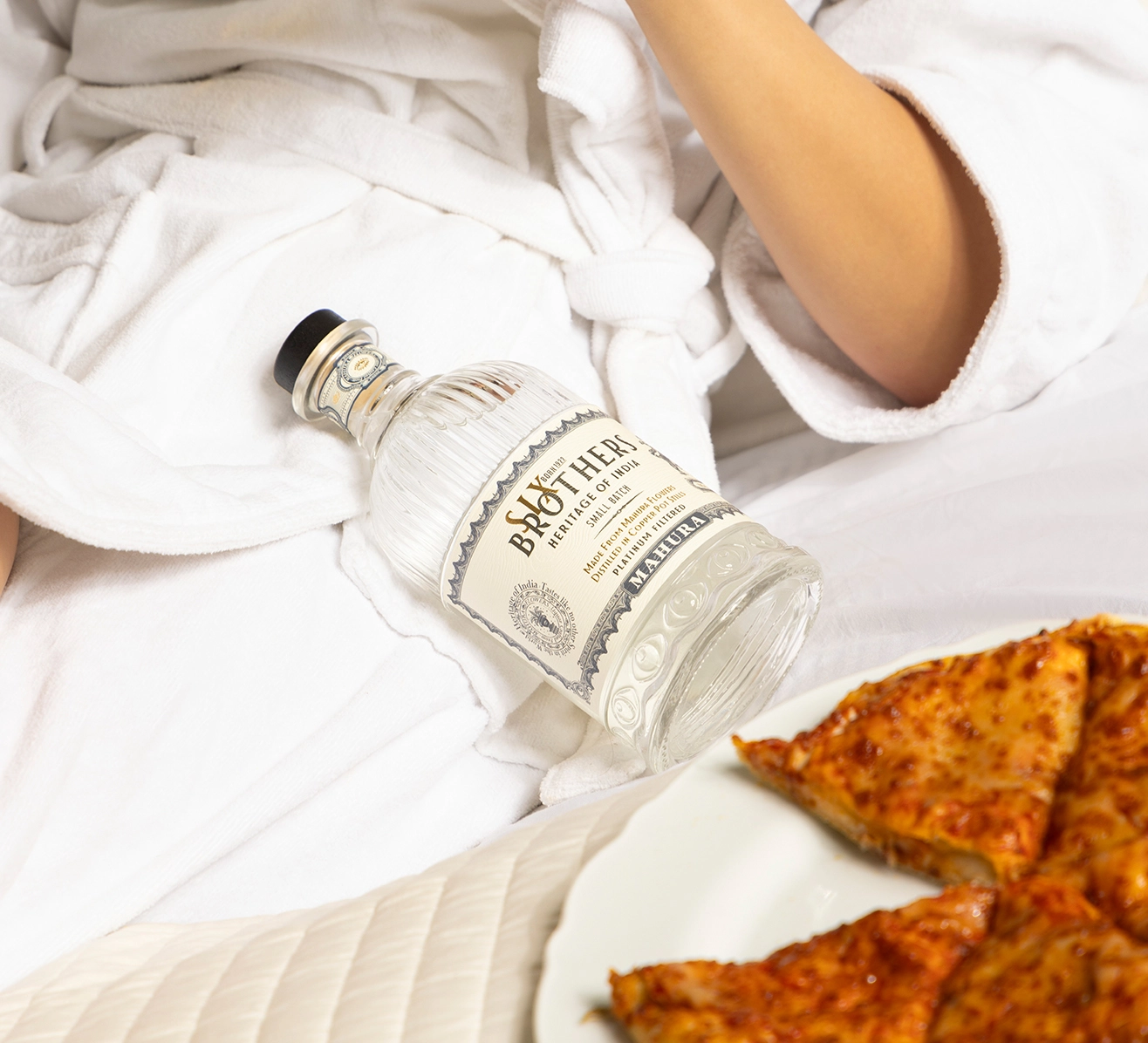
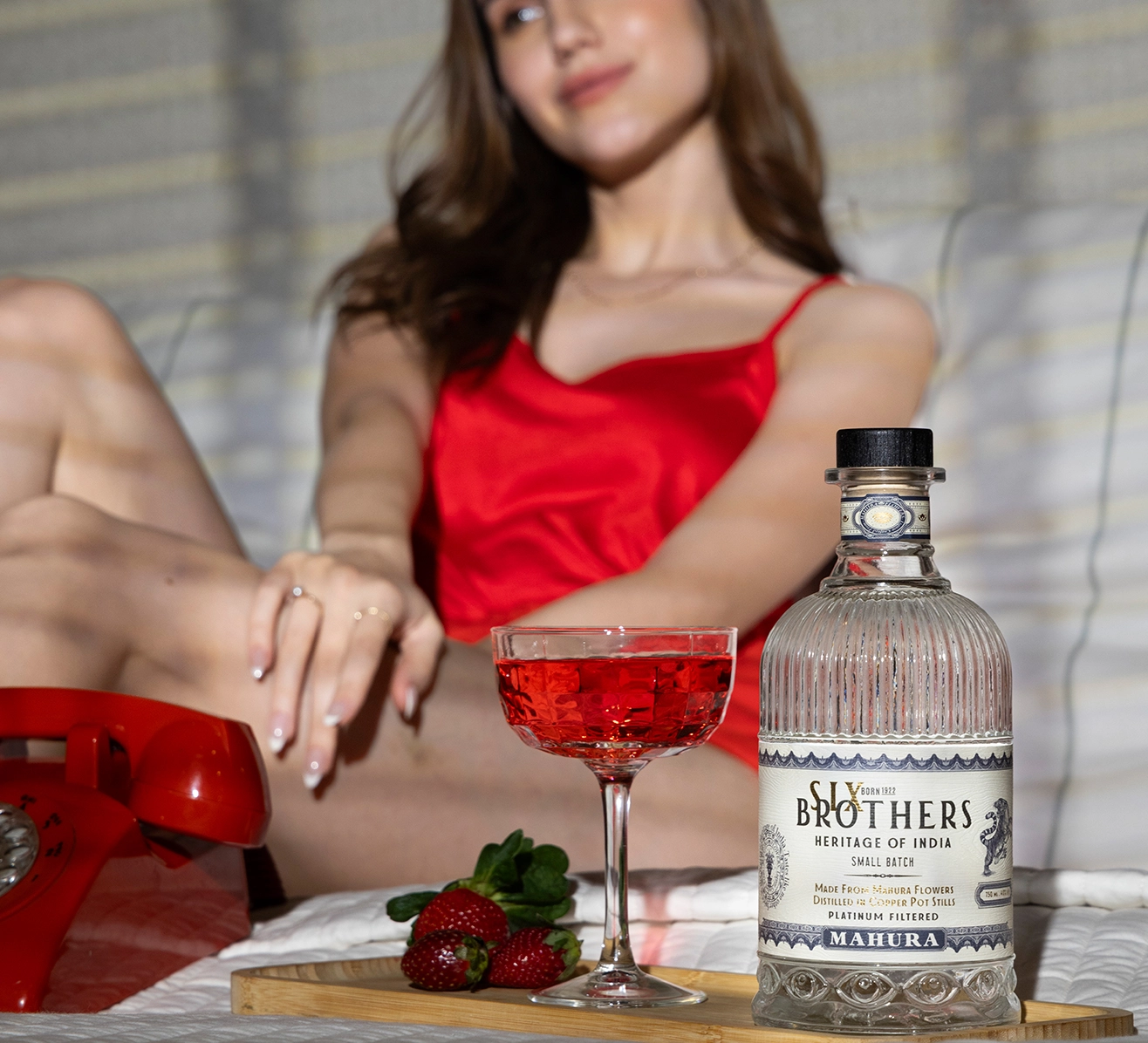
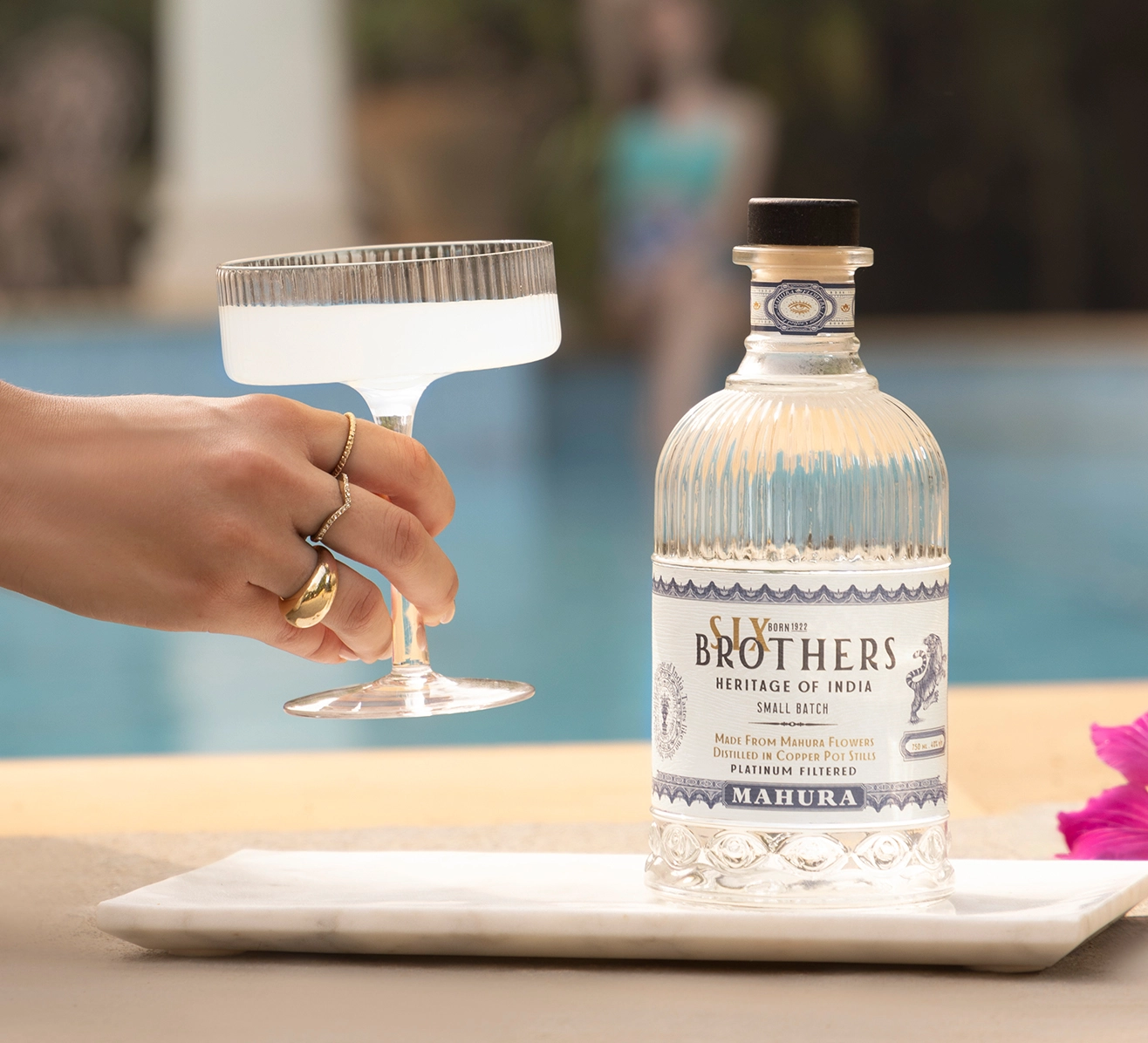
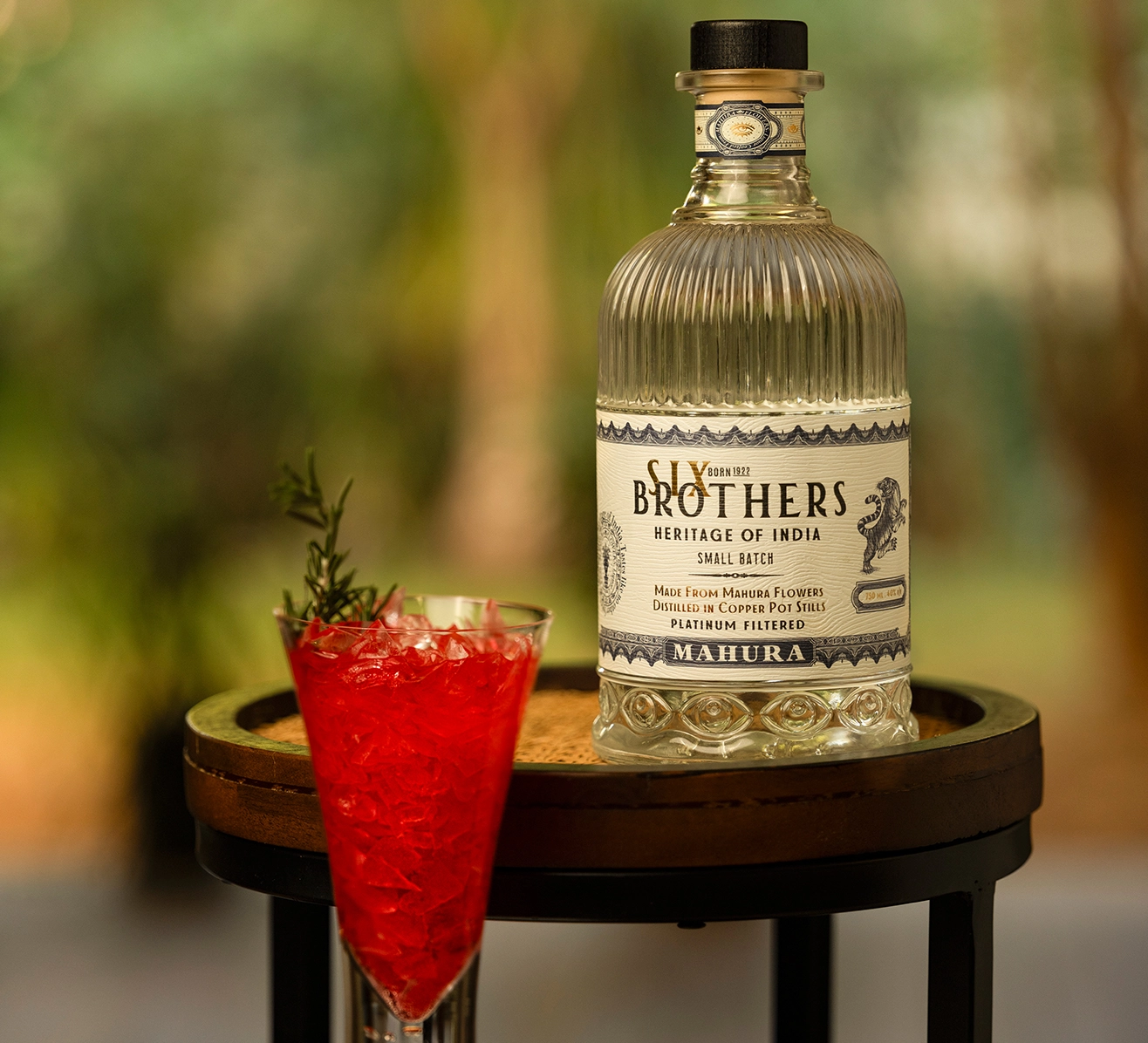
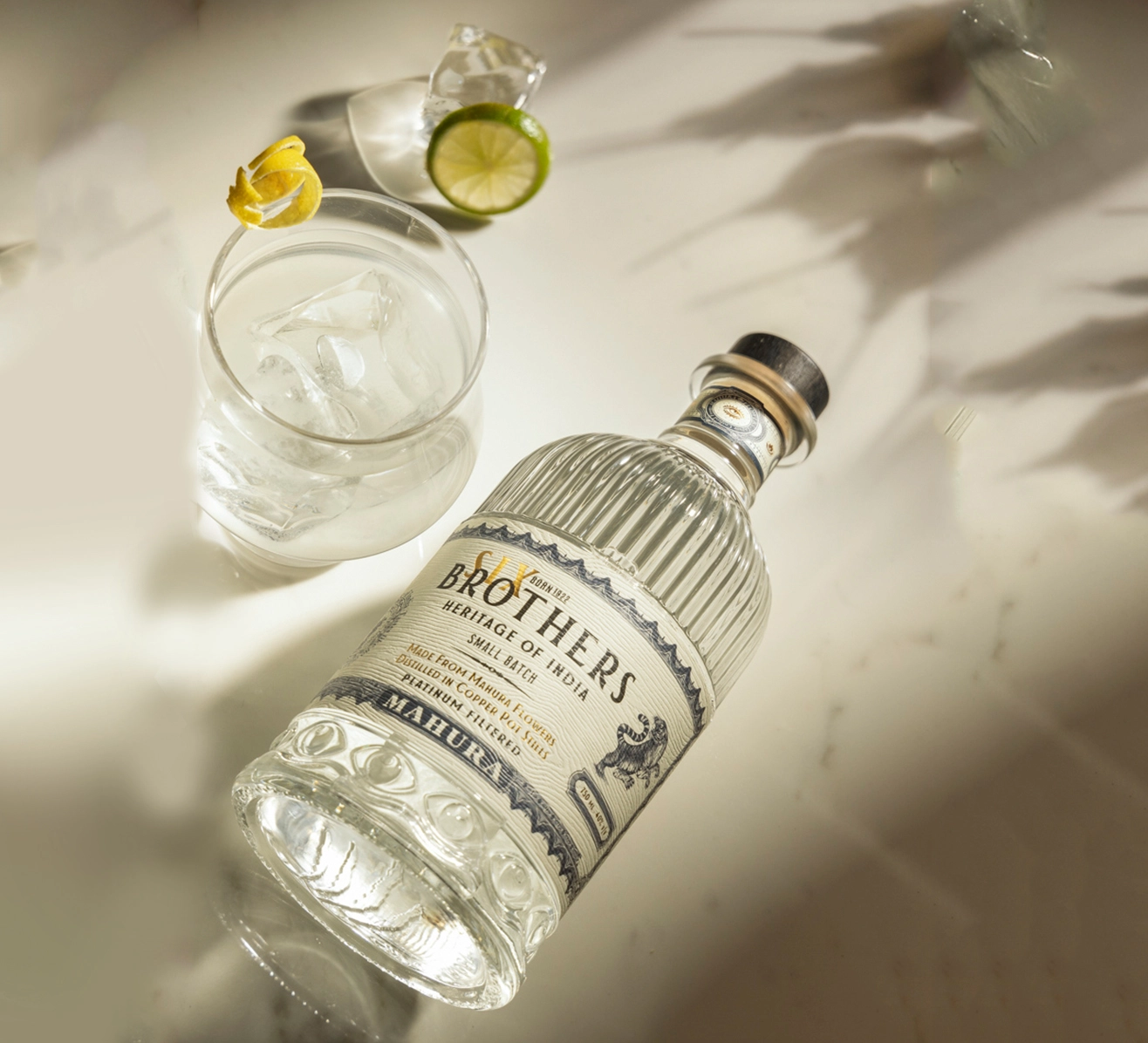
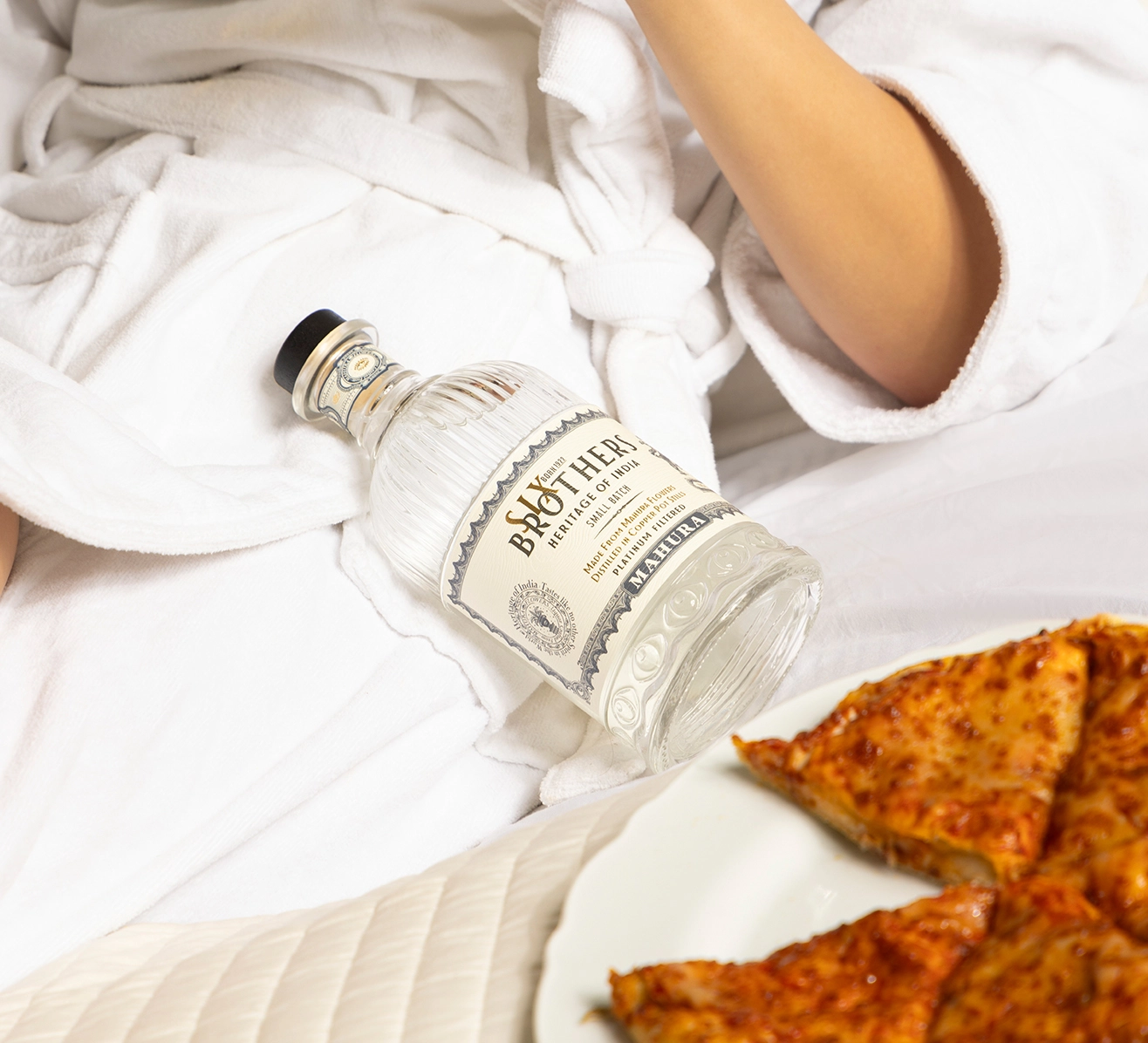
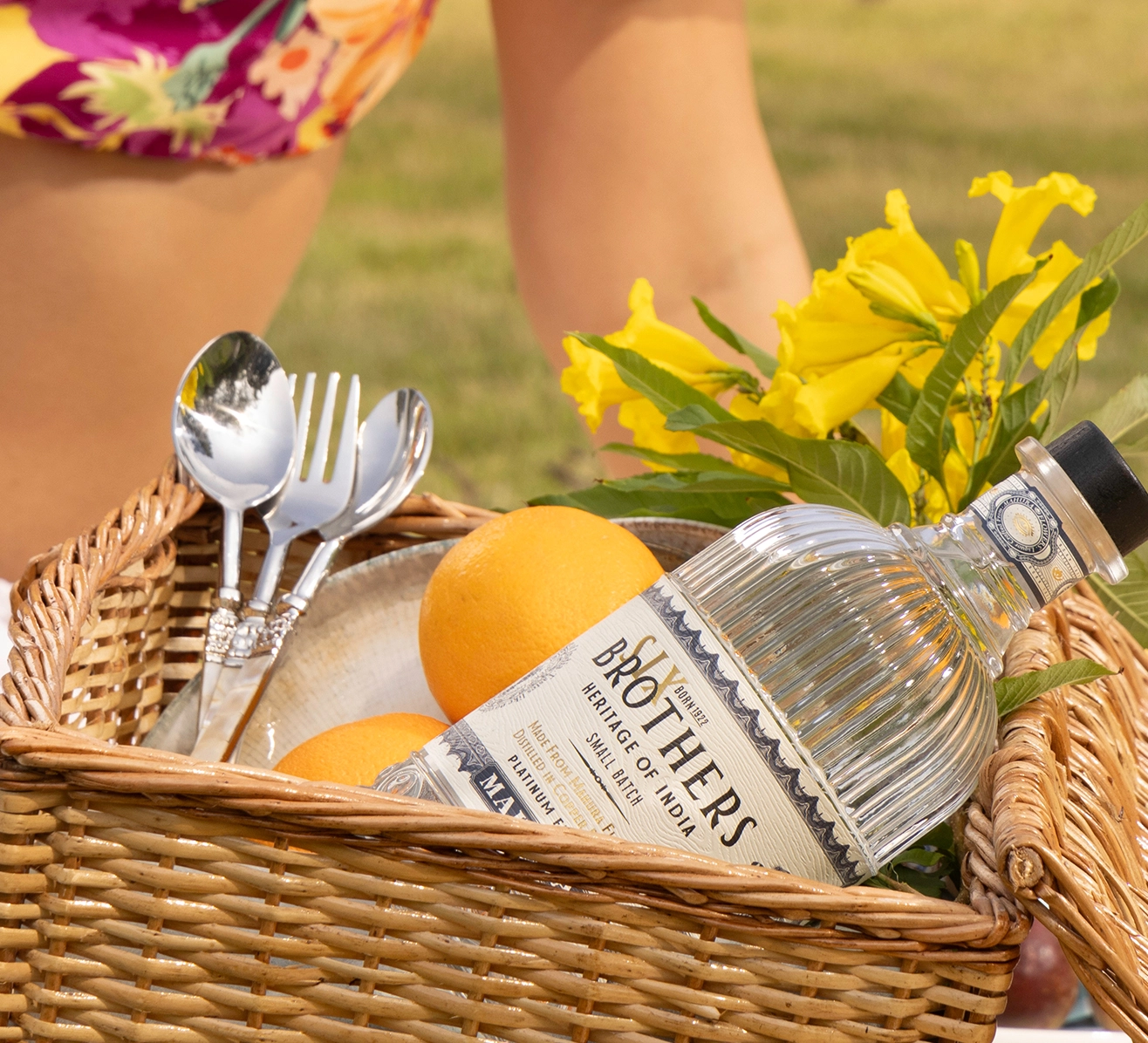
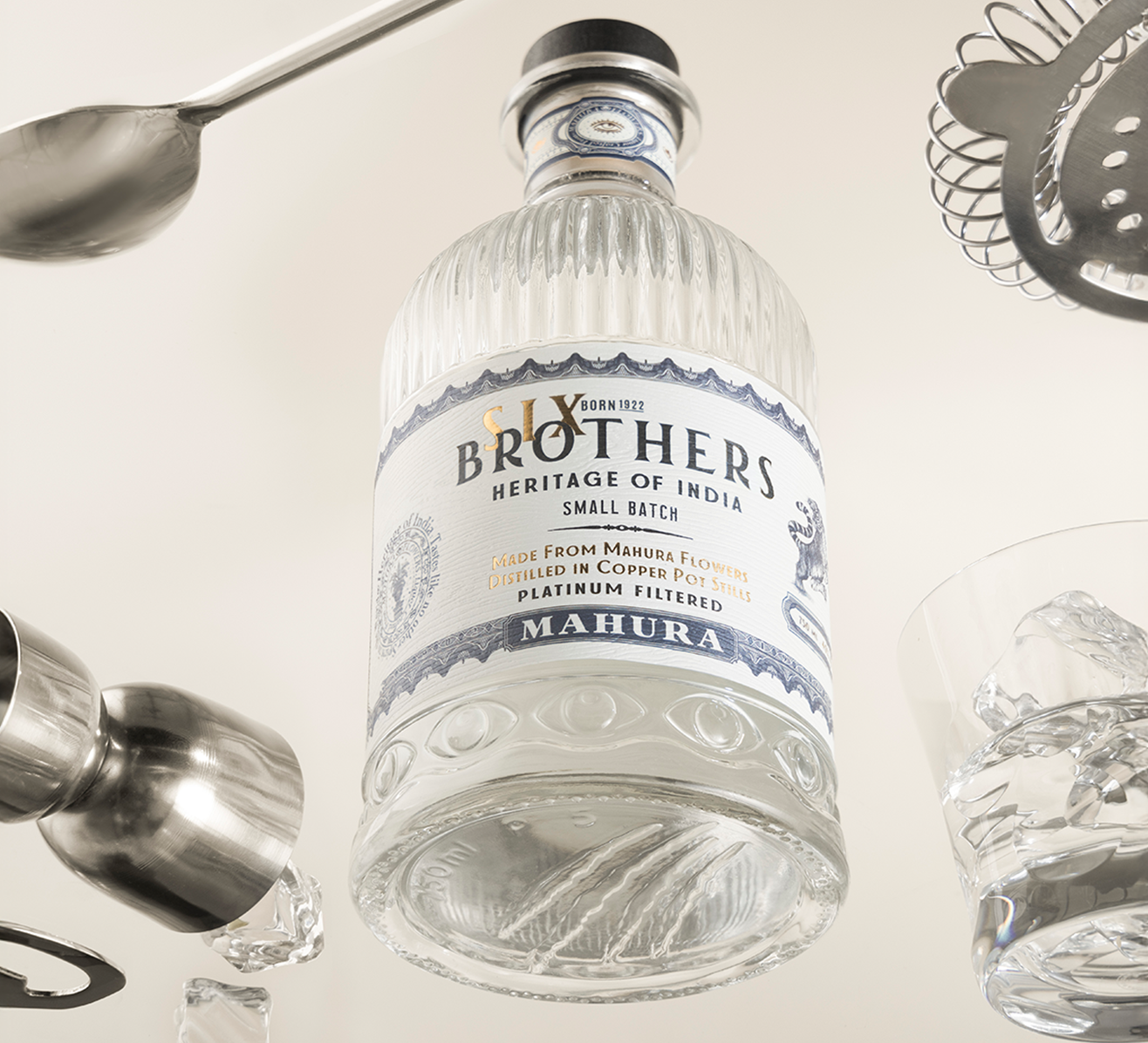
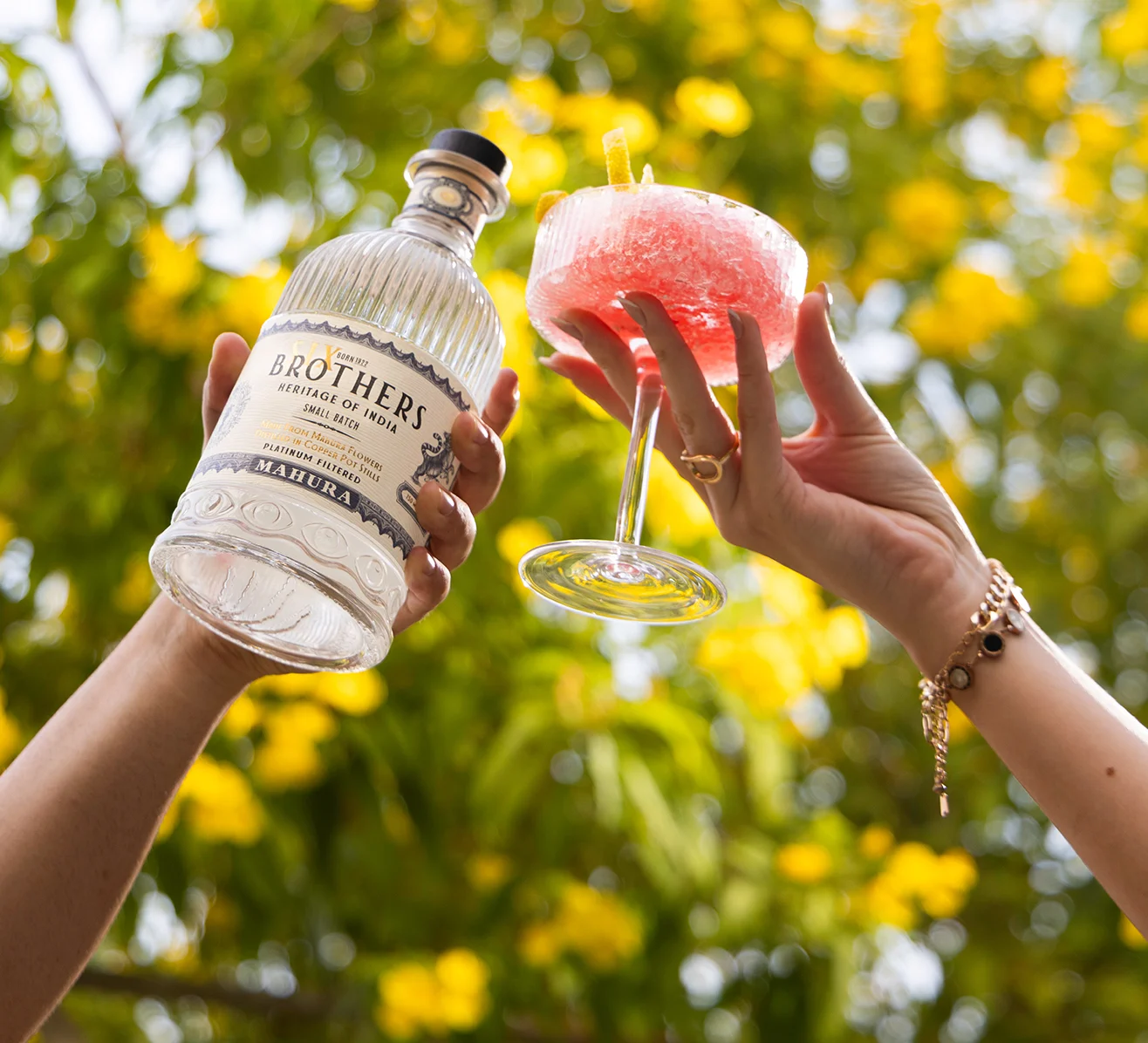
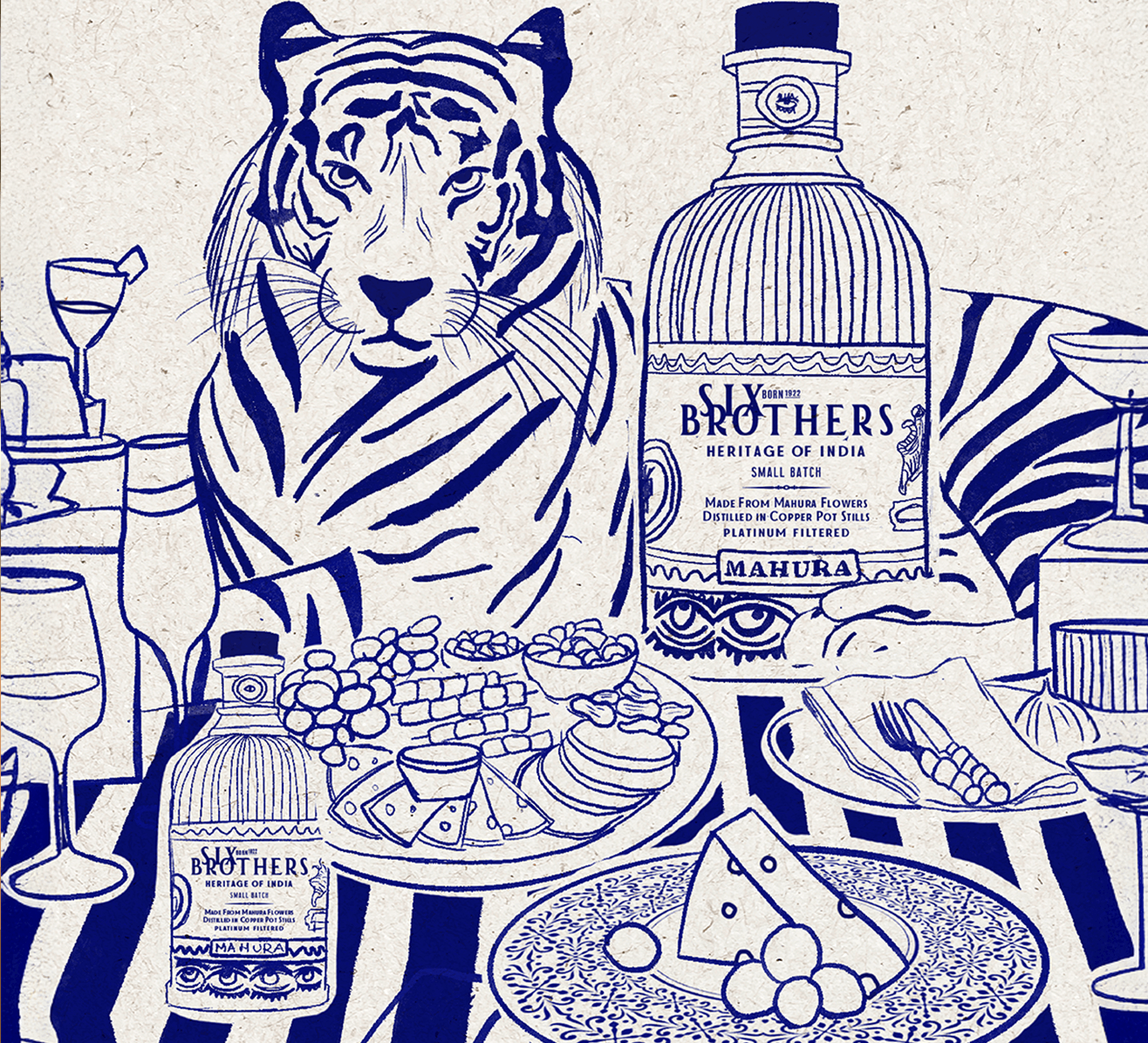
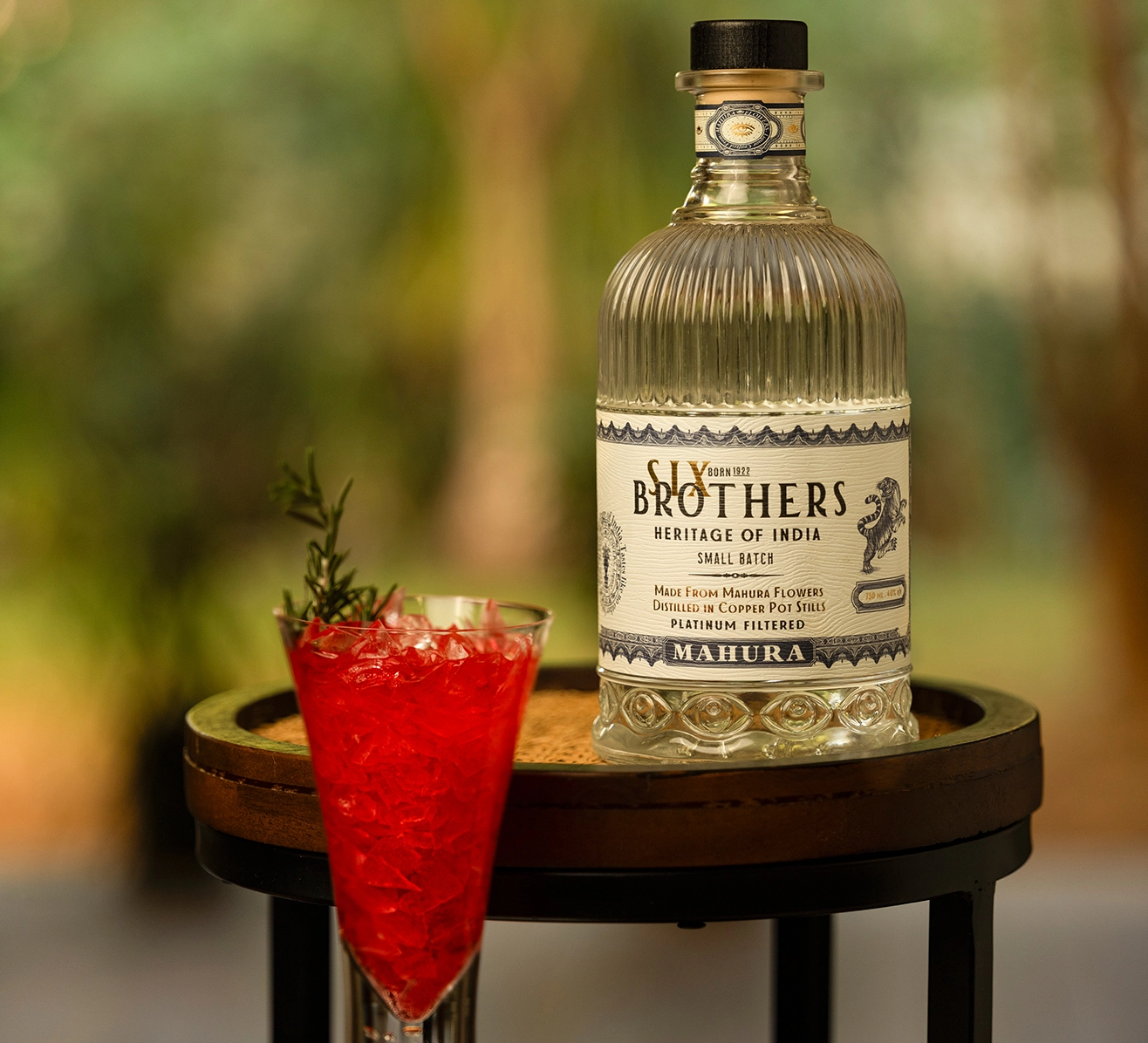
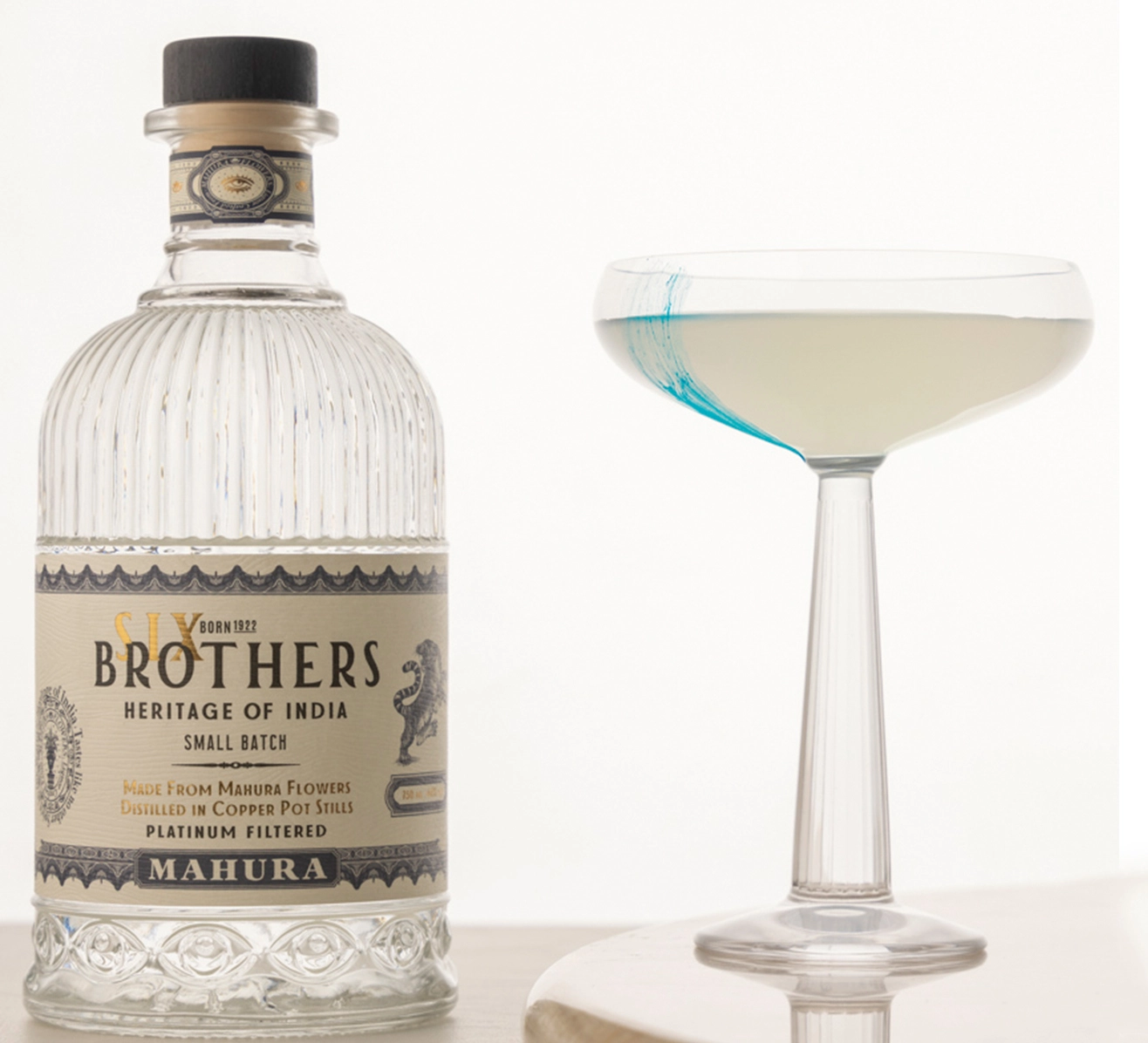
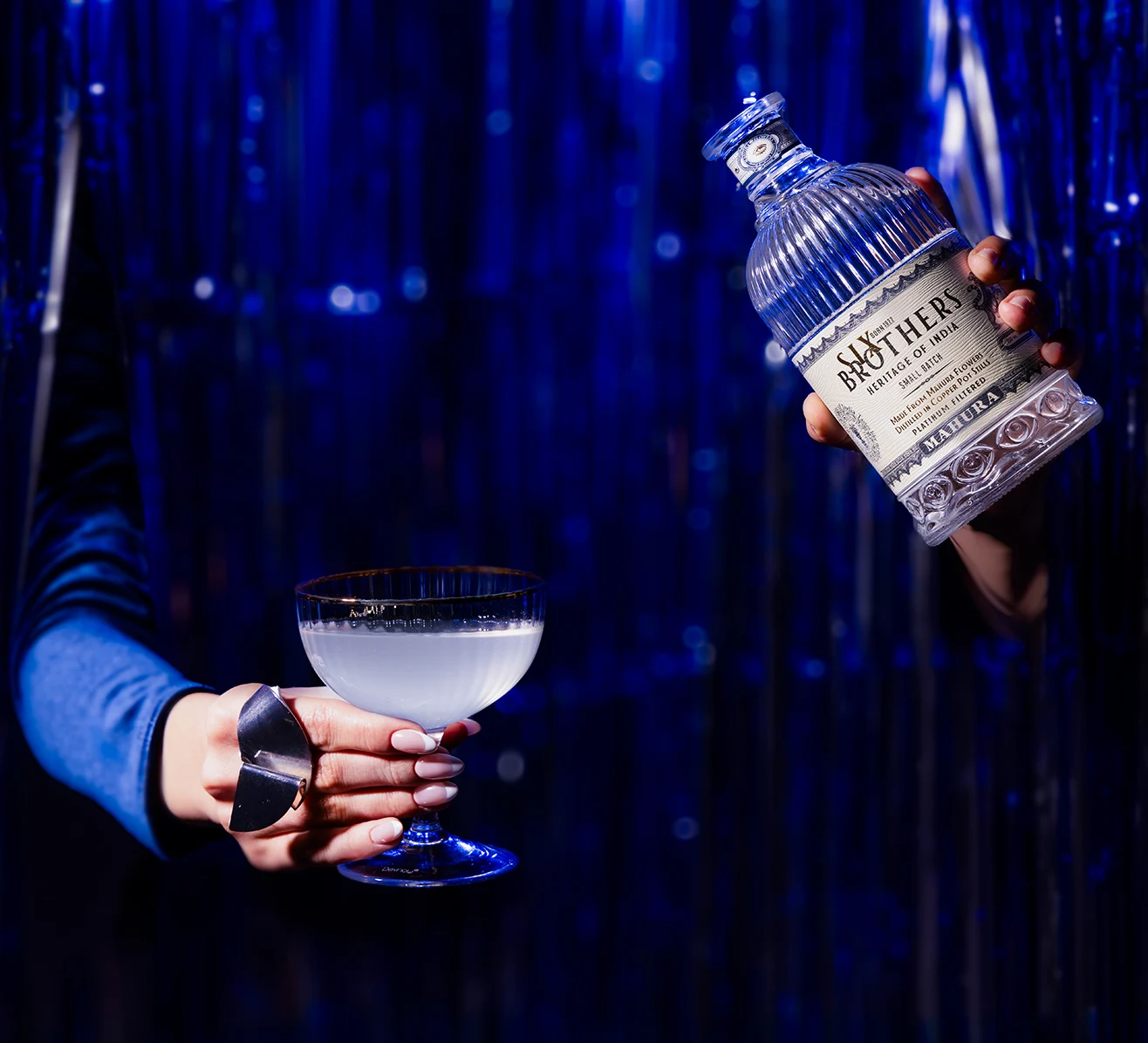
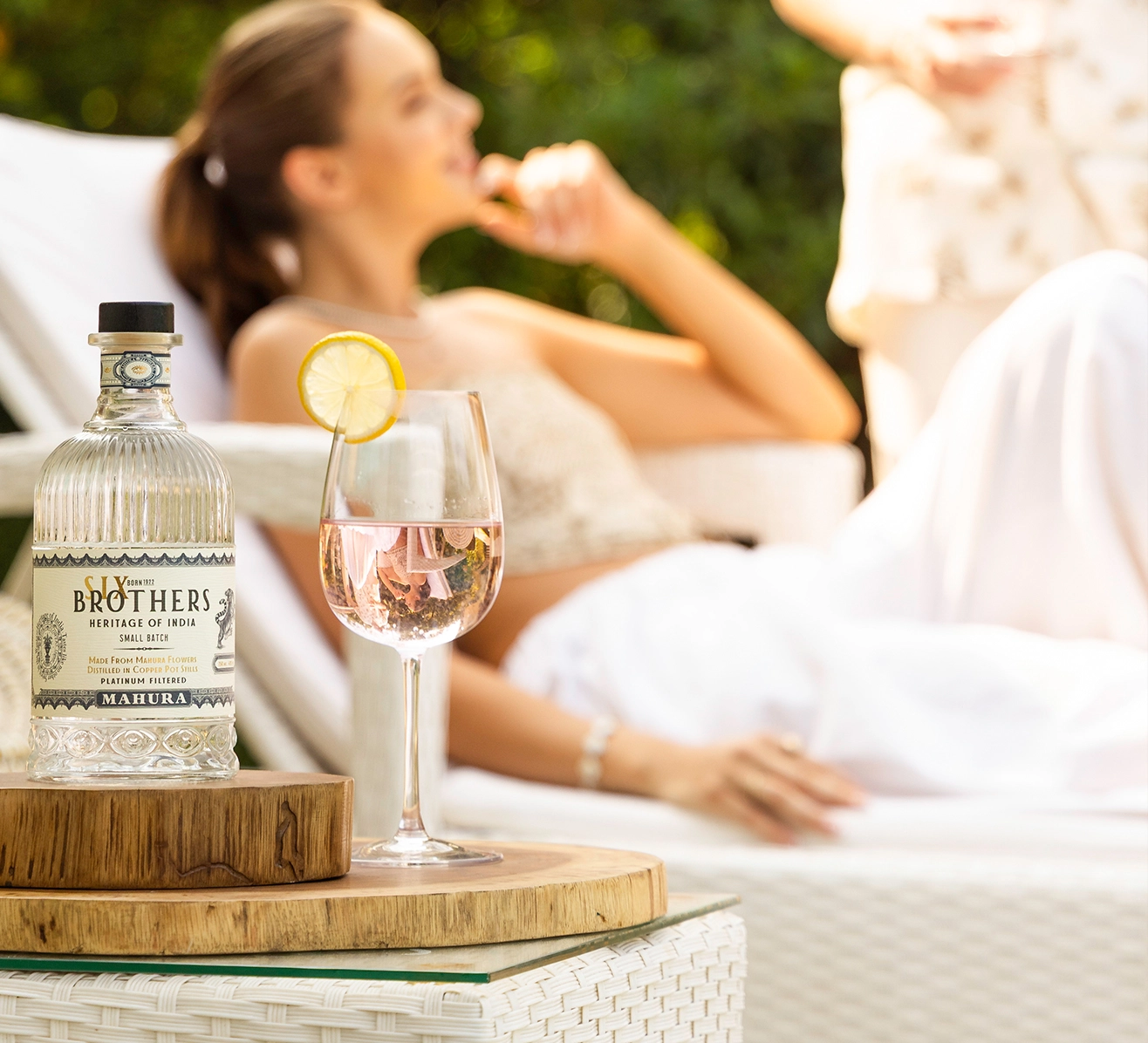
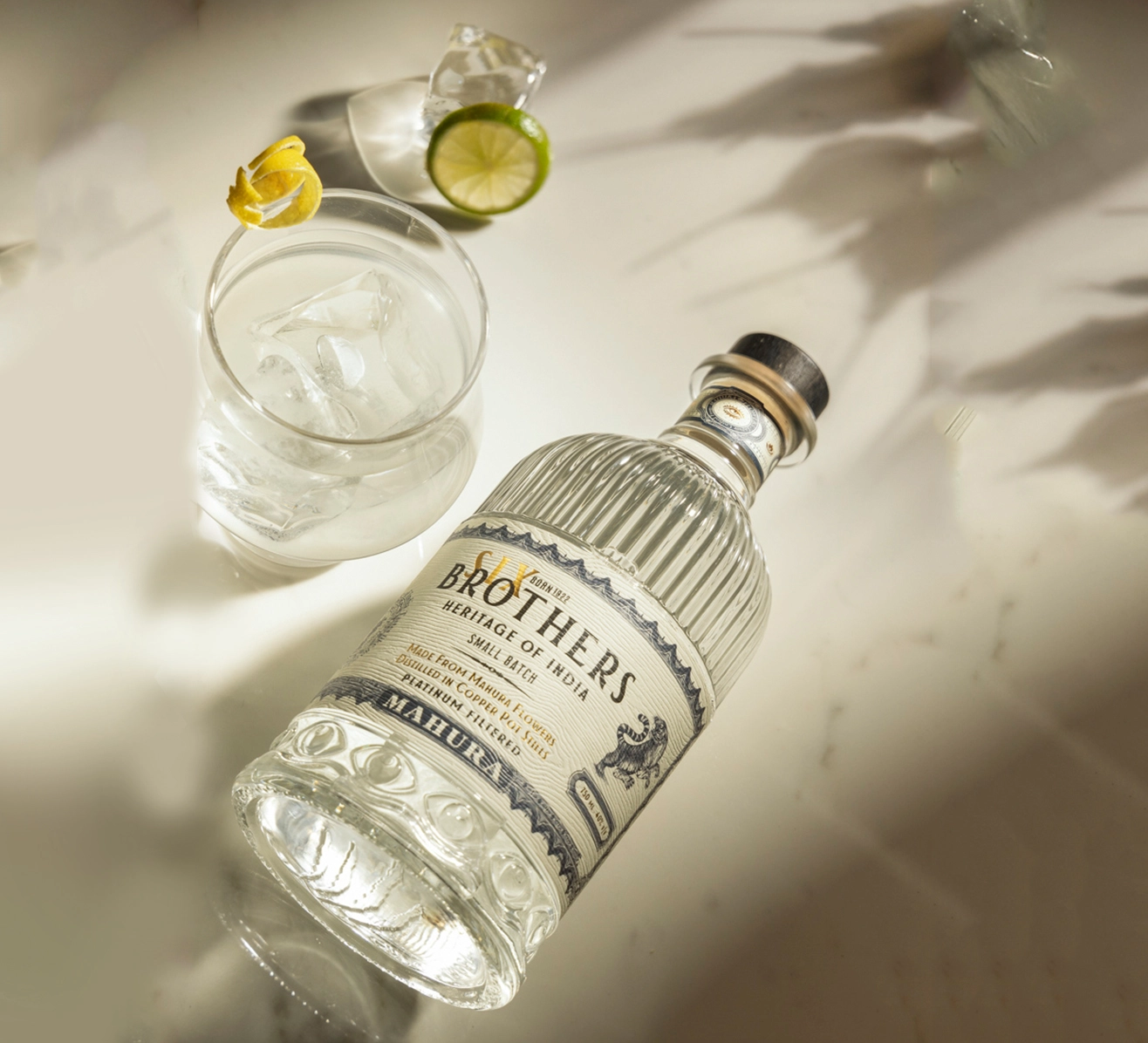
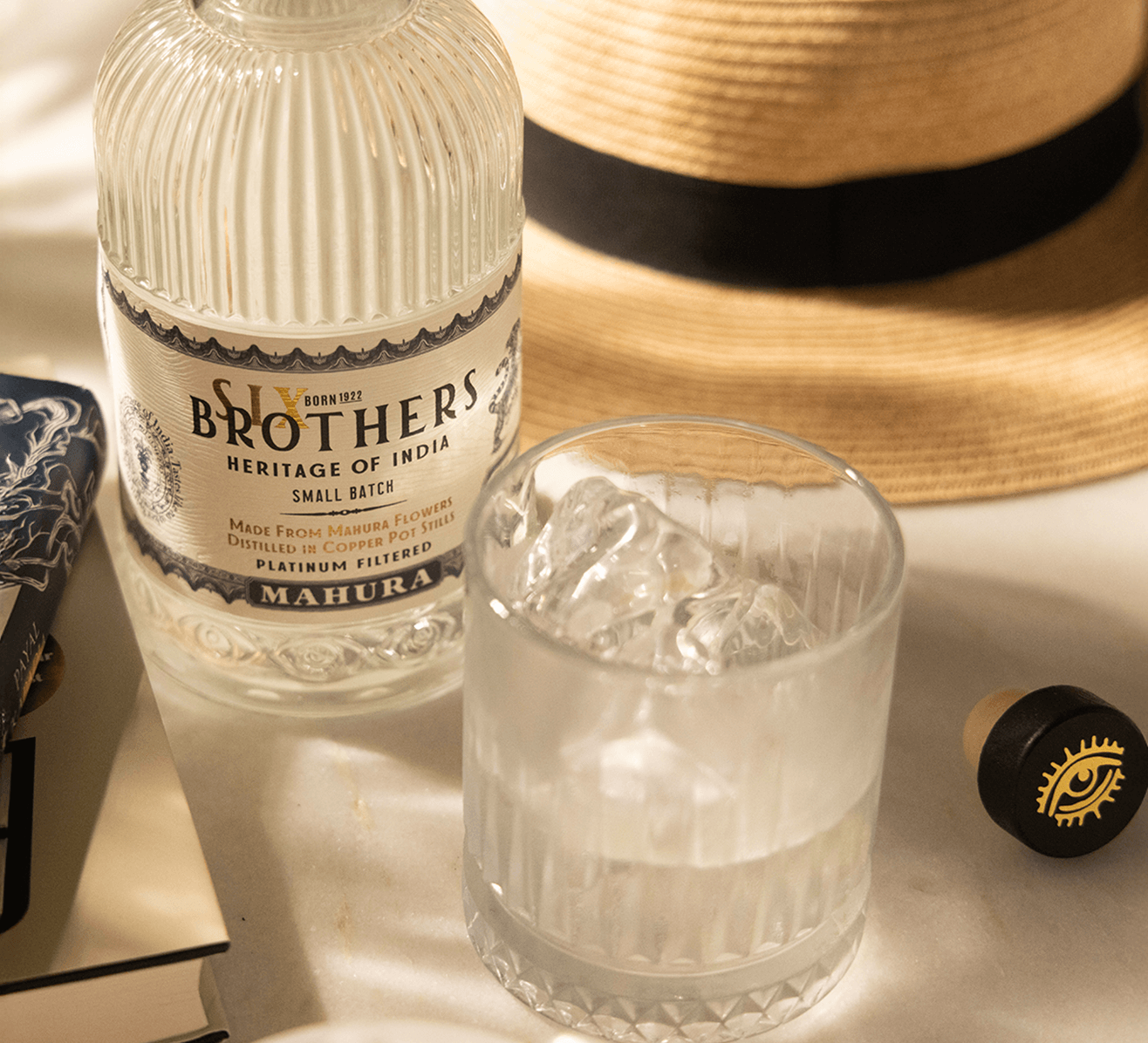
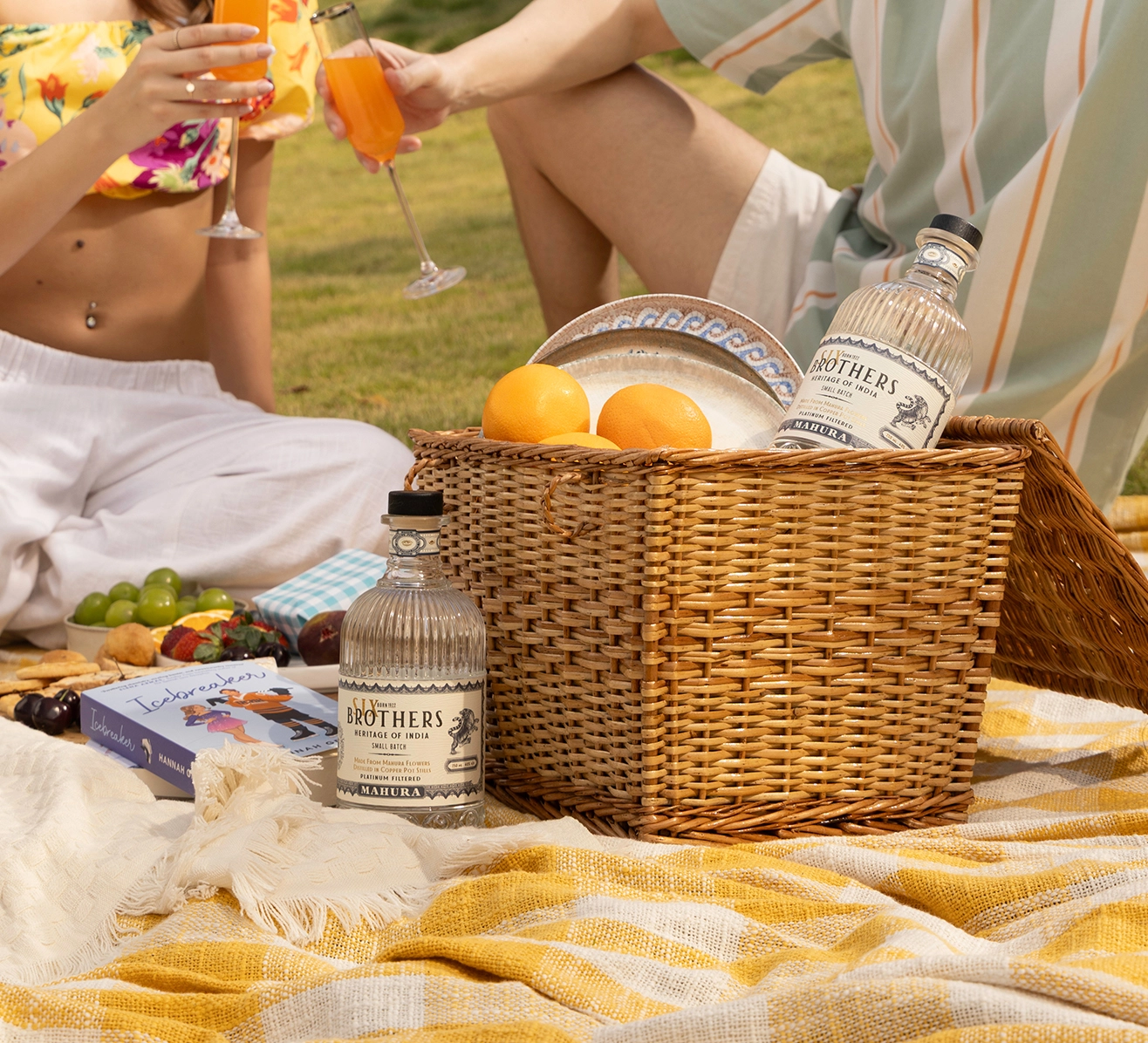
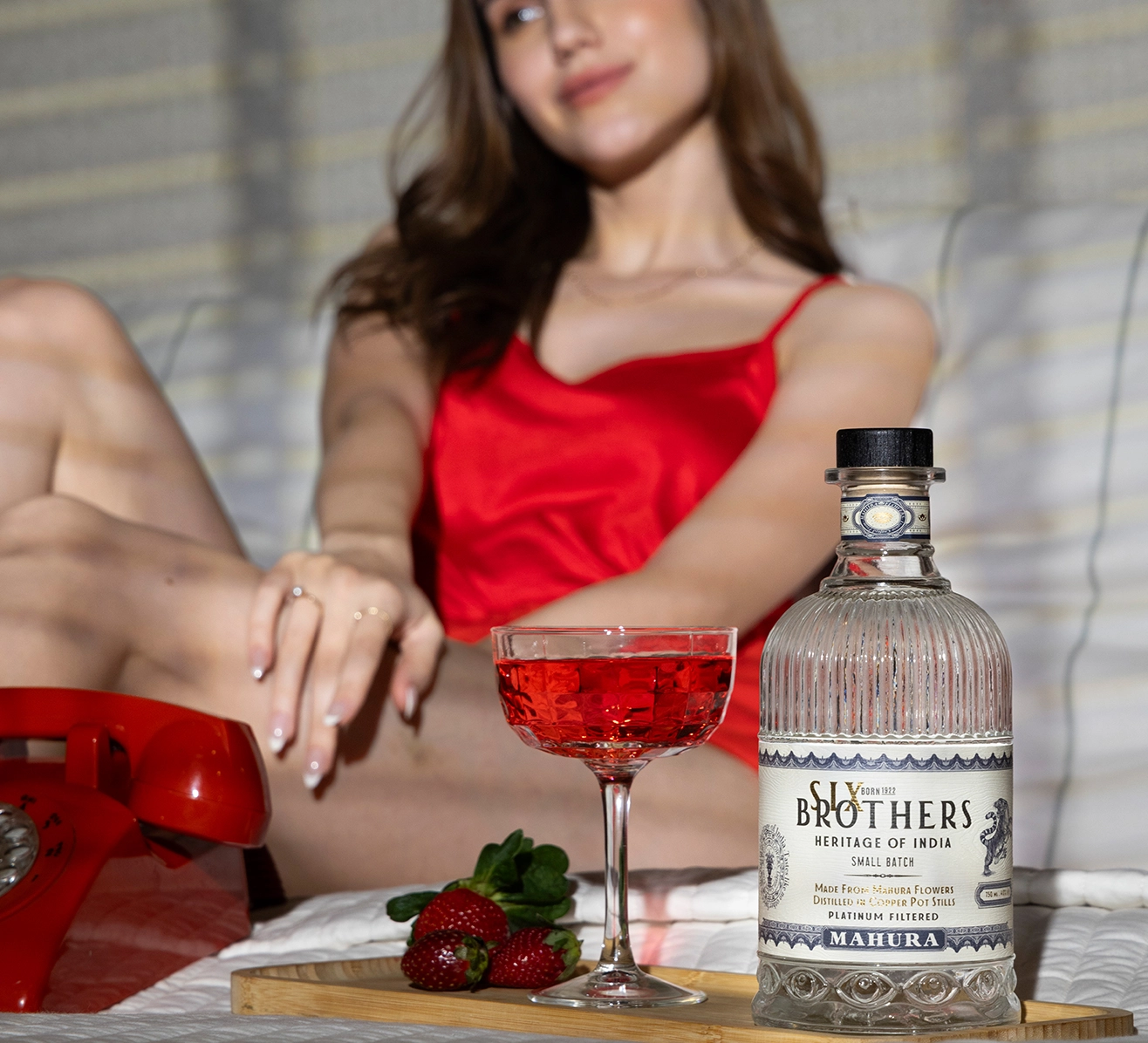
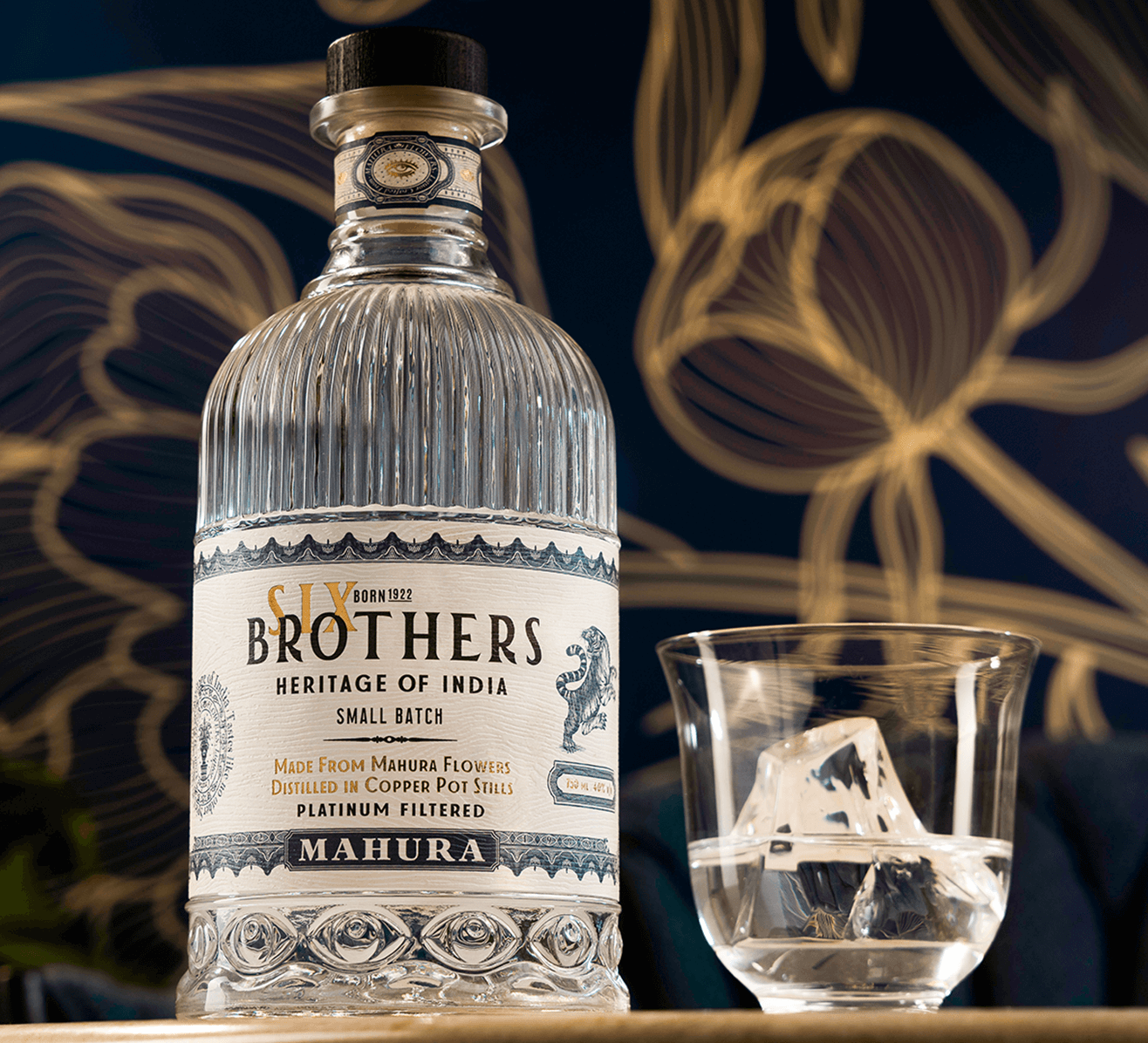
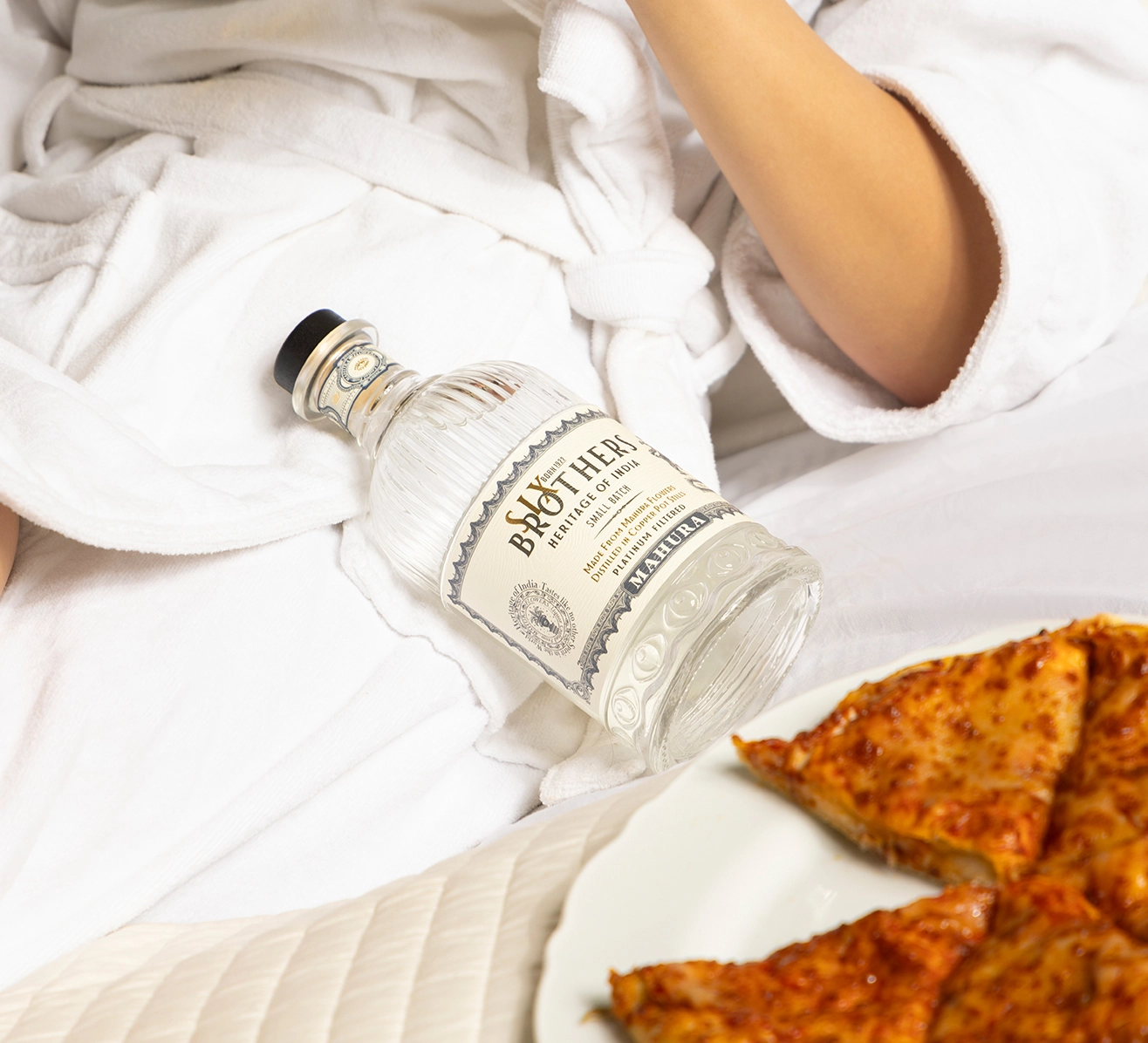
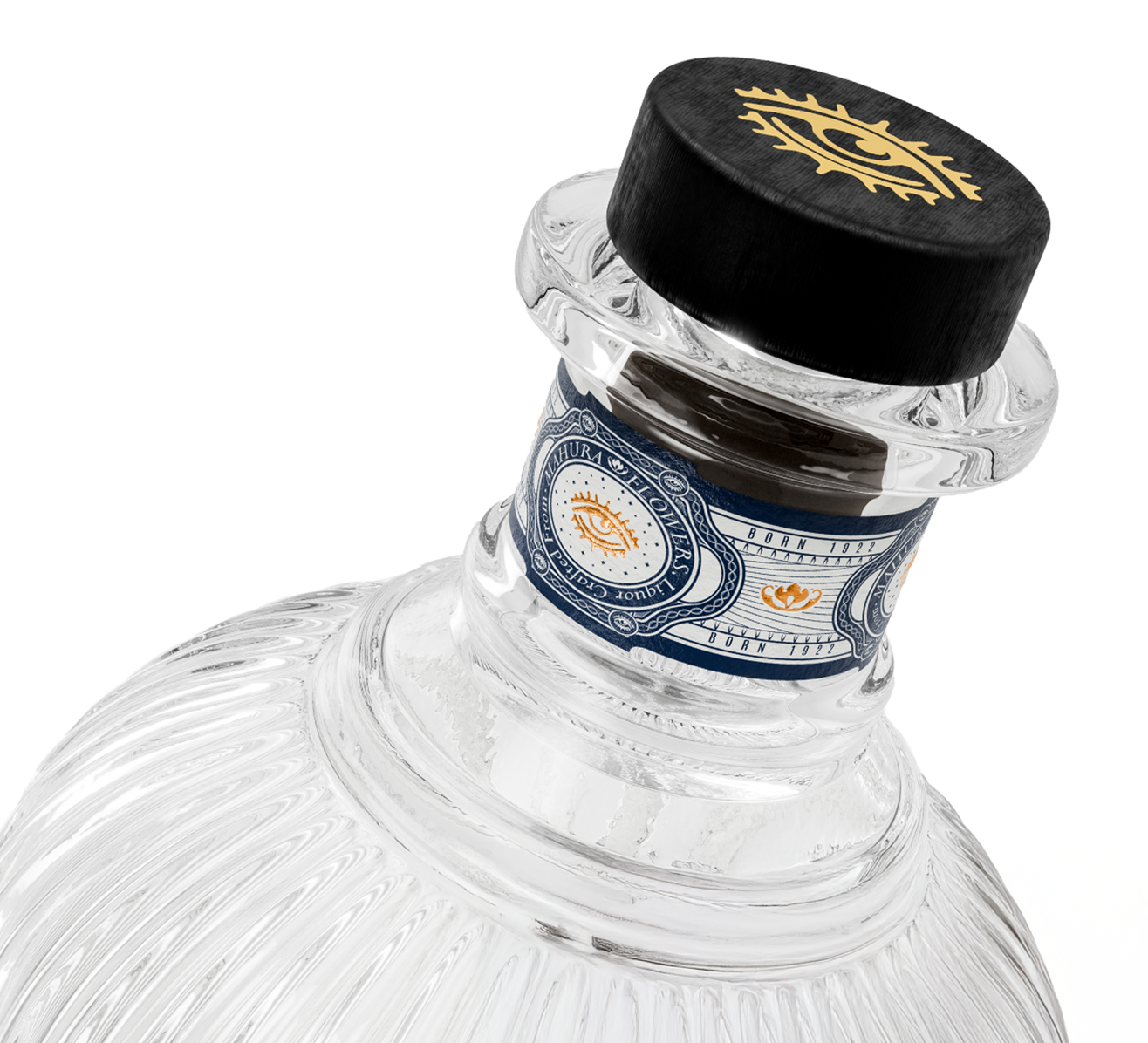
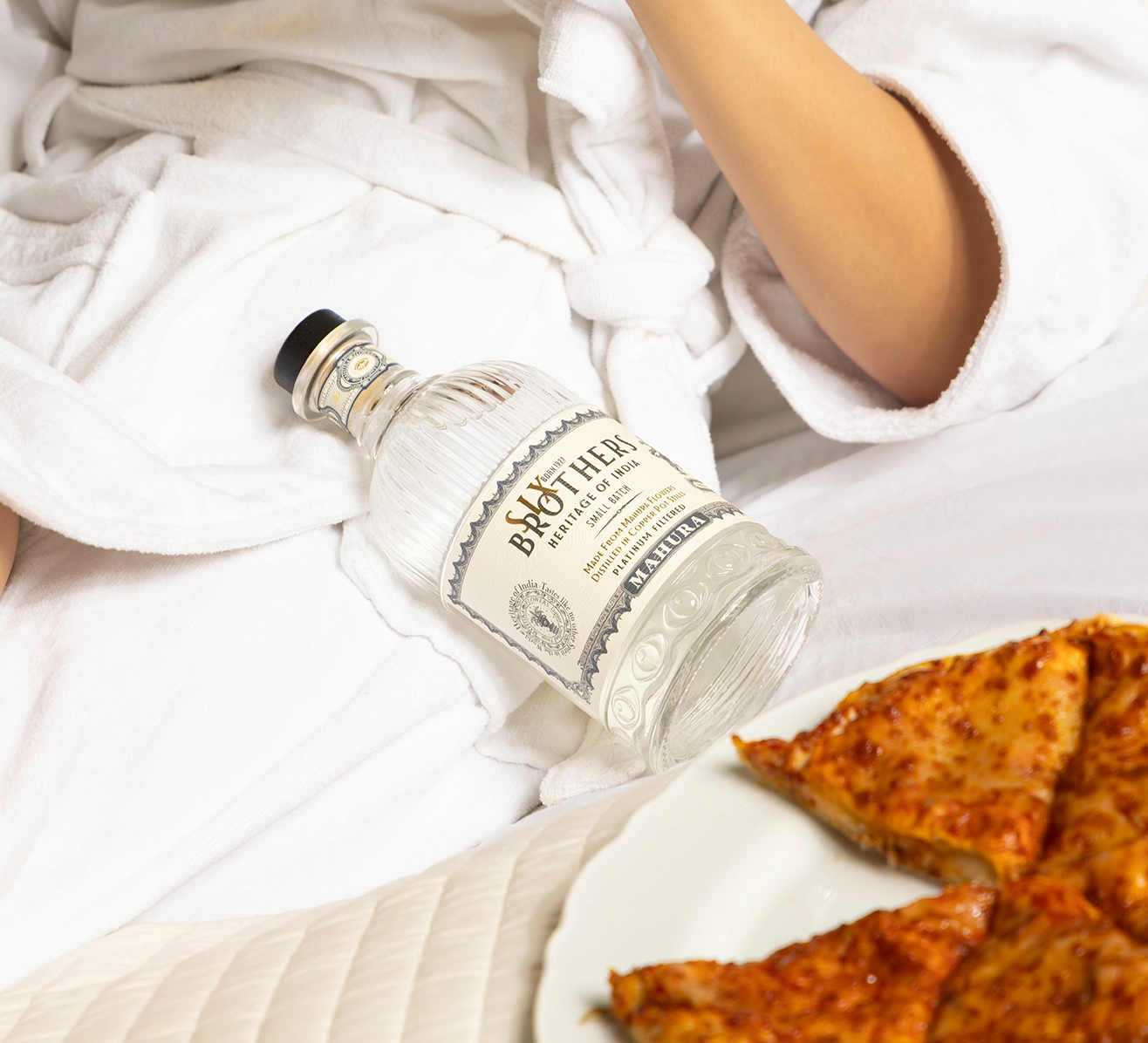
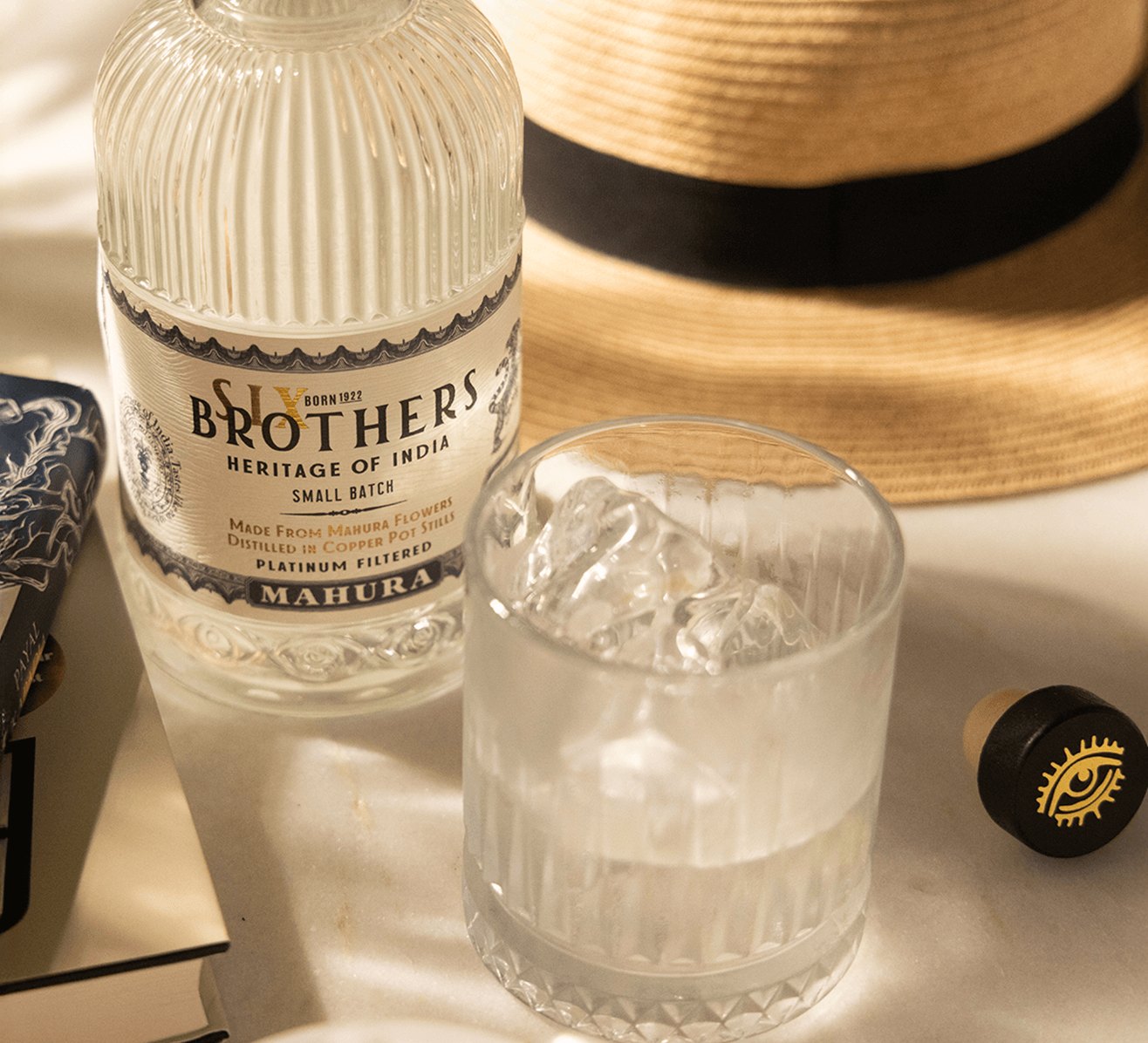
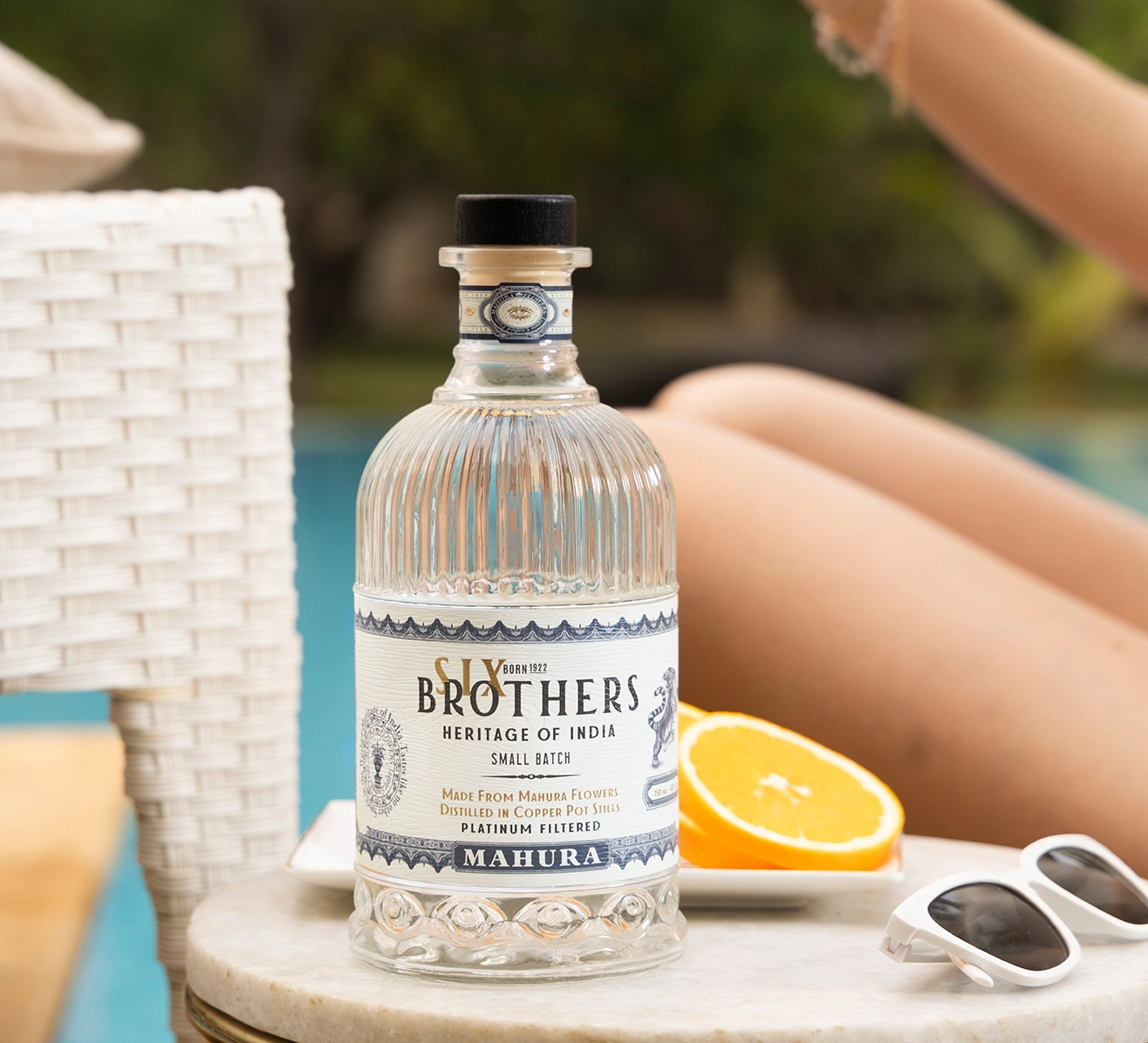
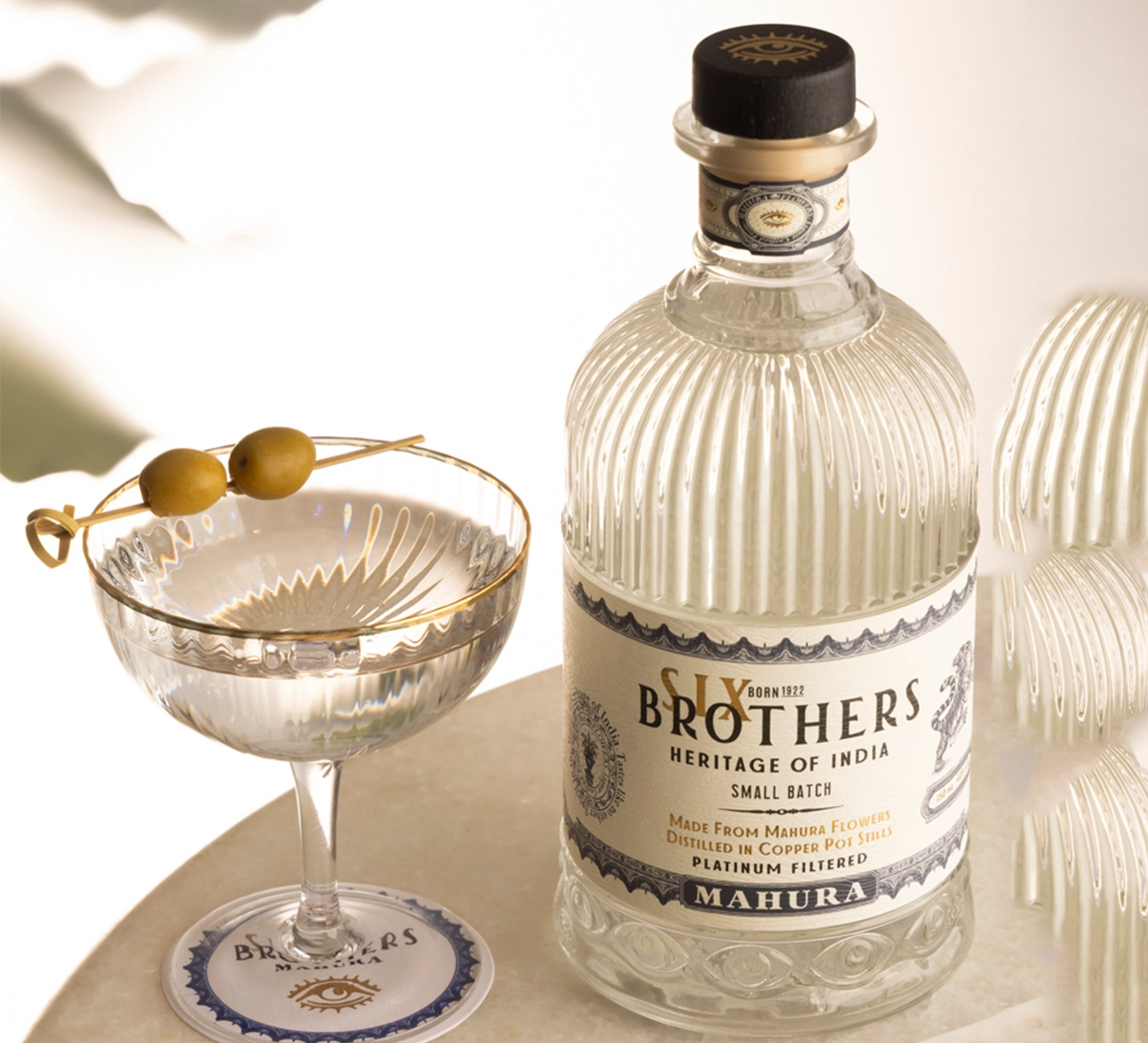
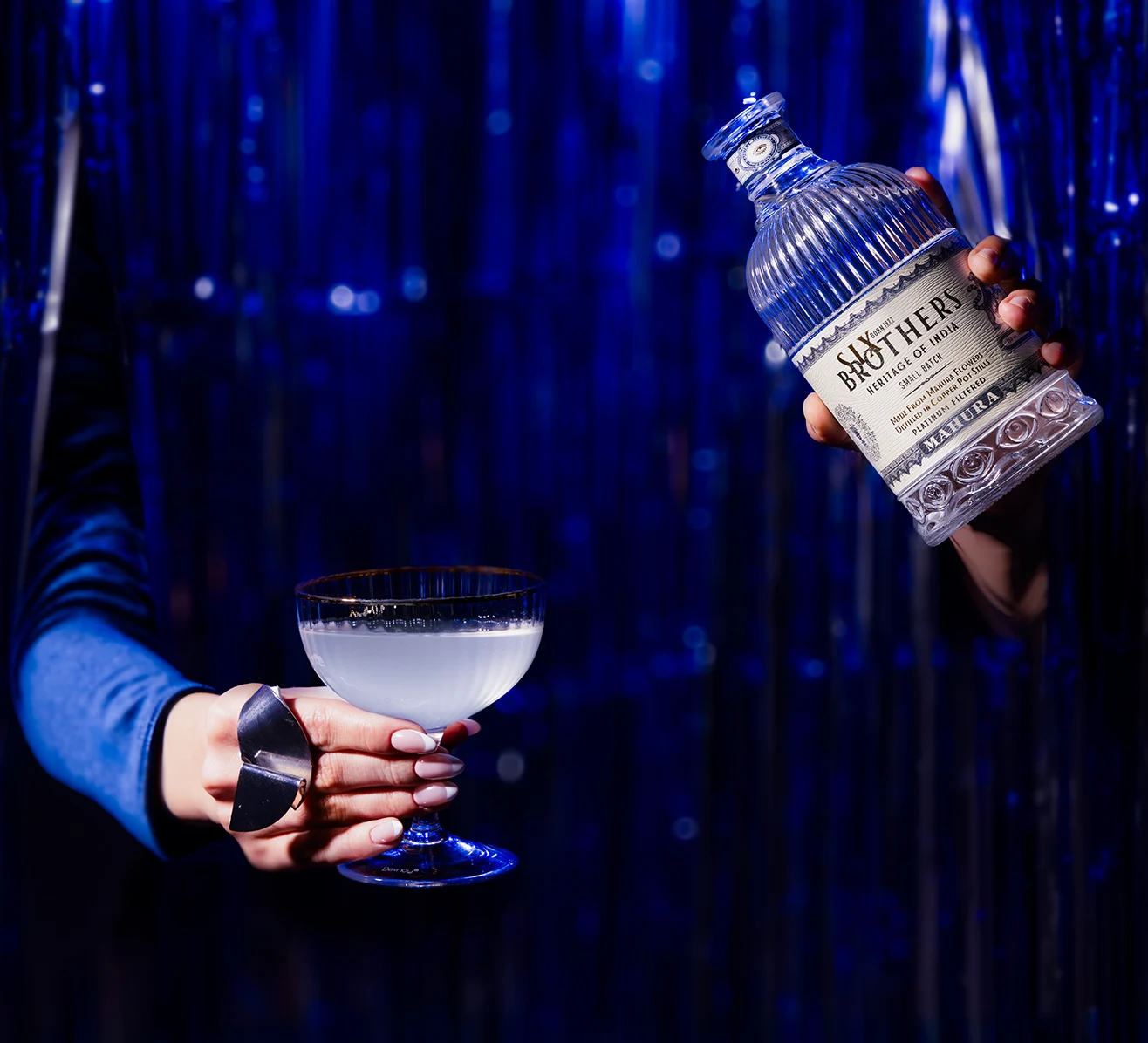
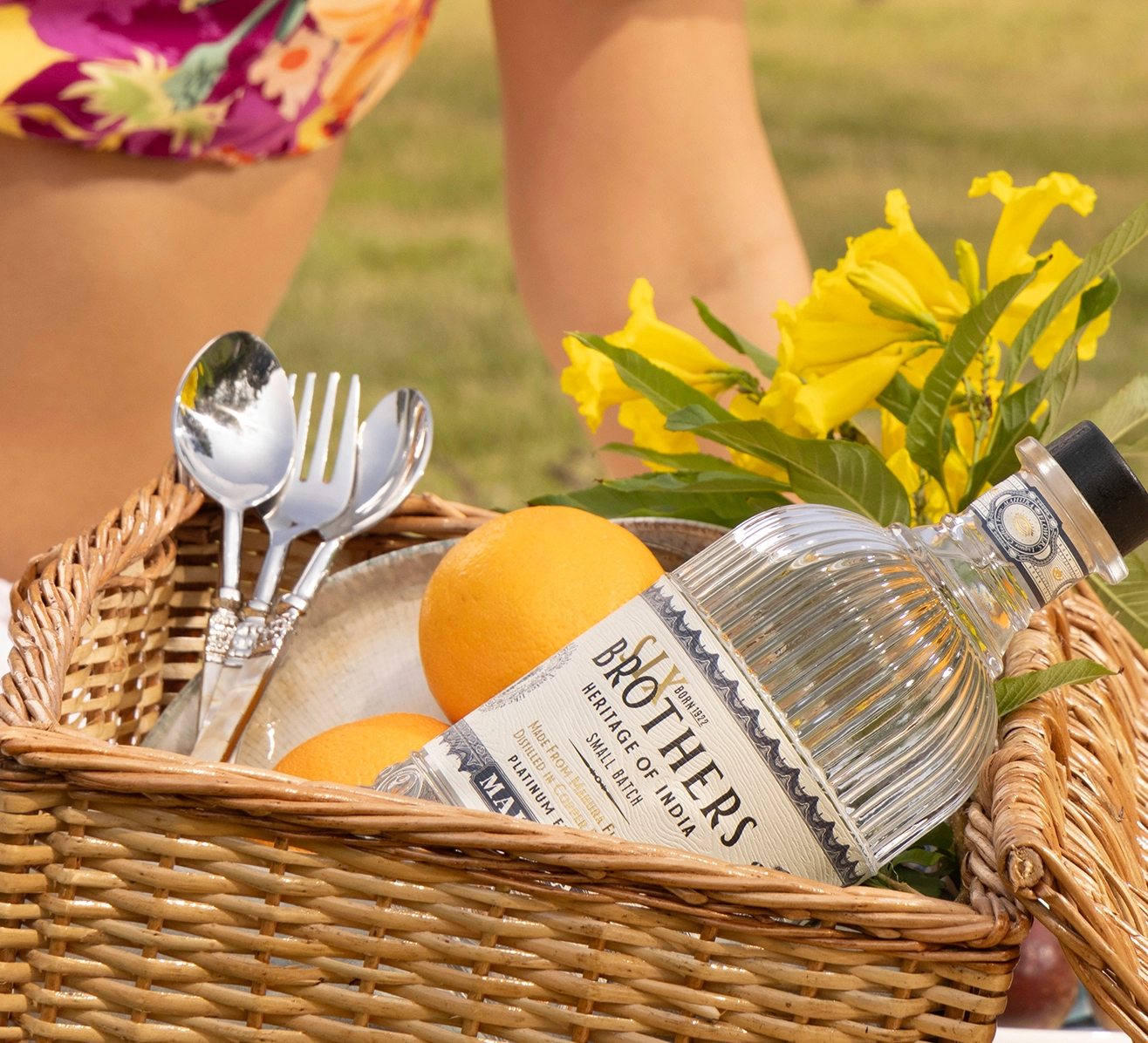
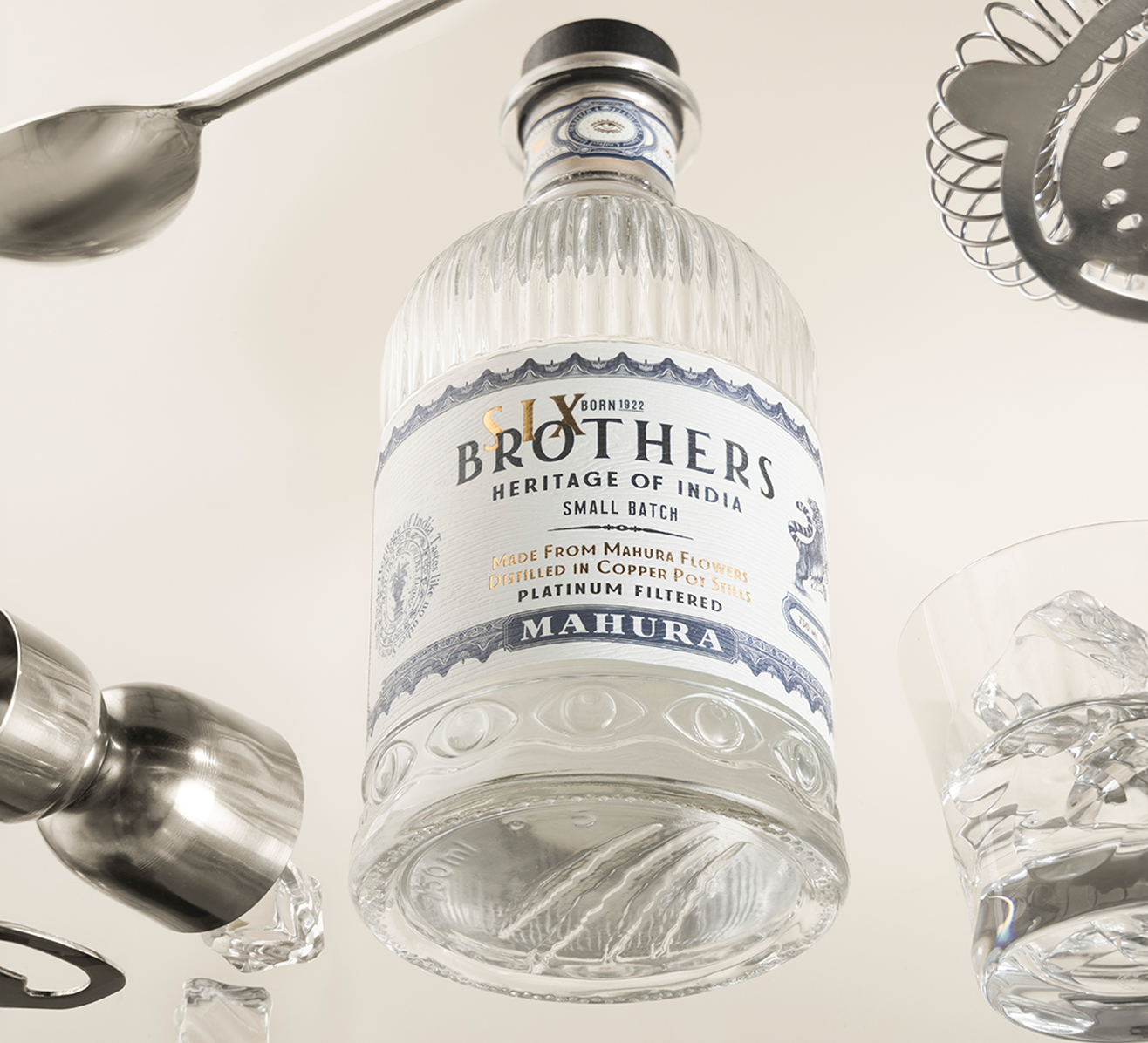
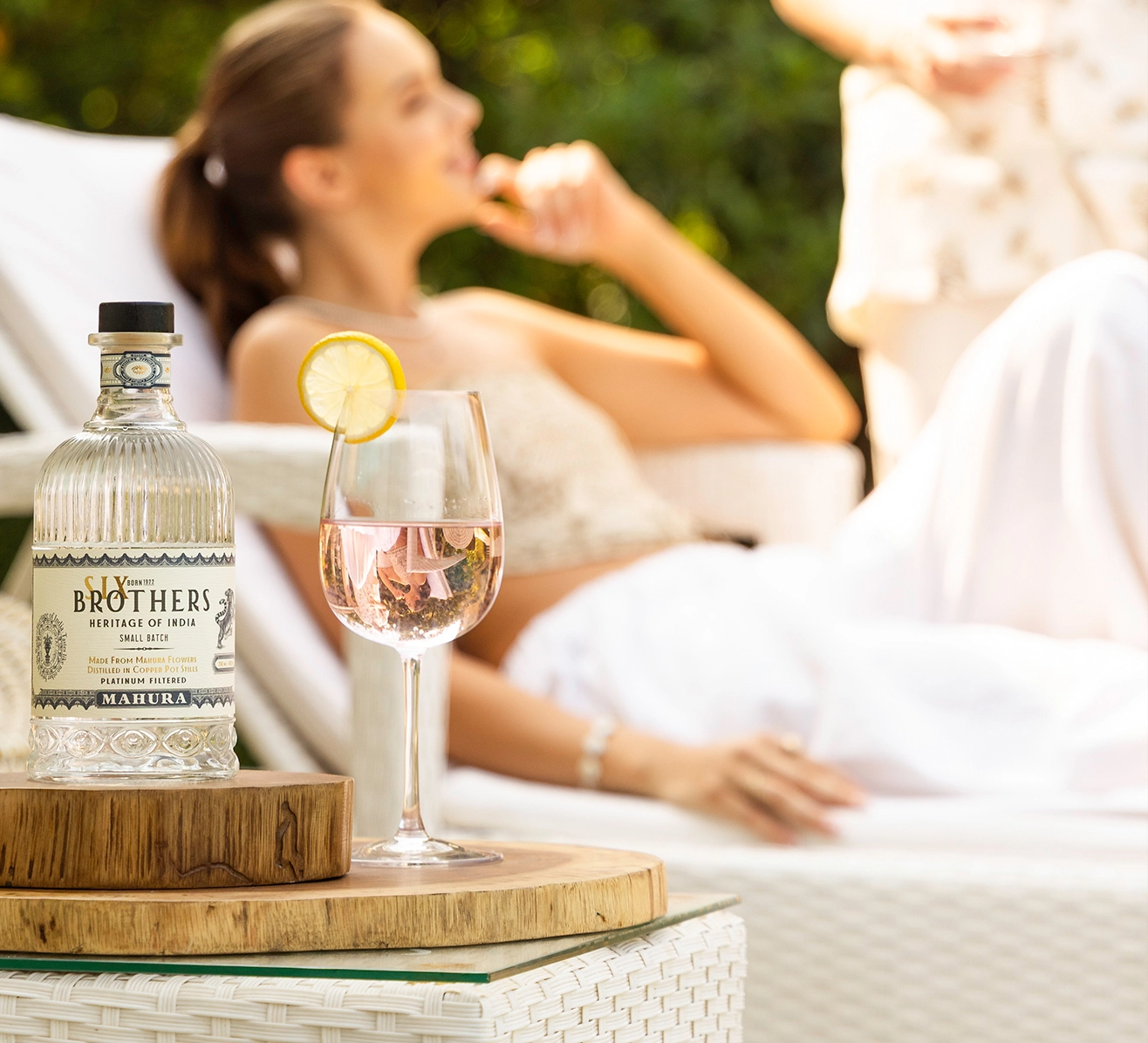
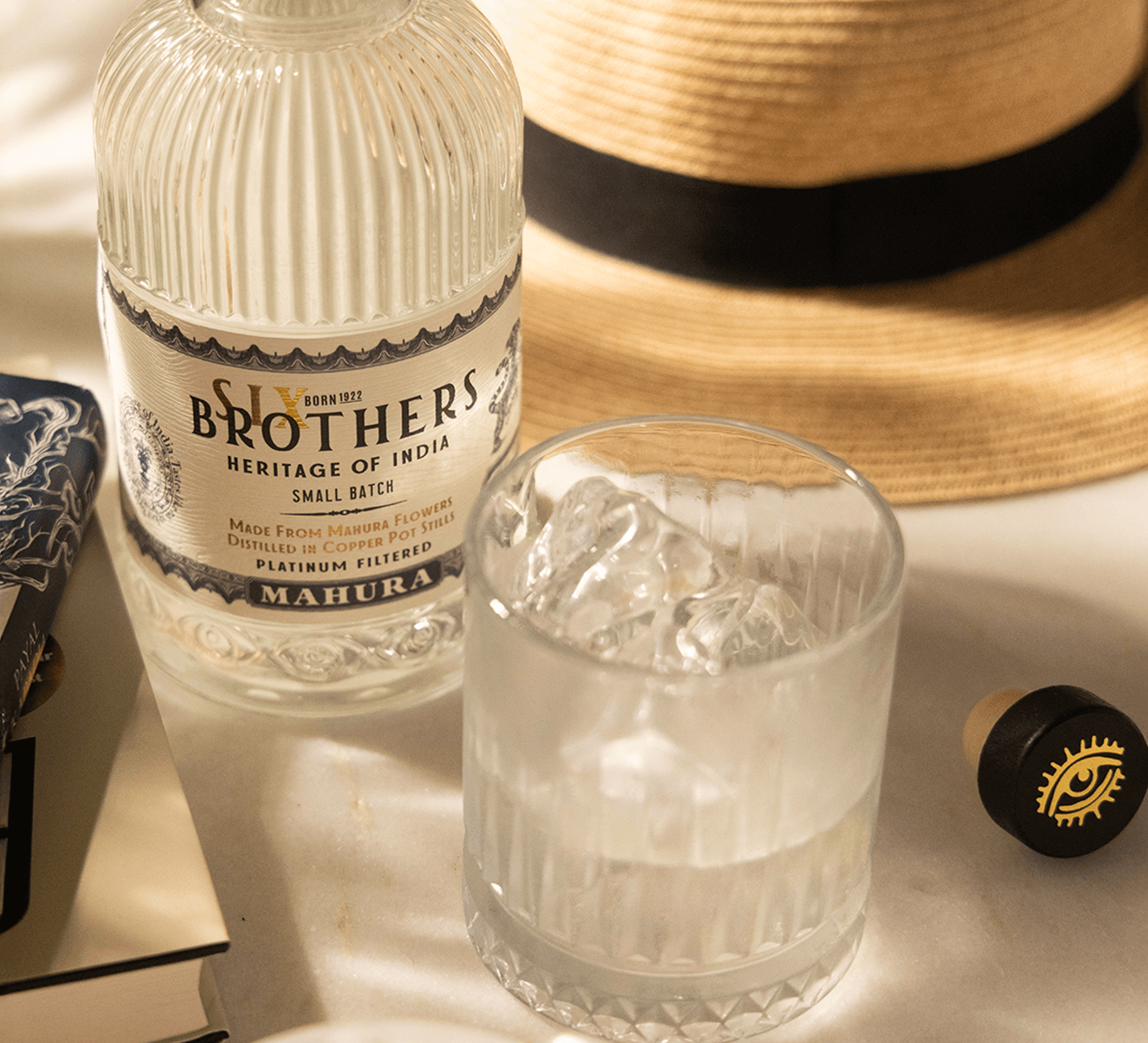
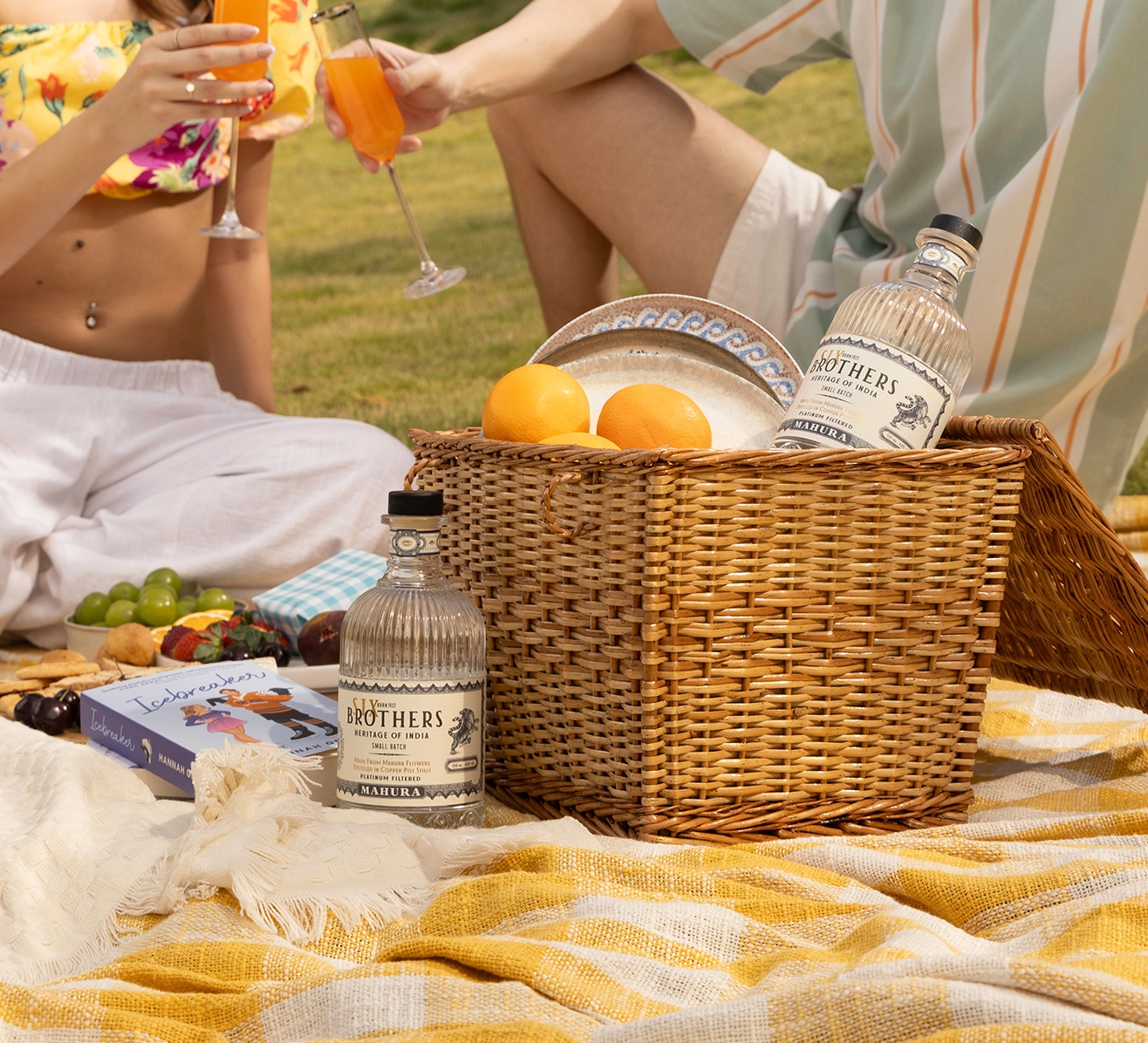
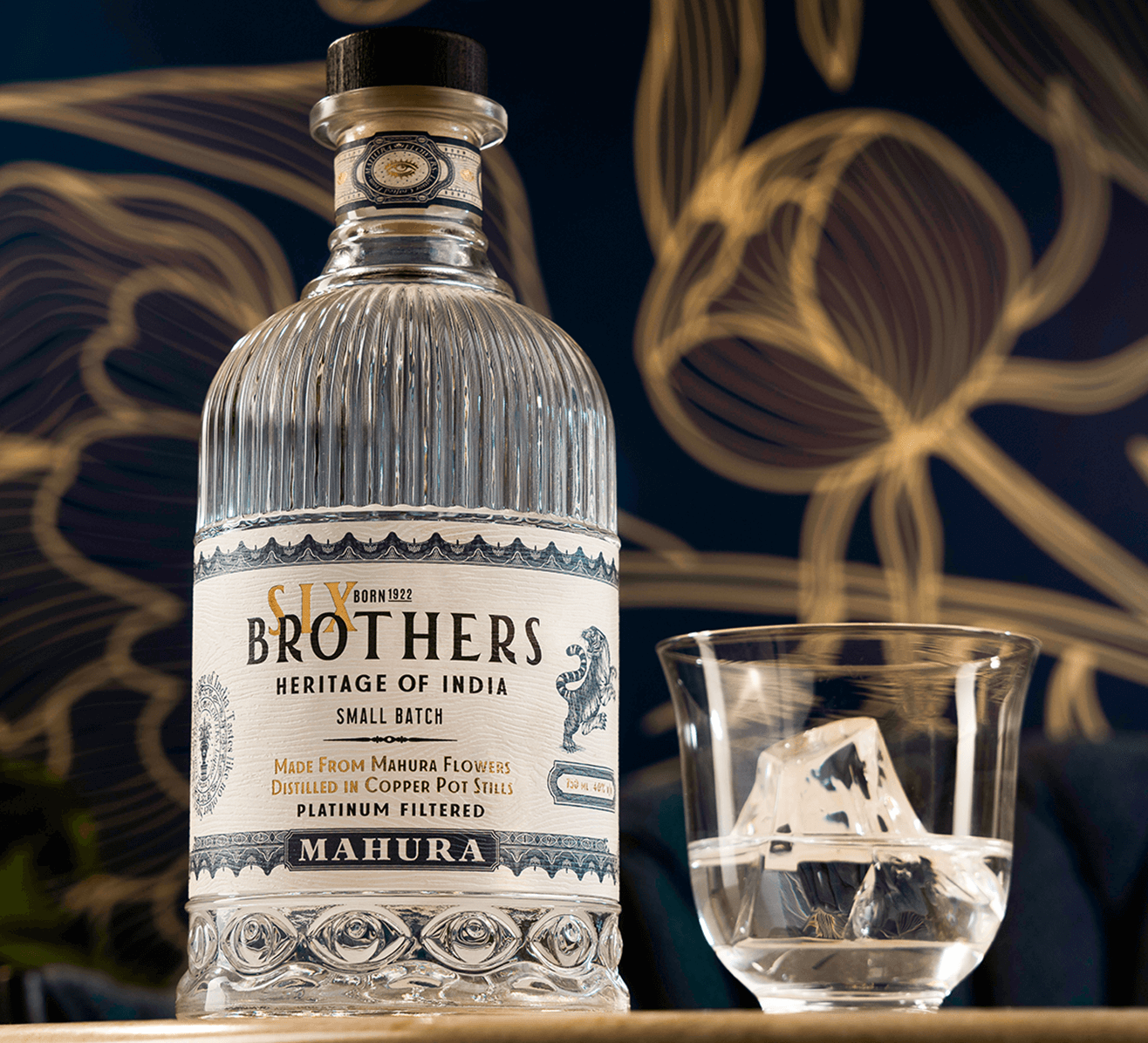
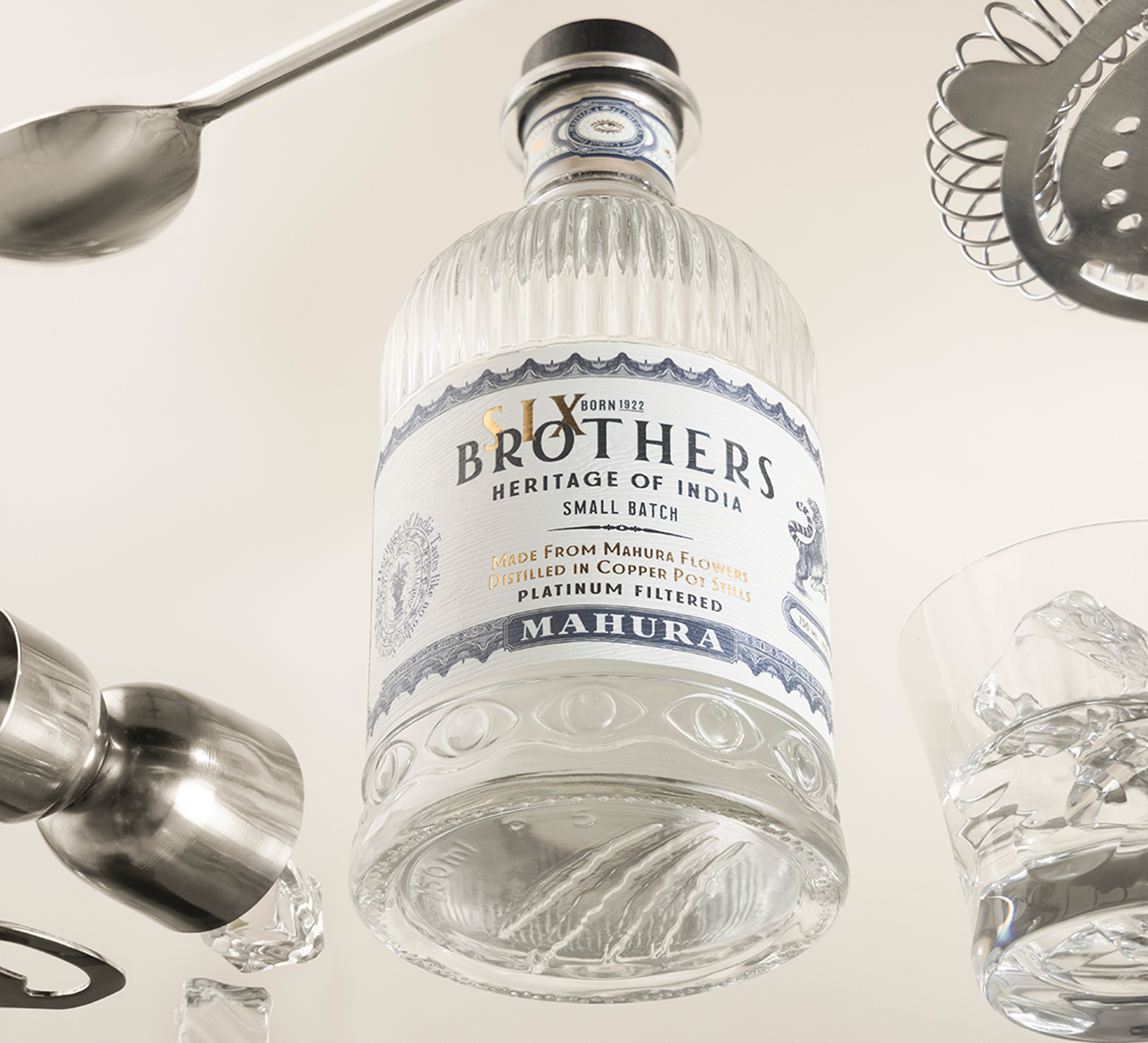
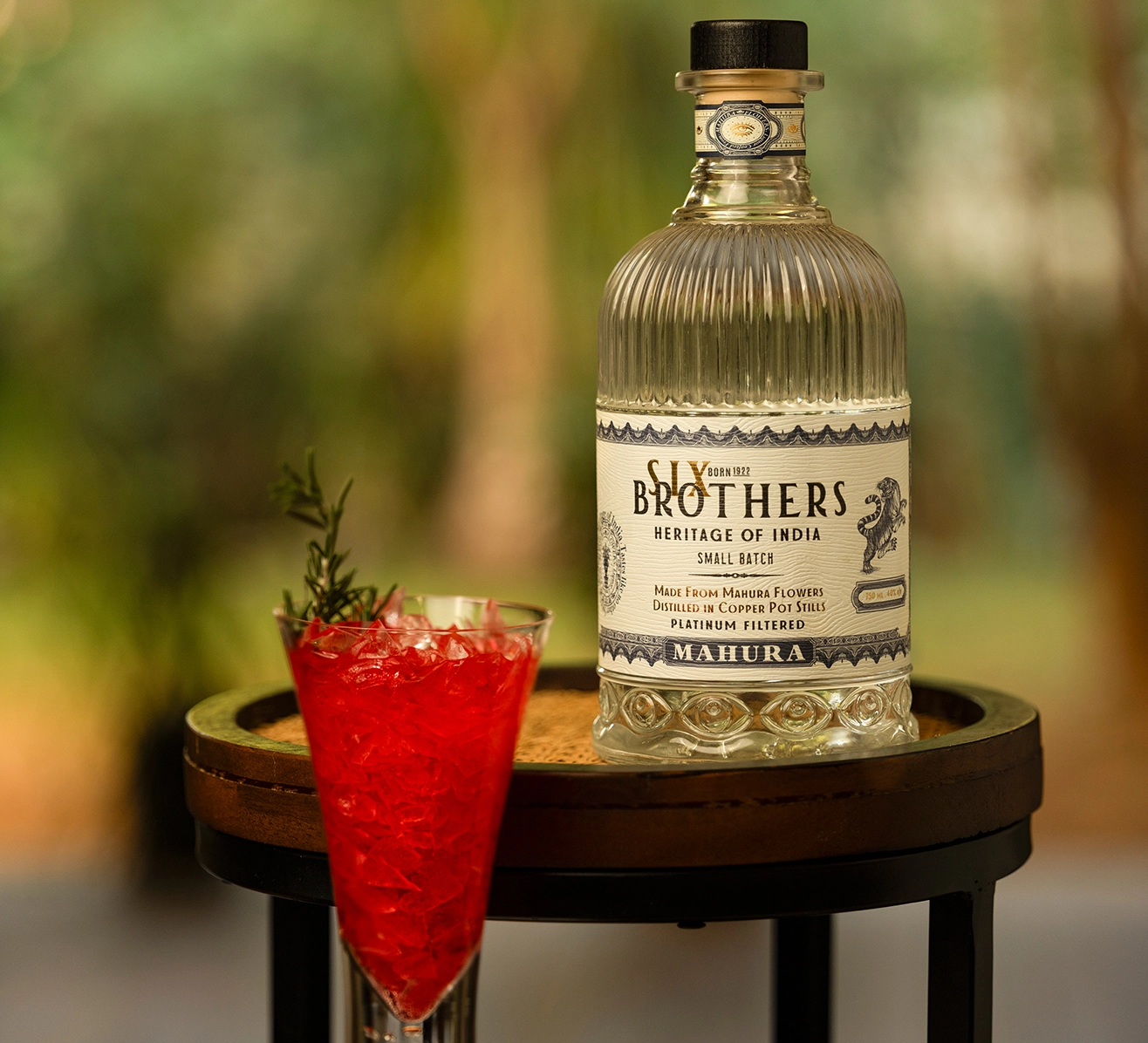
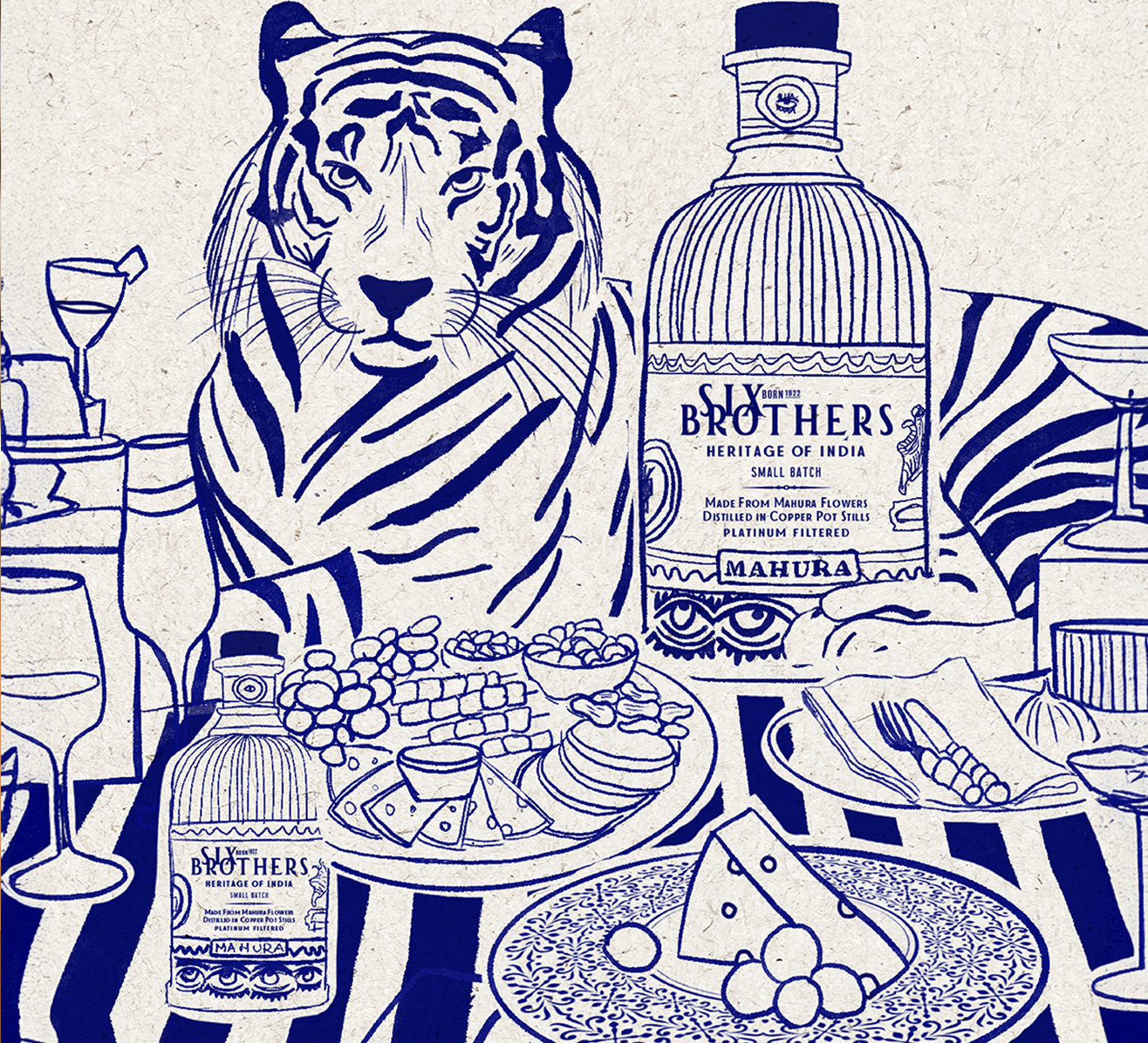
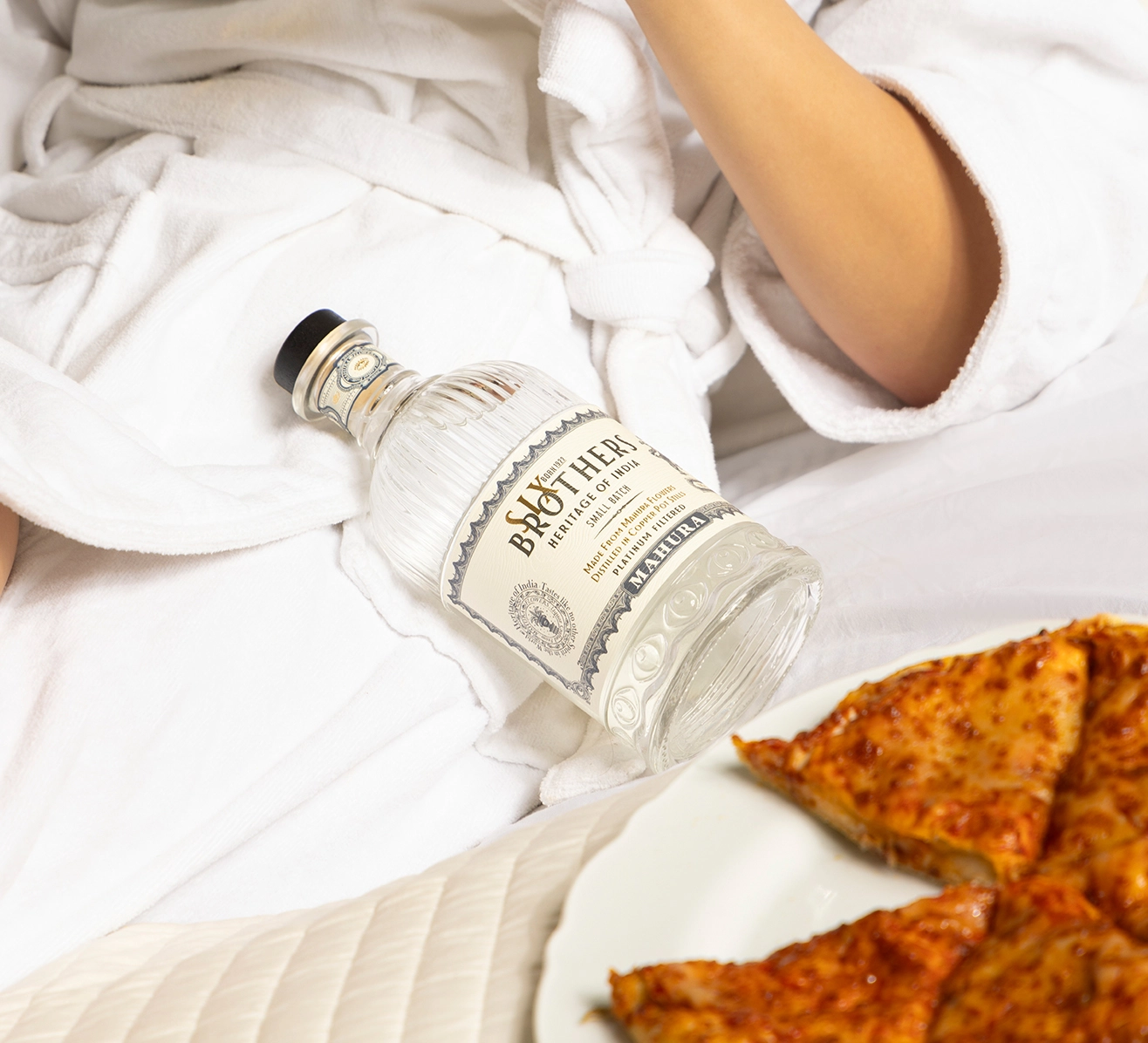
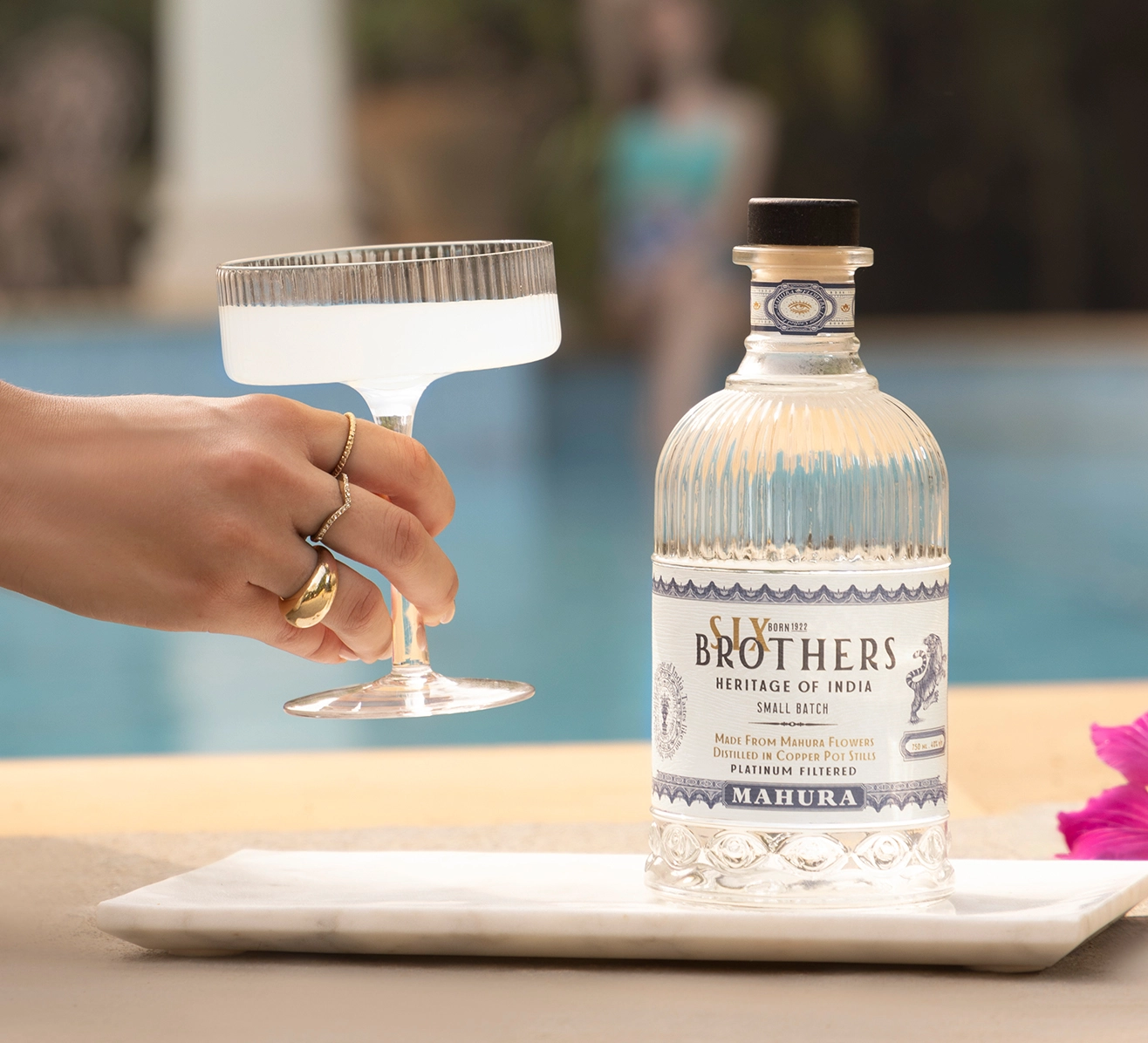
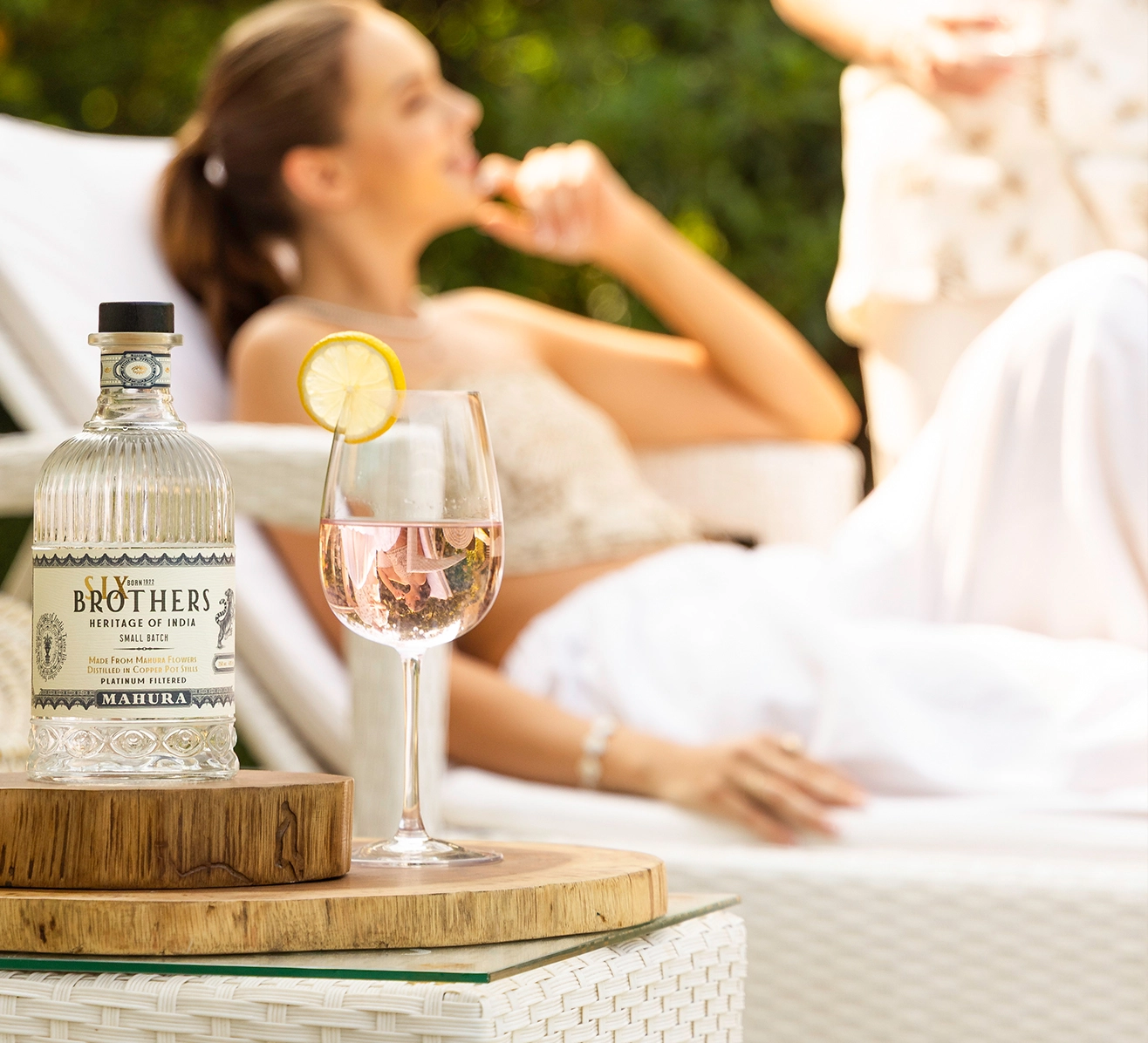
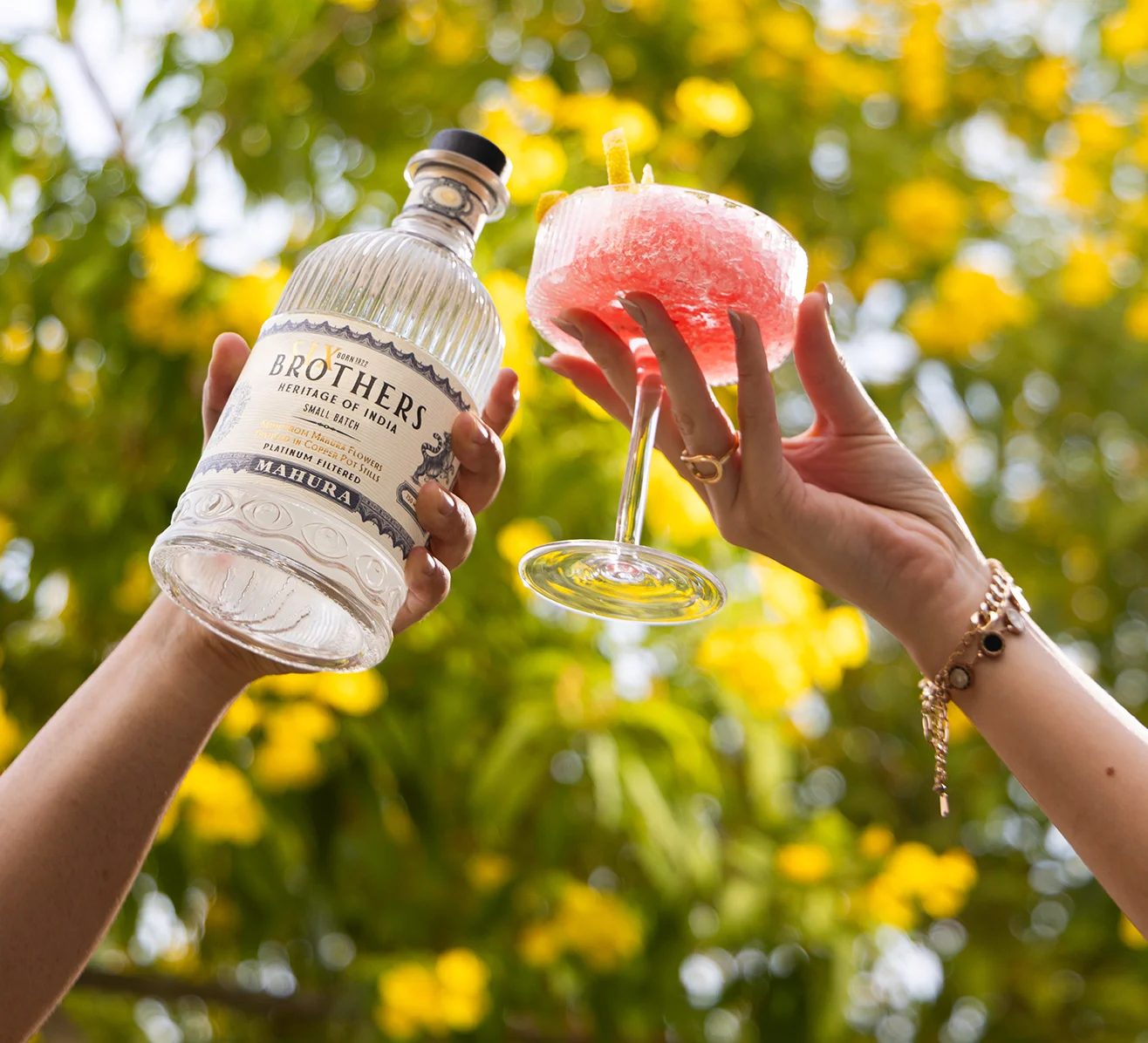
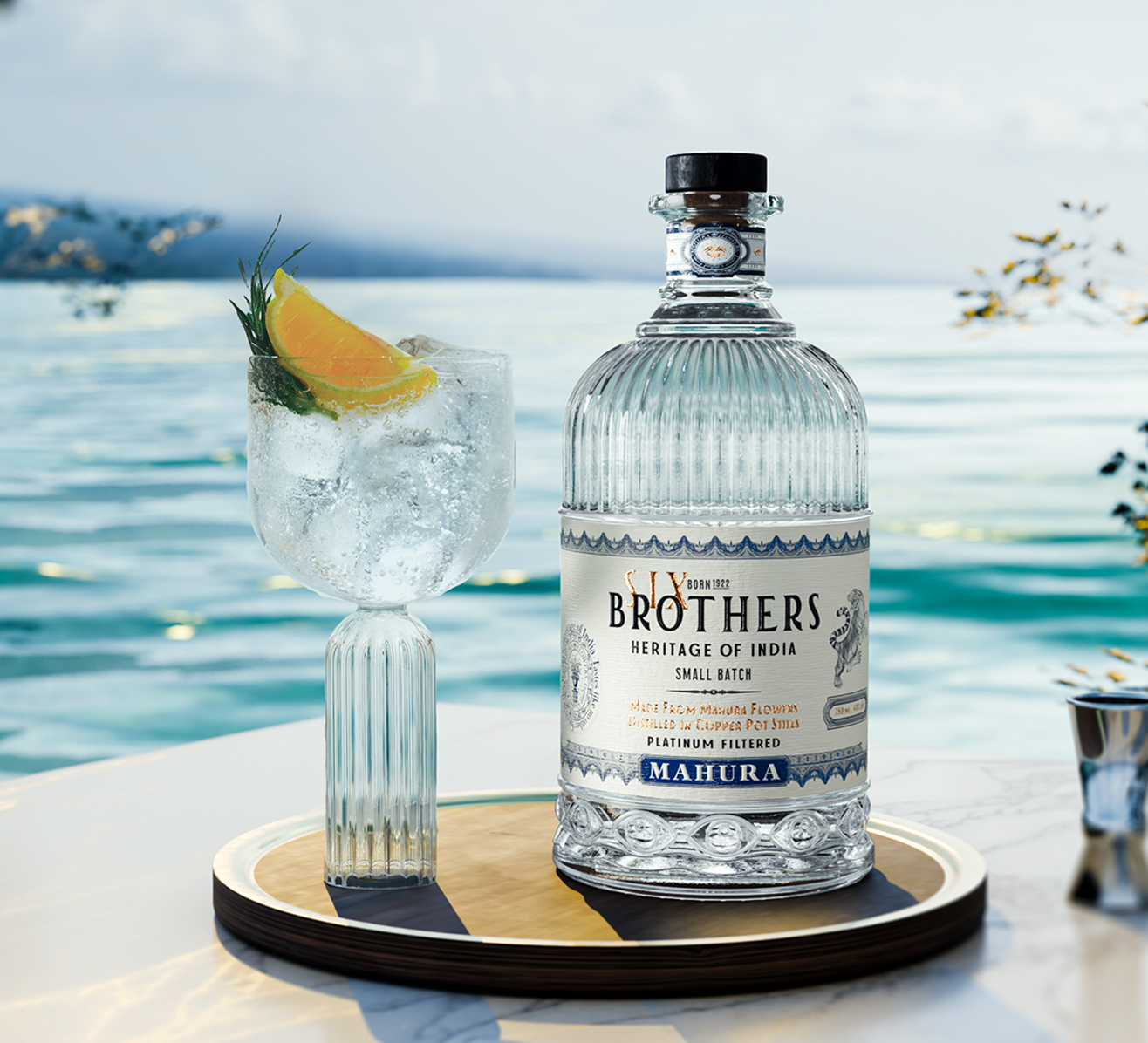
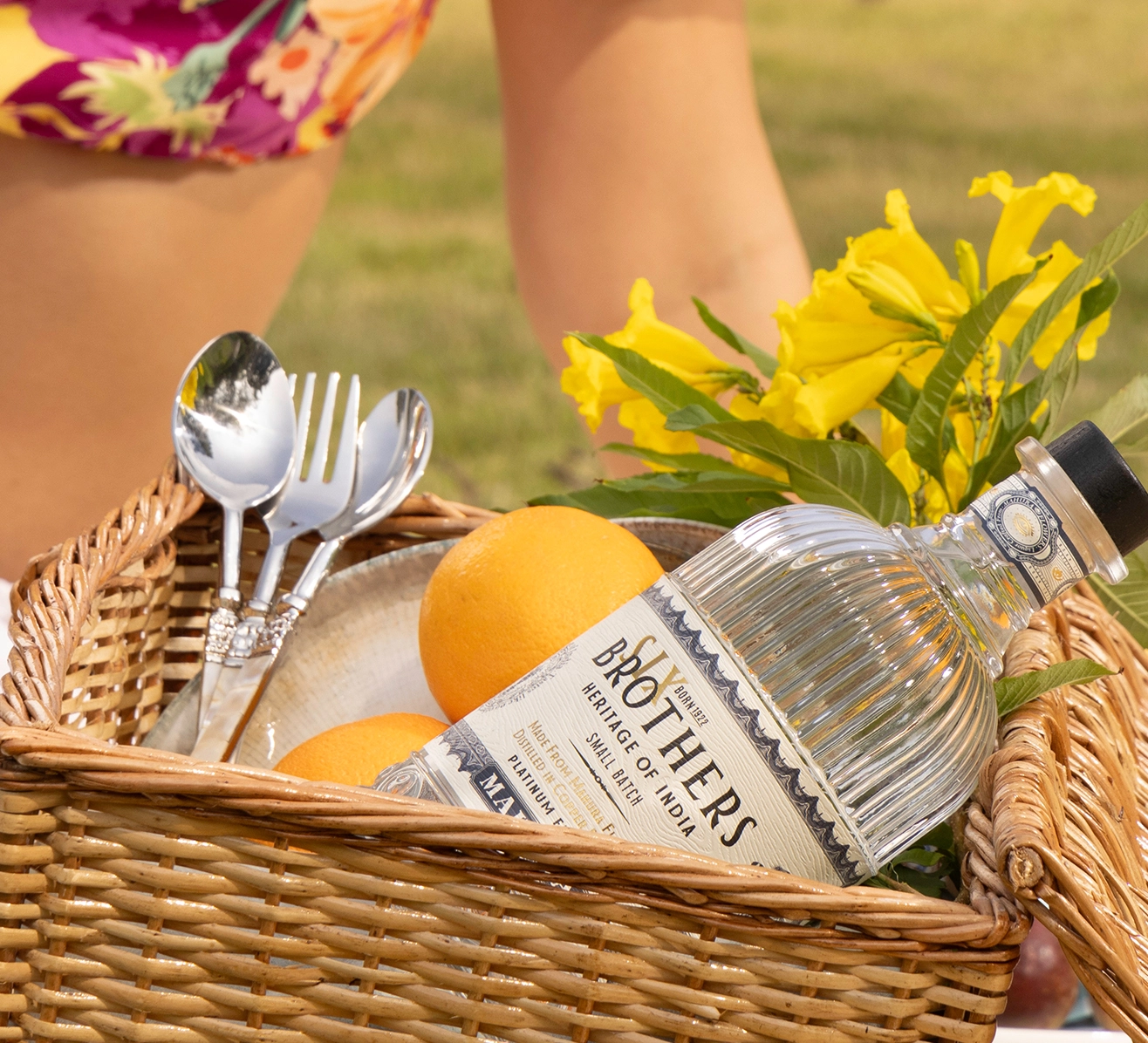
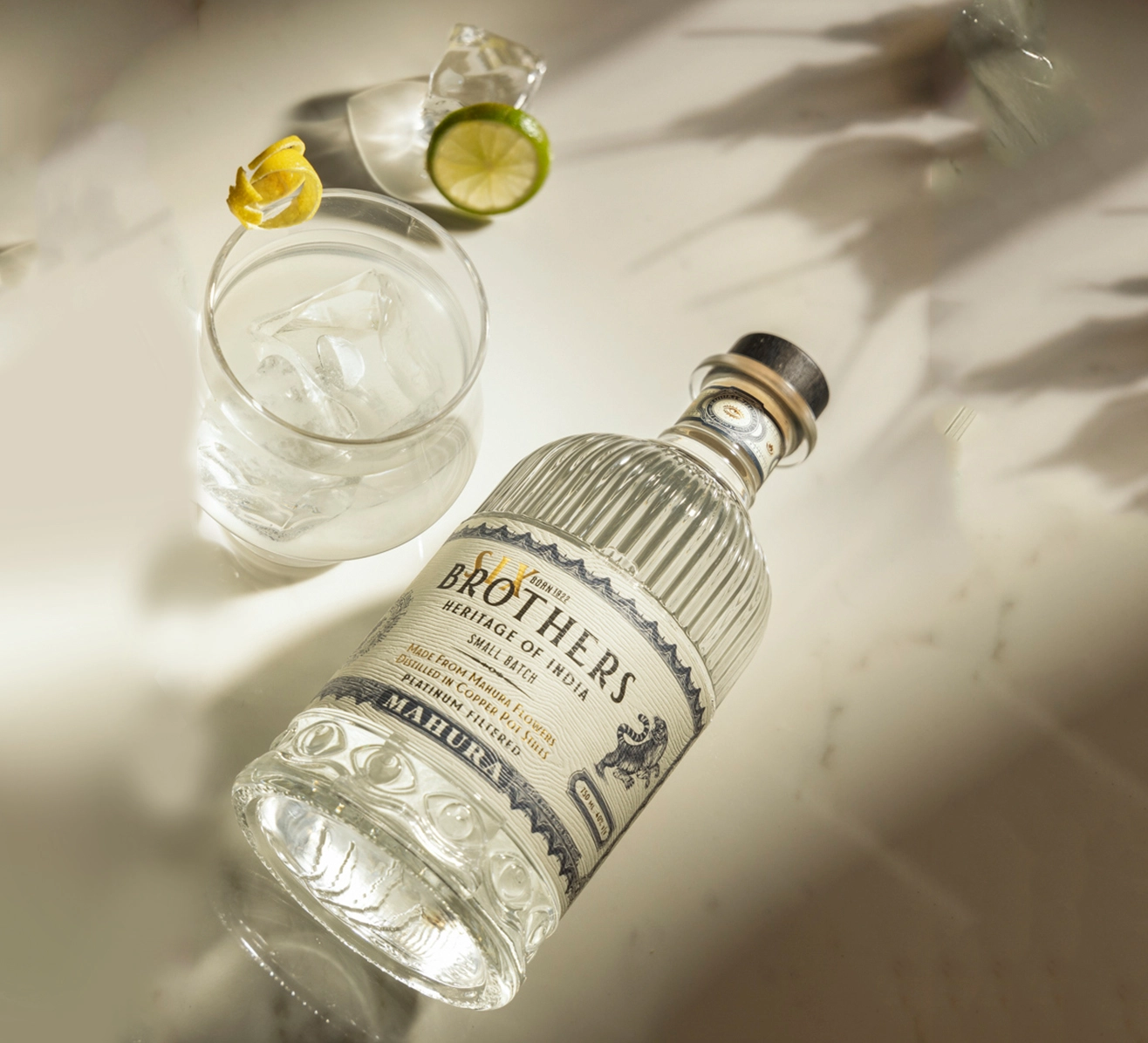
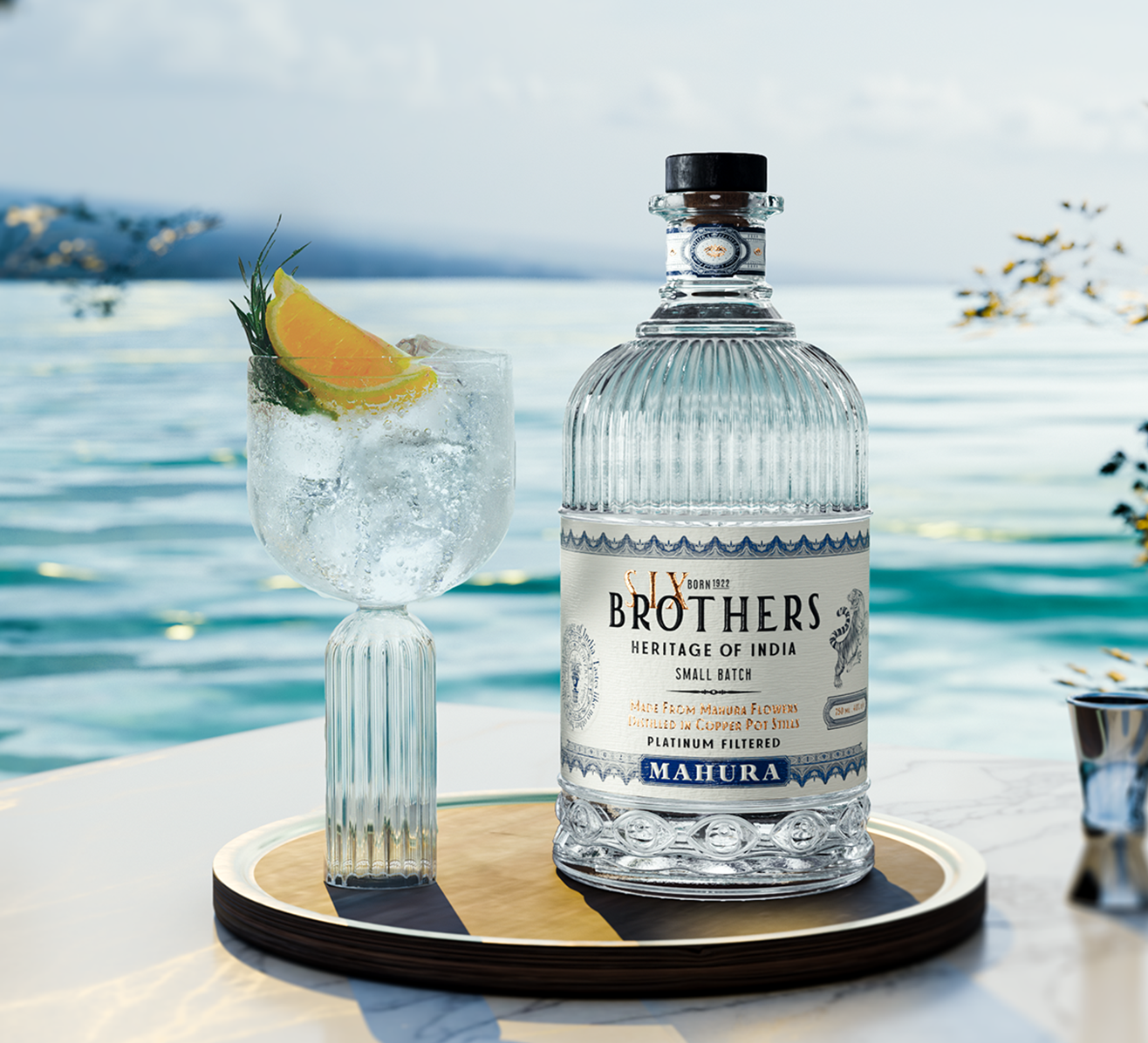
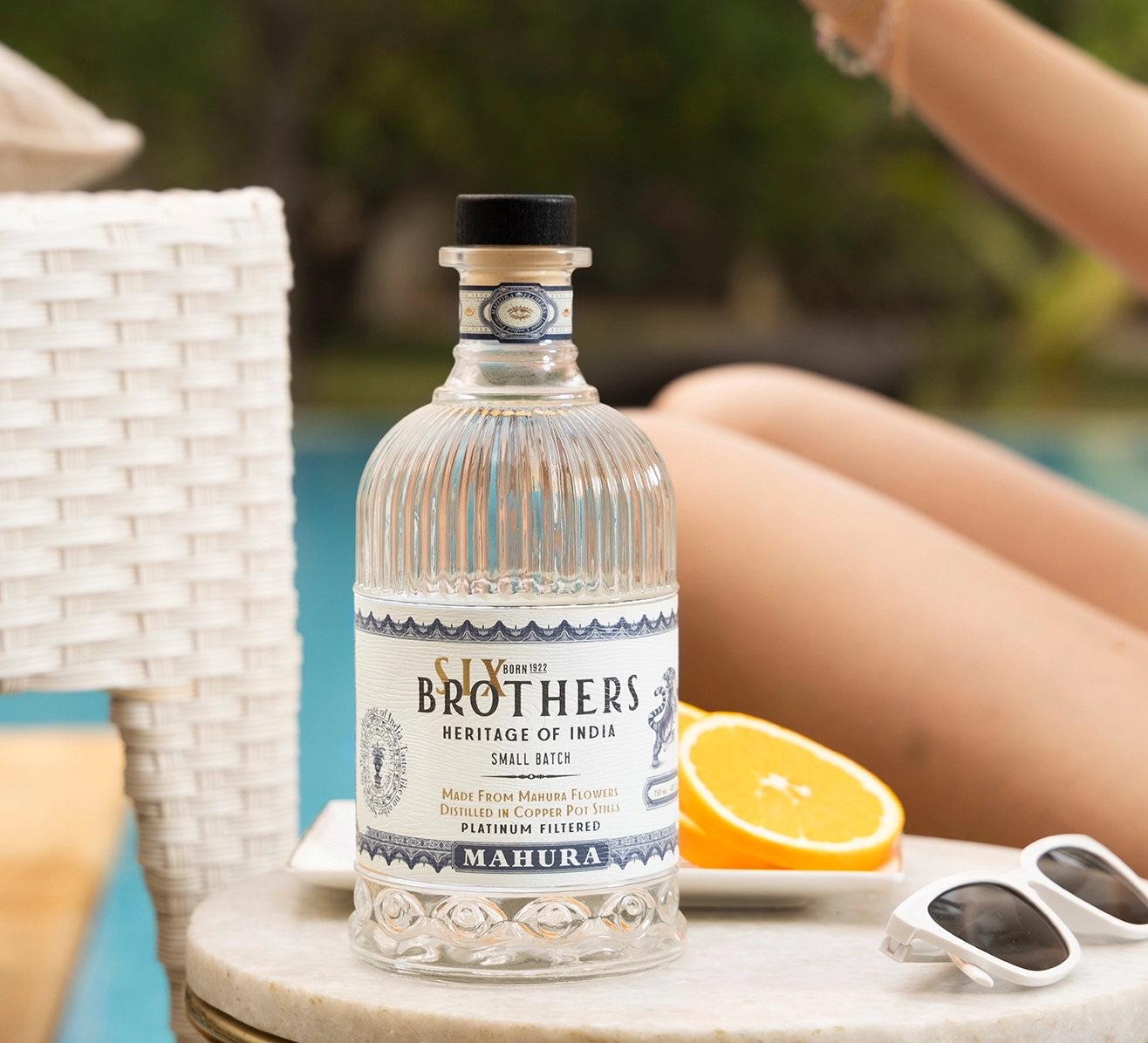
One such emerging name is Six Brothers Mahura
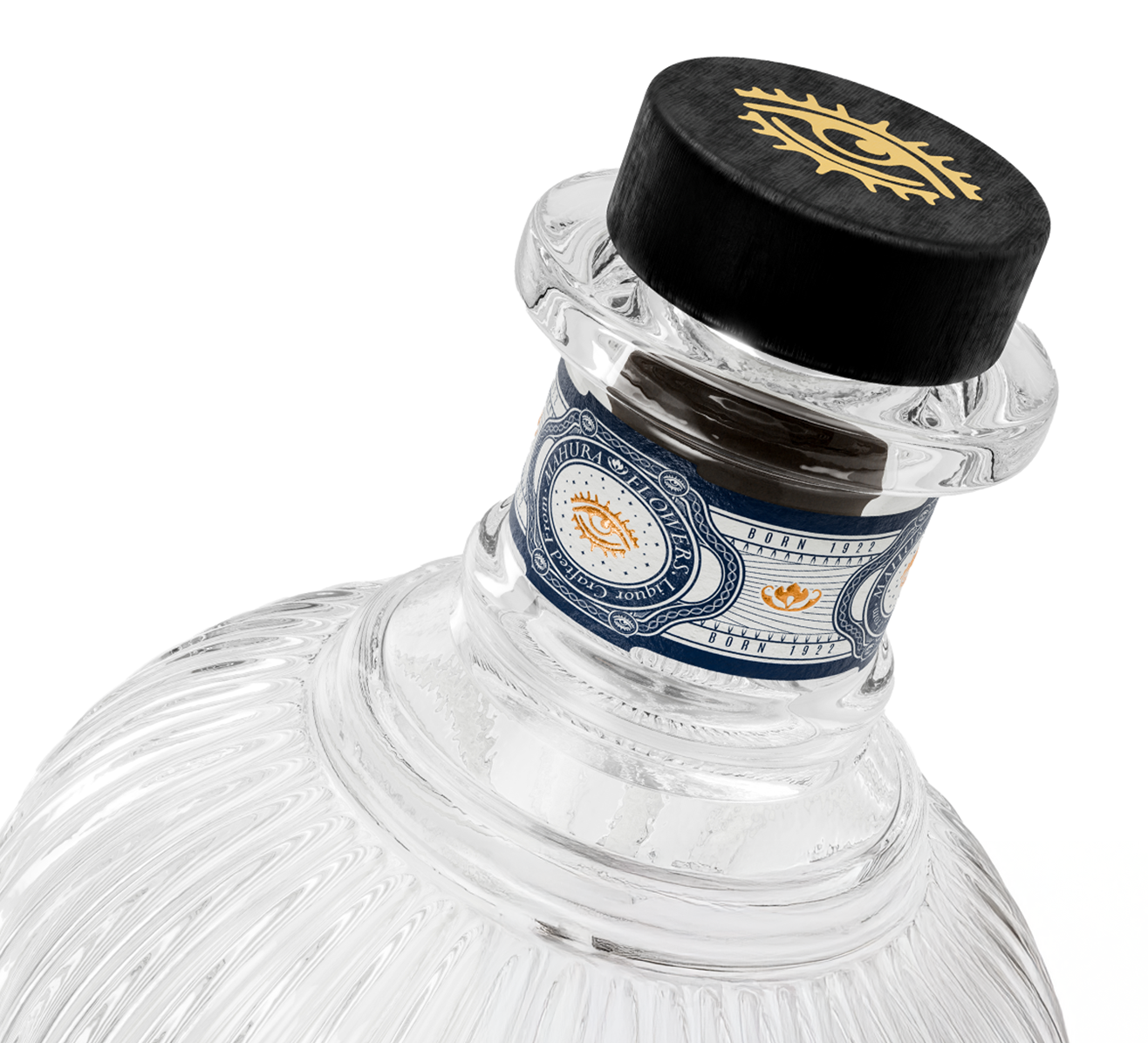
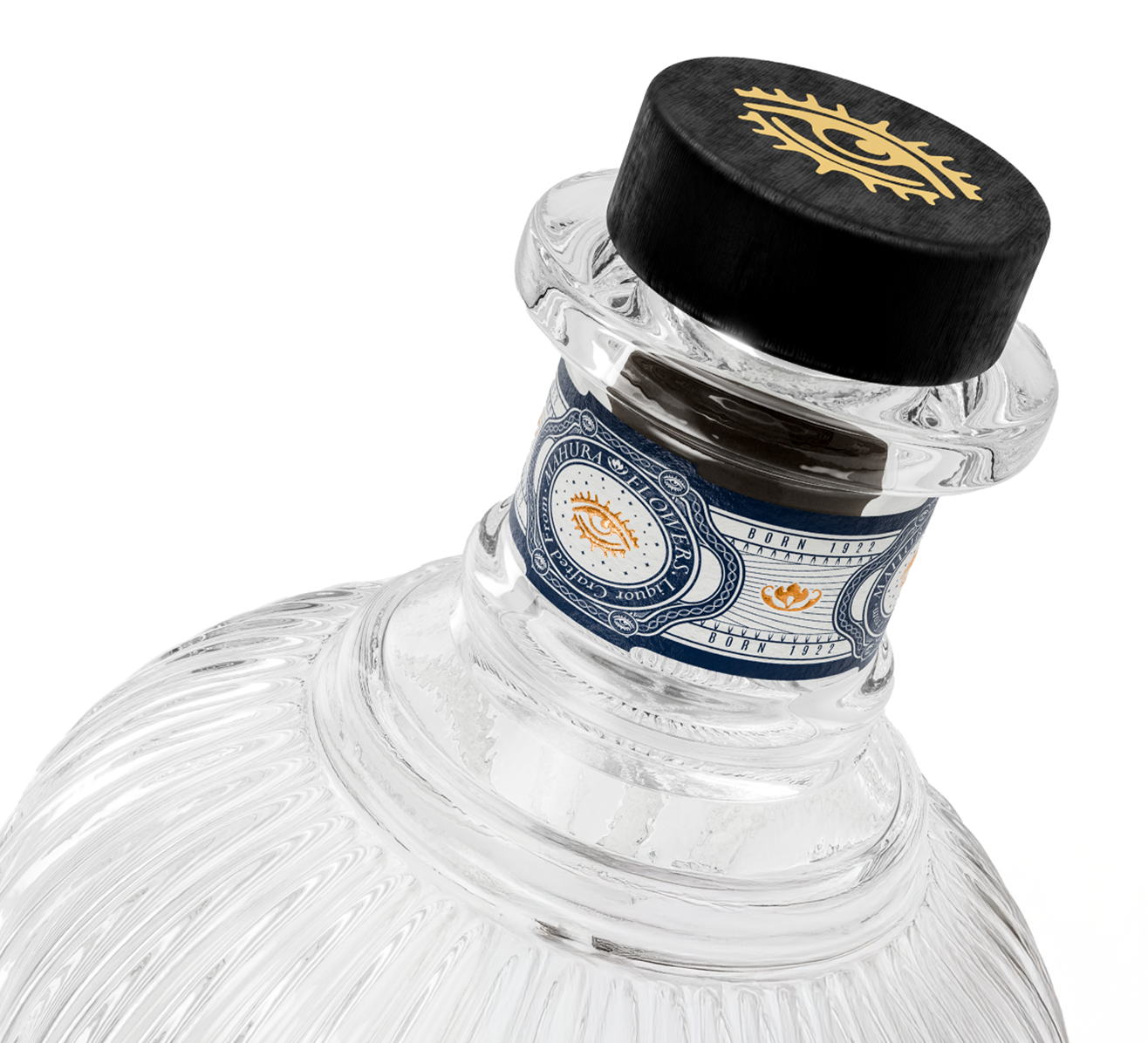
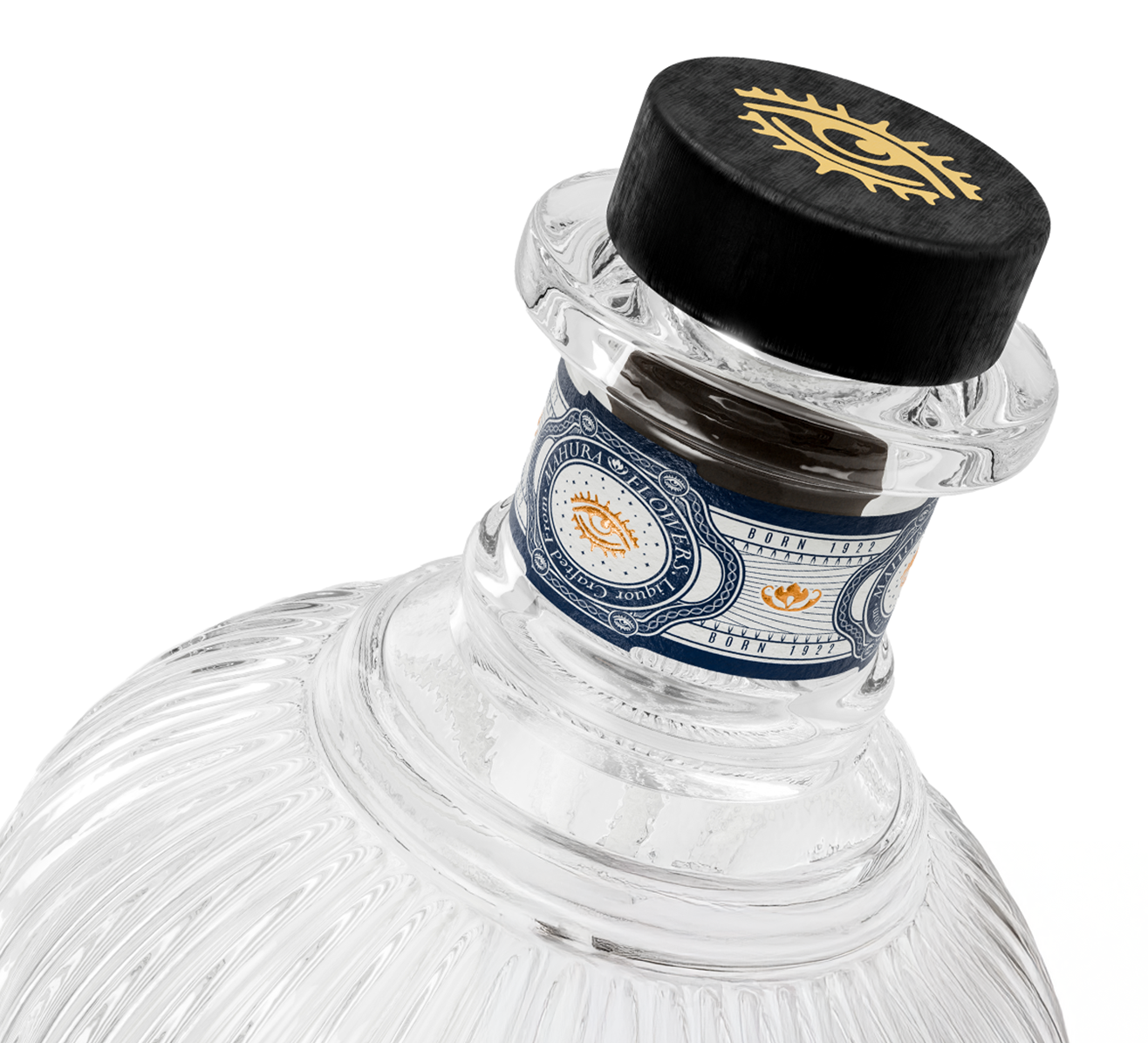
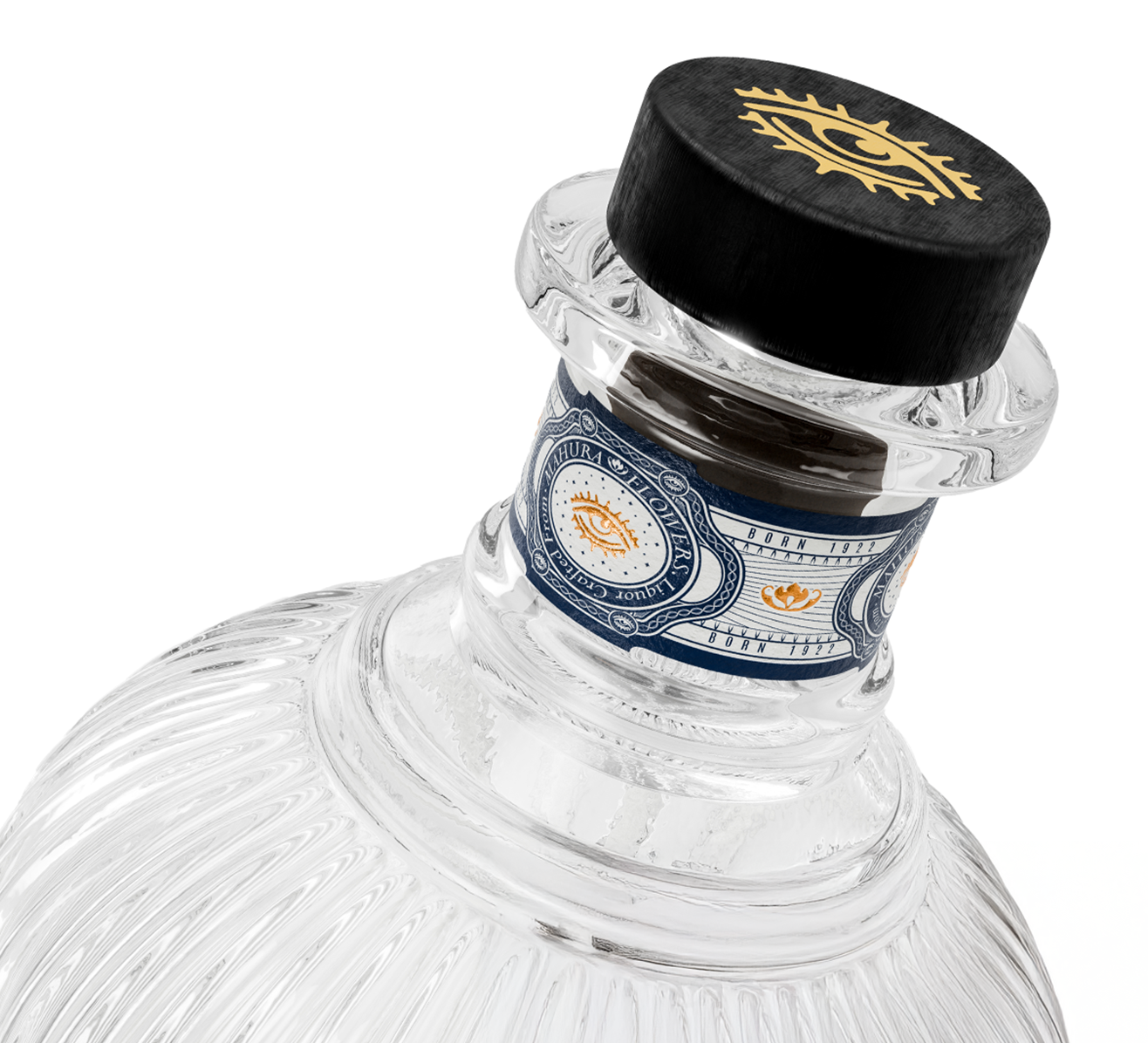
Positioned in the premium segment, Six Brothers Mahura focuses on refined production methods, consistent quality, and contemporary packaging. For urban consumers curious about mahuwa or mahula but hesitant about unregulated variants, choosing a properly bottled and licensed brand makes the experience far more reliable.
If you're exploring this category for the first time, starting with a structured premium option like Six Brothers Mahura can give you a smoother introduction to mahuwa.
Yes. Mahuwa, mahula, and mahua are different spellings of the same flower-based Indian spirit.
Most commercial mahuwa spirits range between 30% and 42% ABV.
It is made from fermented and distilled mahua flowers.
It has a mild natural sweetness due to the flower sugars, but premium versions are usually balanced rather than sugary.
Availability is expanding. Licensed premium brands are now entering select urban markets.
Mahuwa, mahula, or mahua the name may change depending on region, but the drink represents a growing segment in India’s evolving spirits market.
As more premium brands invest in quality and consistency, mahuwa is moving from a locally consumed beverage to a structured, modern category.
If you're curious to experience mahuwa in a refined, dependable format, exploring a premium bottled option like Six Brothers Mahura is a practical place to begin.