
Posted on 31 Mar 2026

The Mahua plant, also known as the Madhuka plant, is one of India’s most versatile and culturally significant trees. For generations, it has supported rural economies, provided food and oil, and served as the base for traditional spirits.
But here’s the interesting part. As India’s premium craft liquor movement grows, the Mahua plant is being rediscovered not just as a rural resource, but as a heritage ingredient with modern relevance.
Let’s take a closer look at its benefits, uses, and how it can be grown.
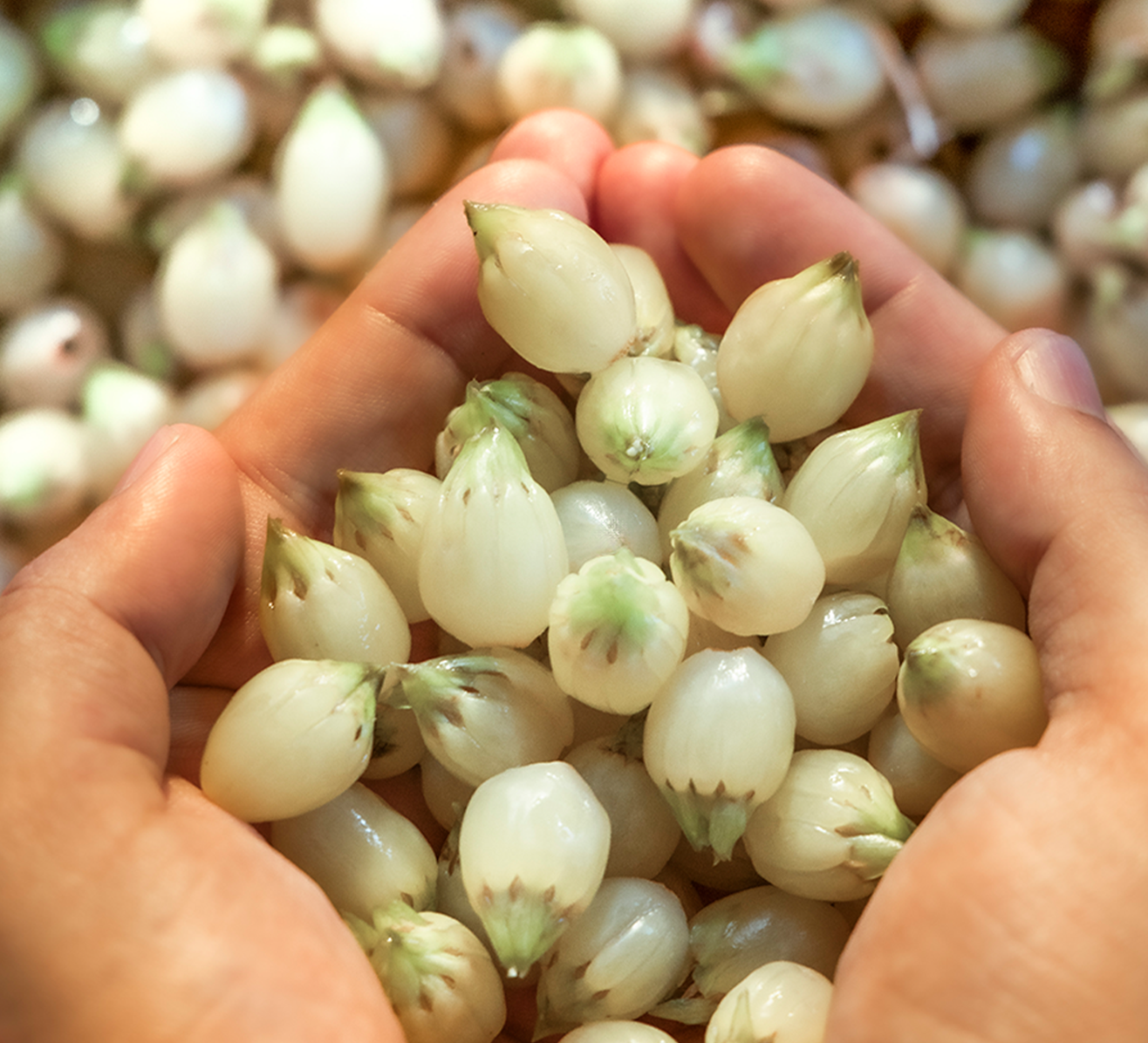
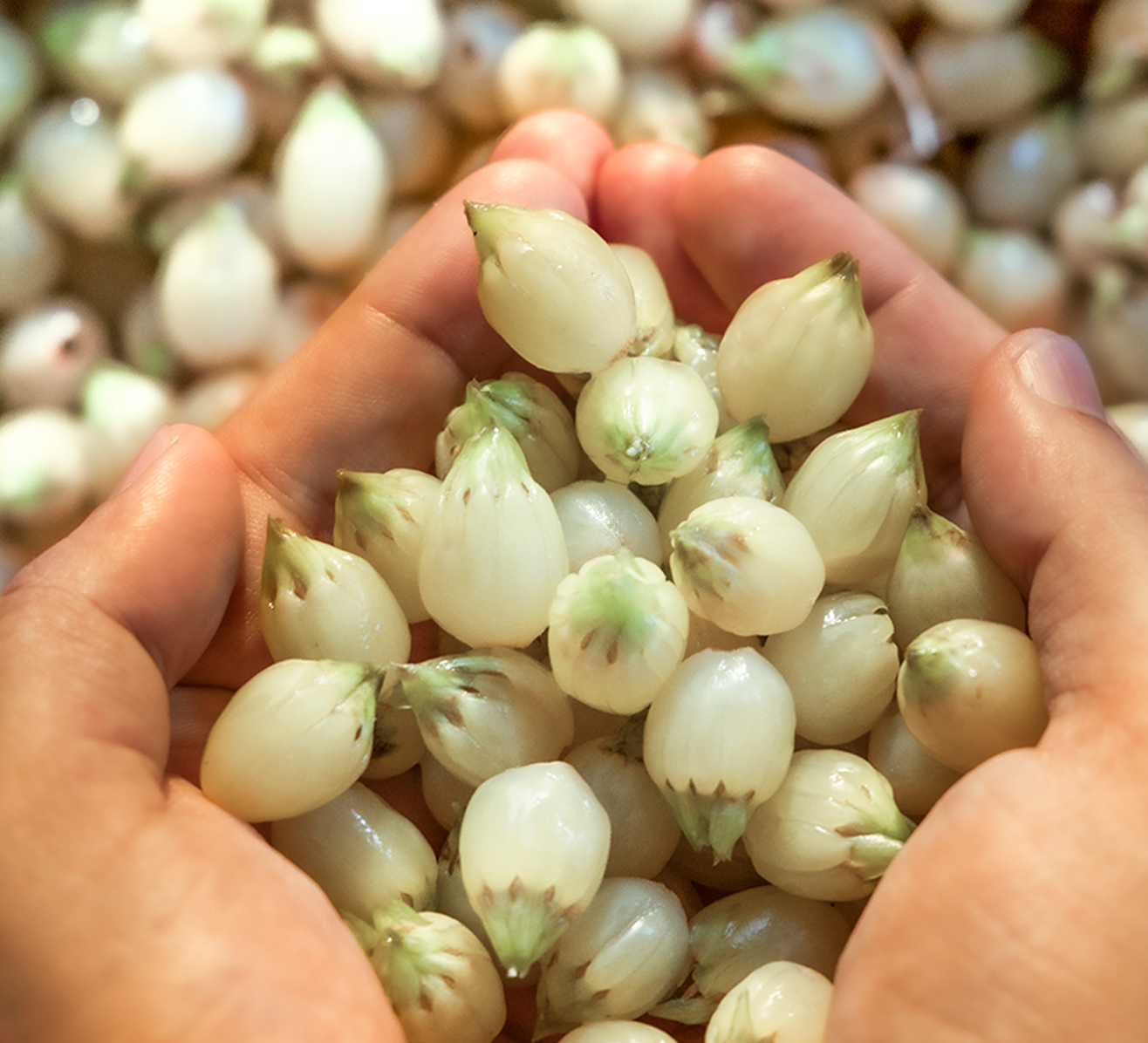
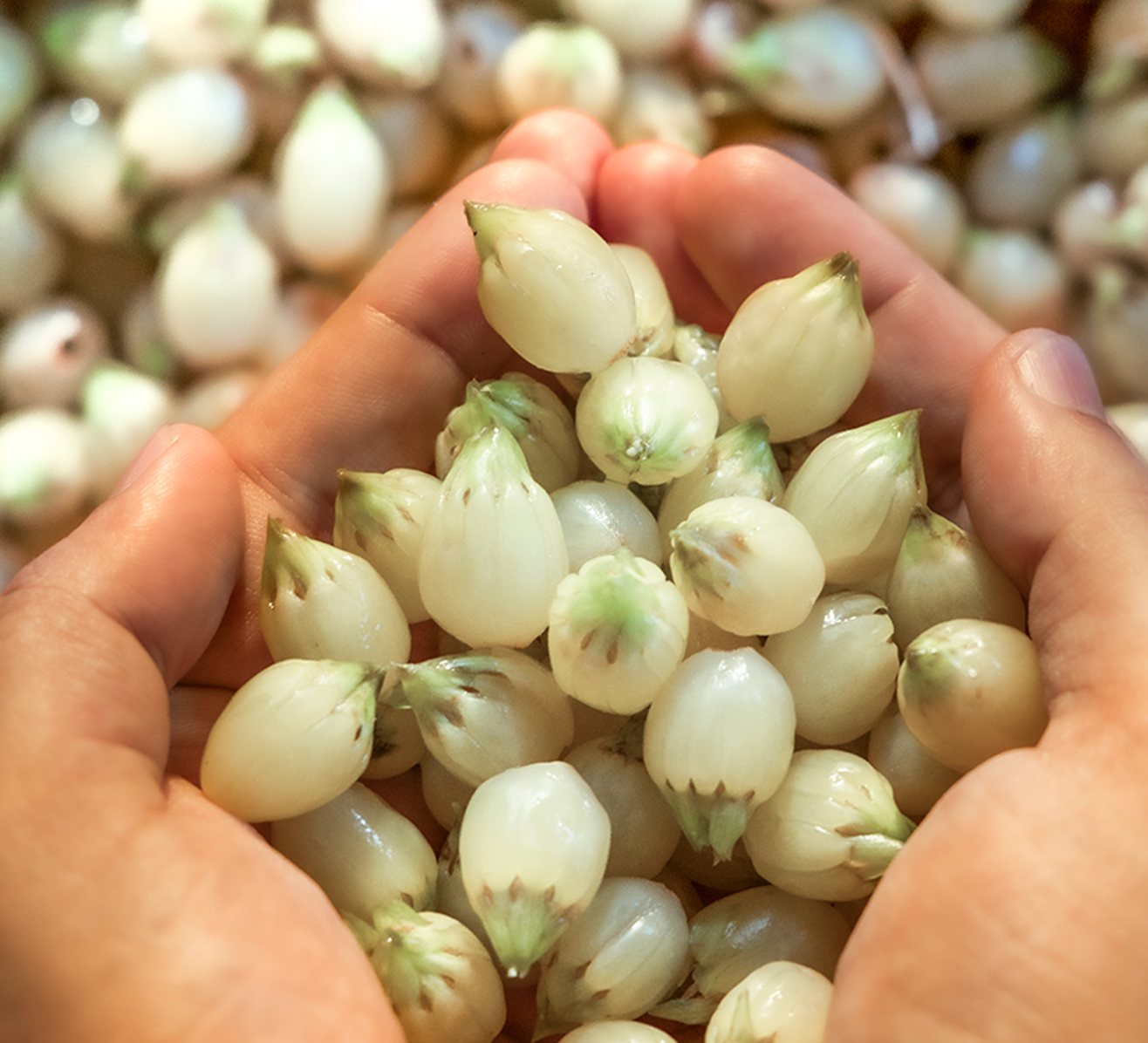
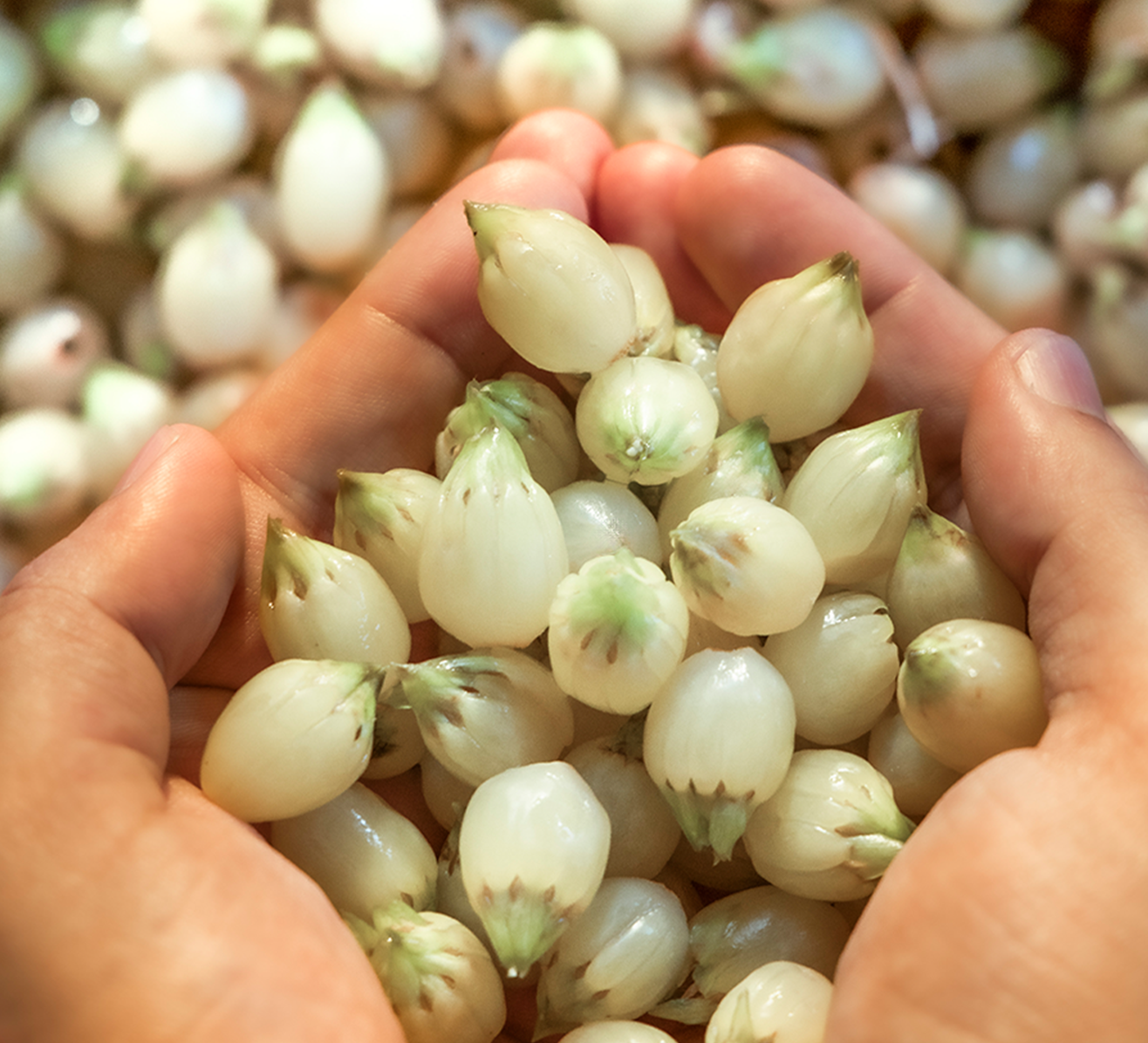
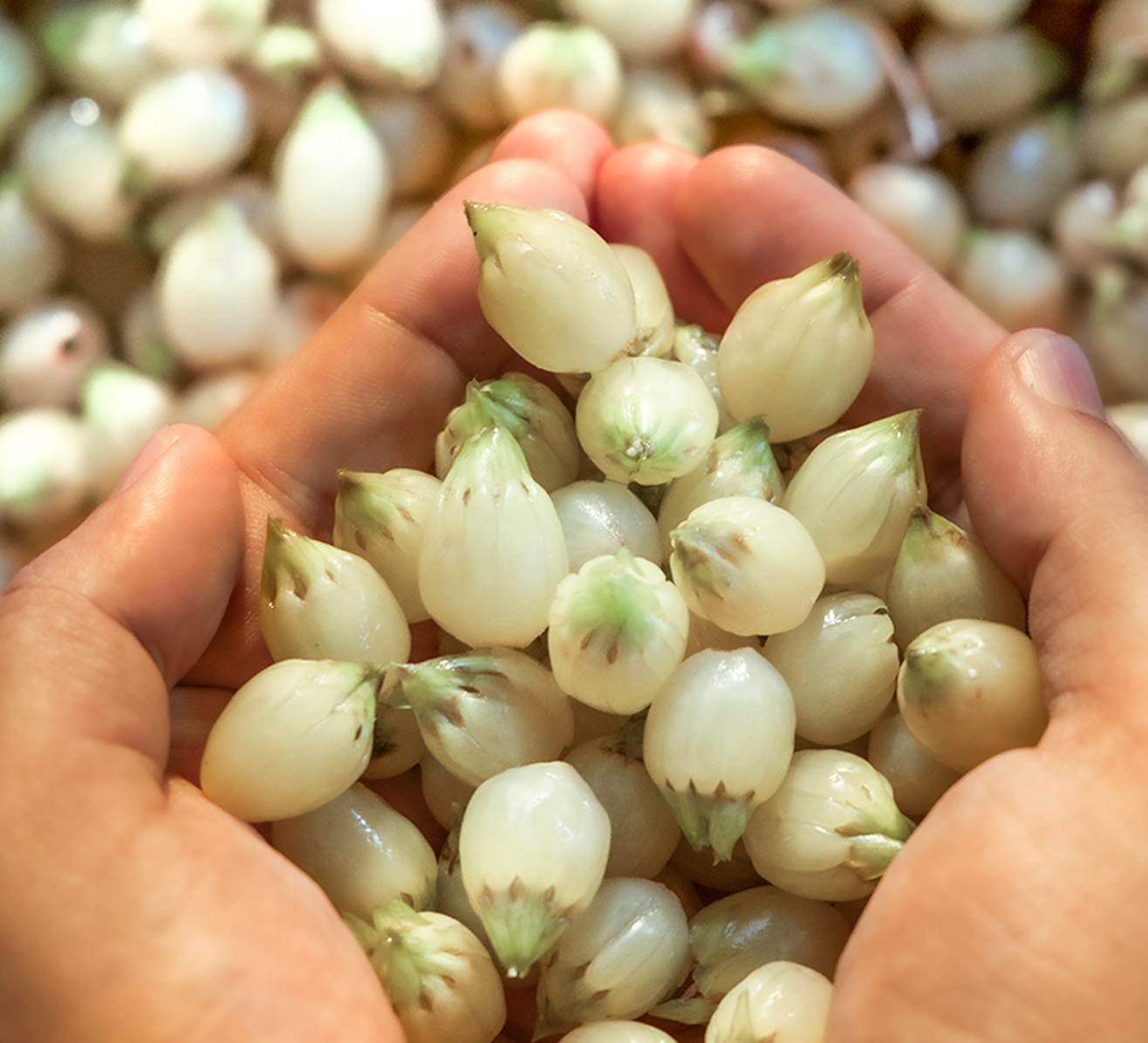
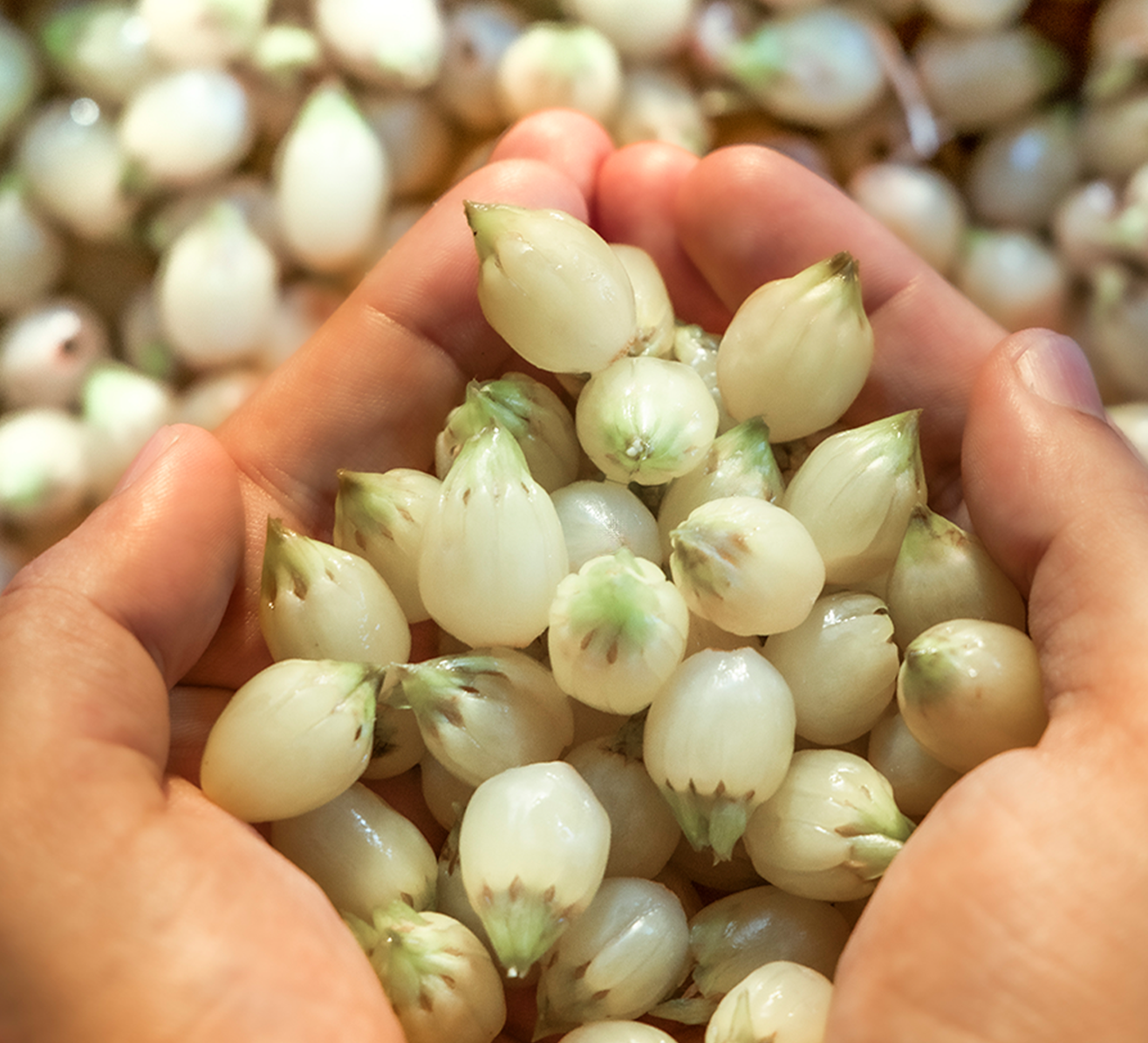
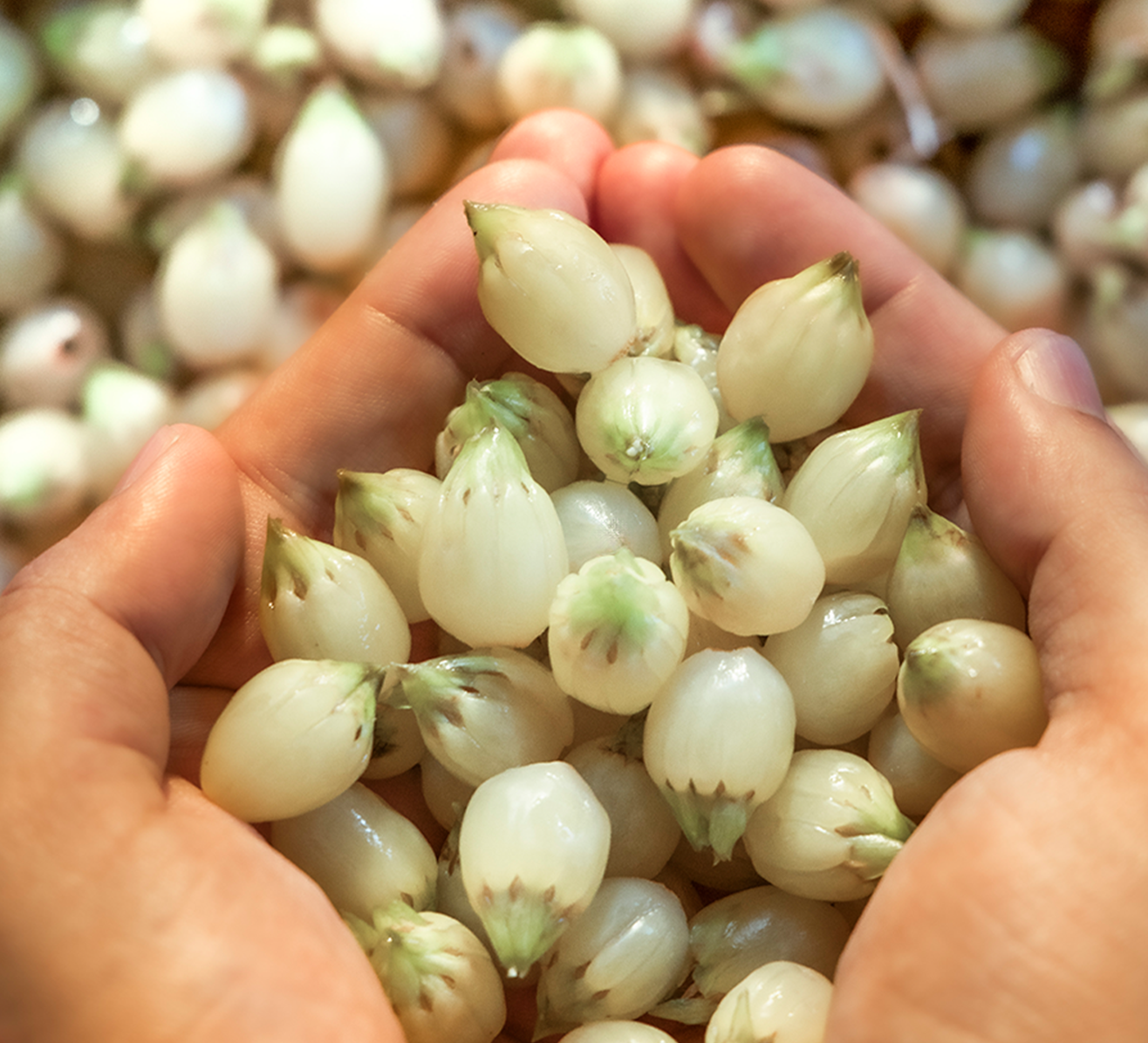
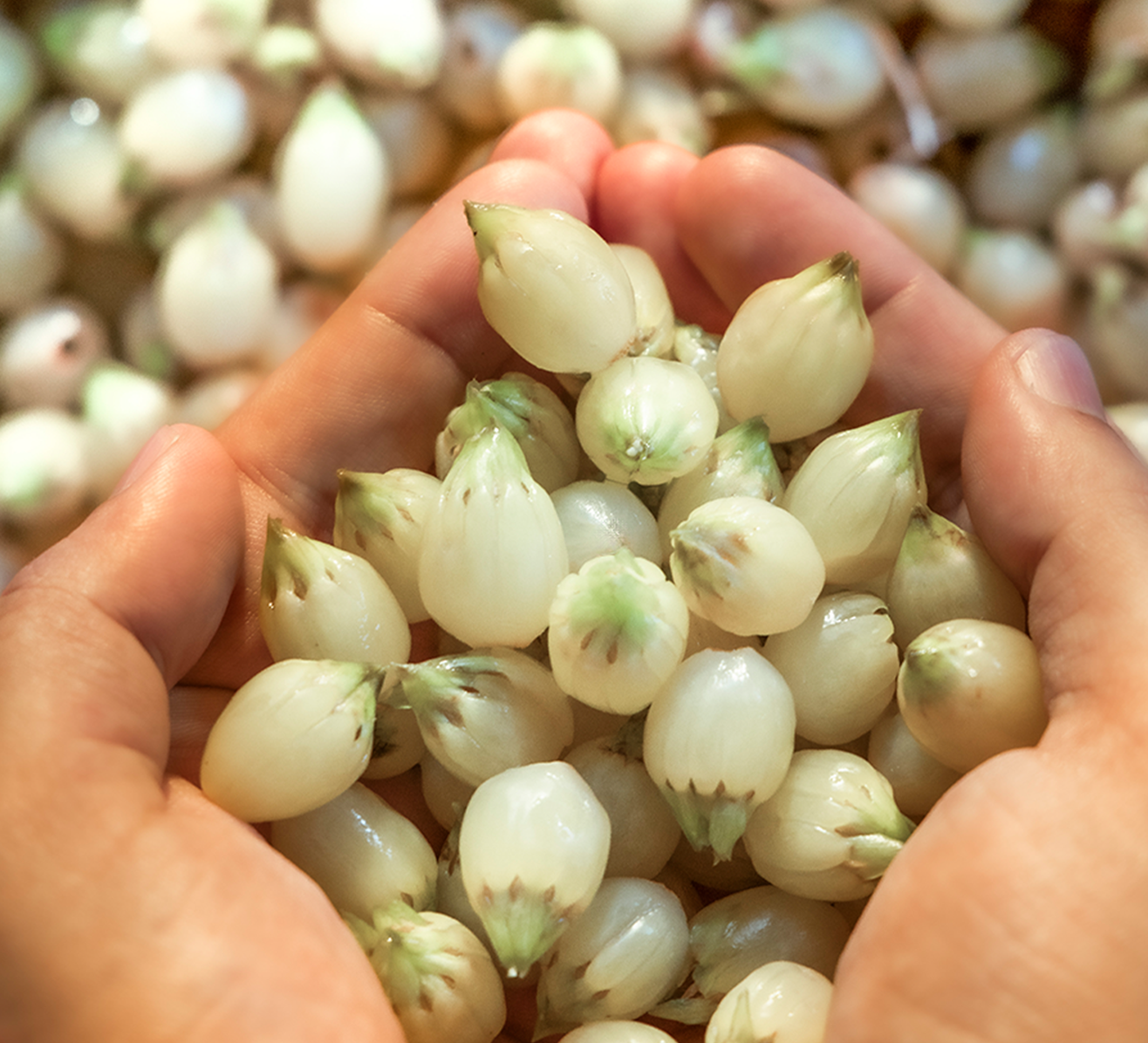
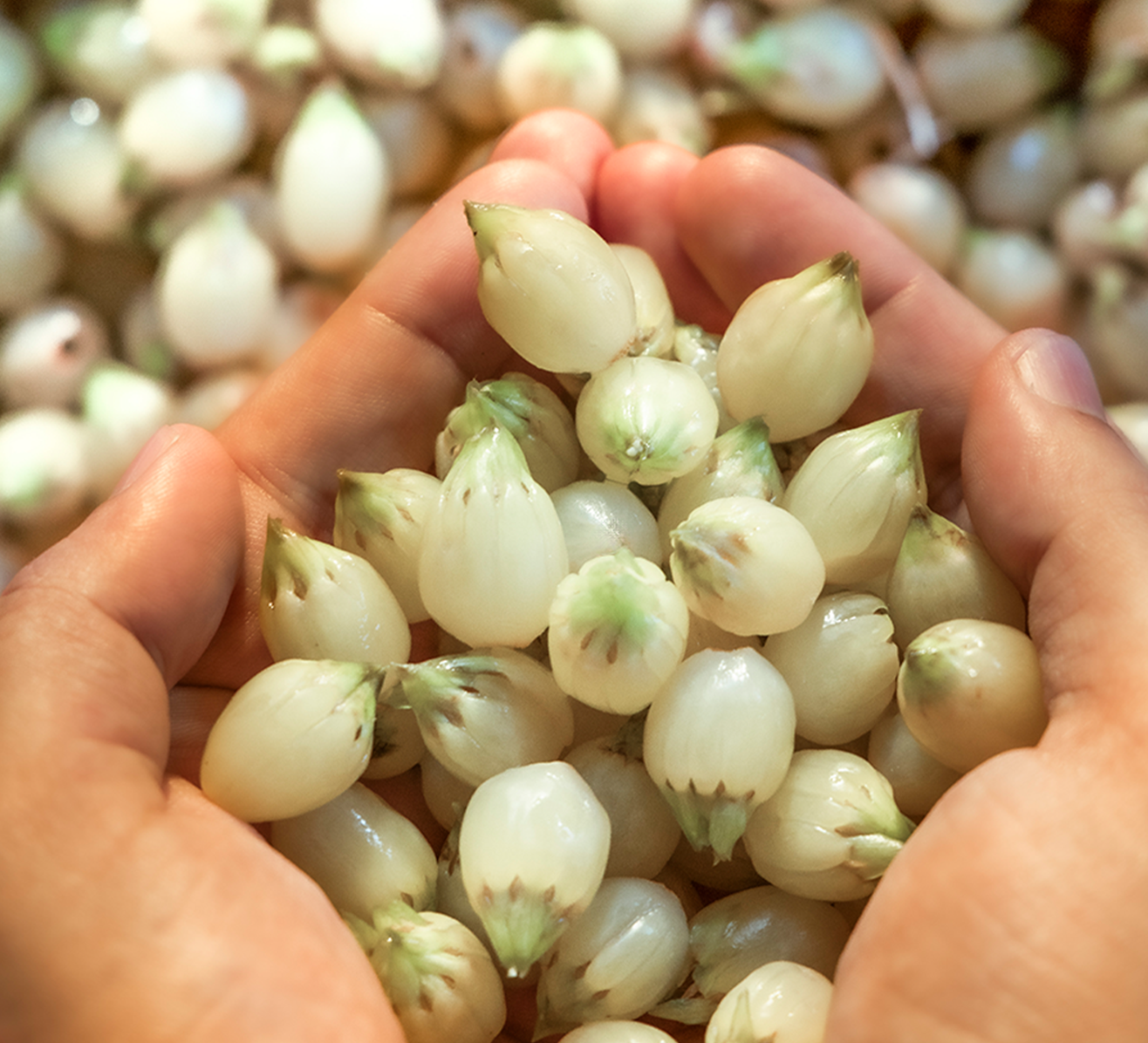
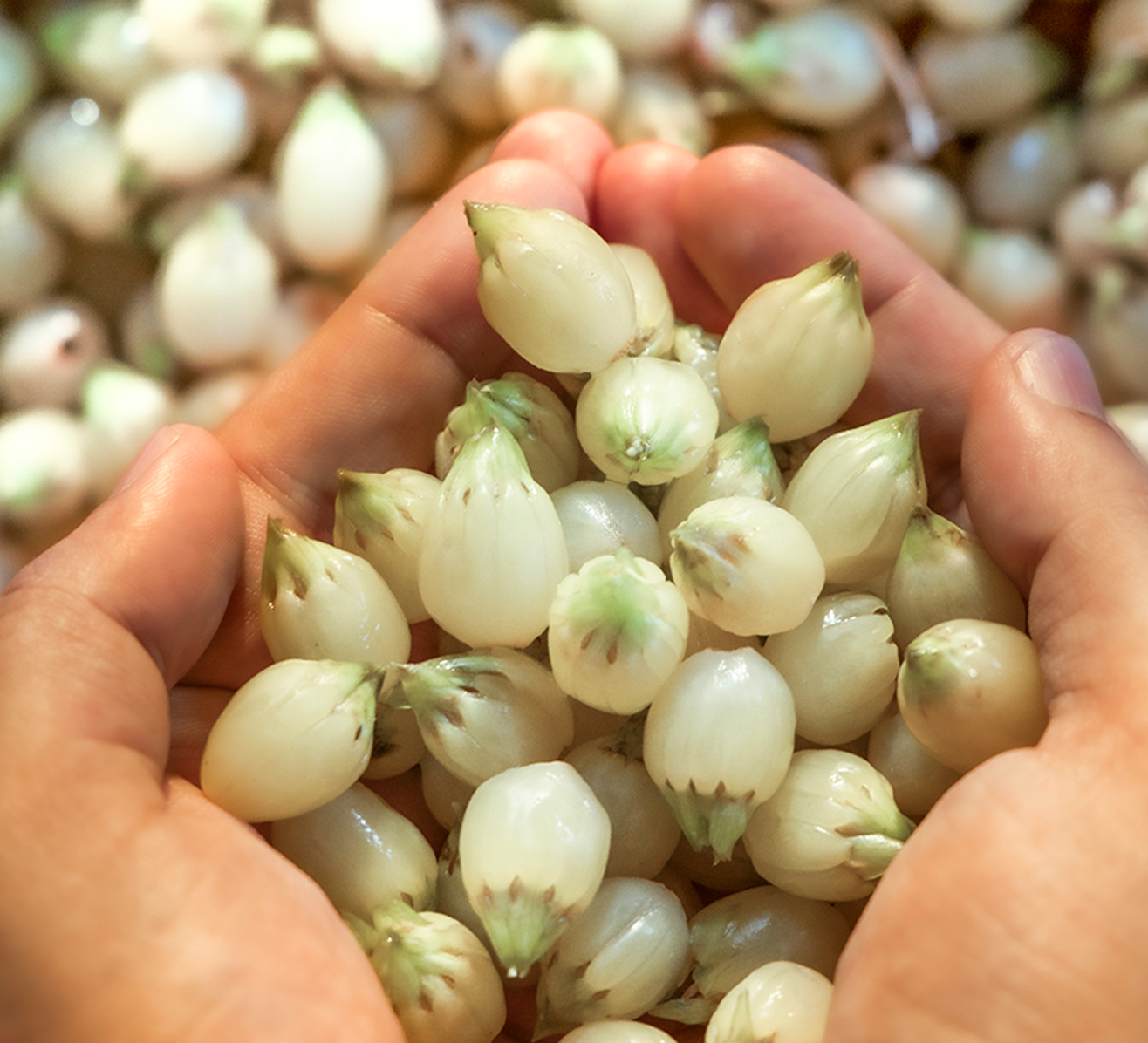
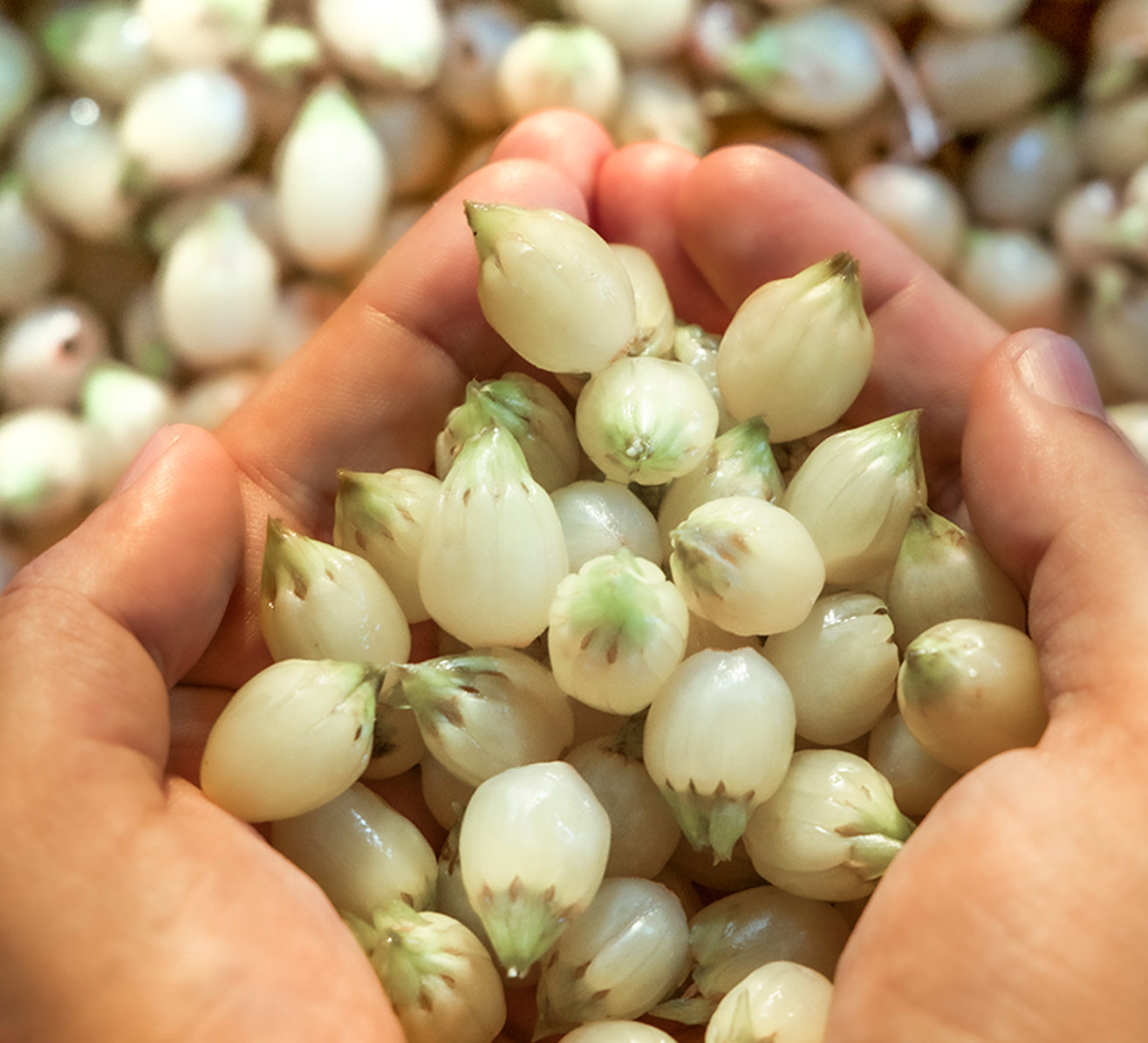
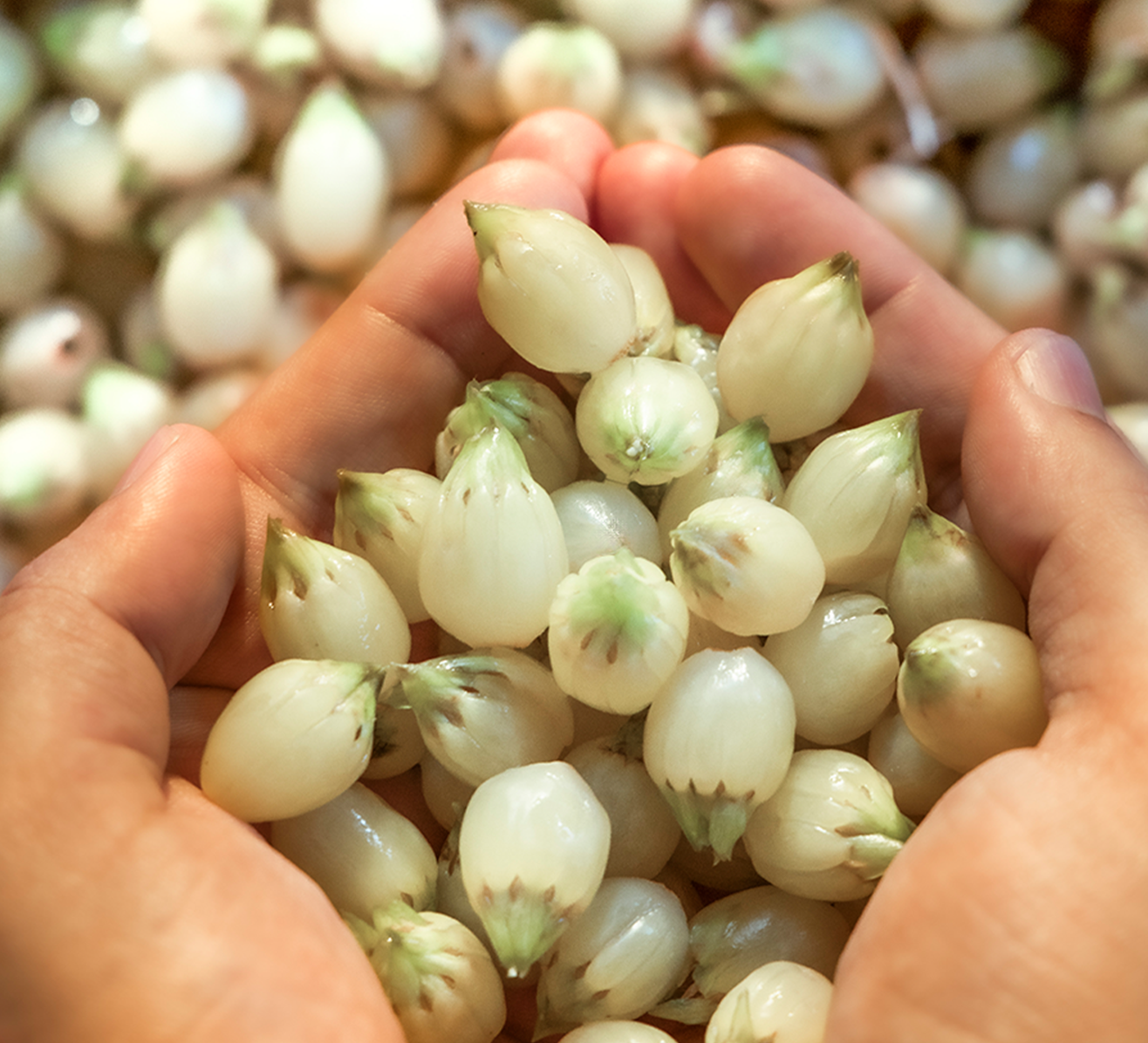
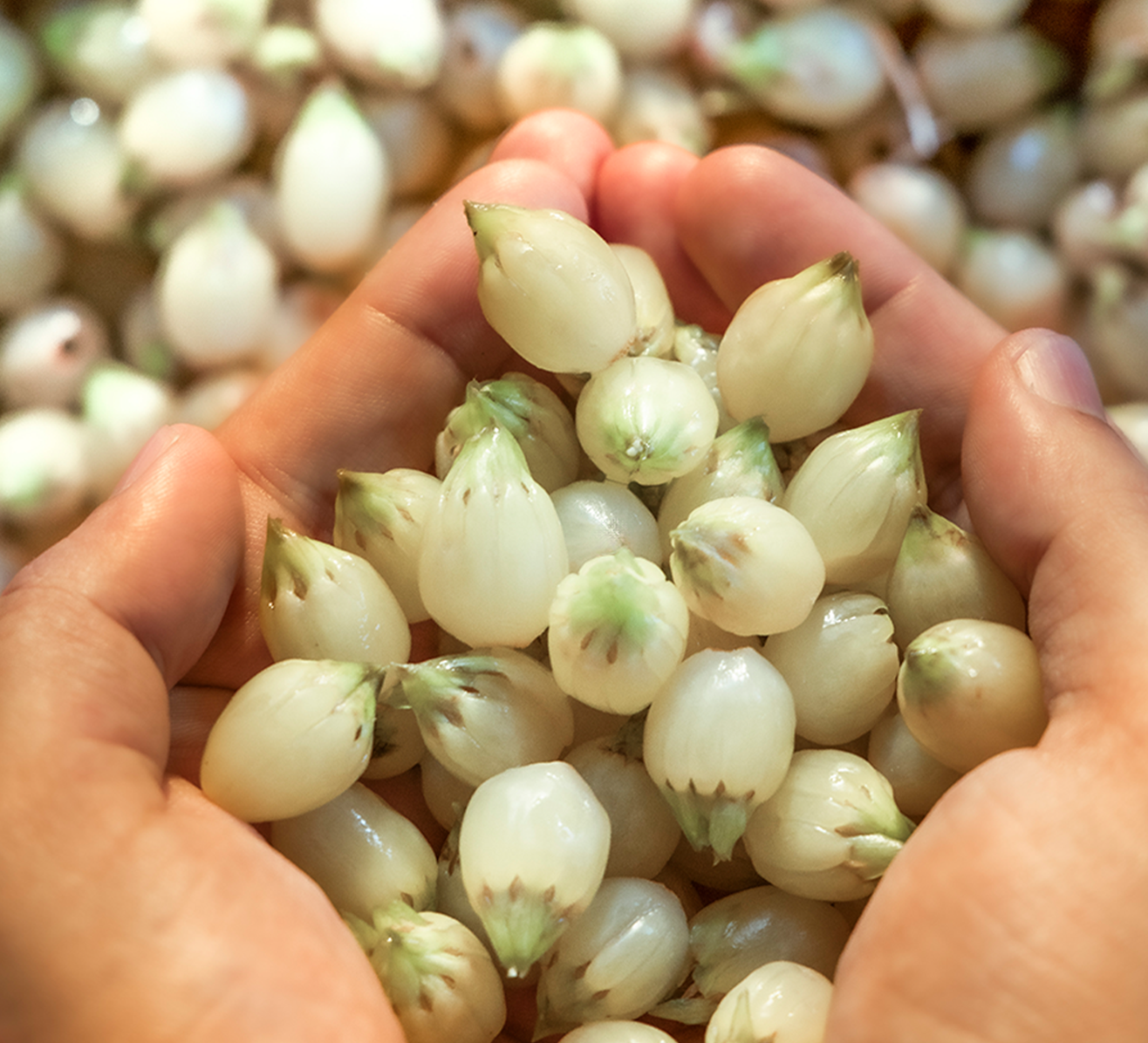
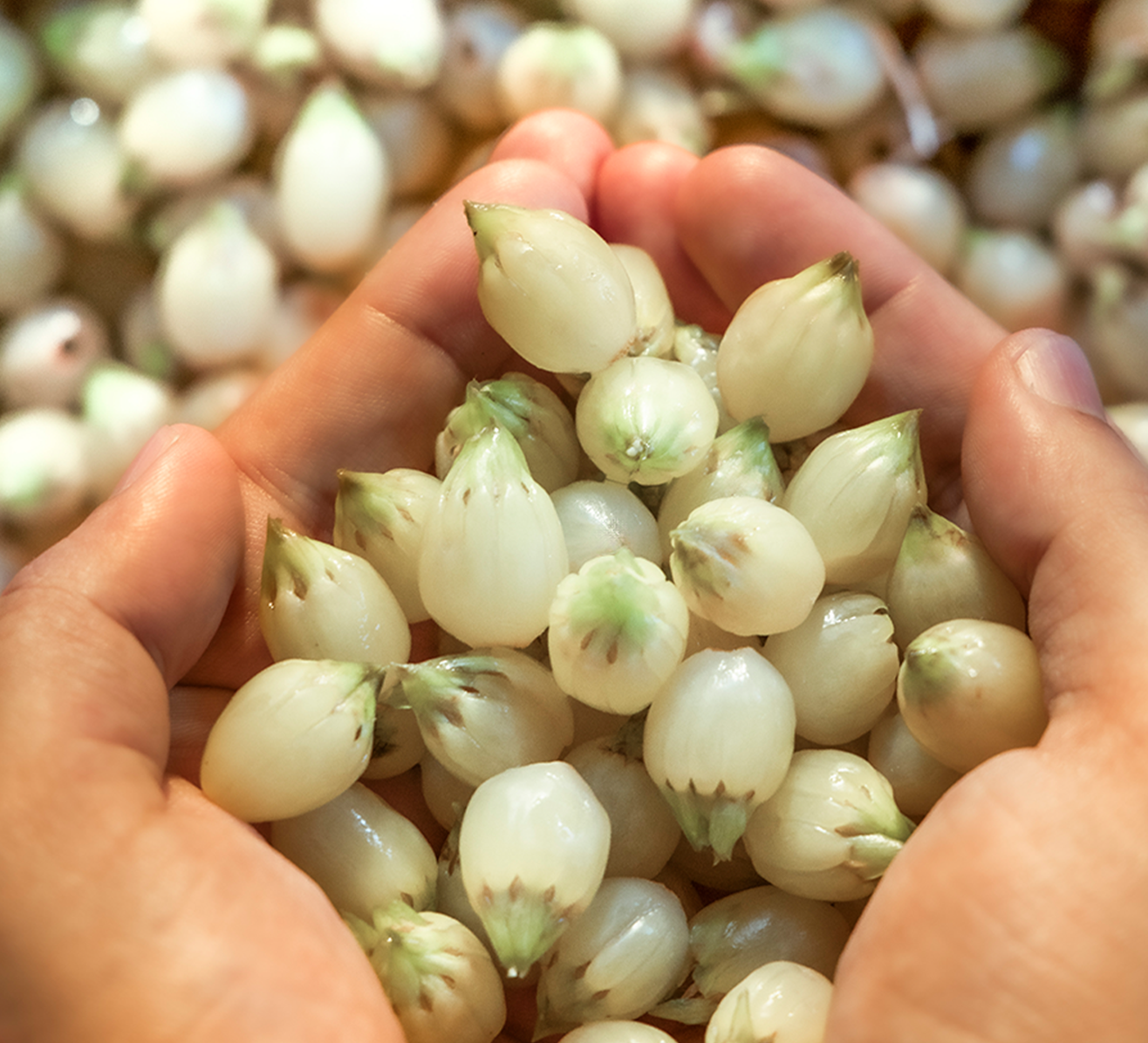
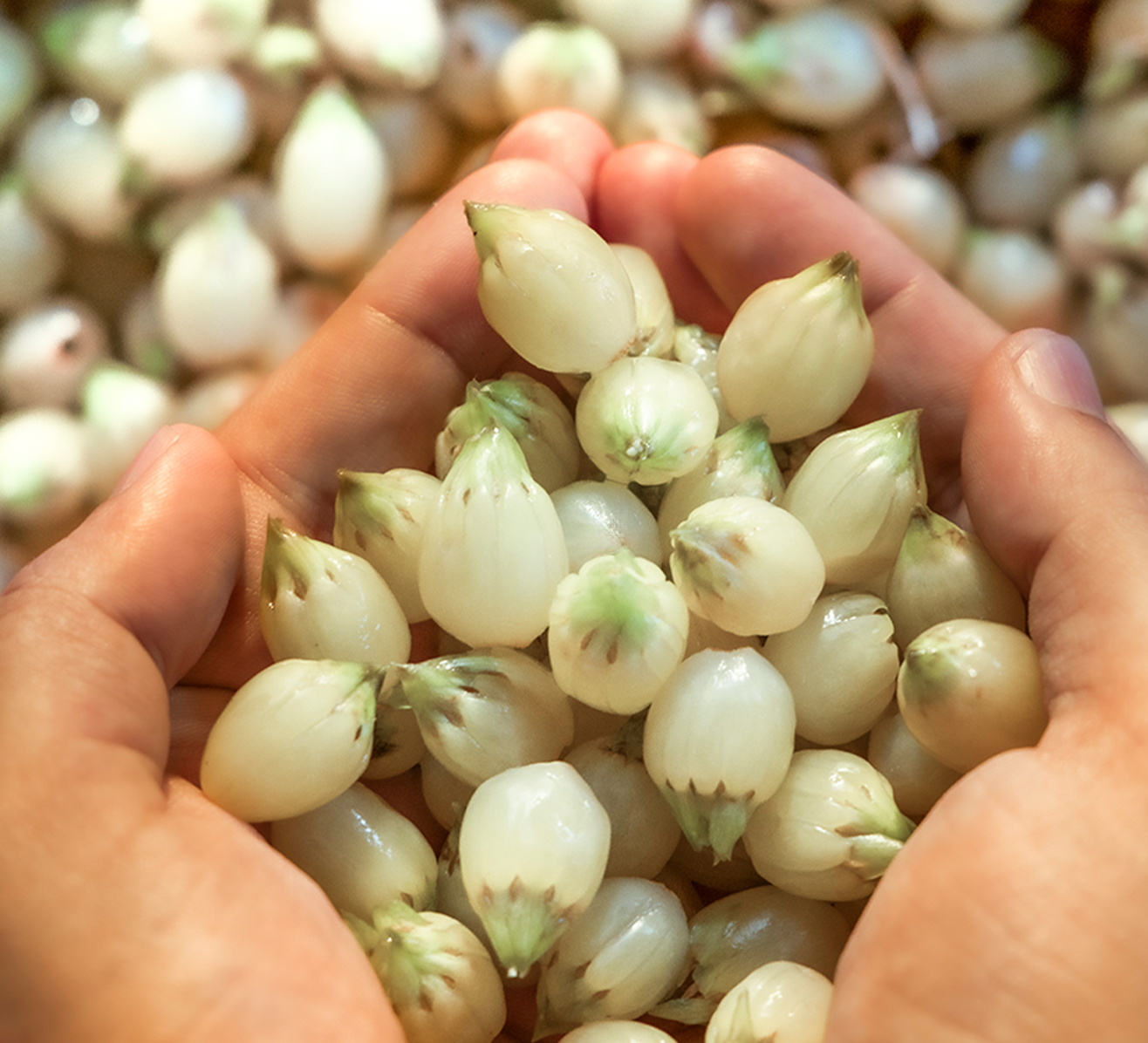
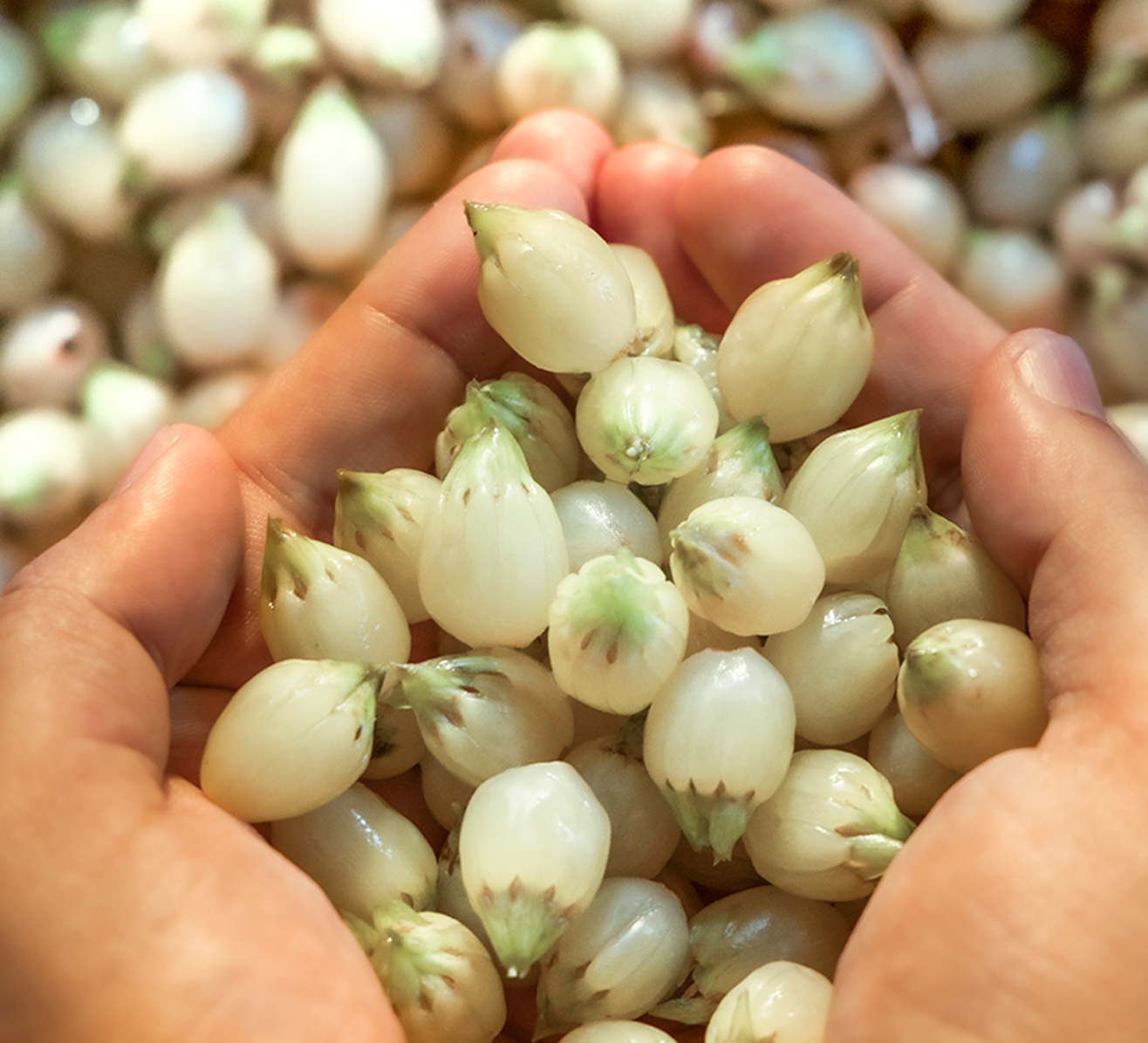
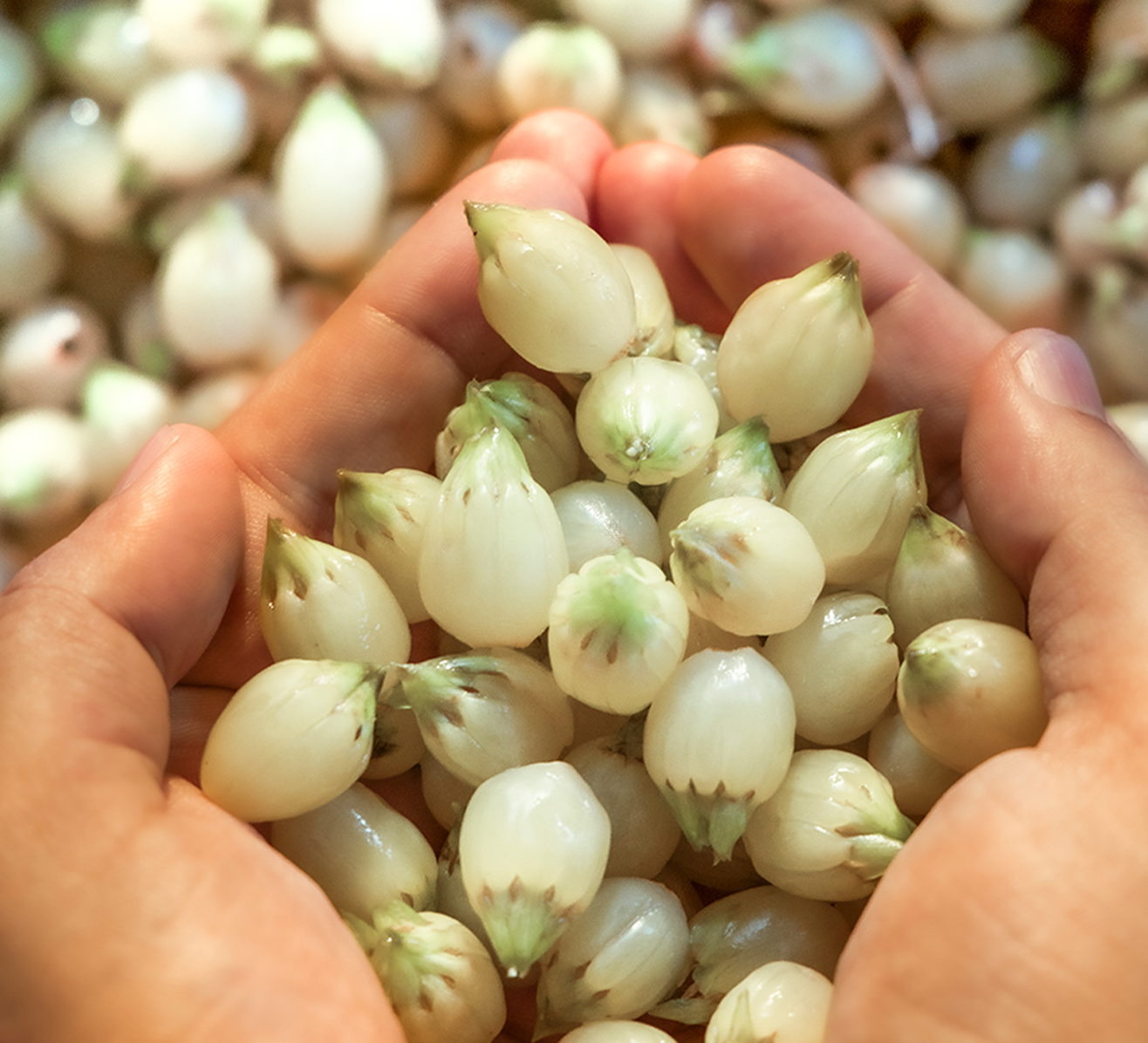
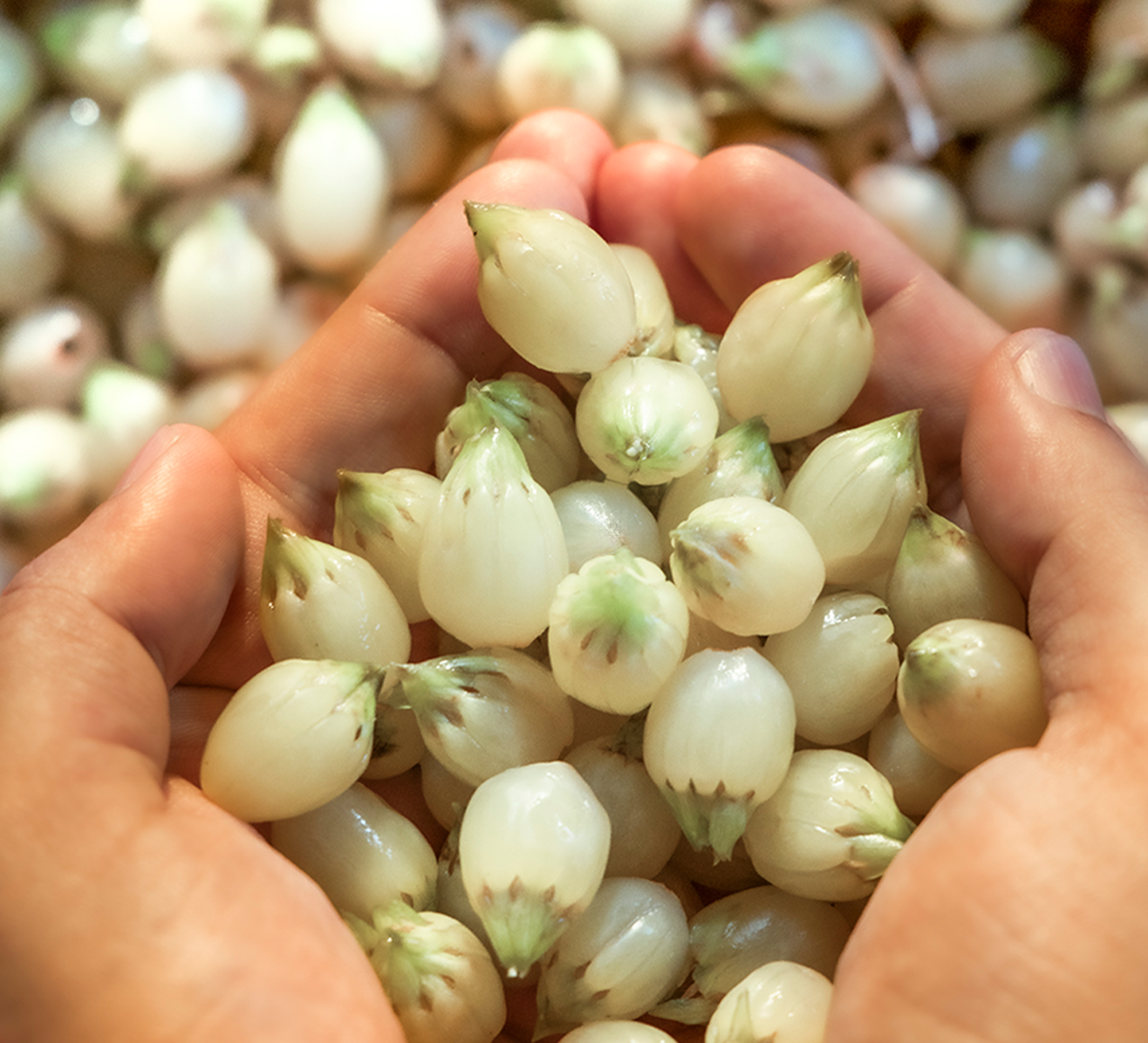
The Mahua plant, scientifically known as Madhuca longifolia, is a large, deciduous tree native to India. It thrives in dry and semi-arid regions and is known for its thick trunk, dense canopy, and fleshy, pale-yellow flowers
Key characteristics include:
The tree is hardy and drought-resistant, which makes it valuable in regions with limited rainfall.
The Mahua plant is often described as a “multi-purpose” tree because nearly every part of it has some use.
The flowers are naturally rich in sugars. They can be dried and used in various preparations. In certain regions, they are incorporated into sweets or consumed as a seasonal ingredient.
Mahua seeds contain oil that has traditionally been used in cooking and other household applications.
Seasonal flower collection creates income opportunities in rural areas. The tree’s dependable flowering cycle makes it an important economic resource.
Because the Mahua plant grows well in dry regions, it contributes to soil stability and green cover in challenging climates.

The Mahua plant has both traditional and modern applications.
The dried flowers, due to their natural sweetness, have been used in regional recipes.
The seeds are pressed to extract oil, which has long been used in various domestic applications.
One of the most well-known uses of Mahua flowers is fermentation and distillation into spirit. The natural sugar content makes them ideal for this purpose.
In the past, this production was often local and unregulated. Today, improved distillation standards are elevating Mahua-based spirits into a premium category.
If you’re considering cultivating the Madhuka plant, here’s what you need to know.
Mahua grows best in tropical and subtropical climates. It tolerates high temperatures and moderate drought conditions.
Well-drained soil is ideal. The tree adapts to various soil types, including sandy and slightly rocky terrain.
Mahua is typically grown from seeds. Fresh seeds have better germination rates, so timely planting is important.
Since the tree grows large, adequate spacing is necessary. A distance of at least 8–10 meters between trees is recommended.
Young saplings require regular watering. Once established, the tree becomes relatively drought-resistant.
Mahua trees generally begin flowering after several years of growth. Once mature, they produce flowers seasonally and consistently.
Patience is key. This is a long-term tree, not a short-cycle crop.
Young saplings require regular watering. Once established, the tree becomes relatively drought-resistant.
Also Read : Mahua Spirit Benefits: India's Ancient Spirit Rediscovered
India’s premium spirits market is expanding rapidly. Consumers are increasingly curious about heritage ingredients and locally rooted flavors.
That shift has brought renewed interest to the Mahua plant. Instead of being viewed only as a rural resource, it is now recognized as a base for high-quality, culturally rich spirits.
But quality depends entirely on production standards.
Careful flower collection, proper drying, controlled fermentation, and refined distillation are essential to producing a smooth, premium spirit.
The journey from Mahua flower to finished spirit is where tradition meets craftsmanship.
Modern producers who invest in clean fermentation methods and professional distillation can transform this heritage ingredient into a refined product suitable for premium markets.
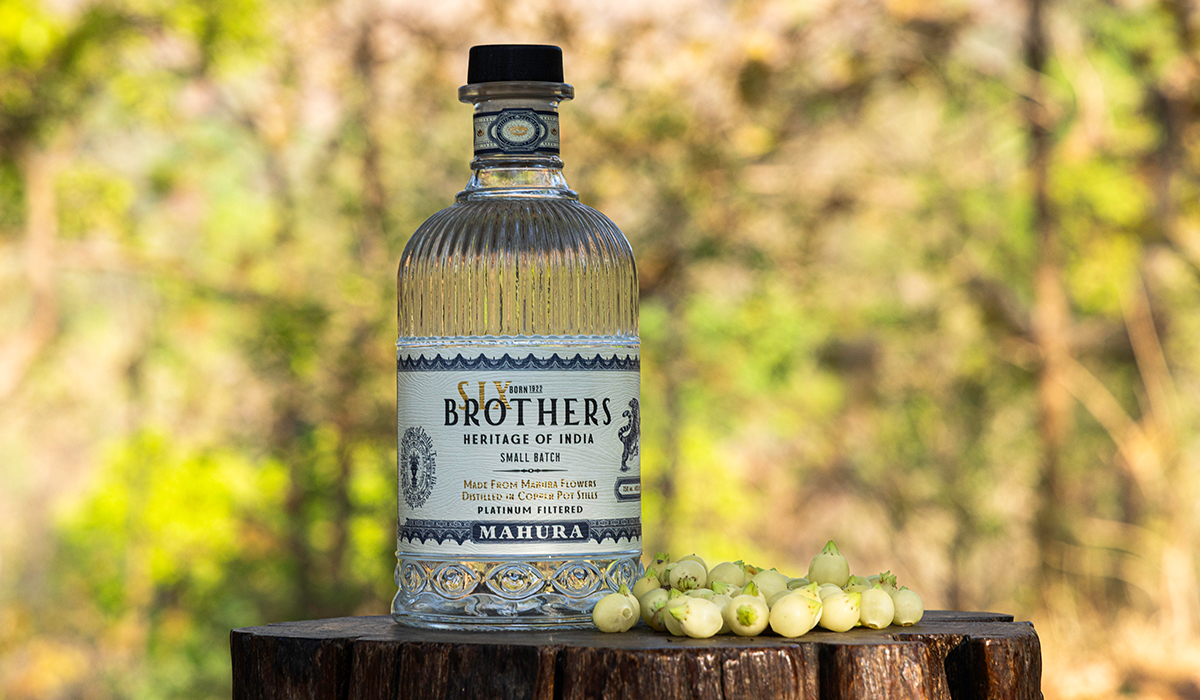
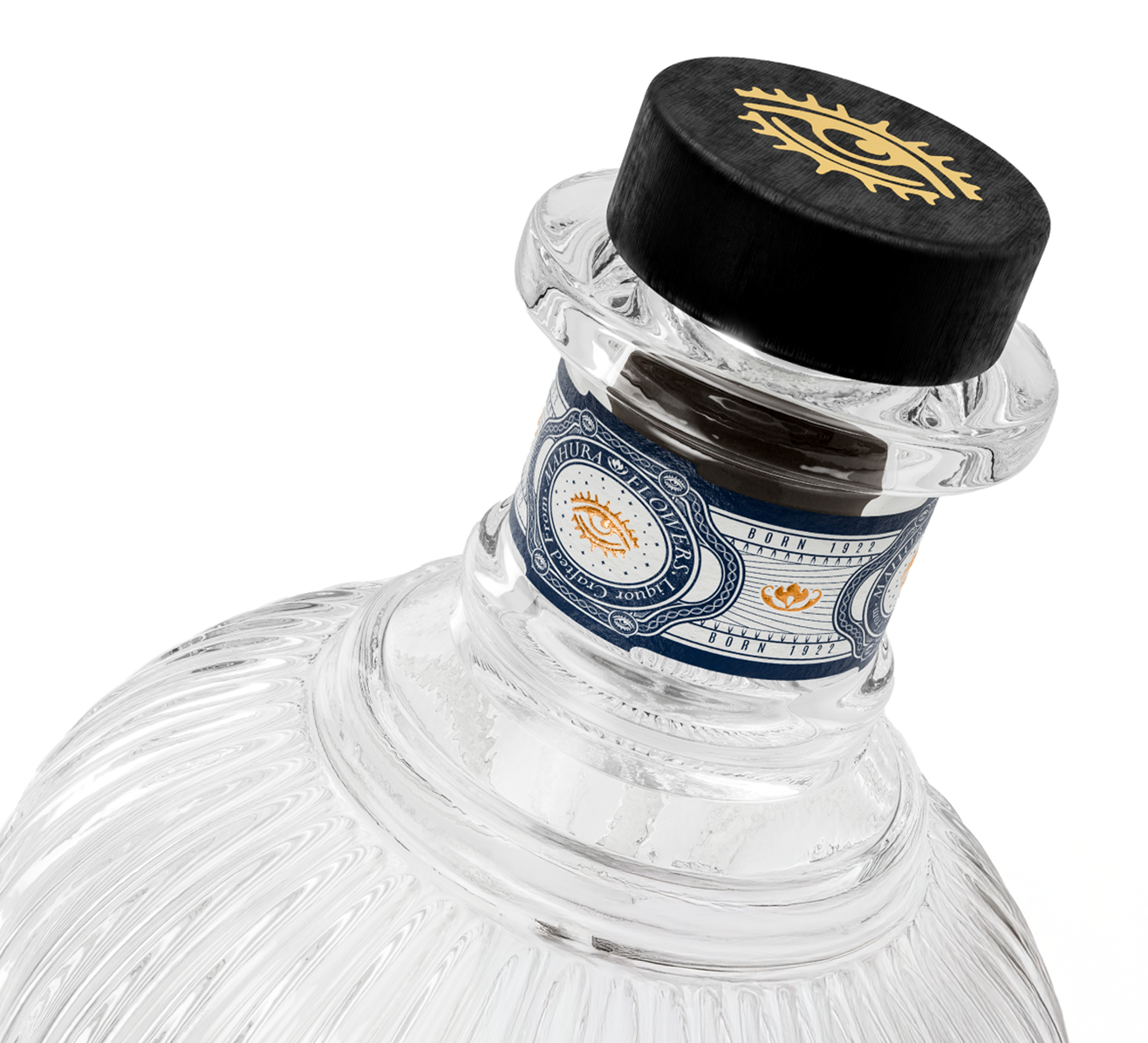
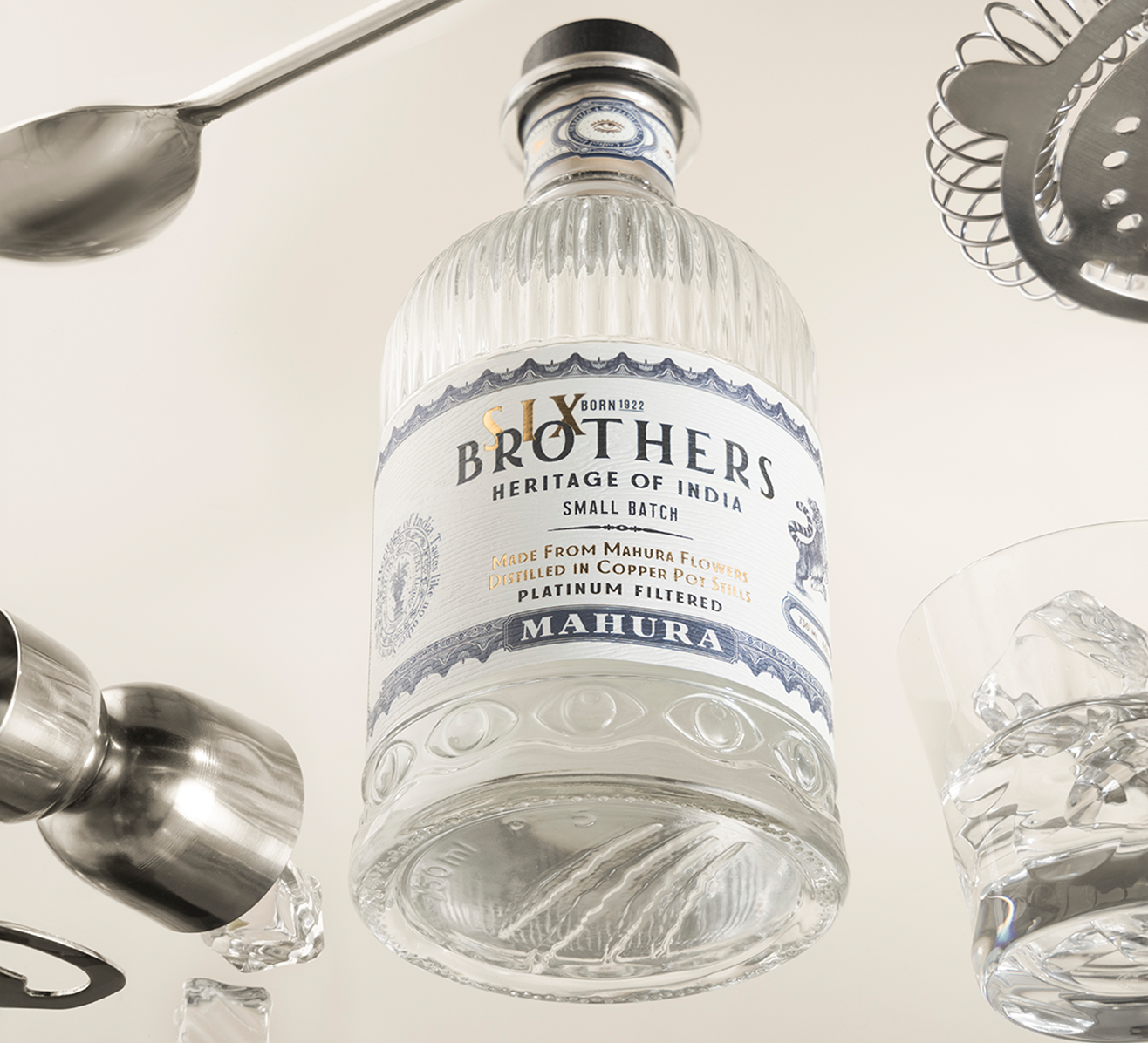
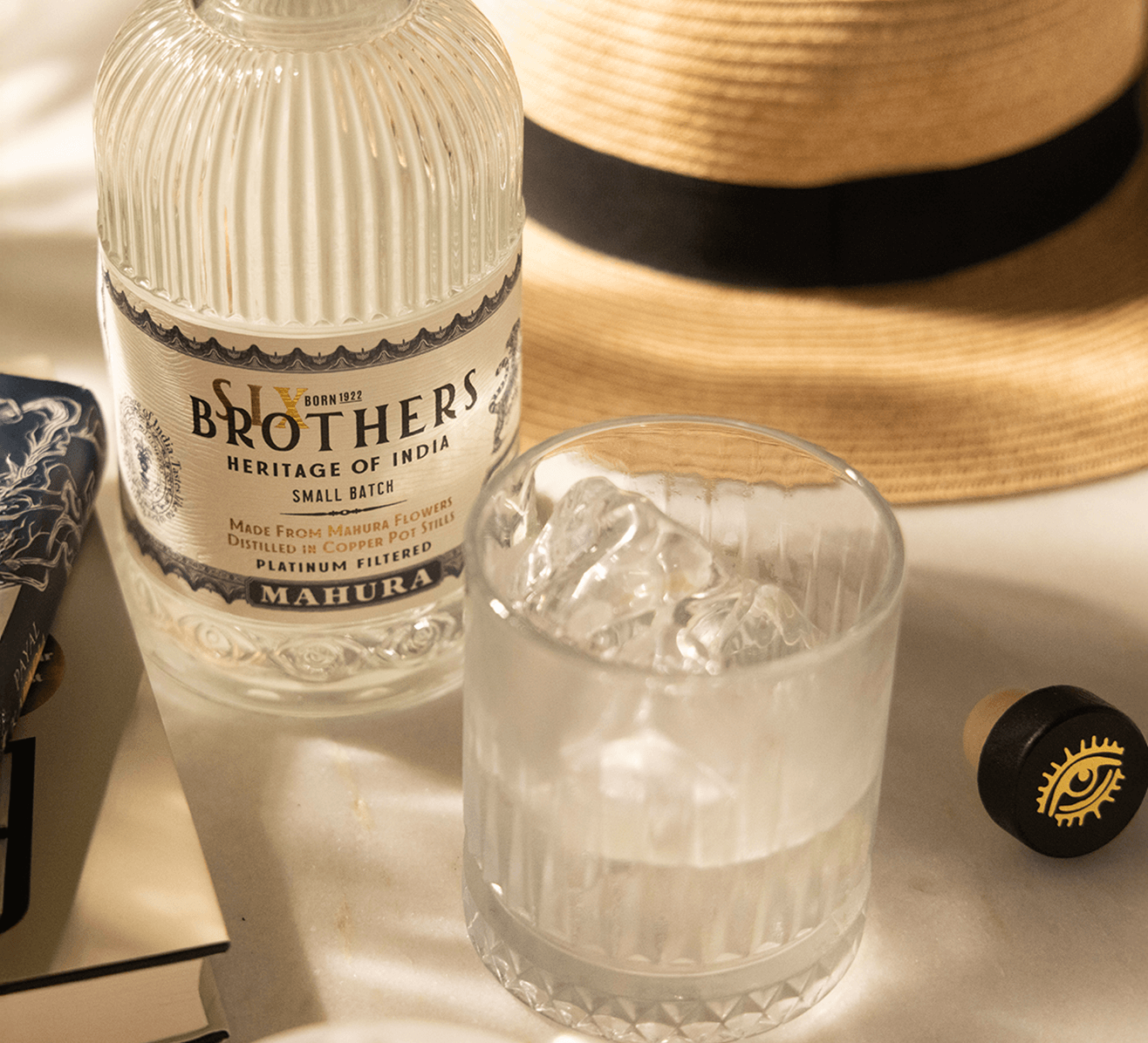
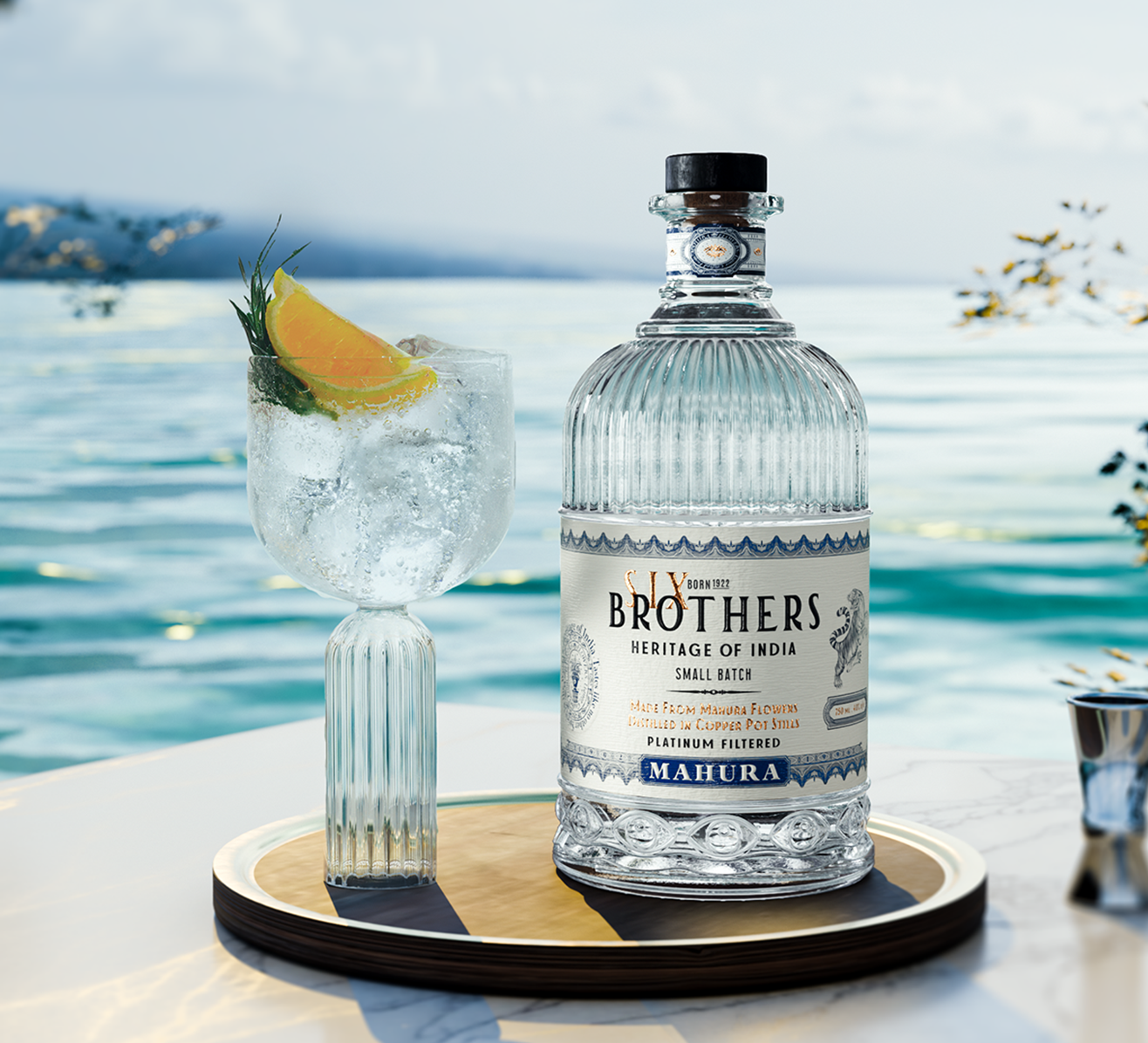
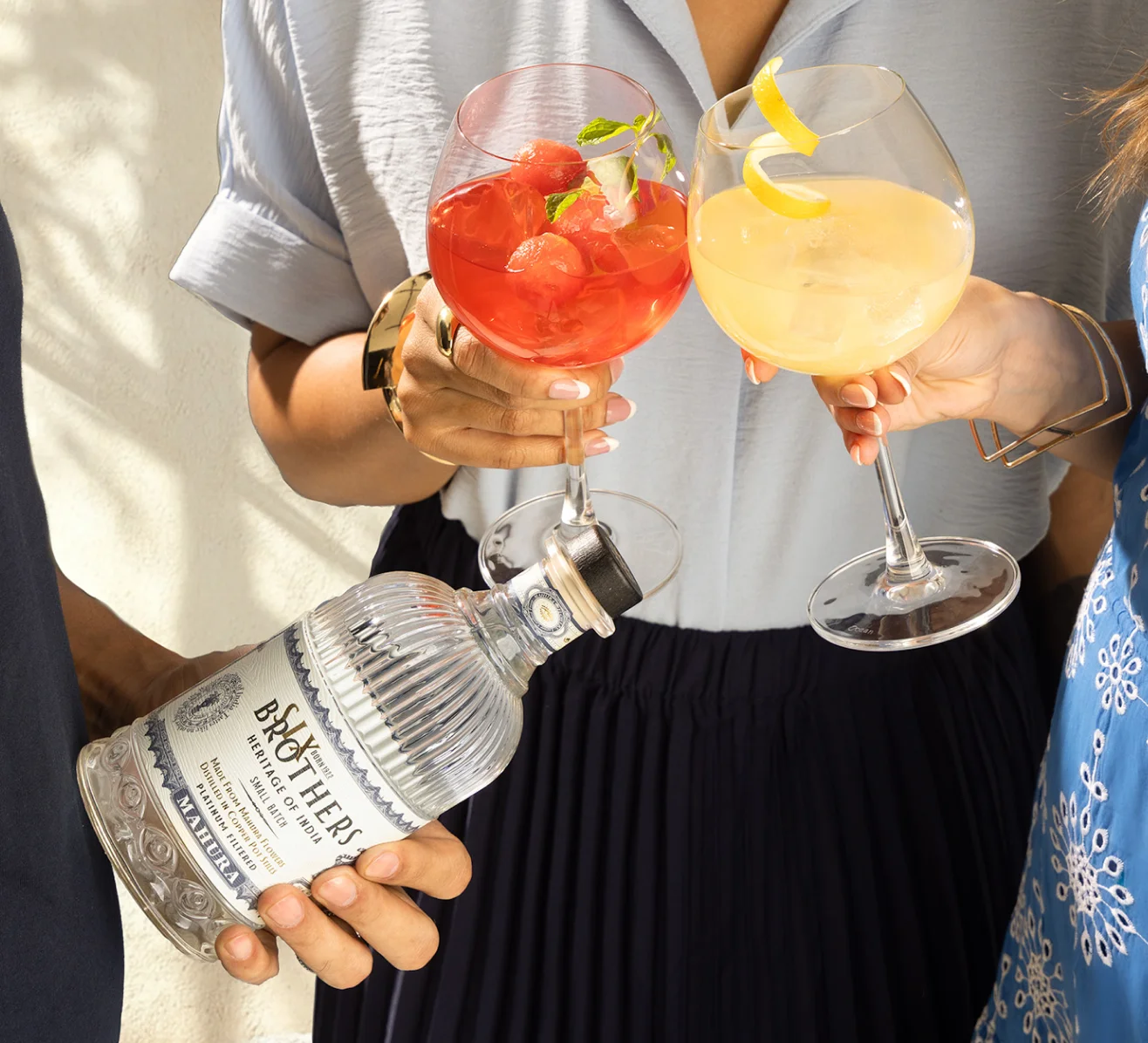
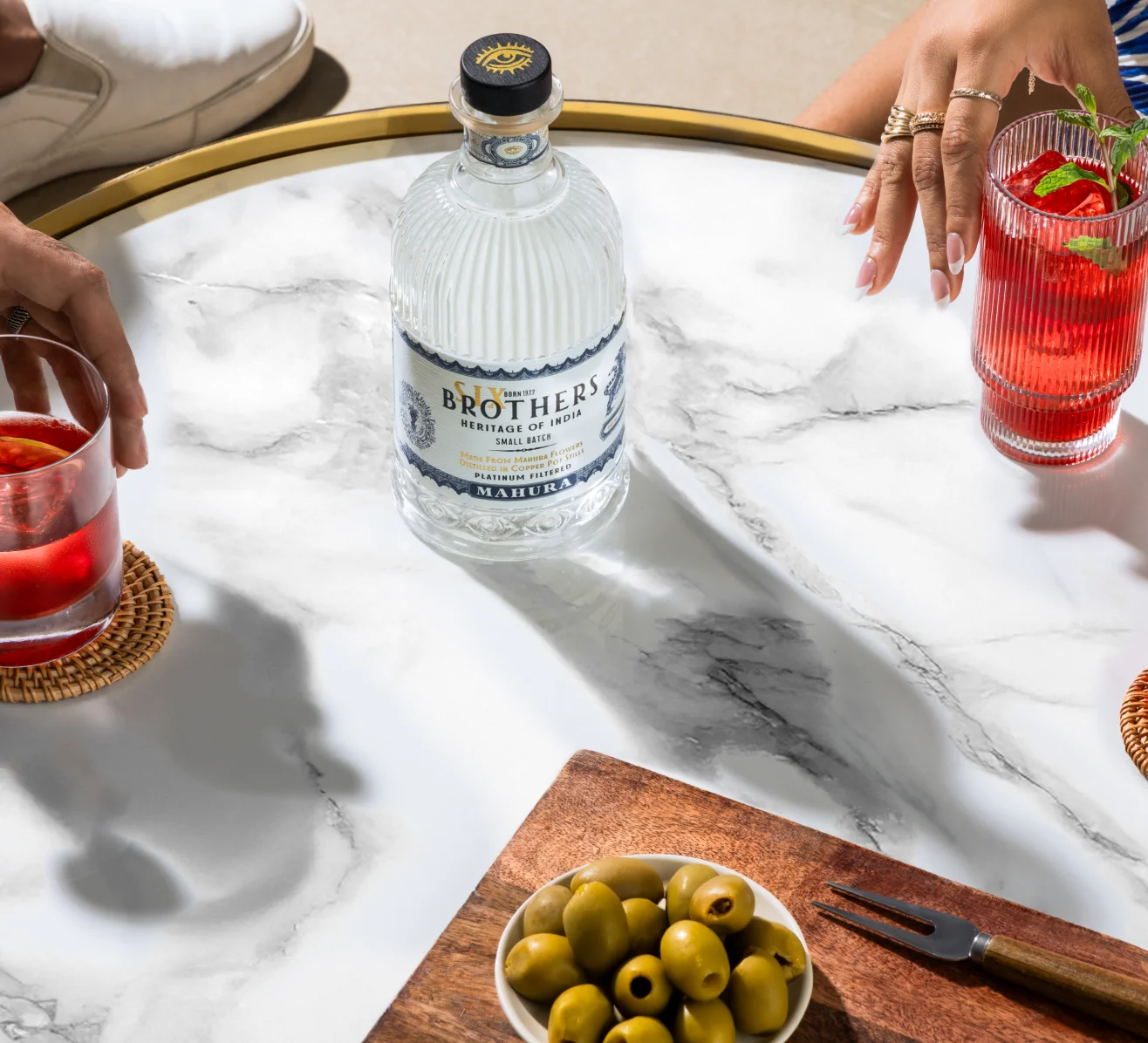
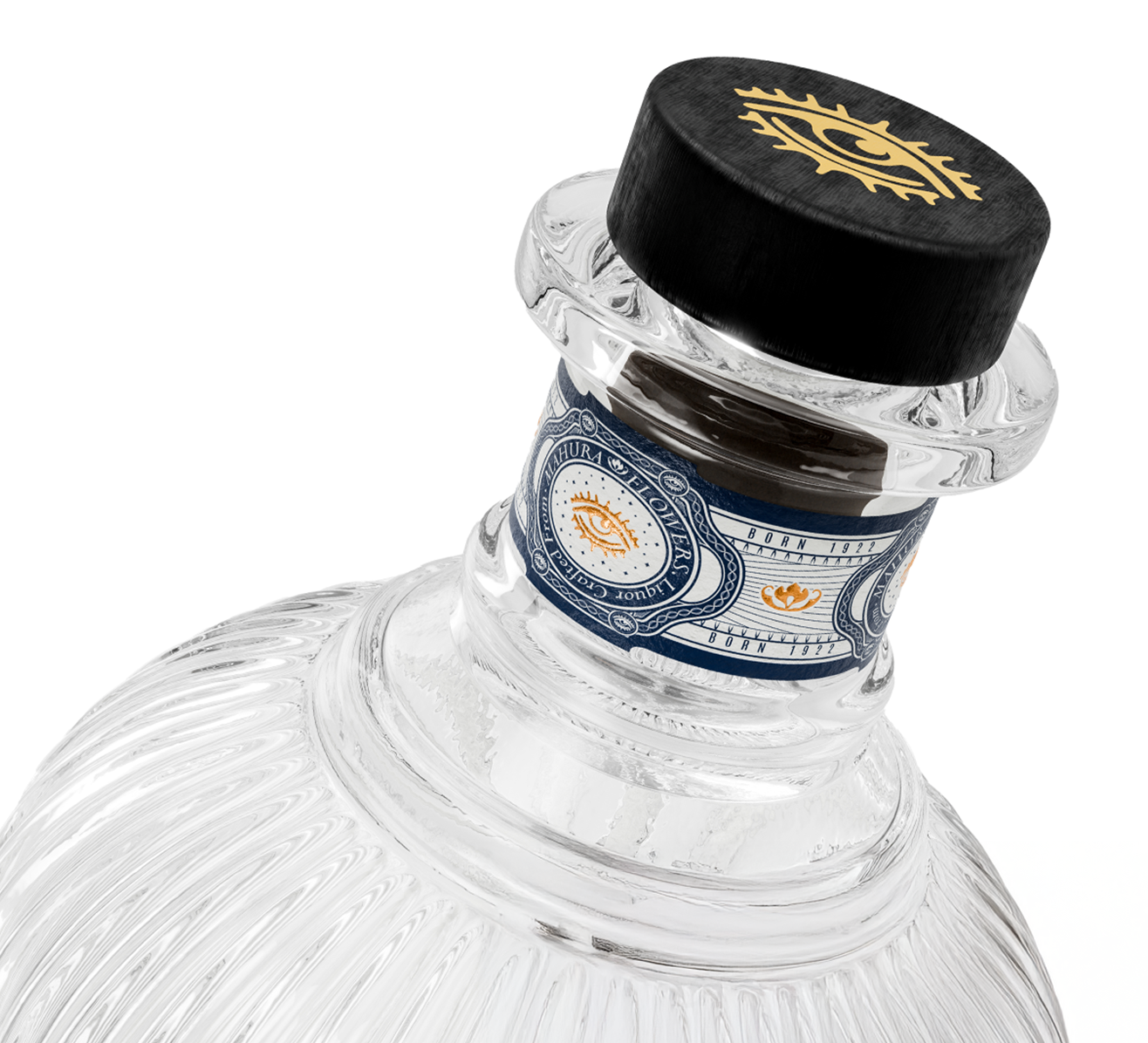
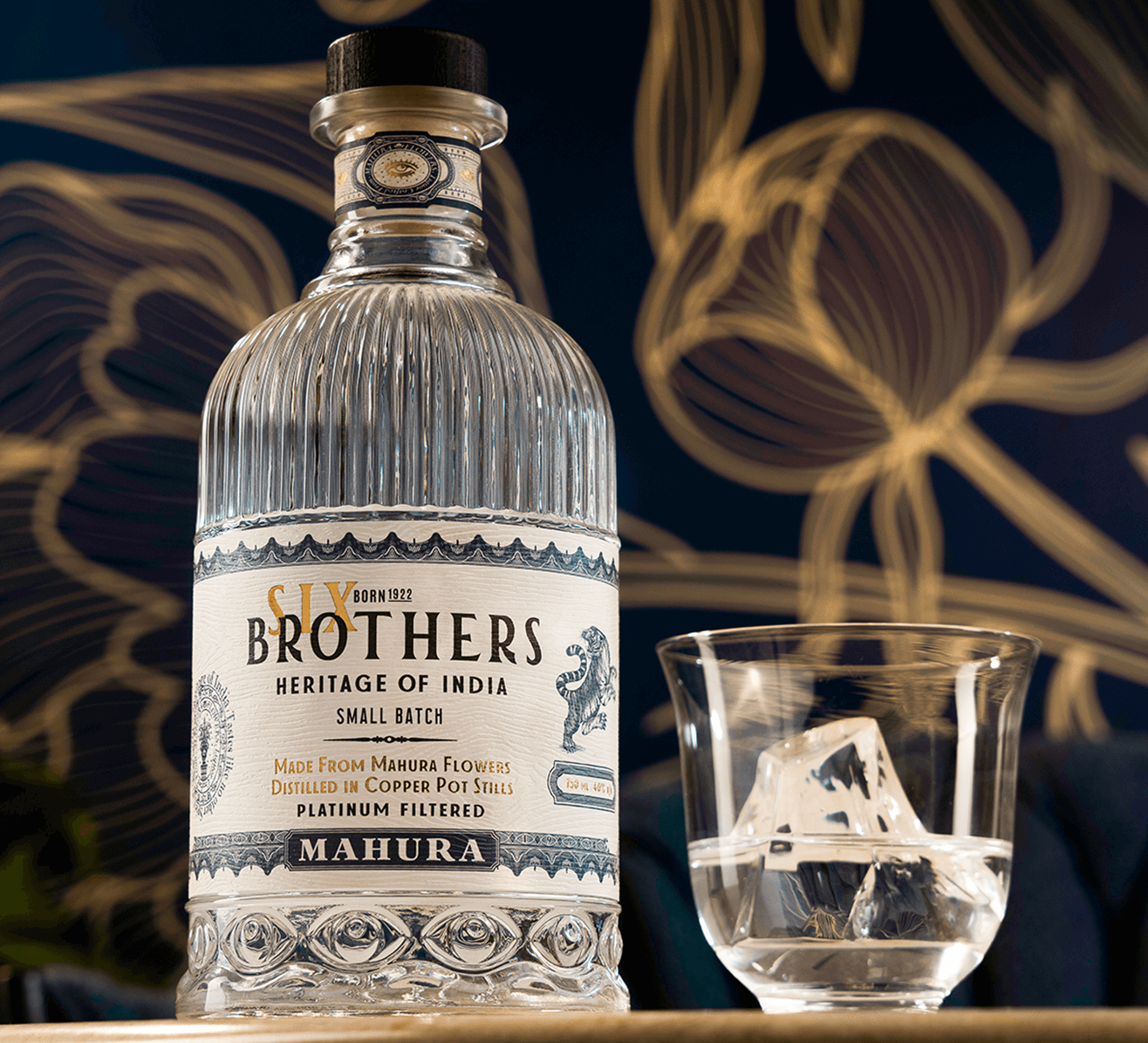
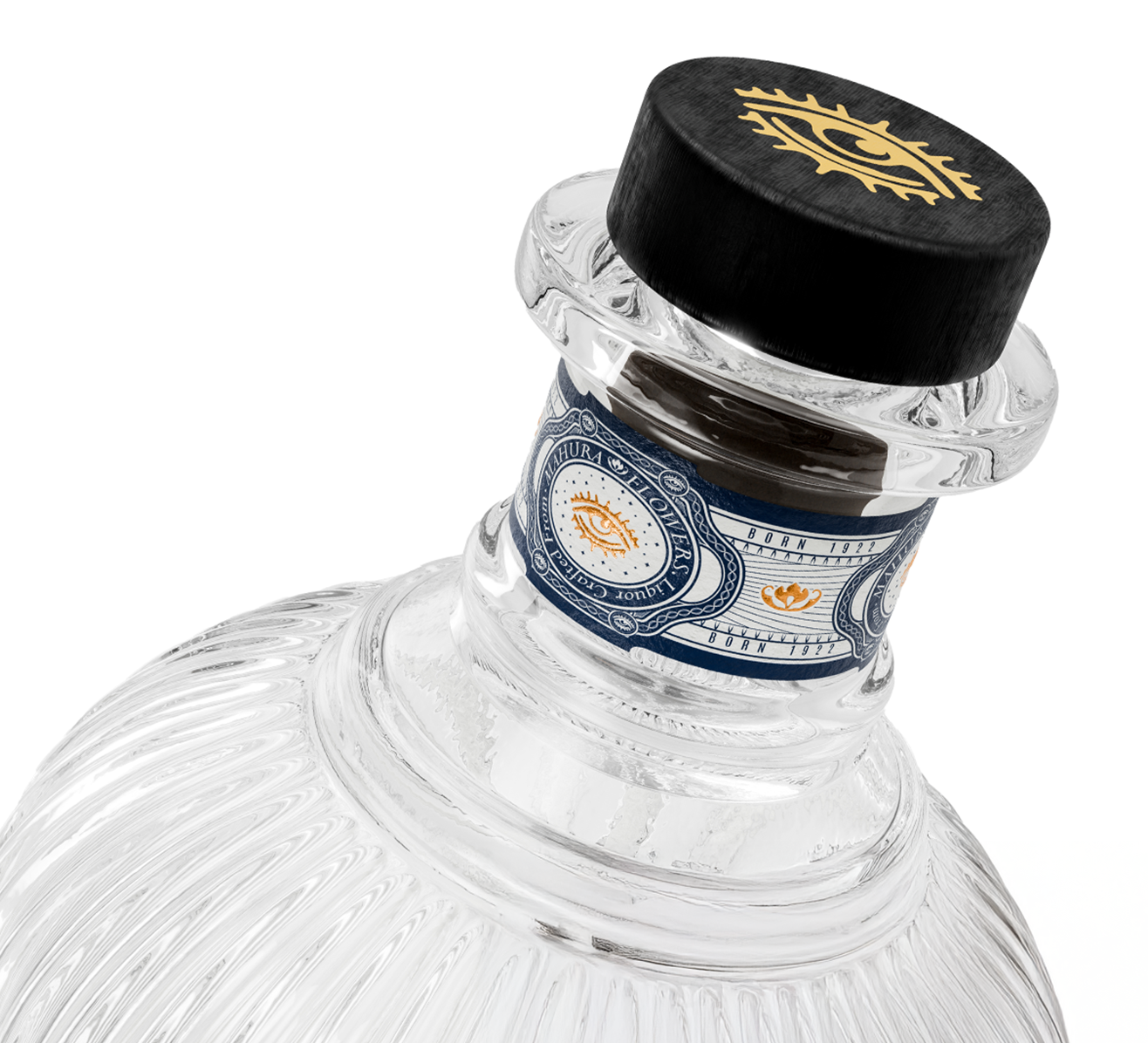
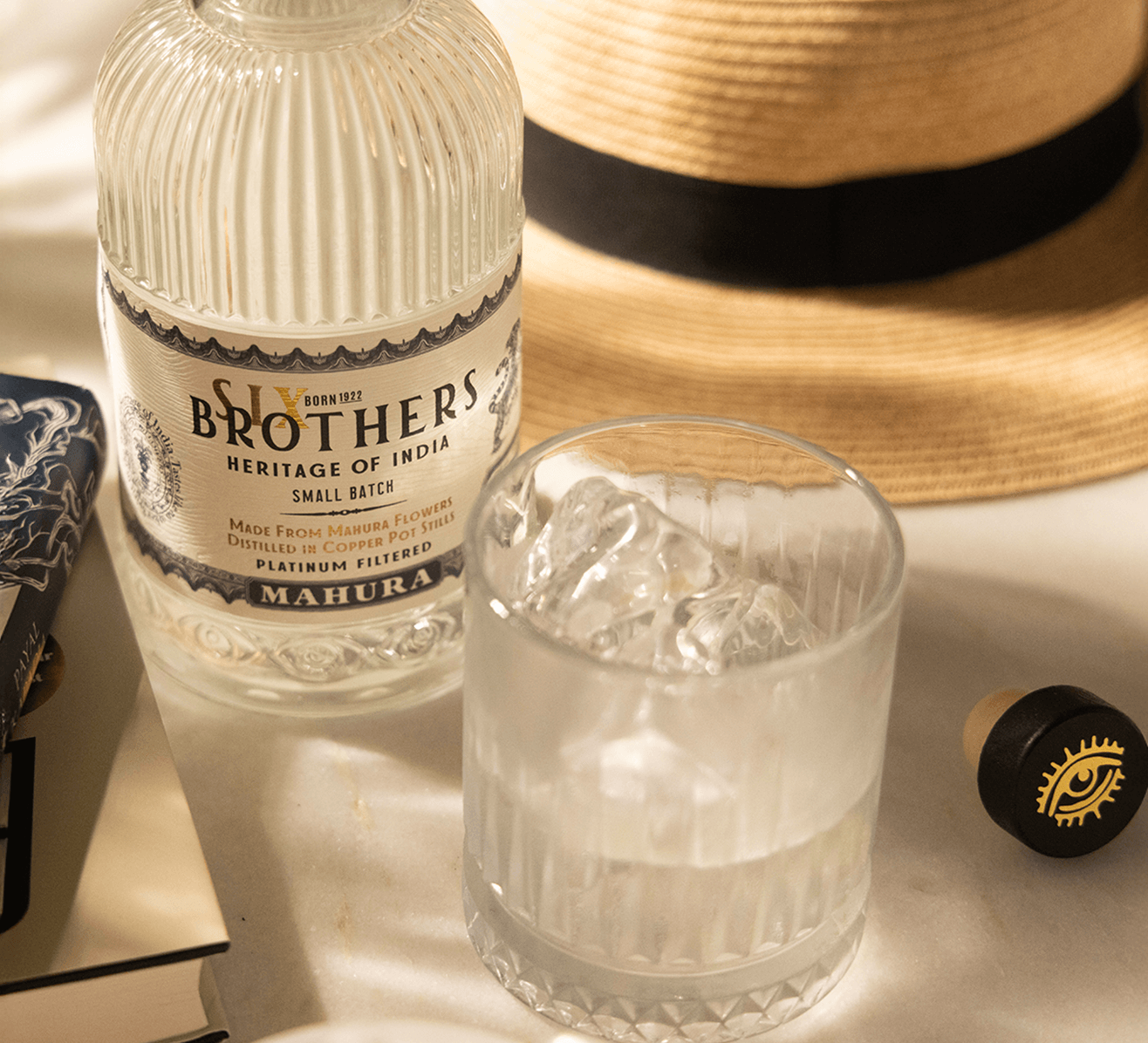
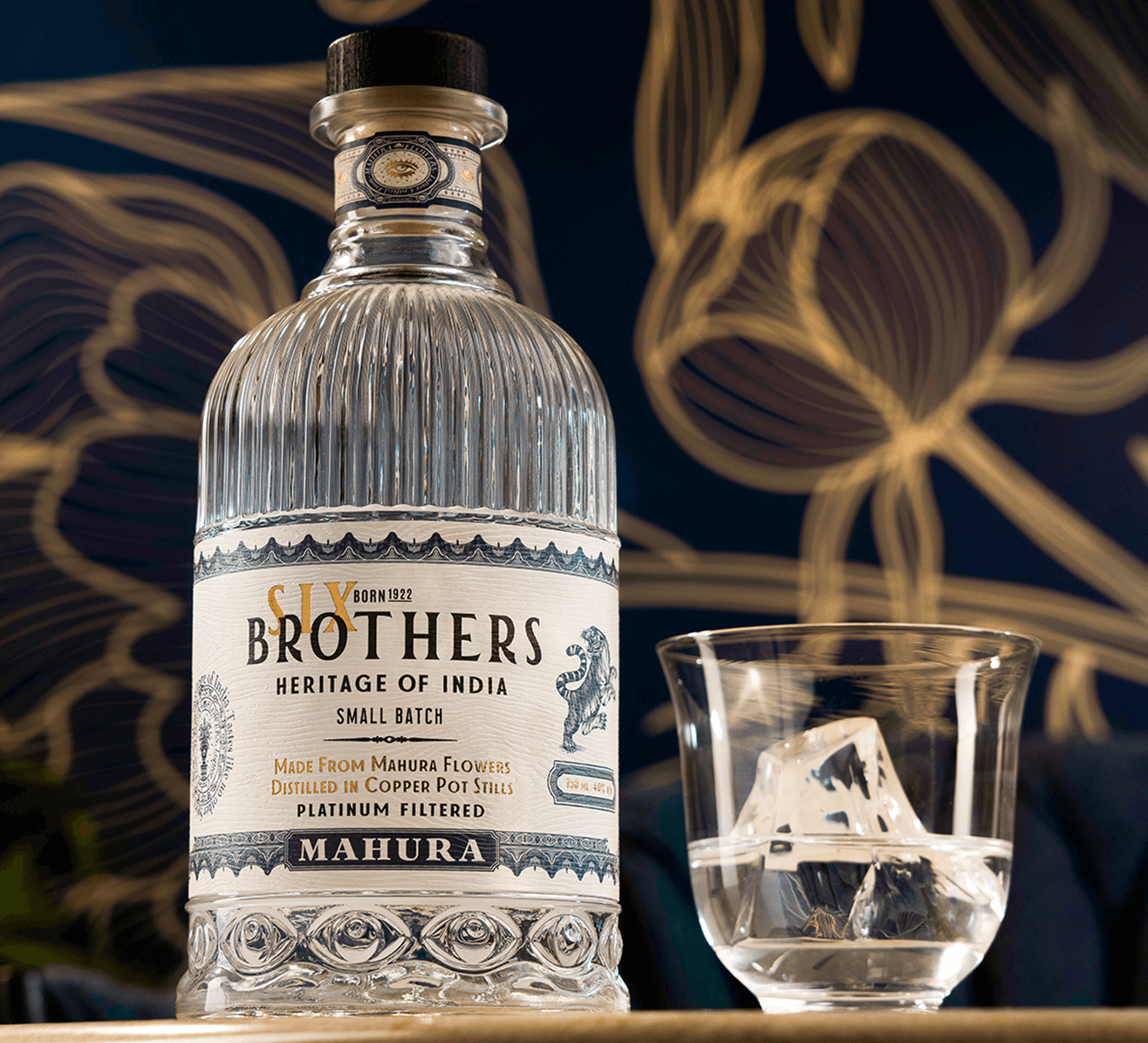
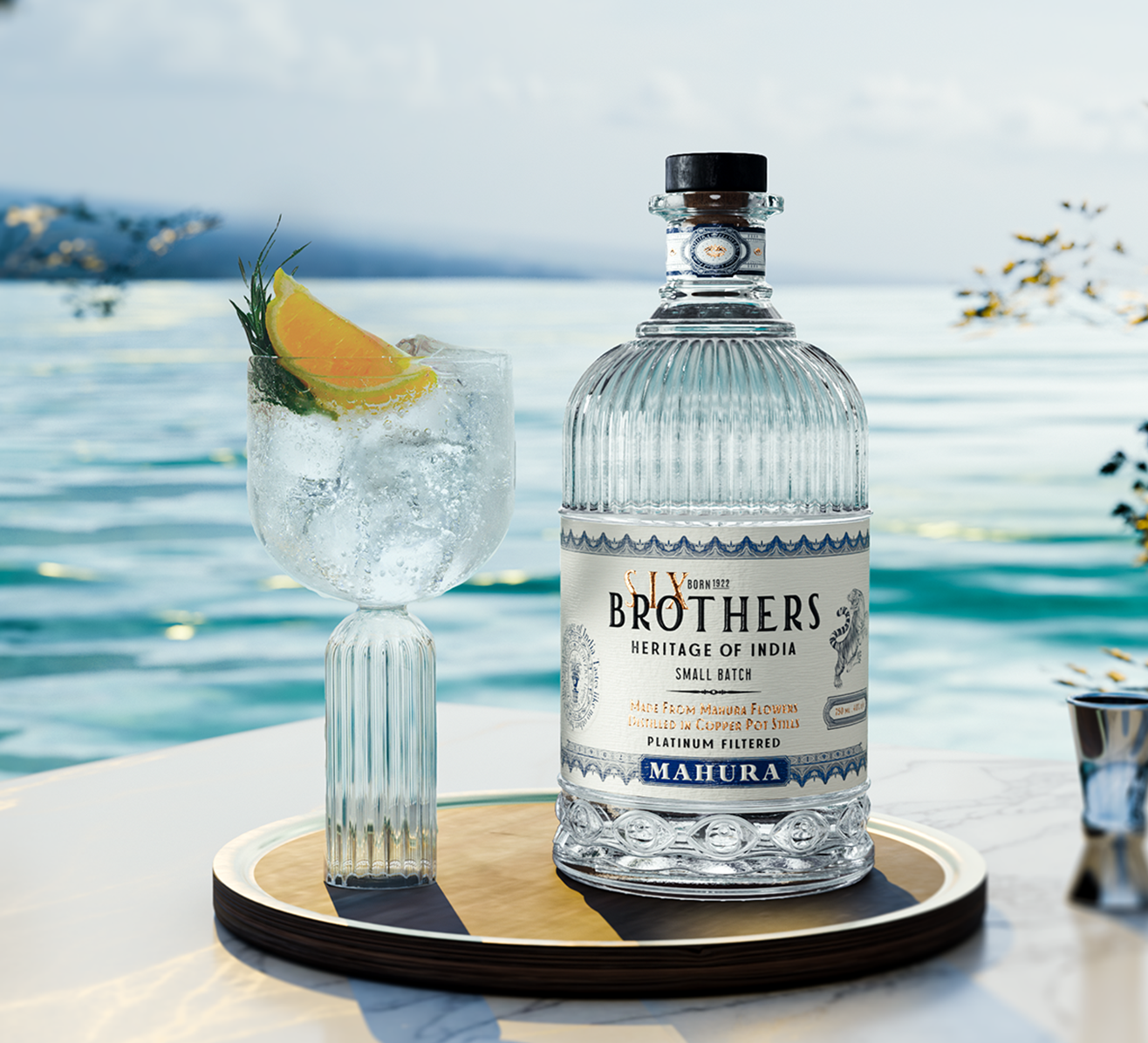
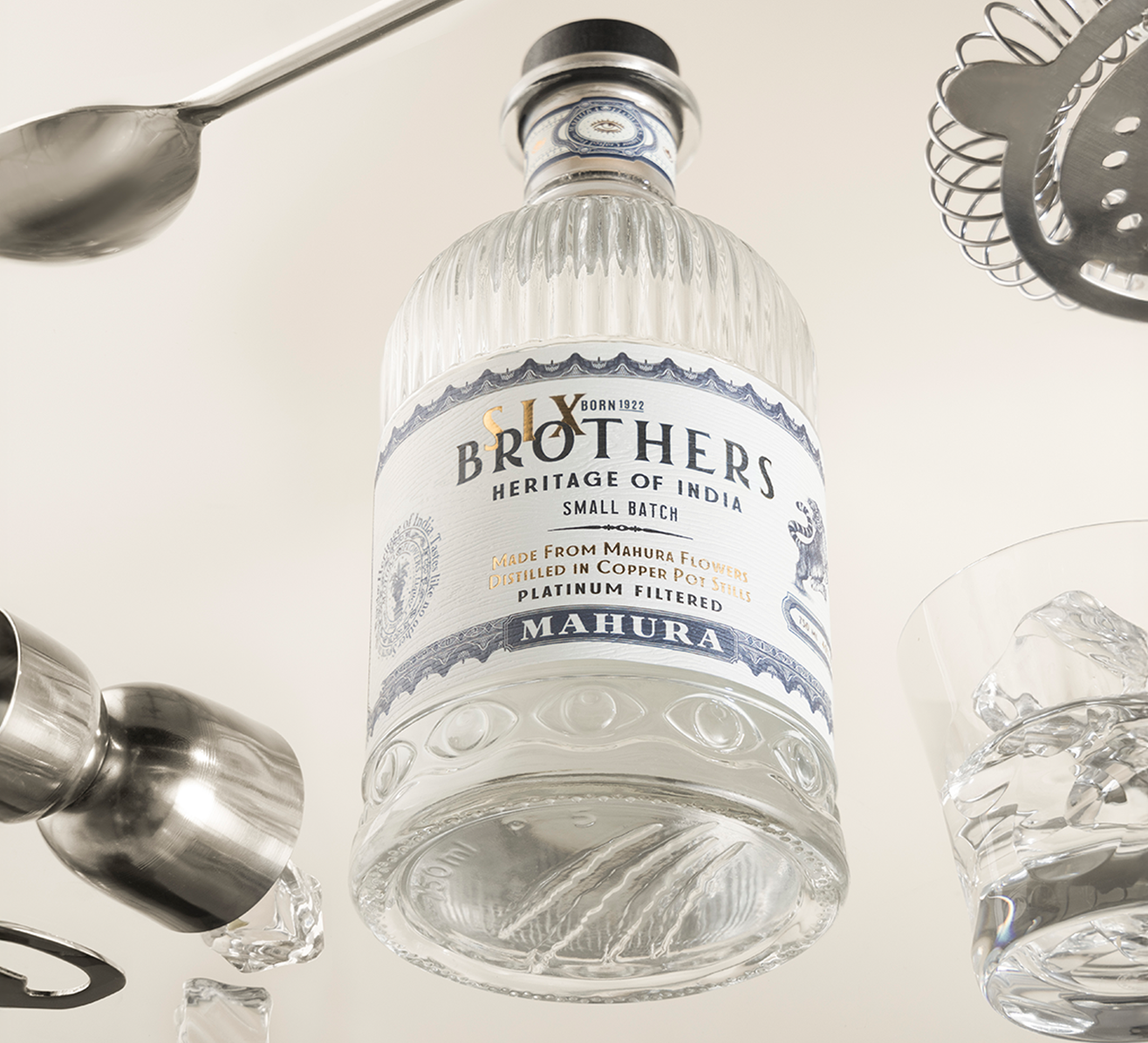
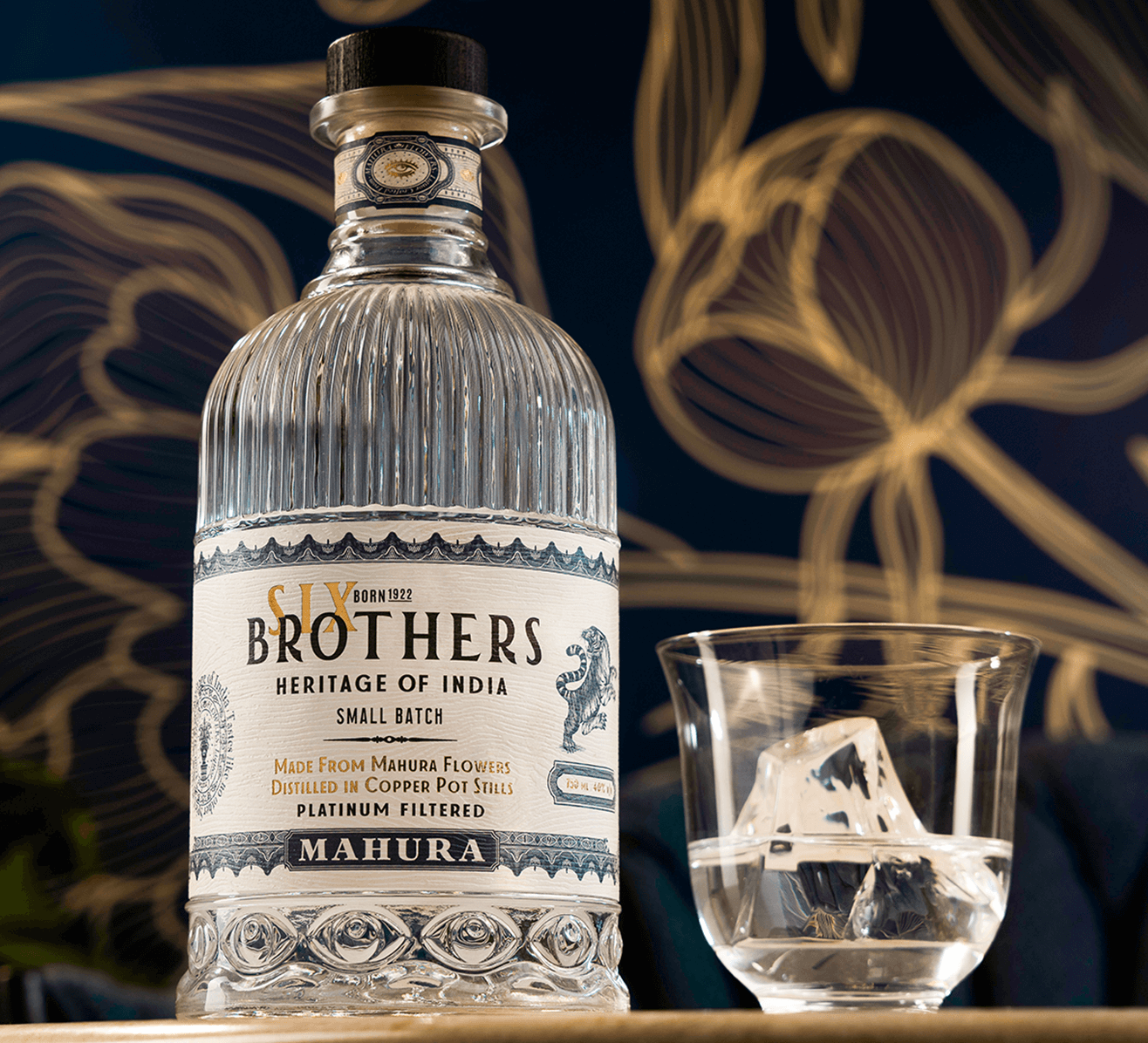
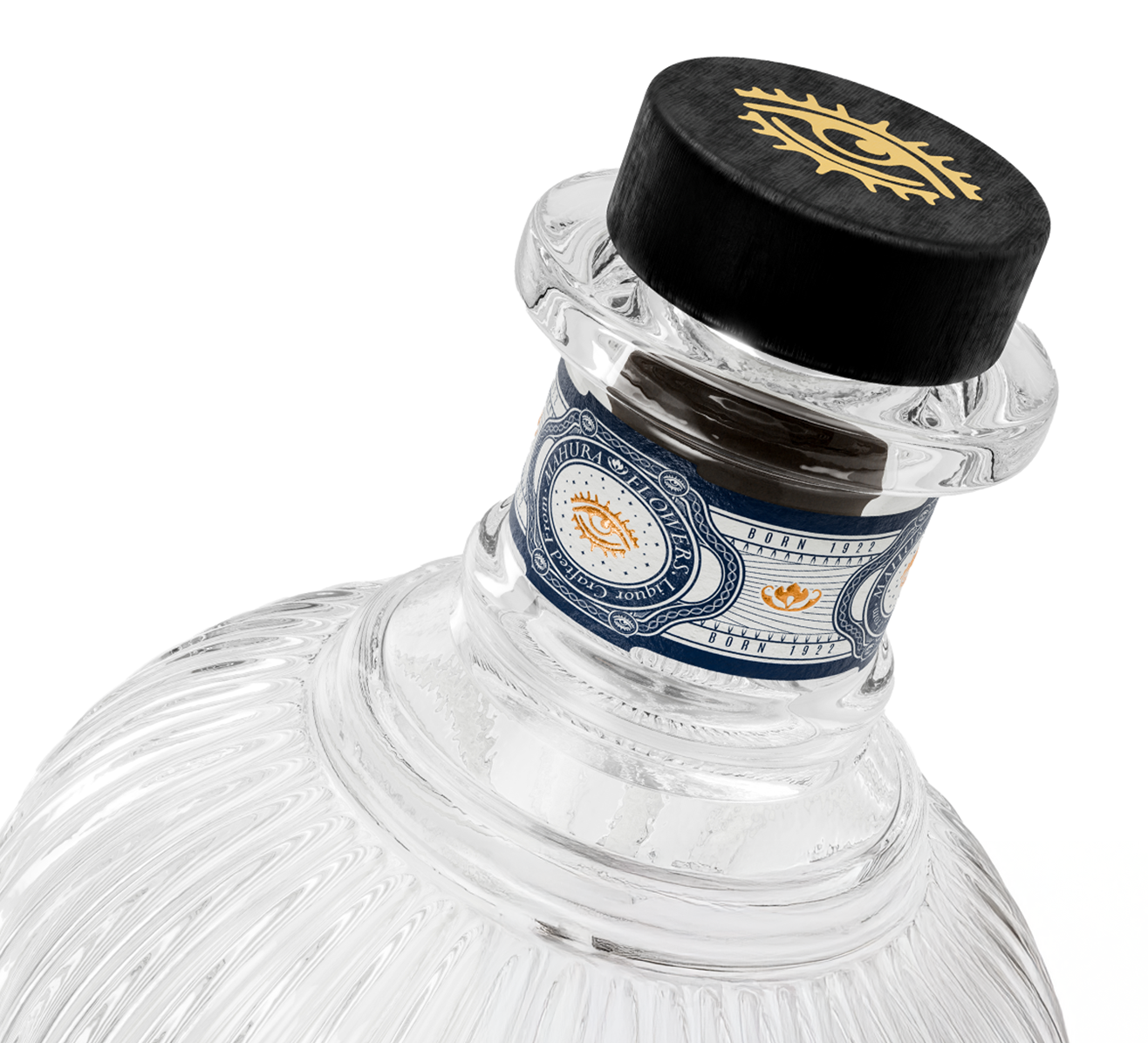
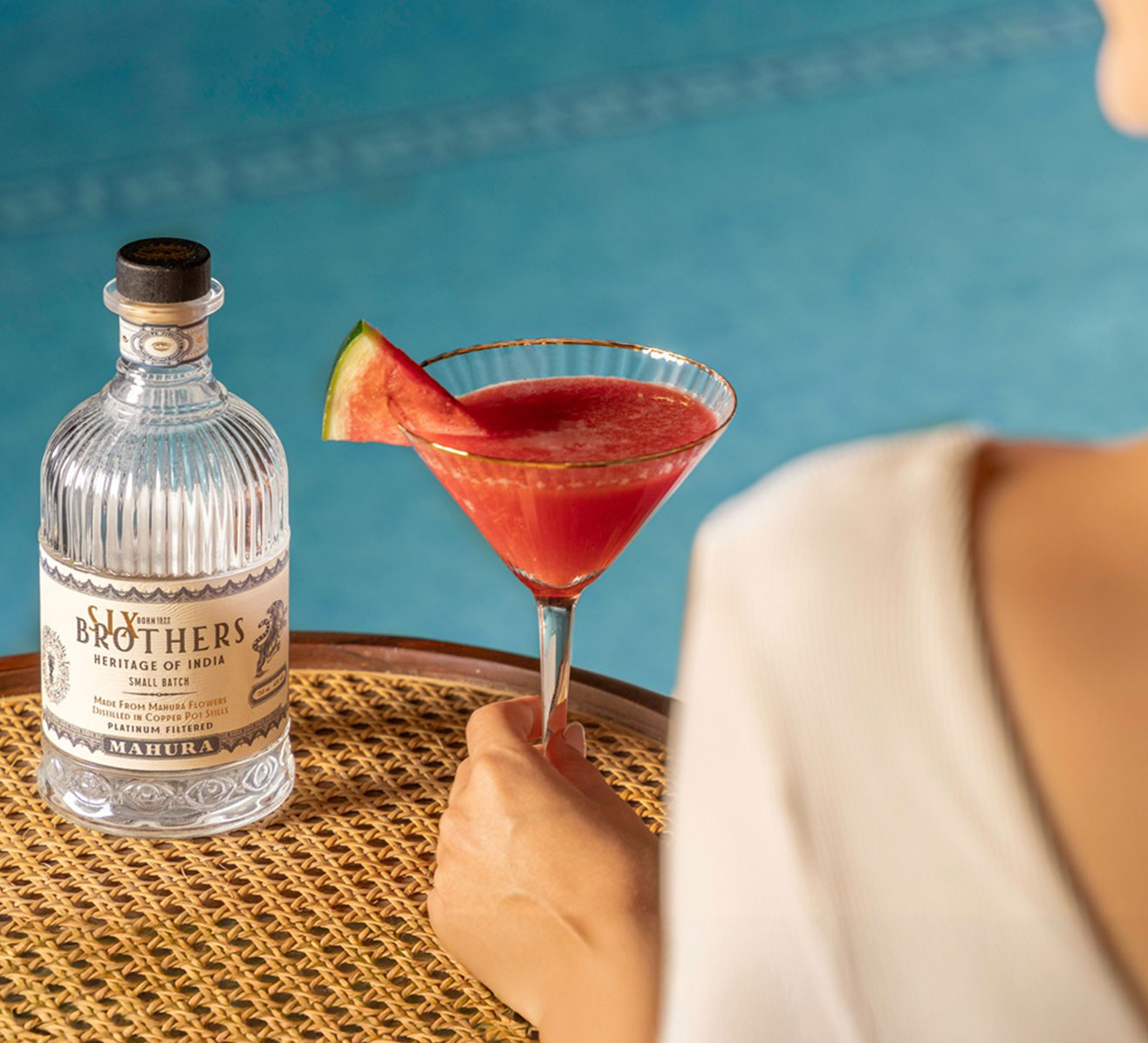
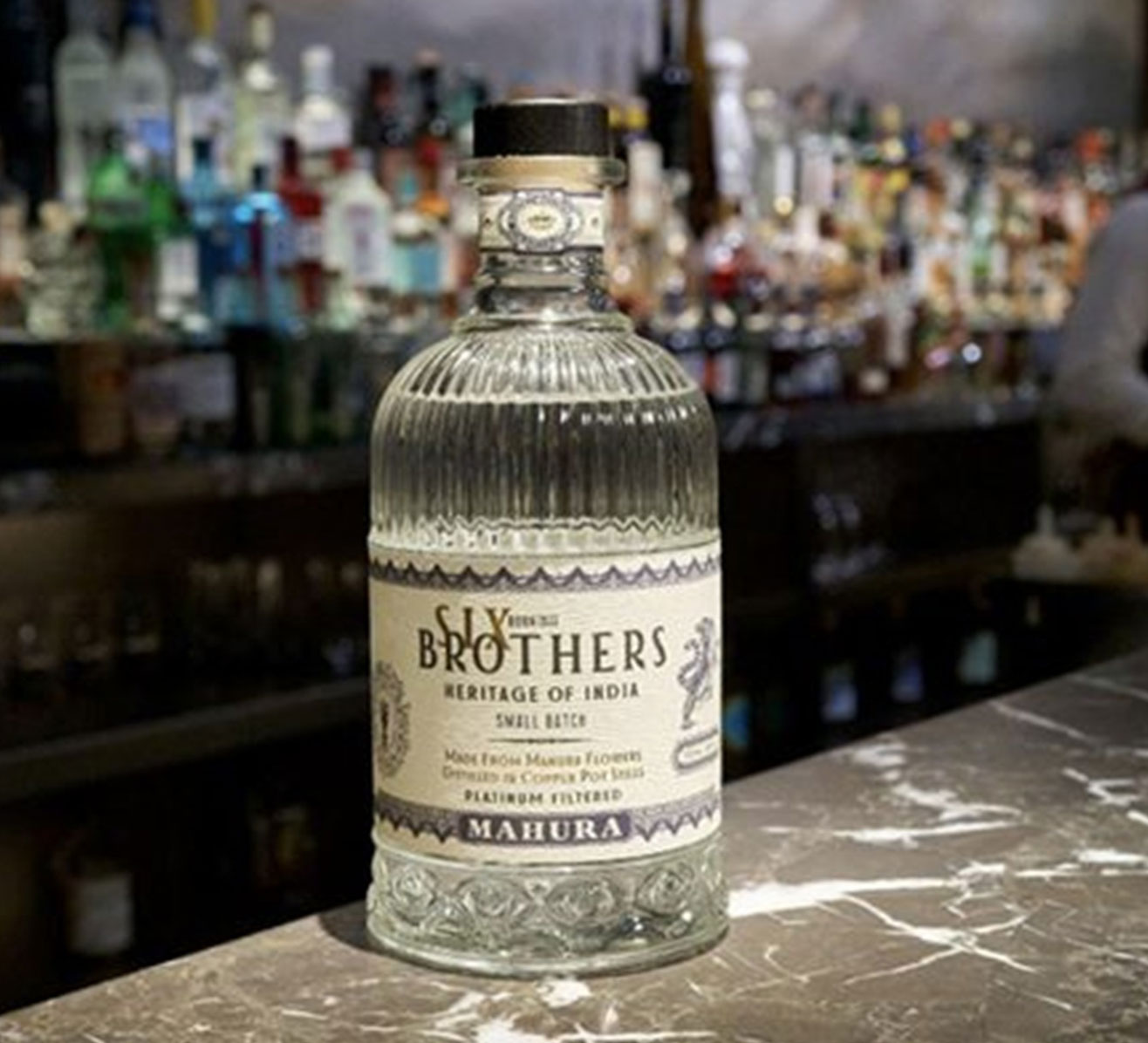
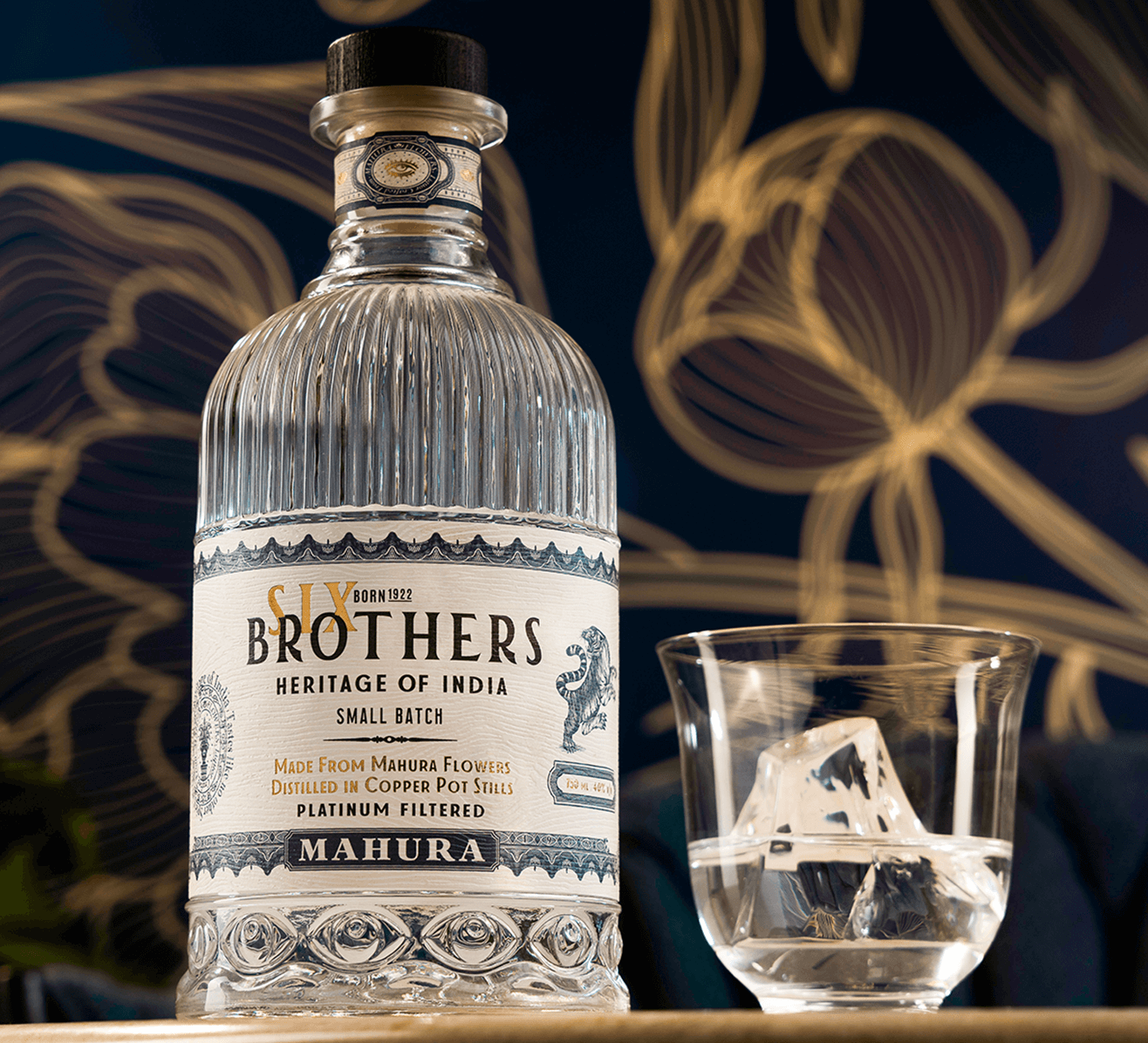
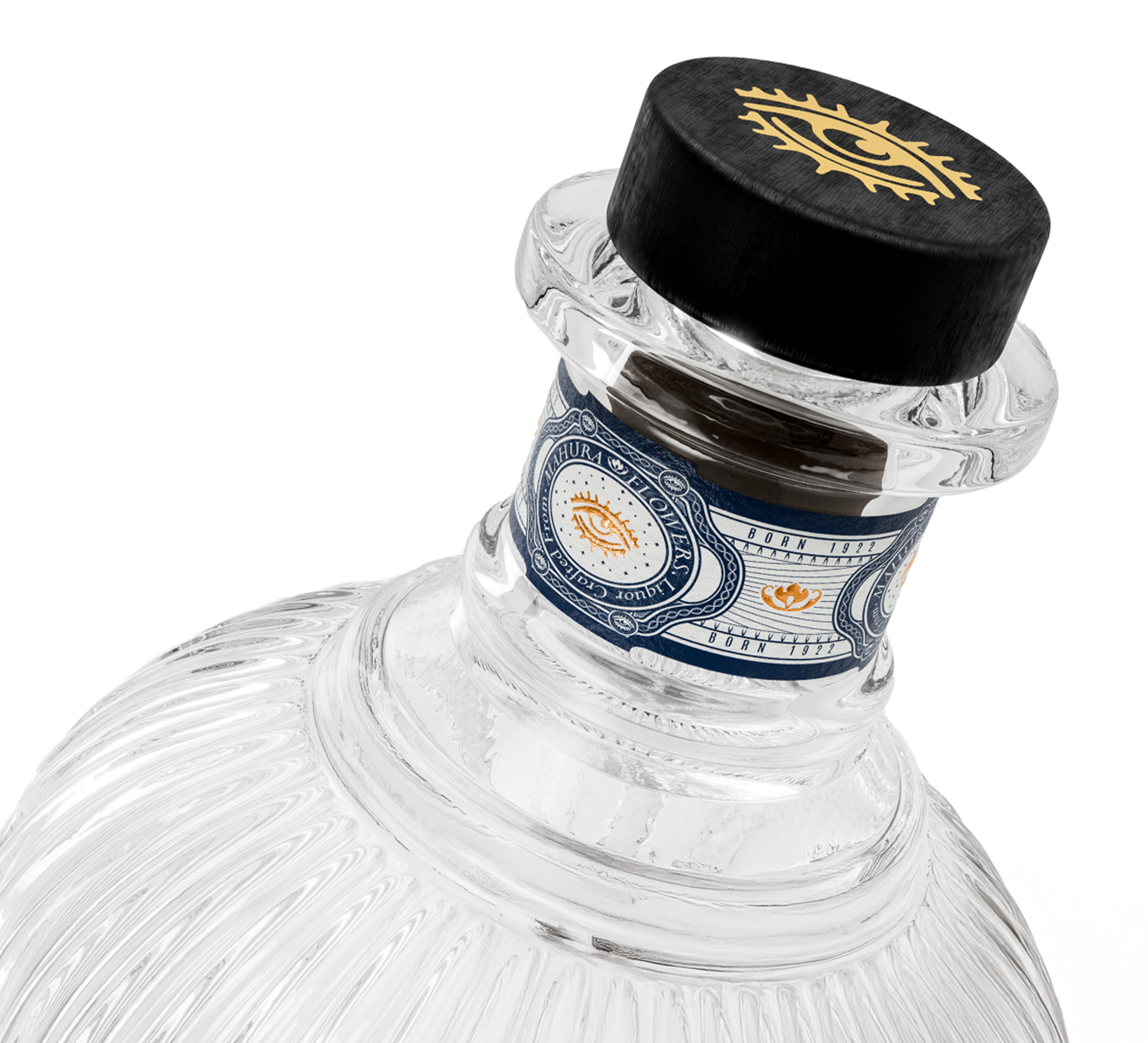
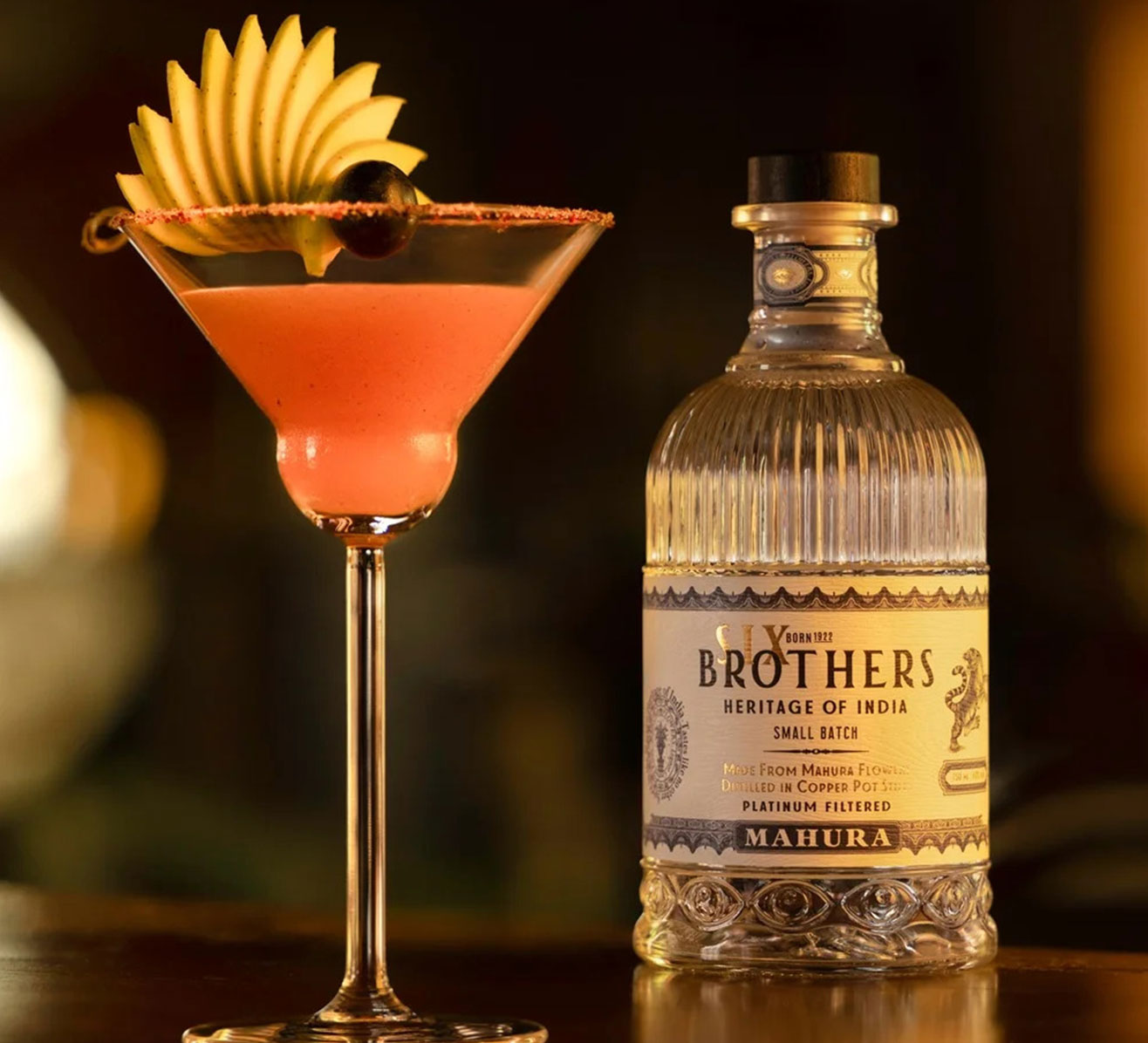
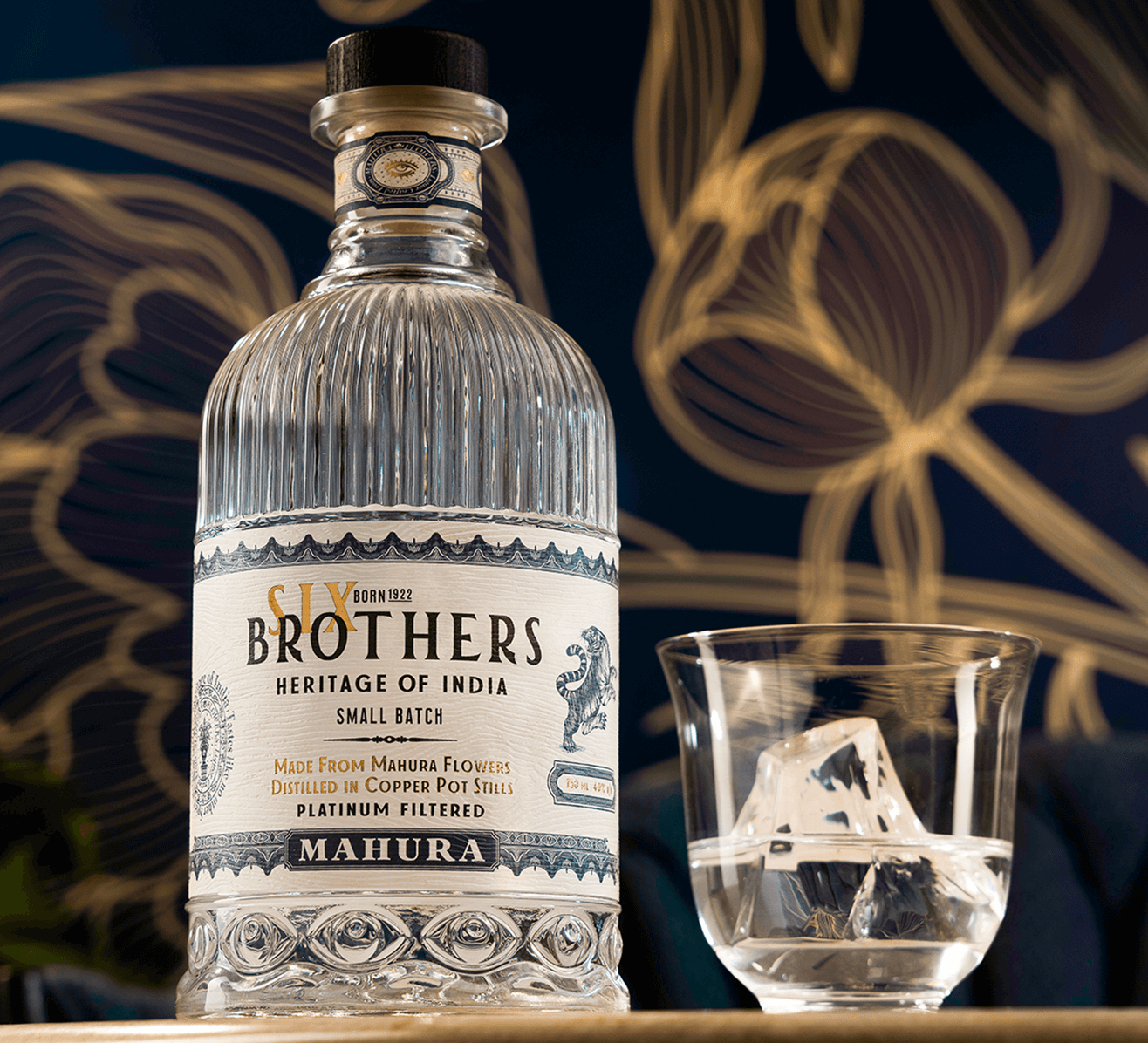
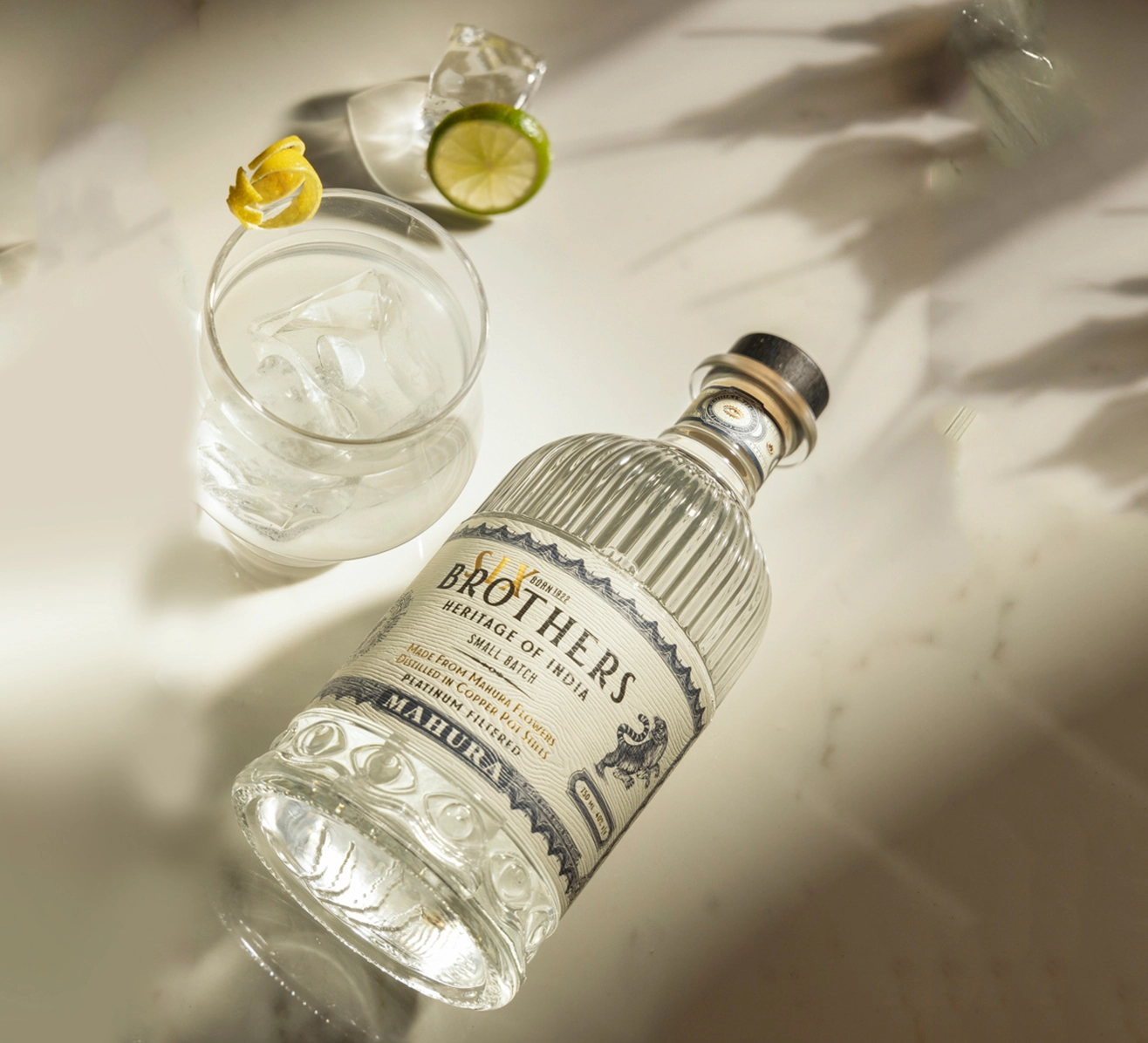
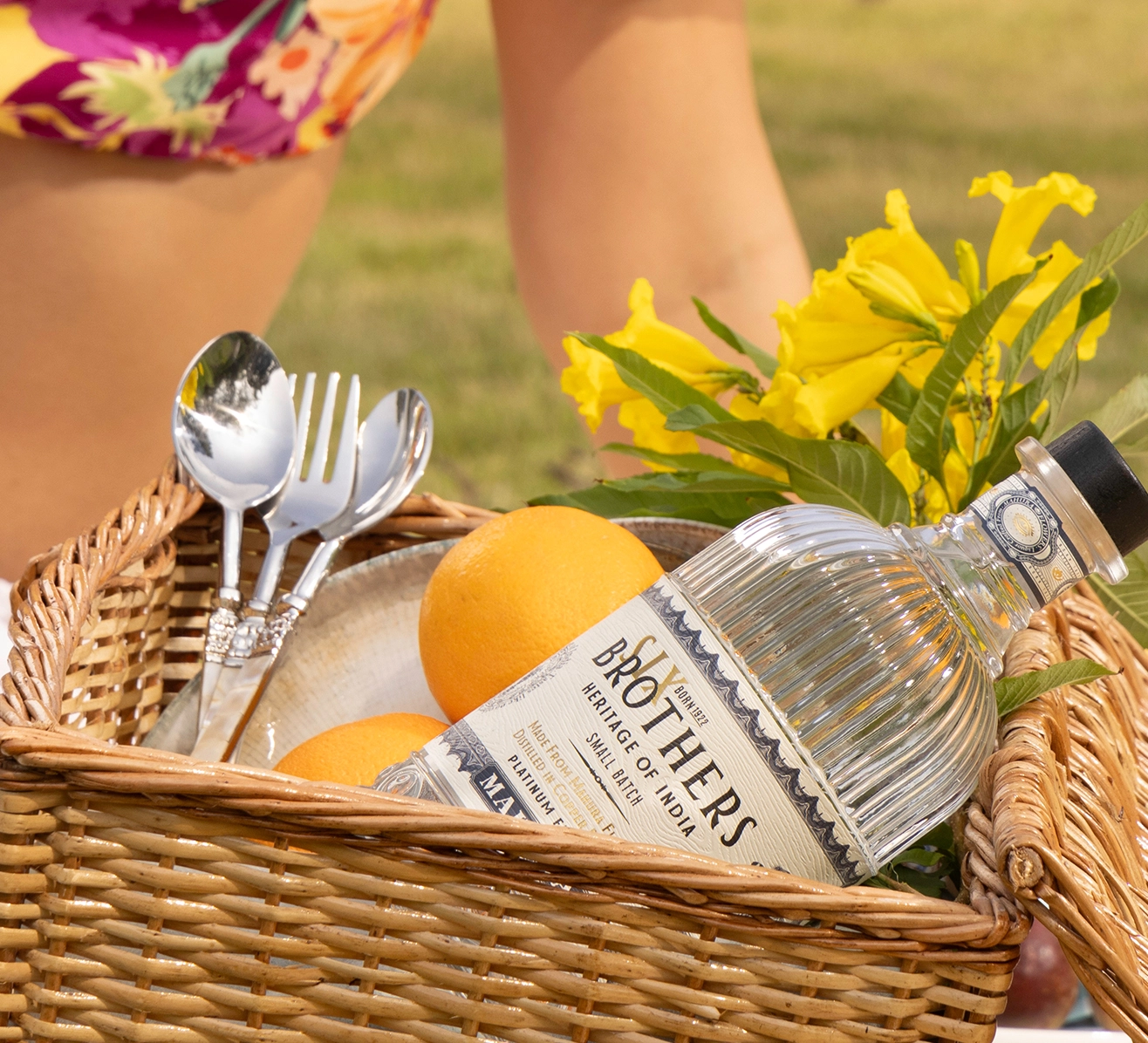
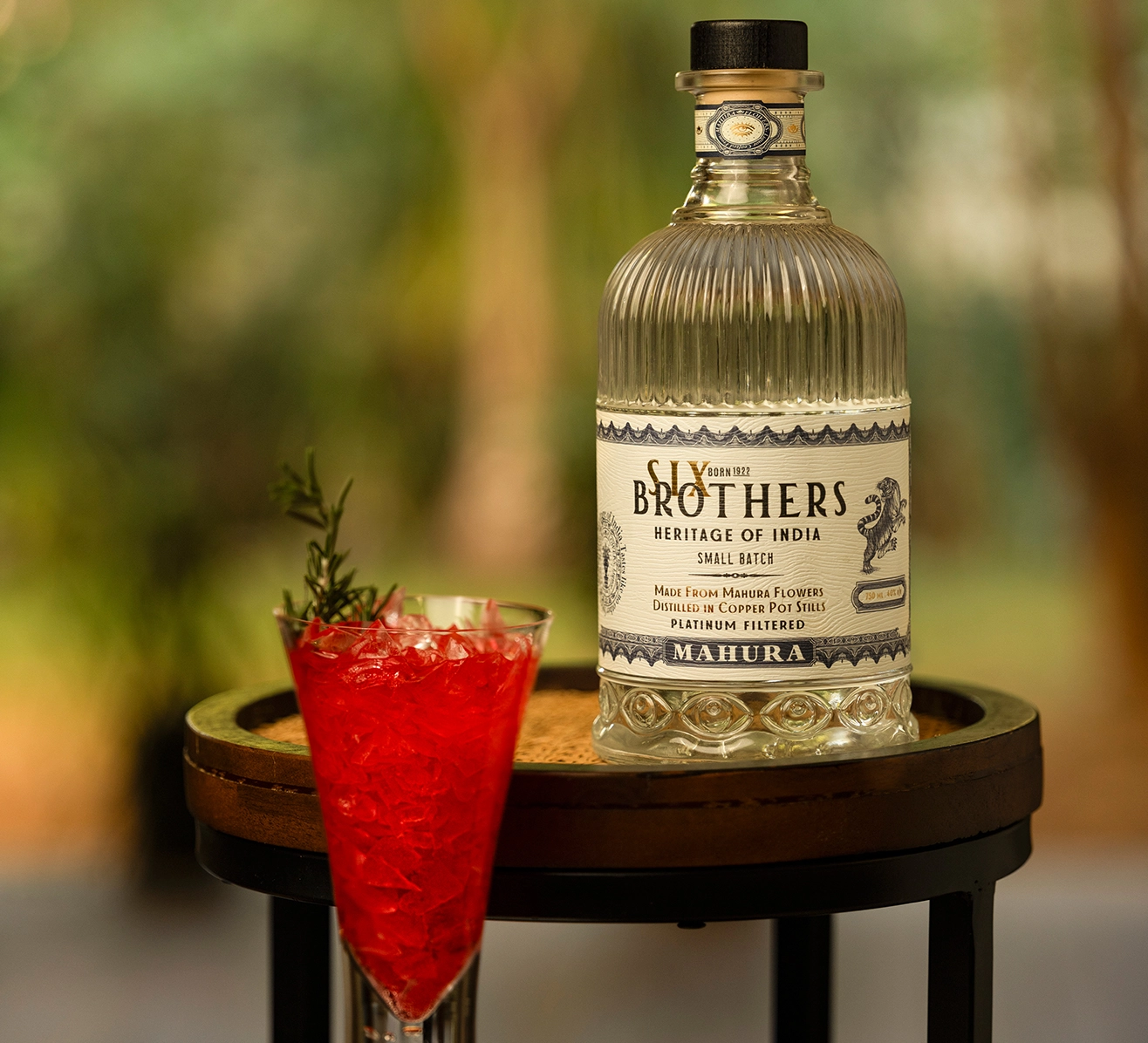
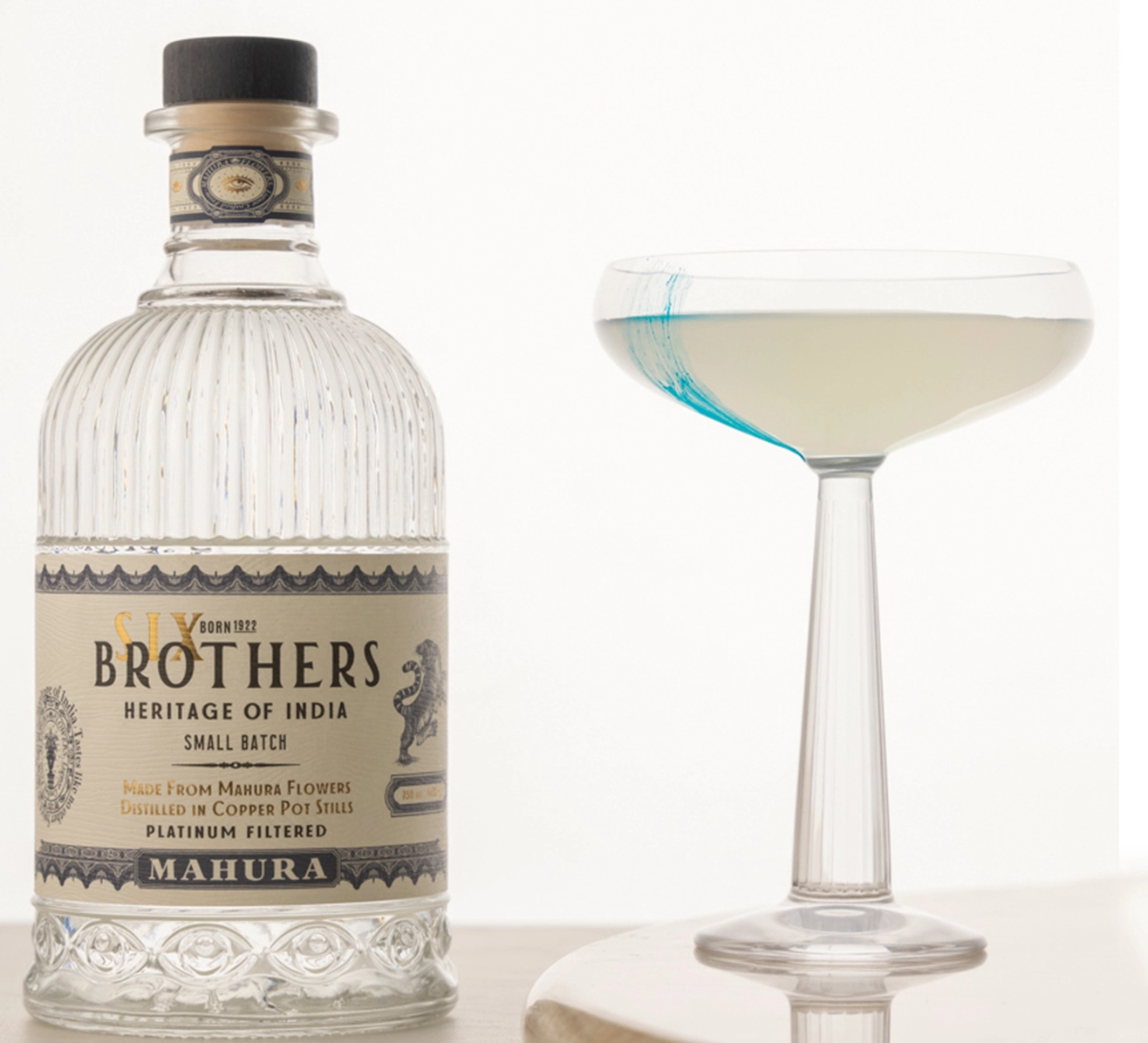
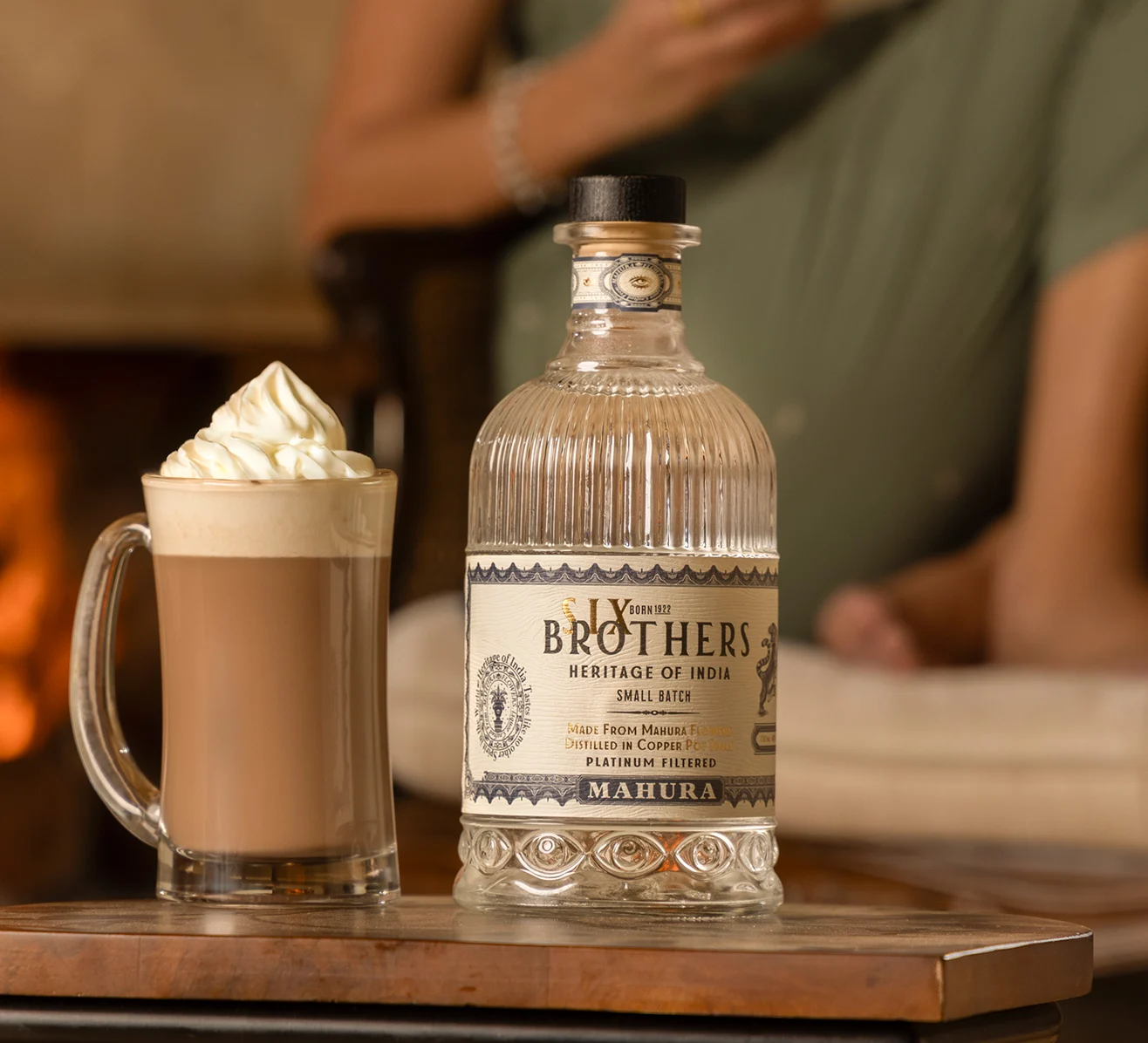
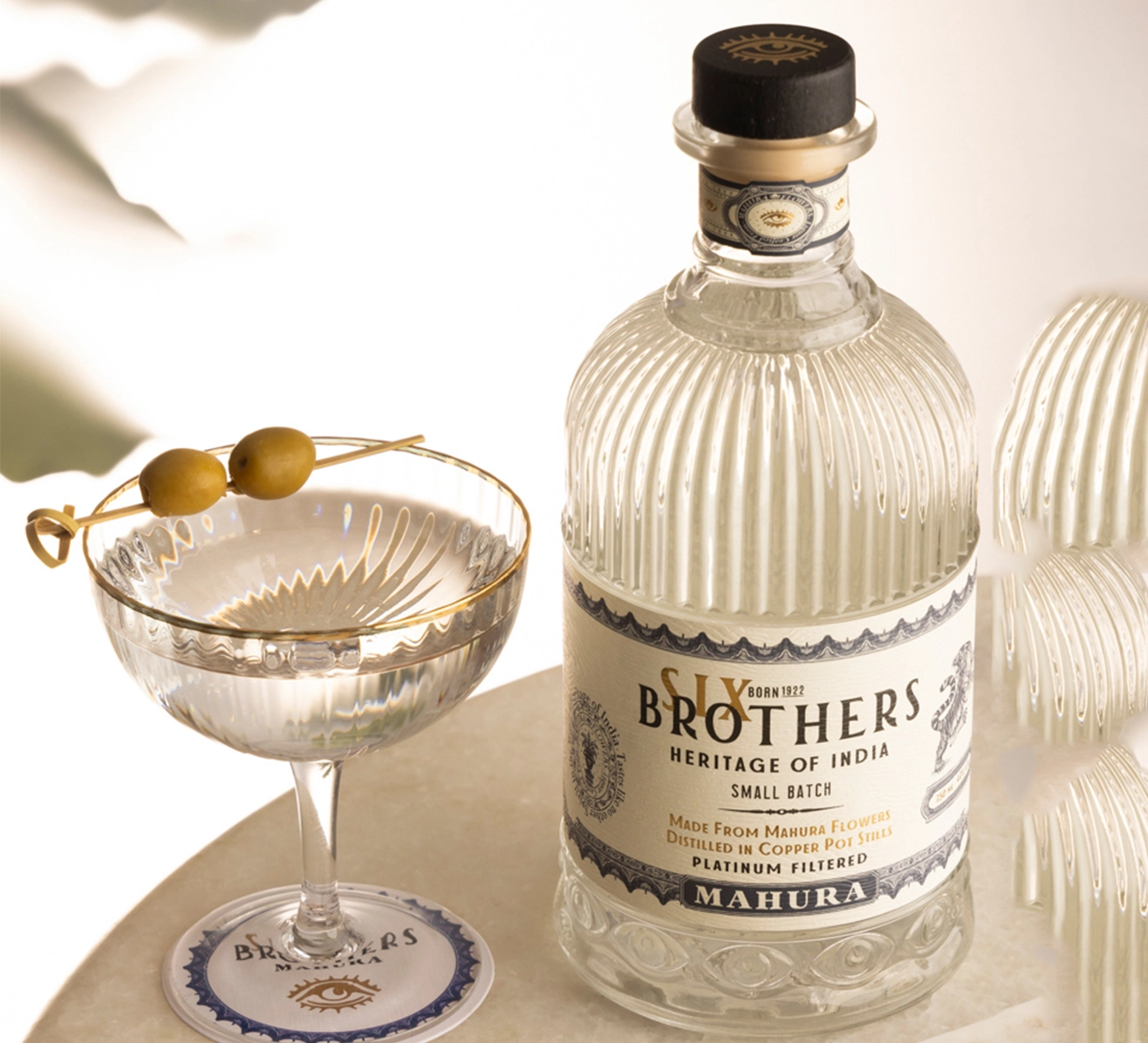
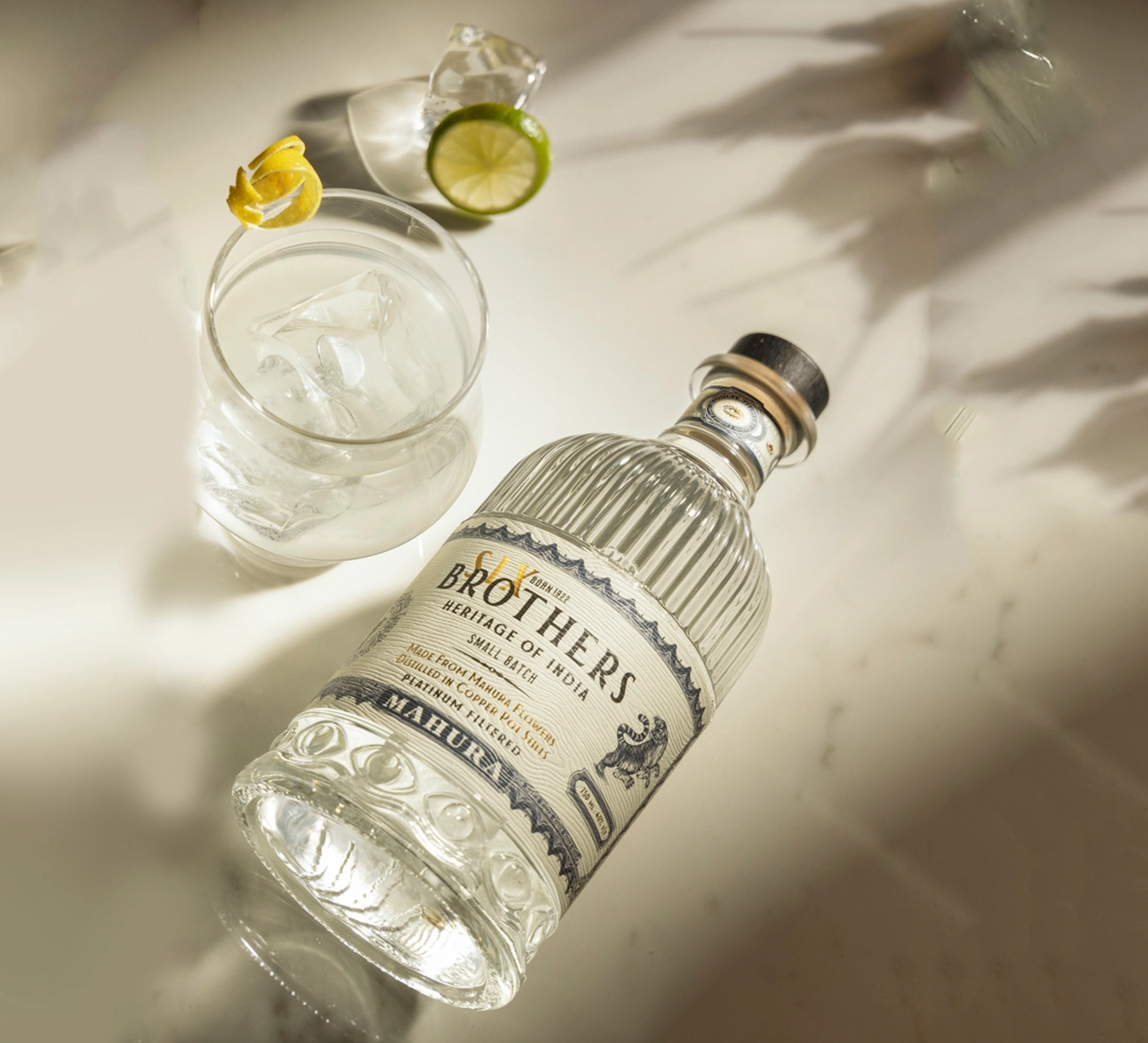
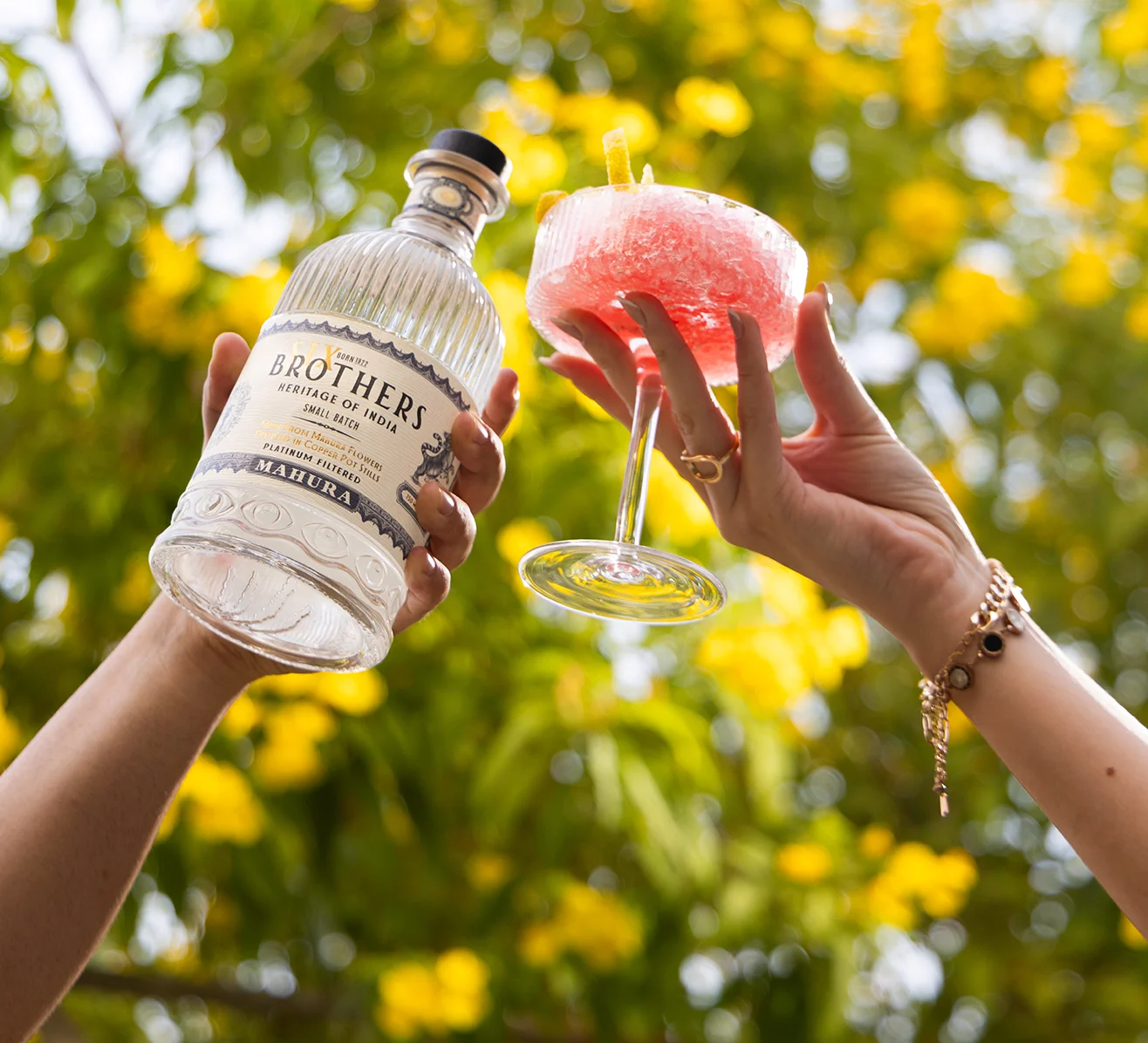
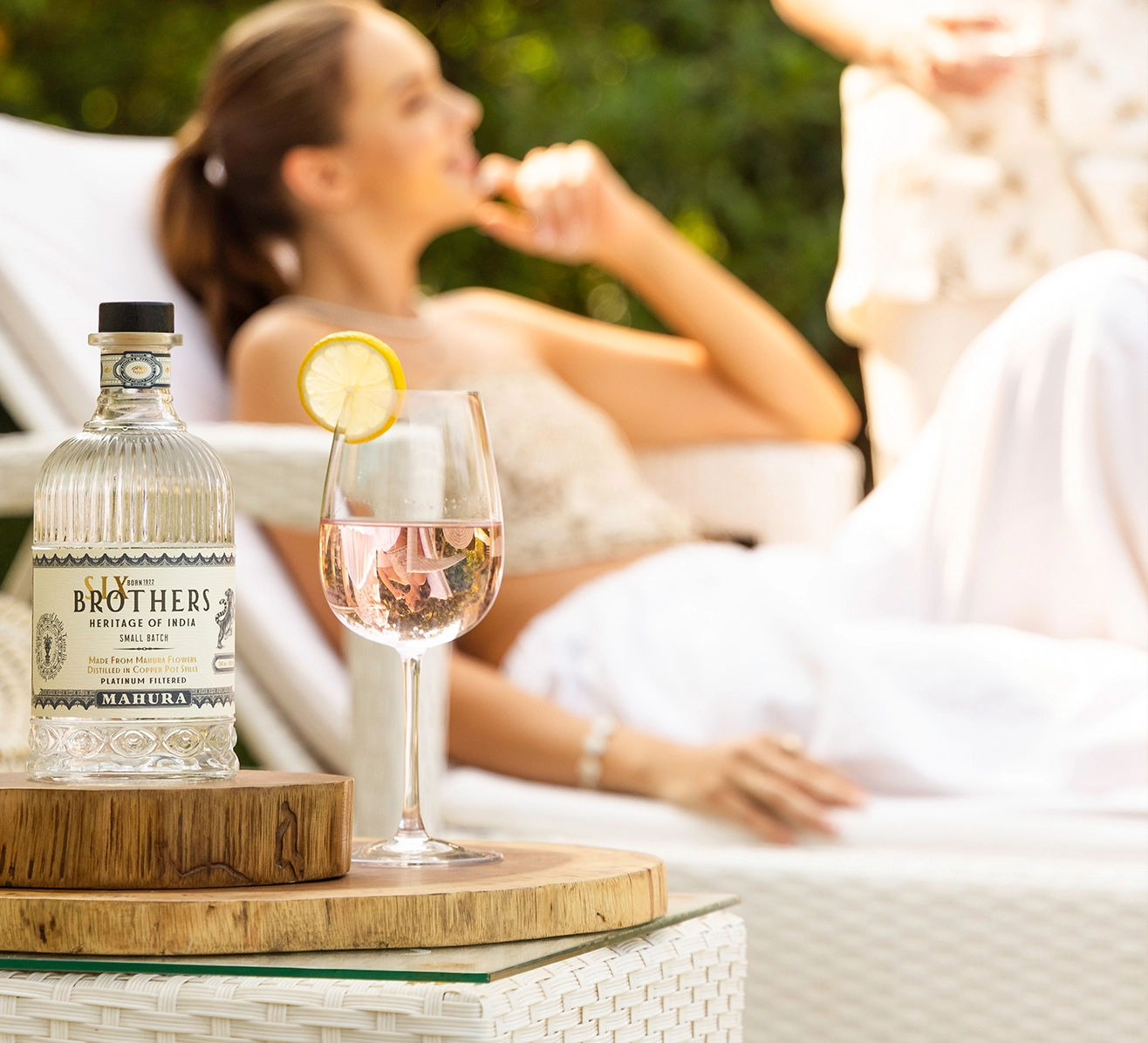
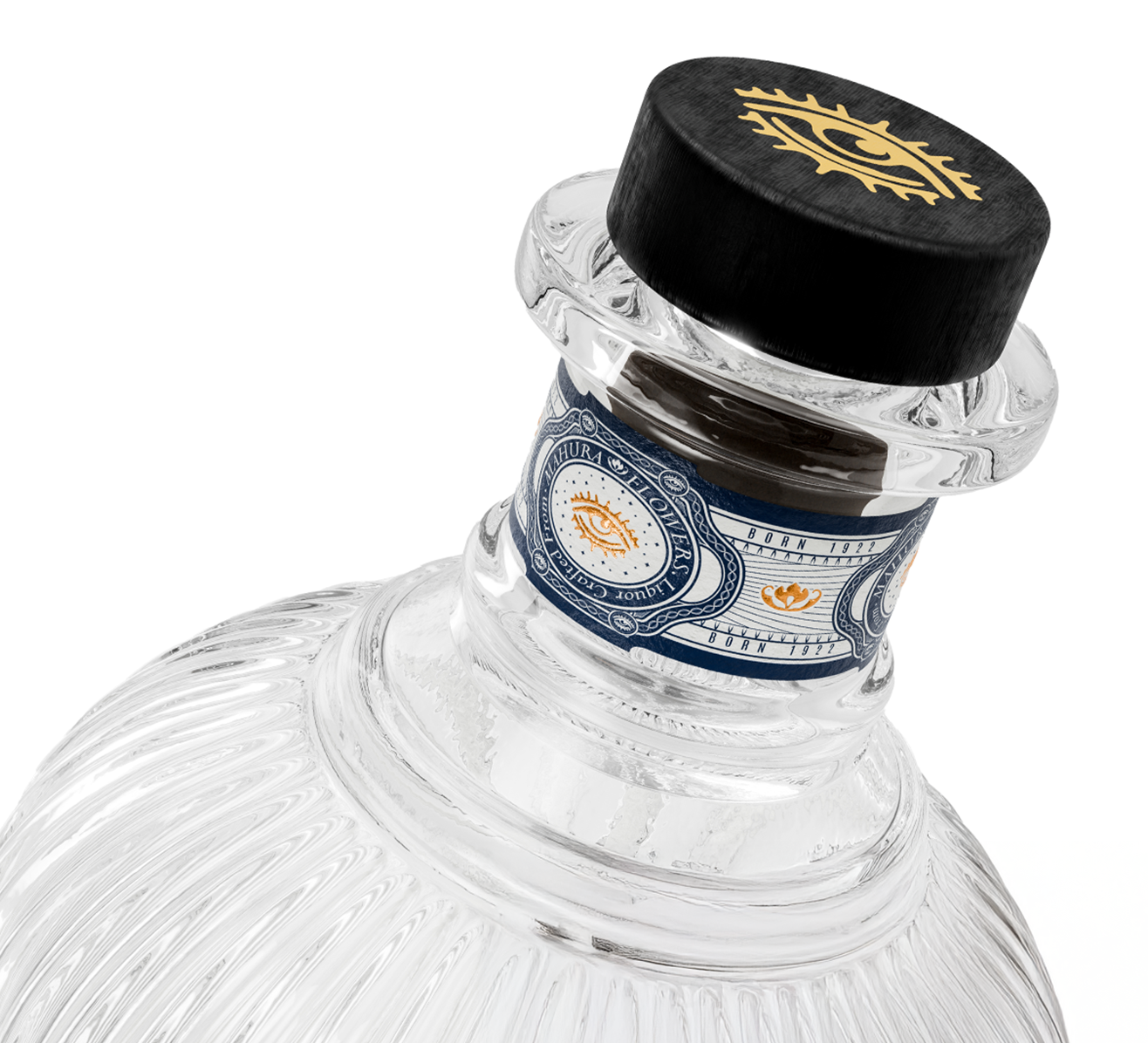
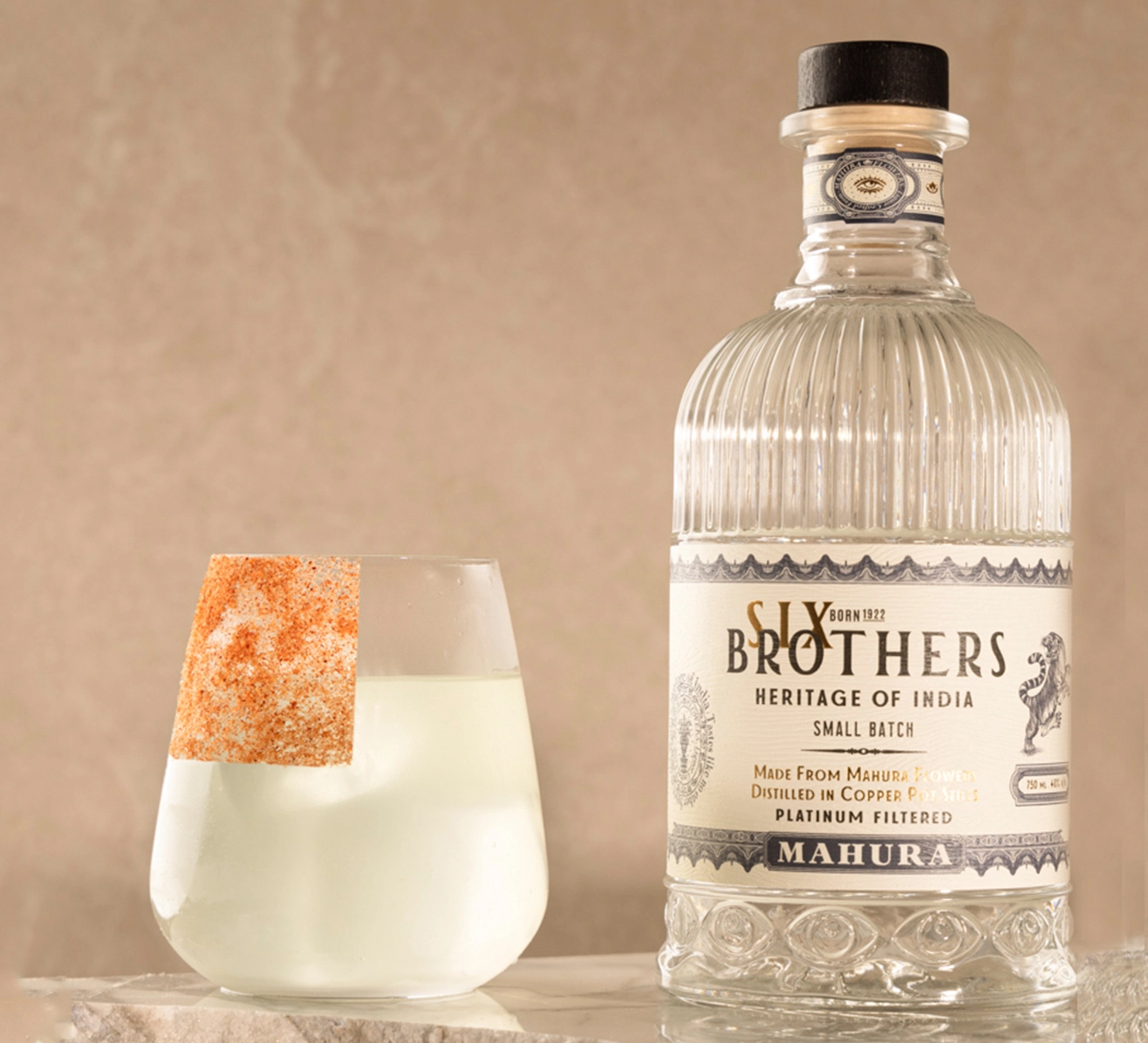
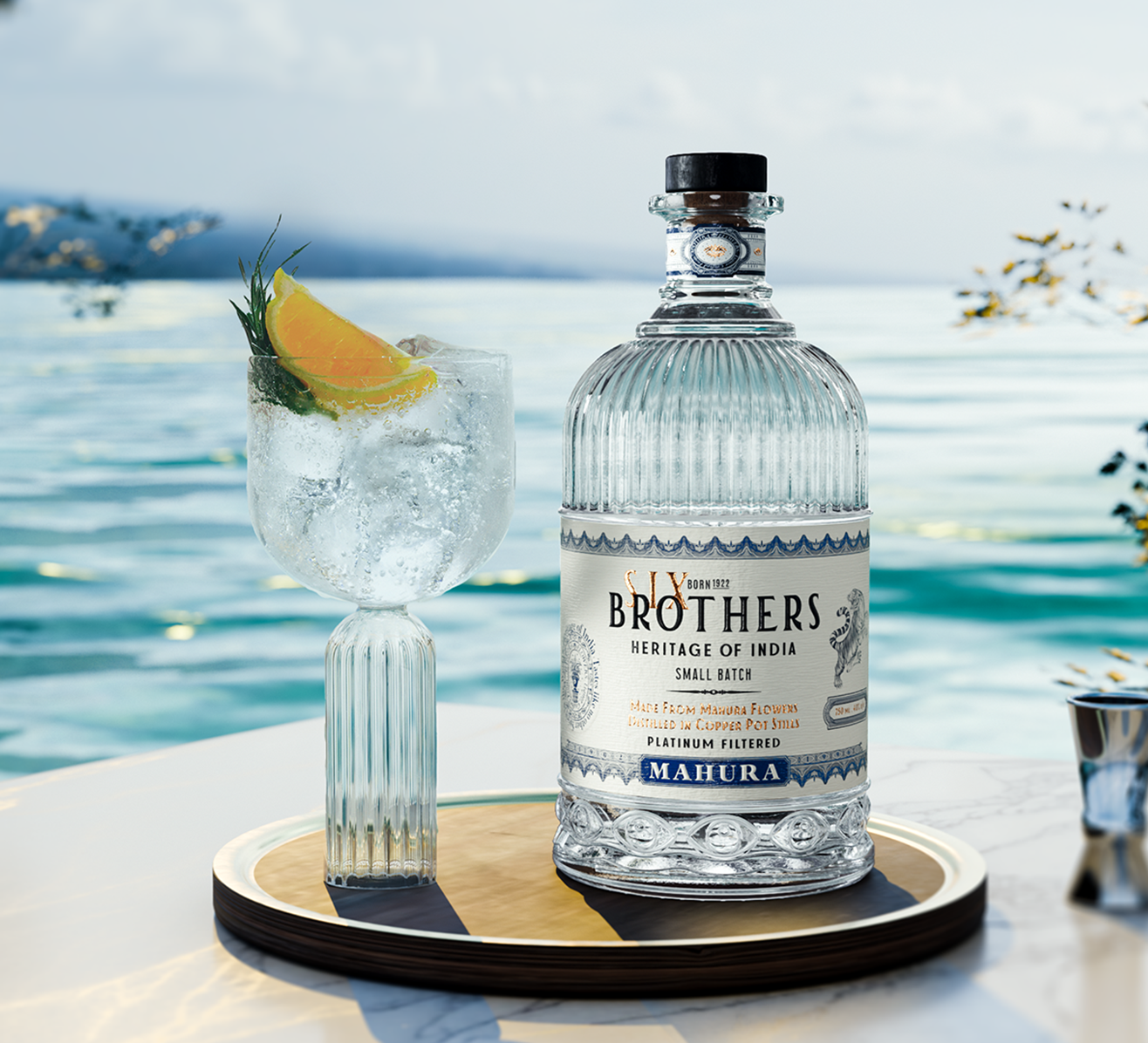
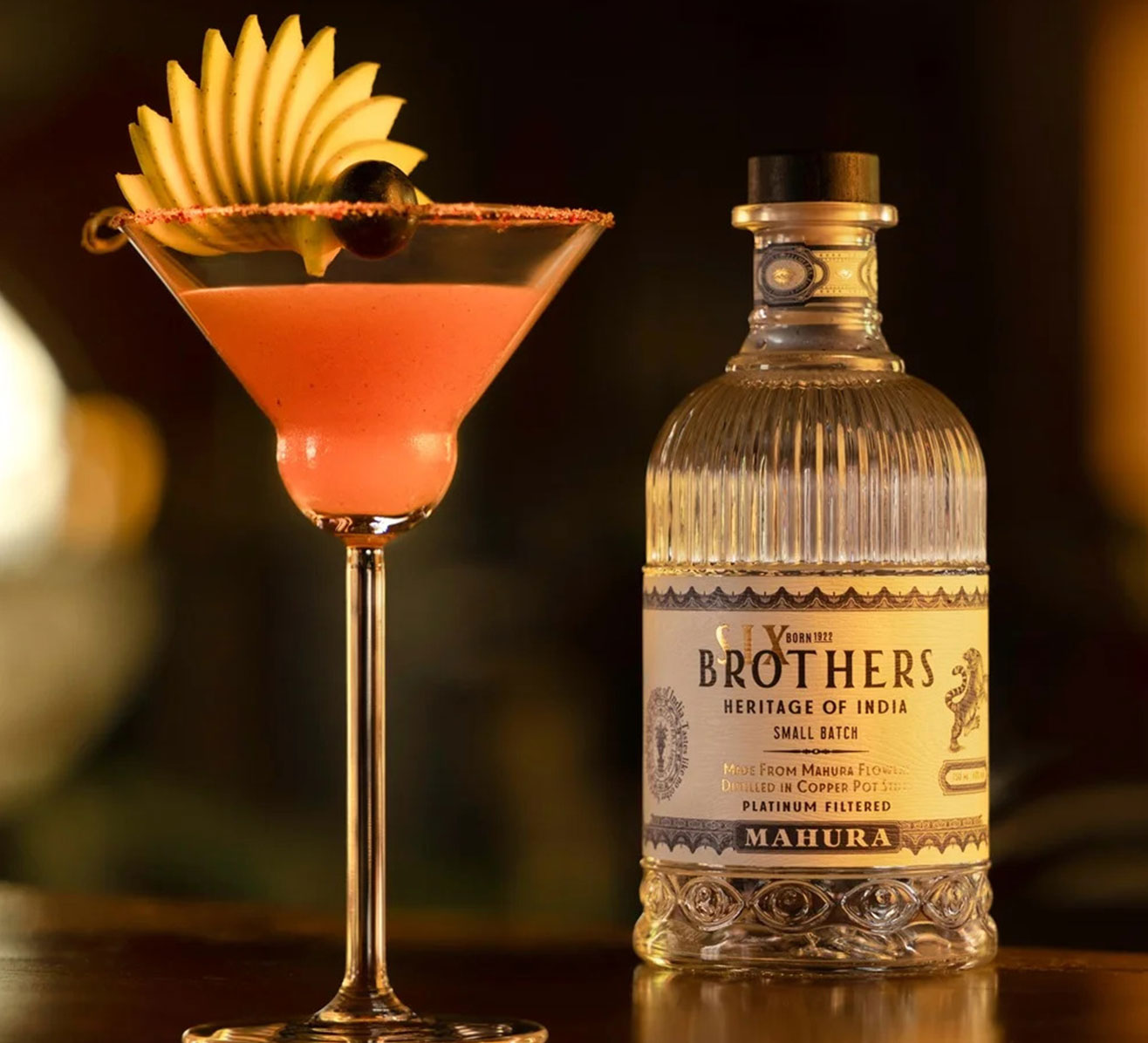
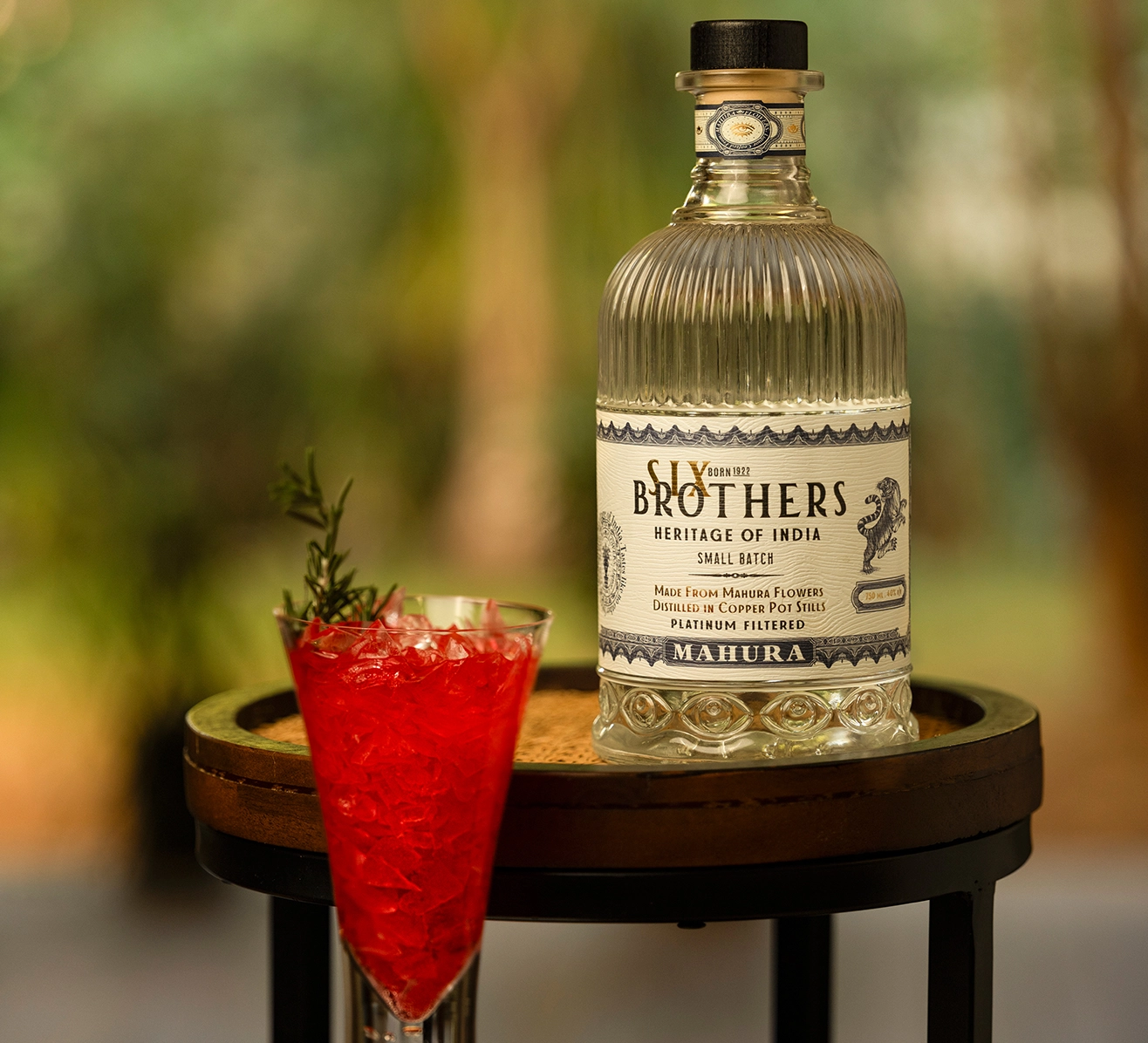
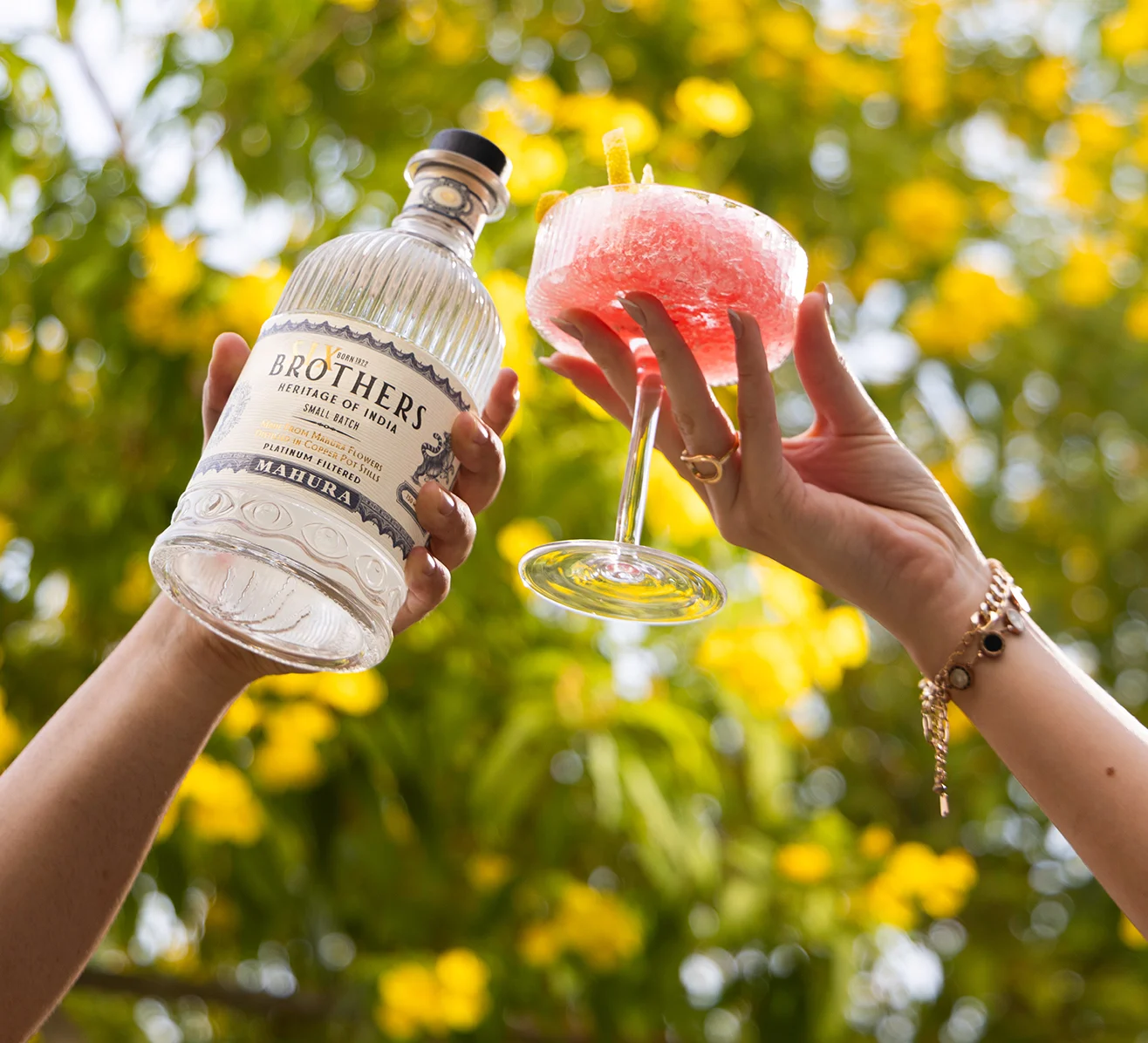
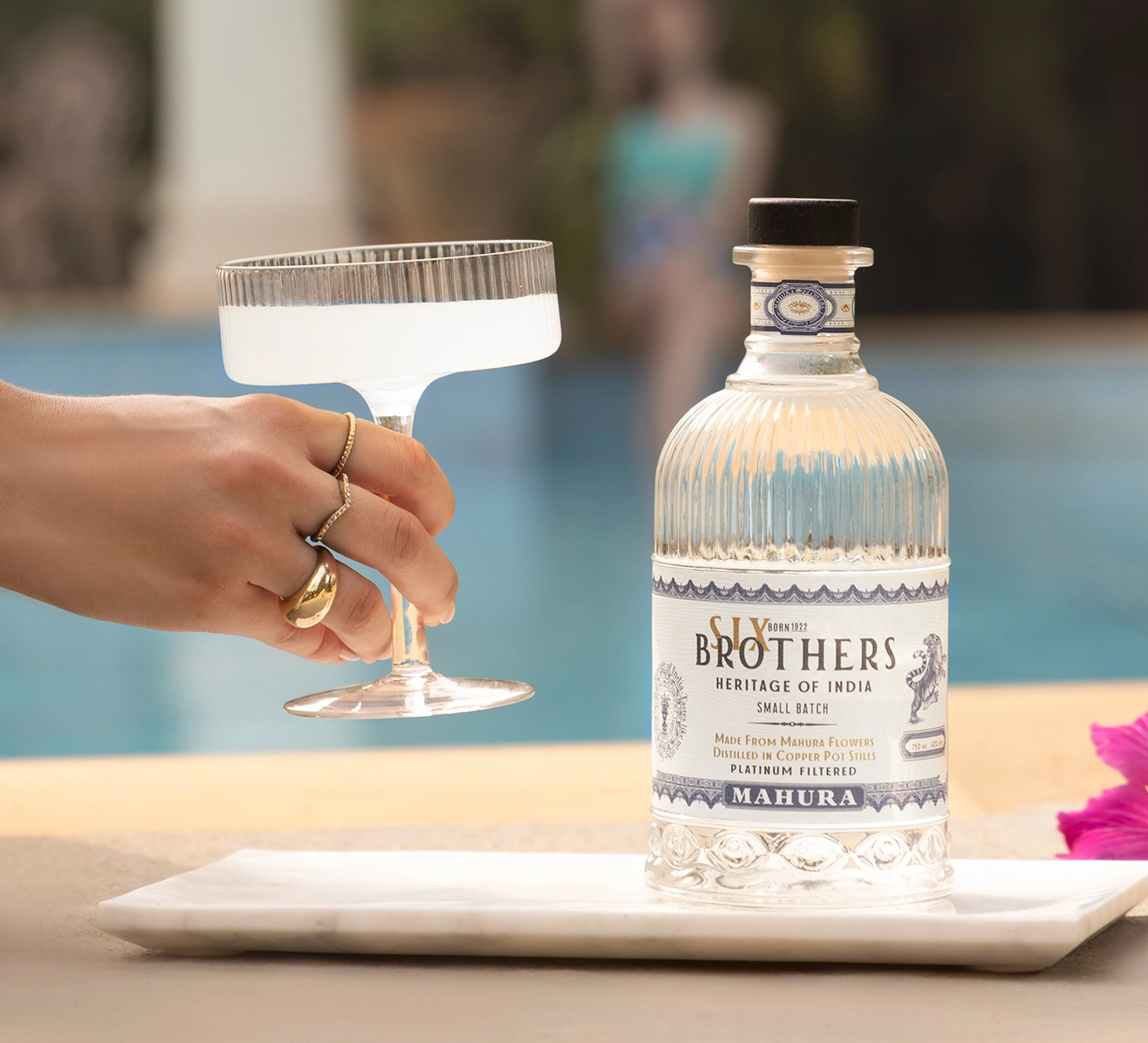
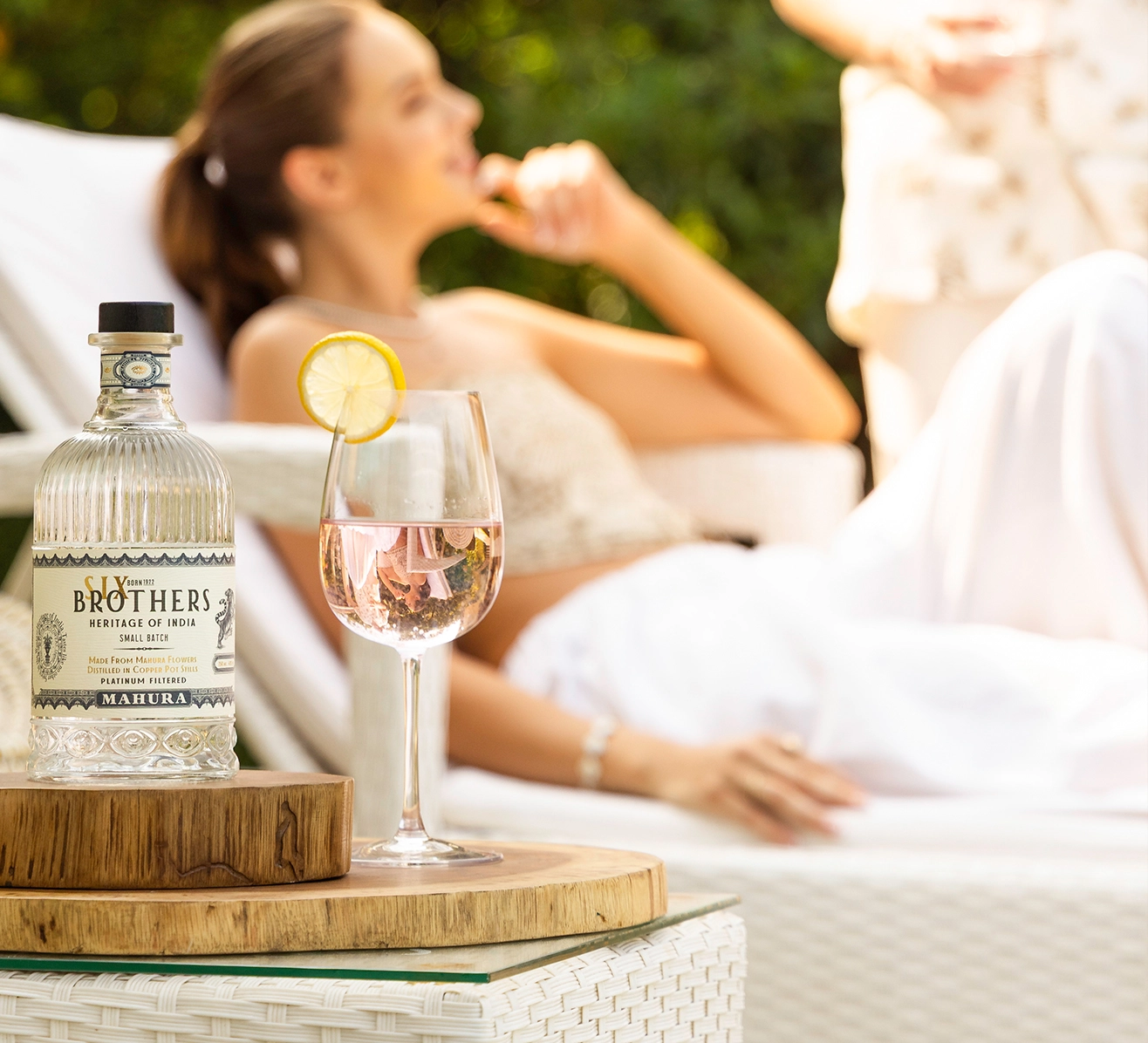
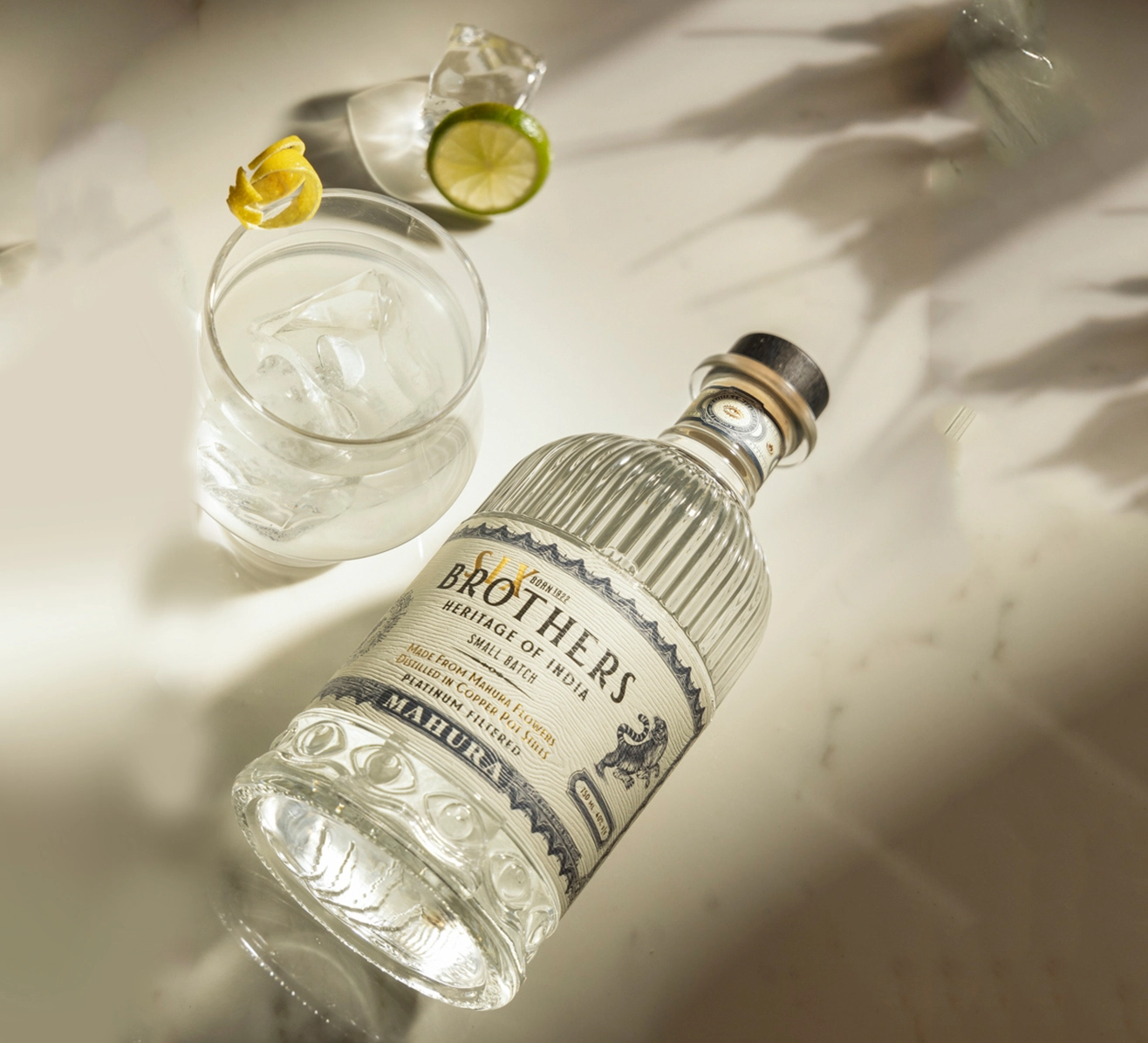
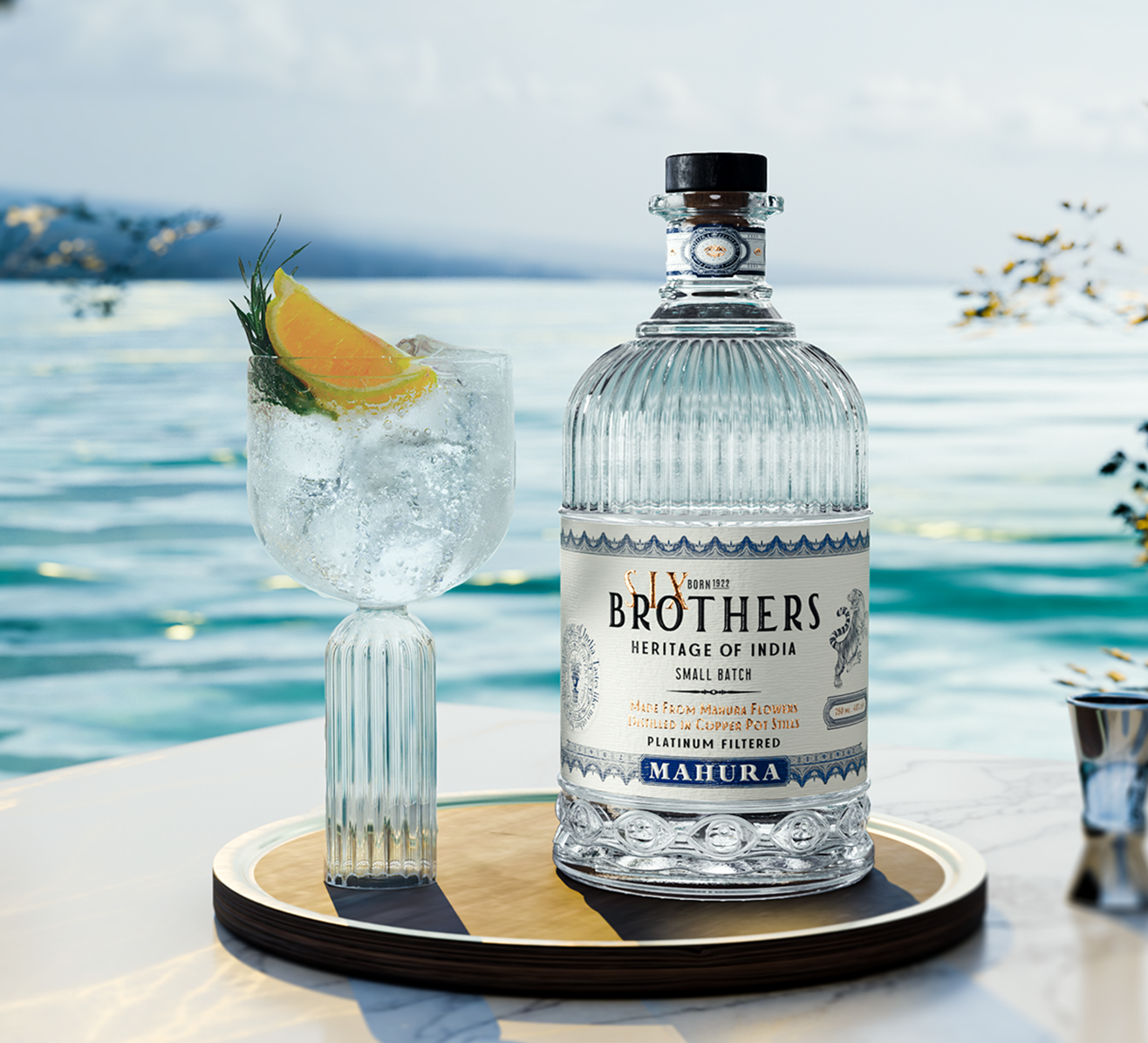
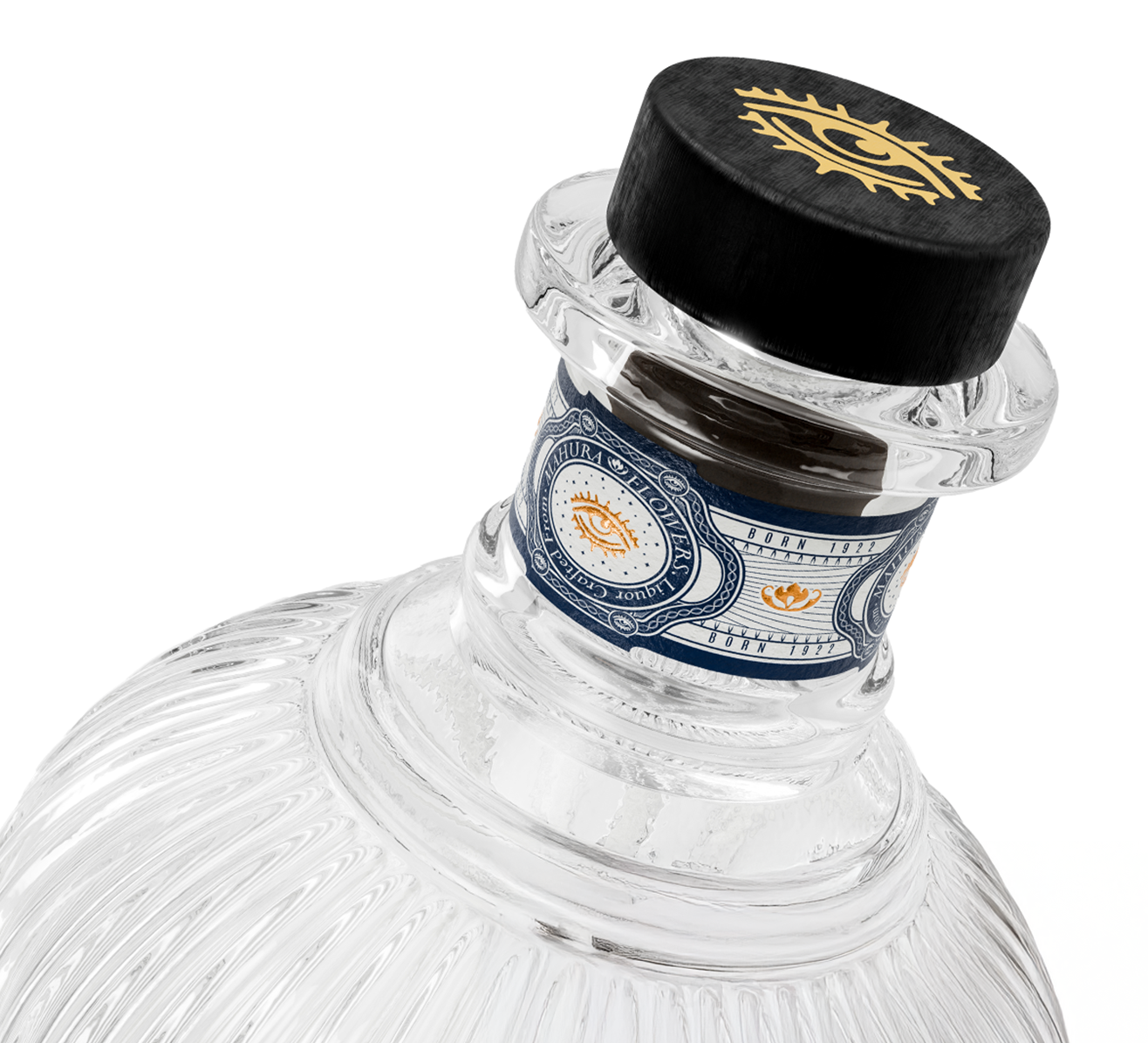
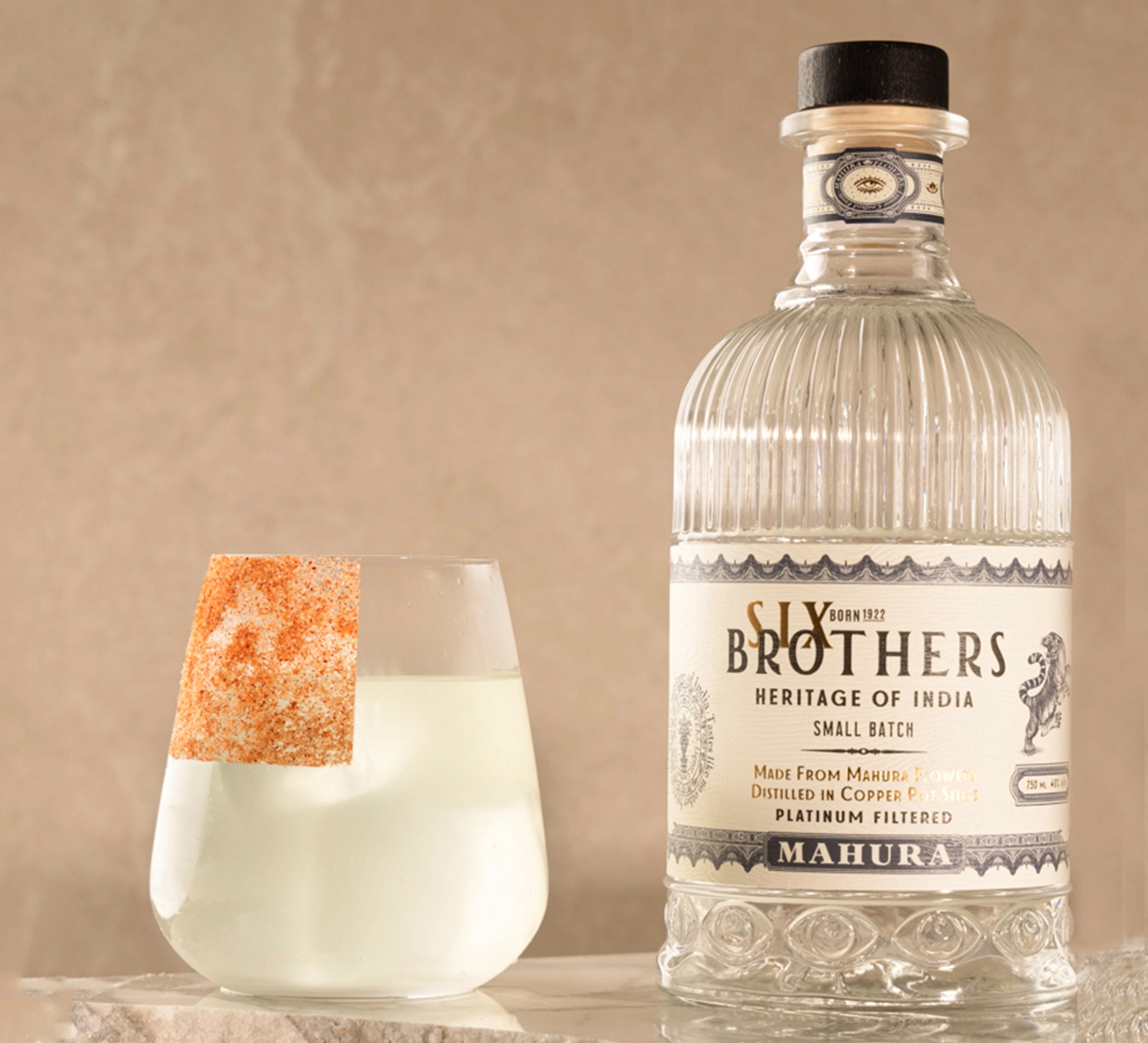
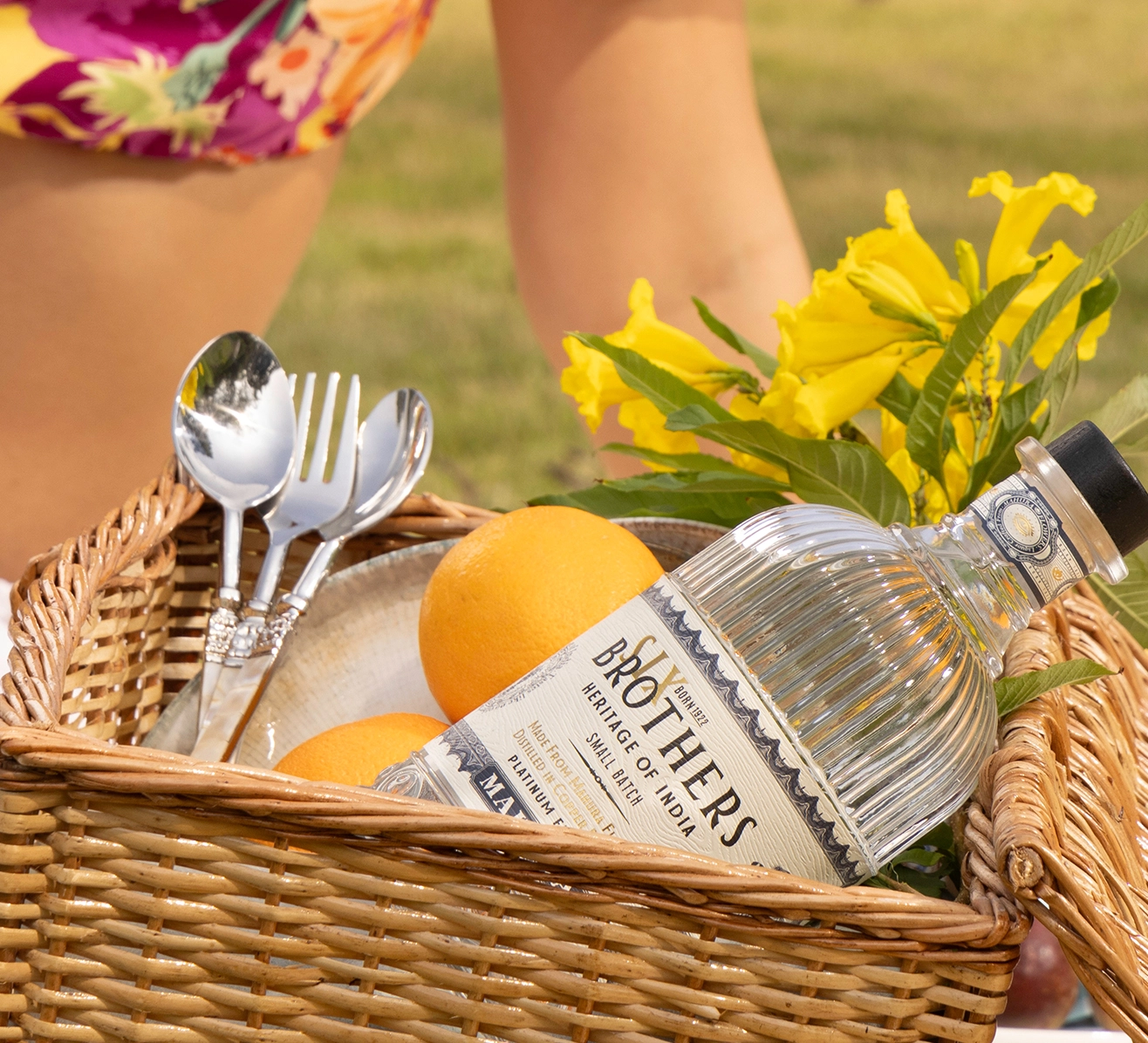
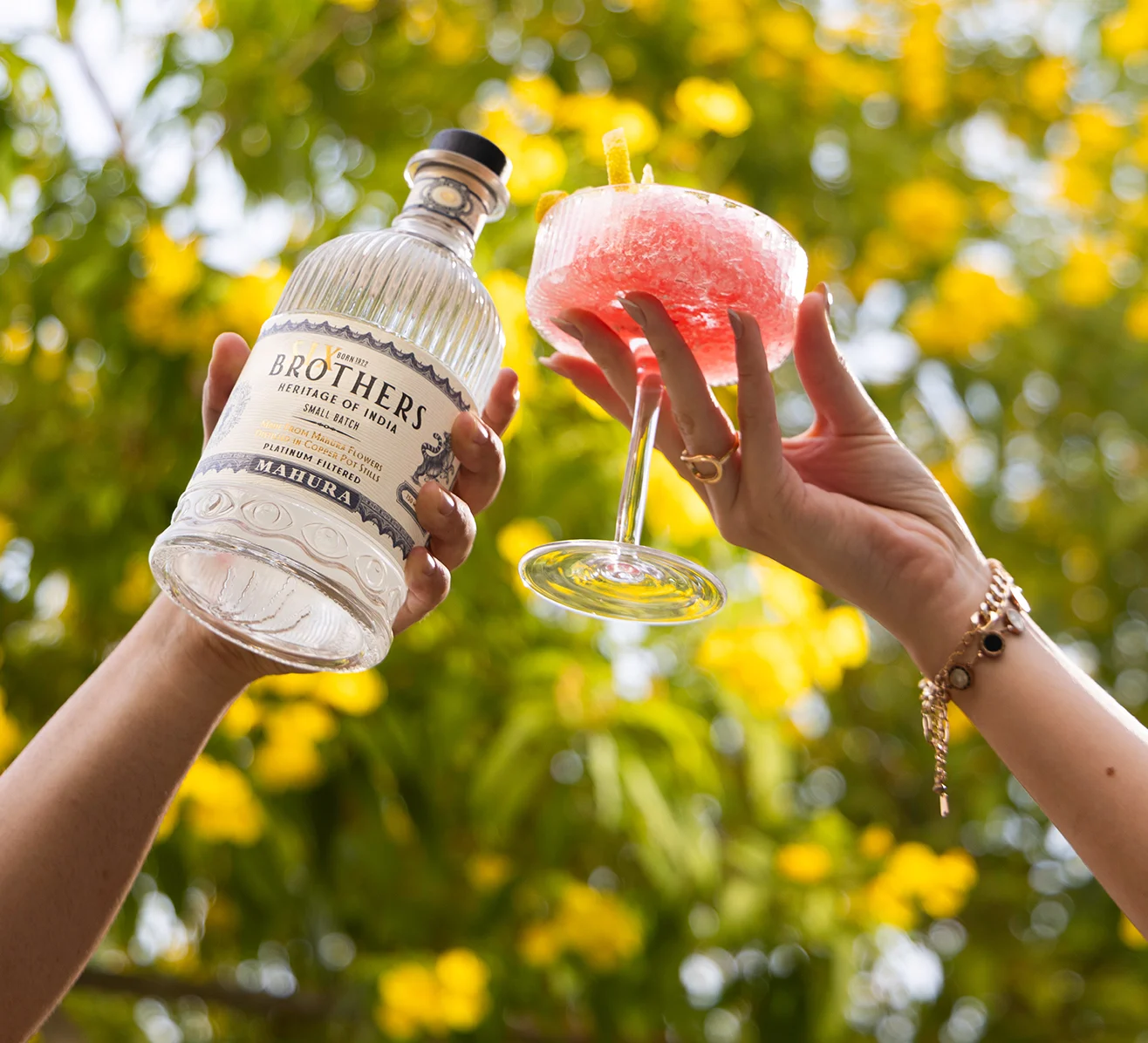
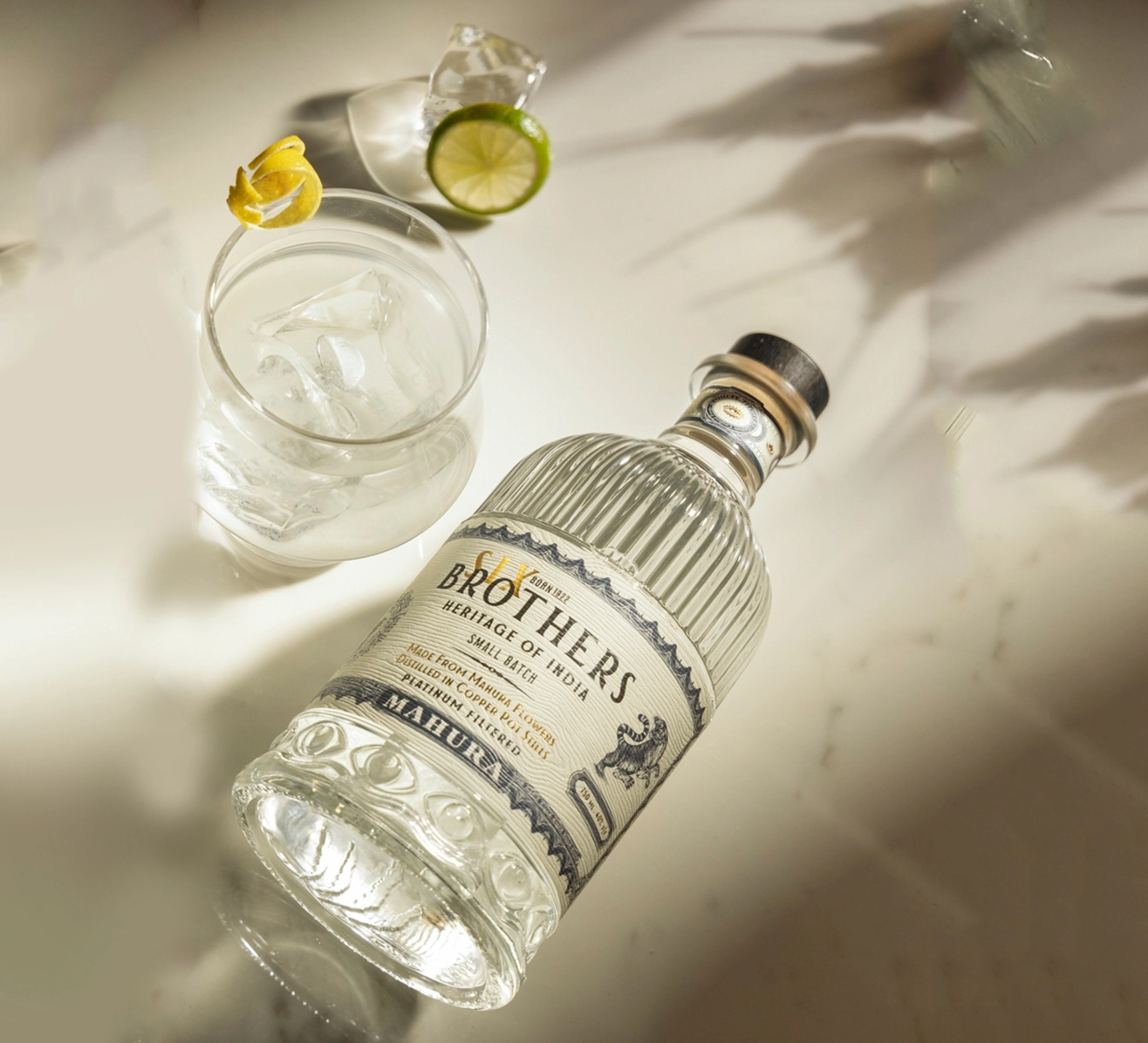
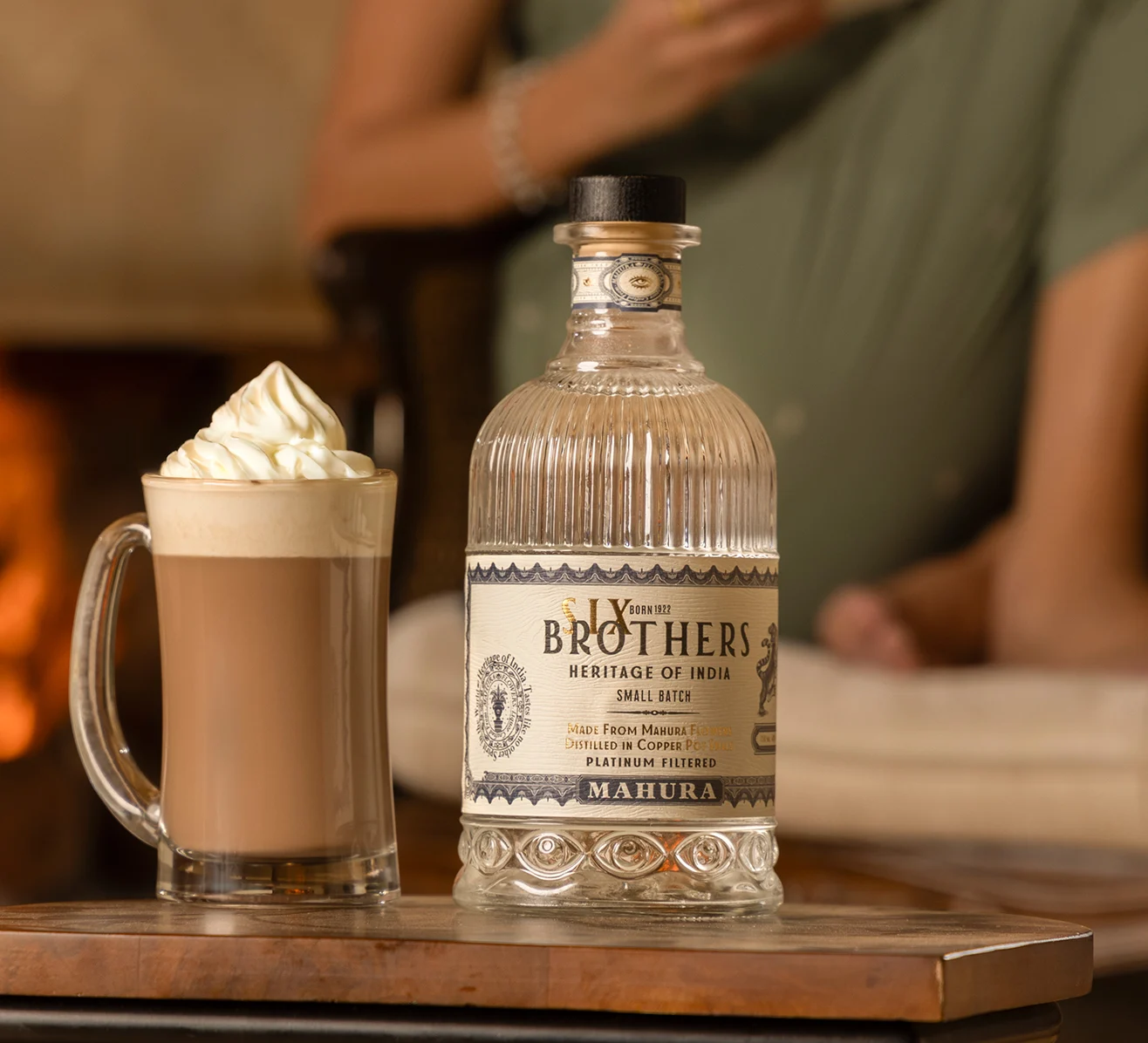
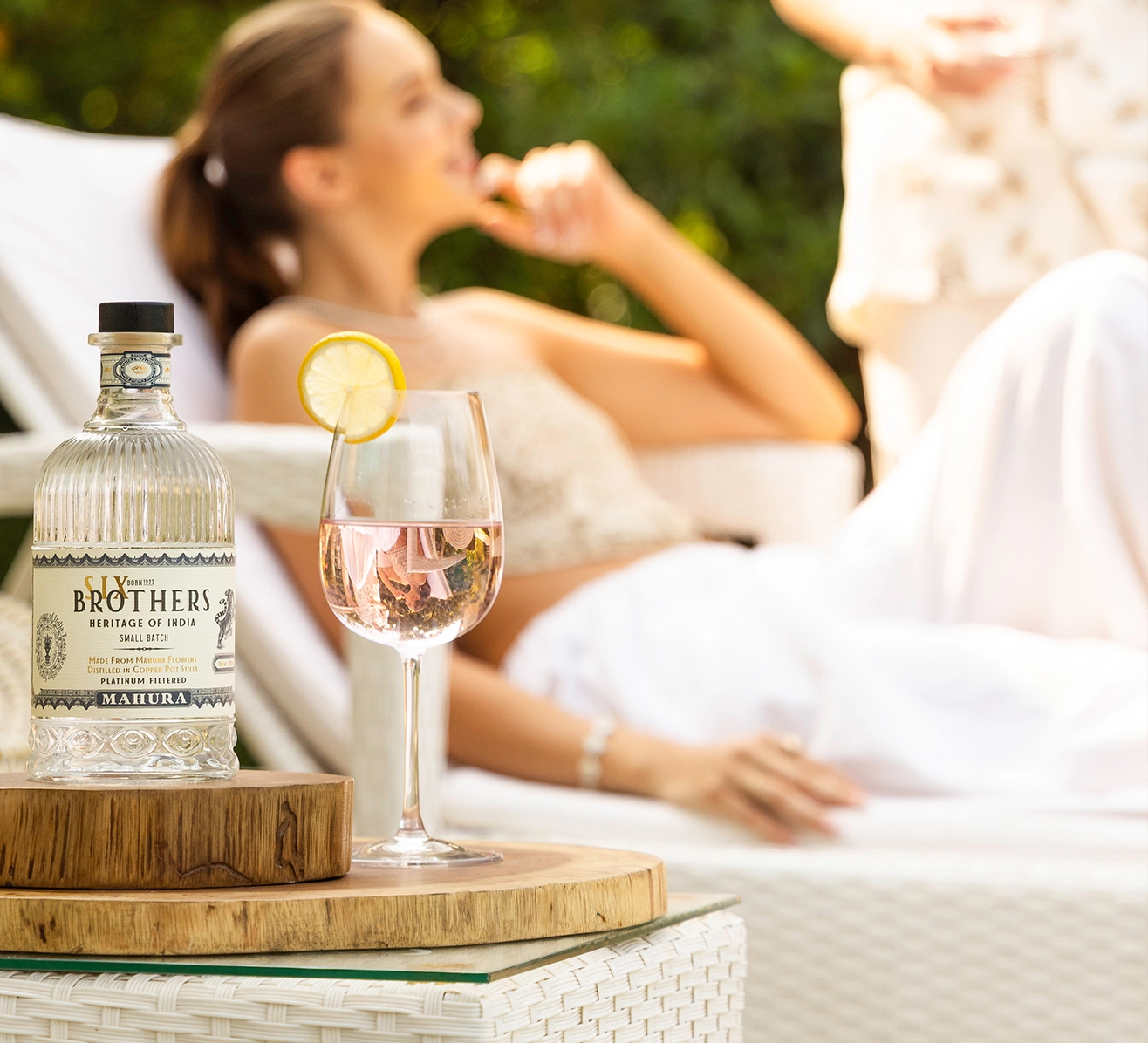
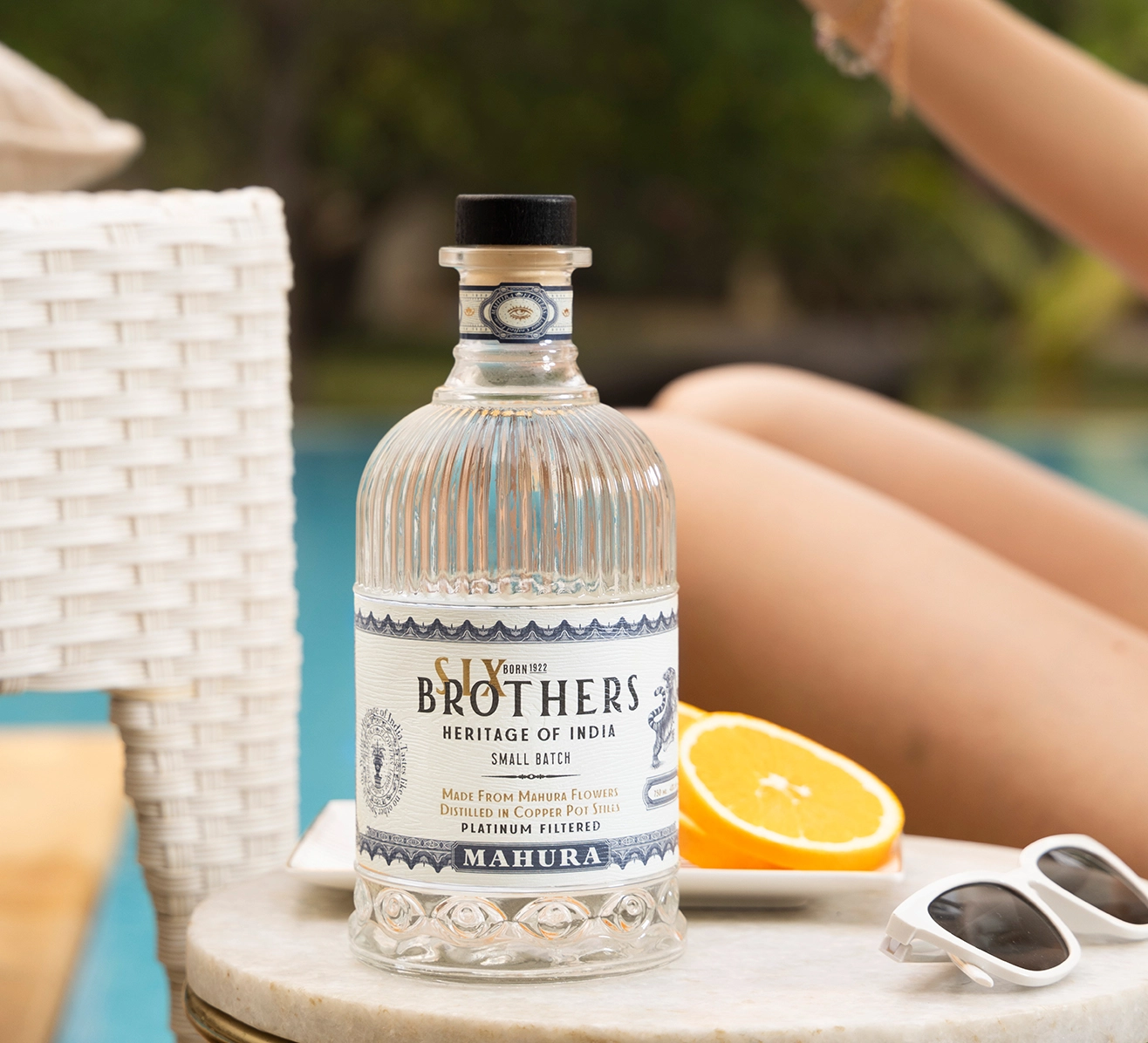
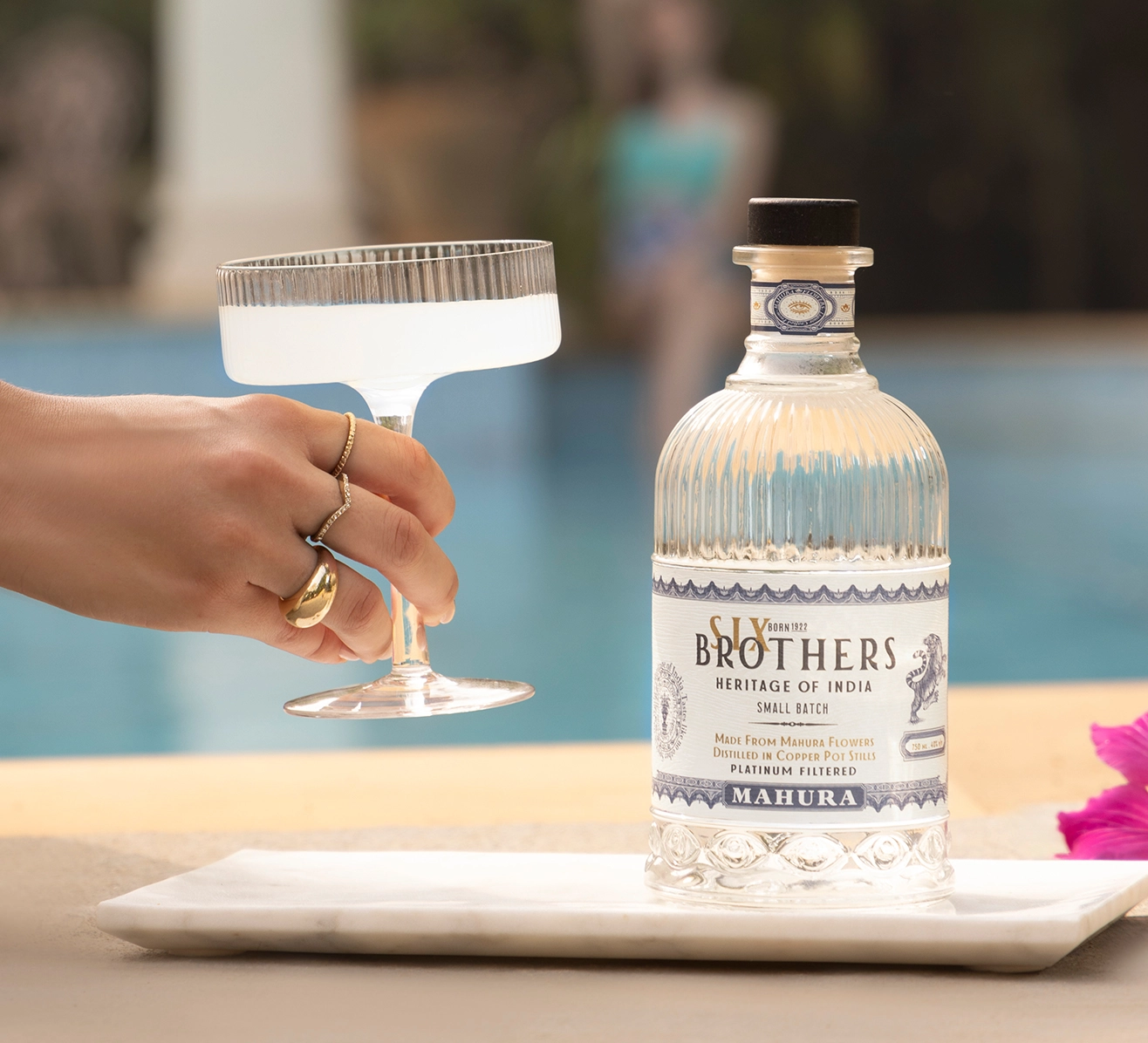
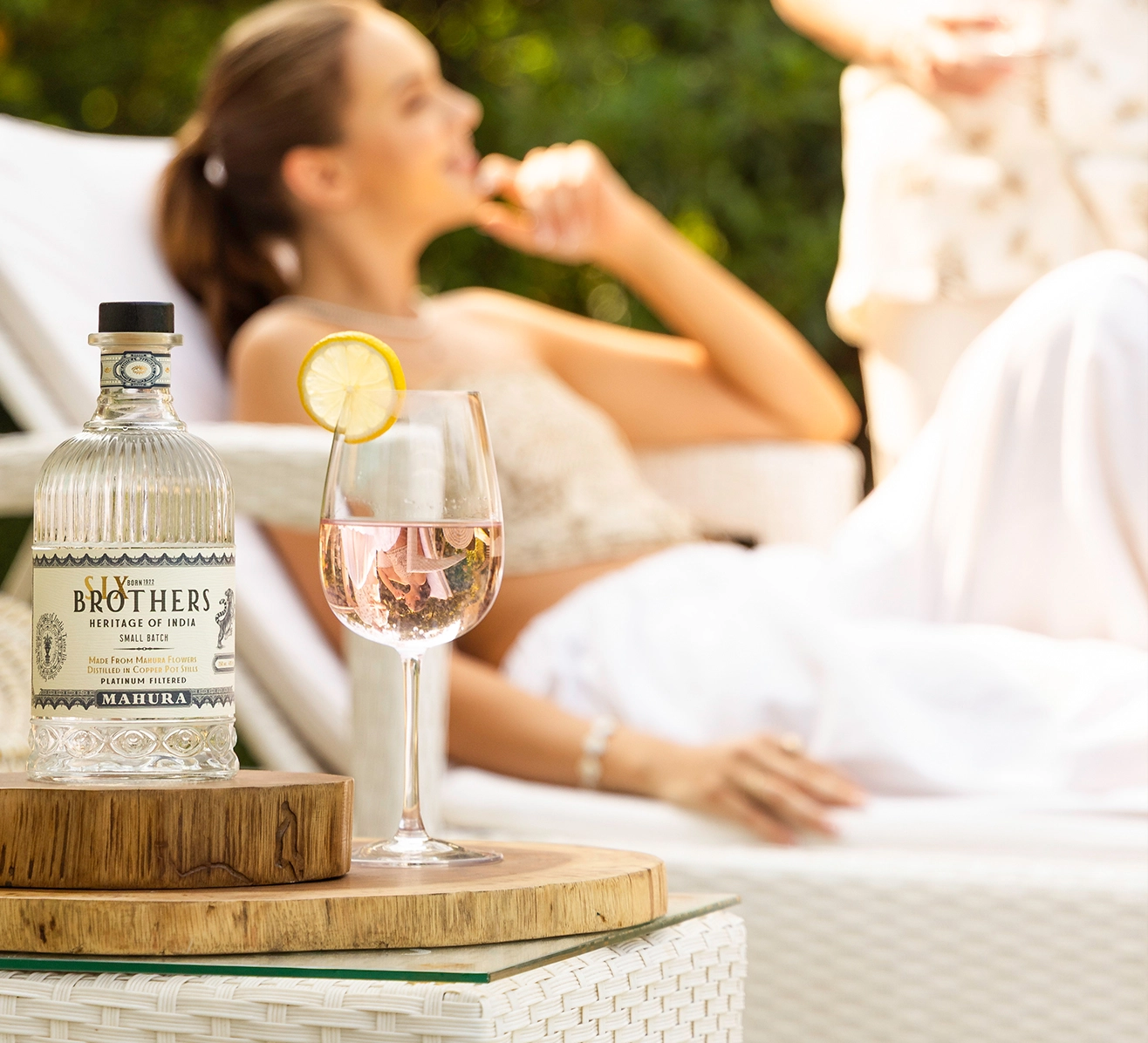
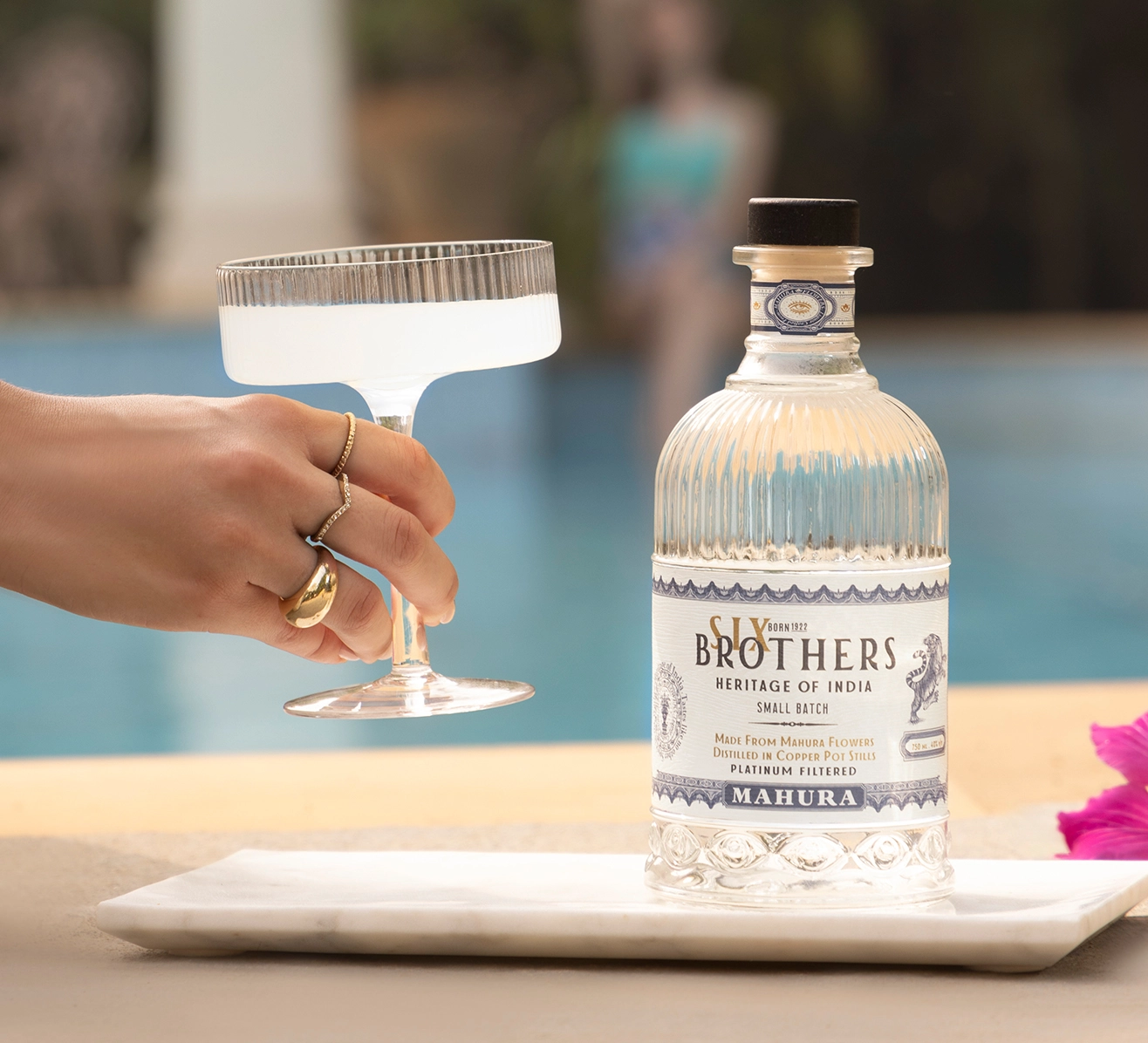
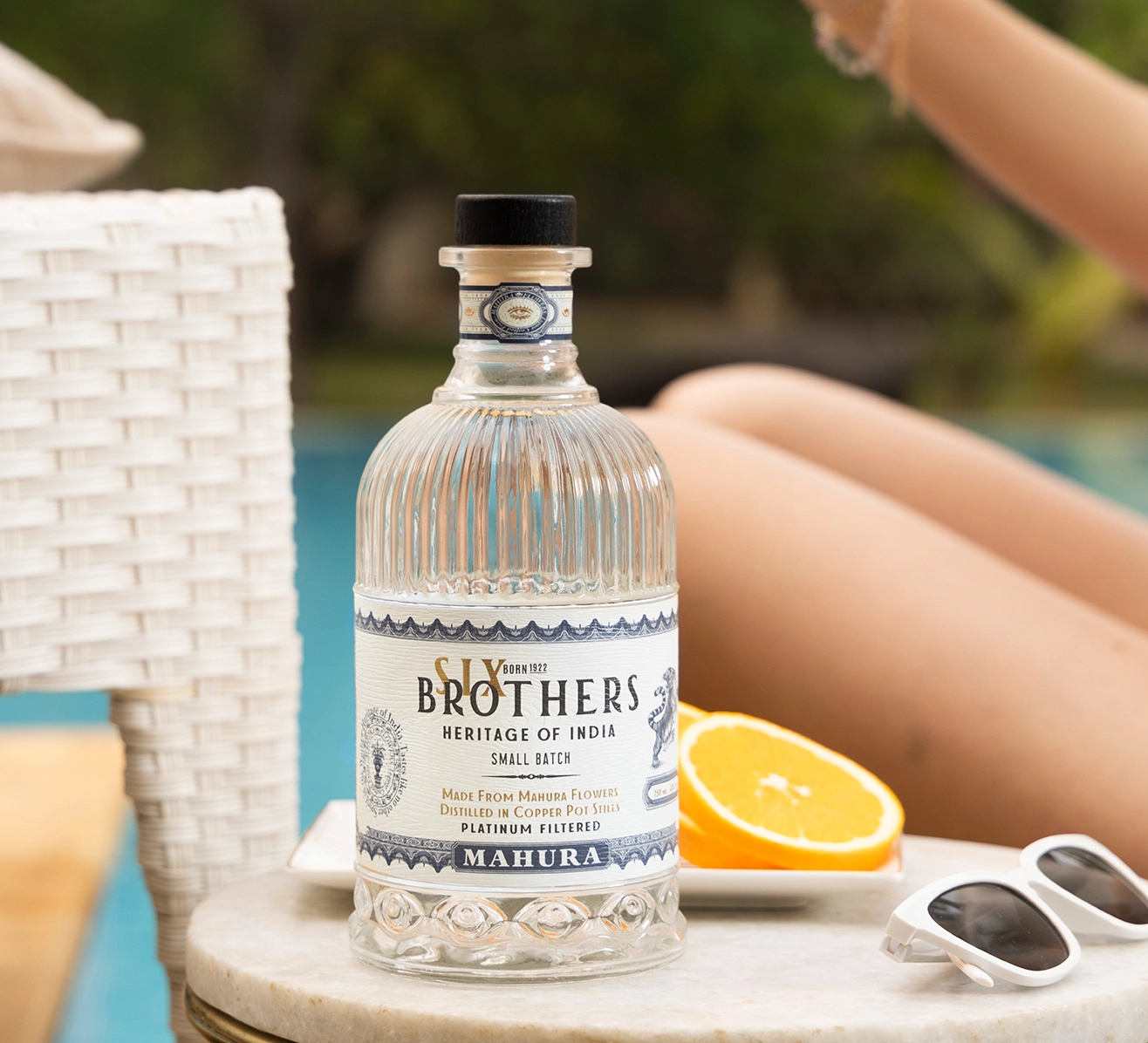
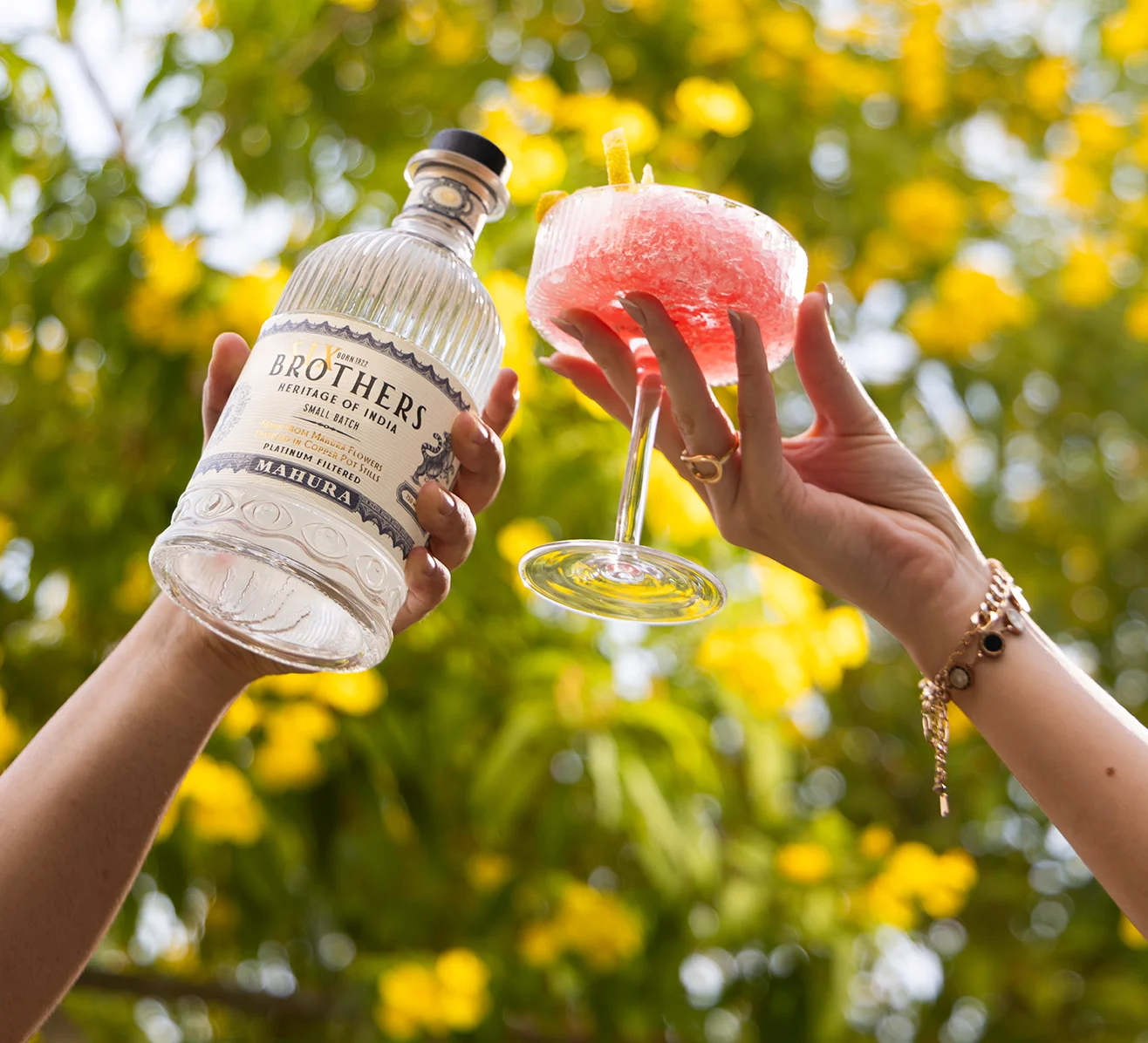
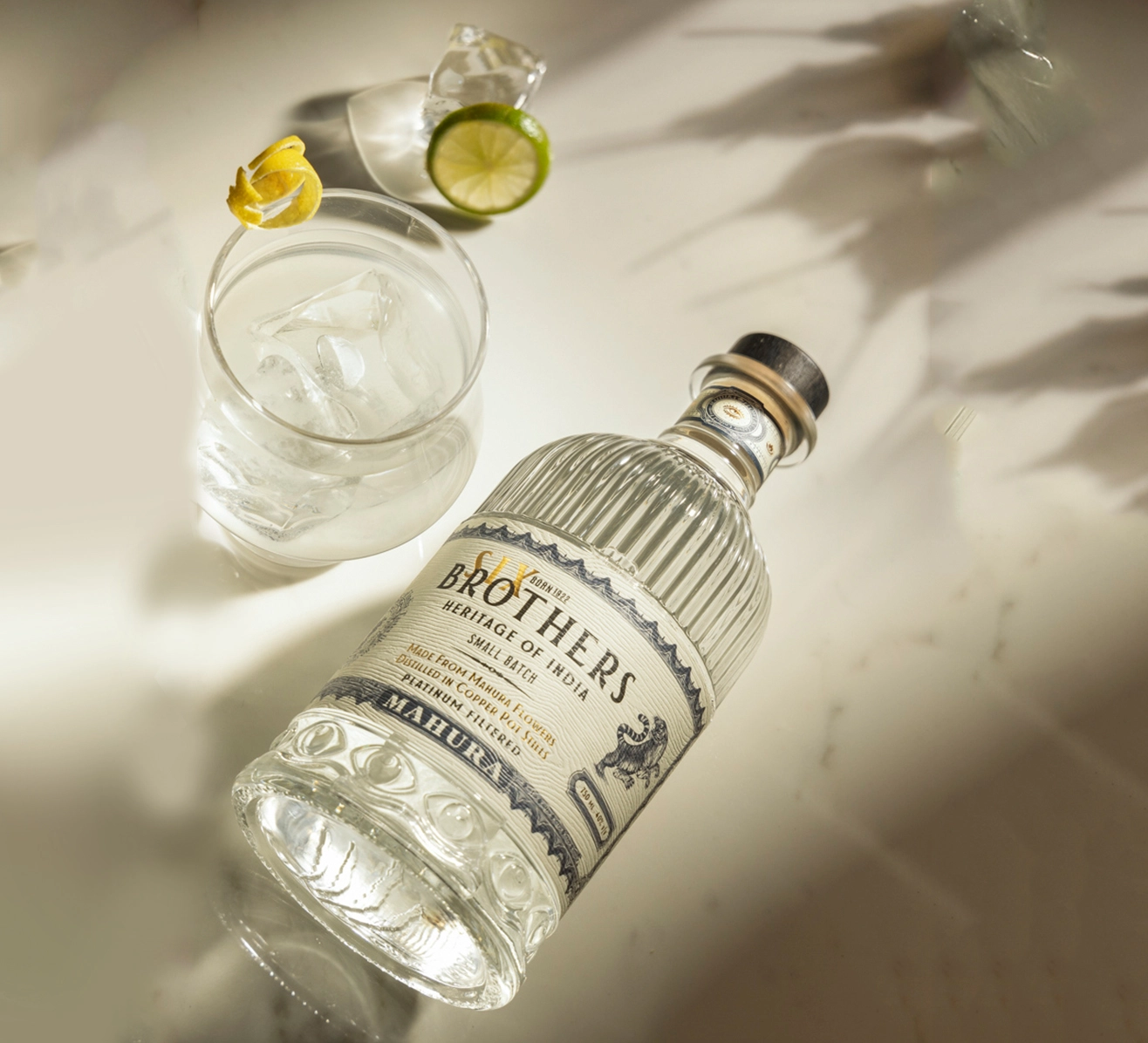
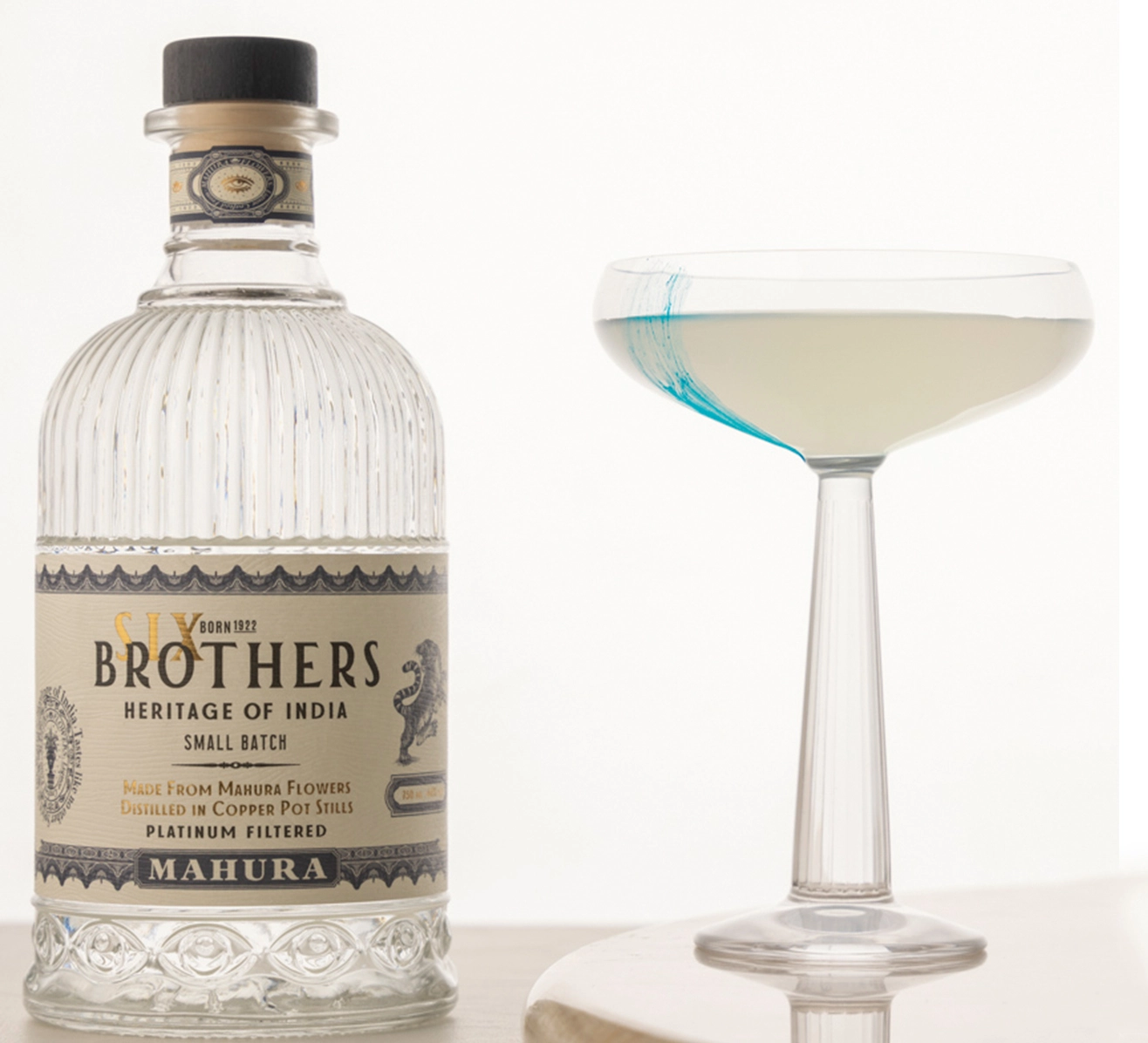
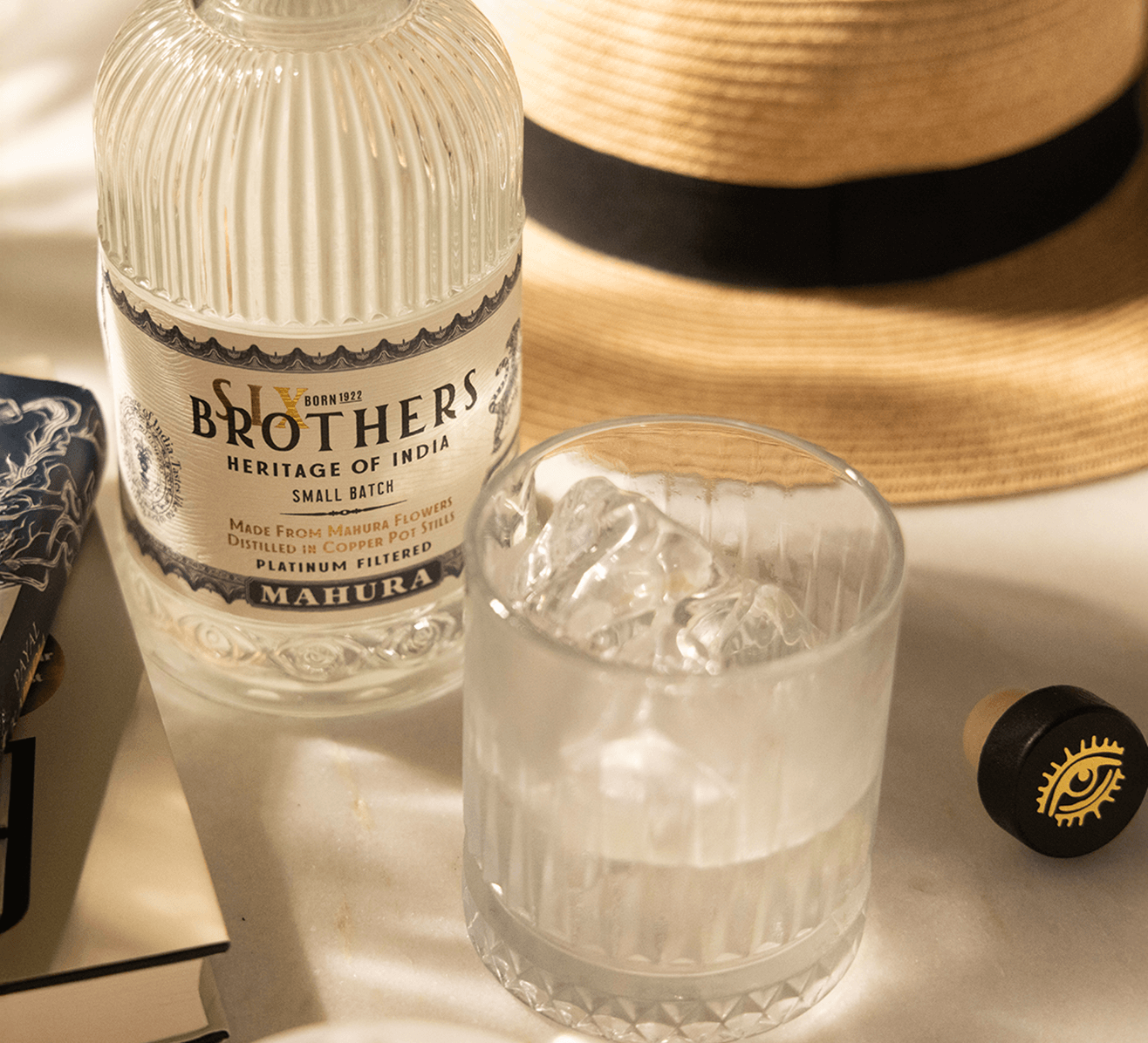
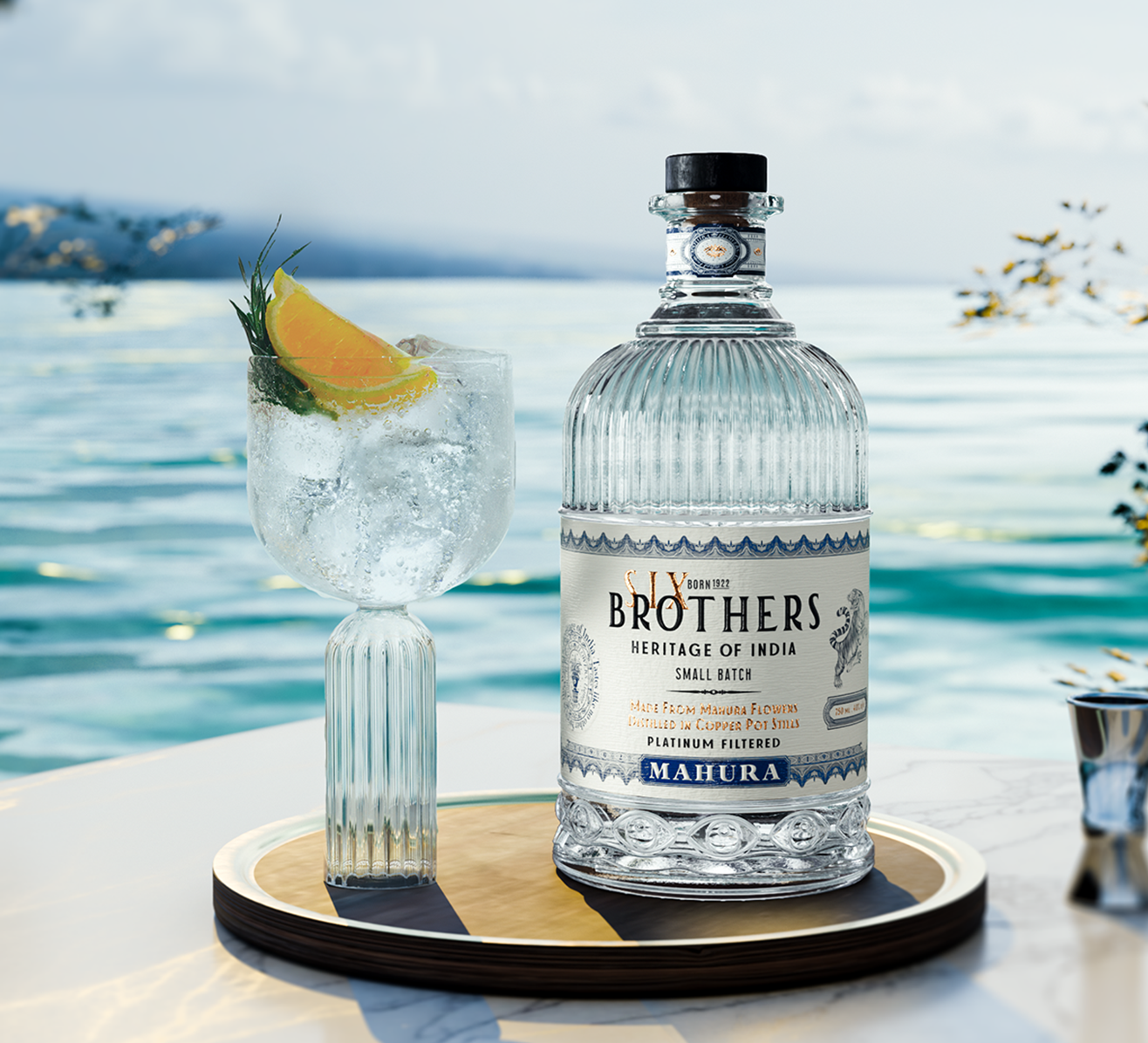
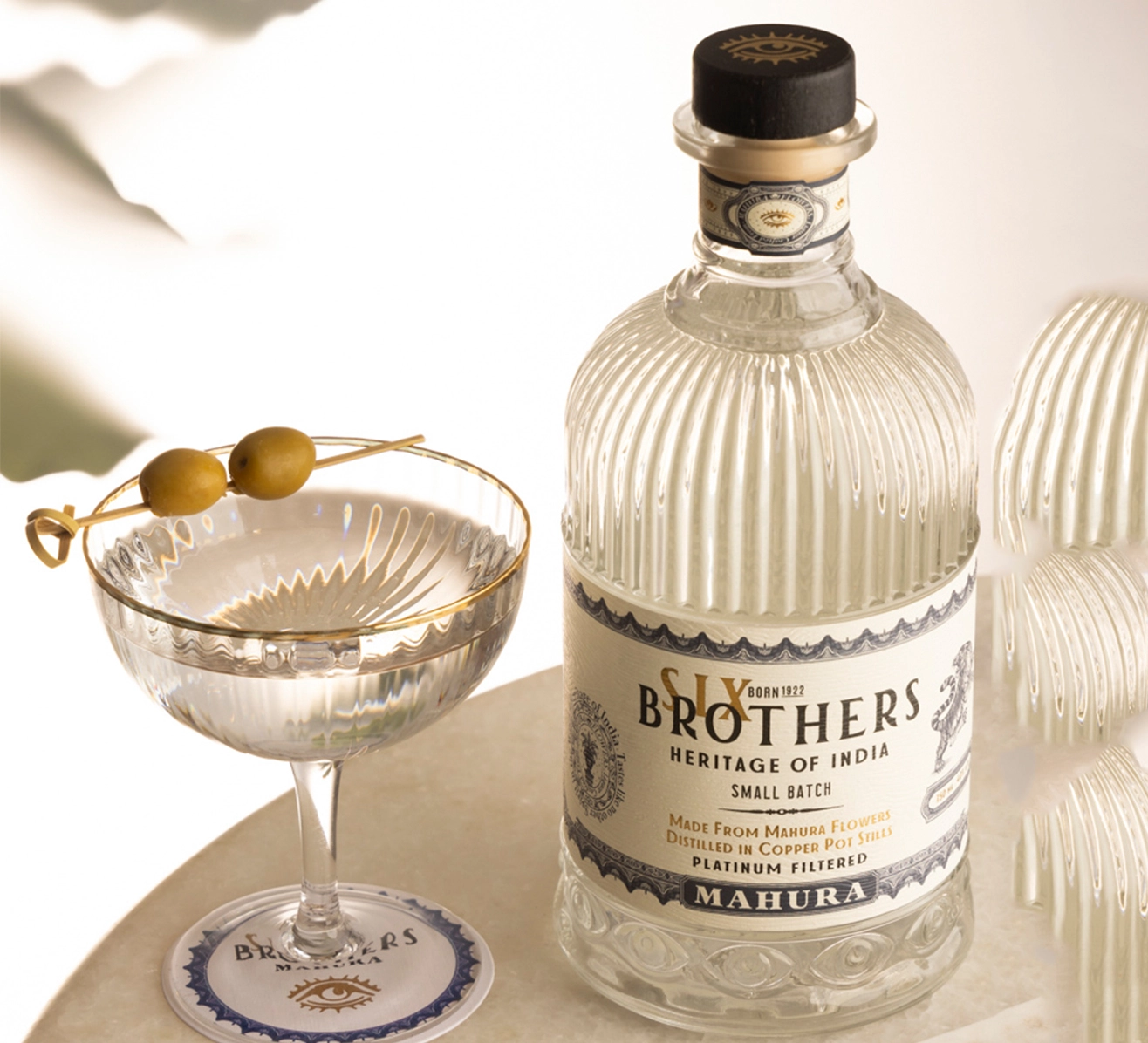
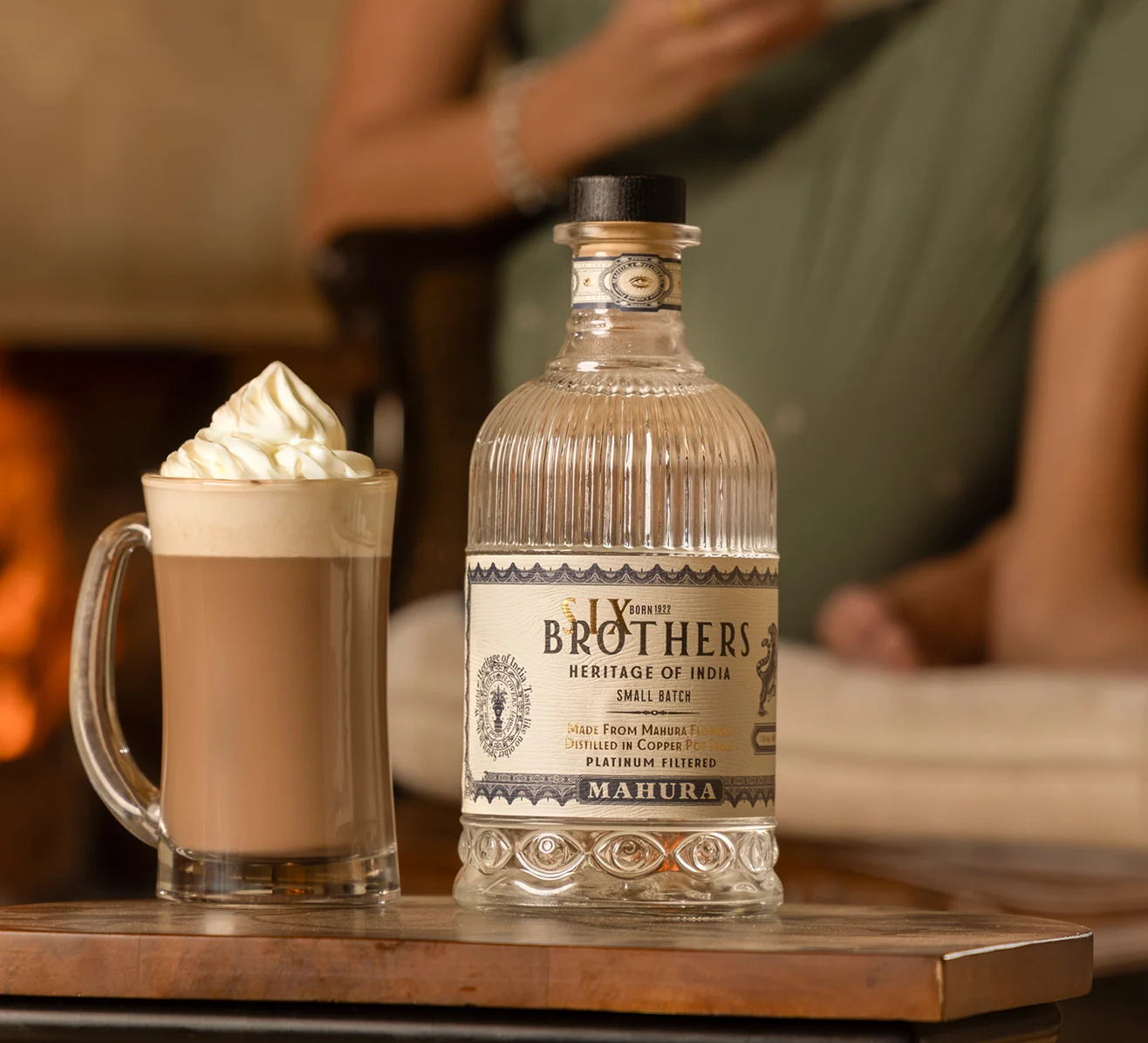
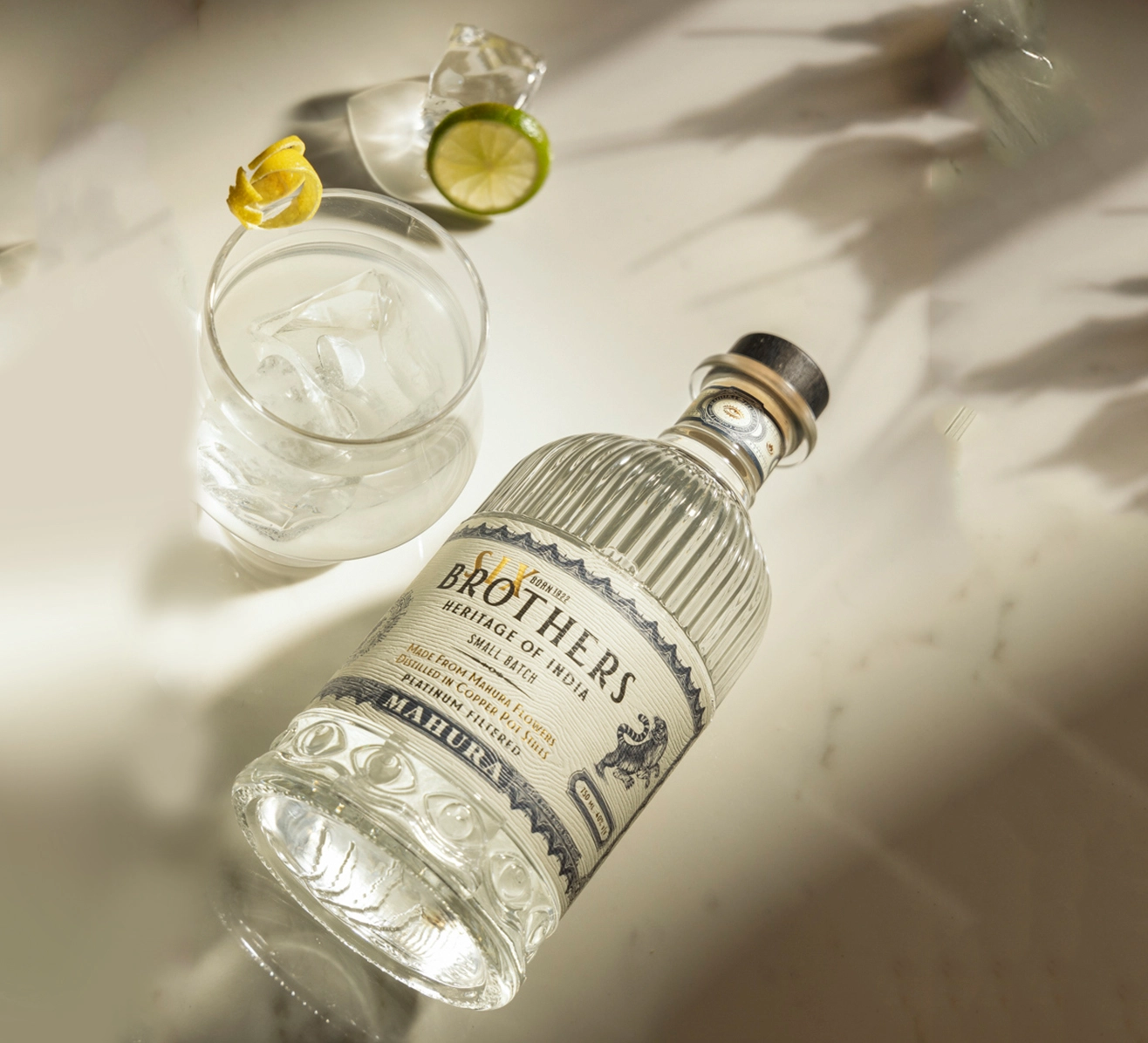
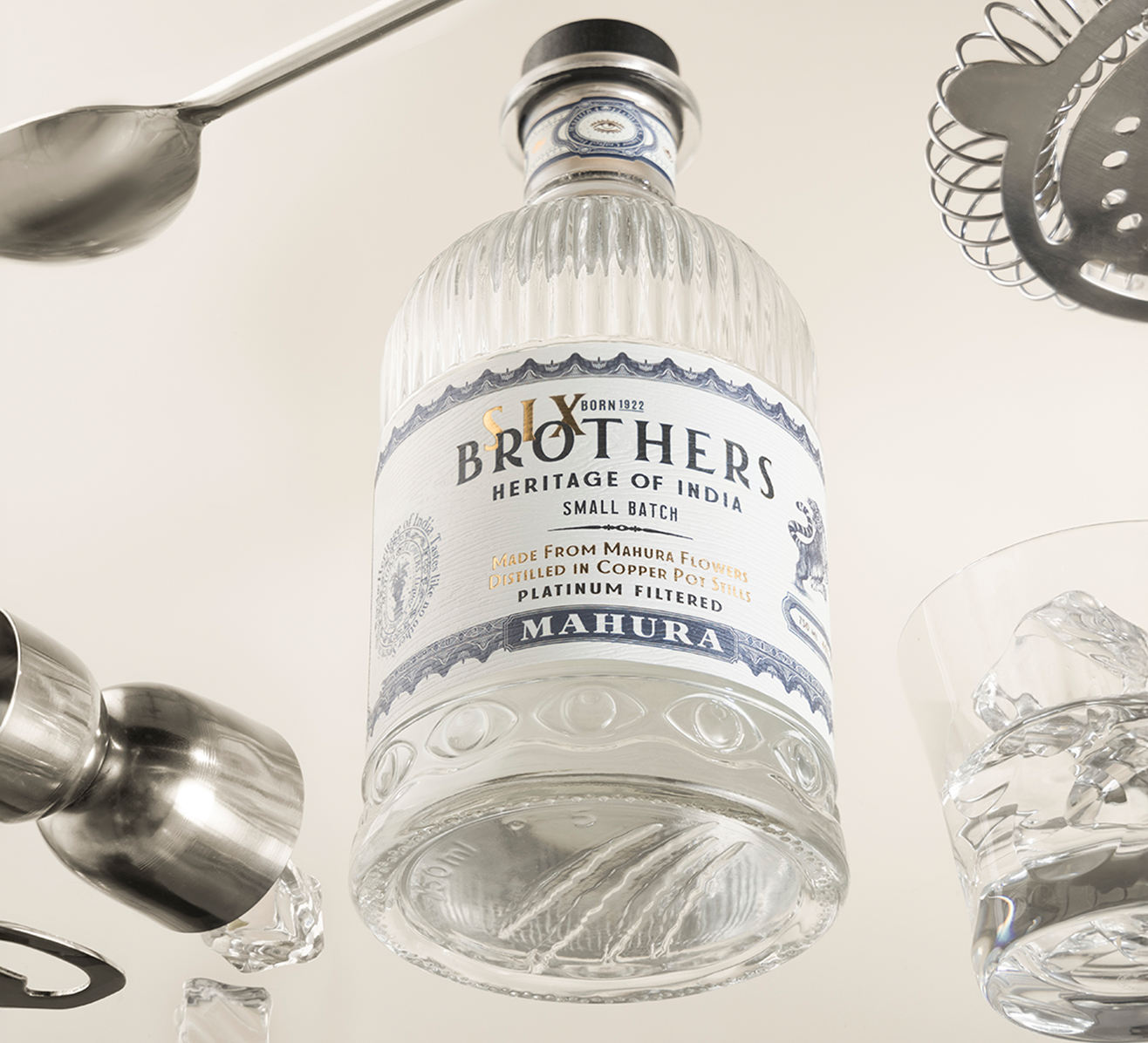
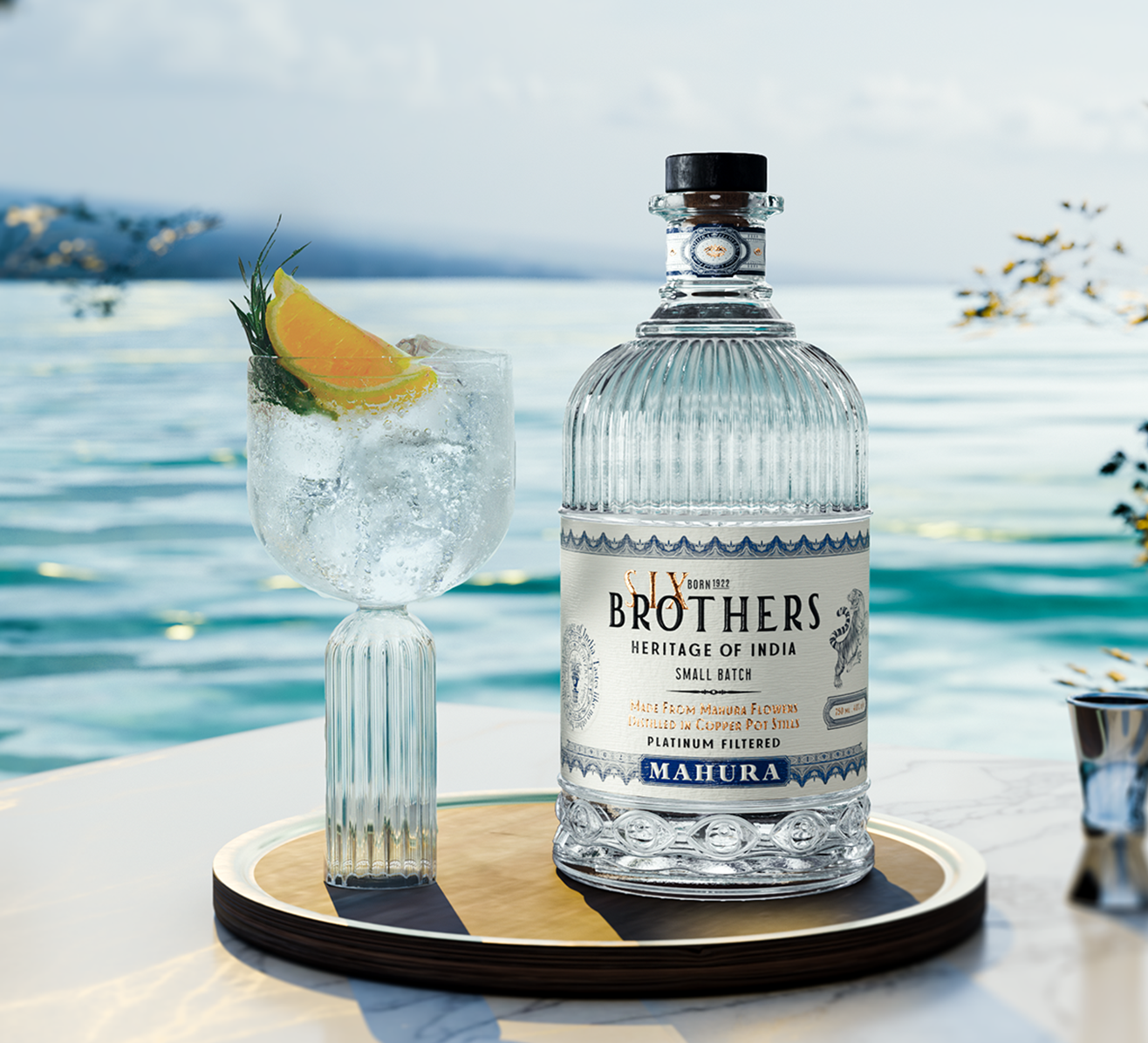
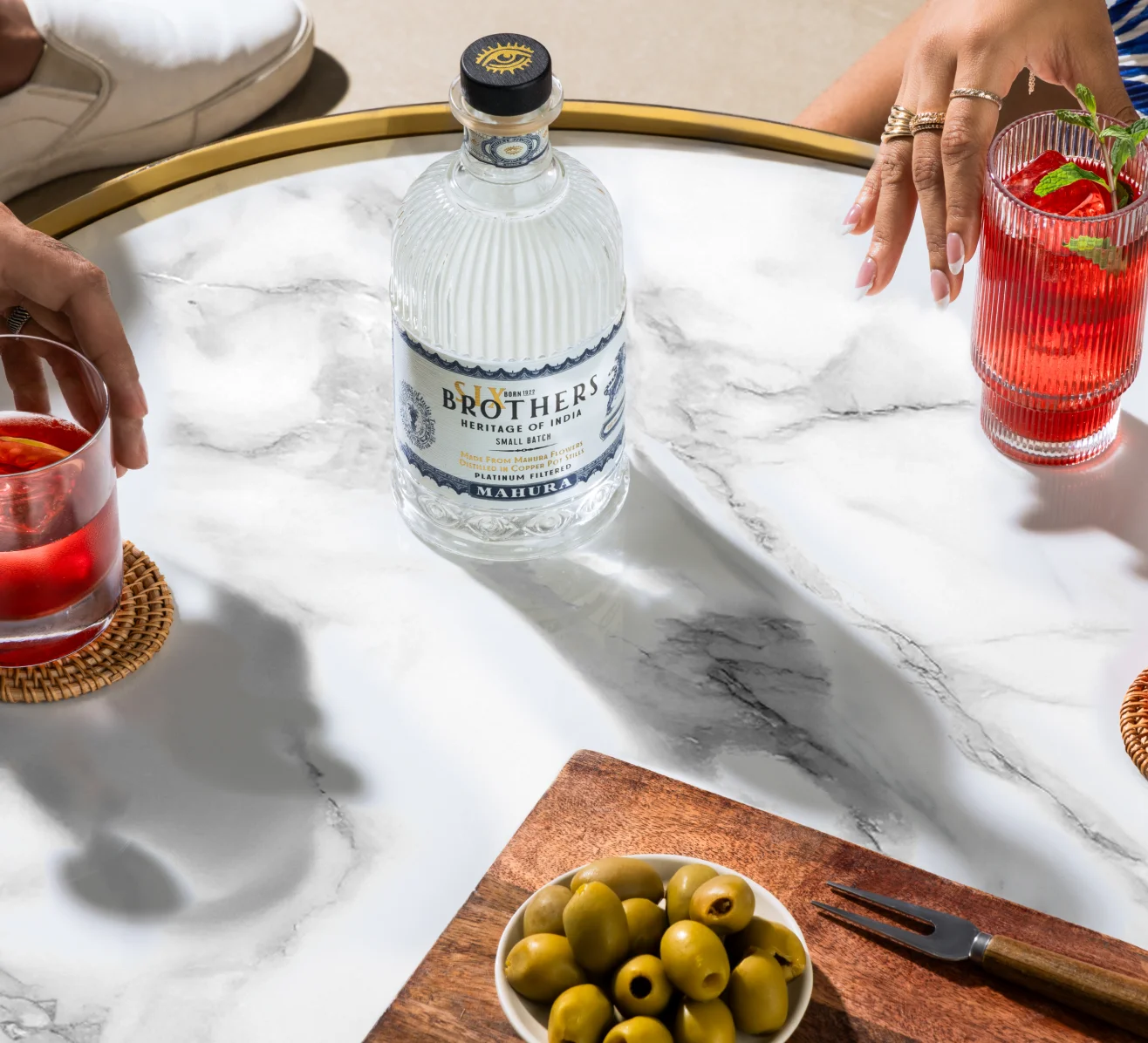
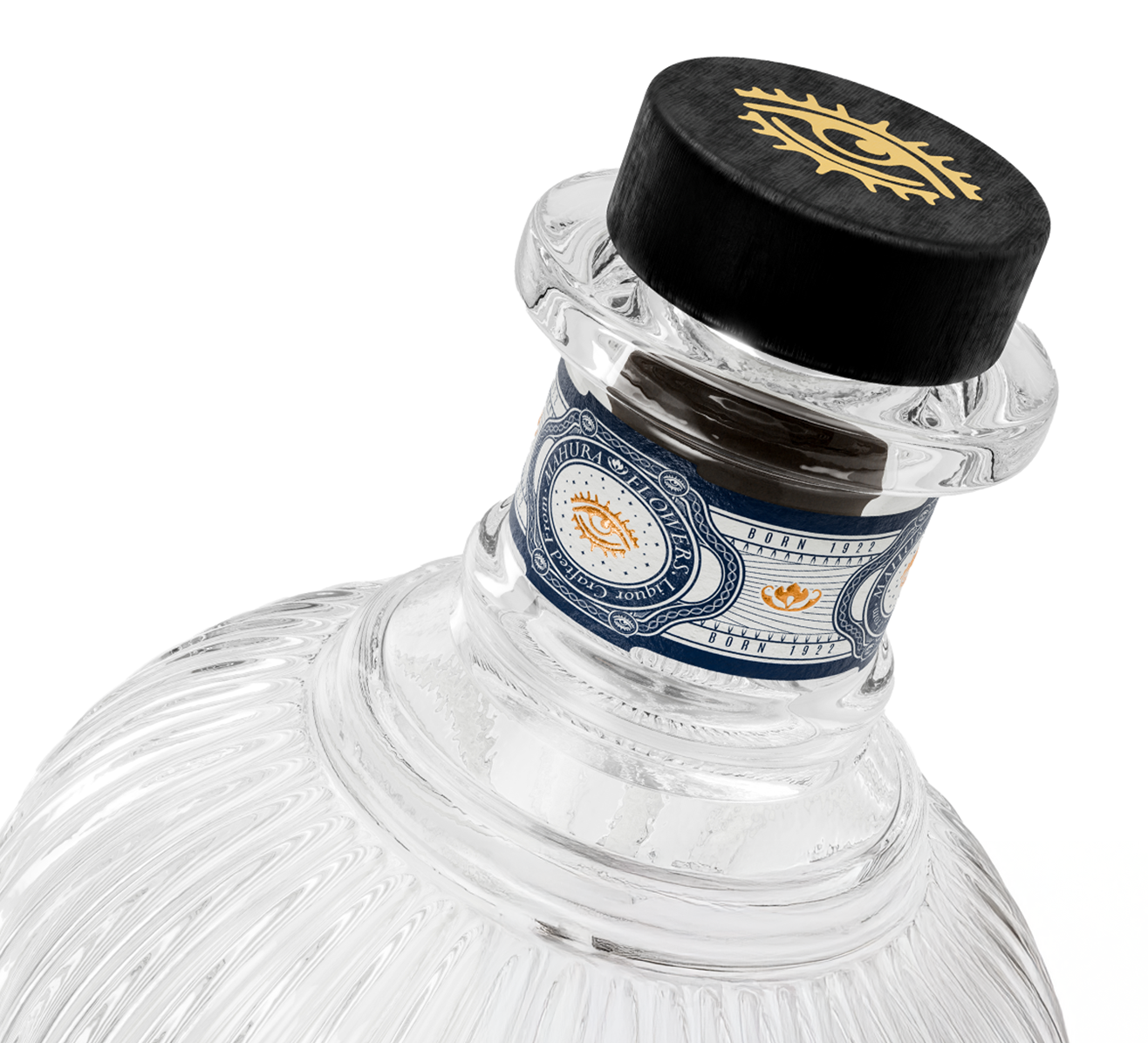
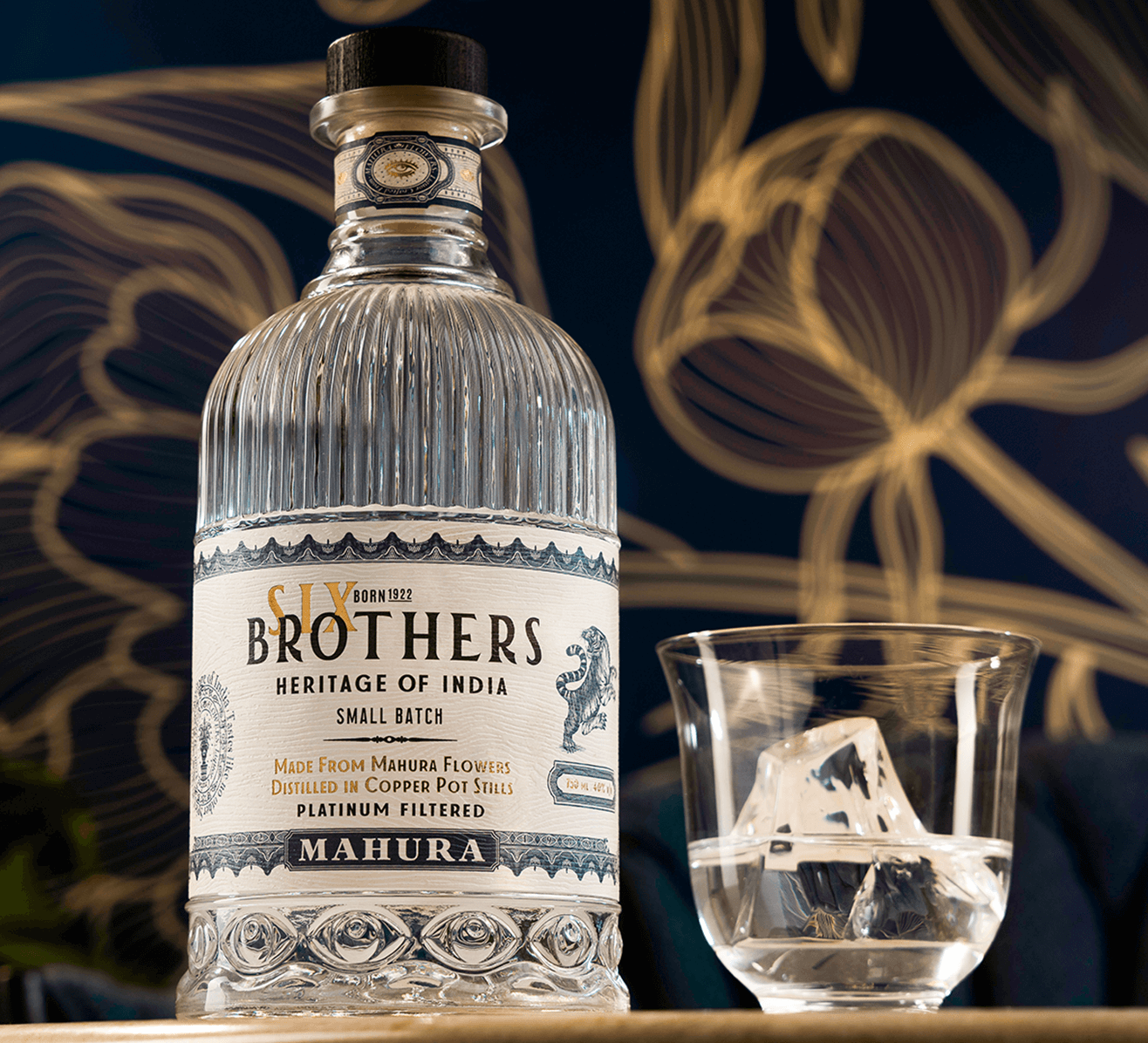
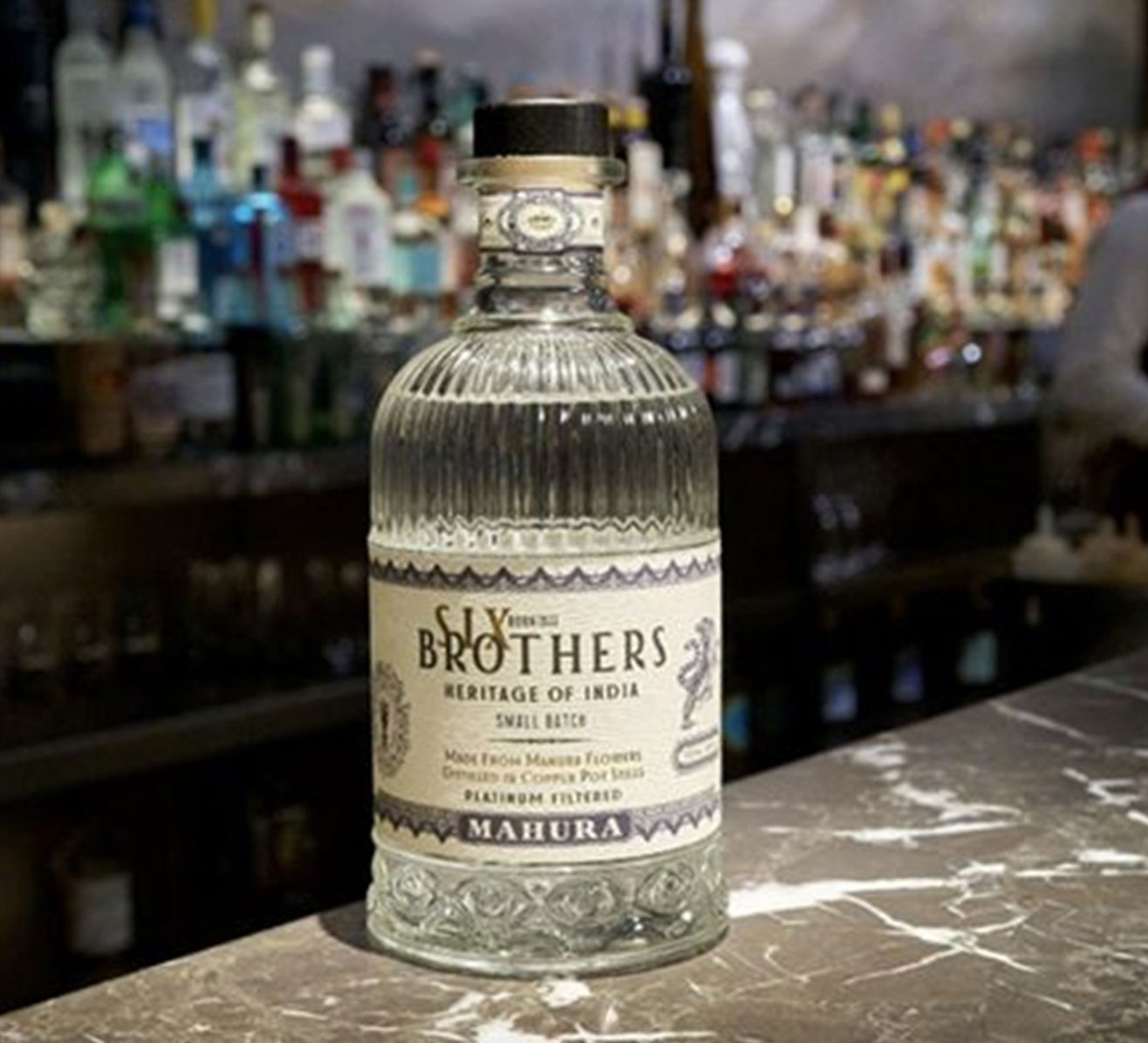
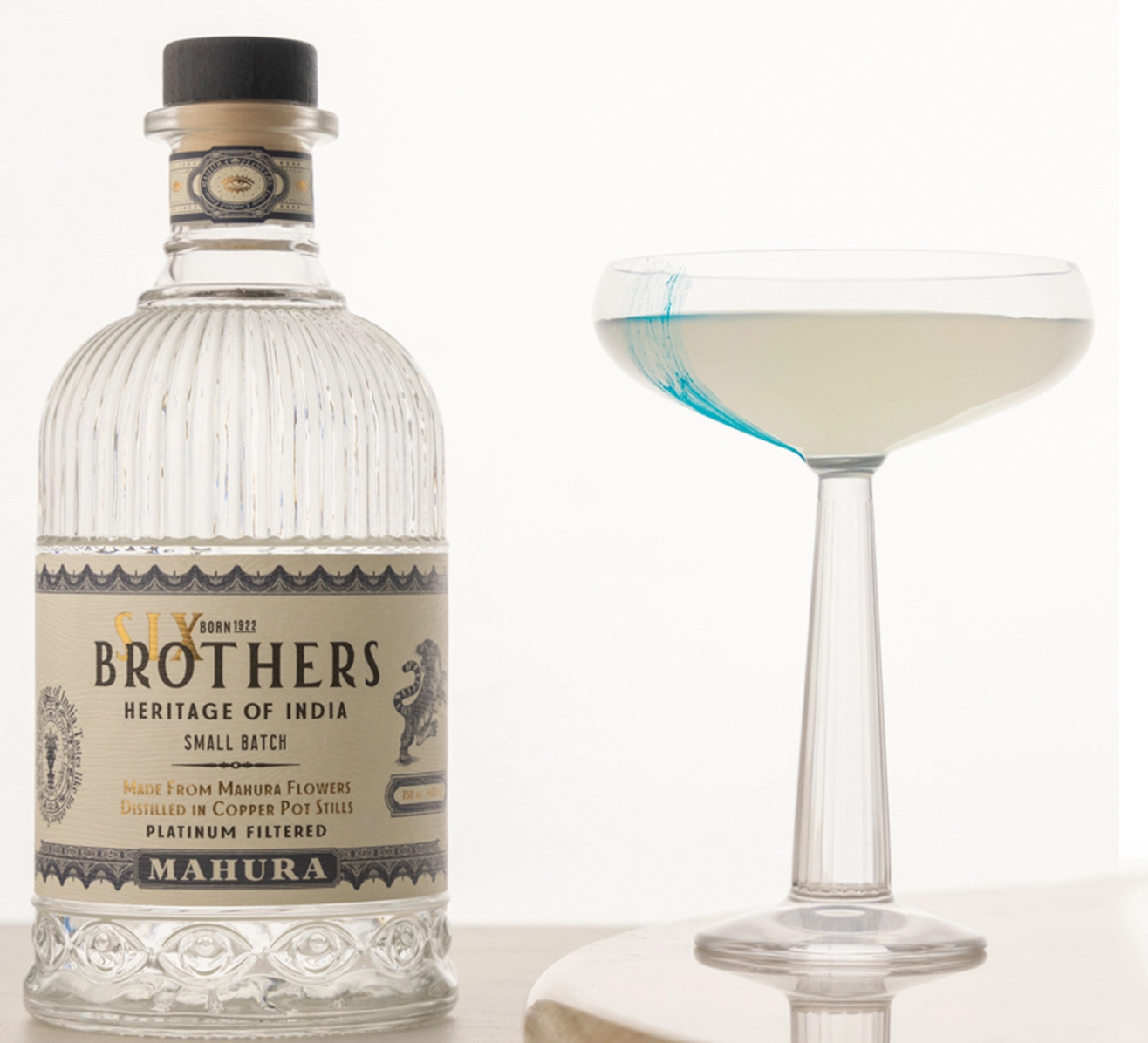
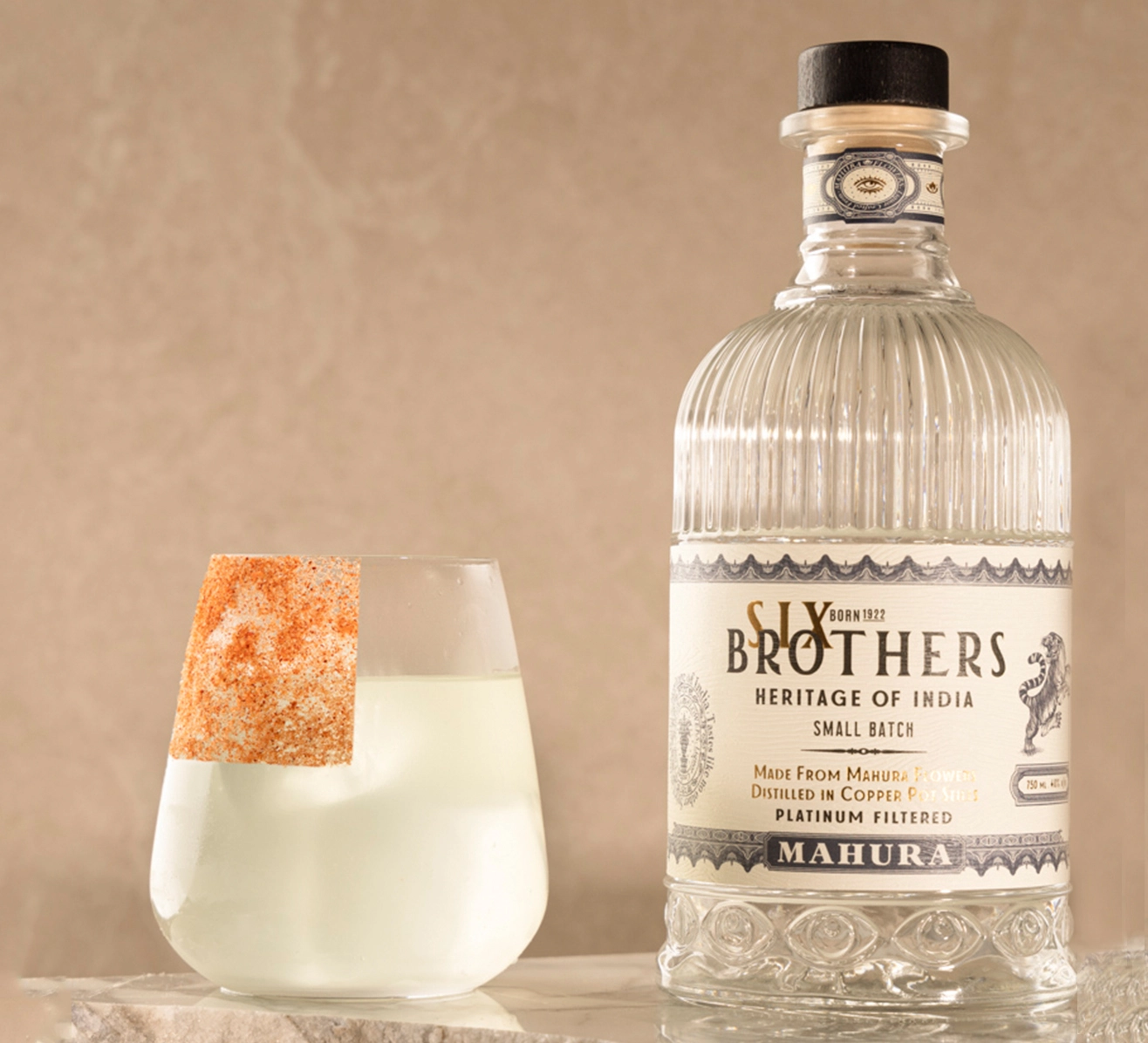
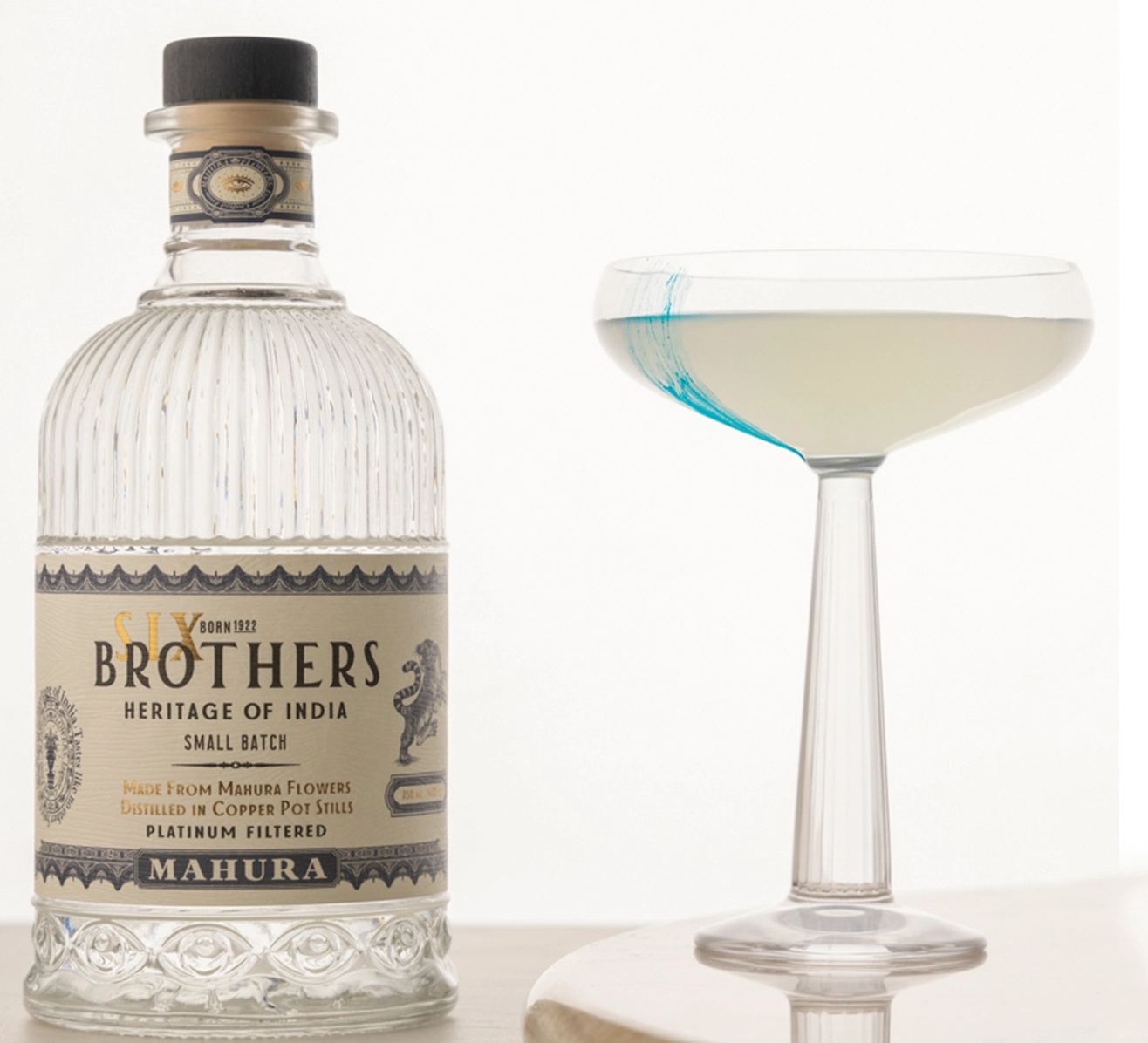
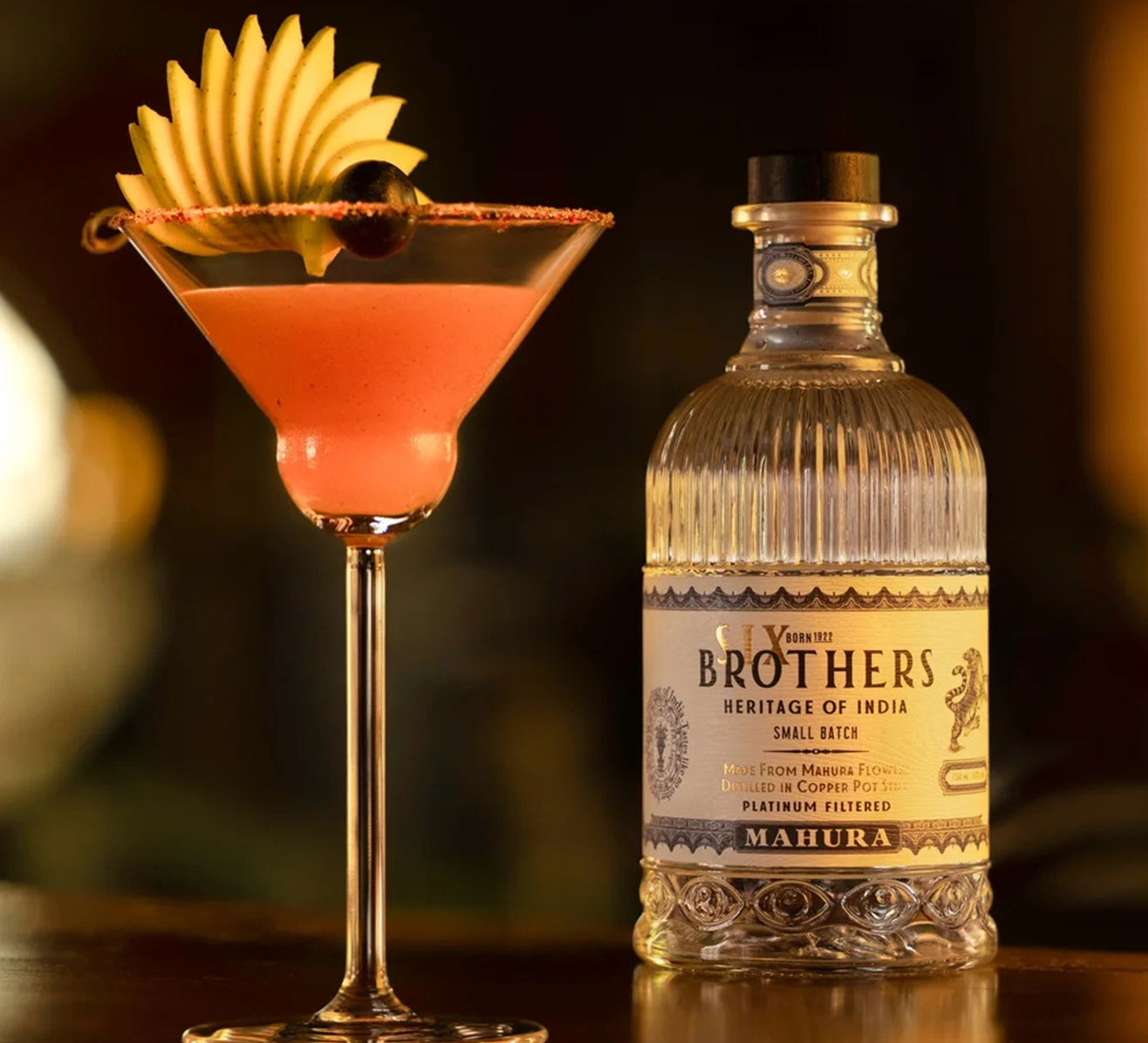
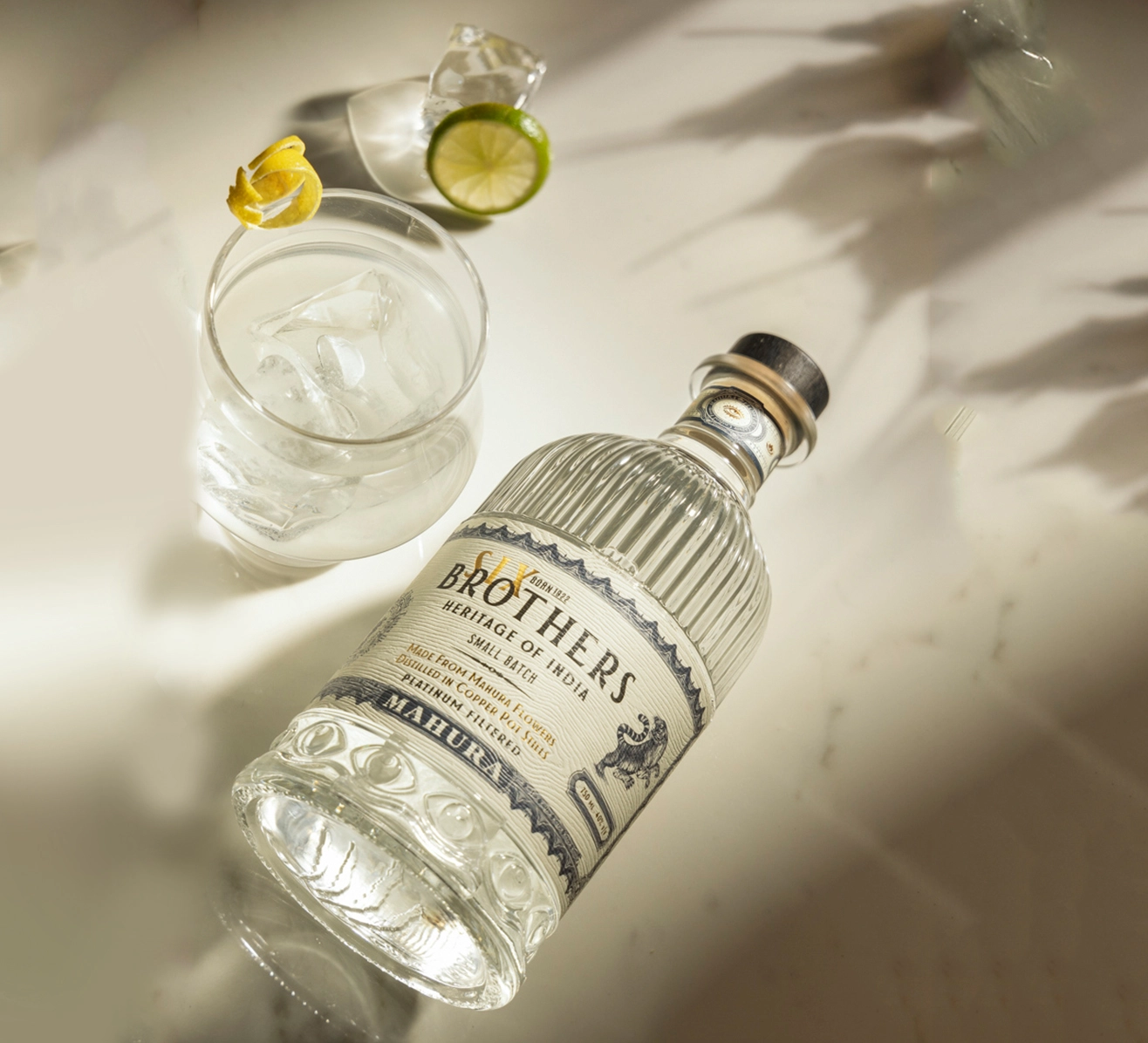
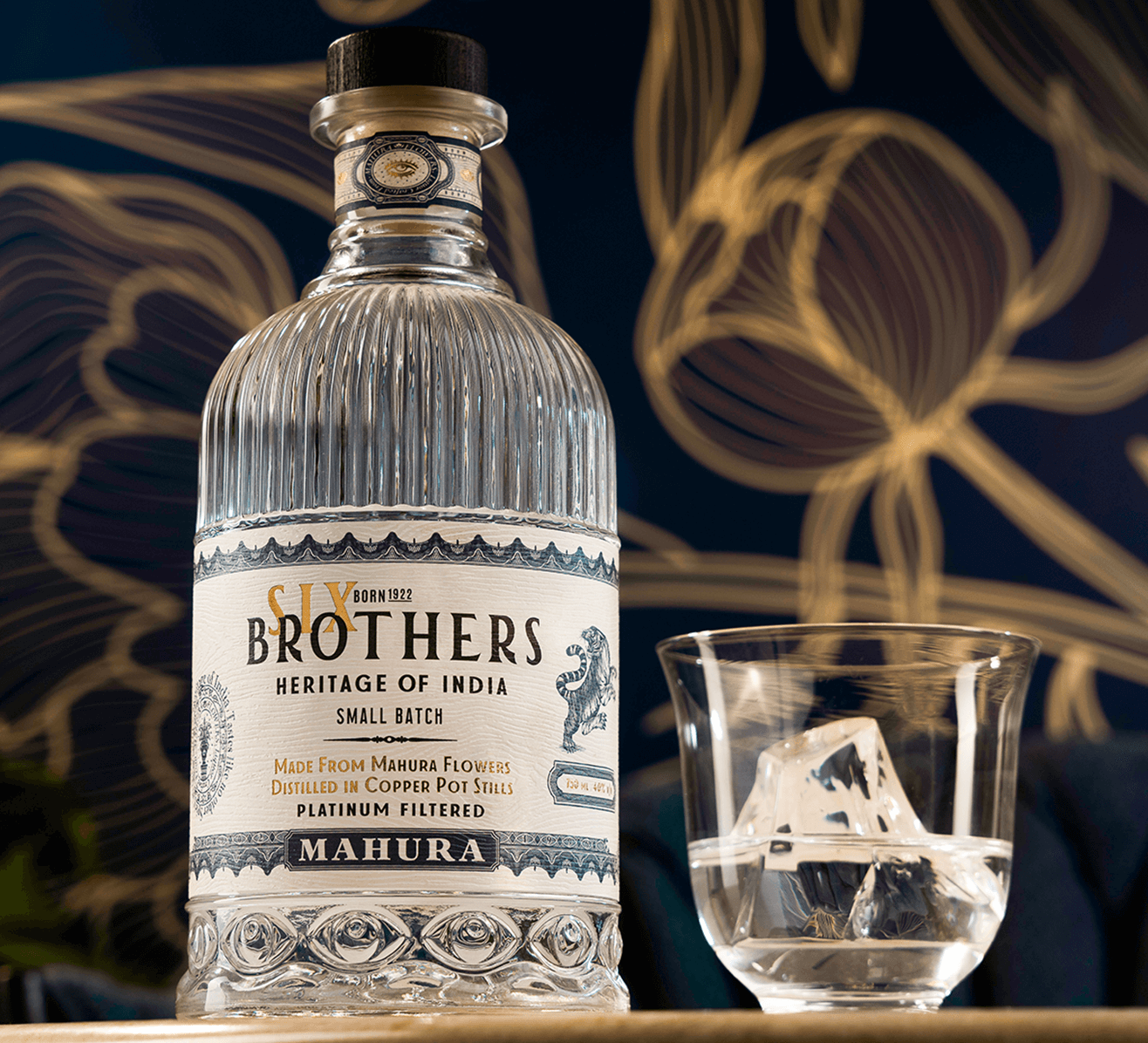
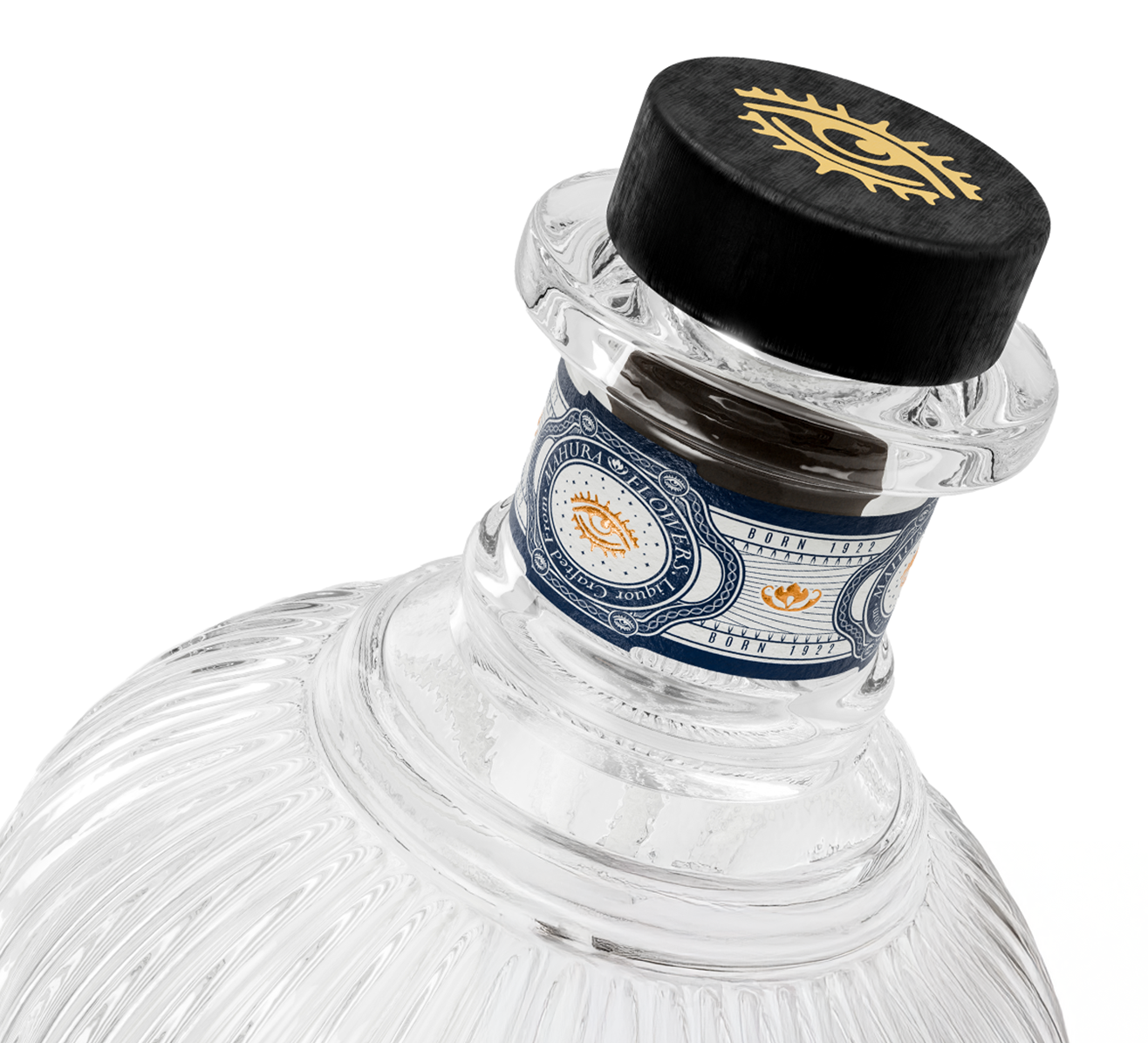
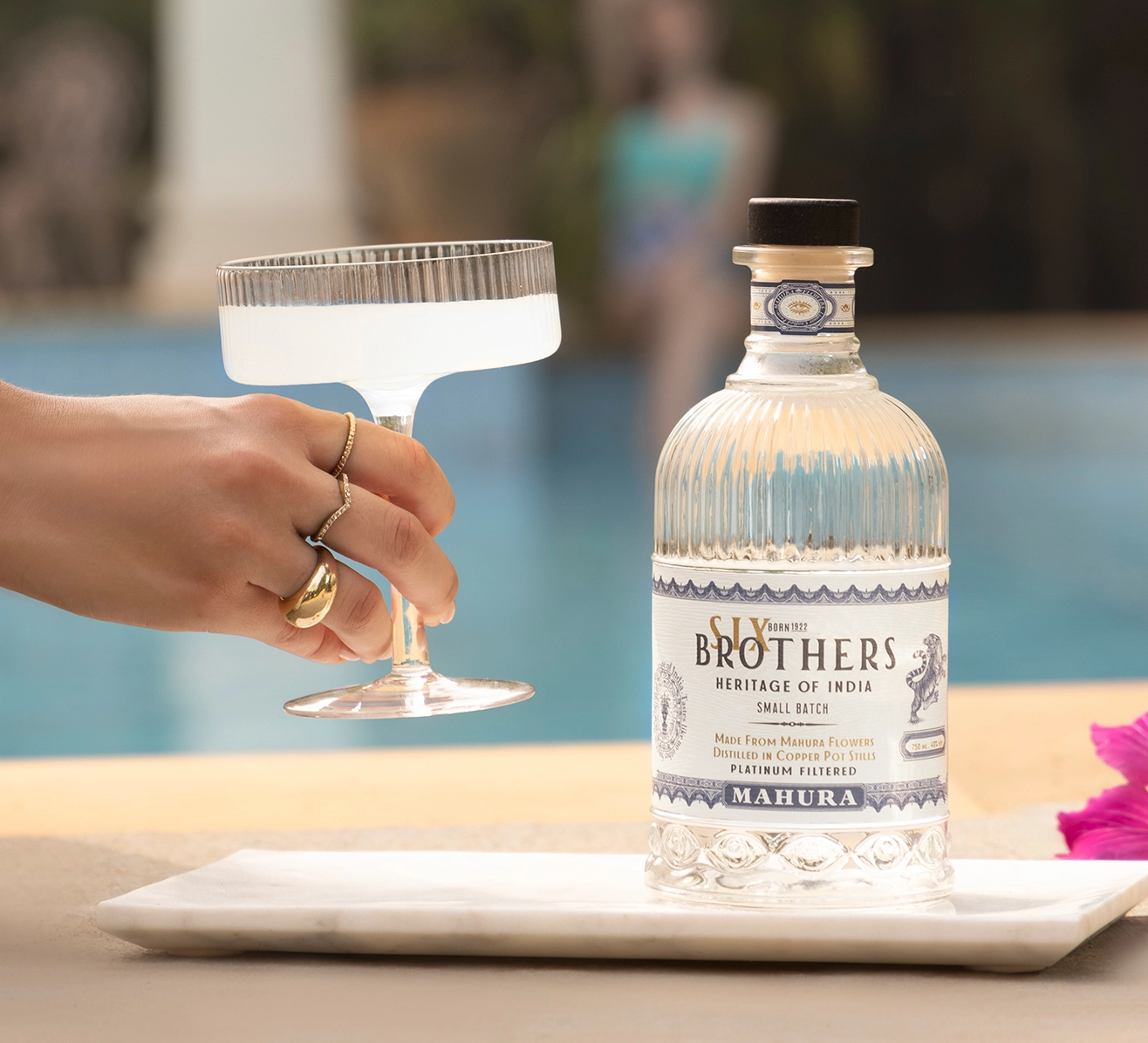
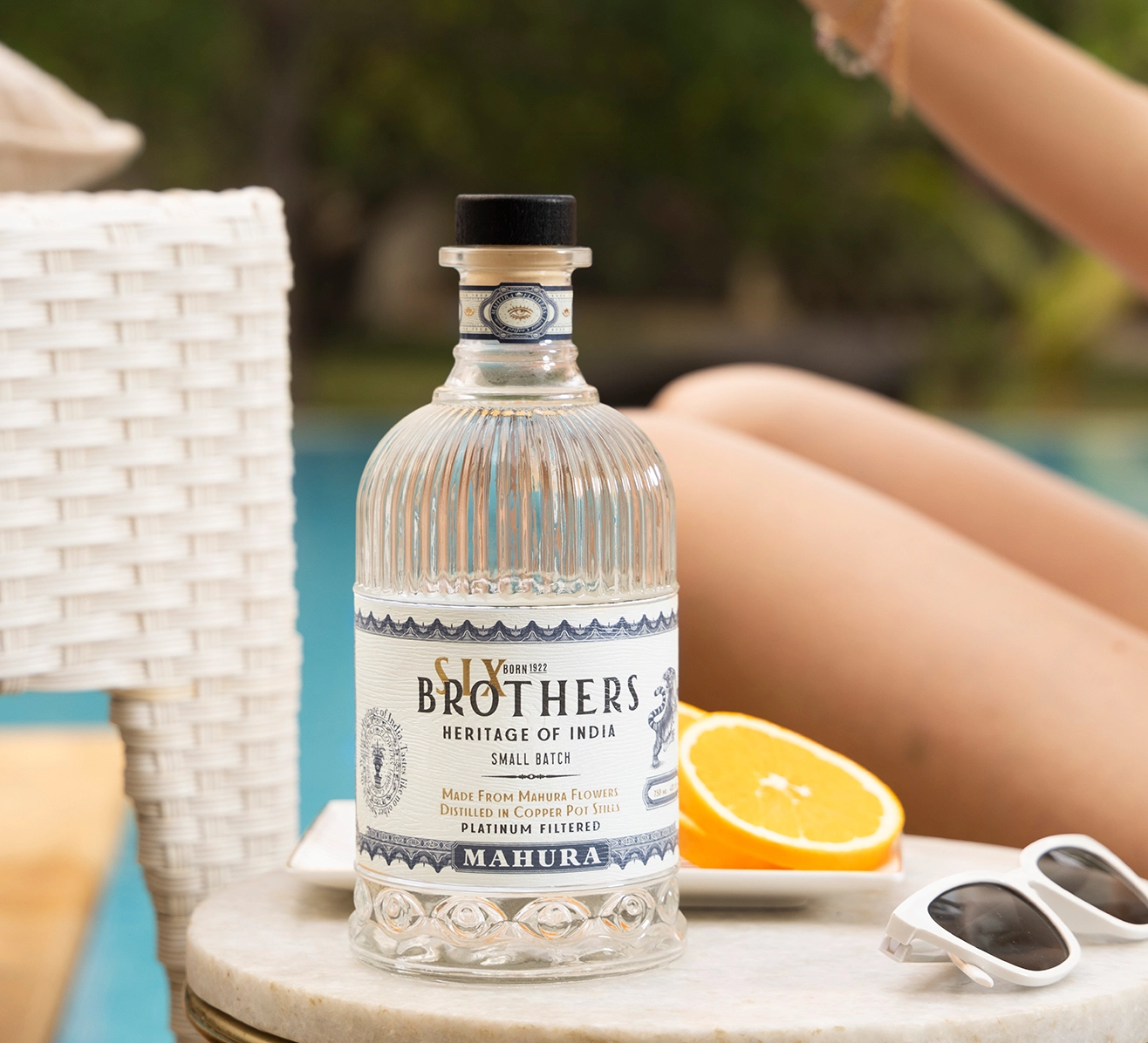
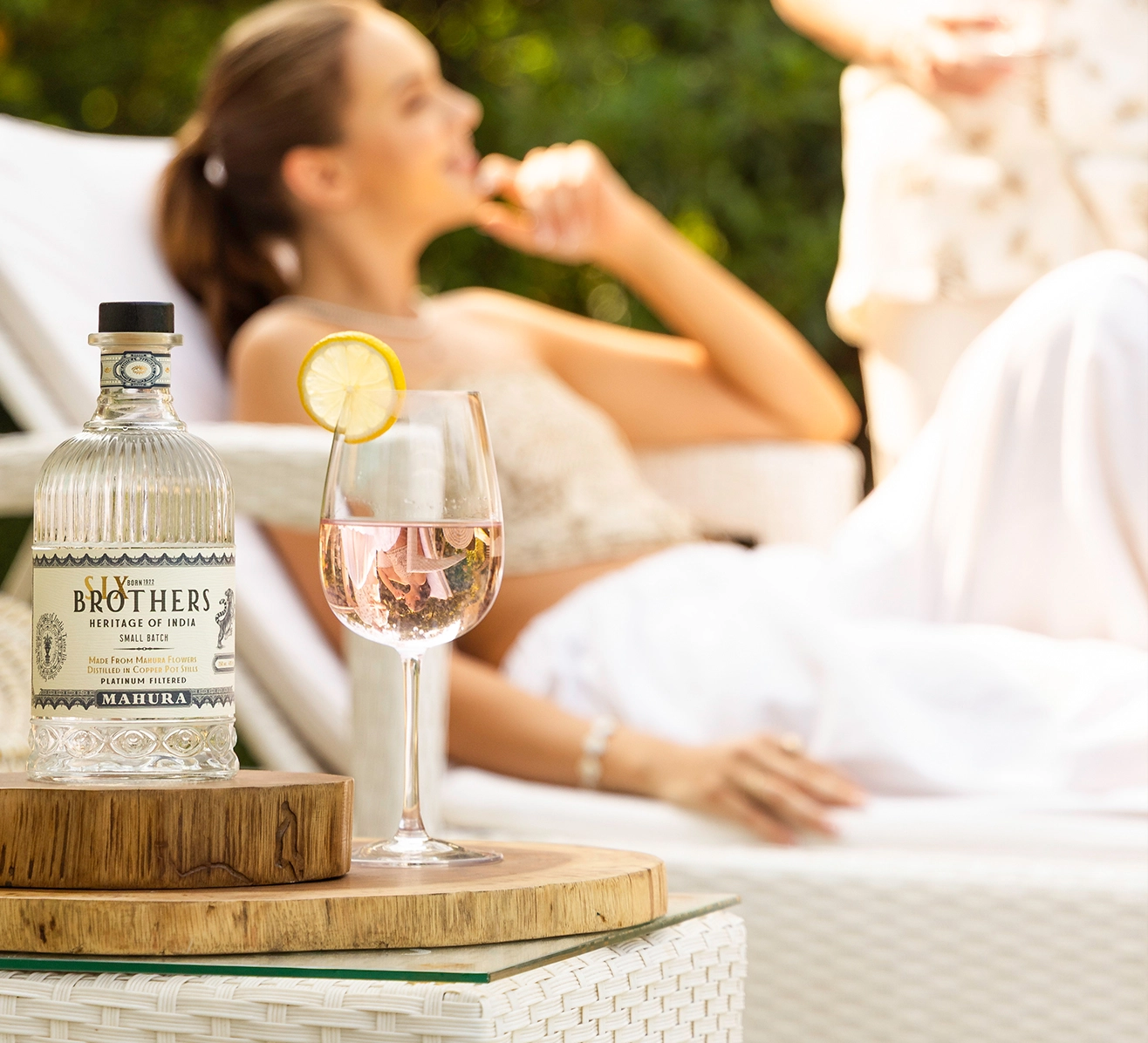
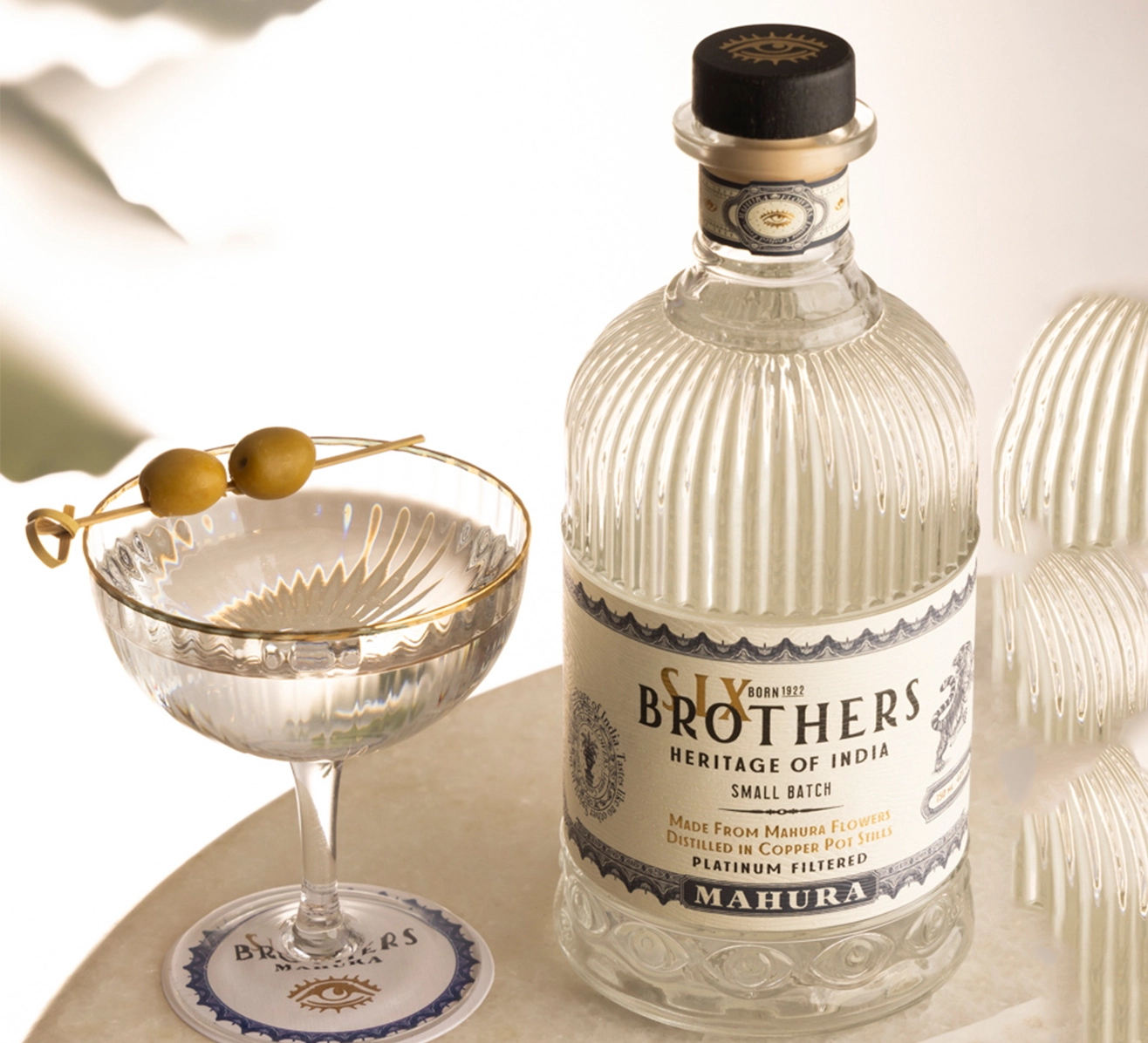
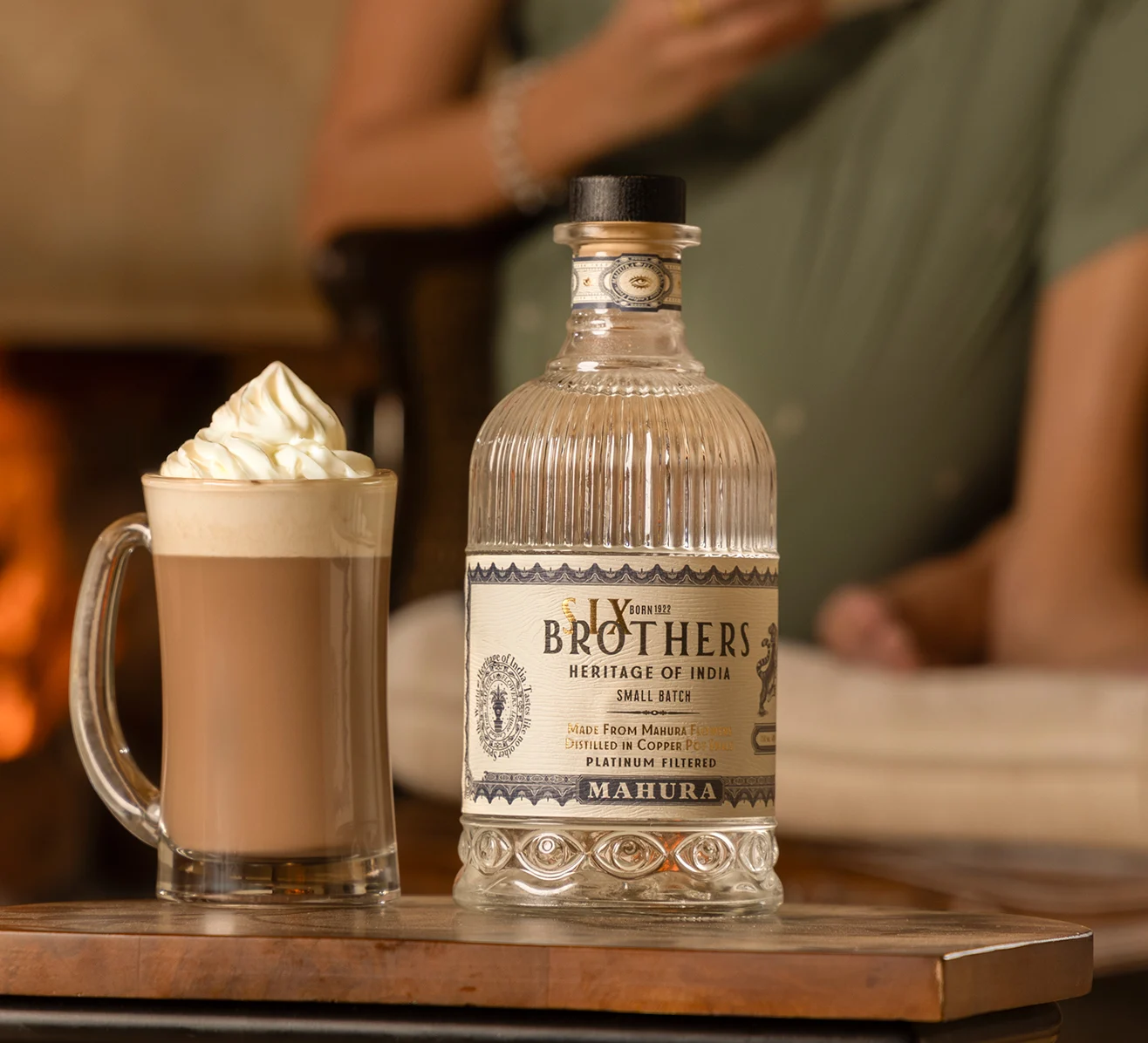
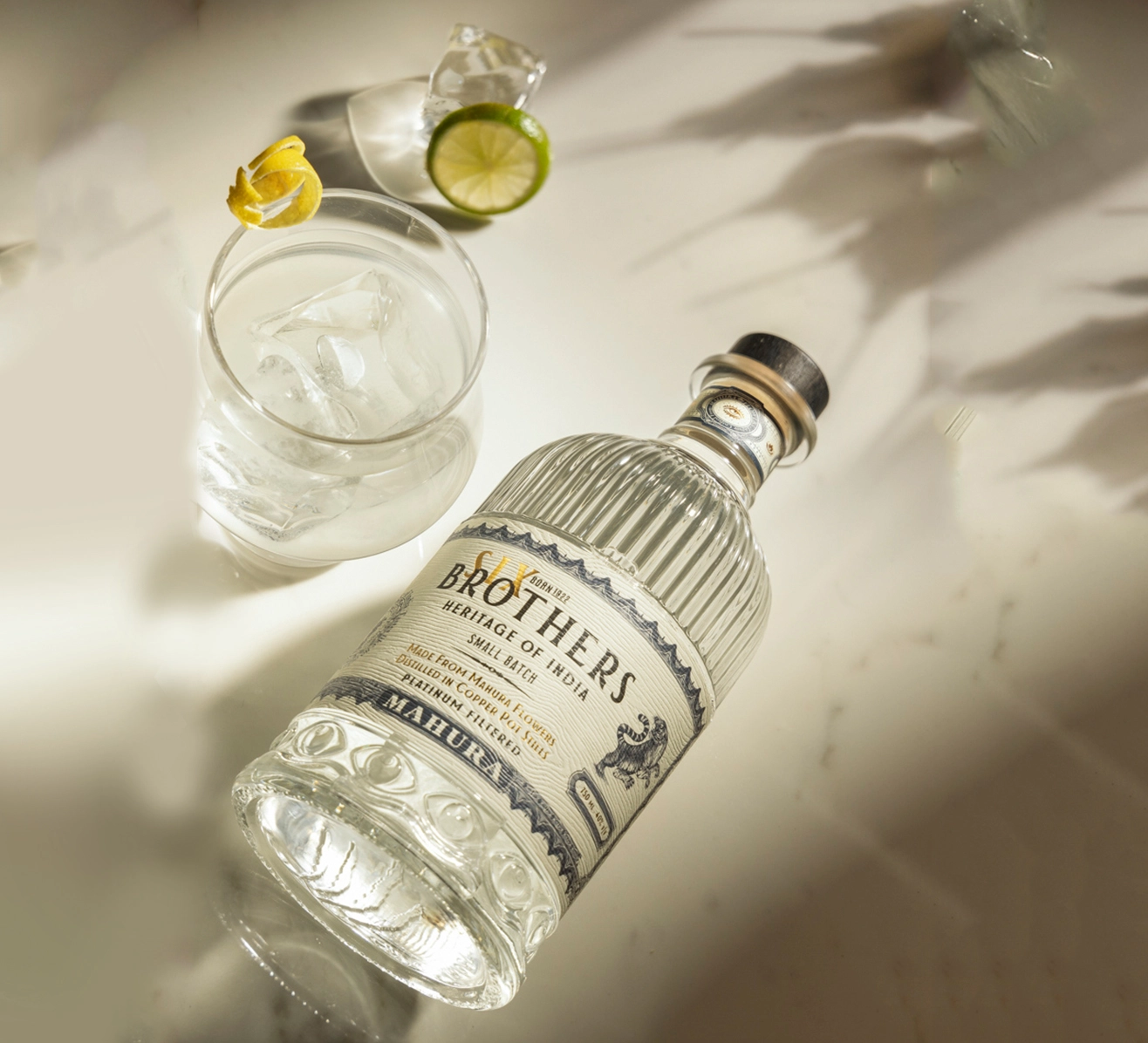
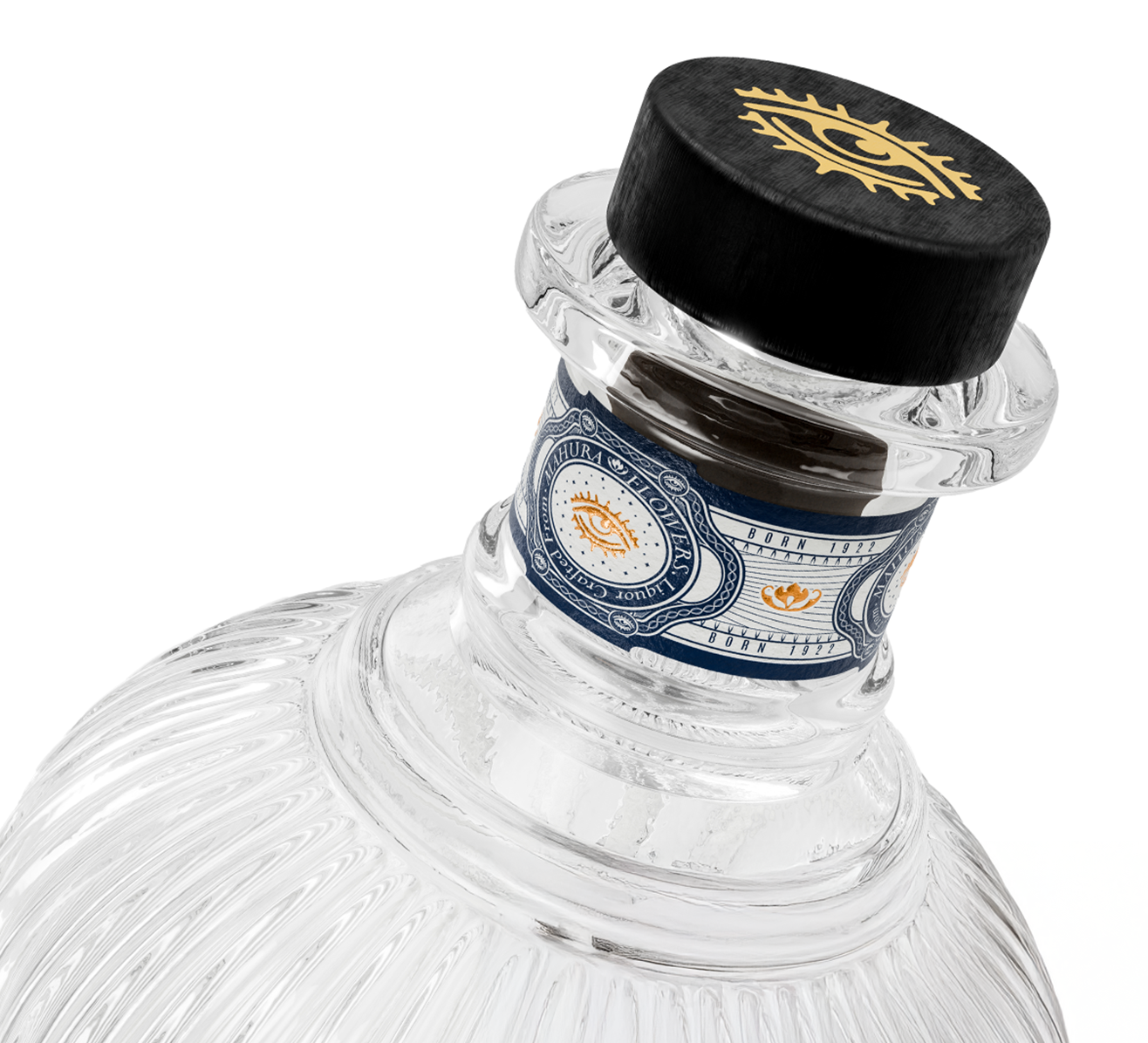
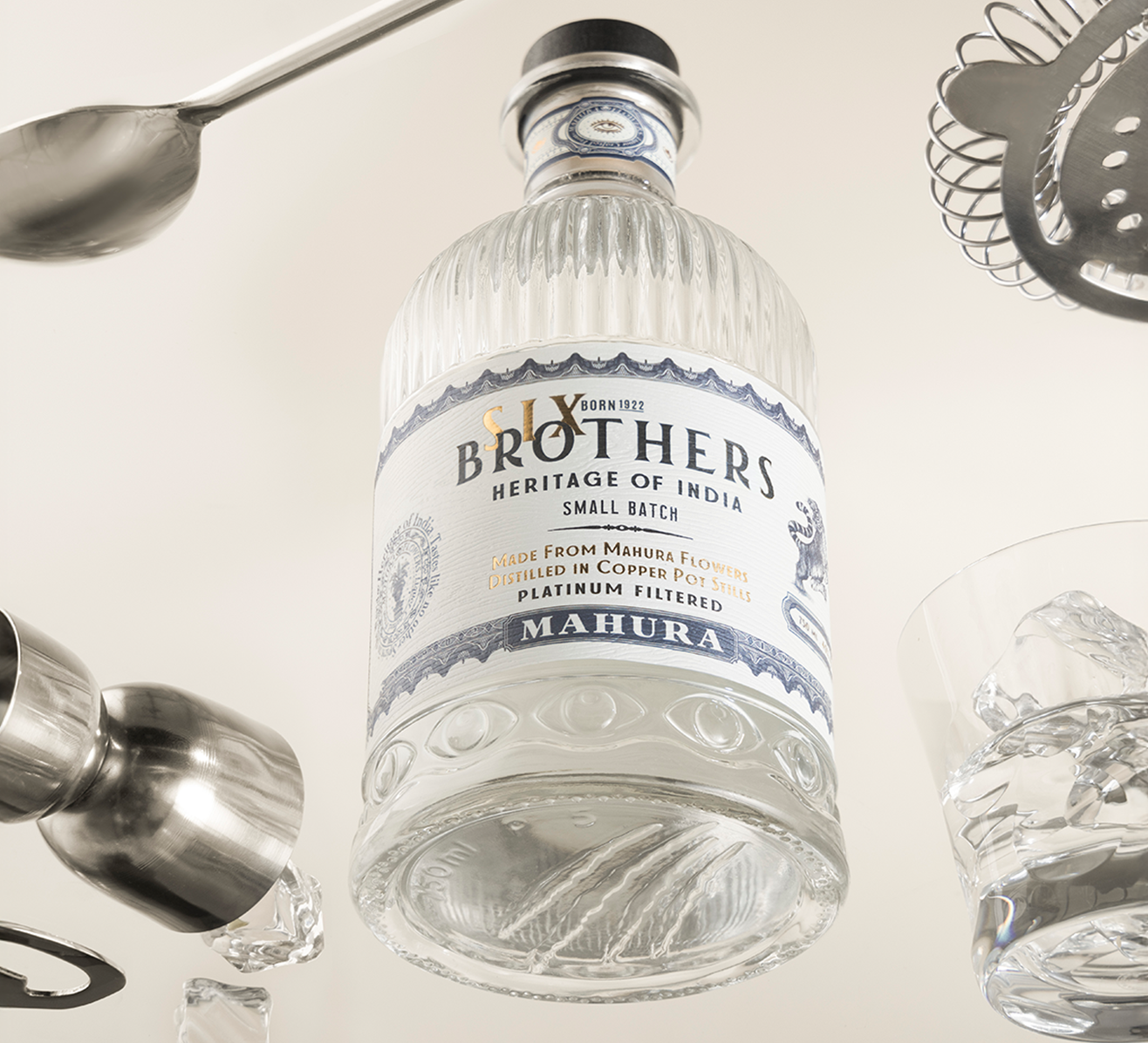
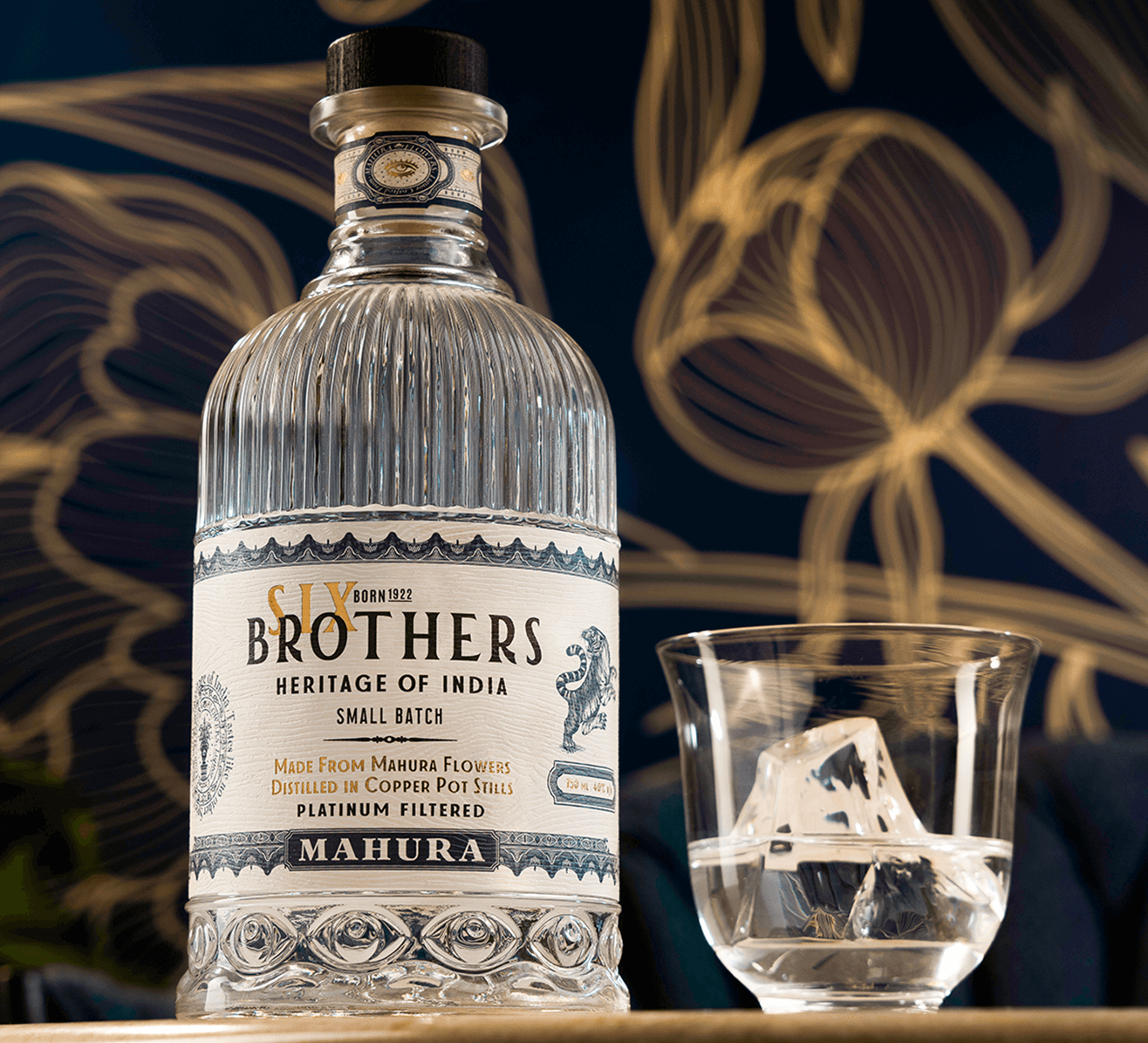
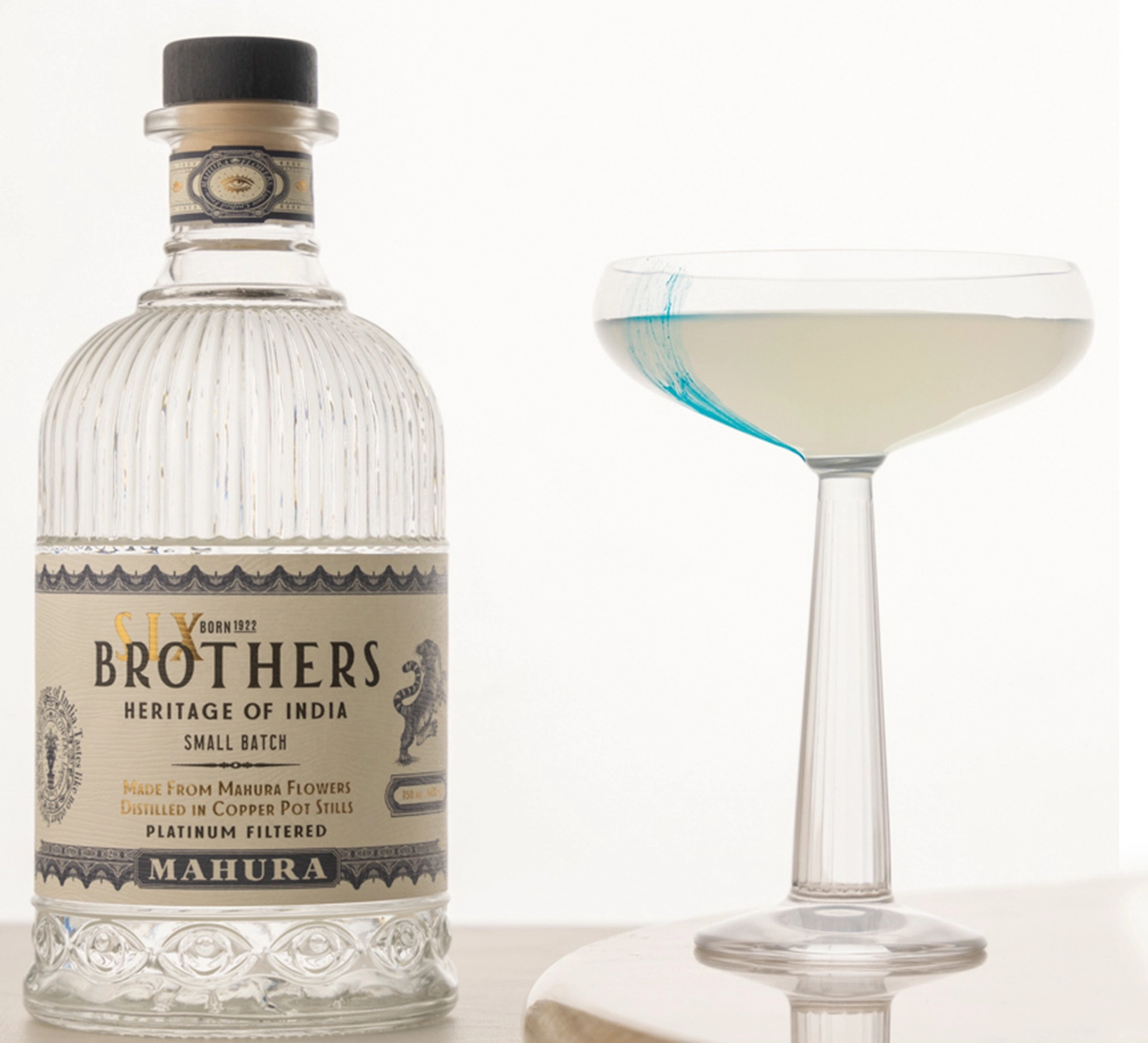
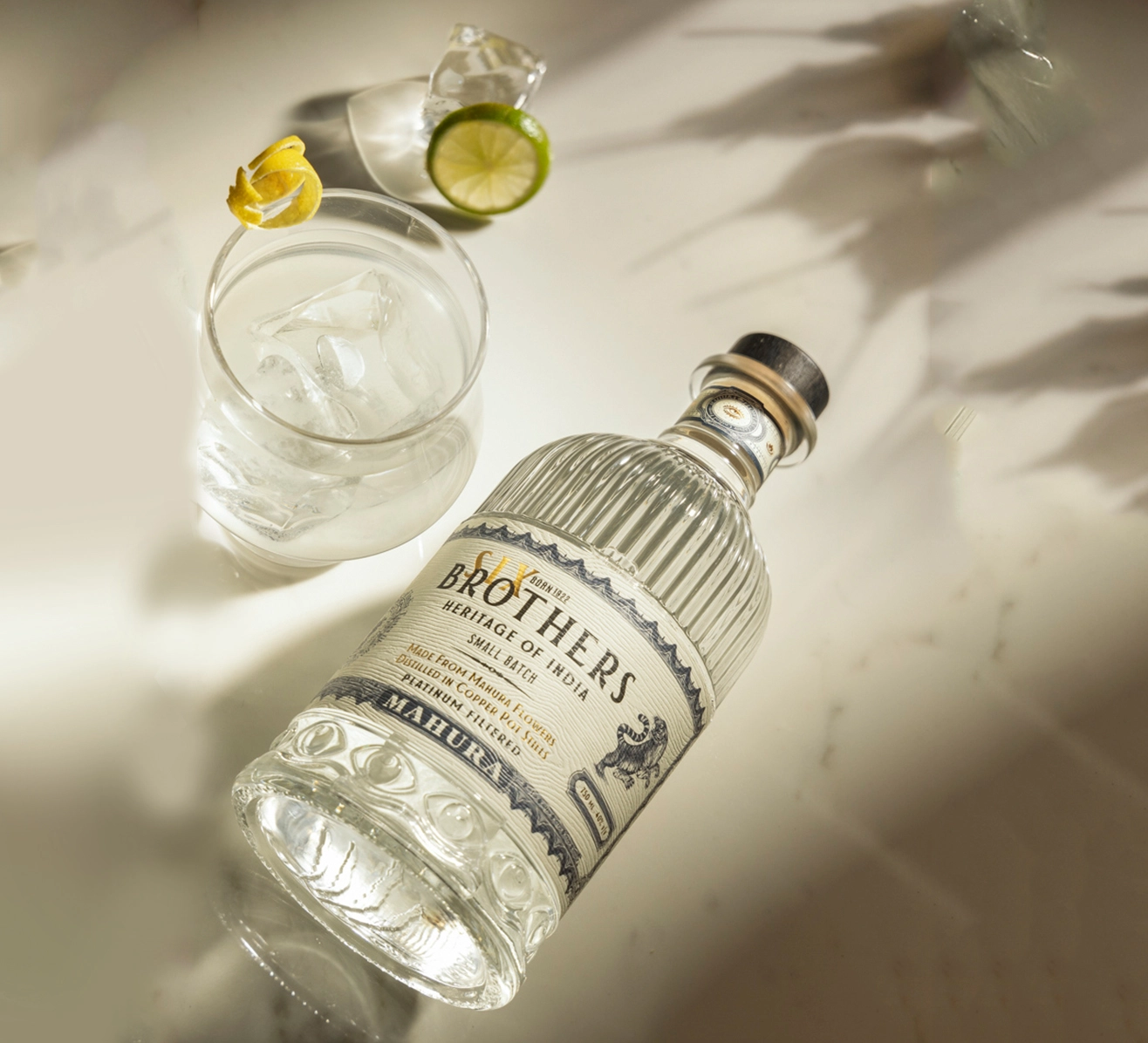
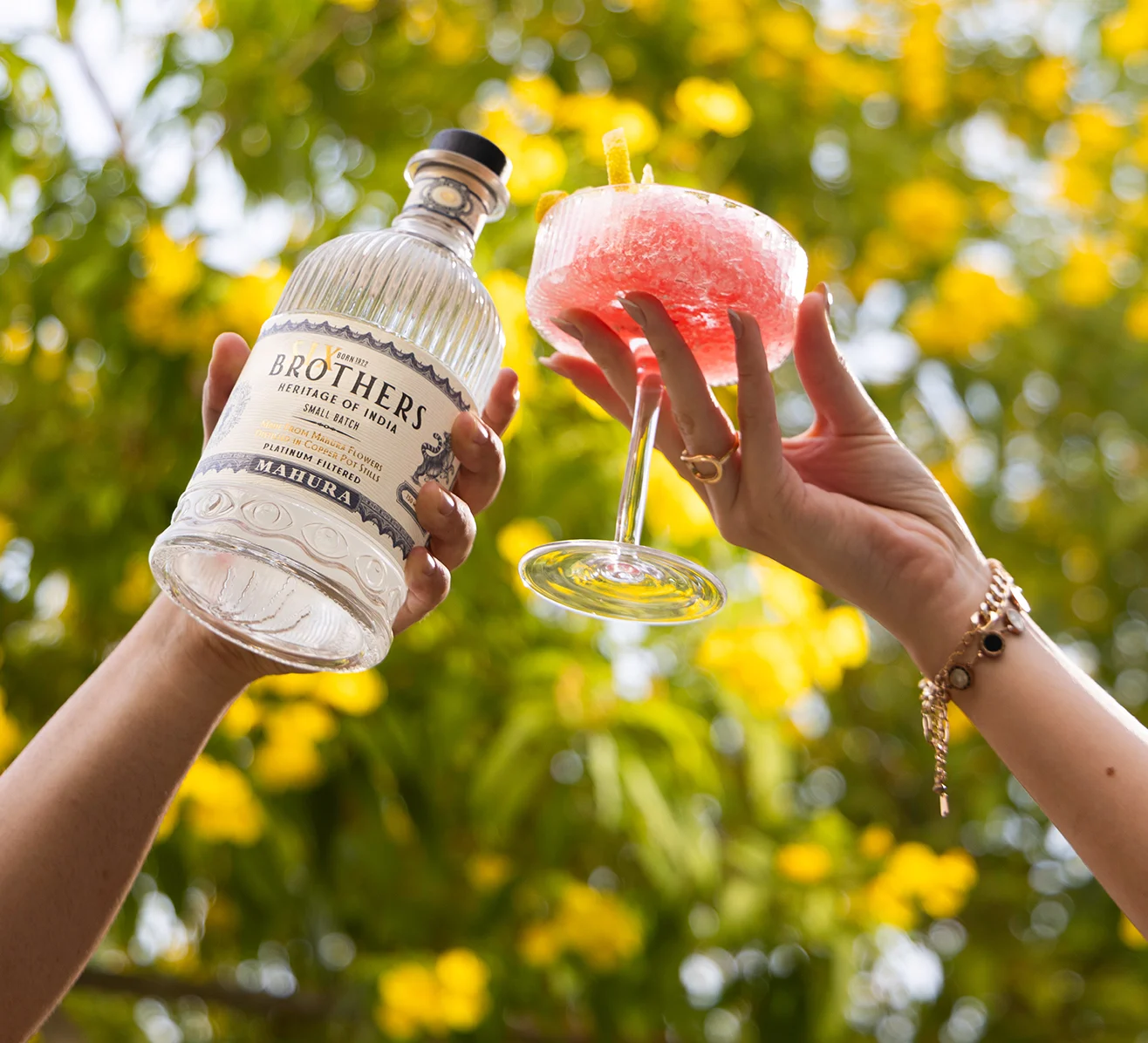
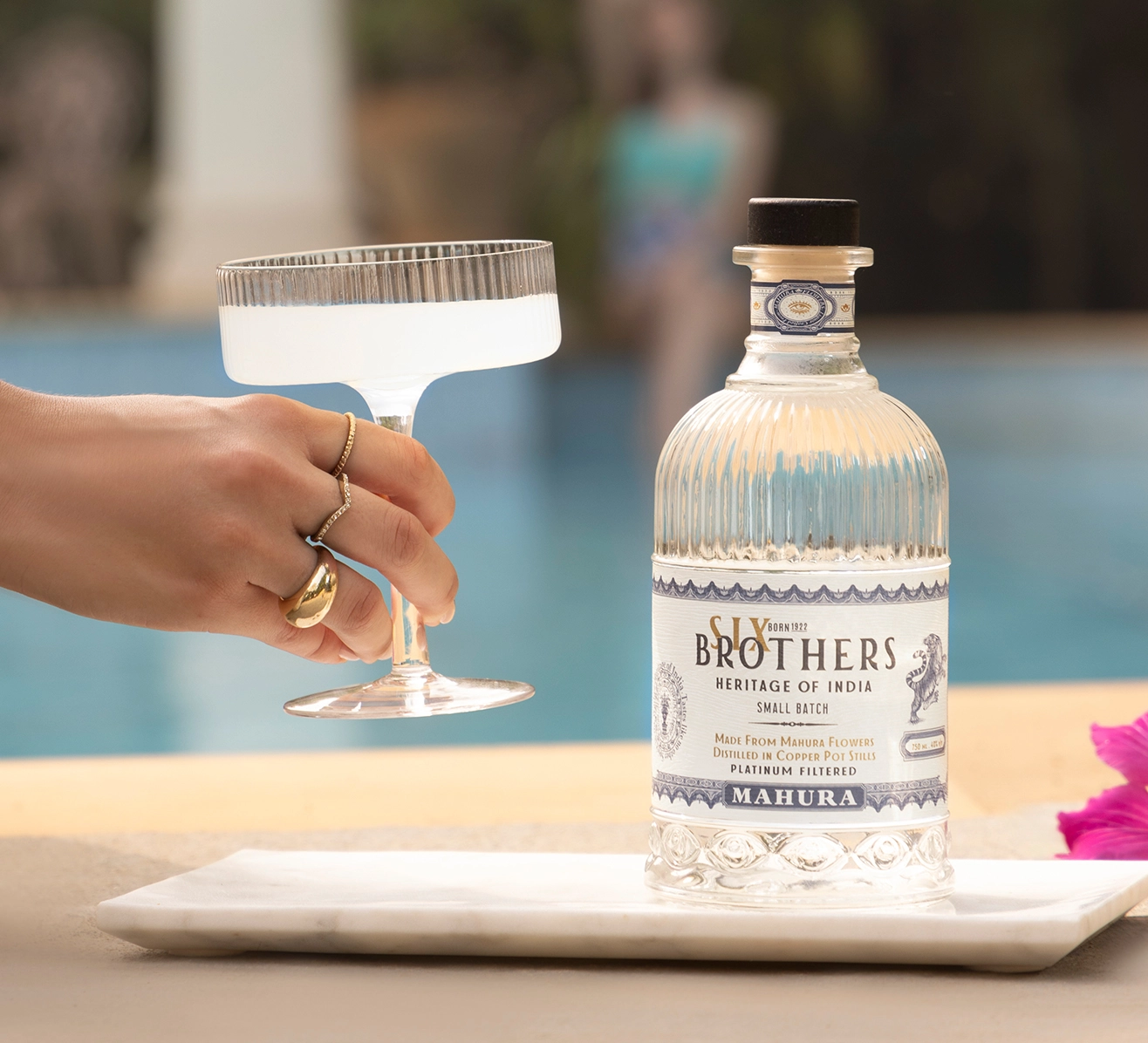
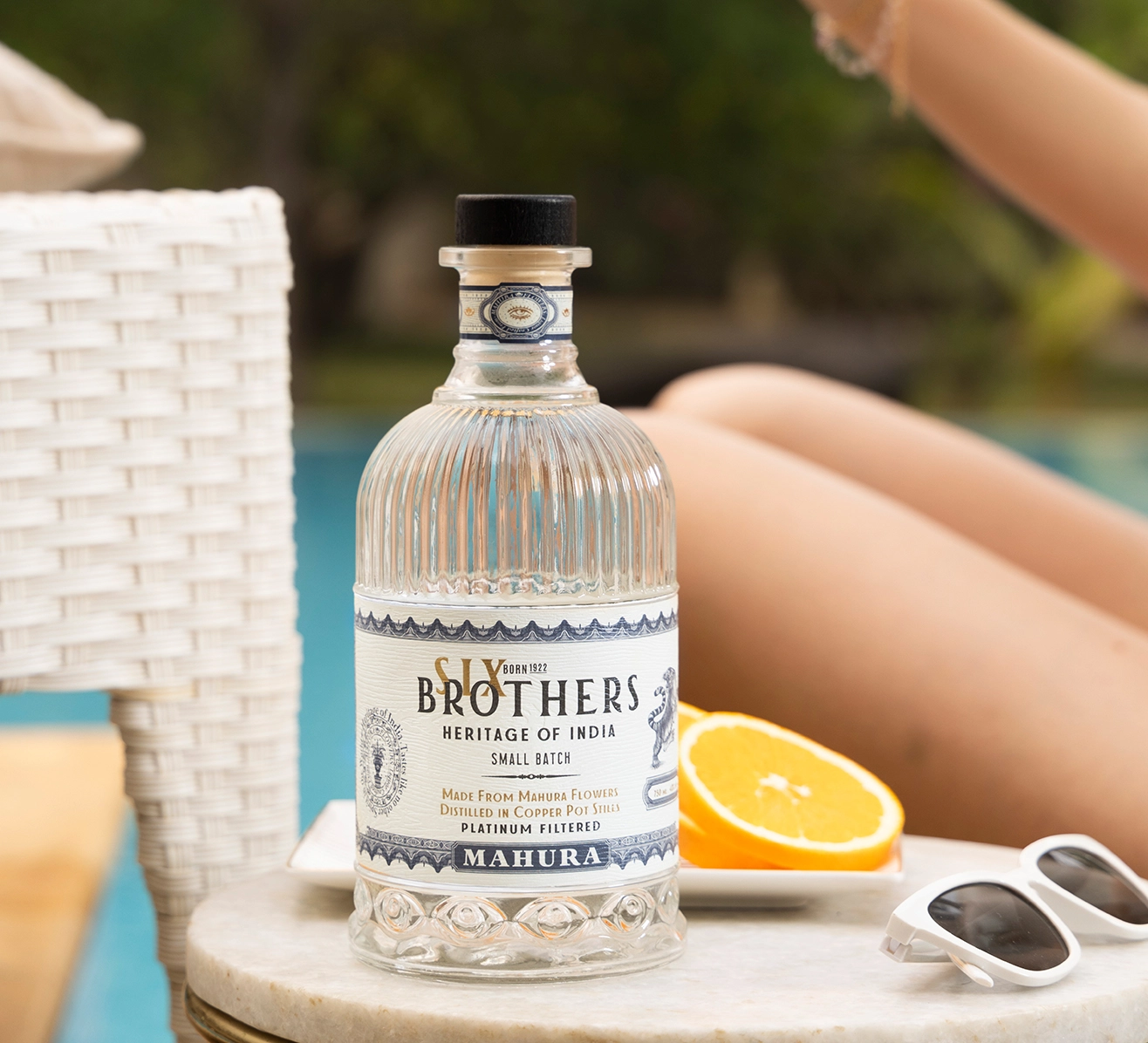
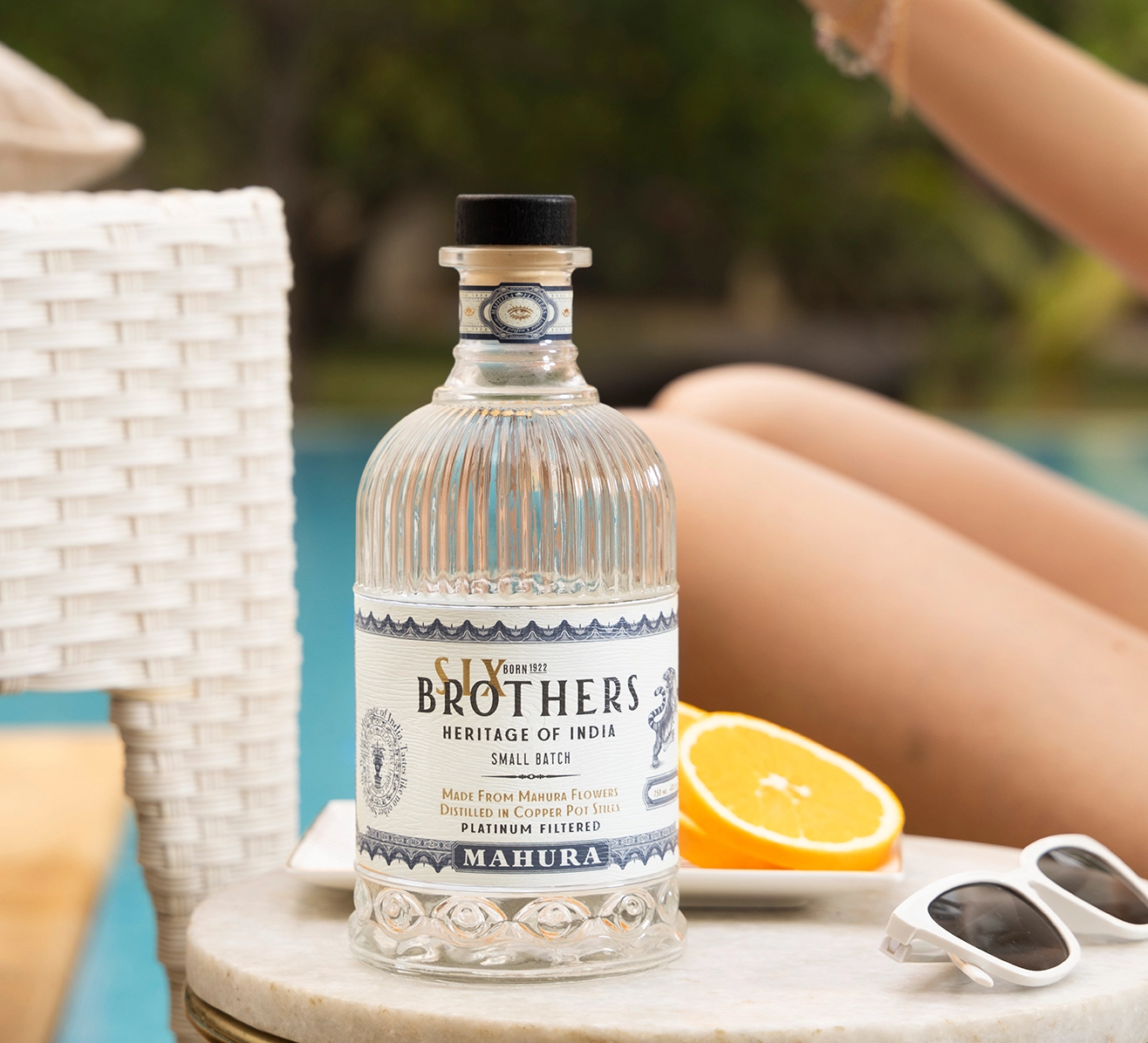
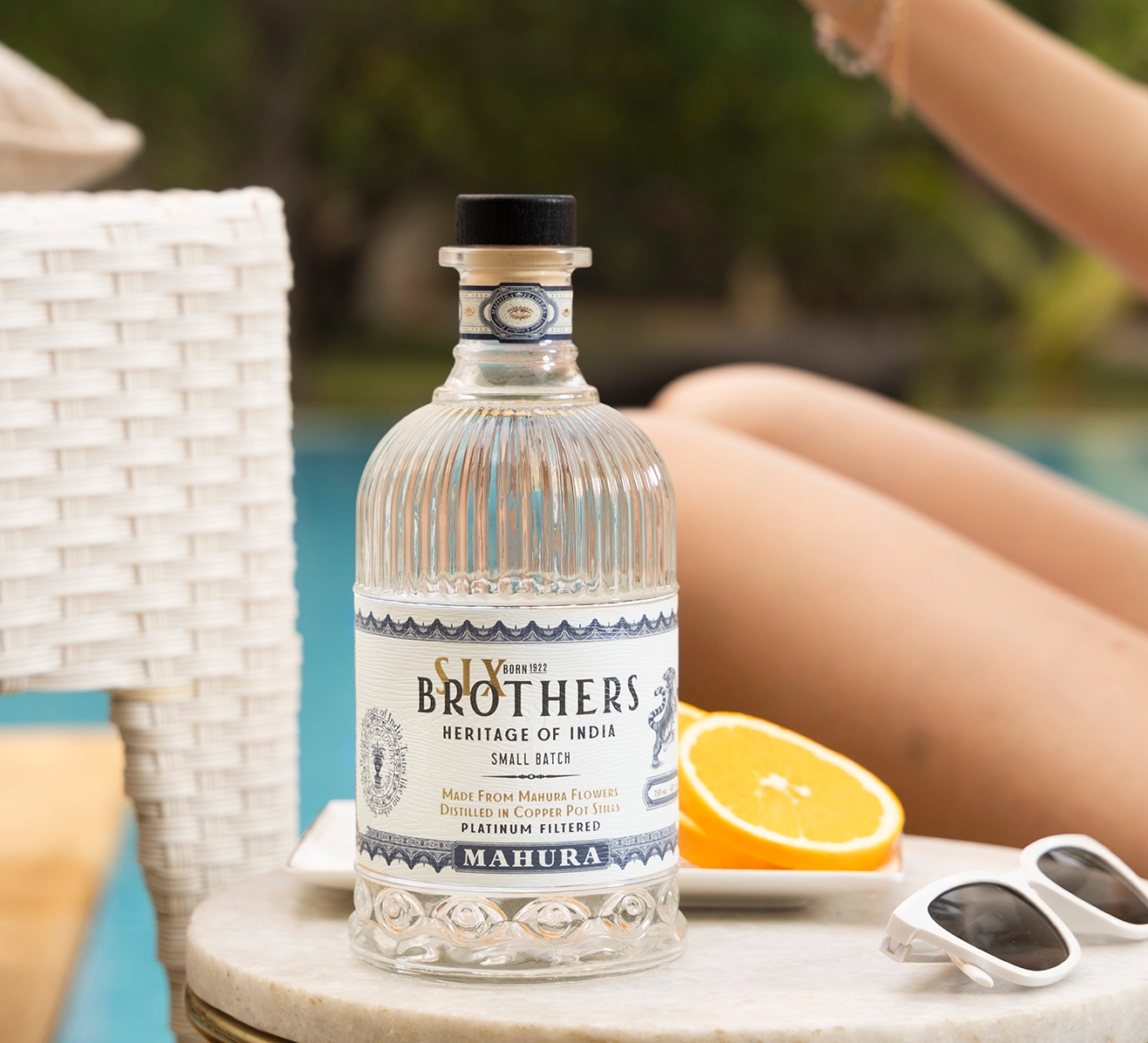
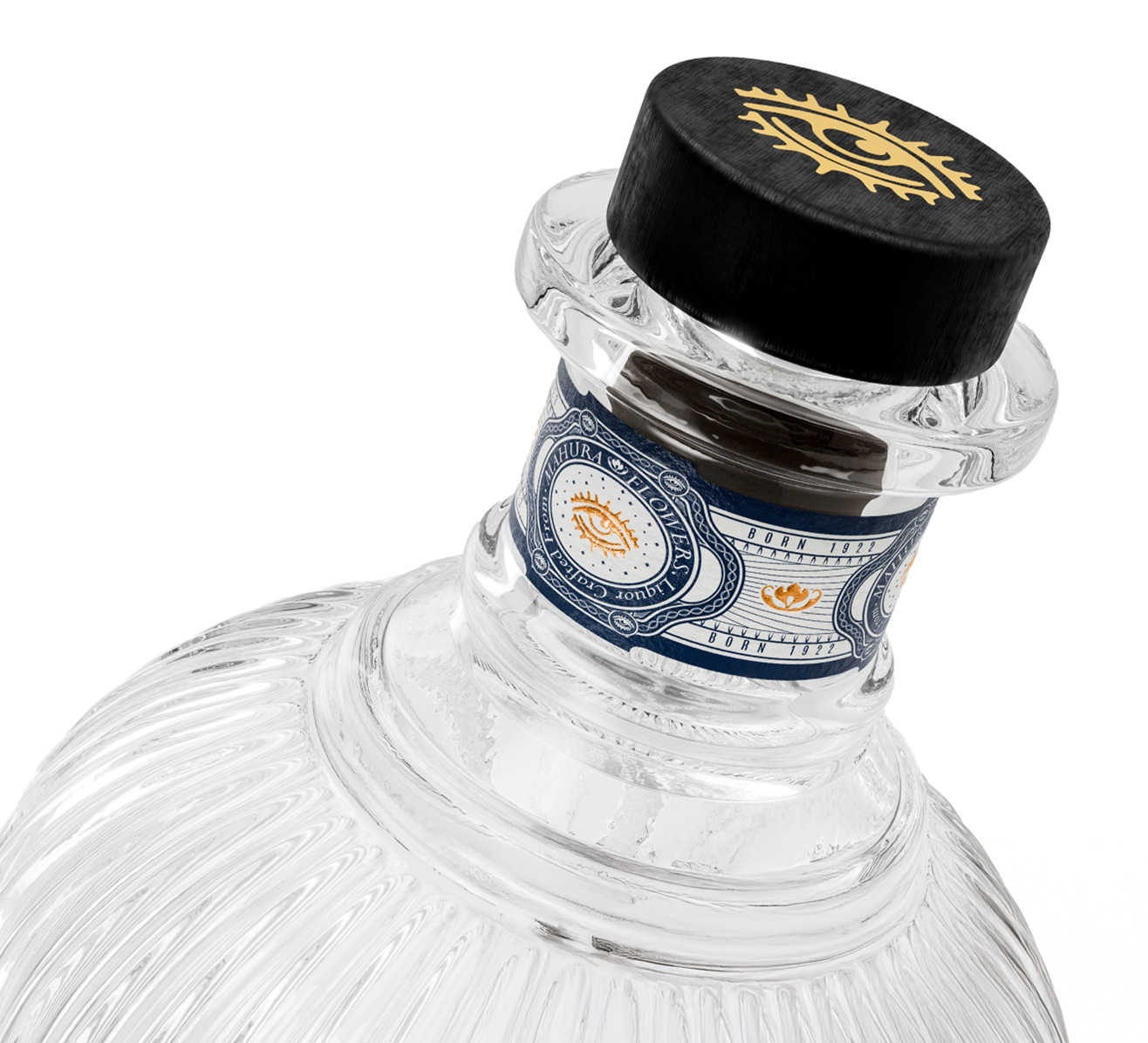
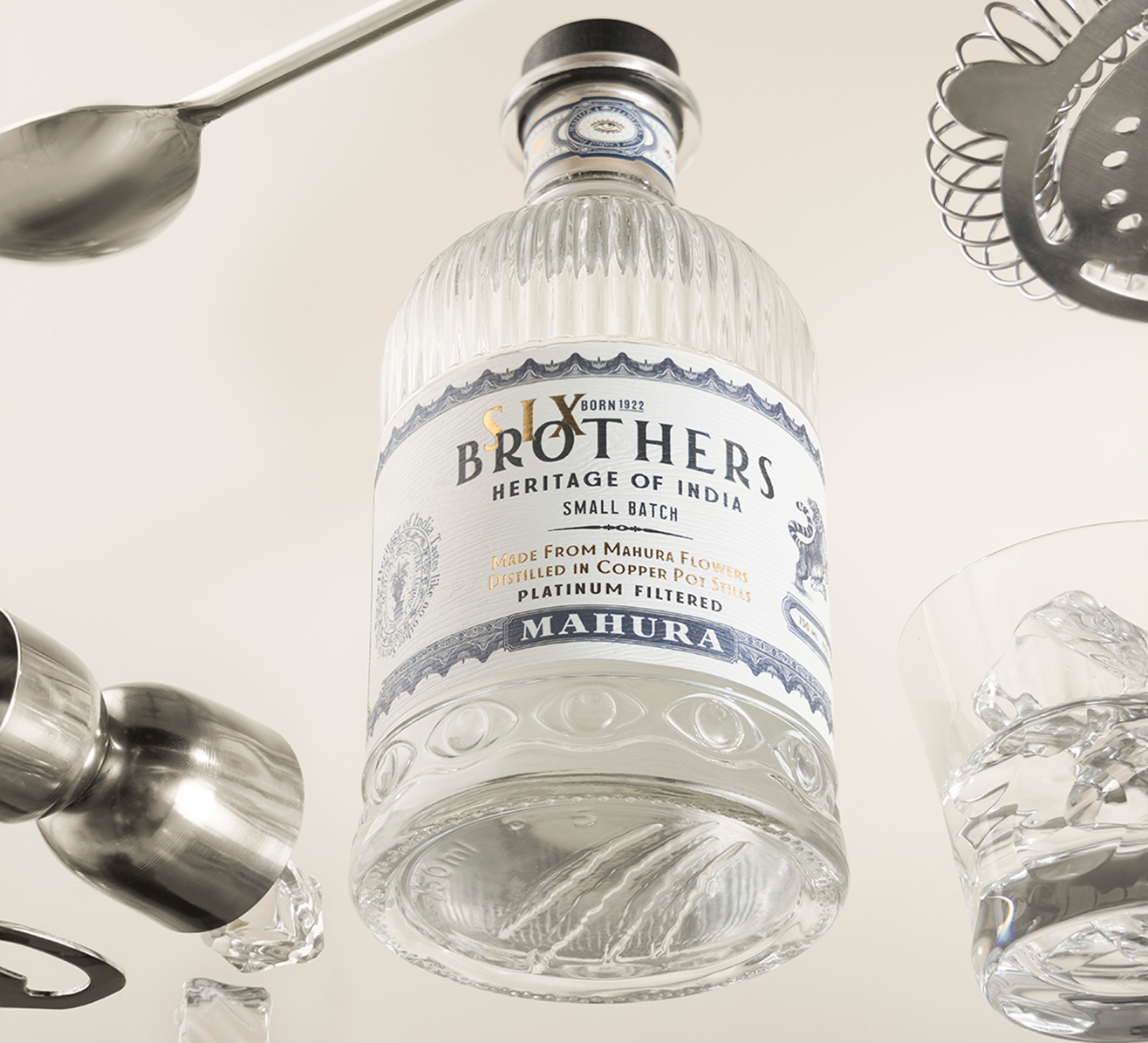
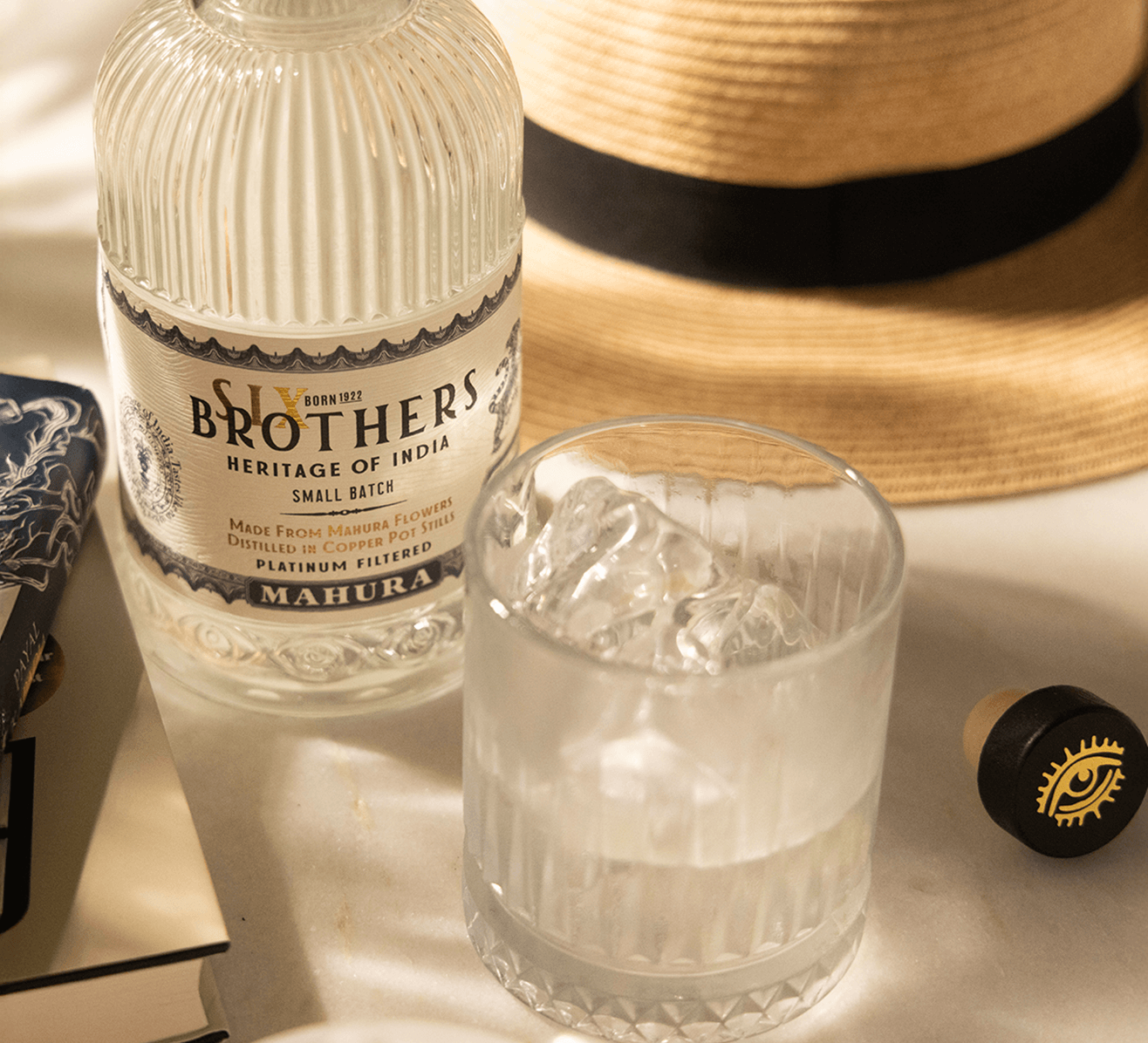
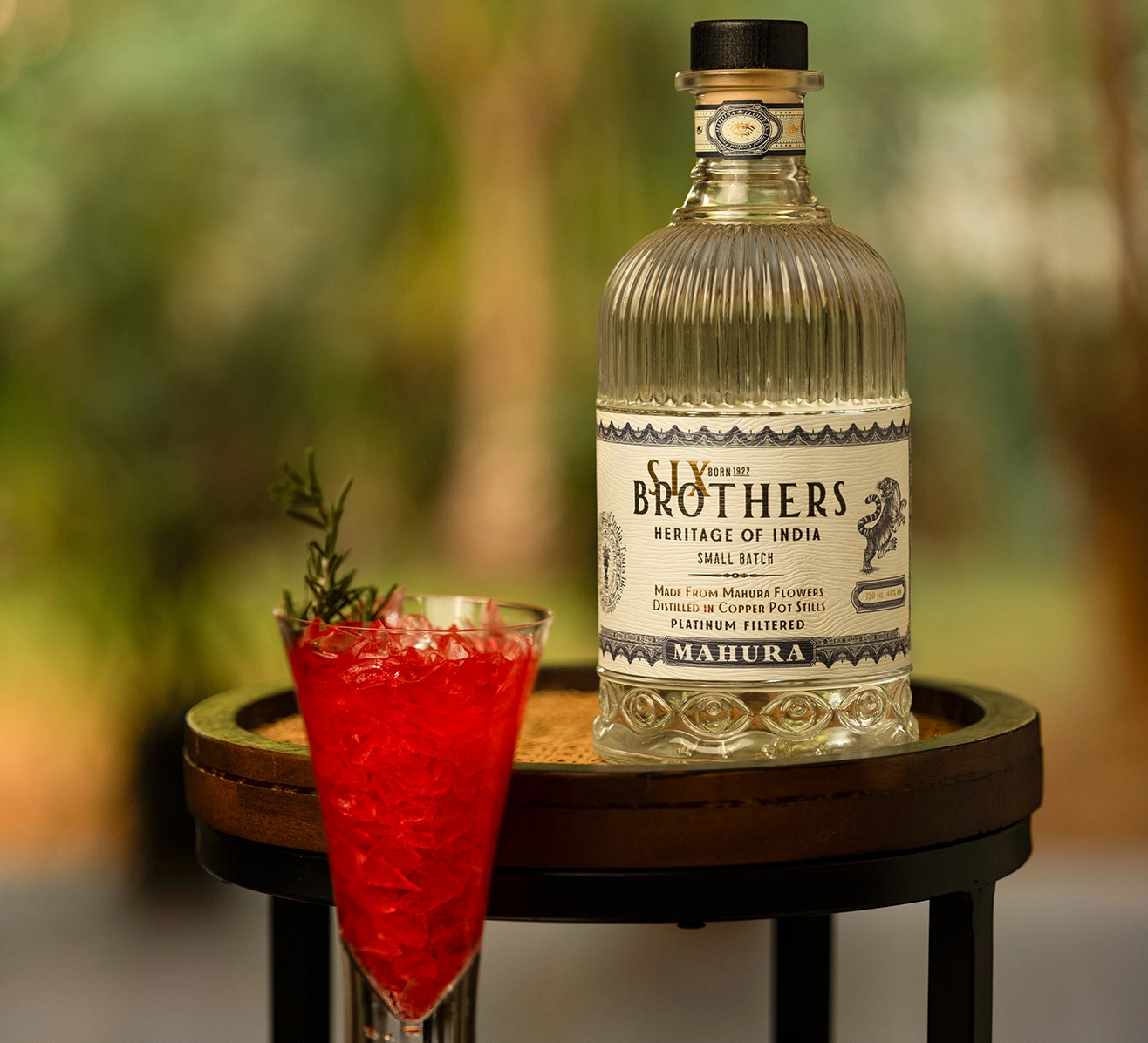
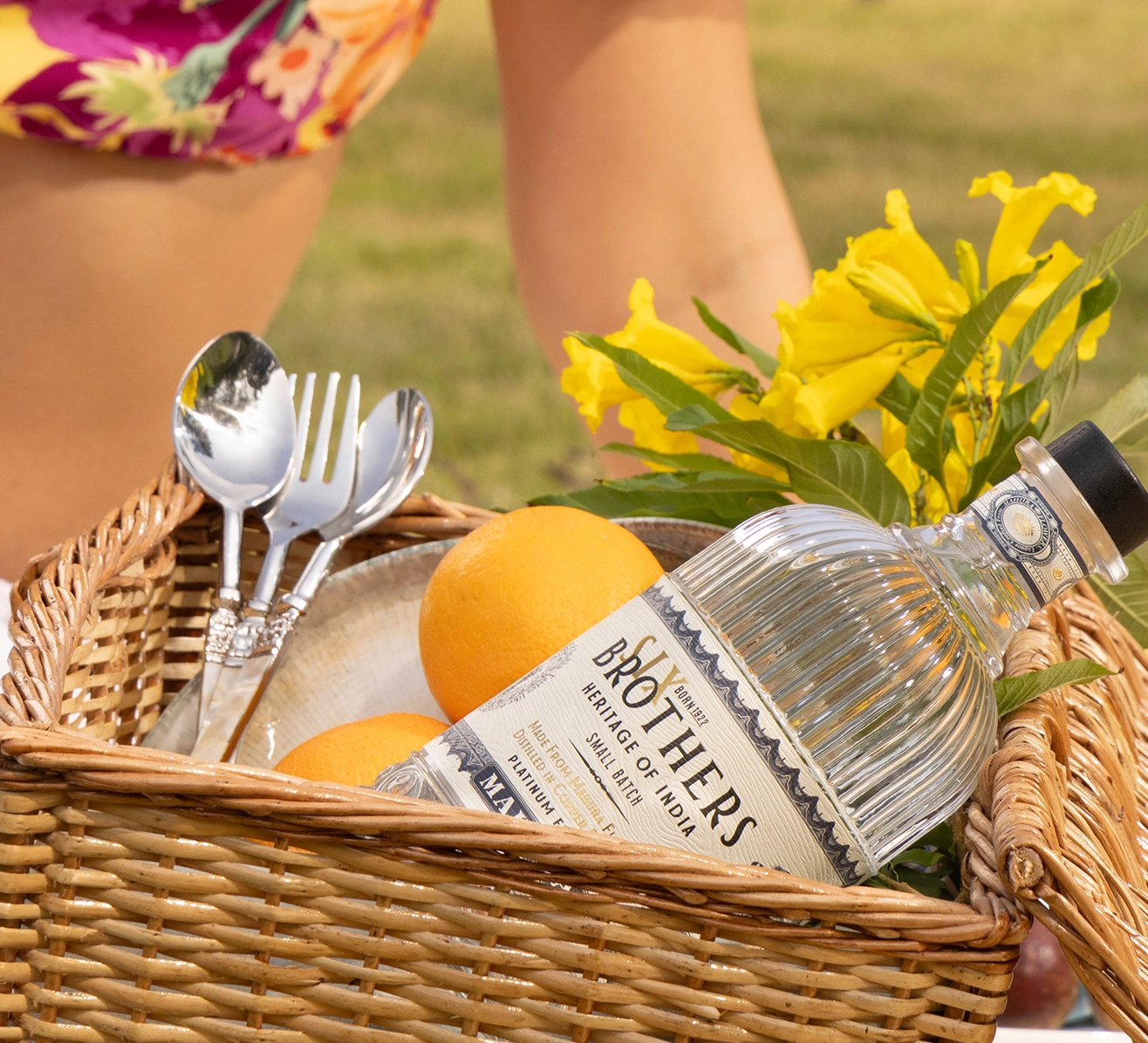
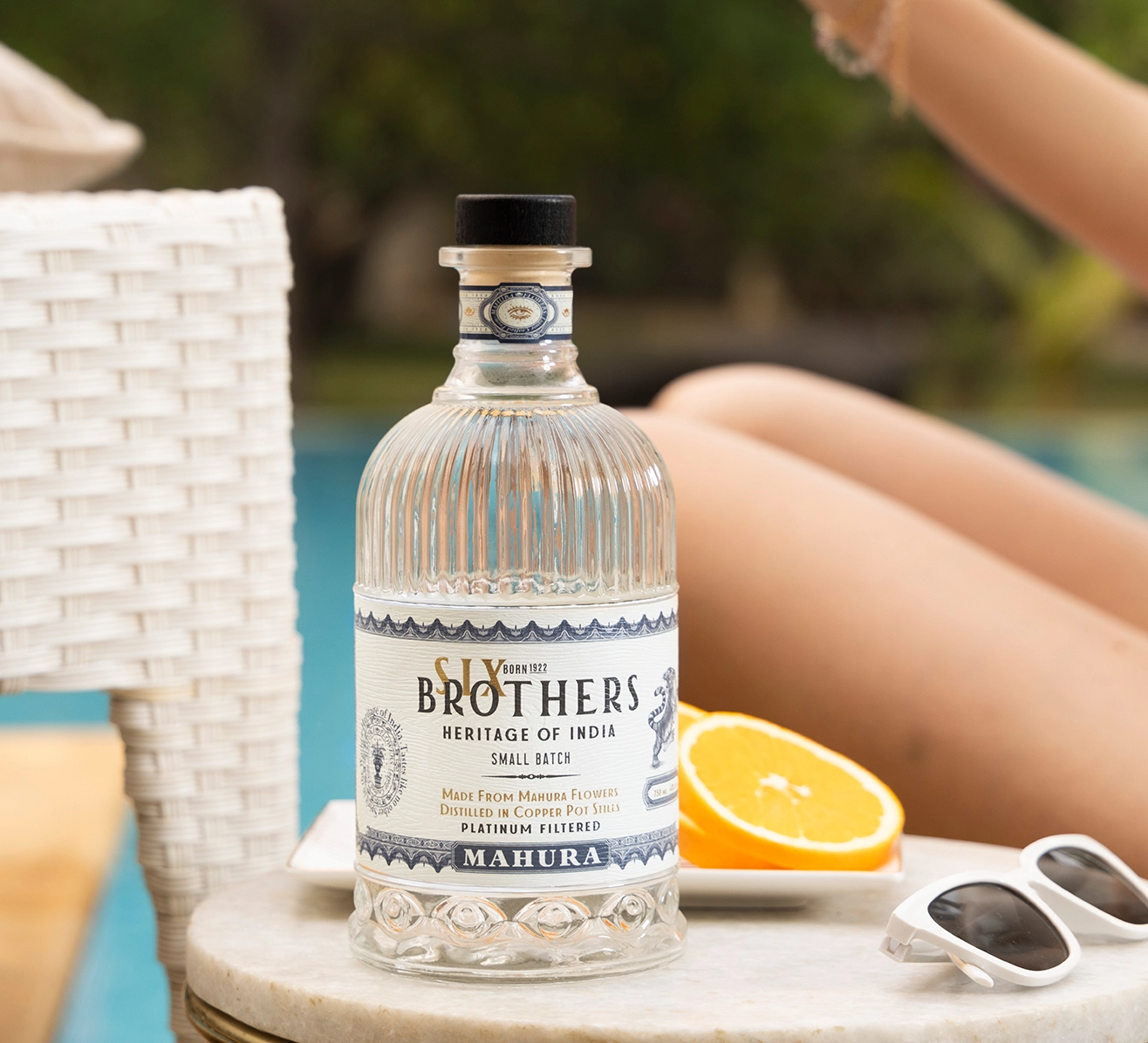
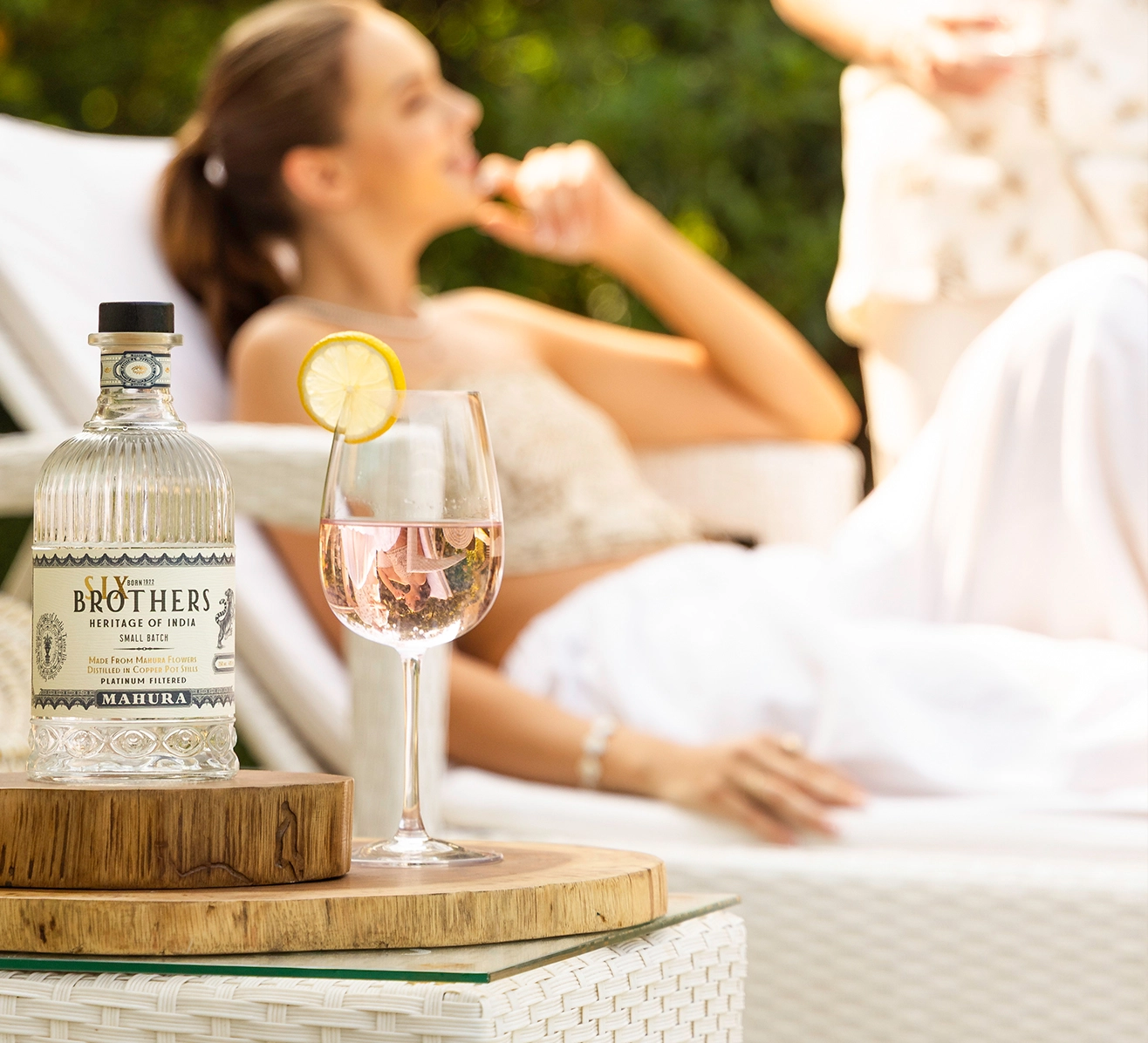
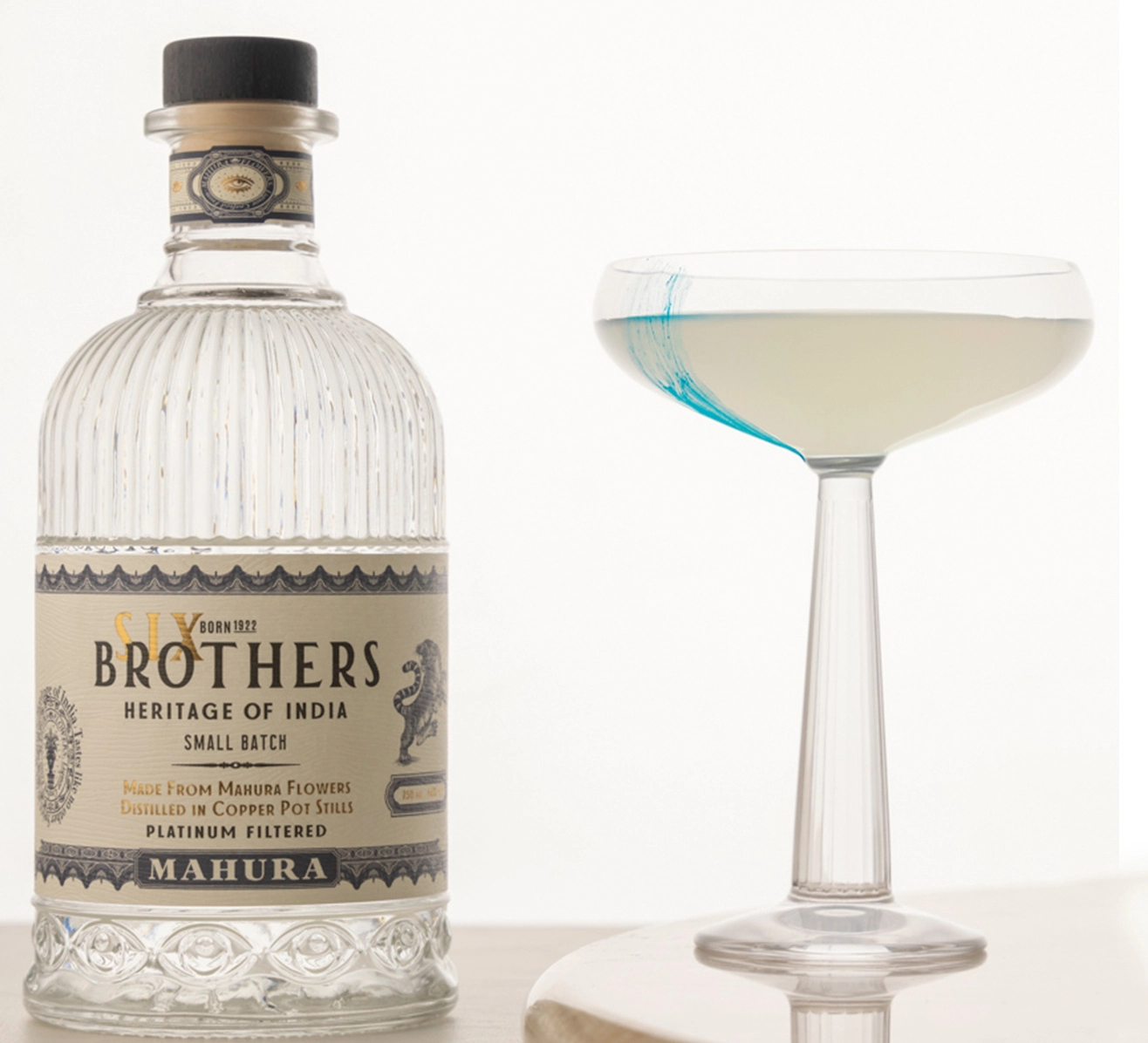
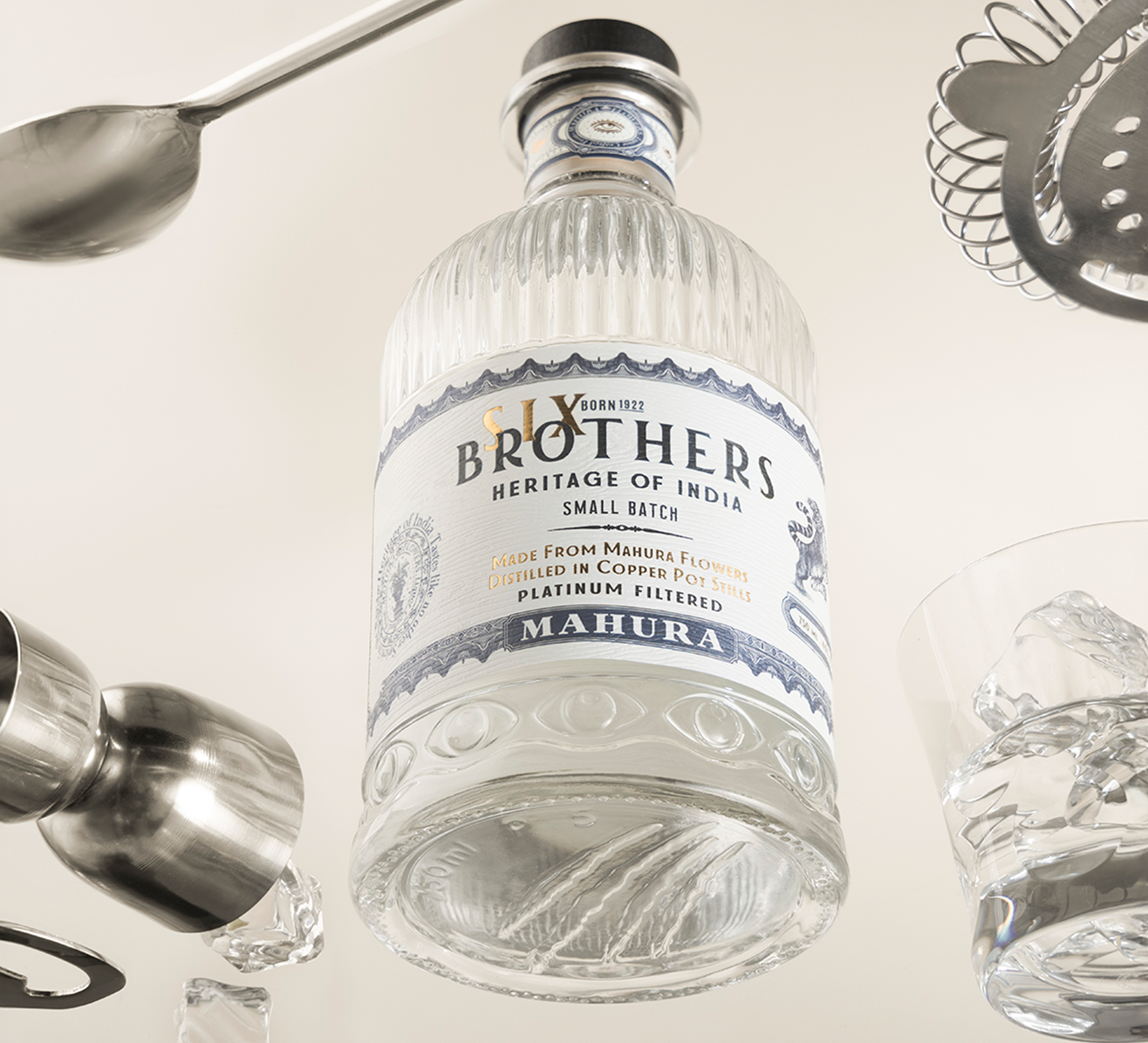
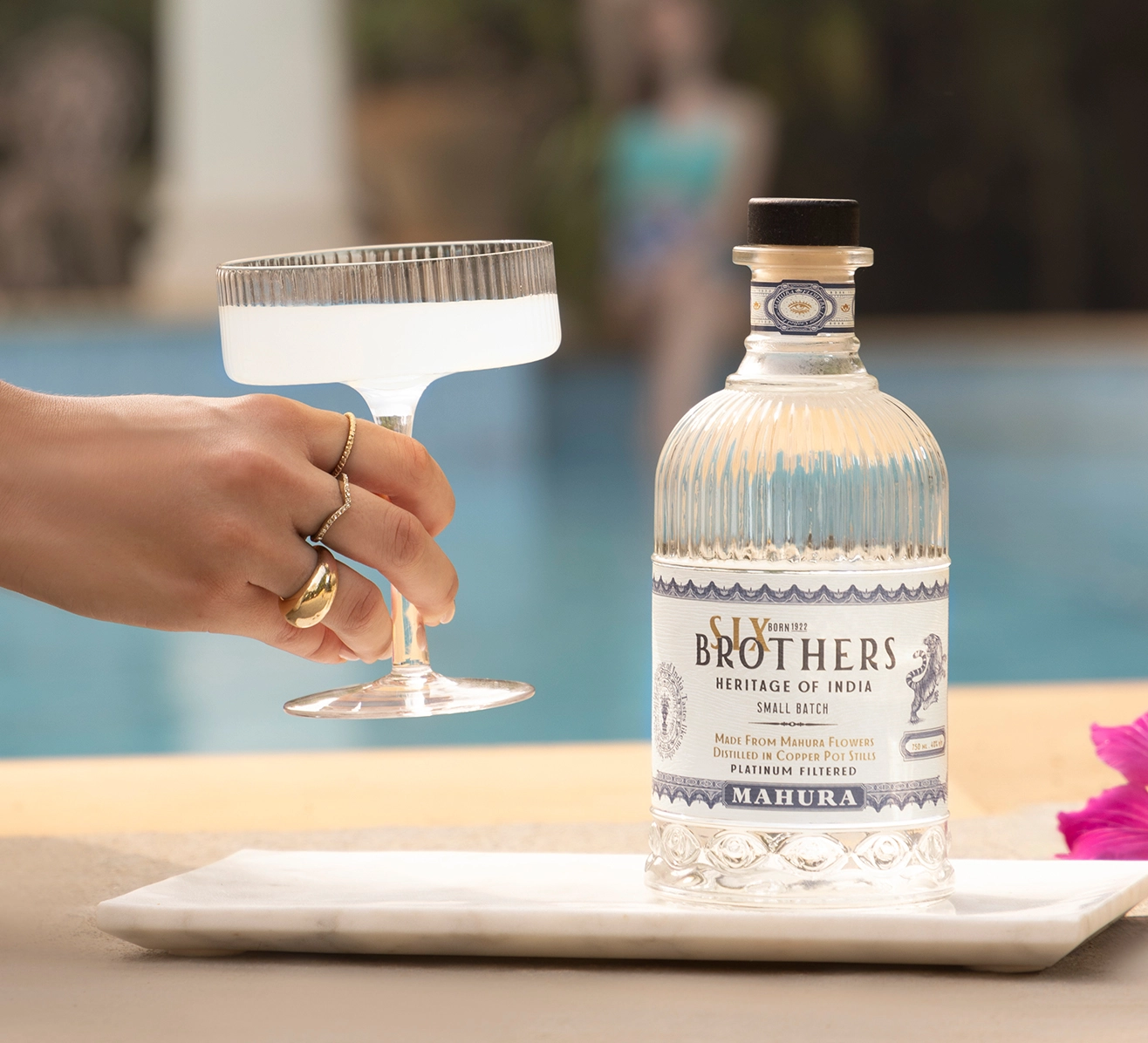
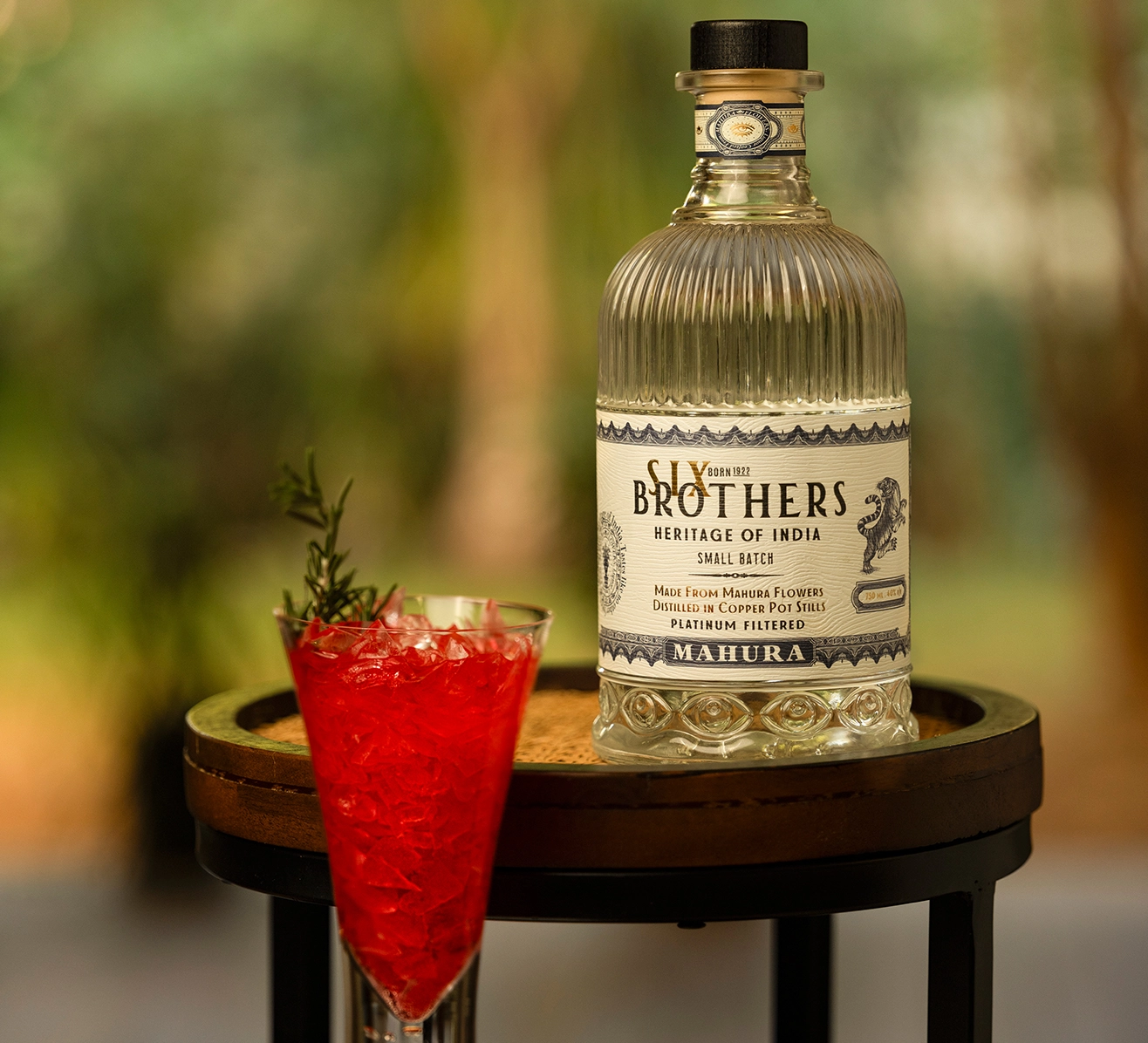
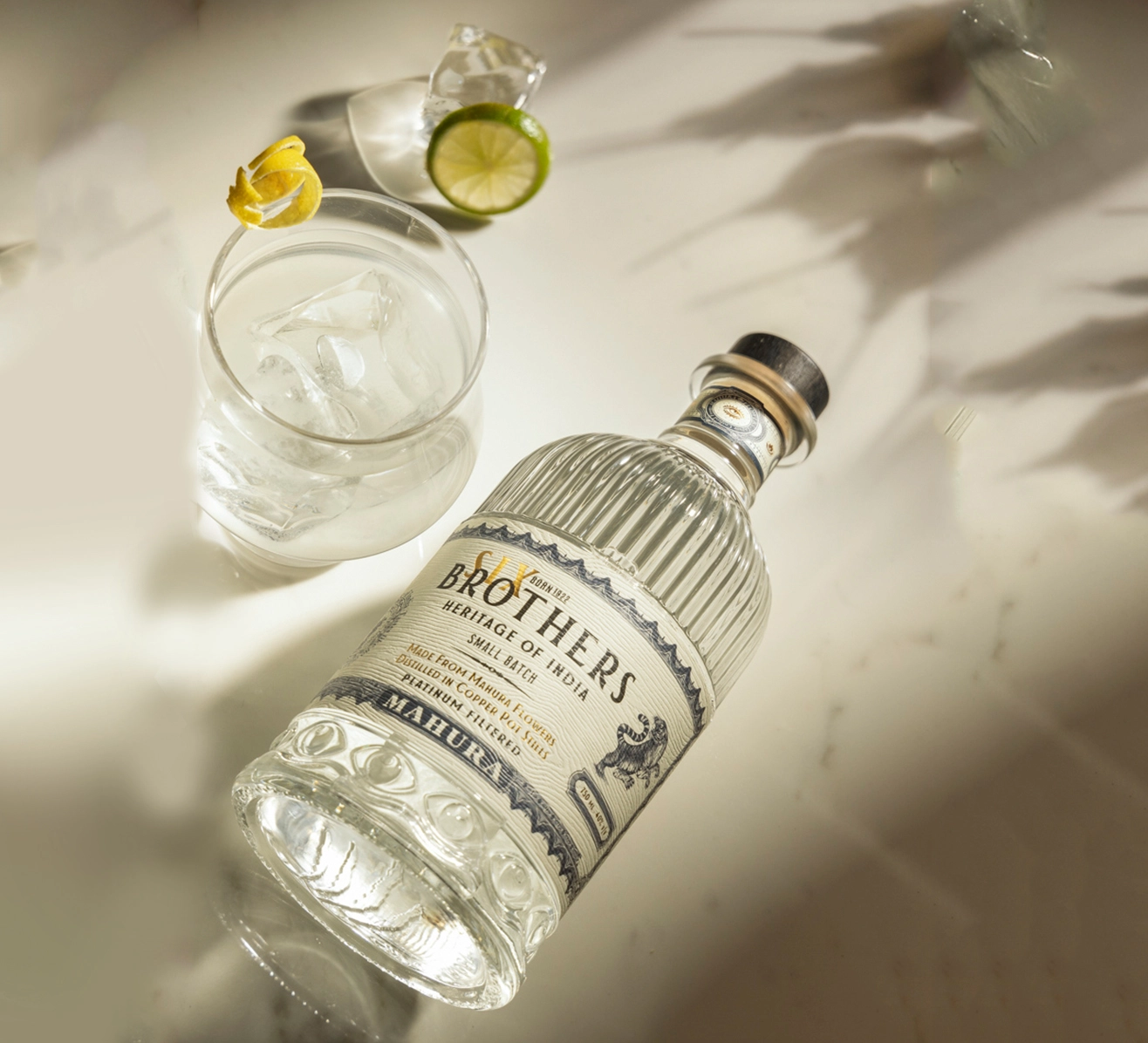
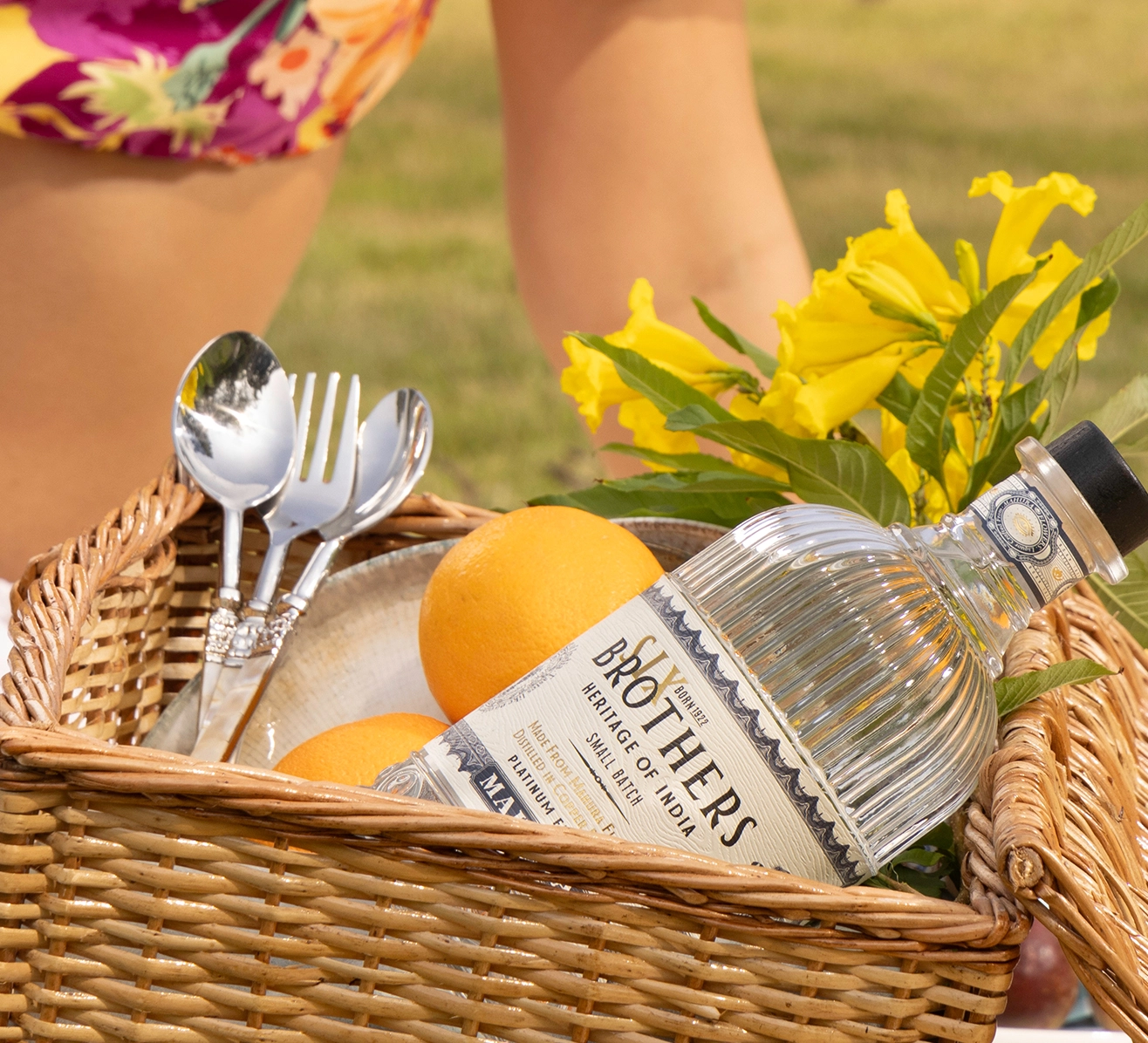
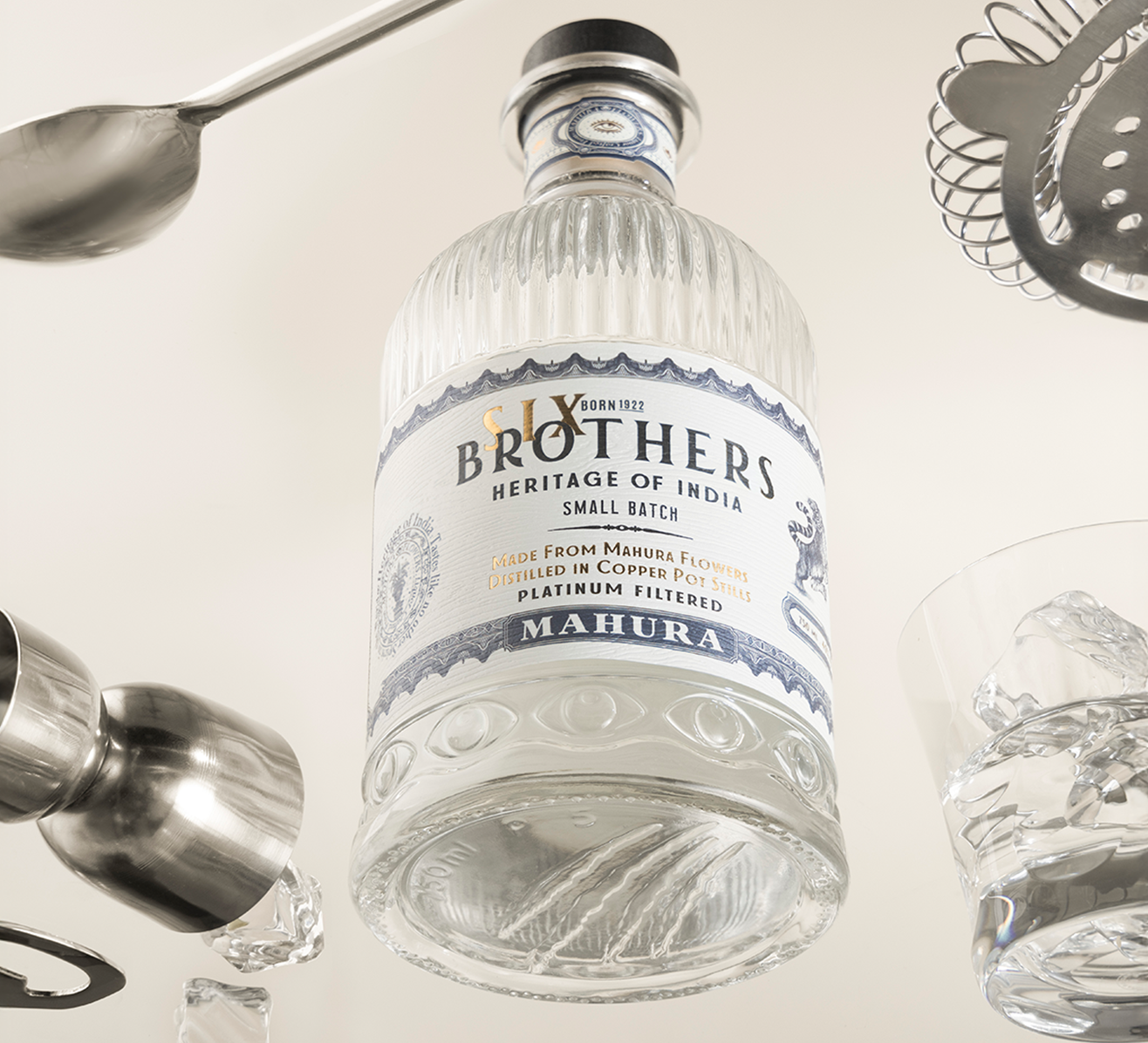
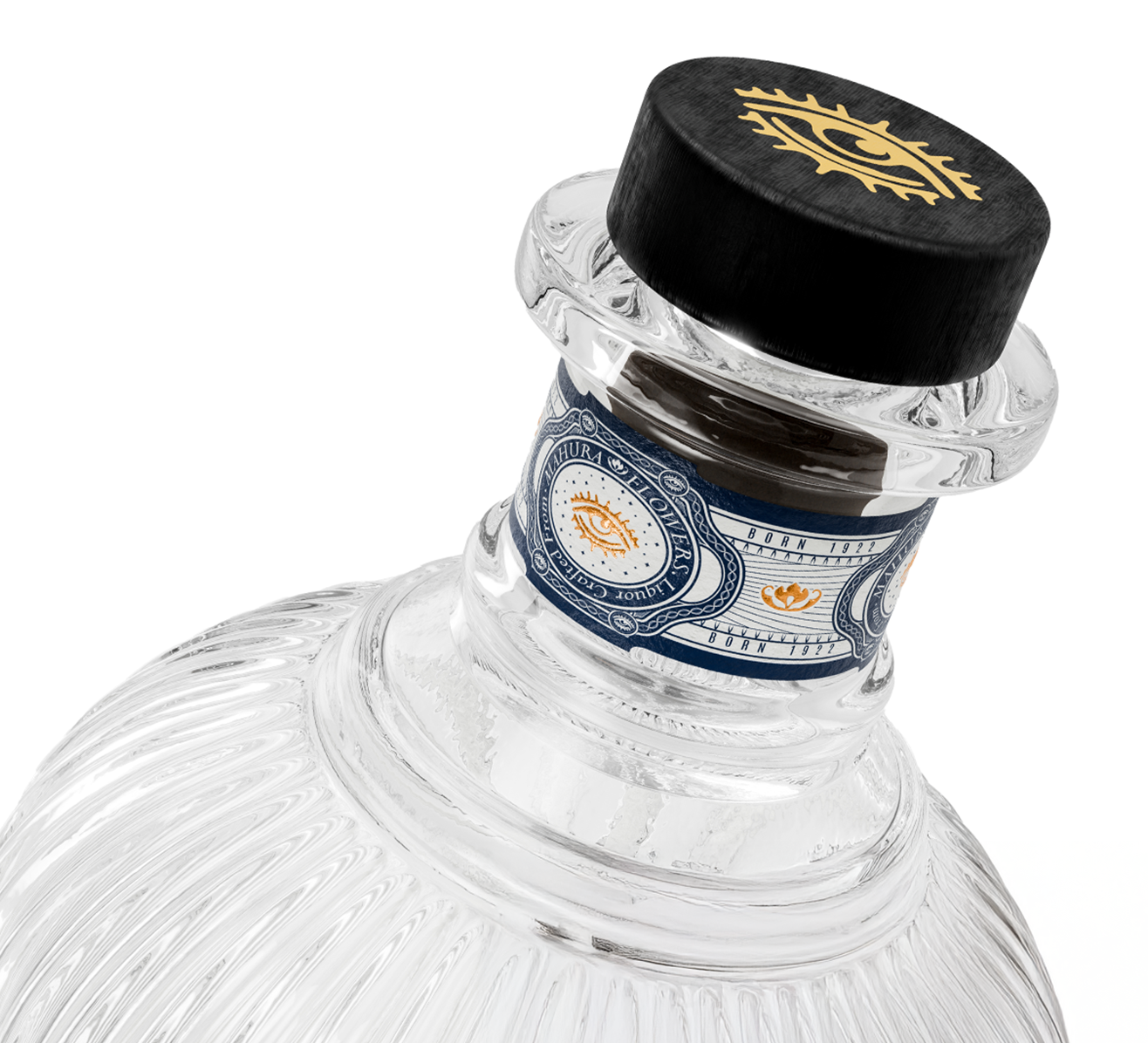
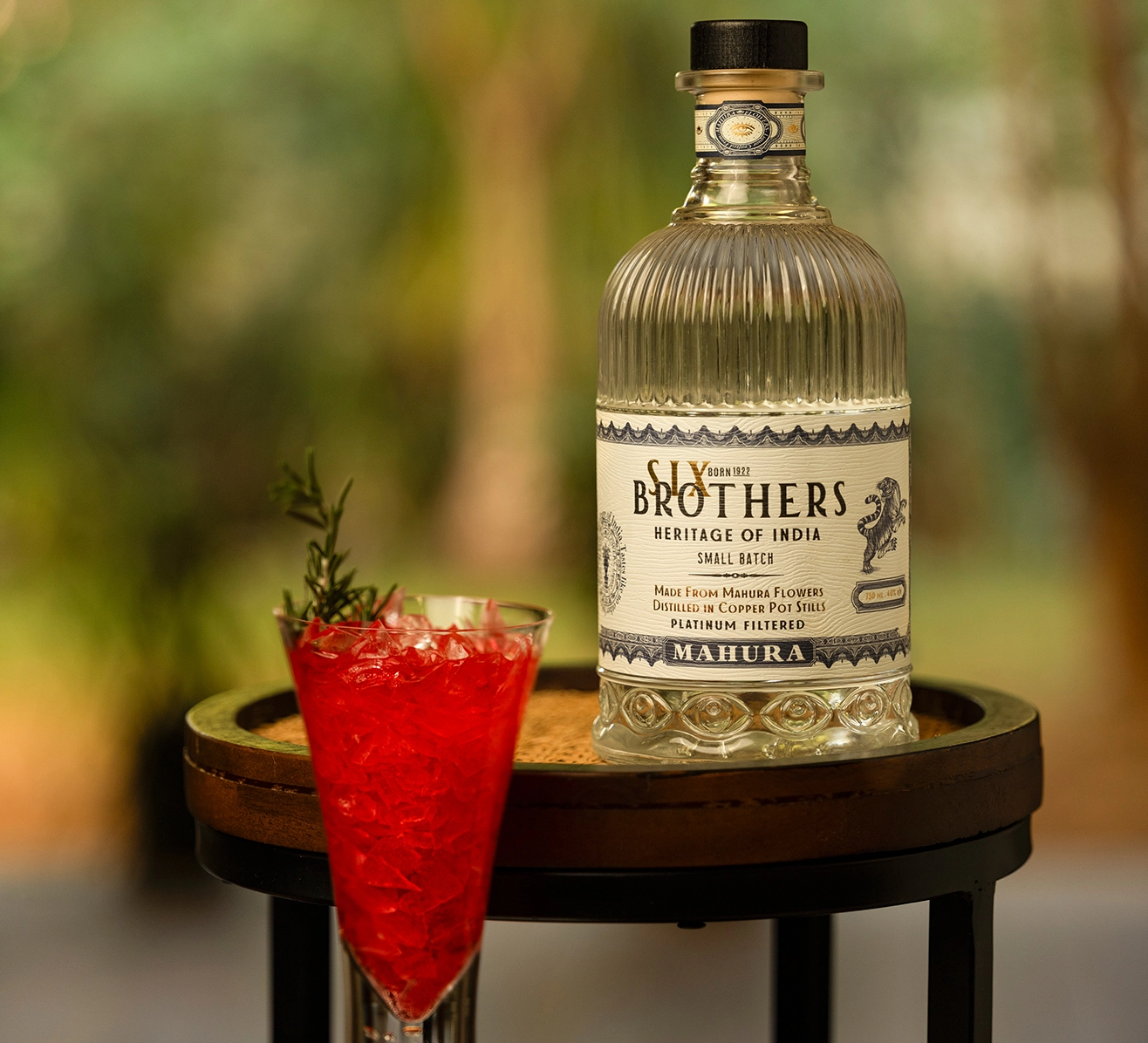
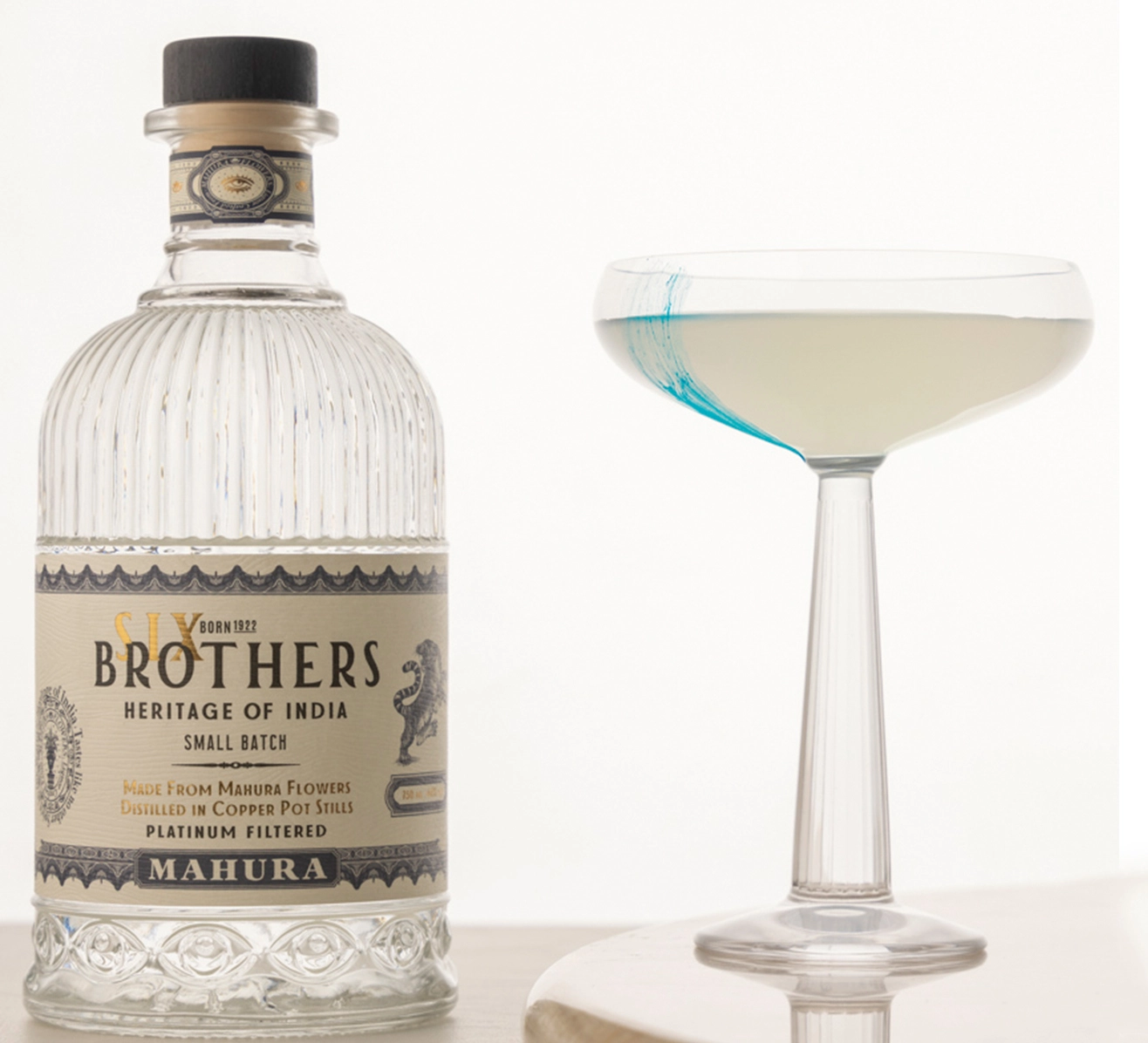
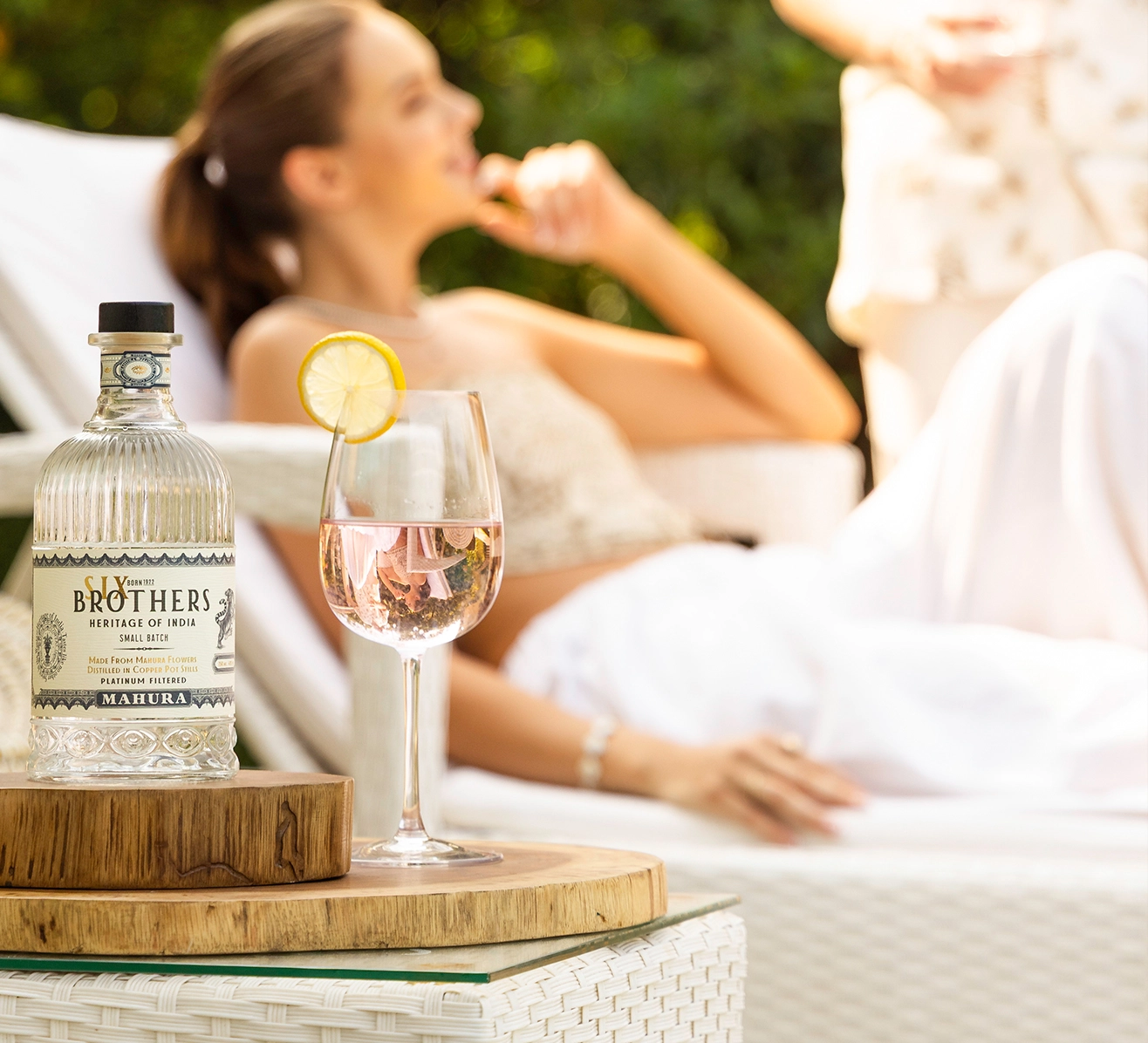
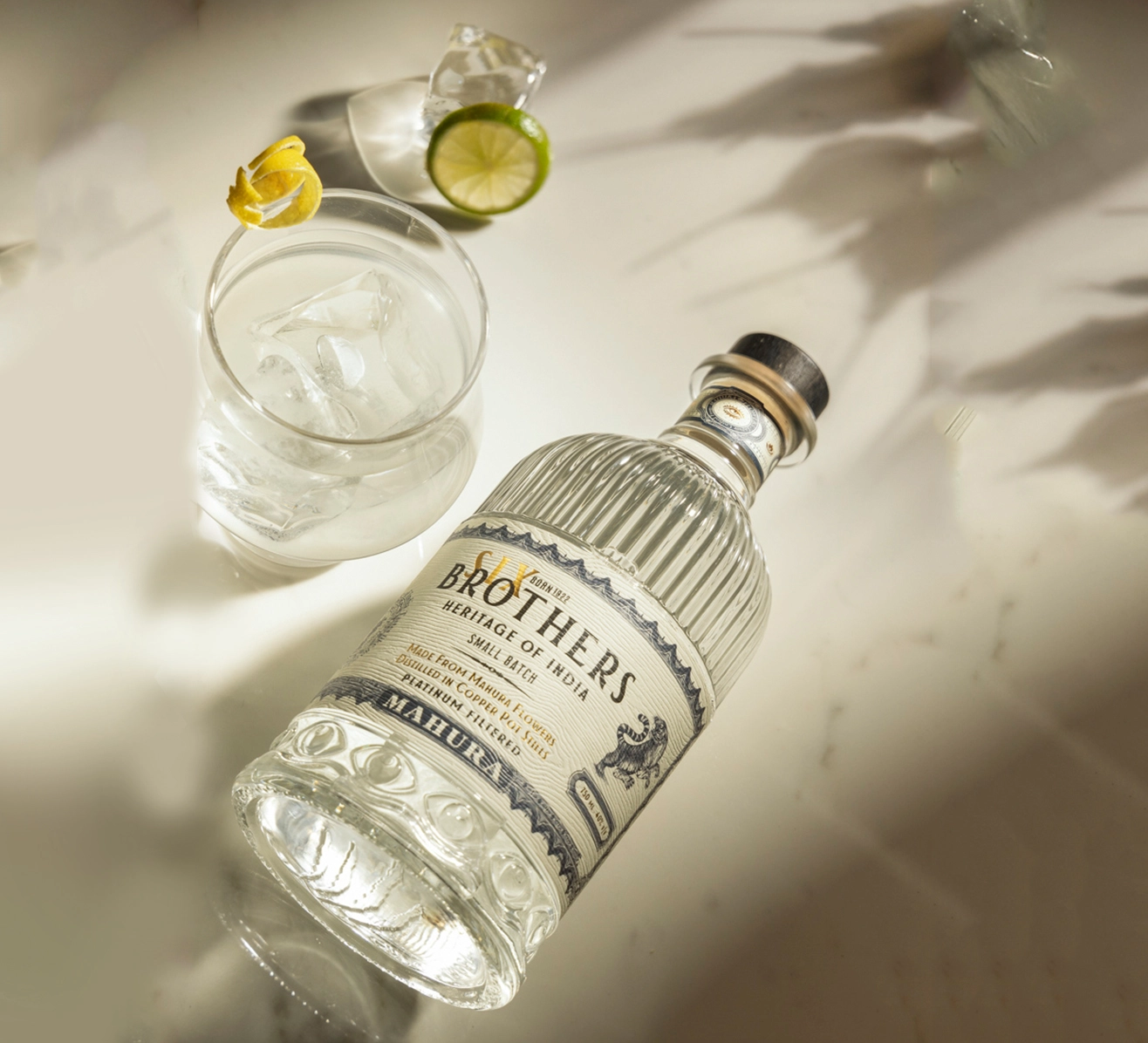
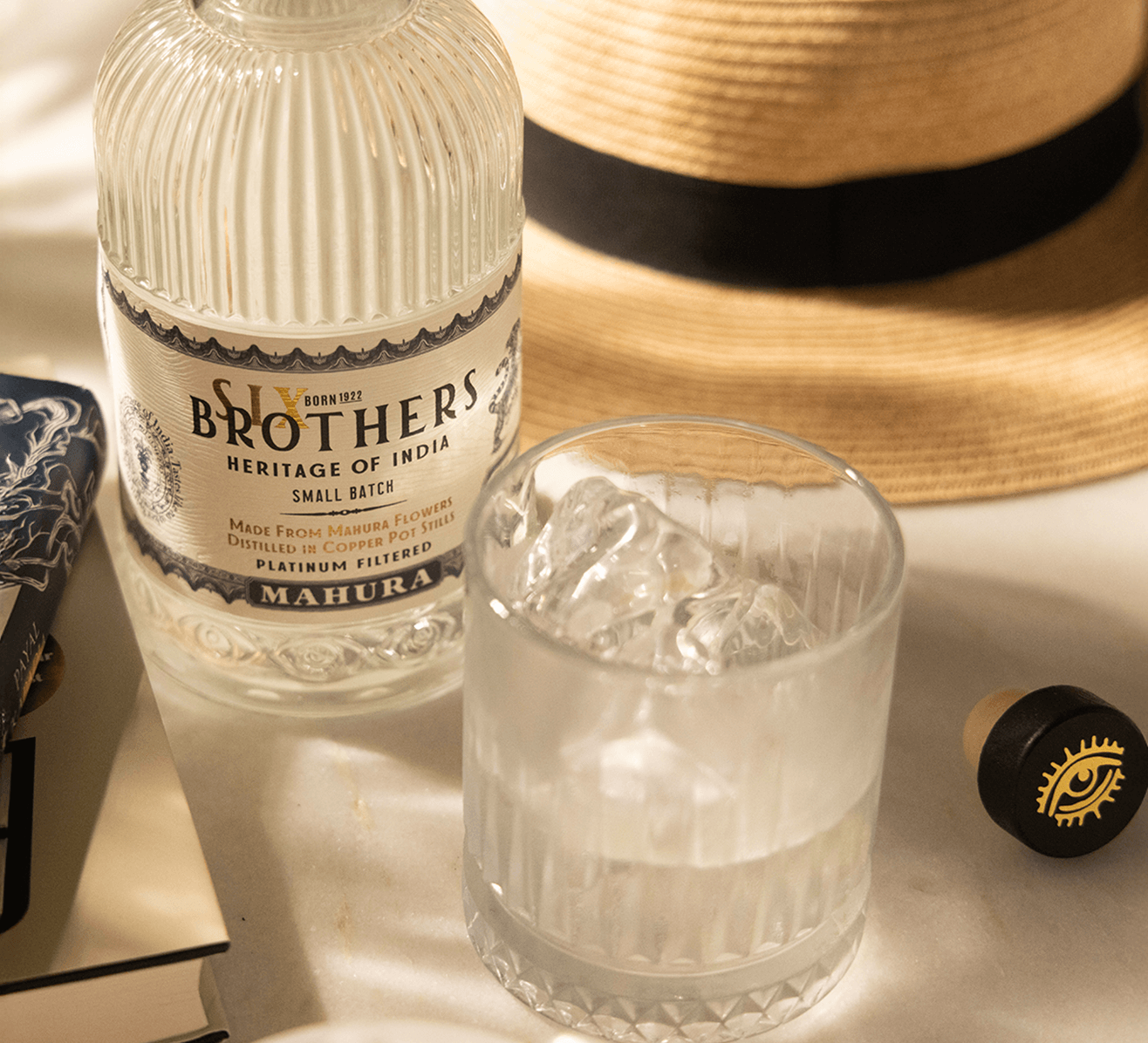
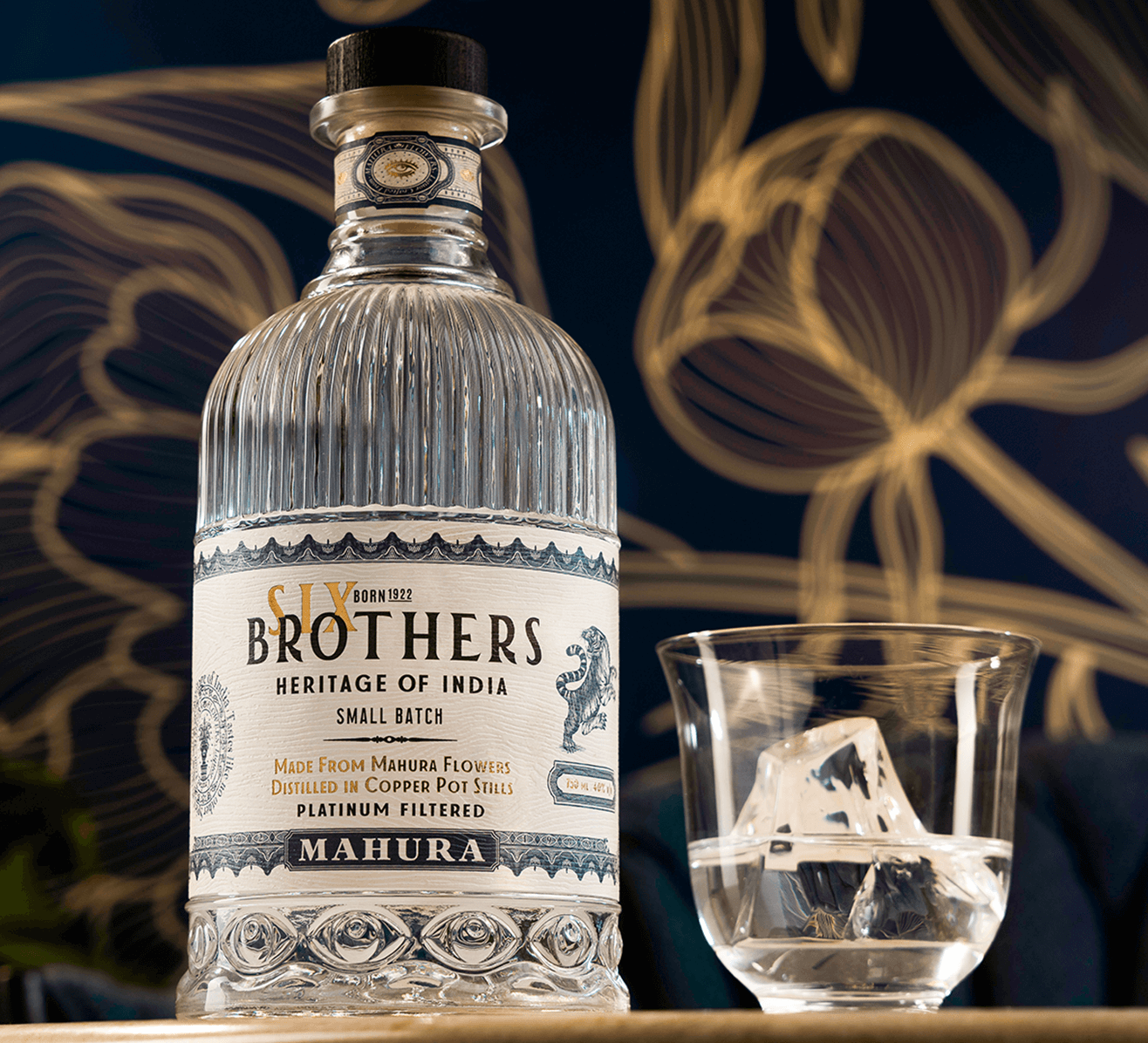
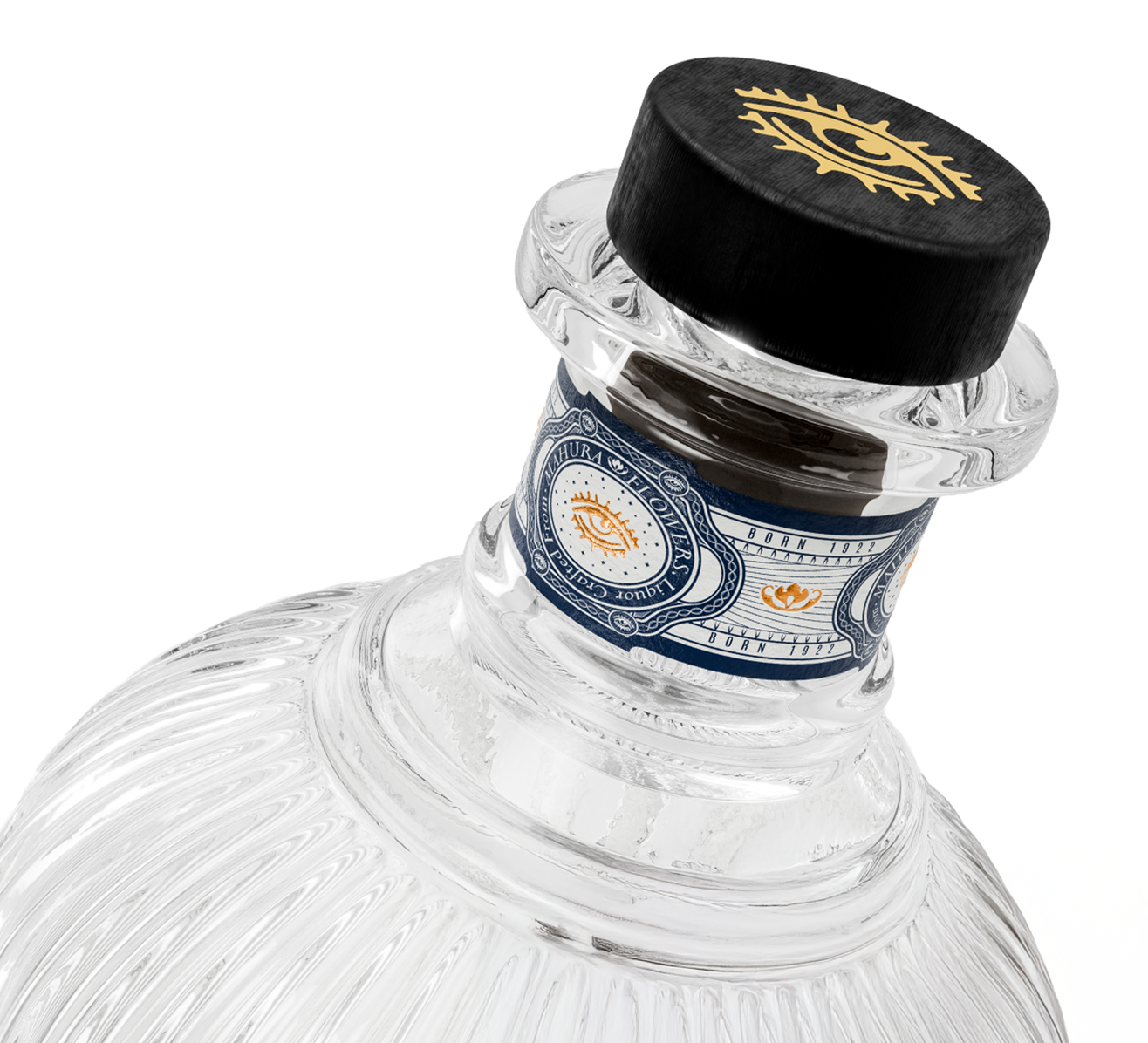
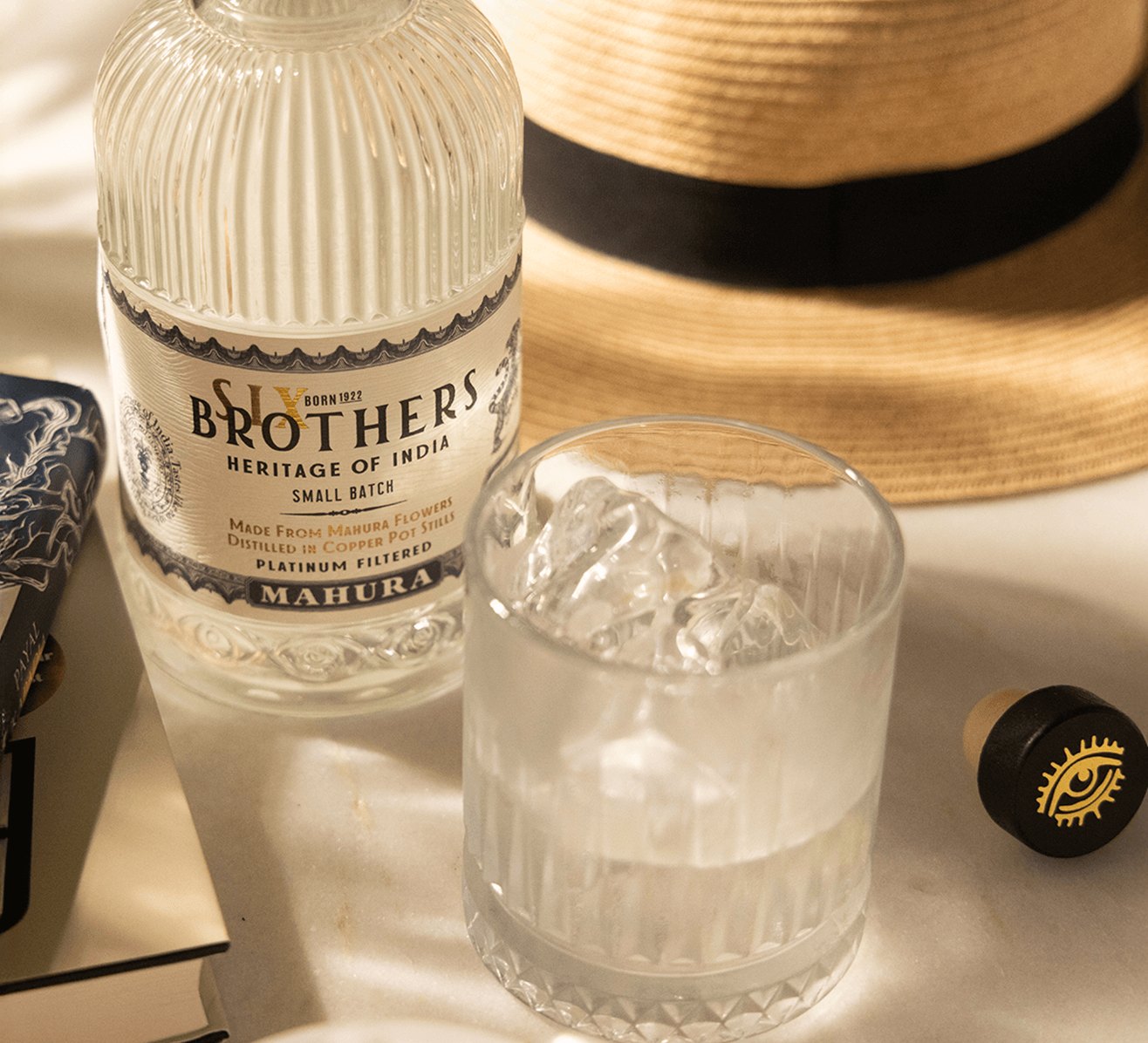
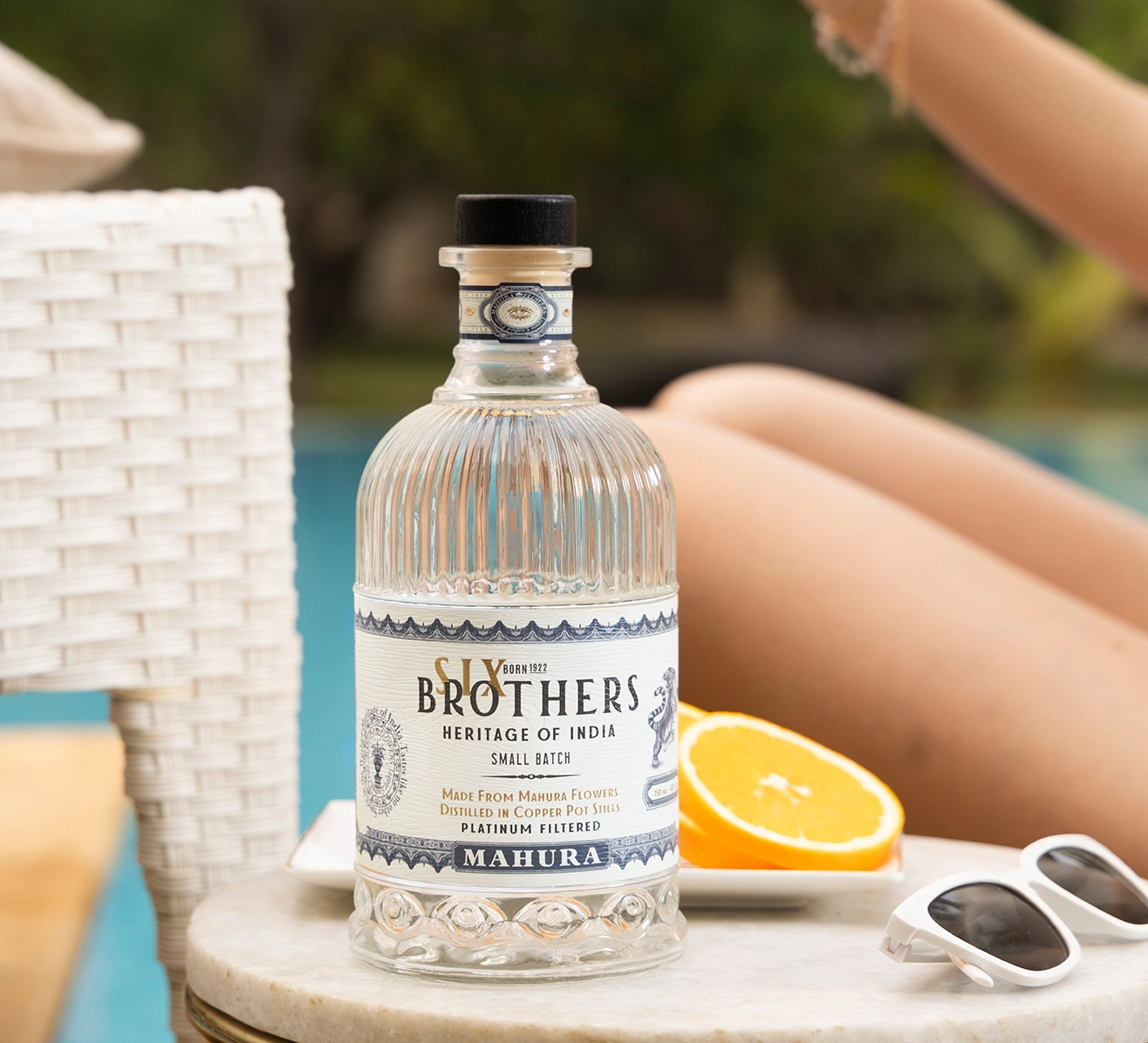
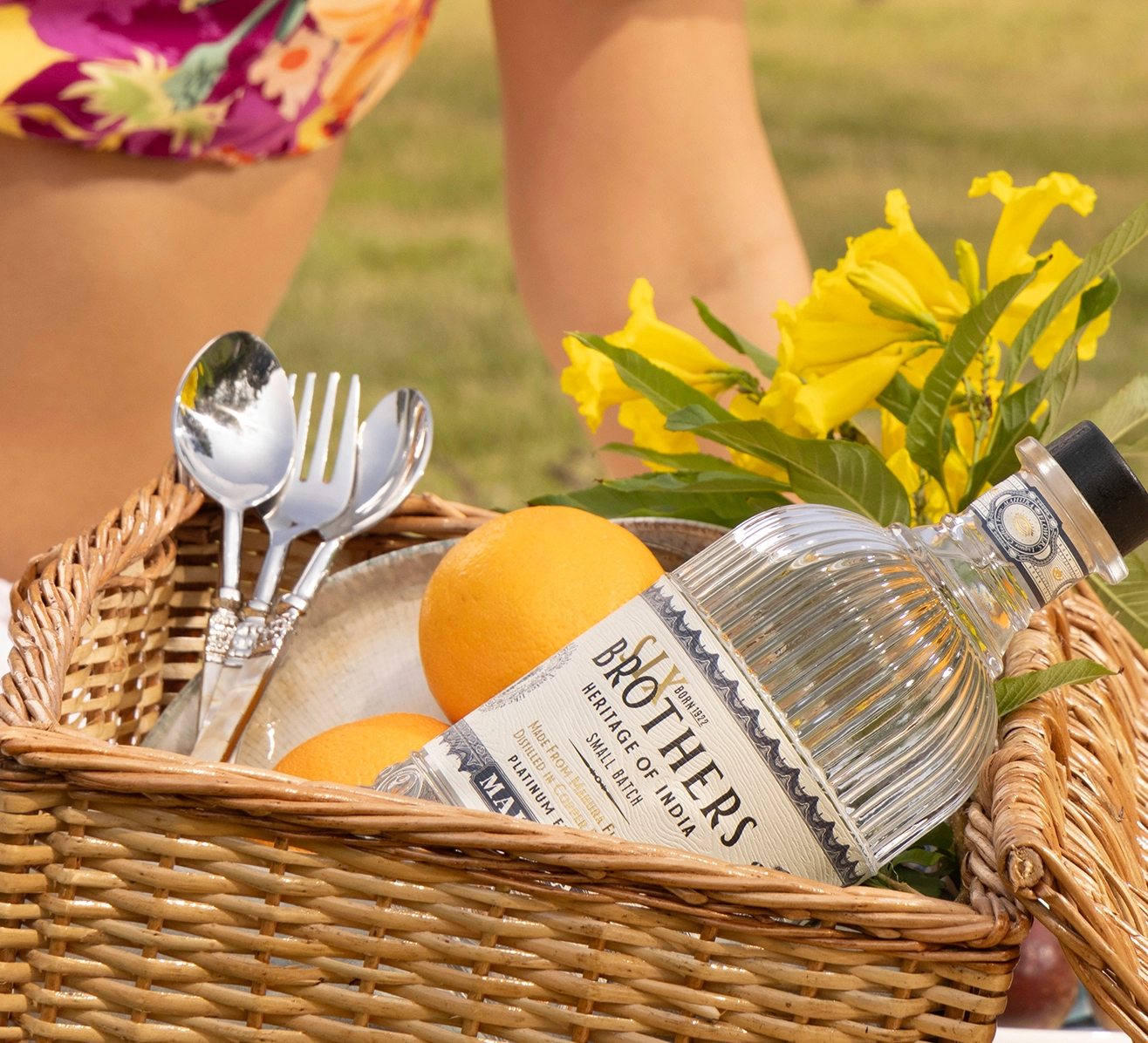
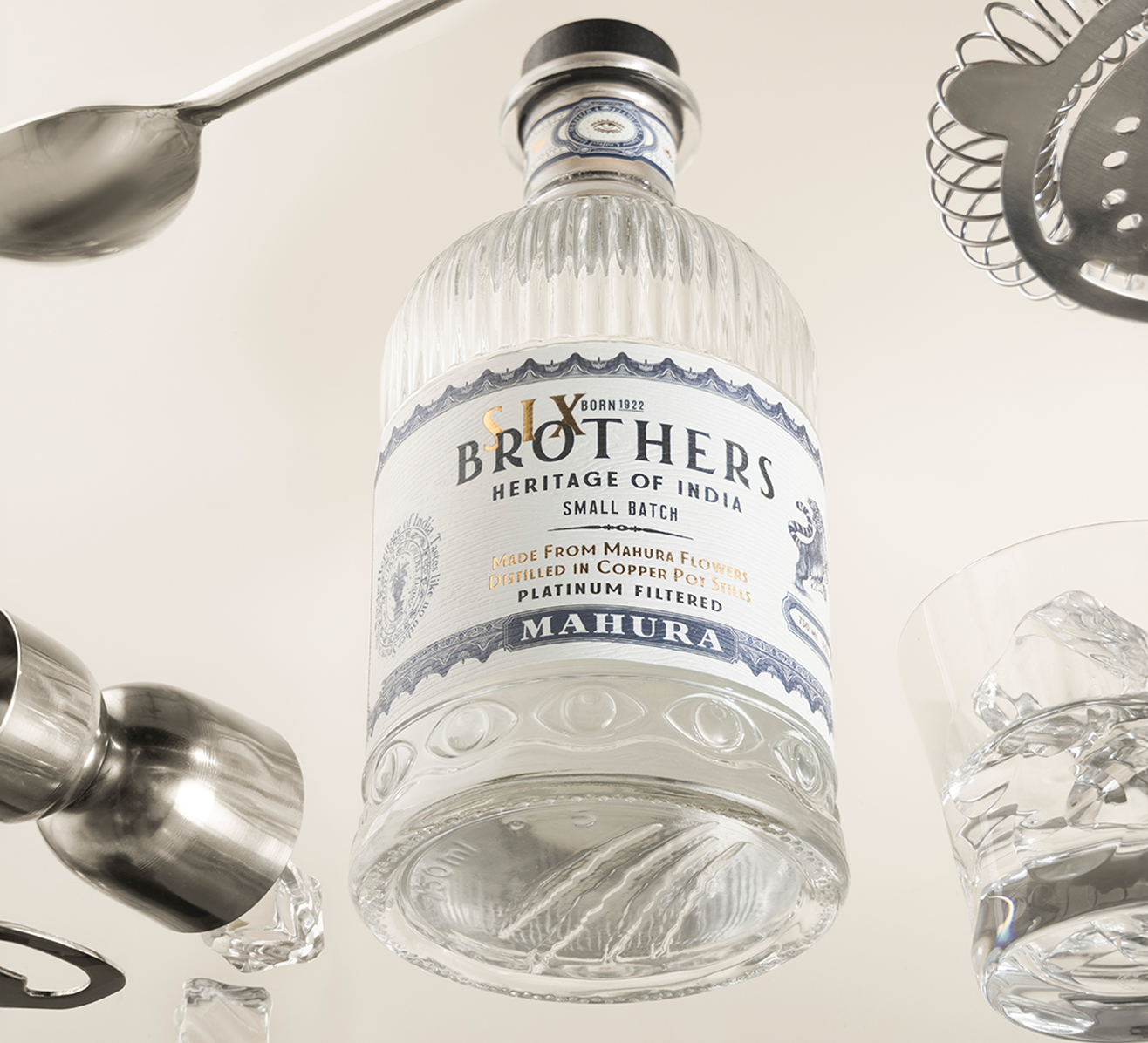
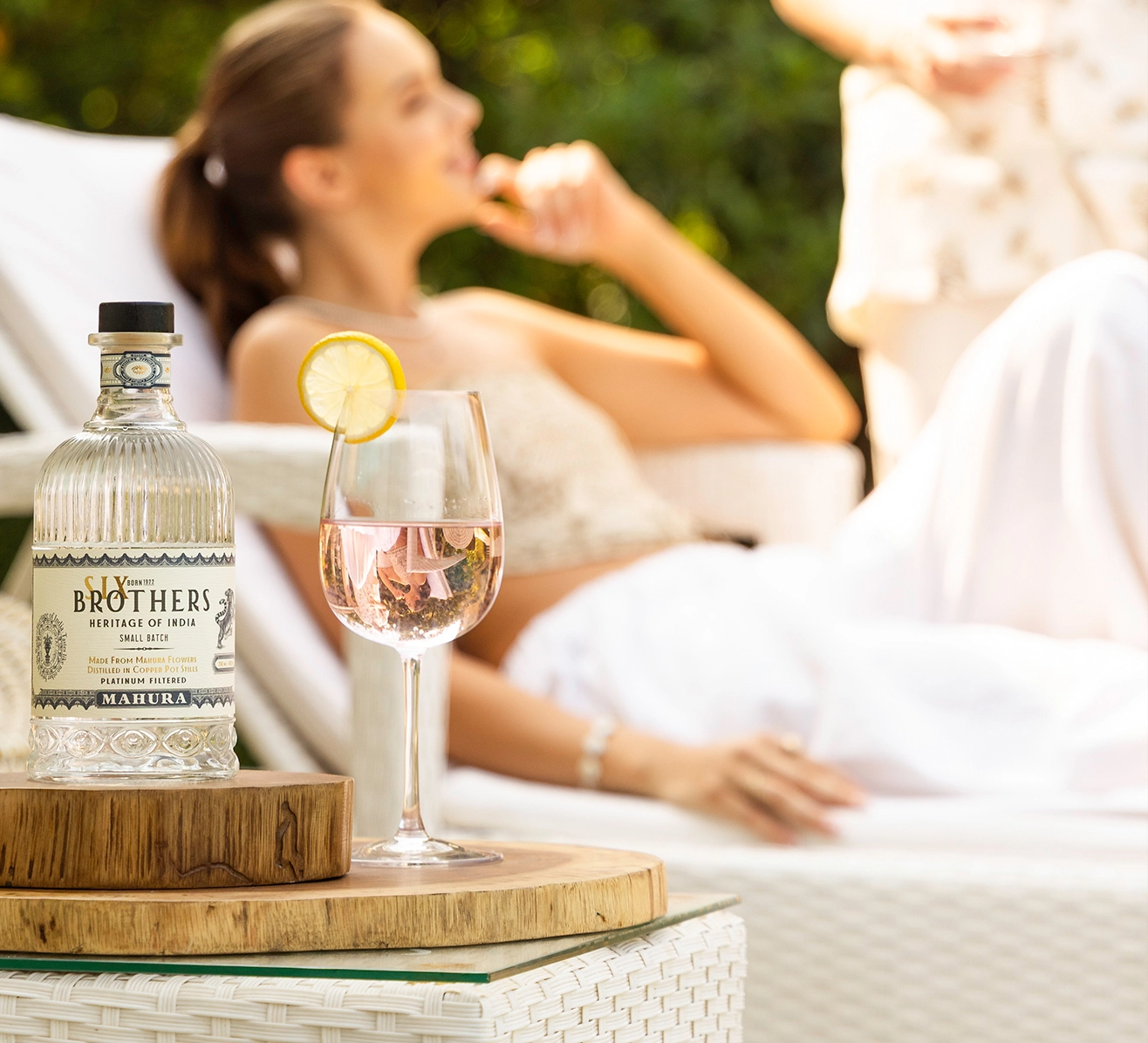
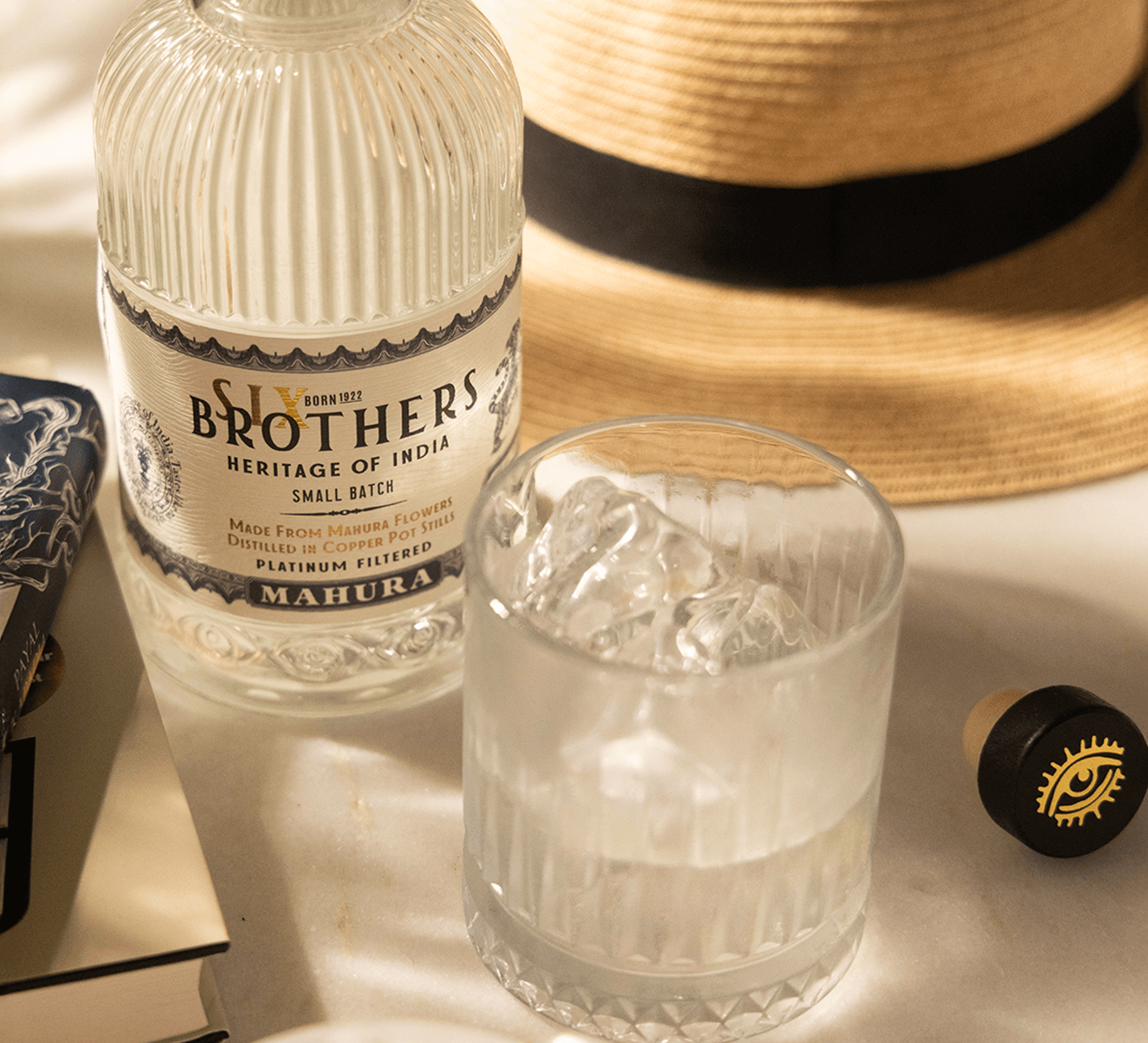
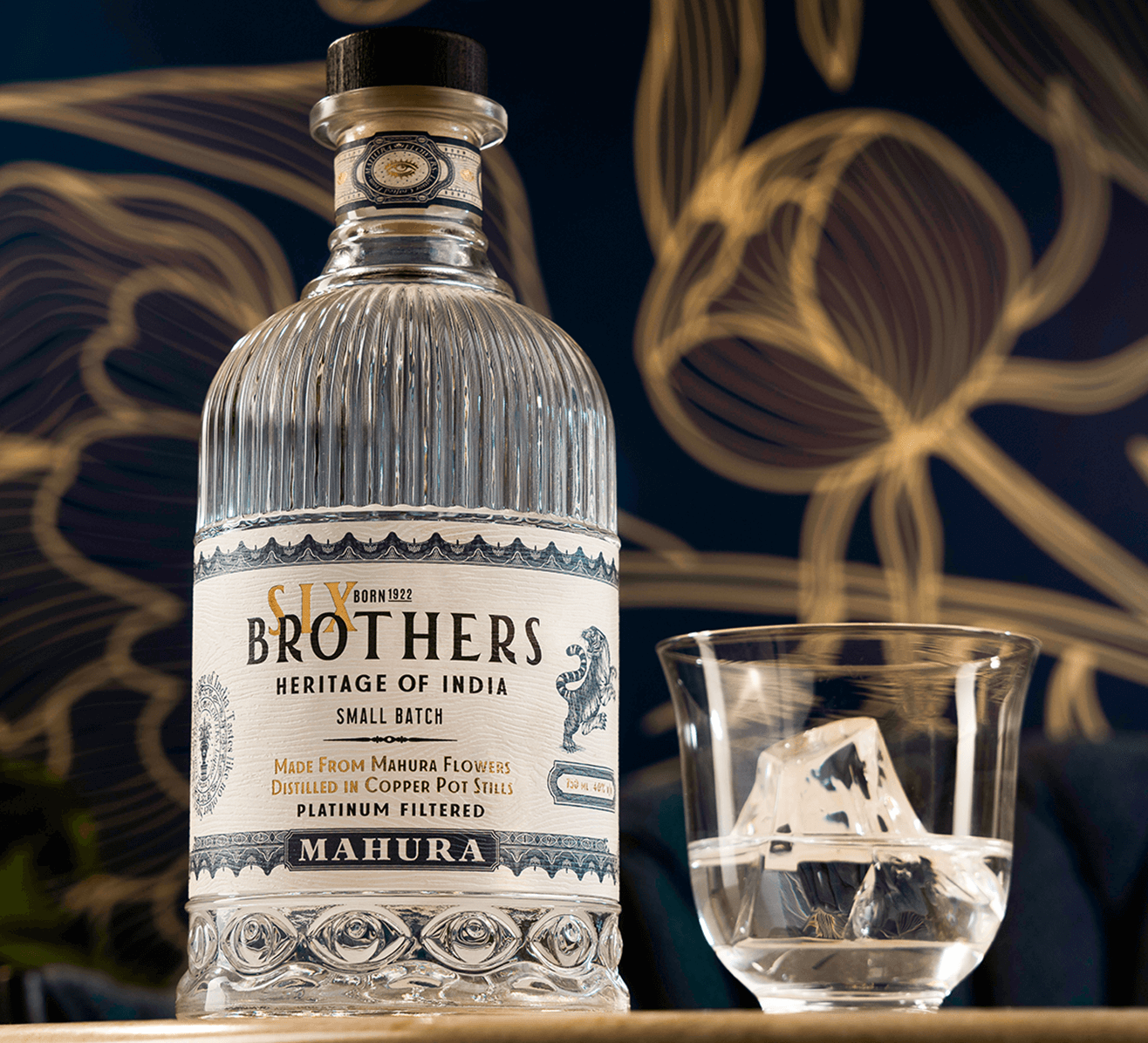
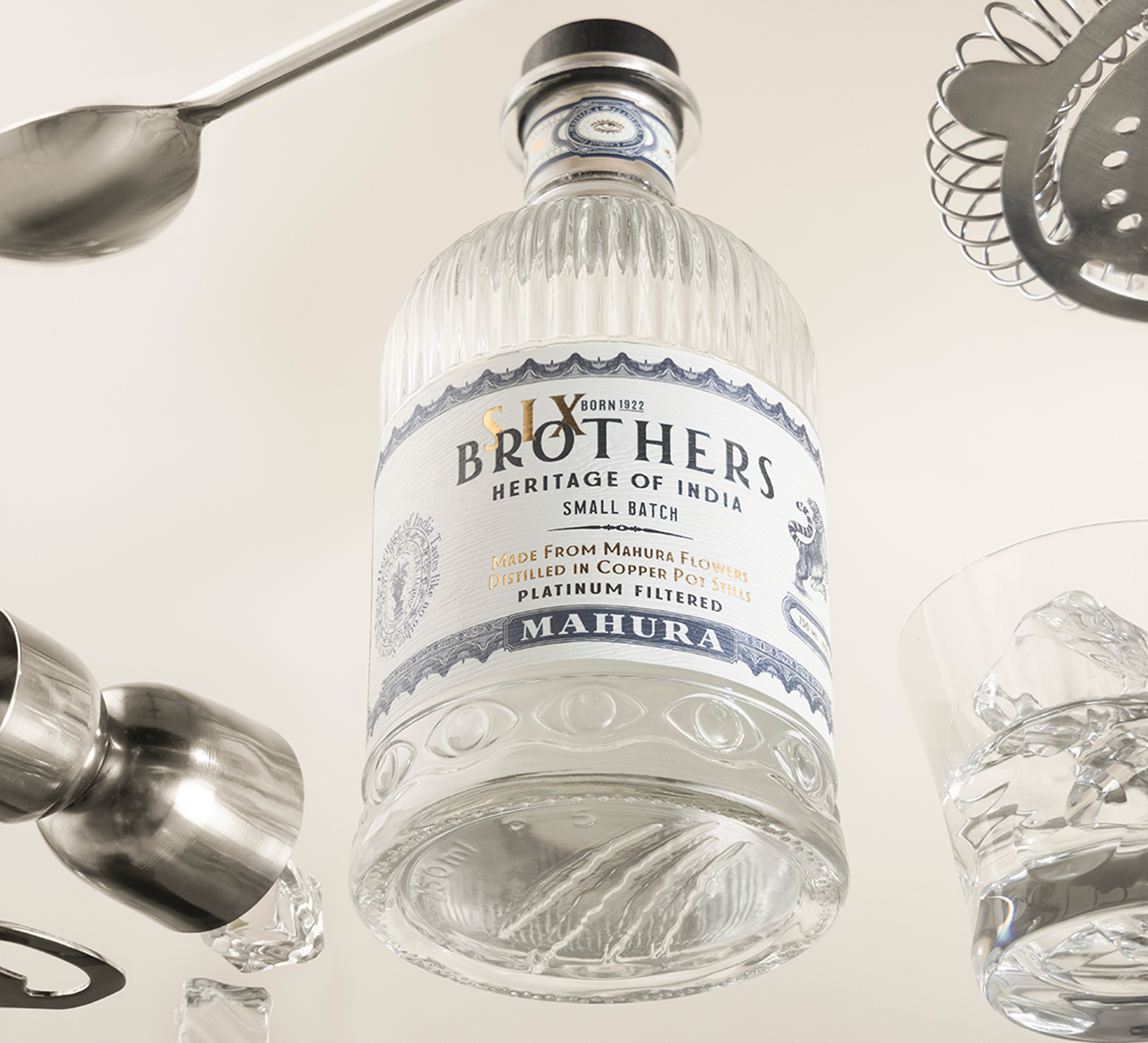
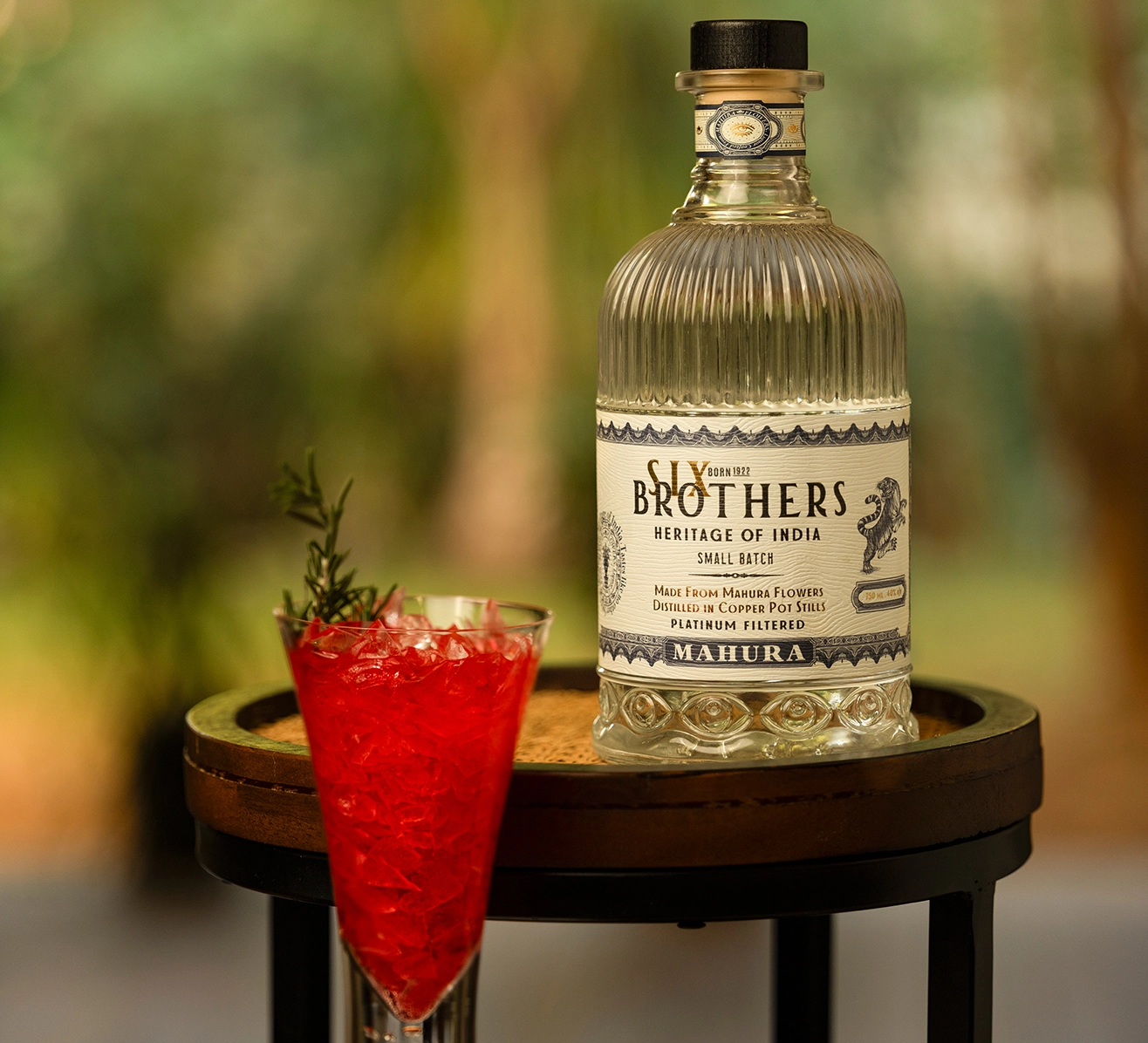
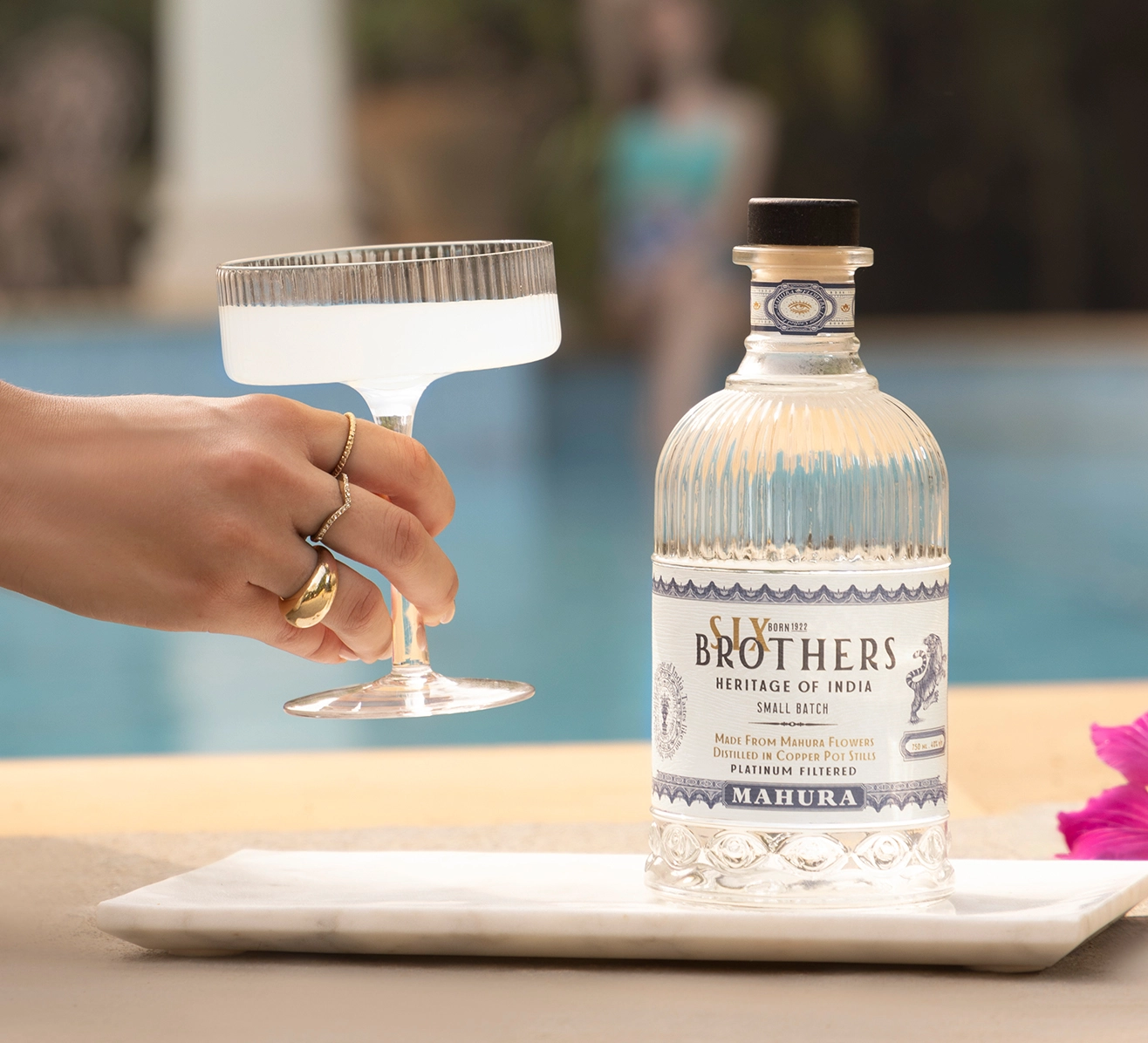
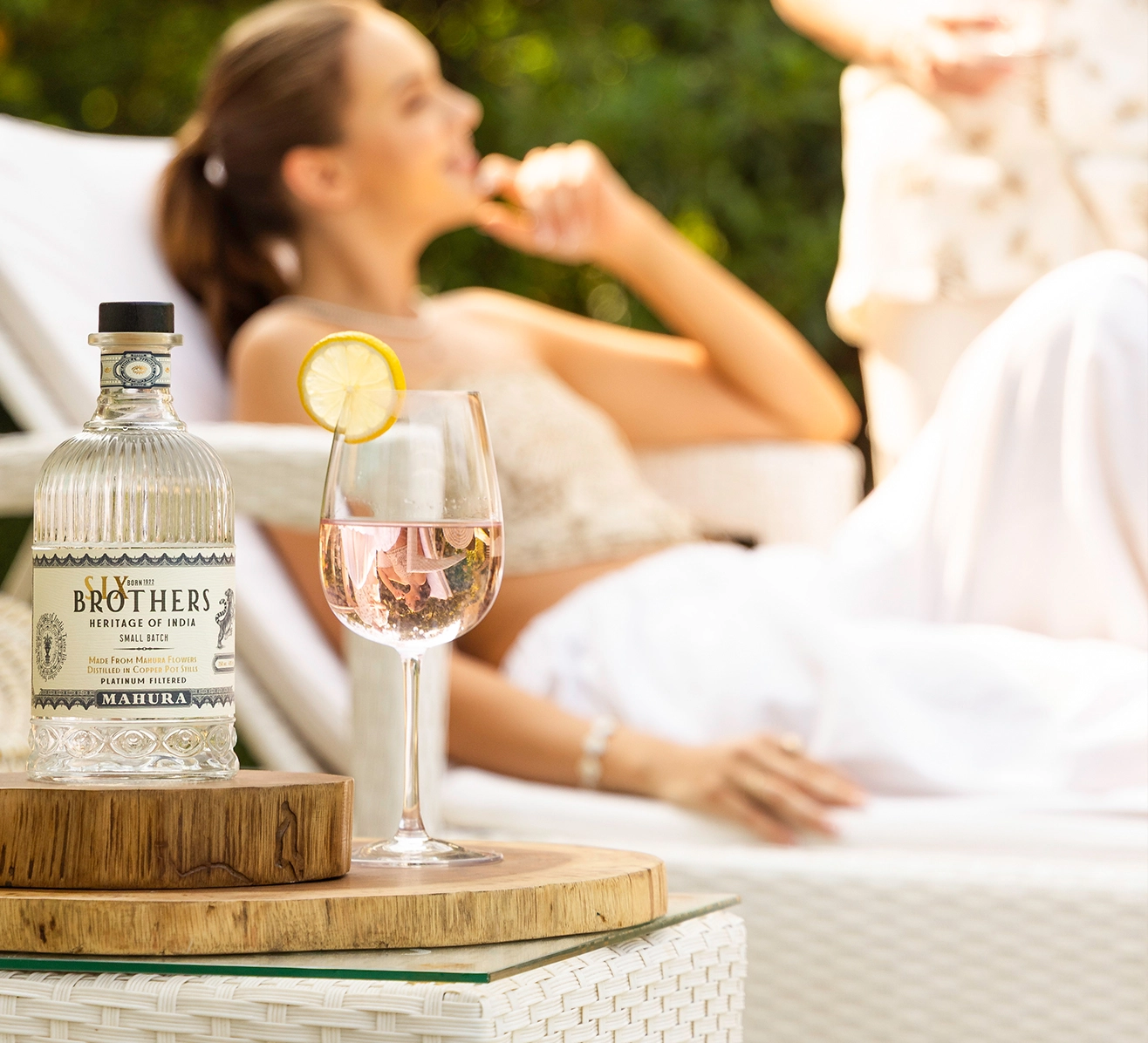
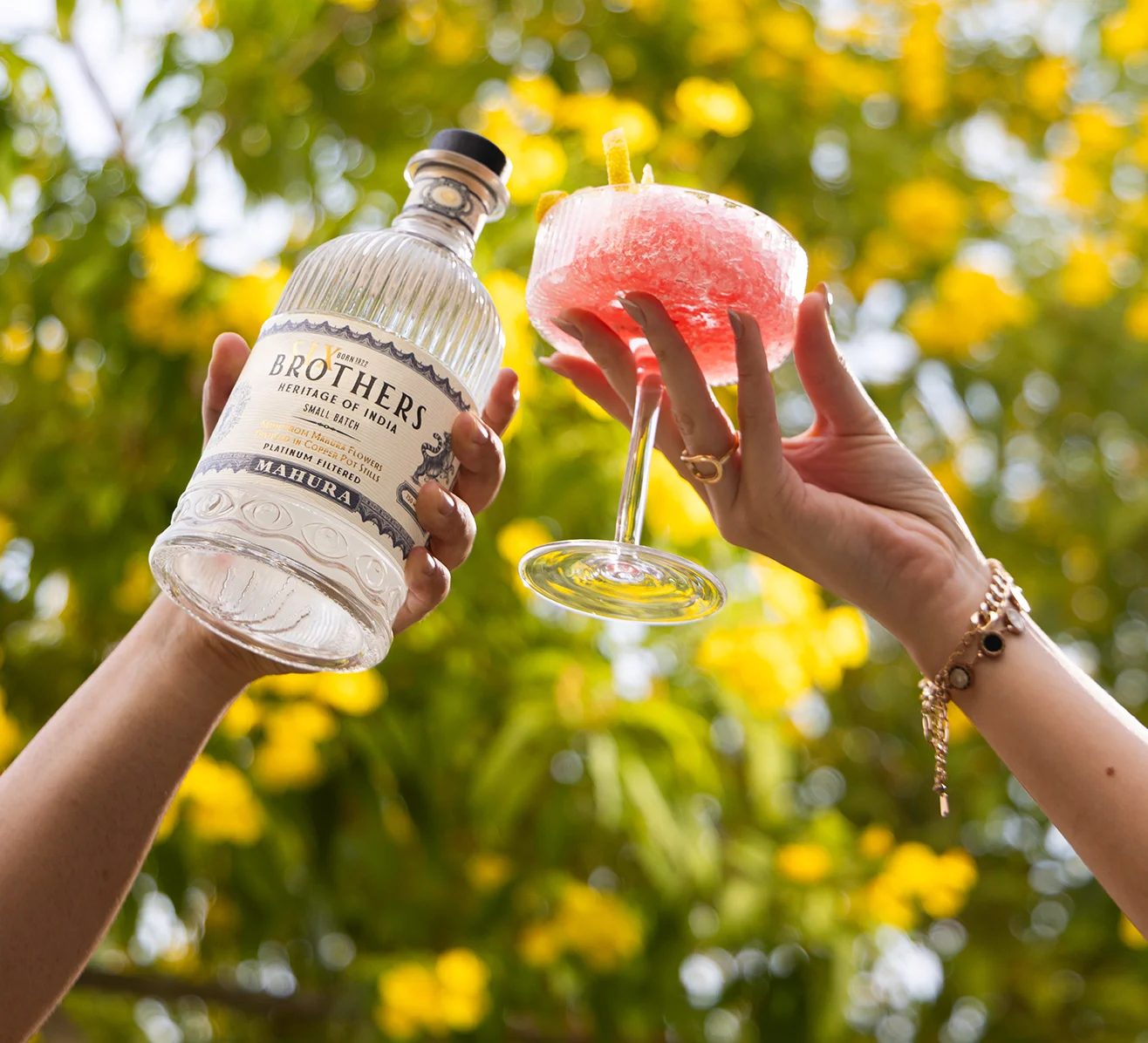
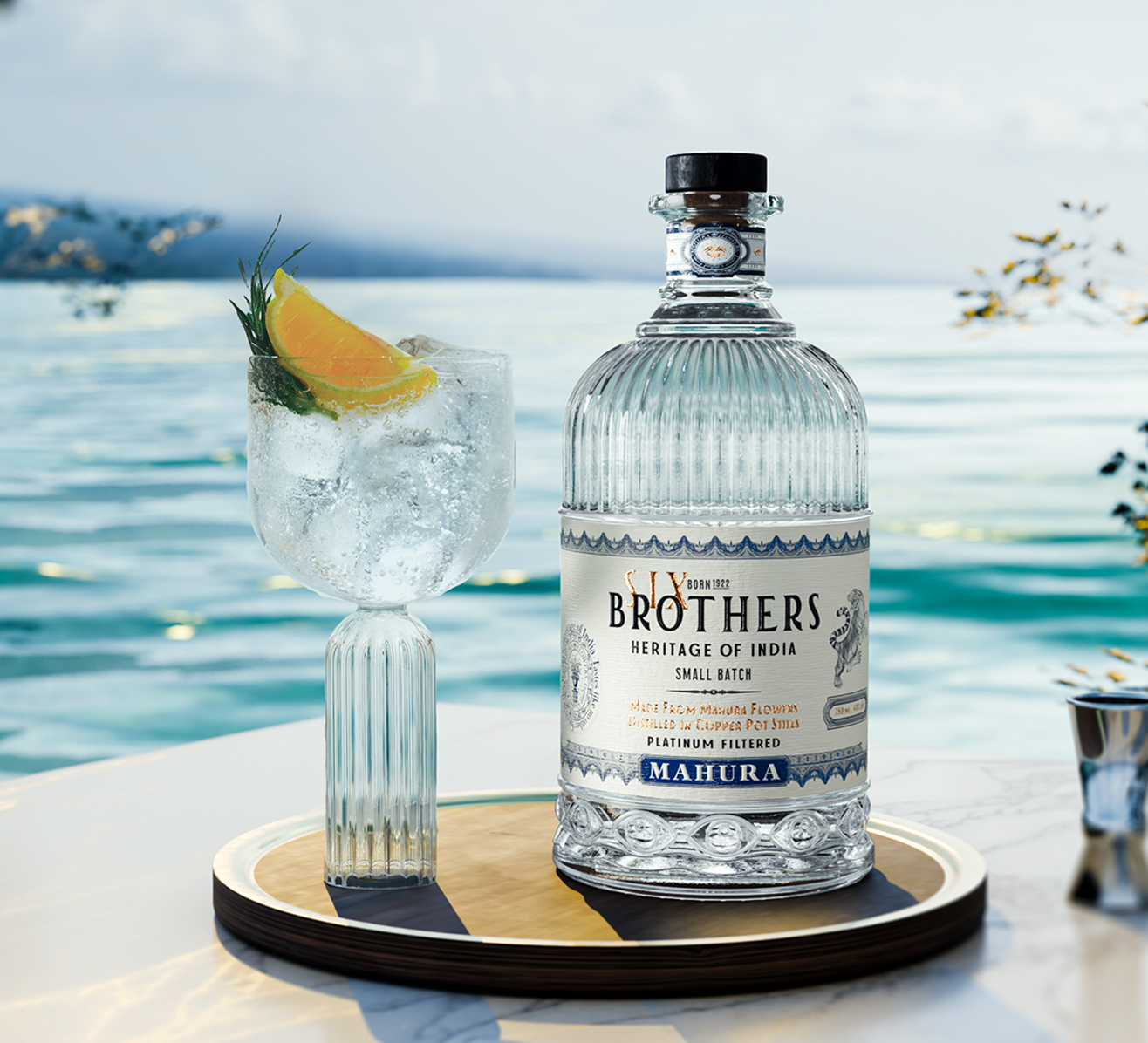
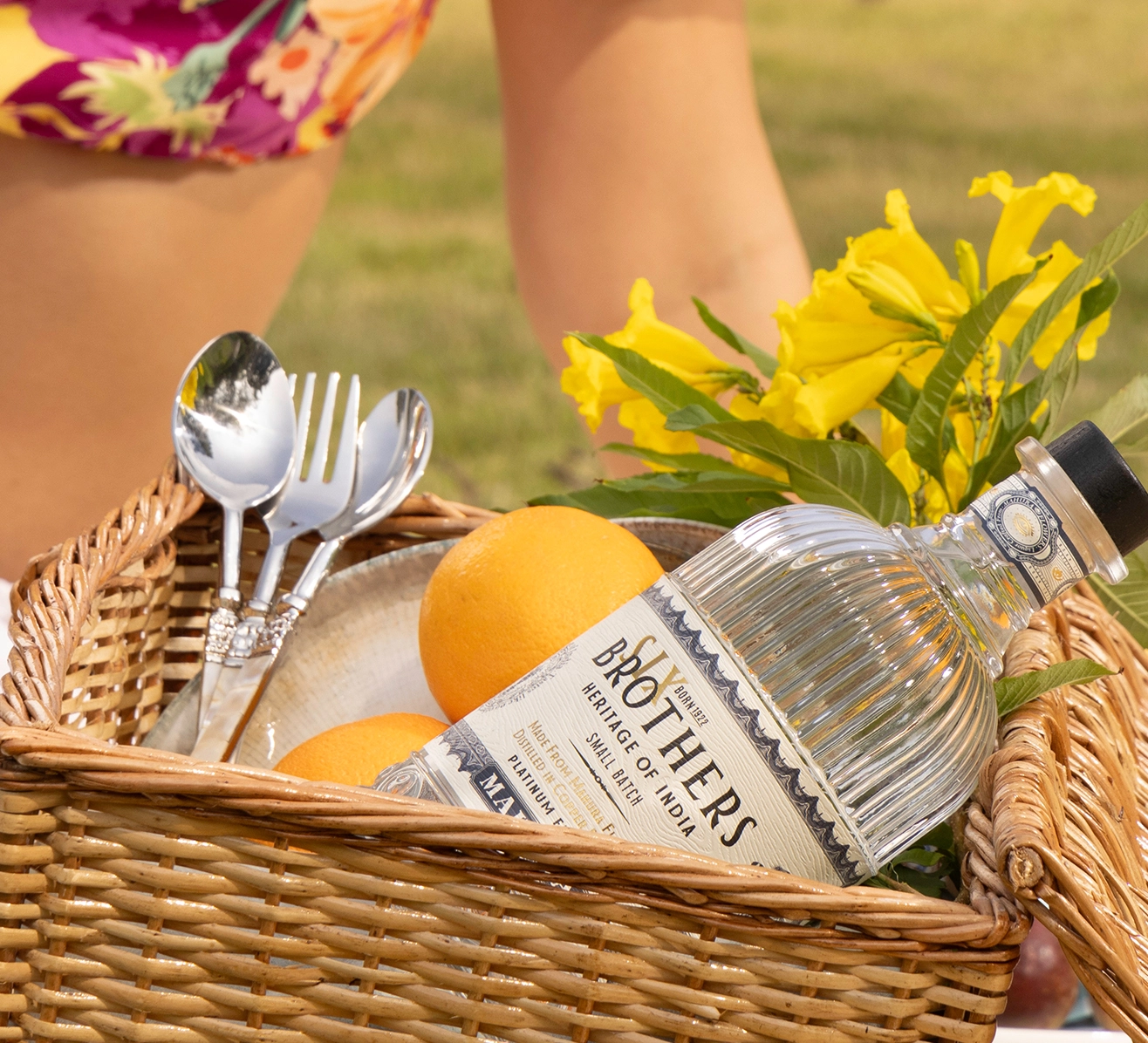
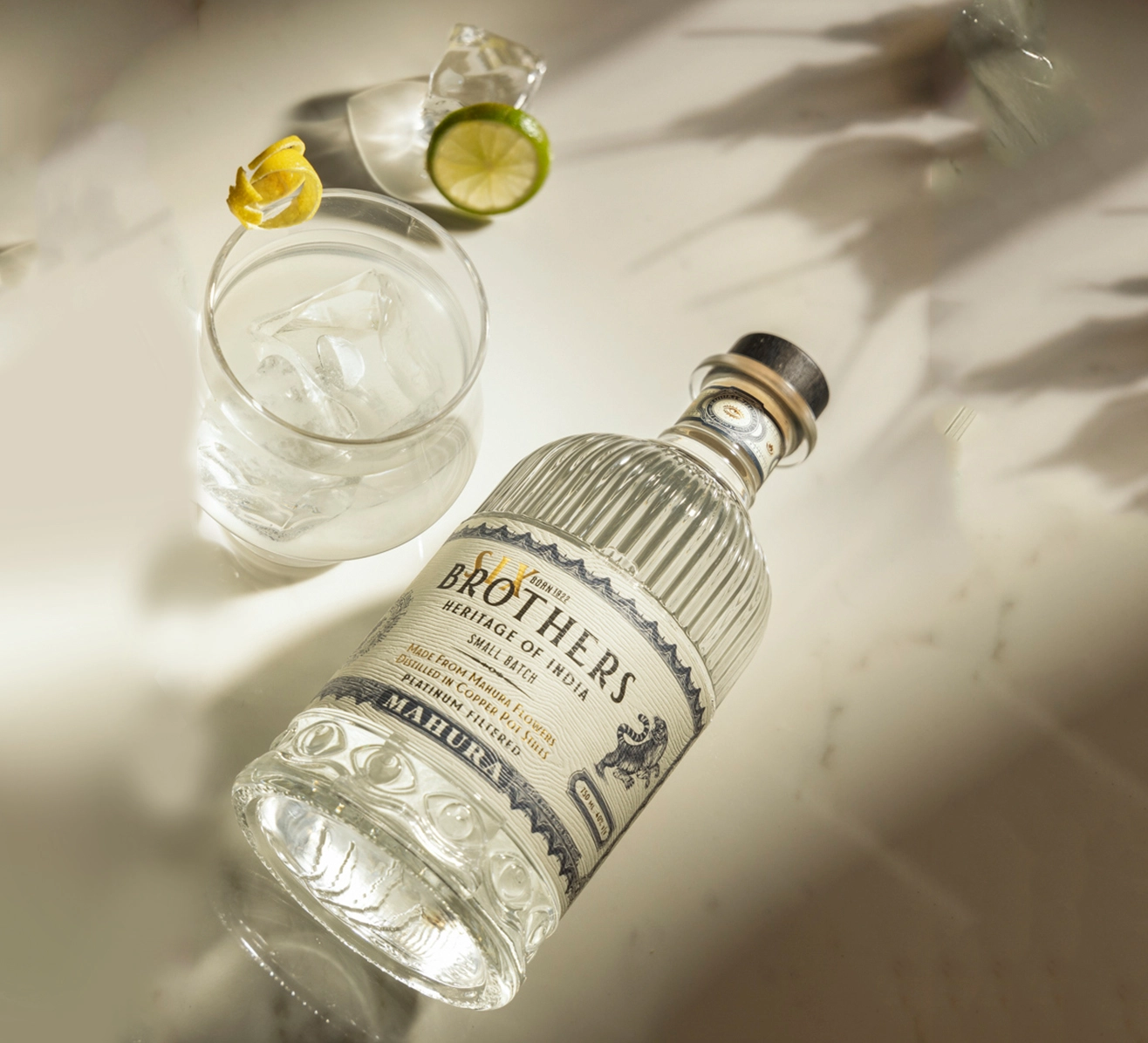
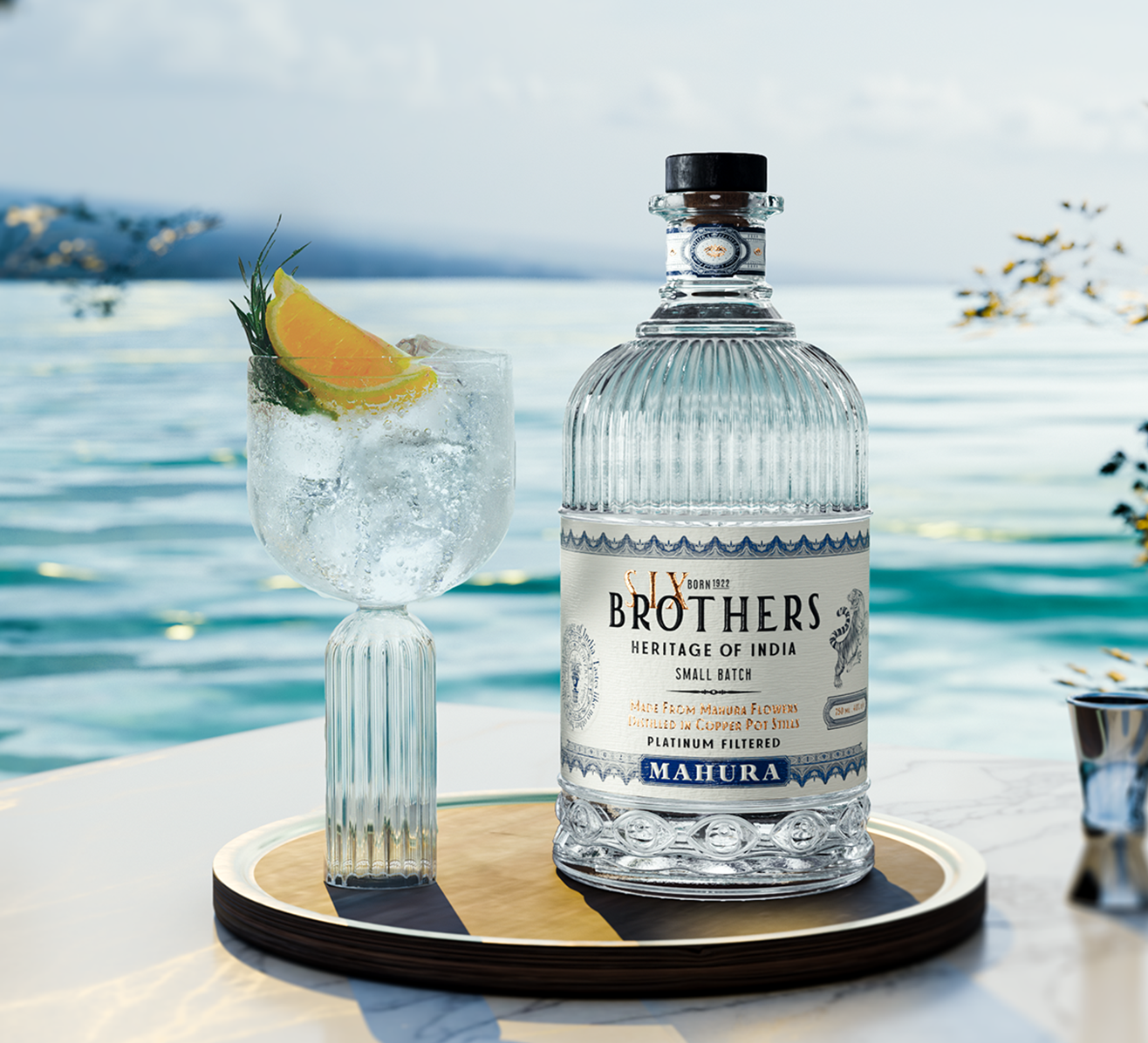
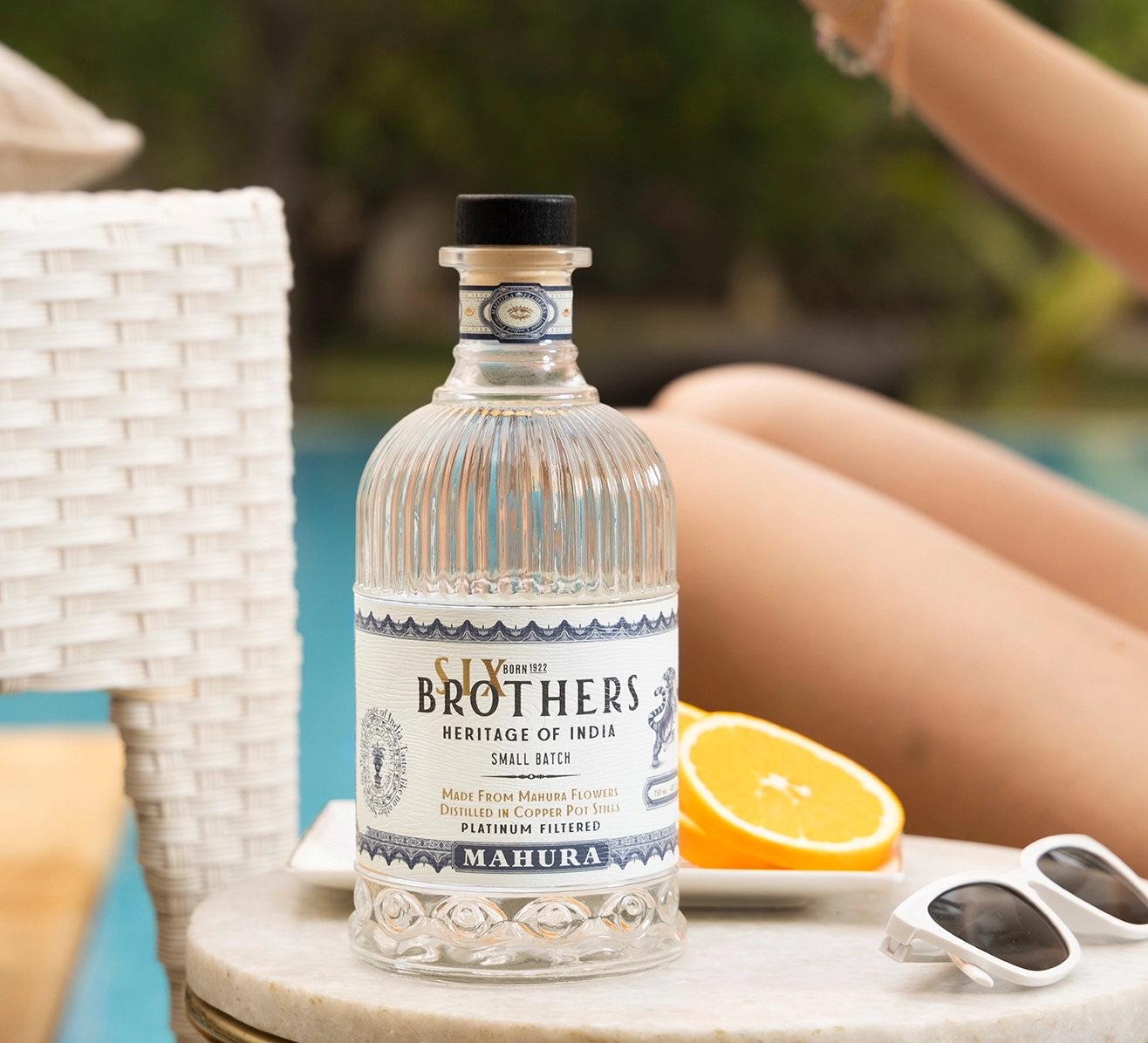
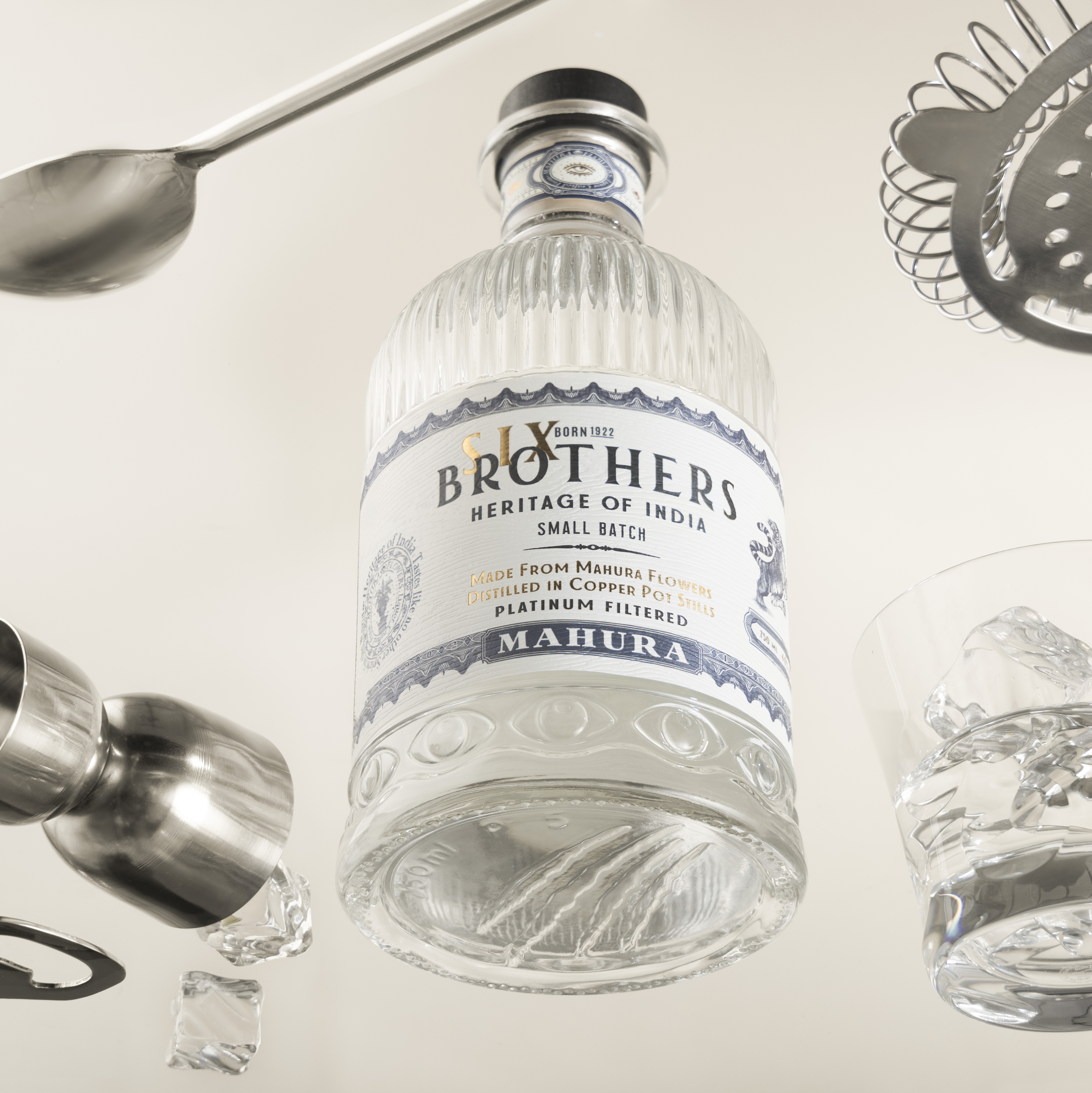
This is where brands like Six Brothers Mahura are shaping the narrative.
Rather than treating Mahua as a rustic afterthought, Six Brothers Mahura focuses on elevating it through:
Careful flower collection, proper drying, controlled fermentation, and refined distillation are essential to producing a smooth, premium spirit.
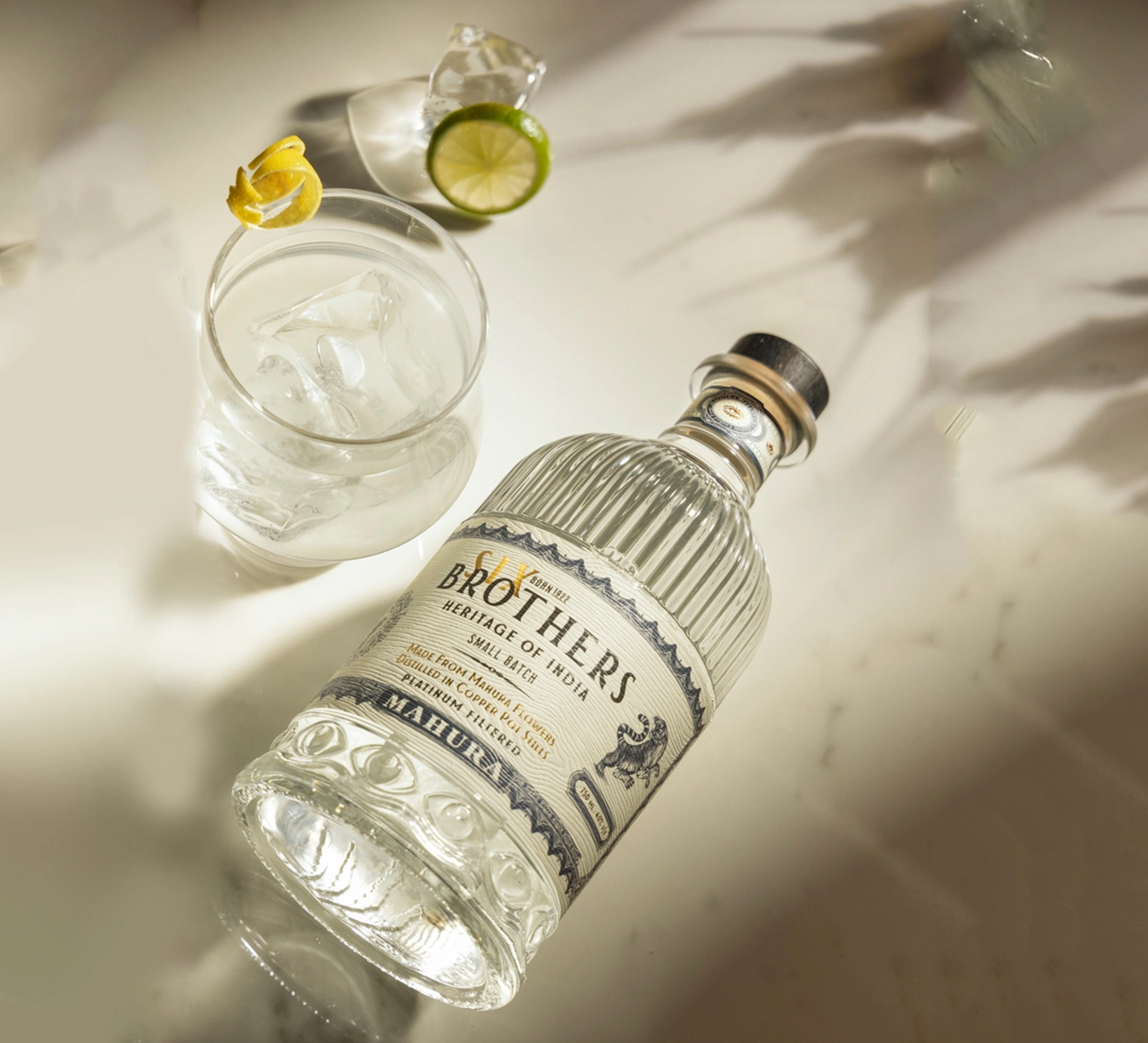
The result is a spirit that reflects the depth of the Mahua plant while meeting modern expectations of refinement.
The Mahua plant is more than a tree. It represents resilience, versatility, and cultural continuity. Its flowers have supported livelihoods for generations, and now they are stepping into a new phase of recognition.
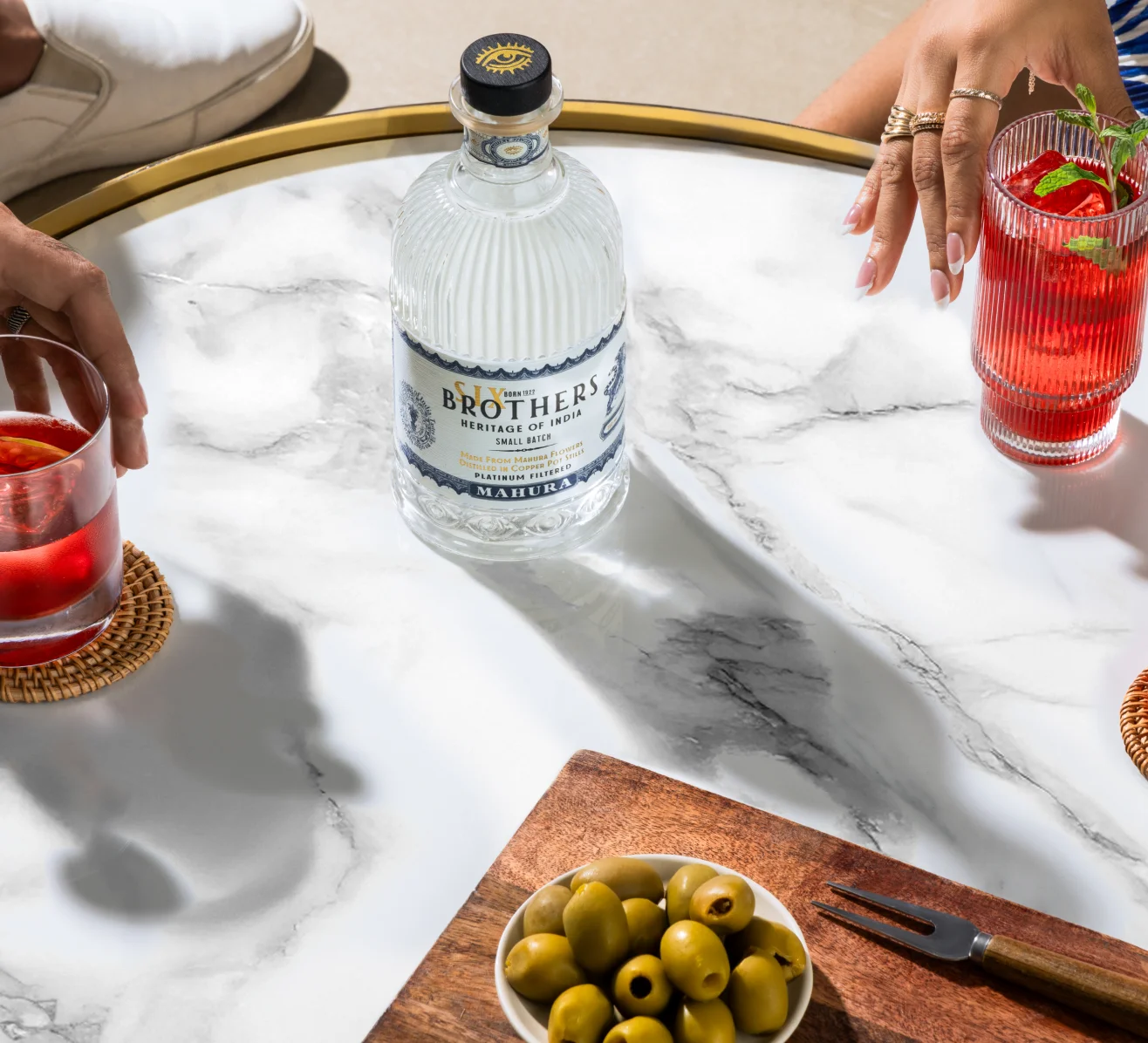
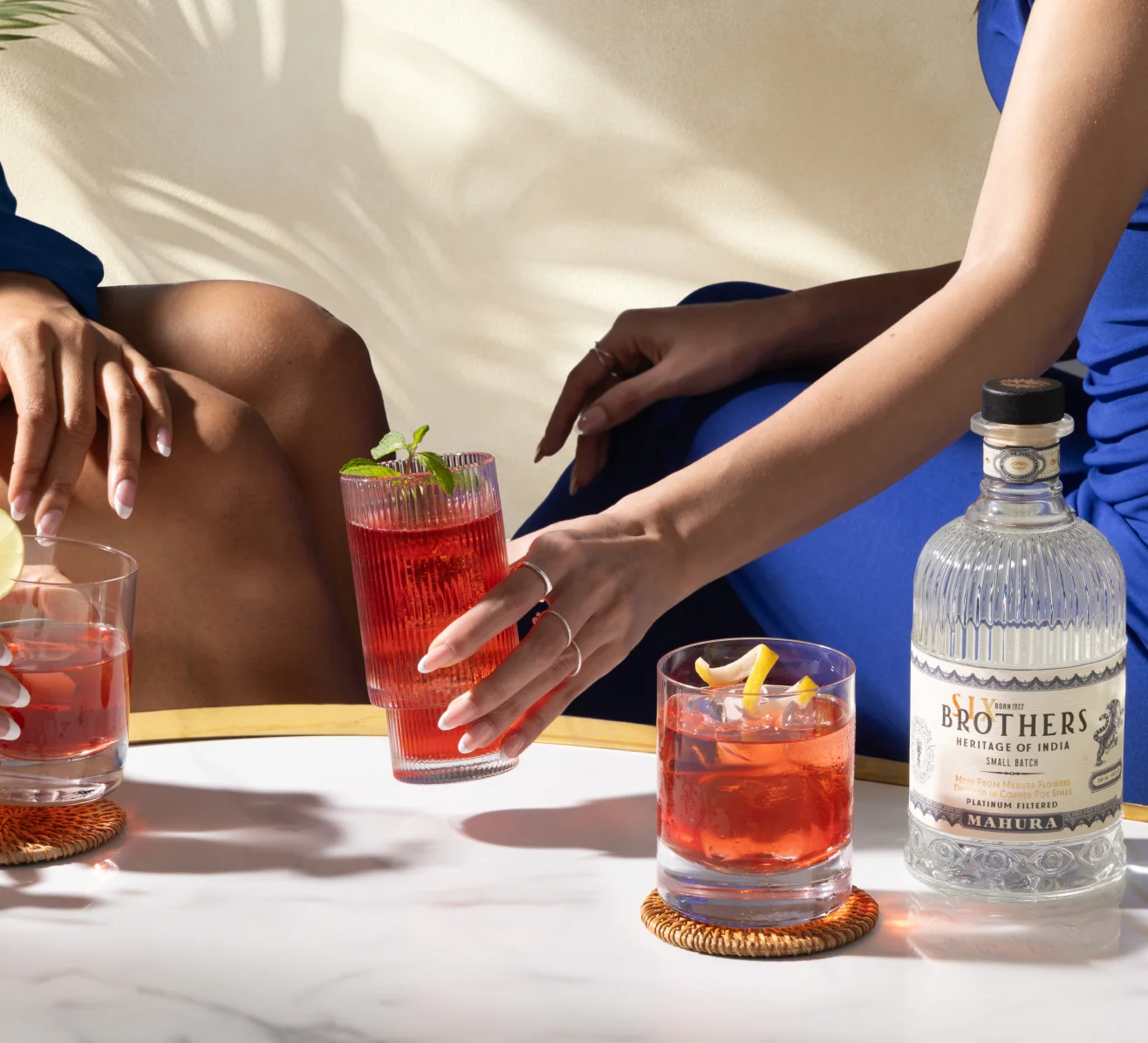
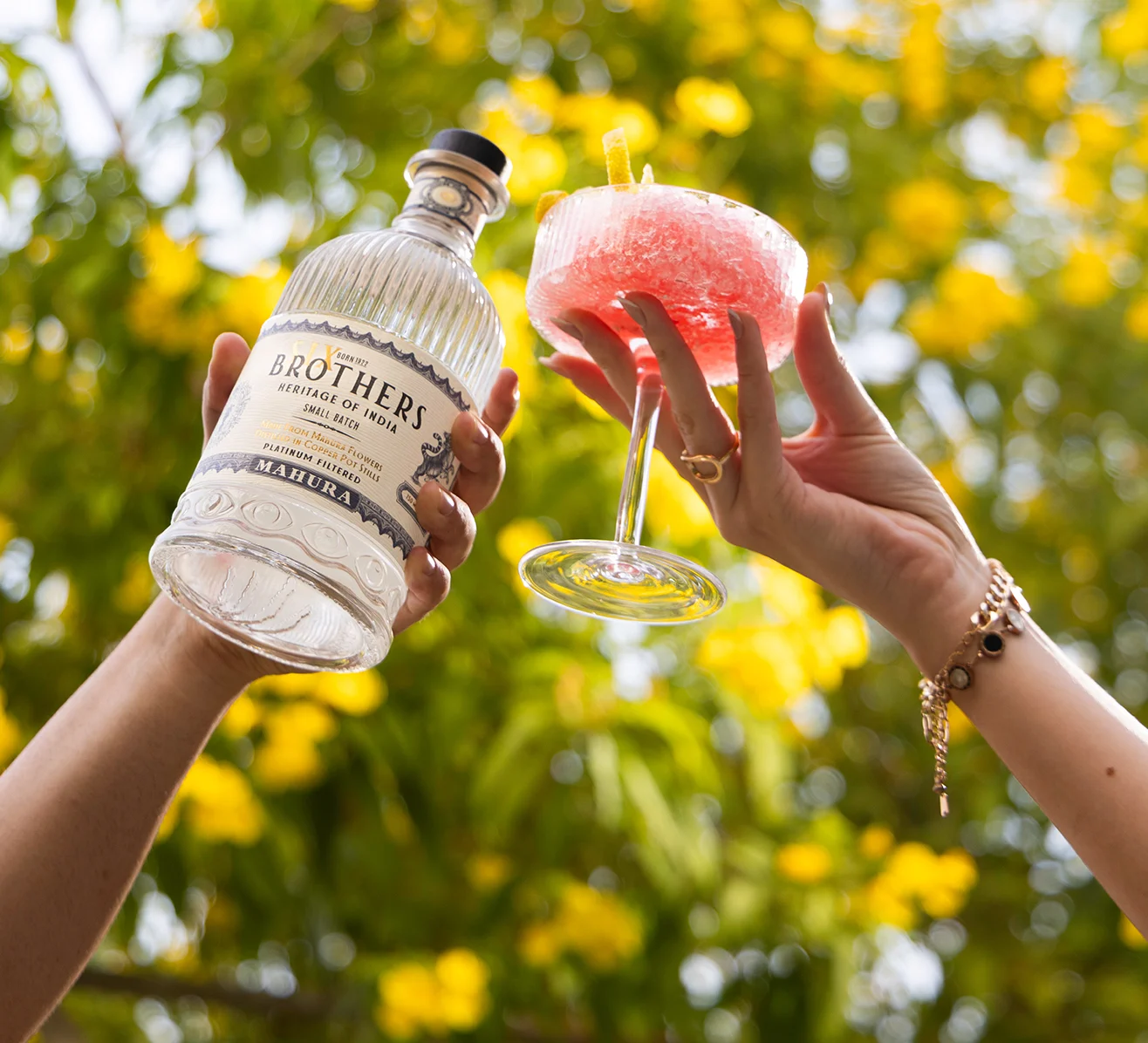
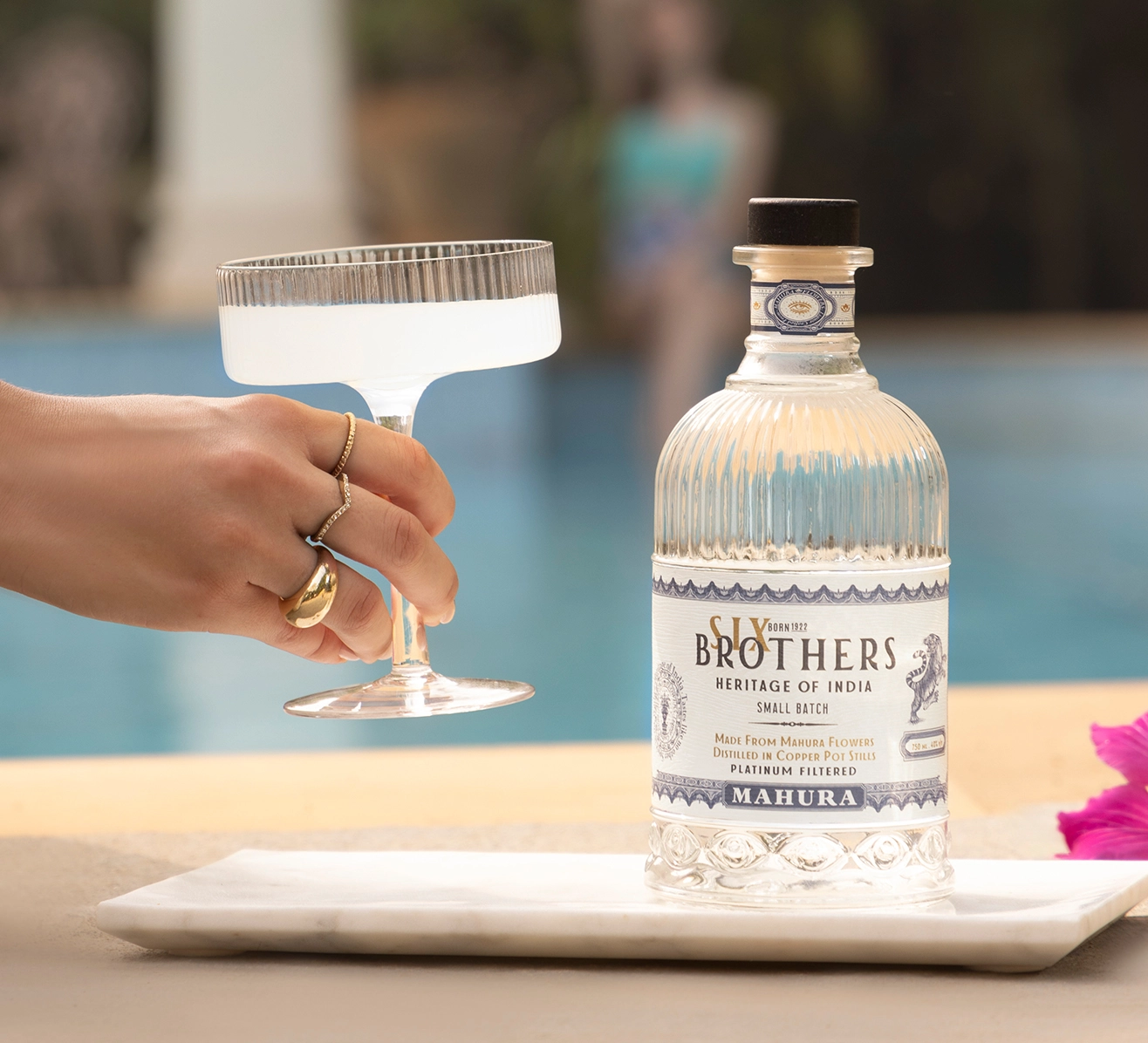
As awareness grows and premium production standards improve, Mahua-based spirits are finding a place in curated bars and luxury gifting segments.
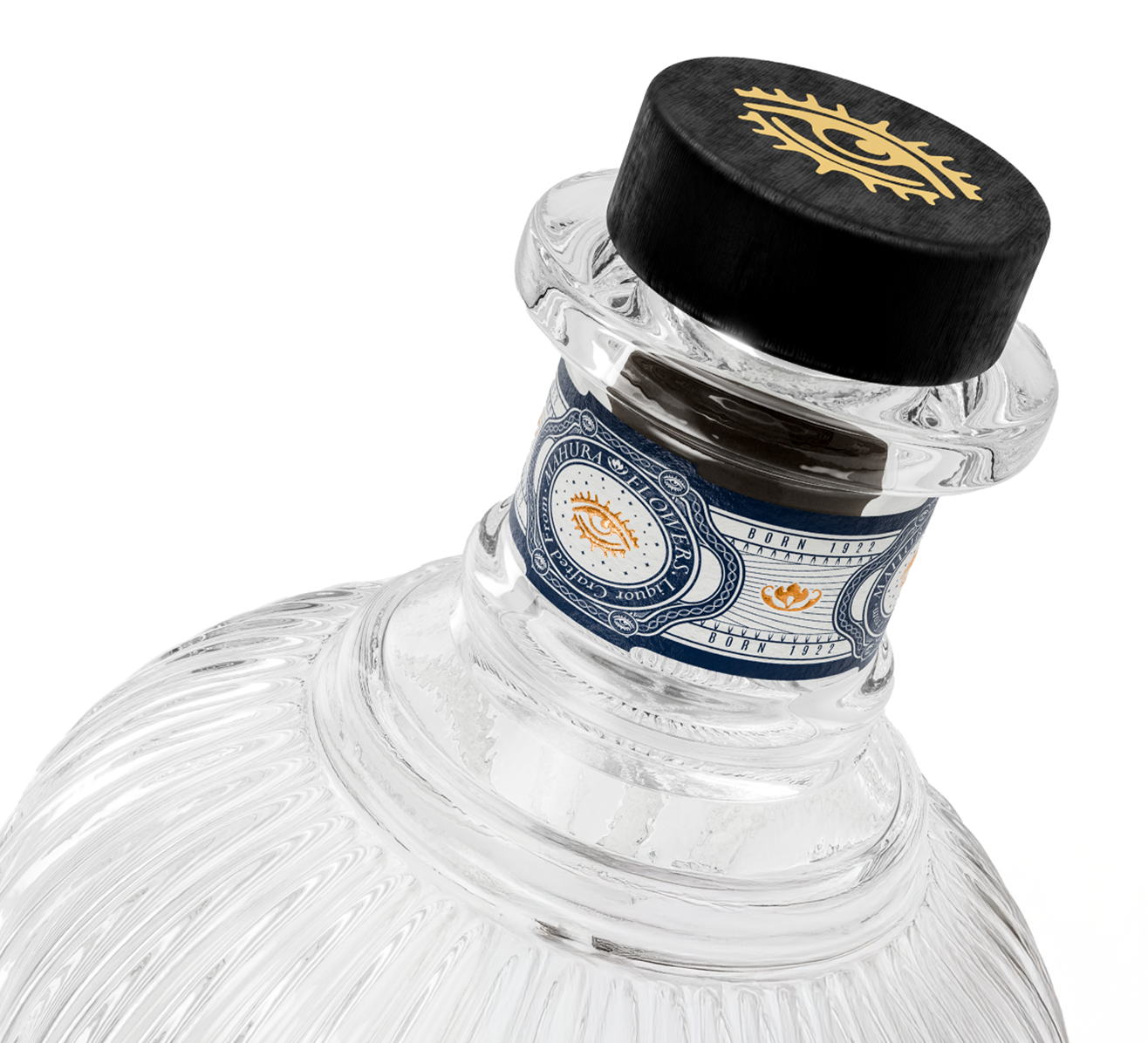
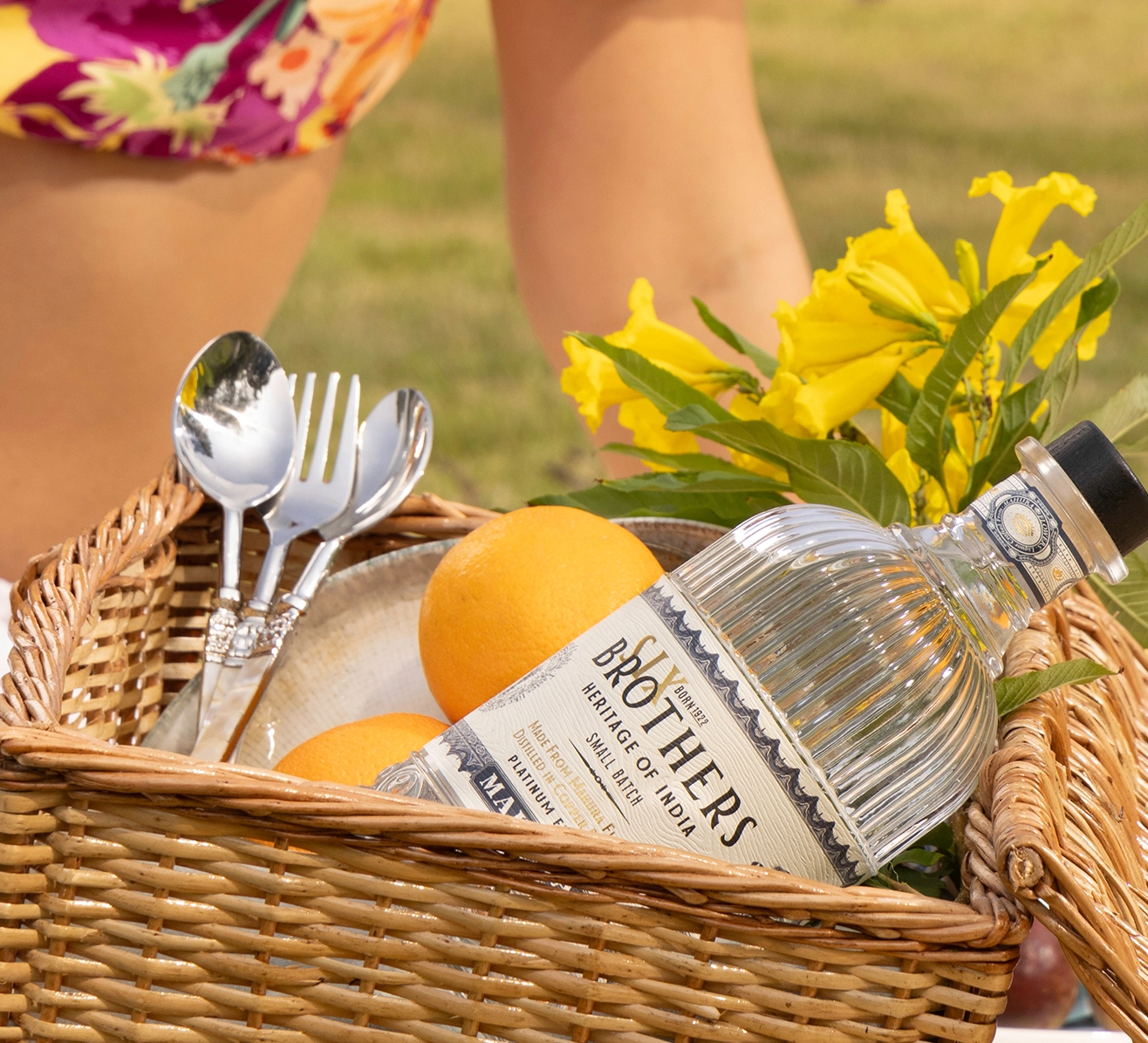
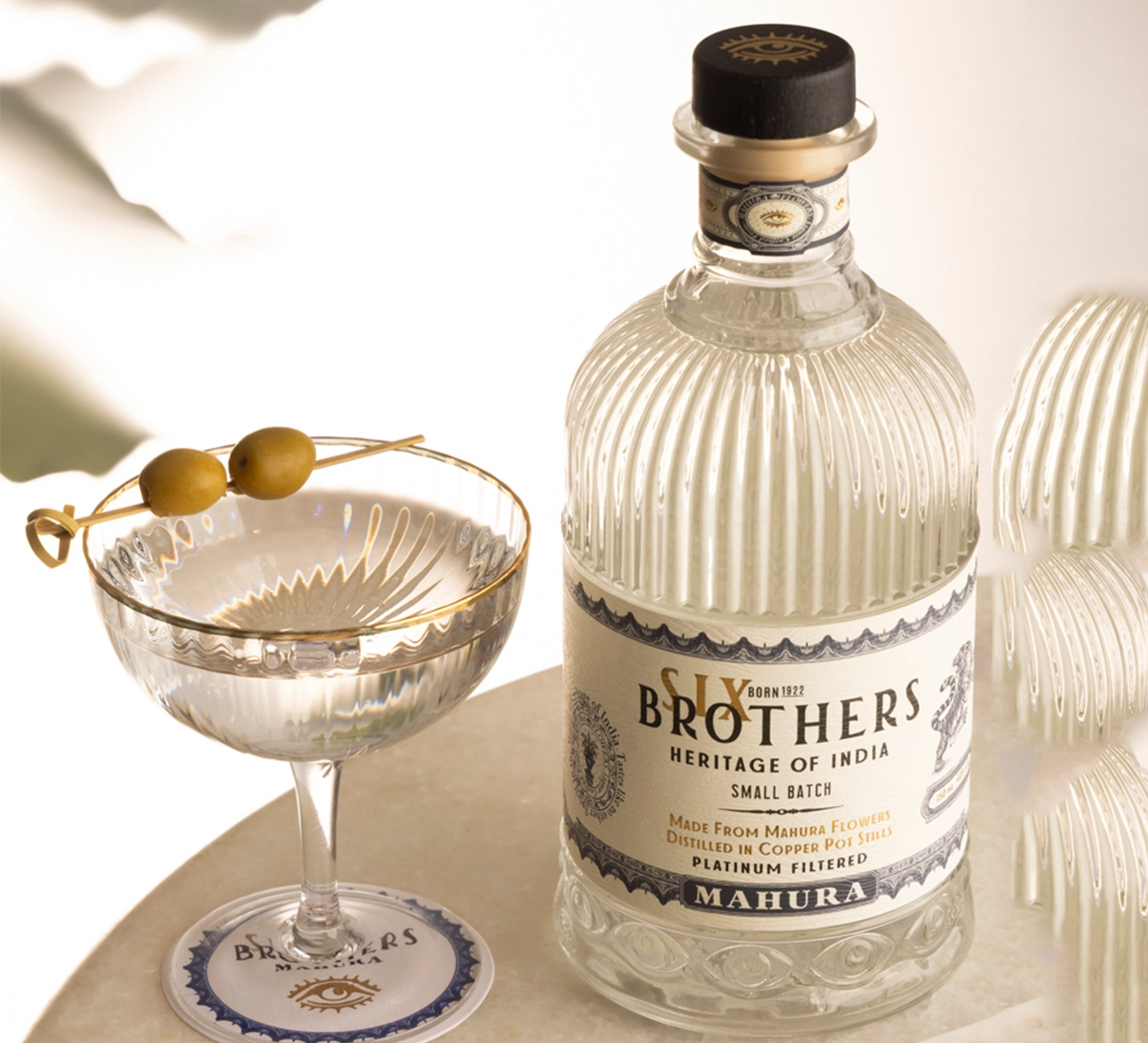
Six Brothers Mahura stands as an example of how a traditional ingredient can be reimagined without losing its roots. By respecting the source and refining the process, the brand connects the Madhuka plant’s long history with today’s evolving premium liquor landscape.
From soil to spirit, the Mahua plant continues to prove its value practical, cultural, and now, premium.
The Mahua plant, also known as the Madhuka plant, is a large deciduous tree native to India. It is valued for its flowers, seeds, and long lifespan, and plays an important role in rural economies.
The scientific name of the Mahua plant is Madhuca longifolia.
The Mahua plant is used for:
Mahua flowers are naturally rich in sugars, which makes them useful for fermentation and certain traditional food preparations. They have long served as a seasonal energy source in rural diets.
Yes. The natural sugar content in Mahua flowers makes them suitable for fermentation and distillation into spirit. Modern production methods have refined this process to create smoother, premium-quality Mahua spirits.
Mahua trees take several years to mature and begin flowering. However, once established, they can produce flowers consistently for decades.
Mahua grows best in tropical and subtropical climates. It is drought-resistant and adapts well to dry and semi-arid conditions.
Yes, once established. Young saplings require care and watering, but mature trees are hardy and require relatively low maintenance.
Mahua is gaining renewed attention because of the rising interest in heritage-based Indian spirits. With improved distillation standards, it is now being presented in premium formats by brands like Six Brothers Mahura.
A premium Mahua spirit depends on careful flower selection, hygienic processing, controlled fermentation, and refined distillation. Brands such as Six Brothers Mahura focus on these standards to deliver smoother and more consistent quality.