
Posted on 05 May 2026
India’s spirits landscape is going through a quiet but important shift.
For years, the narrative was simple: traditional local spirits on one end, modern whisky on the other. Now, those lines are starting to blur. Indigenous ingredients are entering premium categories, and global techniques are being applied to deeply local traditions.
At the center of this shift sits mahua — and everything evolving around it.
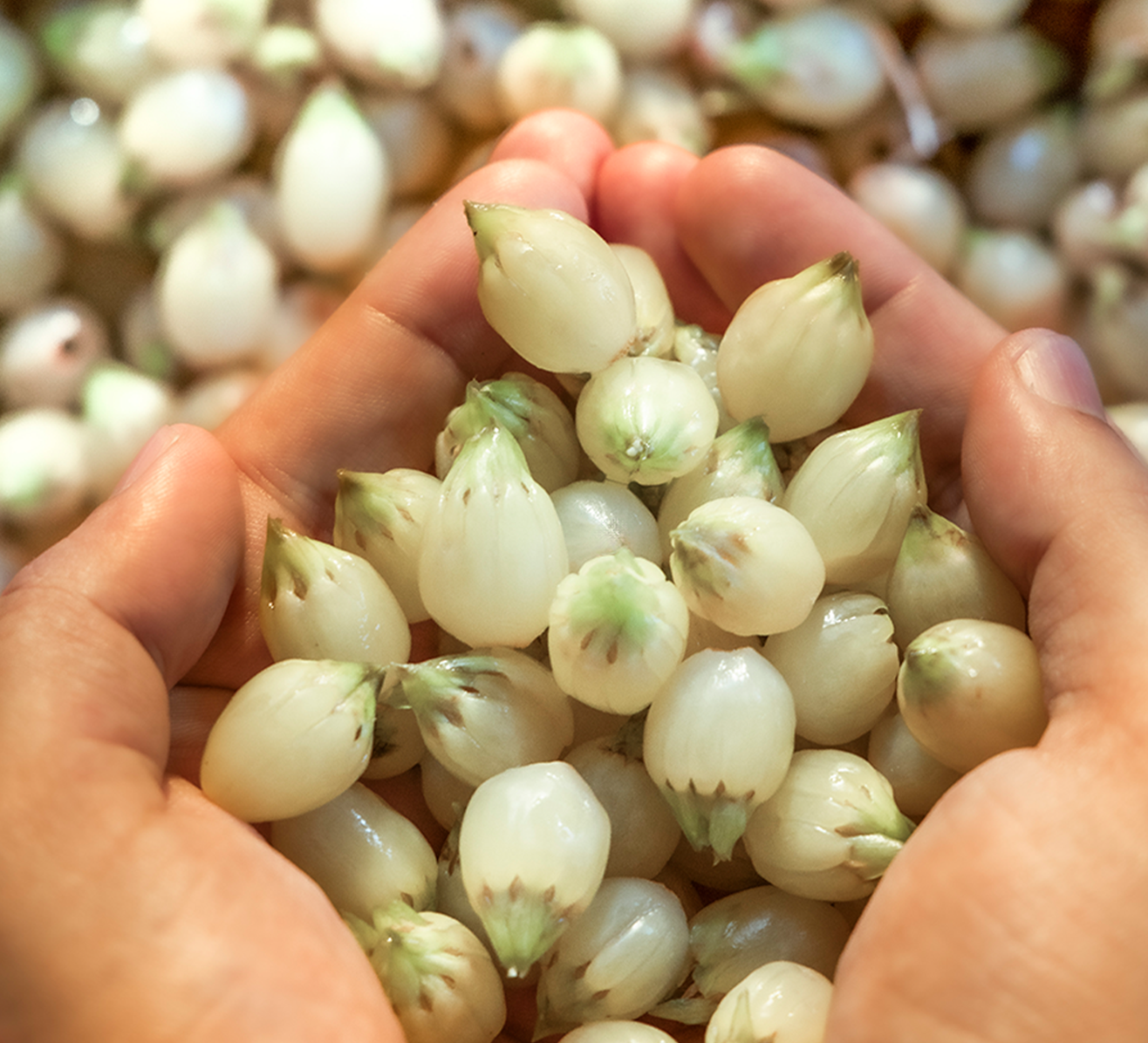
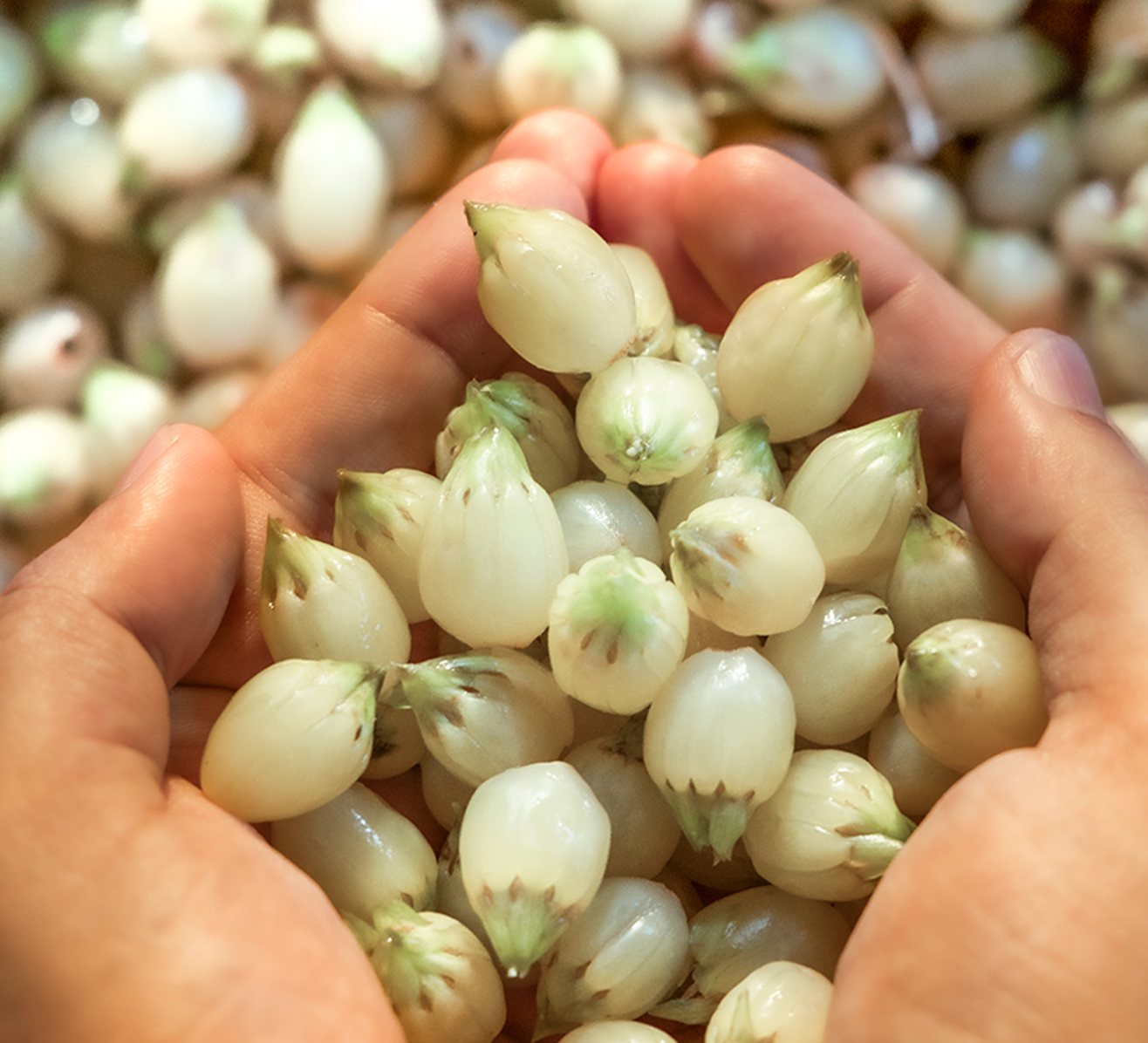
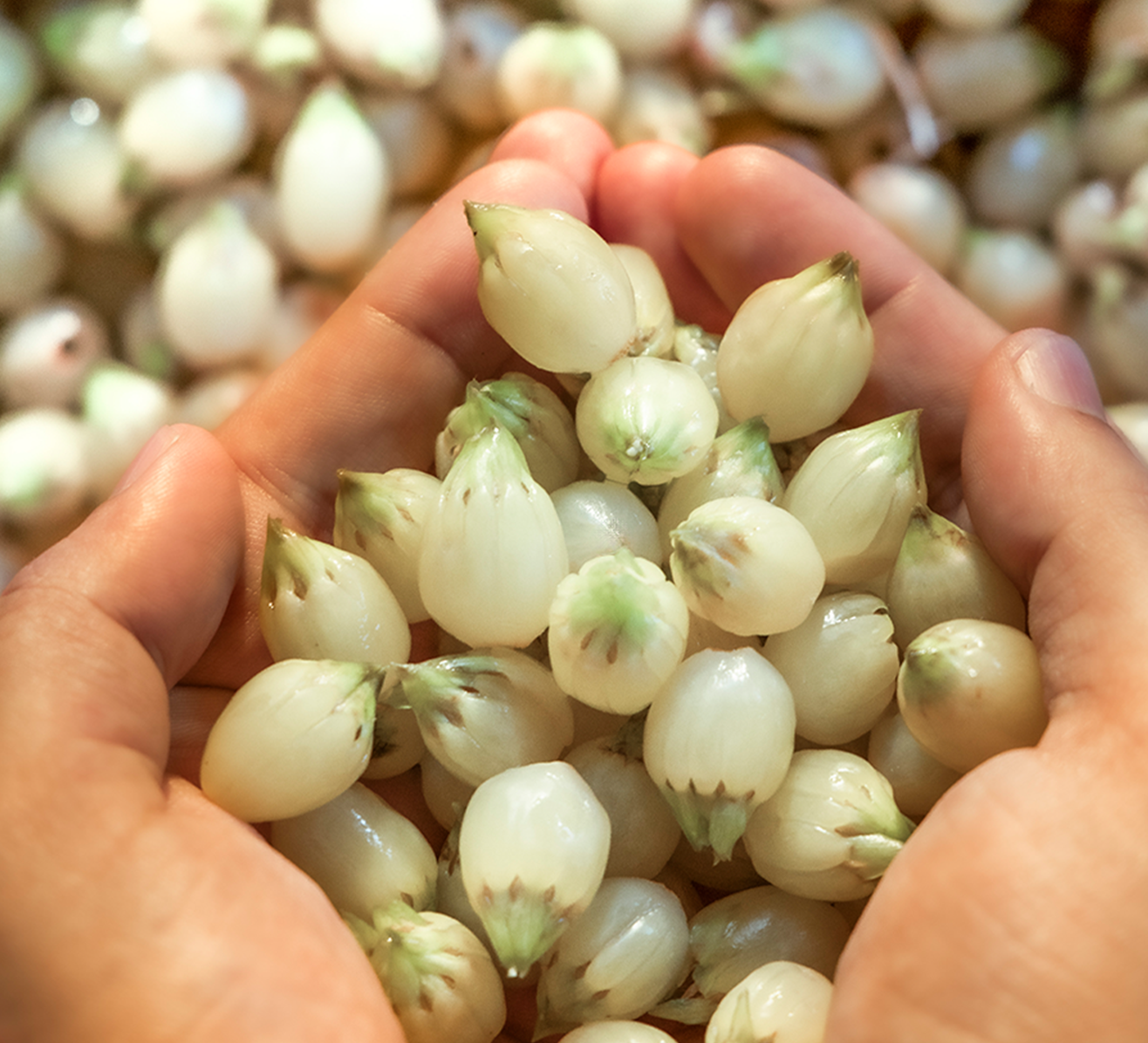
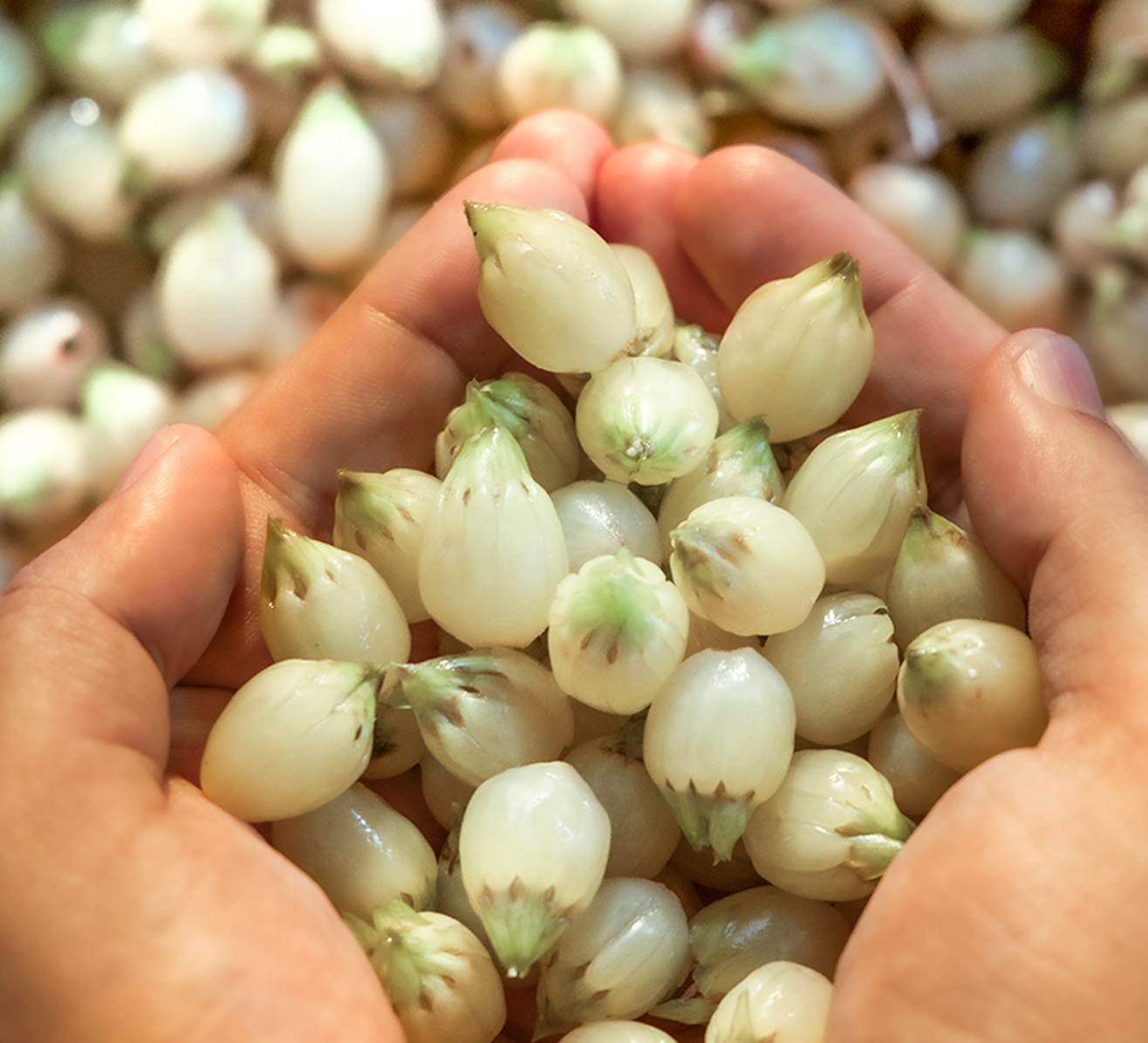
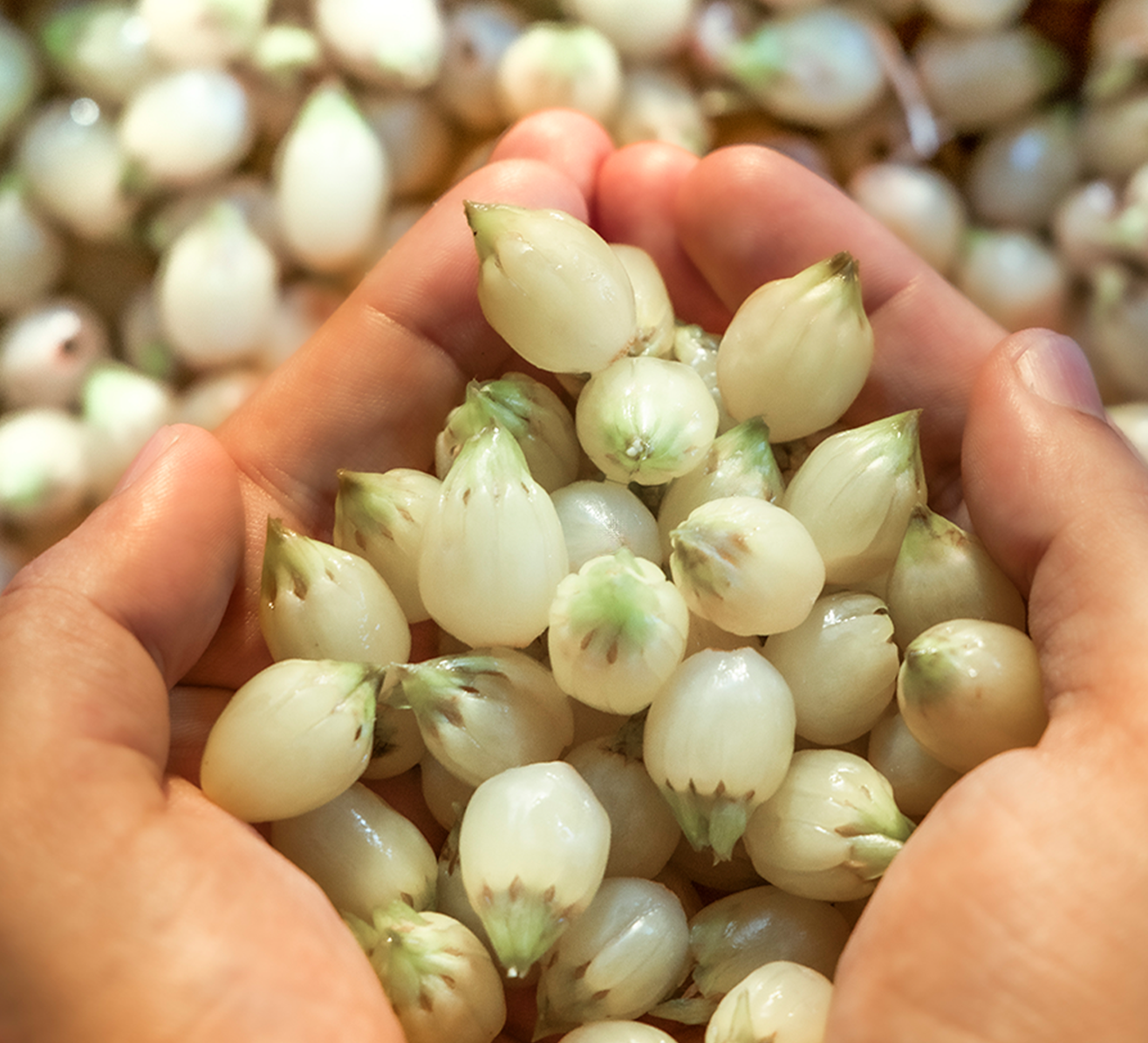
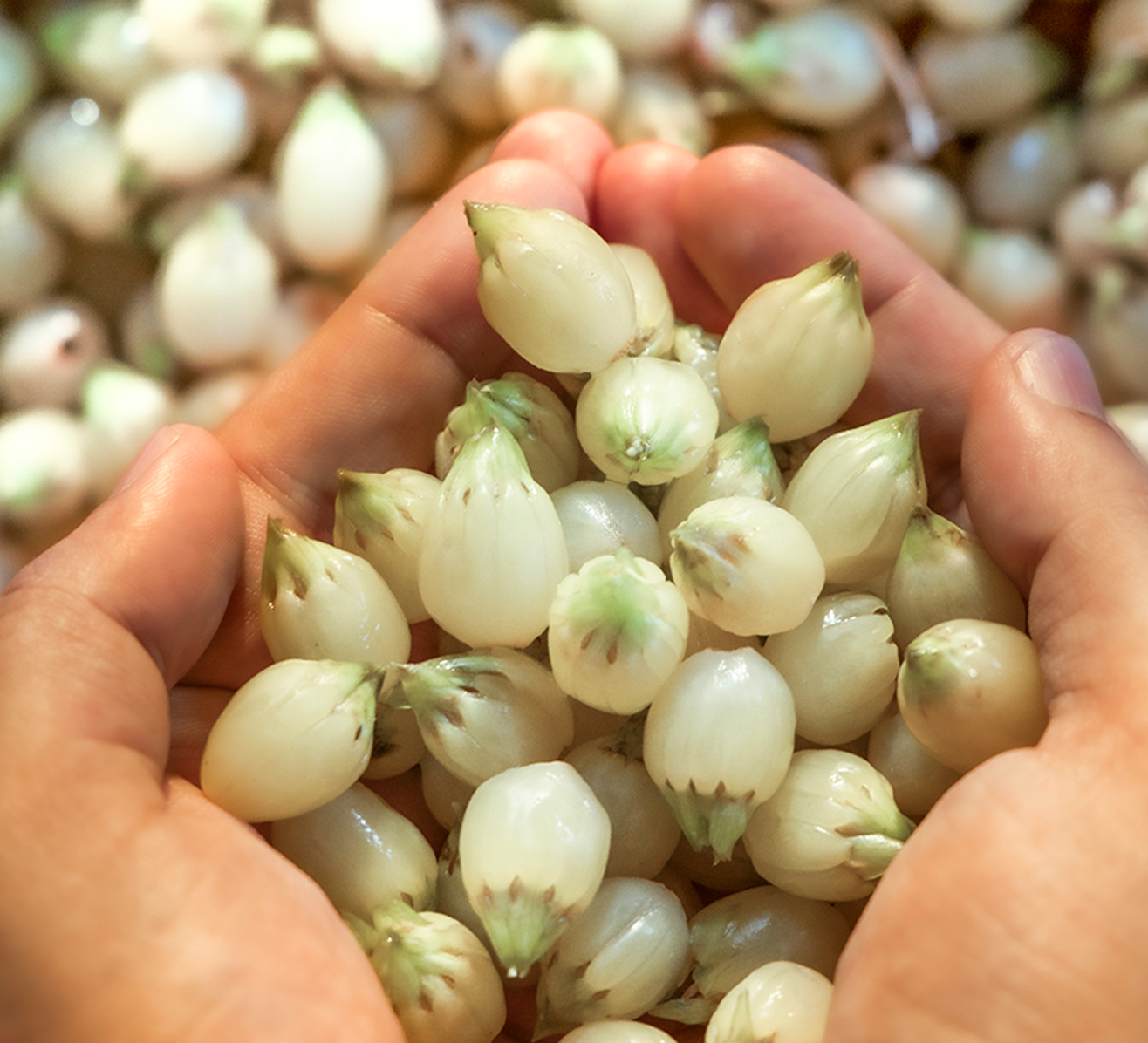
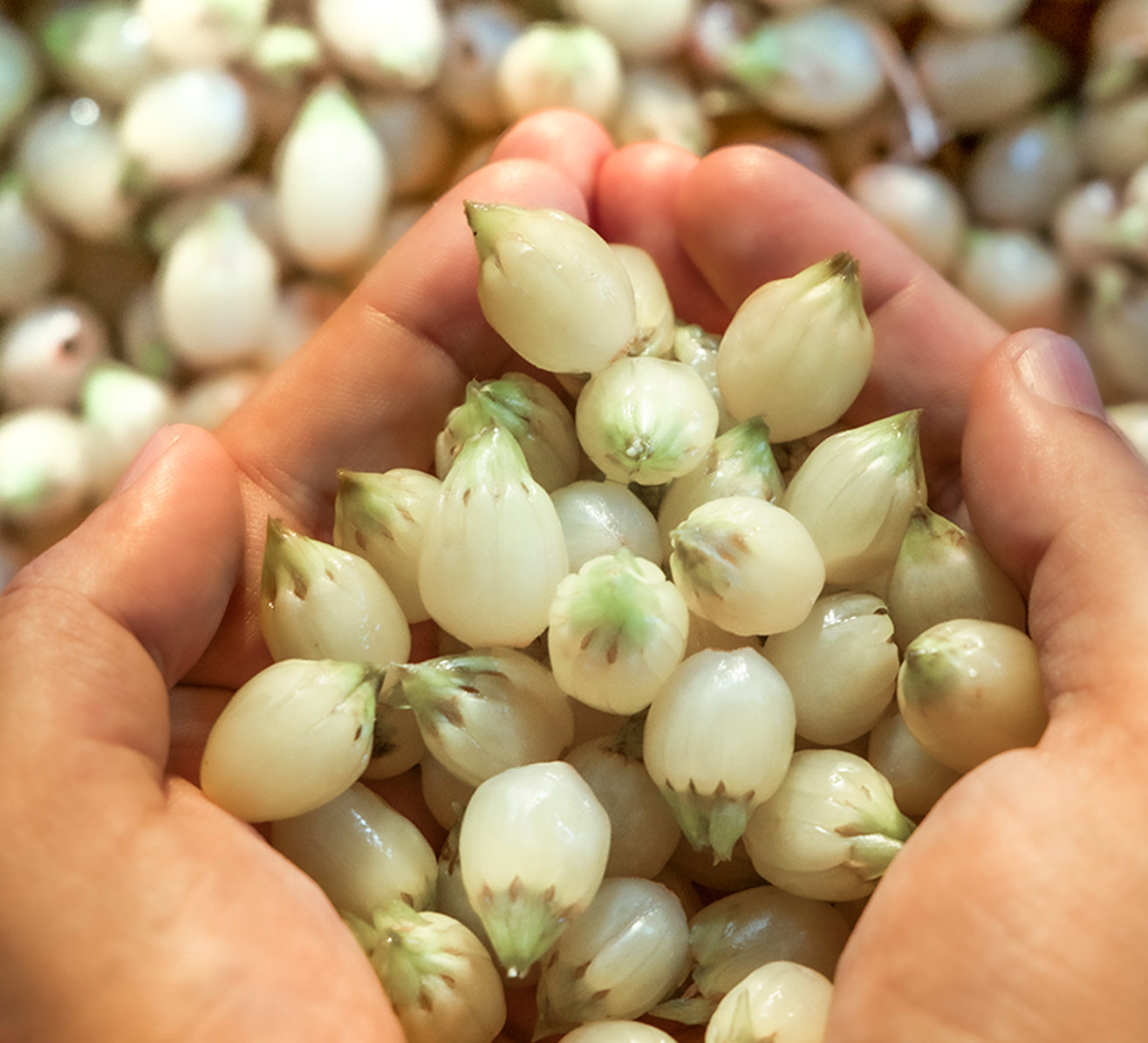
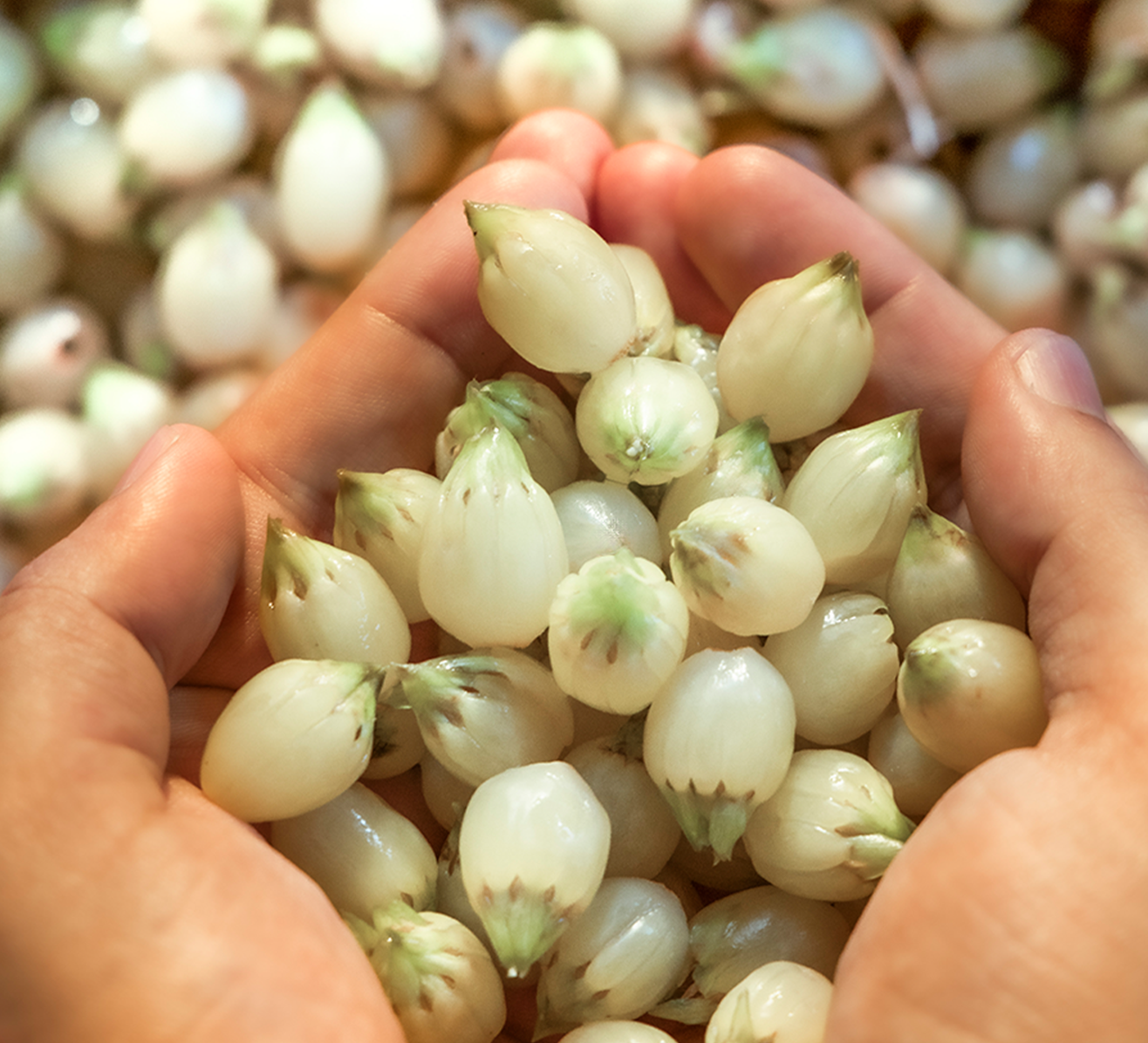
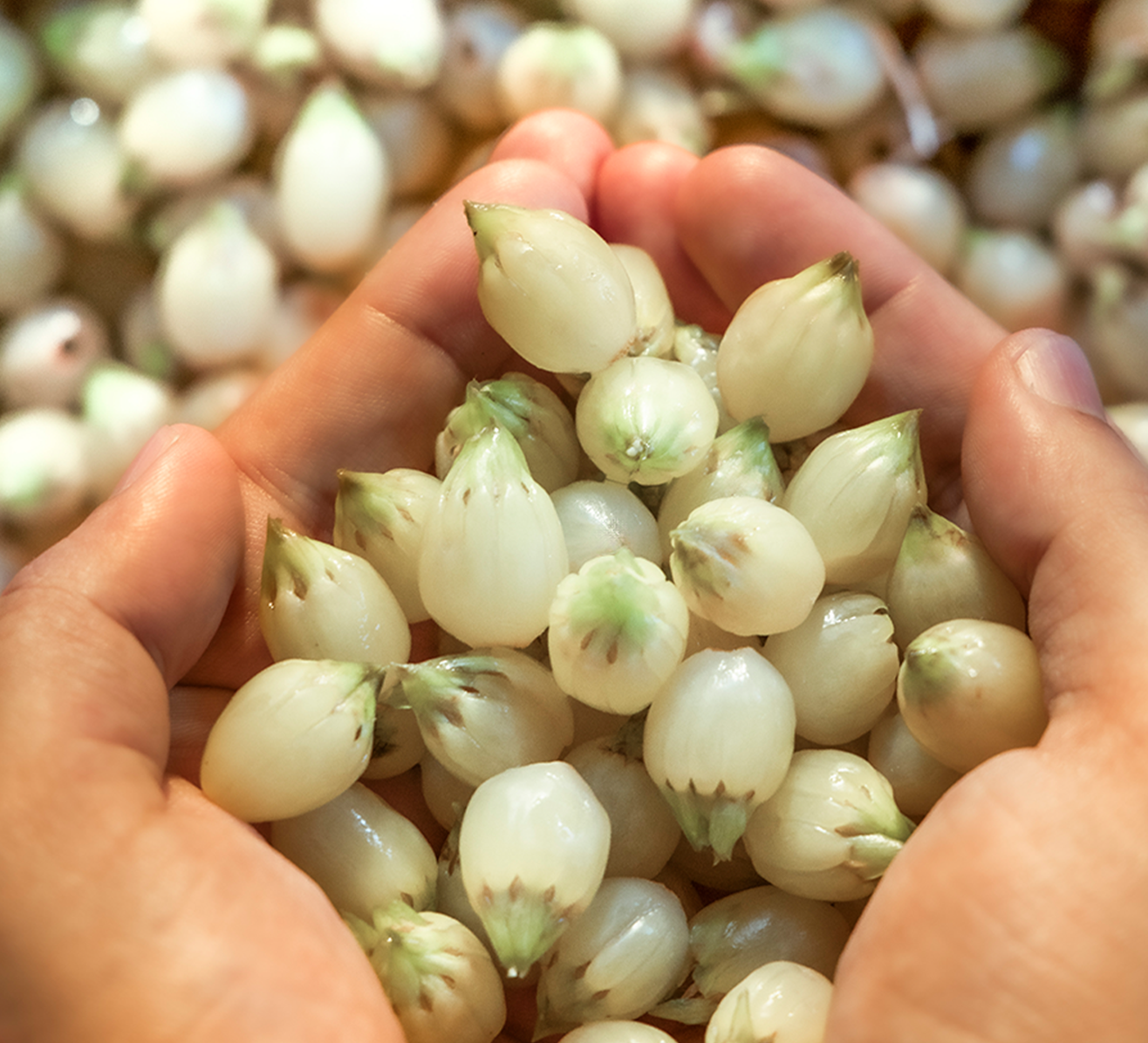
Mahua isn’t grain. It isn’t fruit in the conventional sense either.
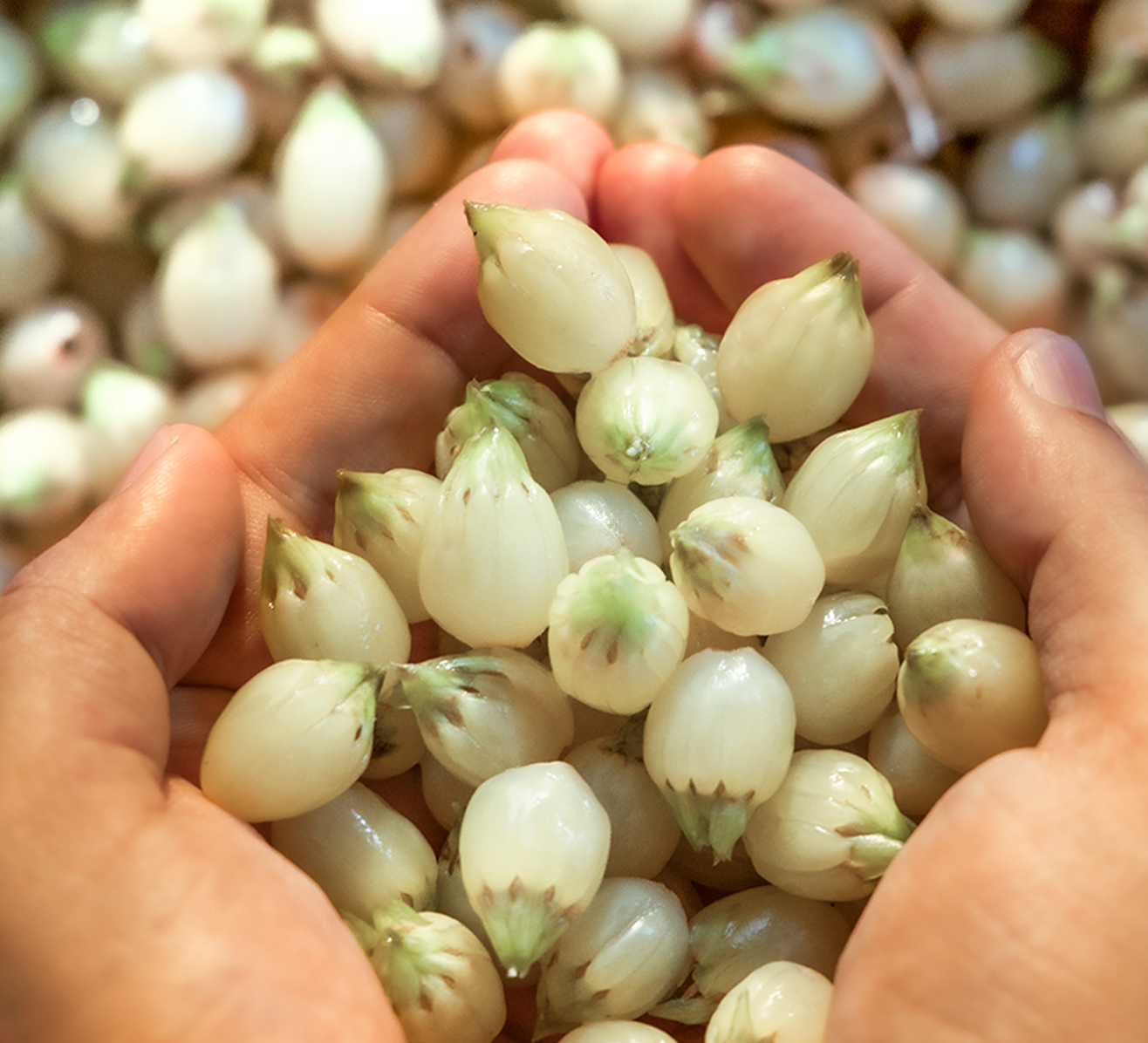
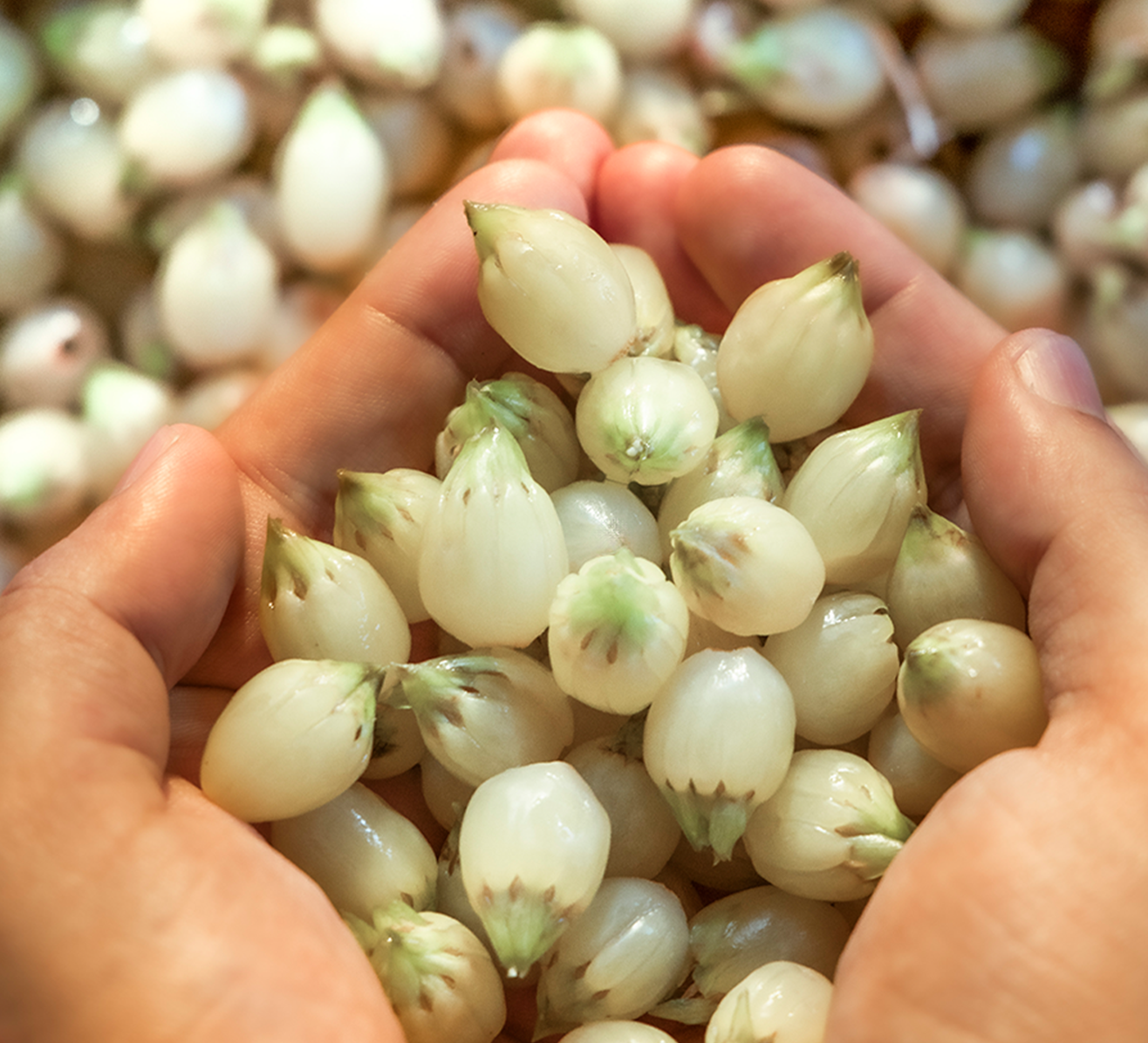
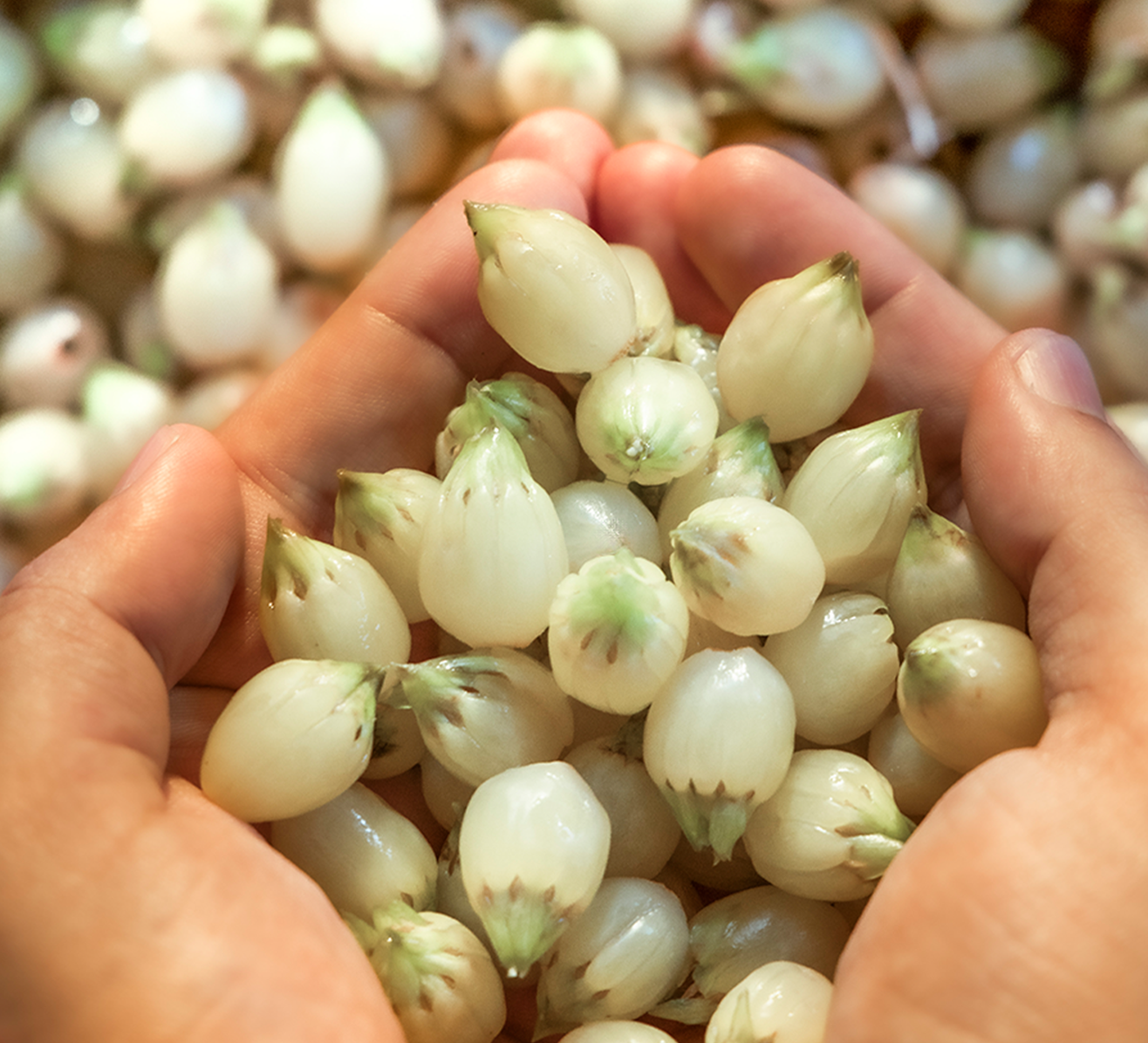
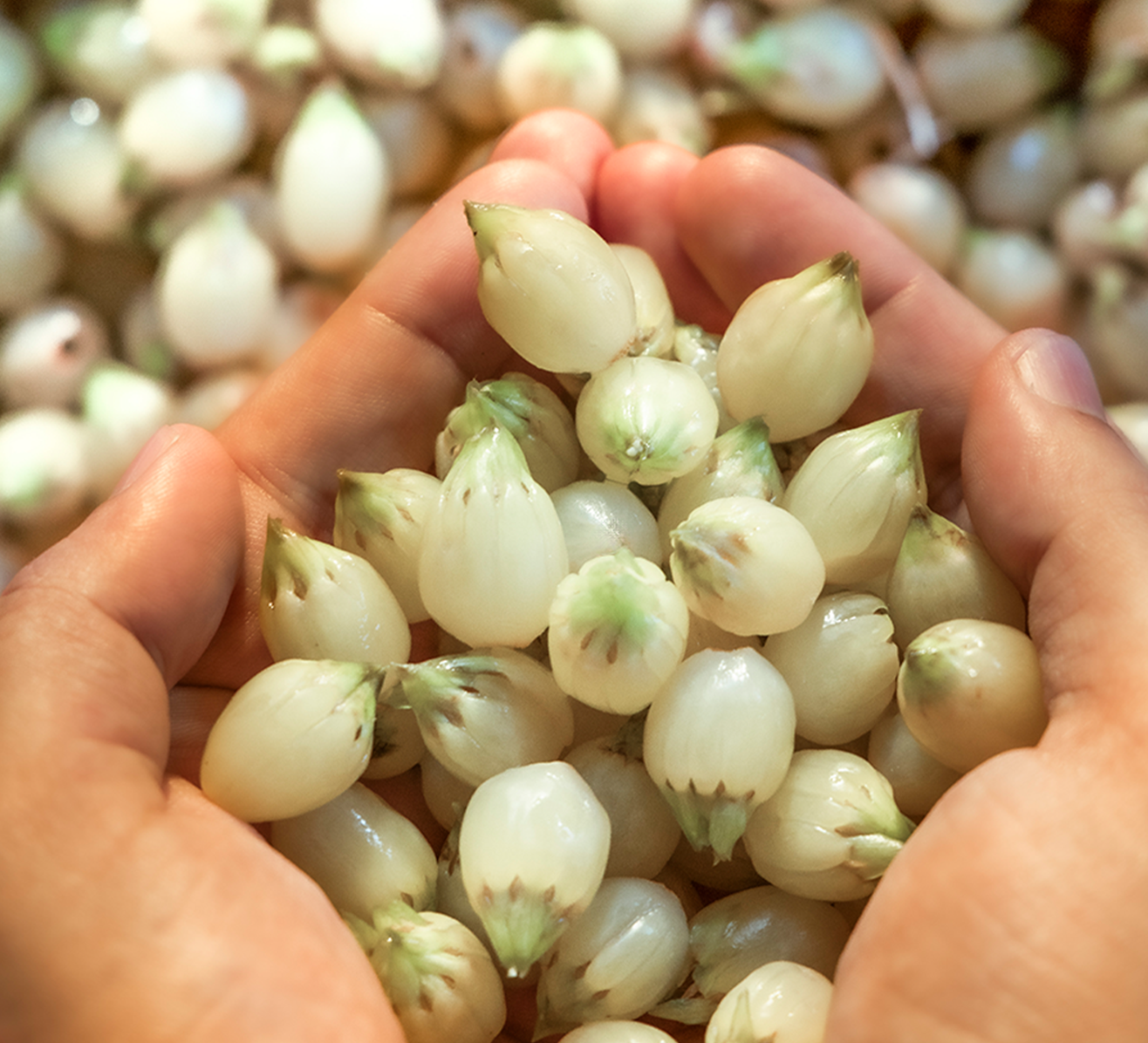
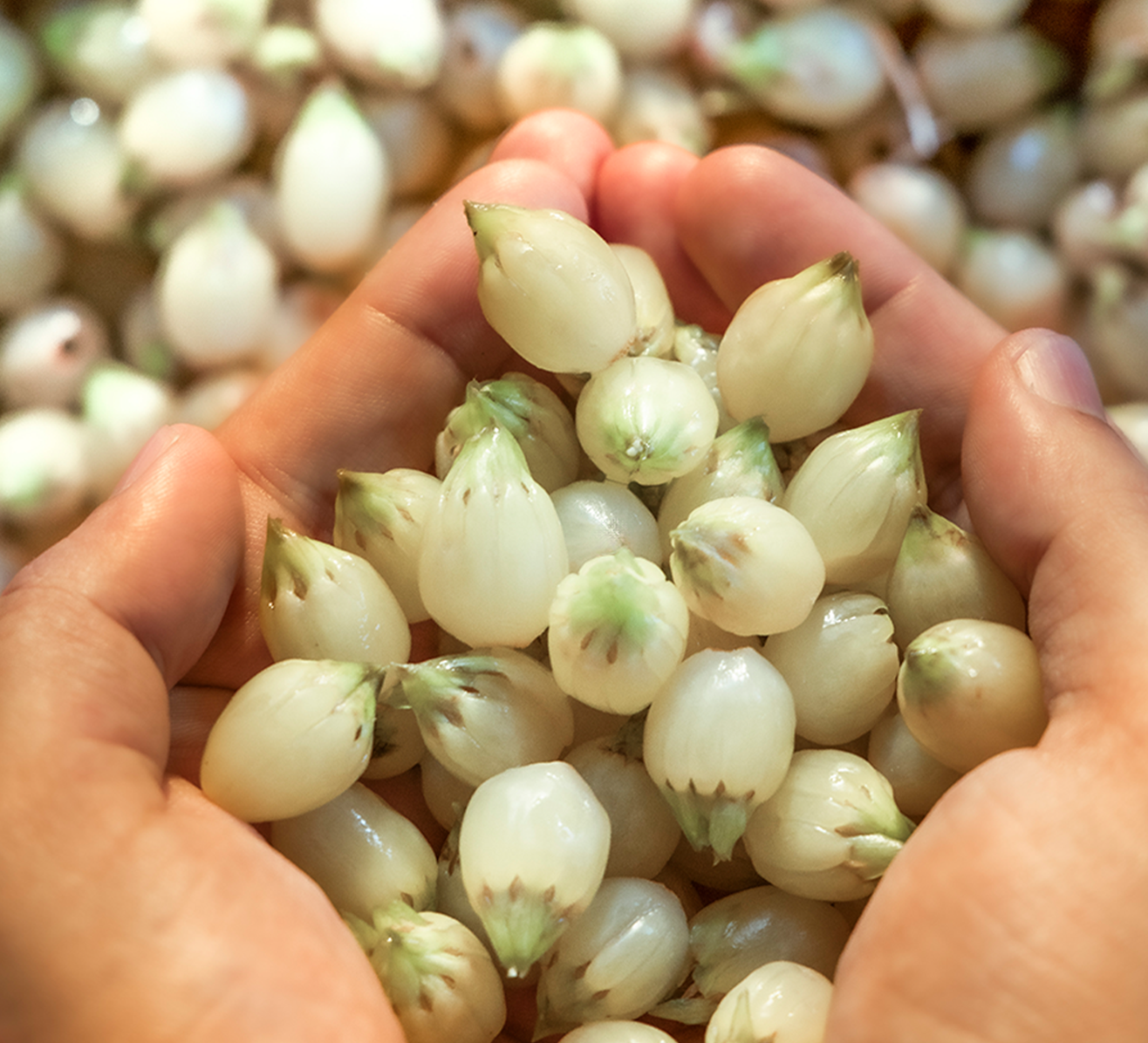
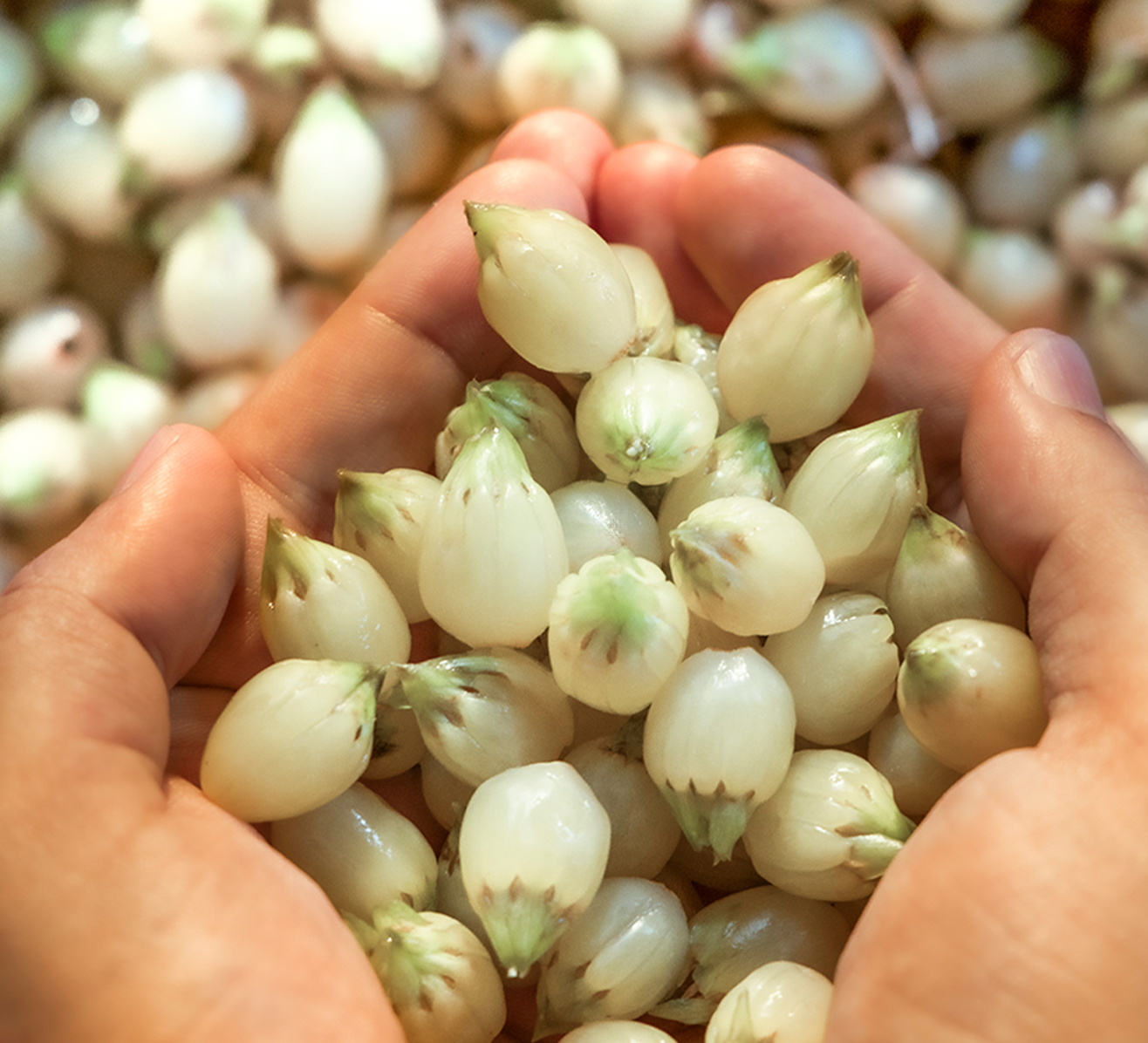
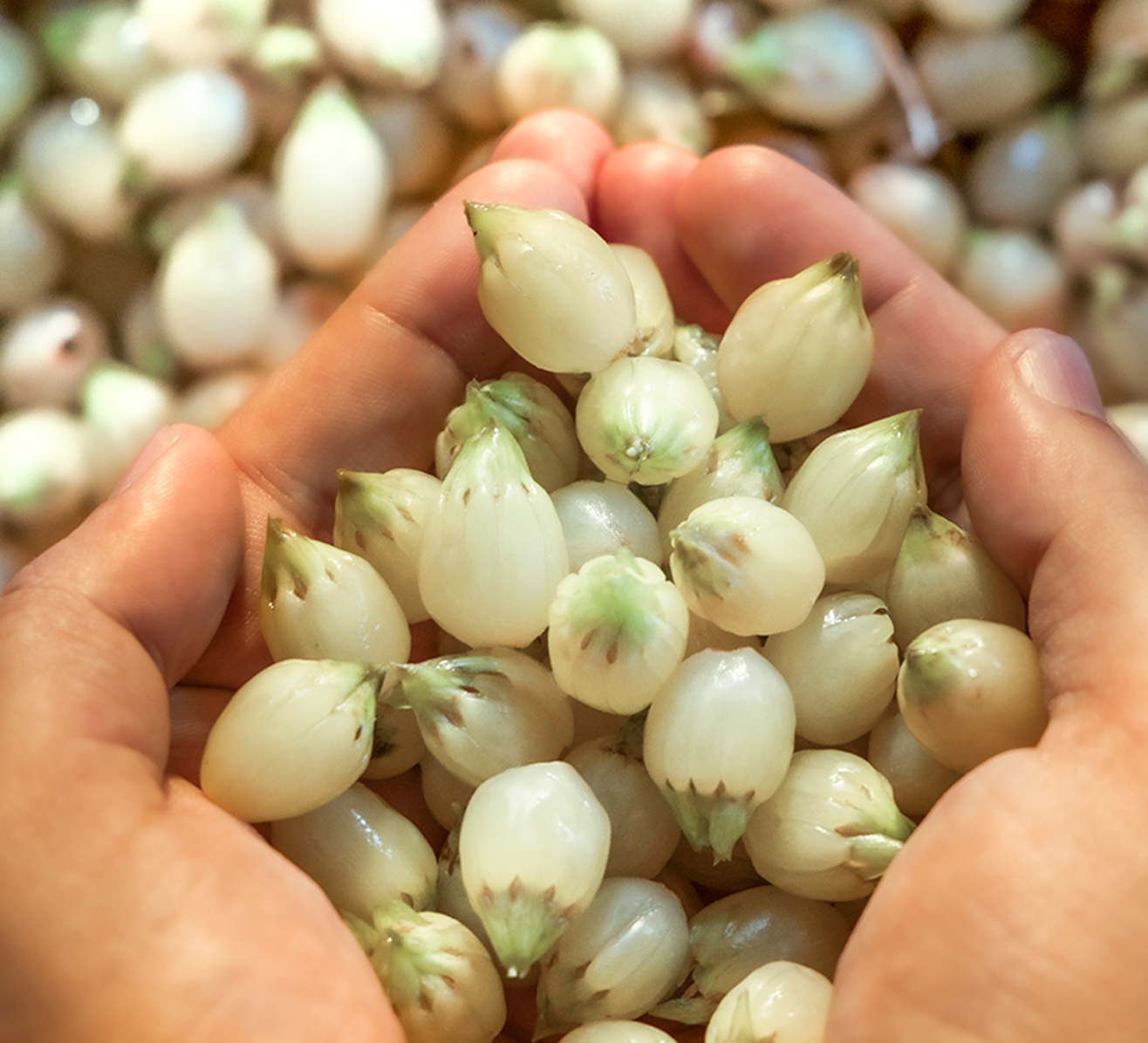
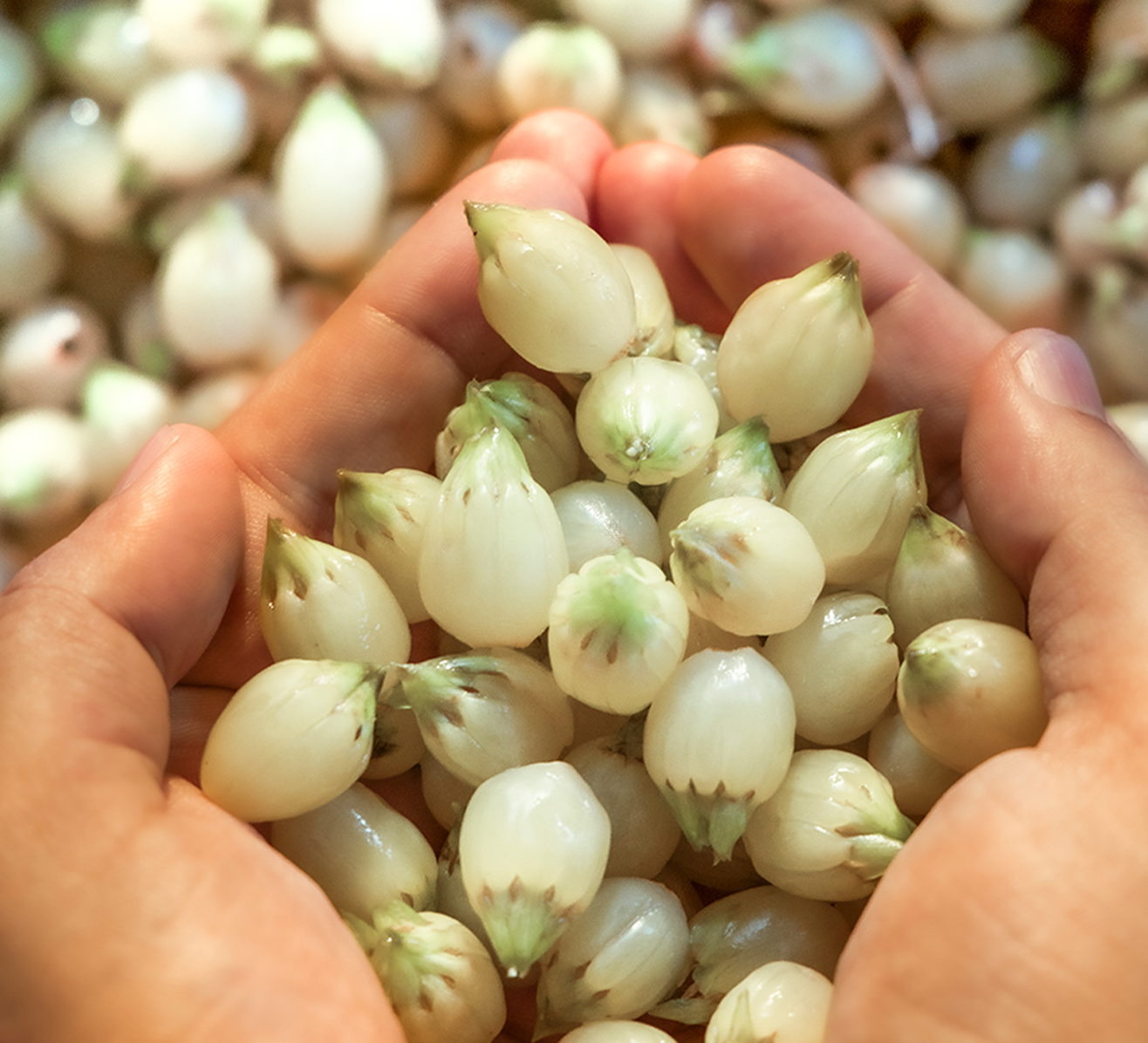
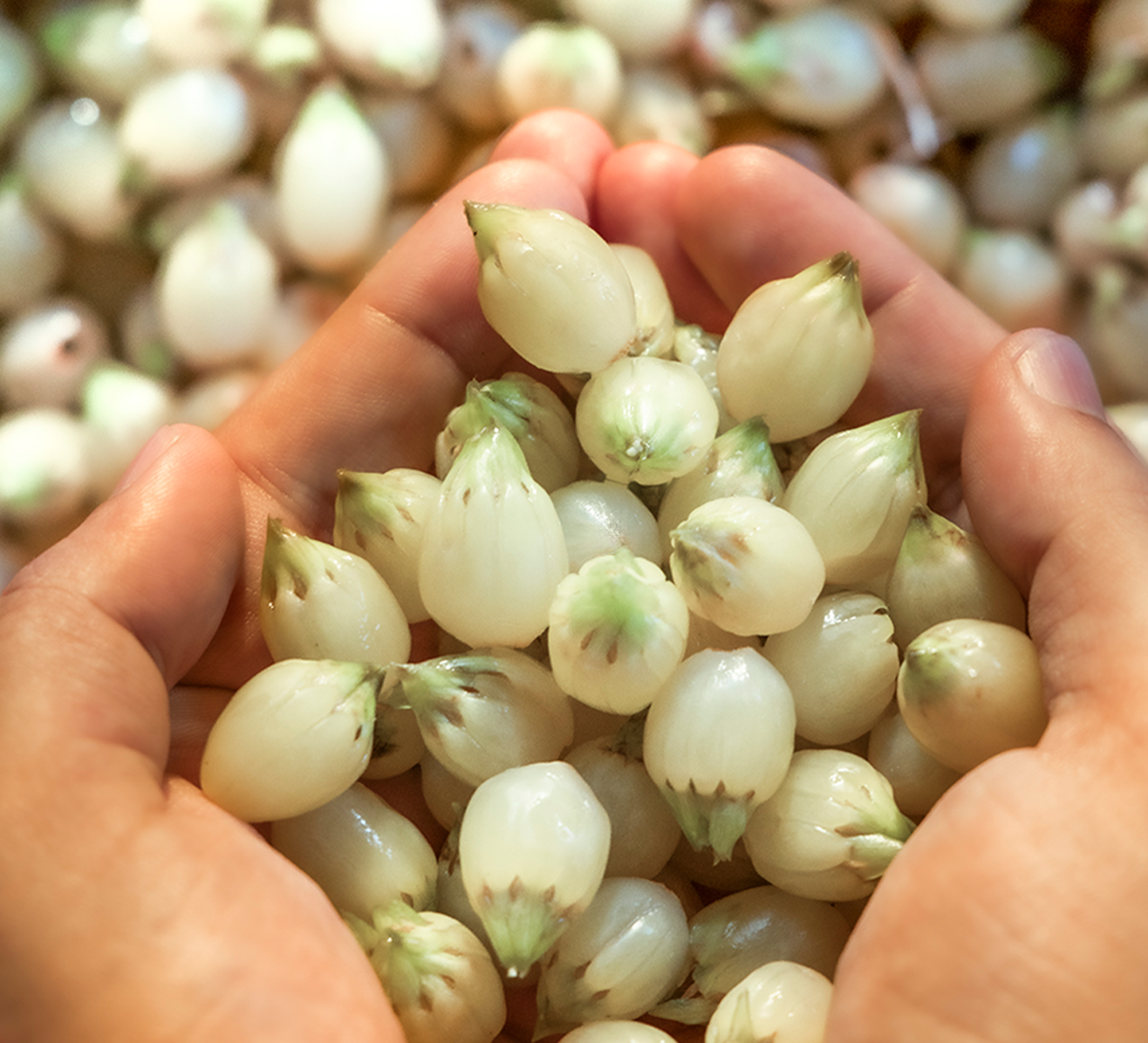
It’s a flower — naturally rich in sugars, which makes it ideal for fermentation.
Once the flowers are collected and dried, they’re:
This base changes the entire drinking experience.
Compared to grain-based spirits, mahua tends to be: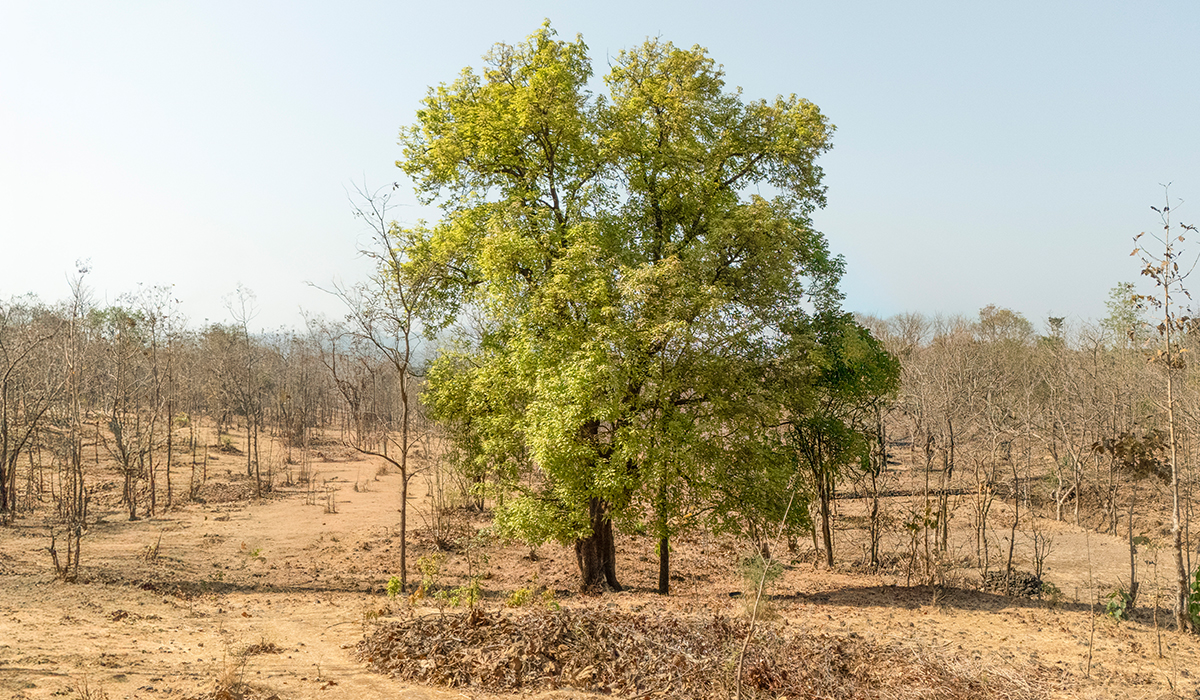
Everything traces back to one tree: Madhuca longifolia.
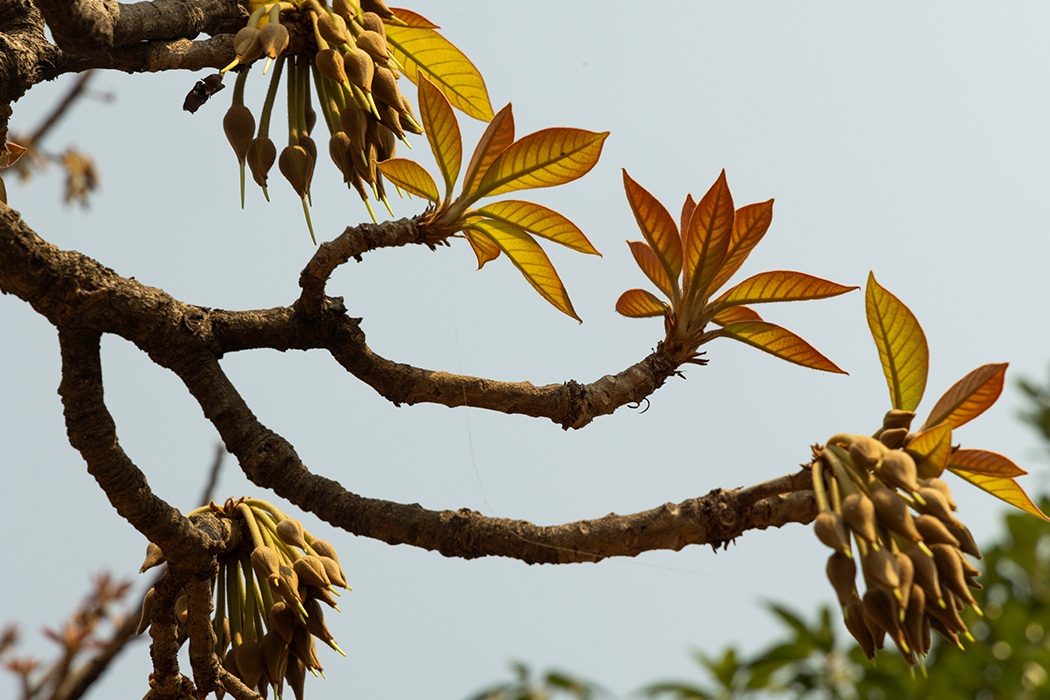
Native to India, this tree has been part of rural ecosystems for centuries. It’s not just used for alcohol — its flowers, seeds, and even bark have economic and cultural value.
From a spirits perspective, the flowers are key.
They bring:
Unlike standardized grains used in whisky production, mahua introduces an element of nature that can’t be fully controlled. That unpredictability, when managed well, becomes a strength rather than a flaw.
Turning a traditional spirit into a commercially viable product isn’t straightforward.

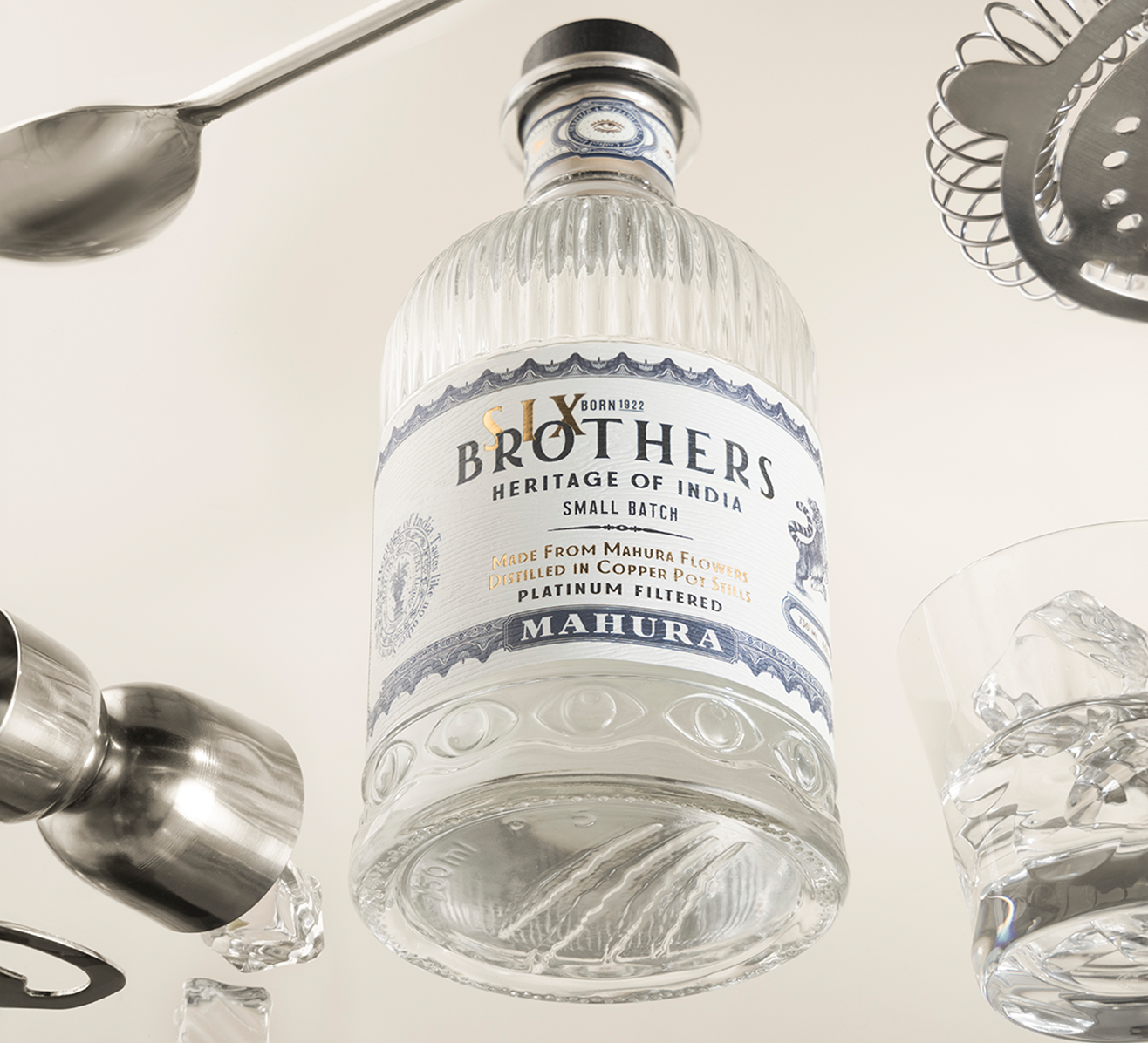
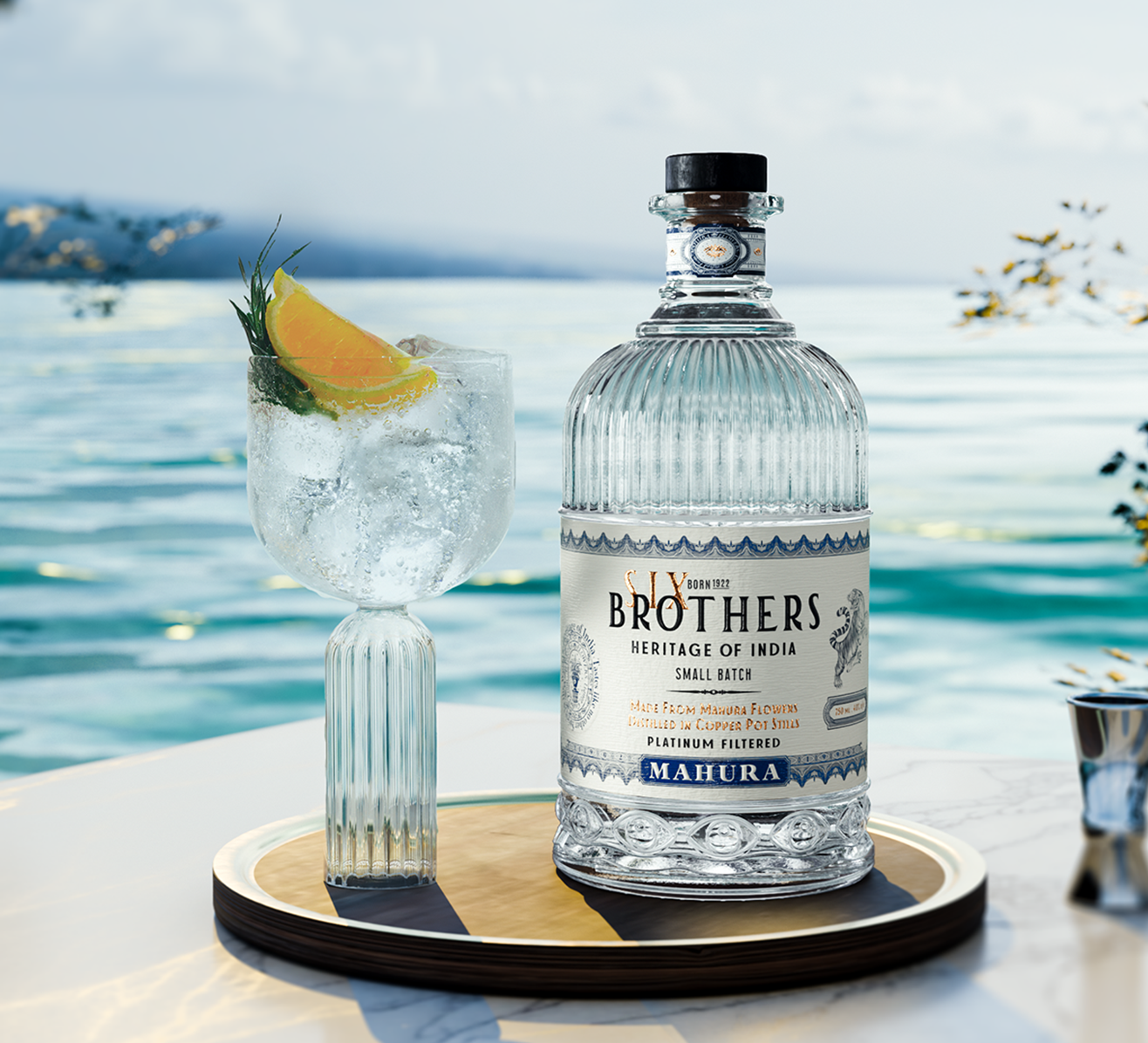
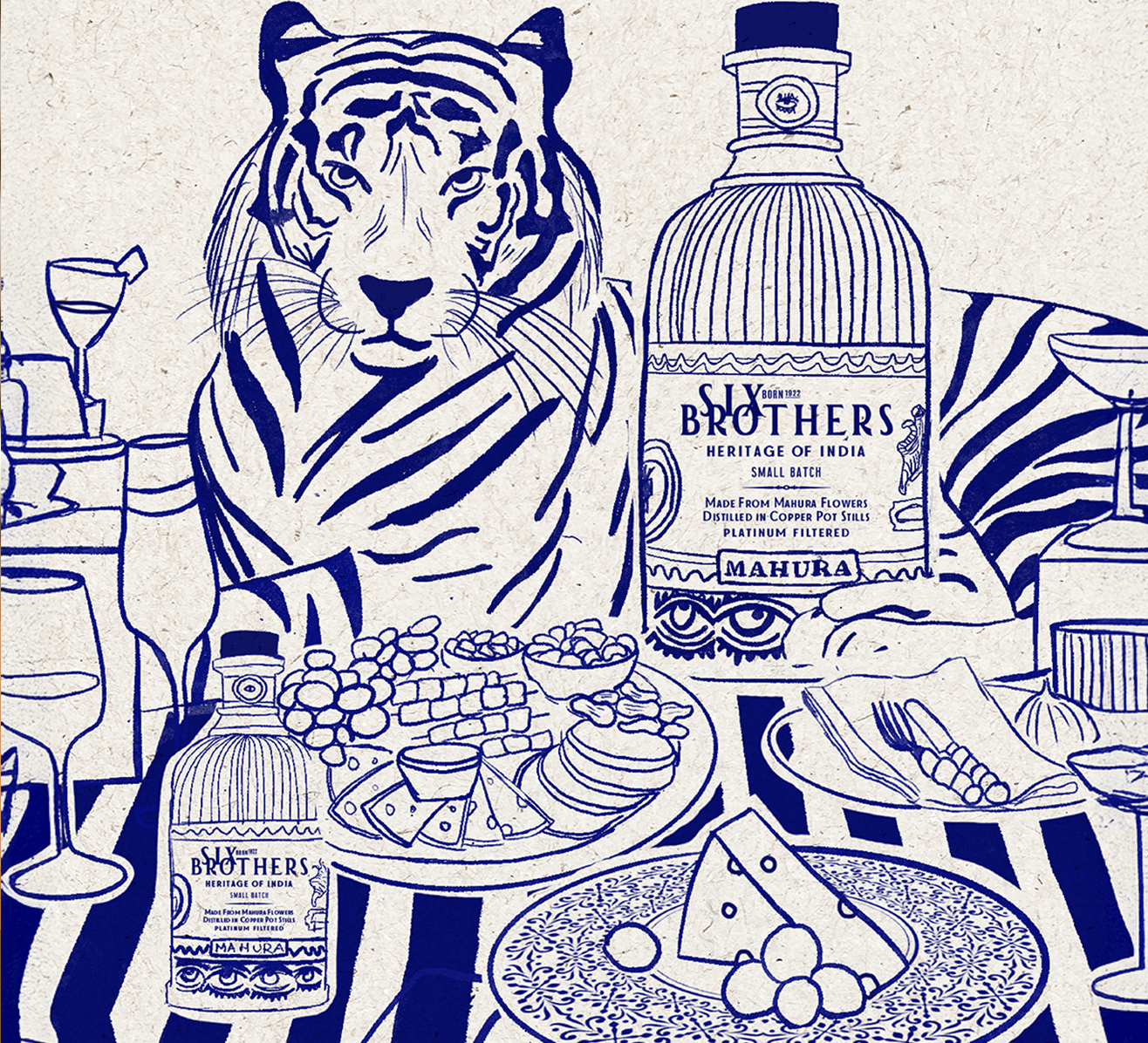
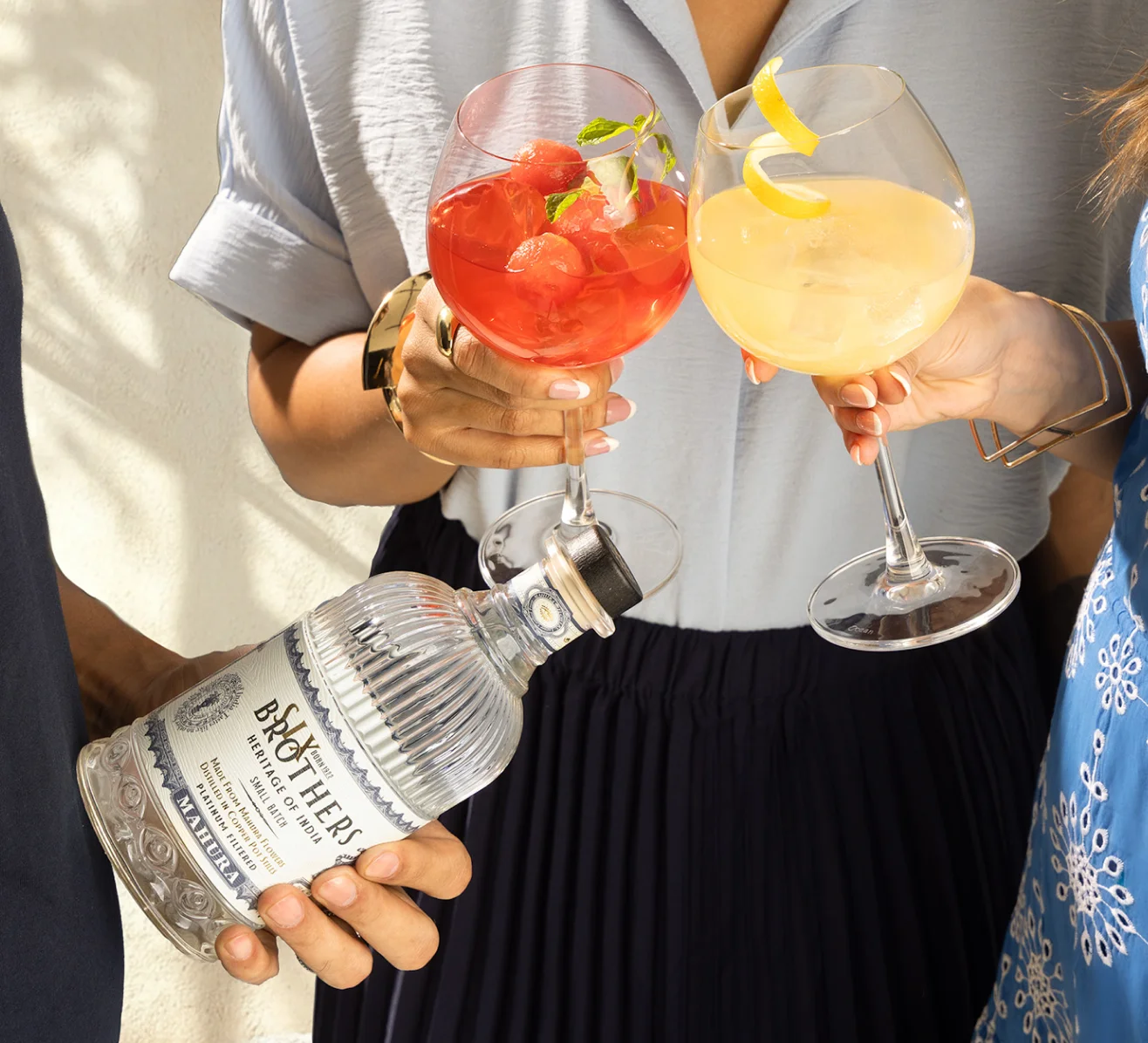
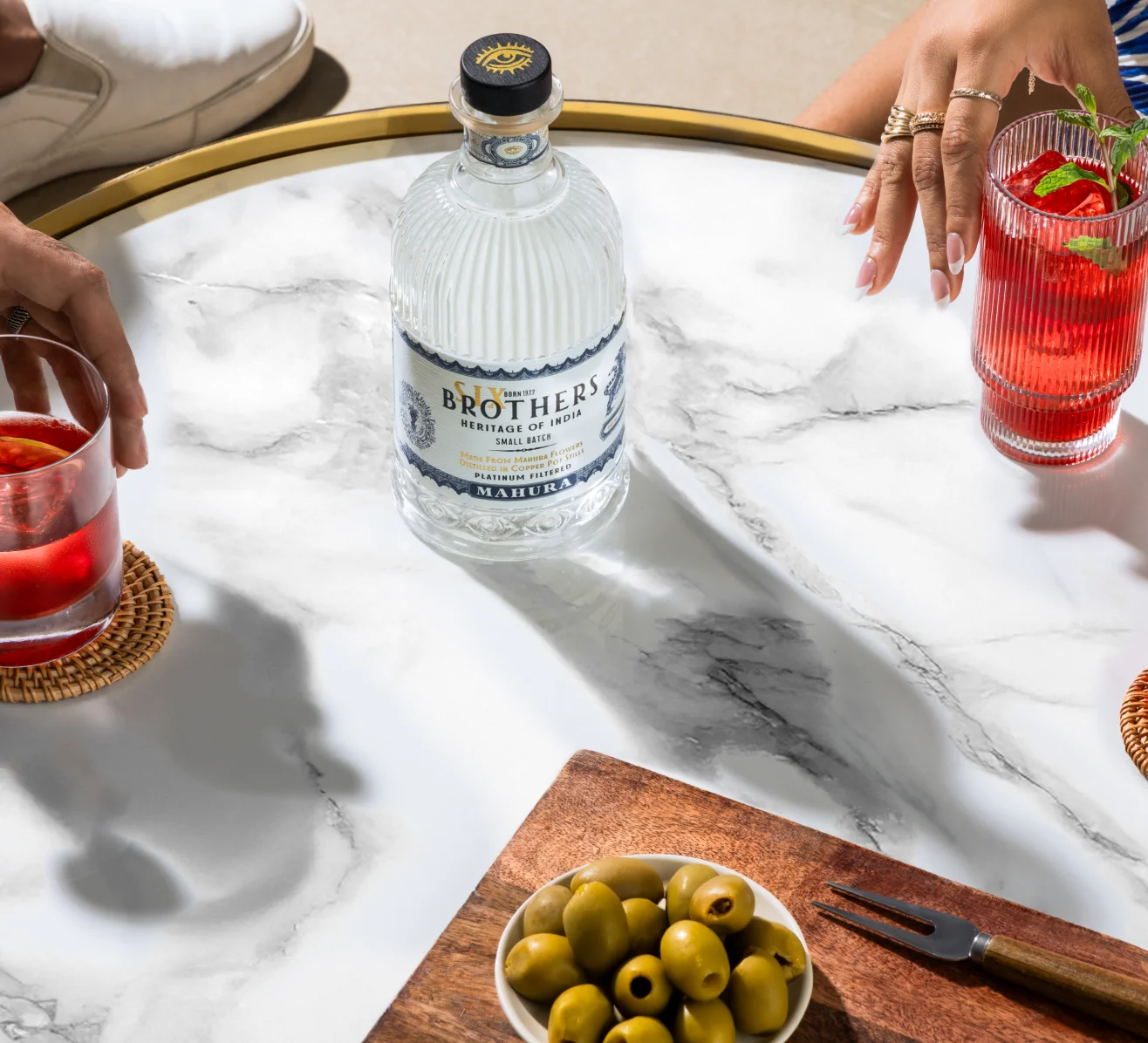
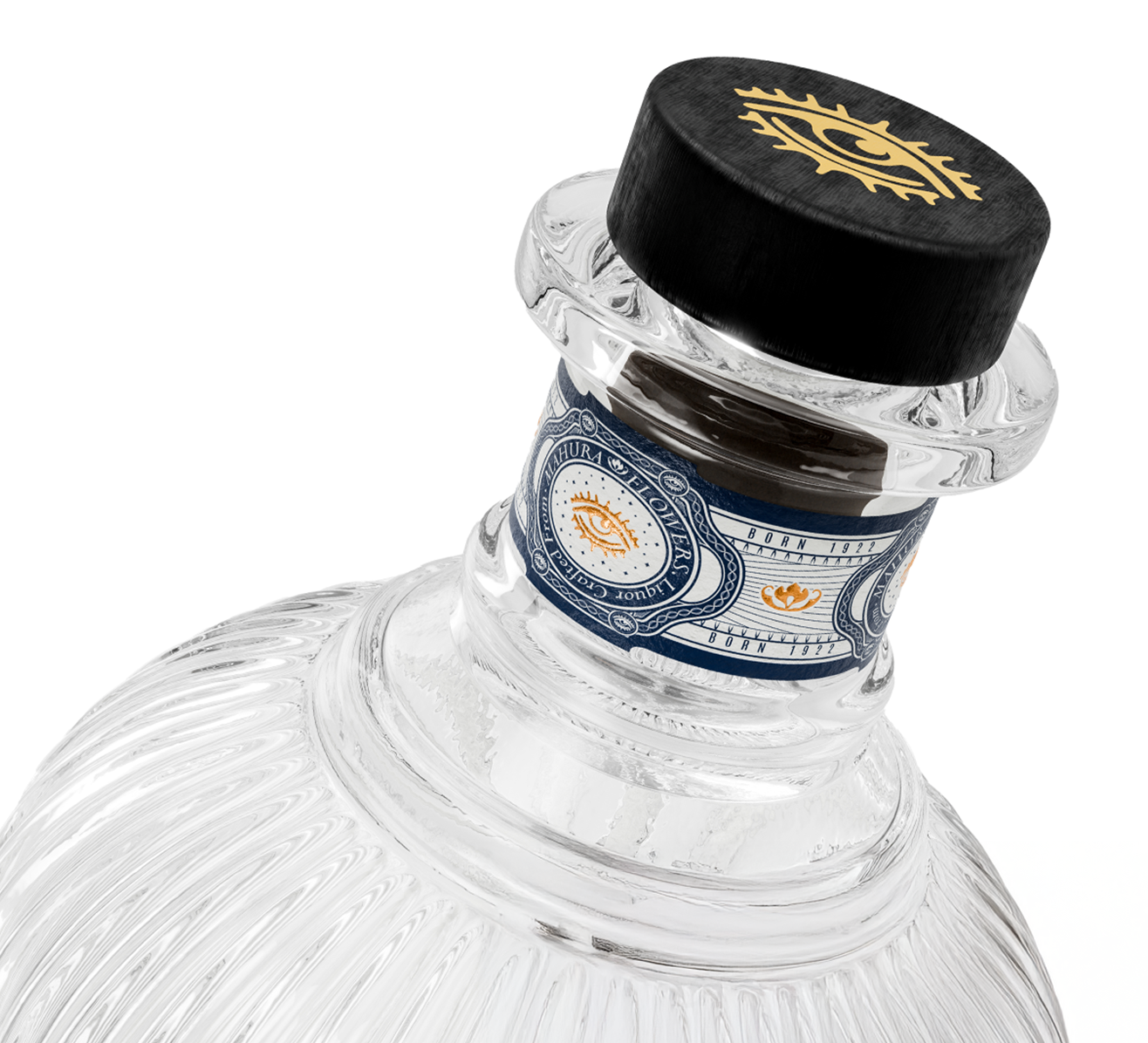
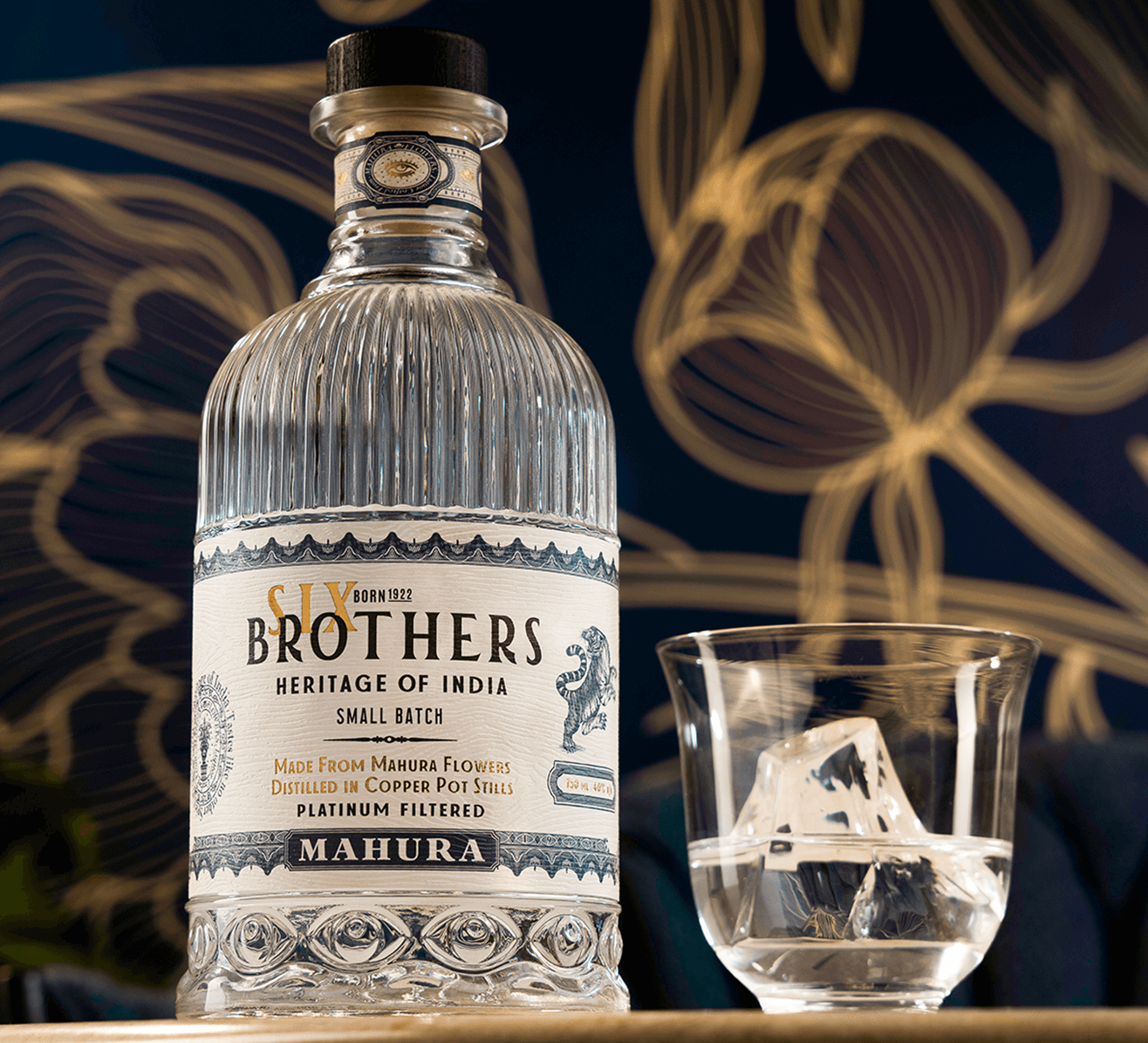
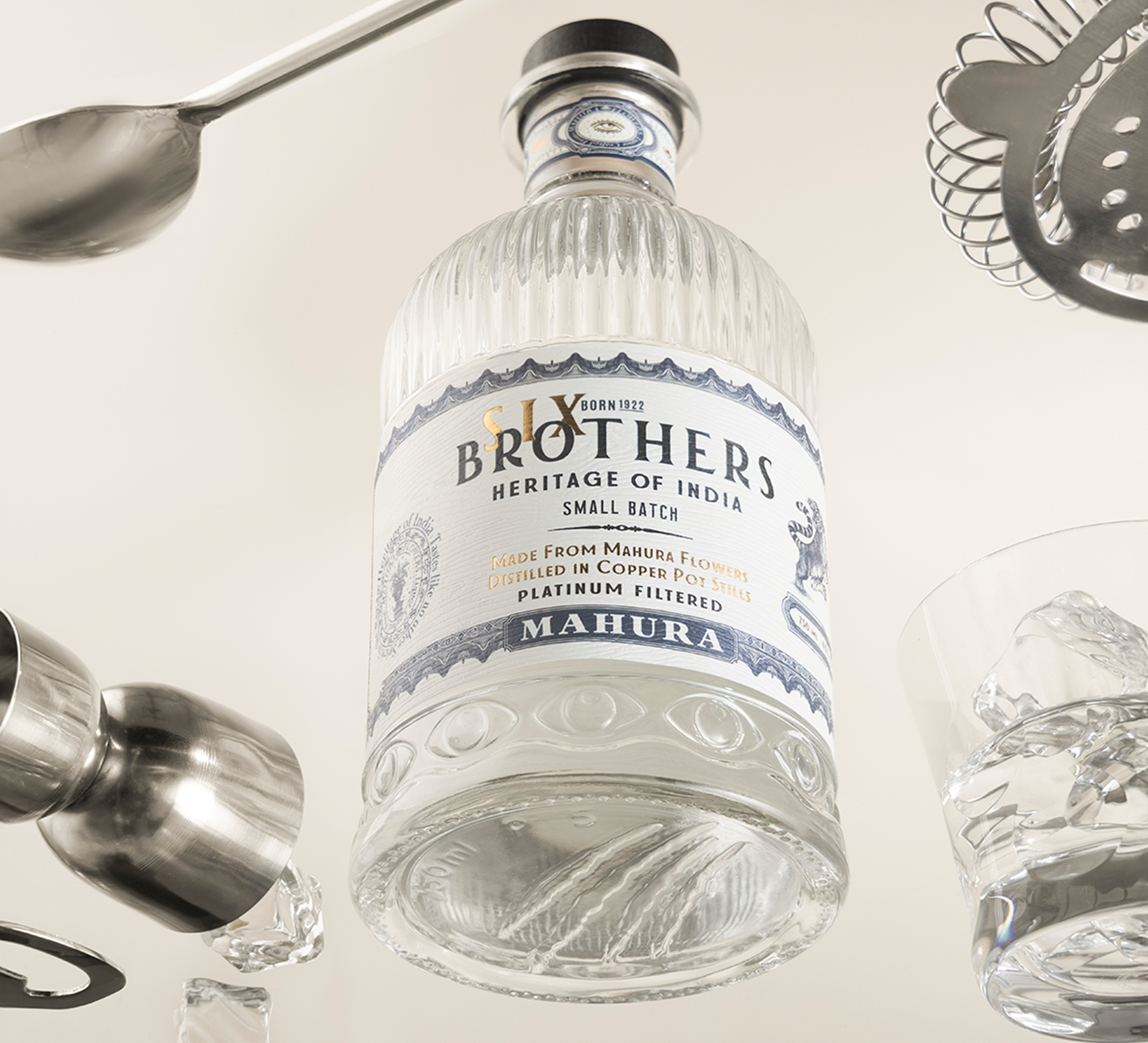
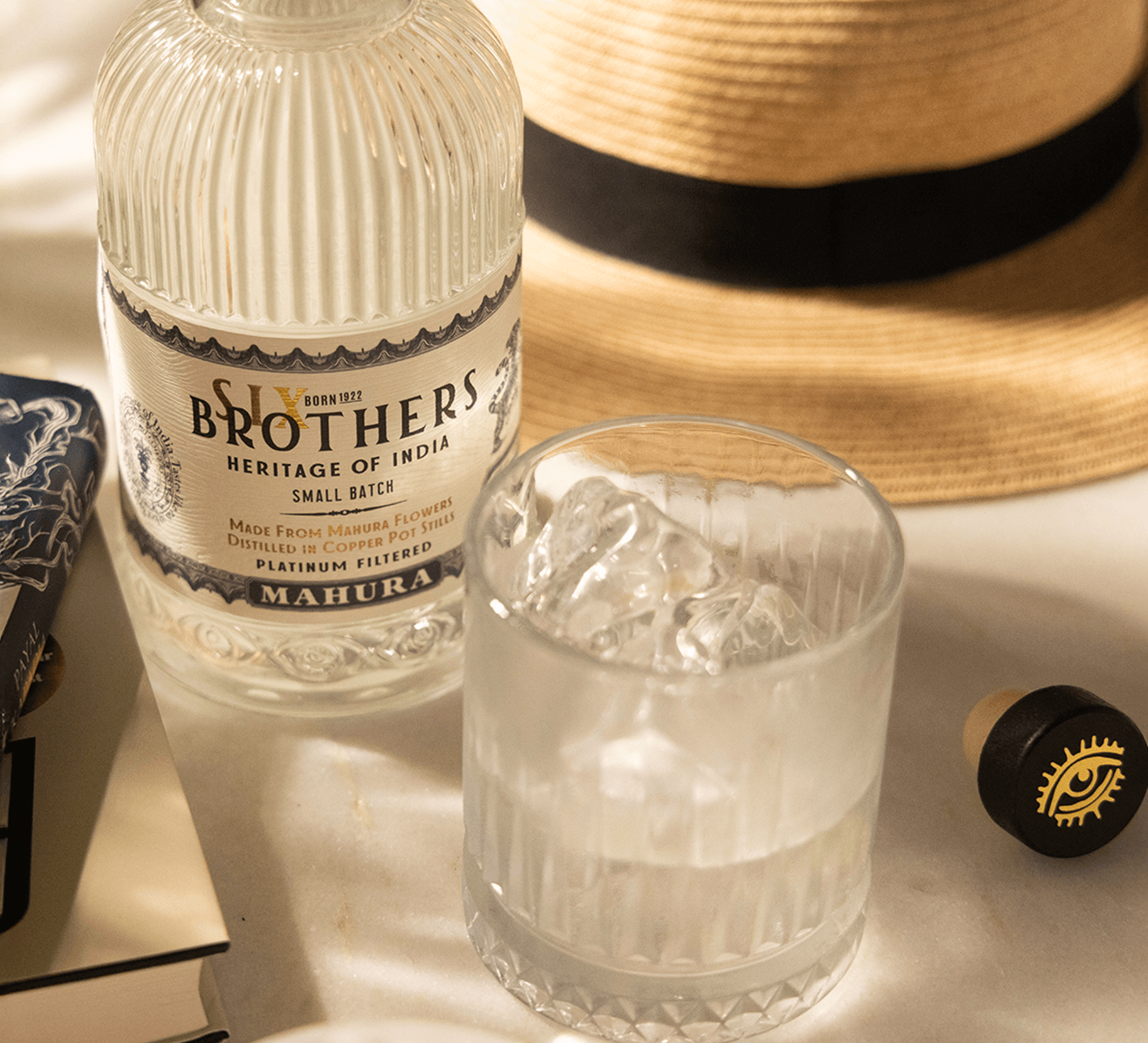
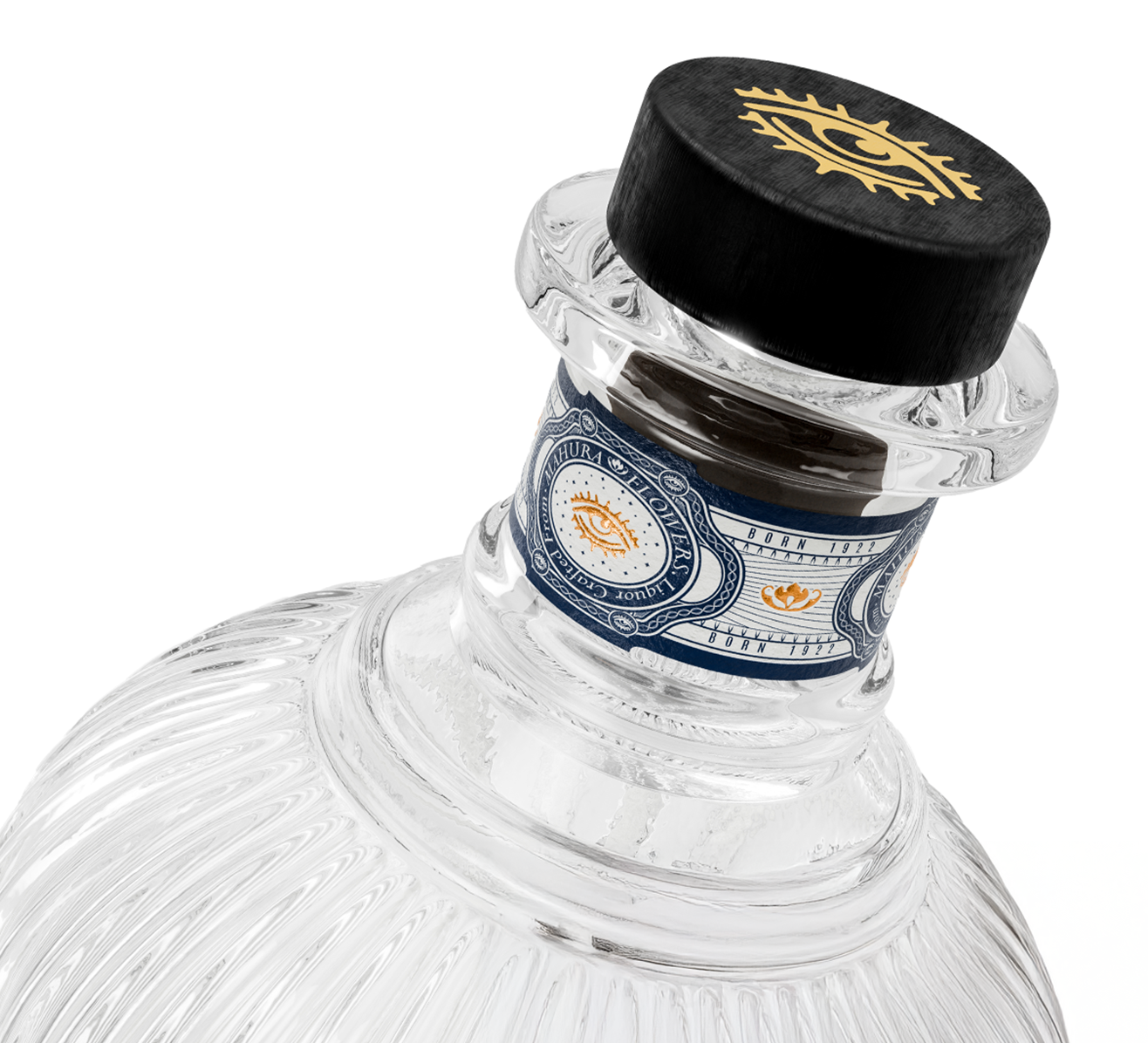
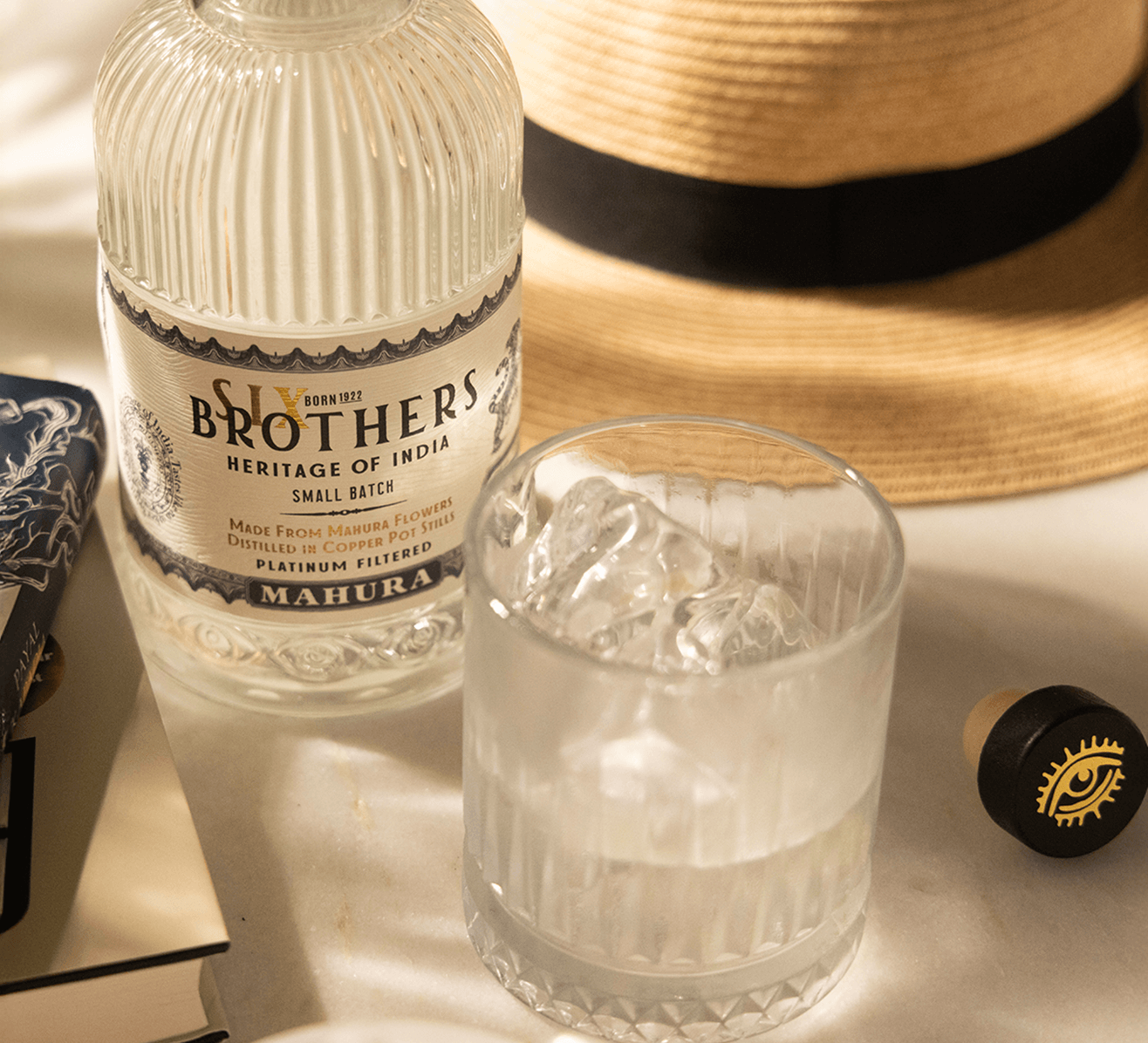
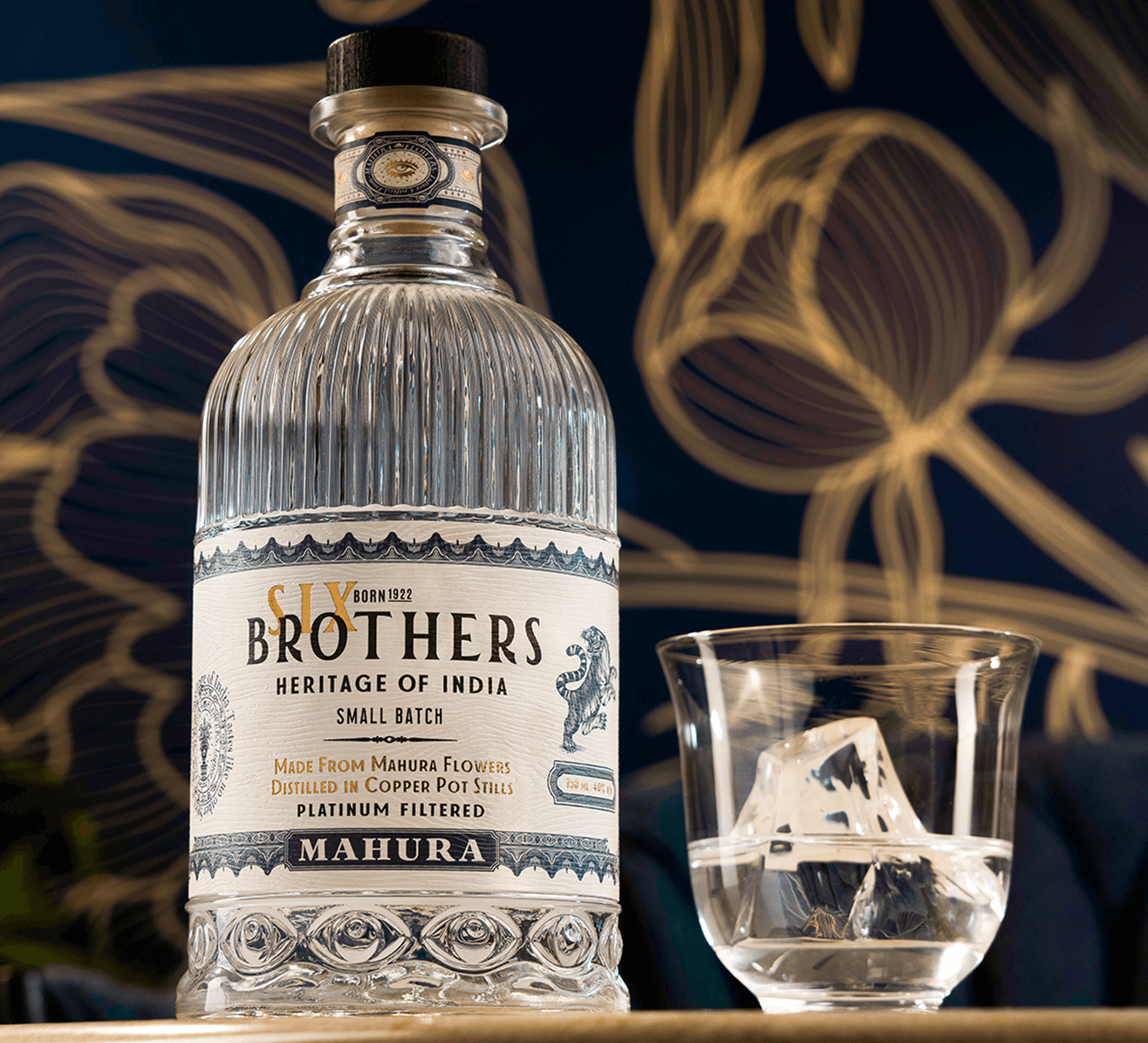
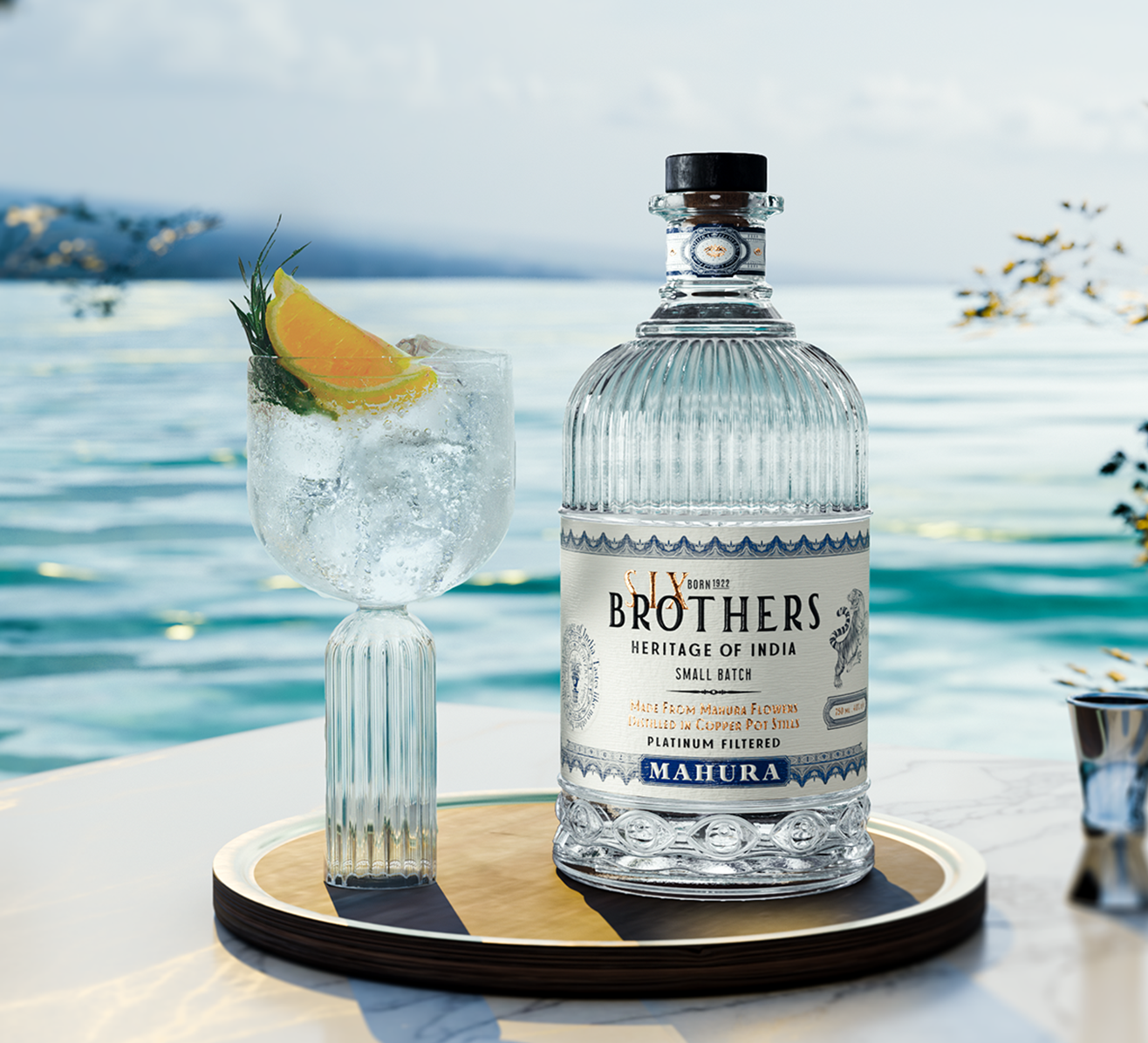
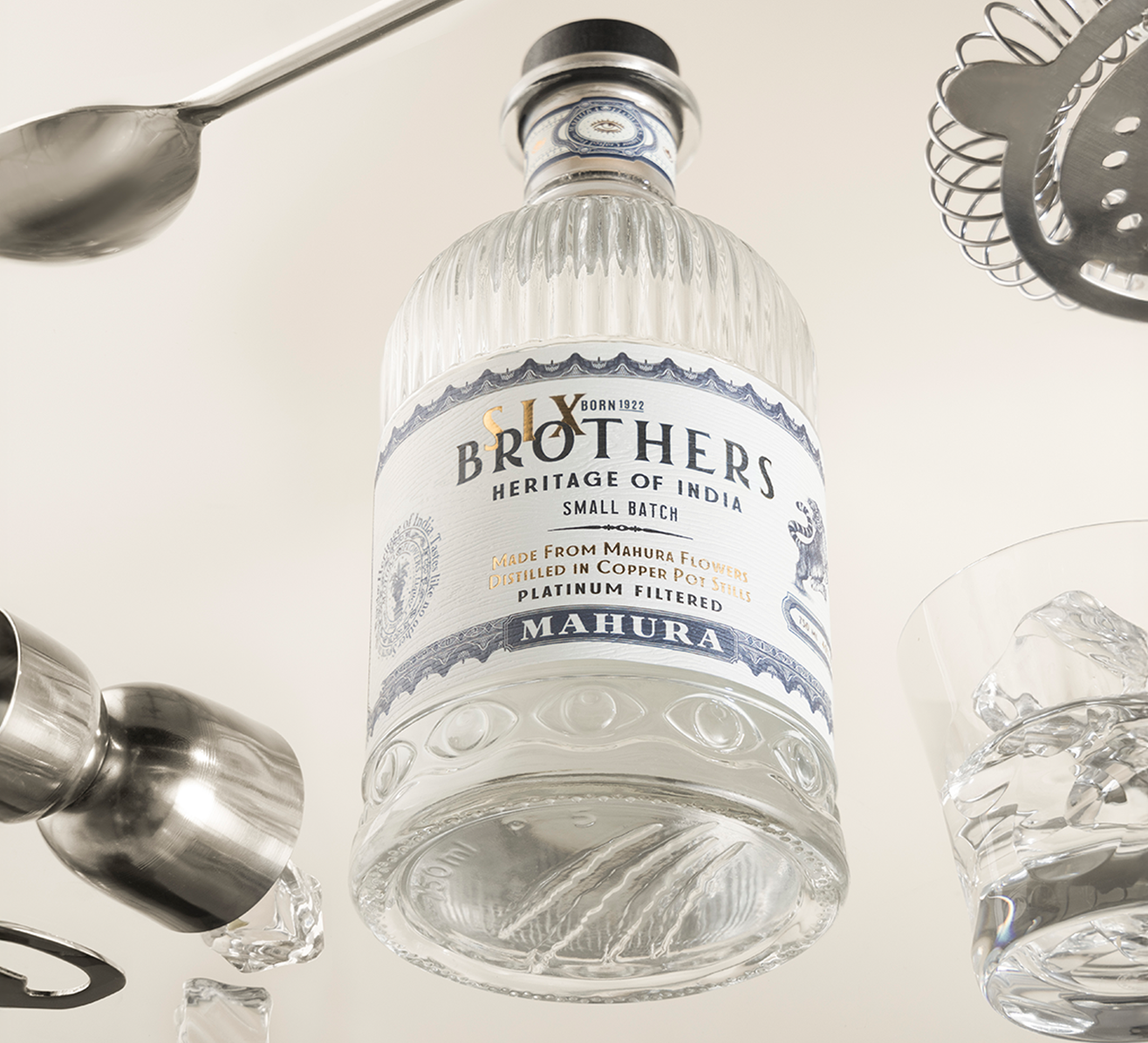
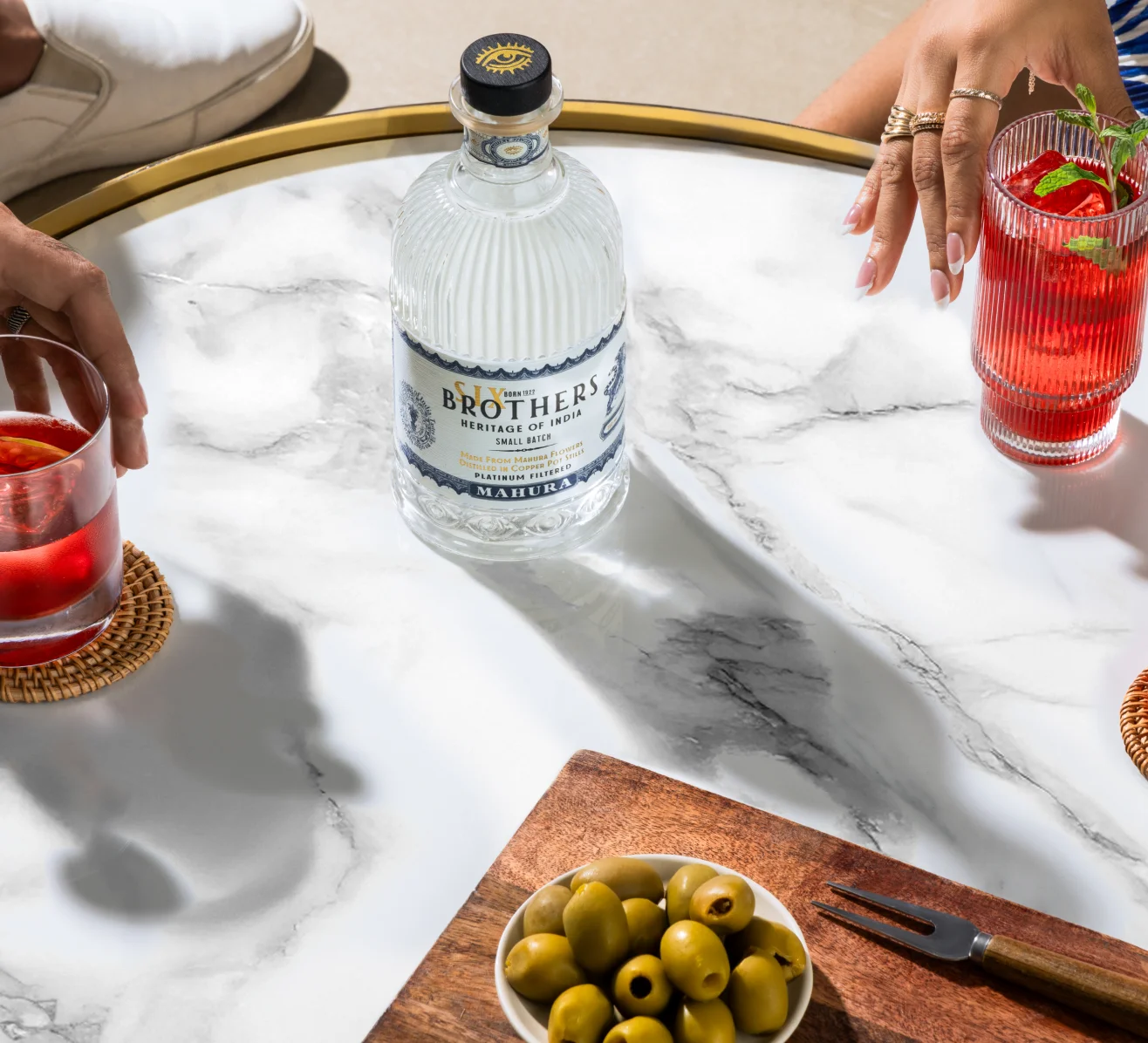
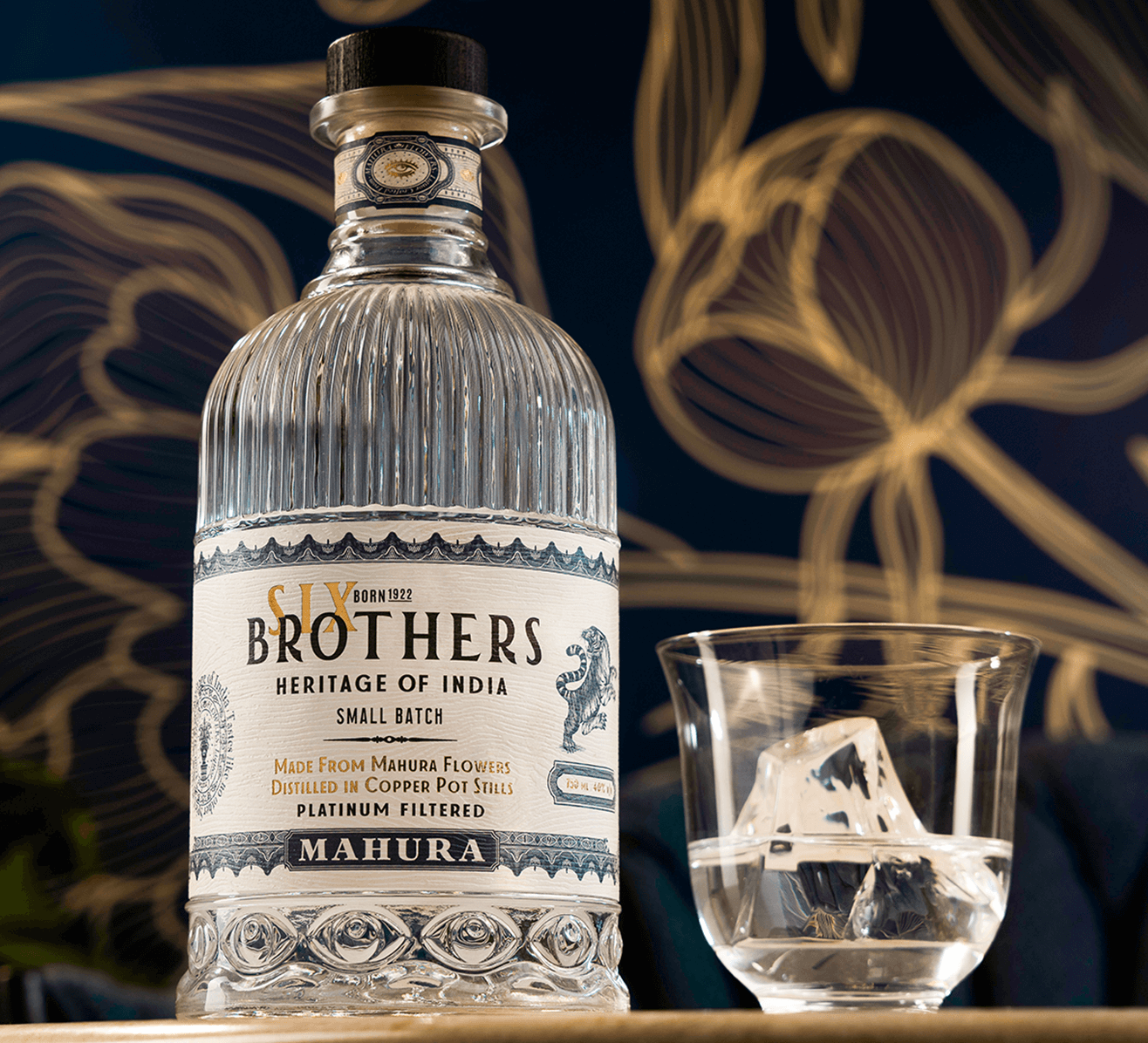
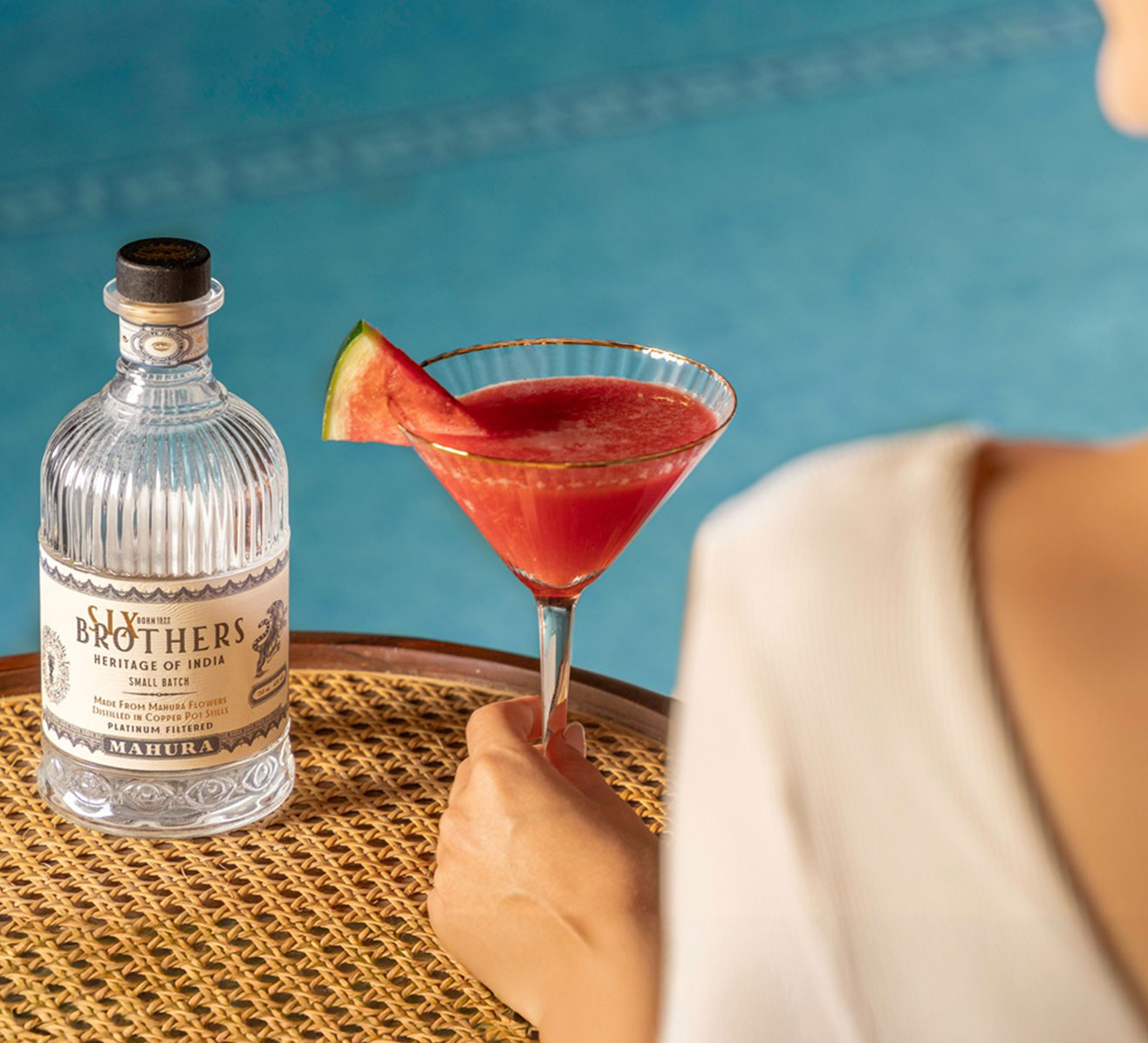
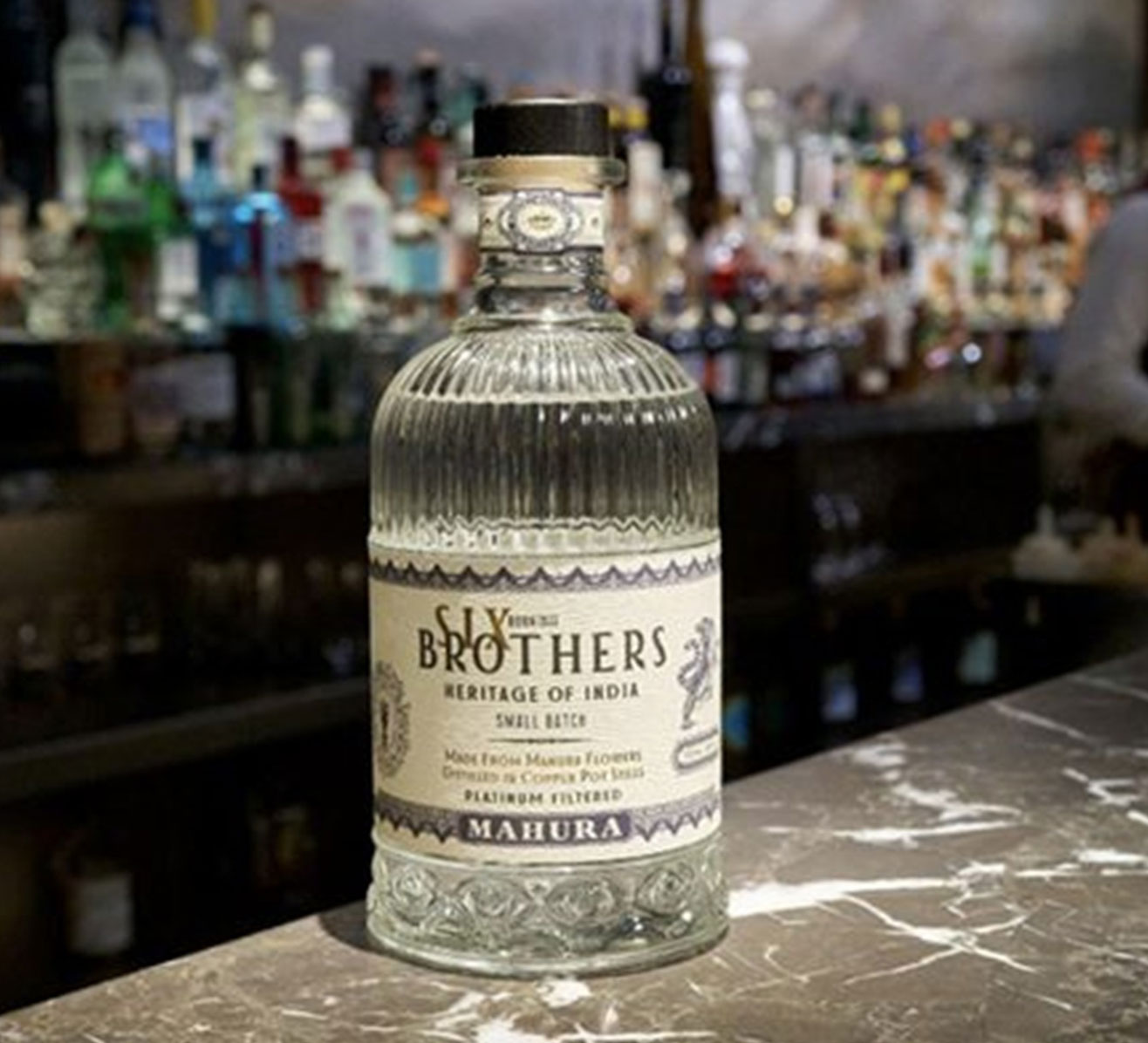
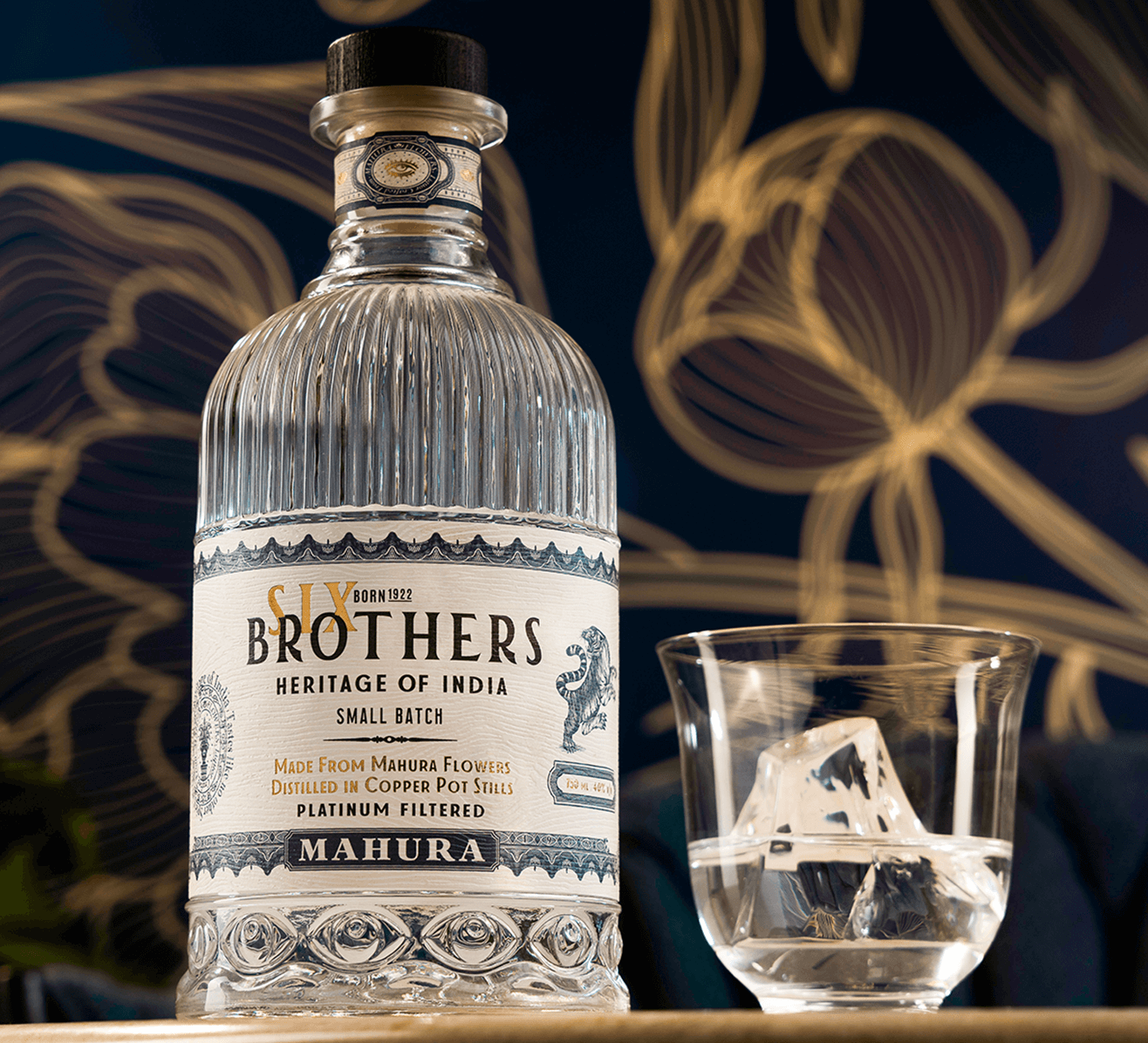
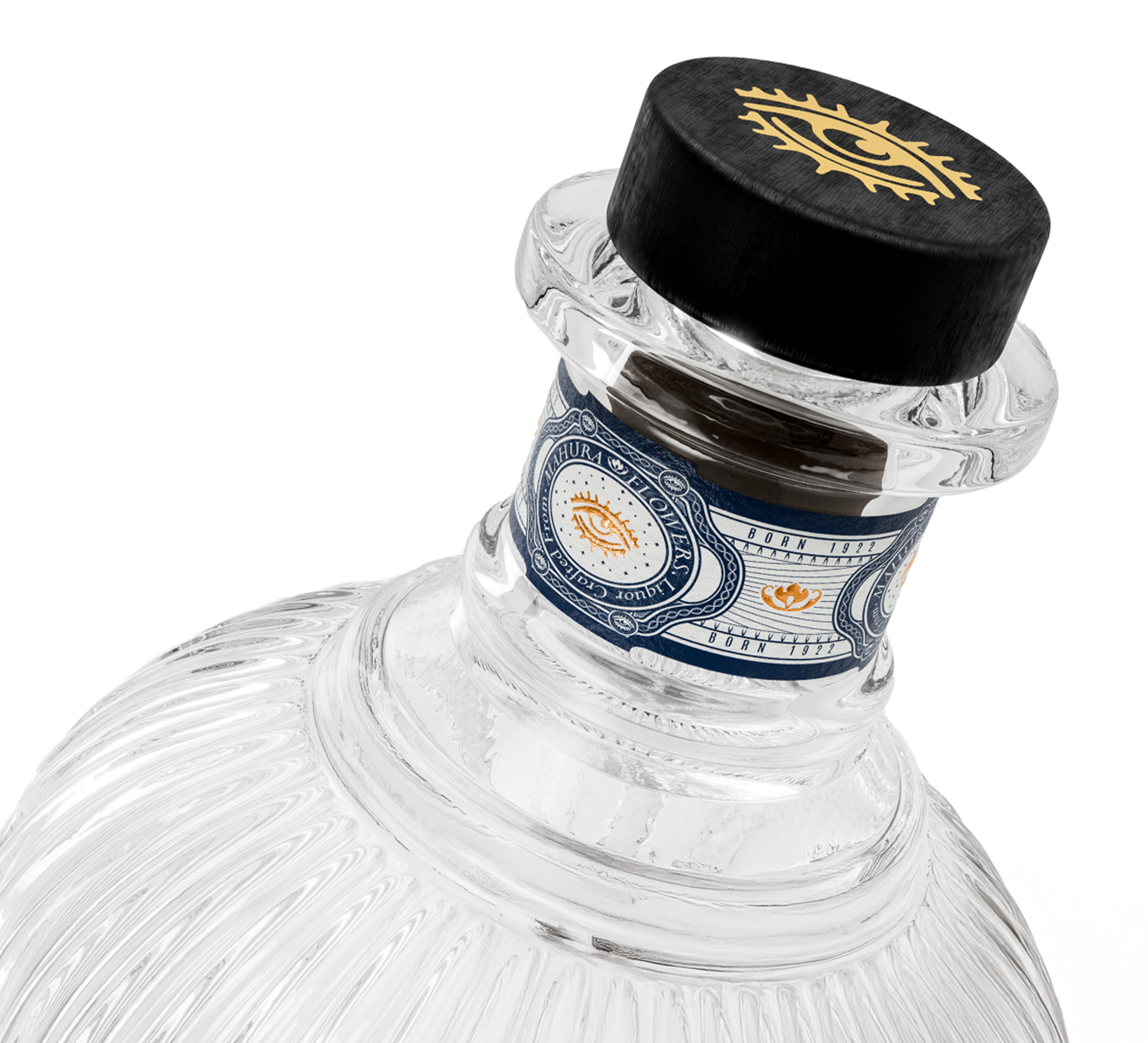
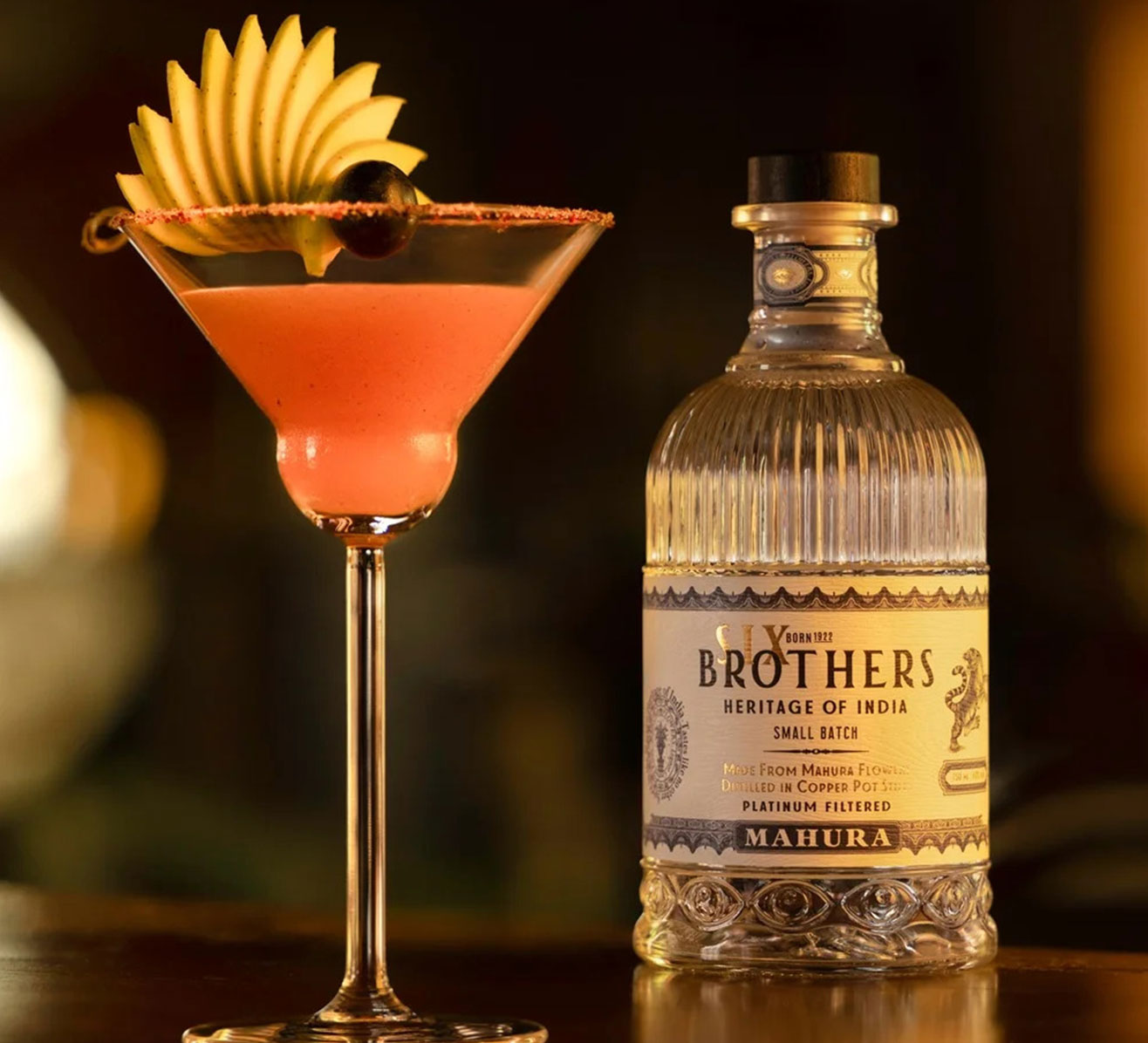
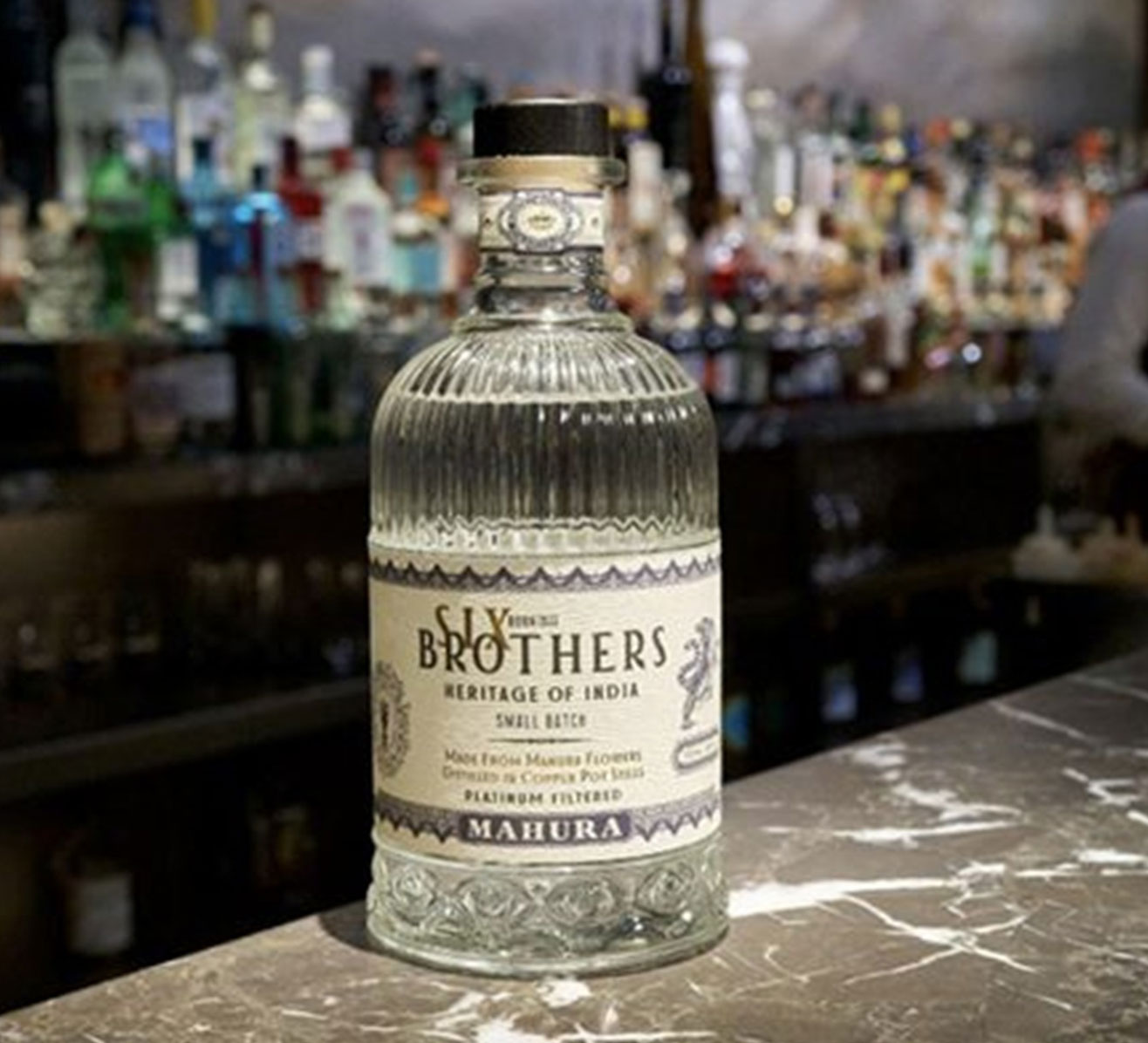
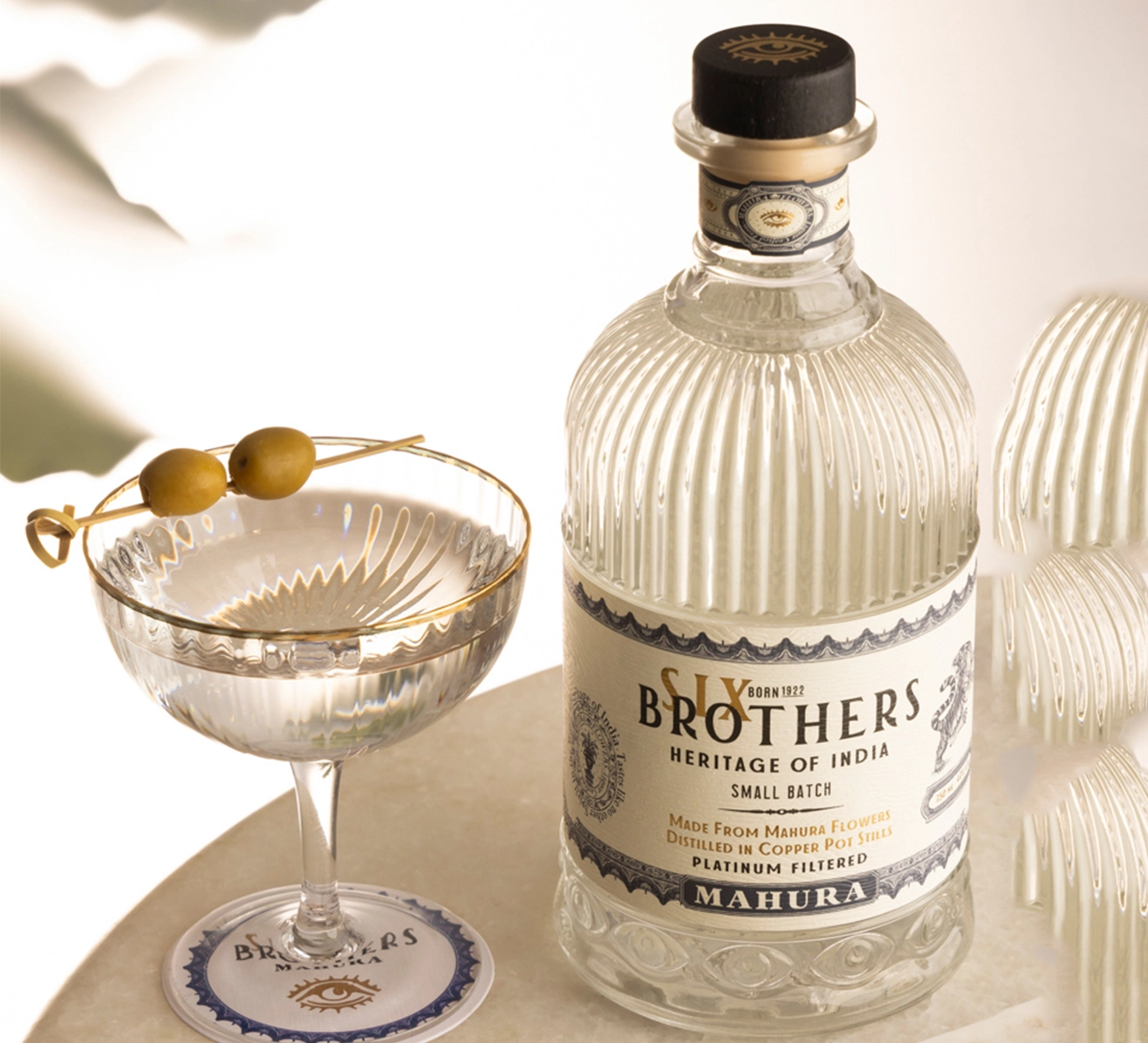
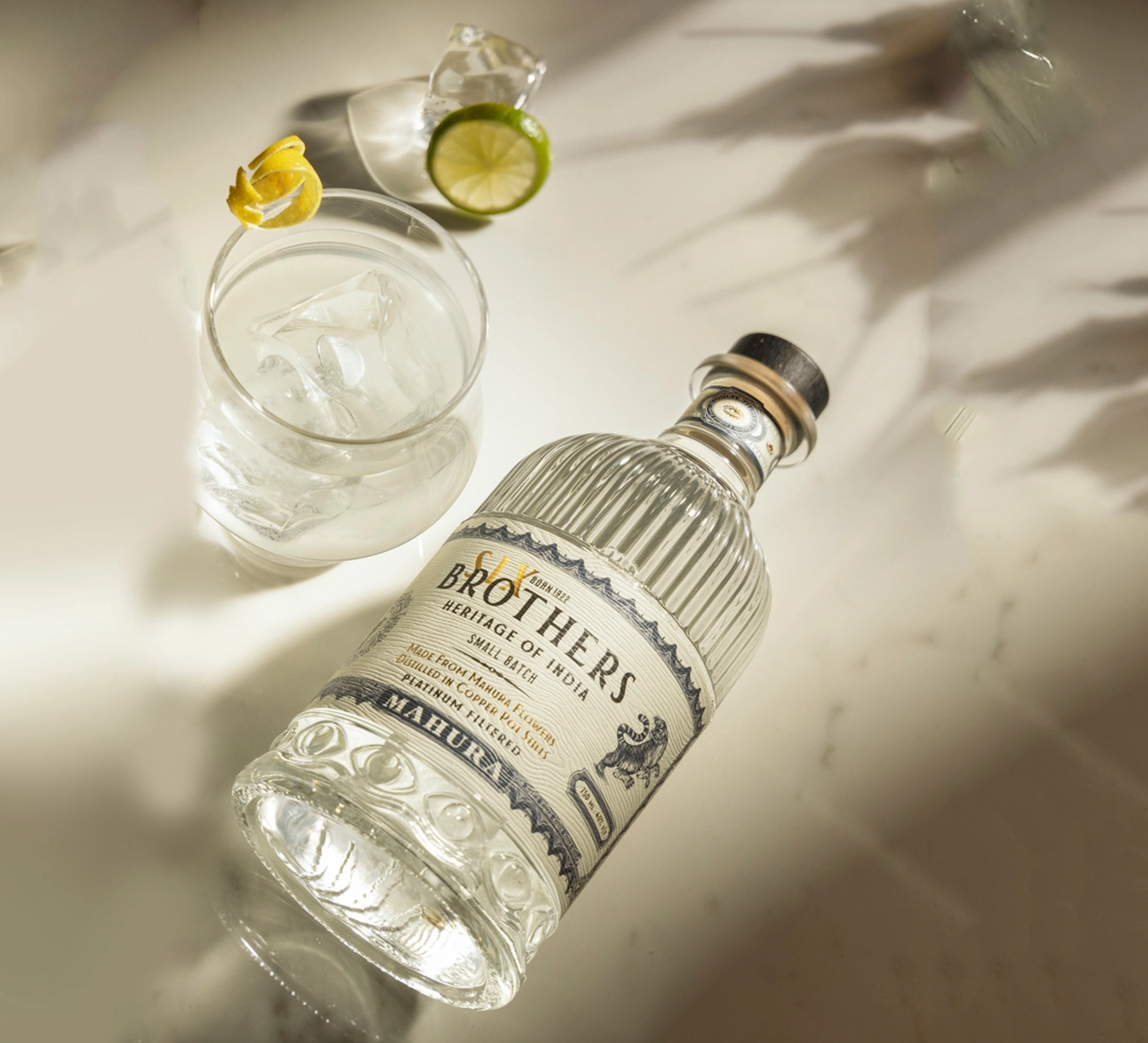
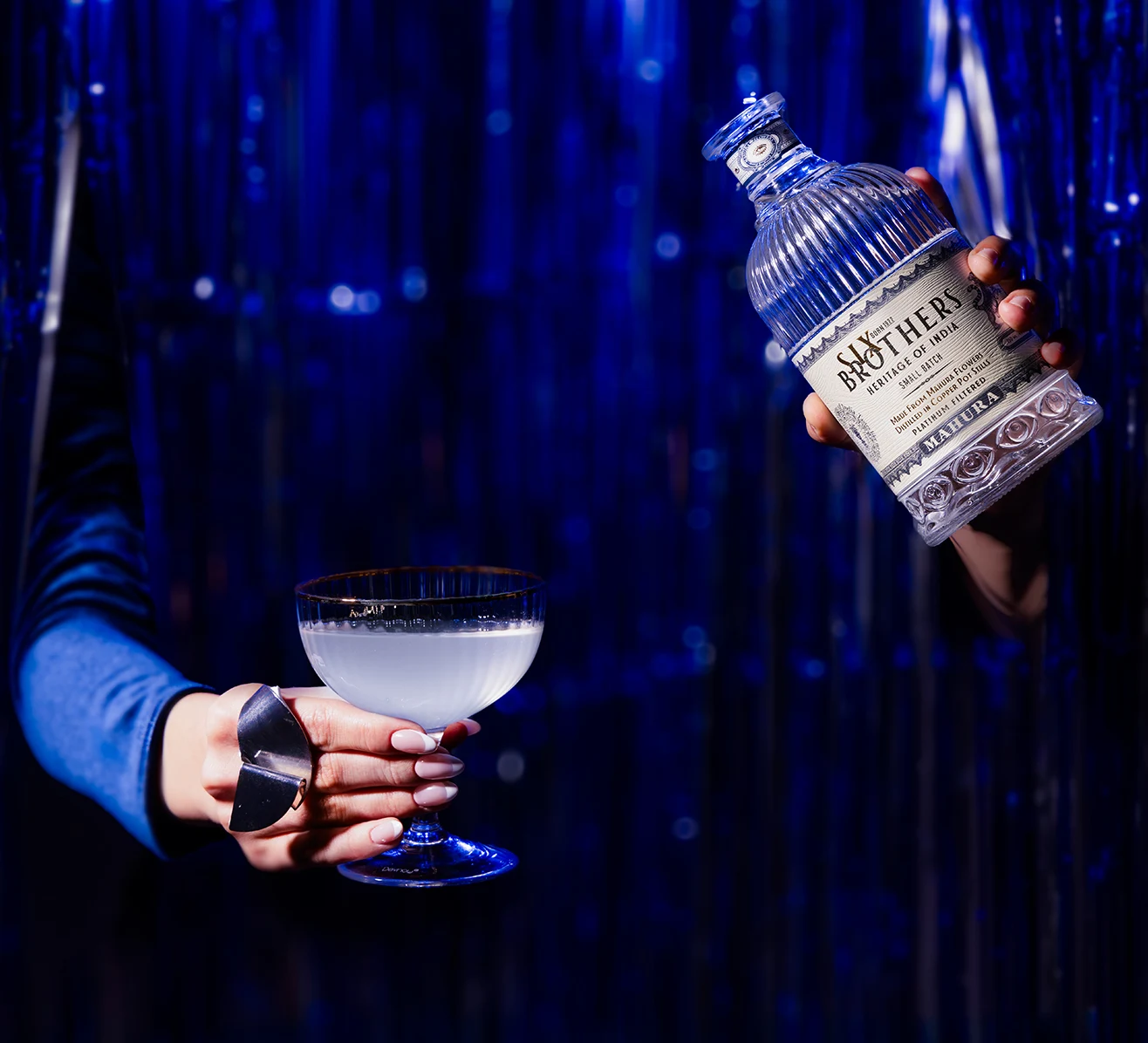
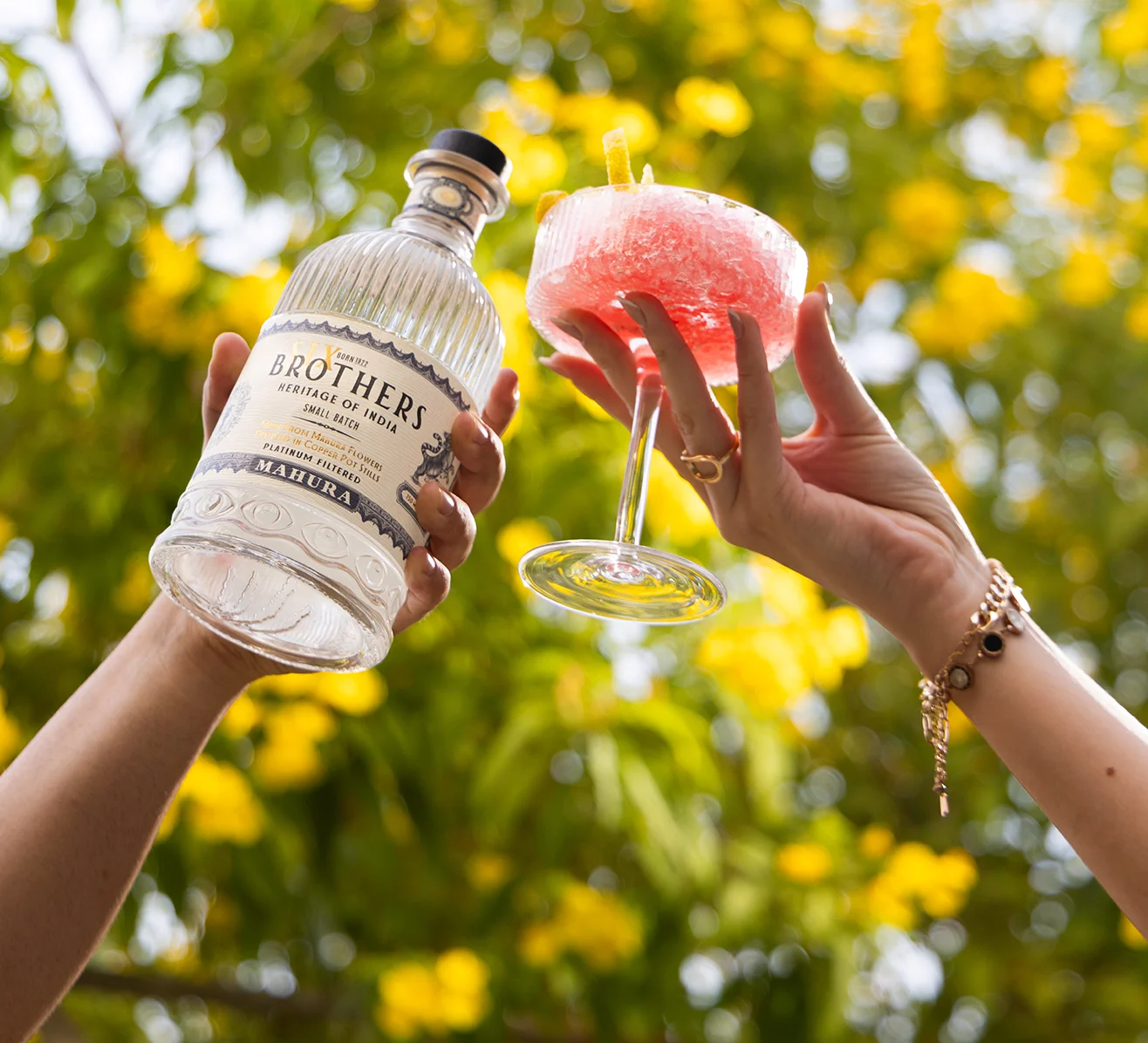
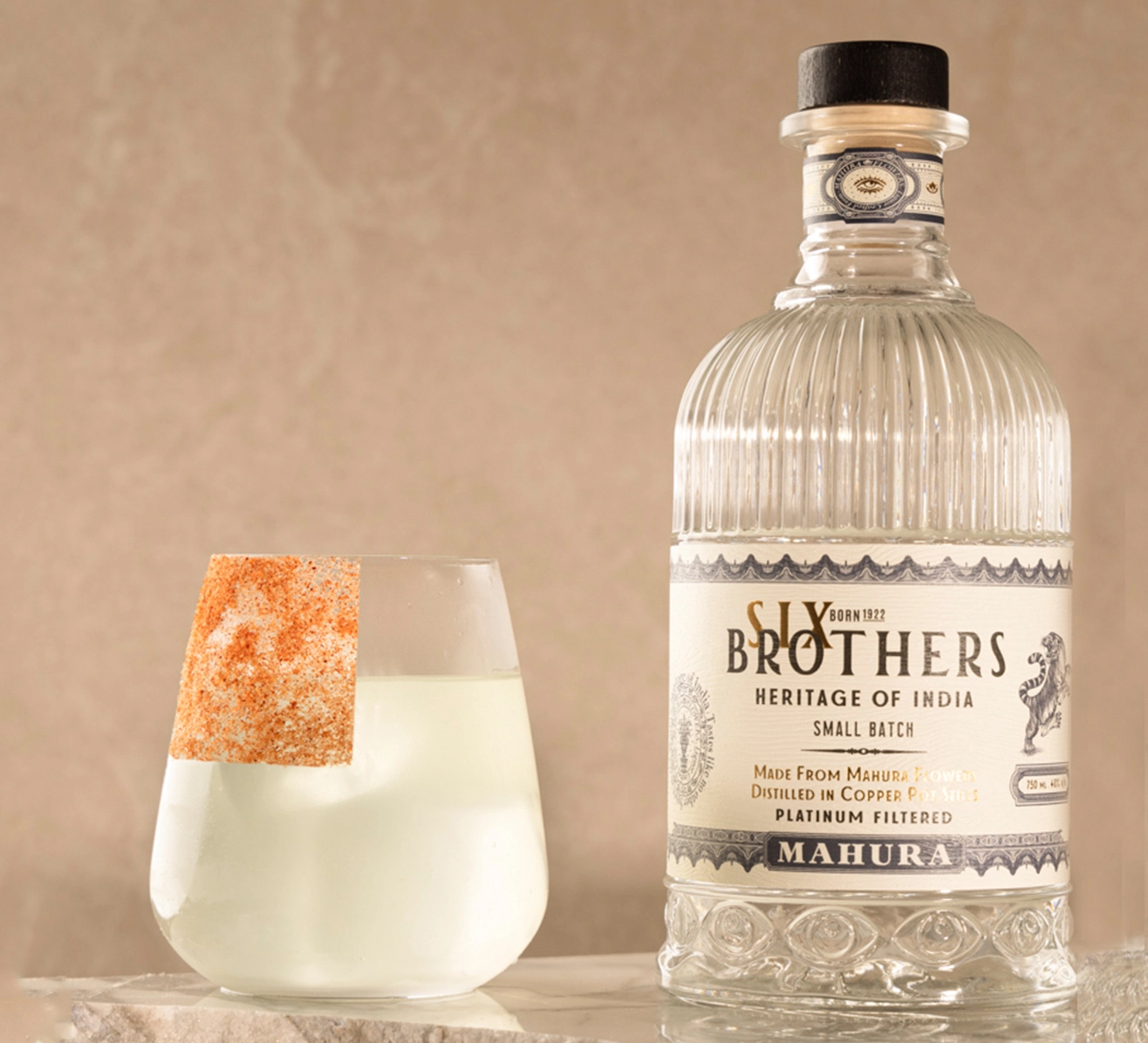
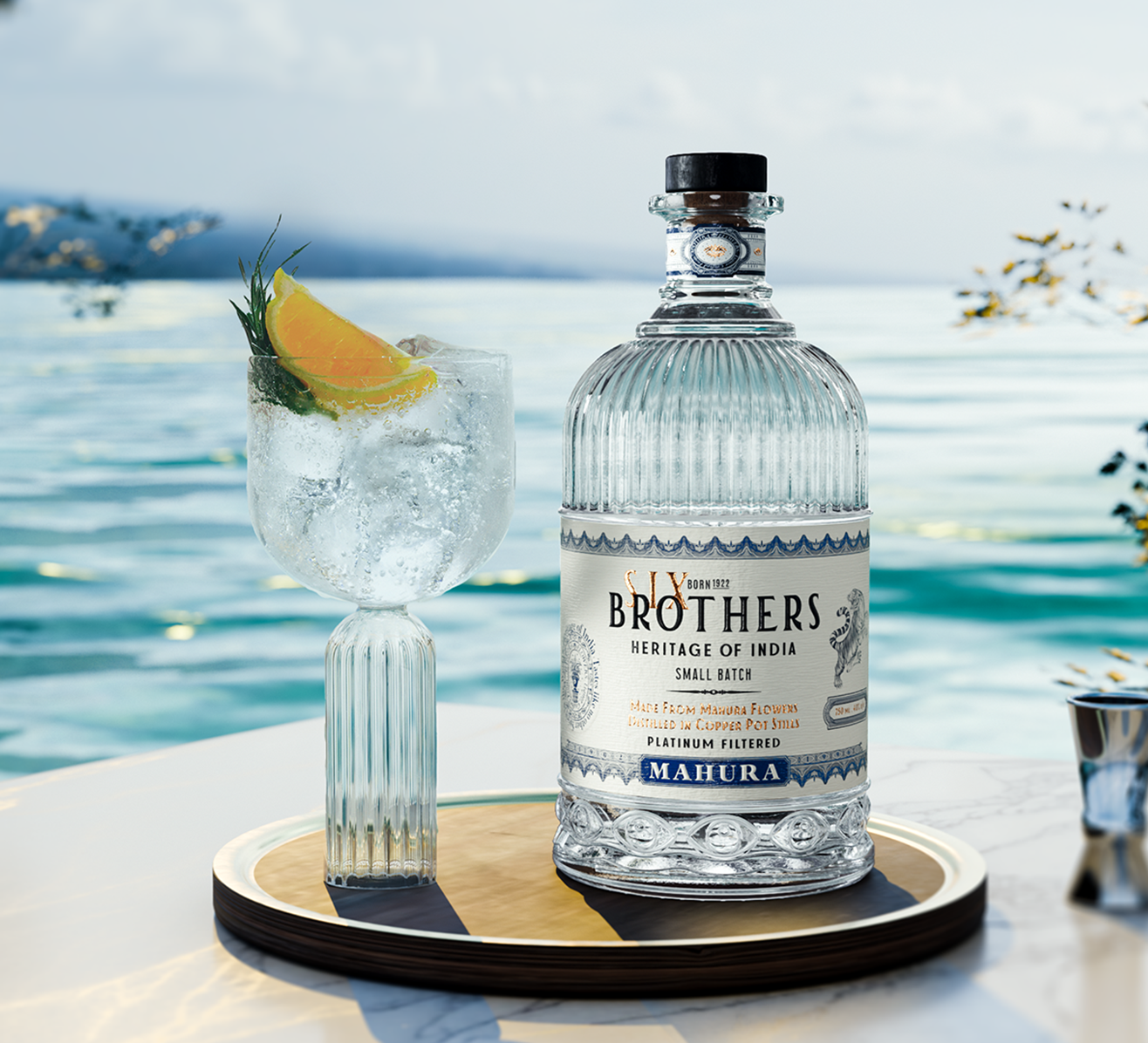
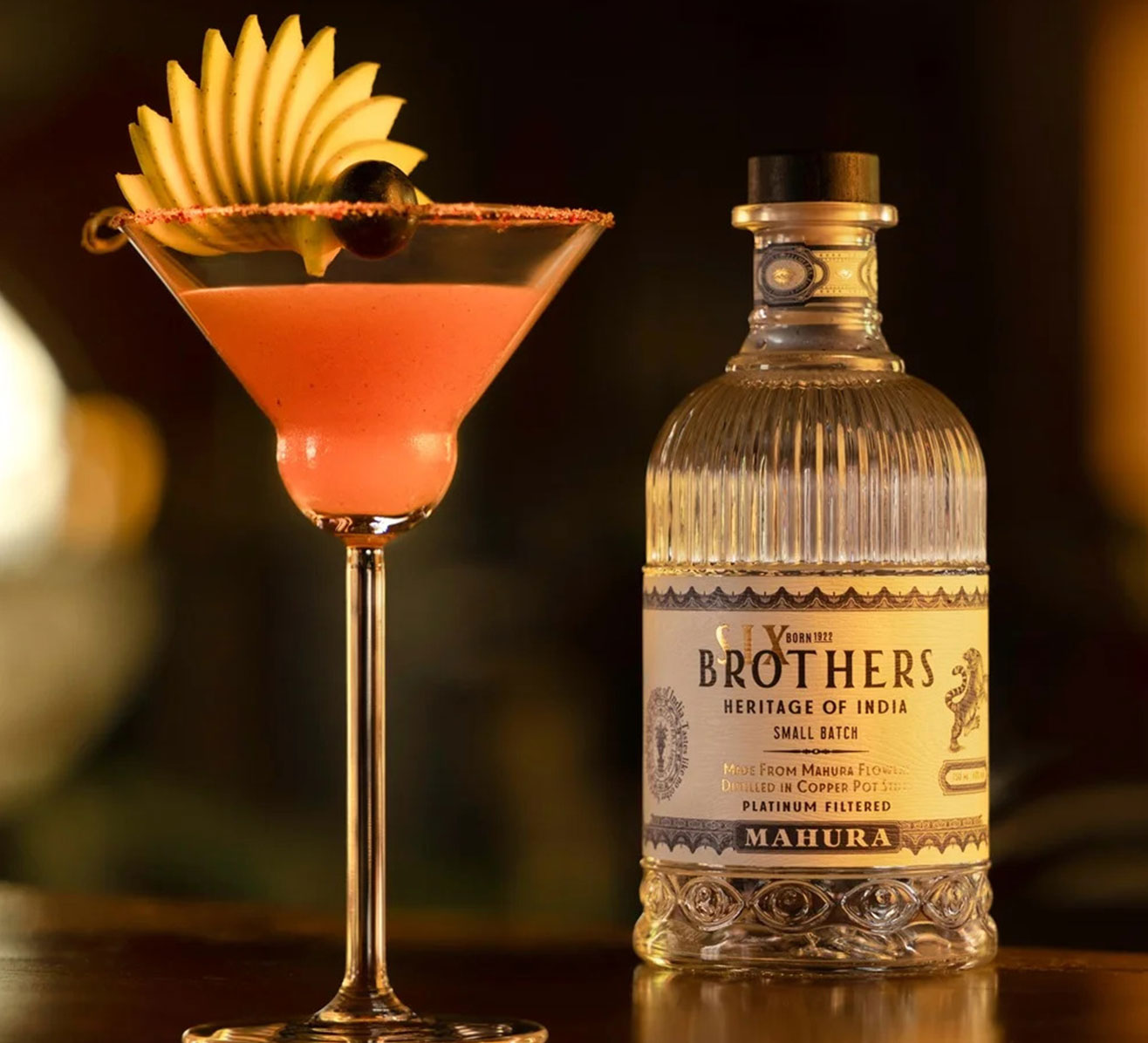
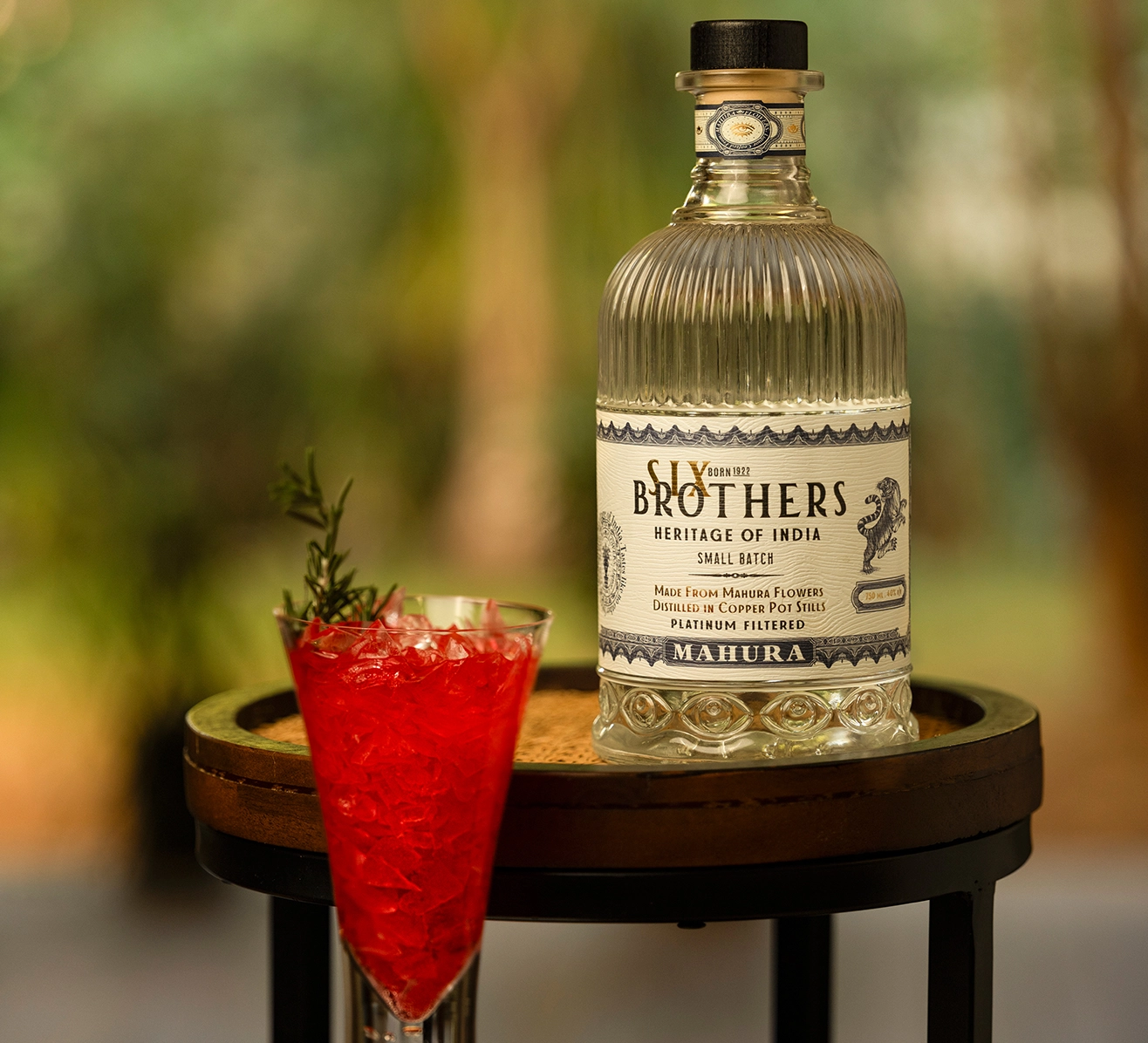
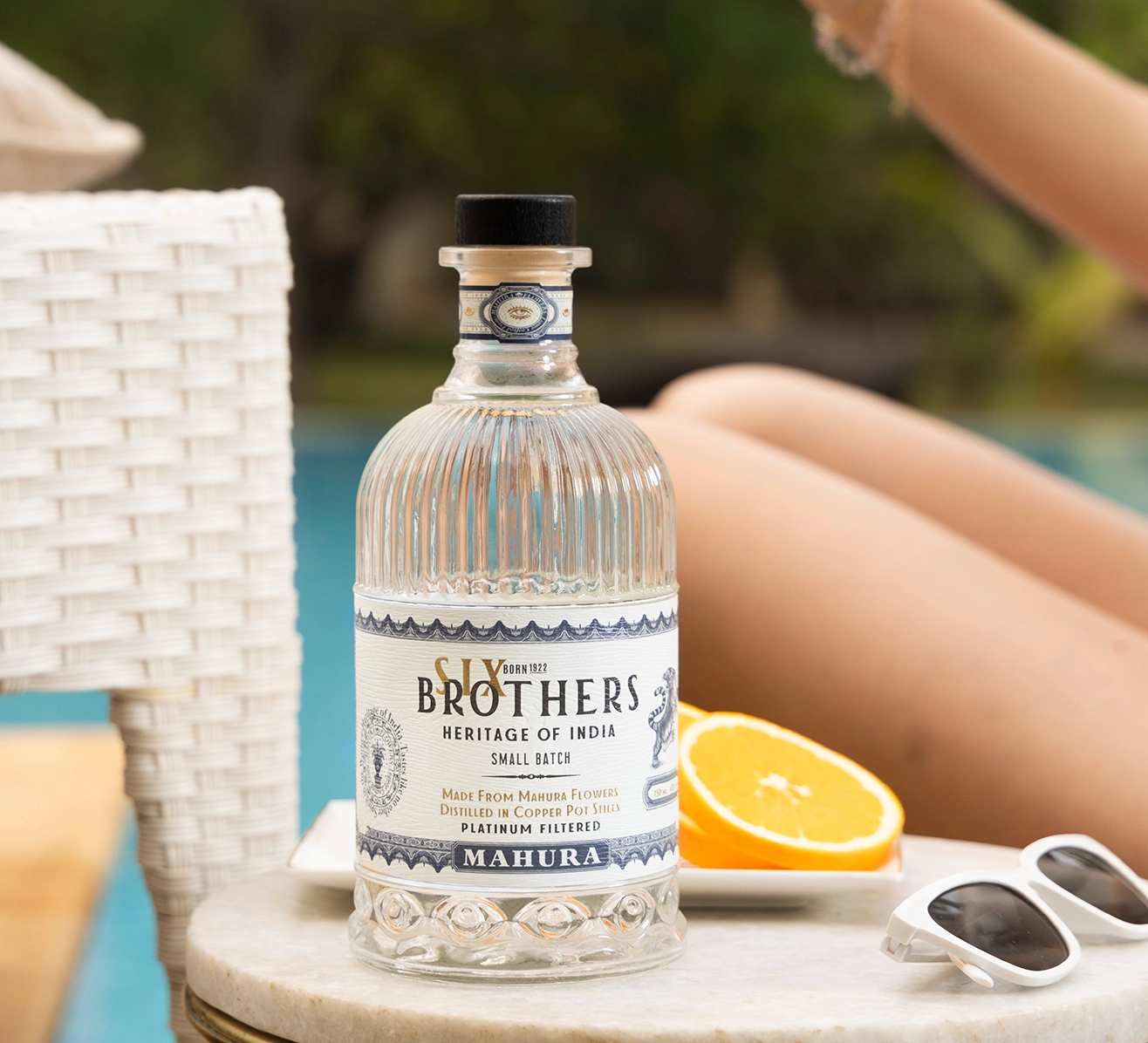
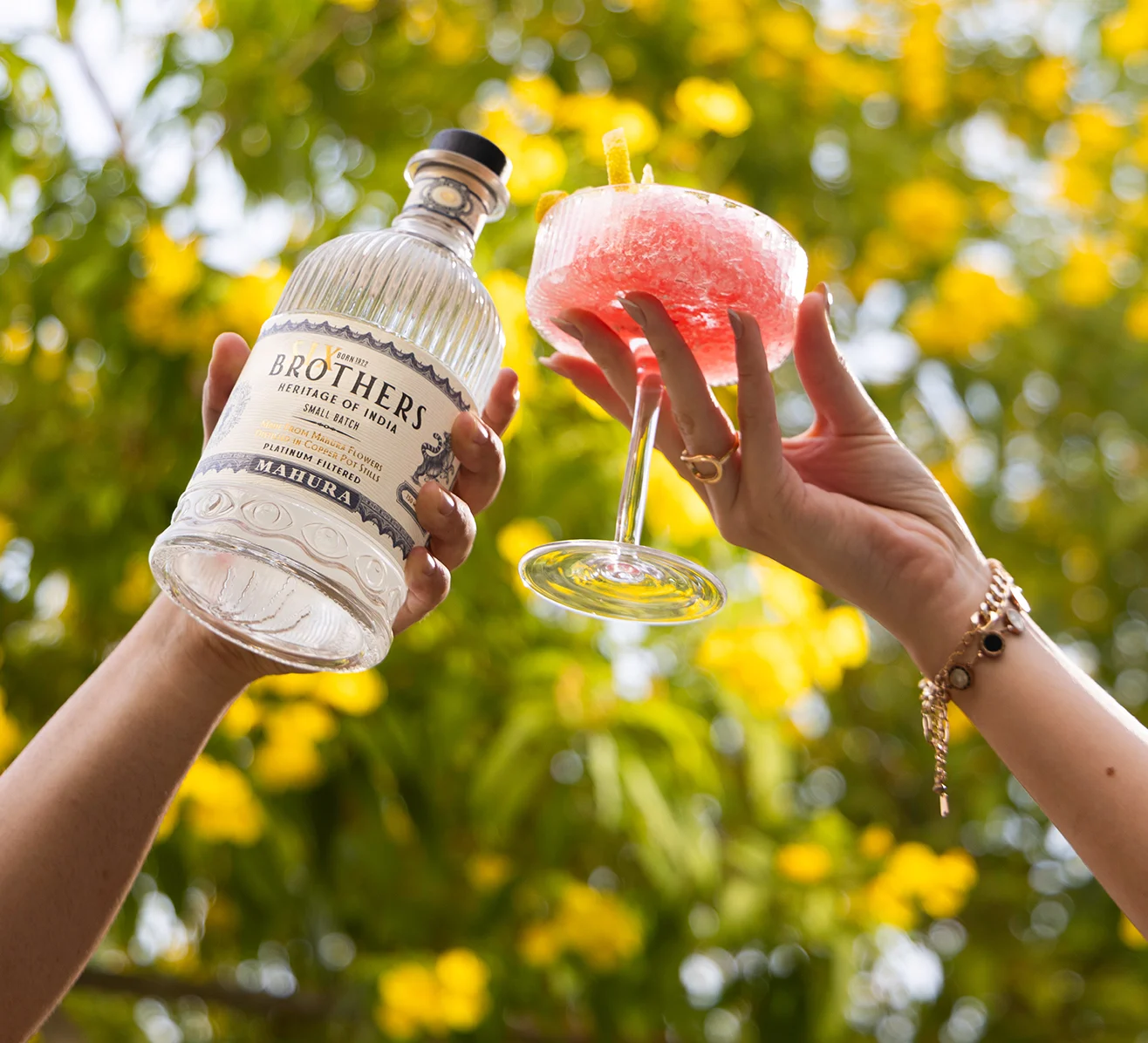
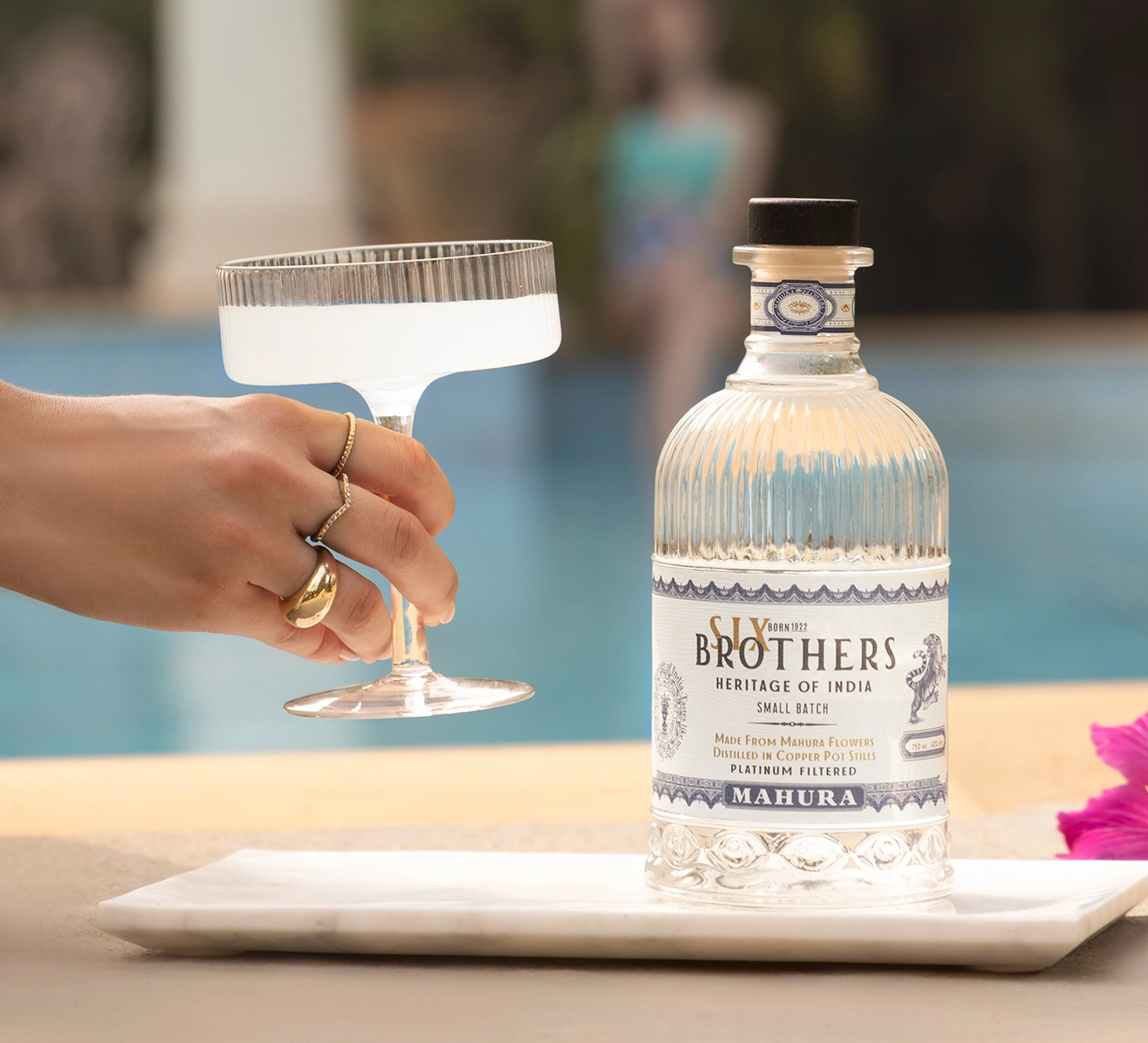
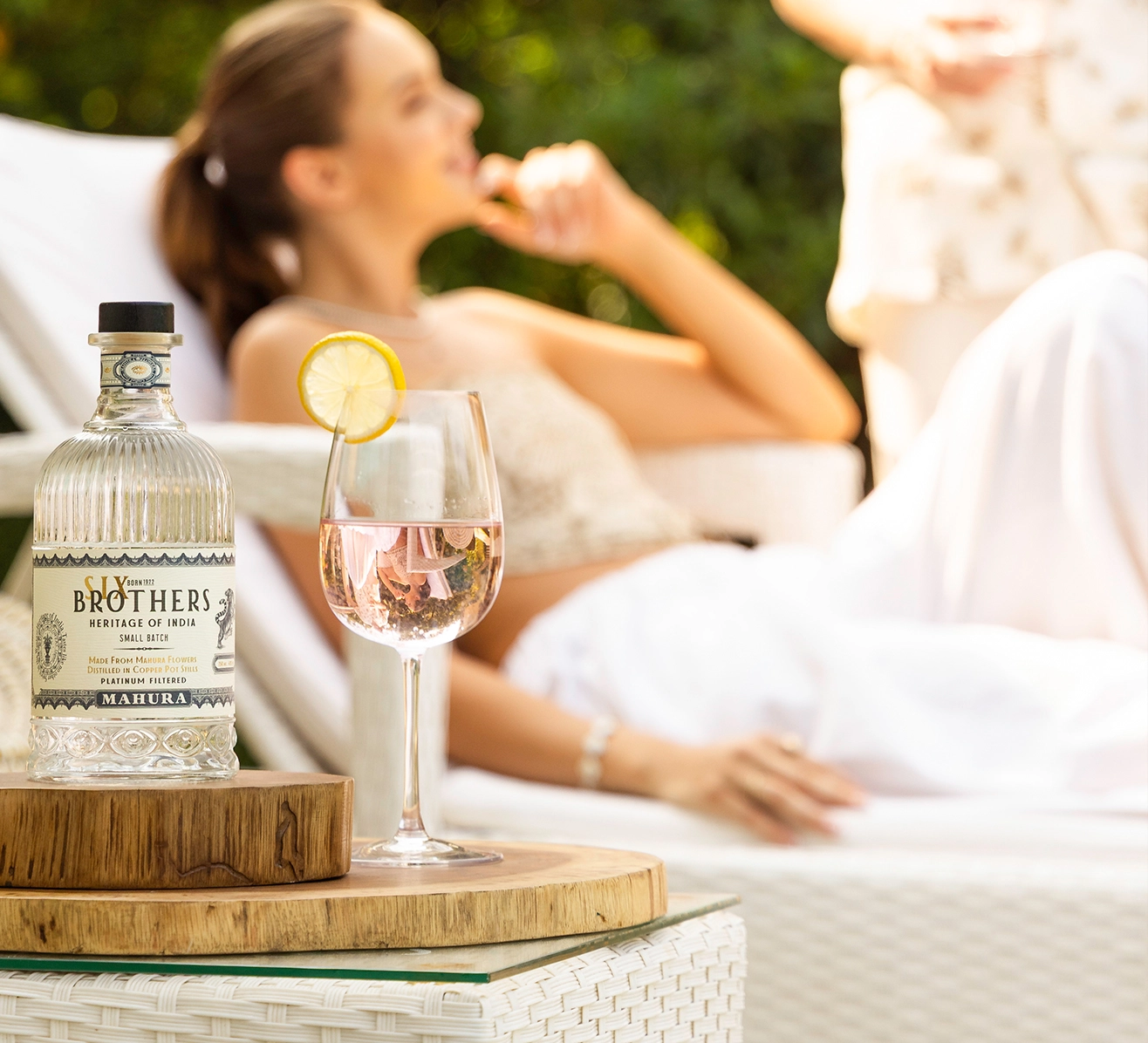
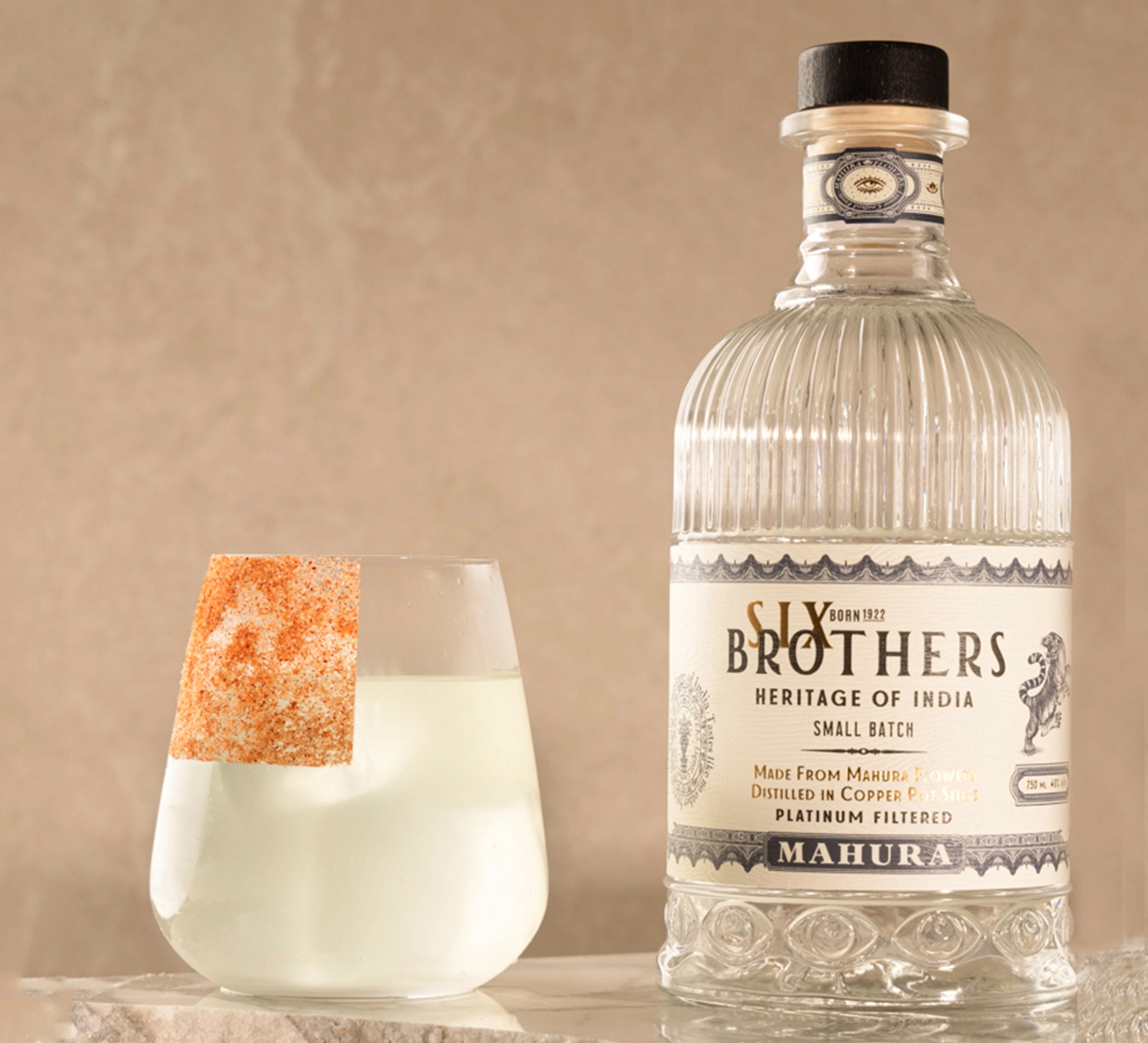
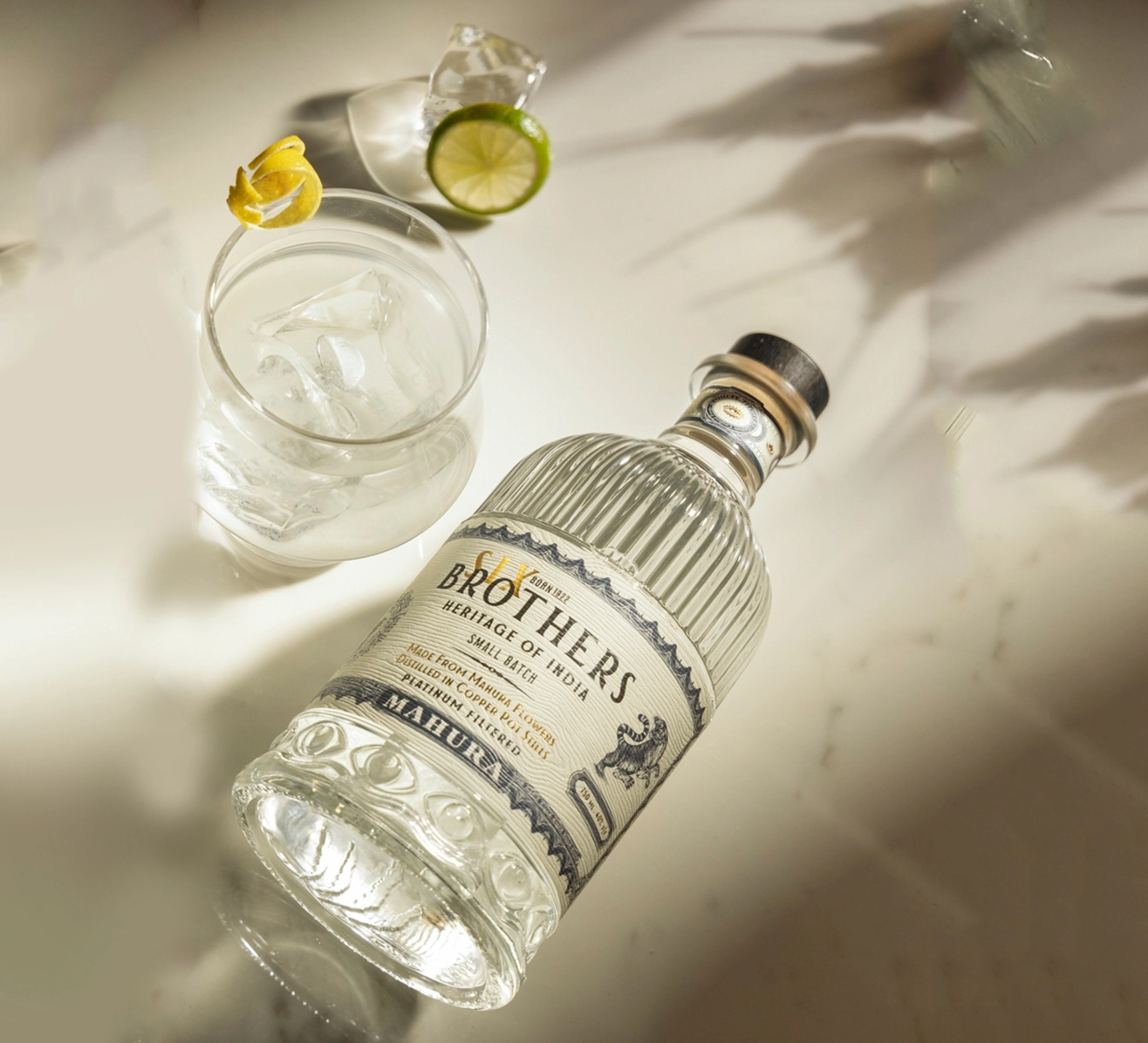
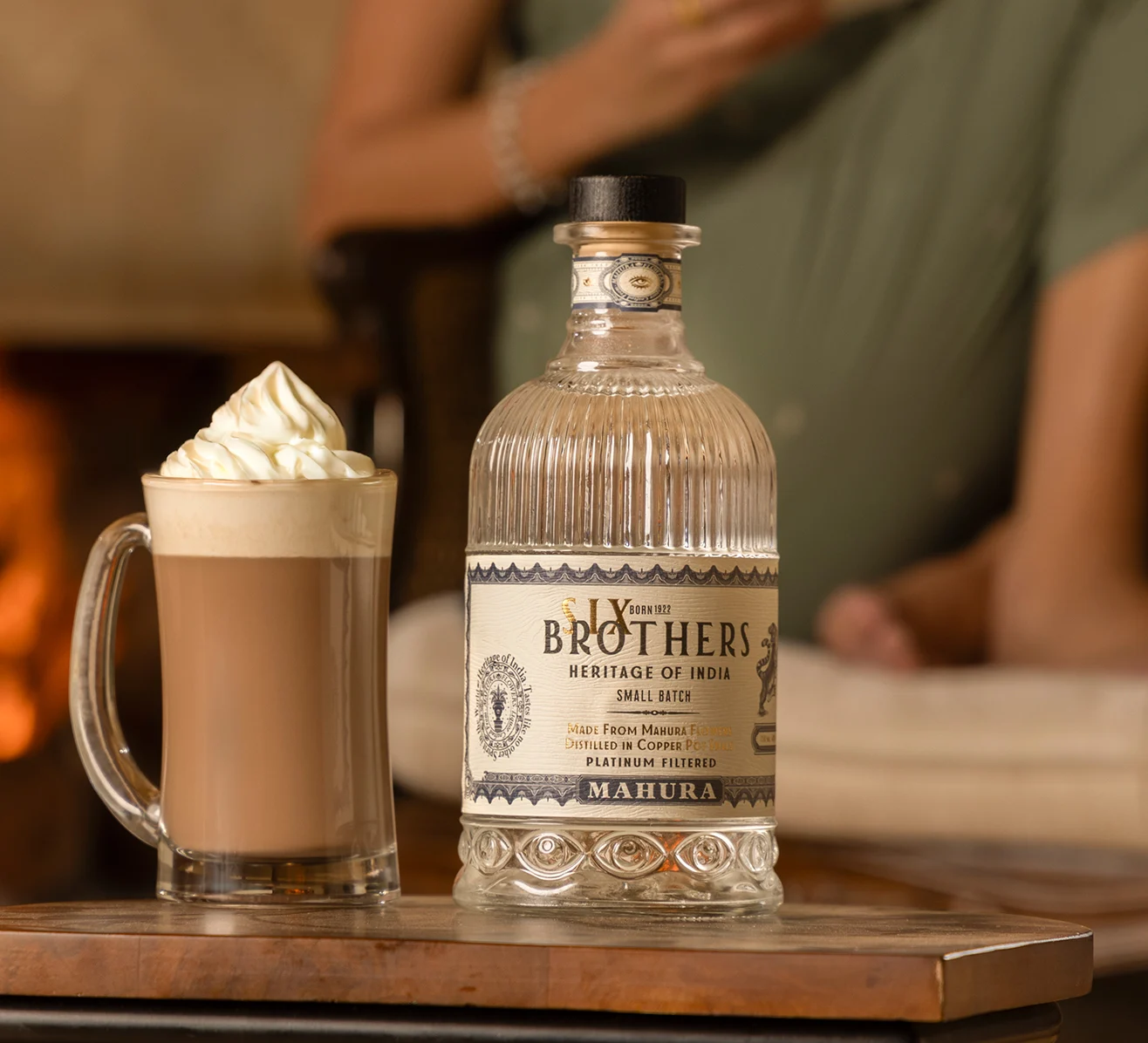
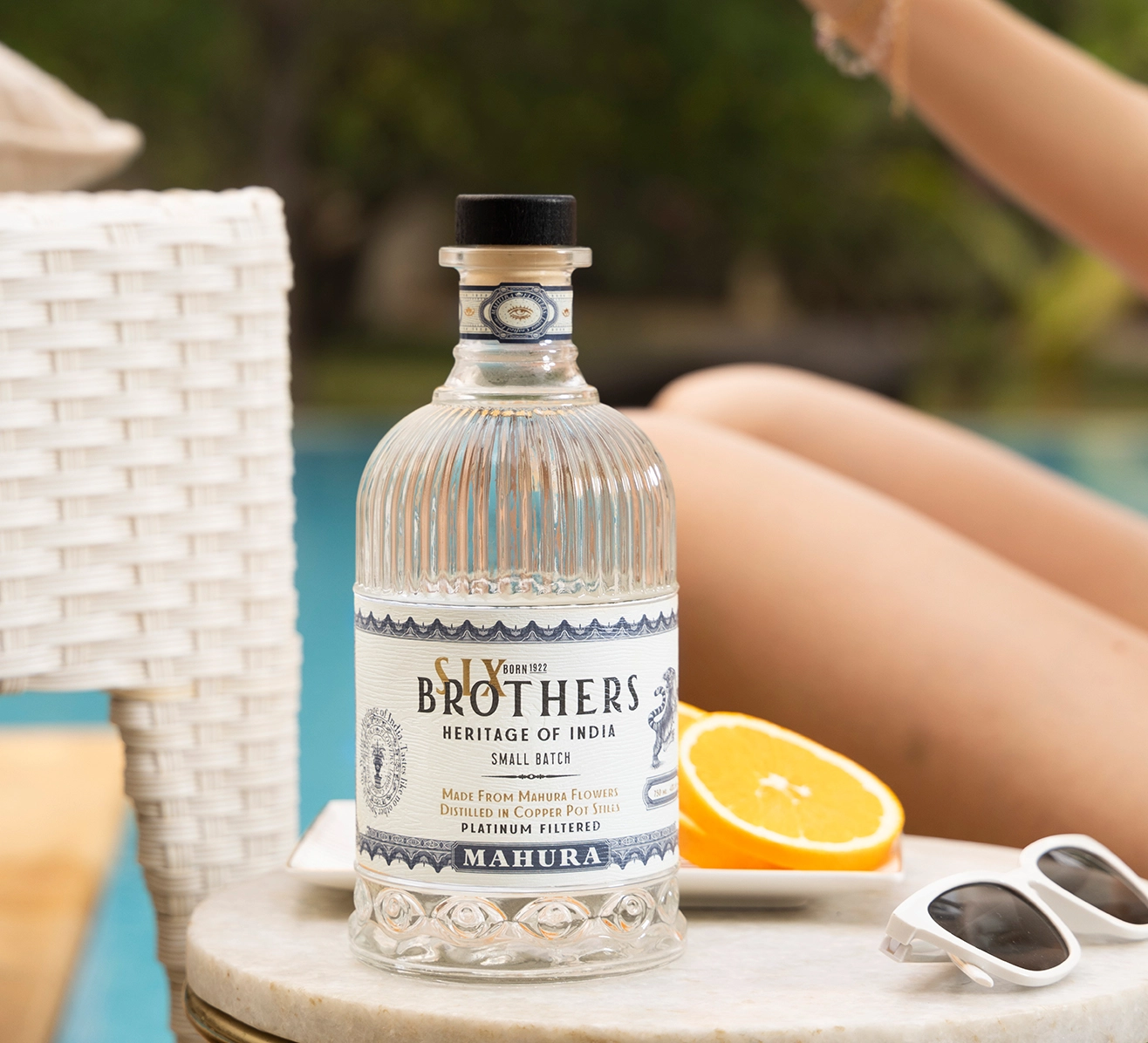
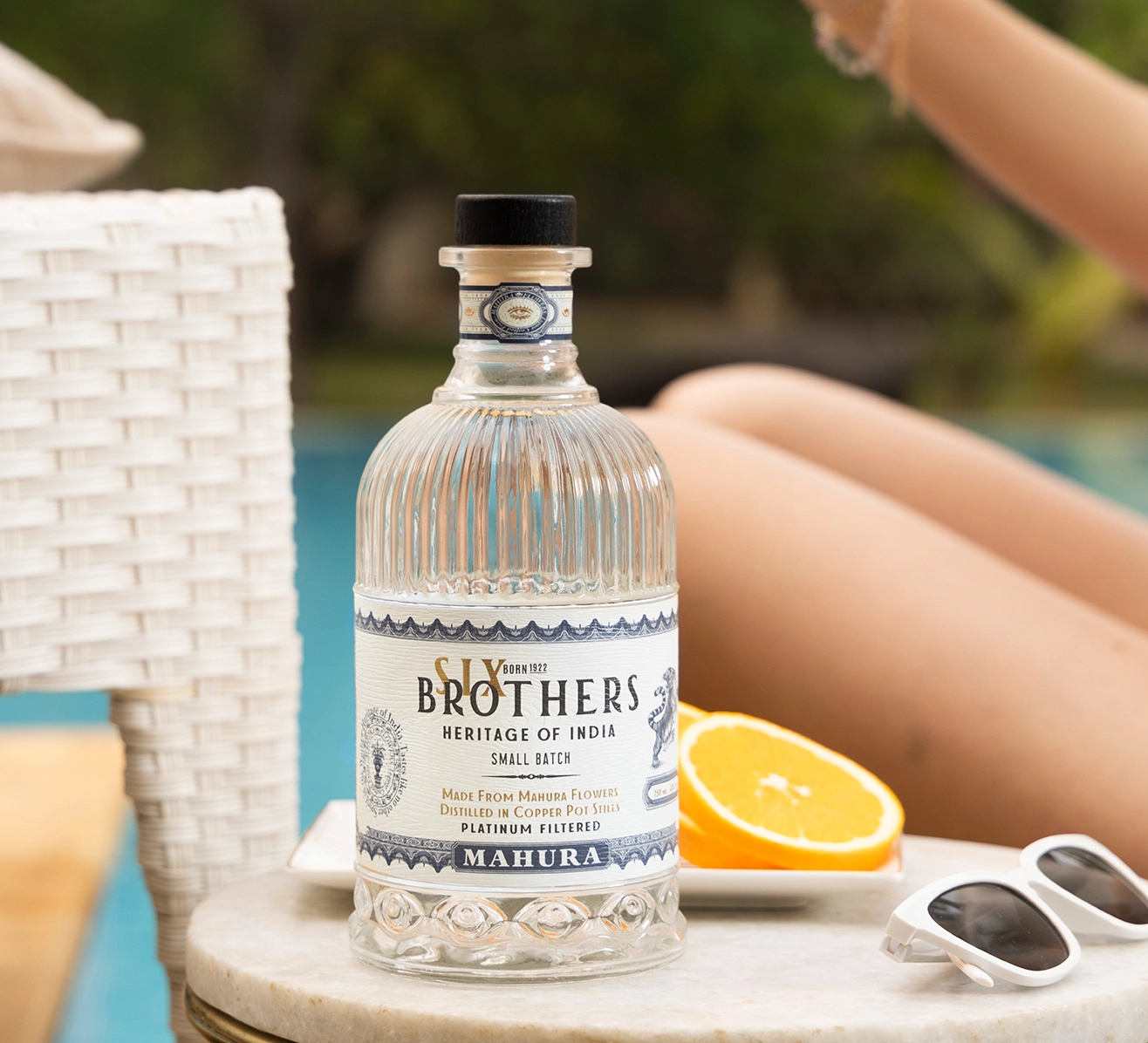
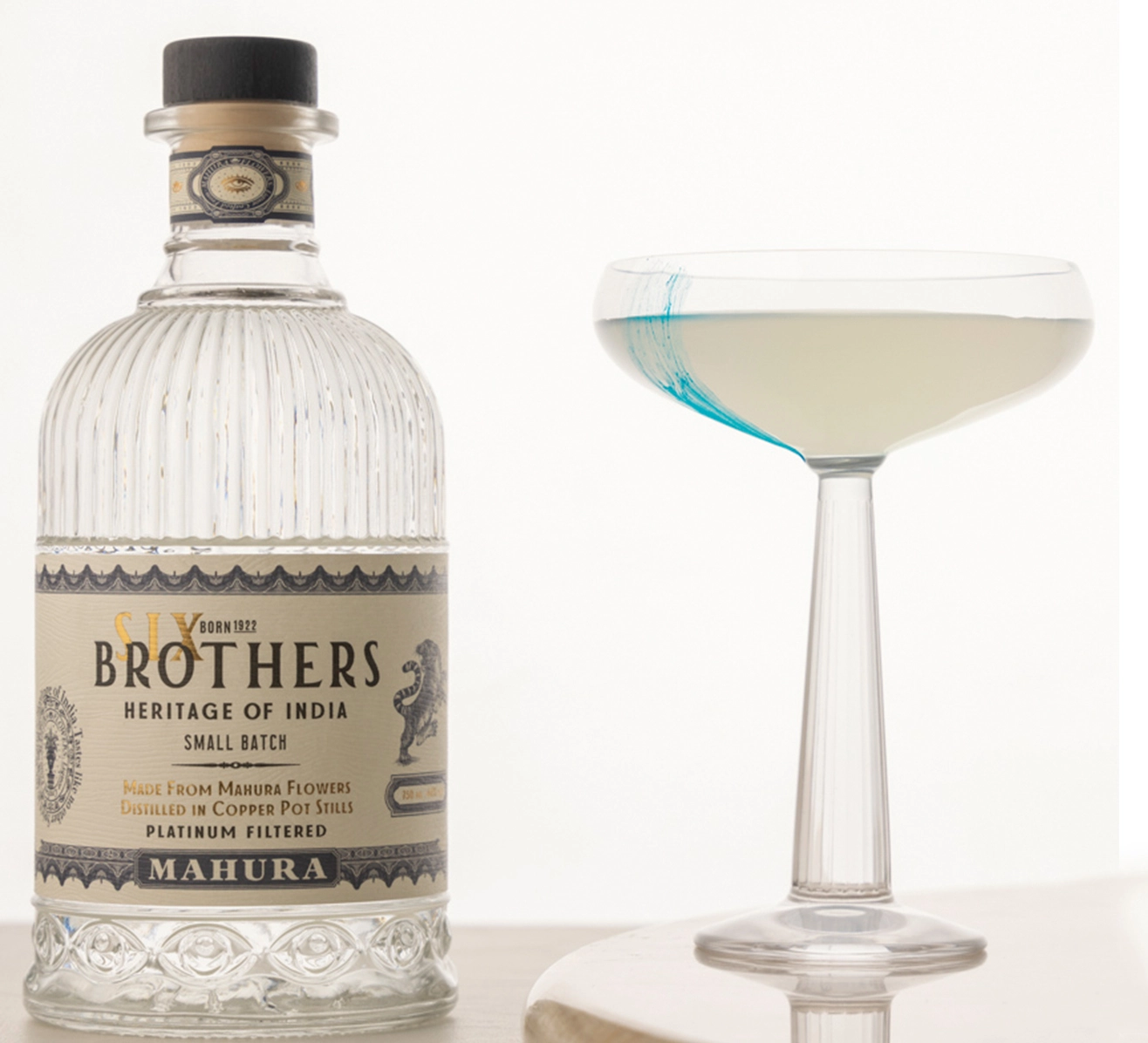
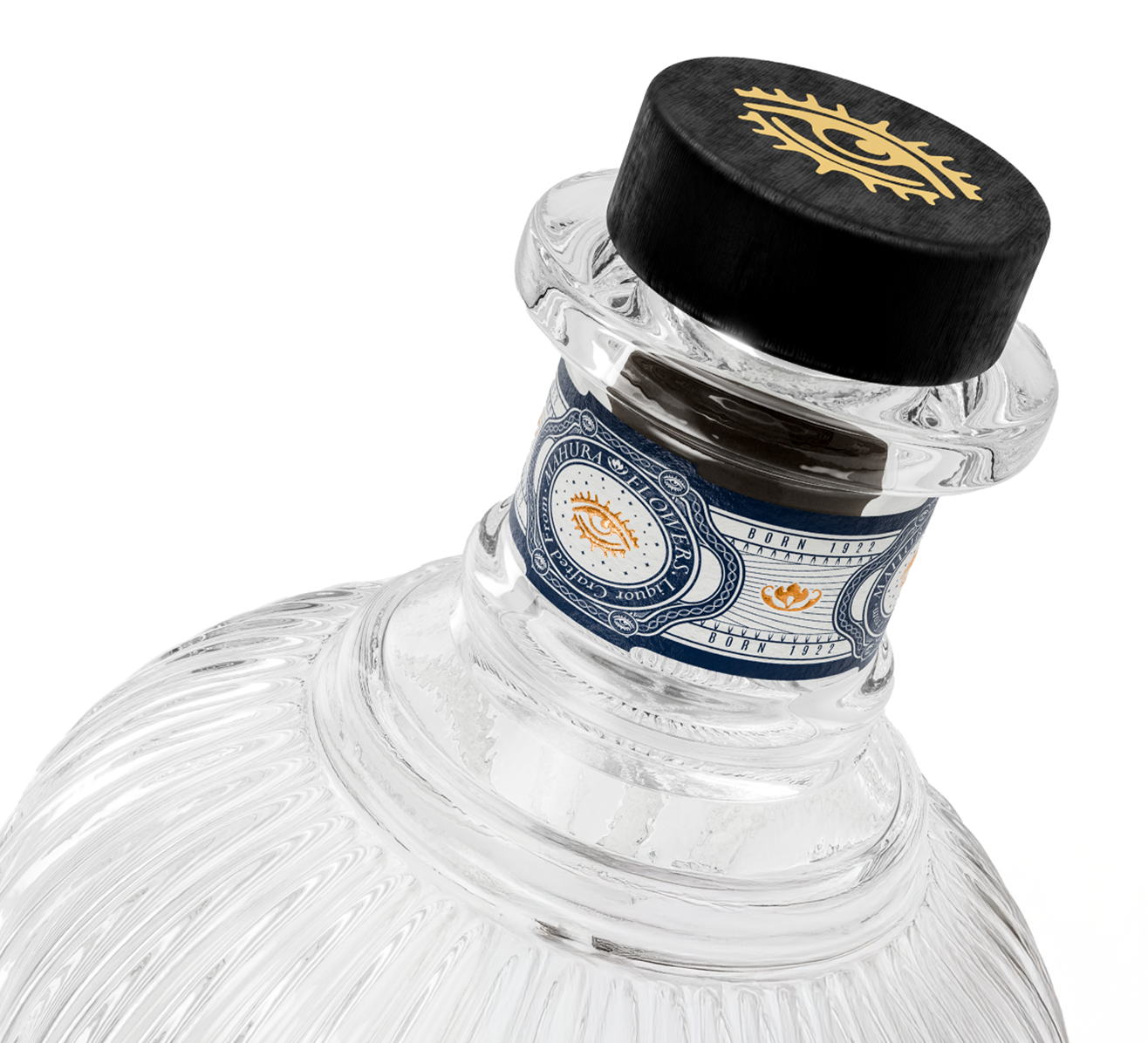
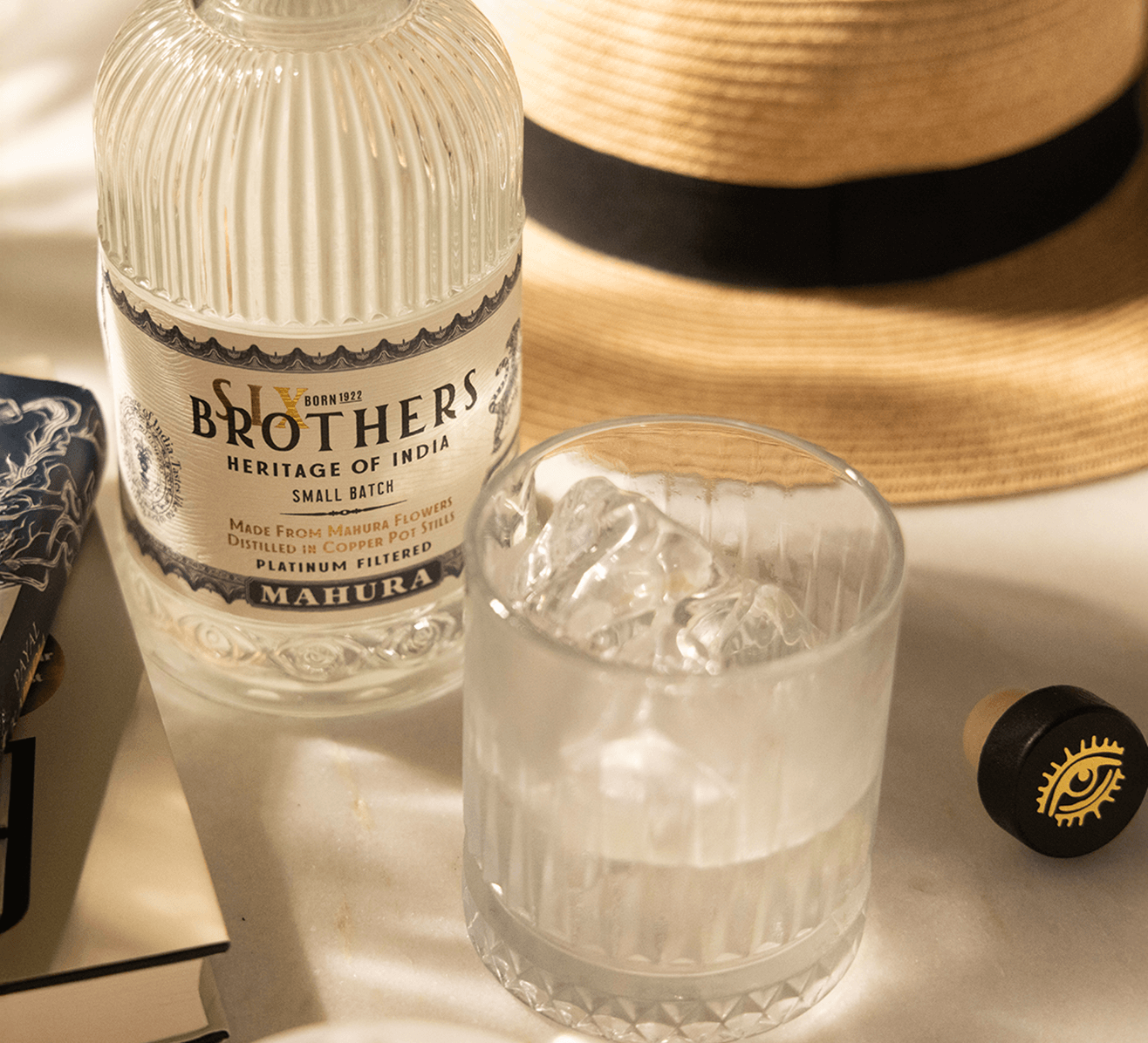
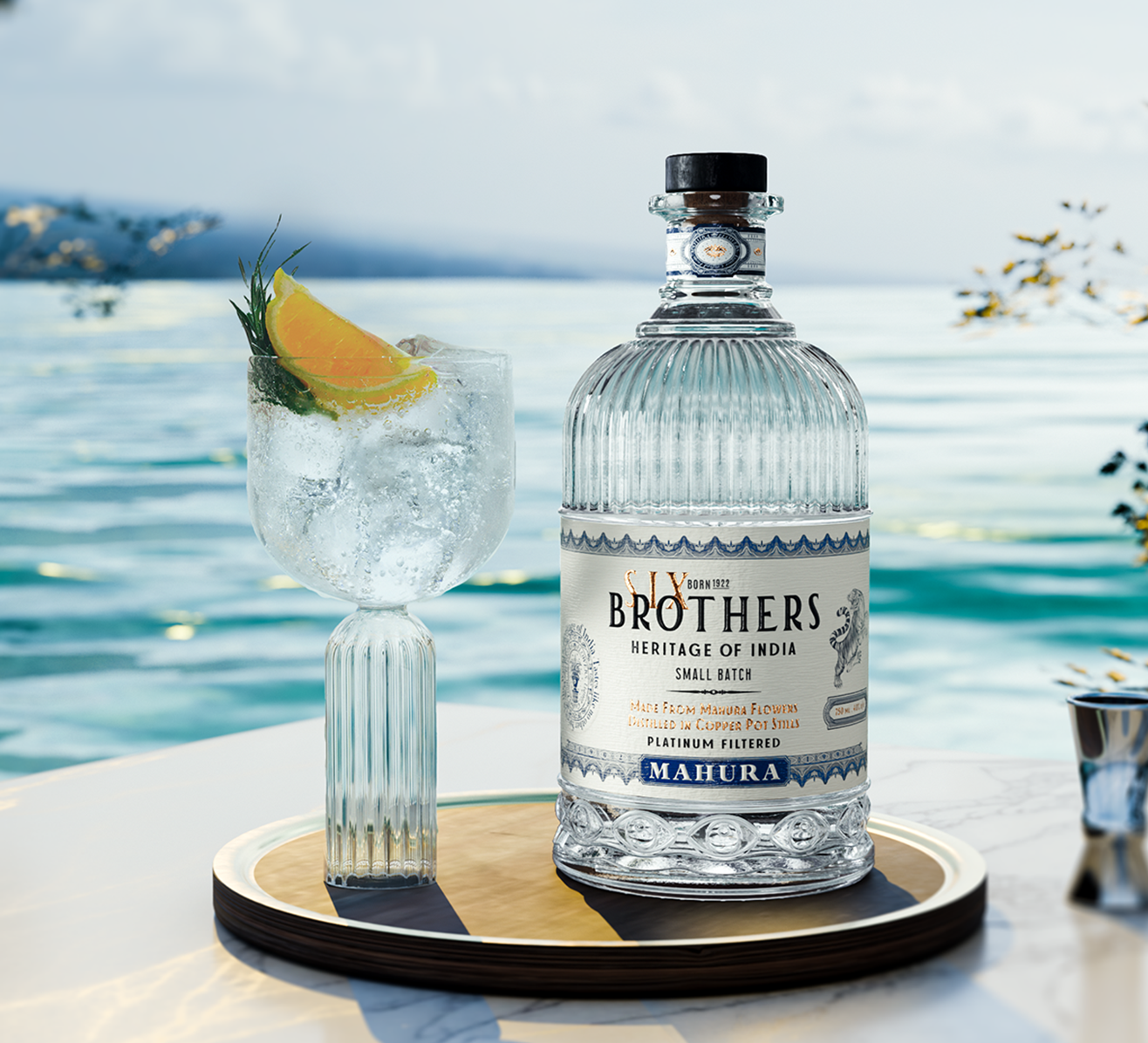
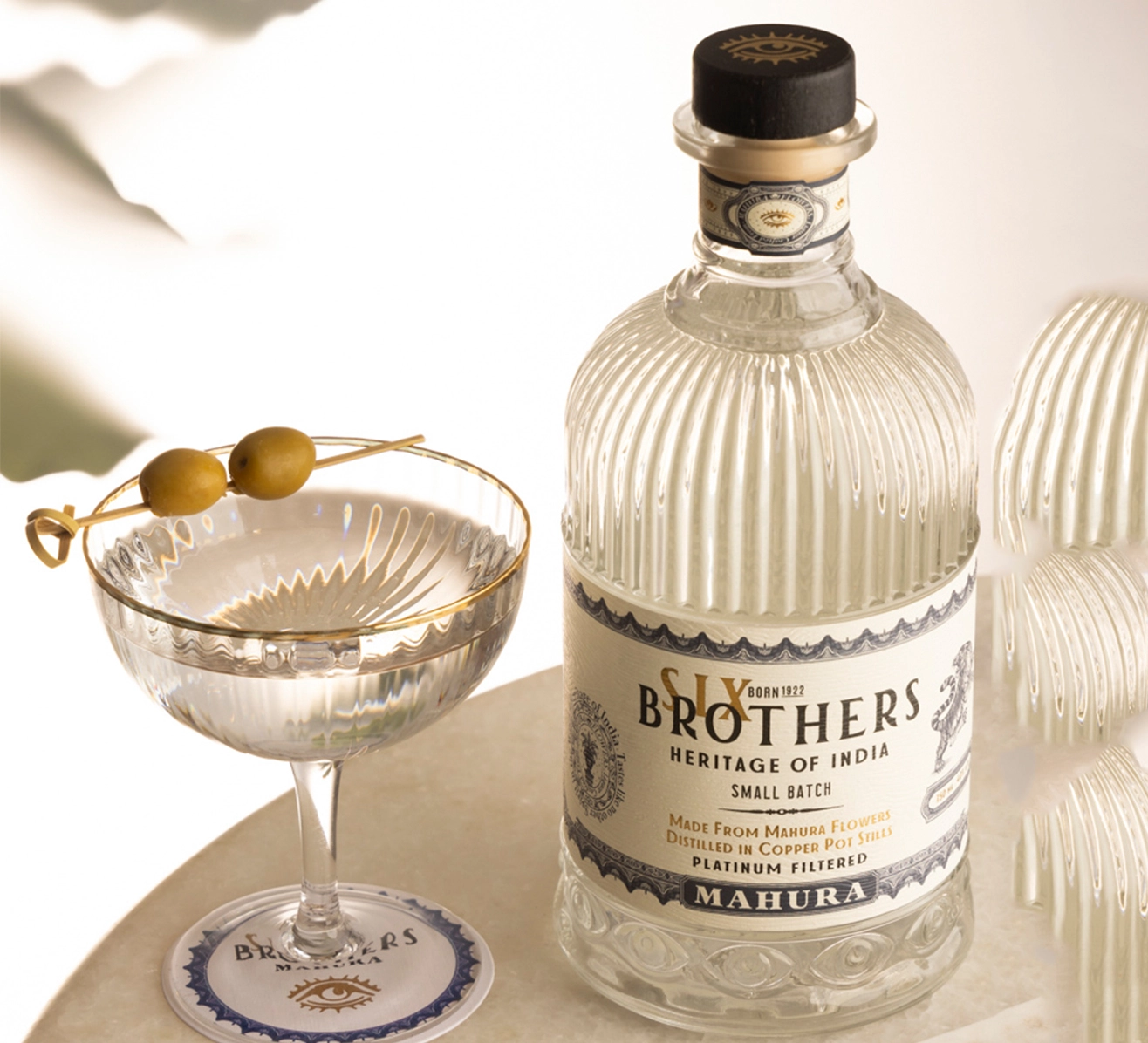
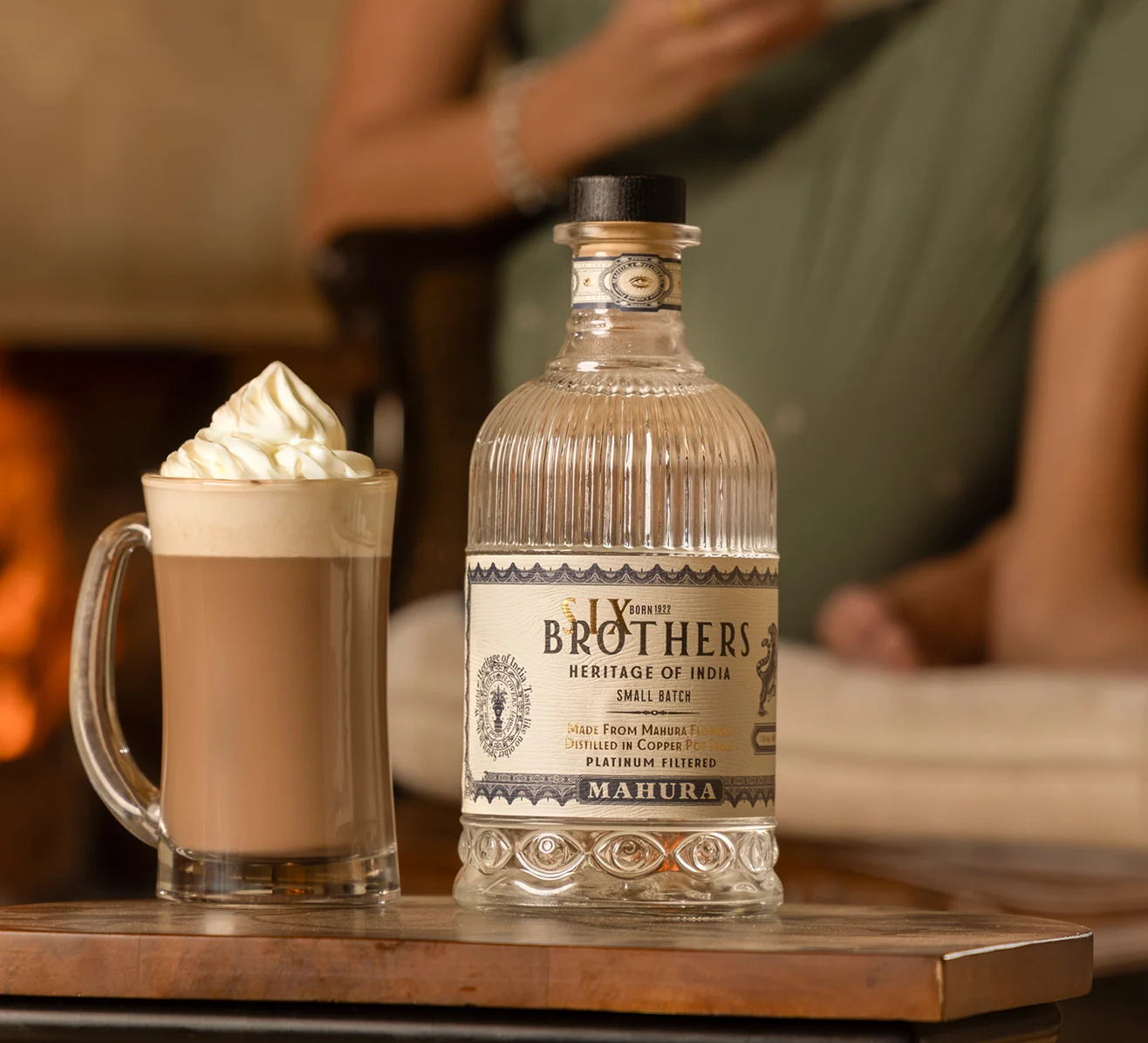
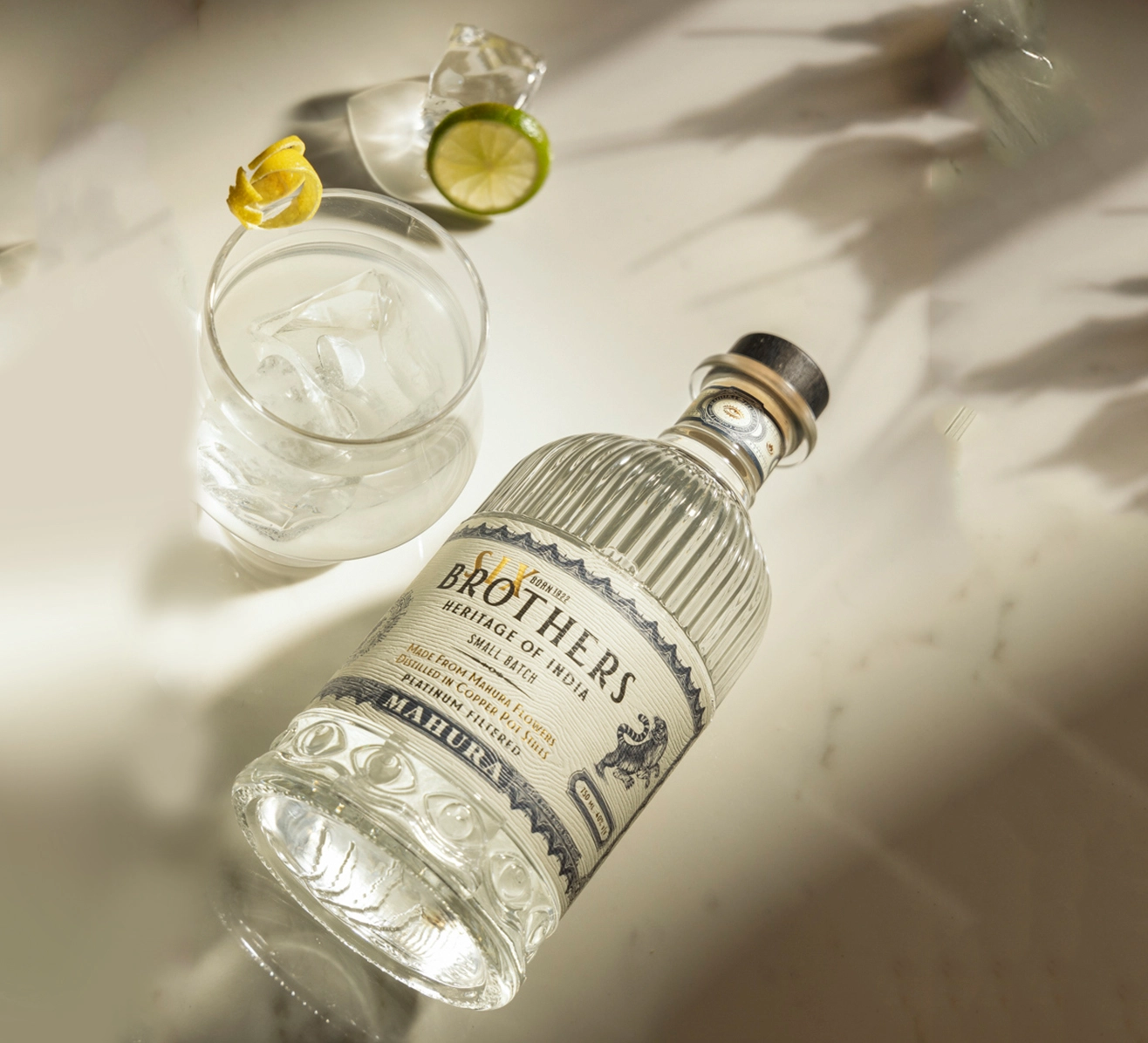
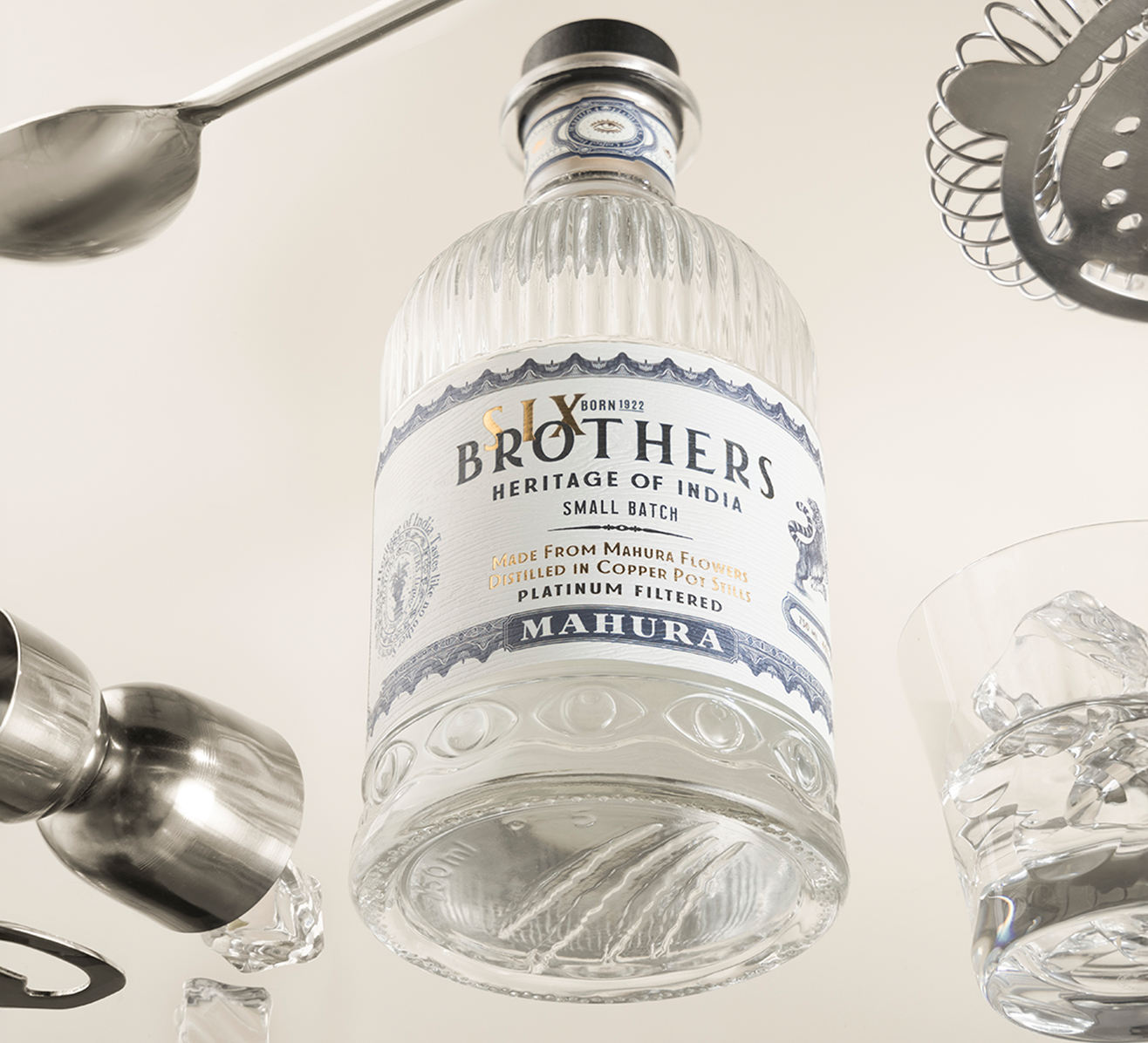
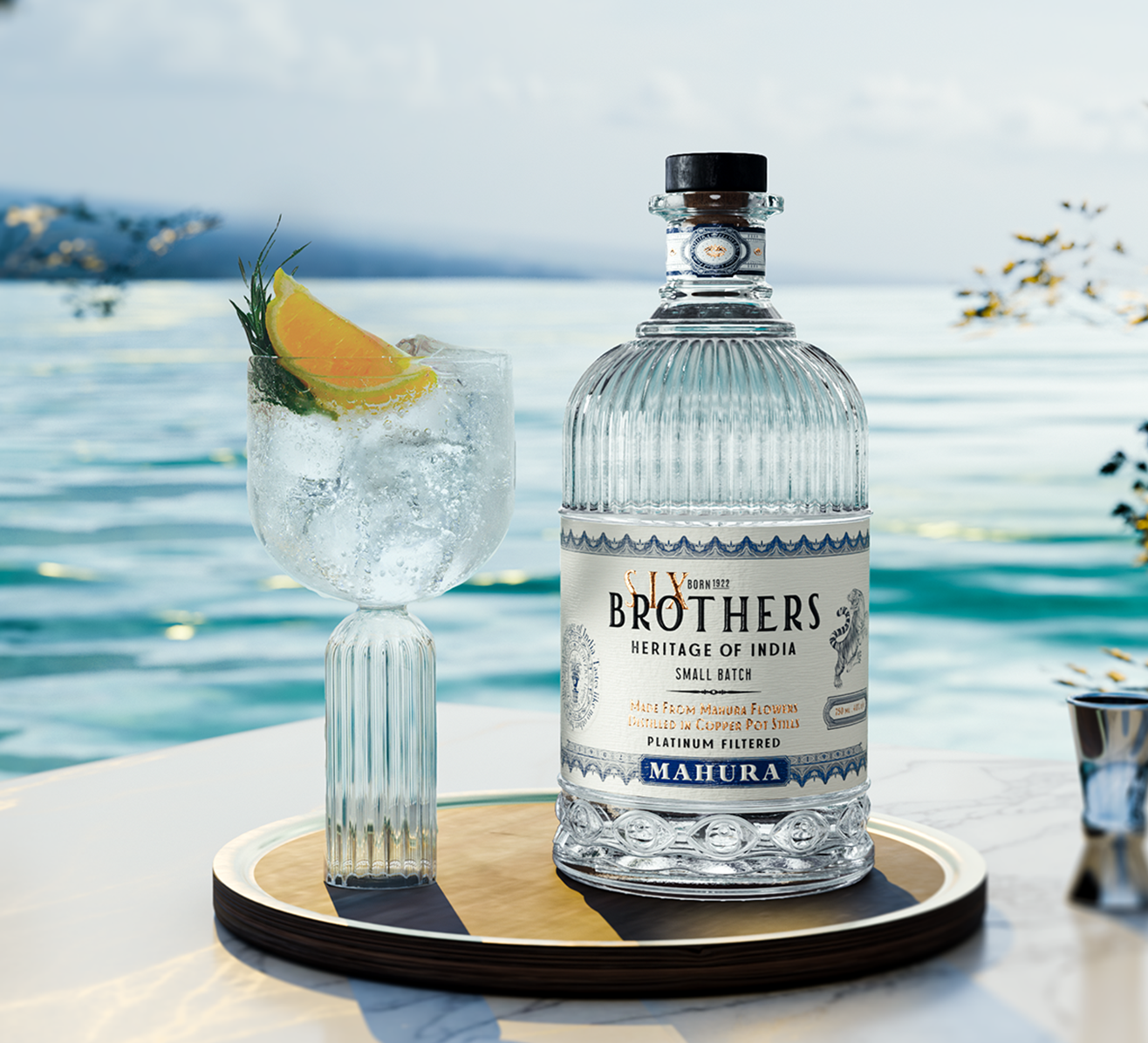
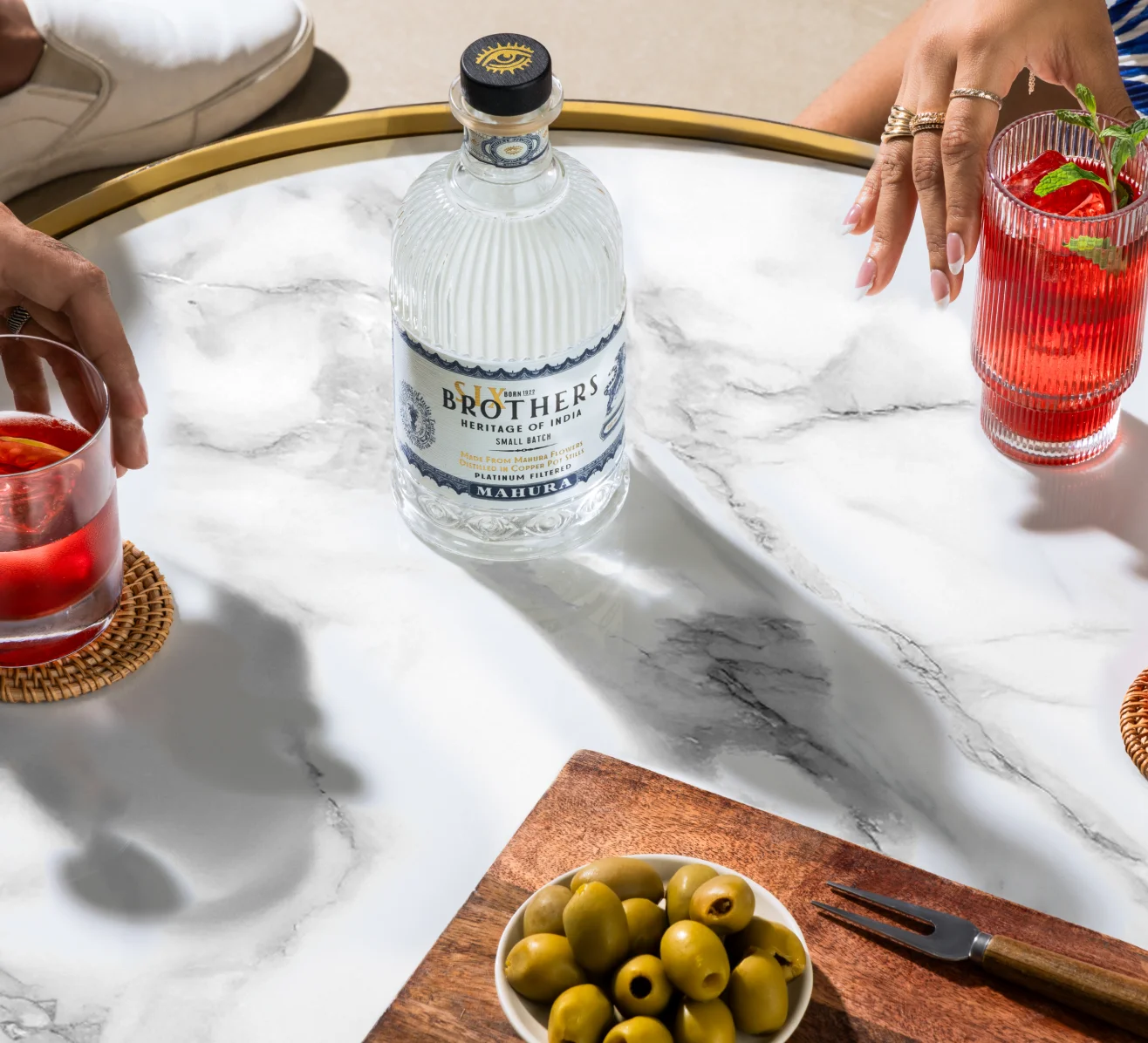
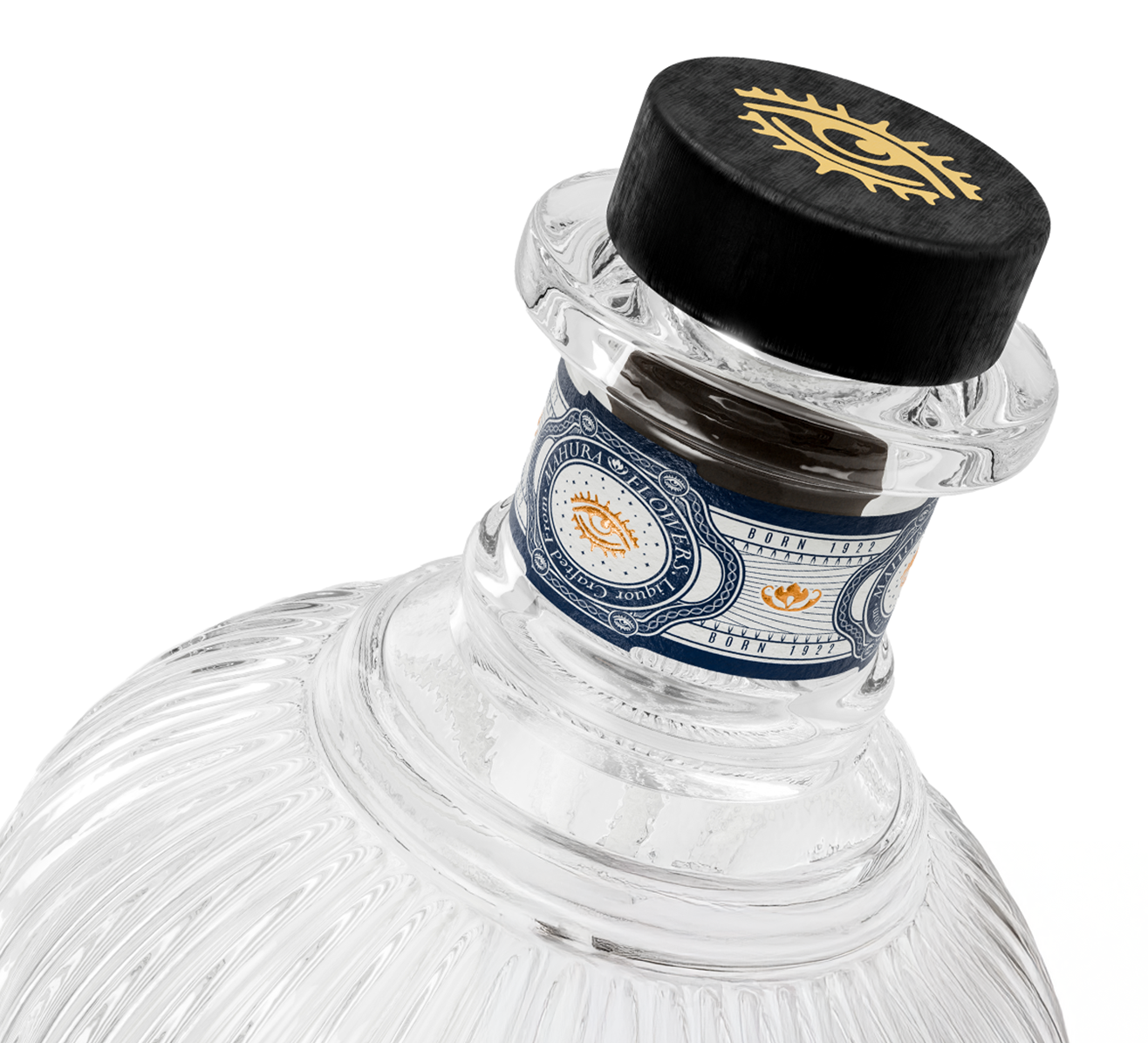
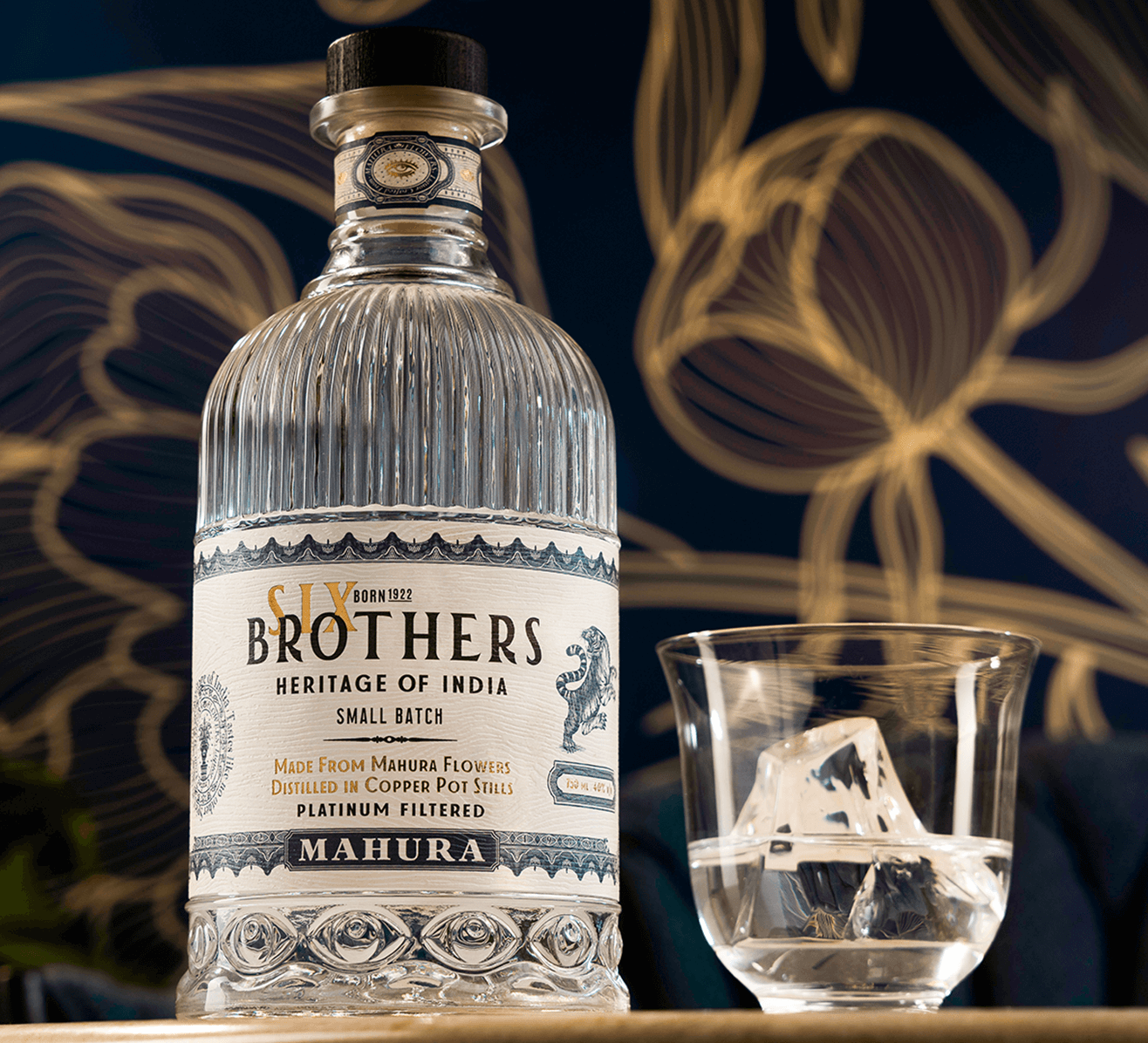
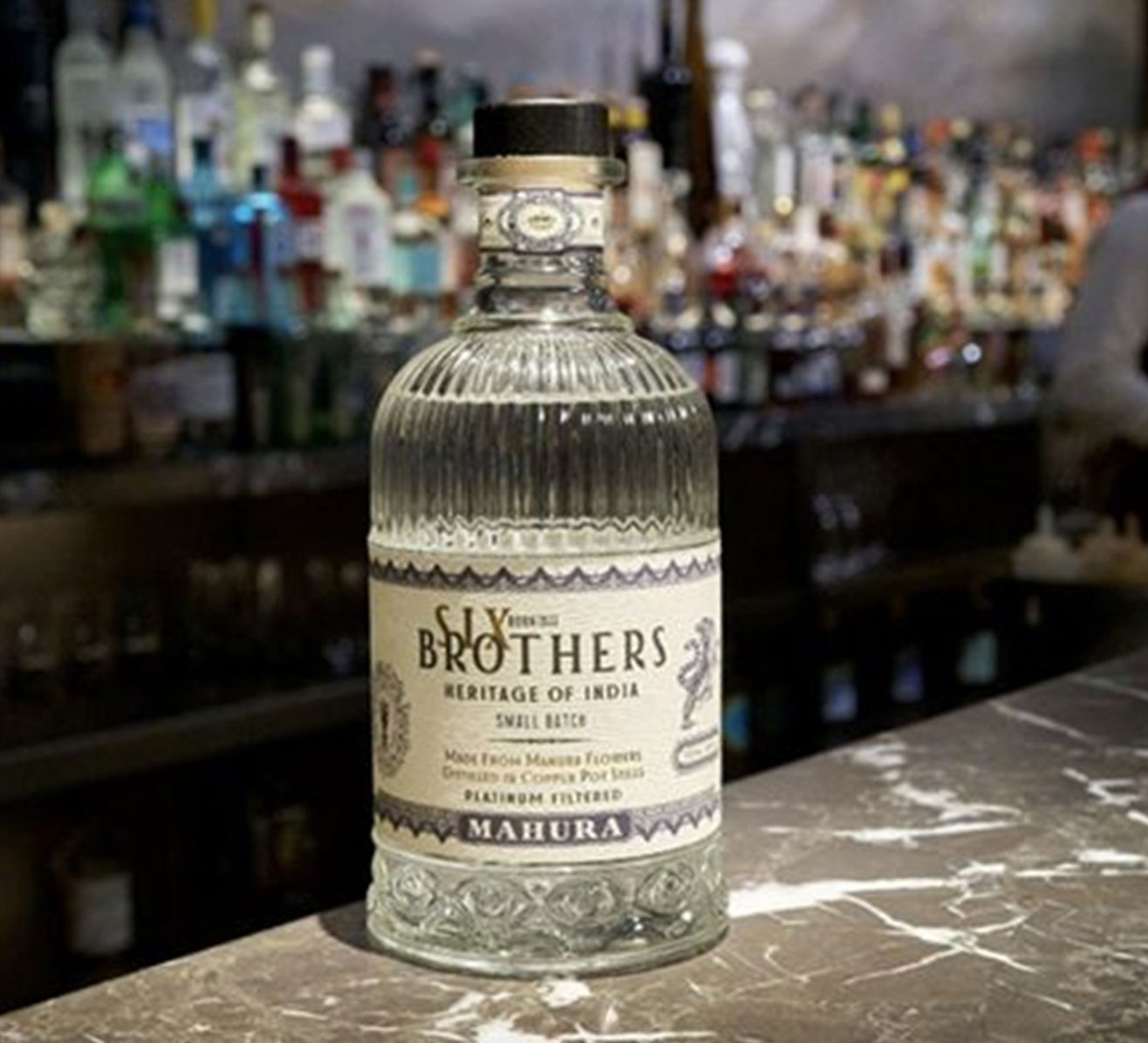
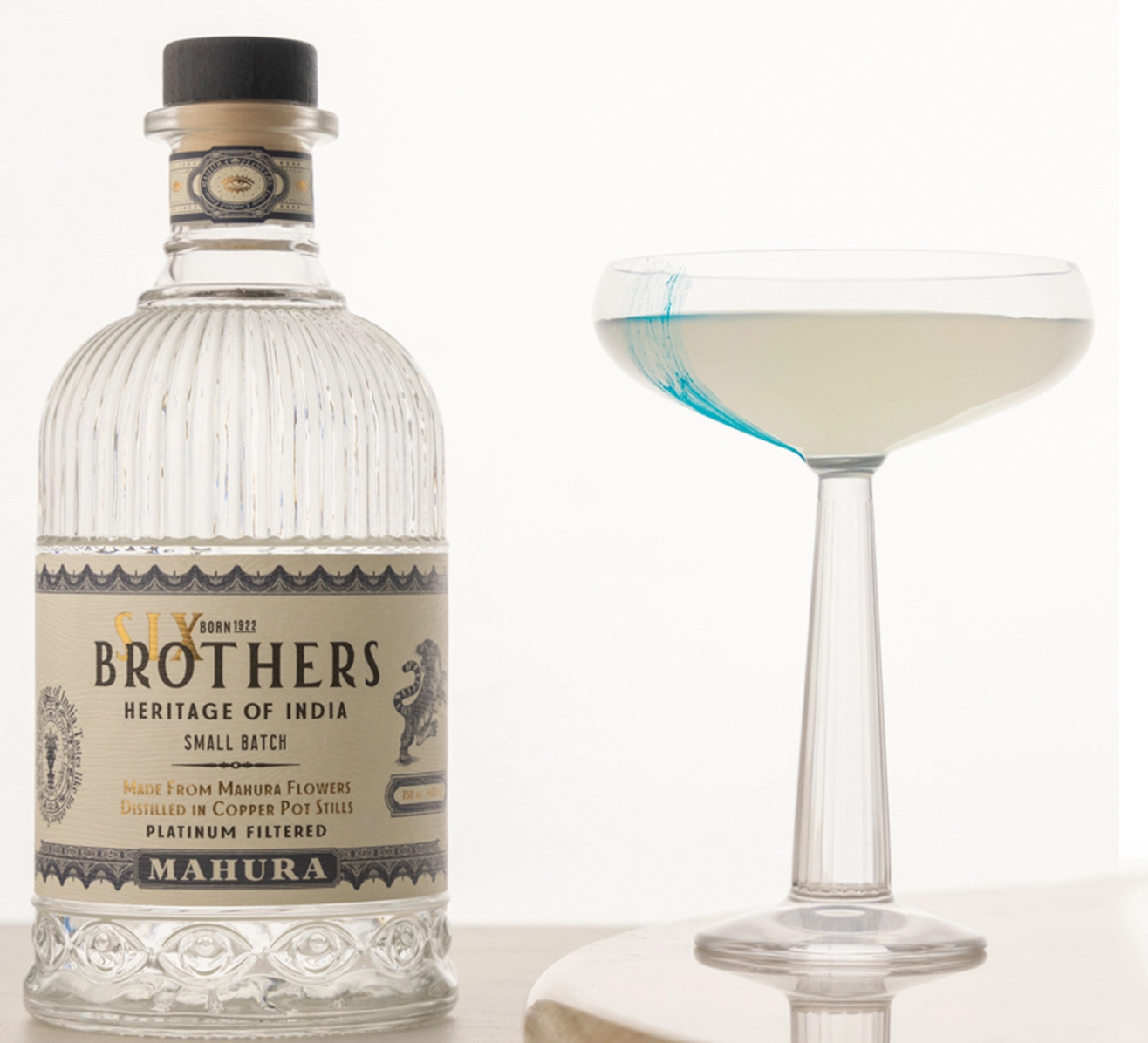
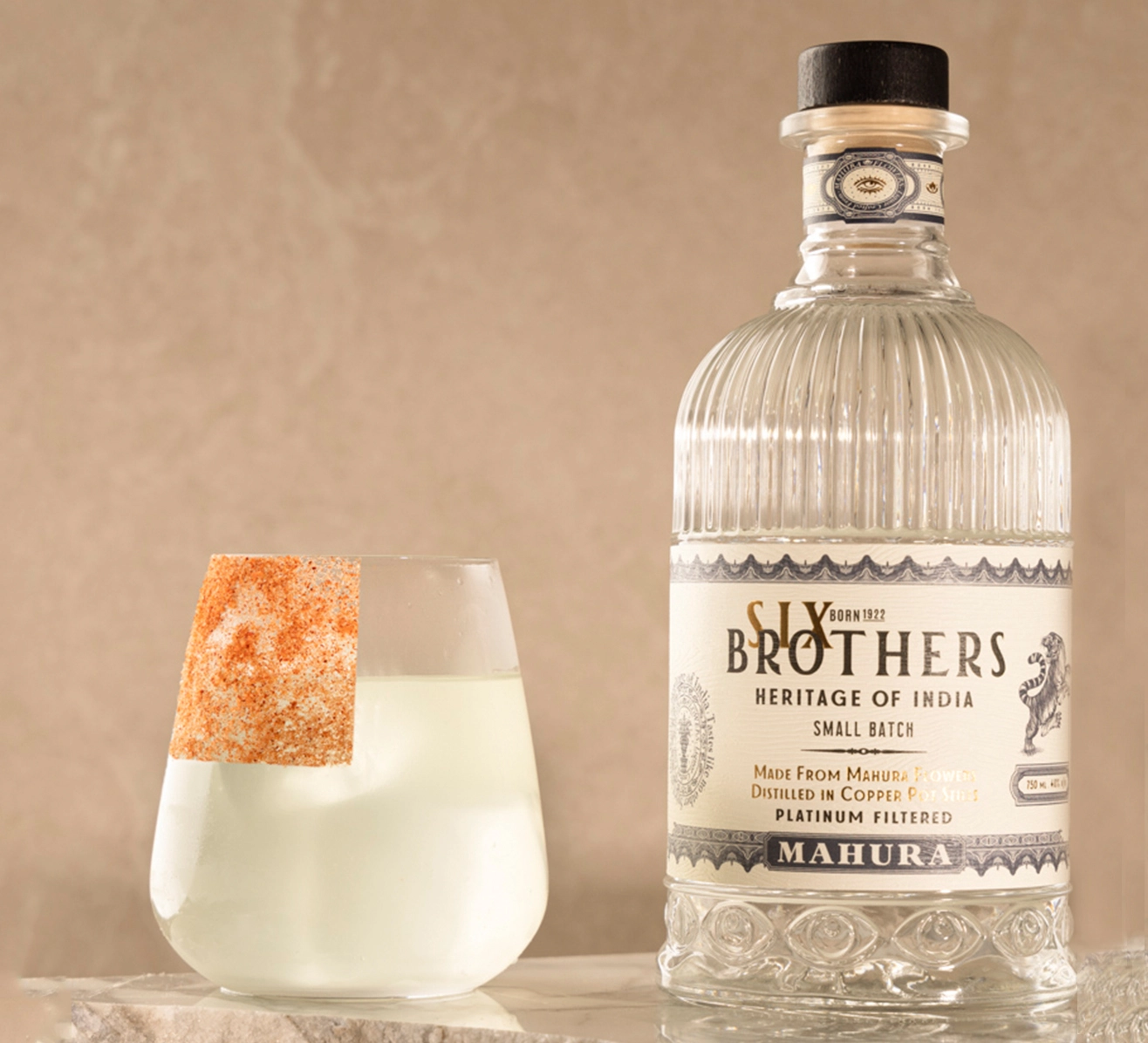
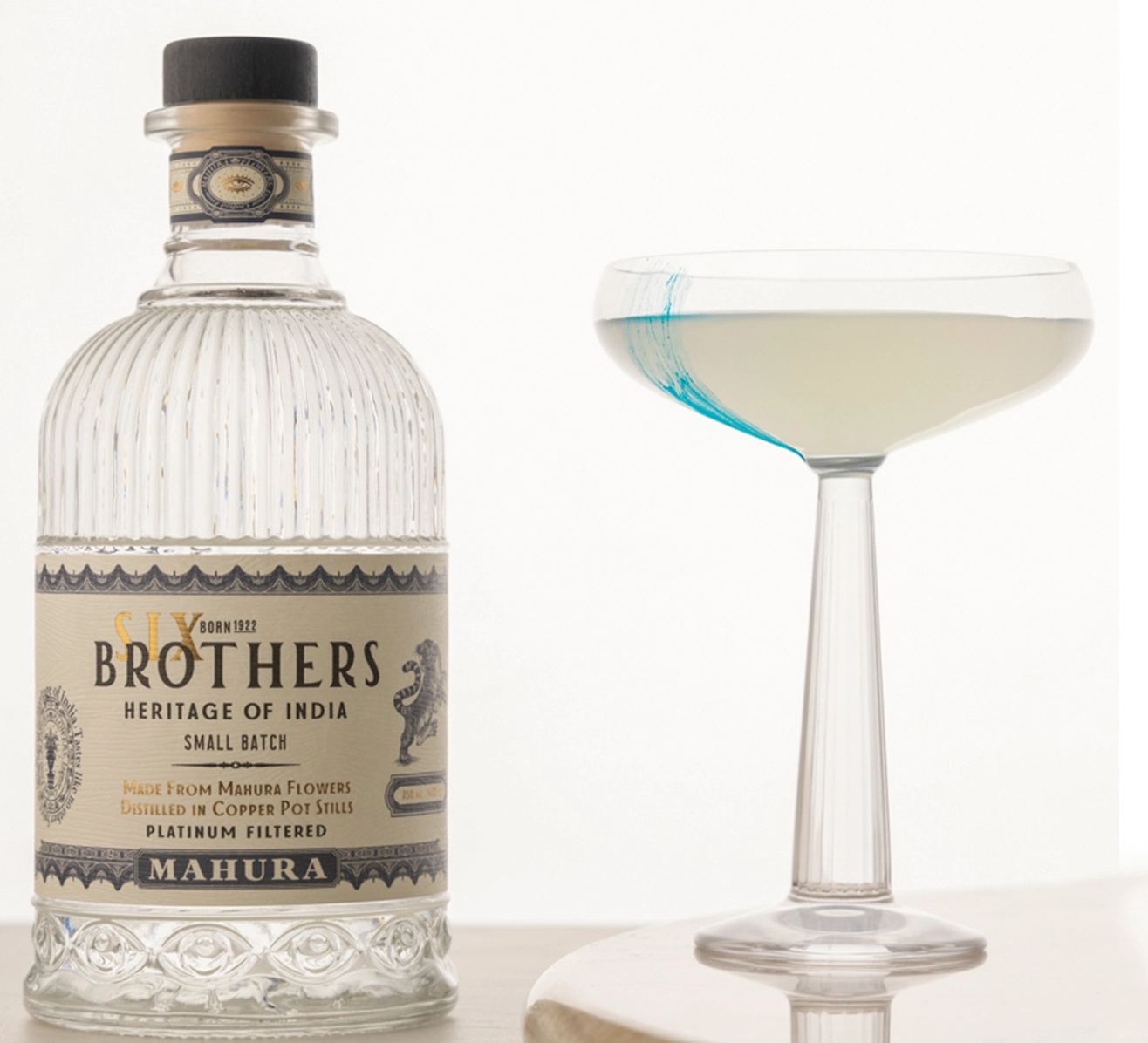
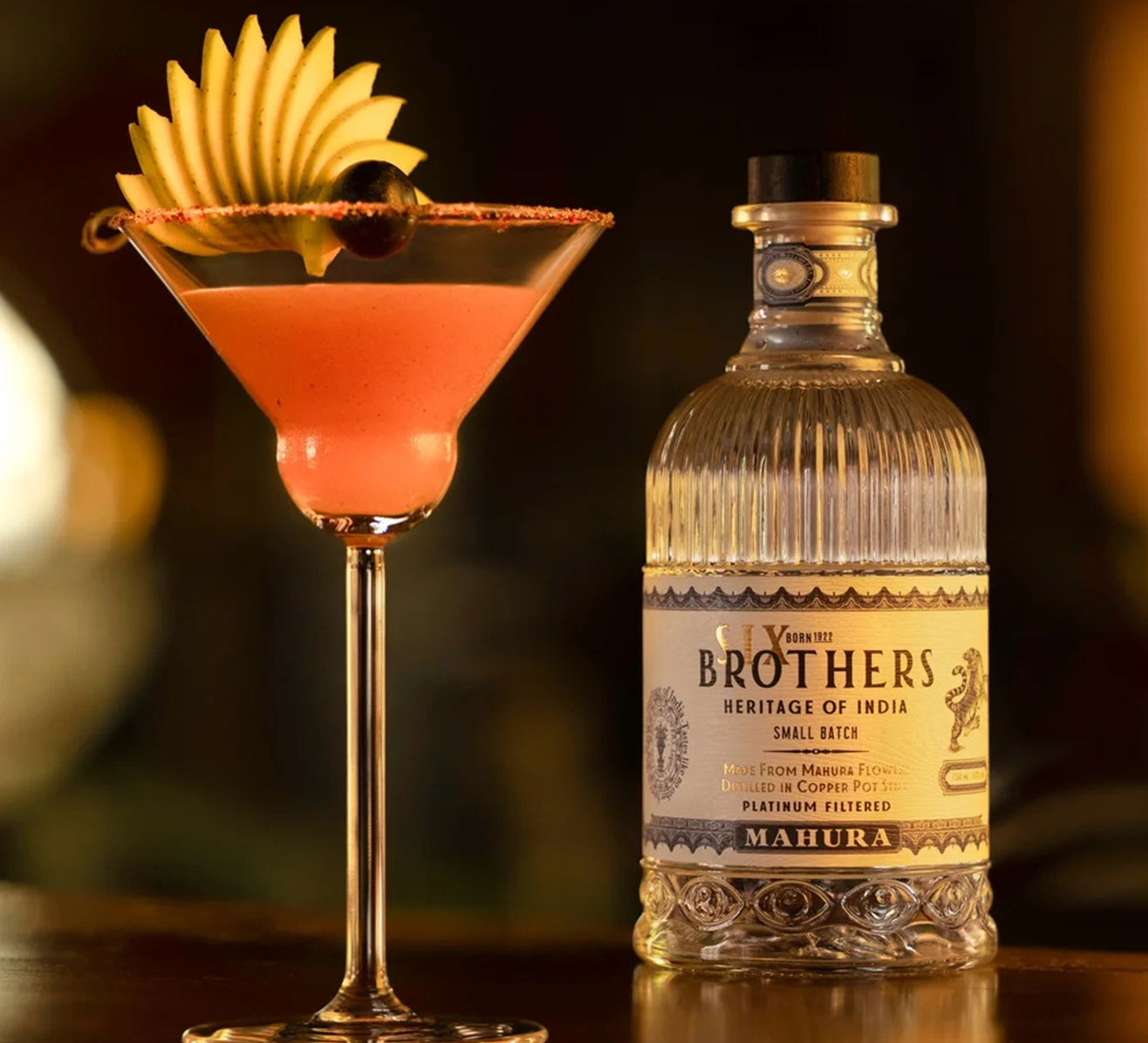
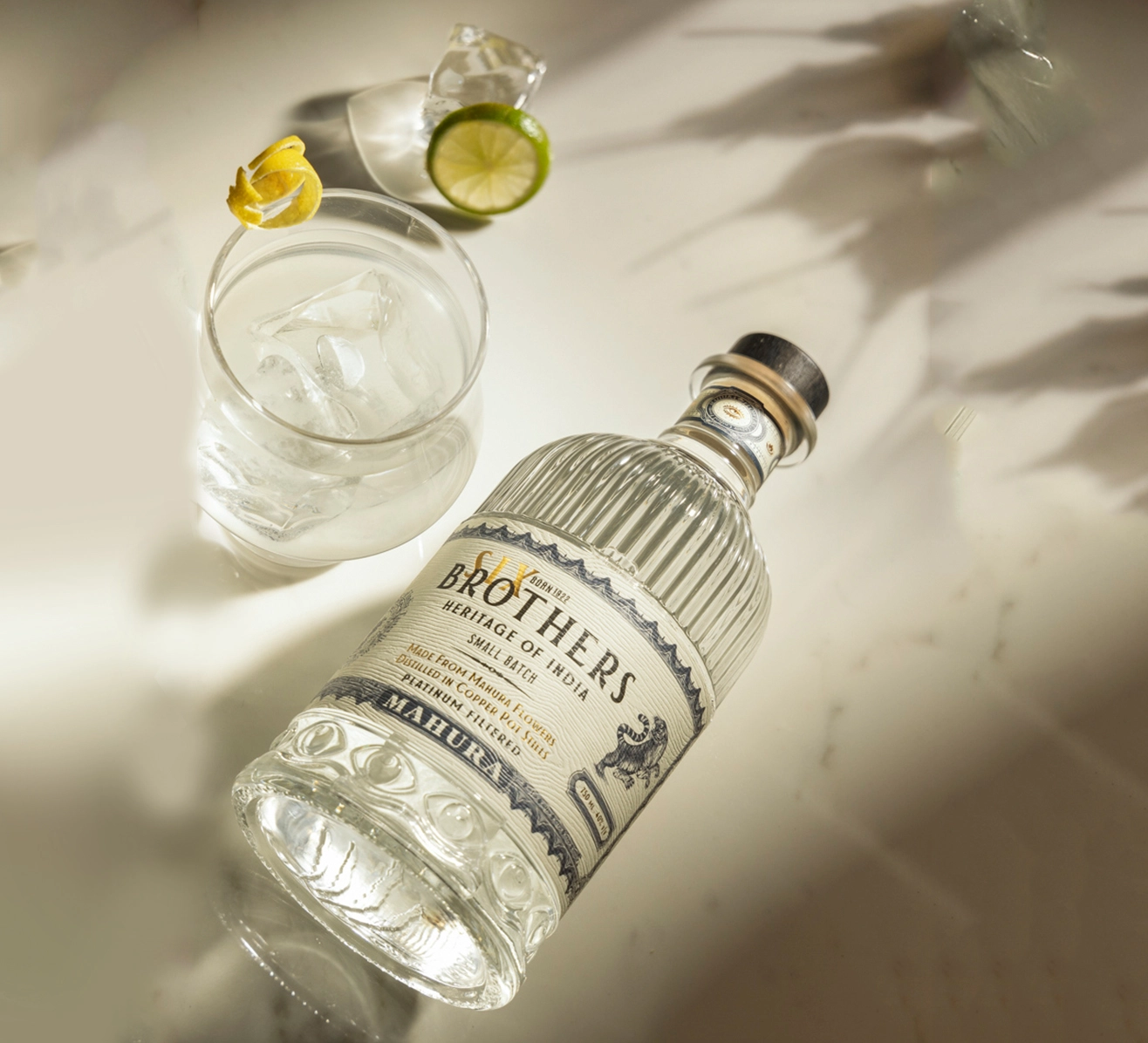
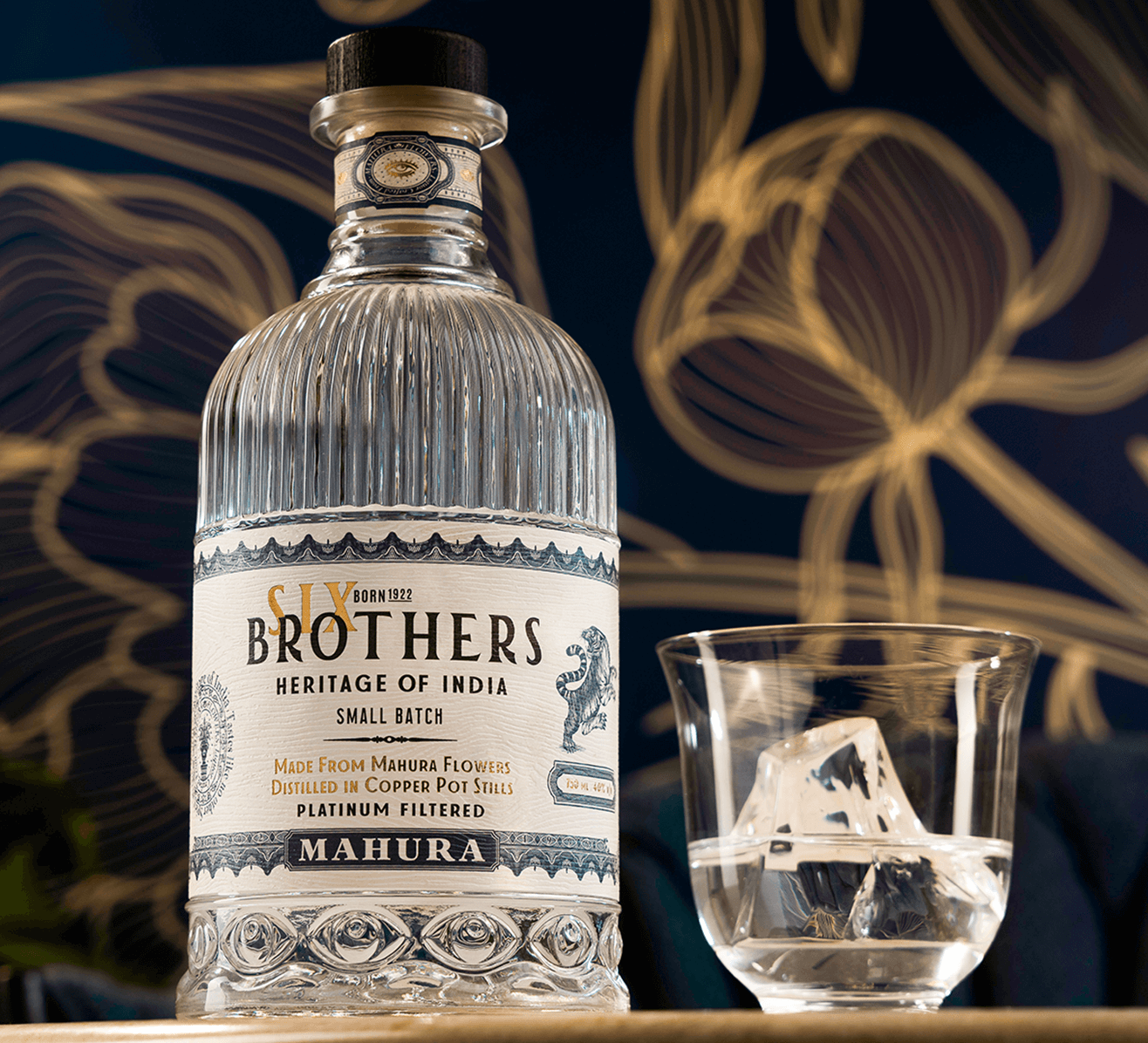
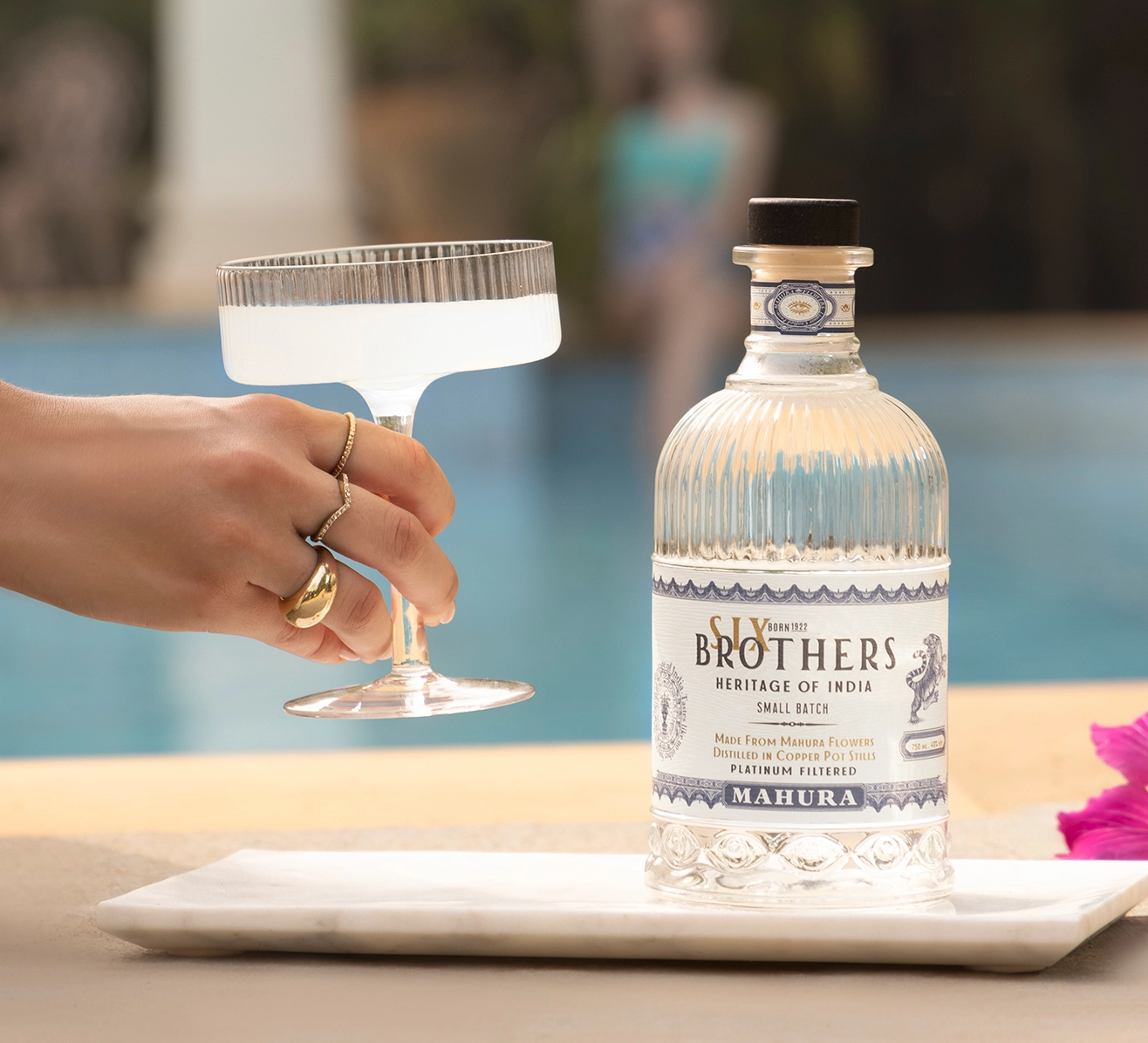
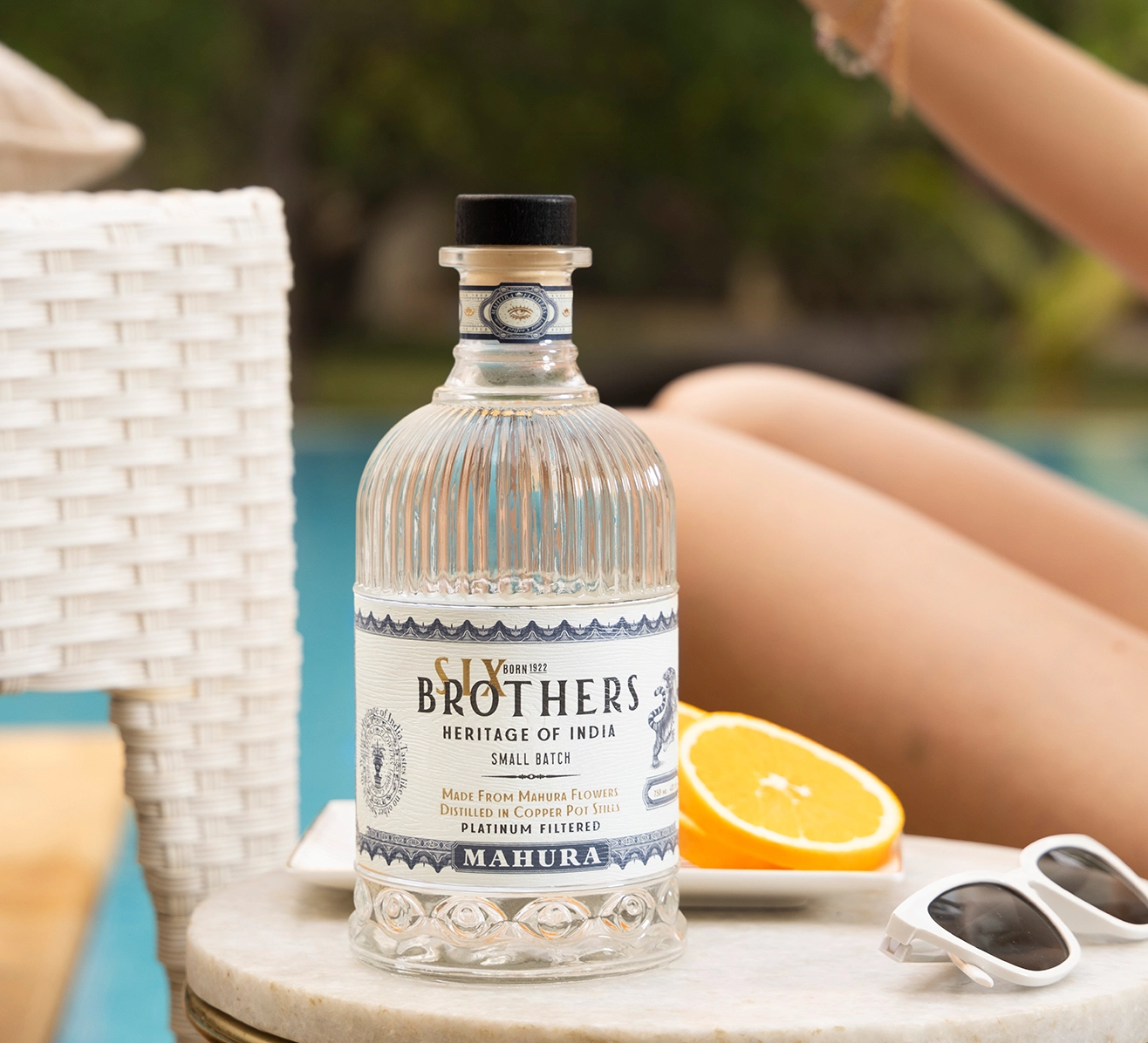
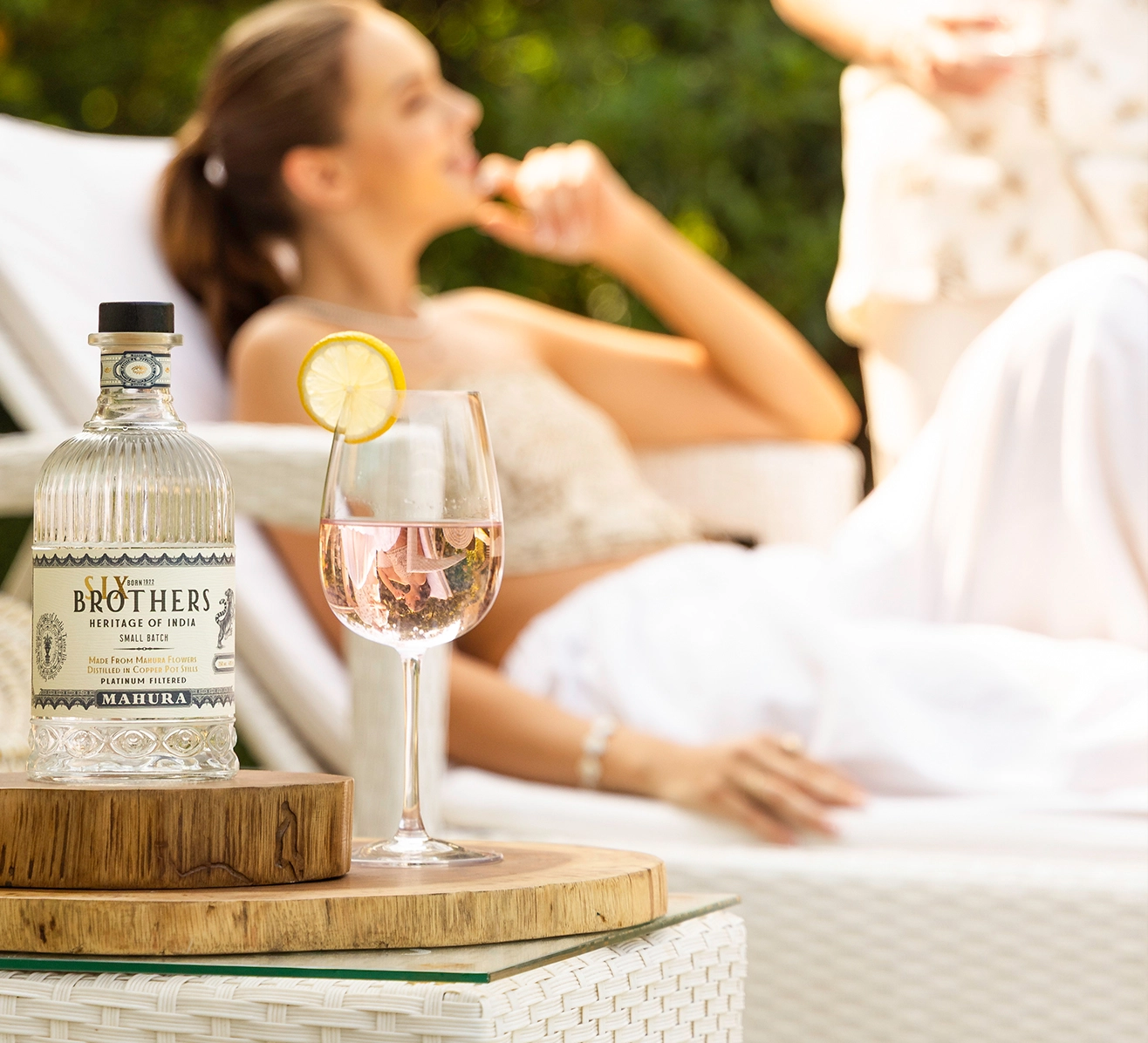
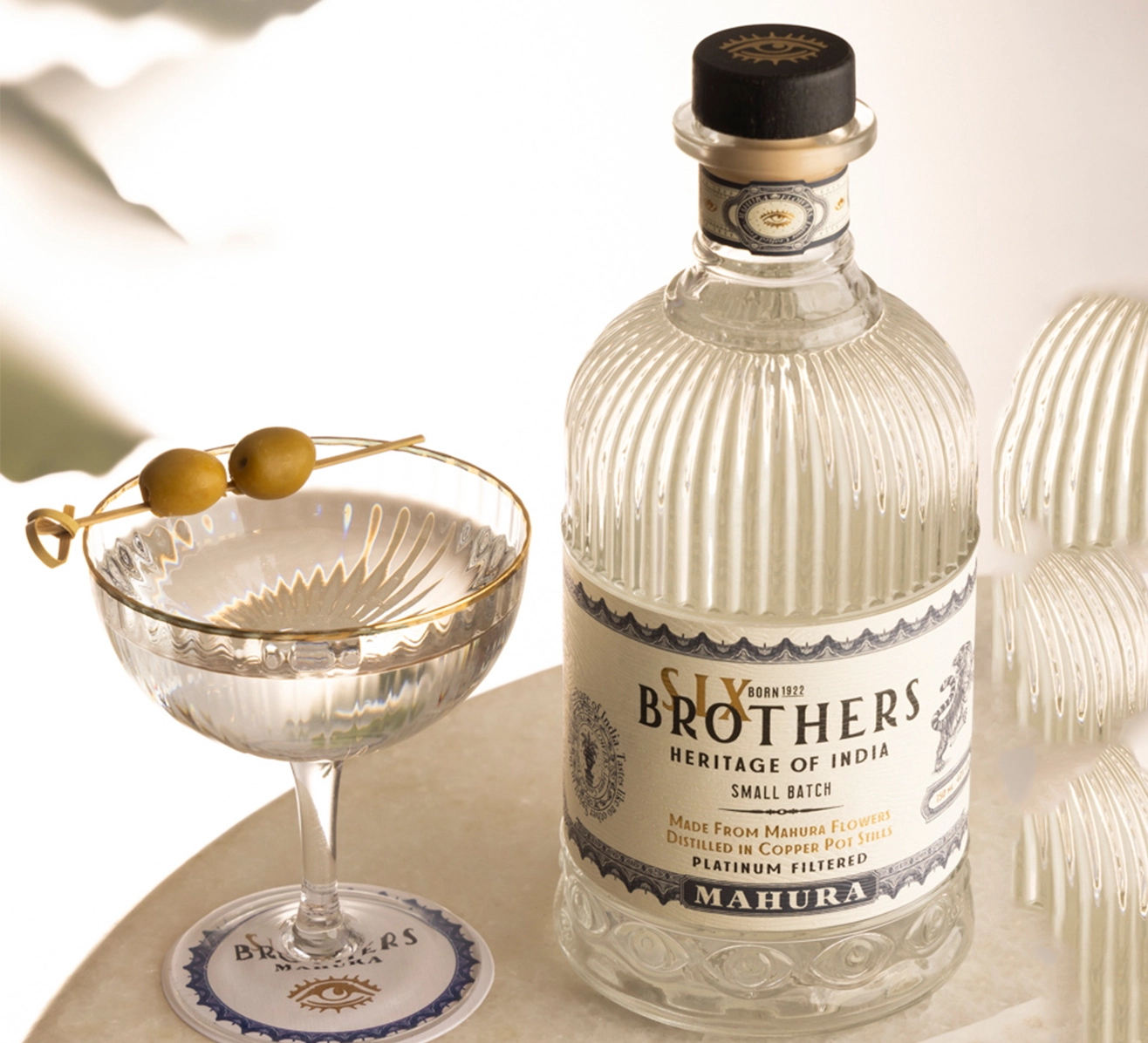
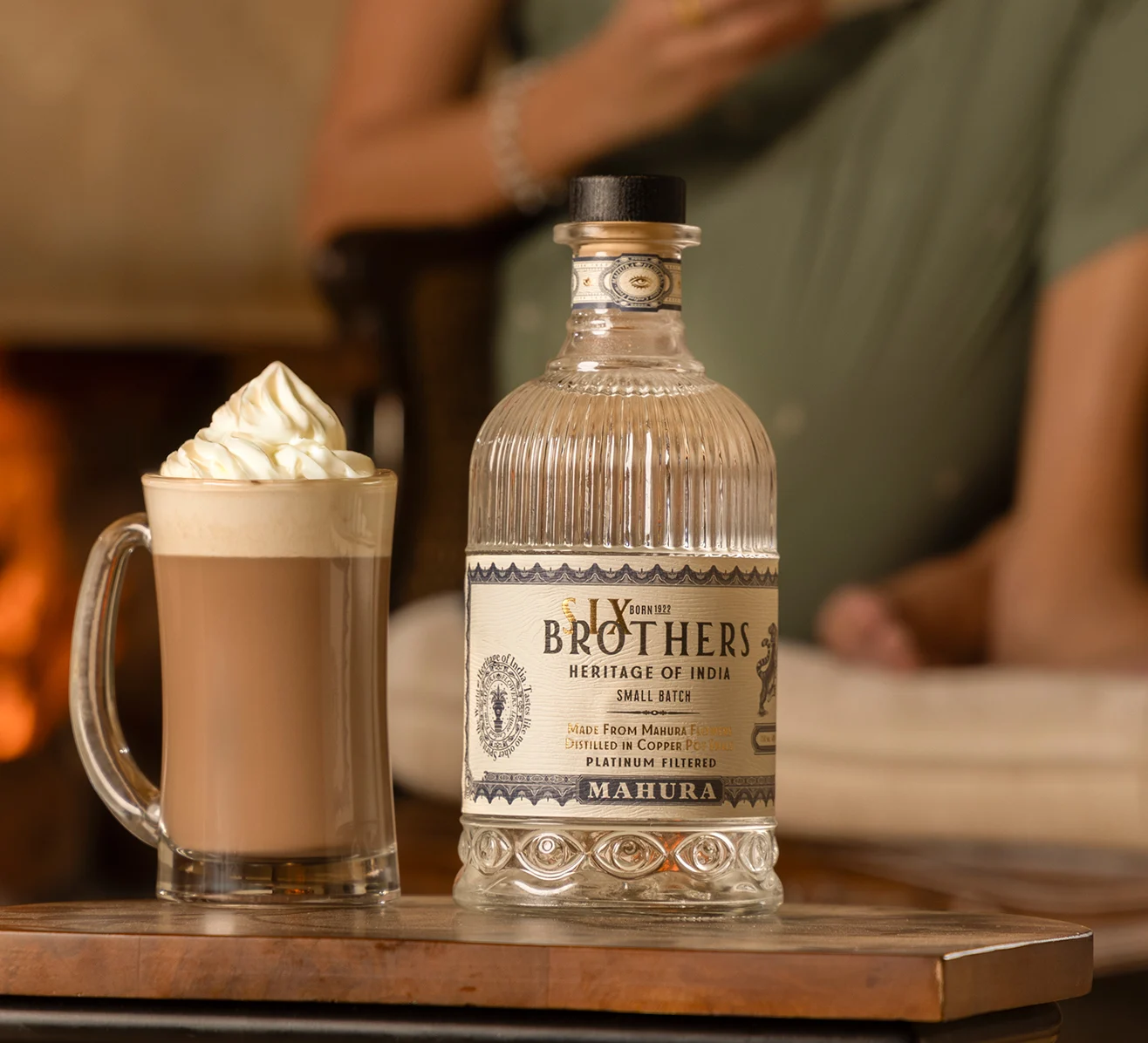
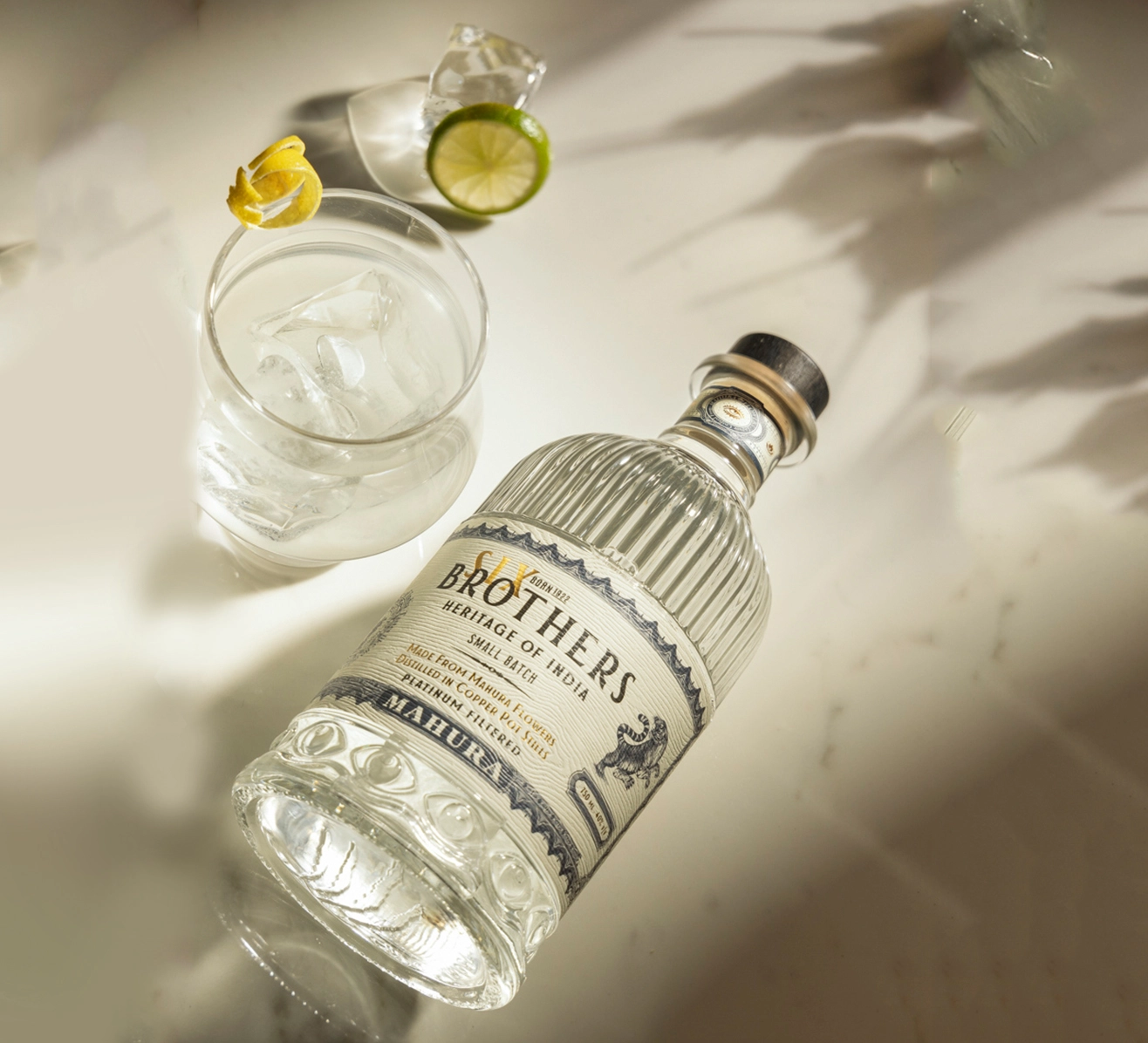
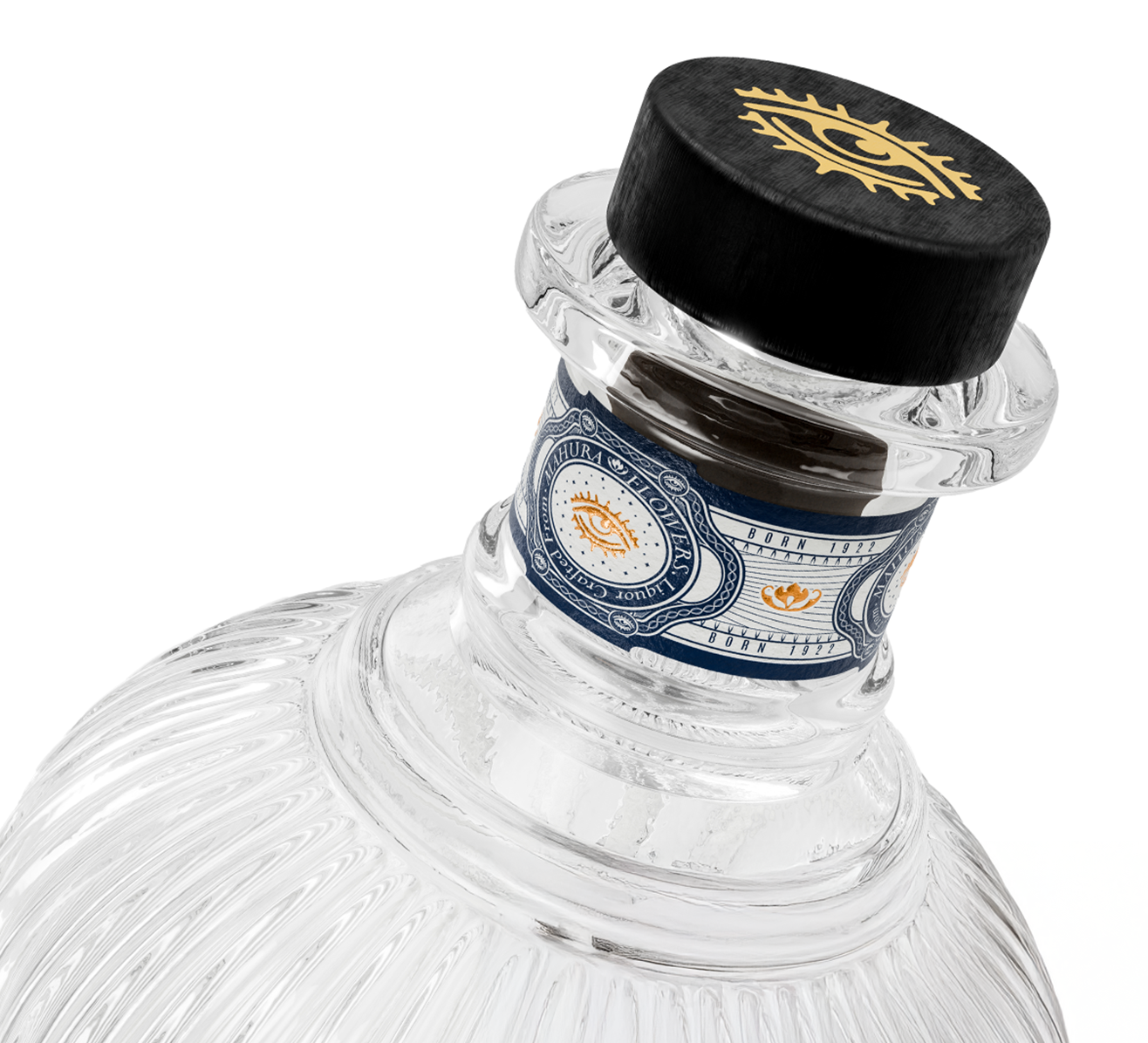
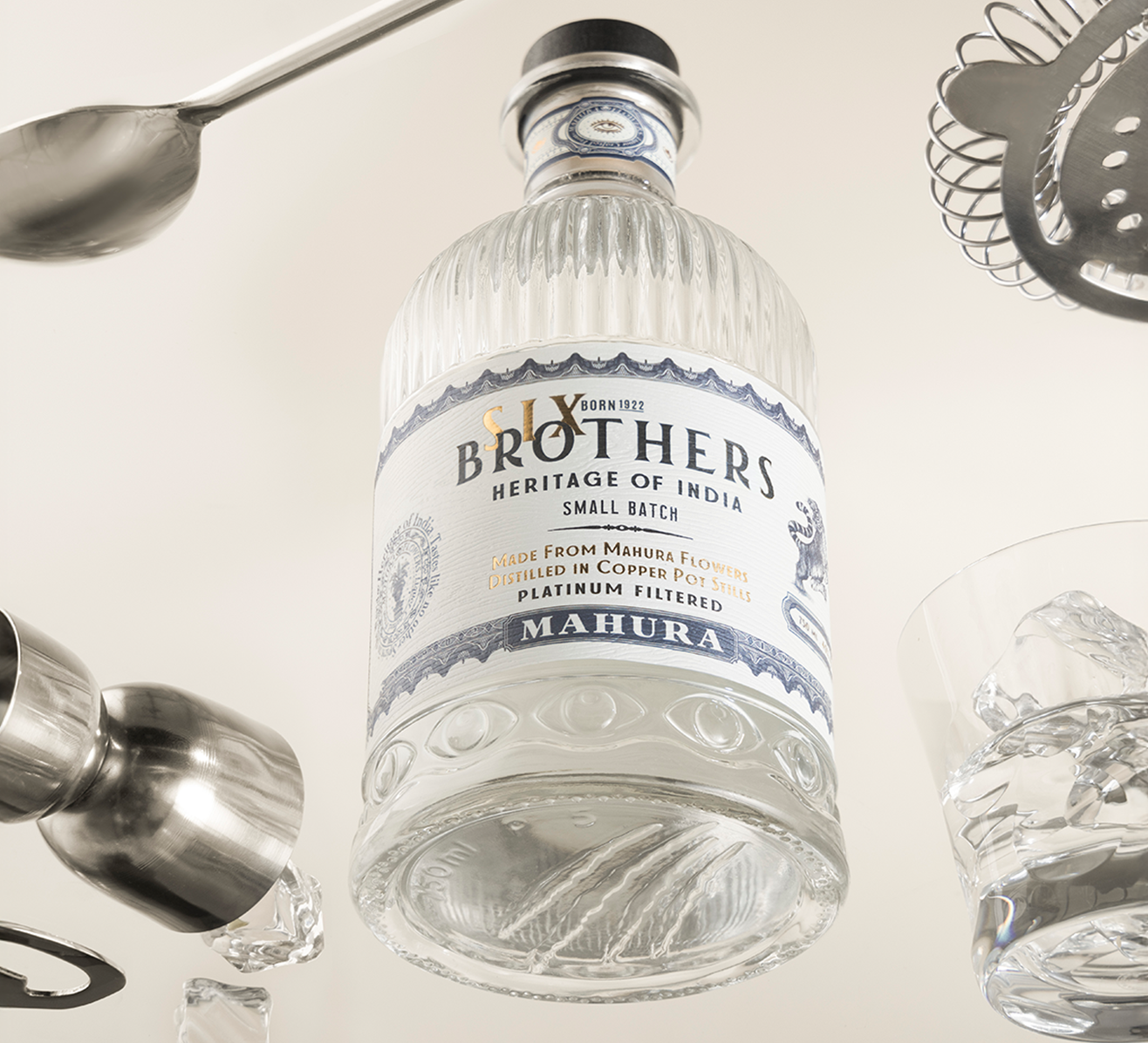
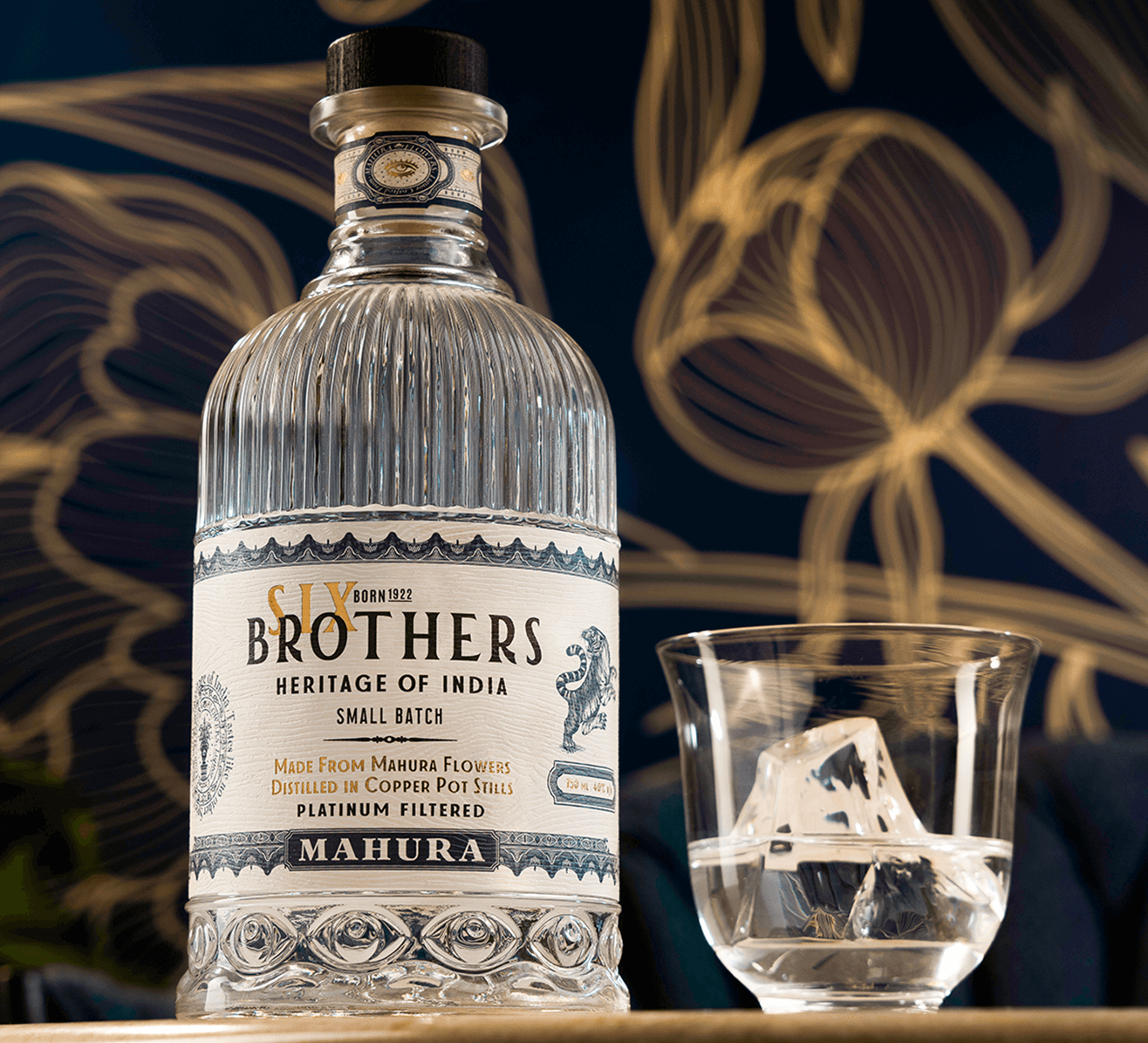
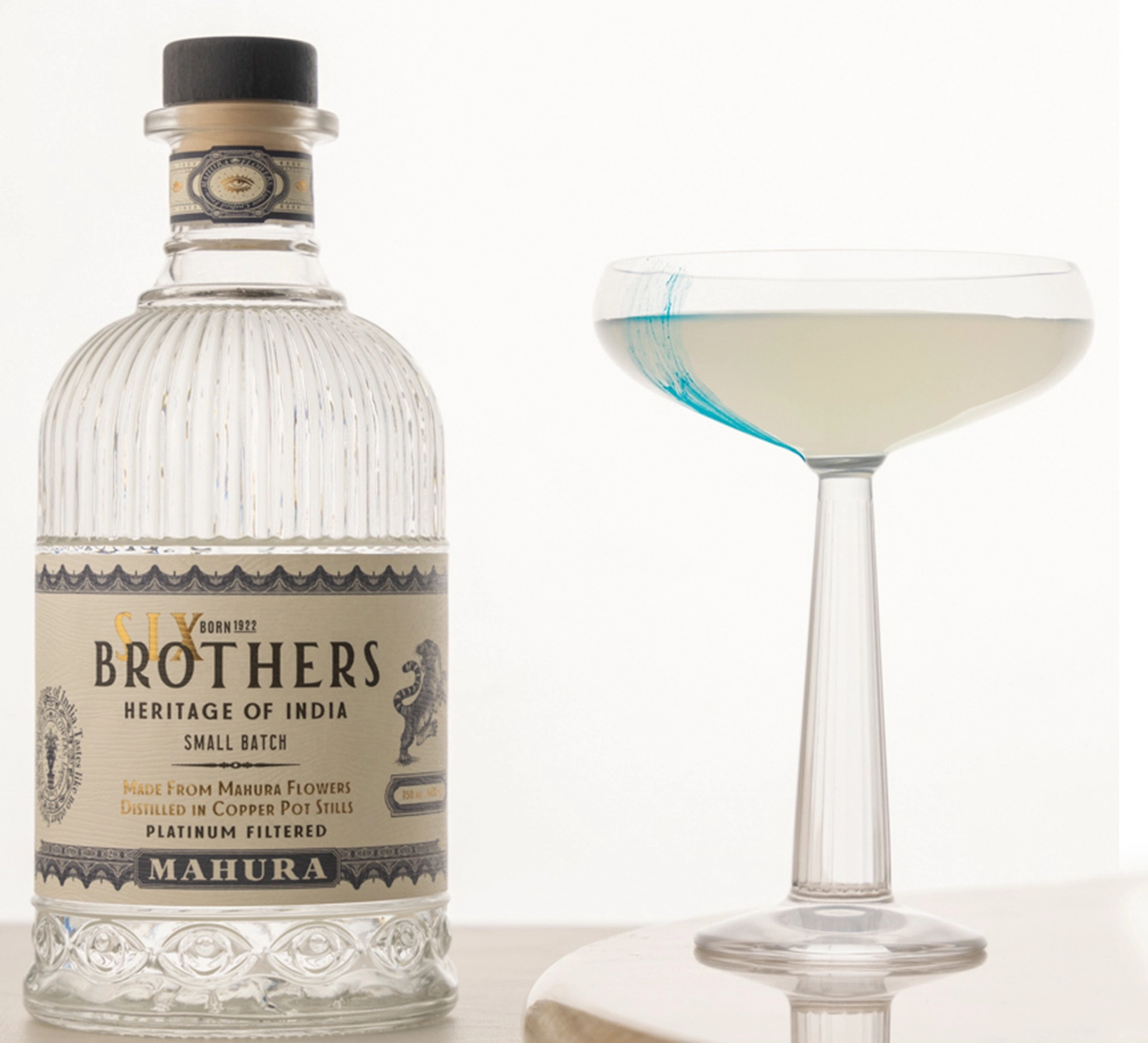
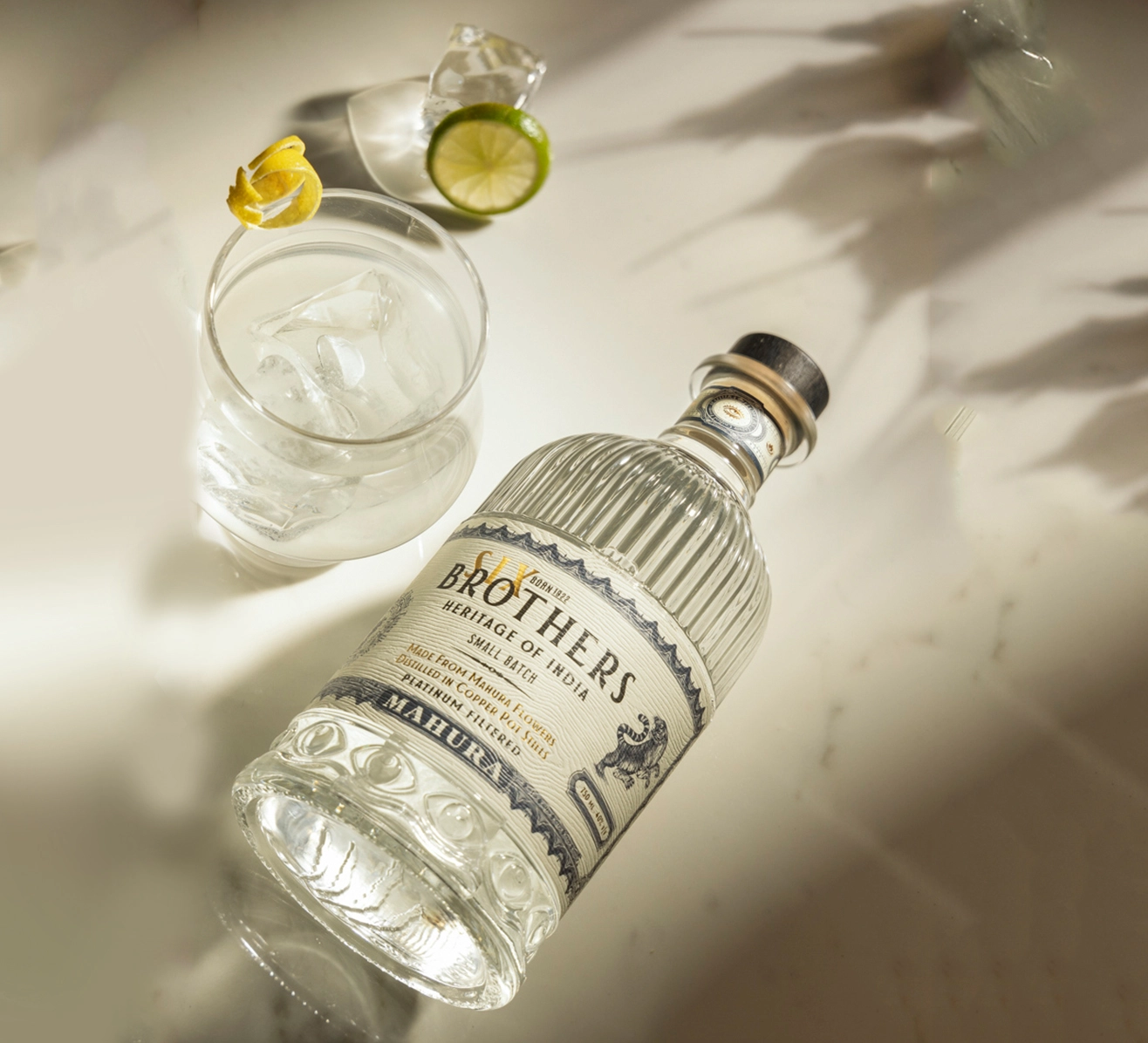
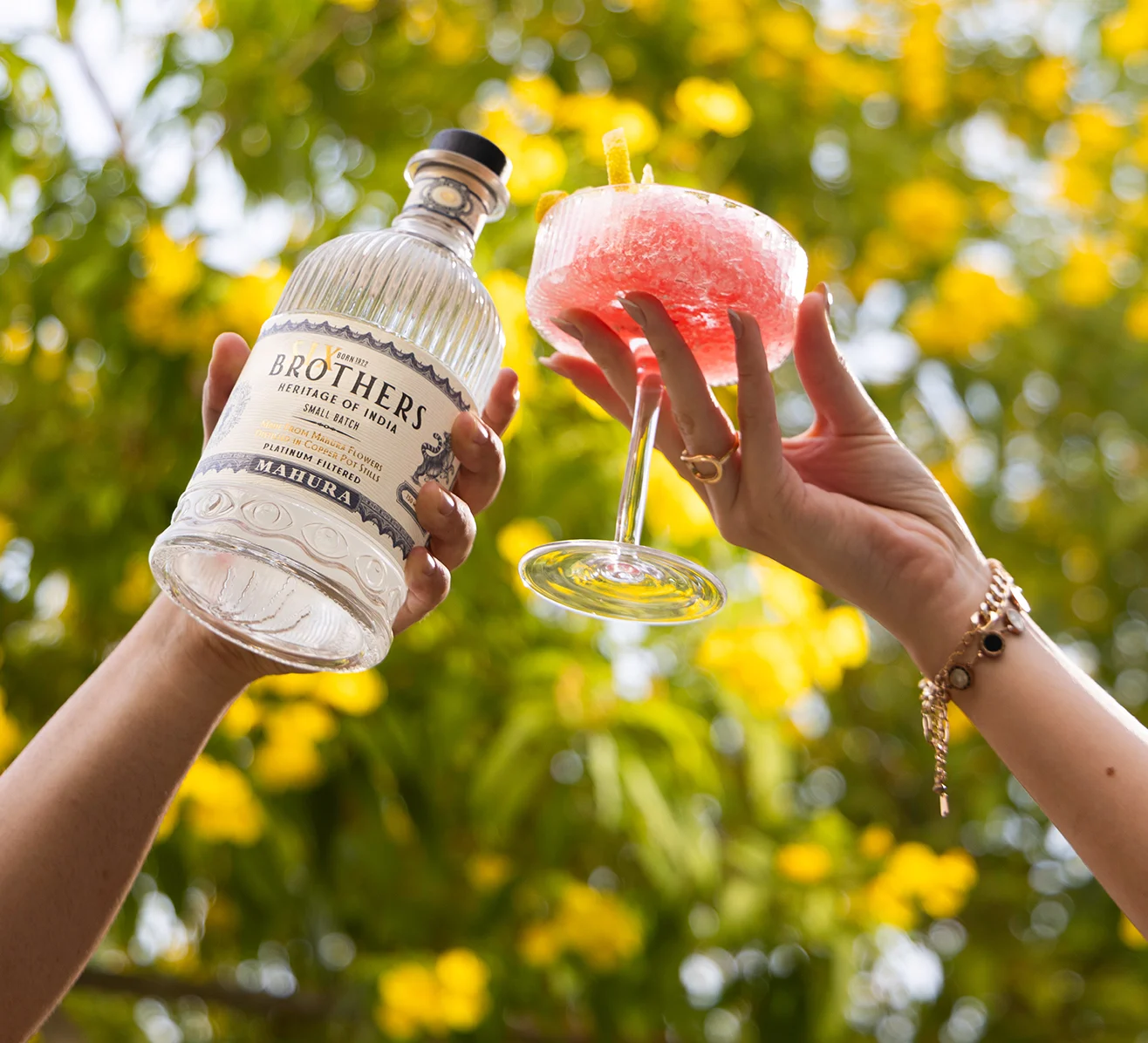
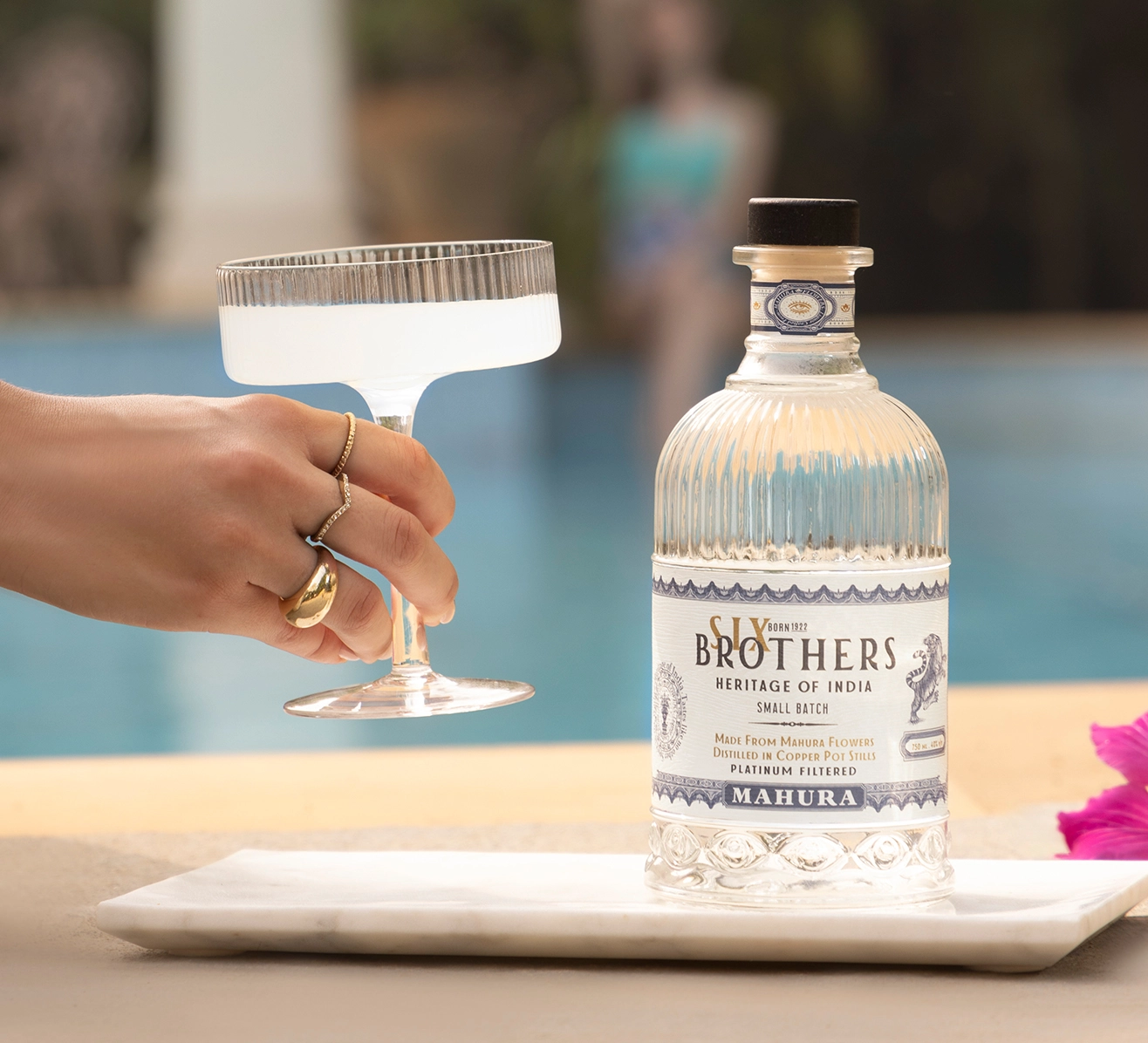
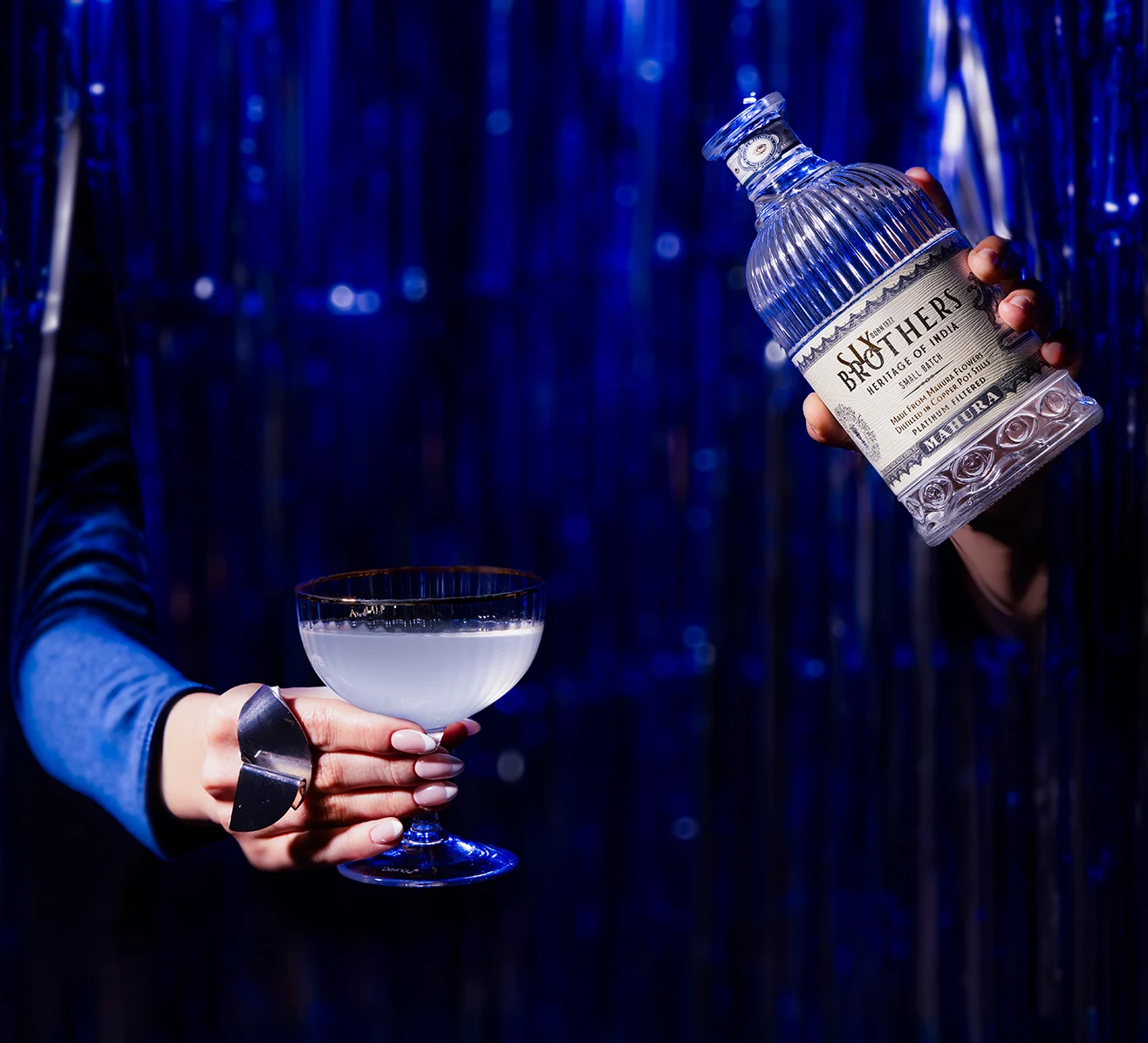
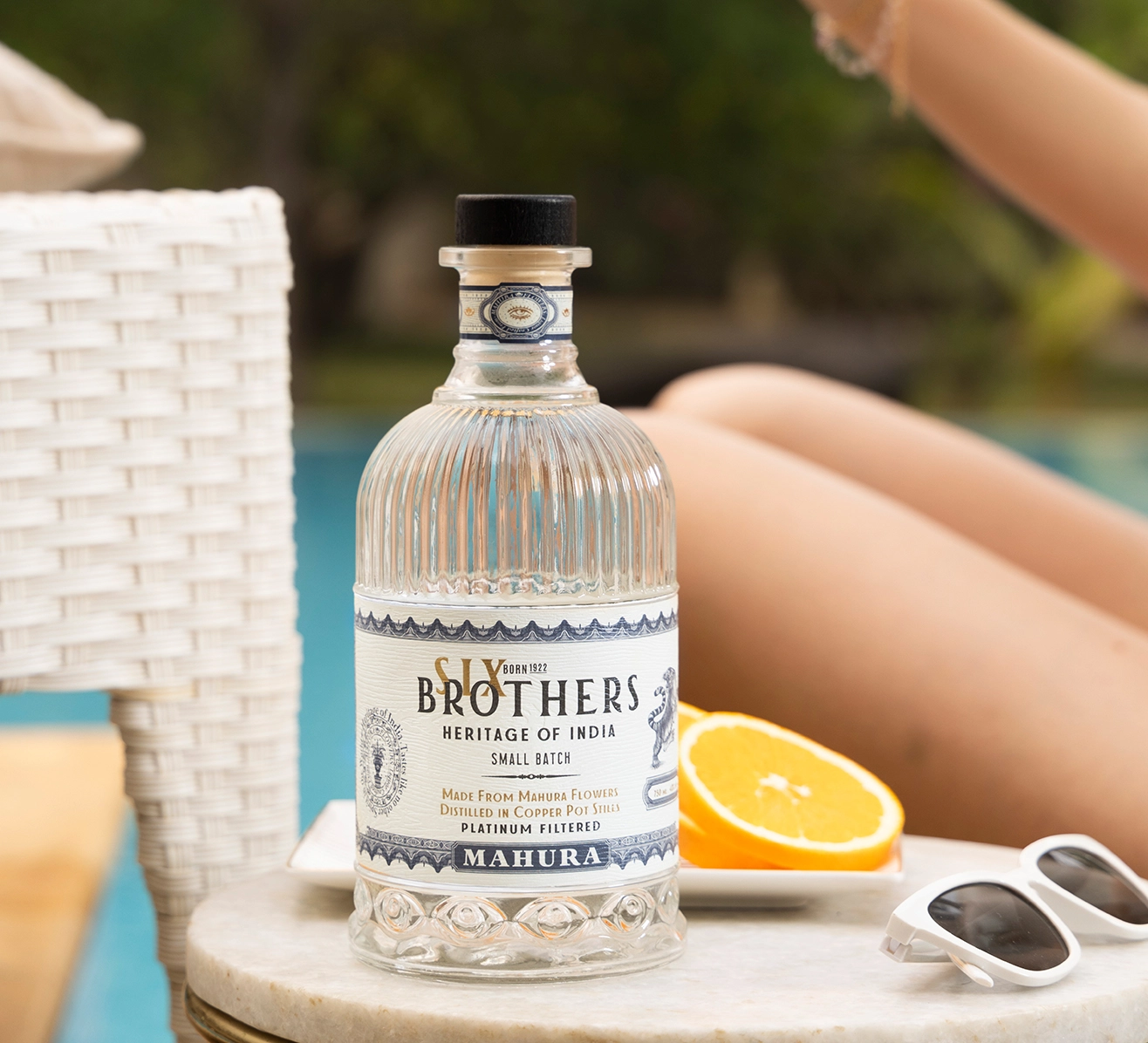
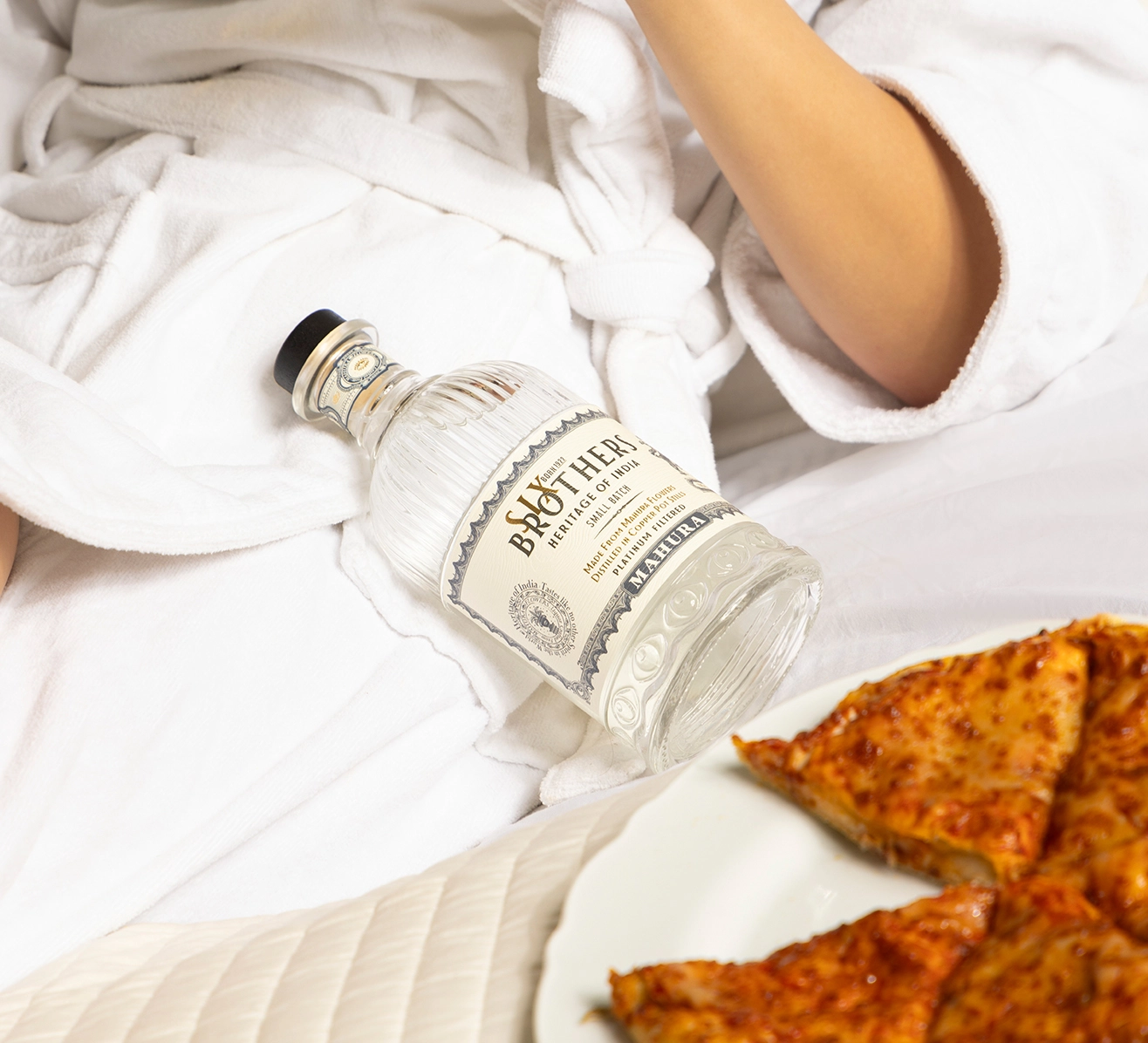
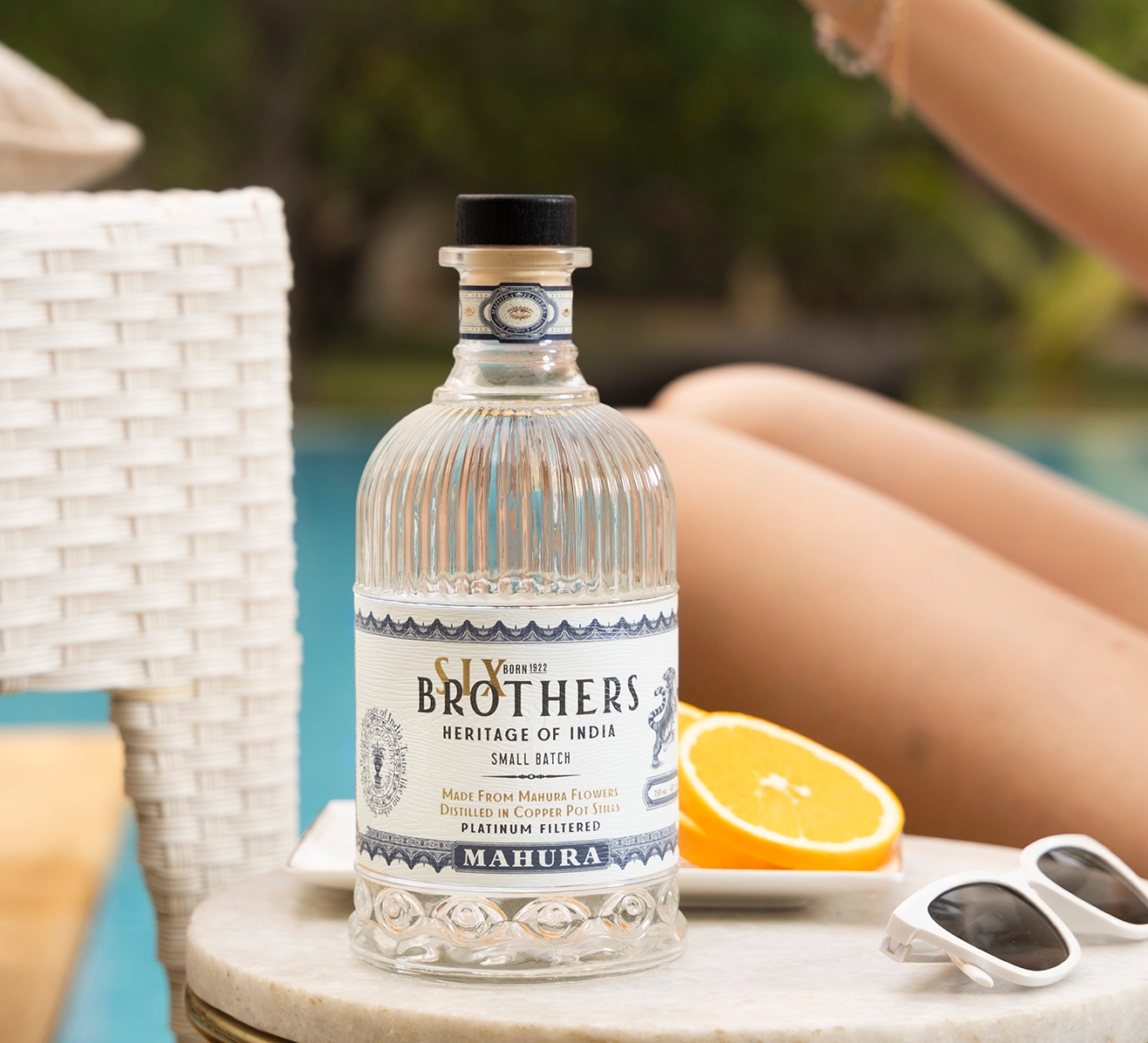
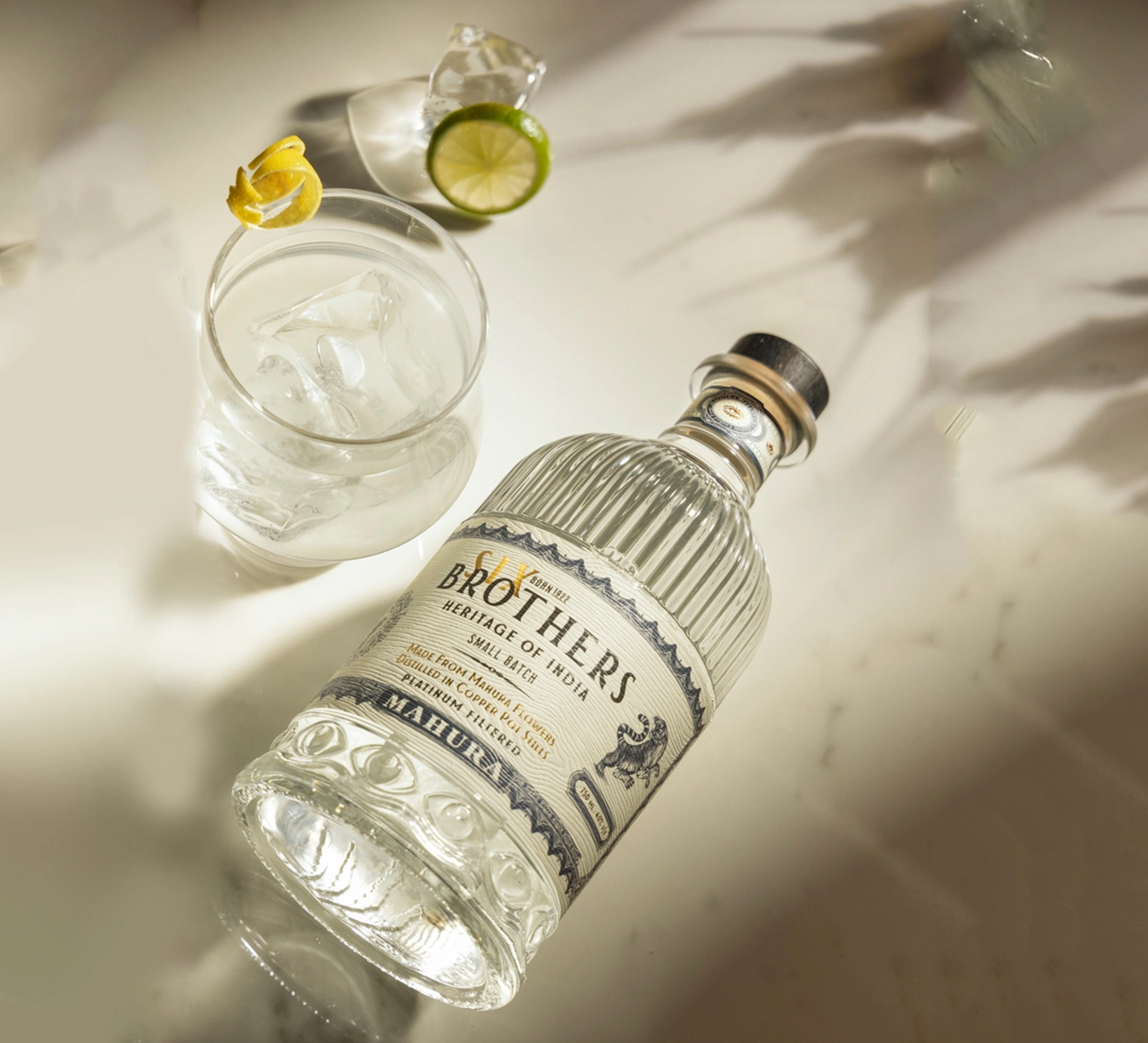
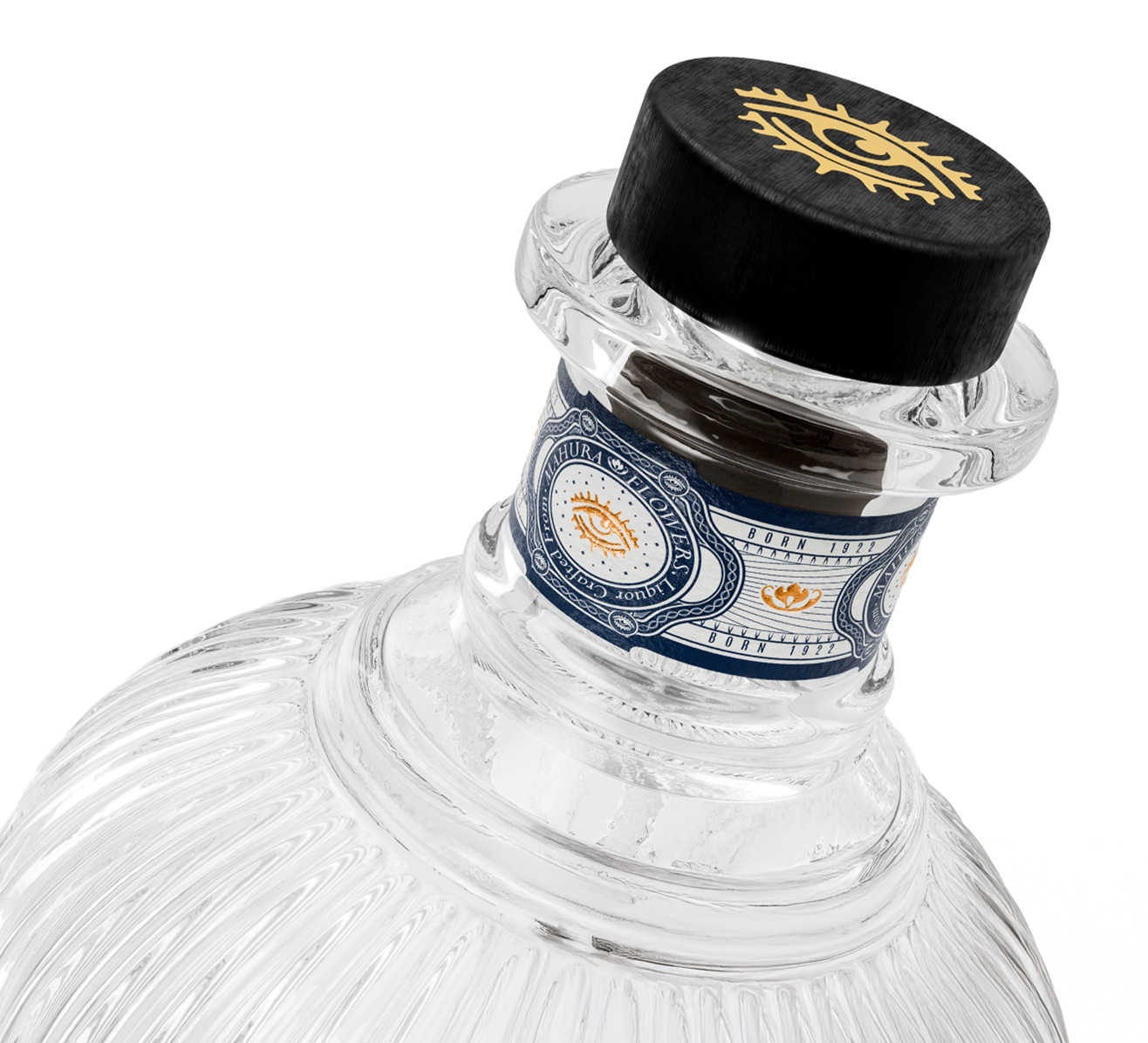
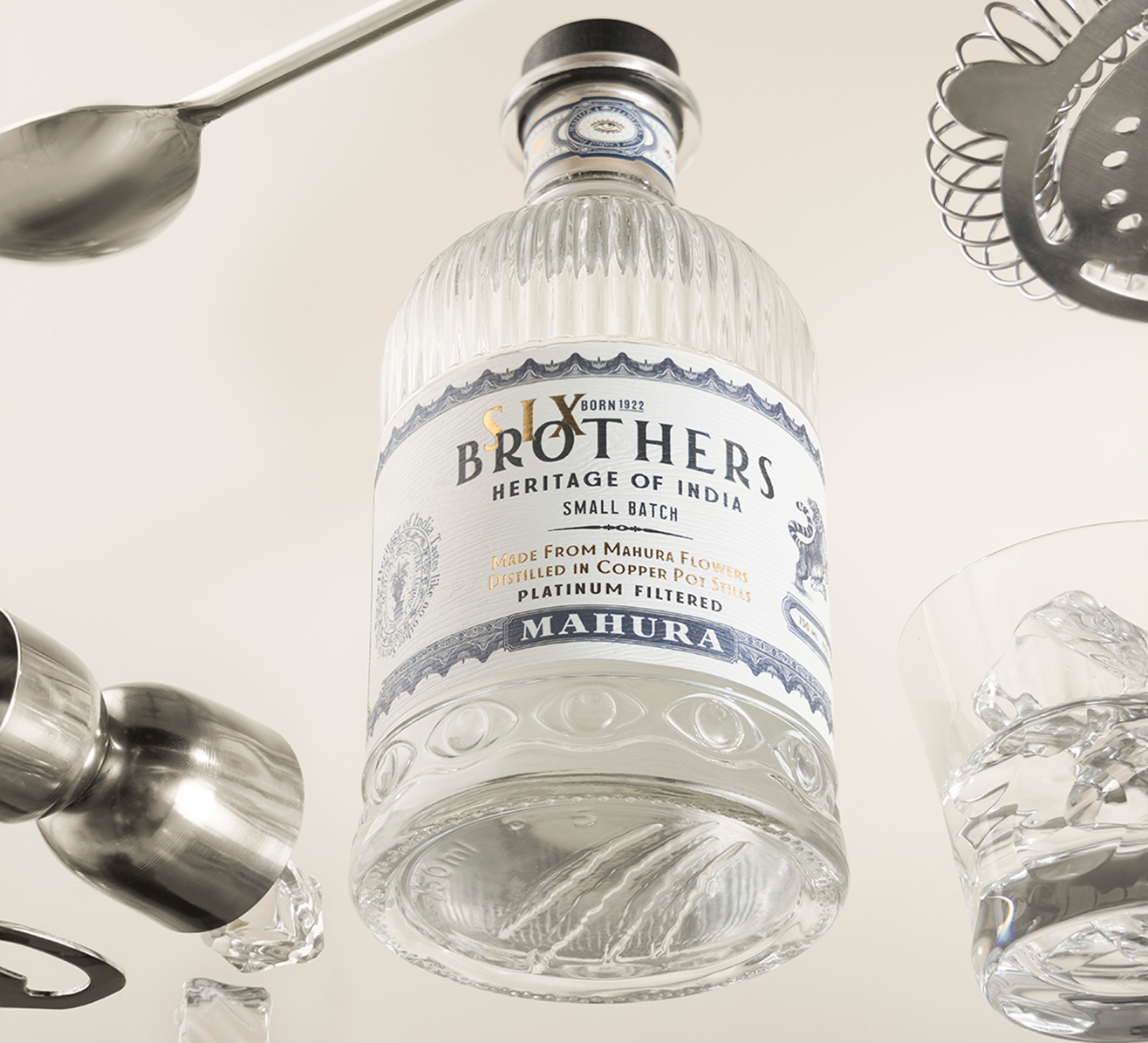
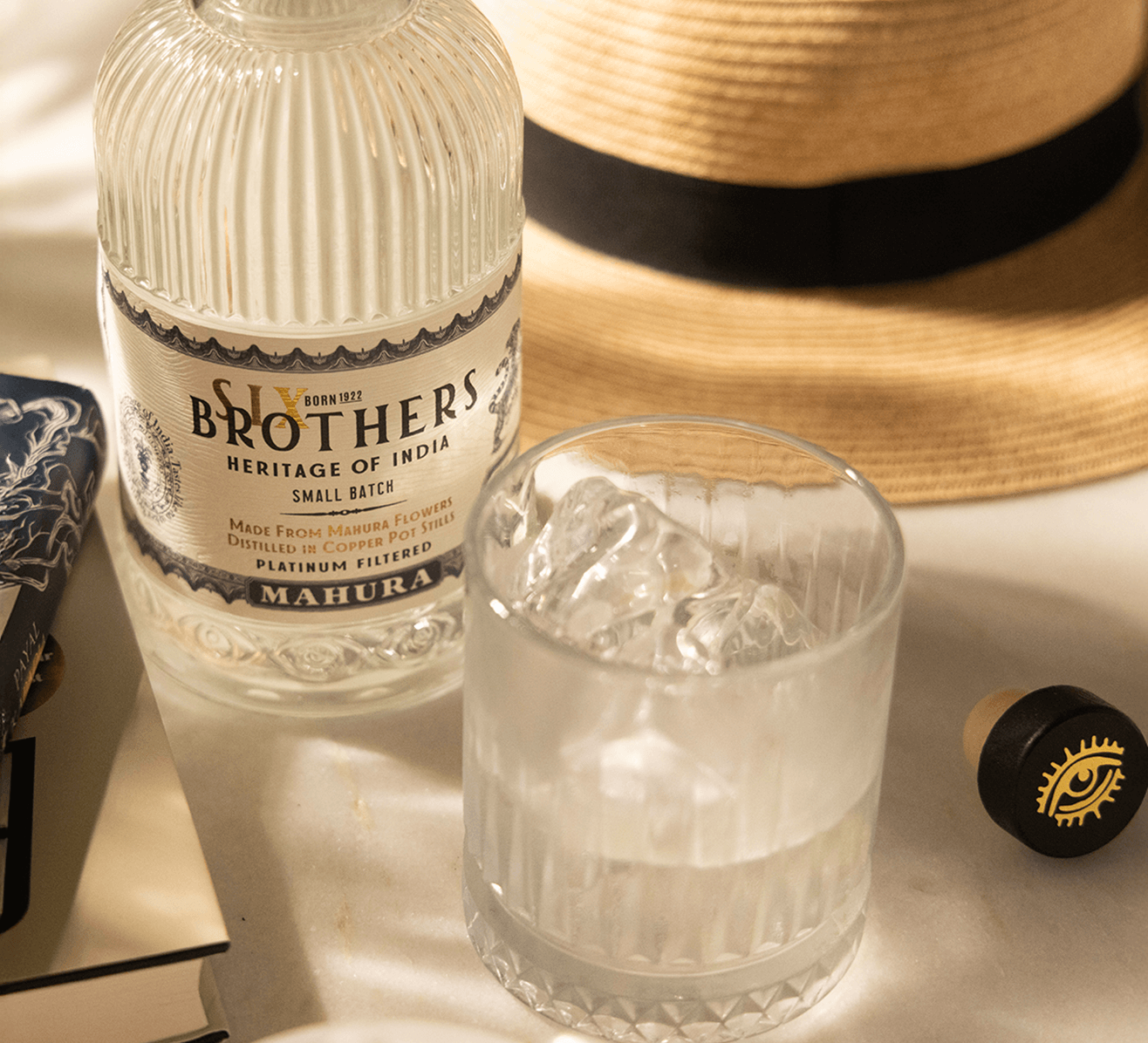
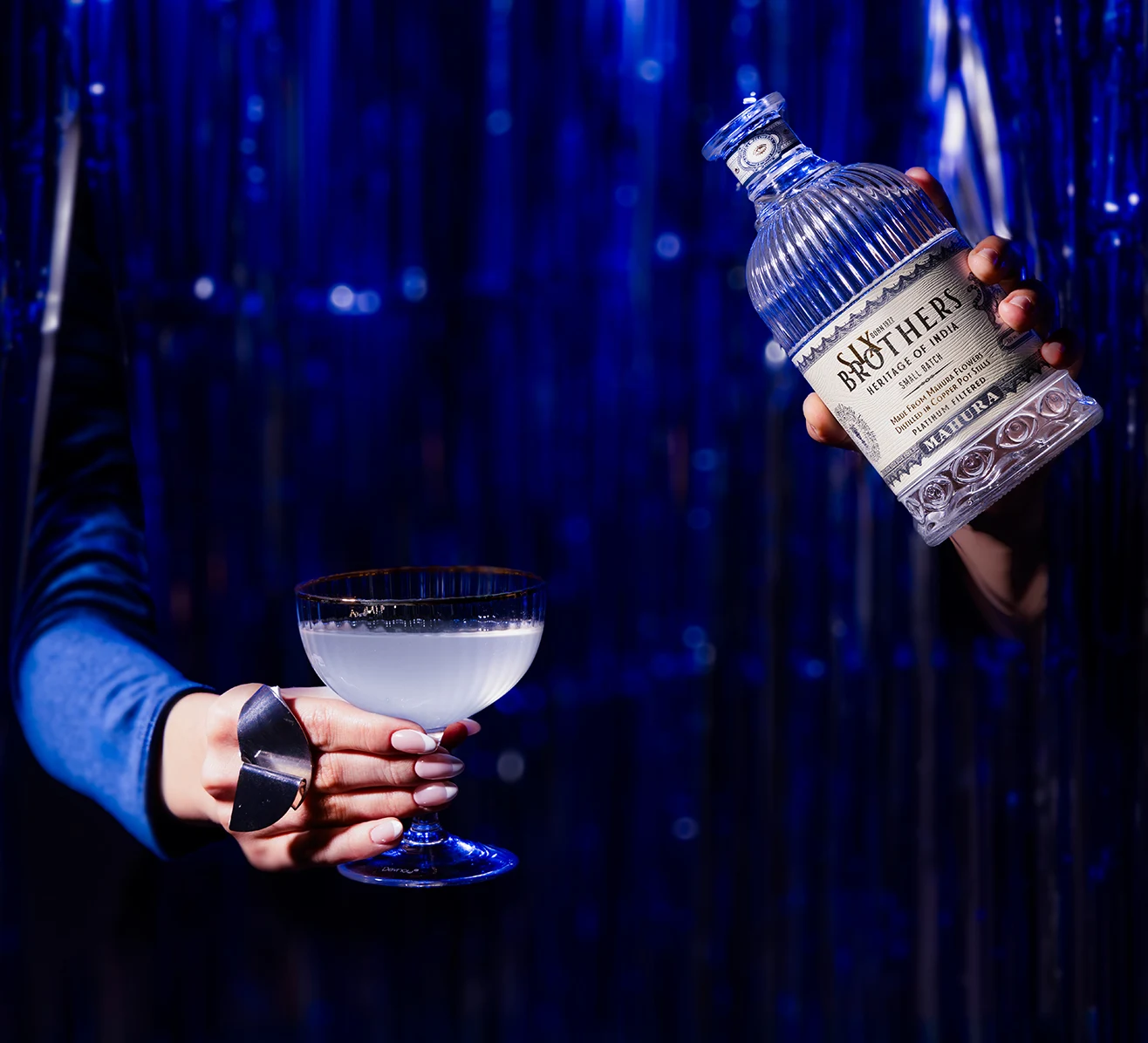
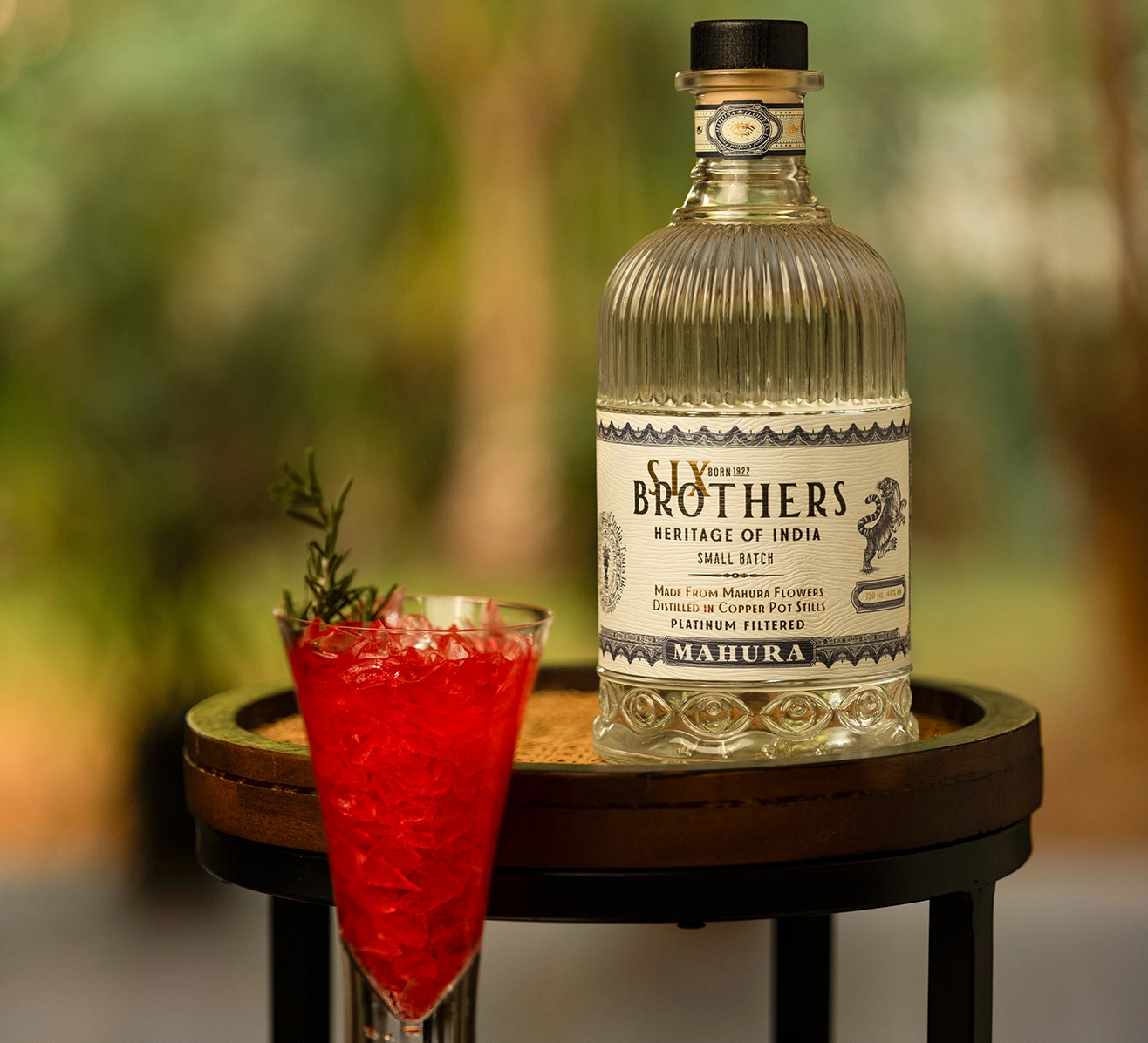
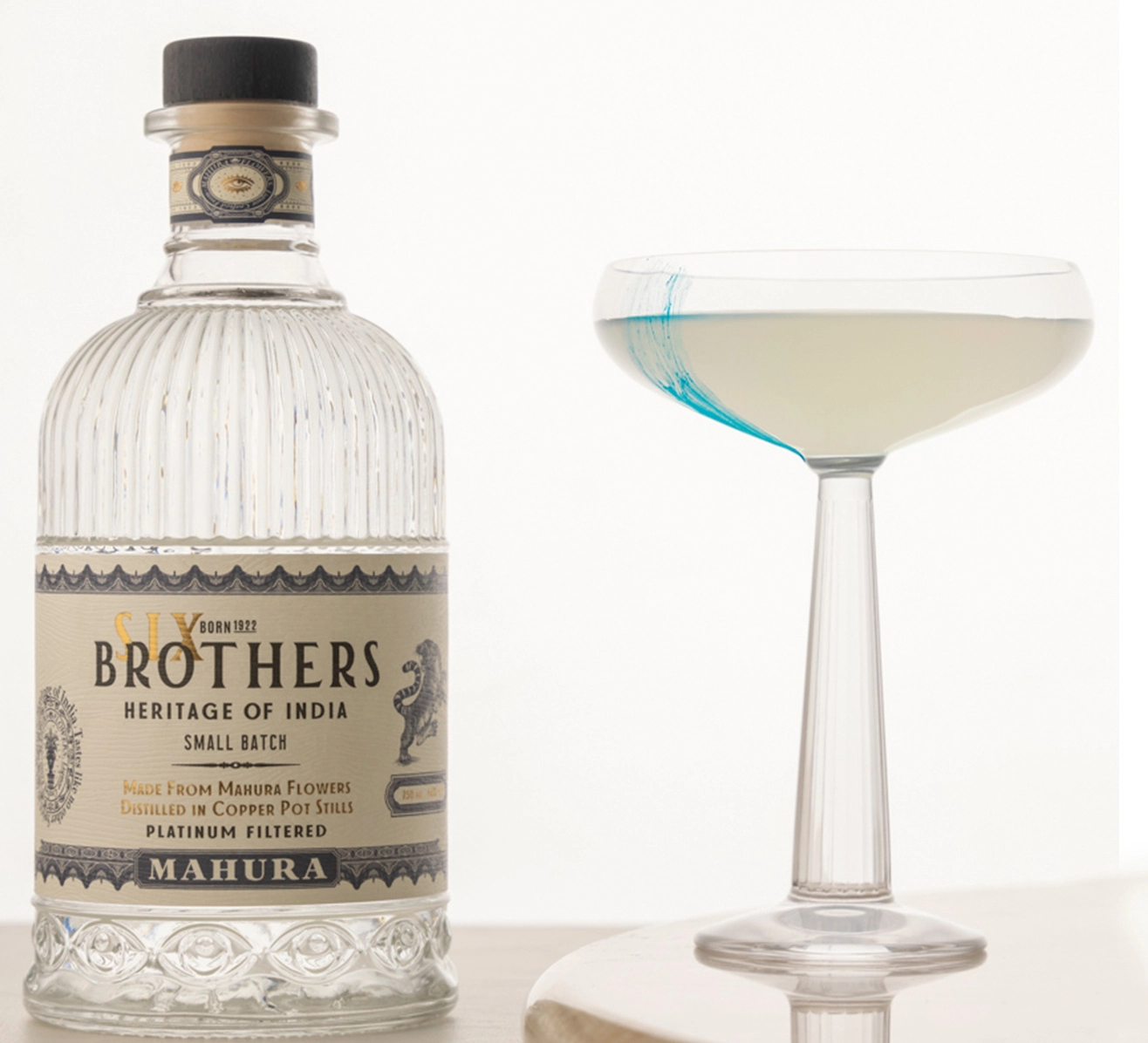
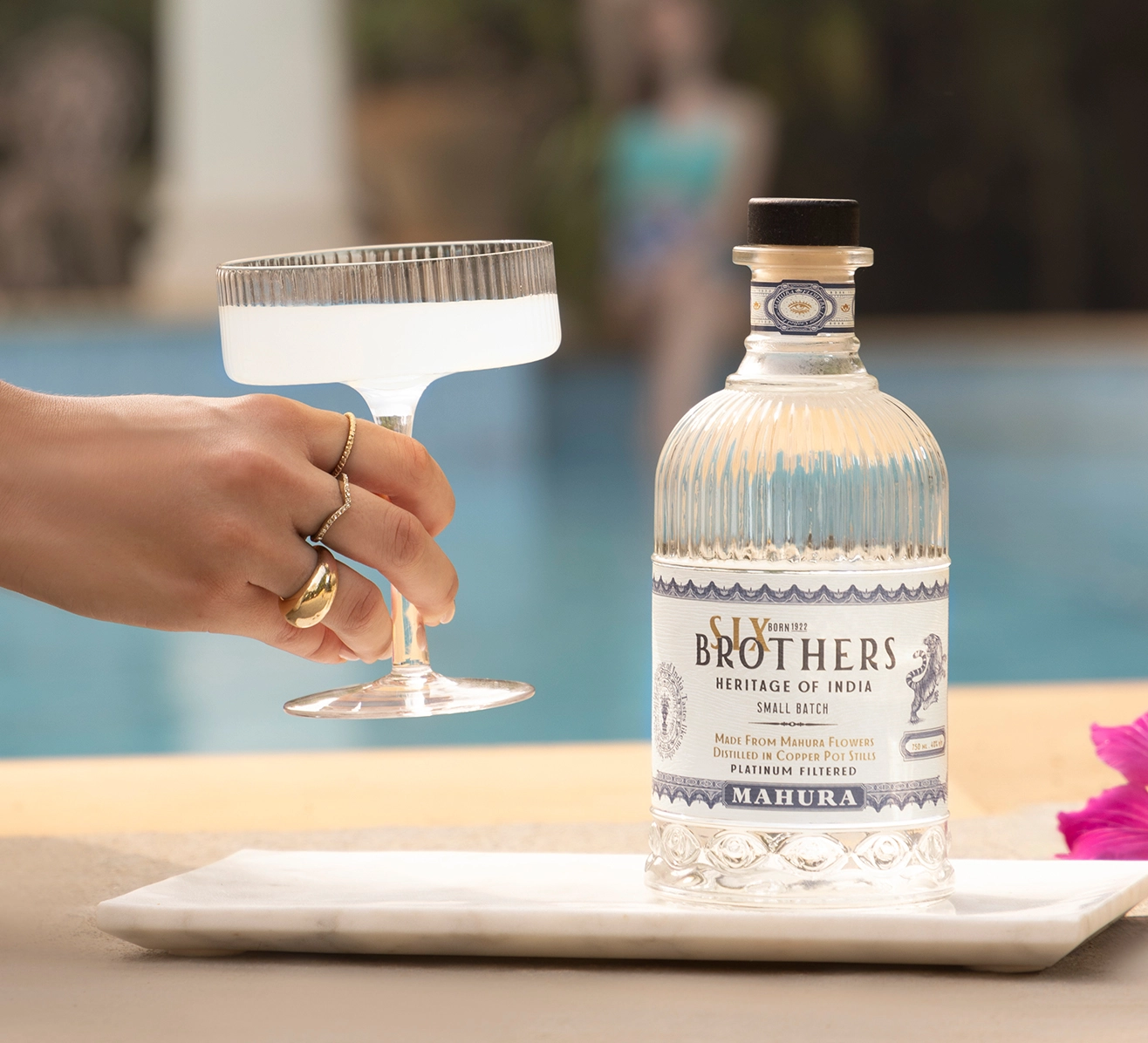
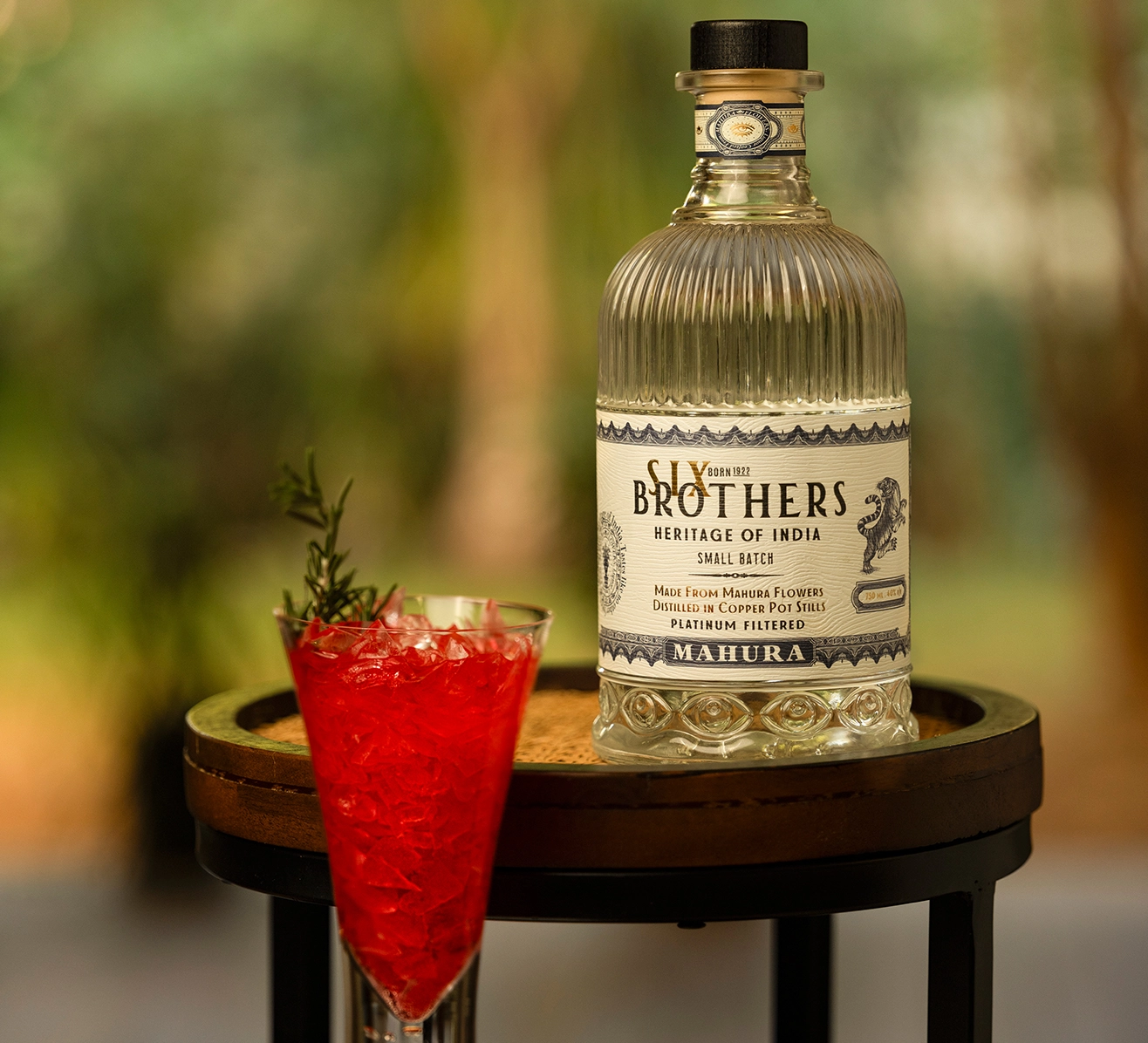
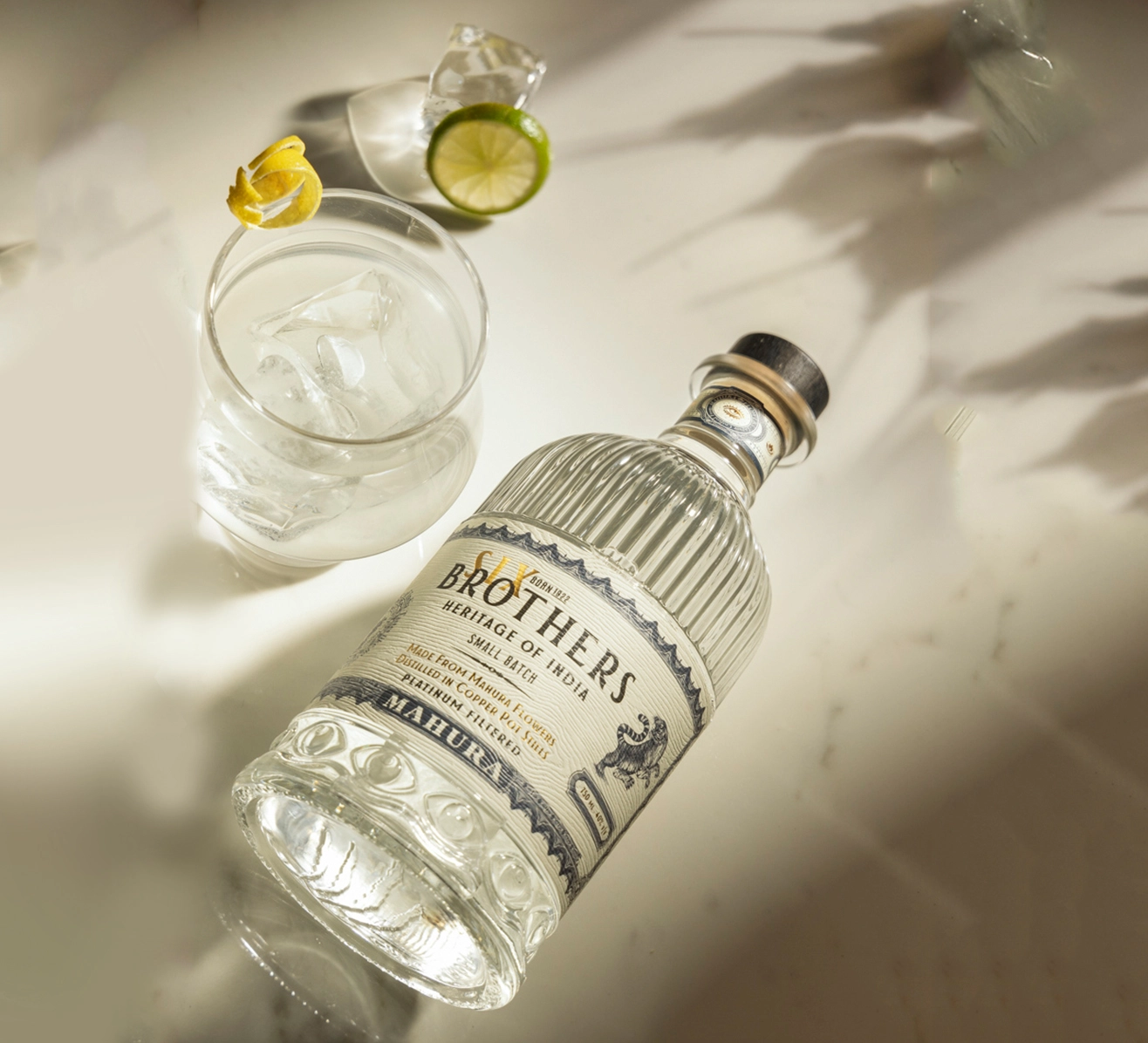
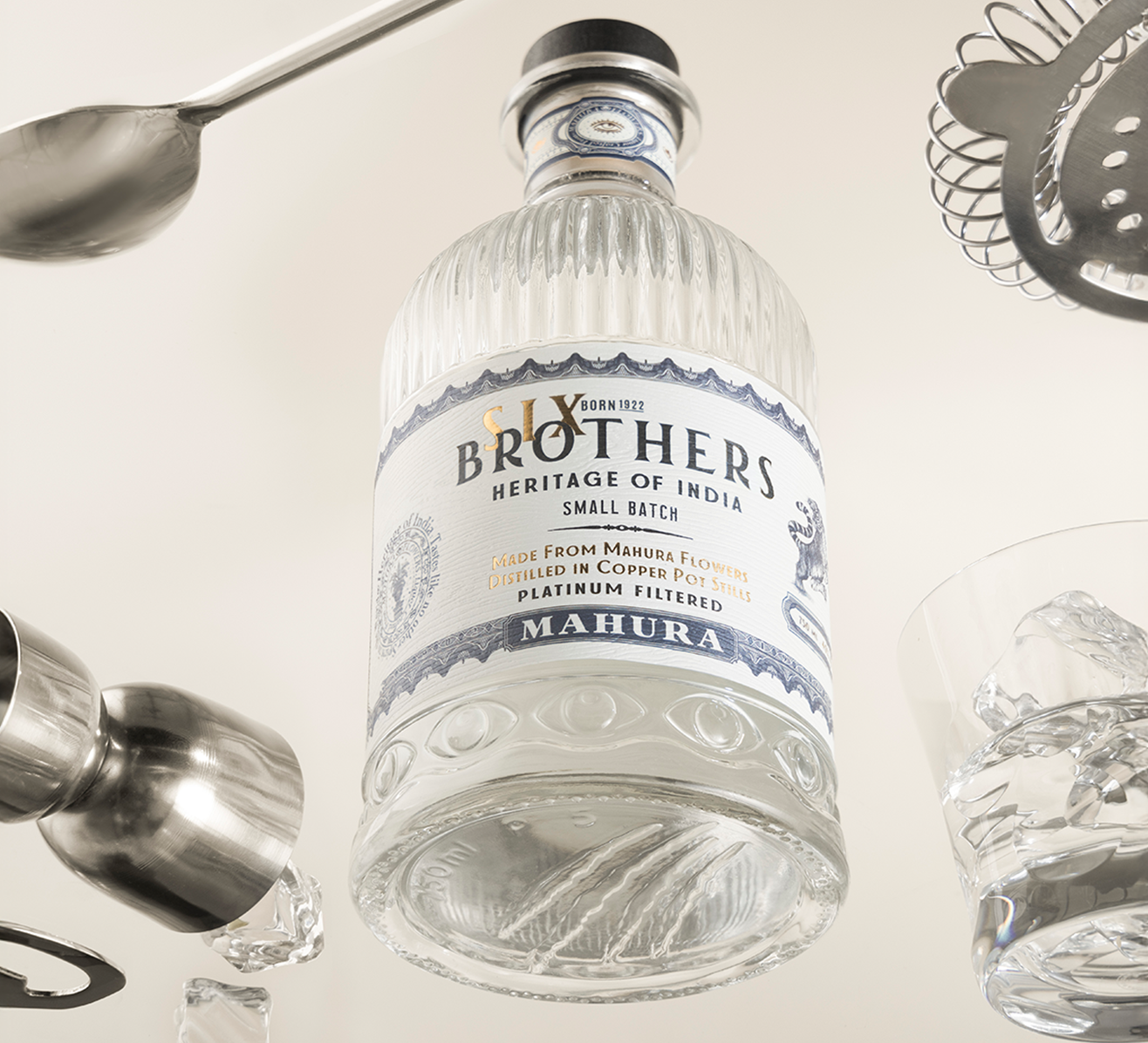
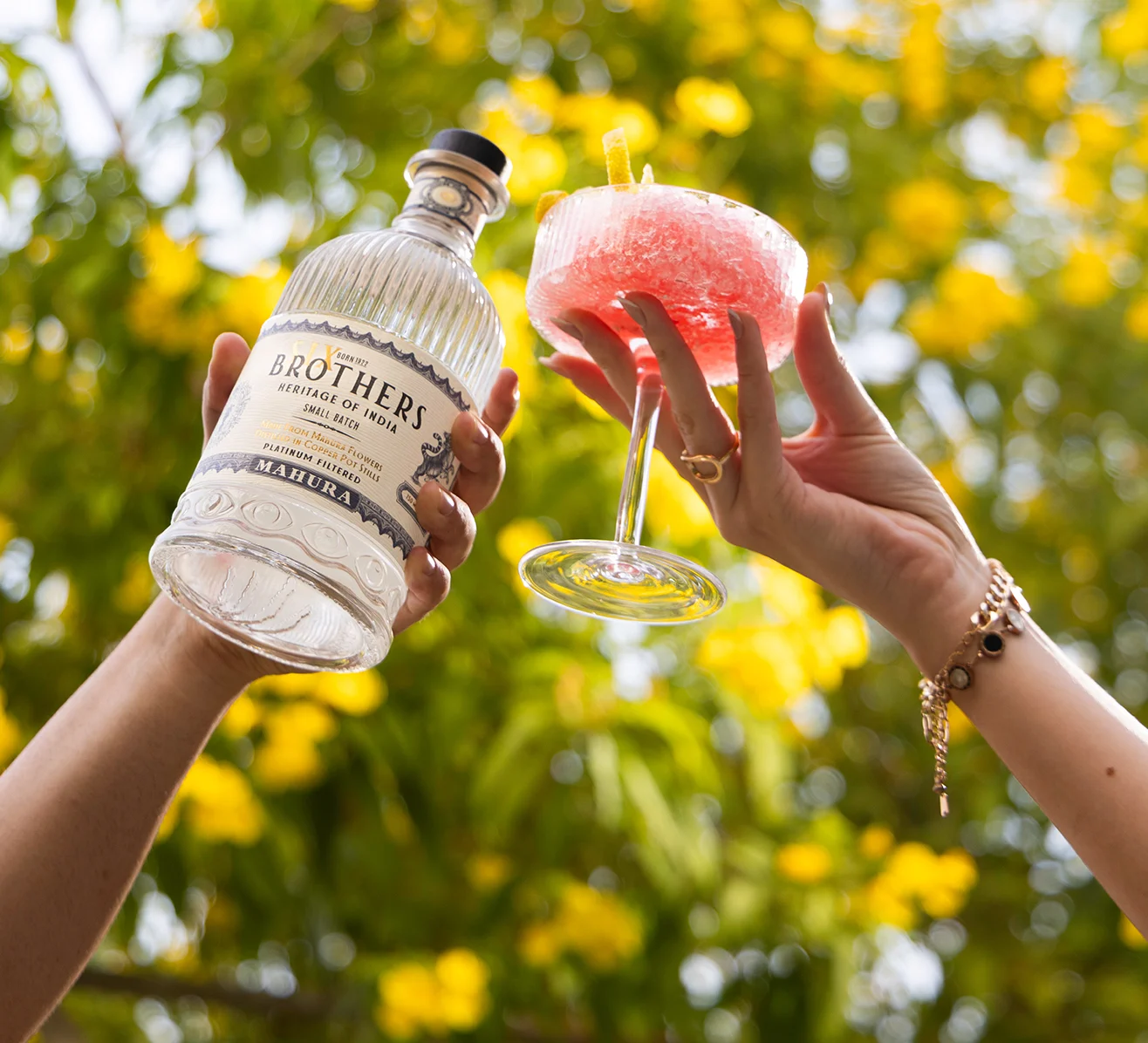
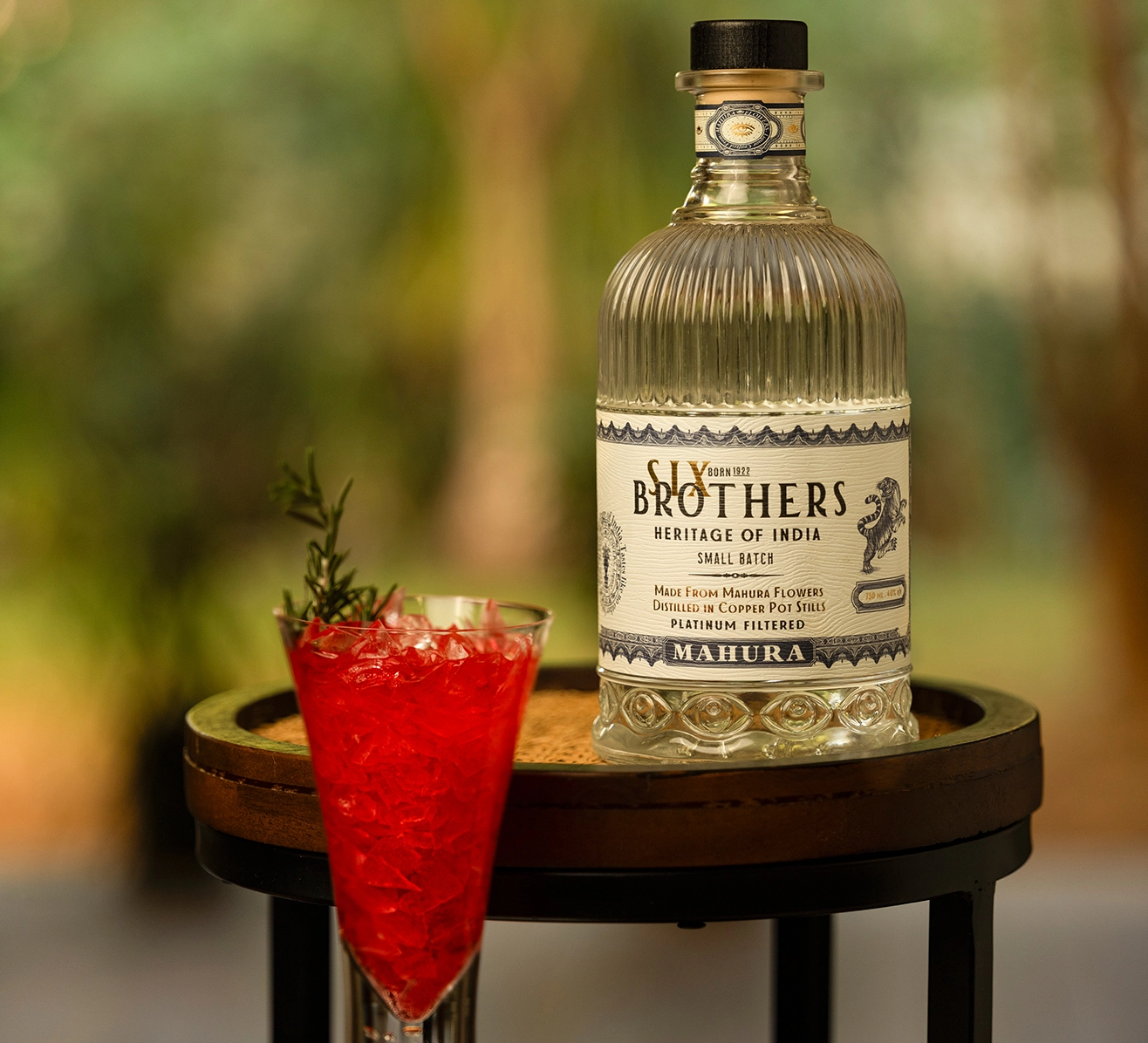
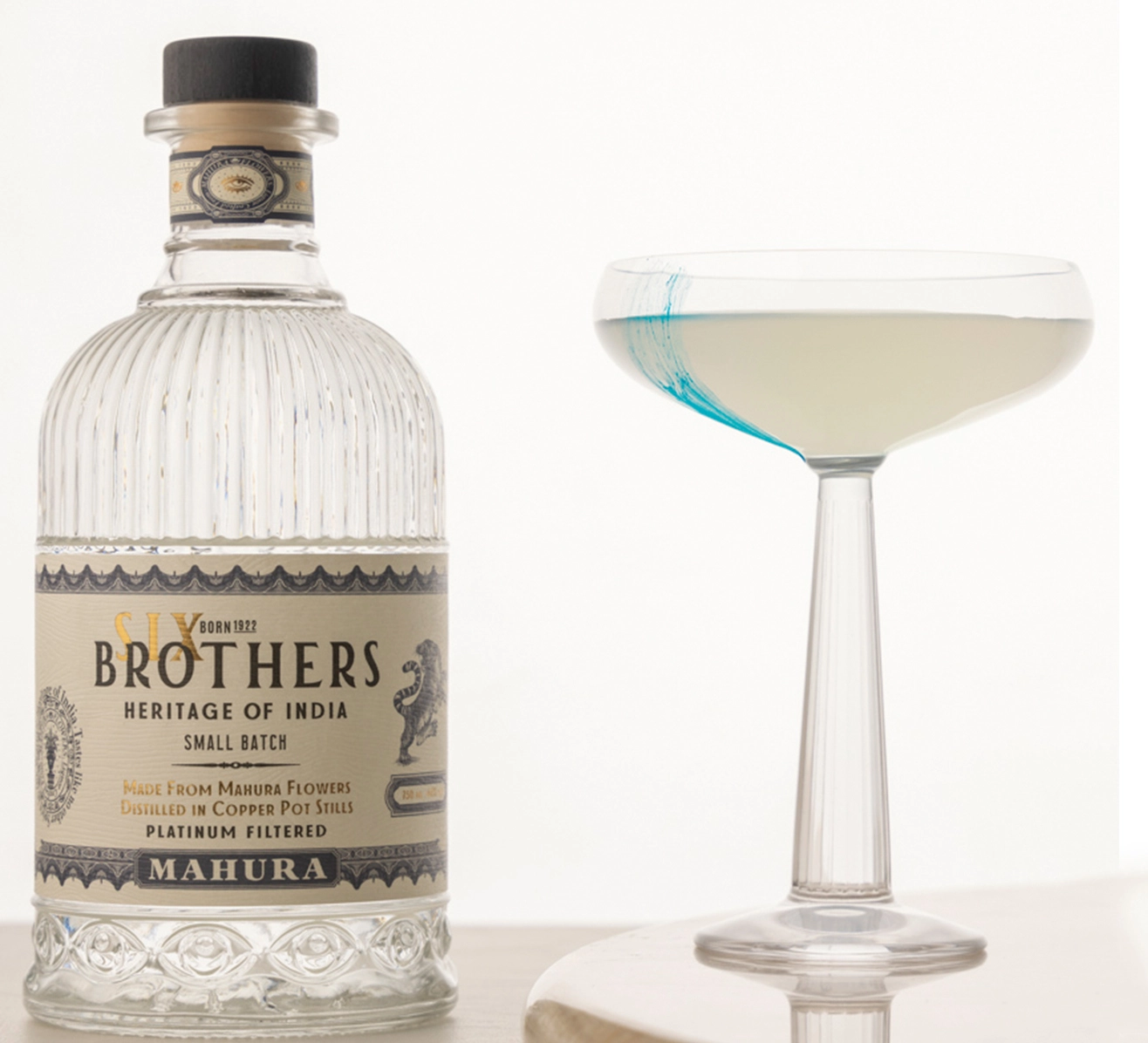
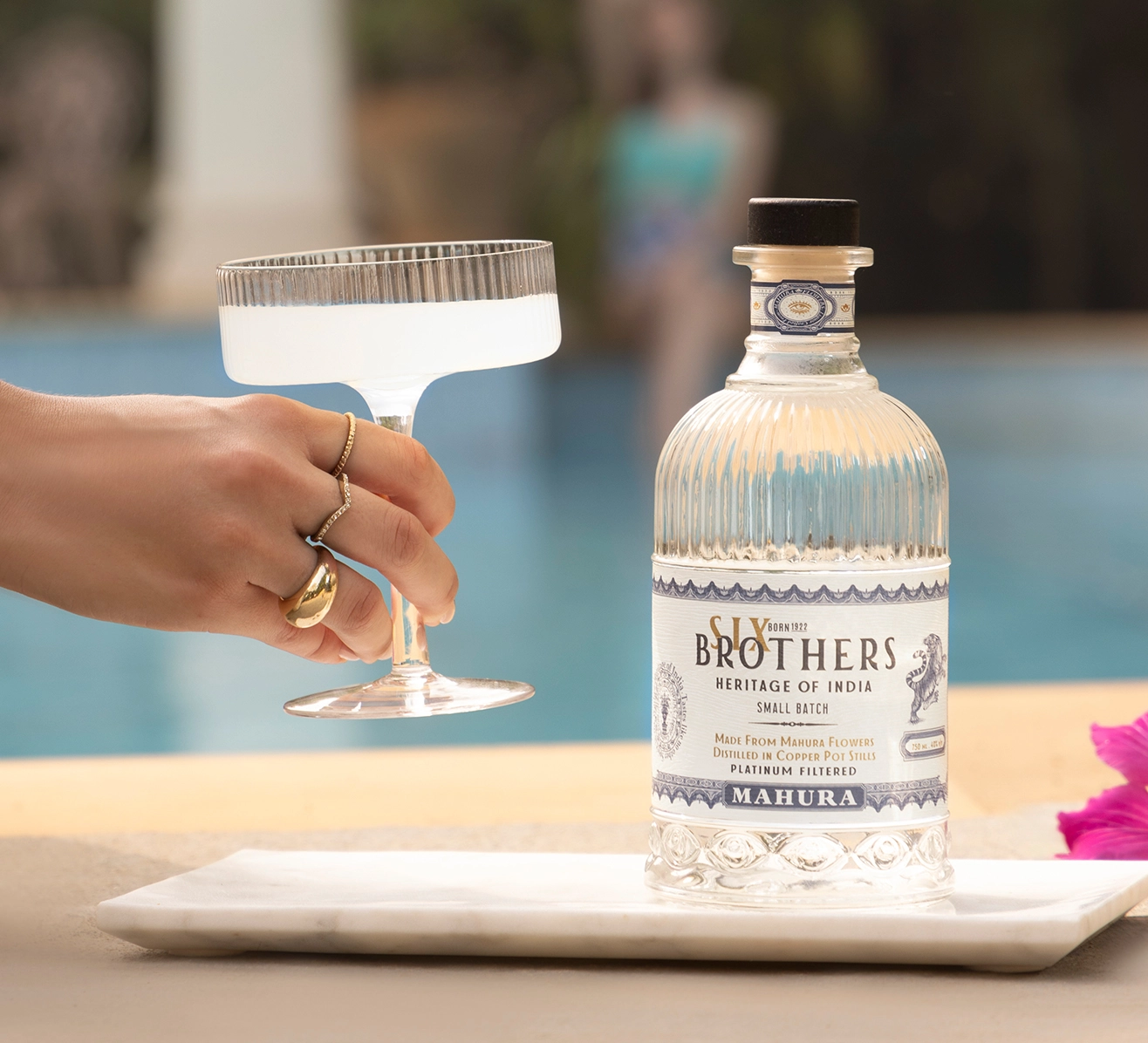
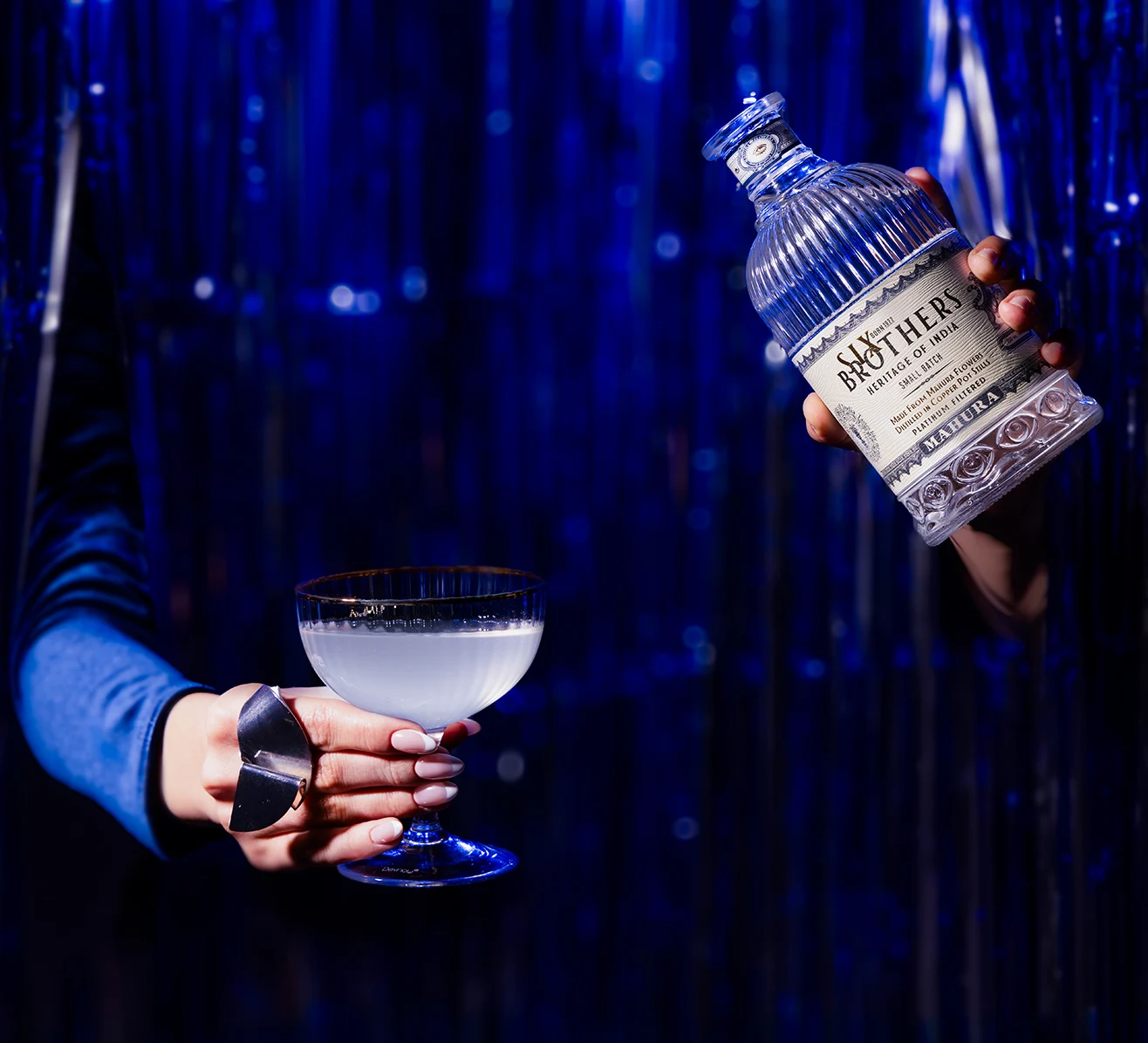
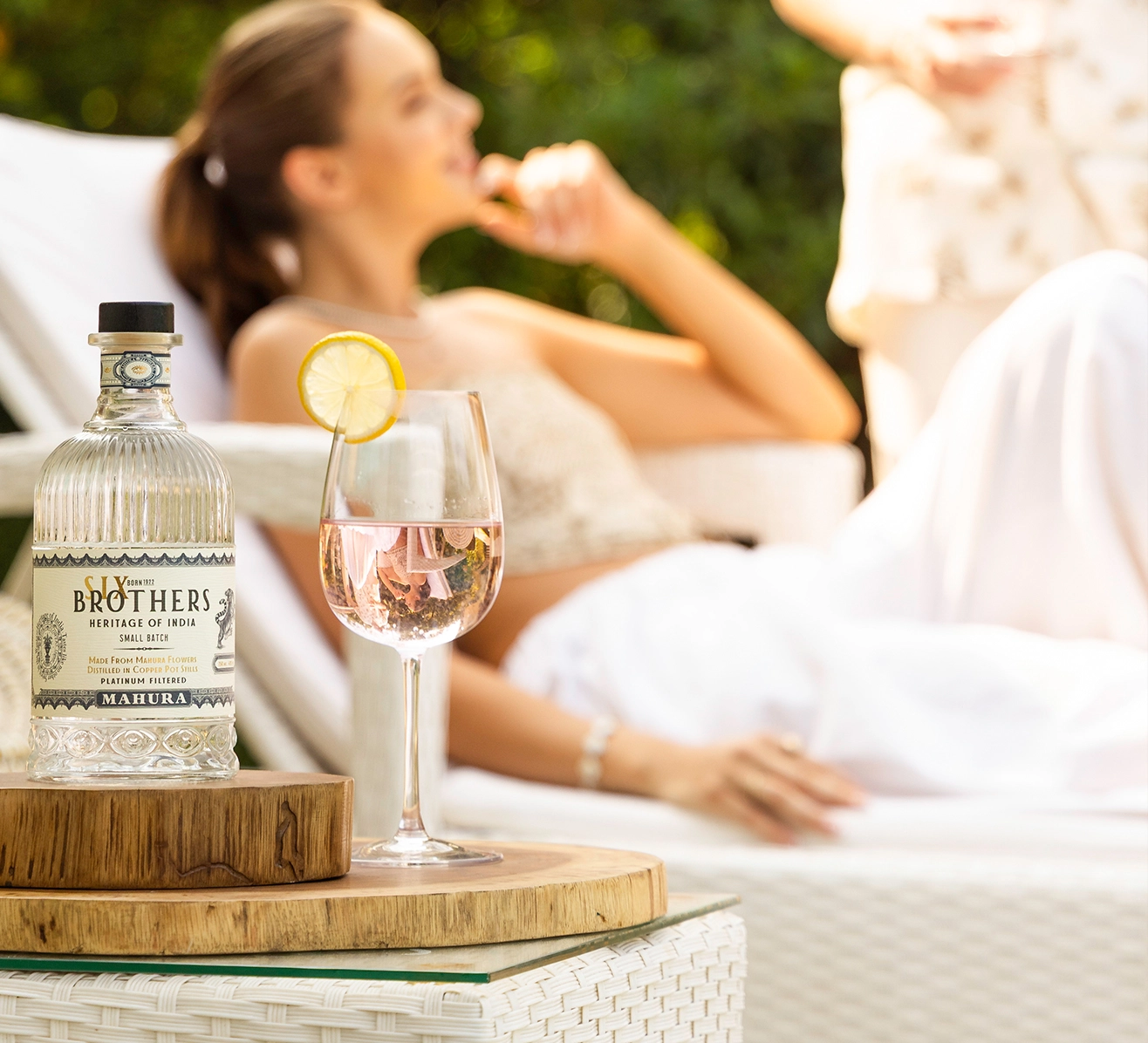
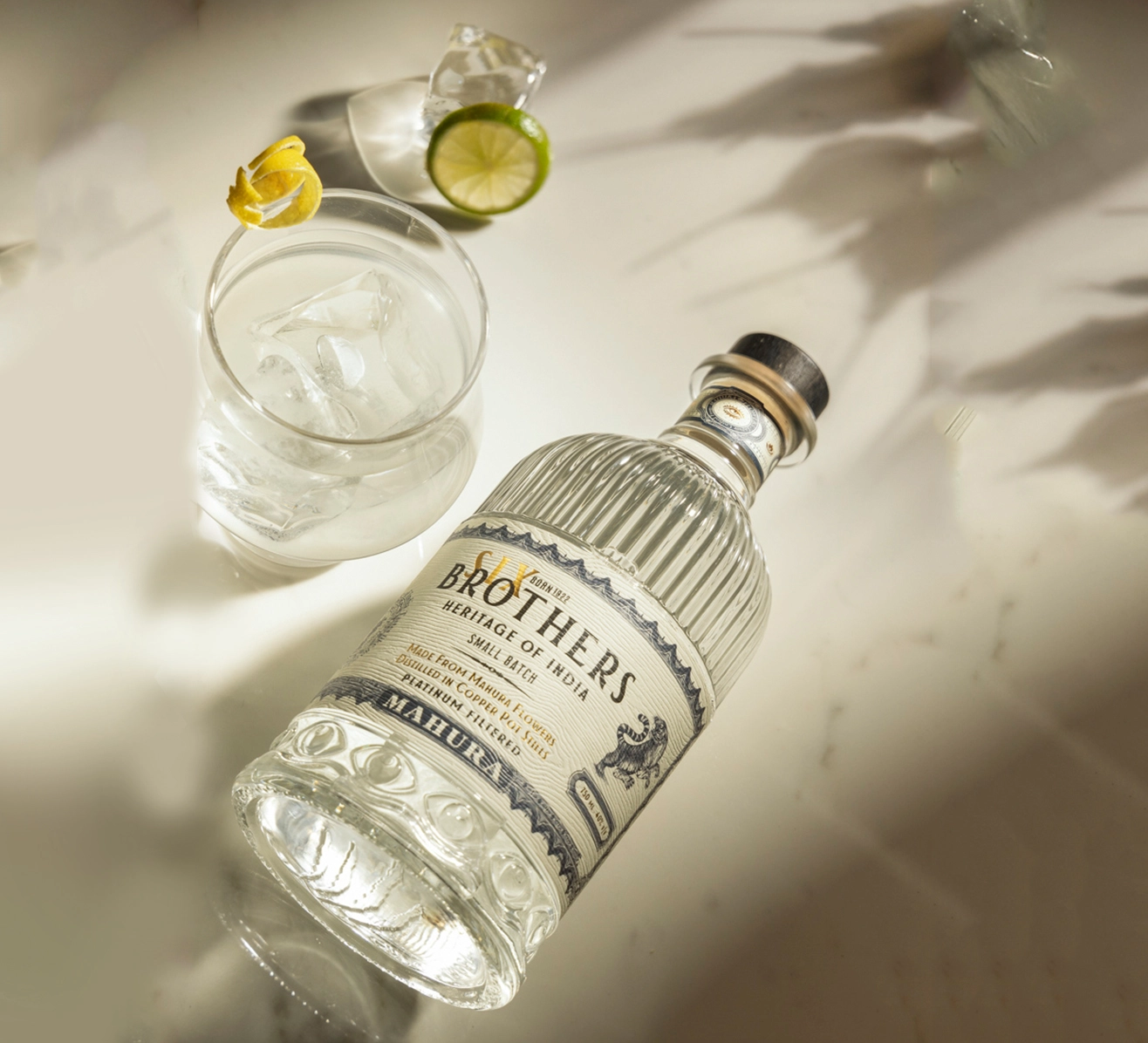
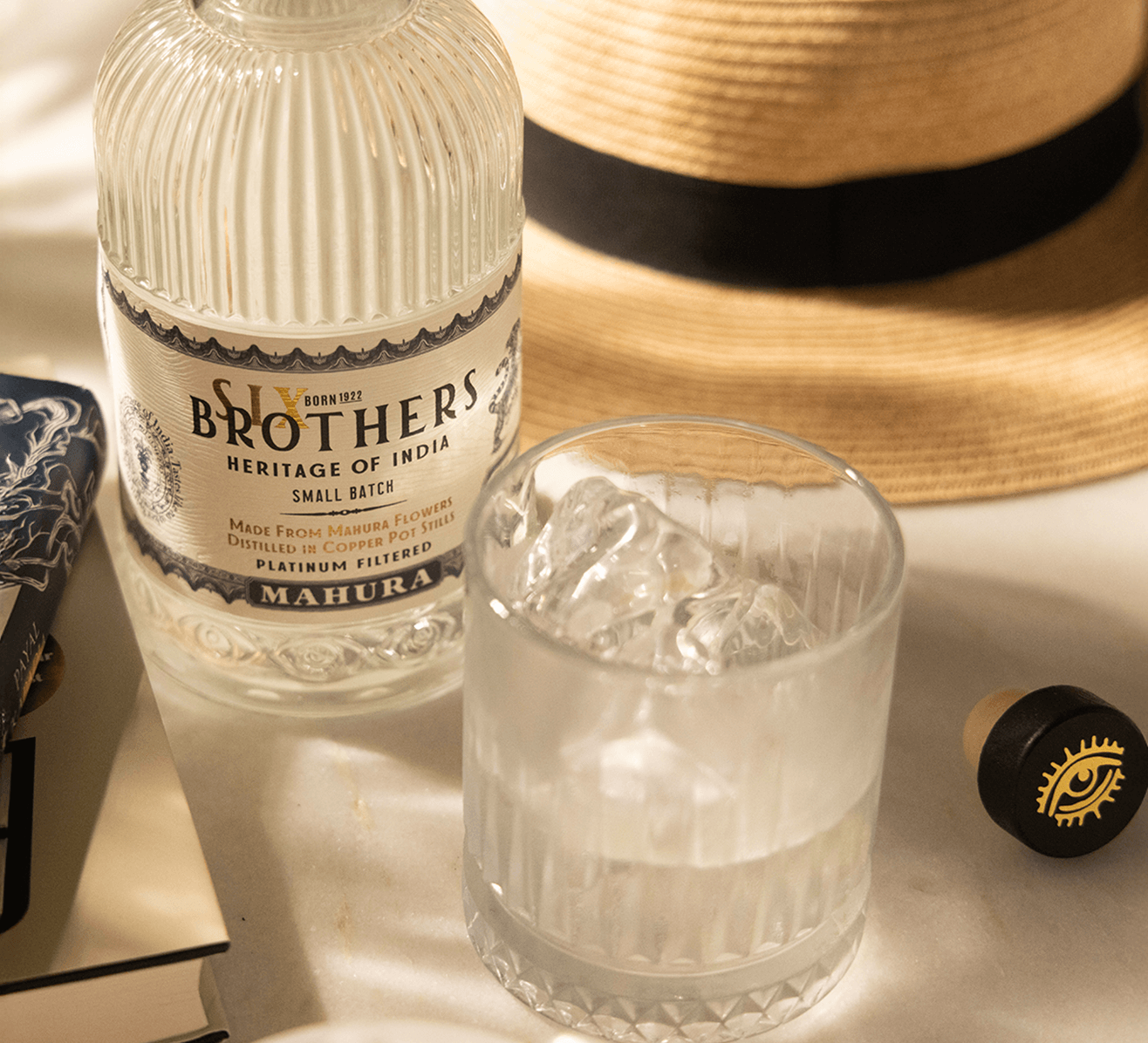
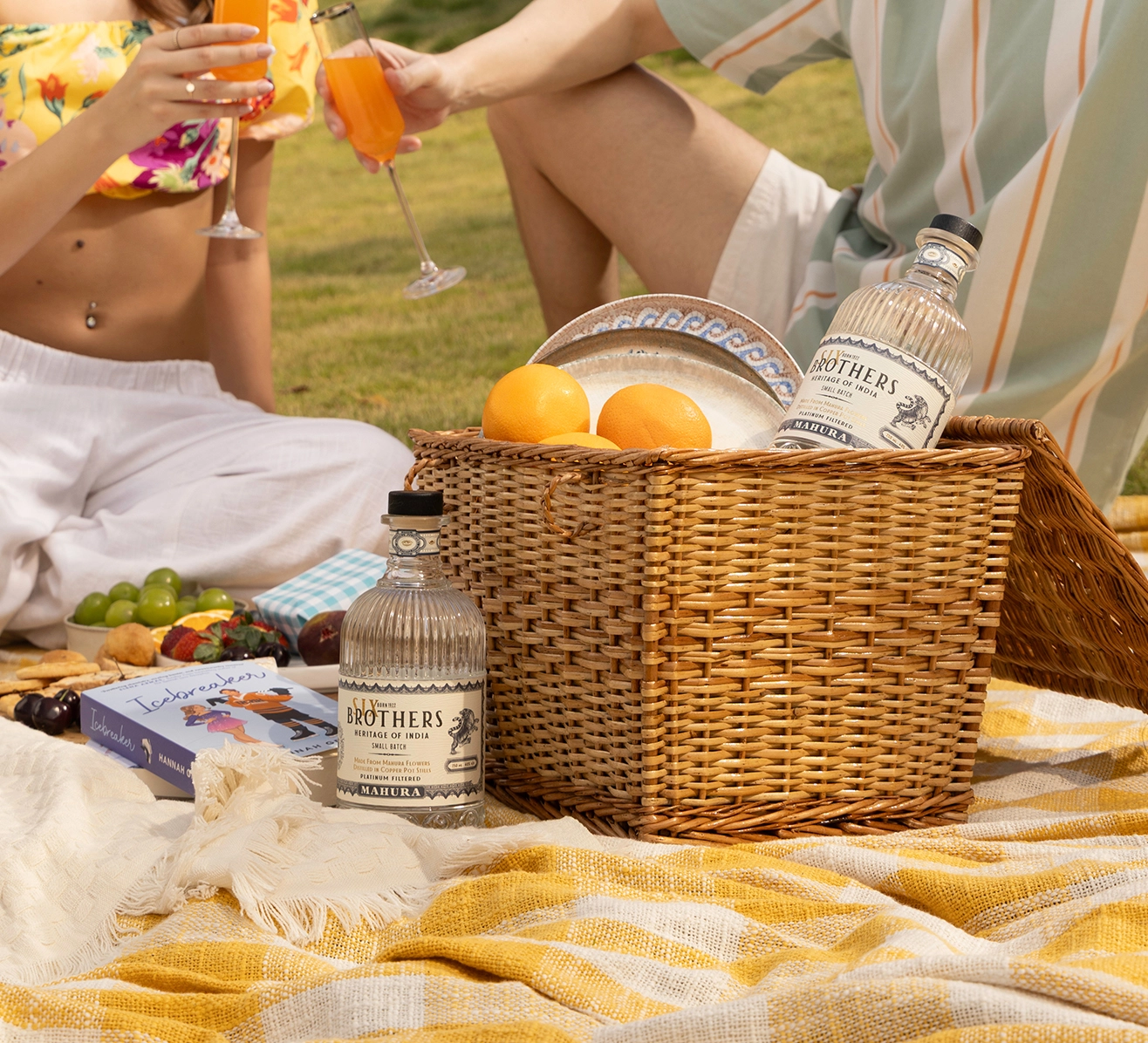
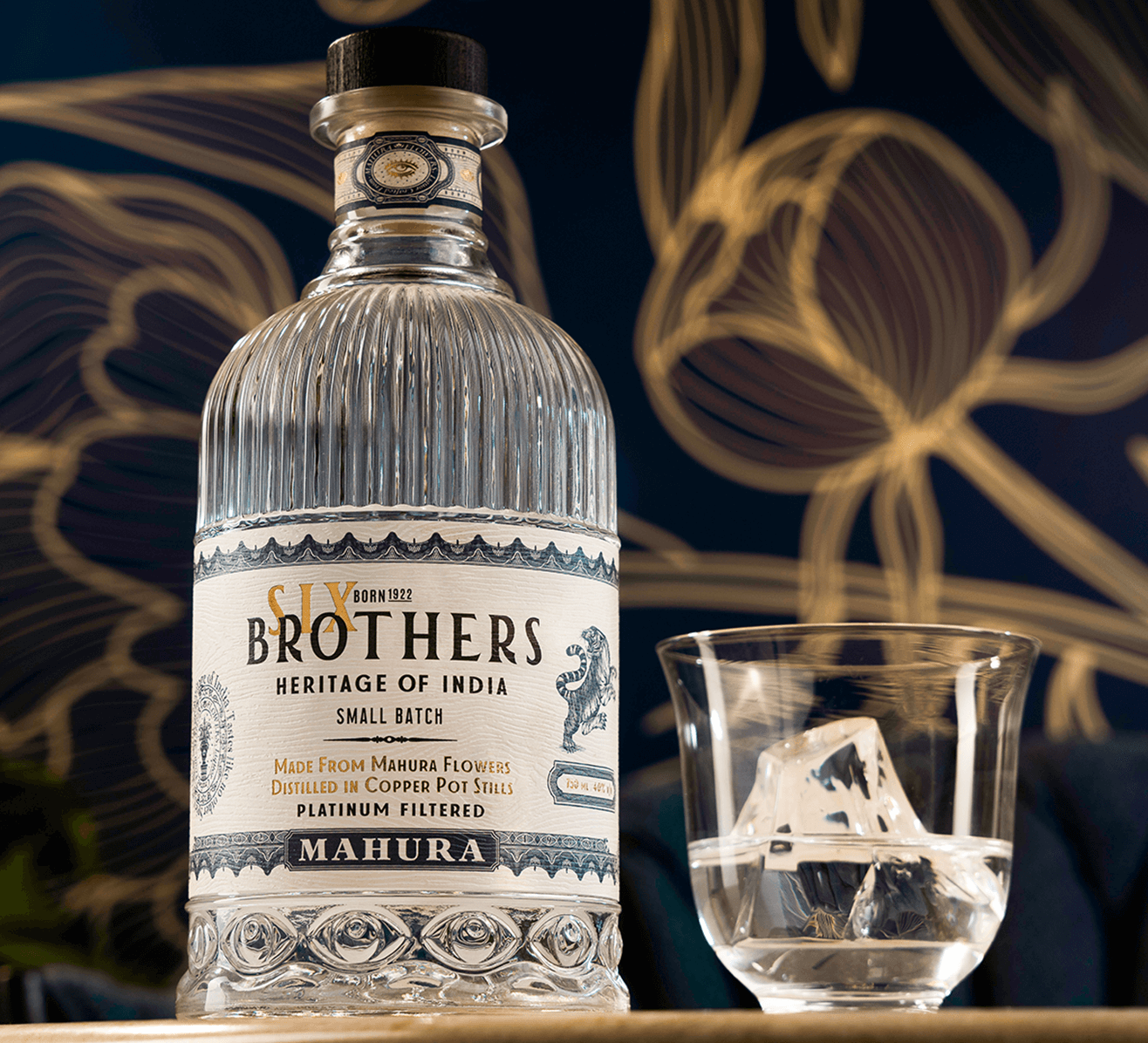
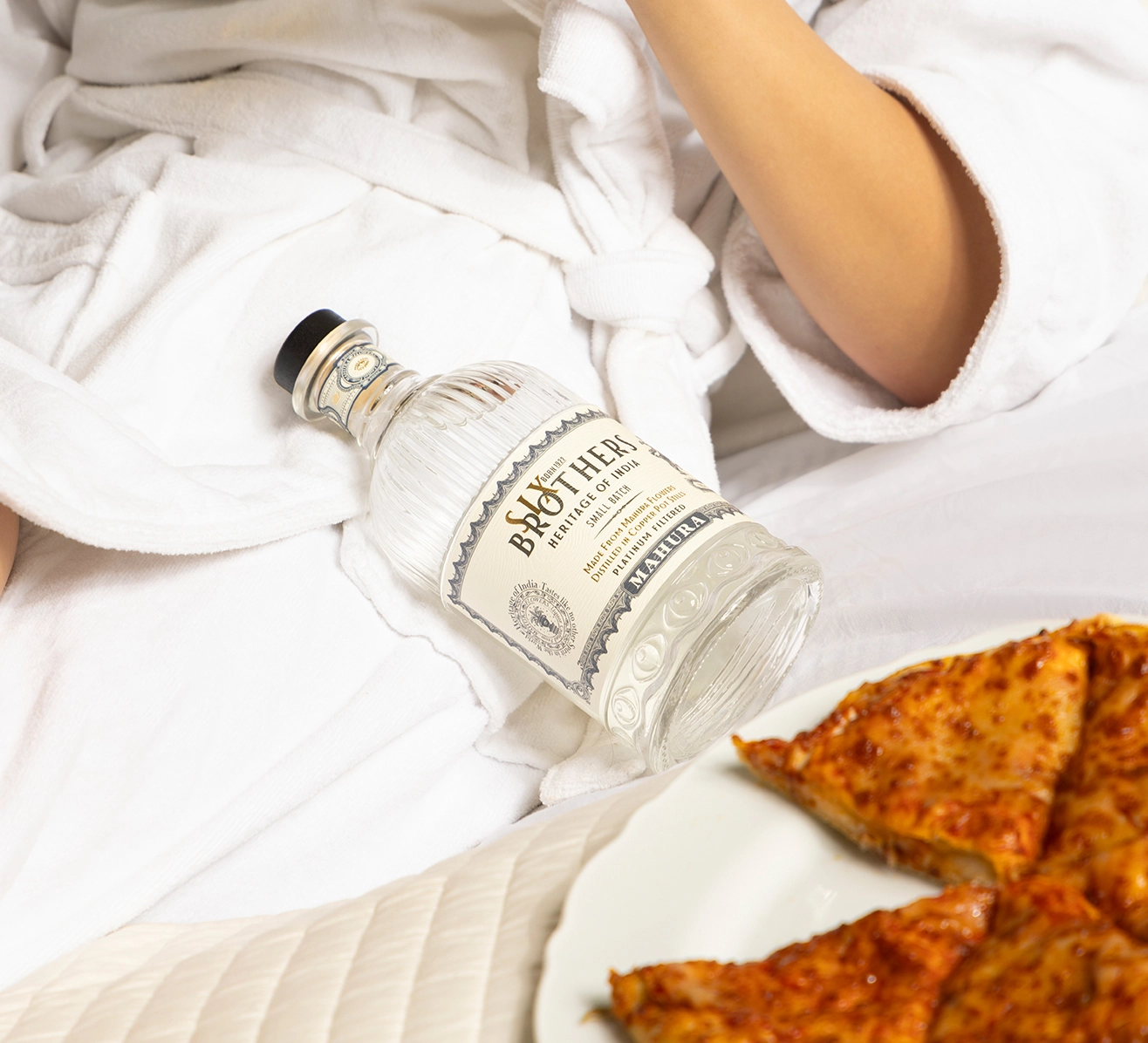
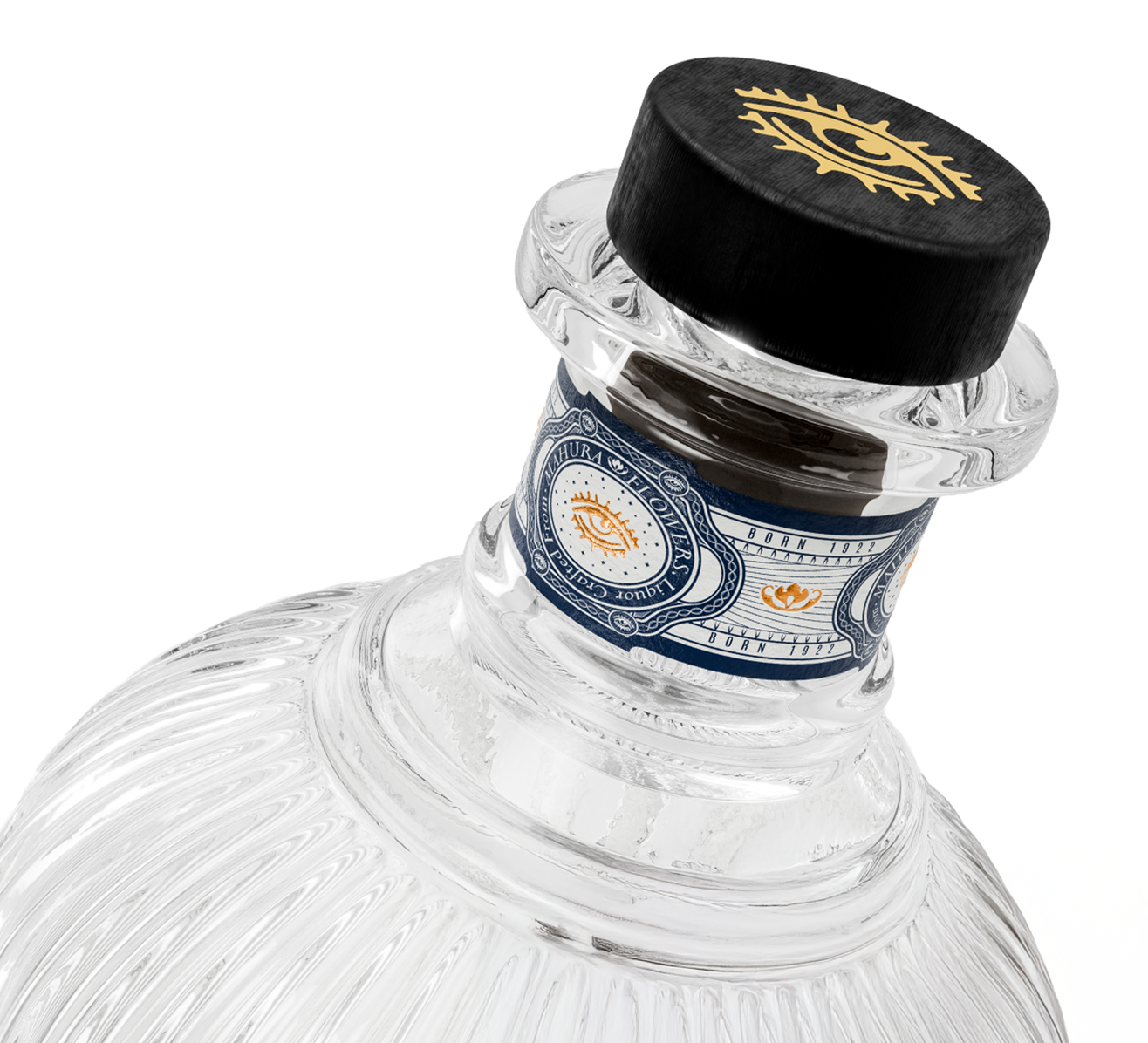
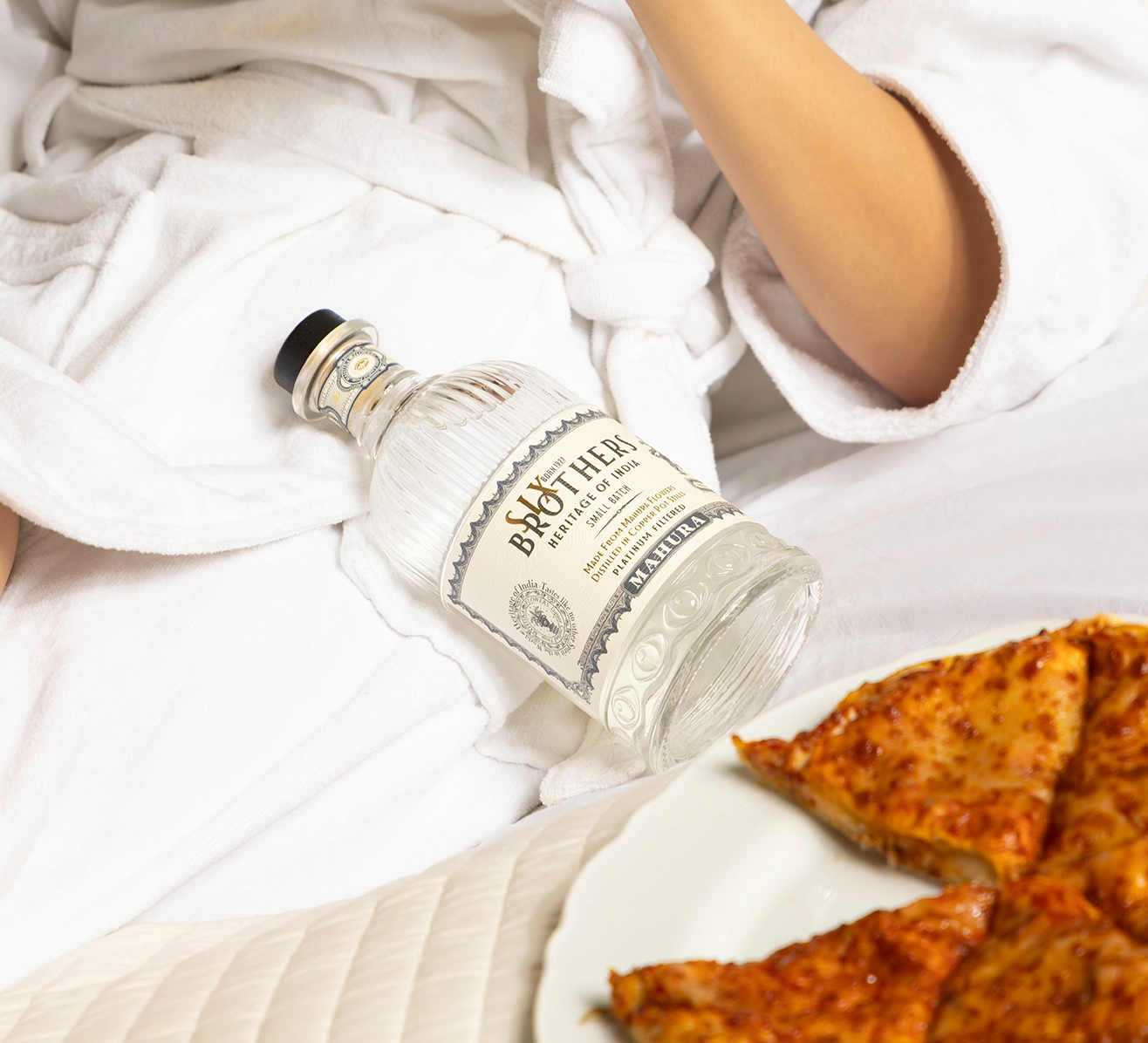
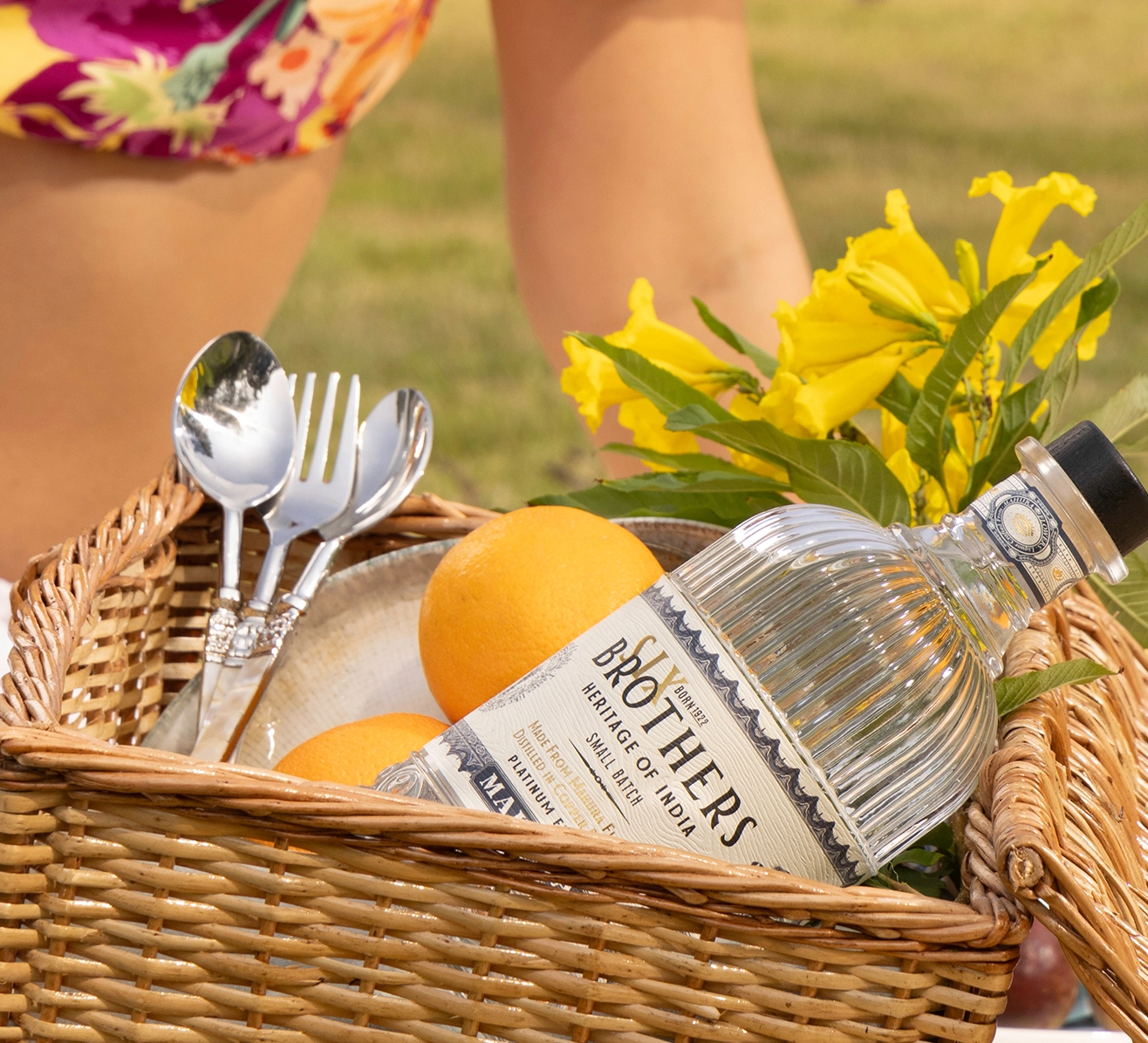
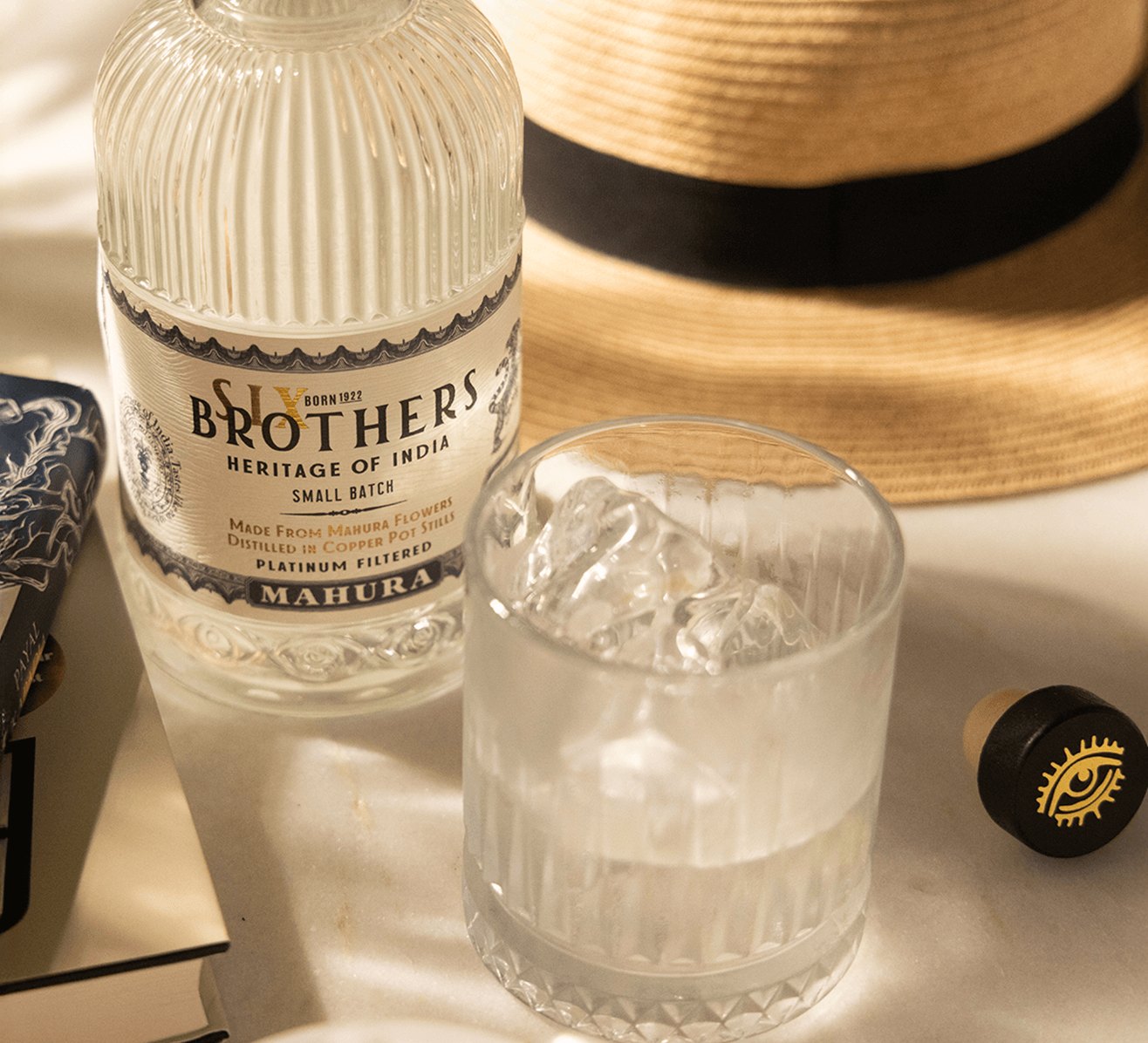
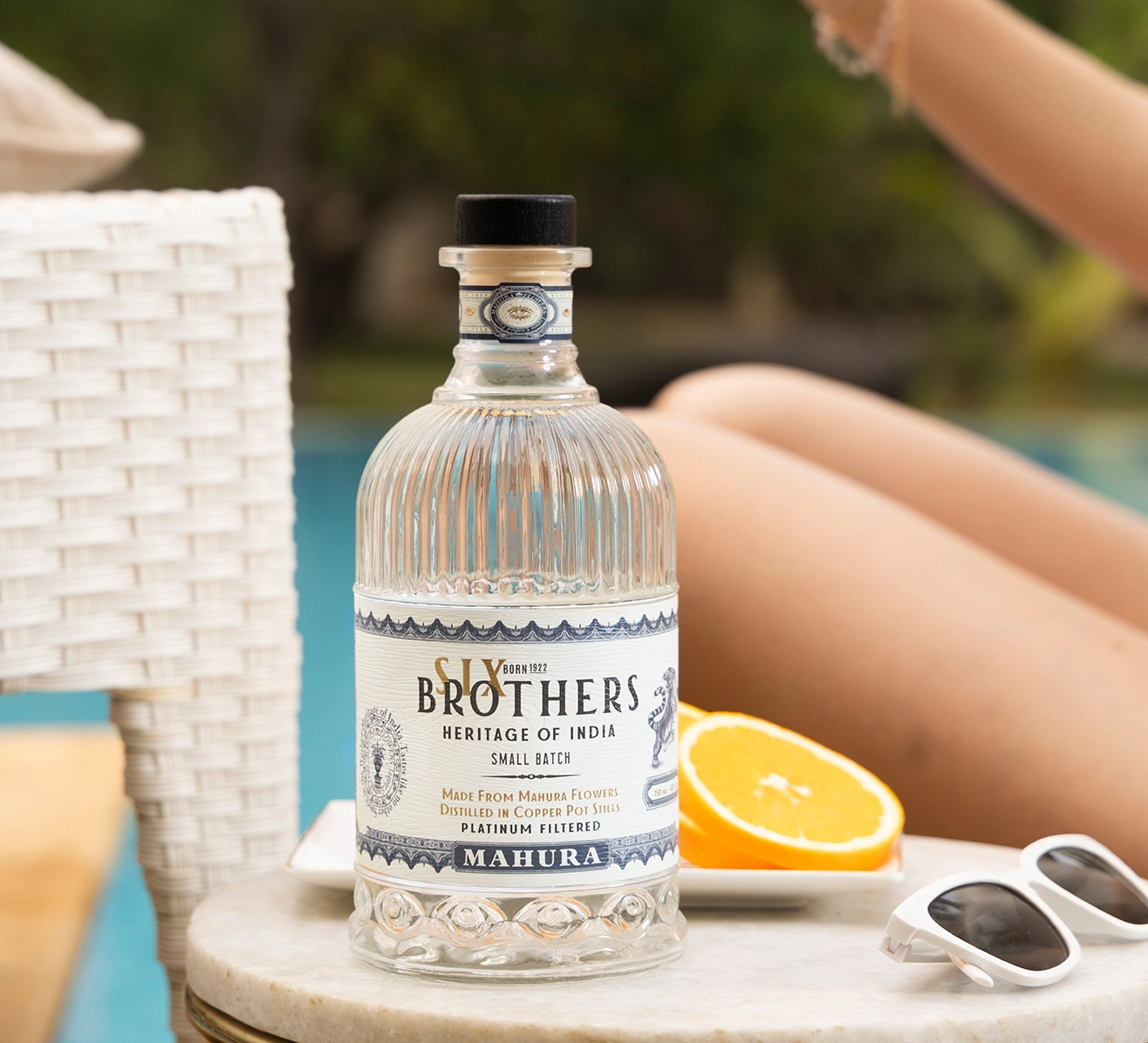
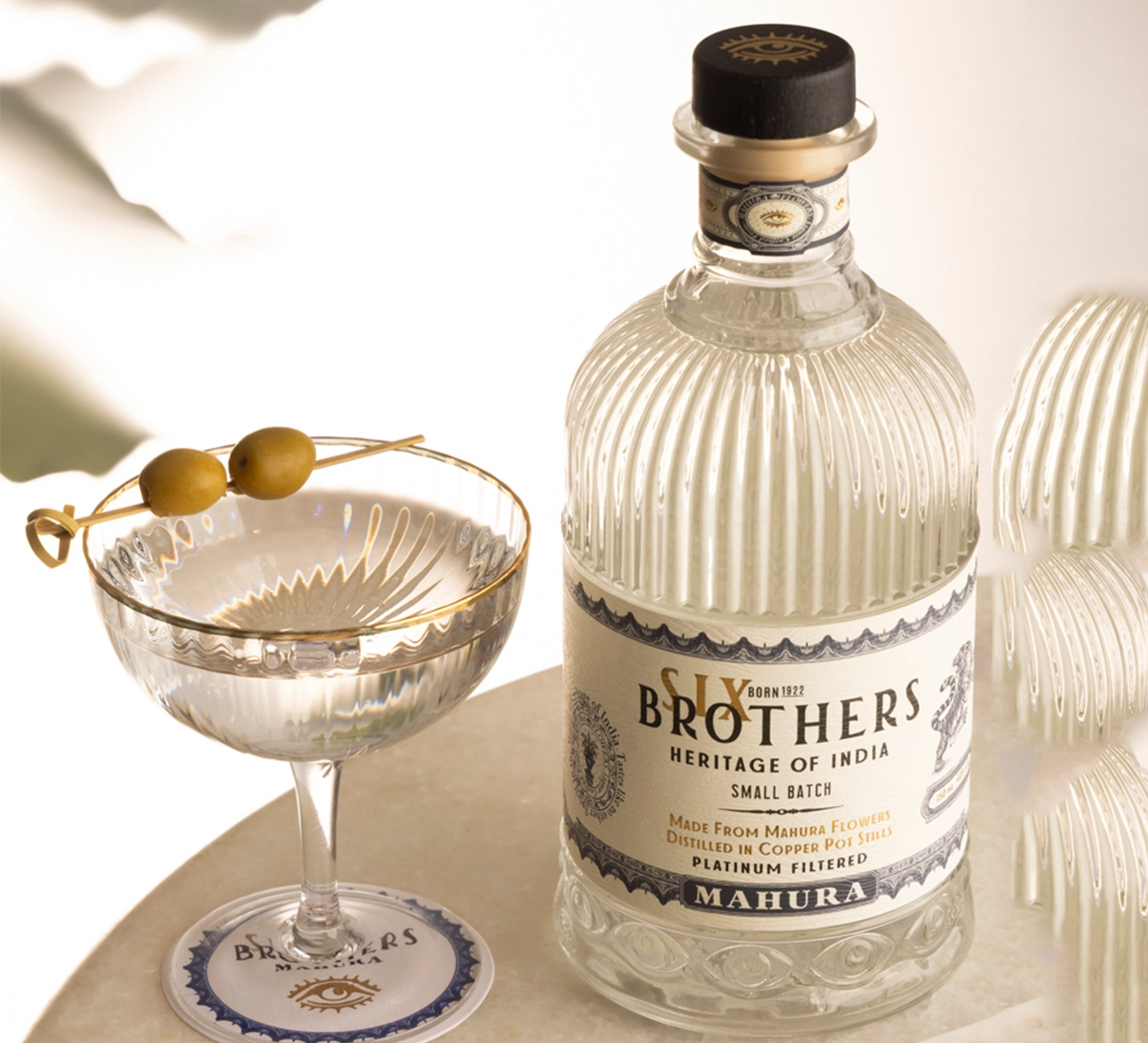
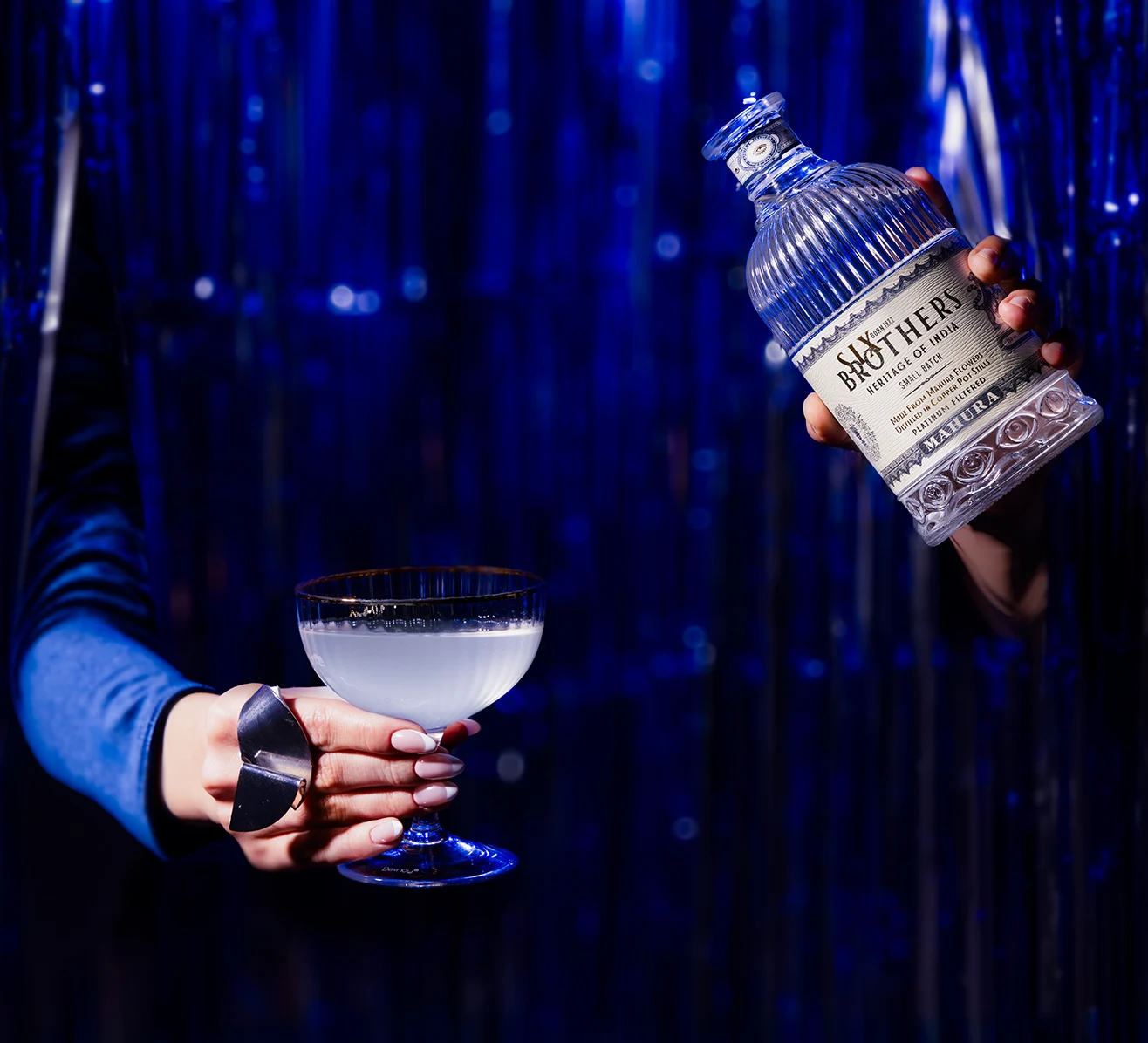
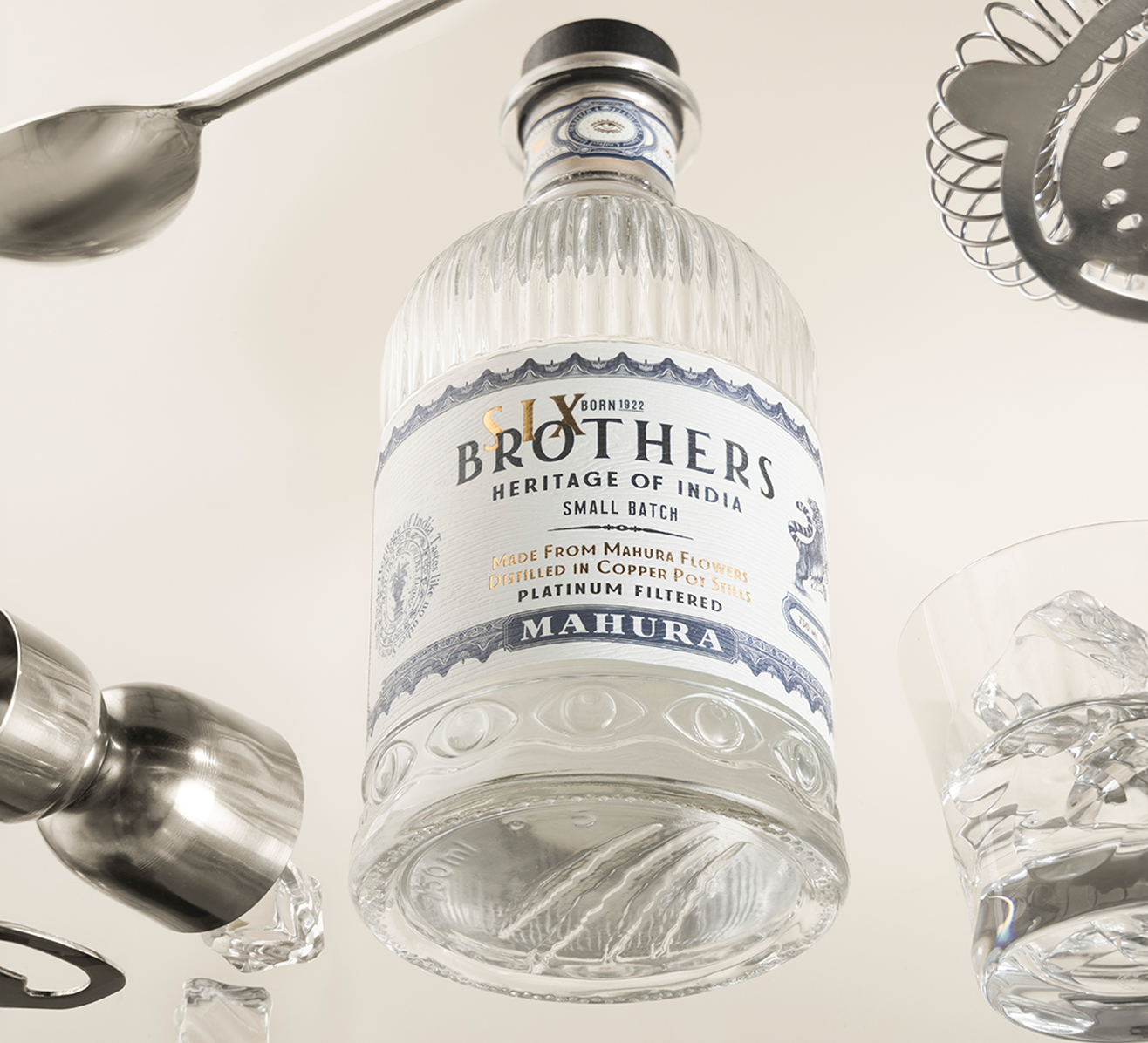
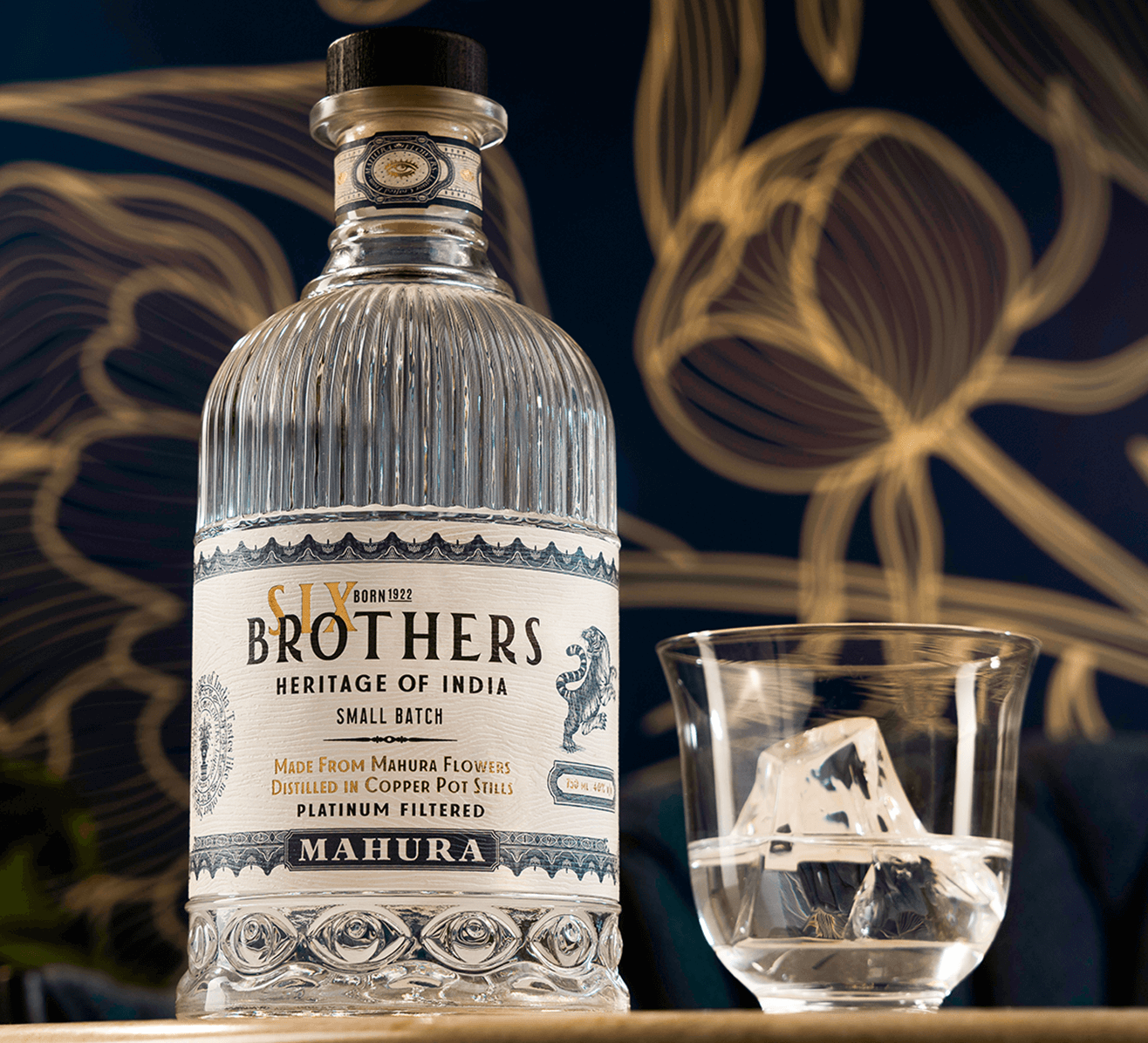
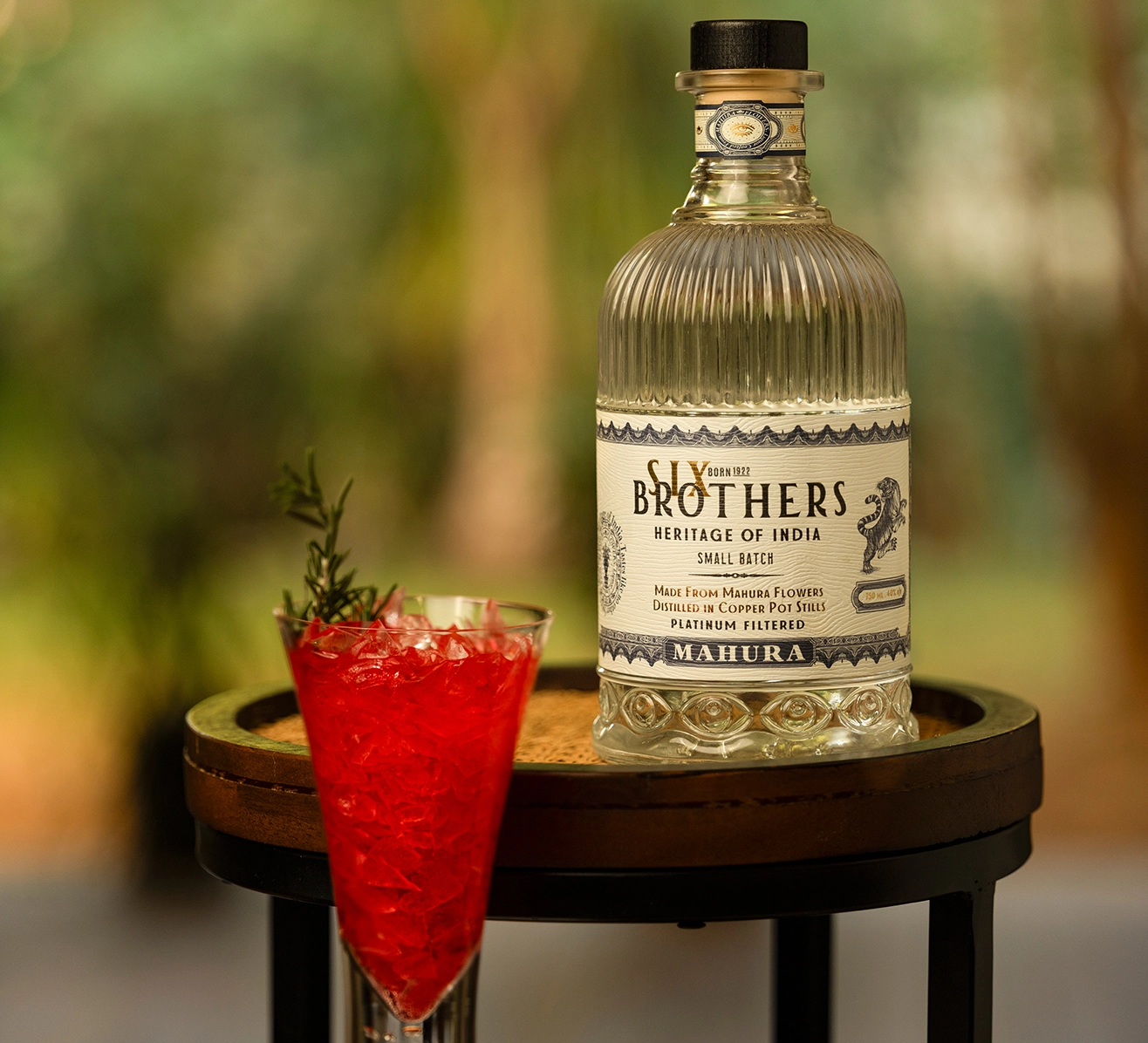
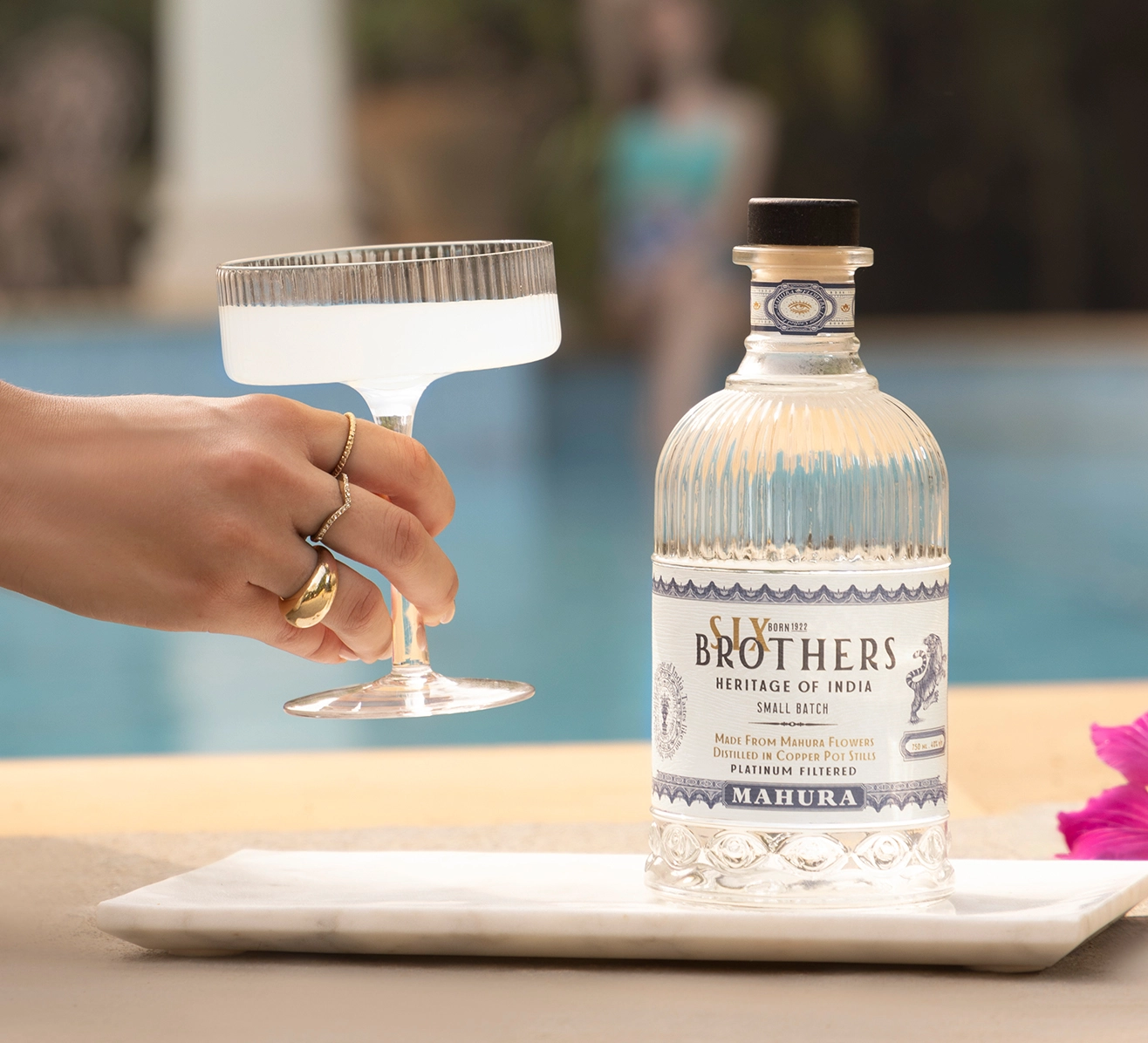
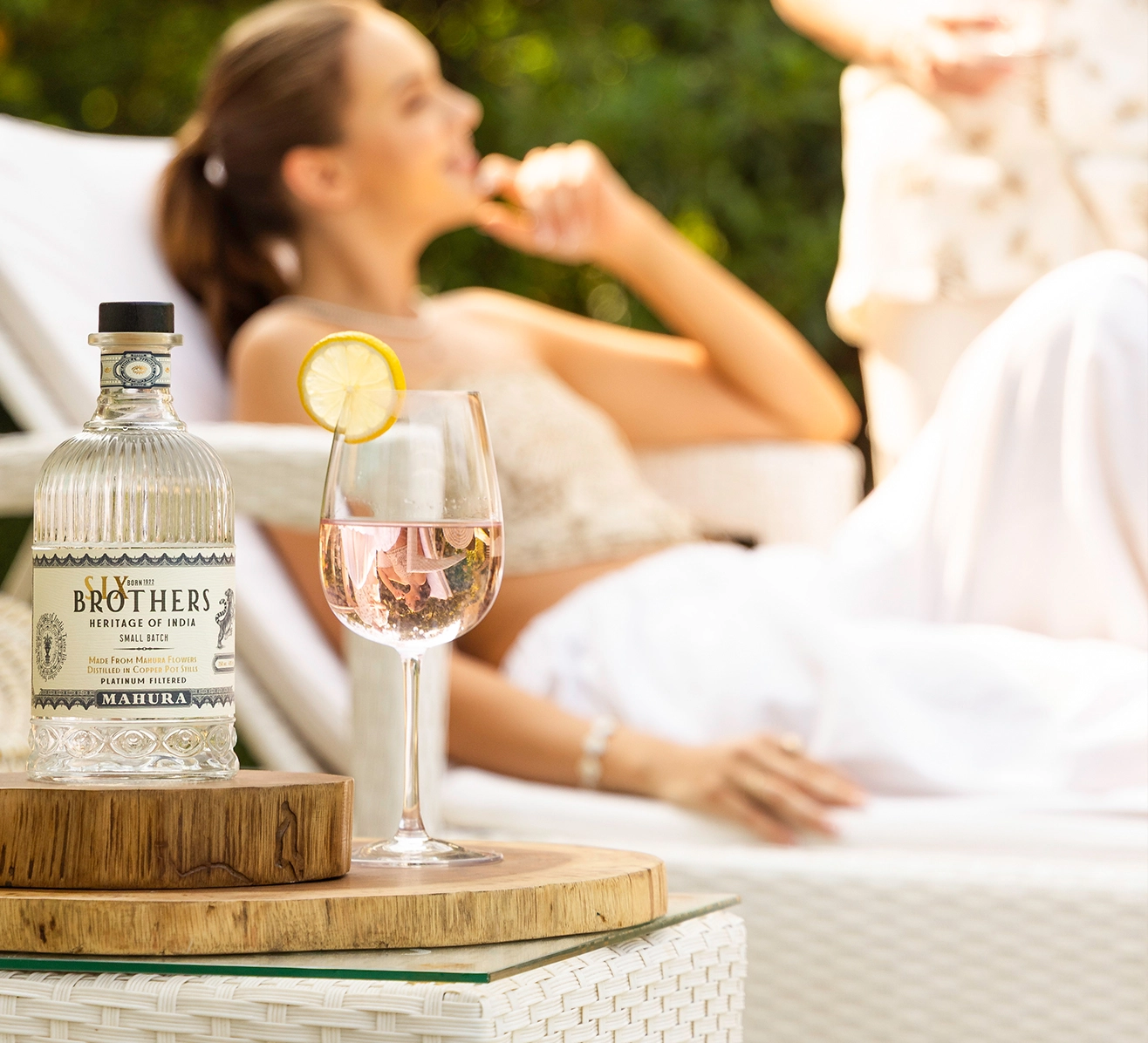
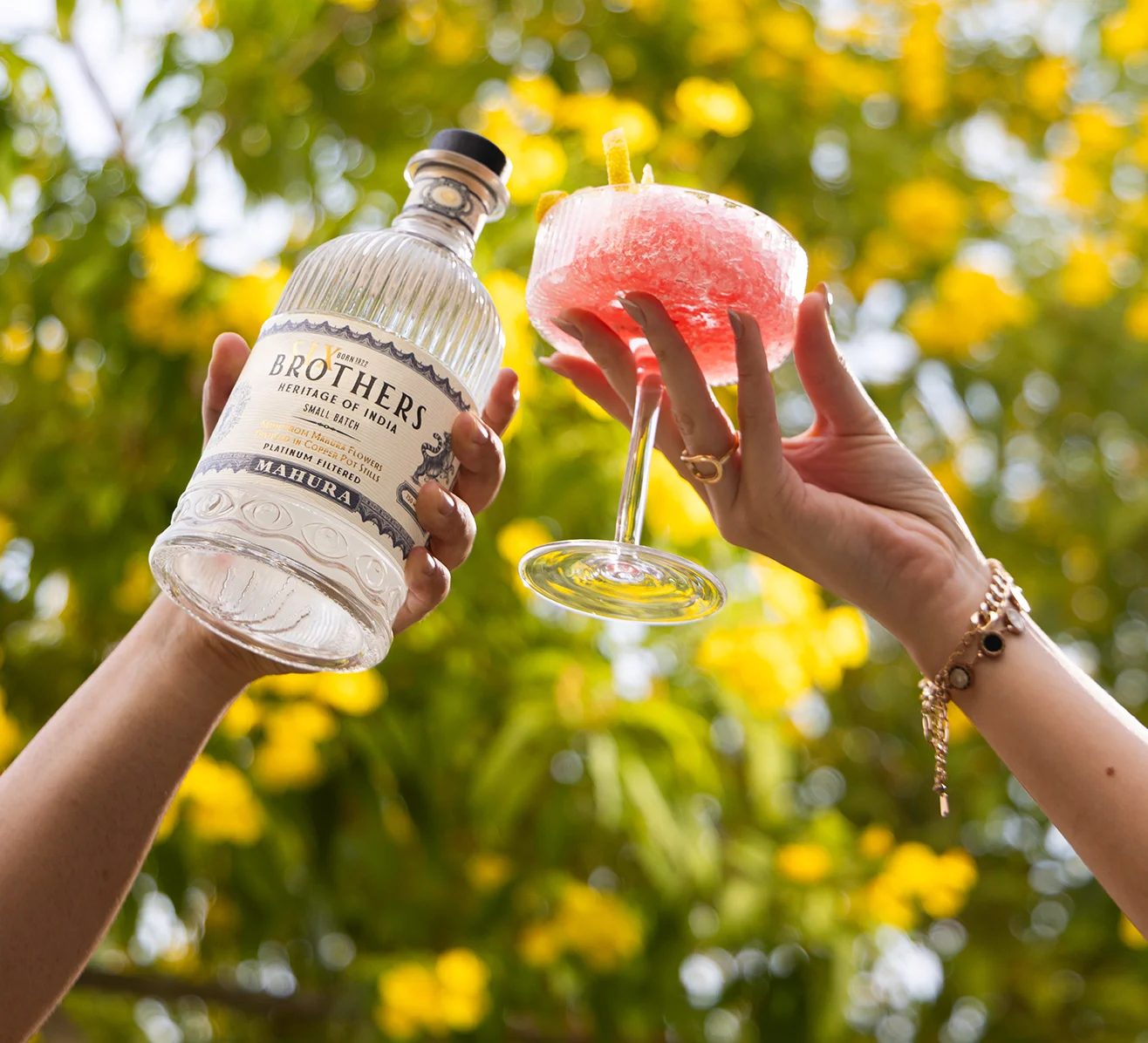
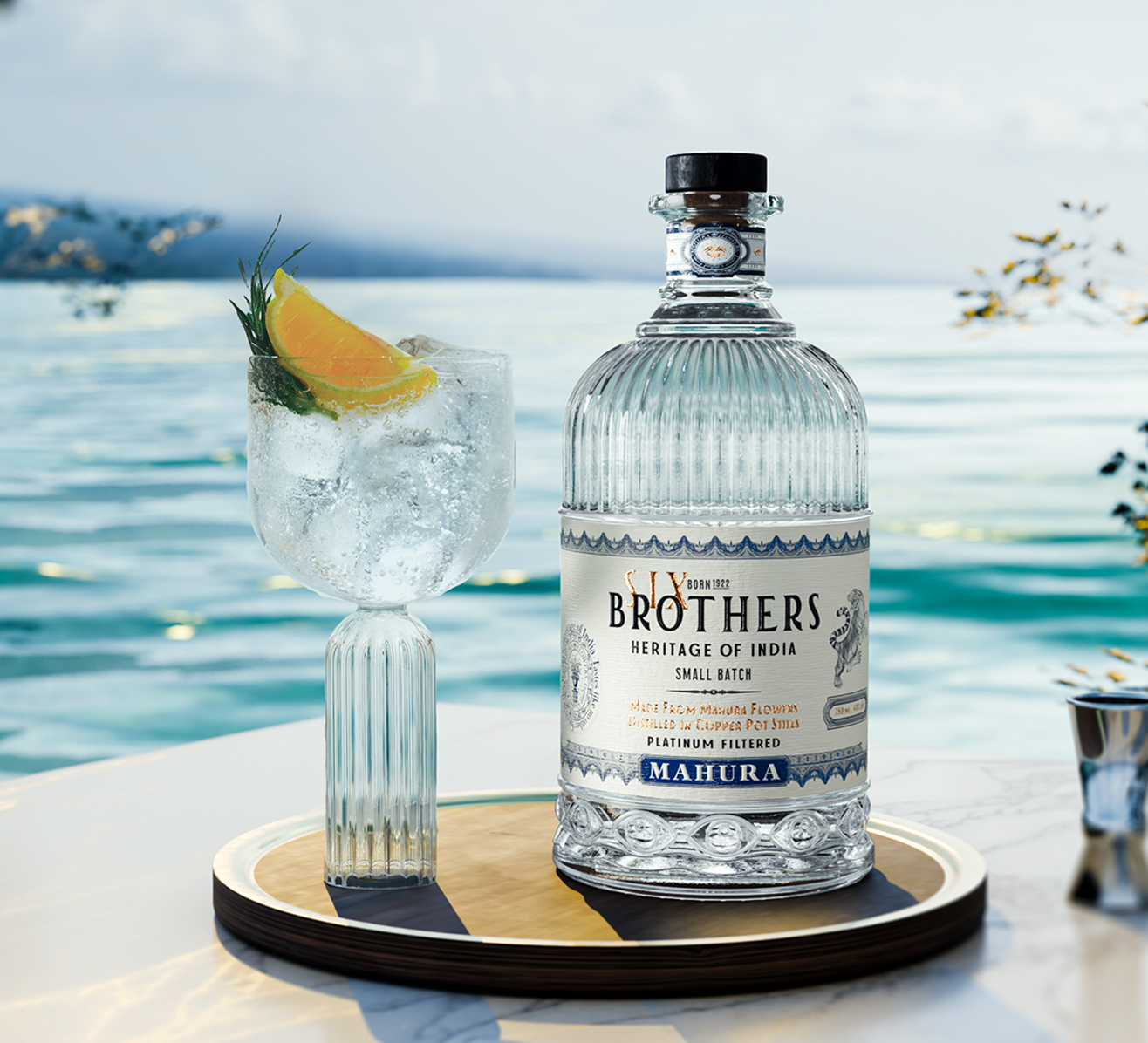
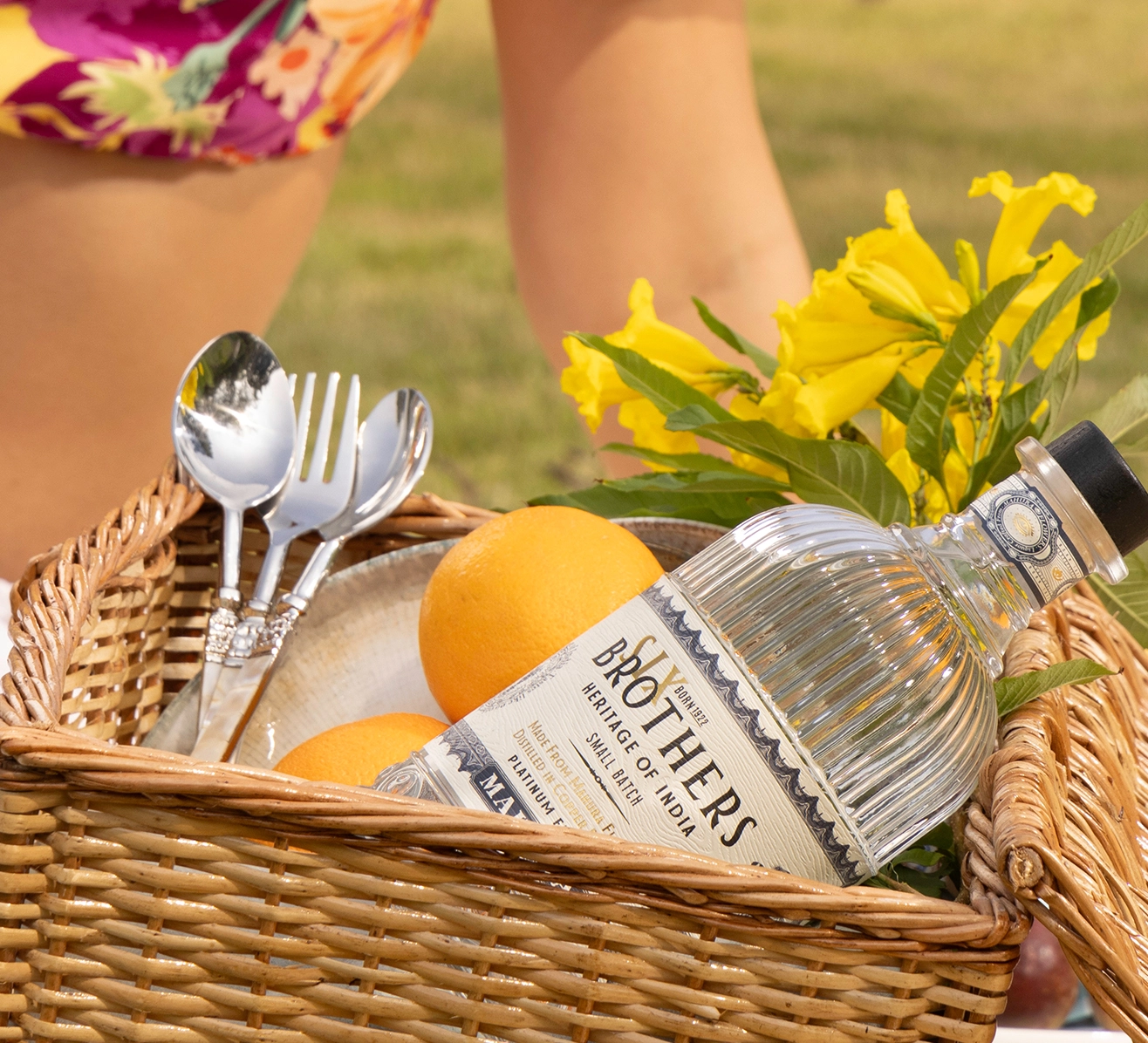
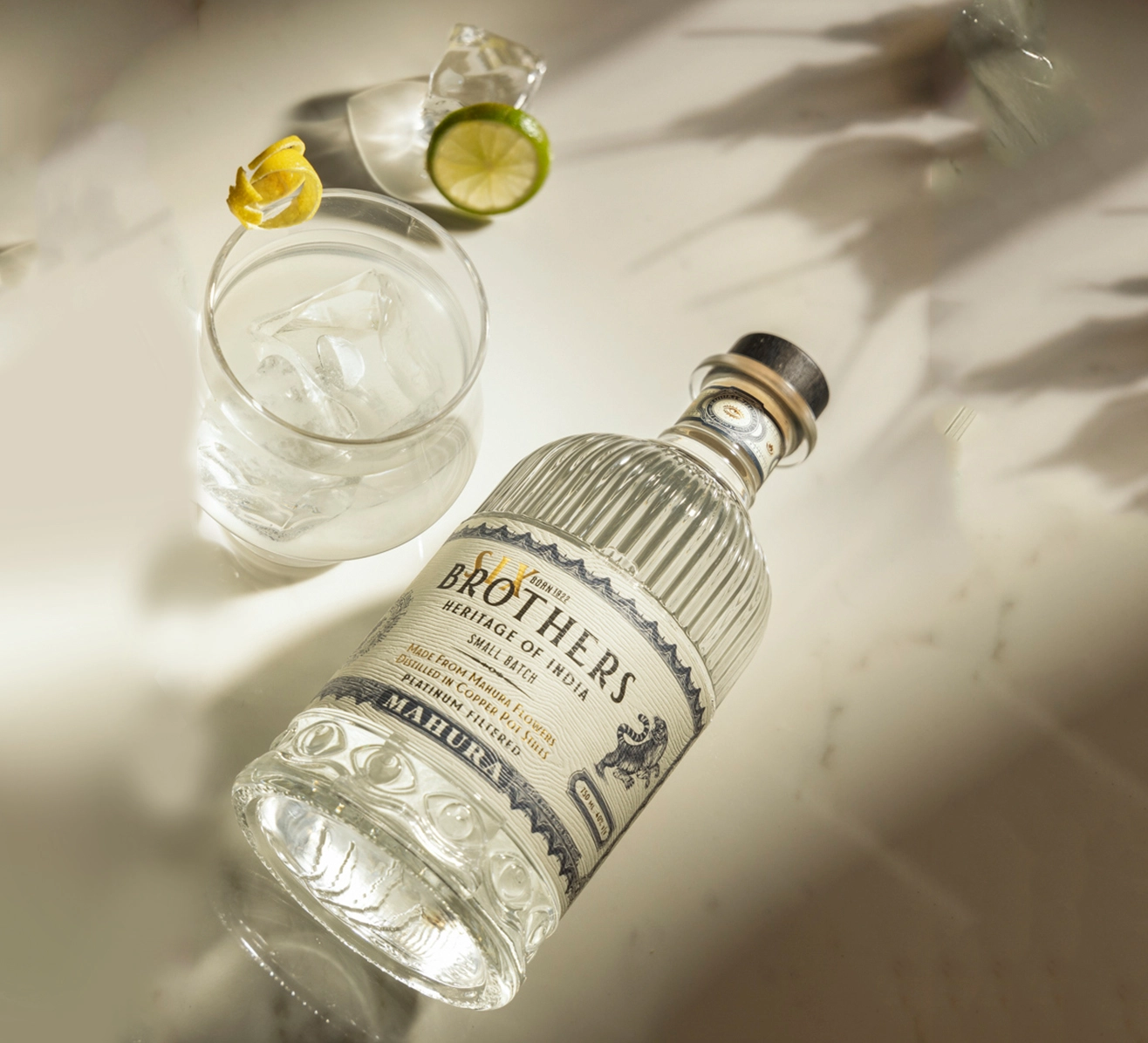
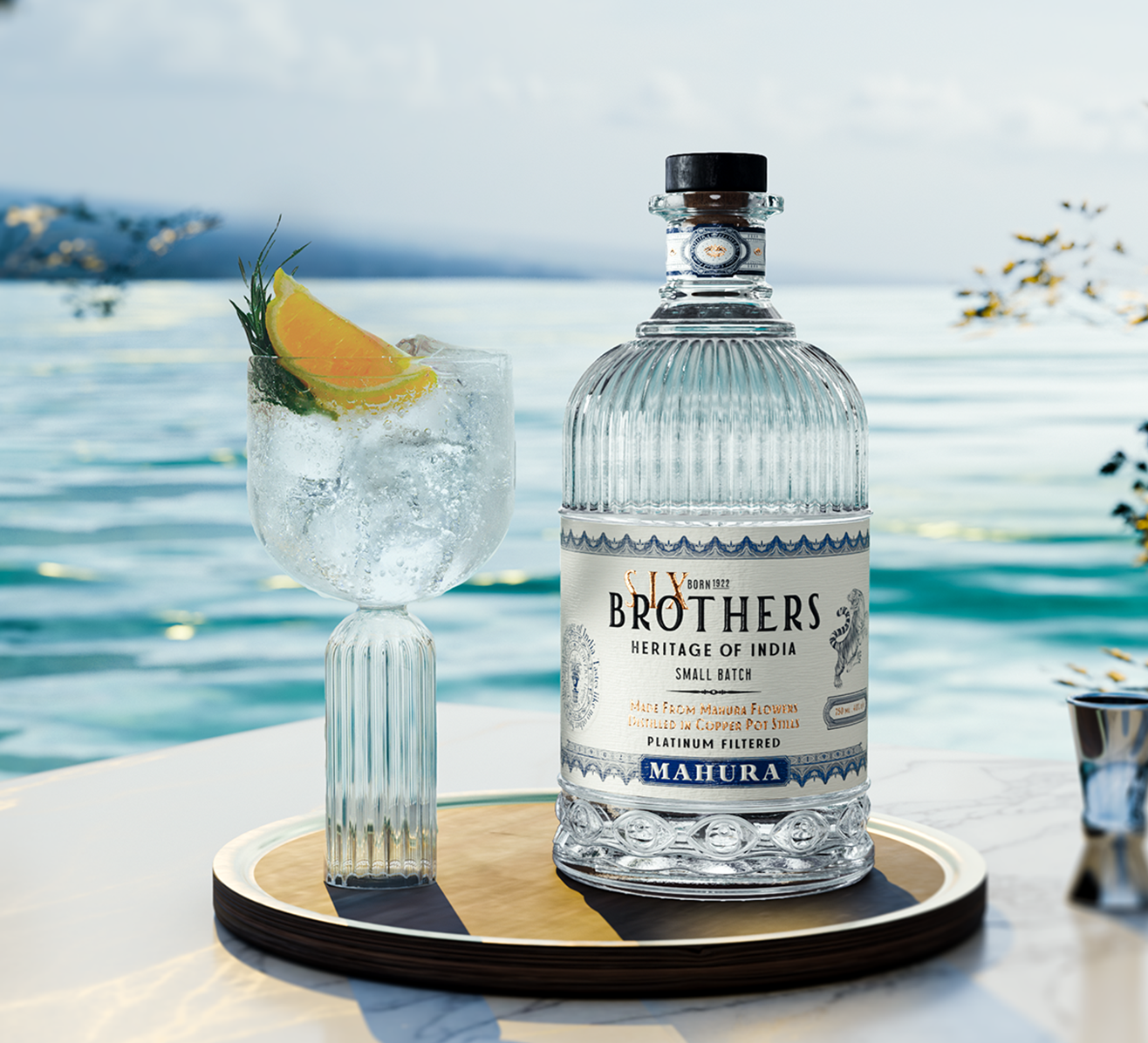
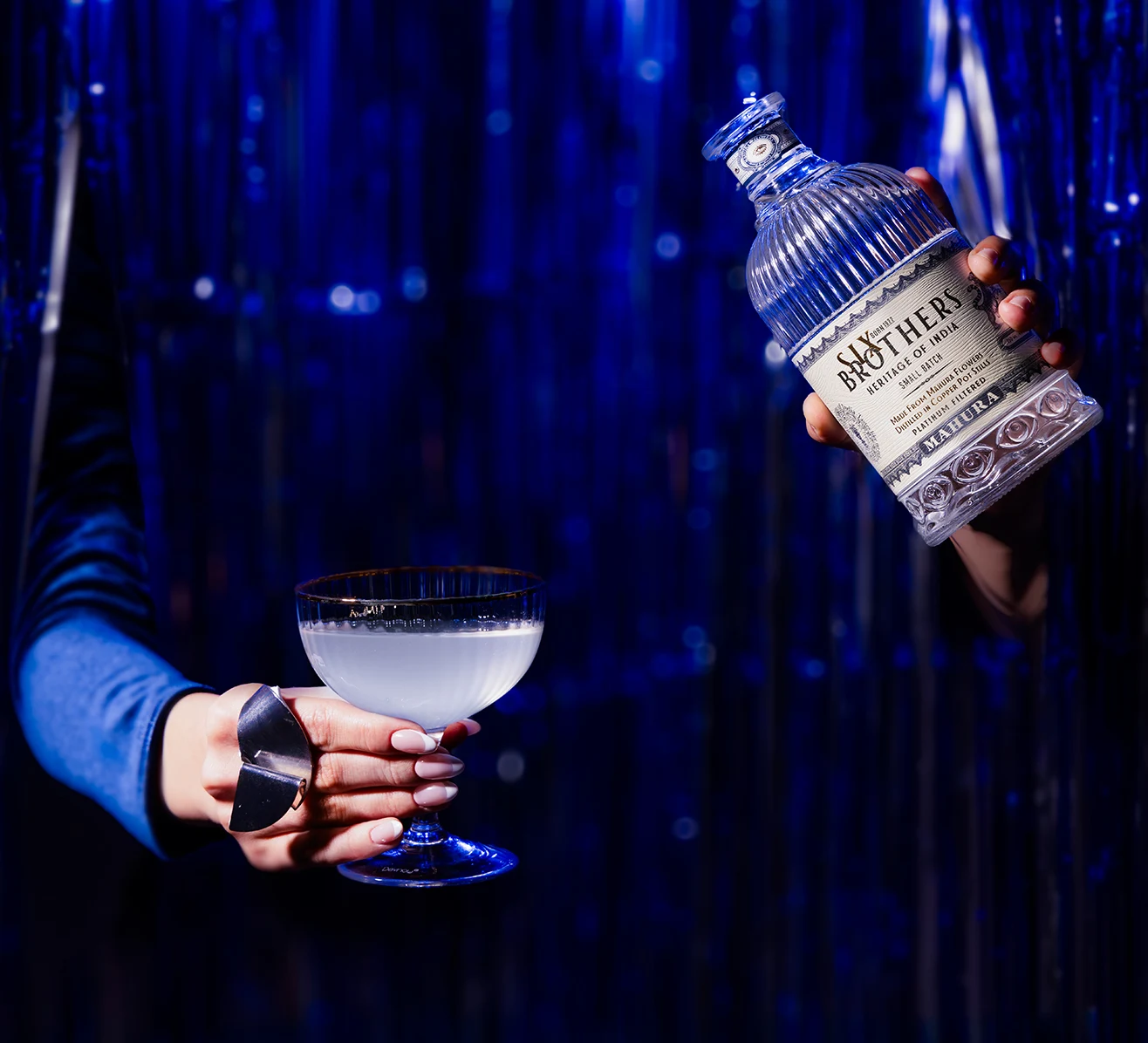
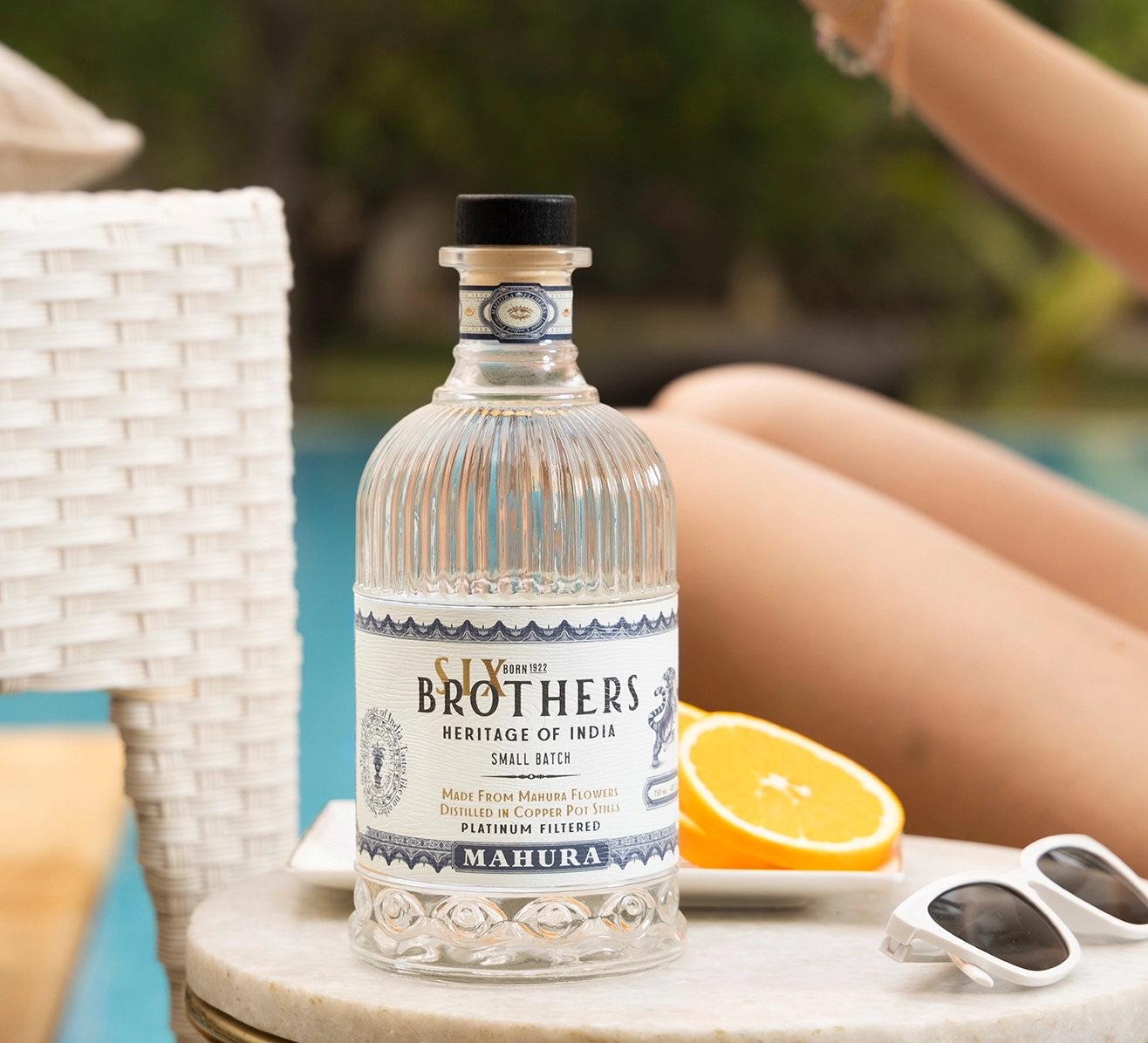
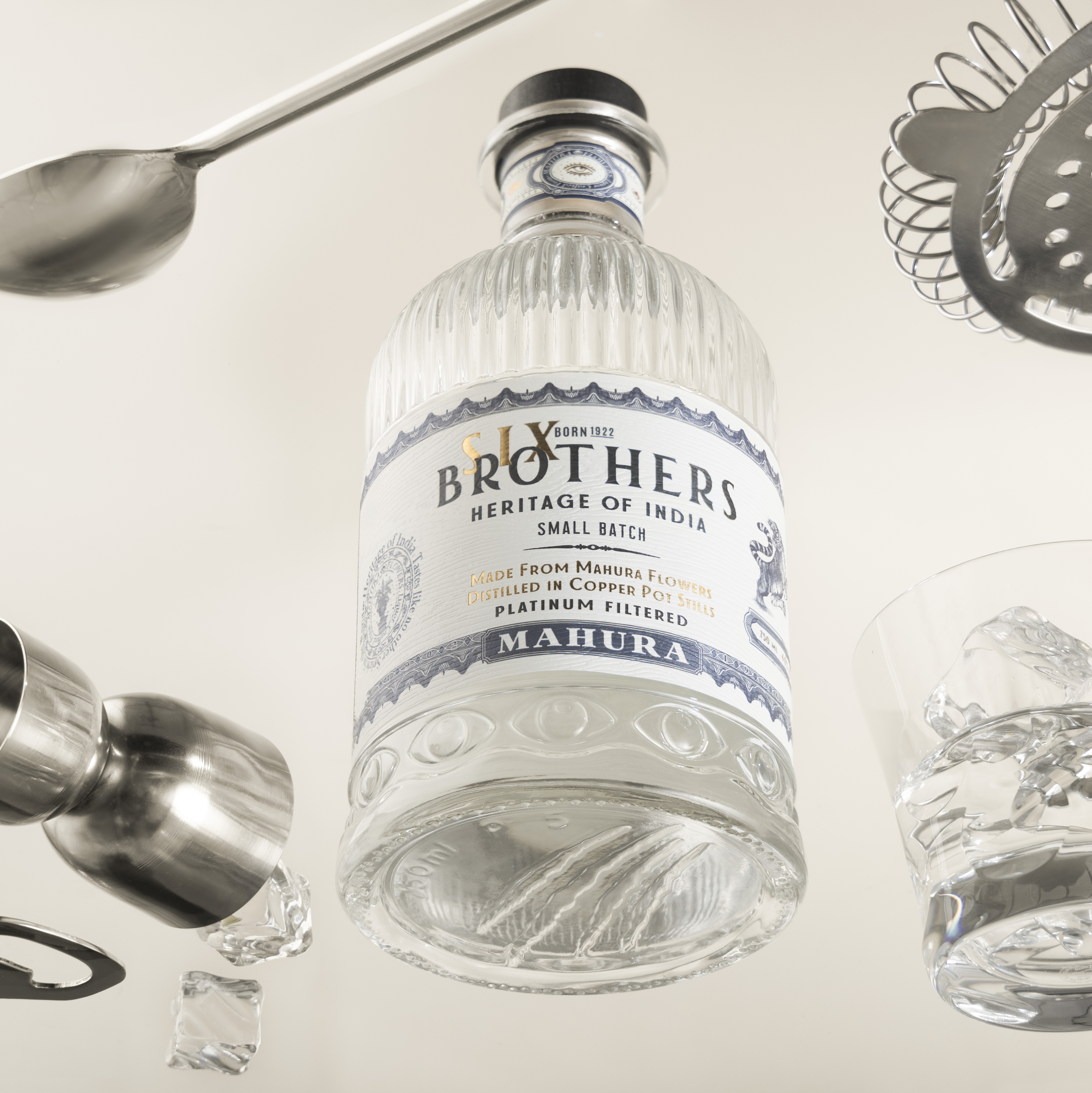
That’s where Six Brothers Mahura plays a critical role.
The focus here is not to industrialize mahua to the point where it loses identity, but to refine it just enough to make it:
This involves:
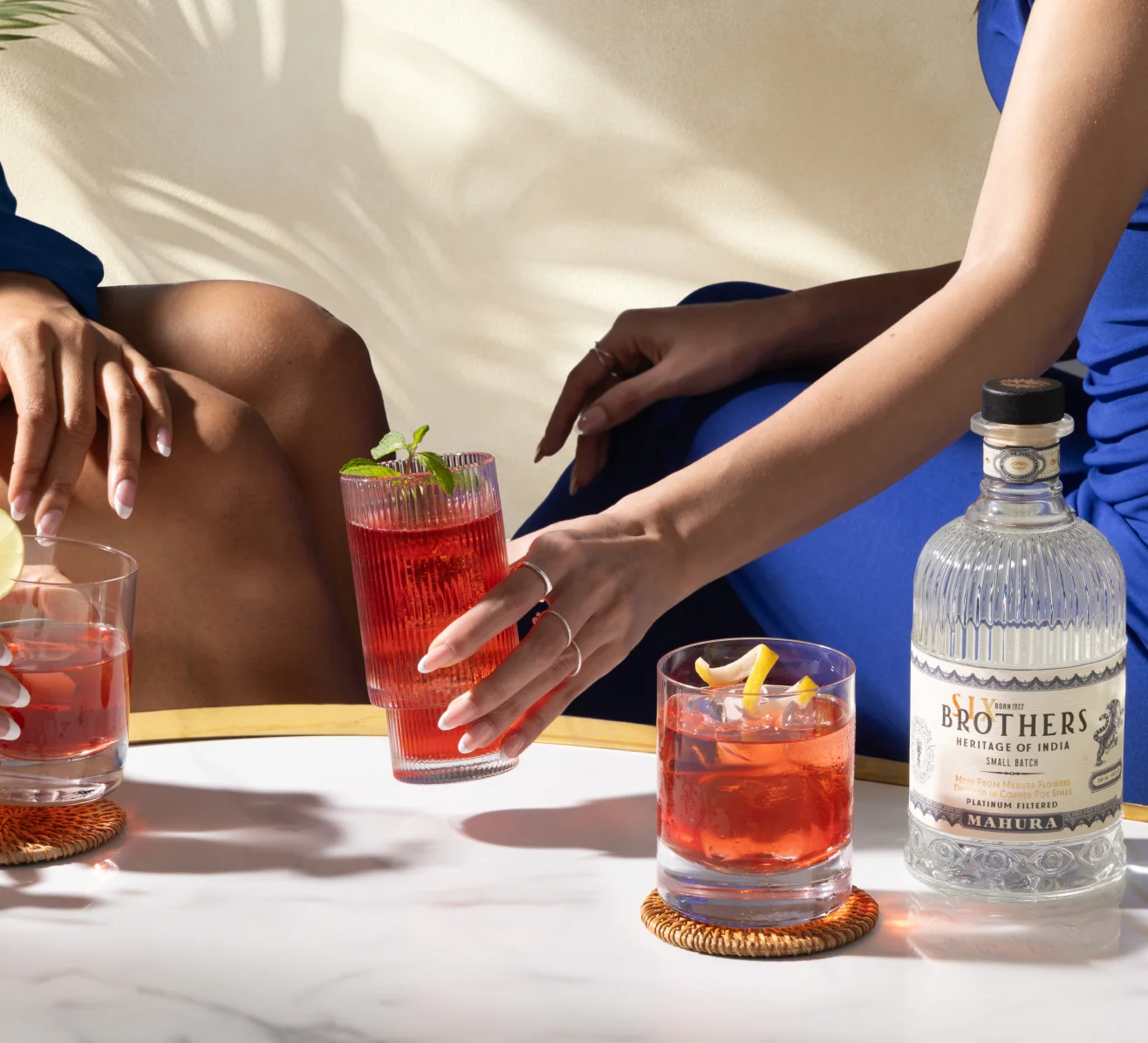
The result is a version of mahua that can sit on a shelf next to premium spirits — without losing the story it comes from.
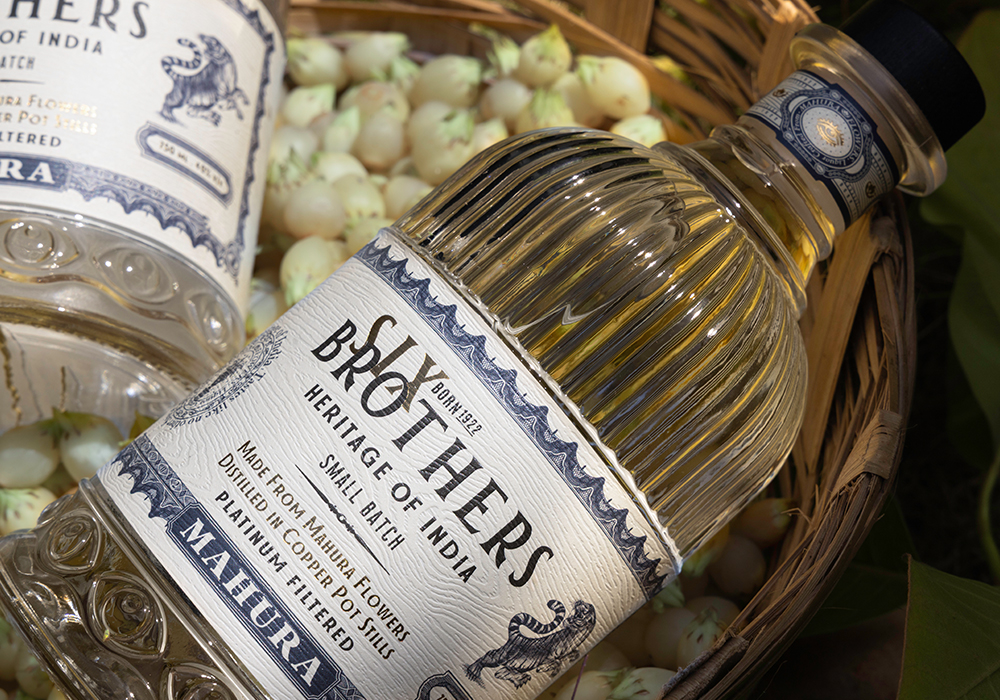
Once the base spirit is stabilized, the next step is exploration.
Madhuca expressions take mahua beyond a single flavor profile and turn it into a range.
The most accessible entry point. It highlights the natural floral sweetness of mahua with minimal interference. Clean, soft, and easy to approach.
A more structured profile. You start seeing greater depth — slightly richer mouthfeel, more pronounced aromatics, and a longer finish.
The boldest of the range. This is where experimentation comes in — potentially involving aging, blending, or advanced distillation techniques to create complexity closer to premium dark spirits.
Think of these not just as variants, but as a progression:It’s tempting to compare mahua with Indian single malt whisky, but they operate on different fundamentals.
Base Ingredient
Flavor Profile
Production Philosophy
Market Position
What this really means is they’re not competing directly.
Instead:
Together, they create a much stronger narrative.
Q. Is mahua the same as Madhuca?
Mahua refers to the flower and the spirit made from it. Madhuca comes from the botanical name Madhuca longifolia and is often used in branding and classification.
Q. How is mahua different from other spirits?
It’s made from flowers rather than grains or fruits, which gives it a distinct floral aroma and a naturally sweet profile.
Q. Are Madhuca expressions aged like whisky?
Some expressions may involve aging or advanced finishing techniques, but not all rely on barrels the way whisky does.
Q. Can mahua become as popular as whisky?
It won’t replace whisky — but it doesn’t need to. Its strength lies in being different, not similar.
Q. Why are brands like Six Brothers important for mahua?
Because they bridge the gap between tradition and modern markets, making mahua accessible without stripping away its cultural roots.