
Posted on 08 May 2026
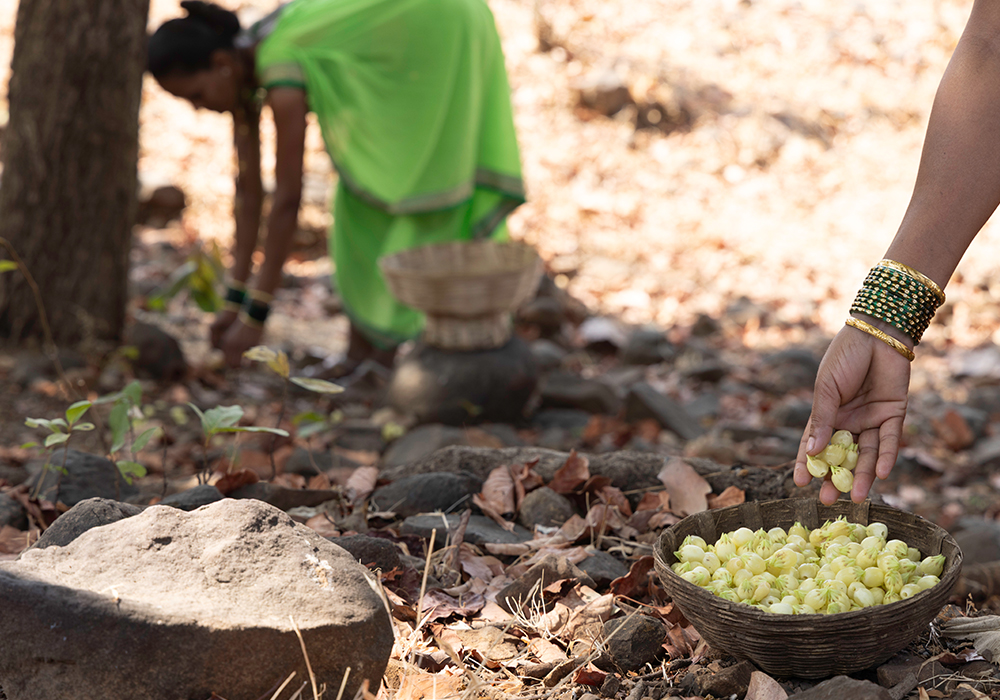
India’s relationship with alcohol is as old as its civilization, yet much of its indigenous heritage has long been overshadowed by colonial influences and modern commercial spirits. Among the country’s most authentic and culturally rooted beverages is Mahua, a traditional drink derived from the flowers of the Madhuca longifolia tree. Deeply embedded in tribal life, rituals, and local economies, Mahua is more than just a drink—it is a symbol of identity, resilience, and sustainability.
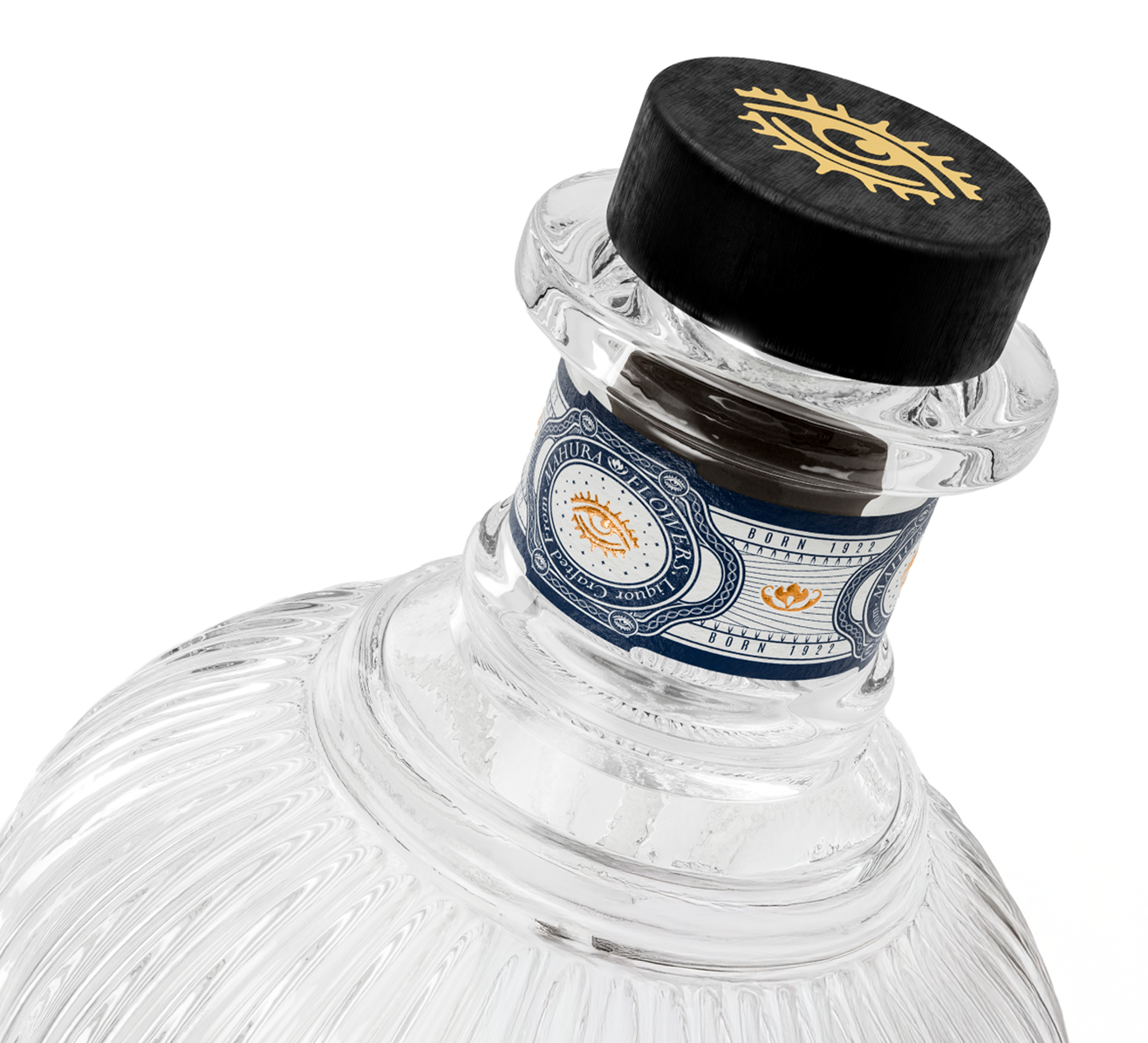
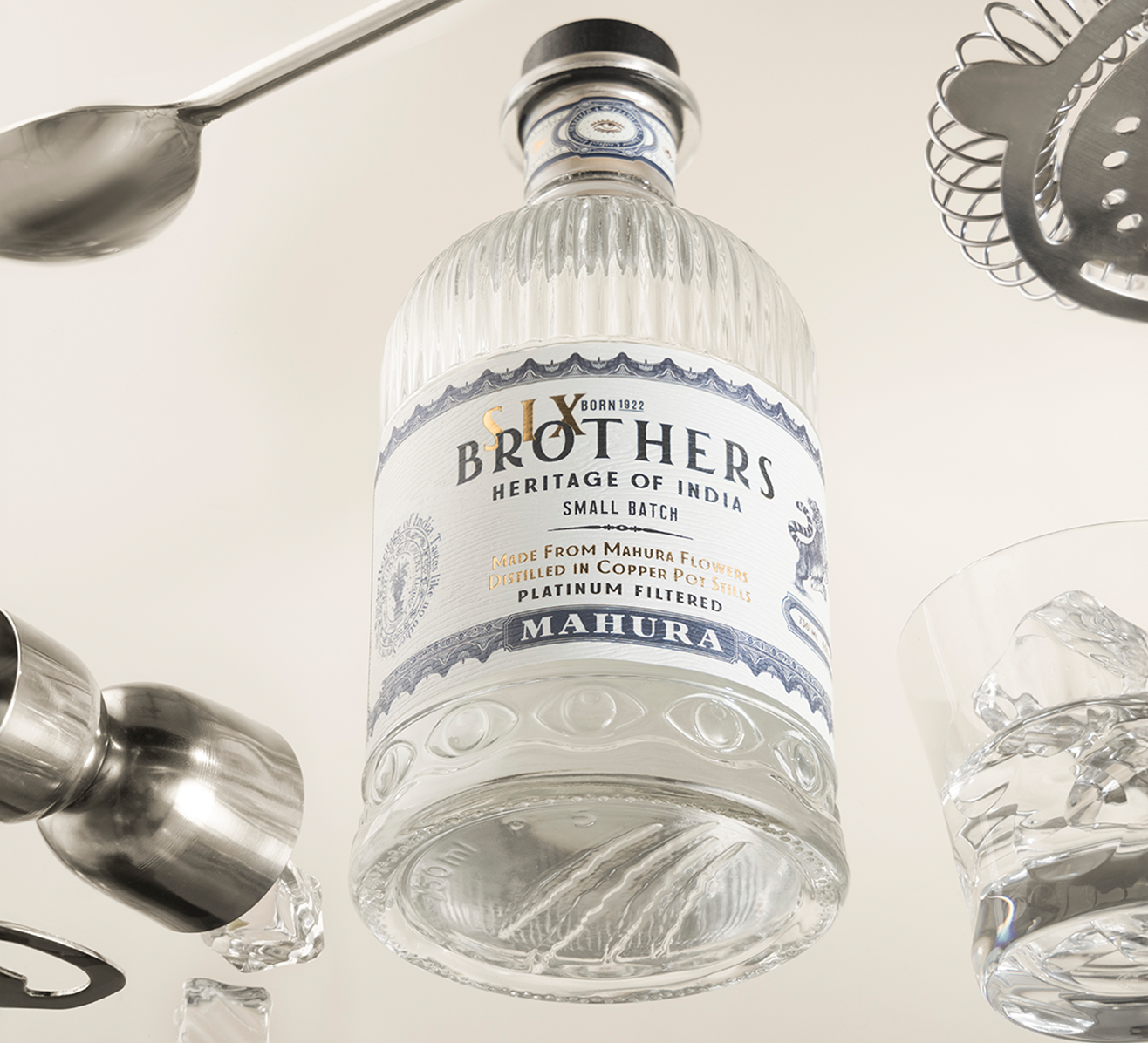
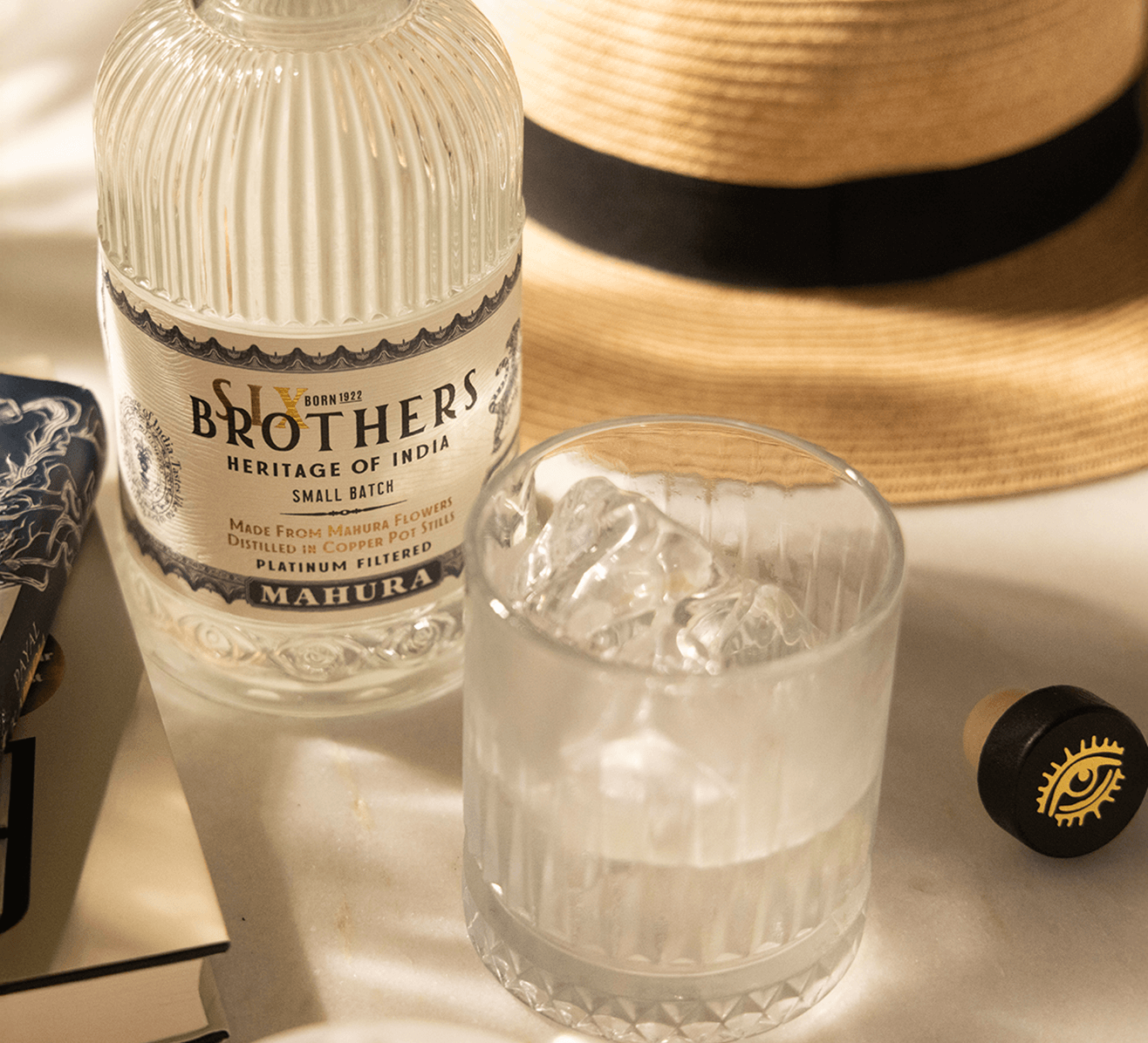
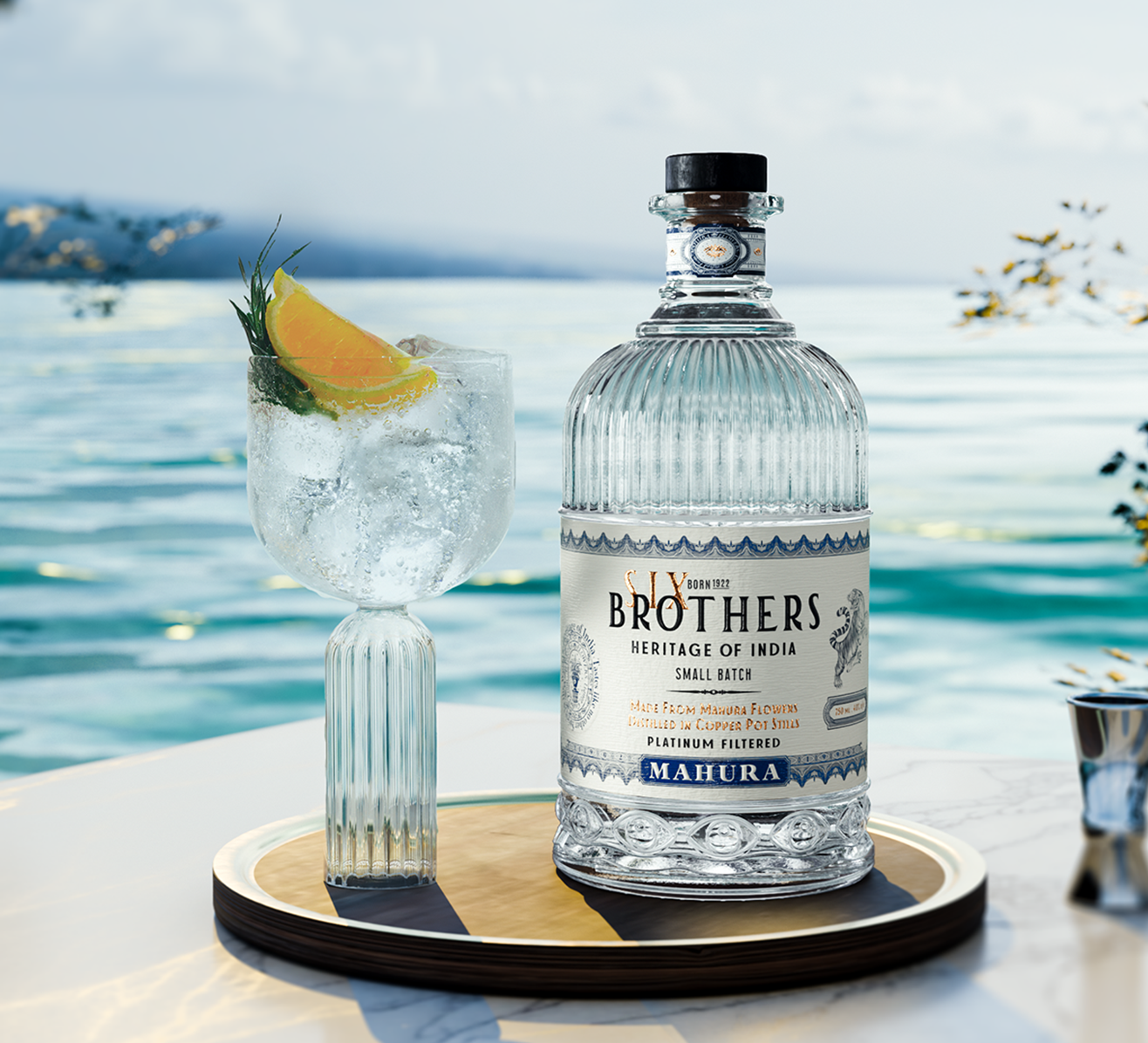
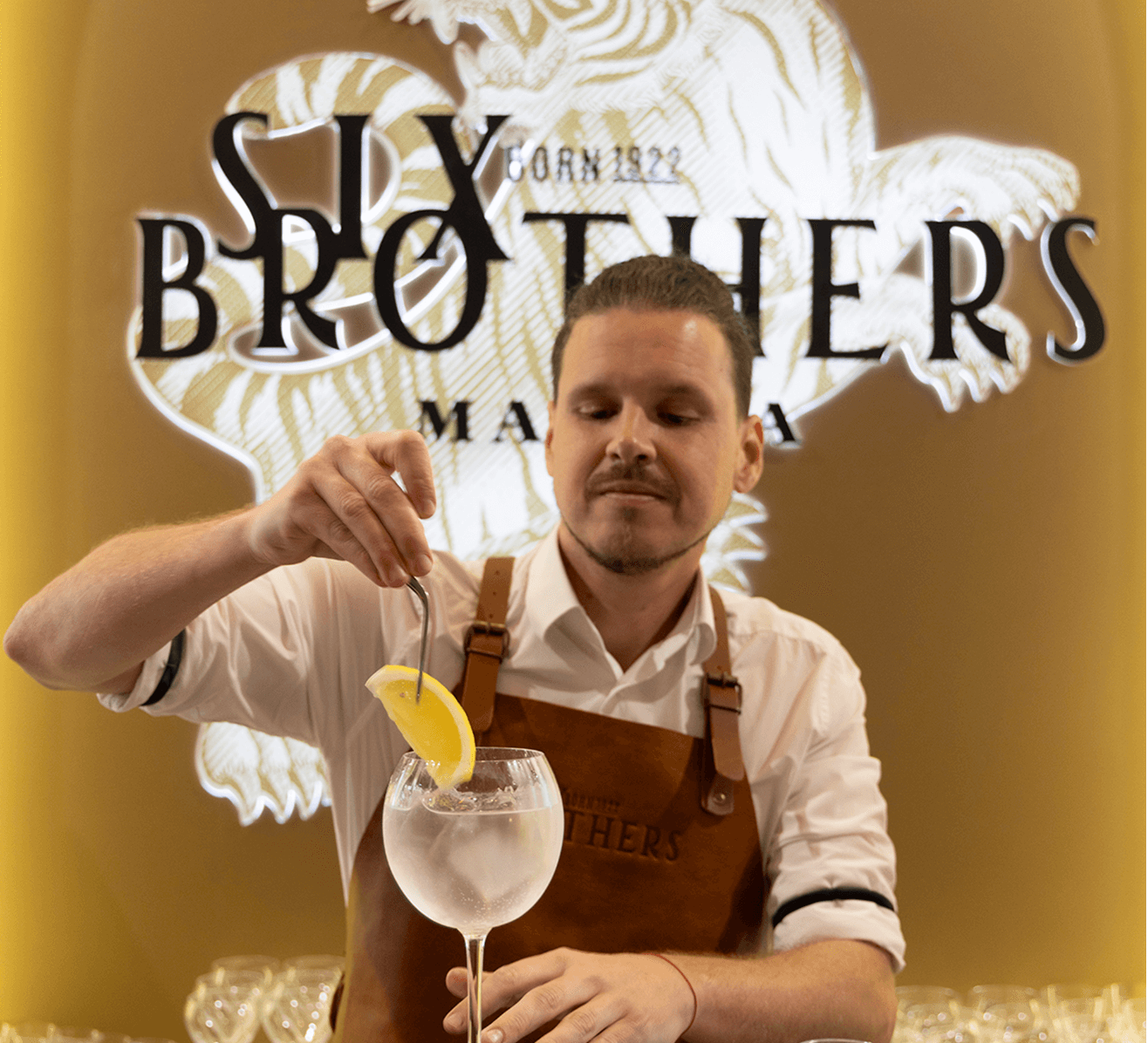
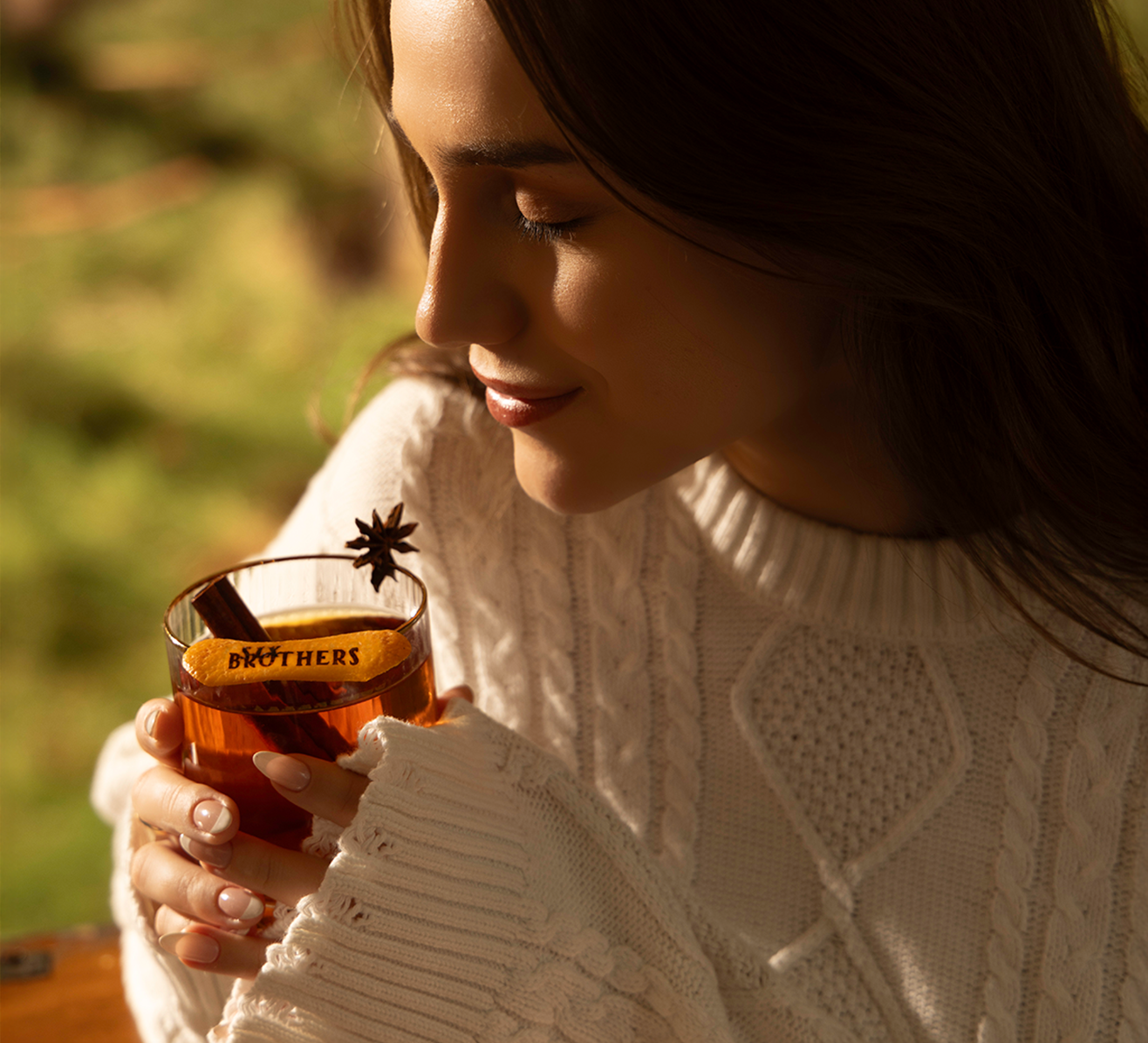
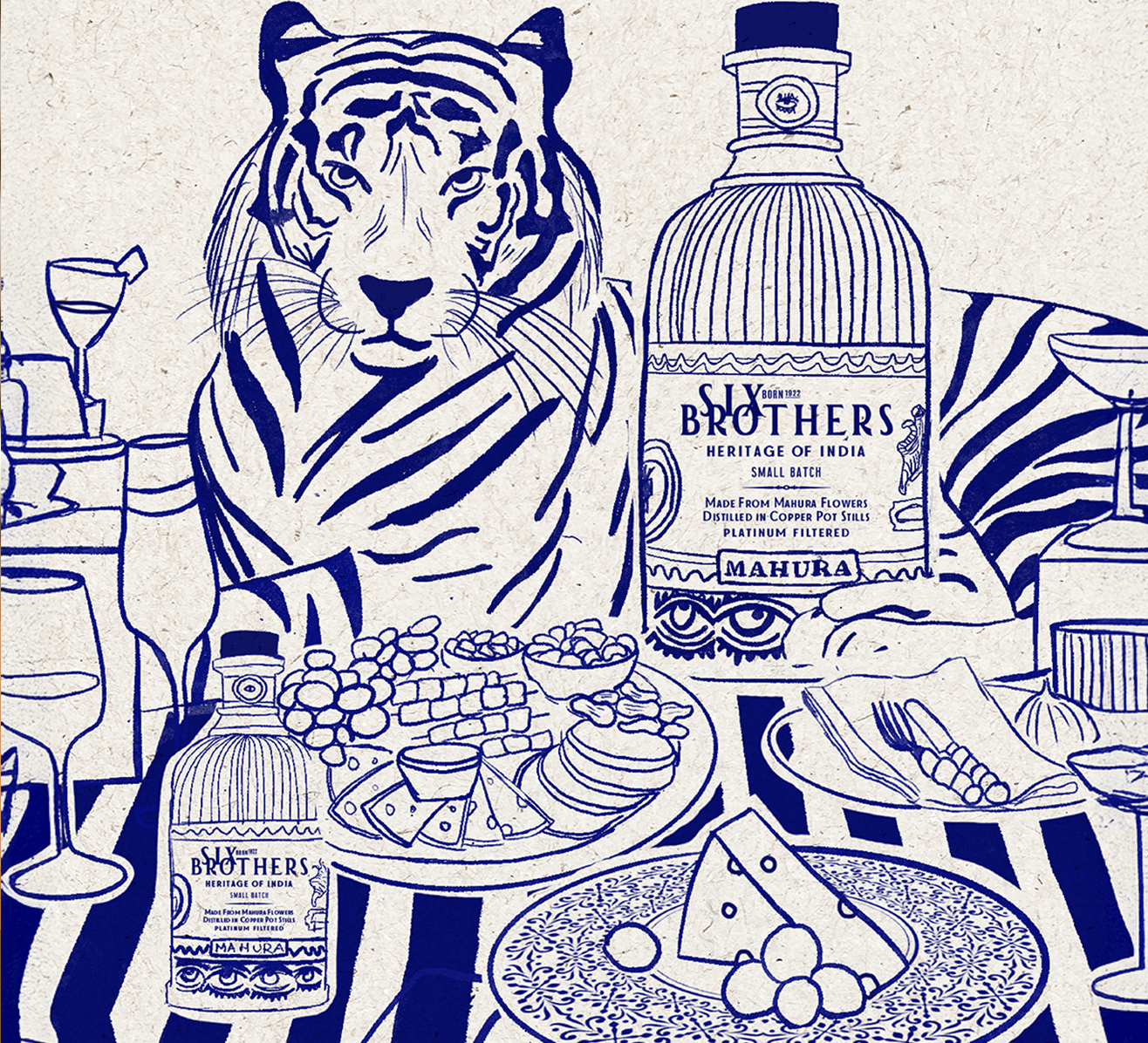
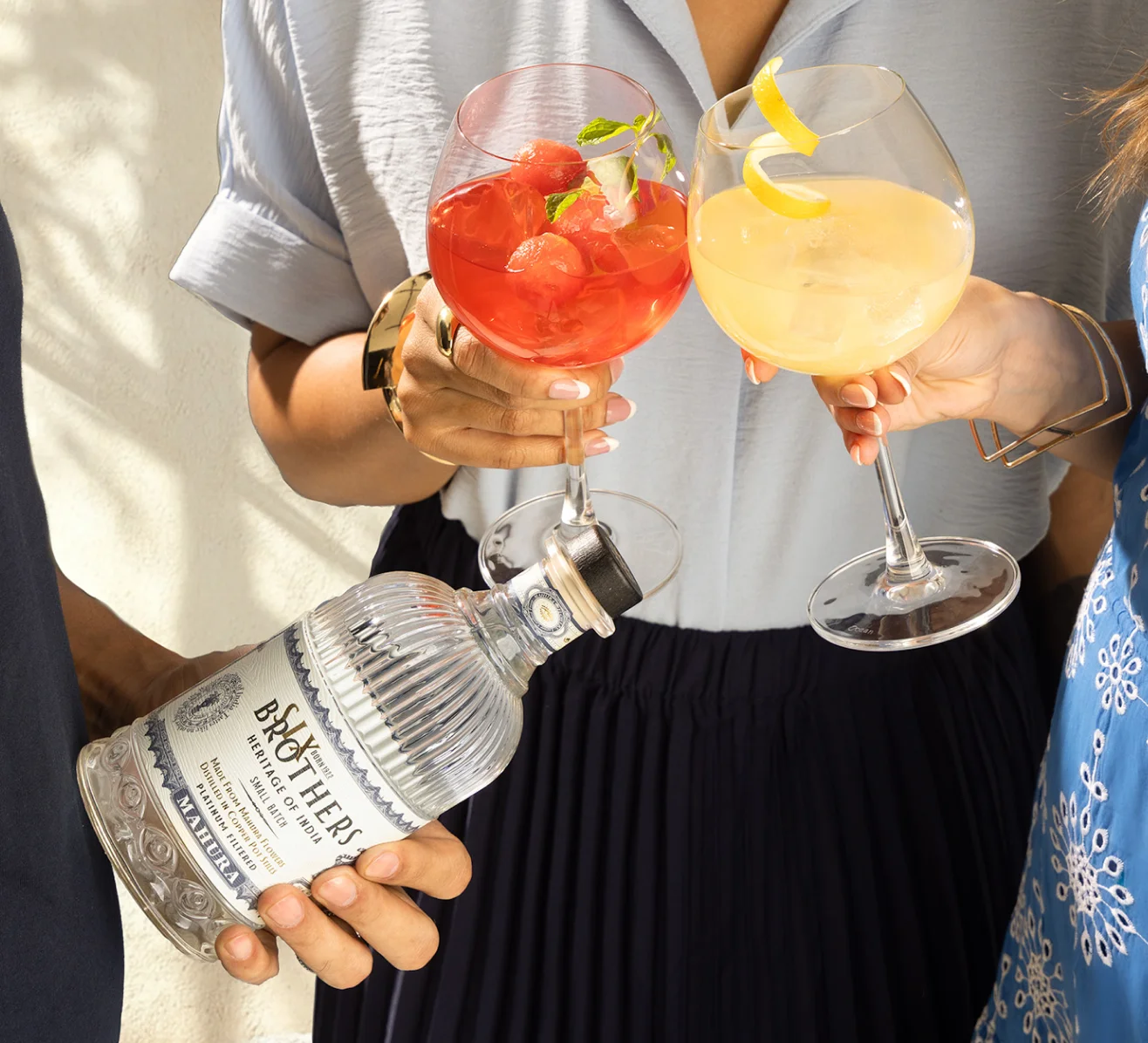
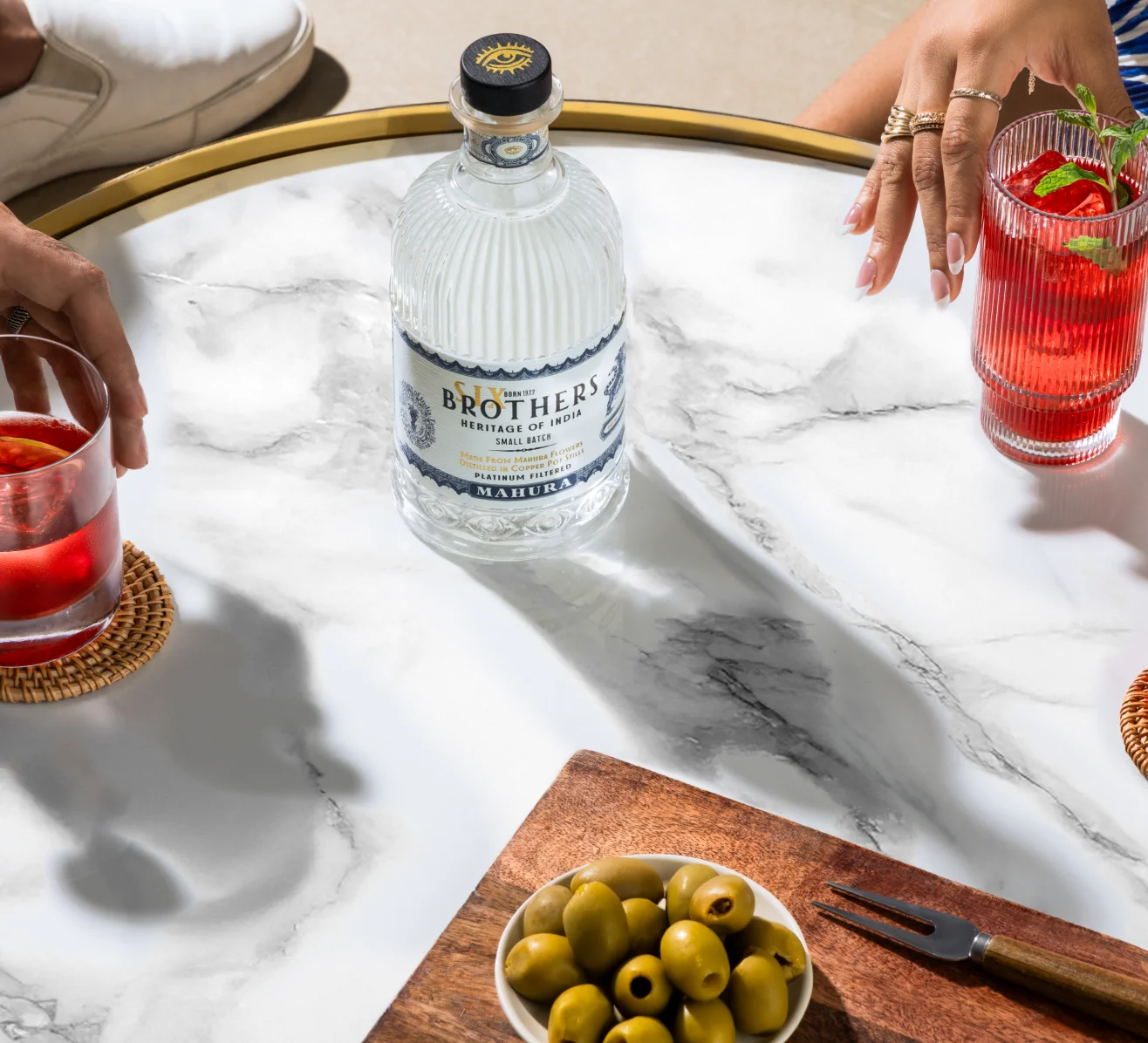
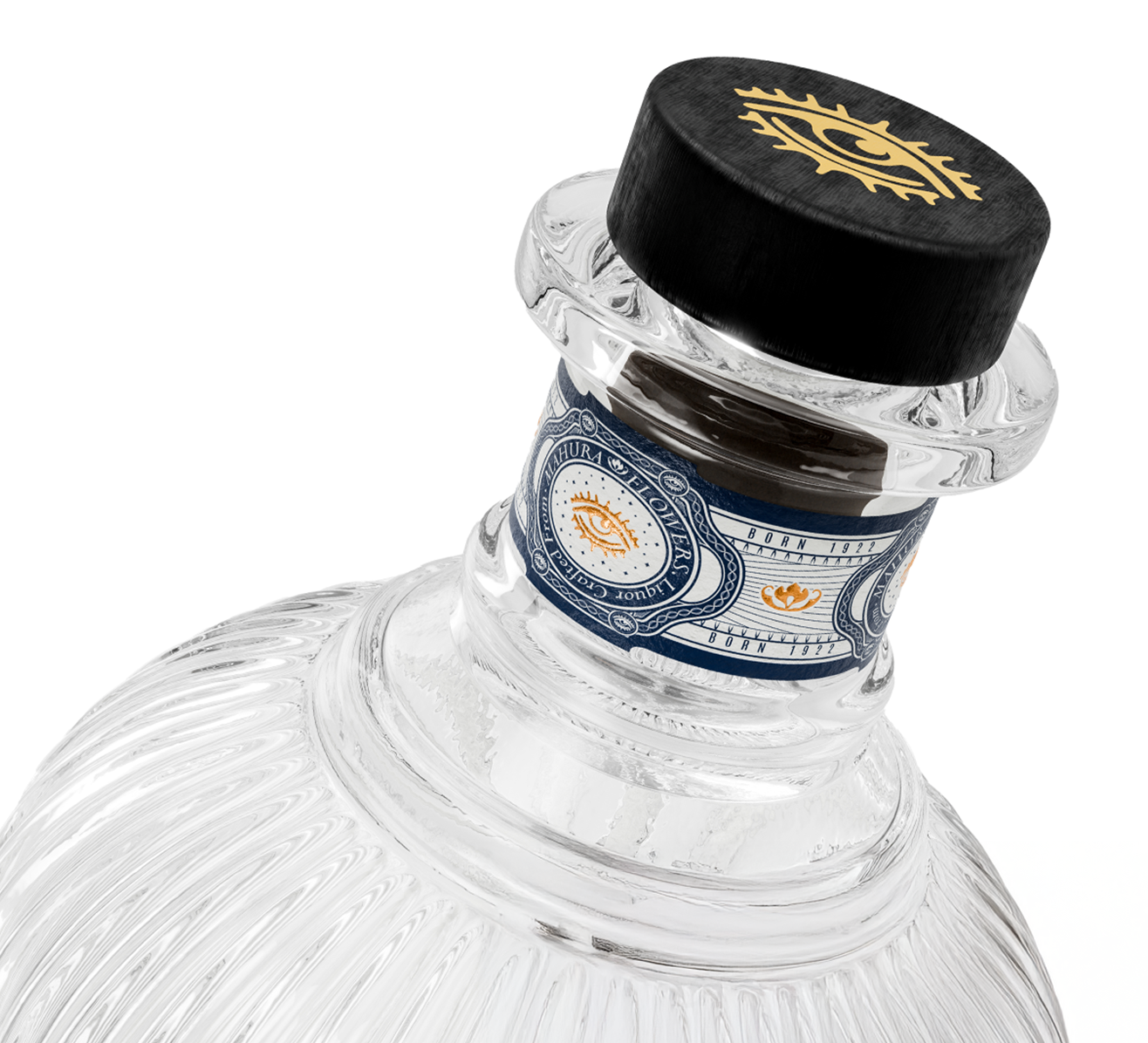
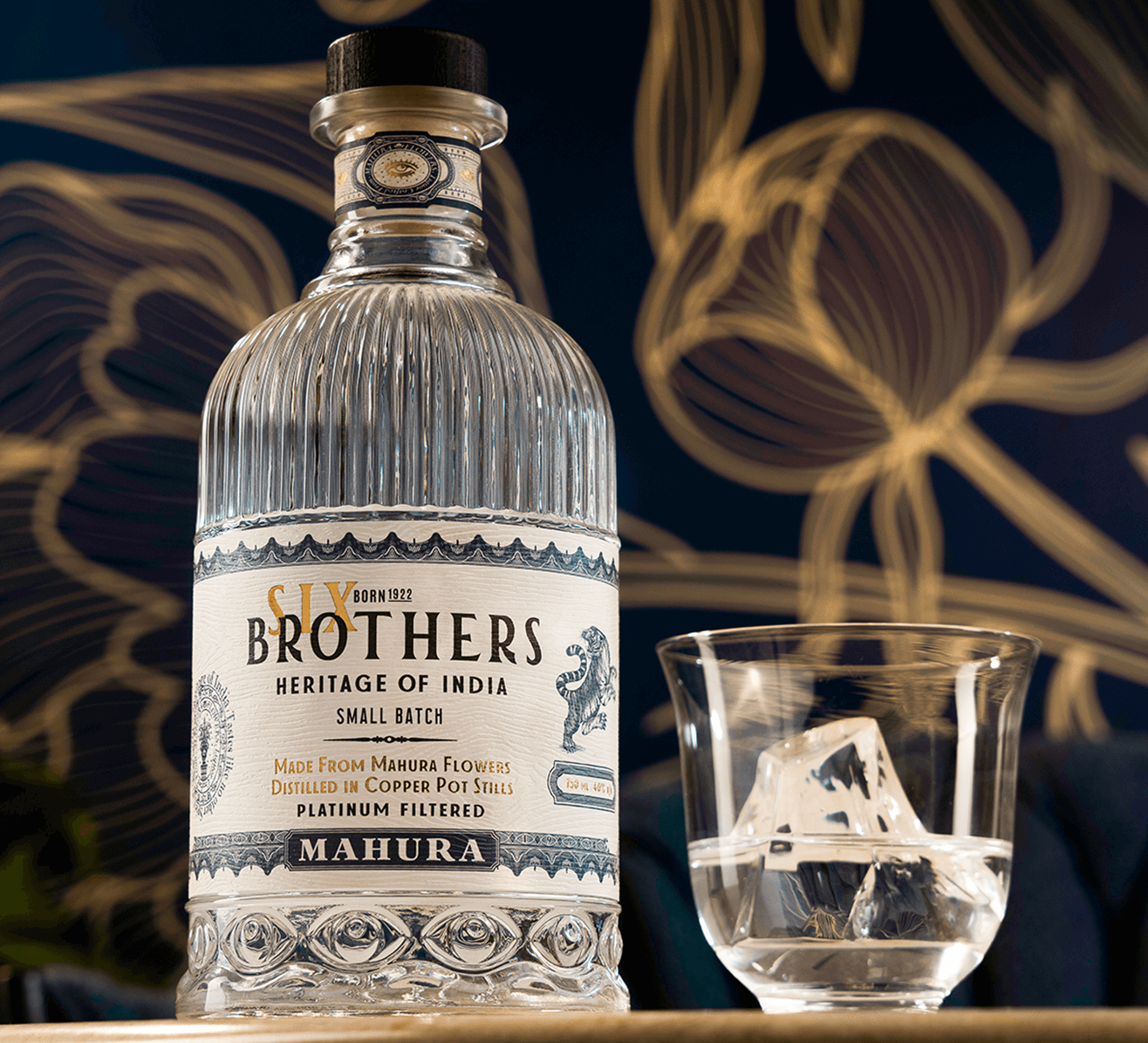
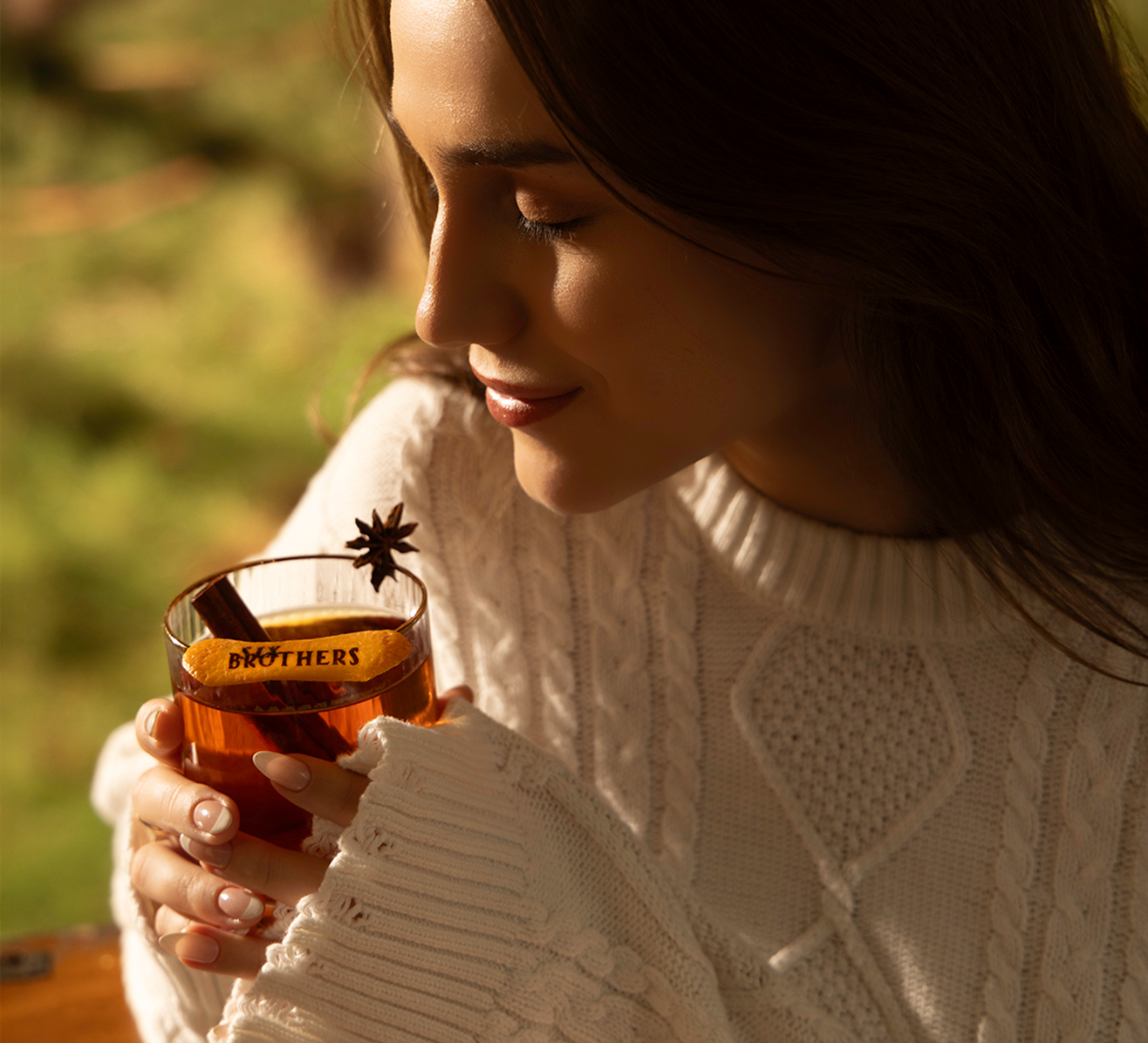
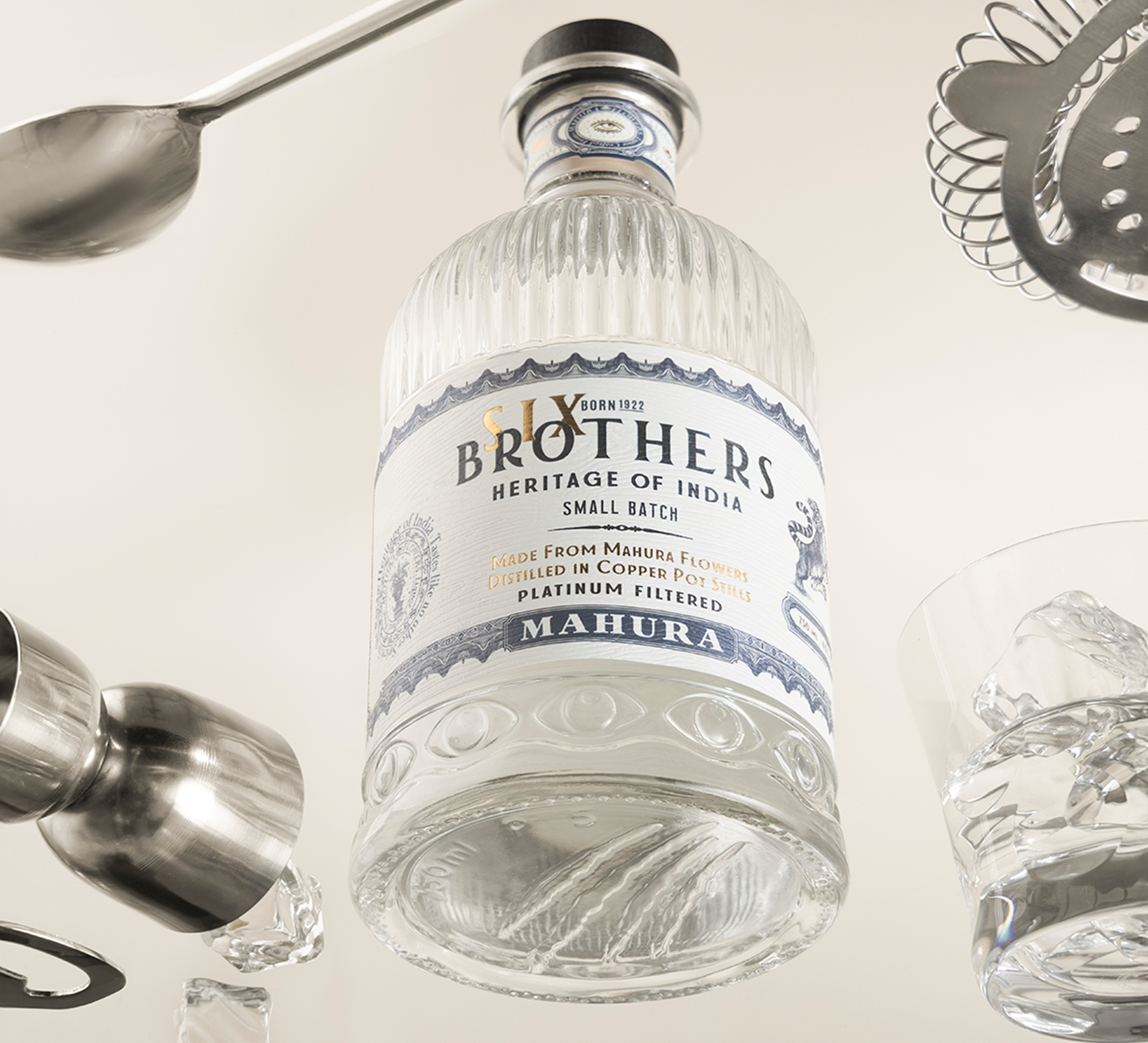
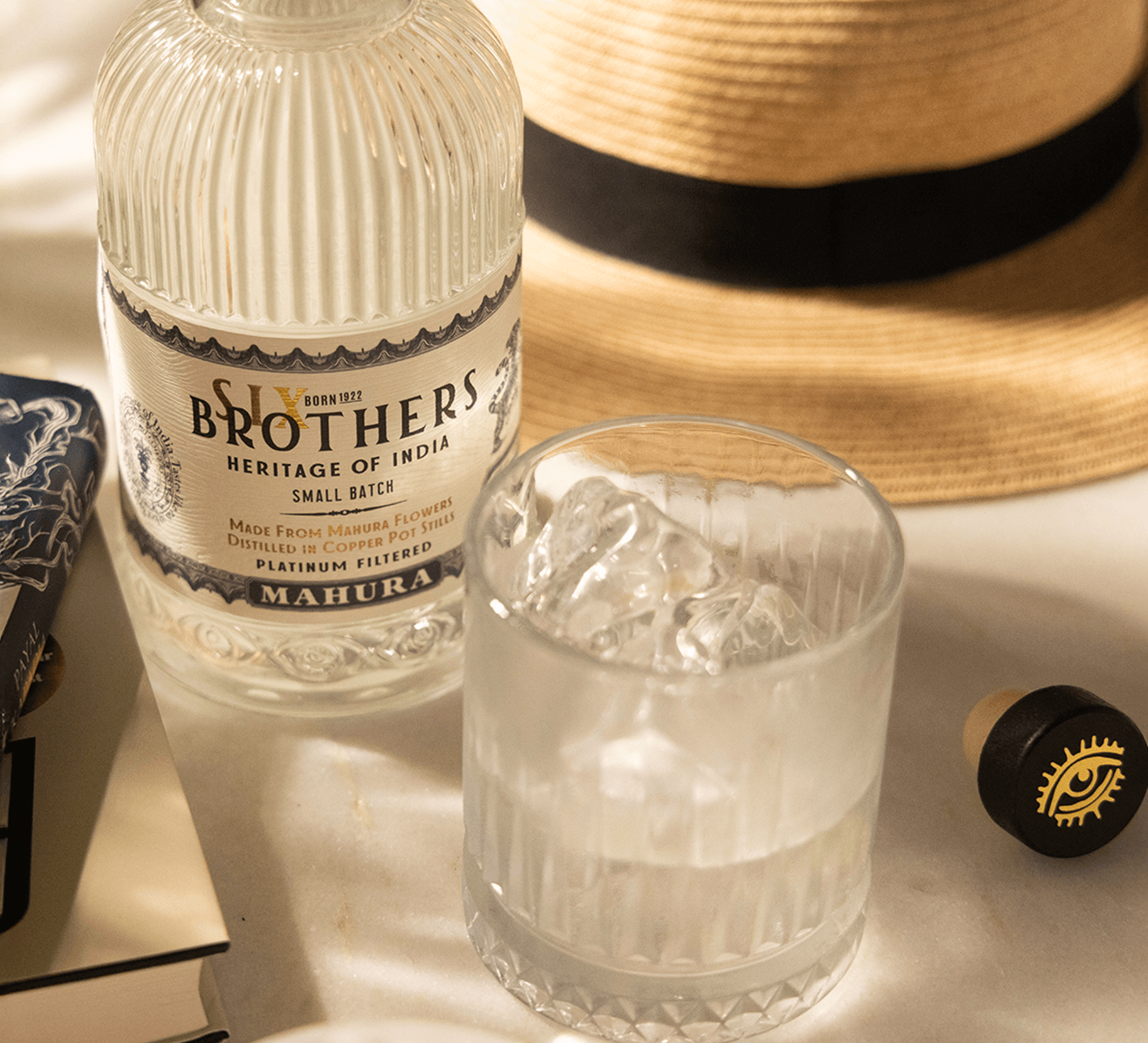
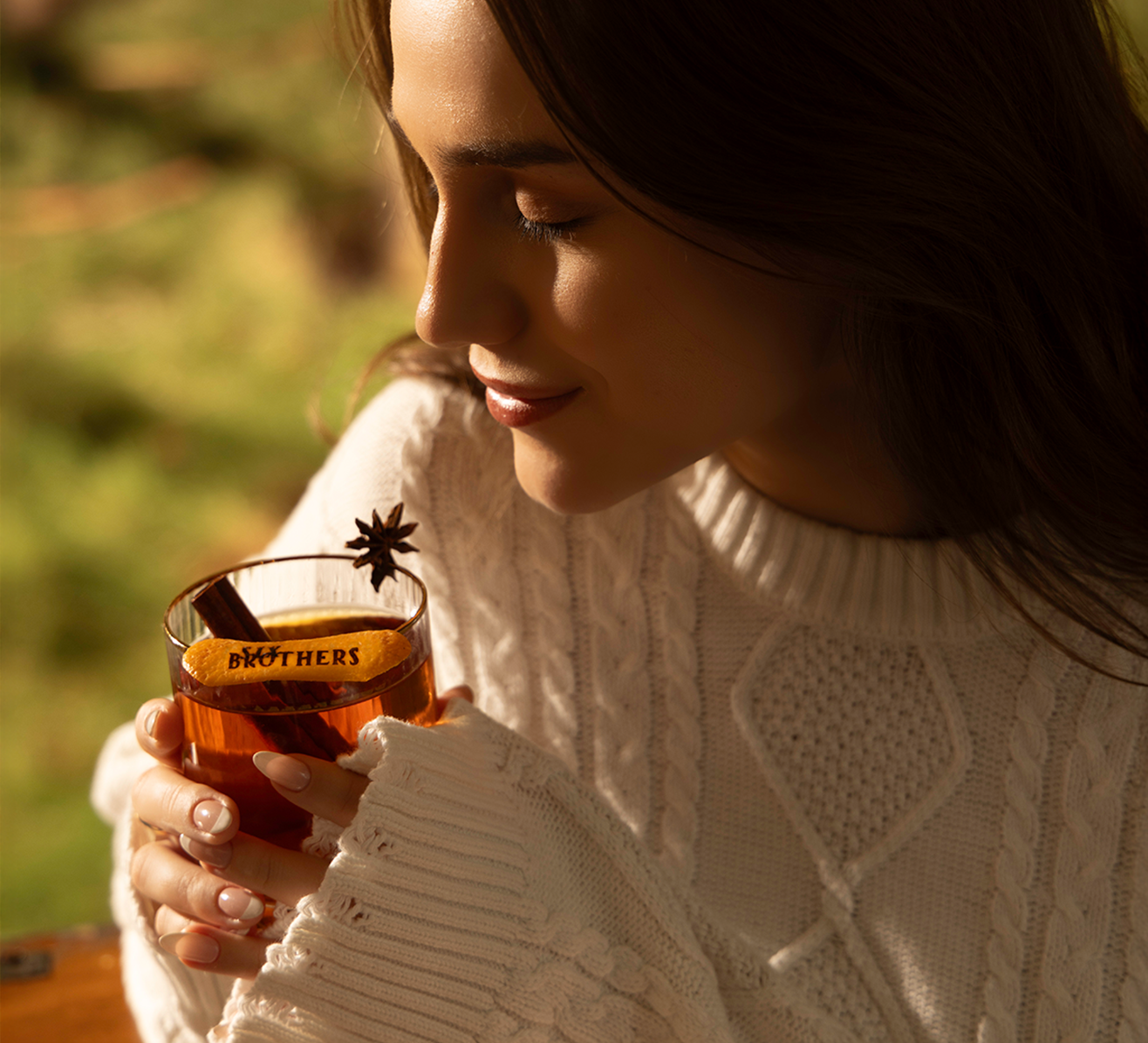
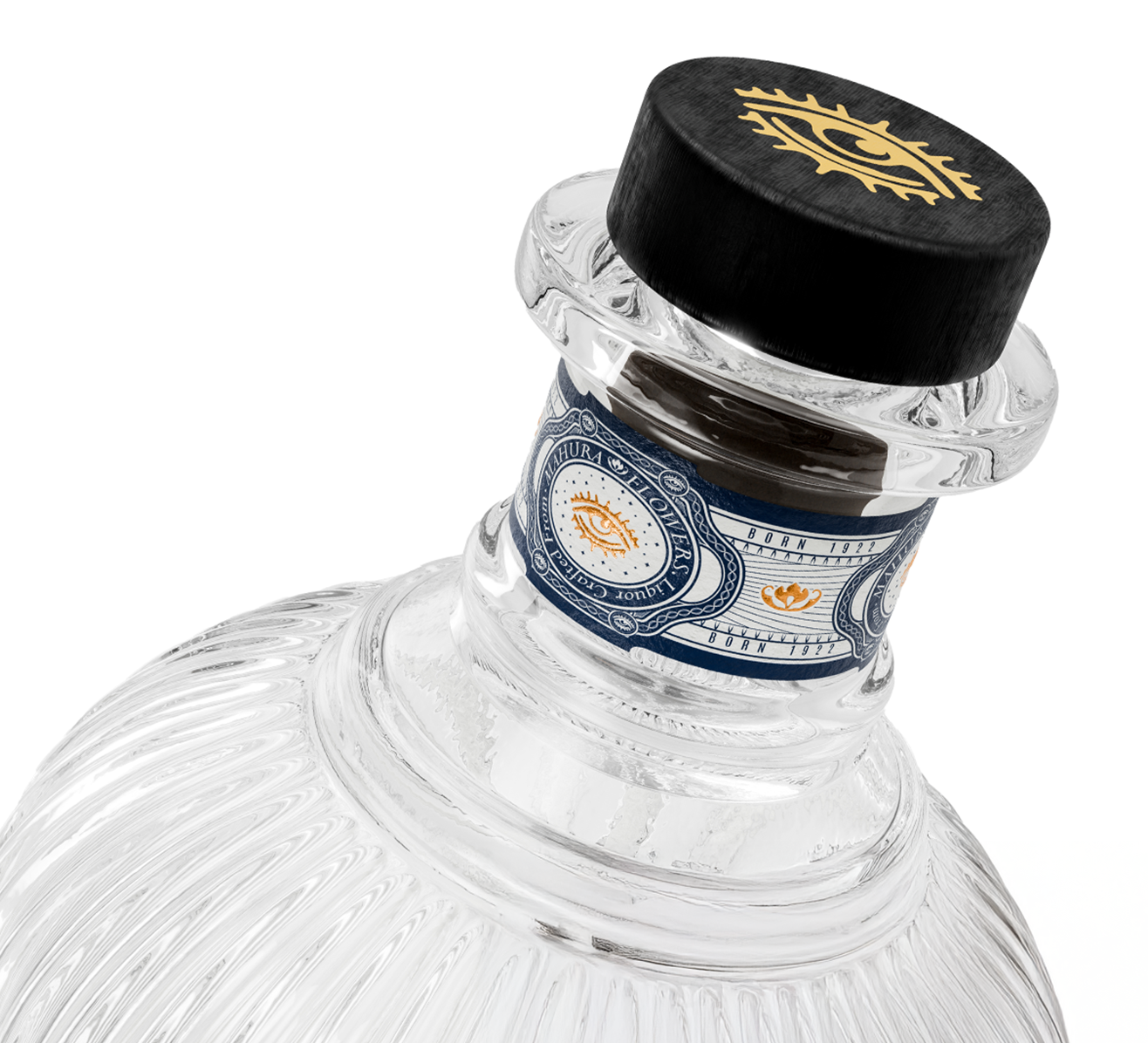
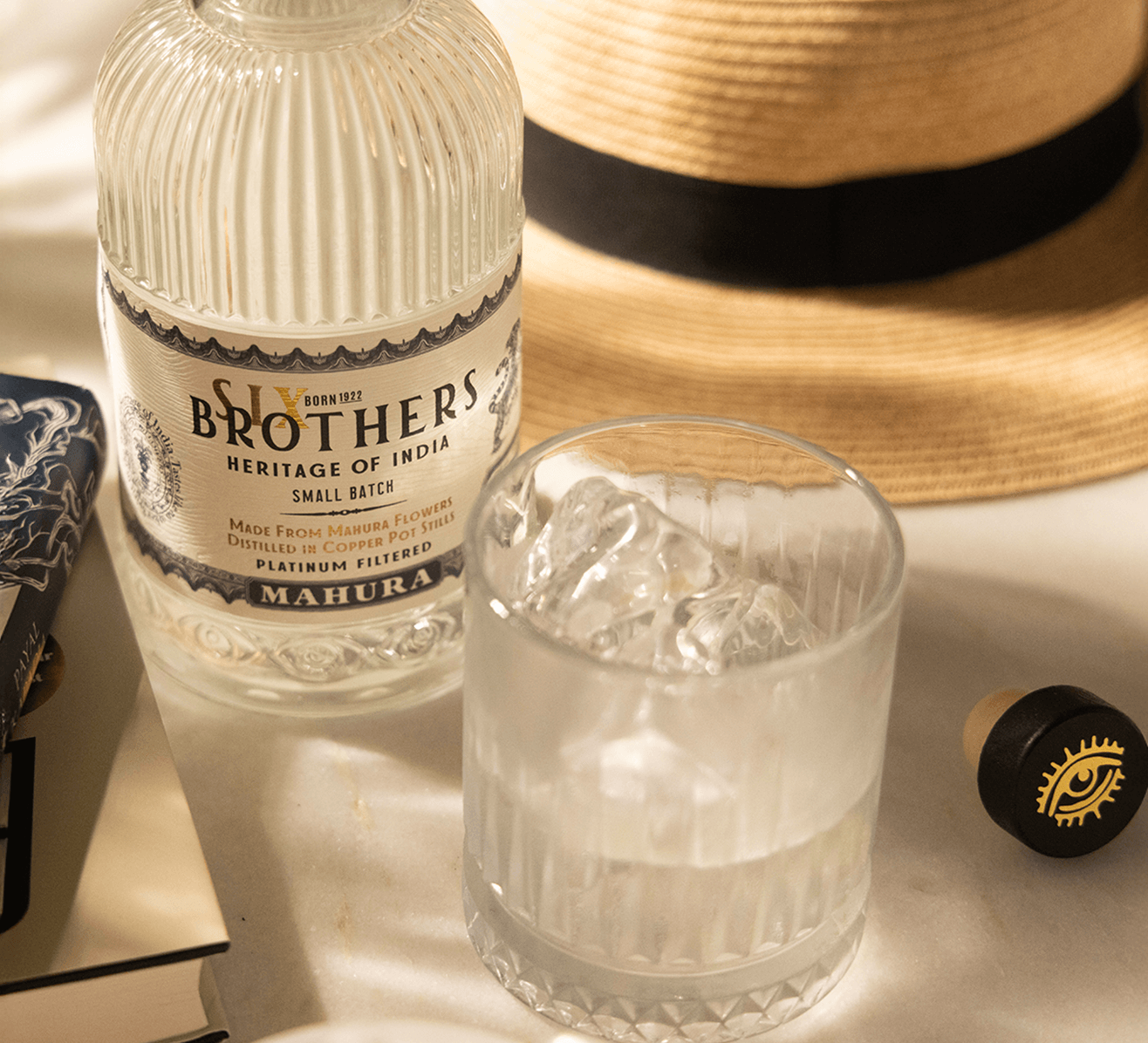
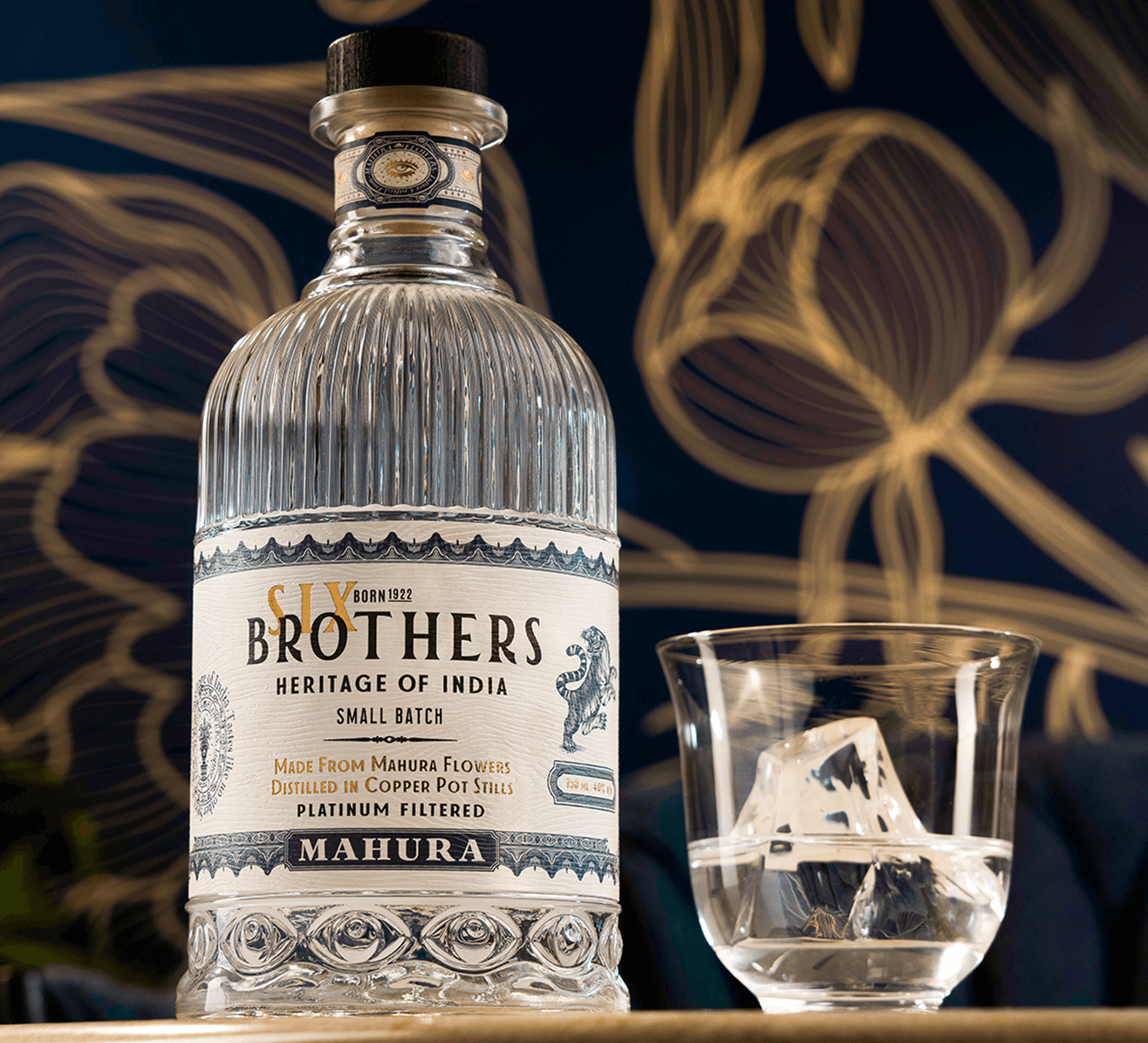
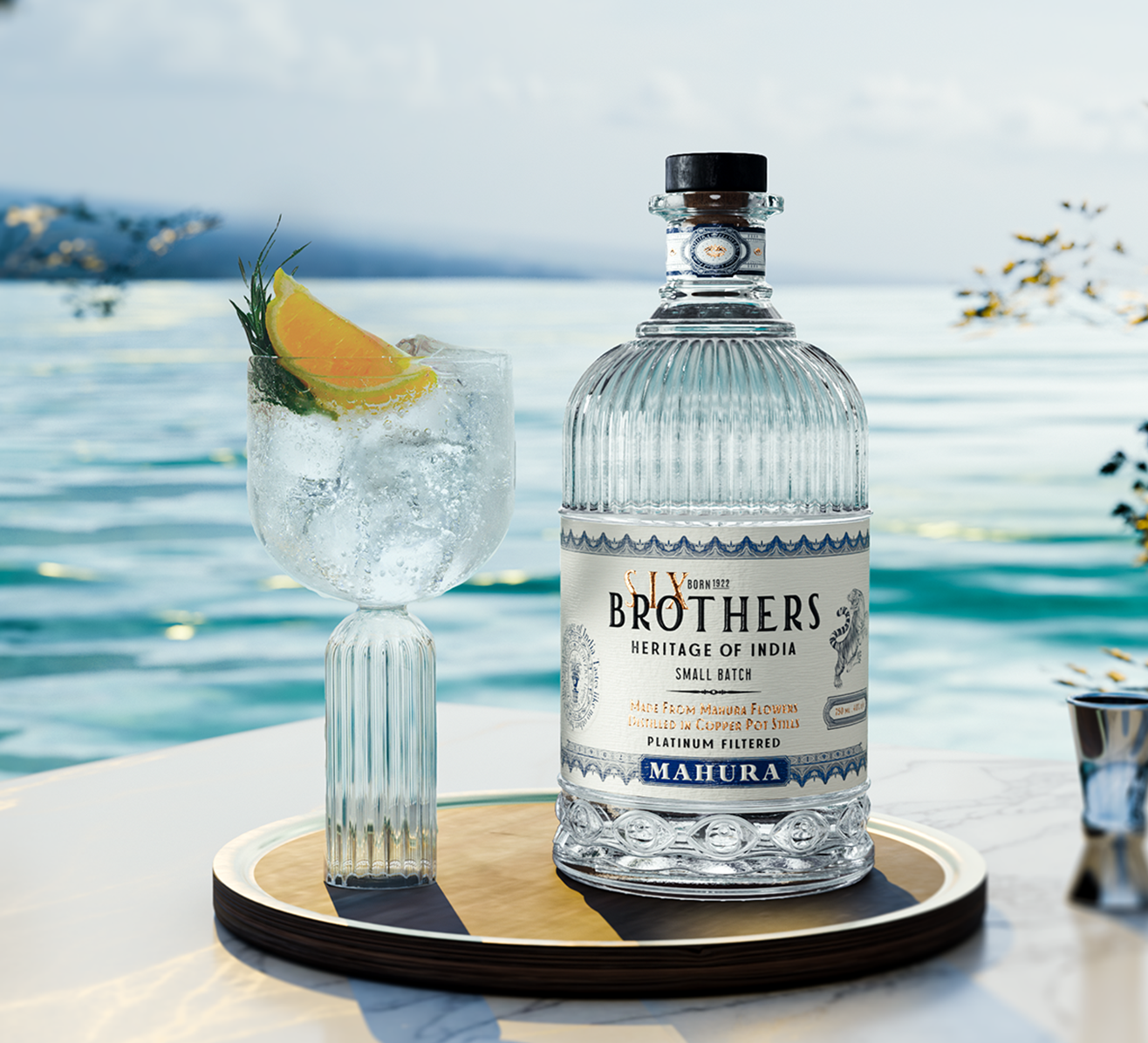
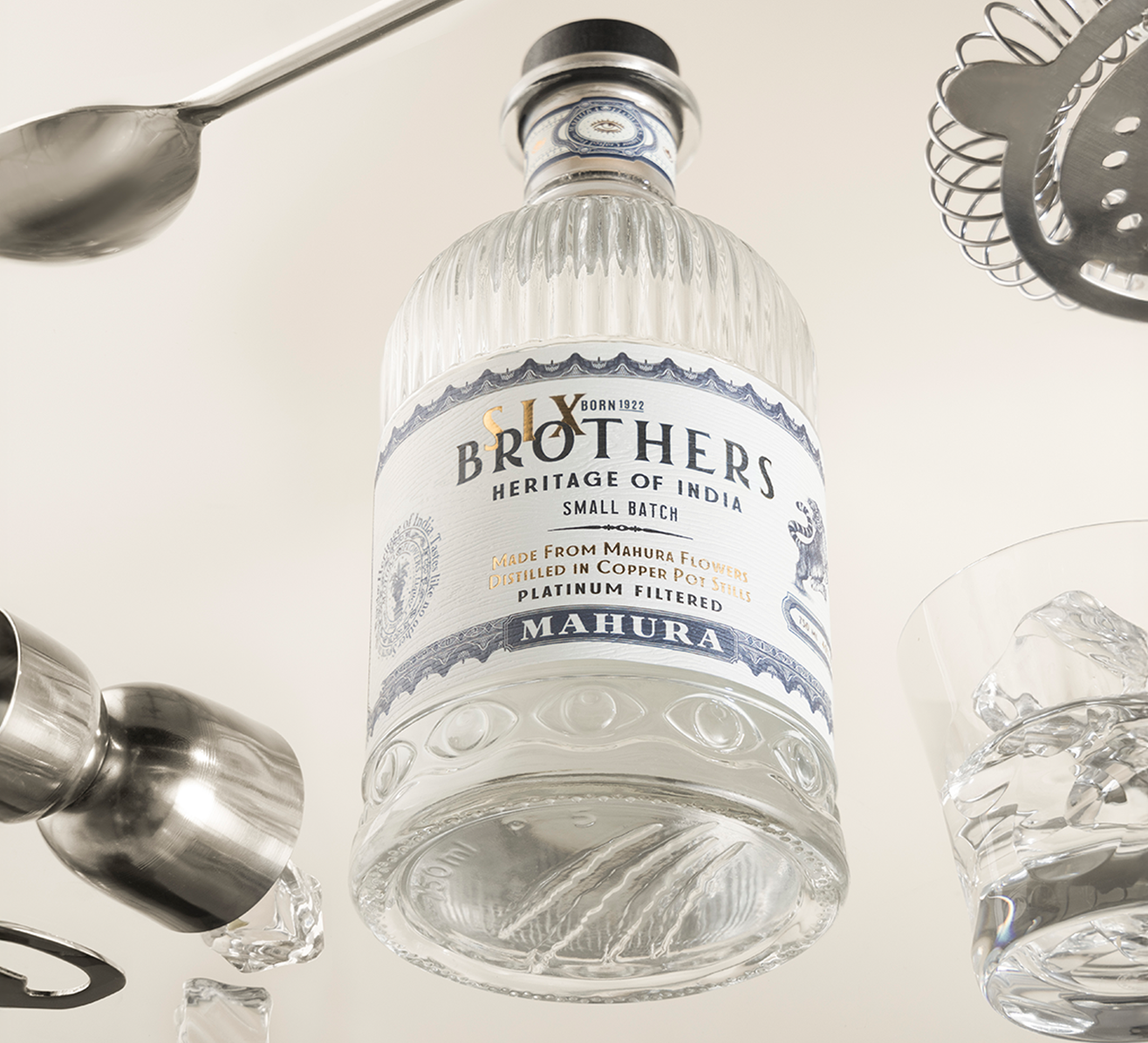
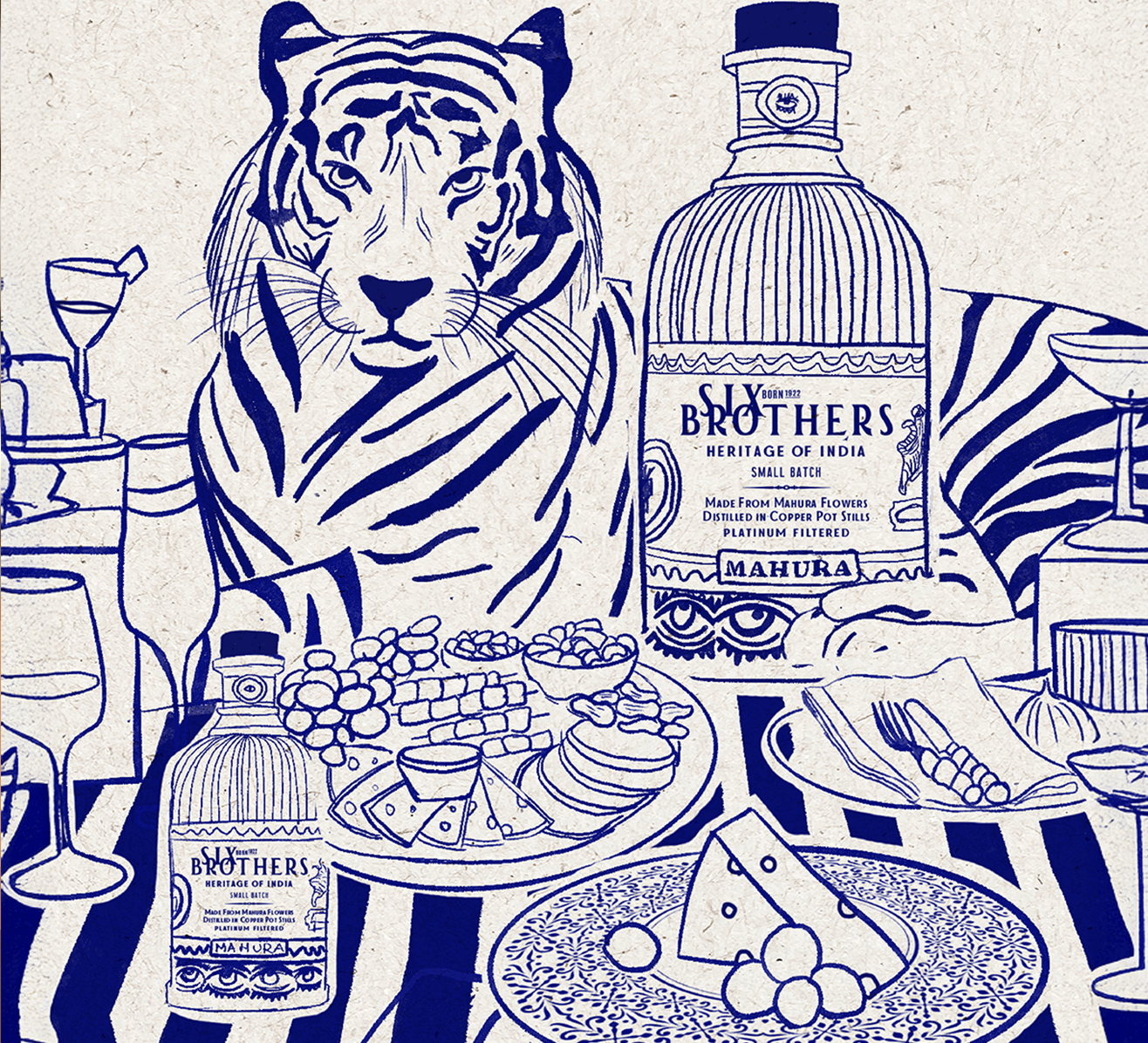
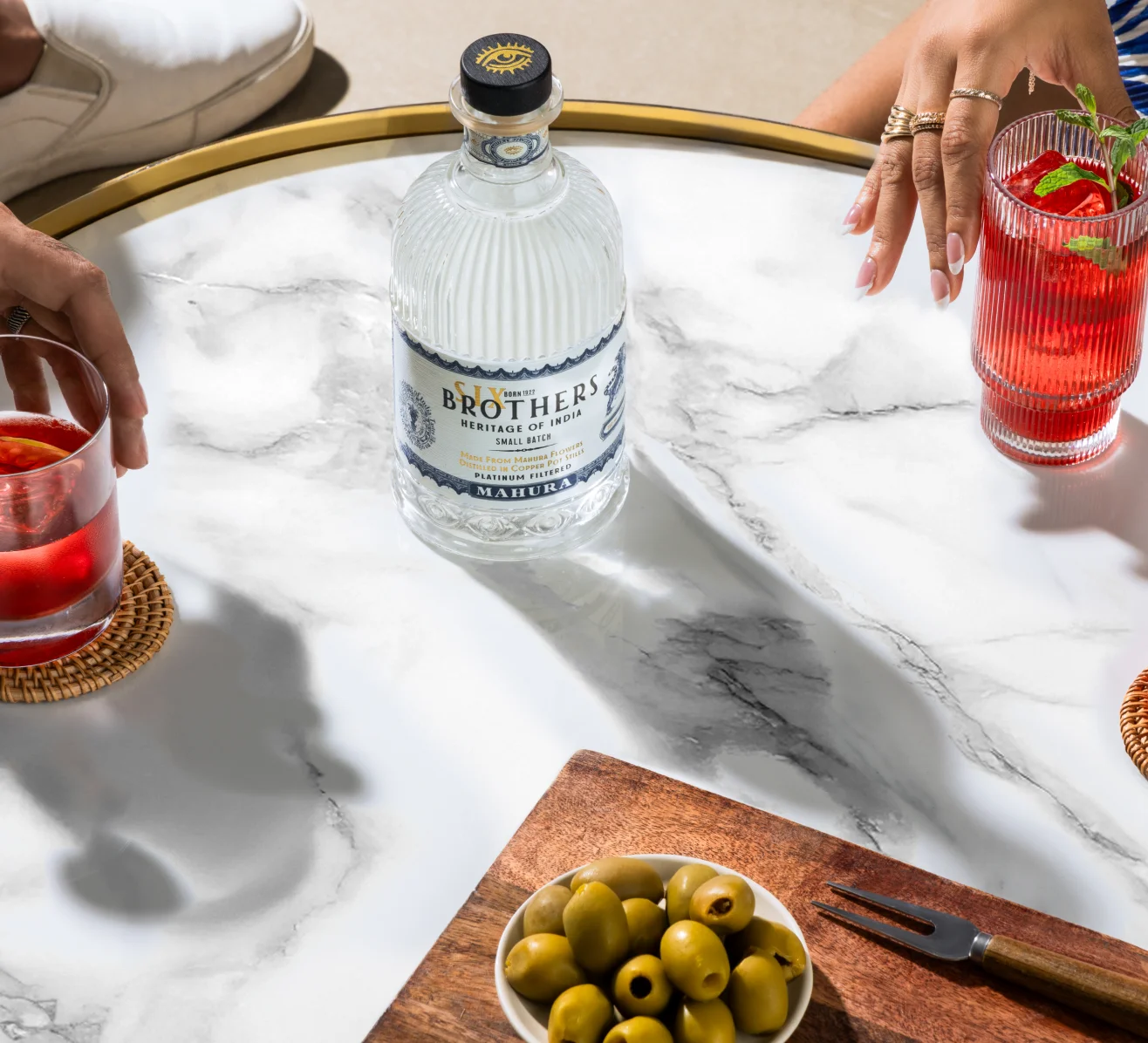
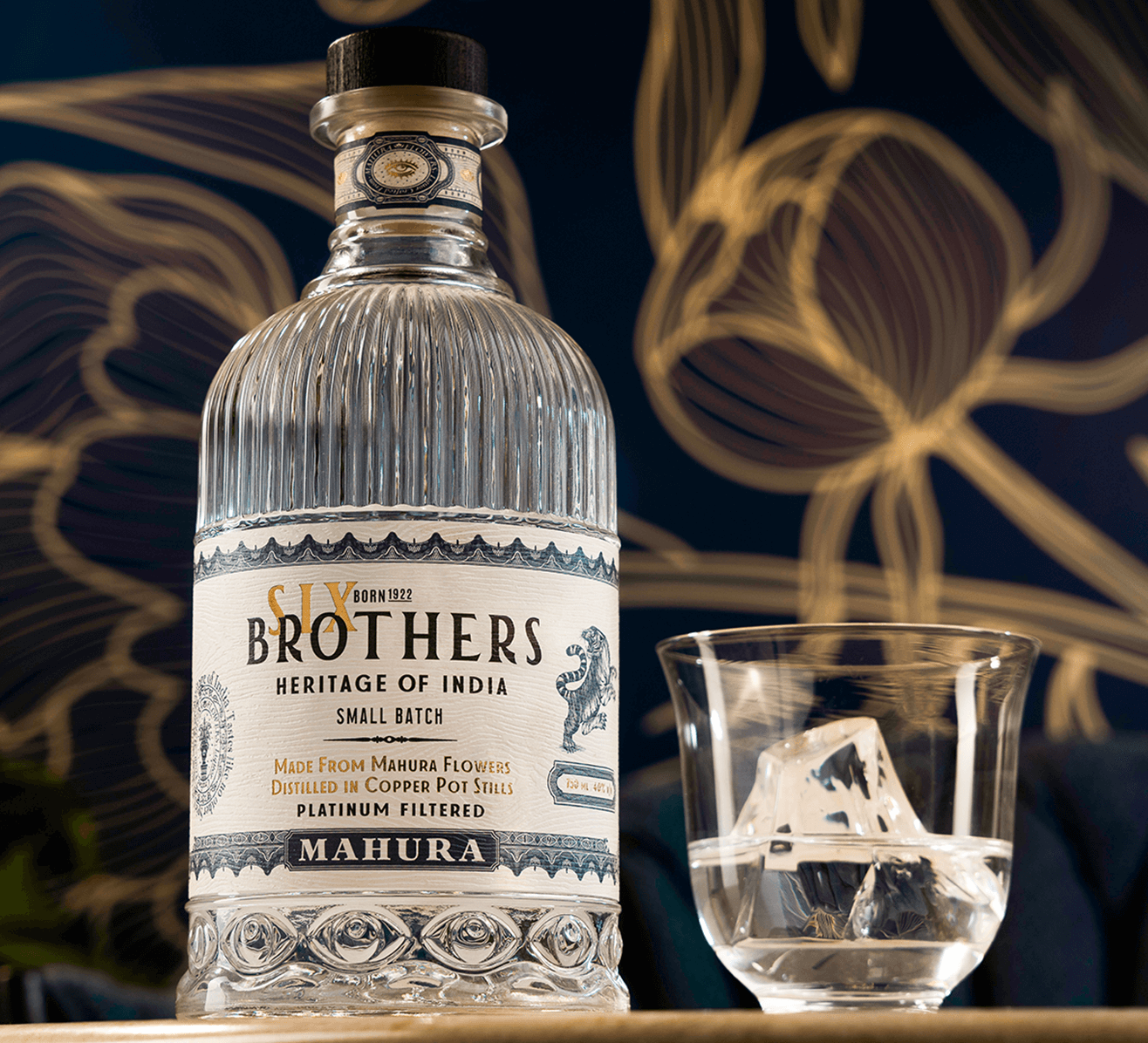
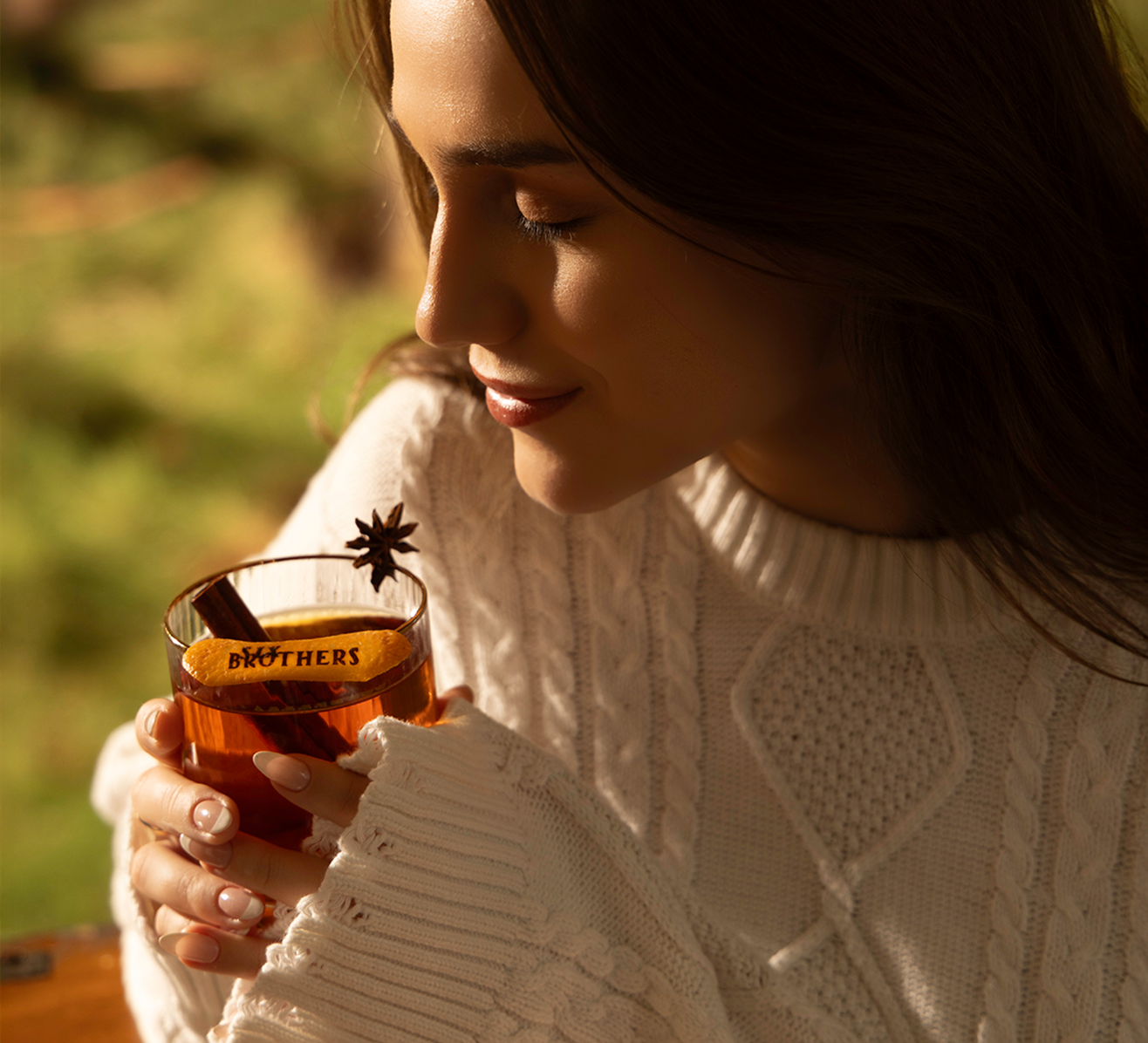
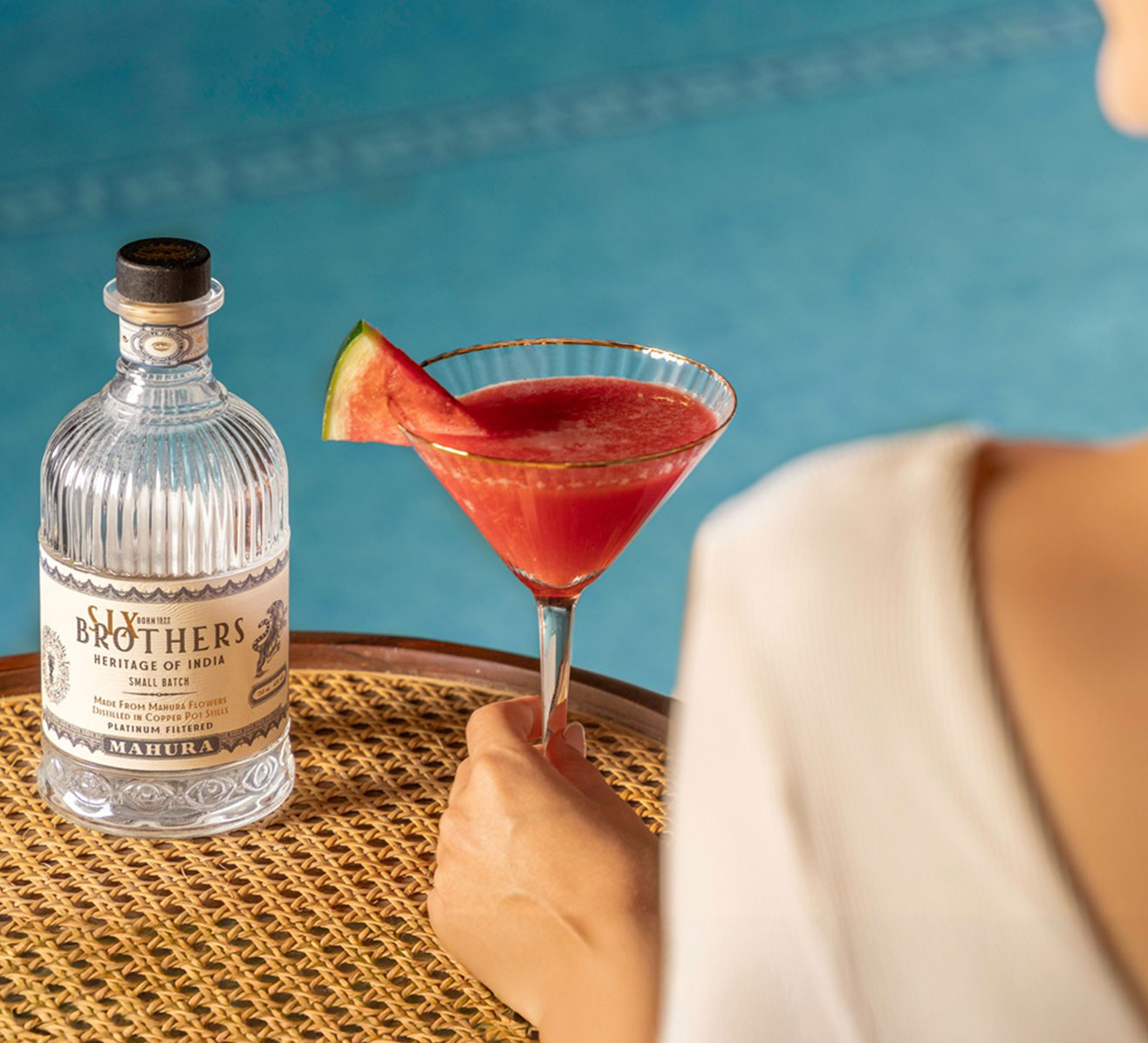
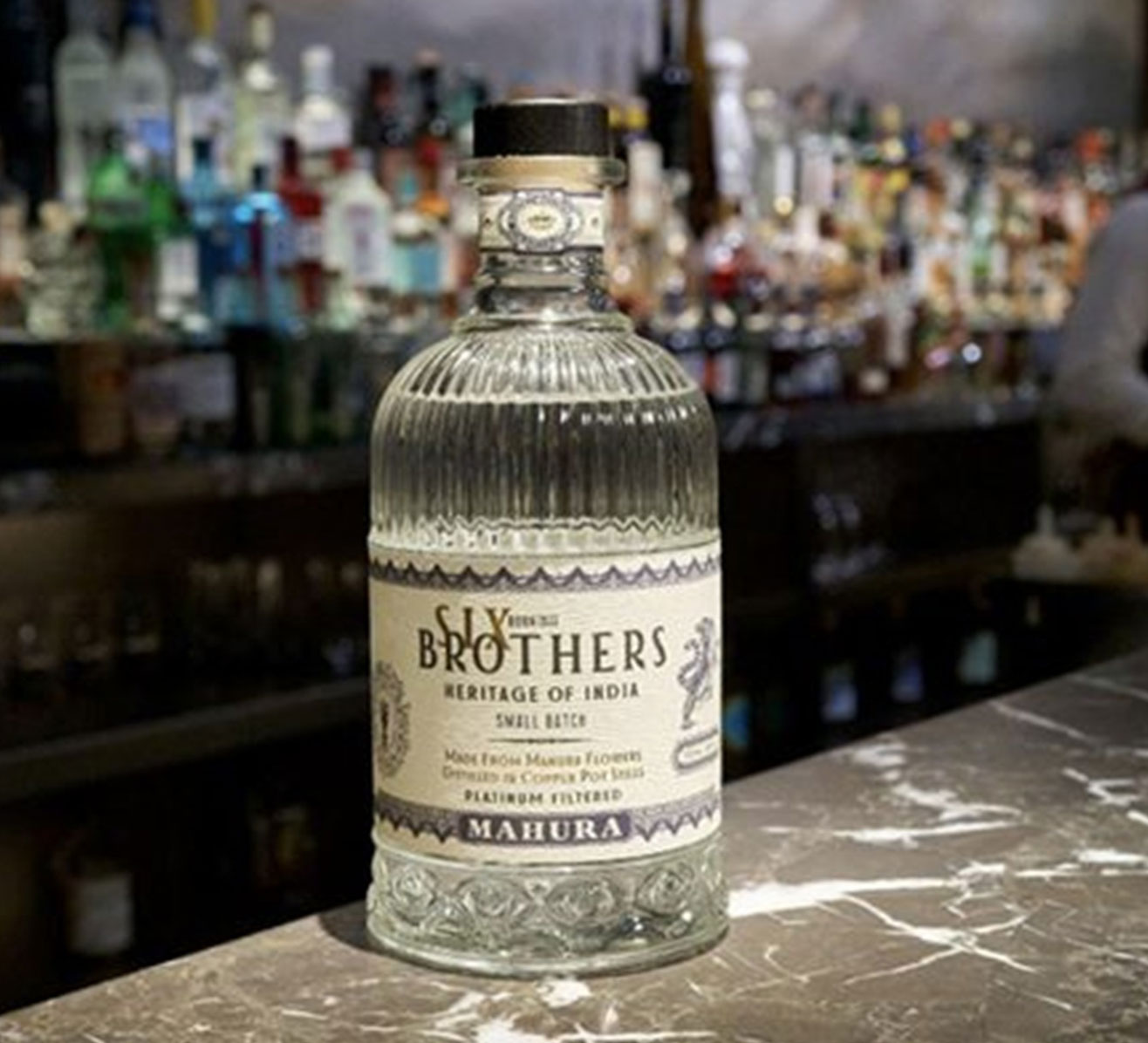
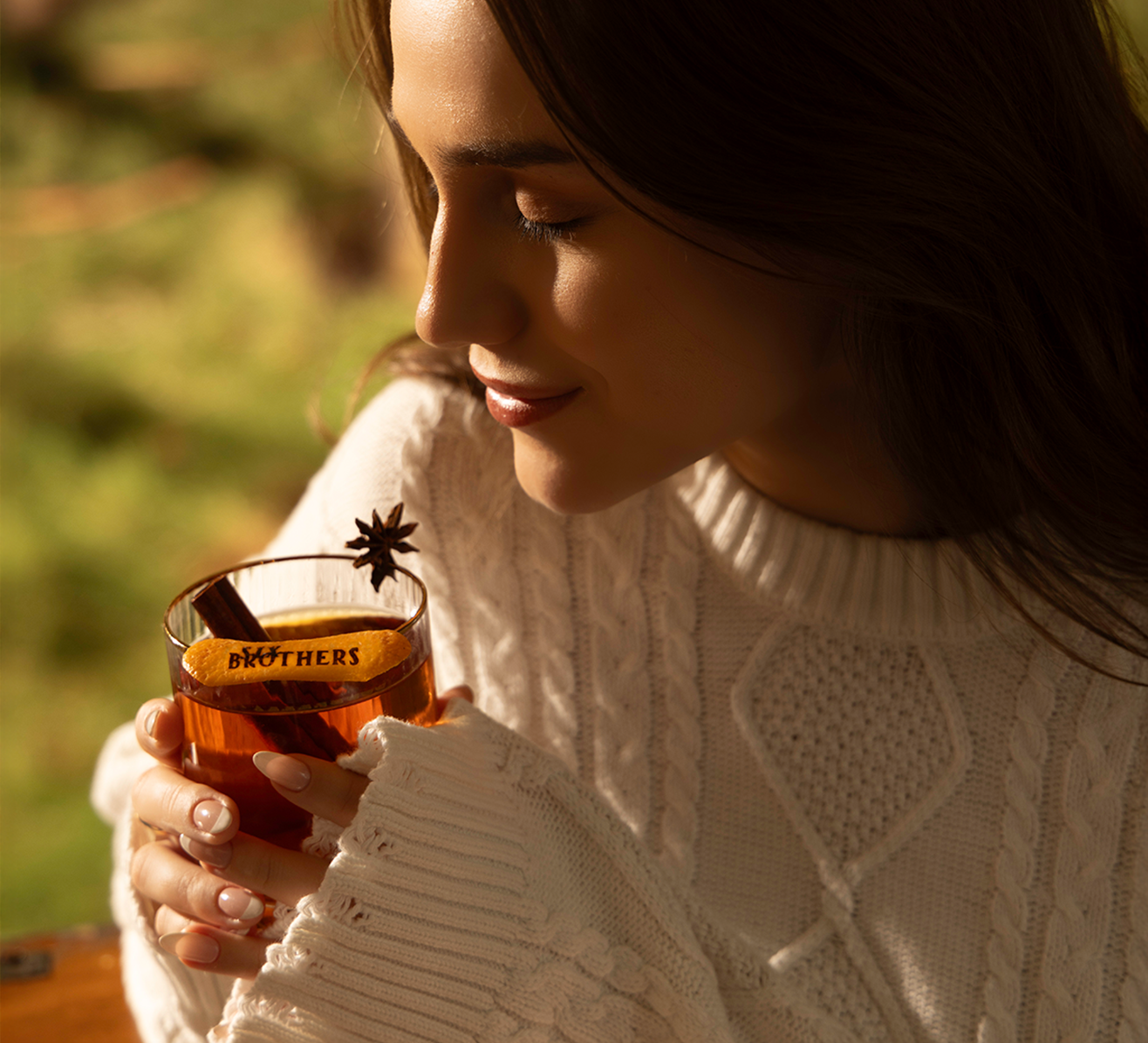
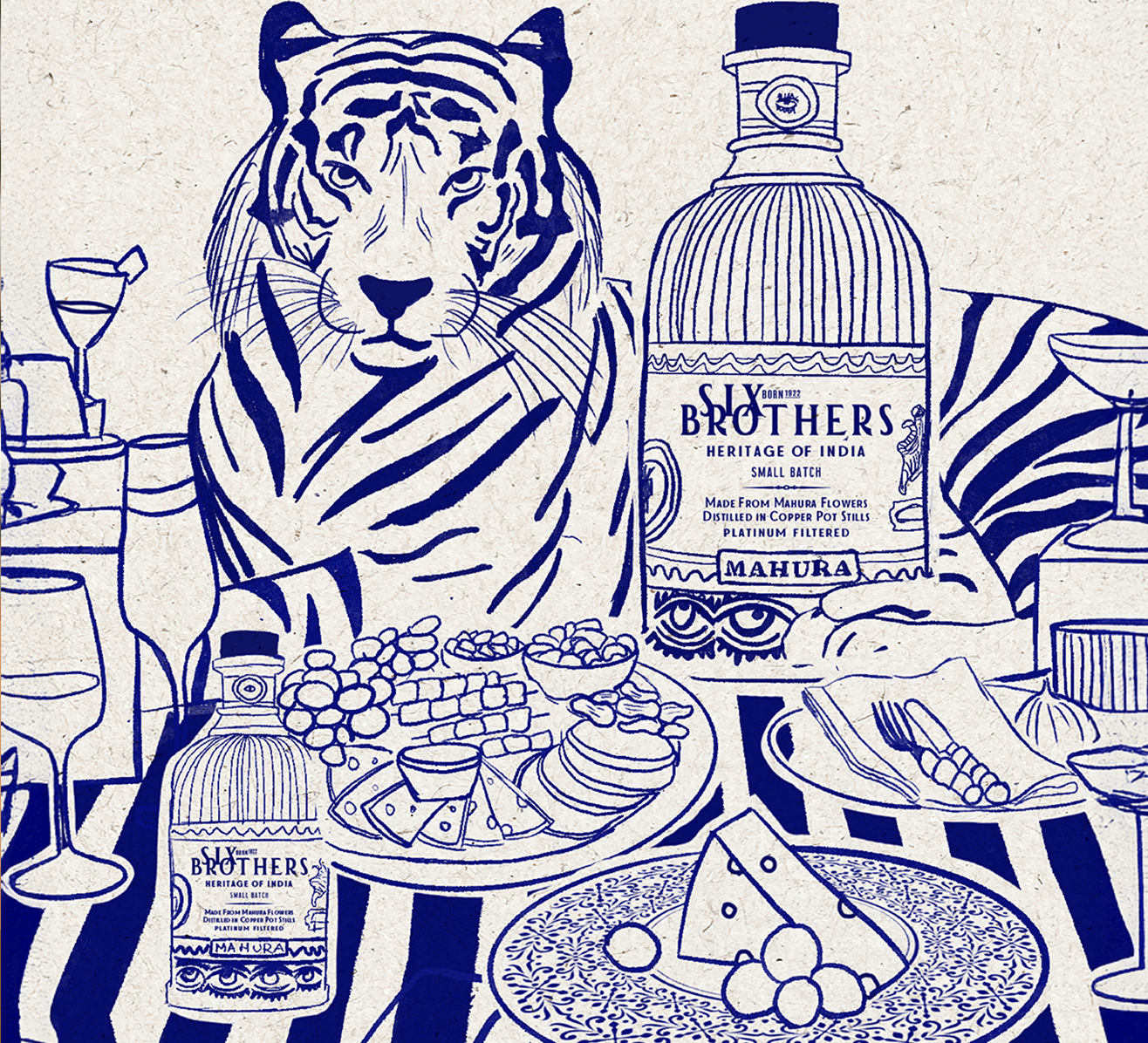
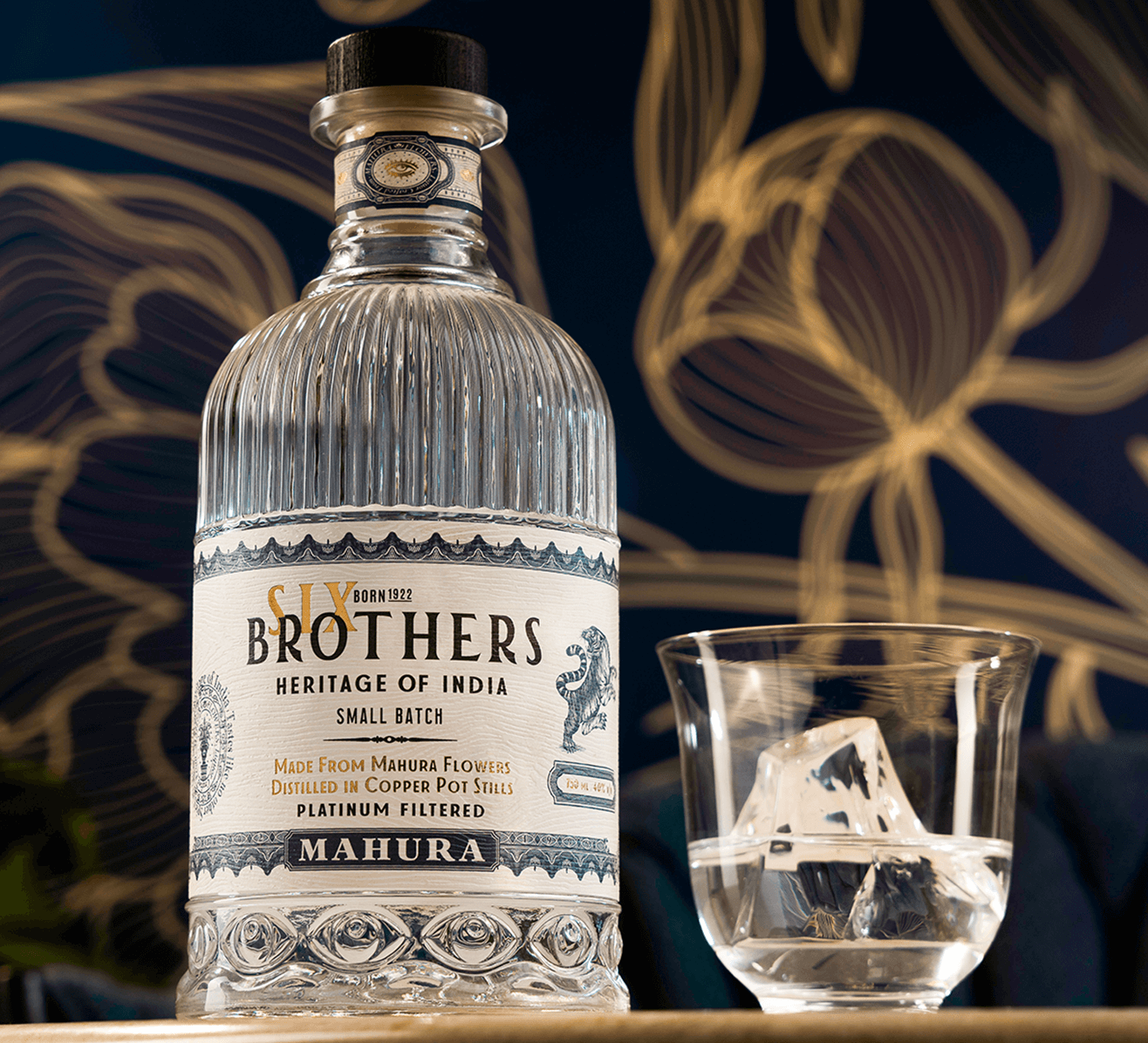
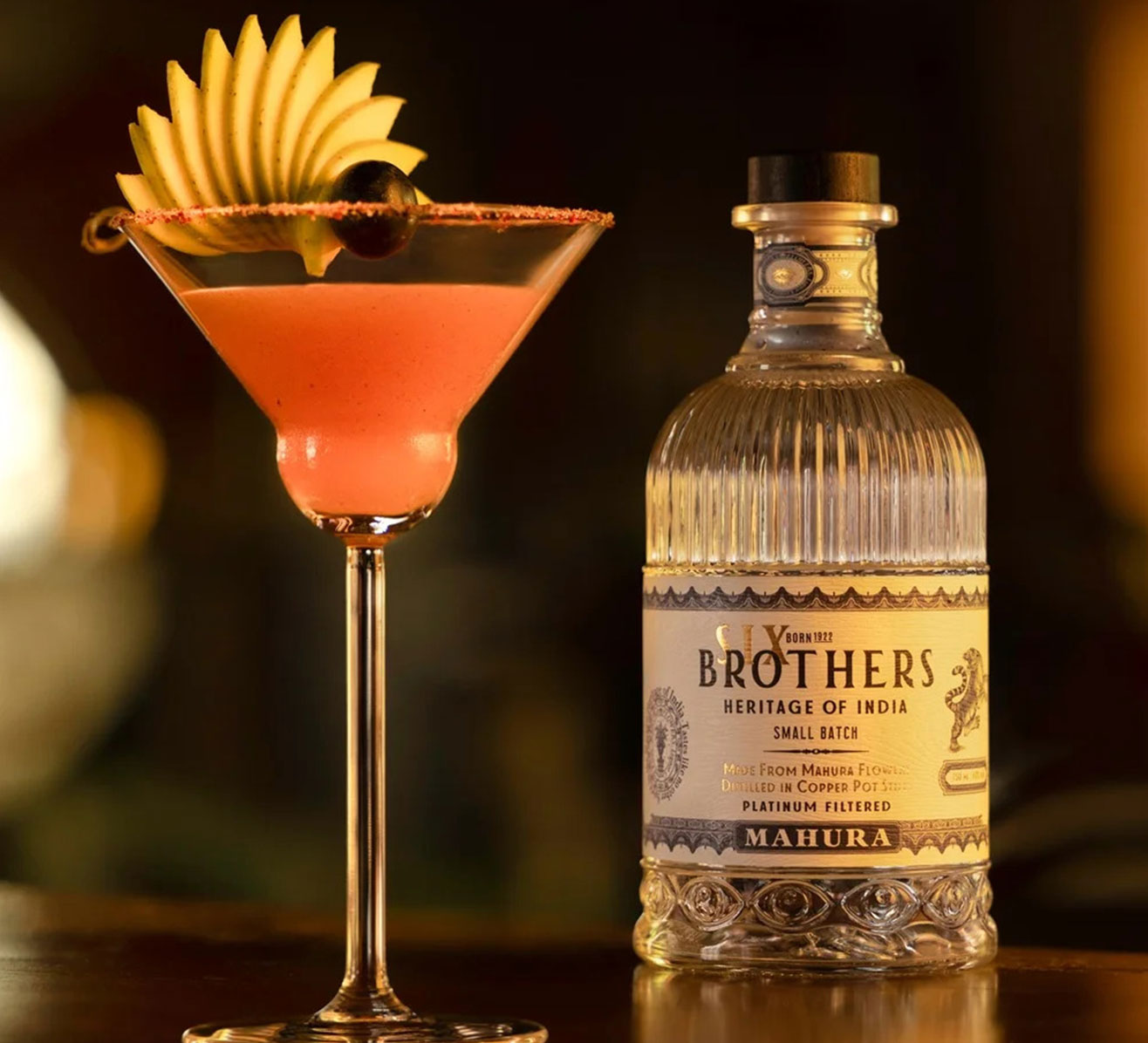
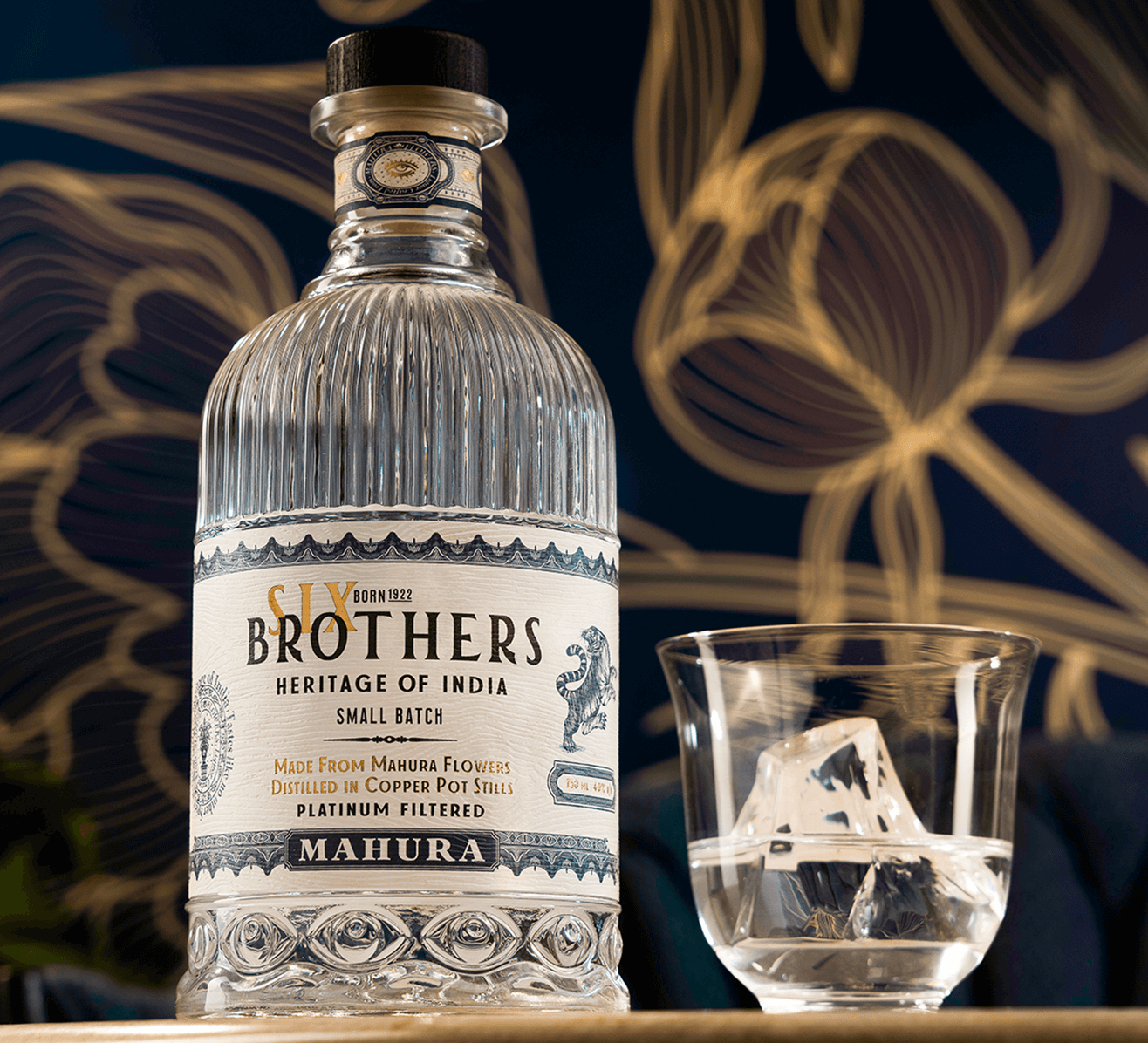
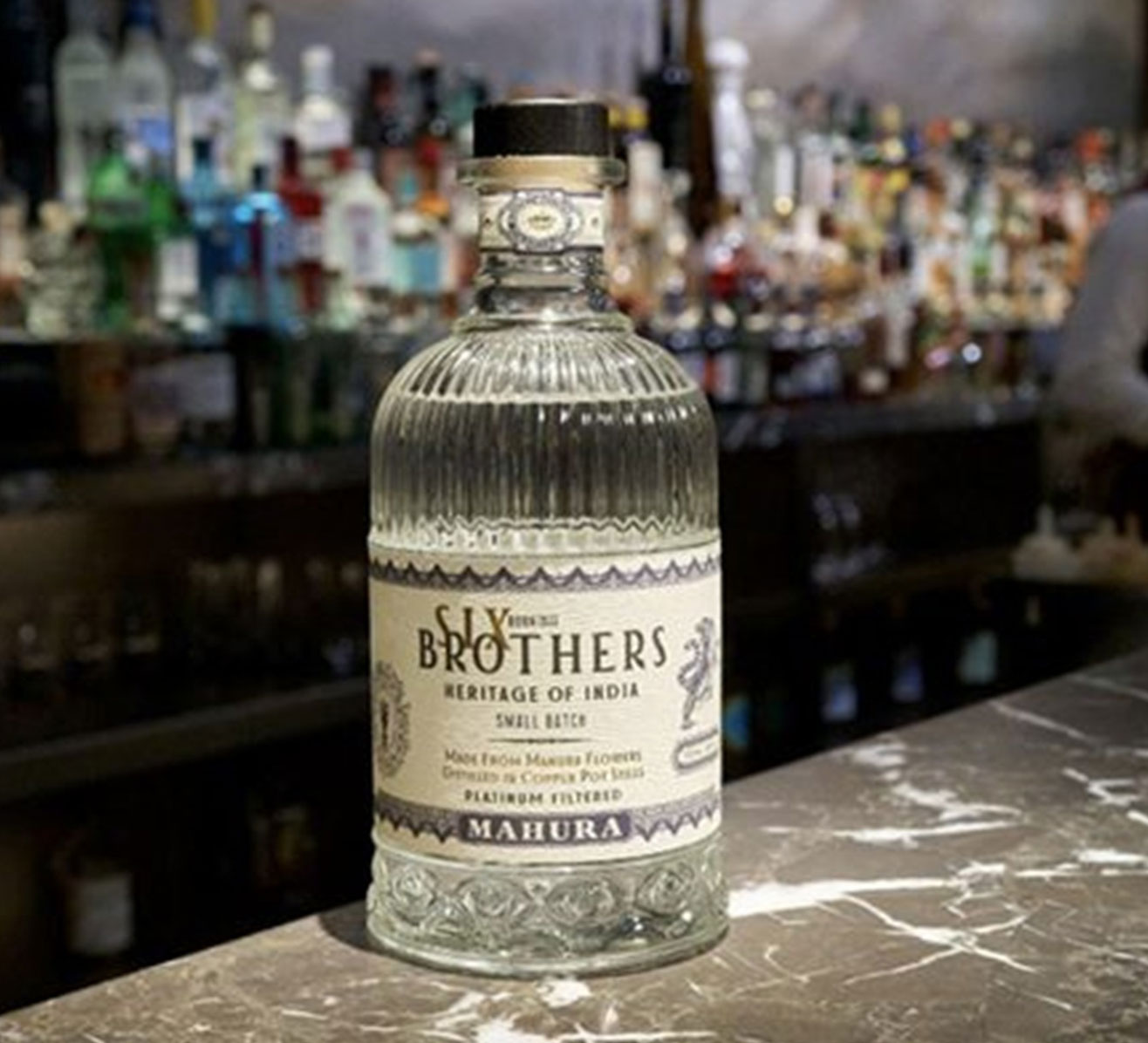
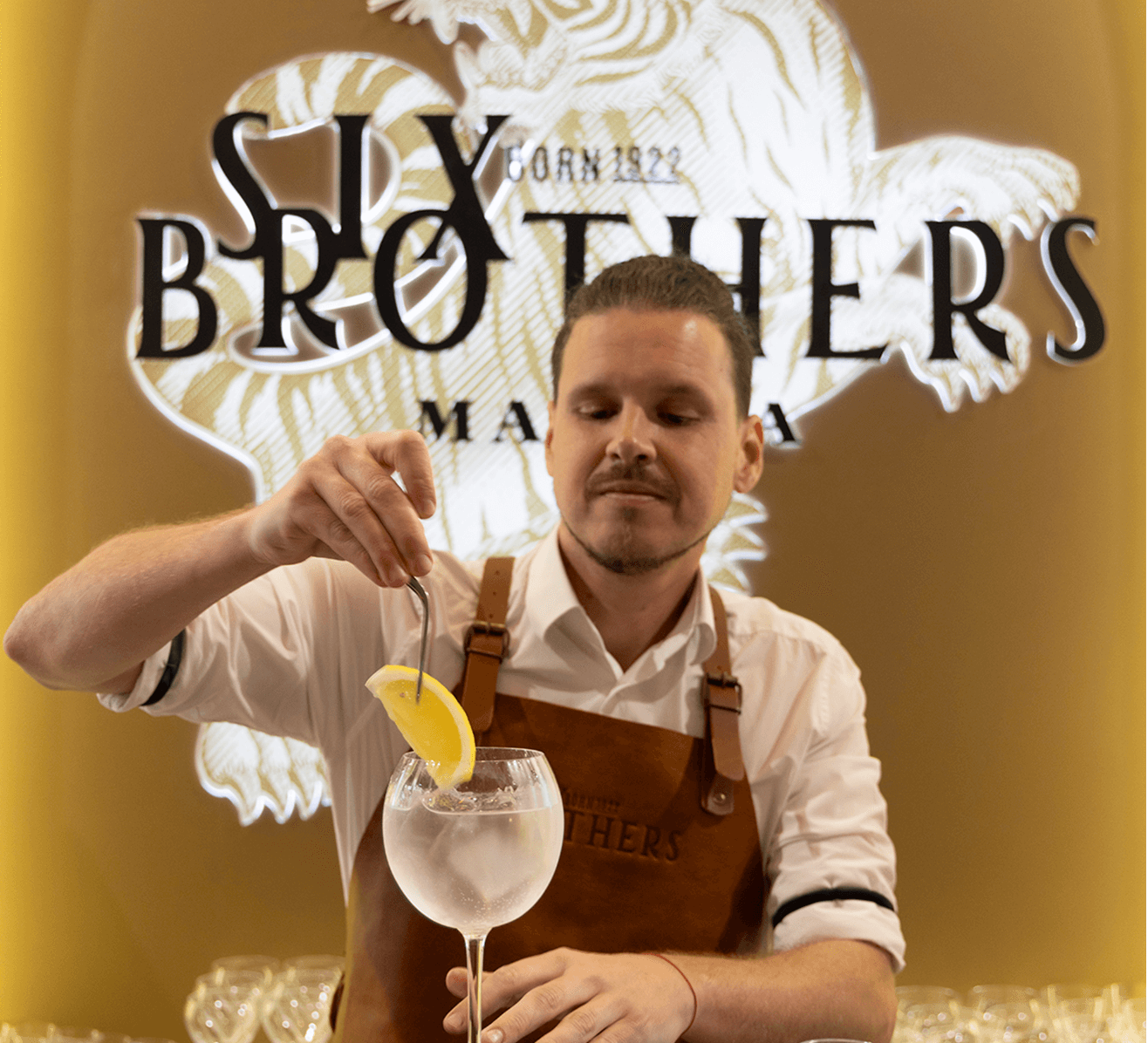
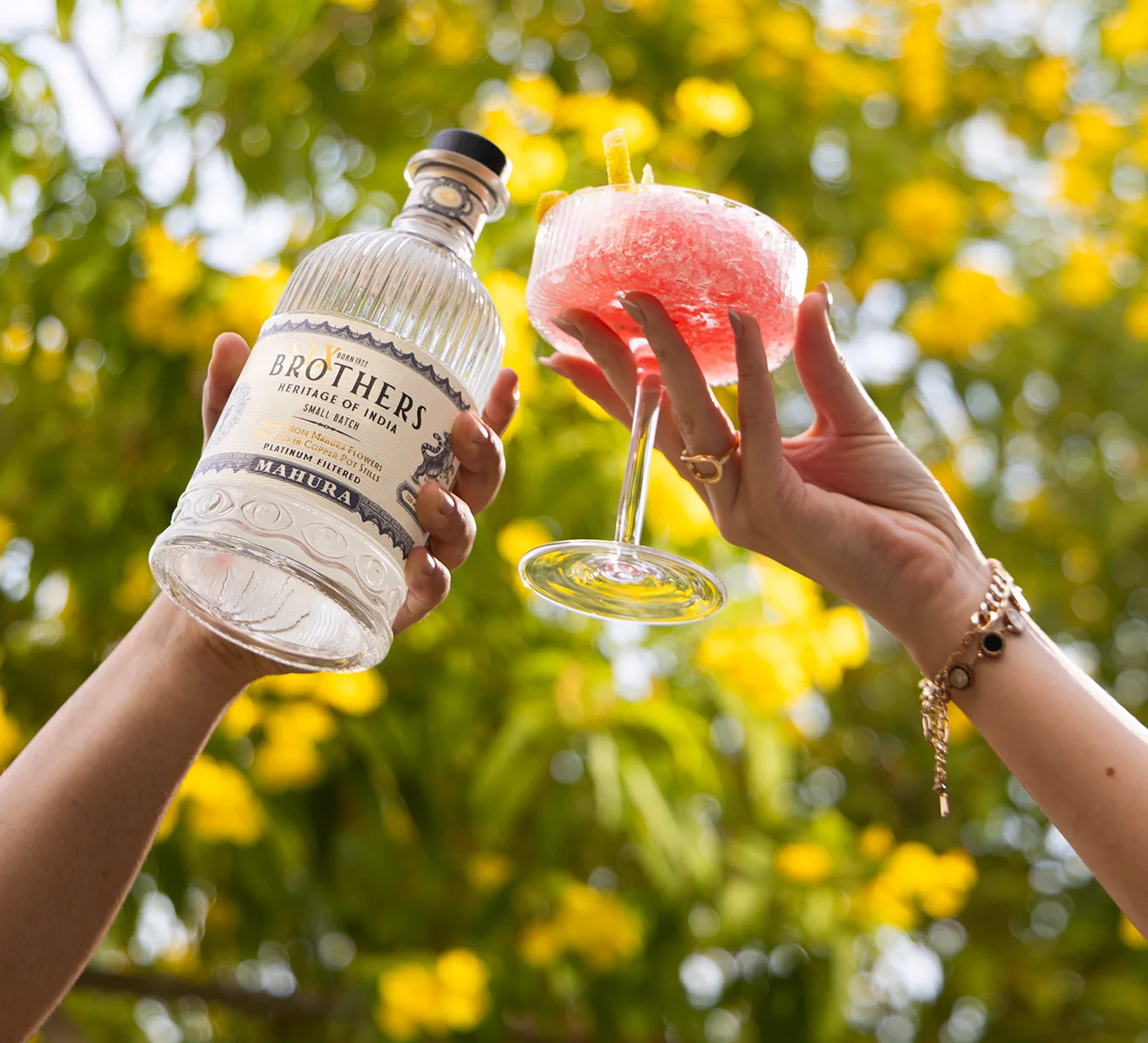
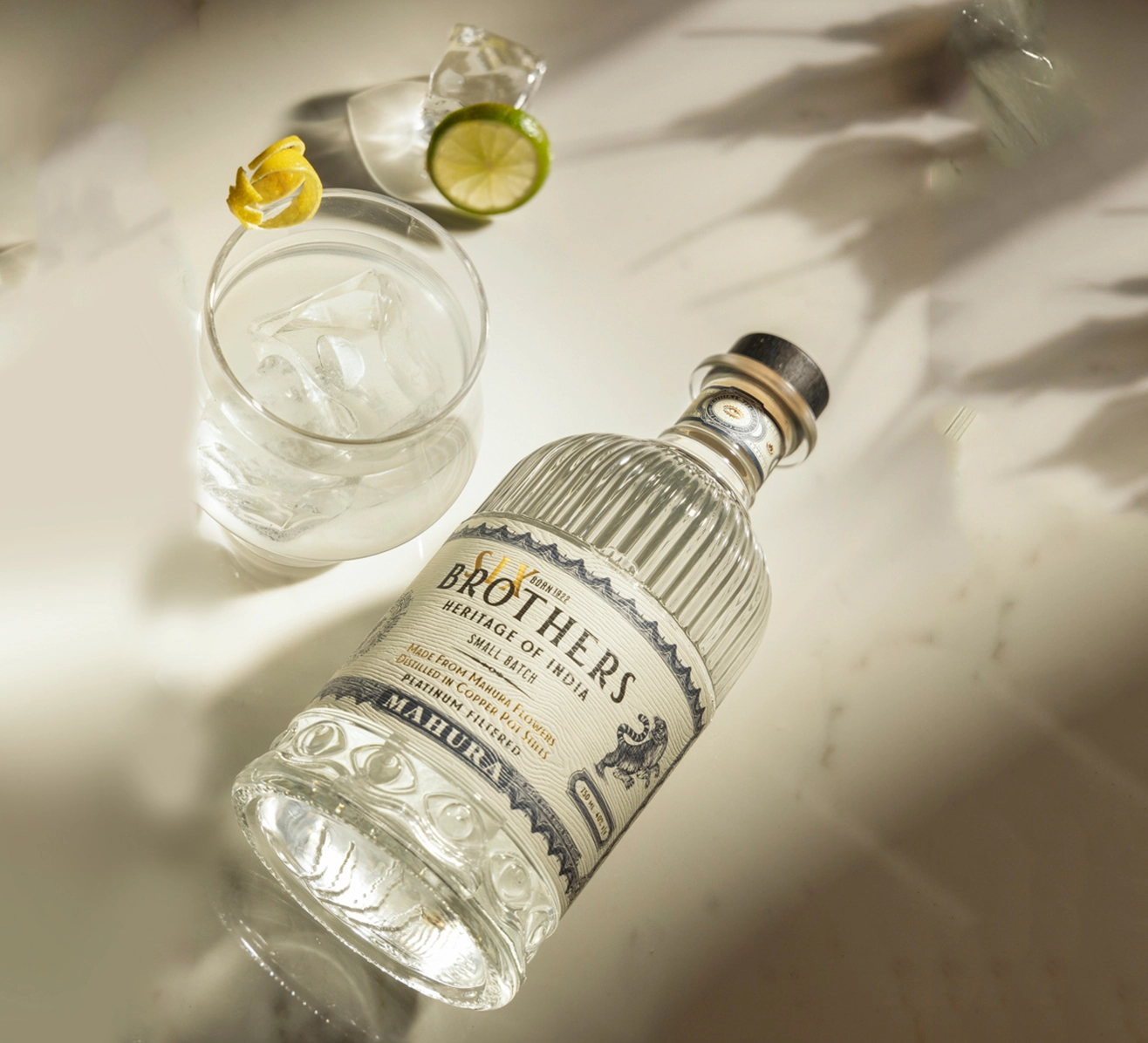
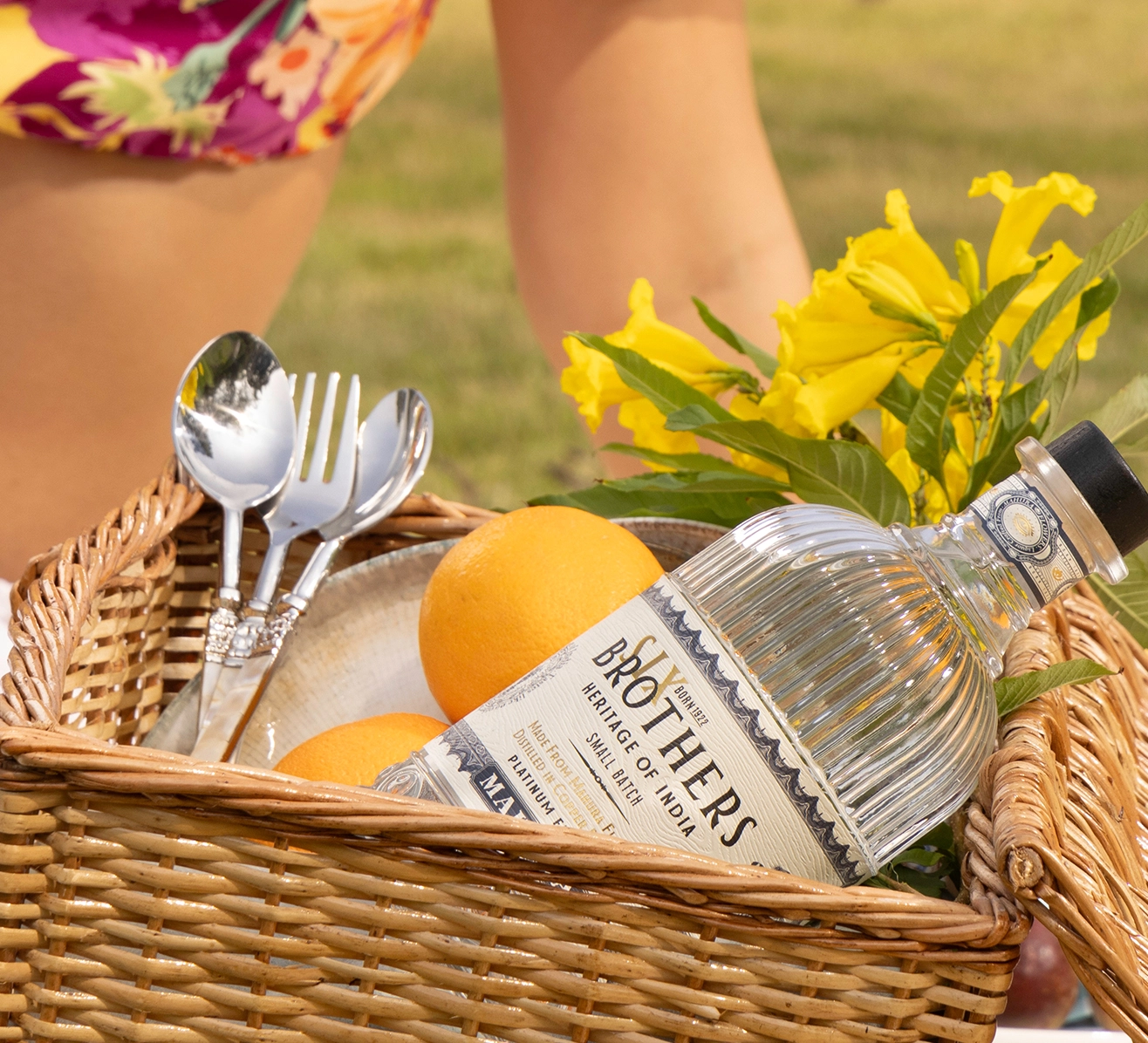
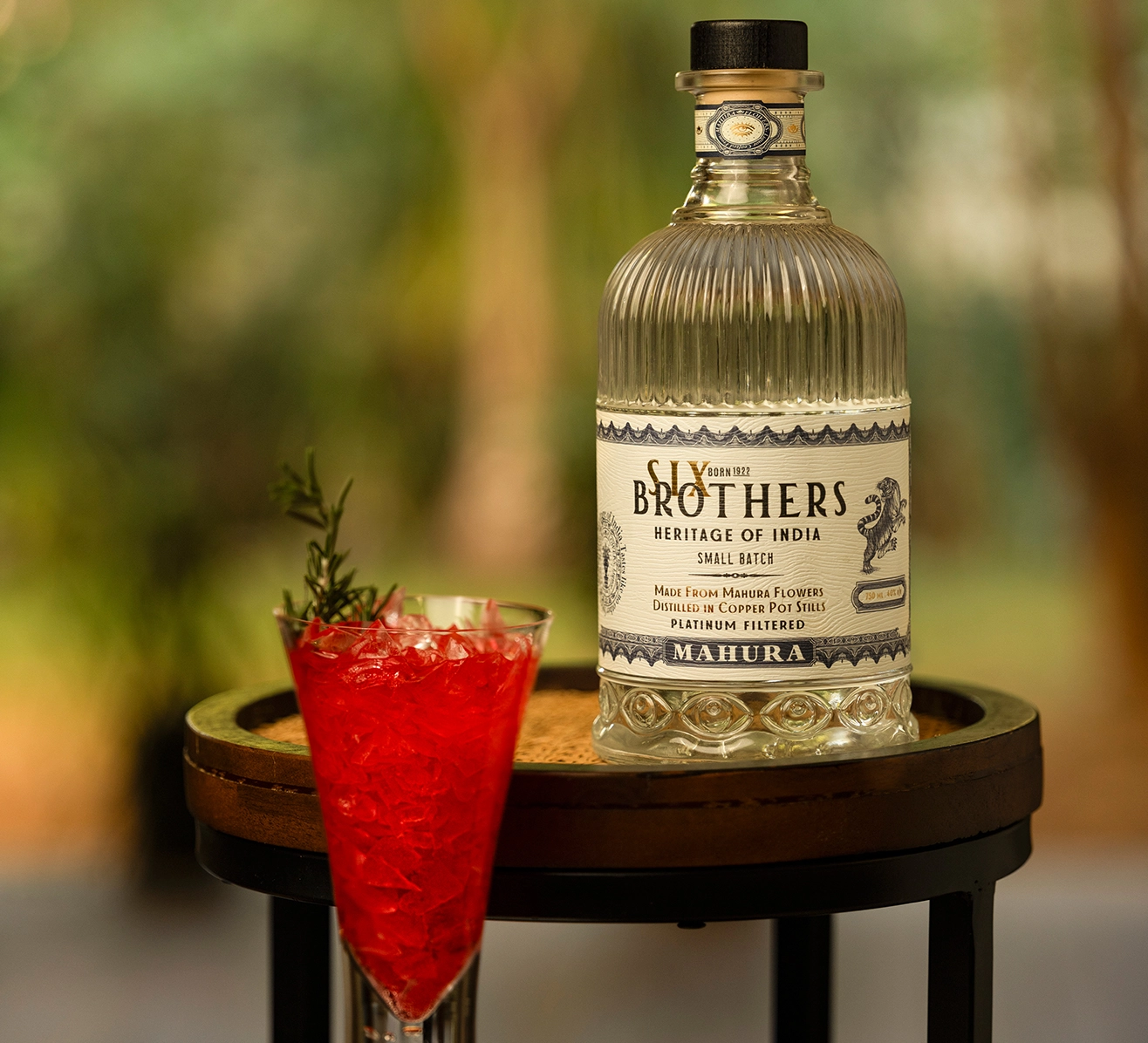
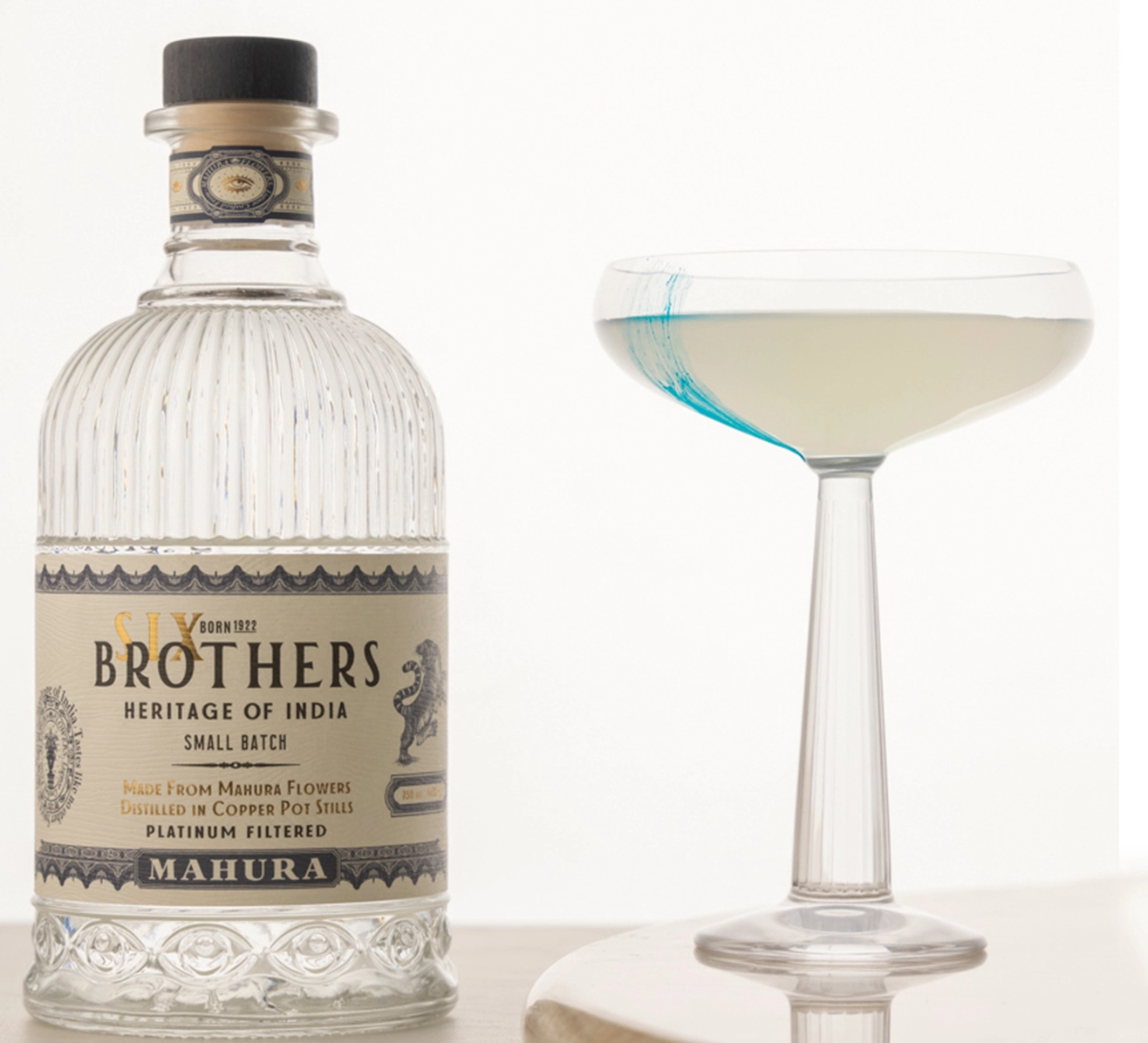
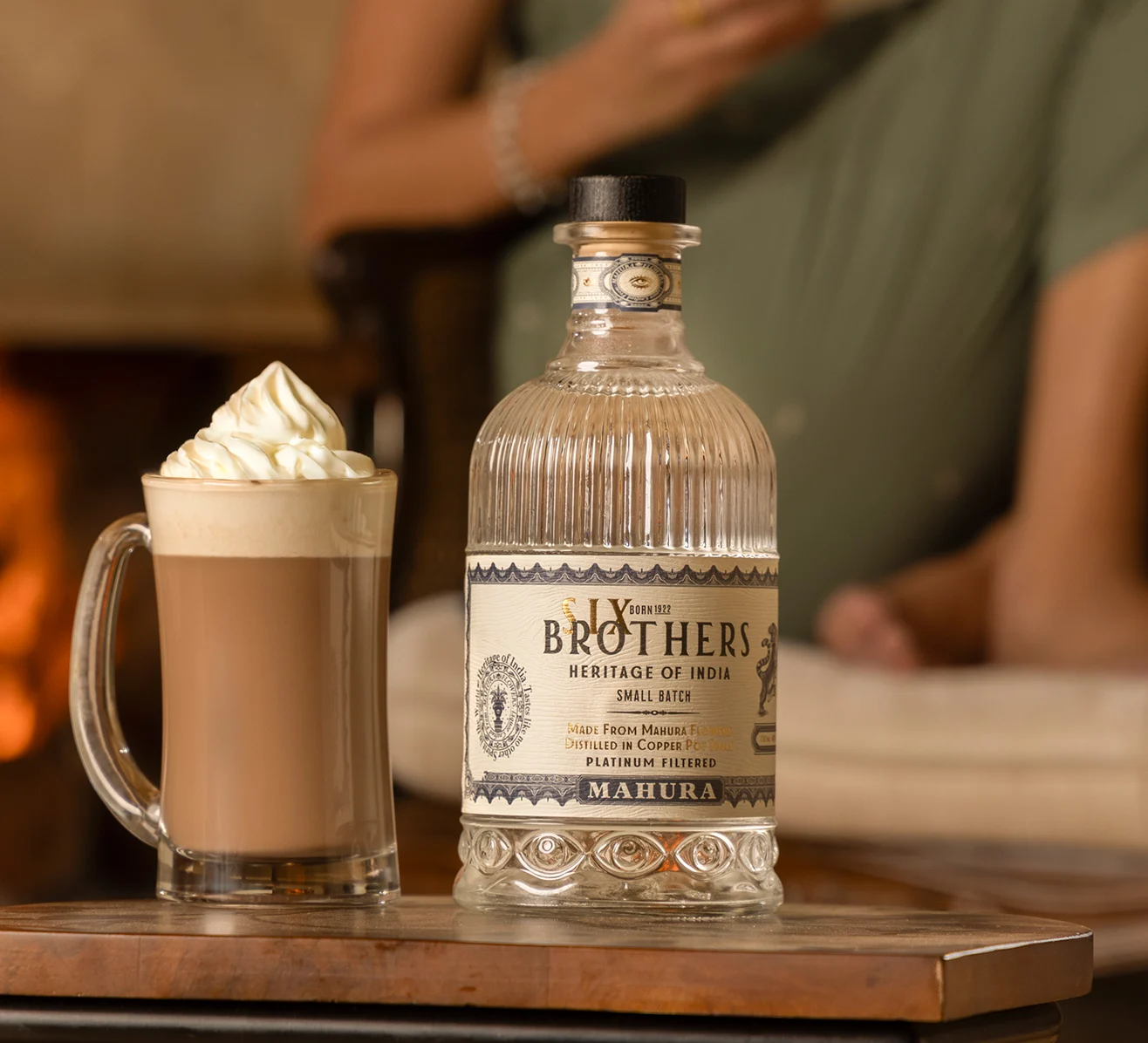
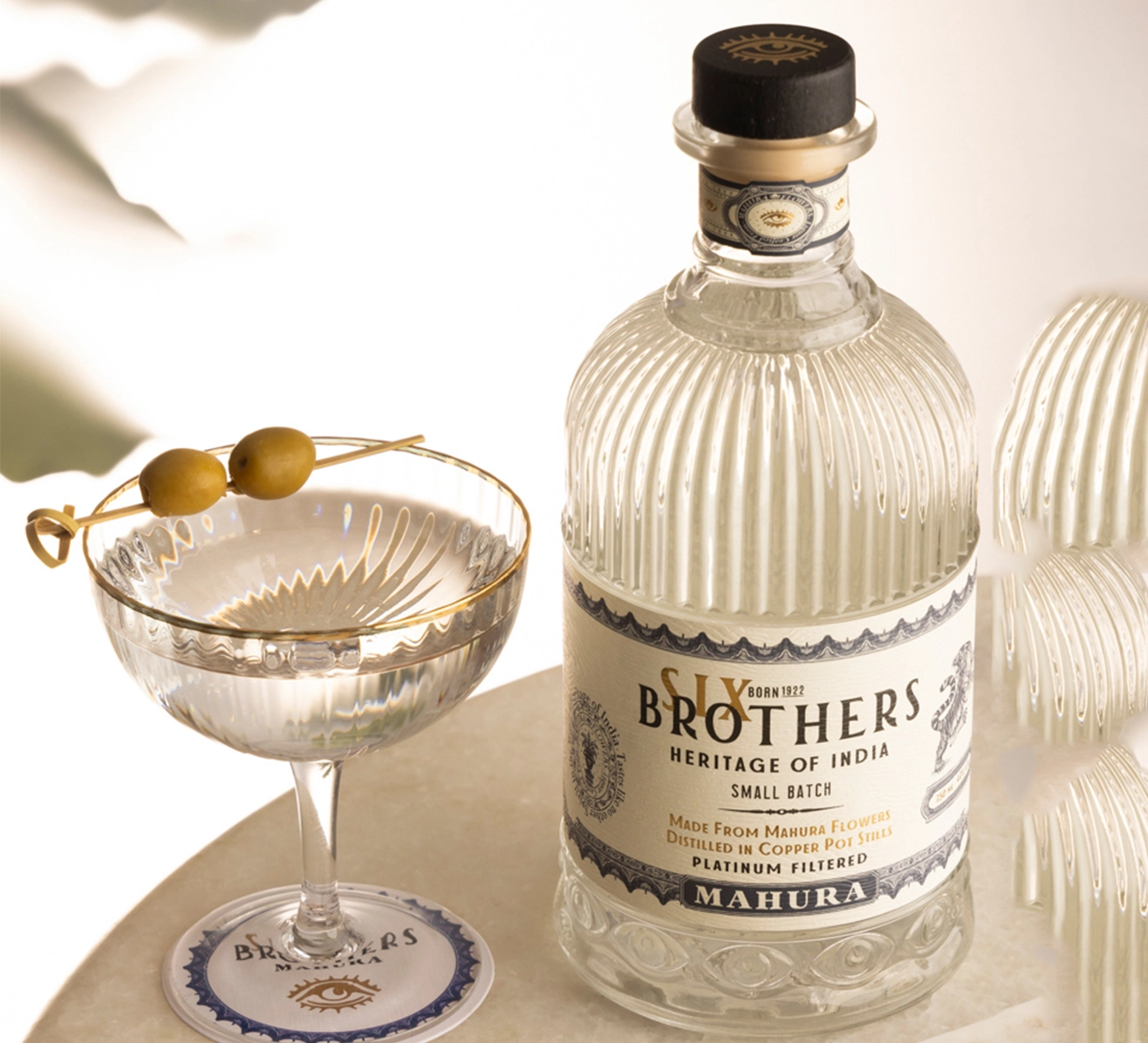
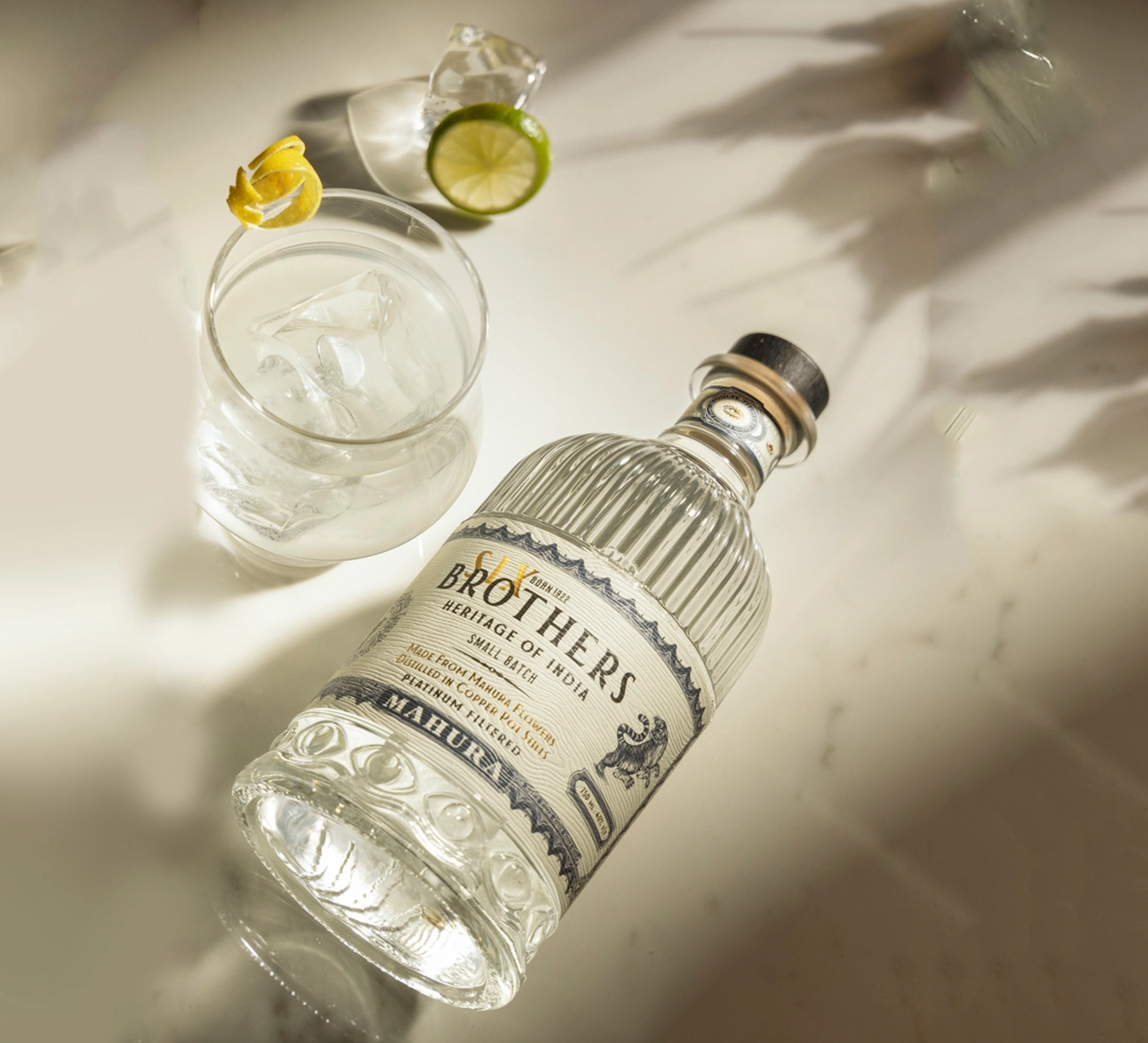
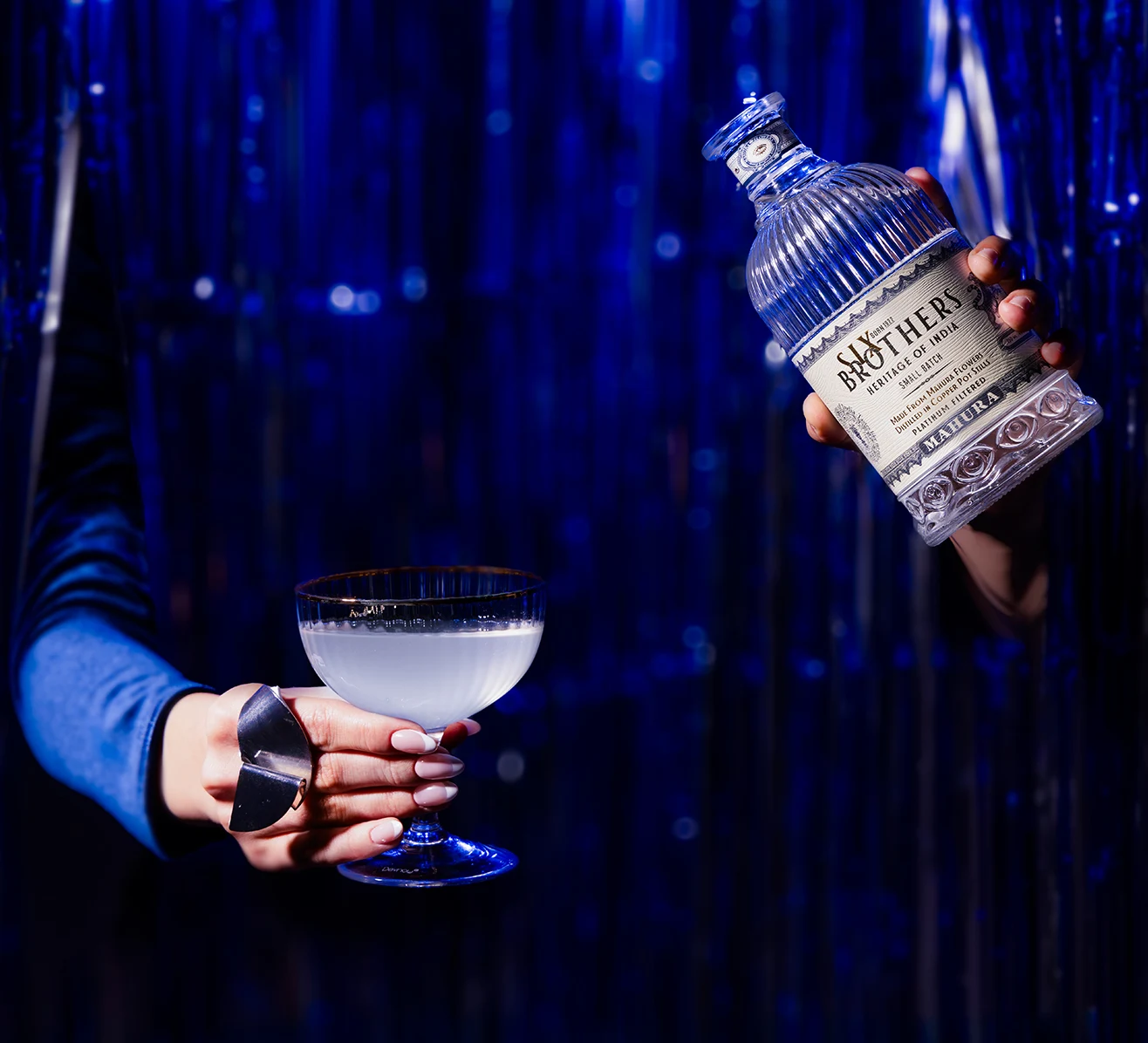
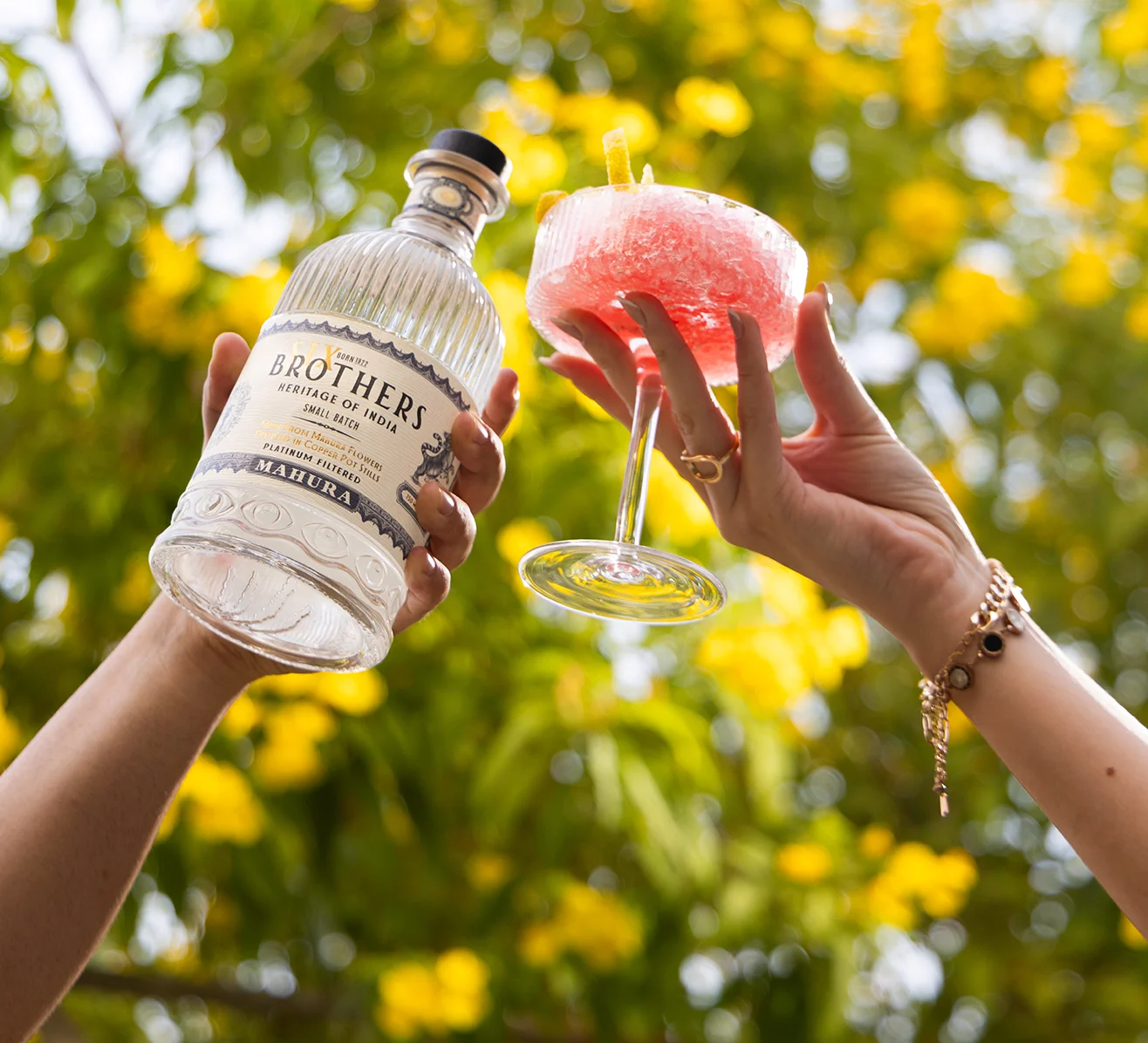
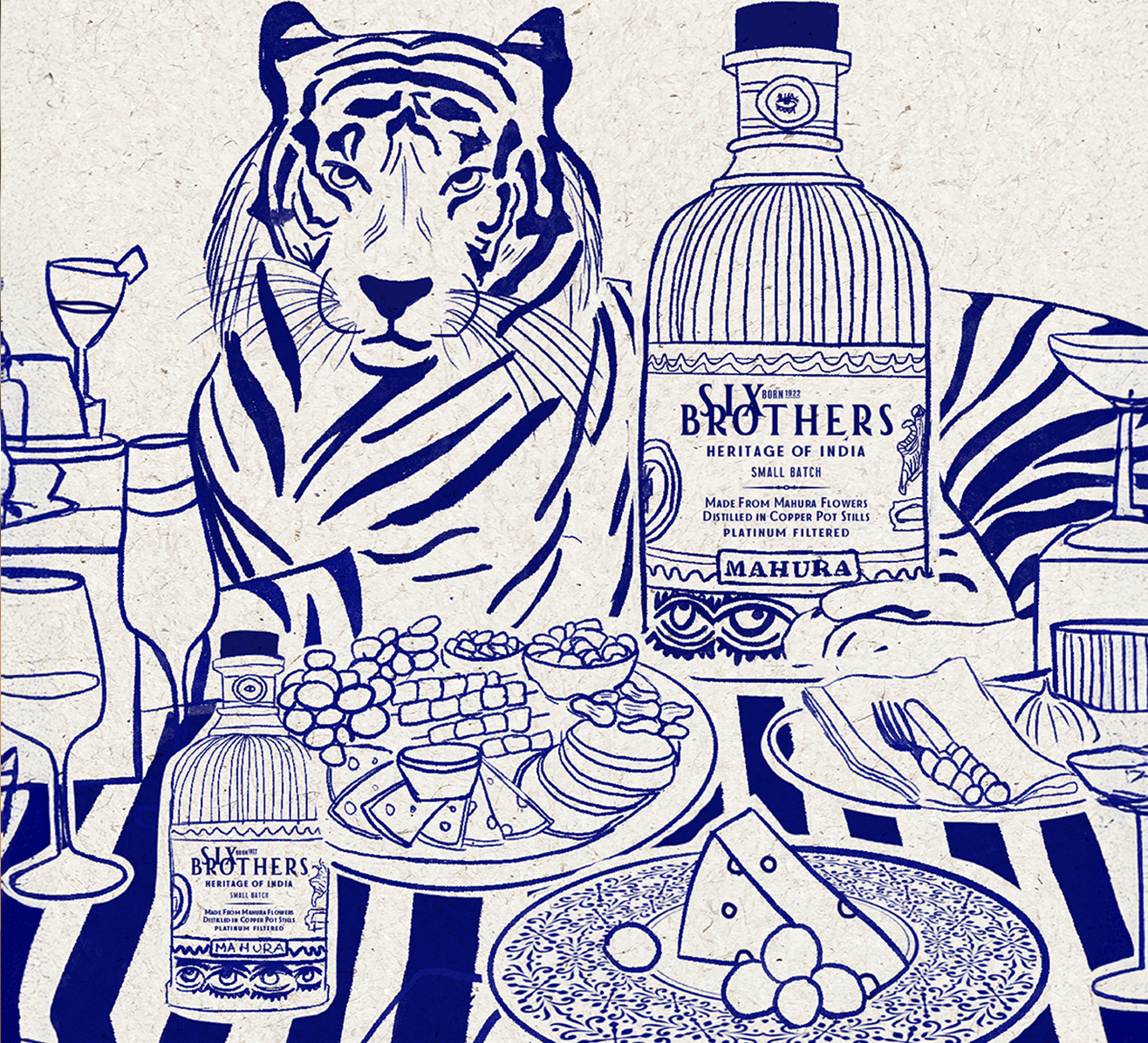
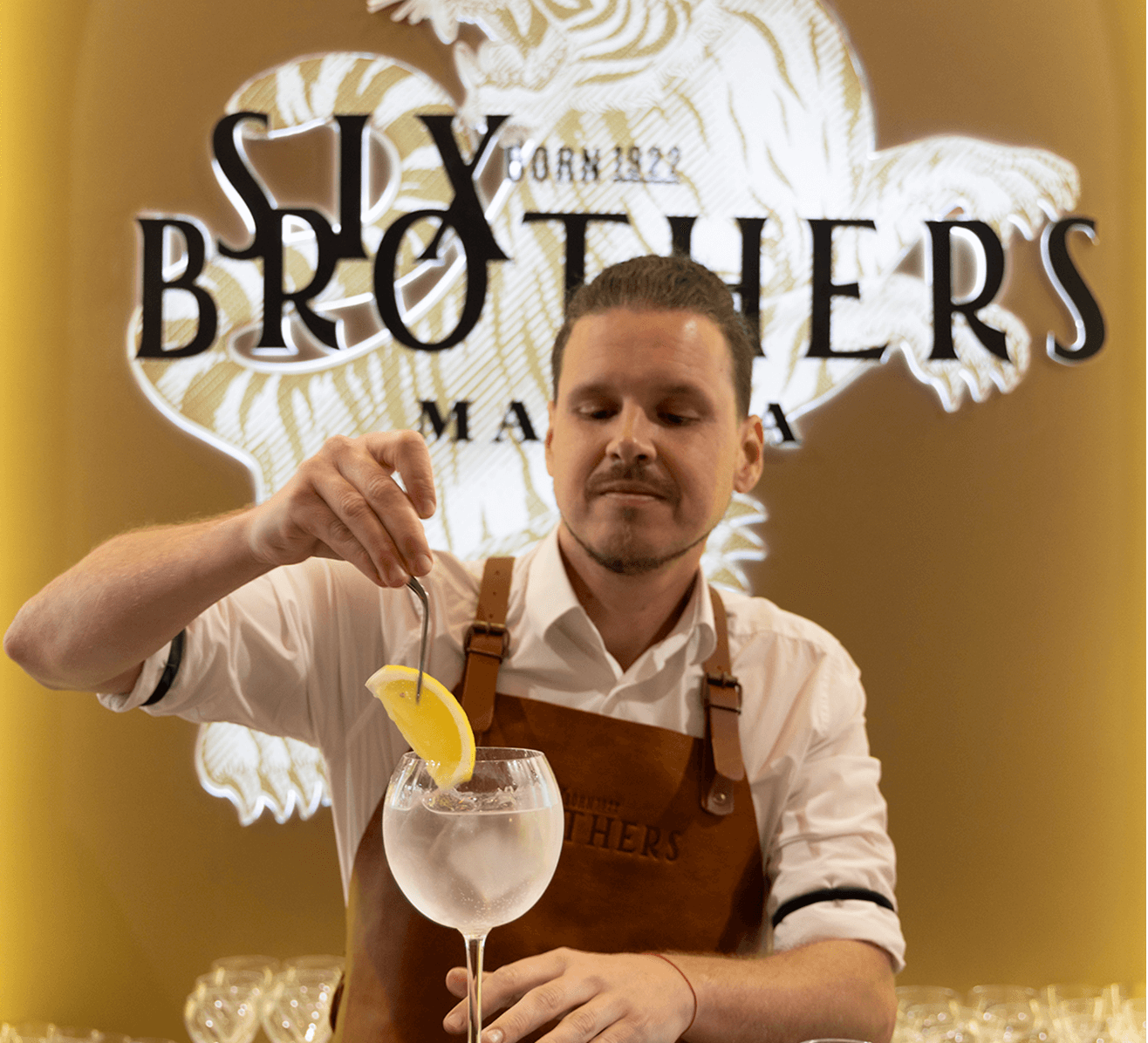
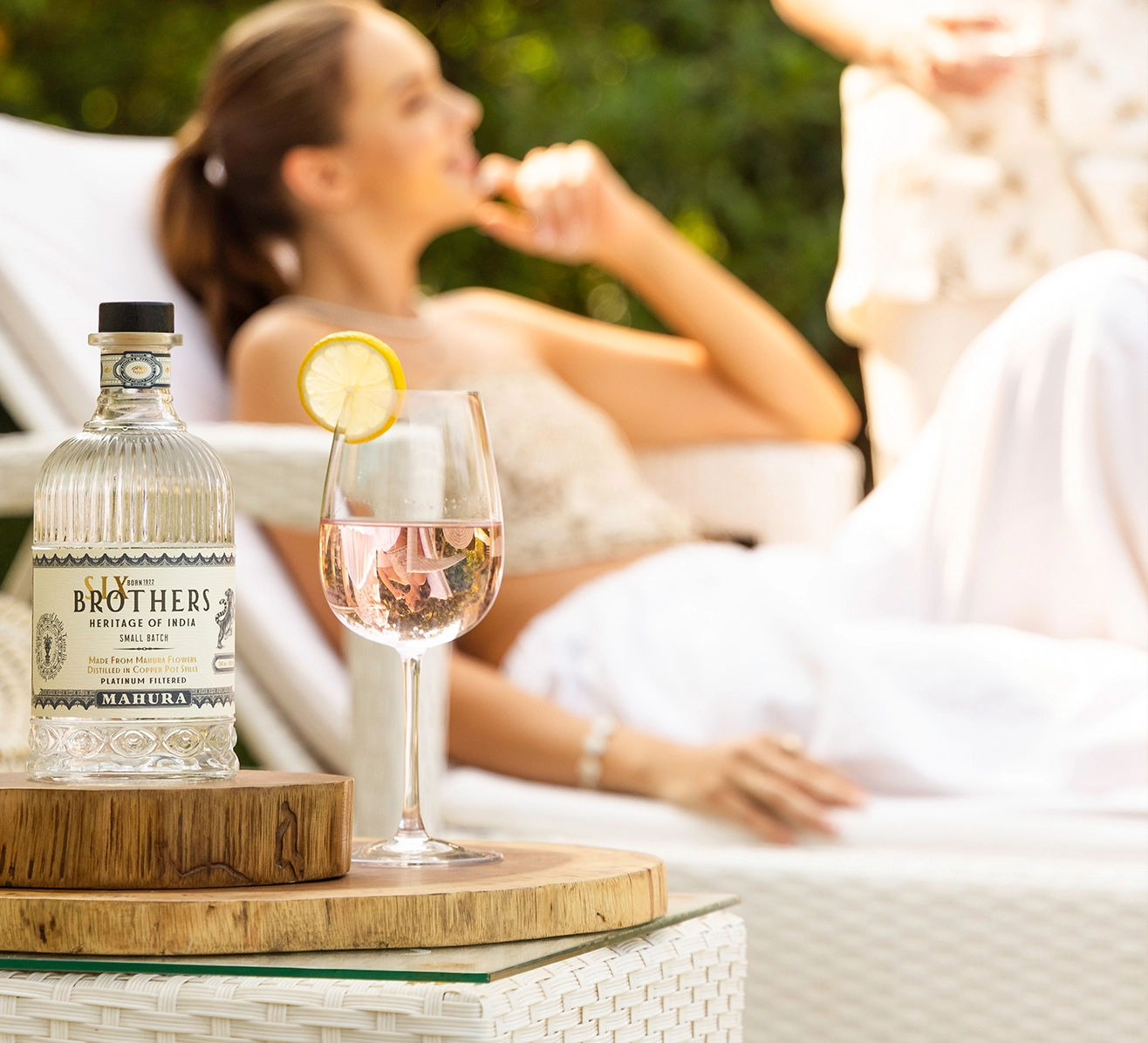
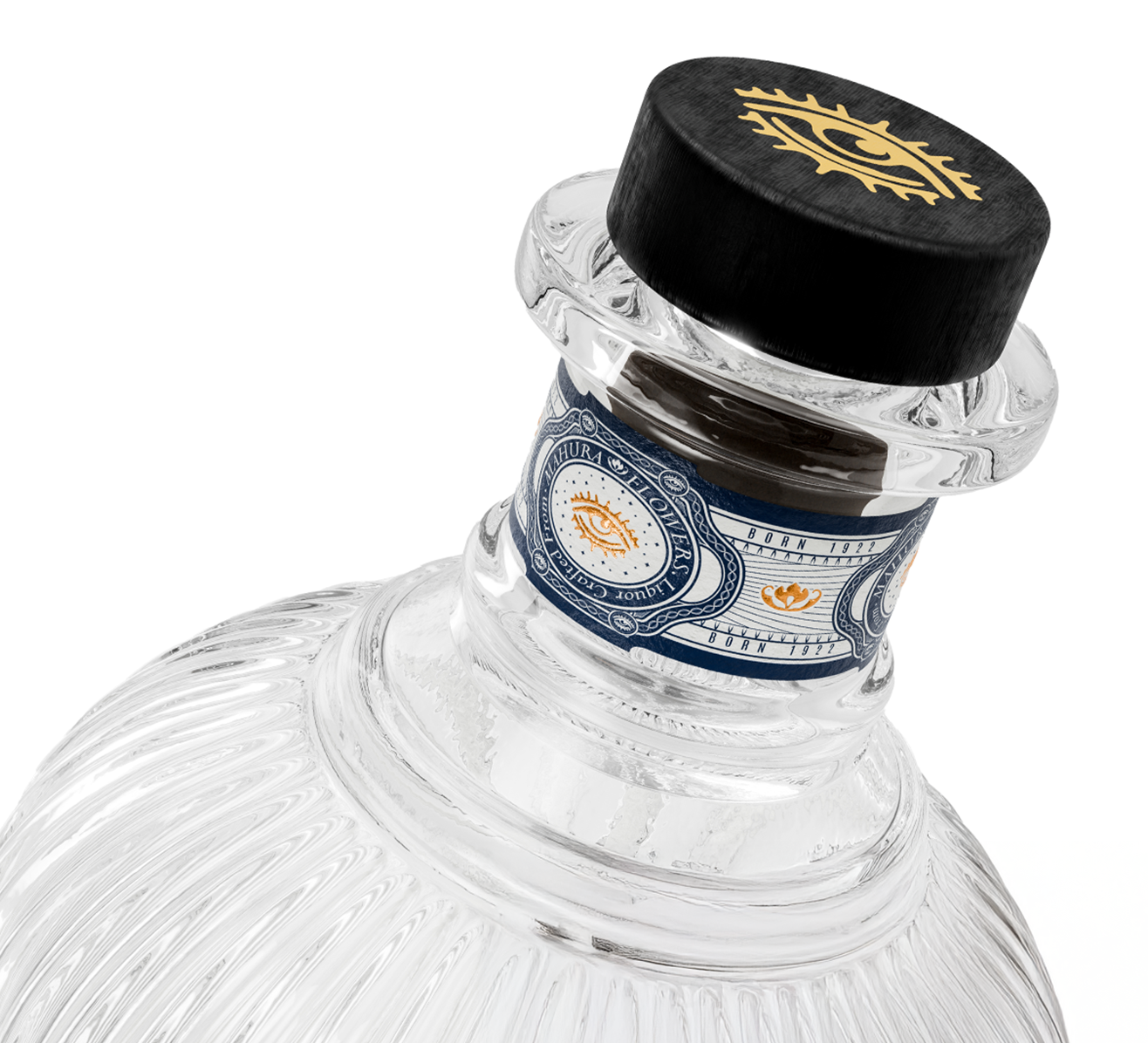
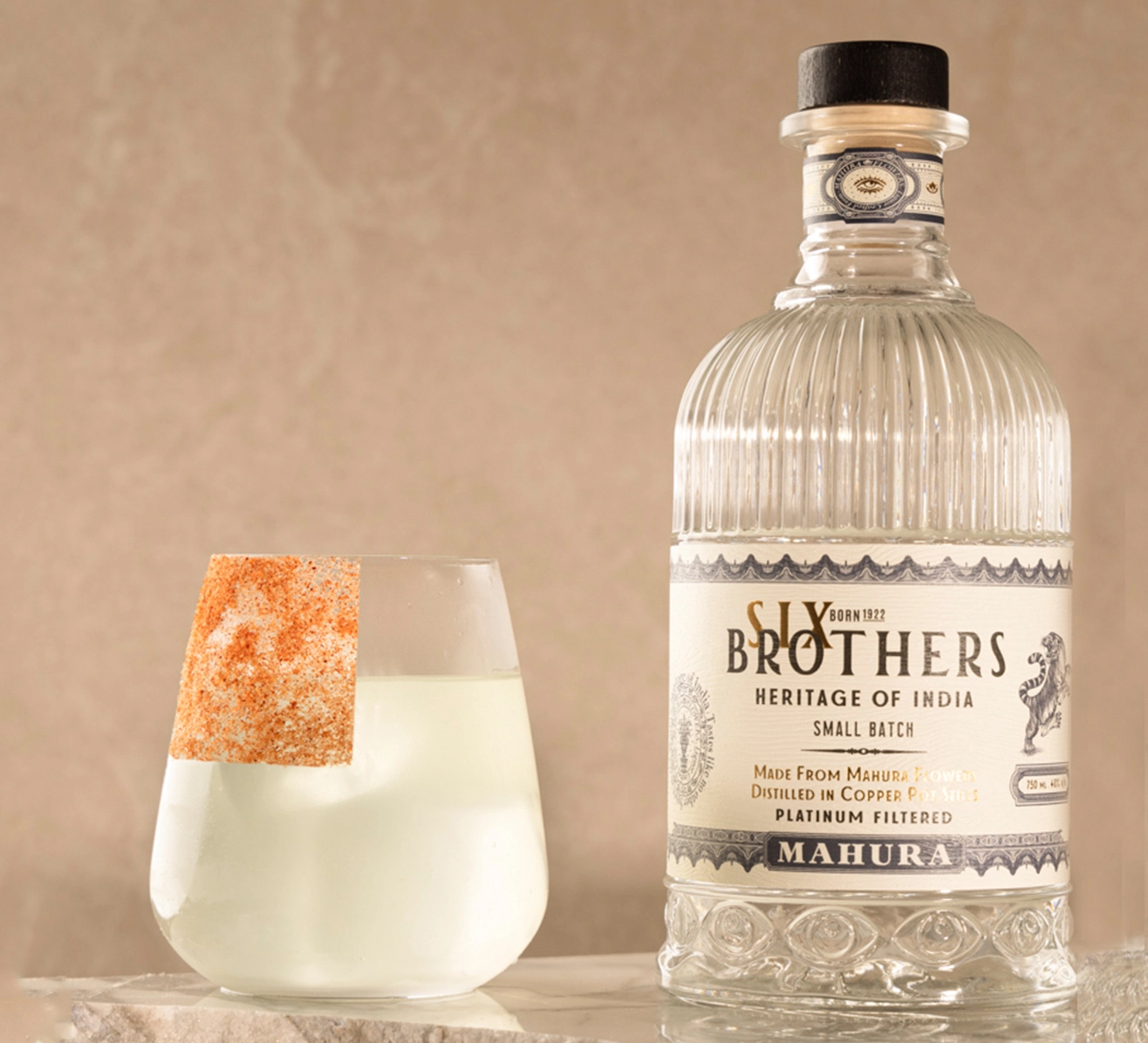
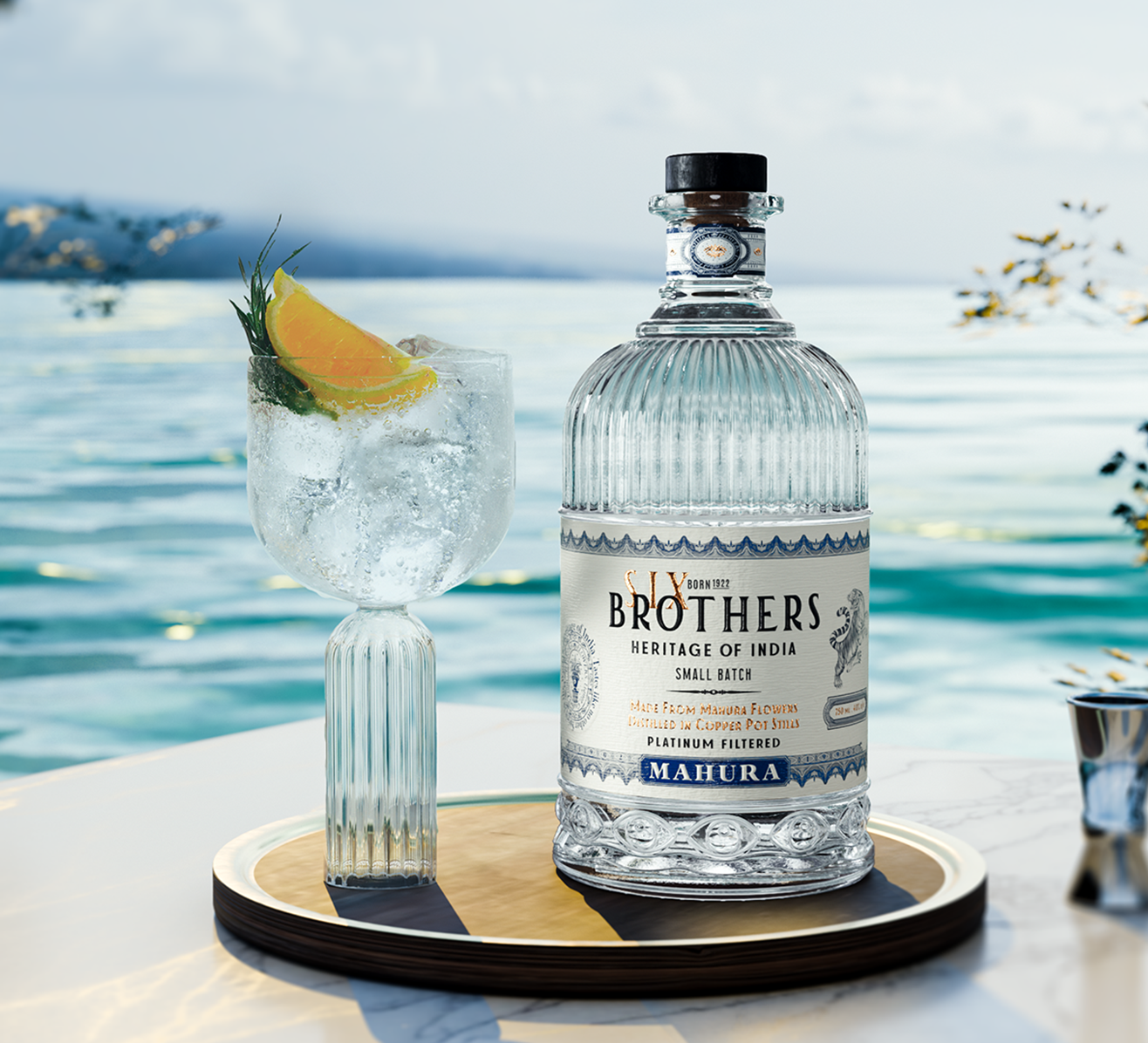
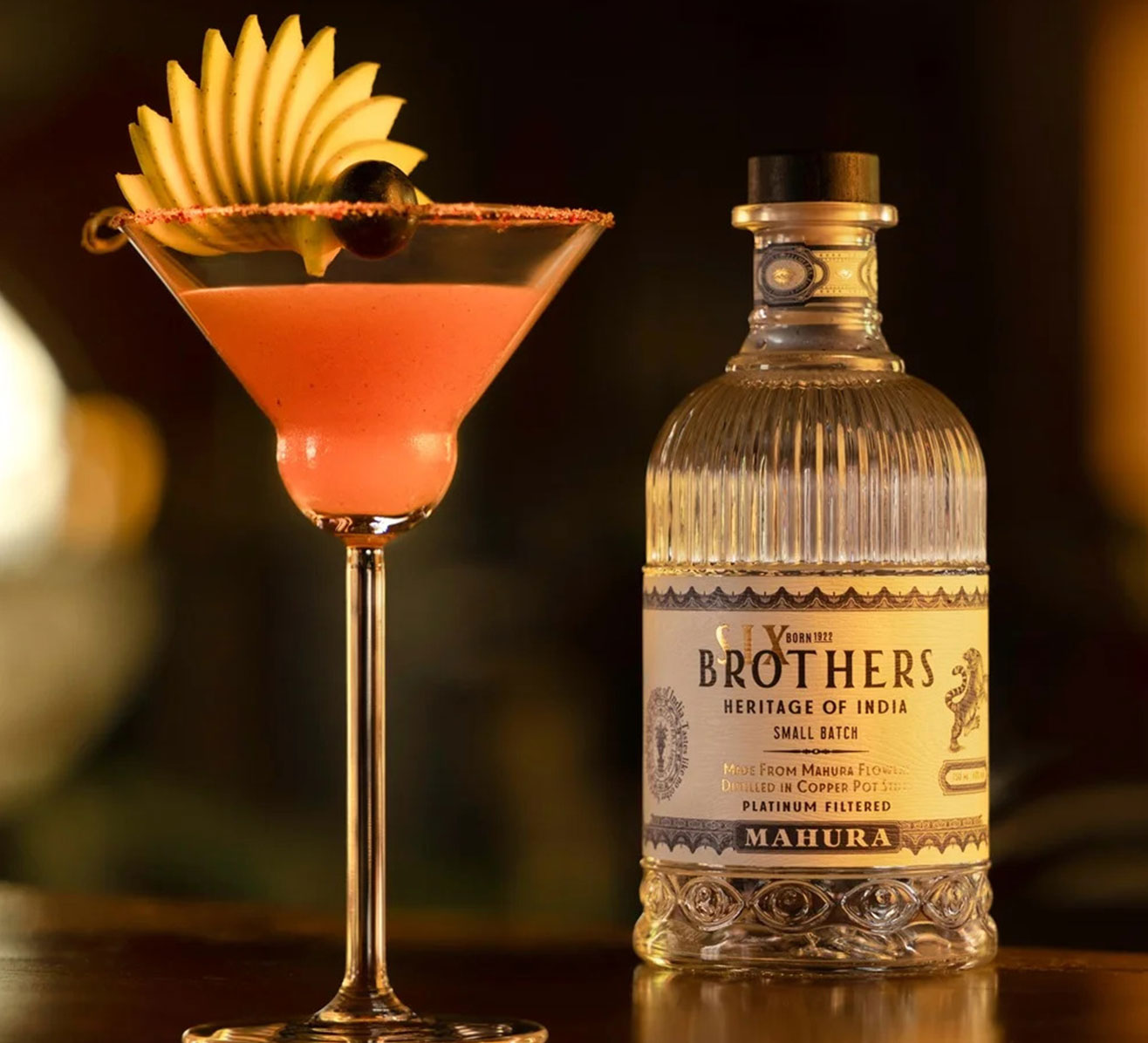
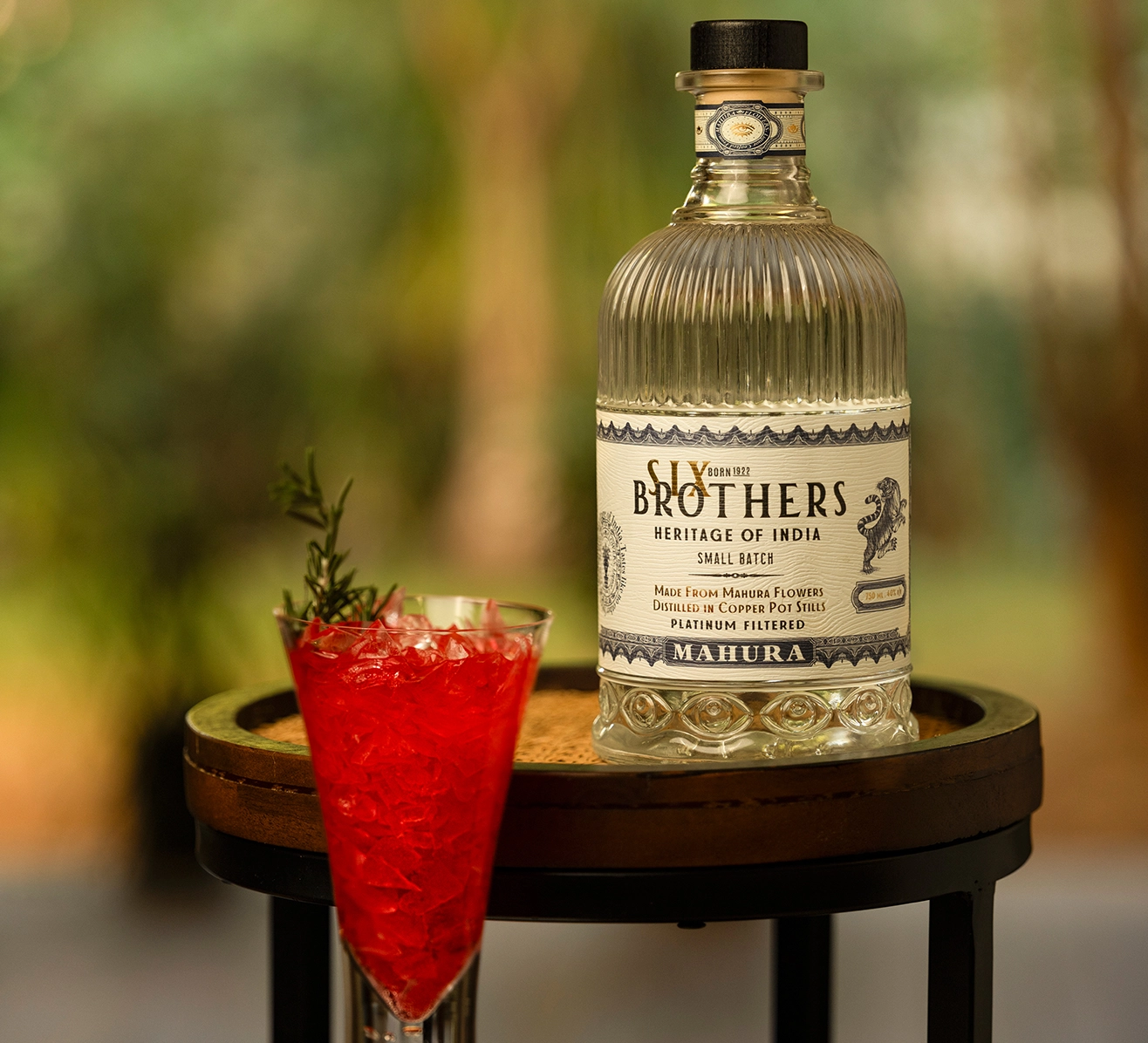
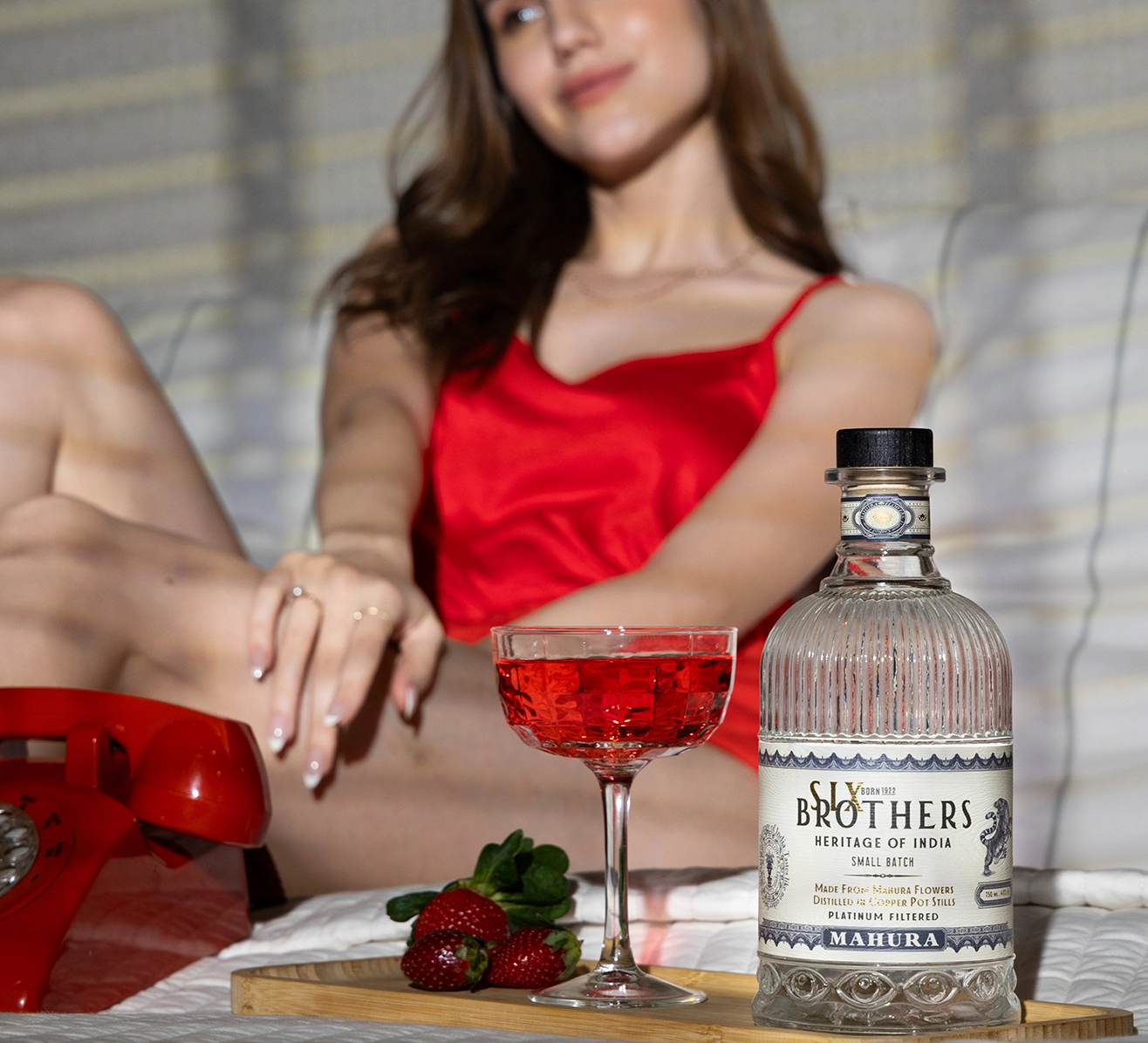
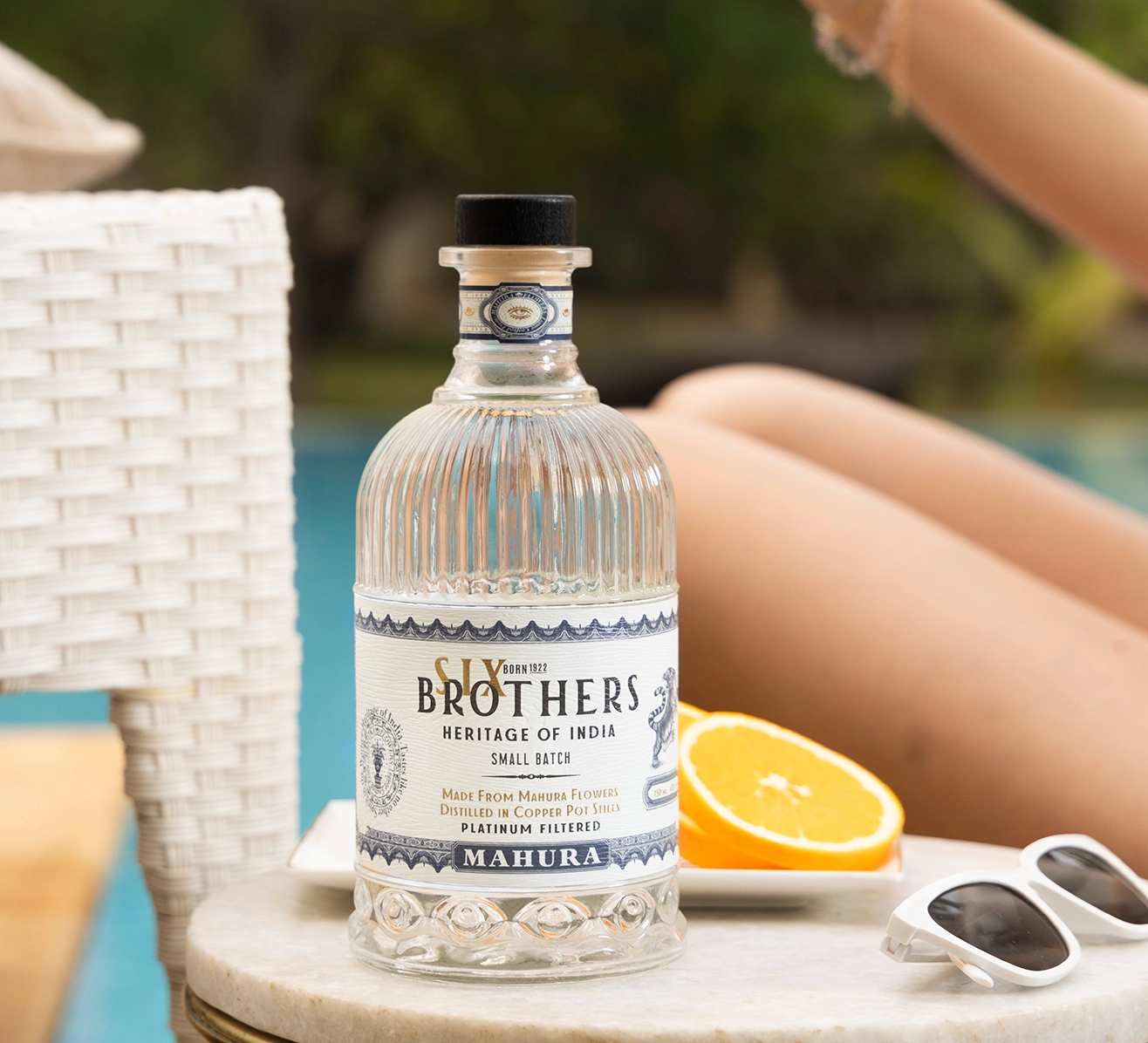
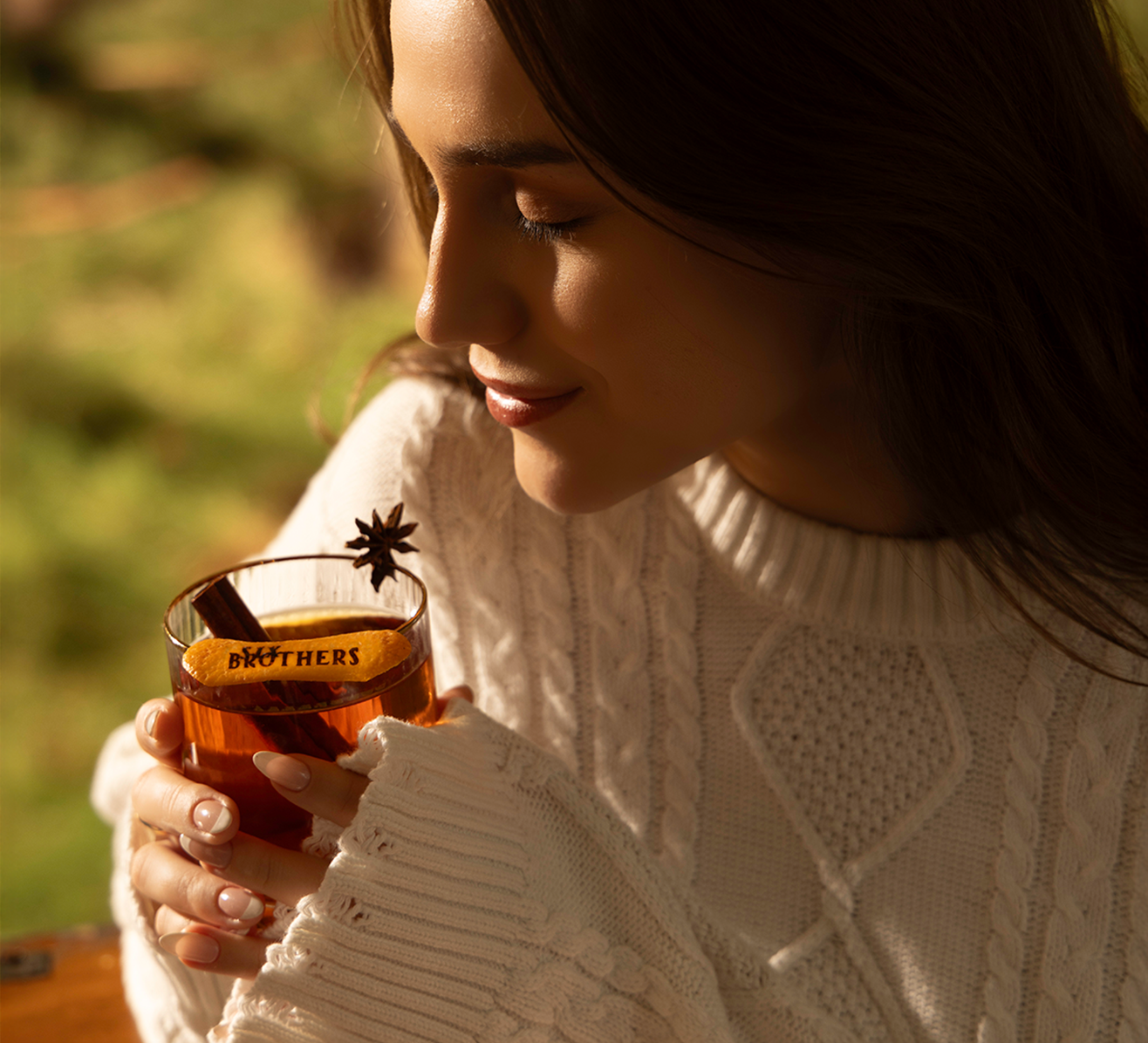
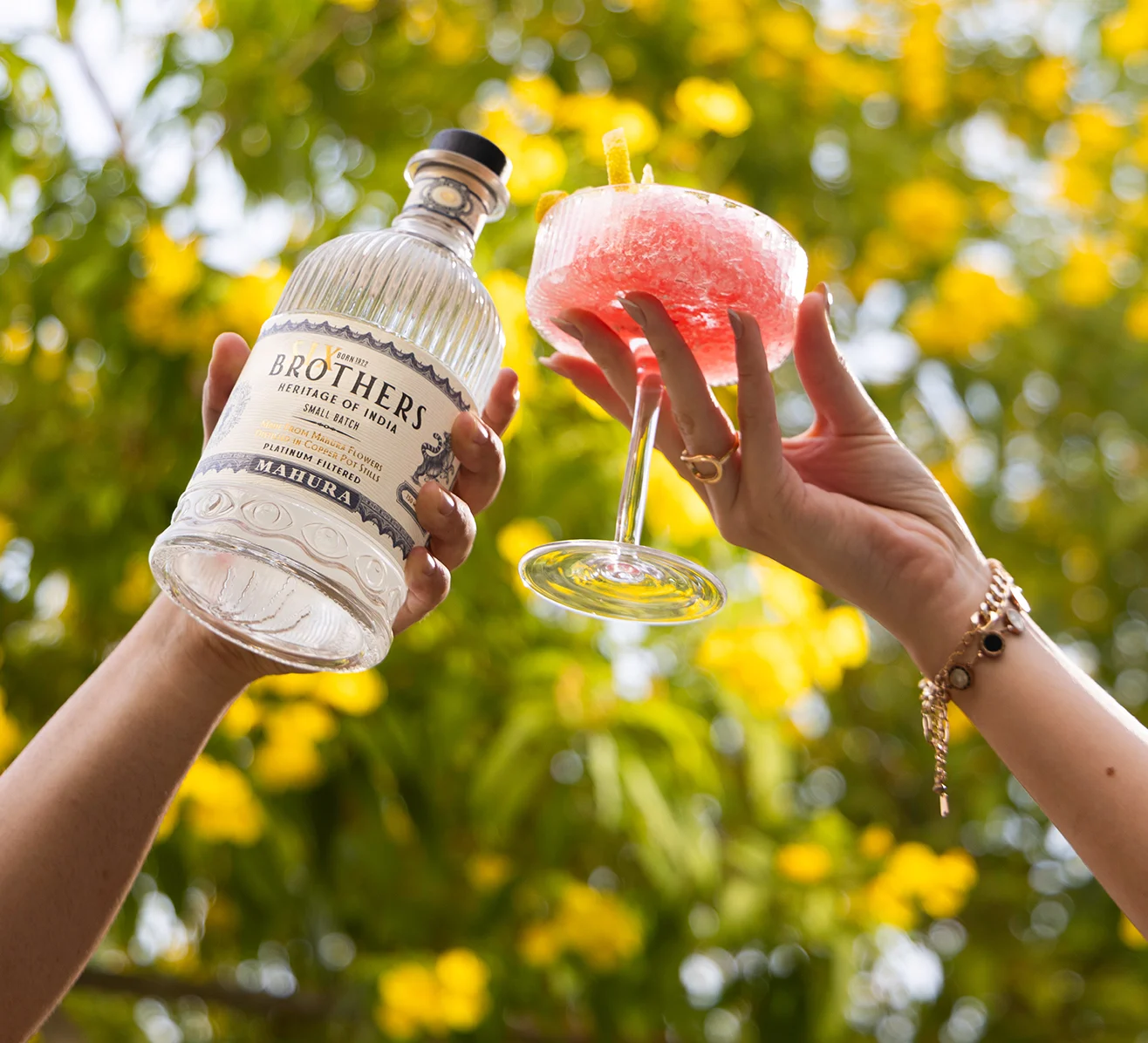
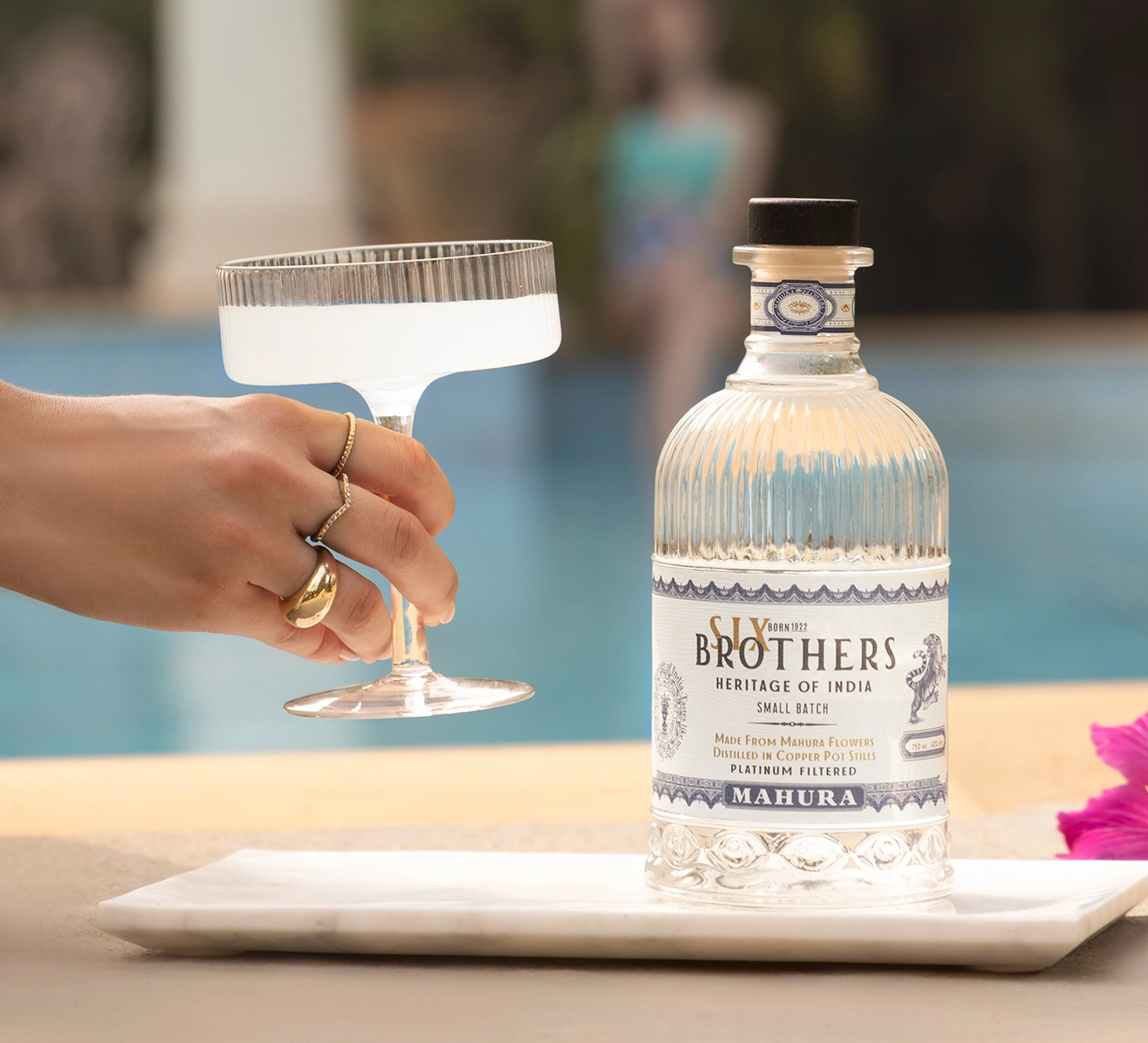
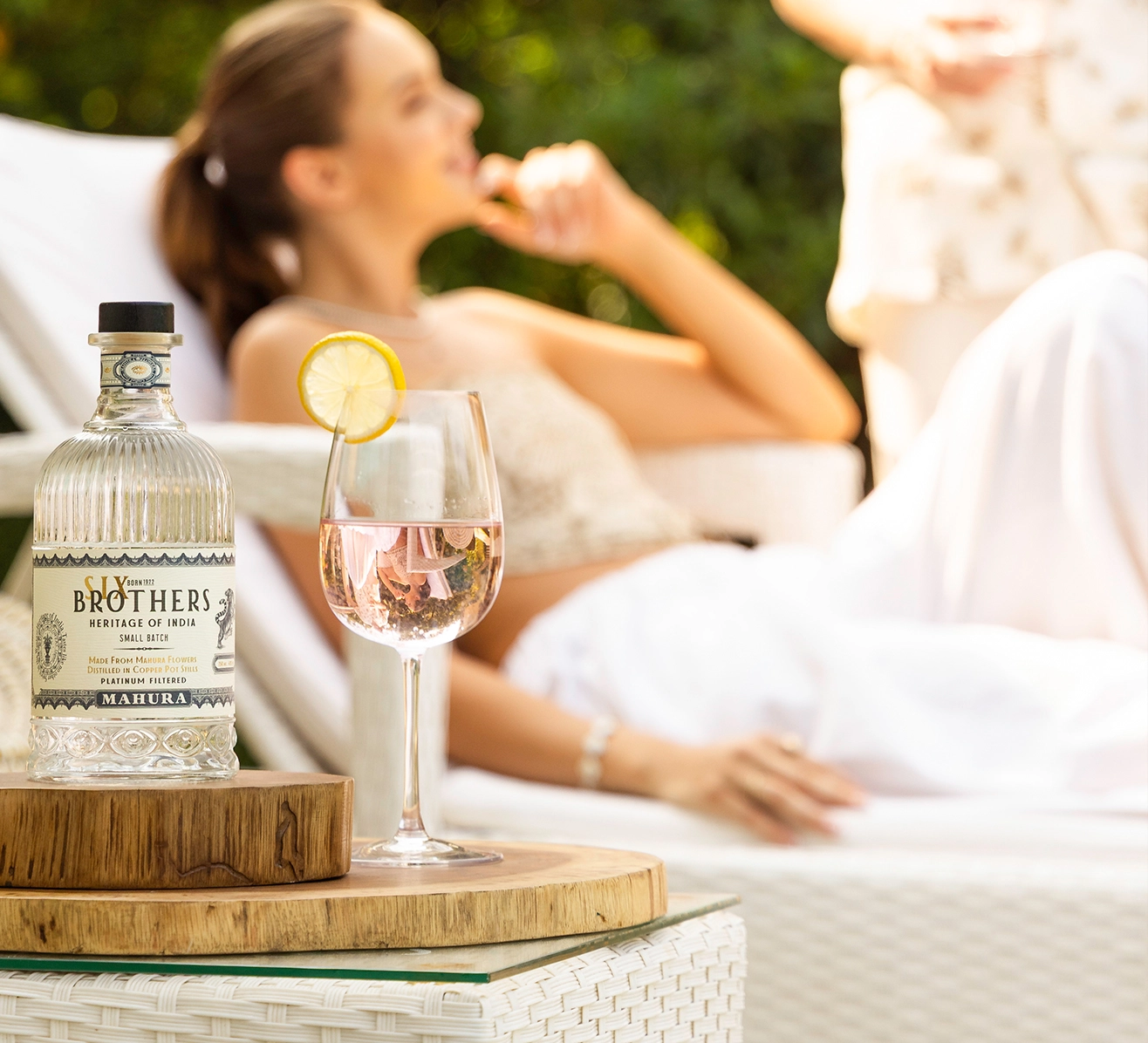
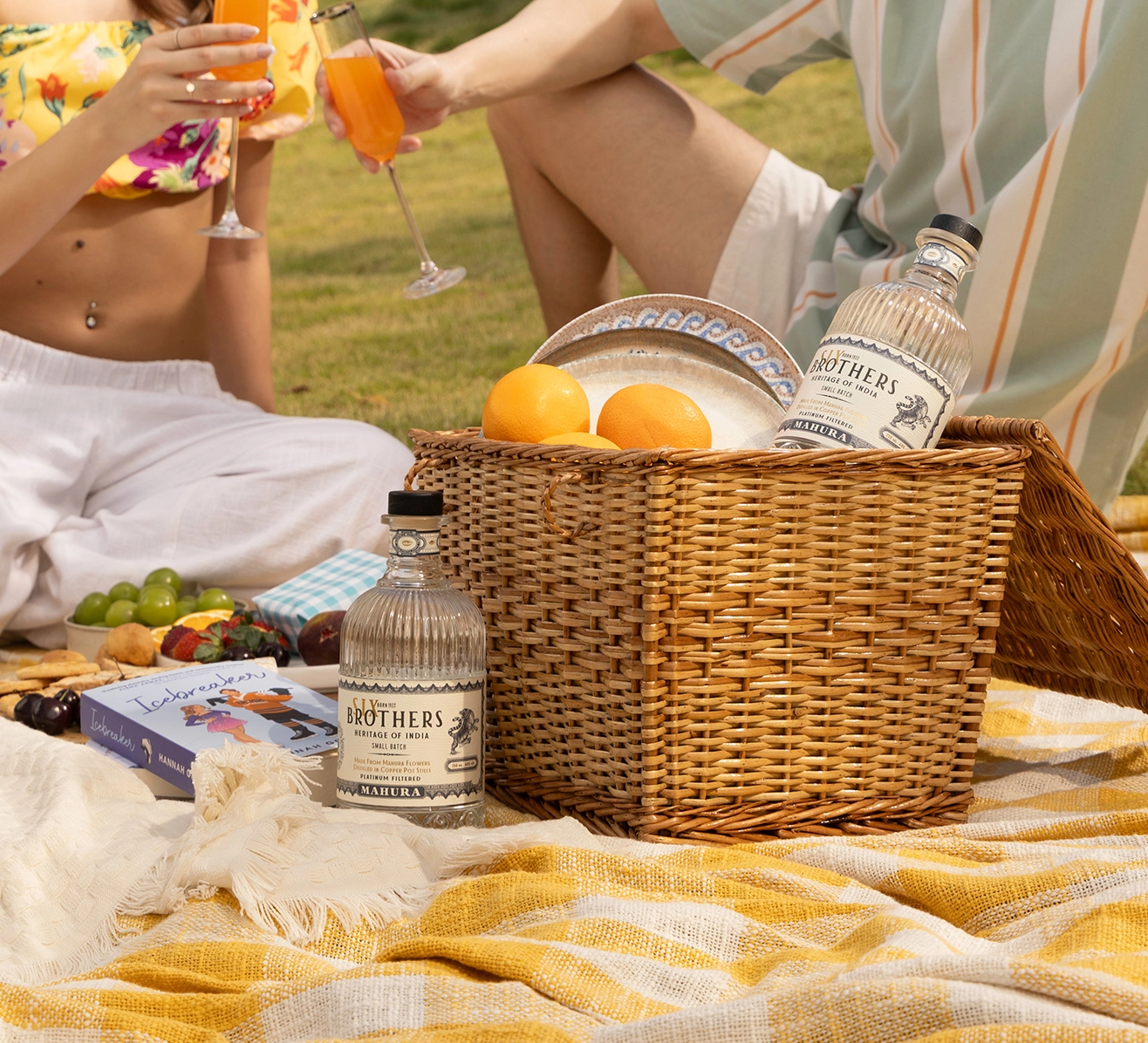
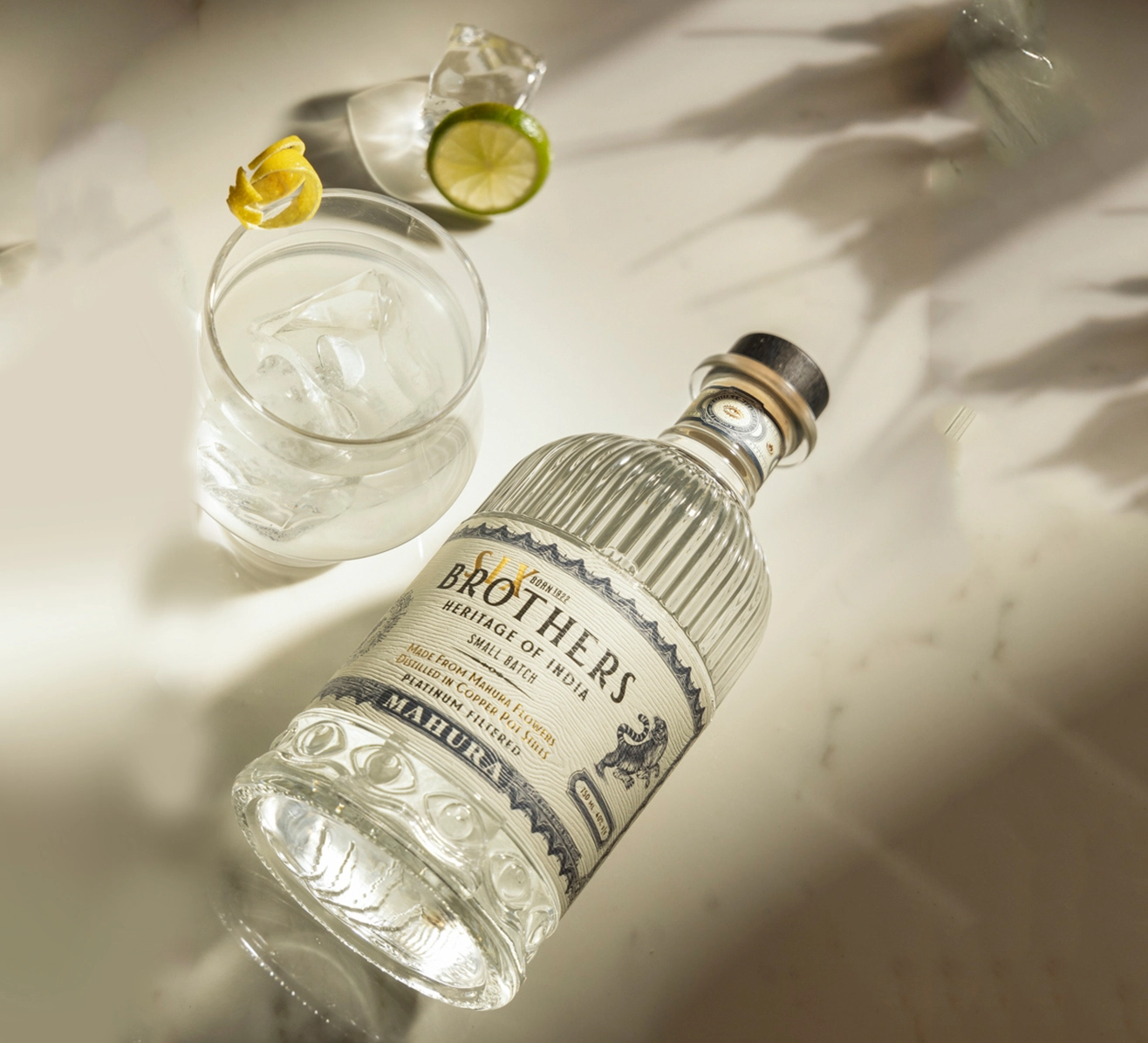
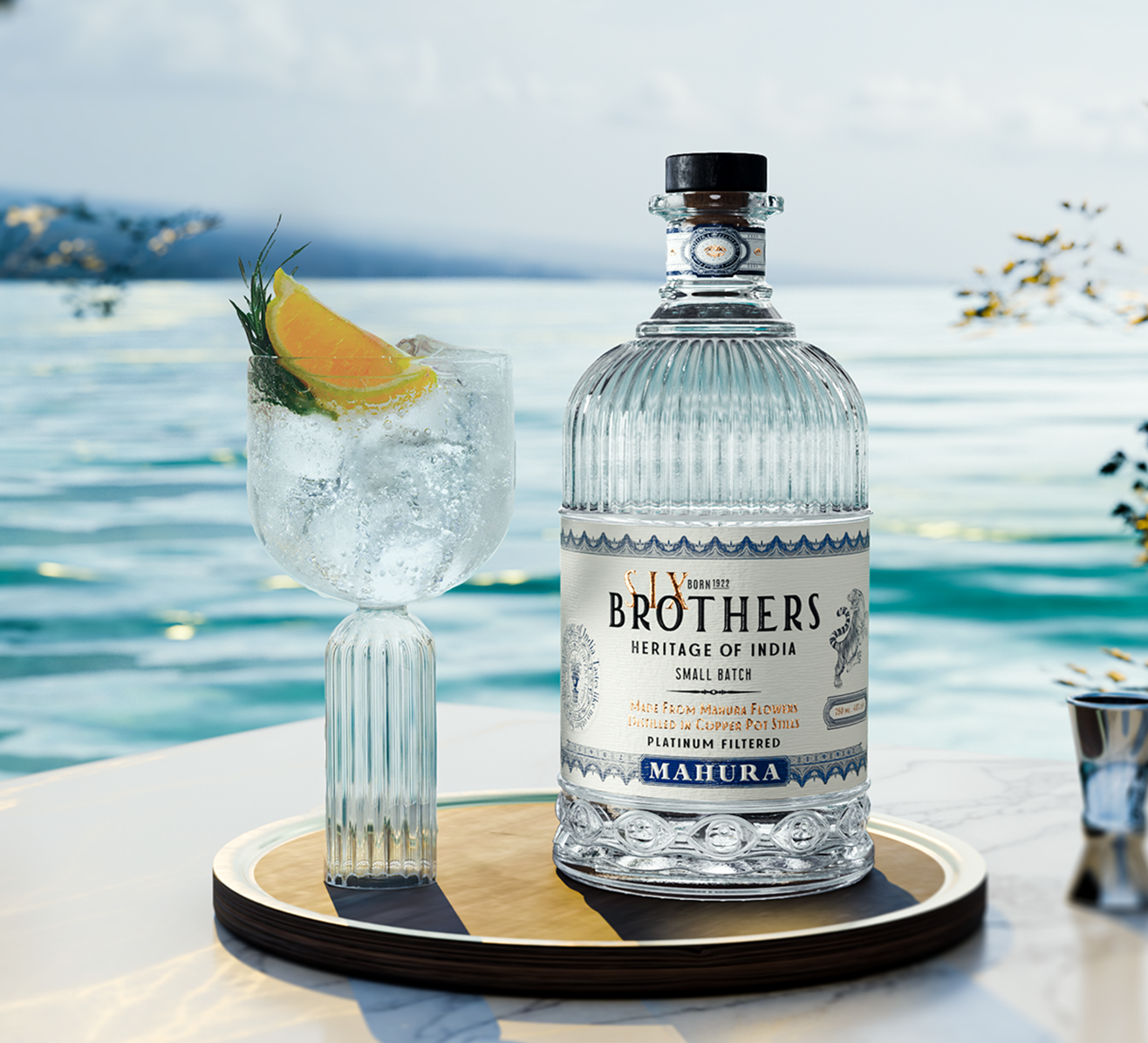
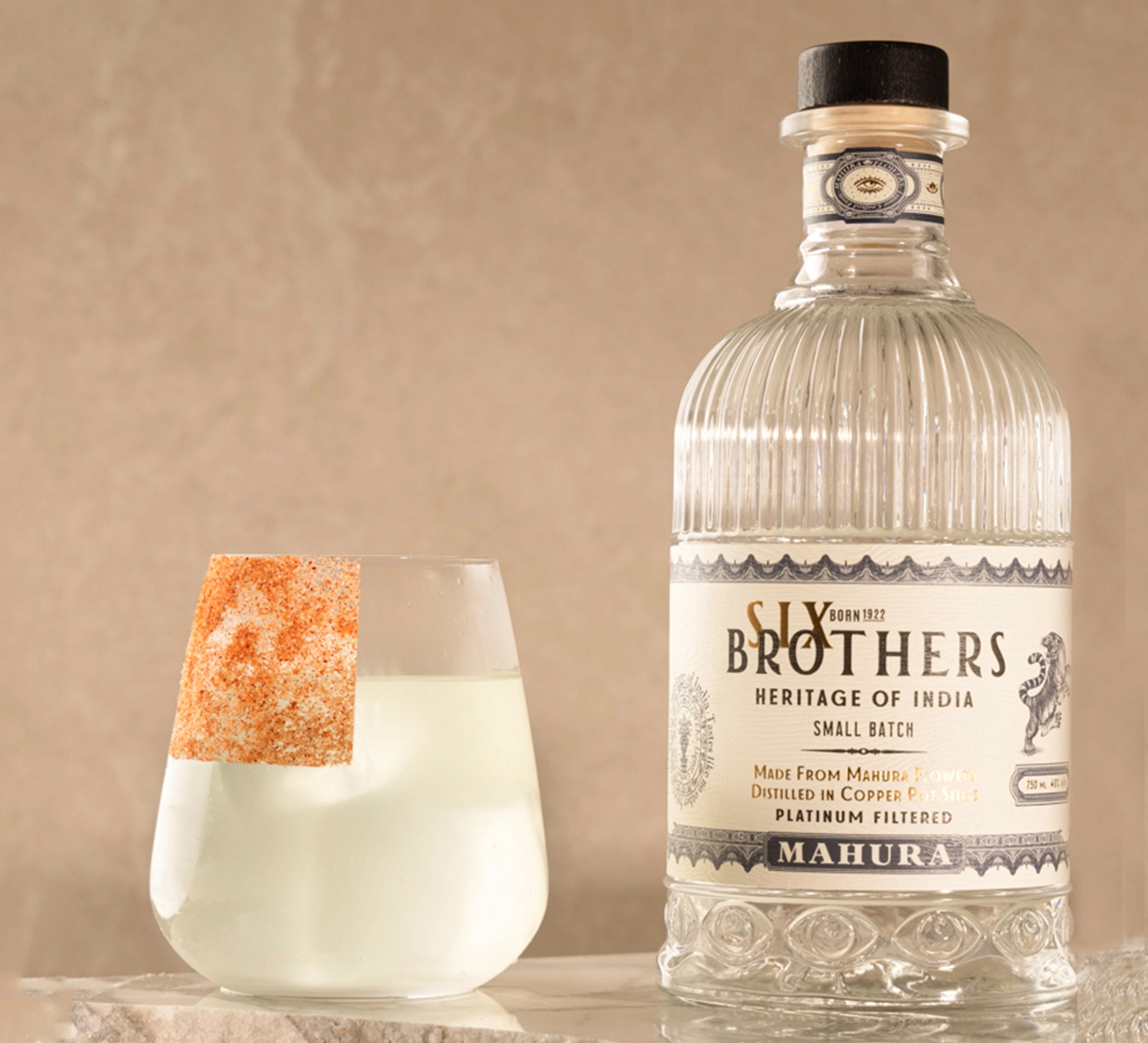
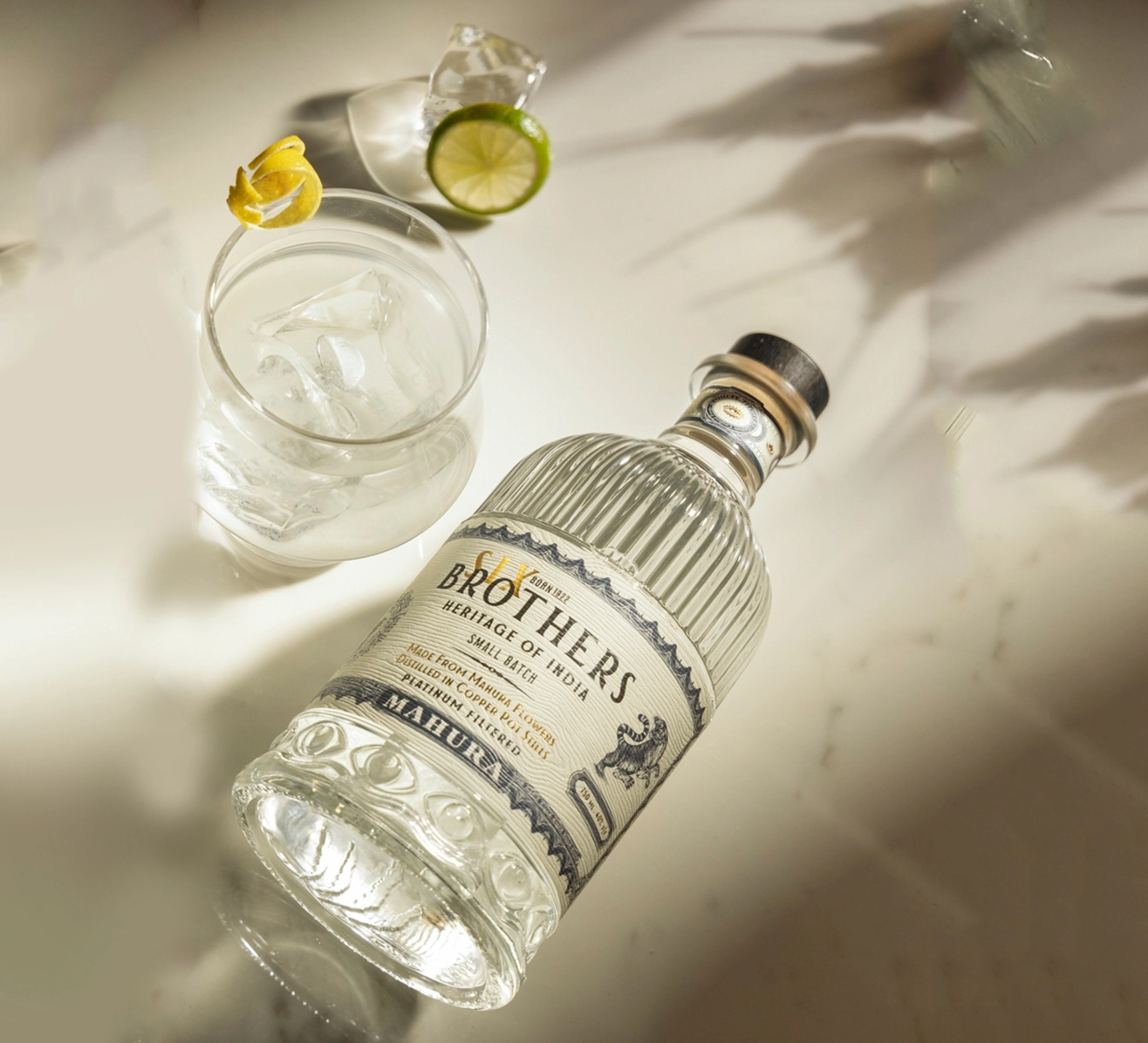
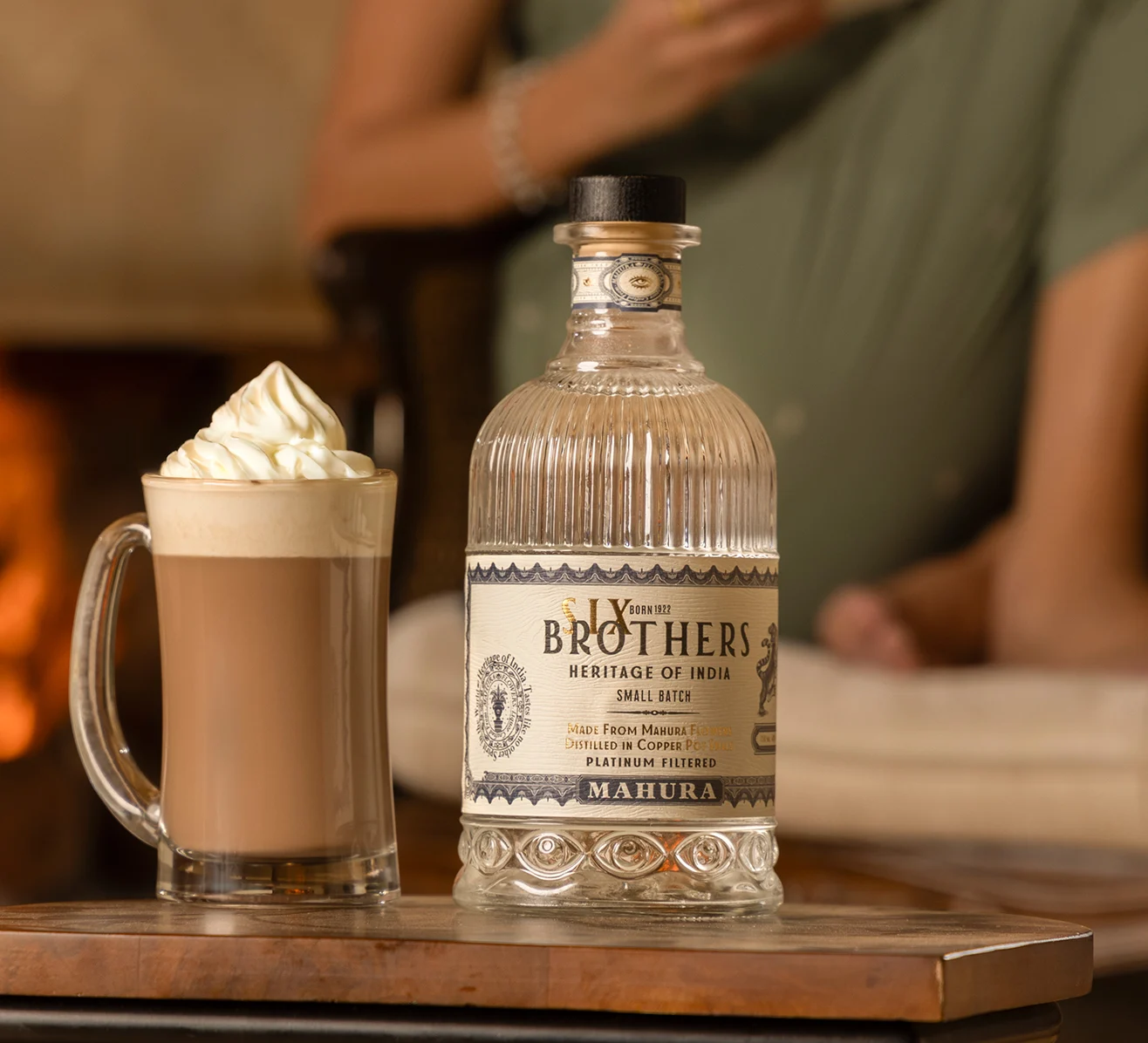
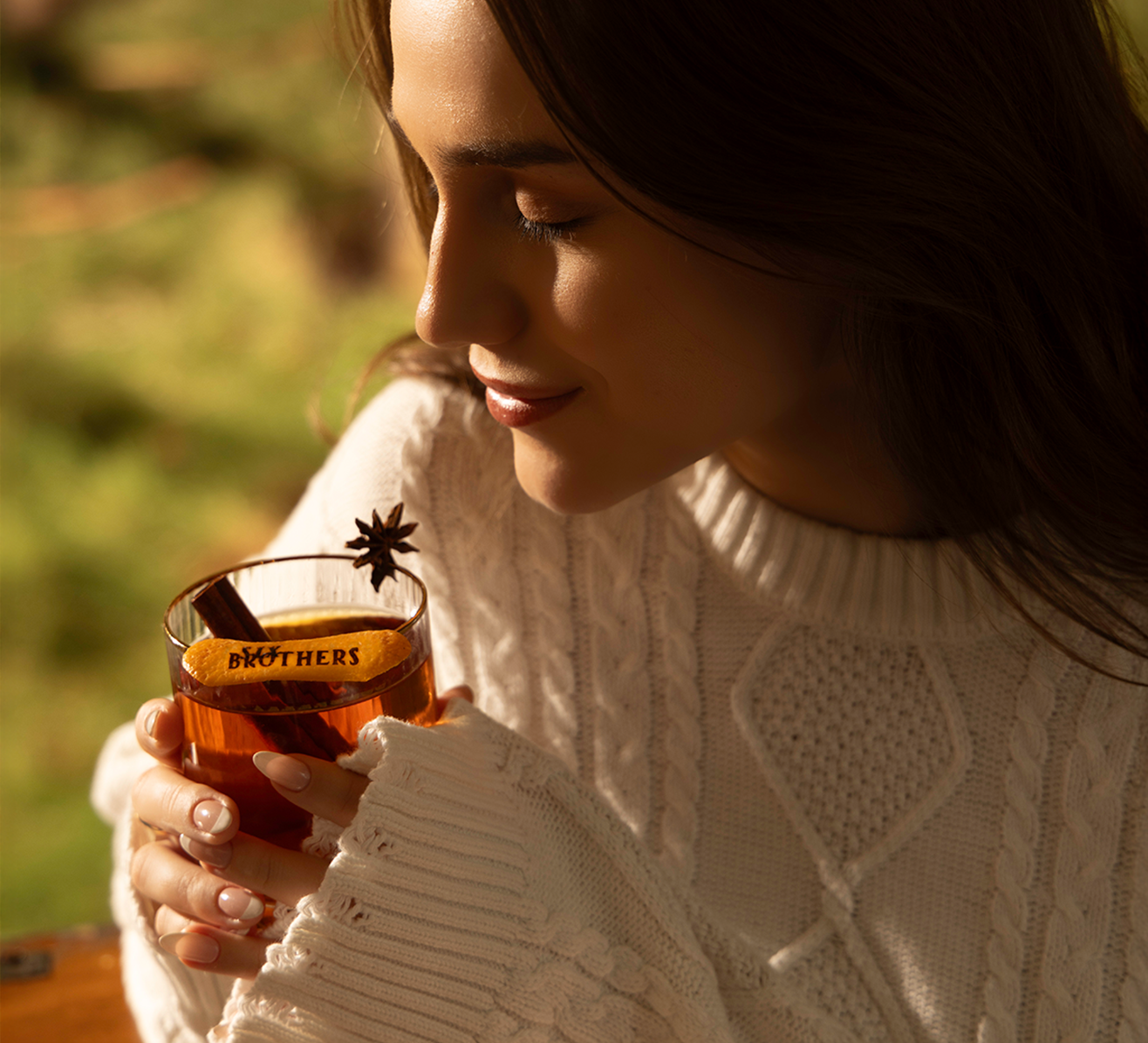
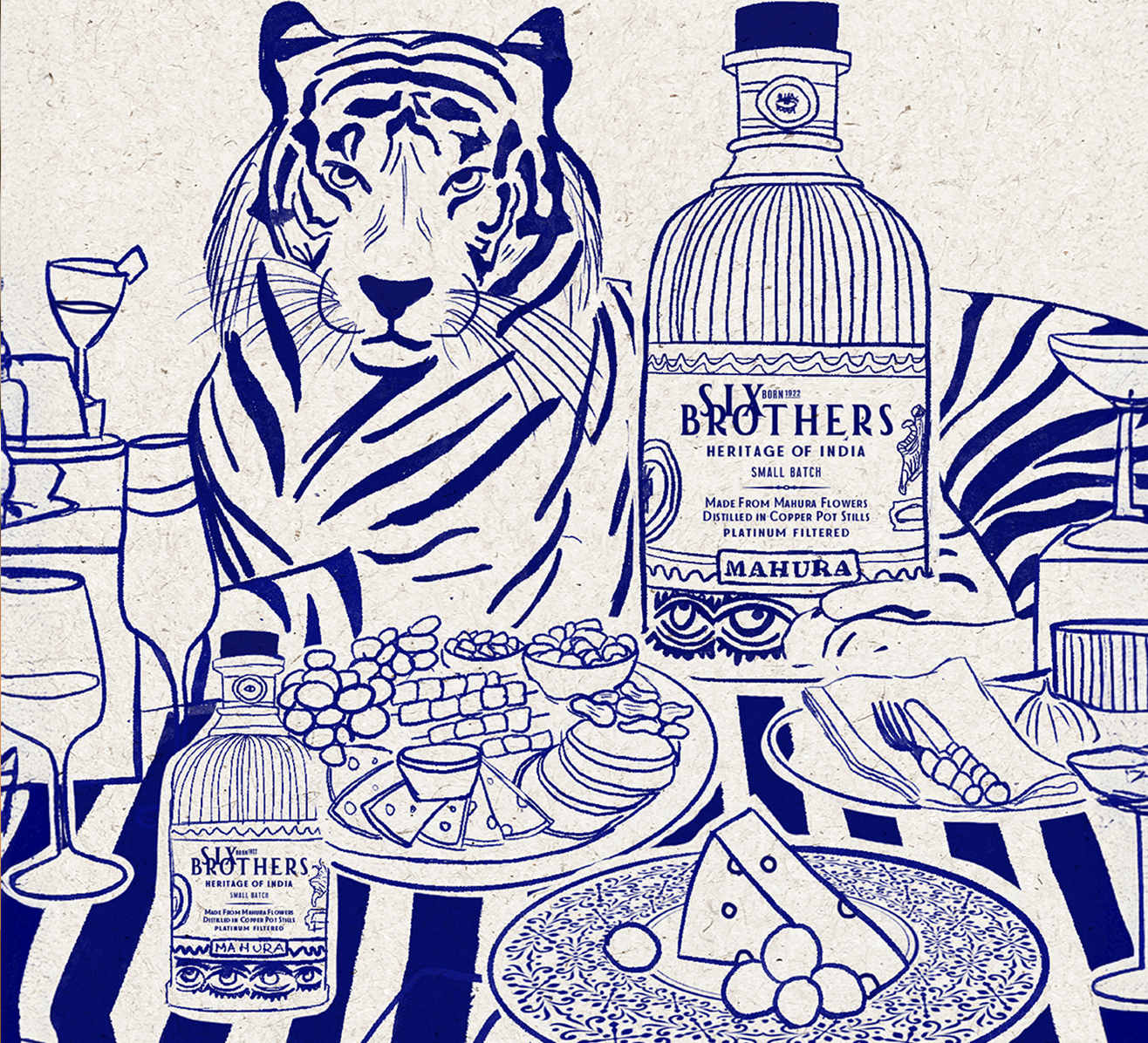
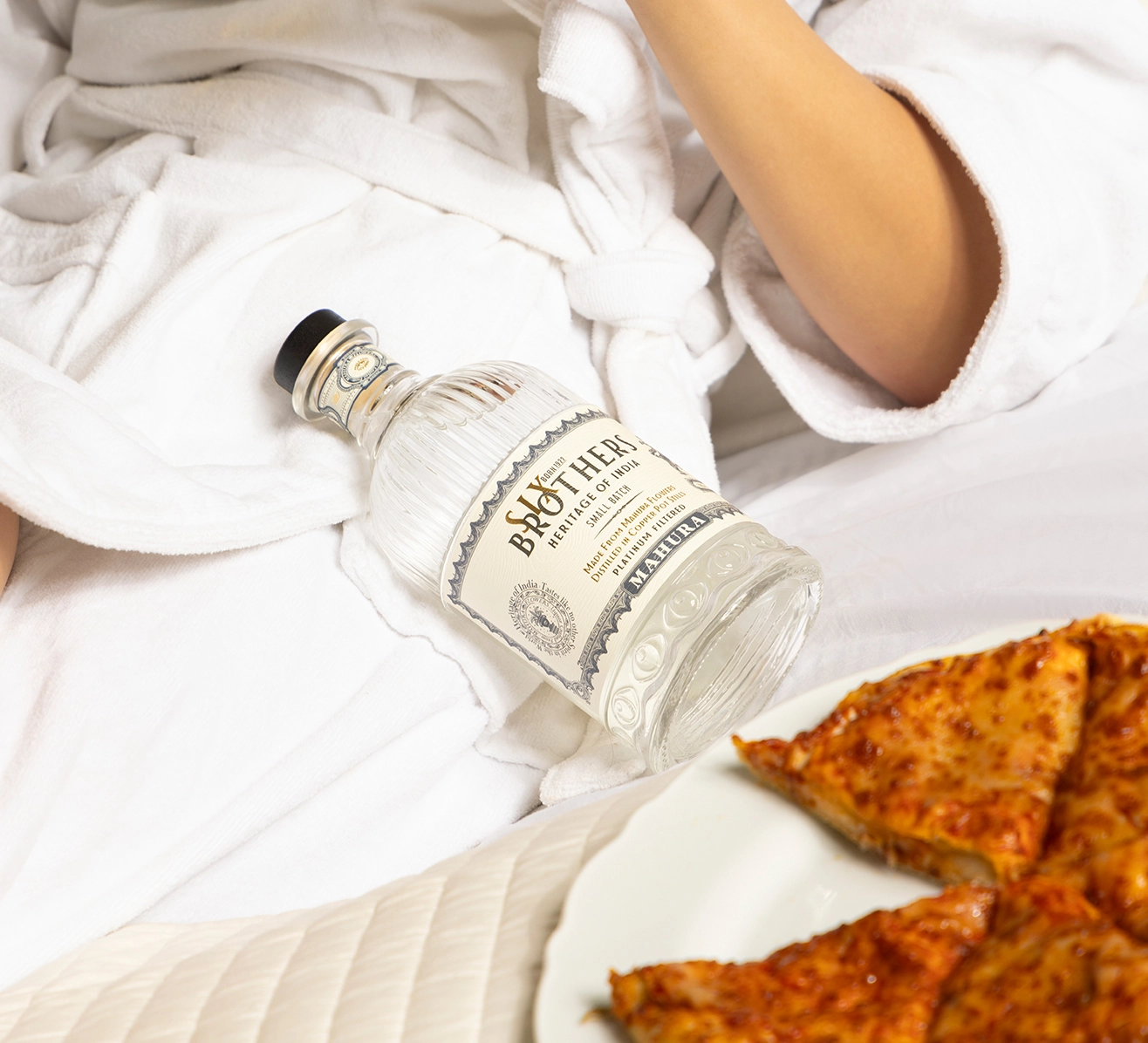
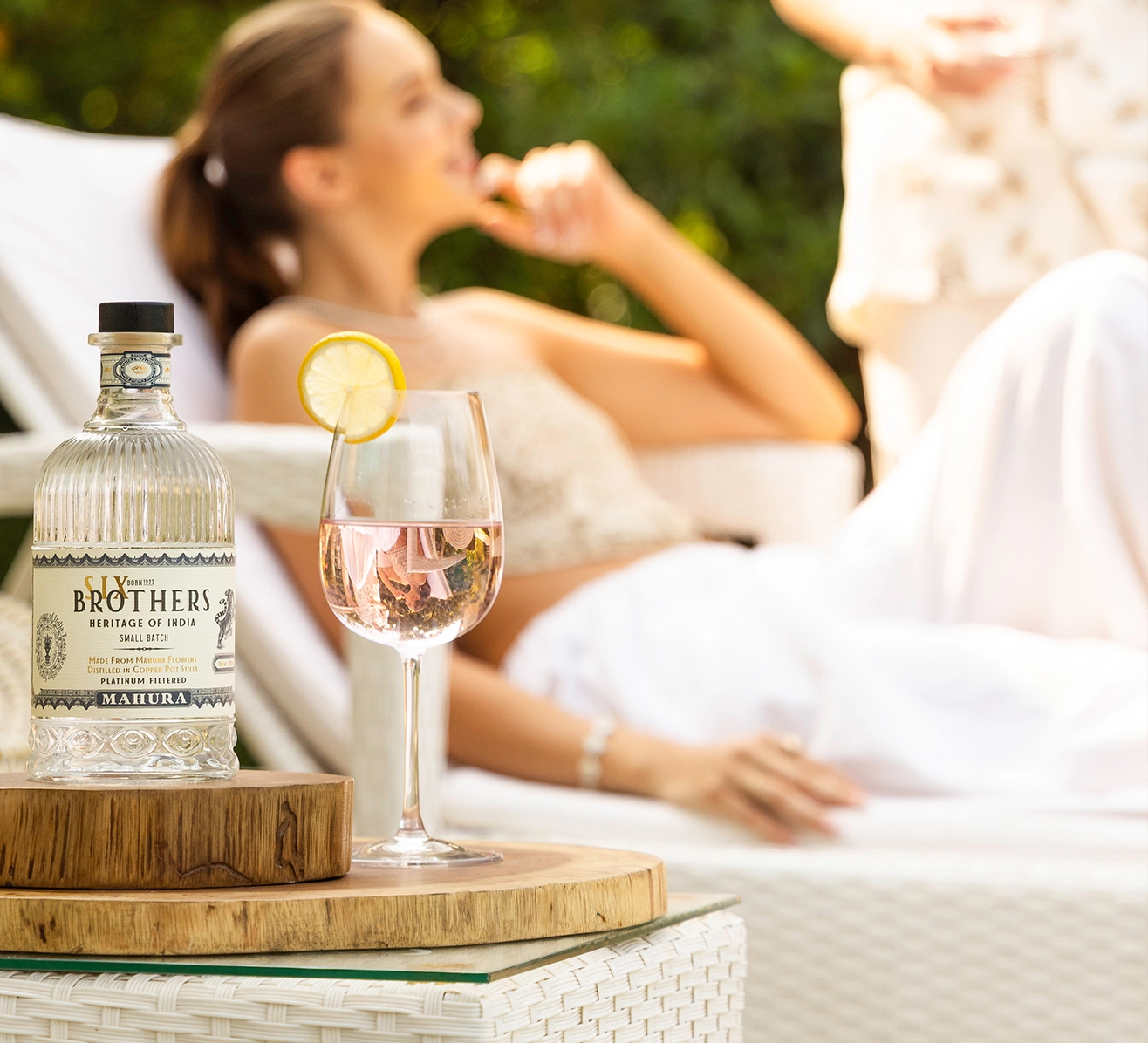
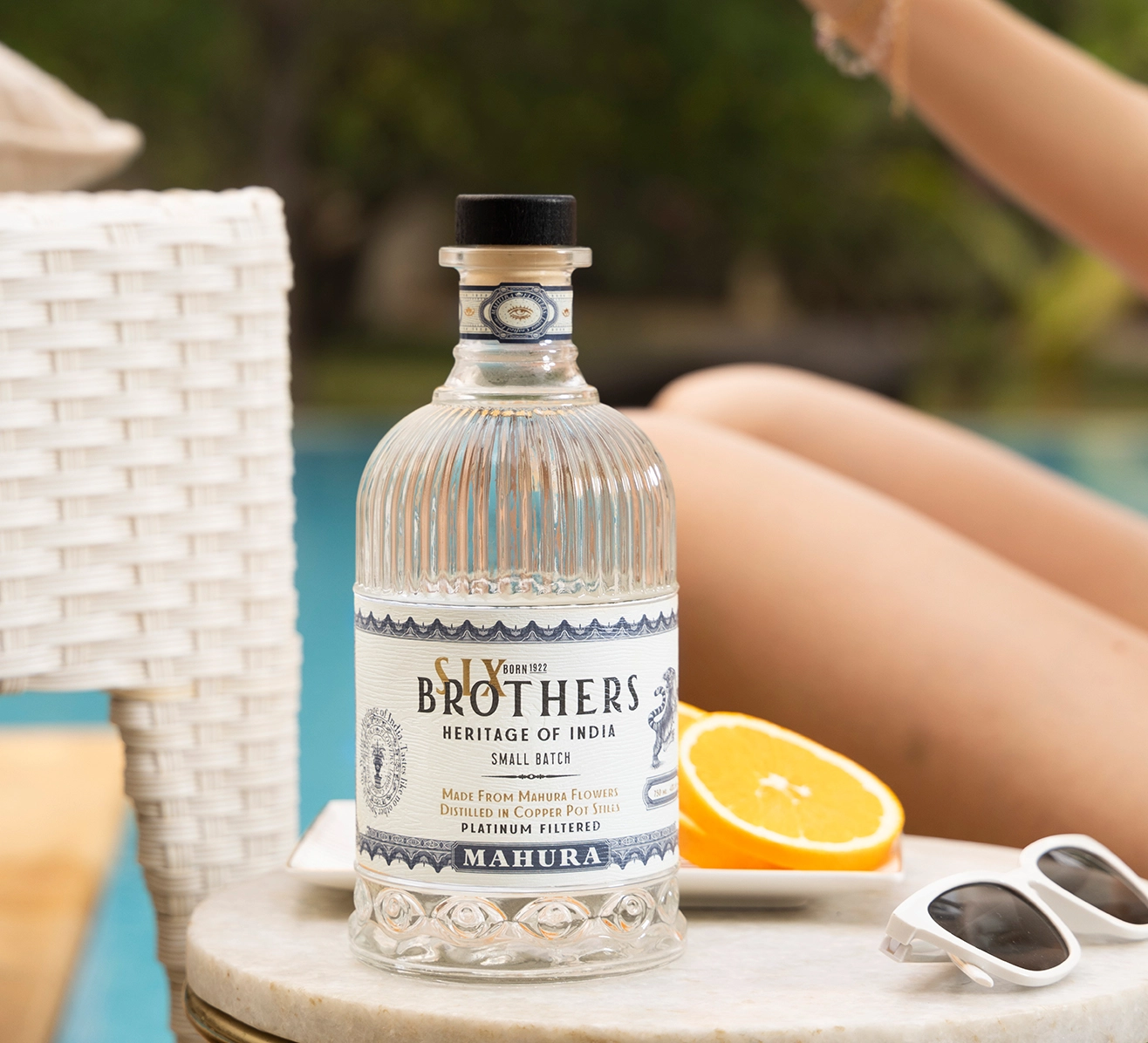
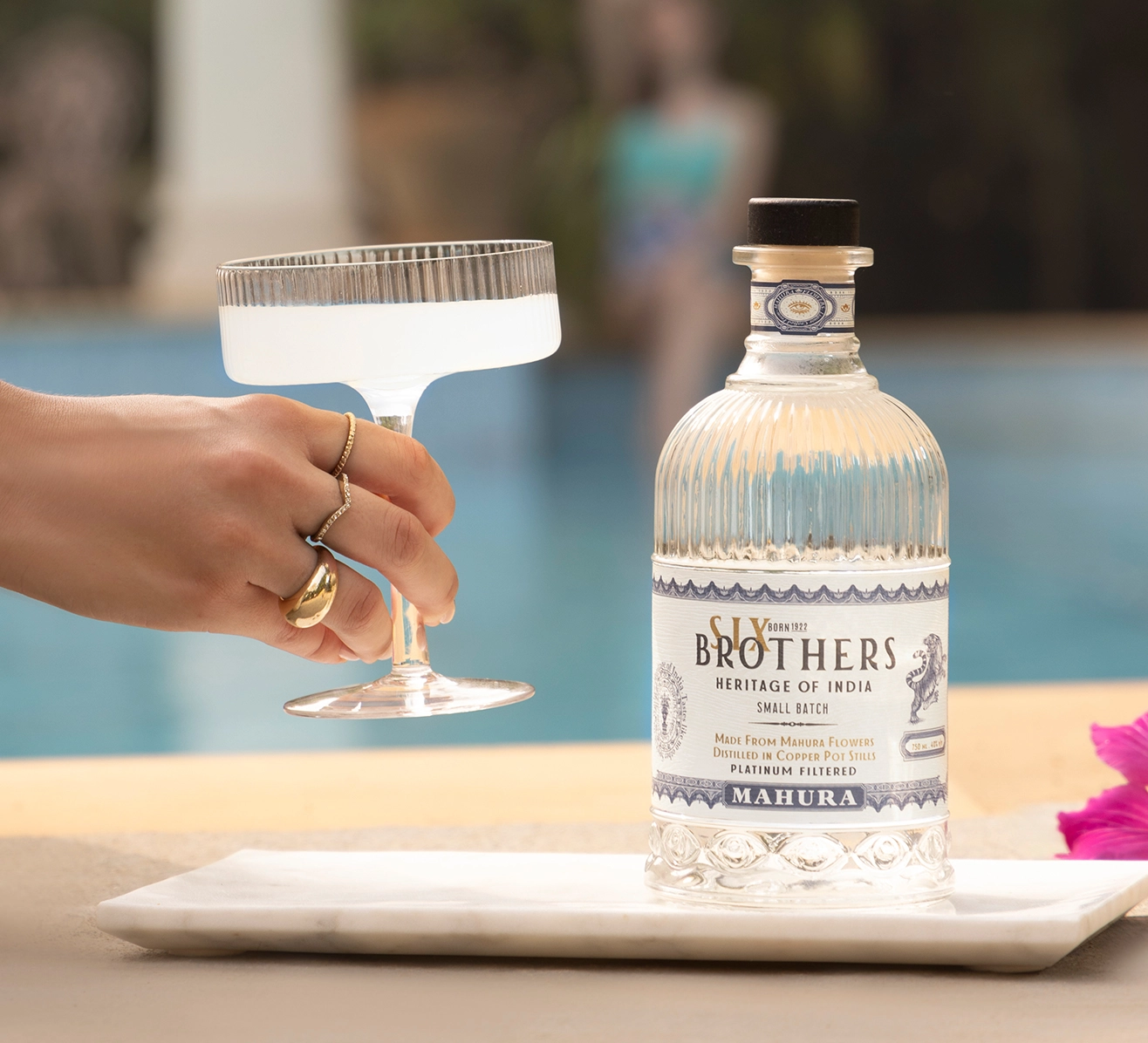
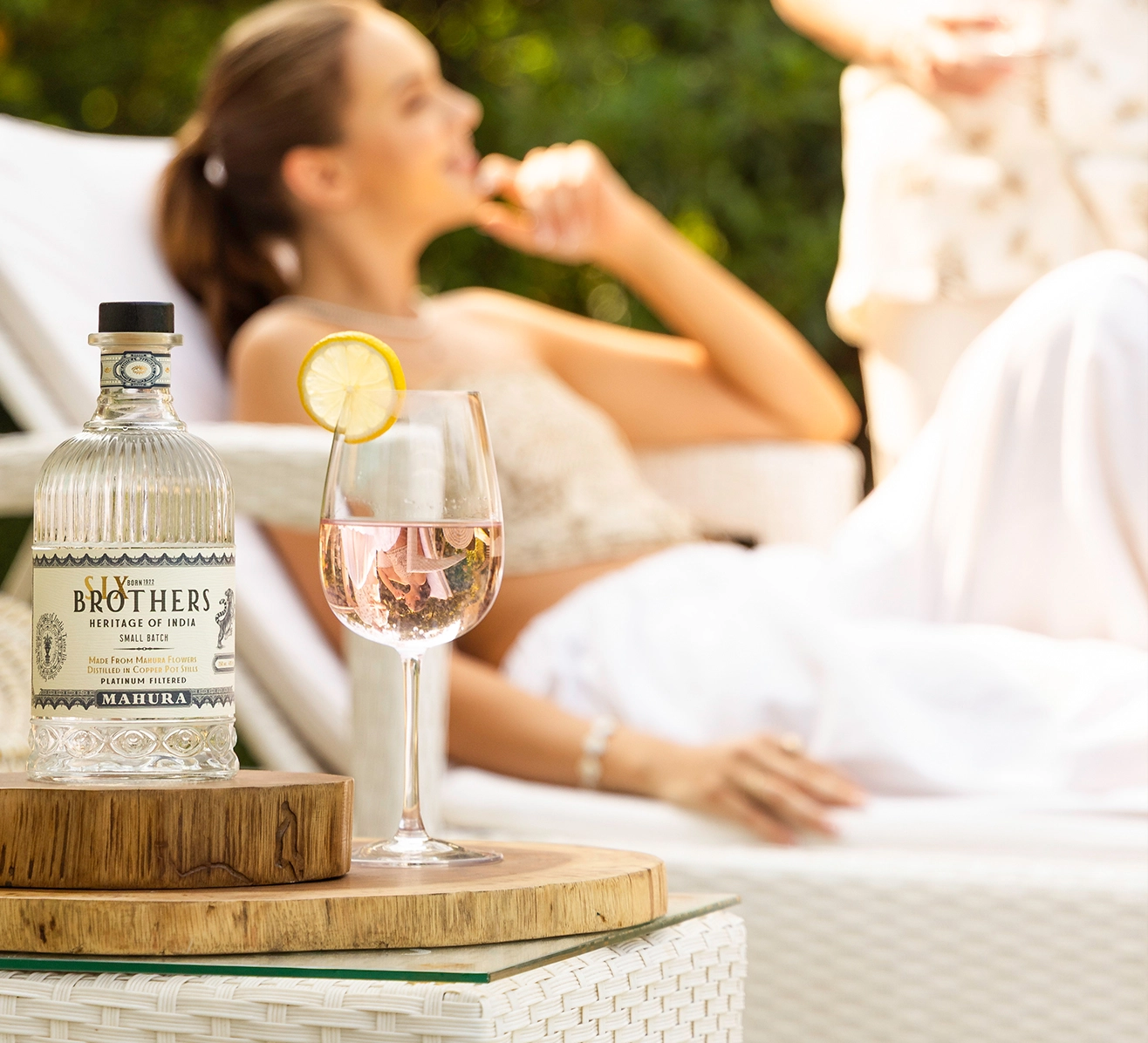
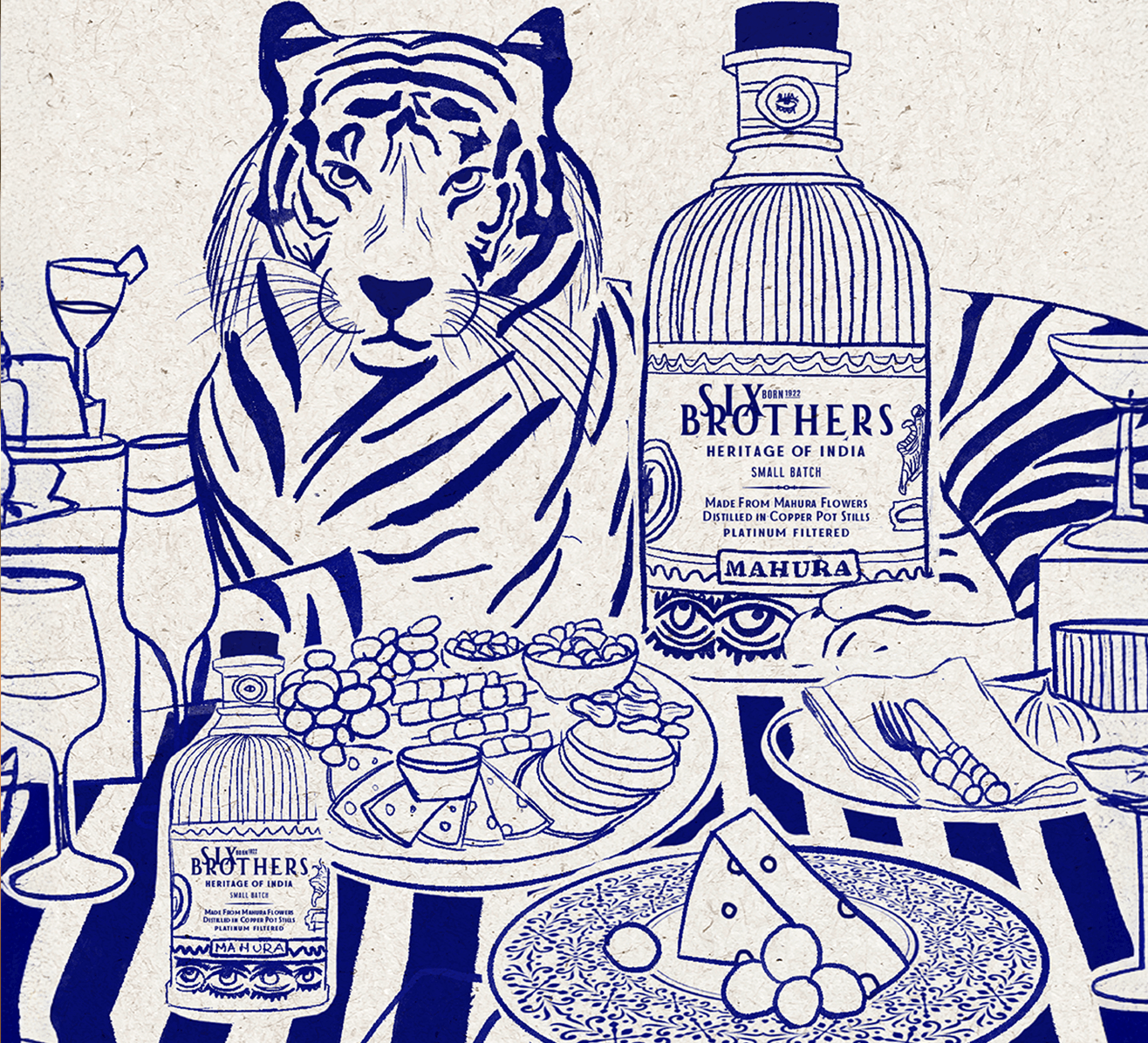
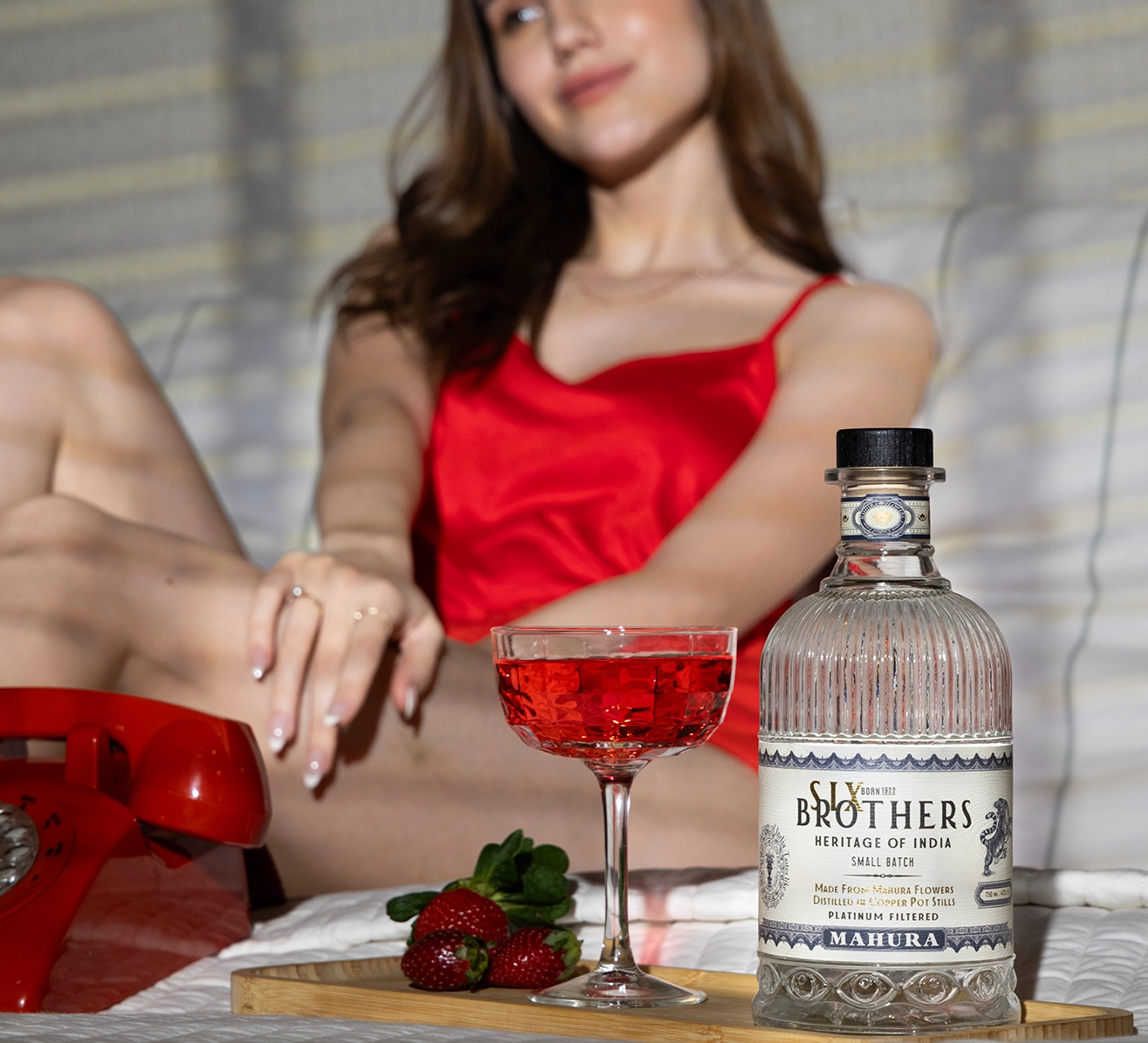
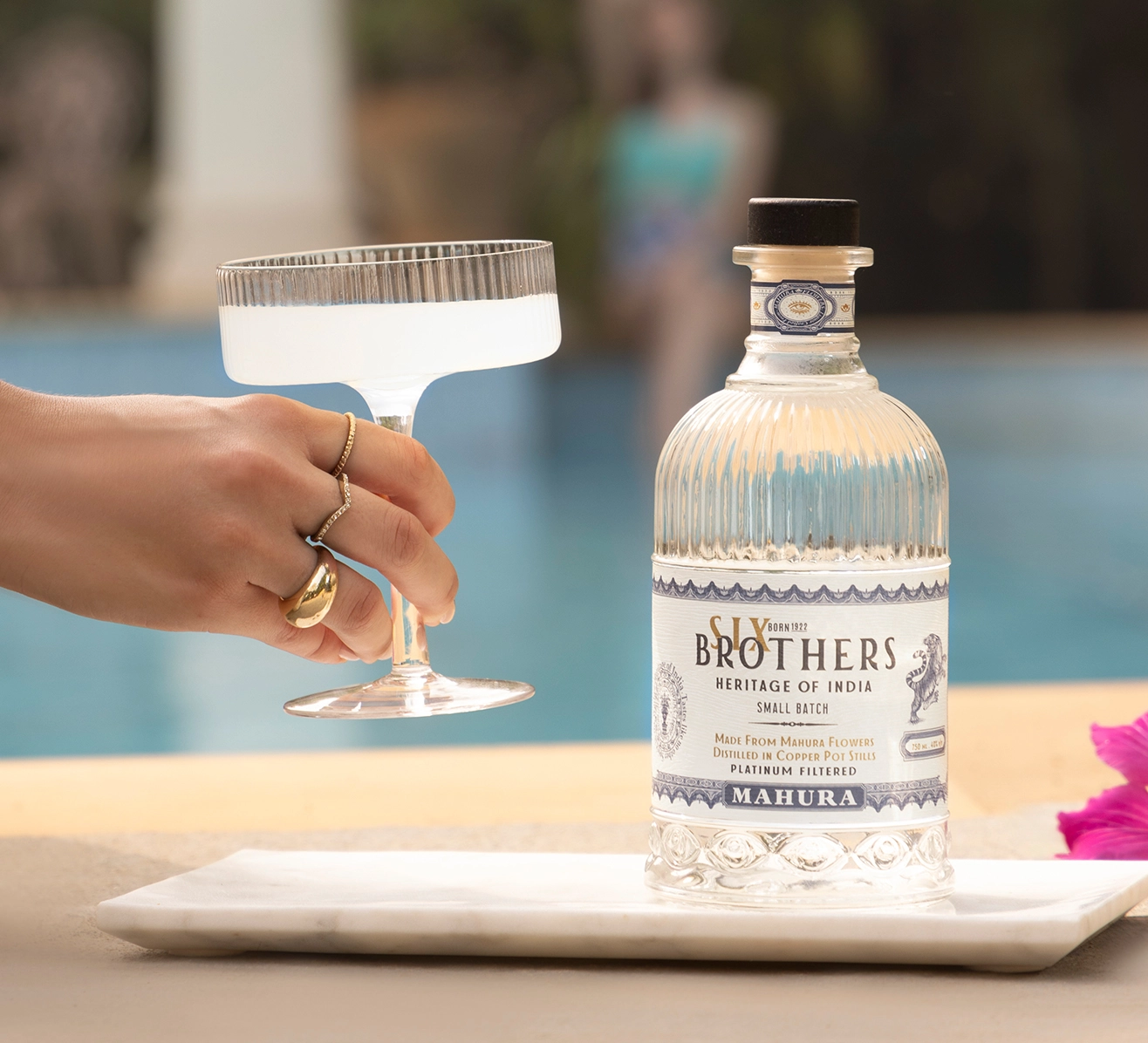
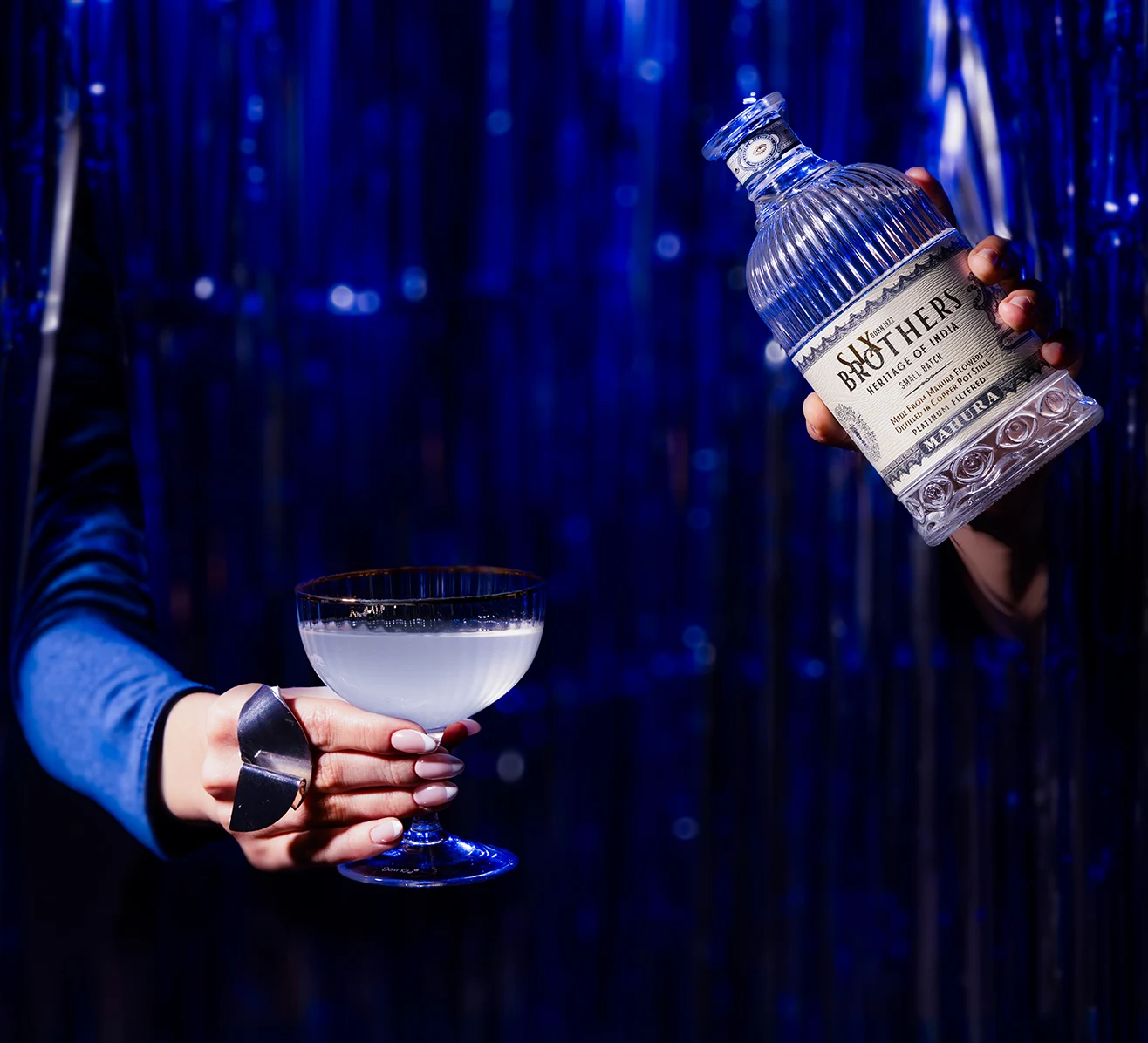
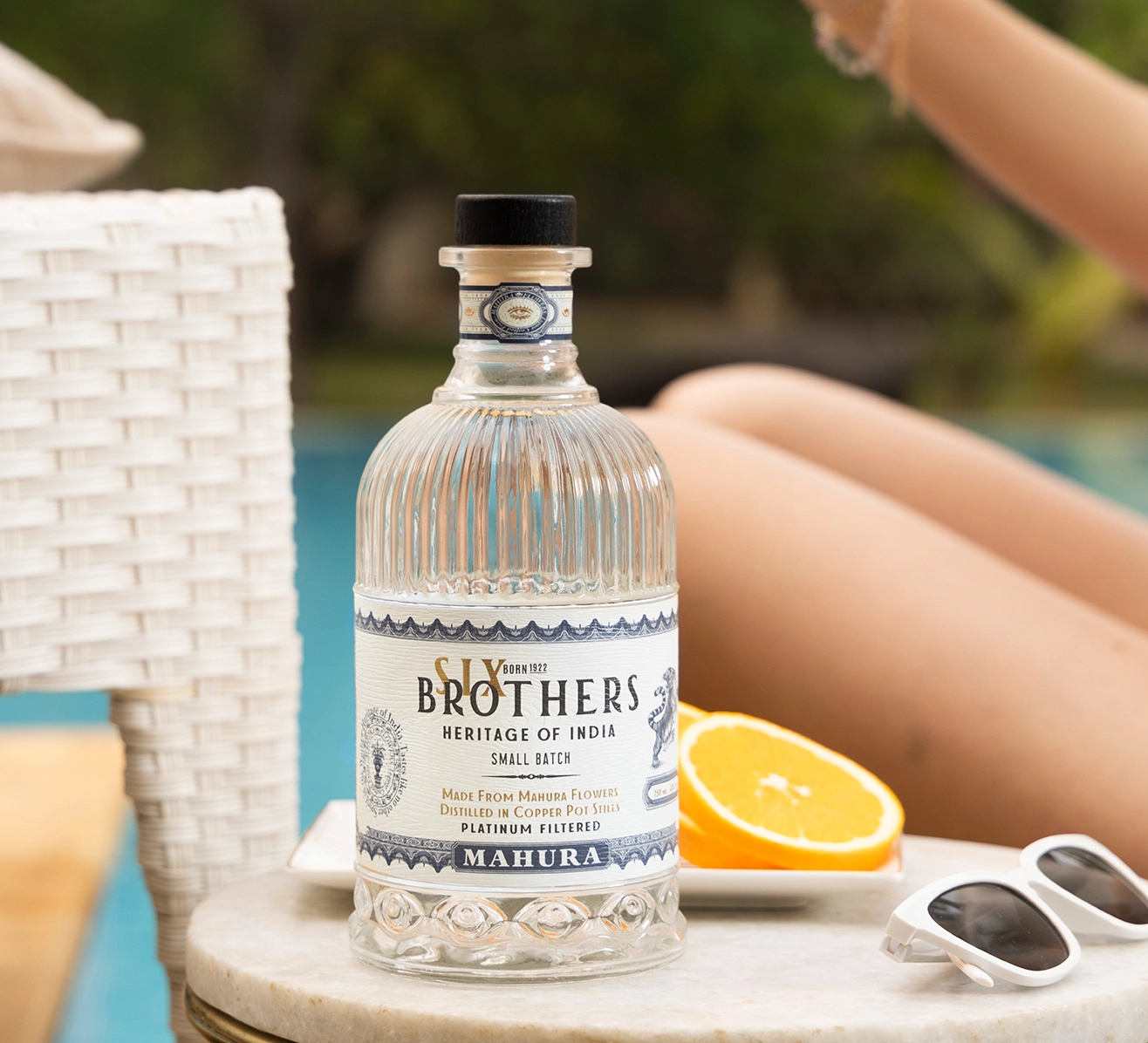
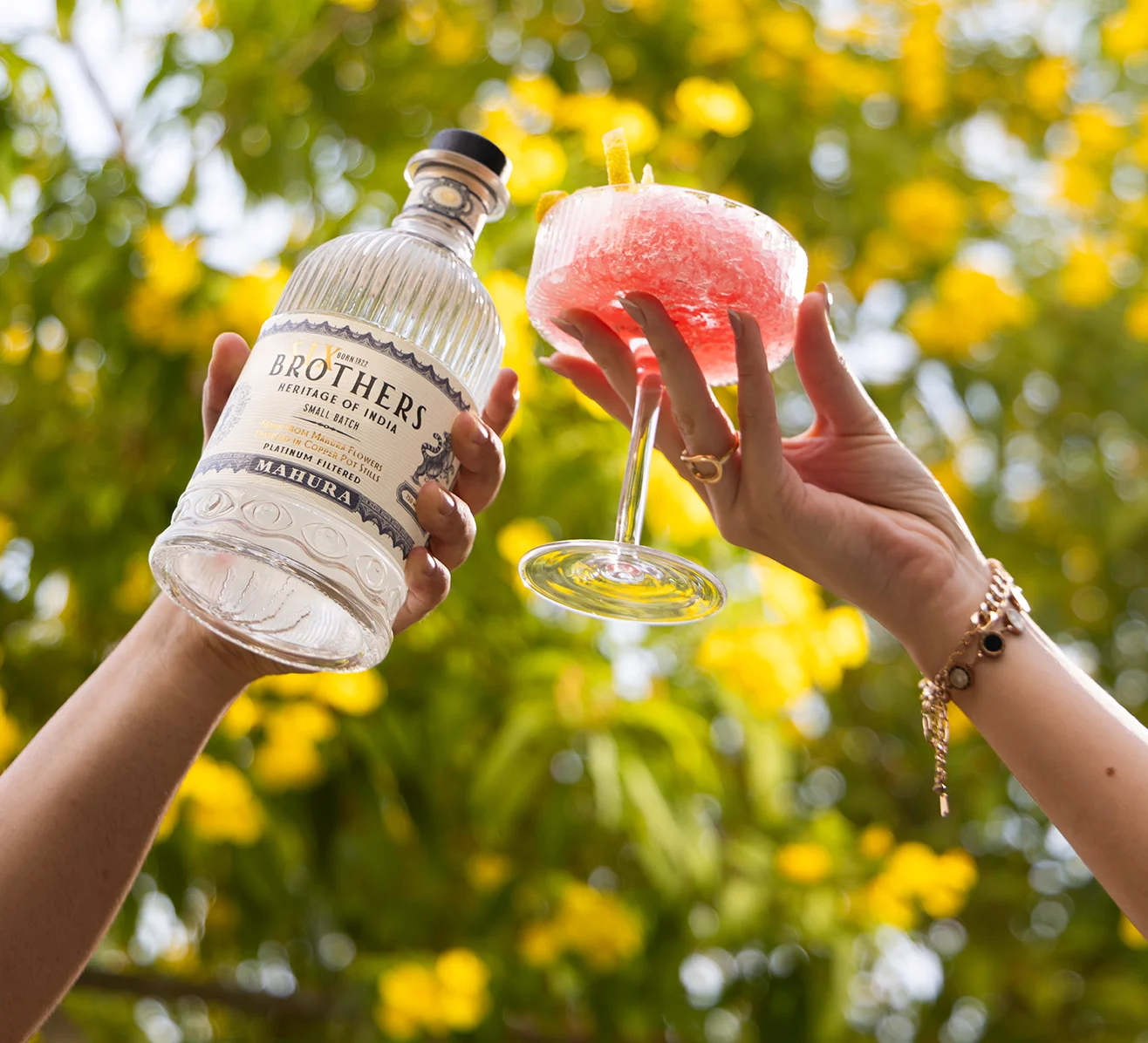
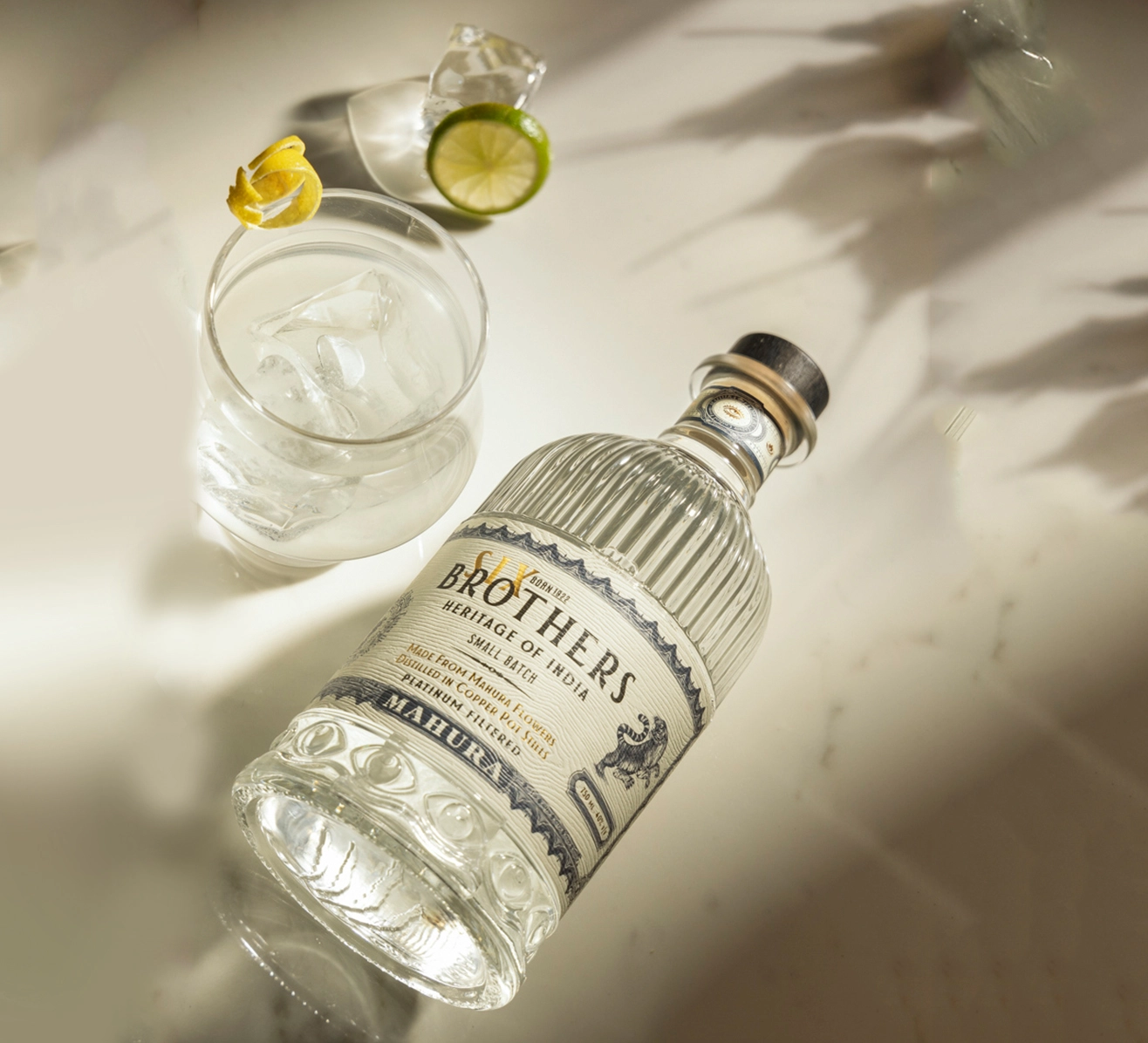
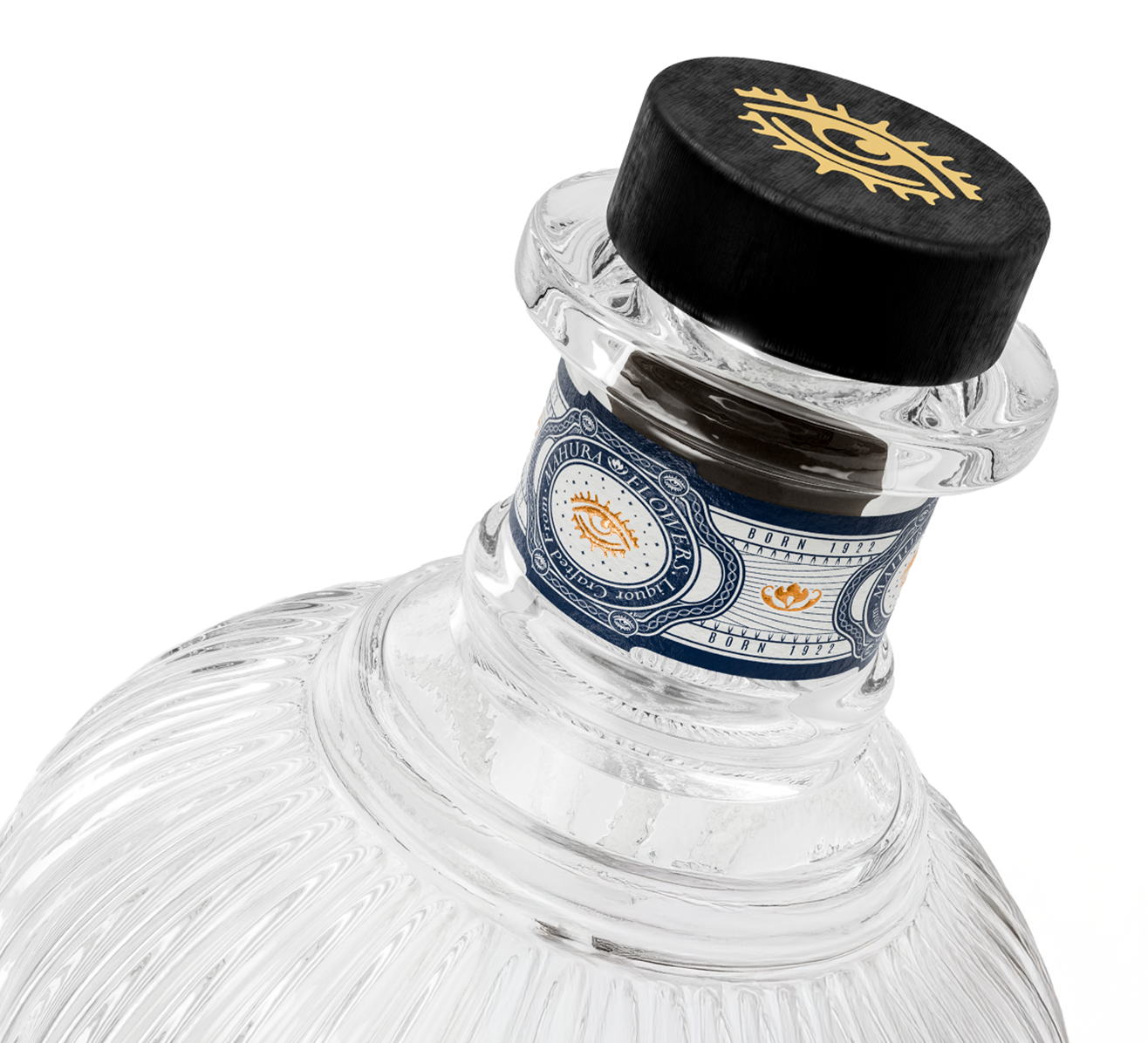
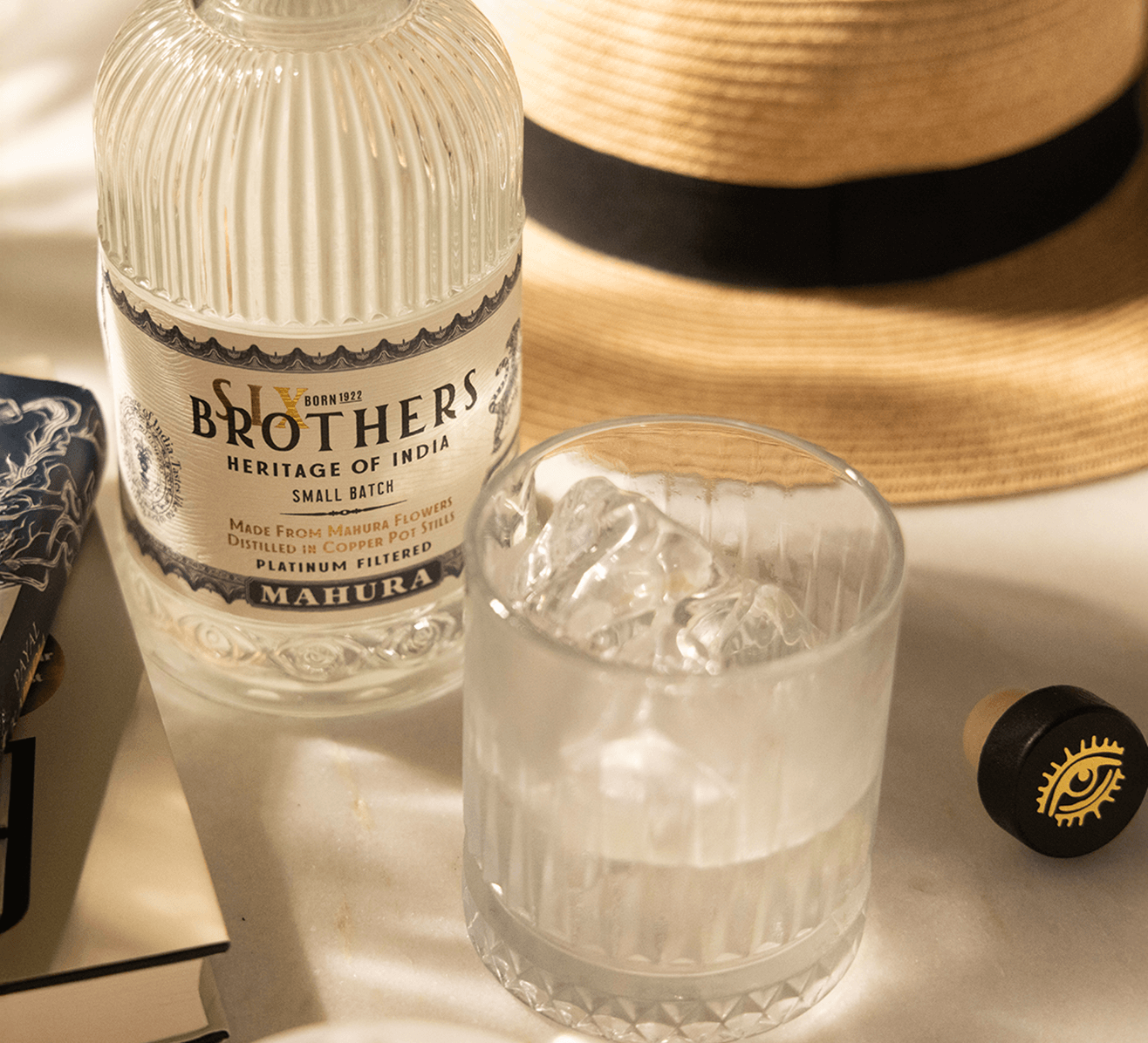
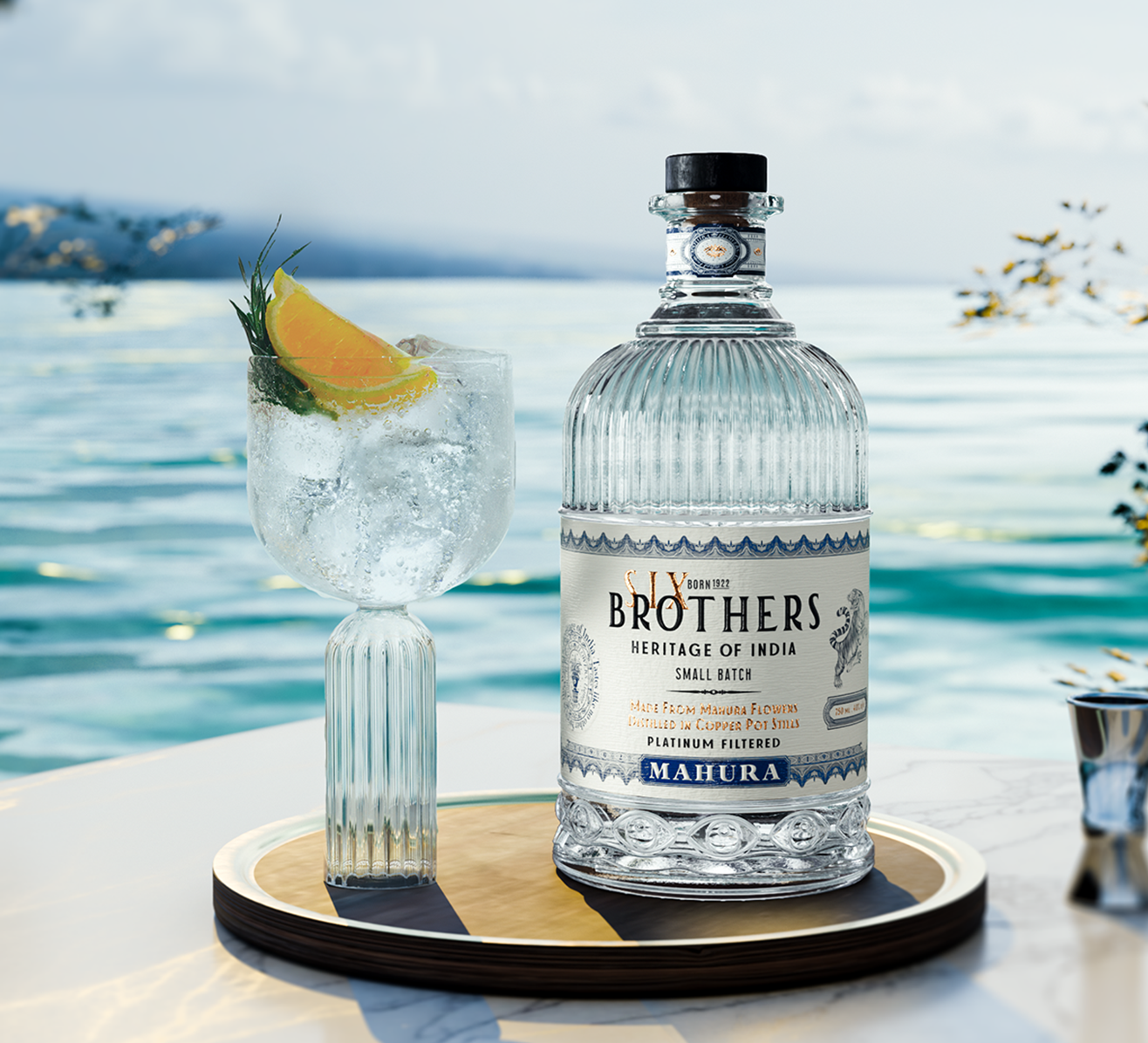
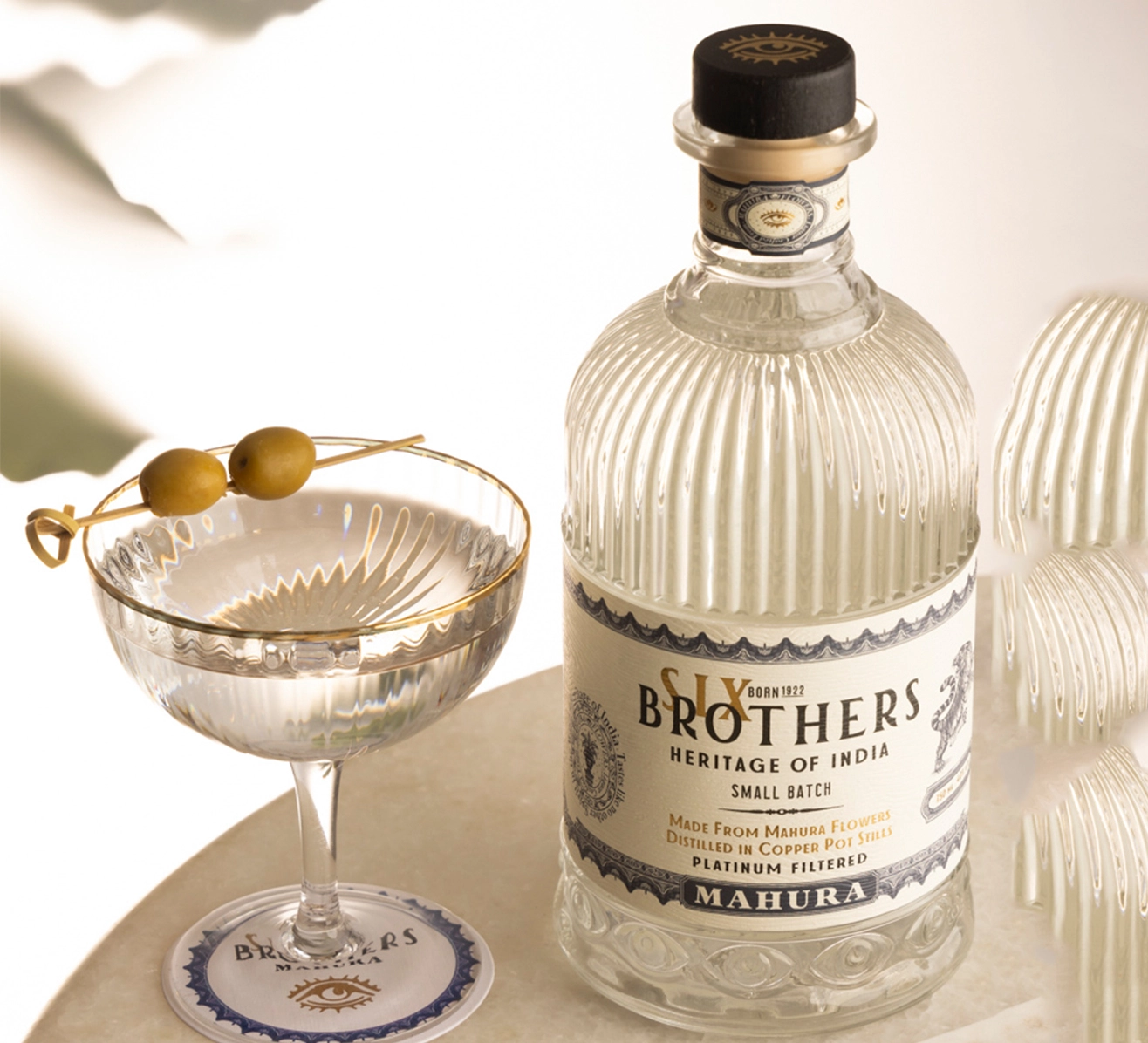
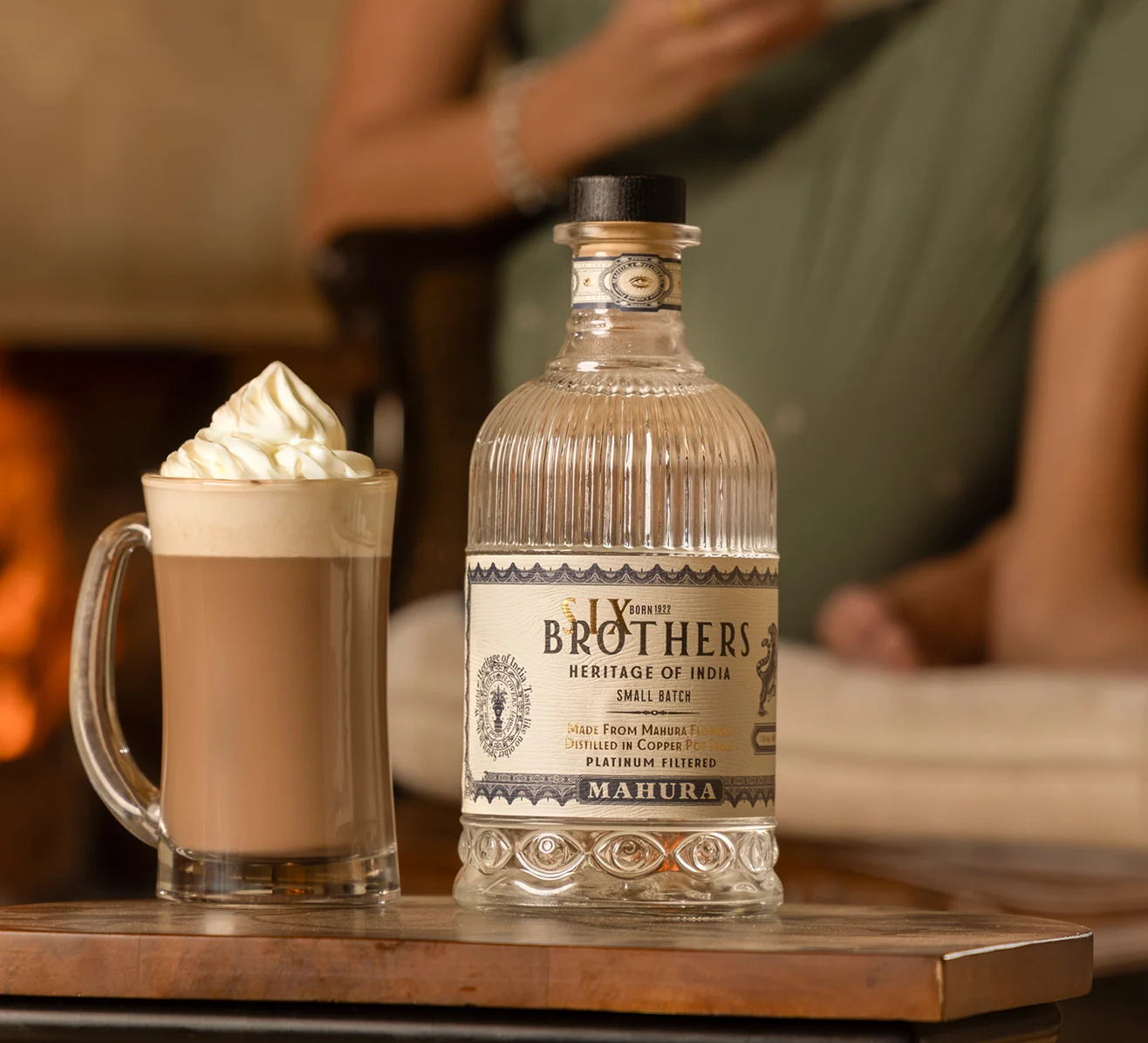
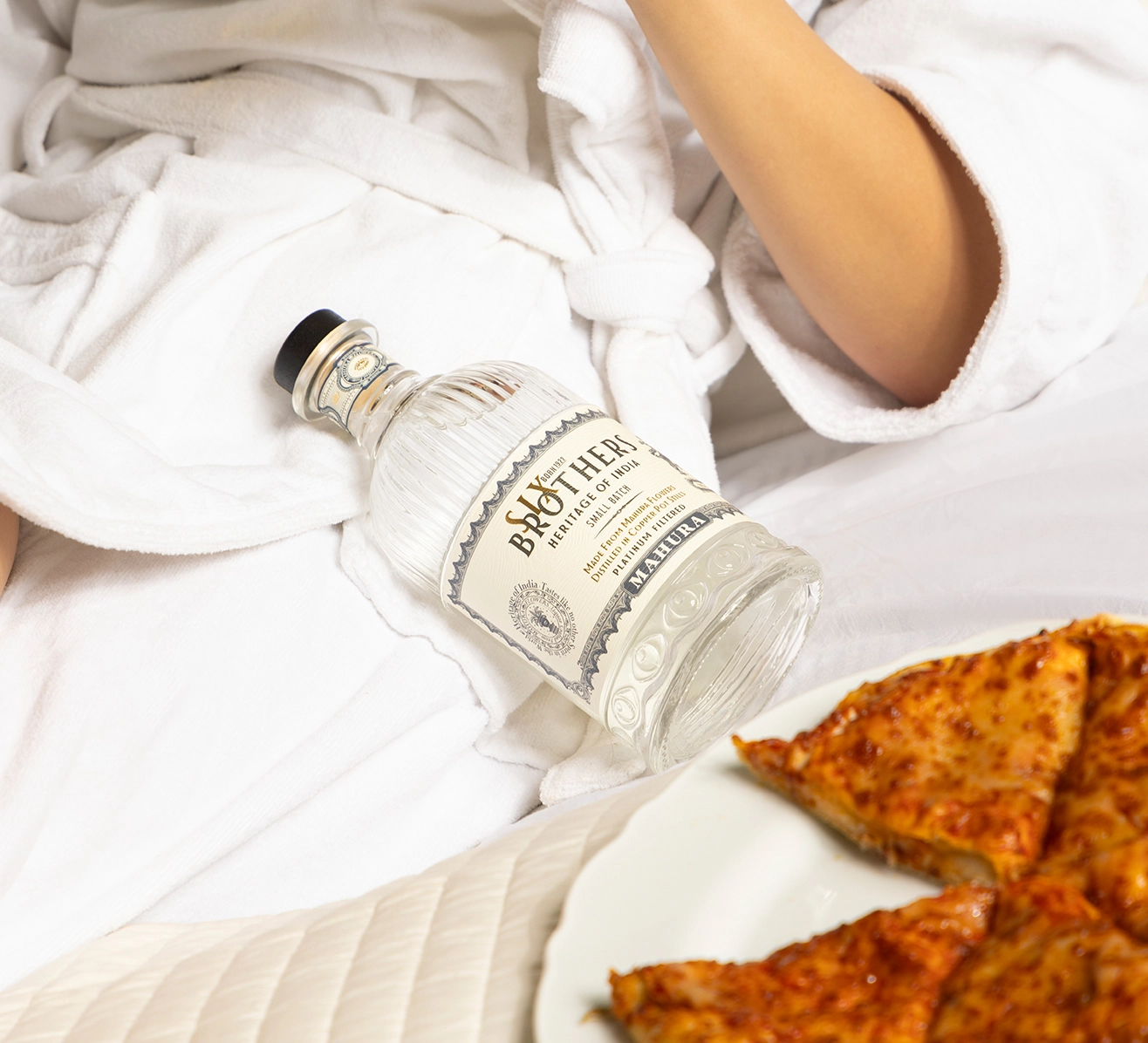
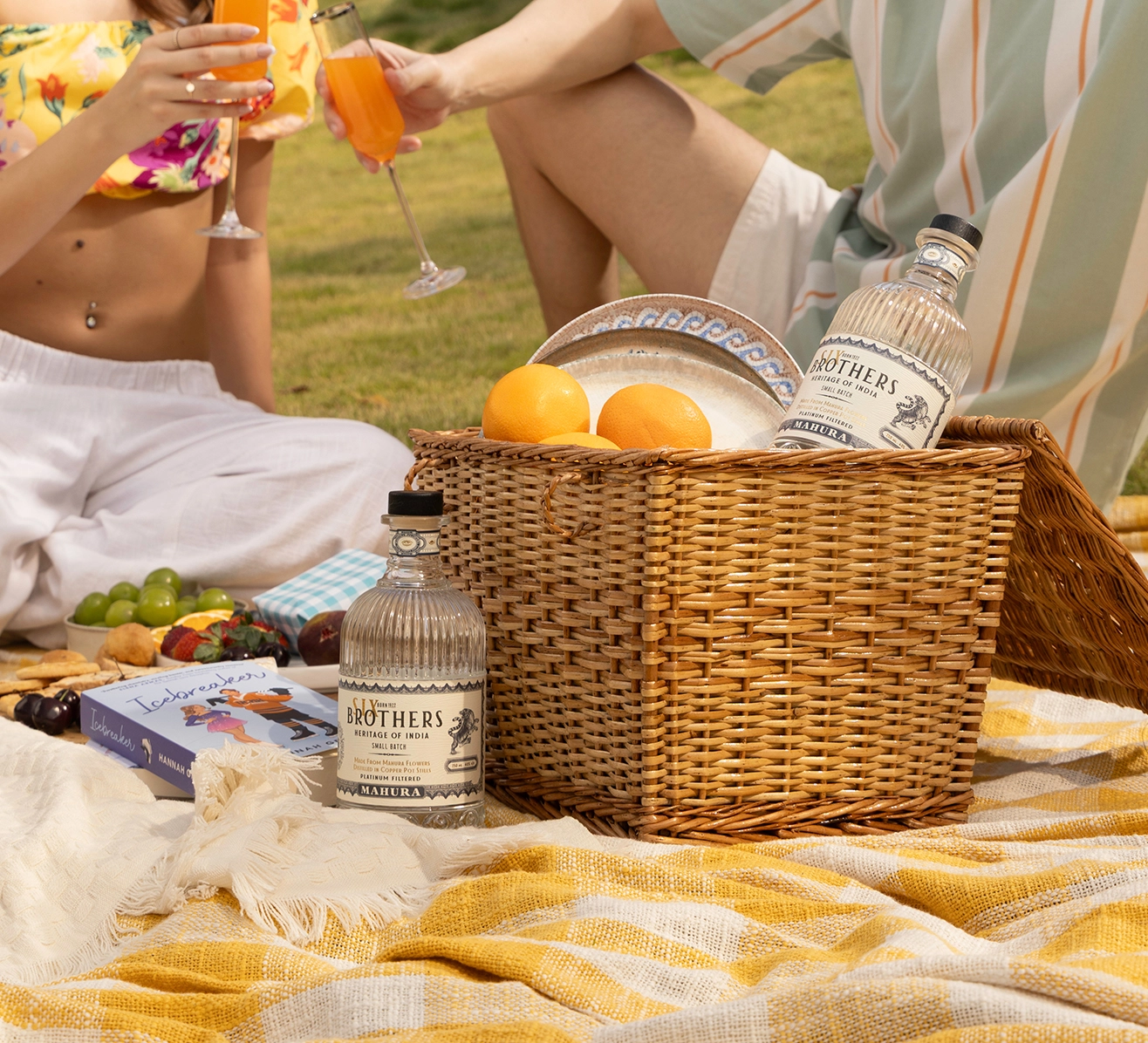
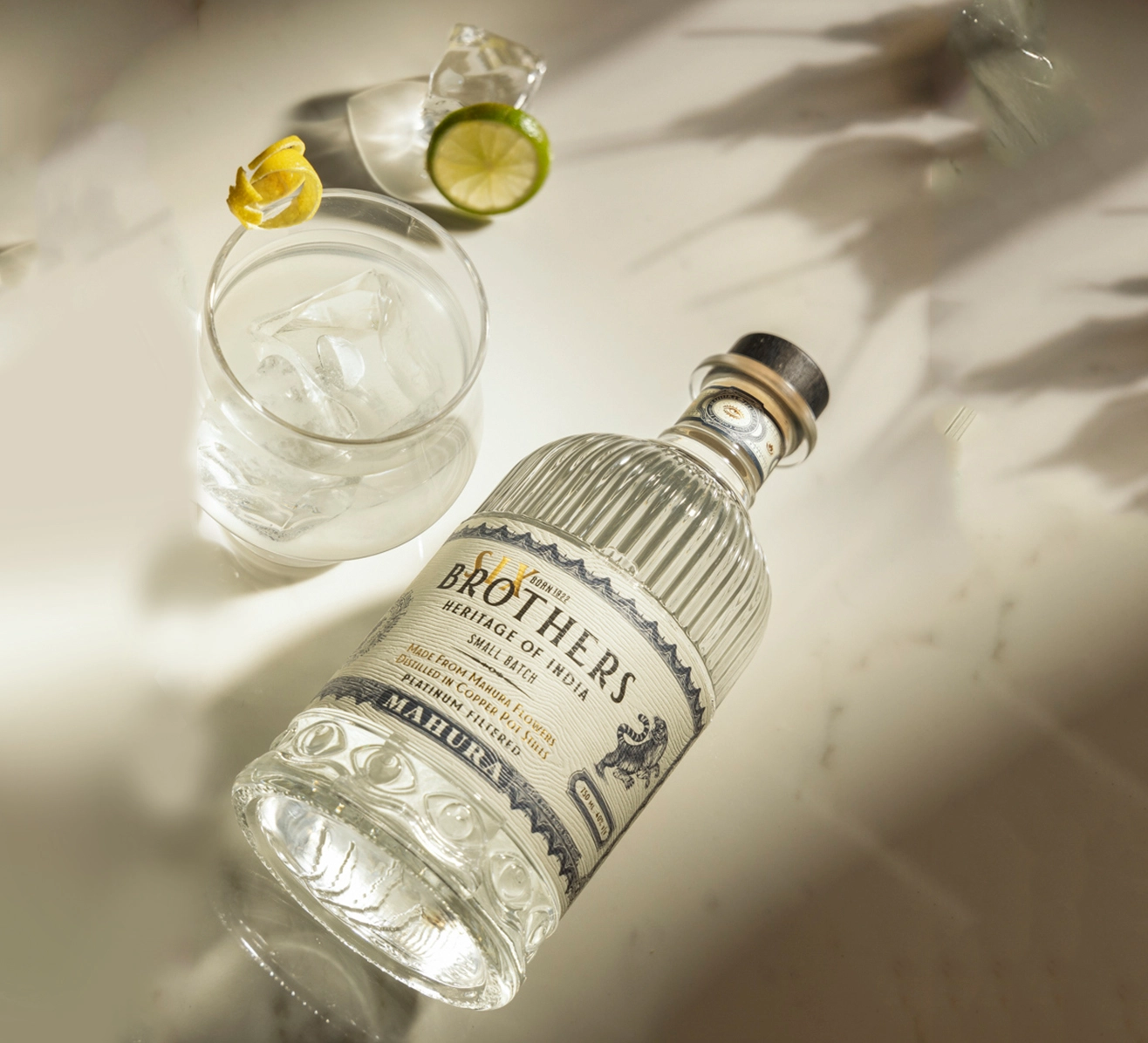
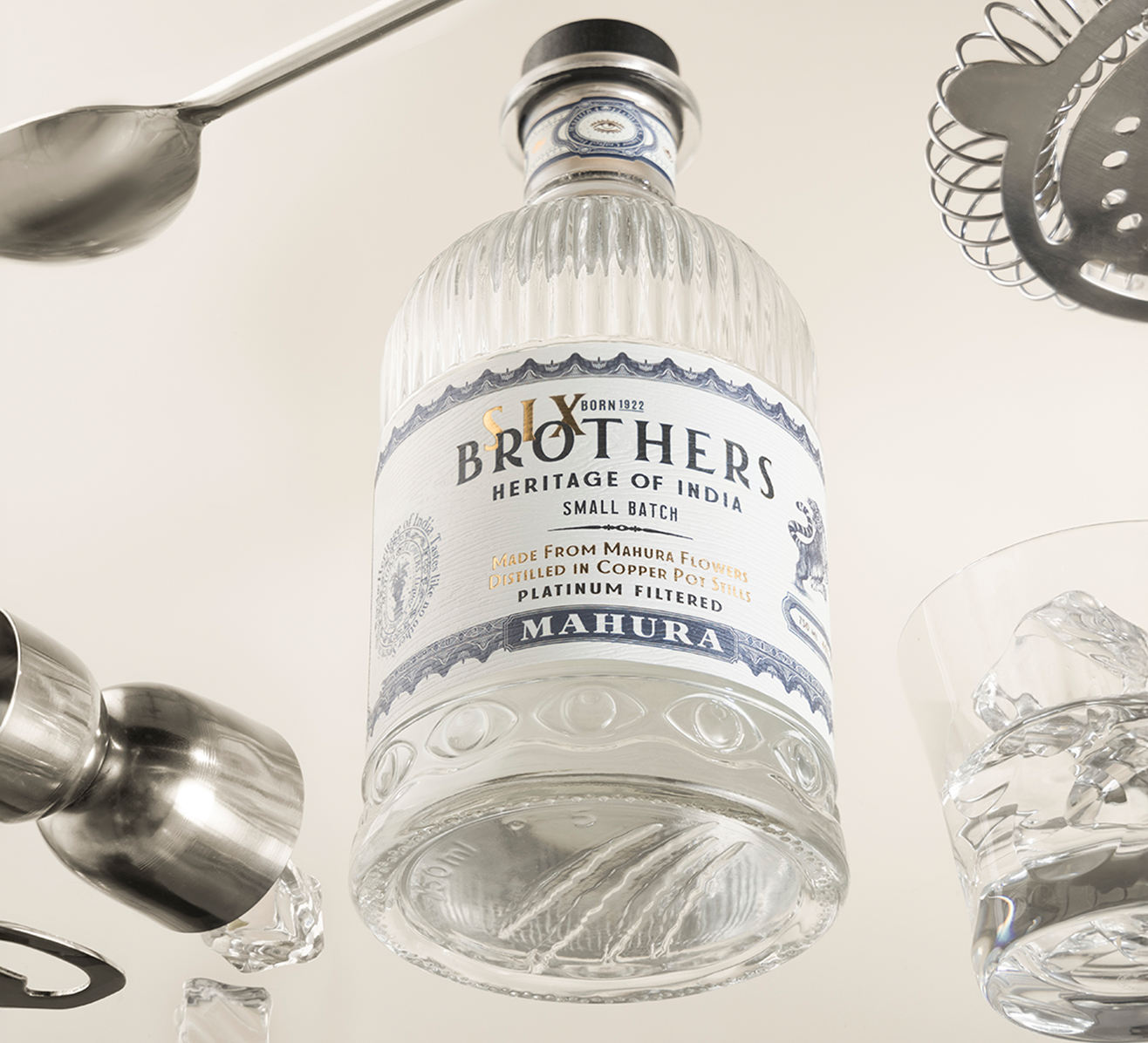
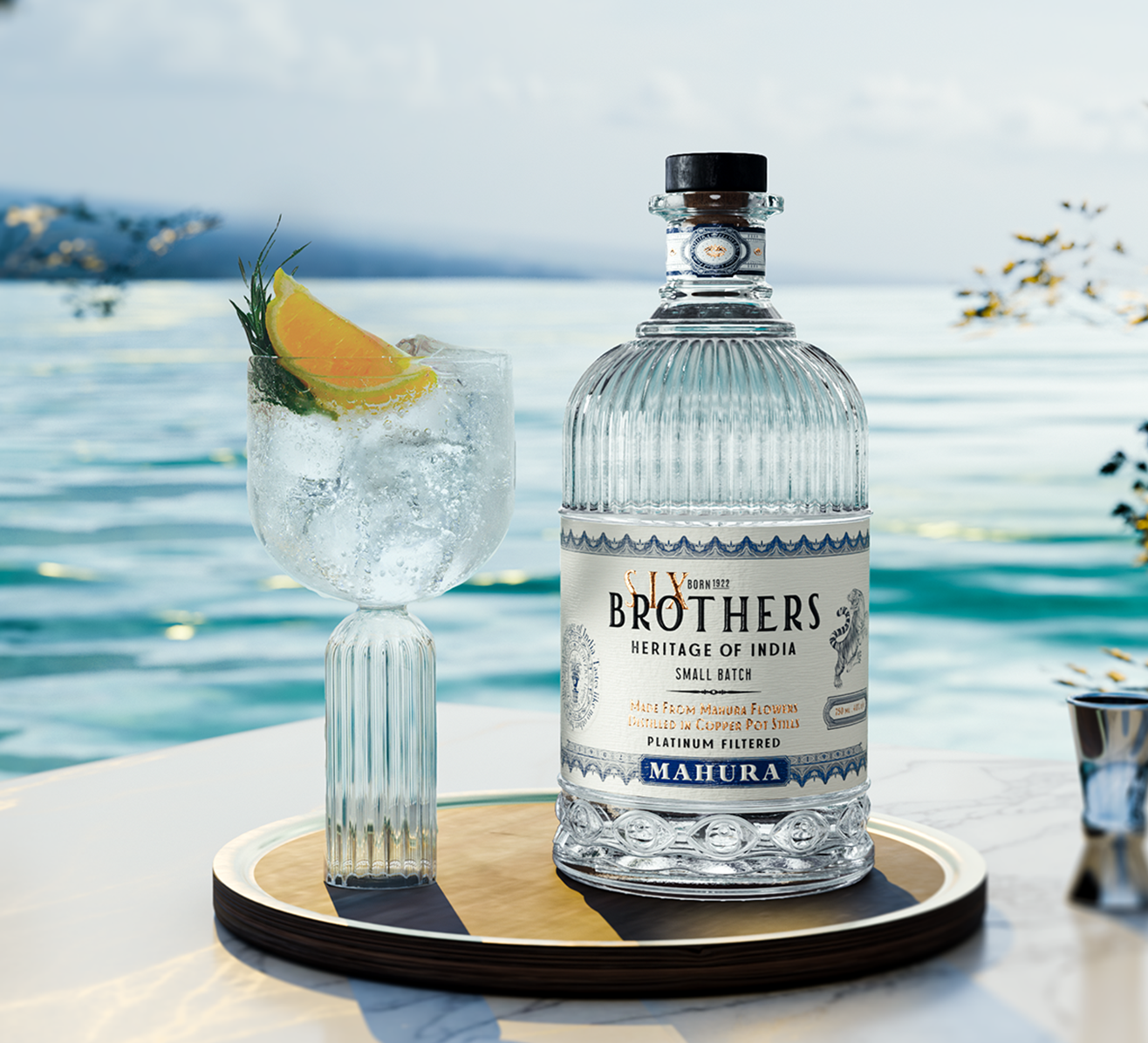
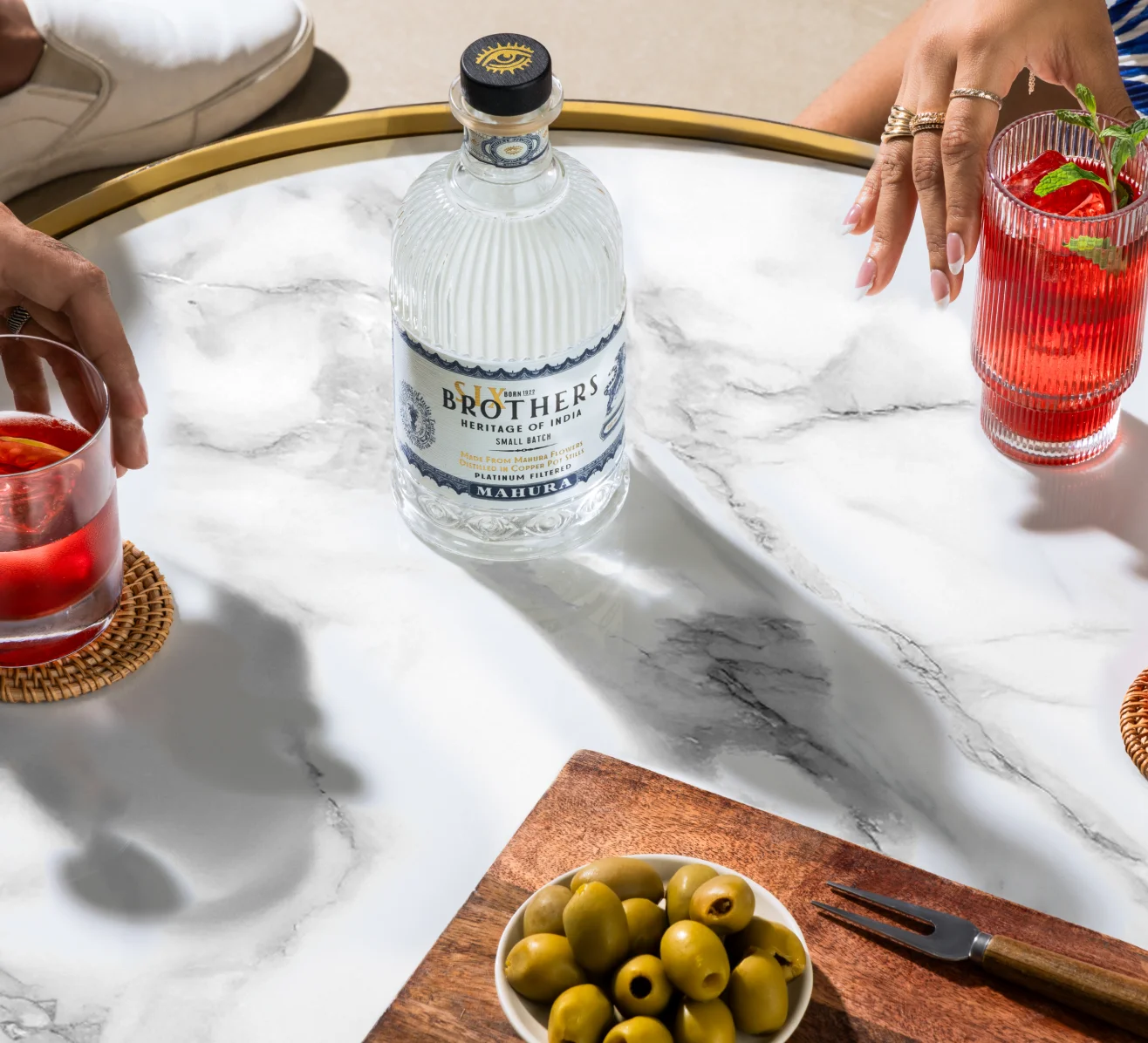
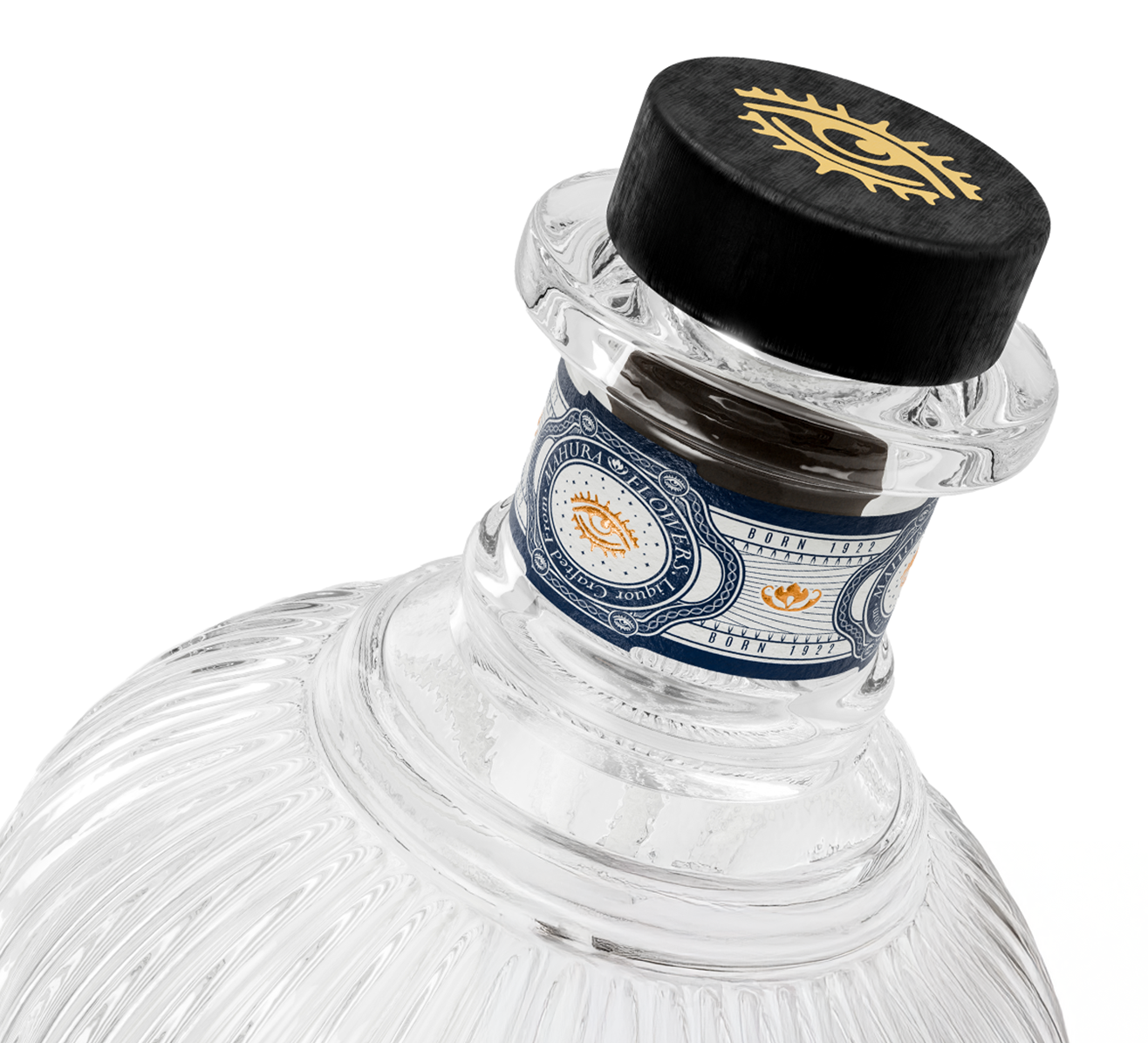
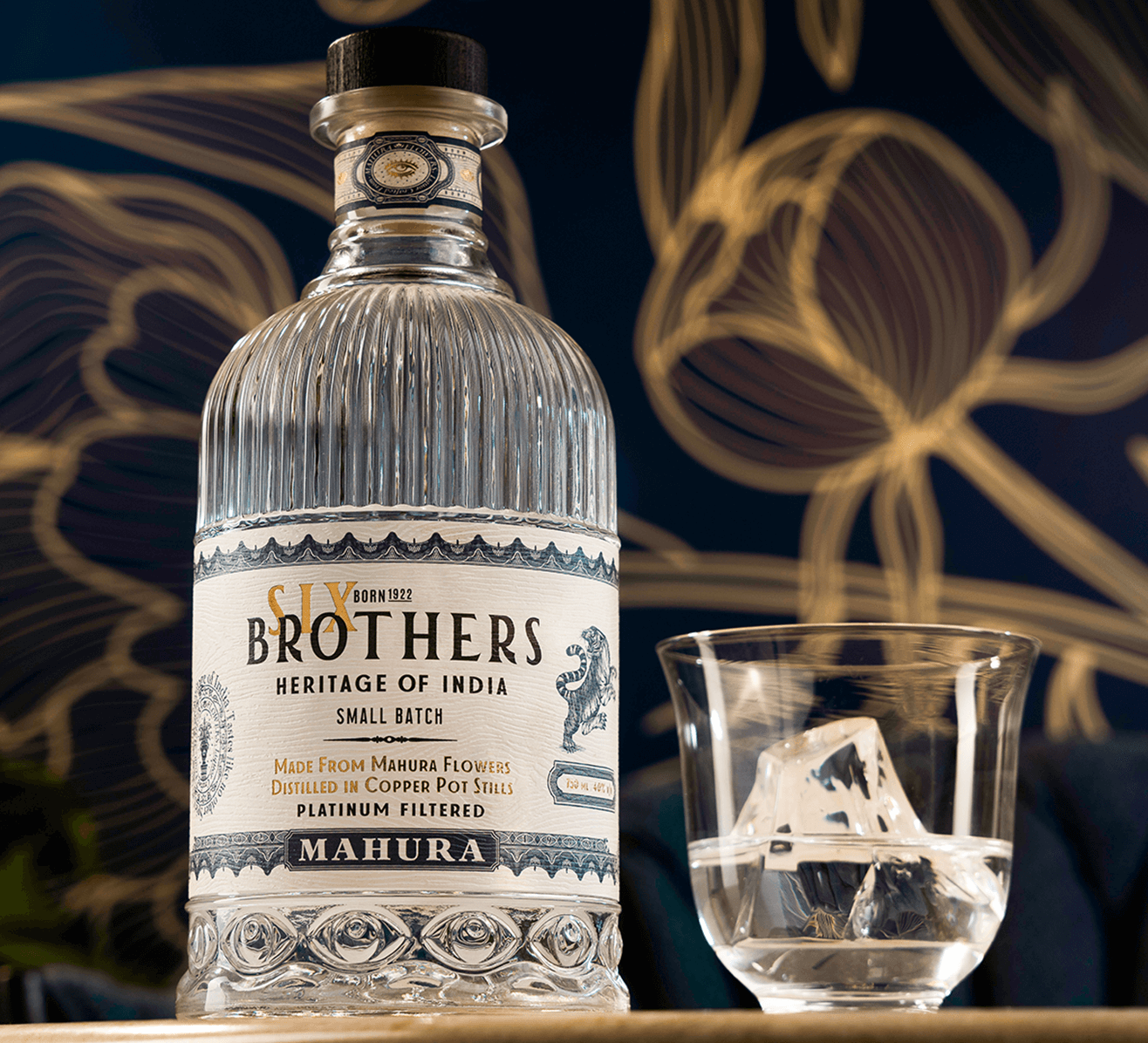
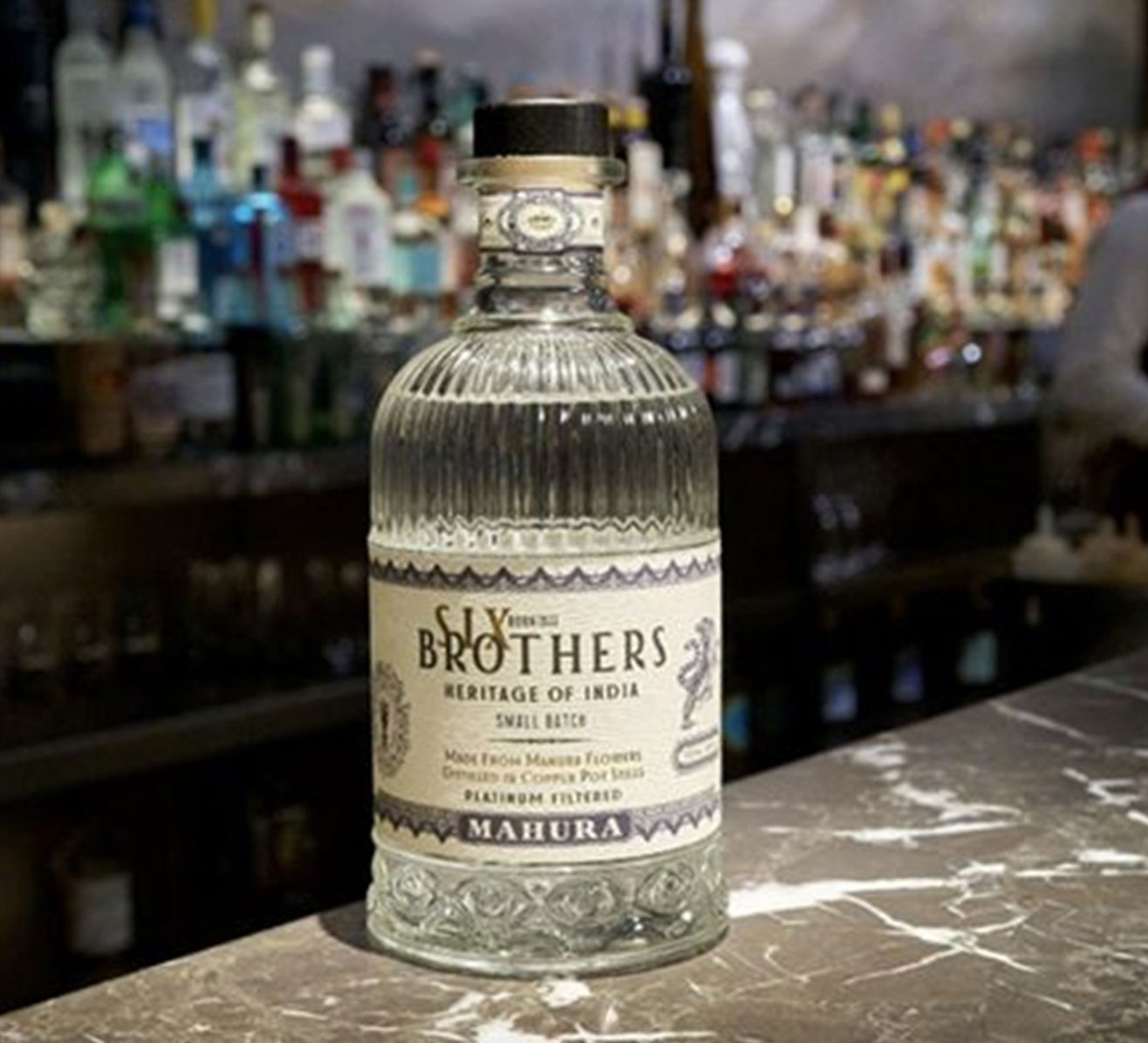
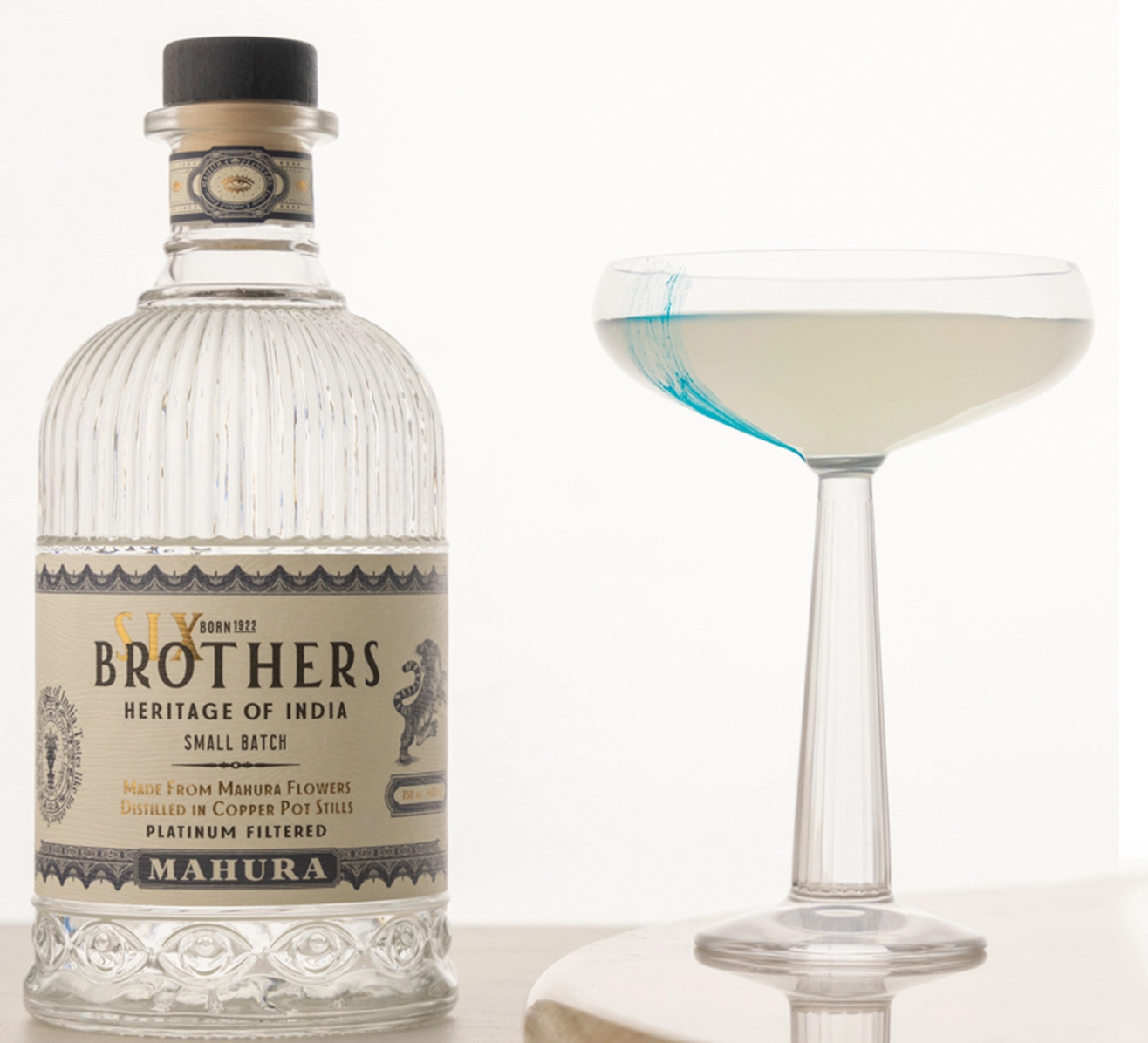
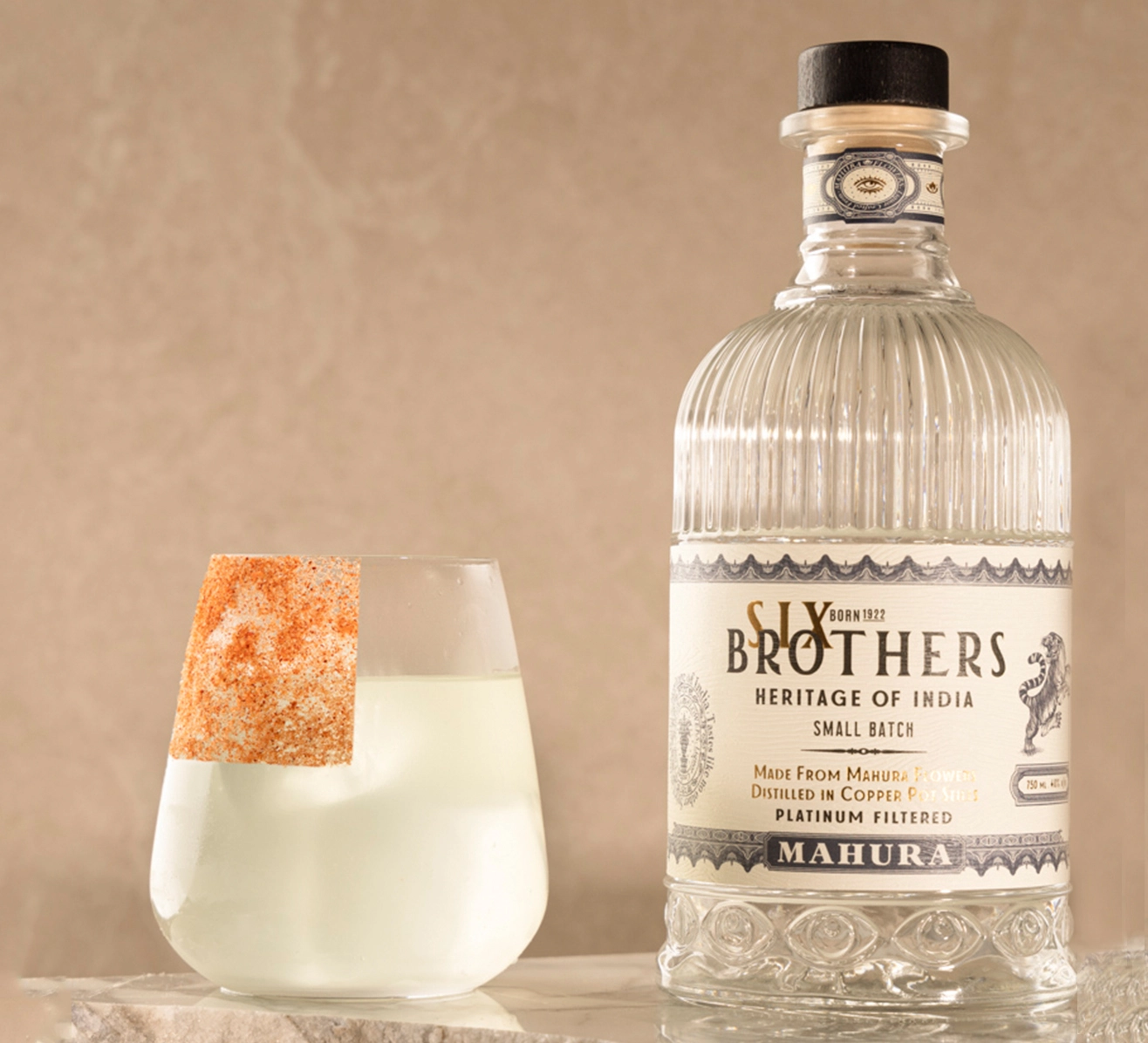
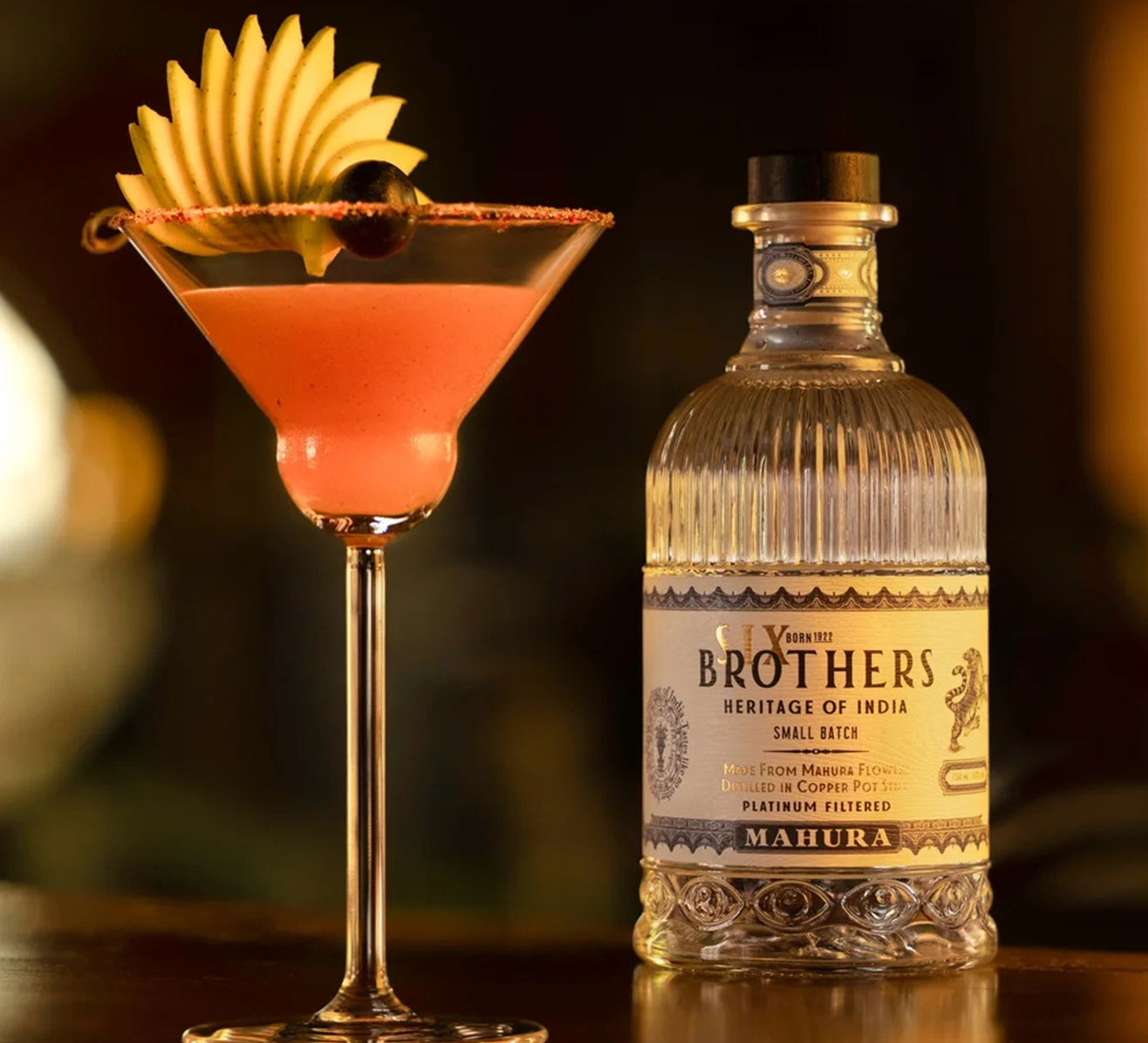
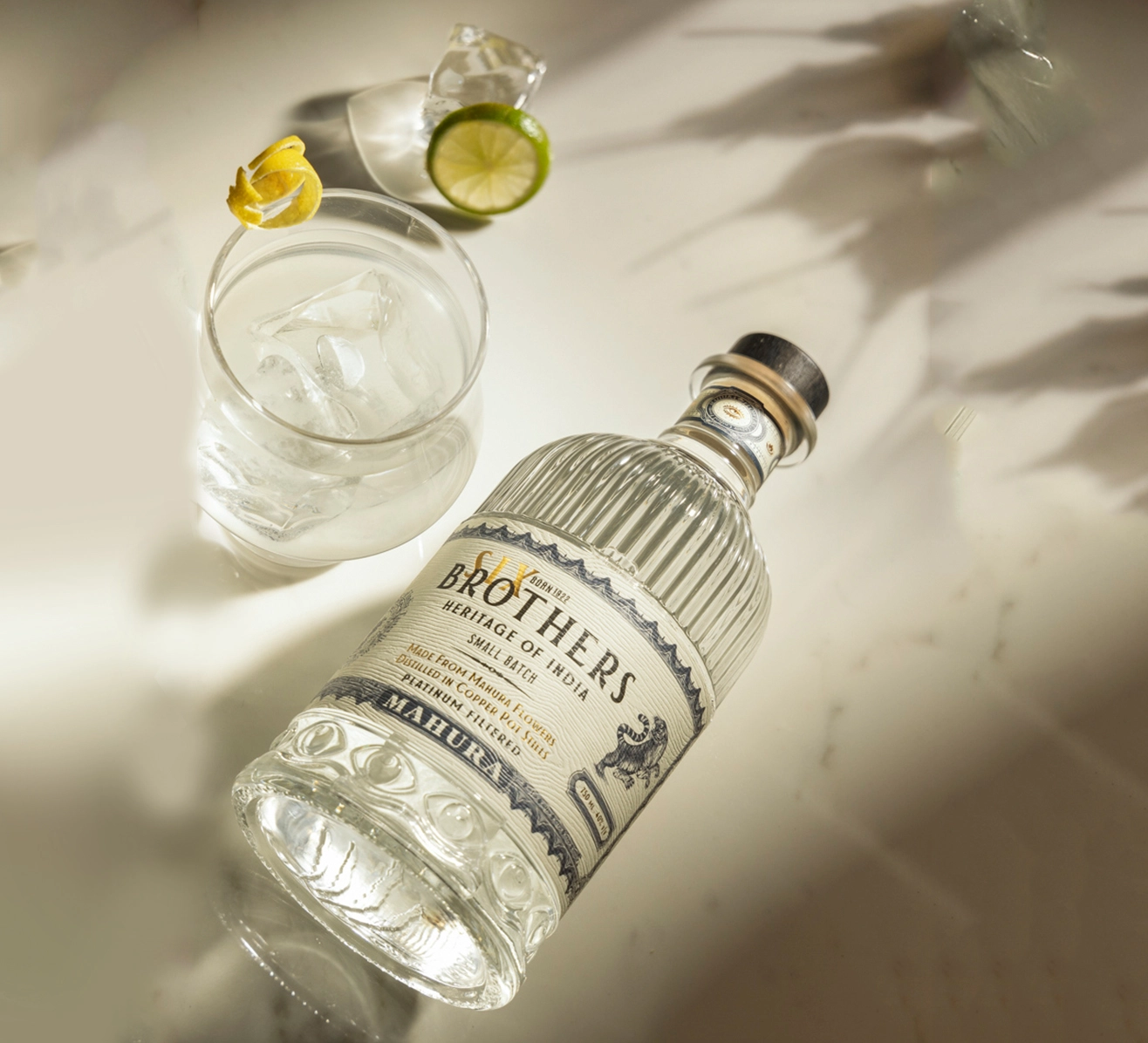
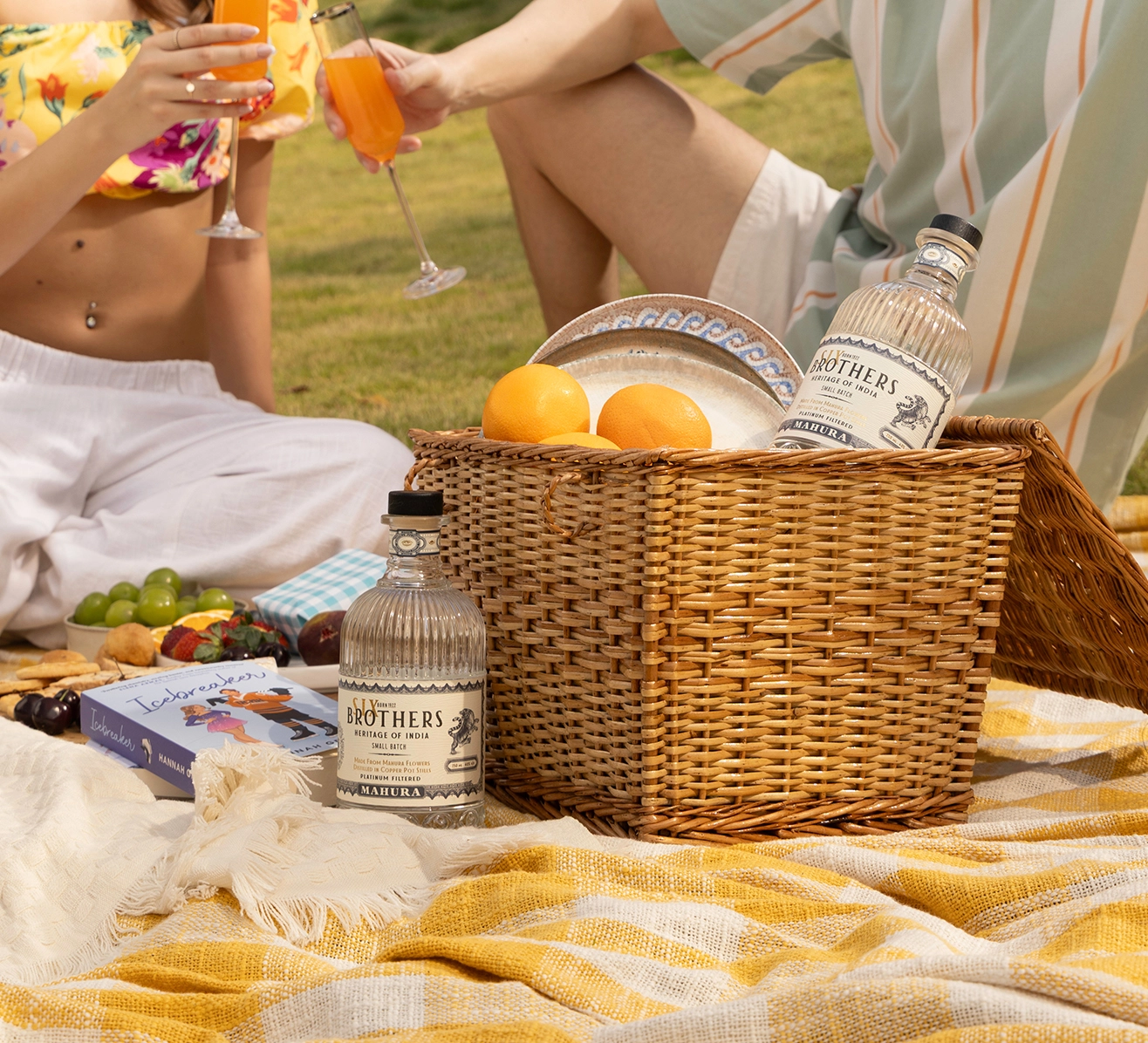
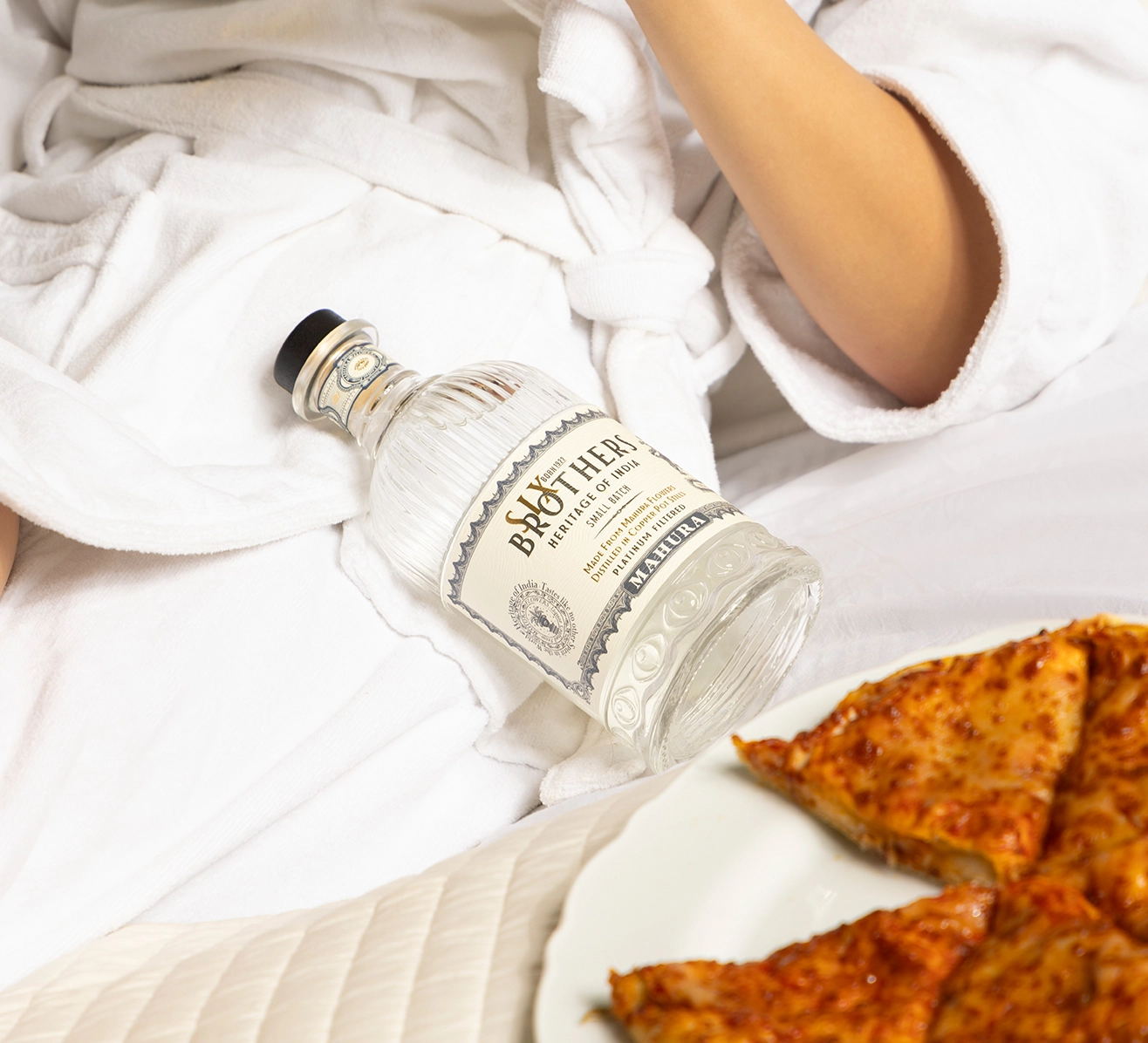
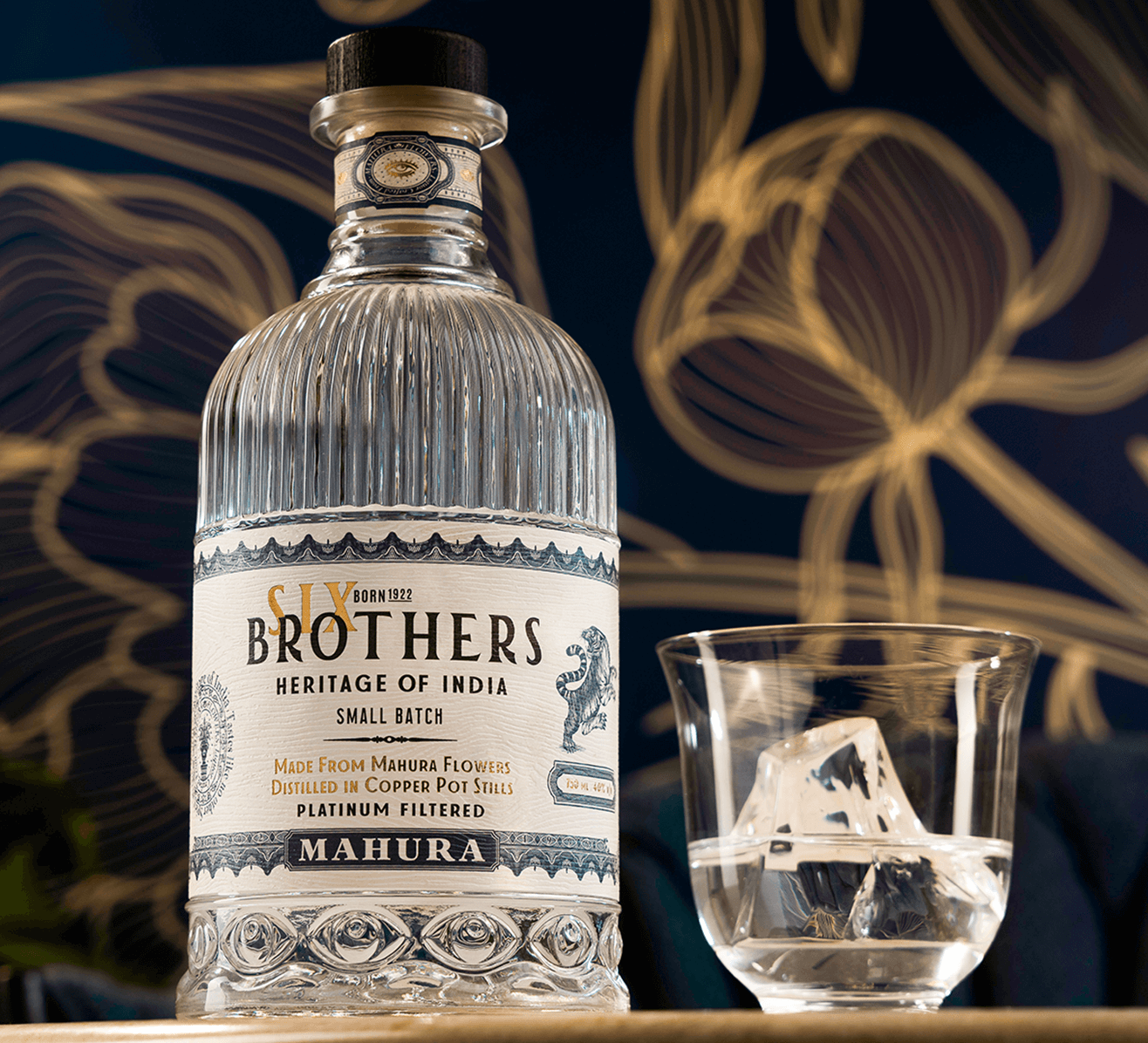
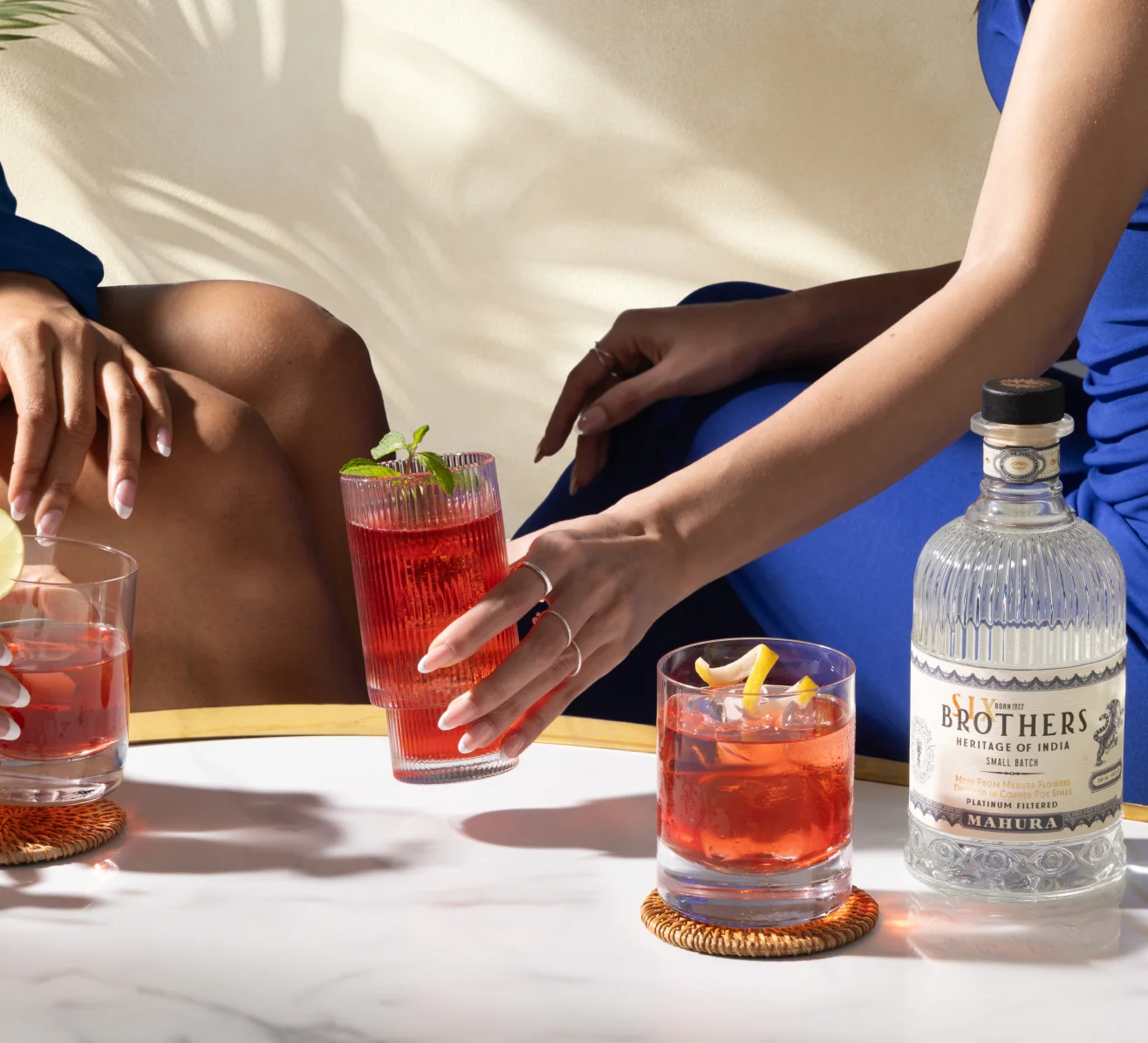
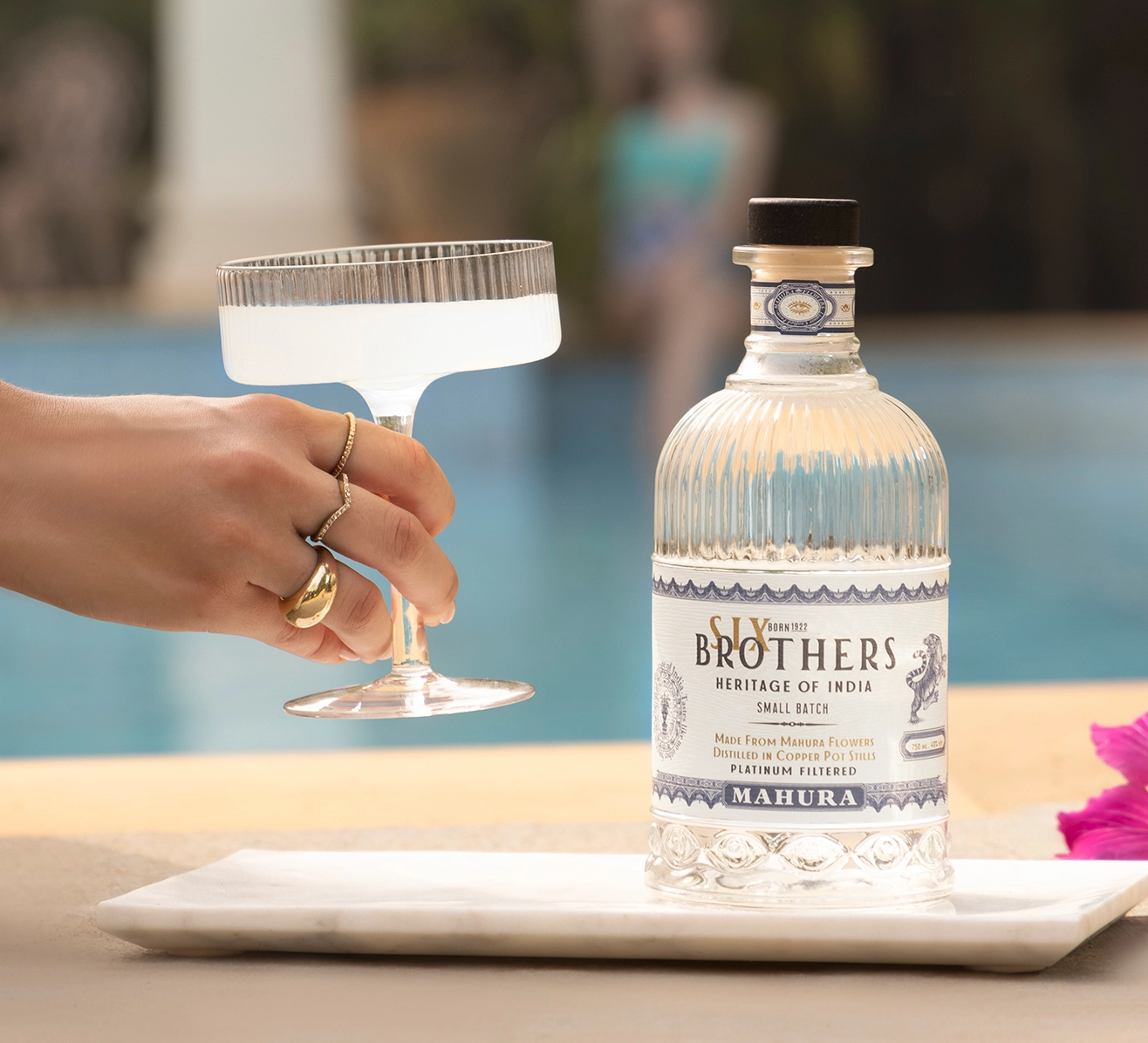
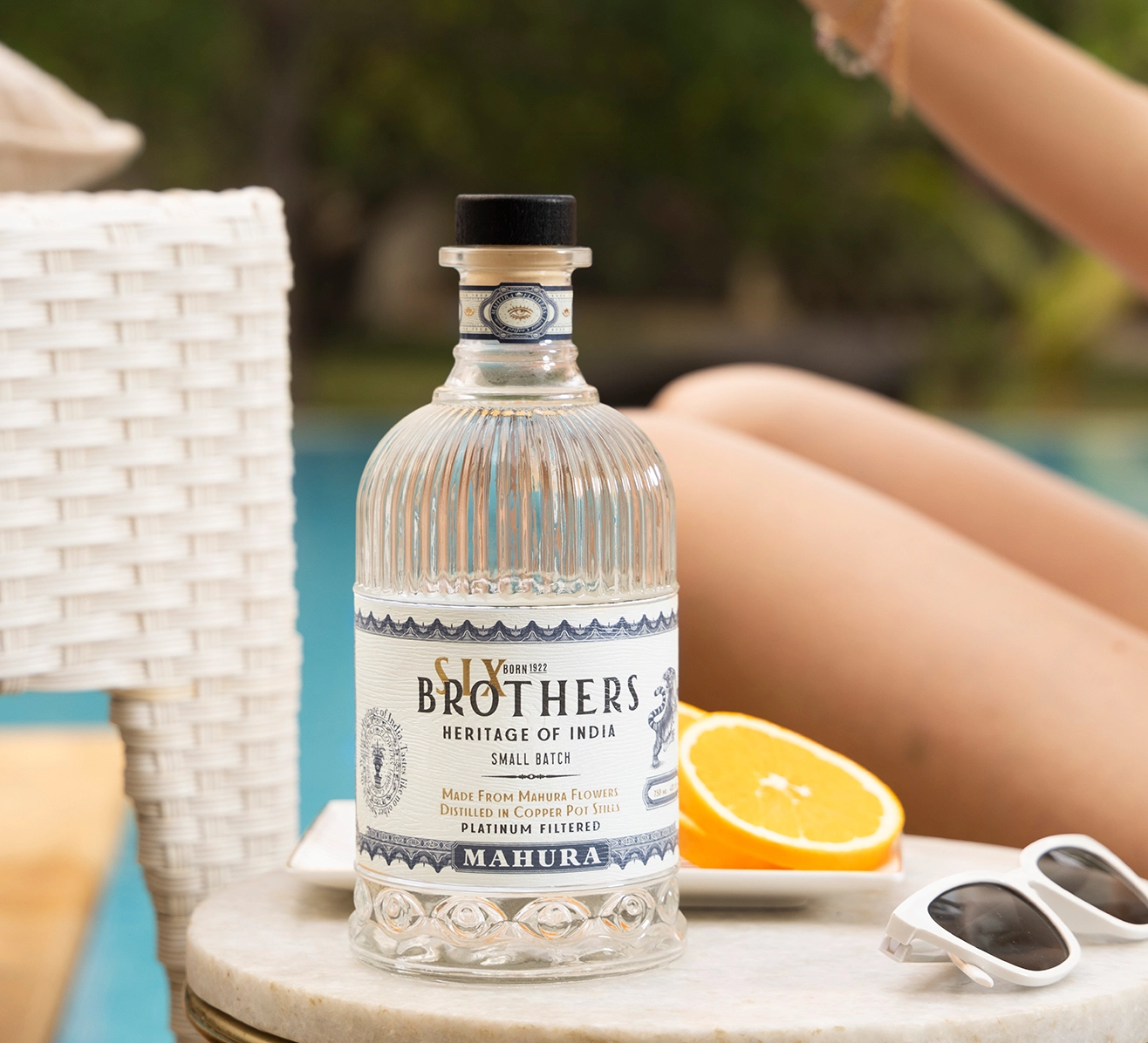
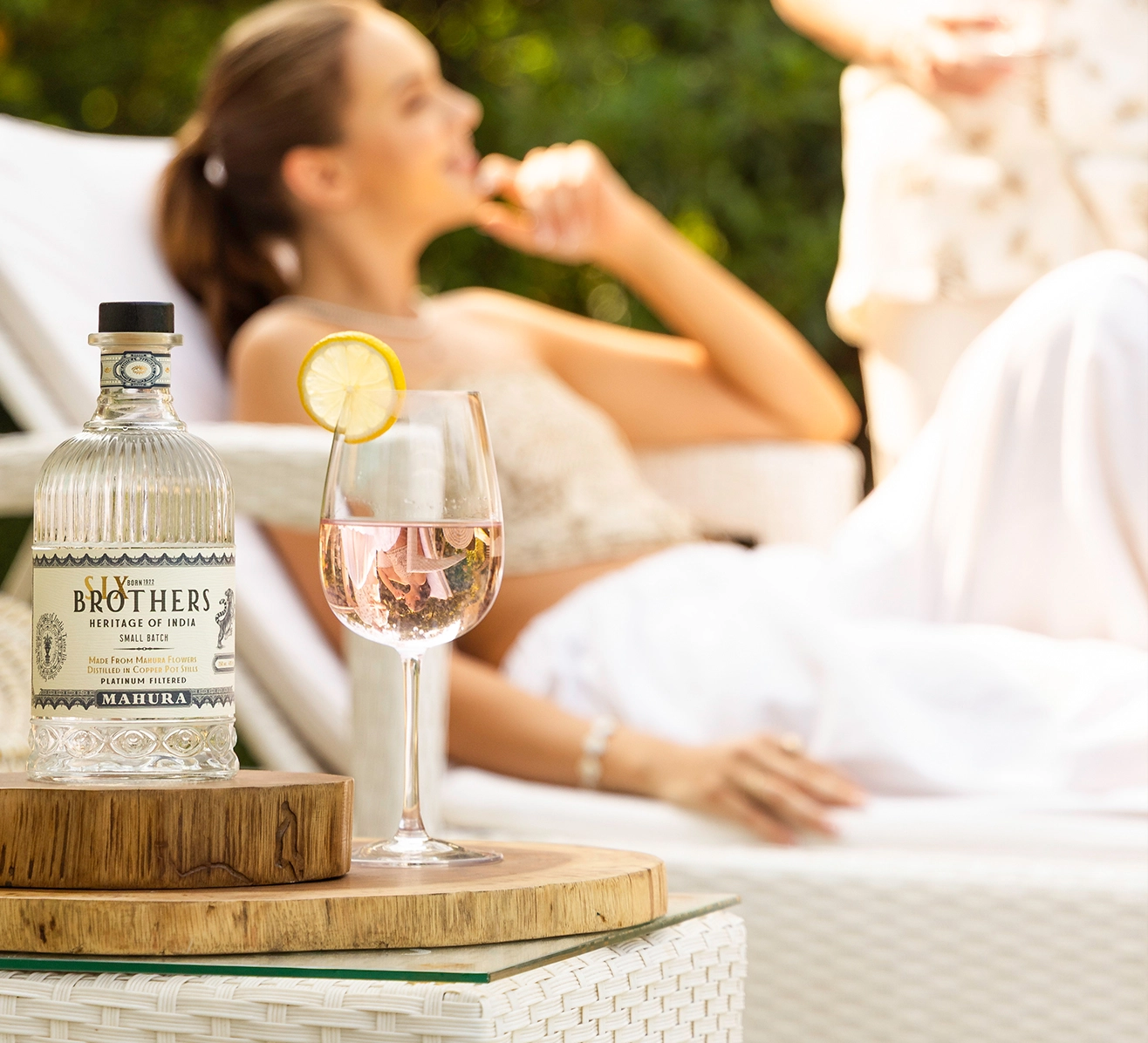
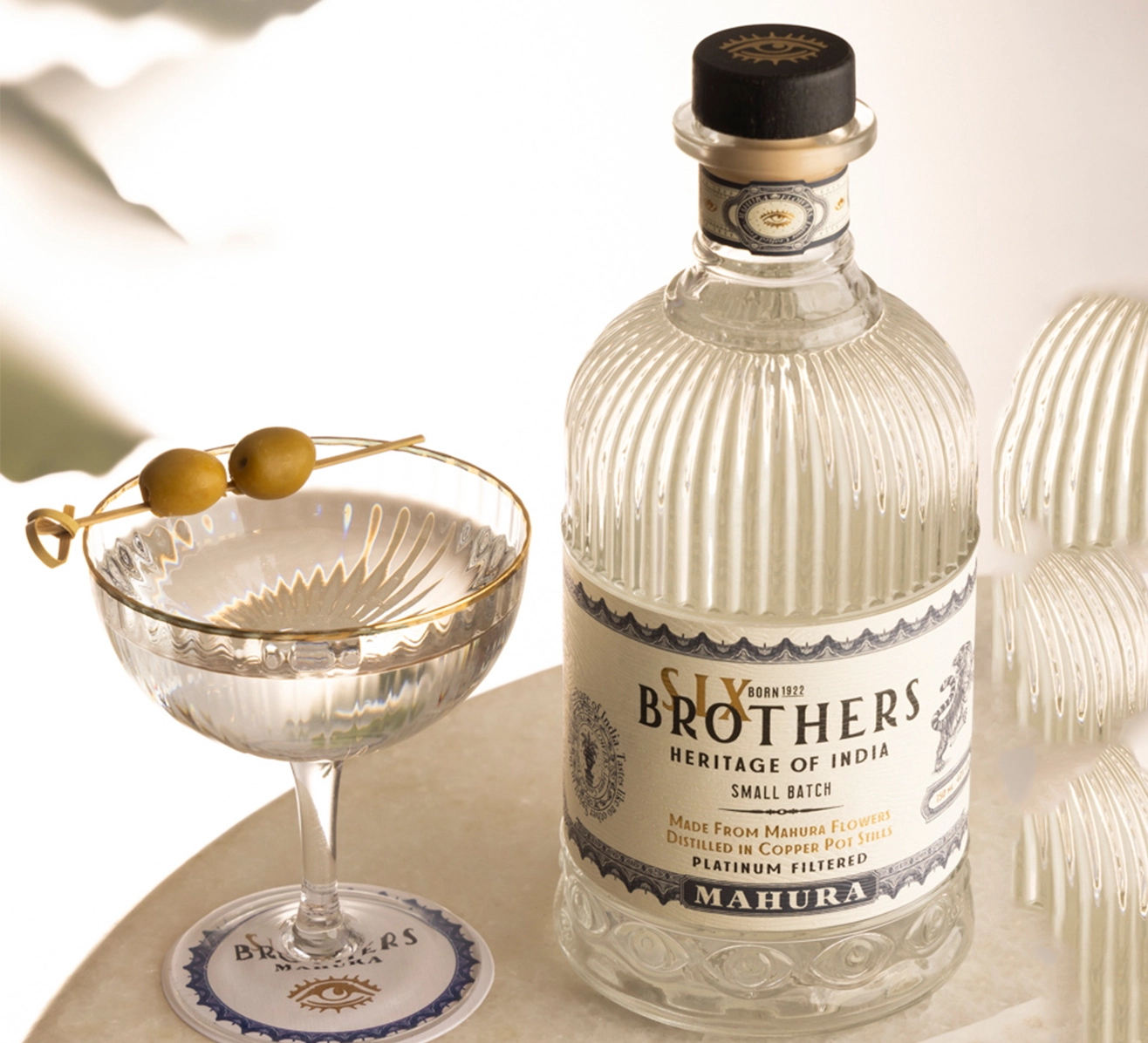
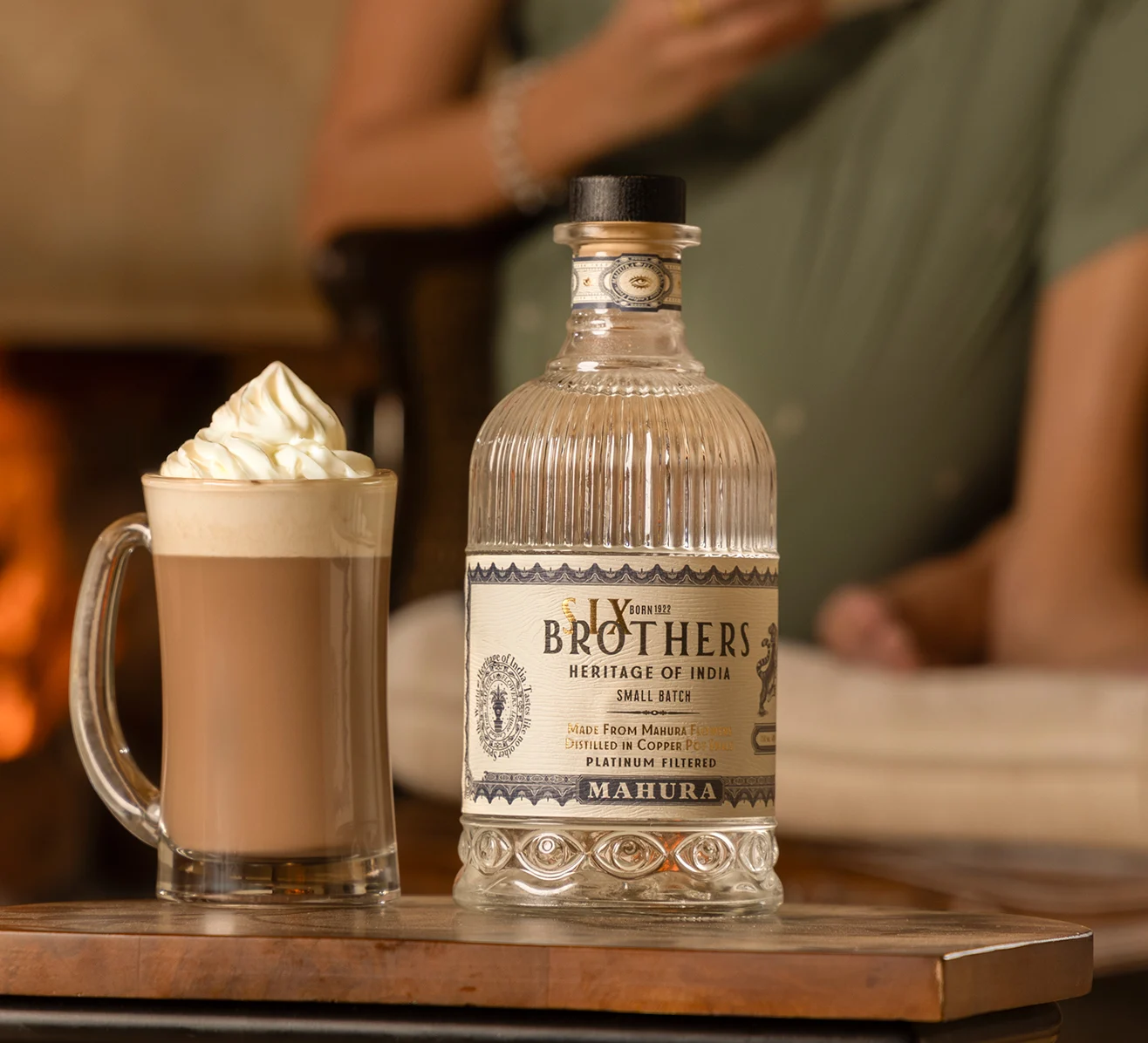
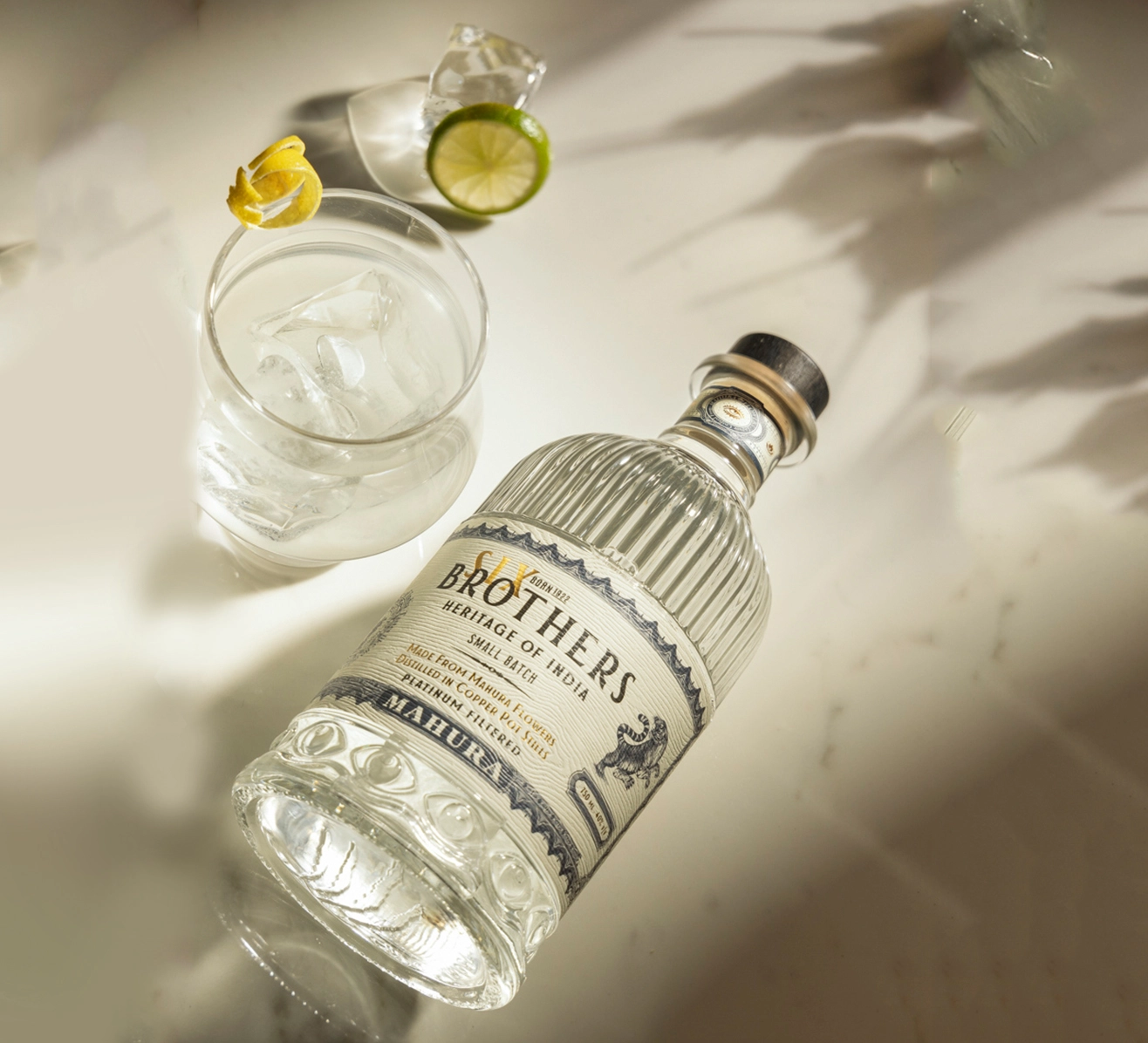
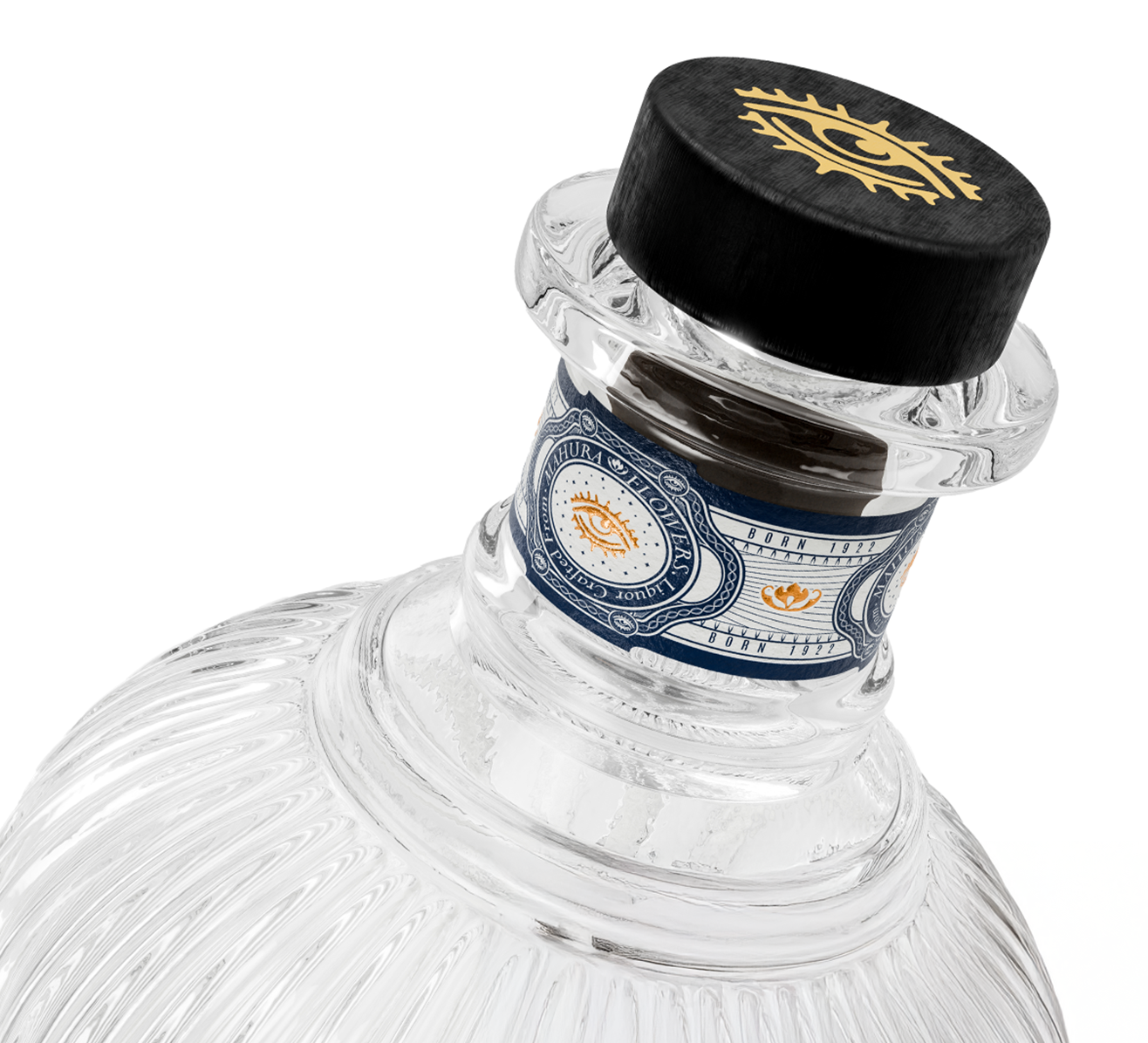
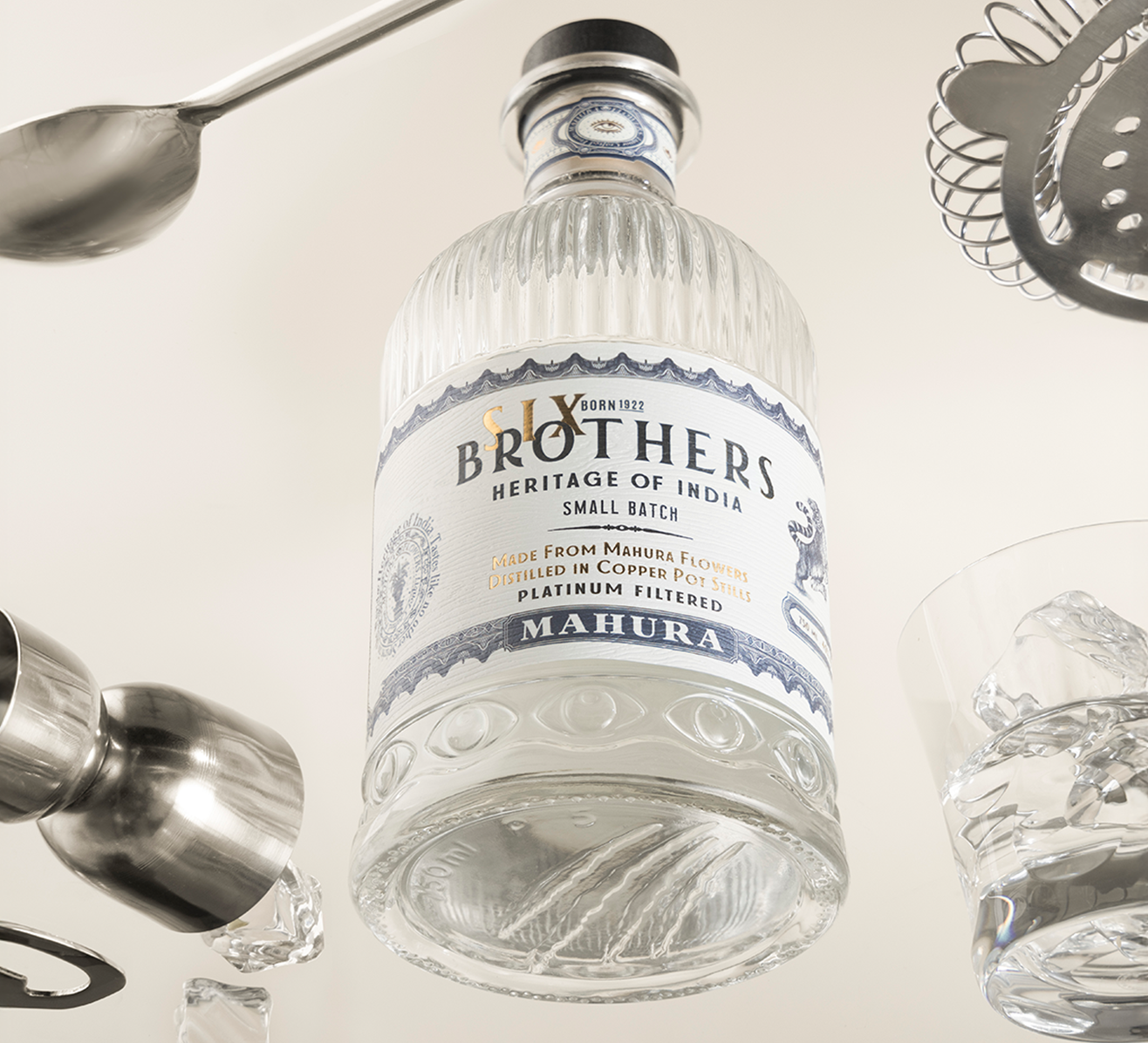
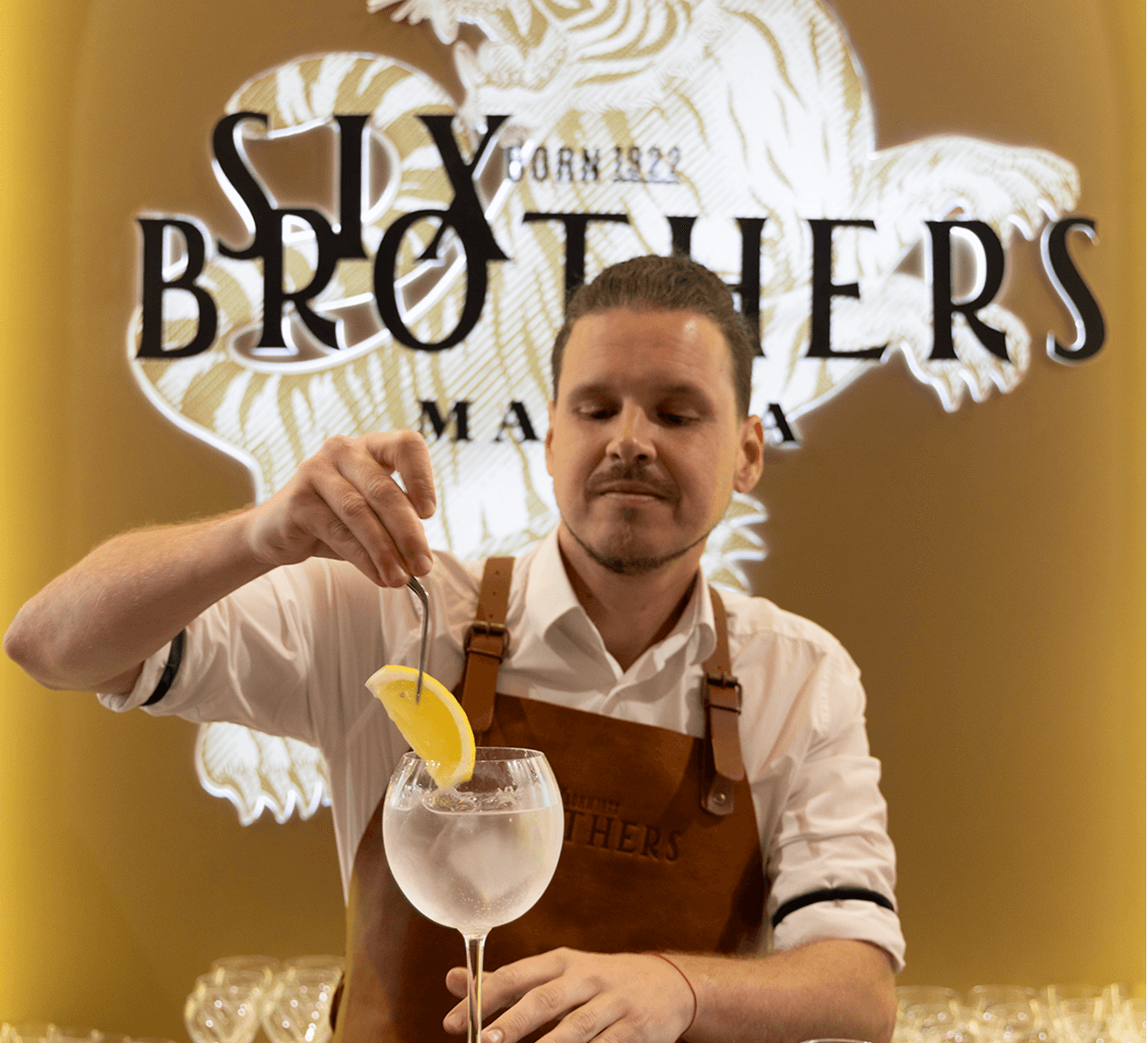
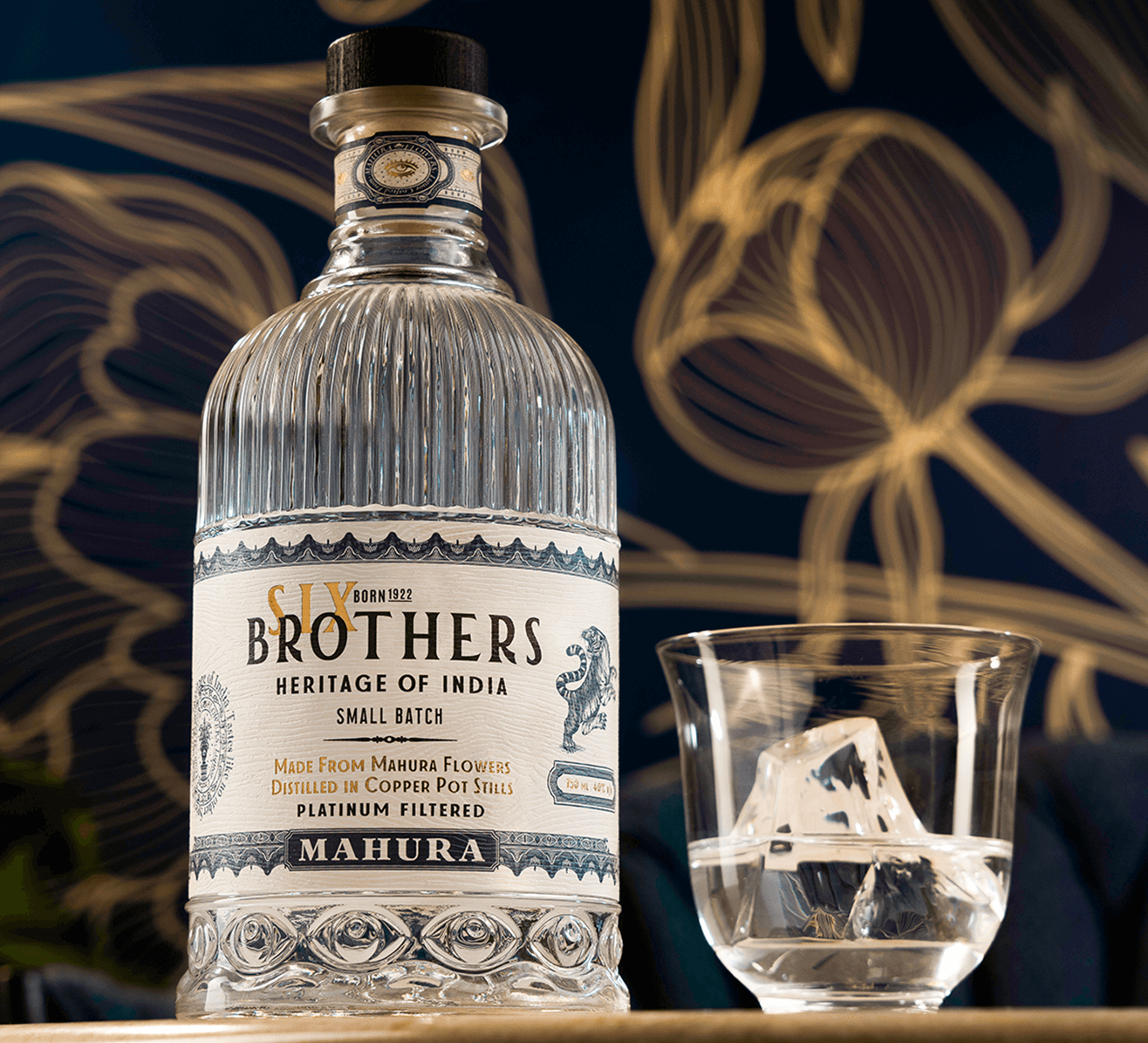
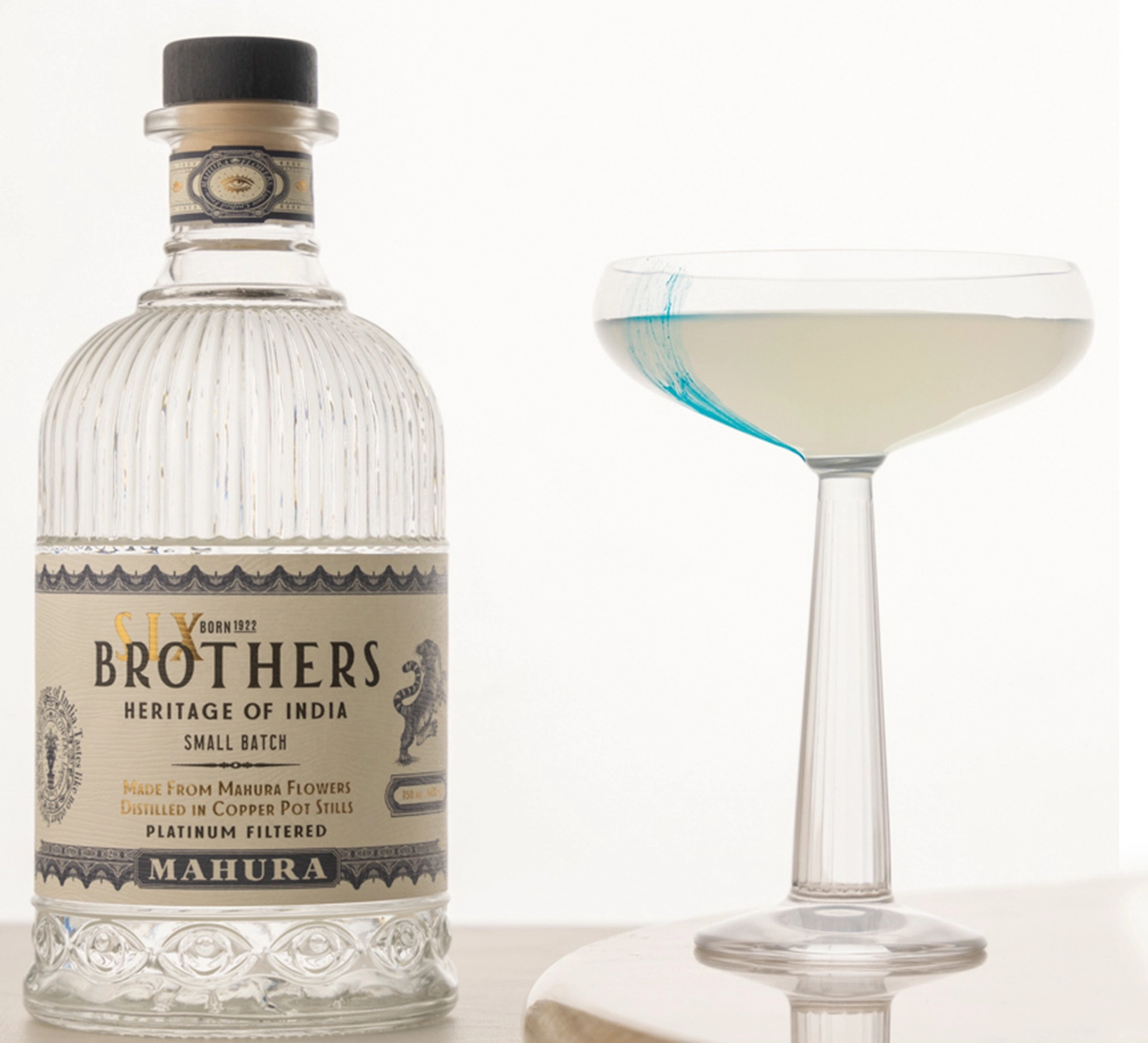
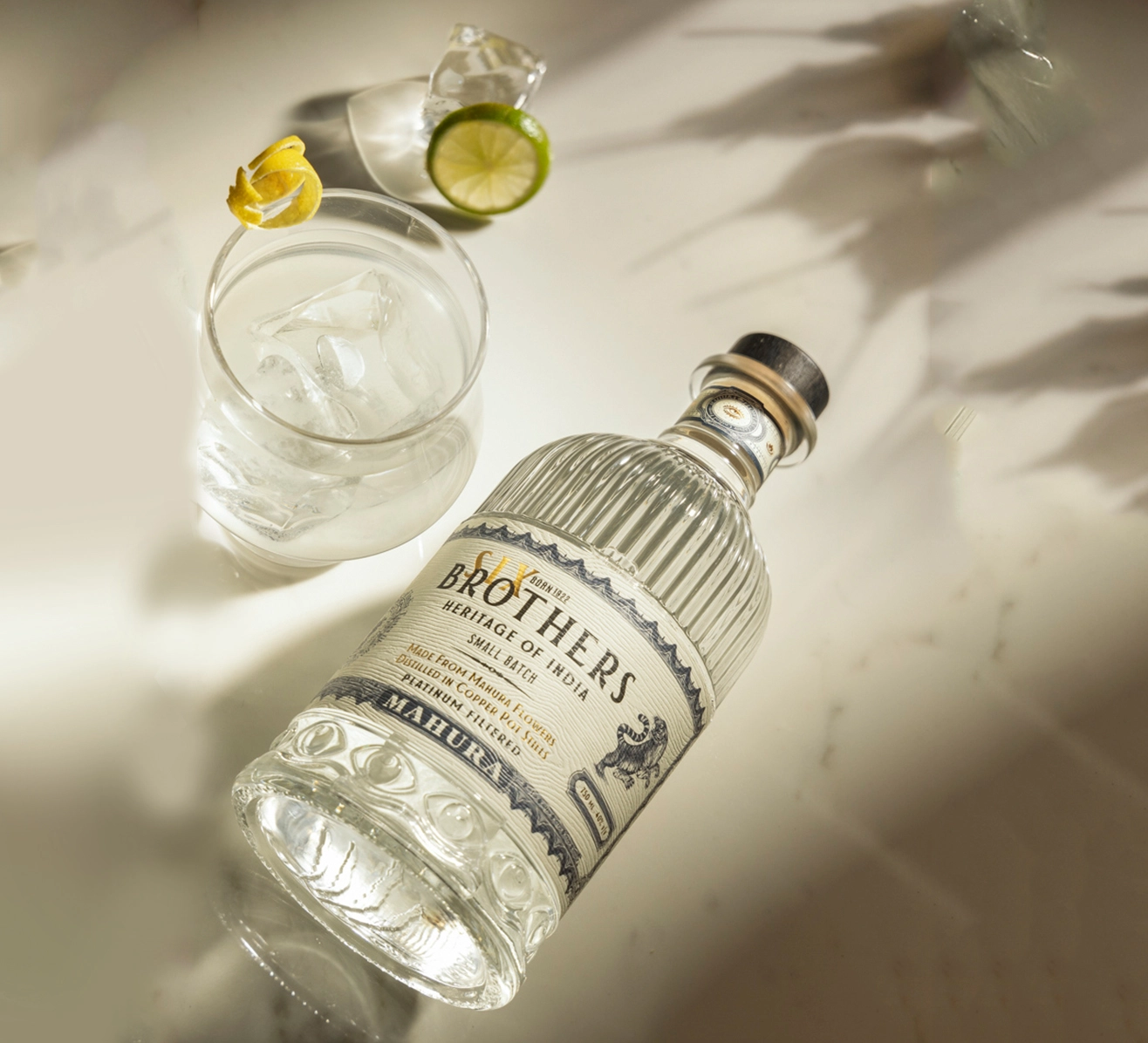
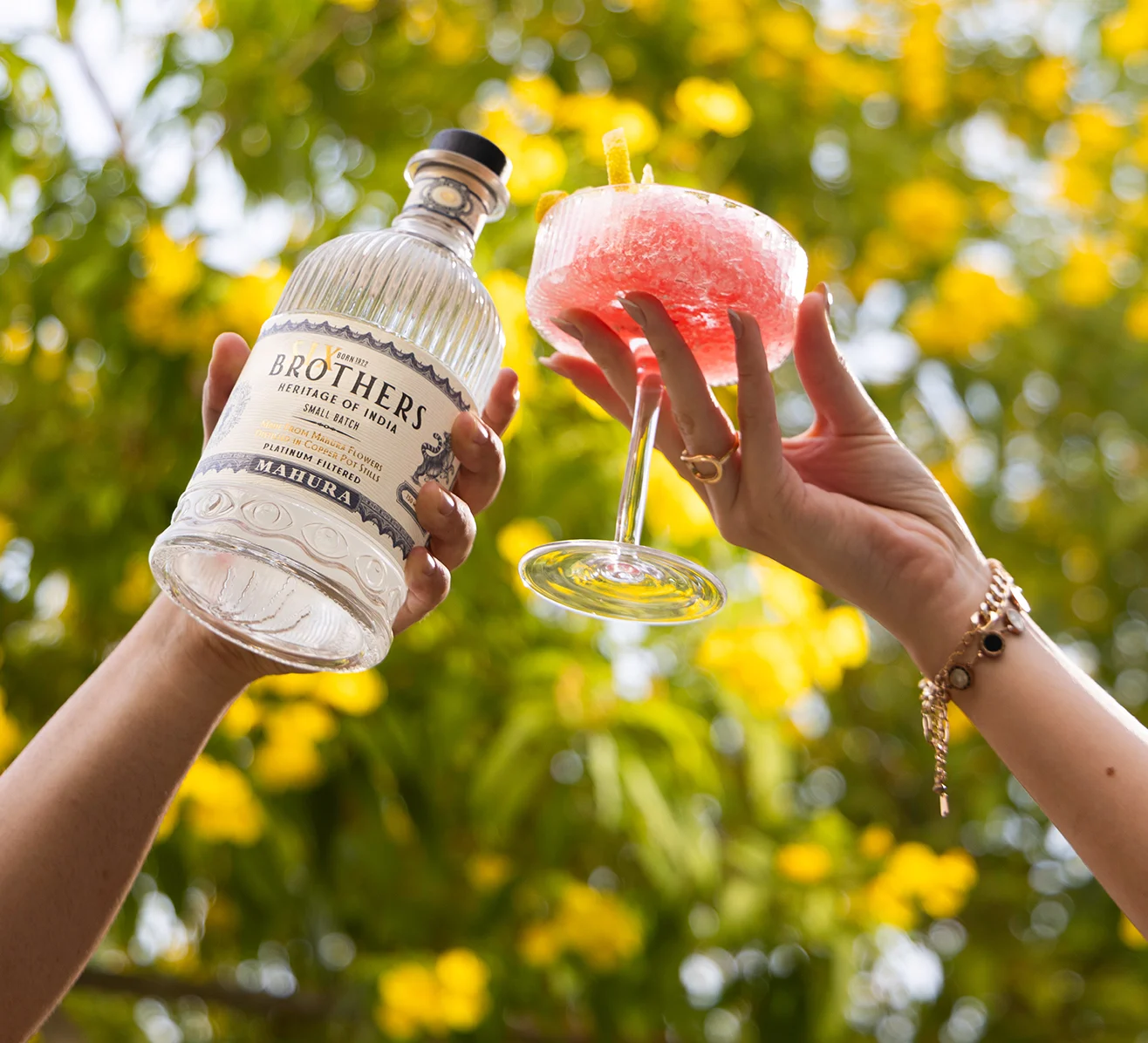
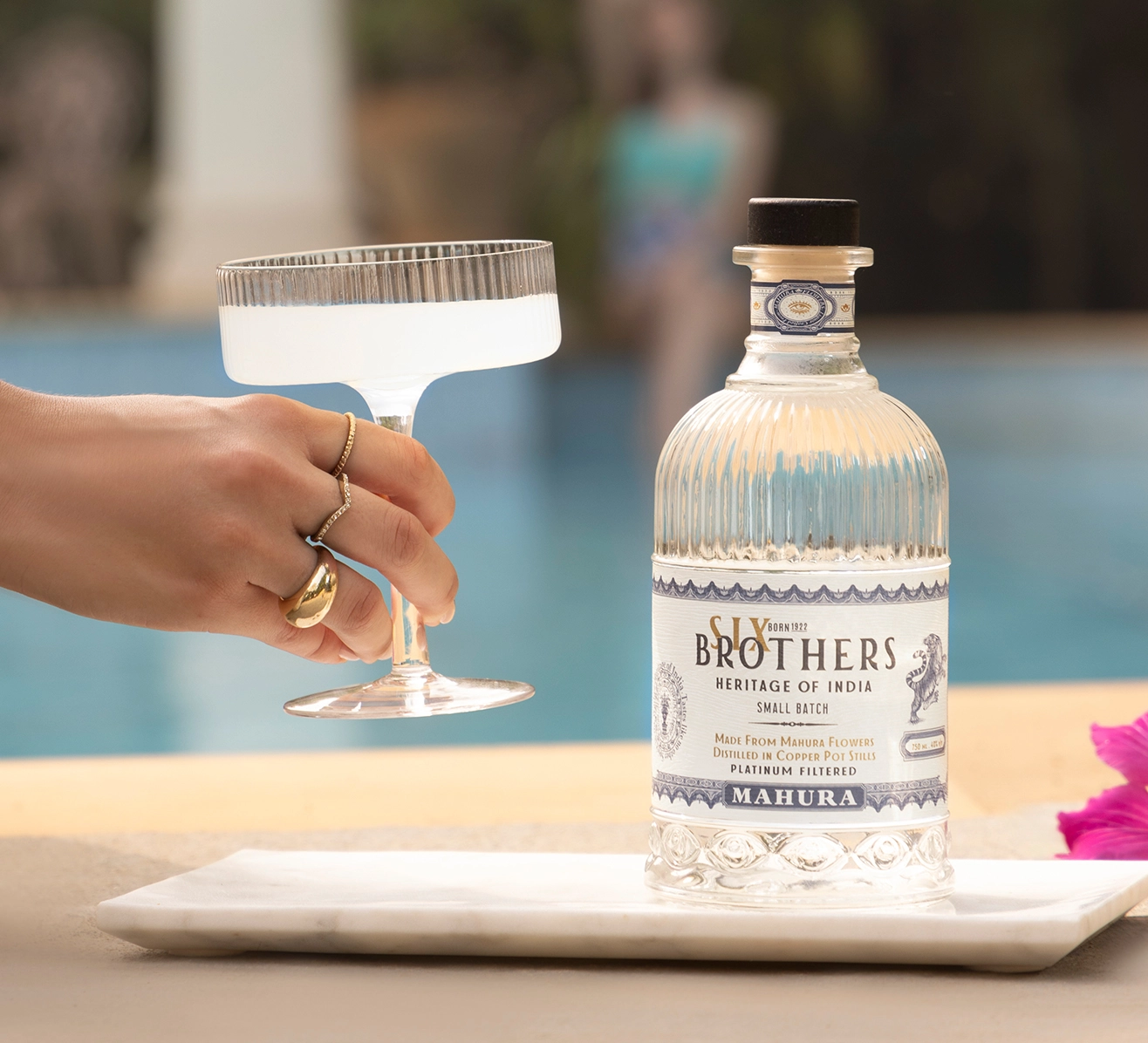
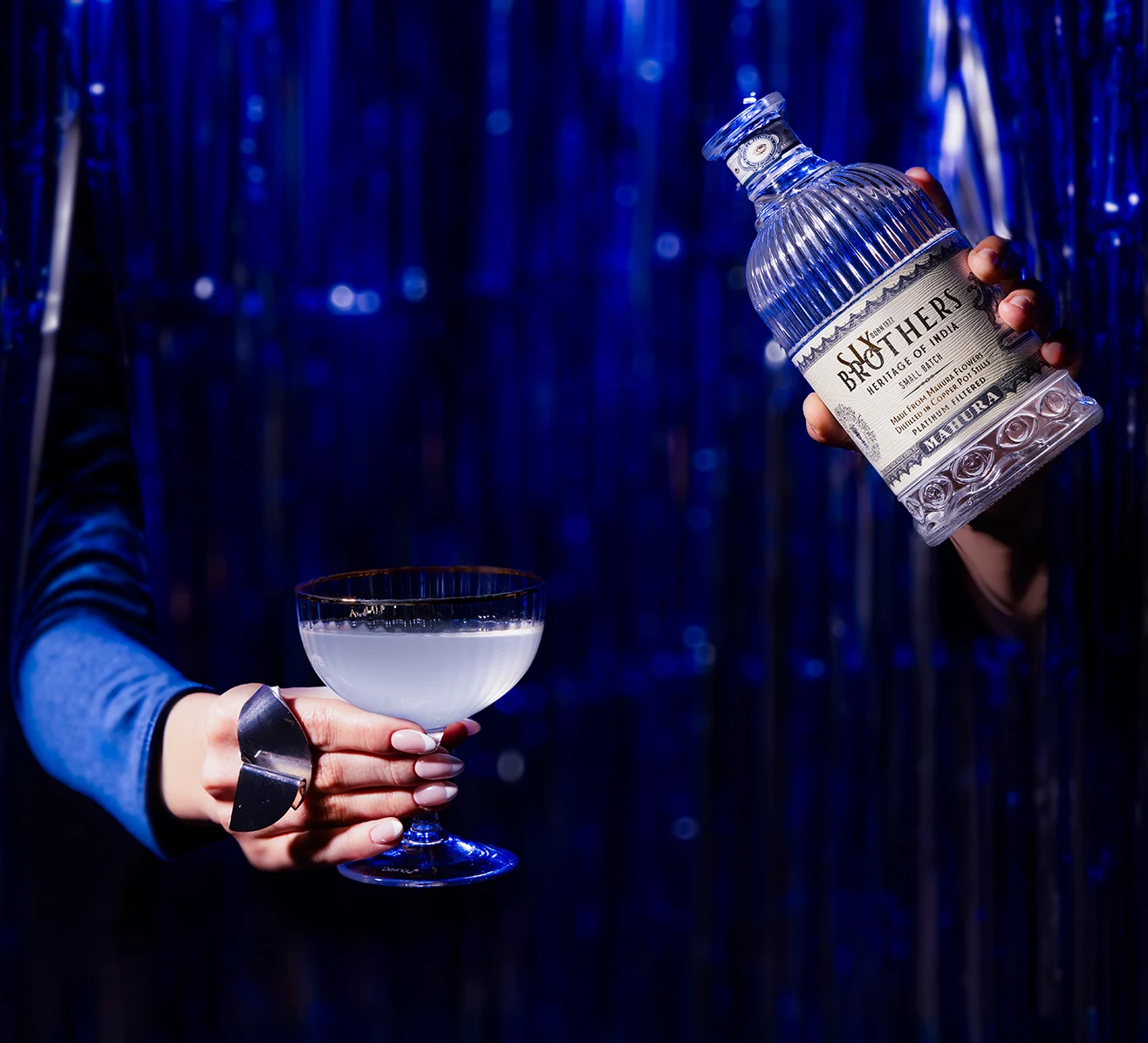
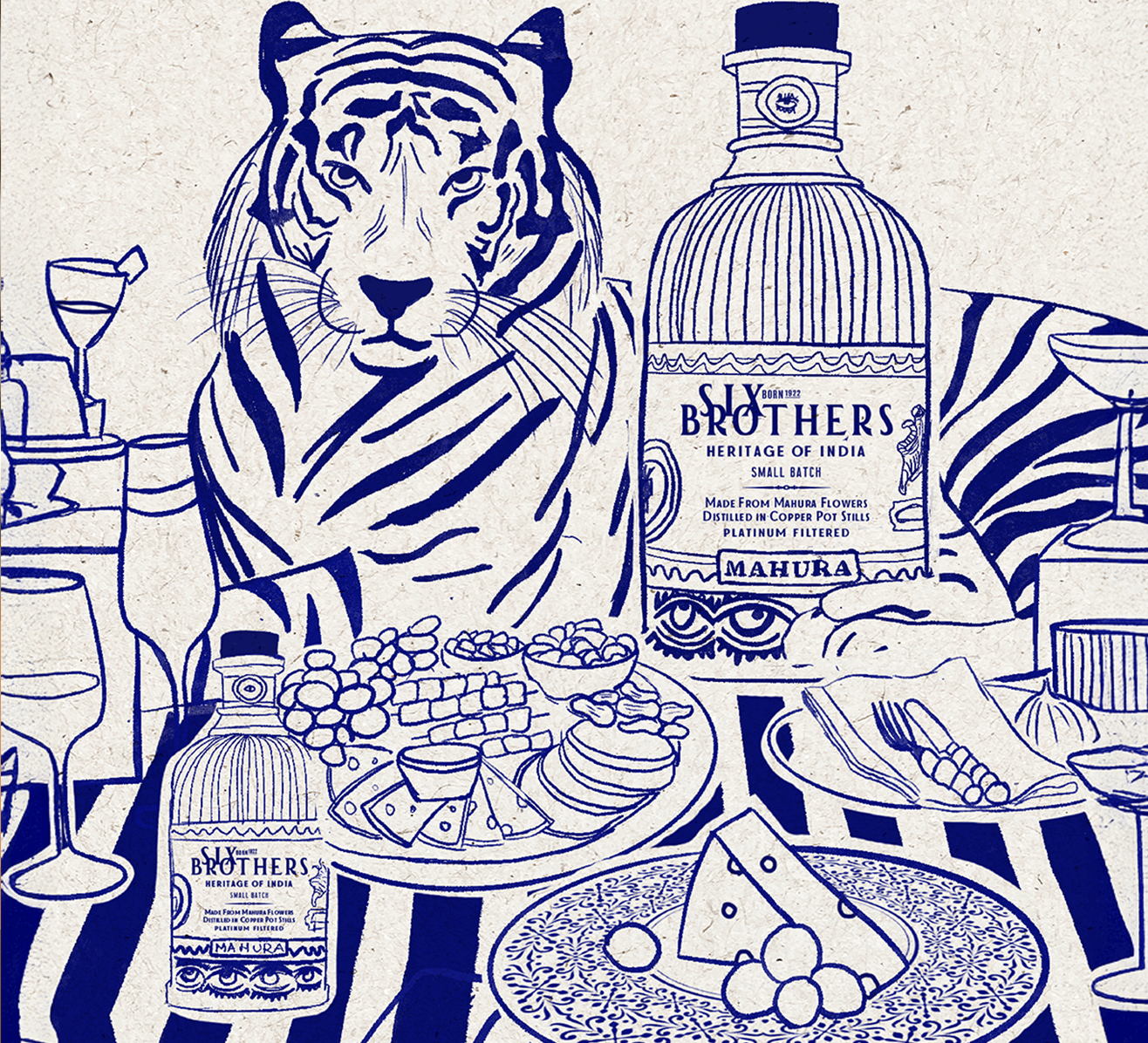
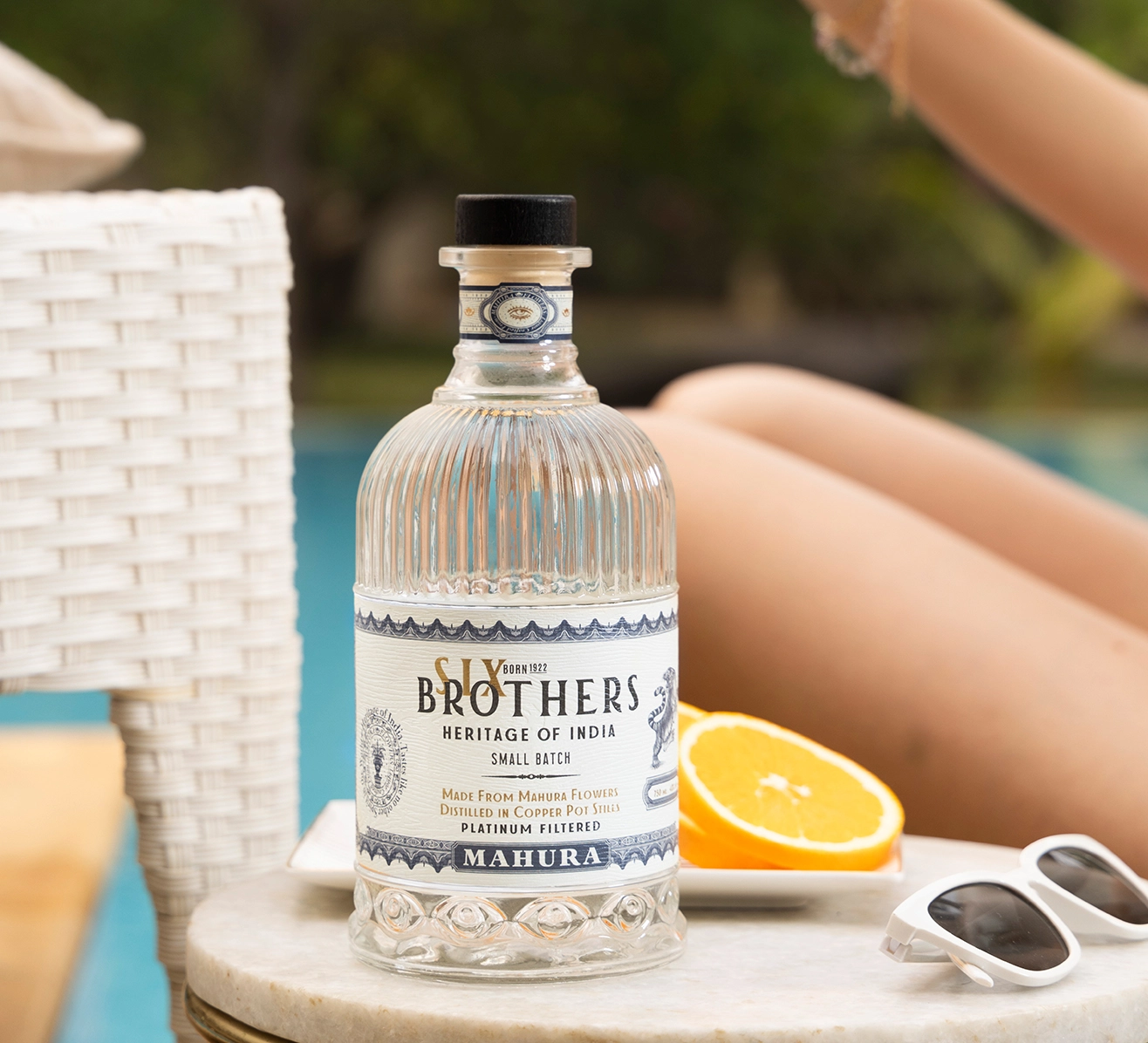
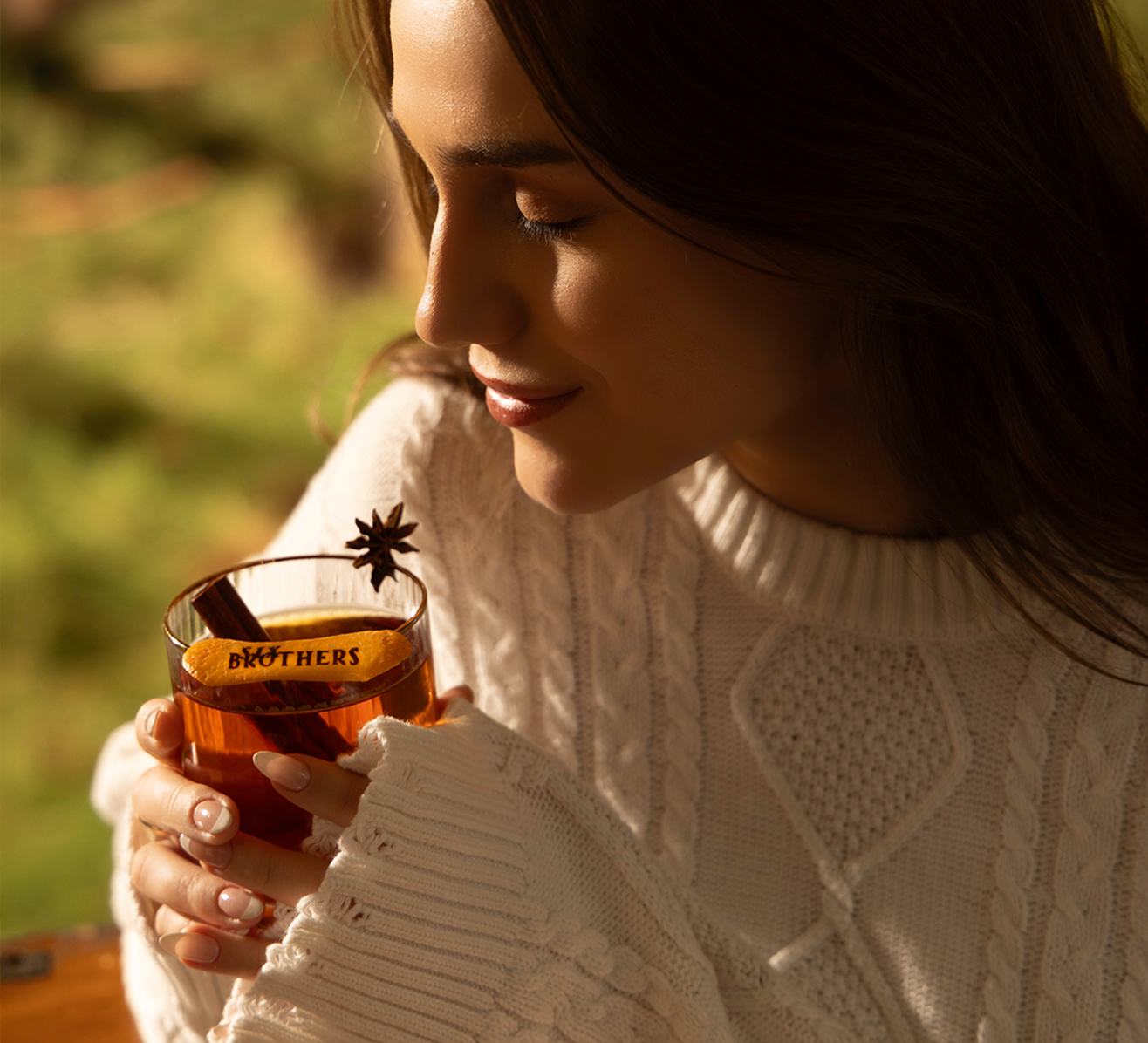
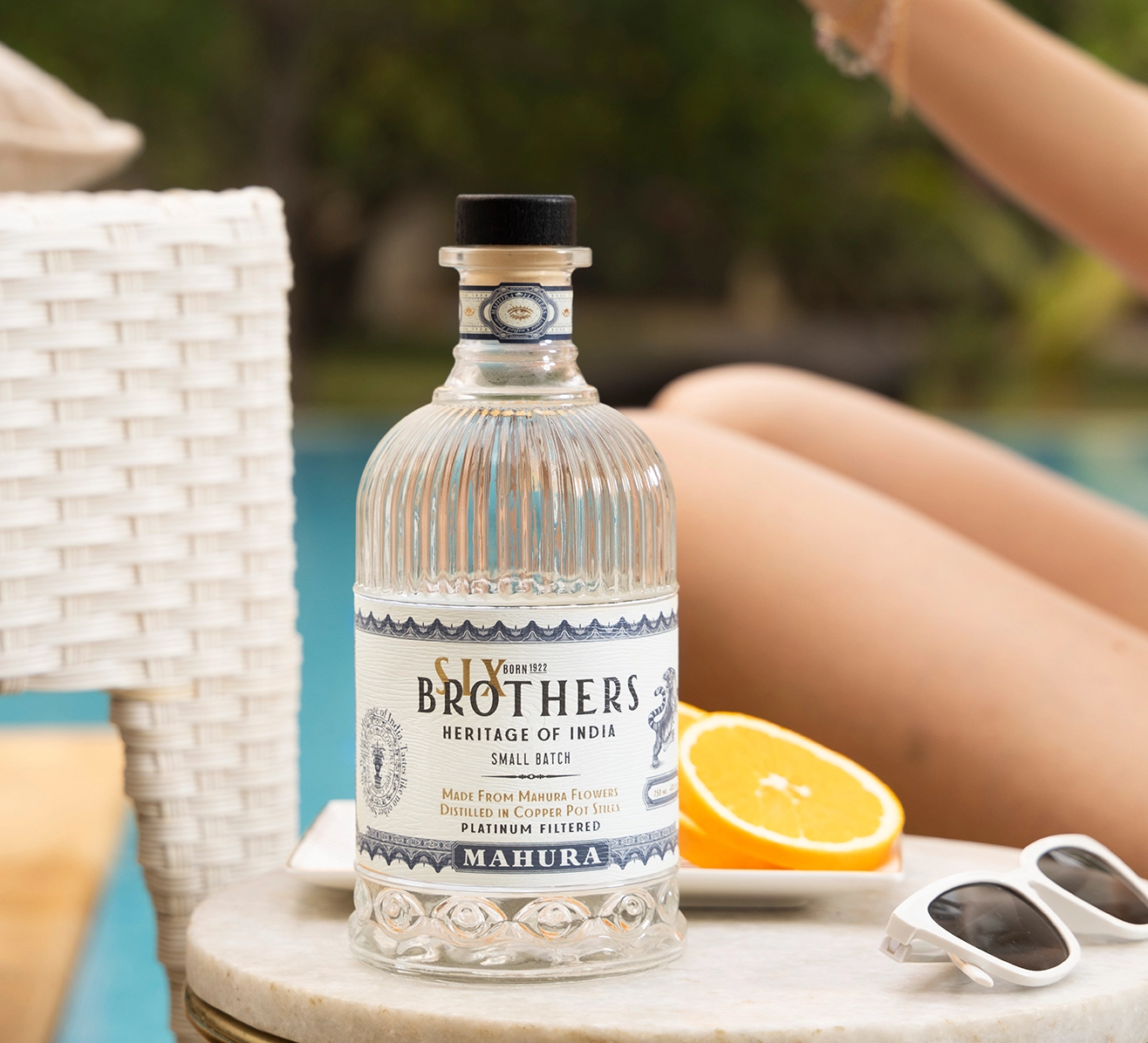
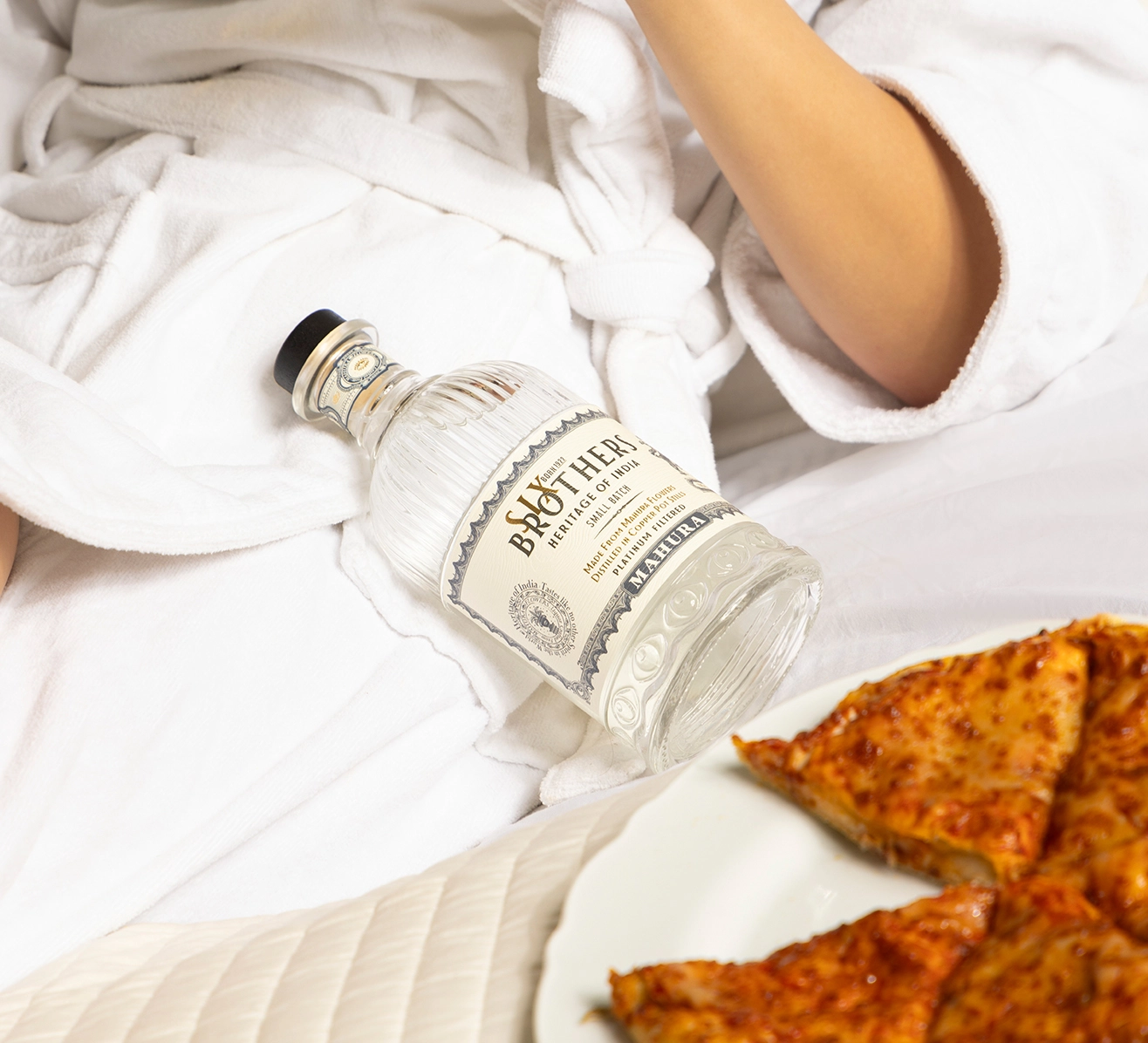
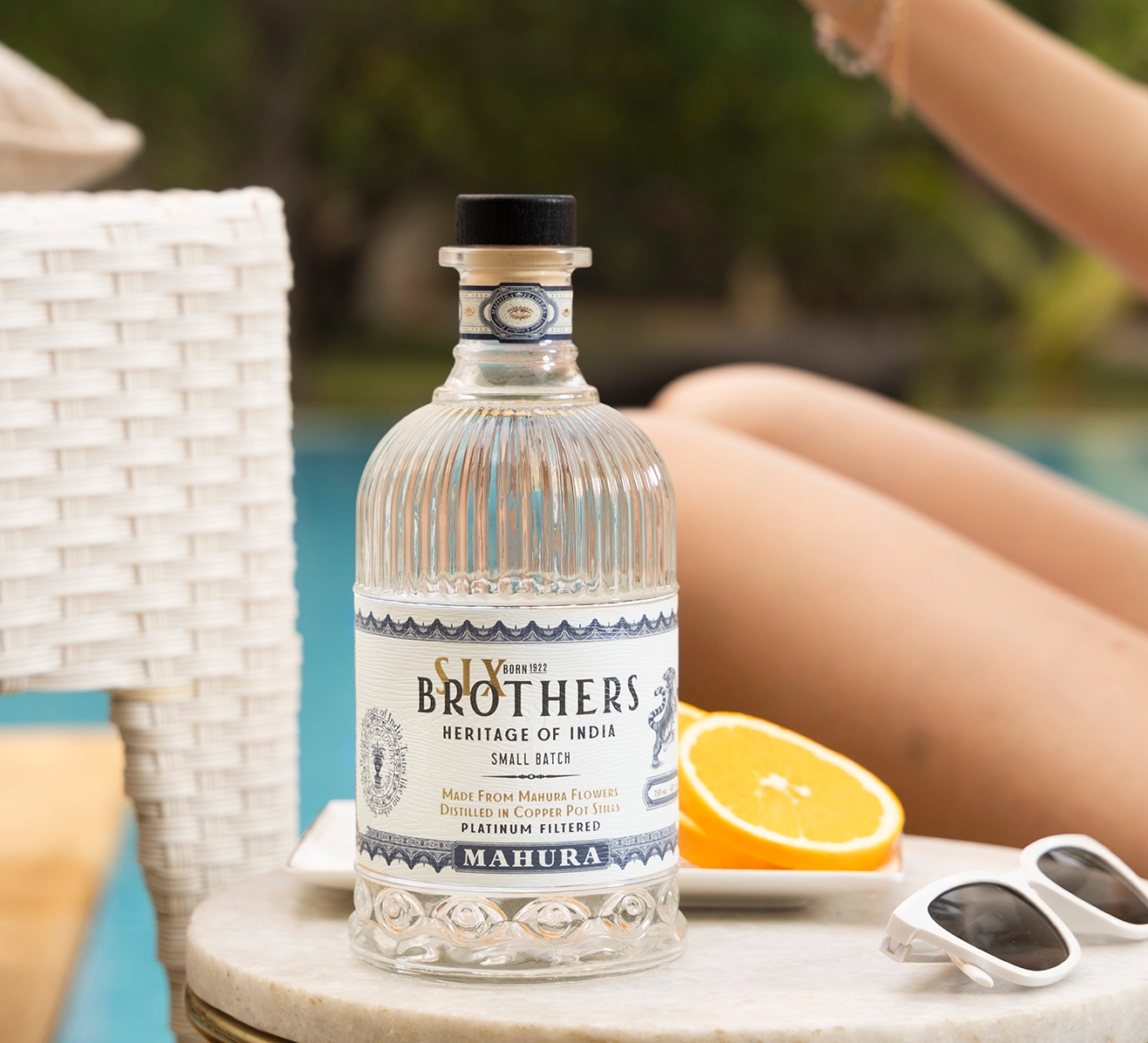
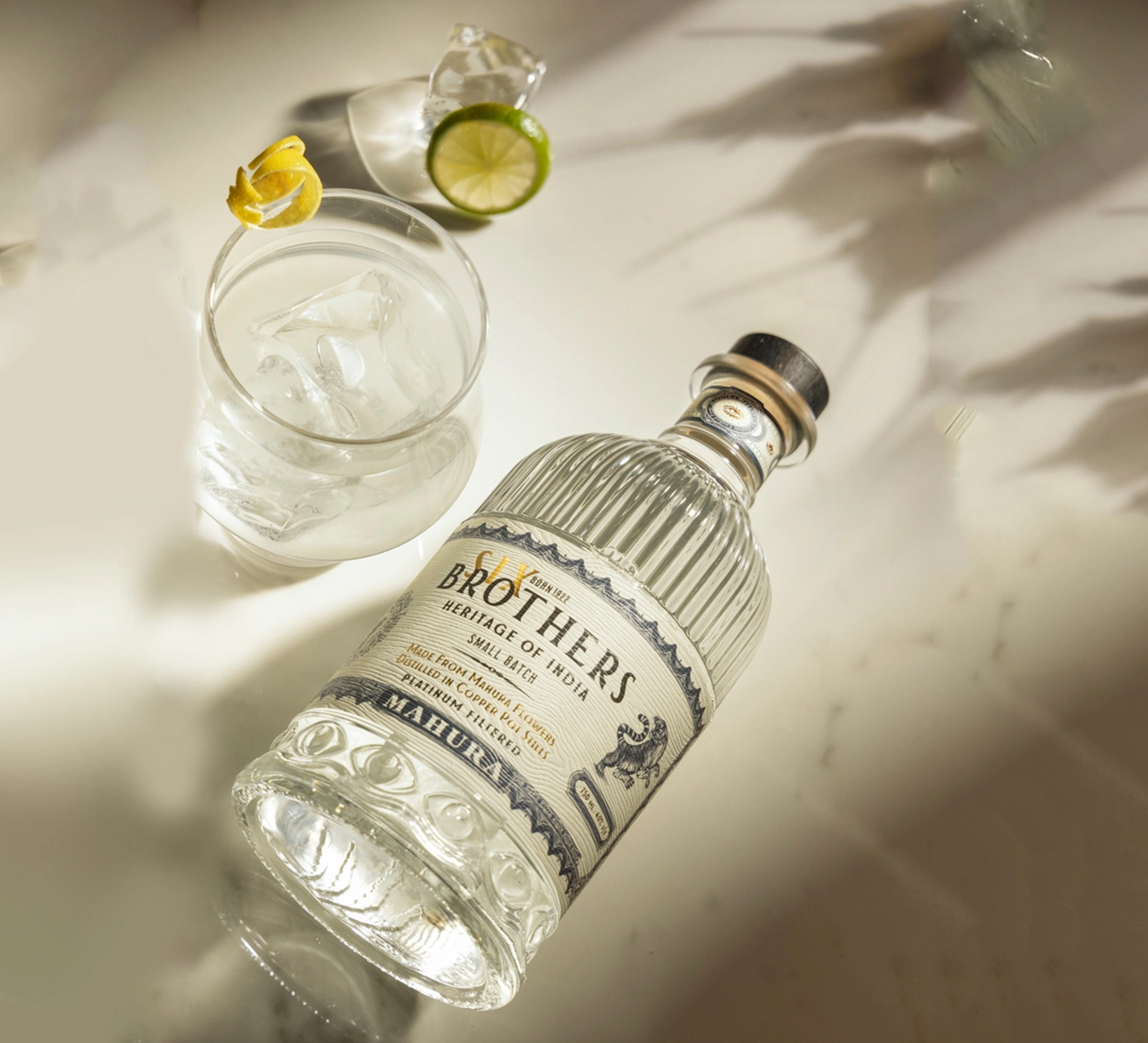
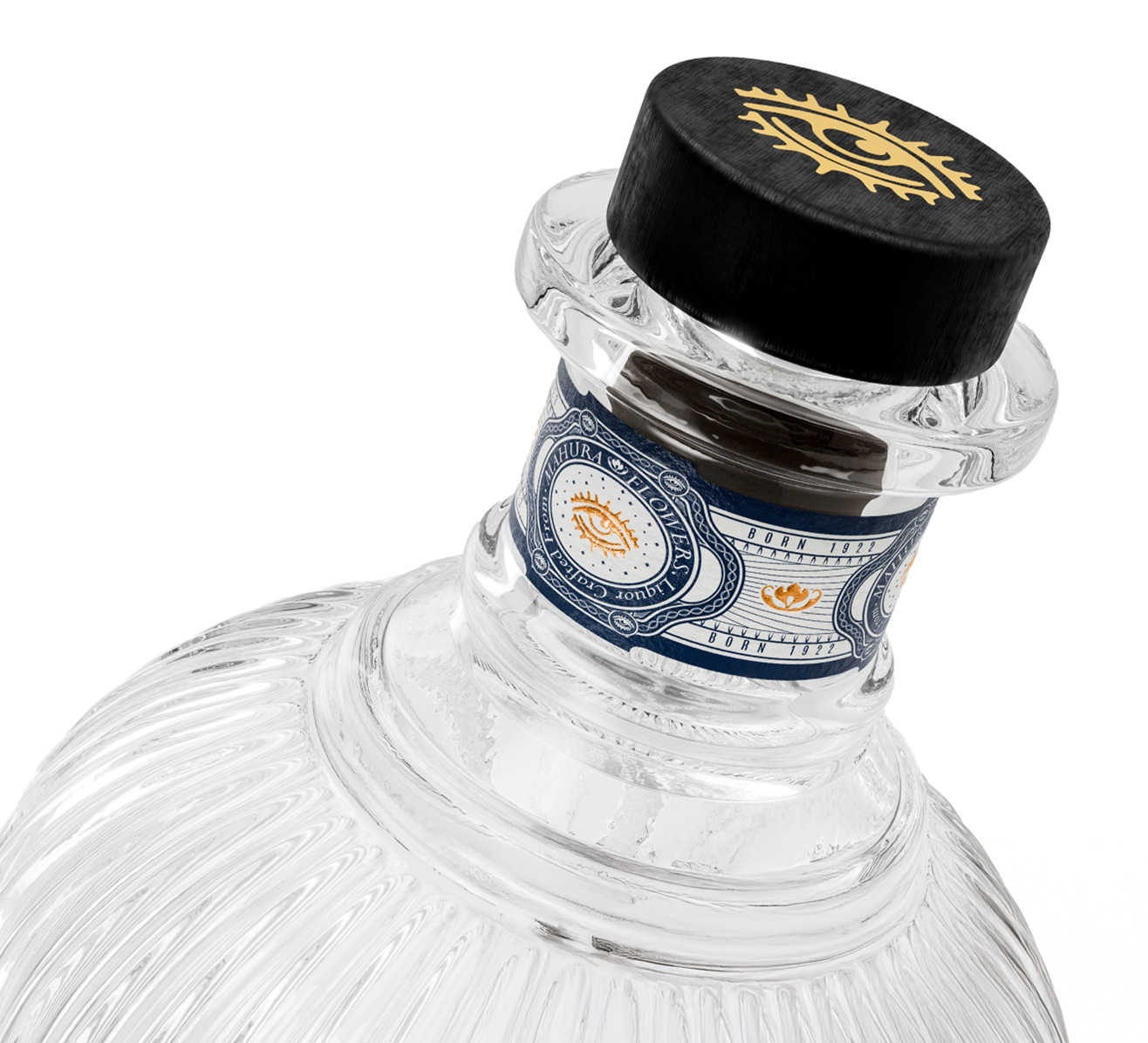
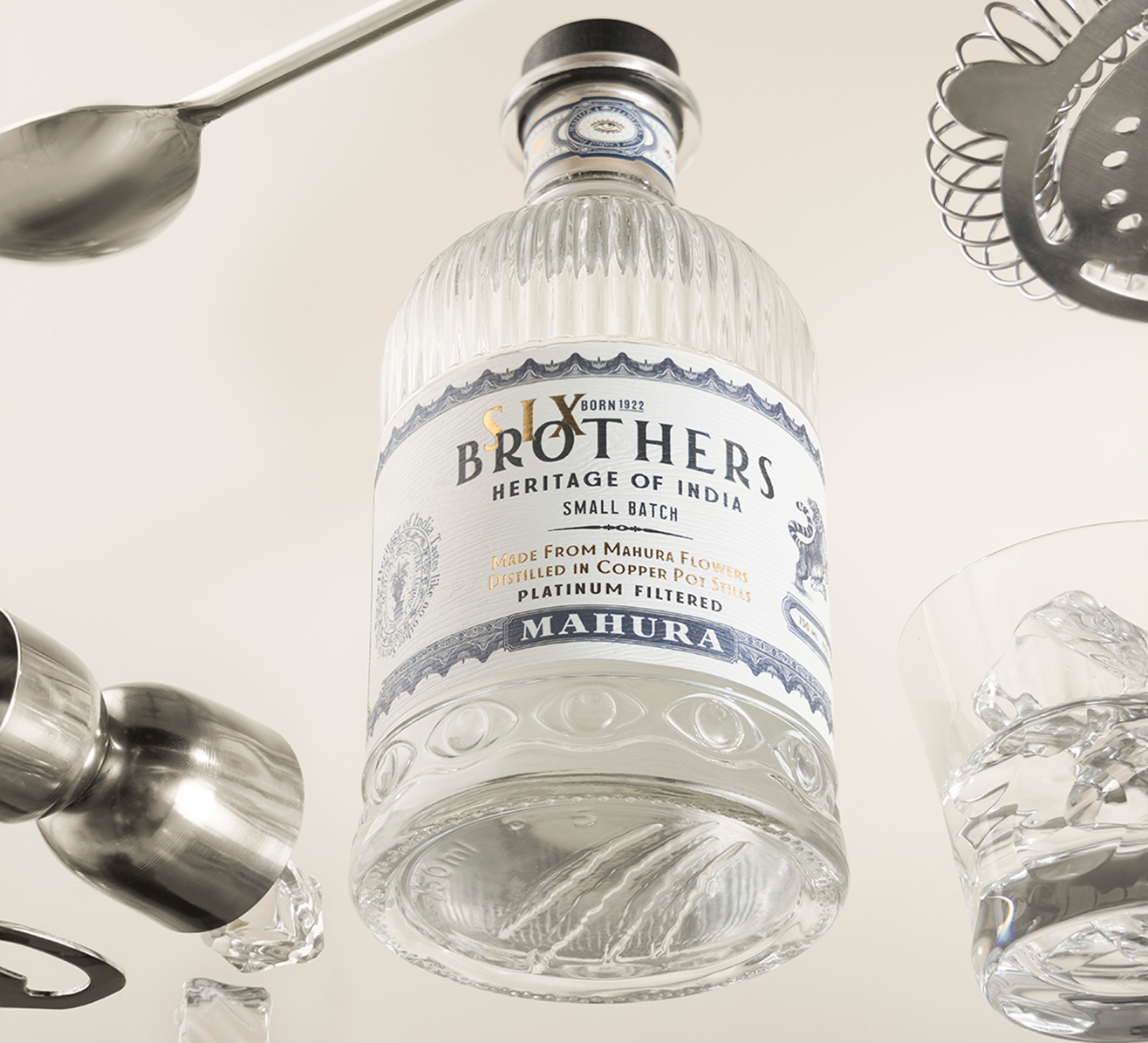
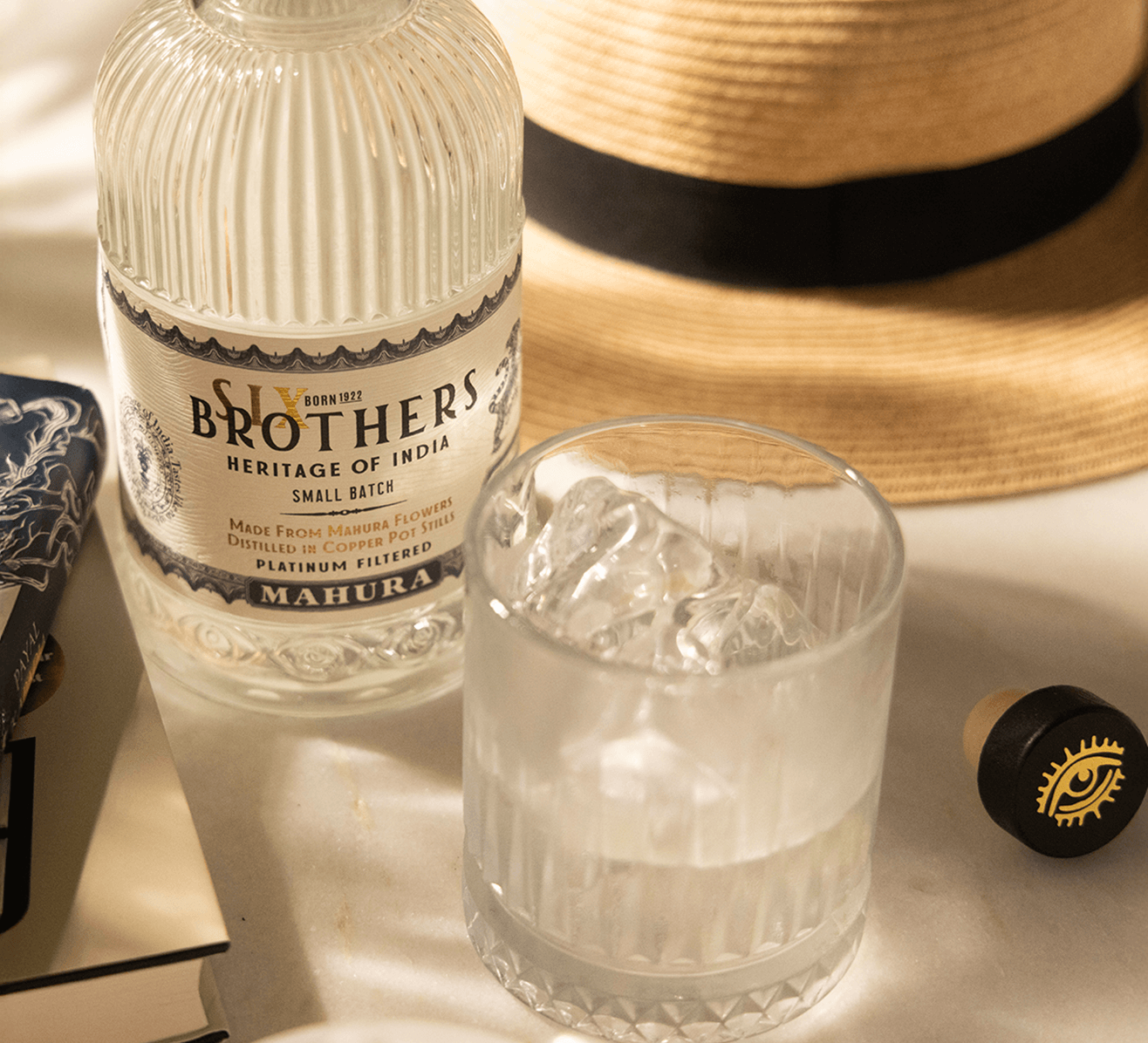
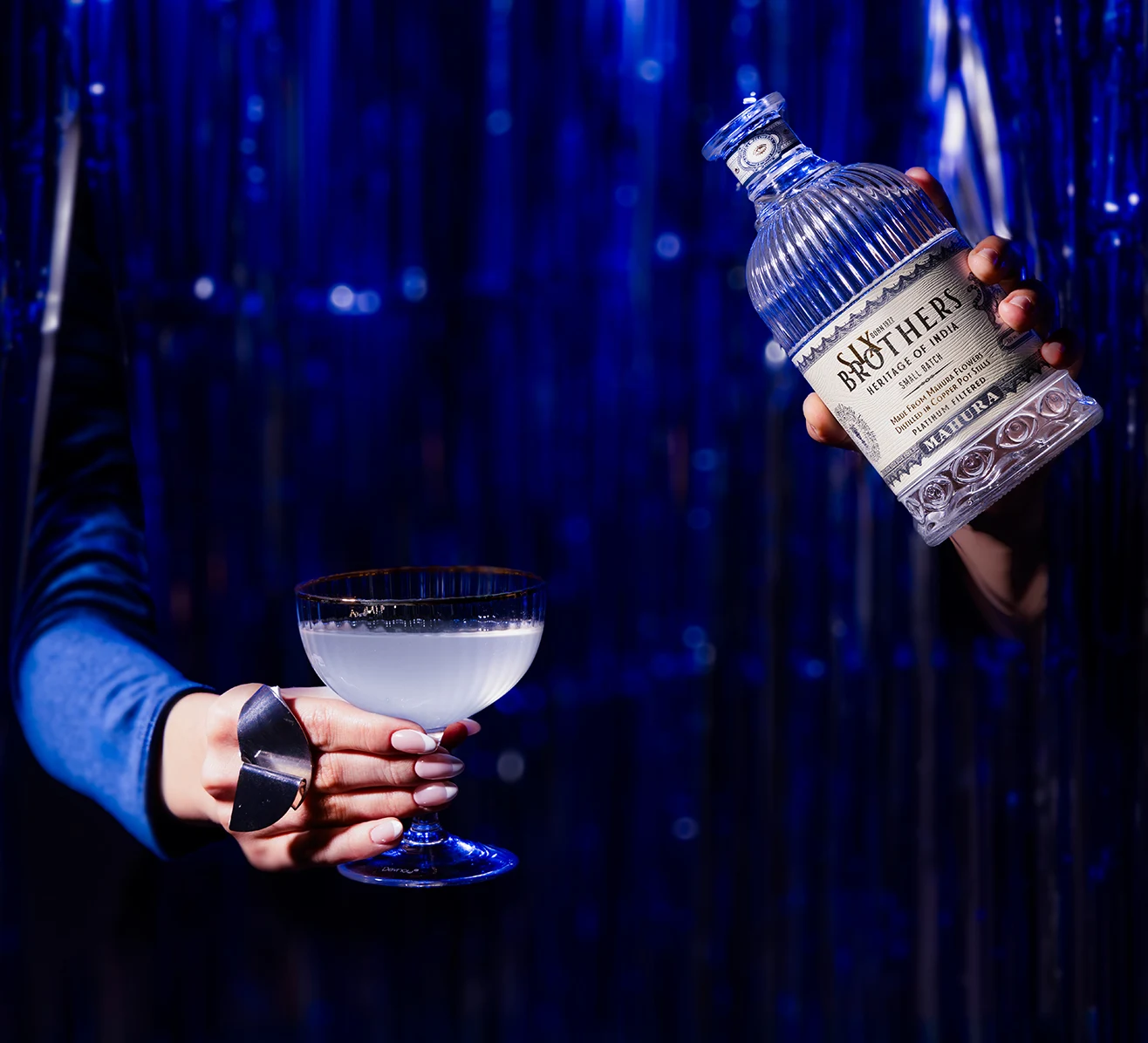
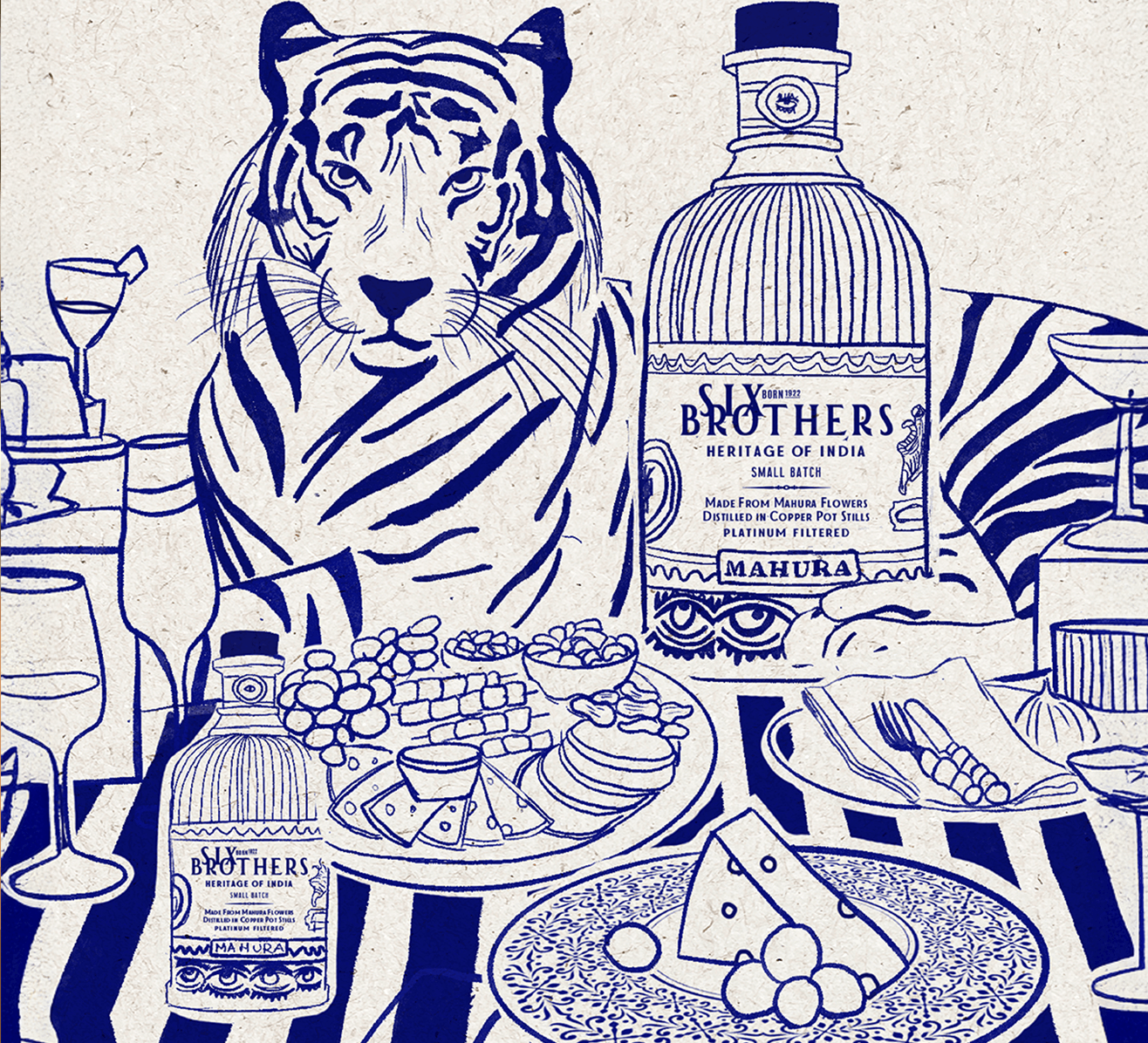
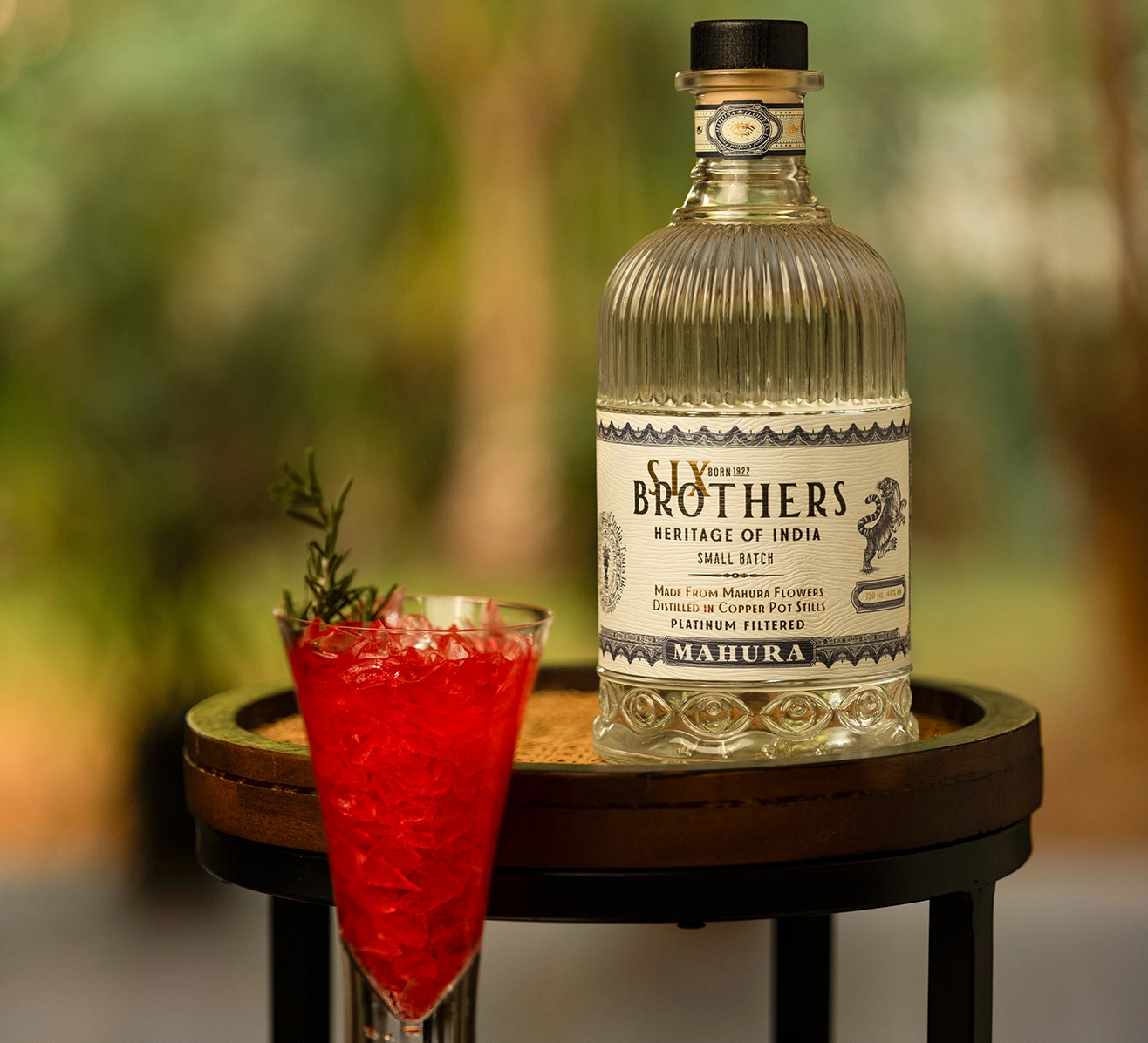
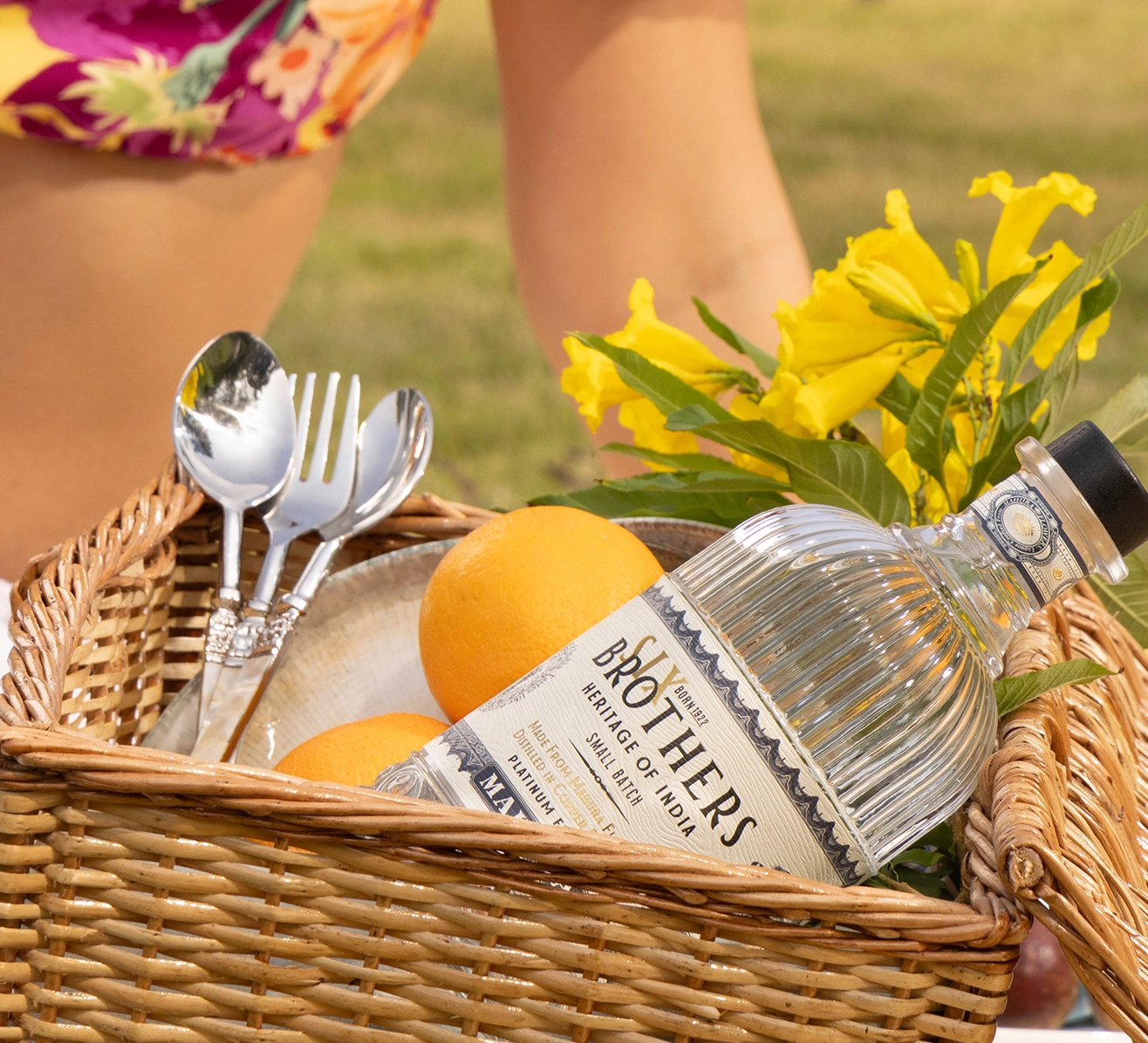
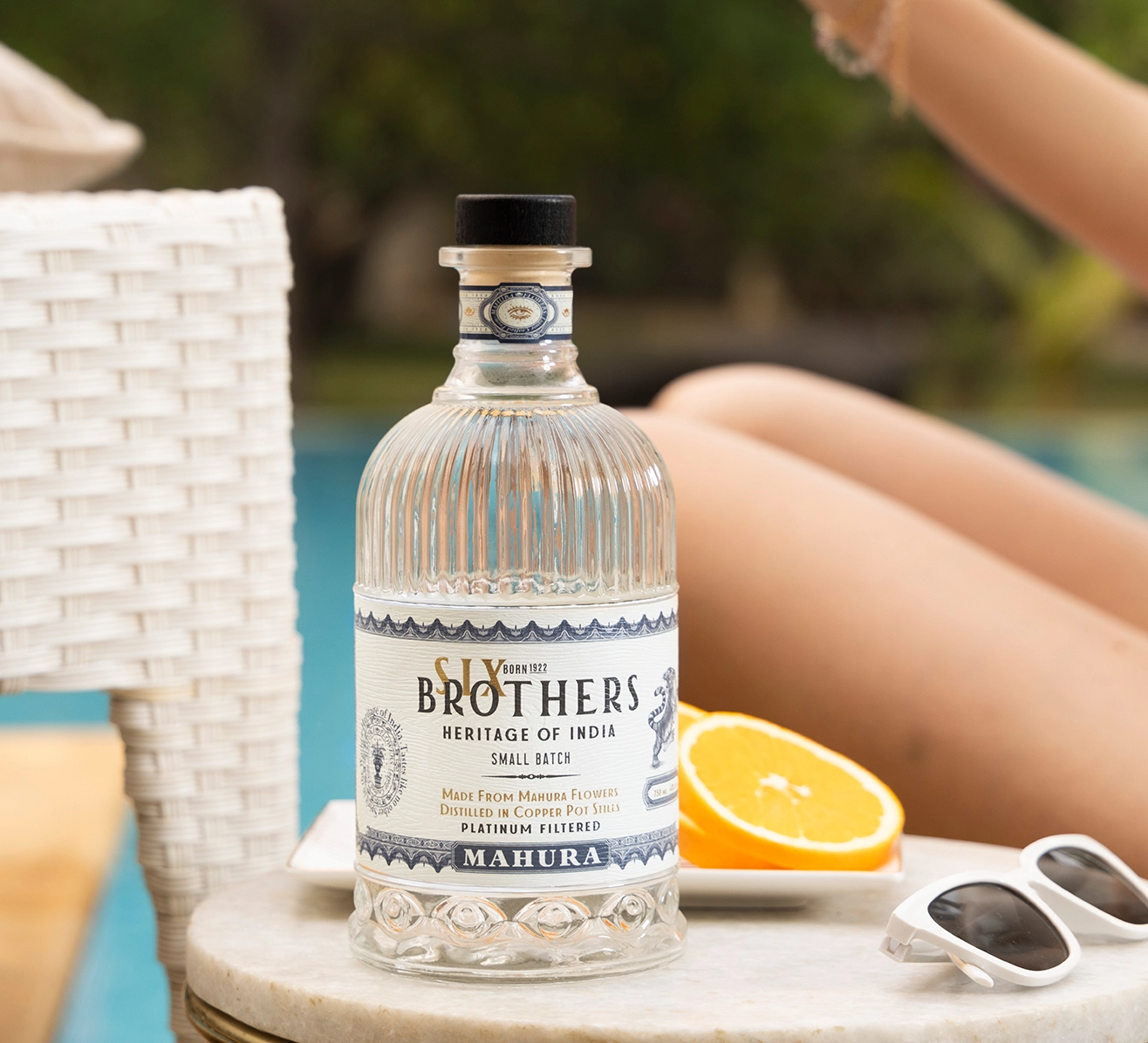
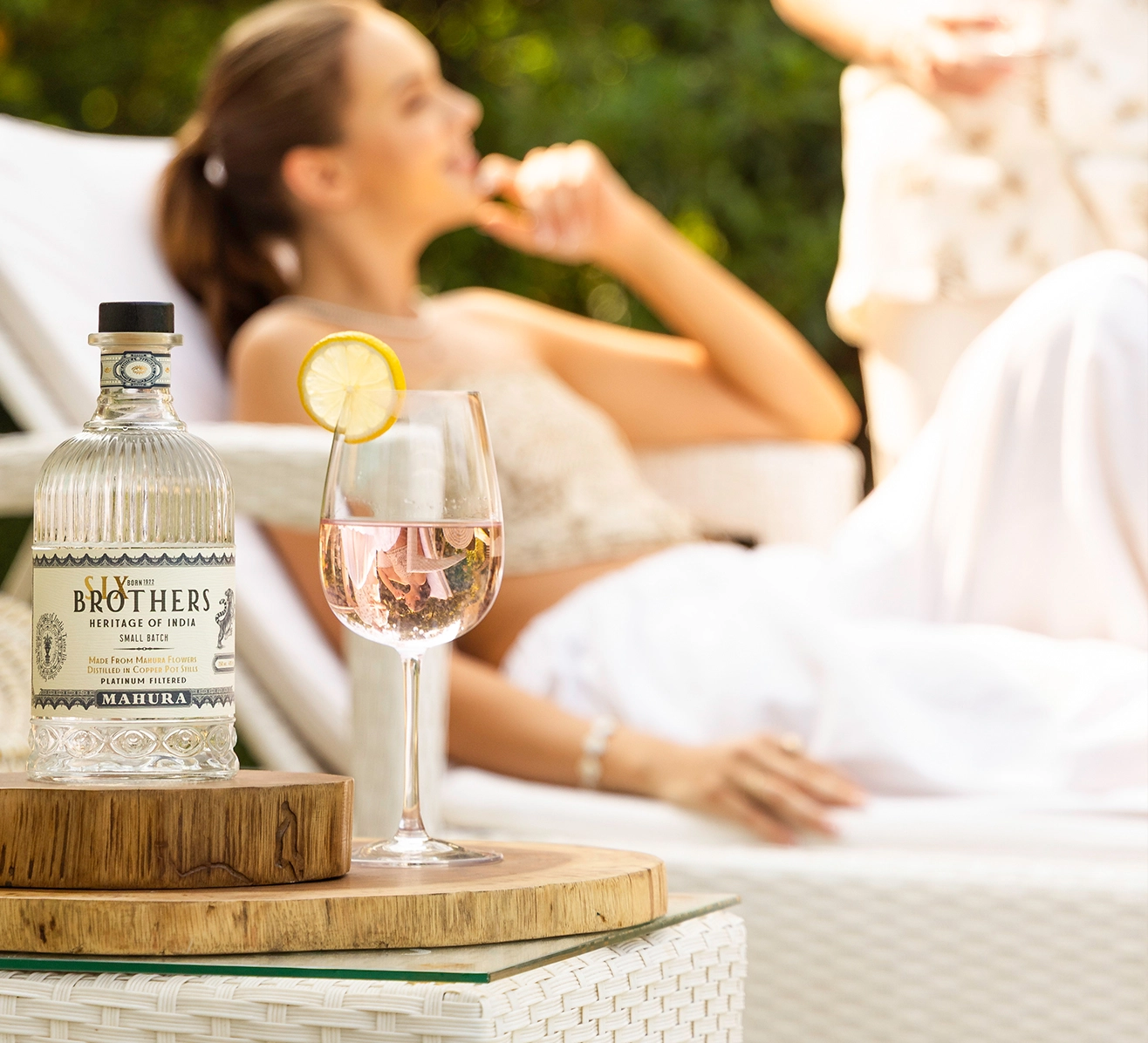
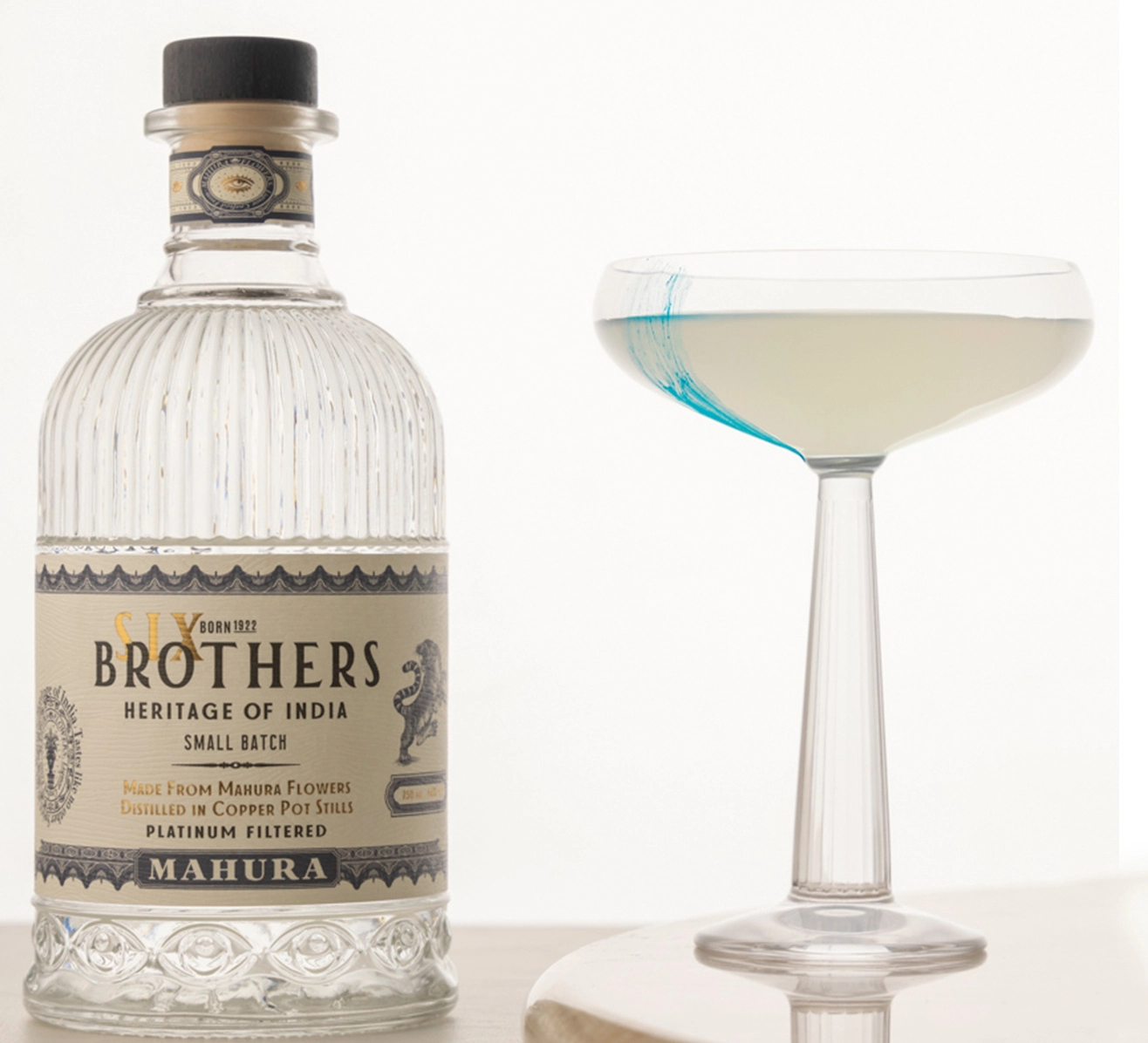
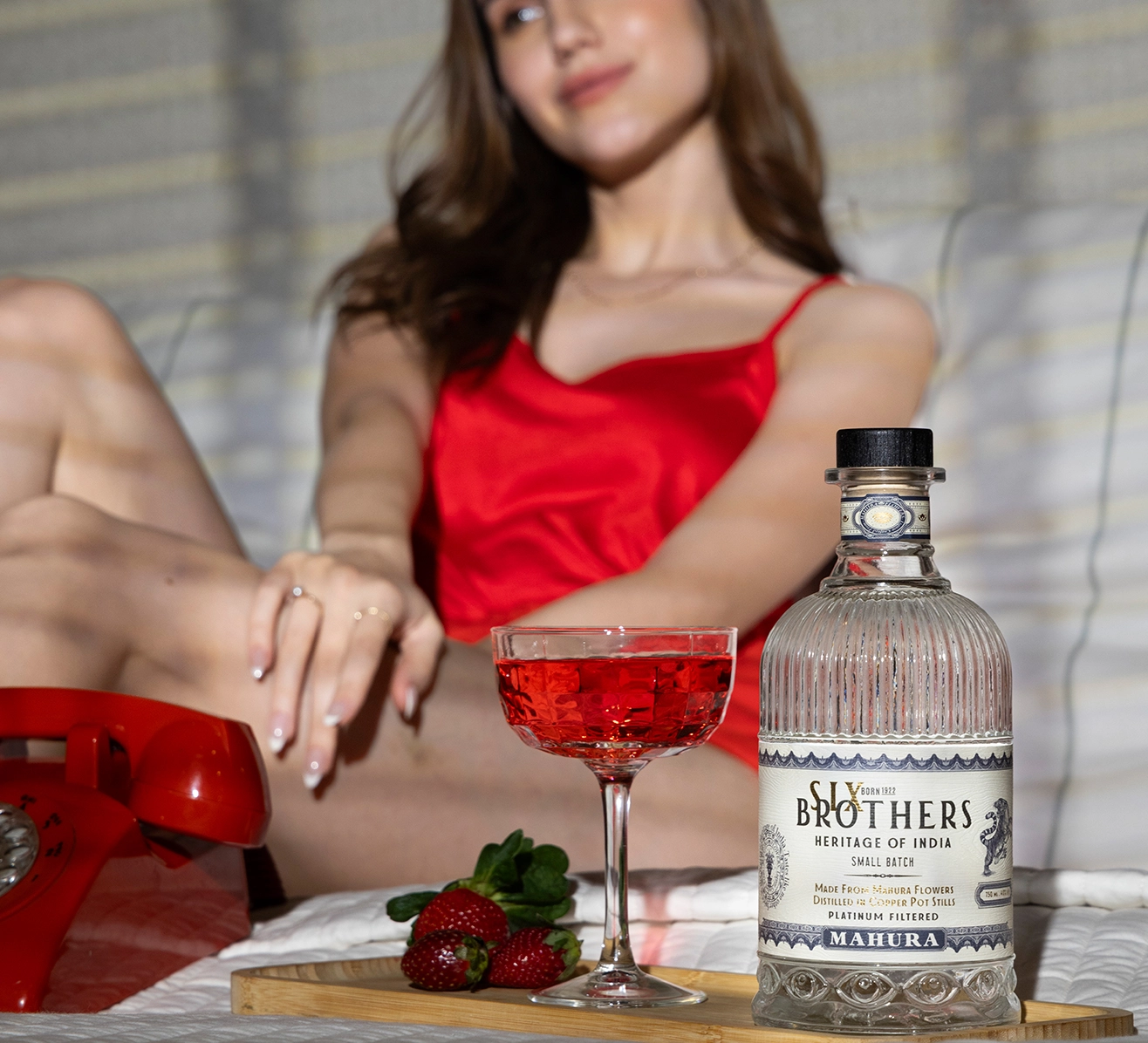
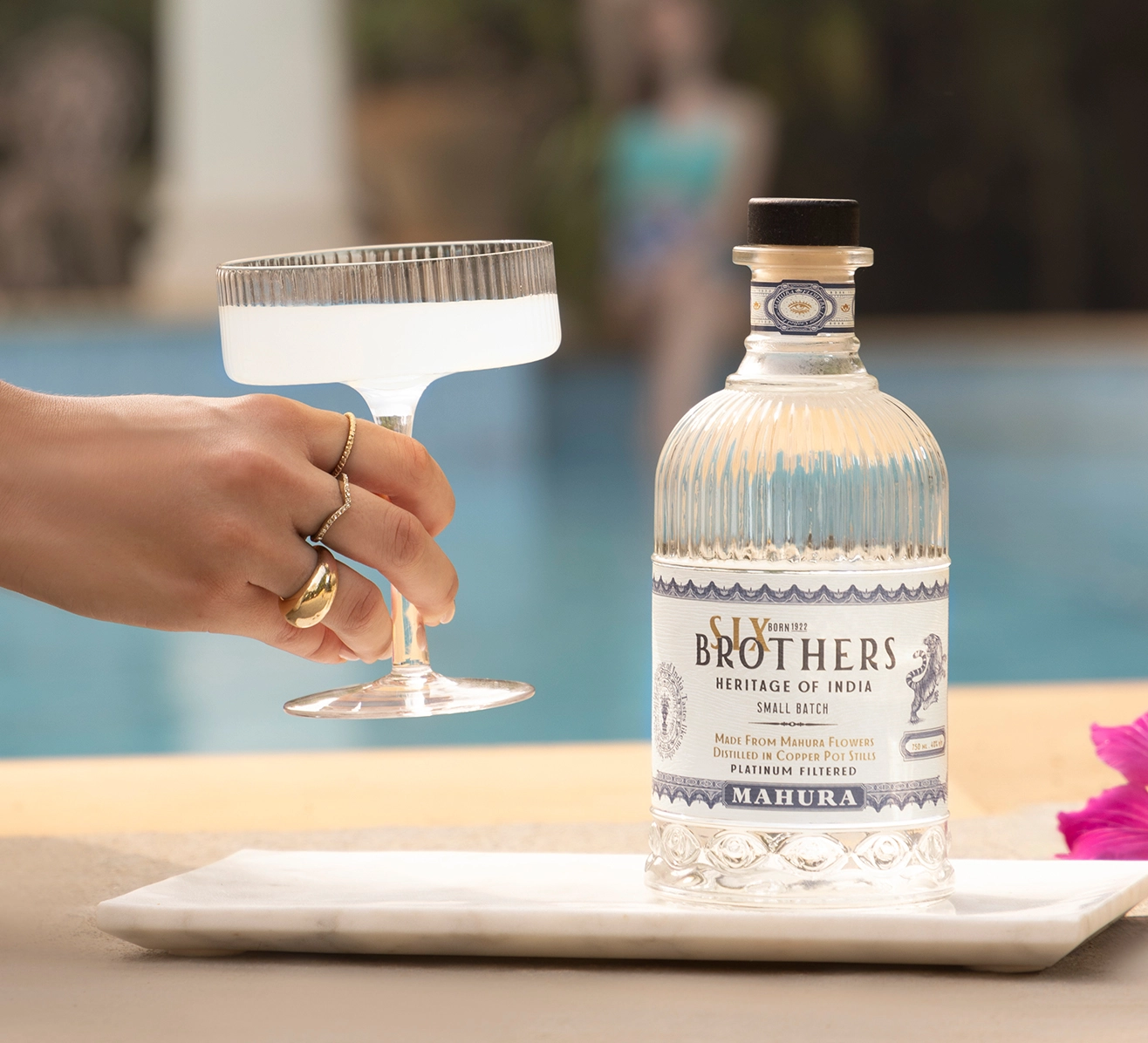
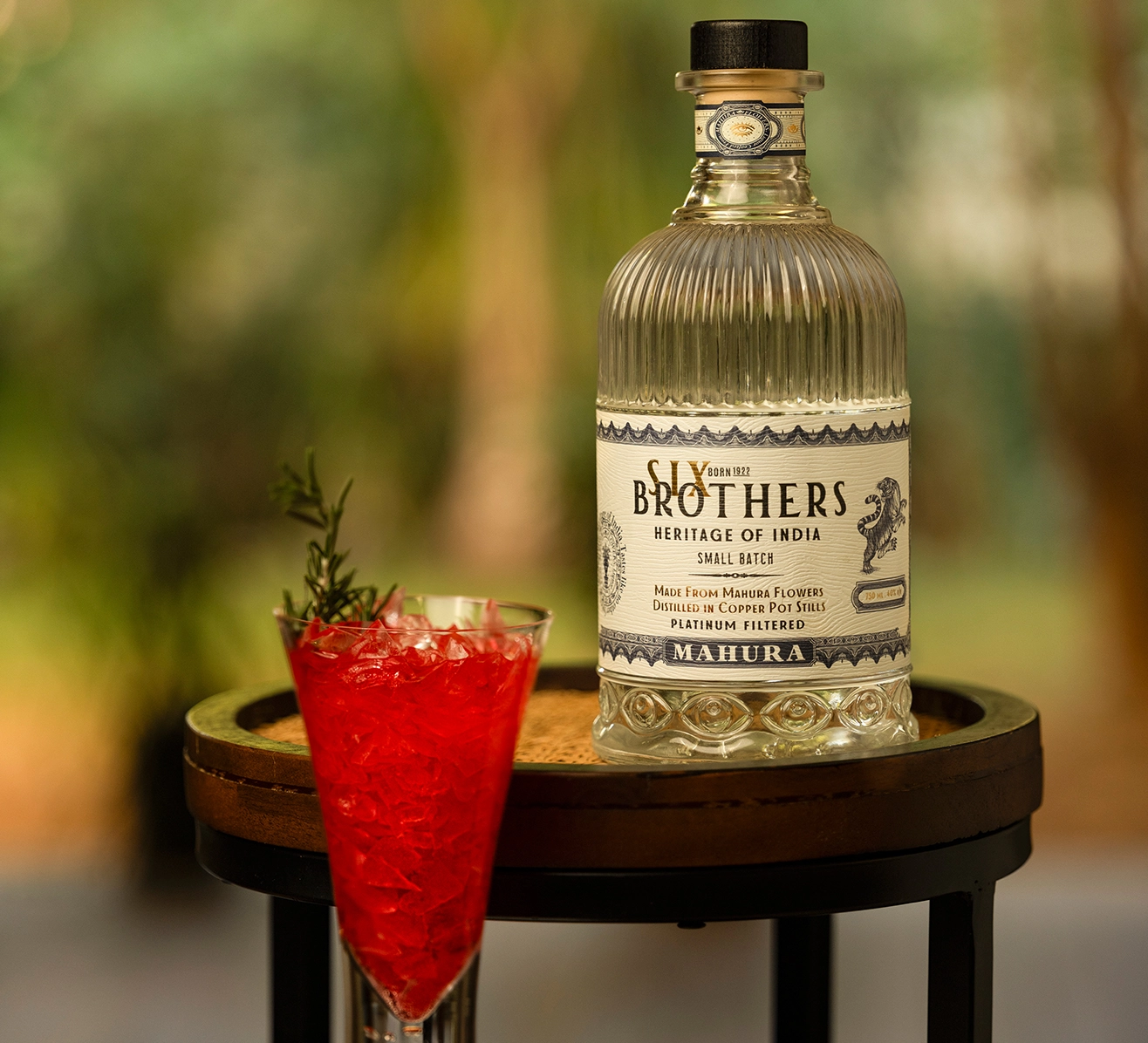
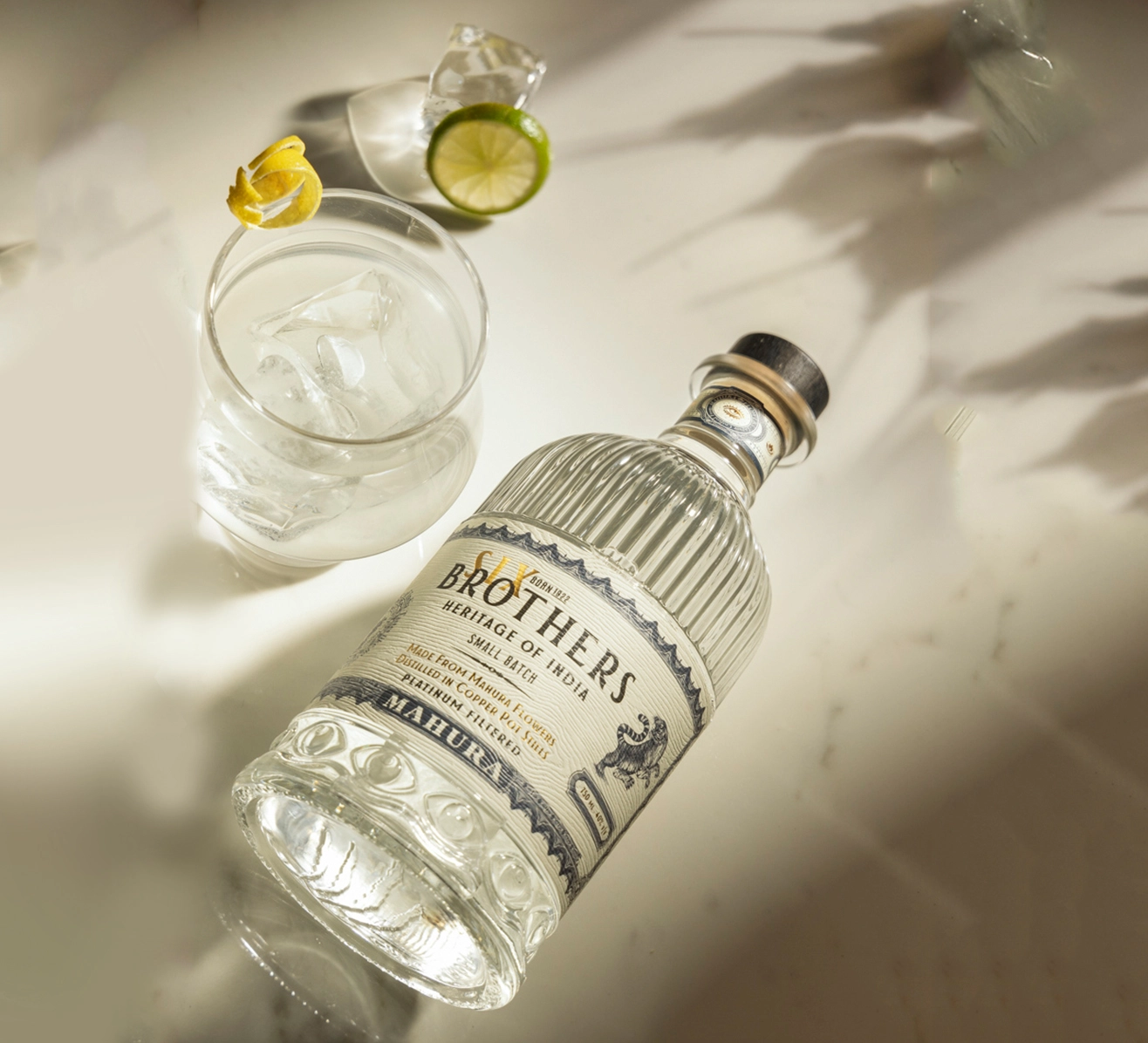
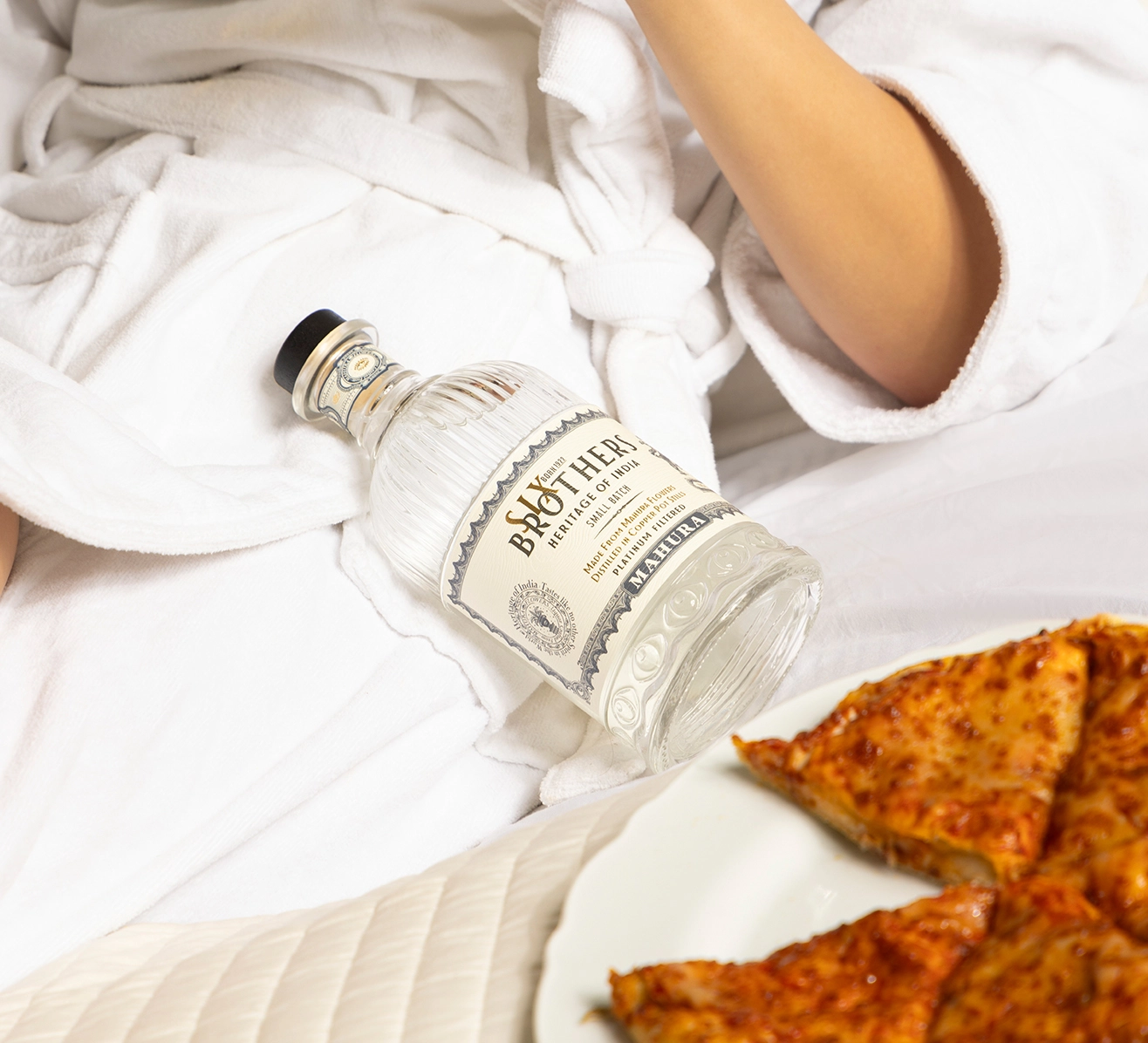
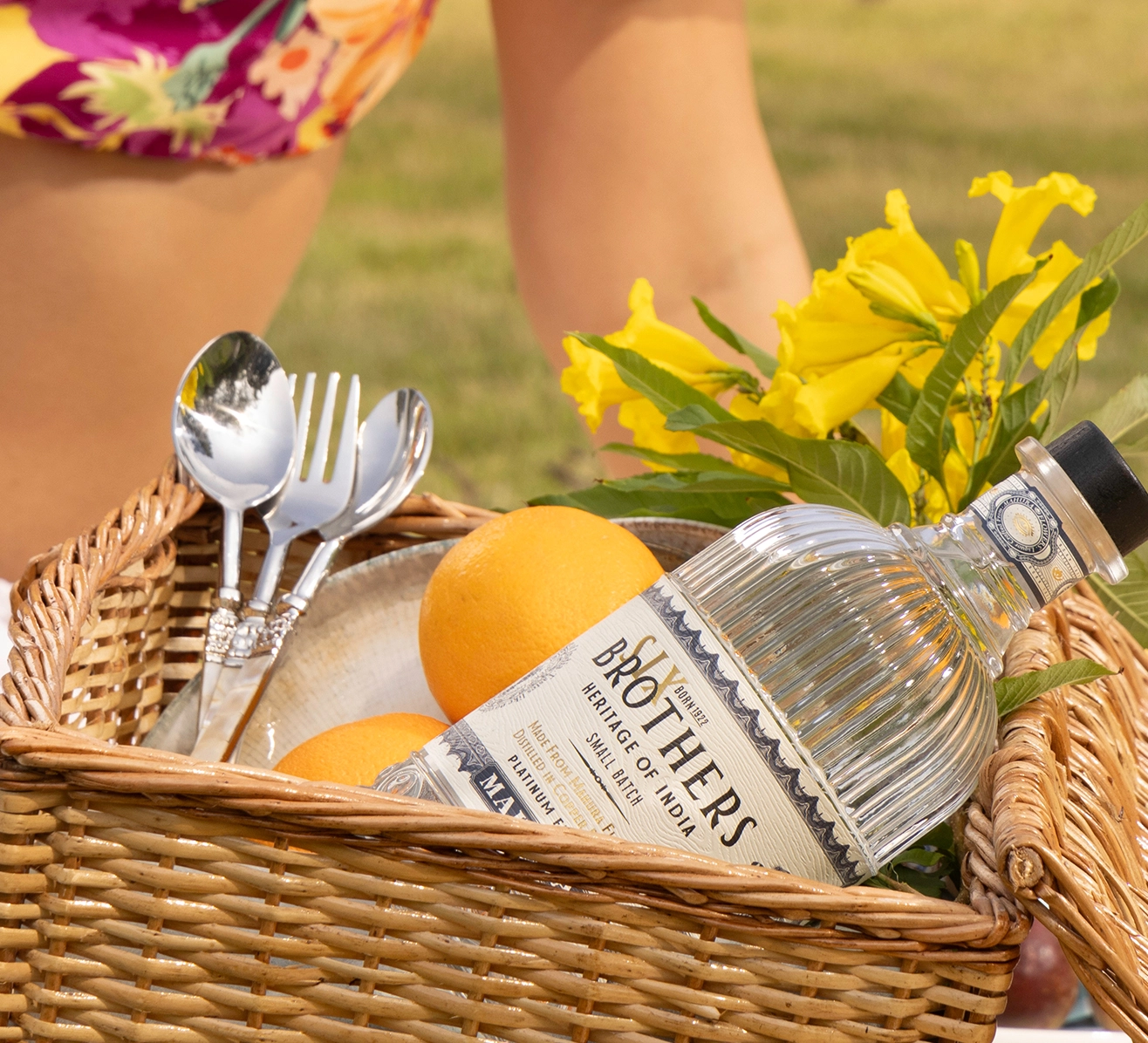
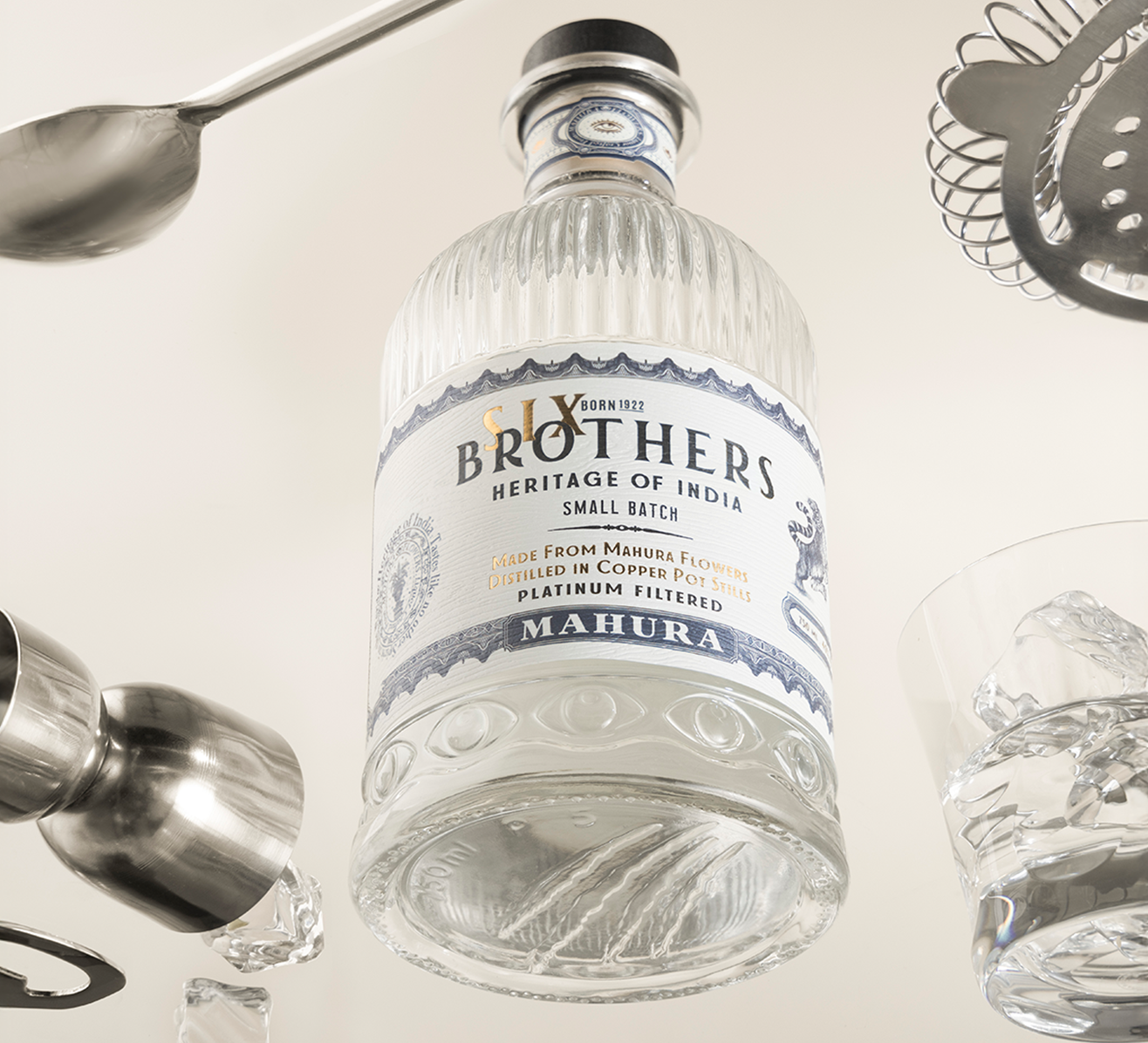
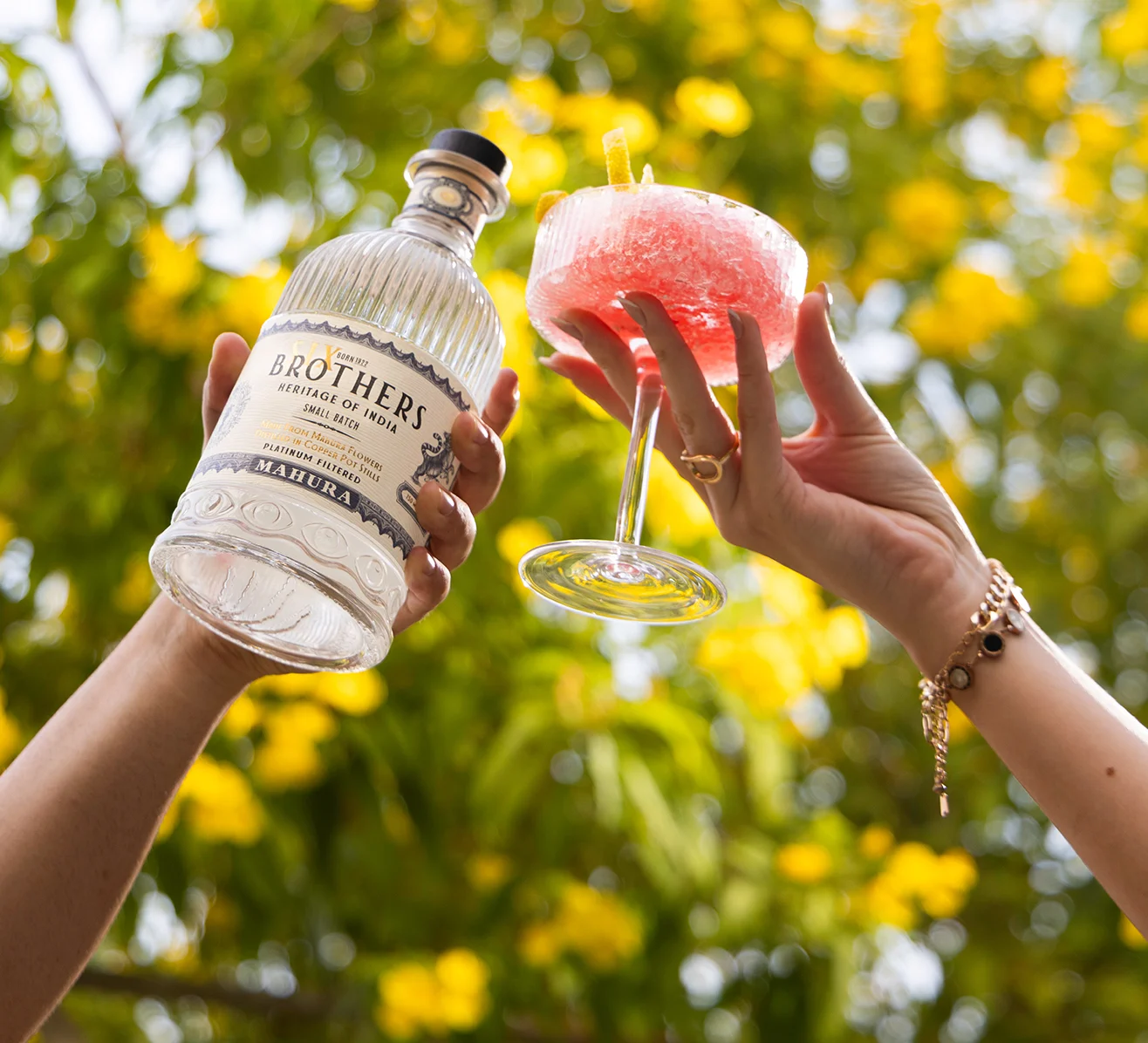
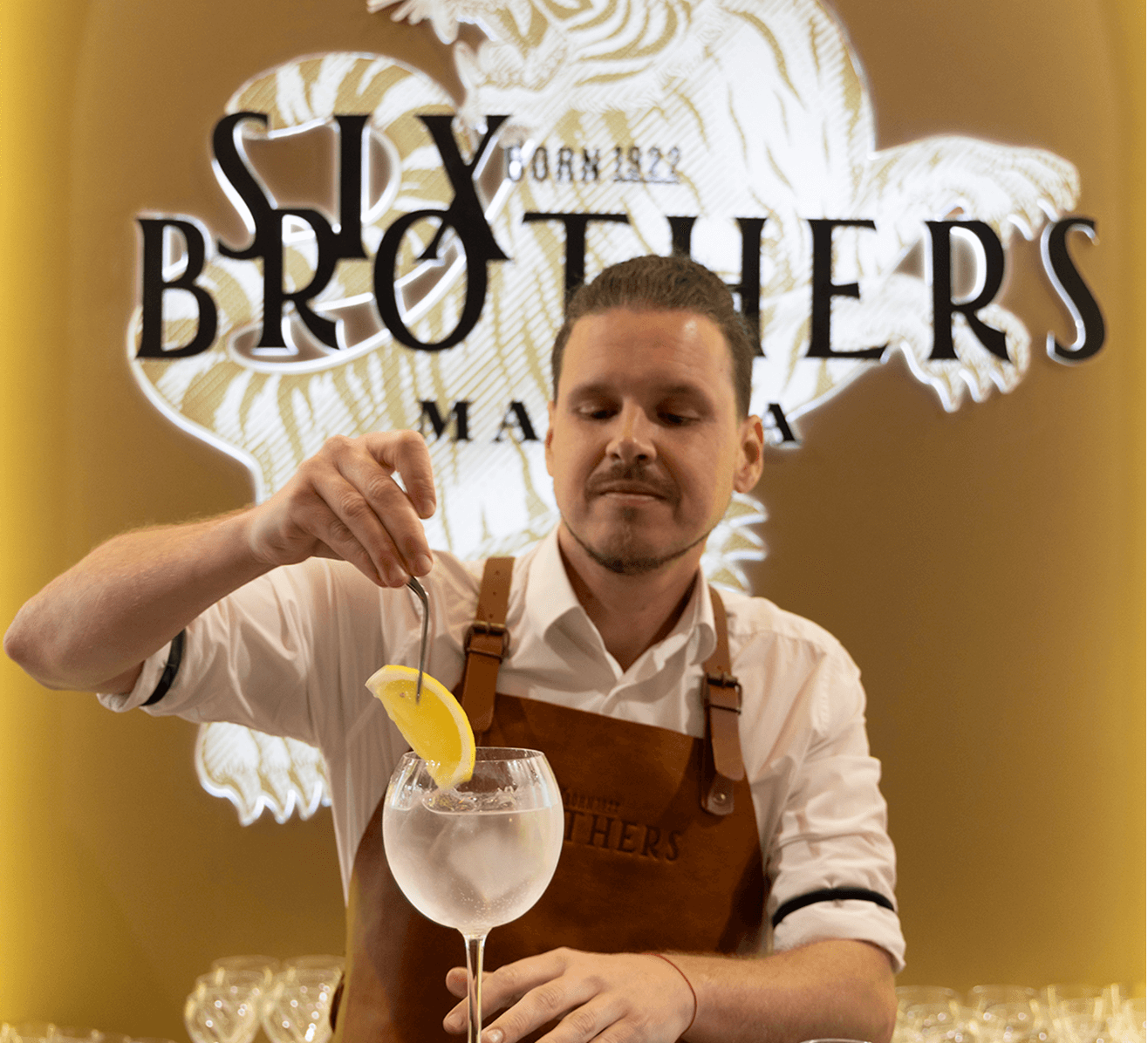
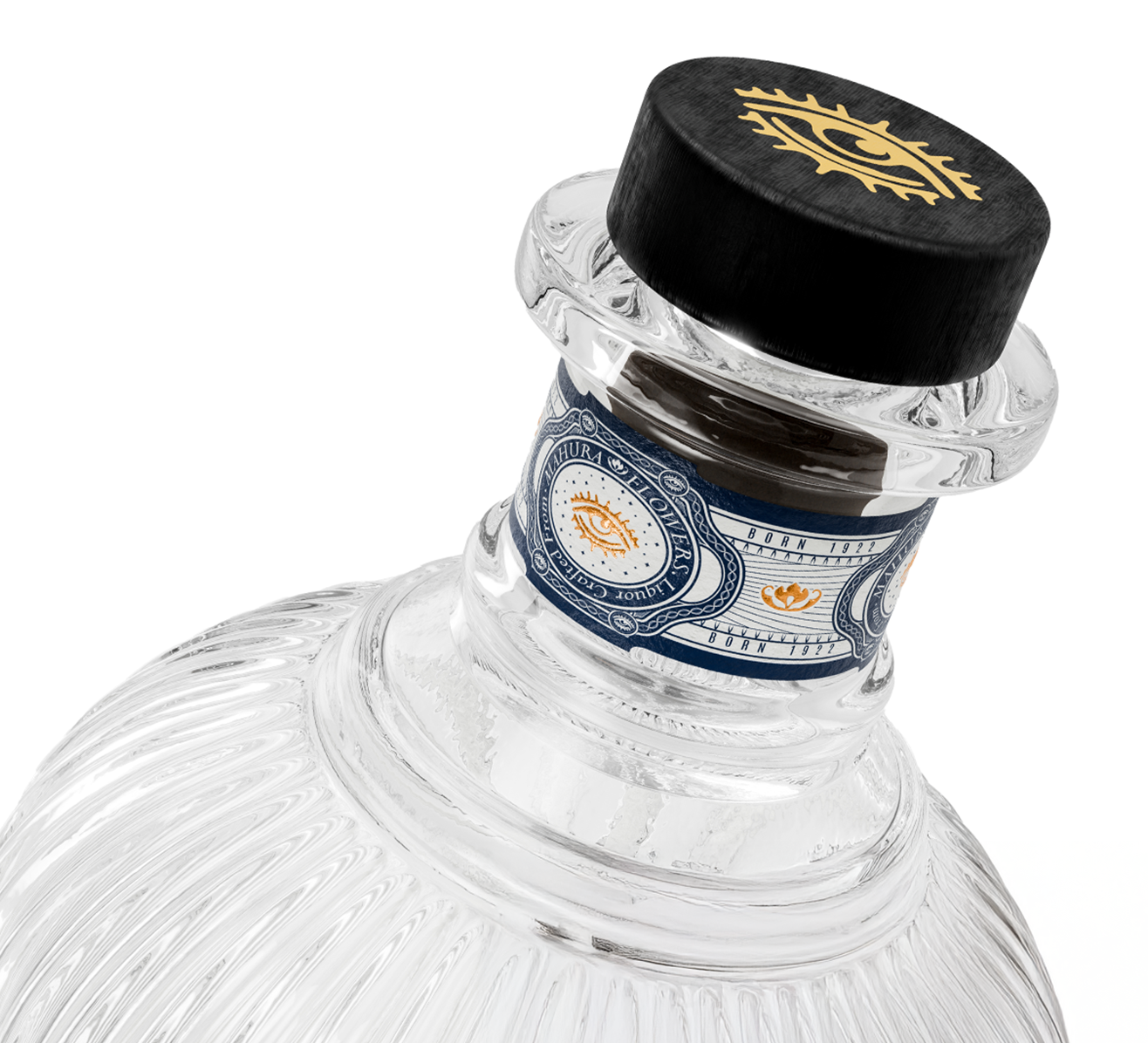
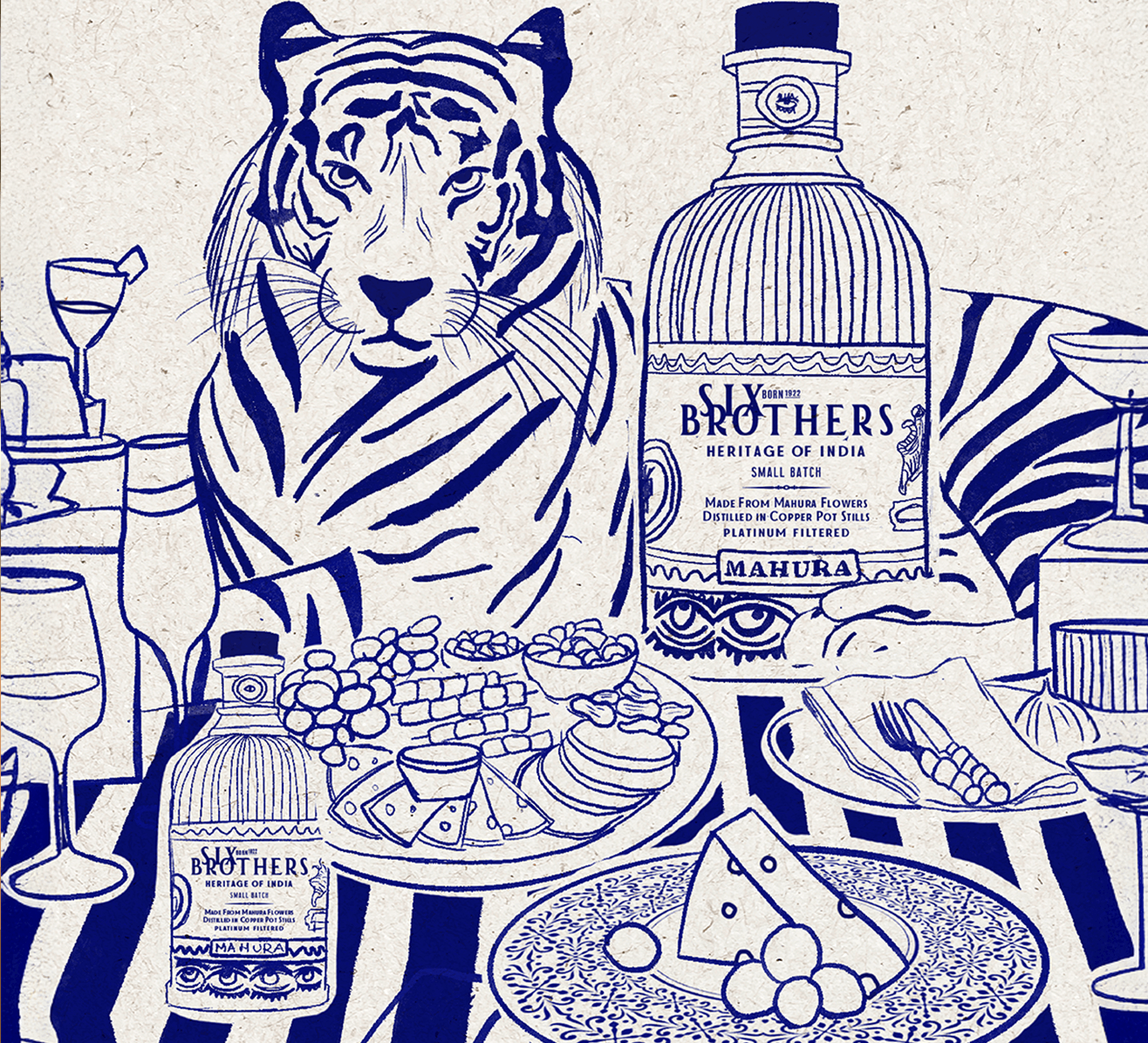
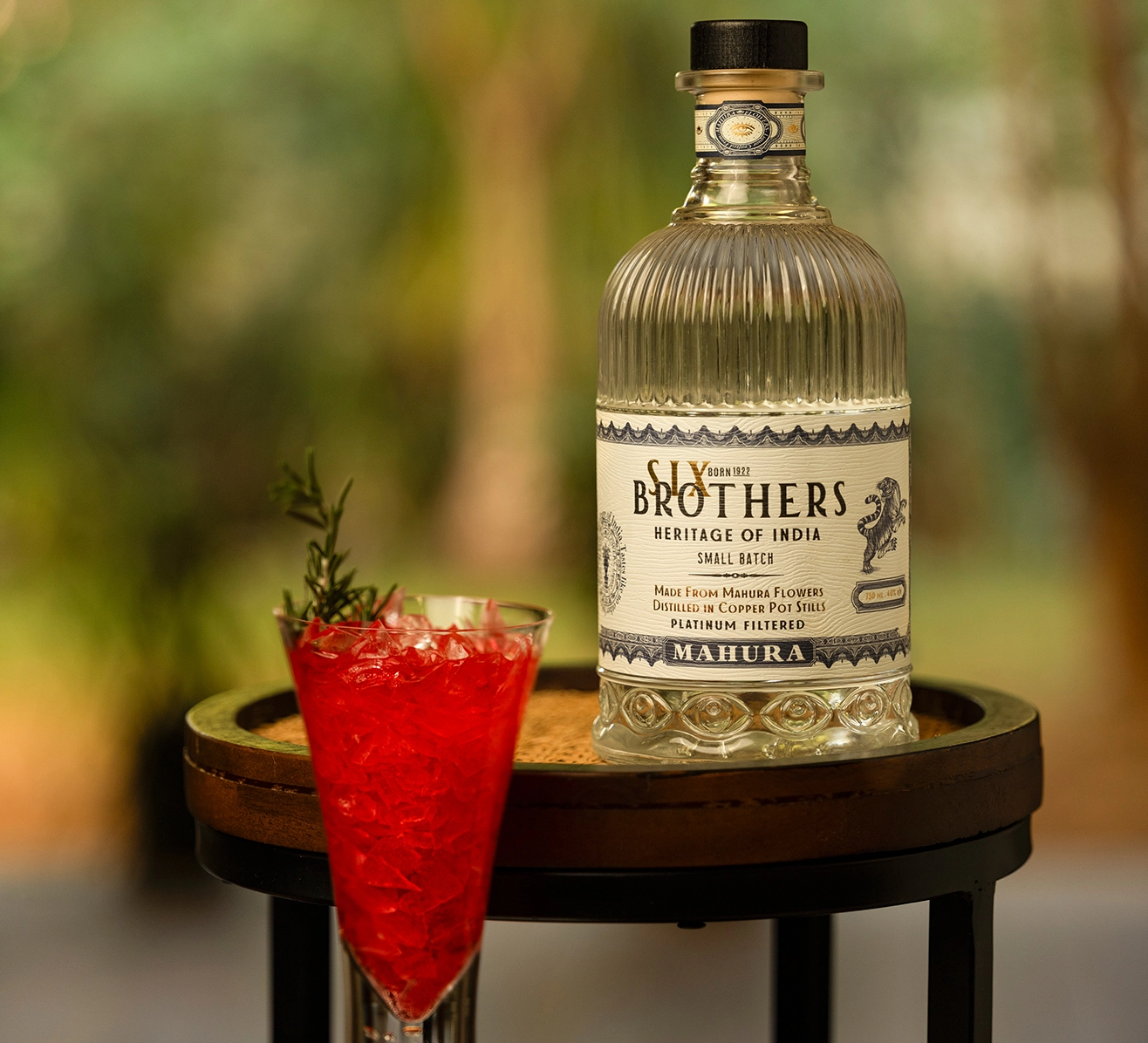
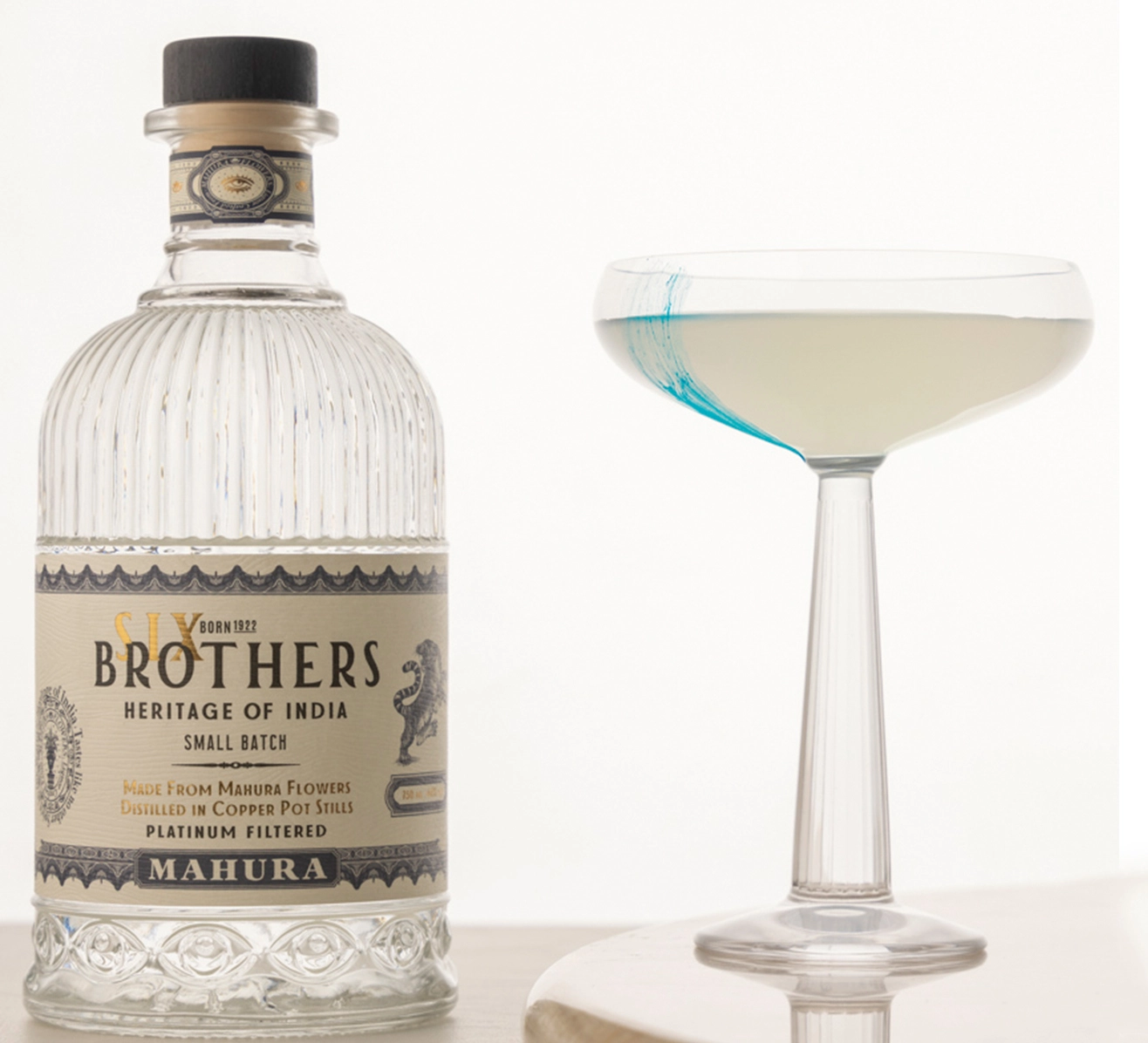
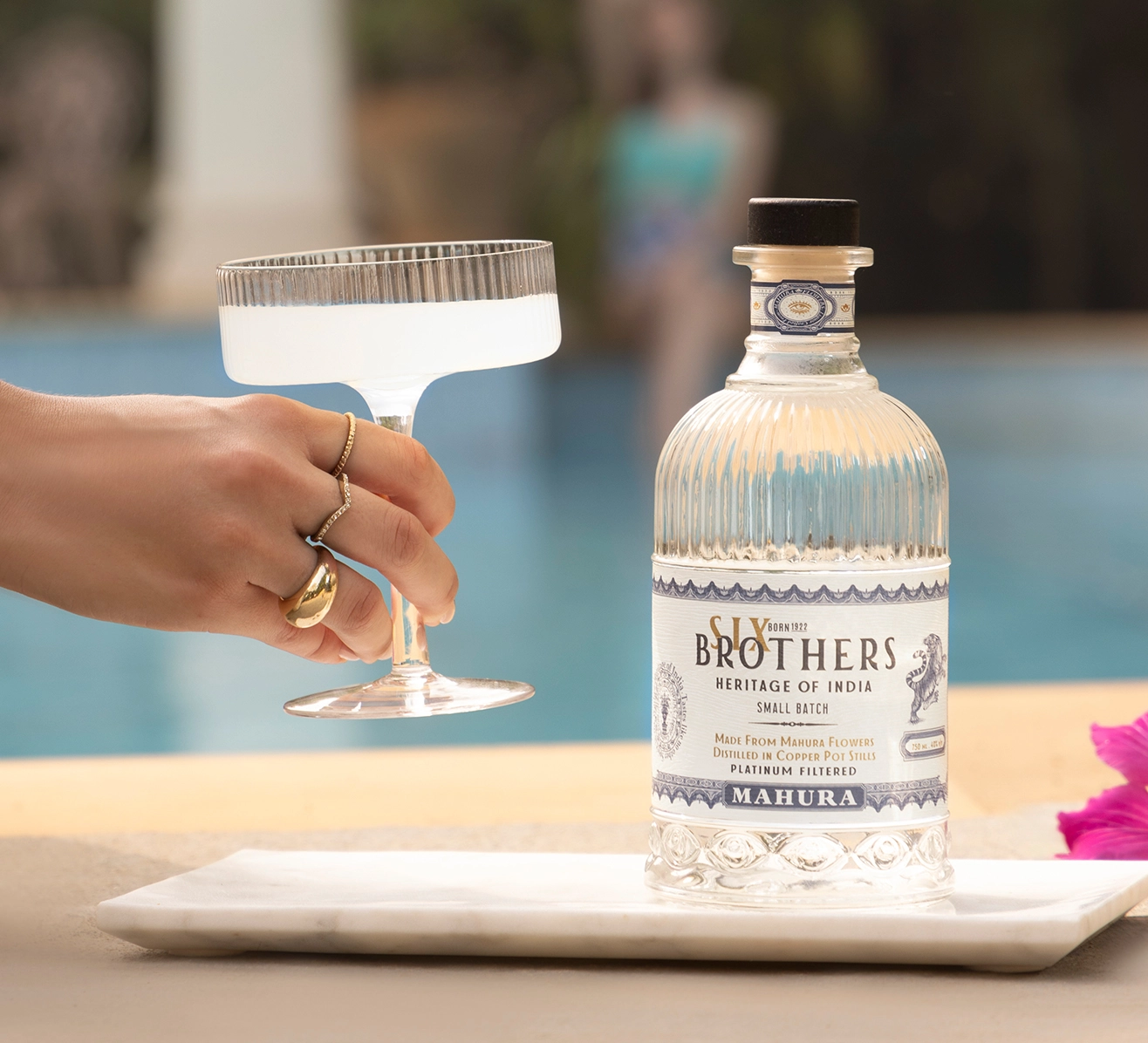
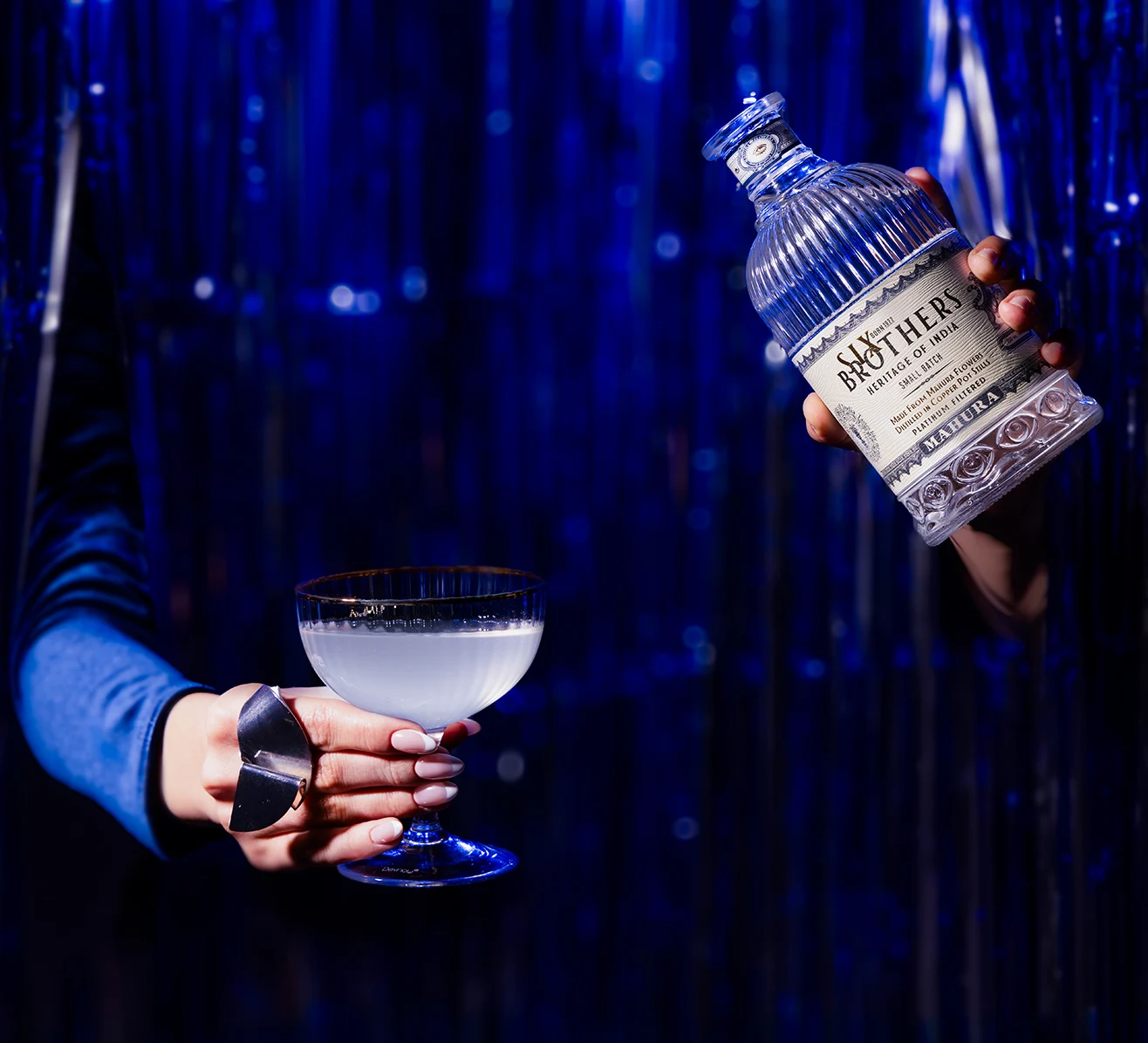
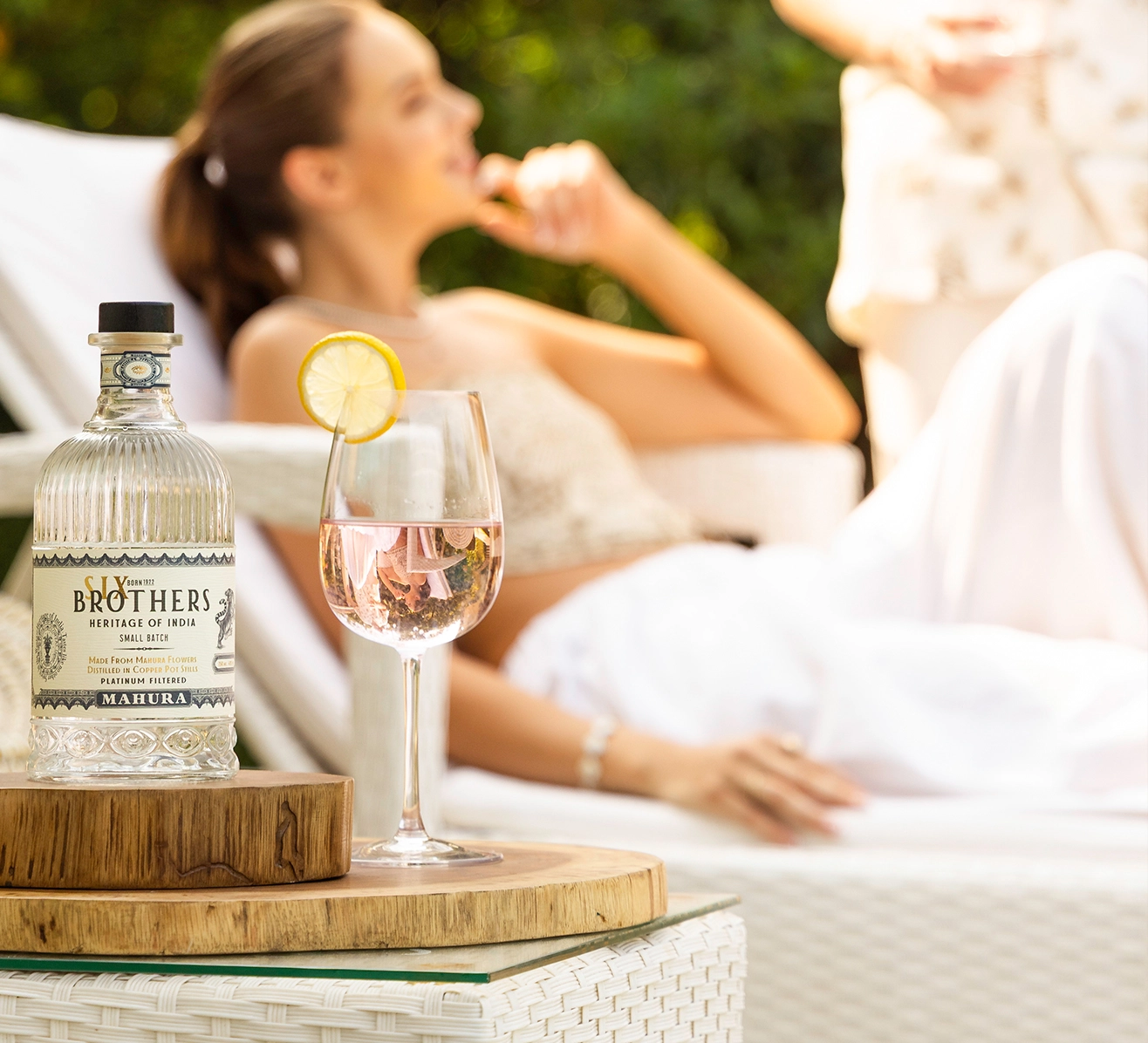
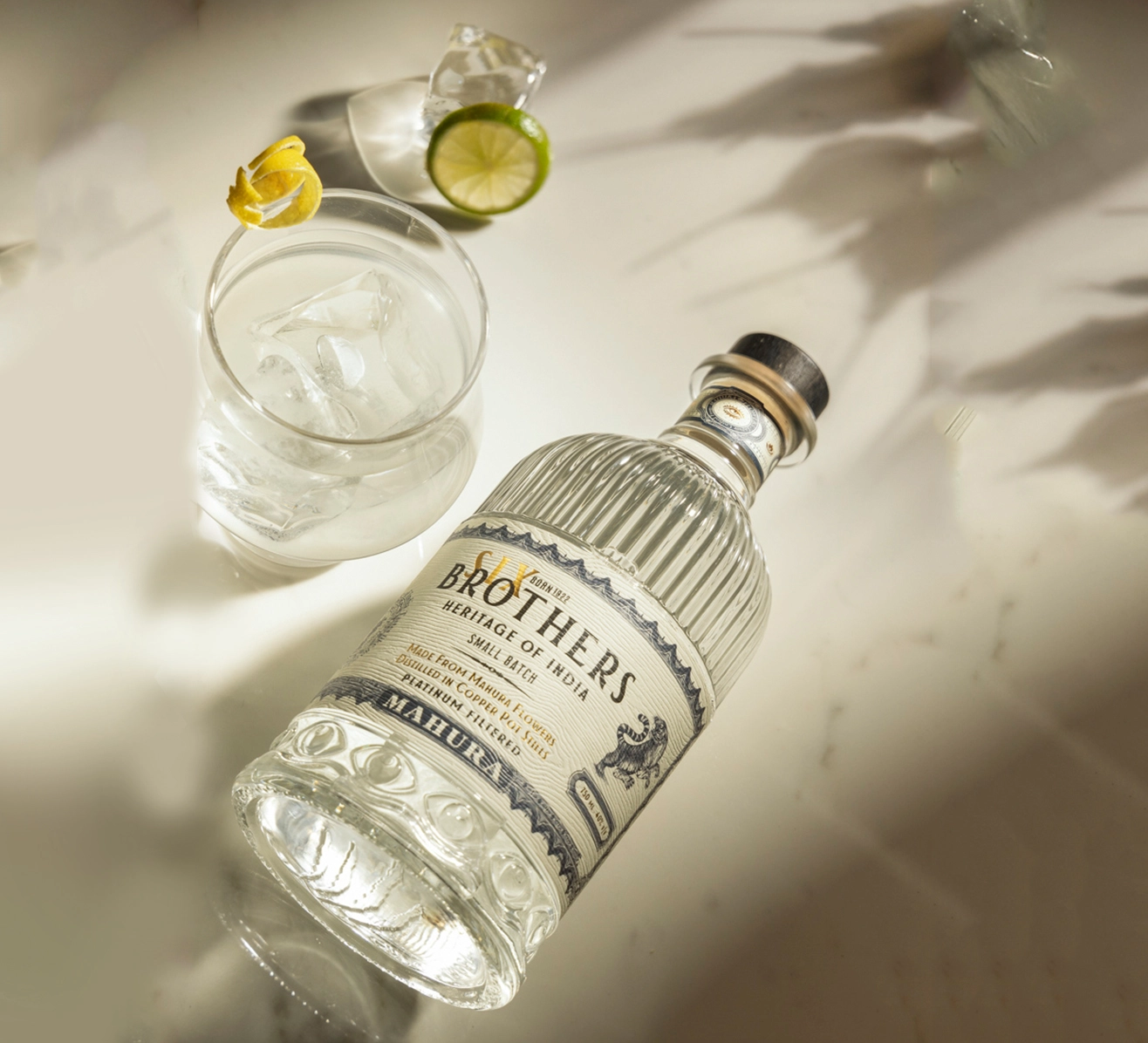
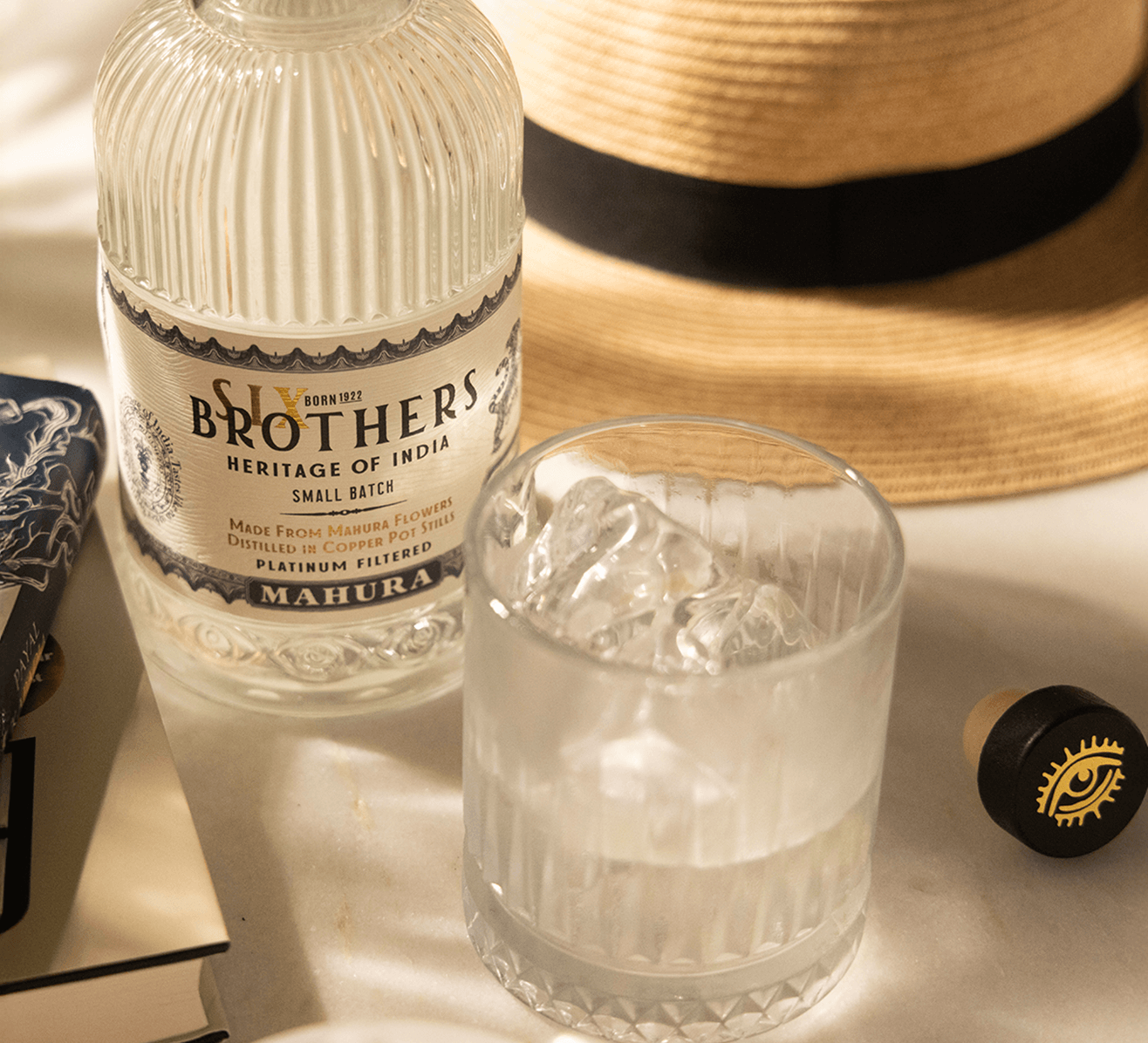
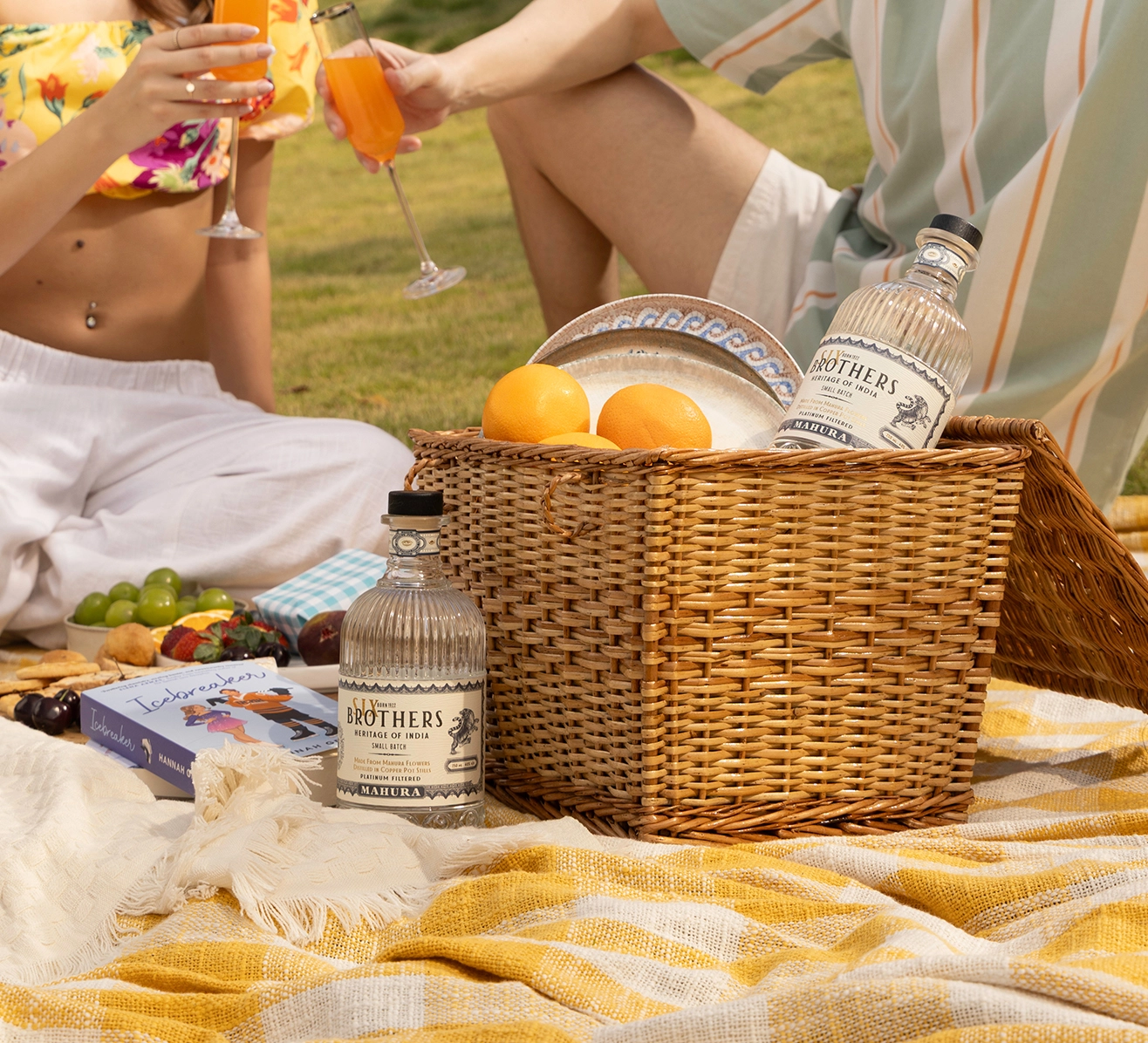
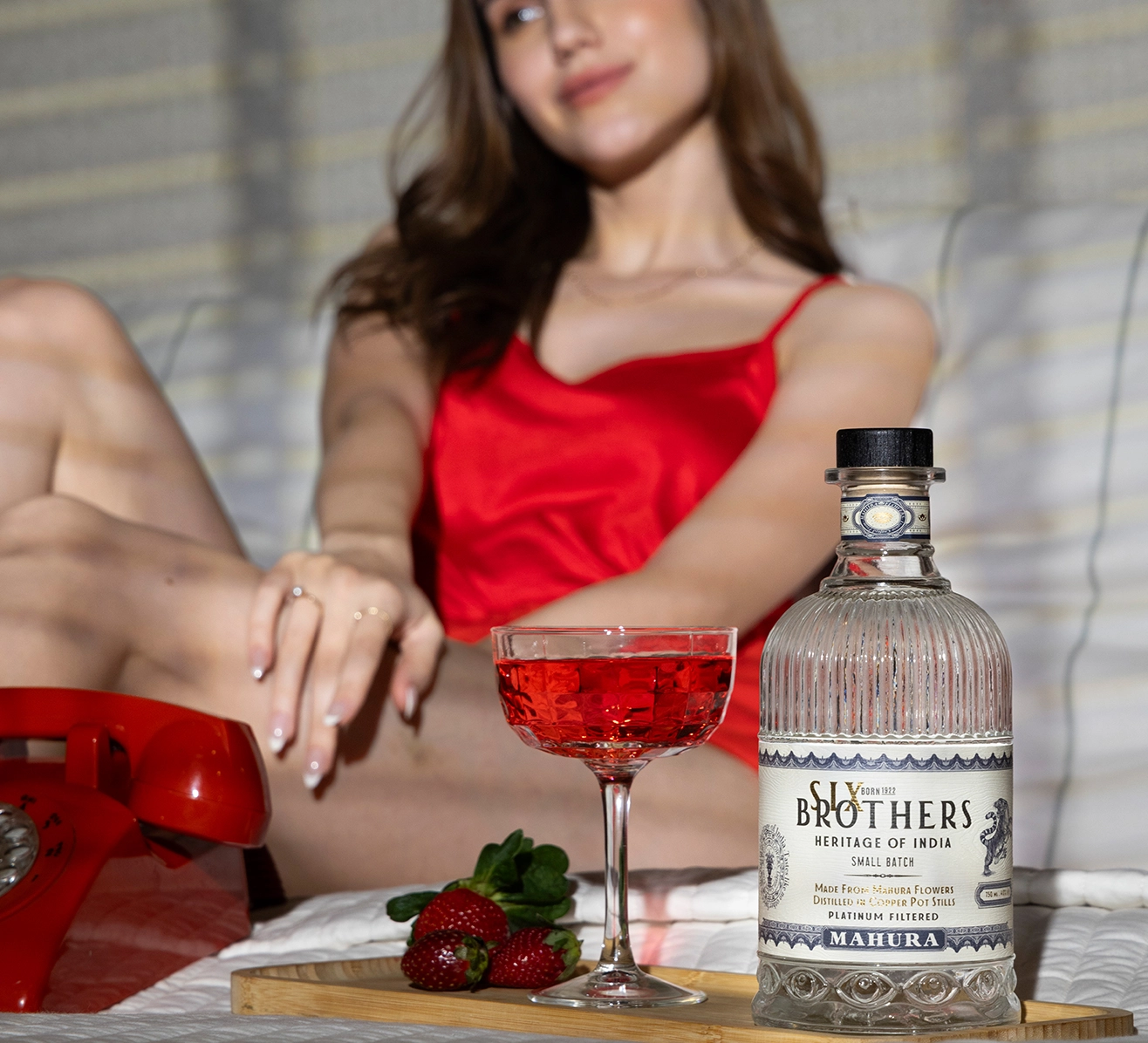
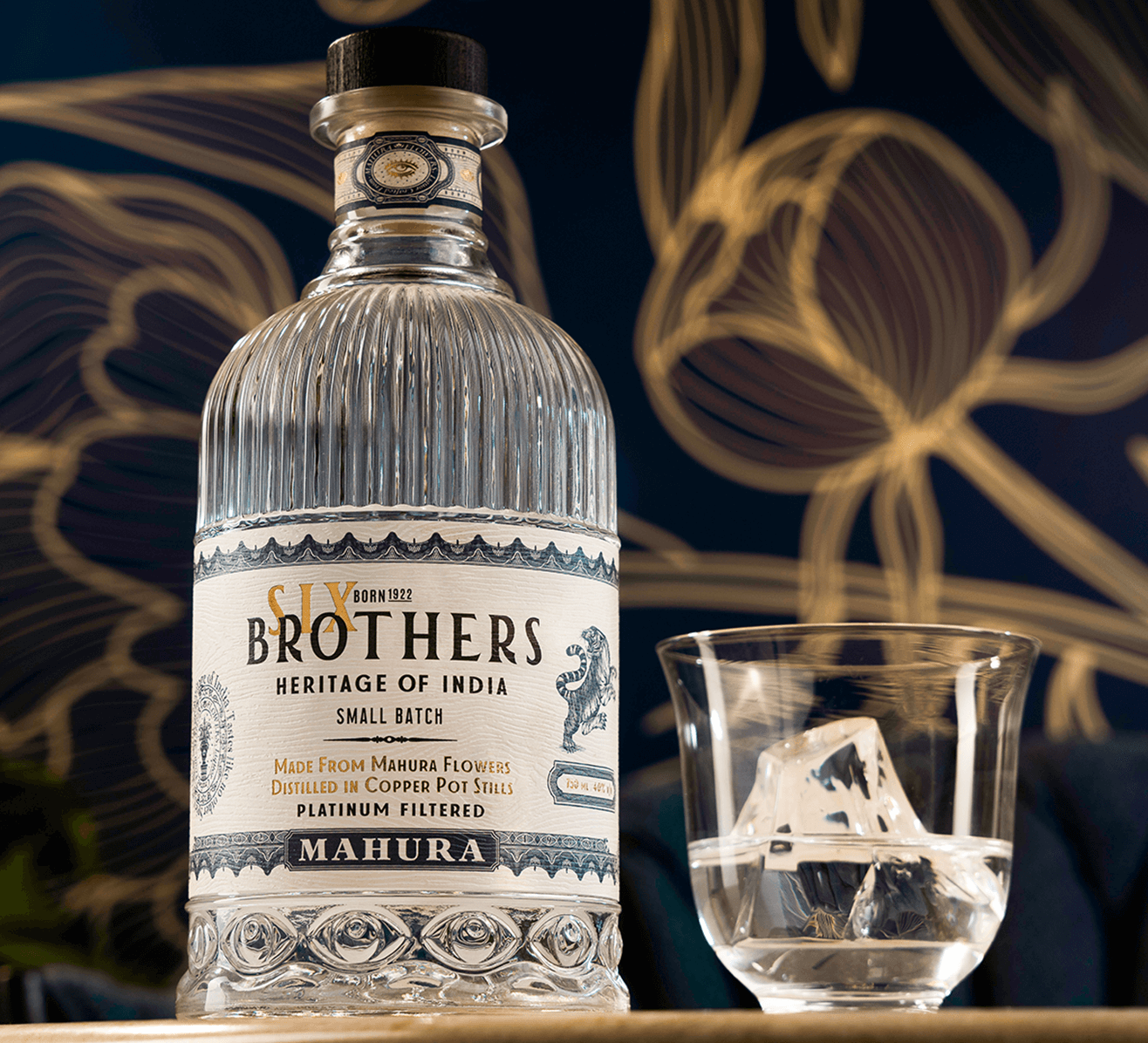
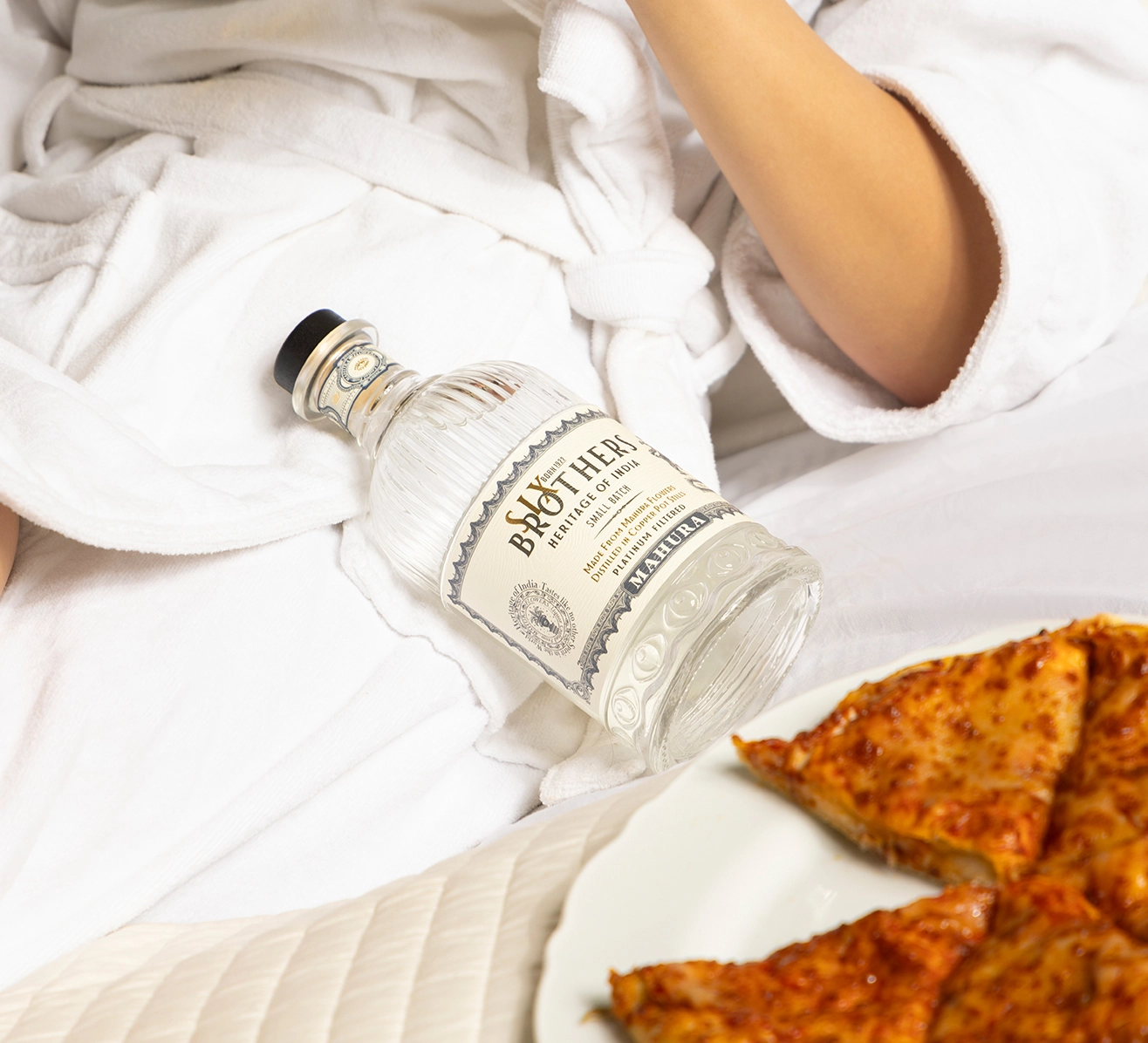
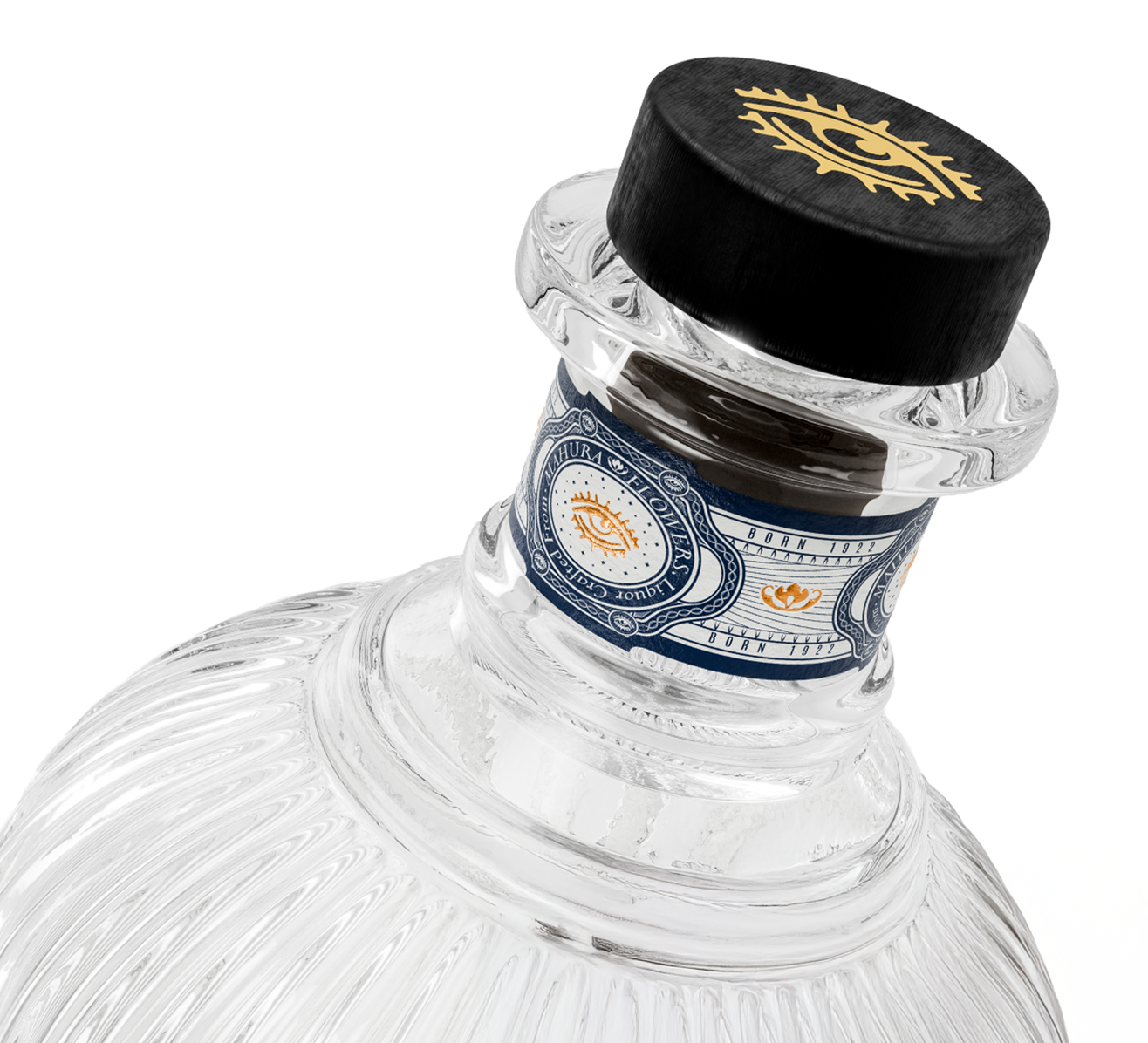
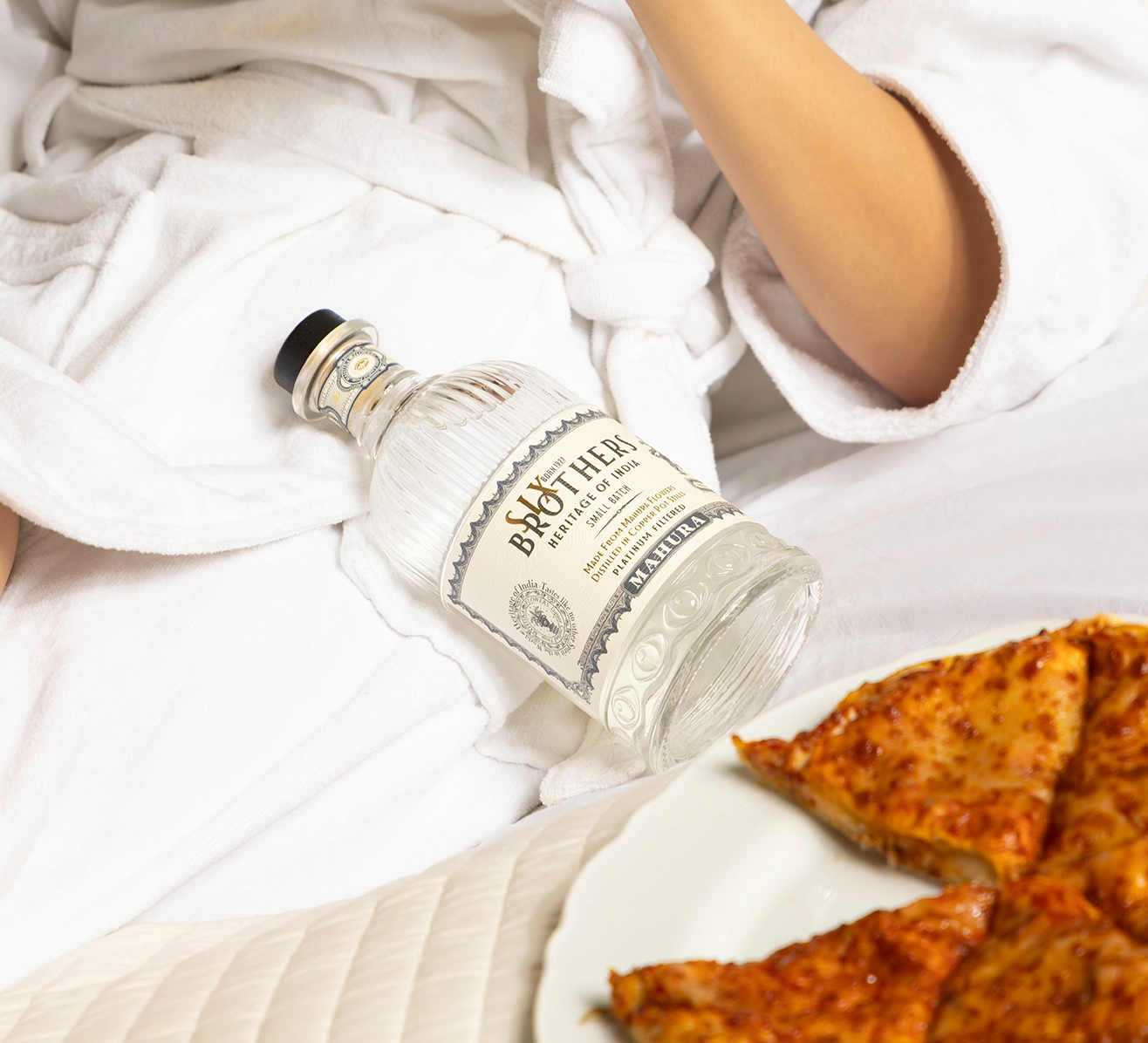
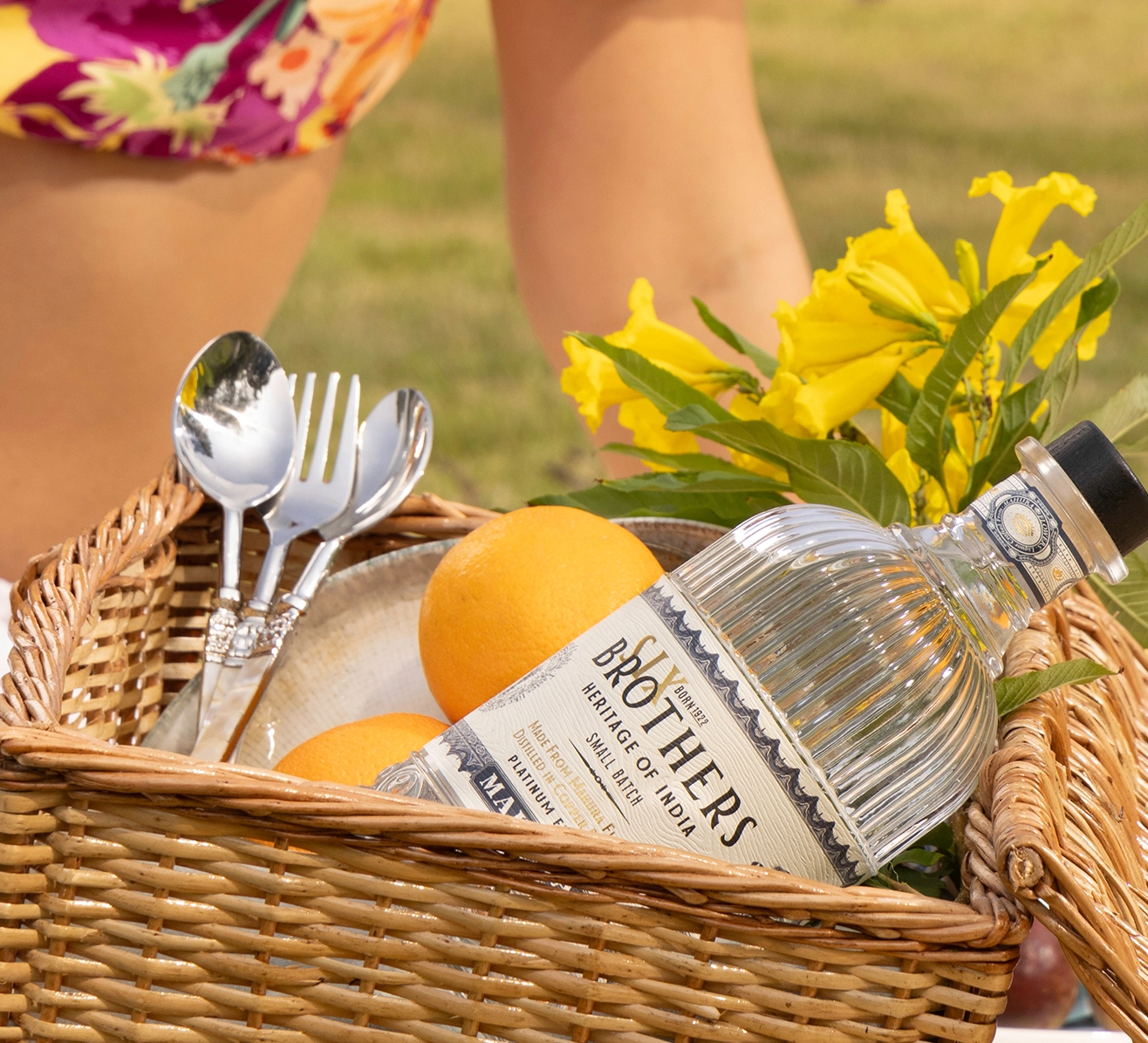
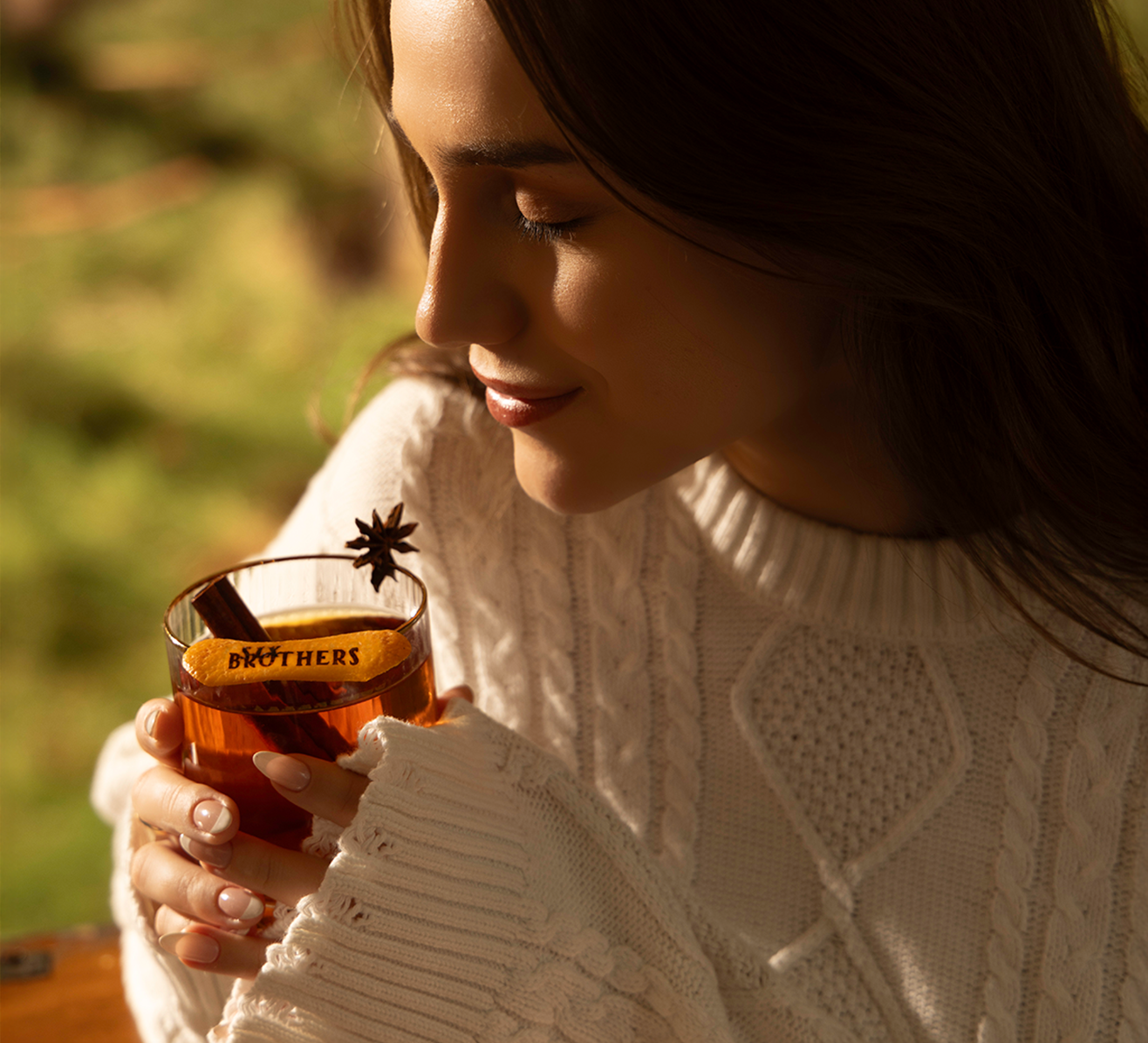
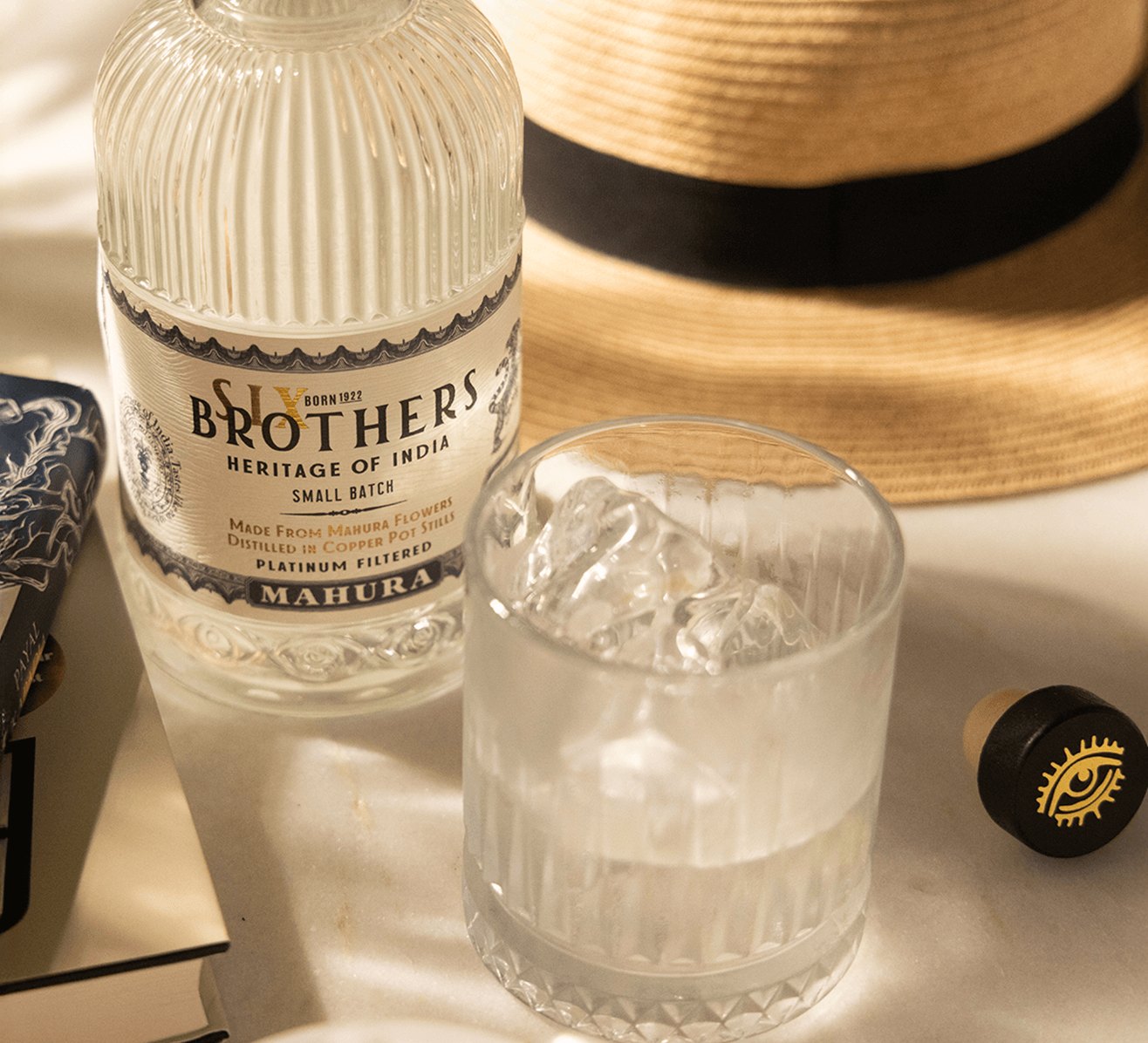
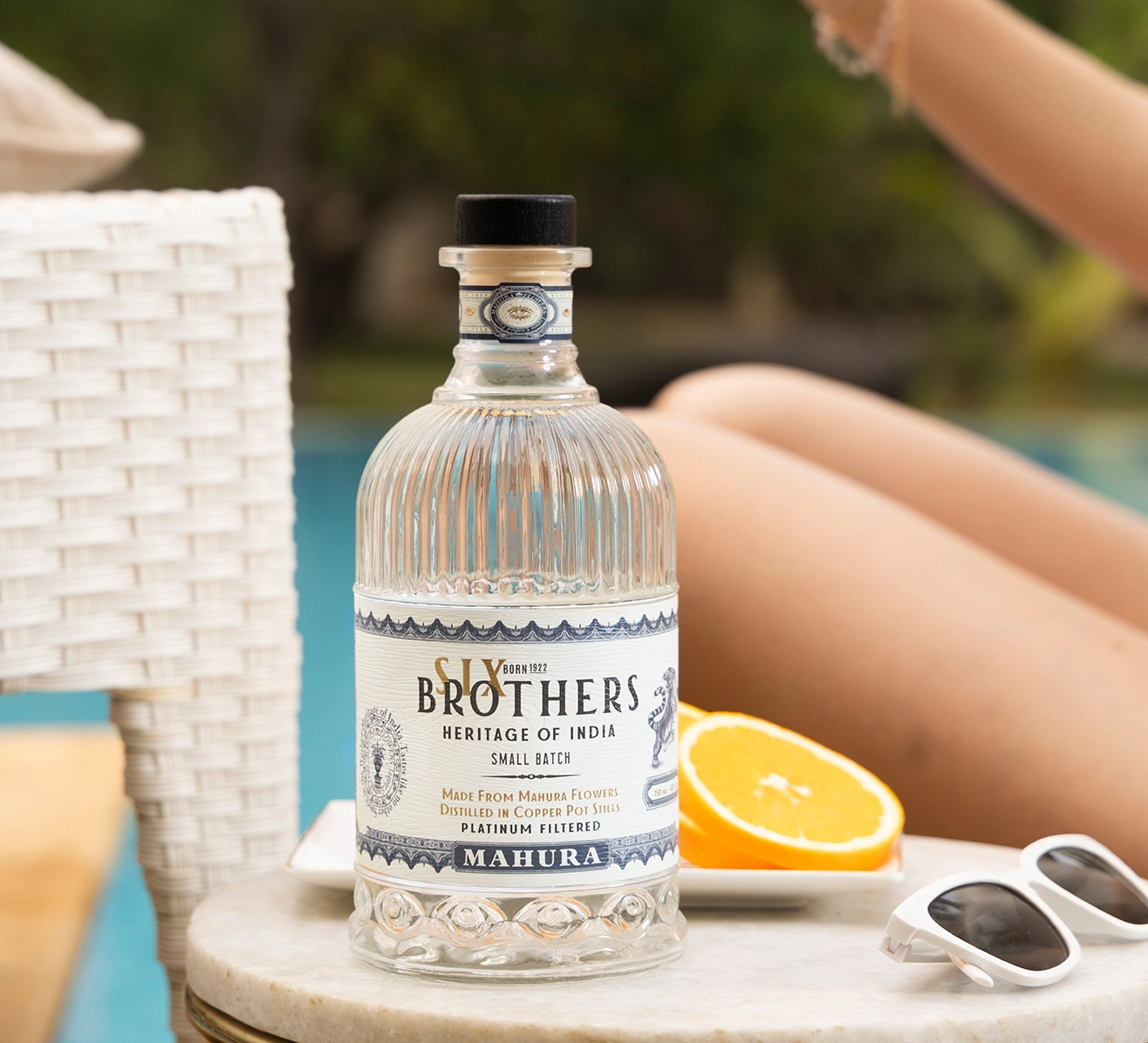
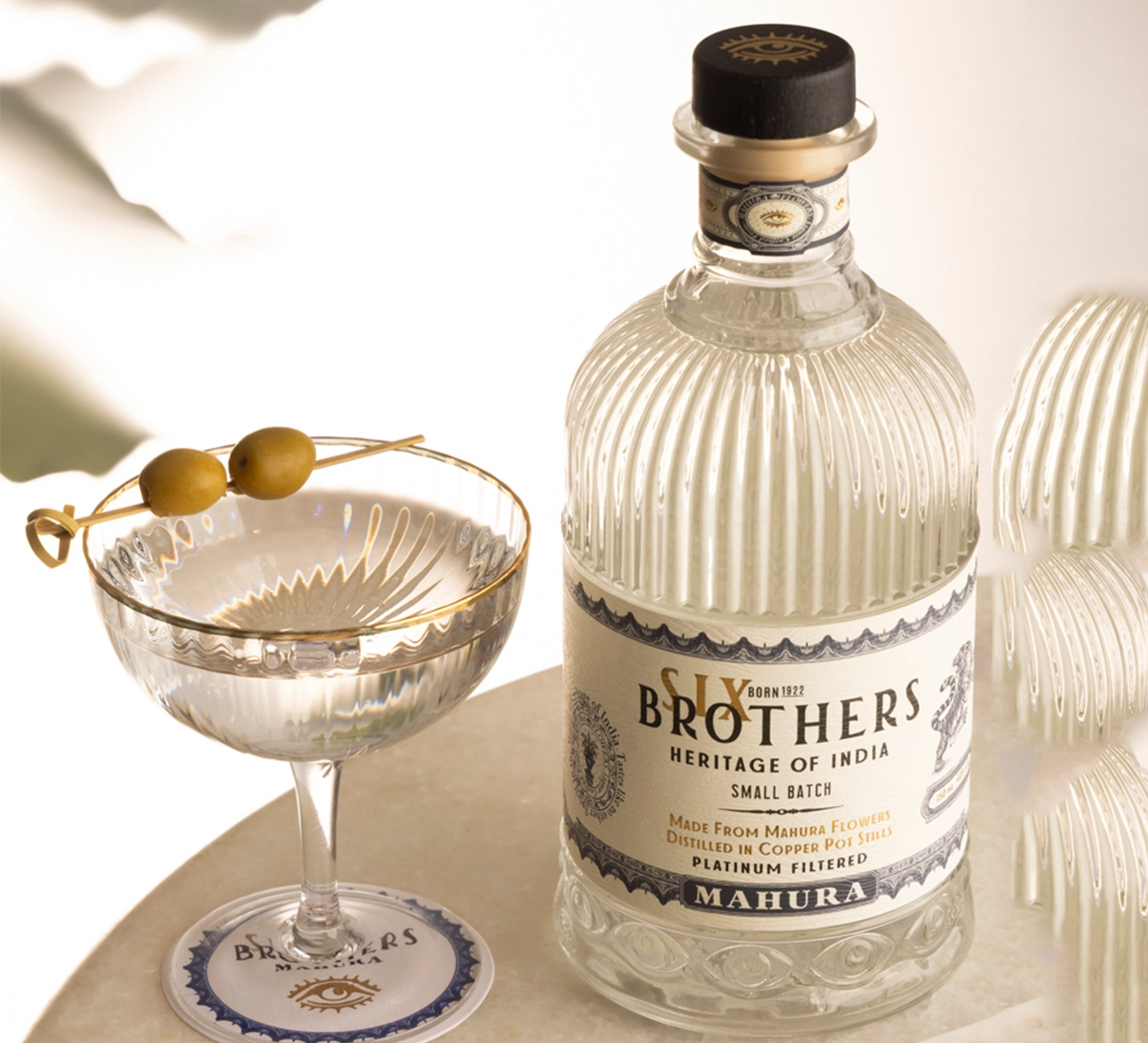
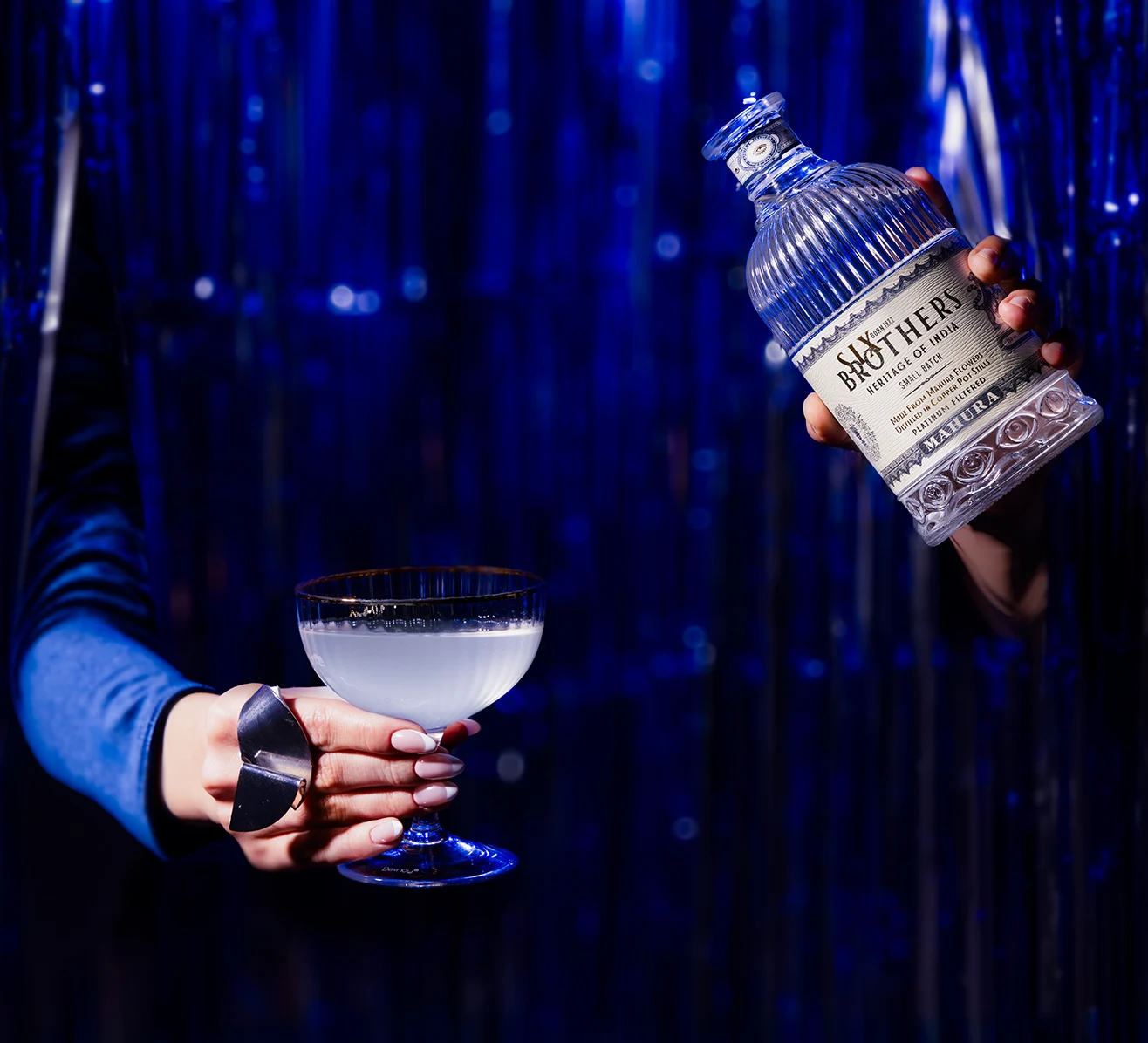
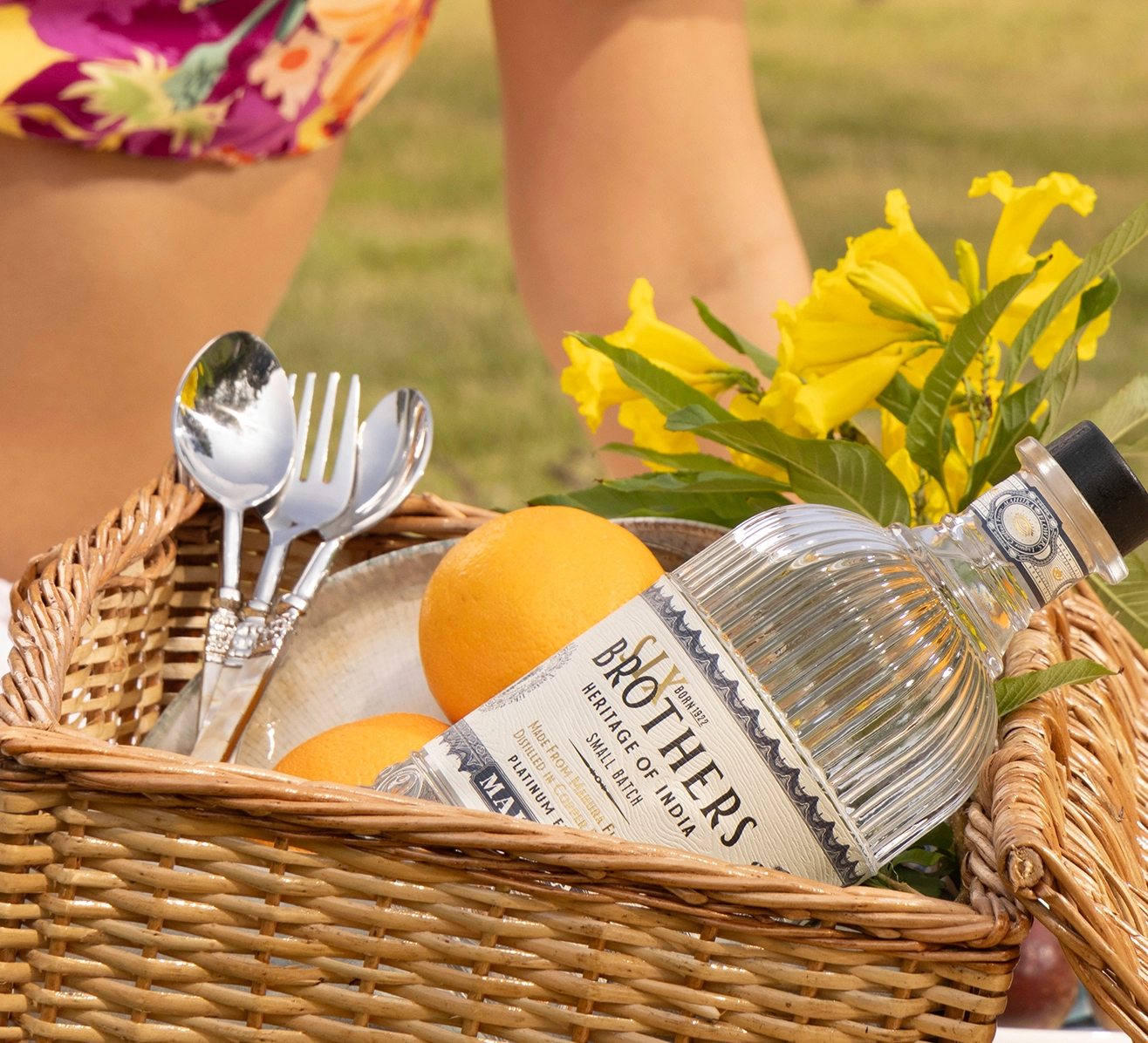
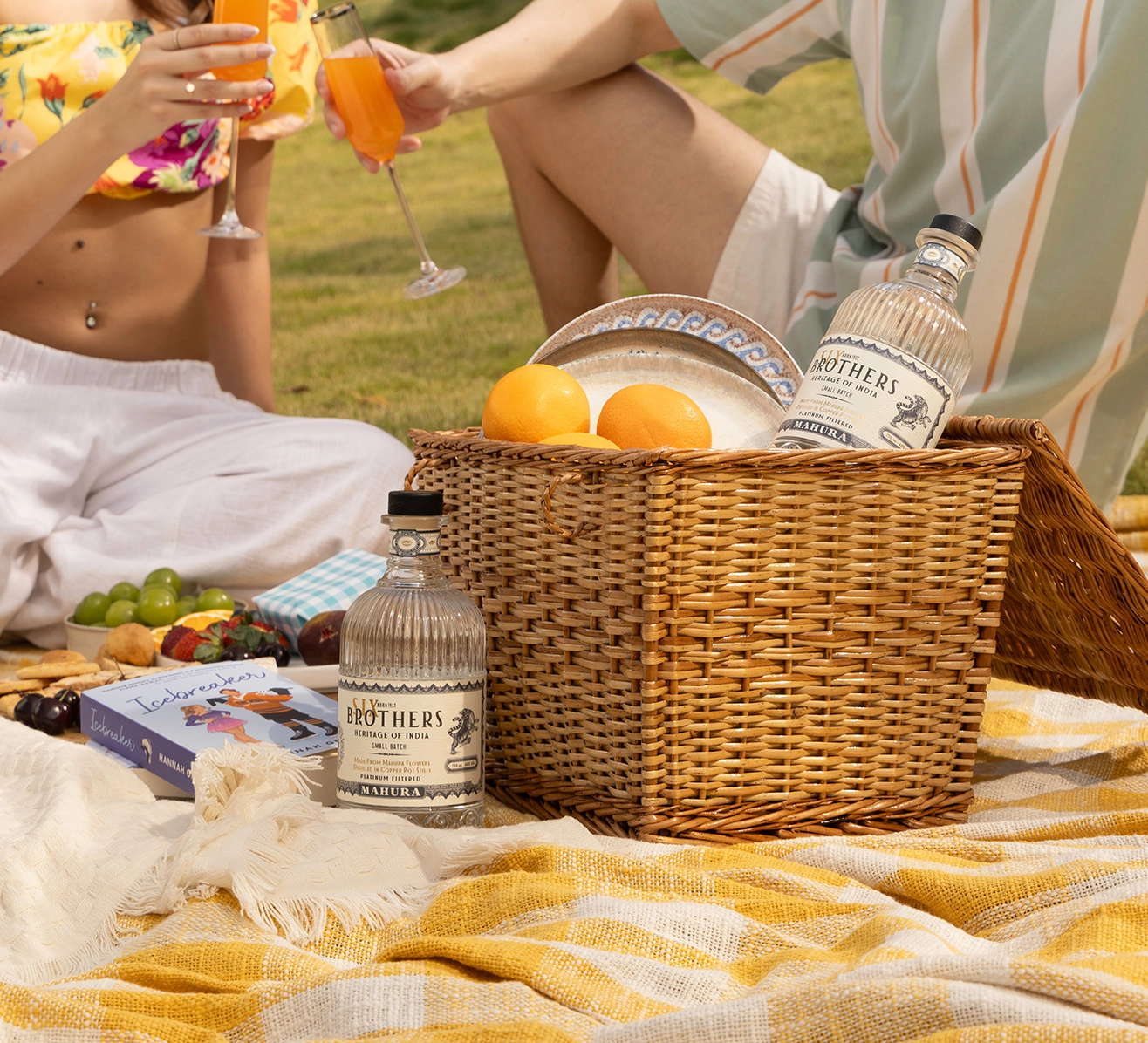
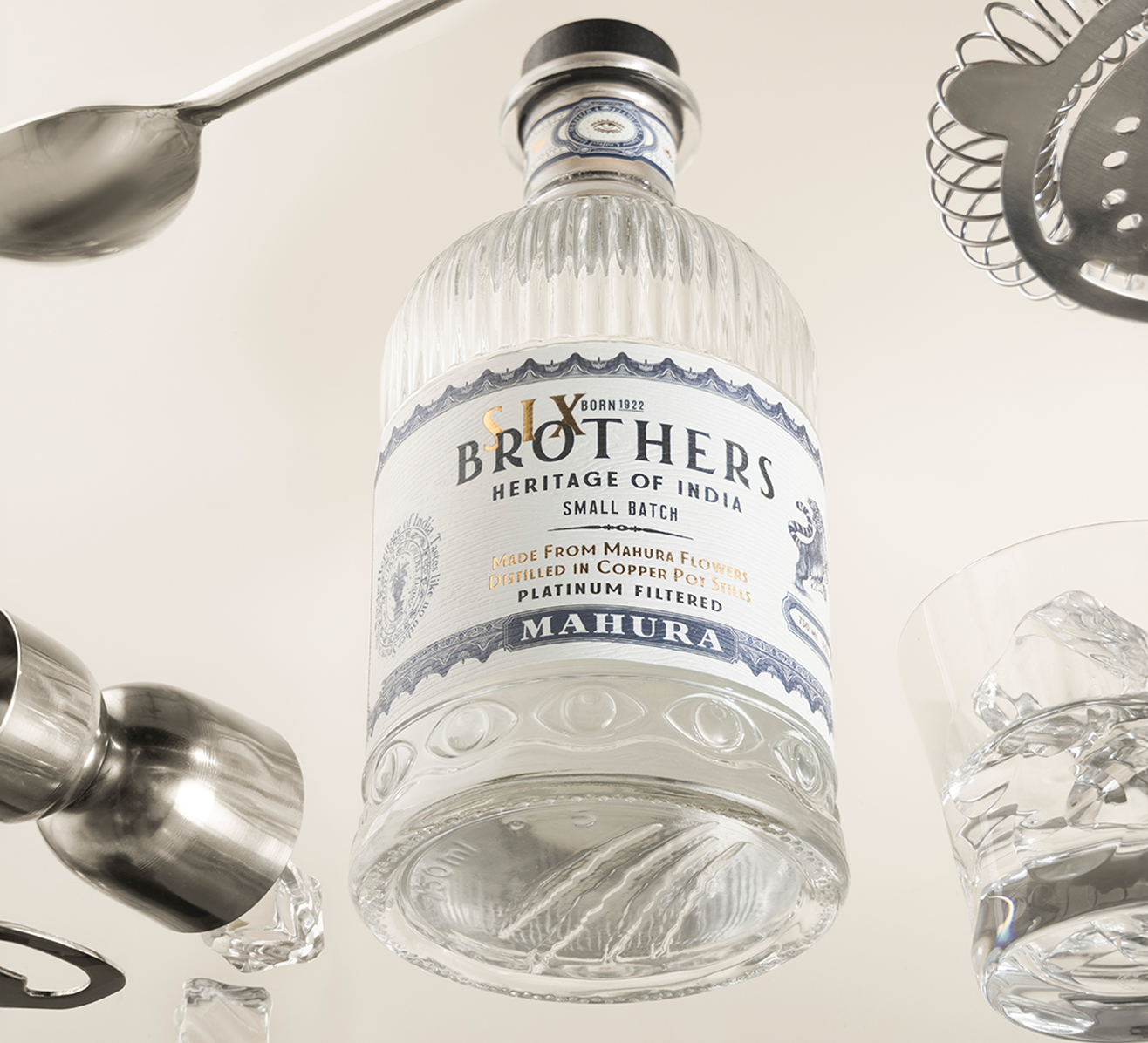
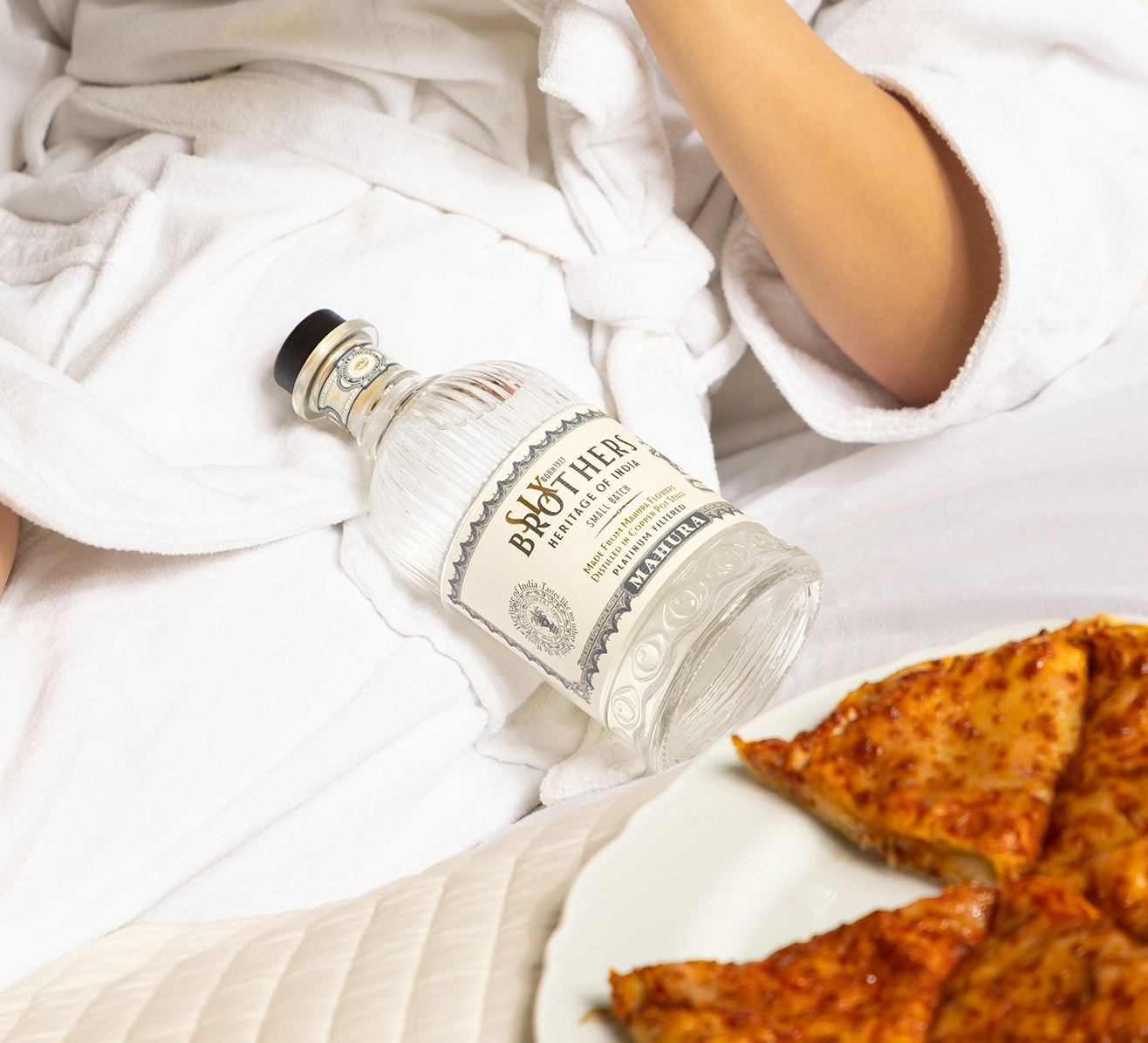
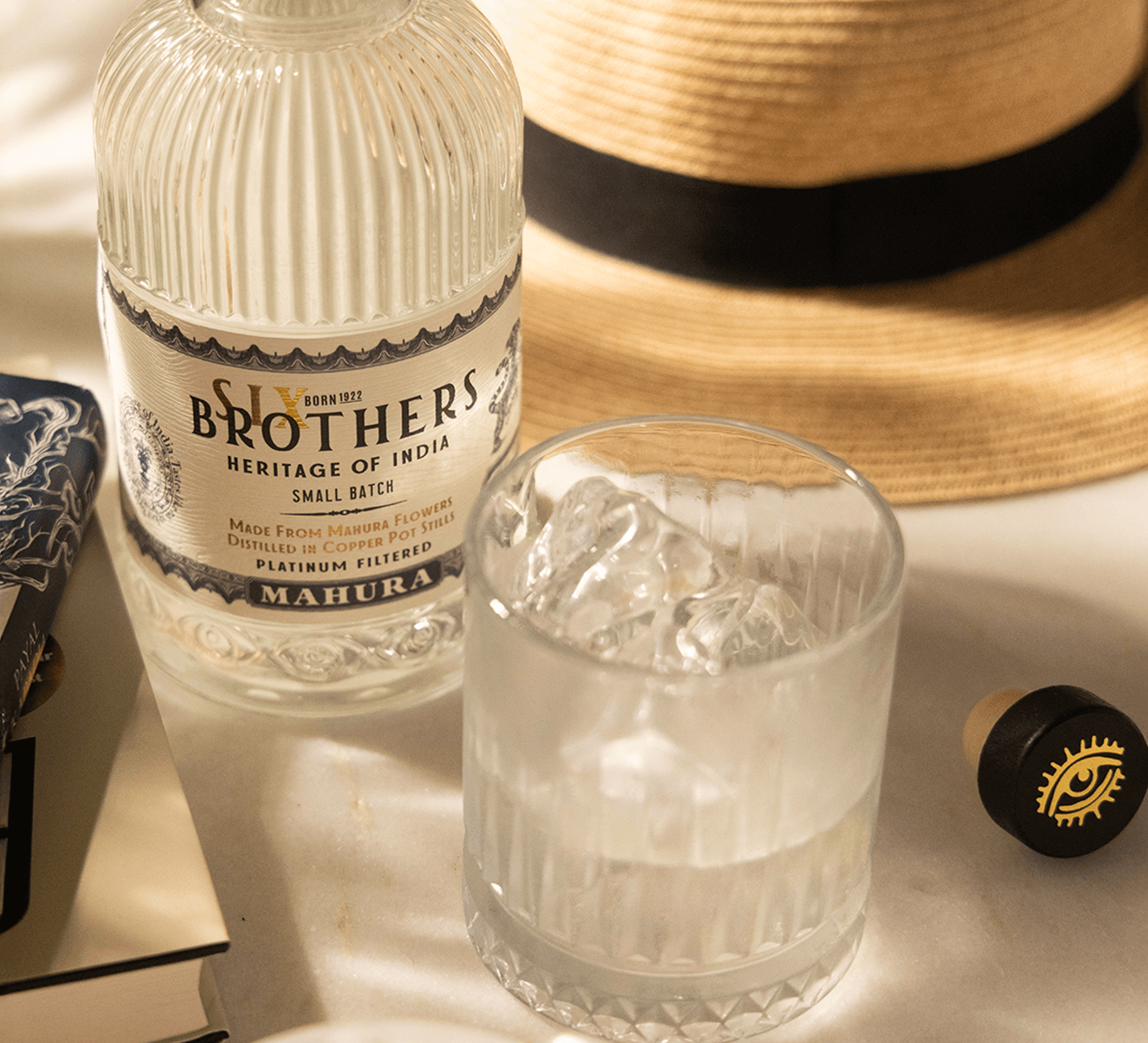
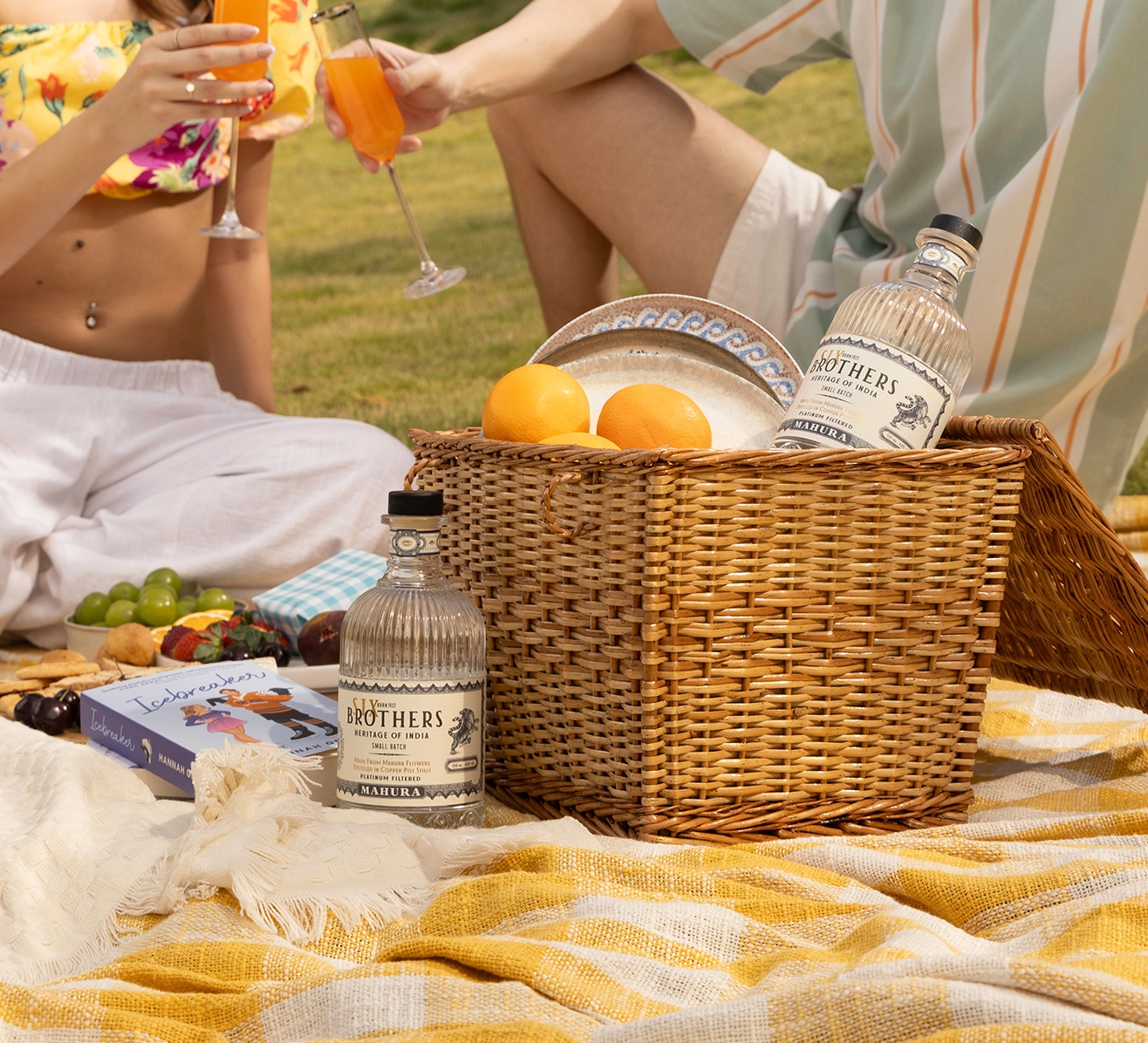
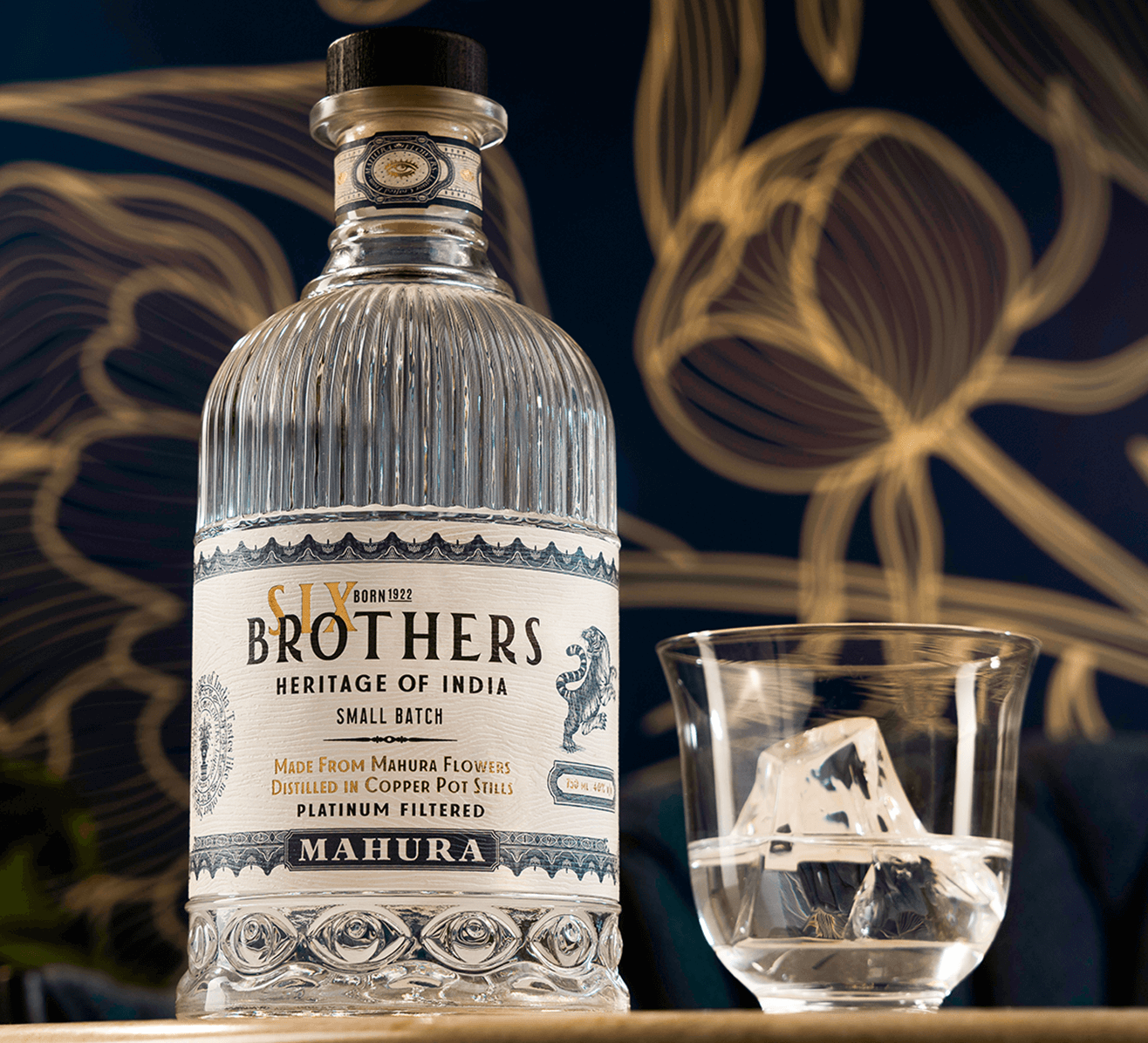
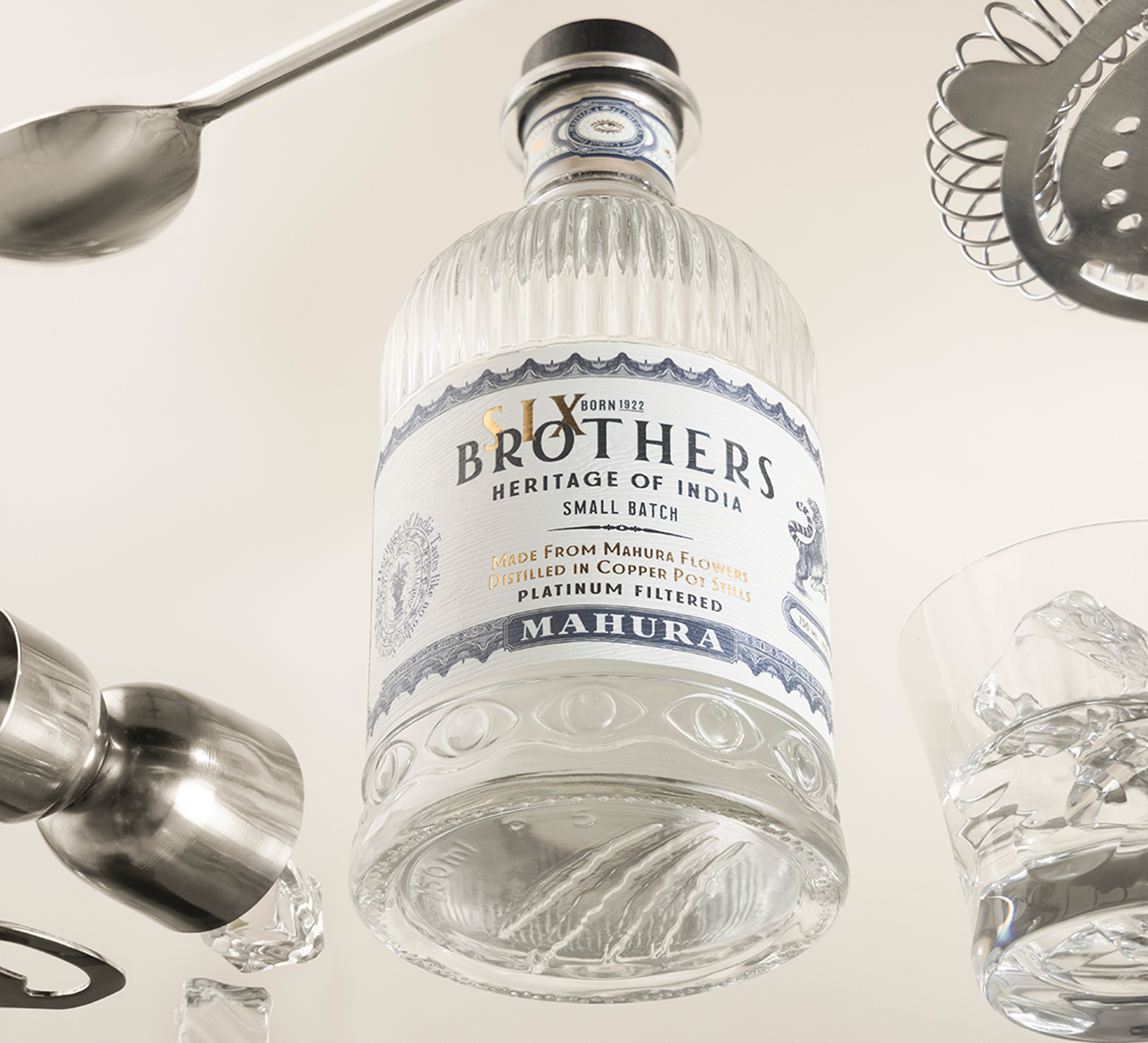
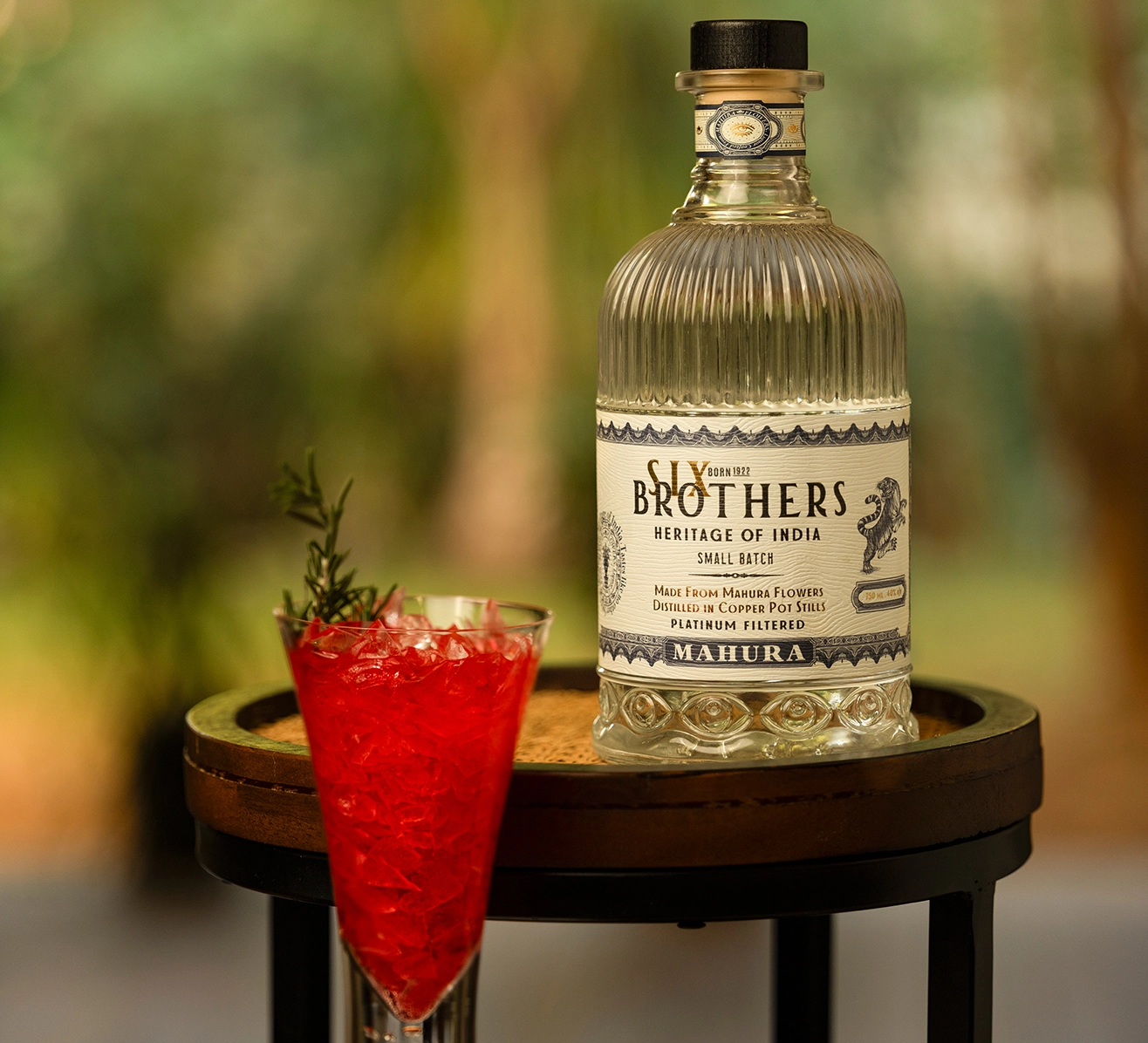
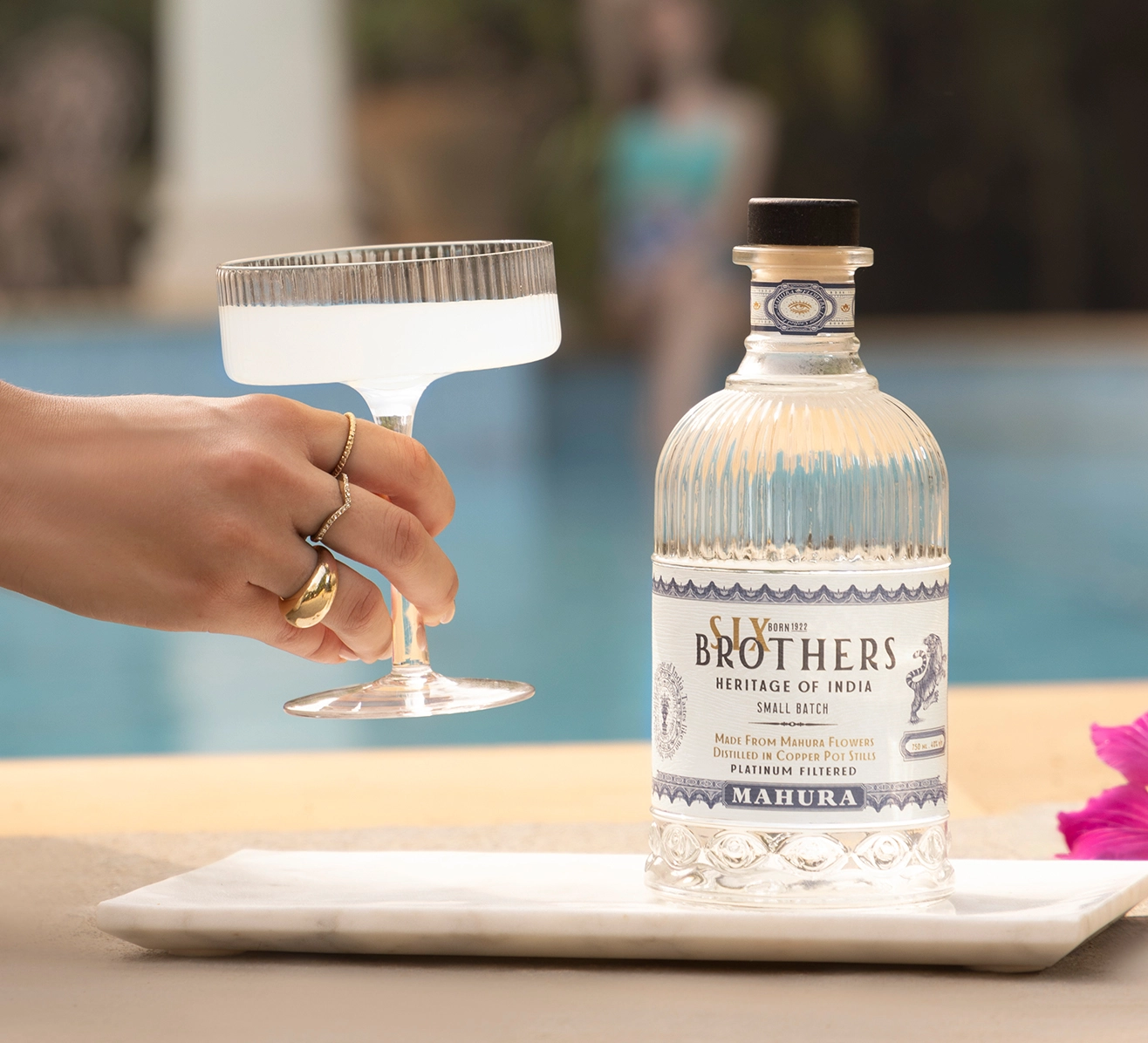
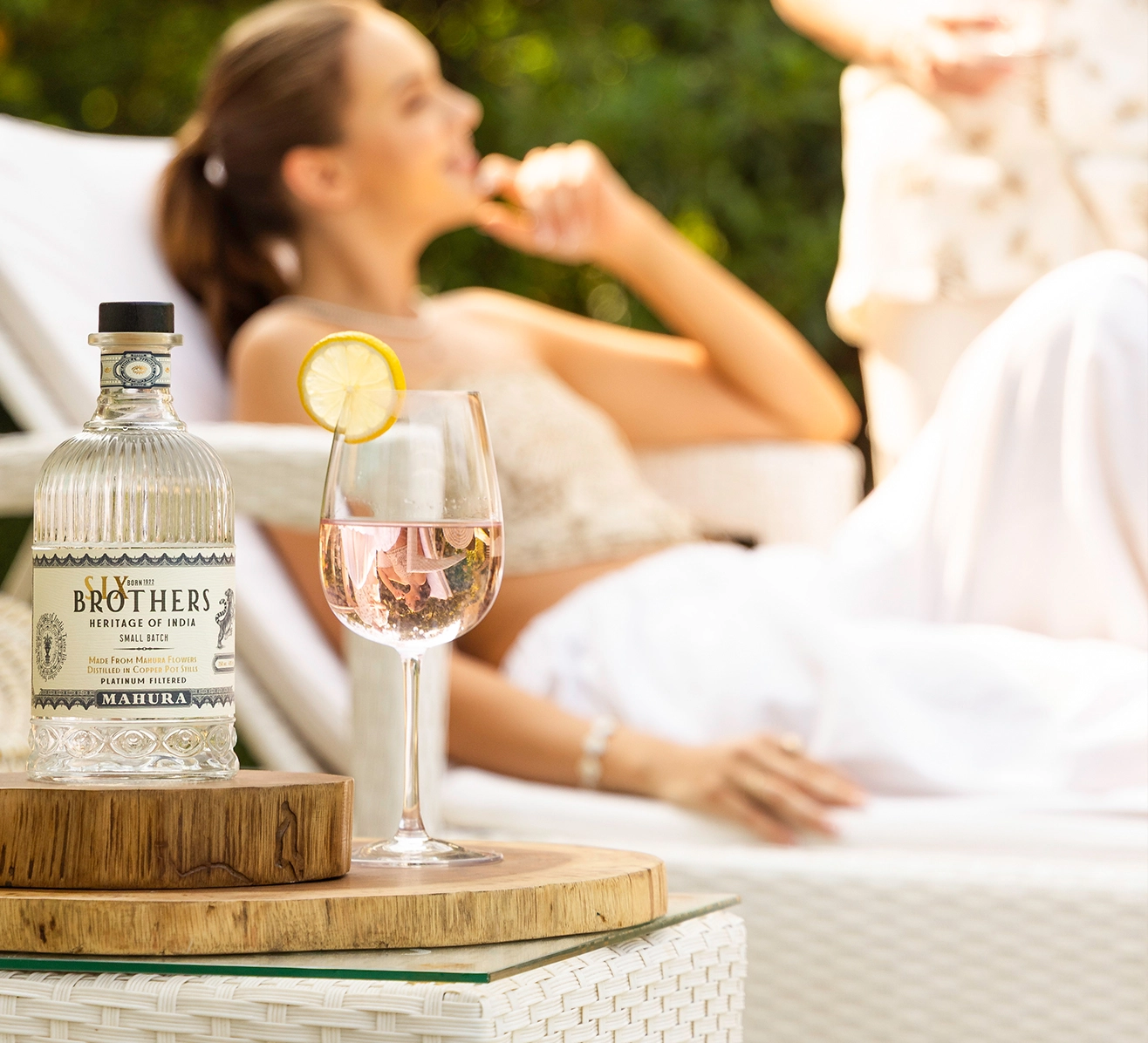
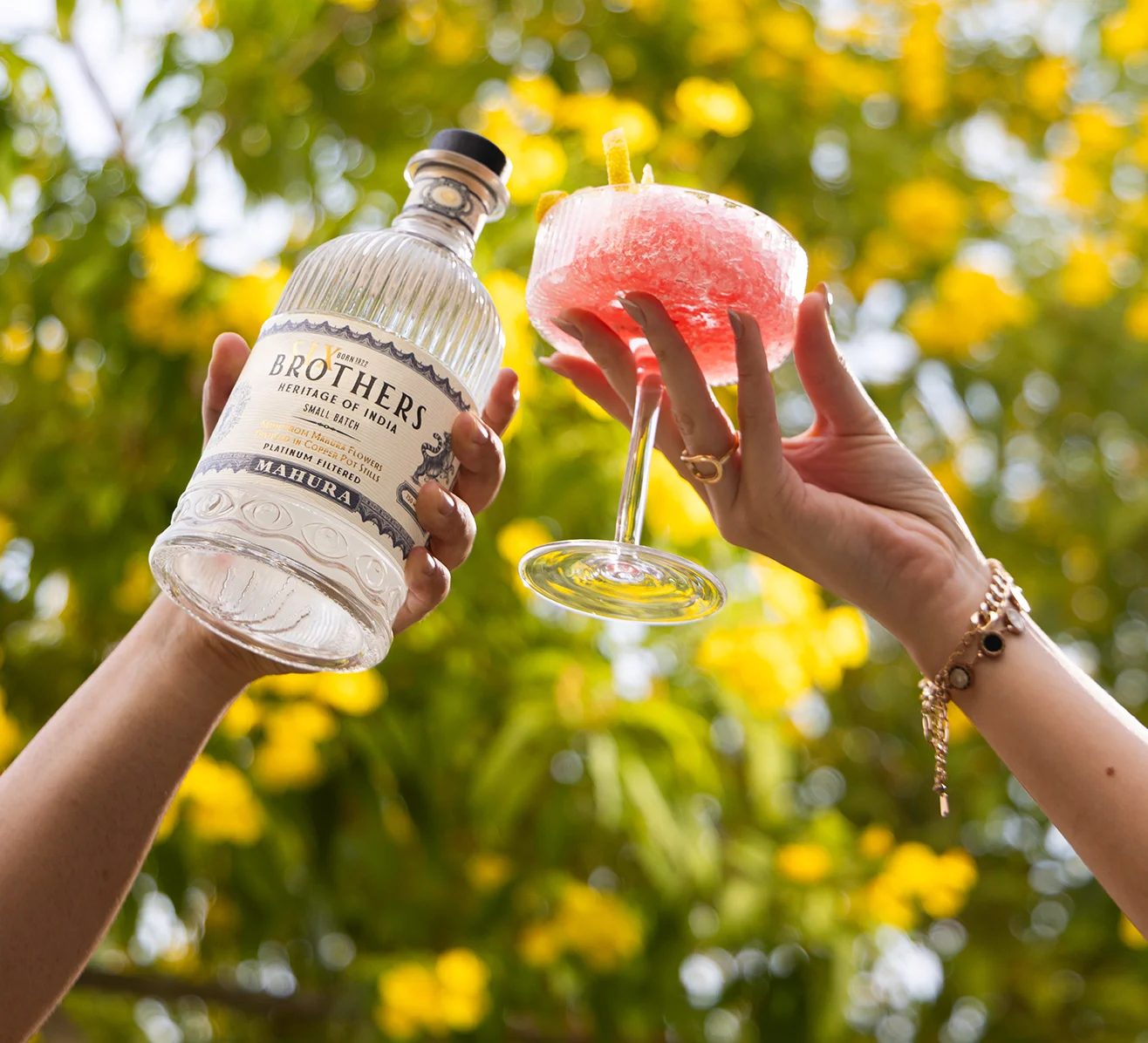
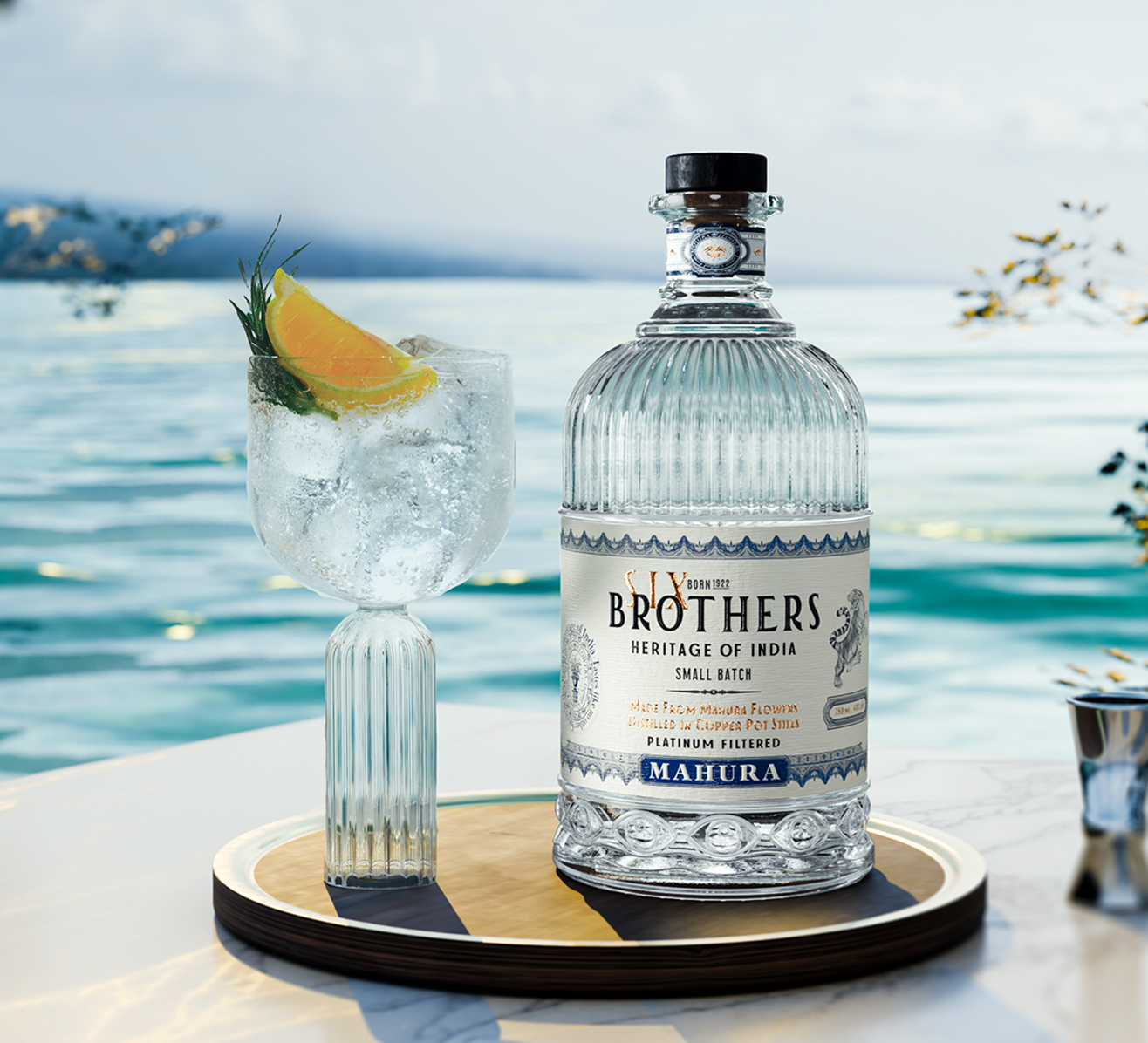
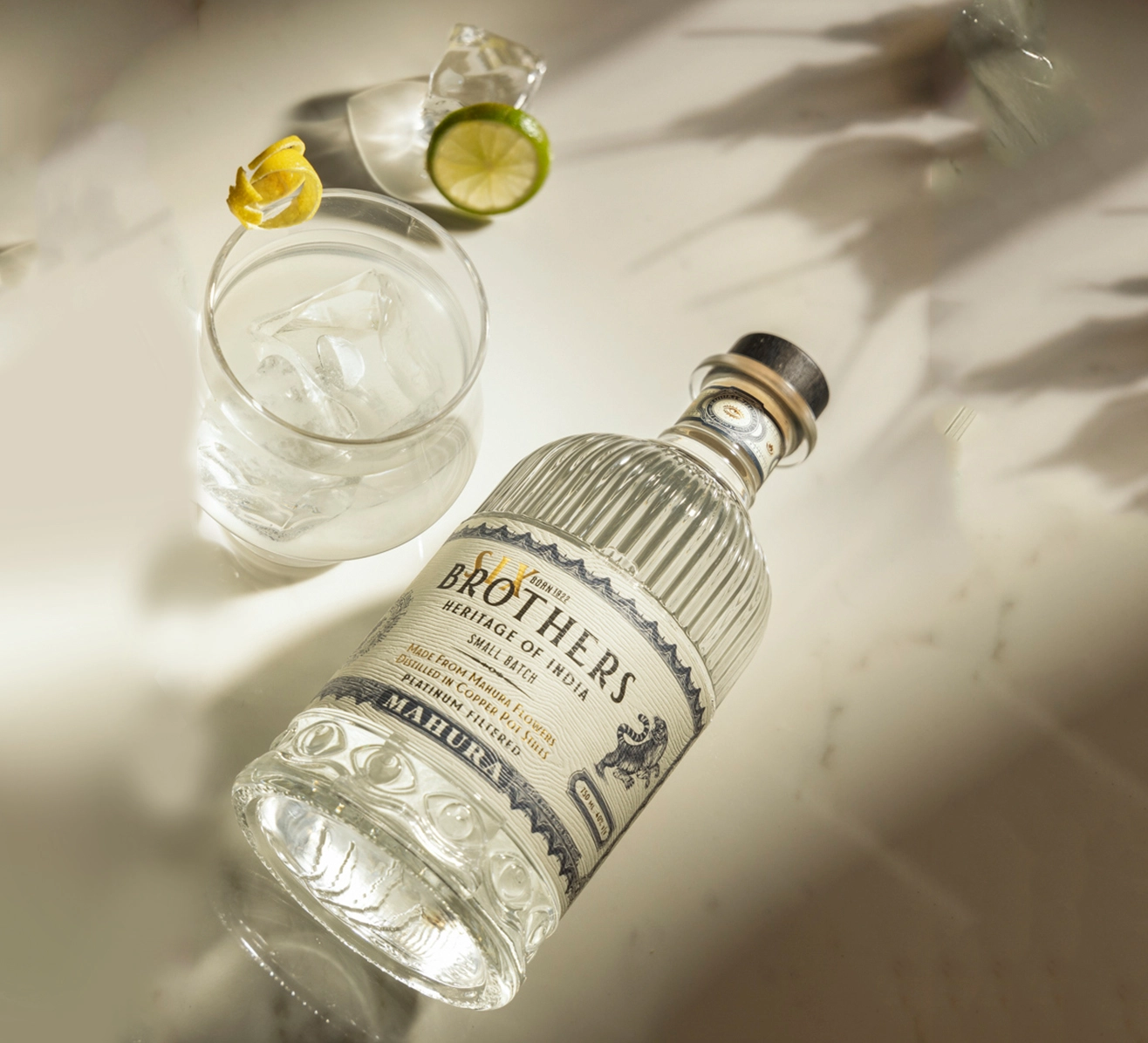
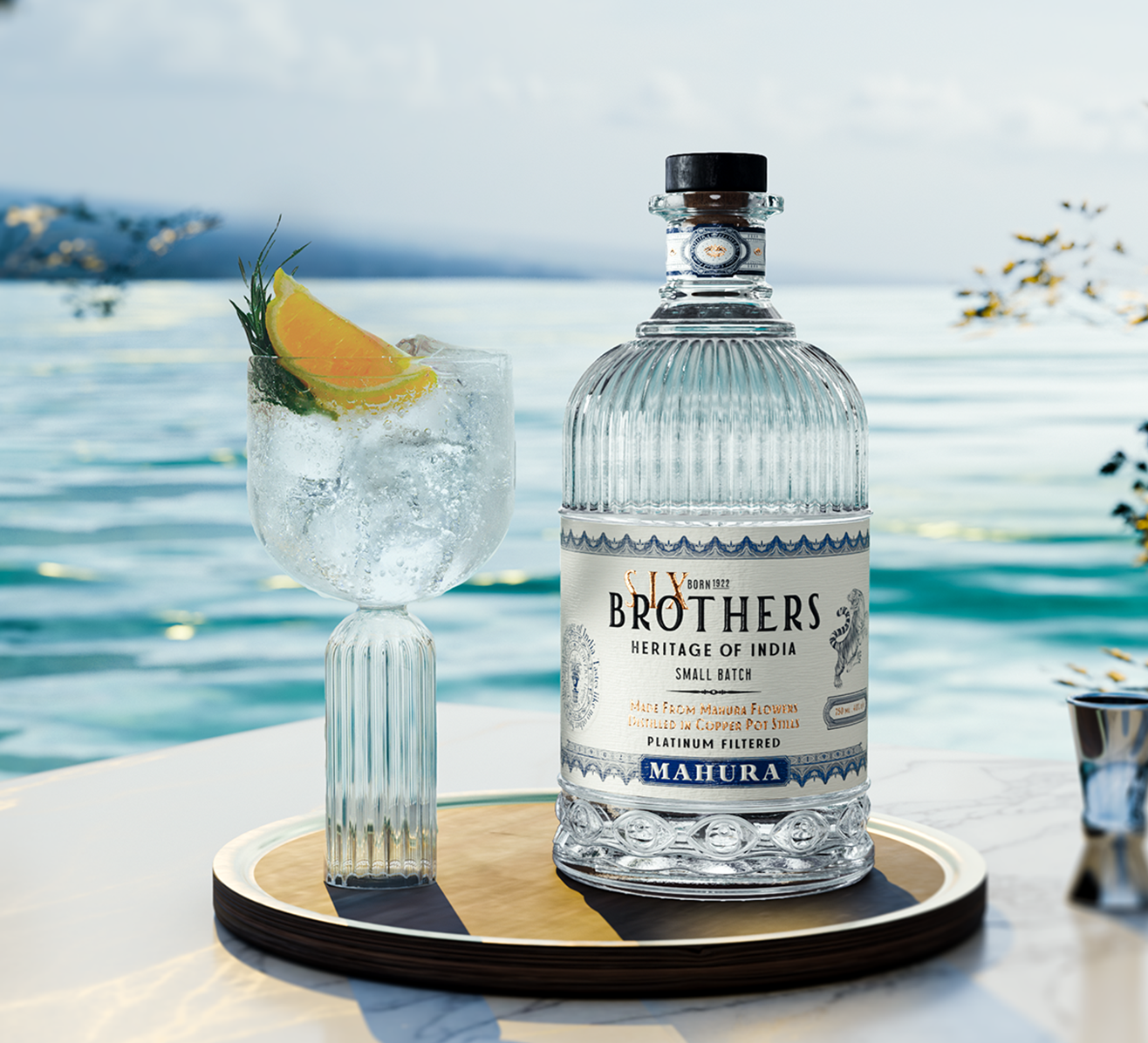
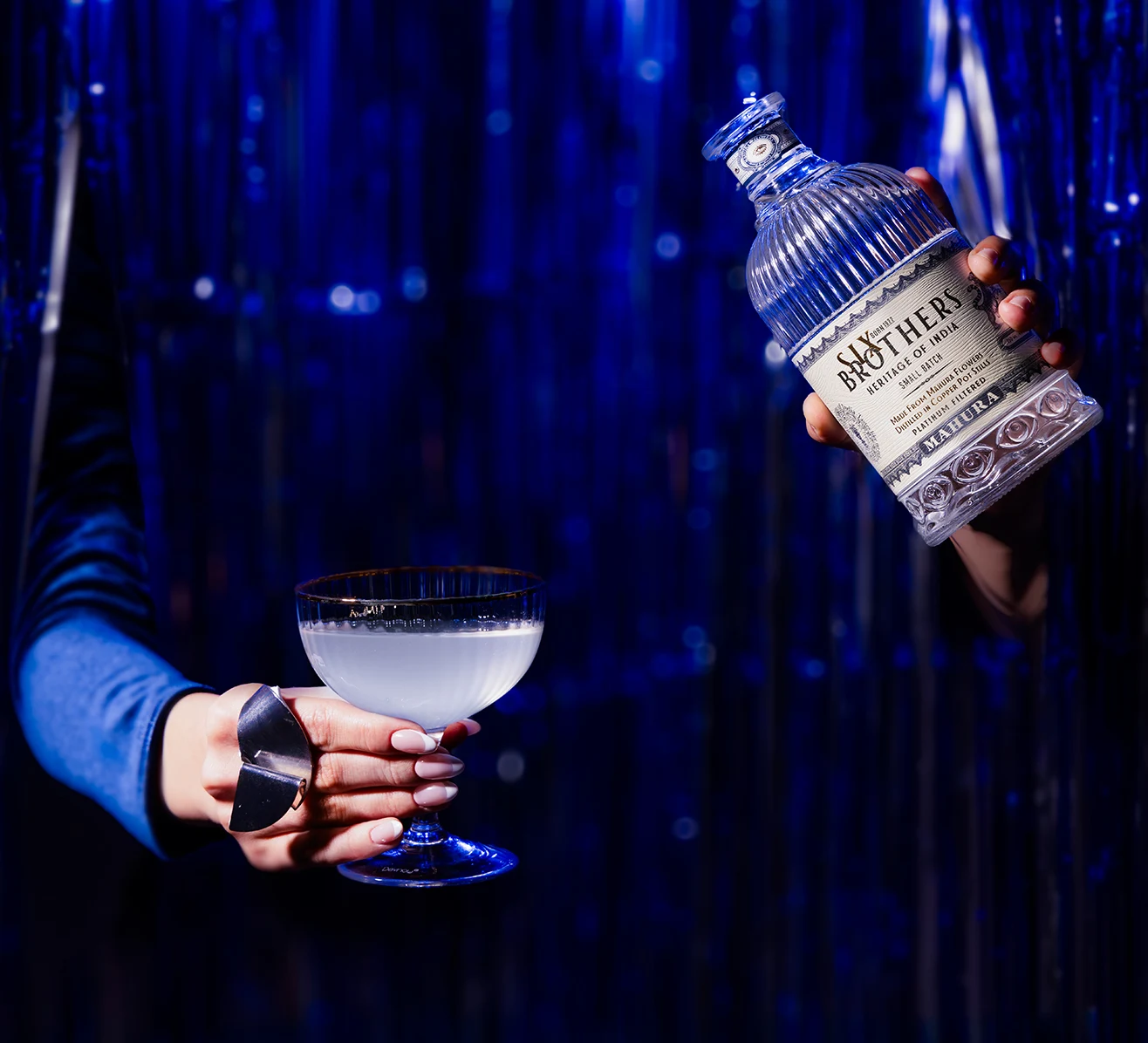
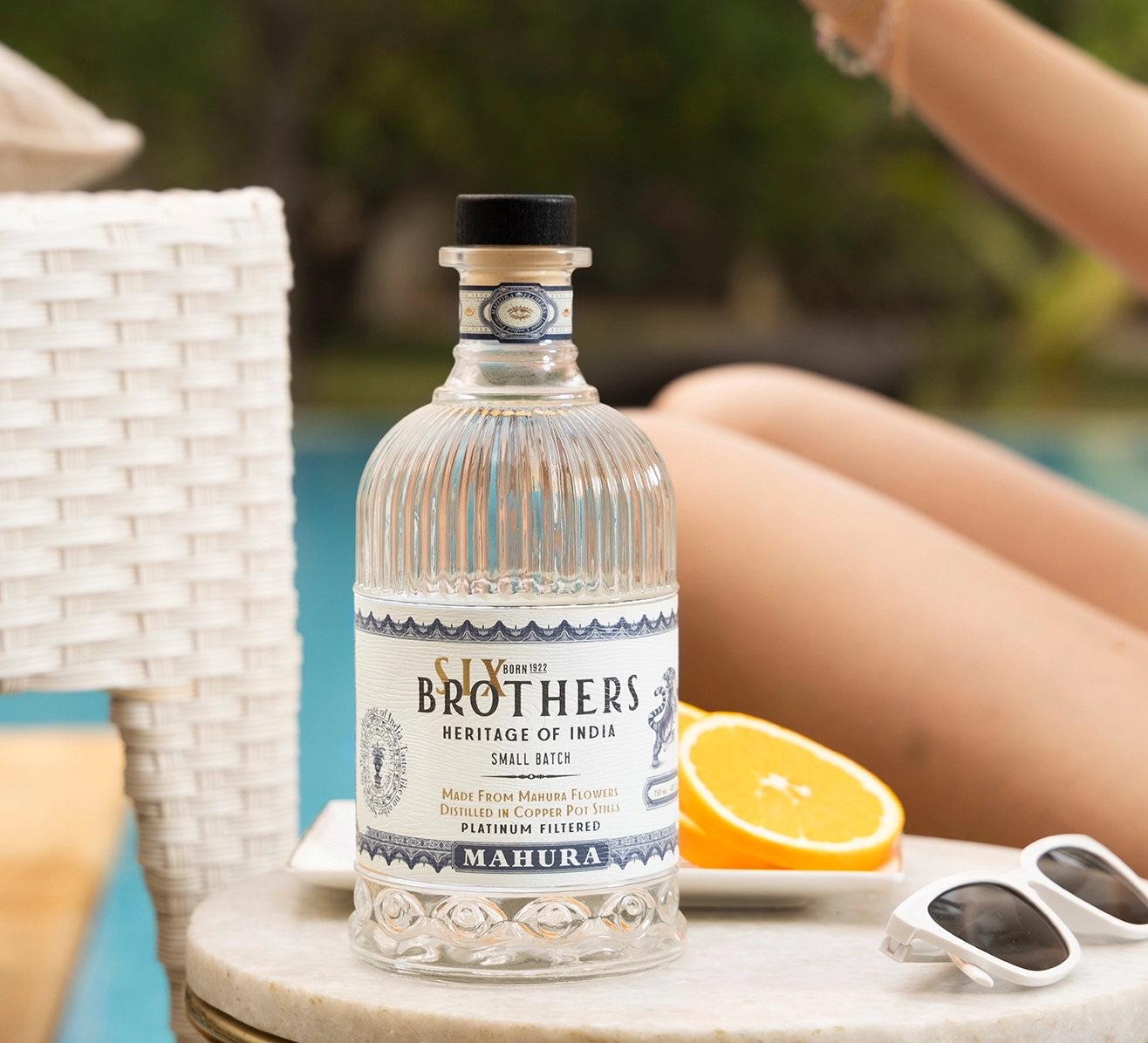
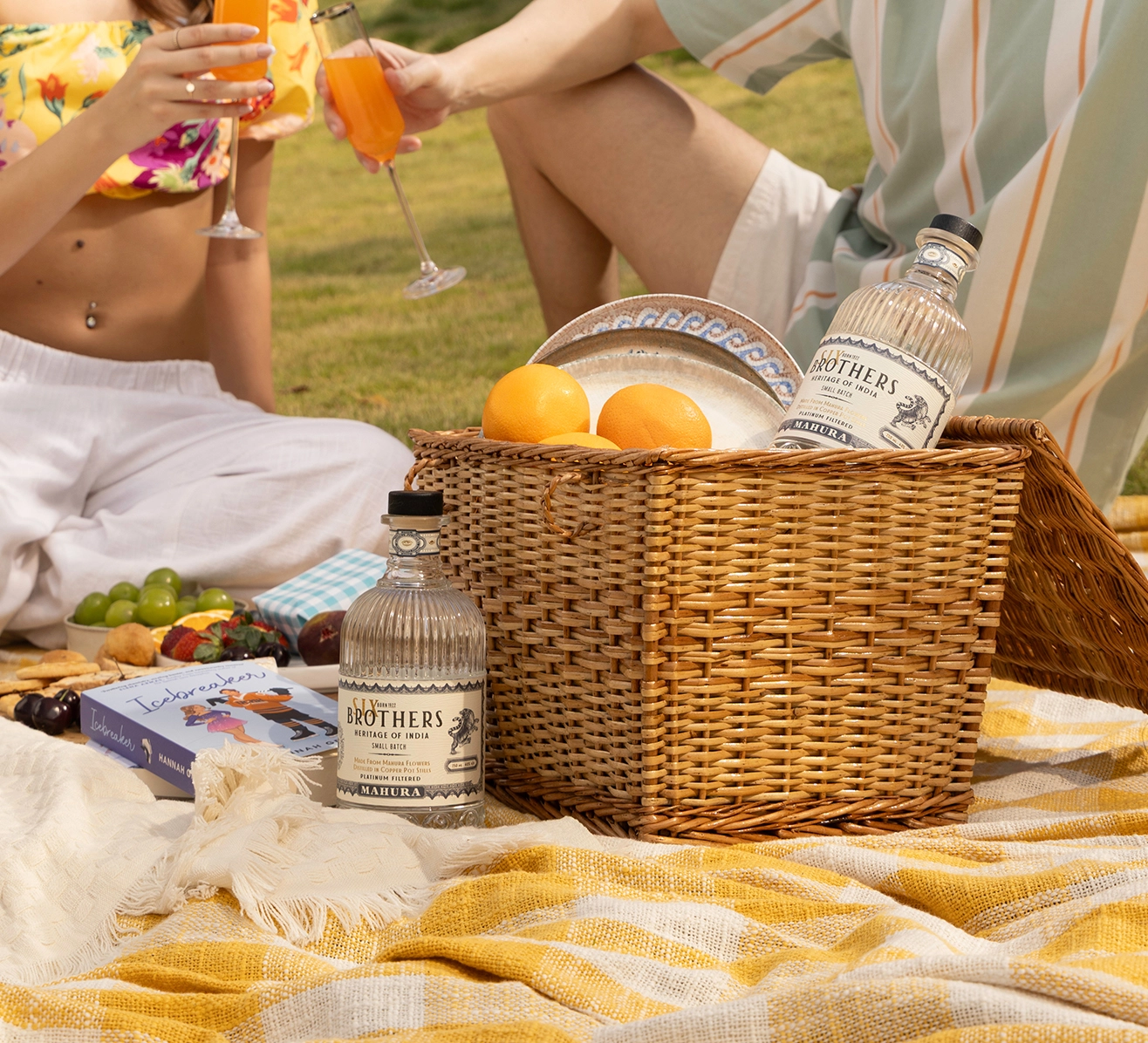
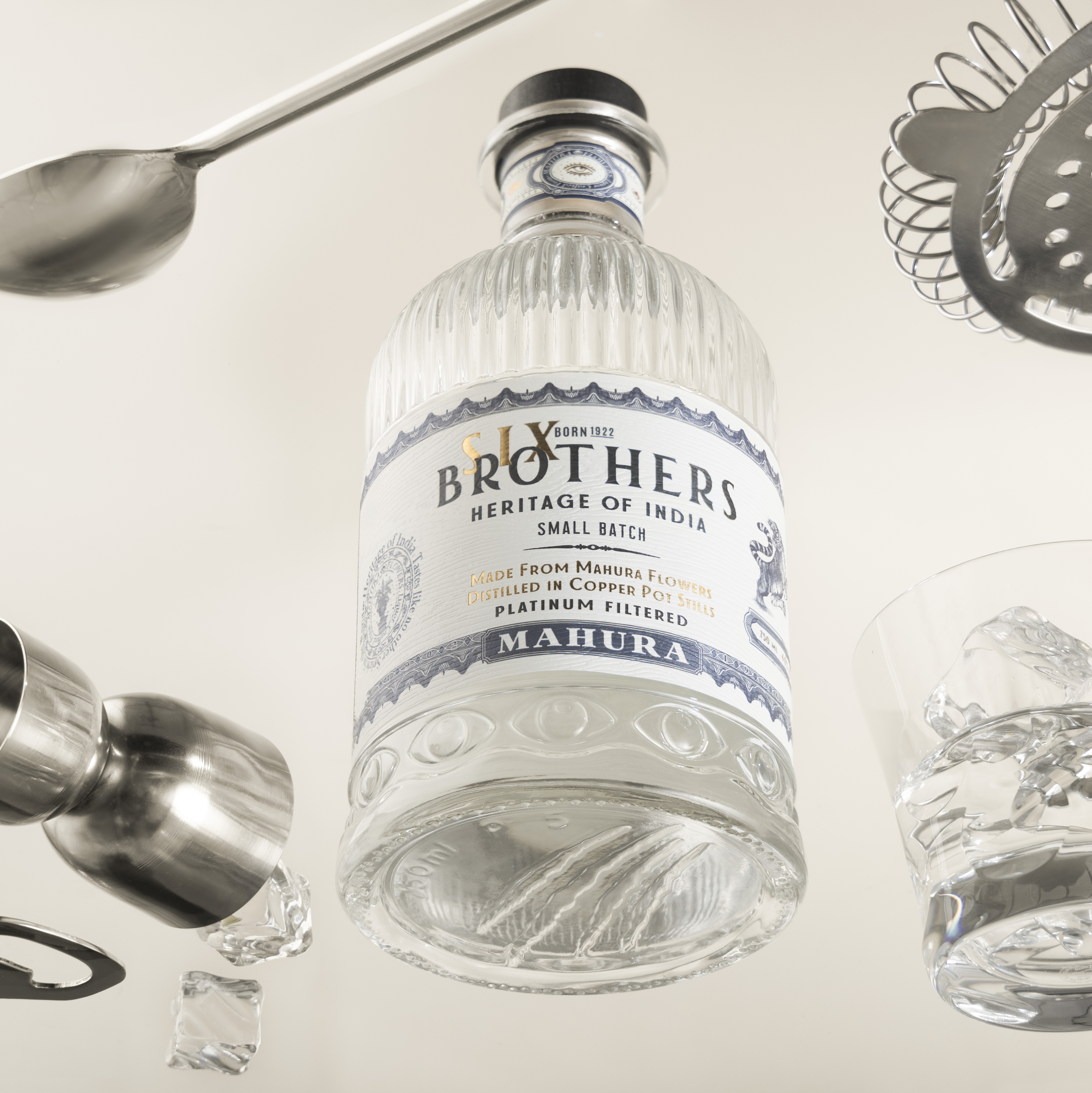
Today, brands like Six Brothers Mahura are helping revive this age-old spirit, bringing Mahua from forest communities to modern consumers while preserving its rich legacy.
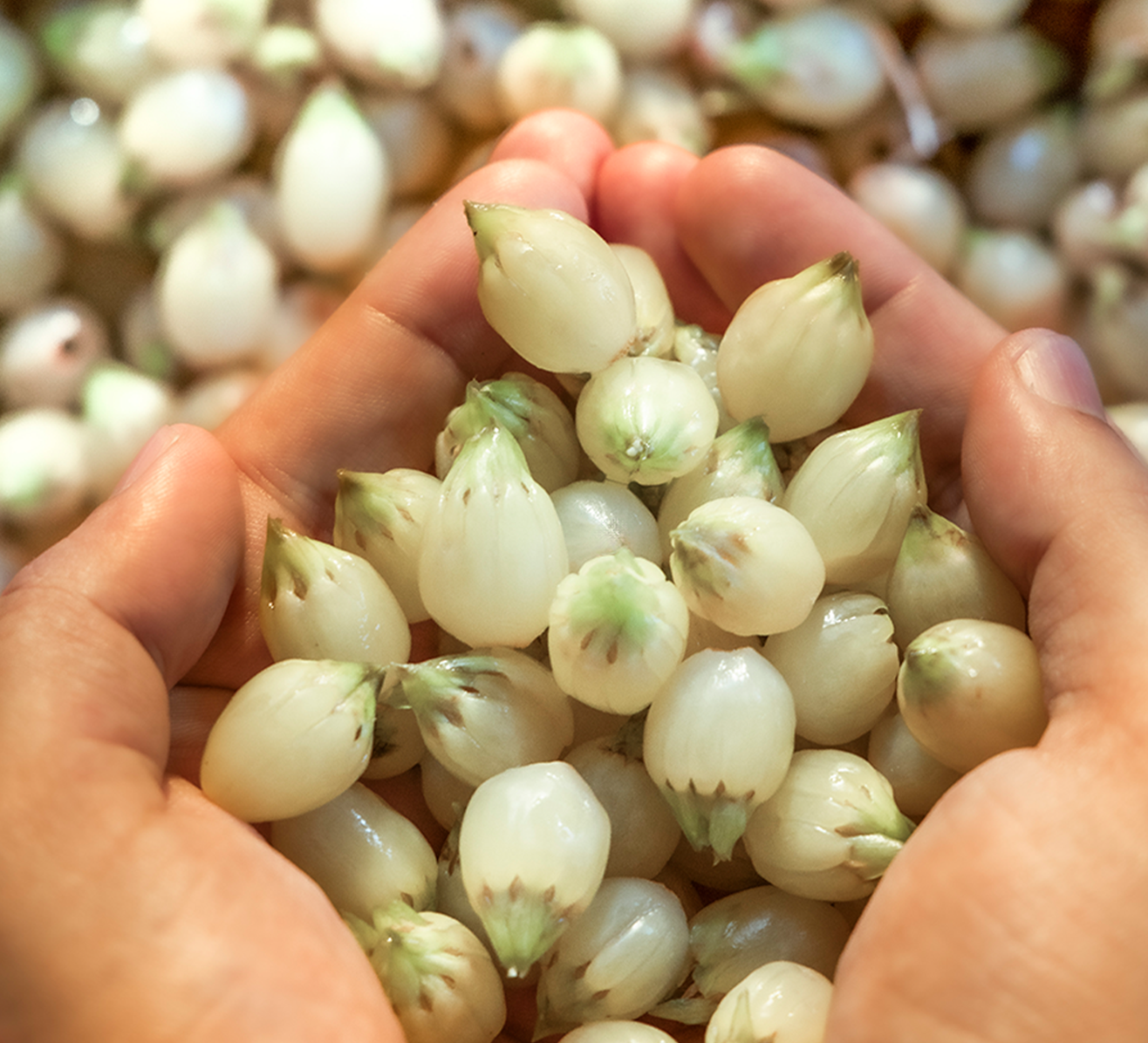
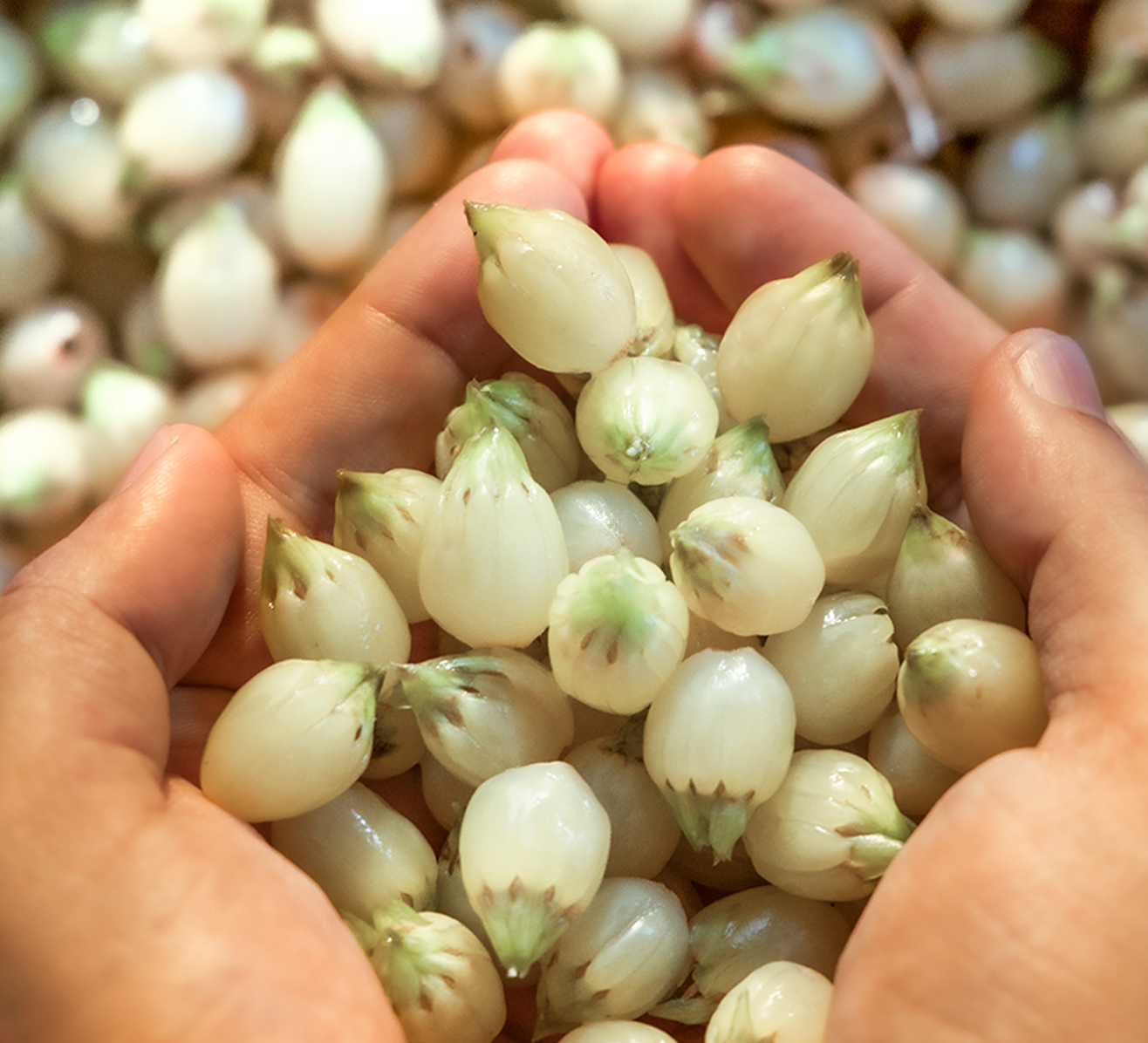
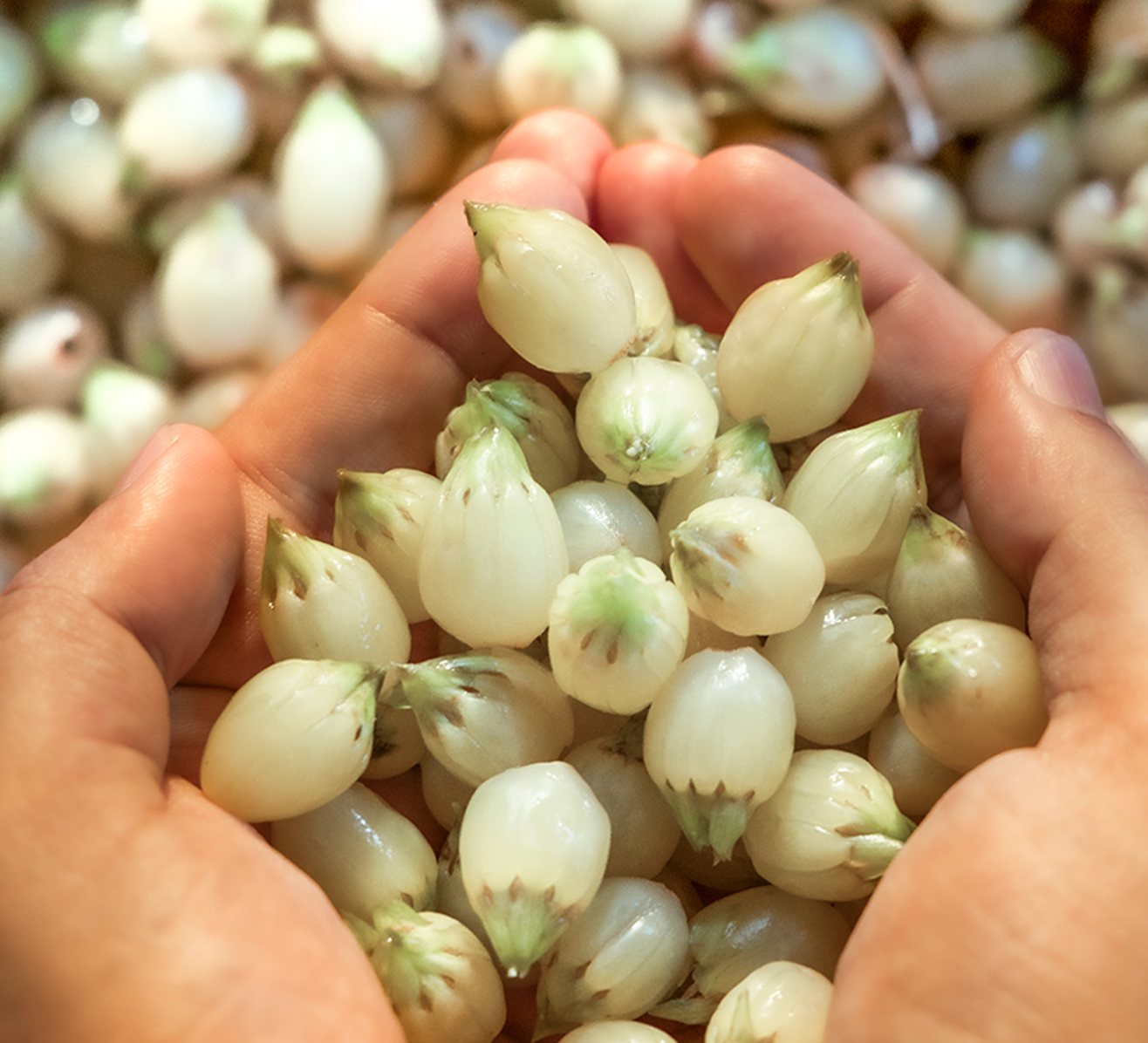
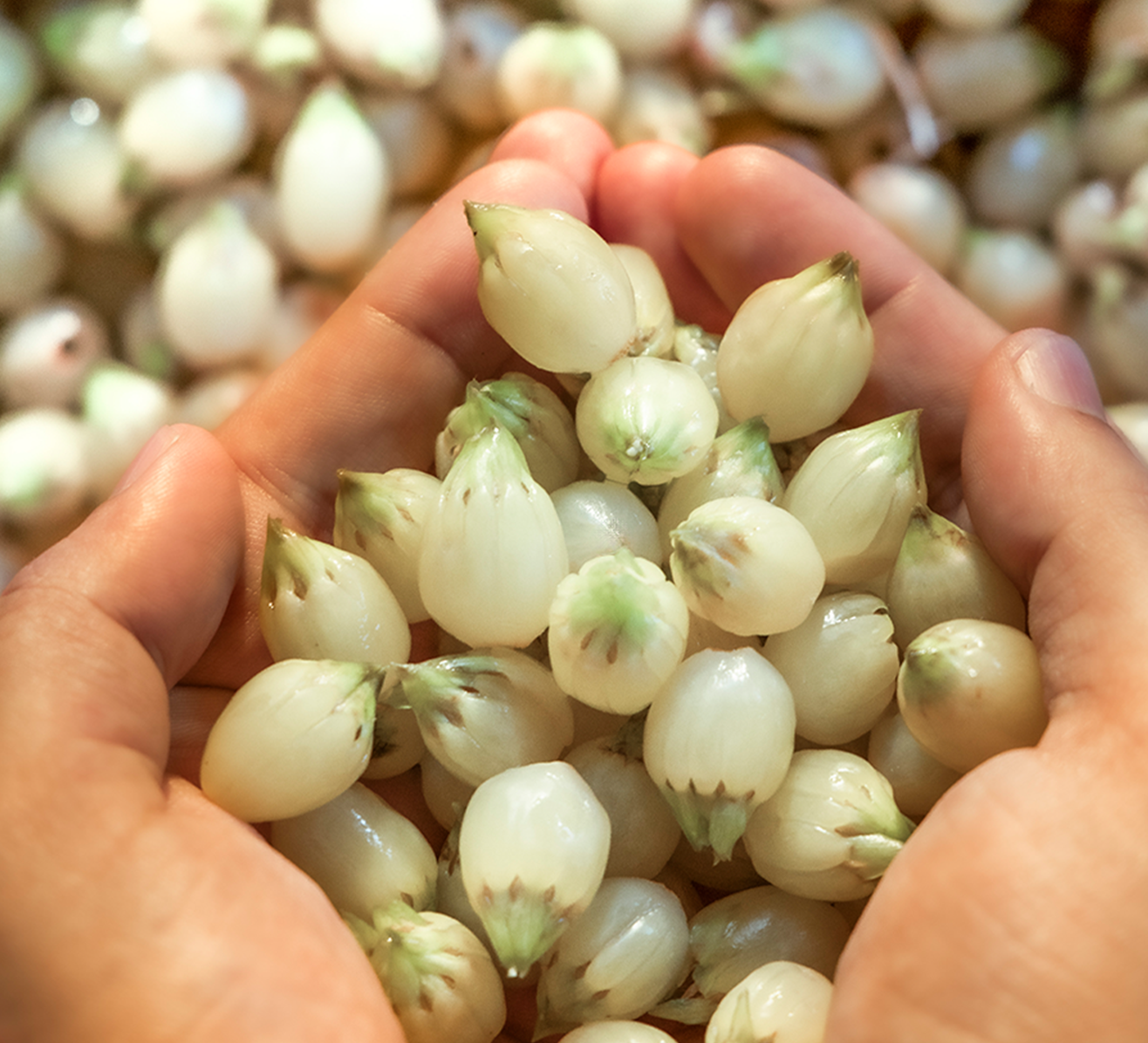
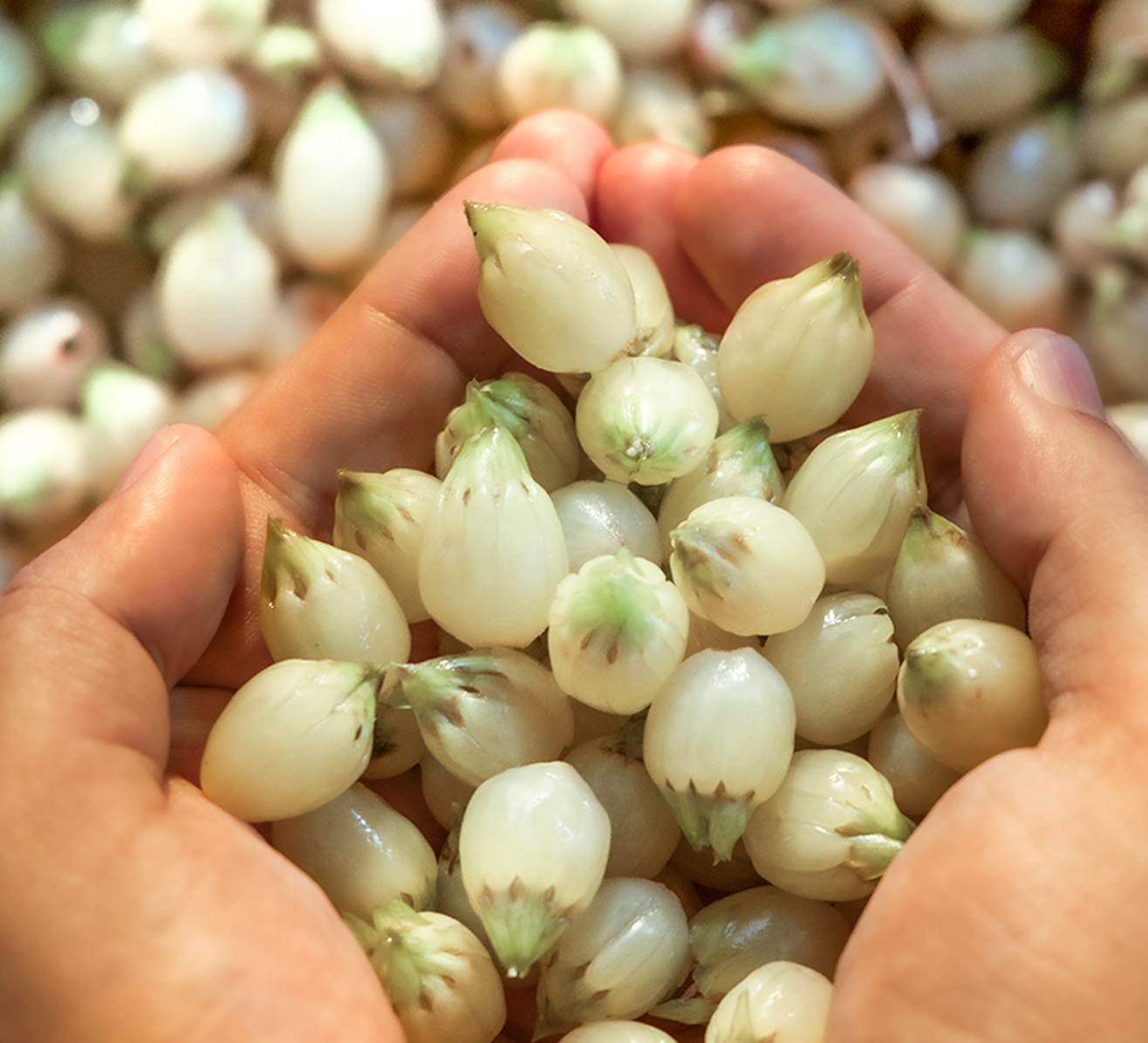
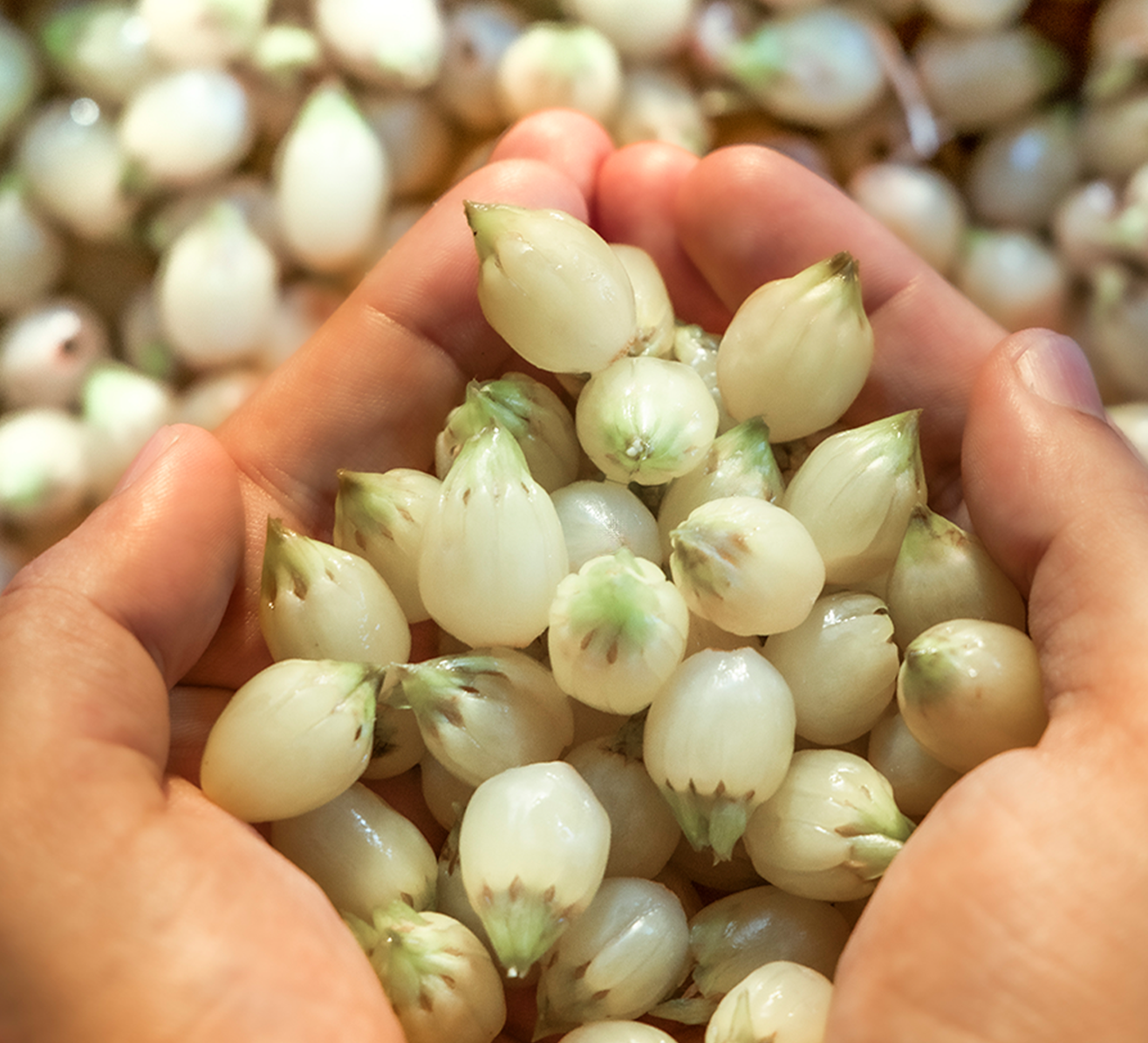
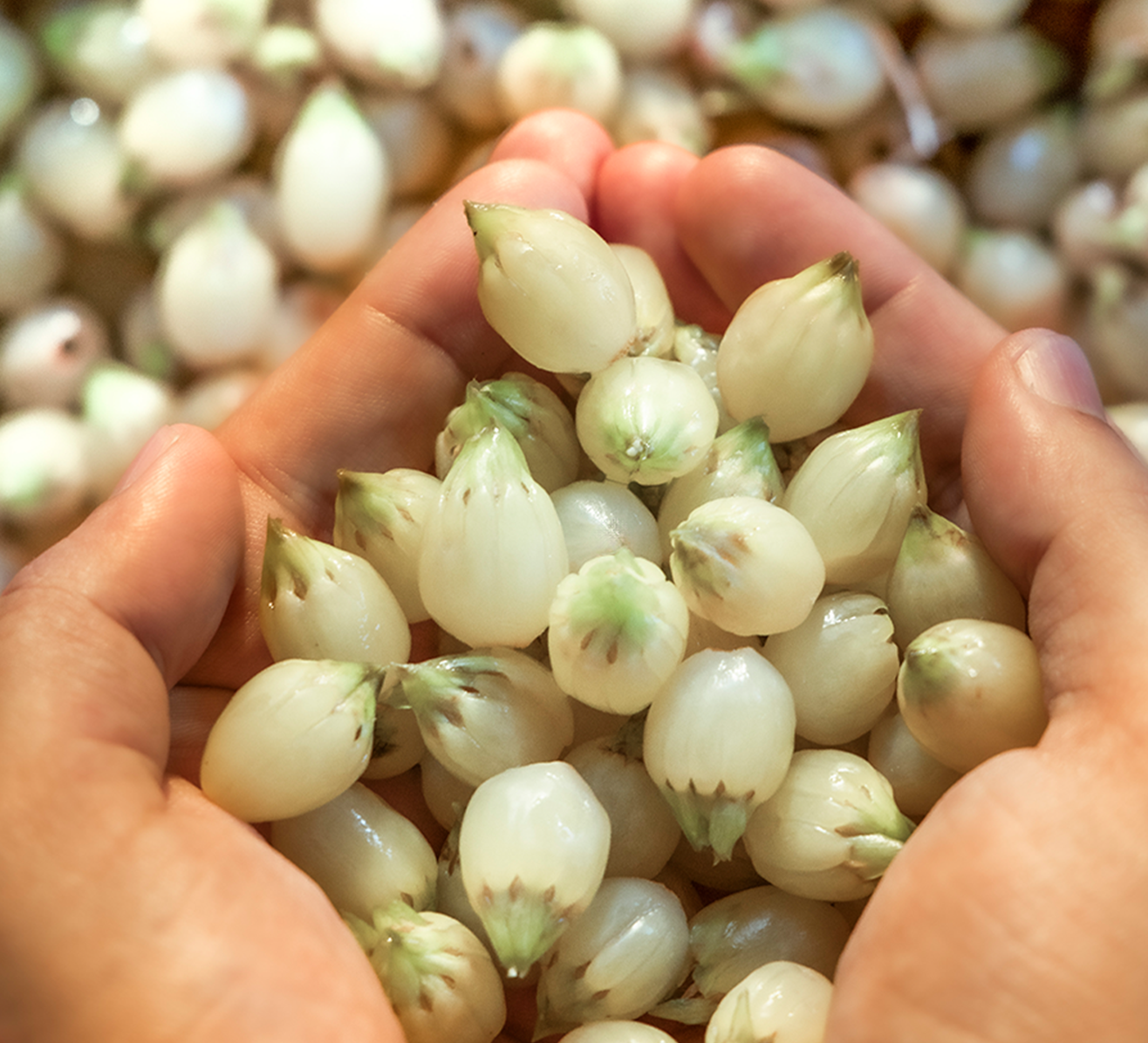
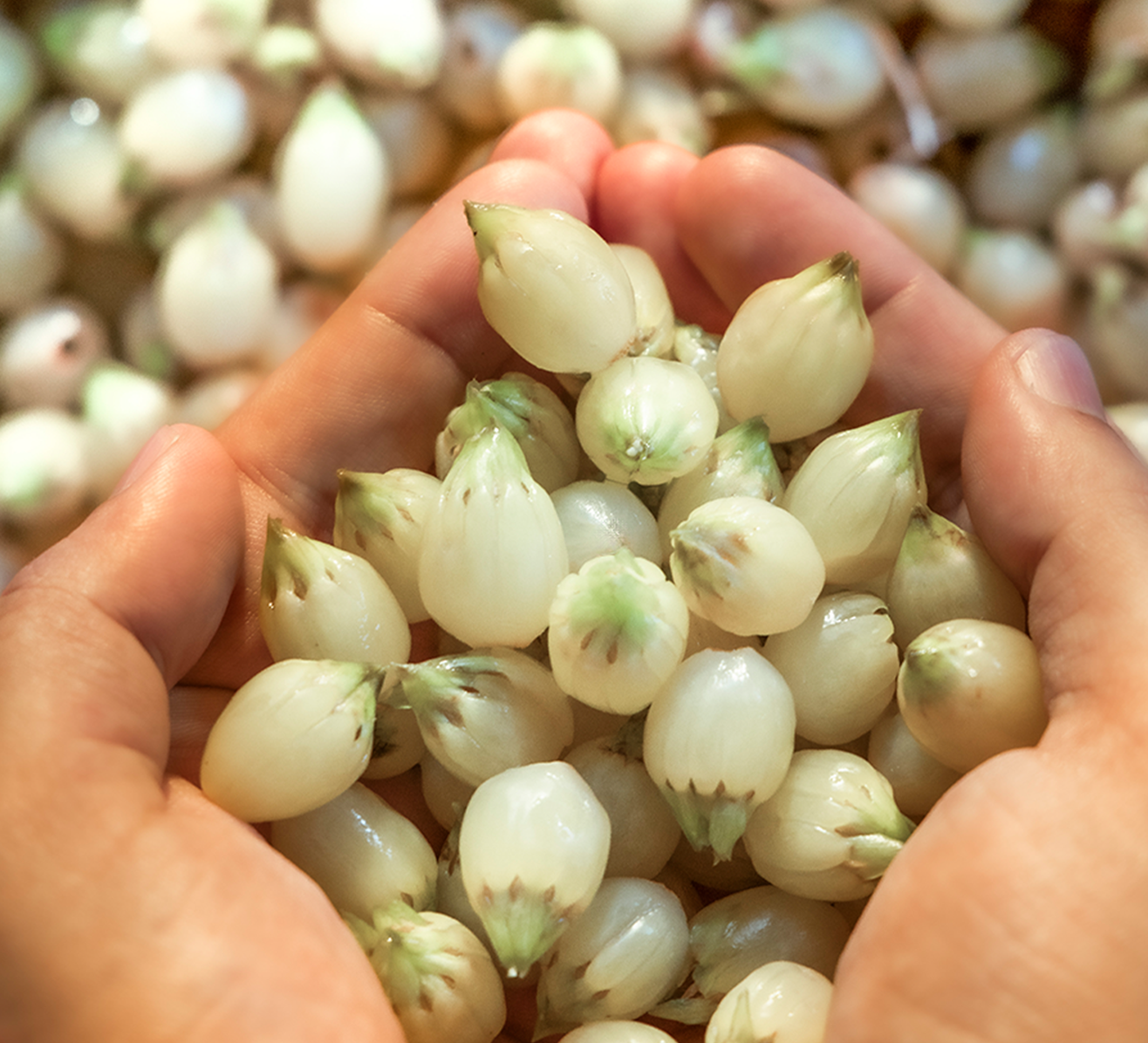
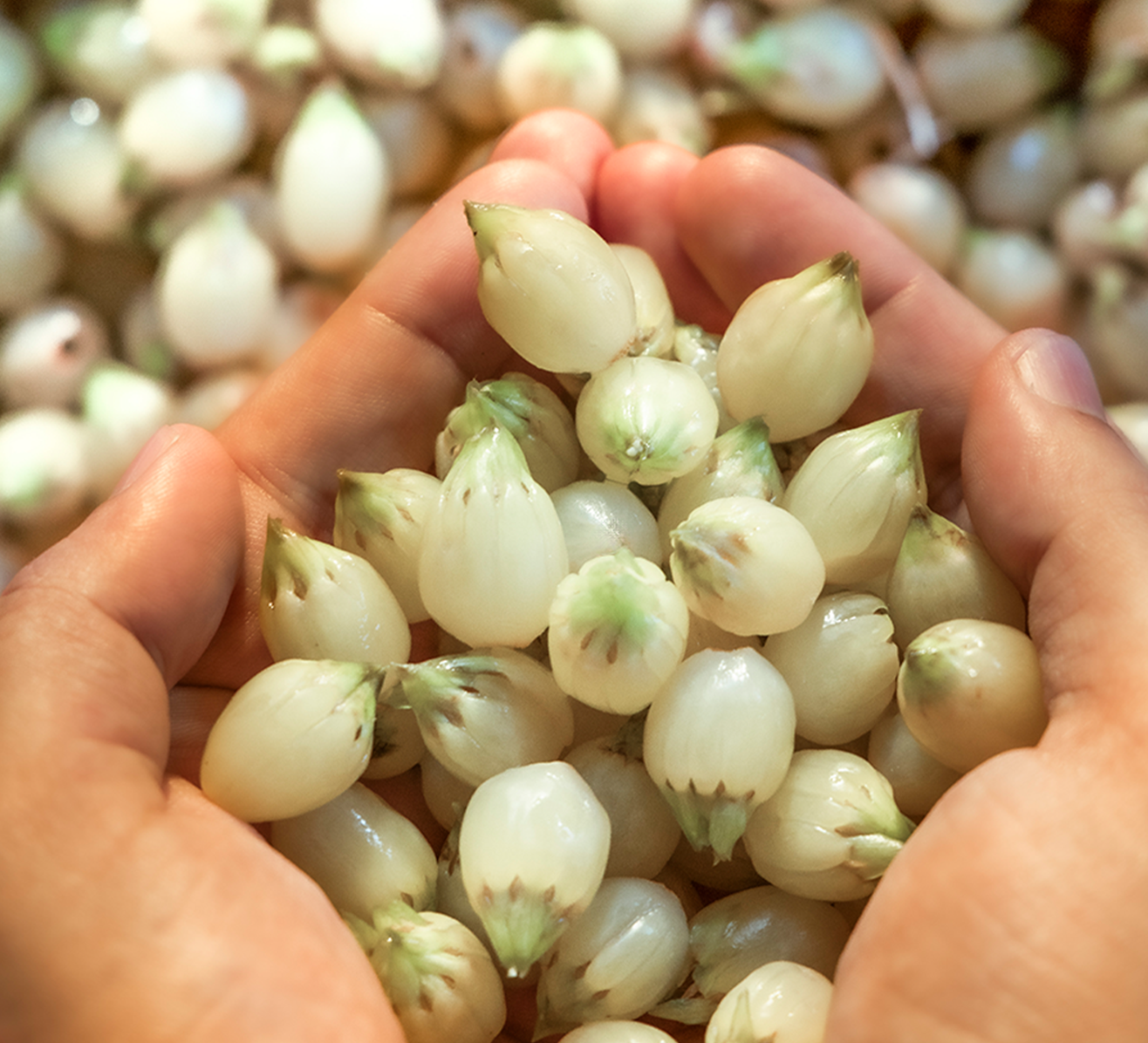
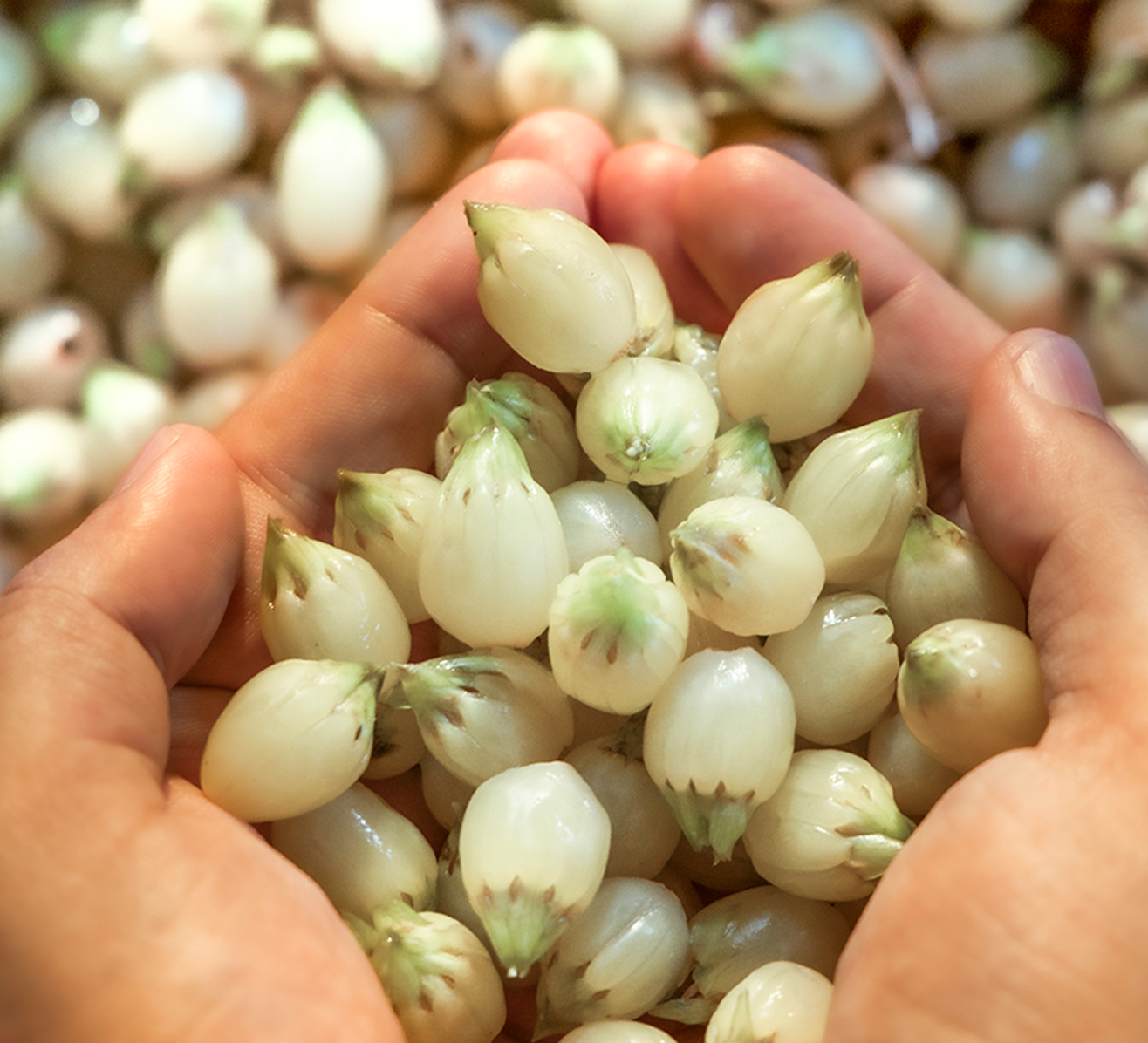
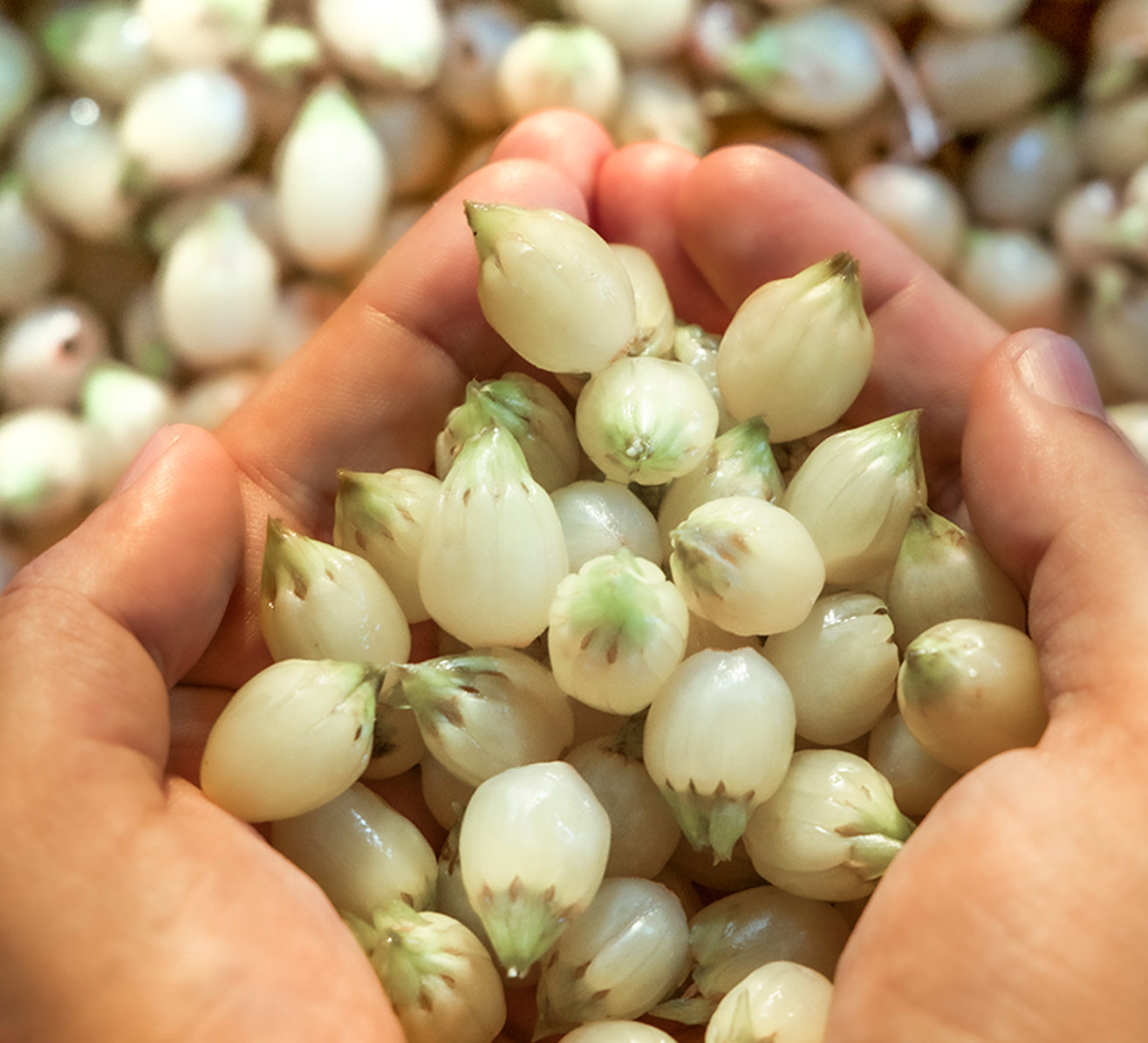
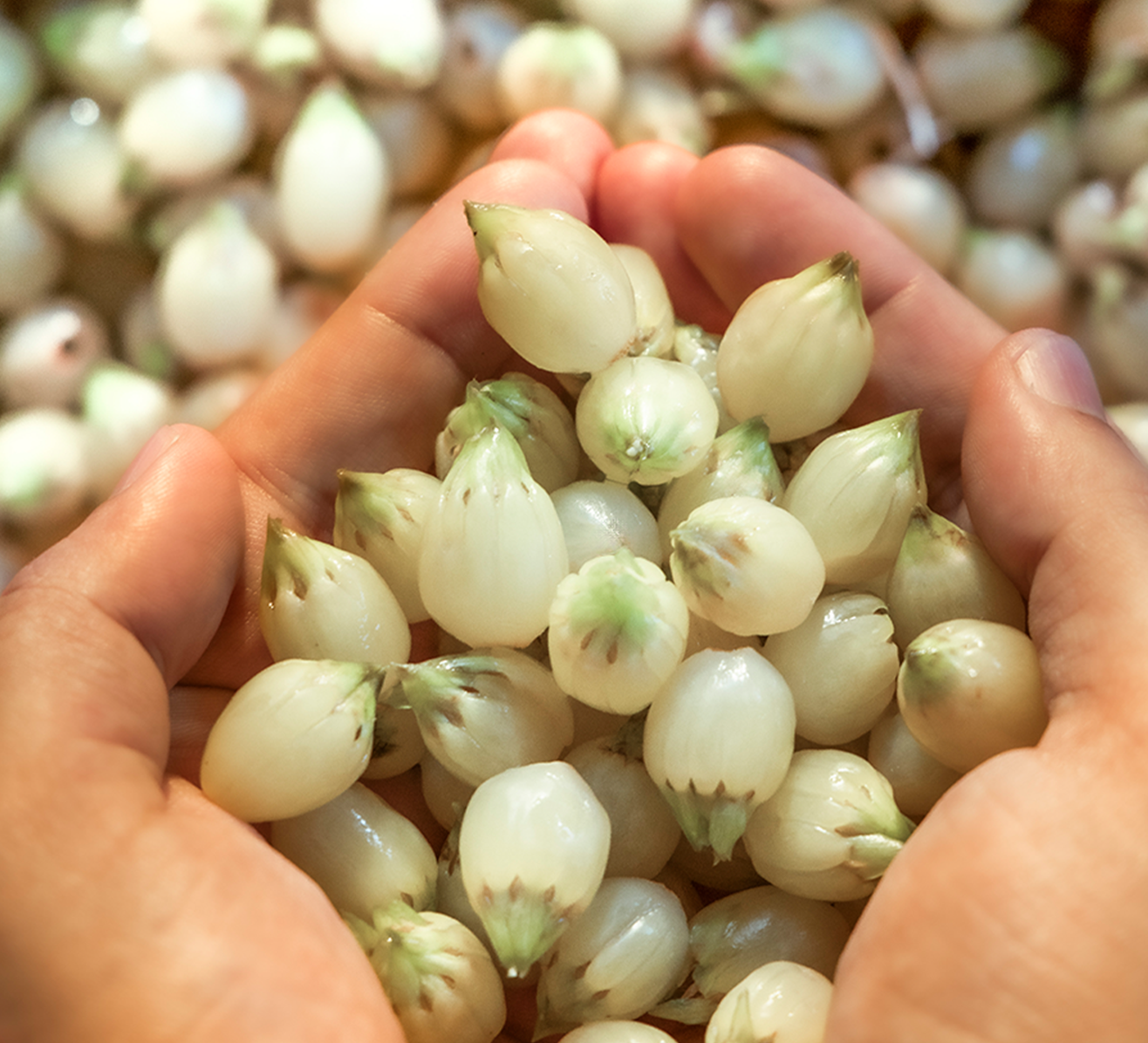
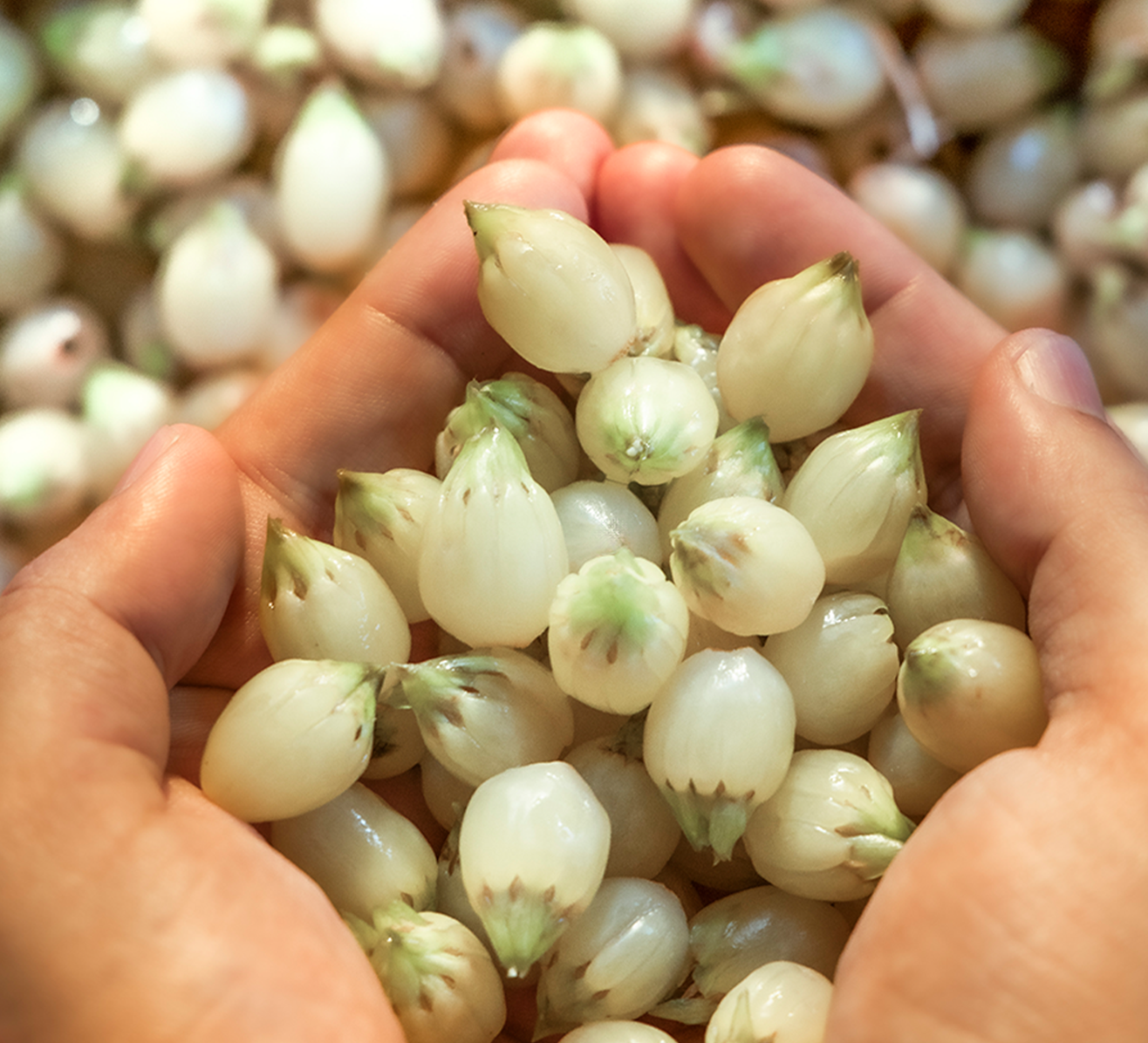
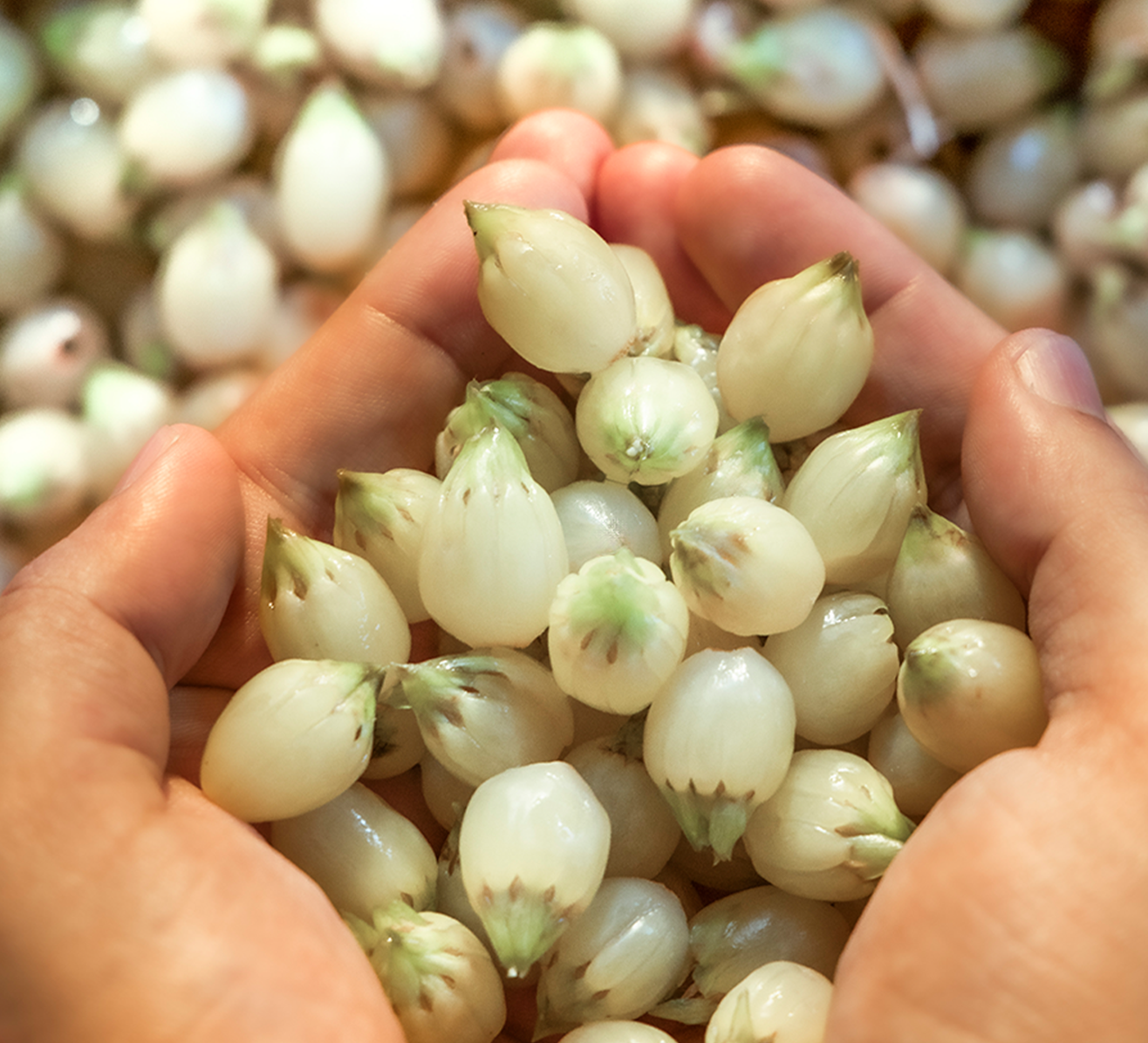
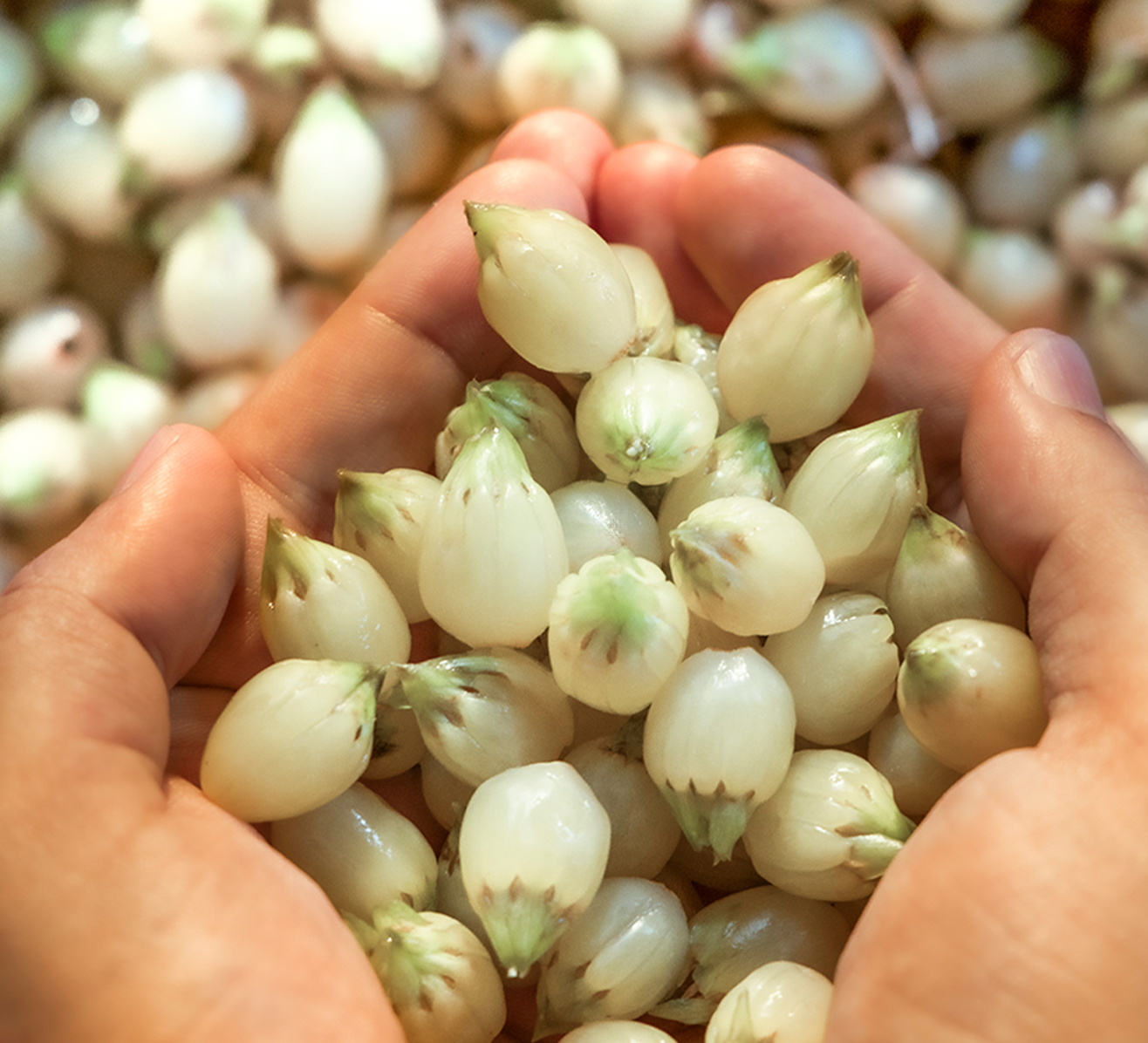
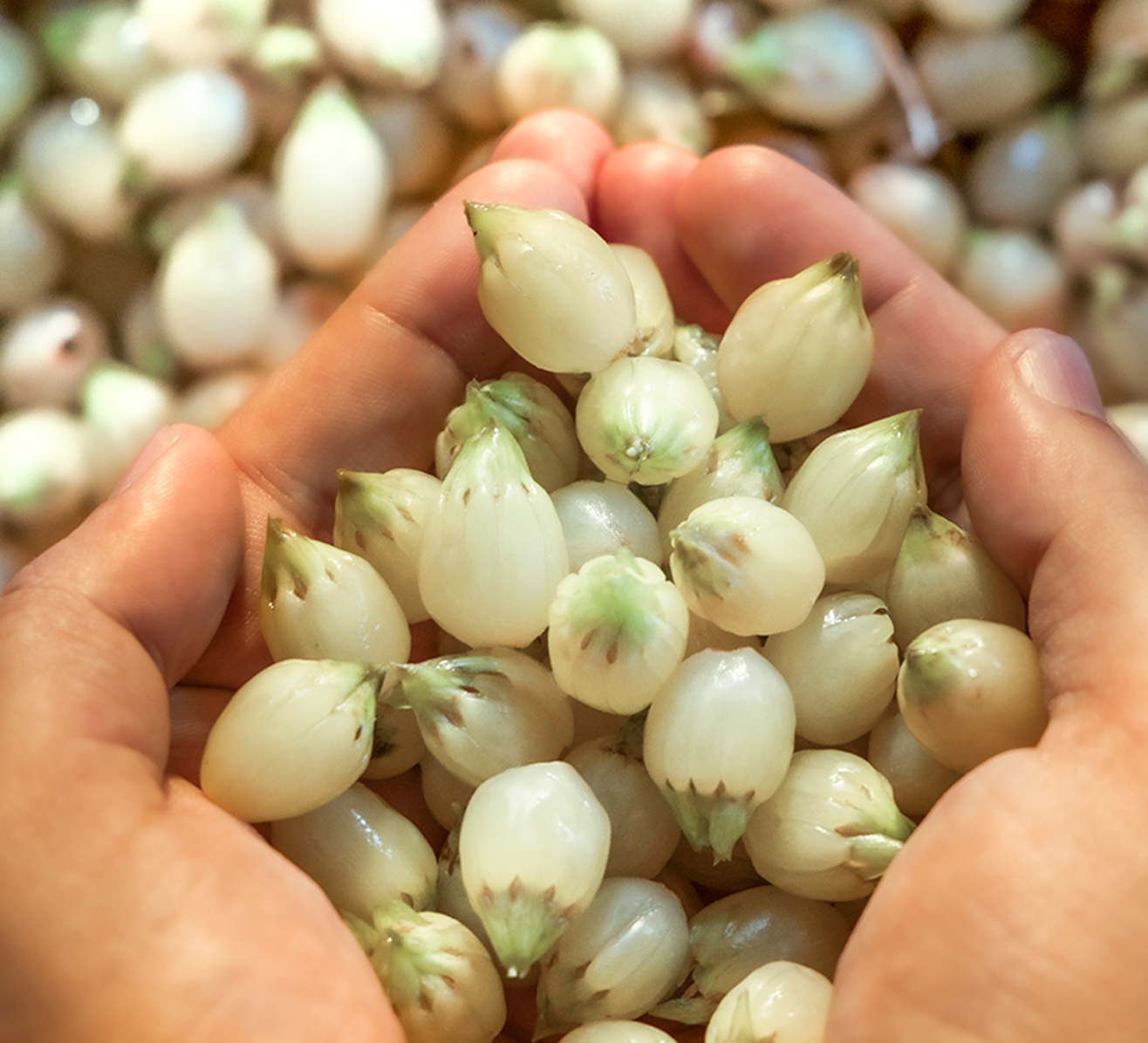
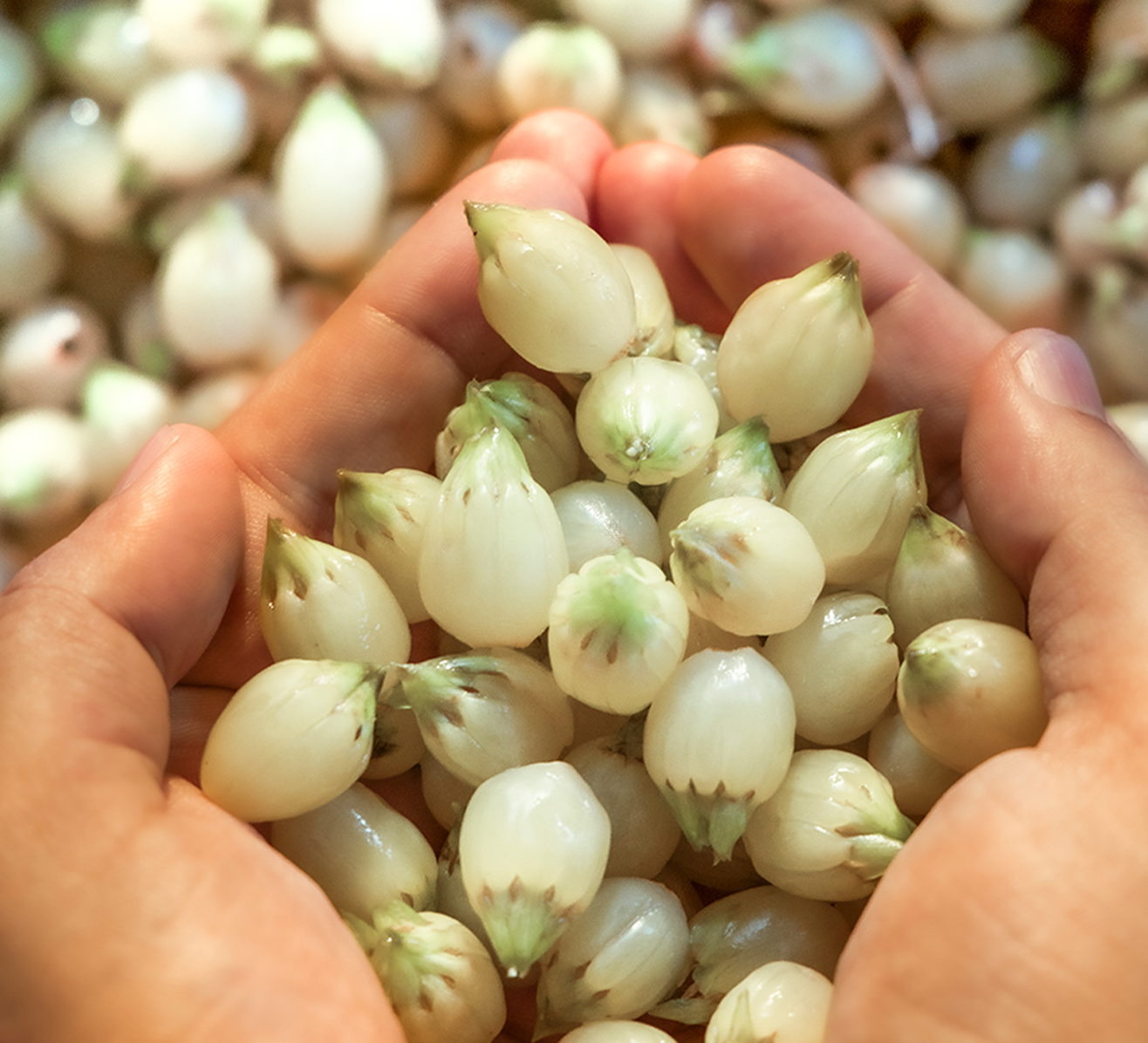
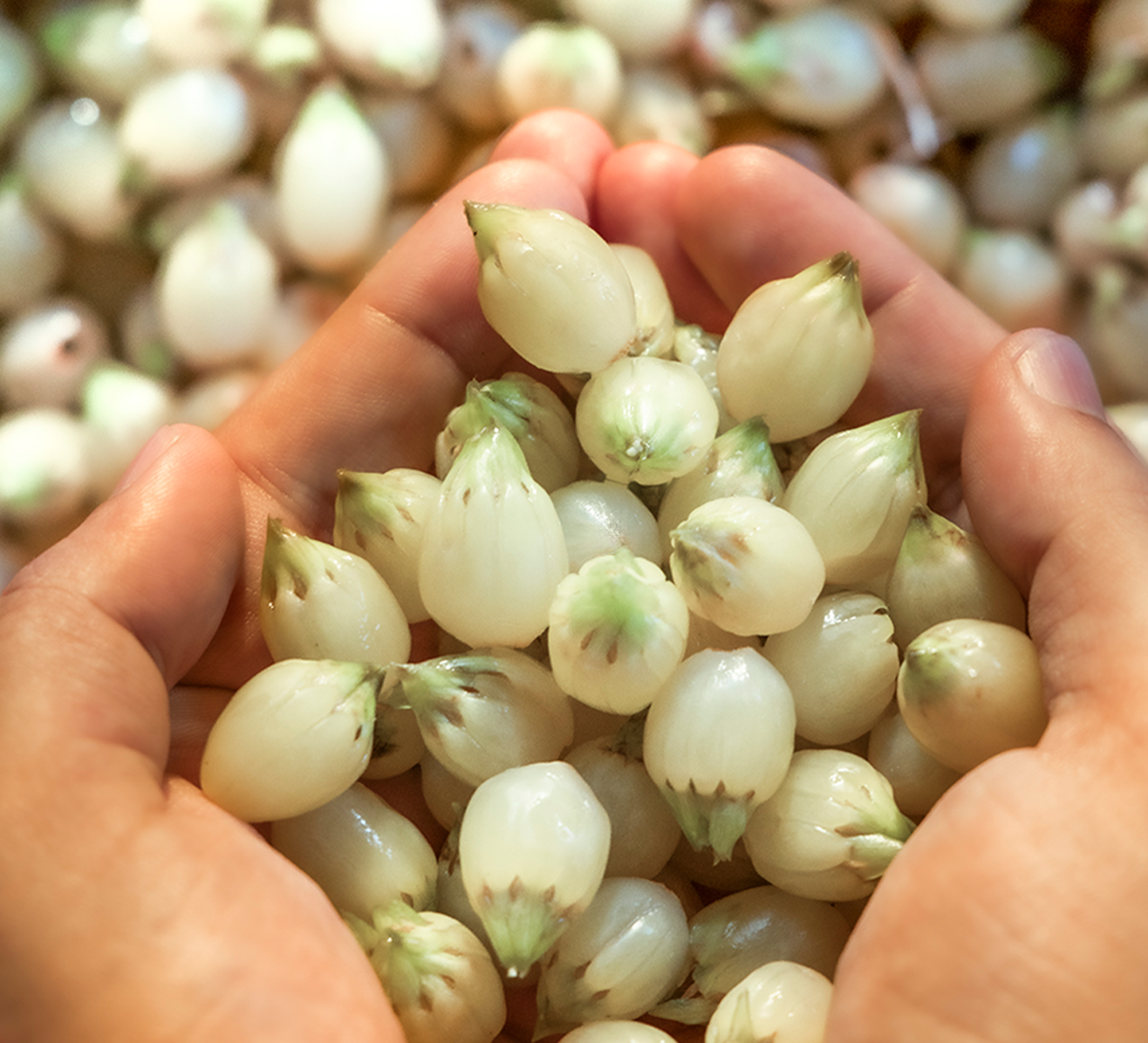
Mahua is a naturally fermented and distilled alcoholic beverage made from the fleshy, sweet flowers of the Madhuca longifolia tree. Native to central and eastern India, this tree thrives in states like Madhya Pradesh, Jharkhand, Chhattisgarh, Odisha, and parts of Maharashtra.
Unlike grain-based spirits, Mahua is entirely floral in origin, giving it a unique flavor profile that ranges from earthy and smoky to mildly sweet and aromatic.
For centuries, Mahua has been an integral part of tribal communities such as the Gond, Santhal, Baiga, and Ho tribes. It is not merely consumed recreationally but holds deep spiritual and ceremonial significance.
Mahua is often:
In many tribal belief systems, the Mahua tree itself is considered sacred, often referred to as the “Tree of Life” because of its multiple uses—food, medicine, and drink.
Before the arrival of colonial powers, India had a diverse landscape of indigenous alcoholic beverages, including toddy, rice beer, and Mahua. These drinks were localized, sustainable, and deeply tied to the land.
Unlike modern spirits, Mahua production was decentralized and community-driven, making it a vital part of rural livelihoods.
The colonial era marked a turning point in the history of Mahua. The British administration introduced strict excise laws to regulate and tax alcohol production, favoring industrially produced liquor over traditional brews.
This led to a gradual decline in Mahua’s cultural prominence, pushing it to the margins of Indian society.
Even after independence, Mahua struggled to reclaim its place in mainstream India. It remained largely confined to tribal belts, often associated with informality and lack of regulation.
Mahua continued to:
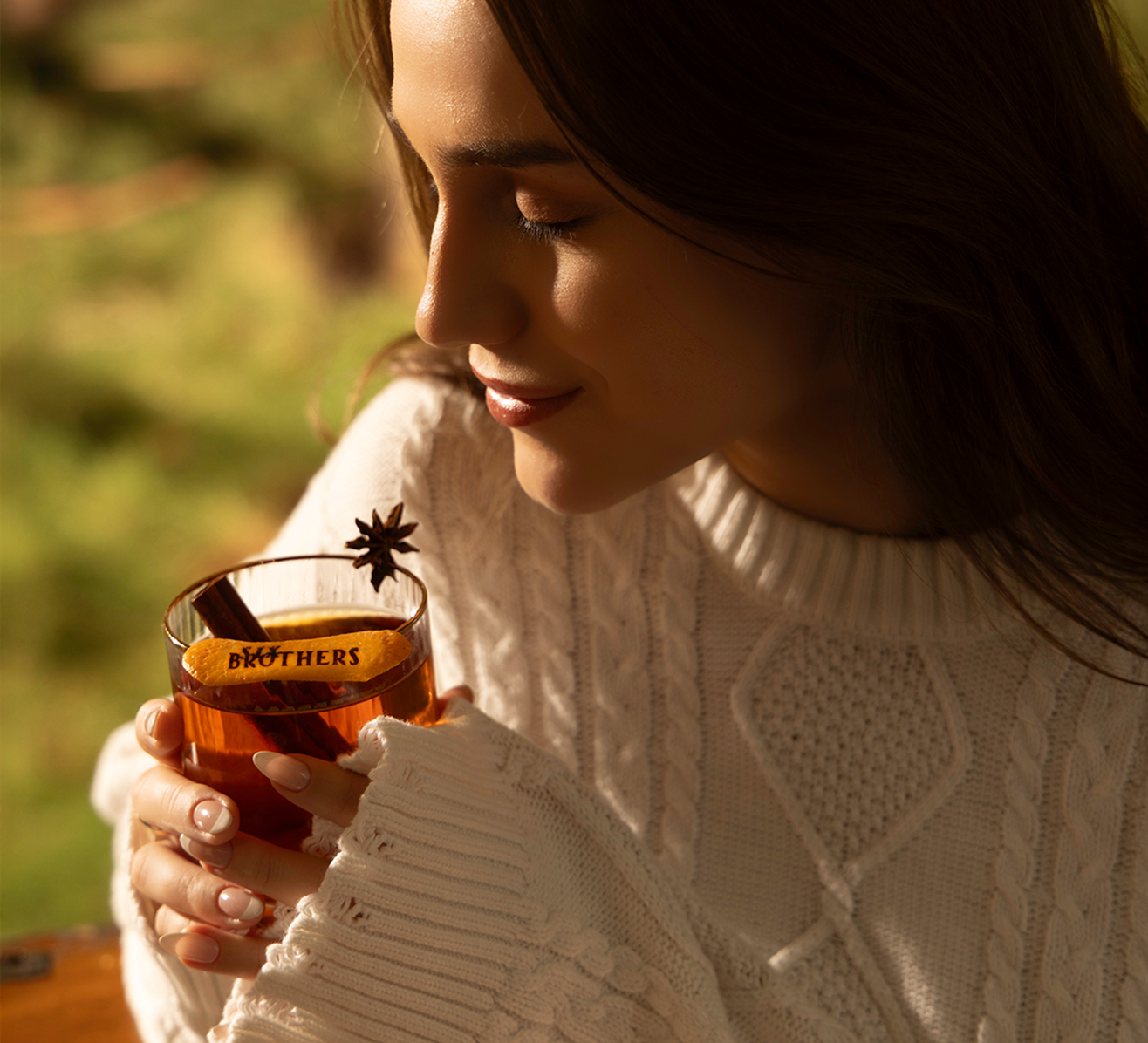
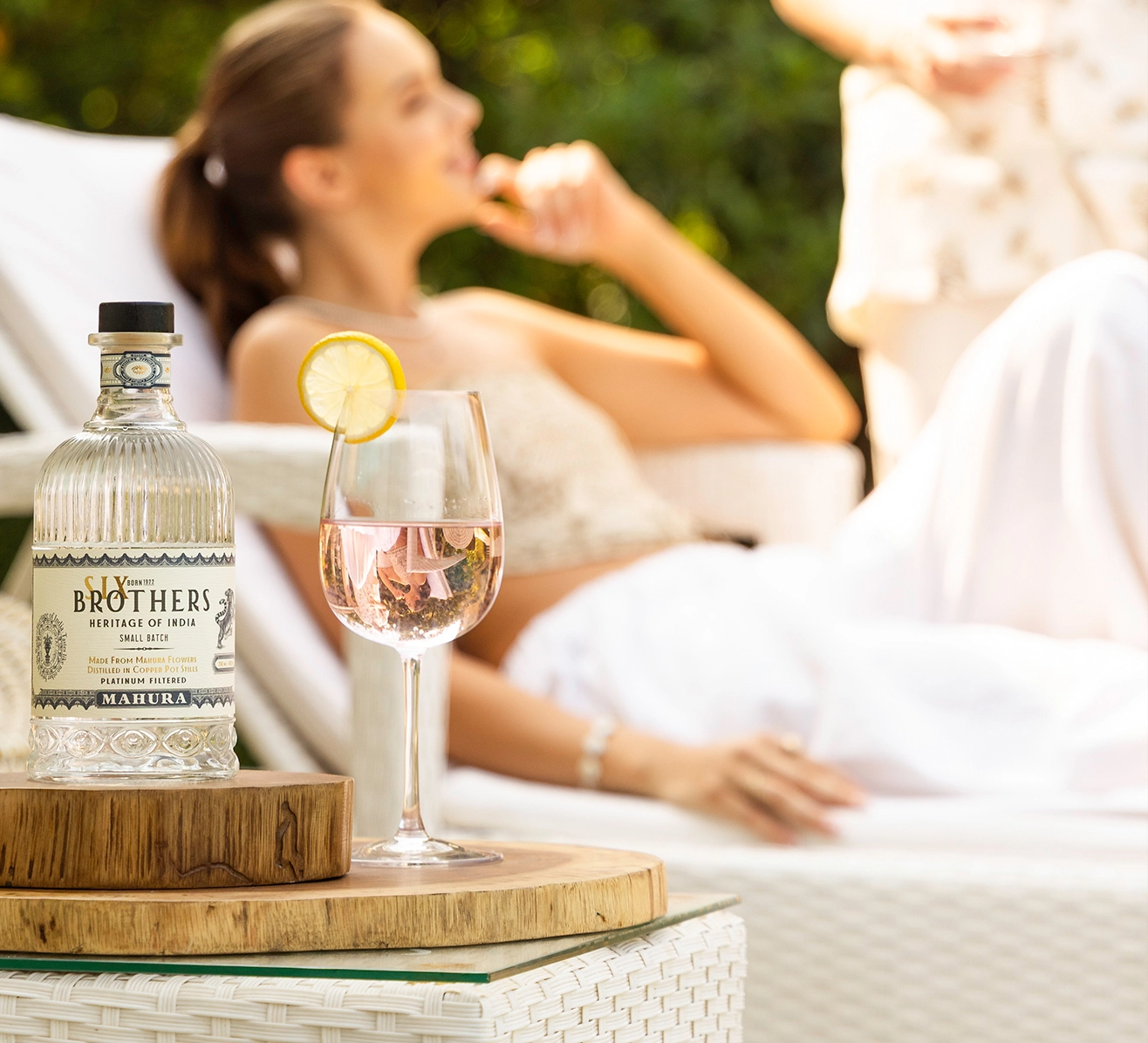
In recent years, there has been a growing interest in indigenous and craft spirits across India. Consumers are increasingly seeking authenticity, sustainability, and unique flavor experiences.
This shift has paved the way for Mahua’s revival.
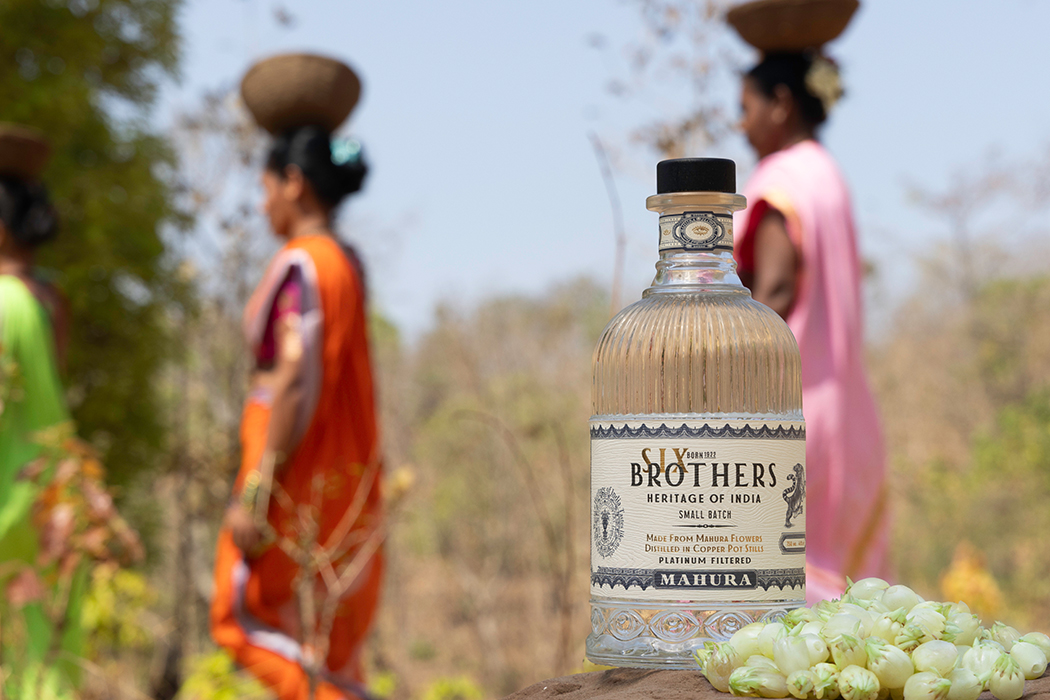
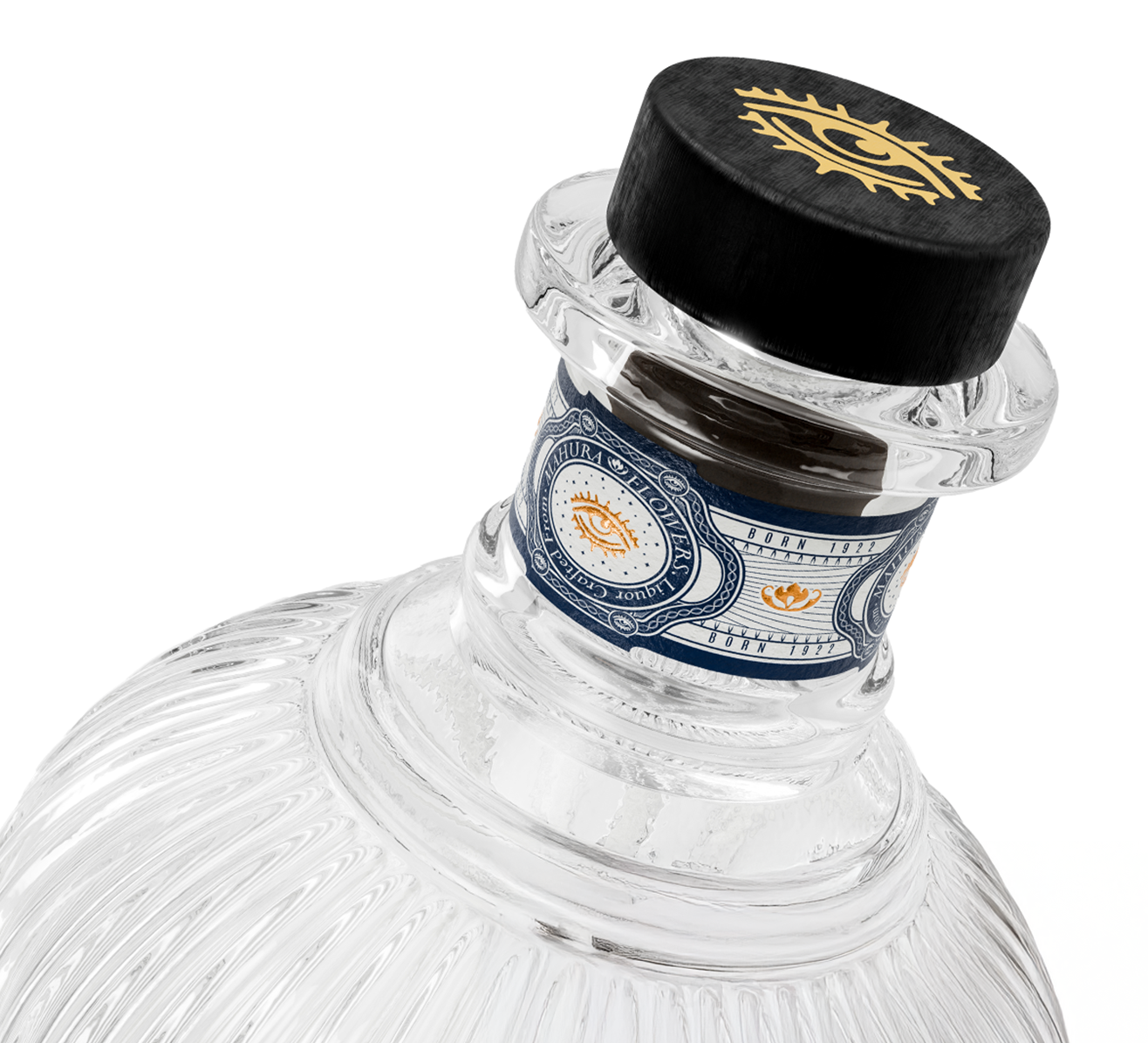
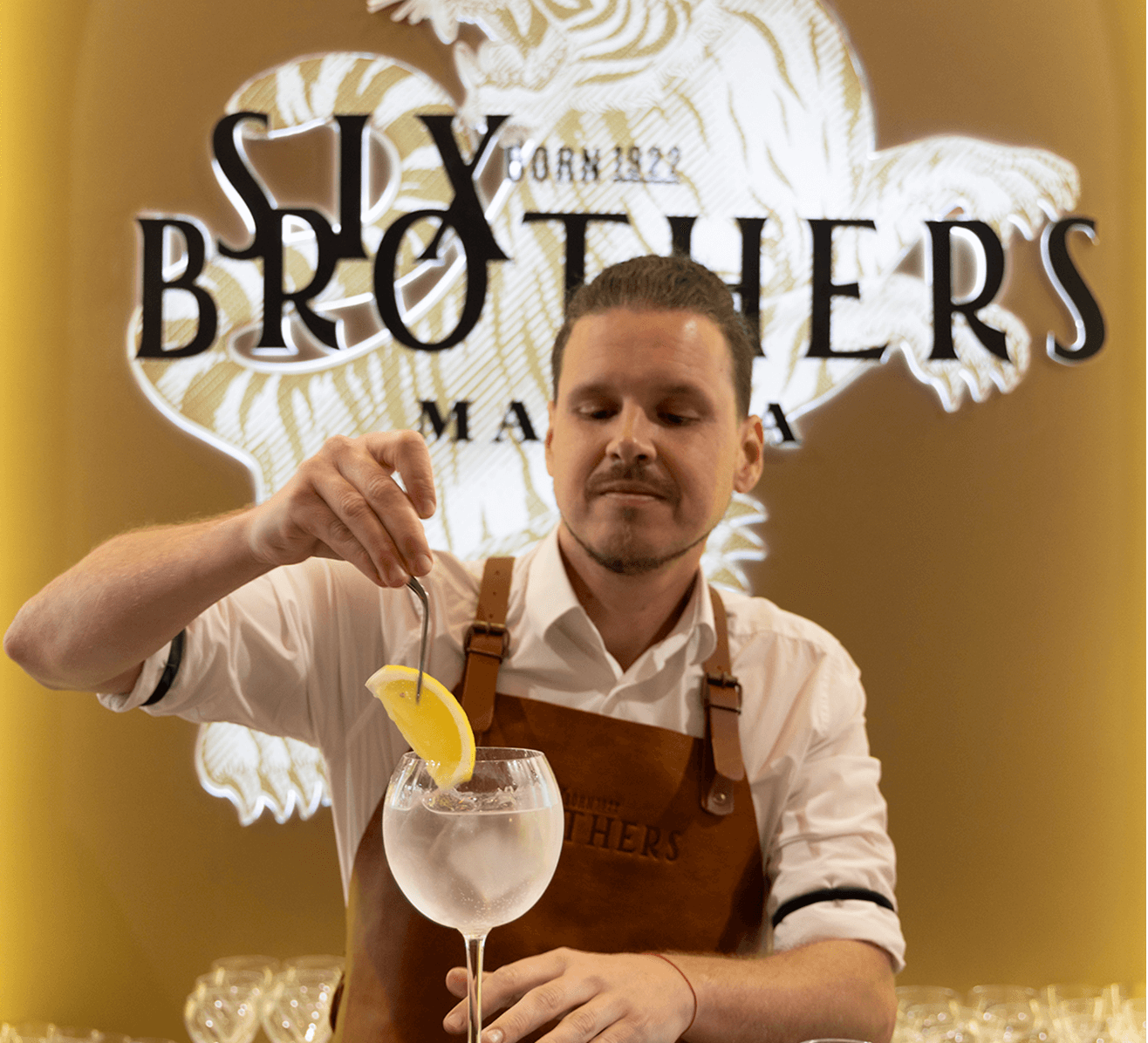
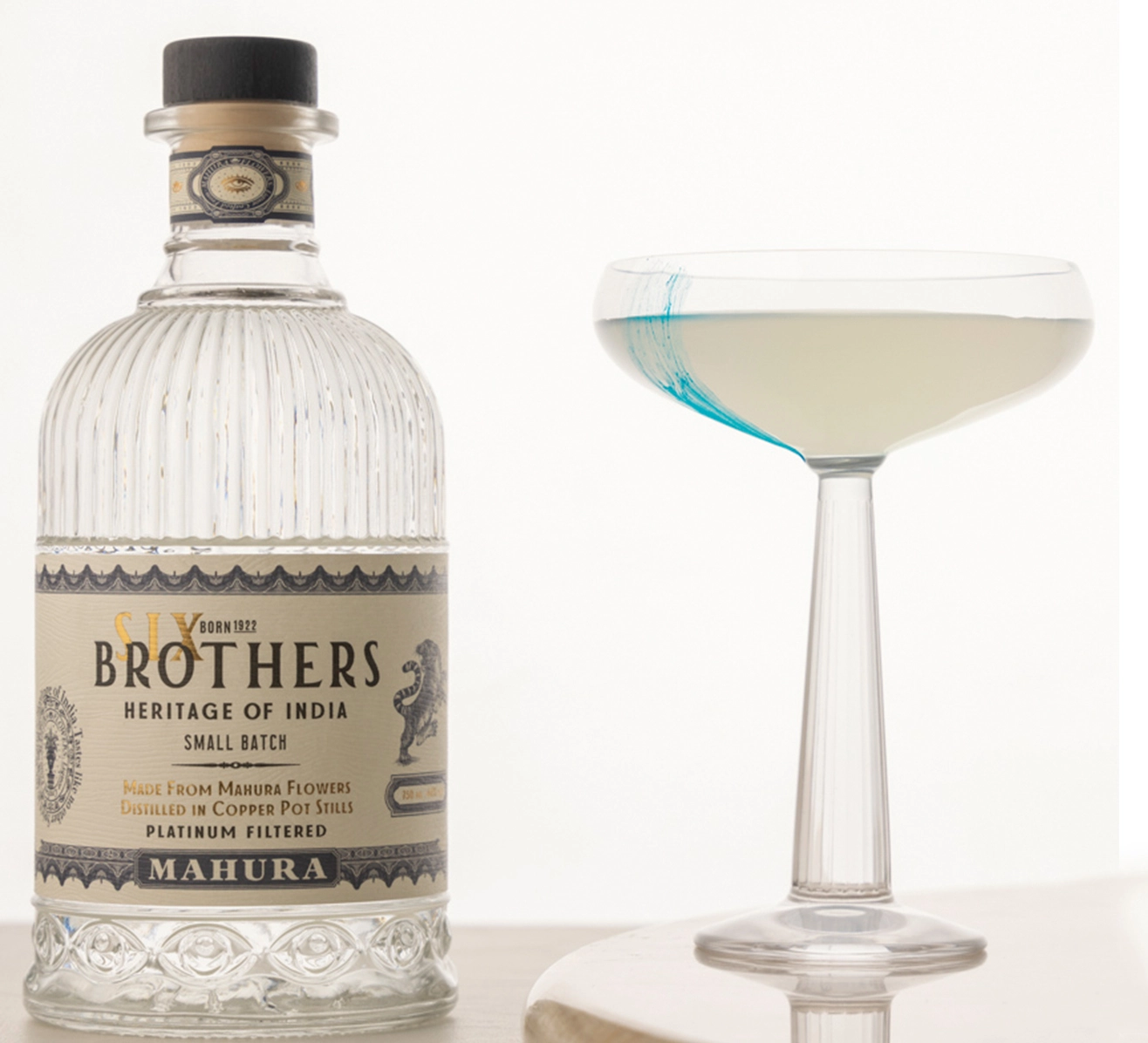
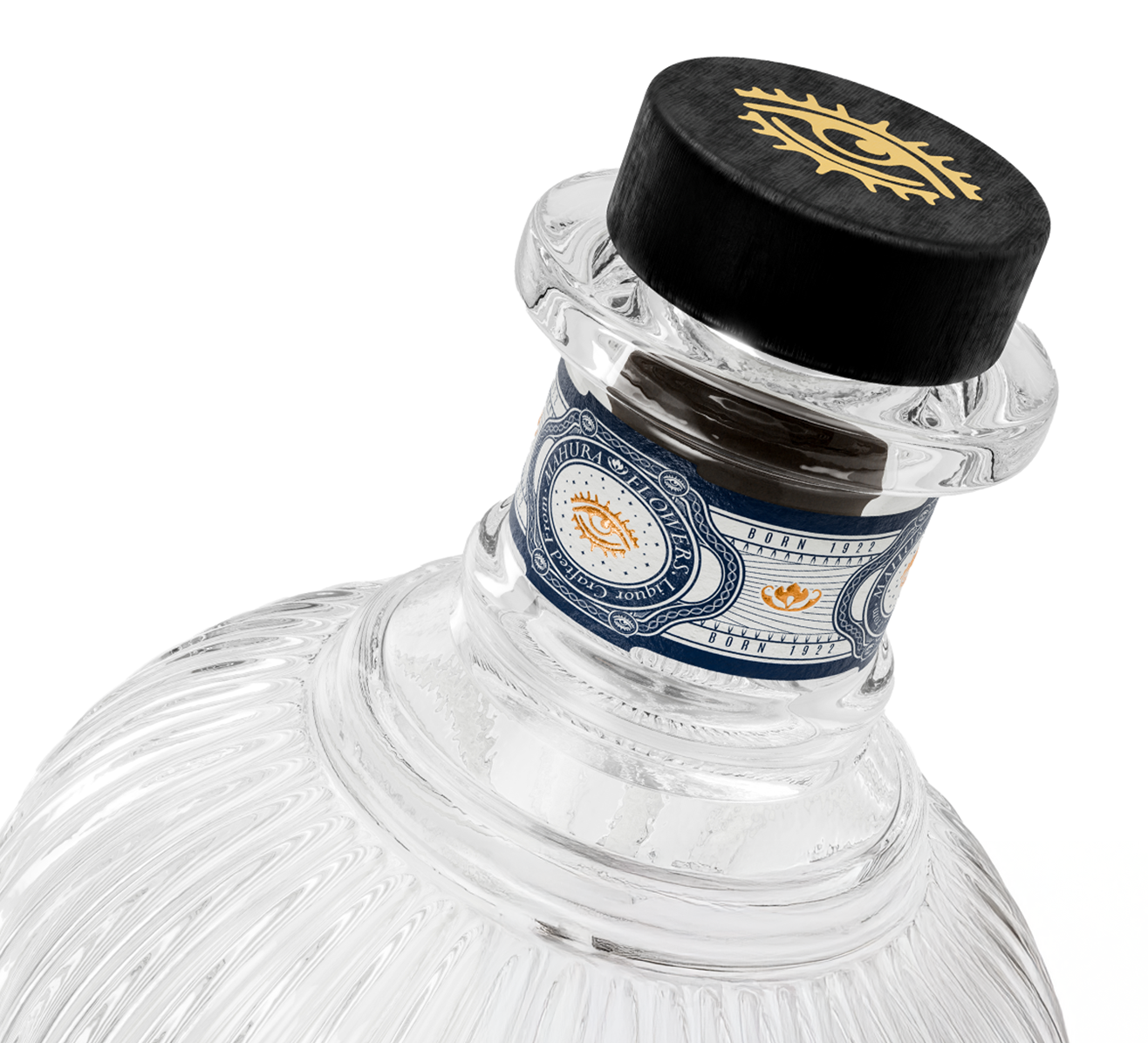
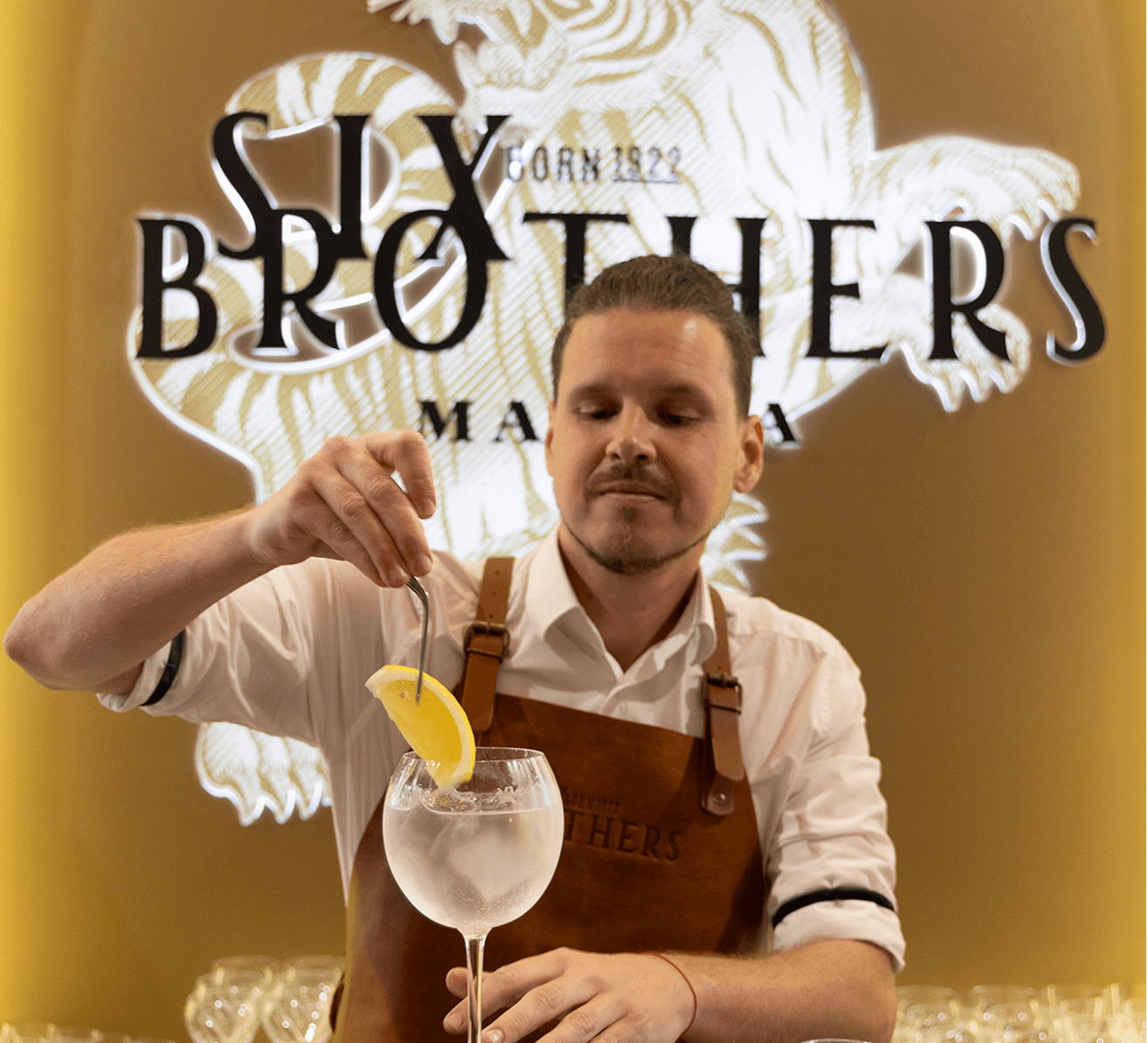
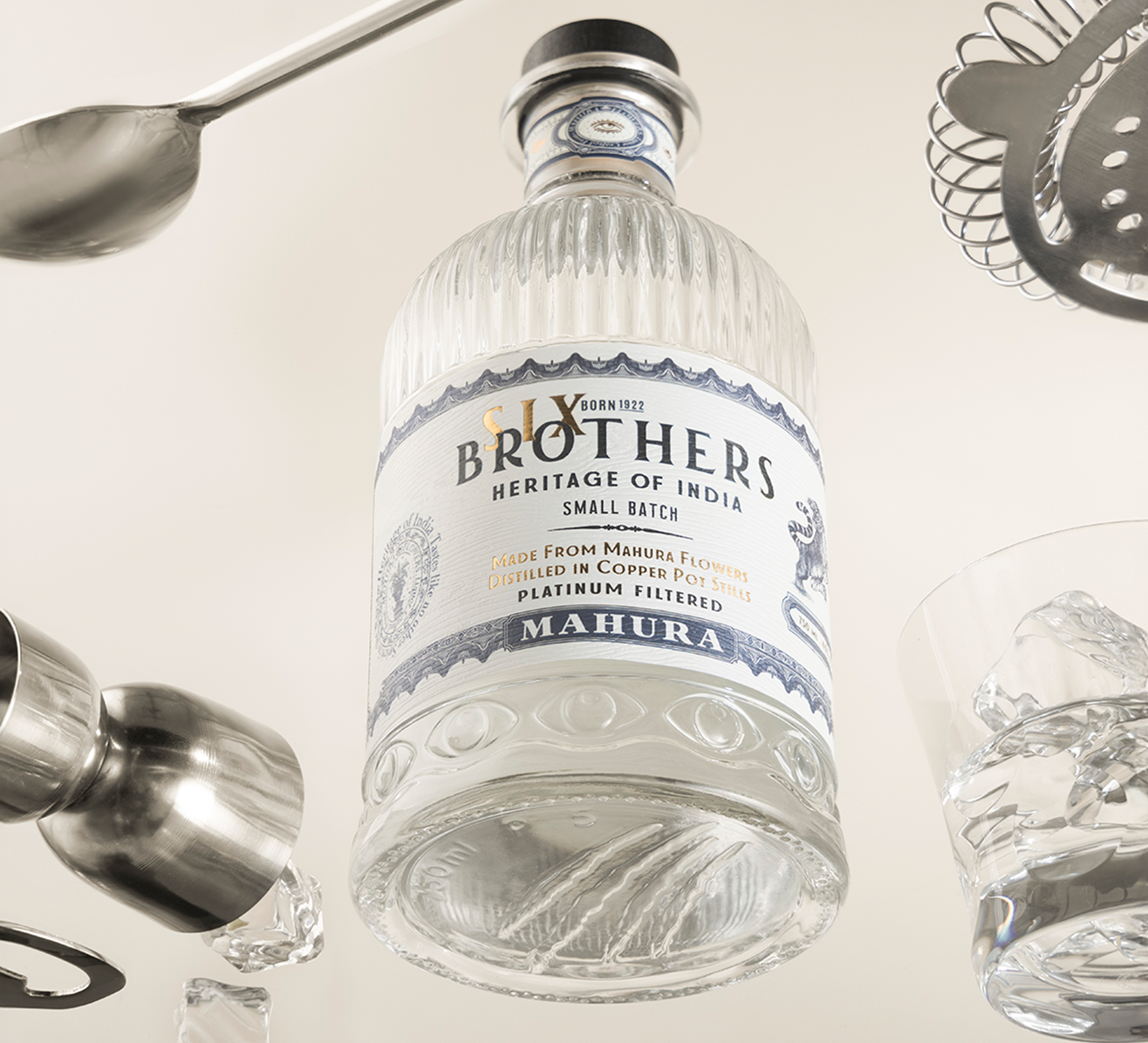
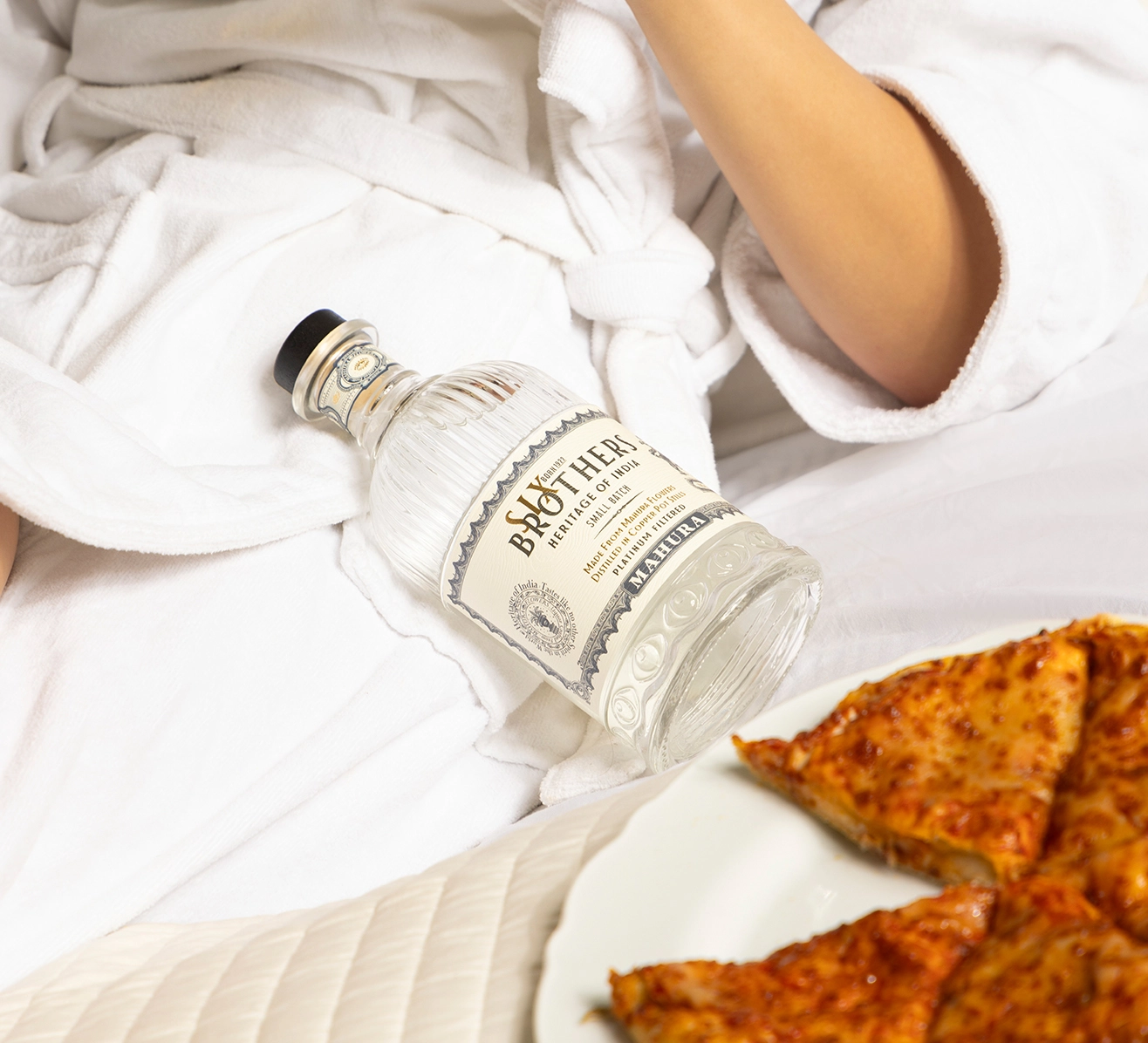
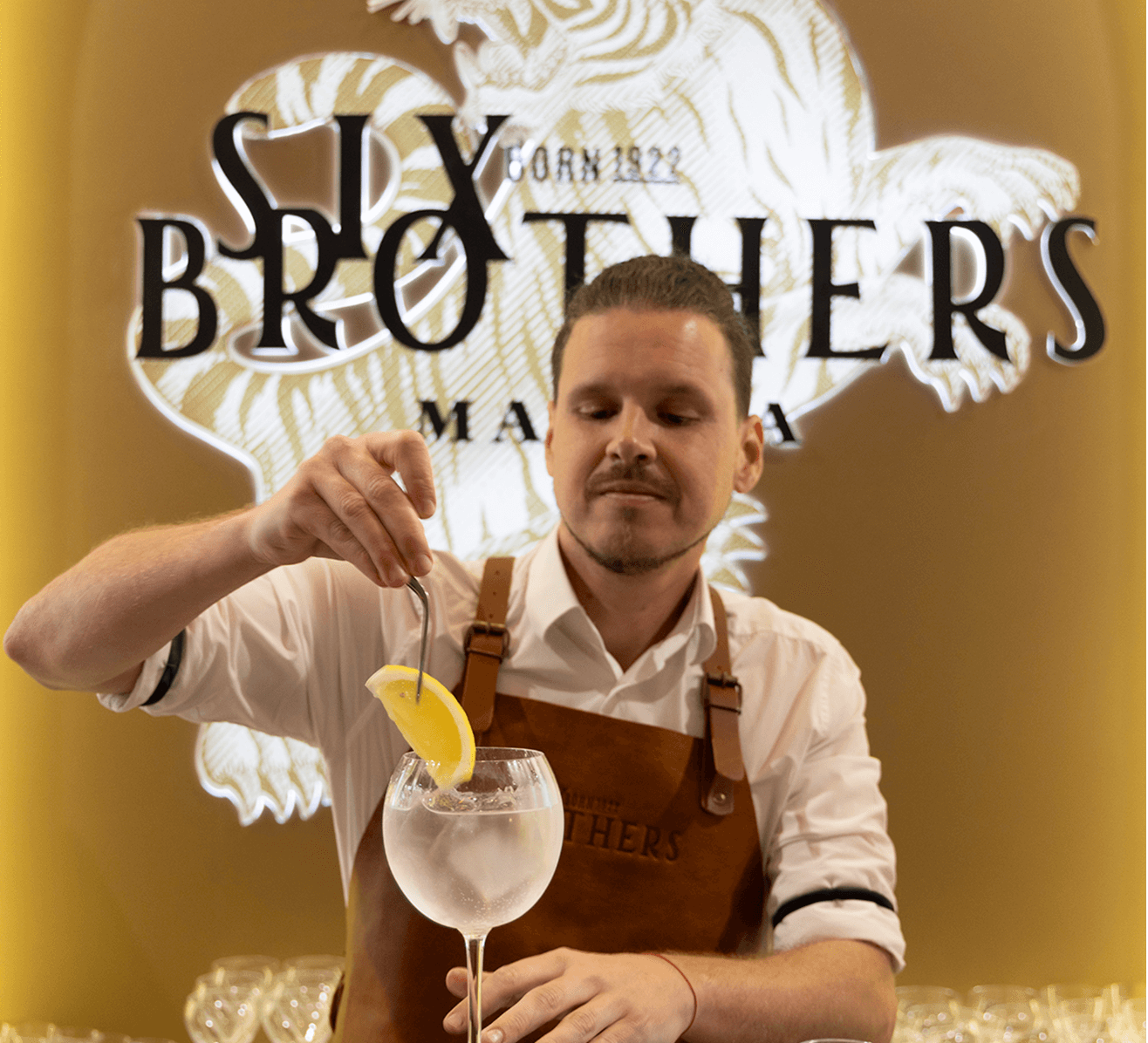
Six Brothers Mahura represents a new chapter in the story of Mahua. By combining traditional knowledge with modern distillation techniques, the brand is helping elevate Mahua to a premium category.
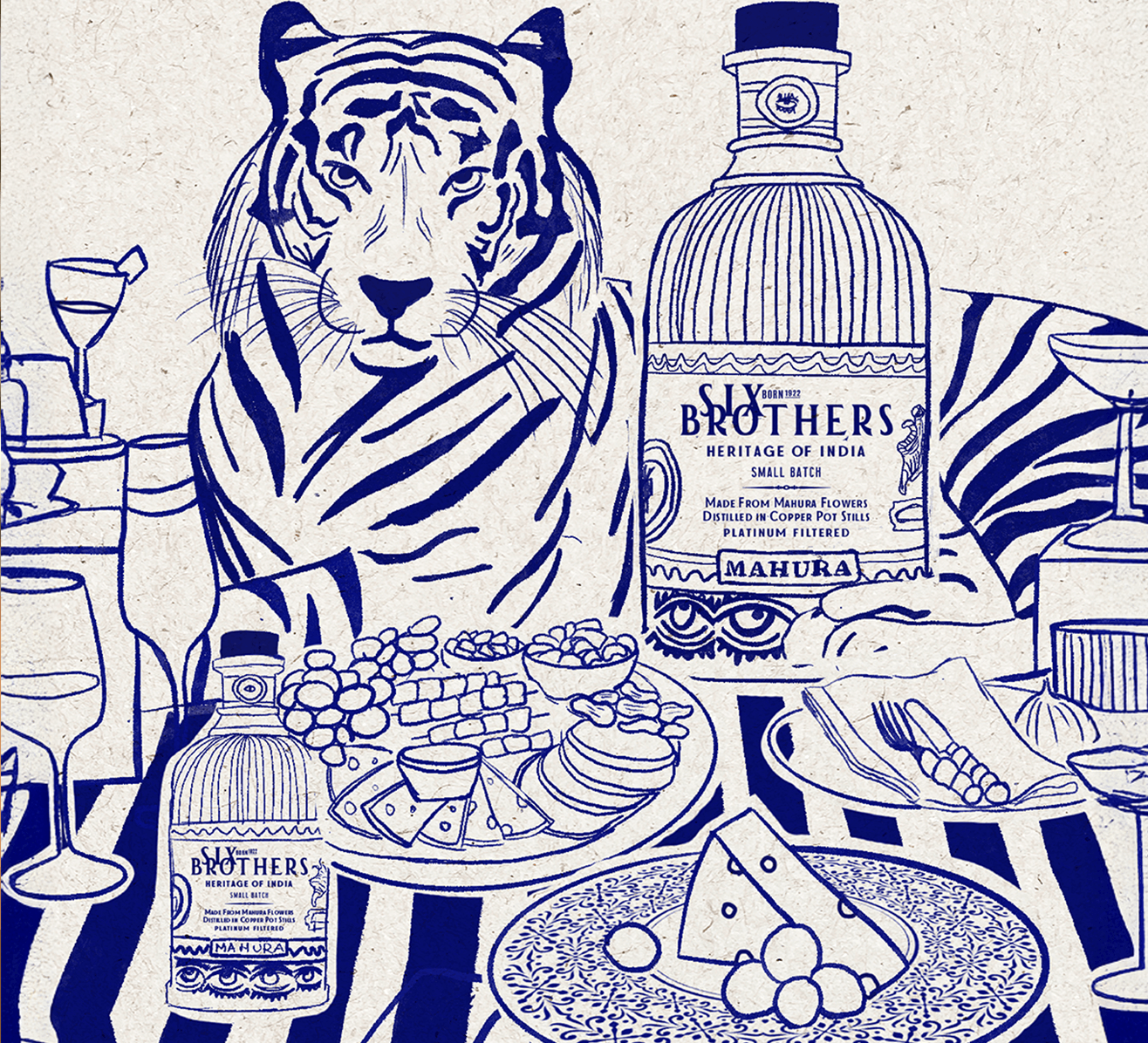
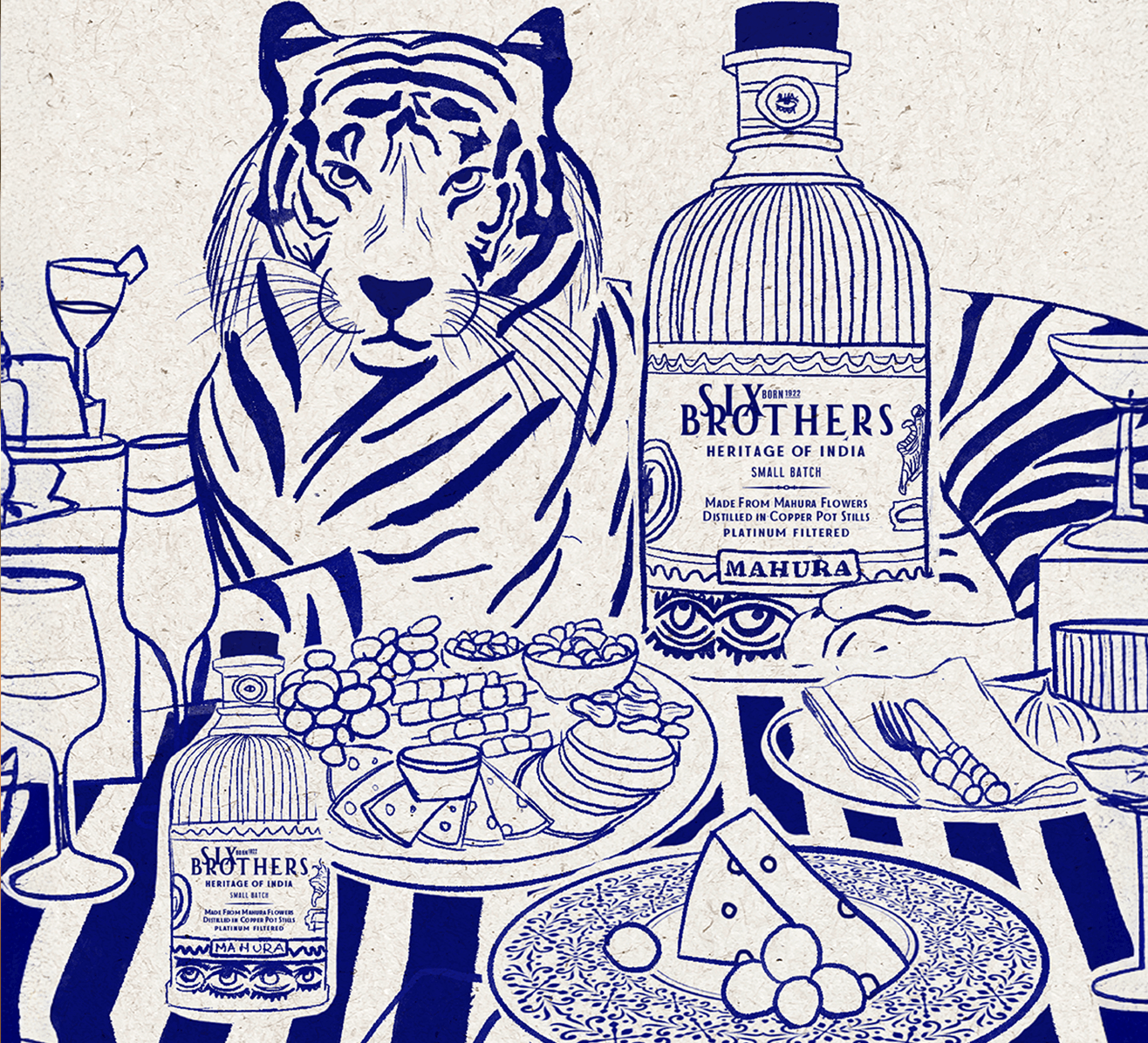
The brand doesn’t just sell a product—it tells the story of India’s indigenous spirit, bringing it to a wider audience.
The renewed interest in Mahua has significant socio-economic implications. By creating demand for Mahua flowers and traditional knowledge, the industry supports:
Mahua trees require minimal intervention and are well-adapted to local ecosystems. Promoting Mahua-based products encourages:
As the global spirits industry evolves, there is a growing appetite for unique, culturally rich products. Mahua has the potential to stand alongside other traditional spirits like tequila, sake, and mezcal.
The story of Mahua is one of resilience, tradition, and rediscovery. From sacred tribal rituals to modern craft distilleries, it has journeyed through time, adapting and evolving while retaining its essence.
As brands like Six Brothers Mahura continue to champion this indigenous spirit, Mahua is no longer just a relic of the past—it is a symbol of India’s future in the world of premium, craft alcohol.
In embracing Mahua, we are not just rediscovering a drink—we are reconnecting with a piece of India’s cultural soul.