Posted on 05 May 2026
India’s spirits story didn’t begin with whisky, rum, or imported influence. Long before distilleries, aging barrels, or global awards, there was mahua — a native, floral spirit quietly woven into the cultural and social fabric of the country.
Now in 2026, that story is shifting. What was once hyper-local is stepping into the global conversation. And mahua is finally getting the recognition it deserves.
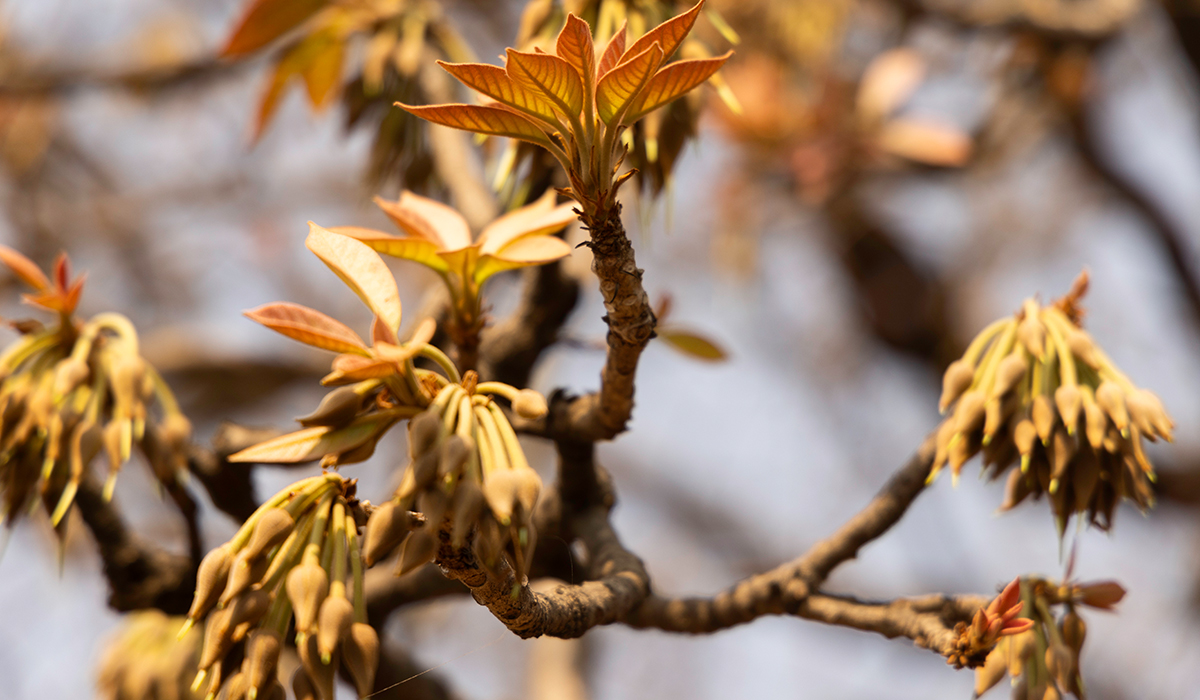
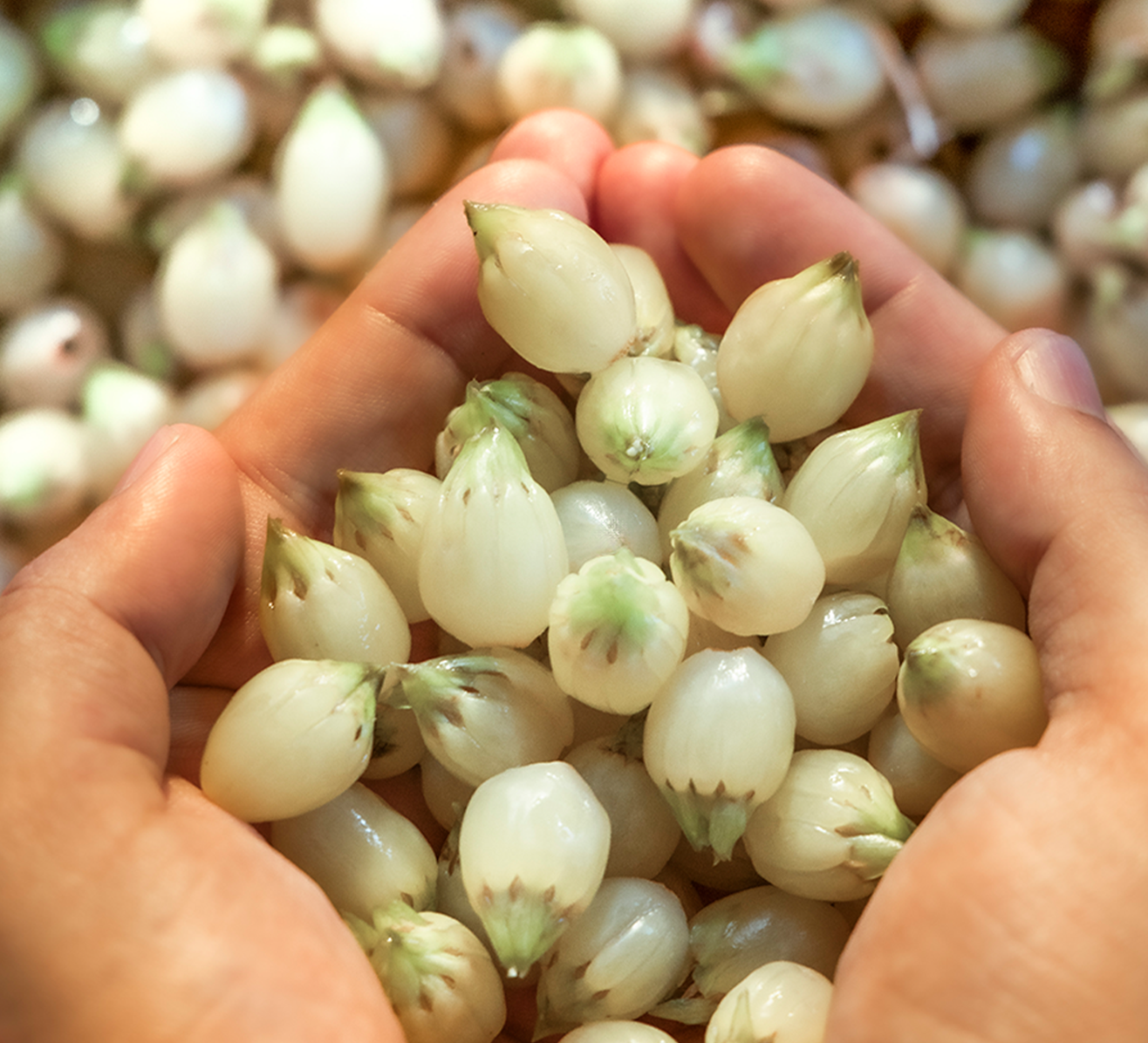
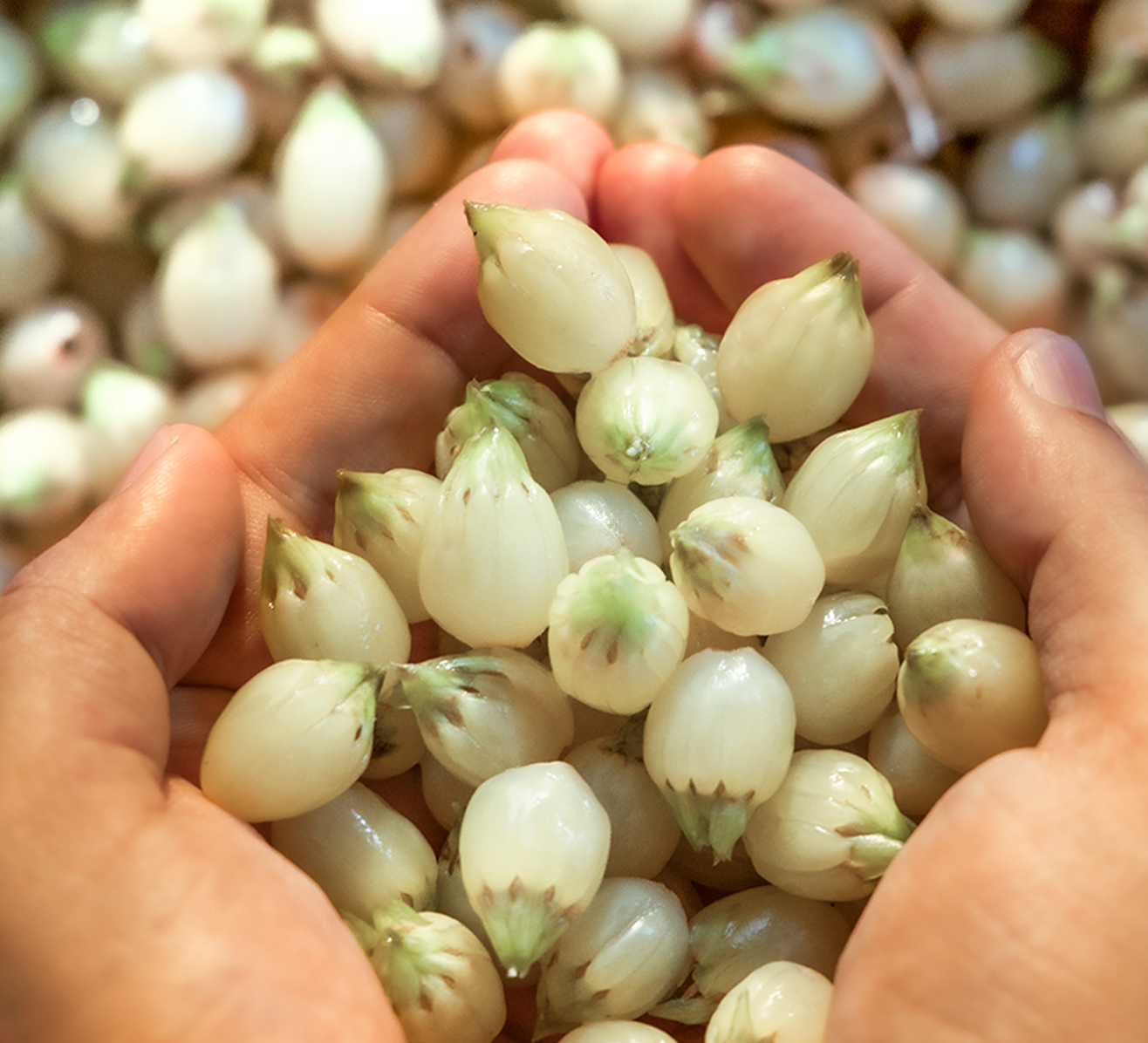
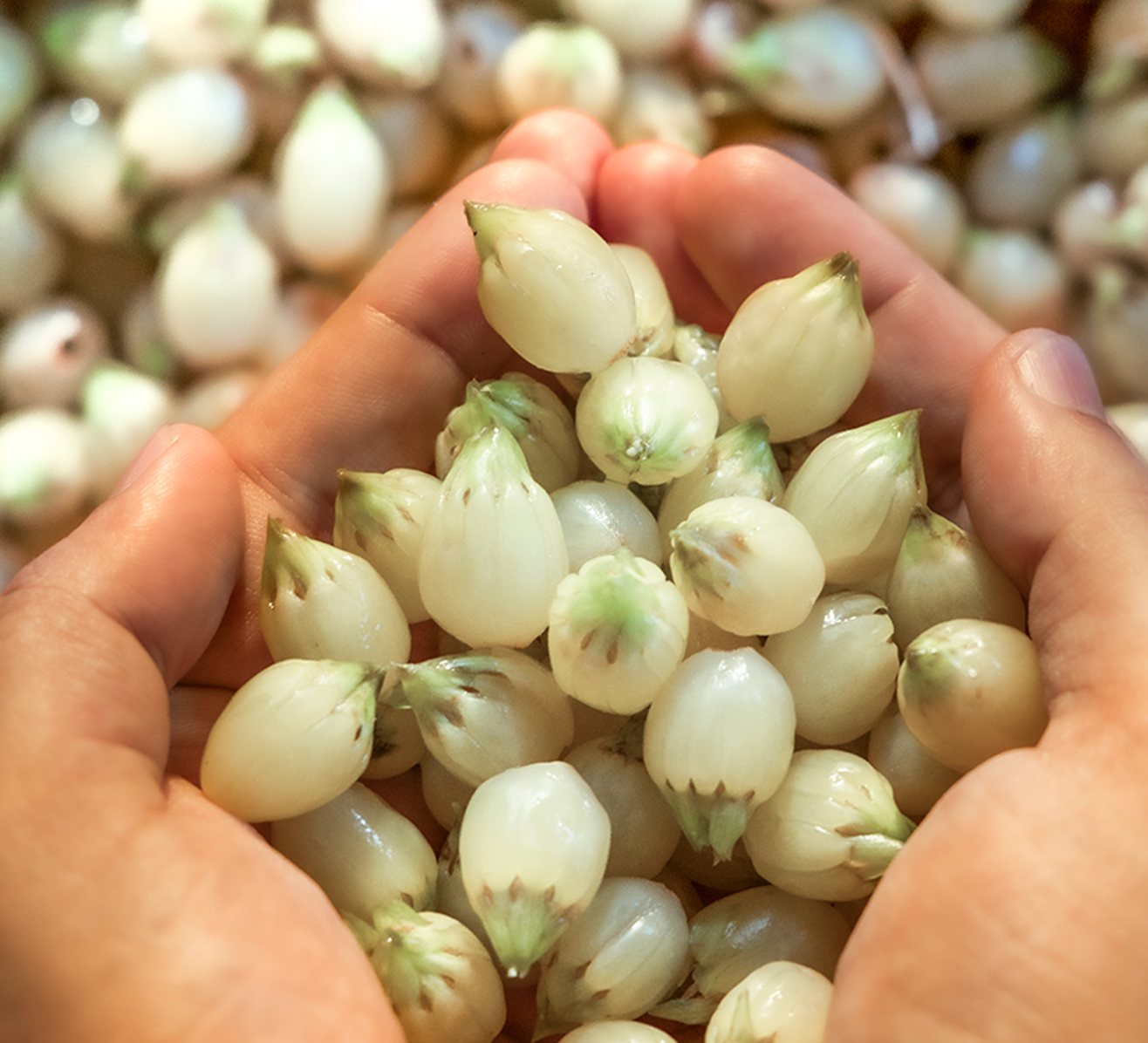
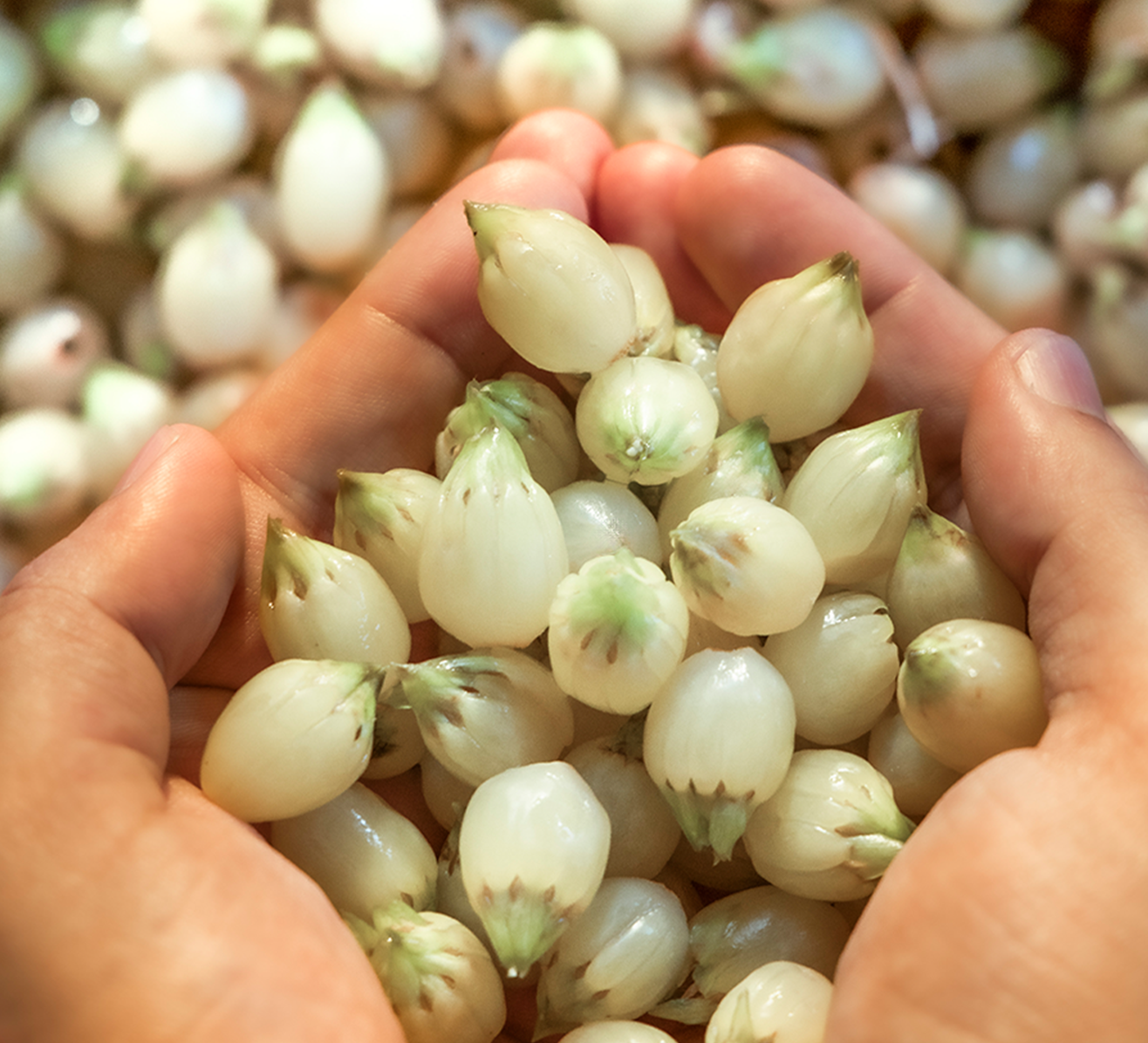
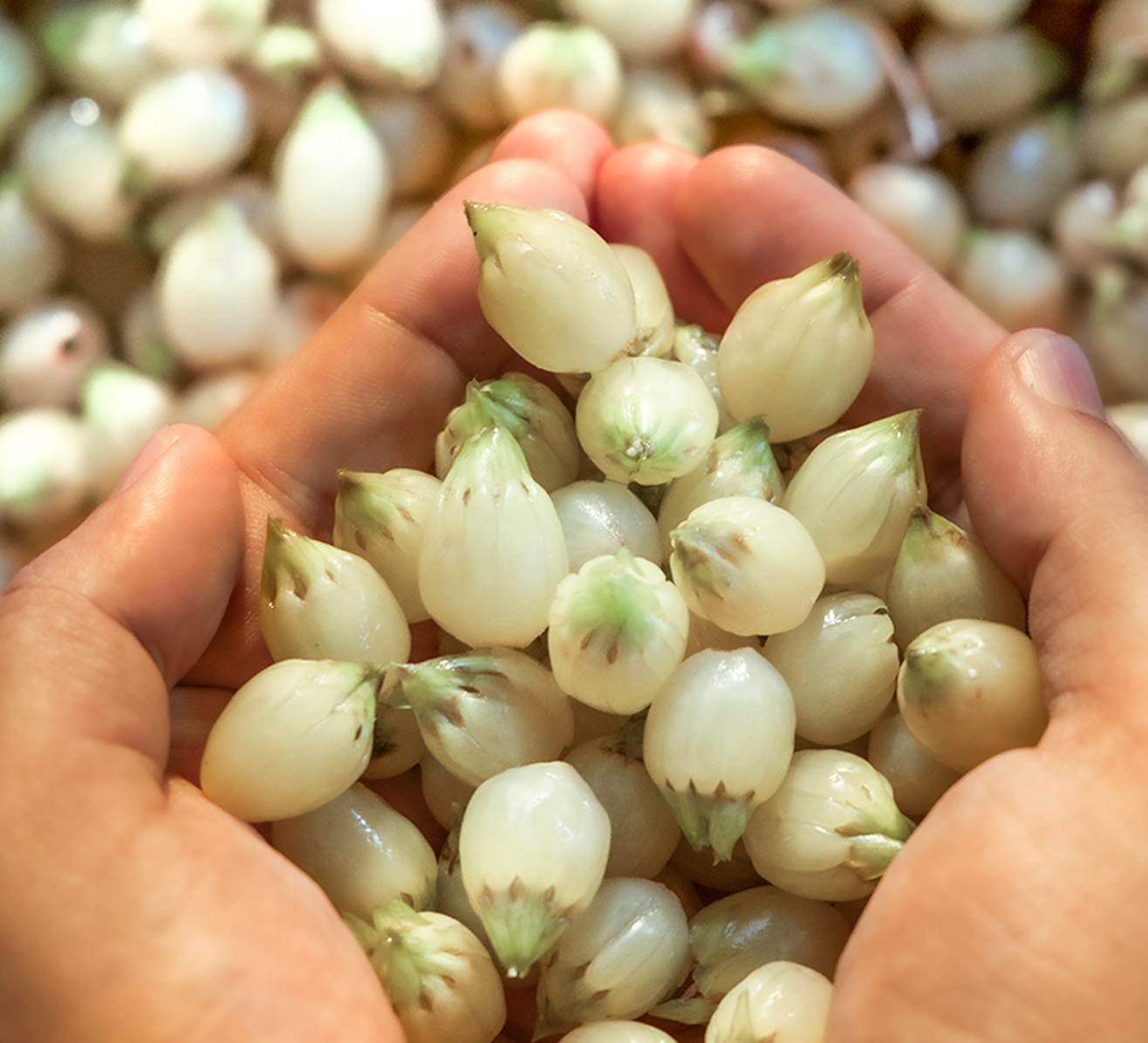
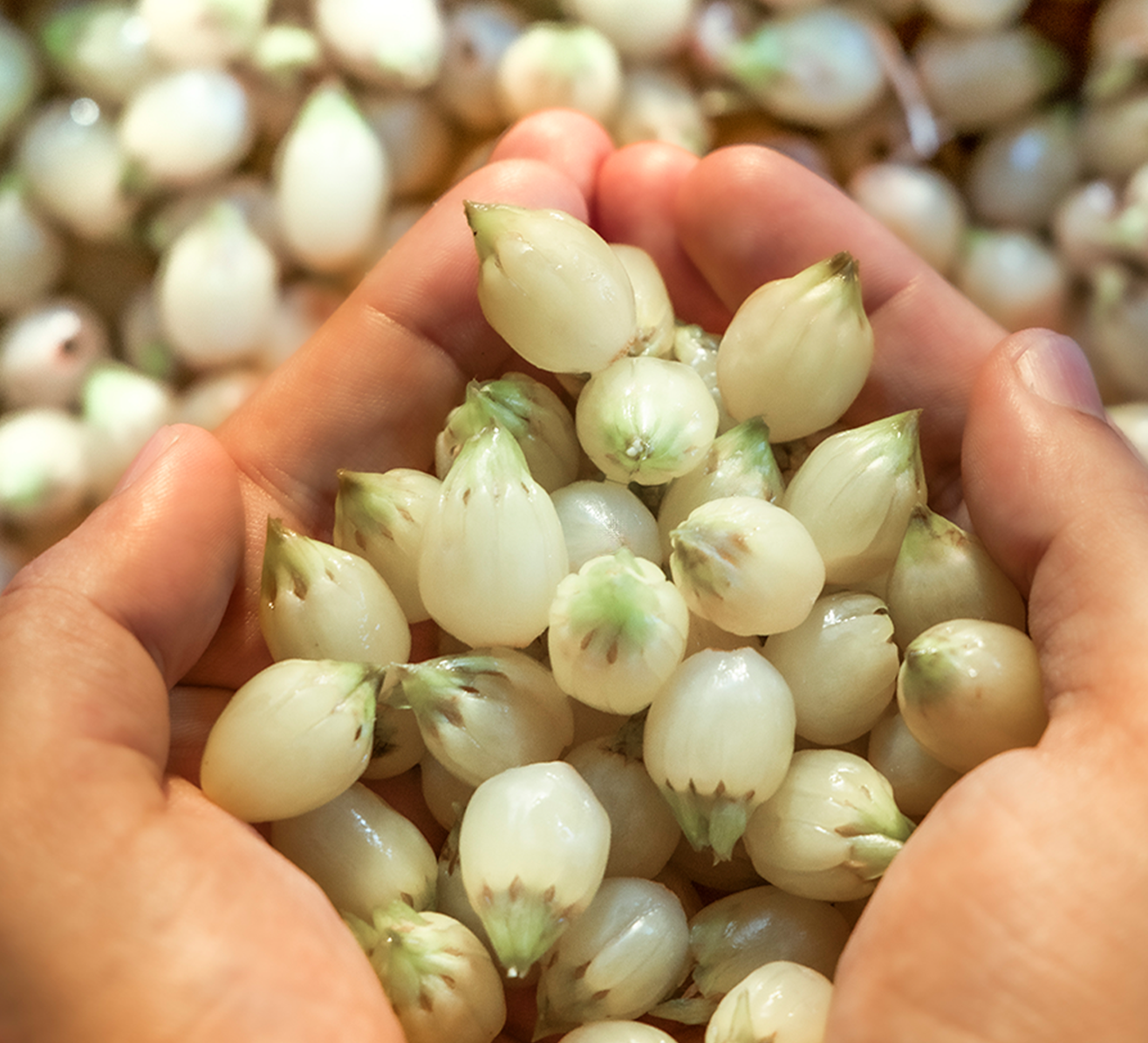
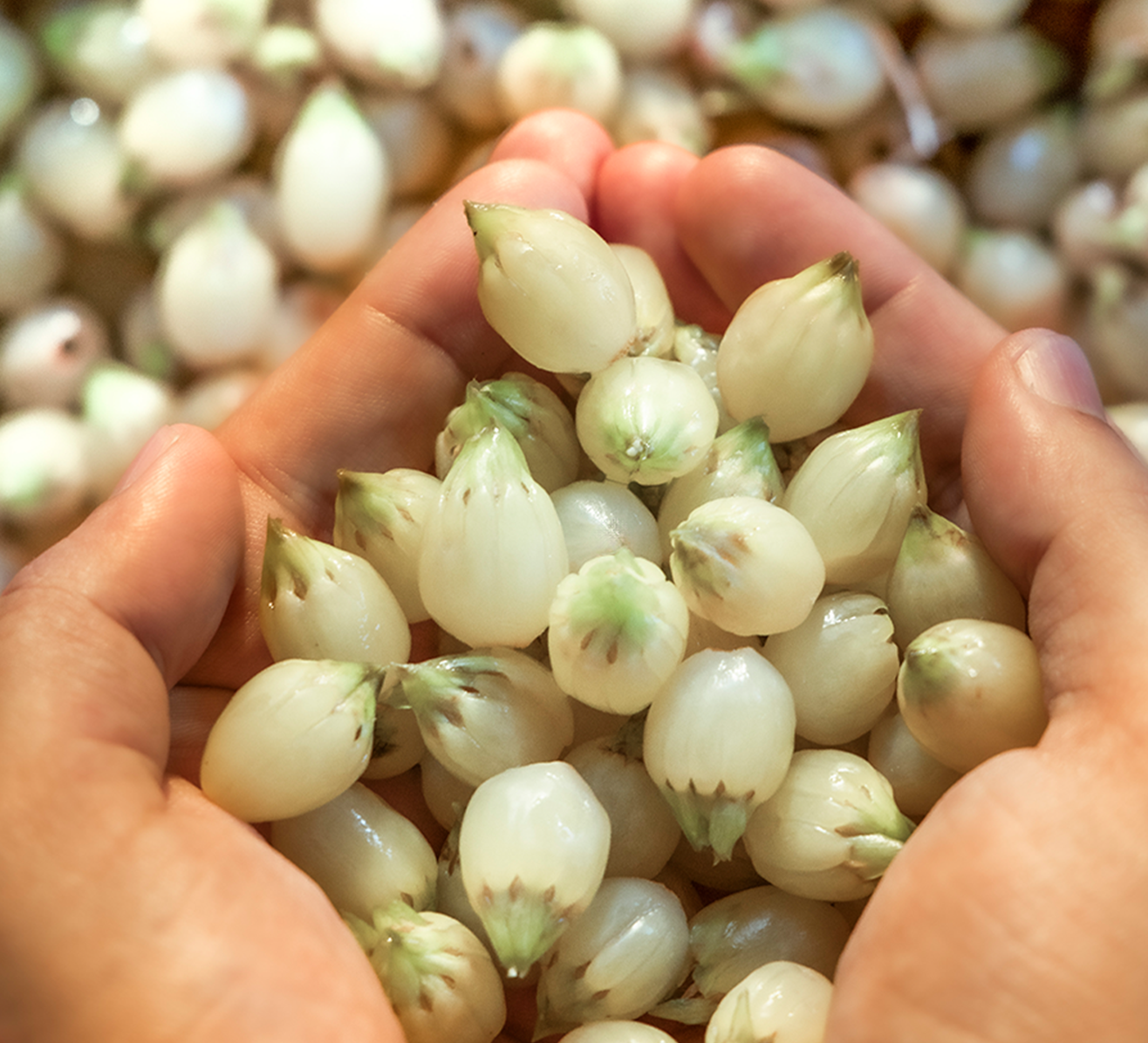
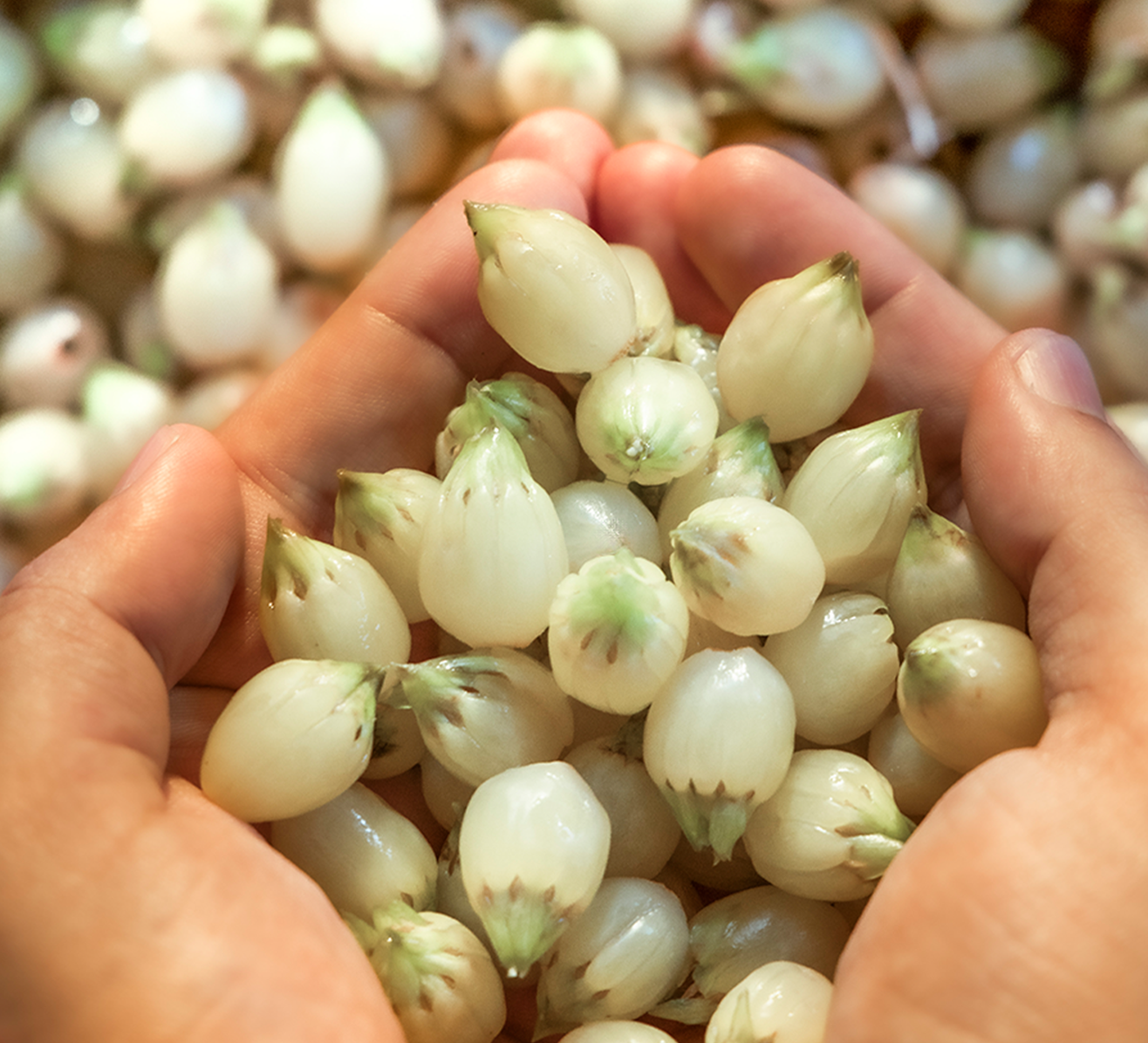
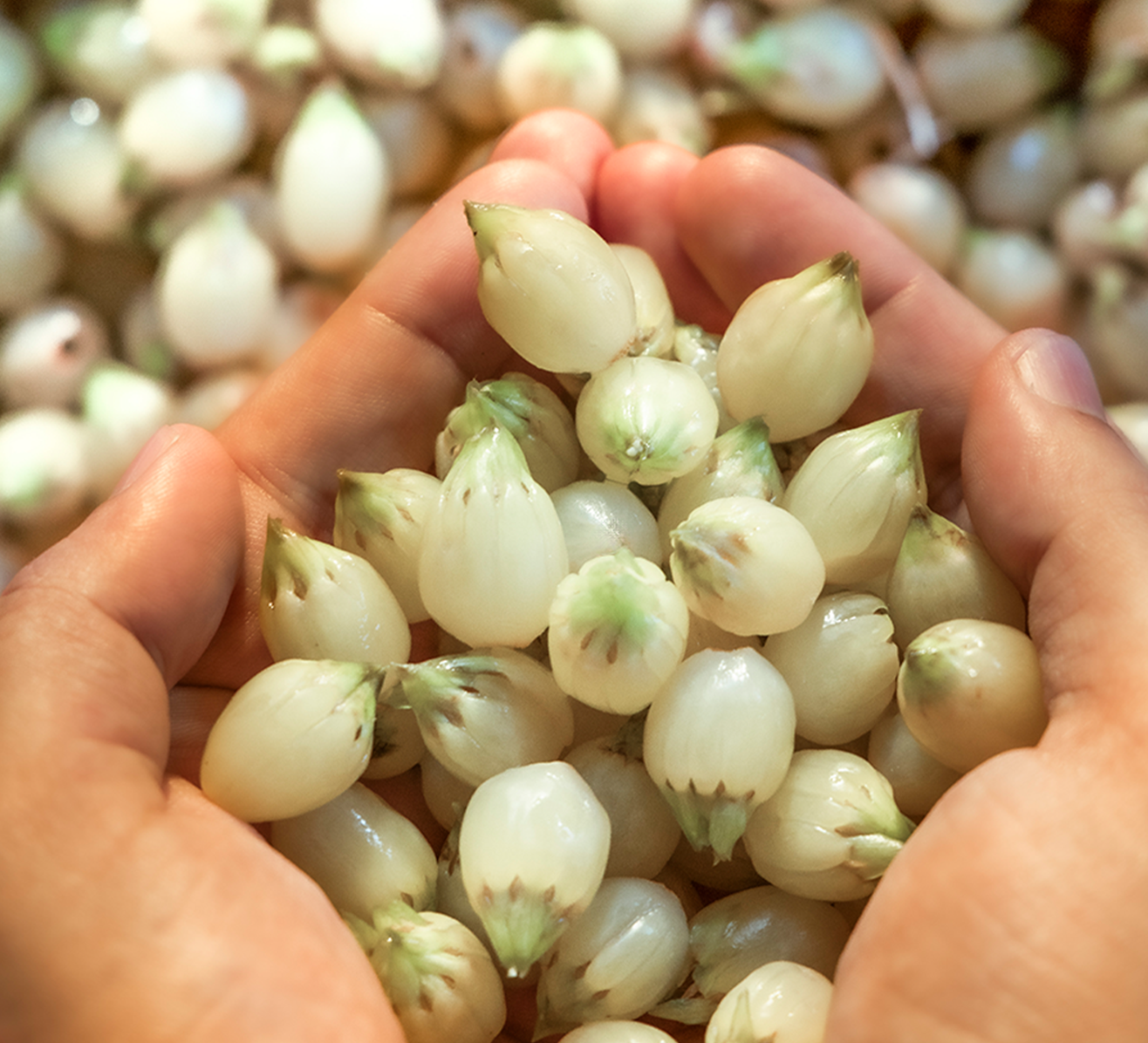
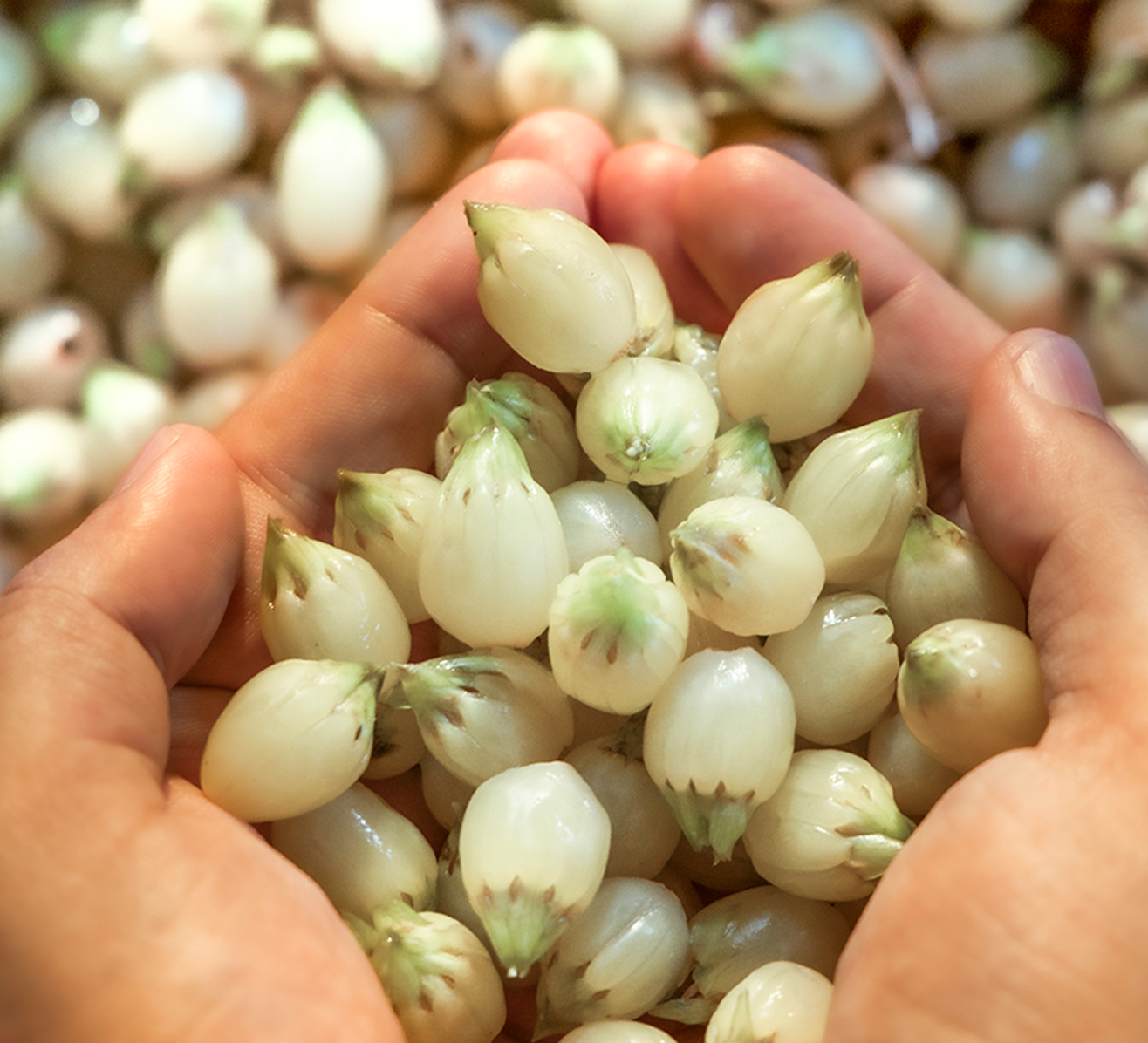
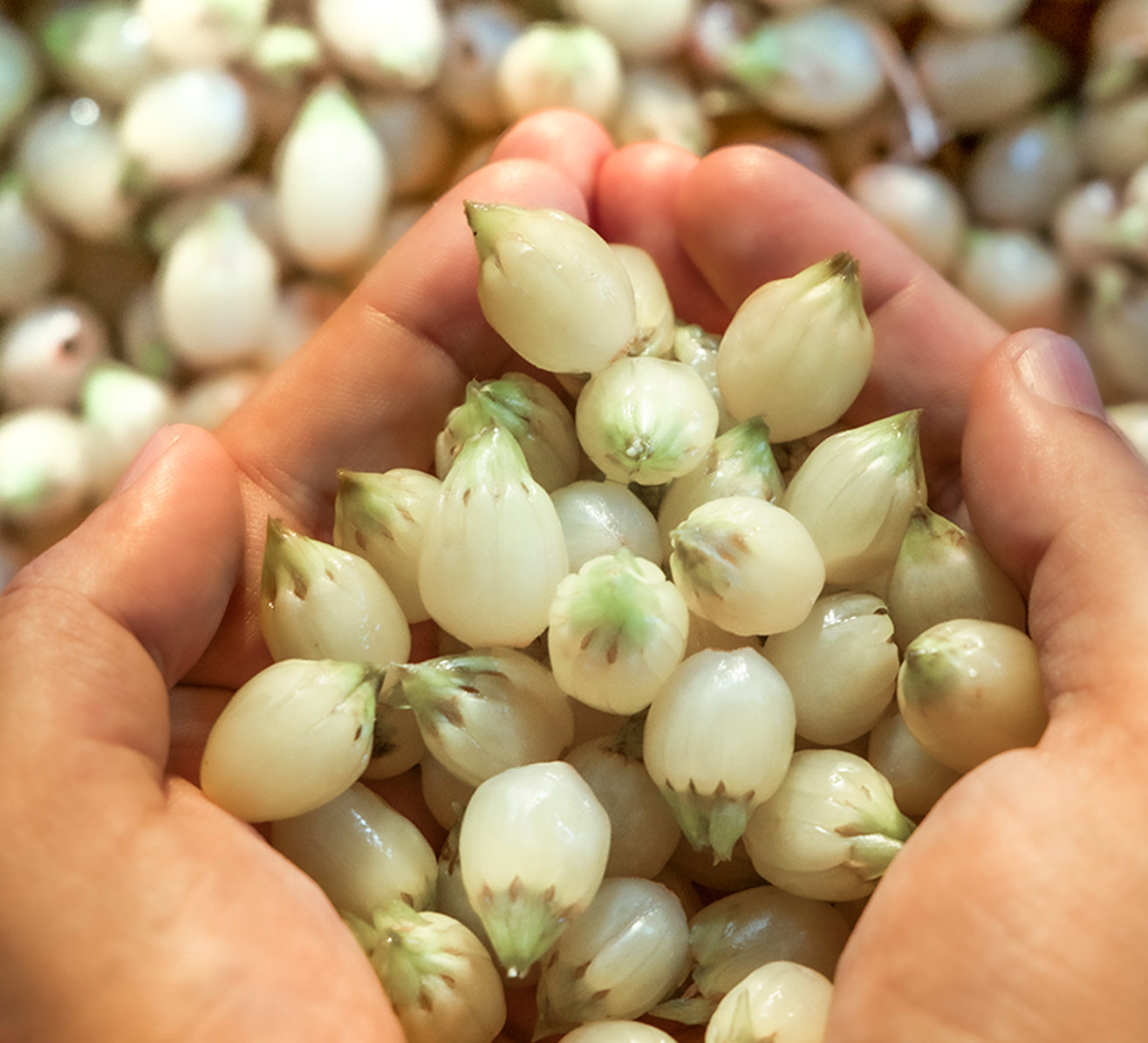
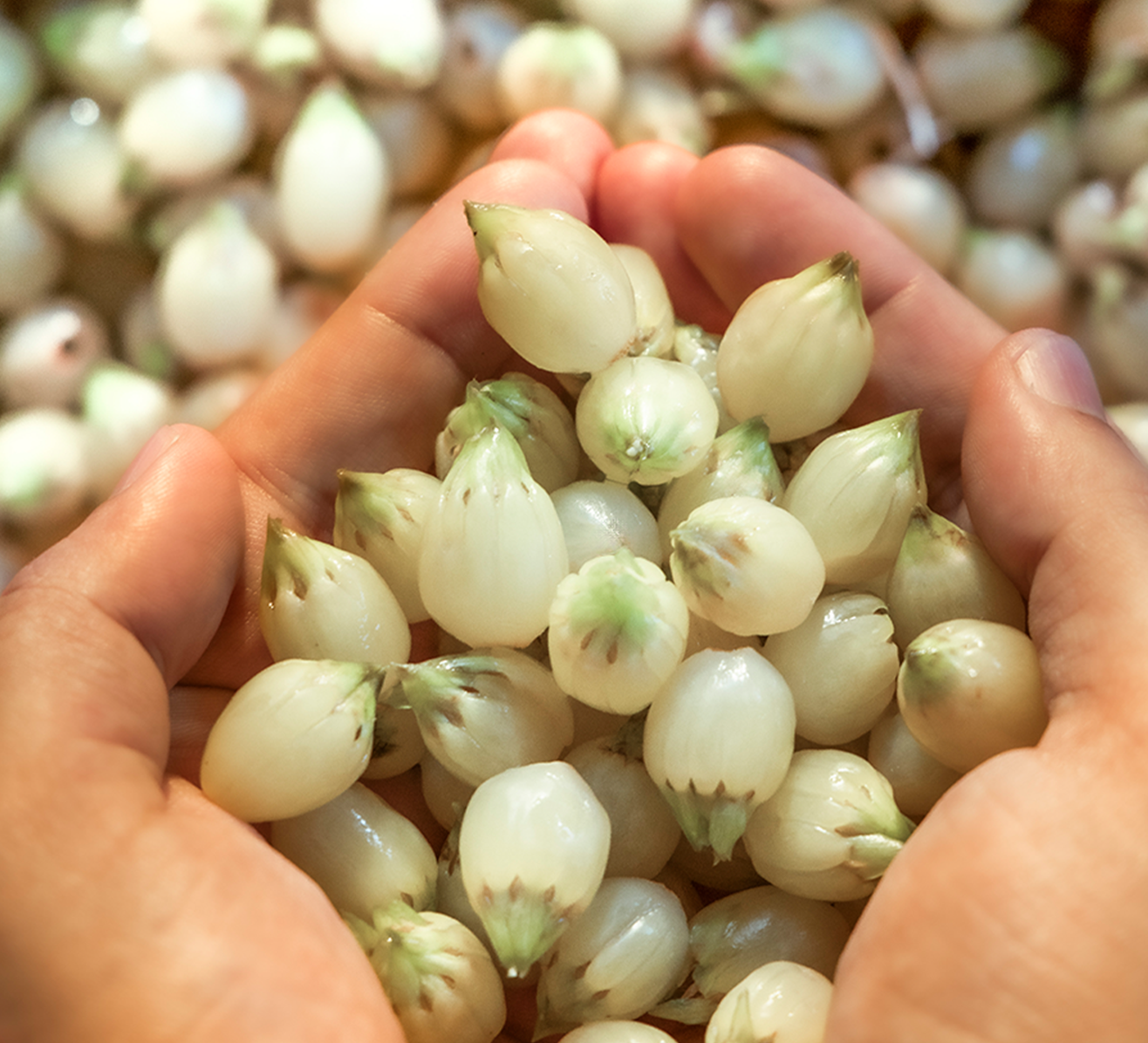
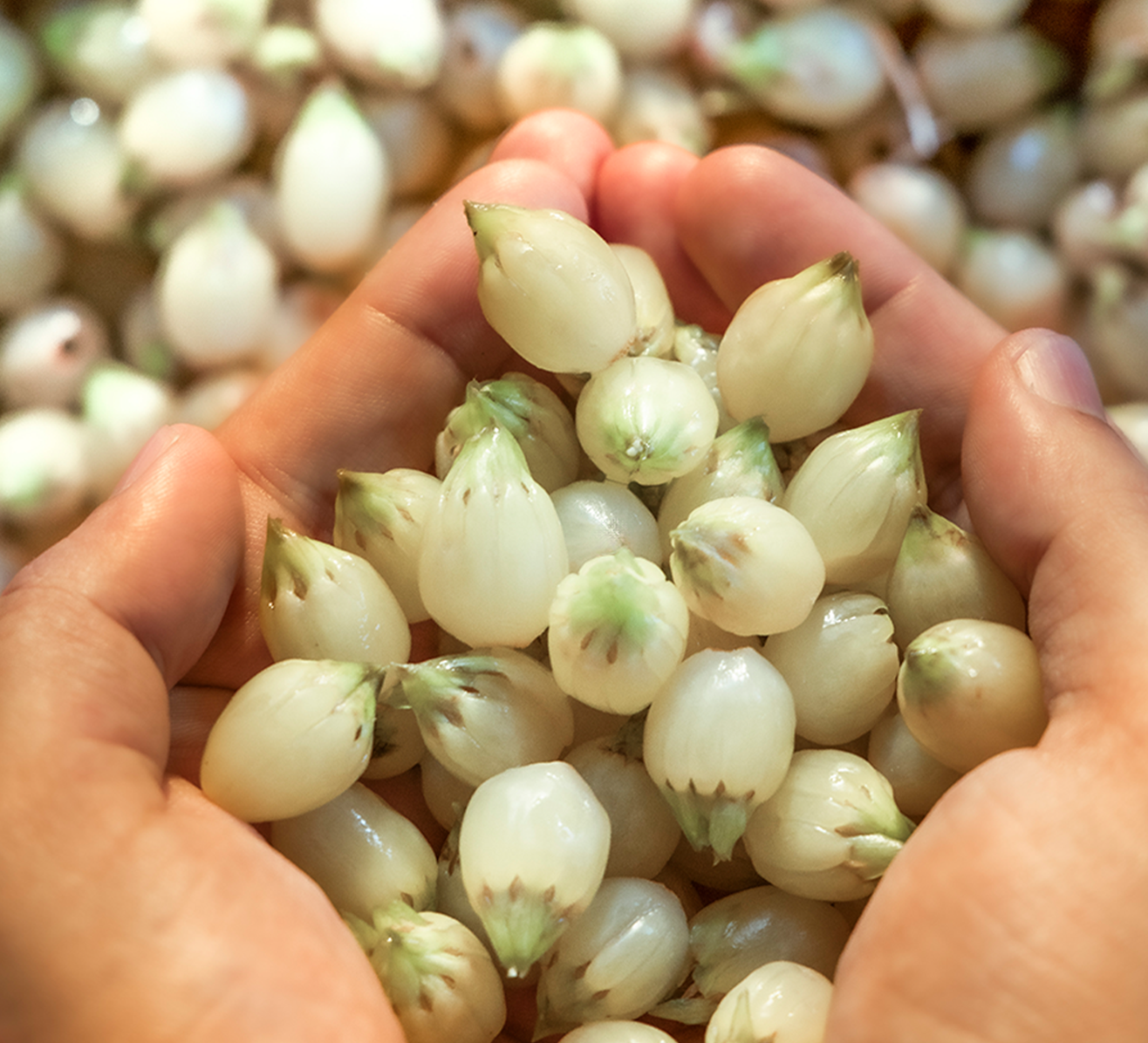
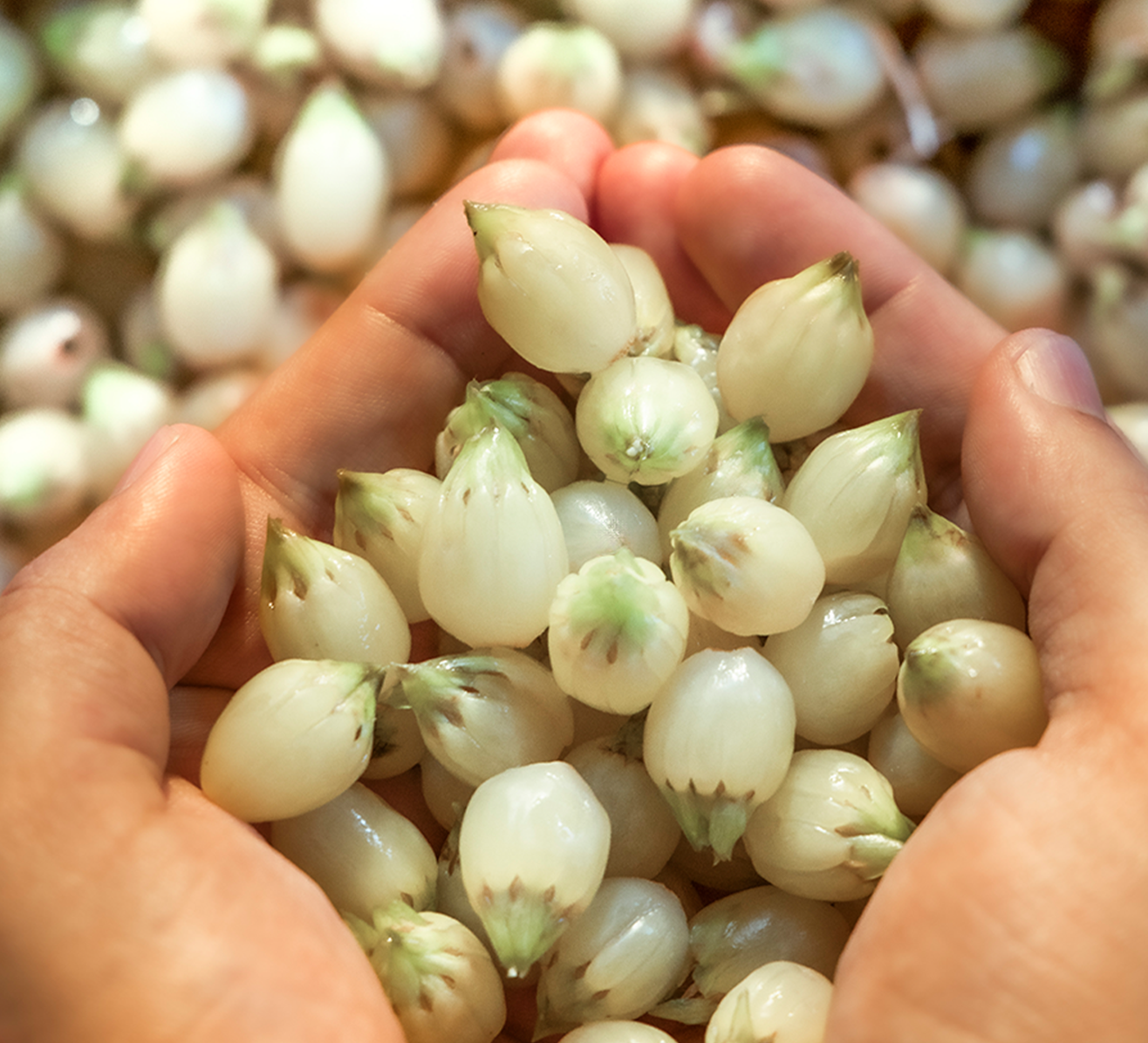
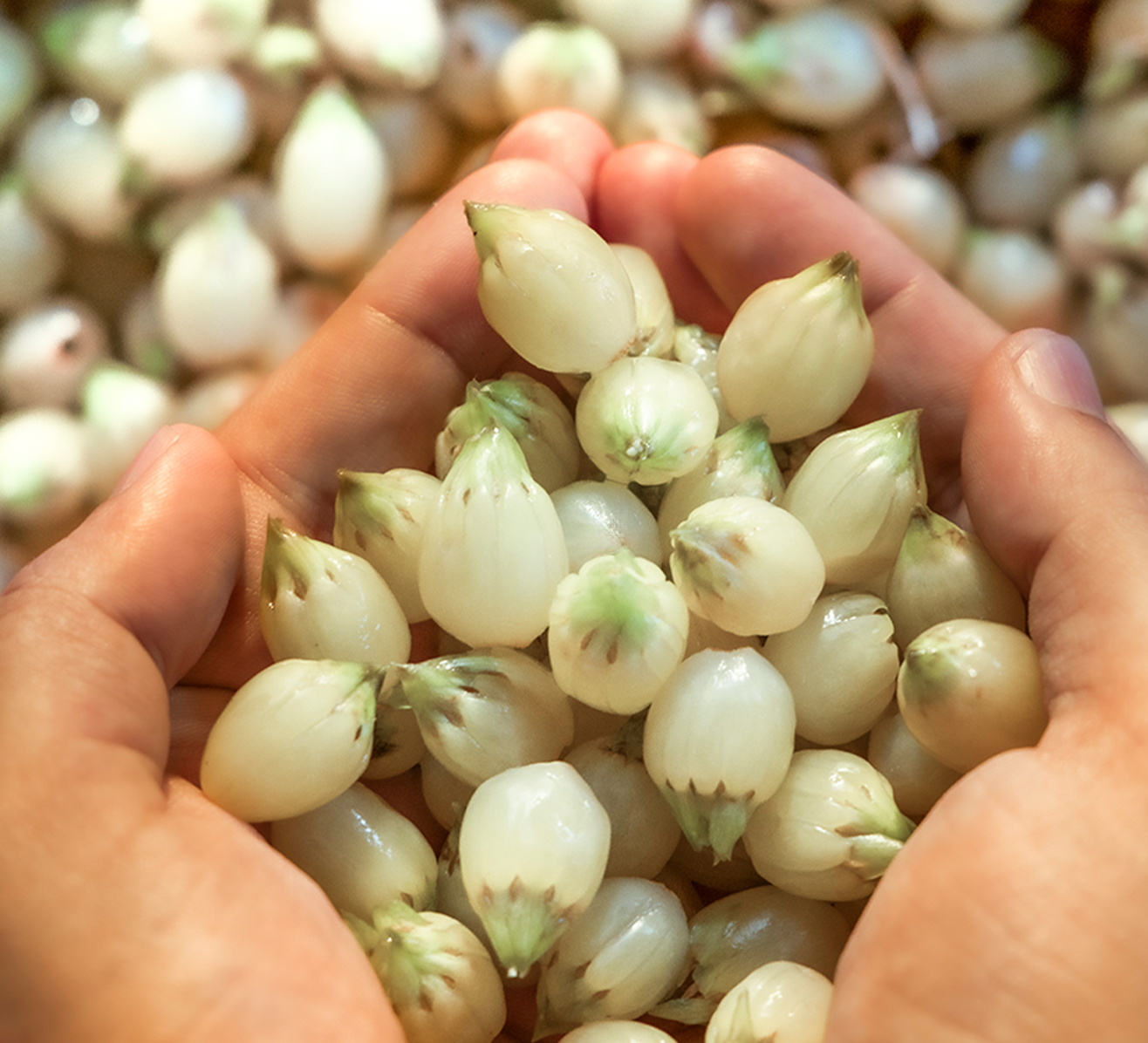
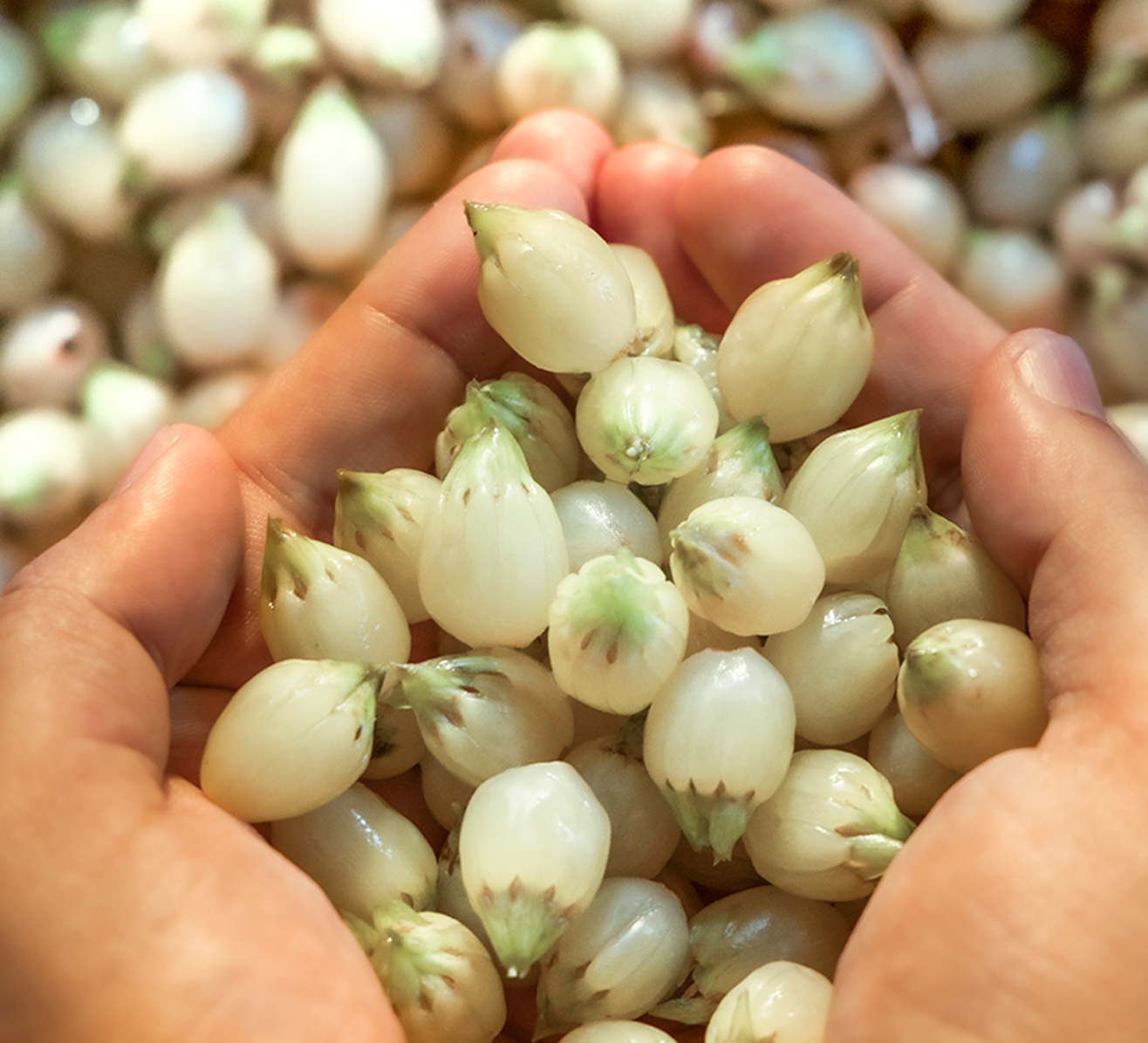
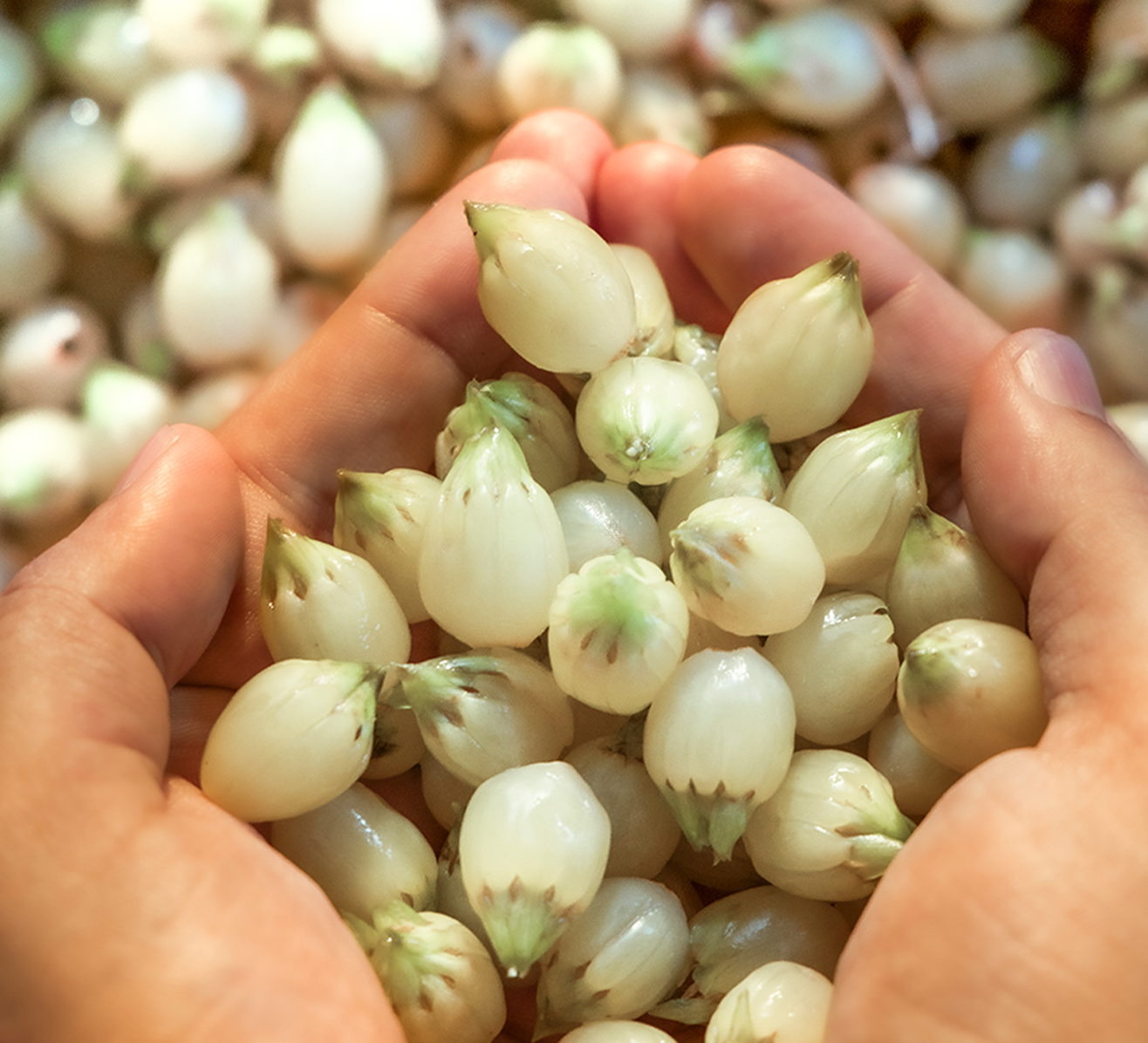
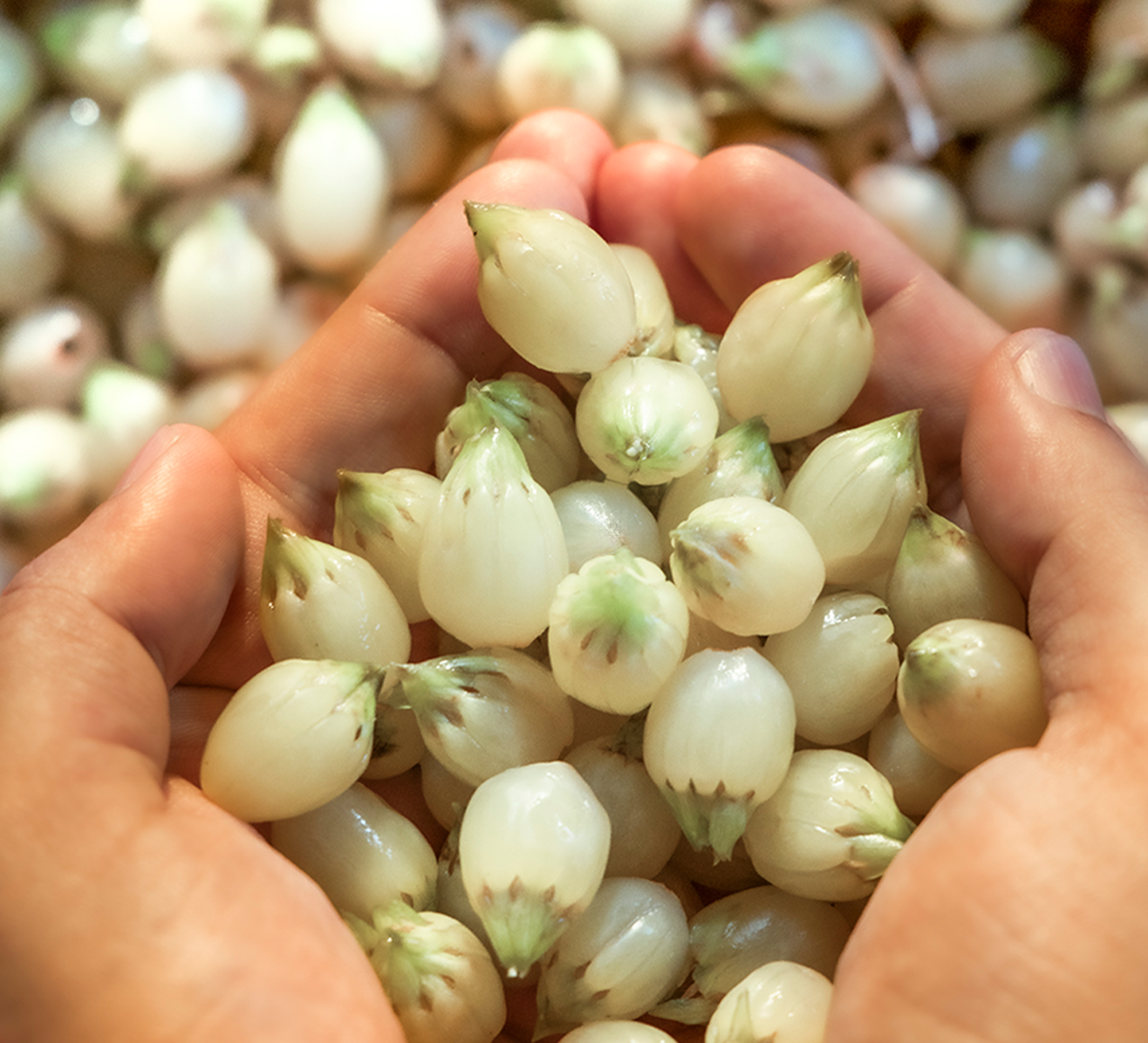
Mahua comes from the flowers of the Madhuca longifolia, a tree native to central and eastern India. For centuries, its fleshy, naturally sweet flowers have been collected, sun-dried, and fermented to produce a distinct spirit.
What makes mahua different is its base. Unlike grain-based spirits like whisky or rum, mahua is floral. That changes everything.
Expect:
It’s not just another spirit. It’s a completely different starting point.
Calling mahua “India’s oldest spirit” isn’t a marketing line — it’s rooted in history.

For generations, local communities across states like Chhattisgarh, Jharkhand, Odisha, and Madhya Pradesh have been fermenting mahua flowers into alcohol. This tradition predates industrial distillation in India by hundreds, if not thousands, of years.
Mahua wasn’t created in labs or distilleries. It evolved organically:
In many regions, mahua wasn’t just a drink. It was:
That kind of cultural depth is rare in modern spirits.
Here’s where things get interesting.
For years, mahua remained confined to local consumption. Regulatory grey areas, inconsistent production methods, and lack of branding kept it off the global stage.
But that’s changing fast.
Modern distillers are now:
The result? A spirit that still carries its heritage, but now meets global expectations.
This shift mirrors what happened with tequila in Mexico or sake in Japan — once local, now global.
Mahua is on that same trajectory.
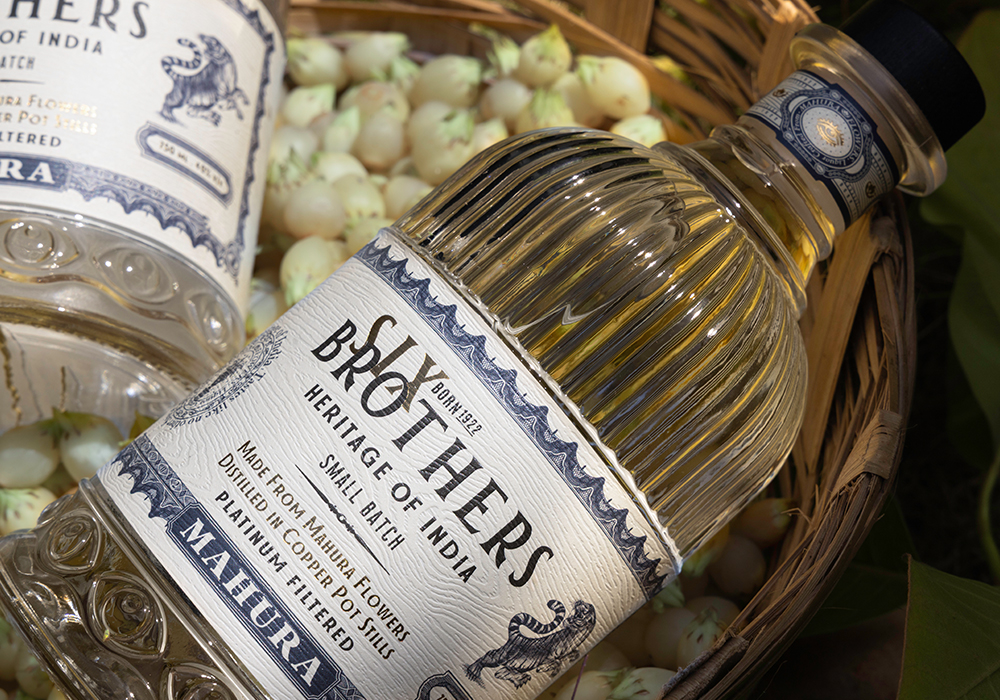
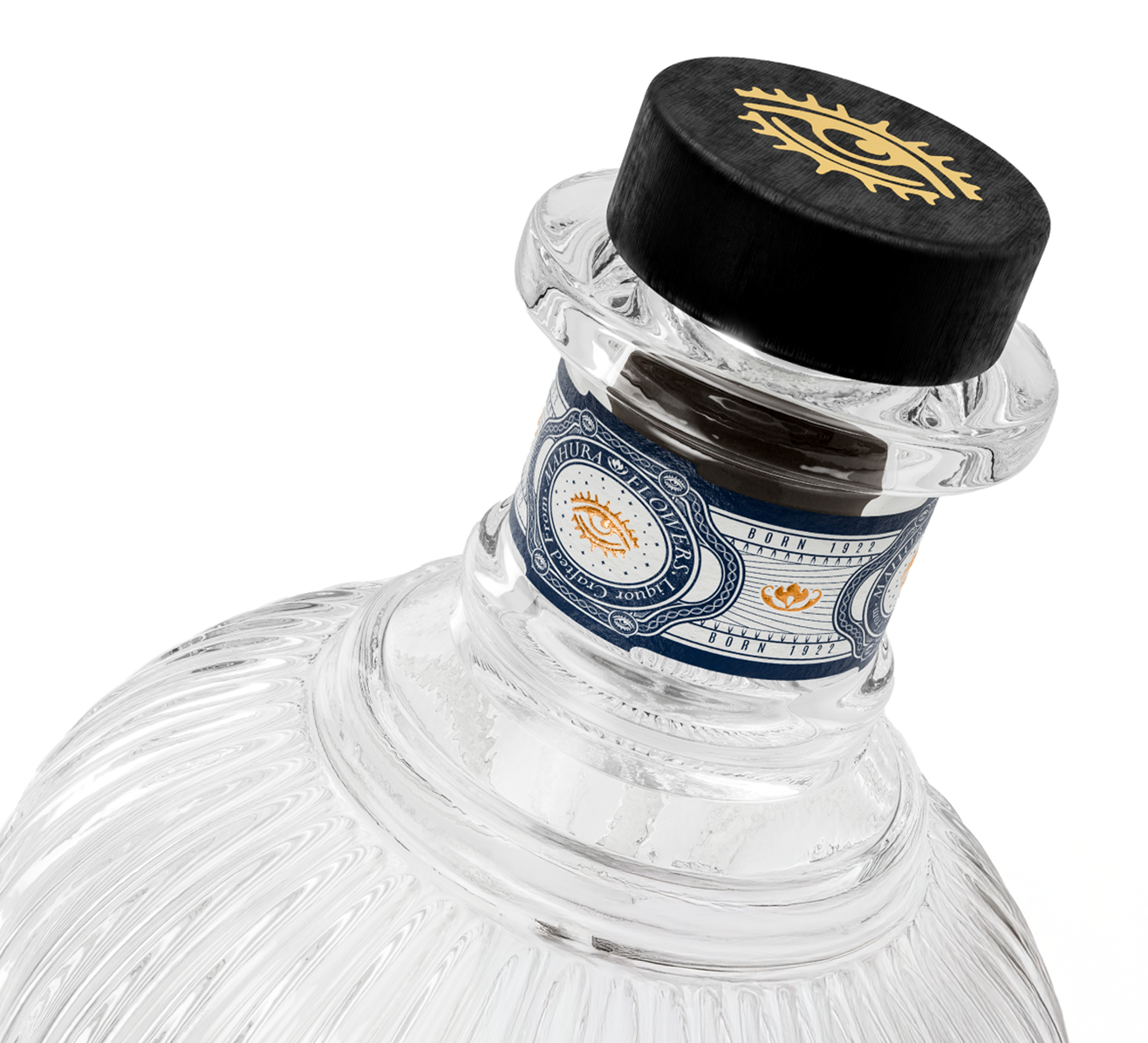
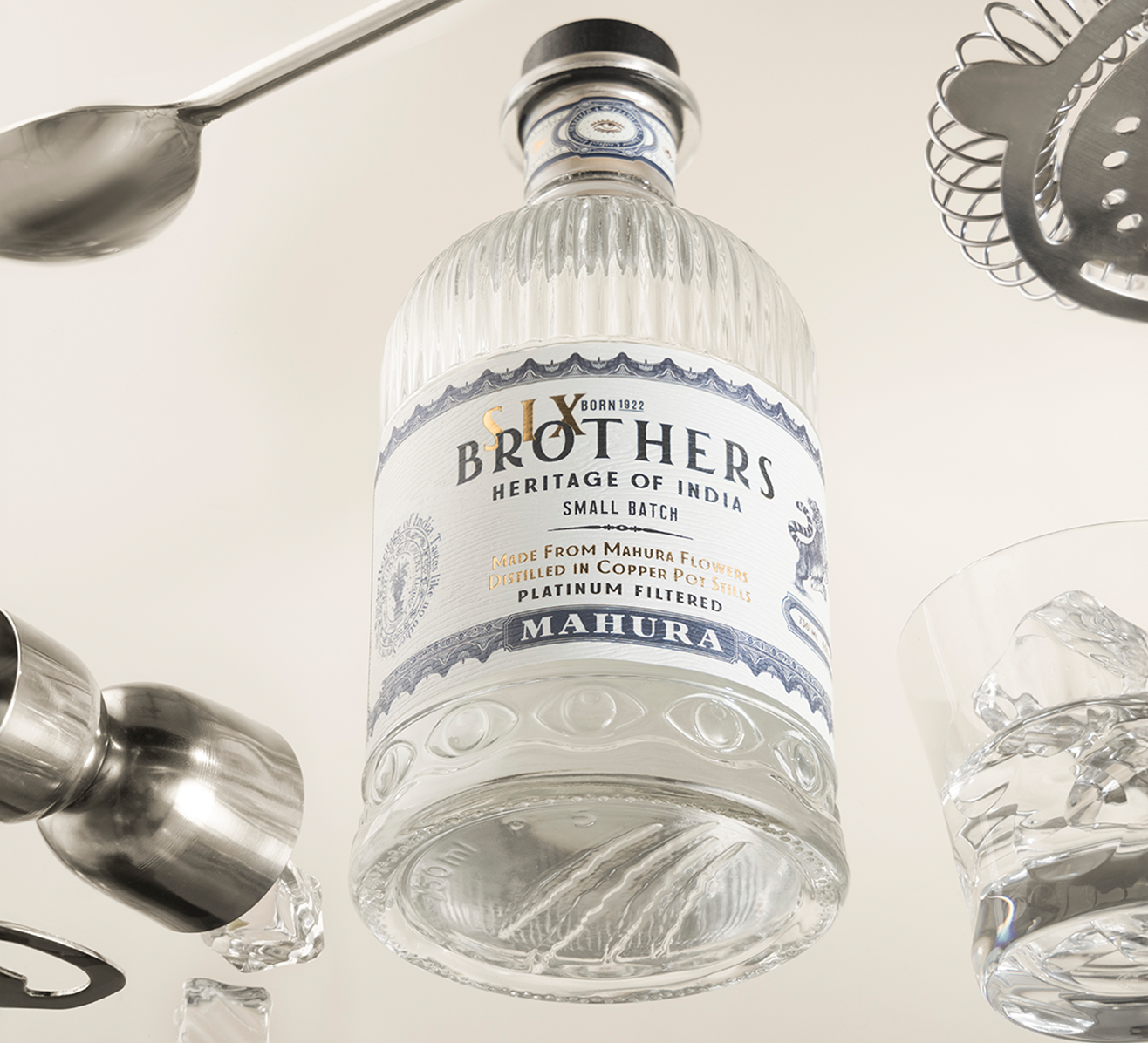
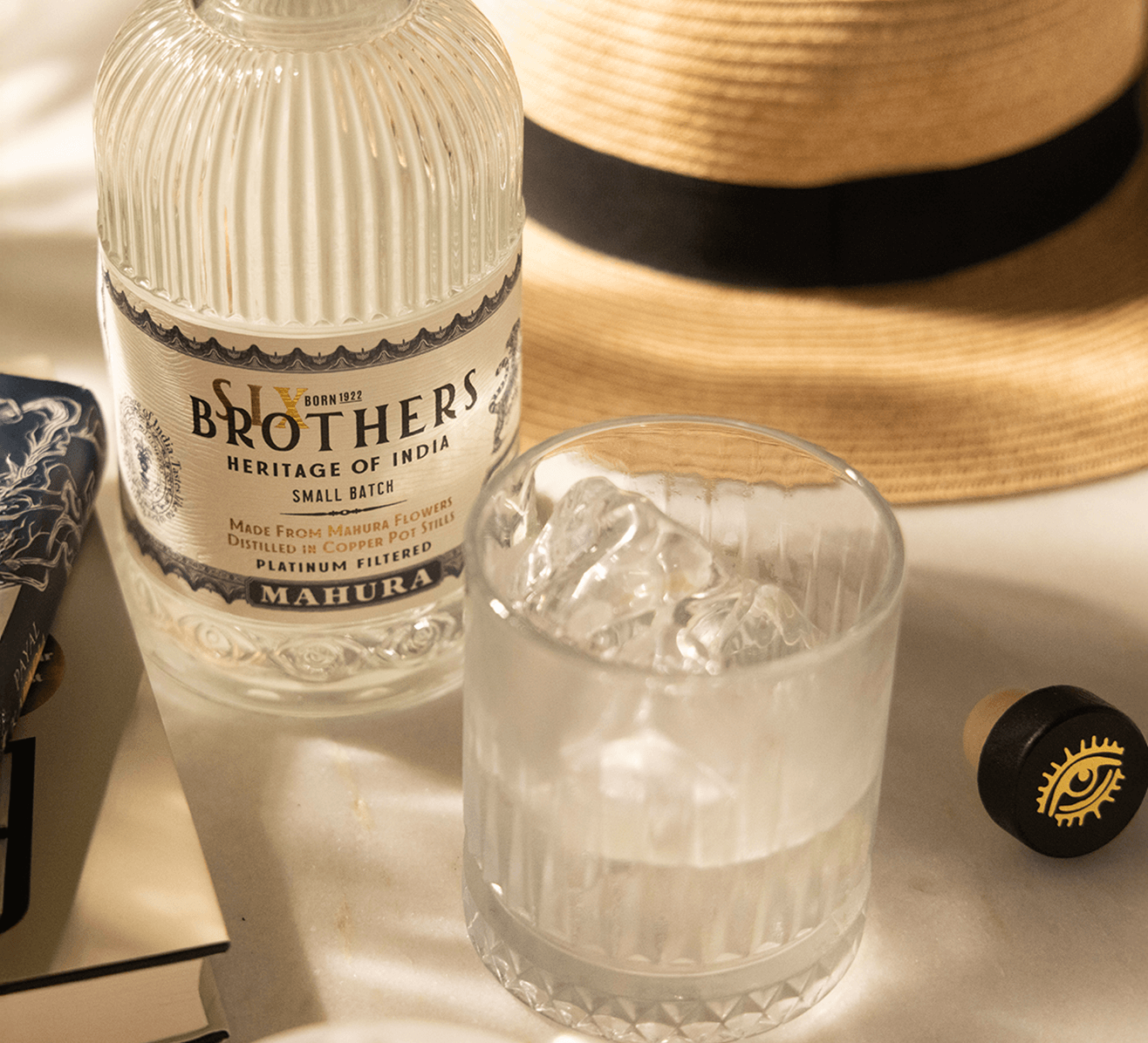
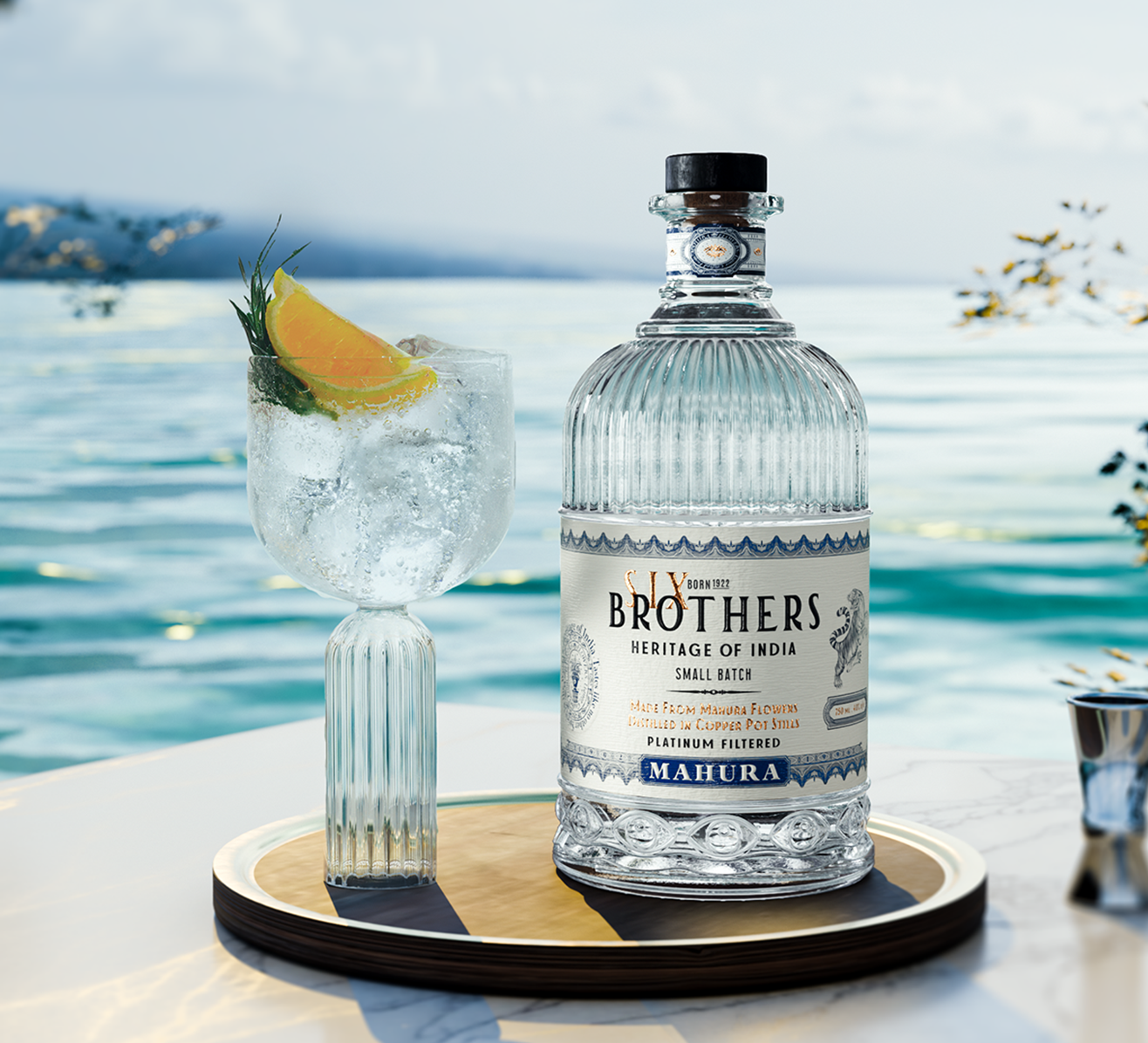
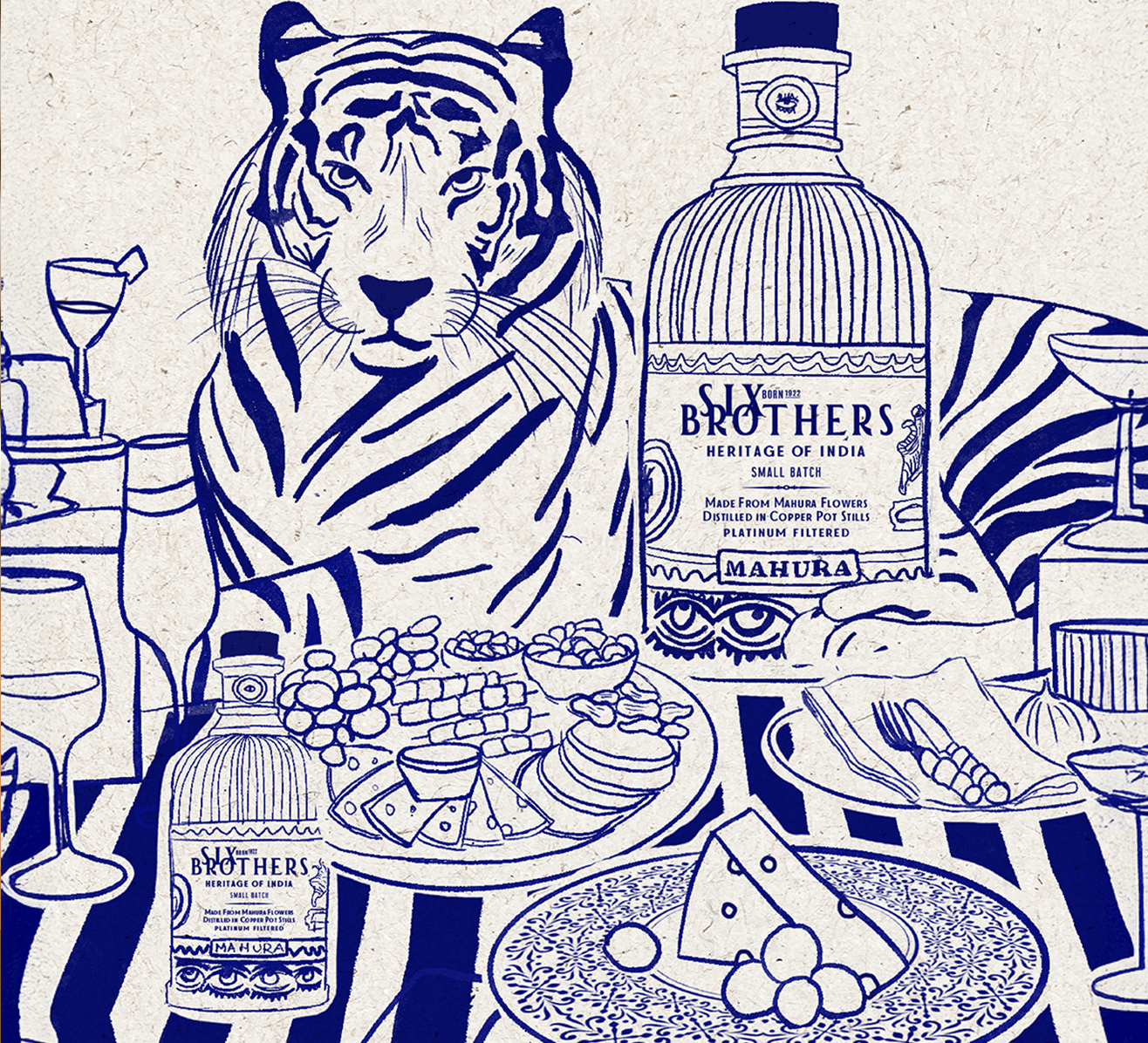
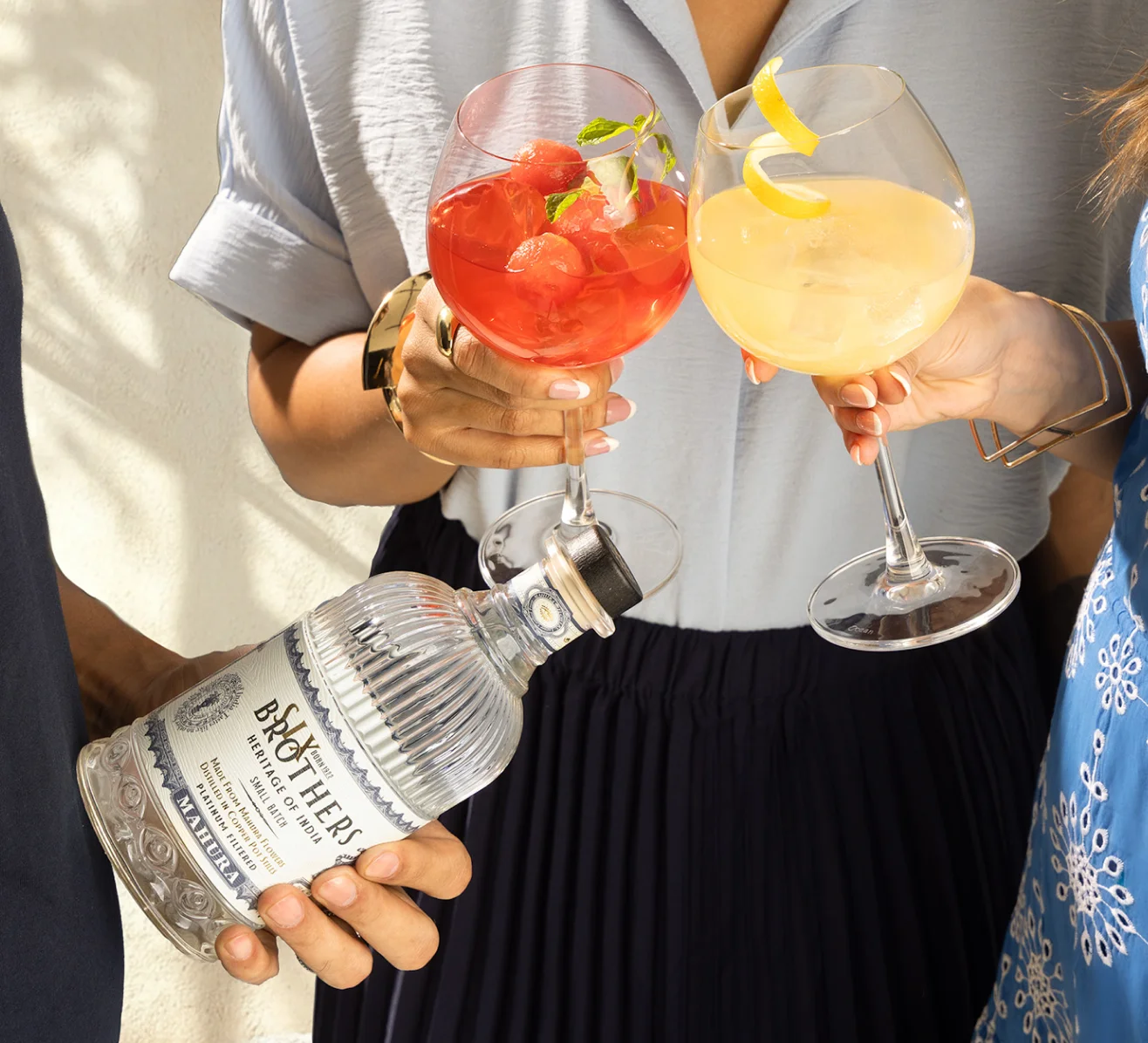
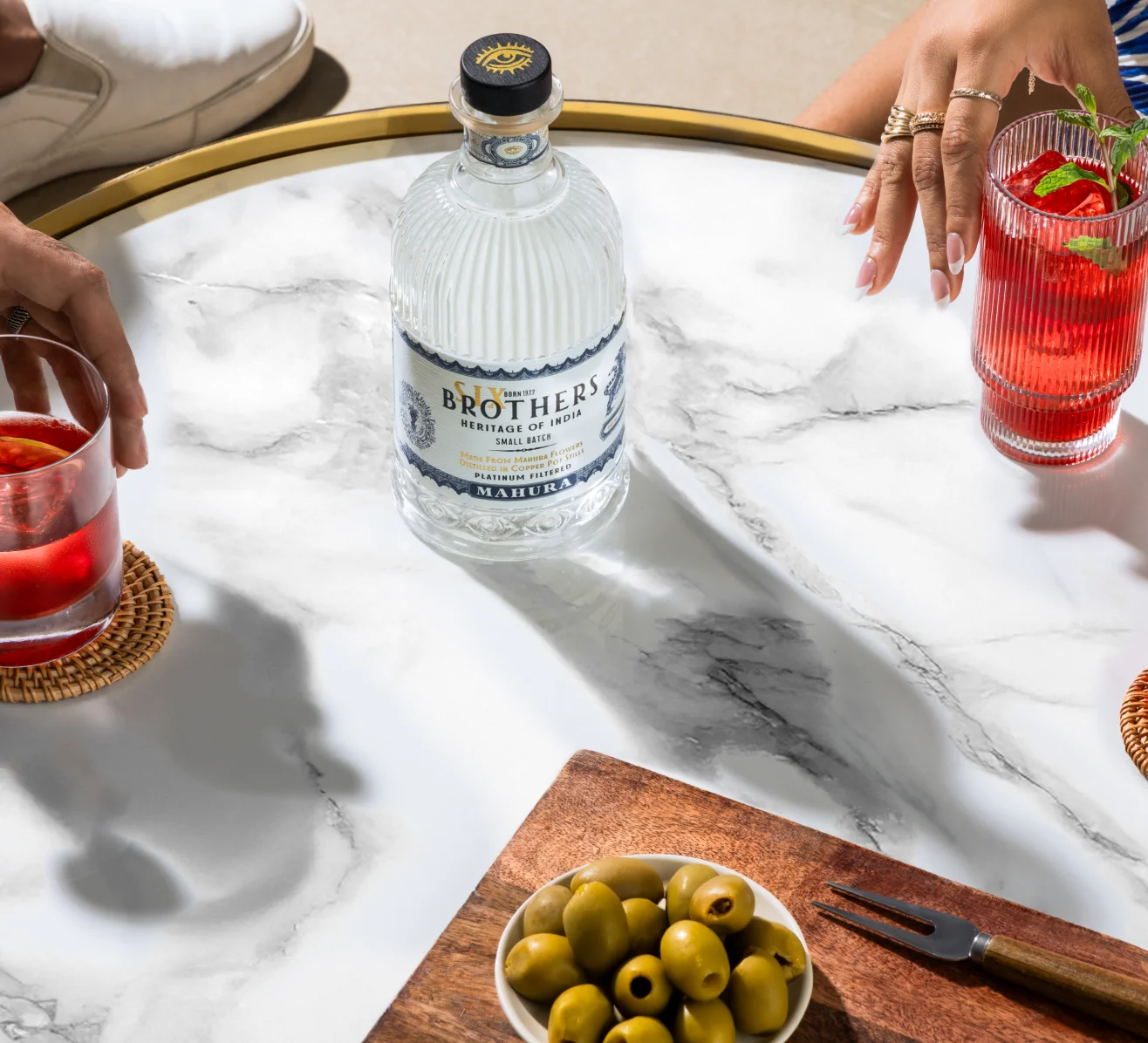
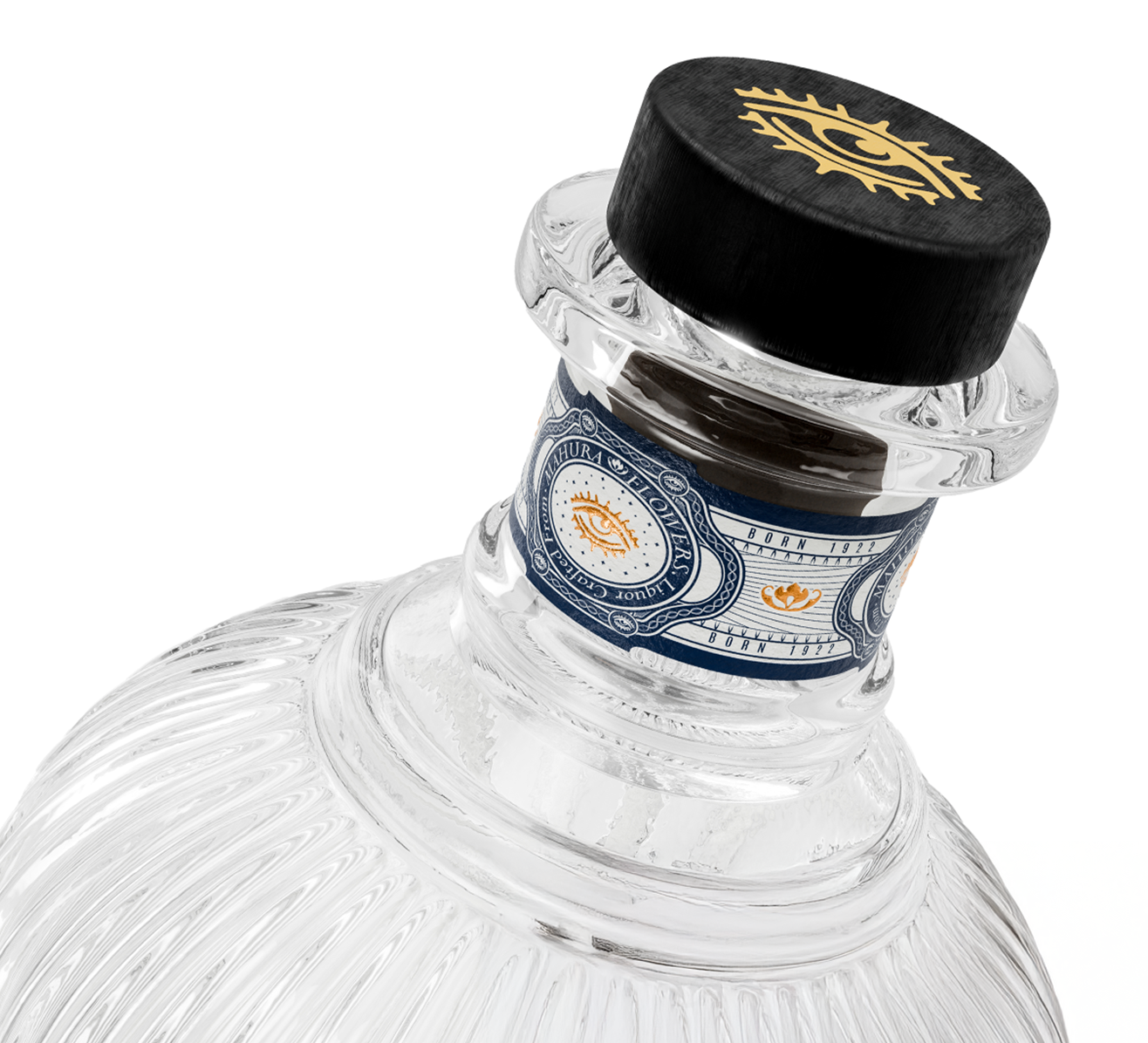
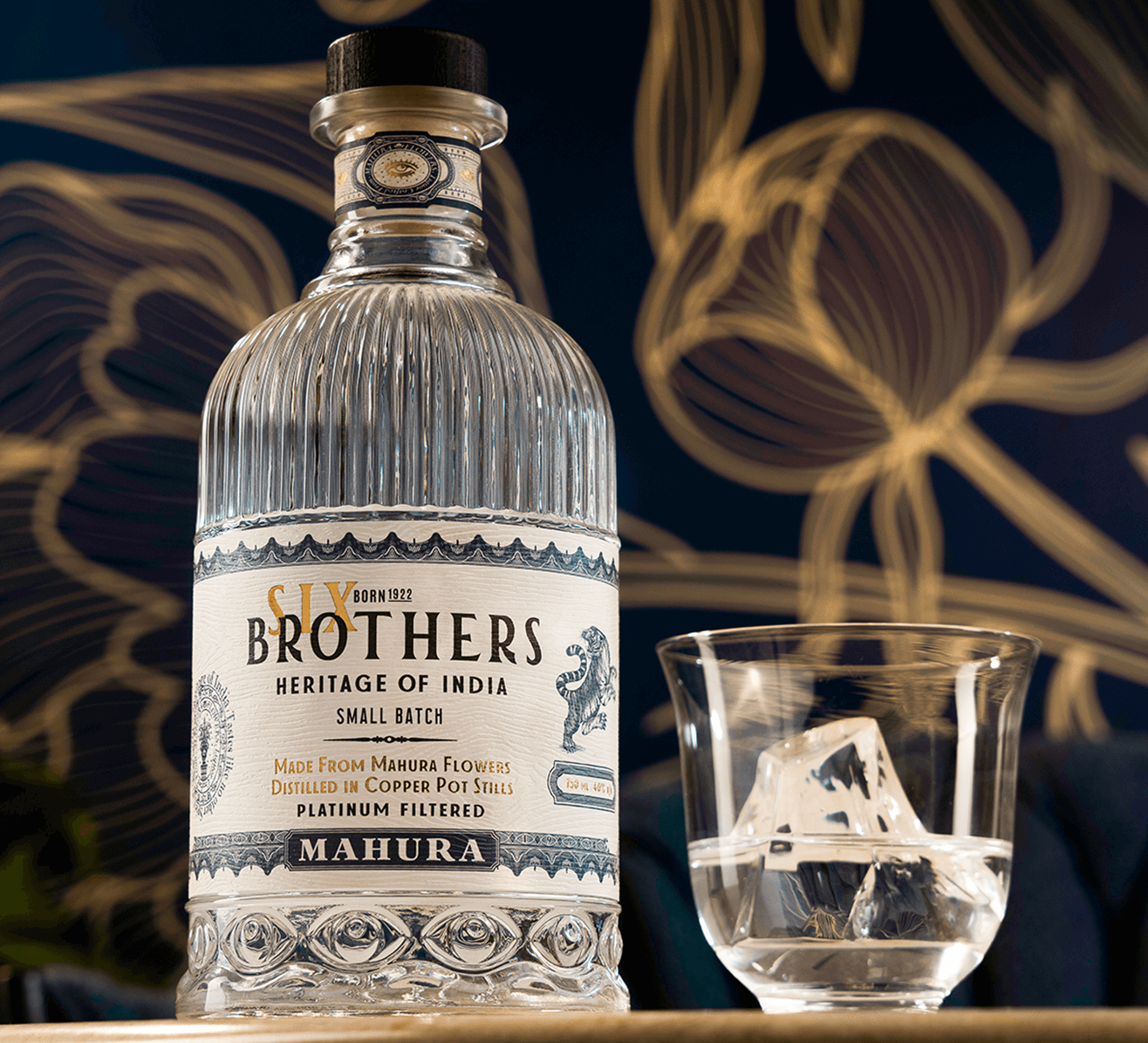
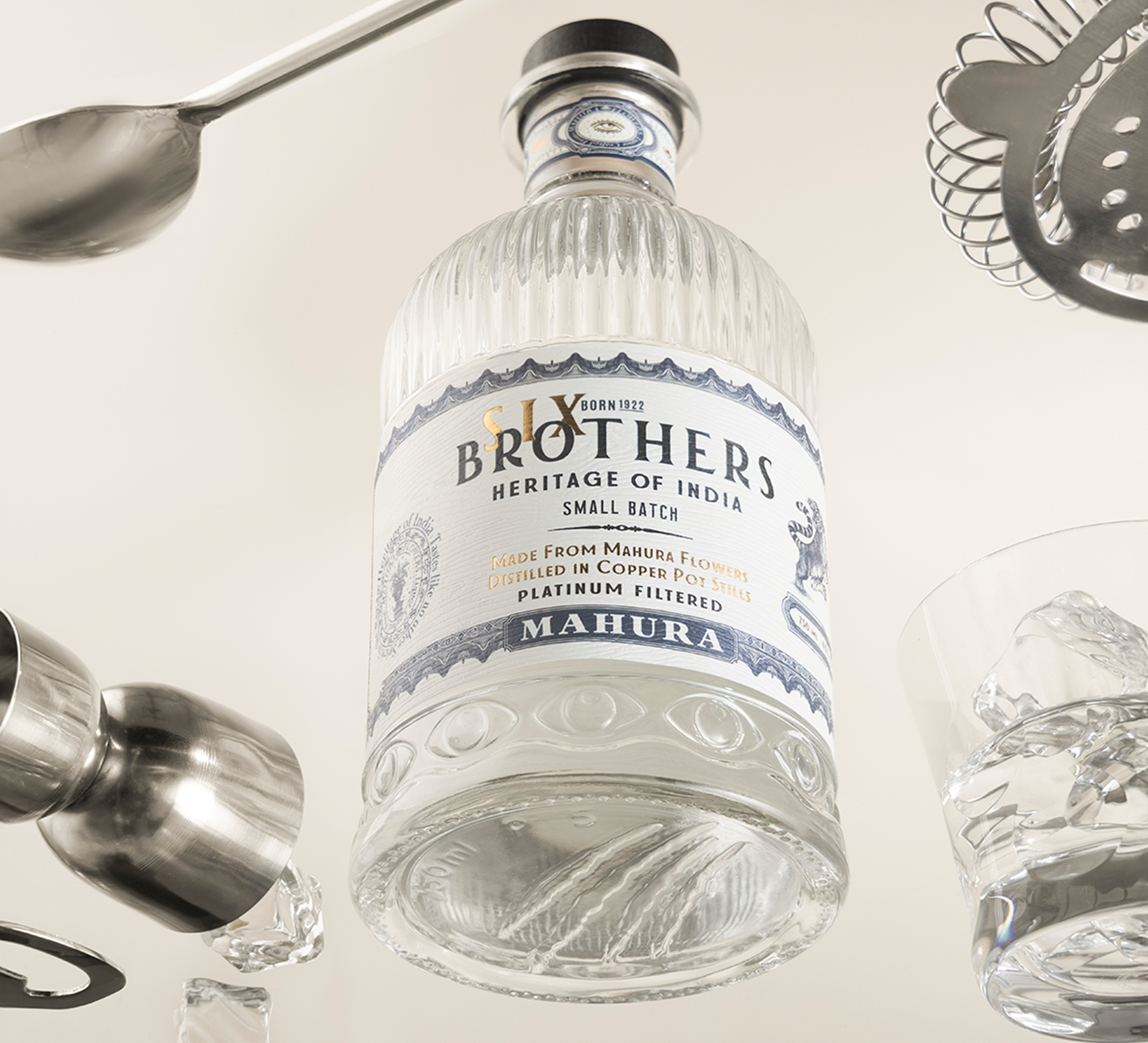
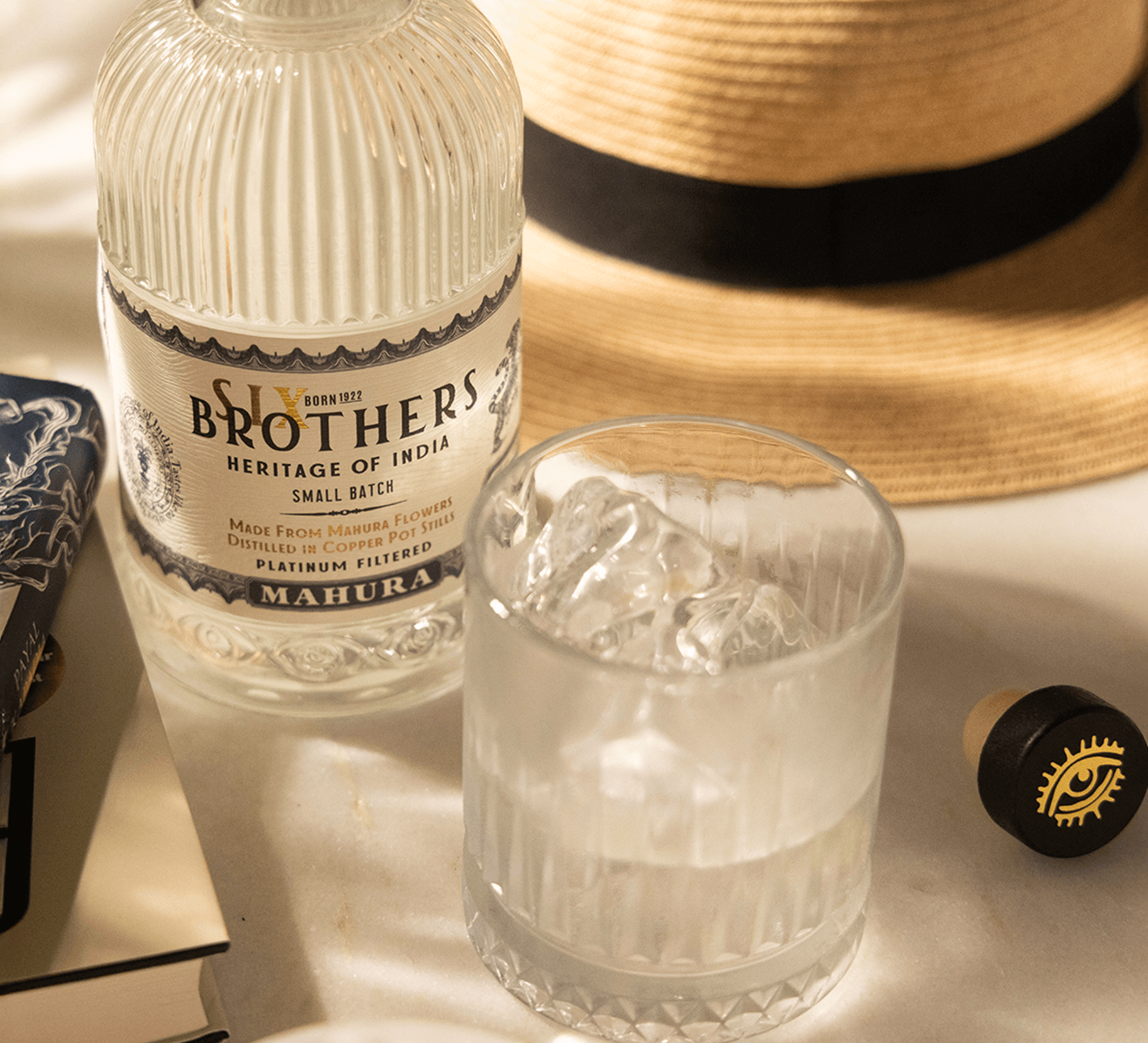
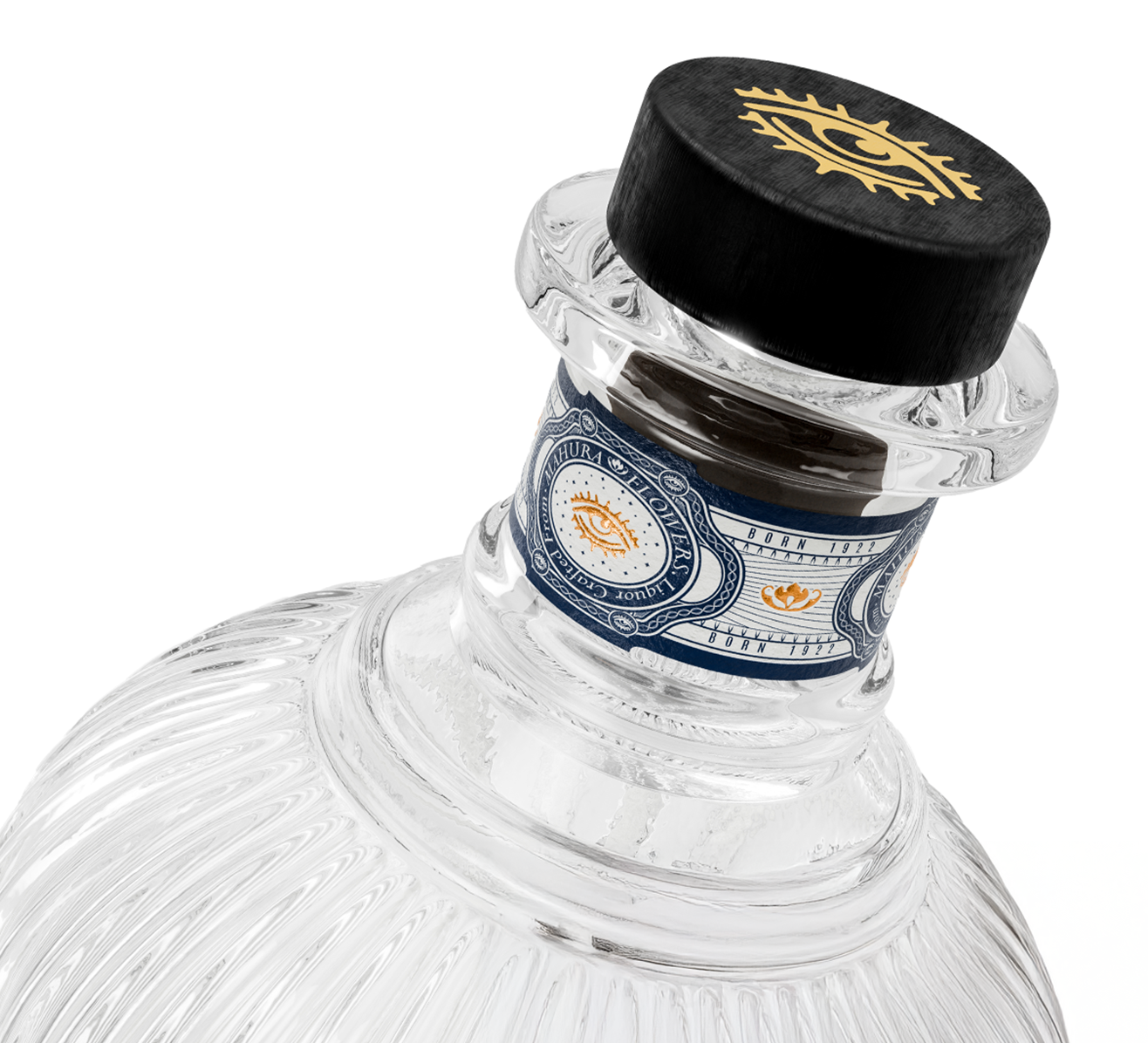
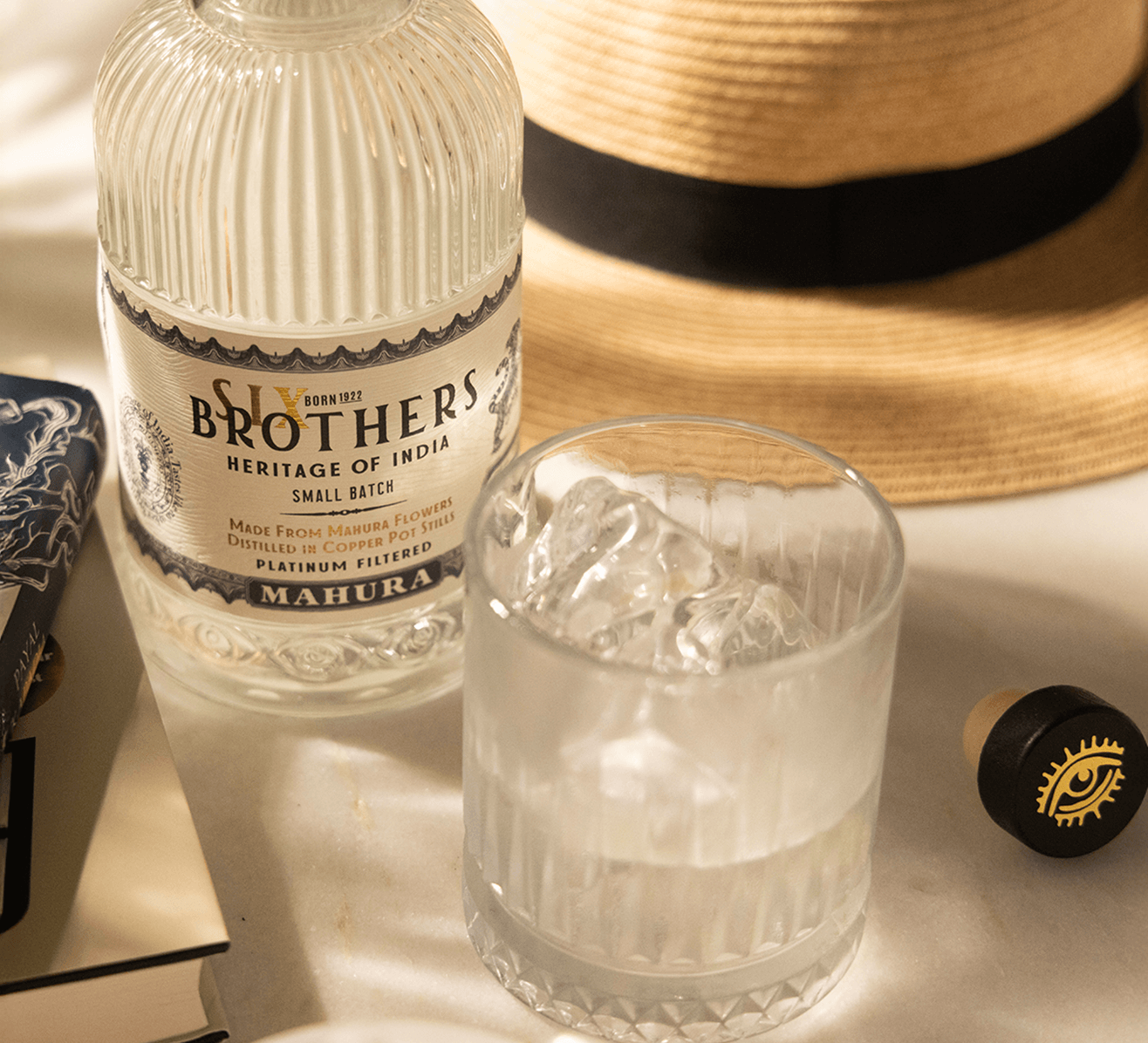
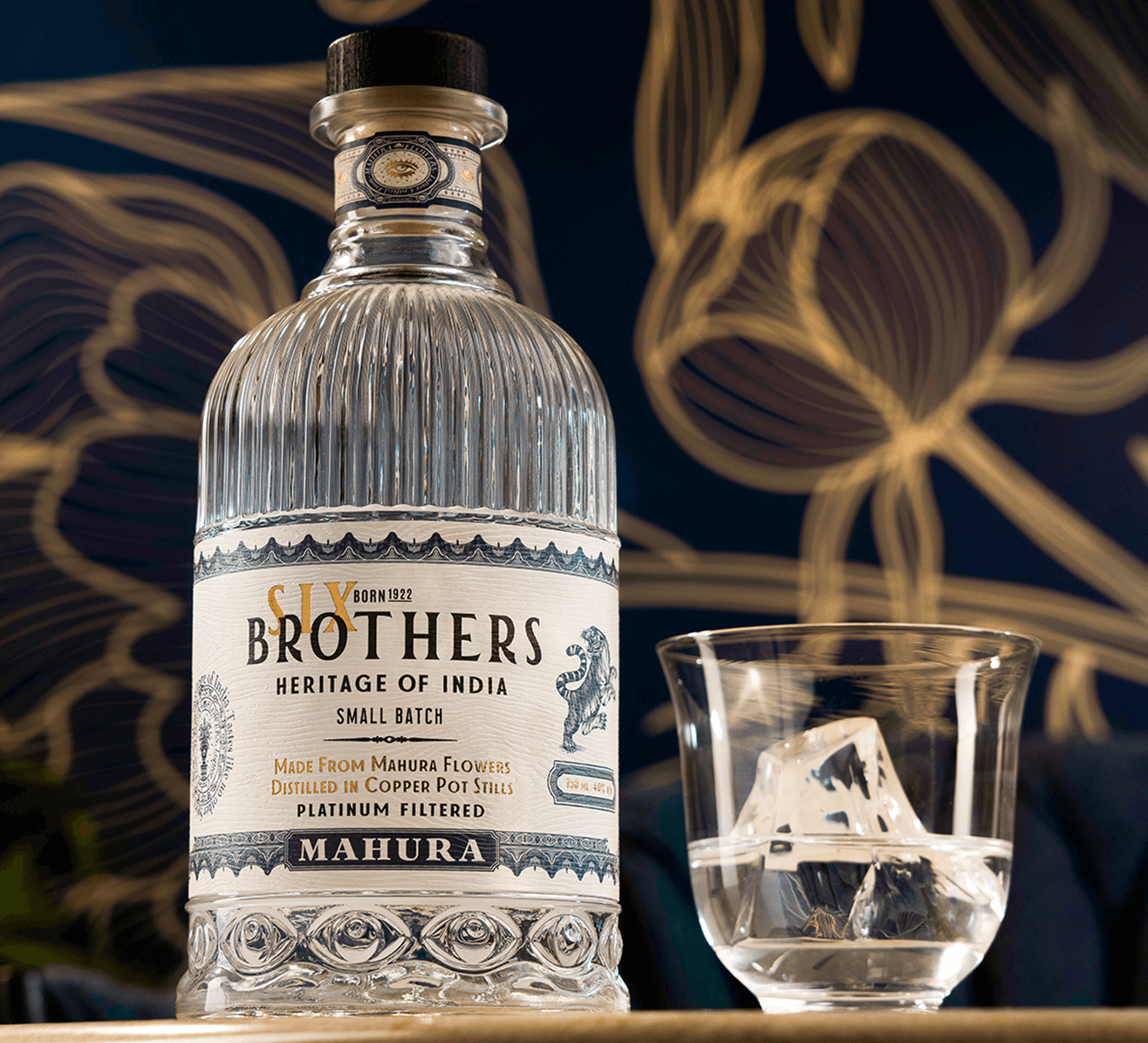
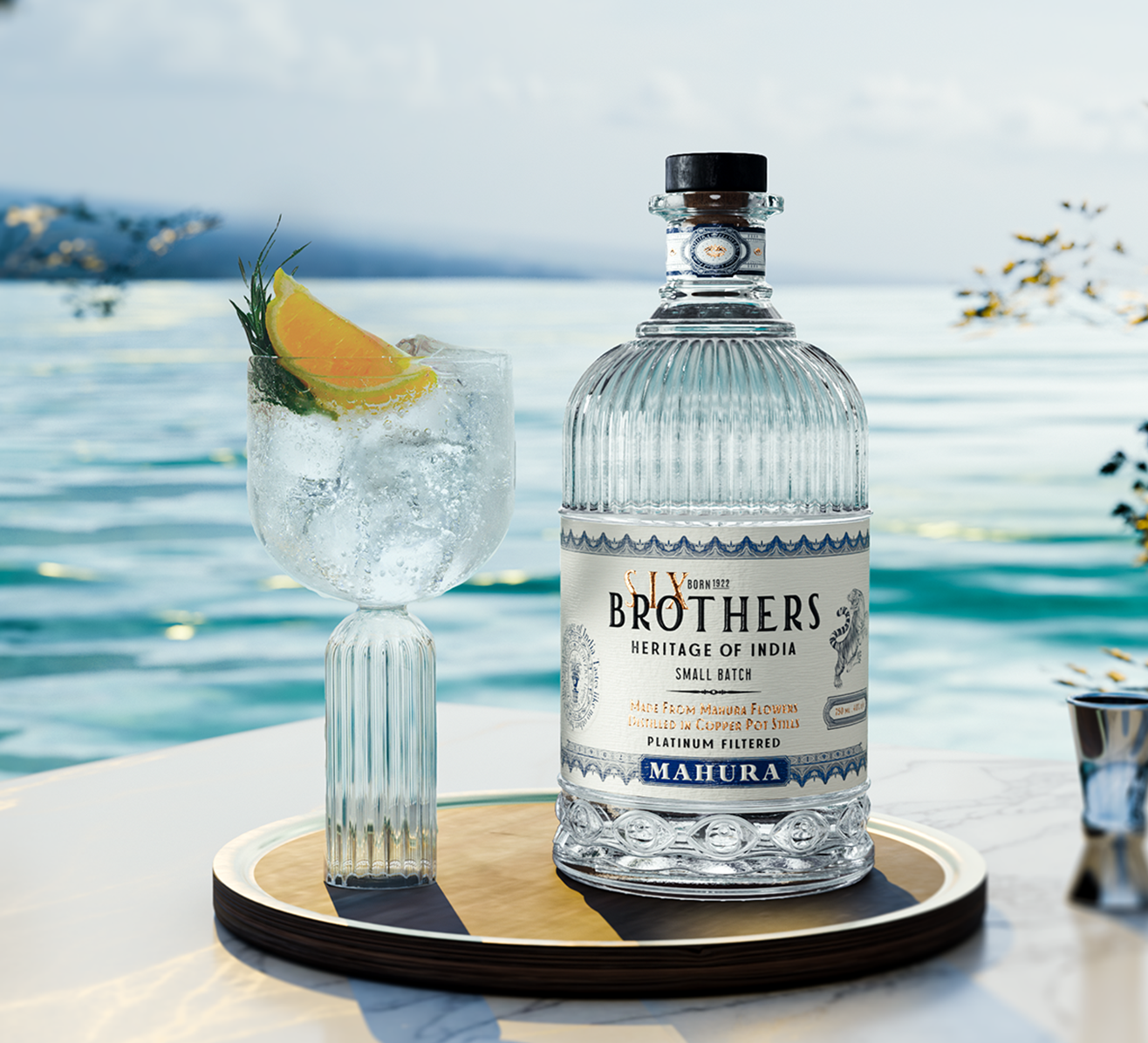
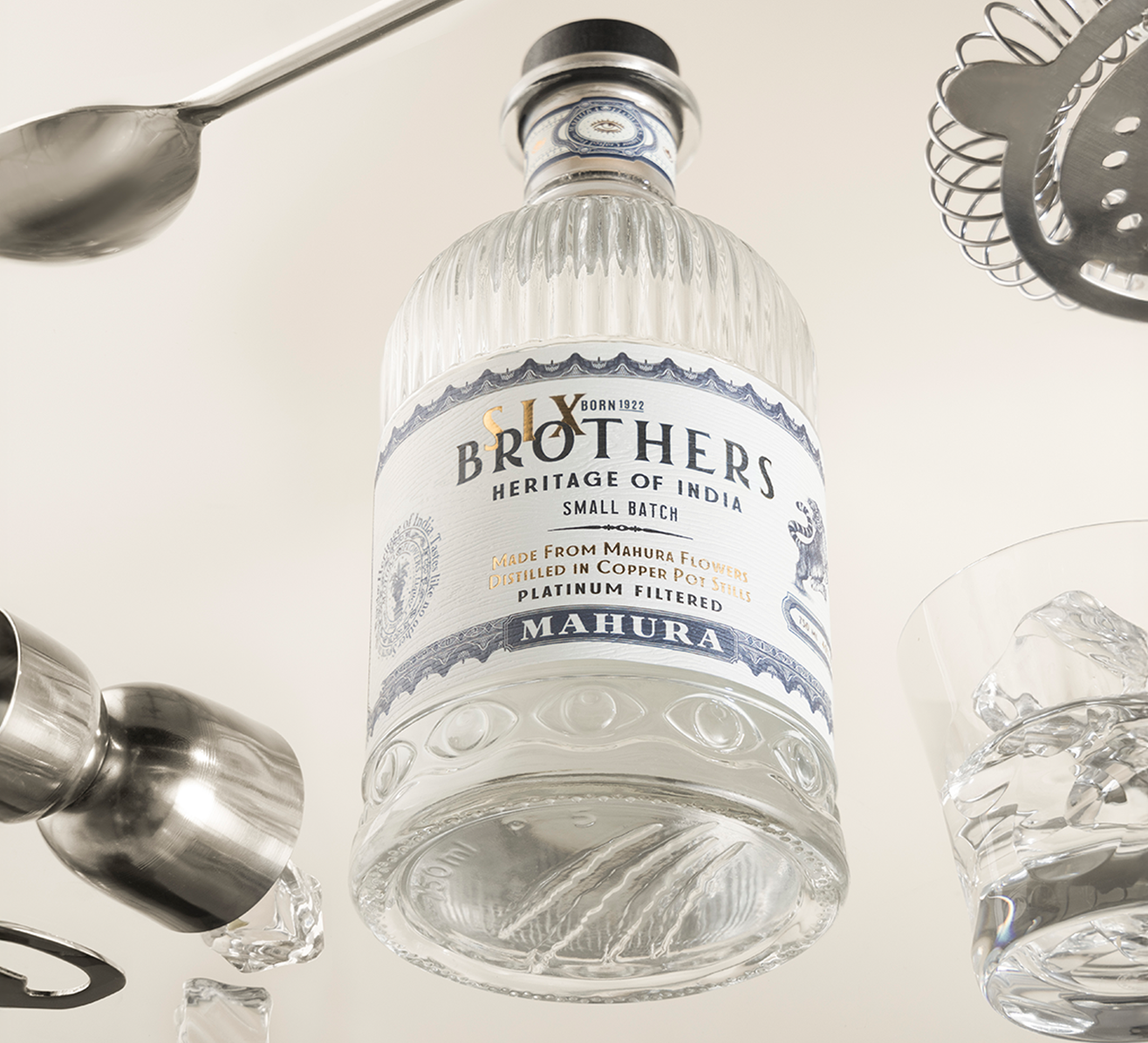
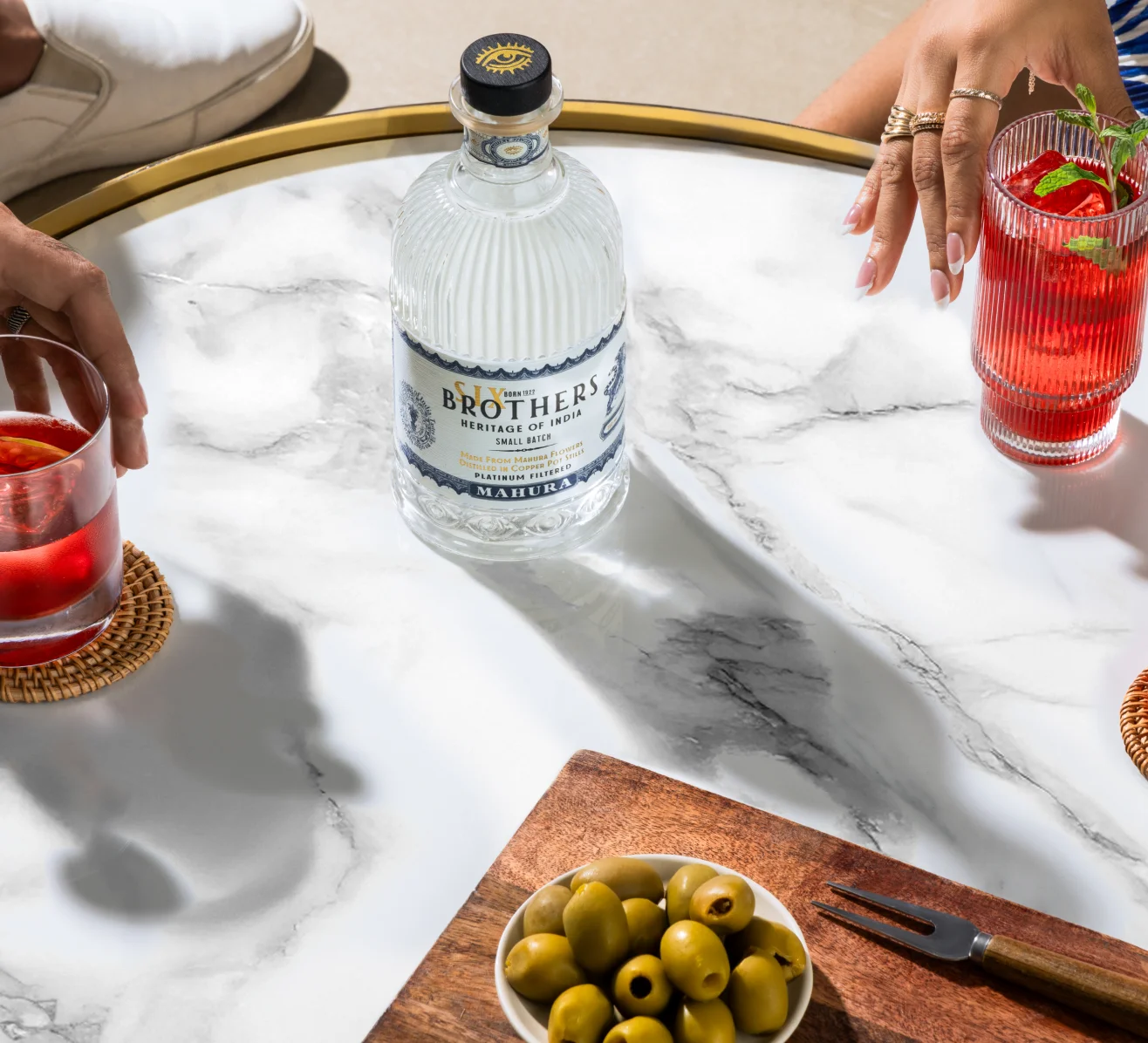
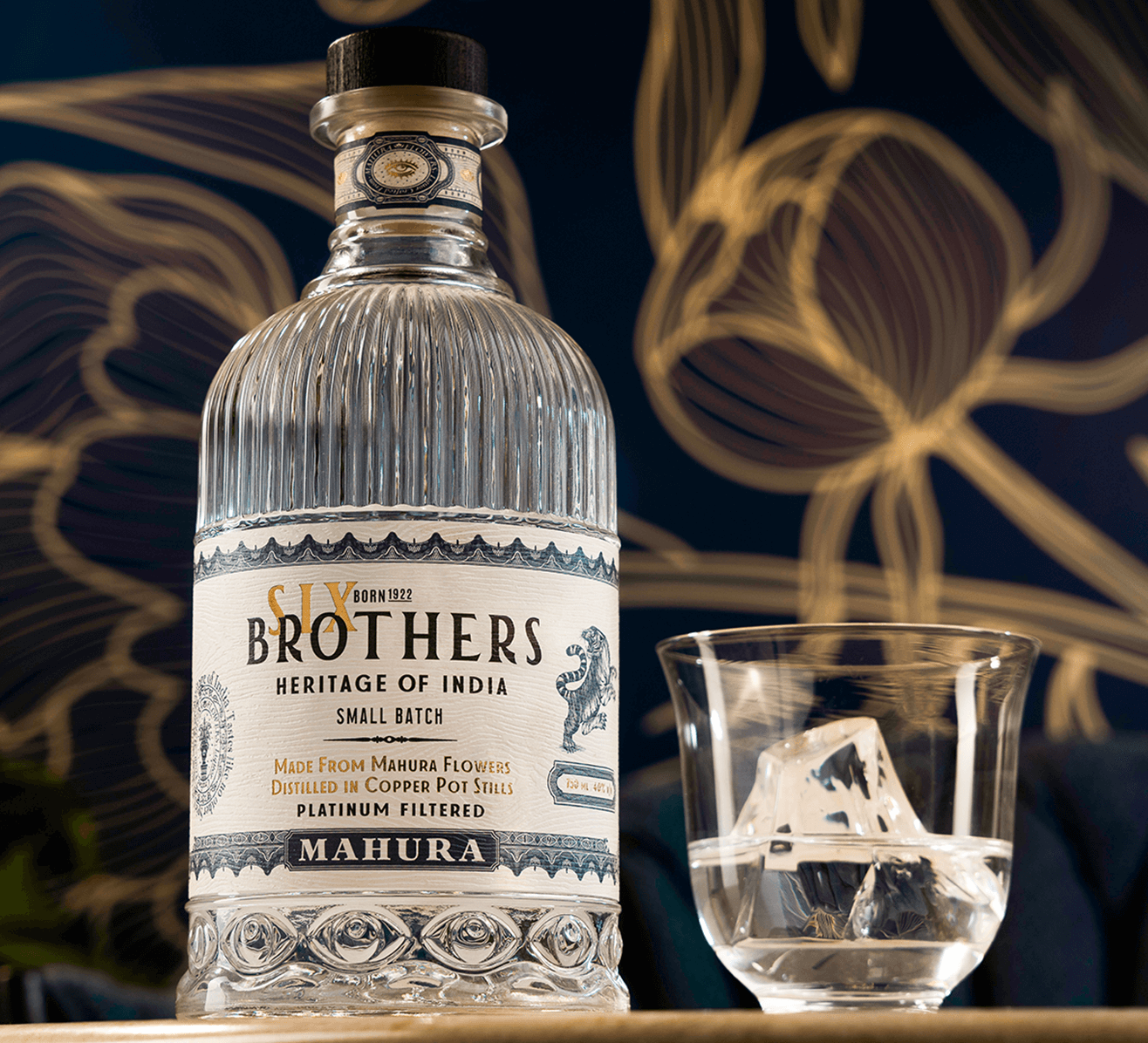
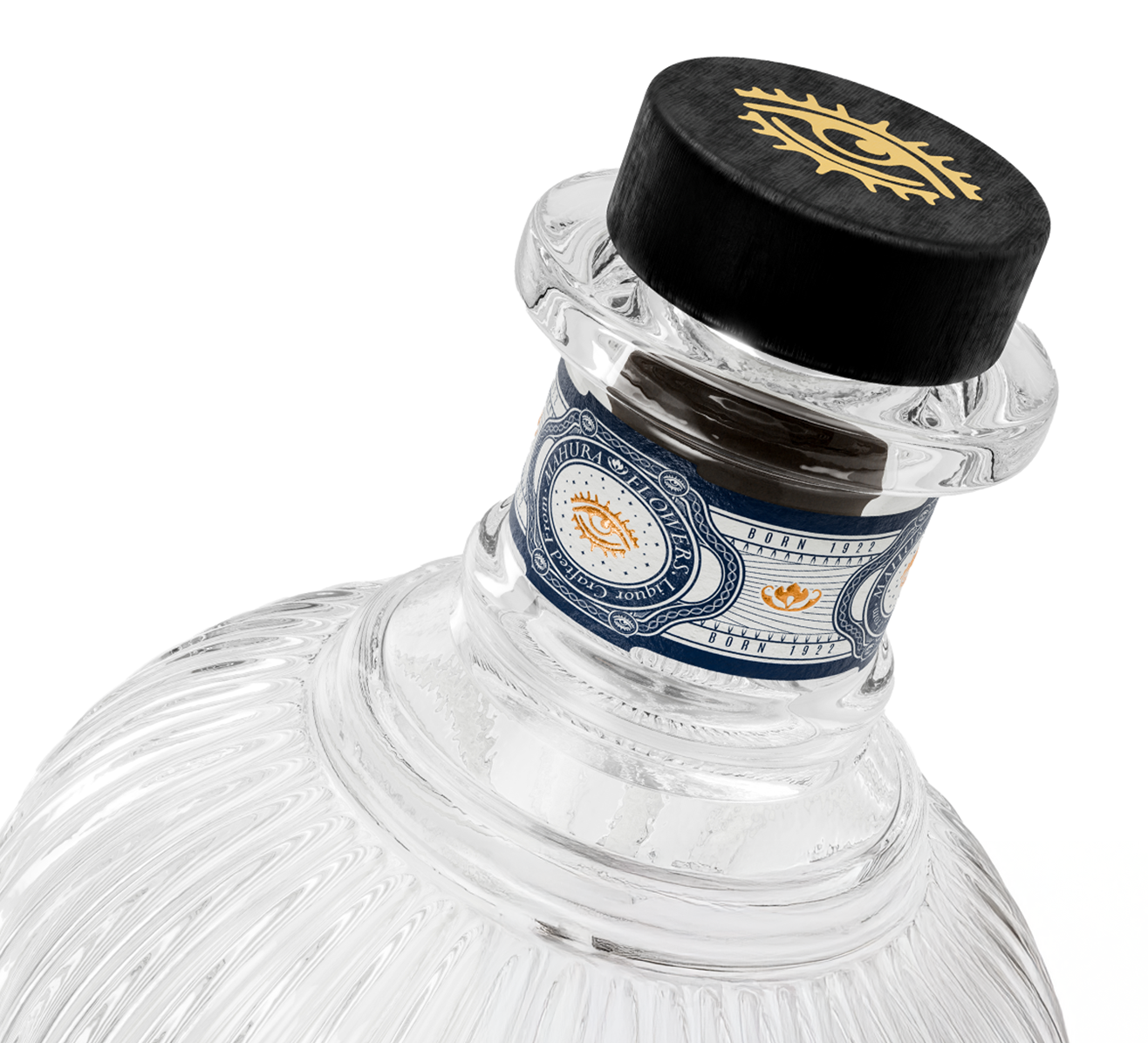
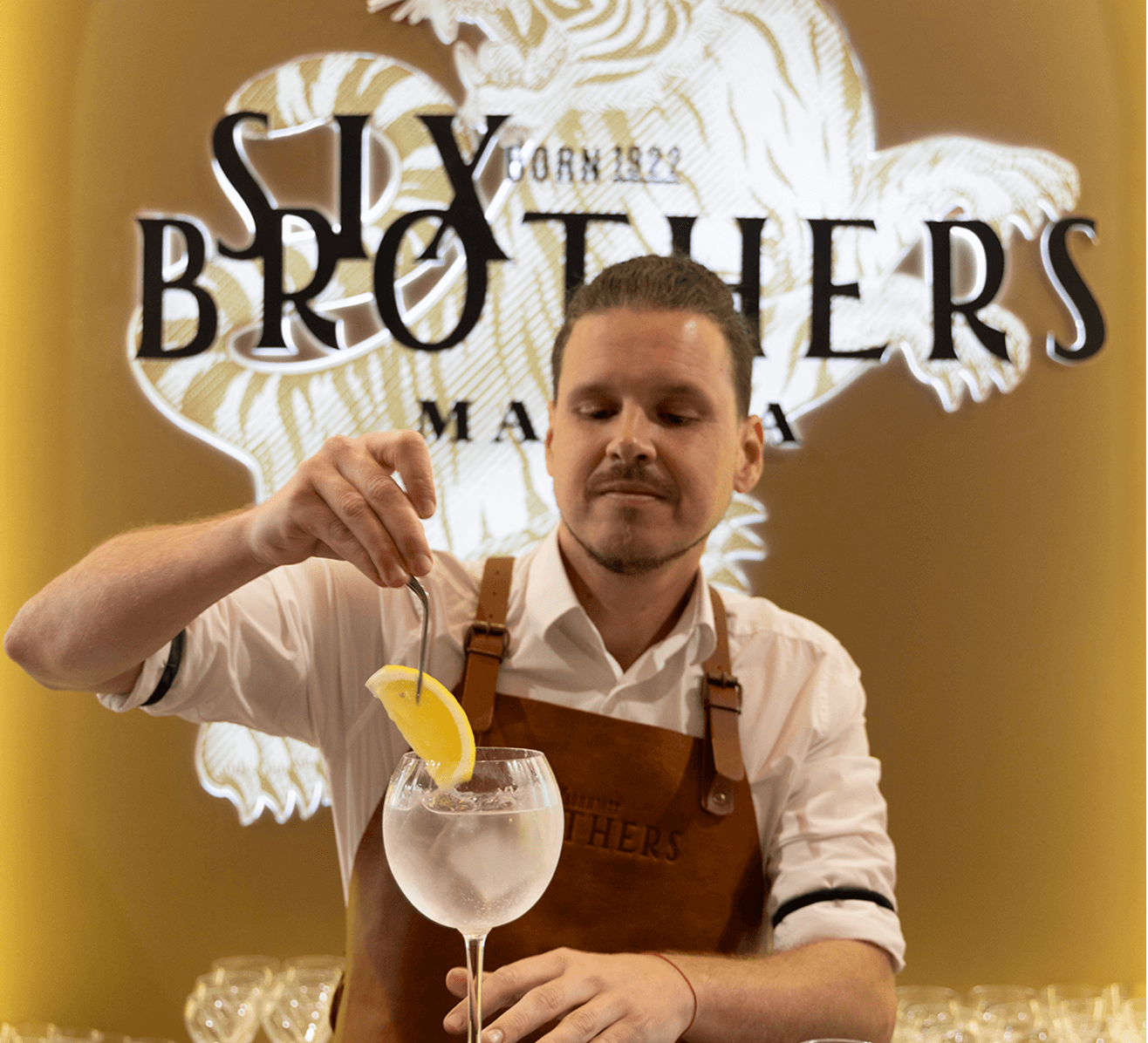
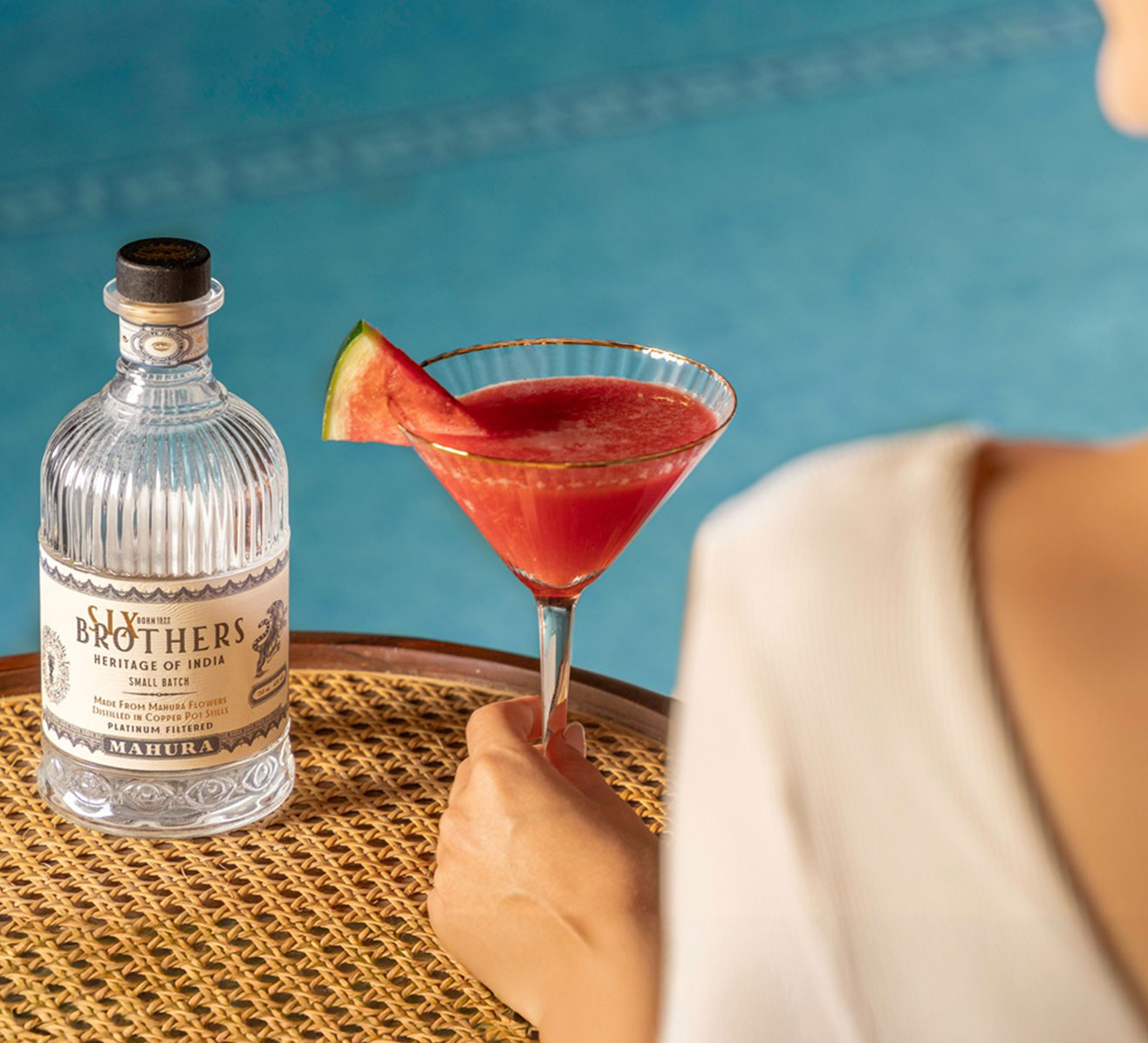
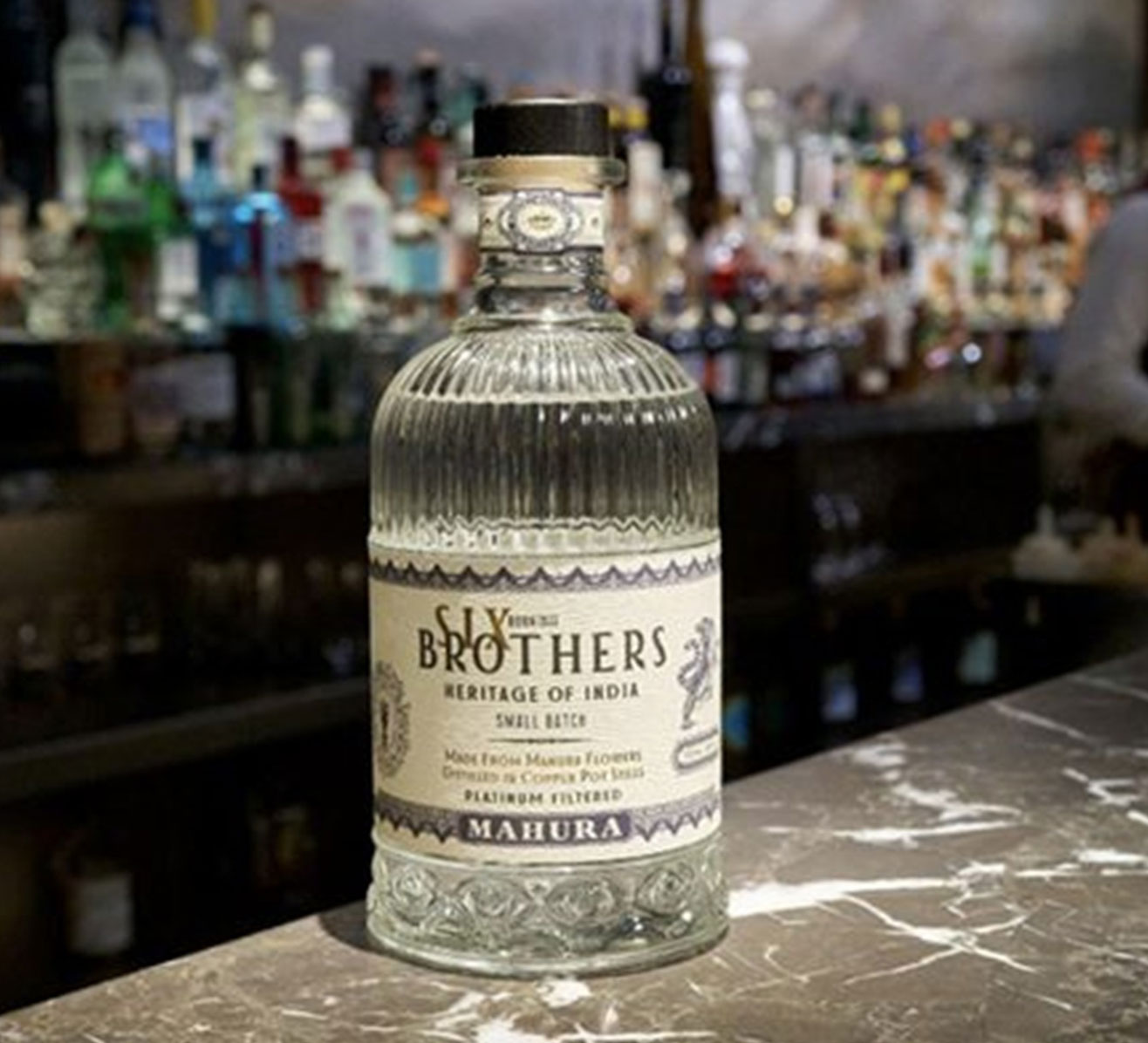
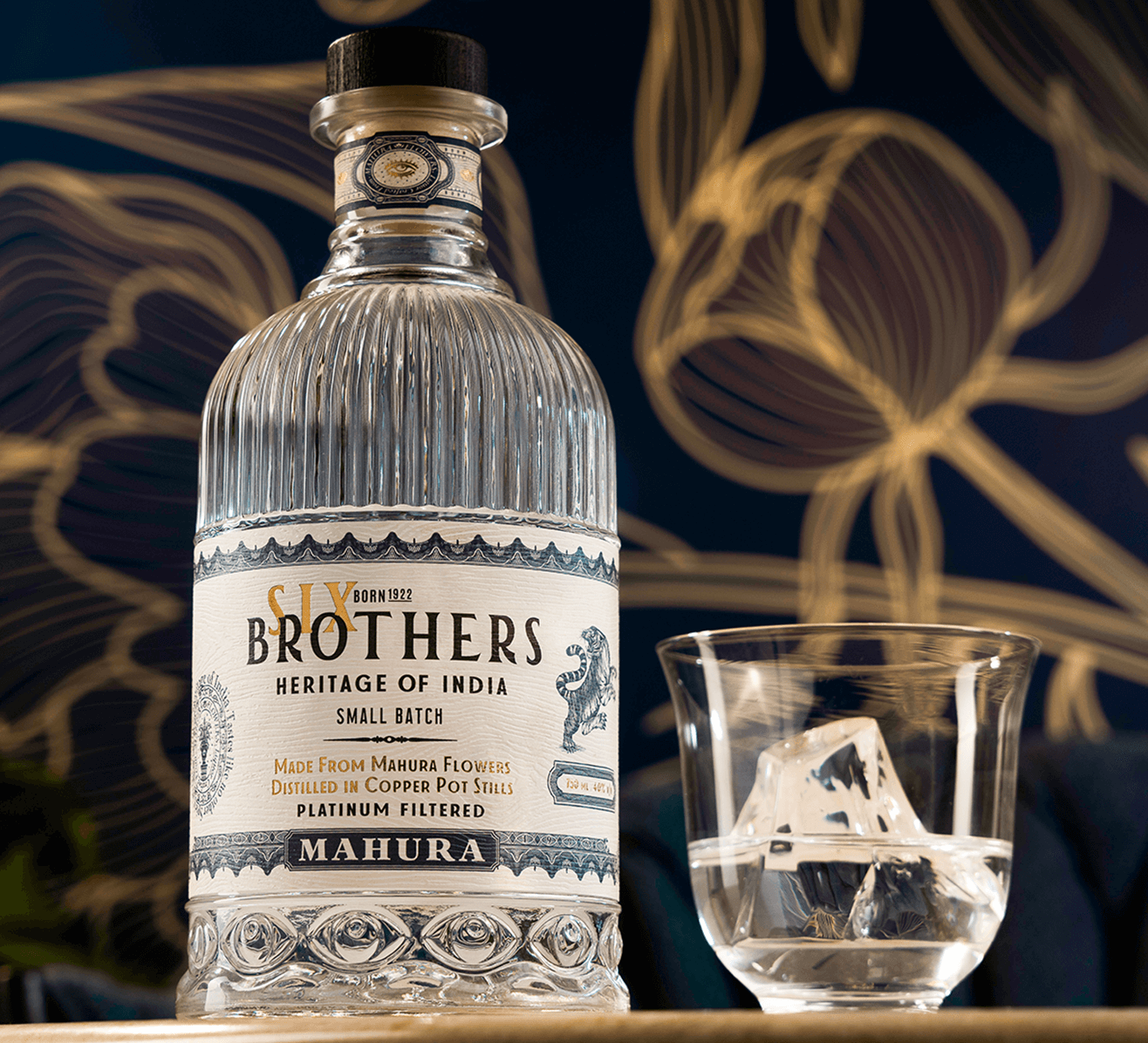
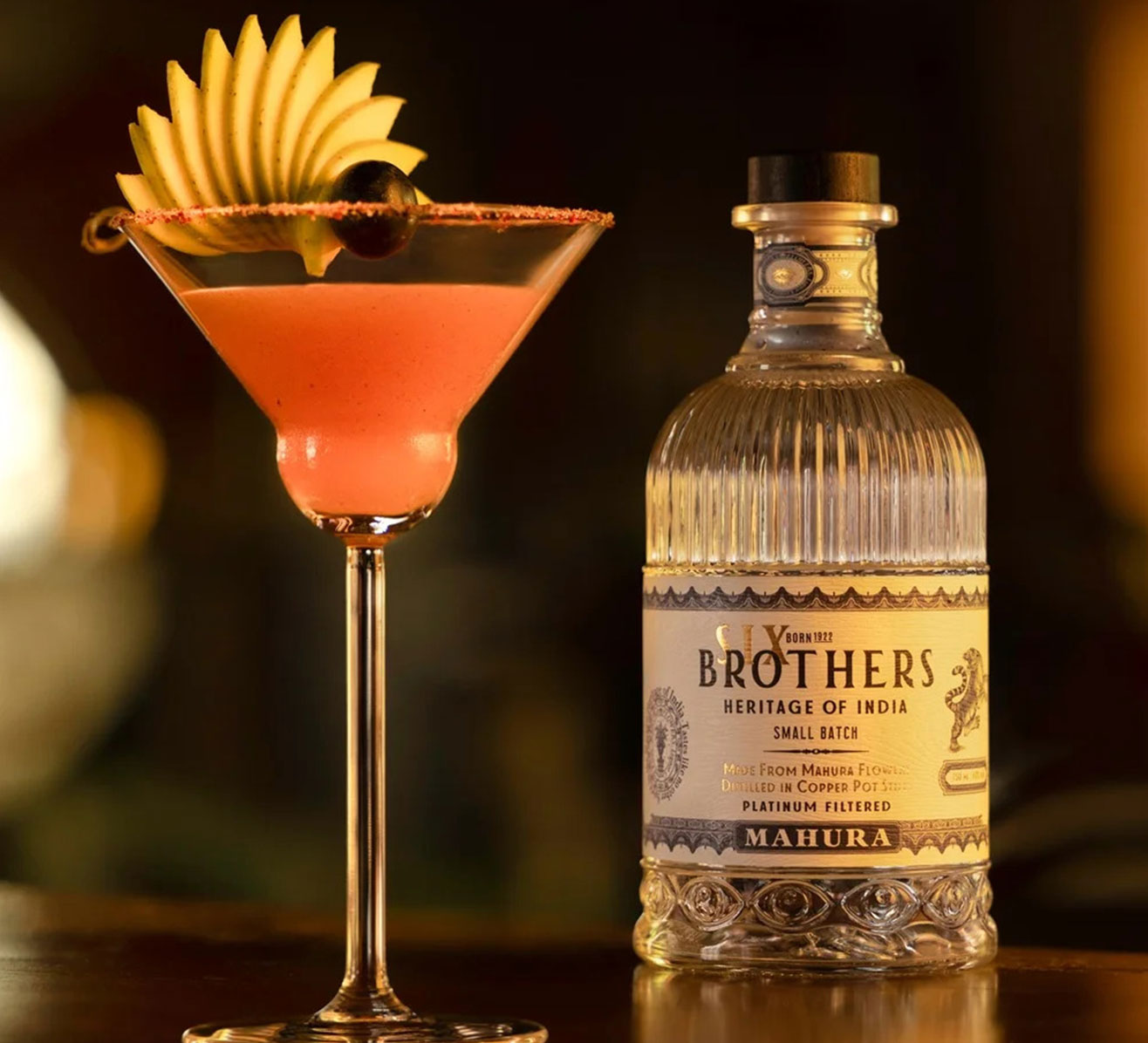
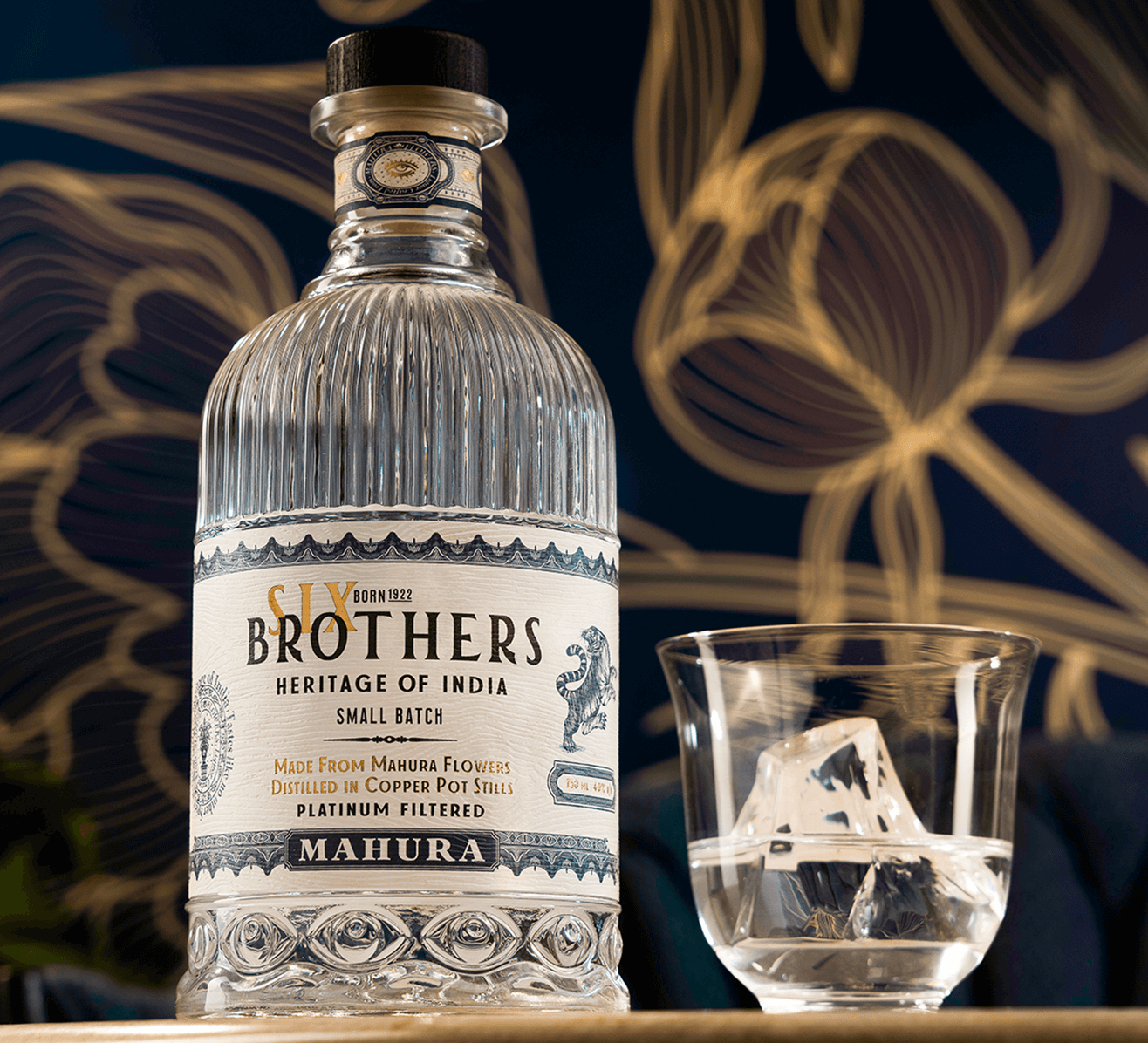
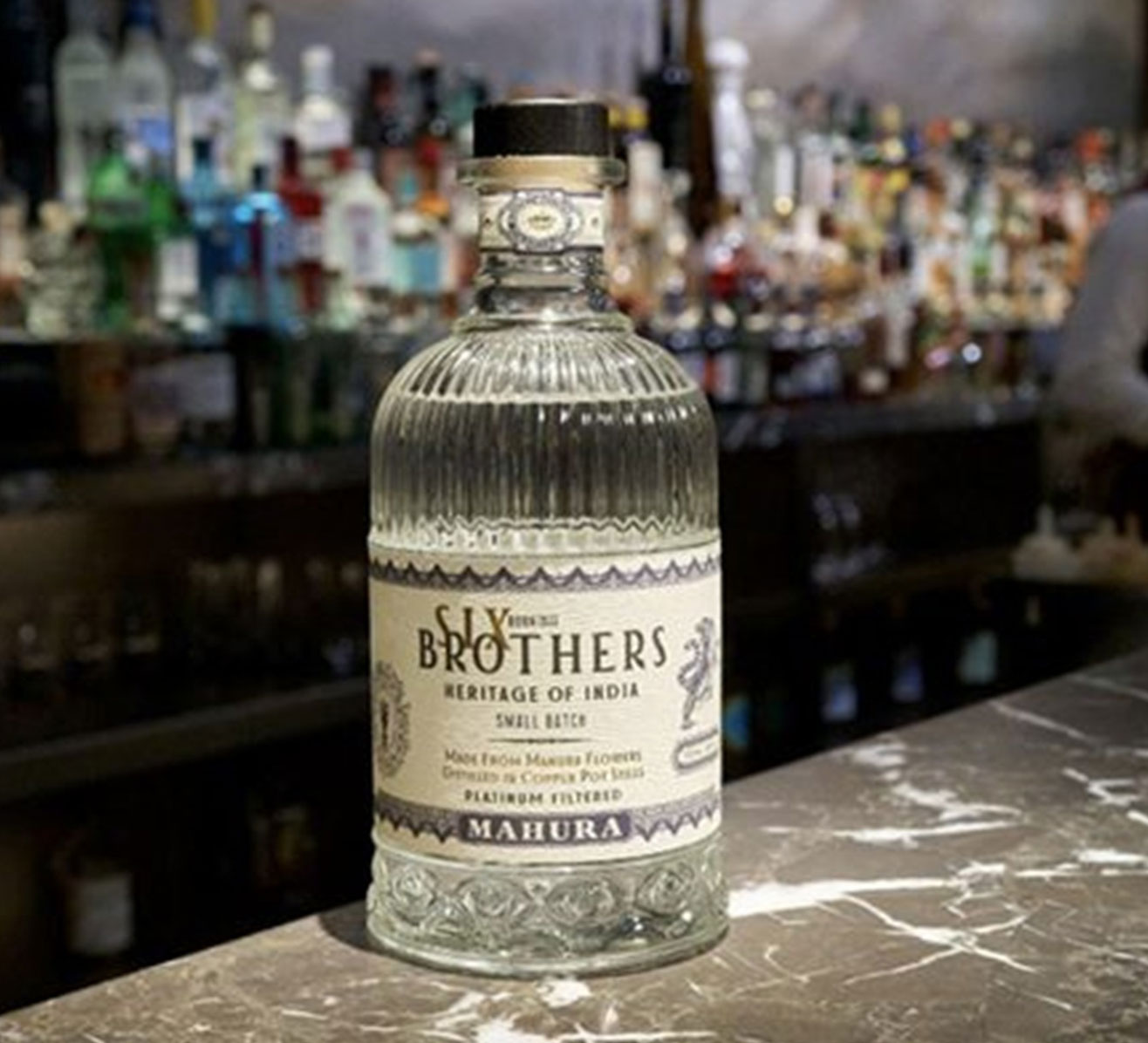
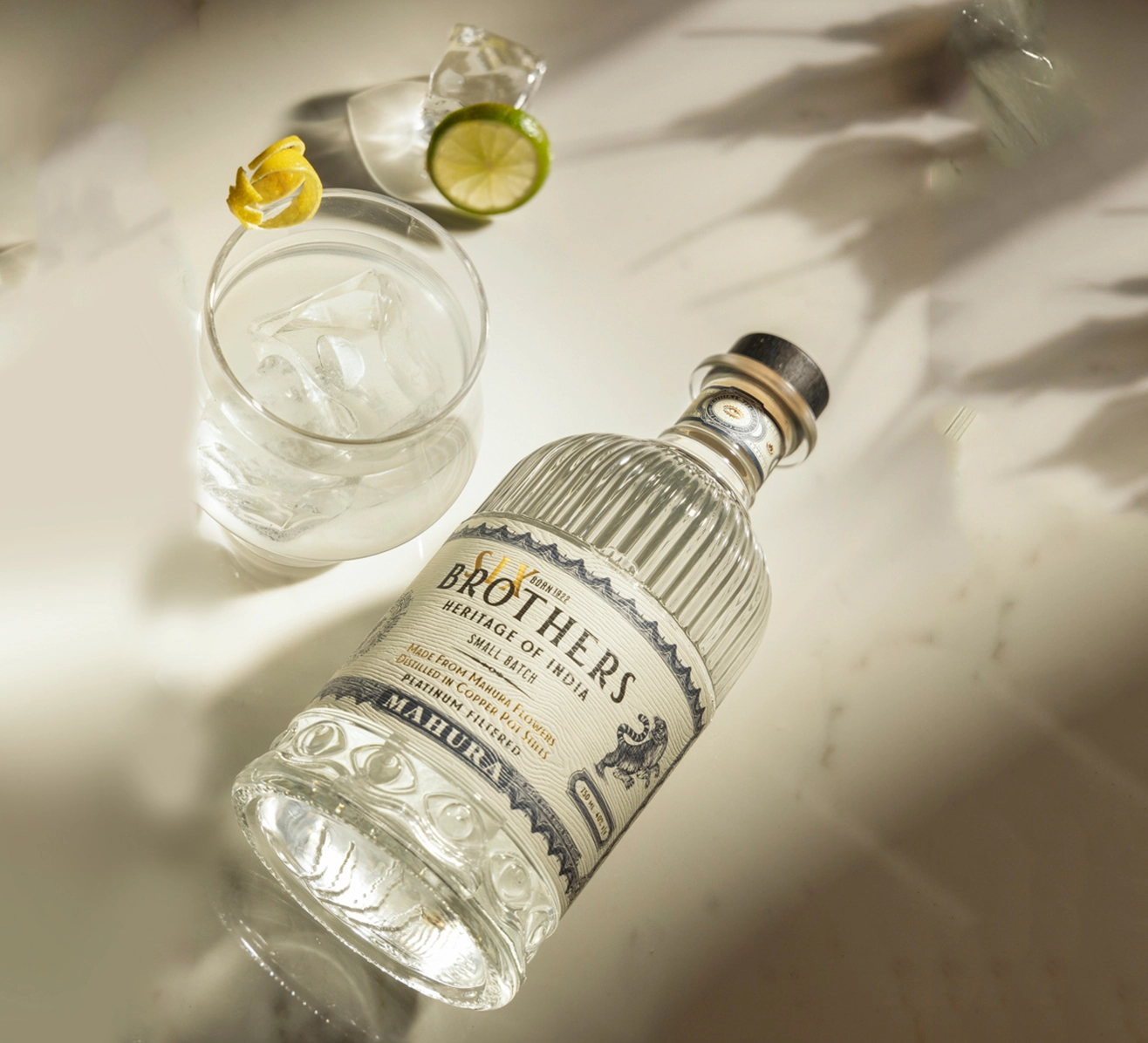
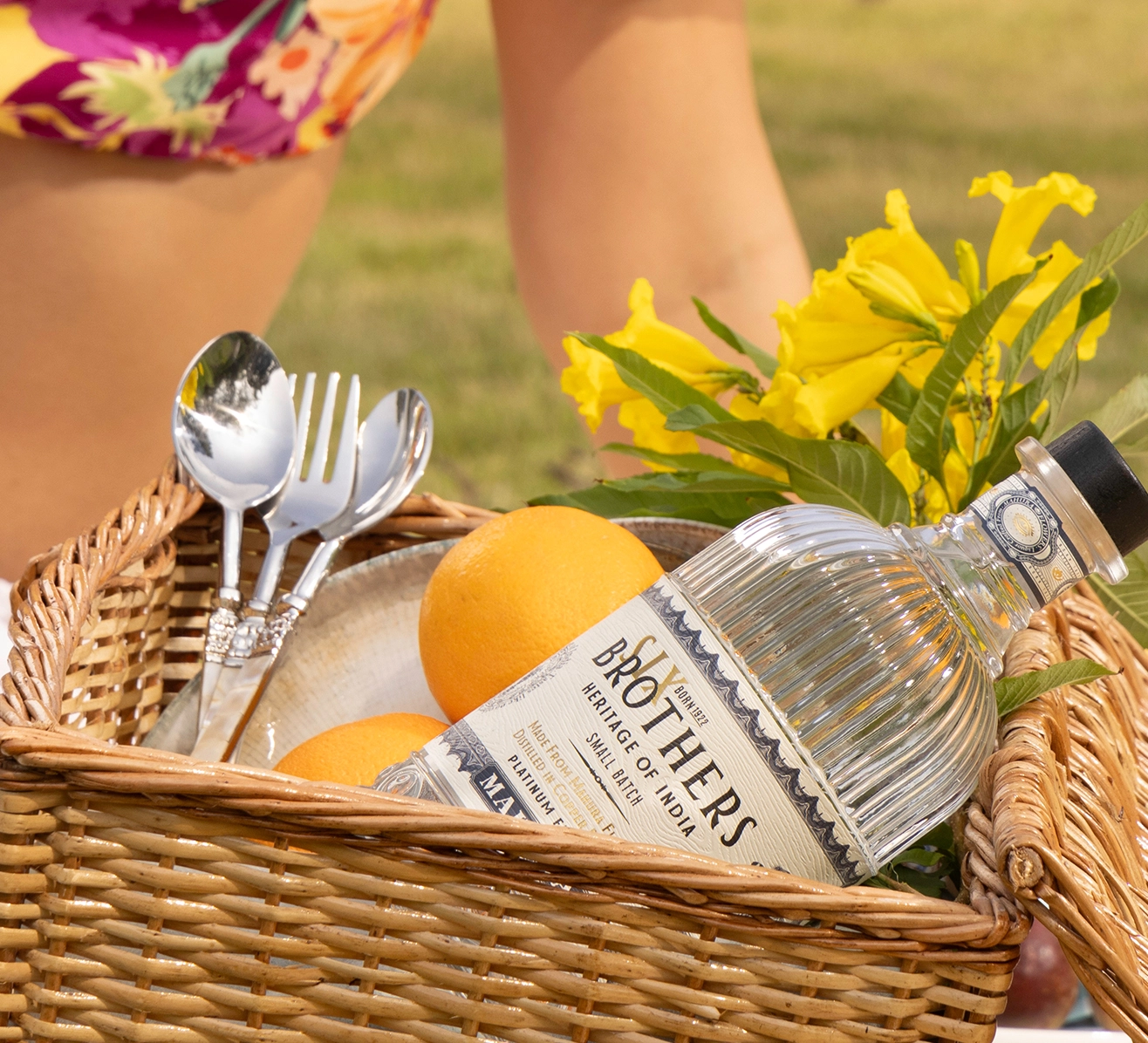
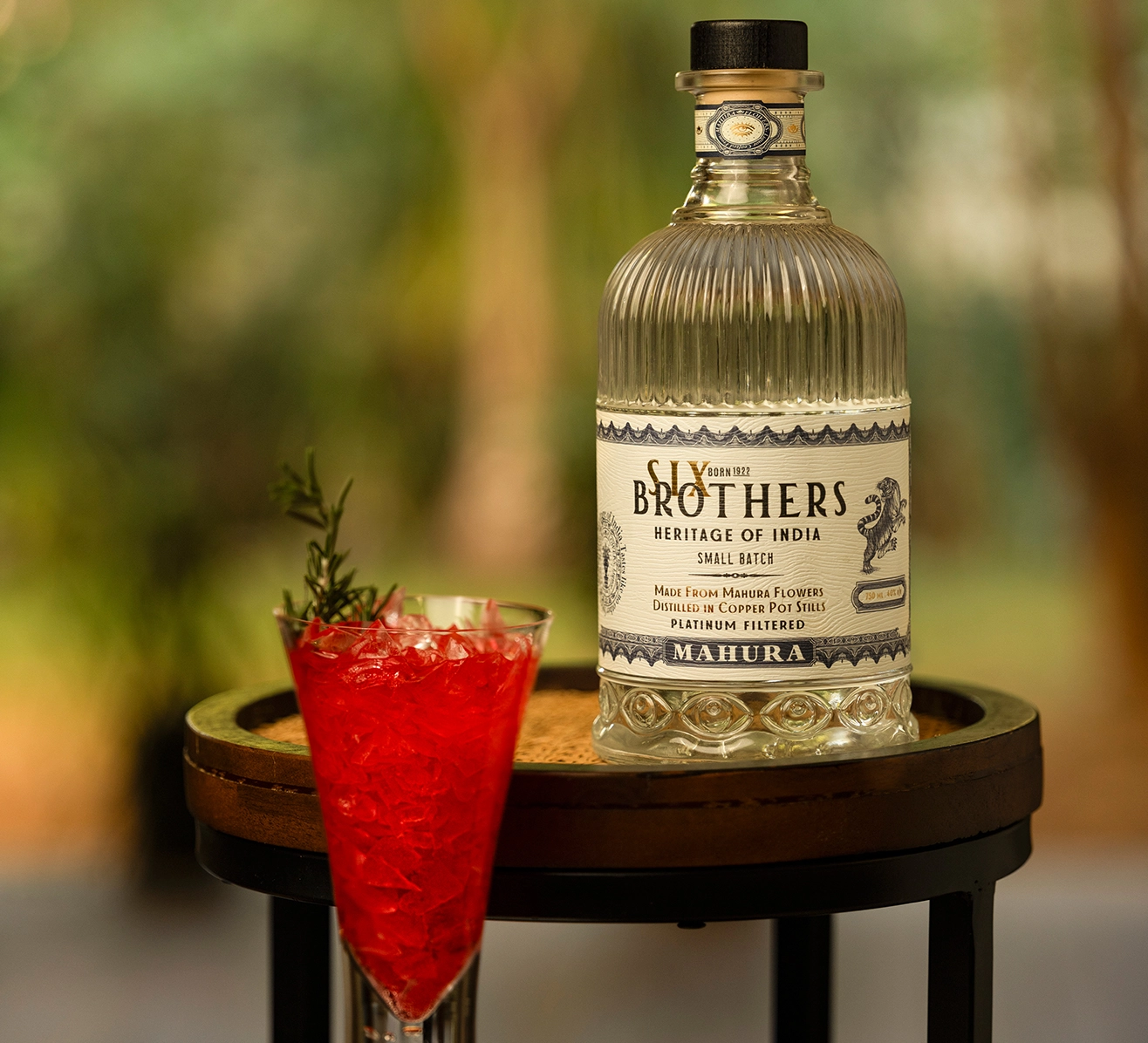
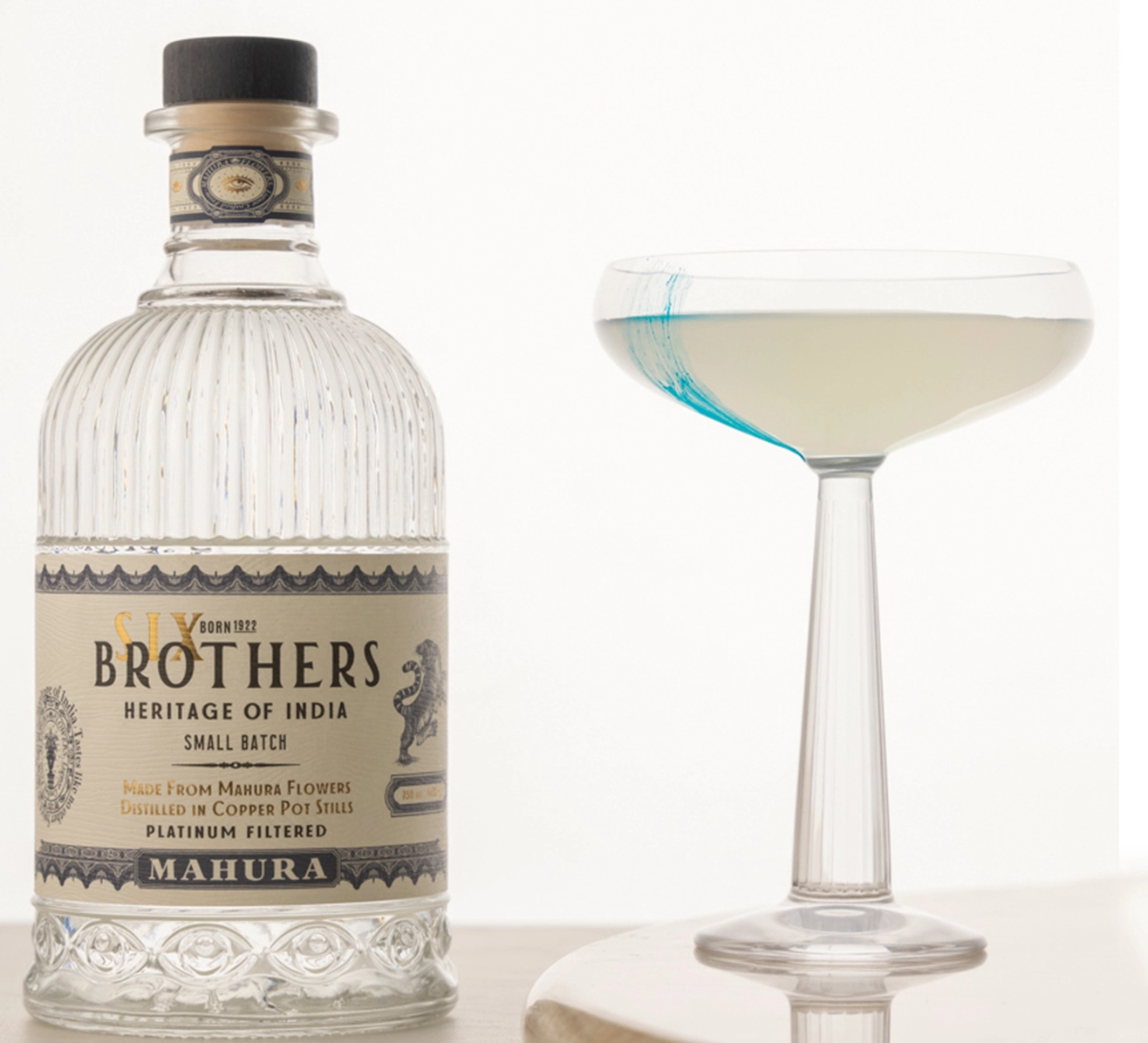
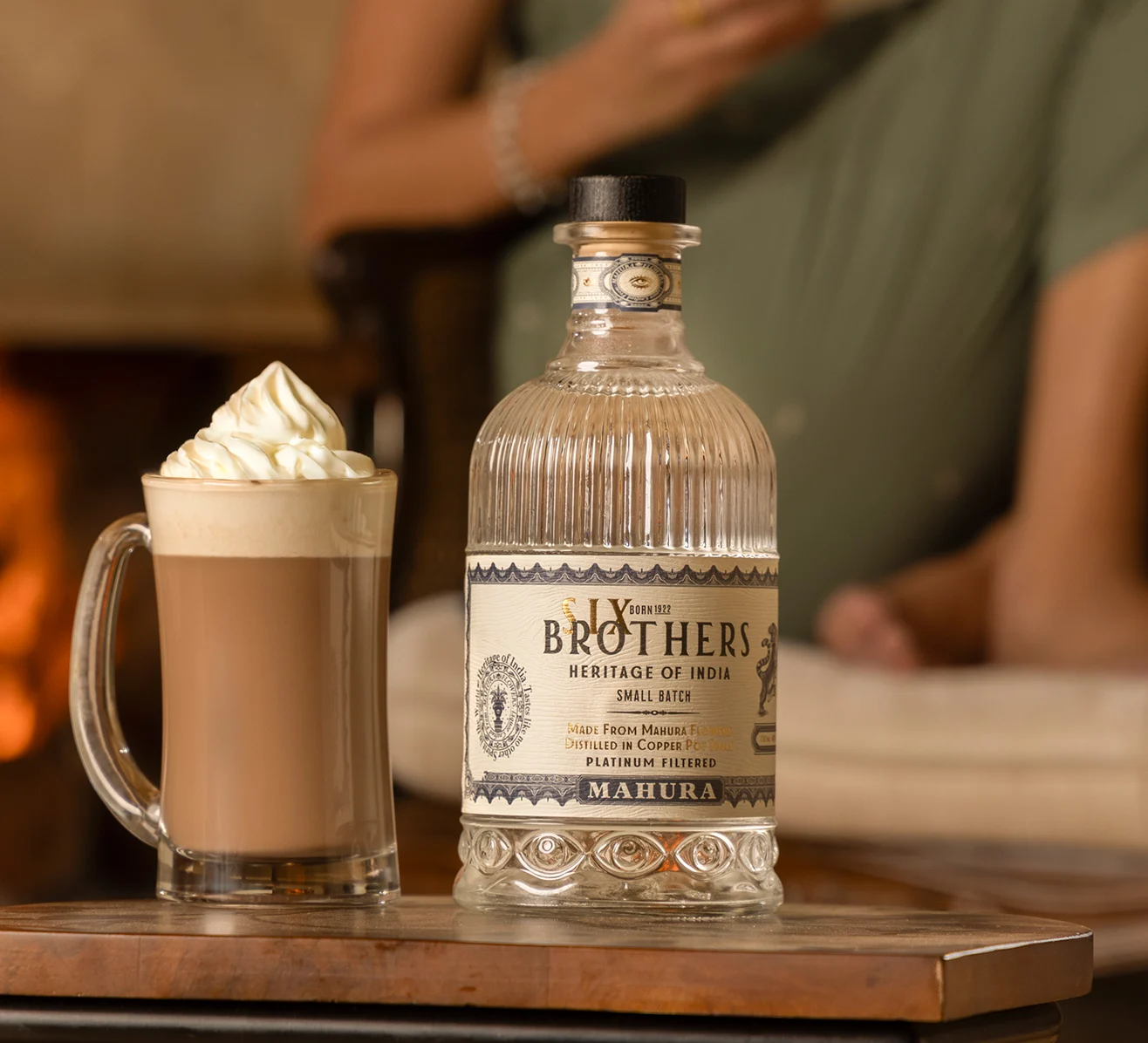
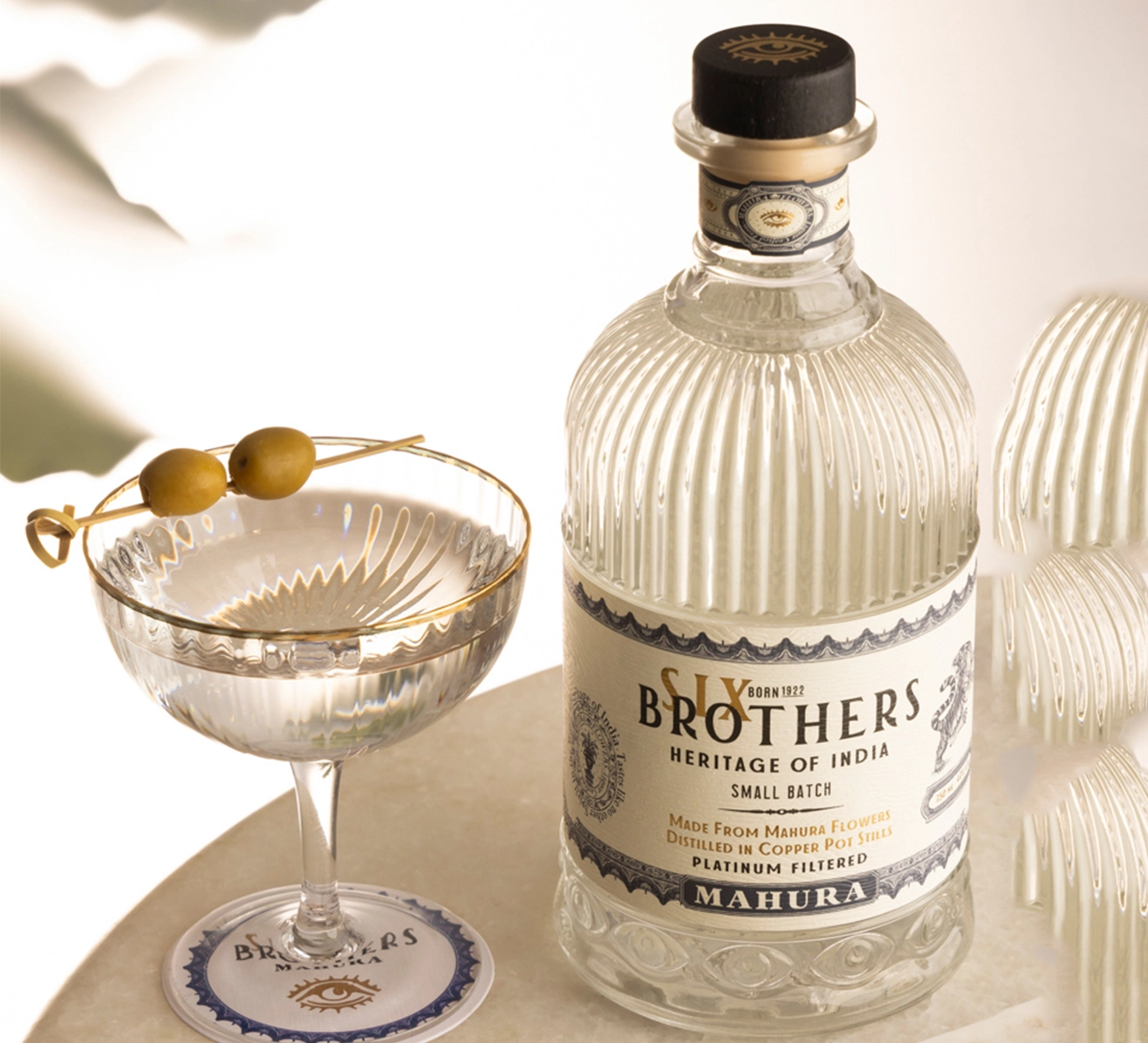
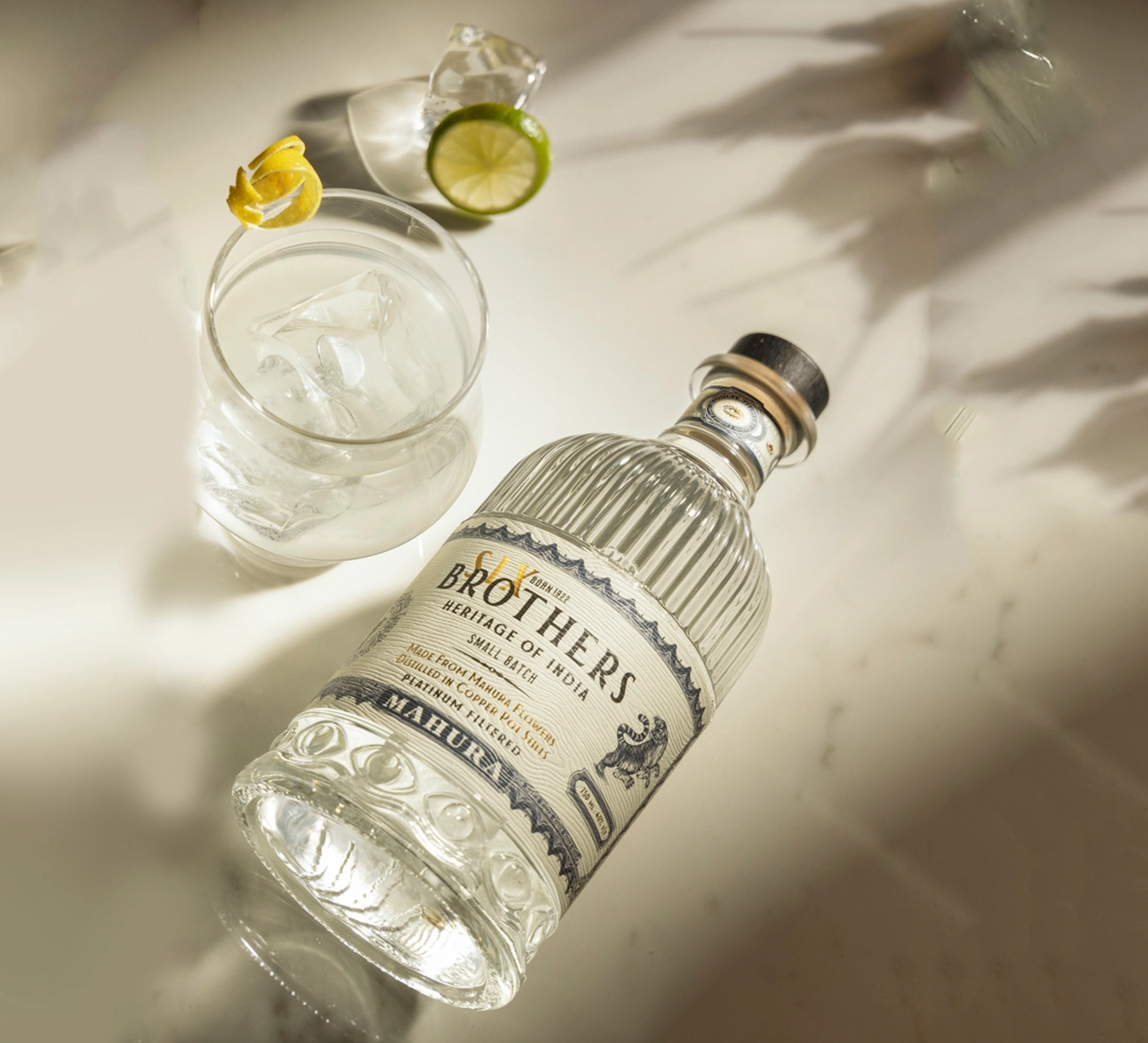
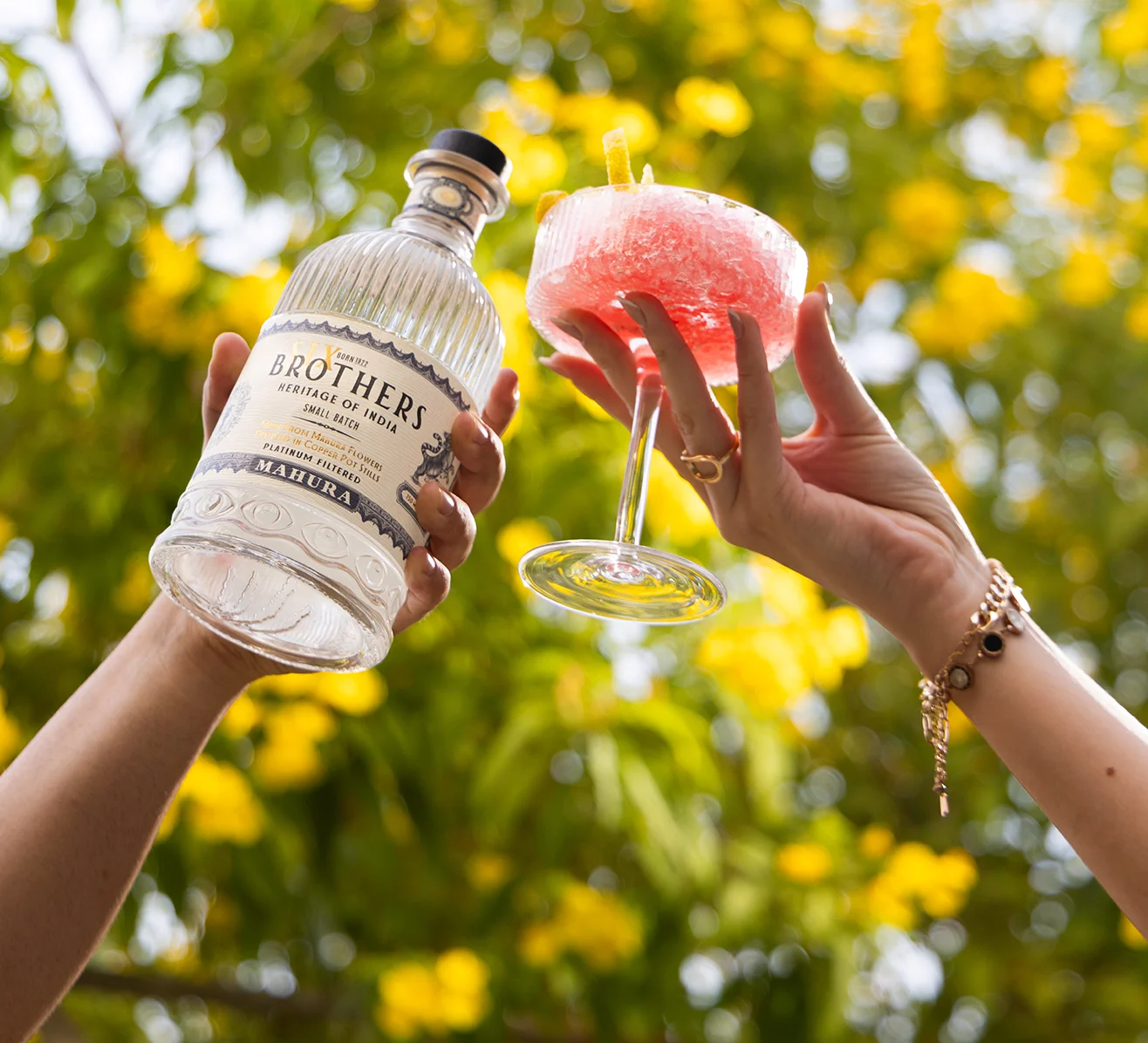
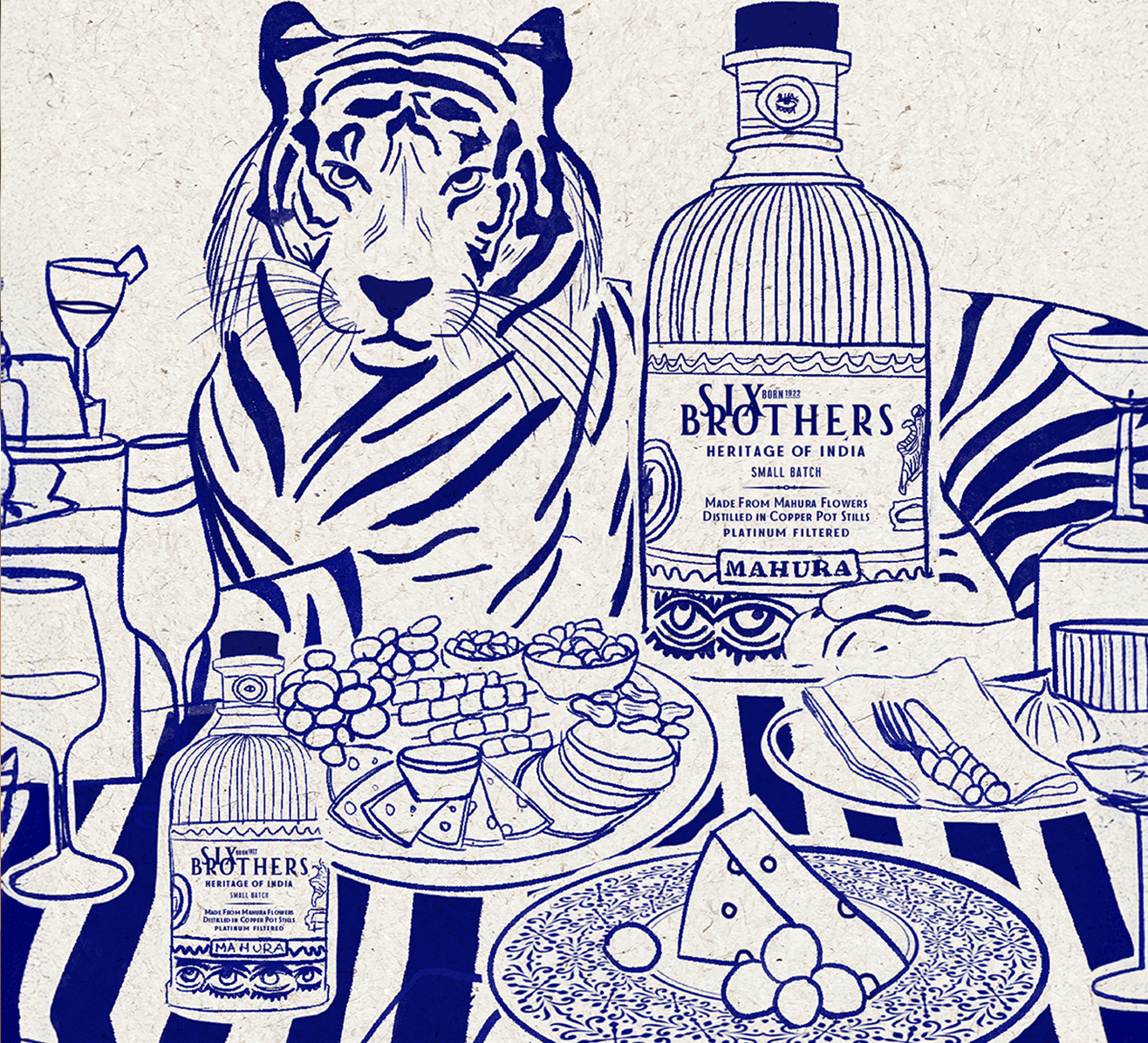
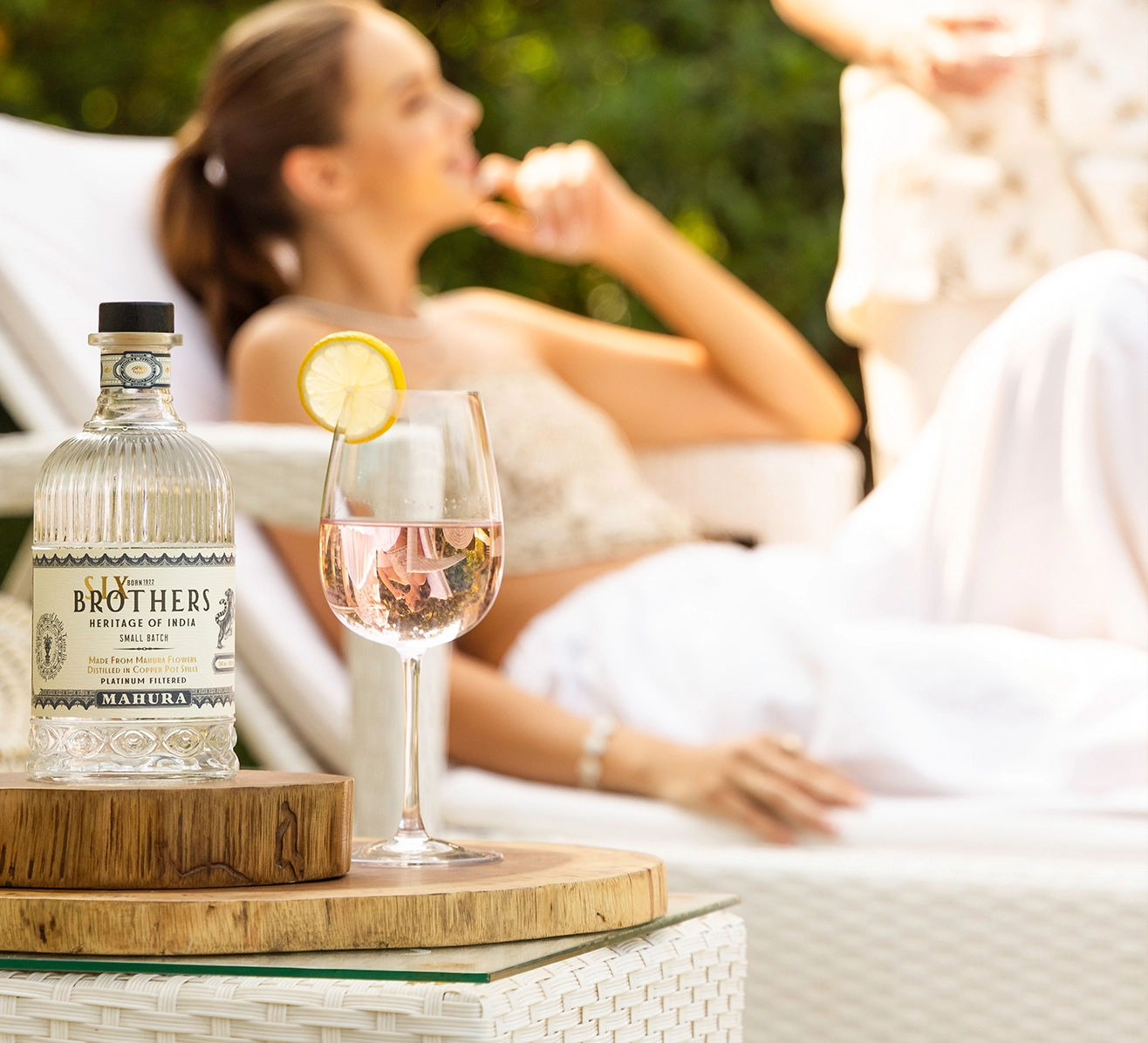
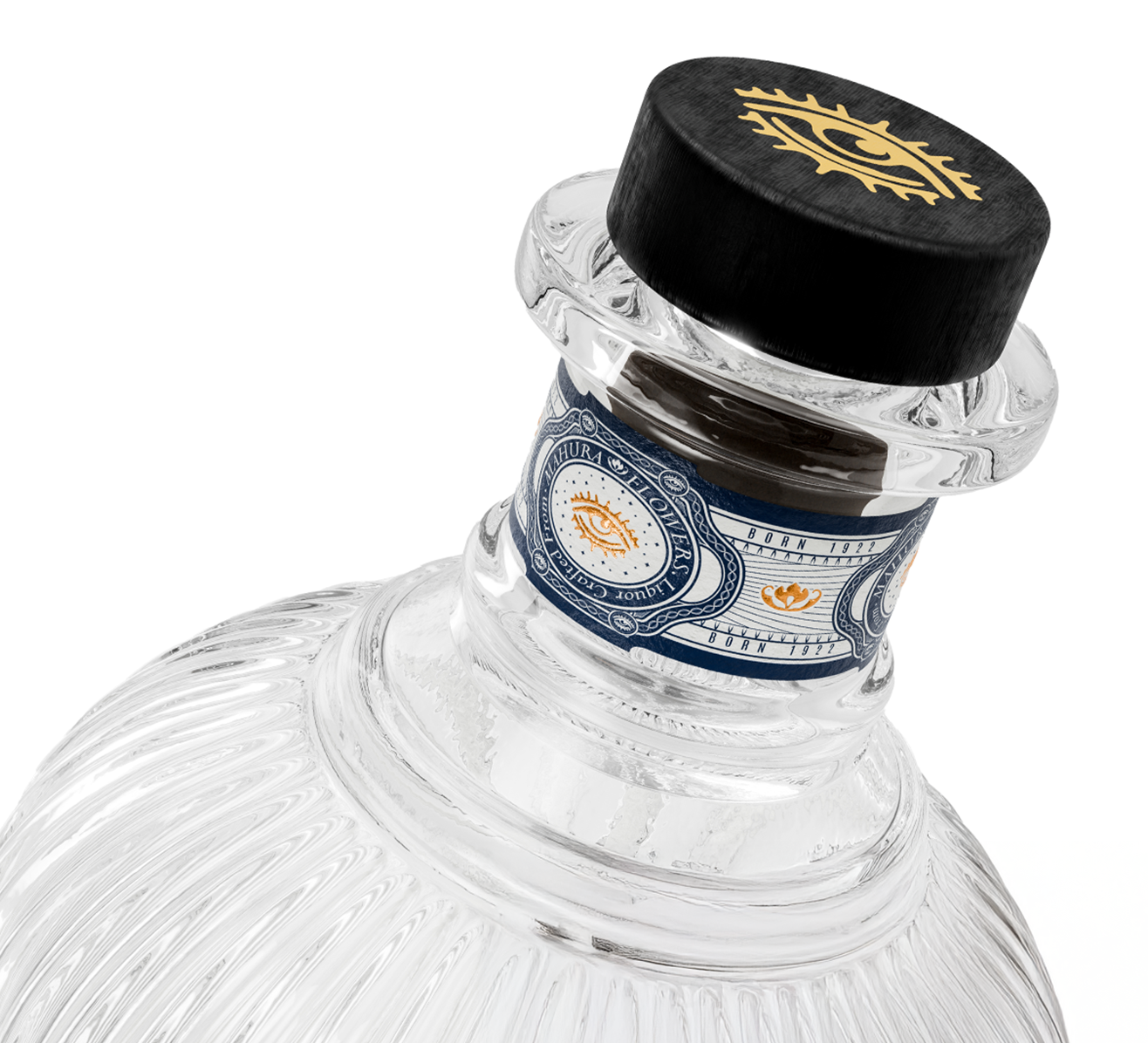
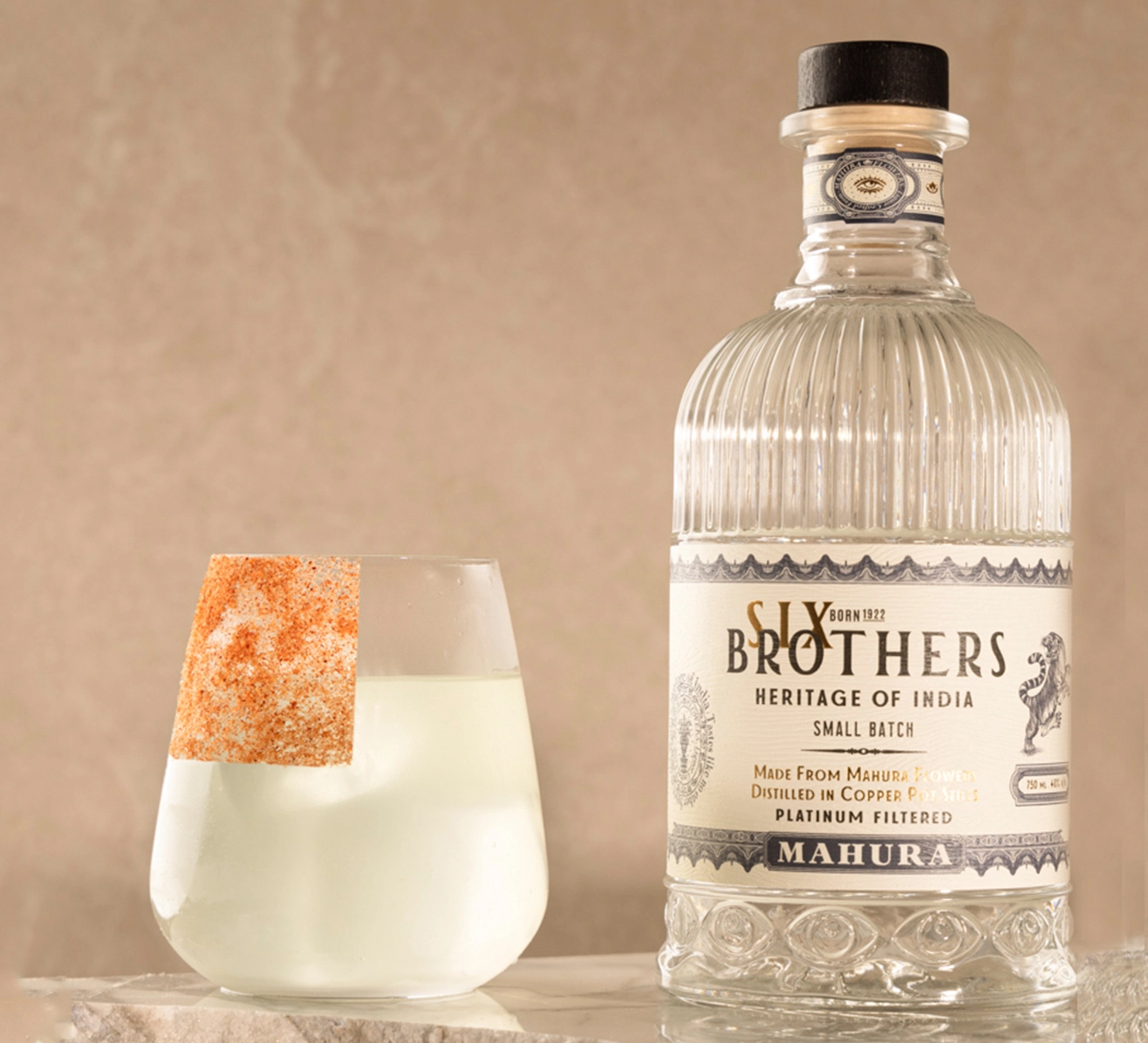
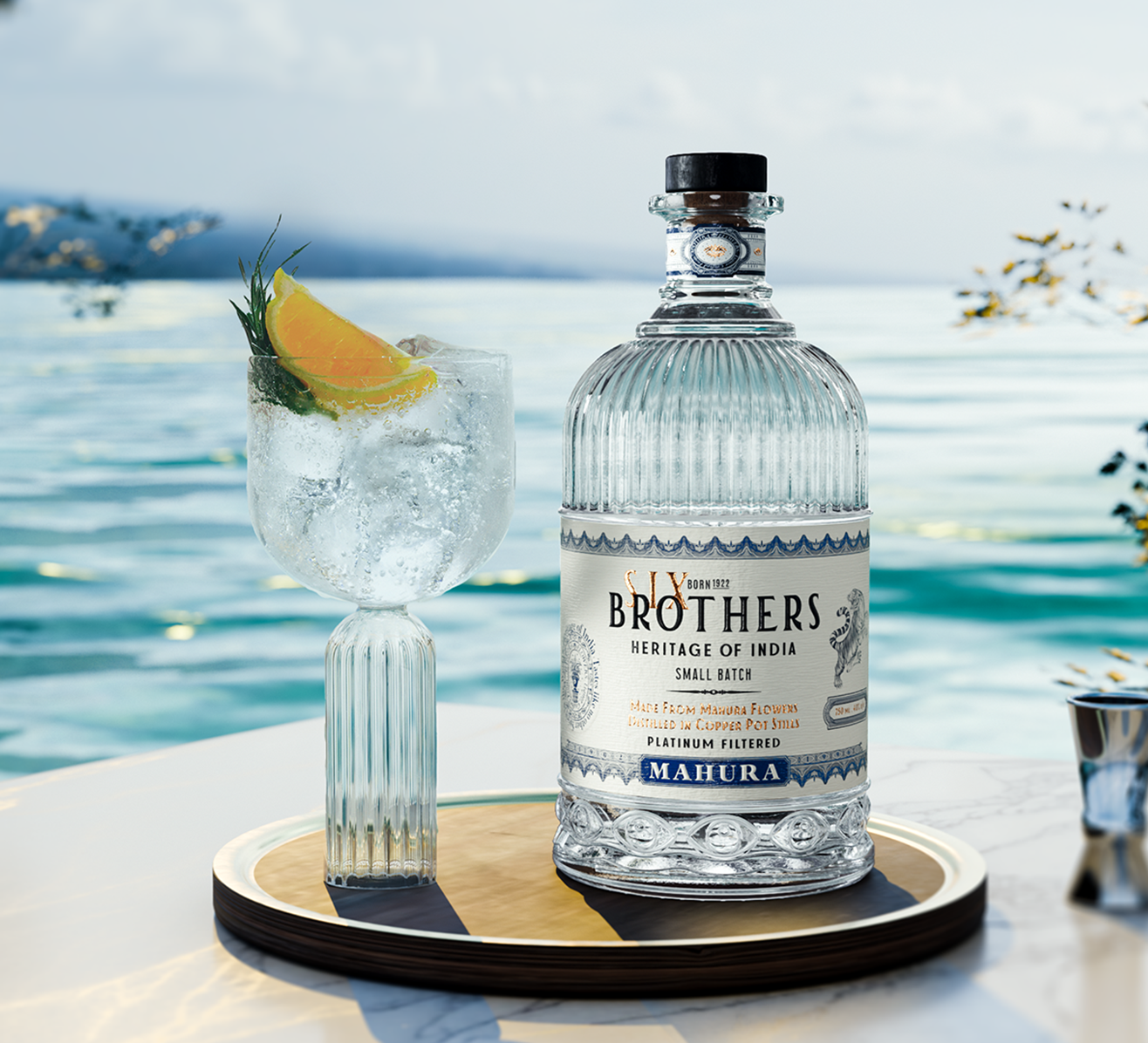
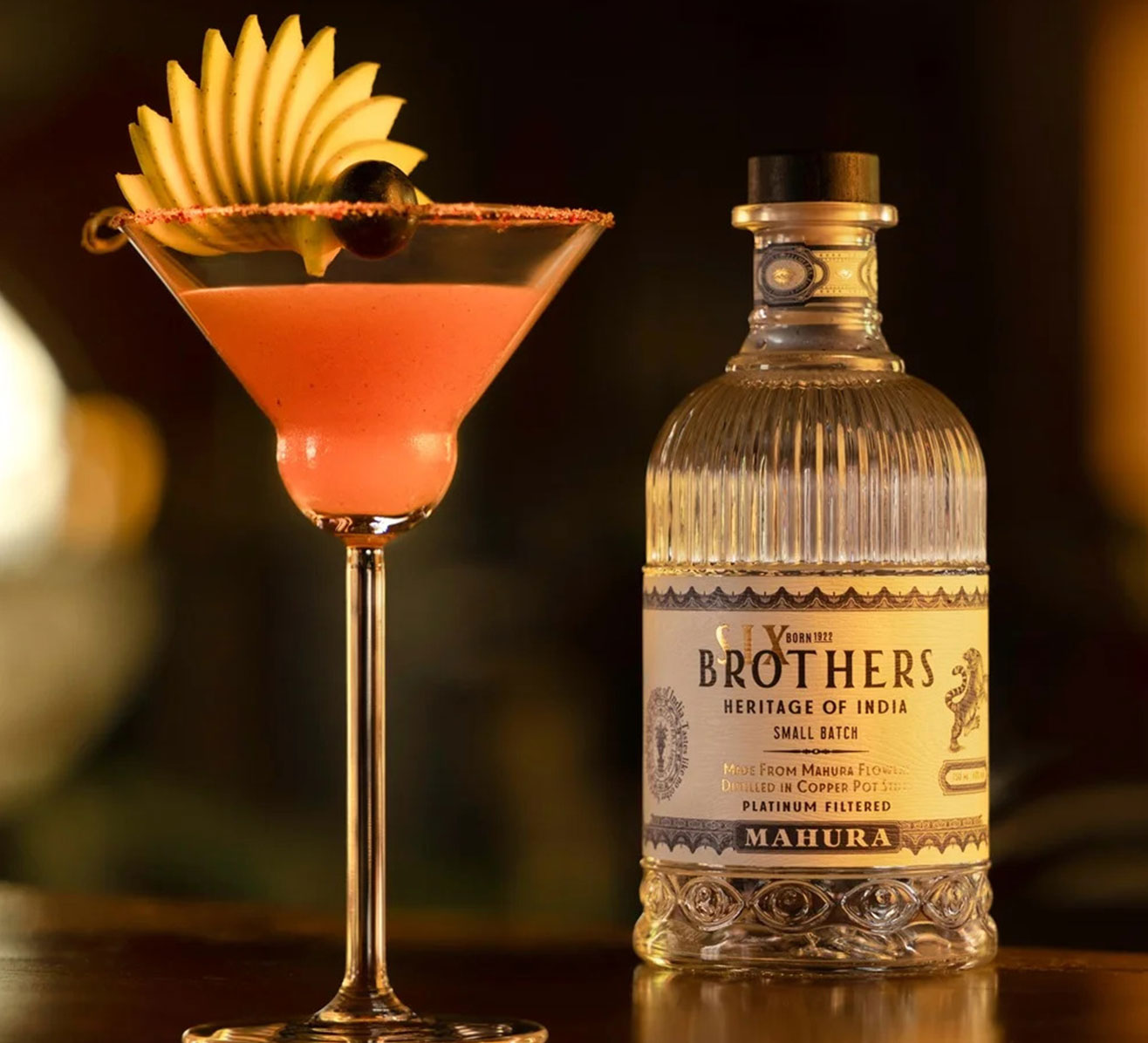
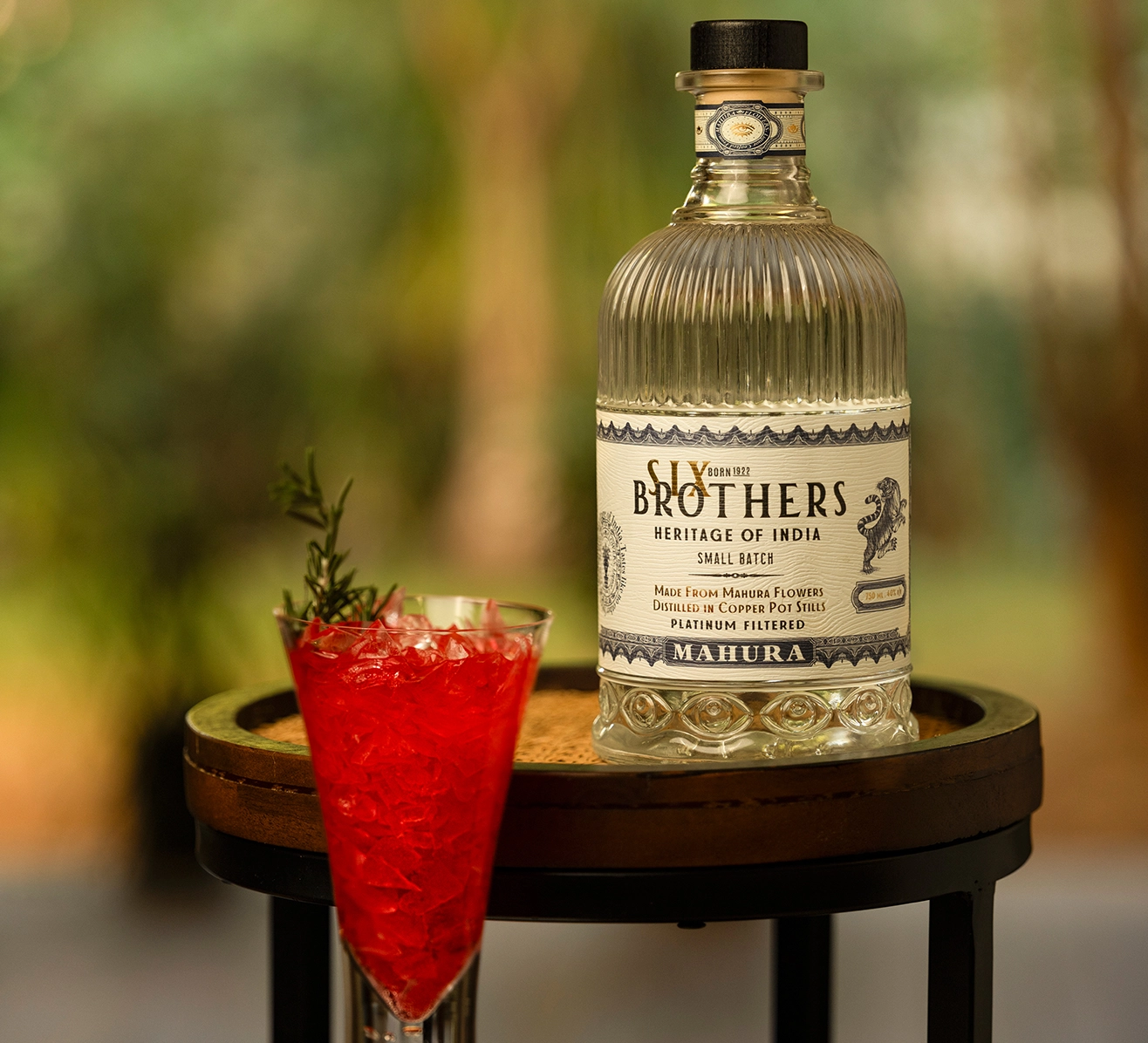
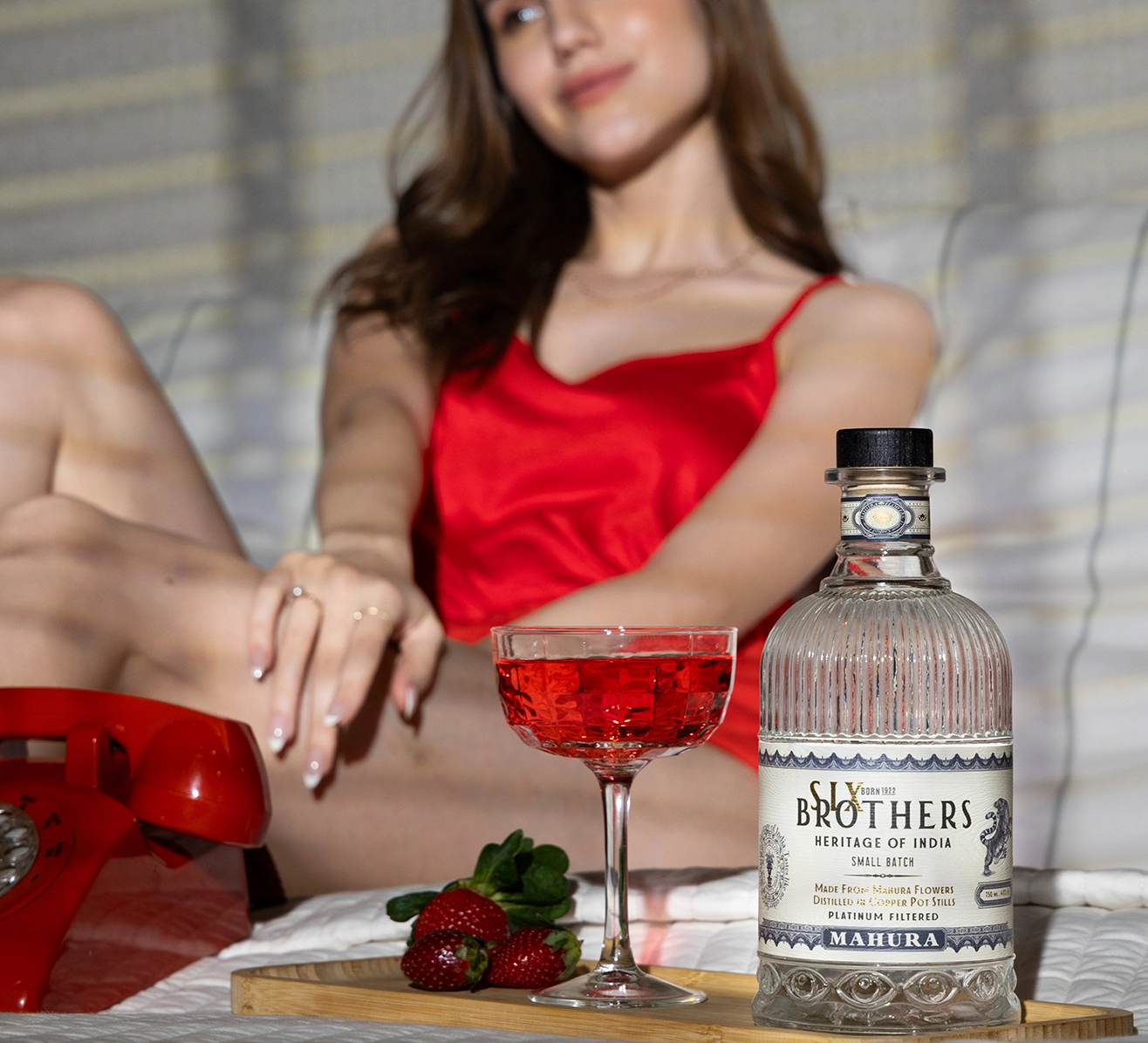
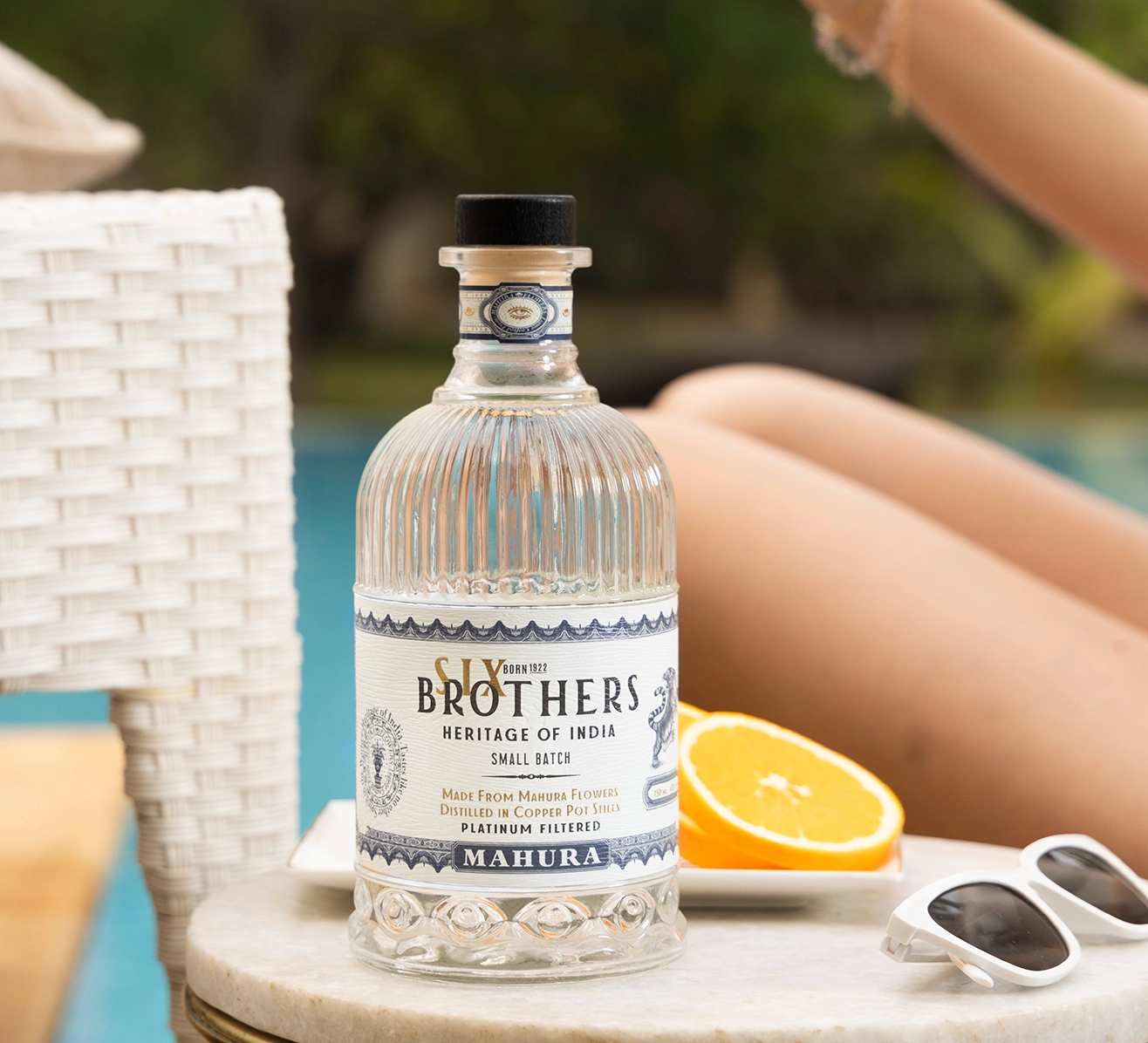
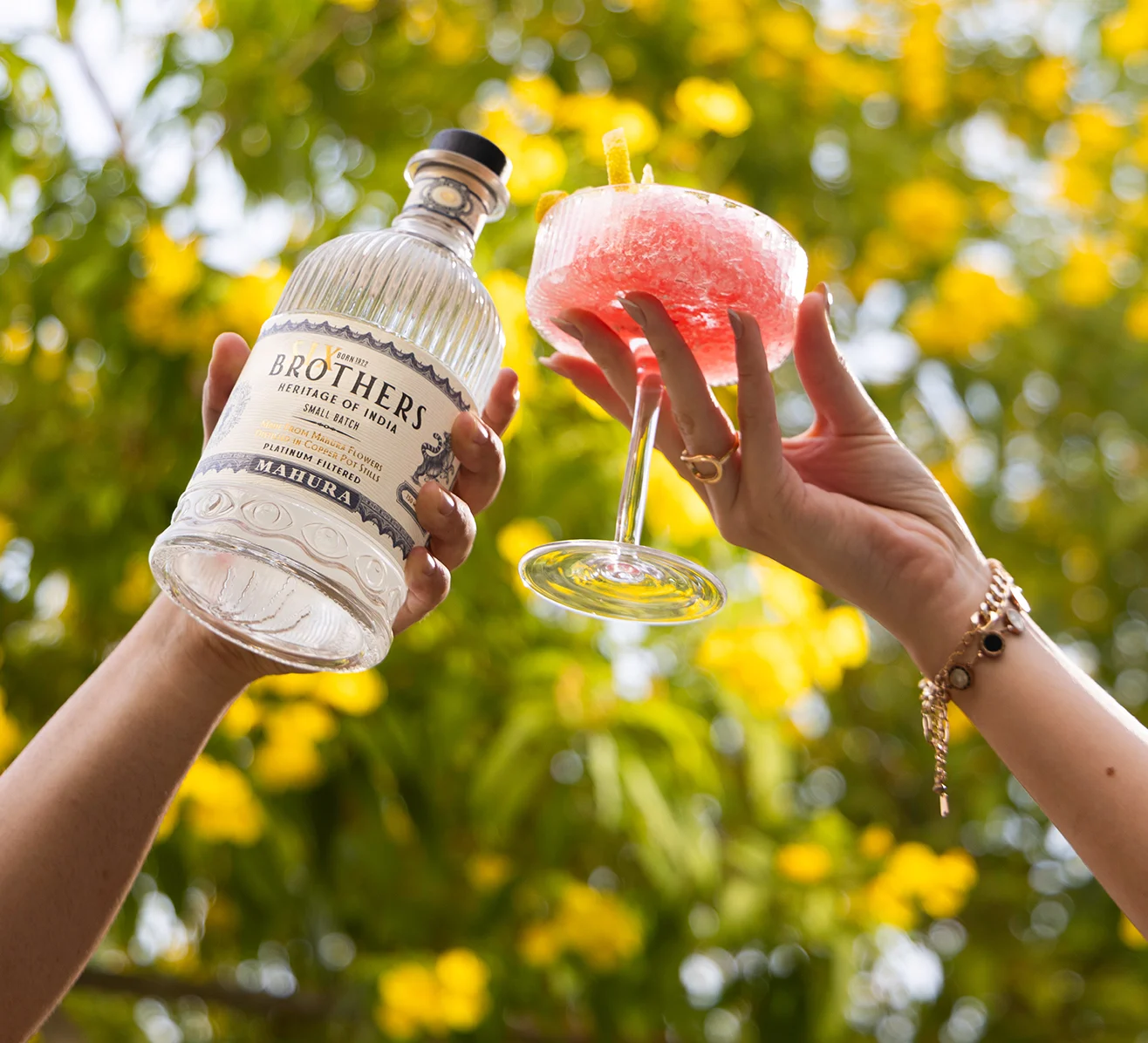
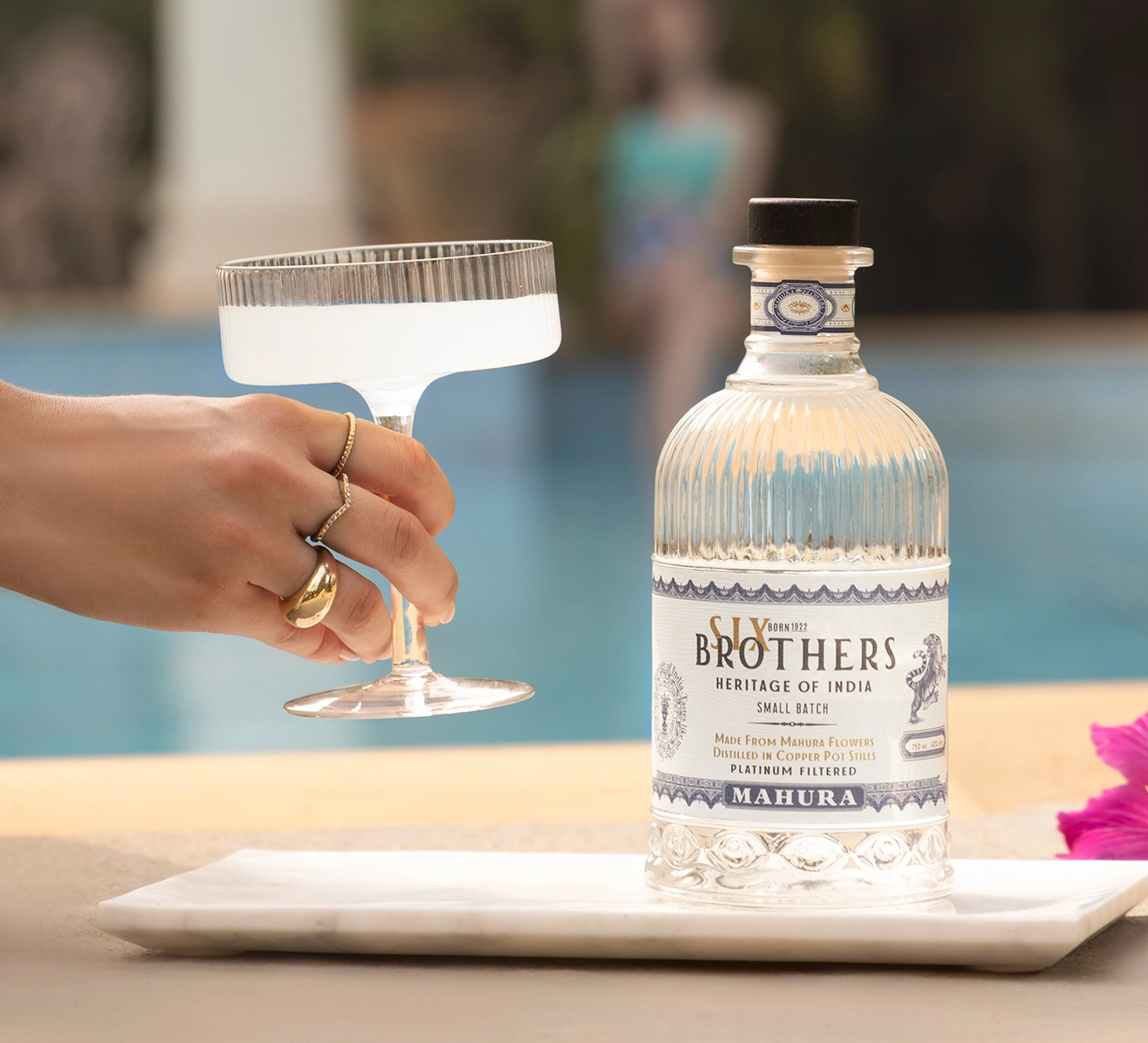
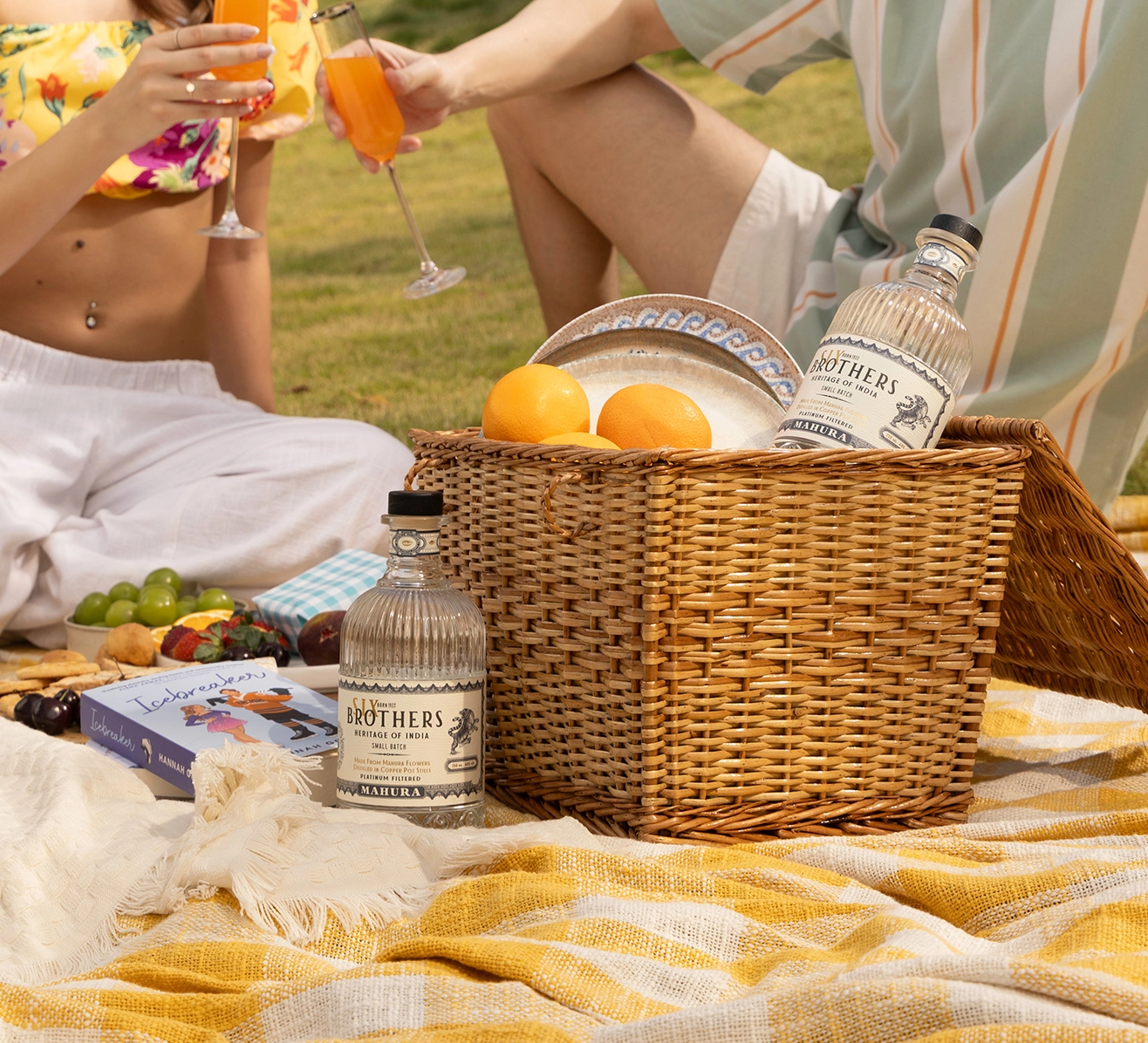
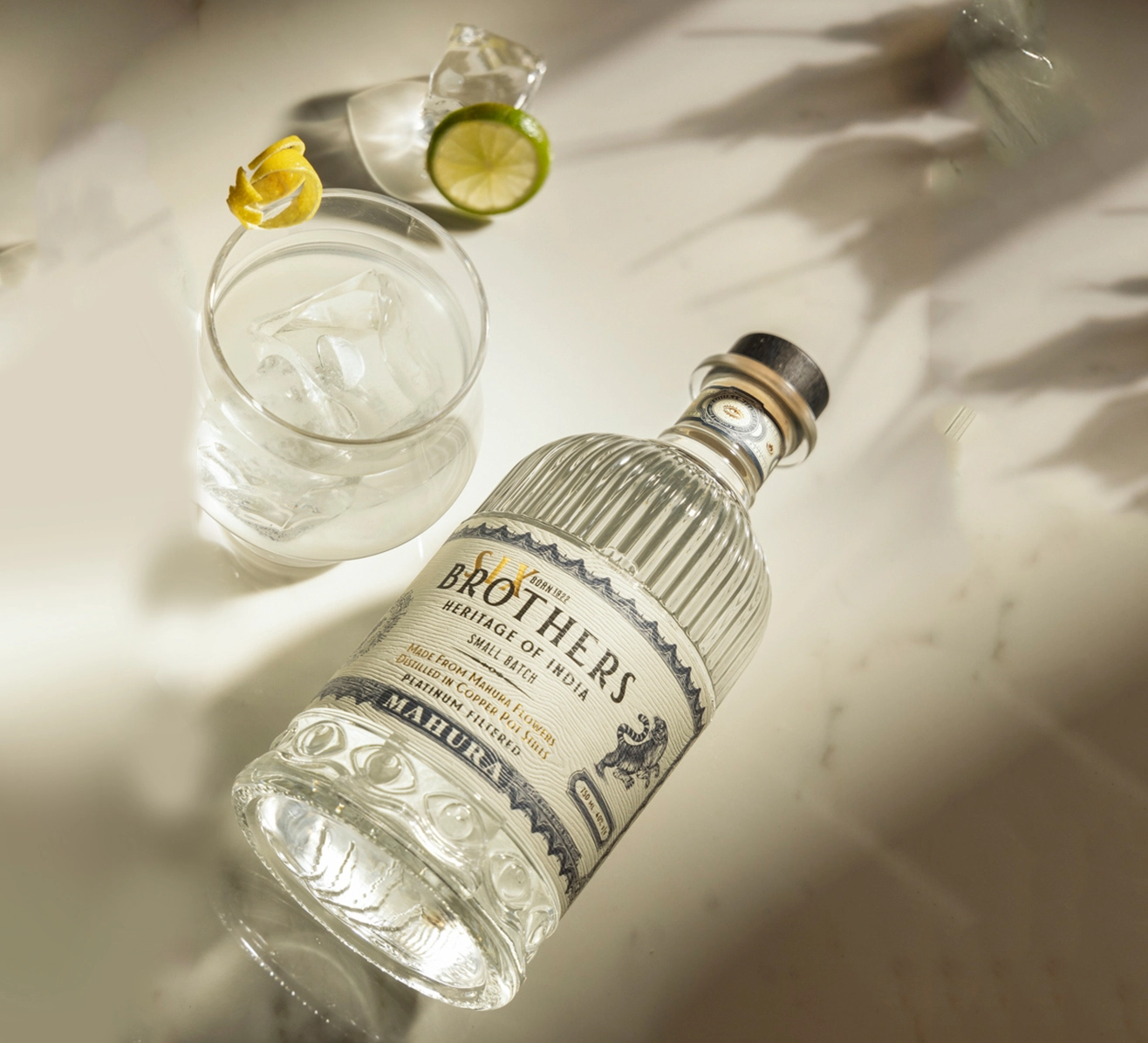
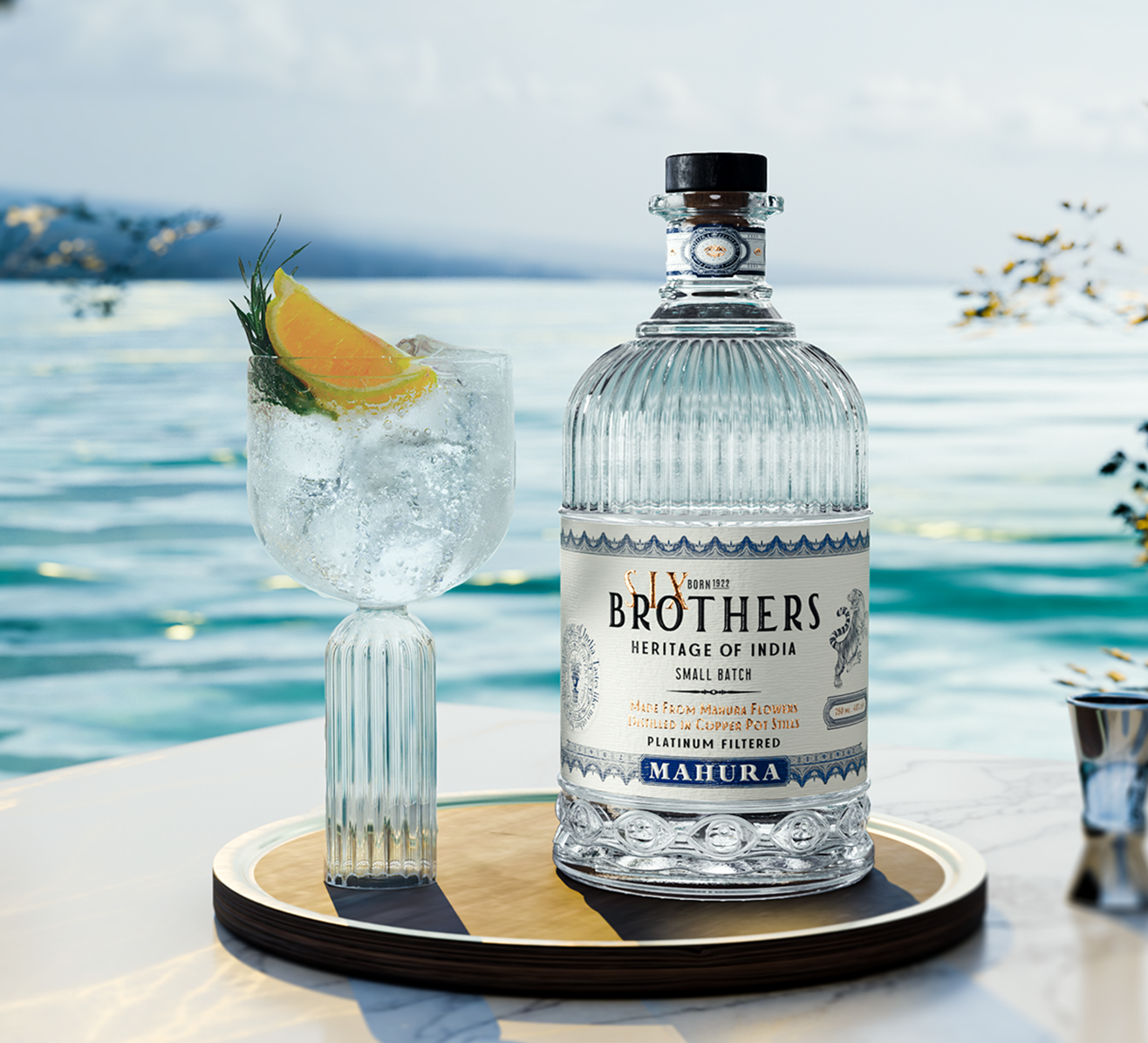
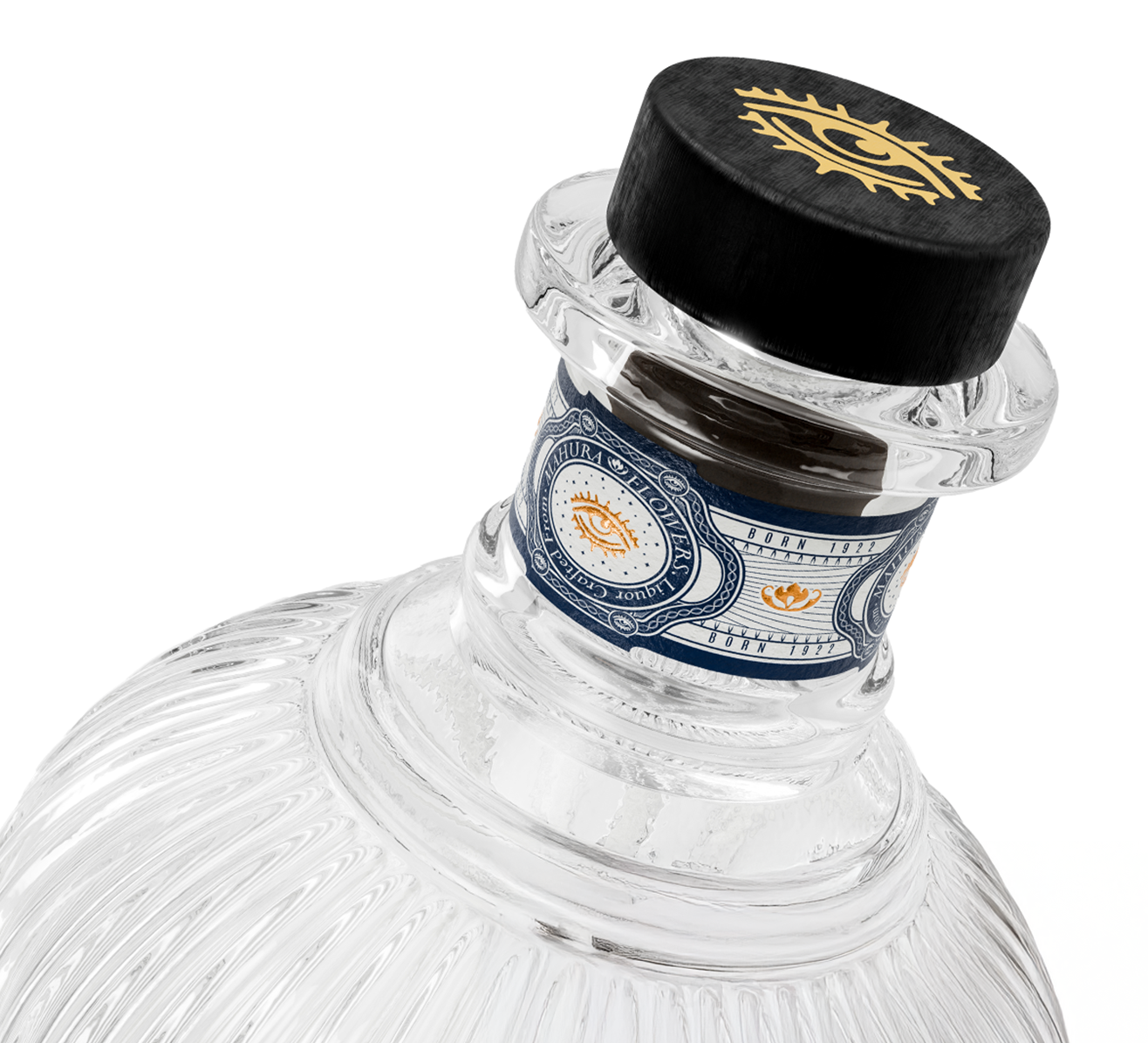
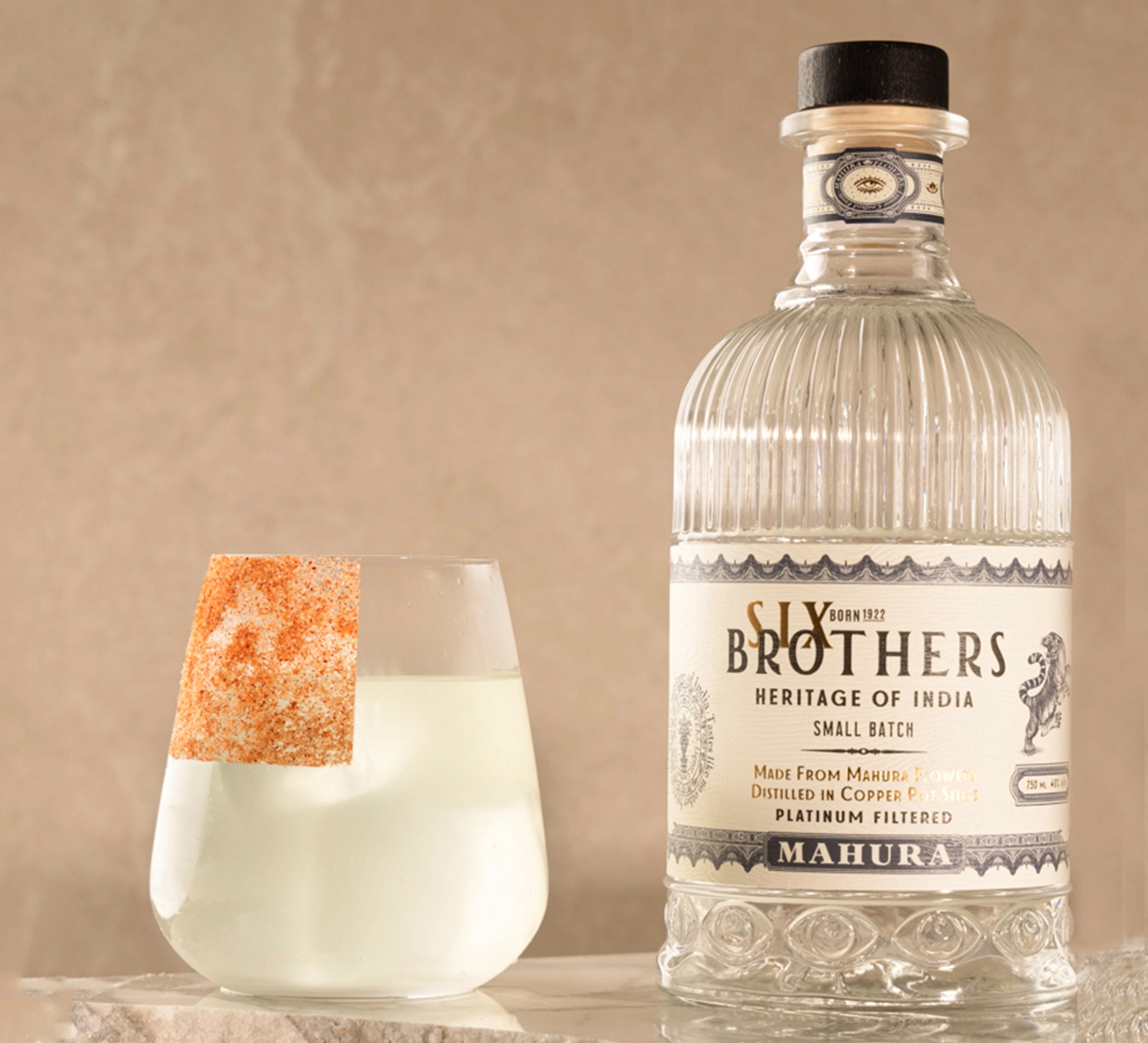
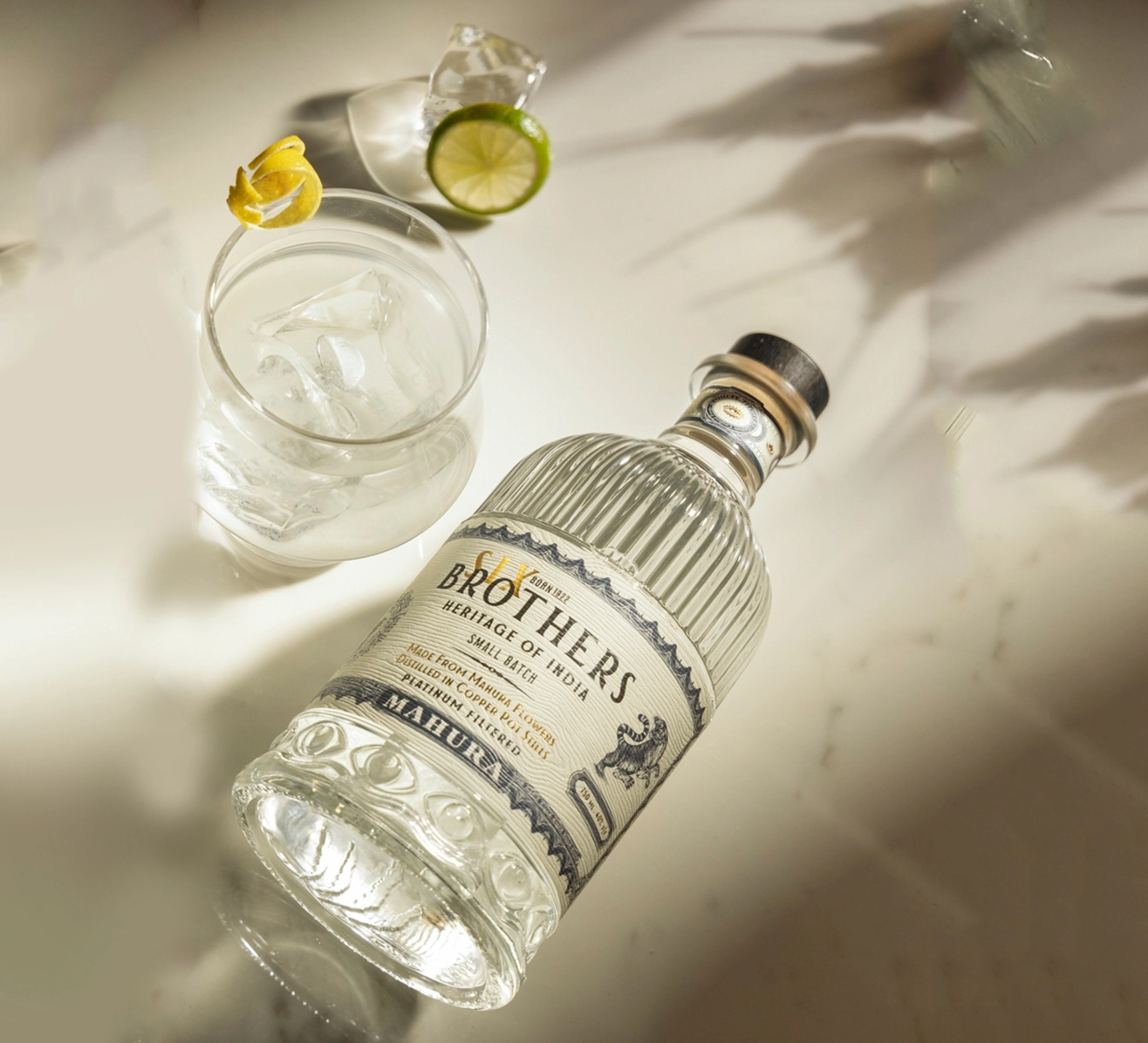
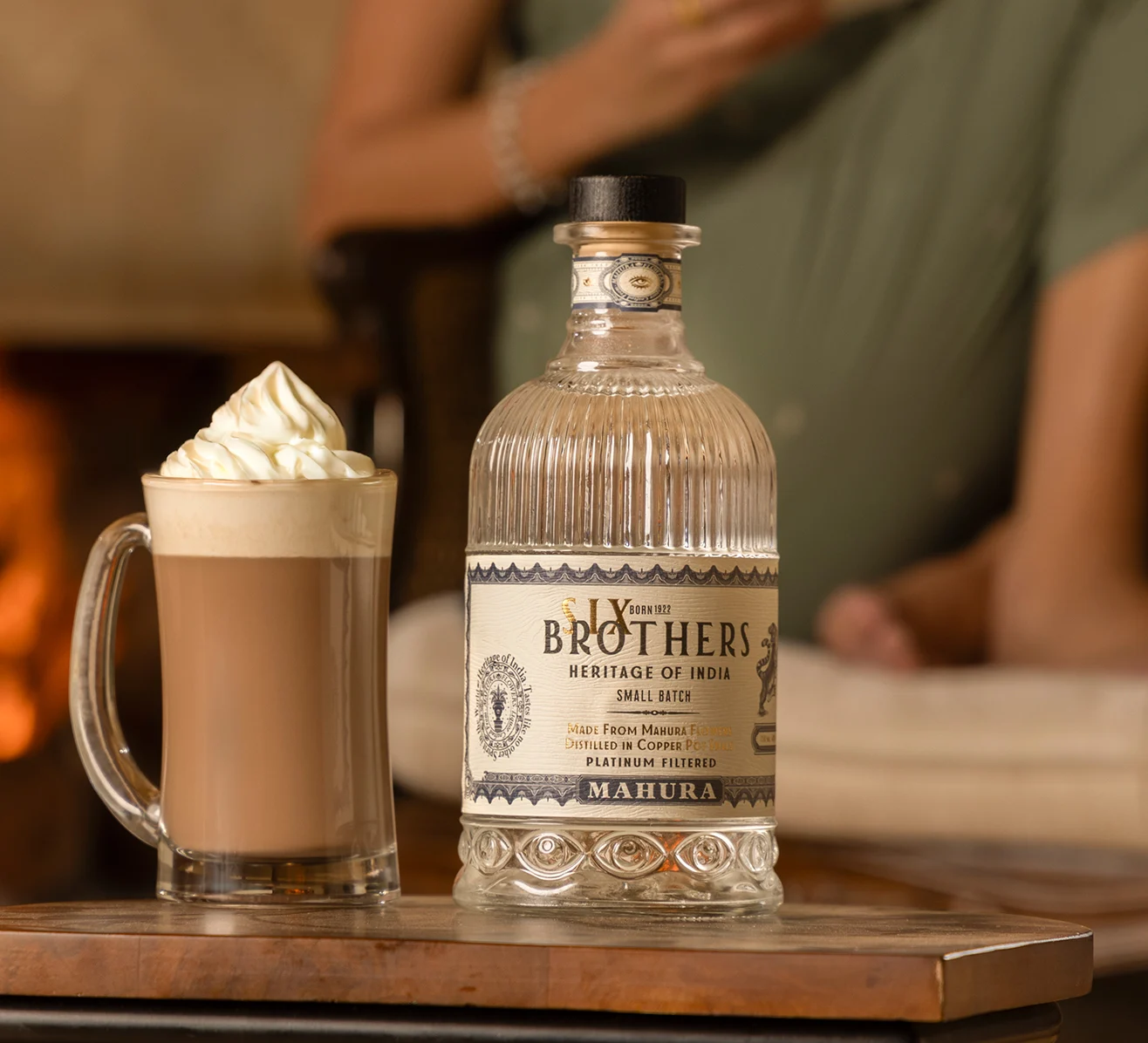
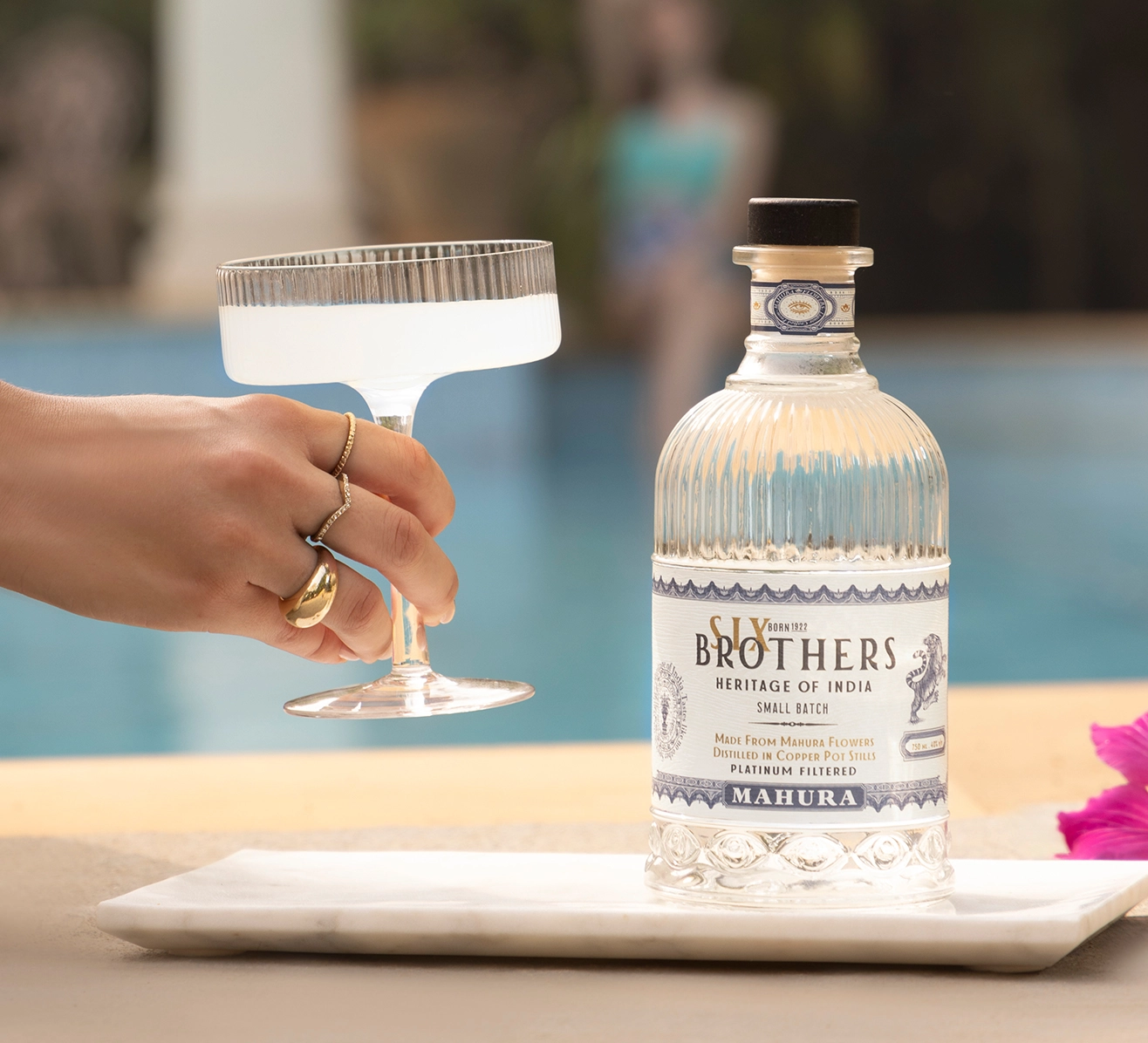
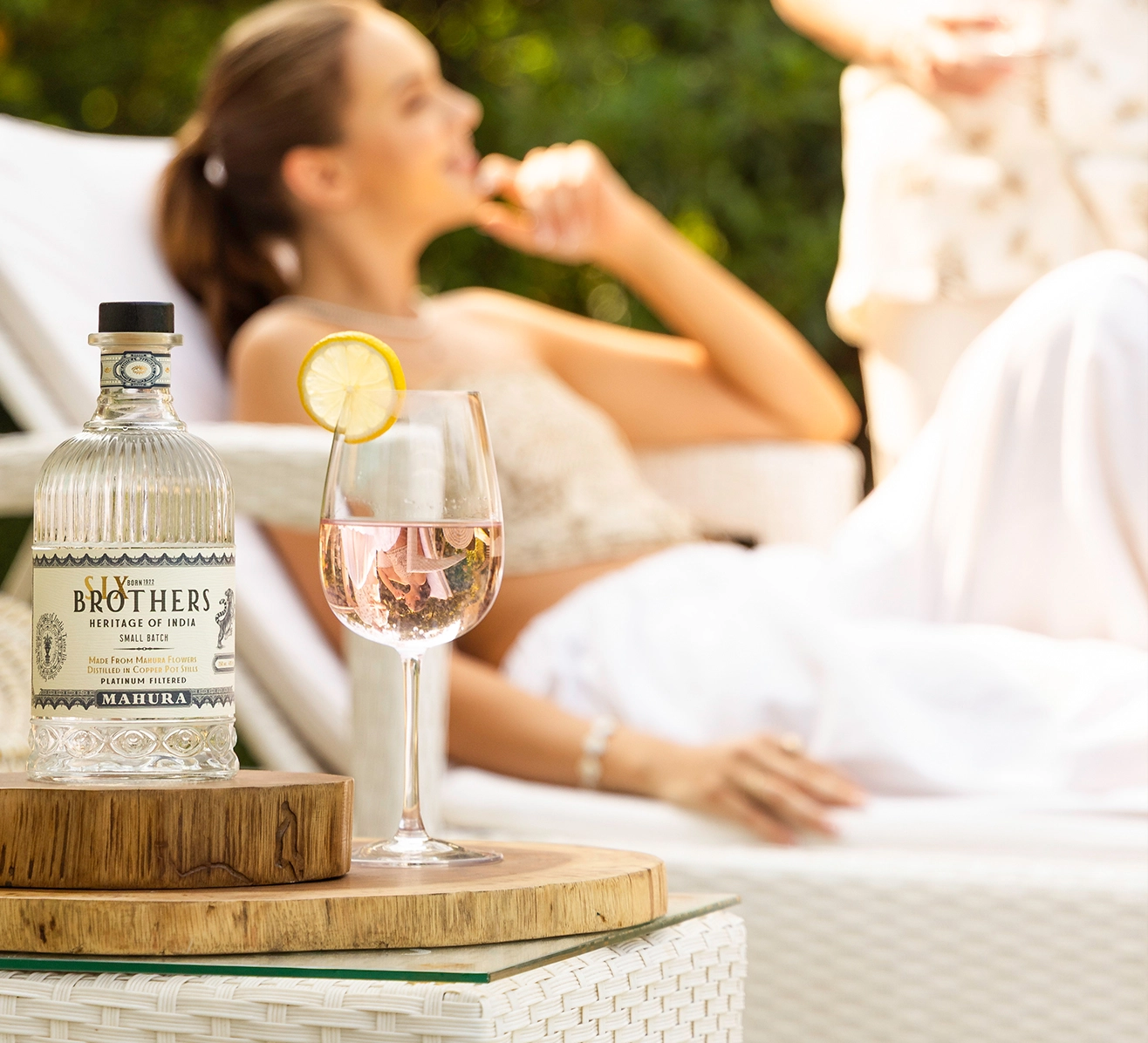
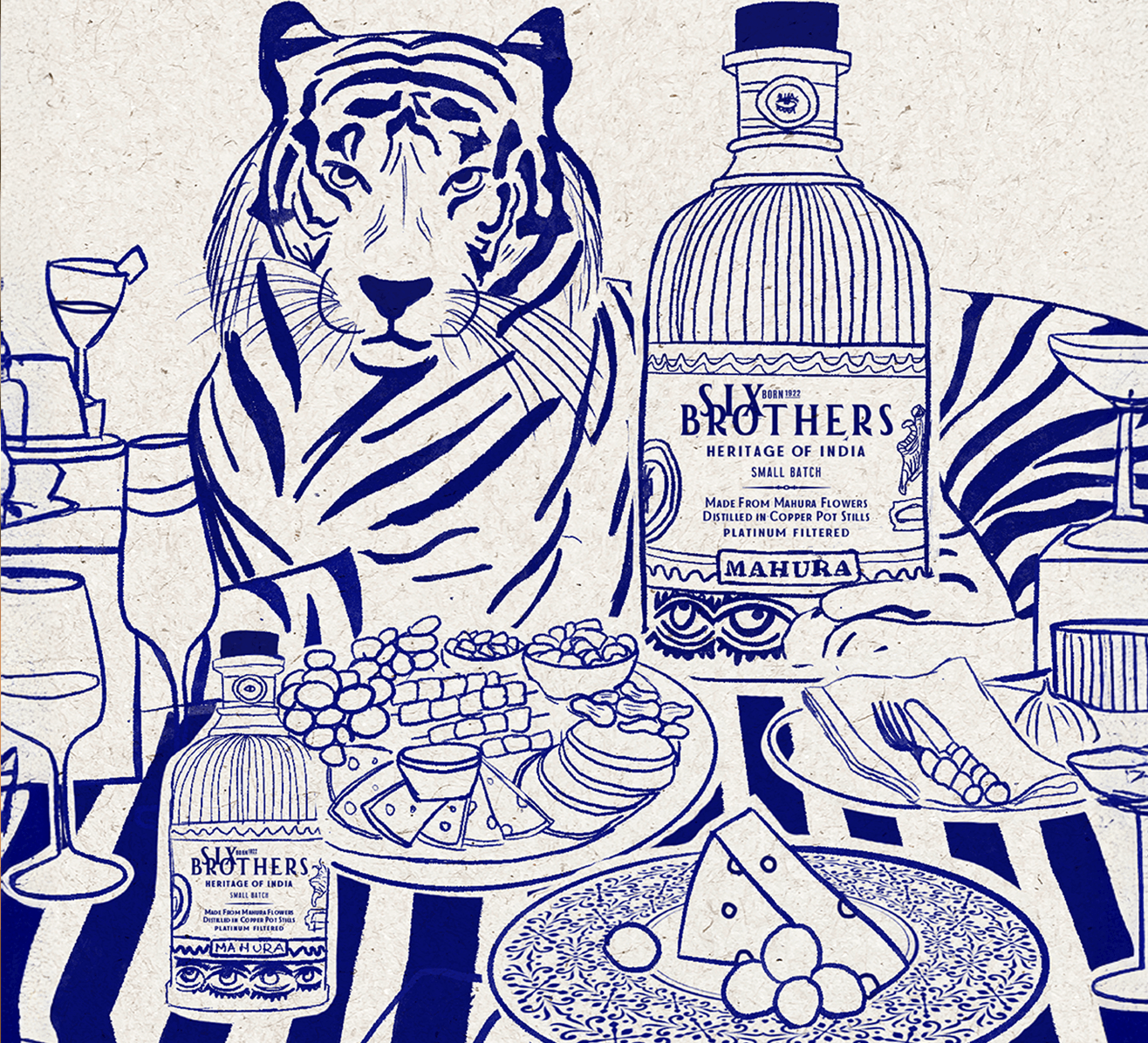
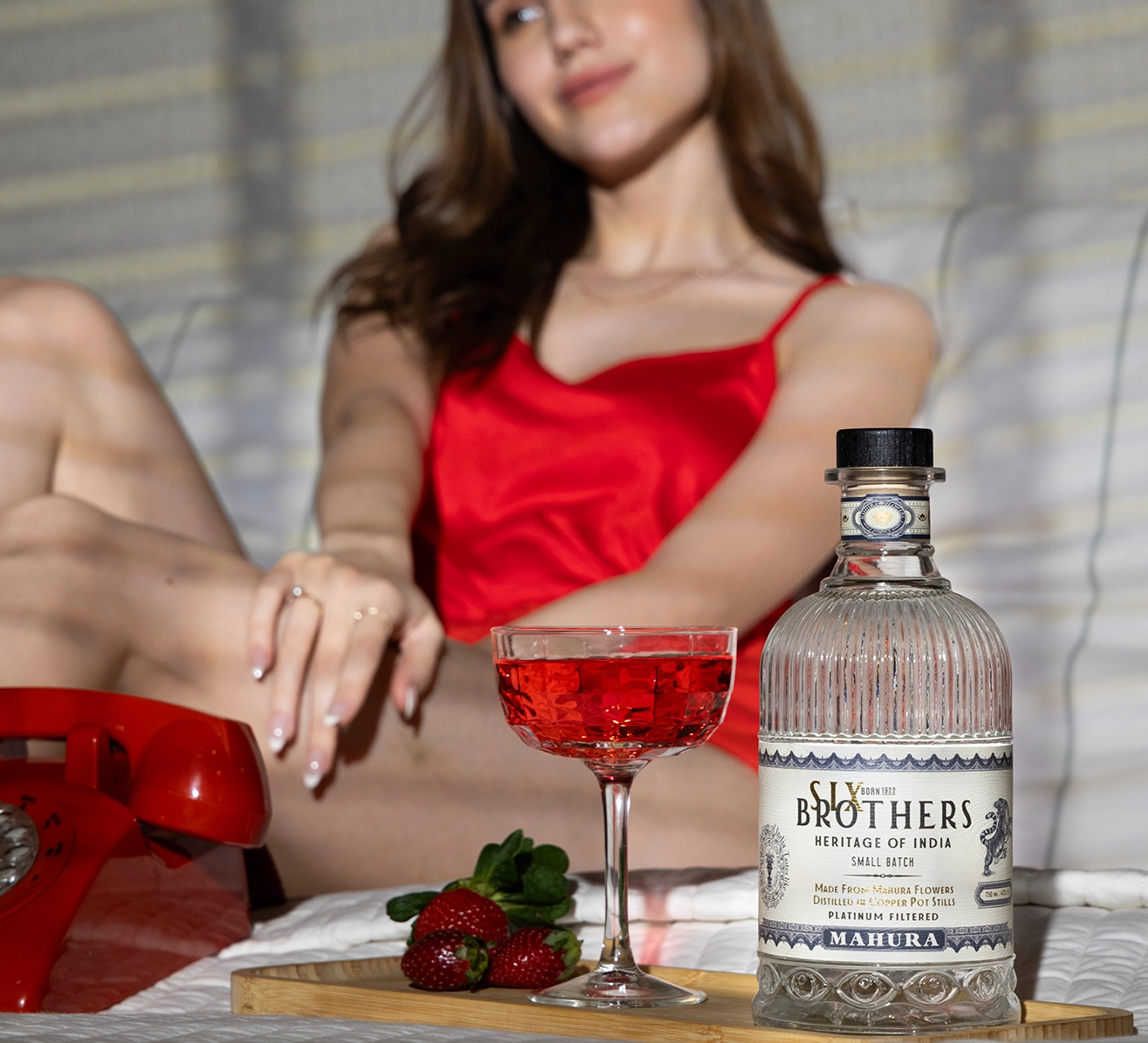
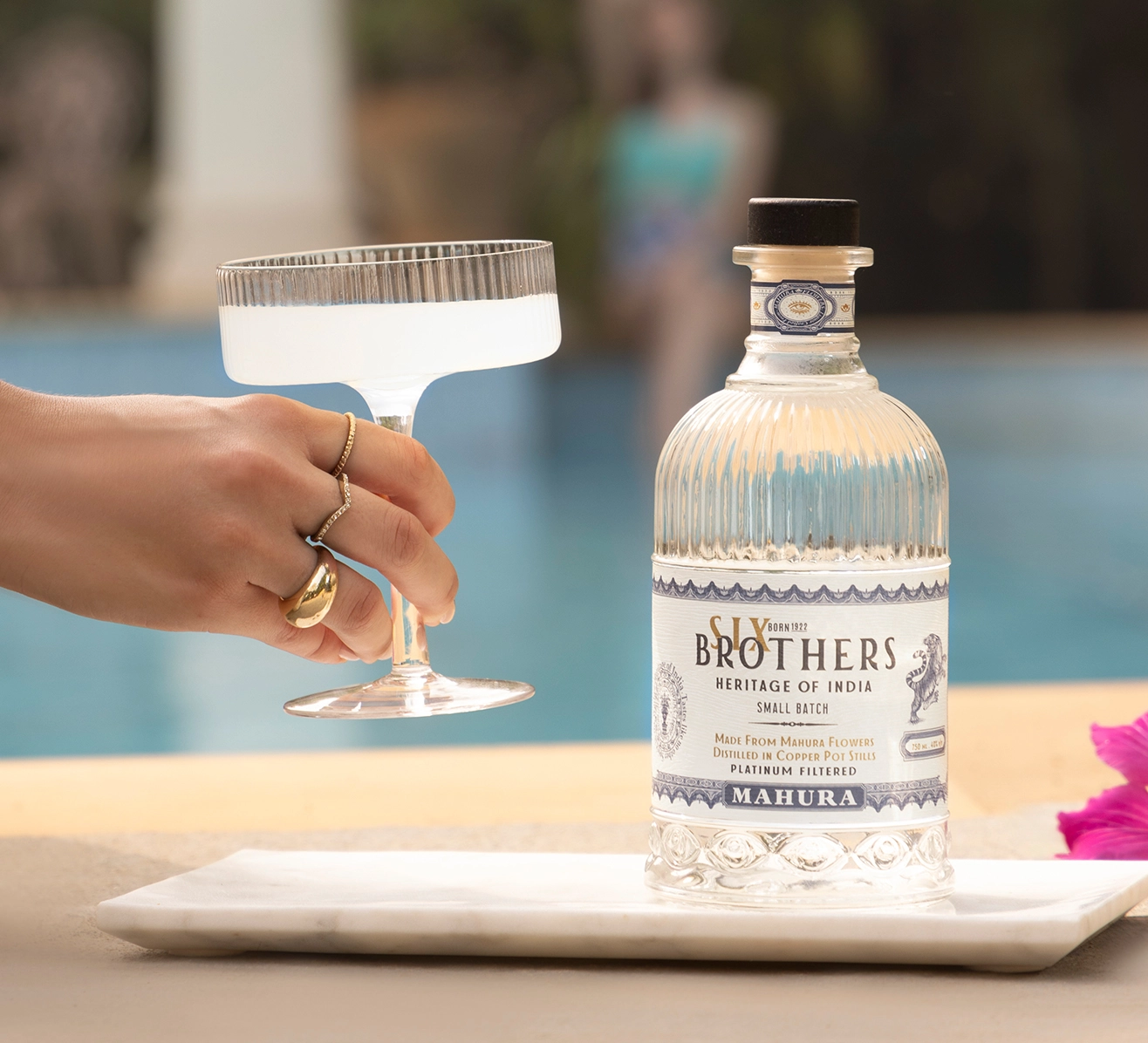
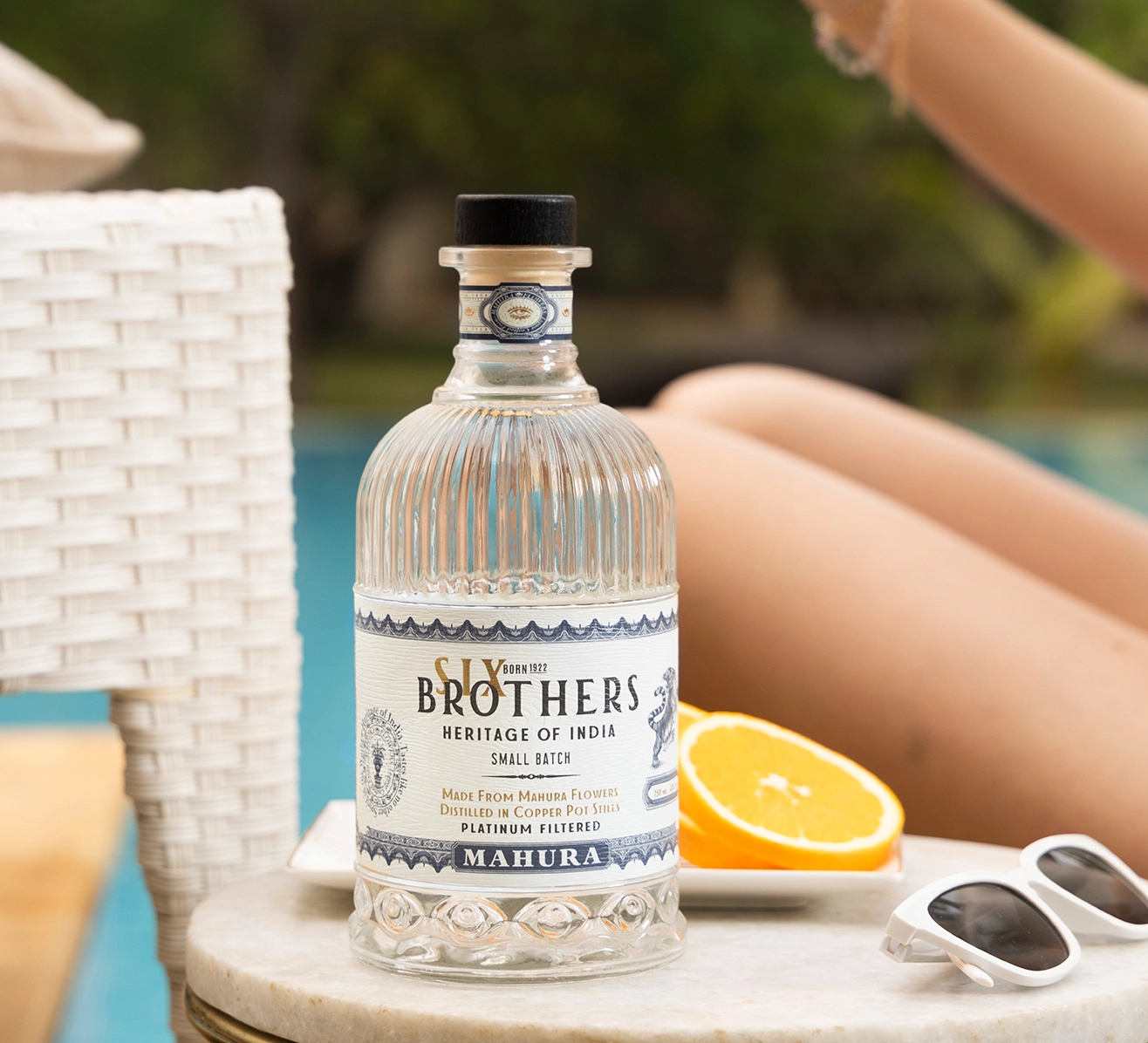
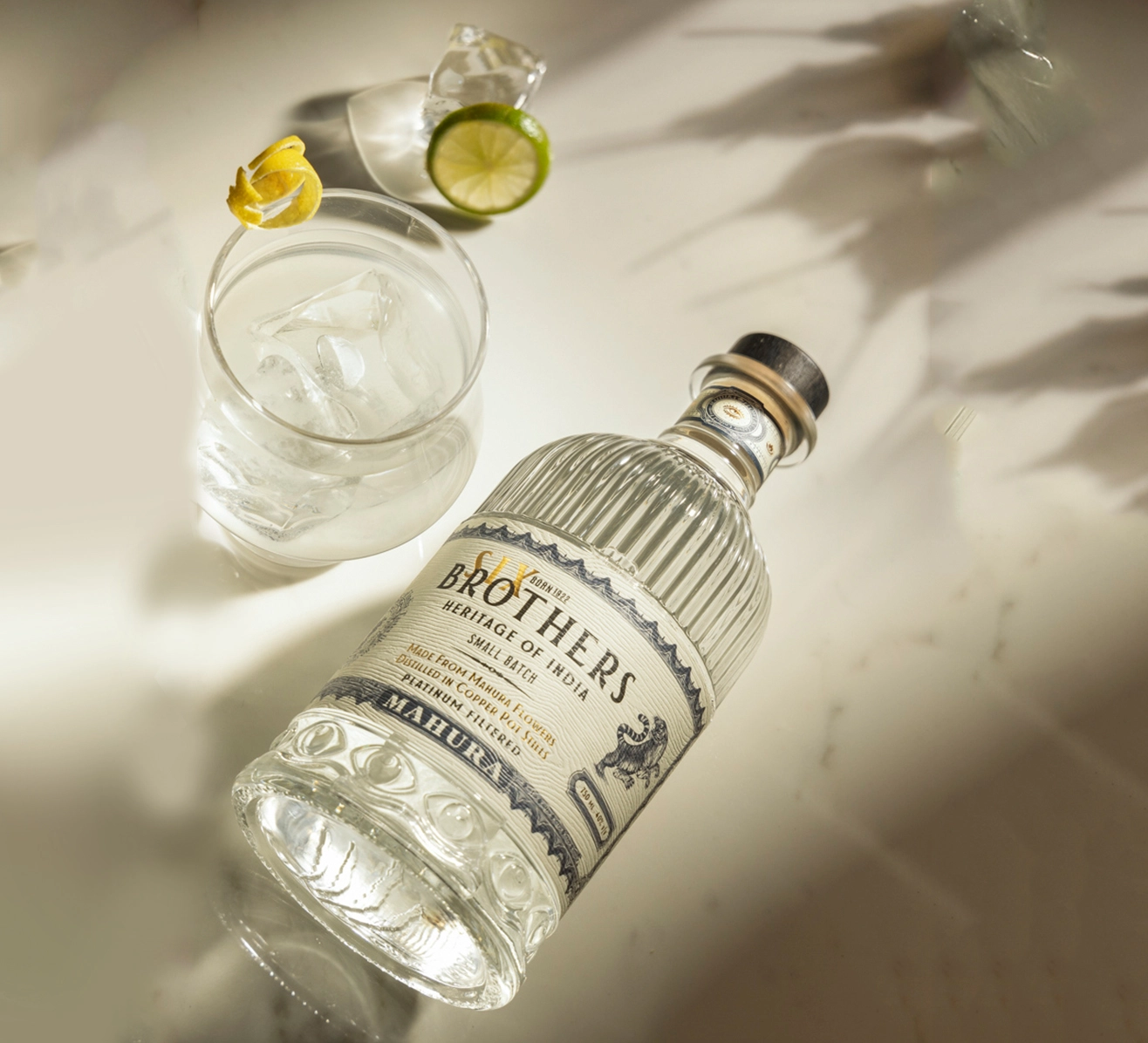
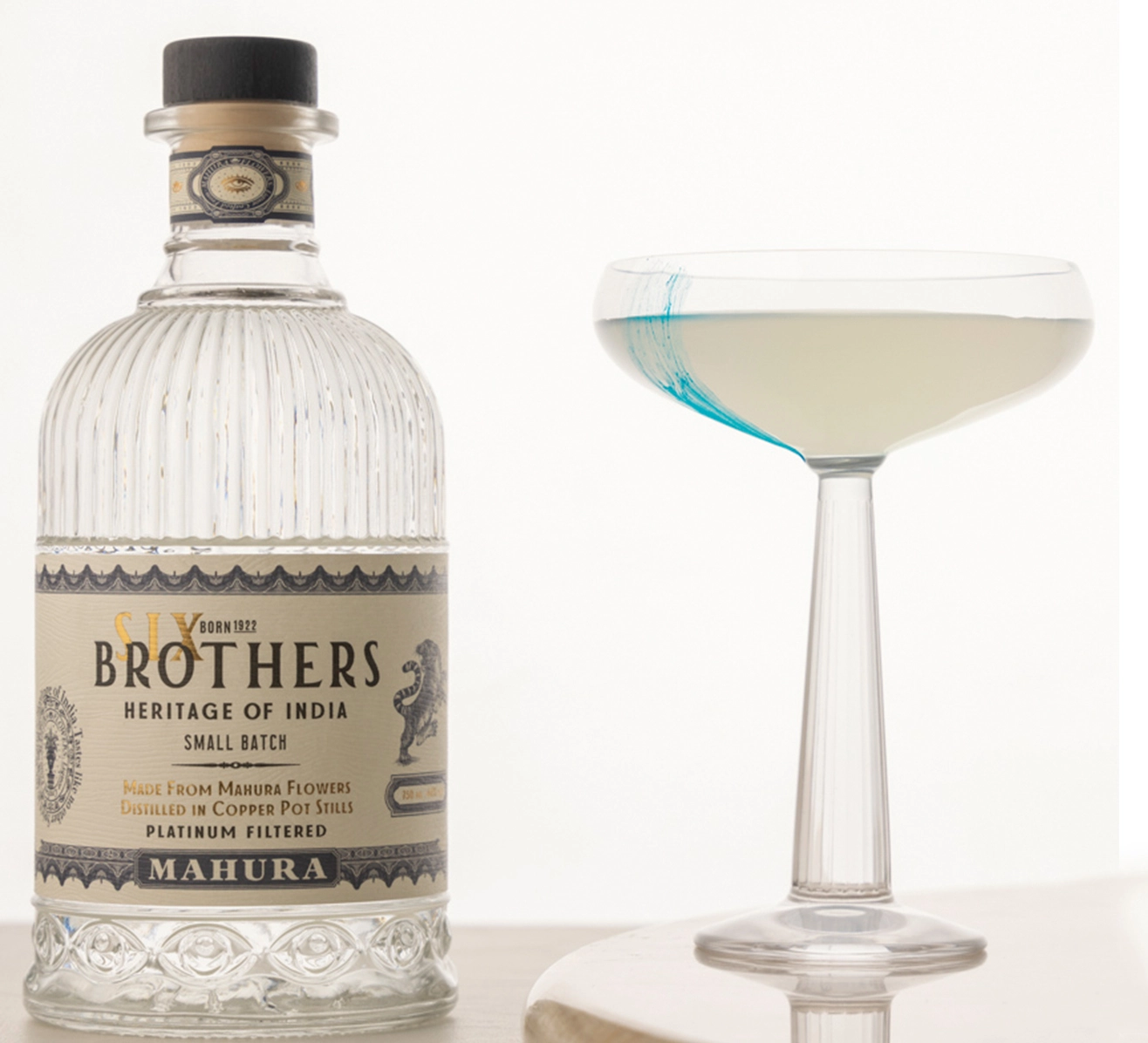
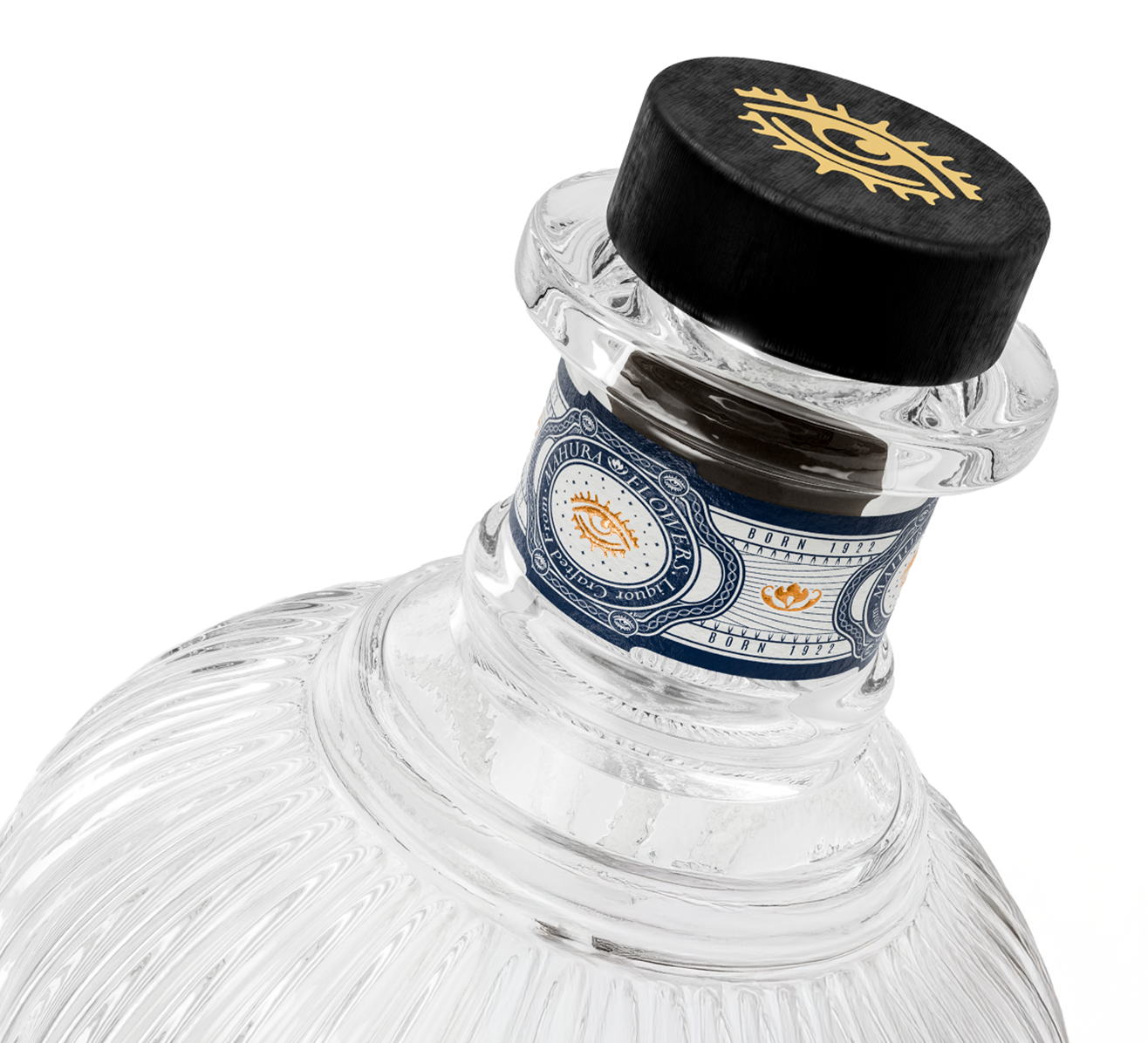
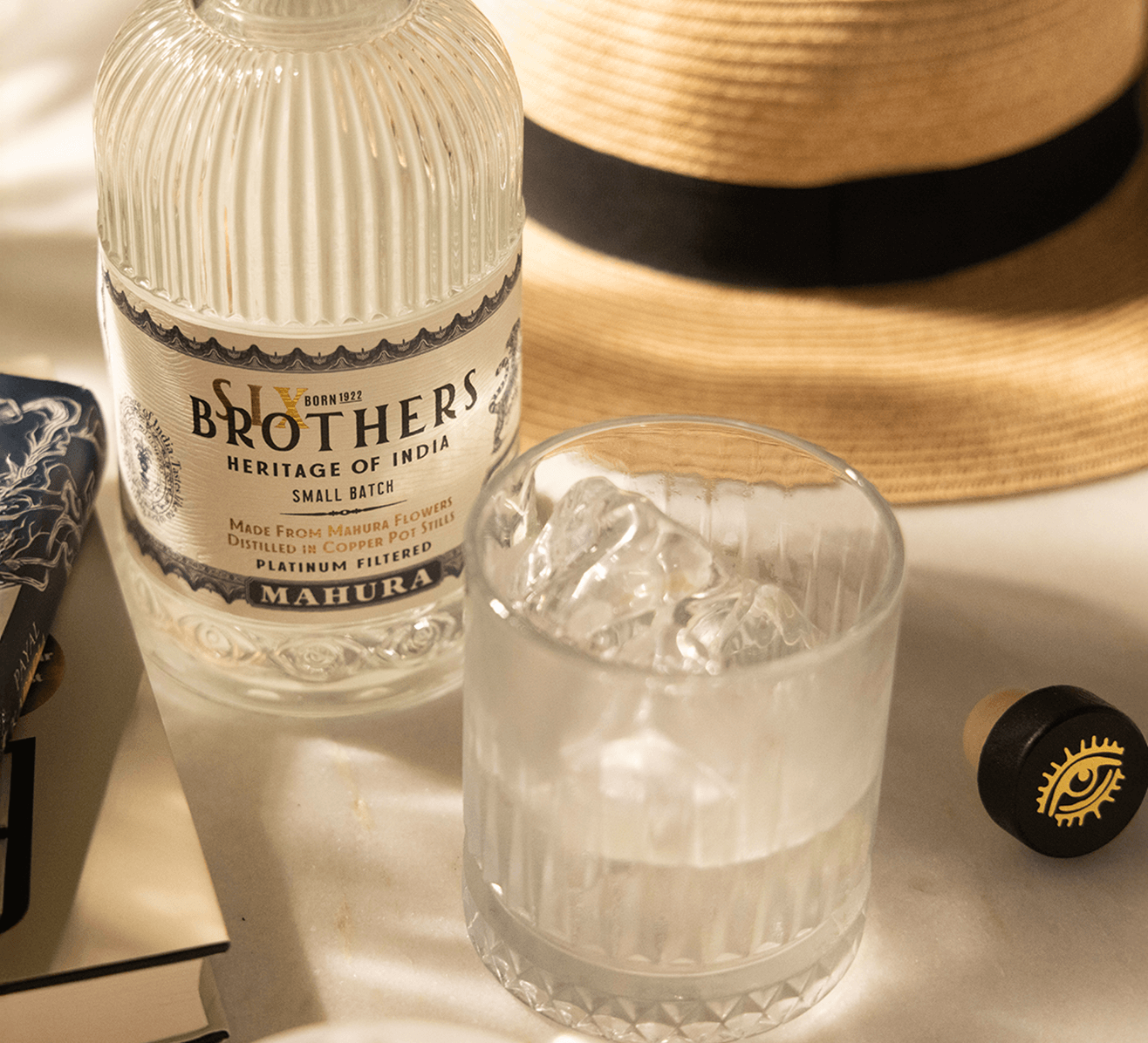
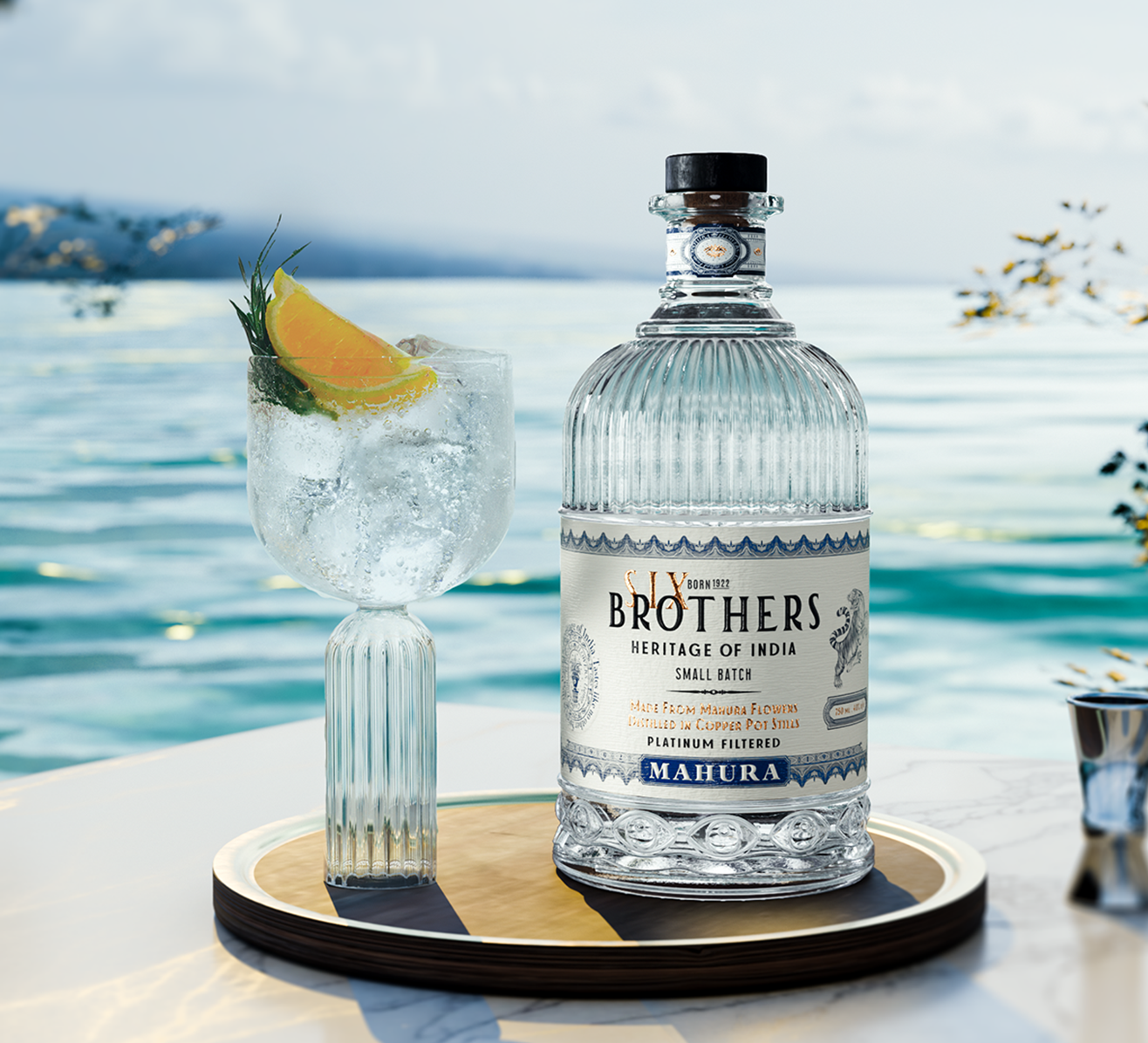
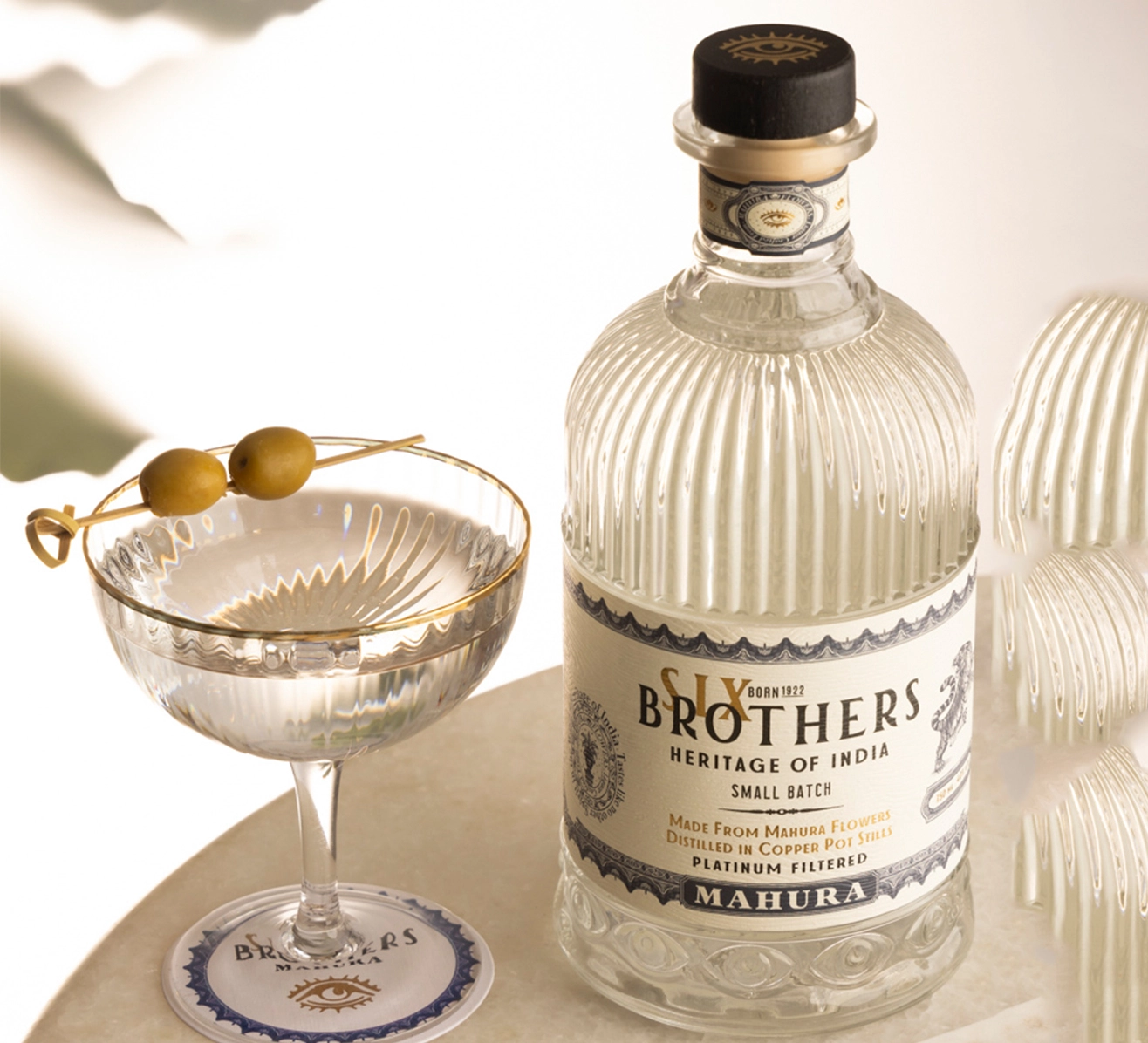
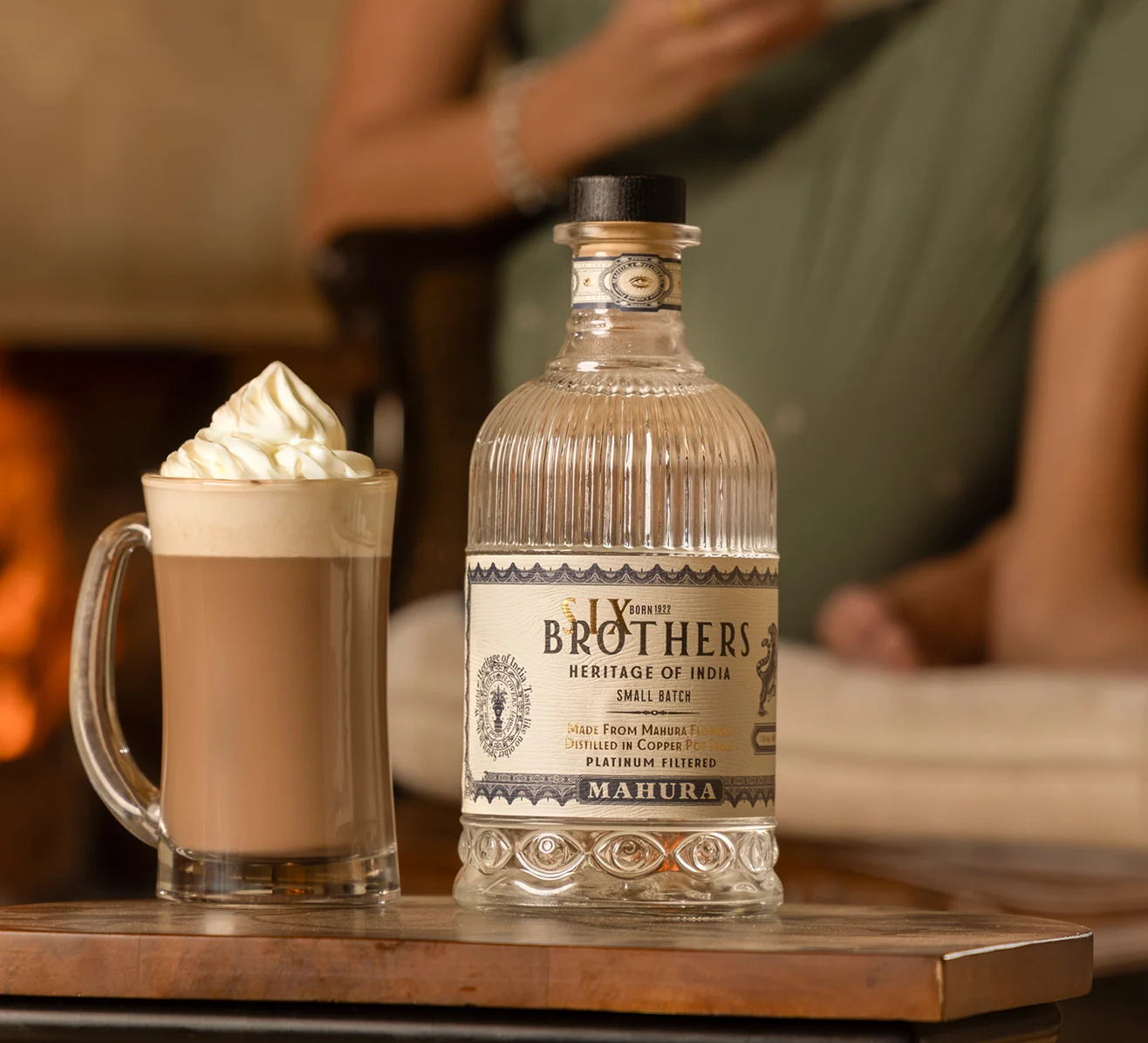
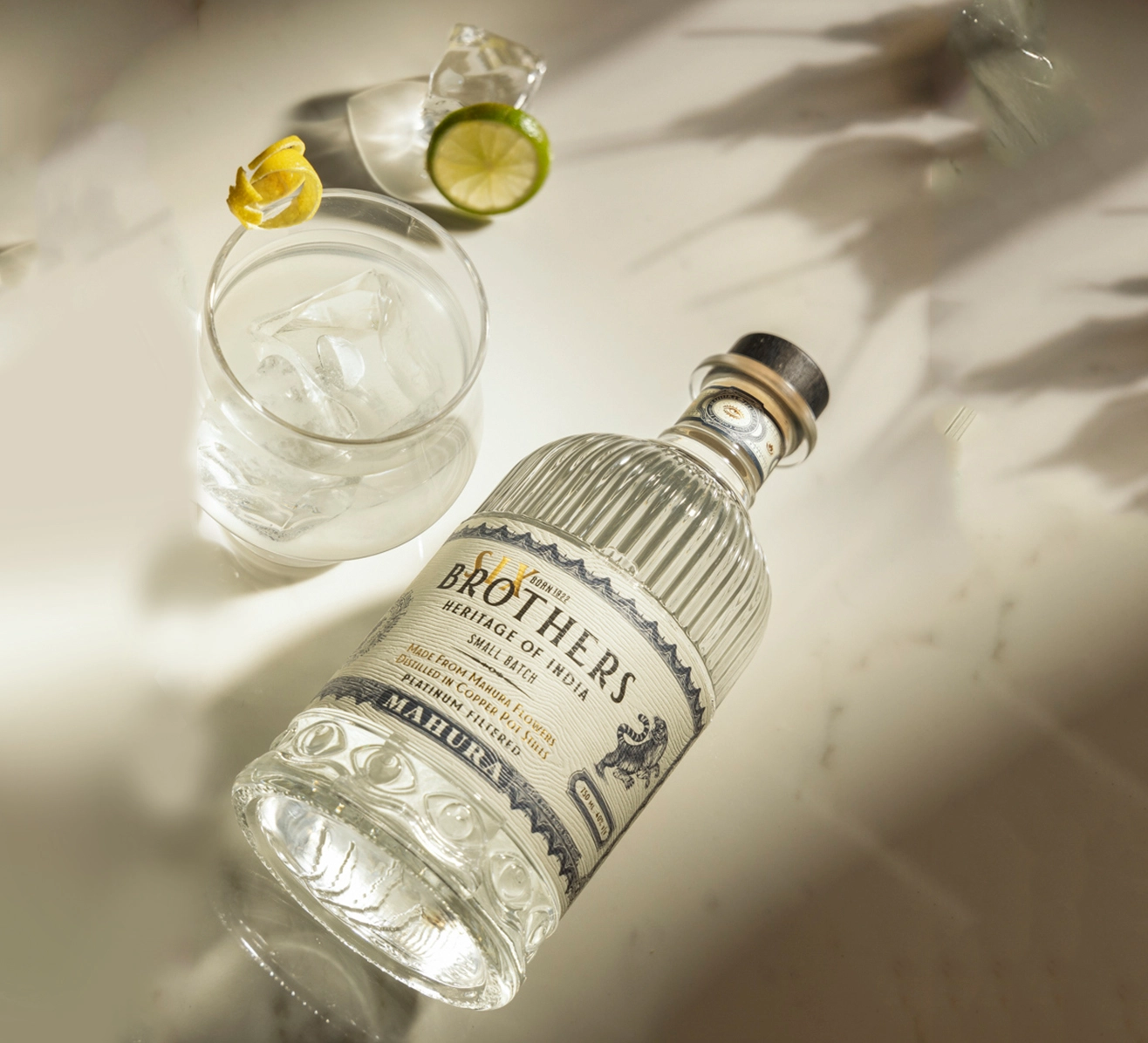
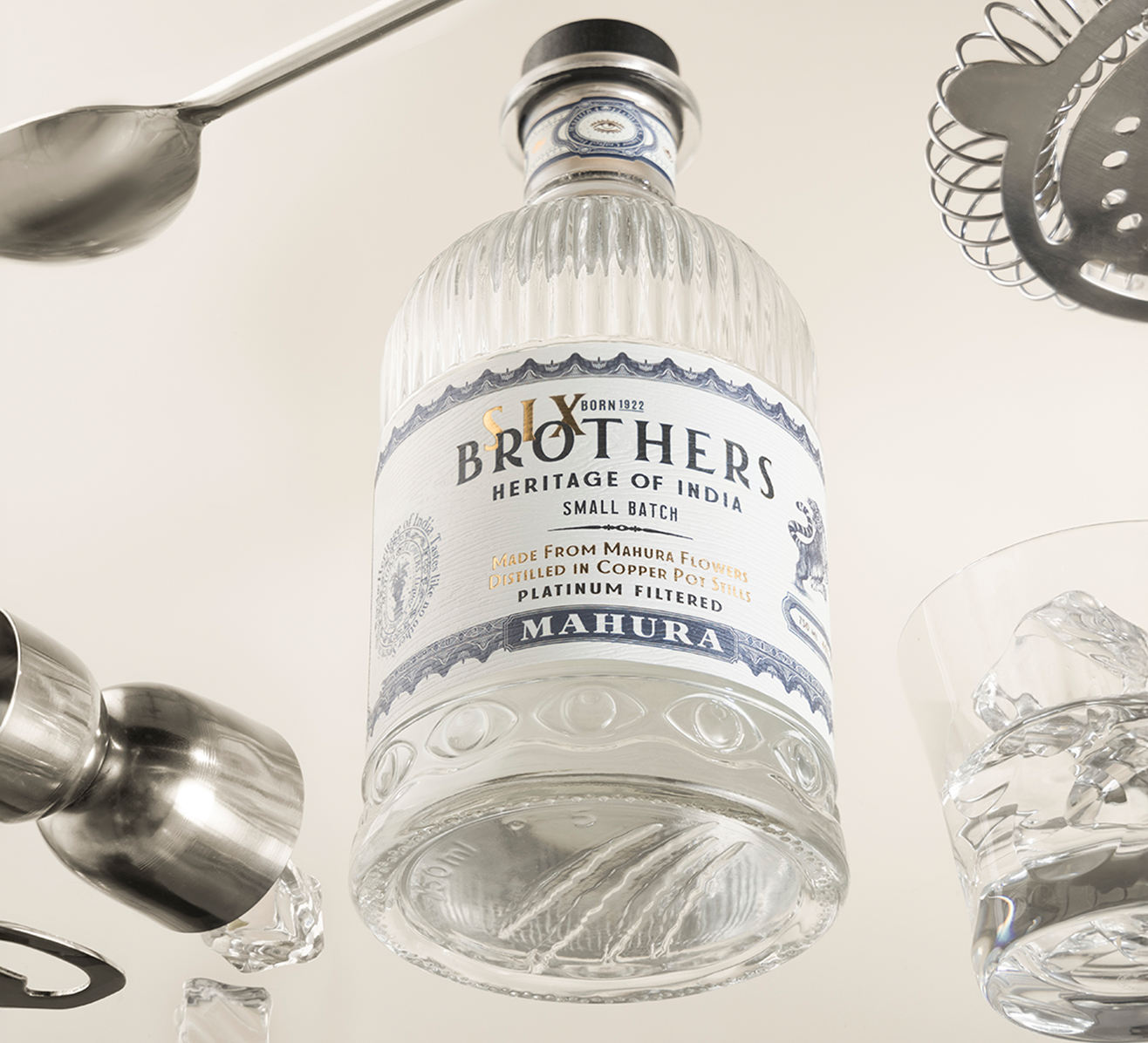
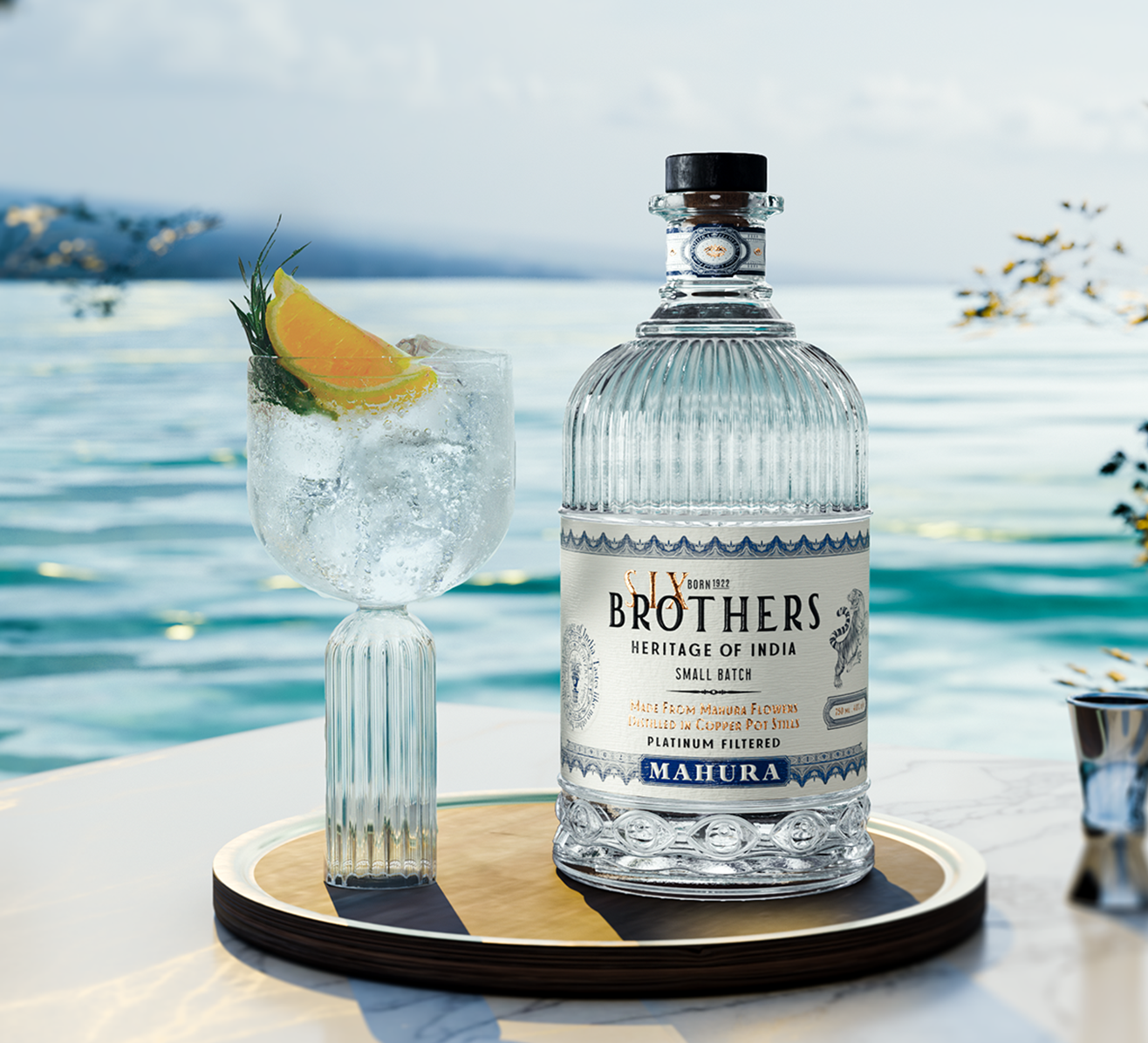
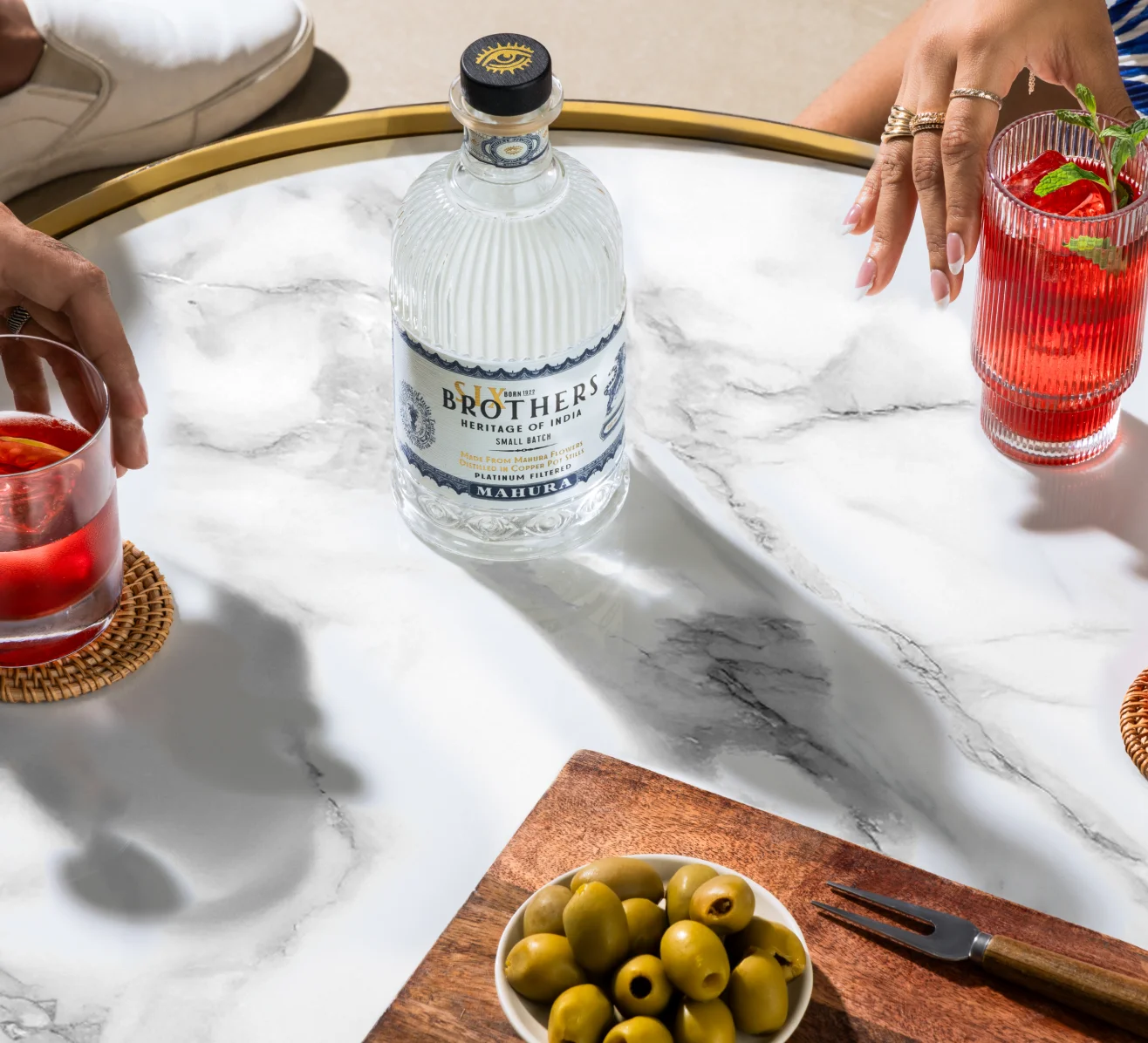
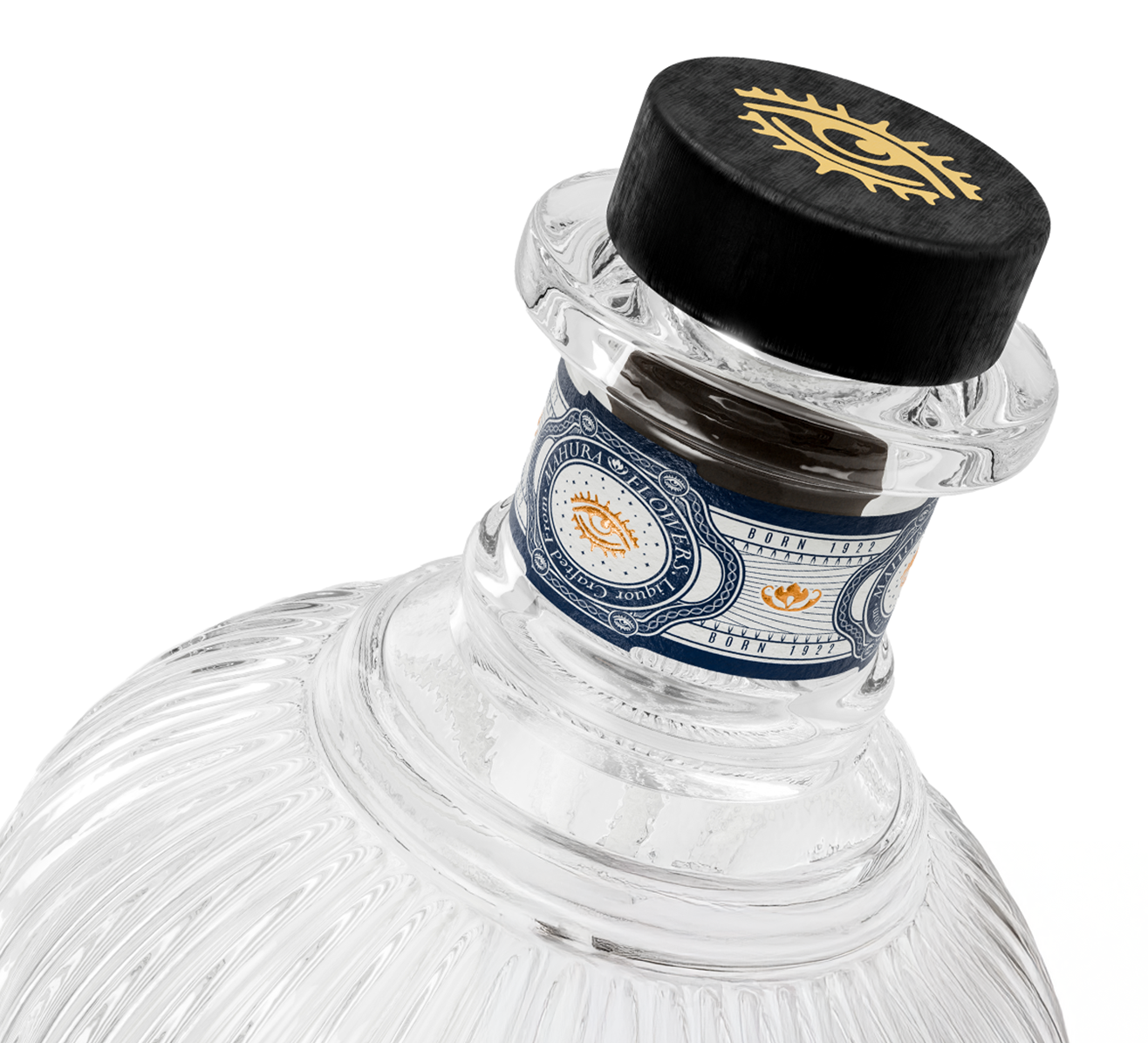
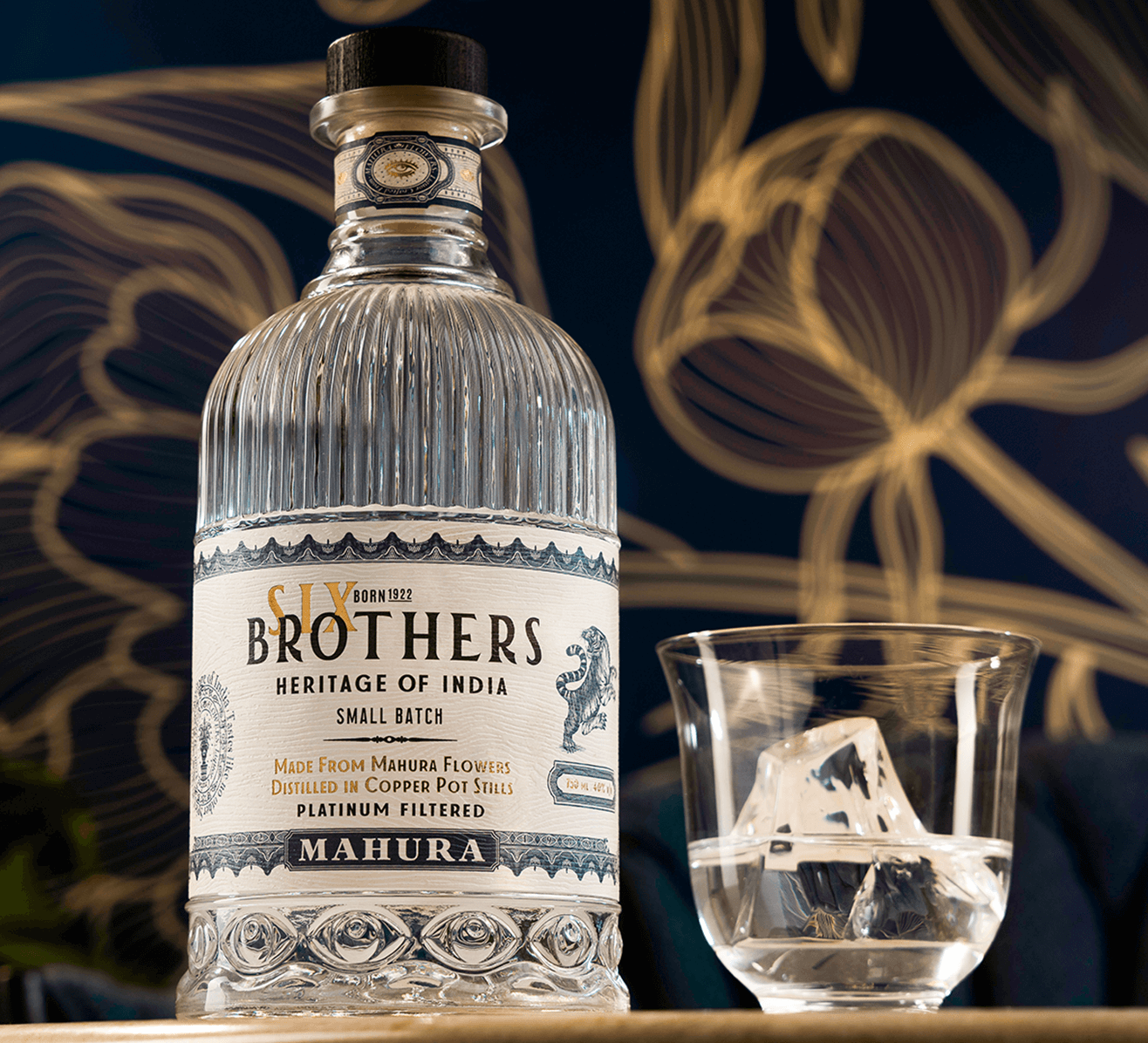
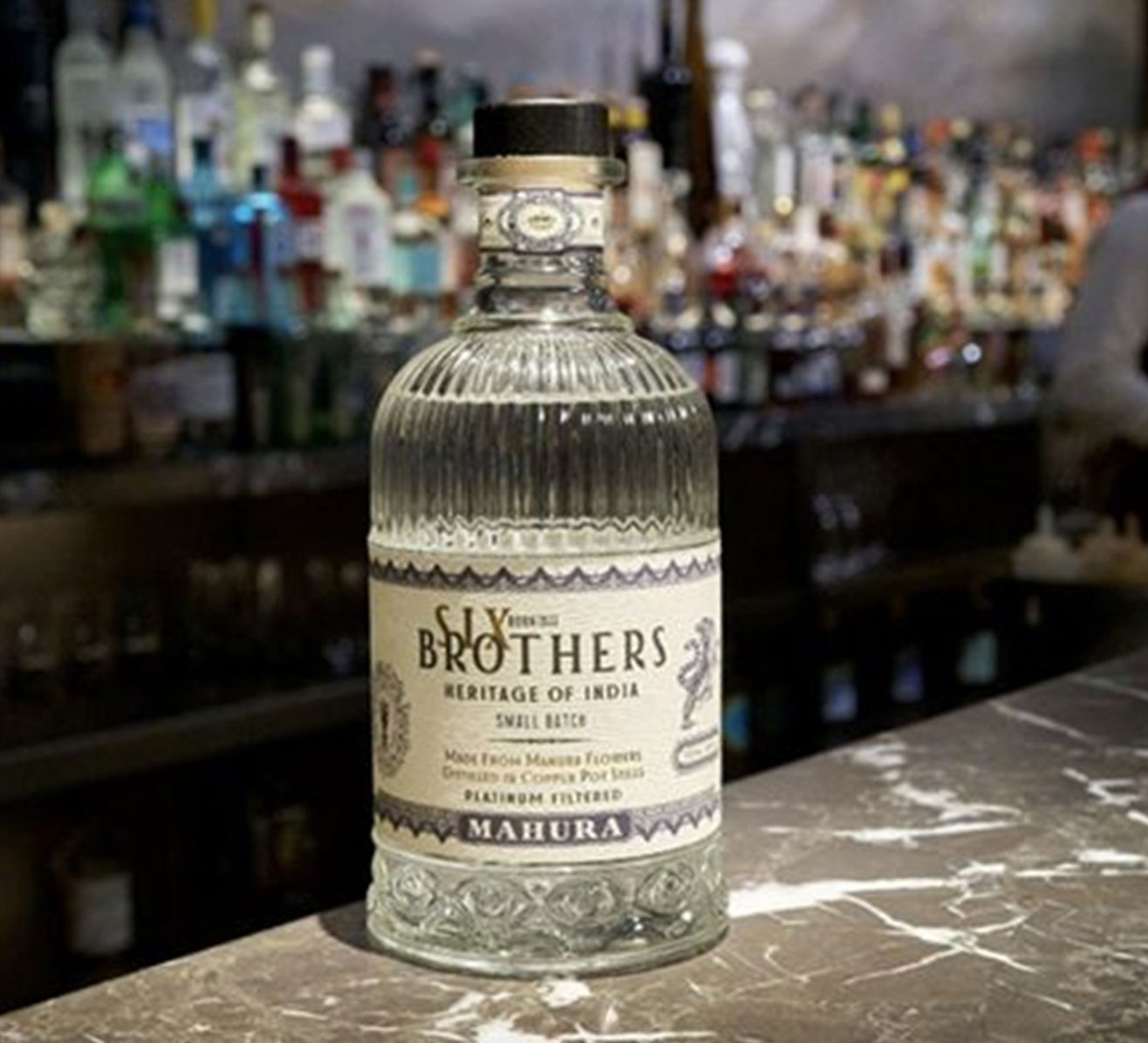
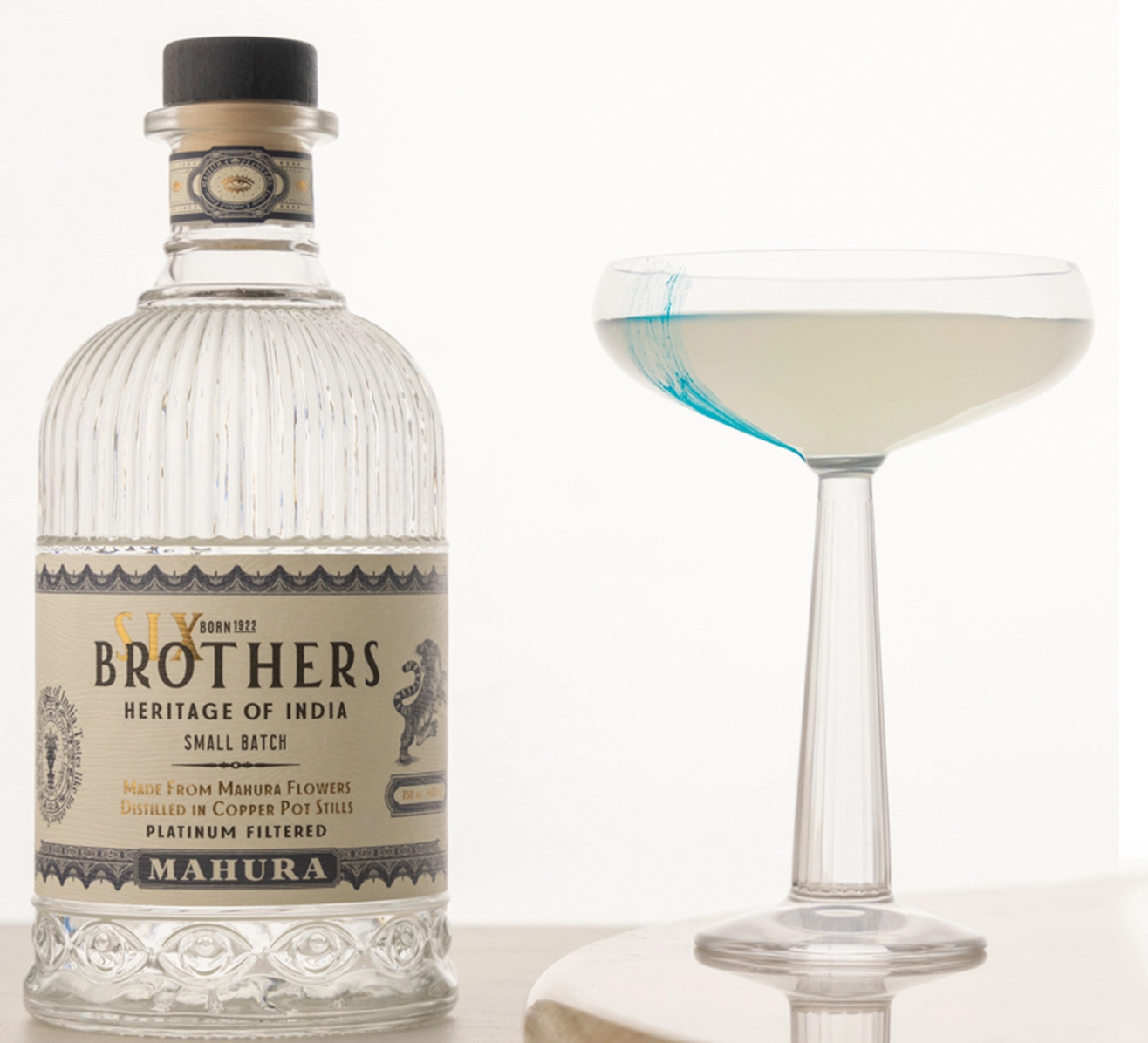
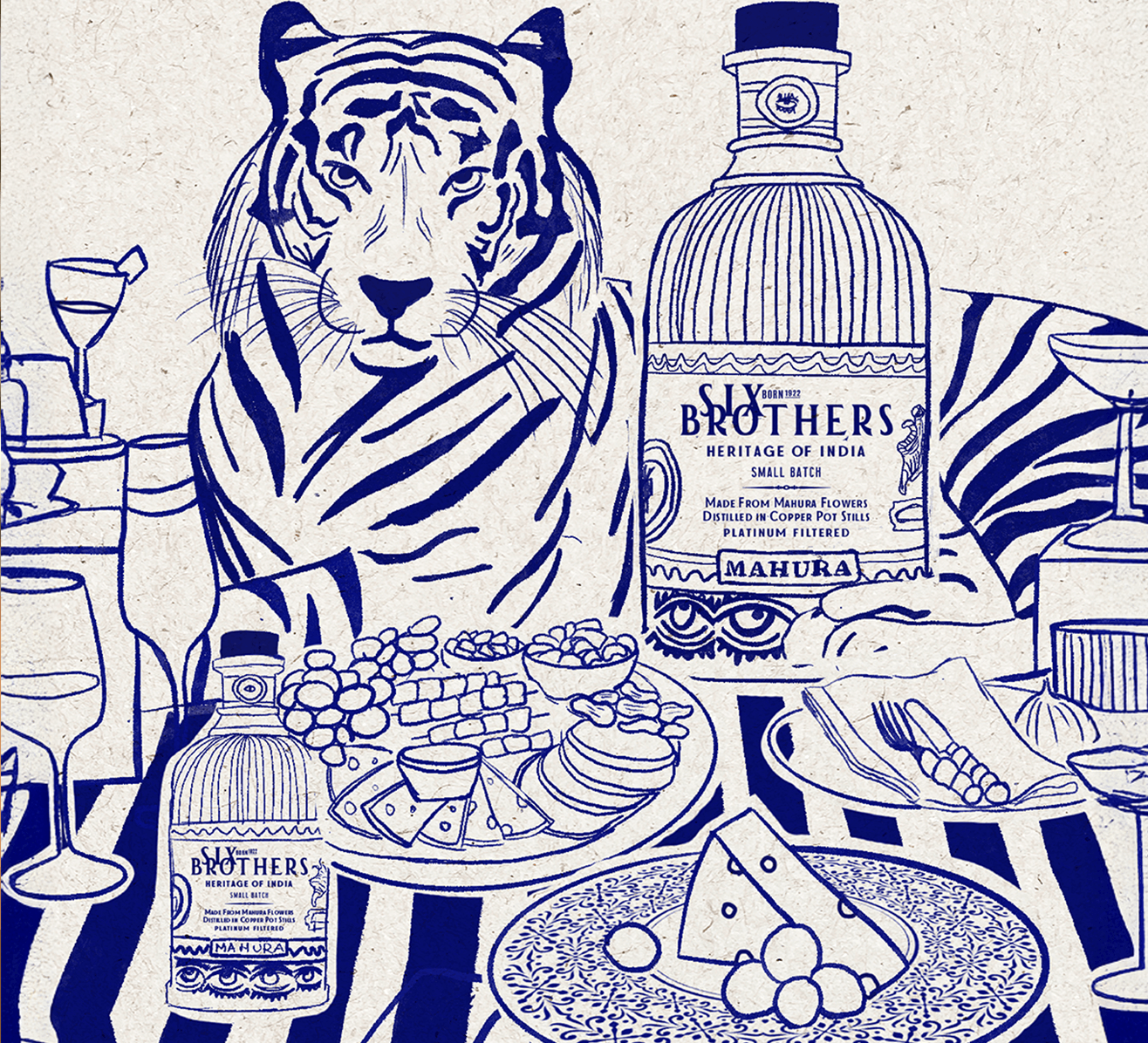
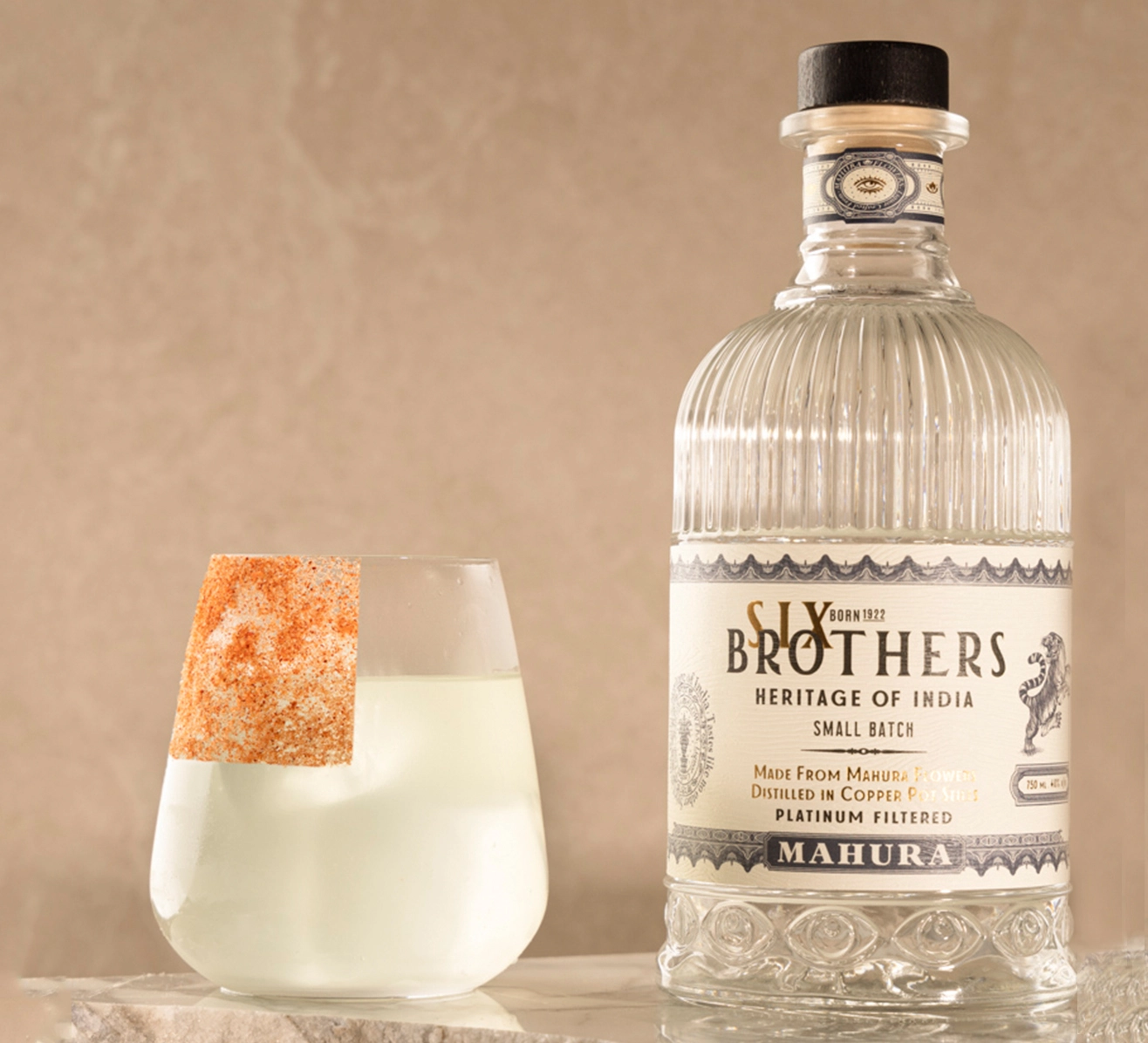
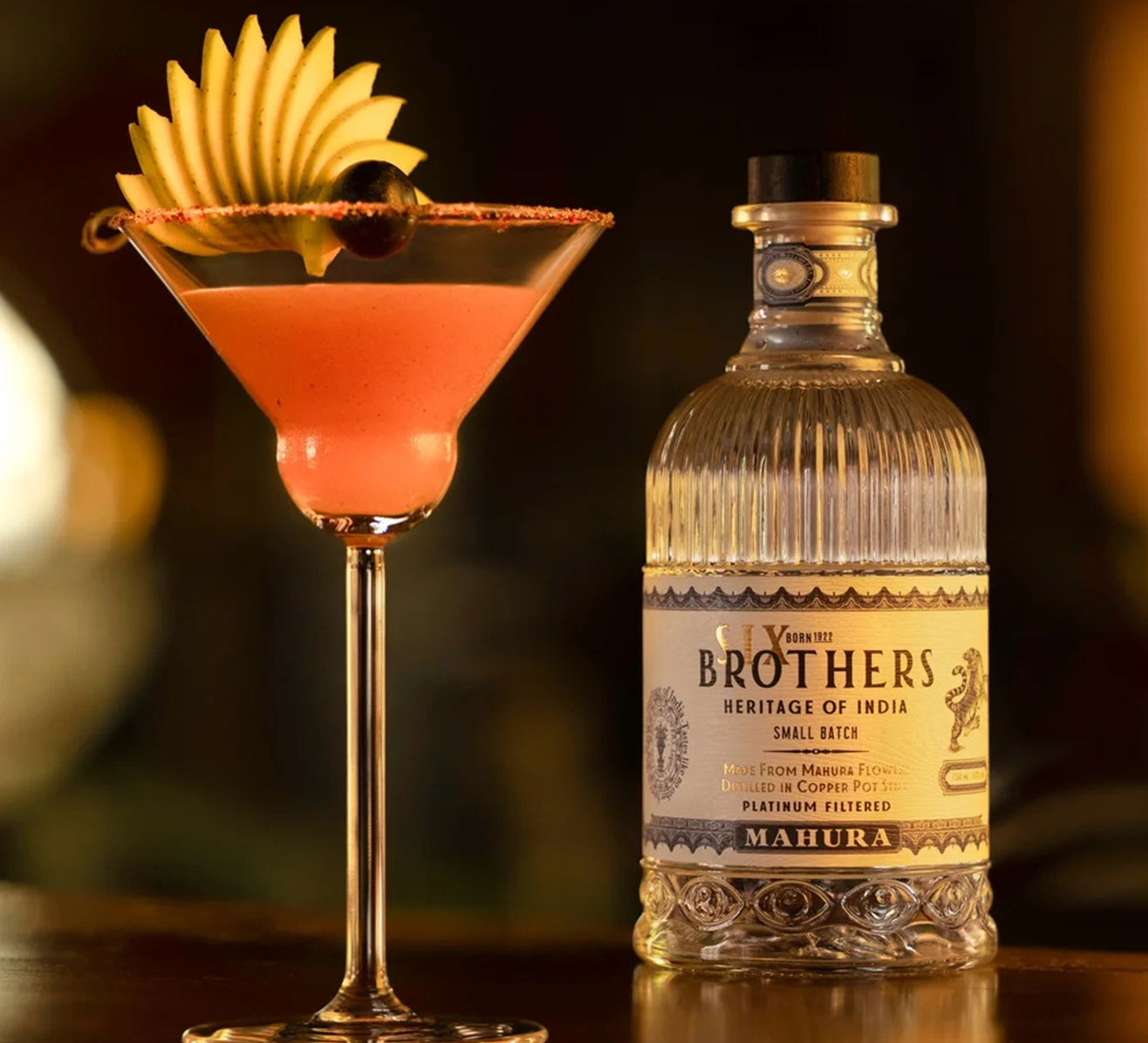
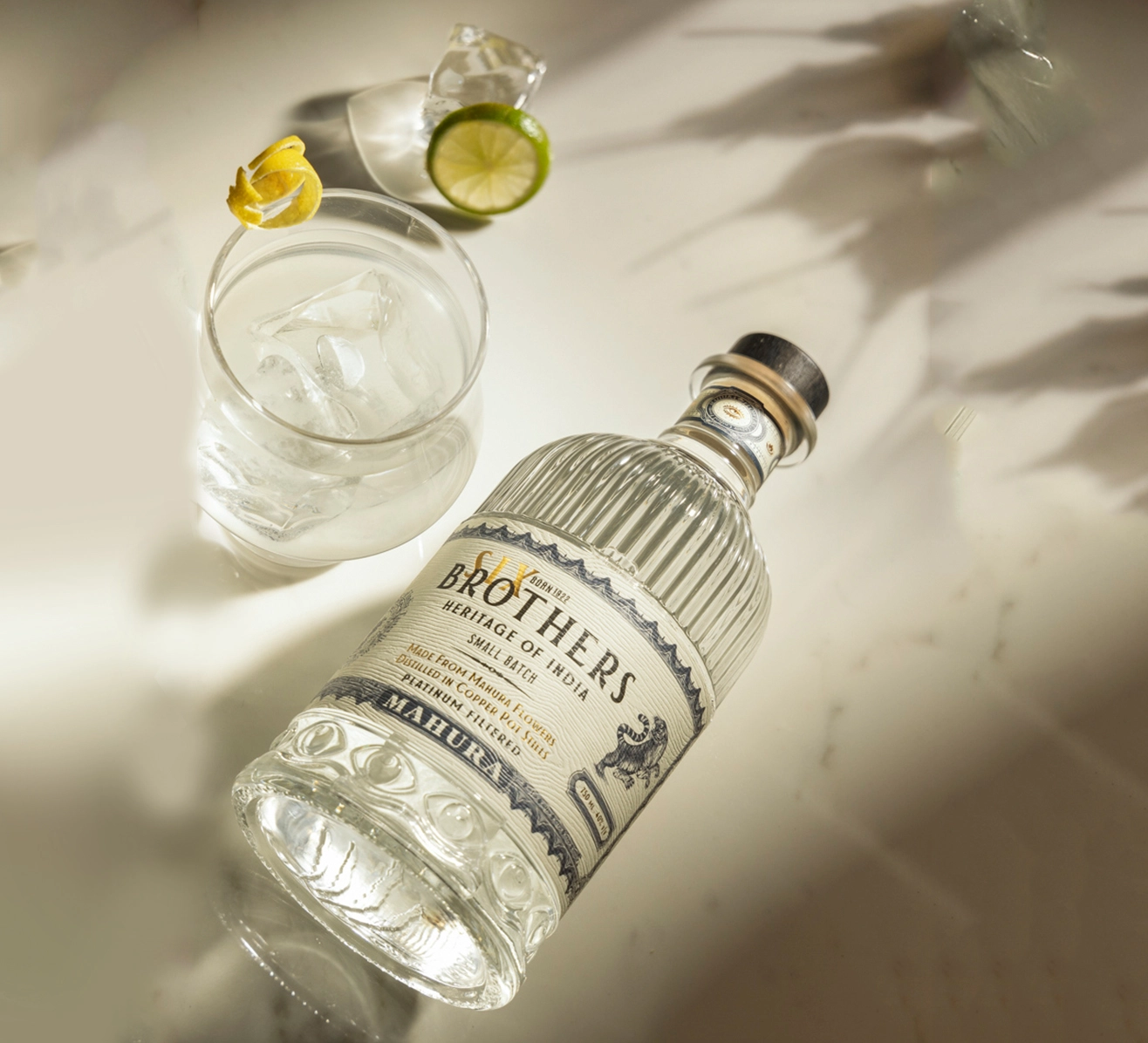
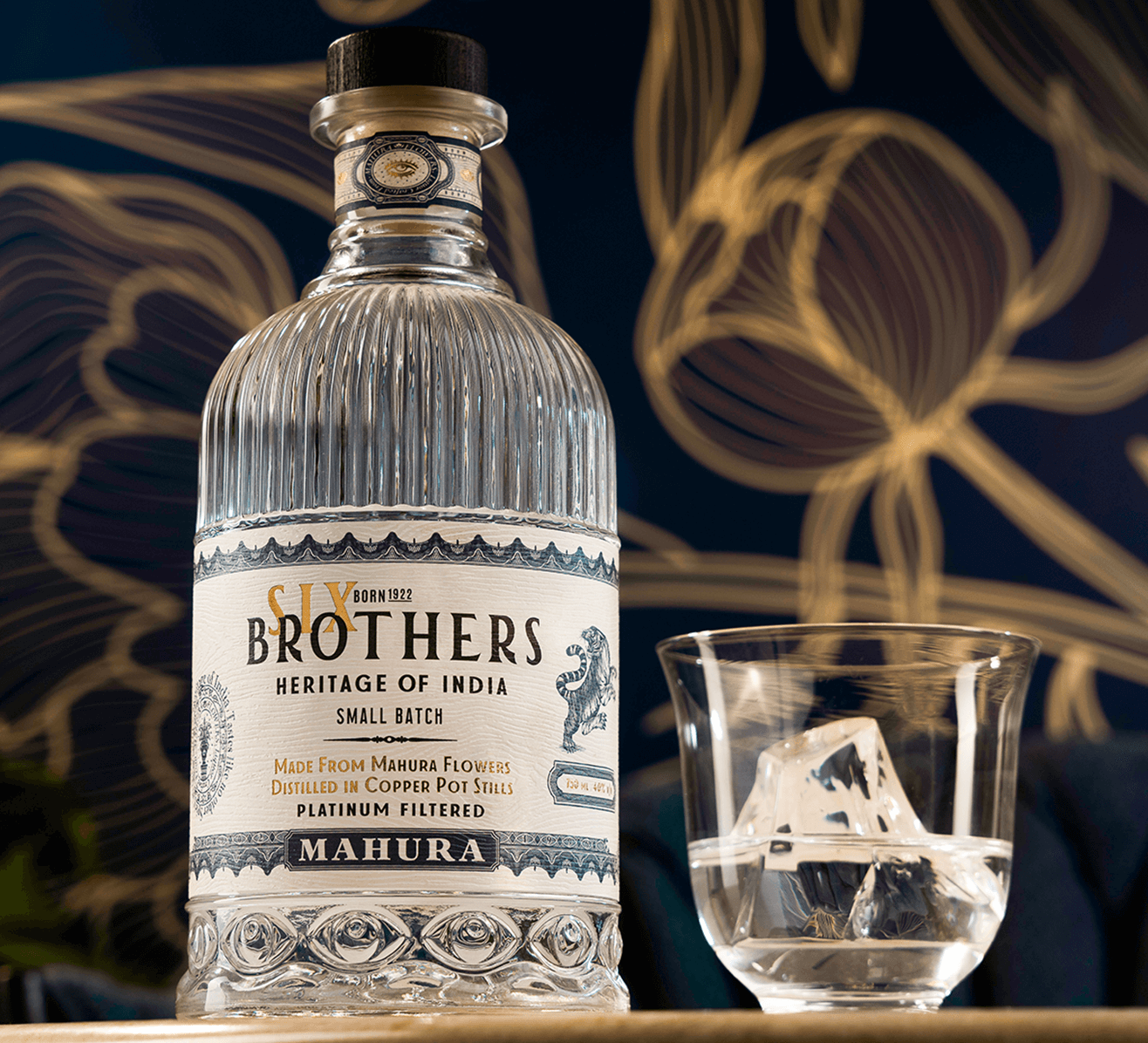
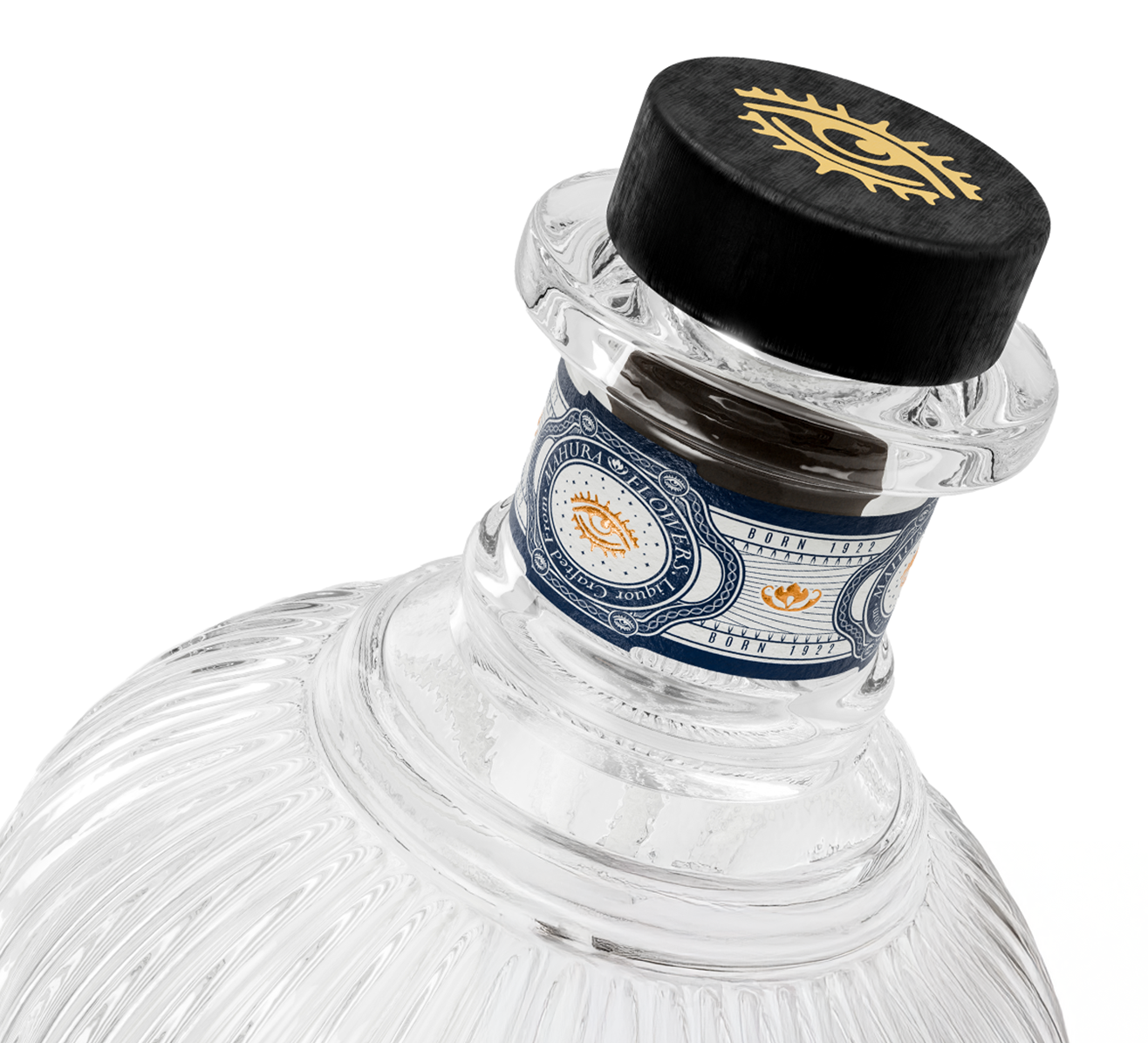
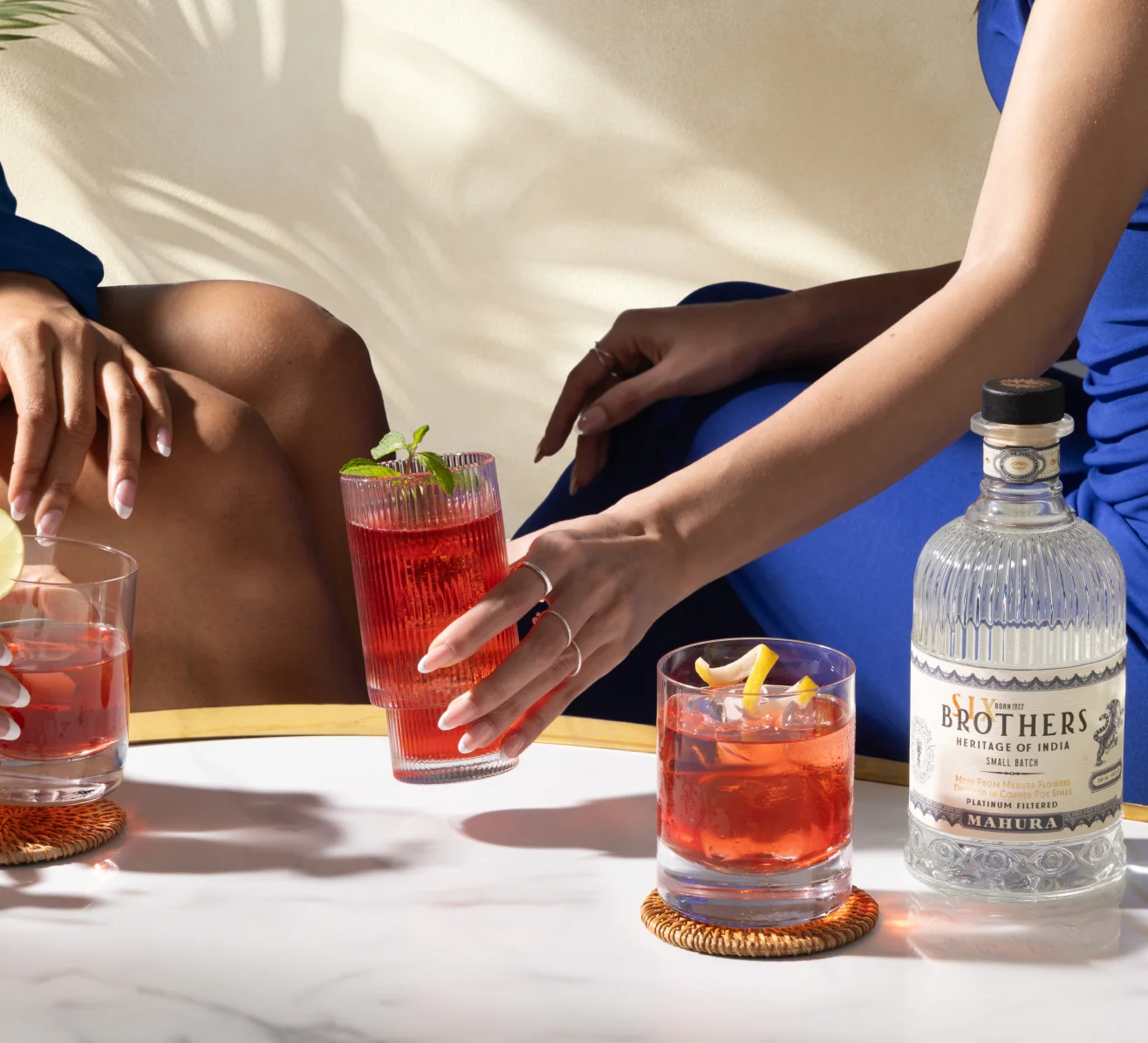
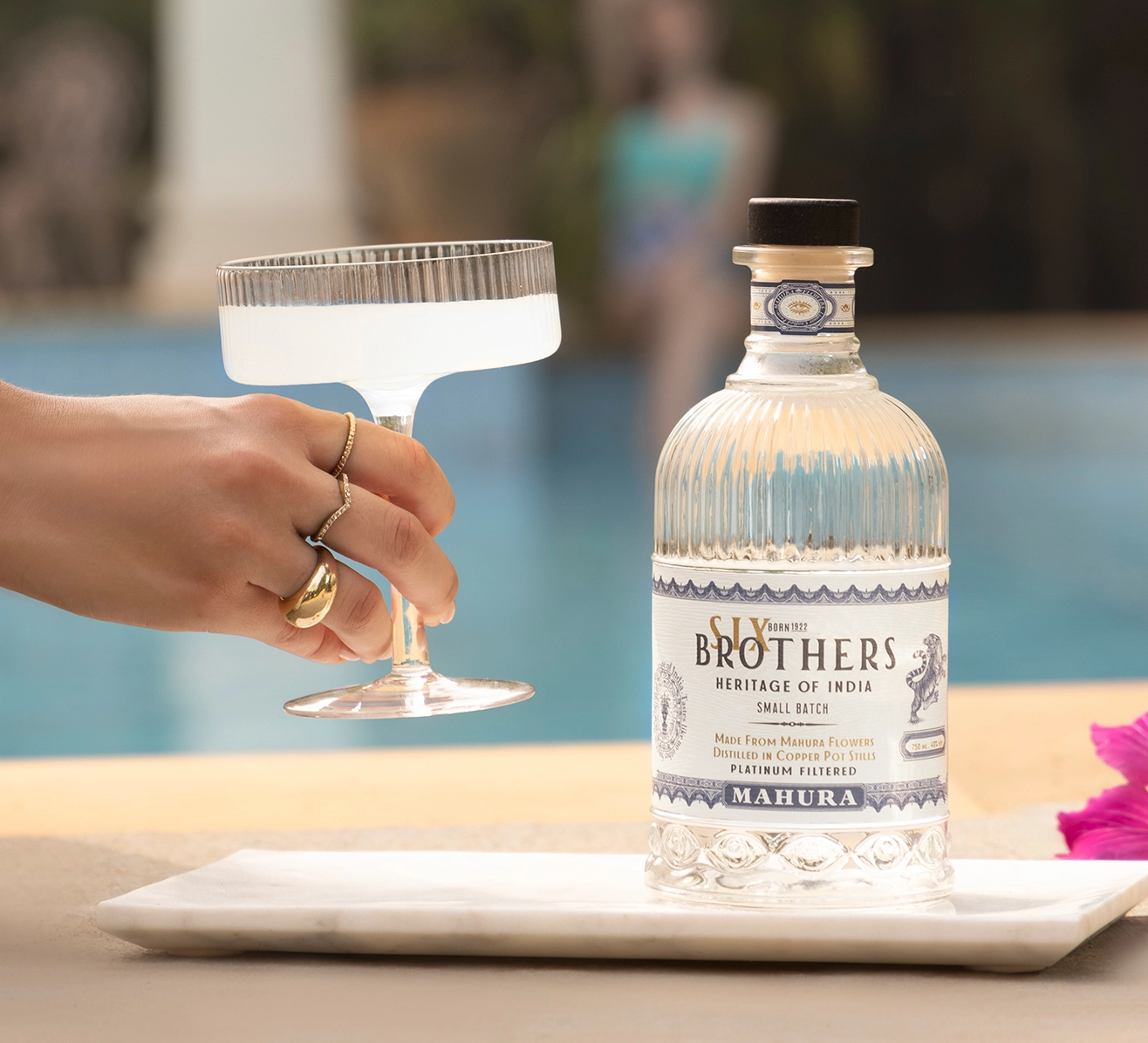
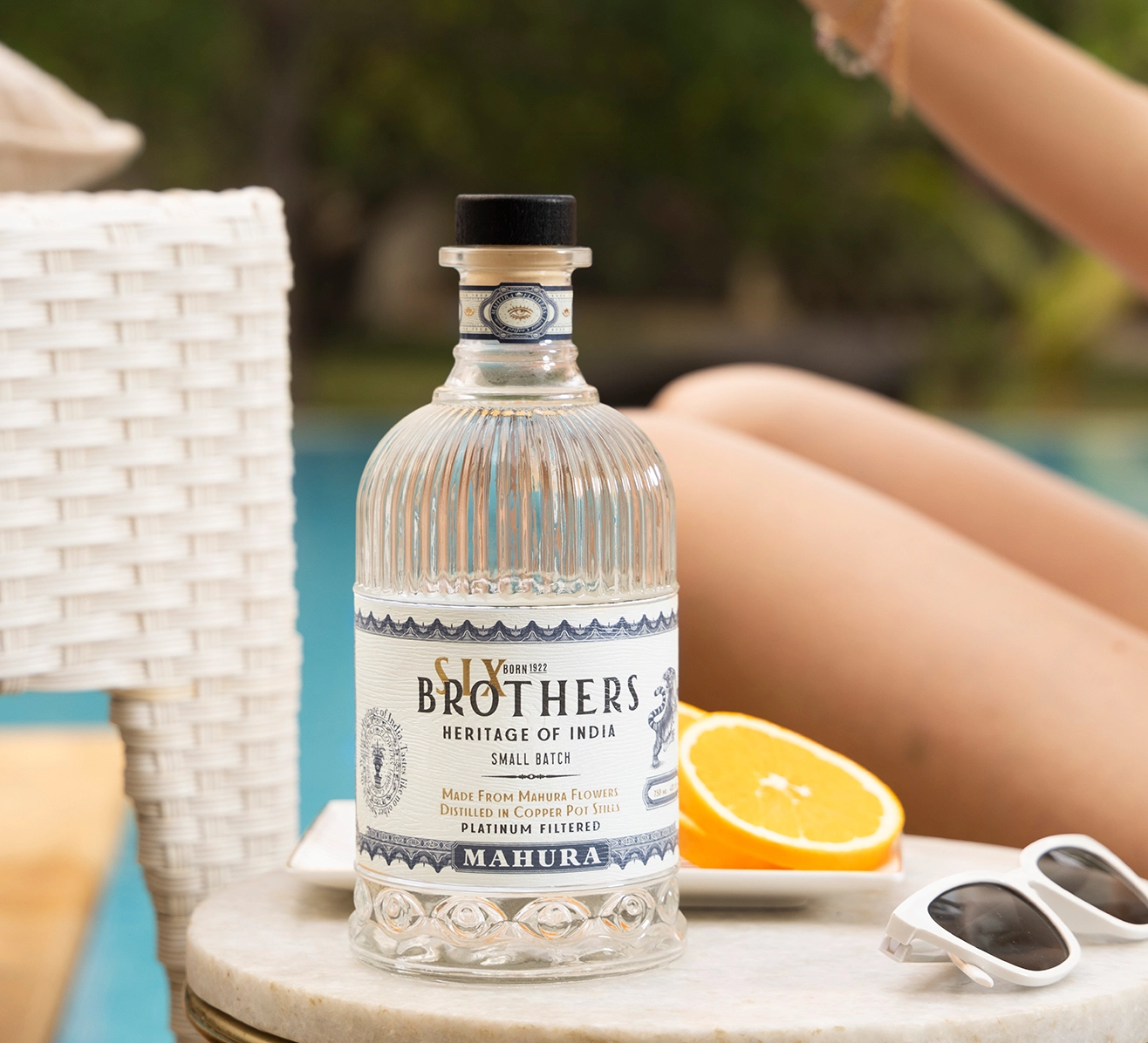
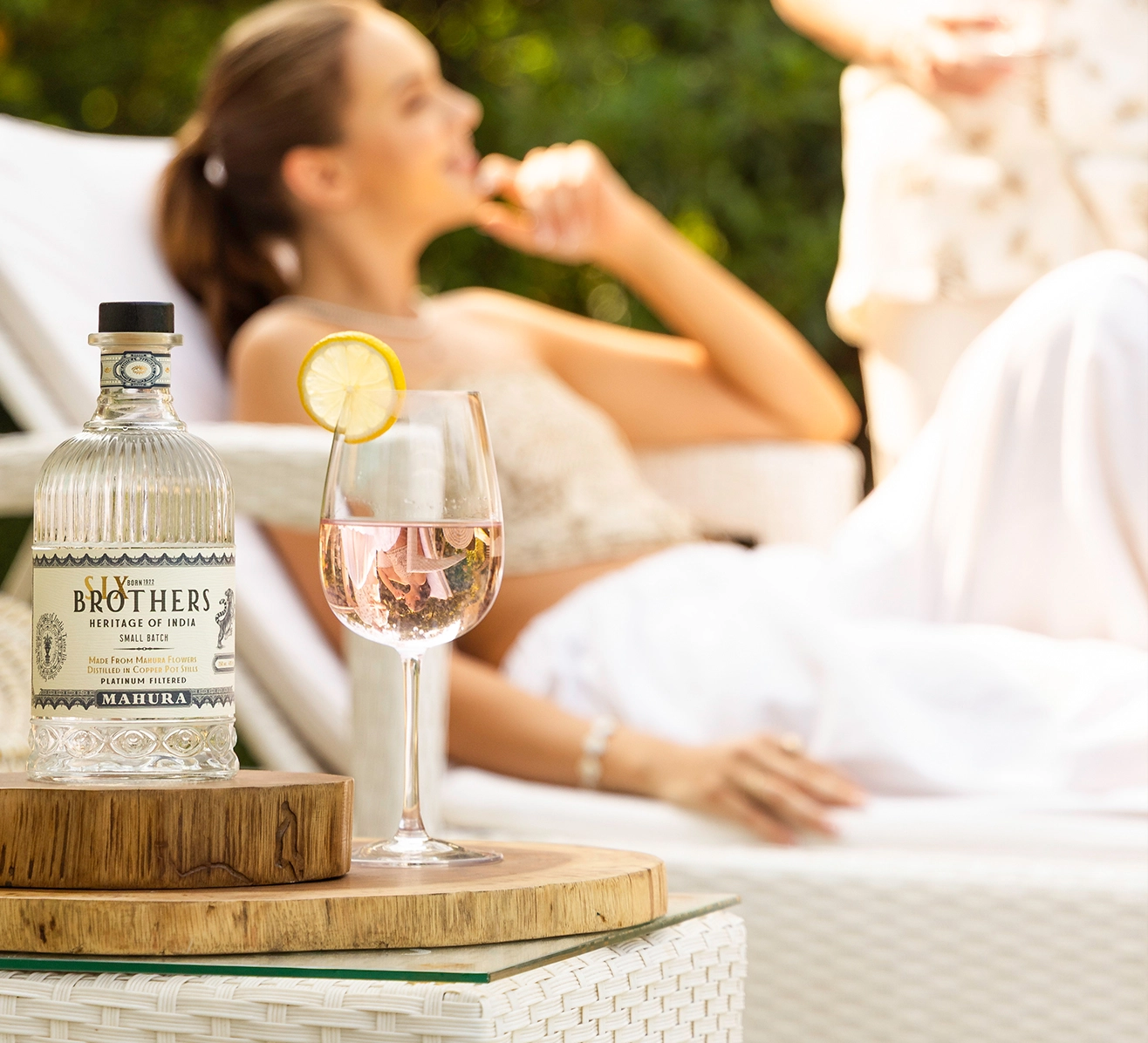
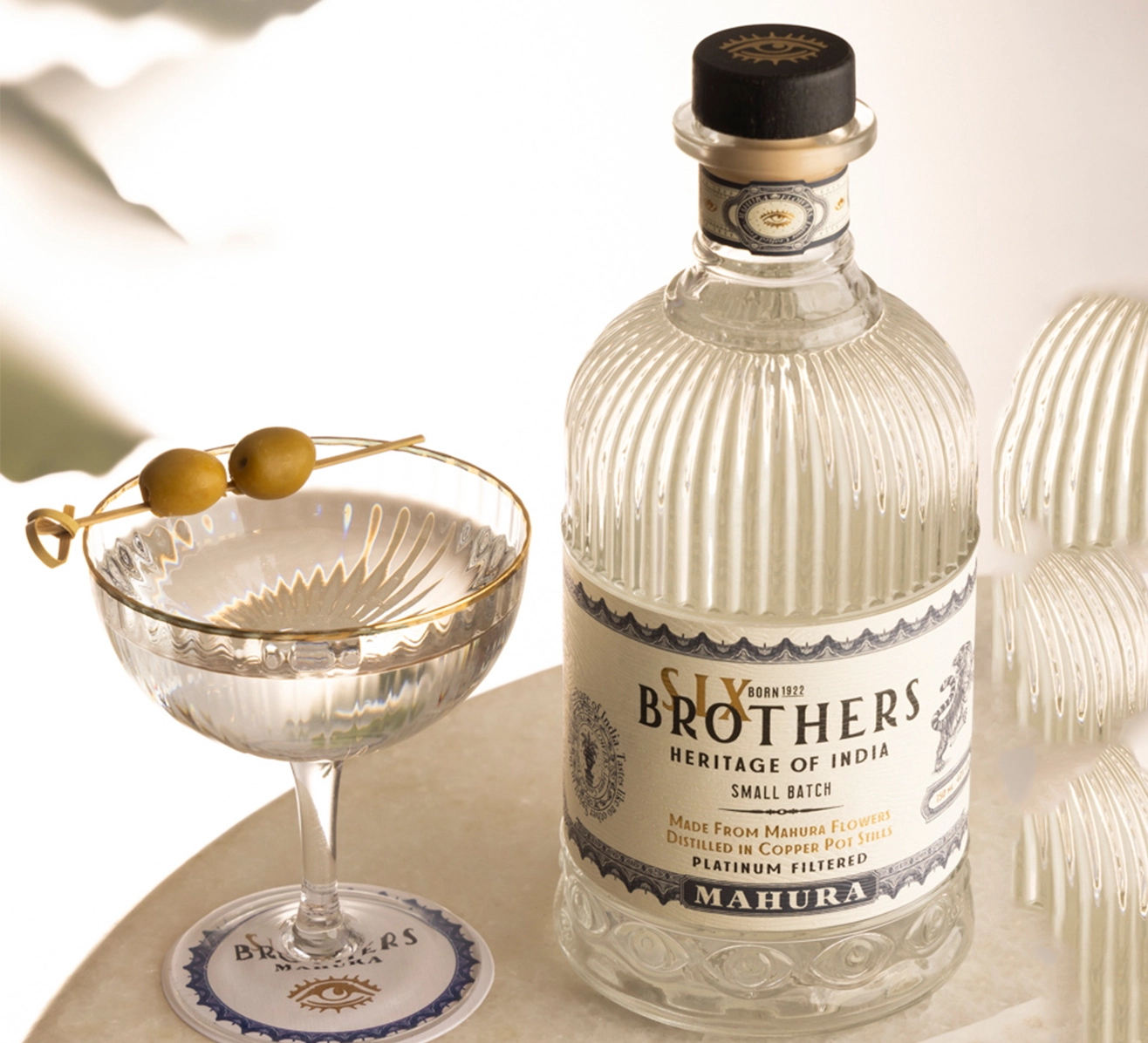
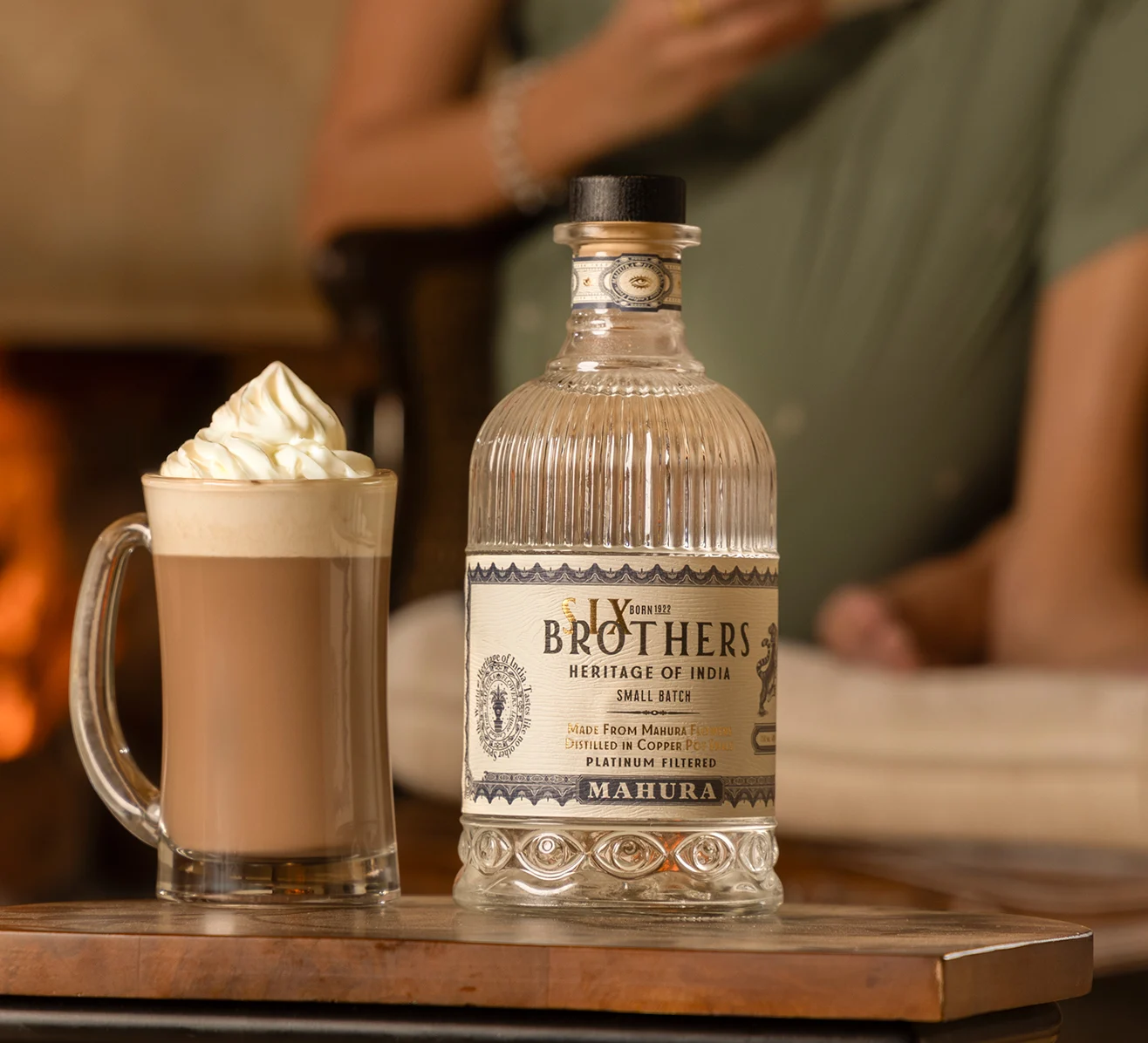
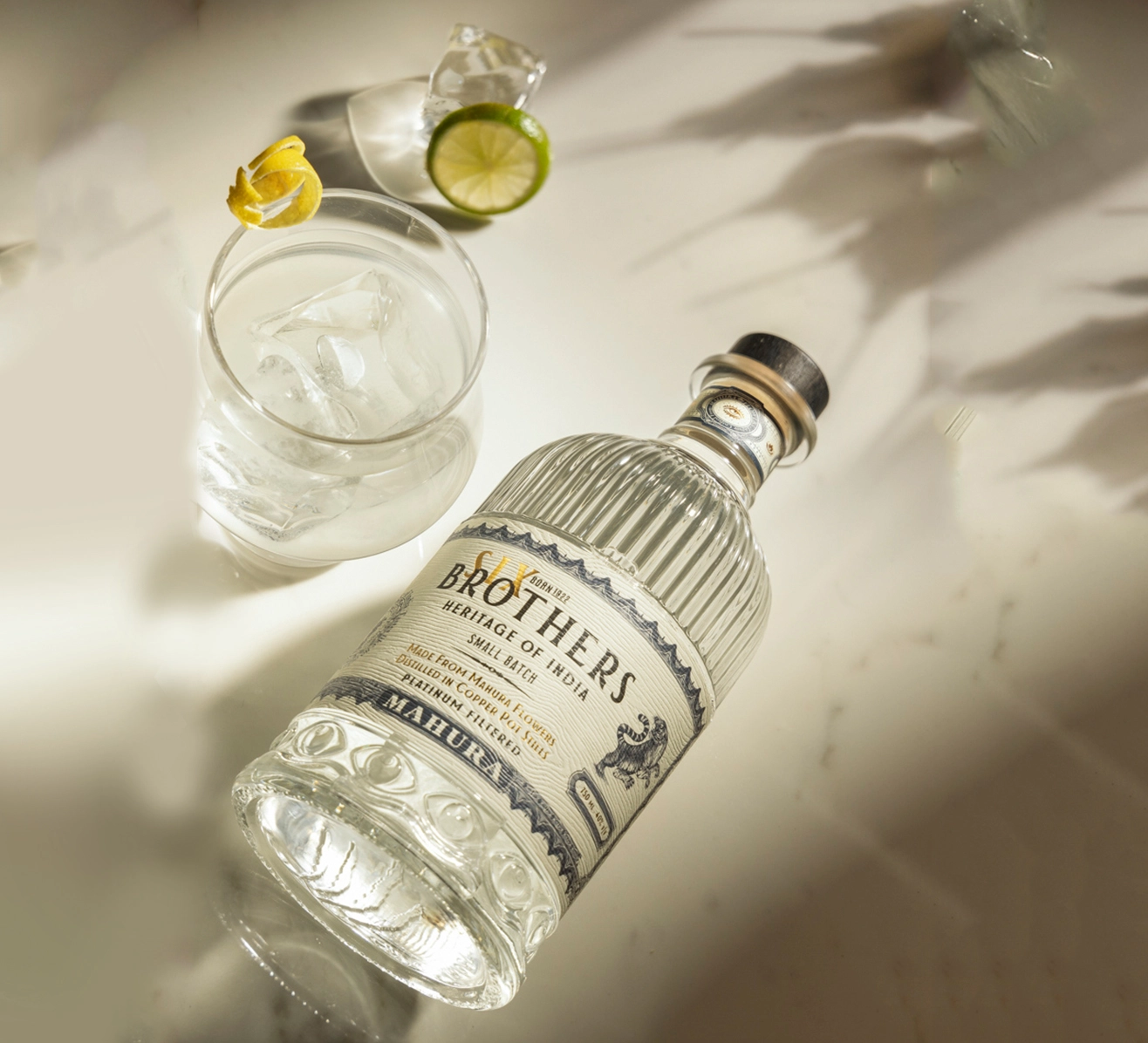
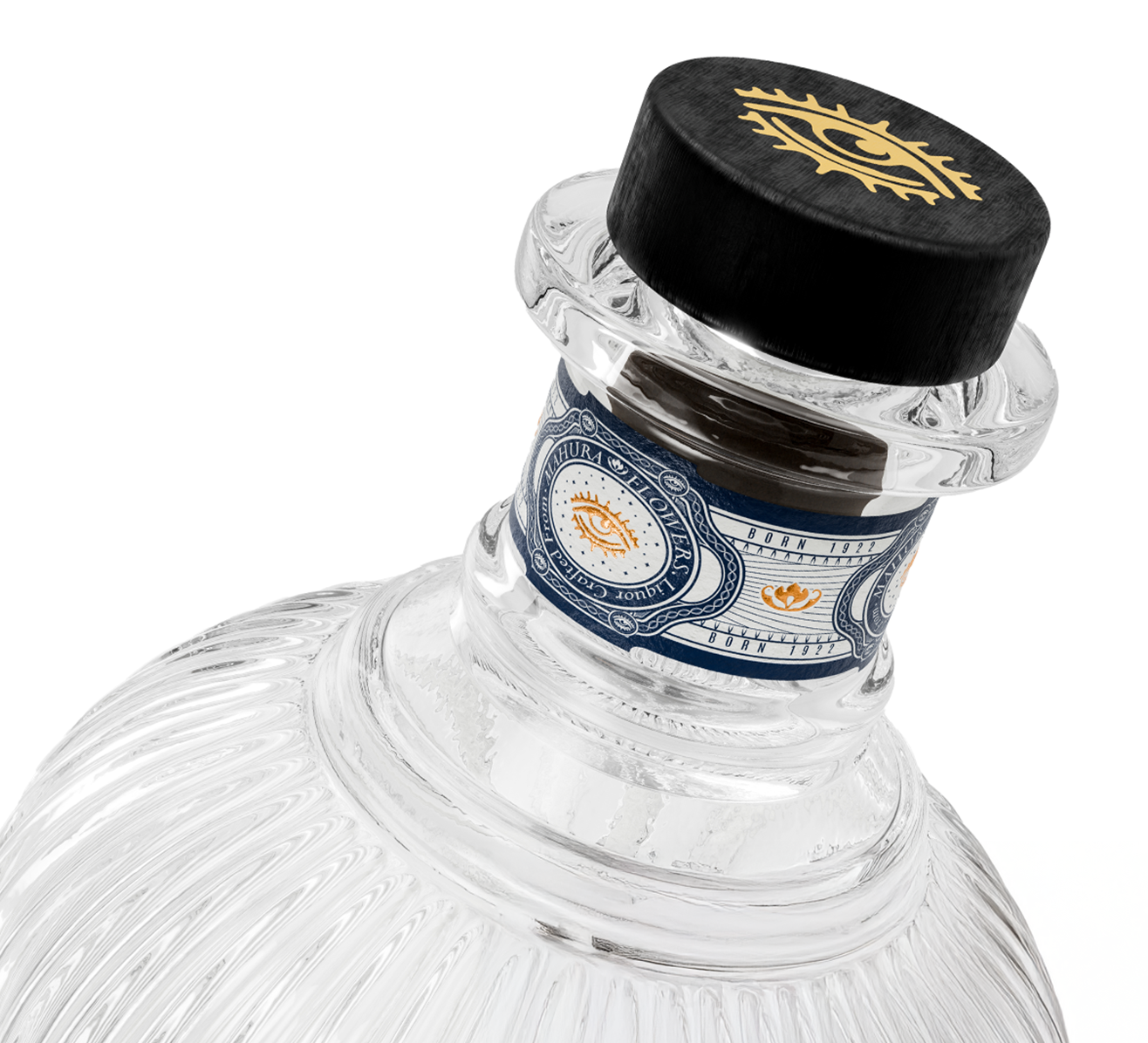
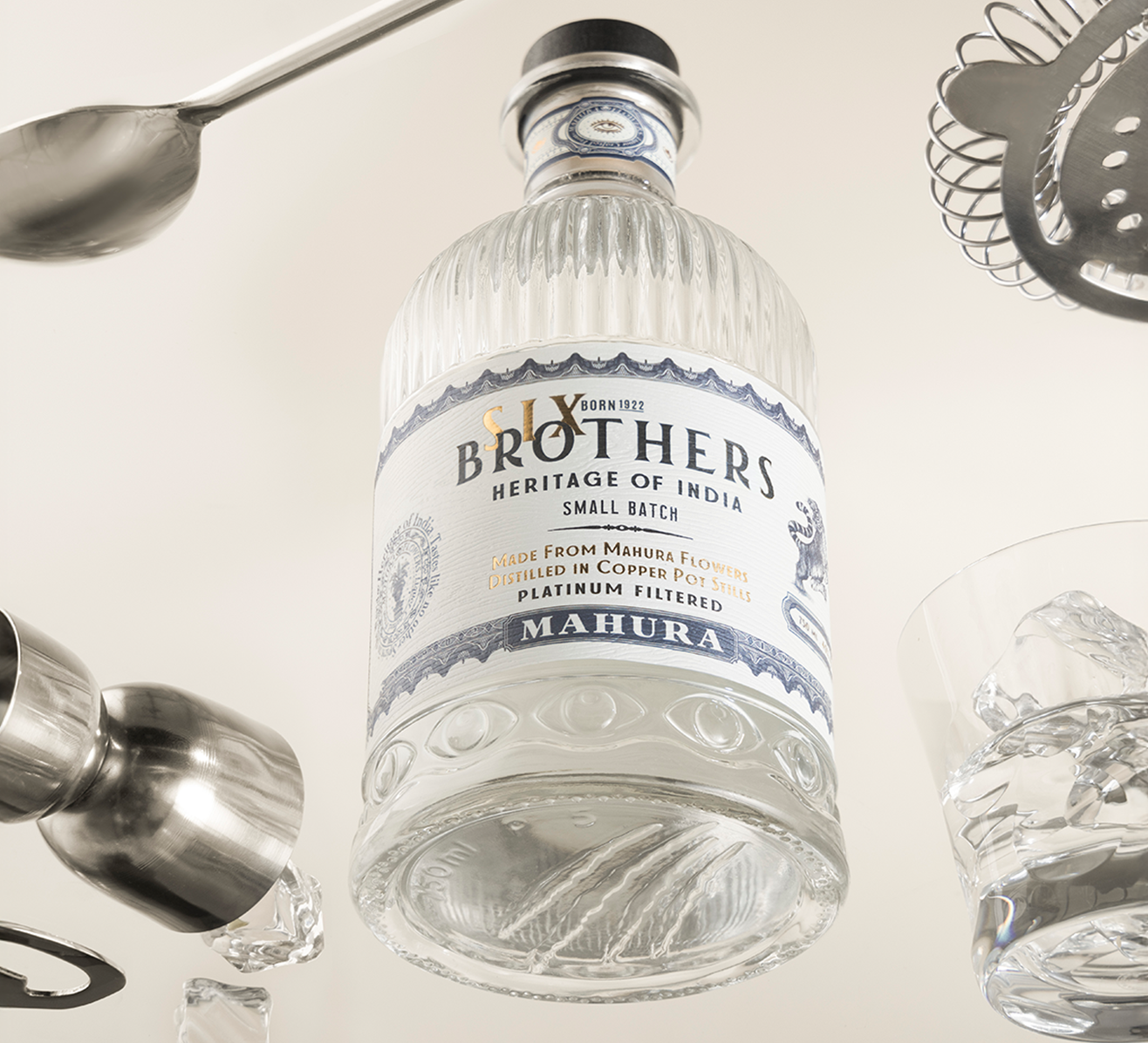
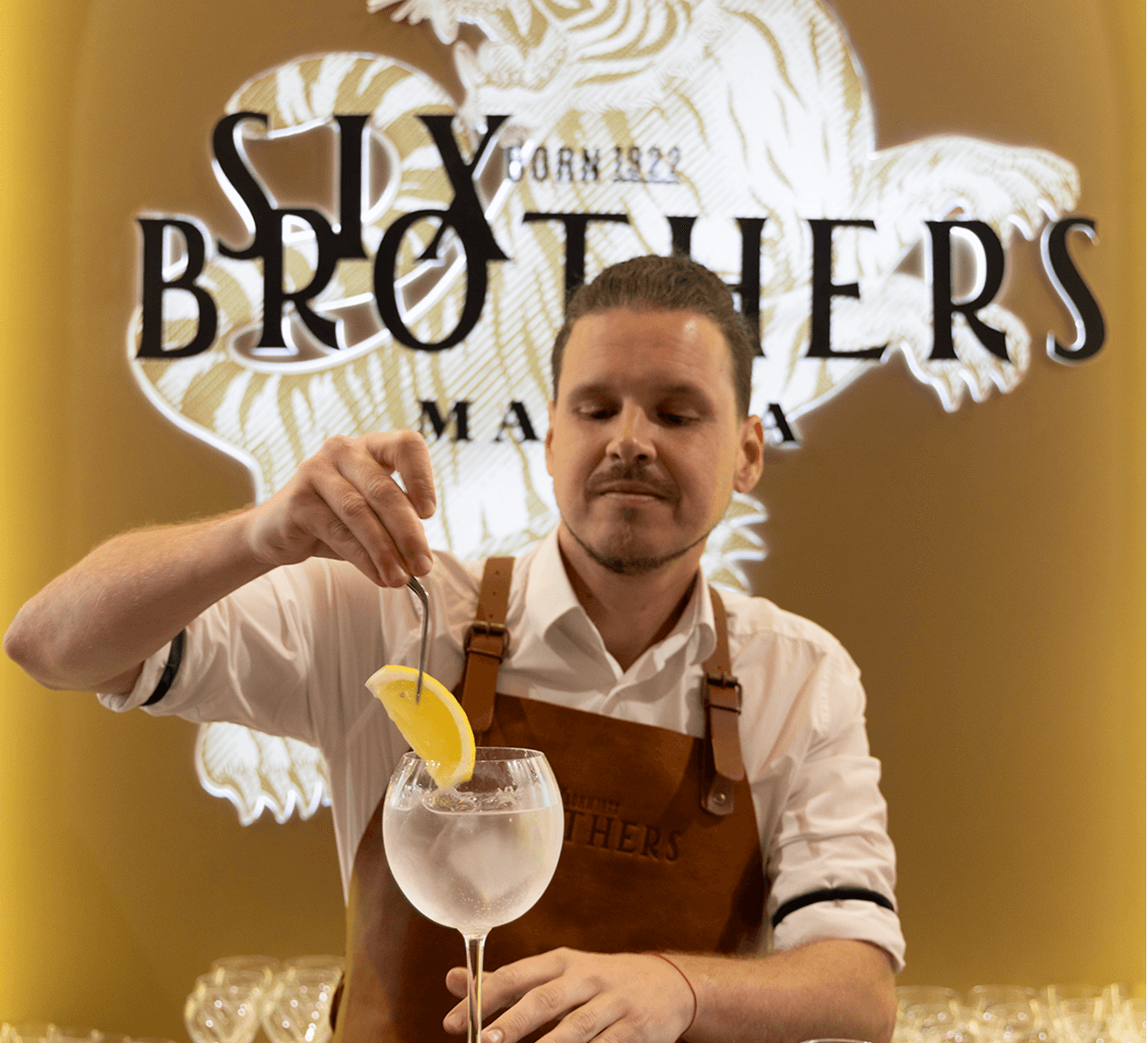
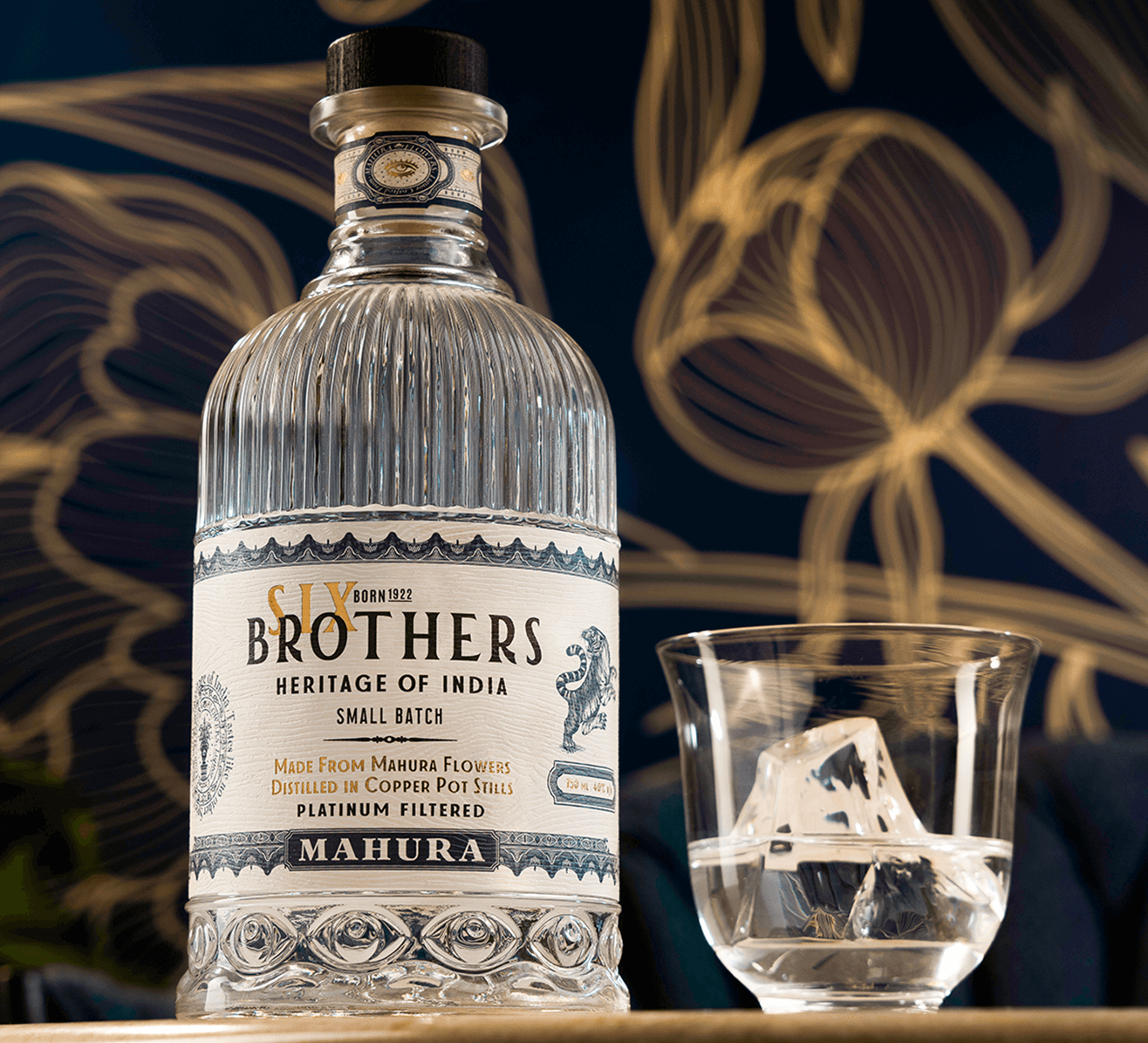
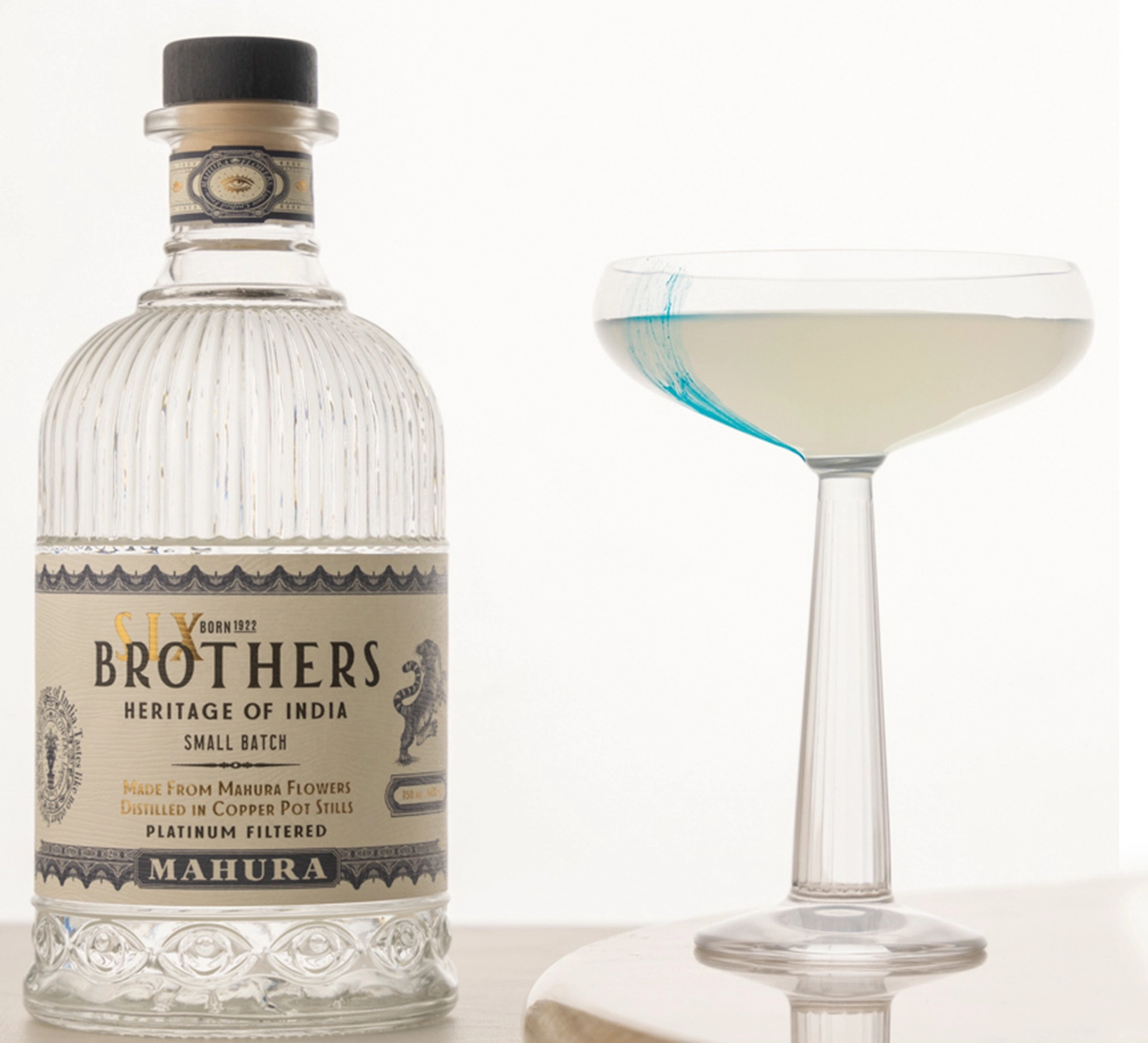
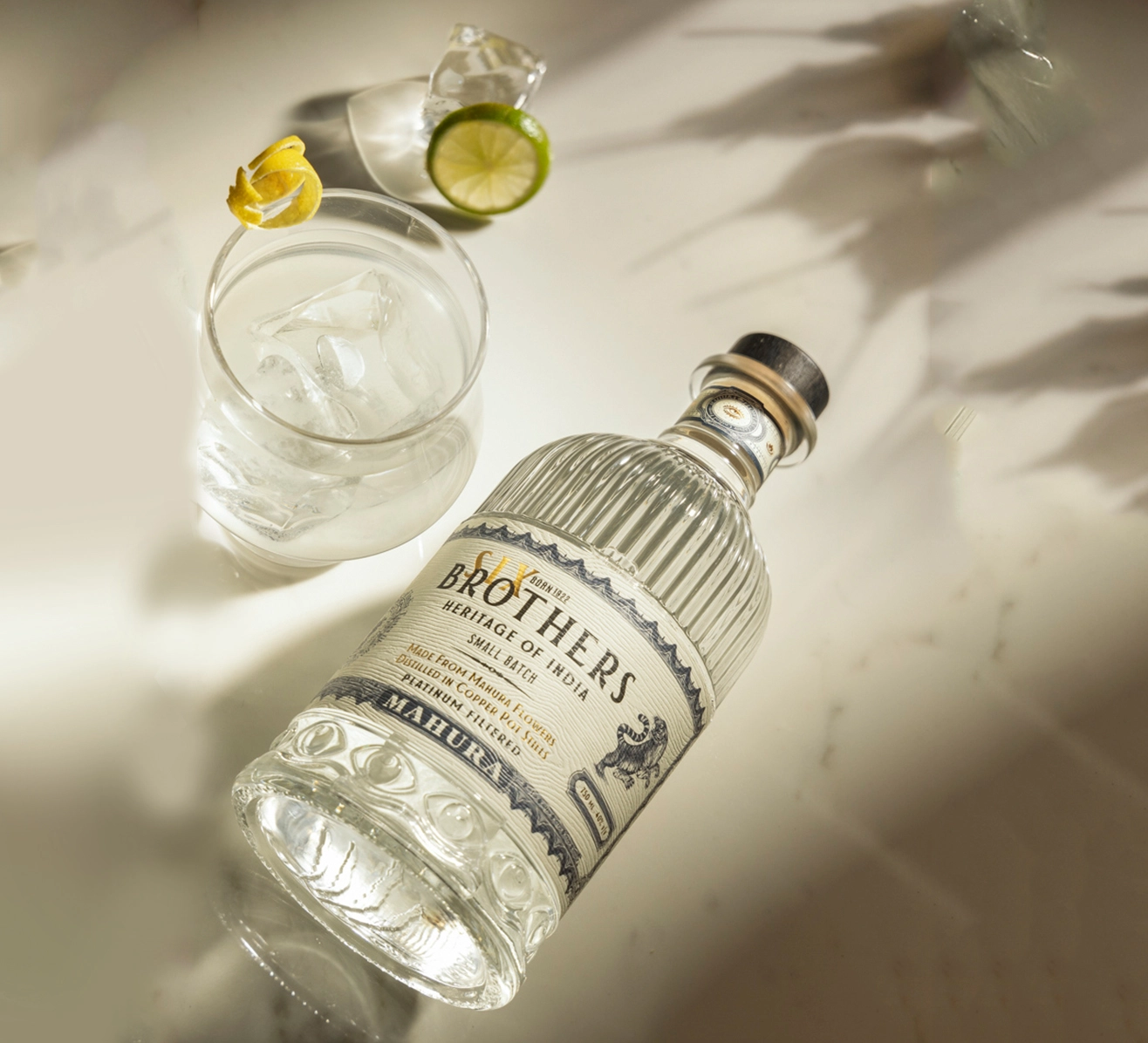
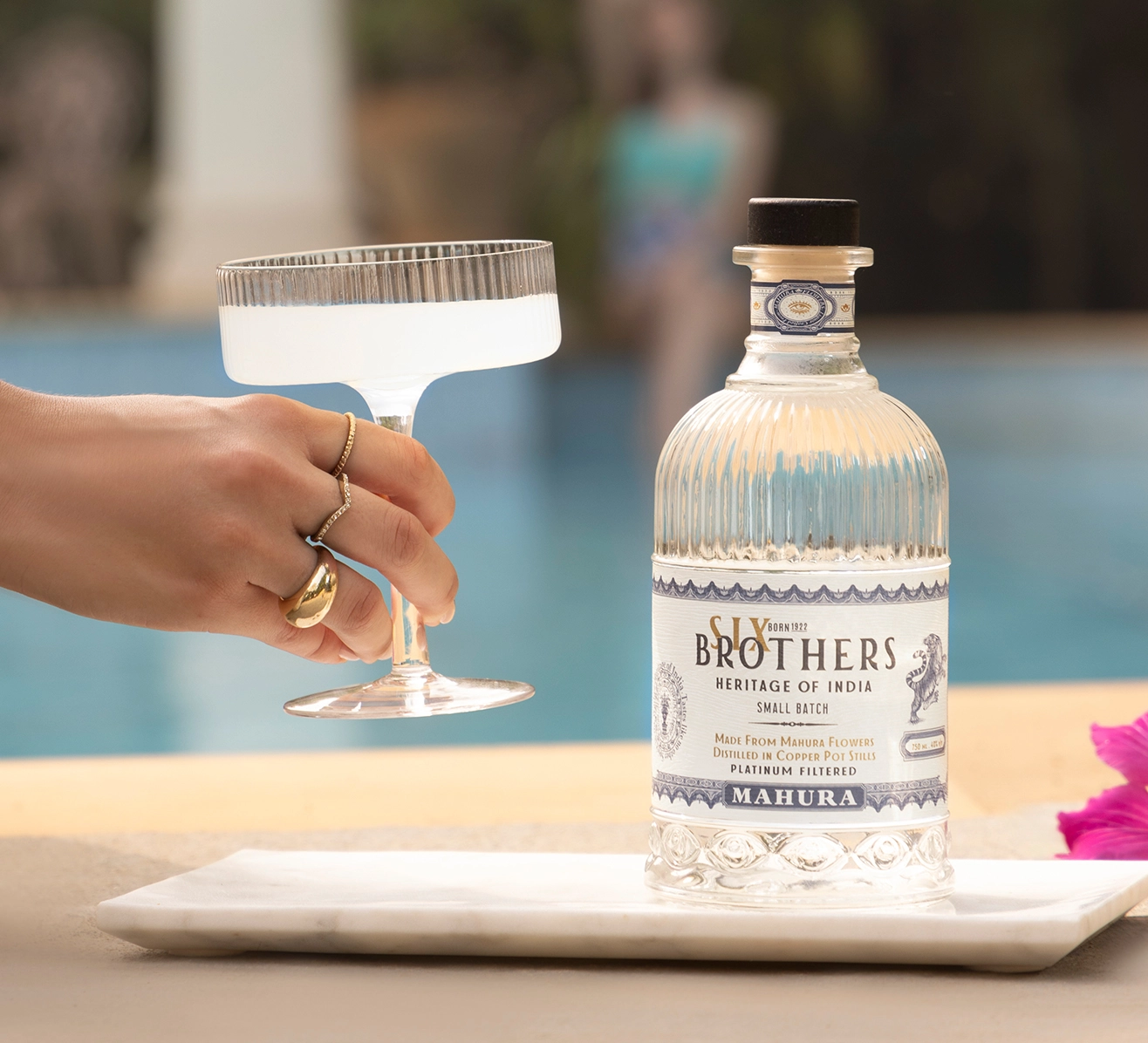
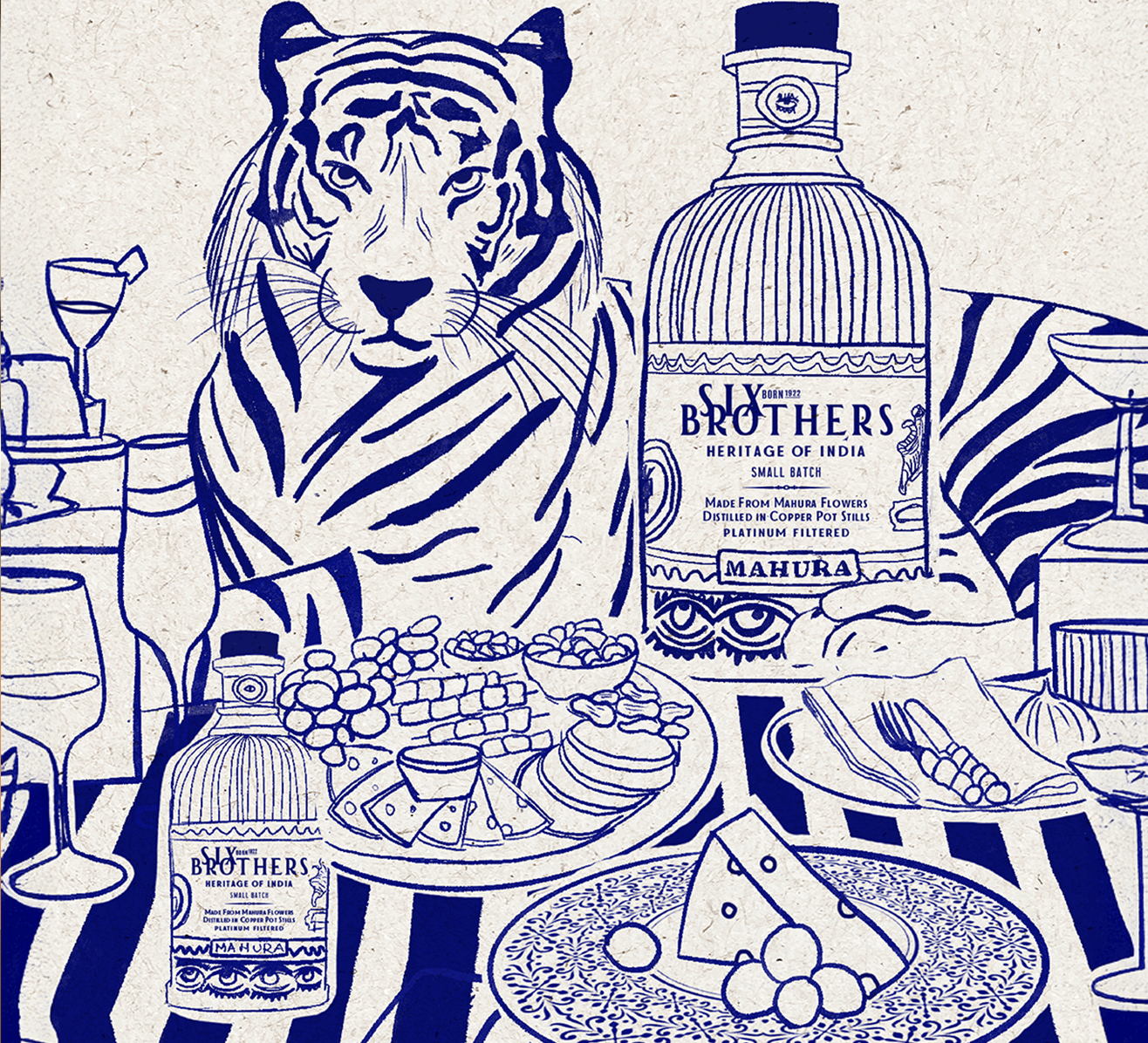
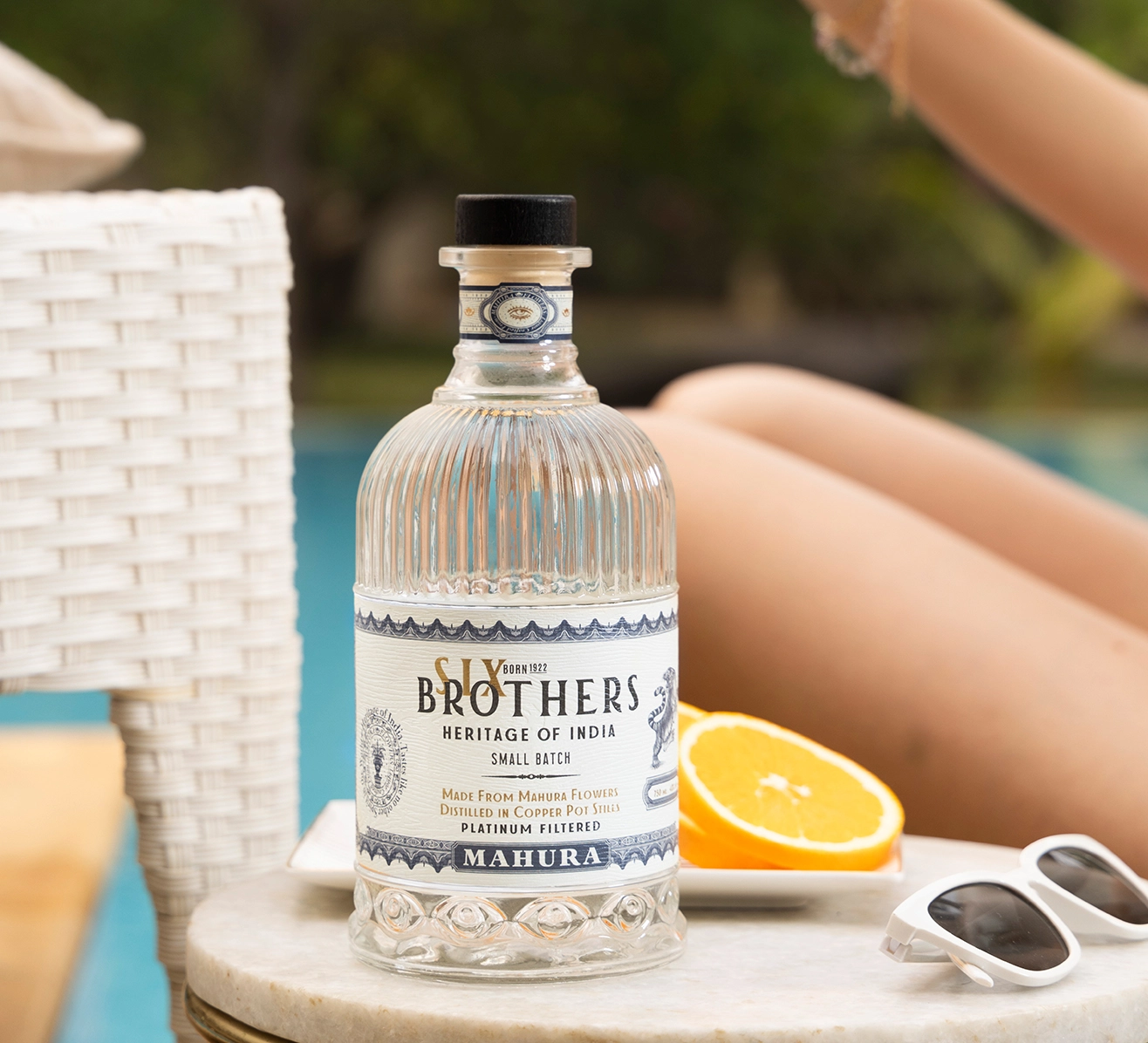
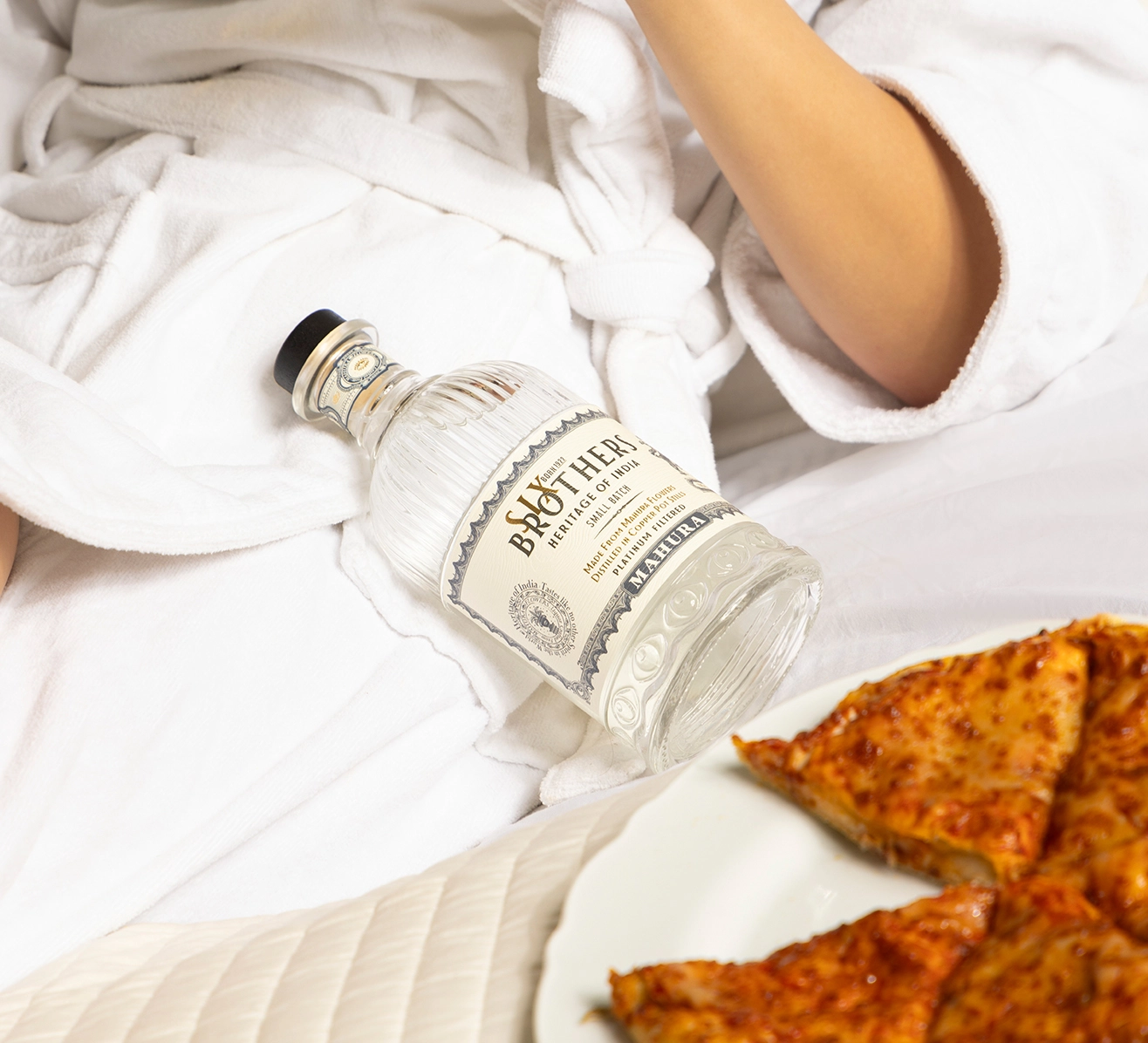
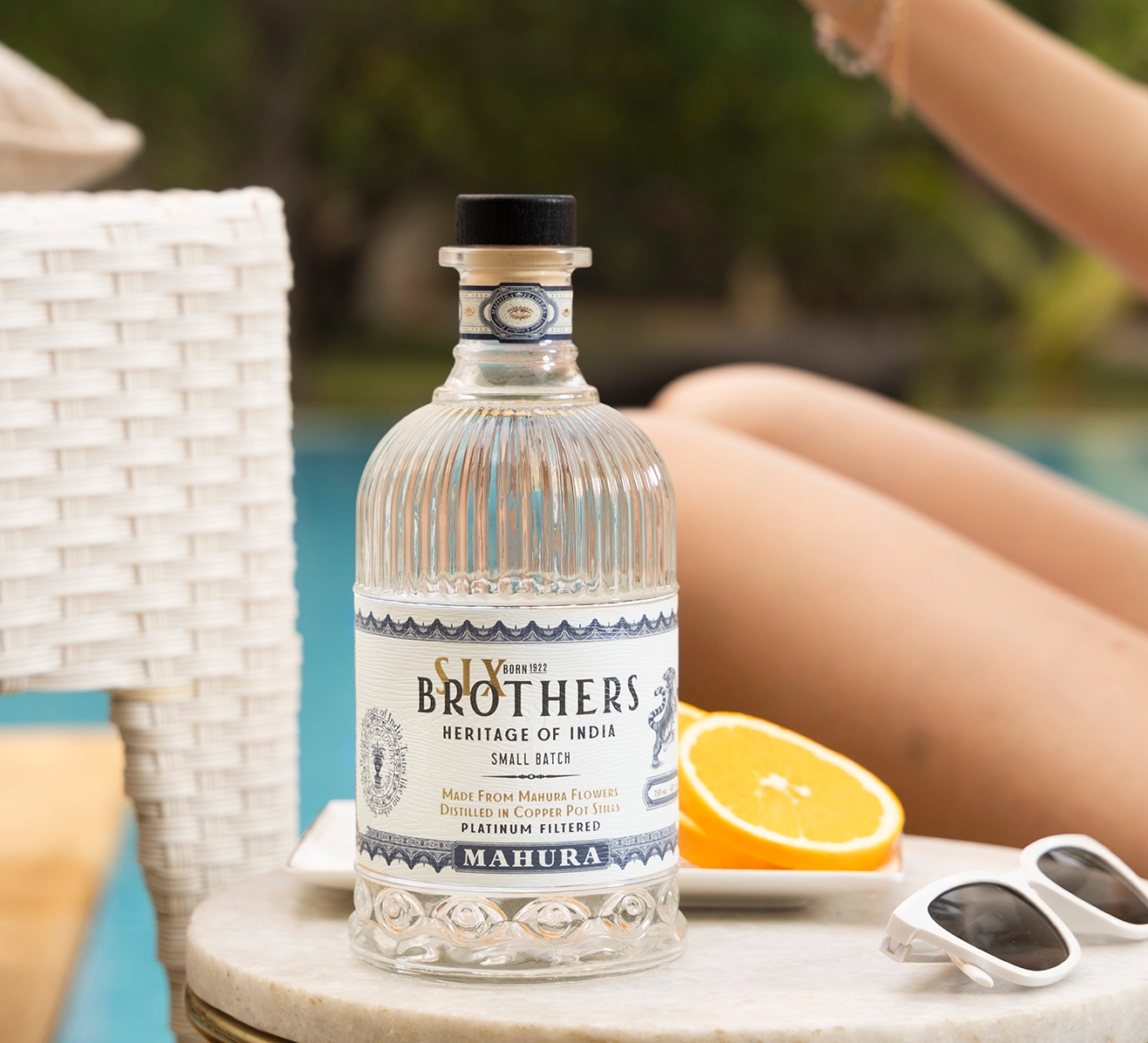
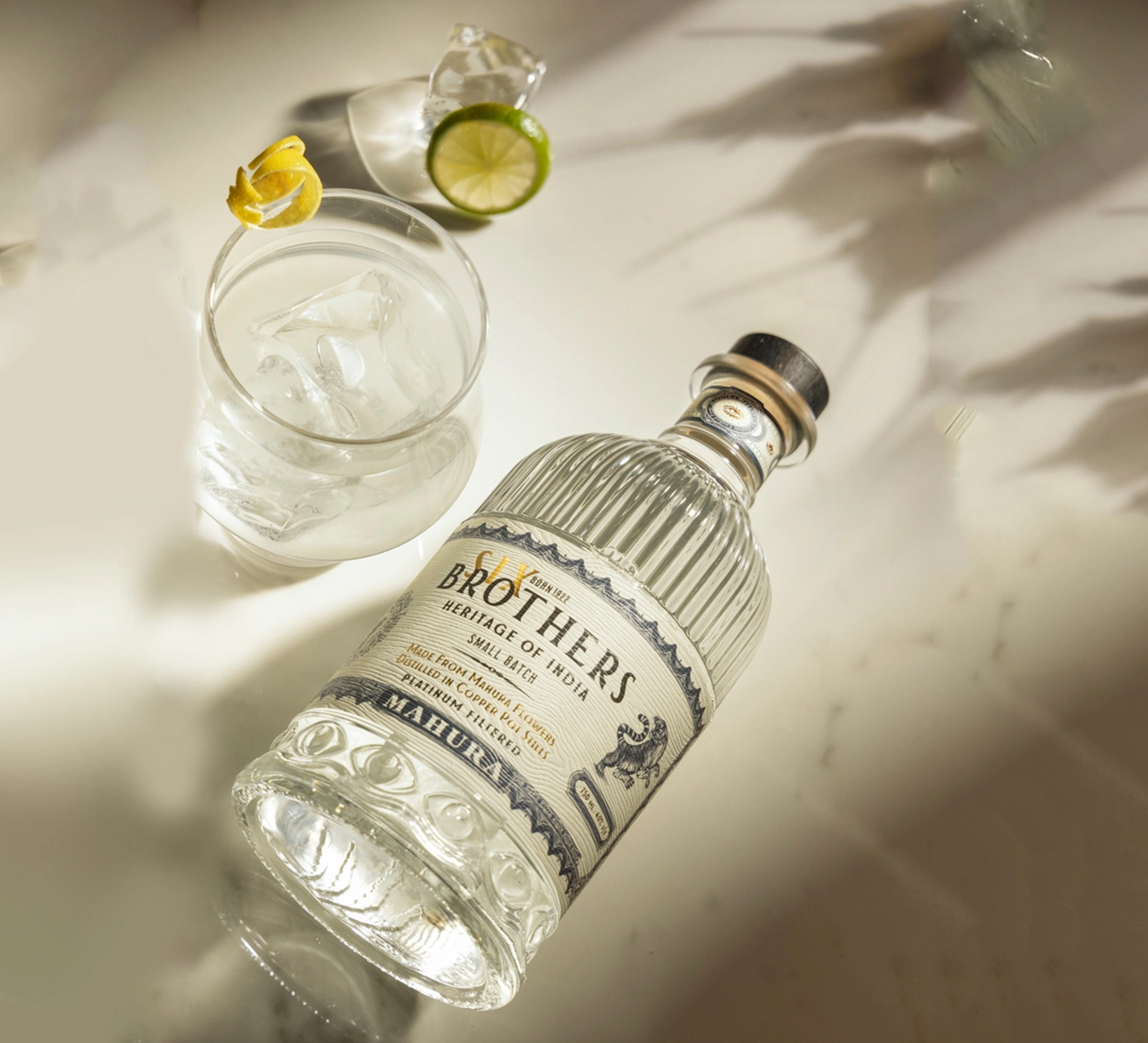
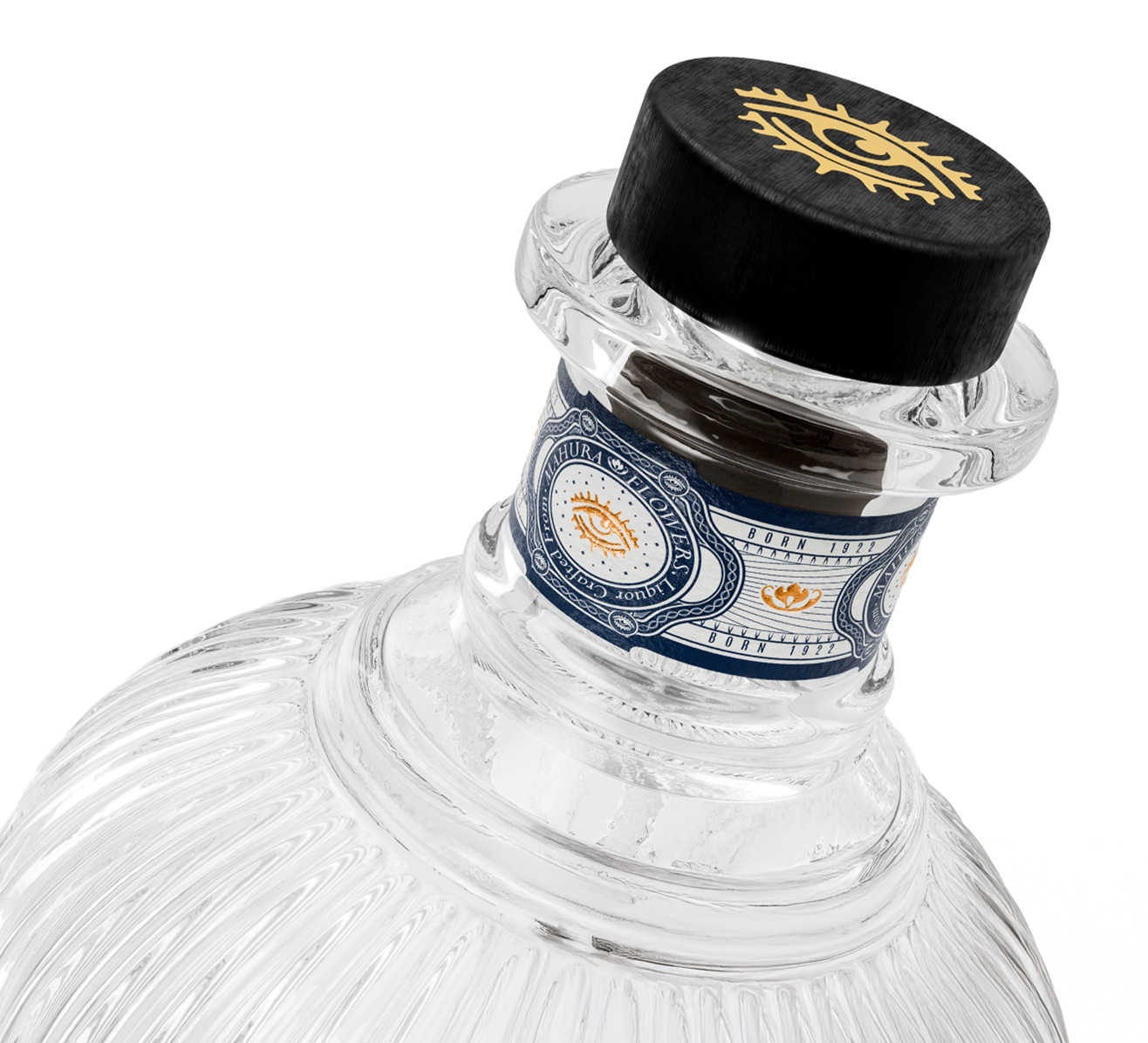
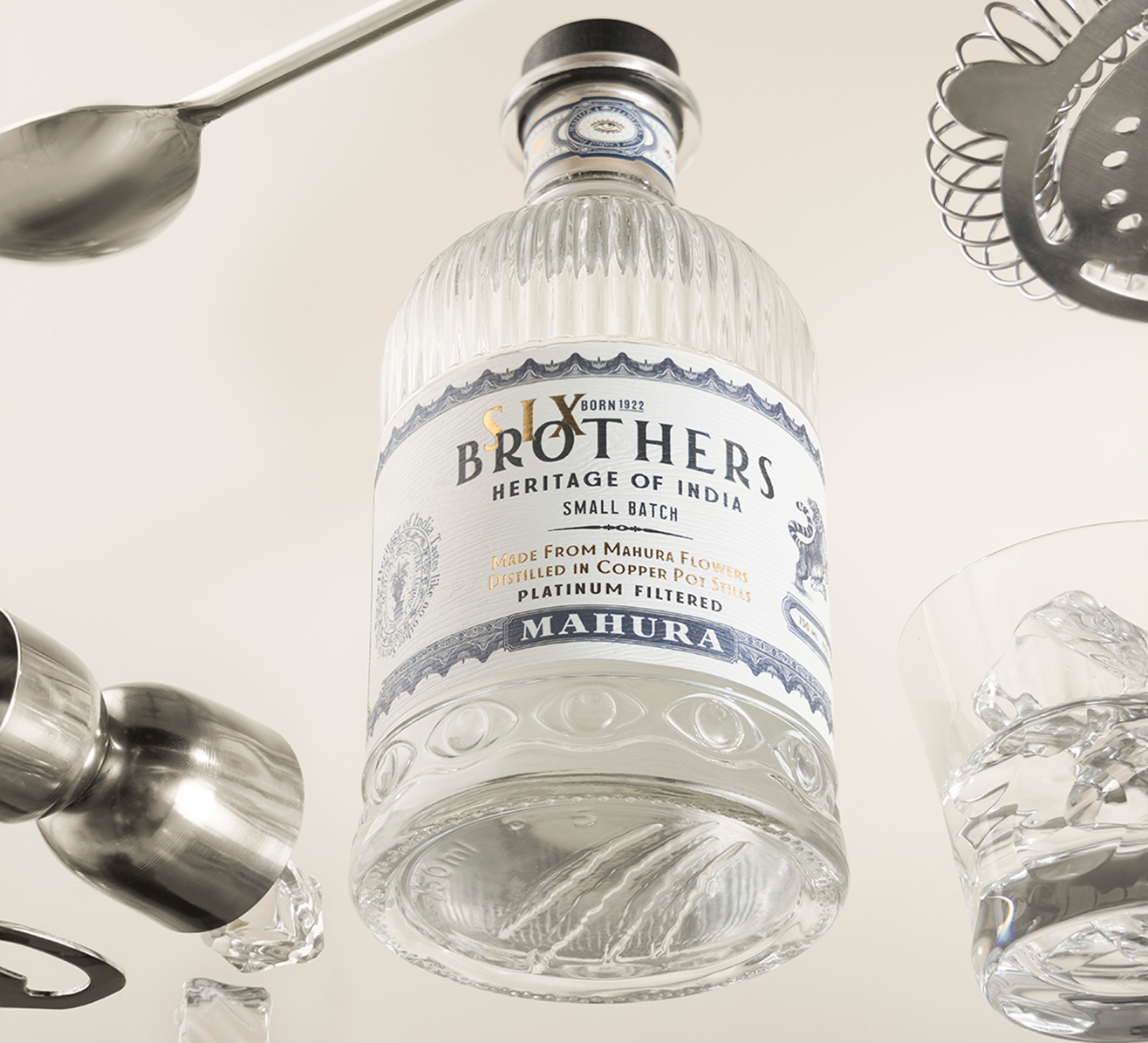
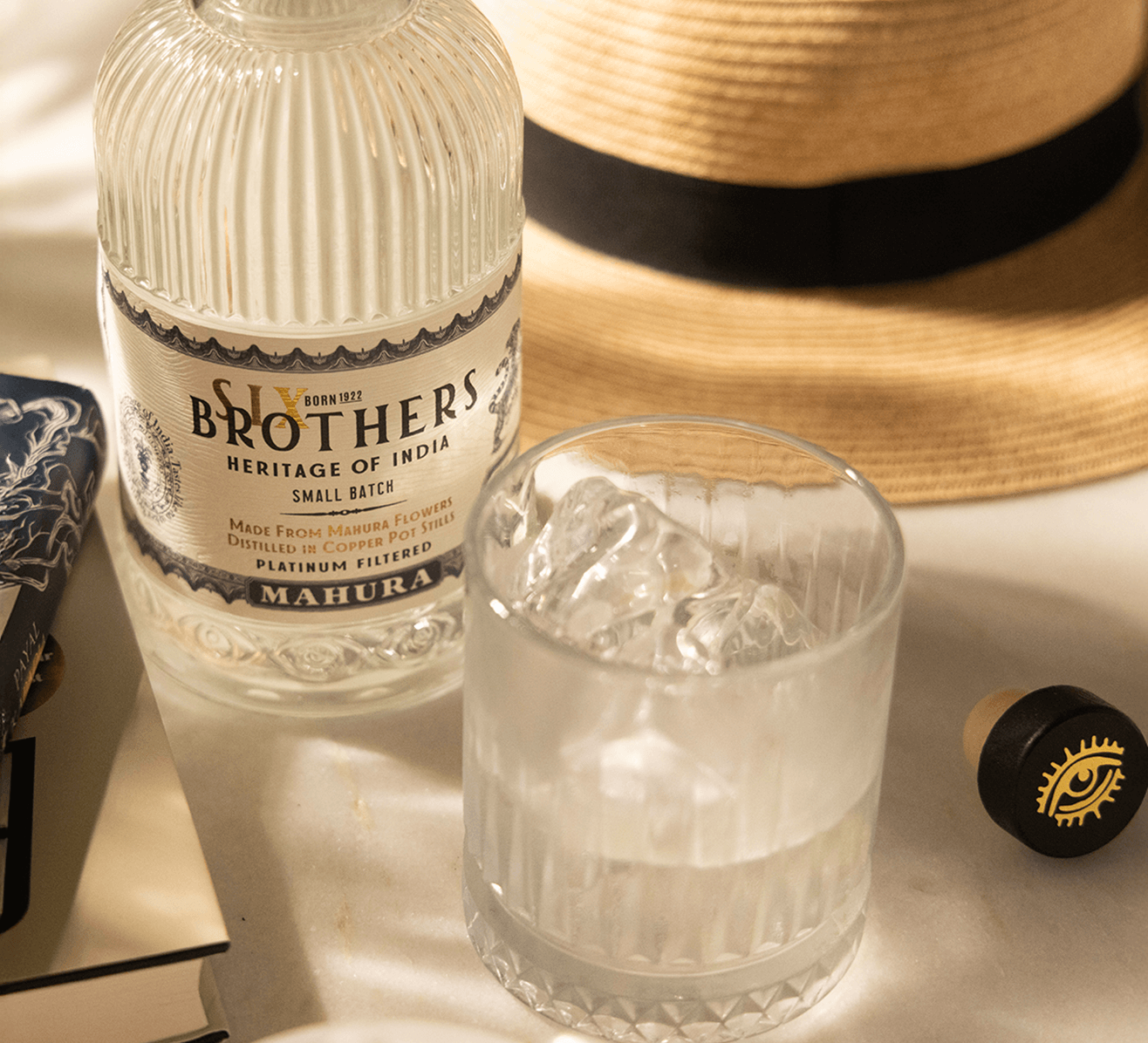
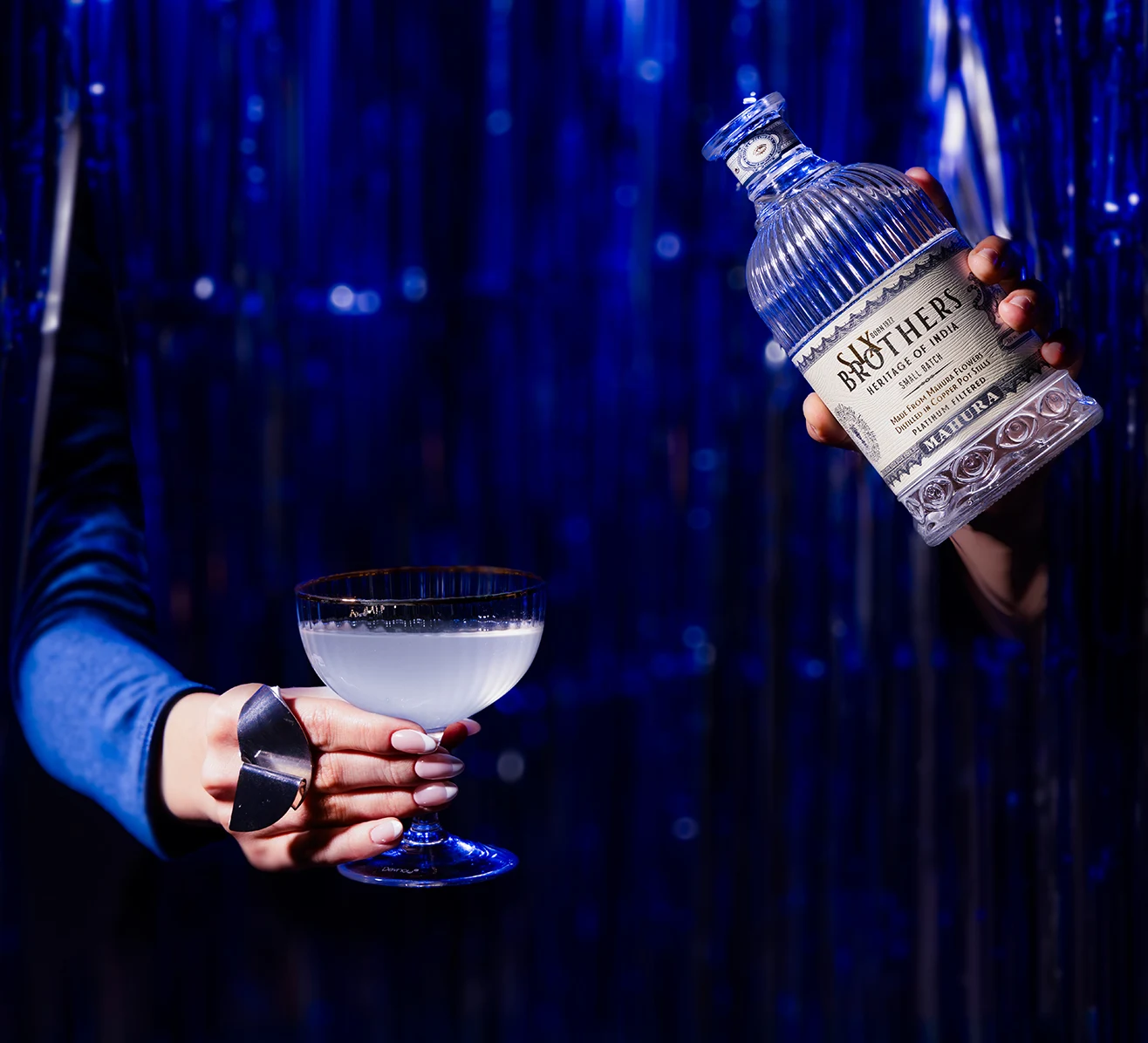
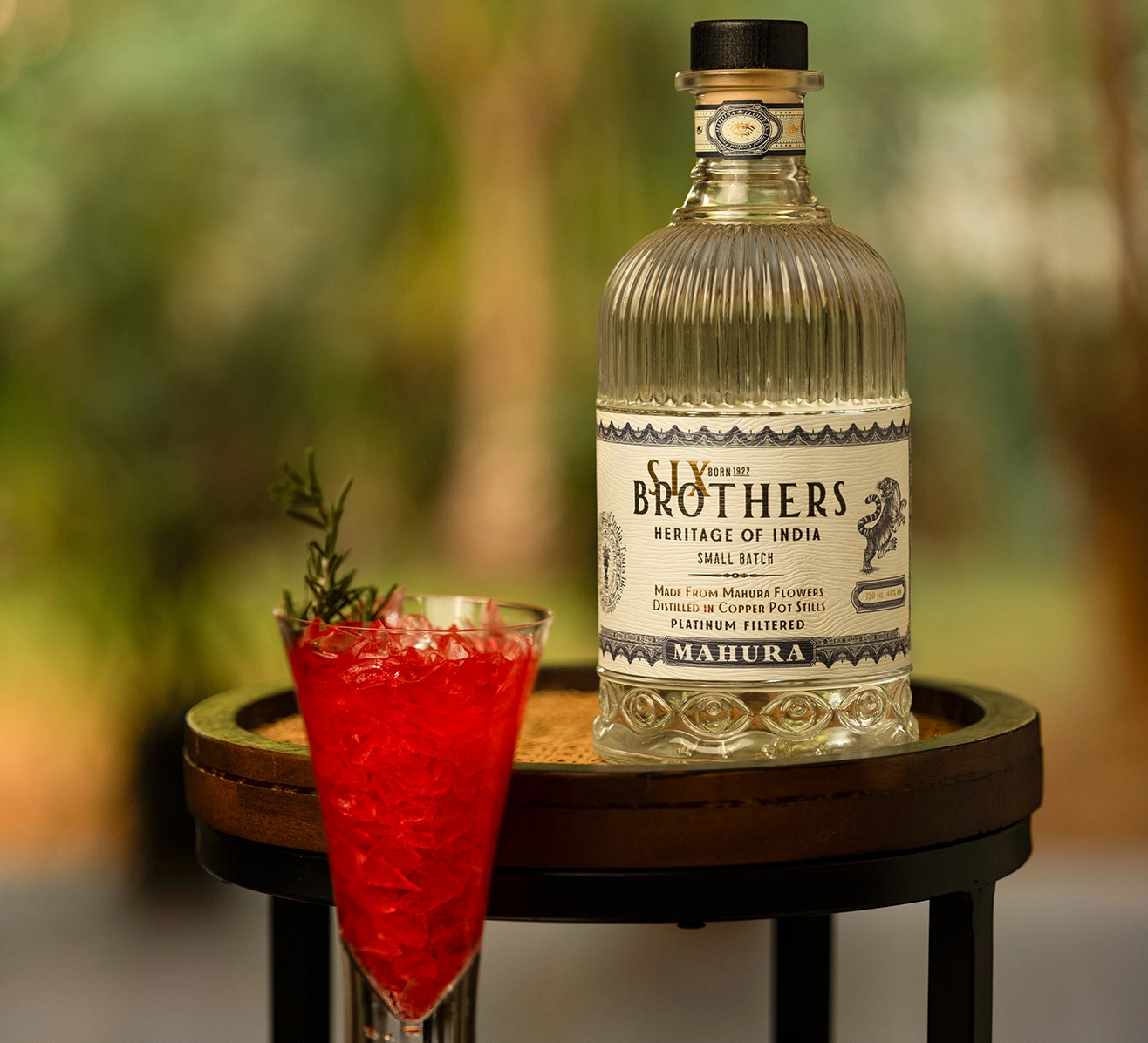
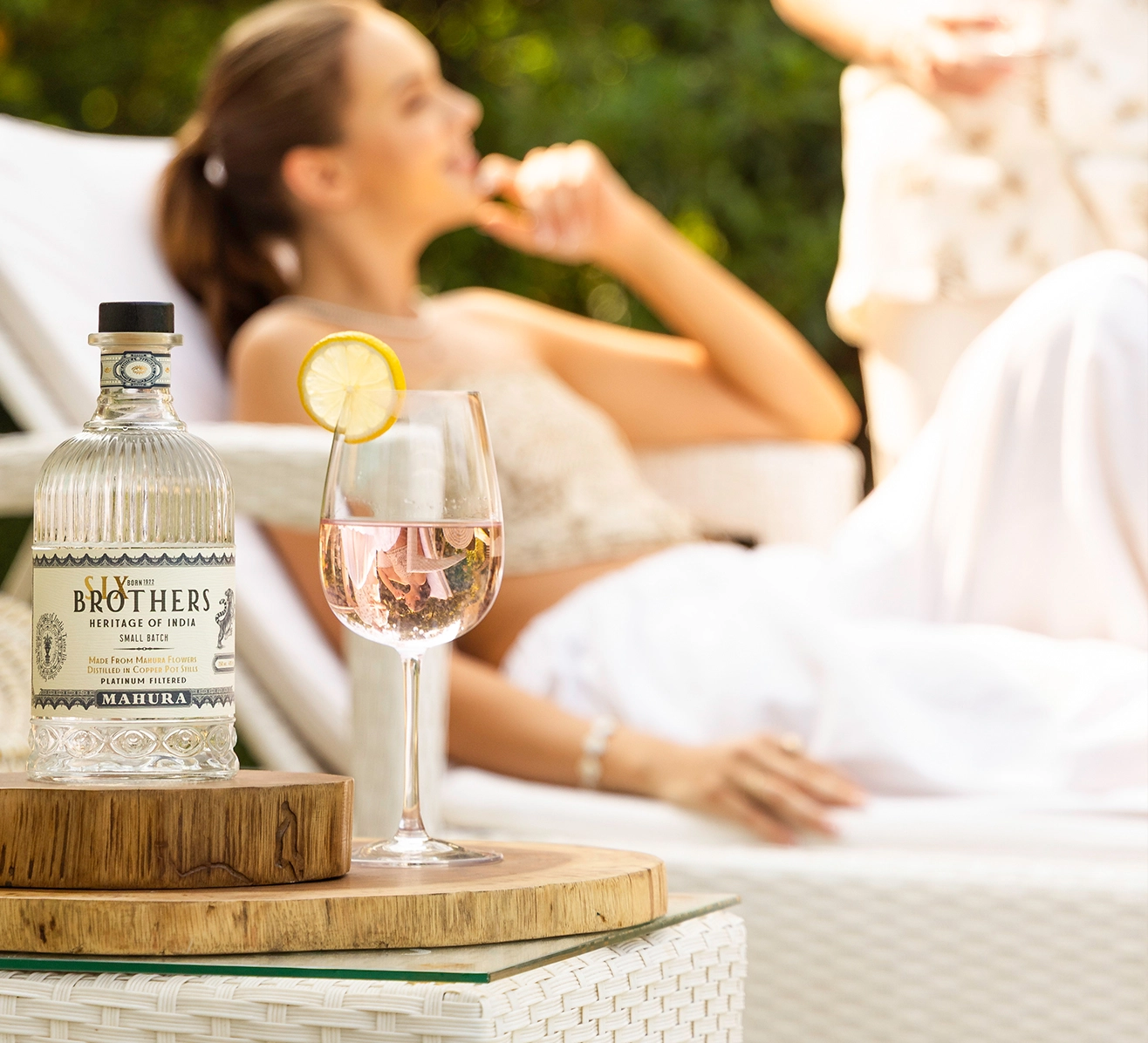
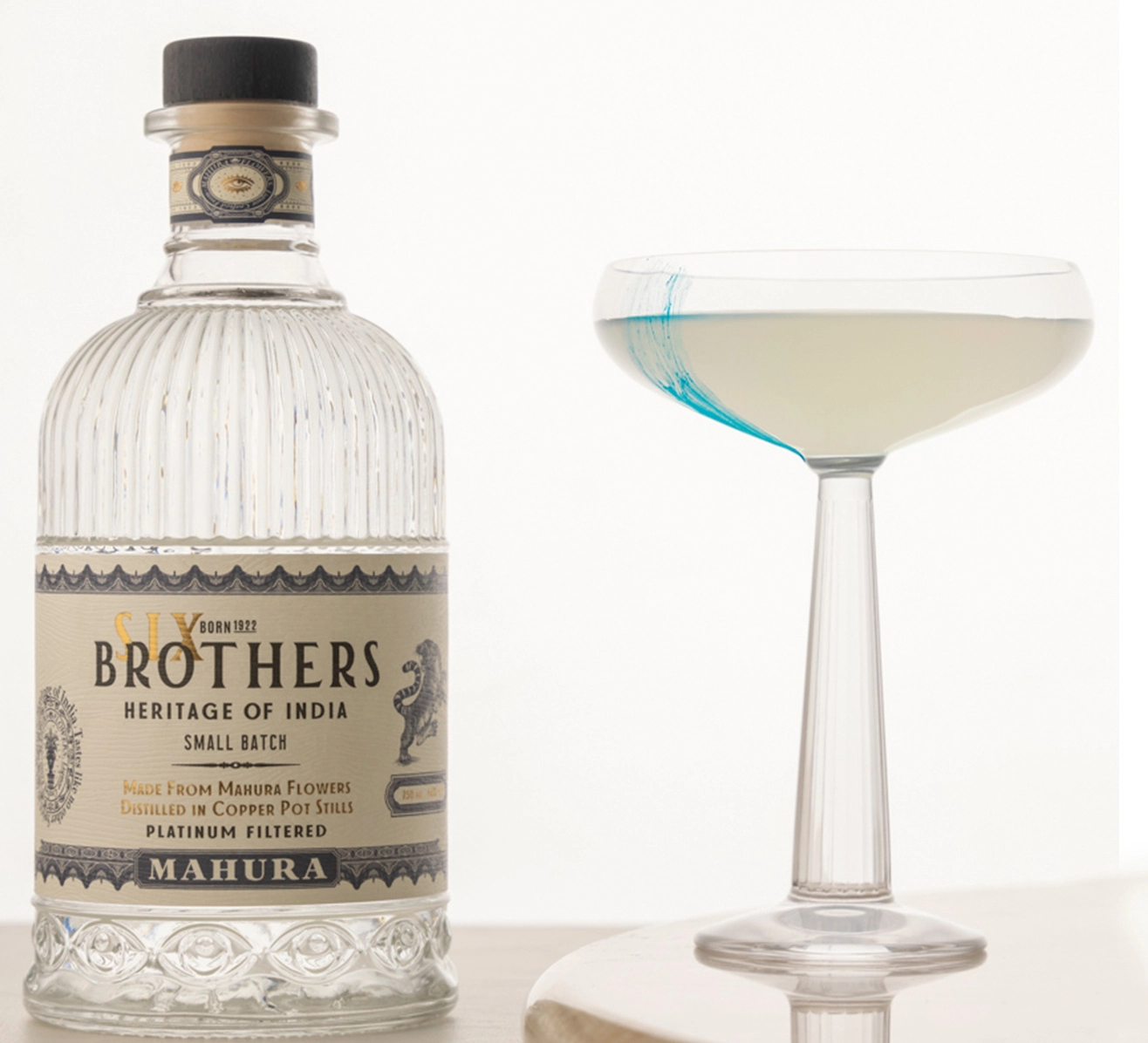
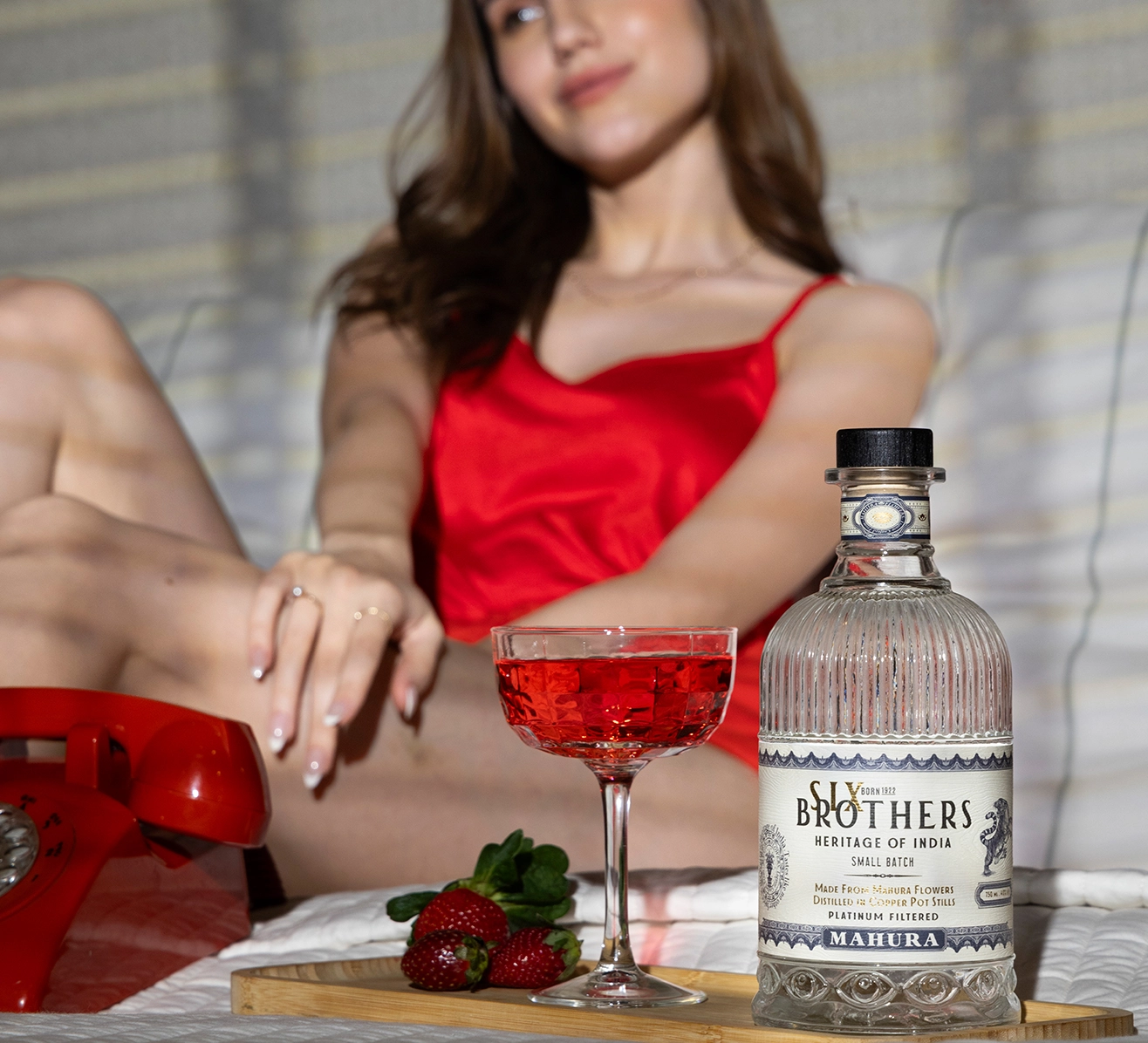
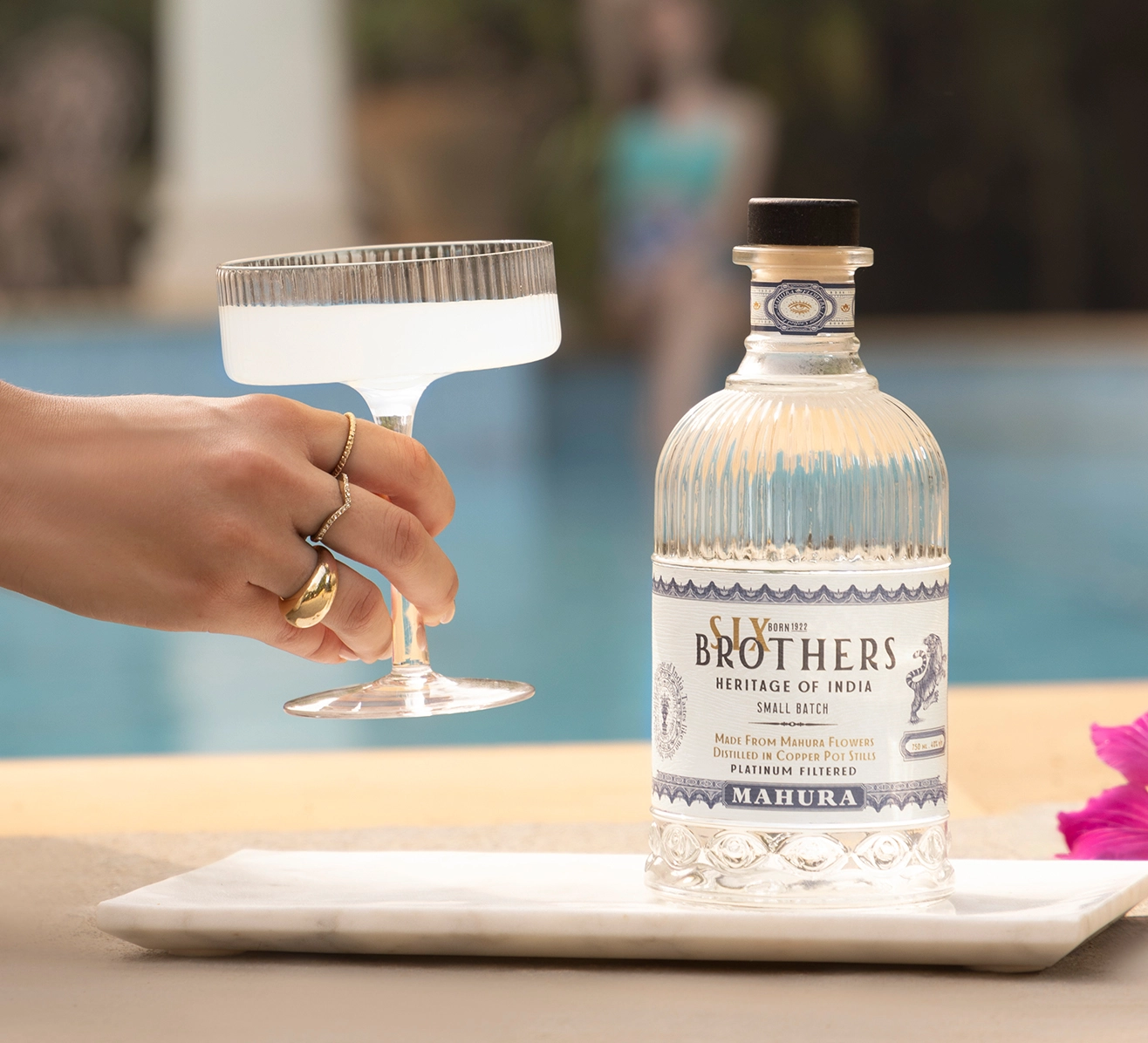
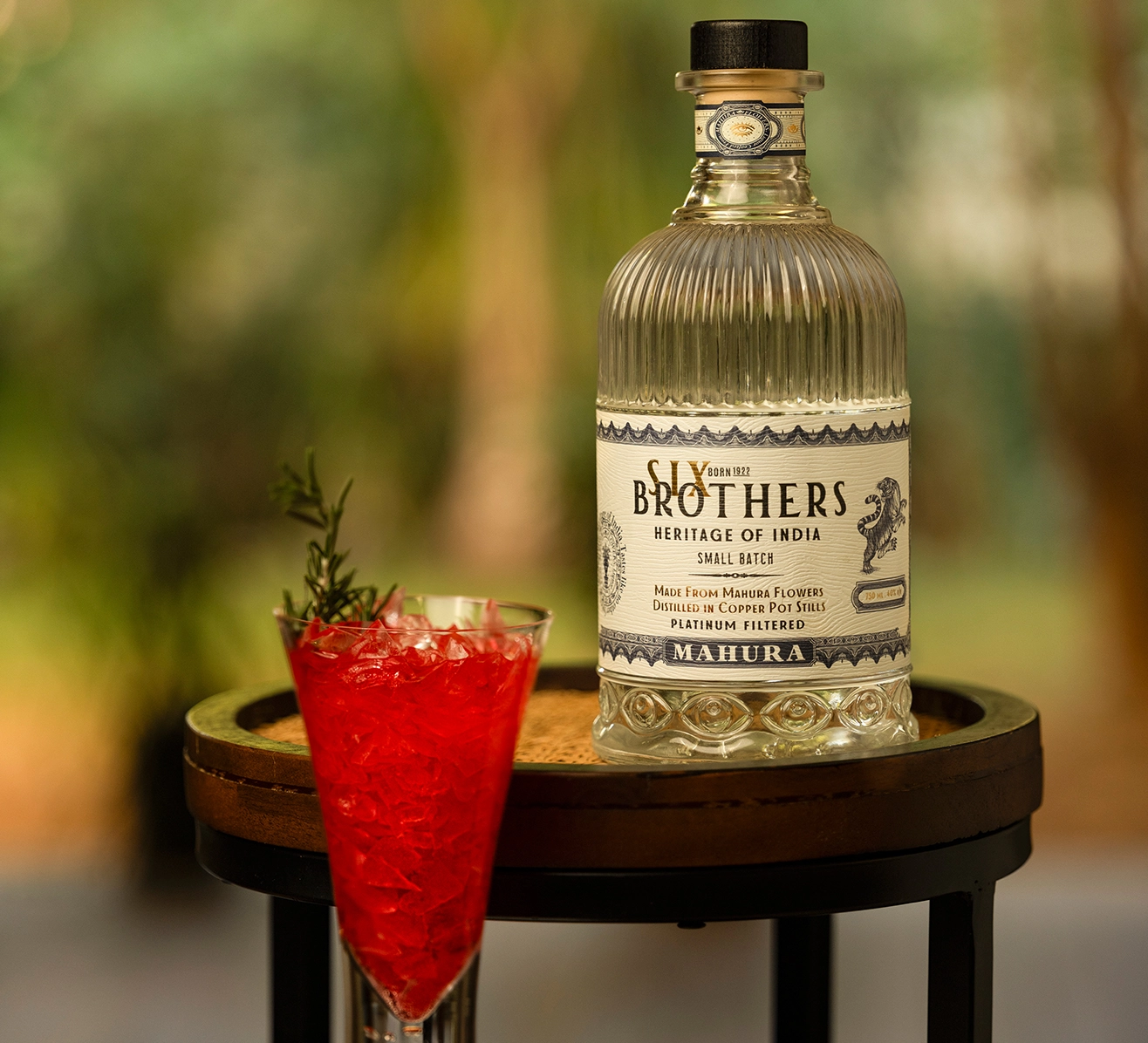
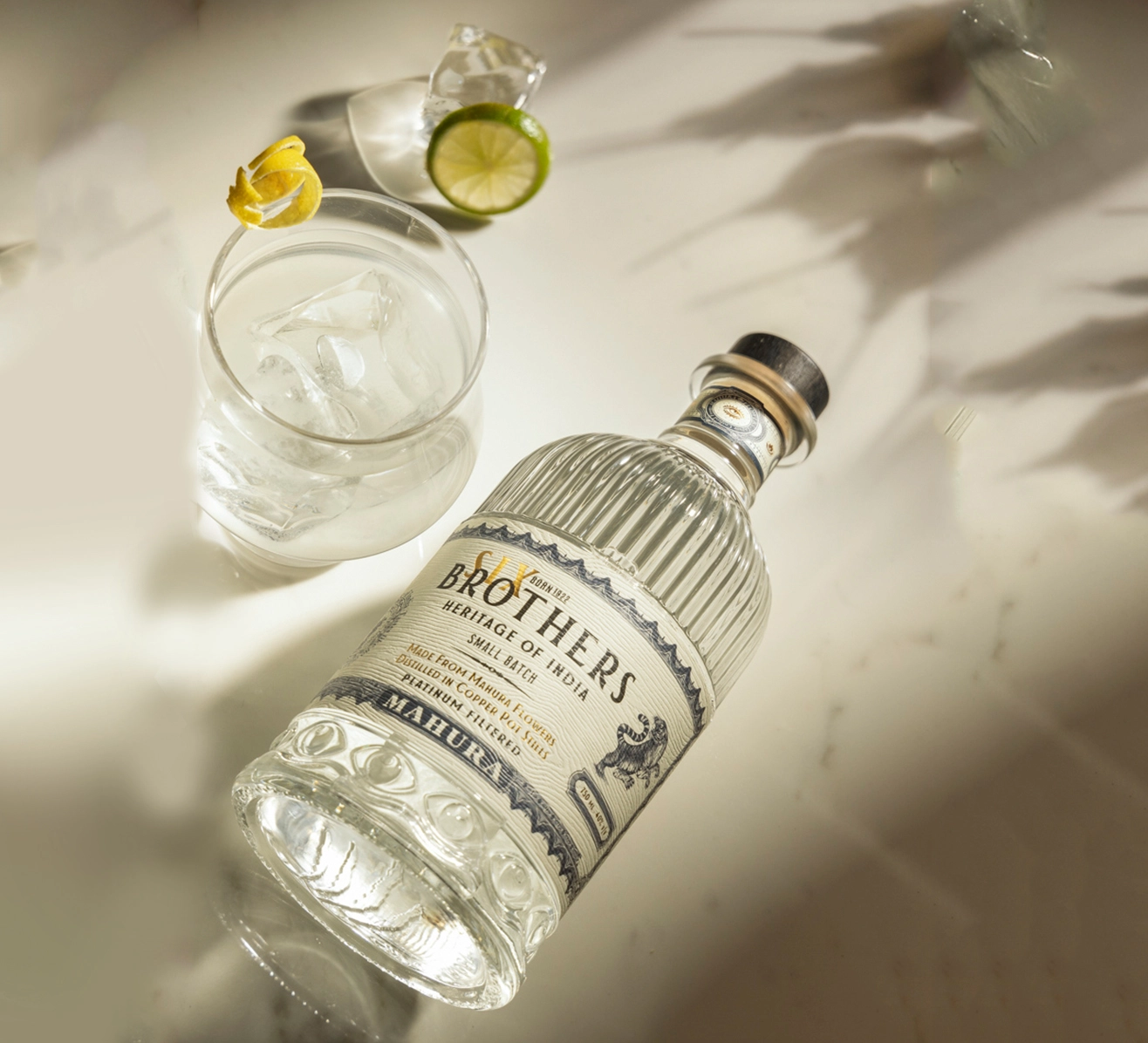
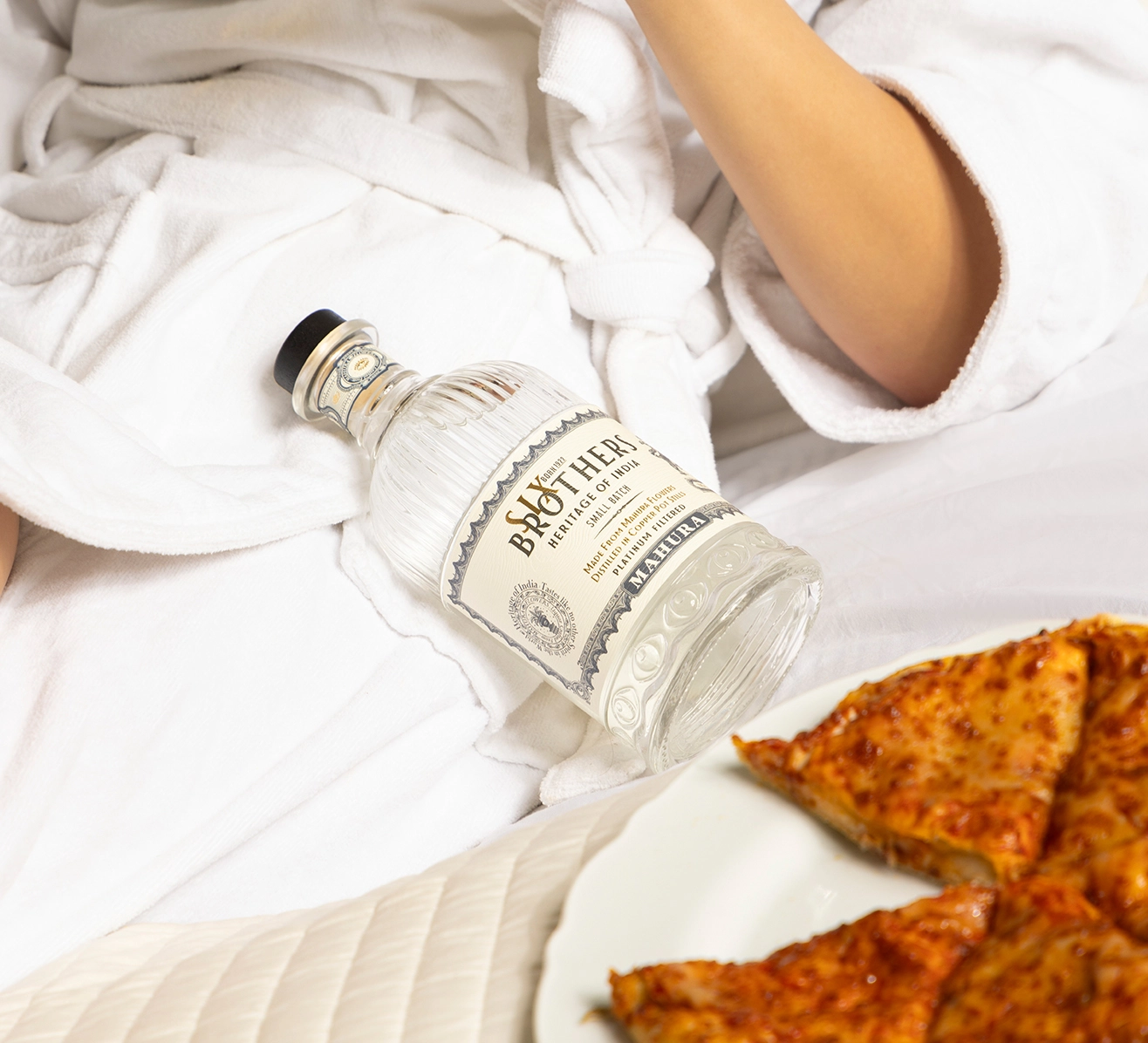
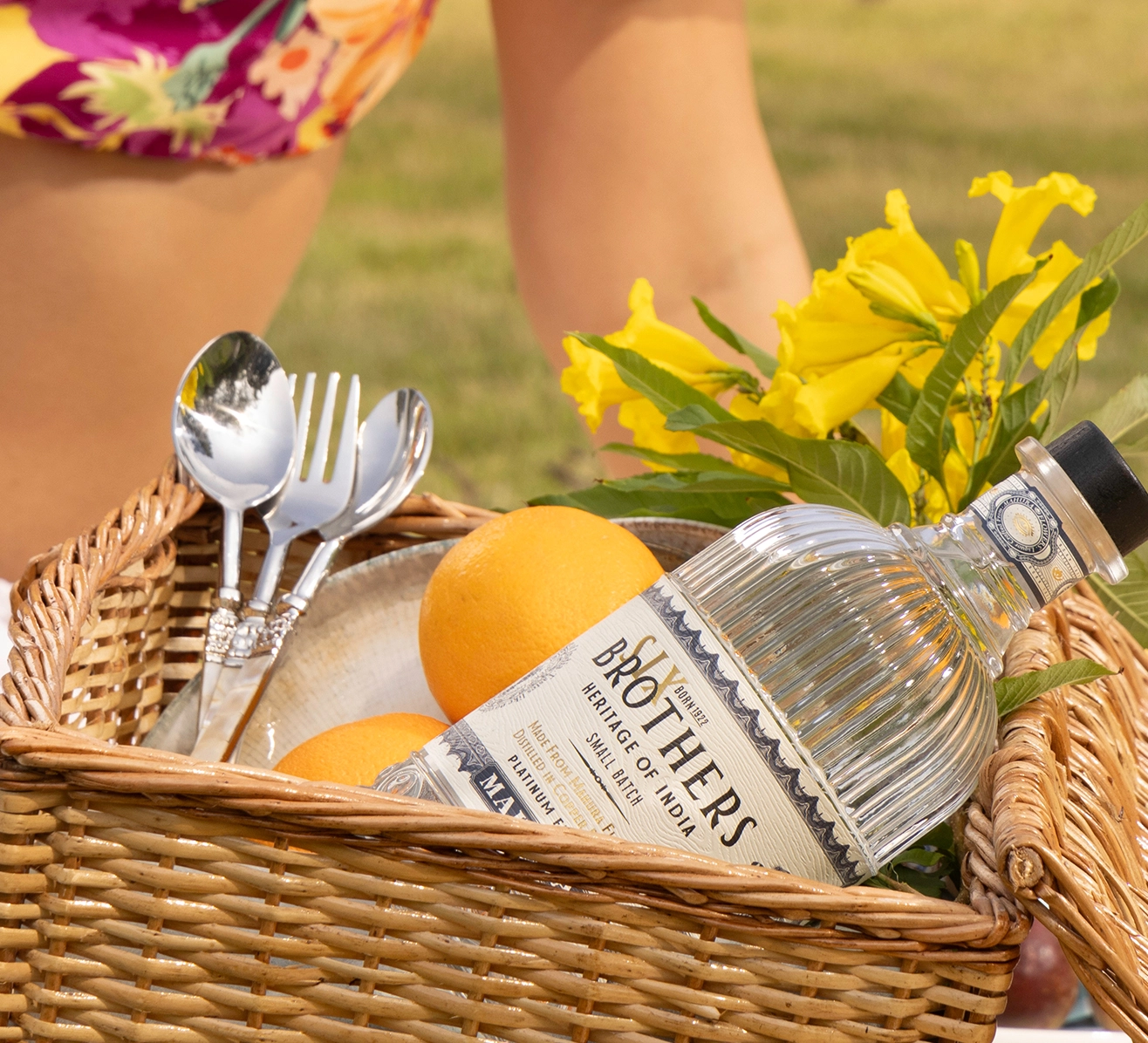
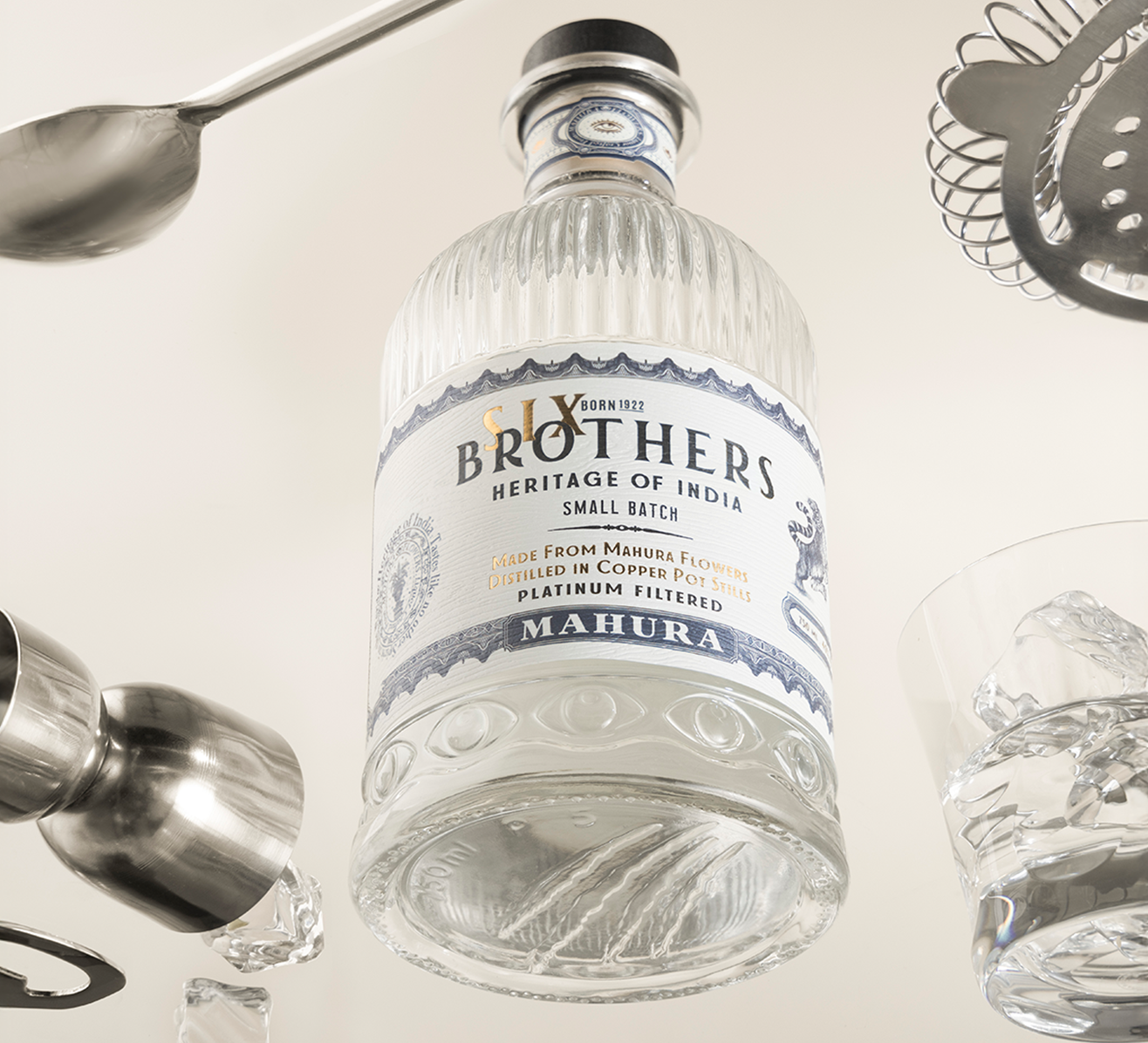
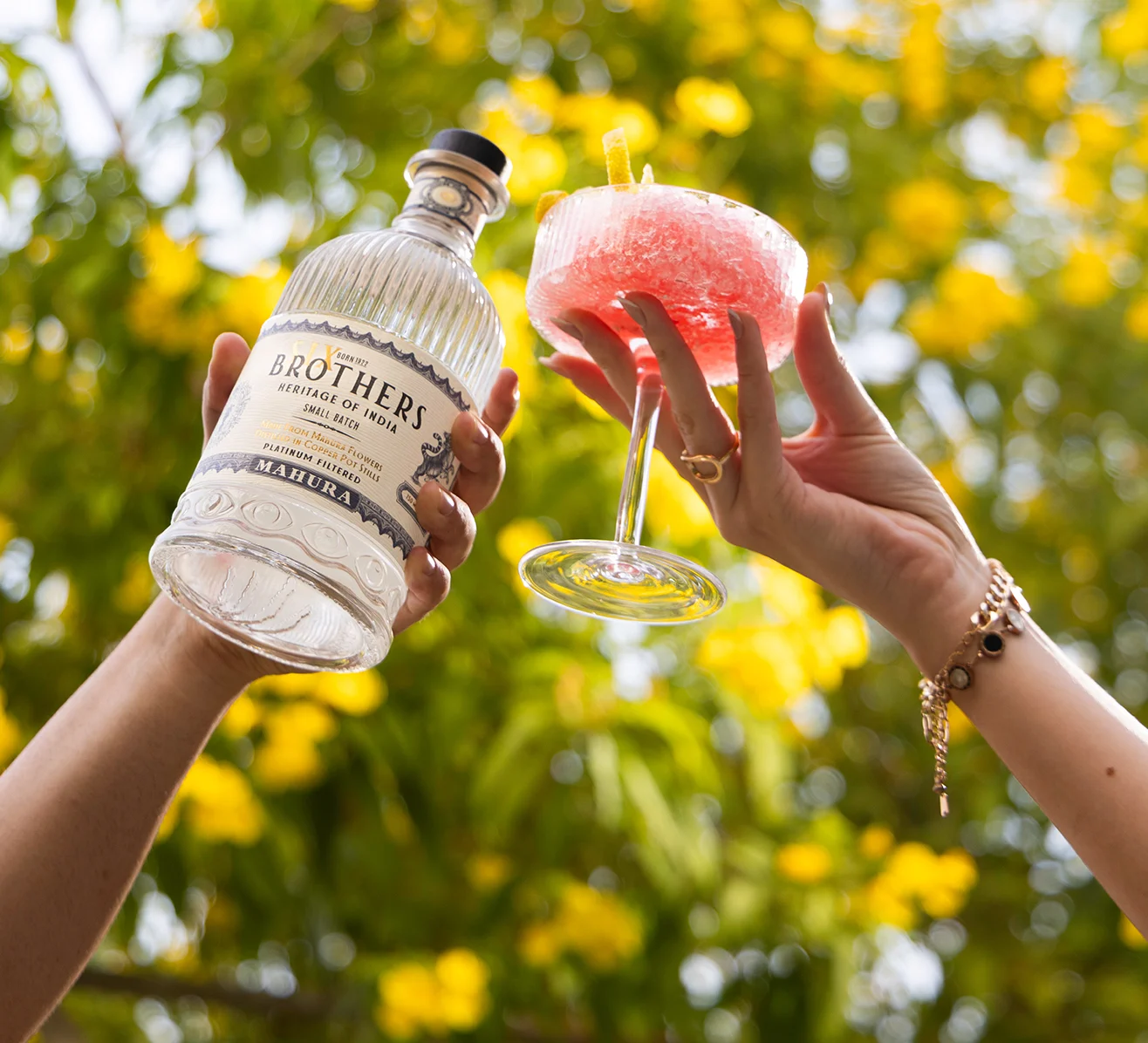
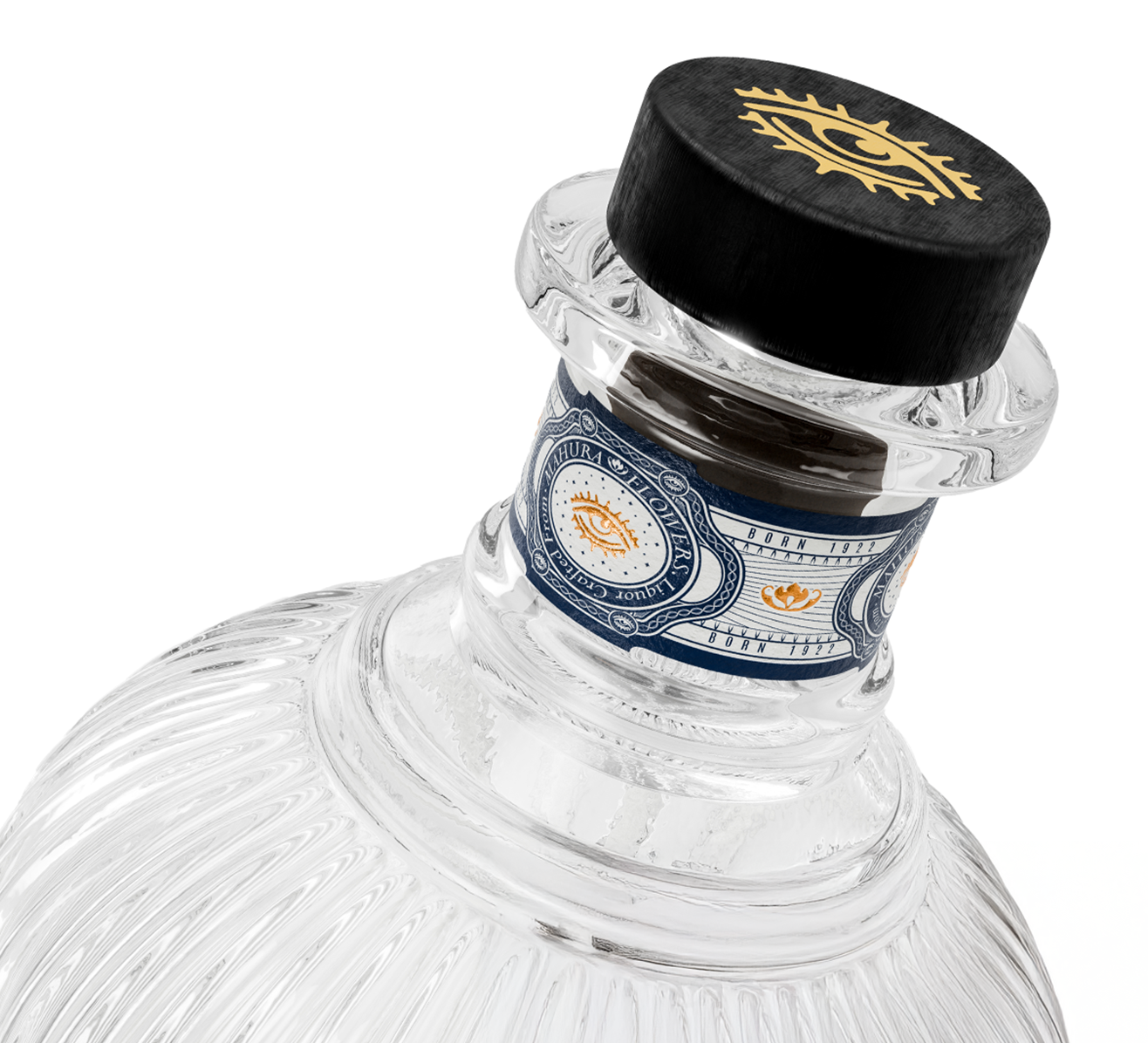
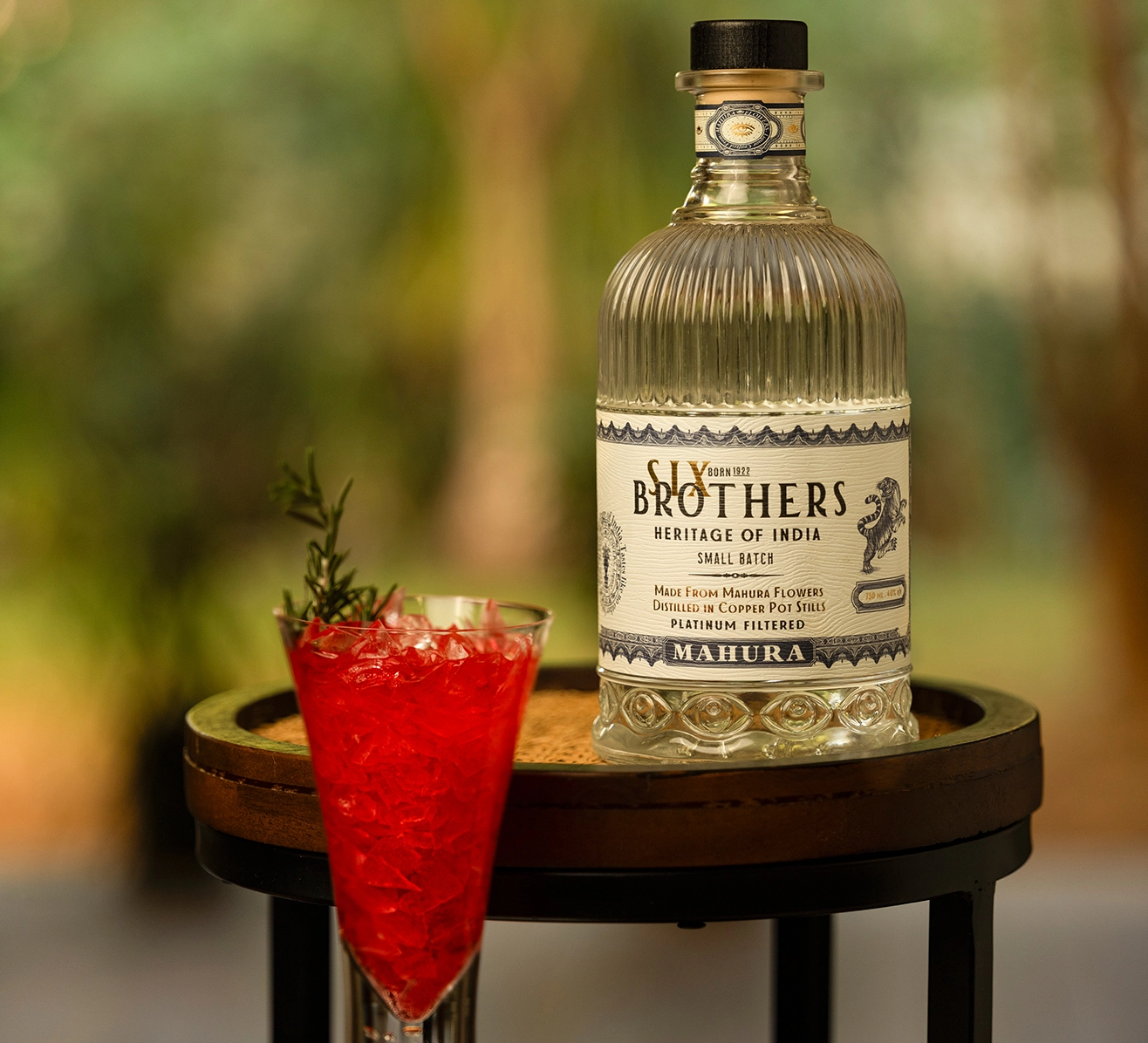
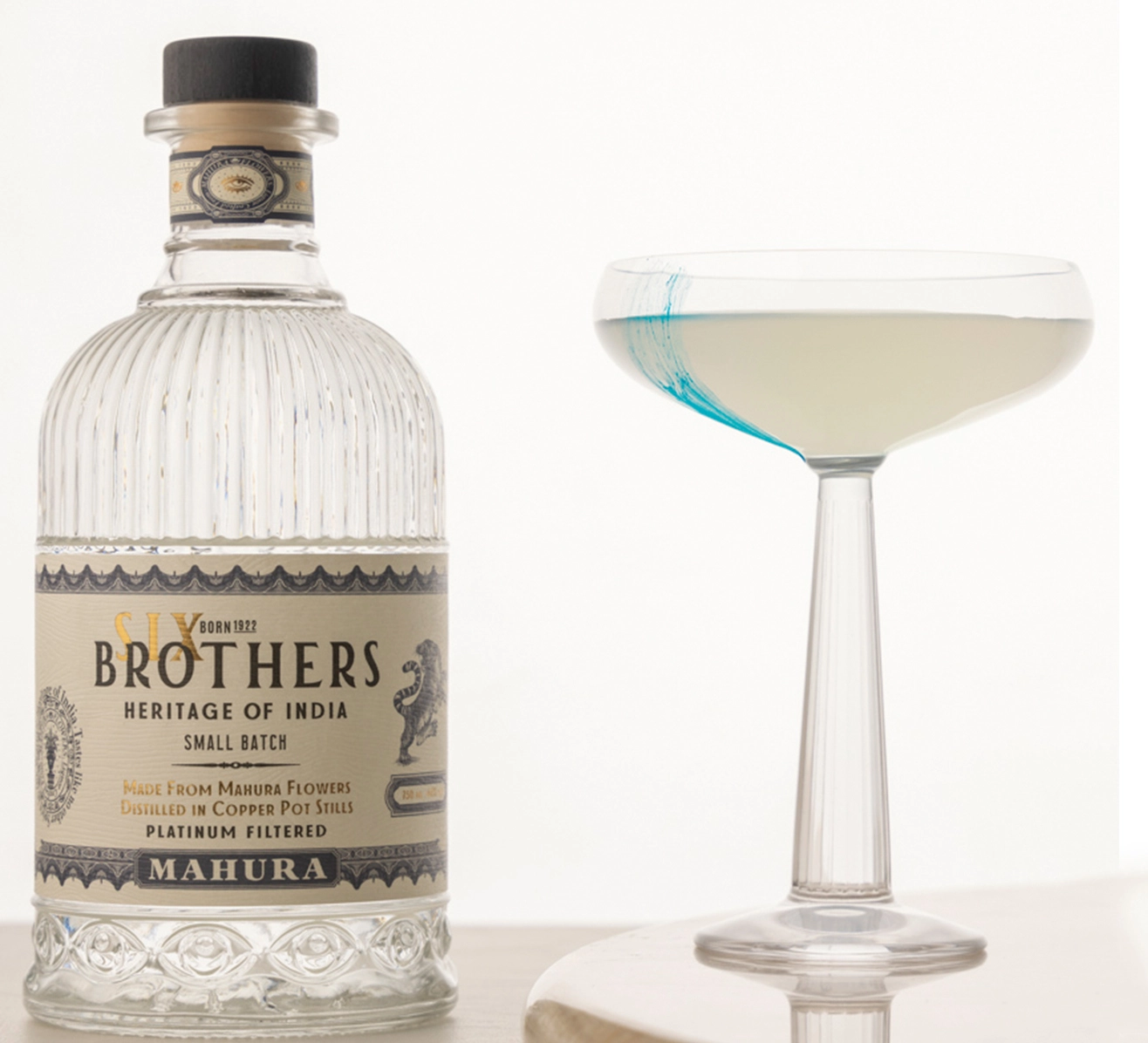
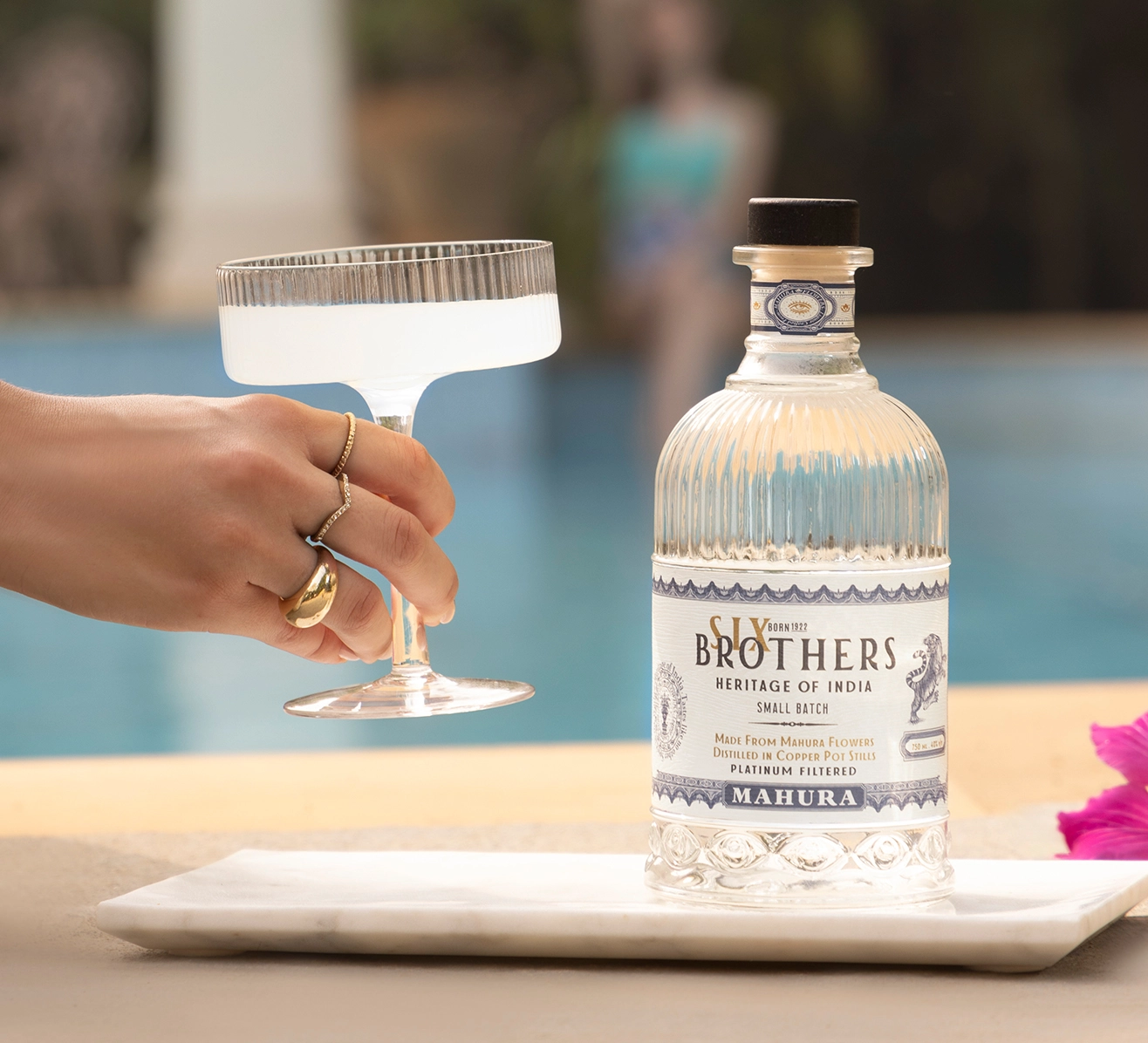
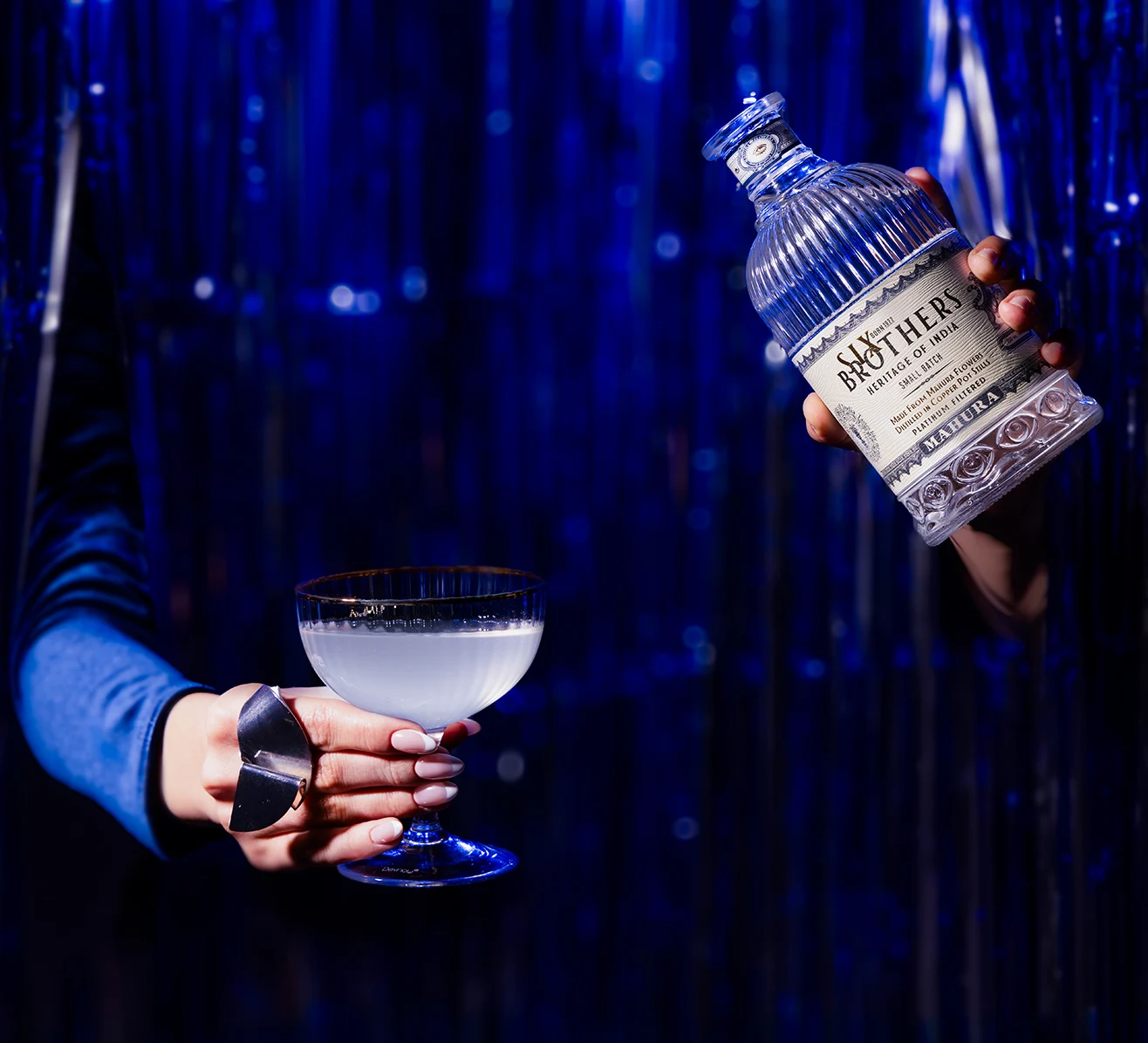
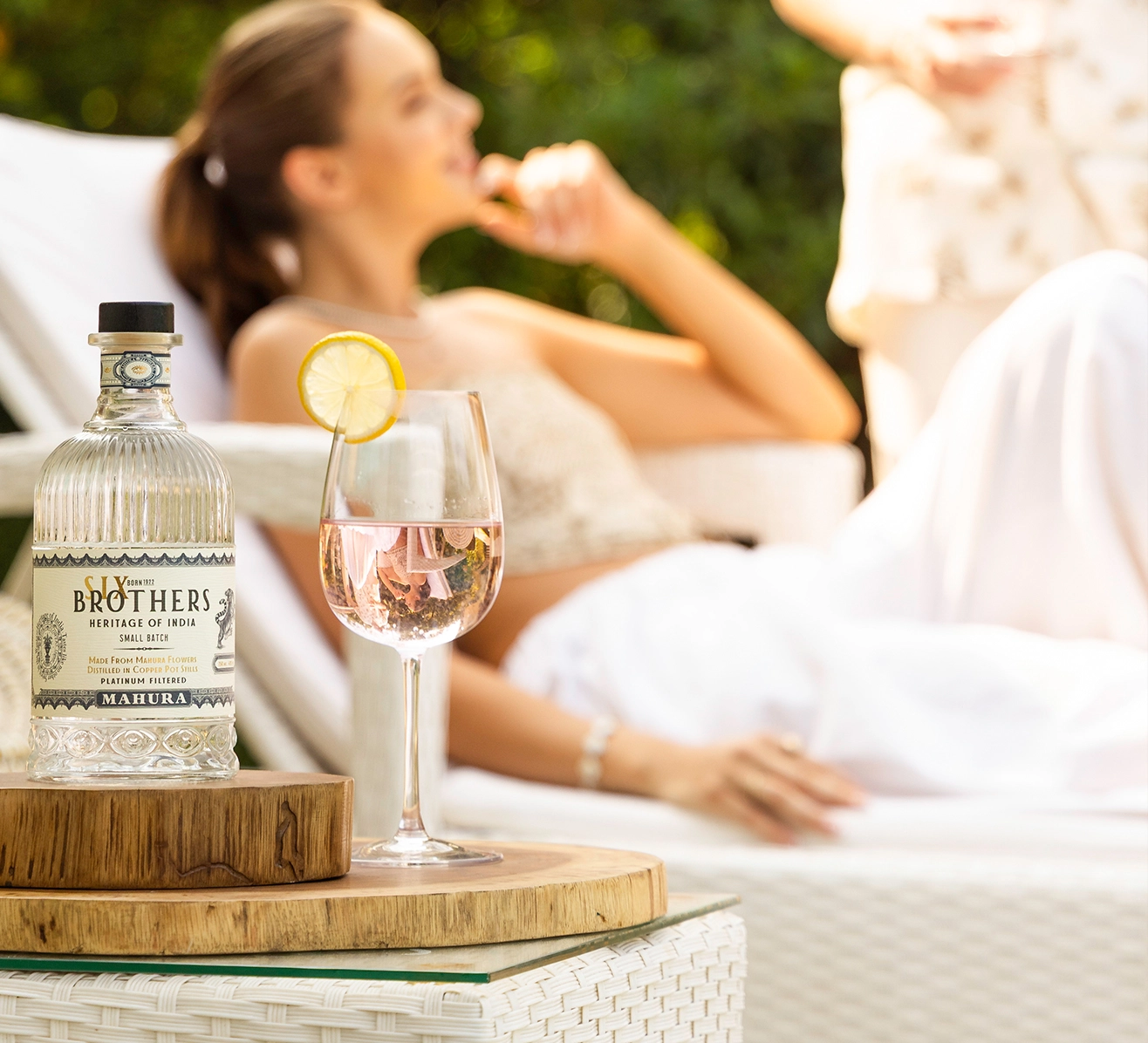
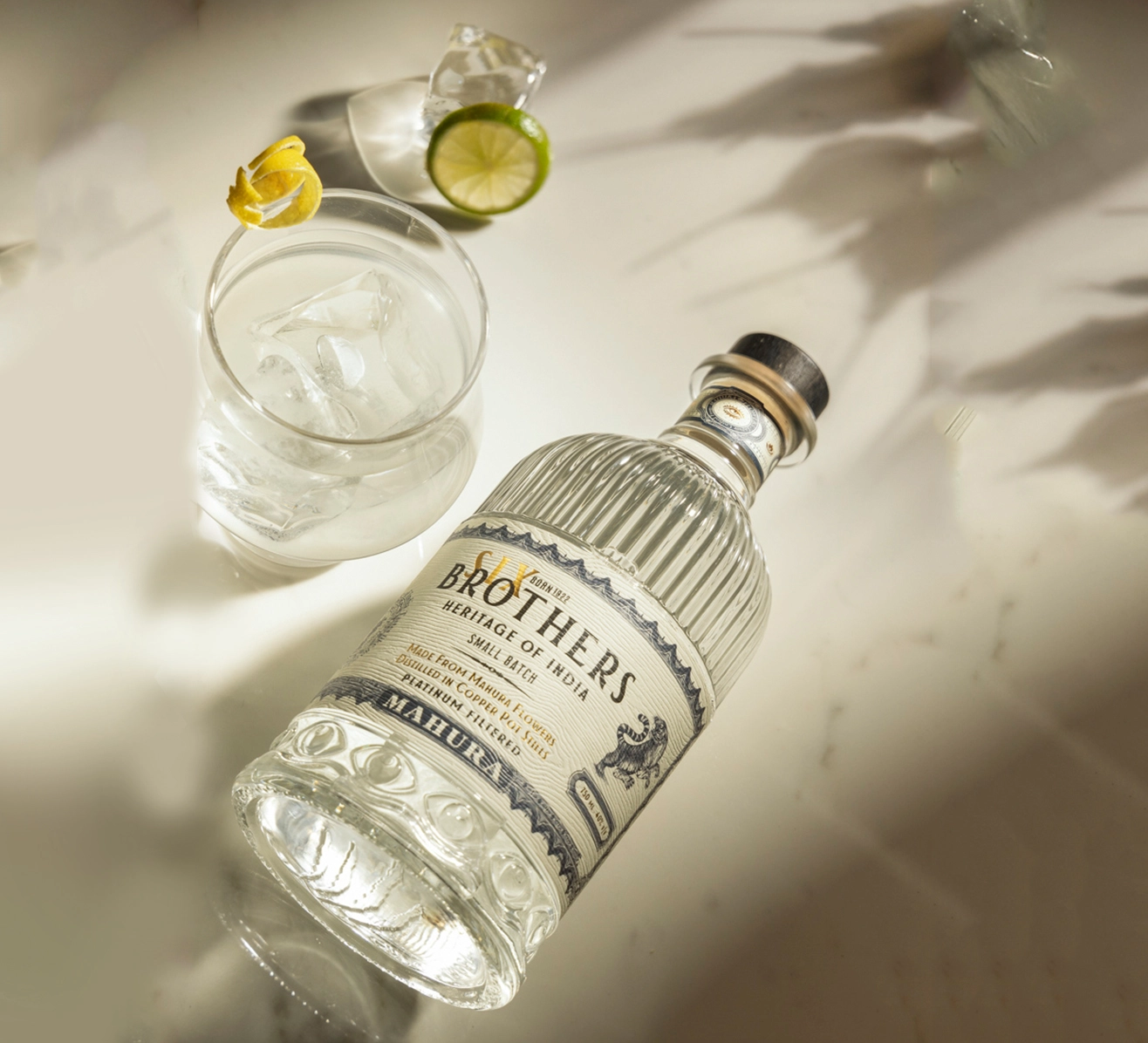
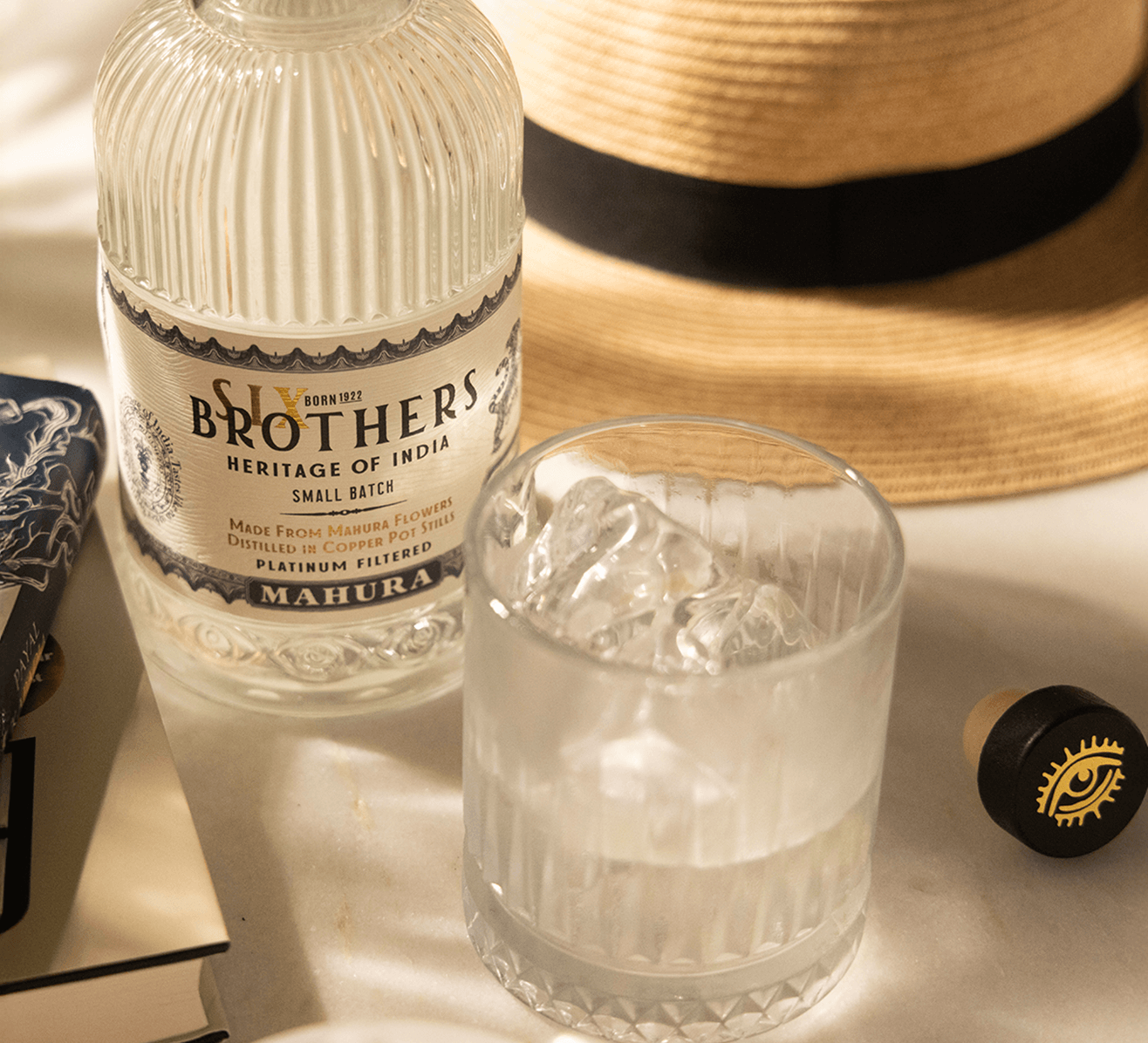
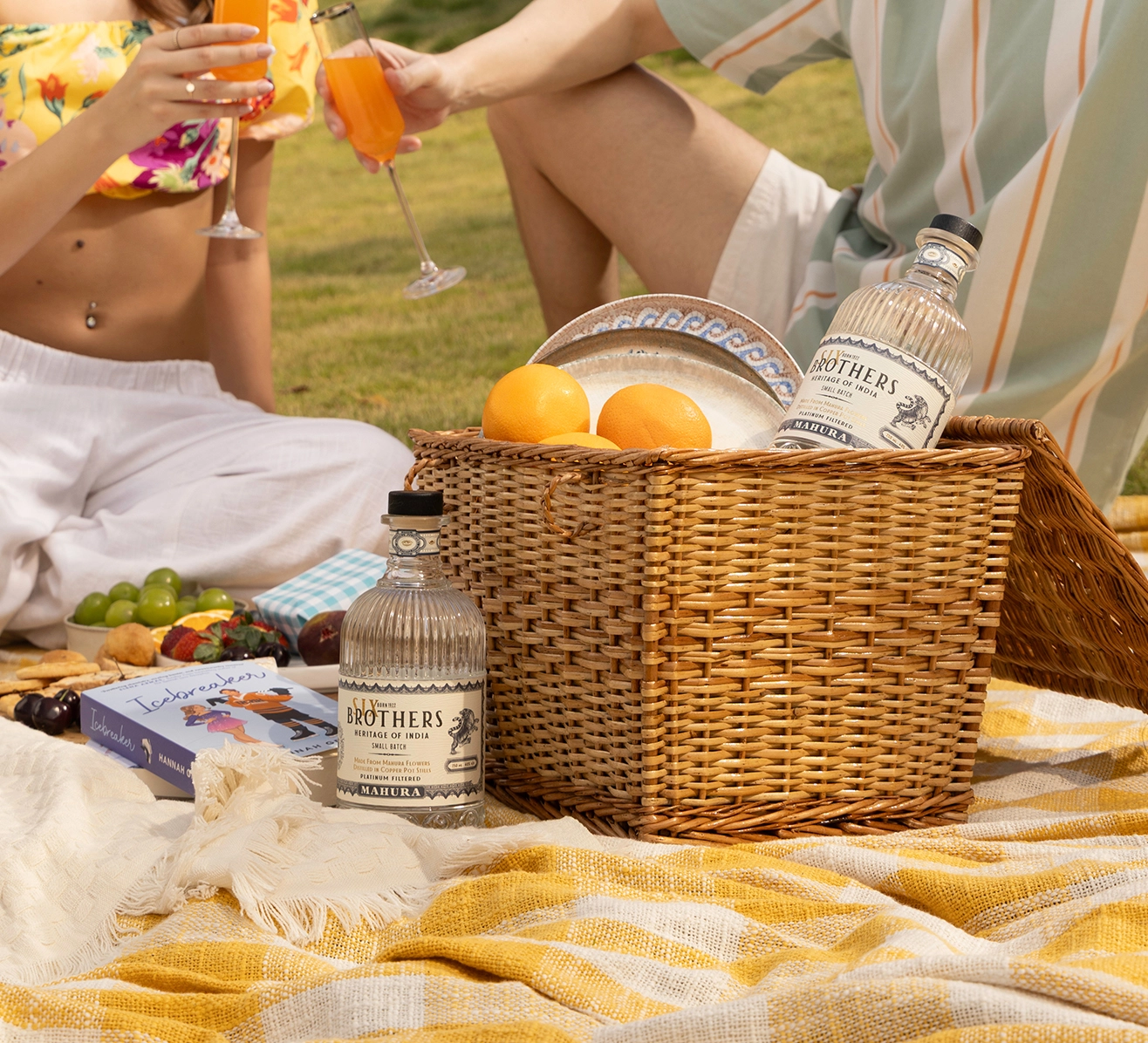
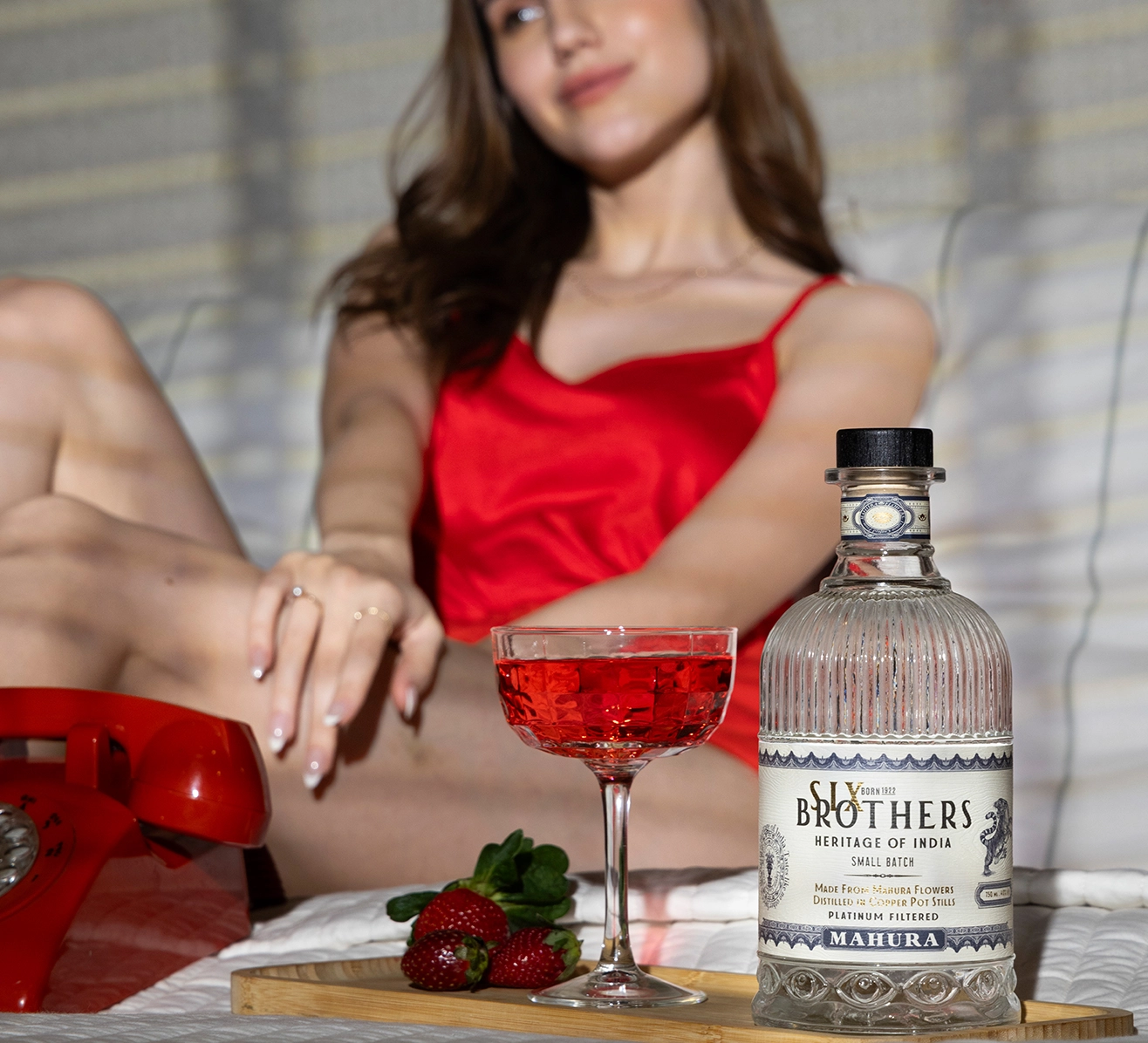
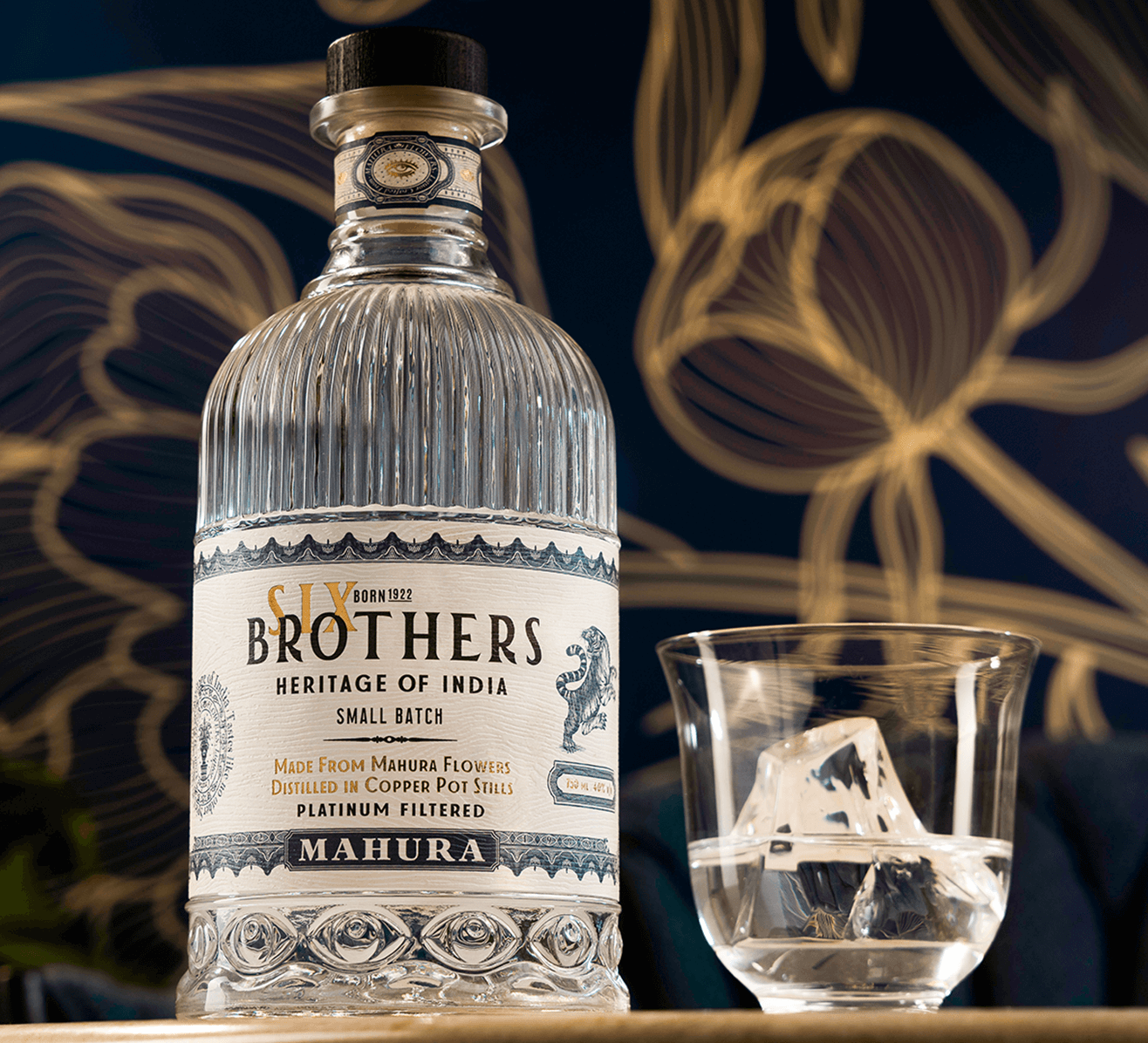
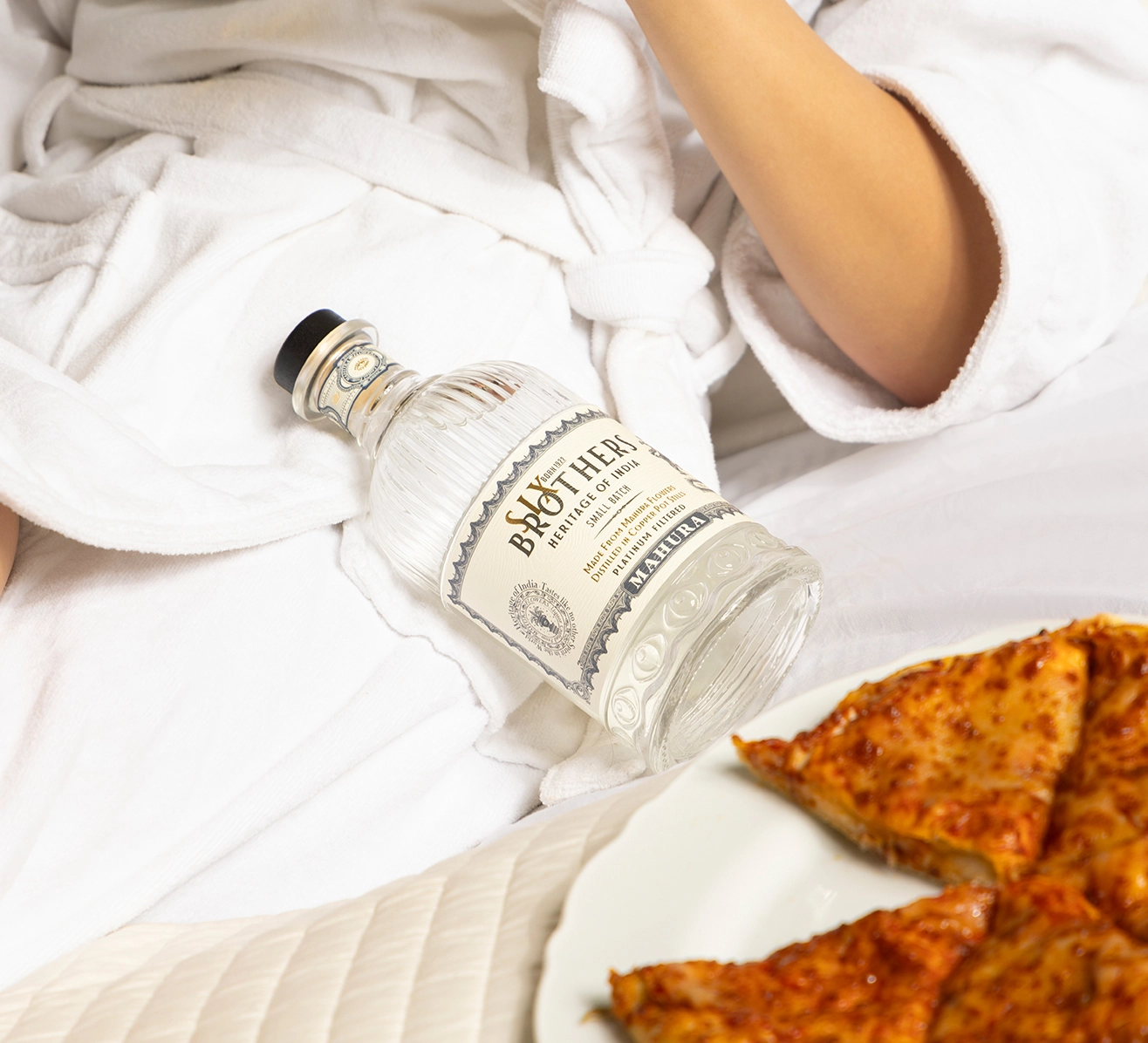
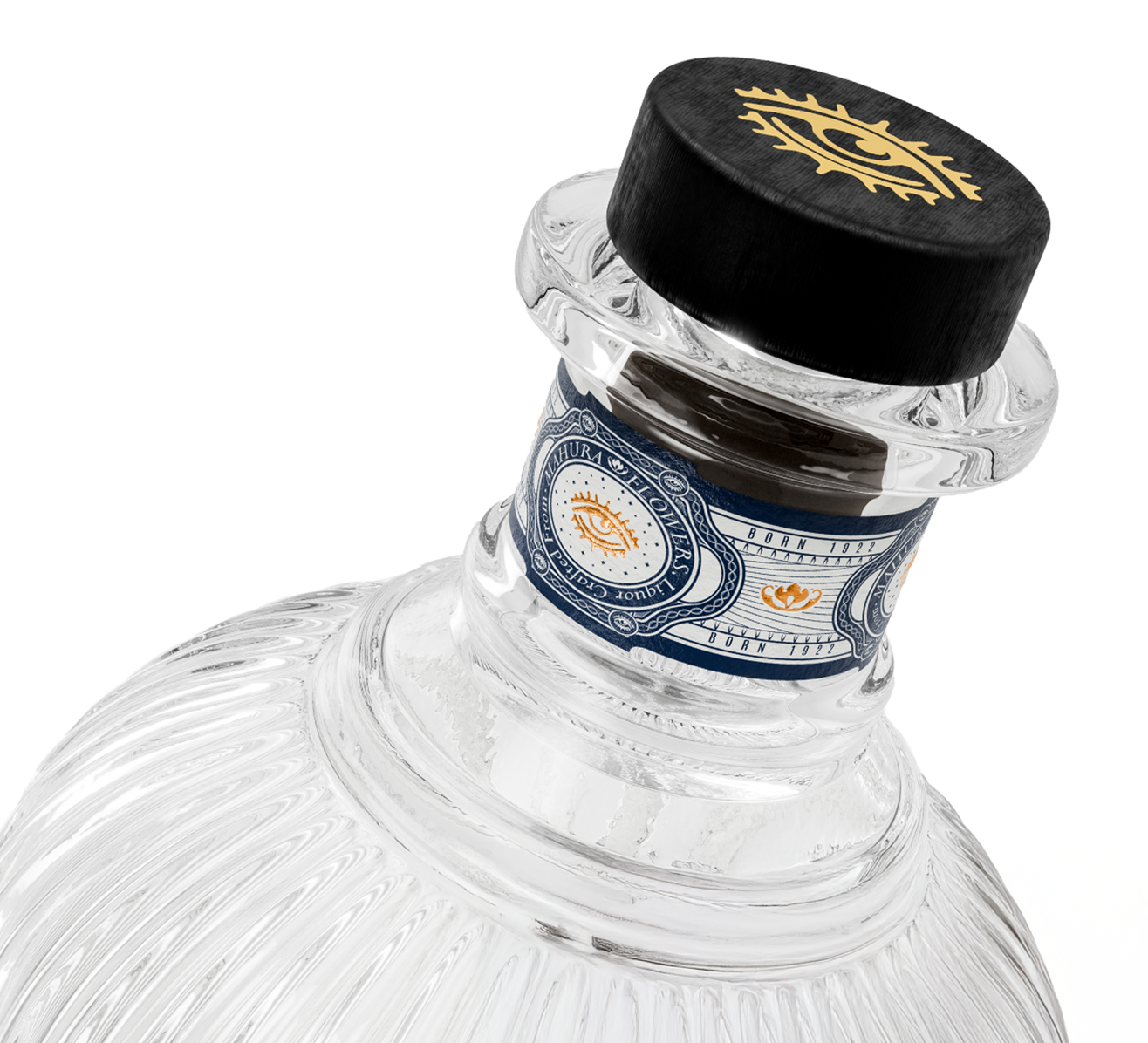
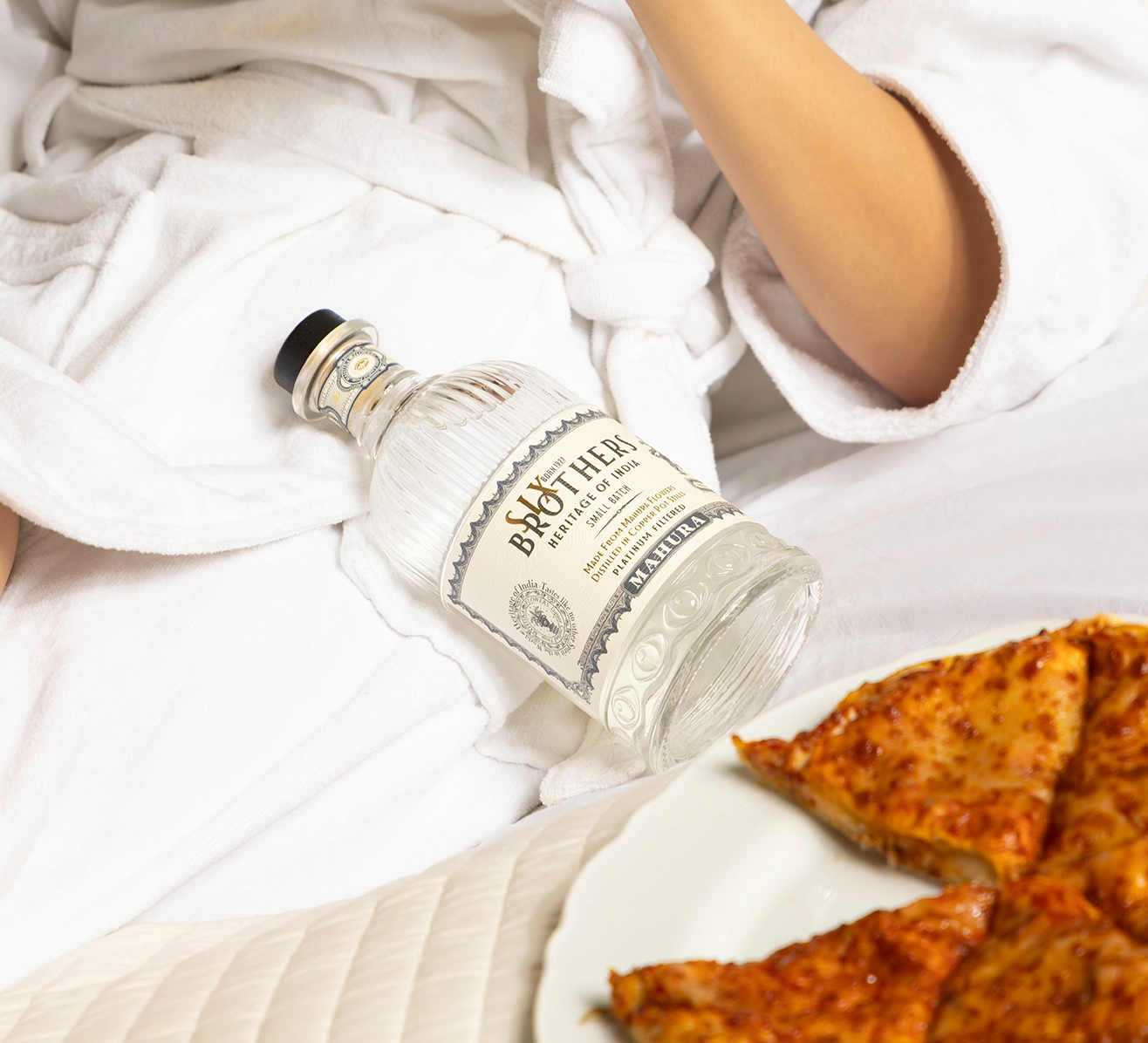
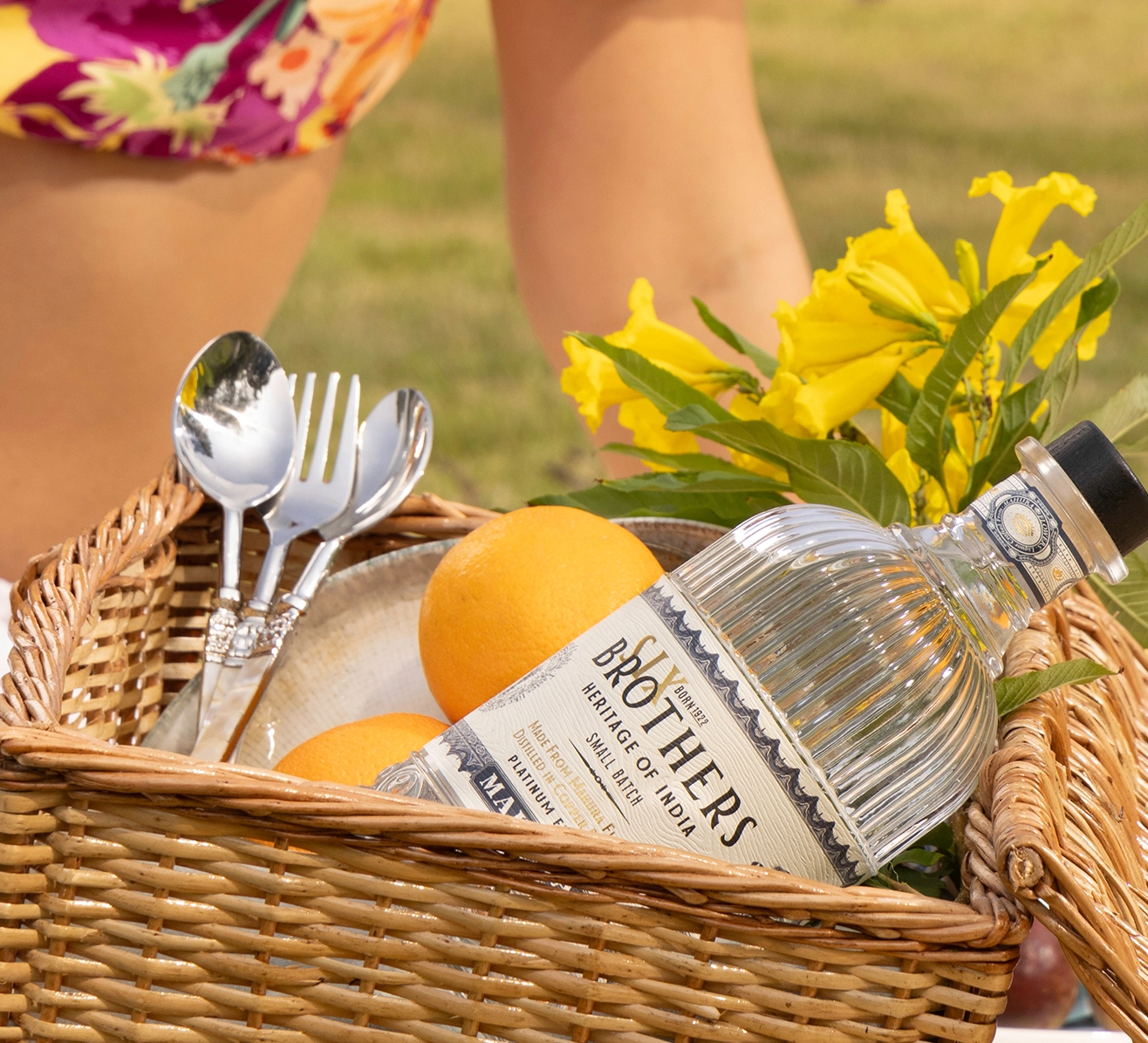
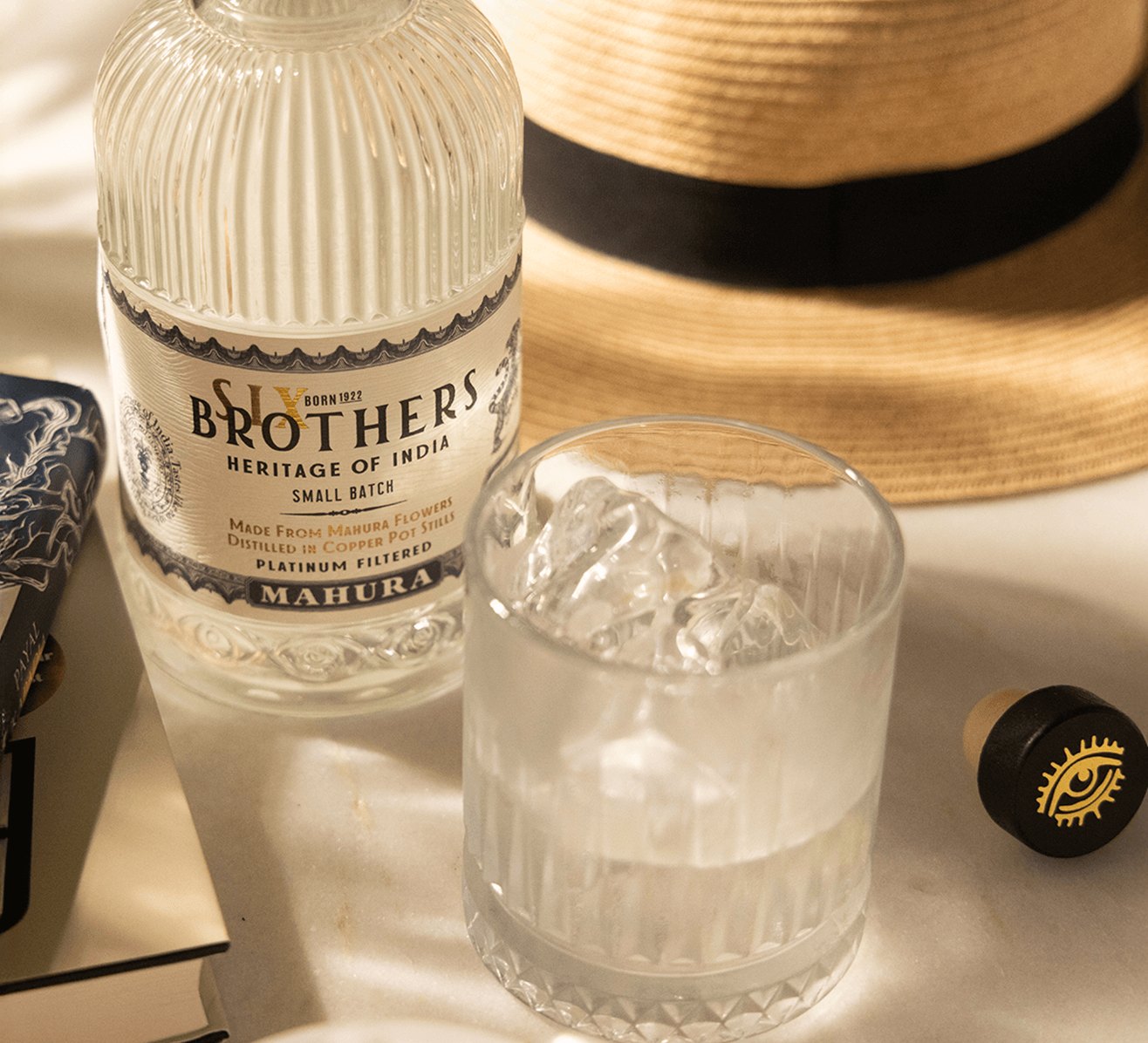
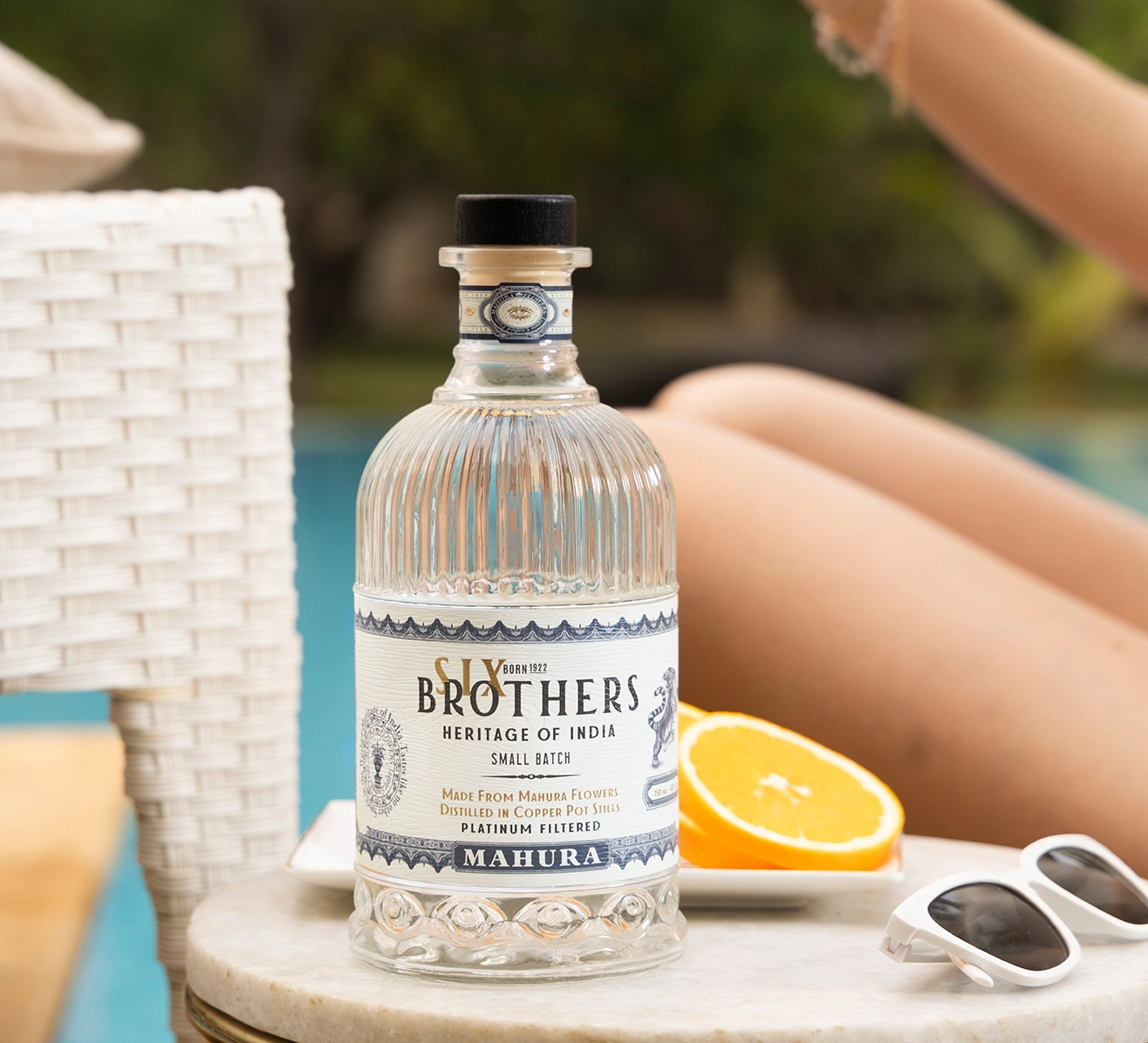
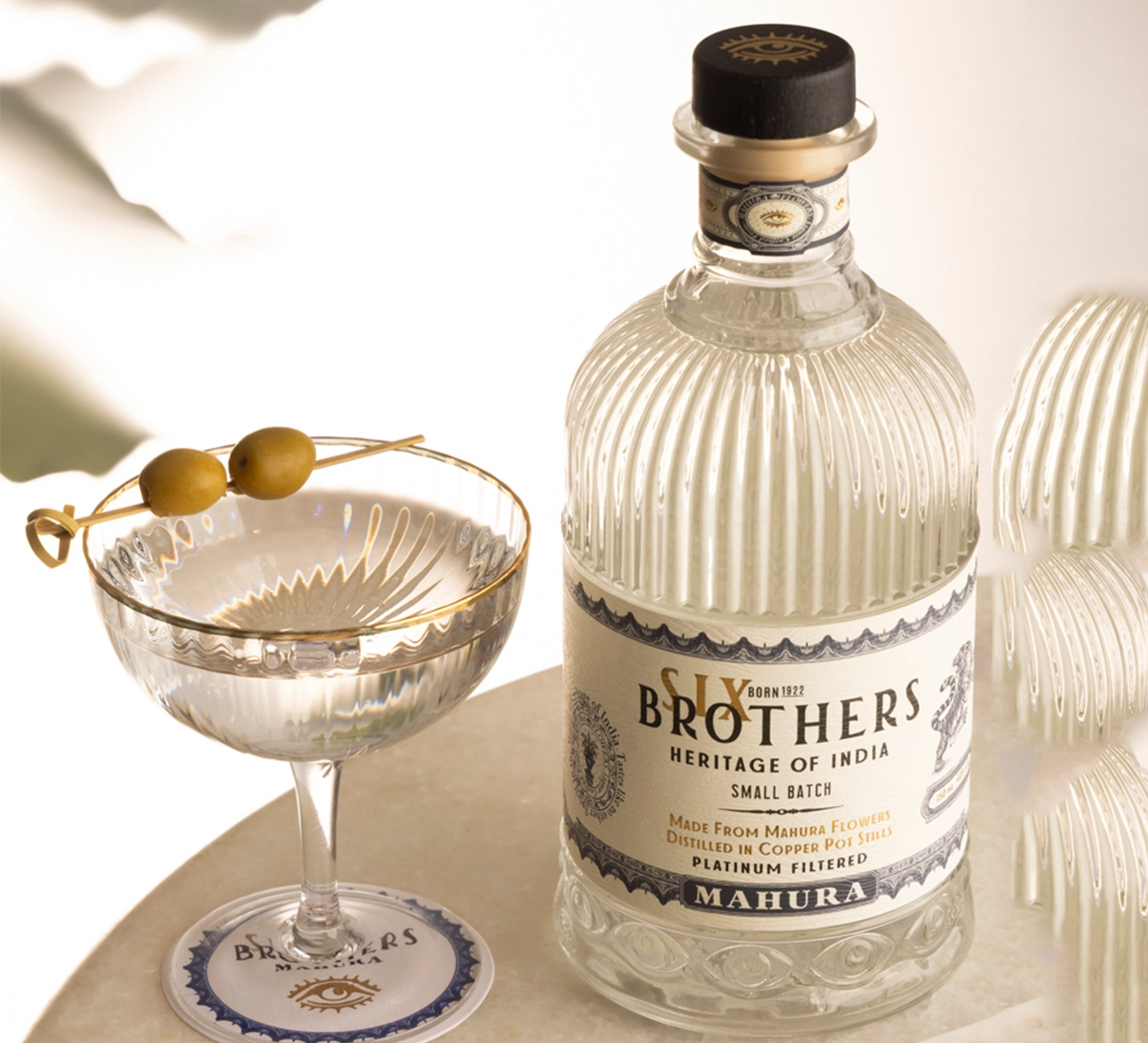
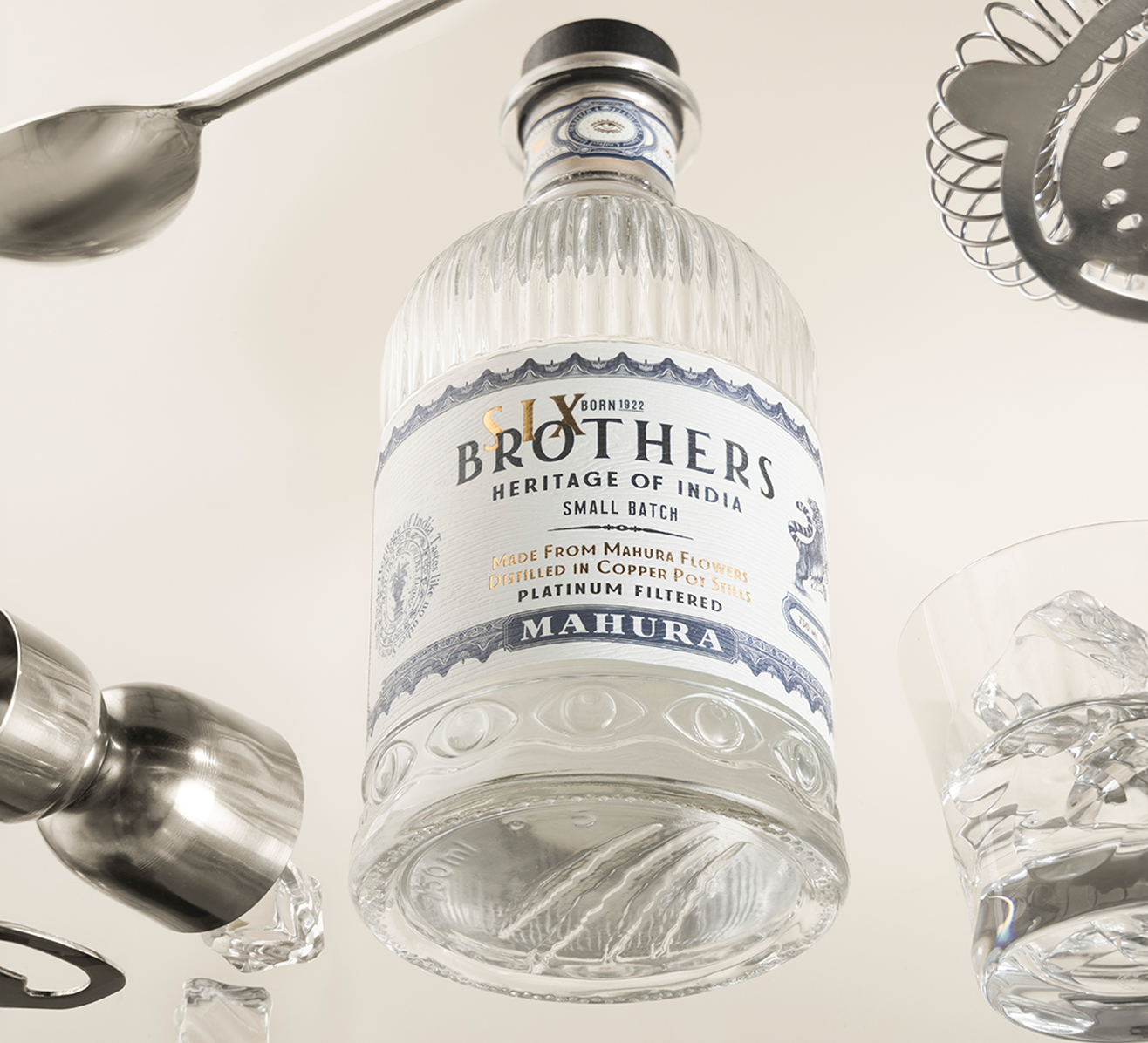
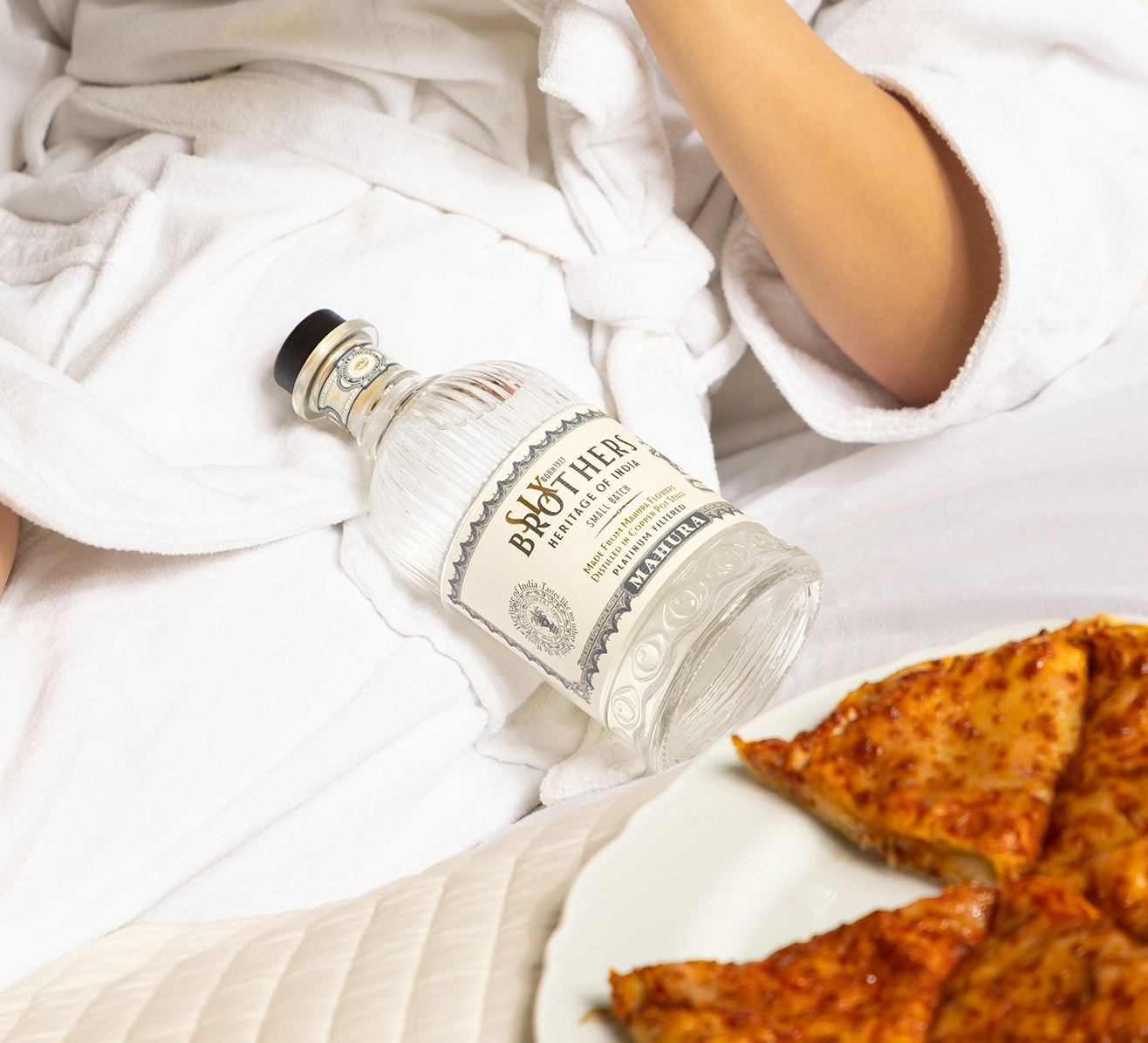
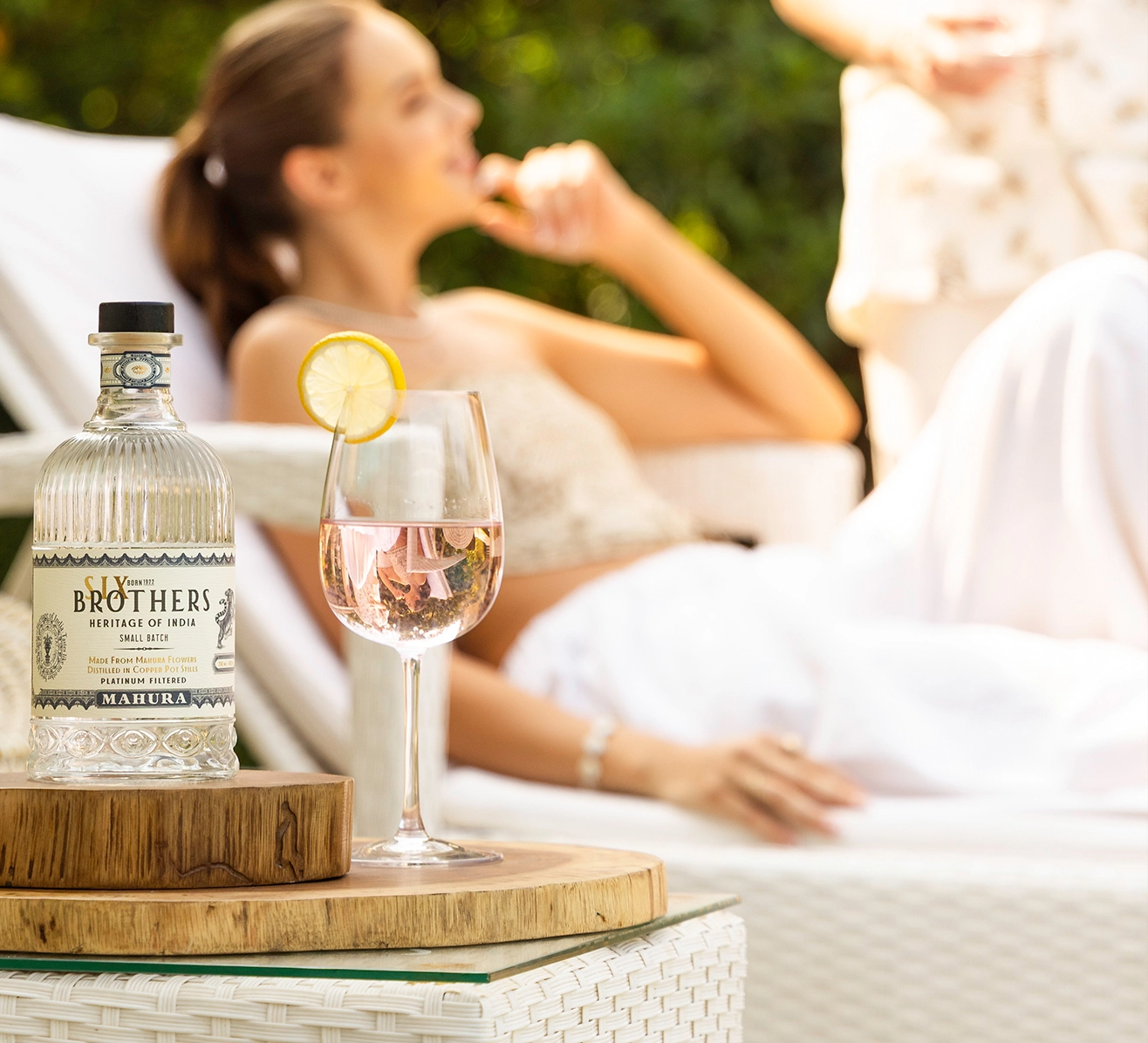
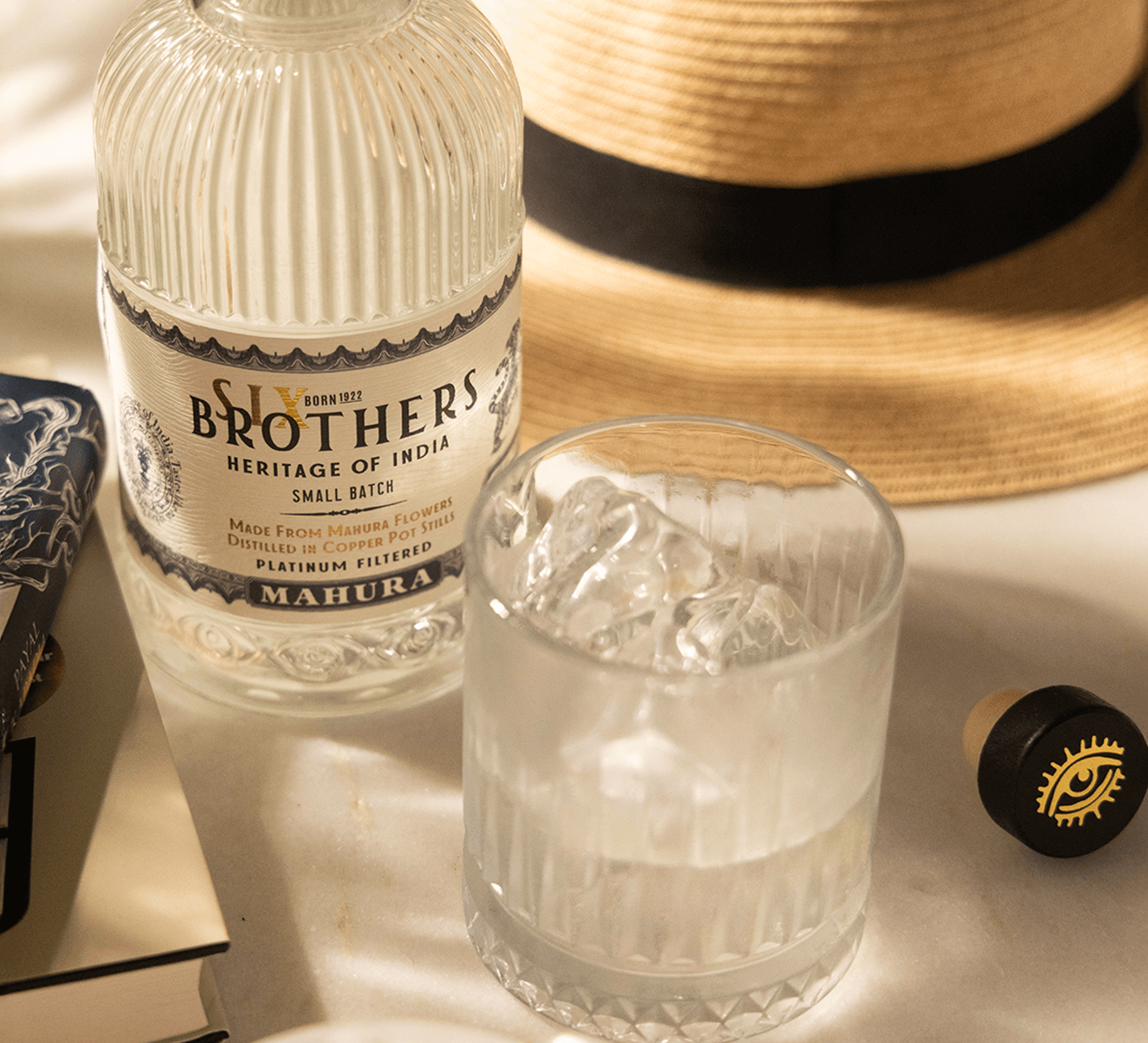
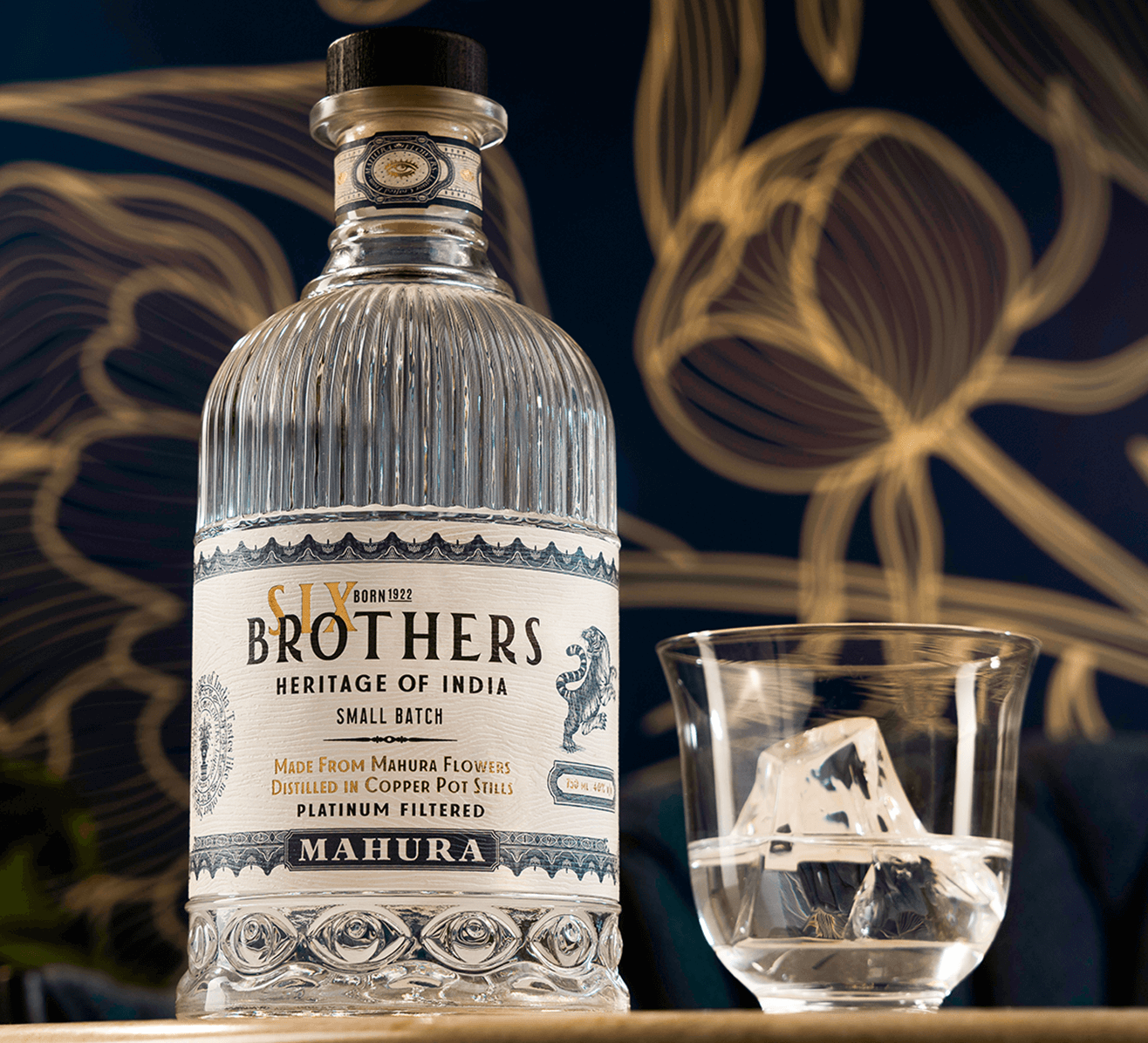
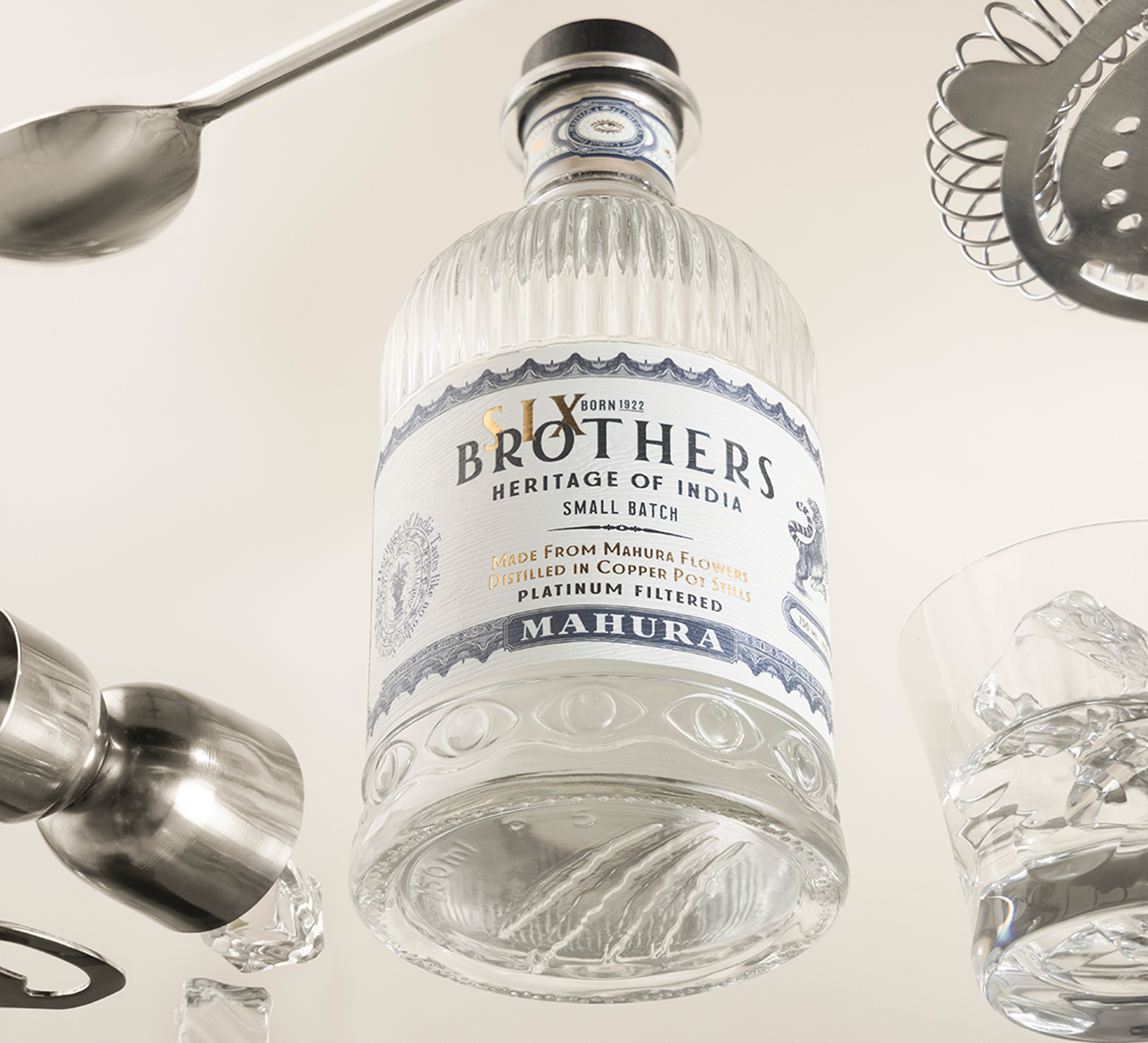
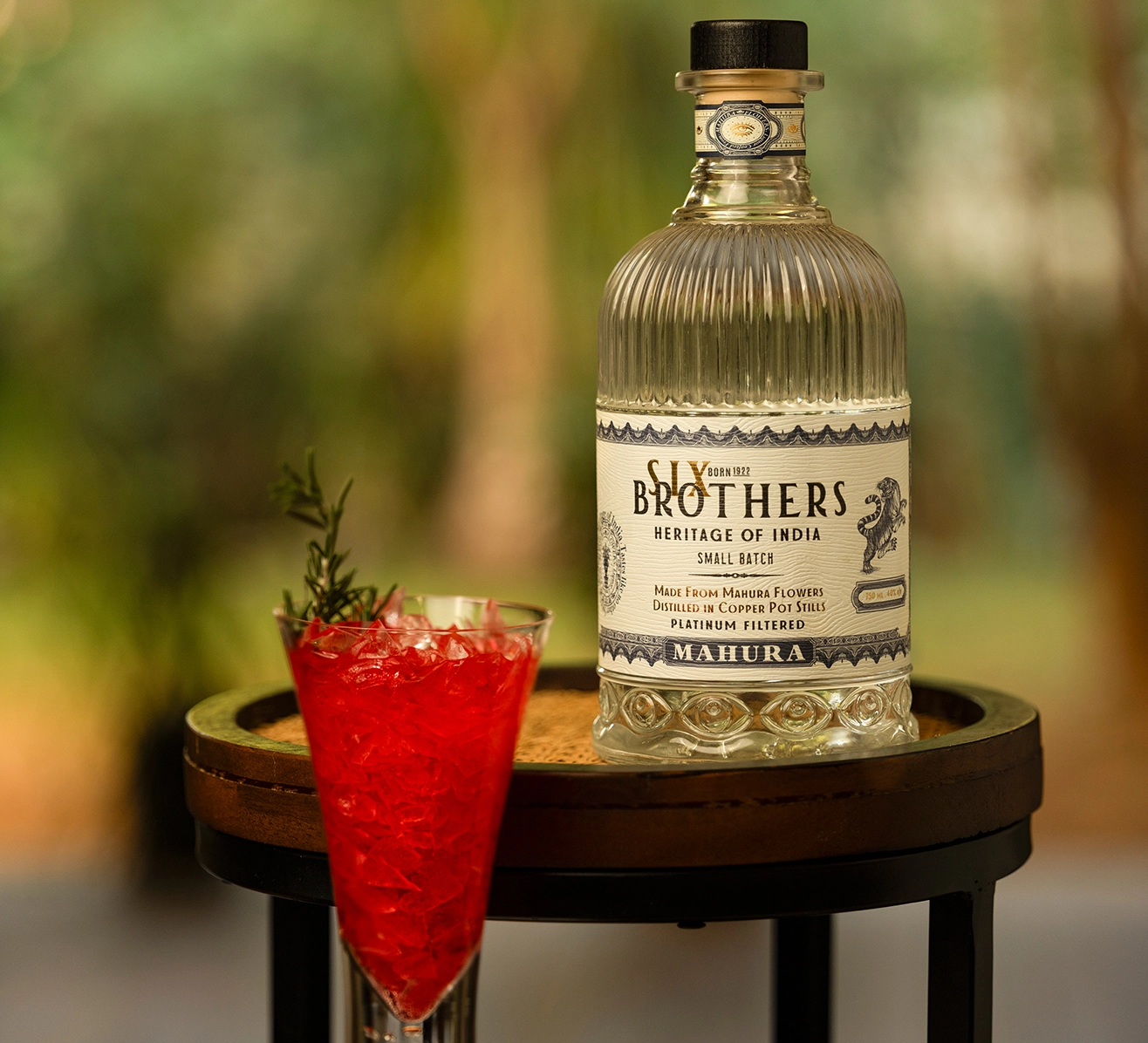
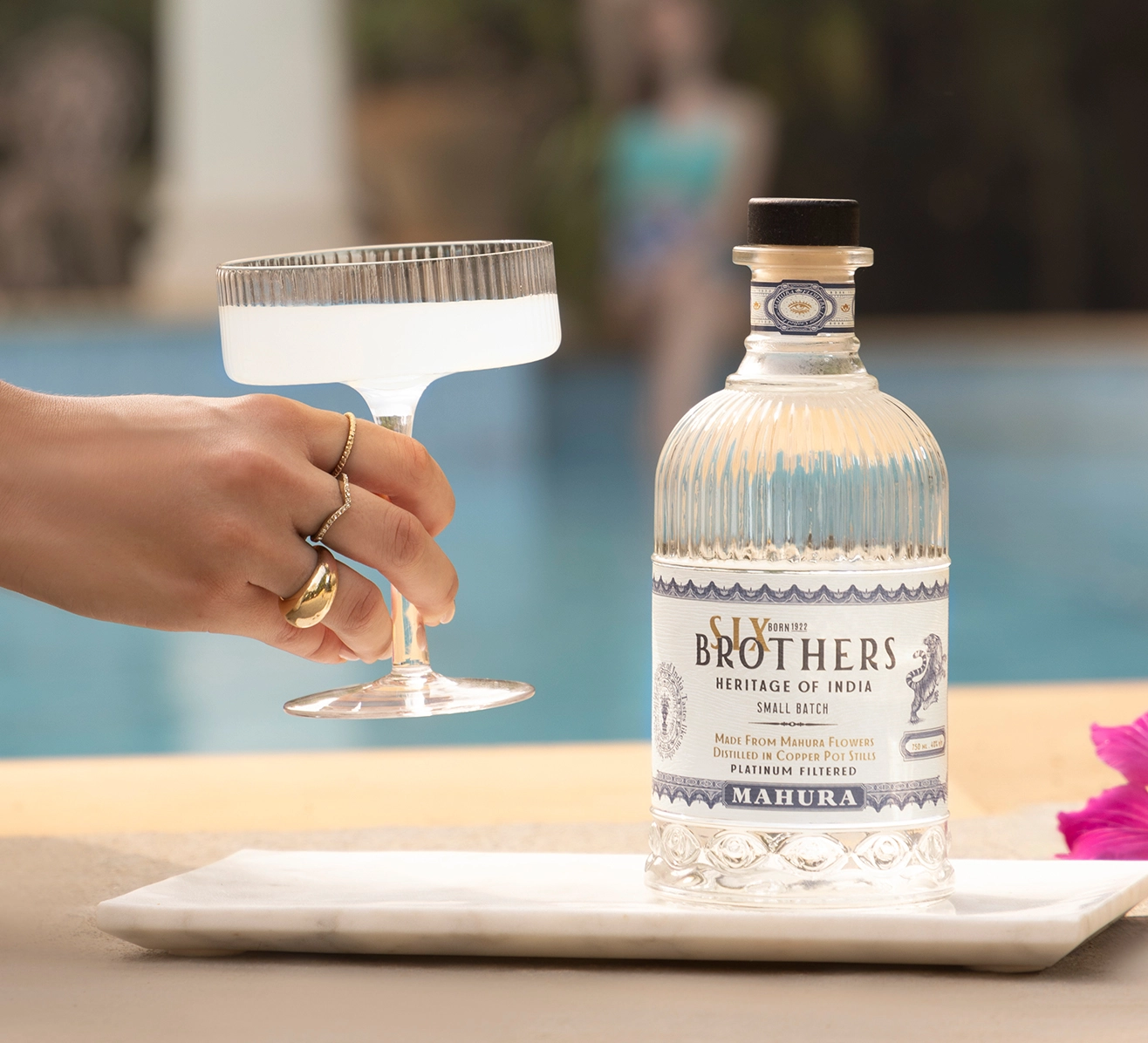
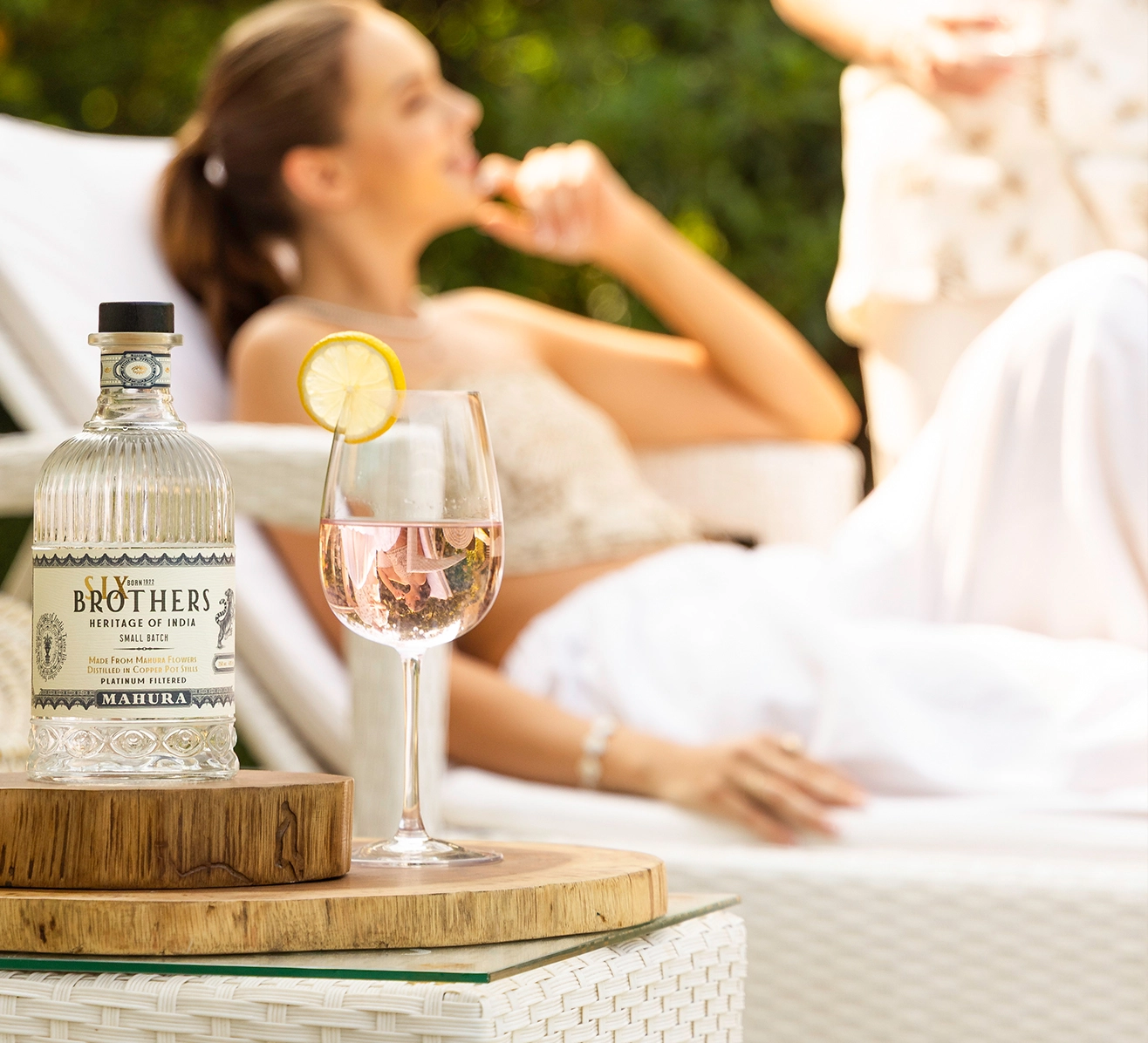
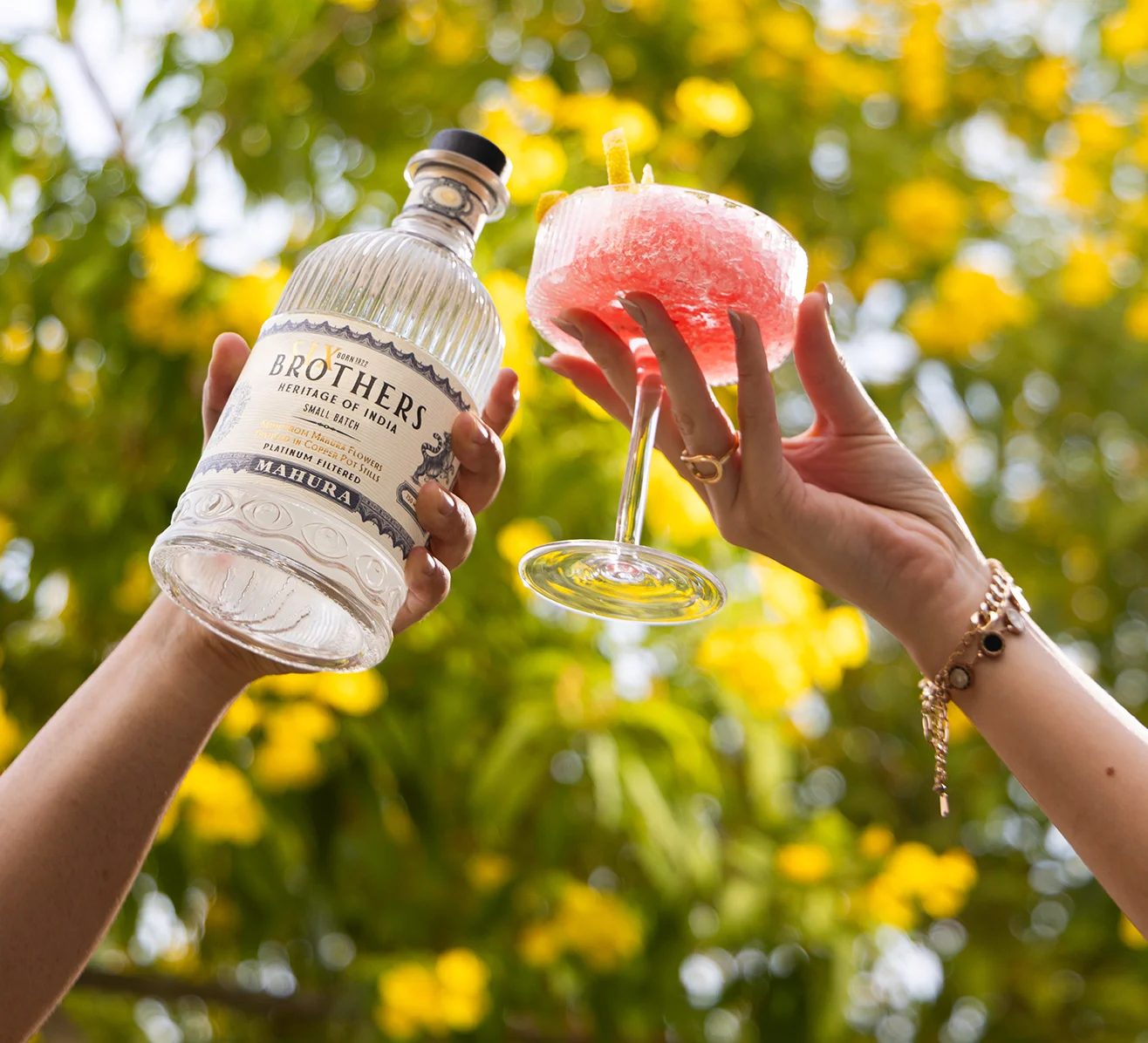
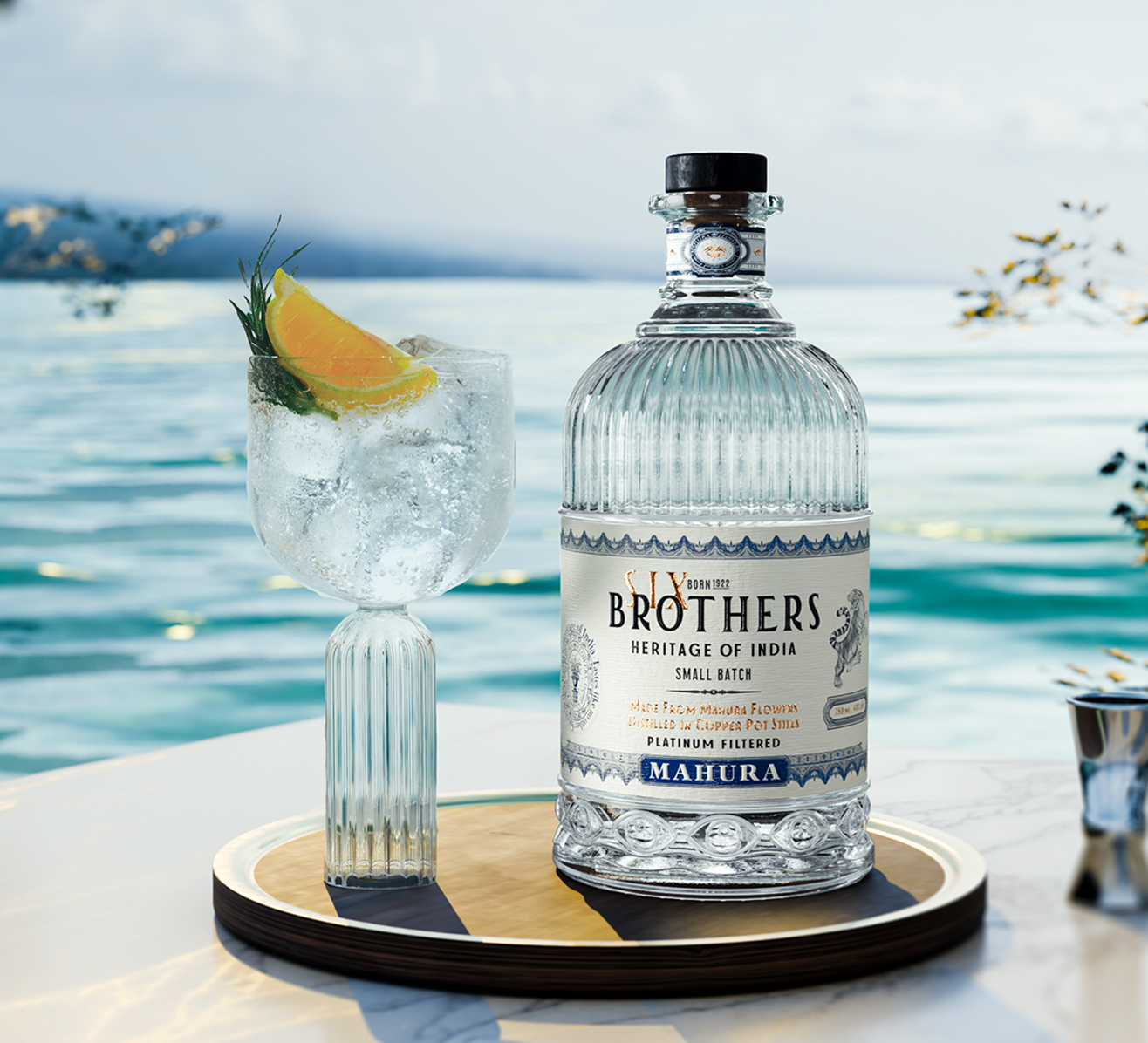
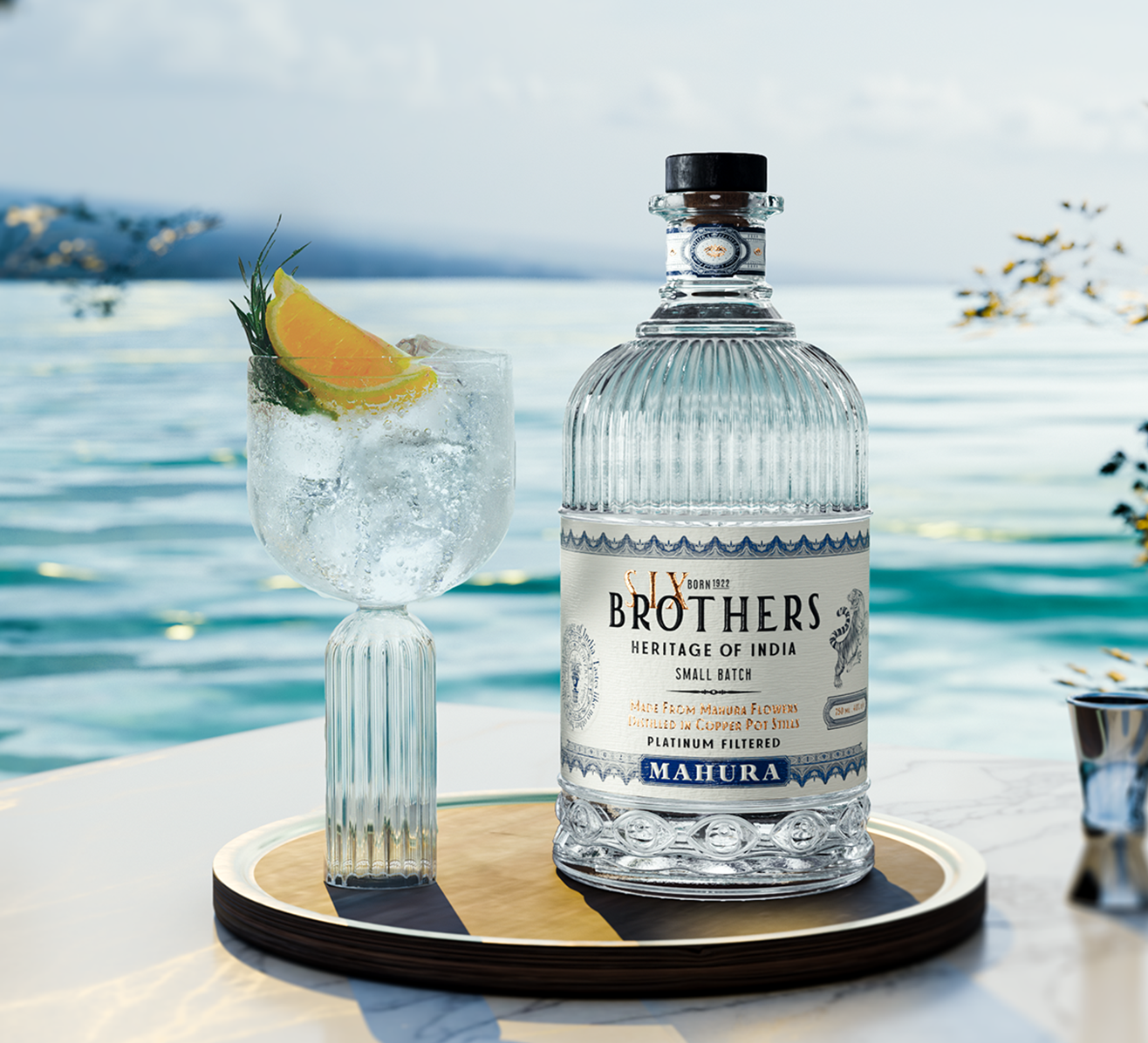
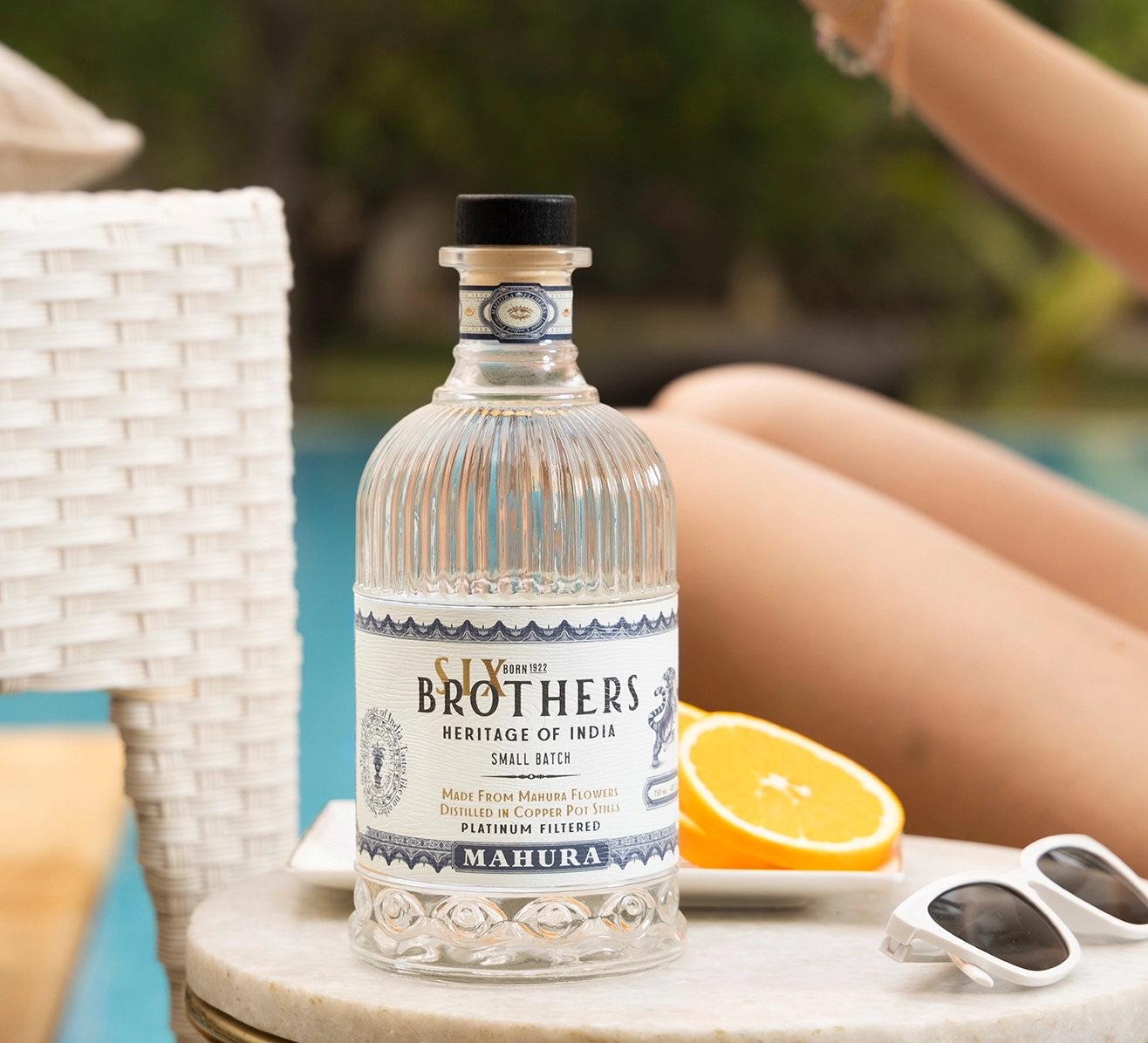
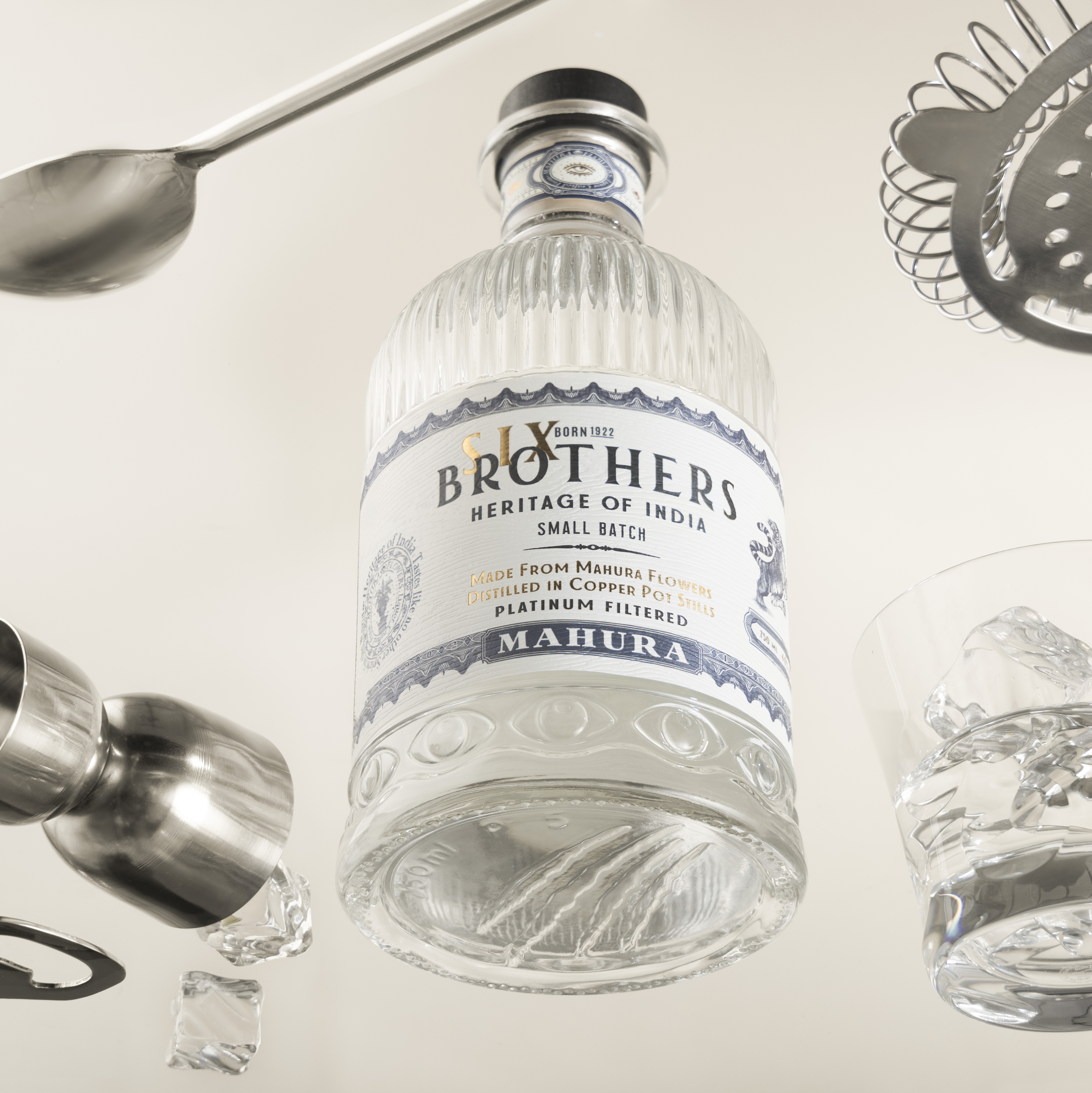
This is where Six Brothers Mahura steps in.
Instead of reinventing mahua, the approach is simple: respect the original, refine the process.
Six Brothers Mahura focuses on:
The goal isn’t to “modernize” mahua beyond recognition. It’s to make it consistent, approachable, and credible in a global context.
That balance matters.
Because the real value of mahua lies in its identity — not in turning it into something else.
Now take it one step further.
What happens when mahua intersects with the discipline of single malt whisky?
That’s where Madhuca expressions come in — inspired by the same Madhuca longifolia, but crafted with techniques typically associated with premium whisky production.
Think:
The result is a bridge between two worlds:
This is also where brands like Crazy Cock have started exploring deeper narratives around Indian identity in spirits — not by copying Scotch, but by building something distinctly rooted in India.
Indian single malts are already gaining global traction. But here’s the thing — the next wave won’t just be about competing with Scotch.
It will be about differentiation.
Mahua plays a key role in that shift.
Globally, drinkers are looking for:
Mahua checks all three.
As regulations evolve and awareness grows, expect:
Q. Is mahua legal in India?
Yes, but regulations vary by state. Historically, it was restricted in some regions due to its association with local brewing, but licensed, commercial production is now gaining acceptance.
Q. How does mahua taste compared to whisky?
Mahua is lighter, more floral, and slightly sweet. Whisky, especially single malt, tends to be richer, malt-forward, and often influenced by barrel aging.
Q. Is mahua the same as country liquor?
Not necessarily. While traditionally brewed mahua has been categorized as local liquor, premium, distilled mahua spirits are a completely different segment with higher quality standards.
Q. Can mahua be aged like whisky?
Yes. Modern producers are experimenting with barrel aging to create more complex profiles, similar to whisky maturation techniques.
Q. Why is mahua gaining attention globally now?
Because global consumers are actively seeking new, authentic spirits with strong cultural roots — and mahua fits that demand perfectly.