
Posted on 06 May 2026
Some names are marketing. Others are earned.
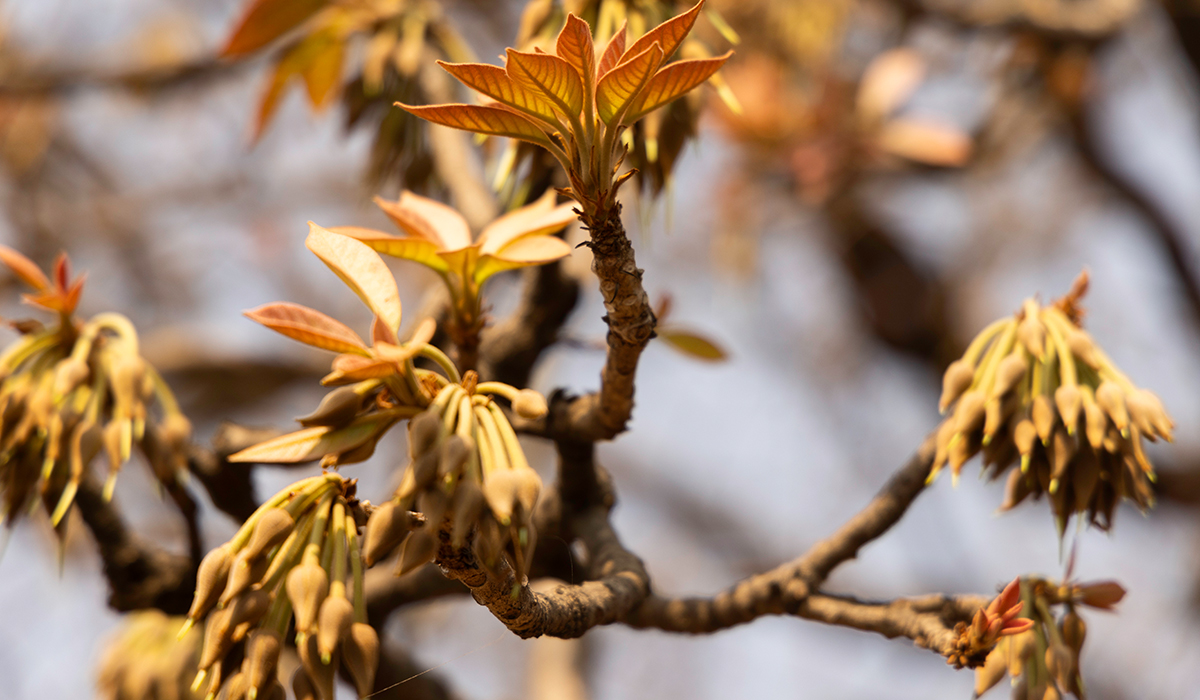
Mahua has been called the “Tree of Life” for centuries, and once you look closely, the logic is clear.
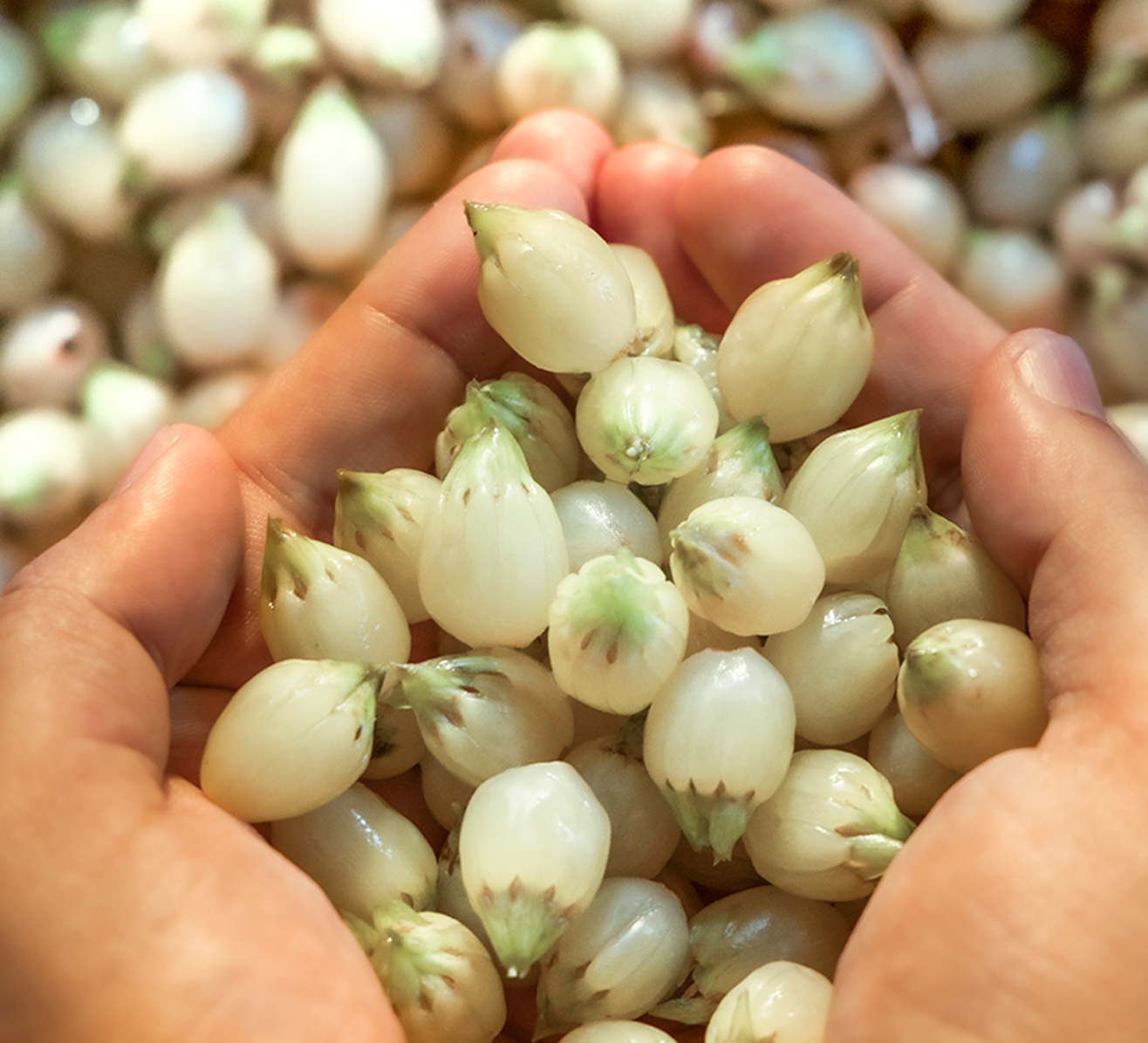
Every part of the mahua tree has value.
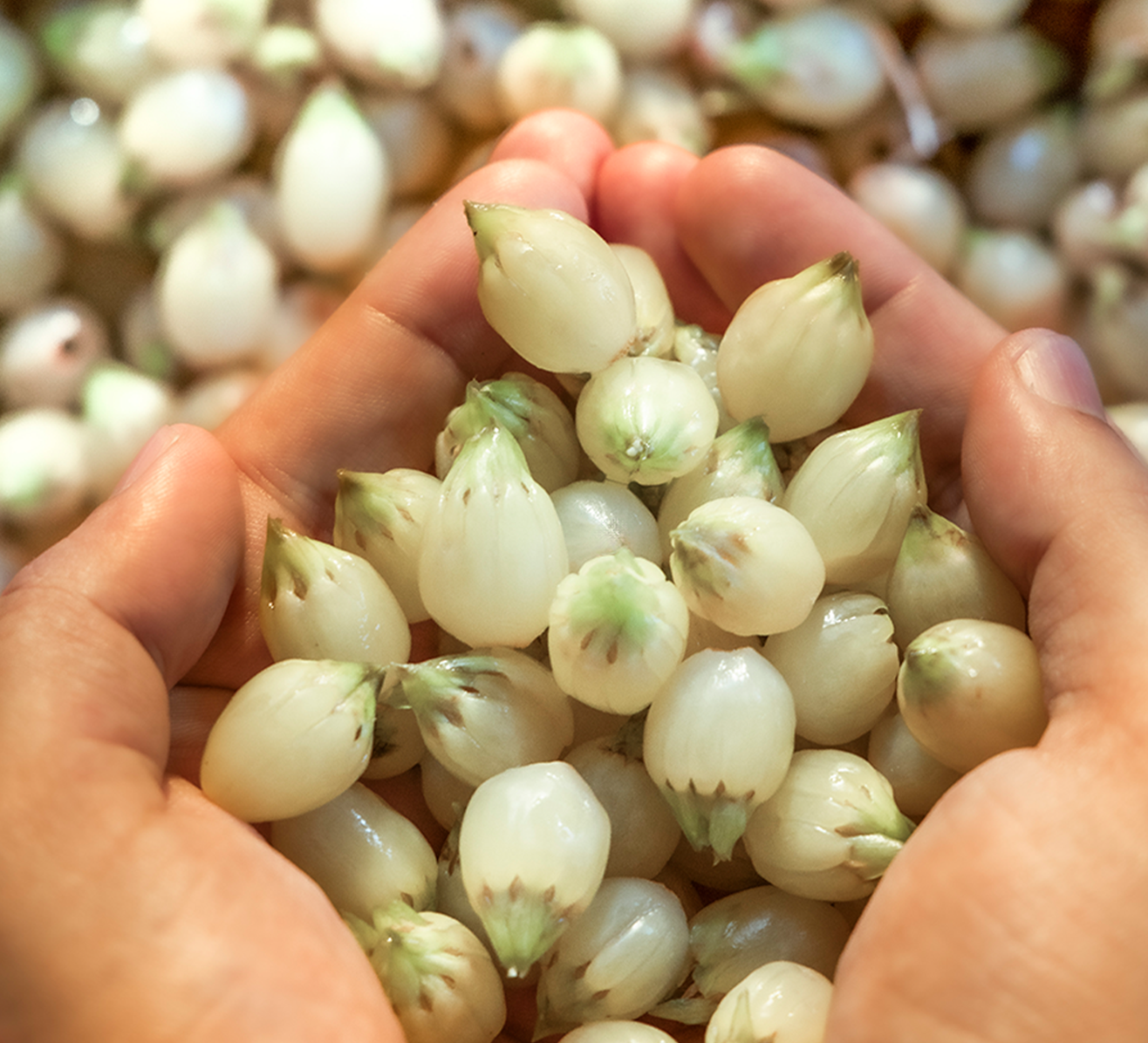
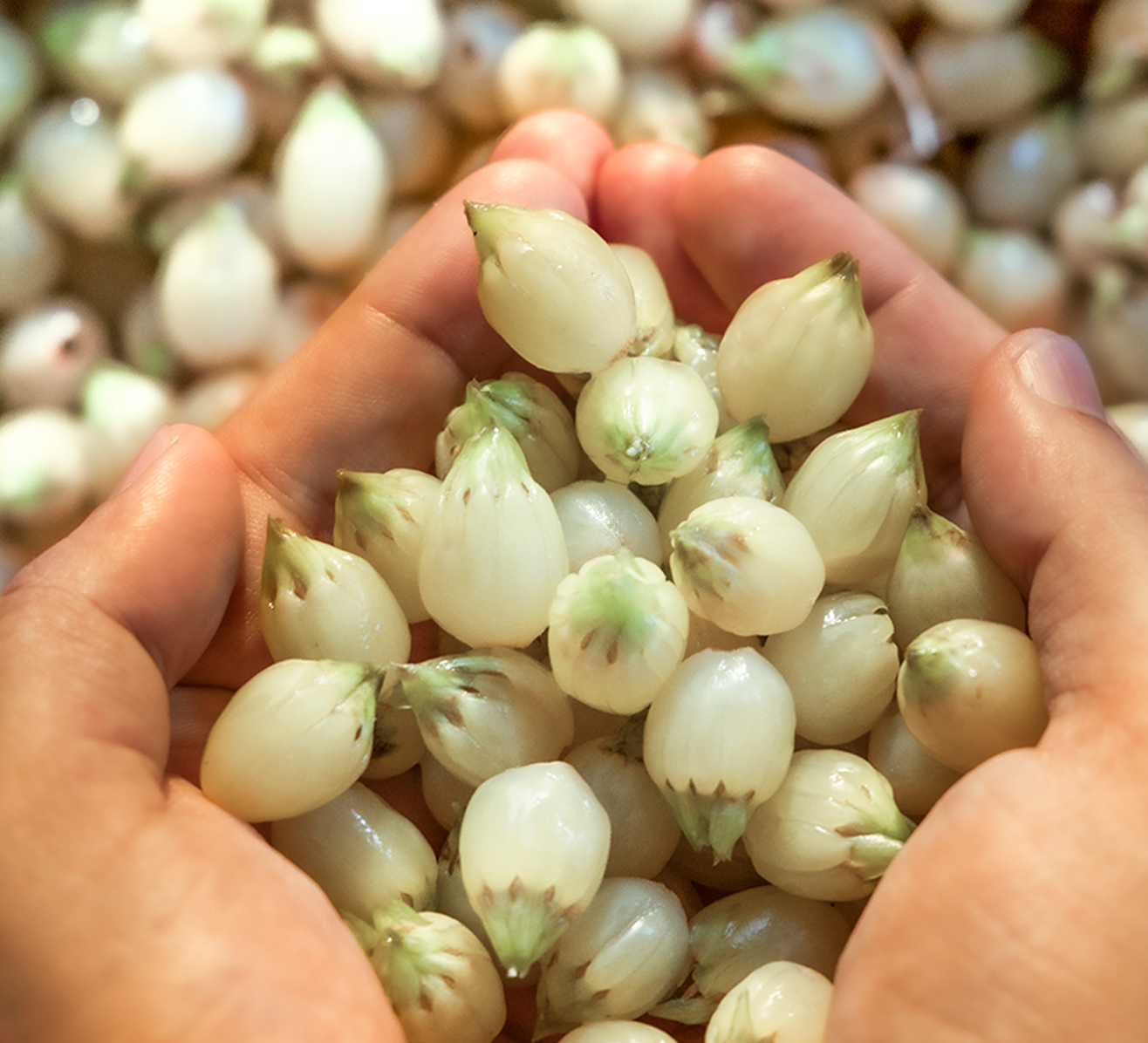
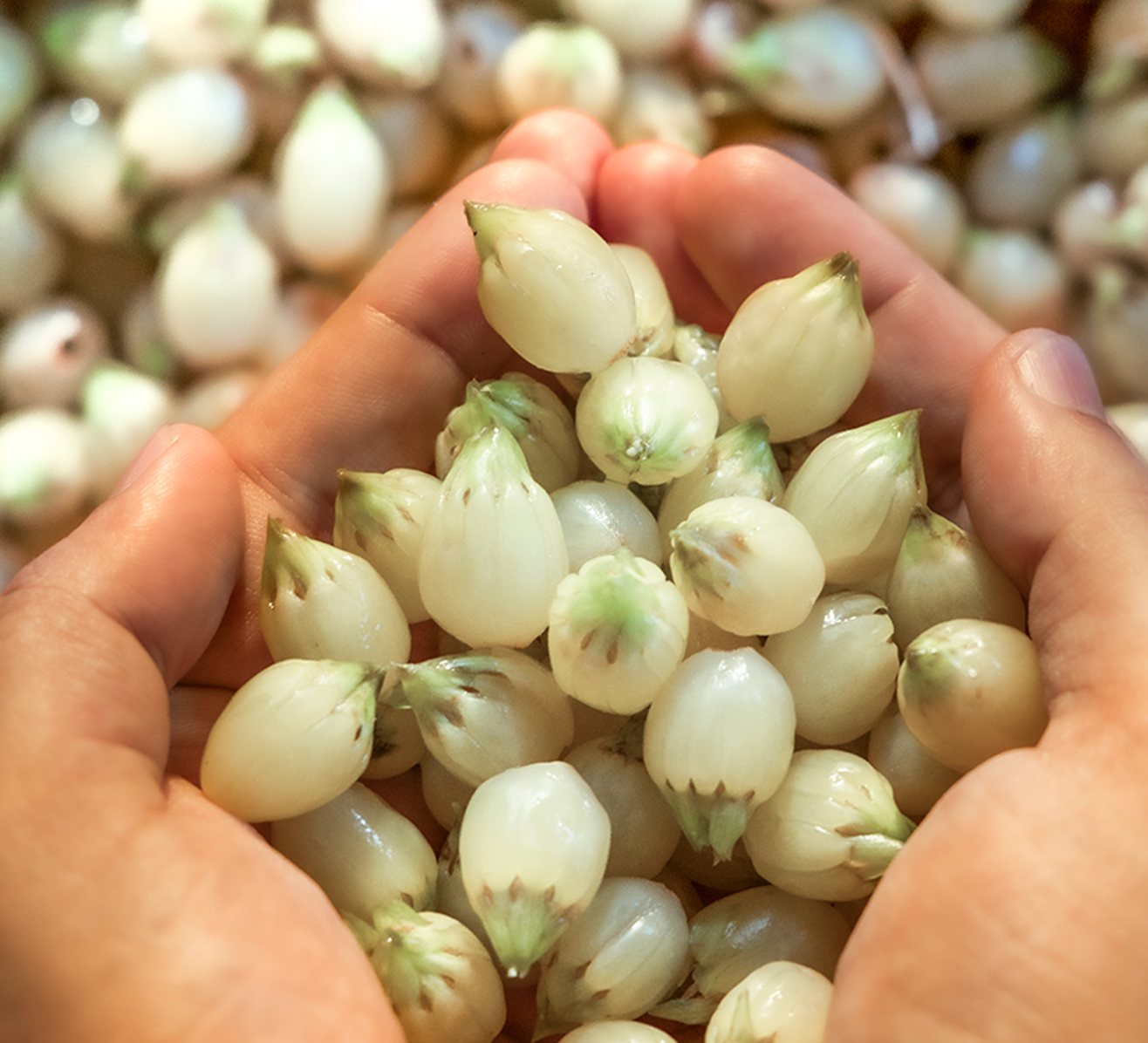
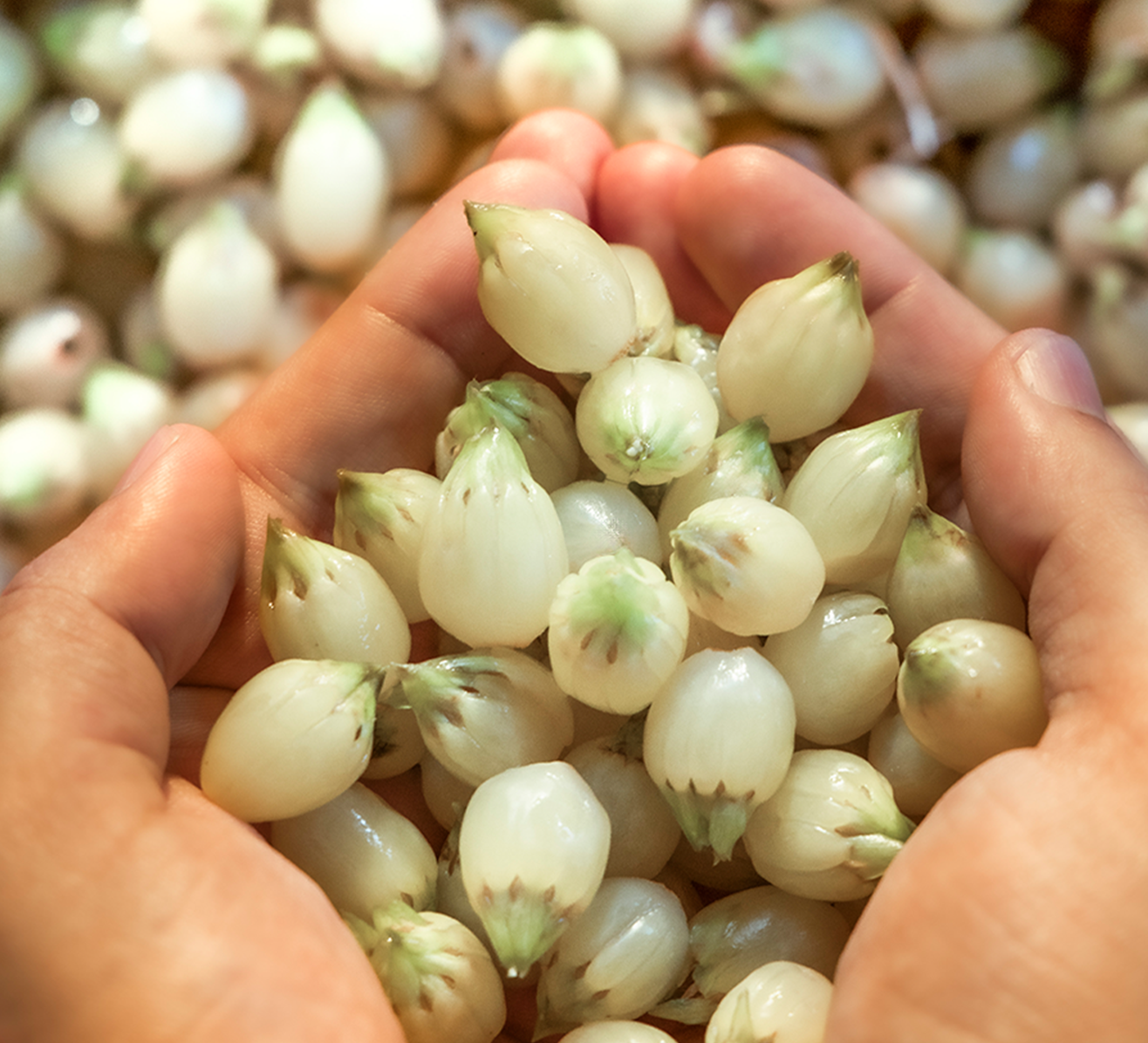
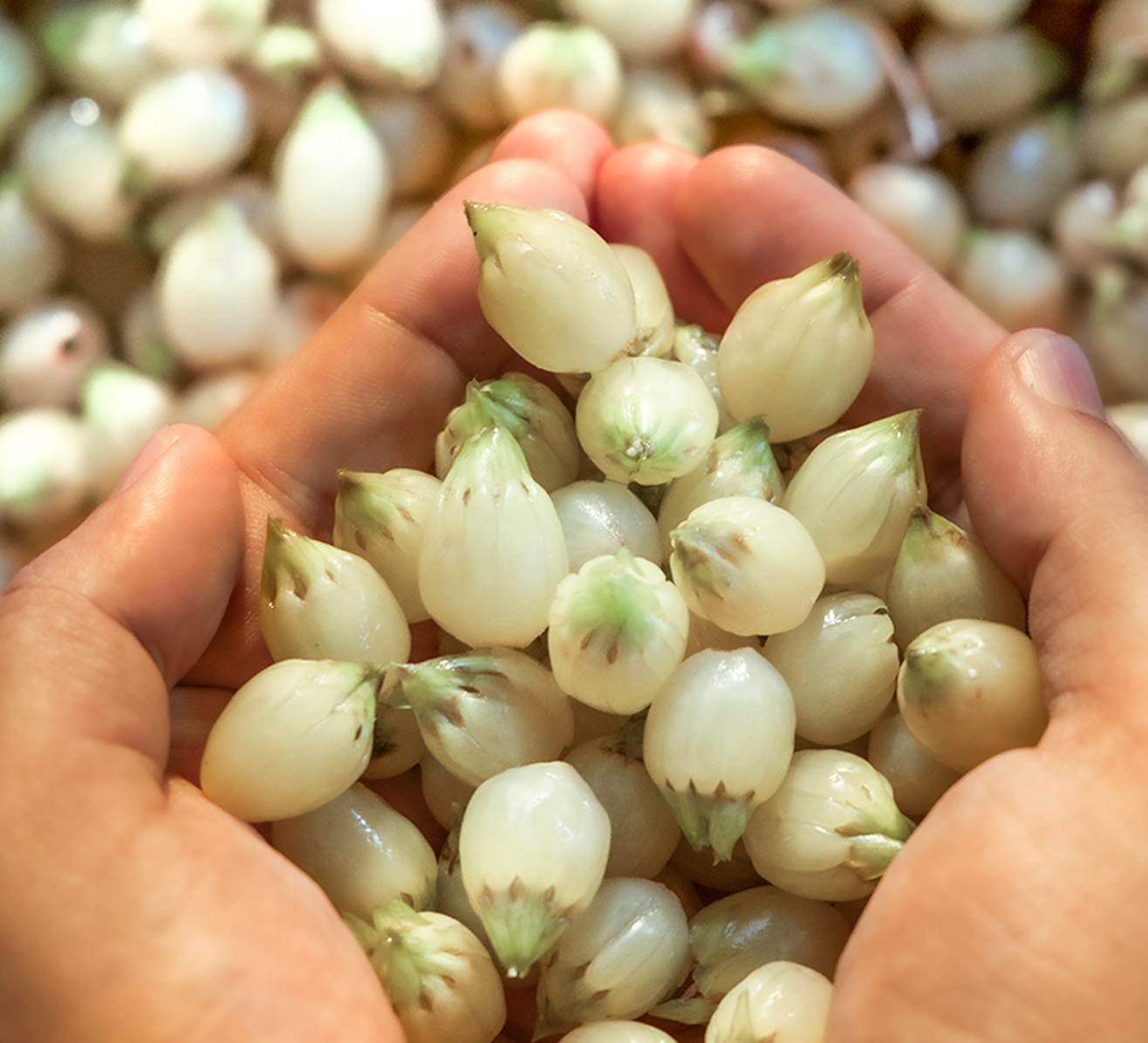
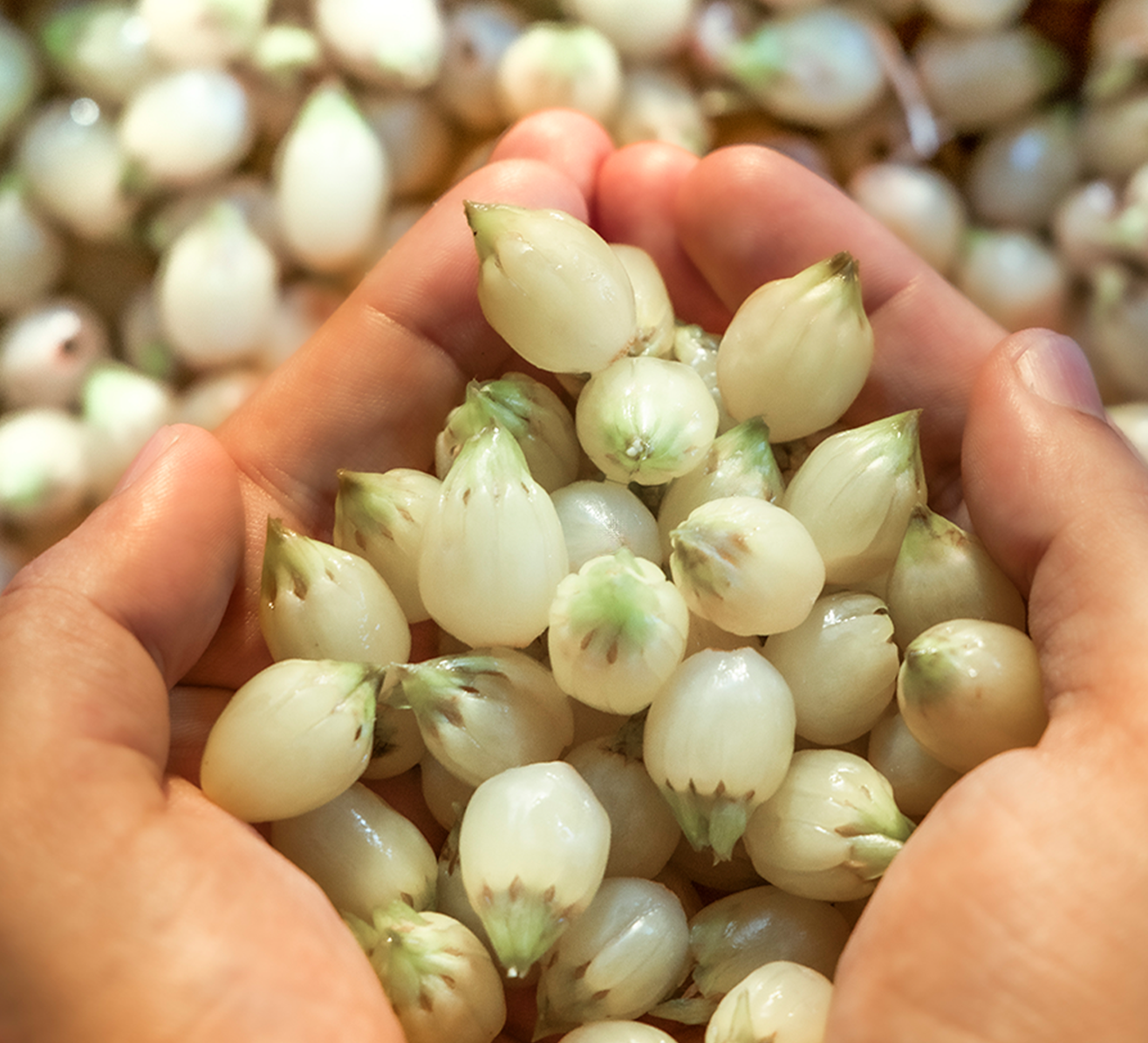
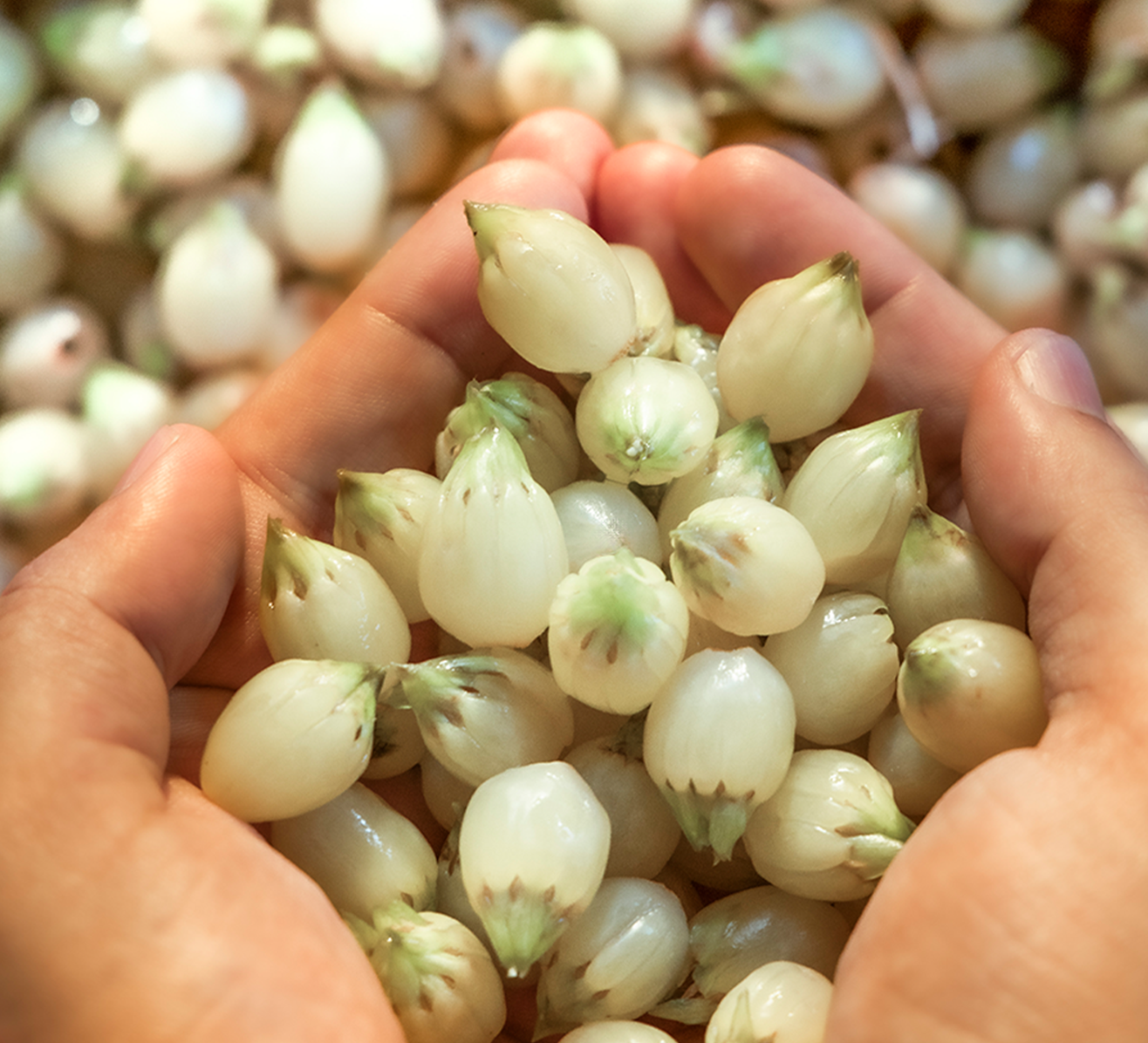
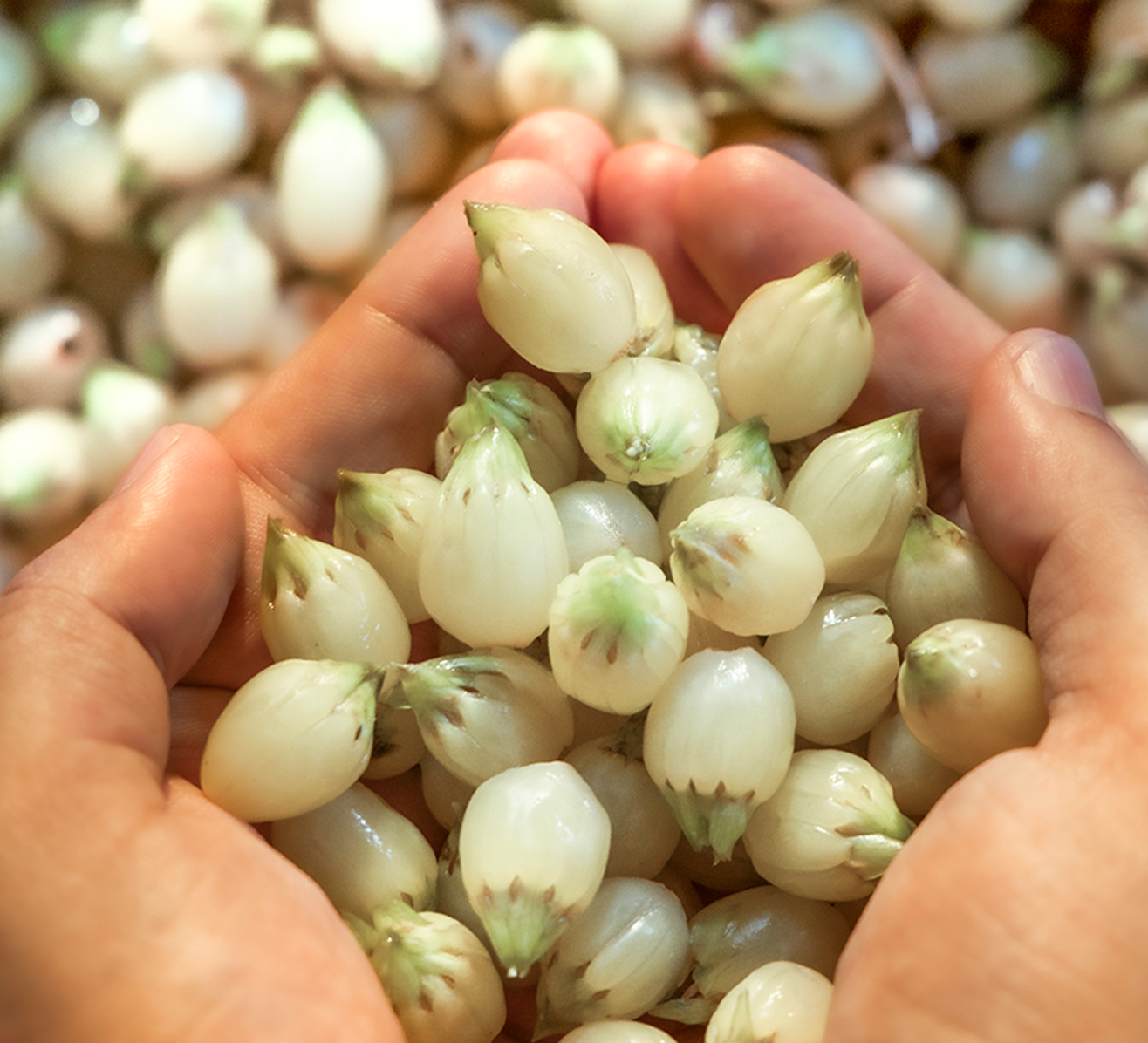
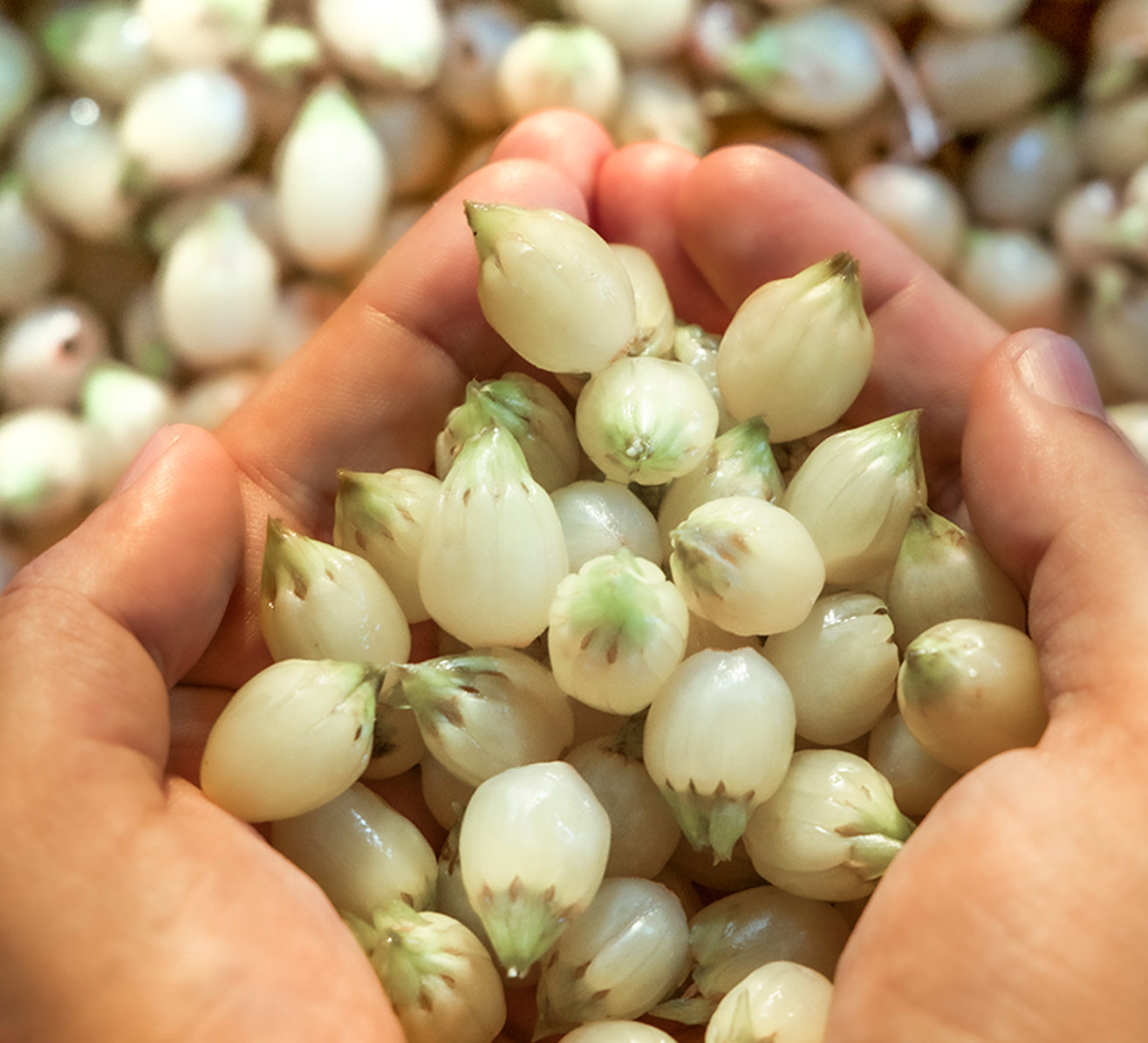
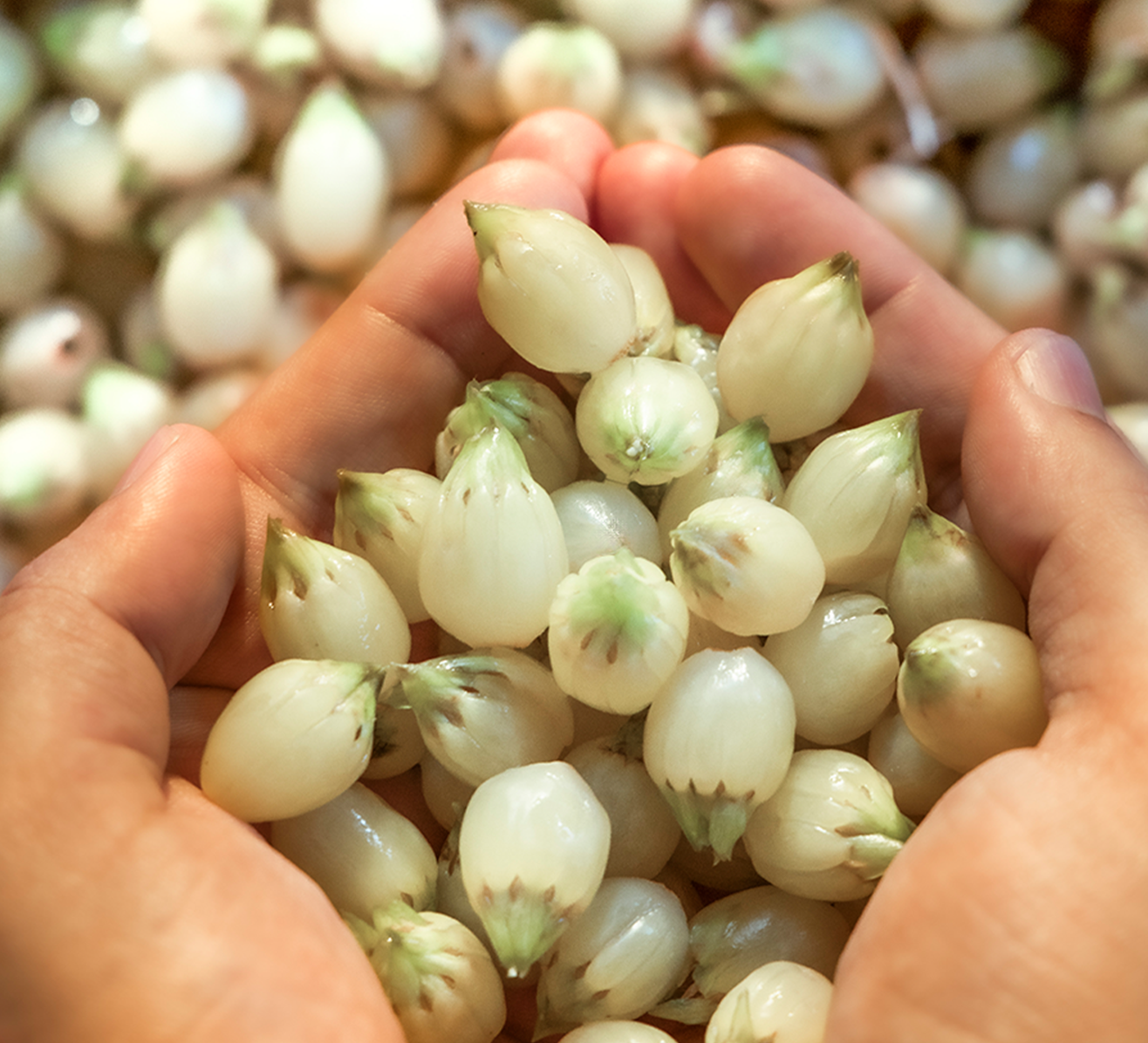
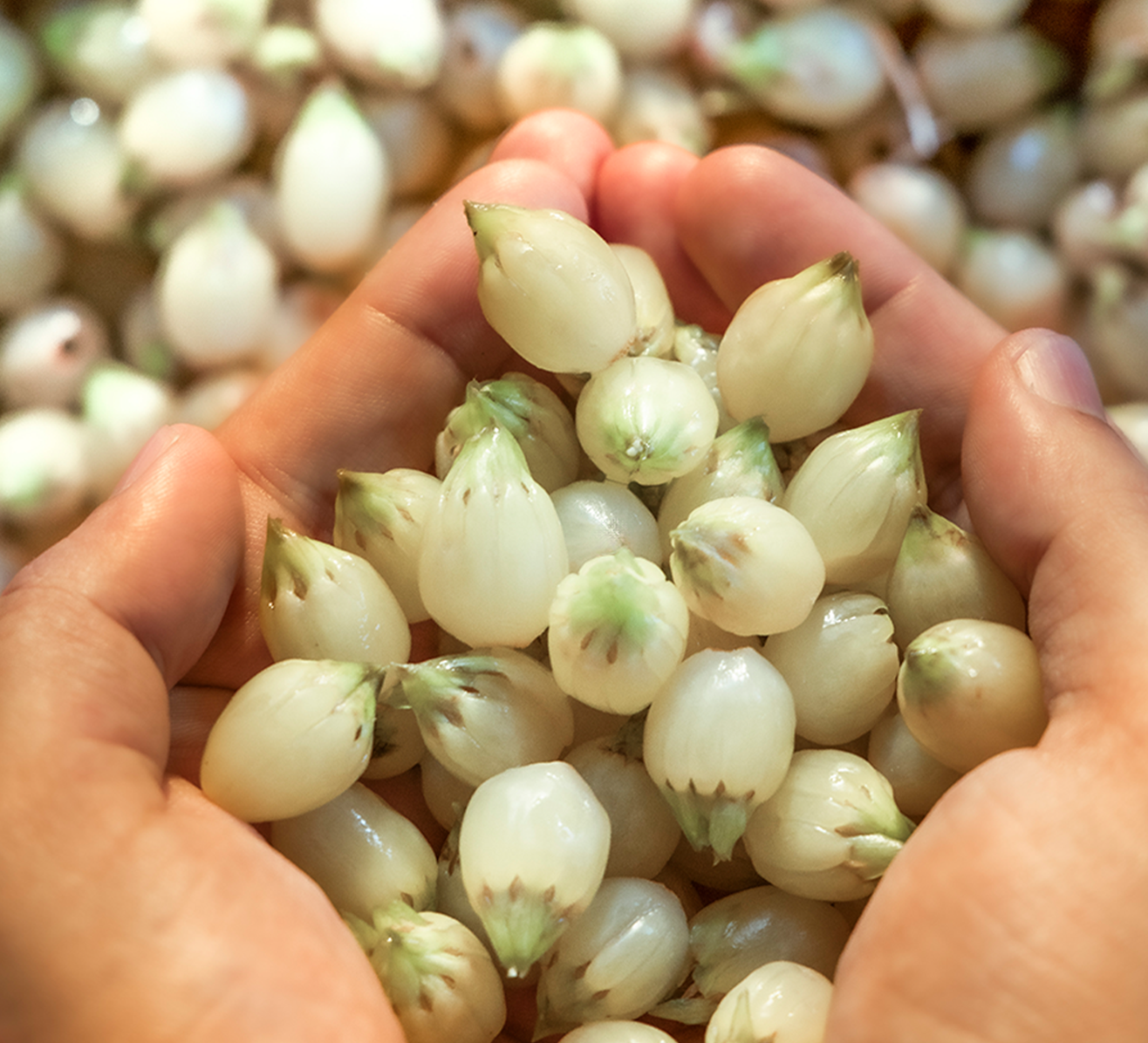
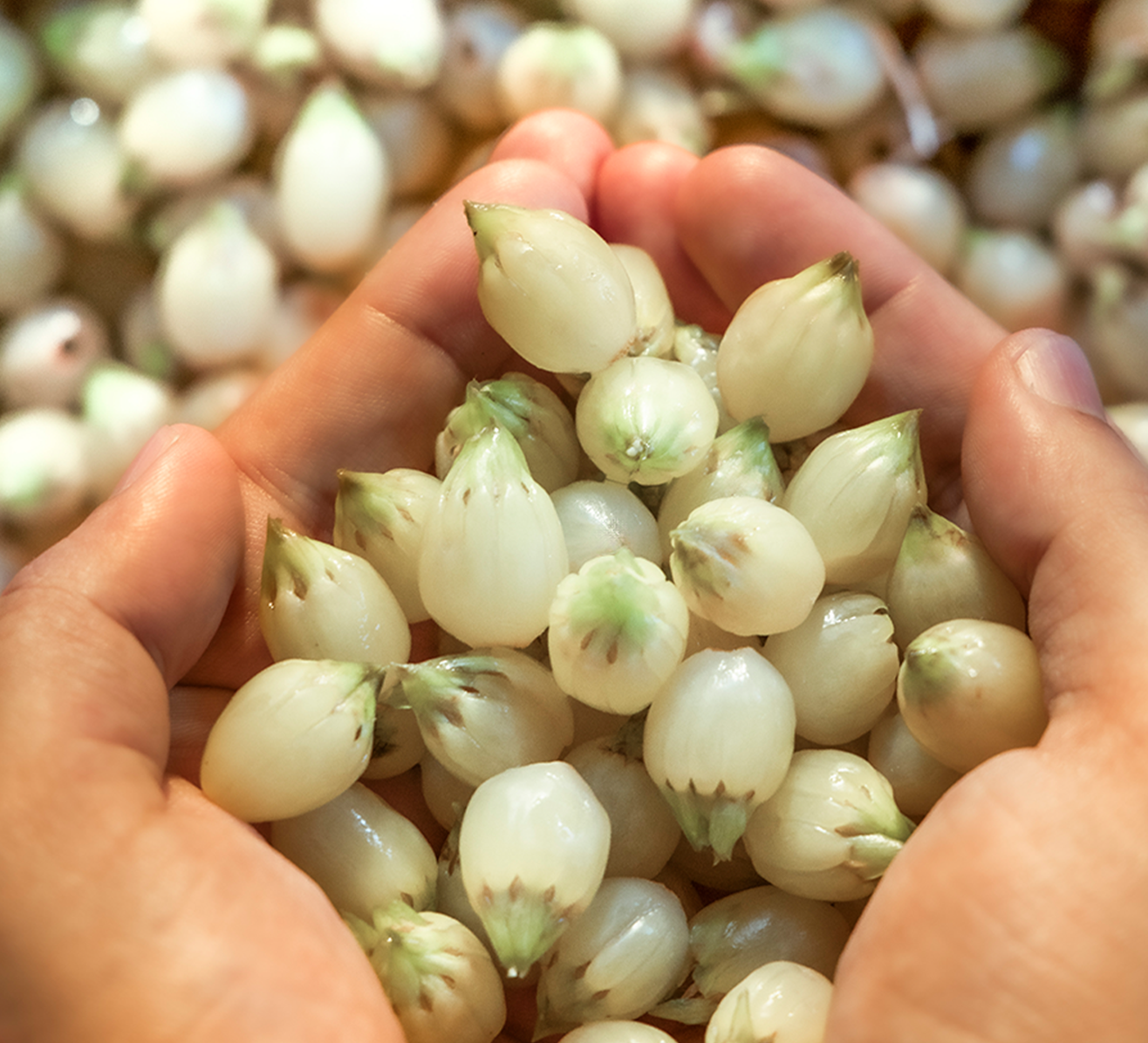
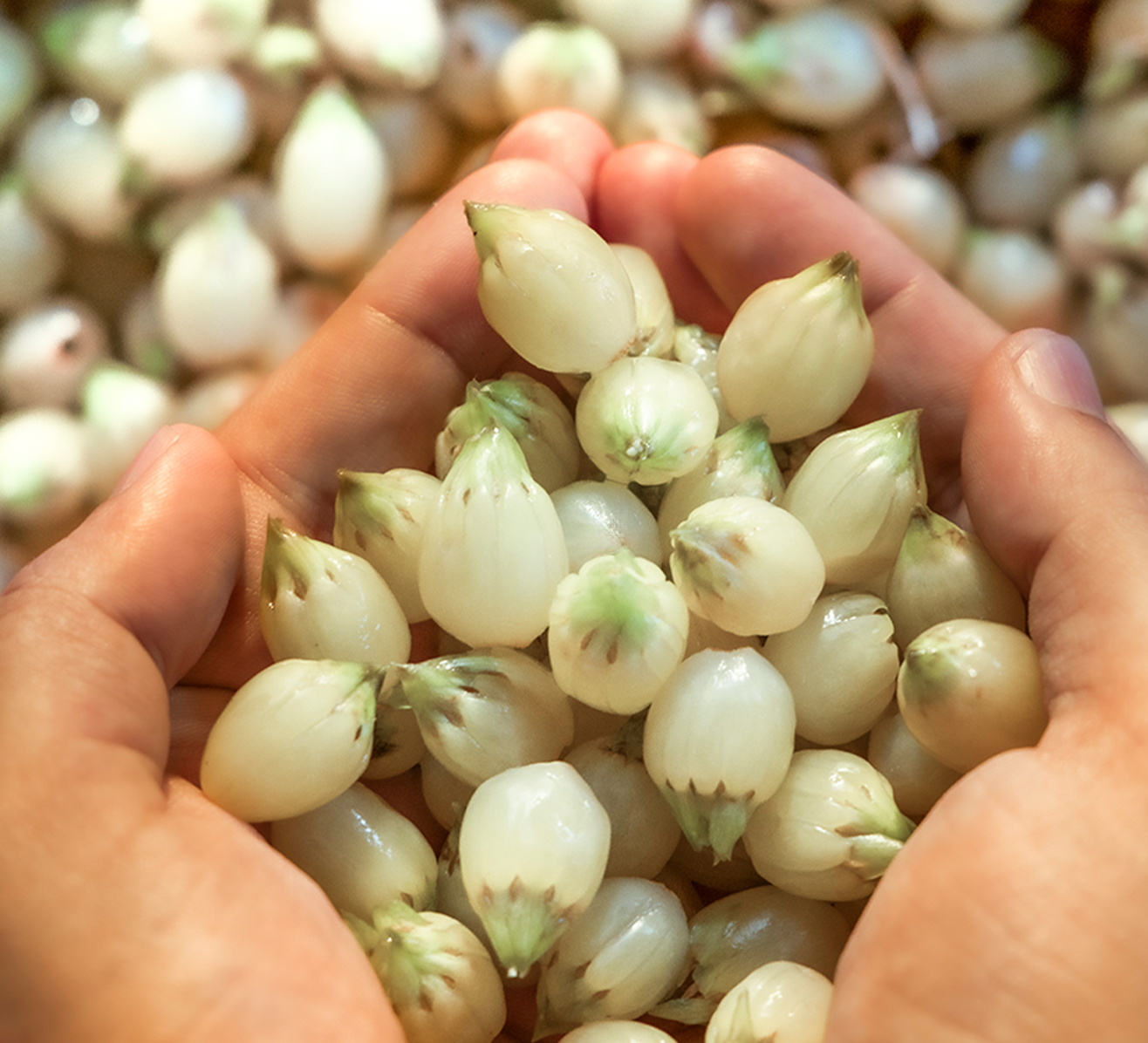
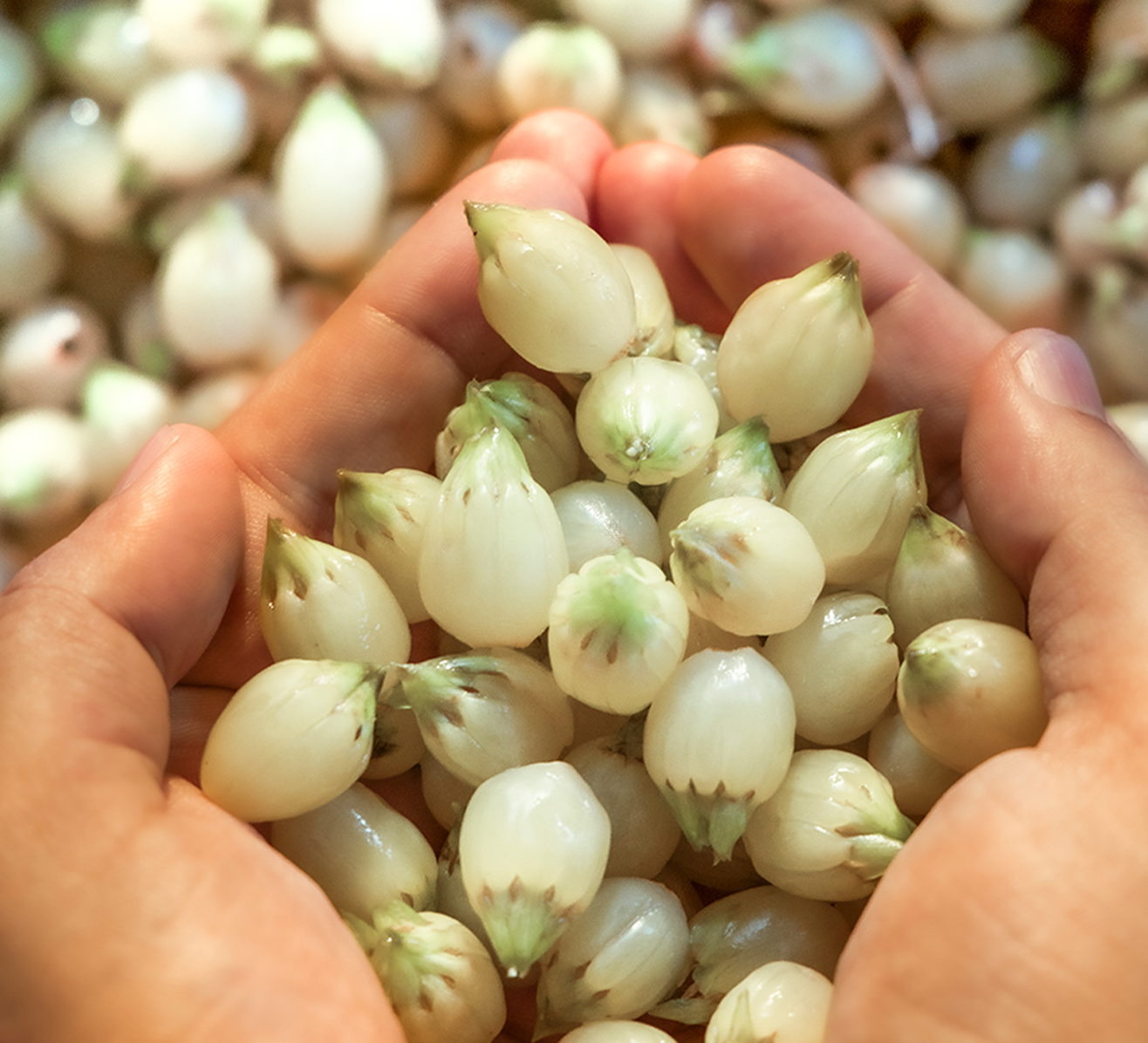
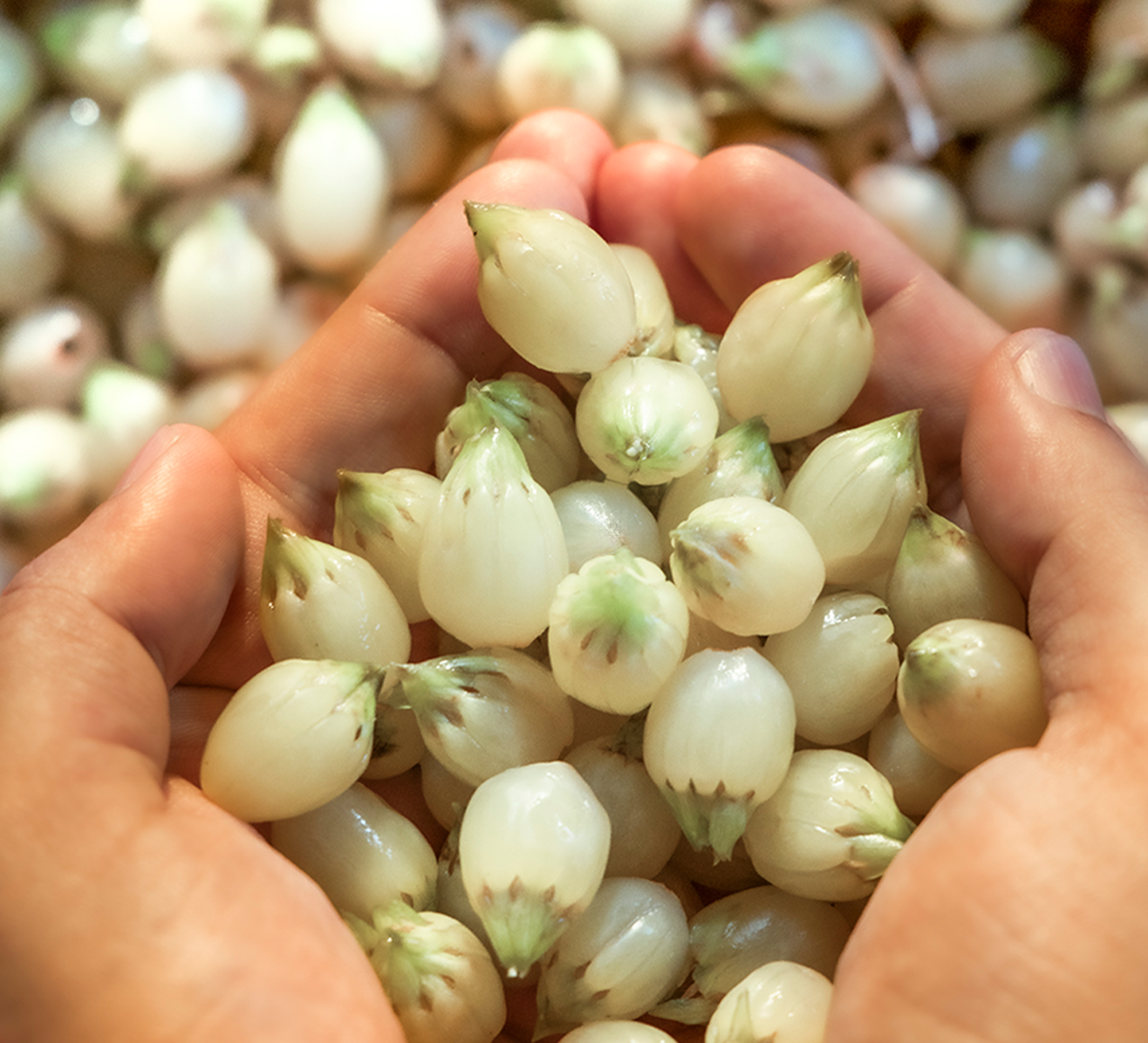
Flowers become food and traditional brews. Seeds are used for oil. Leaves serve practical uses. Bark finds its place in local remedies.
It’s a complete system built around a single tree.
In many local regions, mahua is not optional—it’s essential.
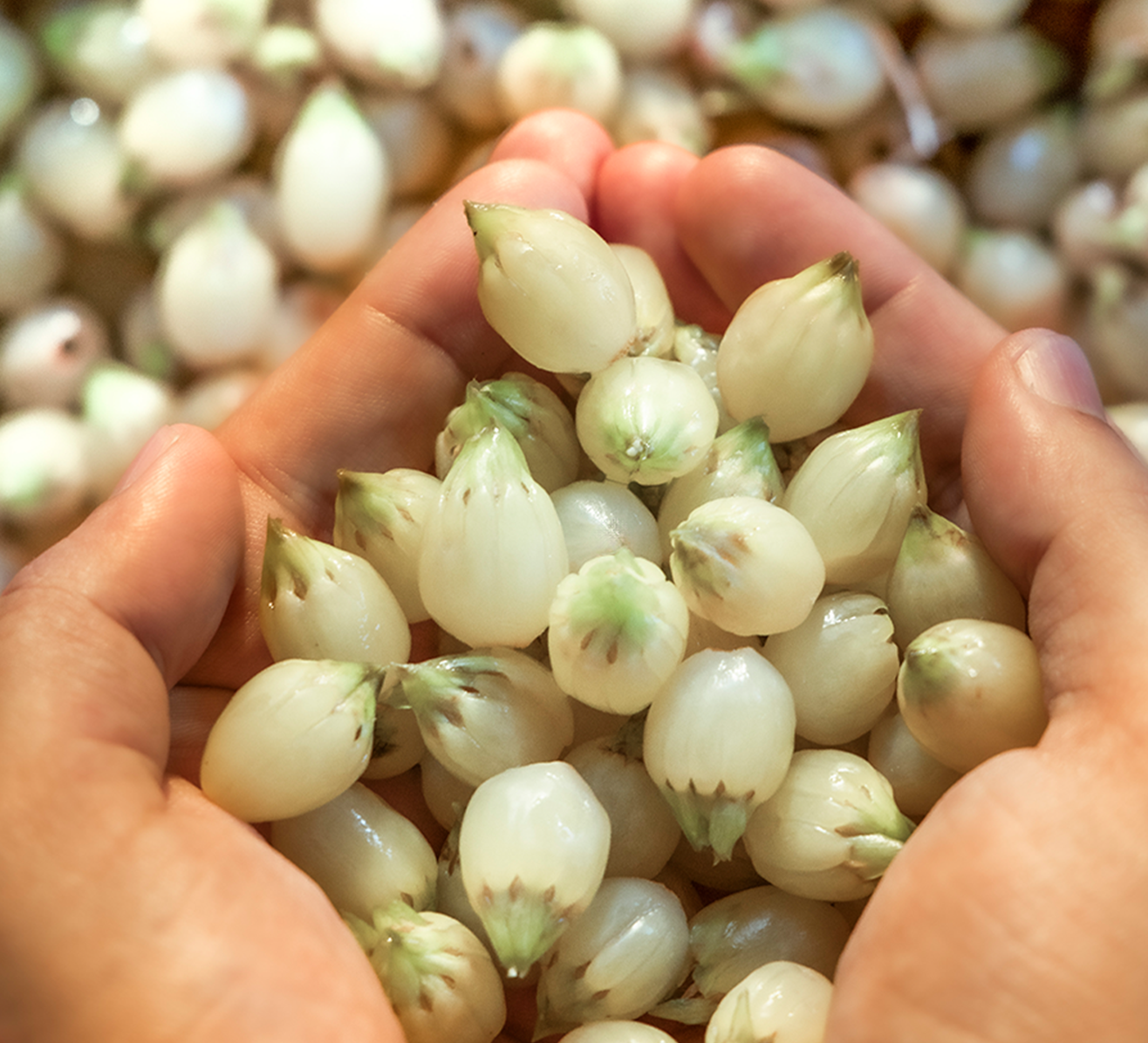
The flowering season creates income opportunities. Families collect, dry, and sell the flowers, forming a significant part of their yearly earnings.
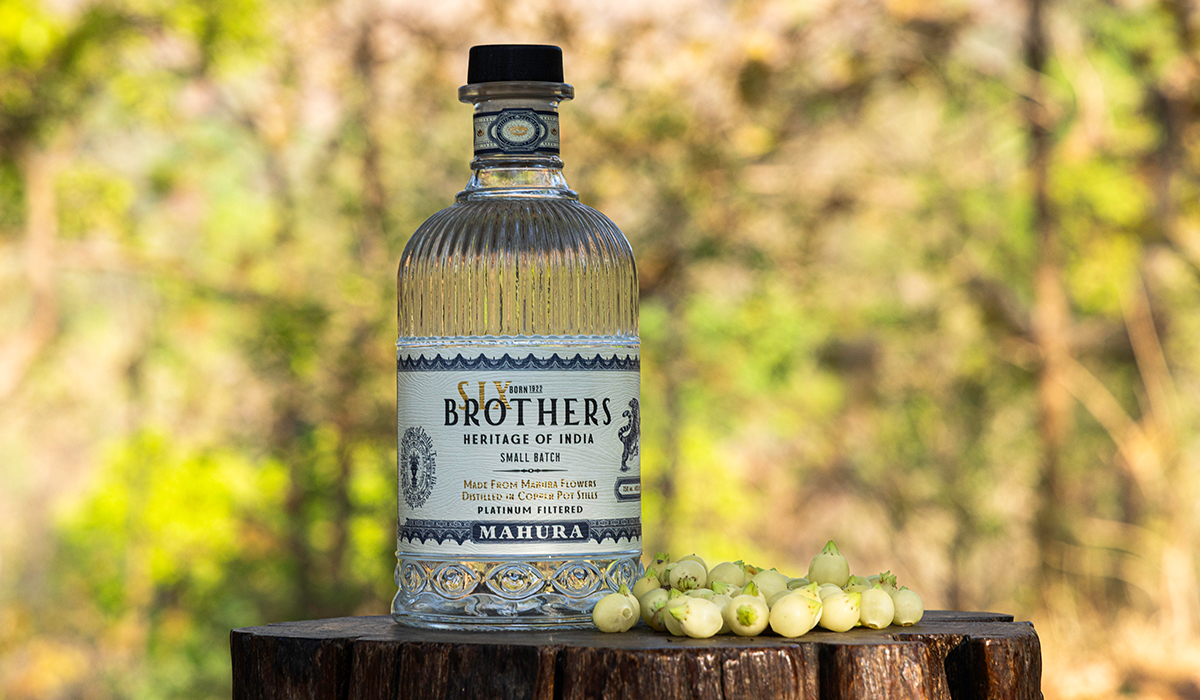
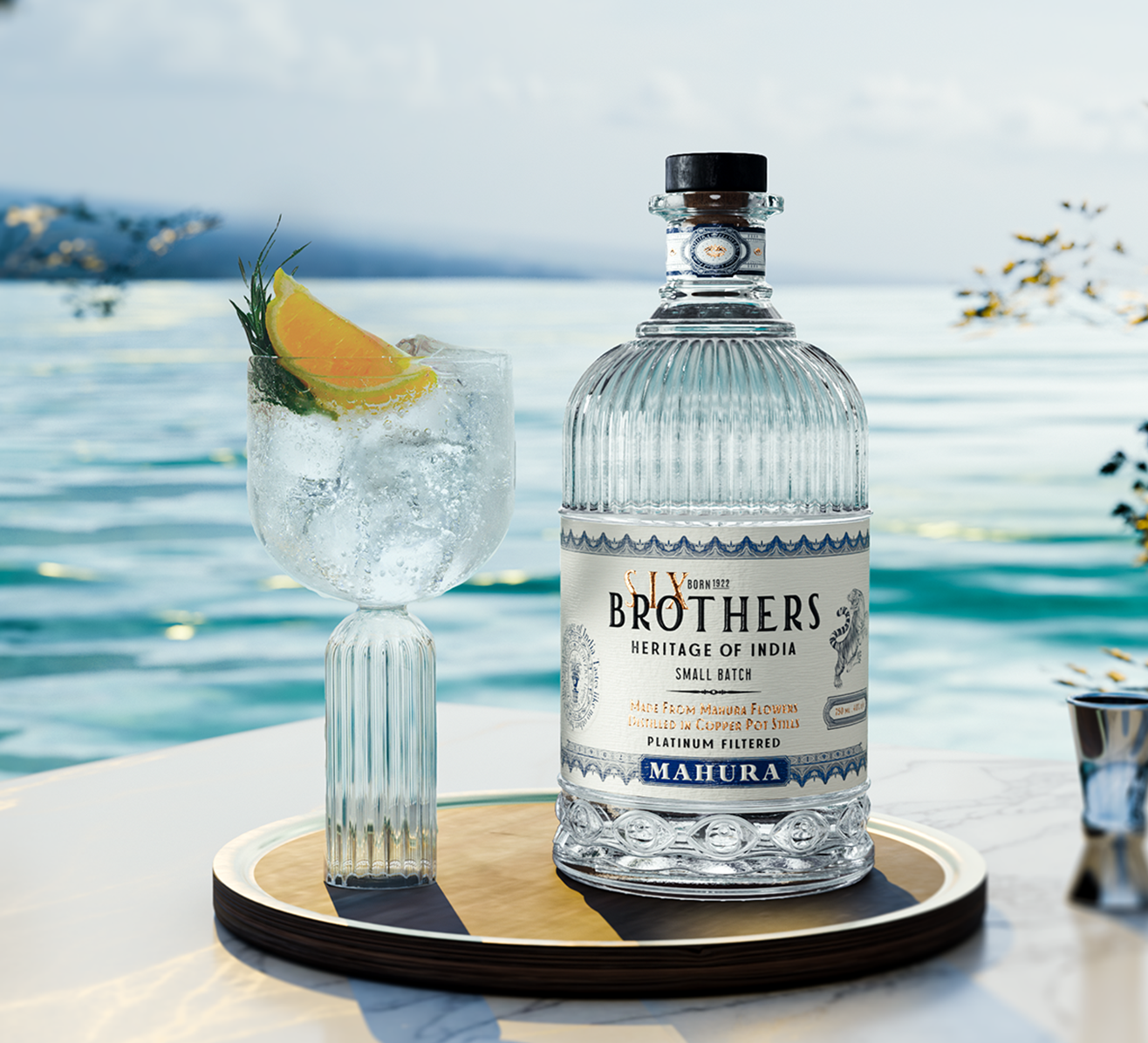
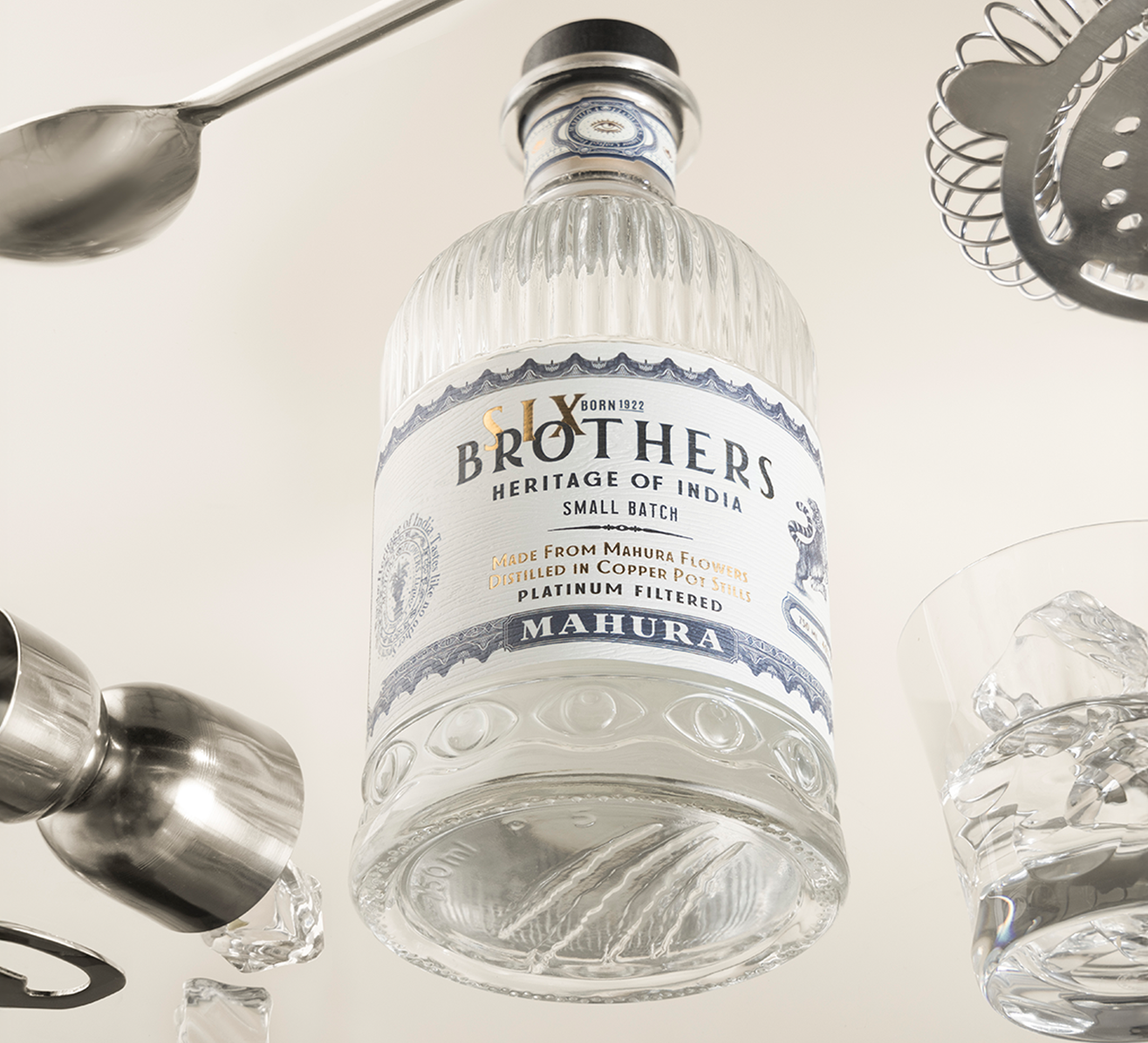
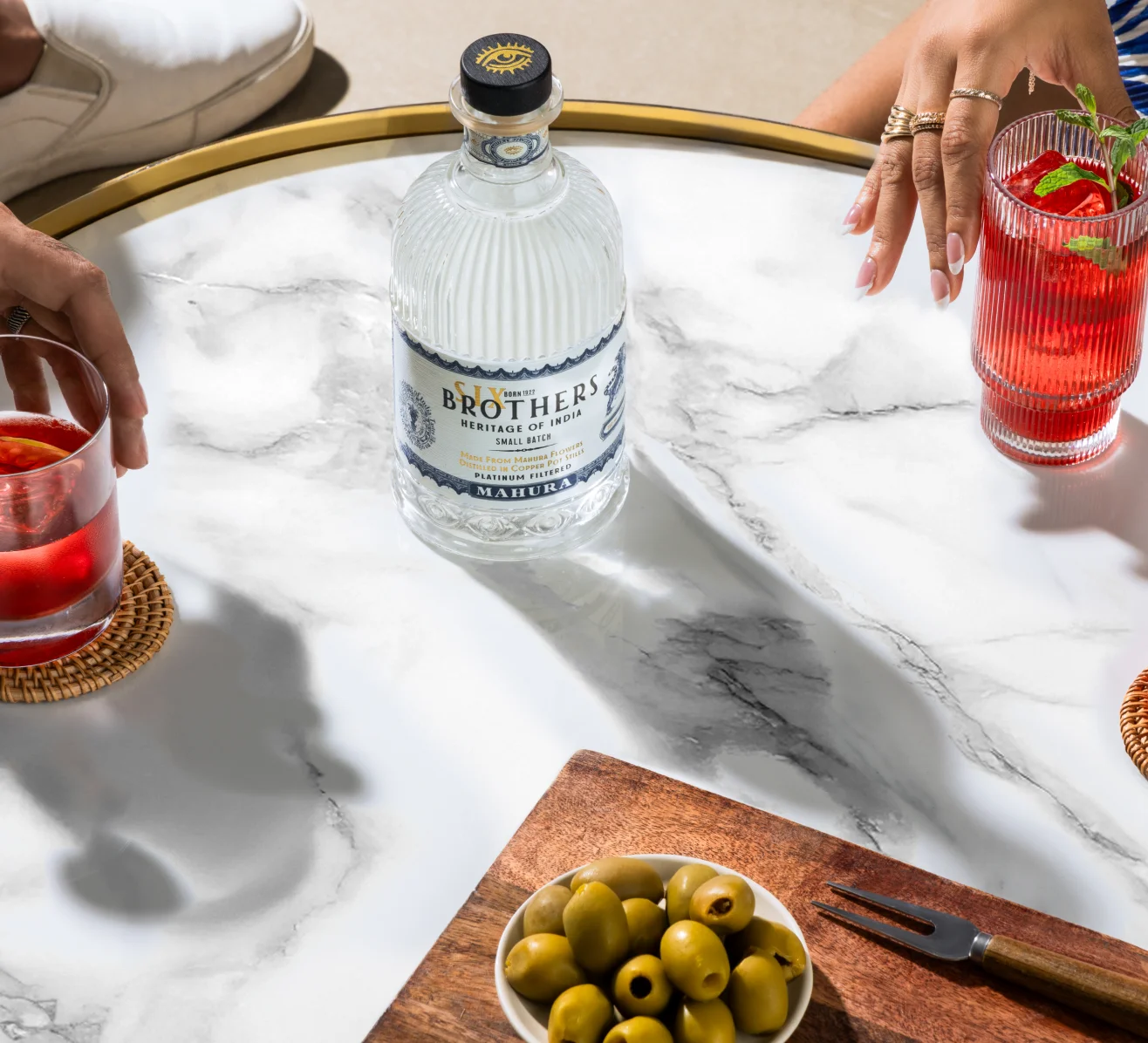
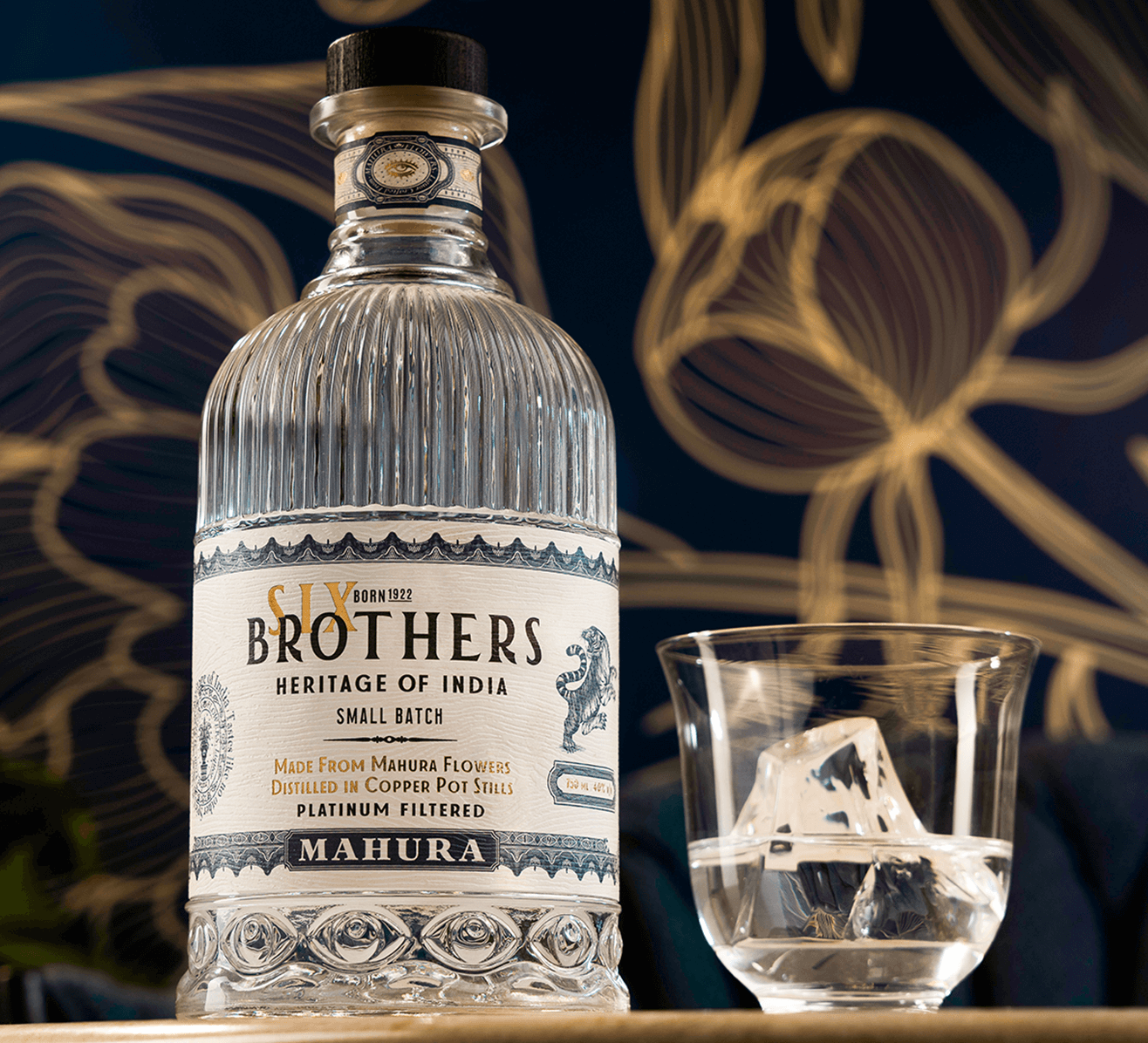
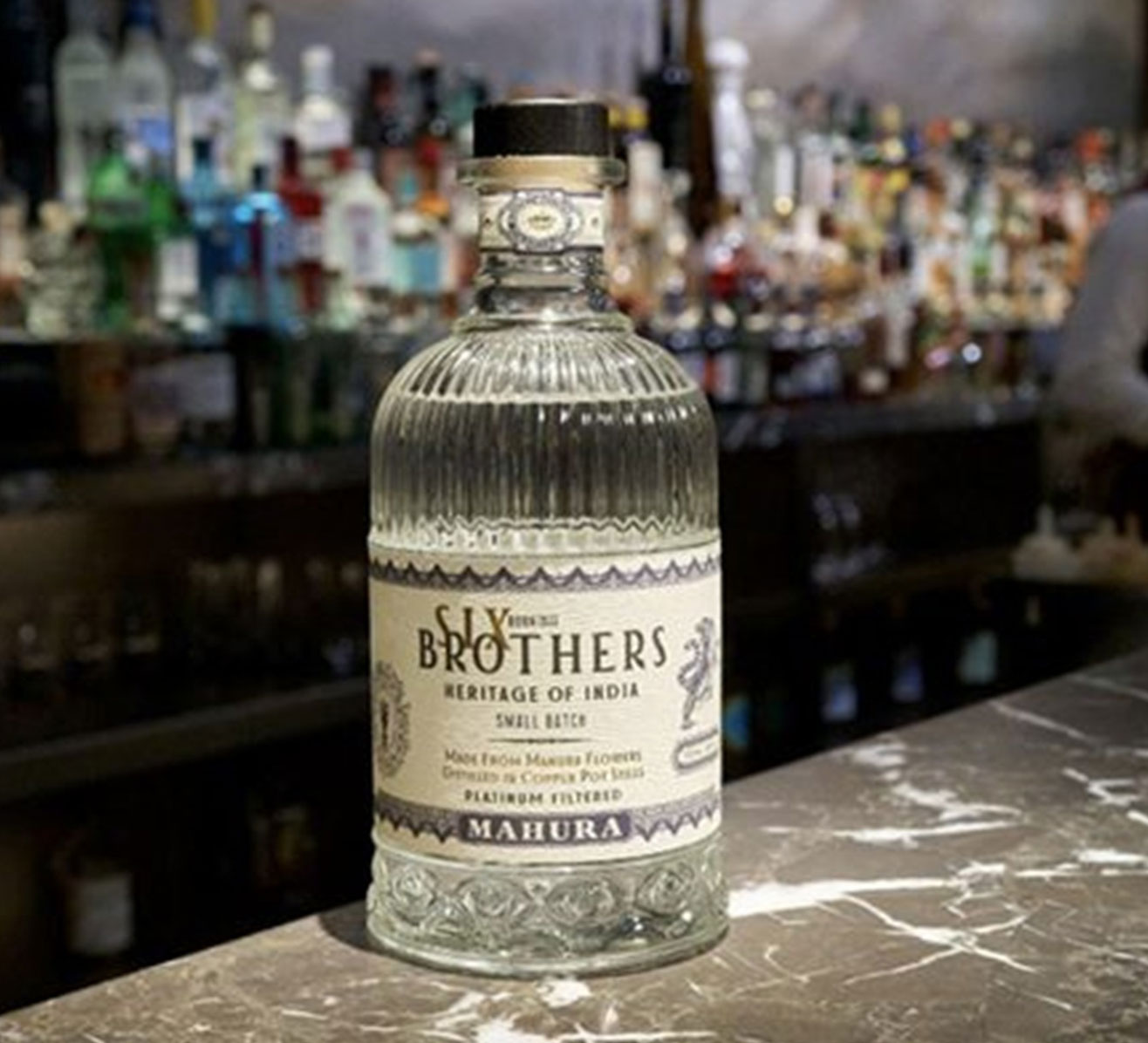
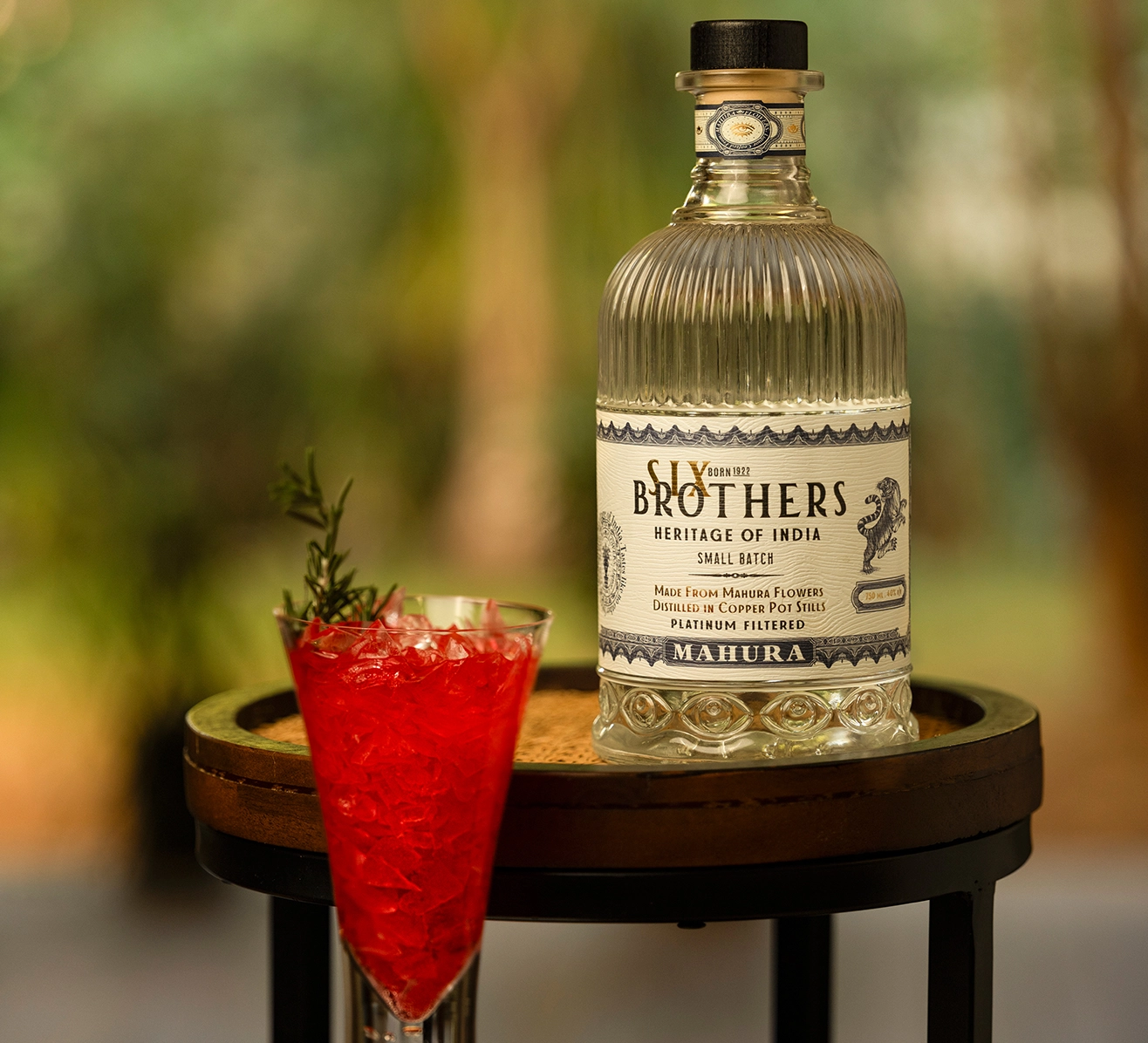
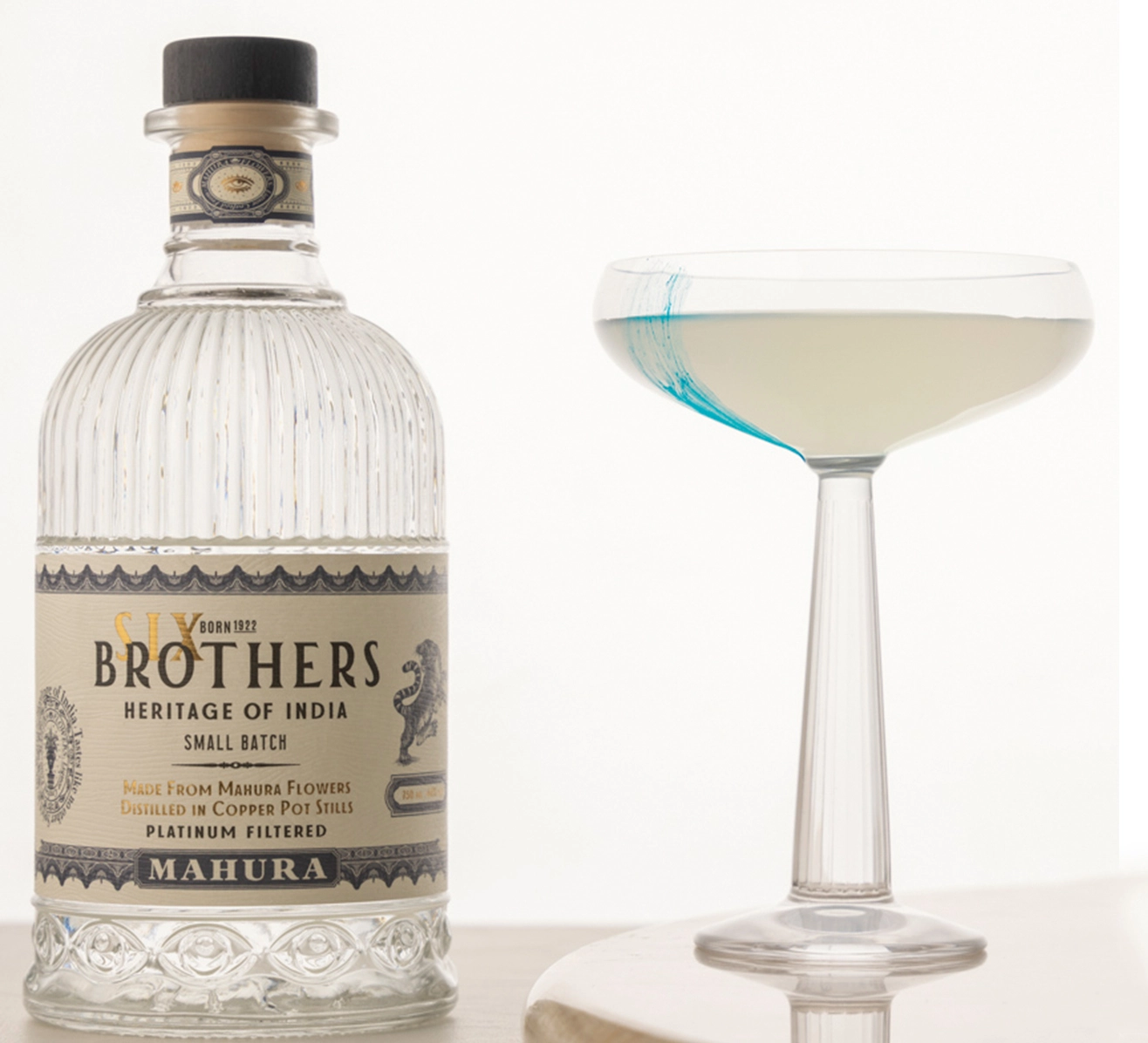
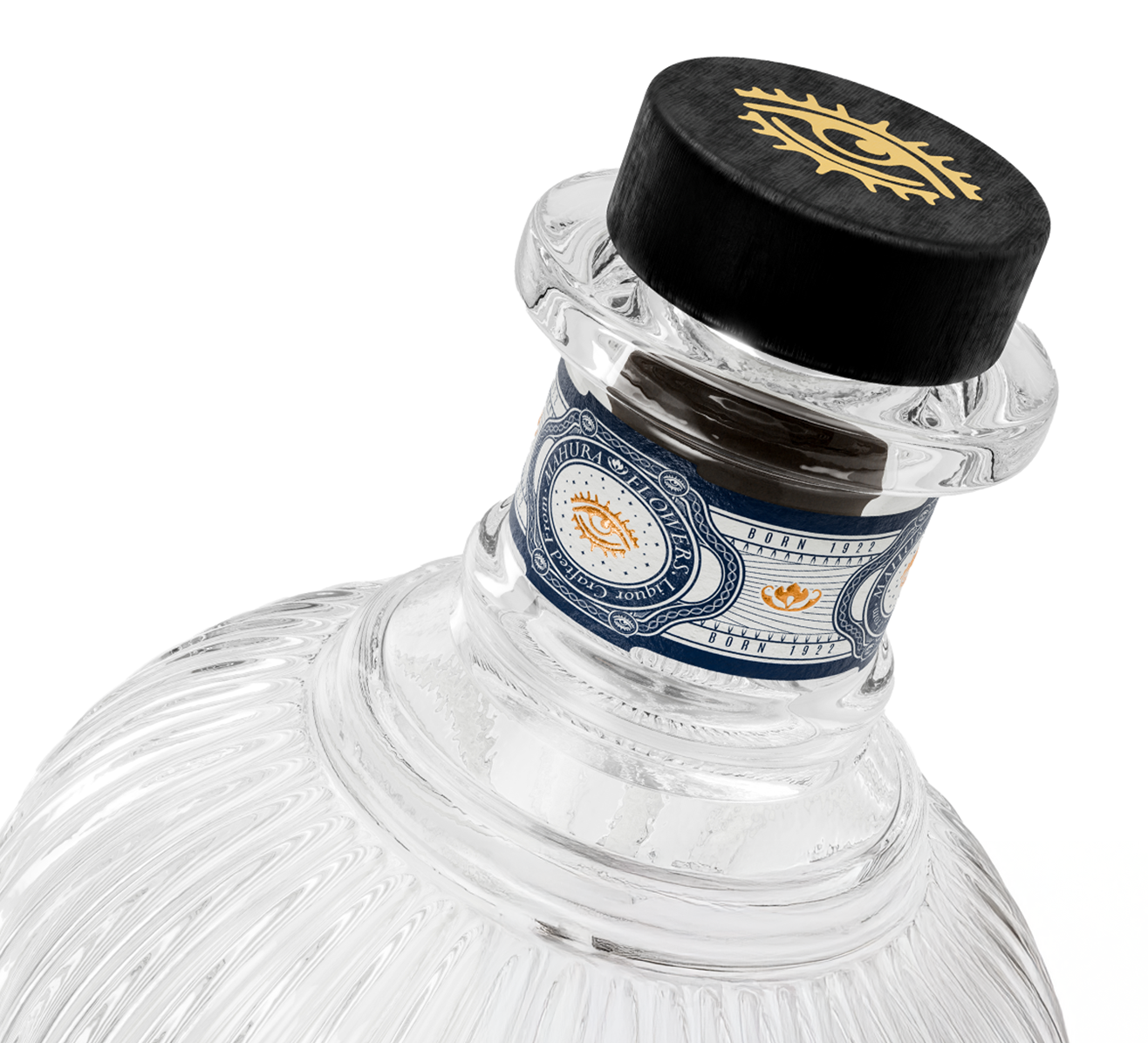
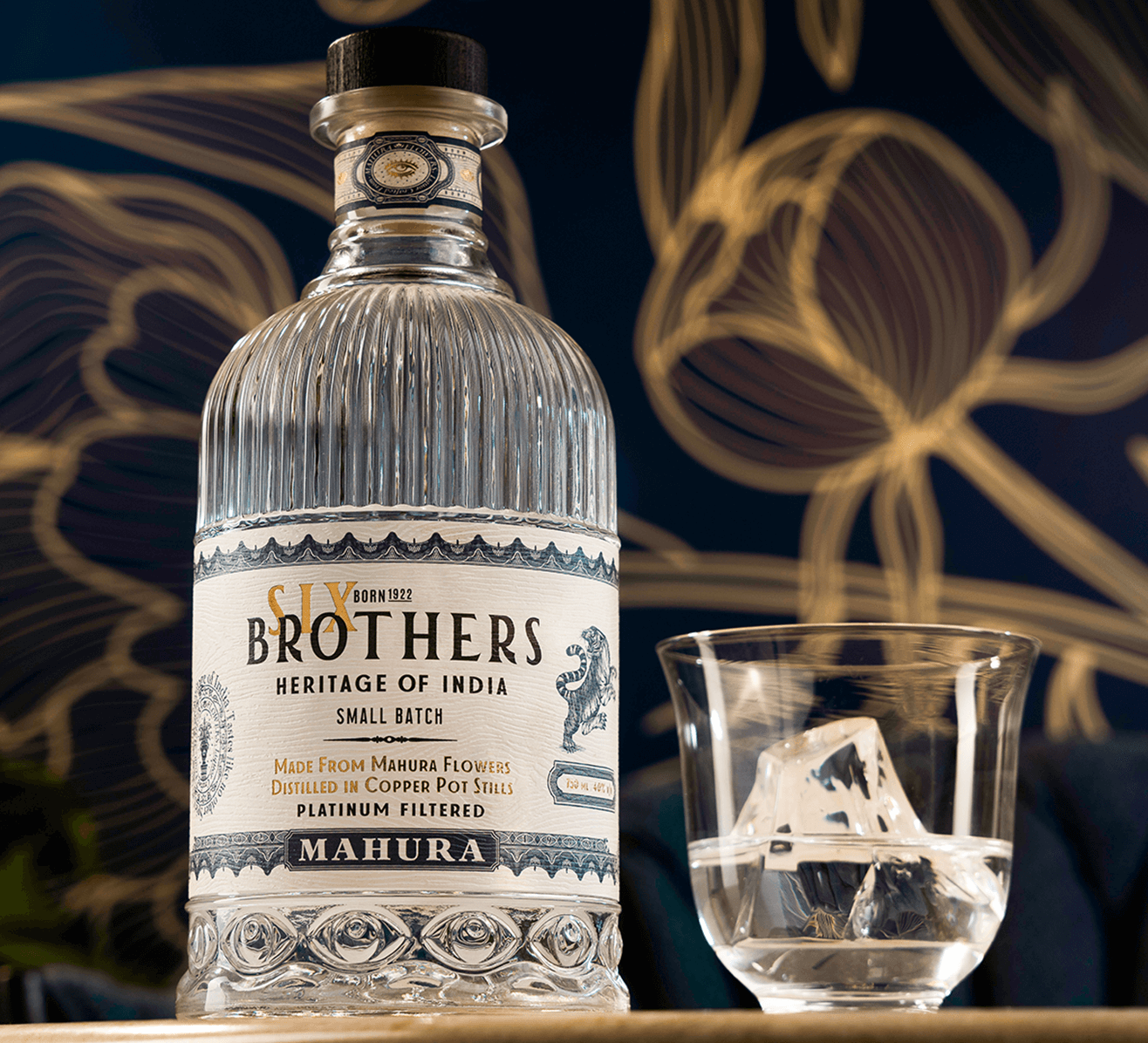
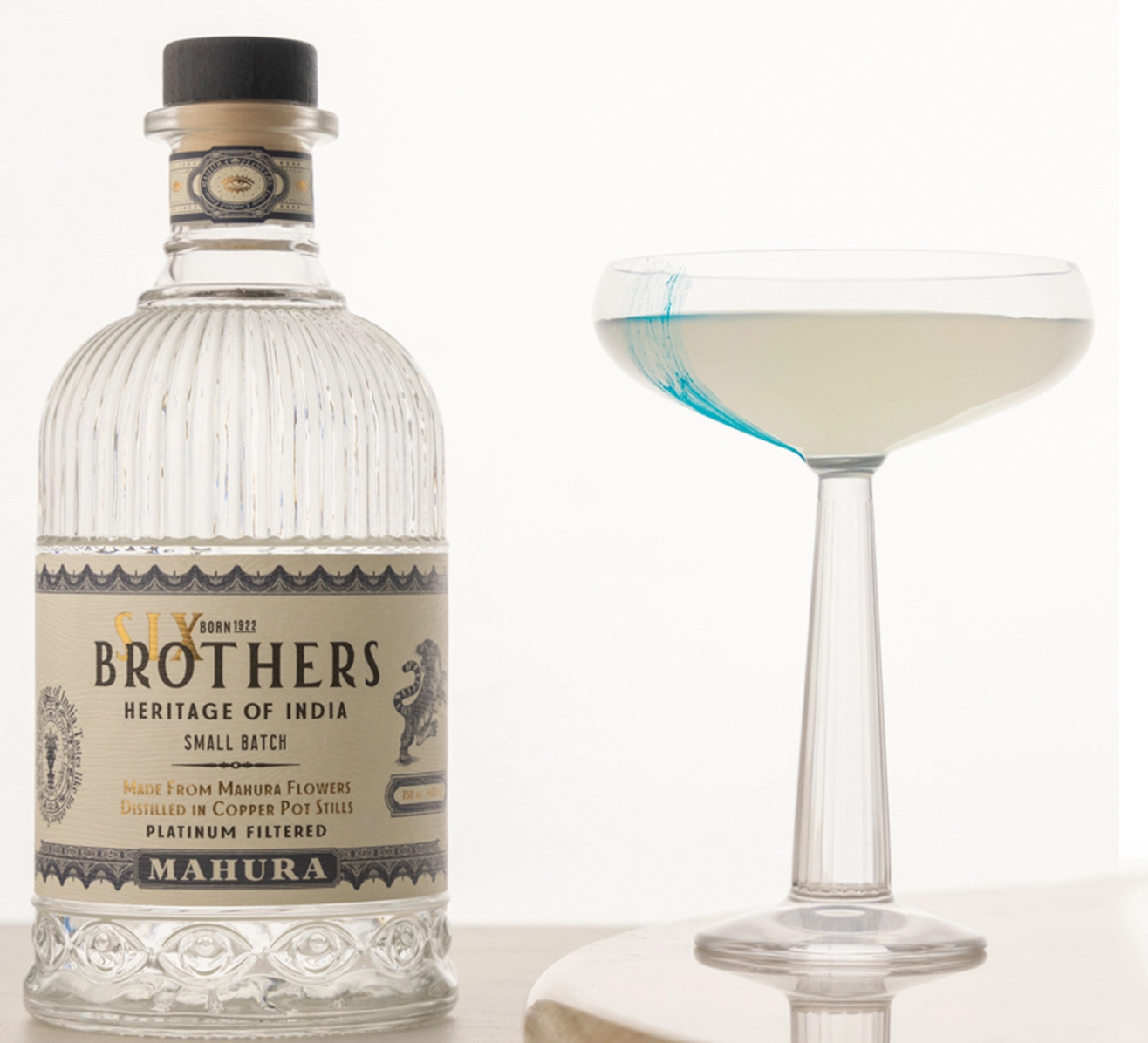
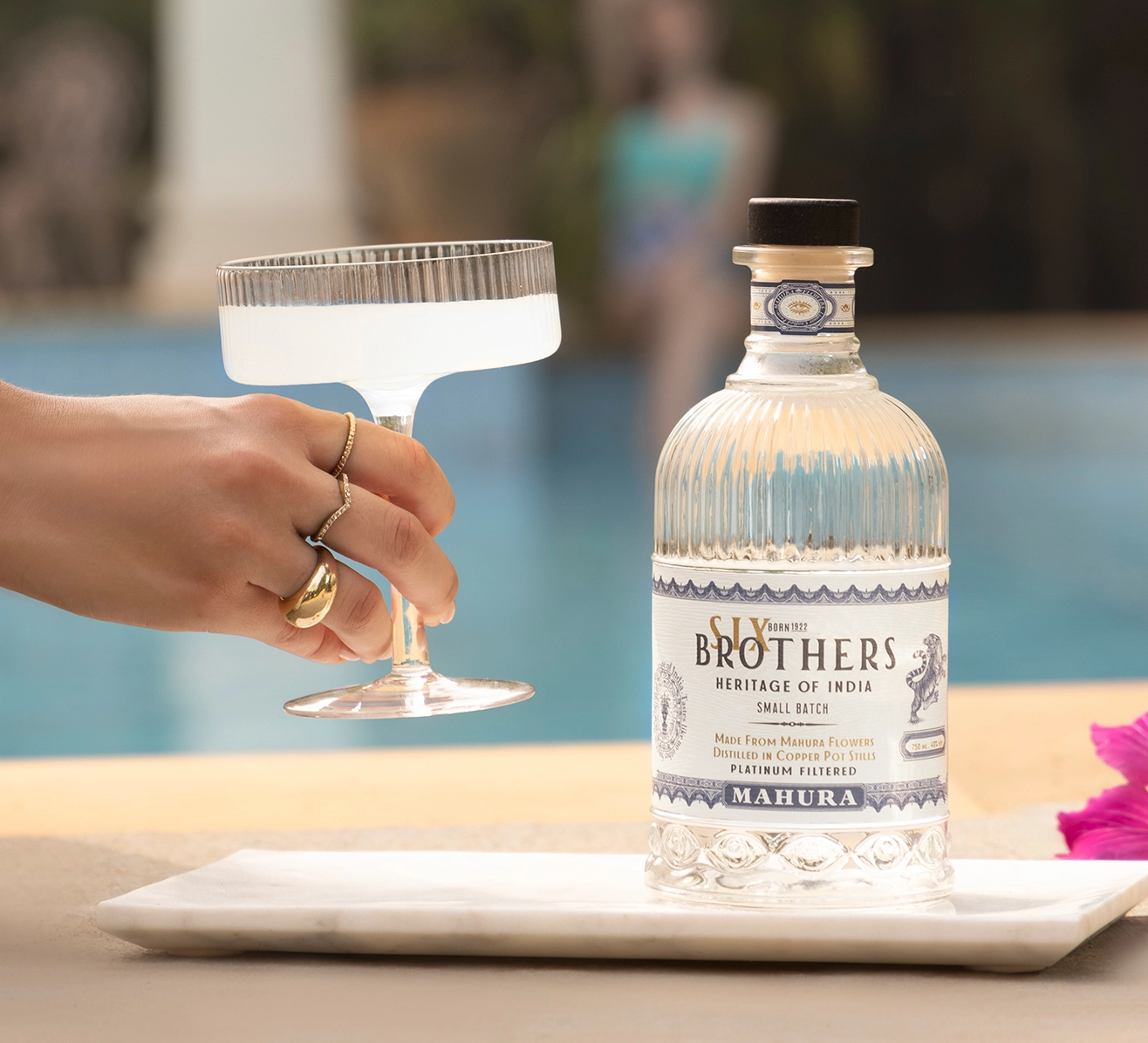
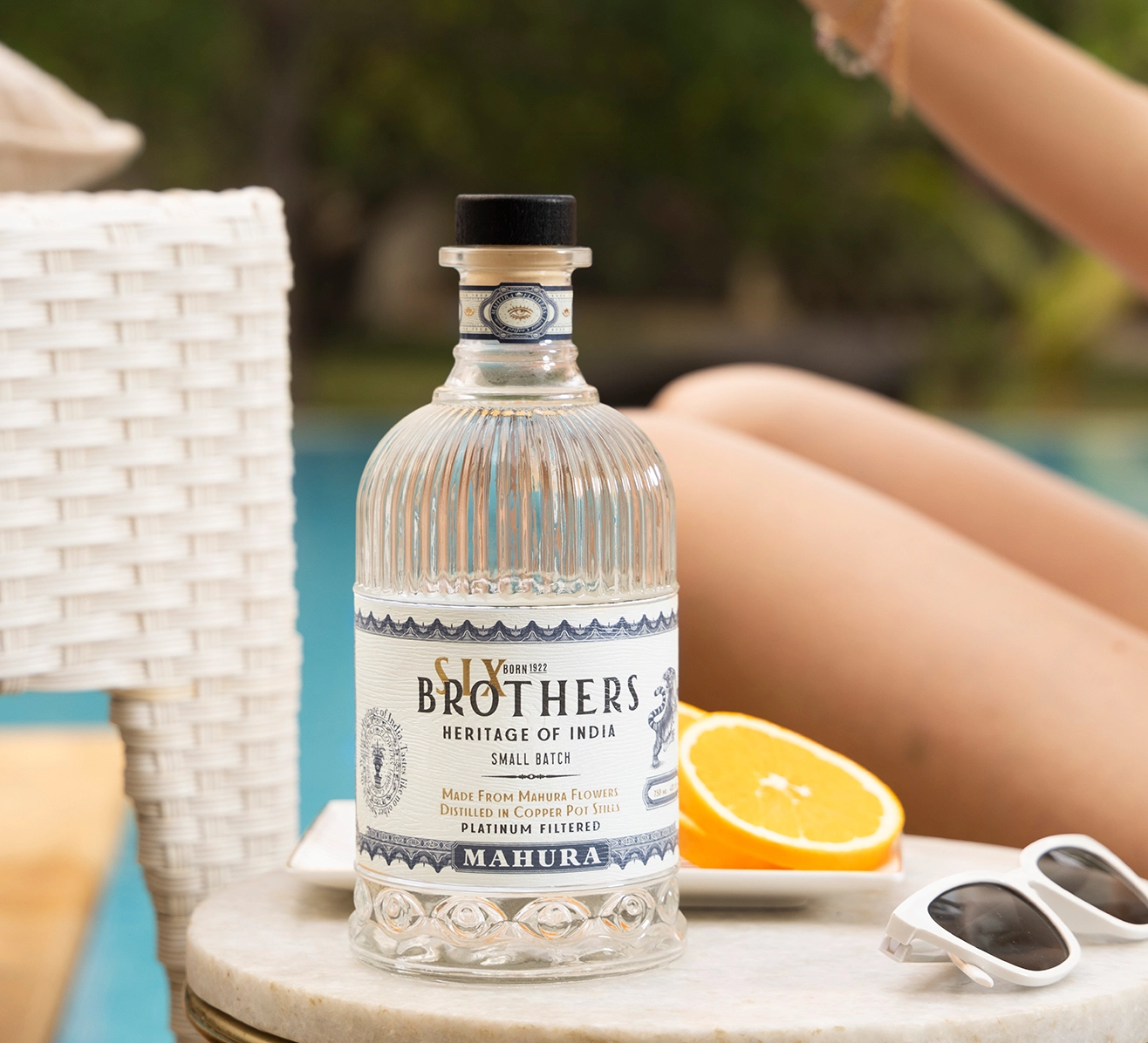
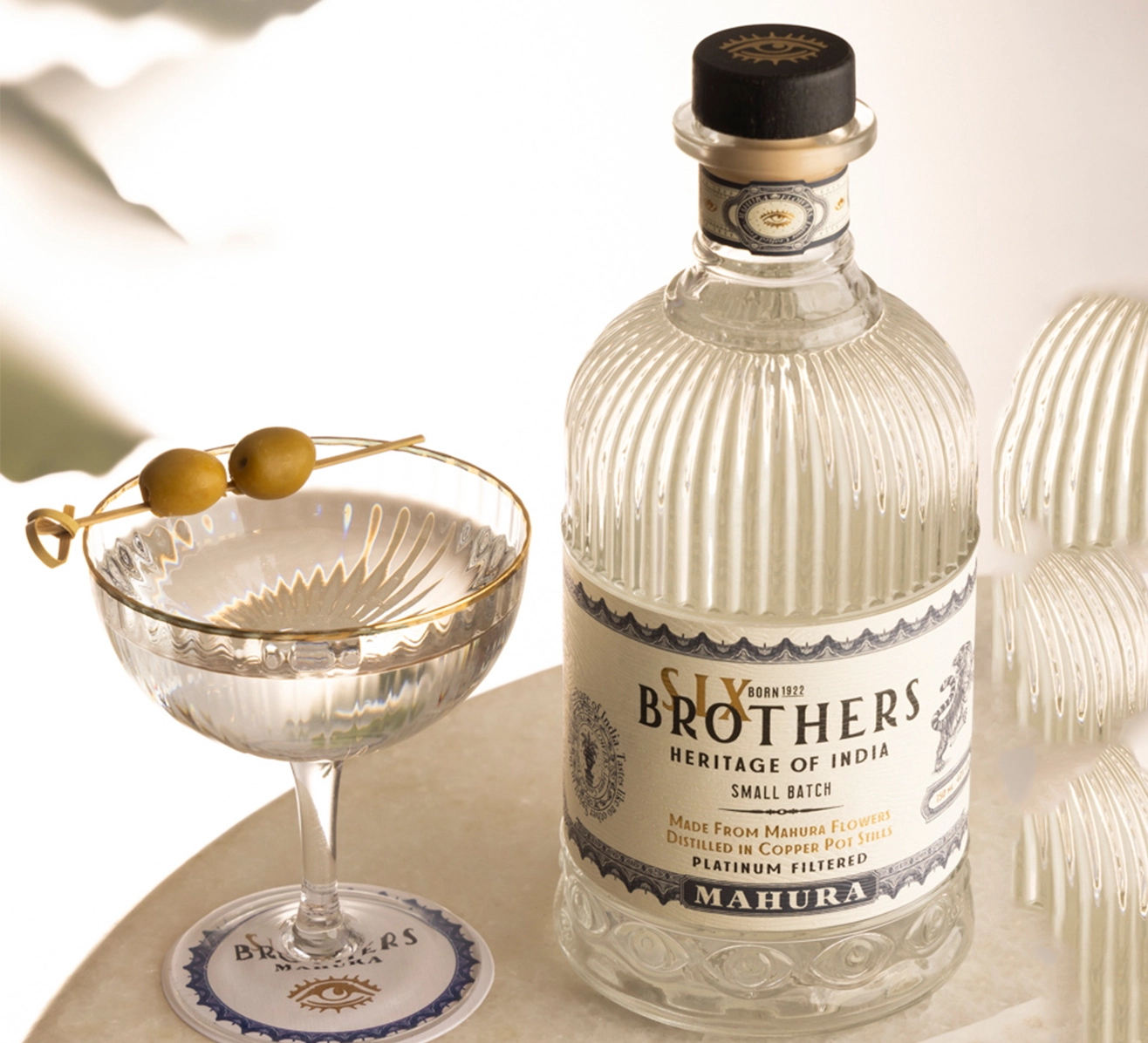
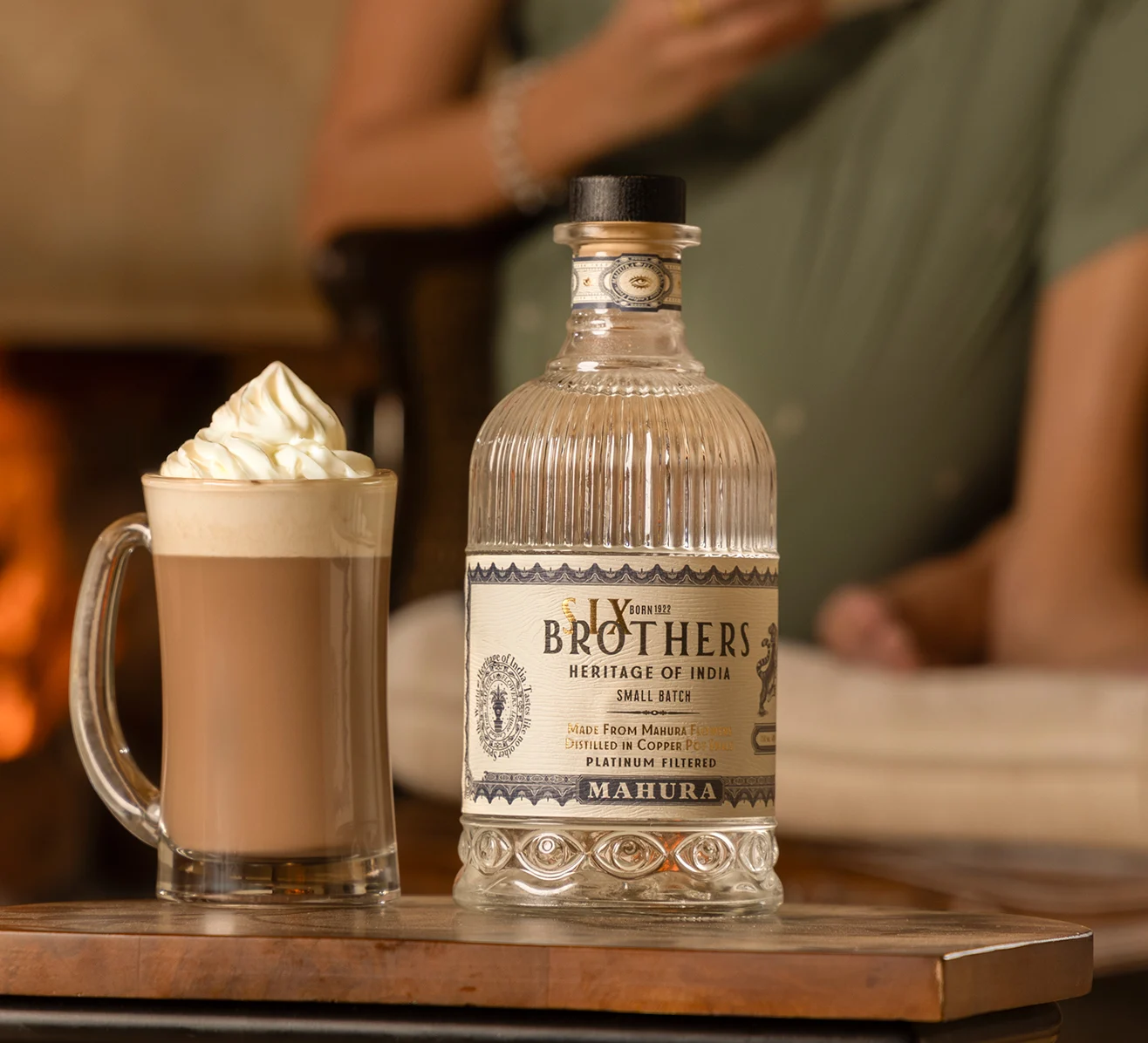
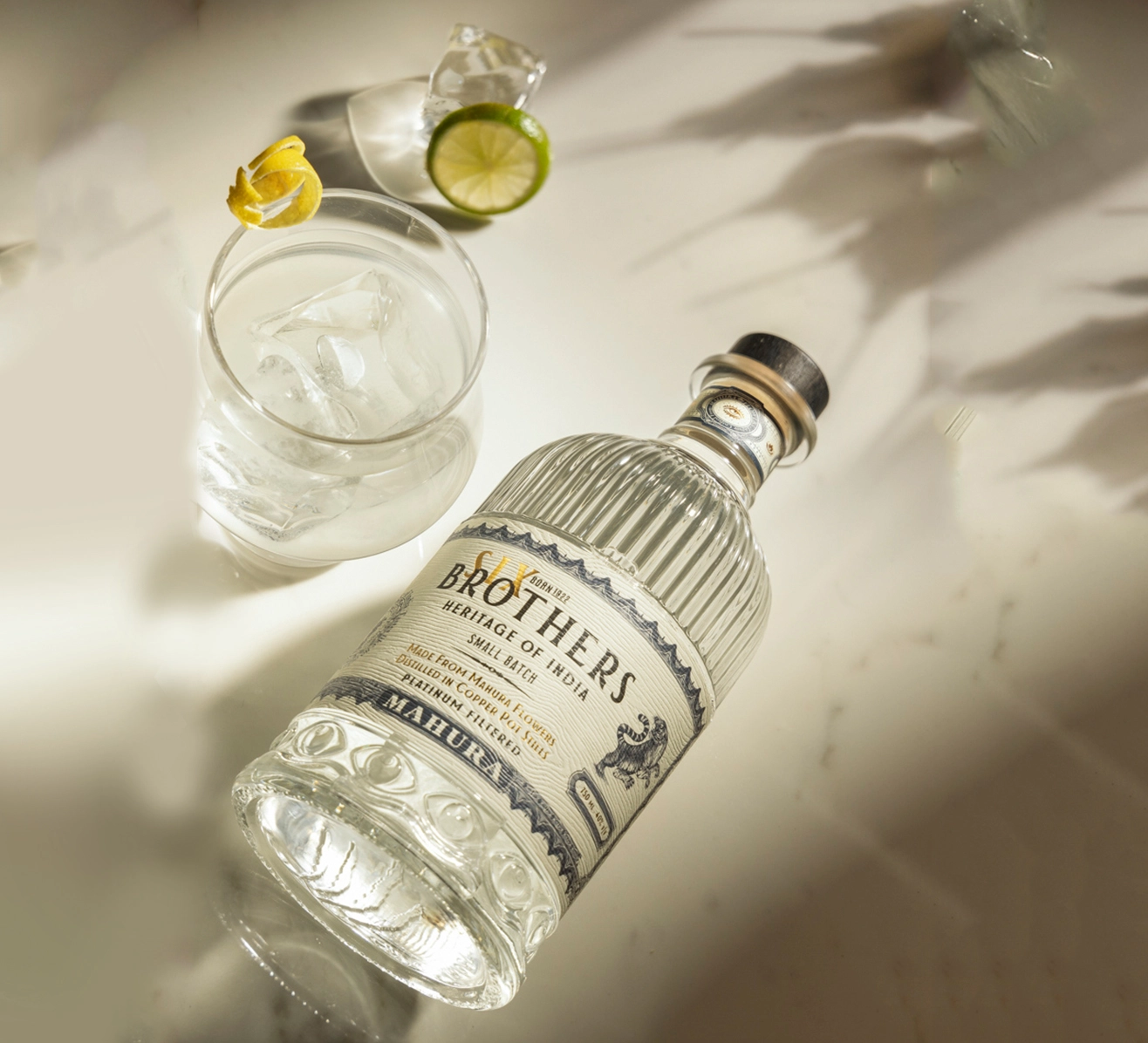
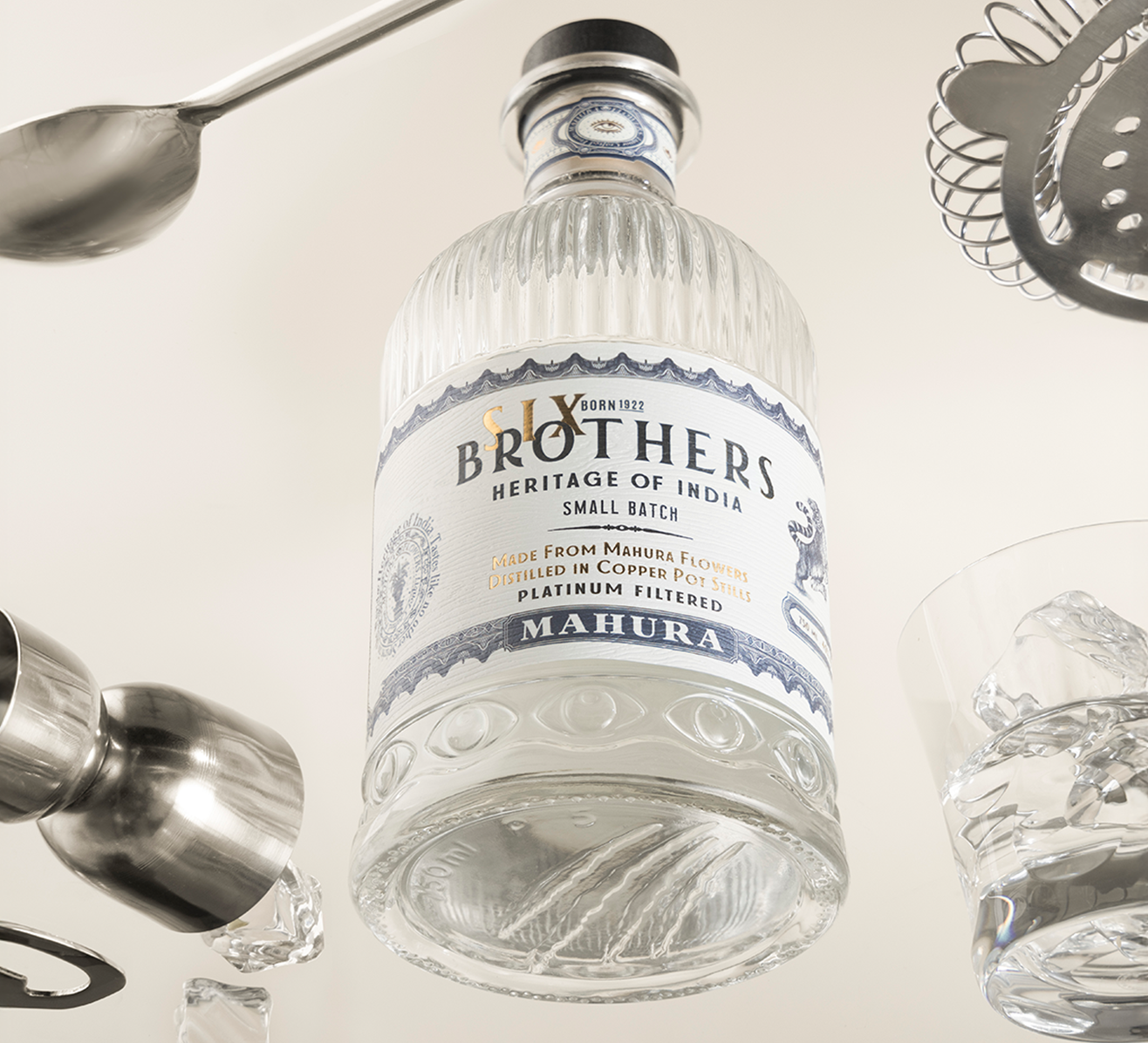
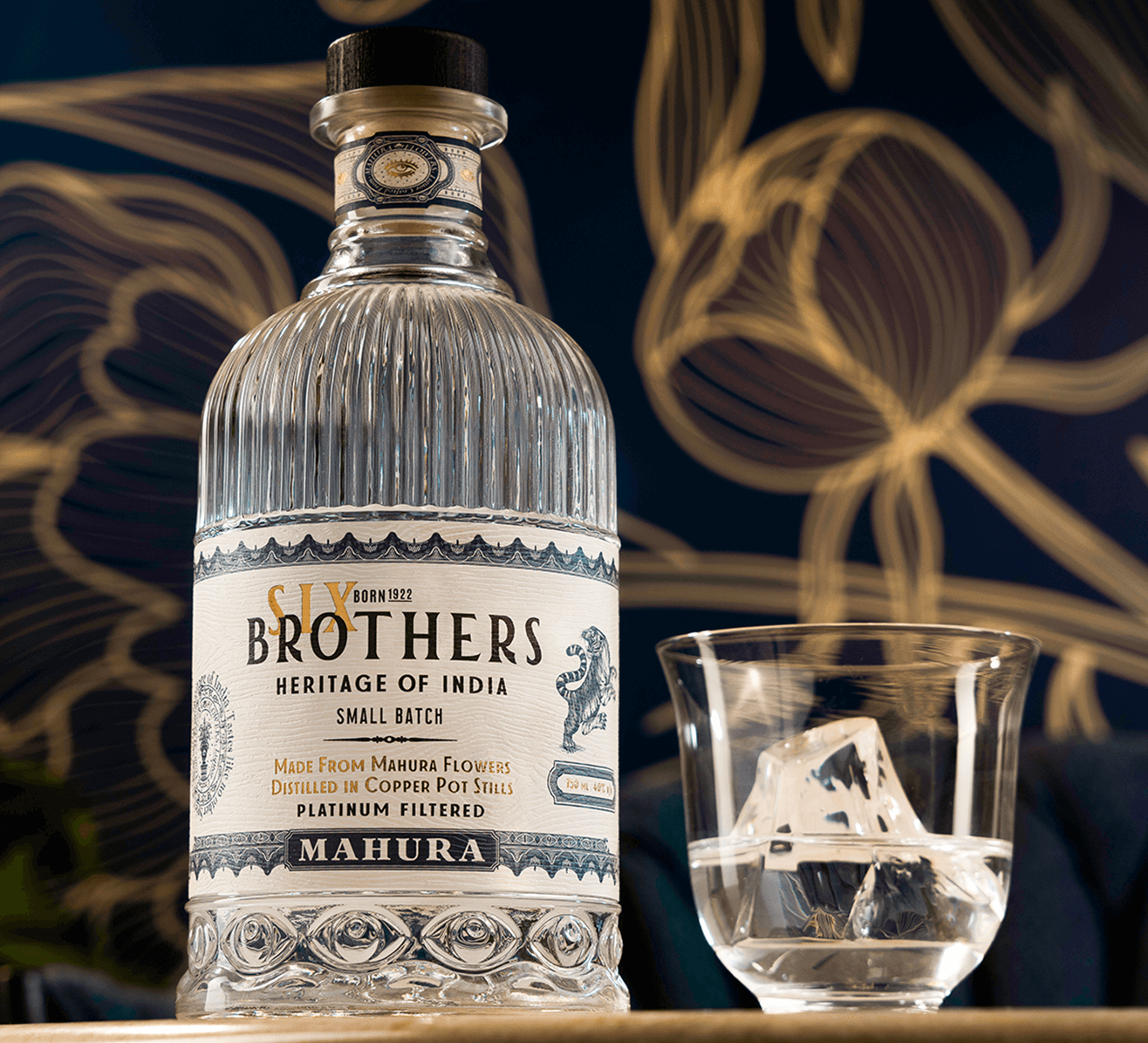
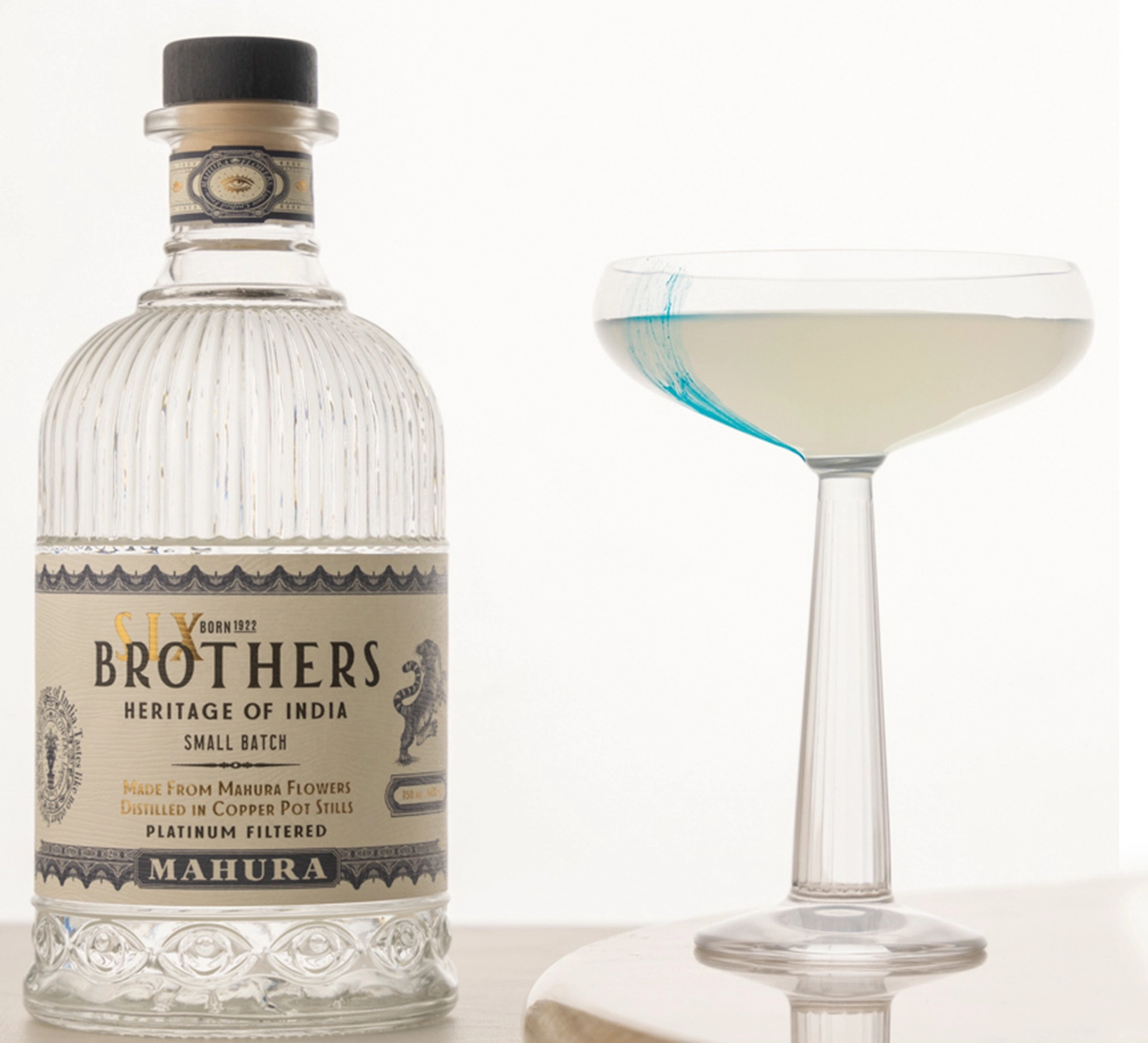
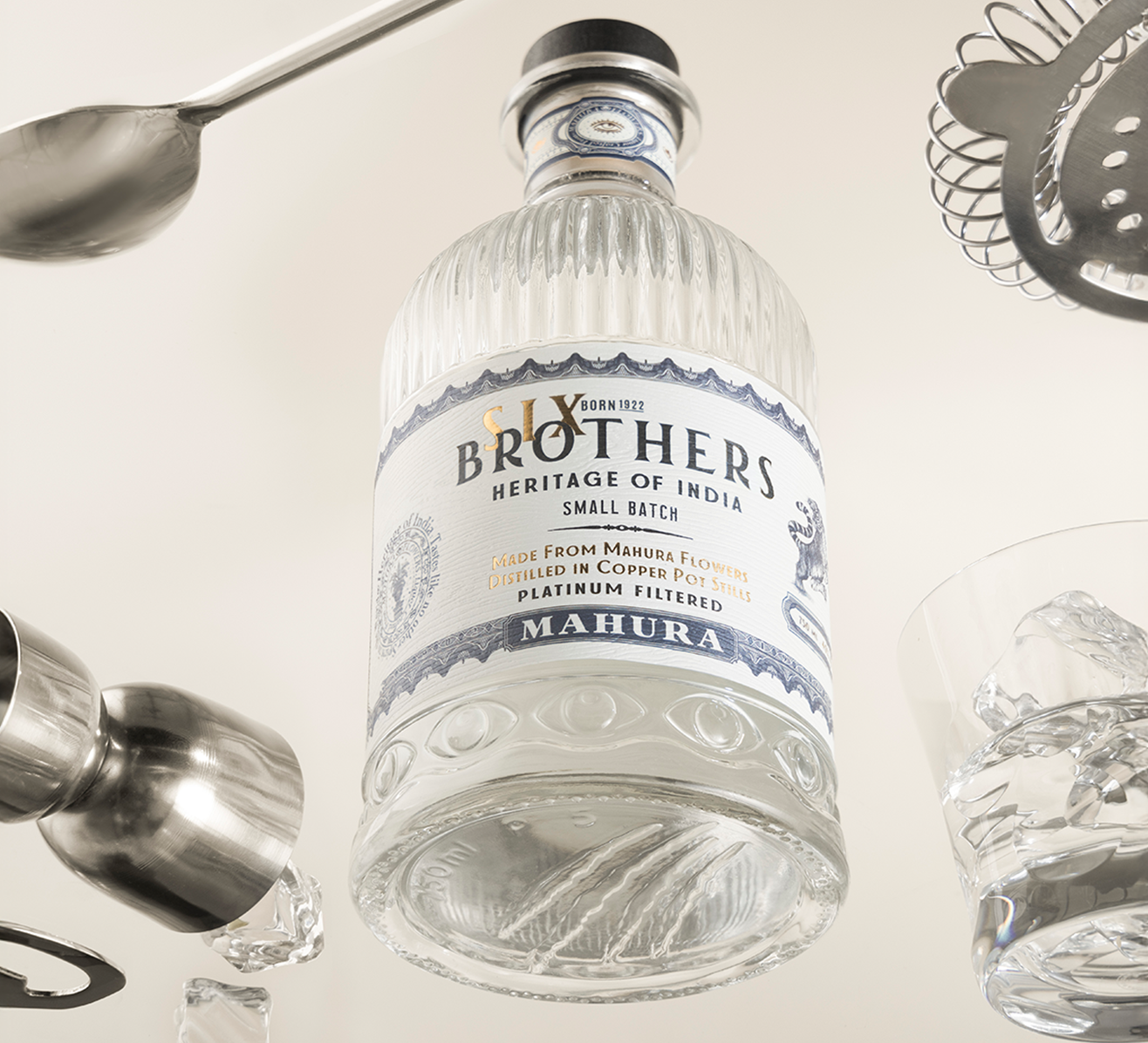
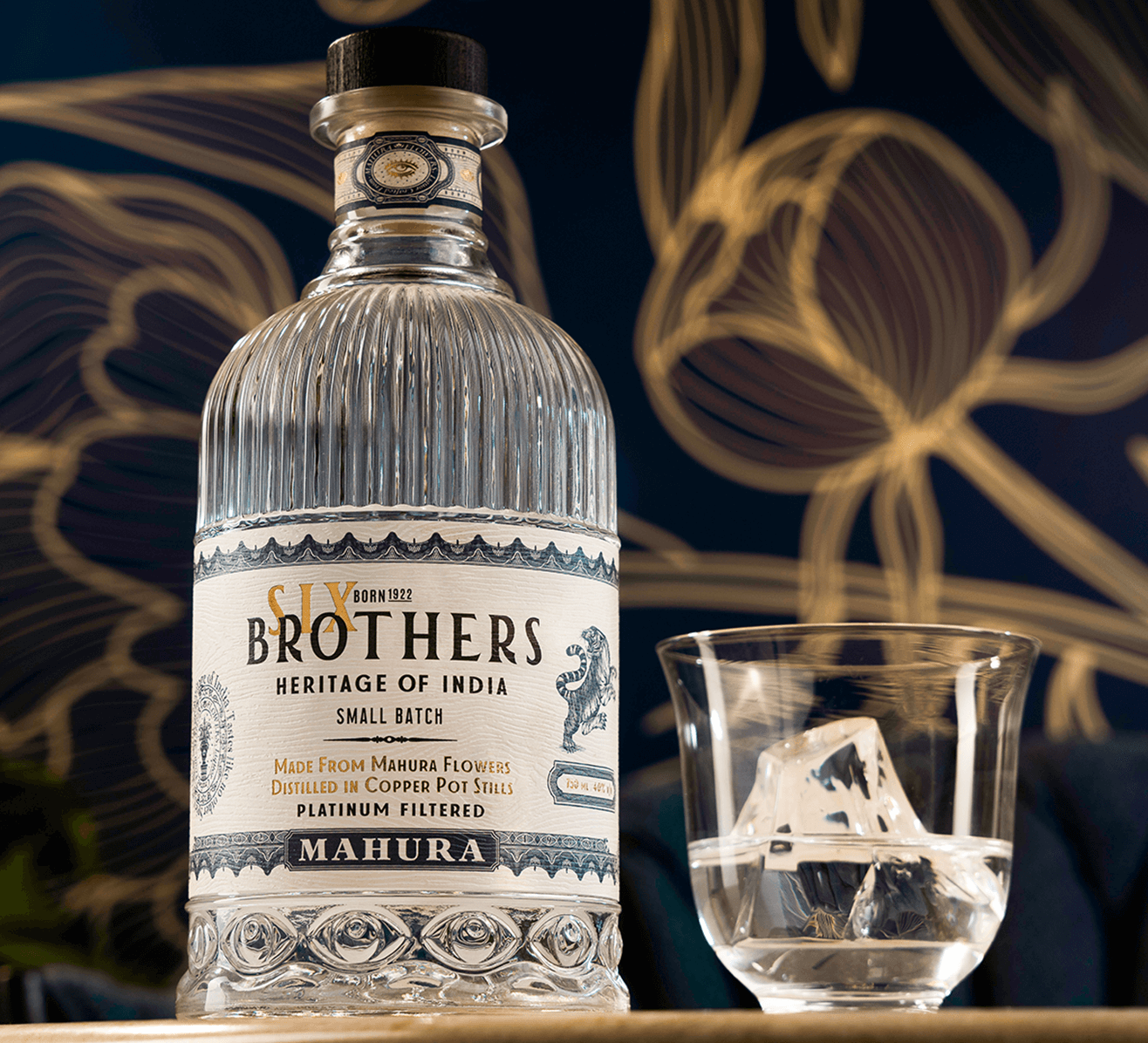
Brands like Six Brothers play an important role here by creating structured demand. Instead of fragmented local selling, they bring consistency and scale to procurement—without disrupting traditional practices.
Mahua isn’t just used. It’s respected.
It’s part of festivals, rituals, and social gatherings. In many communities, the act of collecting flowers itself carries meaning. Six Brothers builds on this cultural foundation rather than replacing it. The idea isn’t to commercialize culture, but to carry it forward in a way that survives modern markets.Mahua grows in dry conditions, requires minimal intervention, and lives for decades.
No heavy irrigation. No aggressive farming inputs.
That makes it one of the most naturally sustainable raw materials in the spirits space.
For brands like Six Brothers, this isn’t just a sourcing advantage—it’s a long-term responsibility to preserve the ecosystem that makes the product possible.
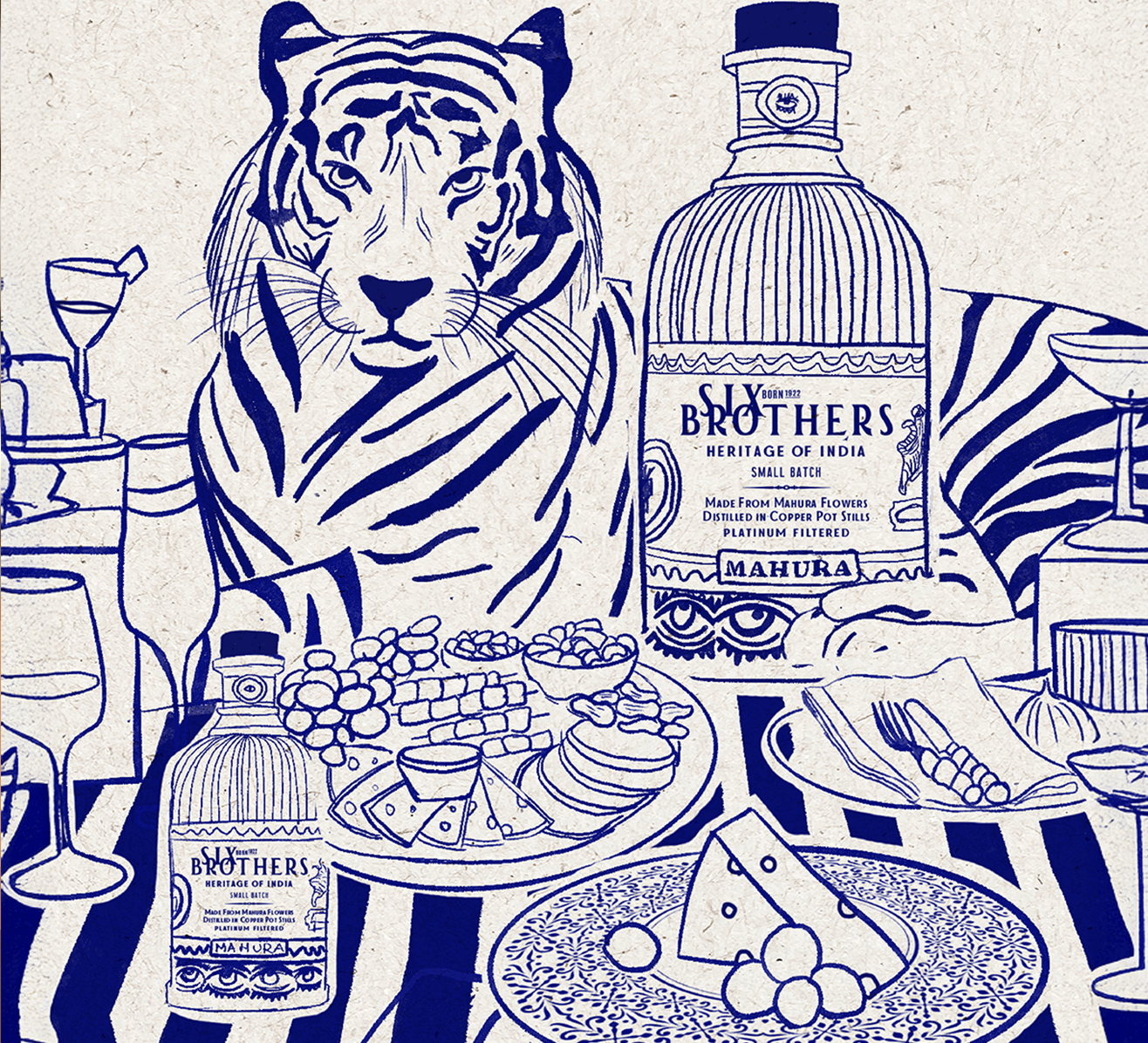
Calling mahua the “Tree of Life” isn’t symbolic.
It feeds, employs, supports, and connects.

What companies like Six Brothers are doing is giving this ecosystem a modern economic layer—one that can help sustain both the tree and the communities around it.
Mahua is called the “Tree of Life” because every part of the tree serves a purpose—from flowers used in food and beverages to seeds for oil and other practical applications. It supports livelihoods, culture, and sustainability all at once.
Mahua flowers are used in traditional drinks and food, seeds are processed into oil, leaves have practical uses, and bark is sometimes used in traditional remedies. It’s a multi-purpose resource.
Mahua plays a key role in rural and local economies. During the flowering season, families collect and sell the flowers, which can form a major part of their annual income.
Yes. Mahua trees grow naturally in dry regions, require minimal water, and don’t need intensive farming inputs. This makes them environmentally sustainable compared to many other crops.
Mahua is deeply embedded in local traditions, festivals, and social practices. It’s not just a resource but a part of community identity and heritage
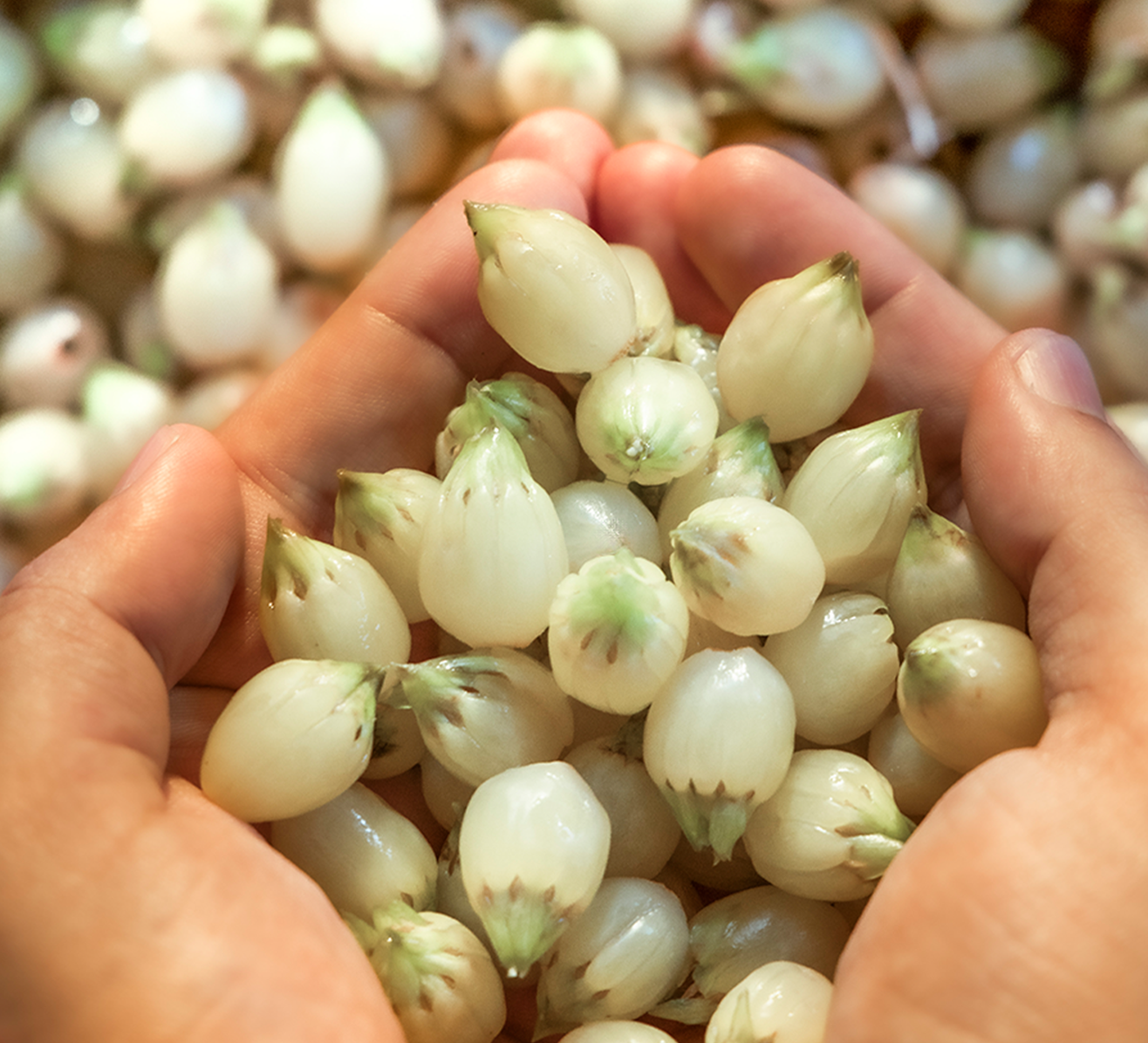
The flowers fall naturally from the tree and are collected from the ground, usually by local communities. This method avoids damaging the tree and preserves its natural cycle.
Brands can create consistent demand and fair market access for mahua, helping stabilize incomes for local communities while maintaining traditional practices.
No. While it is widely known for traditional brews, mahua is also used in food products, oils, and other everyday applications.
Because it offers a low-impact, locally sourced ingredient that aligns with both environmental sustainability and cultural preservation.
Six Brothers works within existing community networks, sourcing mahua responsibly and helping create a more structured, reliable market without disrupting traditional systems.