
Posted on 06 May 2026
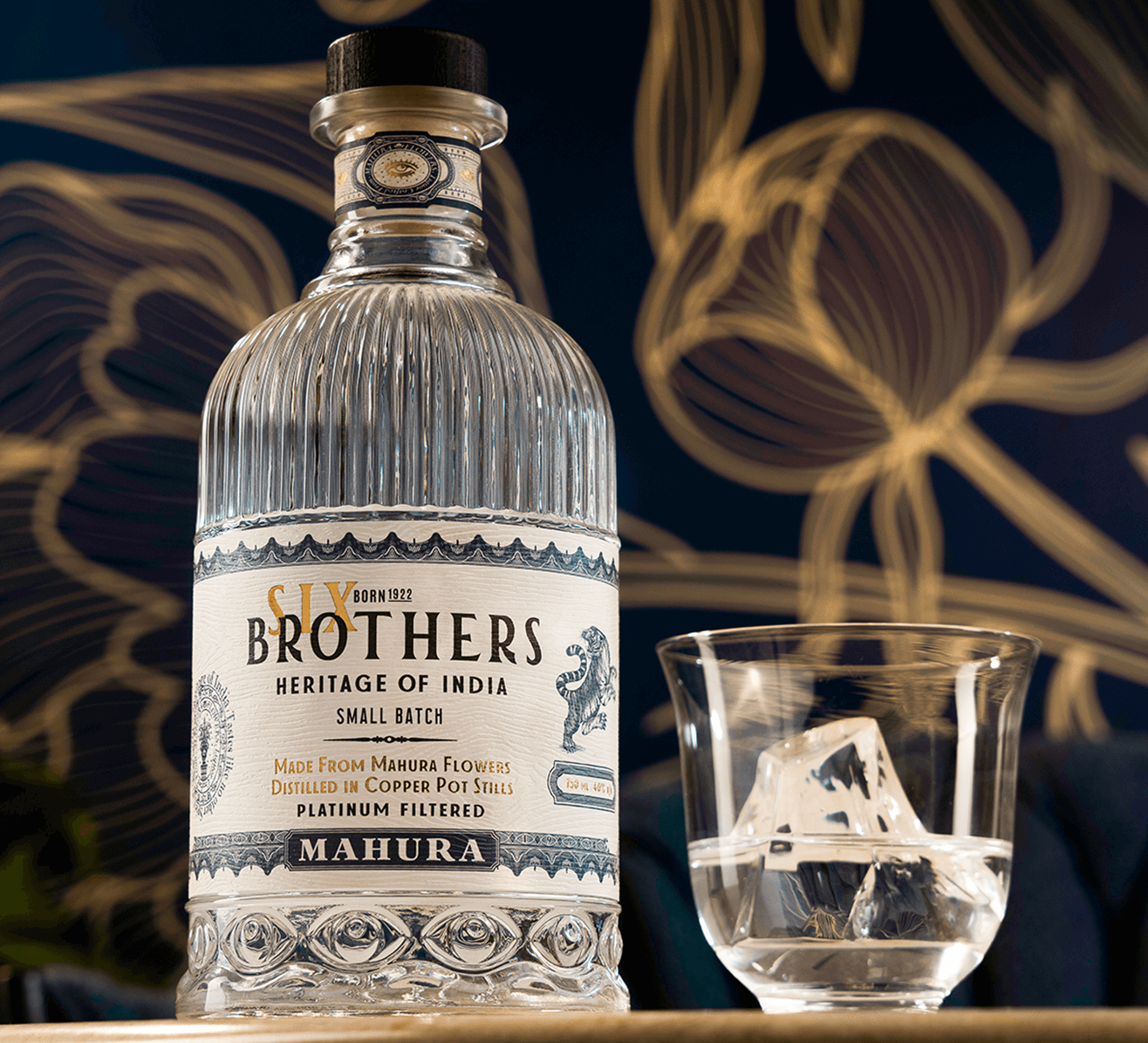
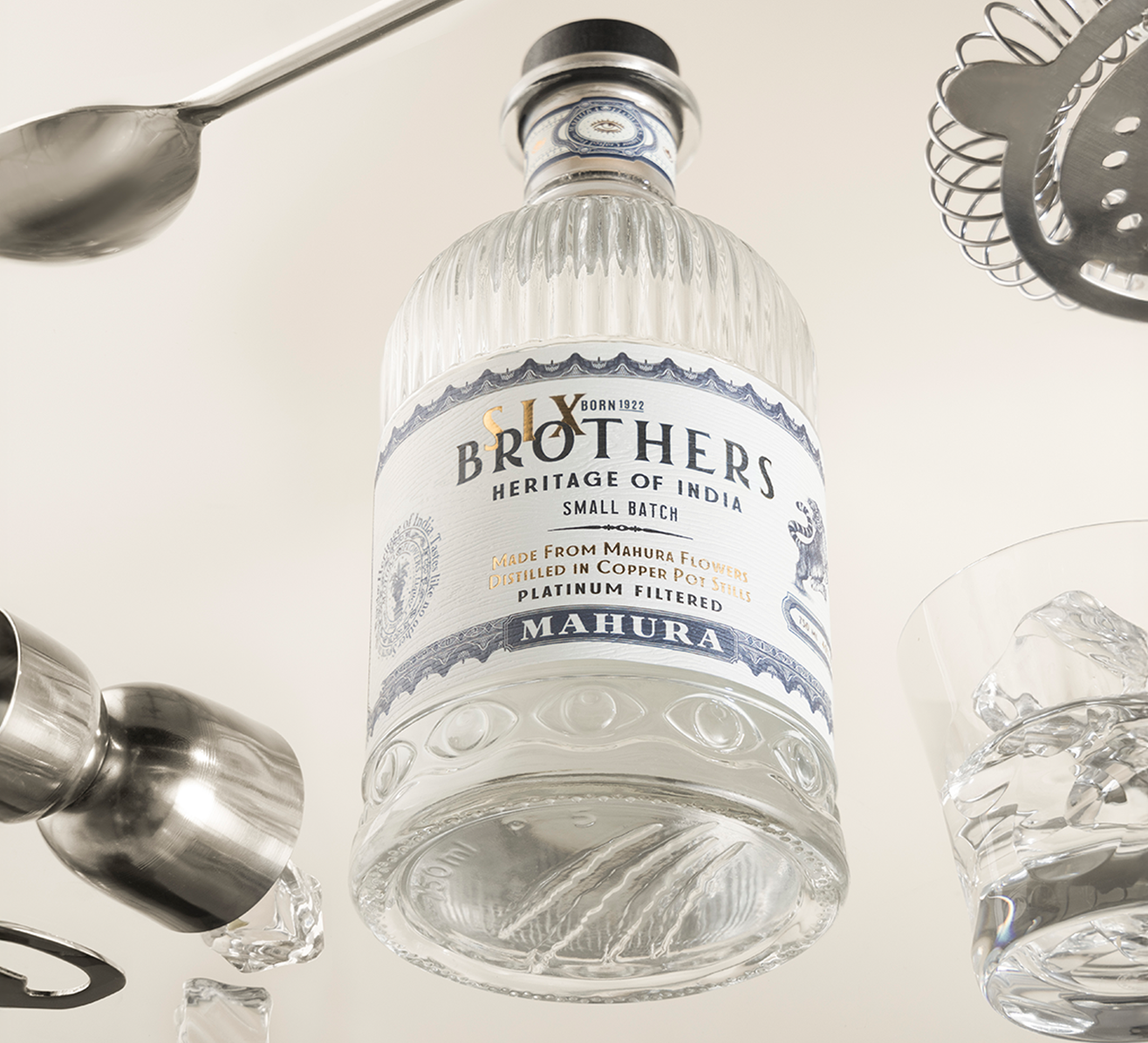
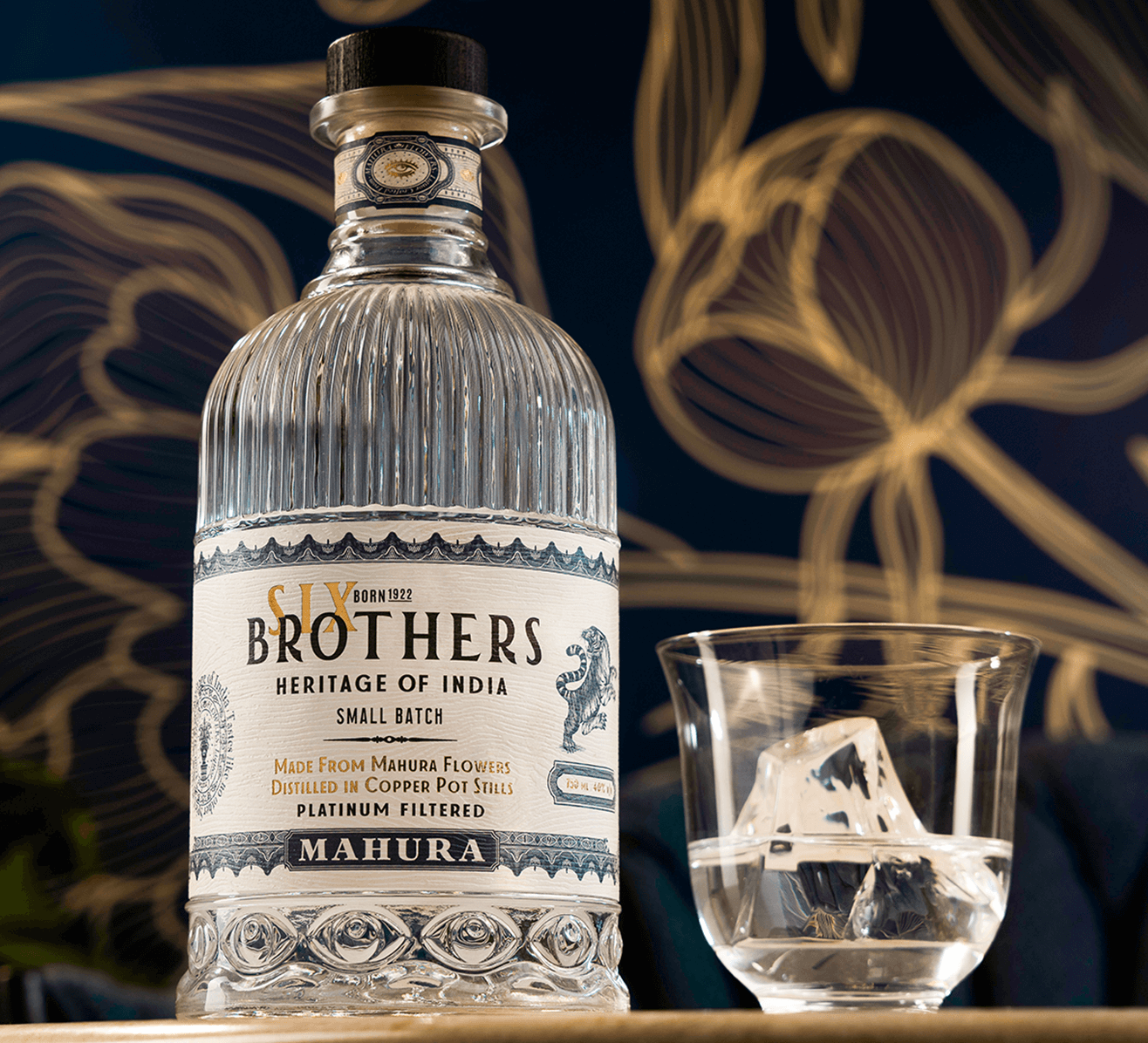
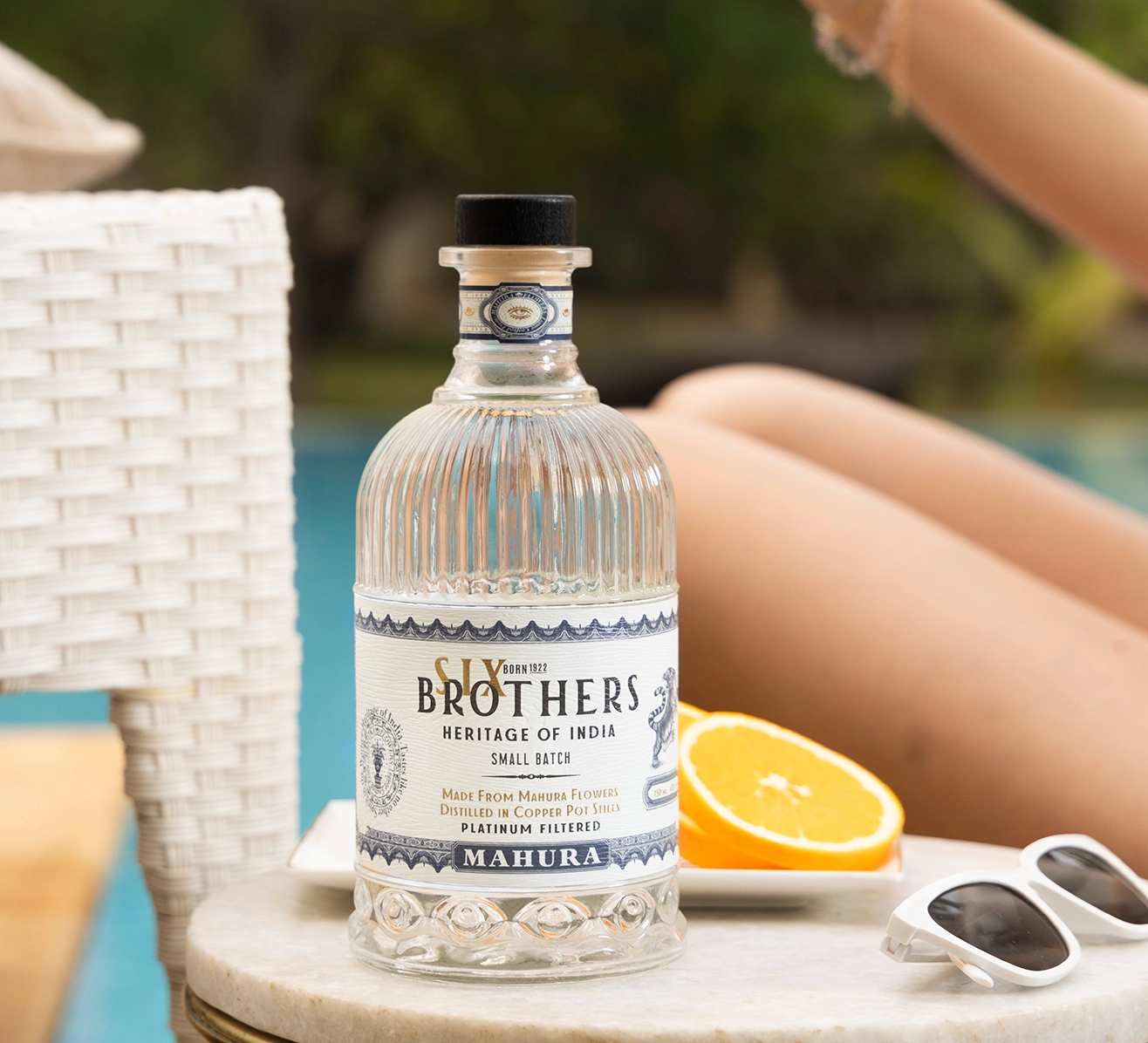
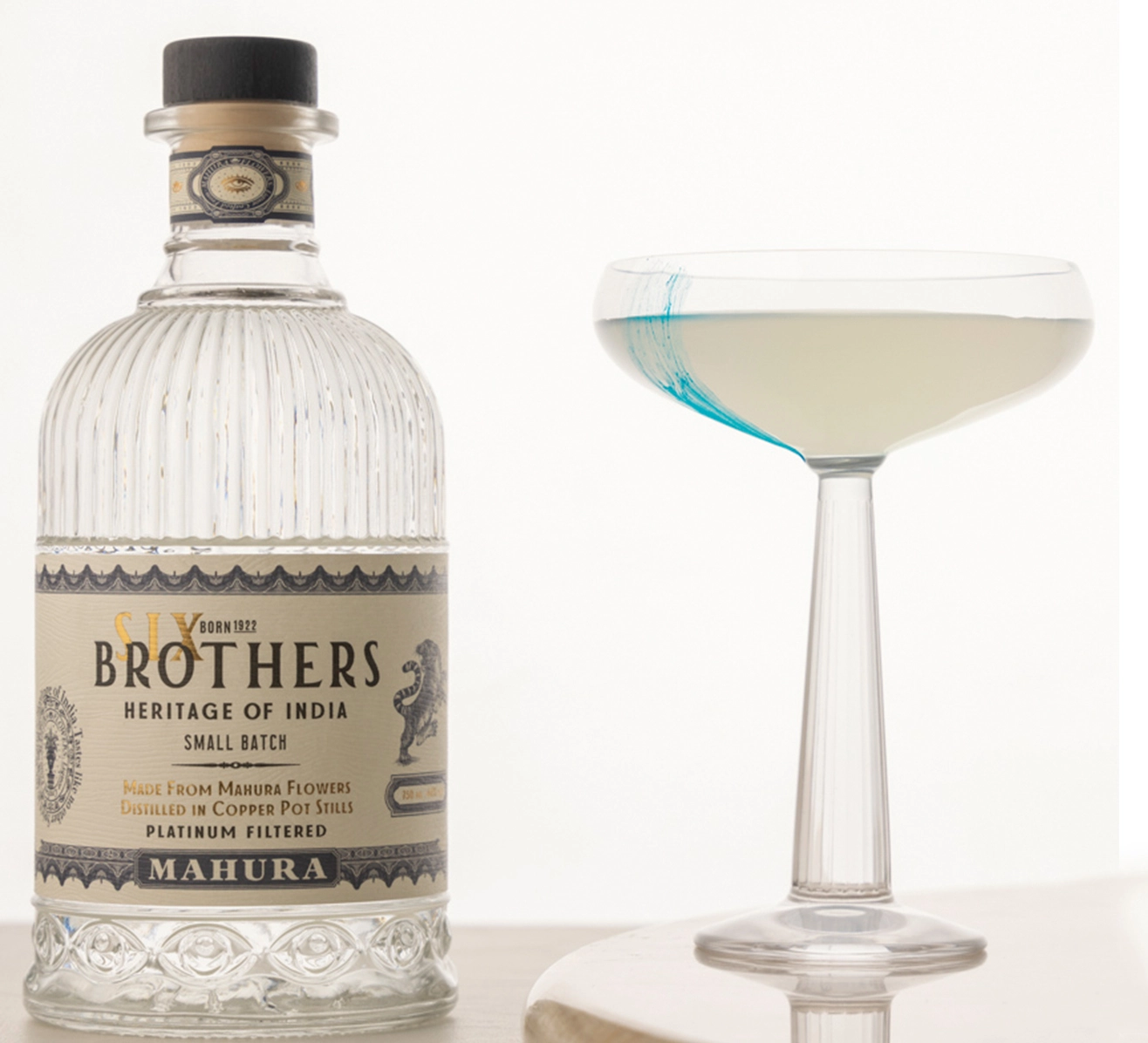
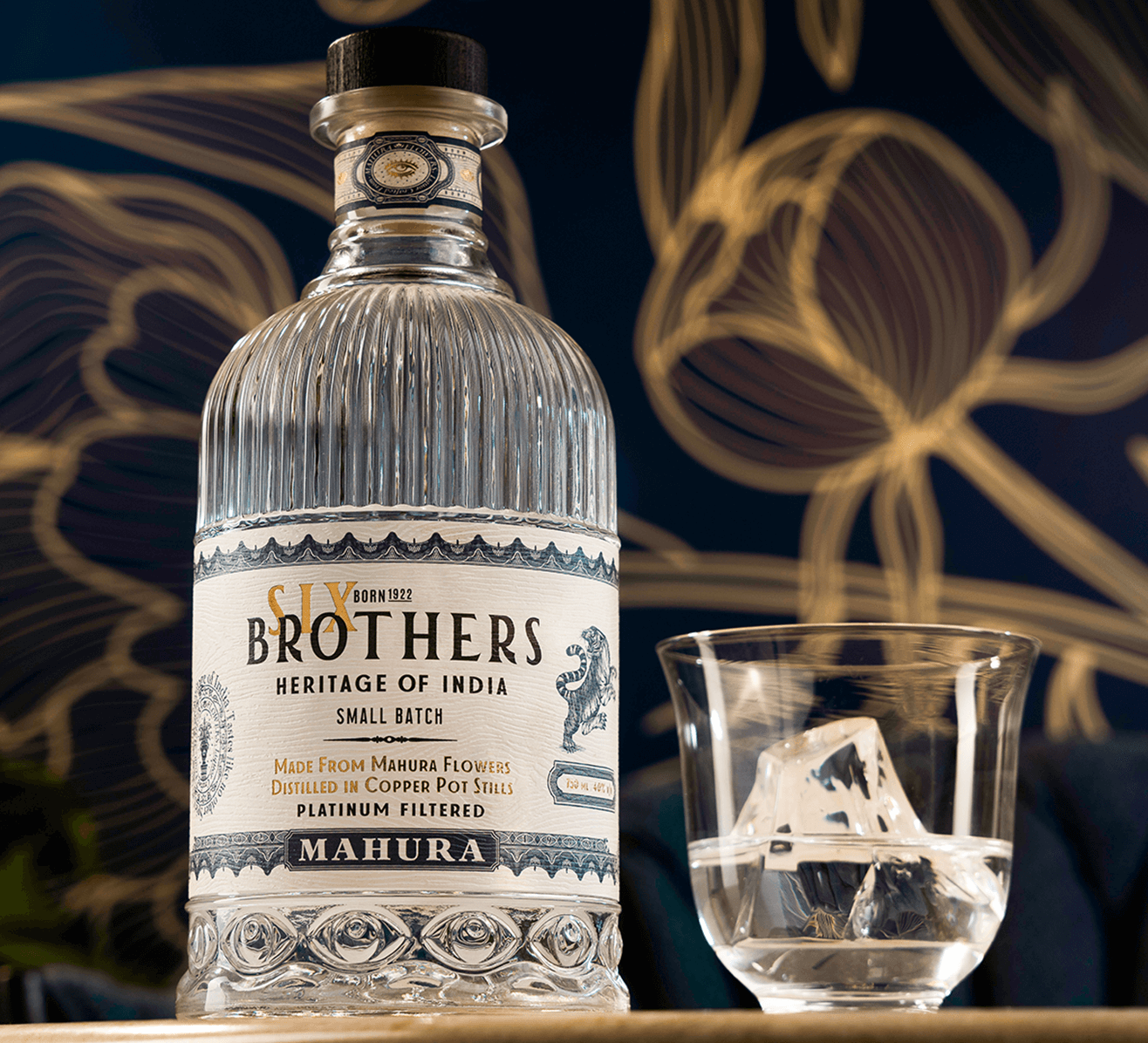
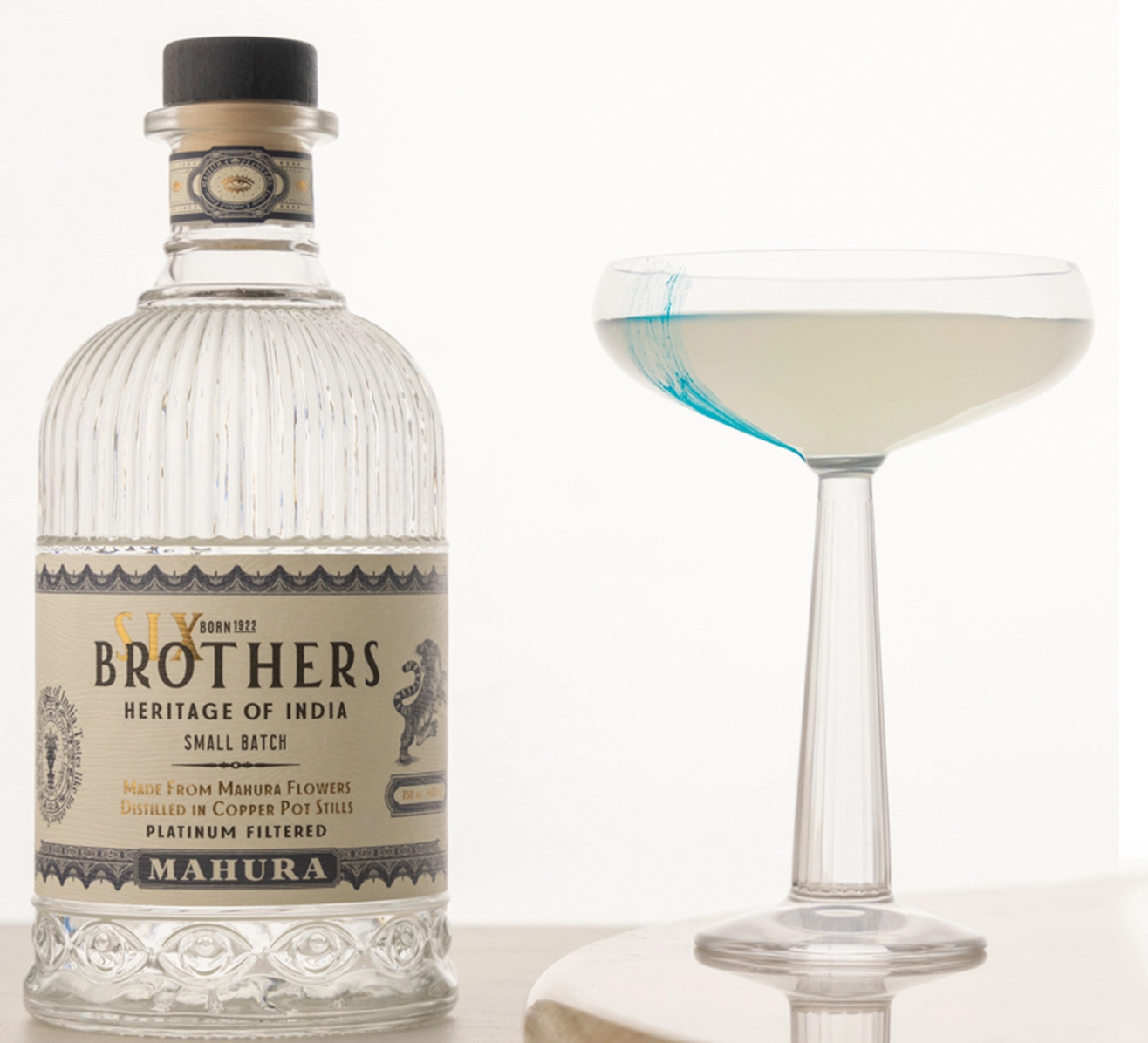
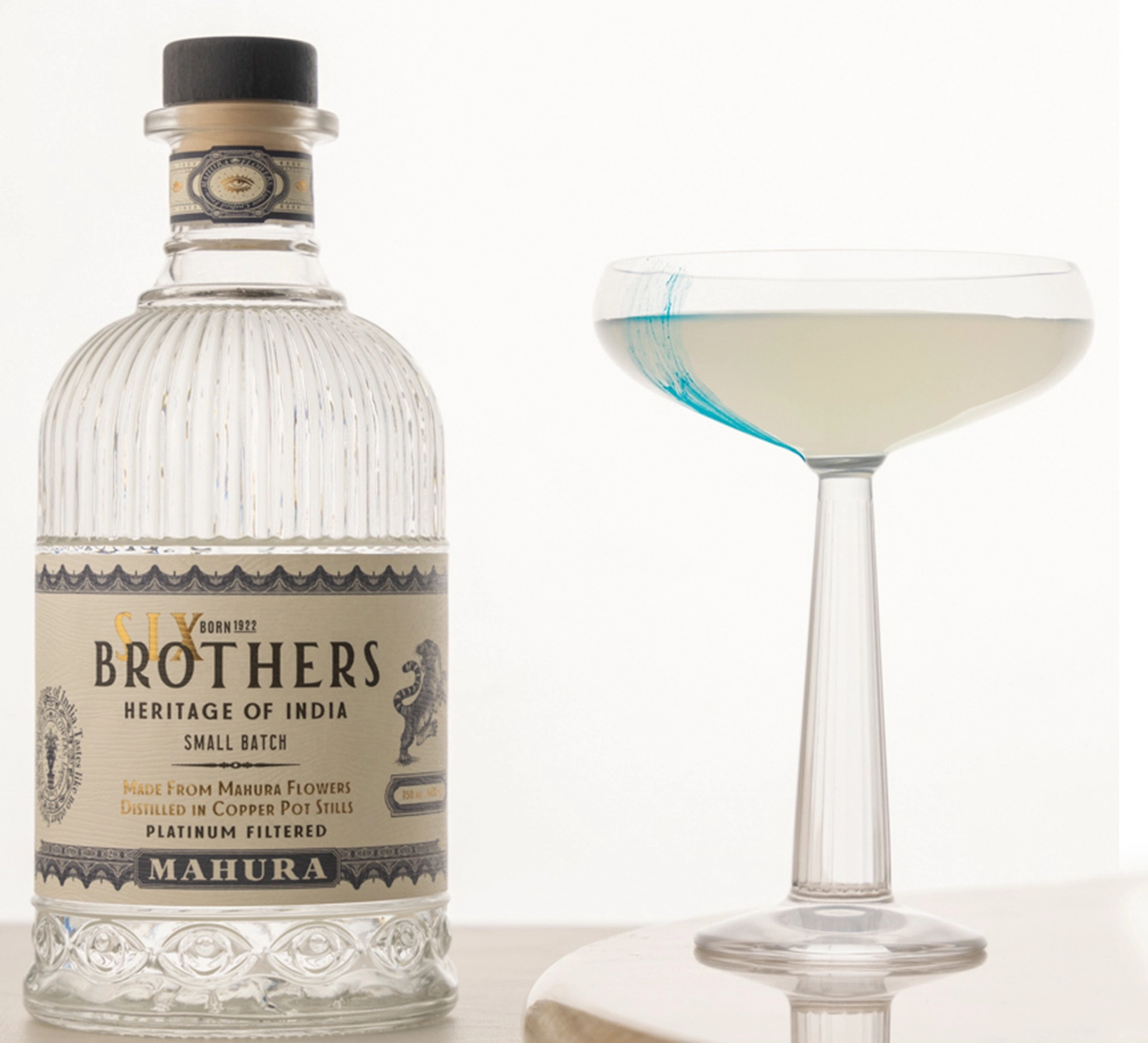
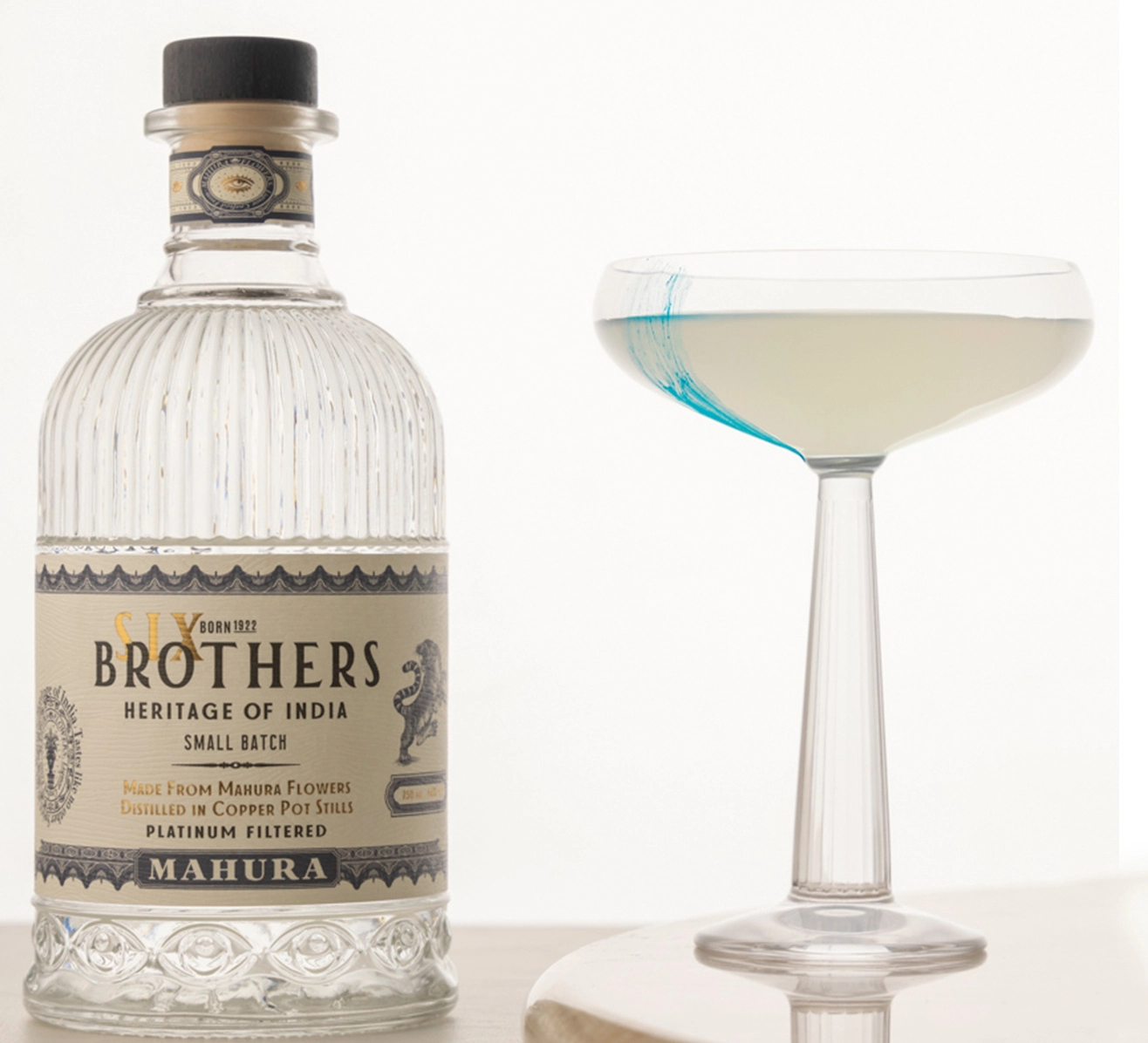
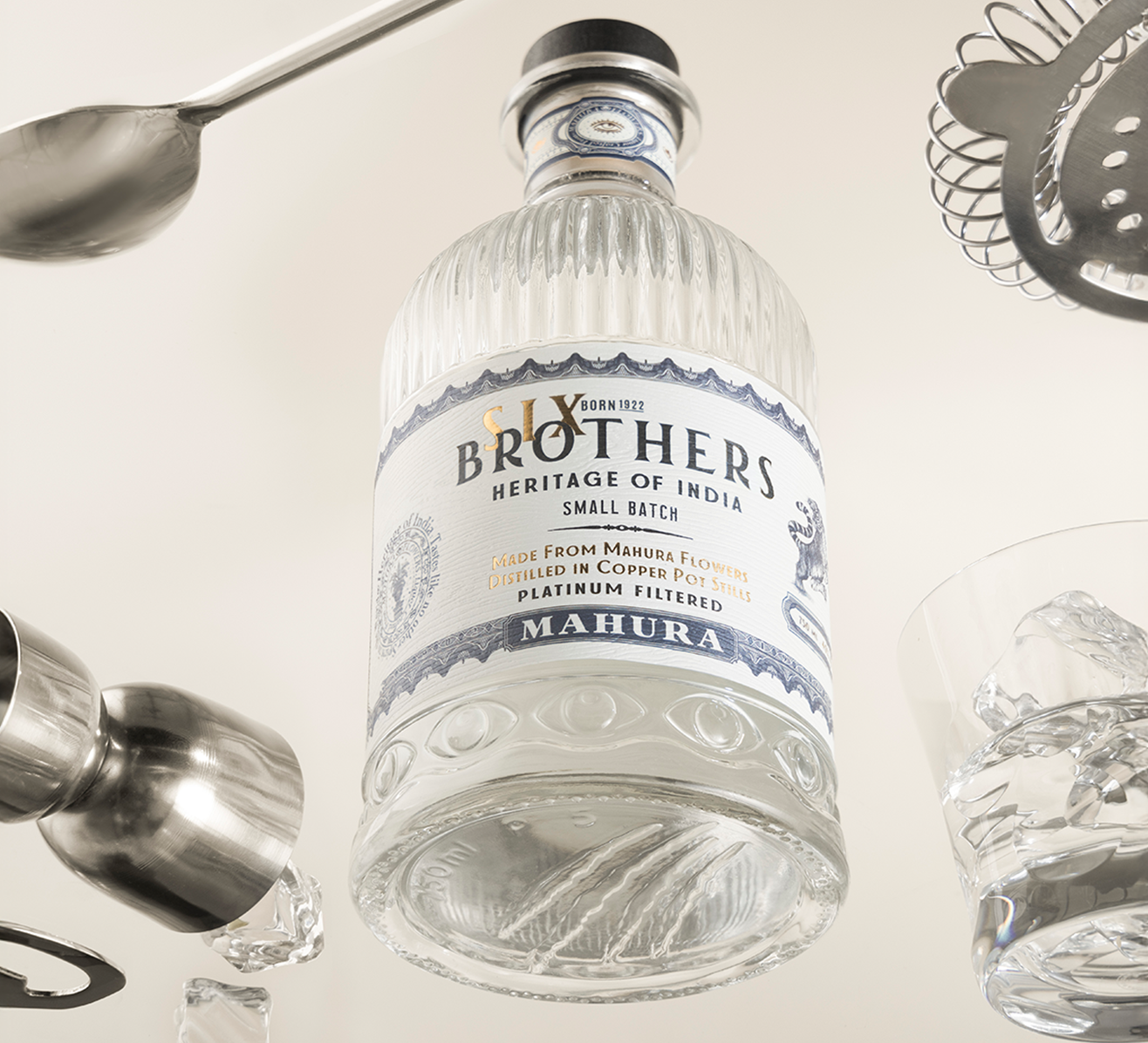
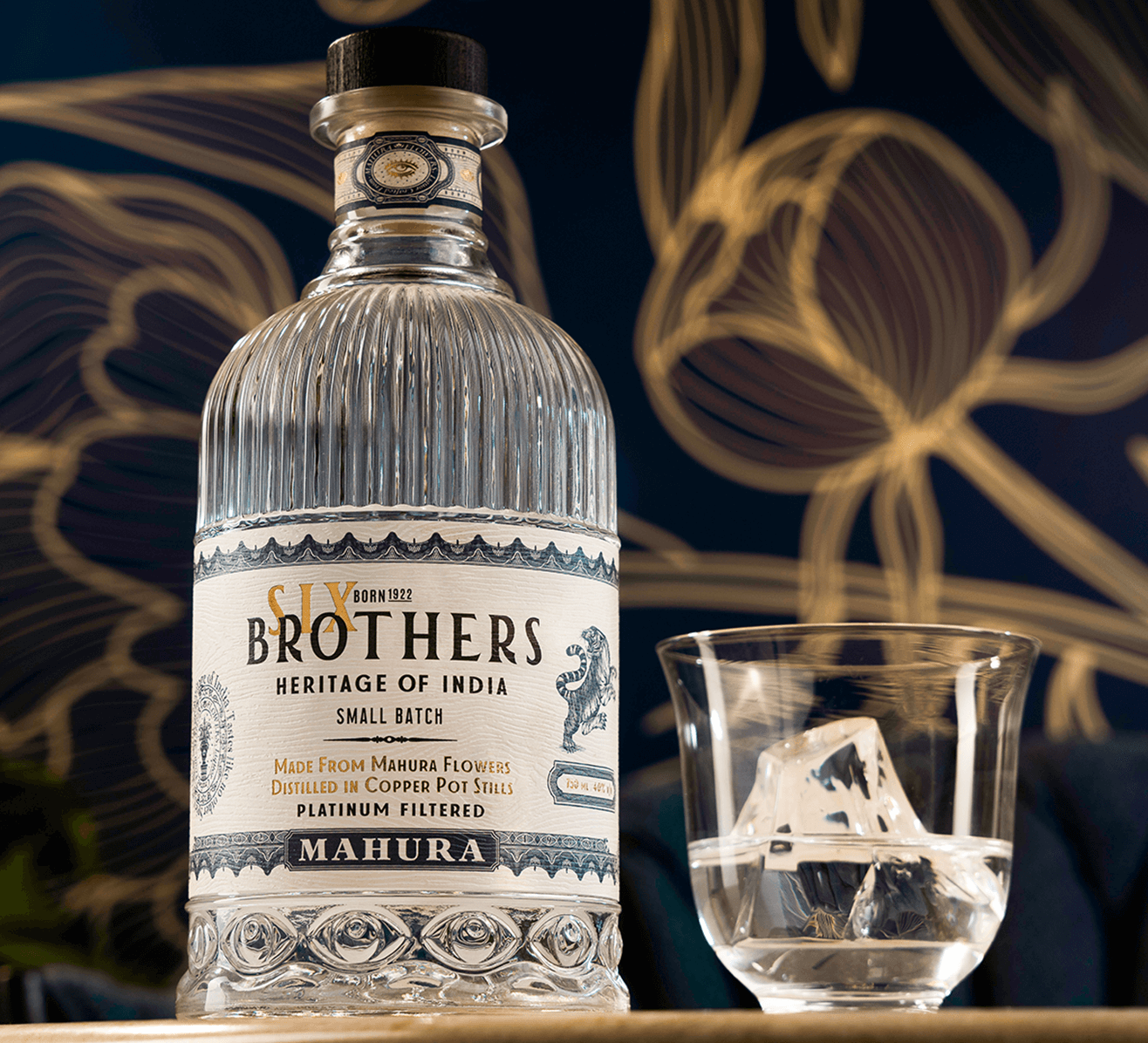
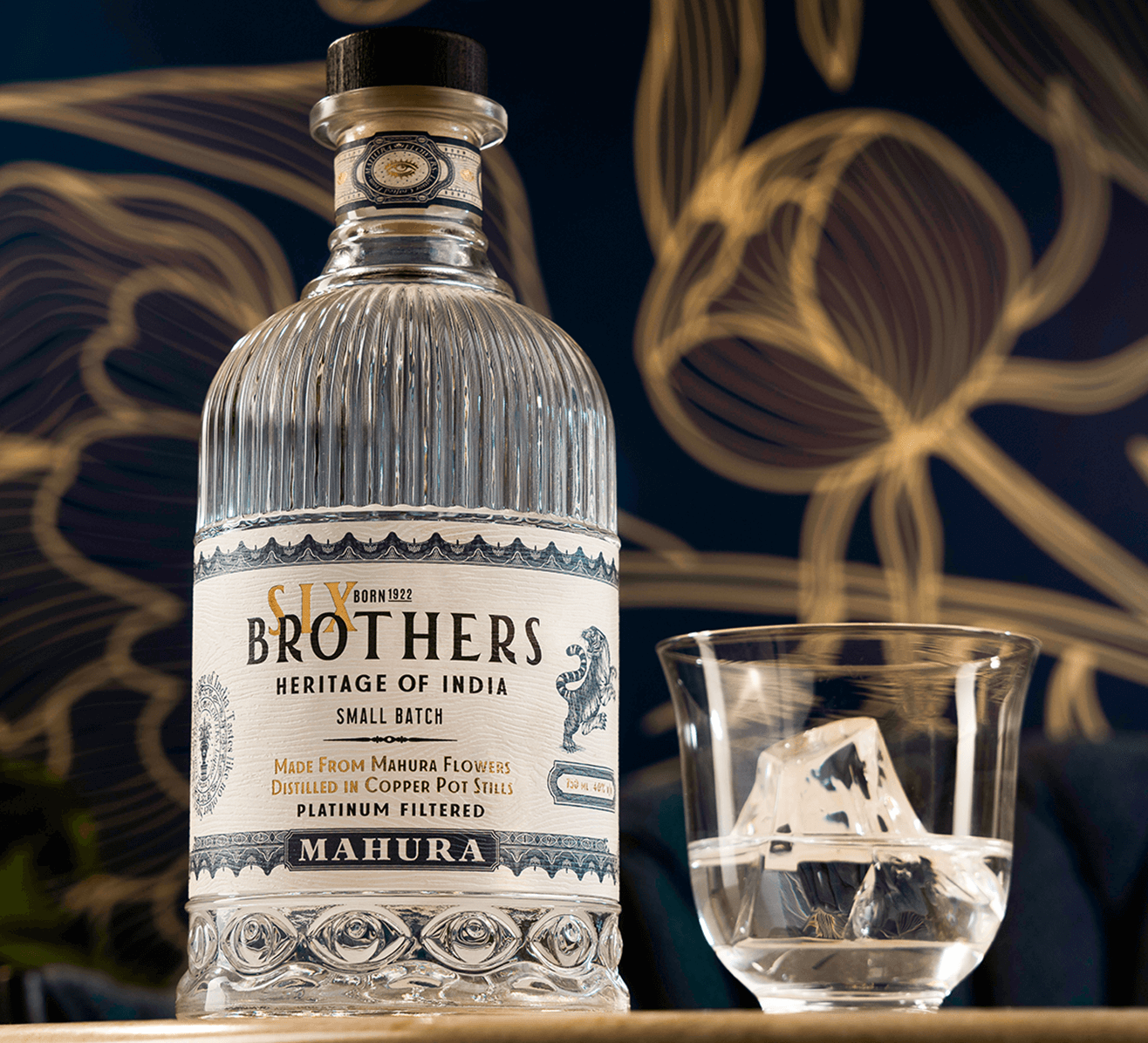
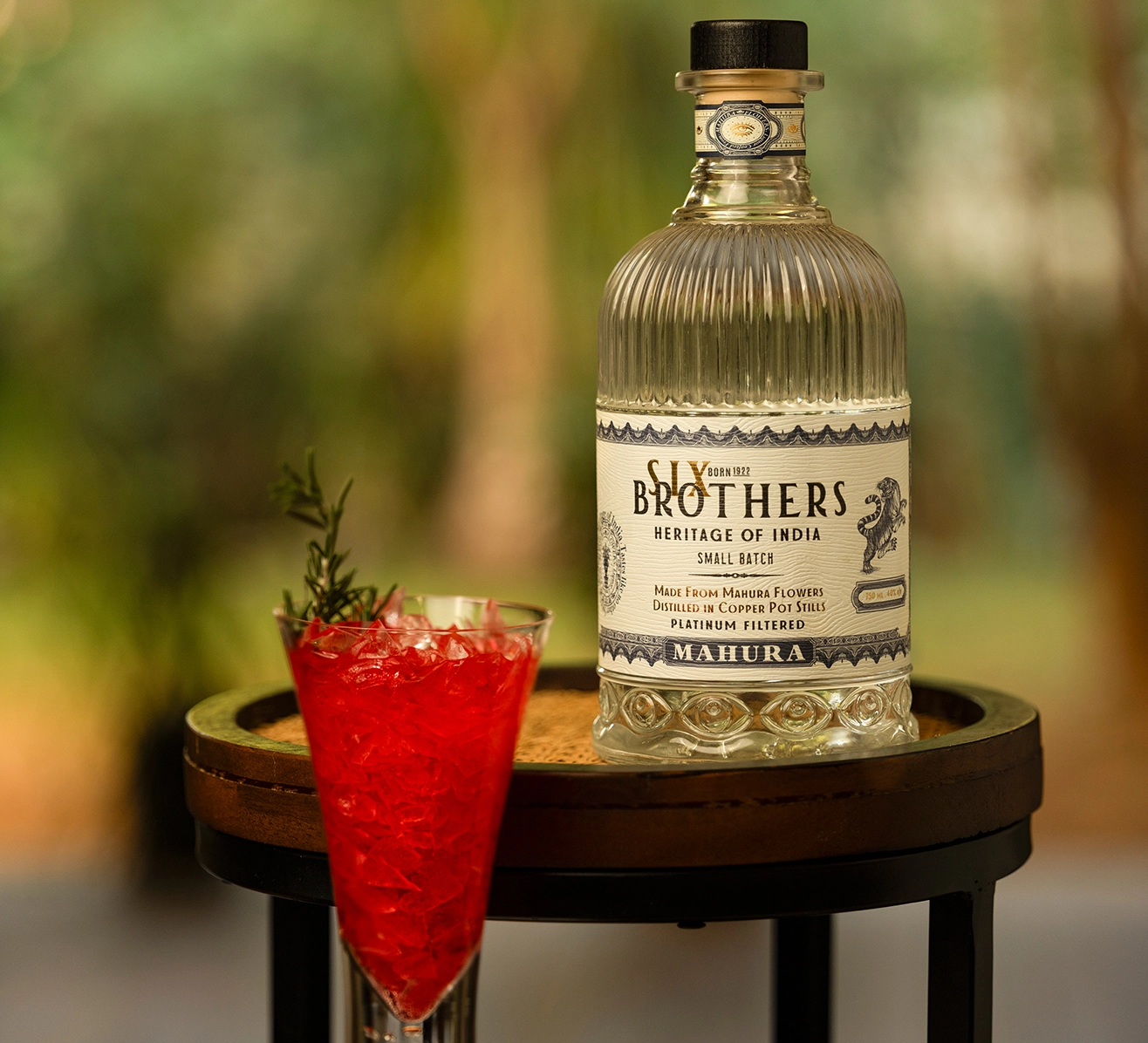
There’s a big difference between a drink that’s manufactured and one that’s grown, gathered, and shaped by time. Six Brothers Mahura sits firmly in the second category.
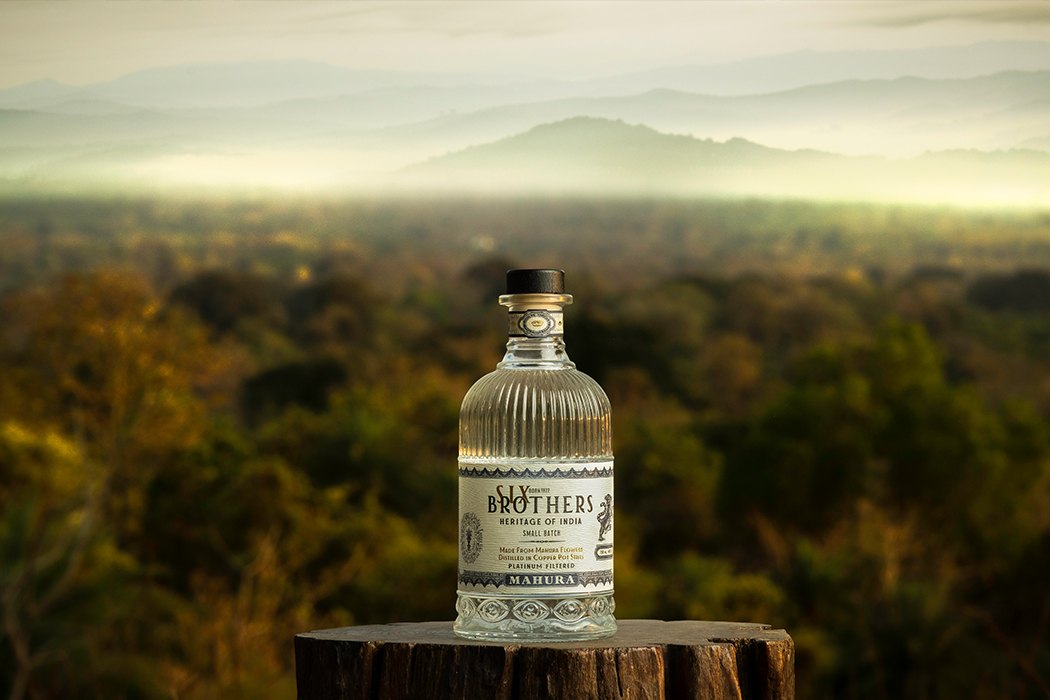
Explore how Six Brothers Mahura is crafted—from naturally fallen mahua flowers to fermentation and distillation rooted in traditional Indian methods.
This isn’t just alcohol. It’s a process rooted in land, season, and tradition.
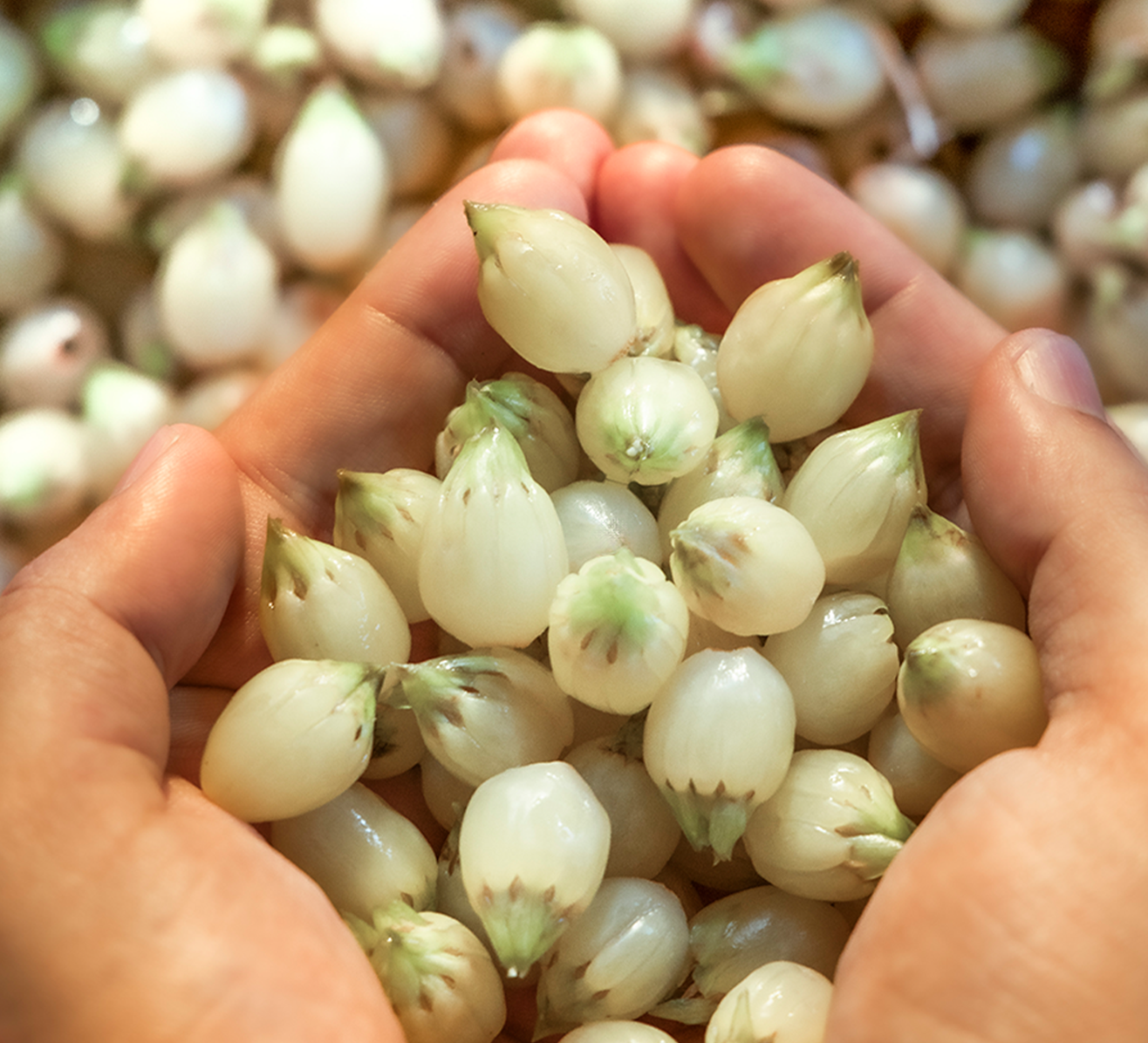
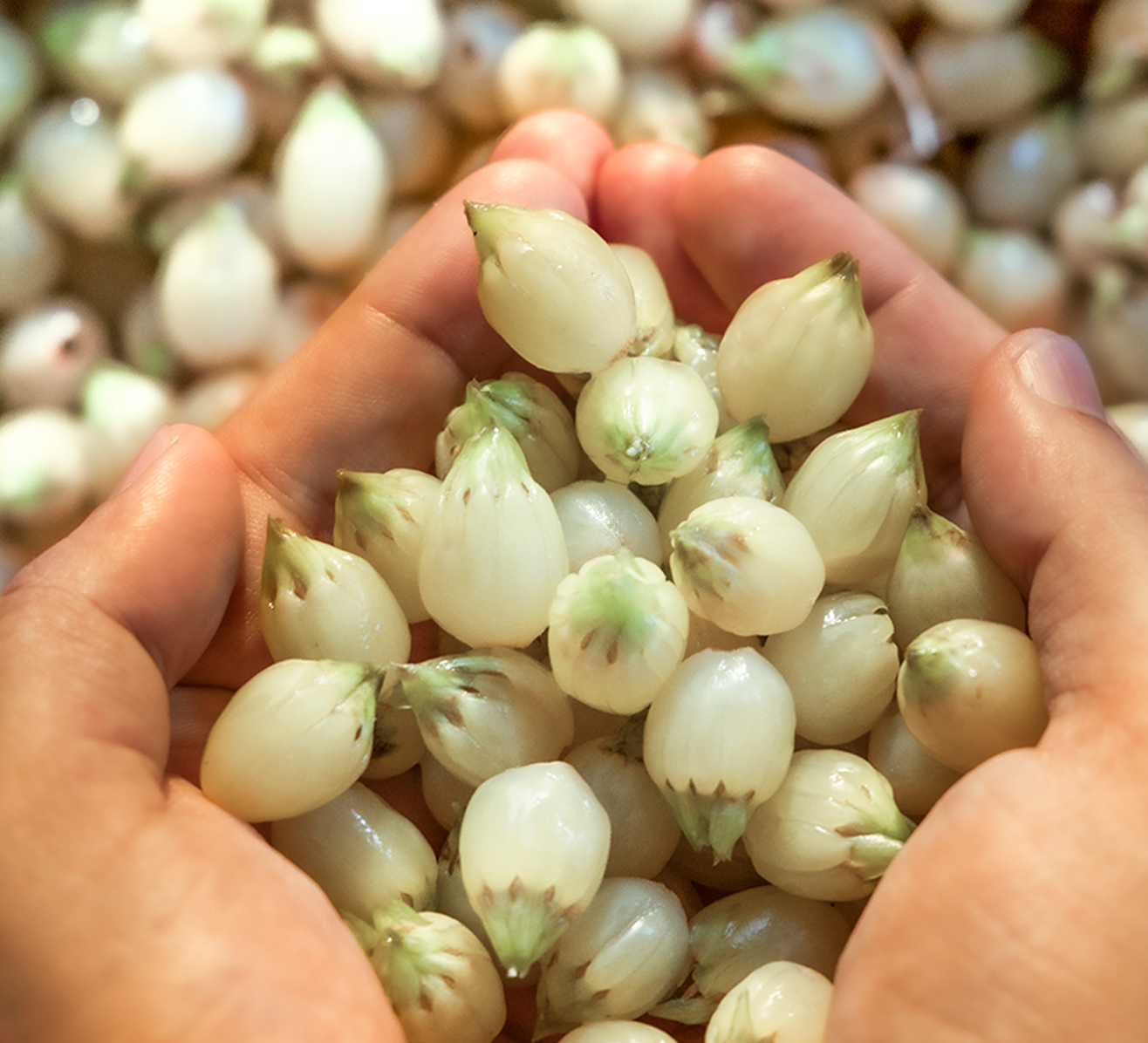
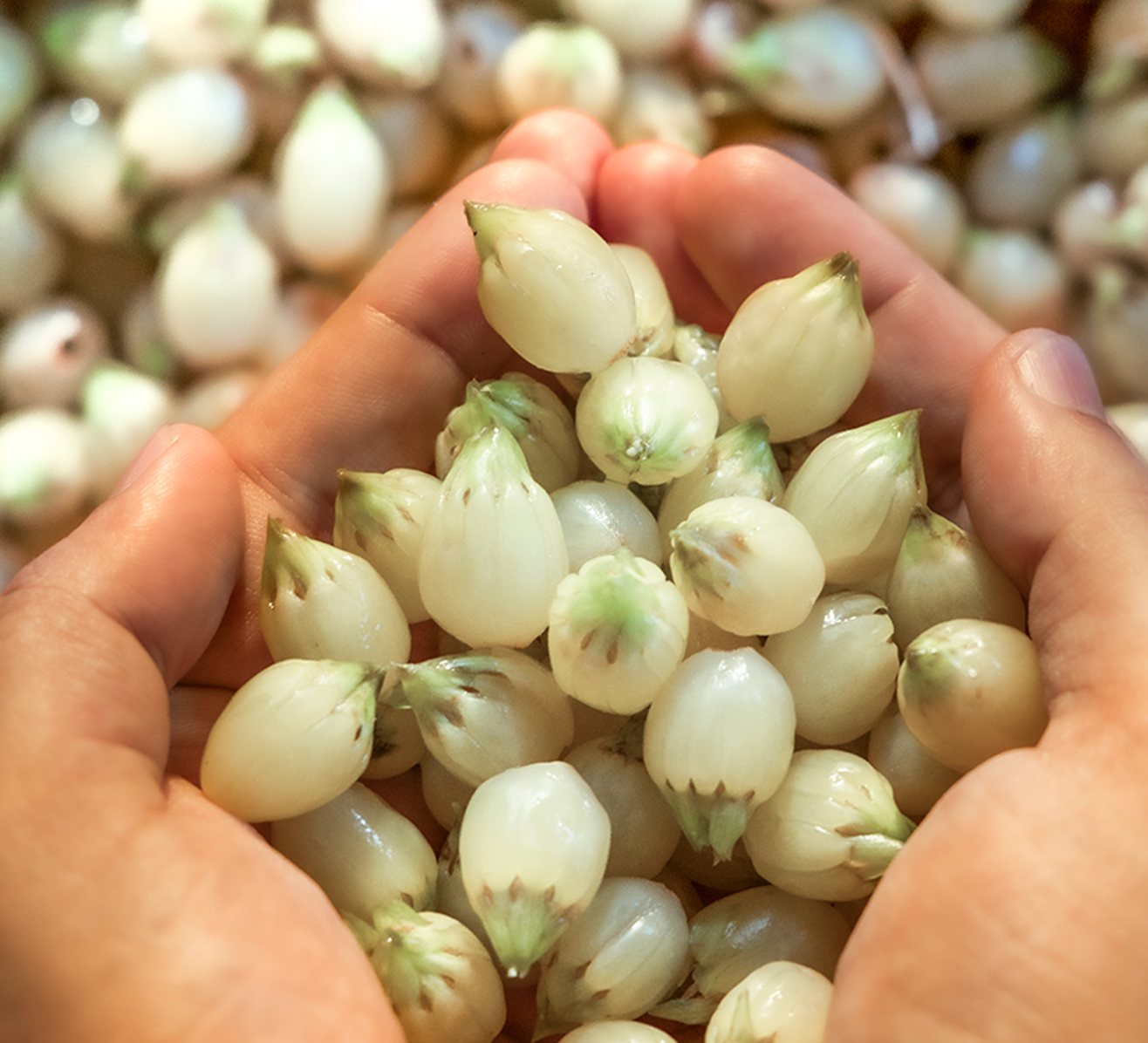
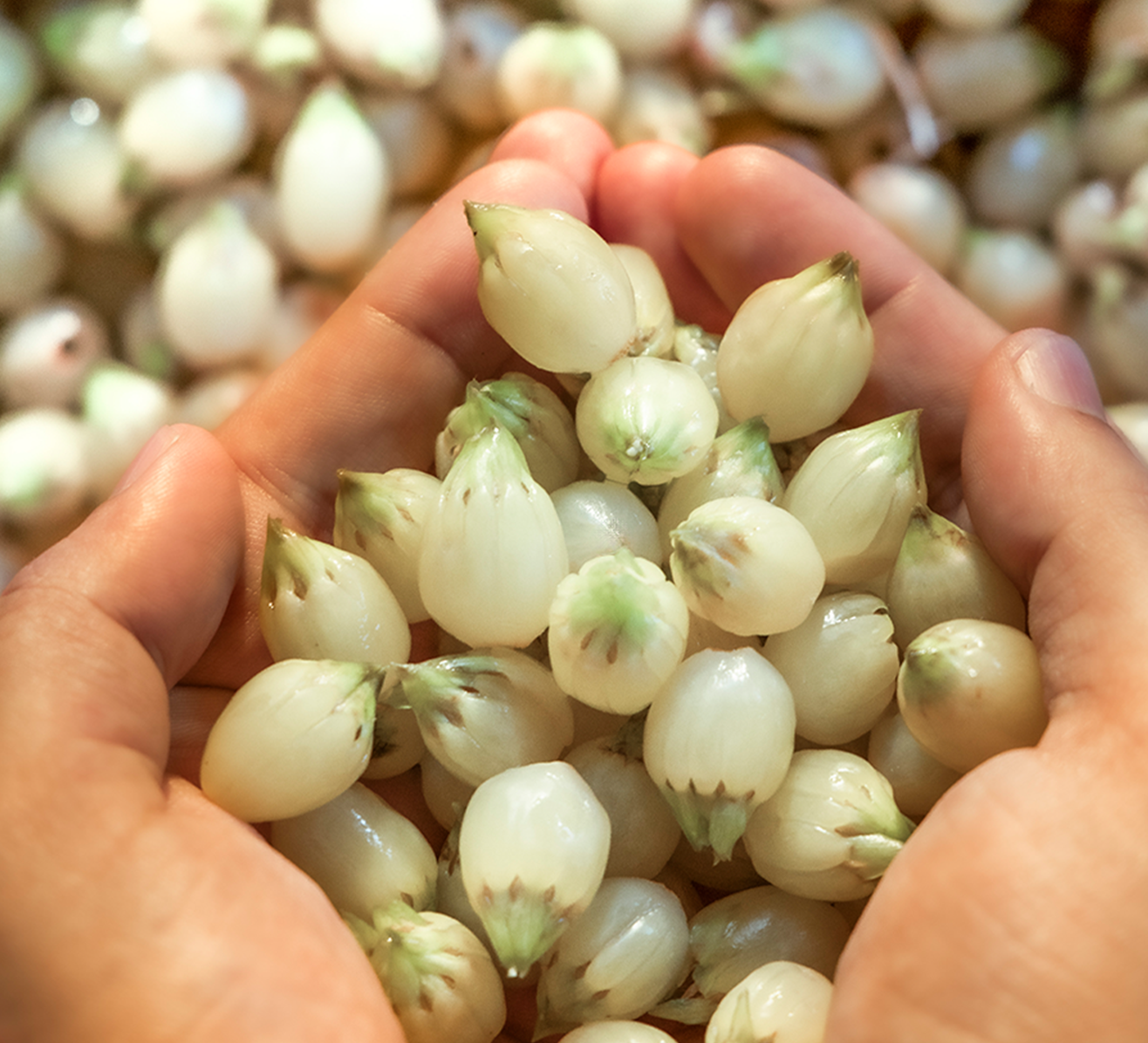
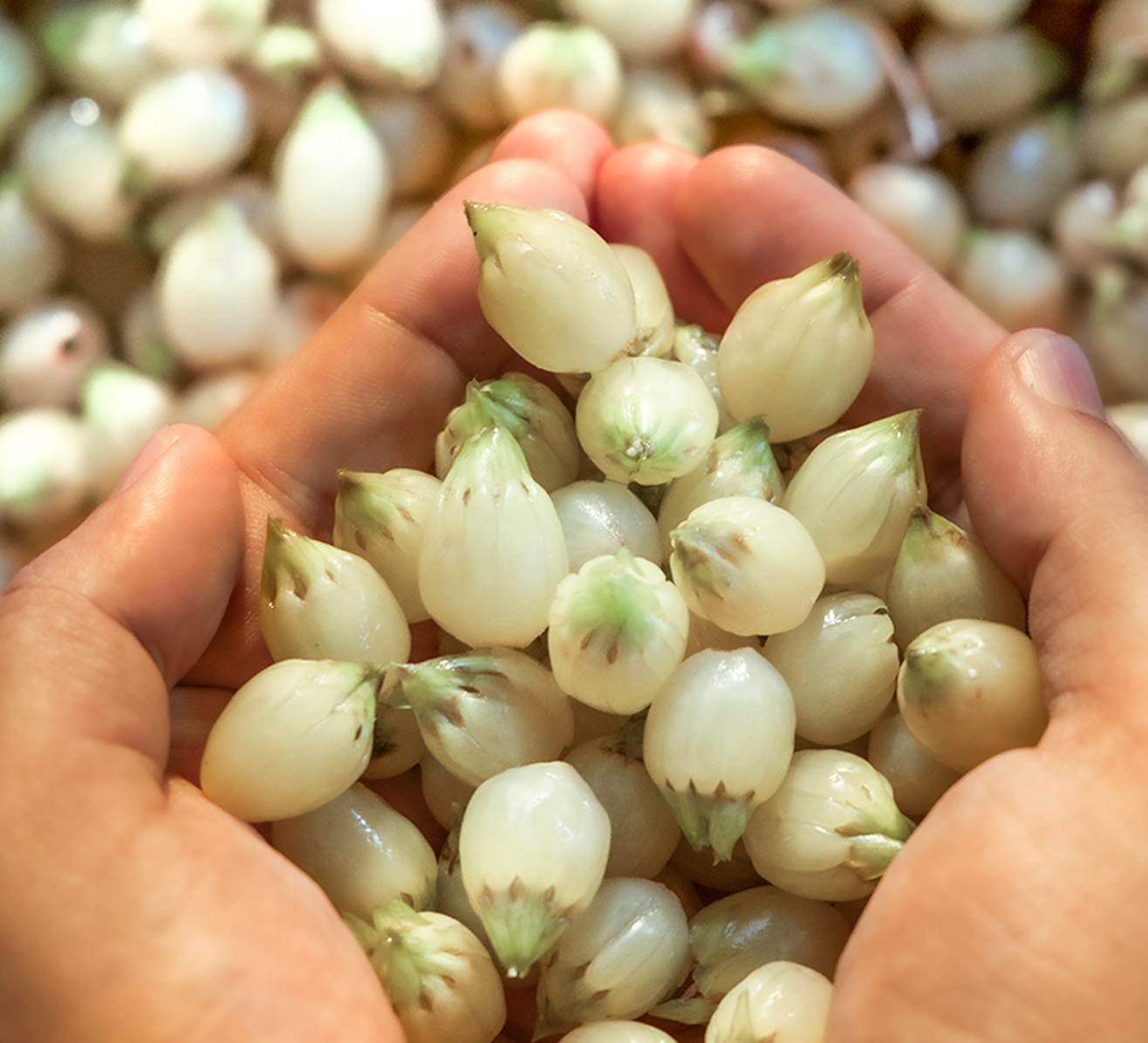
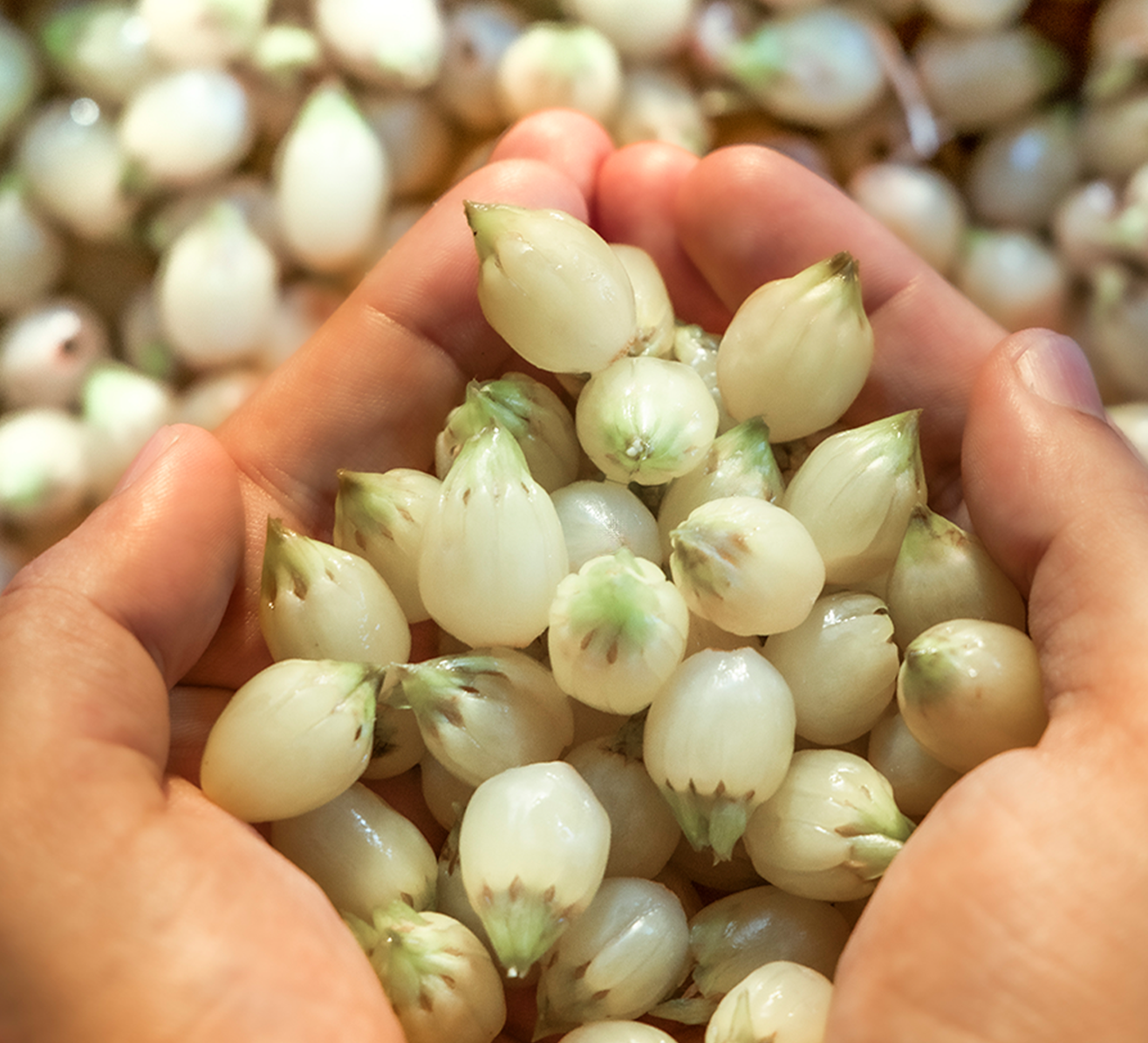
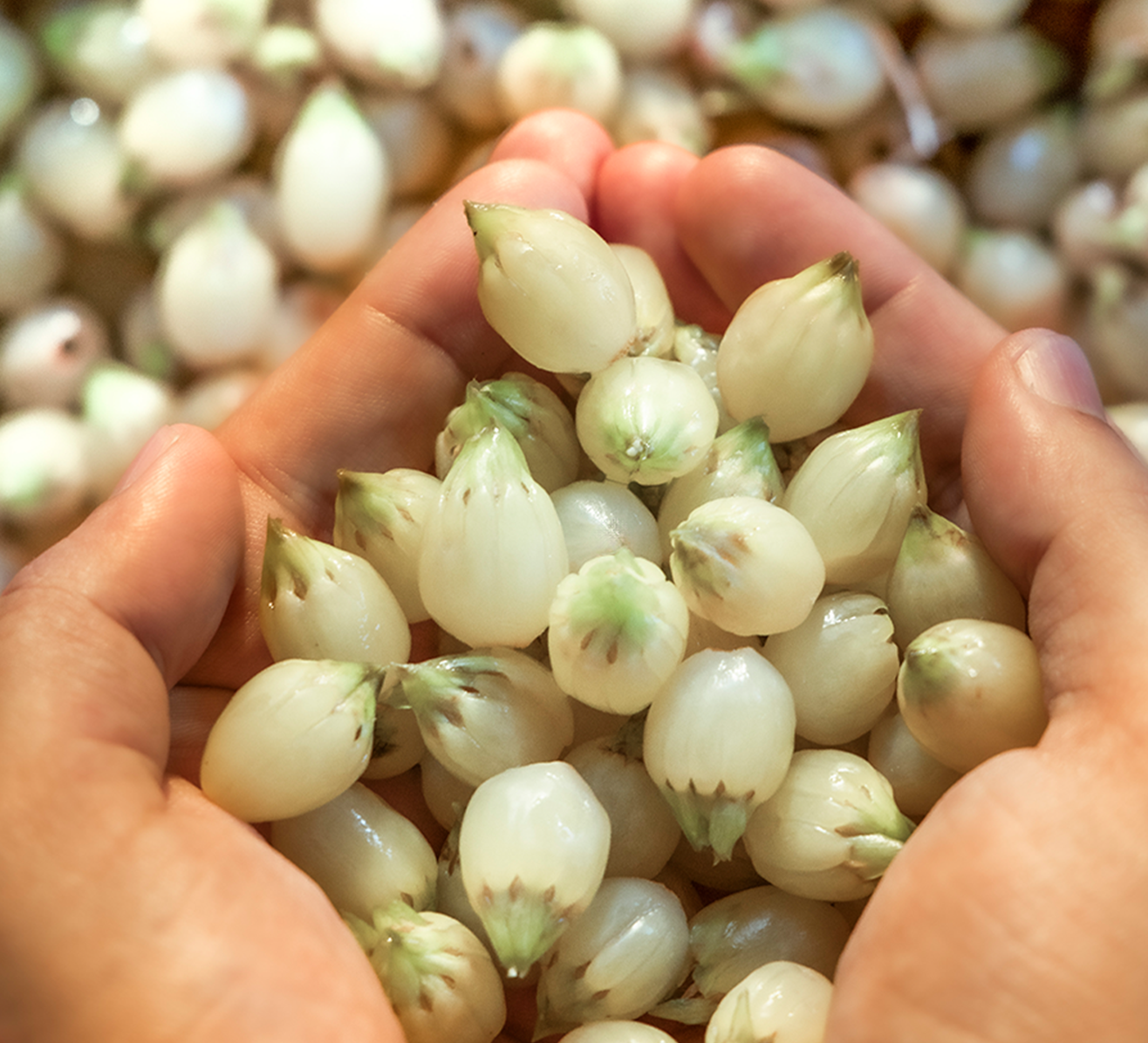
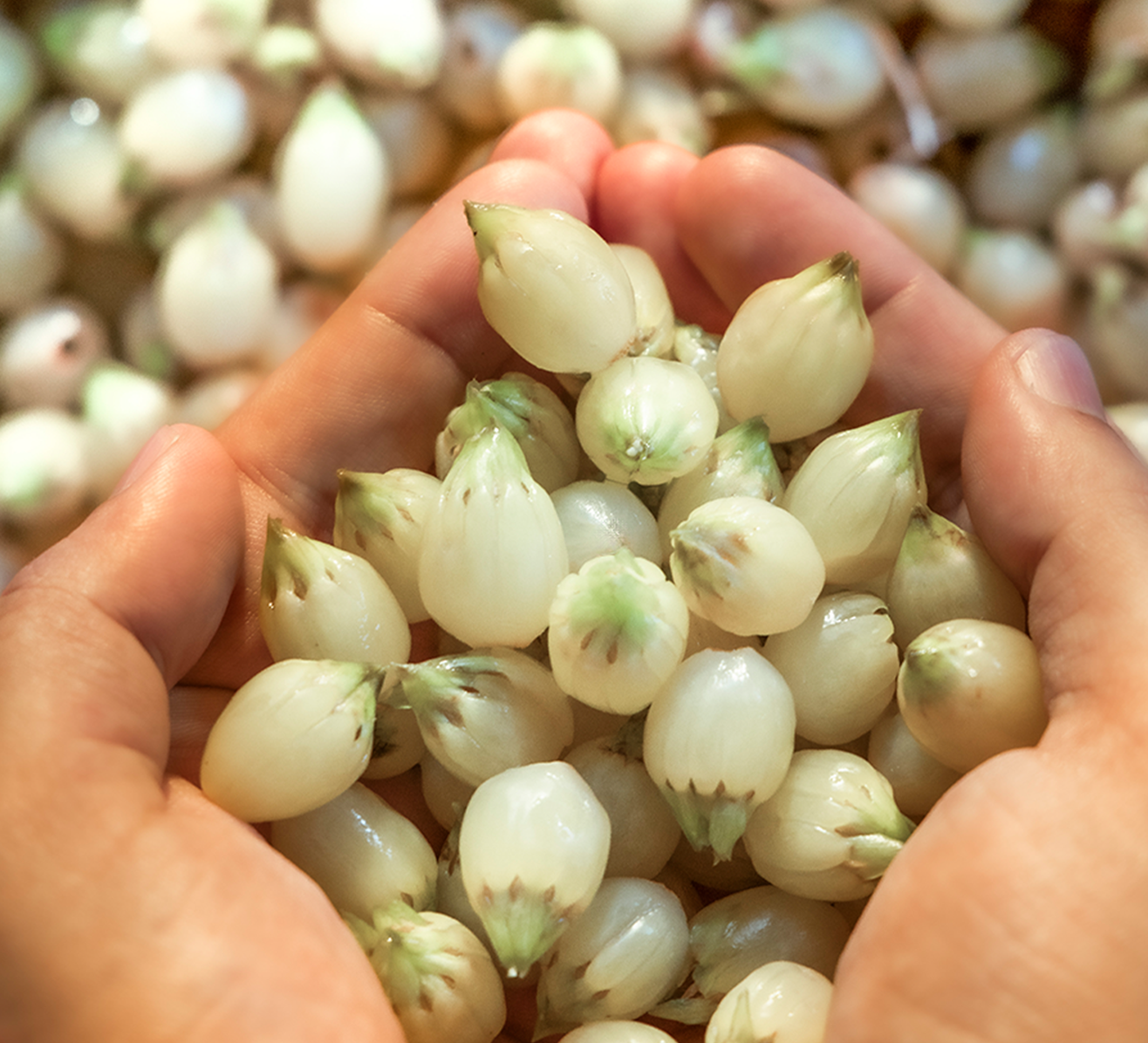
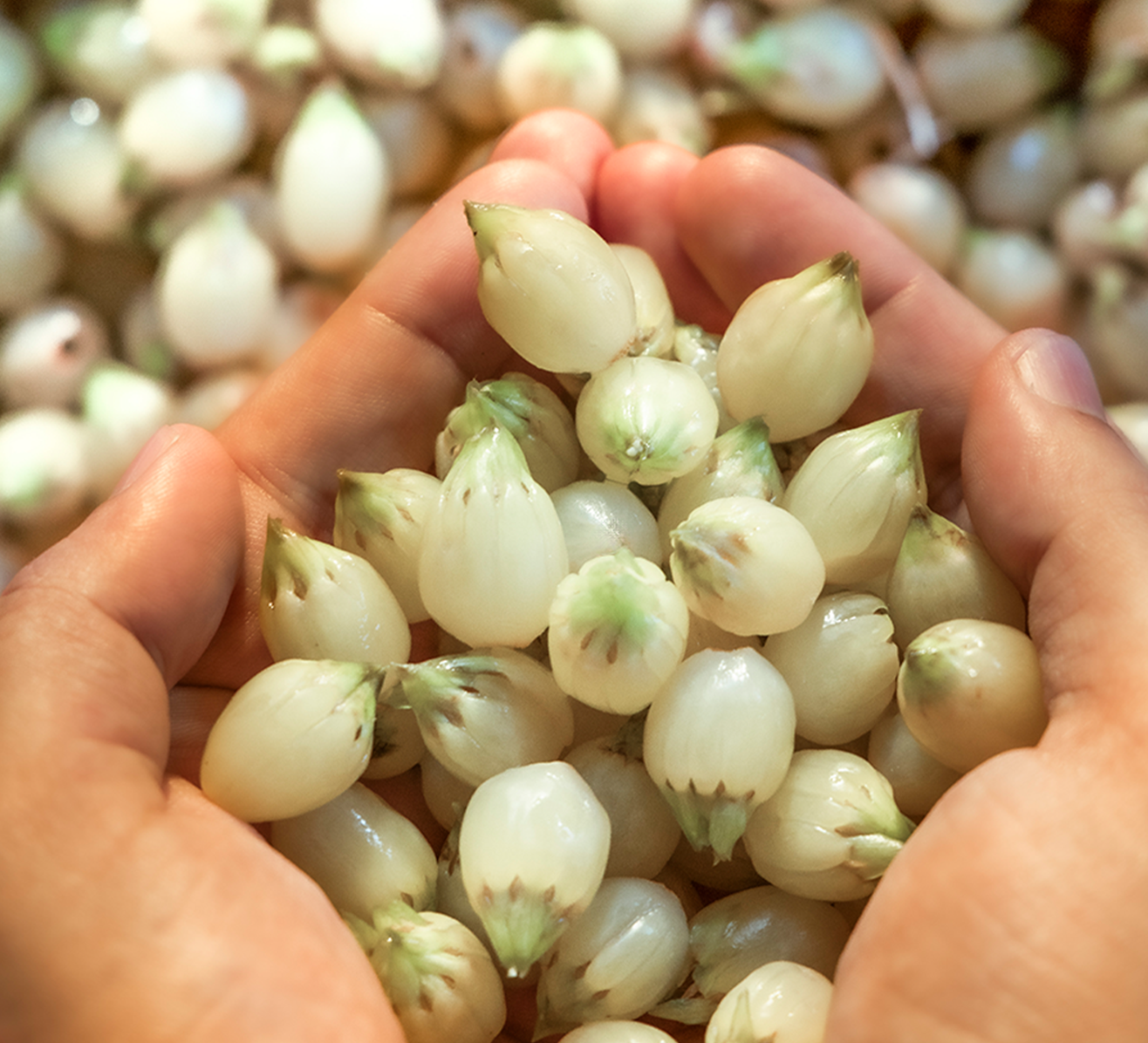
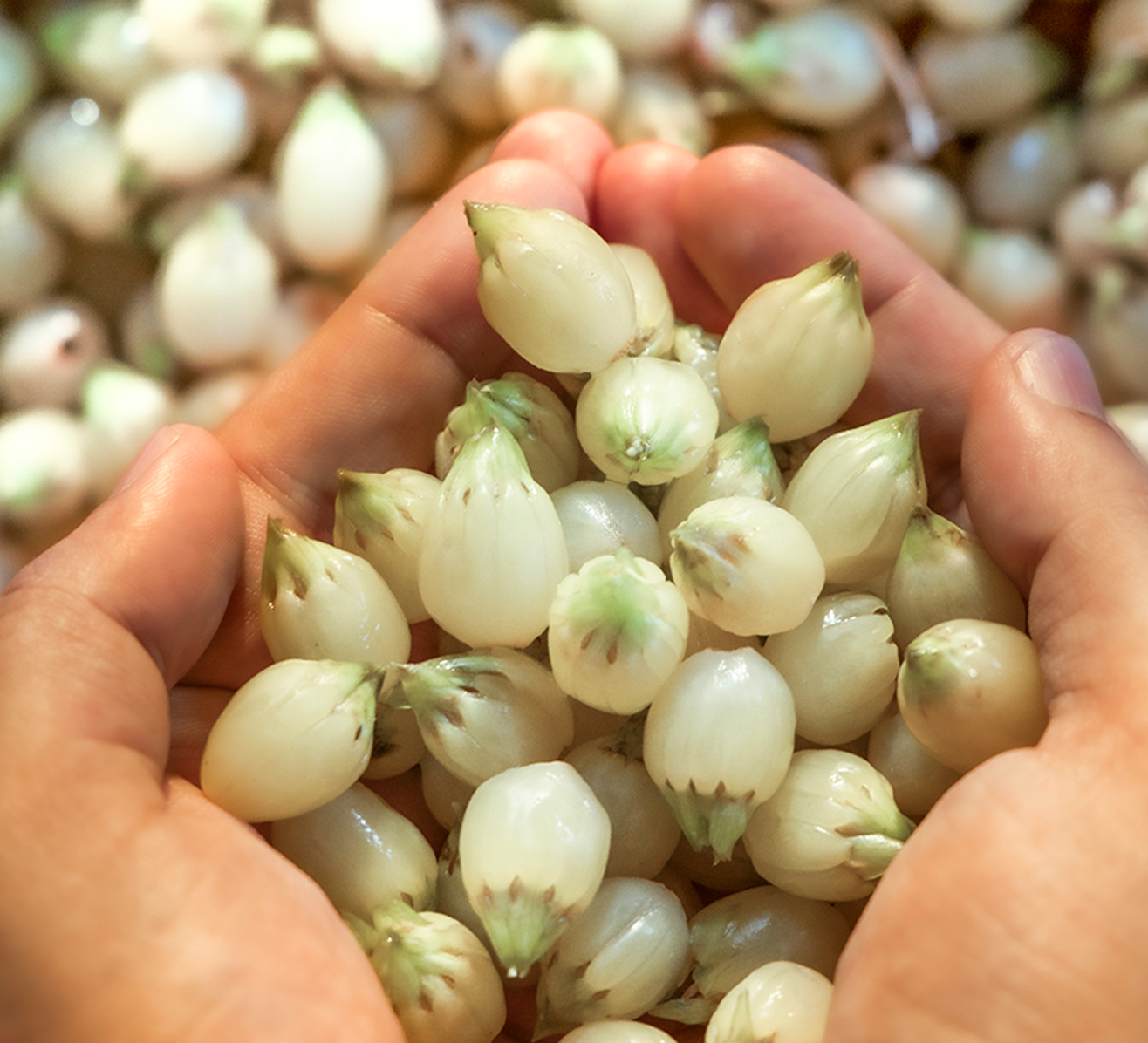
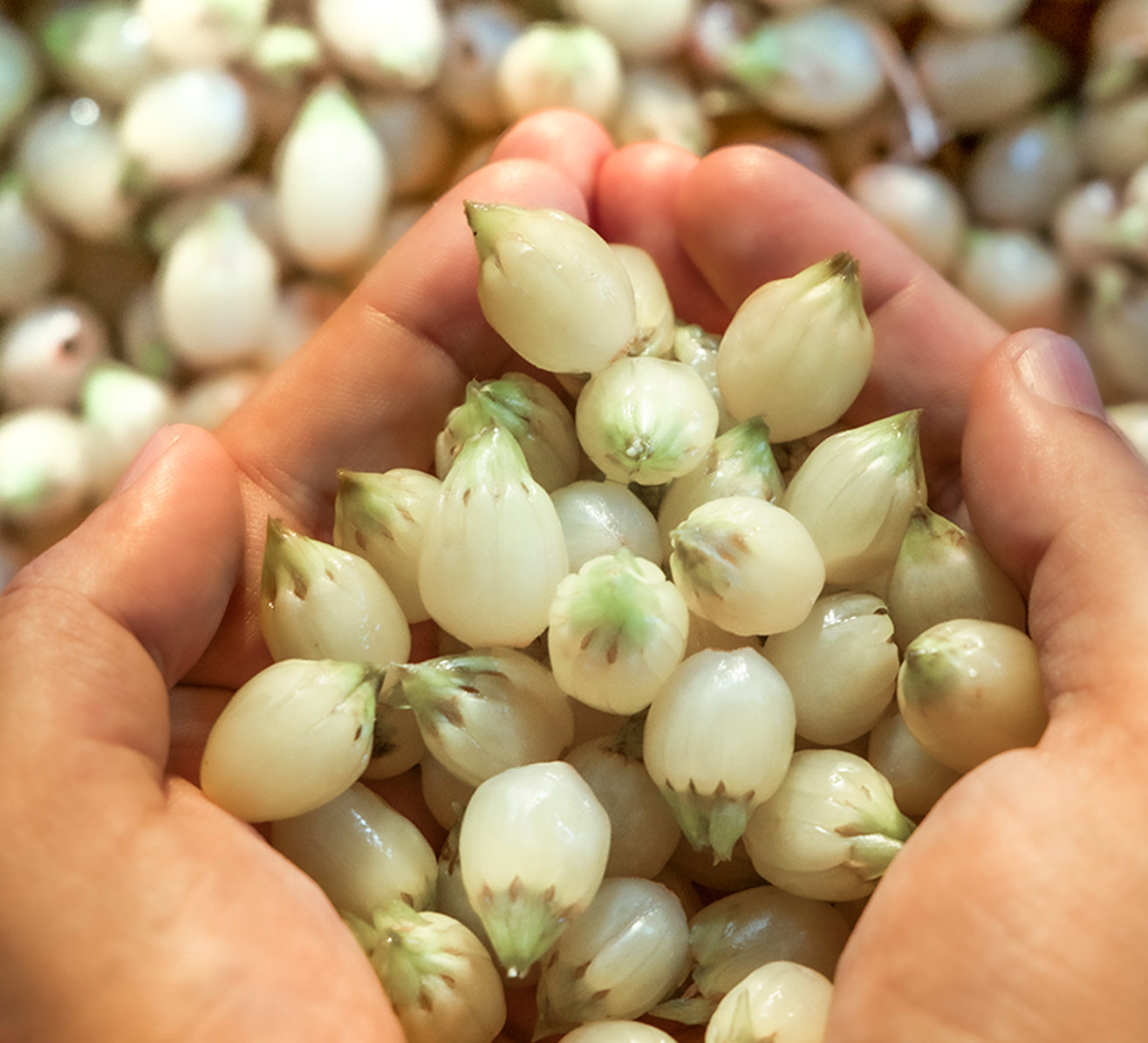
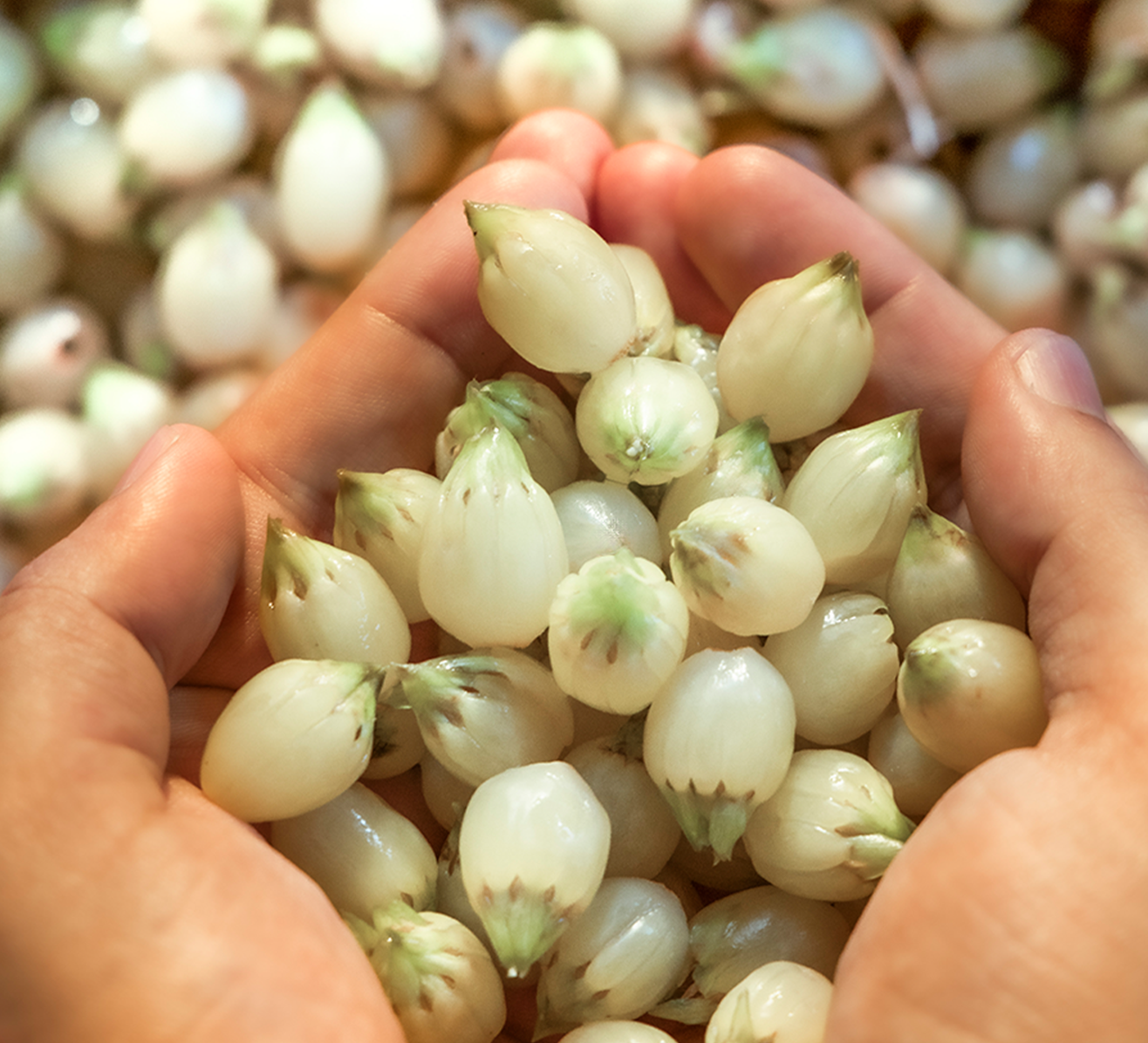
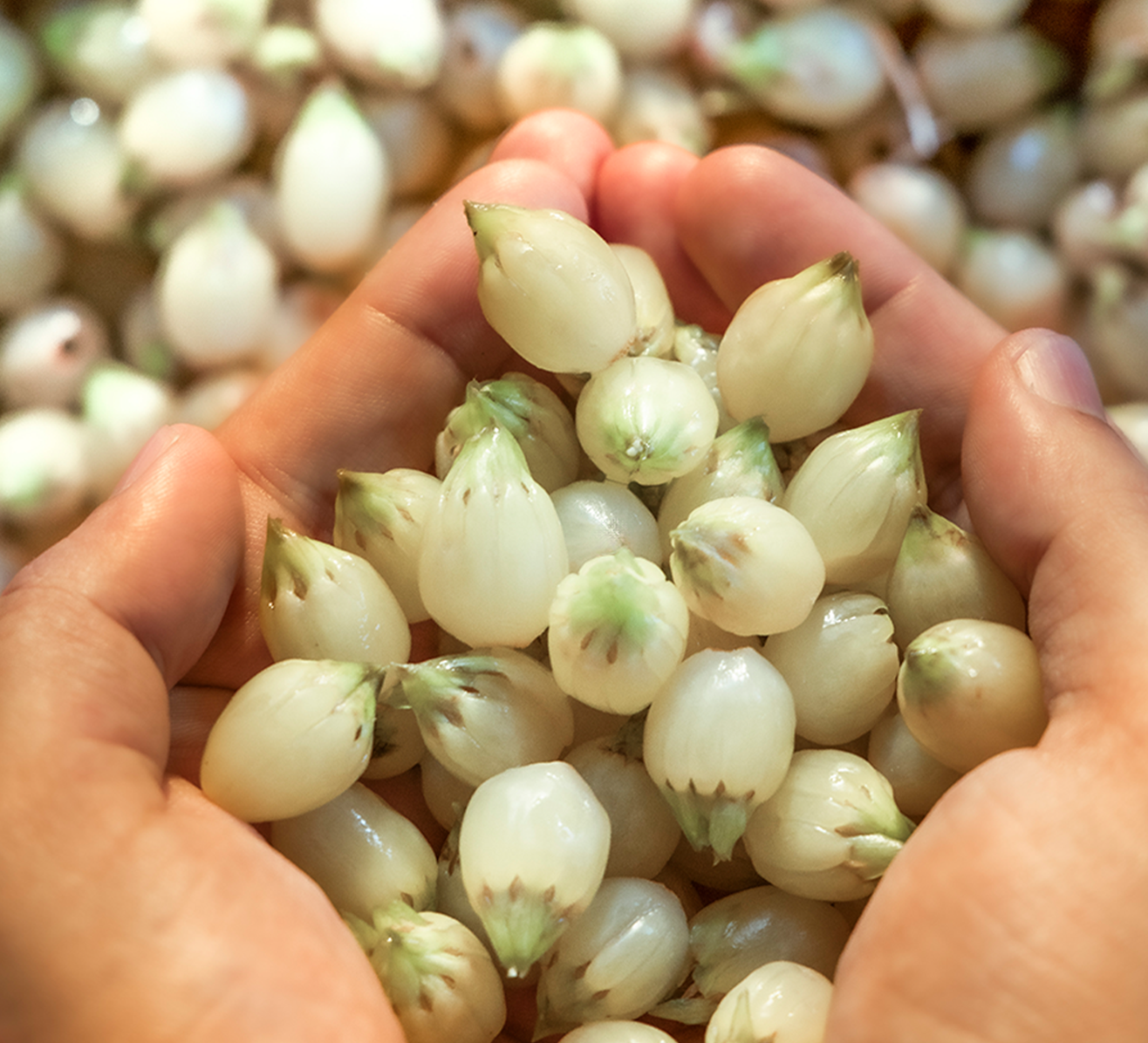
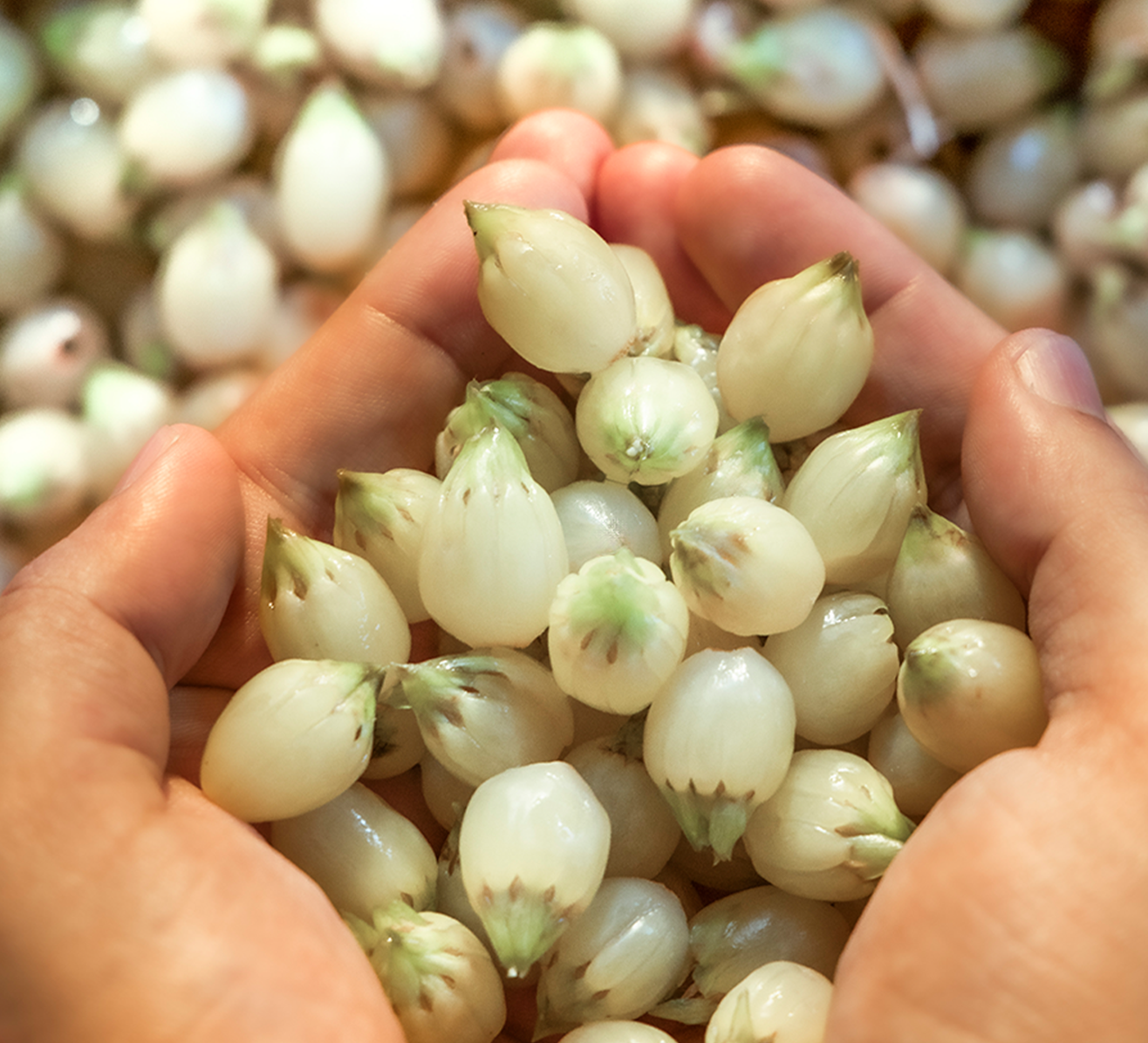
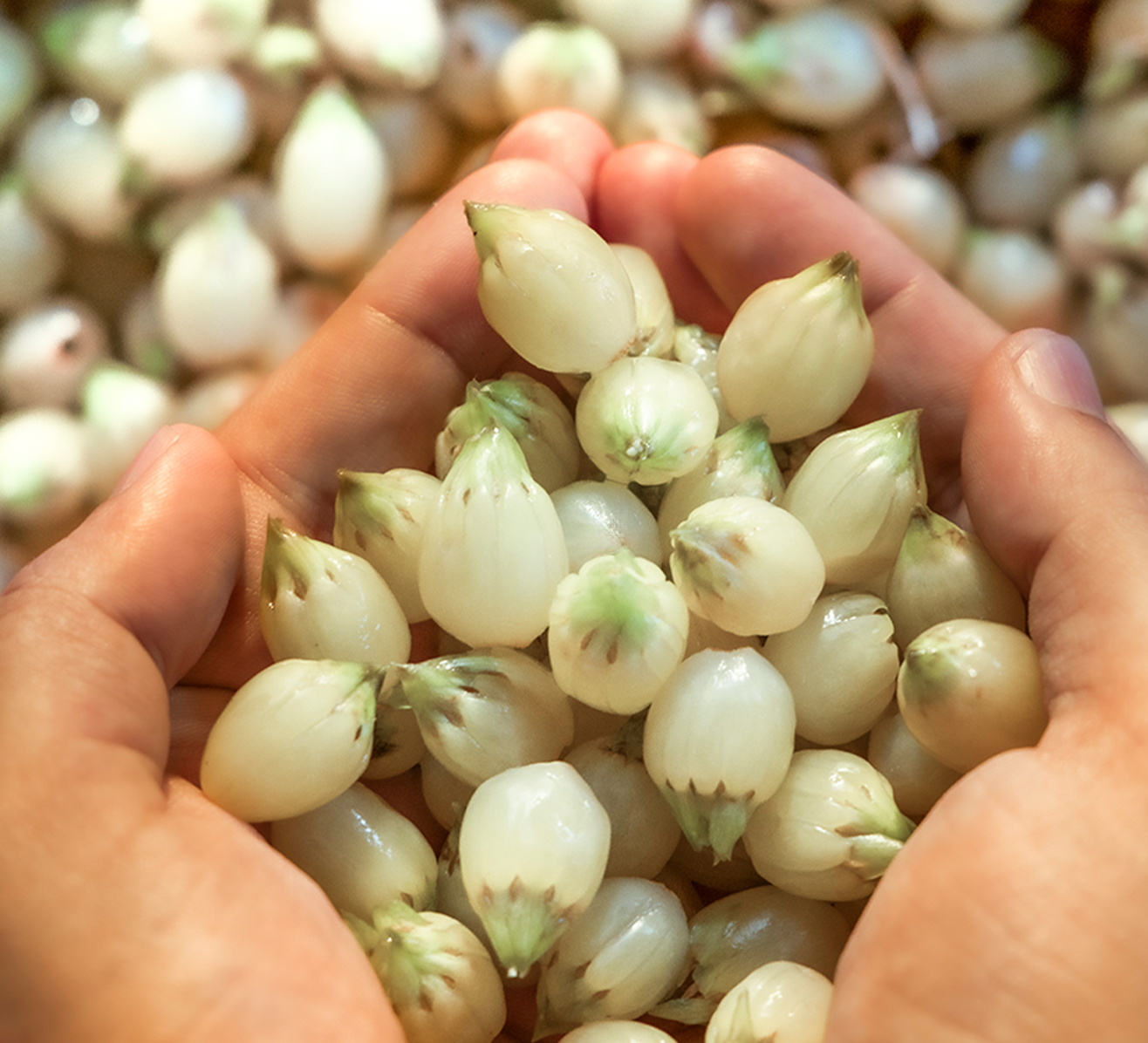
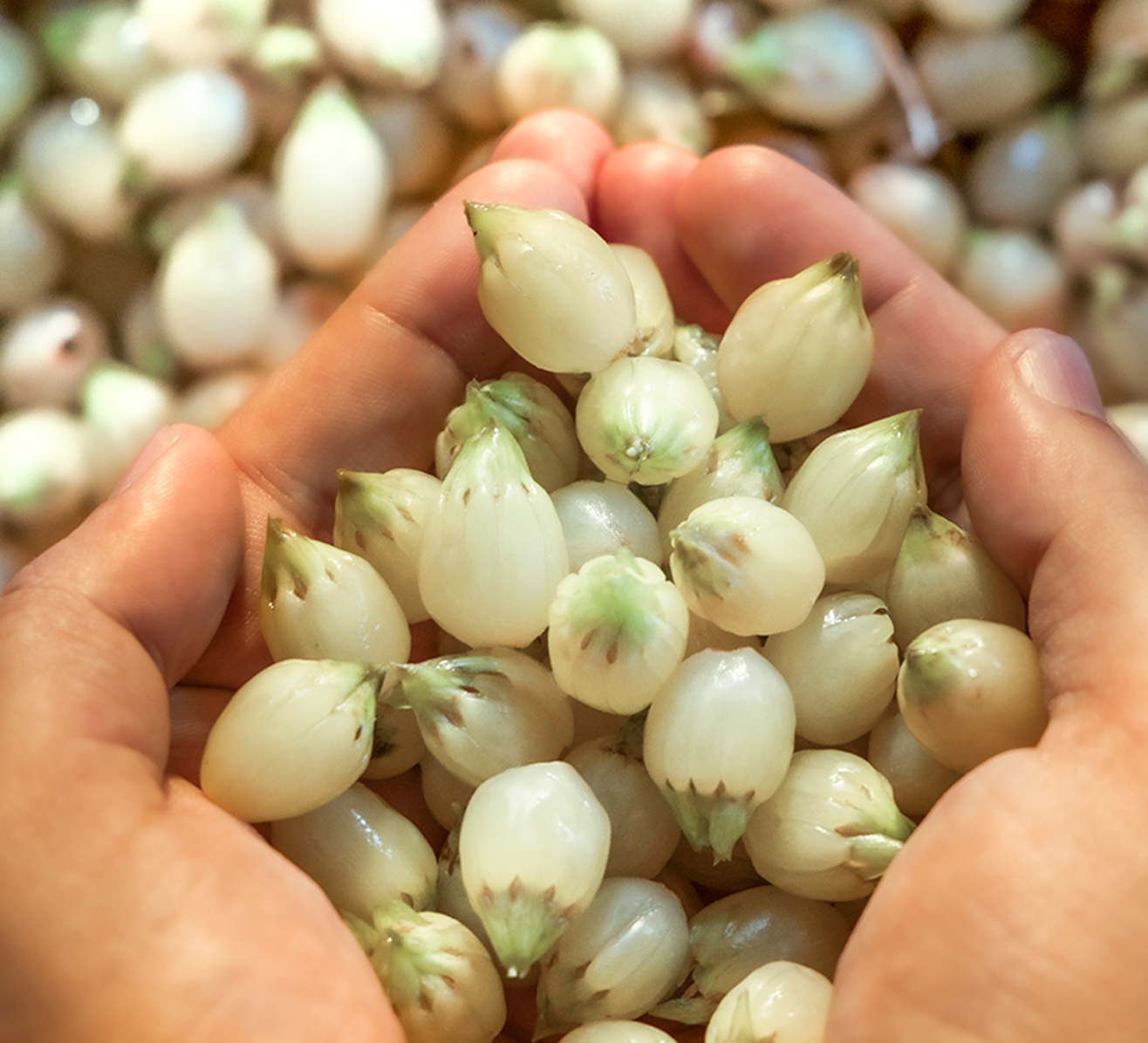
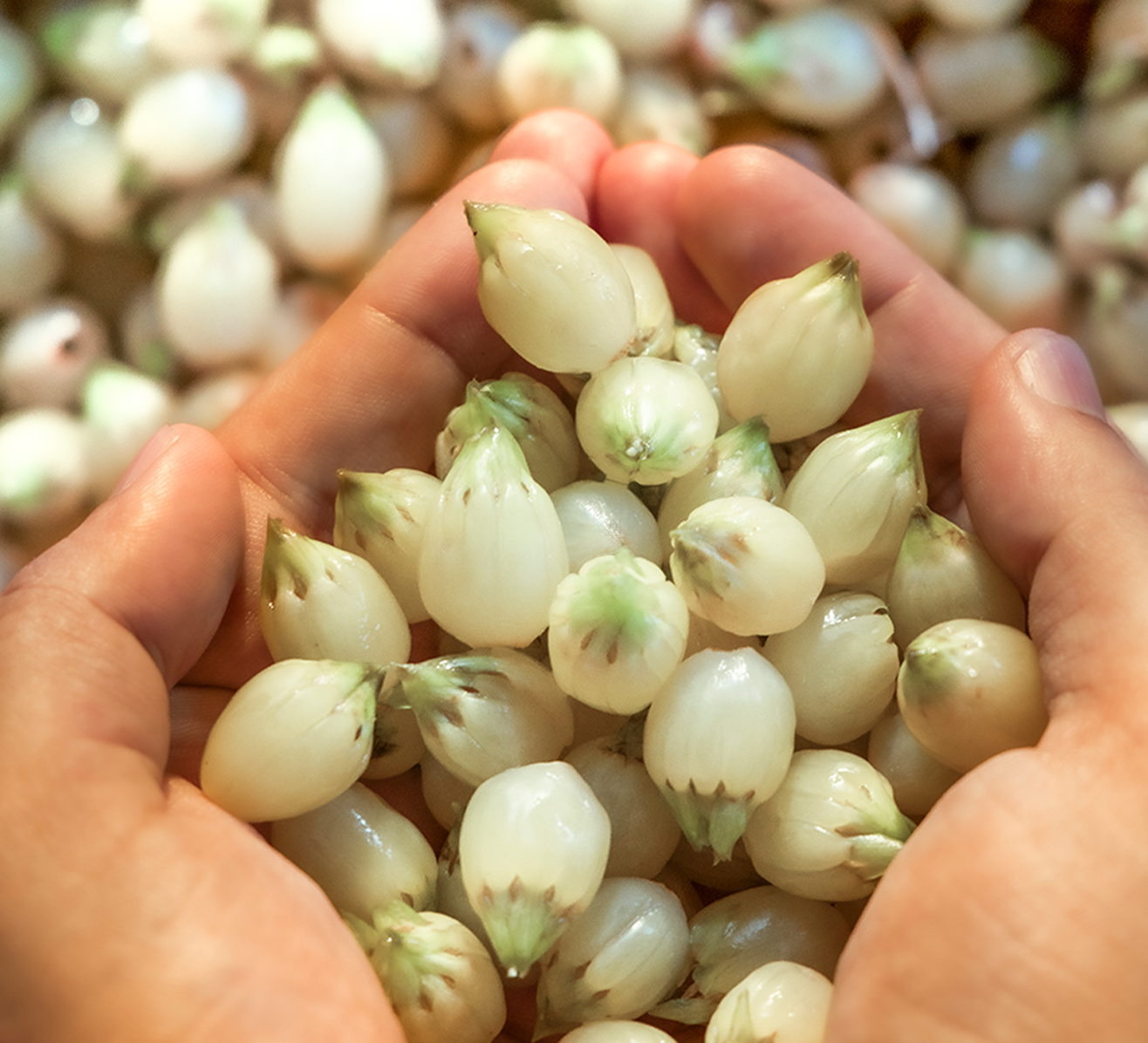
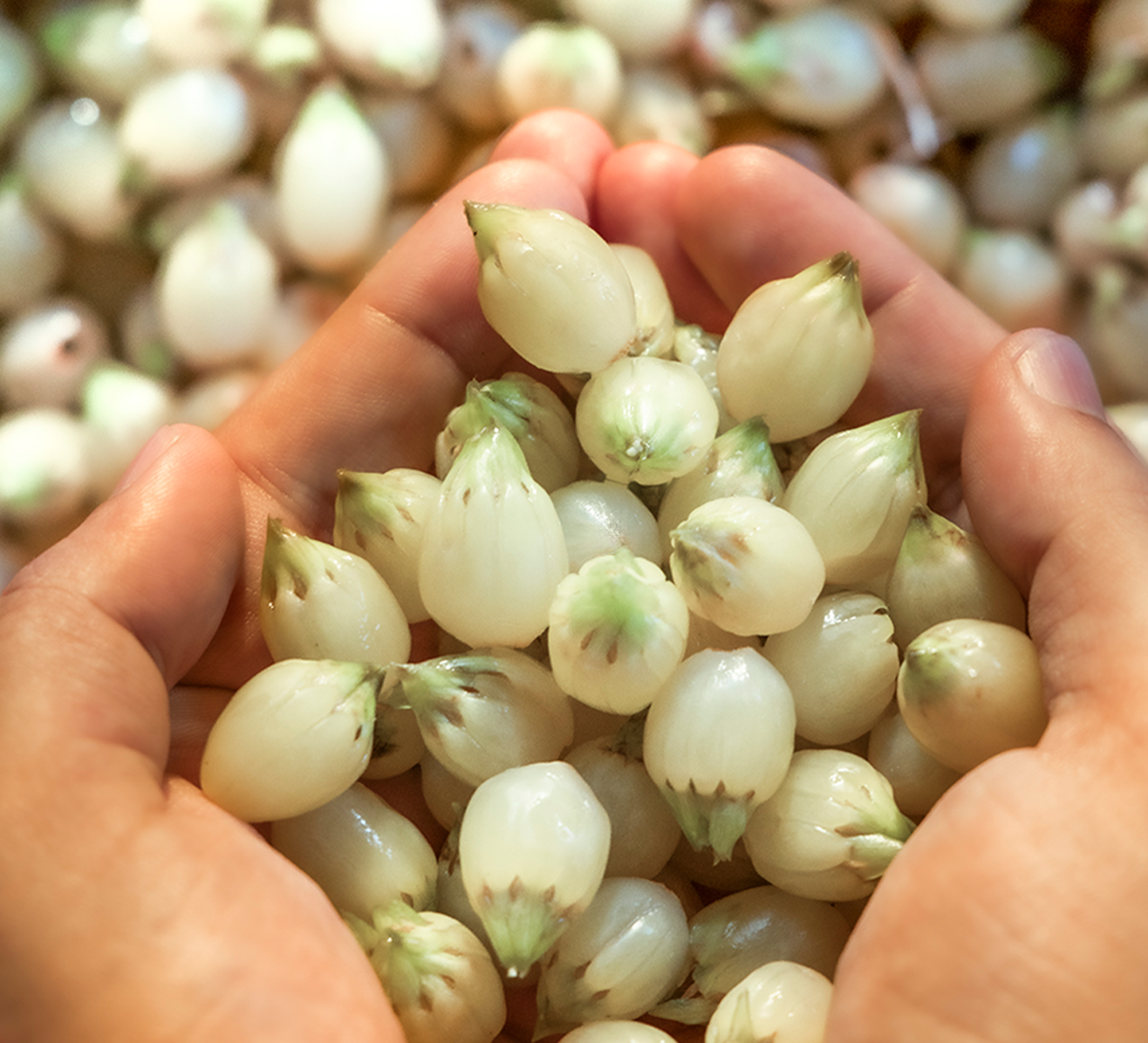
Everything starts with the mahua flower. It falls naturally from the tree, usually during early summer. No aggressive harvesting. No industrial picking.
The flowers are collected by local local communities who’ve been working with mahua for generations. This isn’t sourcing. It’s continuity.
Six Brothers builds directly into this ecosystem, working with these communities to ensure quality while preserving traditional collection methods.
The flowers are sun-dried over several days. This step looks simple, but it defines the base quality of the spirit.
Handled well, the flowers develop a rich, honeyed aroma. Mishandled, and the batch loses its character.
What sets Six Brothers apart here is discipline. Instead of scaling aggressively, the focus stays on consistency at this stage.
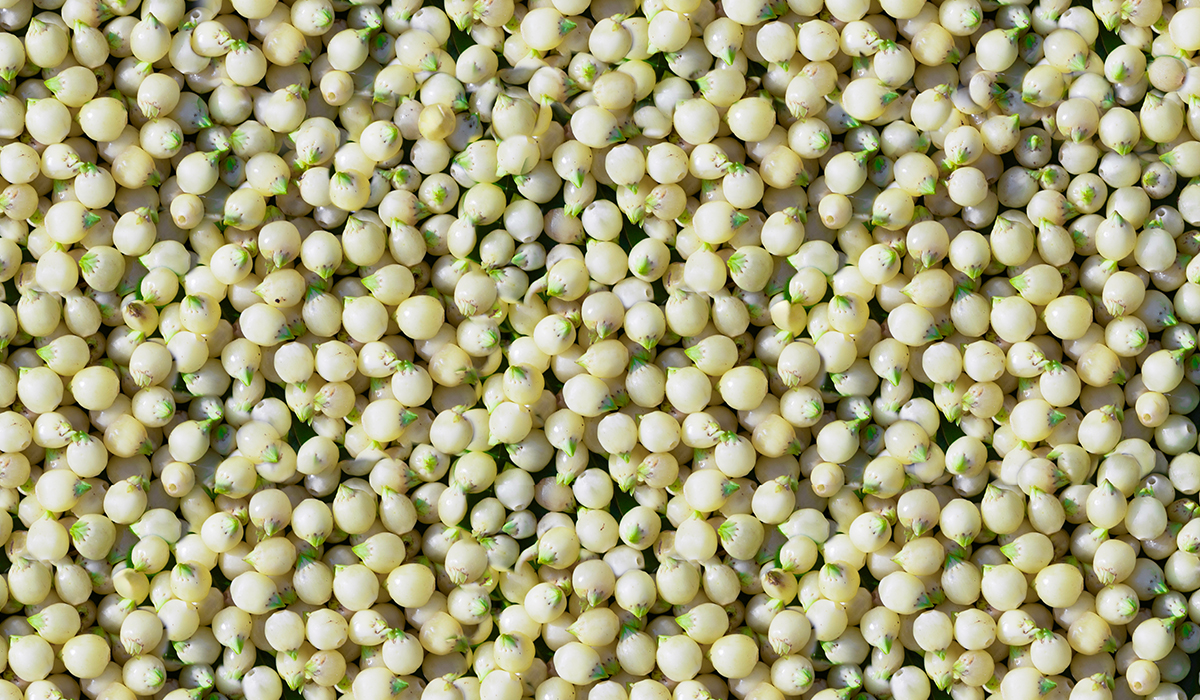
Once dried, the flowers are soaked and allowed to ferment naturally.
No artificial acceleration. No engineered shortcuts. This is where mahua develops its signature profile—earthy, slightly fruity, and unlike grain-based spirits. Six Brothers retains this natural fermentation approach, which is why the final spirit still carries a distinct, rooted flavor instead of tasting neutral.Distillation is where most spirits lose their origin story.
Over-process it, and everything starts tasting the same.
Six Brothers takes a different route. The goal isn’t neutrality—it’s clarity without losing identity. The distillation process is controlled to retain the core mahua character while delivering a smoother finish.
The final stage brings in modern quality checks—filtration, testing, and controlled bottling.
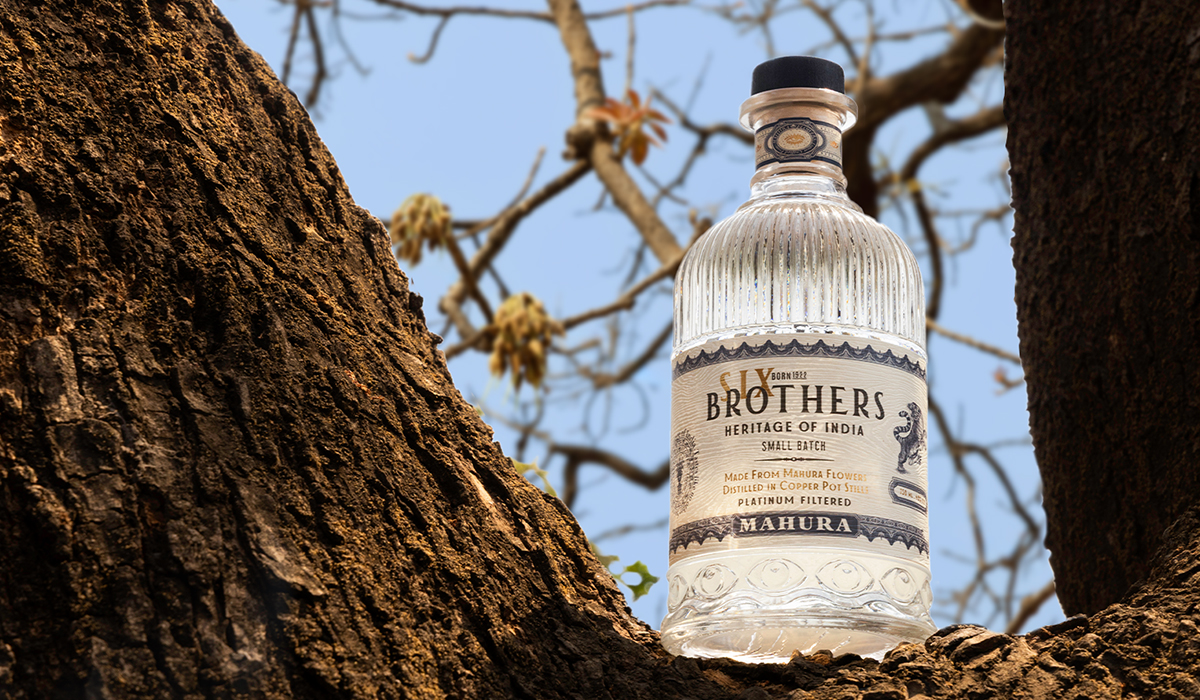
This is where Six Brothers bridges two worlds: traditional process and contemporary standards.
You get a spirit that is clean, consistent, and ready for wider audiences, without disconnecting from its roots.
Turning a traditional spirit into a commercially viable product isn’t straightforward.
Most spirits are built for scale and then given a story.
Here, the story comes first.
Six Brothers Mahura works because it doesn’t try to reinvent mahua. It respects the process, tightens execution, and presents it in a way today’s consumer can trust.
Six Brothers Mahura is made from naturally fallen mahua flowers, which are collected, sun-dried, fermented, and distilled to create a spirit rooted in traditional Indian practices.
The flowers are not plucked from trees. They fall naturally and are gathered by local local communities, preserving both the quality of the flower and the traditional method of collection.
Sun-drying helps develop the flower’s natural sugars and honeyed aroma. This step directly impacts the depth and character of the final spirit.
It follows a natural fermentation process without artificial acceleration. This allows the spirit to retain its authentic earthy and slightly fruity profile.
Mahua fermentation comes from a flower, not grain, which results in a more floral, earthy, and unique flavor profile compared to typical whisky or vodka.
They combine traditional practices like natural fermentation with modern quality controls during distillation and bottling to ensure consistency and safety.
Not in this case. The process is designed to refine the spirit while preserving its core character, rather than stripping it down to neutrality.
Local communities play a key role in sourcing and initial processing, making the product deeply connected to its regional and cultural roots.
It prioritizes natural processes, seasonal ingredients, and traditional knowledge instead of mass production techniques, resulting in a more distinctive and authentic spirit.
It starts with tradition rather than adding it later. The process, sourcing, and flavor all come from an existing cultural practice, refined for modern consumption.