
Posted on 06 May 2026
Long before imported spirits became aspirational, India had its own native brews. Mahua is one of the oldest among them.
Mahua-based drinks have existed for centuries, especially among Adivasi communities.
This wasn’t a product category. It was part of everyday life.
Simple process. Strong cultural meaning.
Mahua was never meant to be consumed in isolation.
It showed up at weddings, festivals, and community gatherings. It brought people together.
That social context shaped its identity—it wasn’t just about alcohol, it was about connection.
During colonial rule, indigenous drinks like mahua were pushed aside.
Imported liquors were positioned as refined, while local brews were often labeled informal or inferior. That narrative stuck, and mahua gradually lost visibility in mainstream markets.Despite that, mahua never disappeared.
Communities continued making it, passing knowledge through generations.
It survived because it wasn’t dependent on branding. It was embedded in culture.
Now, things are changing.
There’s growing interest in indigenous ingredients, authenticity, and origin stories. Mahua is being rediscovered—not as a novelty, but as a serious craft spirit.

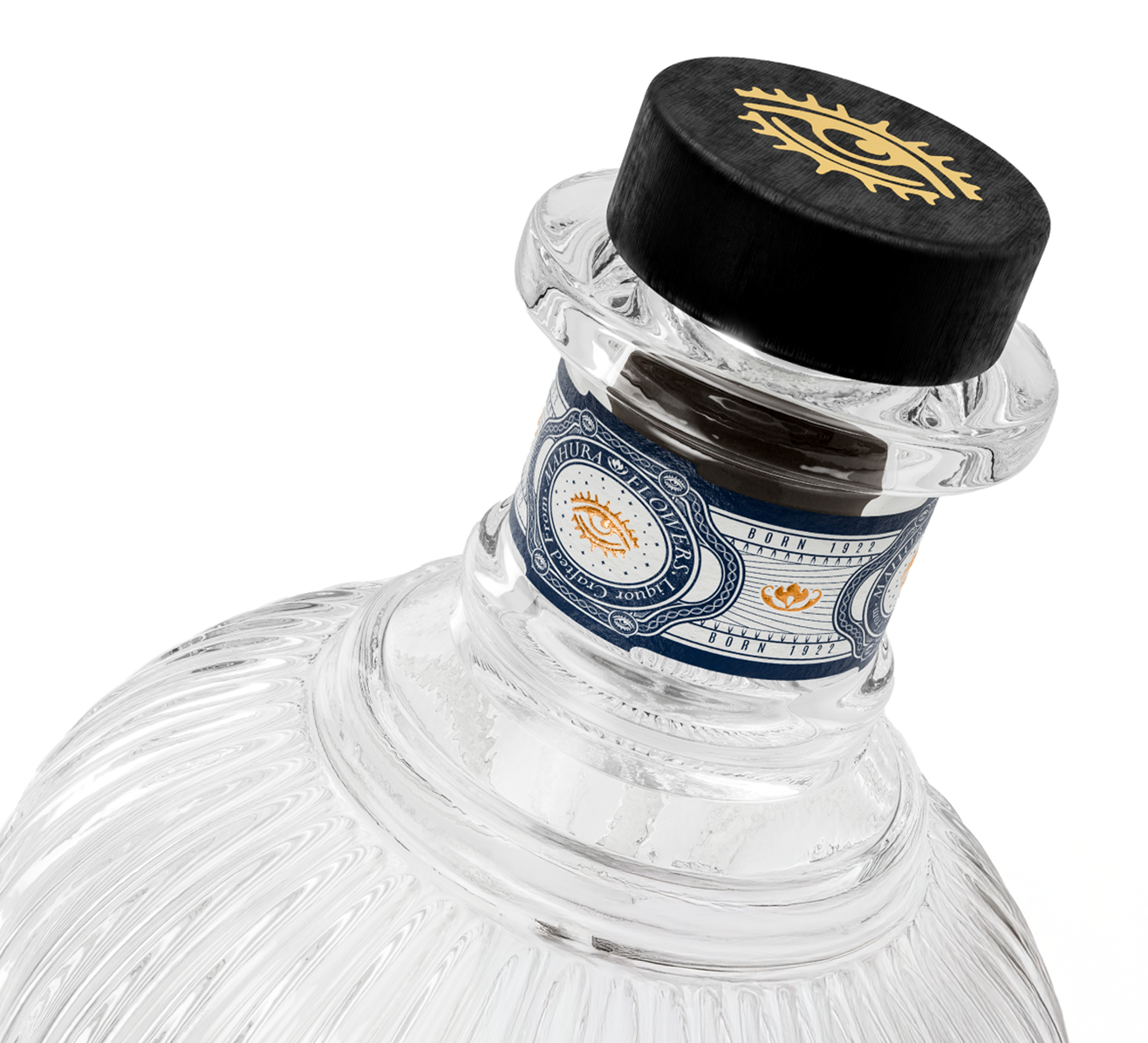
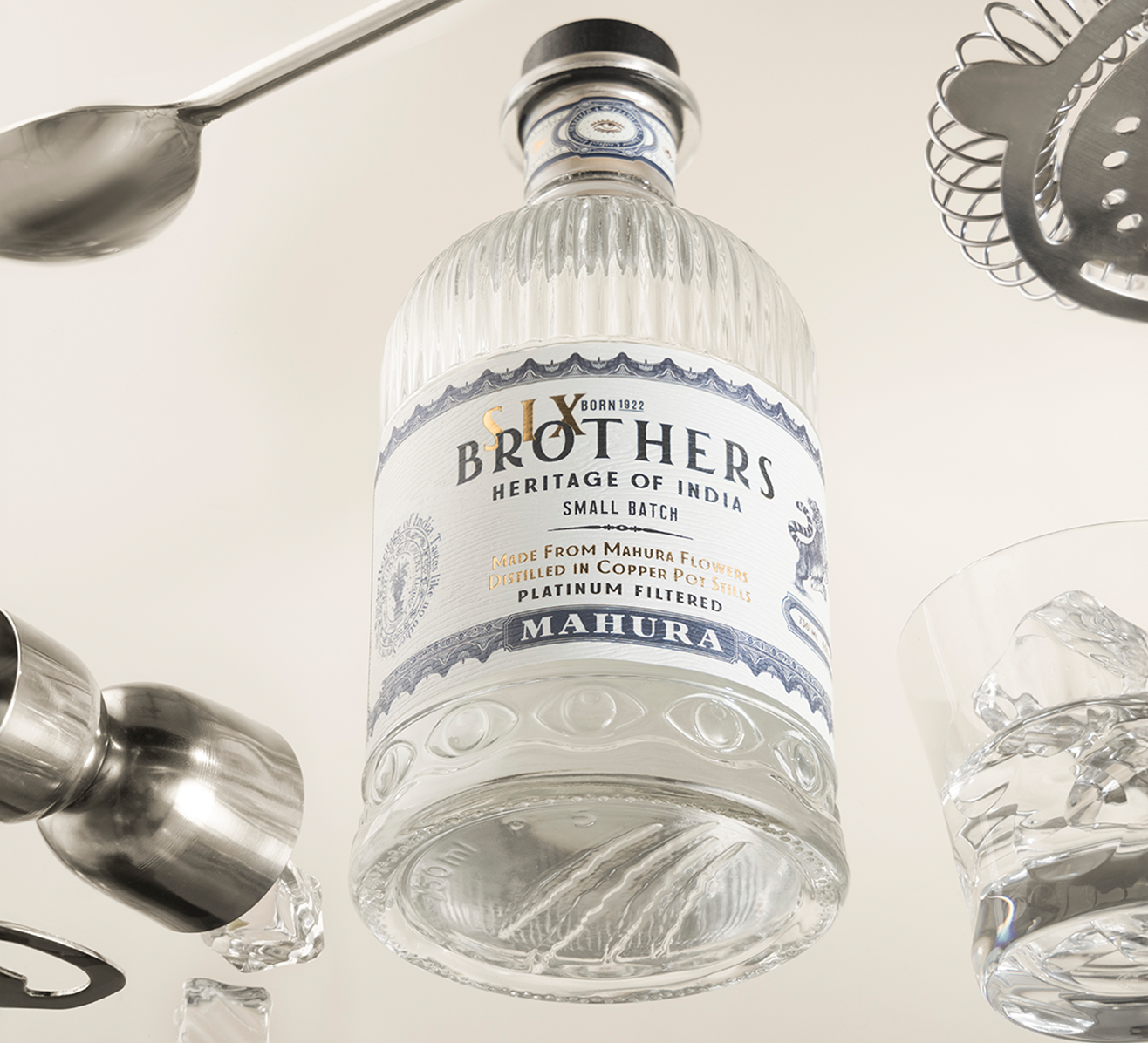
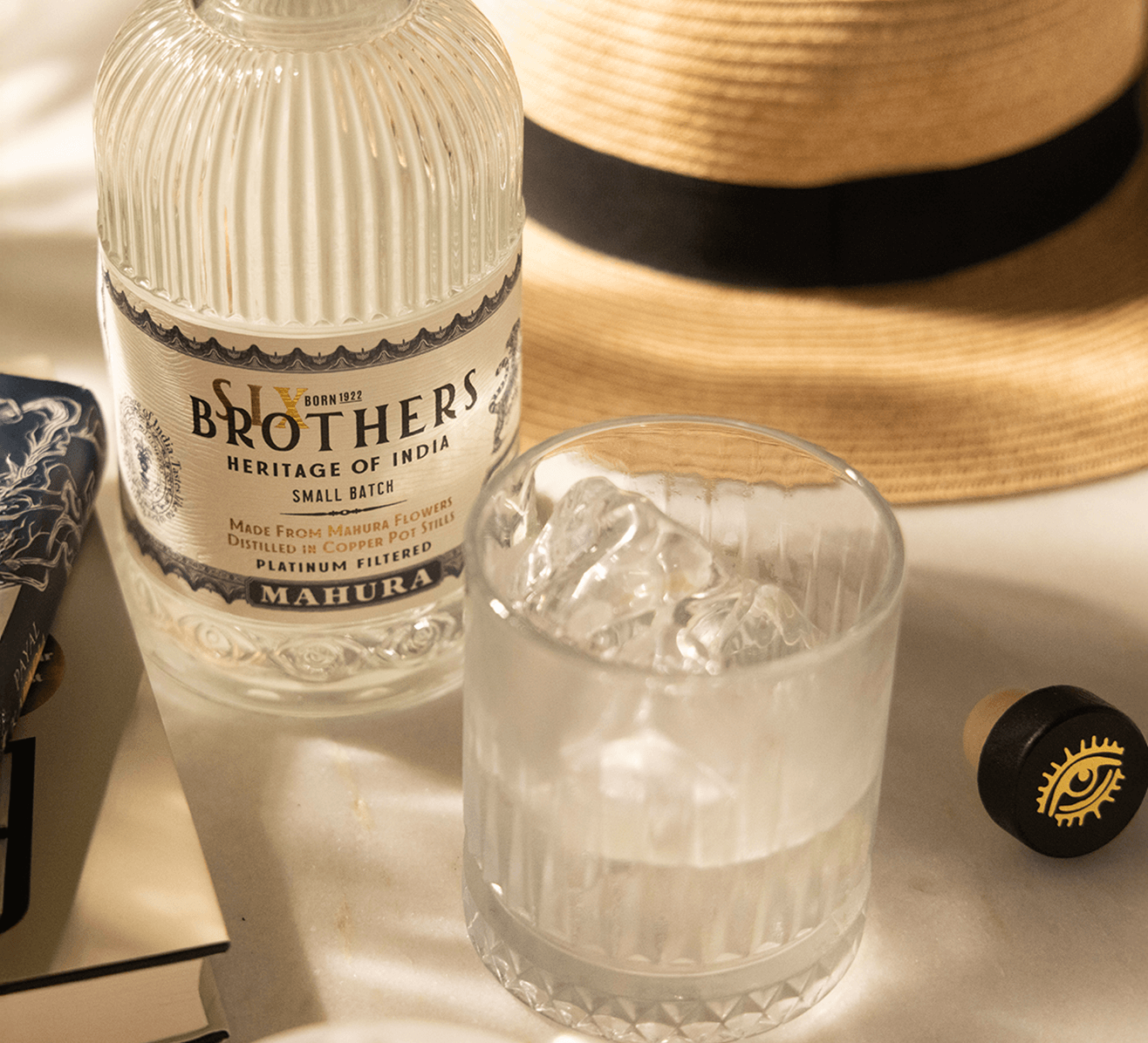
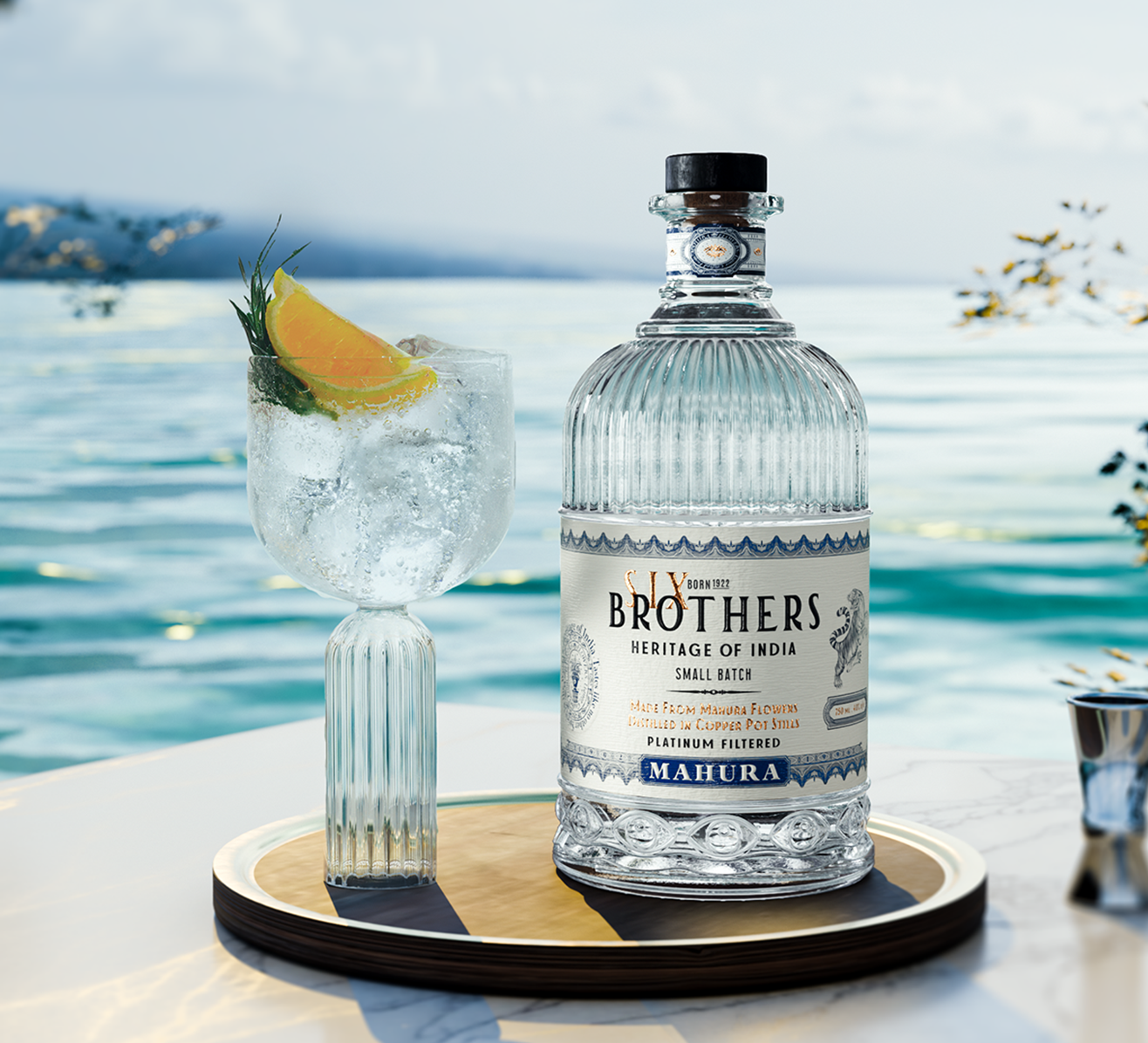
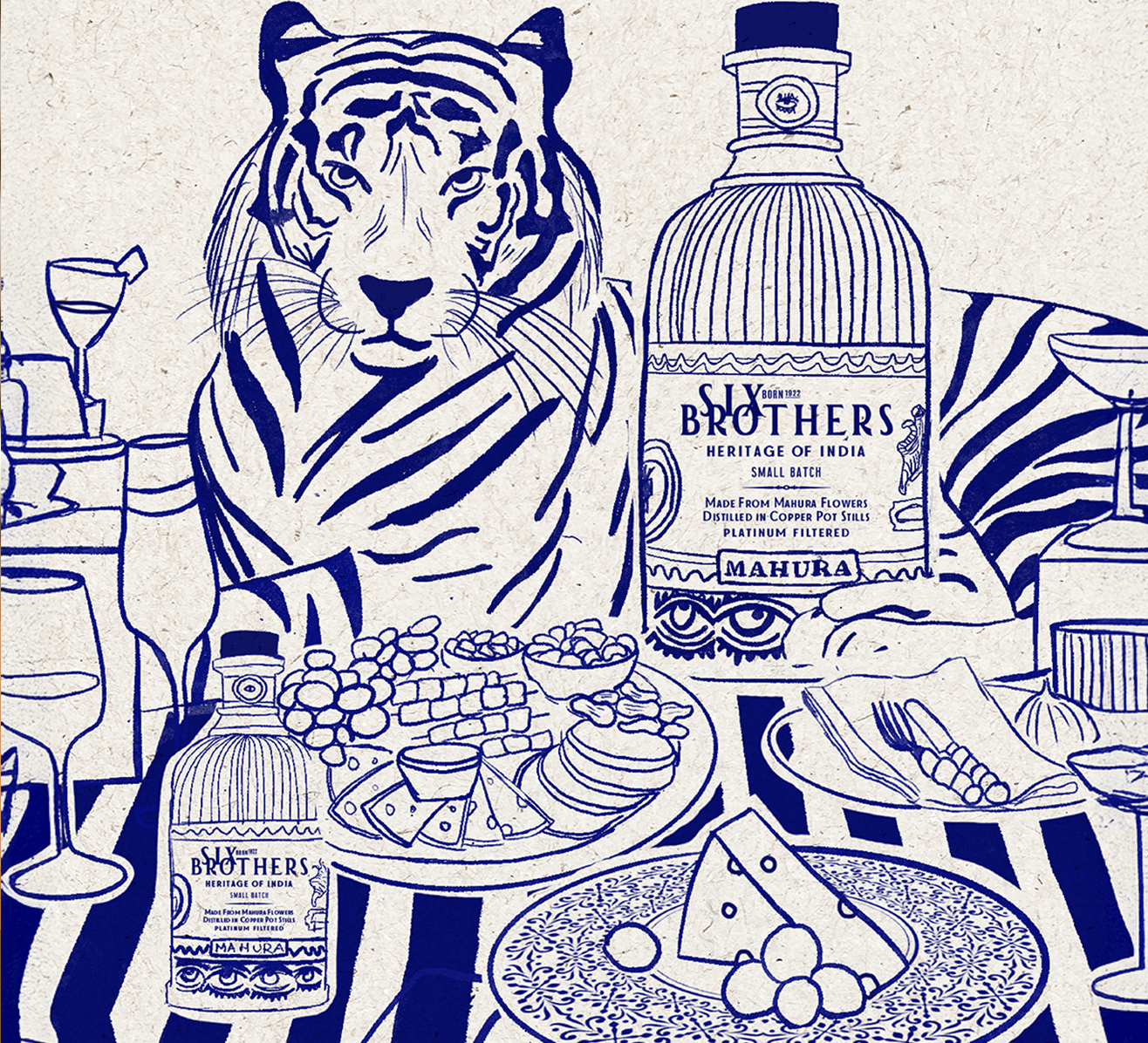
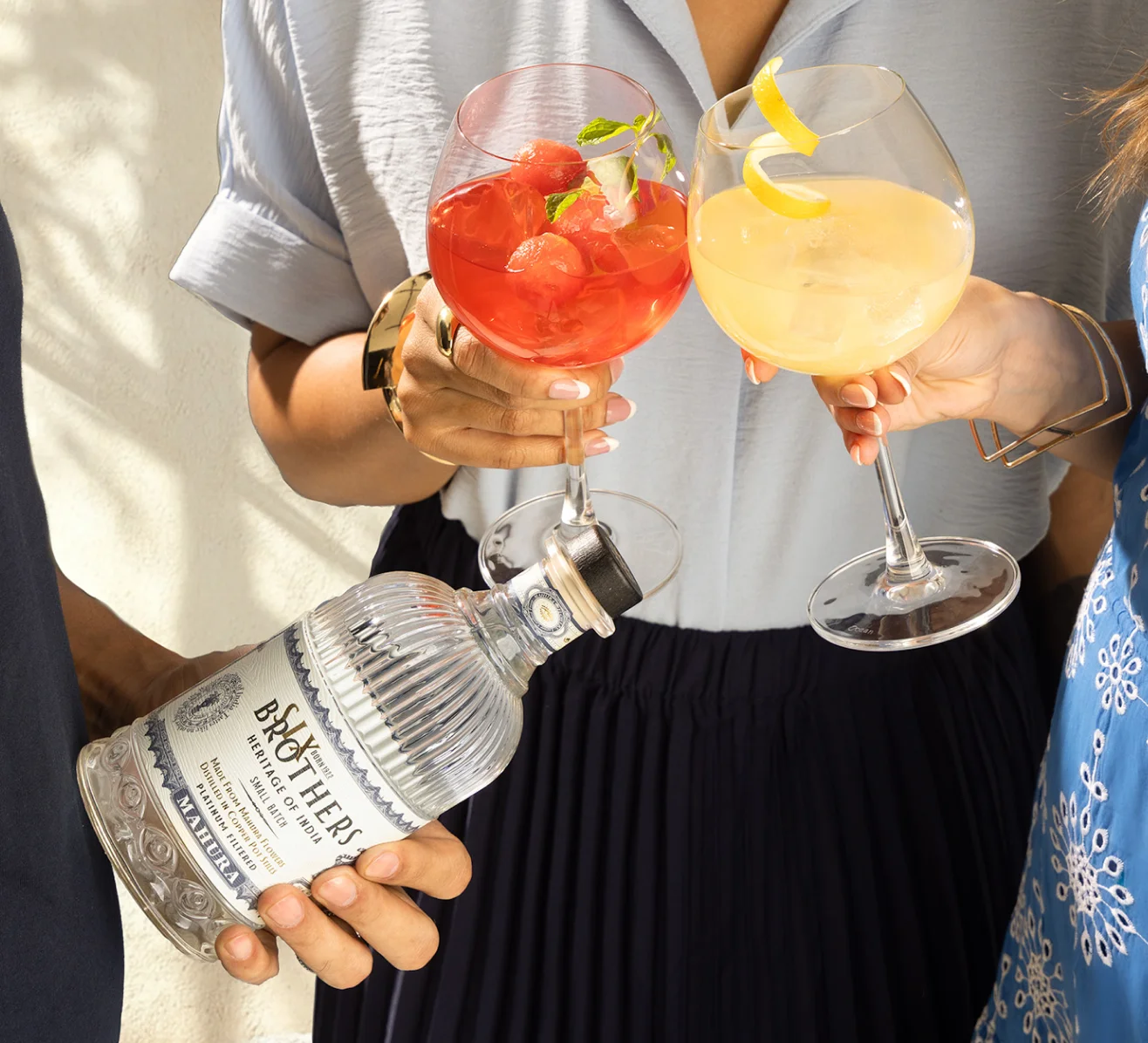
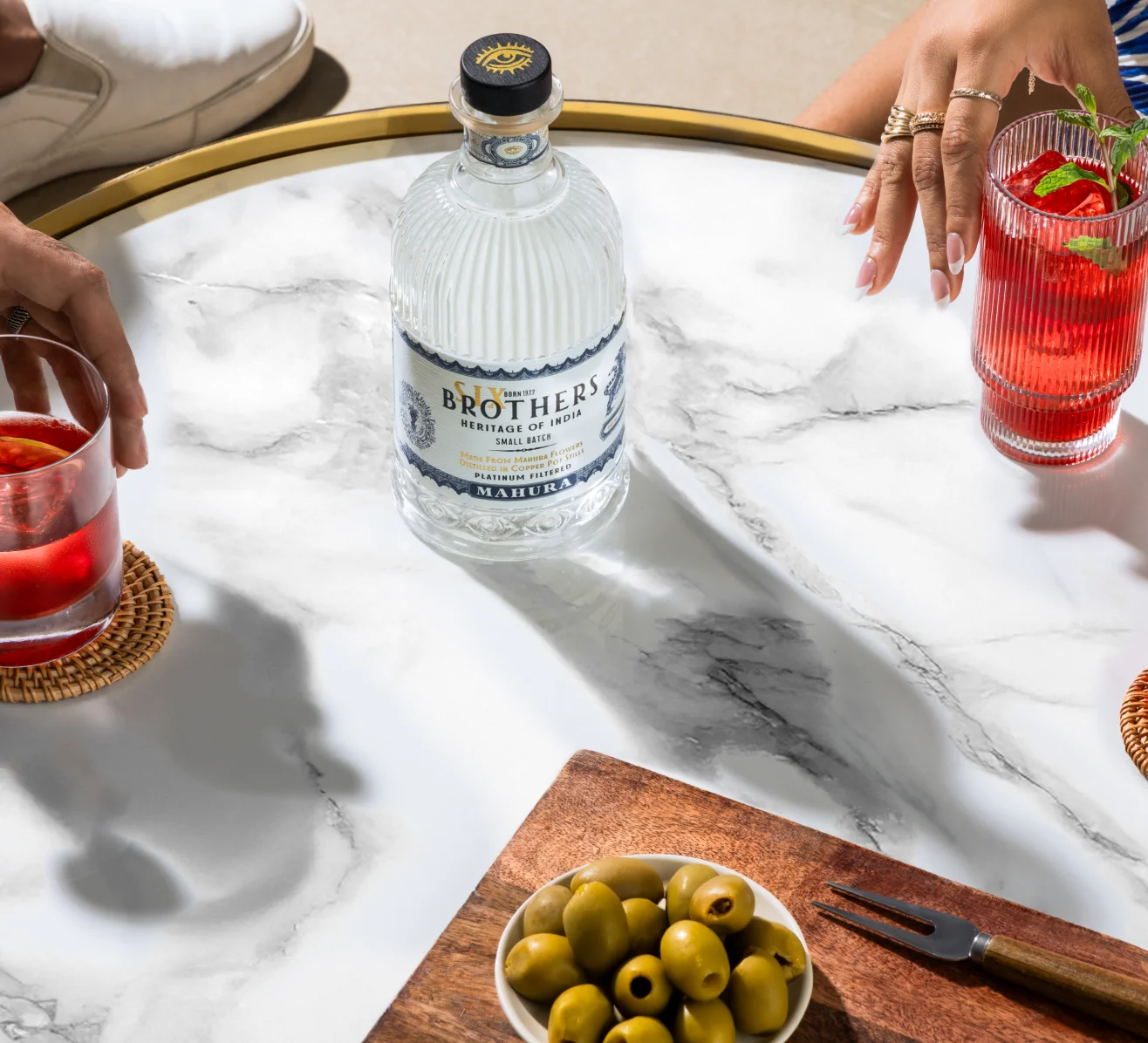
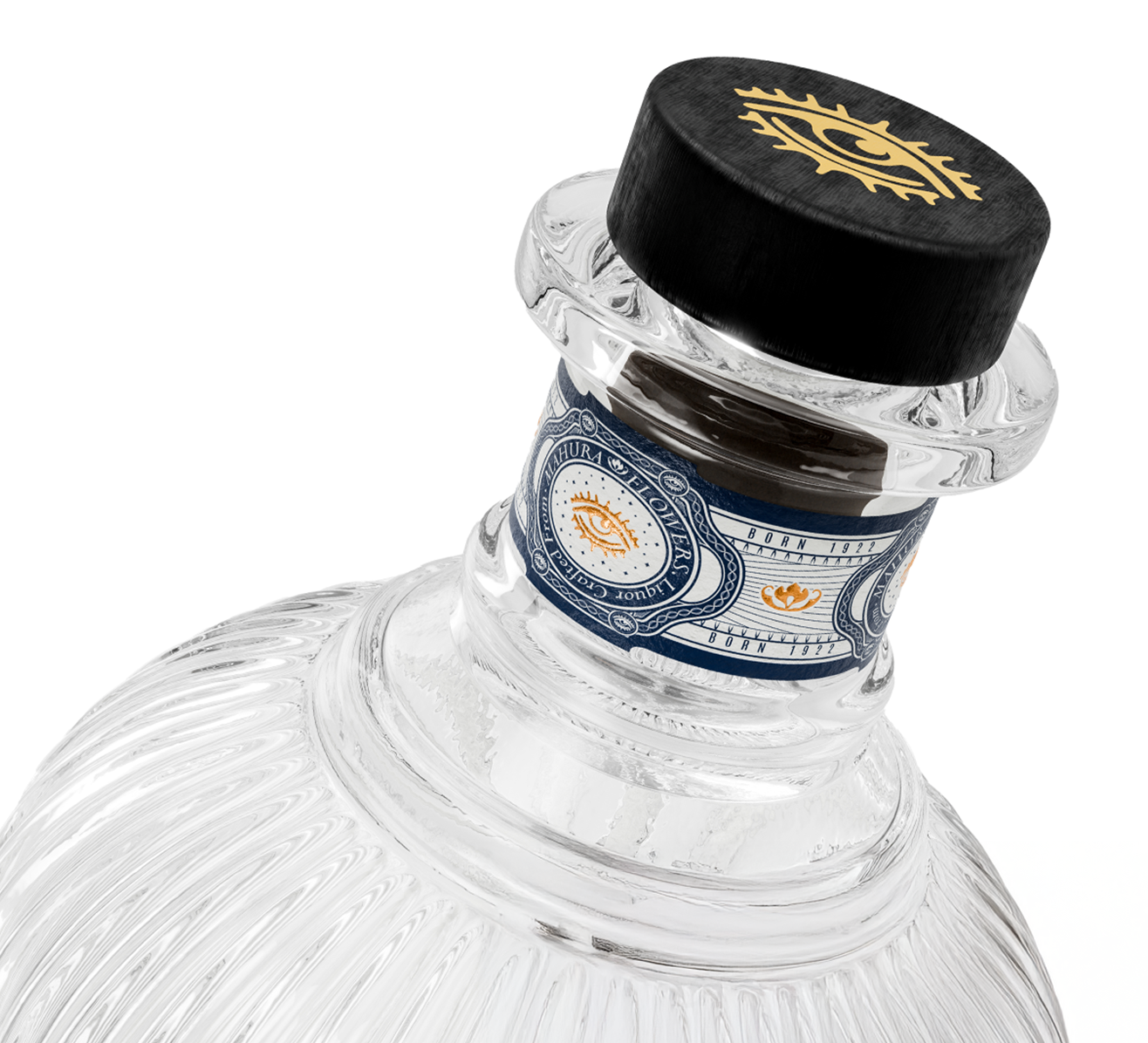
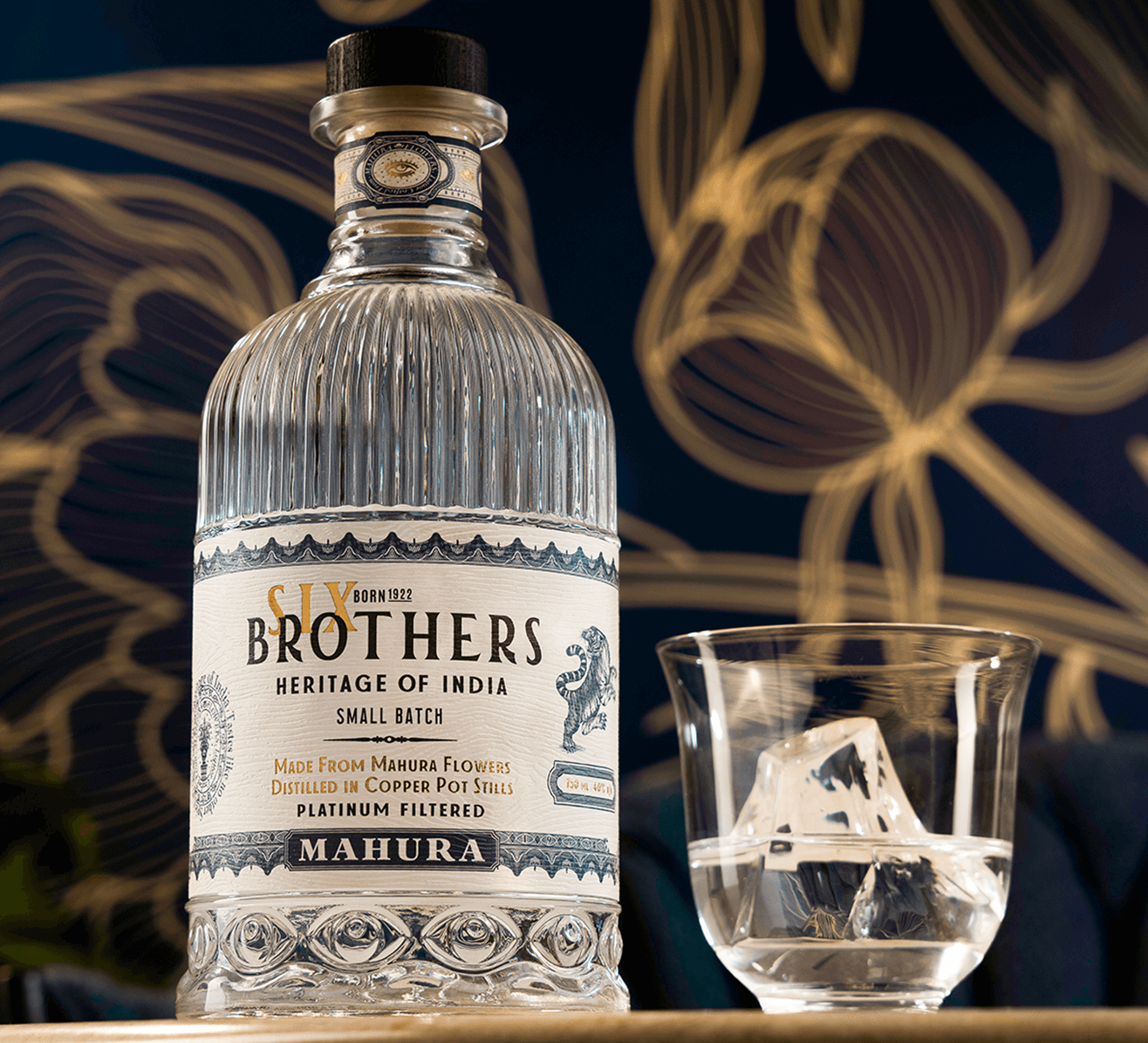
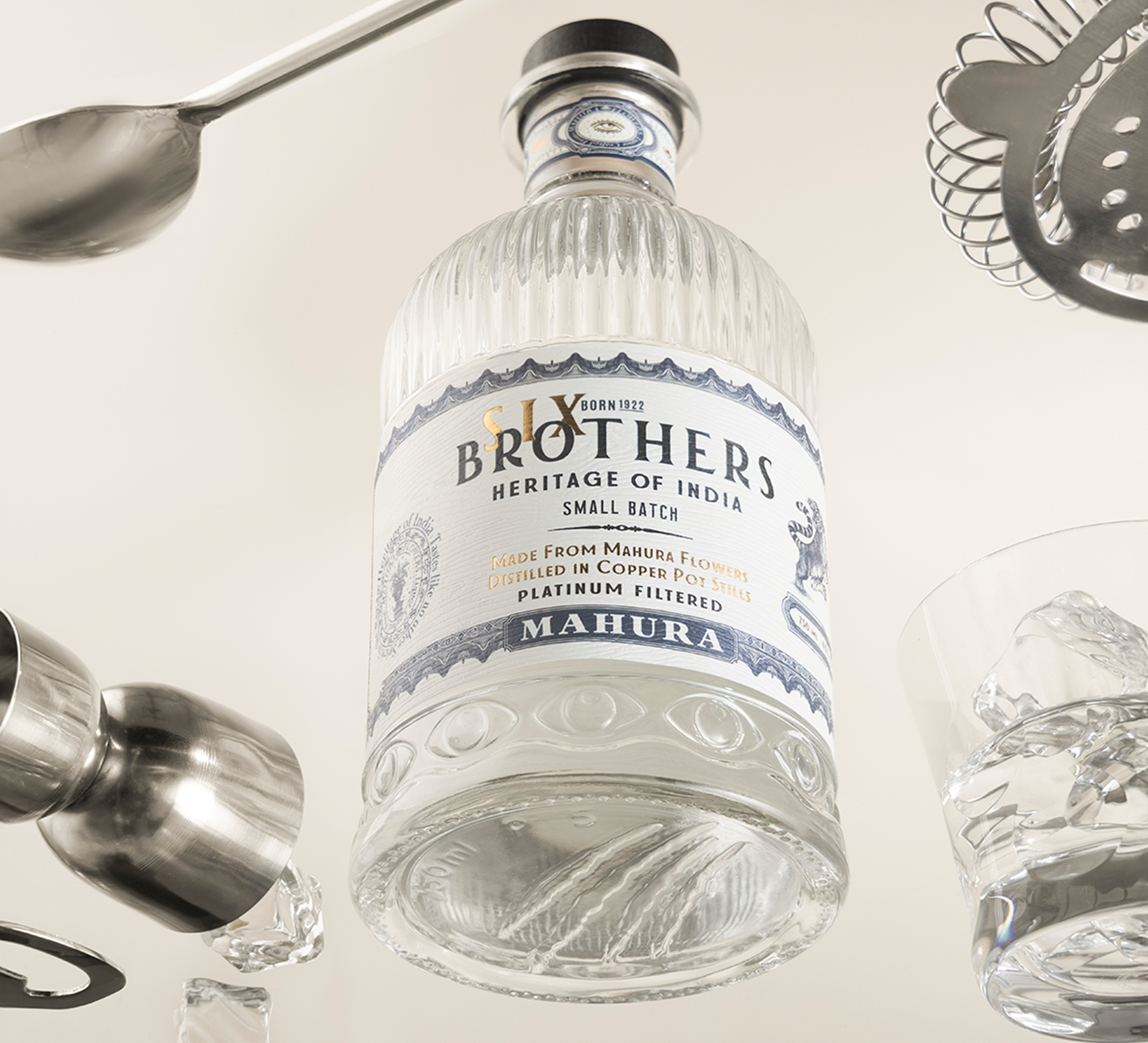
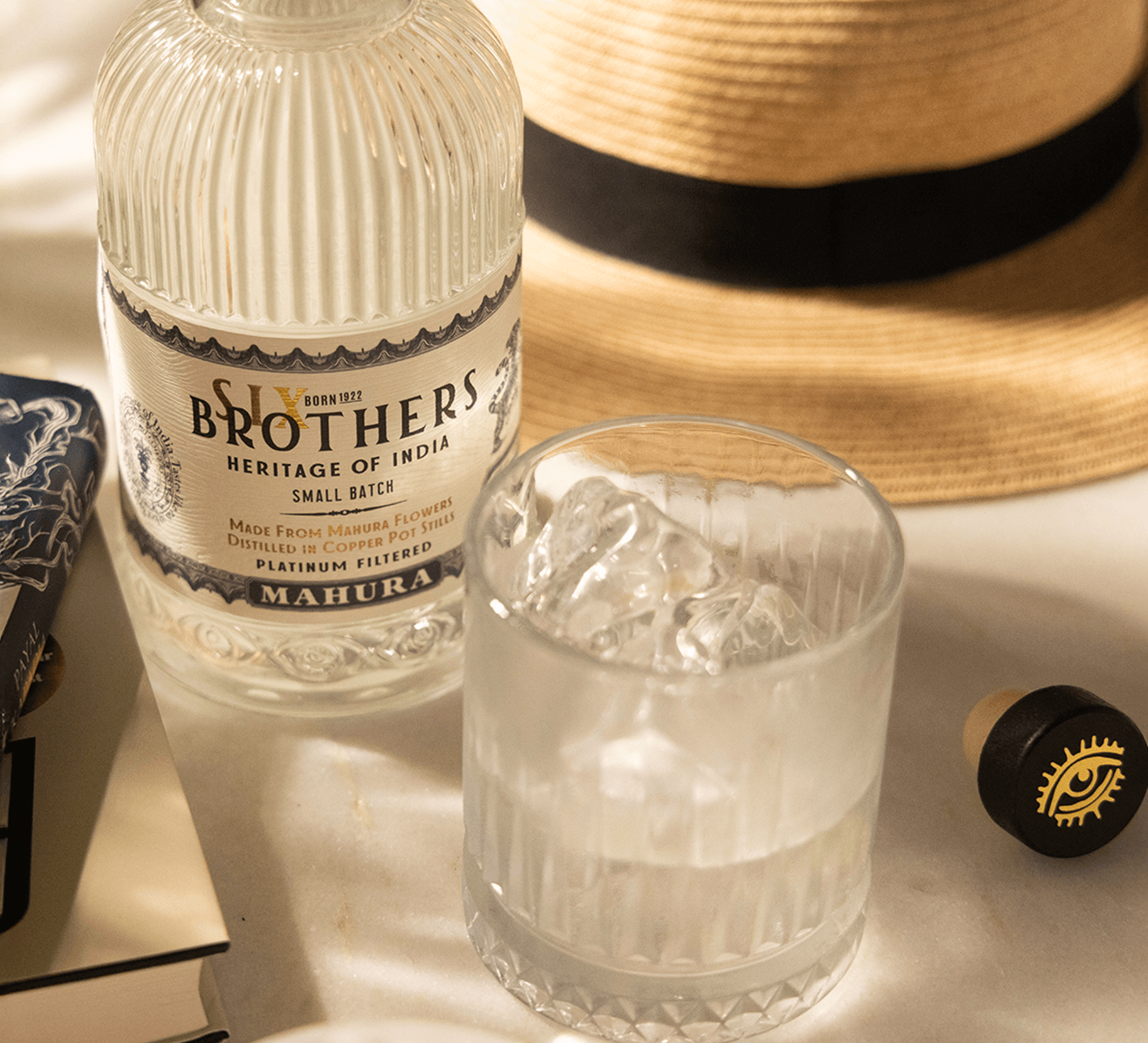
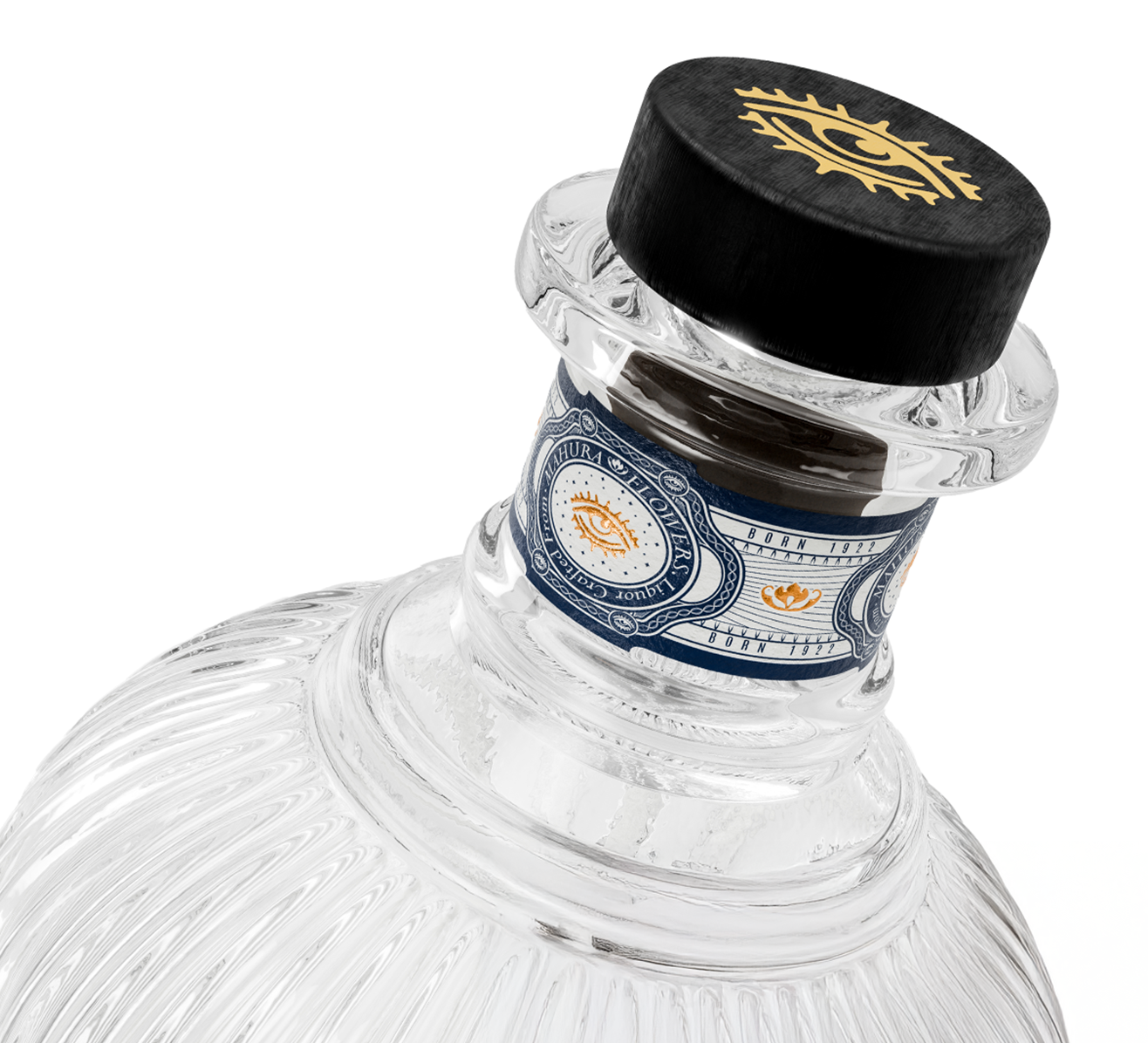
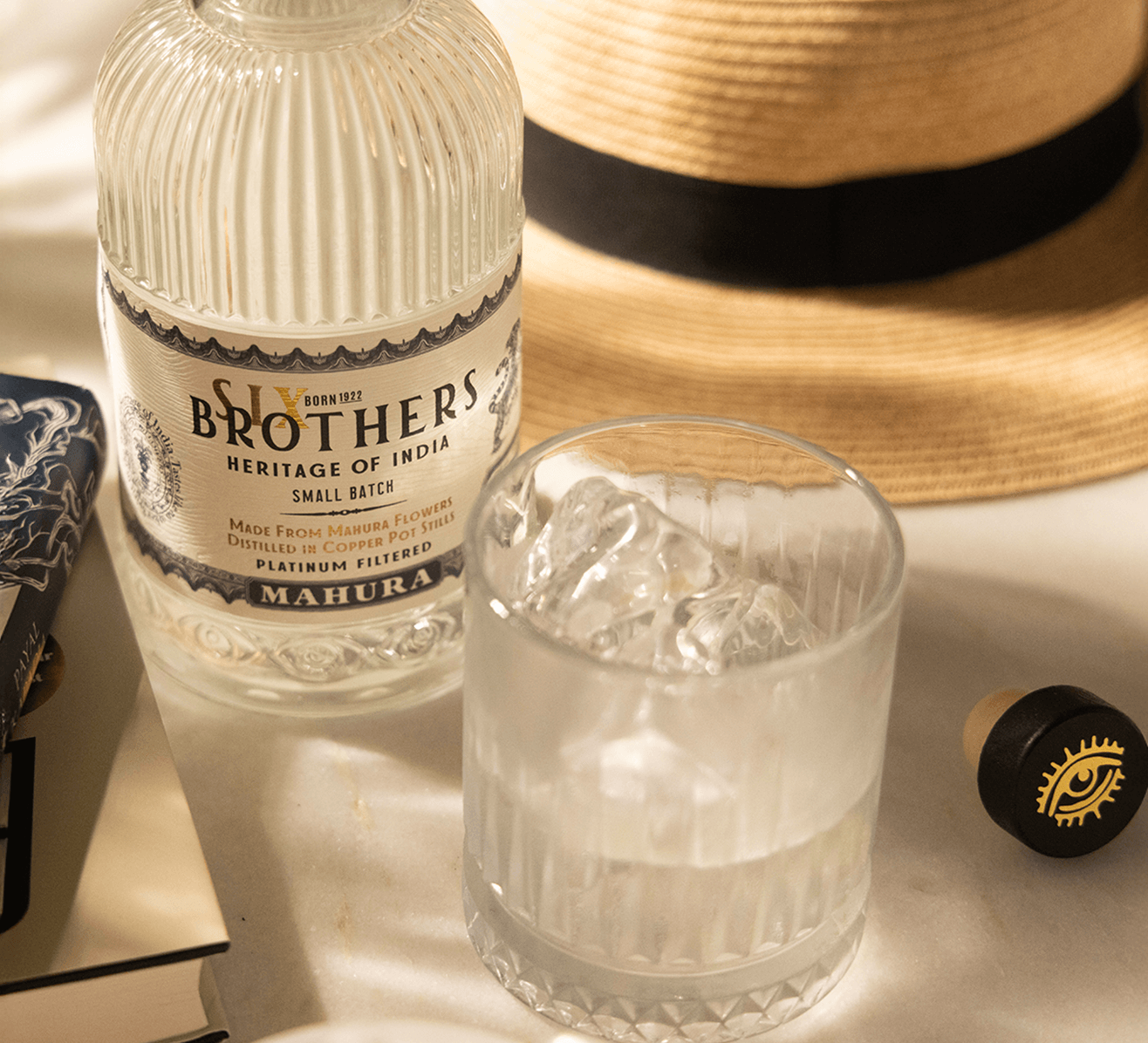
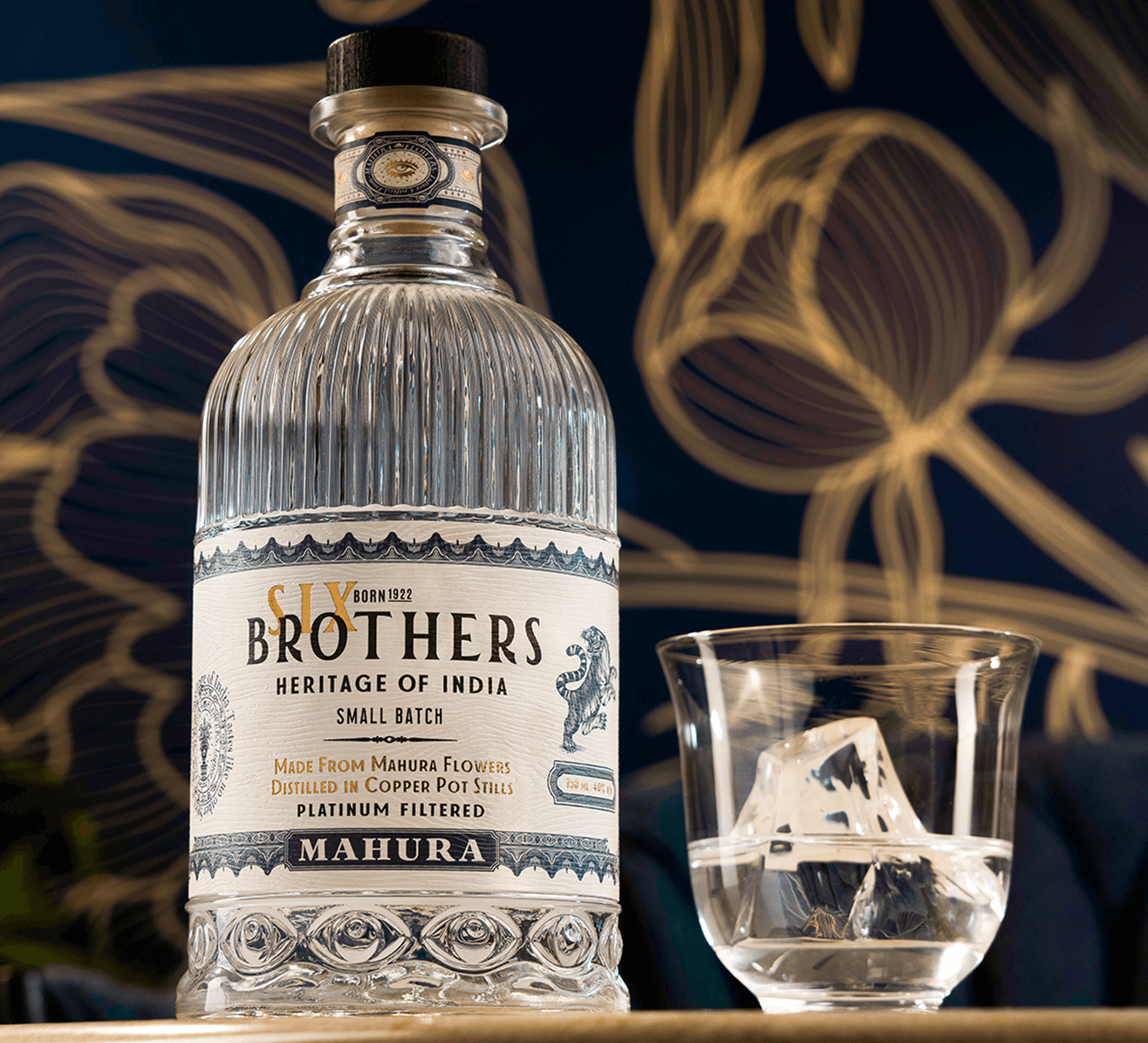
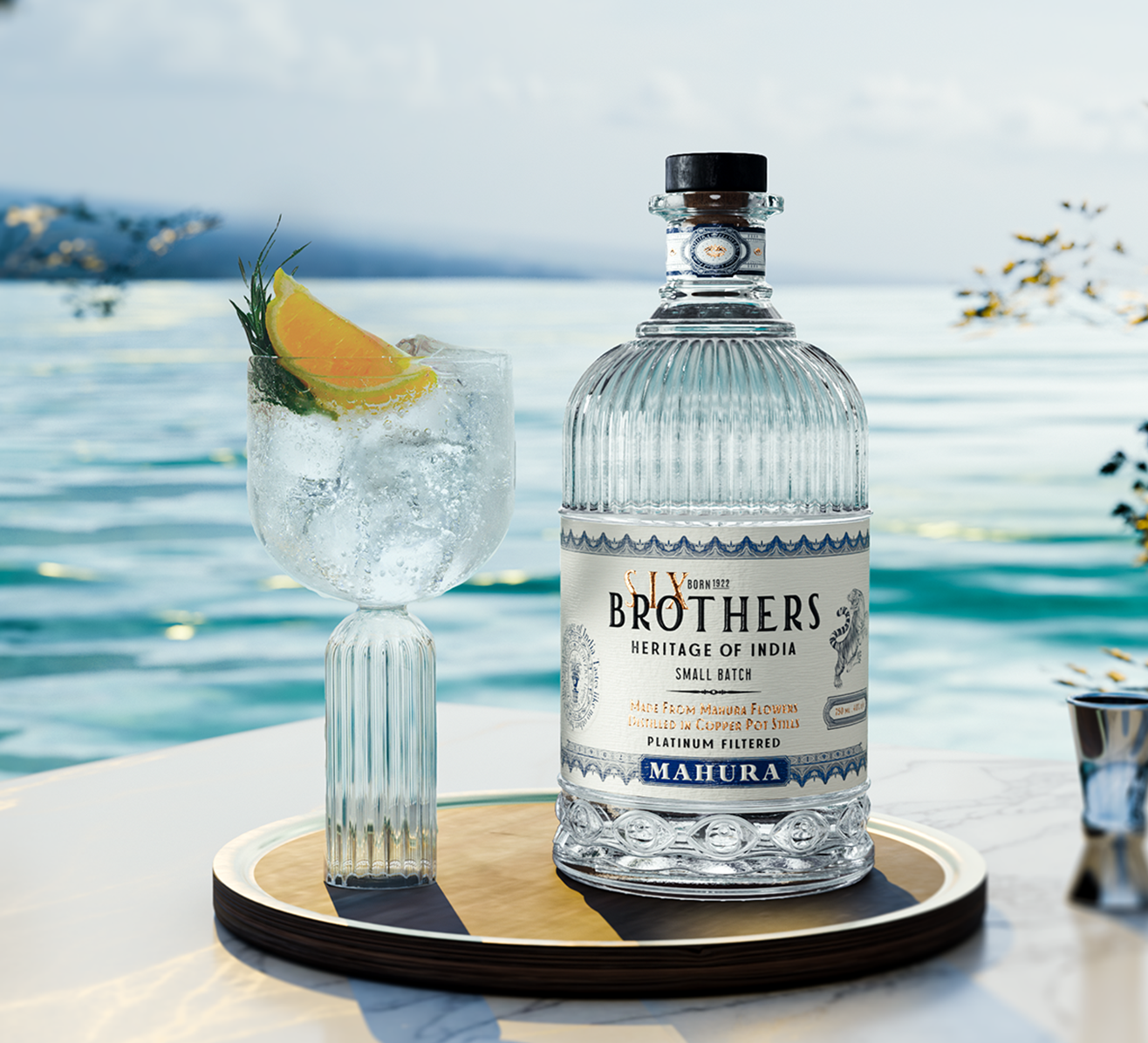
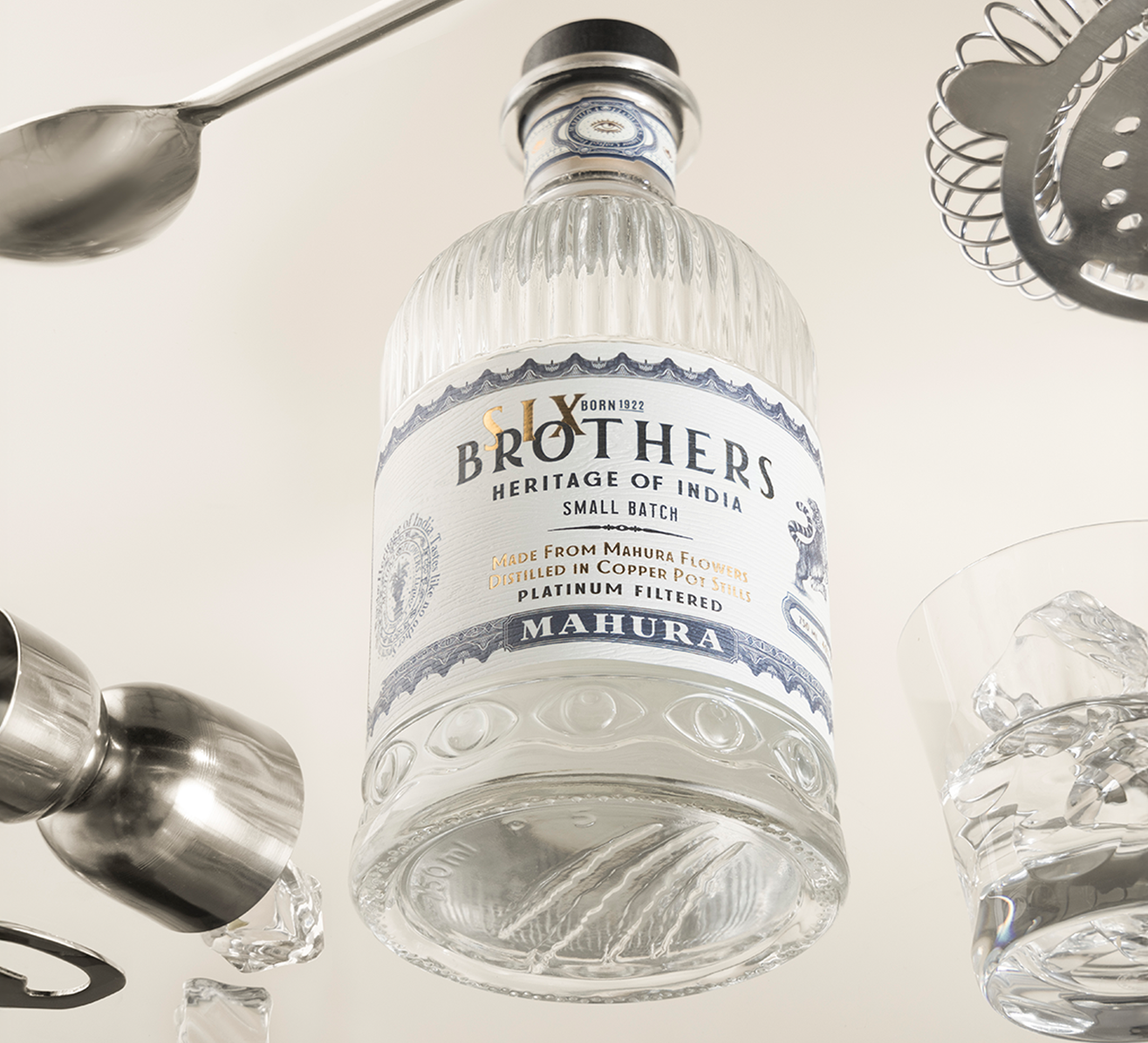
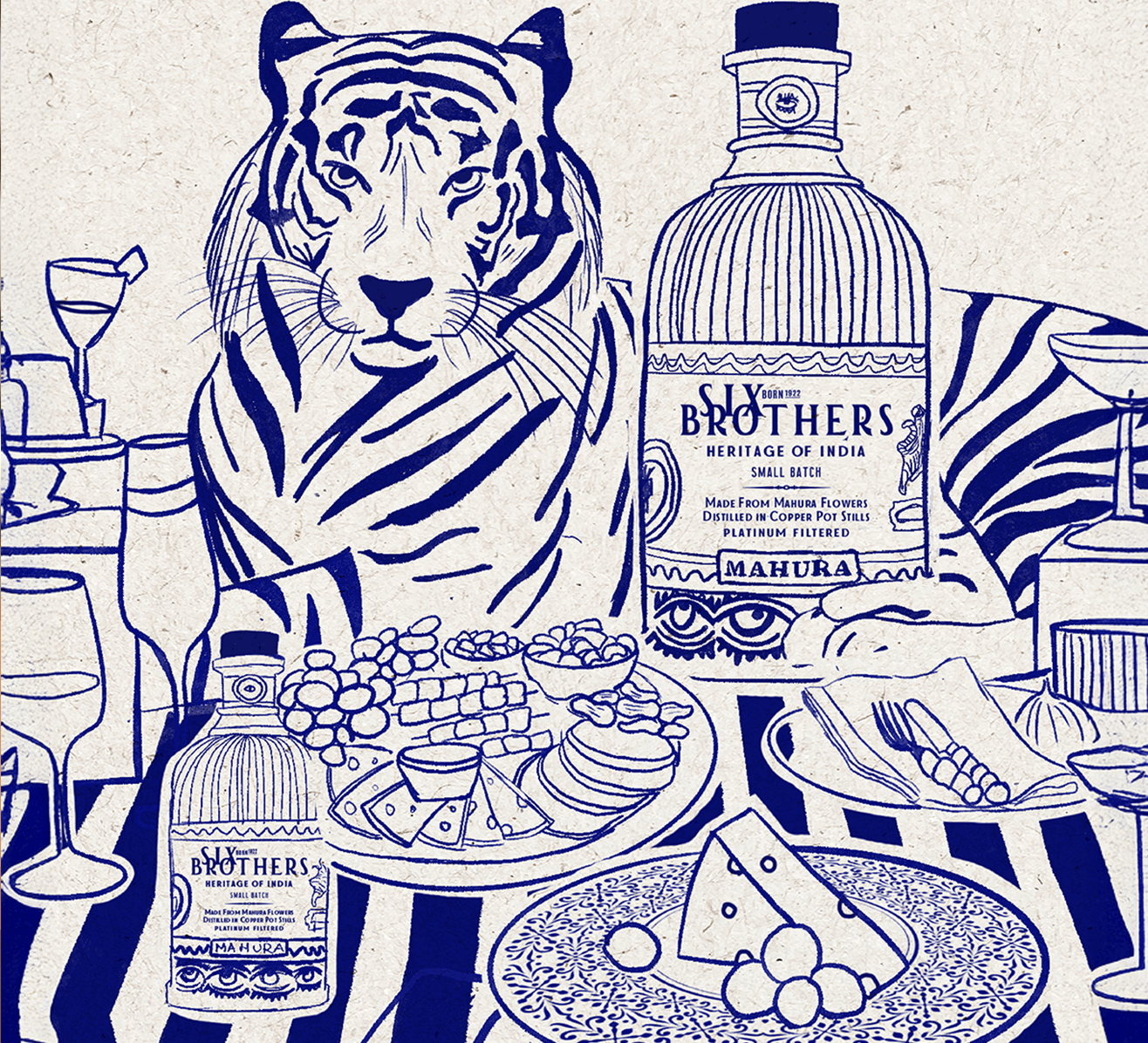
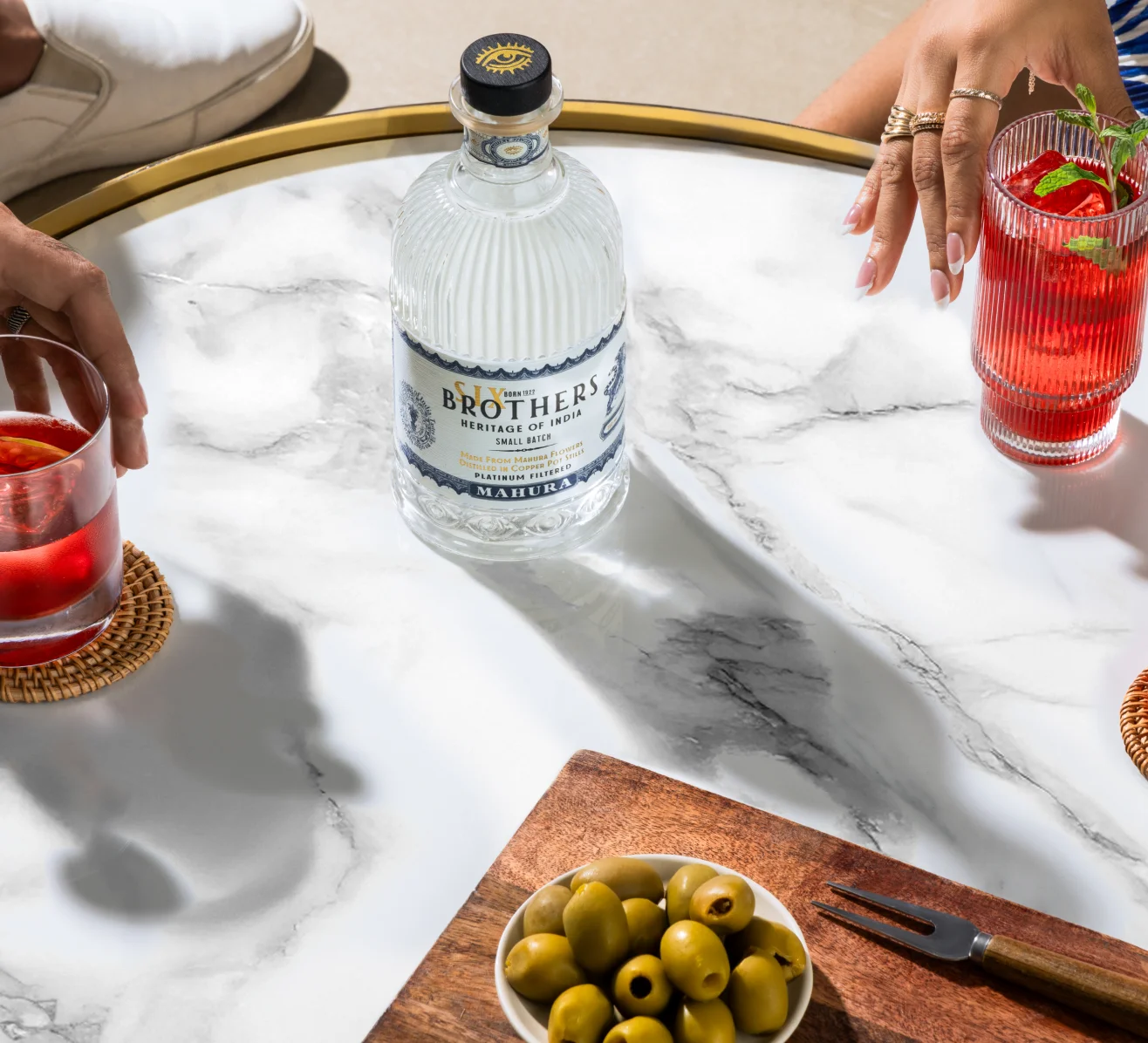
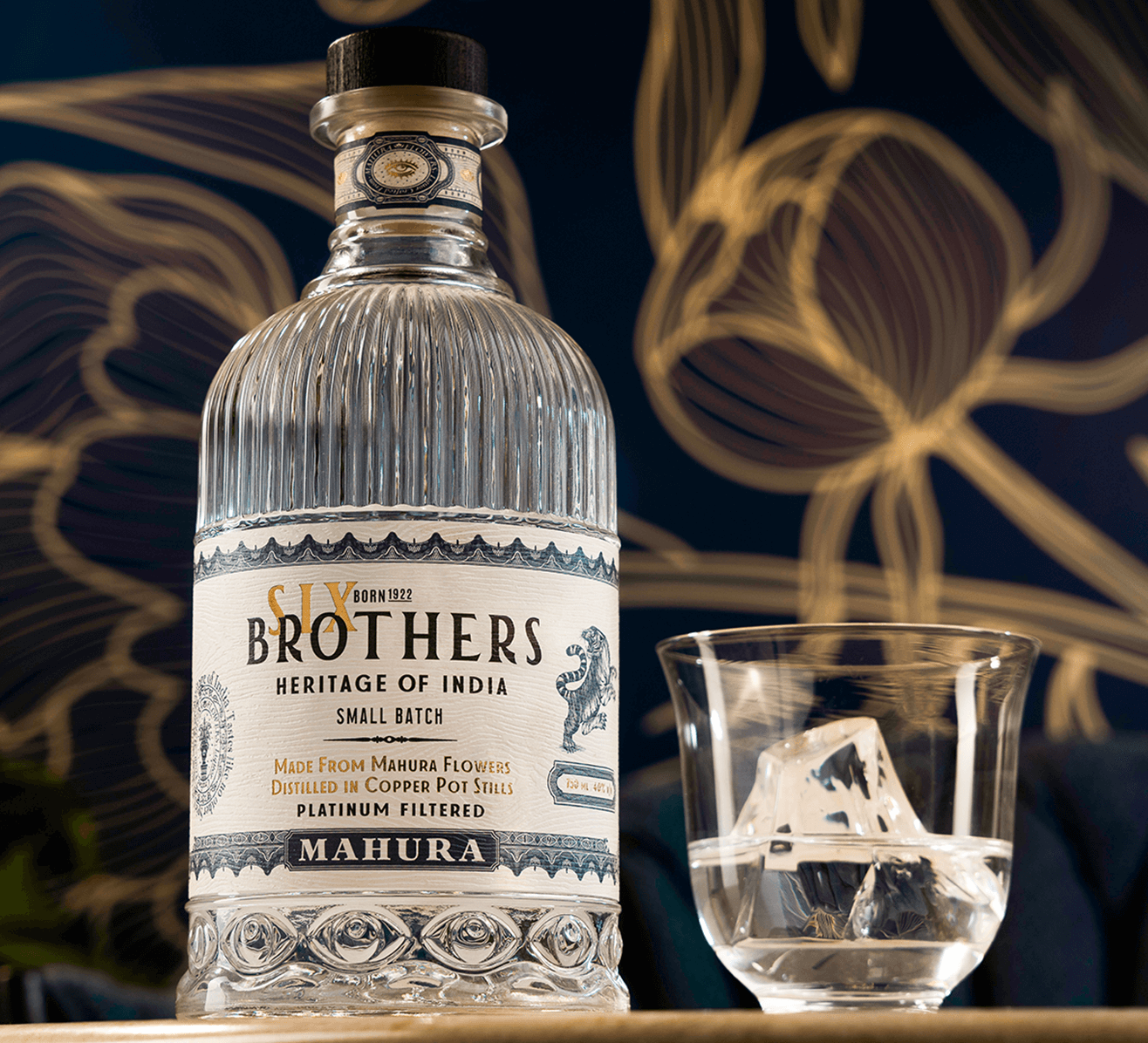
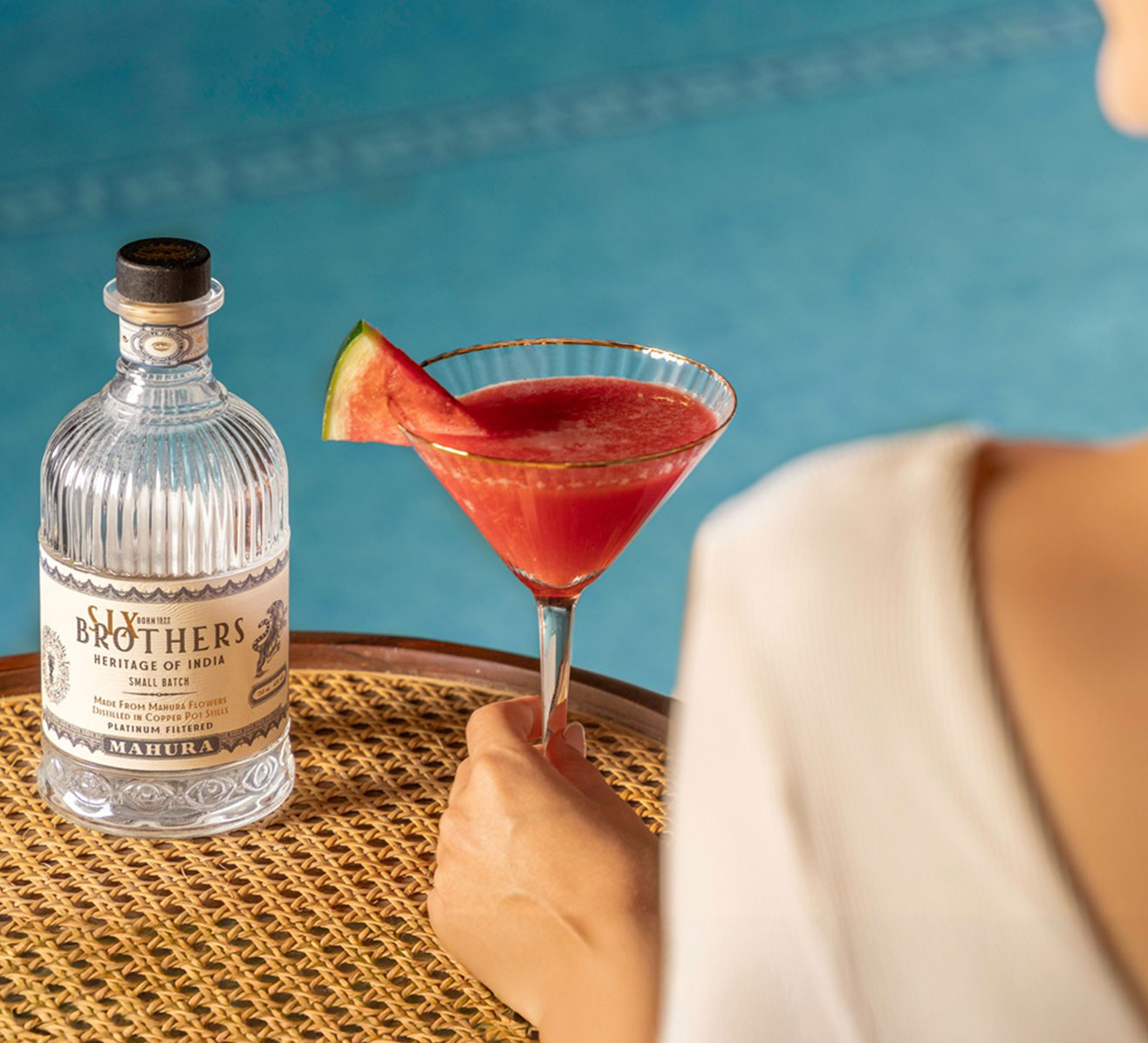
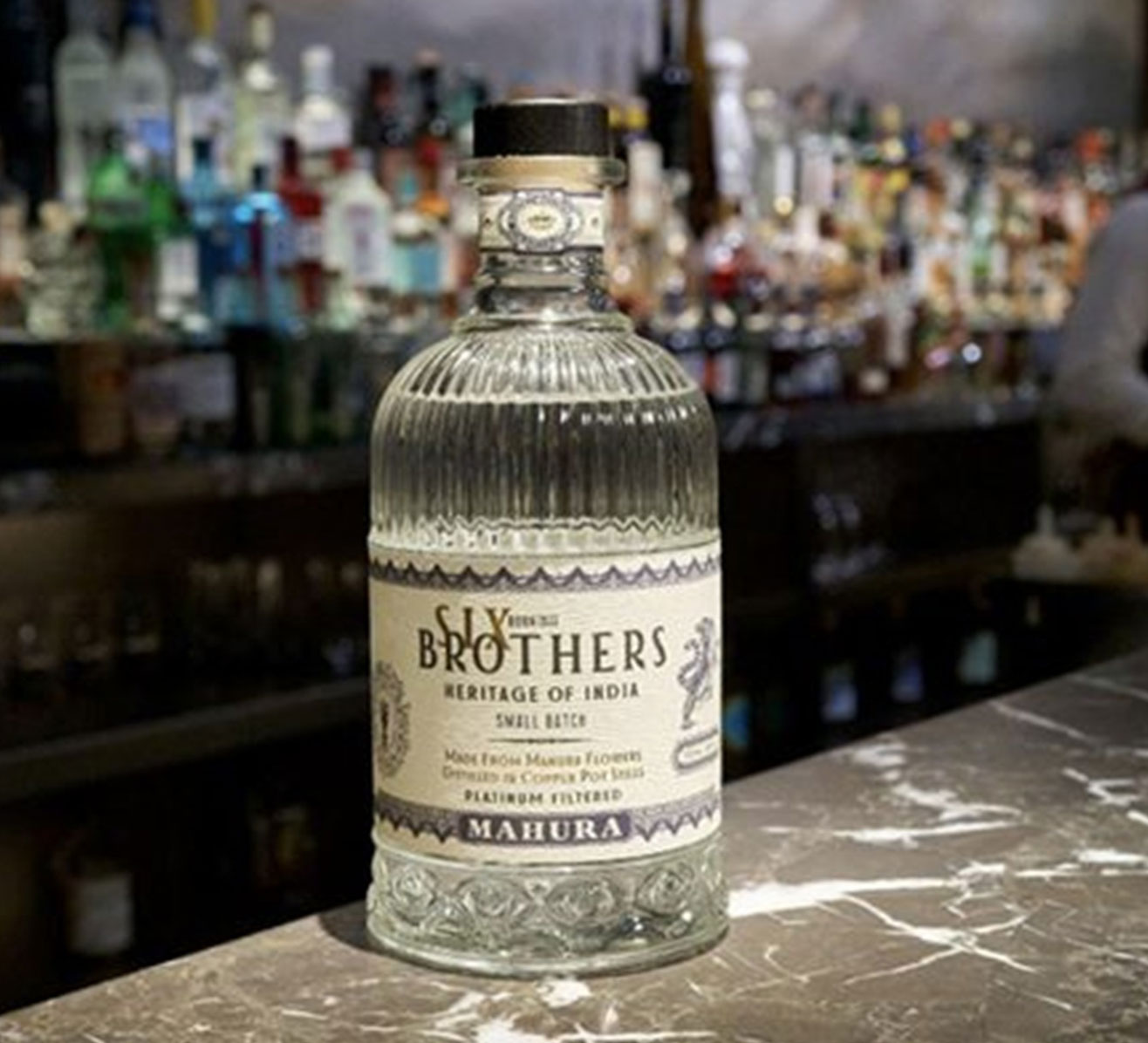
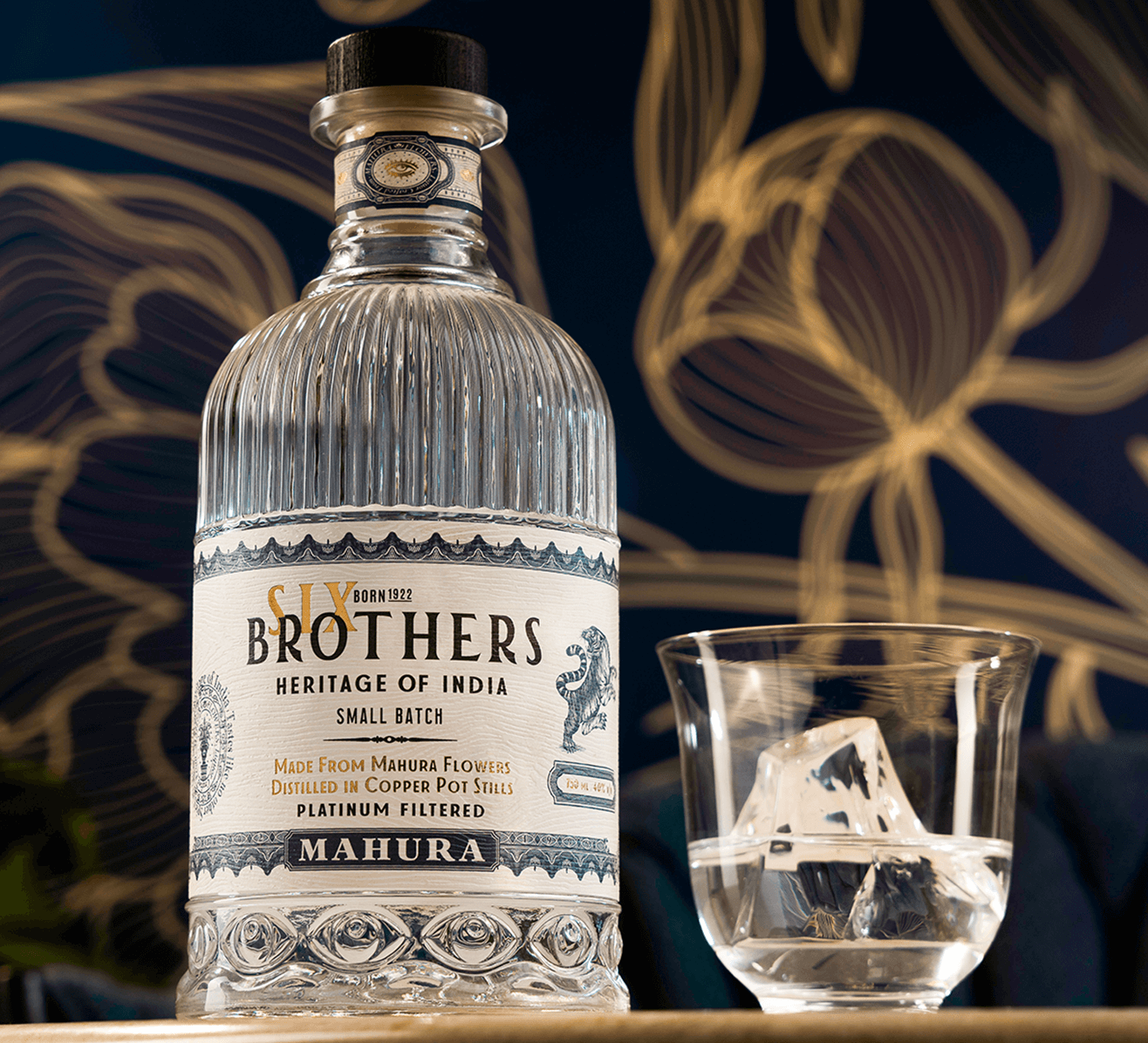
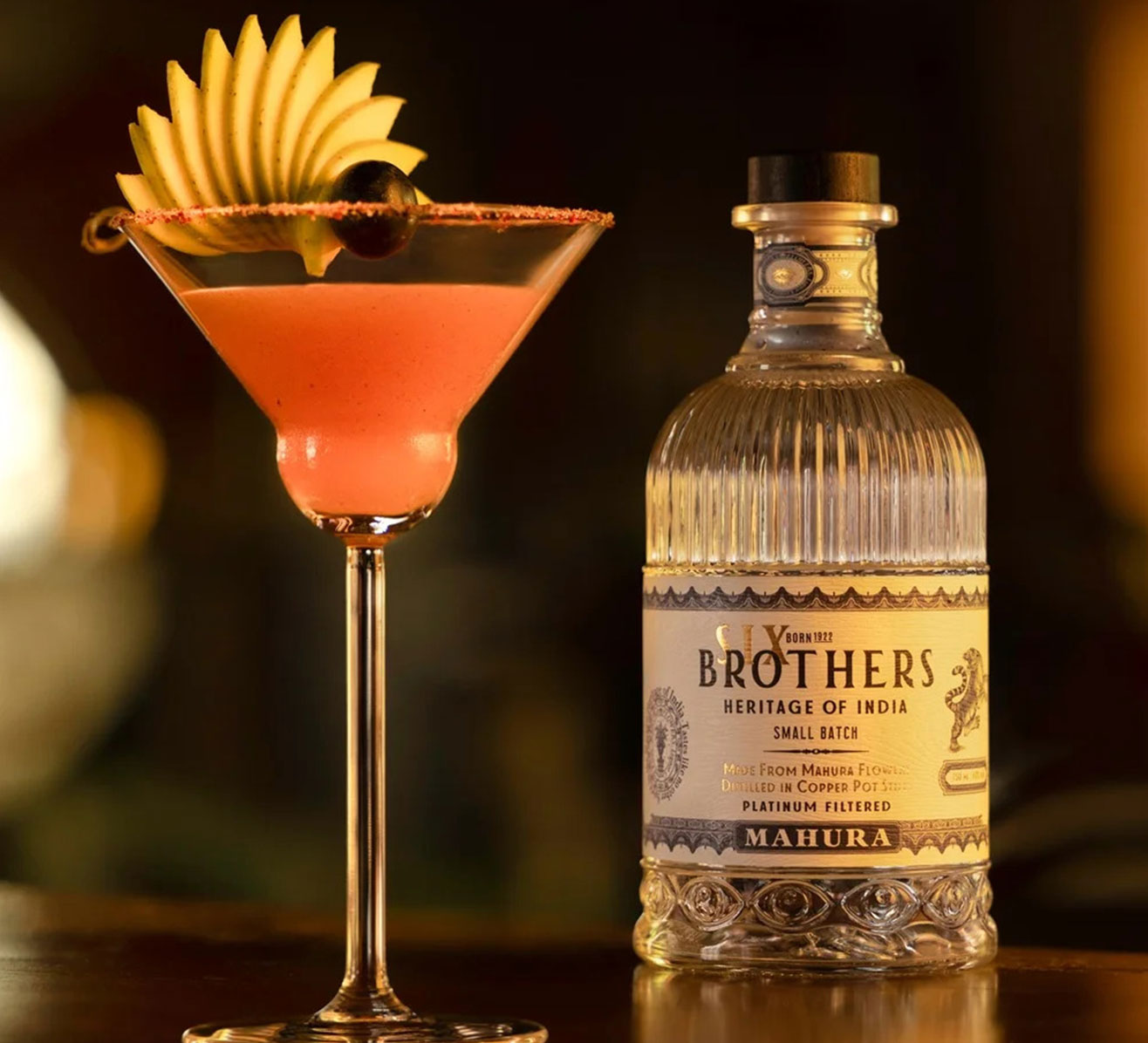
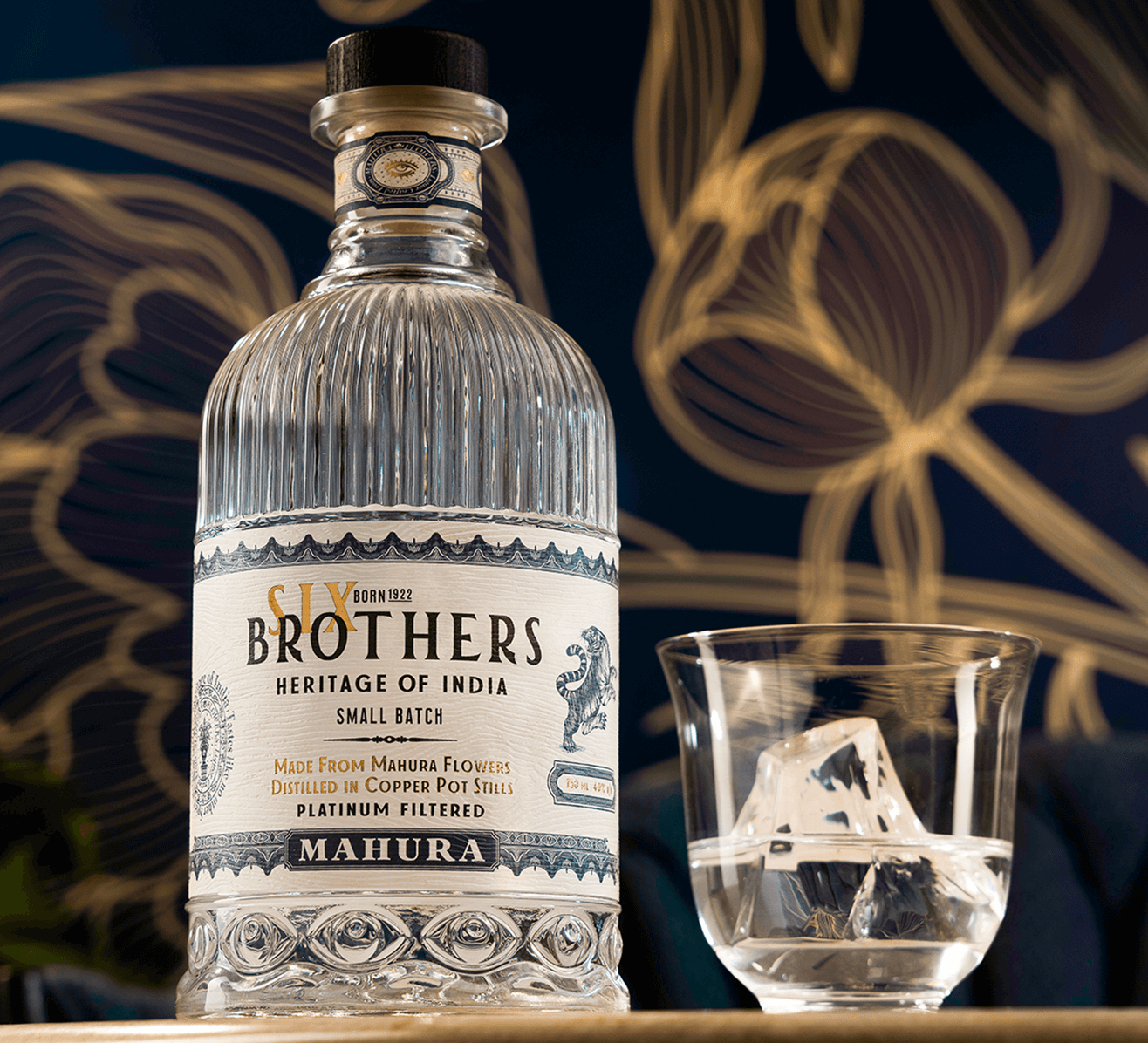
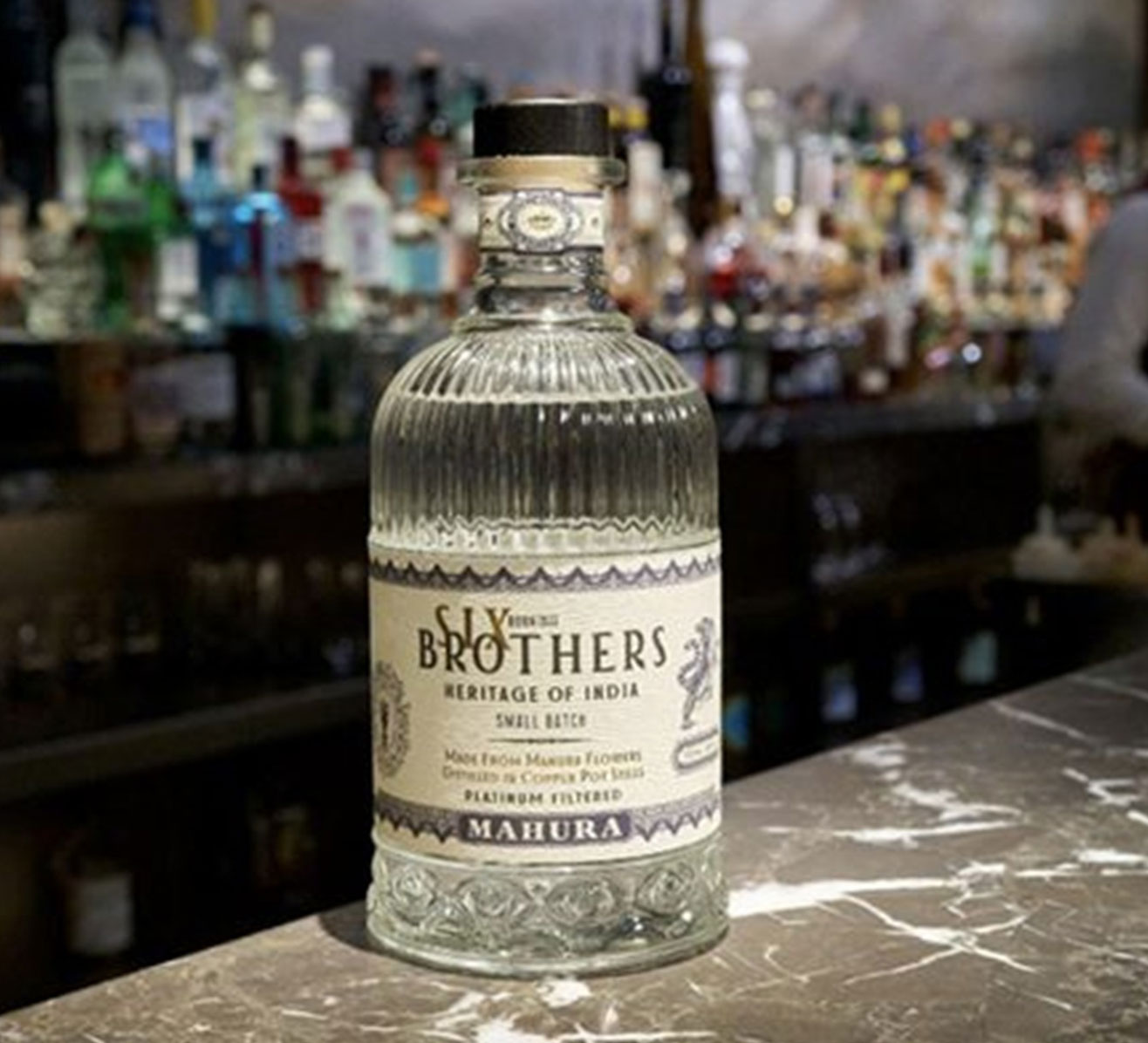
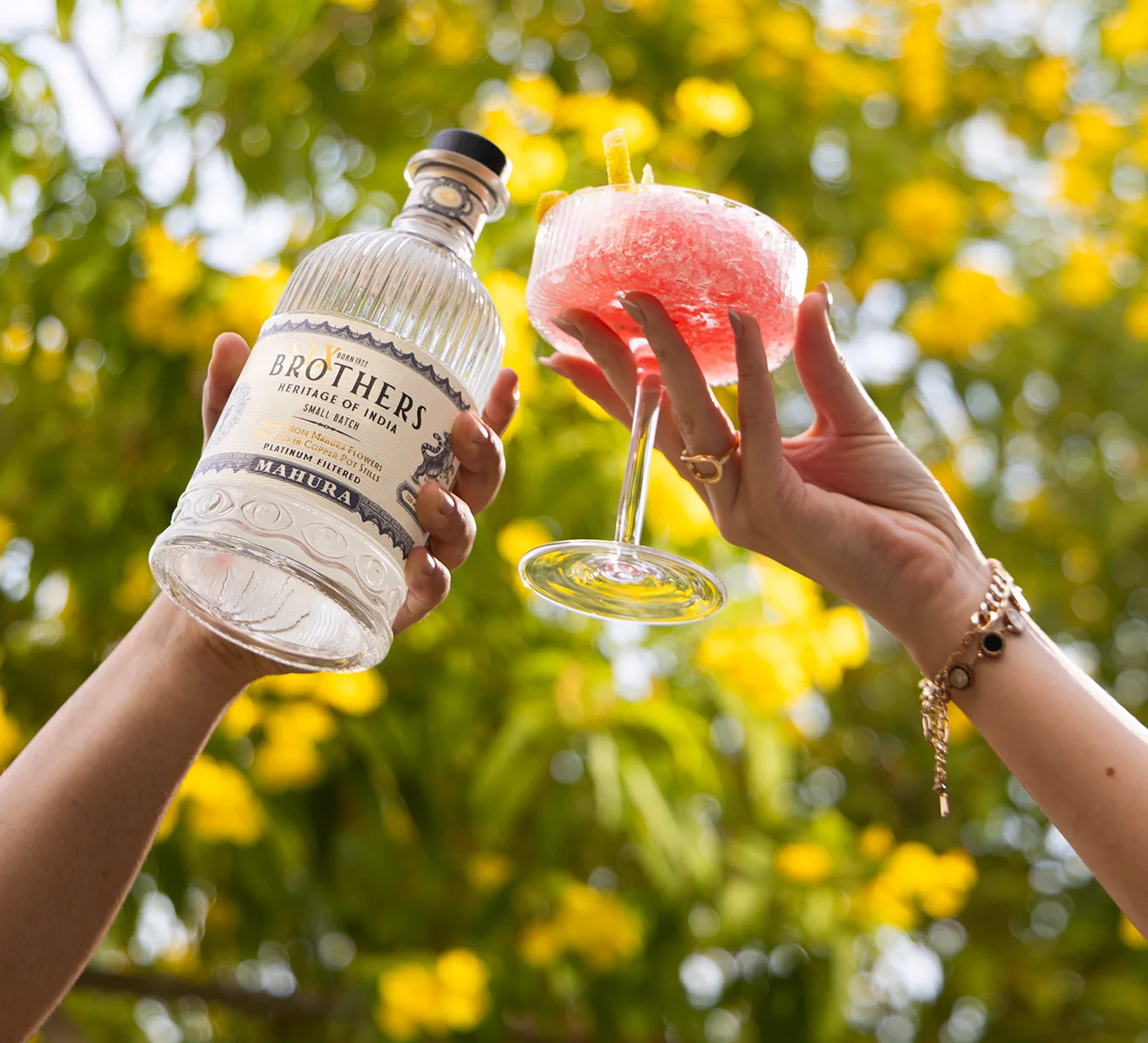
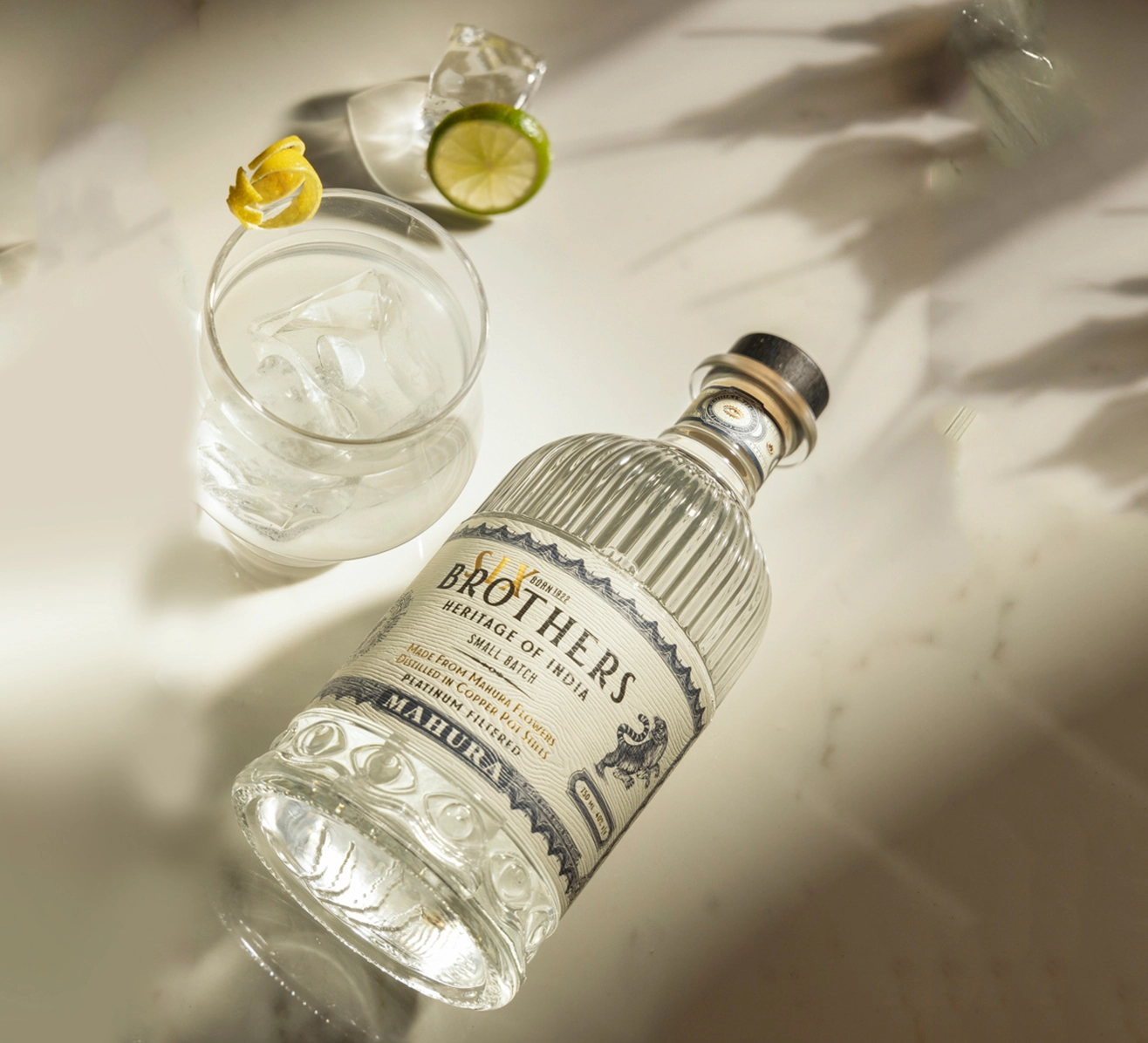
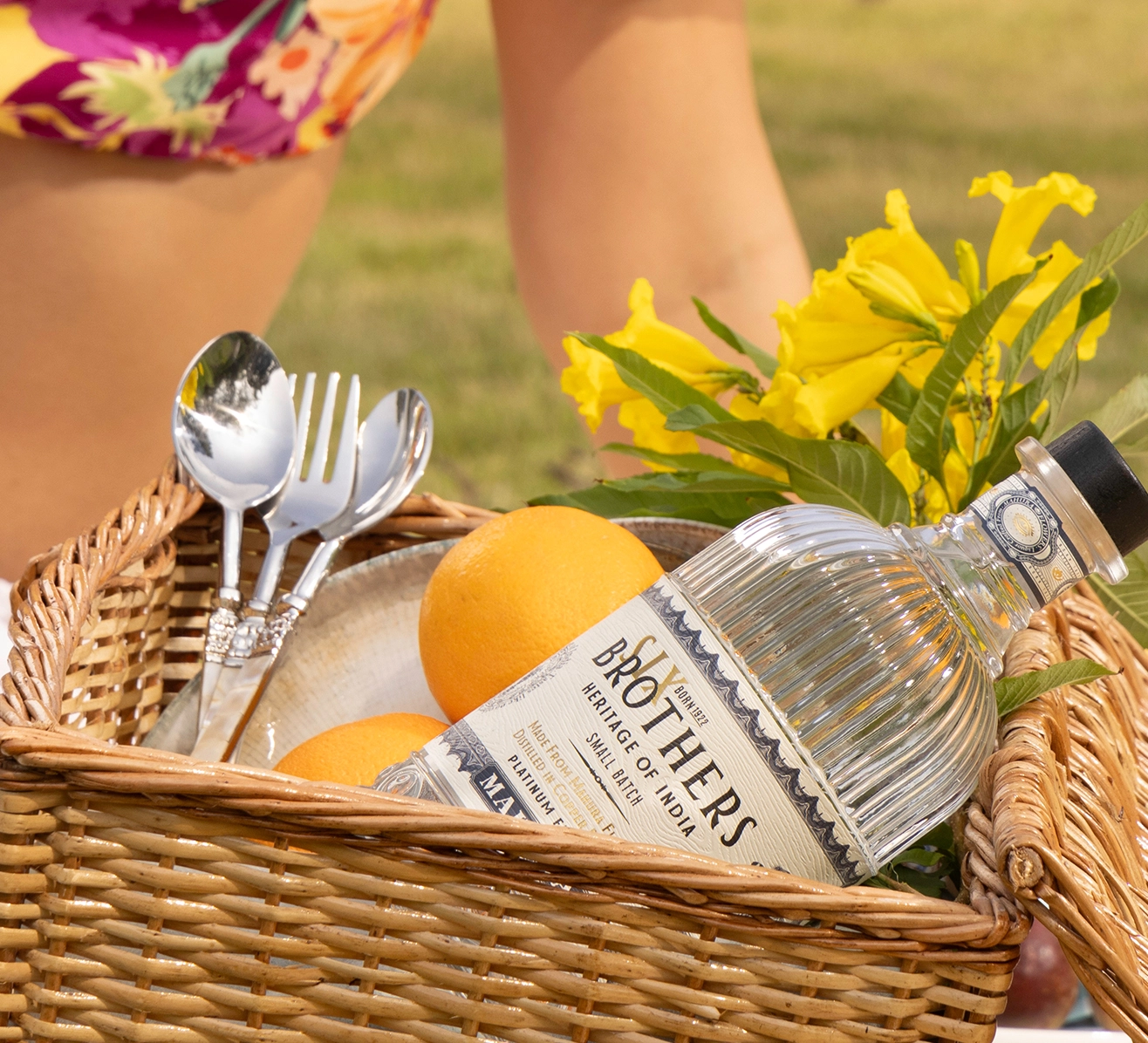
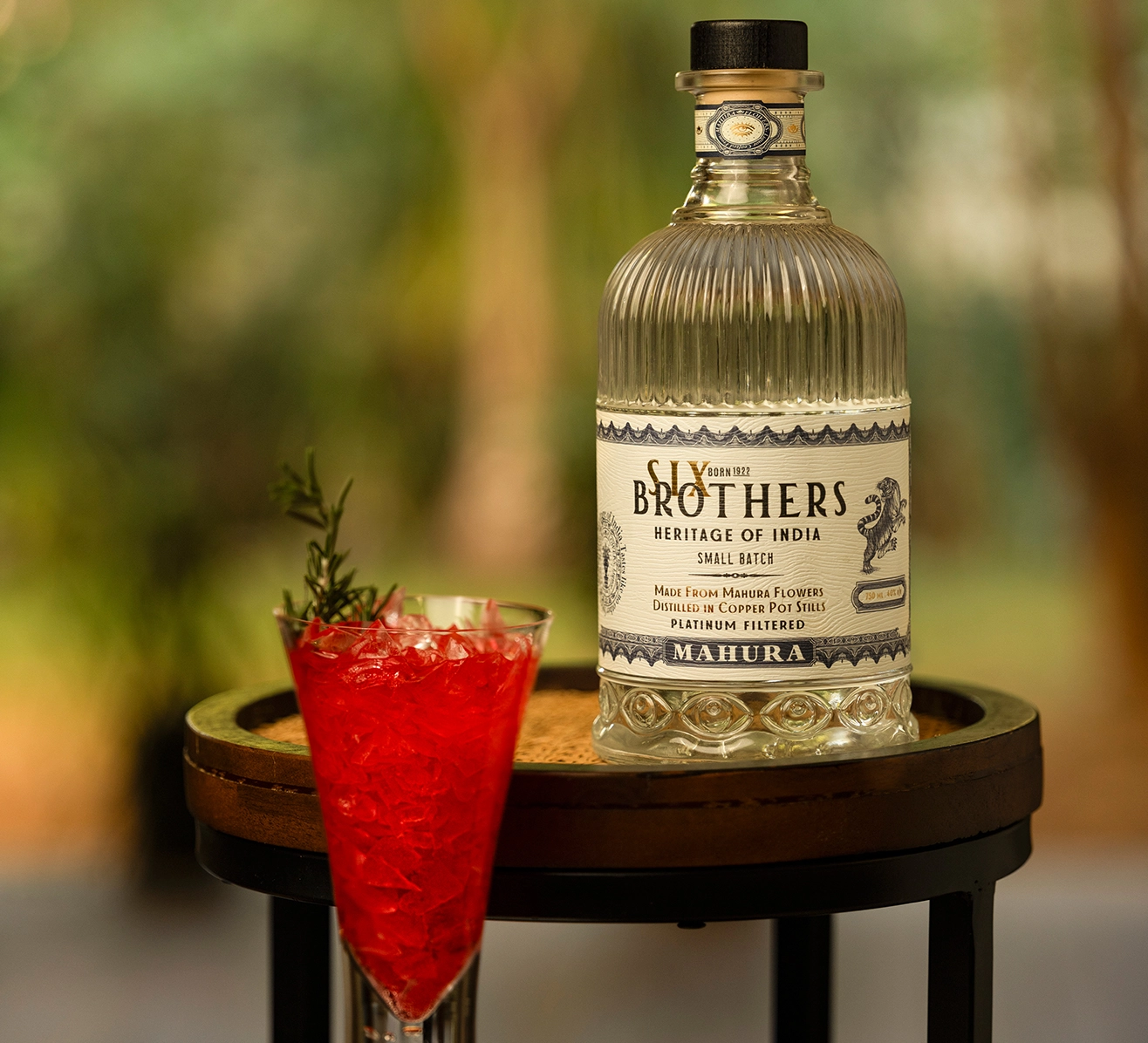
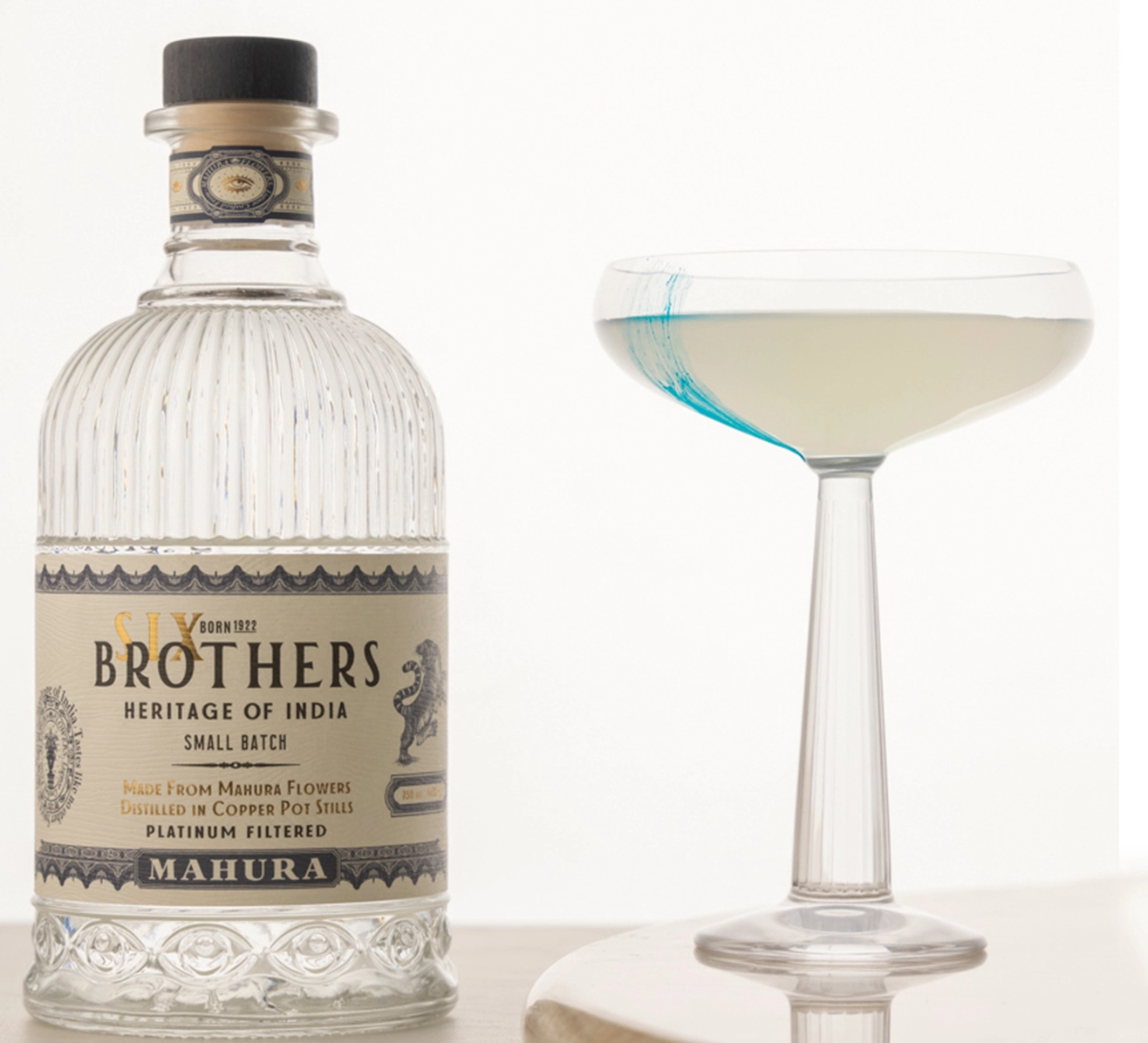
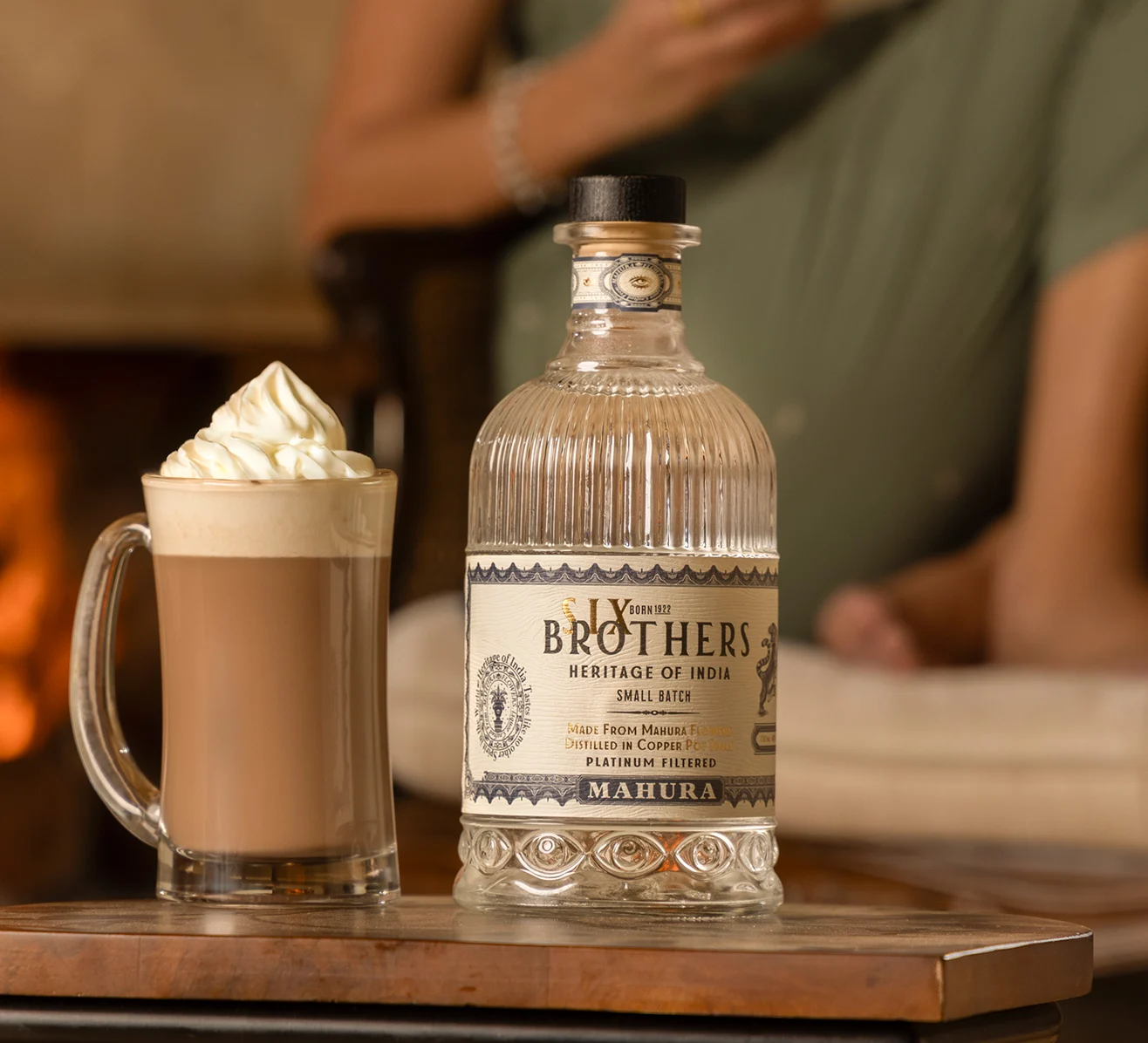
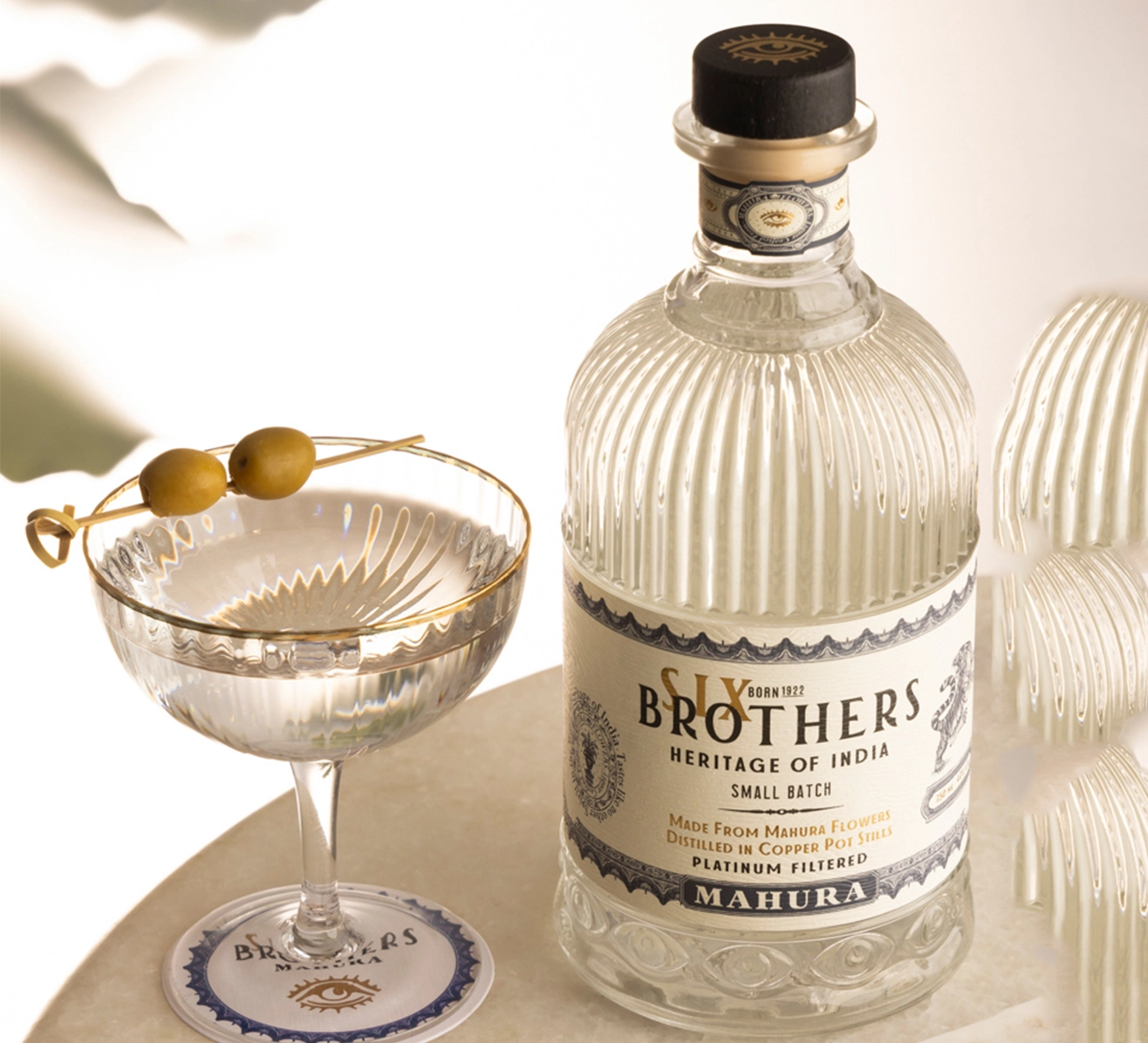
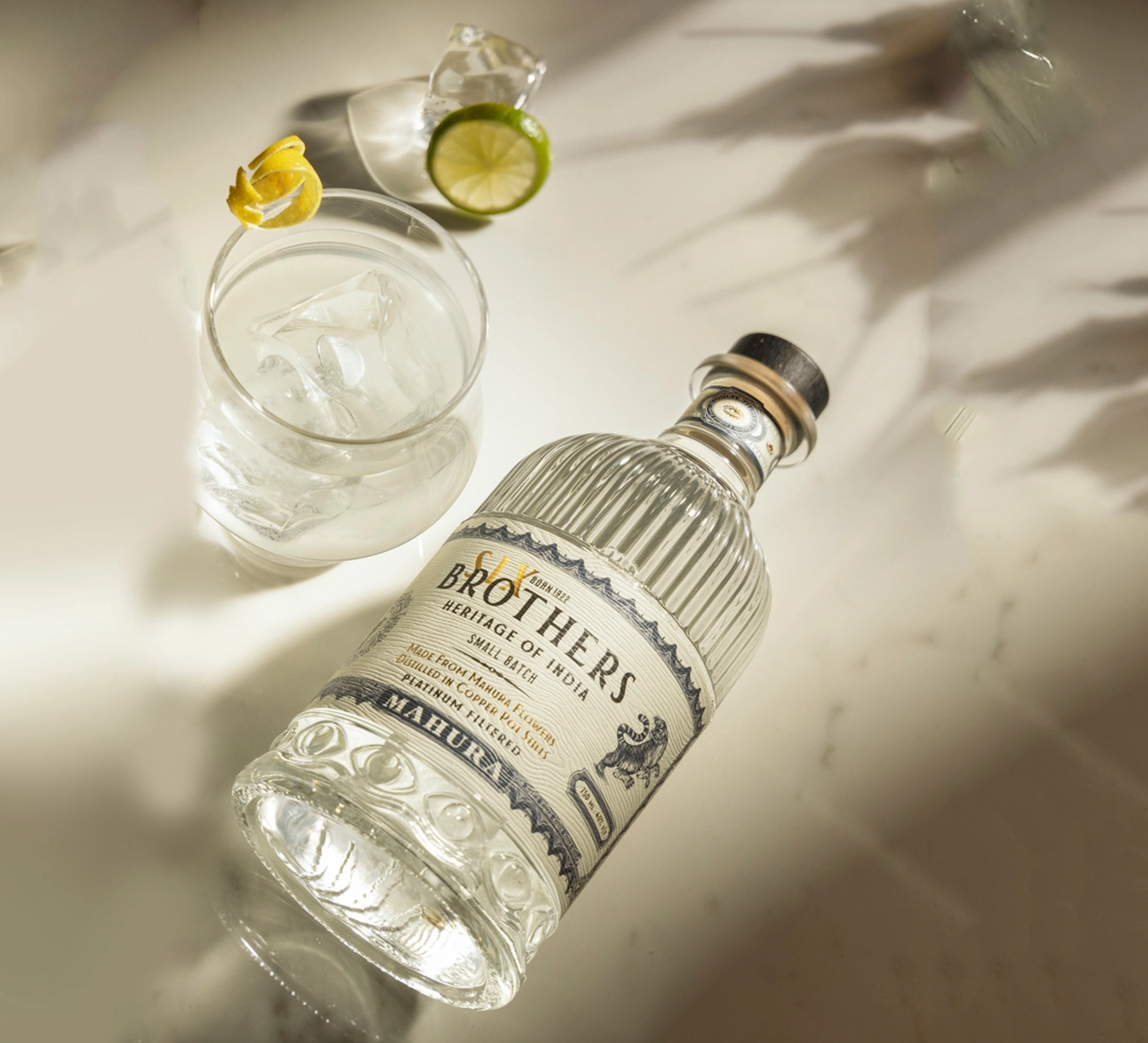
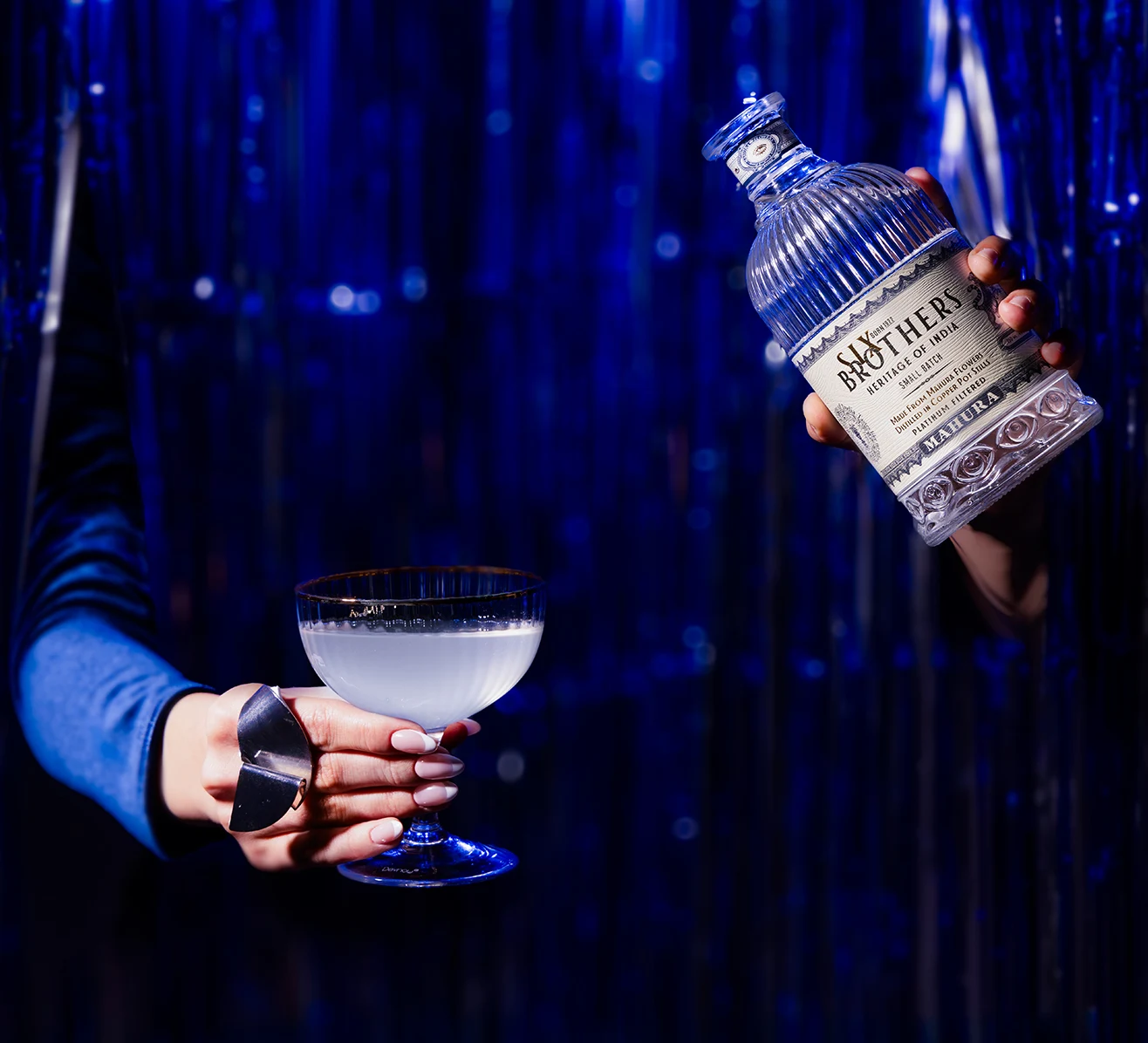
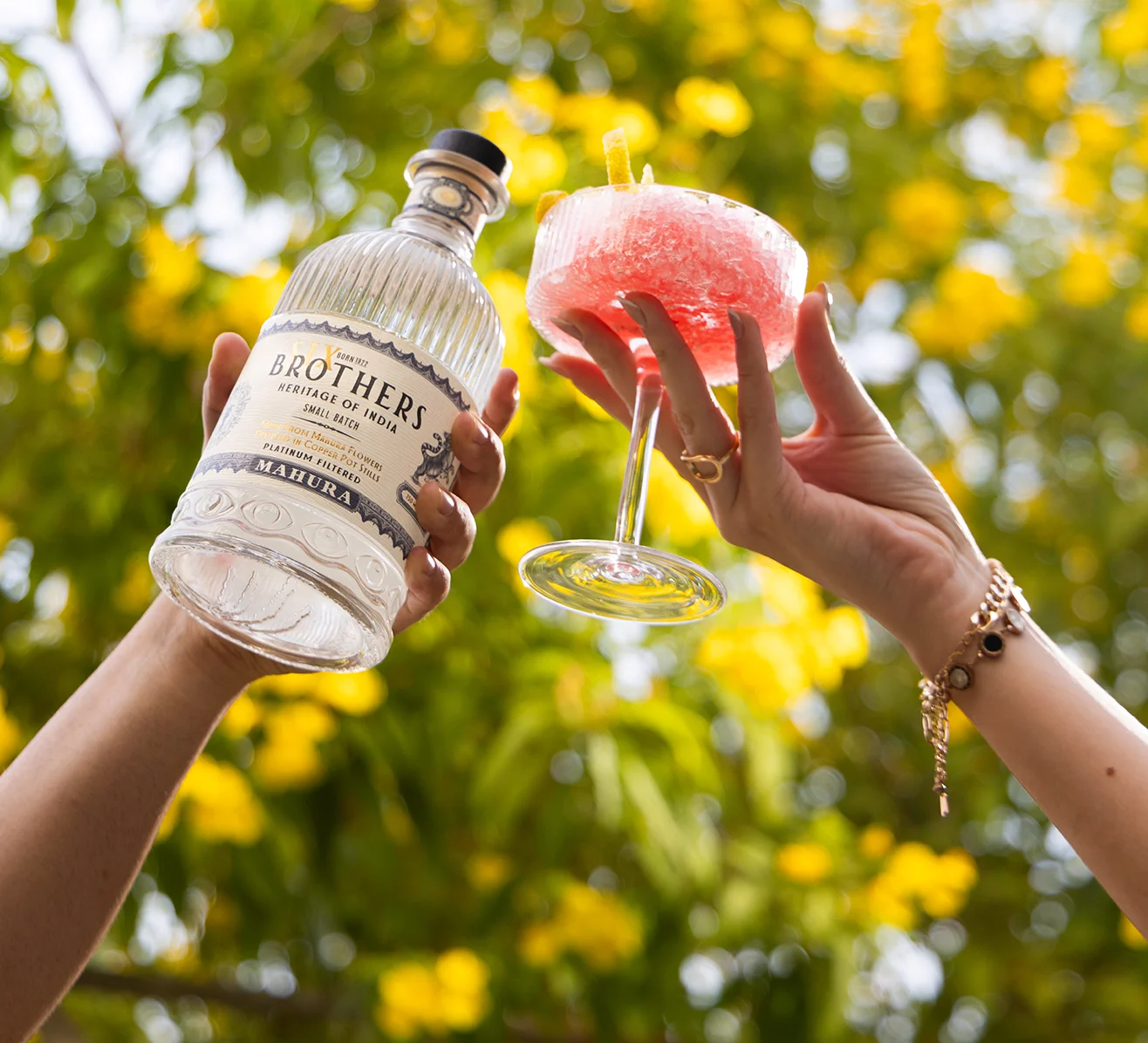
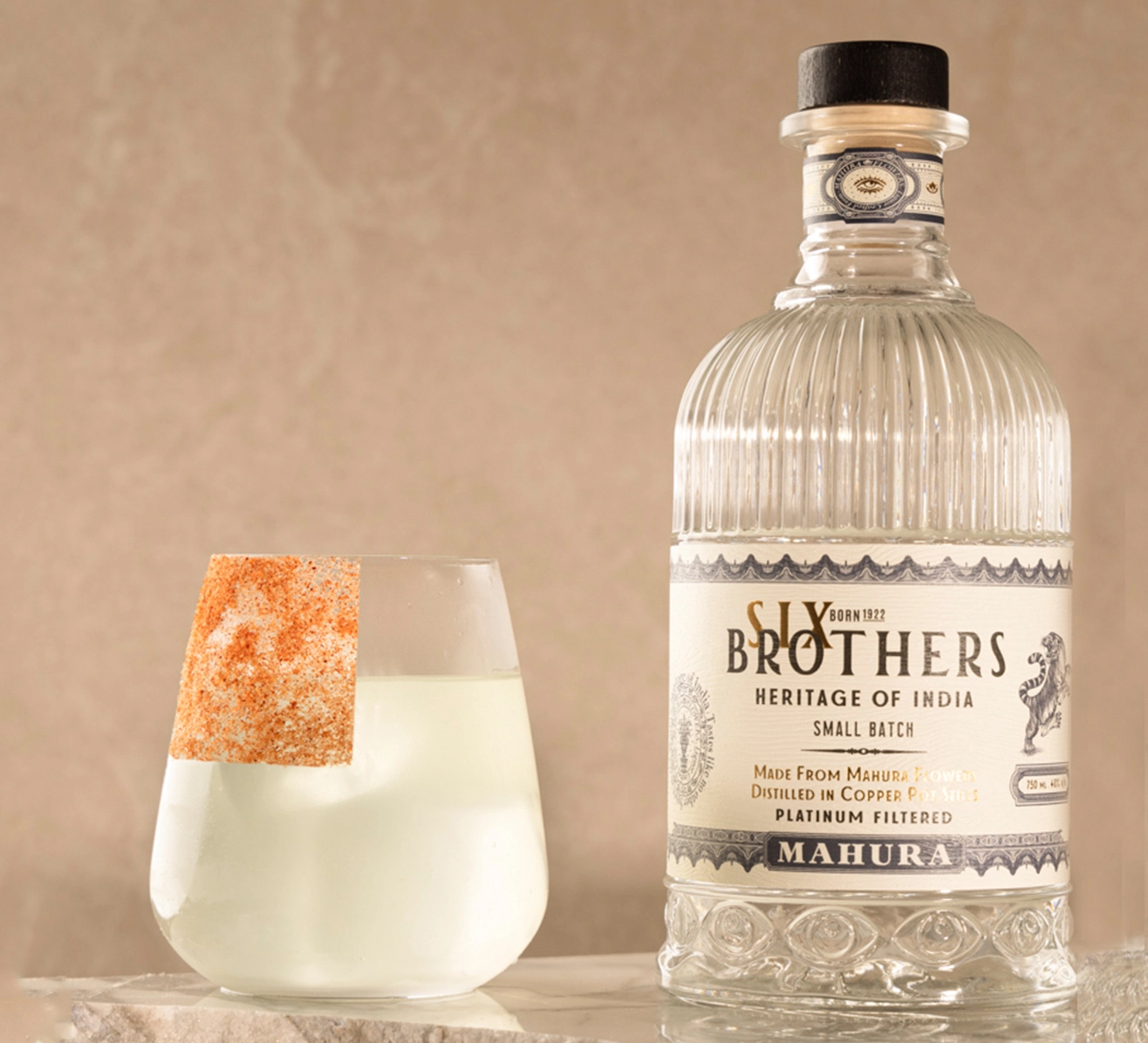
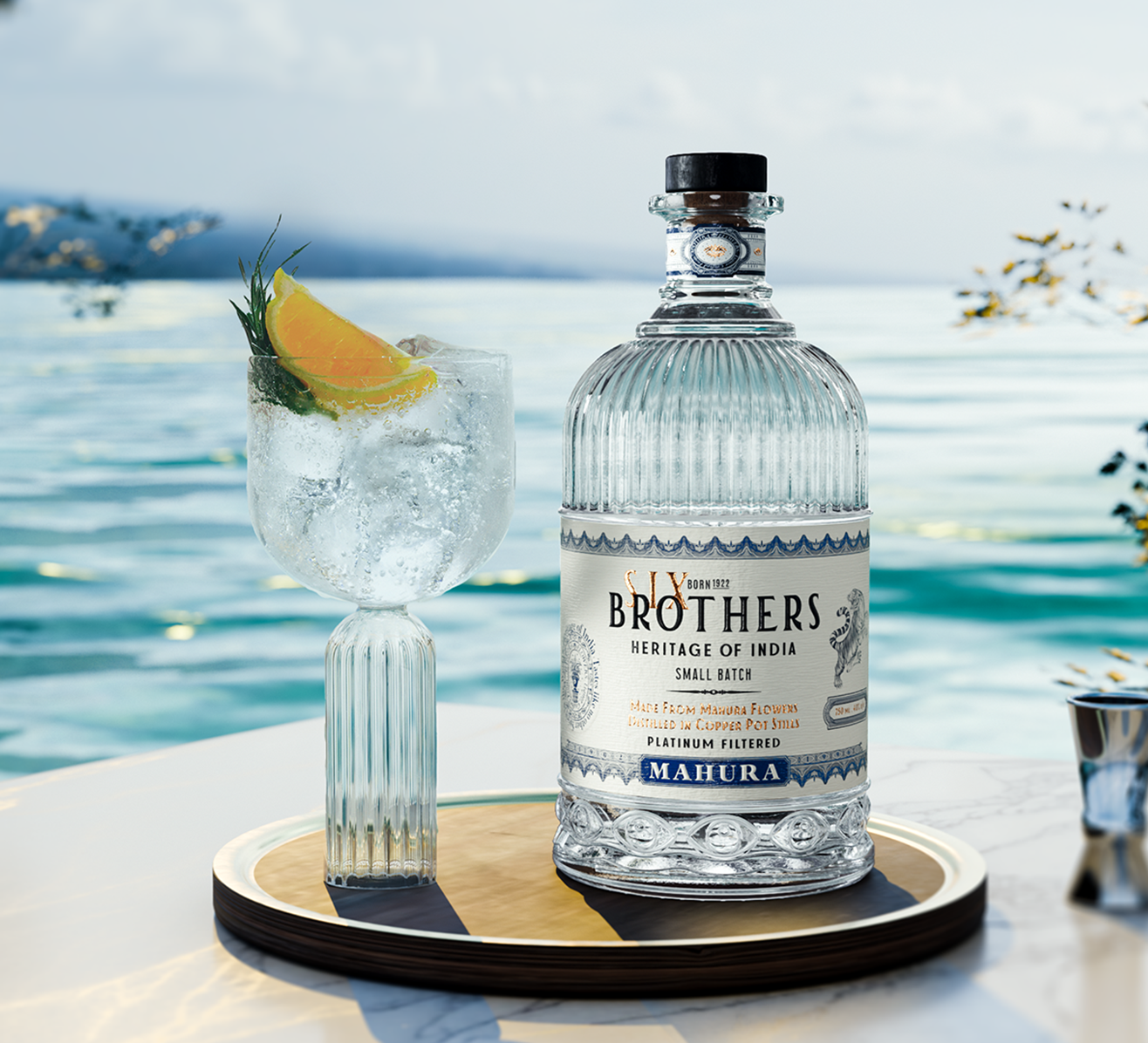
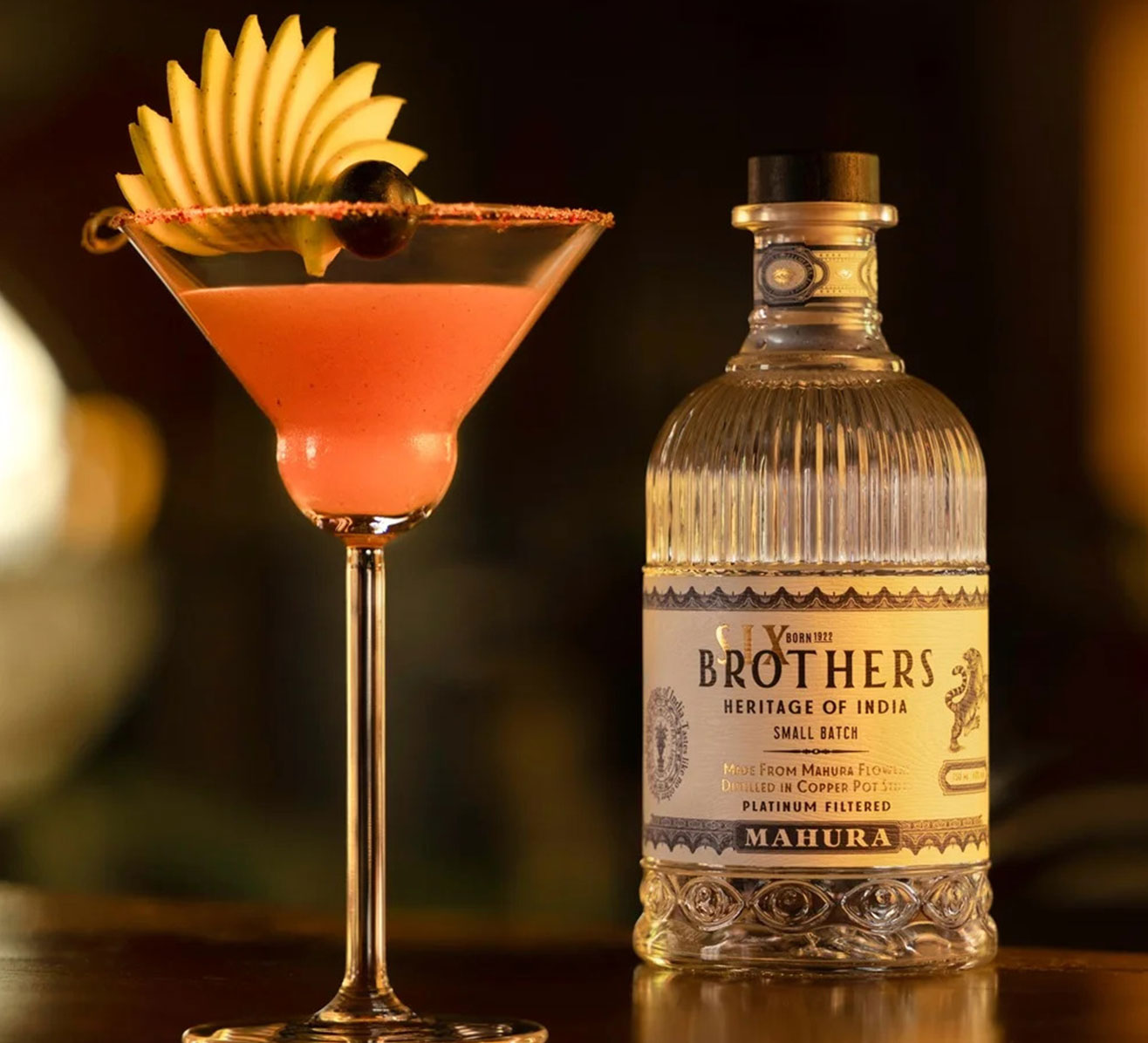
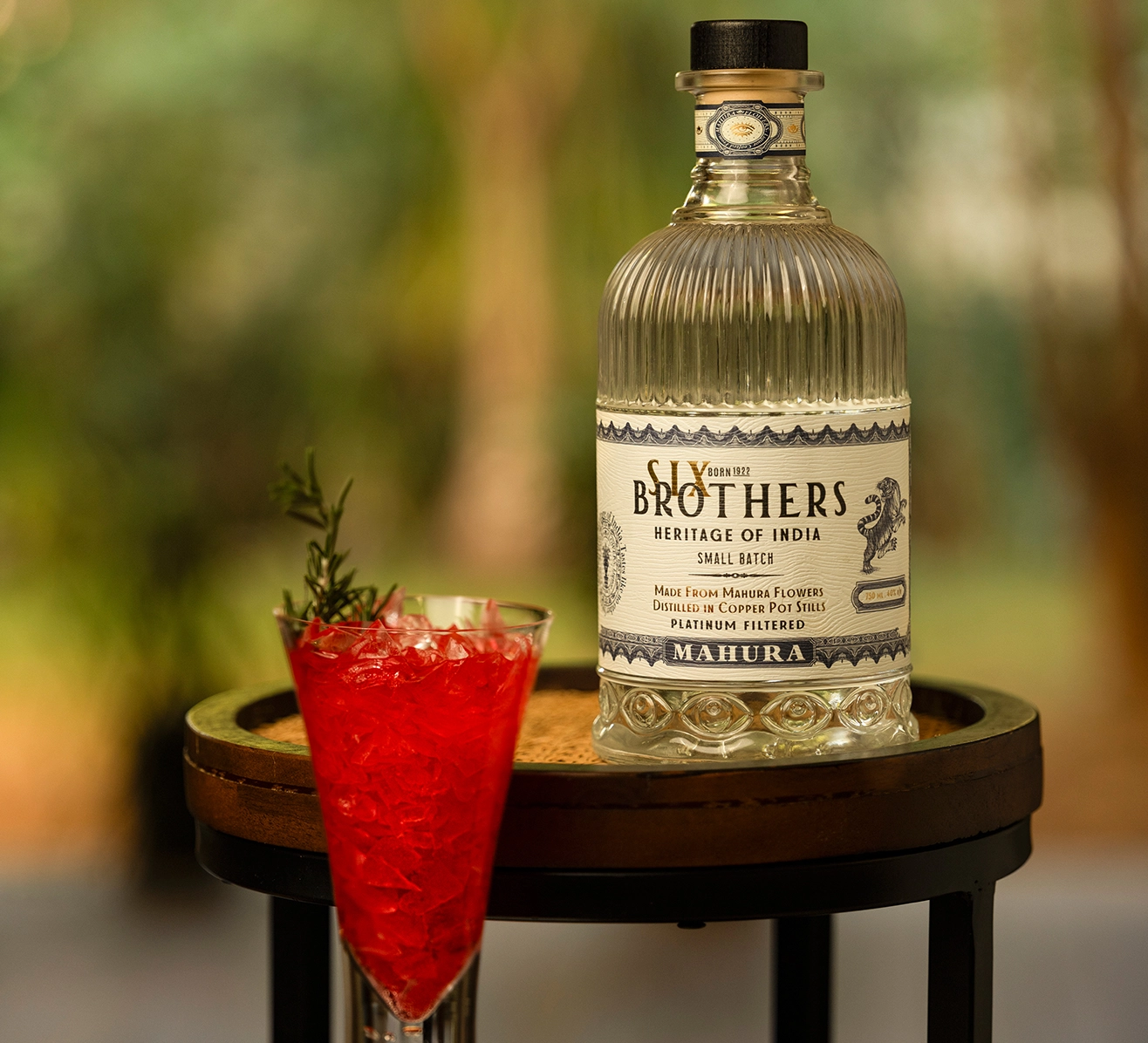
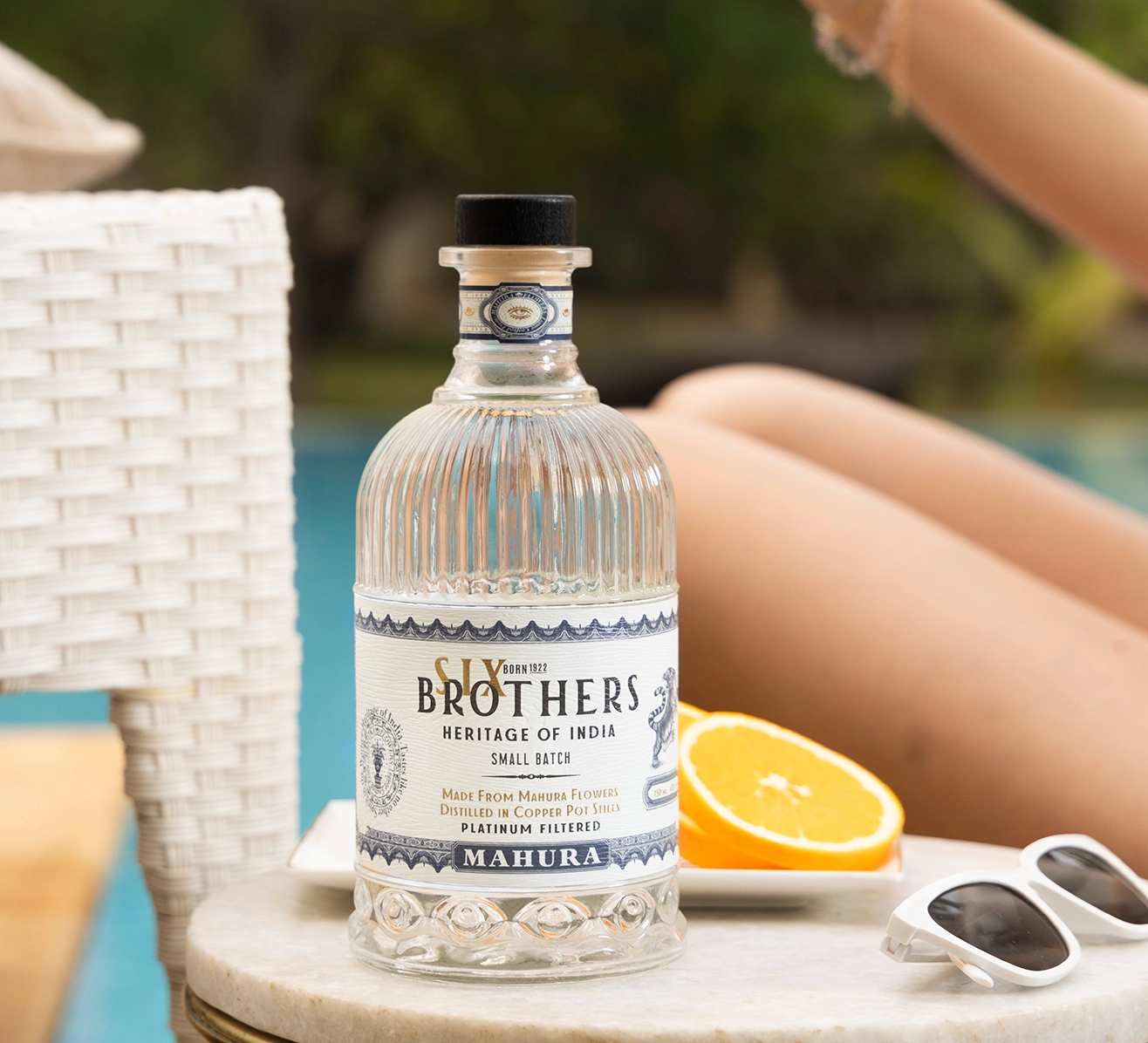
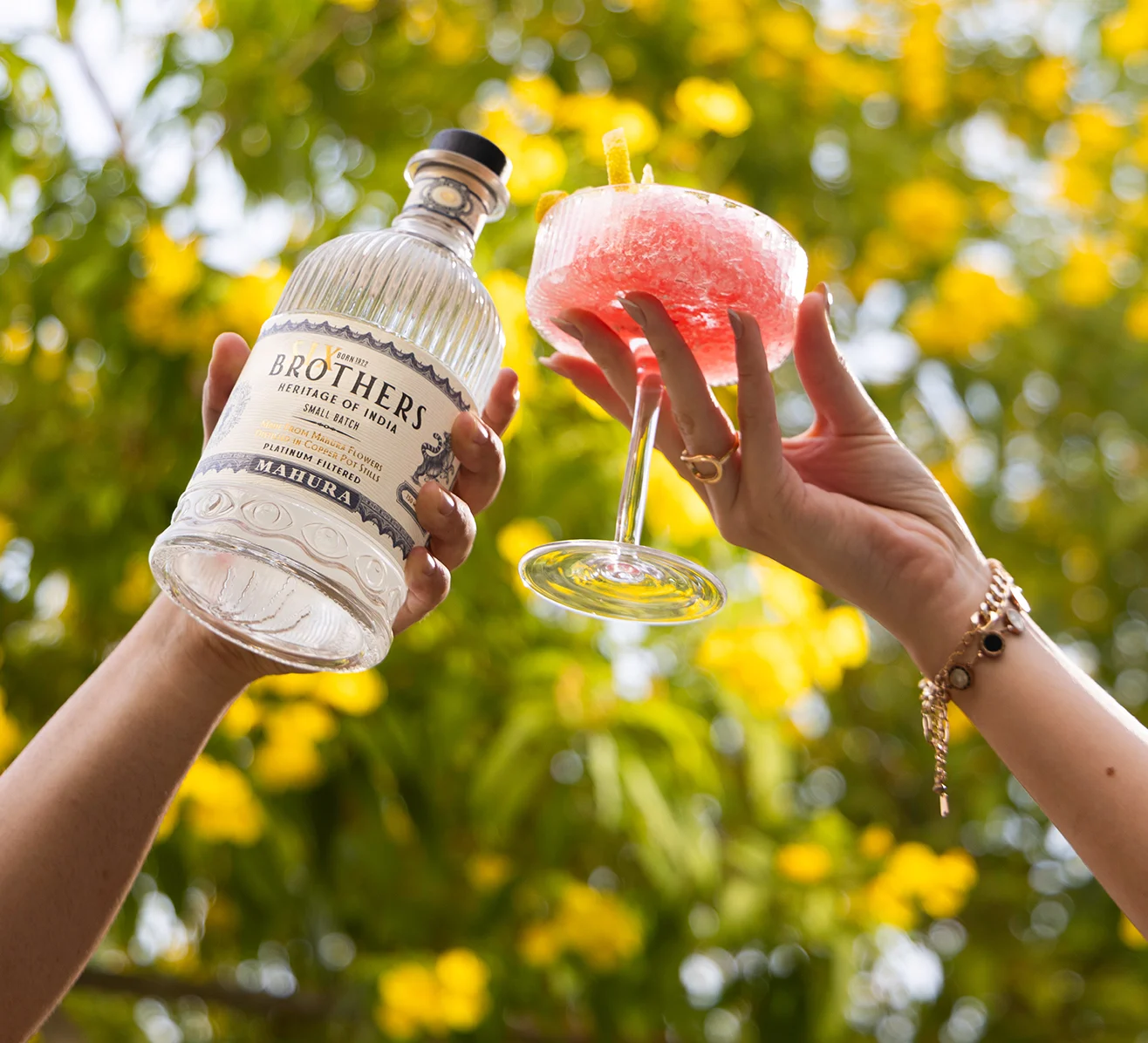
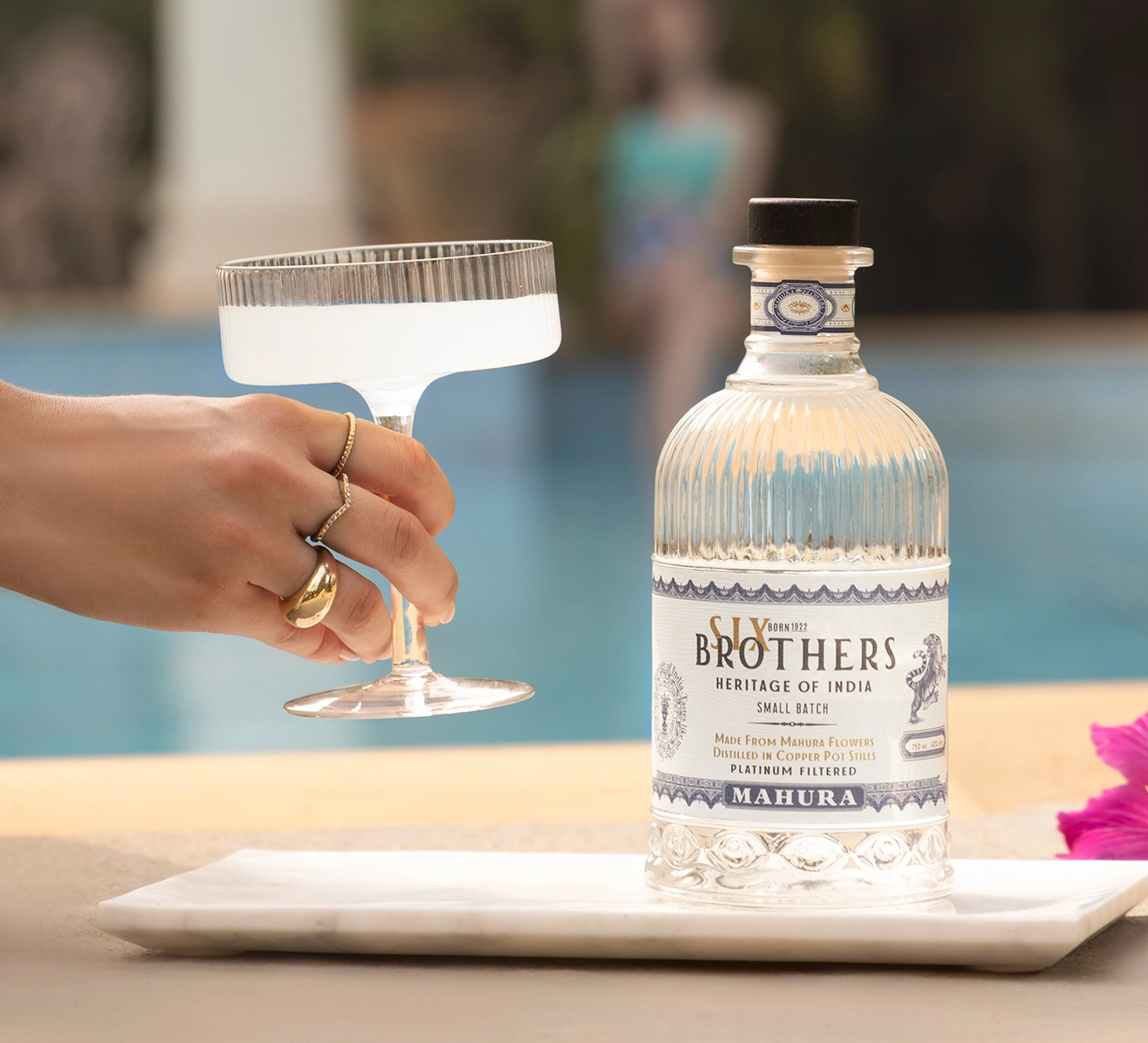
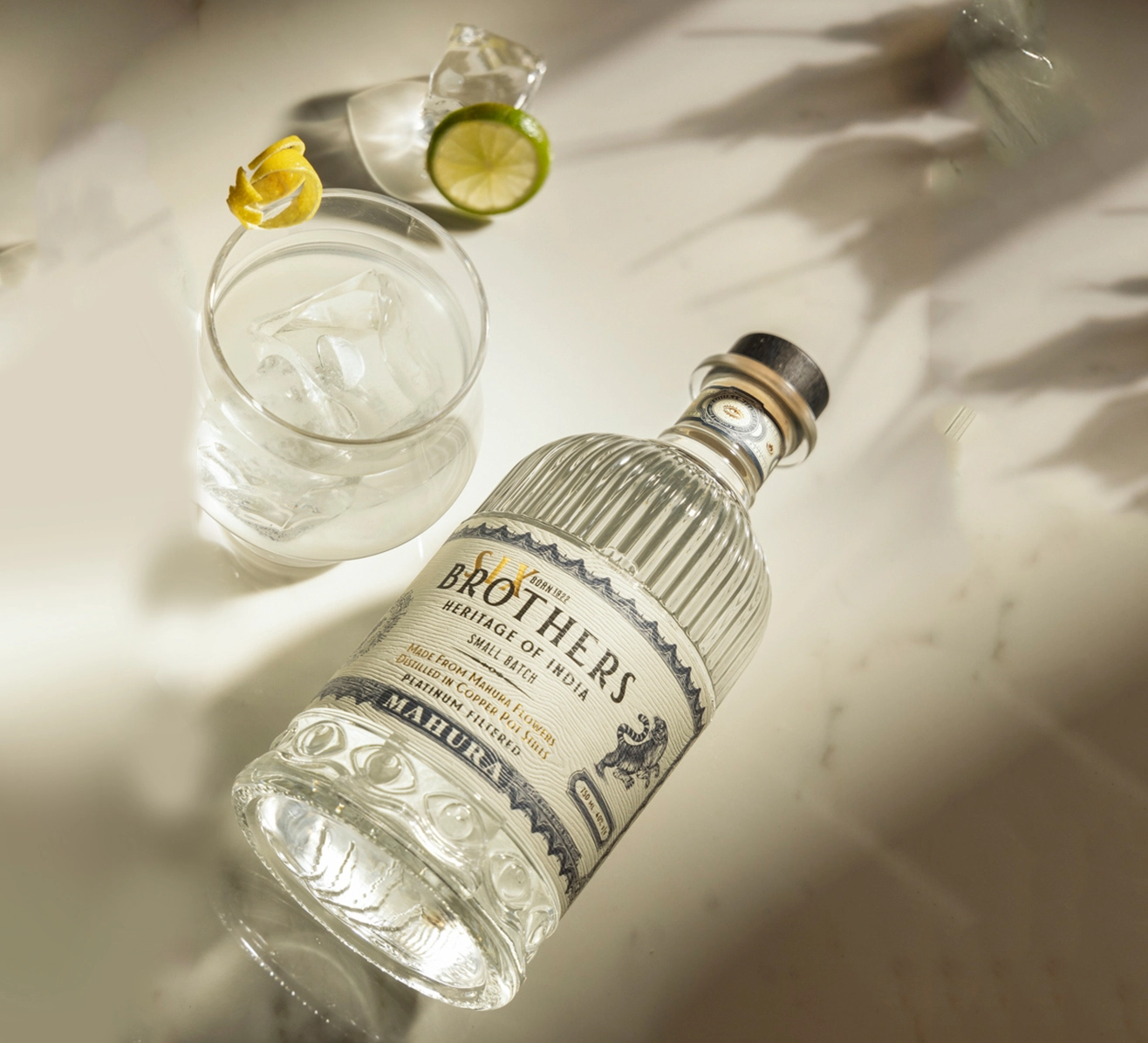
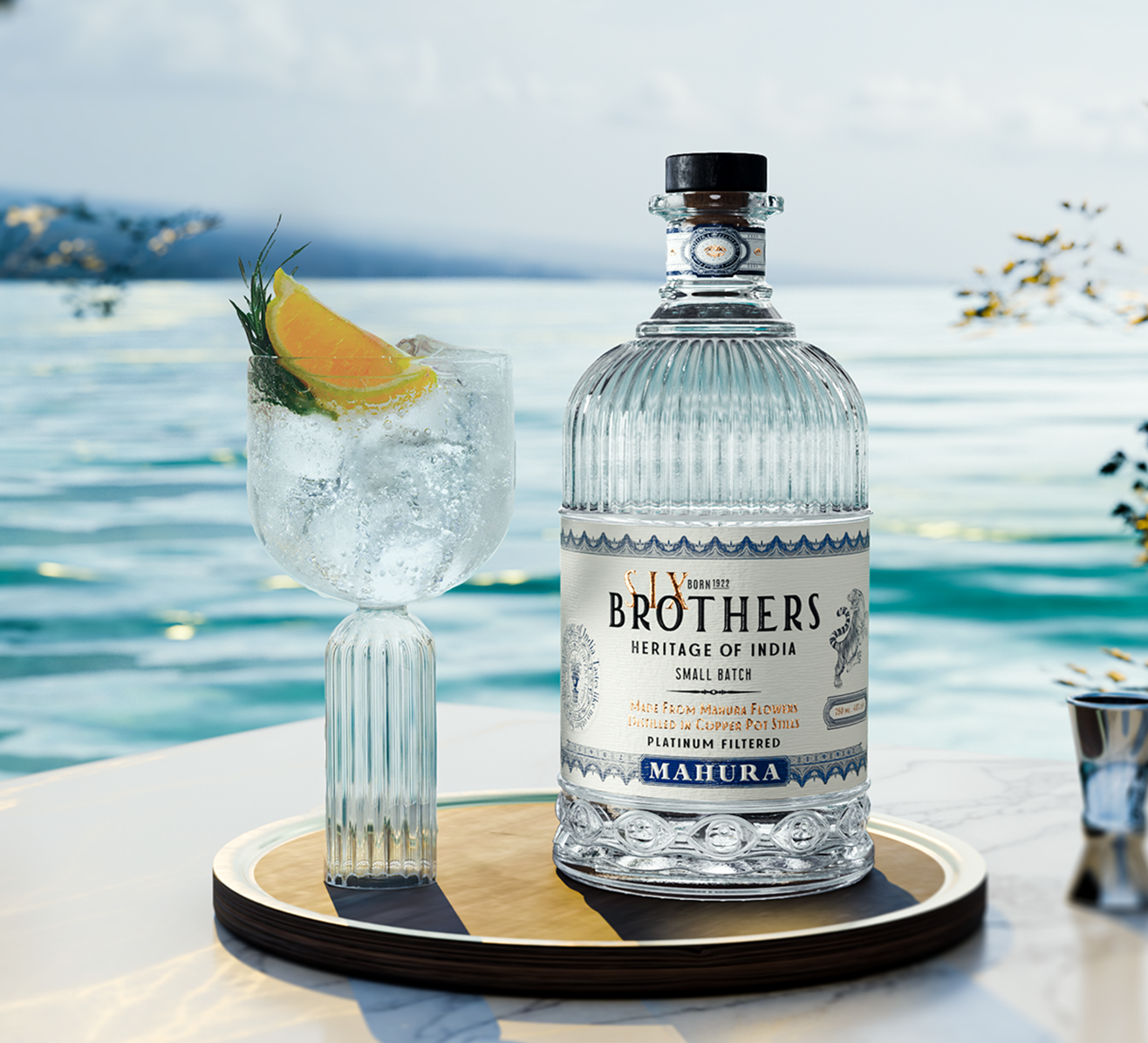
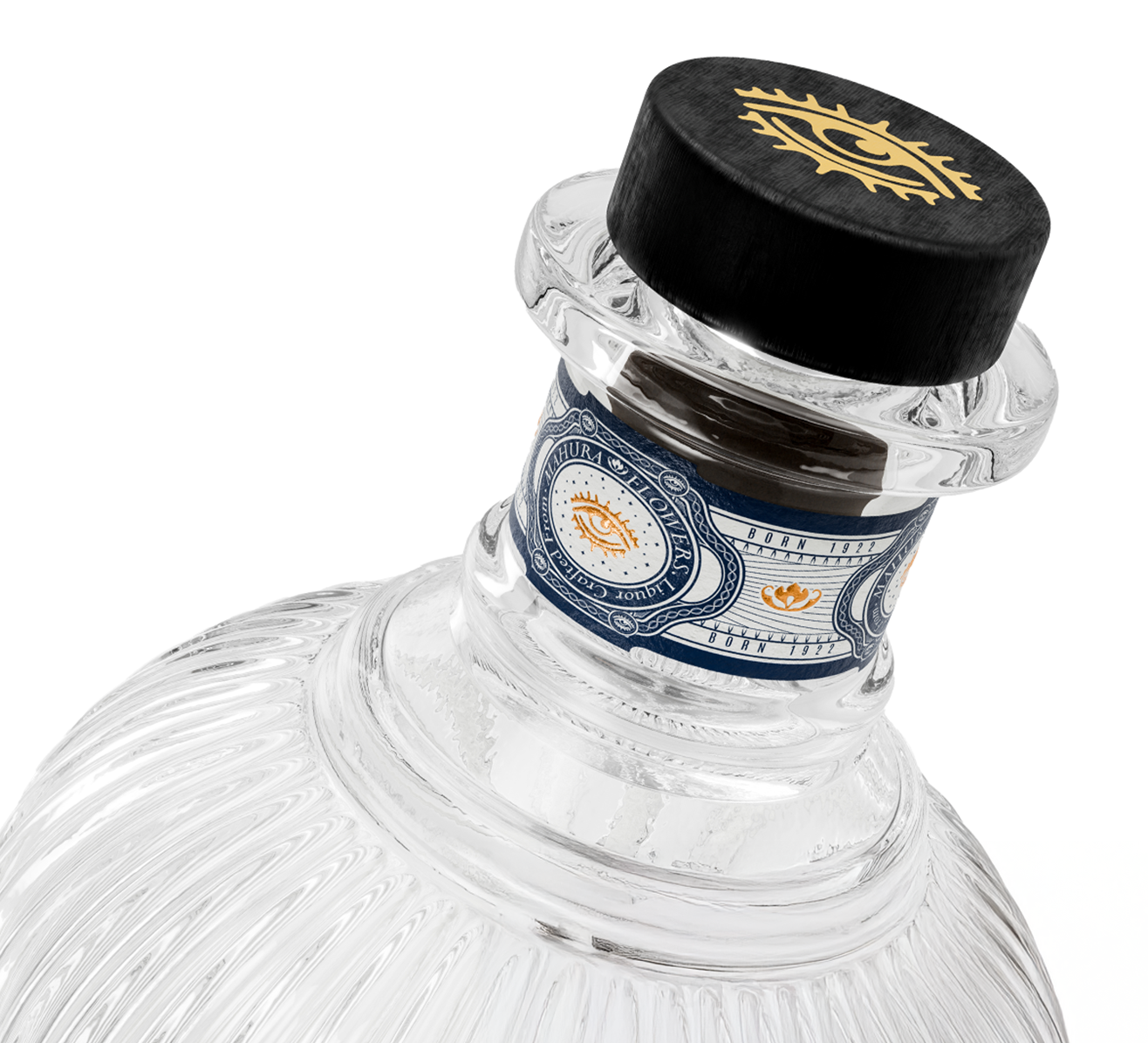
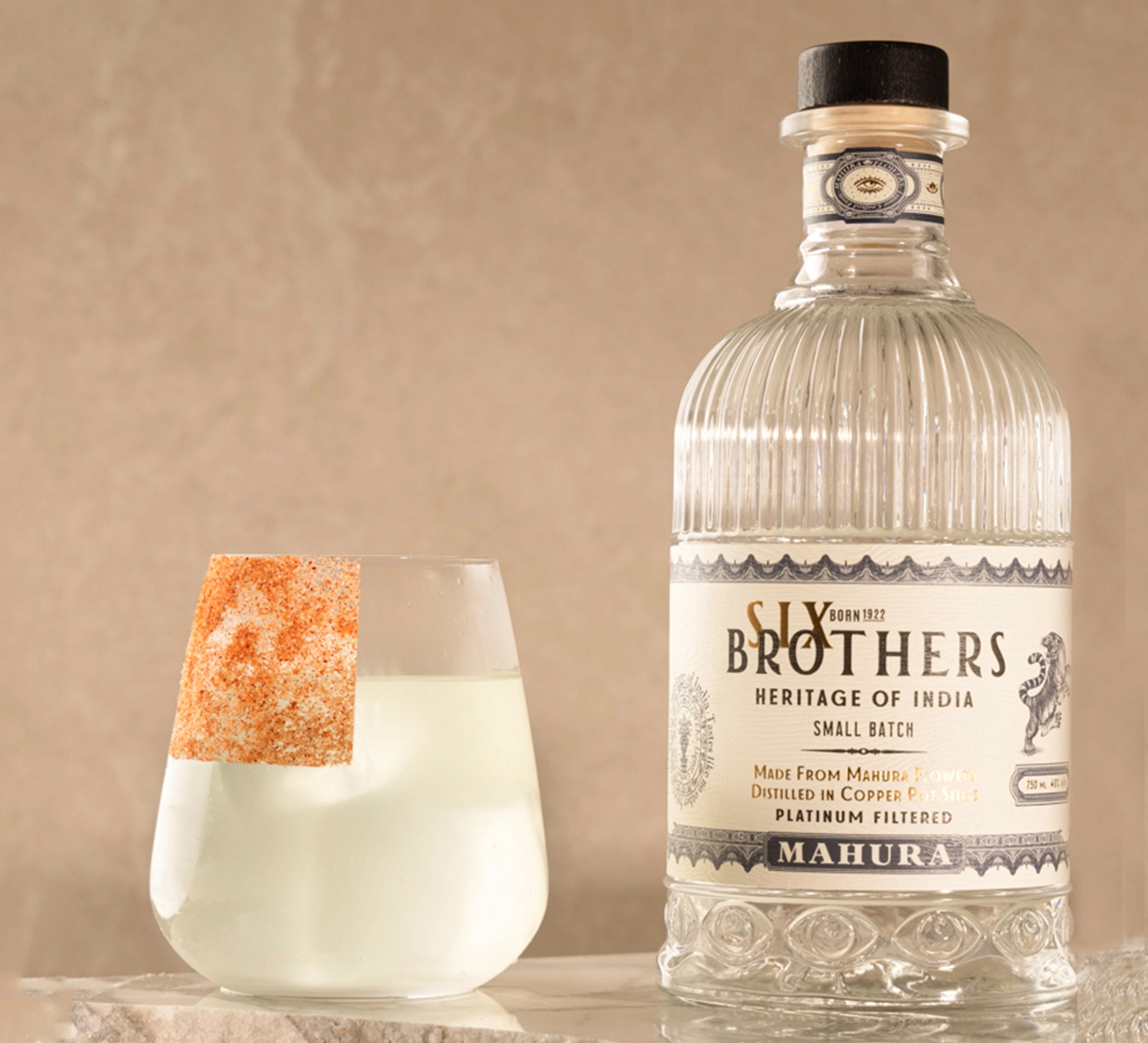
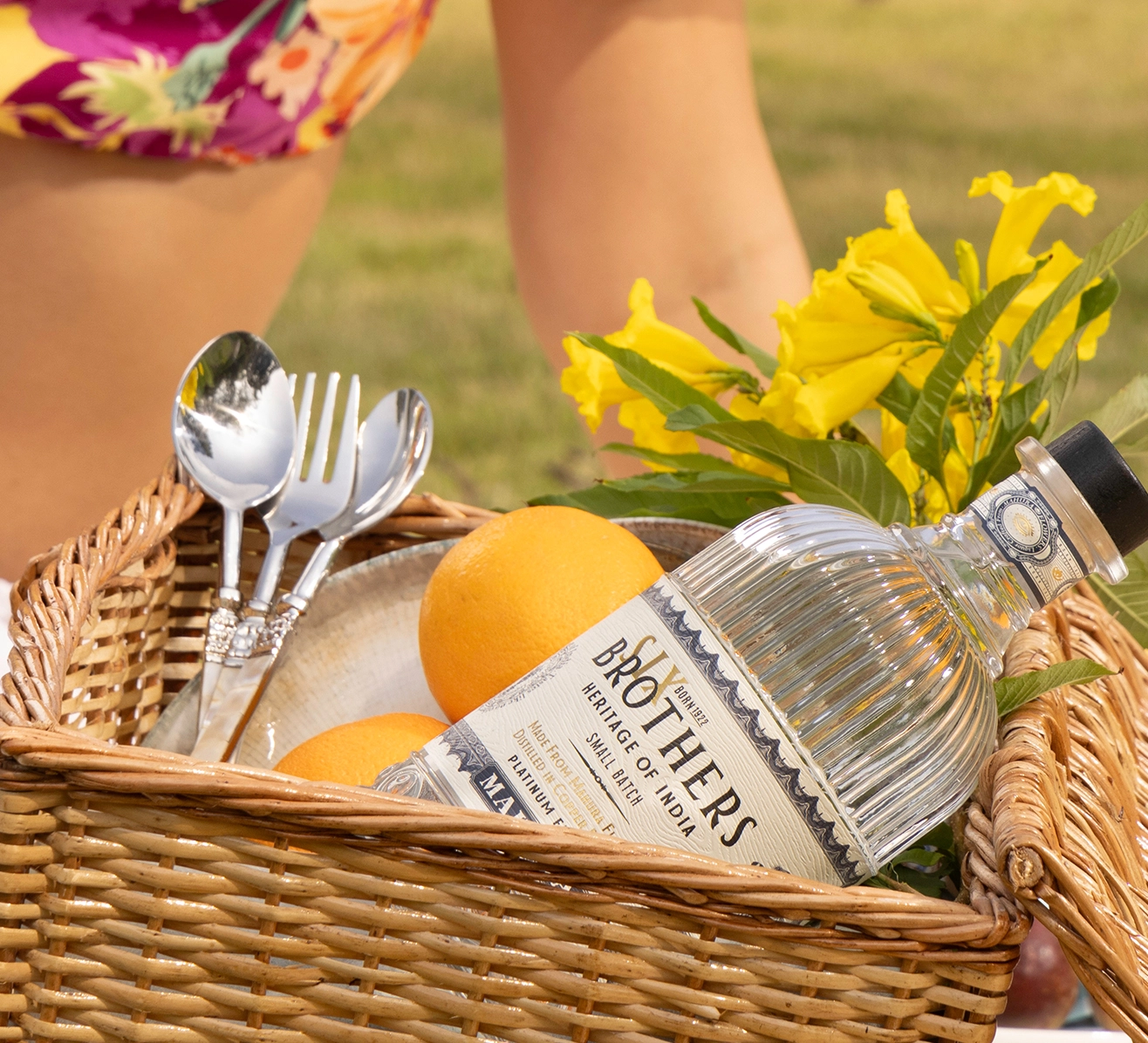
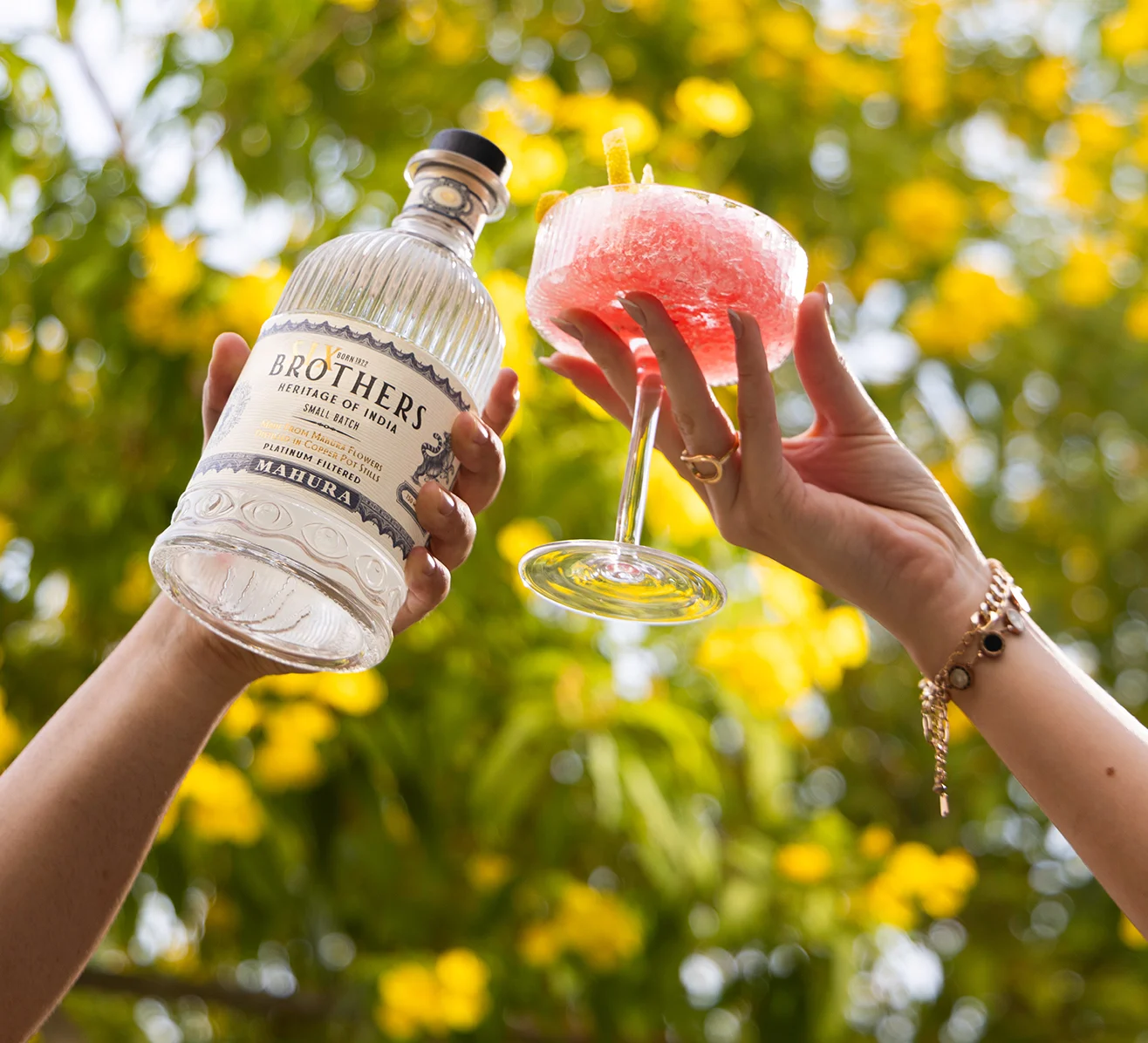
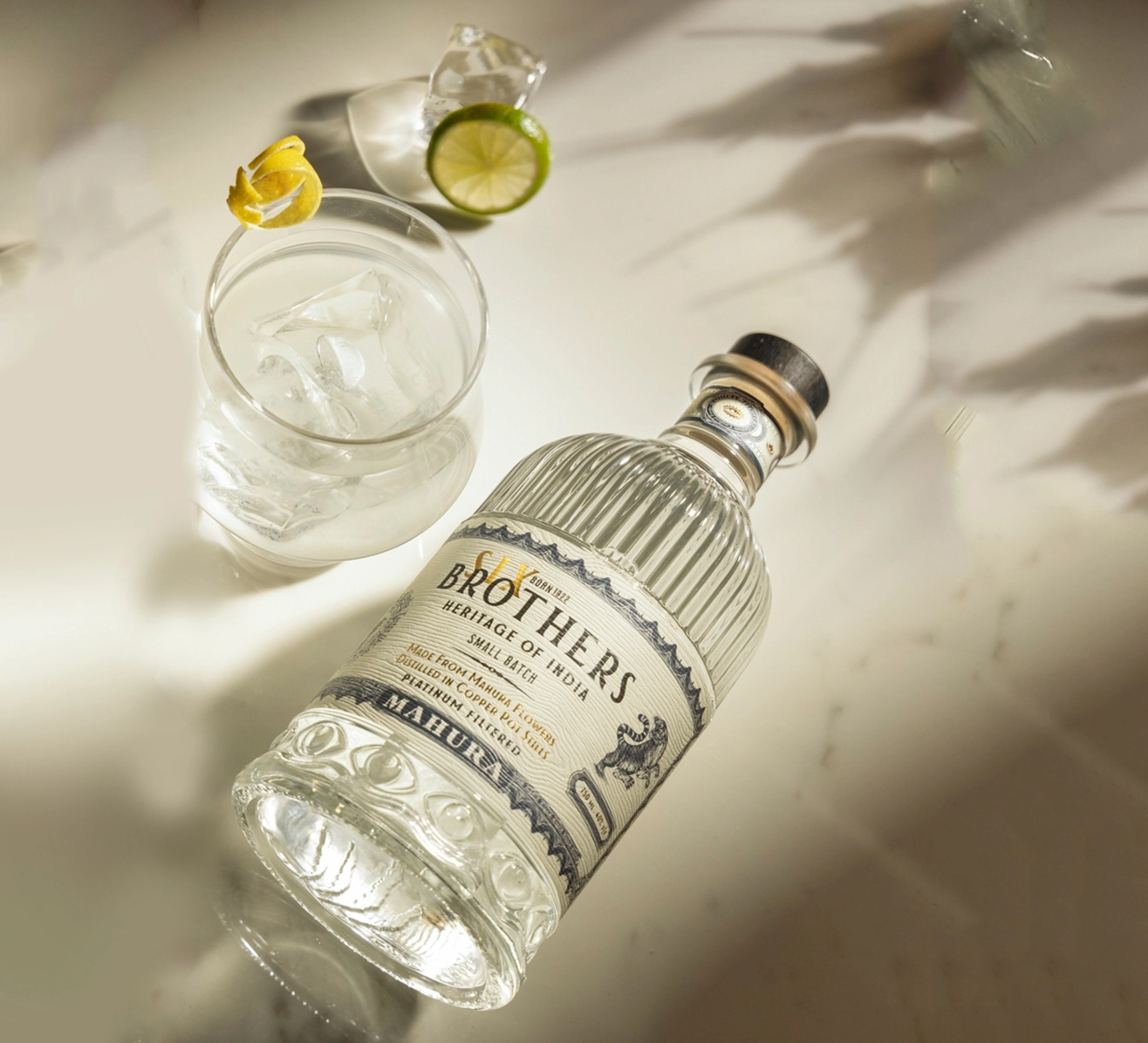
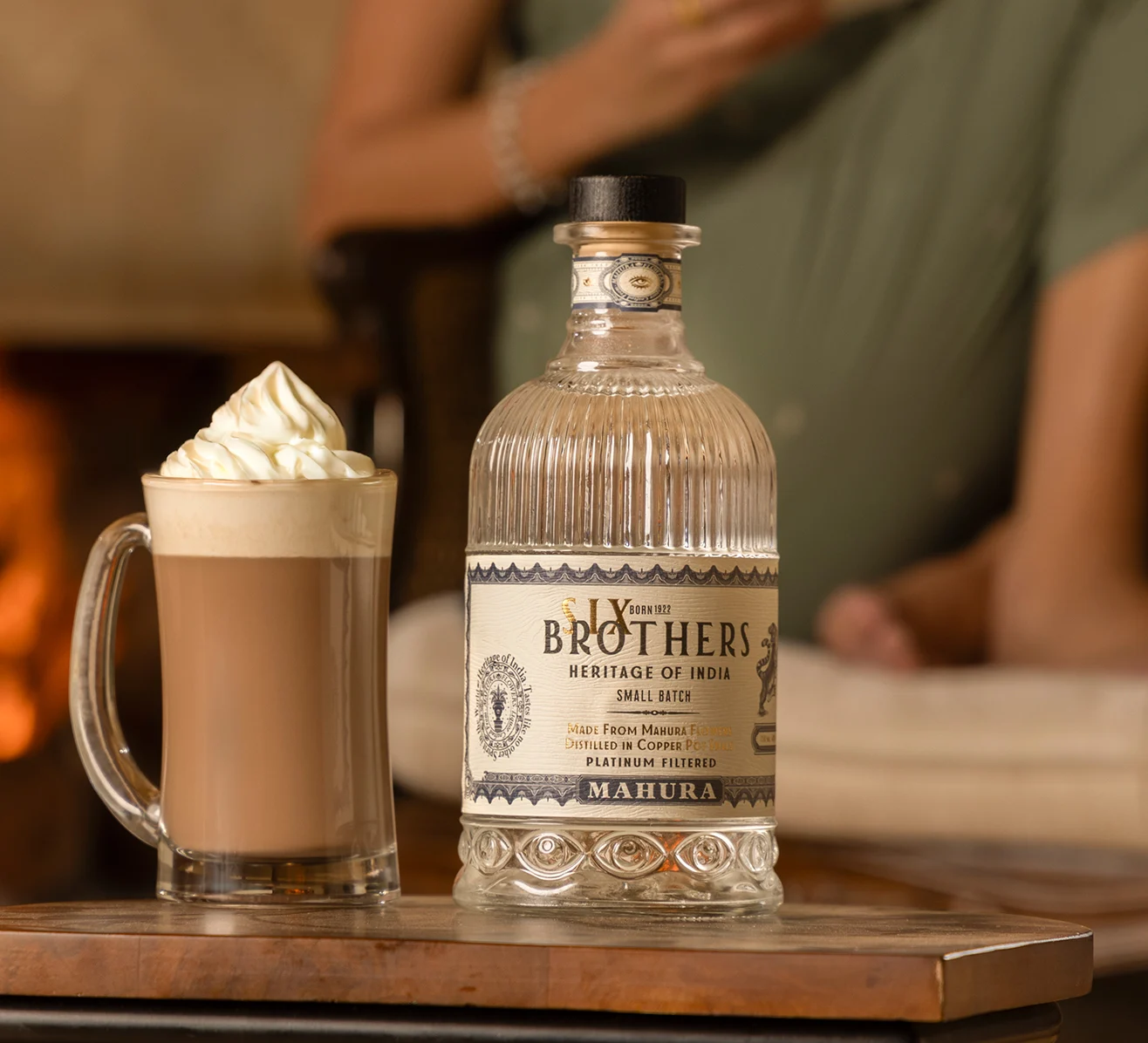
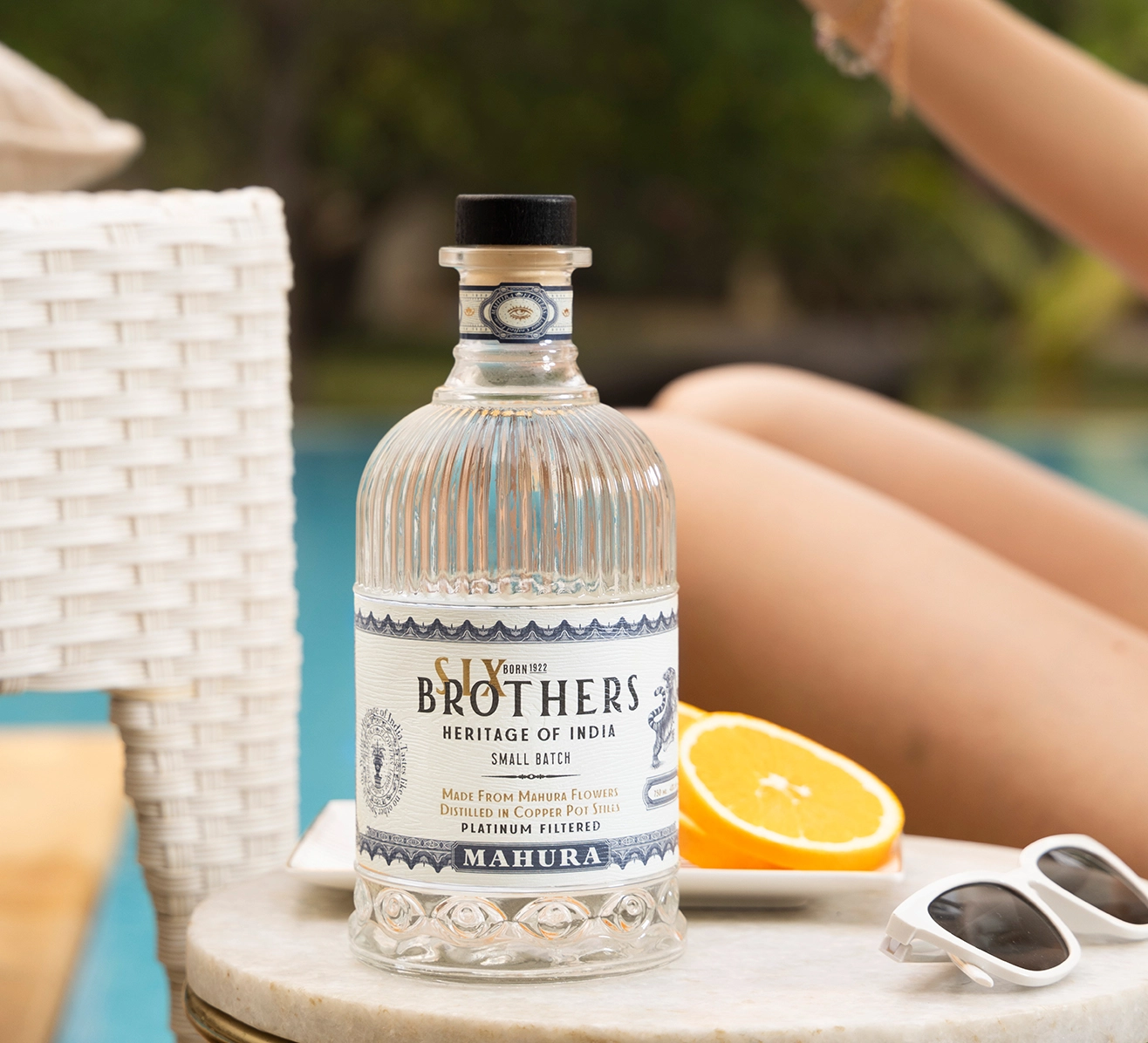
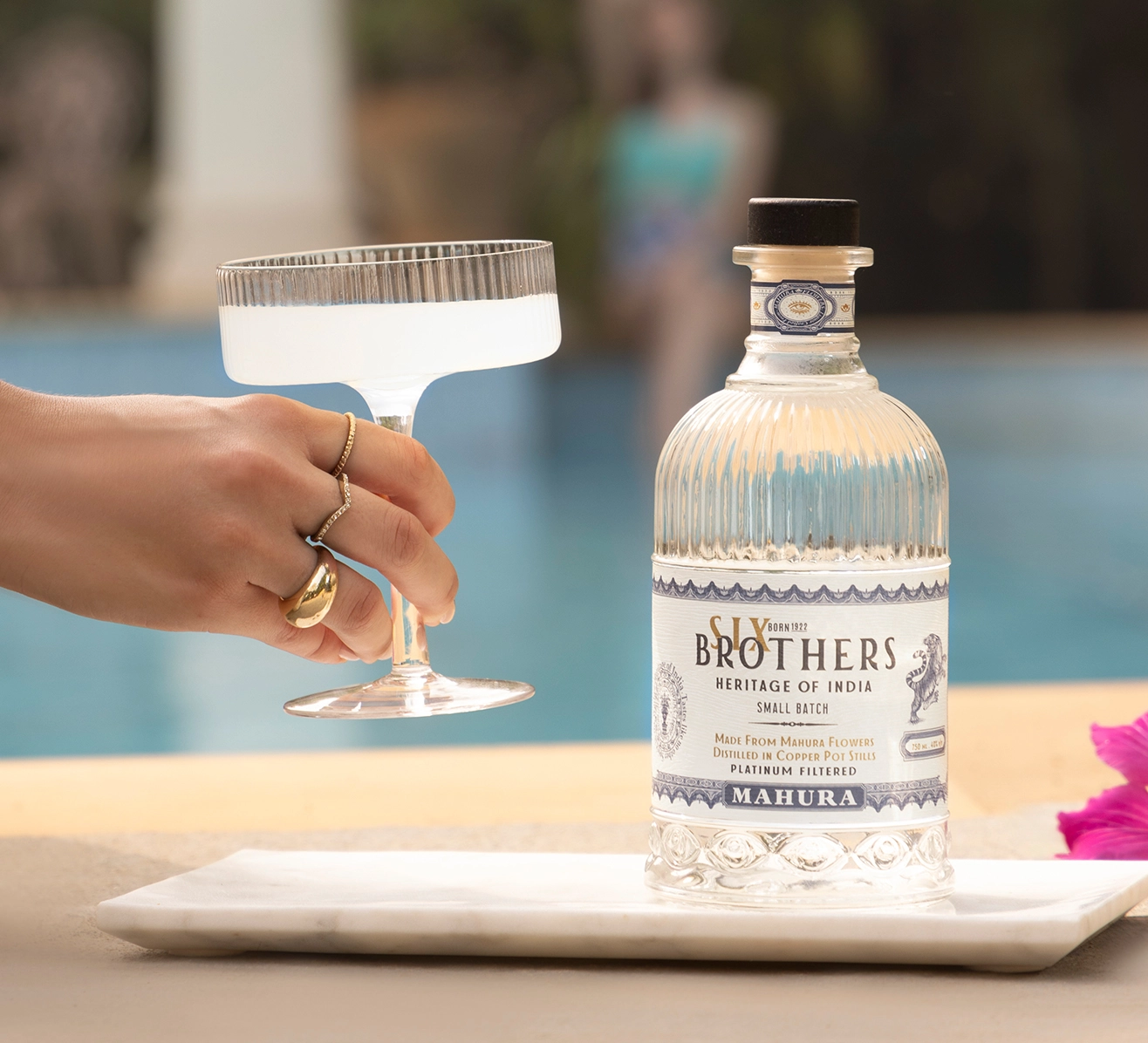
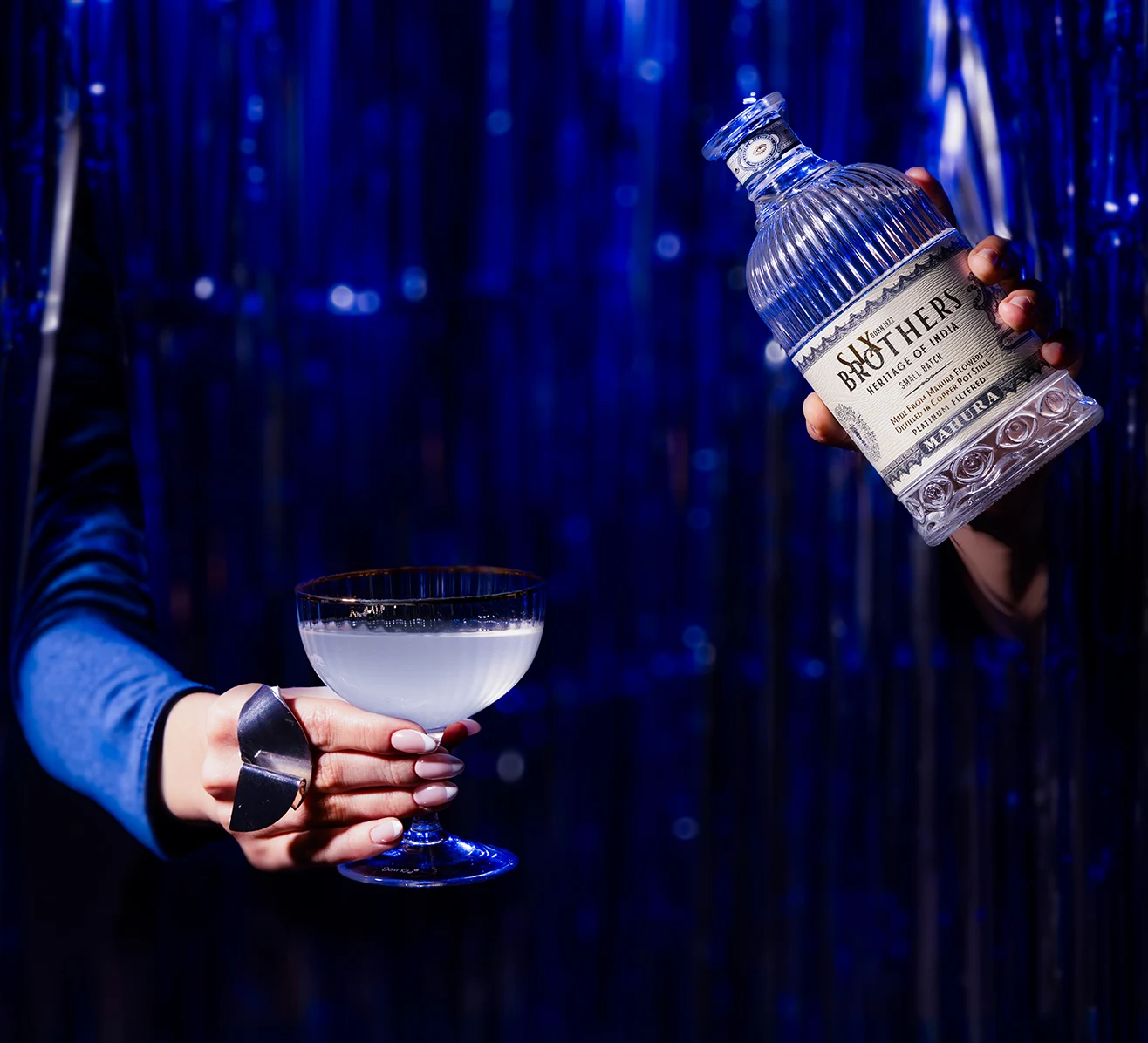
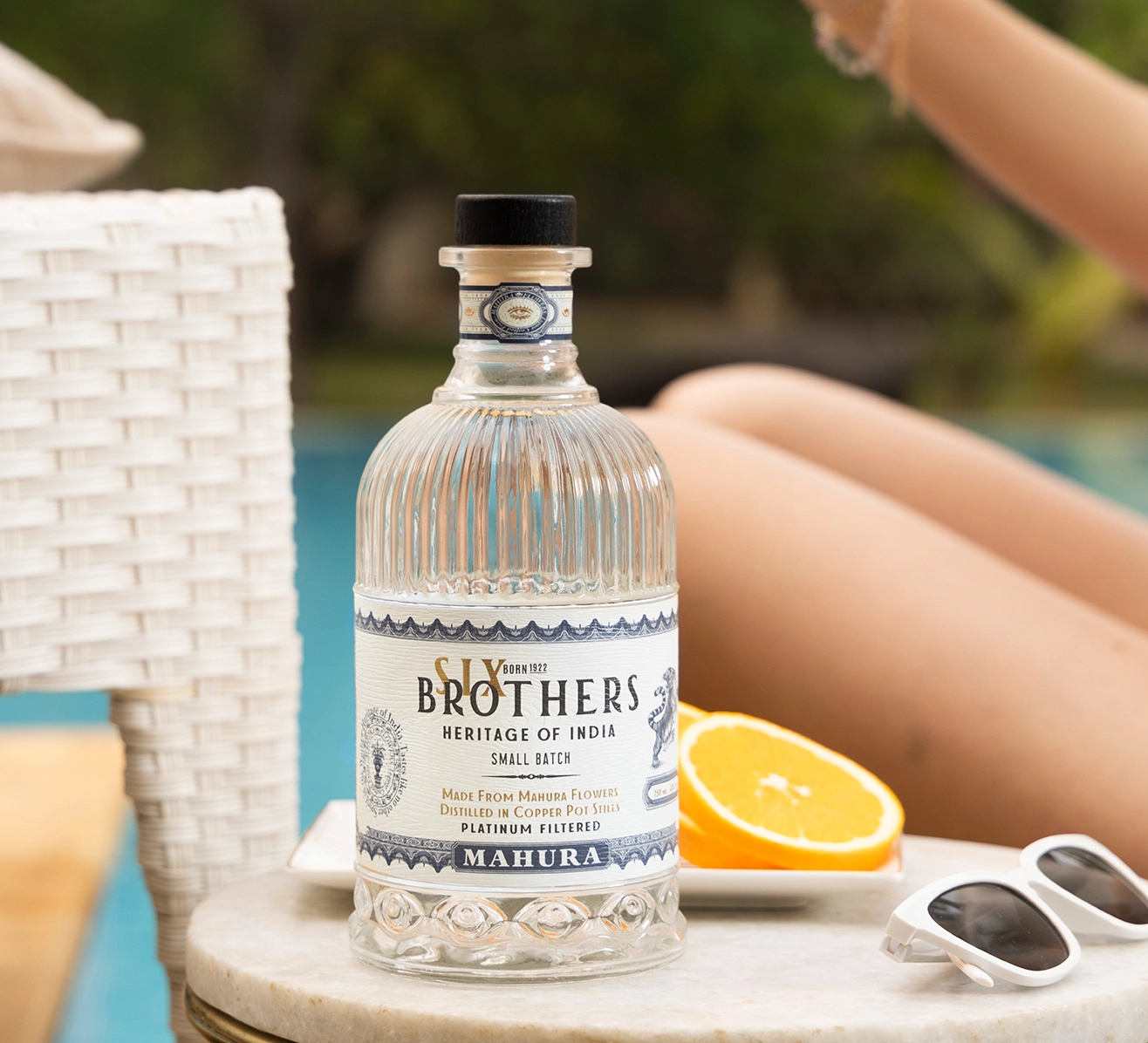
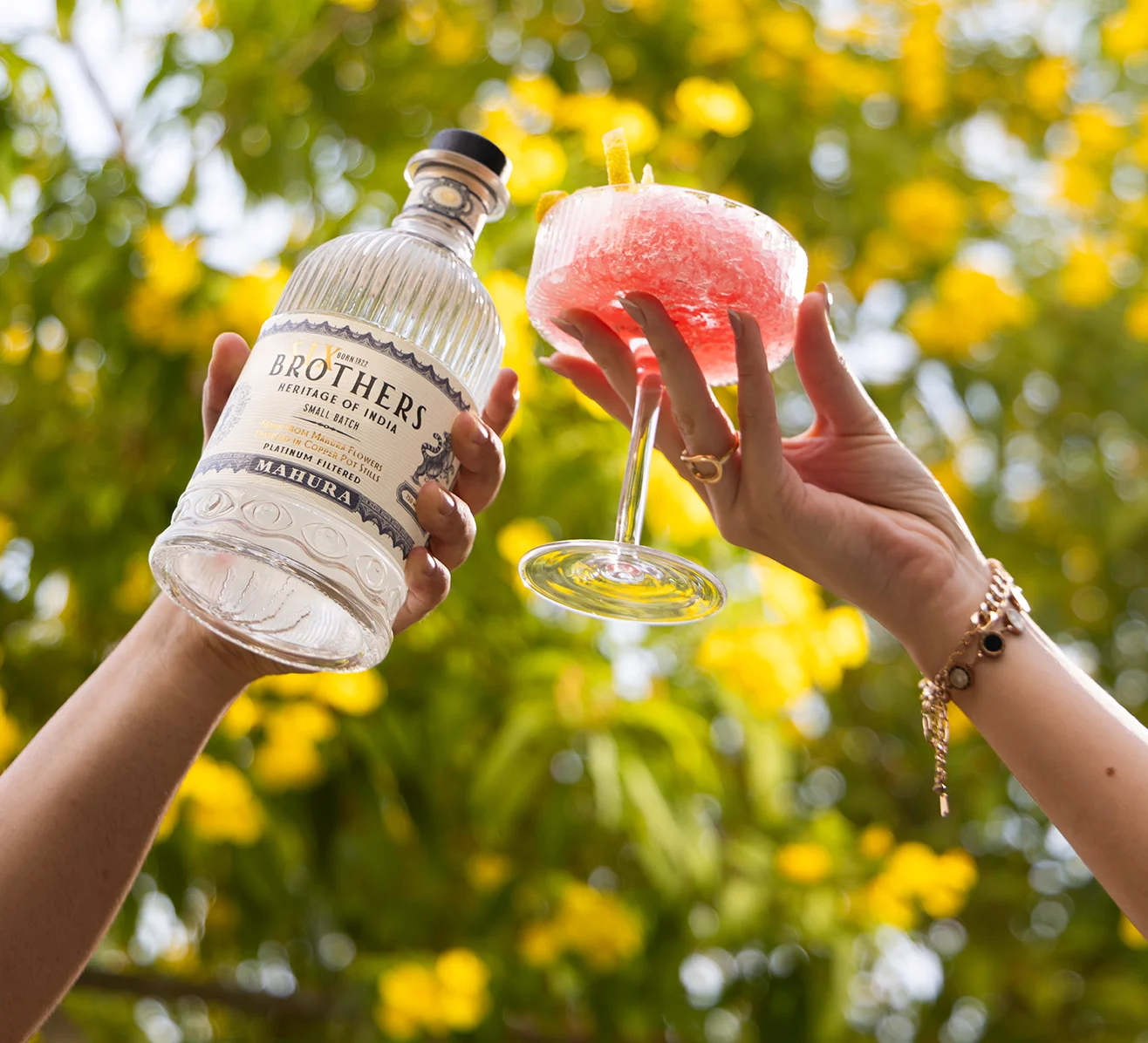
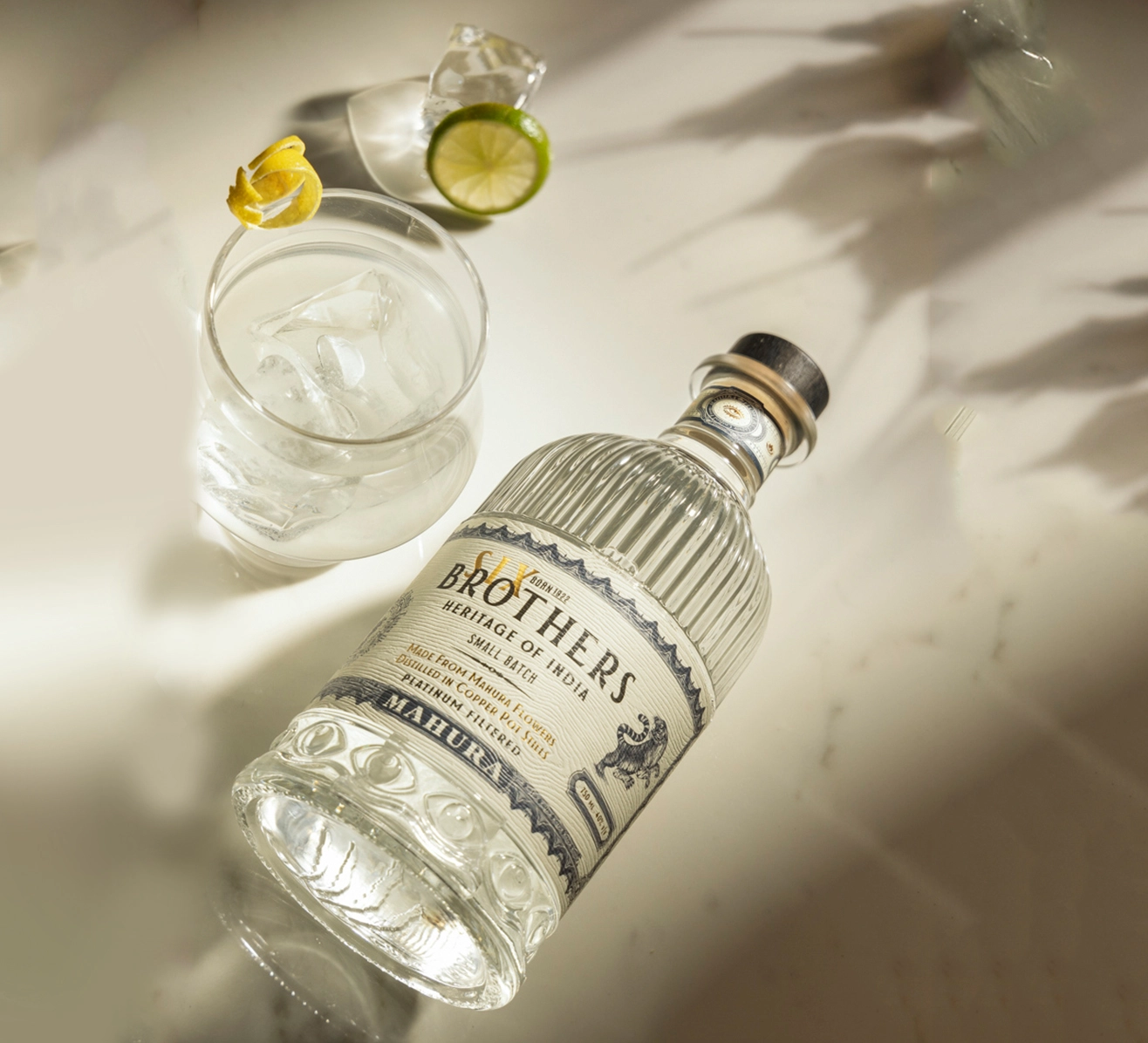
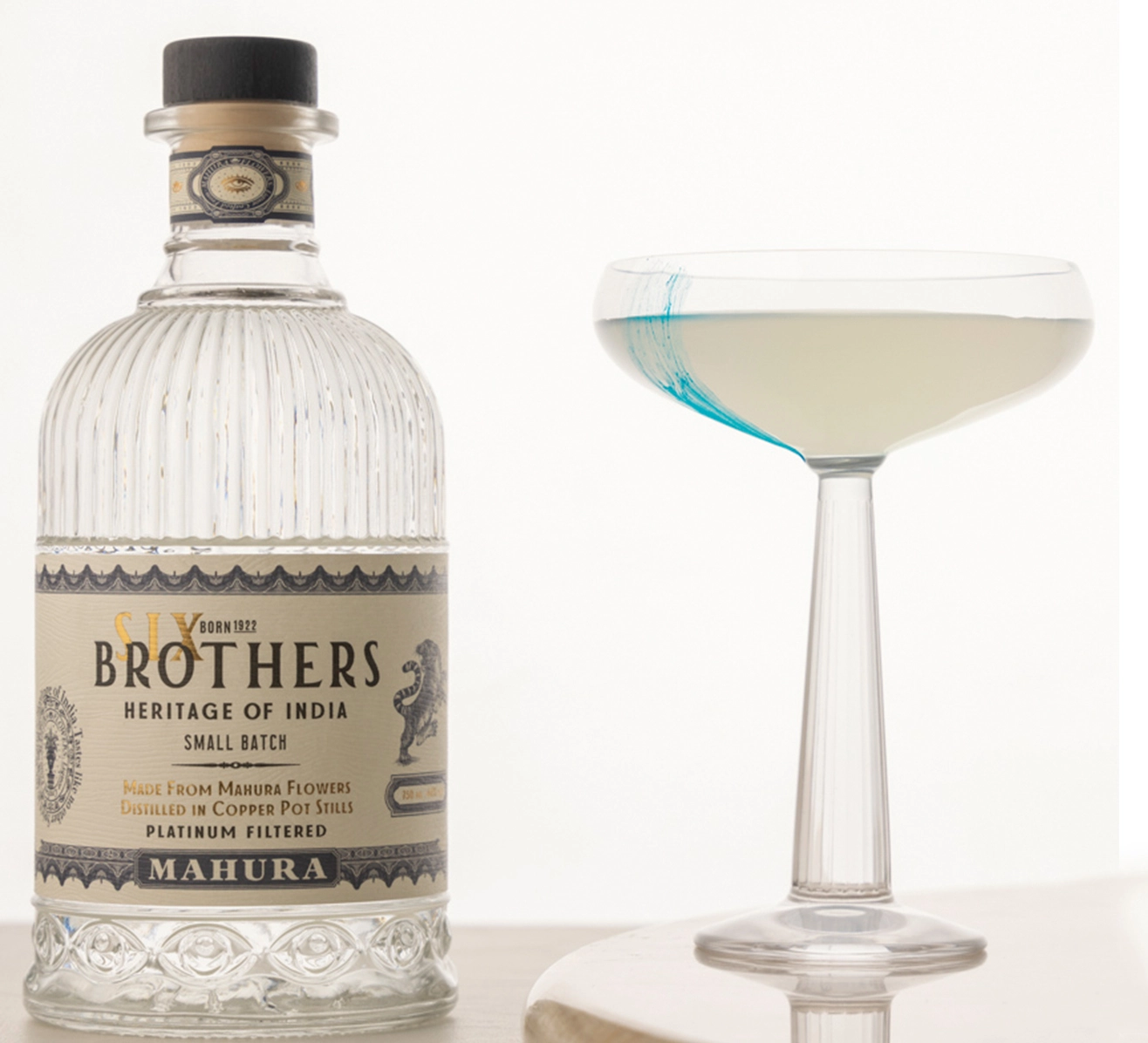
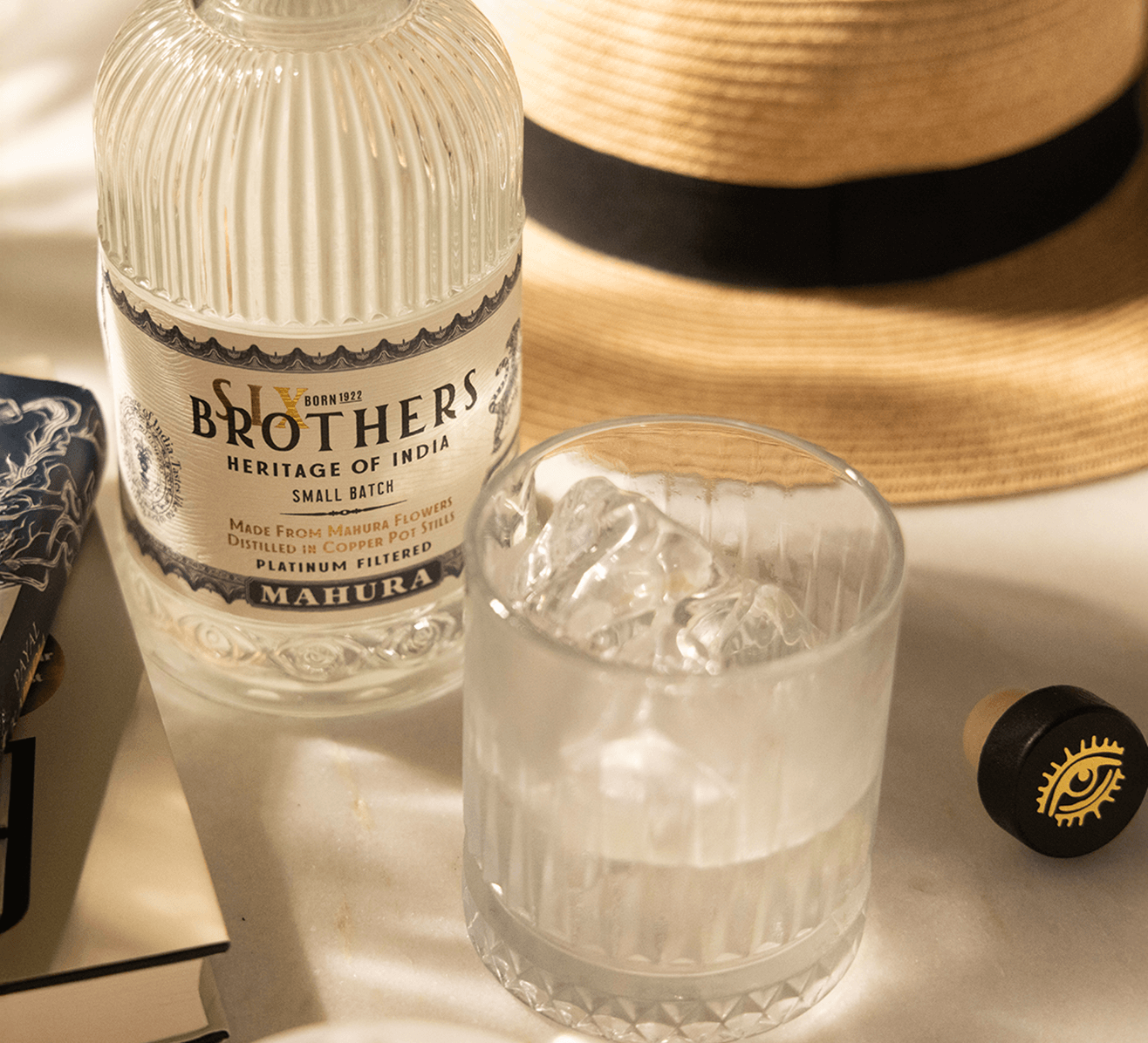
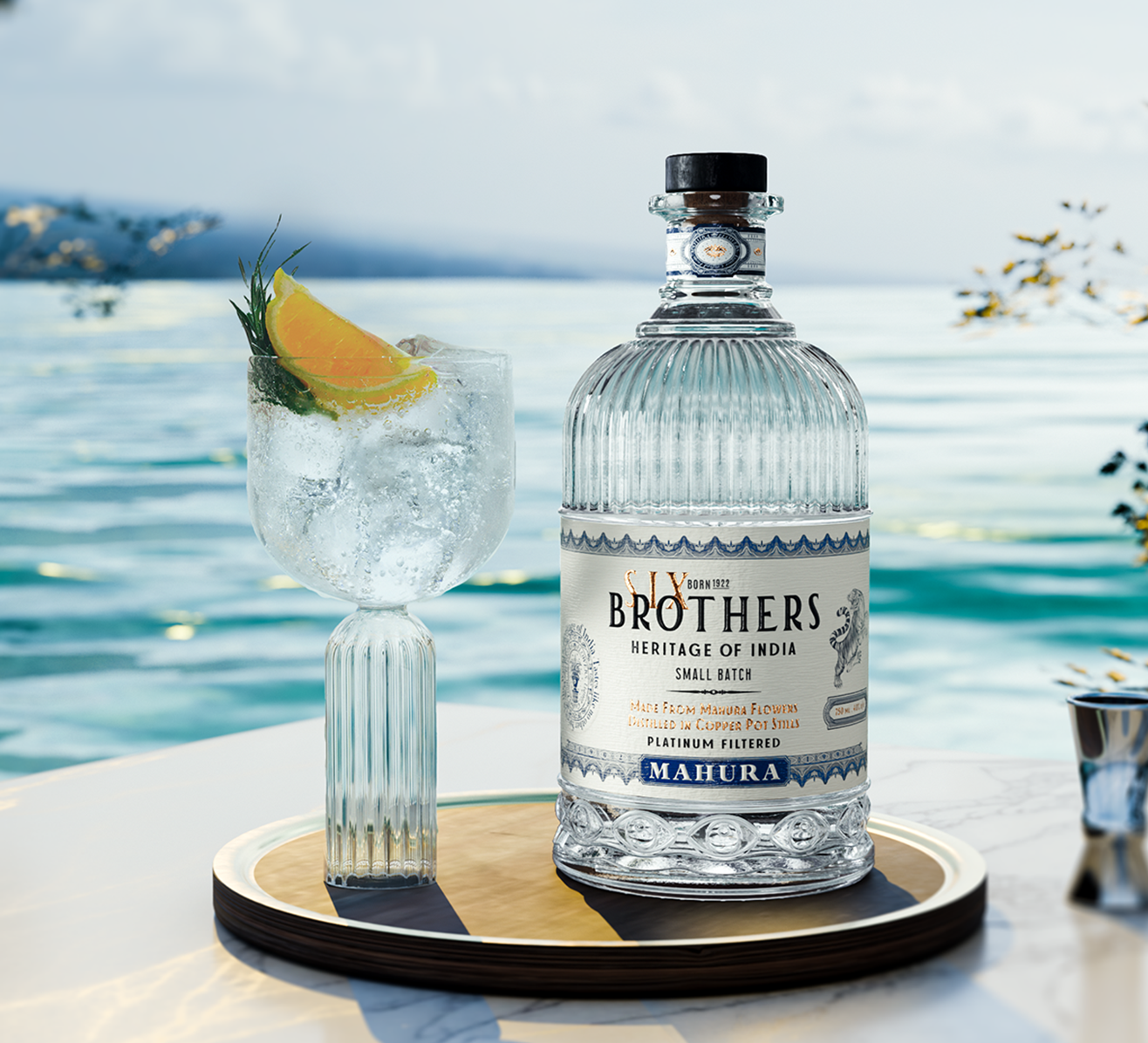
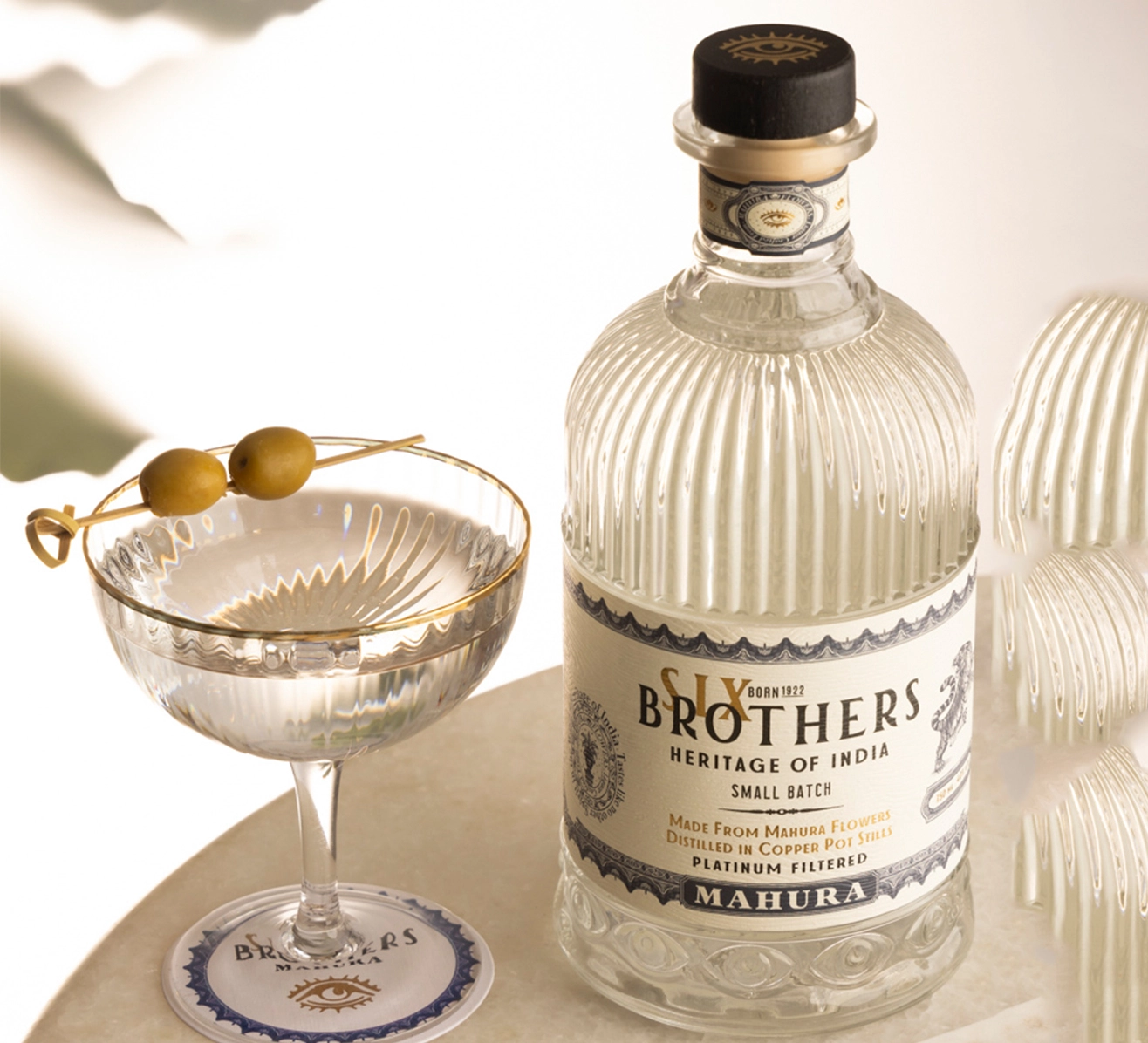
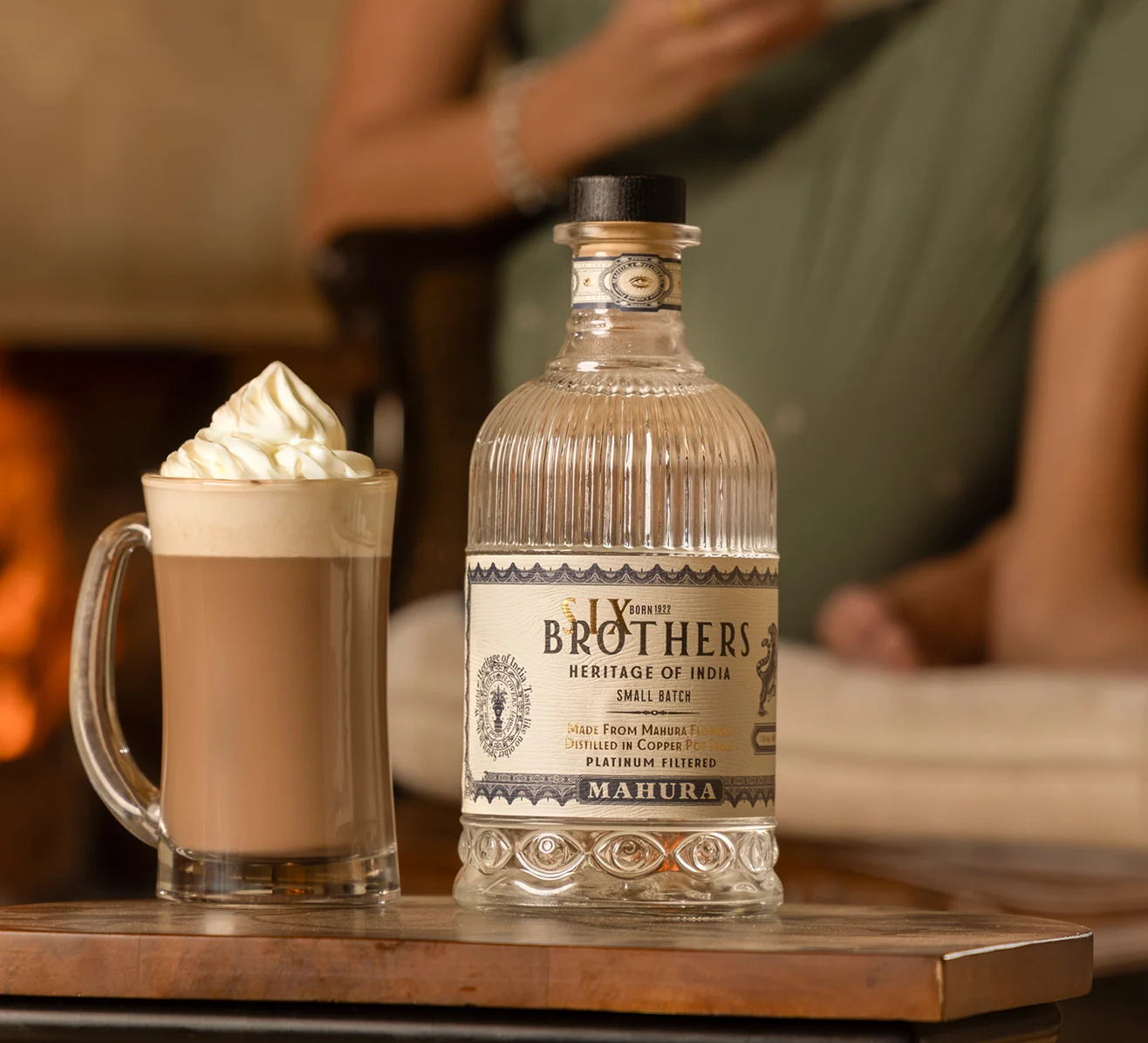
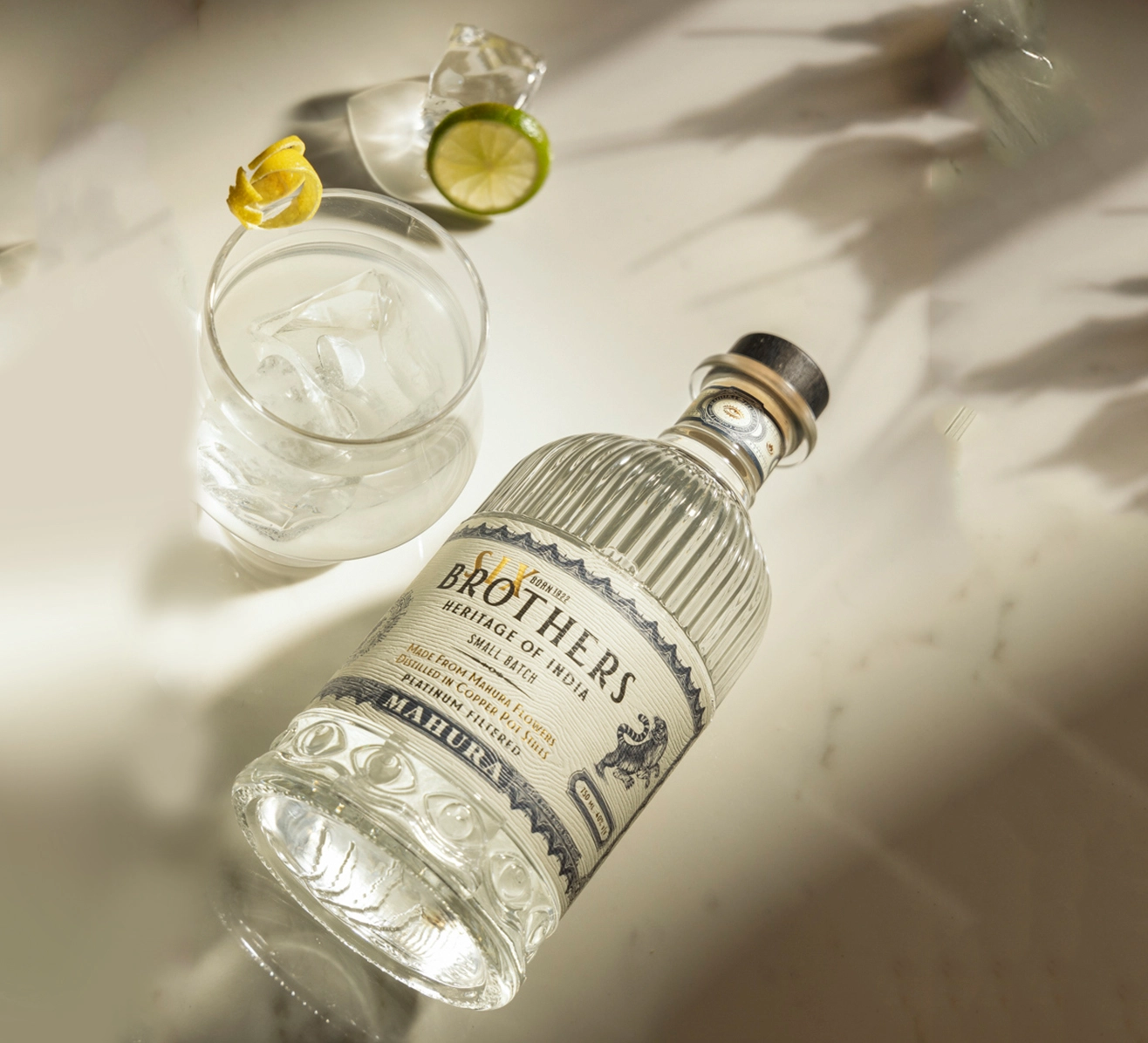
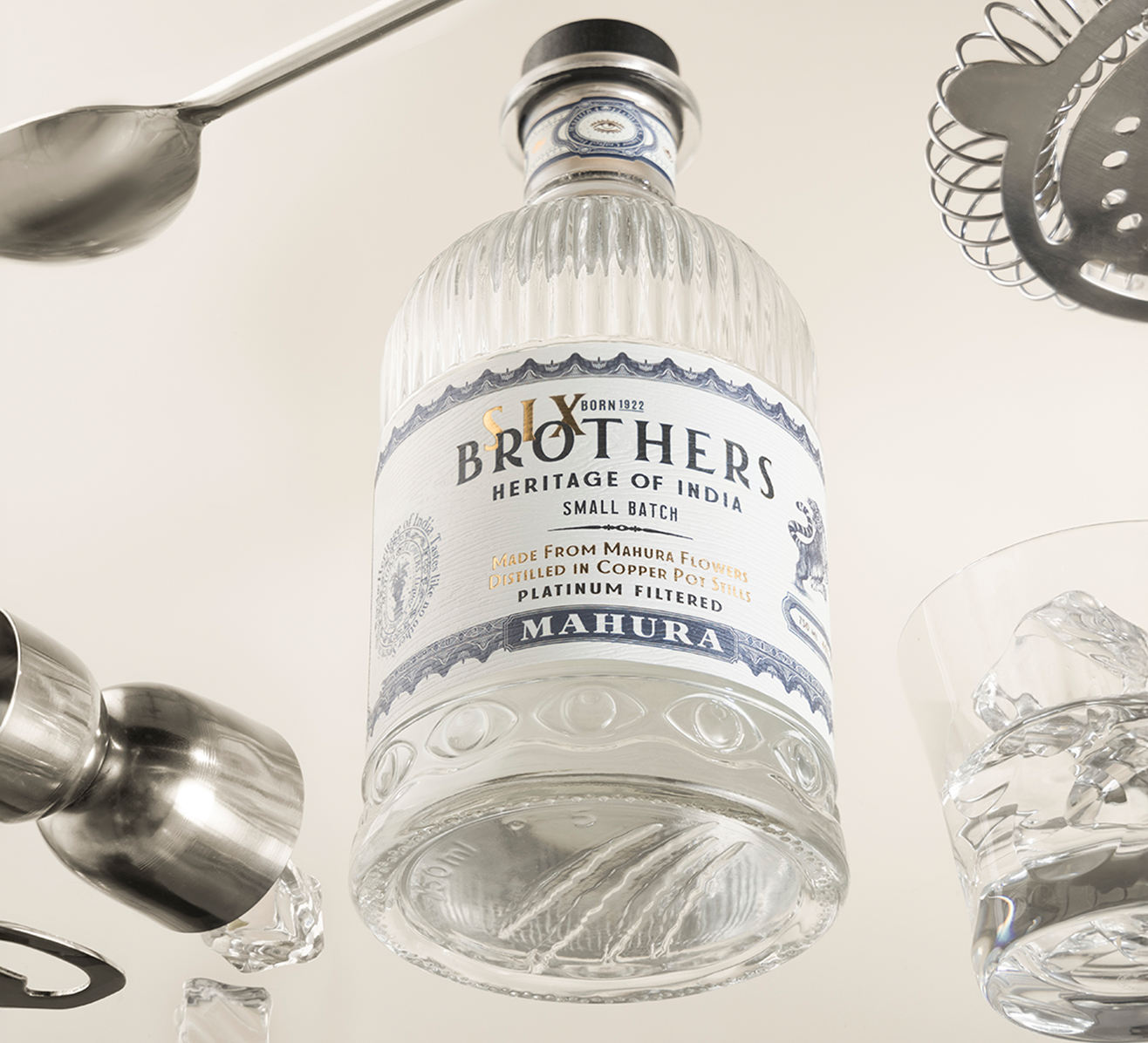
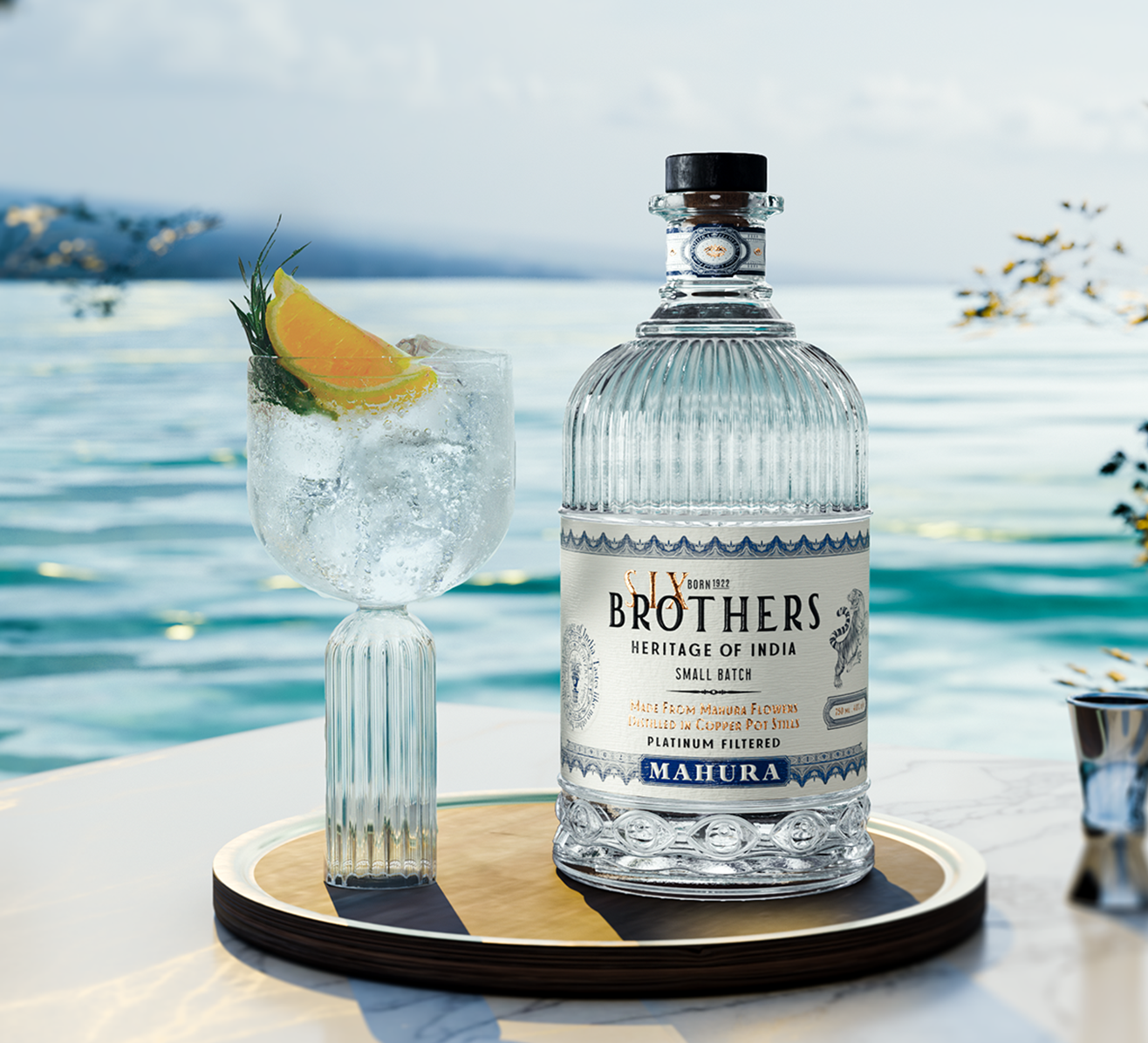
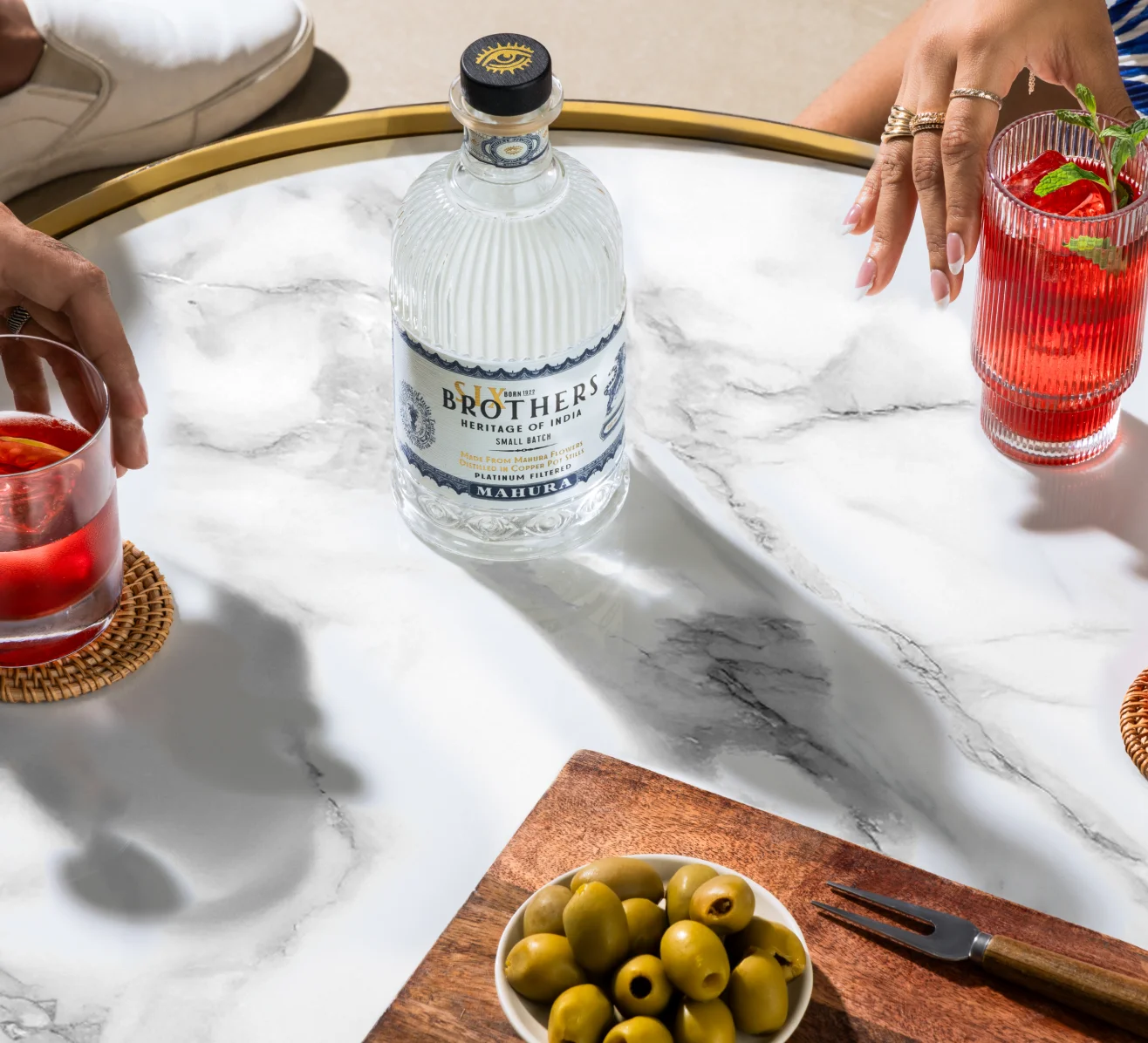
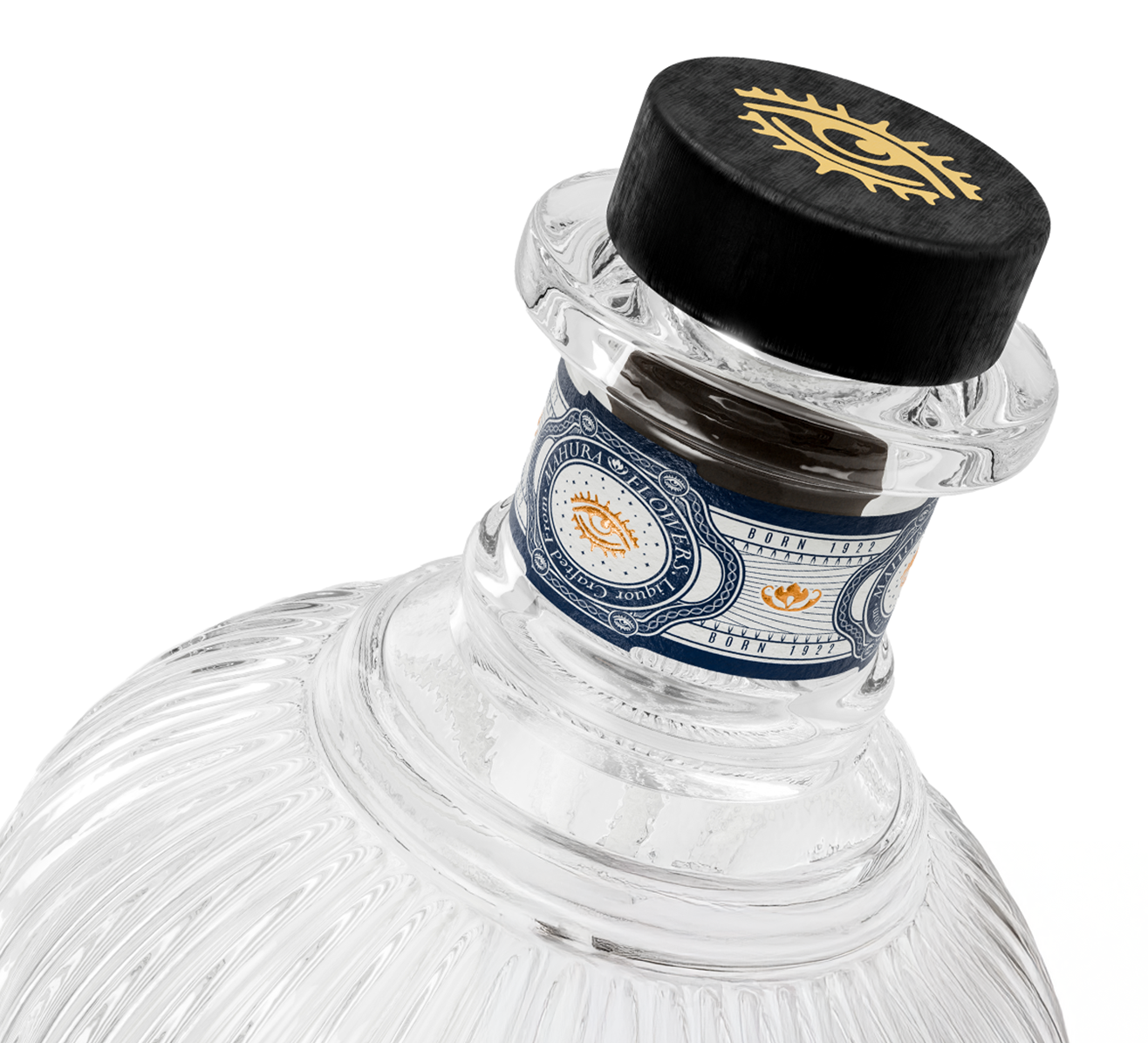
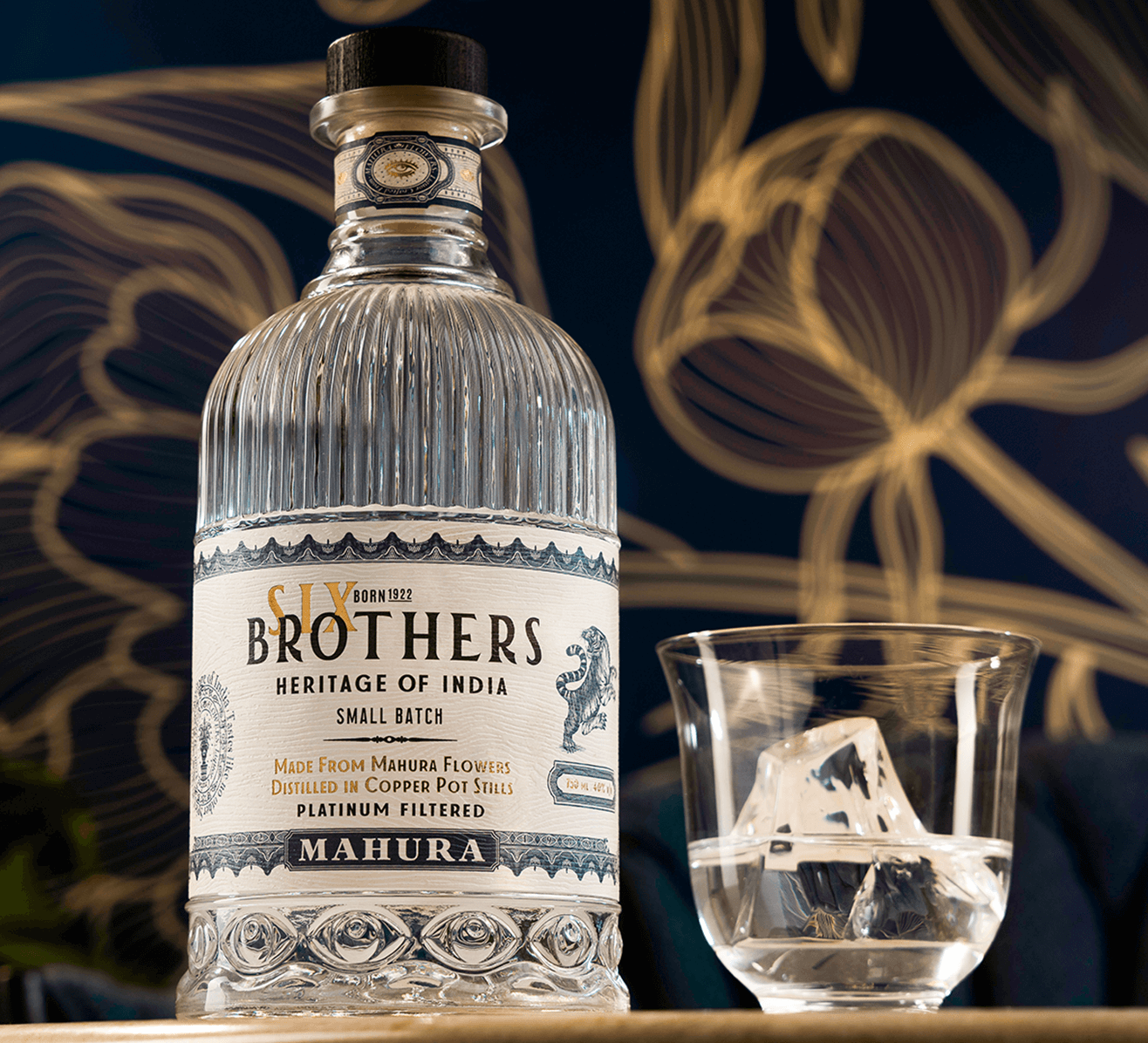
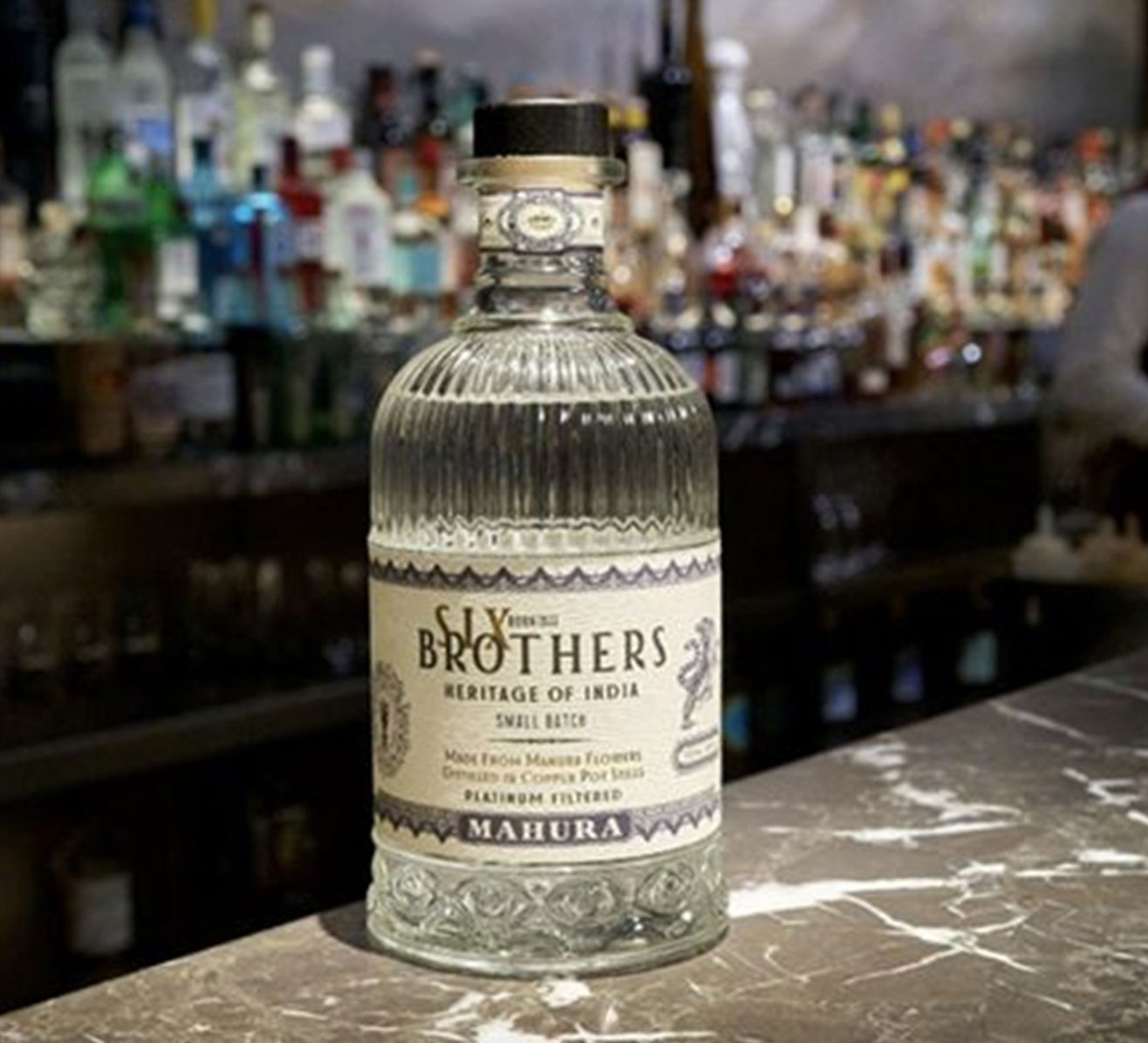
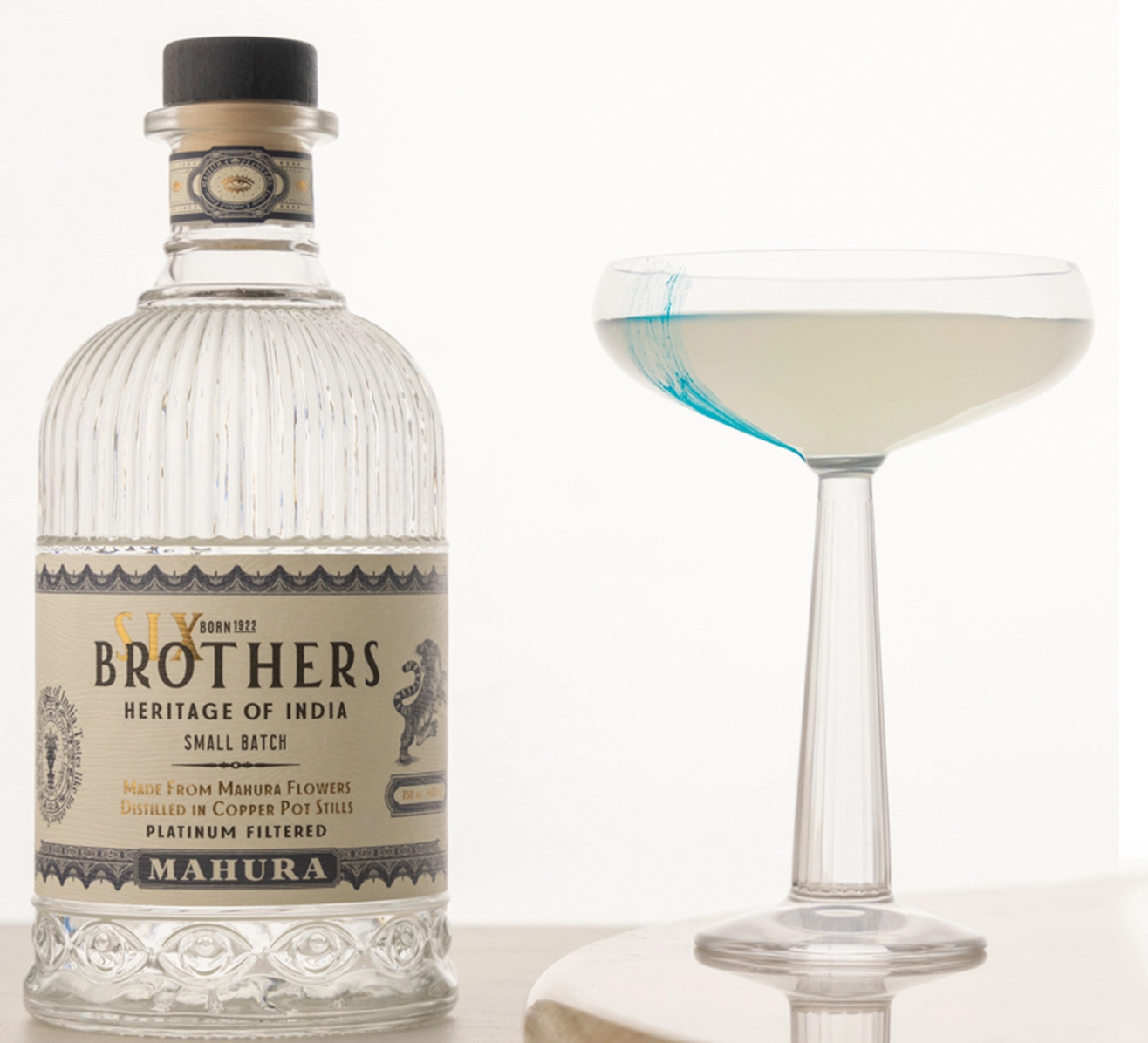
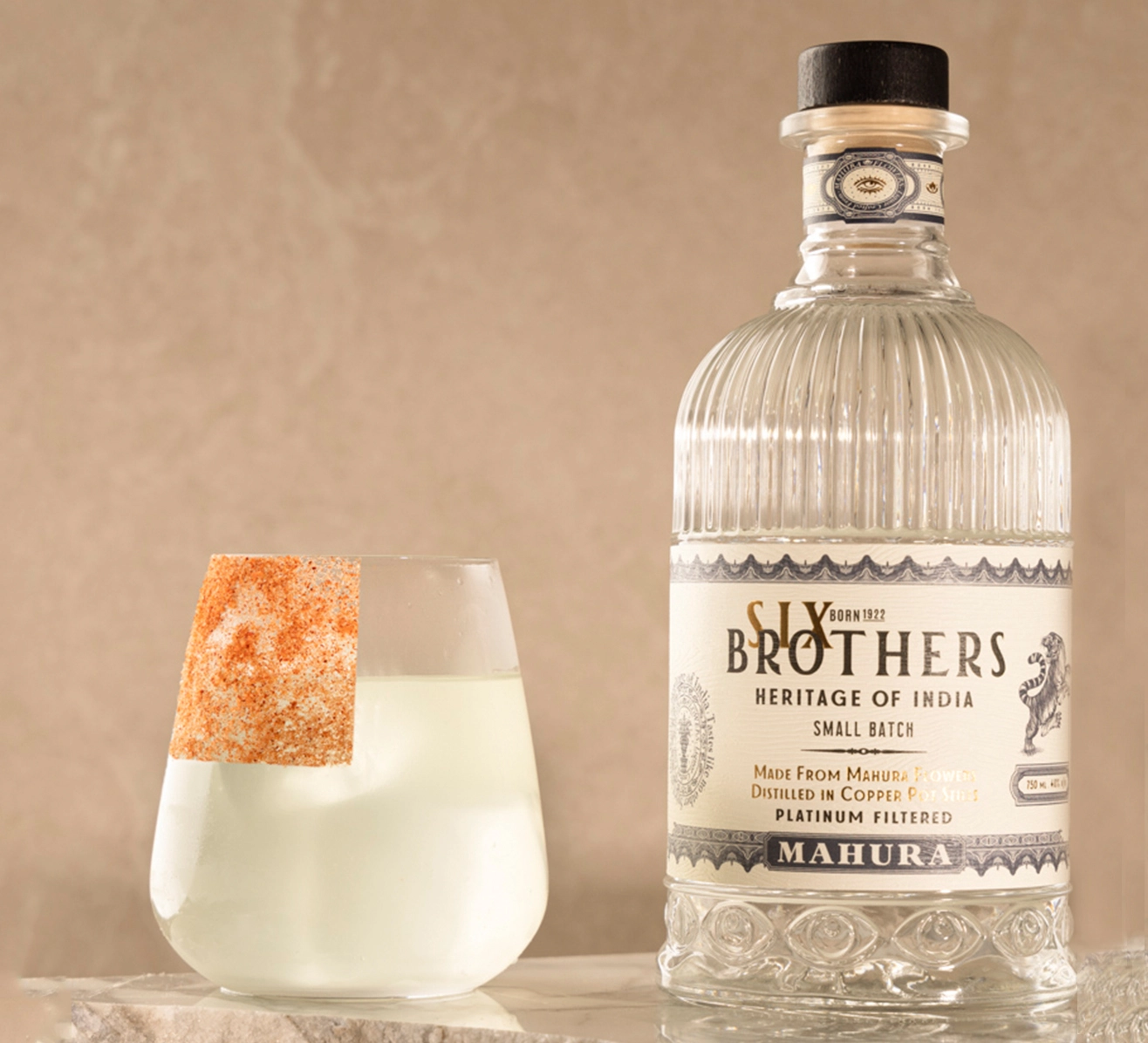
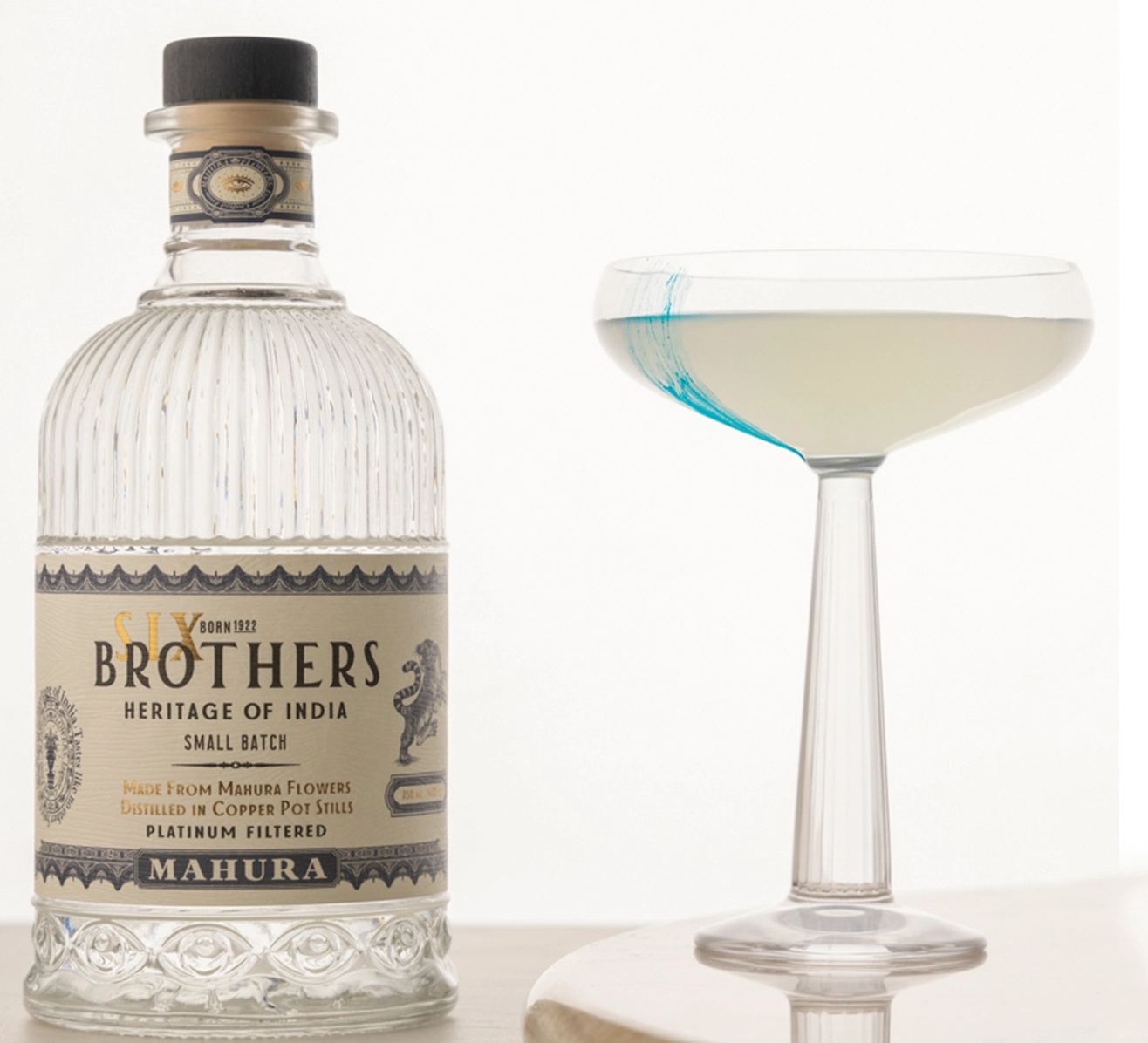
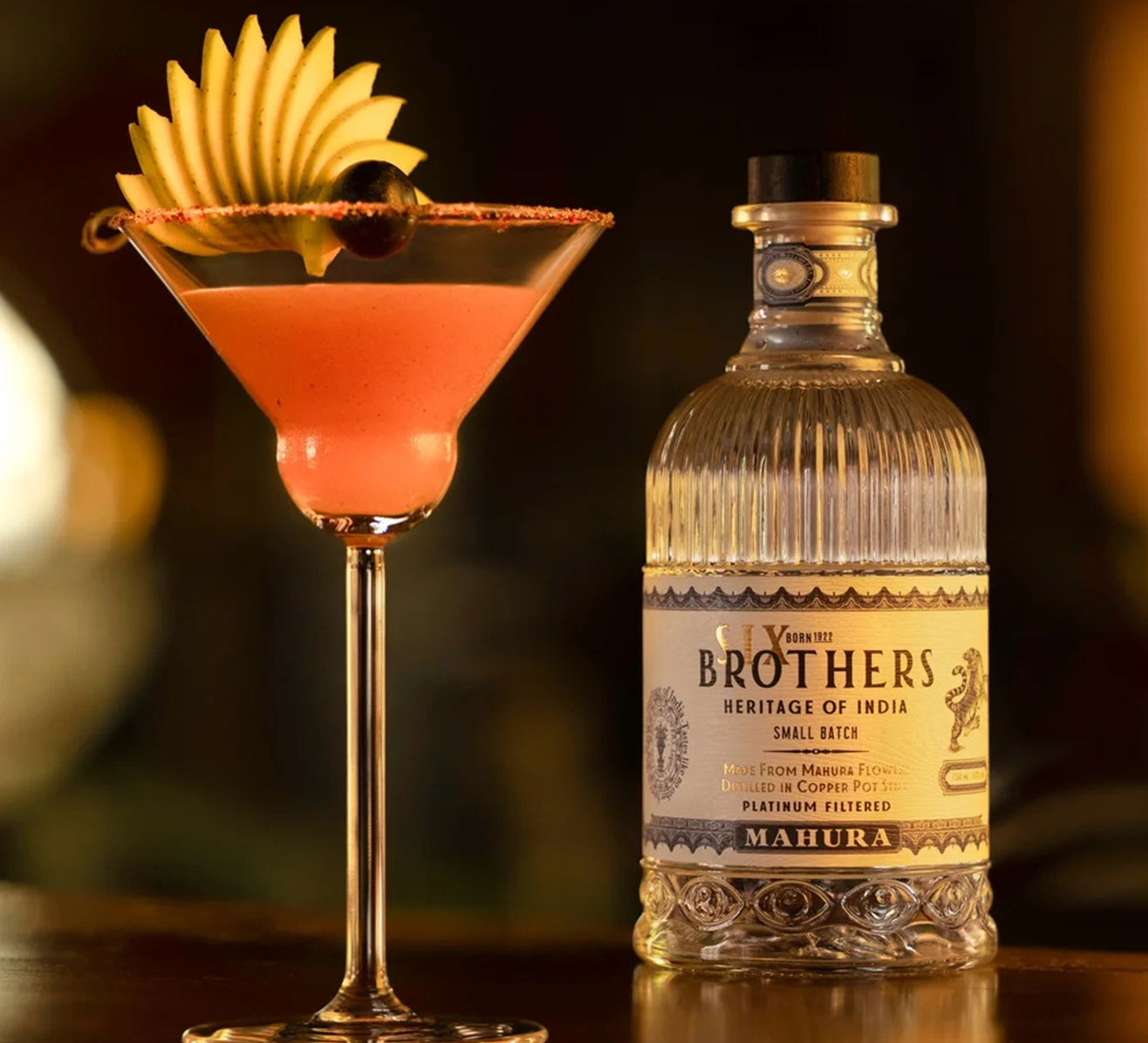
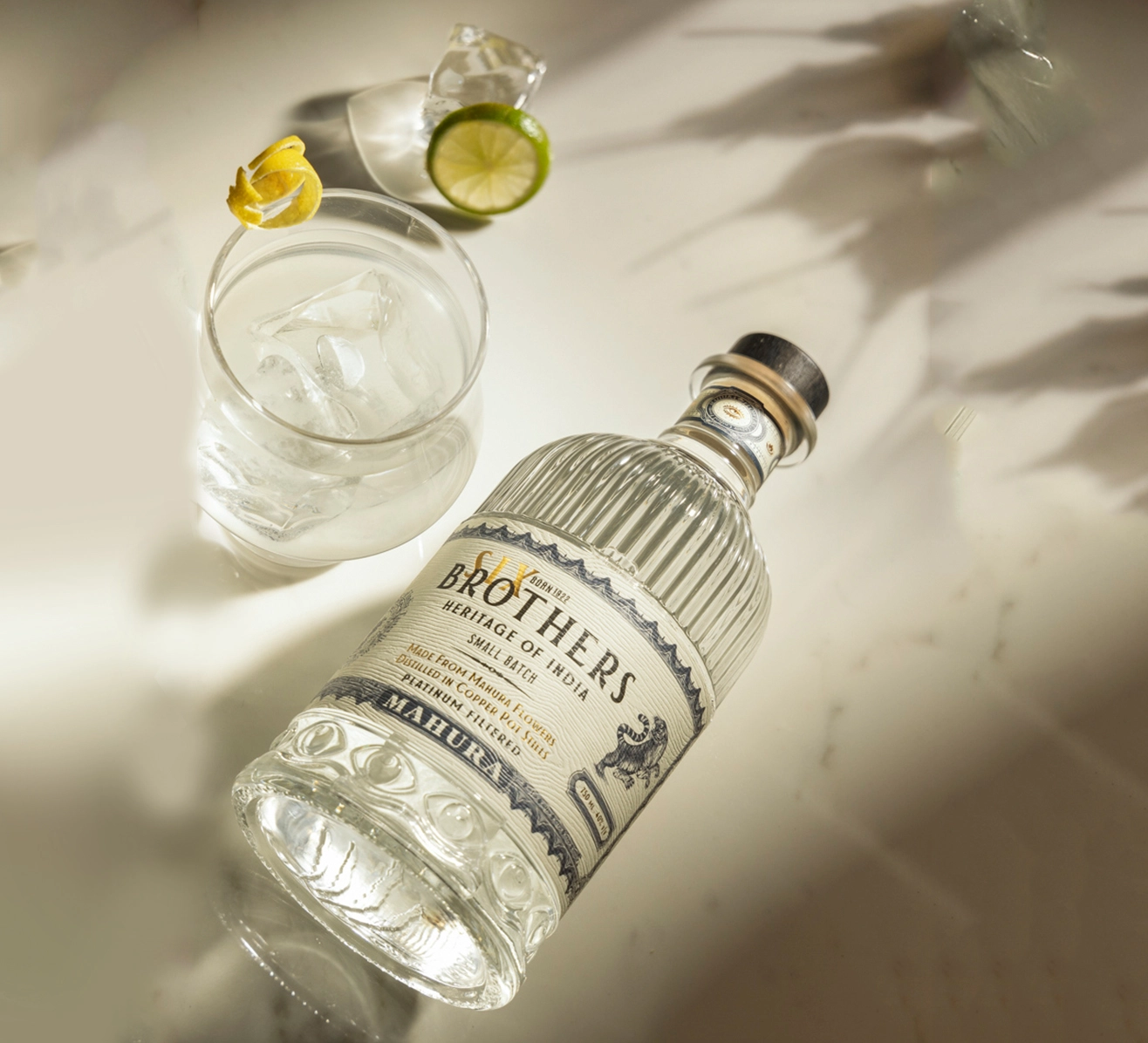
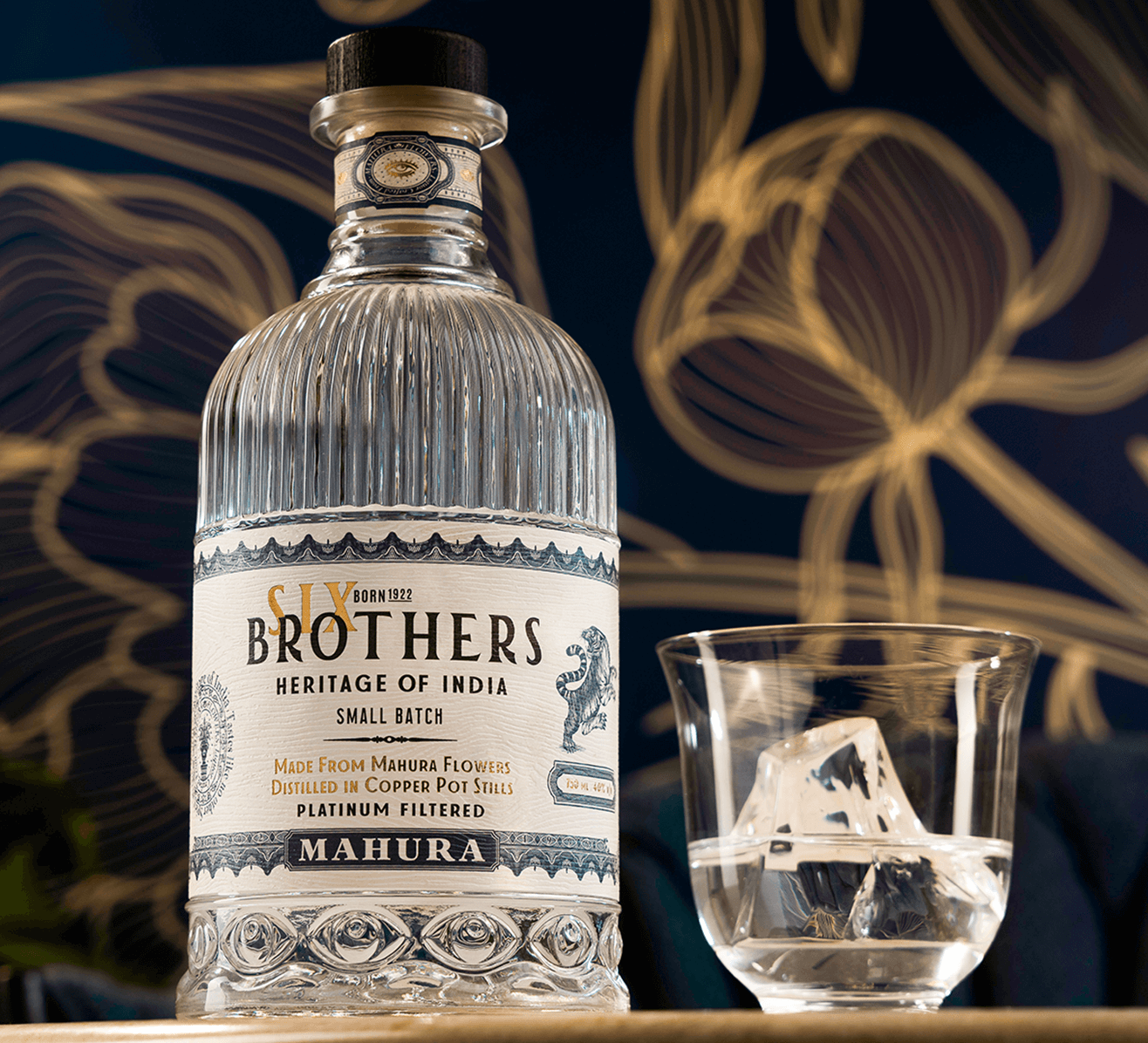
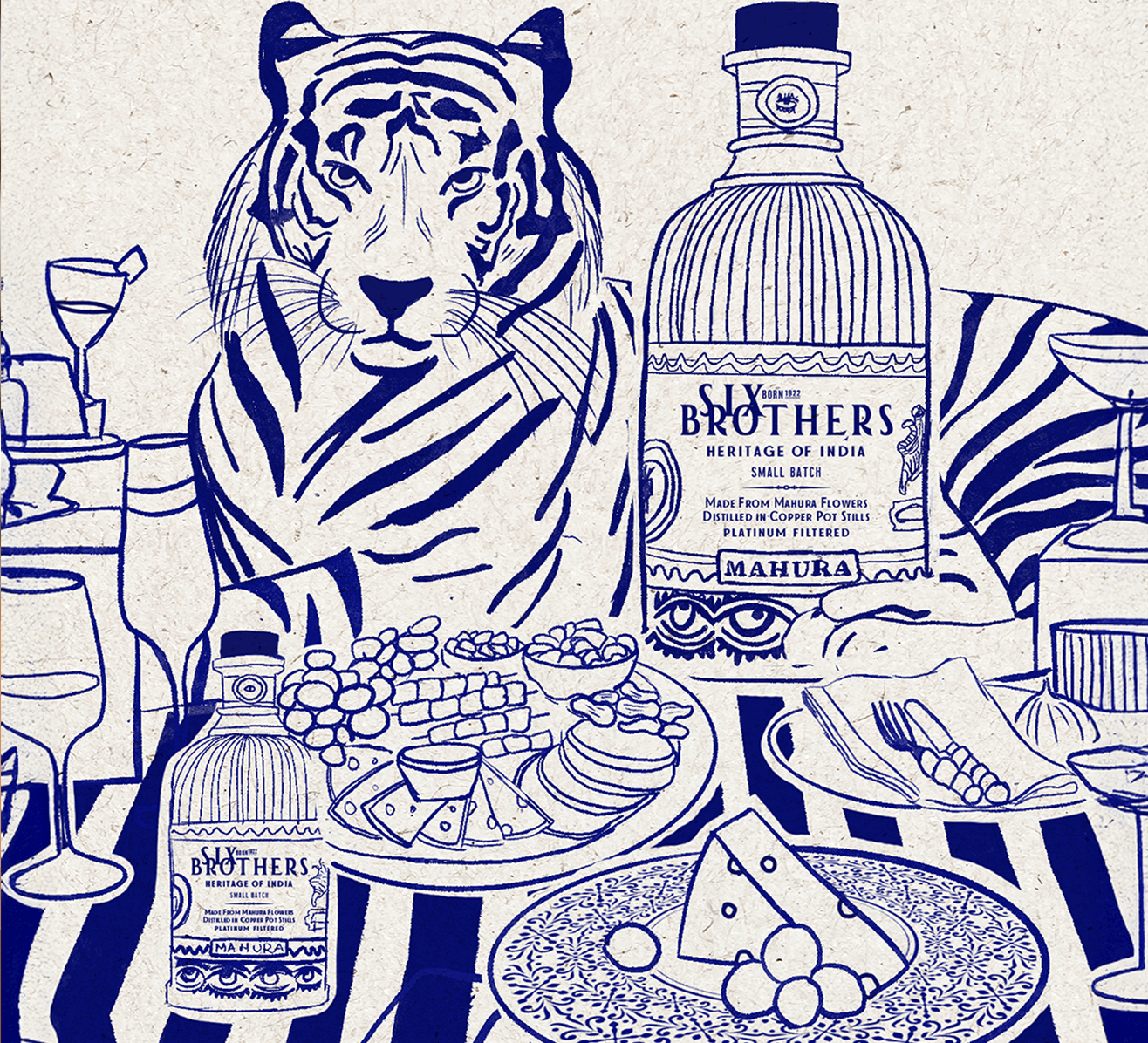
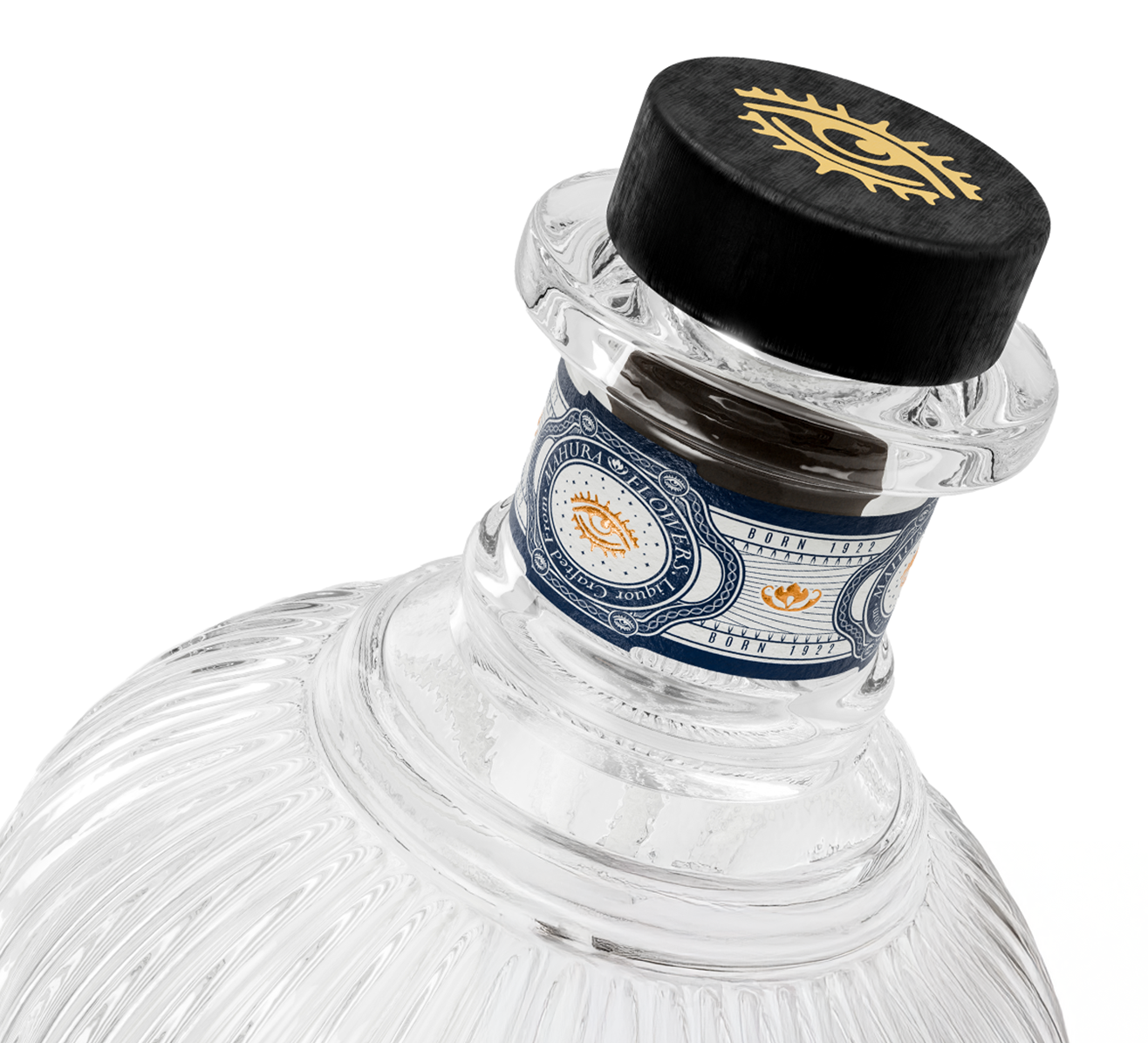
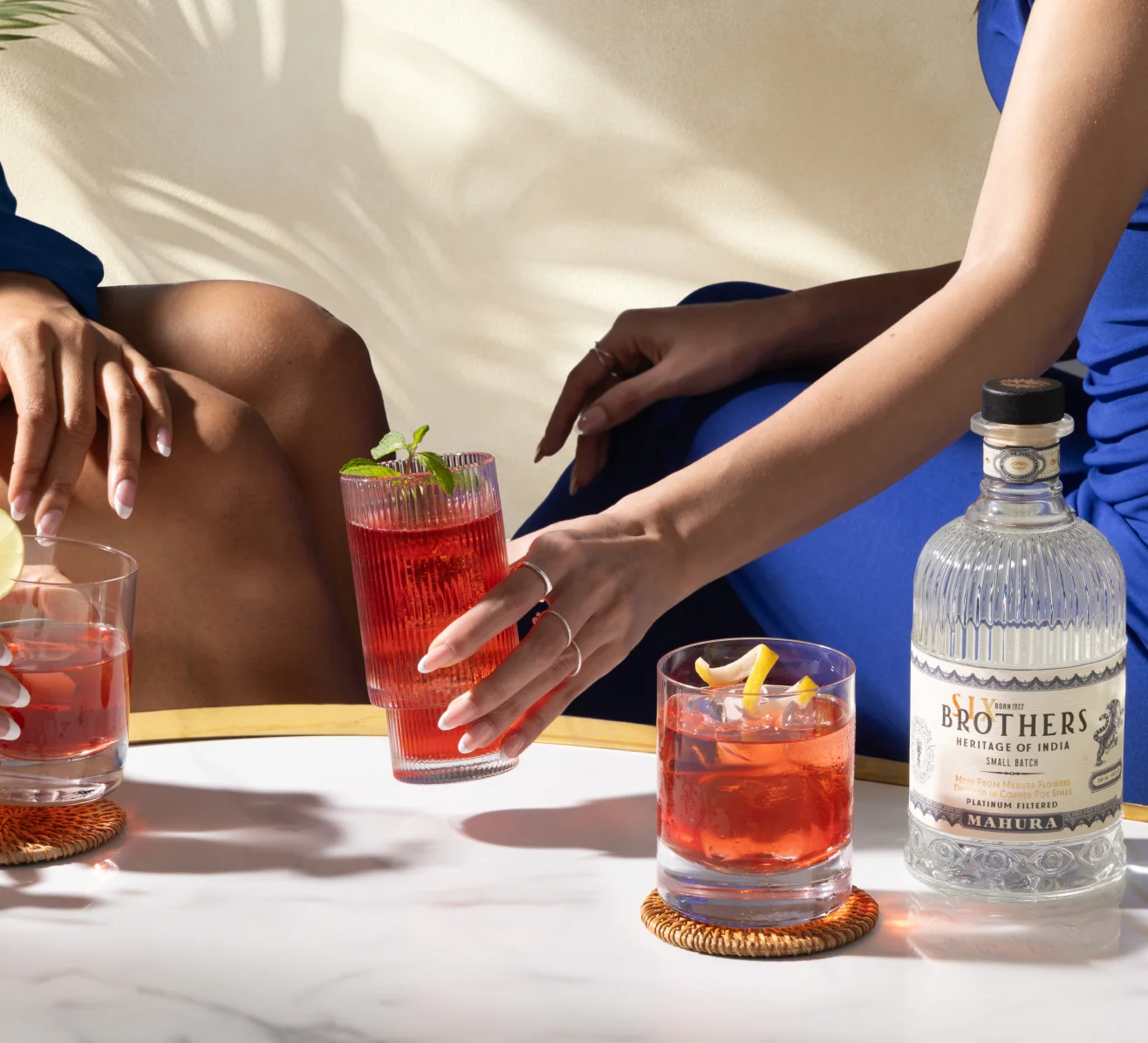
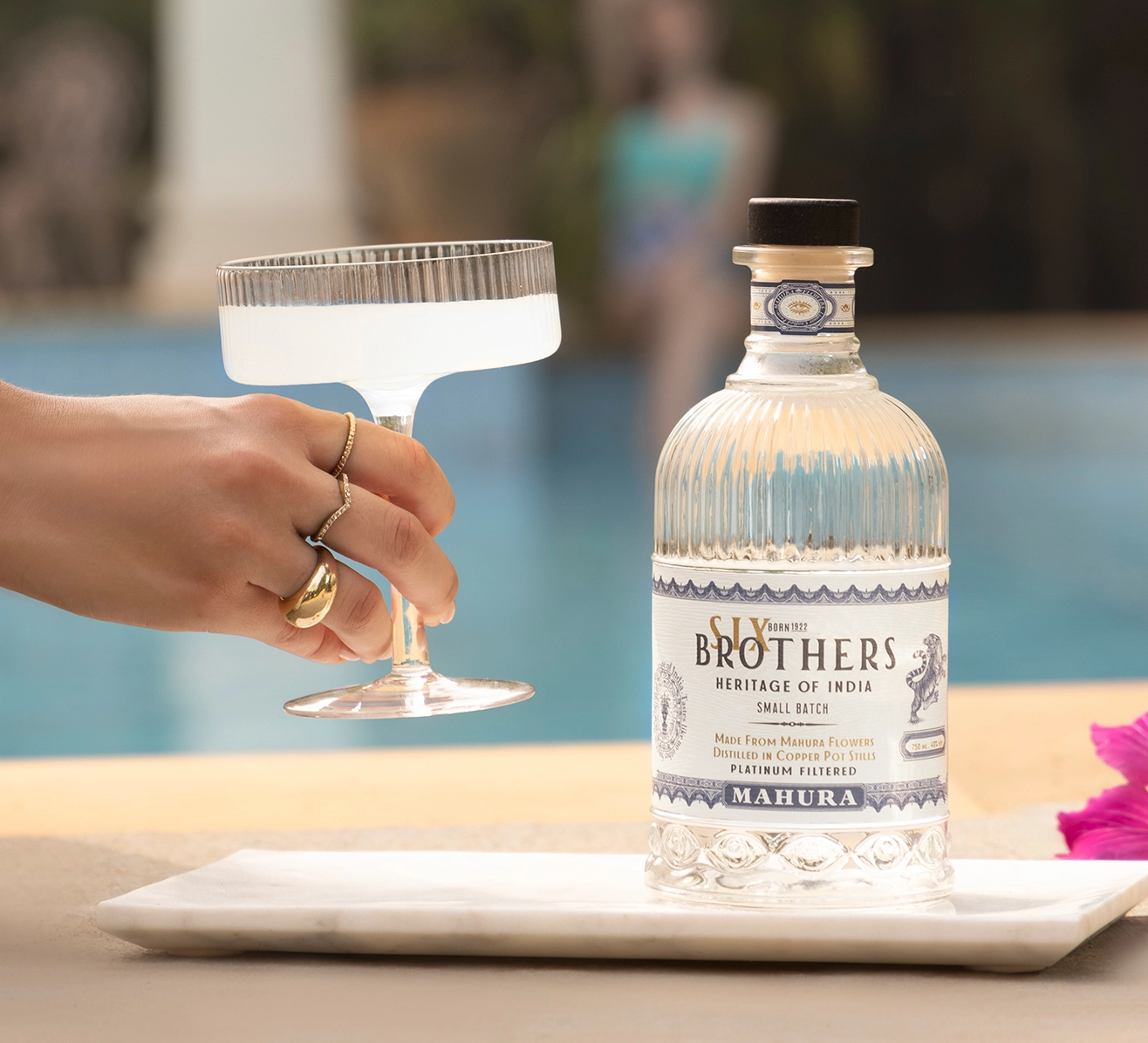
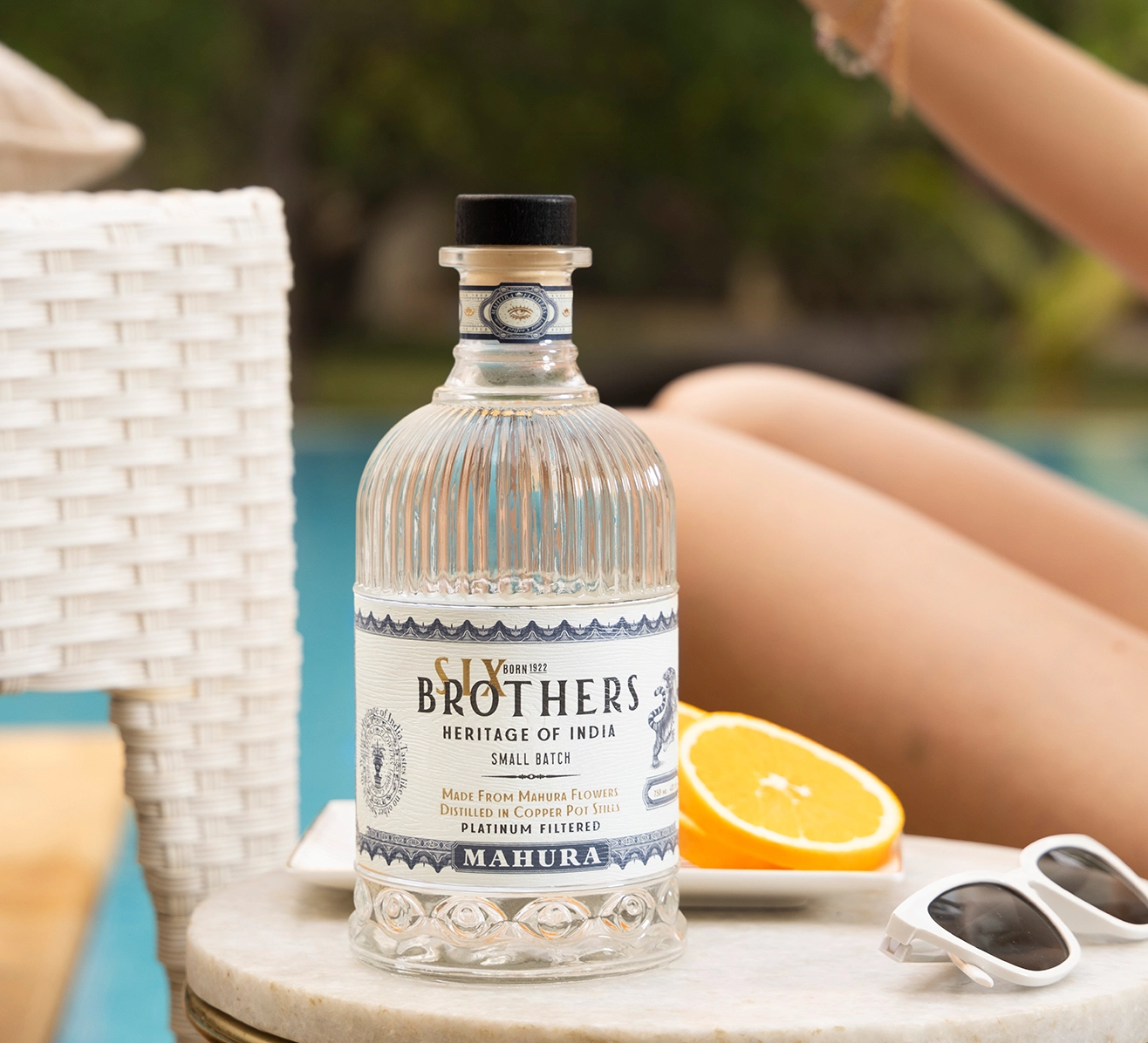
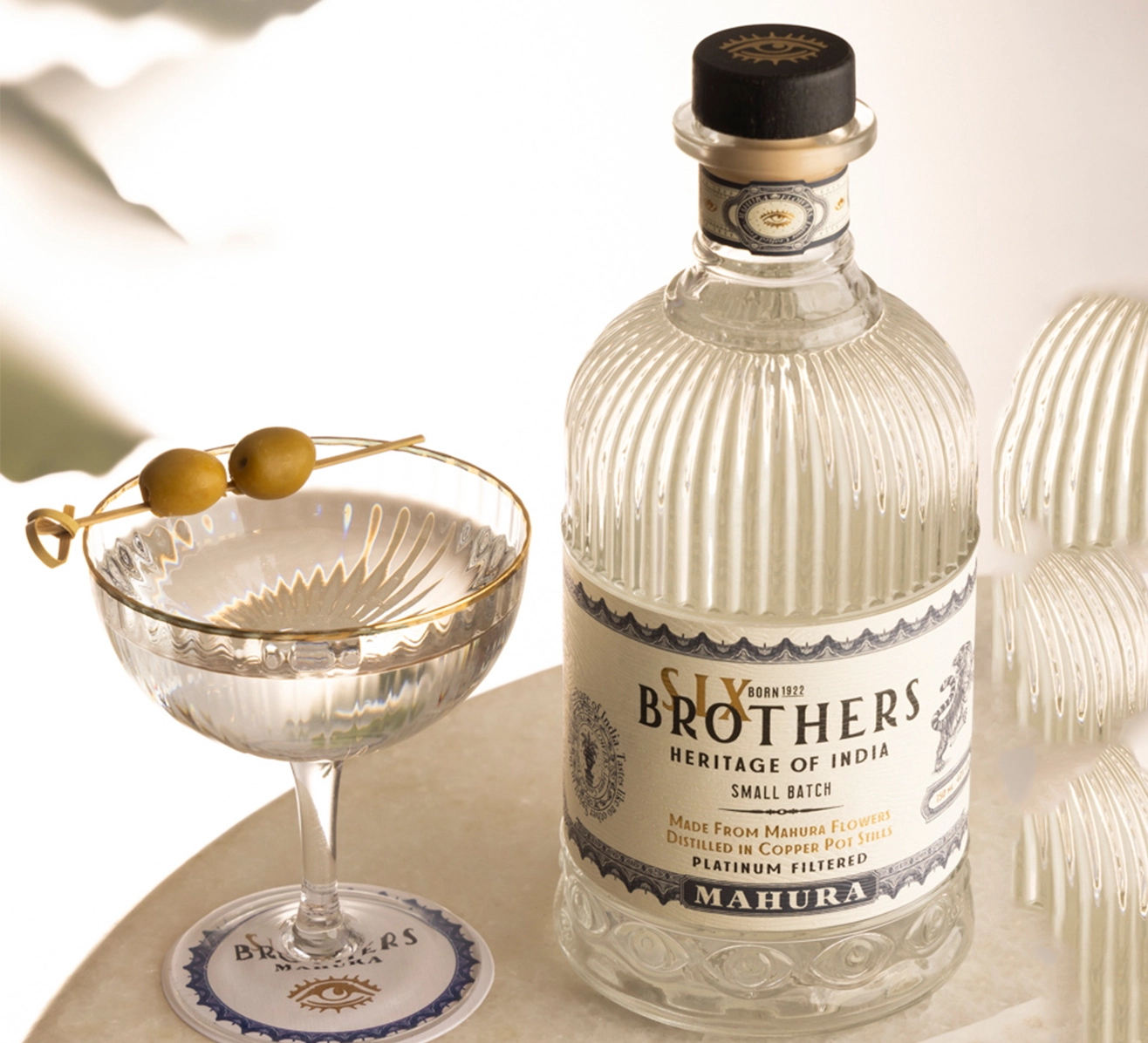
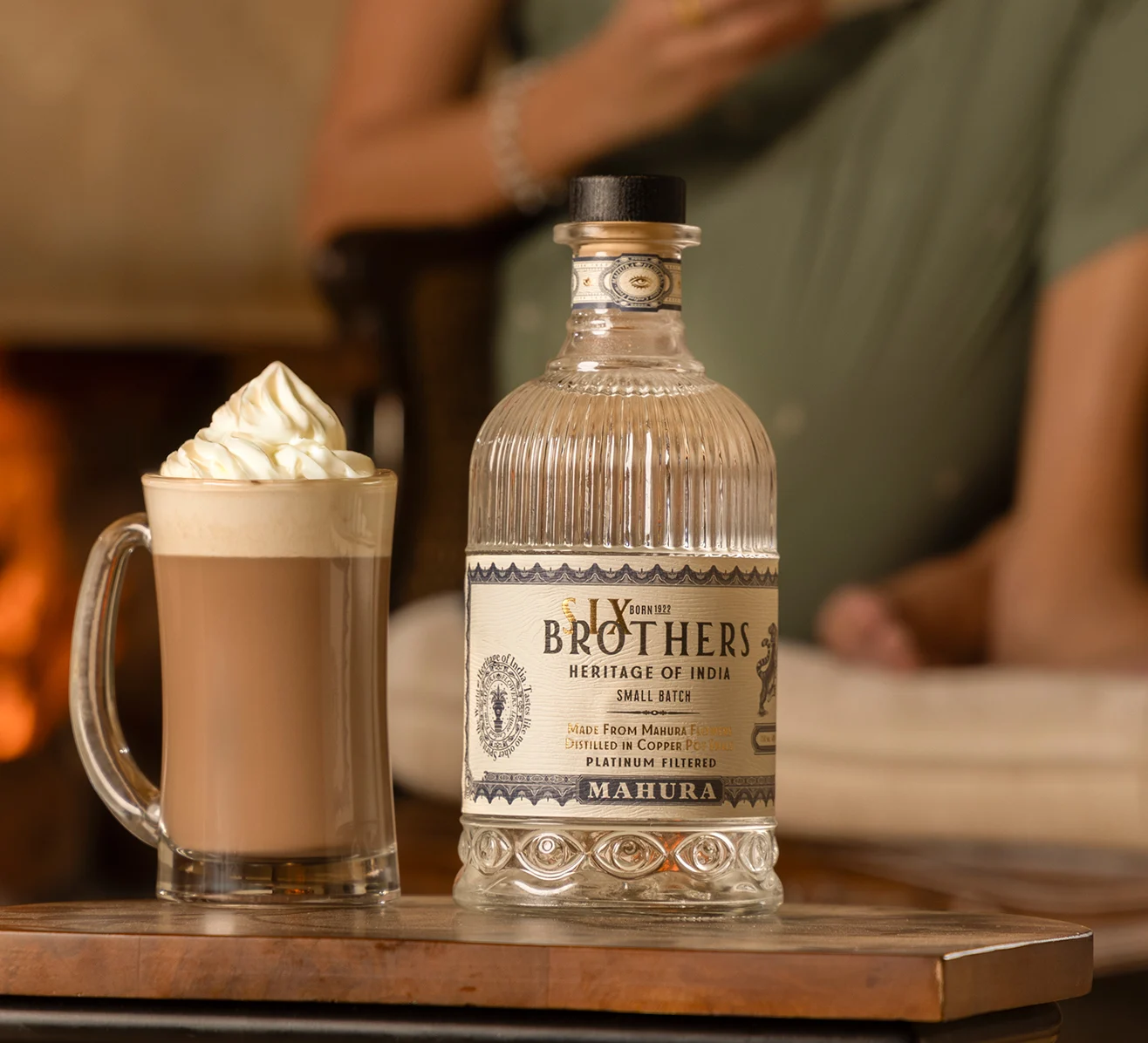
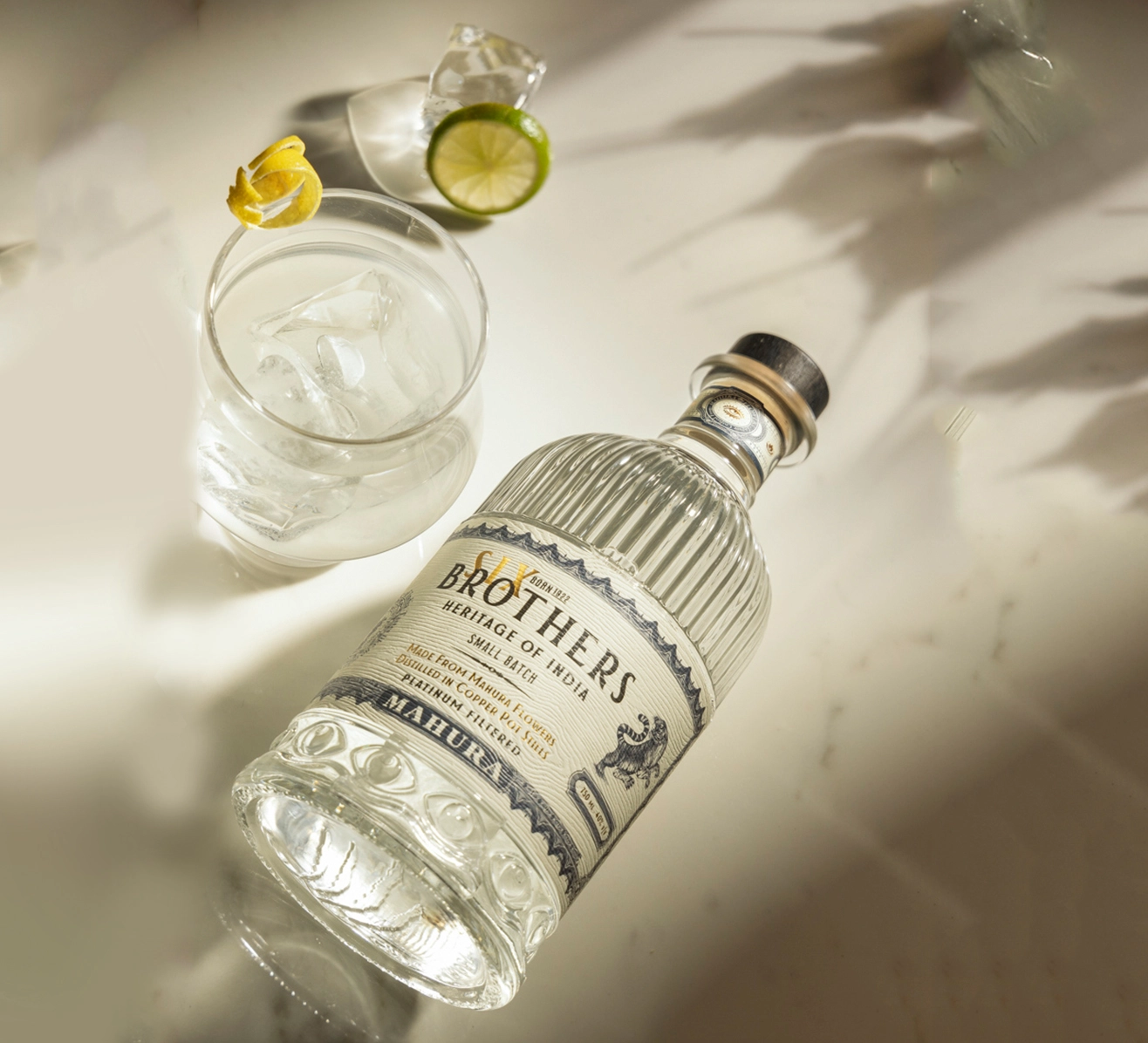
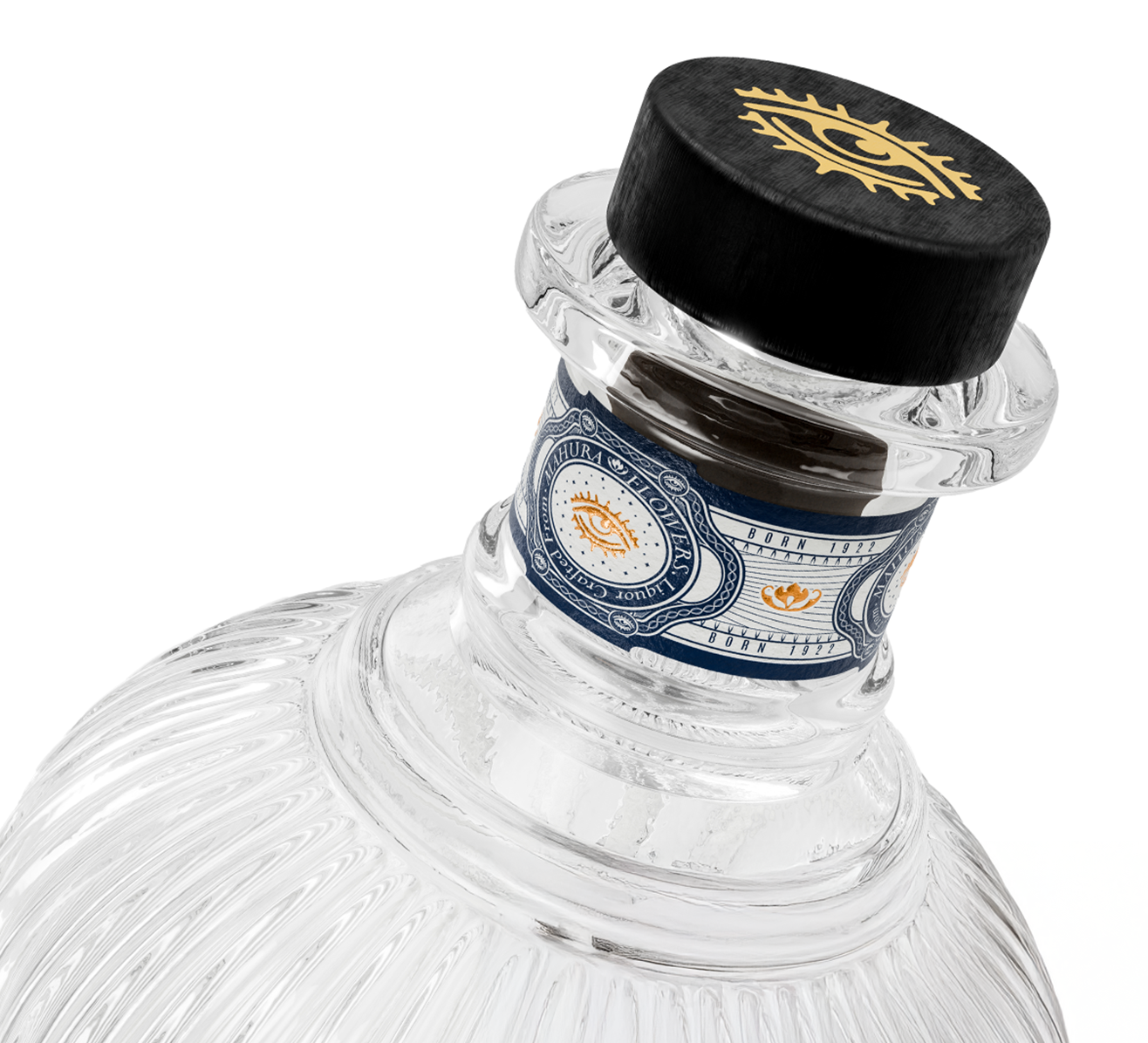
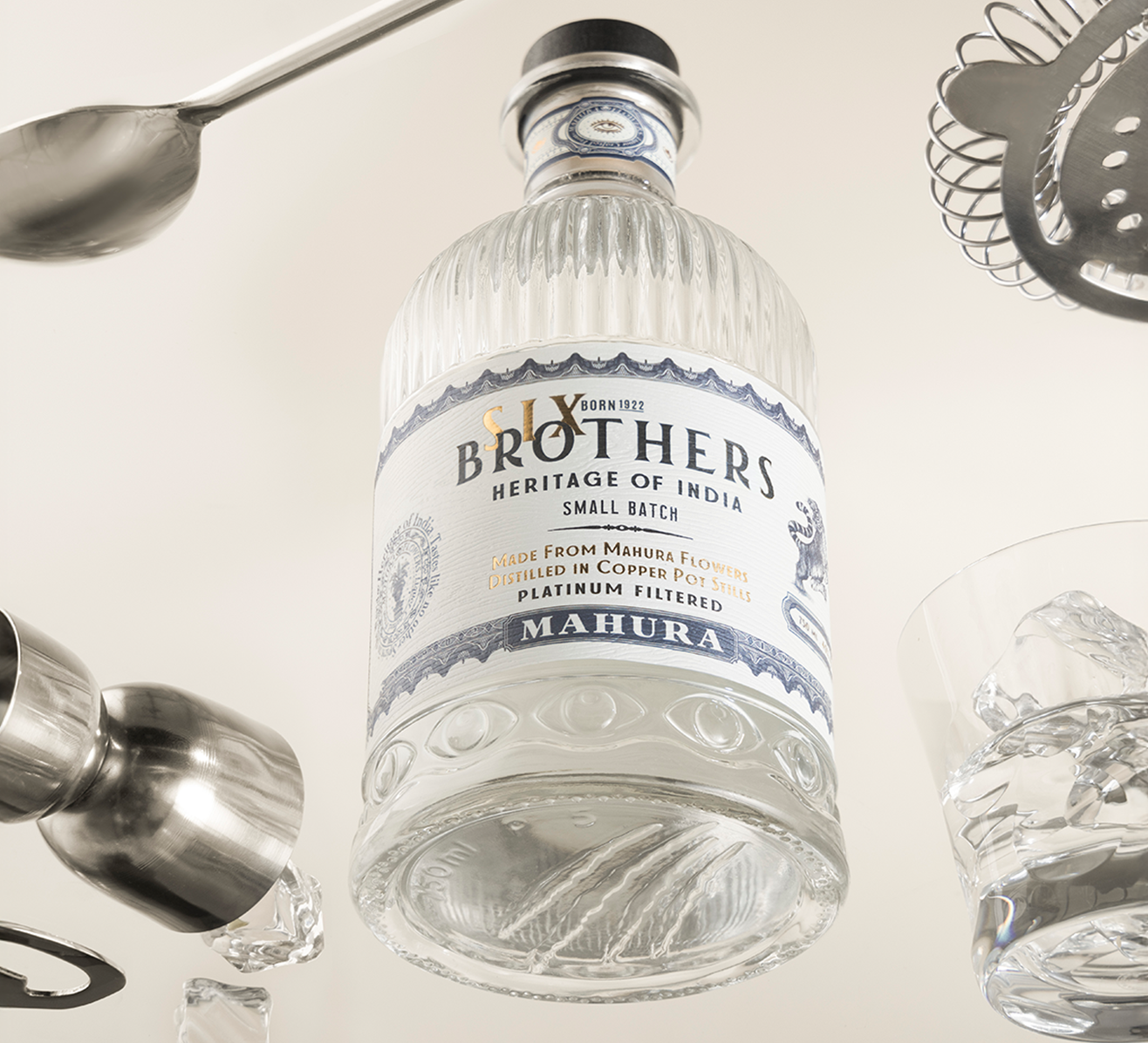
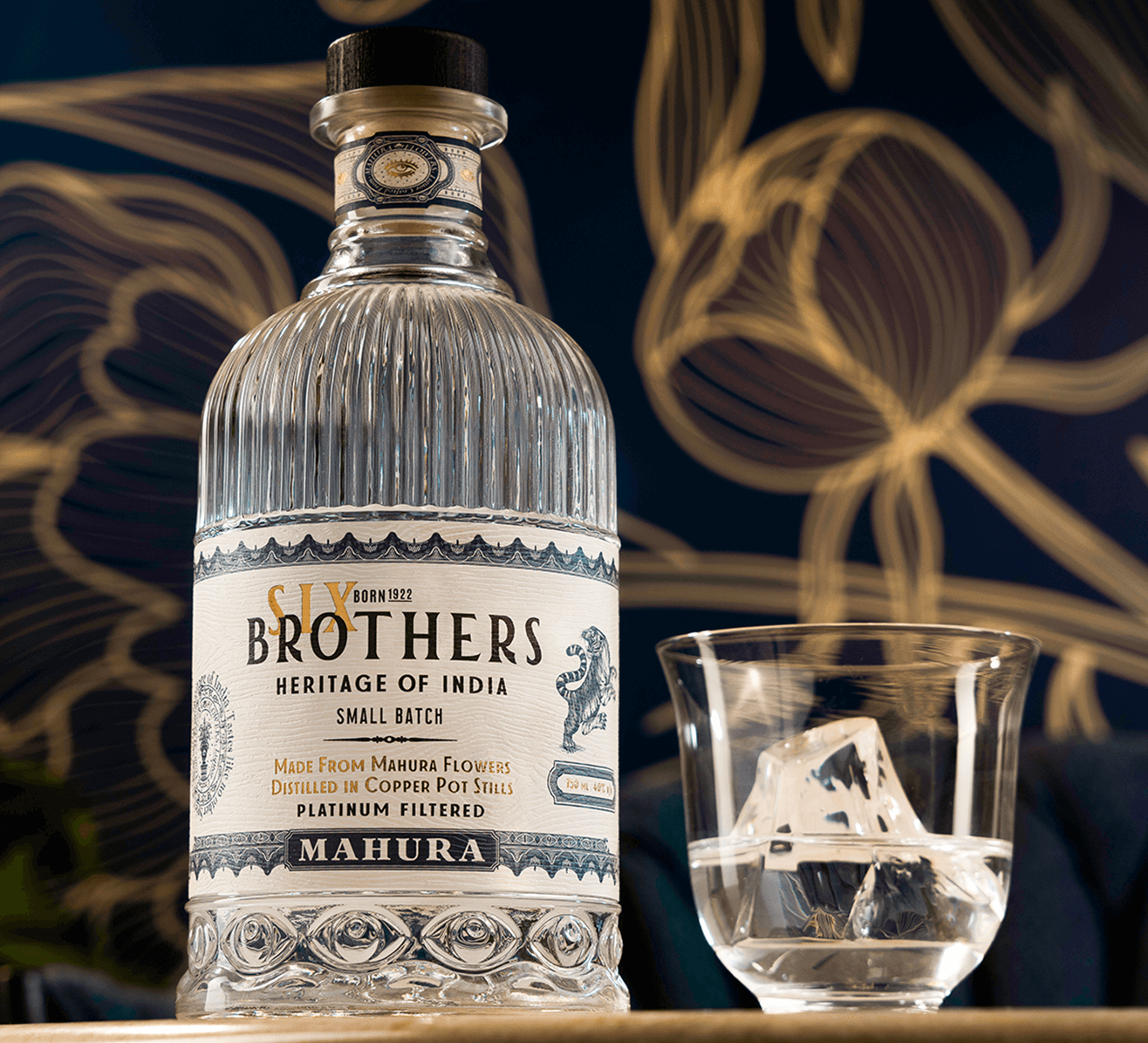
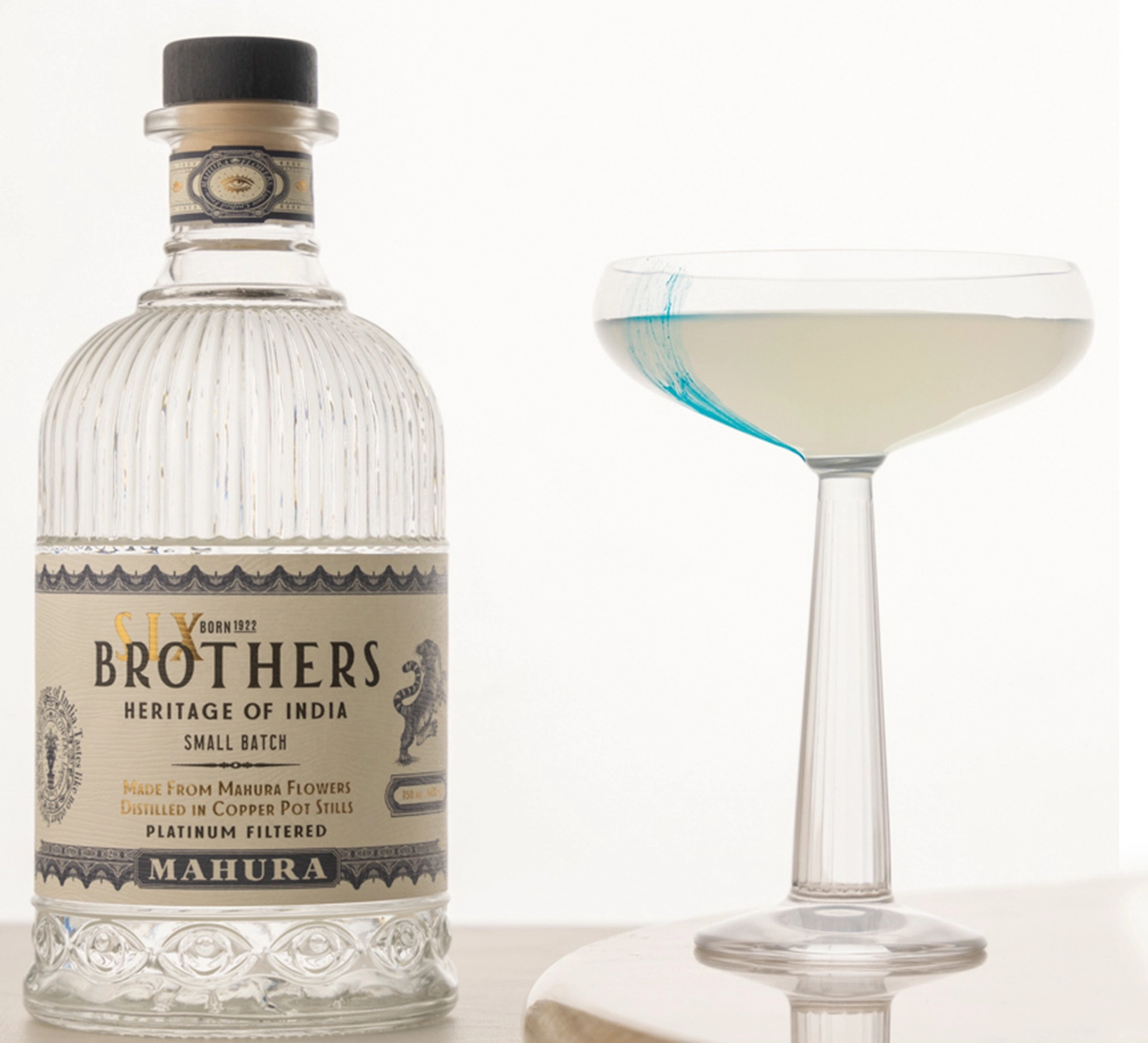
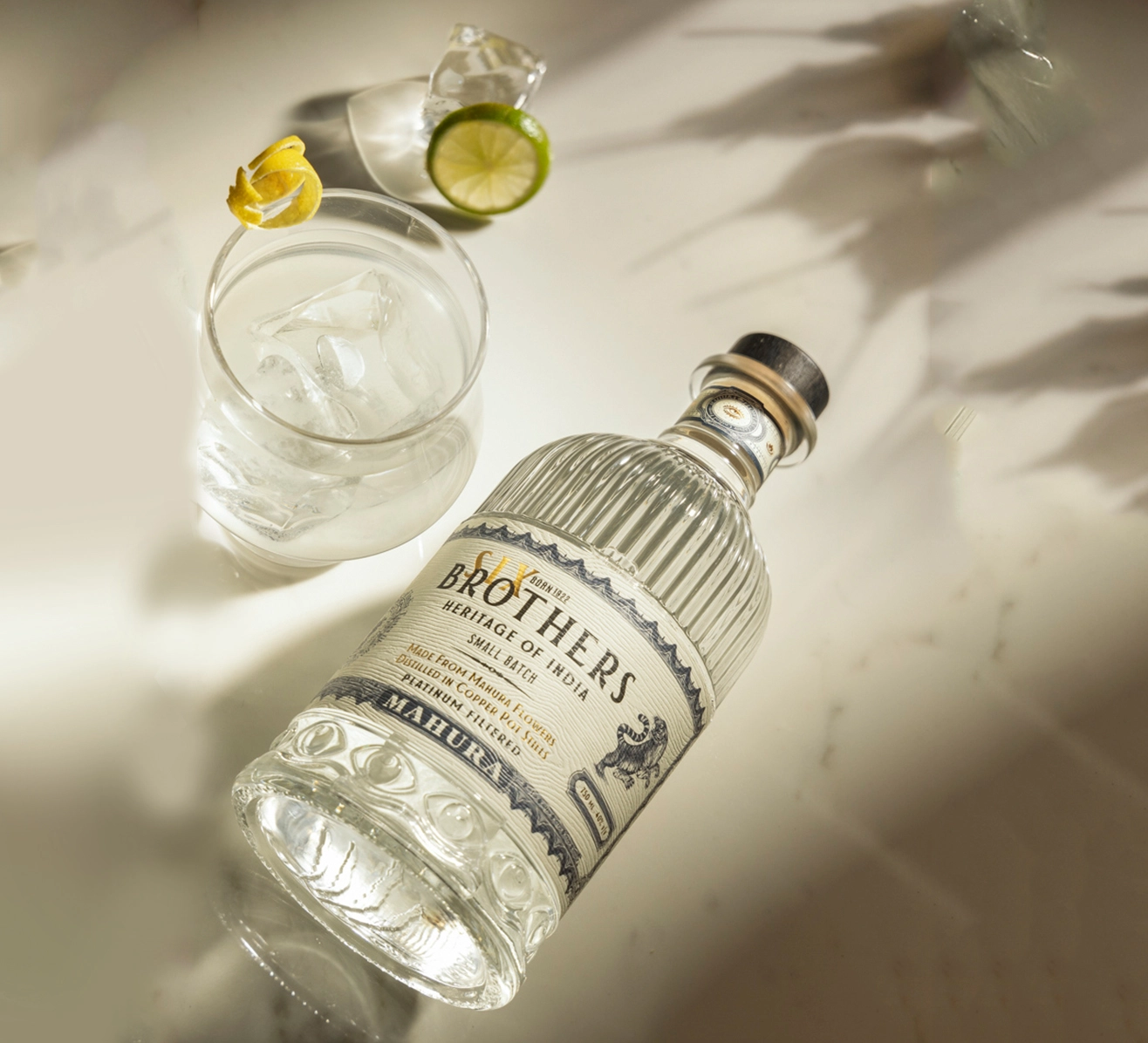
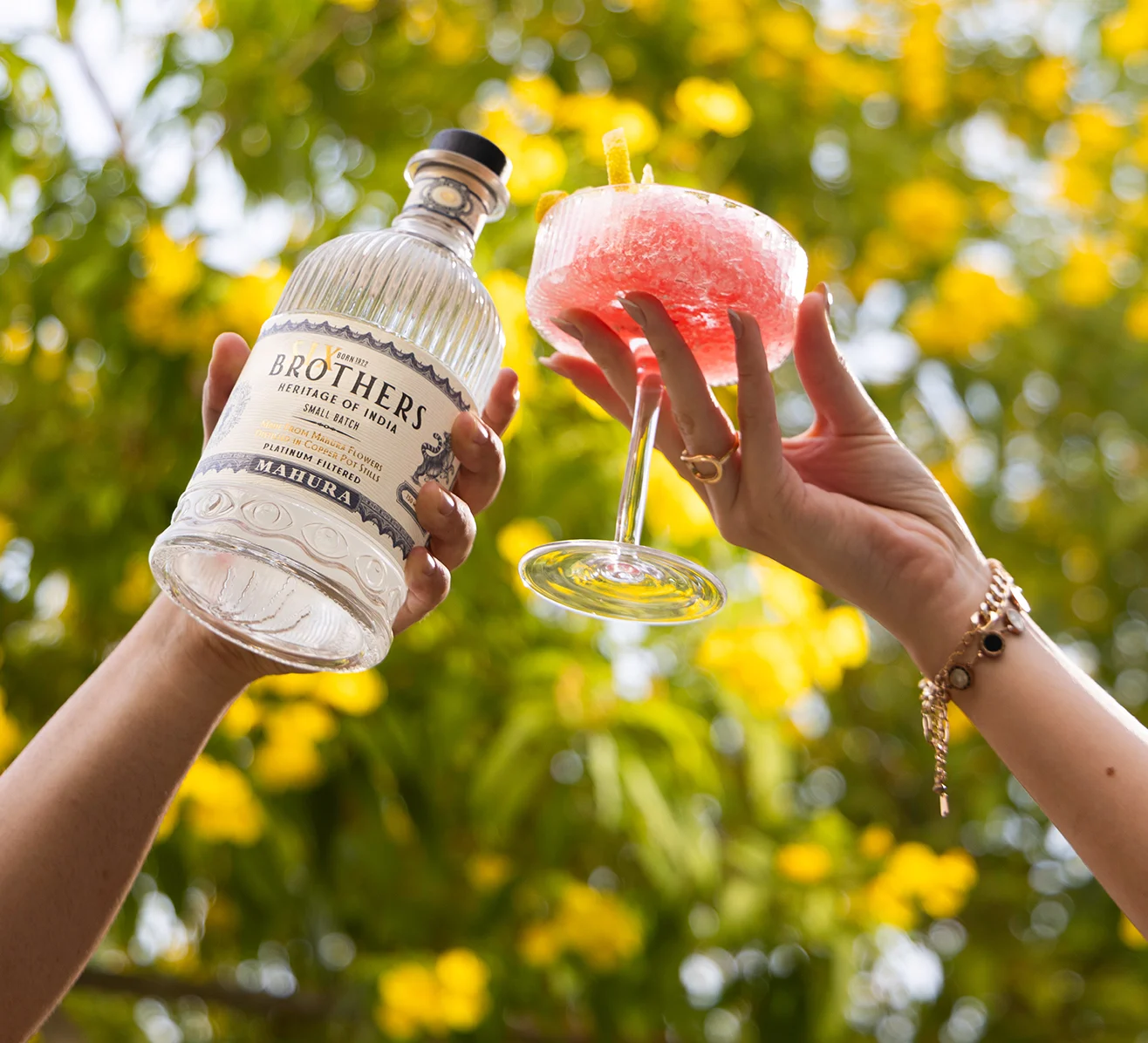
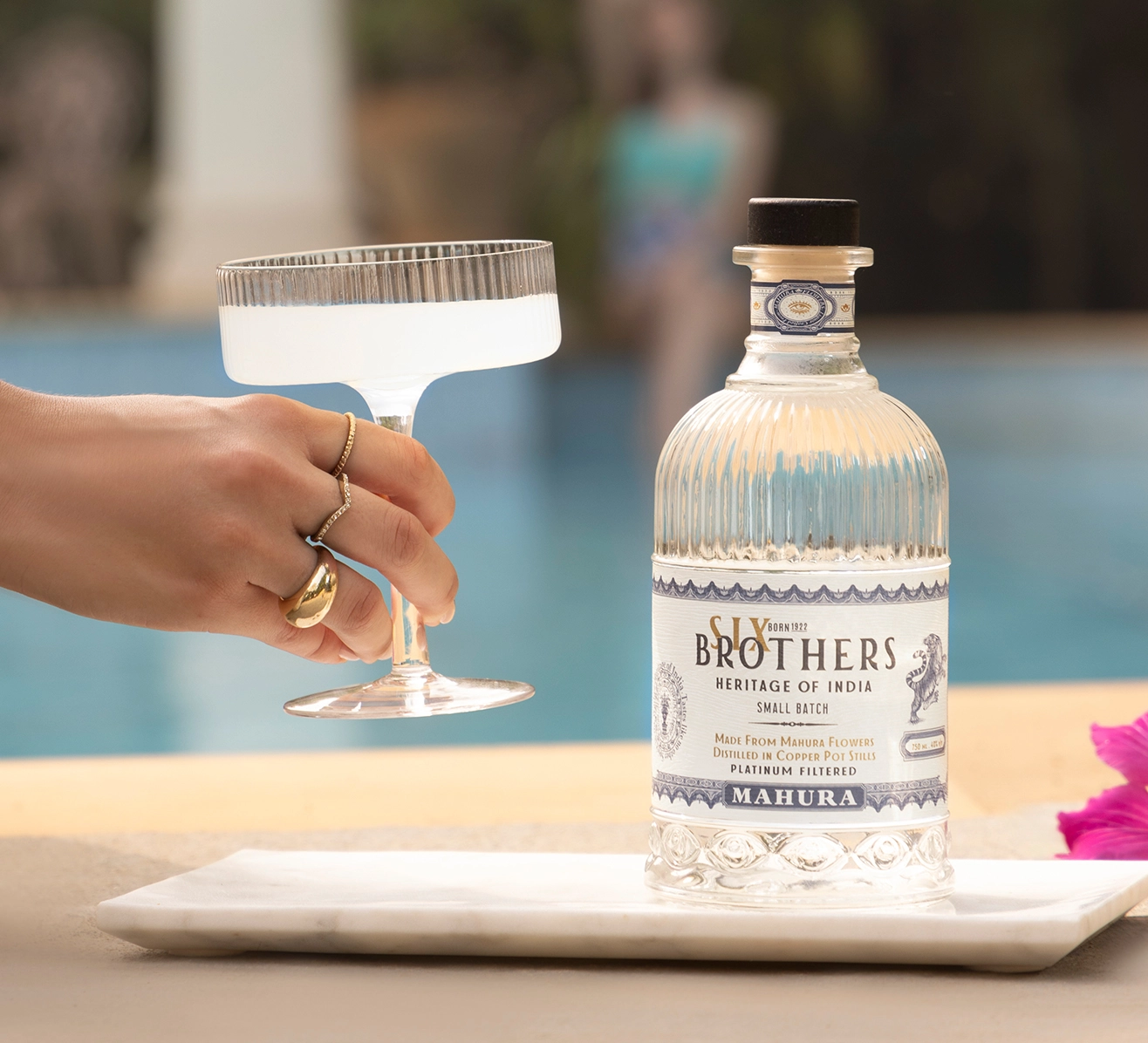
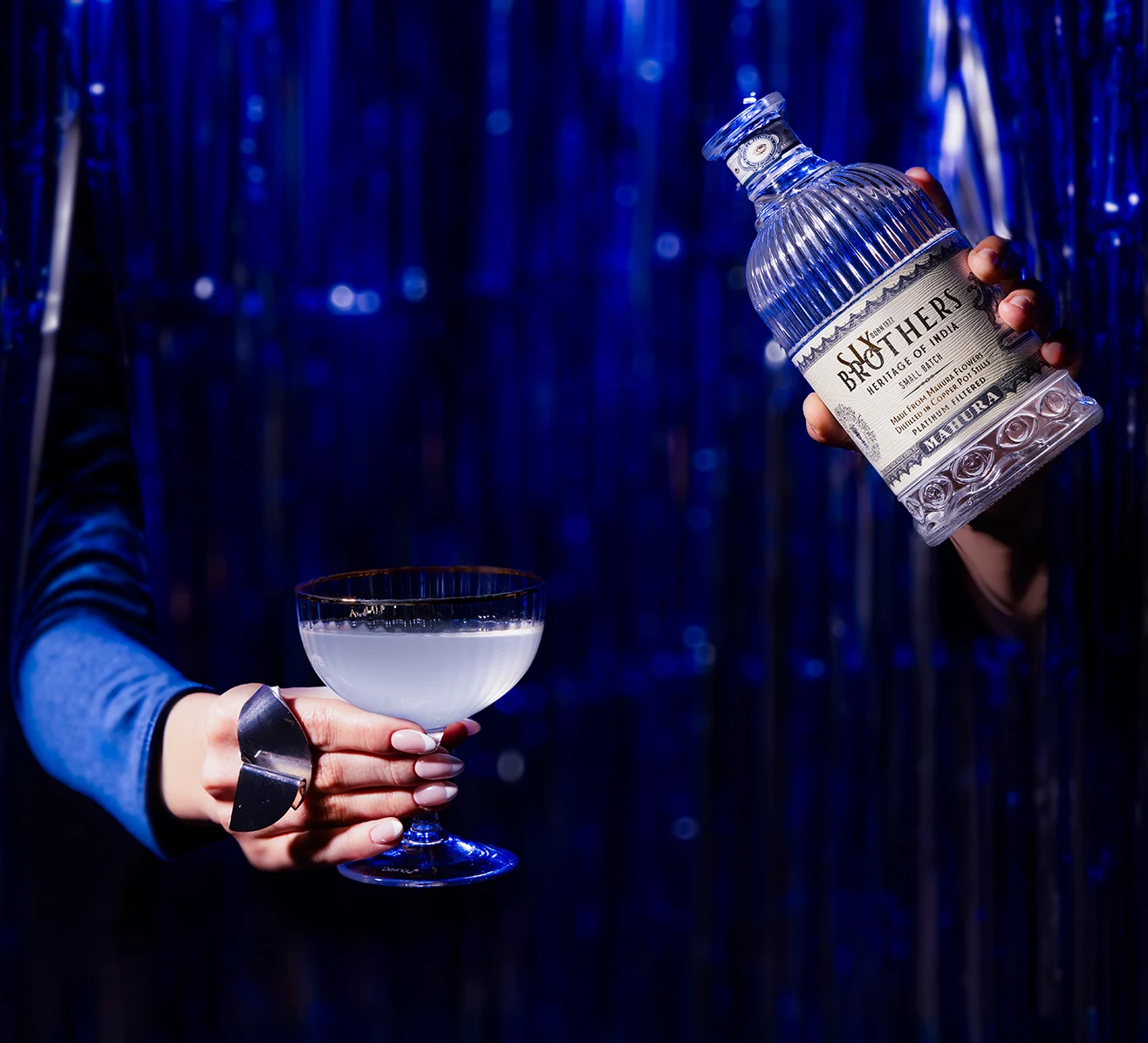
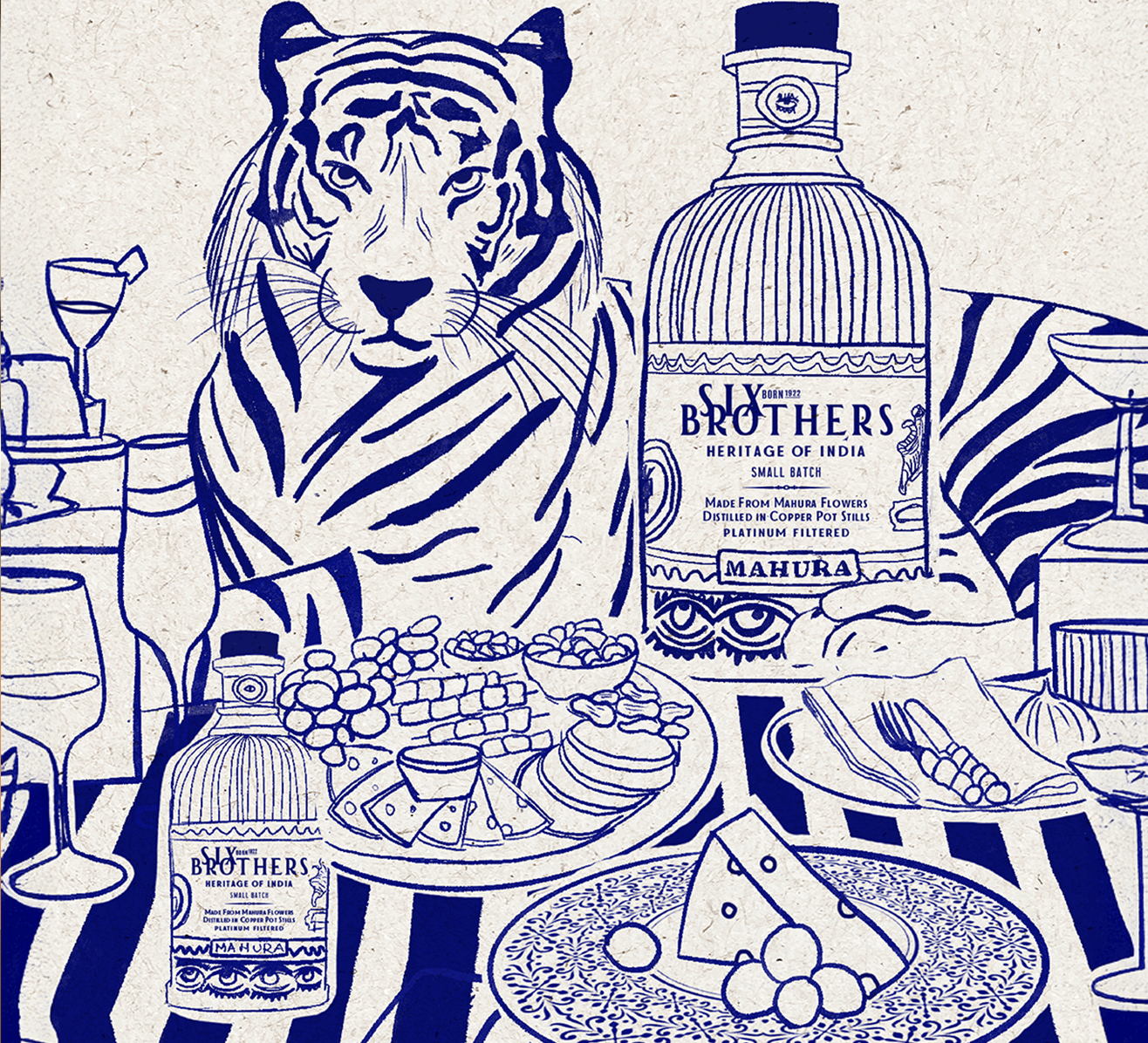
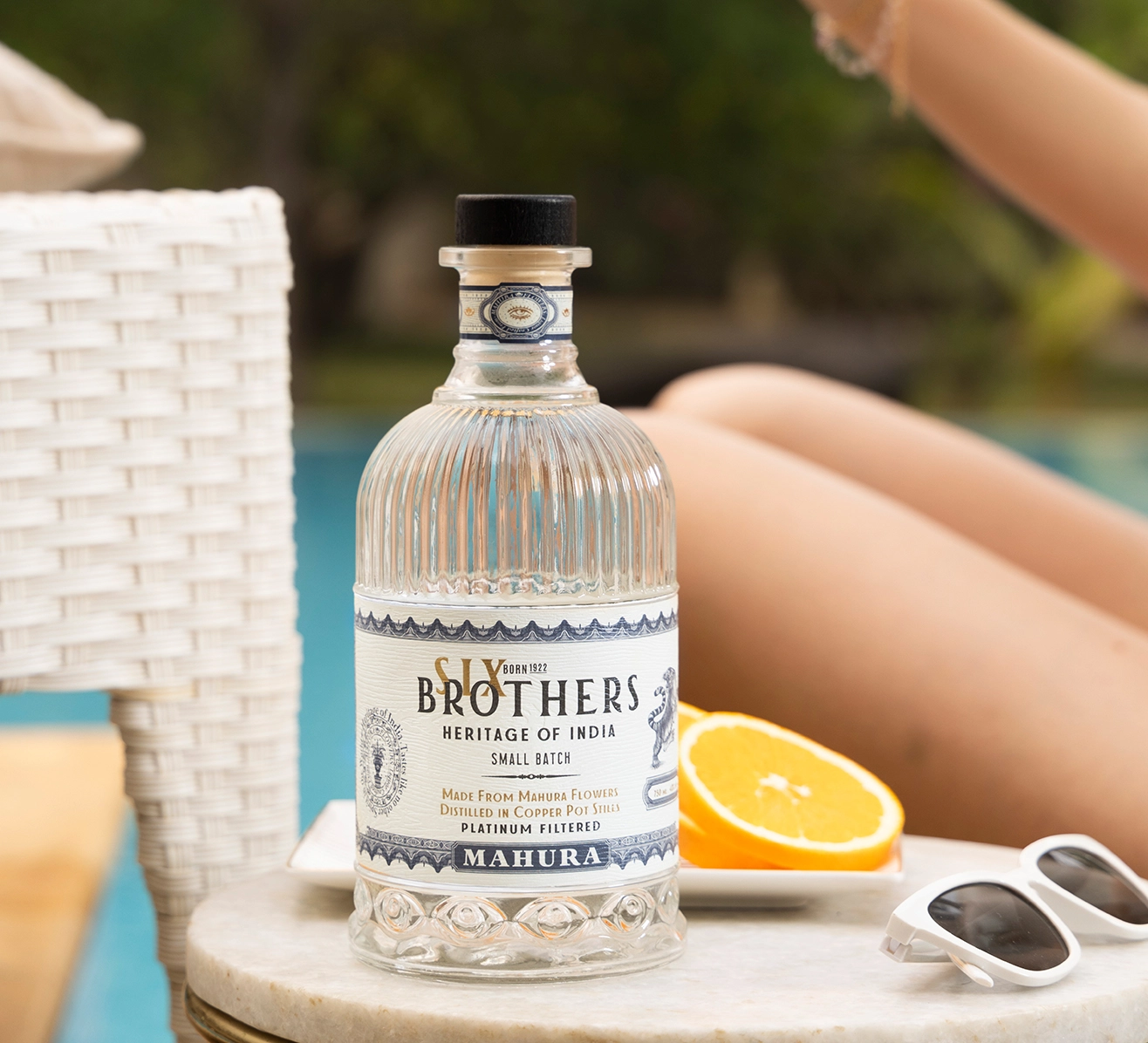
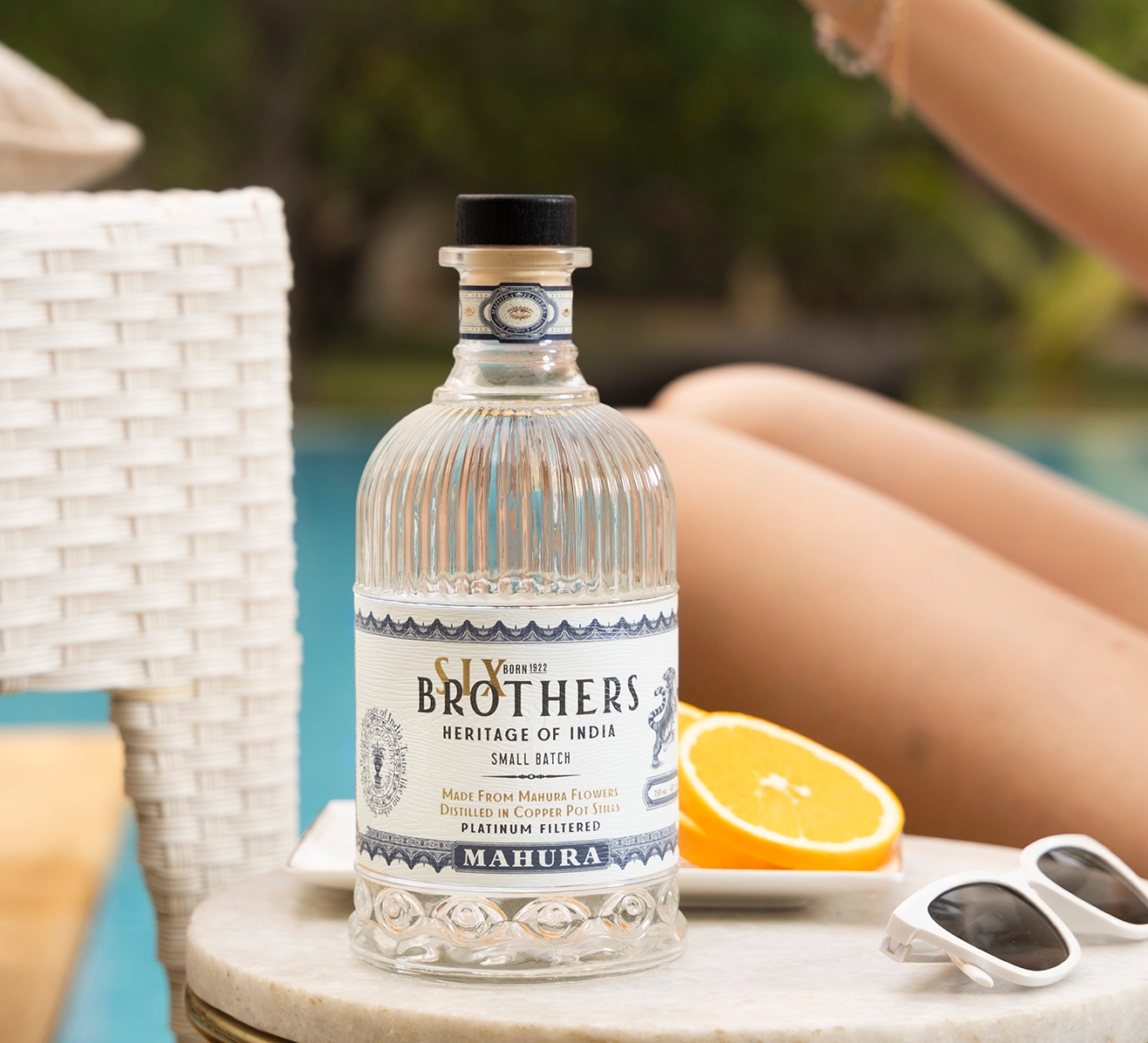
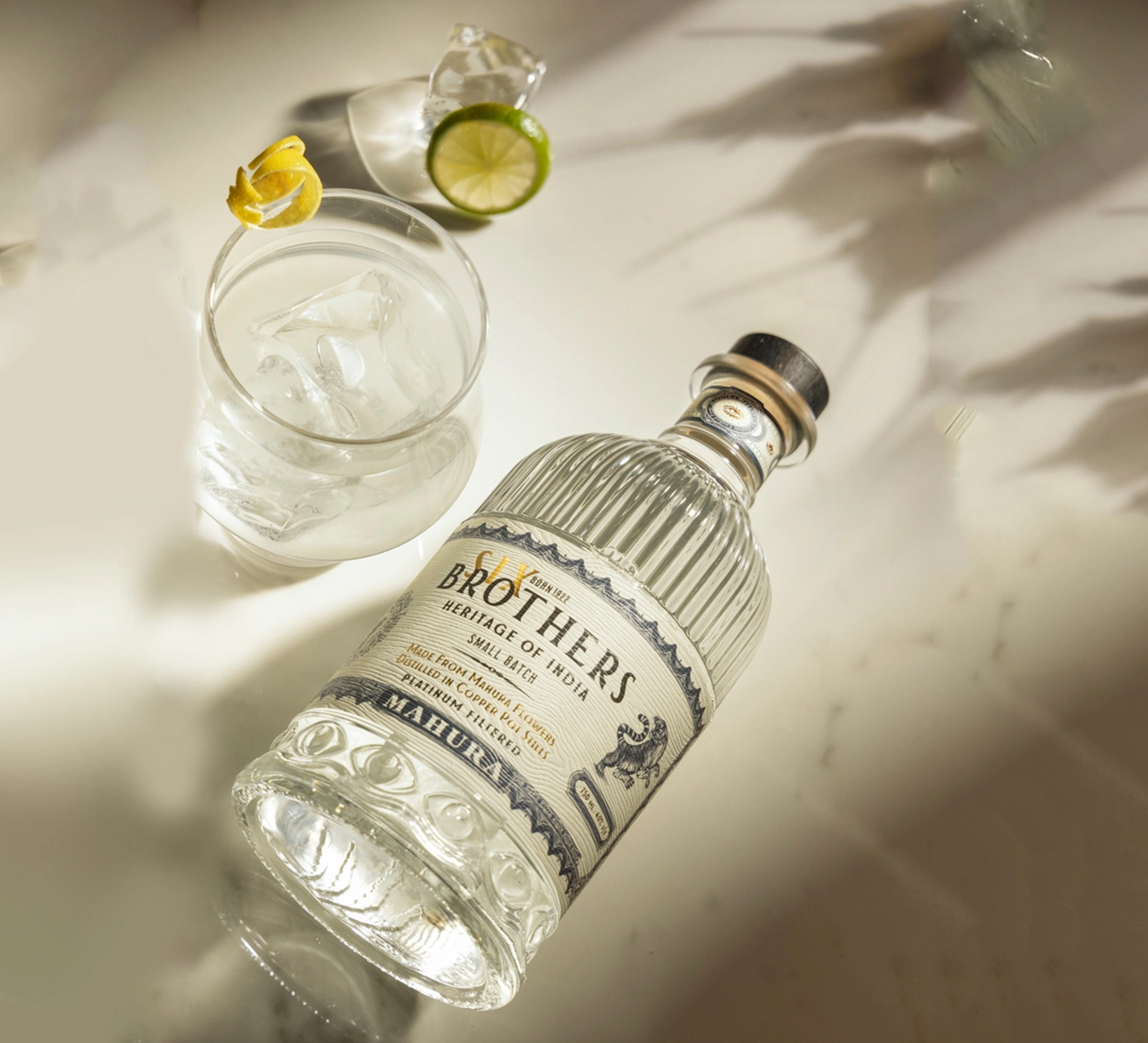
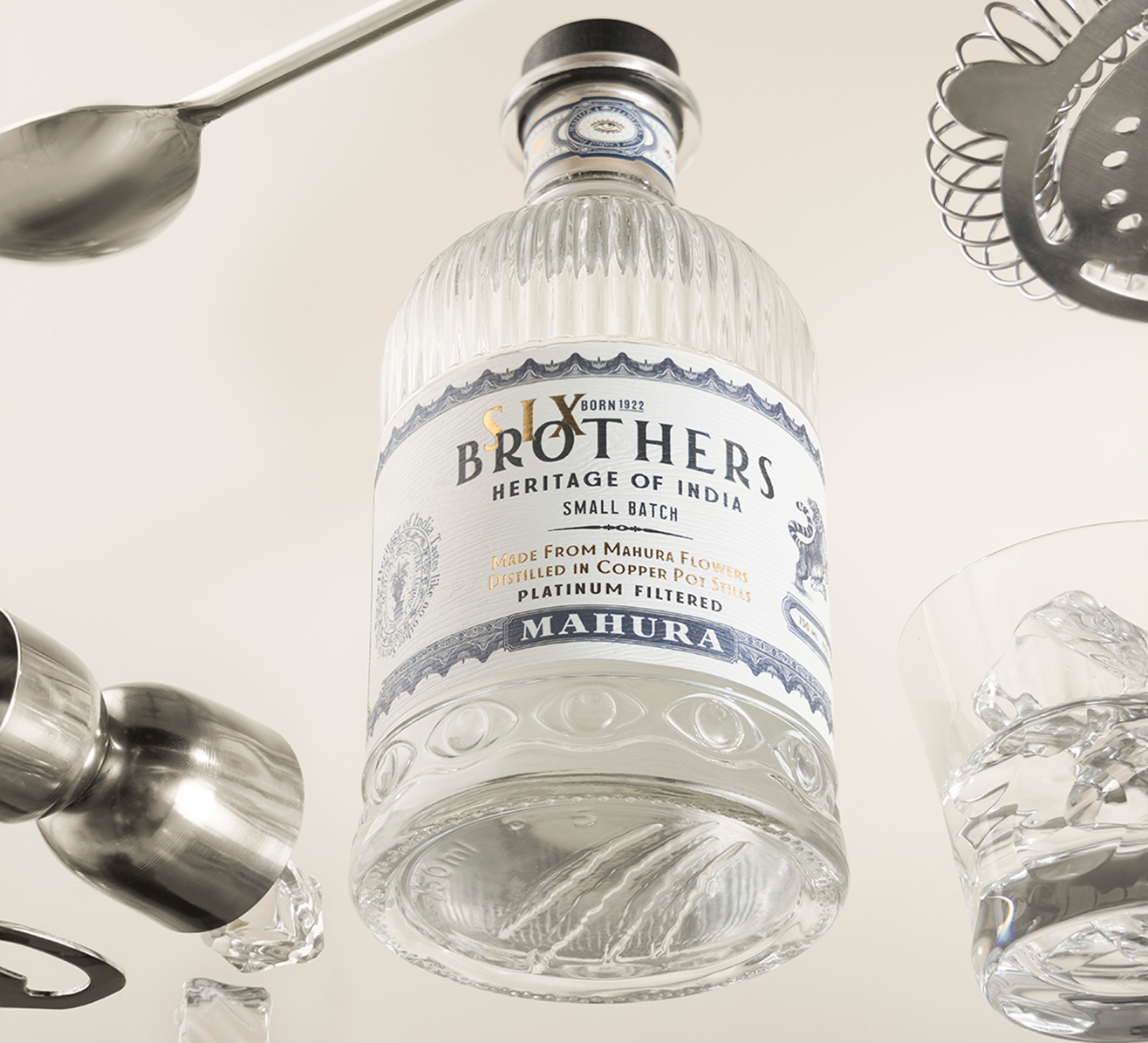
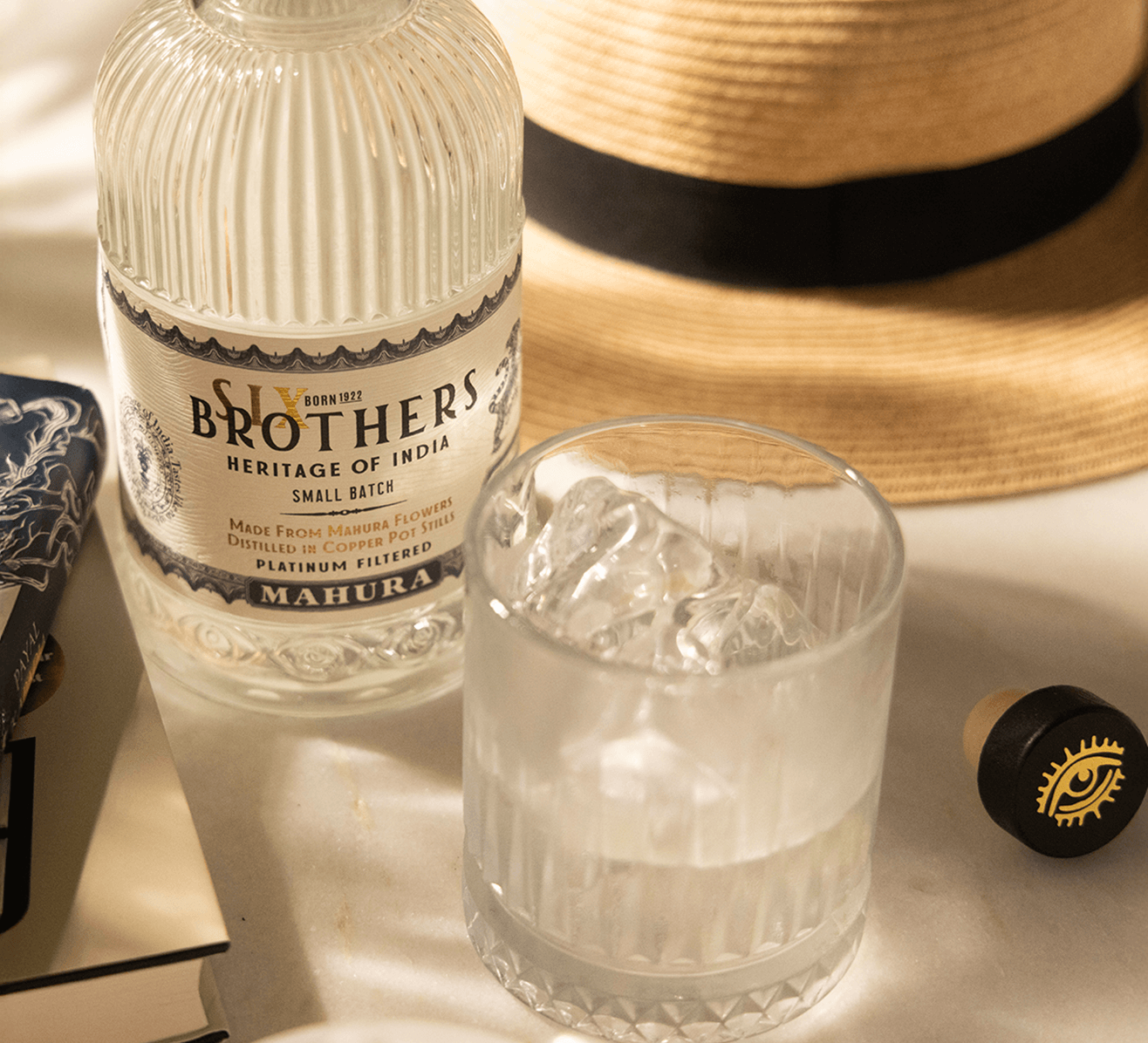
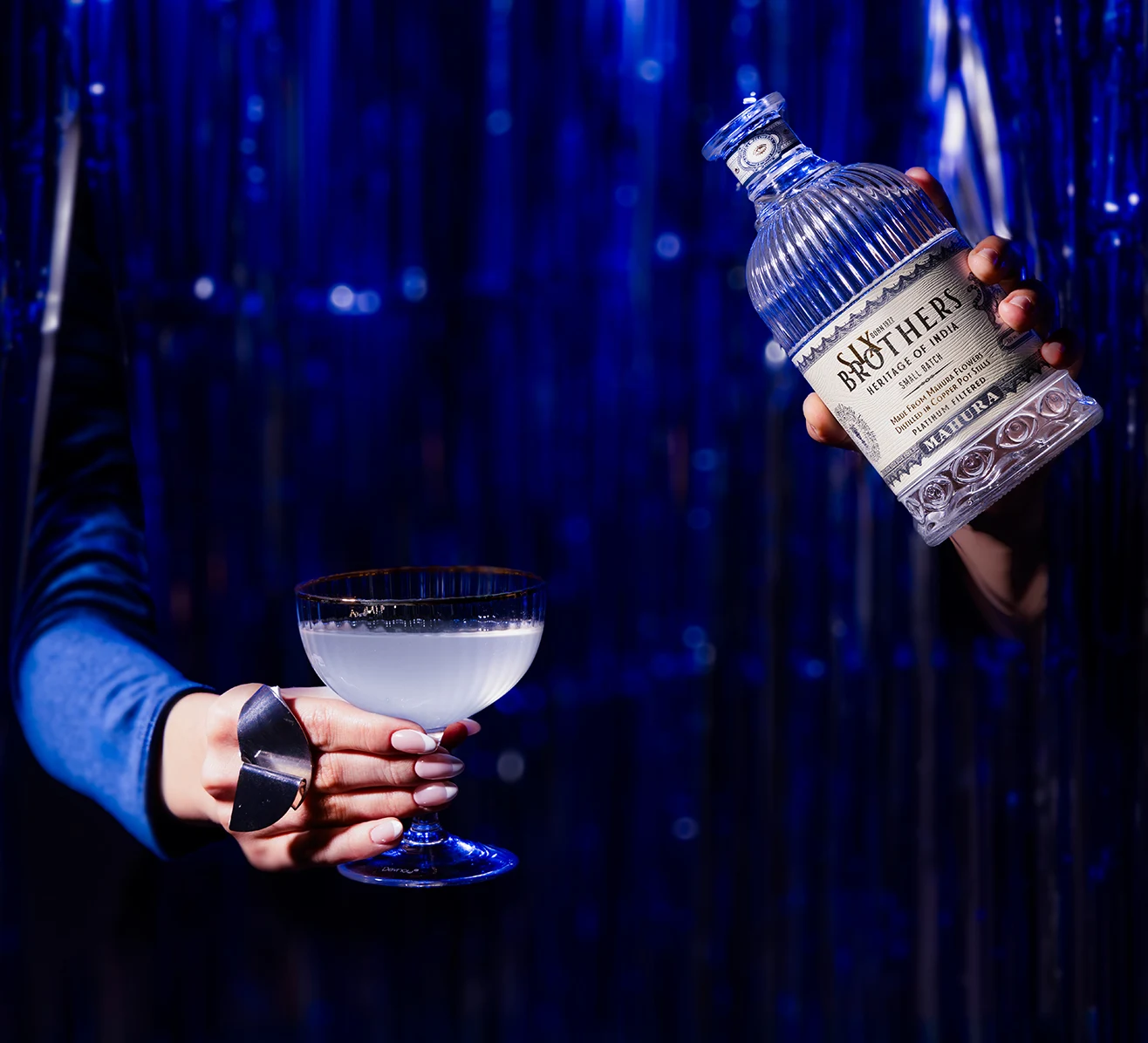
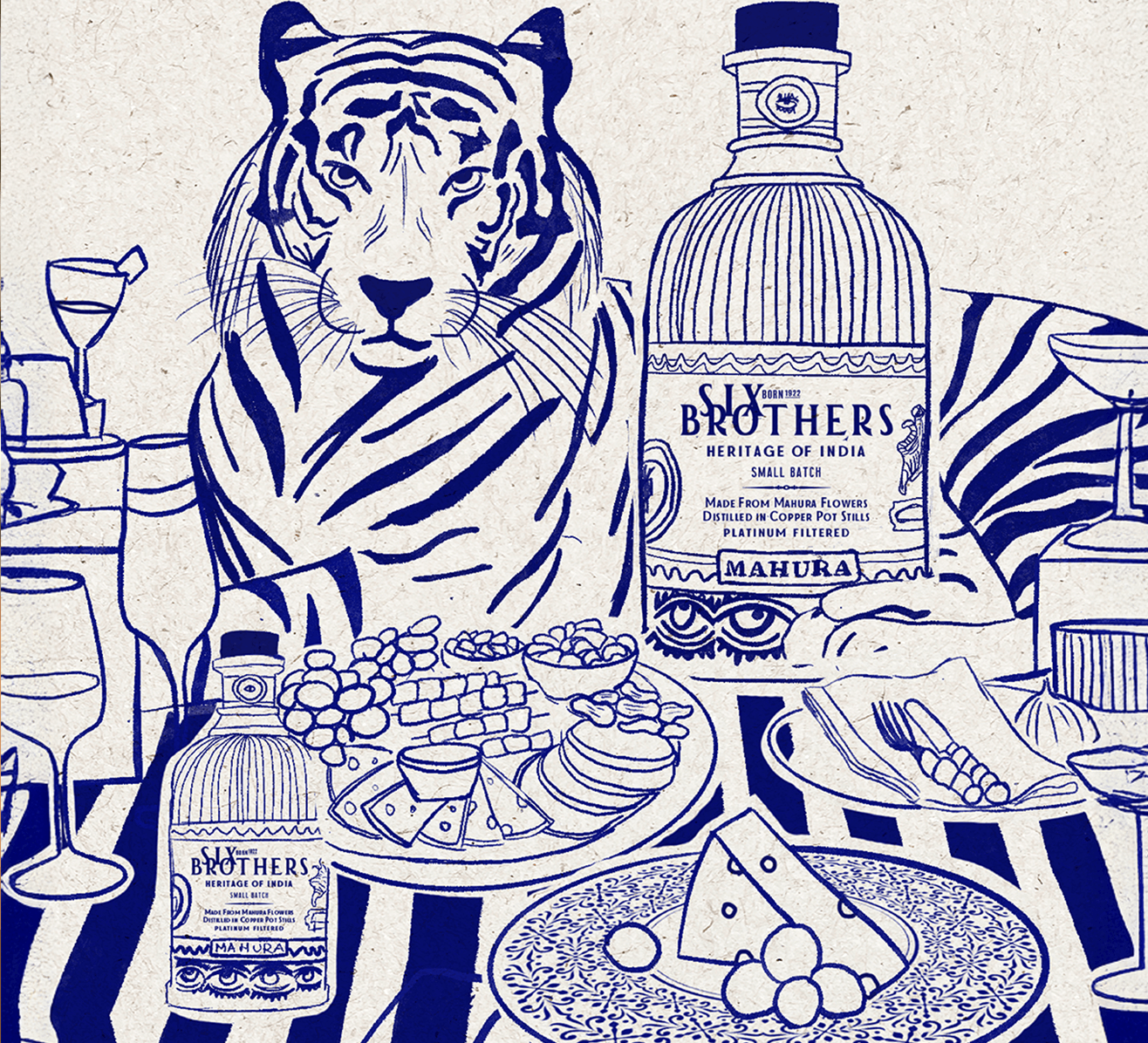
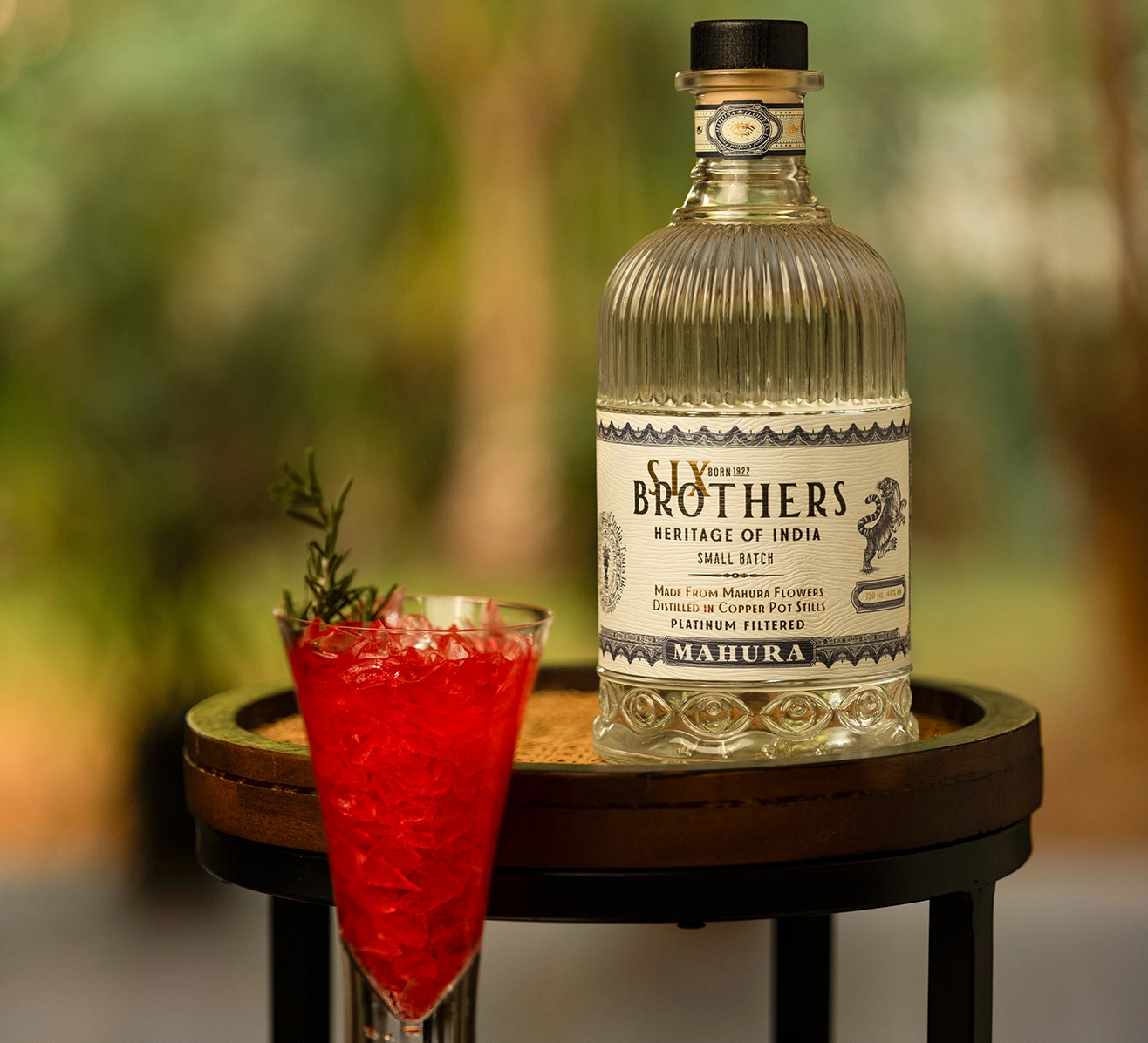
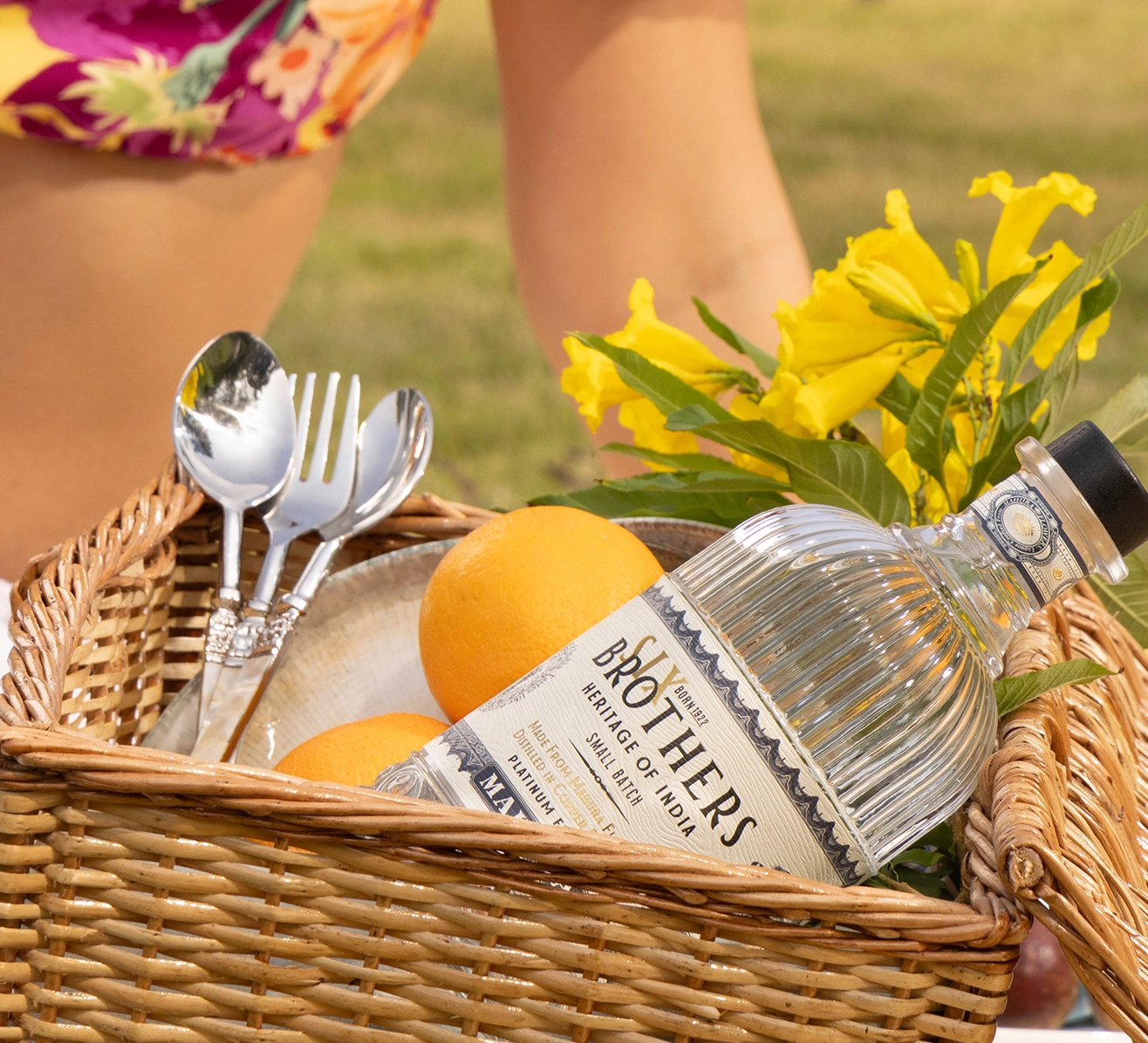
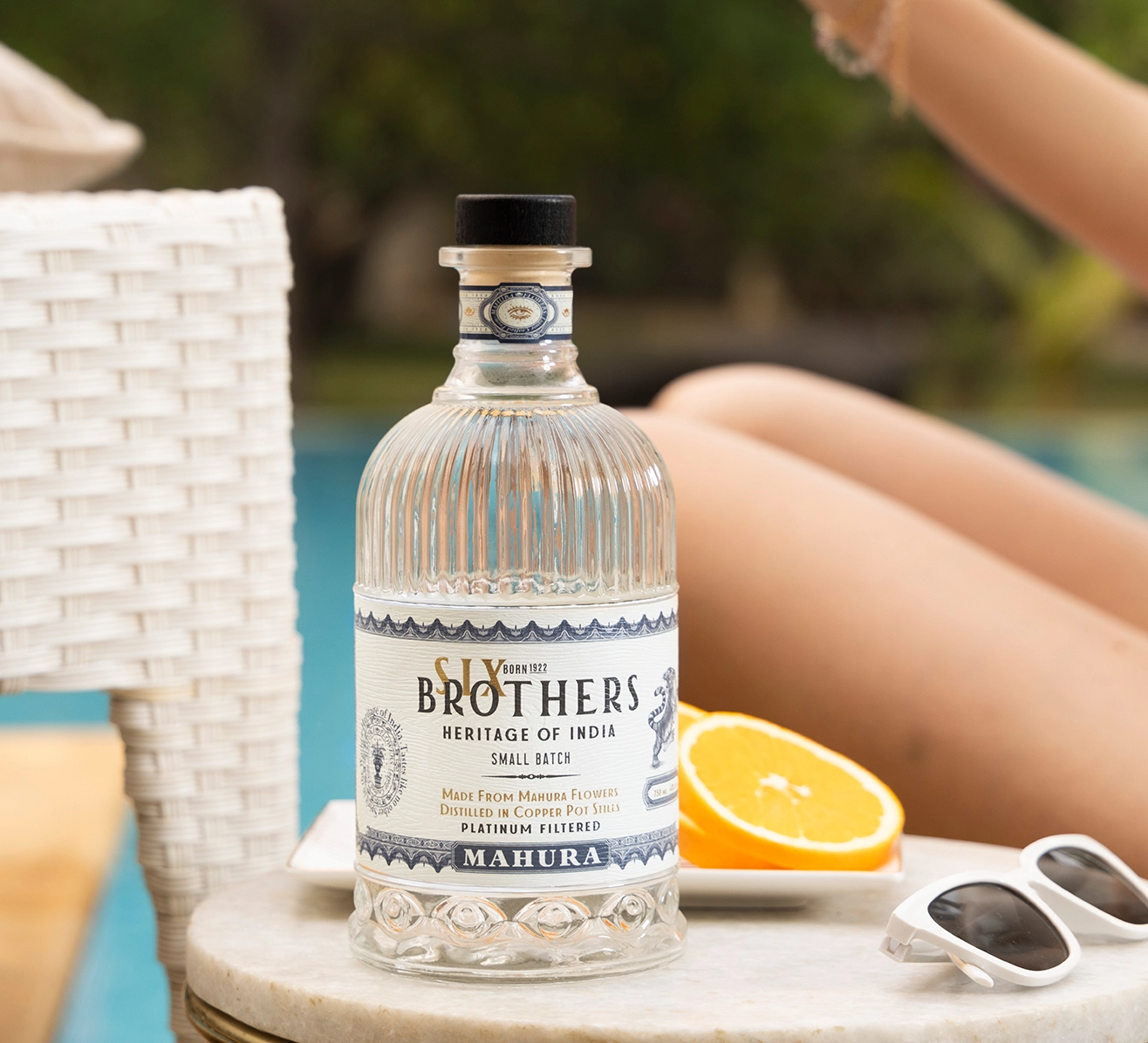
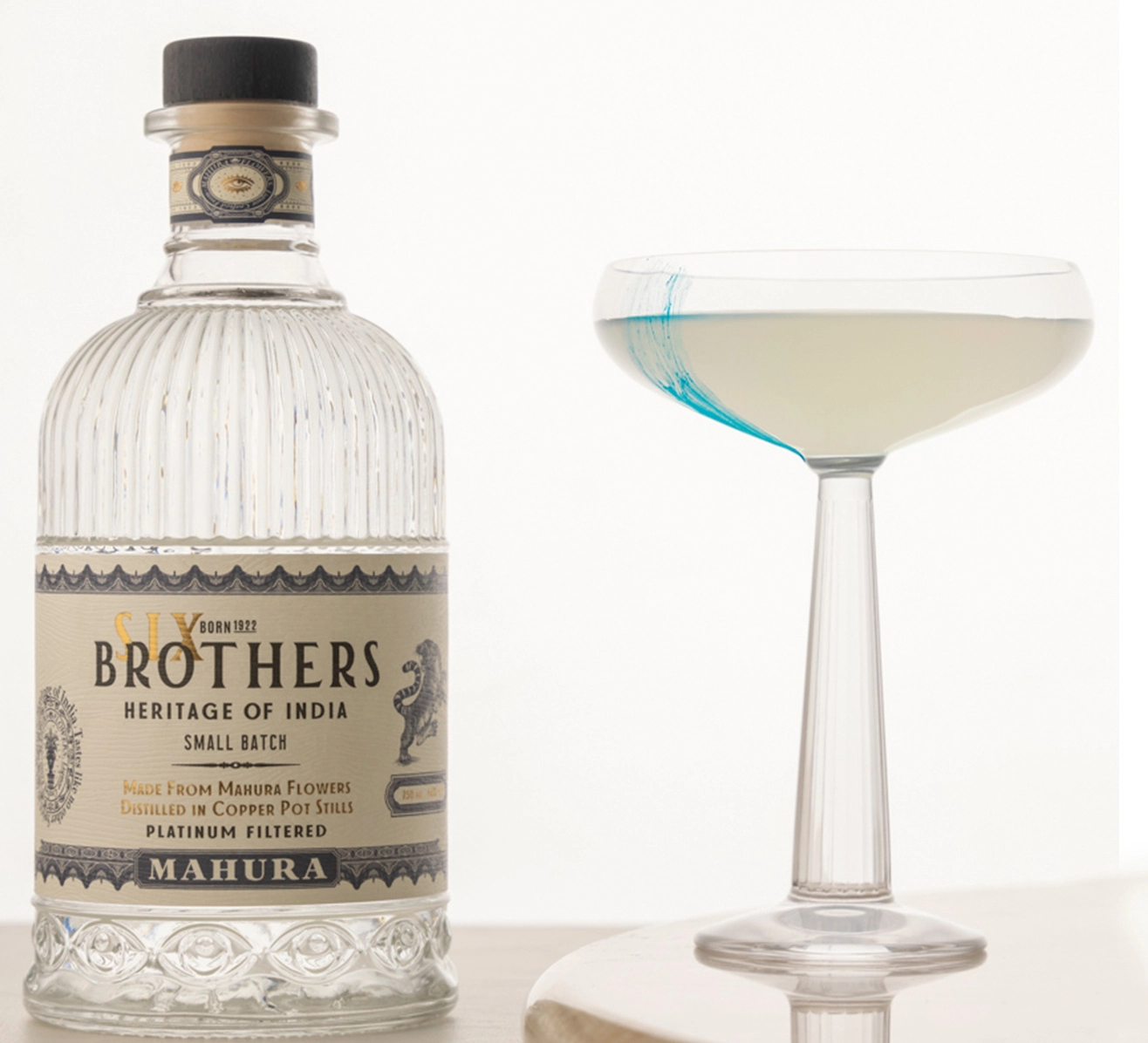
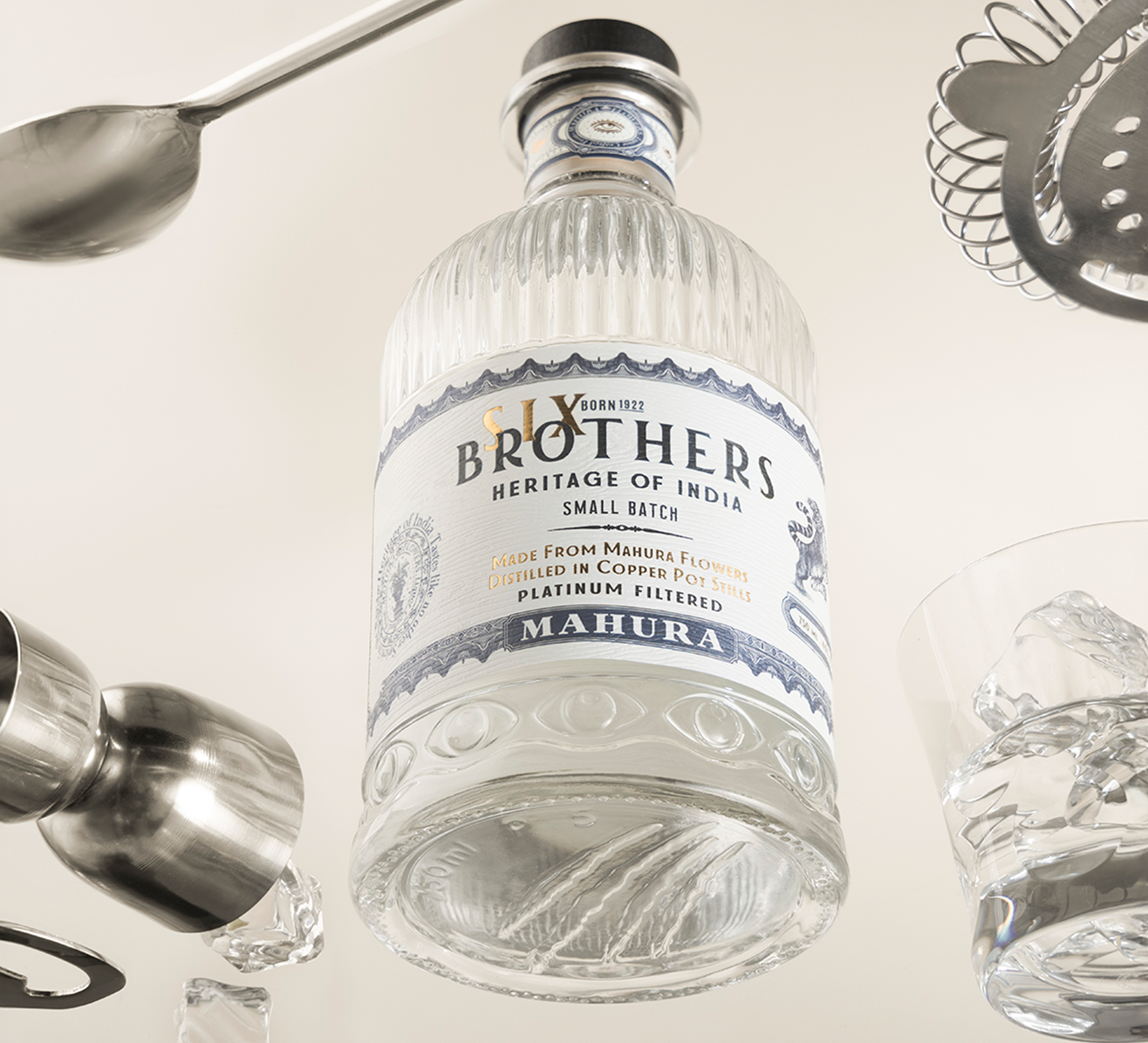
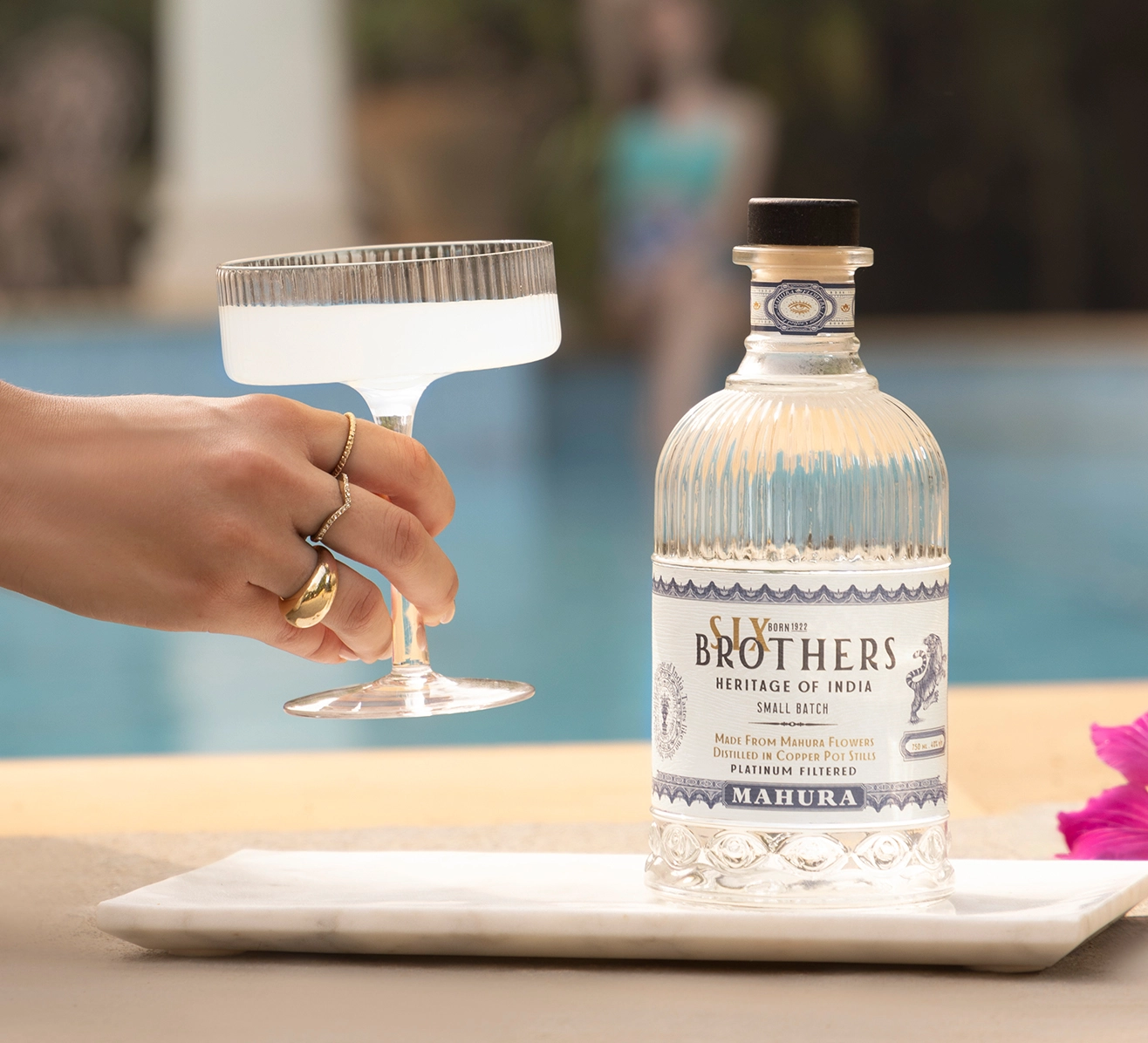
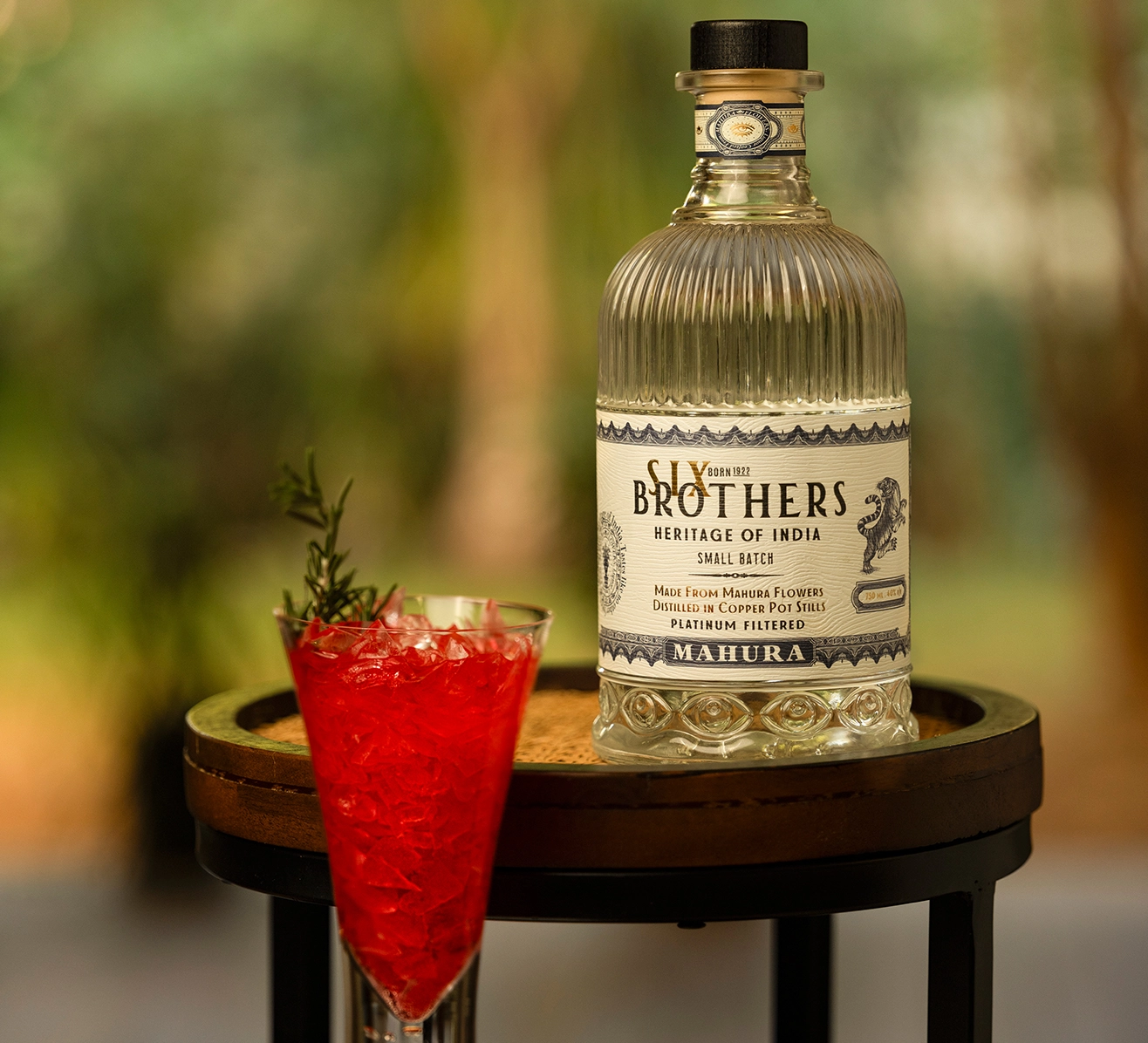
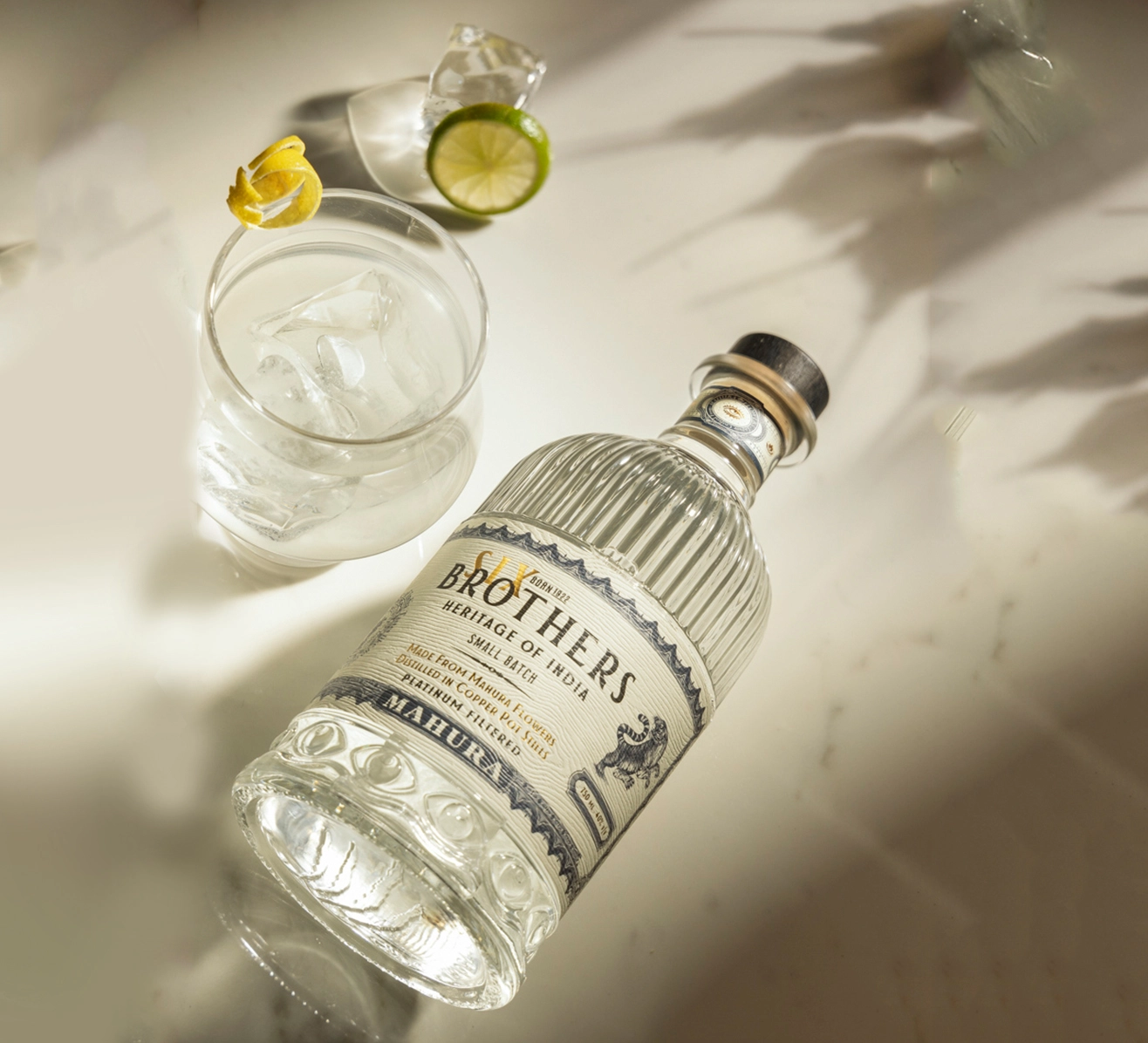
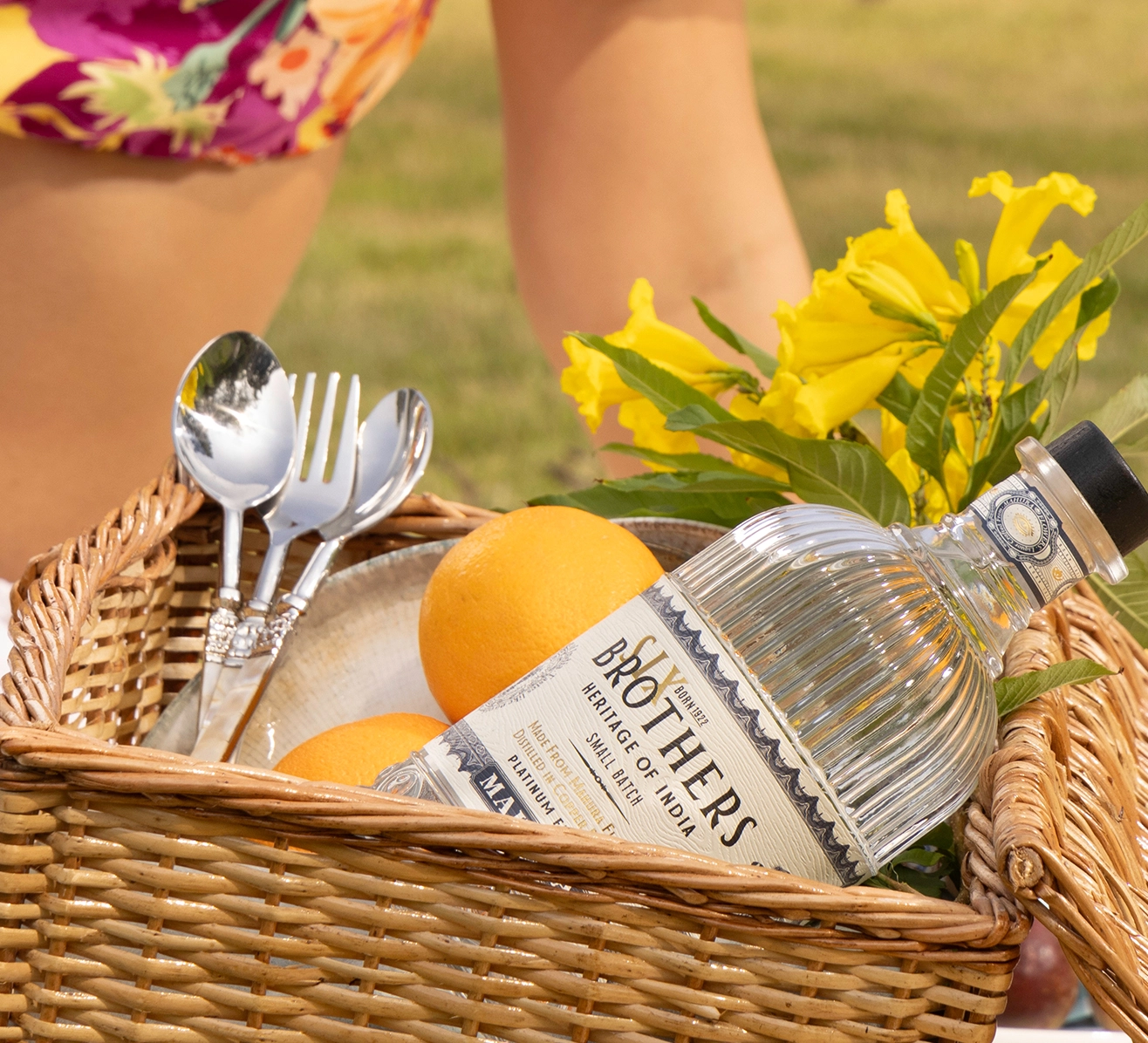
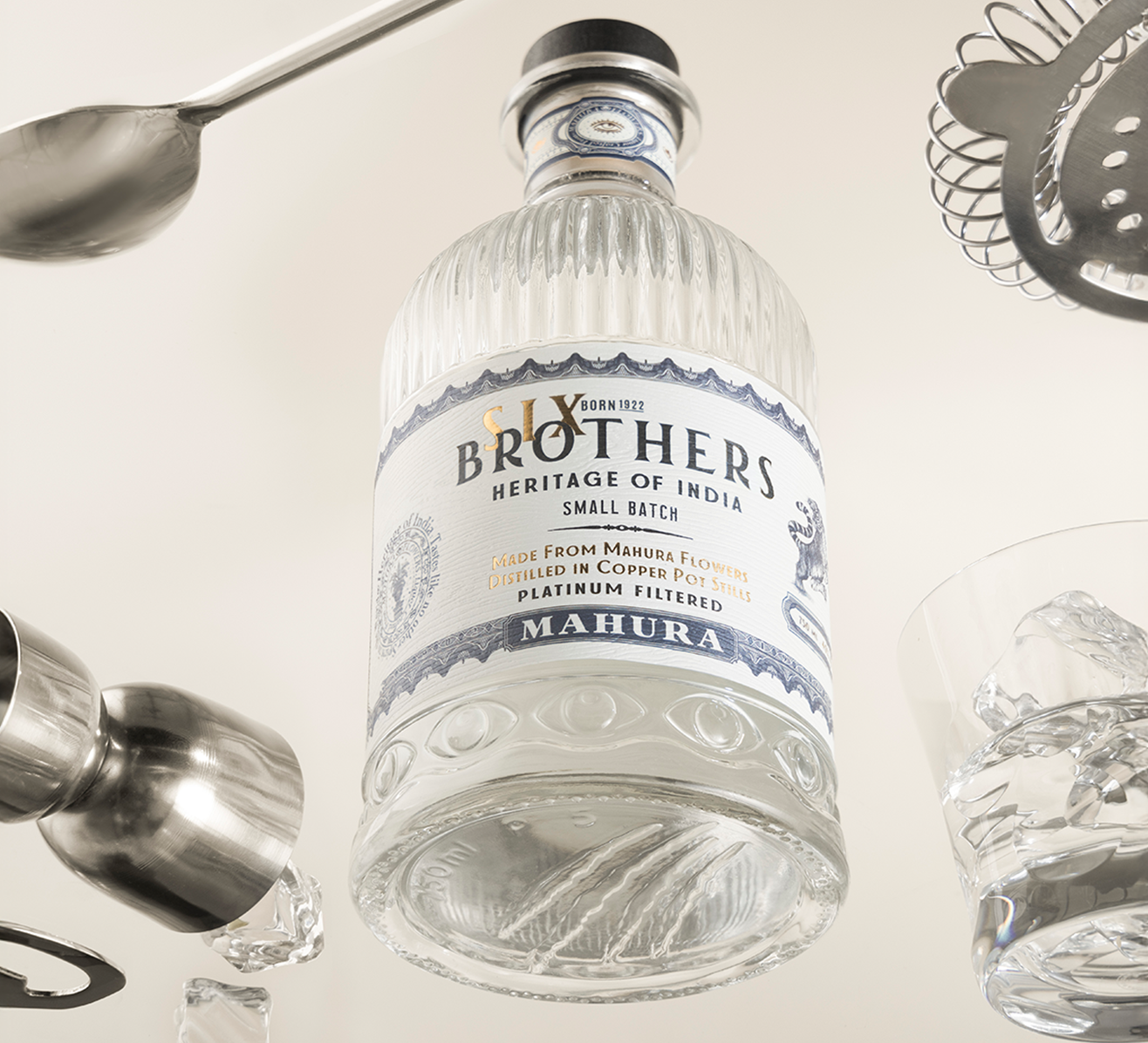
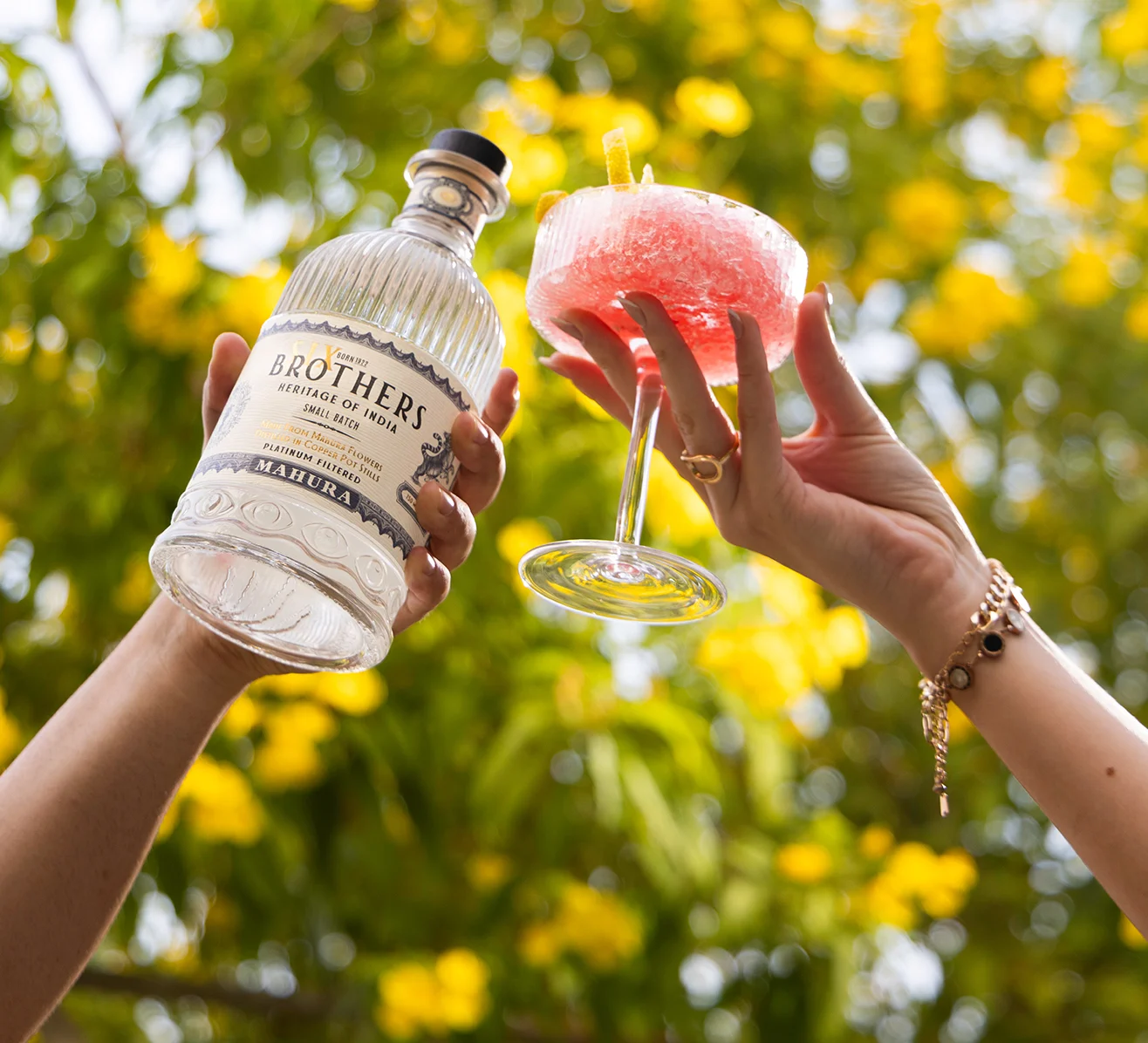
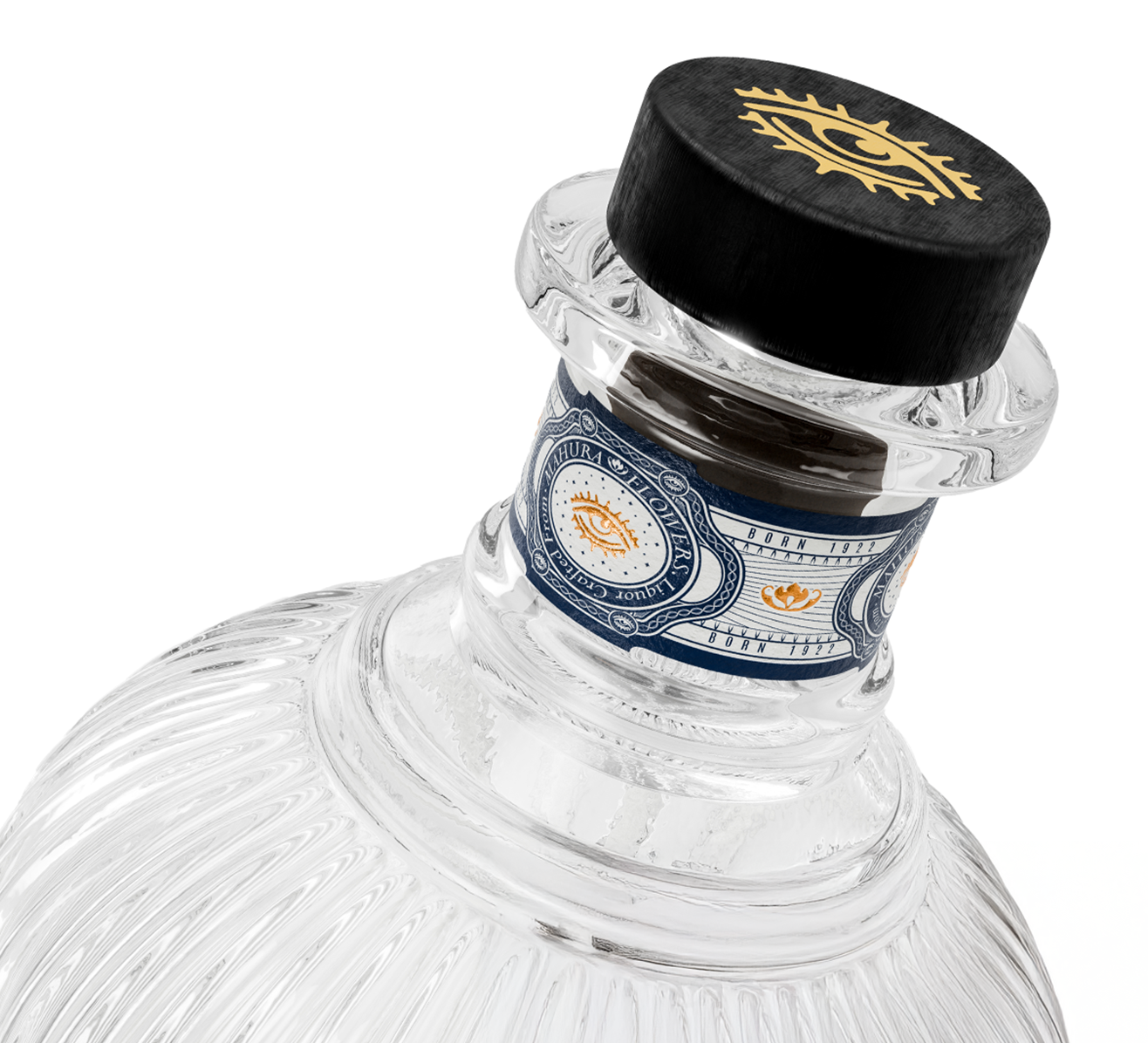
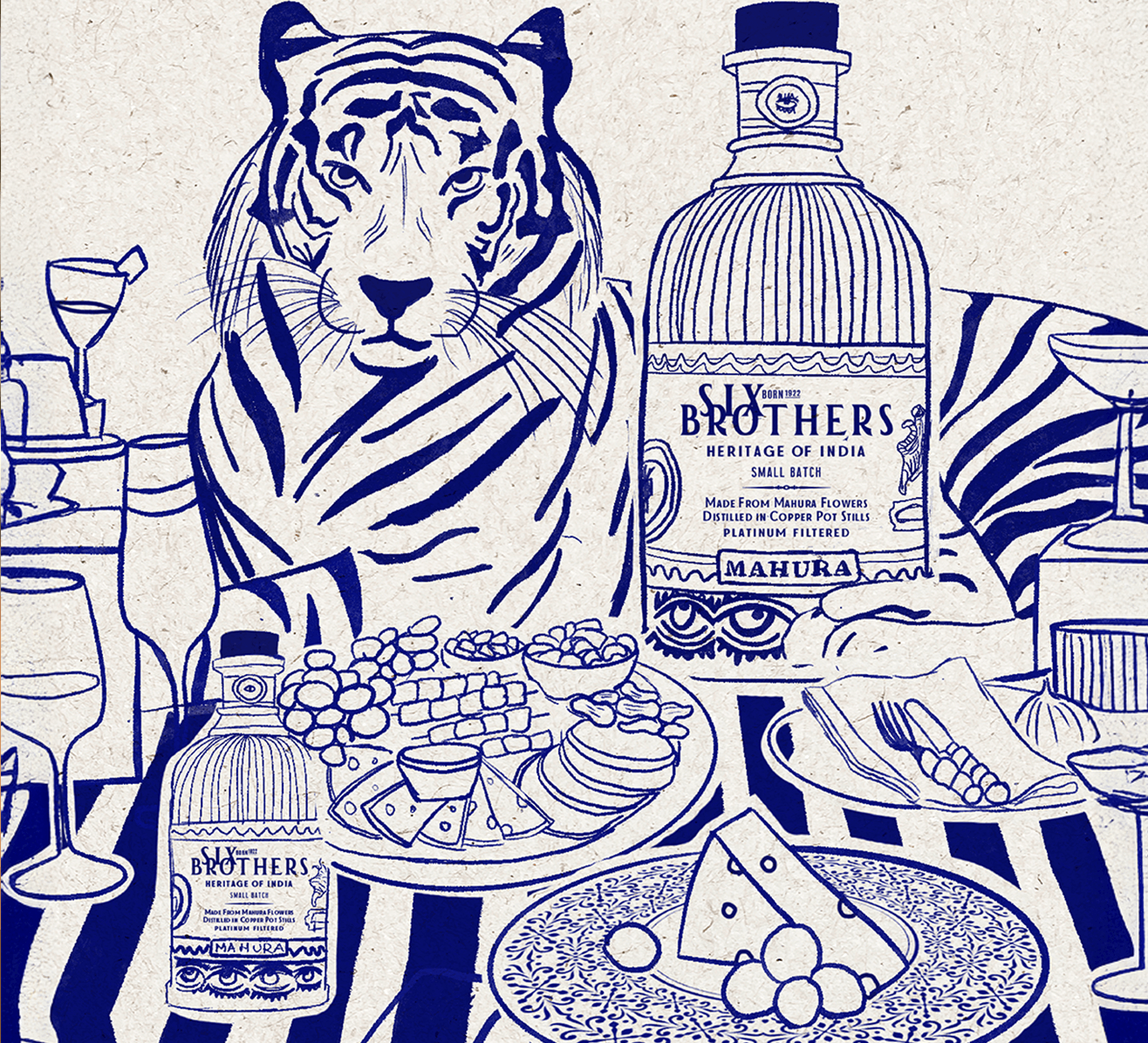
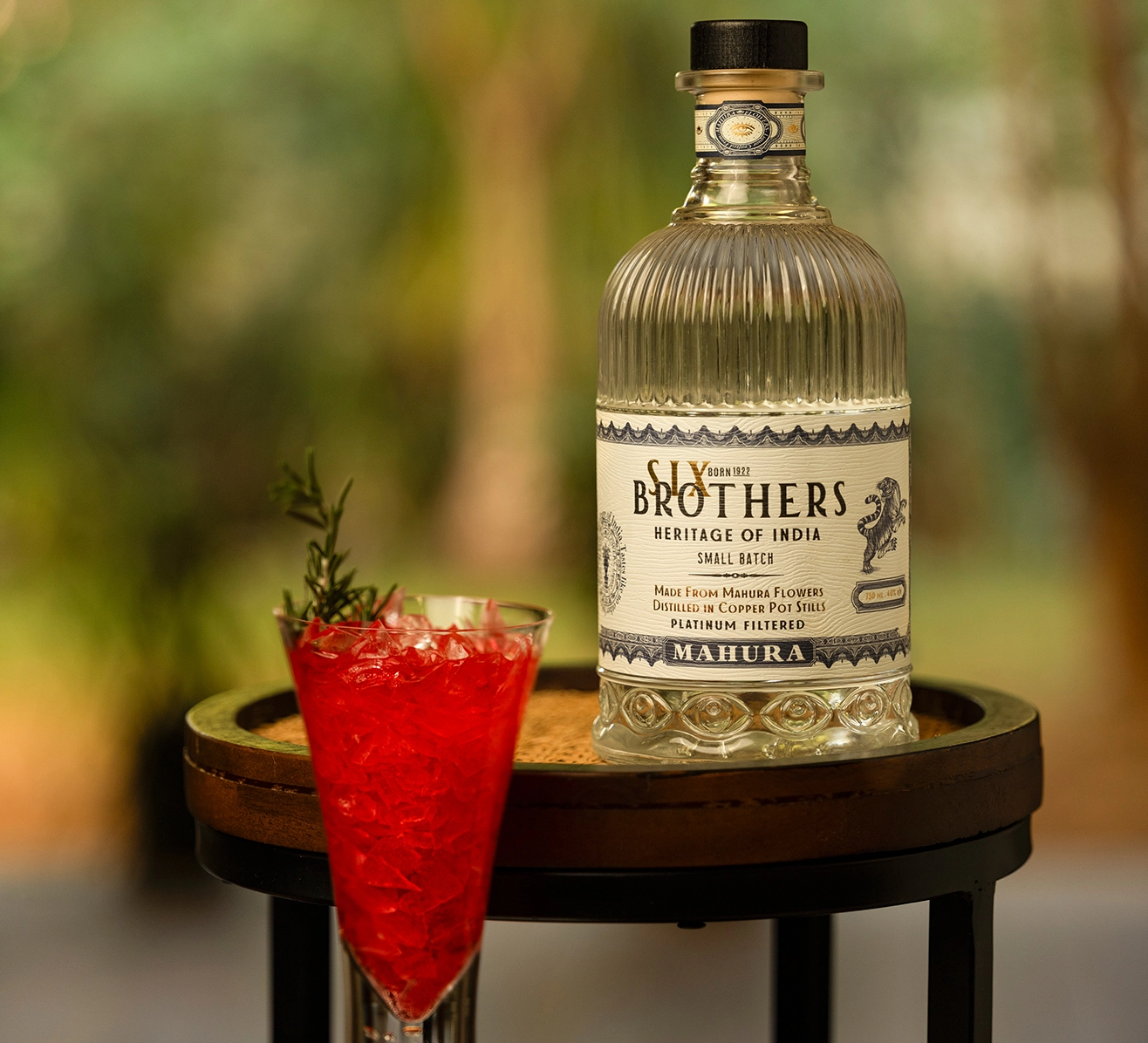
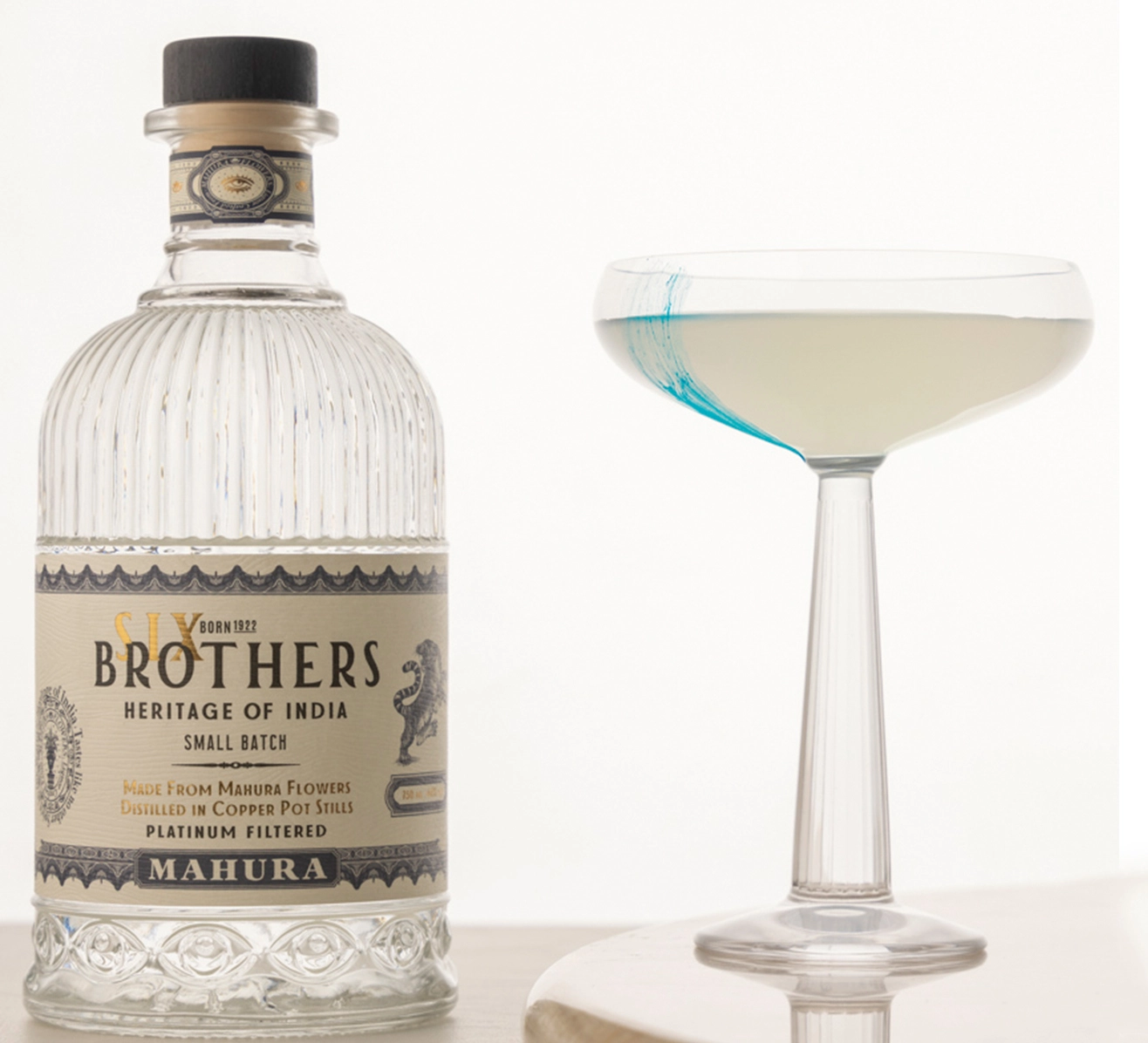
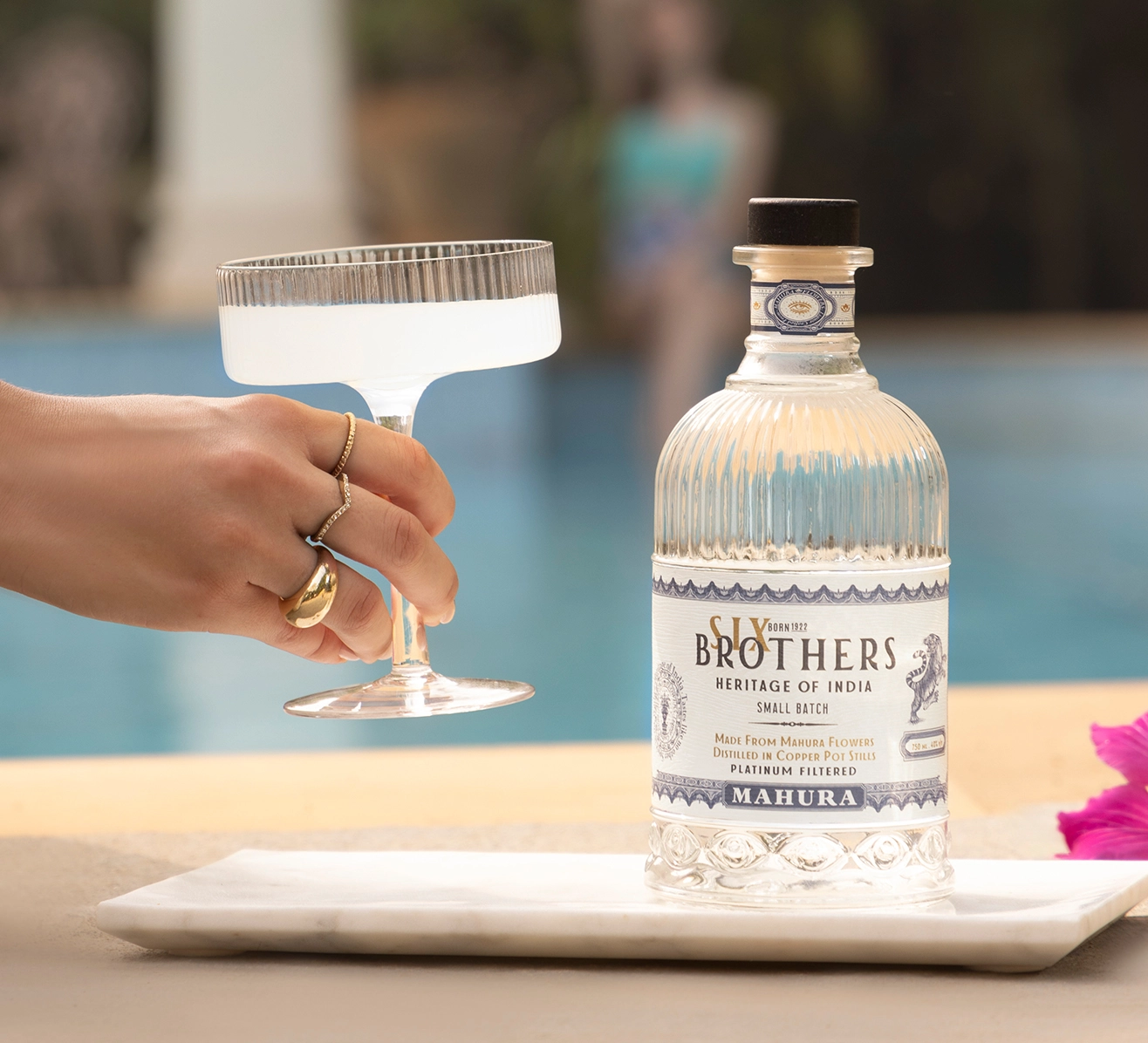
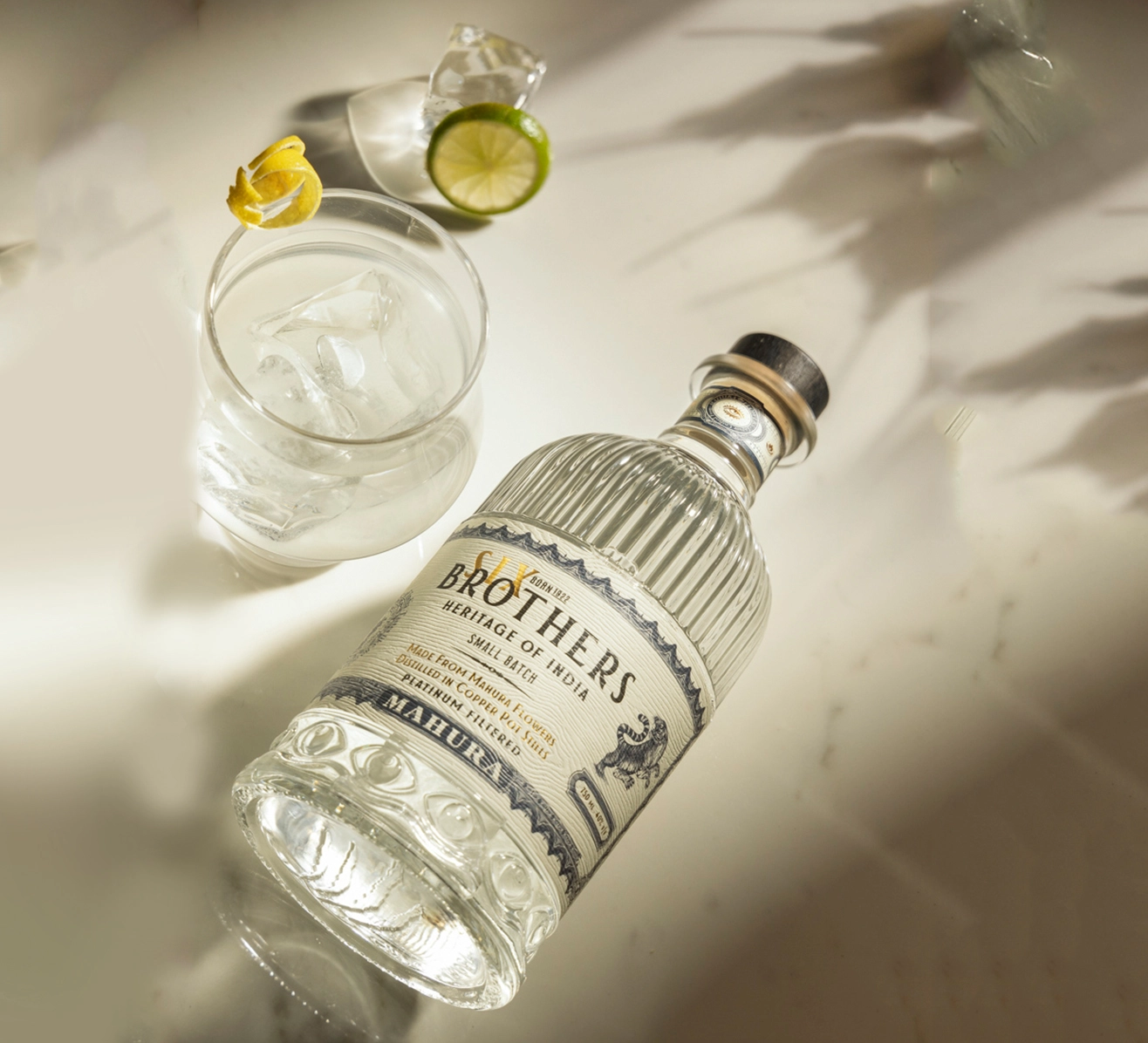
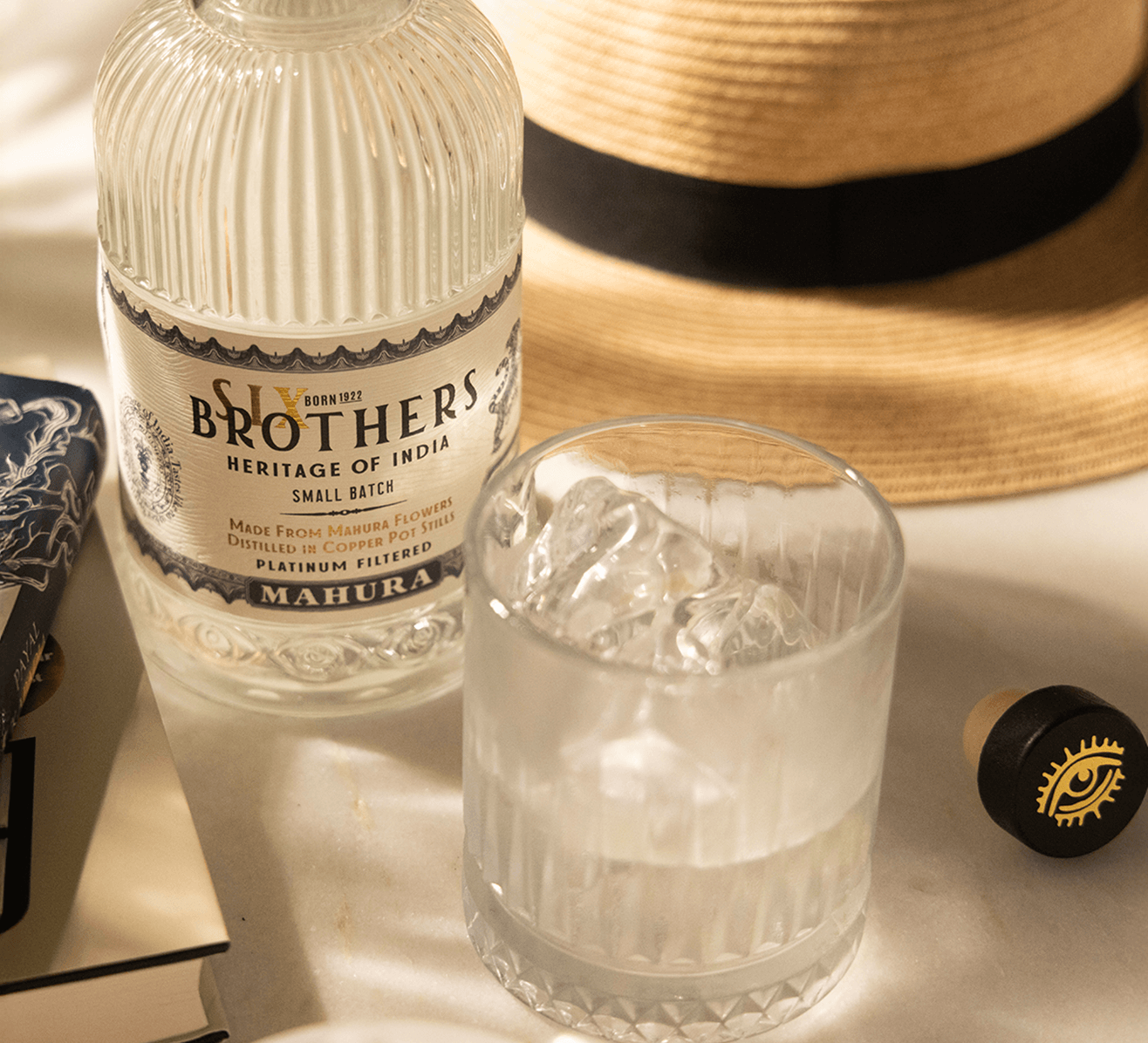
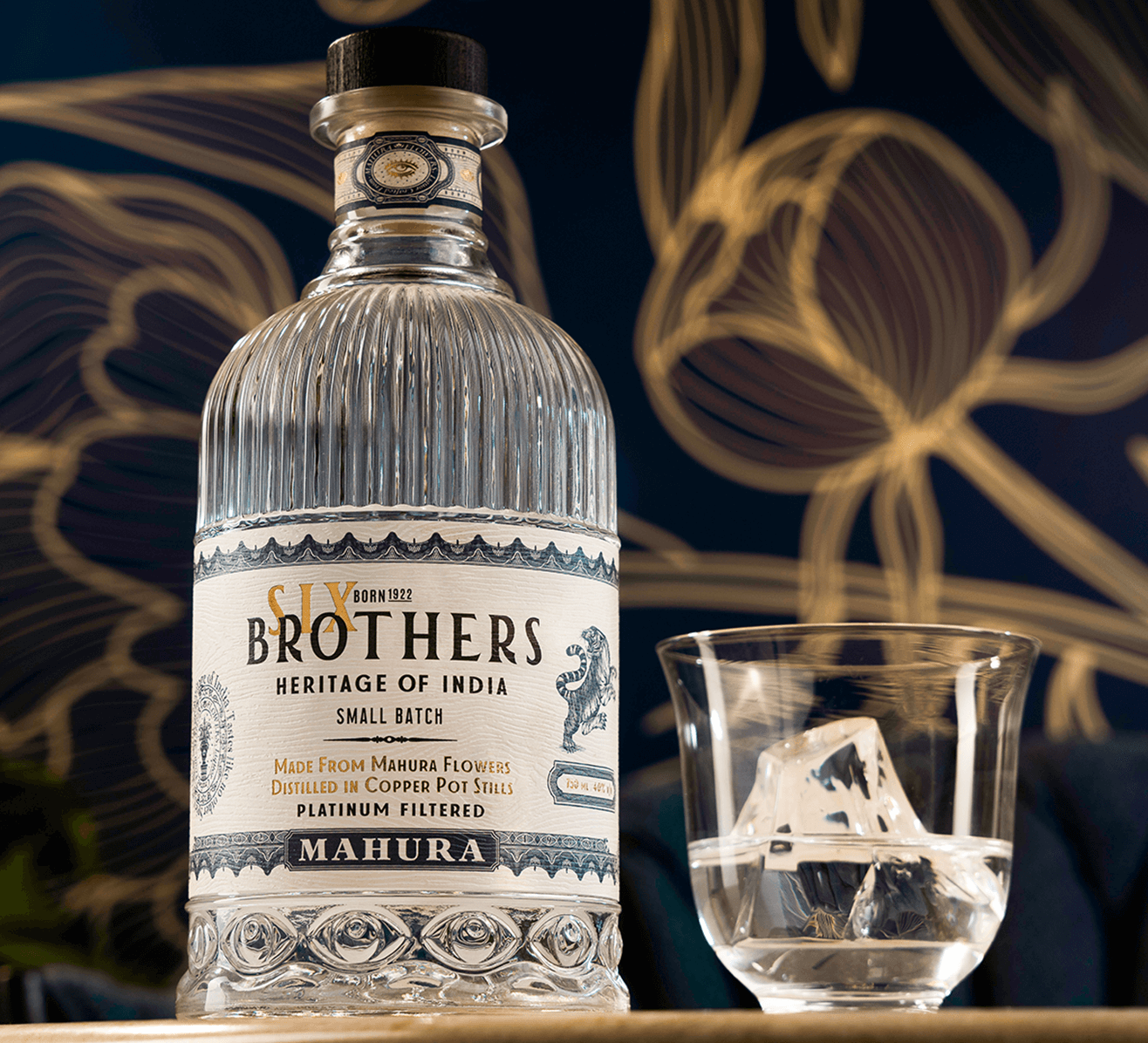
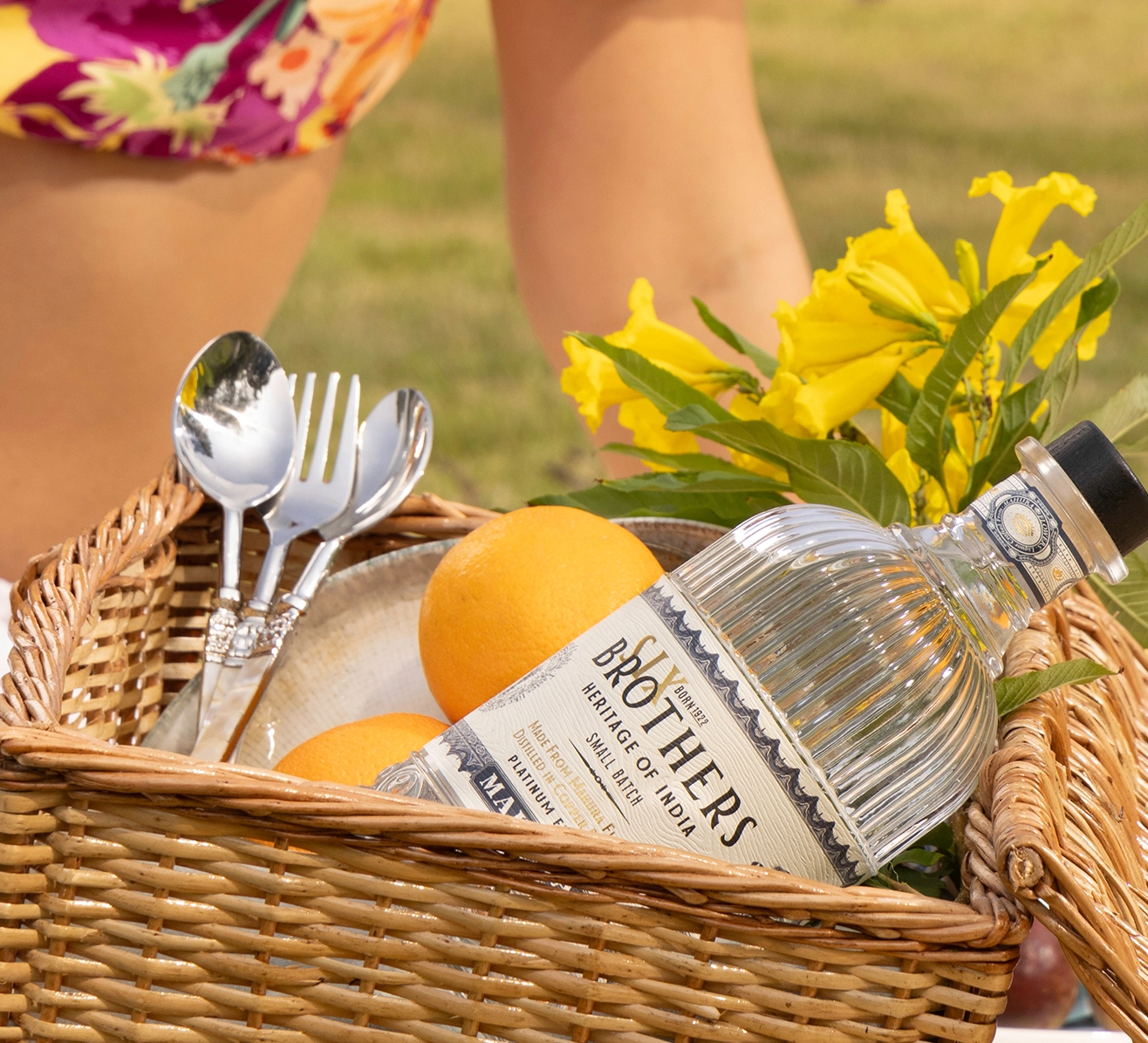
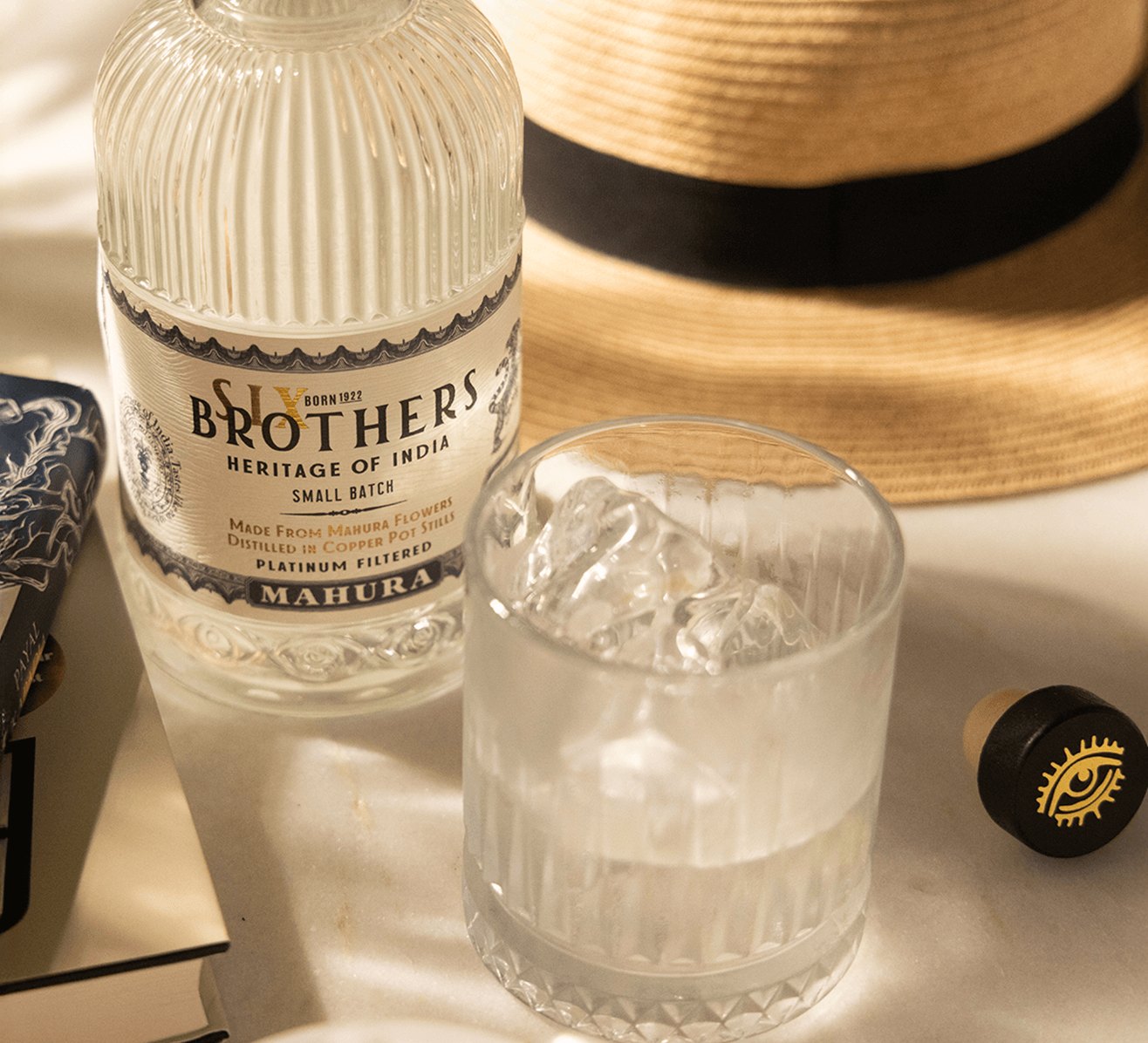
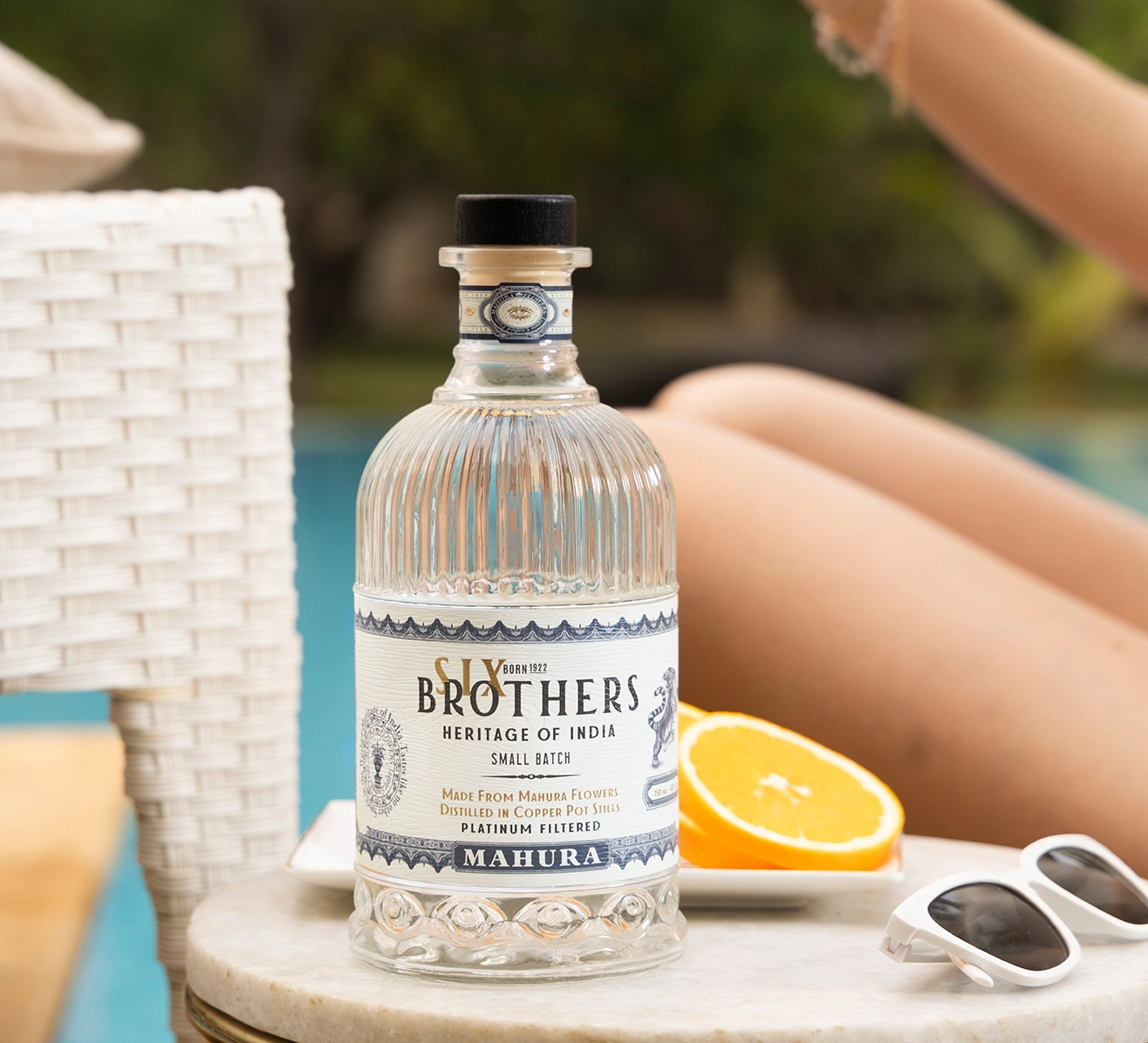
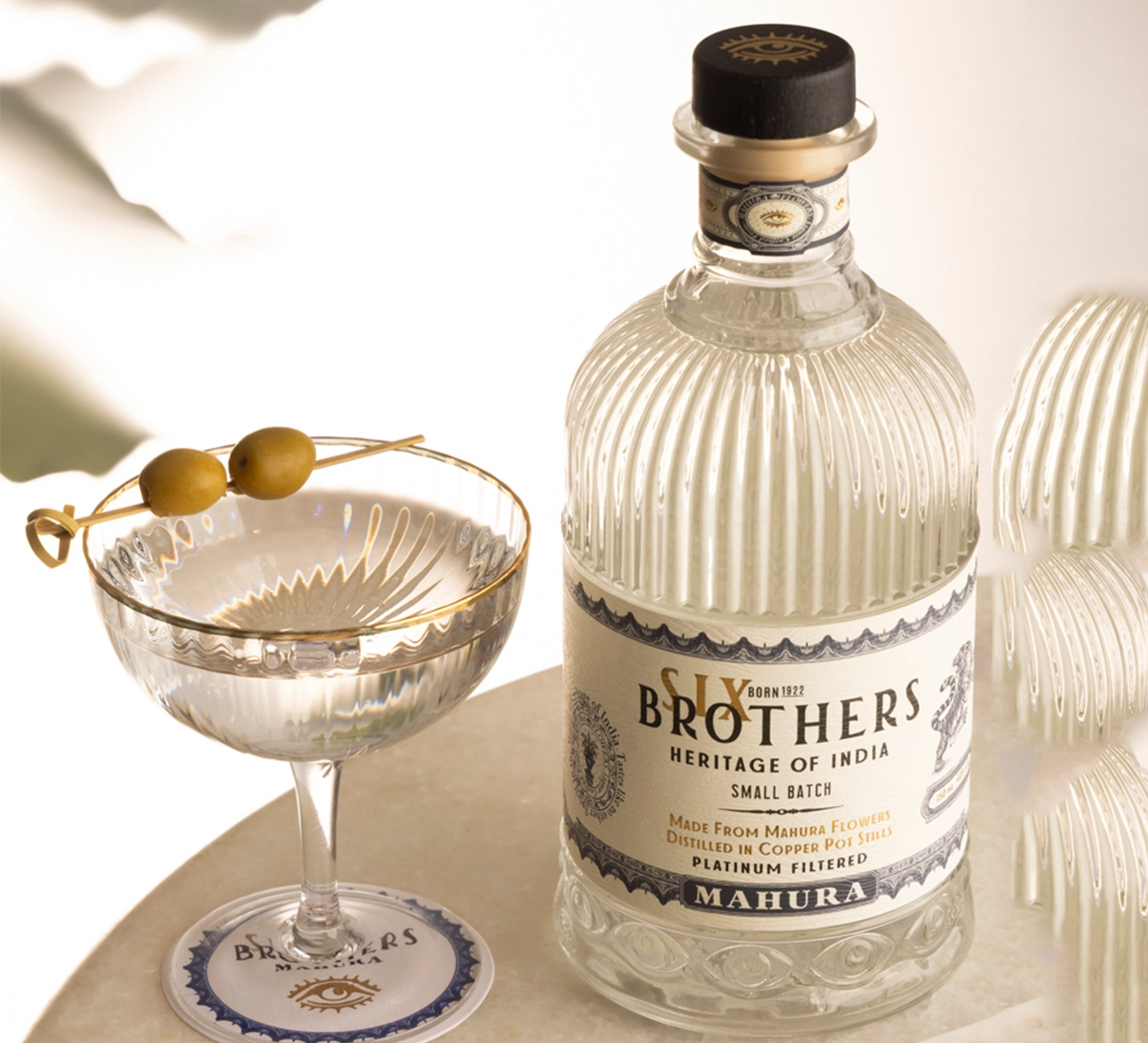
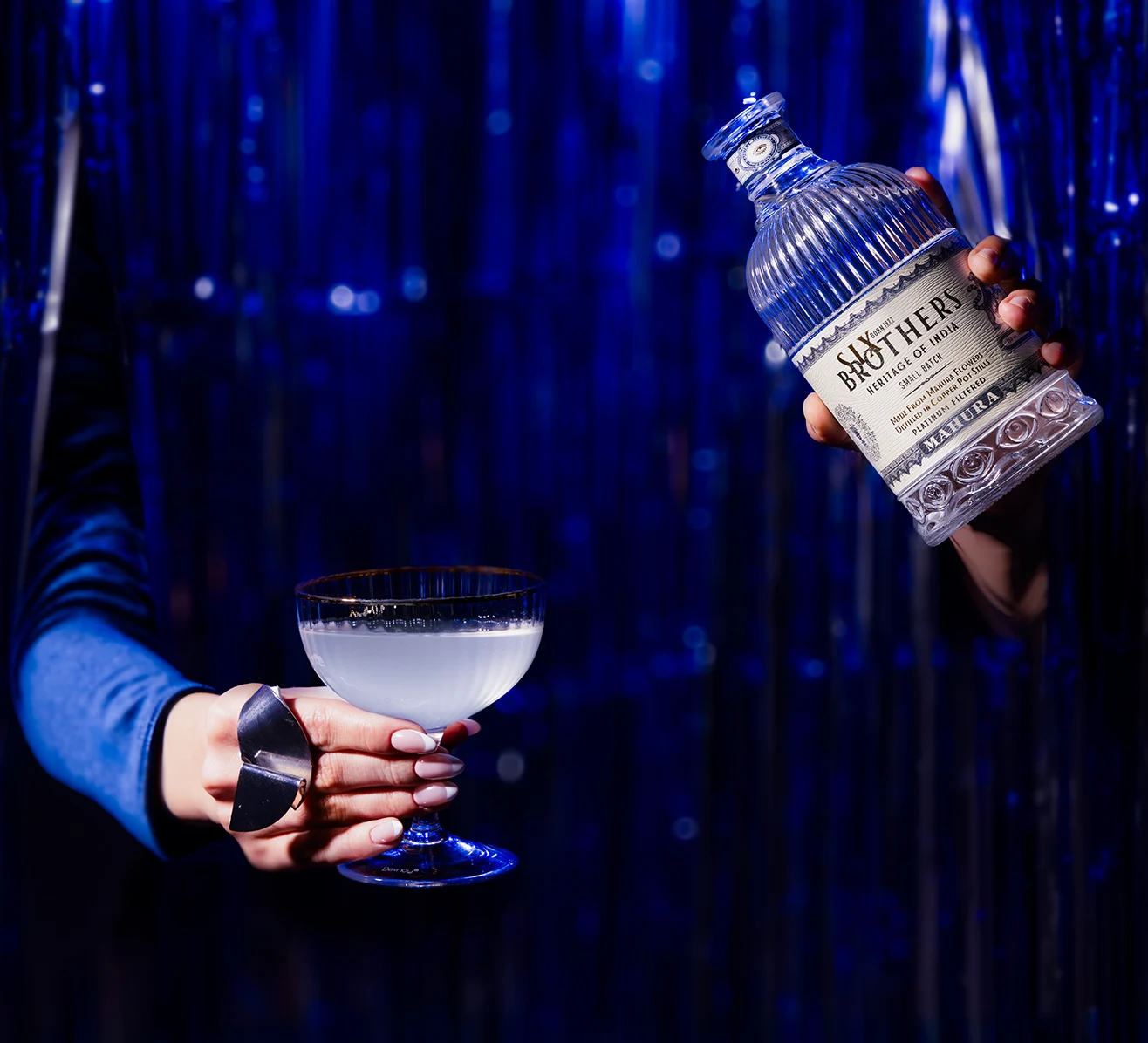
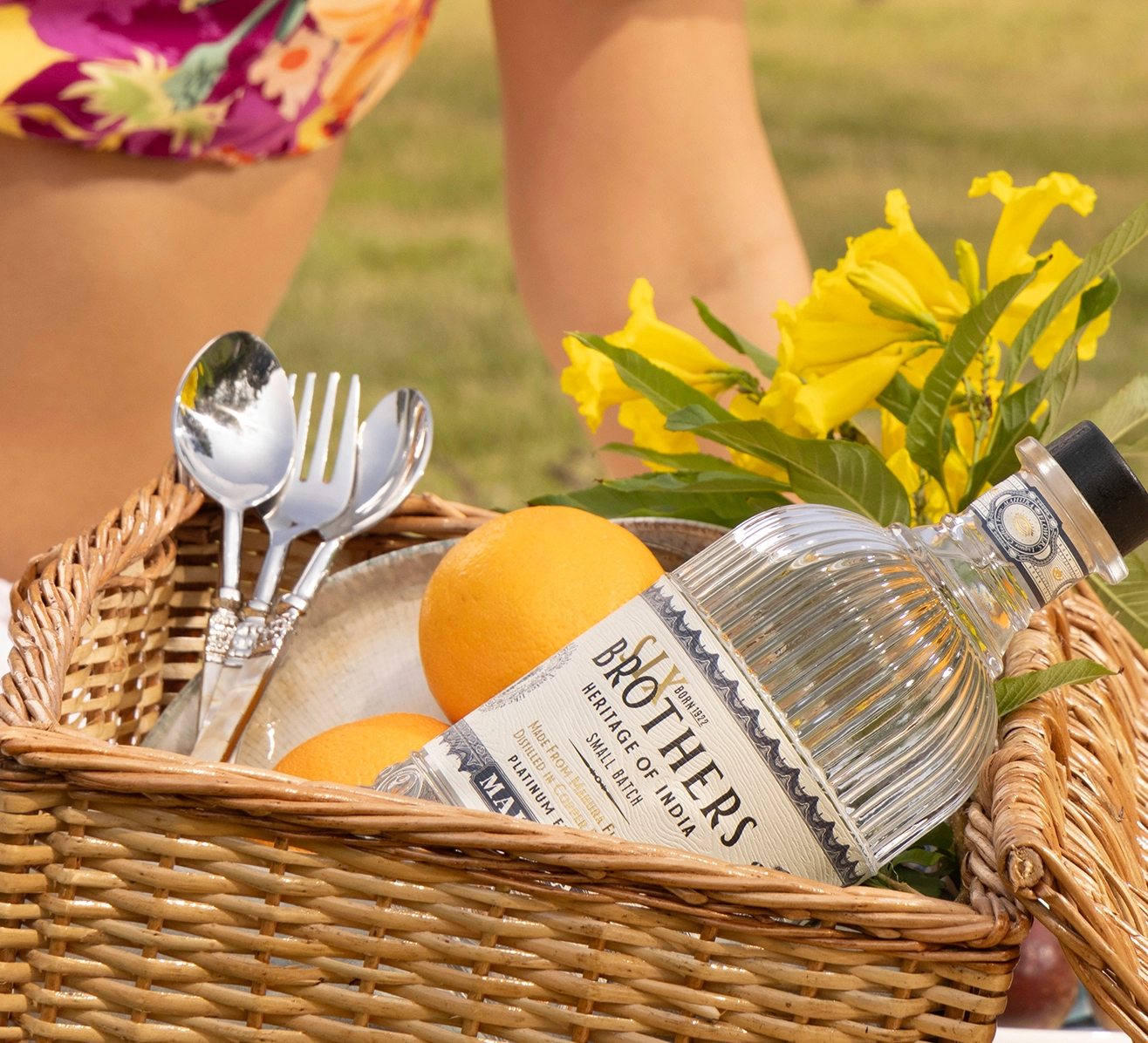
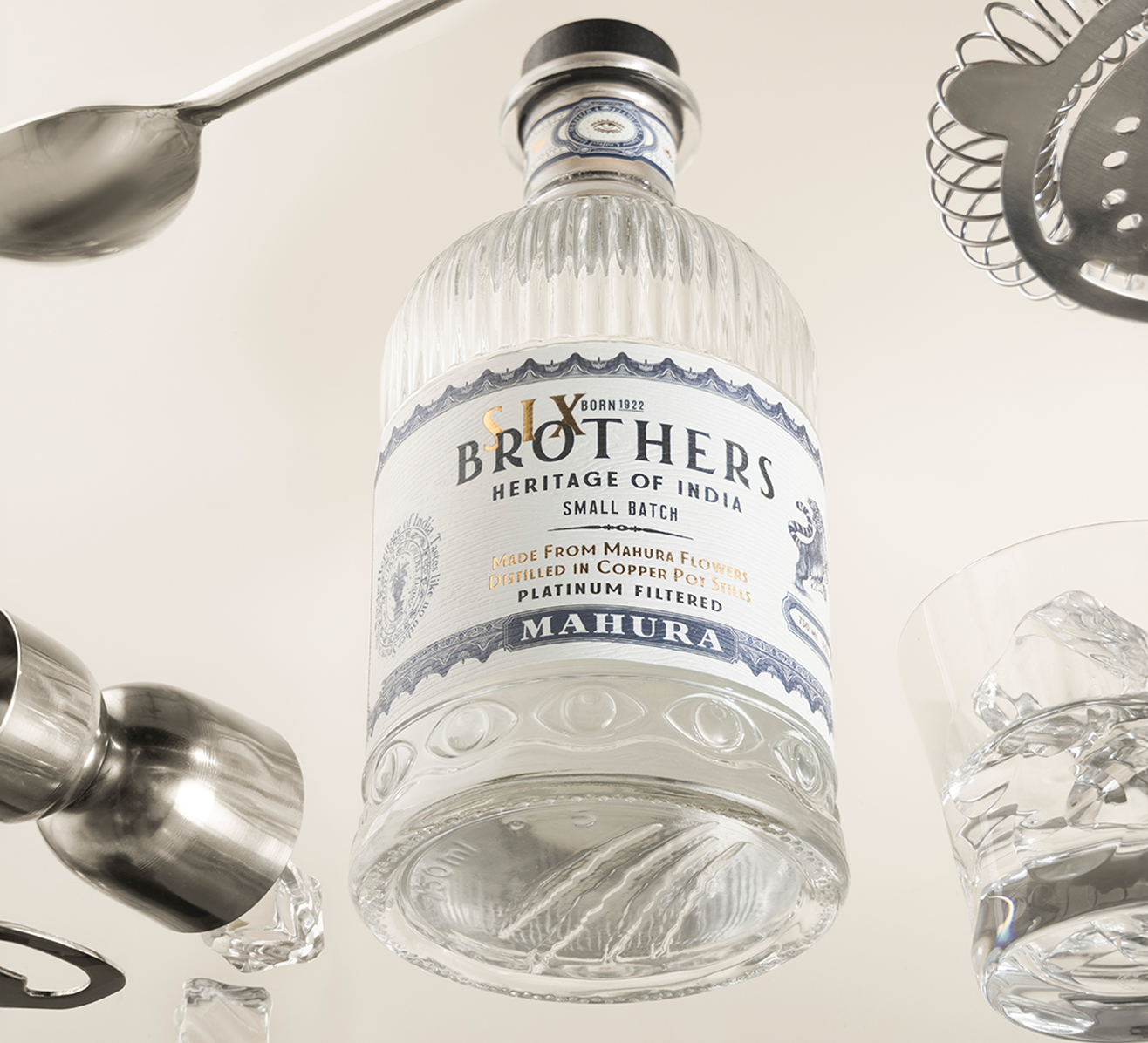
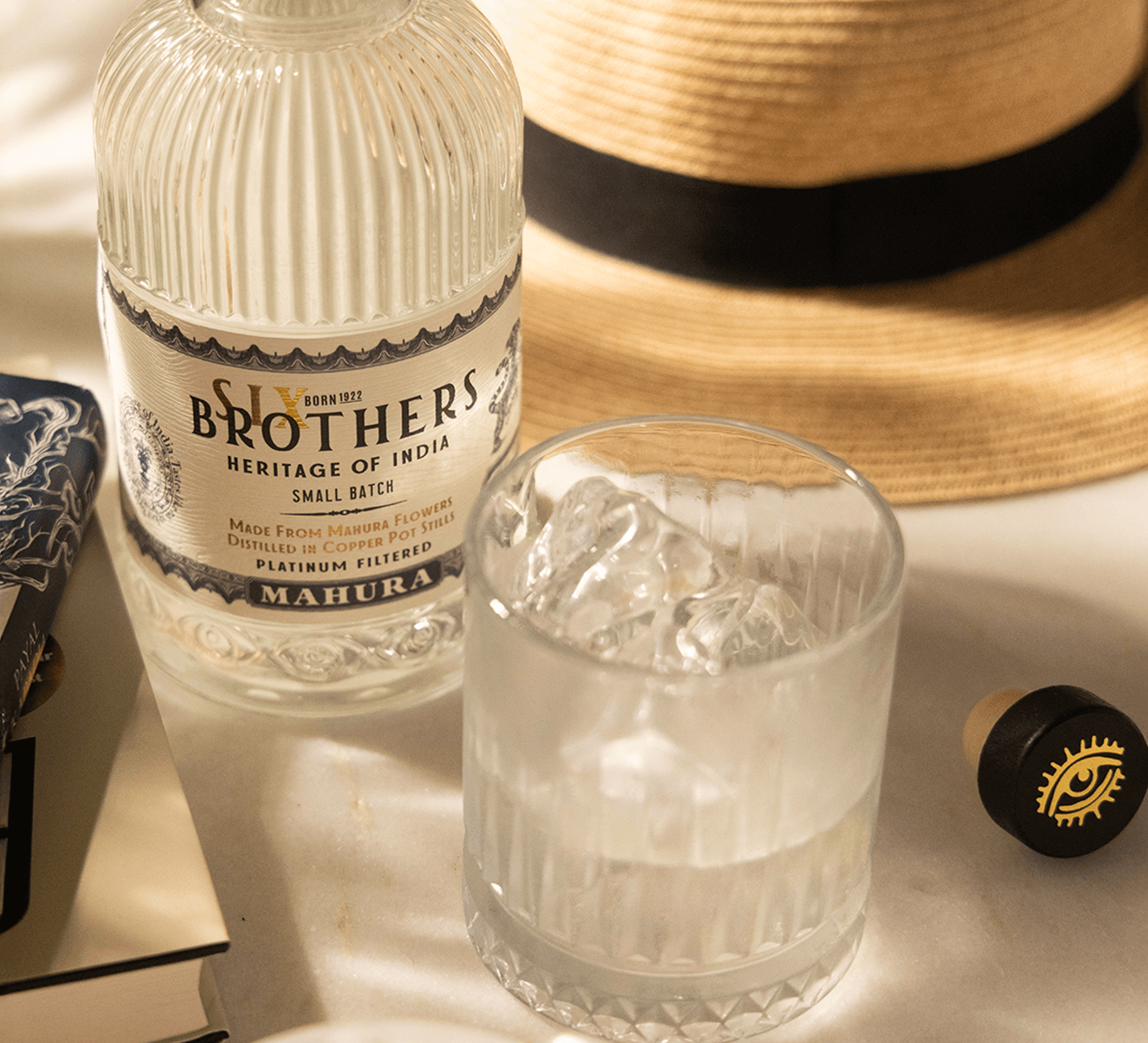
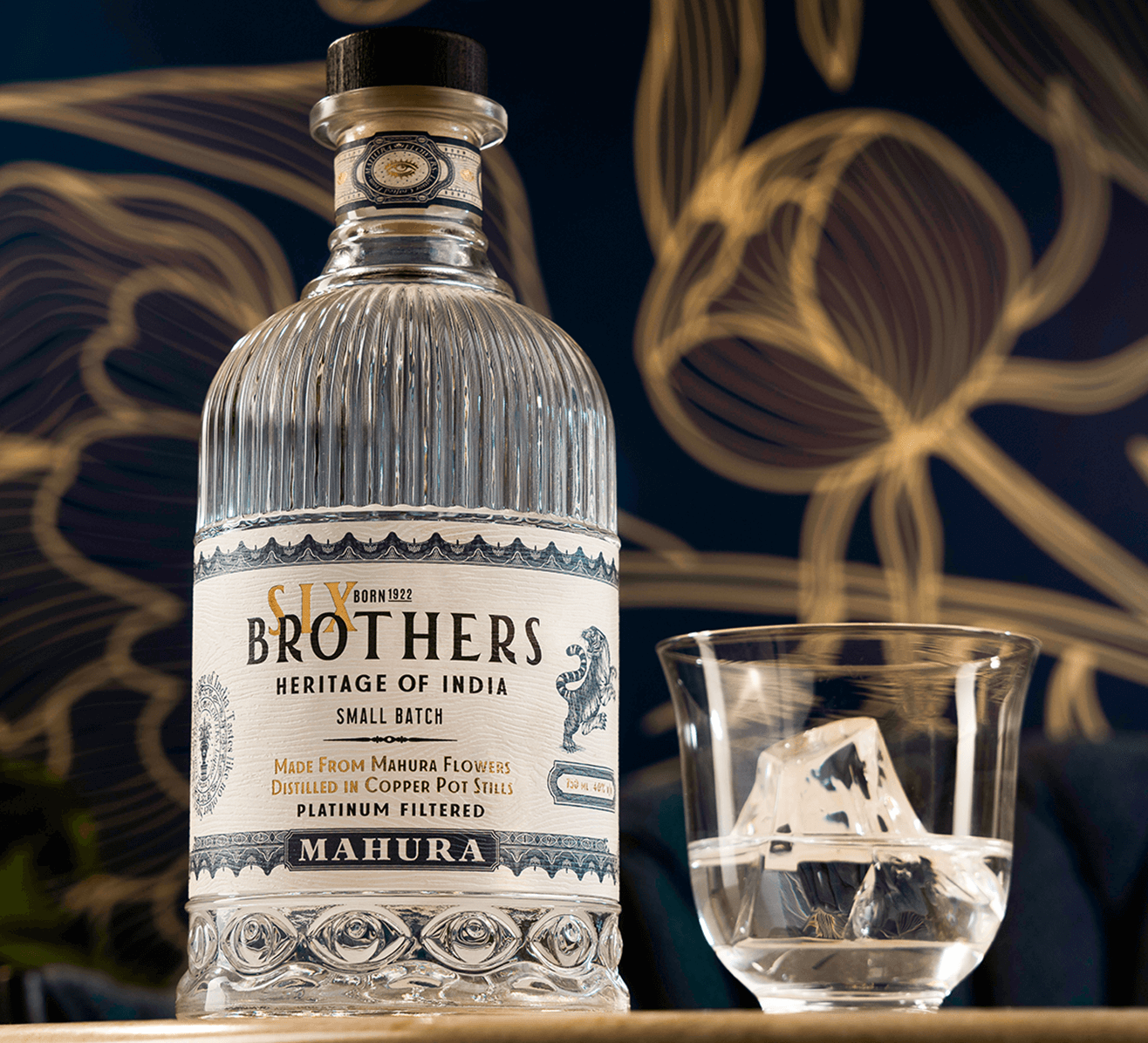
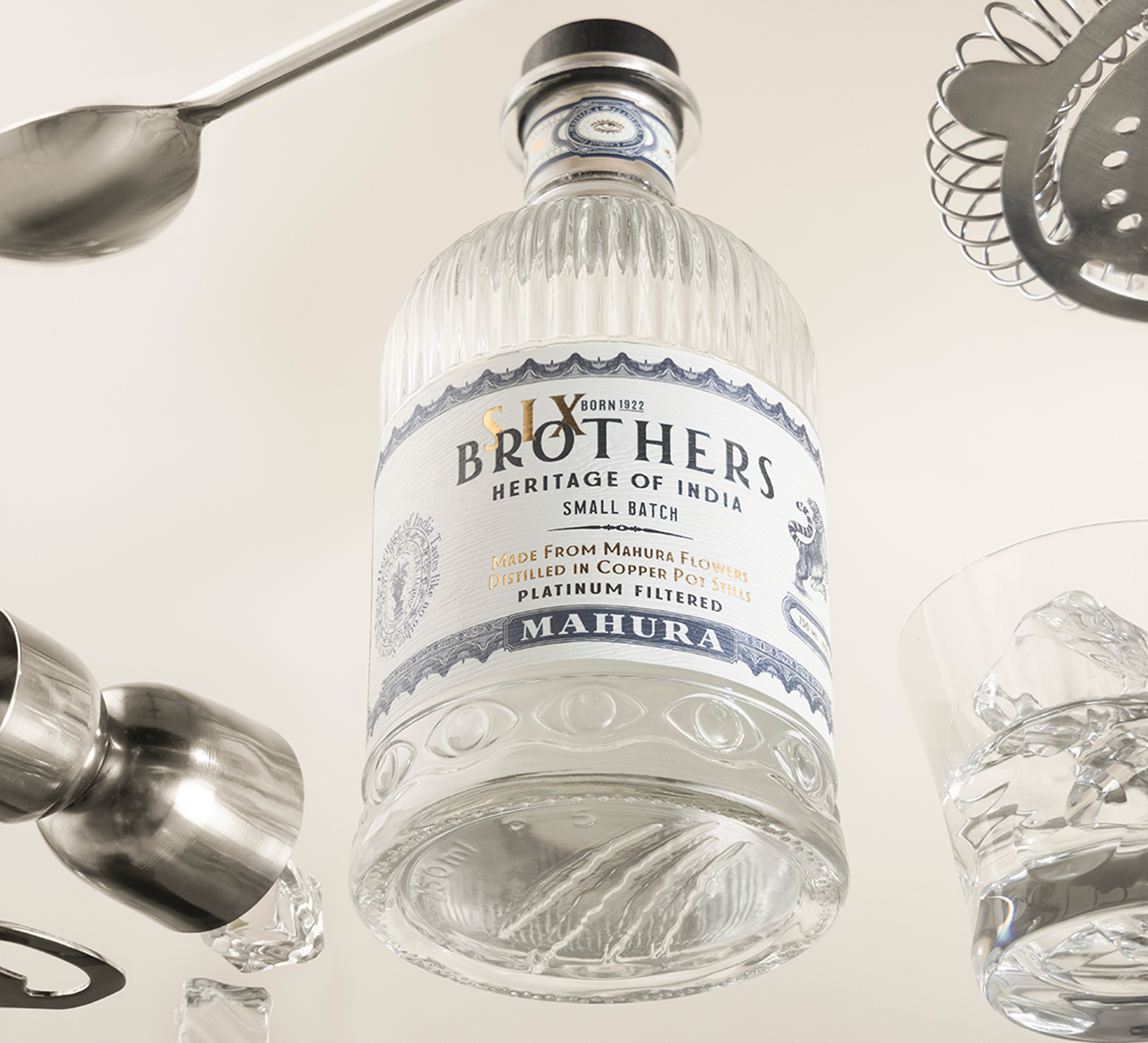
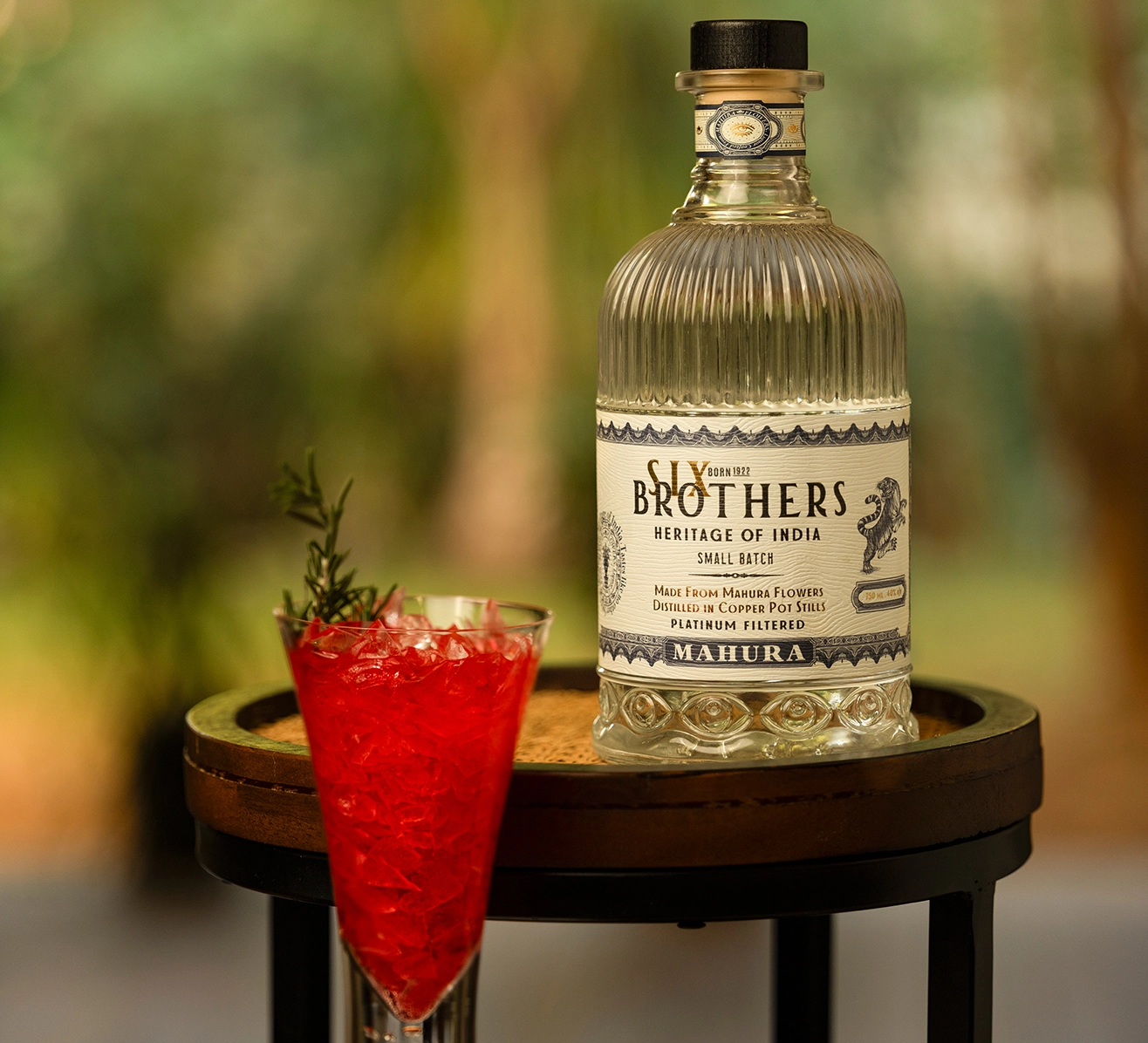
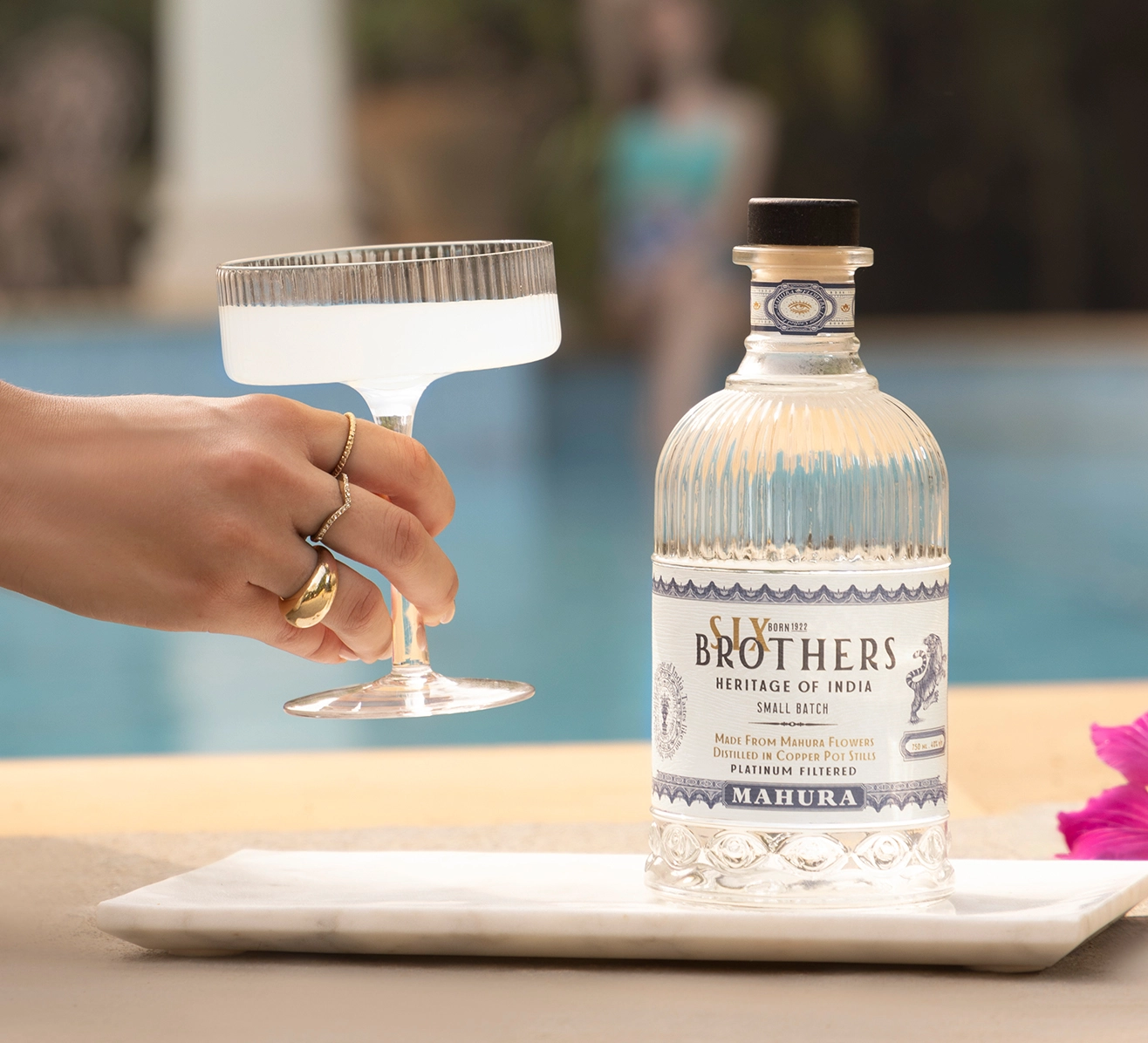
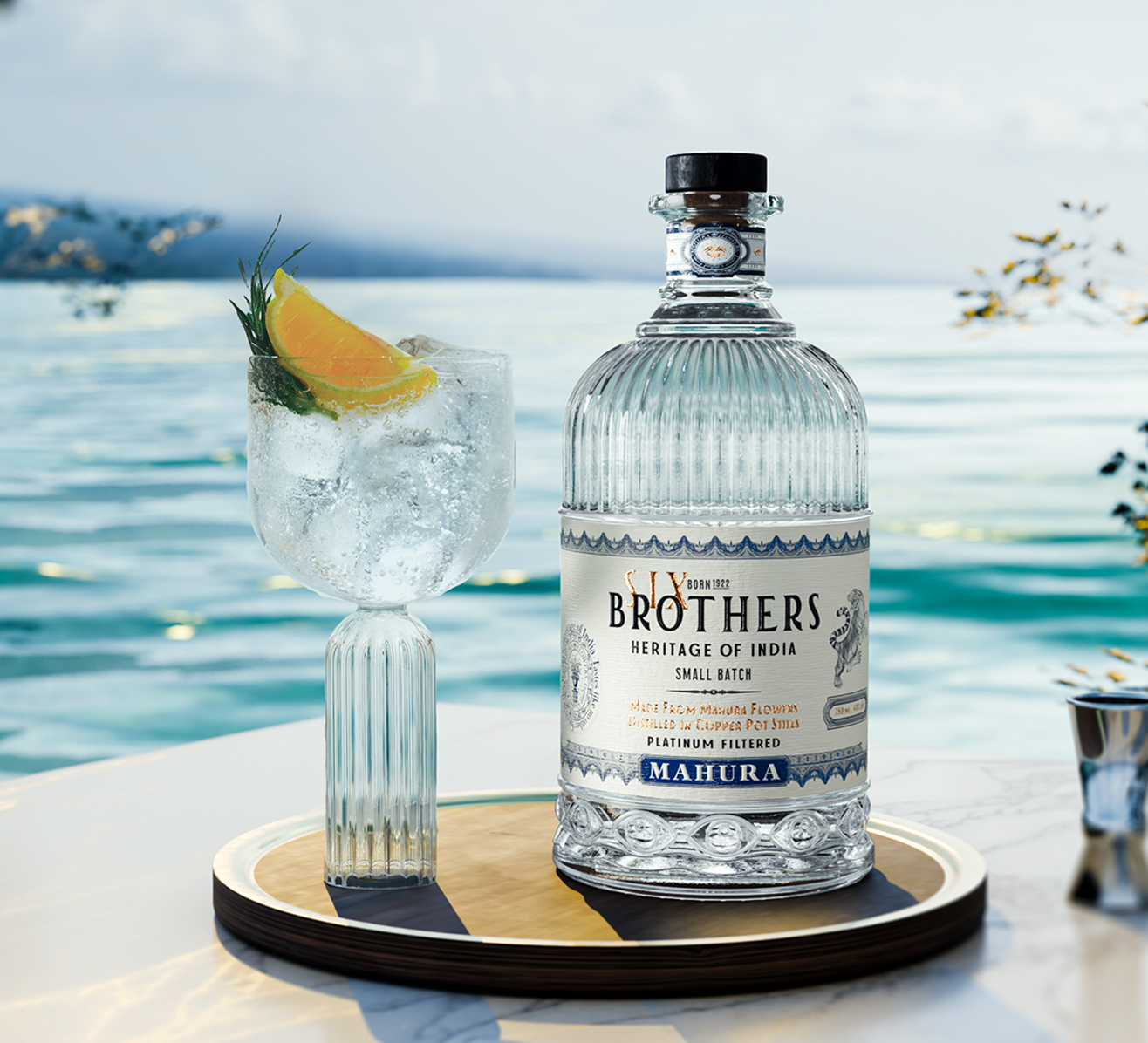
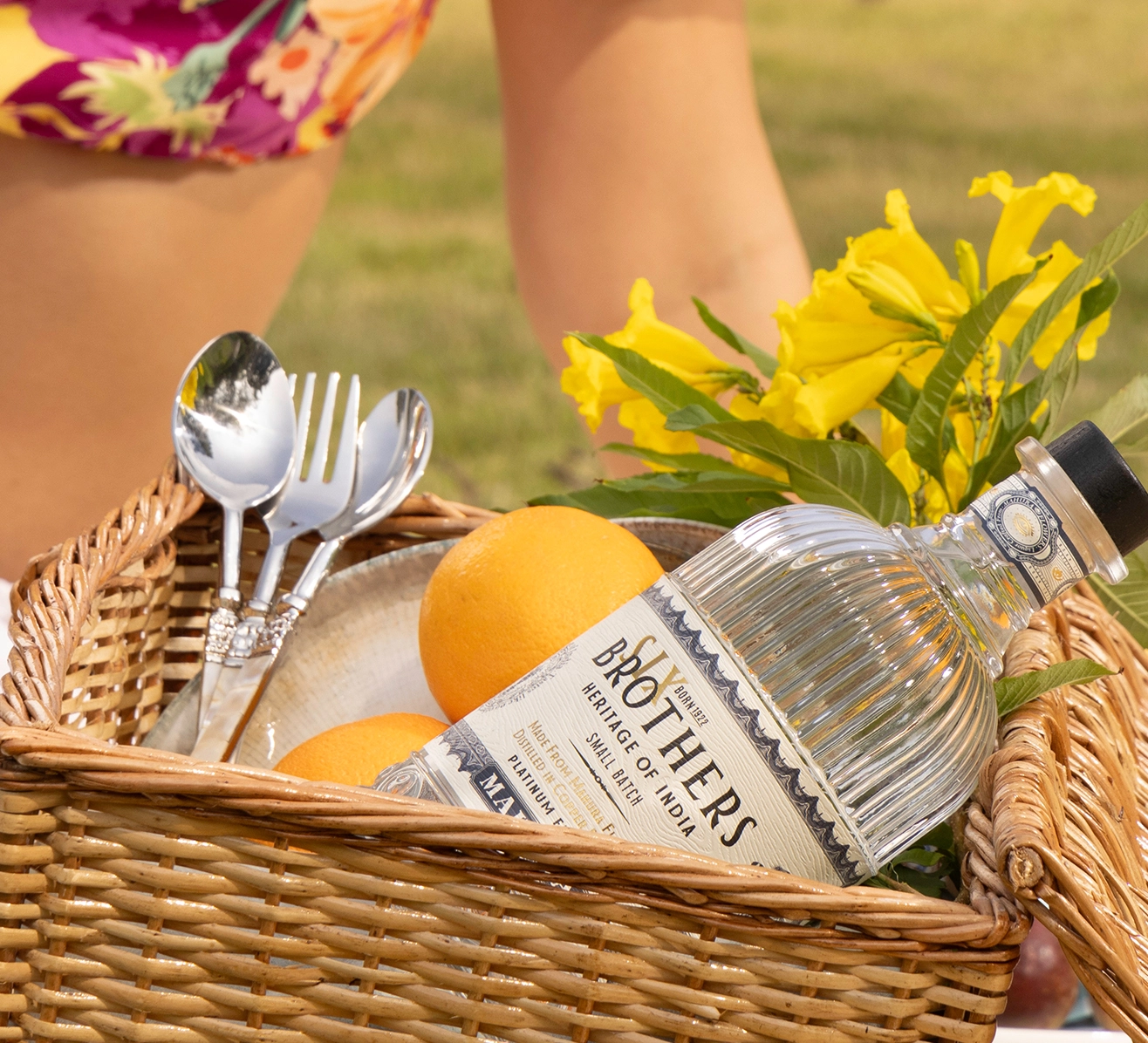
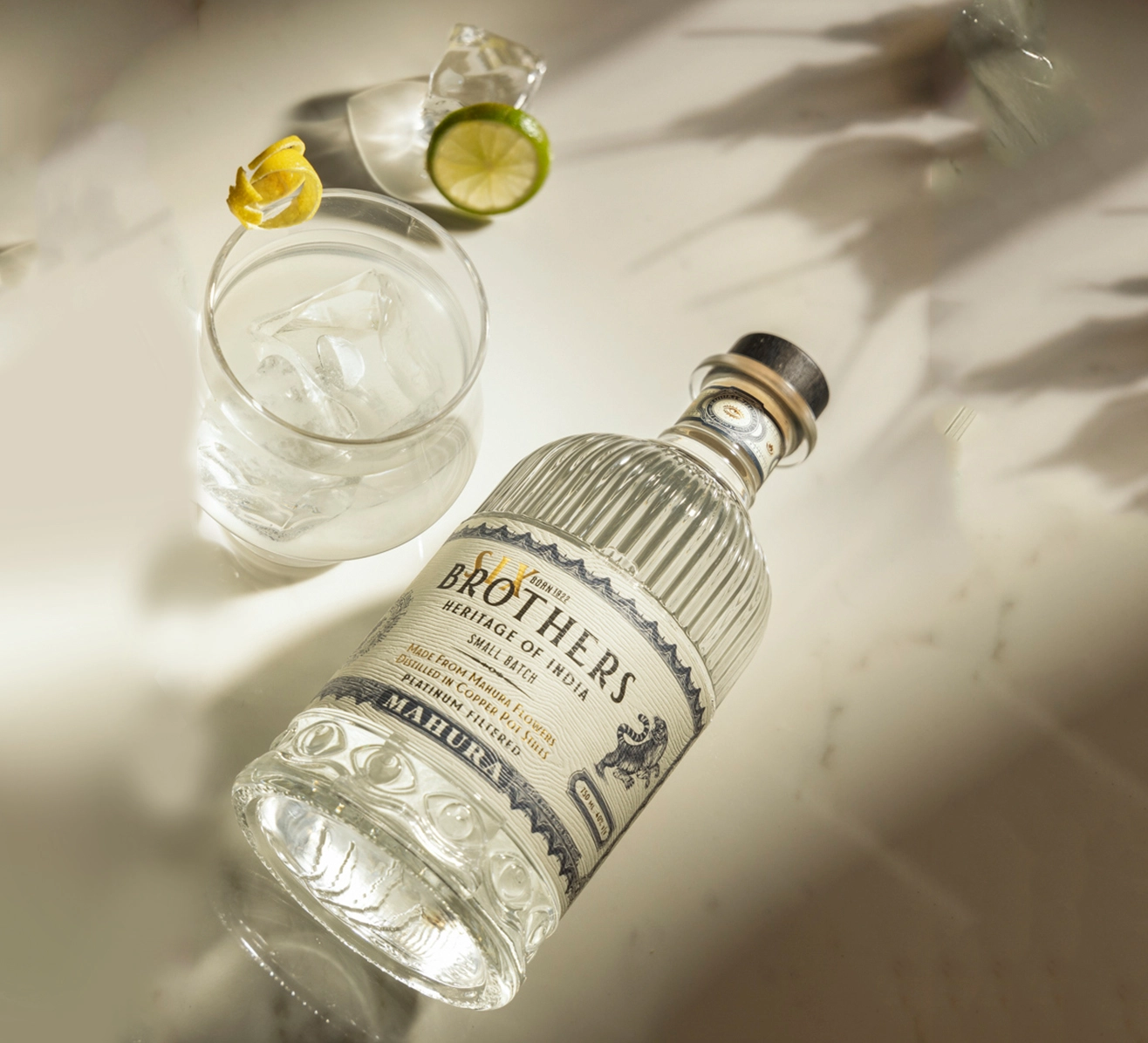
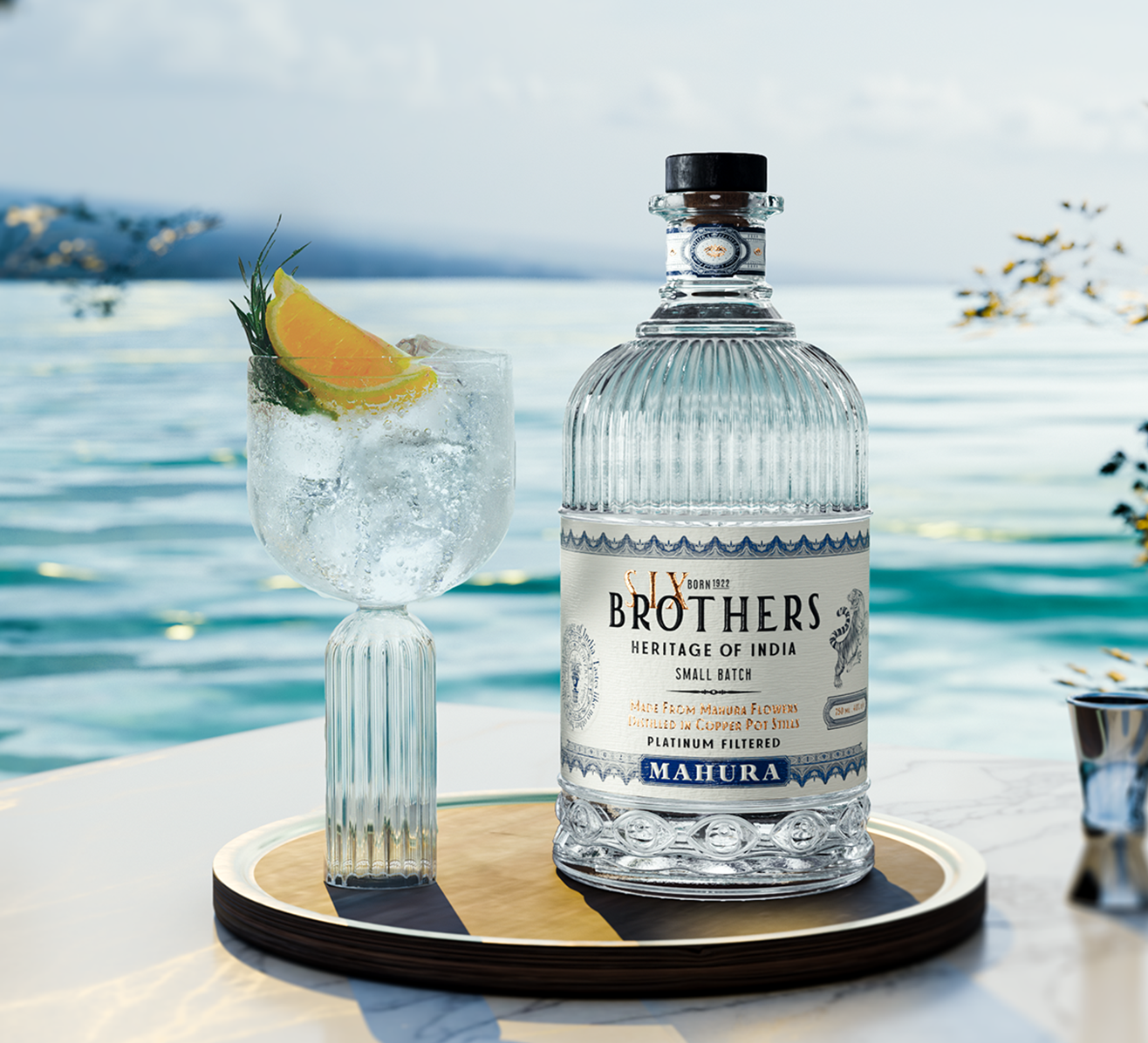
This is where brands like Six Brothers Mahura come in.
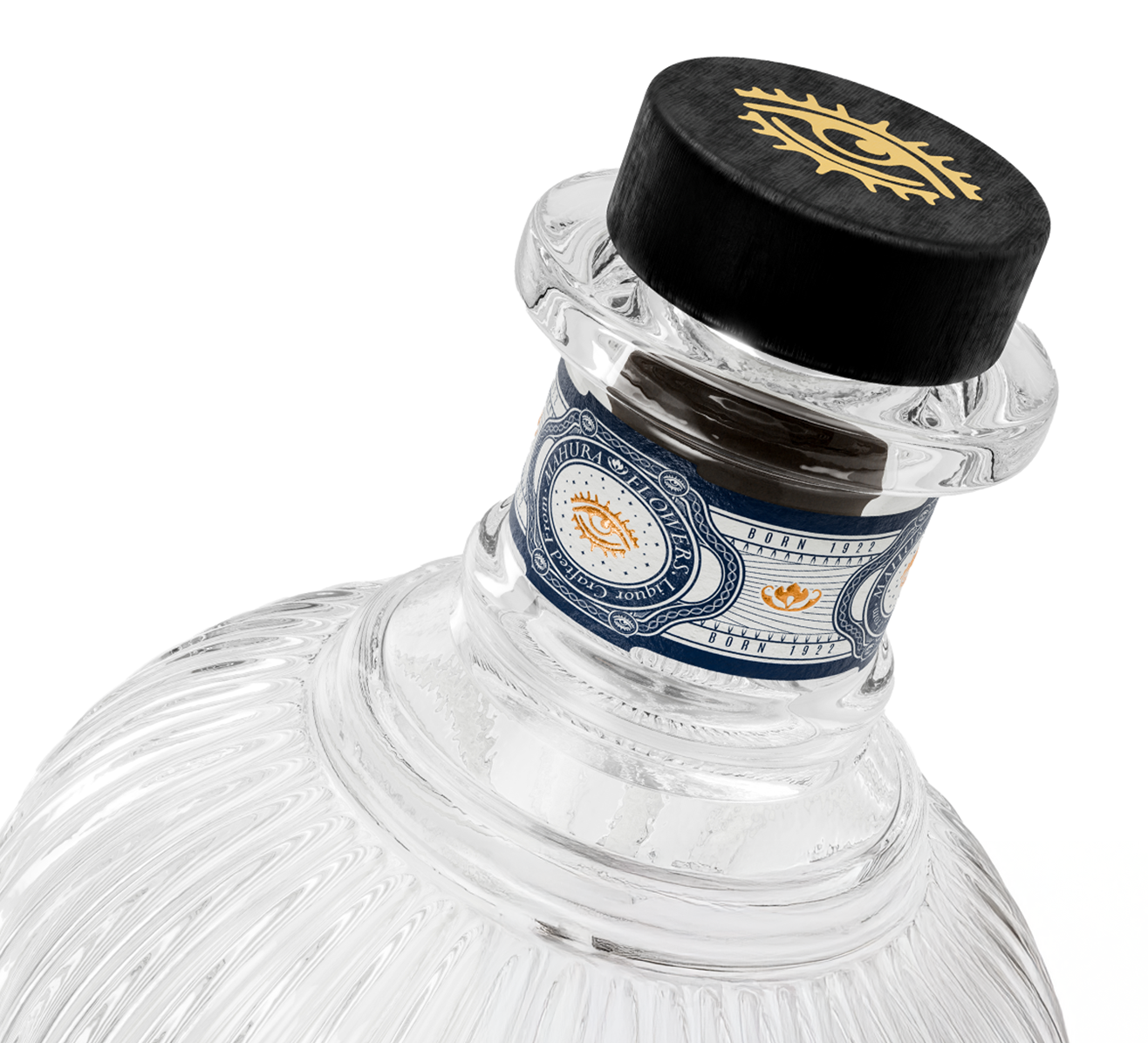
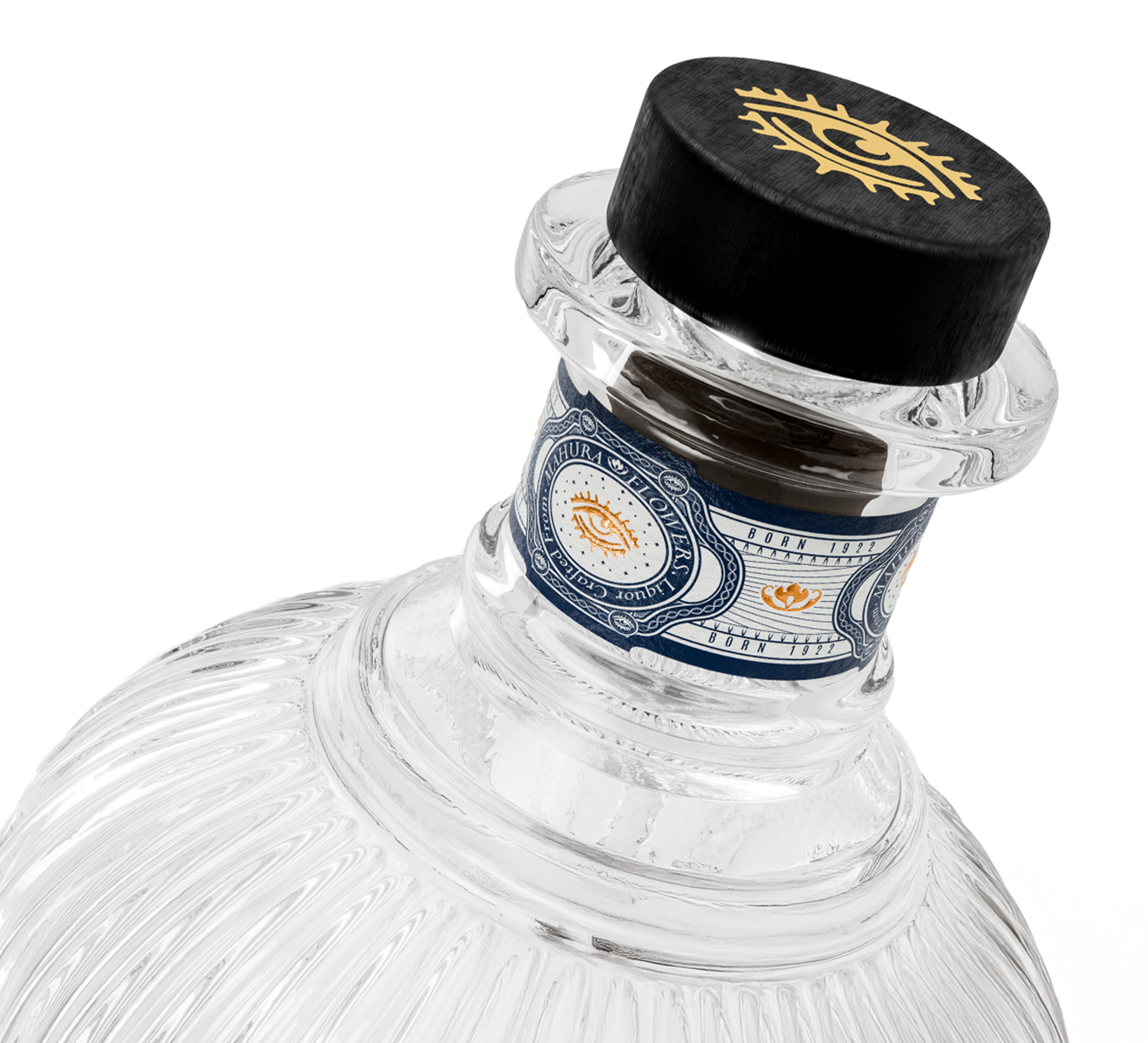
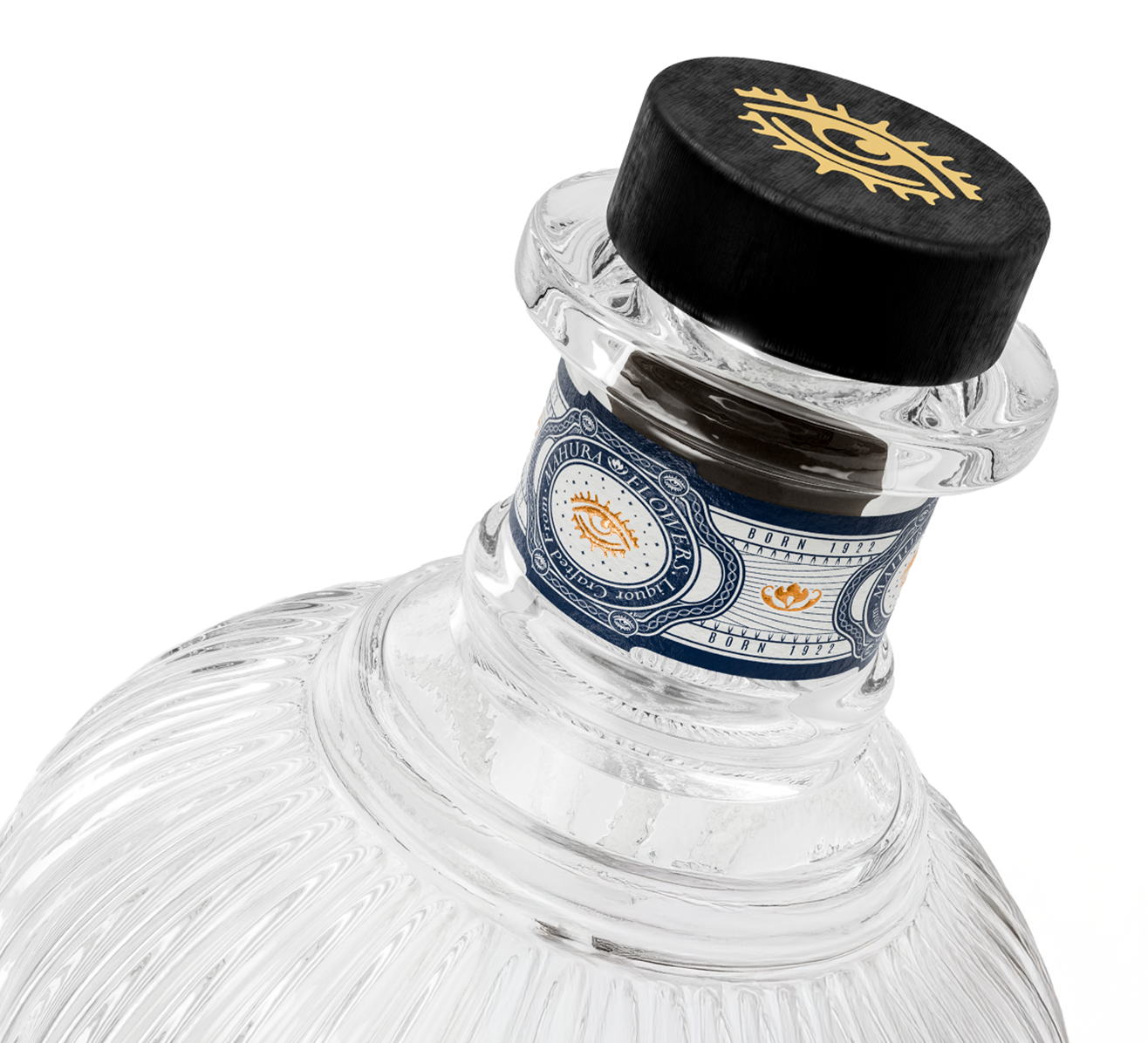
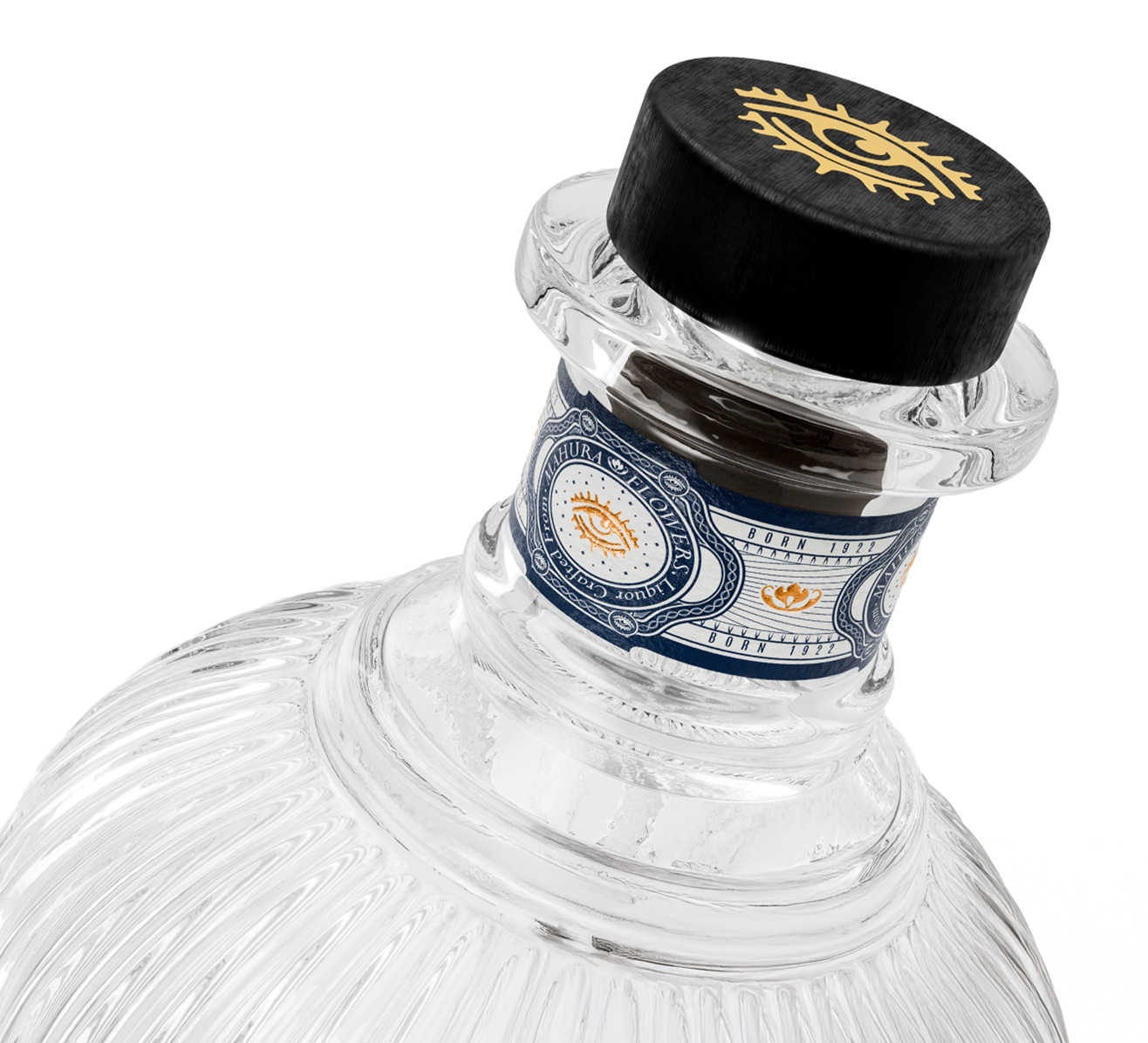
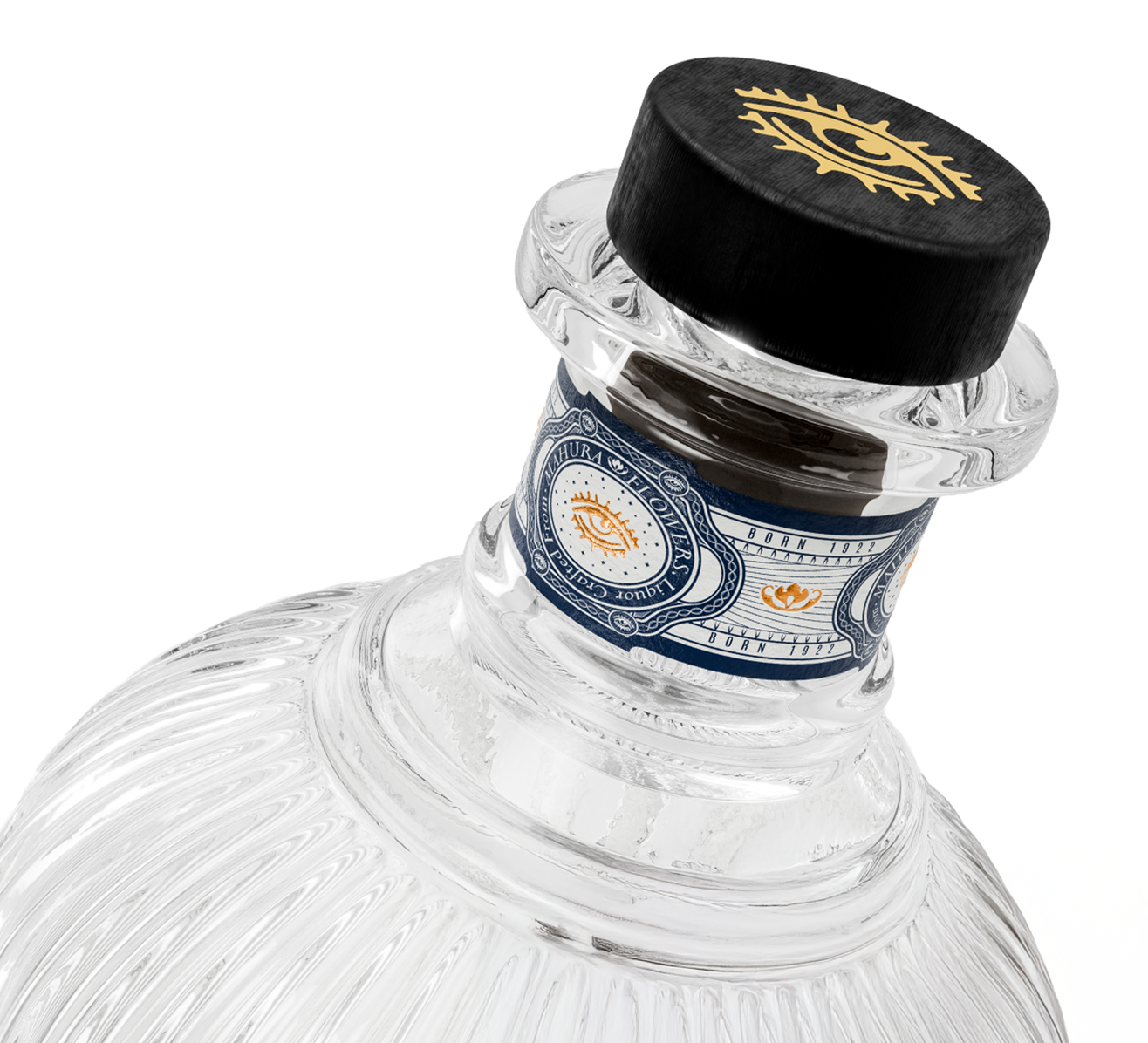
Instead of altering the product to fit global expectations, they’re refining how it’s produced, packaged, and presented—making it accessible without diluting its identity.
What’s happening today is bigger than one brand.
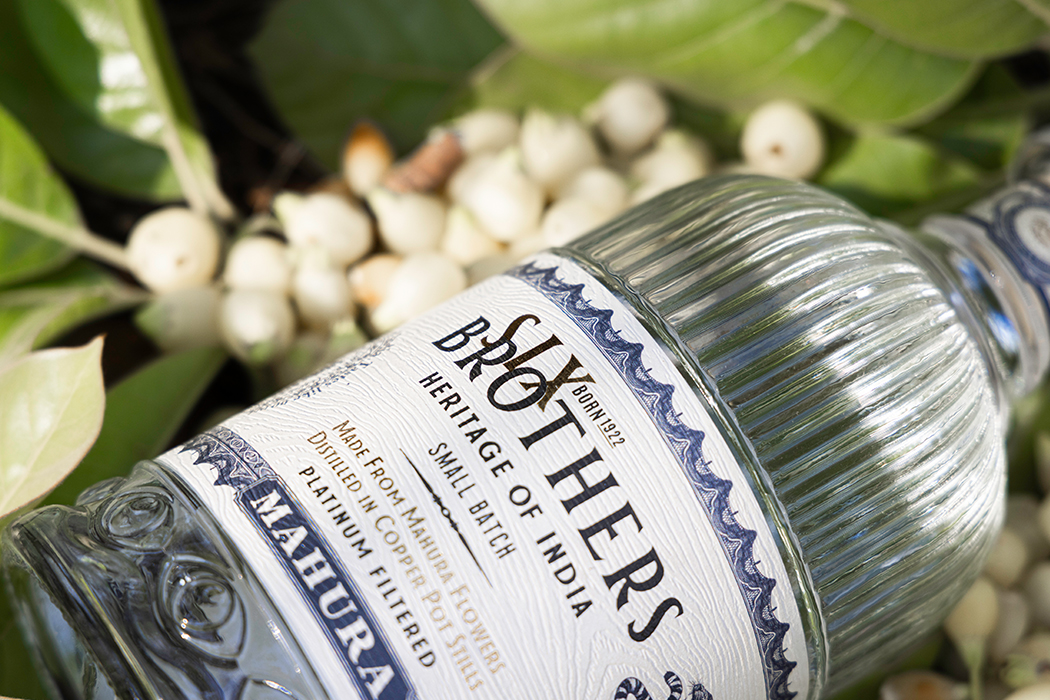
But Six Brothers represents a clear direction: taking something historically overlooked and giving it the structure, quality, and visibility it always lacked.
Global markets are crowded with similar-tasting spirits.
Mahua stands out because it’s different at the source.
And brands that stay true to that difference—rather than masking it—are the ones that will define its future.
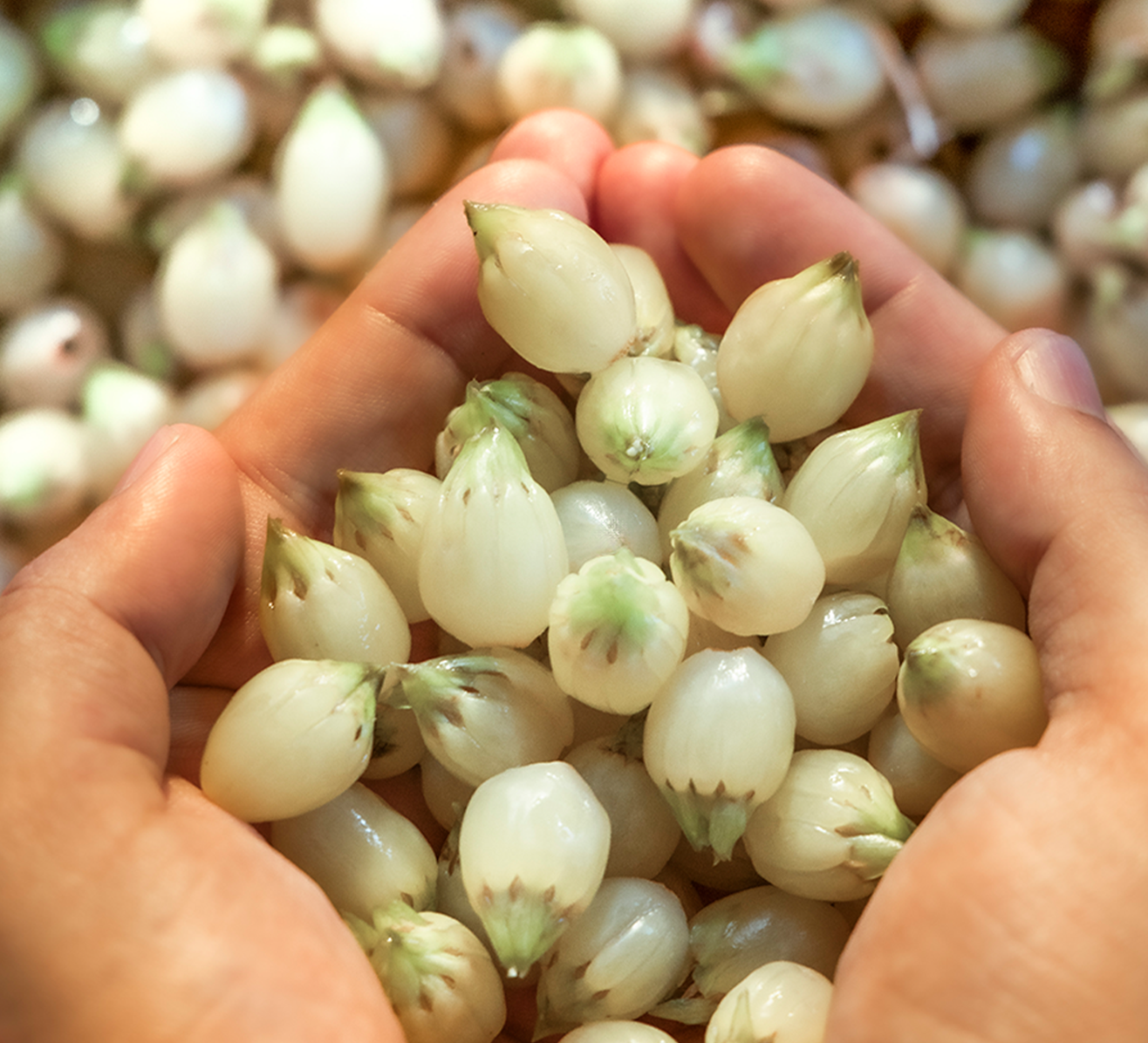
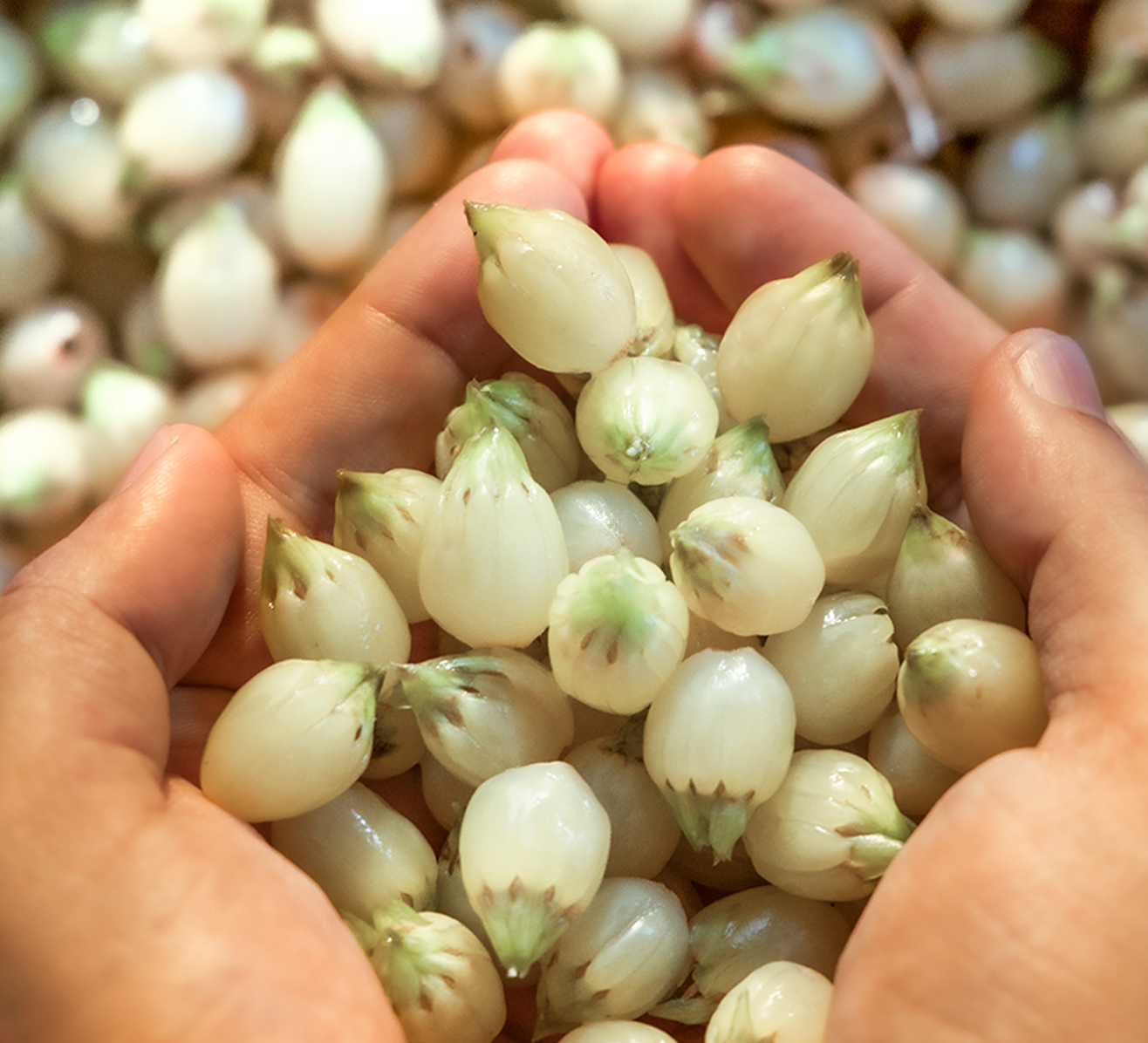
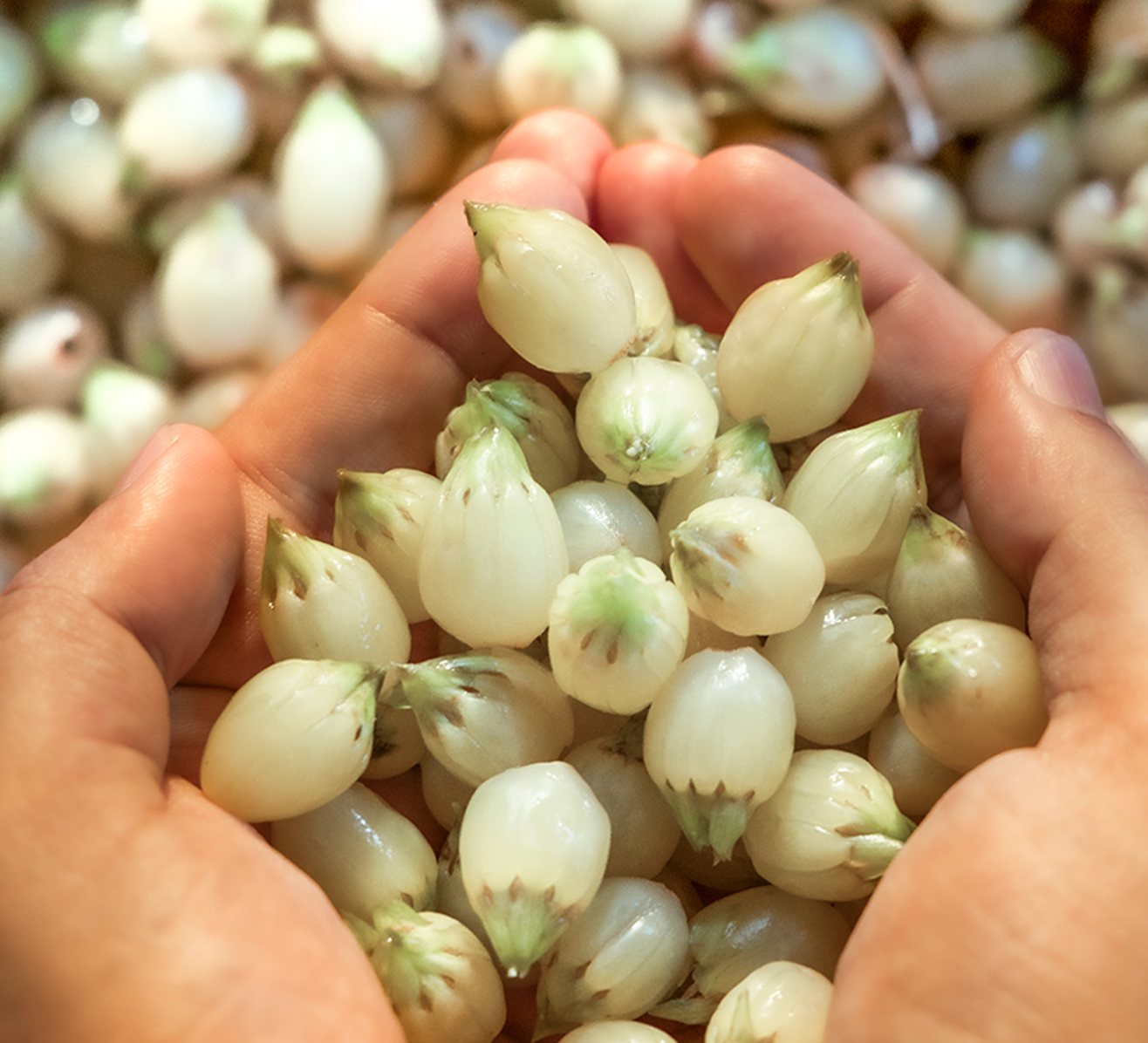
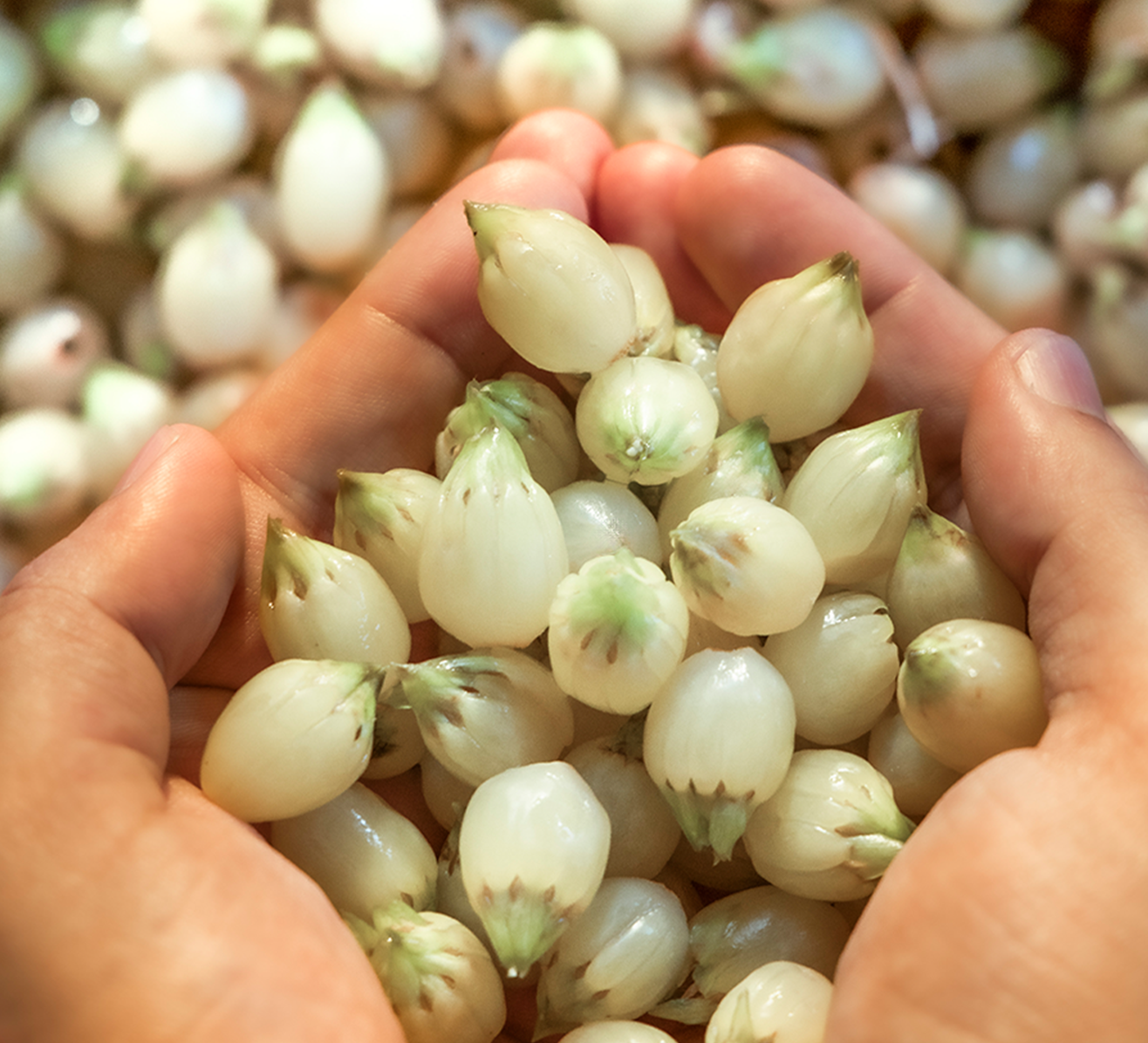
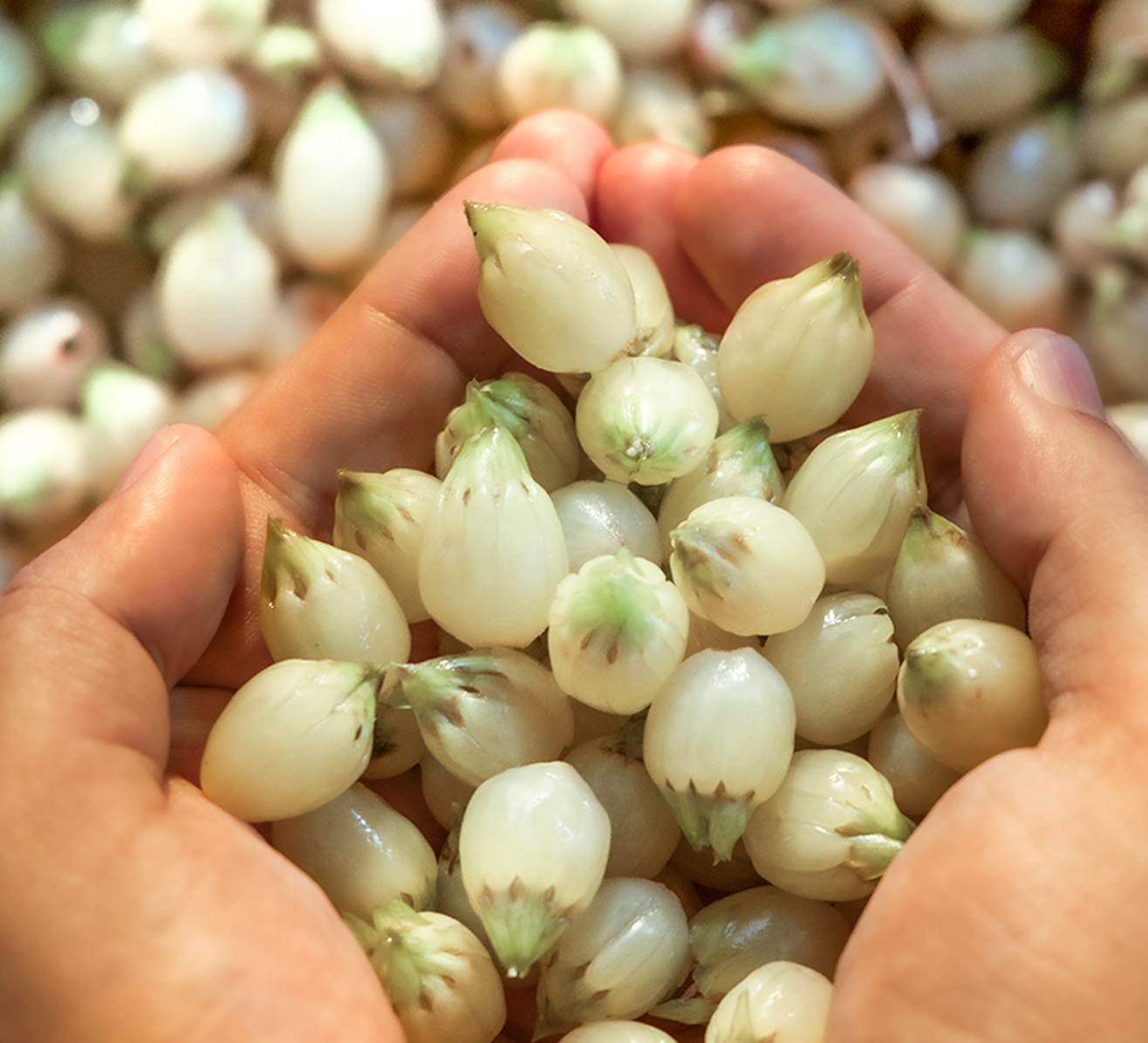
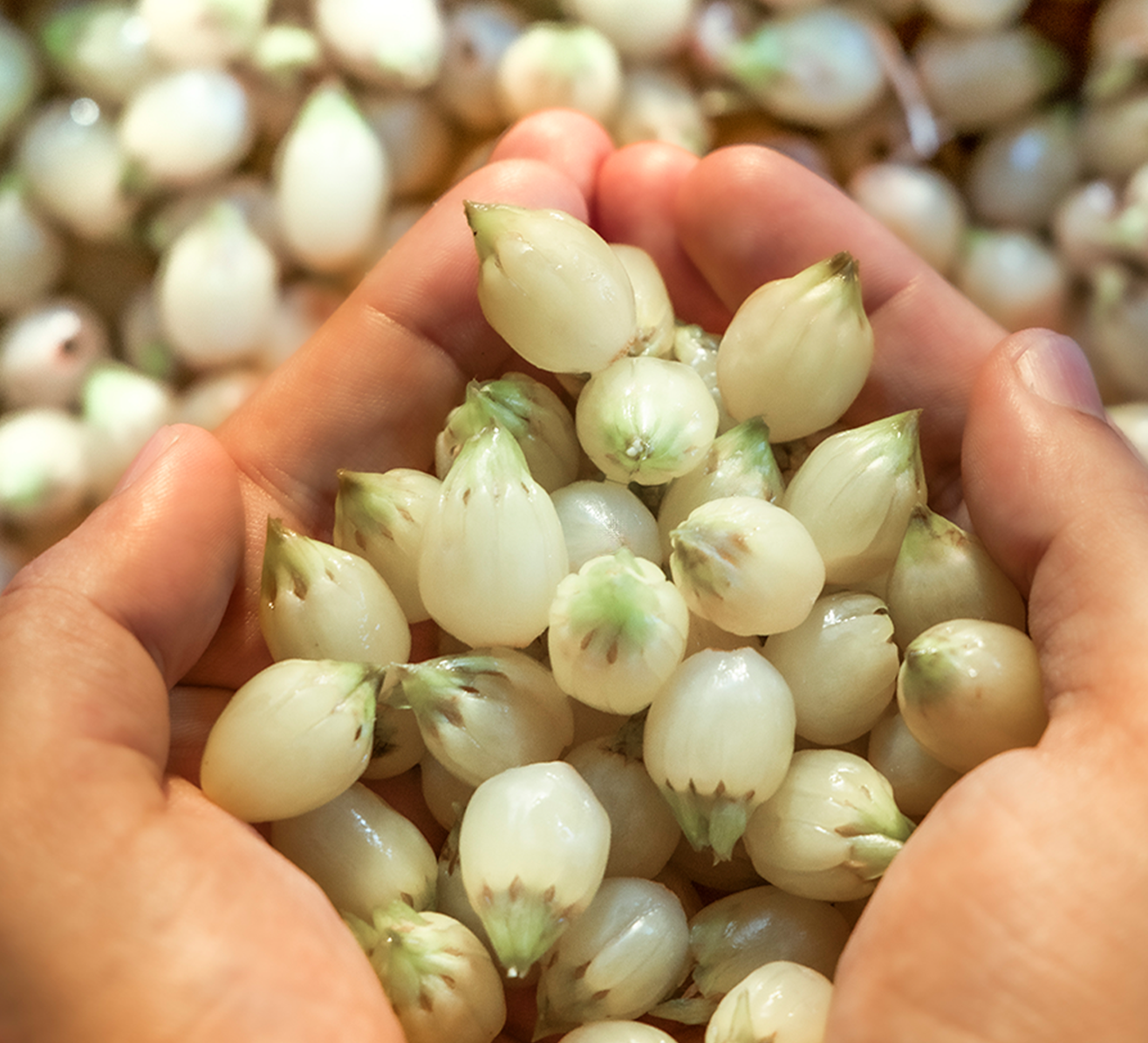
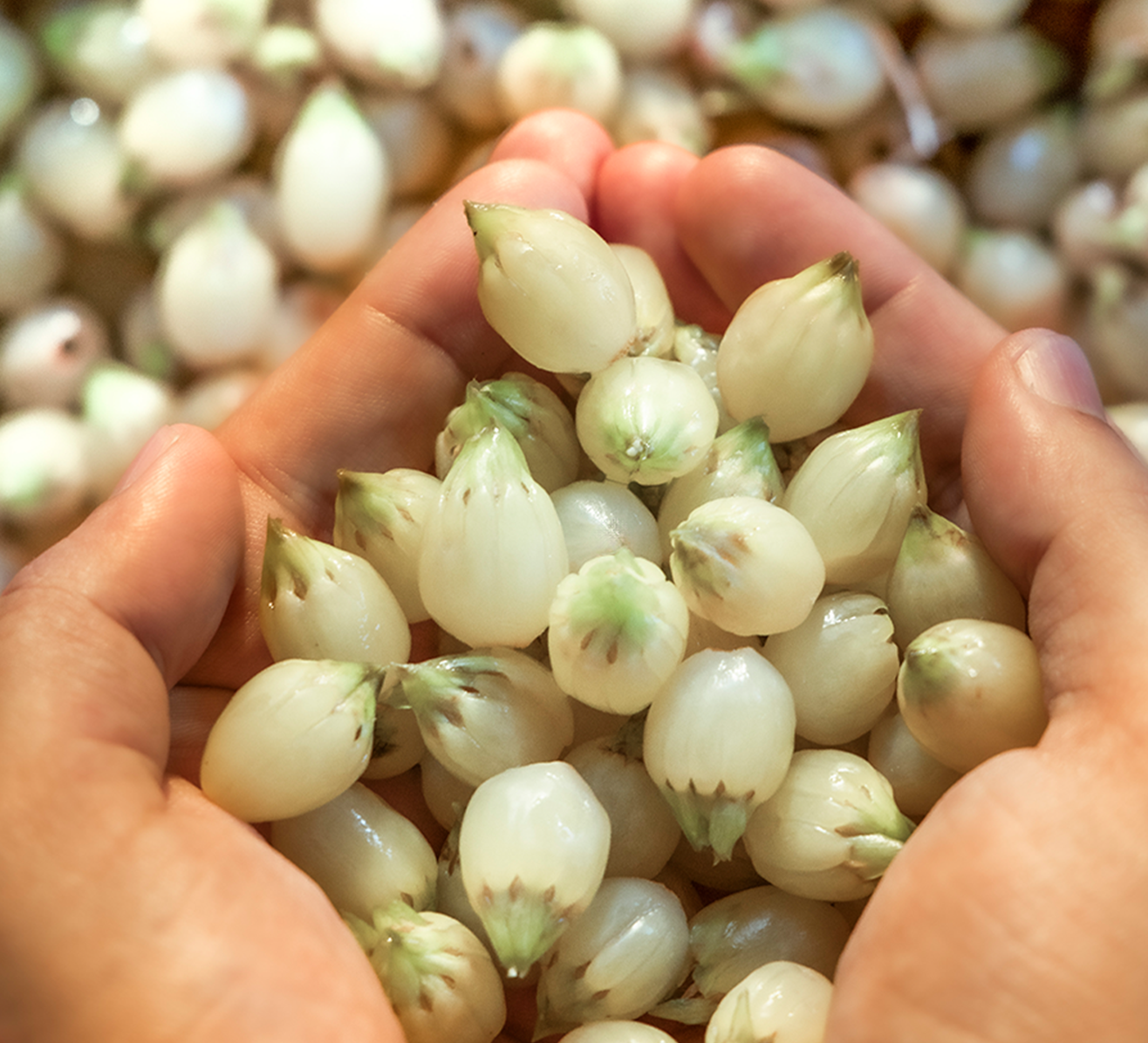
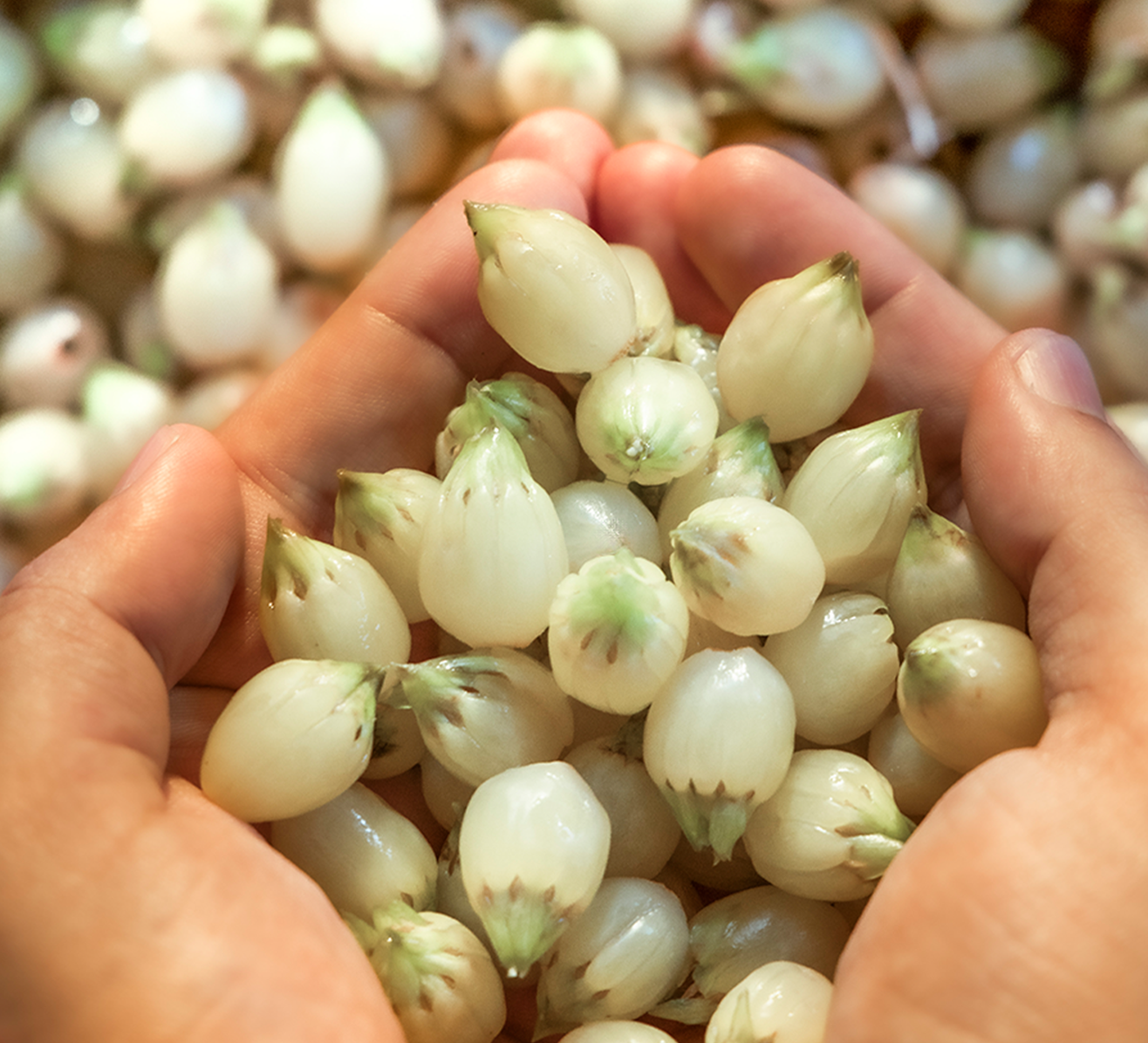
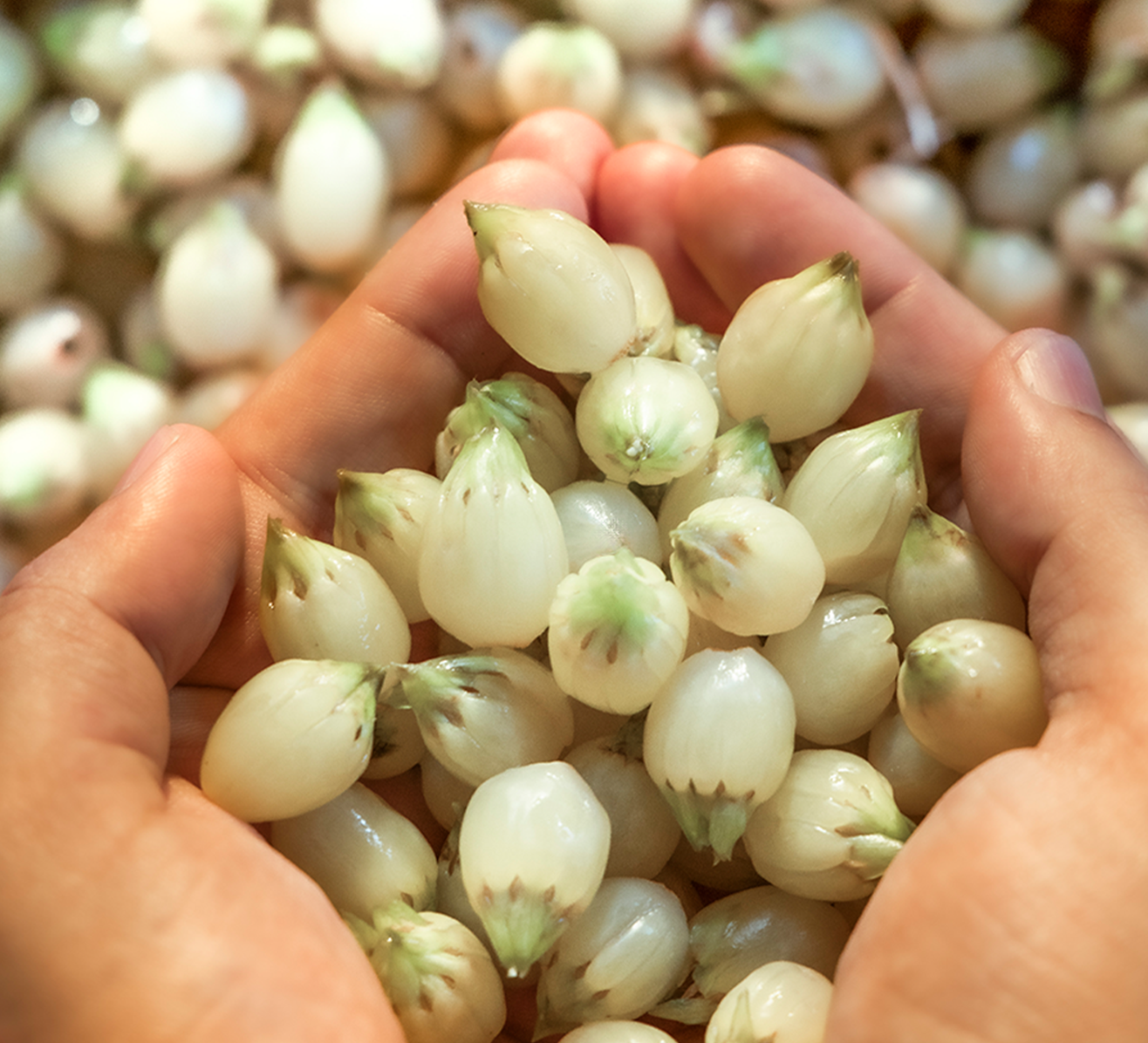
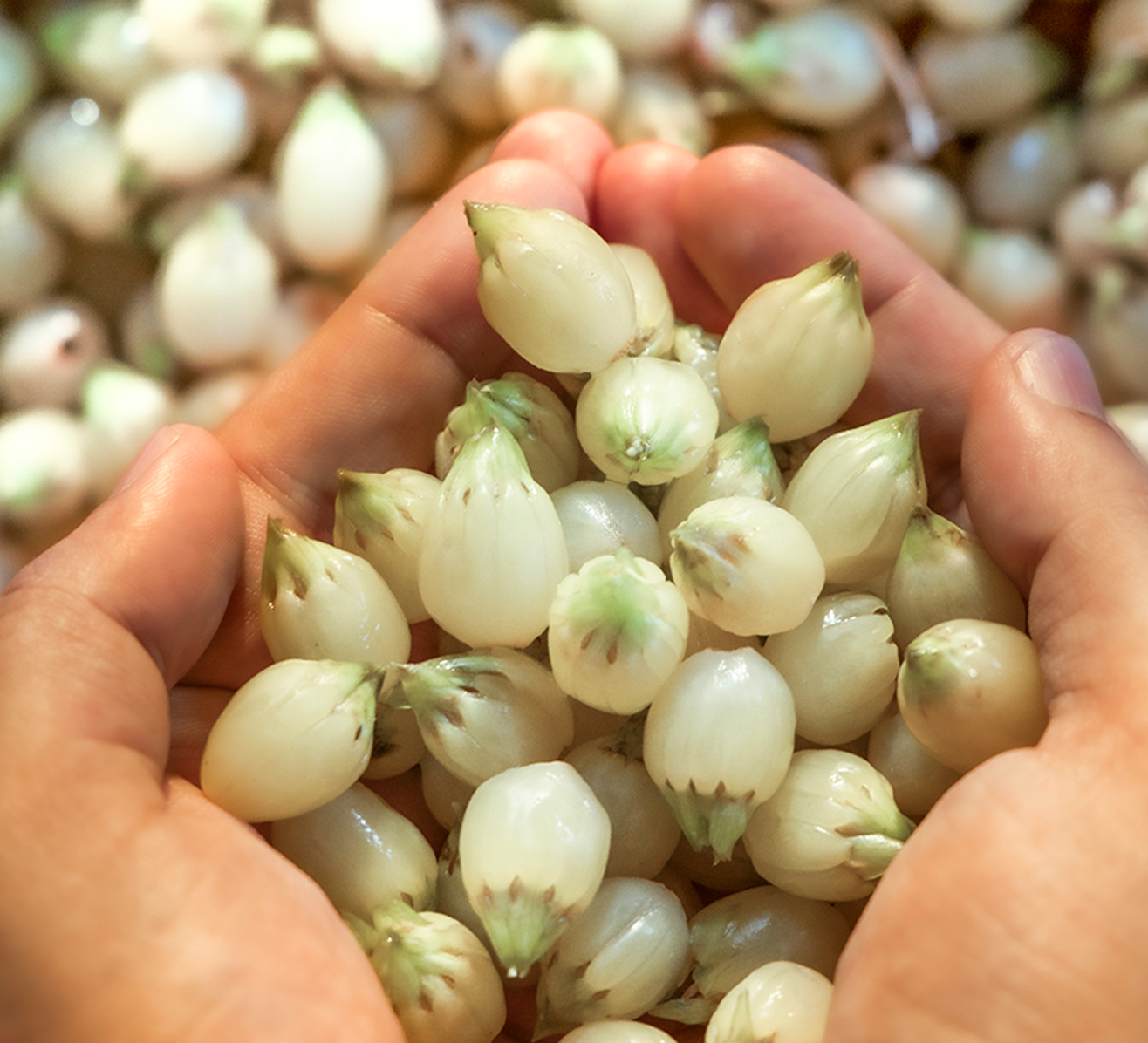
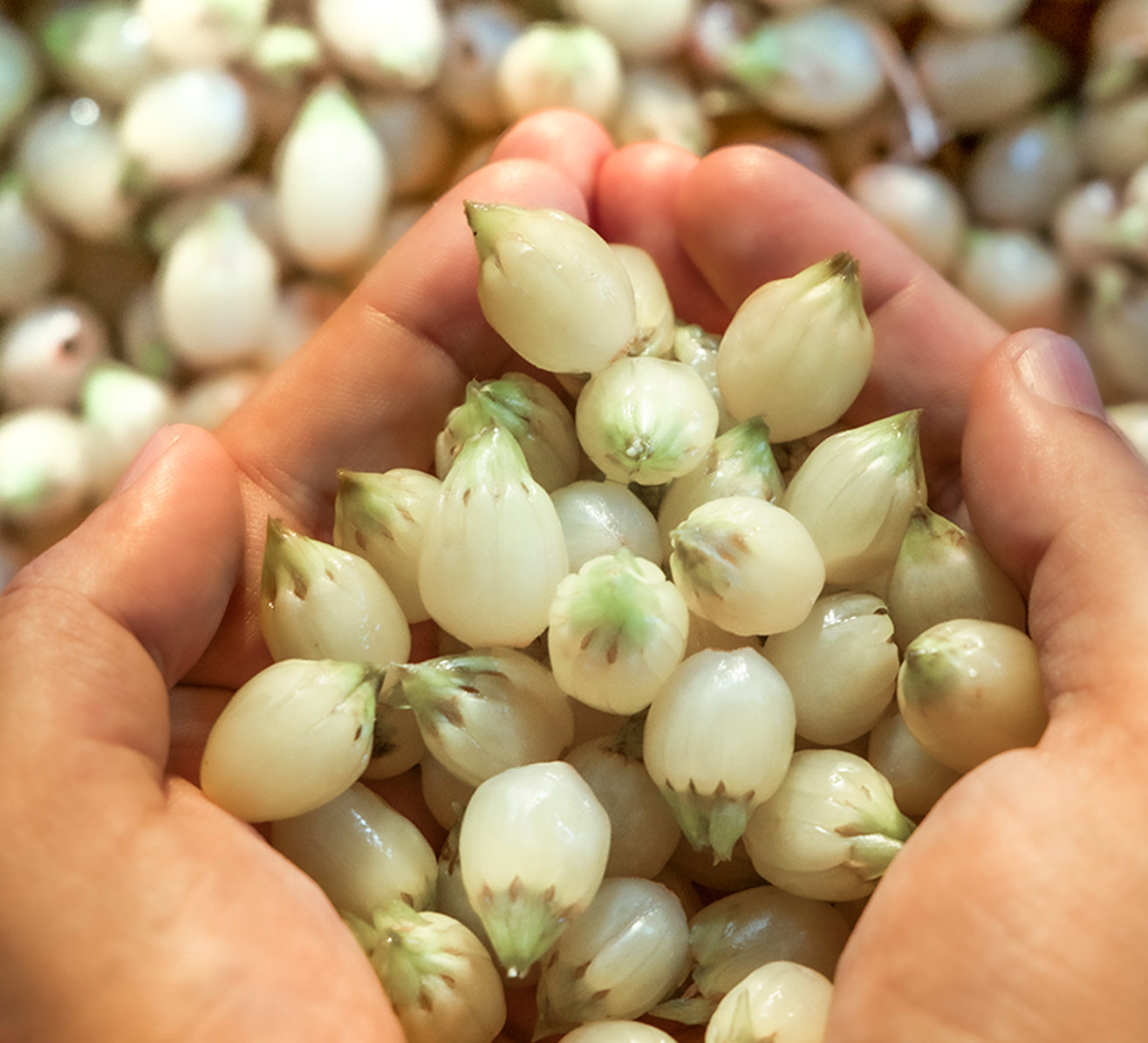
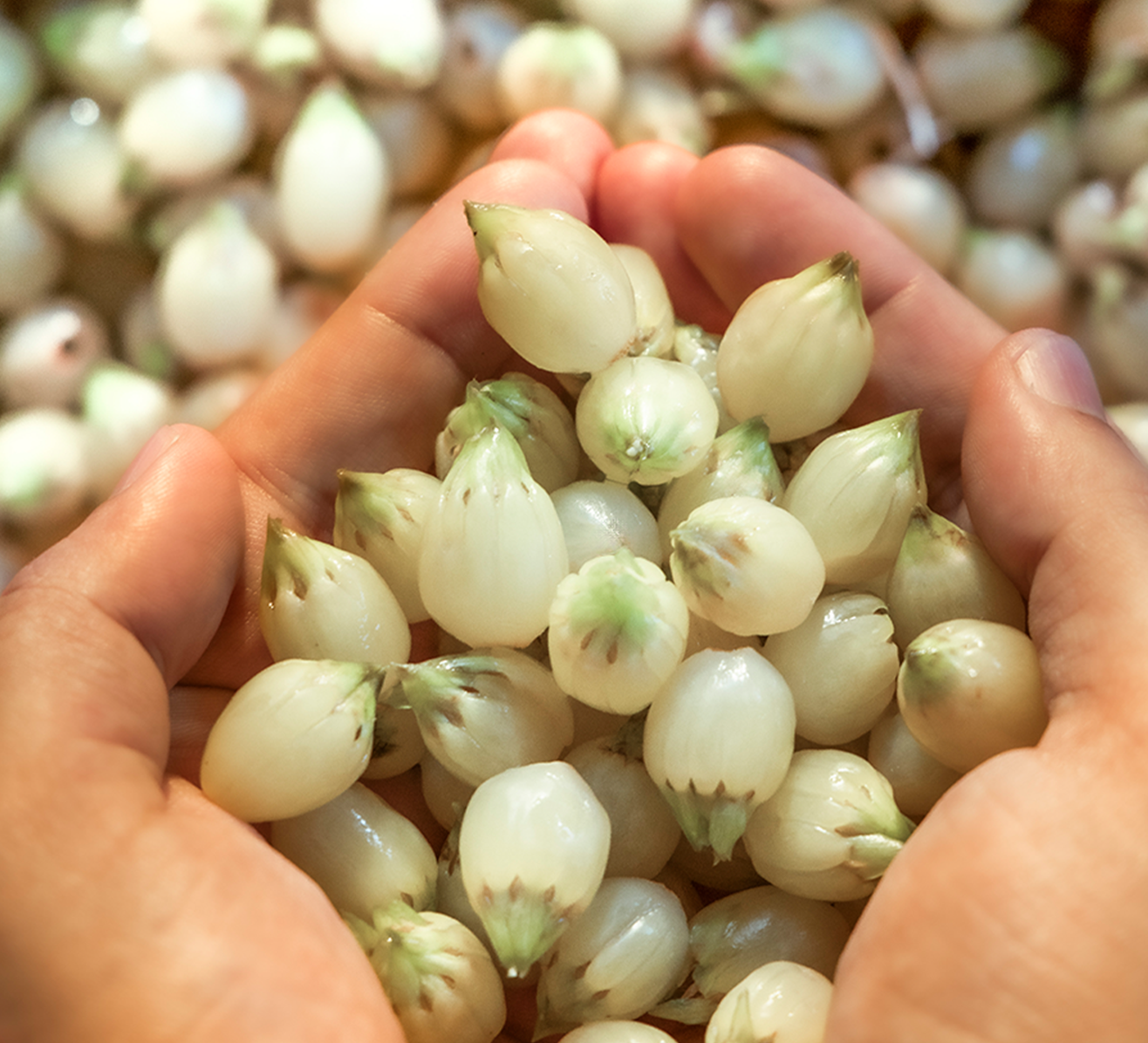
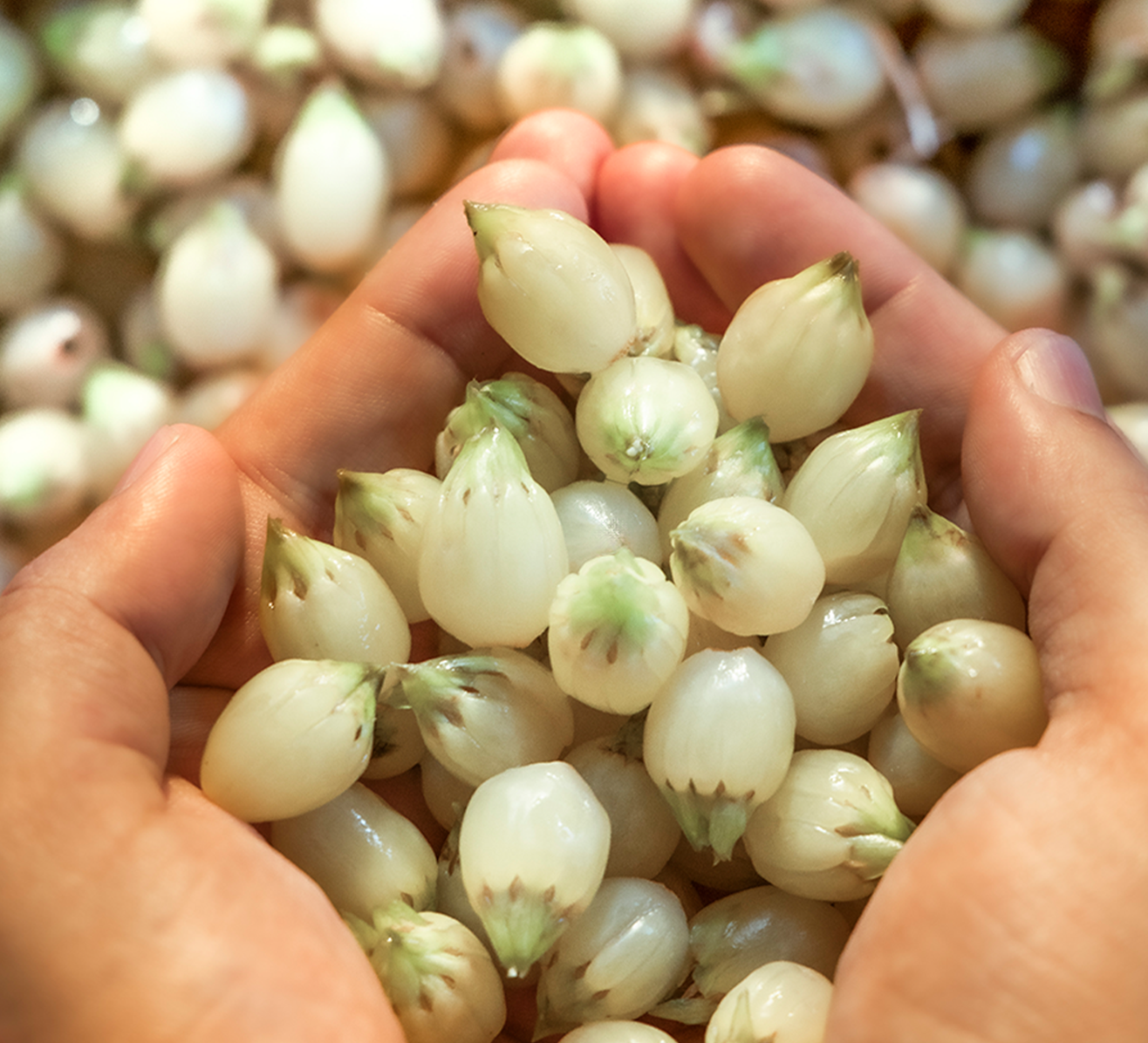
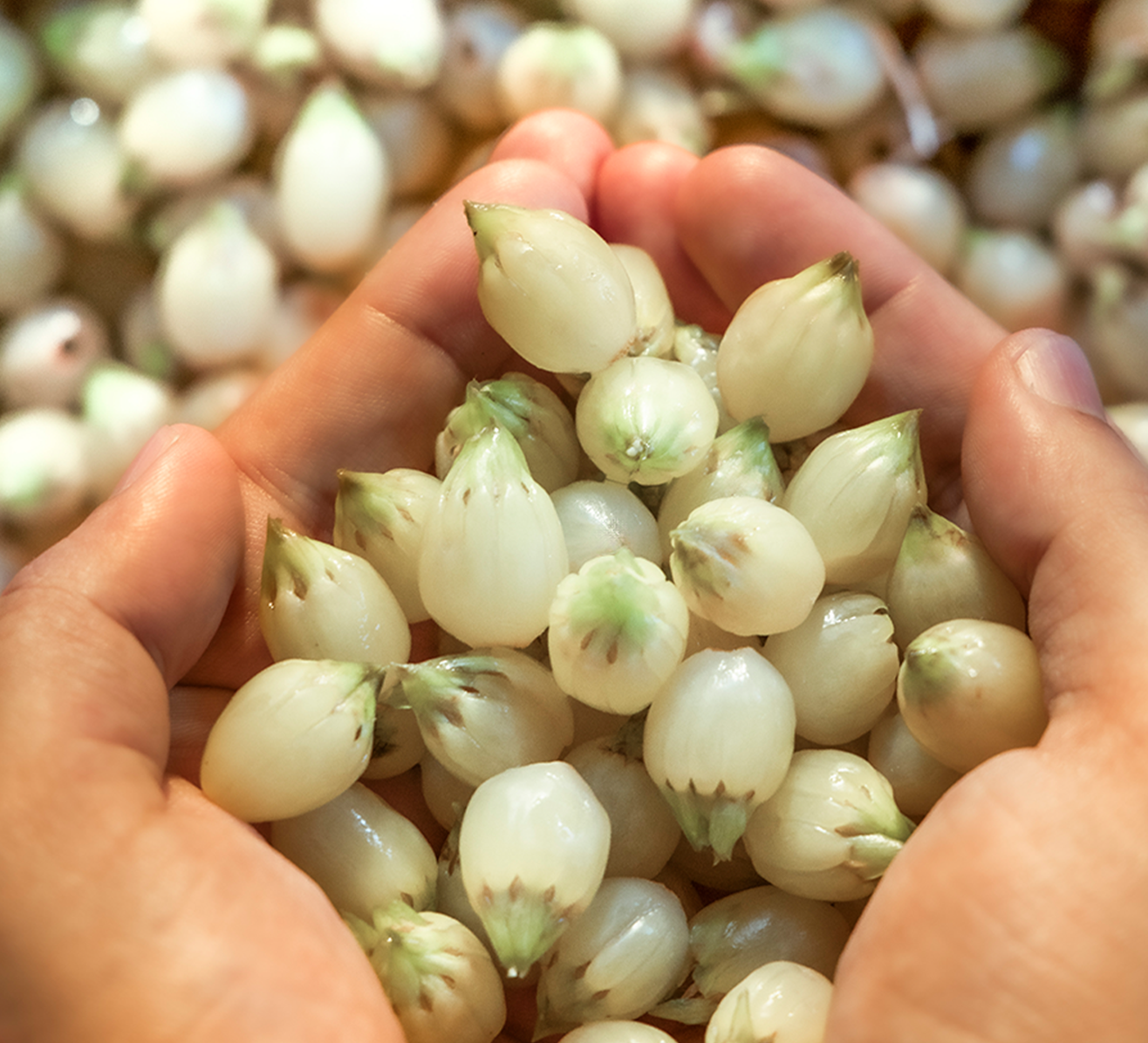
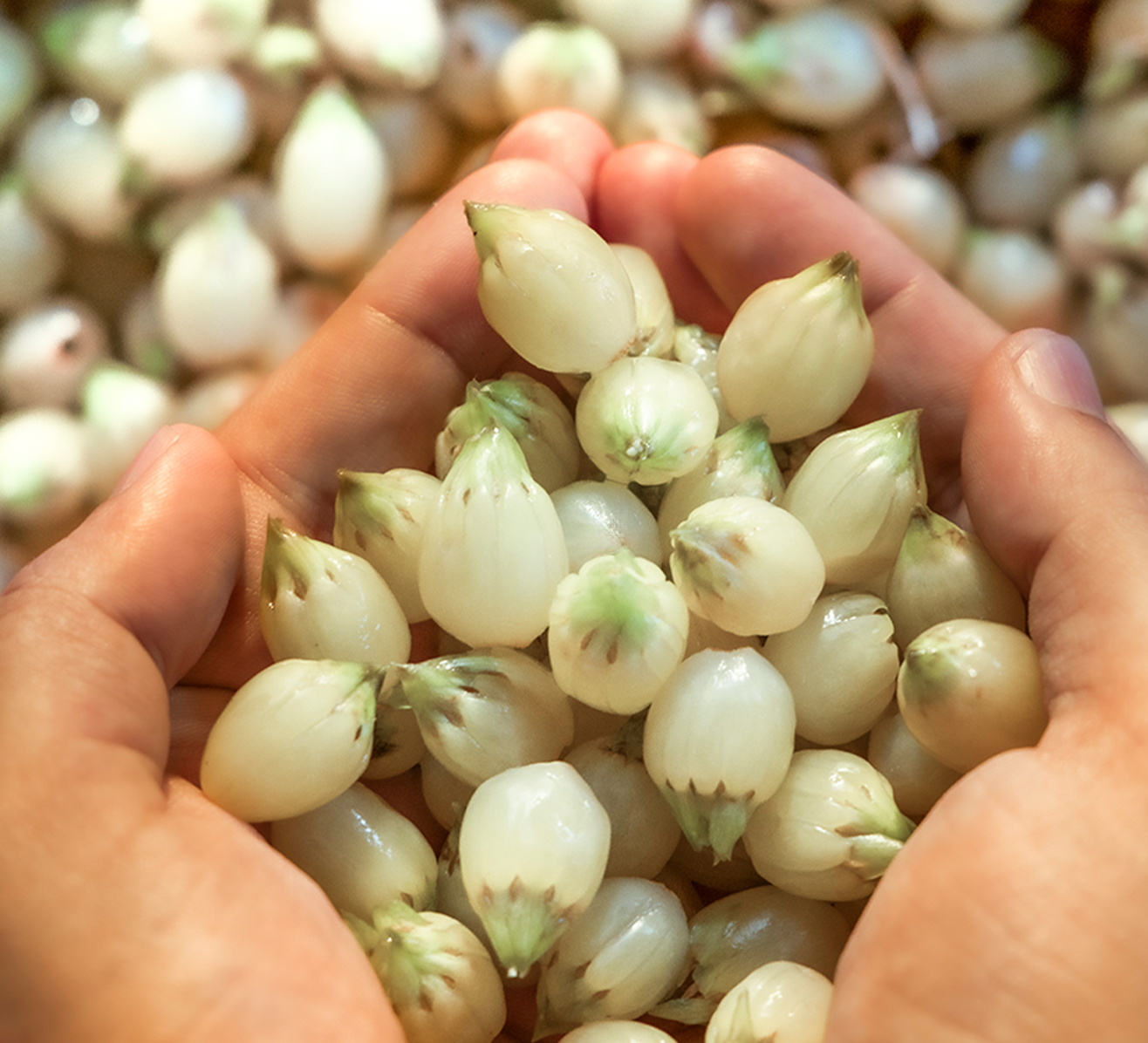
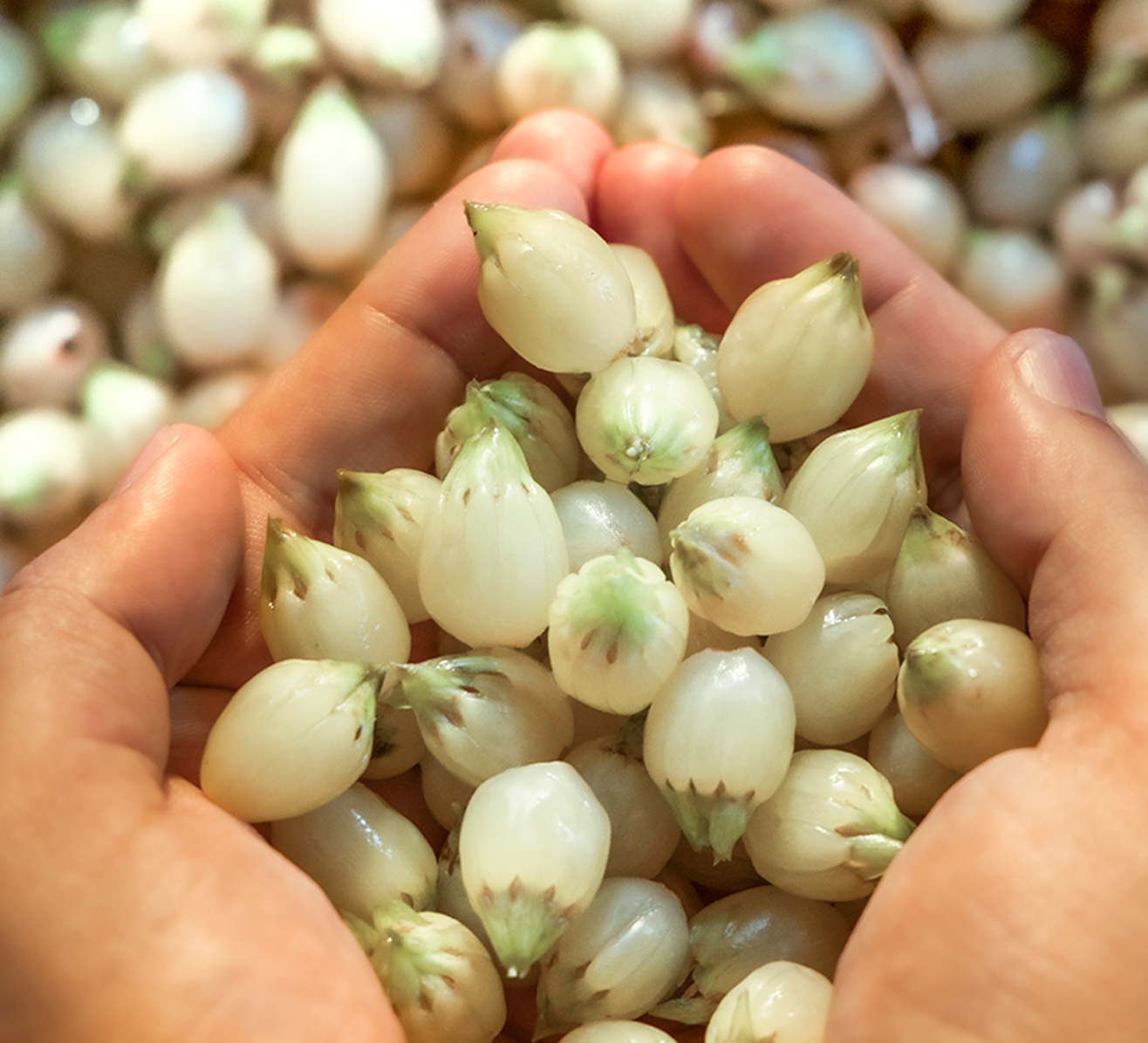
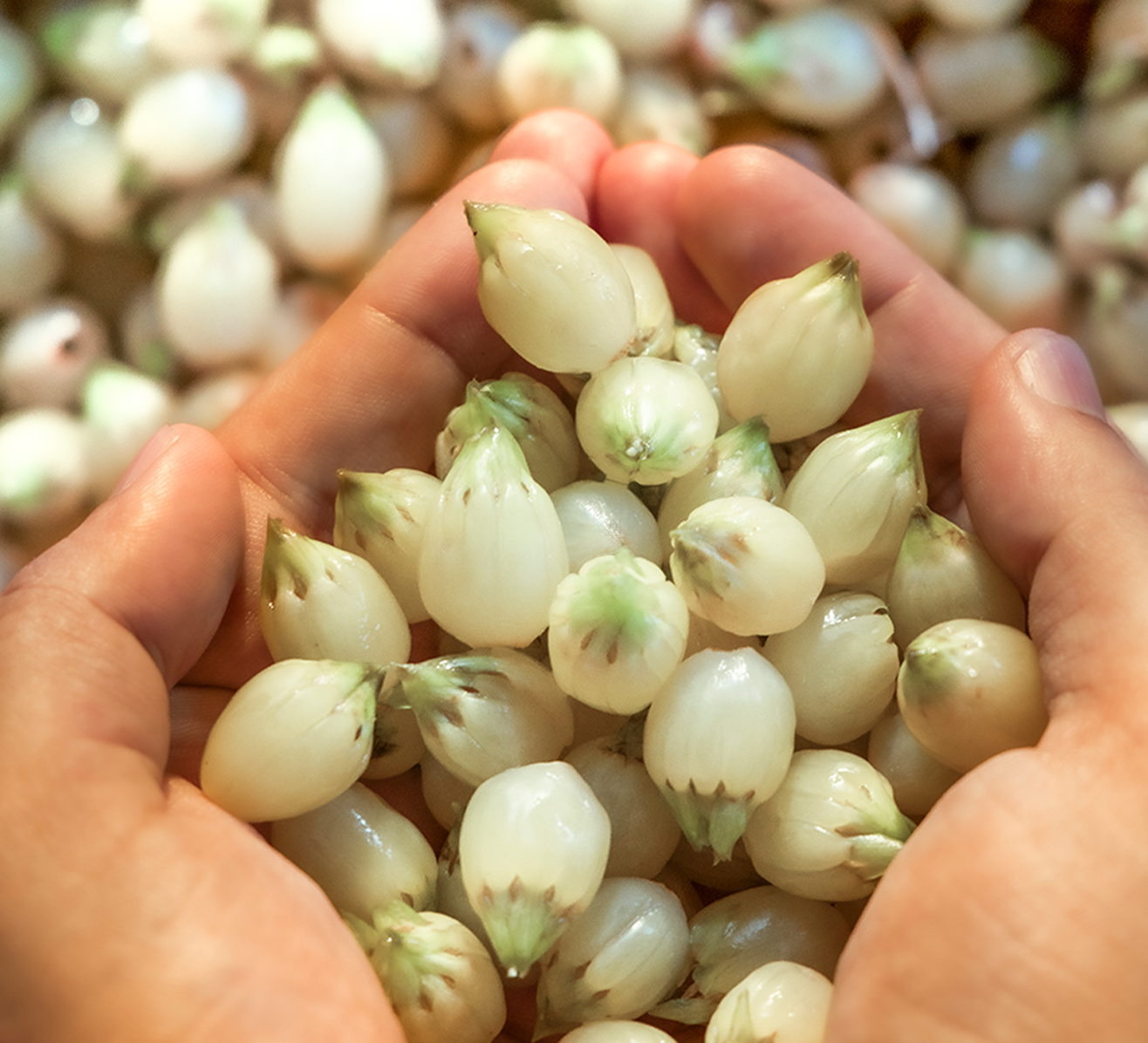
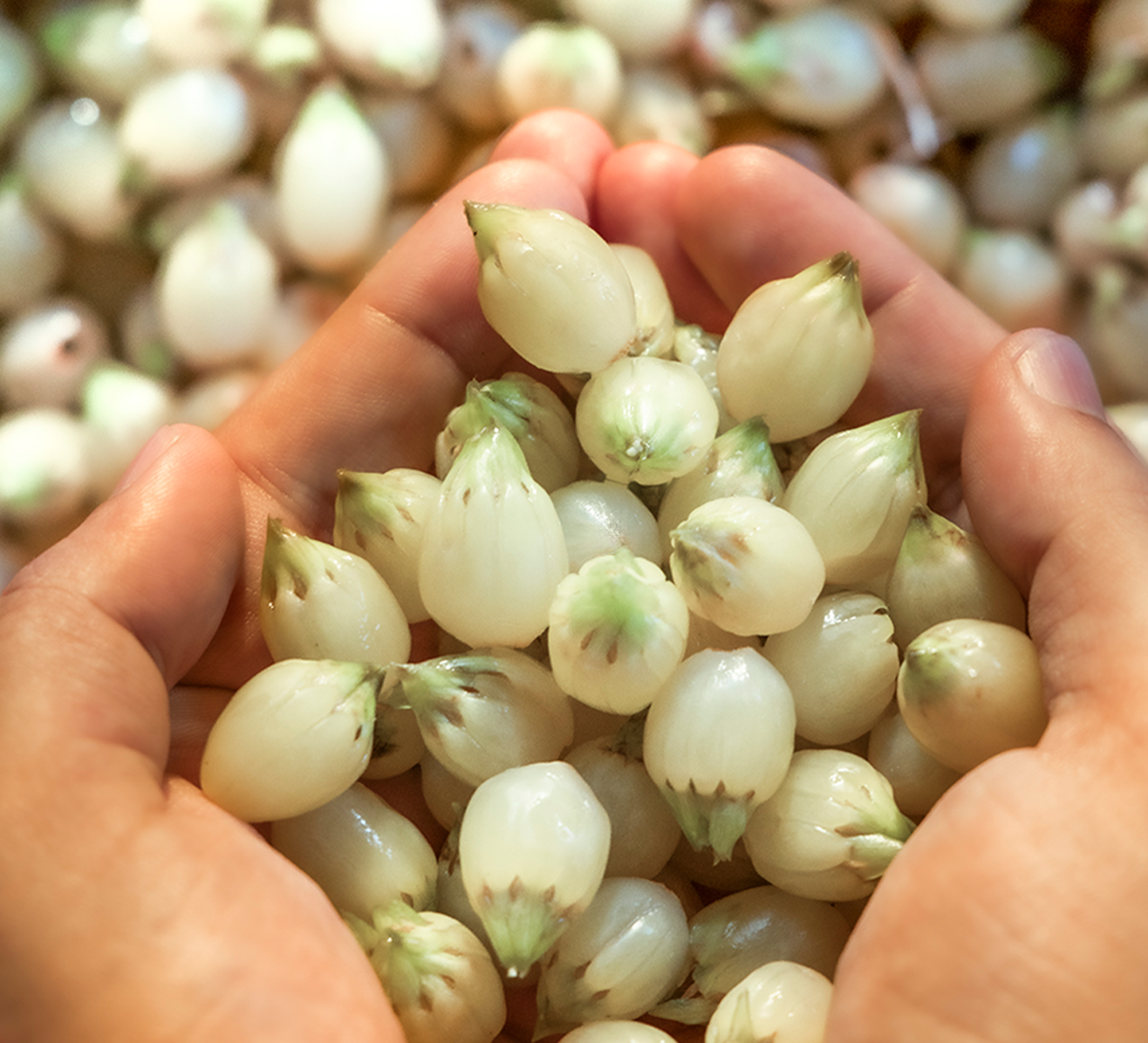
Mahua is a traditional Indian drink made from the fermented flowers of the mahua tree. It has been consumed for centuries, especially by Adivasi communities, making it one of India’s oldest indigenous alcoholic beverages.
Mahua has deep roots among local (Adivasi) communities across central and eastern India, where it has been part of daily life, rituals, and local economies for generations.
Mahua was typically consumed during social gatherings, festivals, and ceremonies. It was less about individual drinking and more about shared experiences within the community.
During colonial rule, imported spirits were positioned as more refined, while indigenous drinks like mahua were often viewed as informal. This shift in perception reduced its visibility in mainstream markets.
No. Even when it faded from mainstream attention, mahua continued to be produced and consumed within local communities, preserving its traditional methods and cultural relevance.
A growing interest in indigenous ingredients, authenticity, and craft spirits has brought mahua back into focus. Consumers are now more open to unique, origin-driven products.
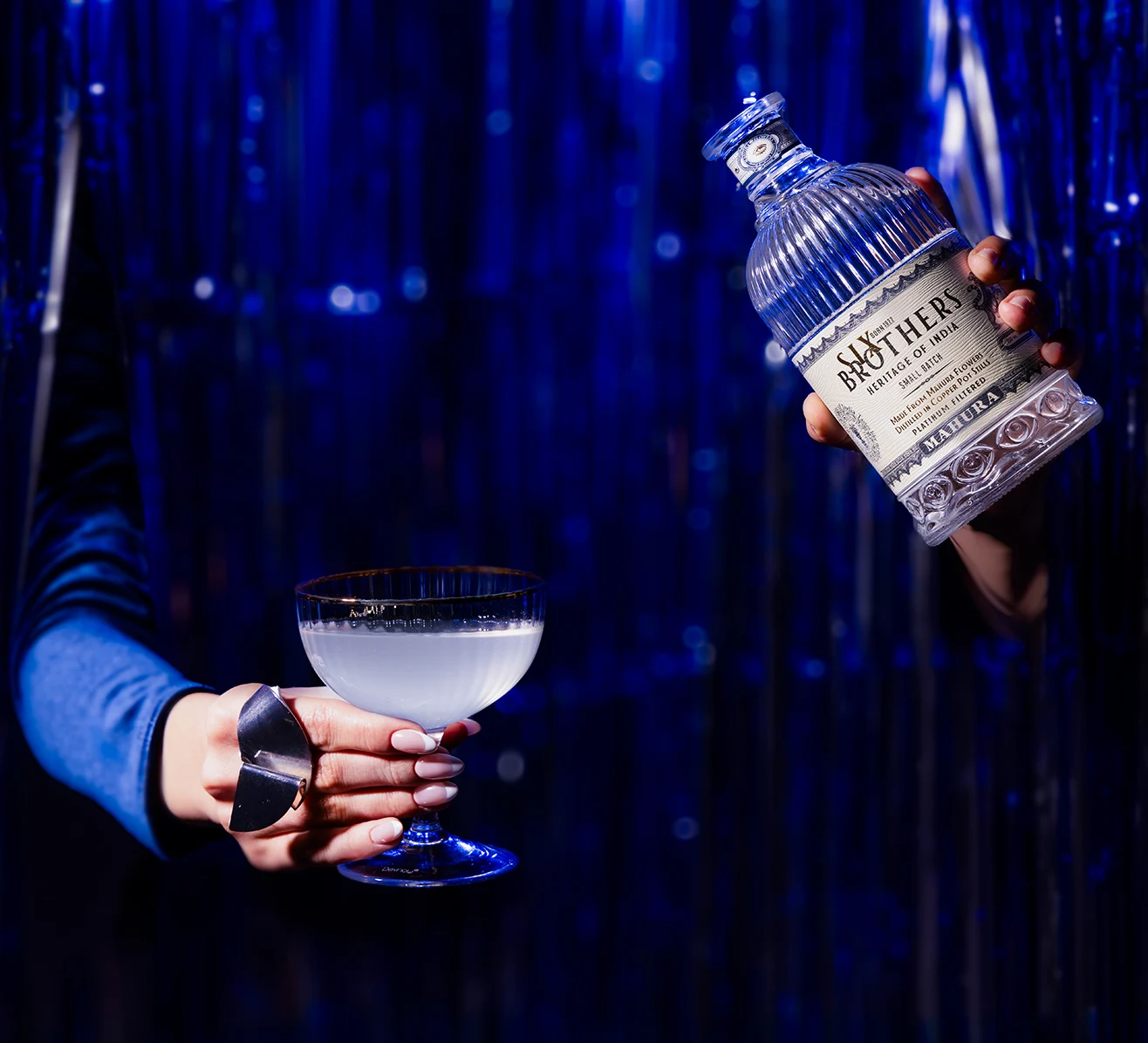
Brands like Six Brothers Mahura are refining production, improving quality control, and presenting mahua in a way that appeals to contemporary consumers without losing its cultural identity.
The core process remains similar, but modern versions often include better filtration, consistency, and packaging standards to meet wider market expectations.
Because it offers something fundamentally different. Unlike many spirits that share similar raw materials, mahua originates from a flower, giving it a unique flavor and story.
Mahua is likely to grow as a niche but distinctive segment in the spirits industry, especially as more producers focus on authenticity, regional identity, and sustainable sourcing.