
Posted on 08 May 2026
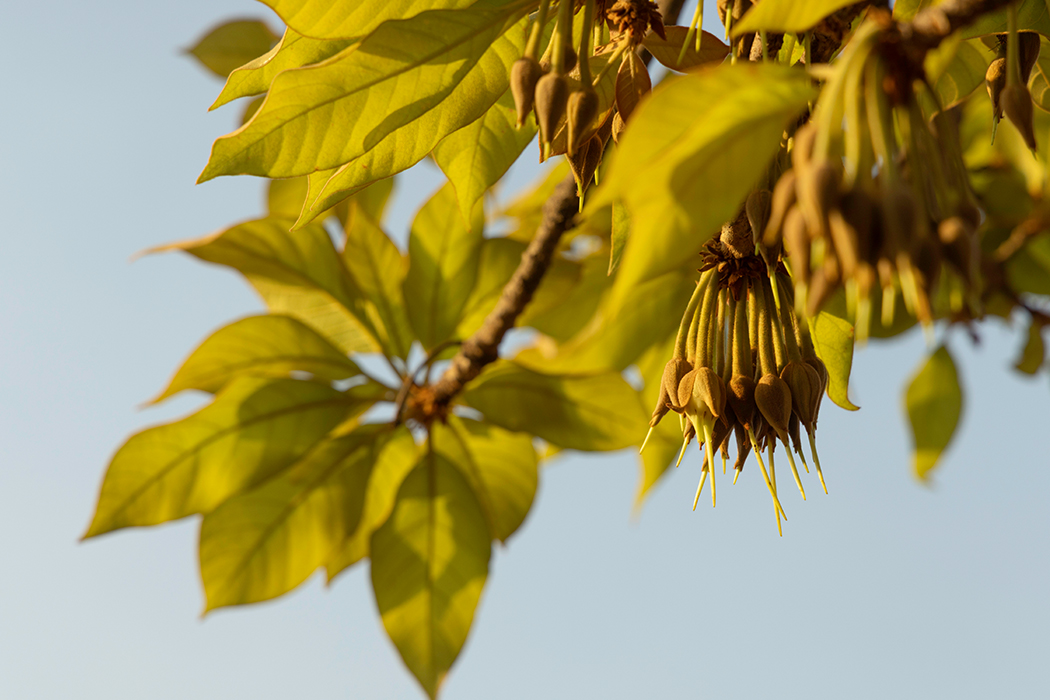
Often celebrated for its role in traditional alcohol like Mahua, Madhuka Pushpa—the flower of the Madhuca longifolia tree—has a much deeper significance in India’s ecological, nutritional, and medicinal landscape. For centuries, indigenous communities have relied on these flowers not only for fermentation but also as a vital source of nutrition and healing.
Rich in natural sugars, essential nutrients, and bioactive compounds, Madhuka Pushpa represents a perfect example of how traditional knowledge systems harness the full potential of nature.
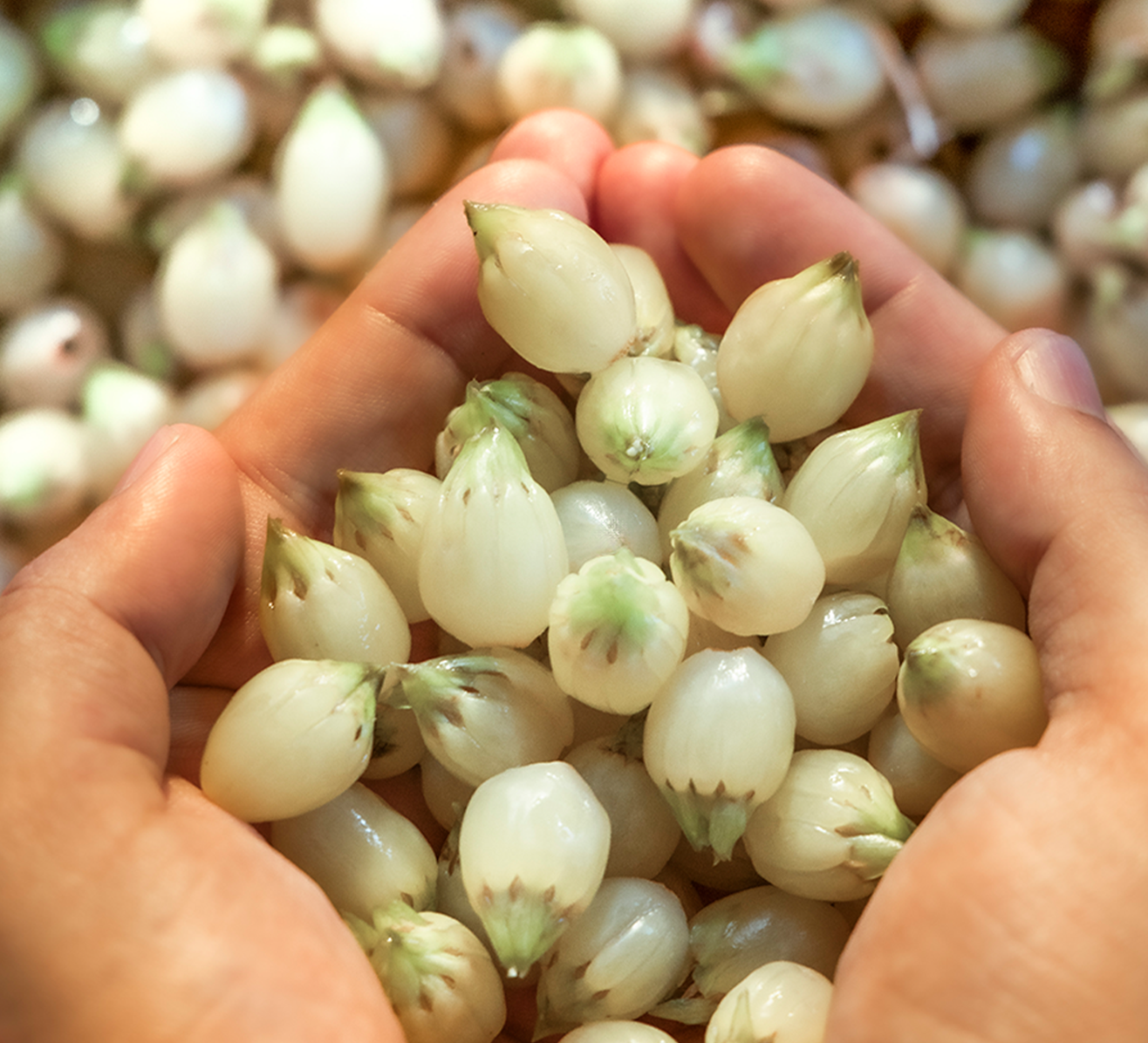
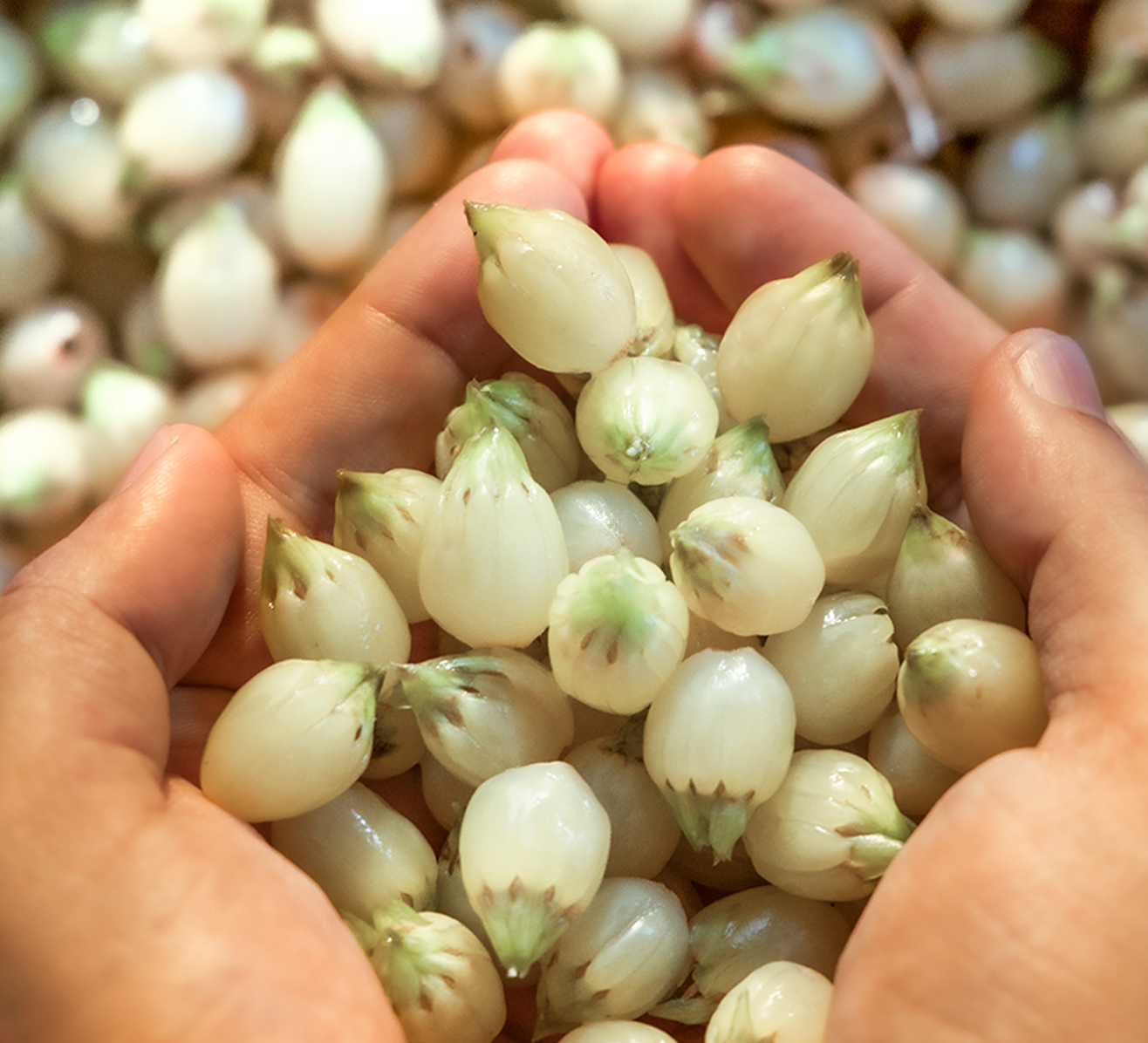
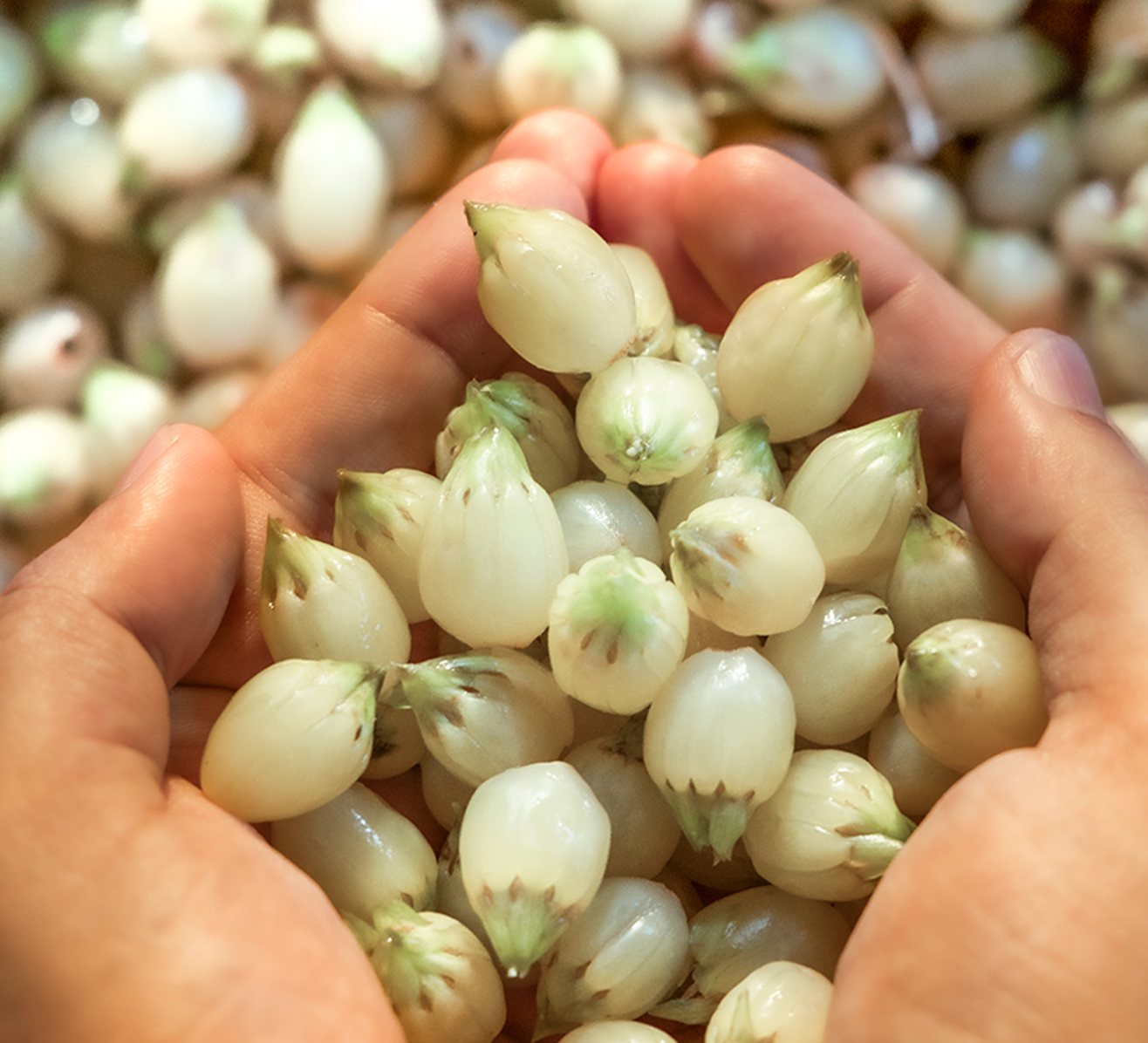
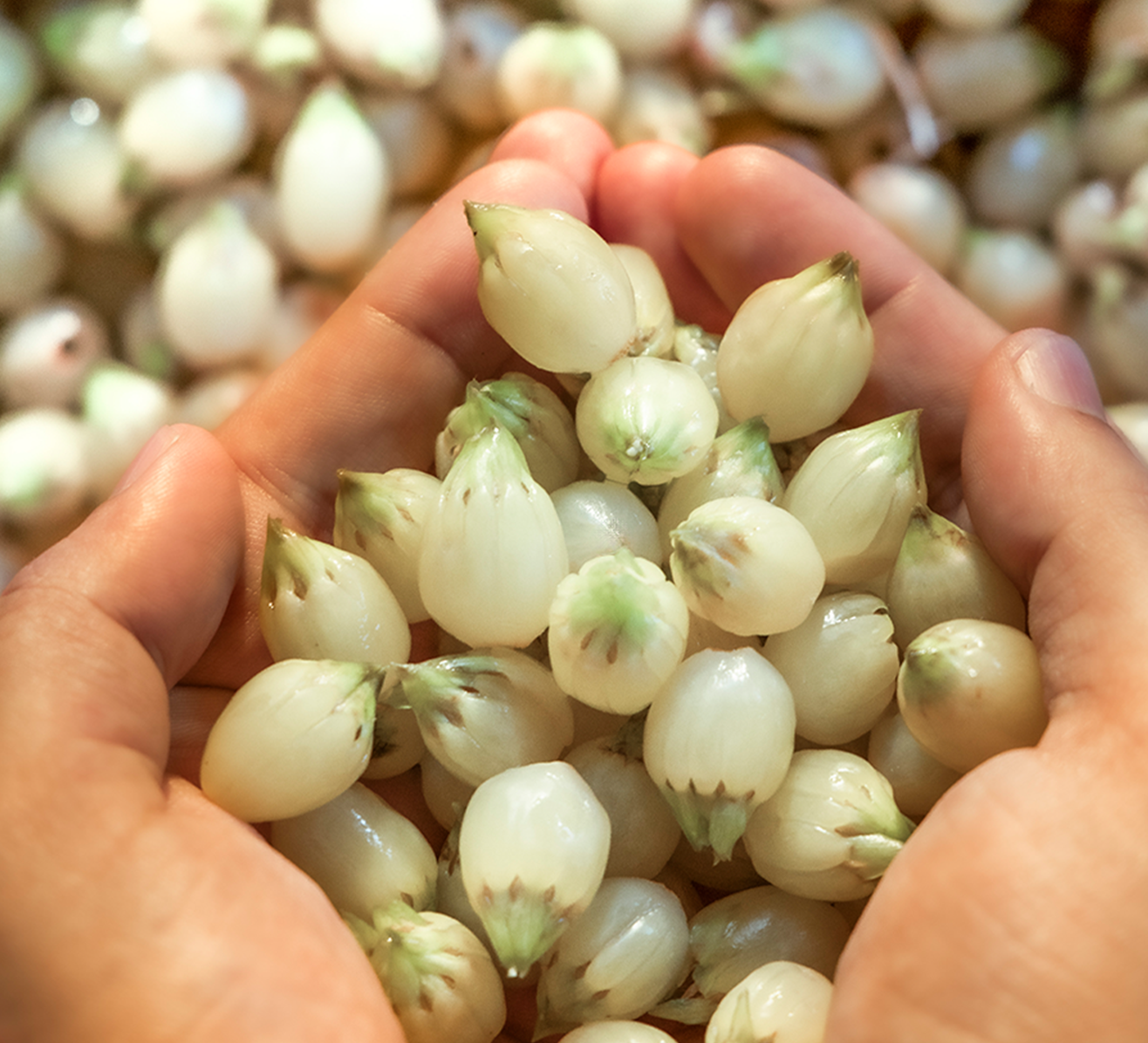
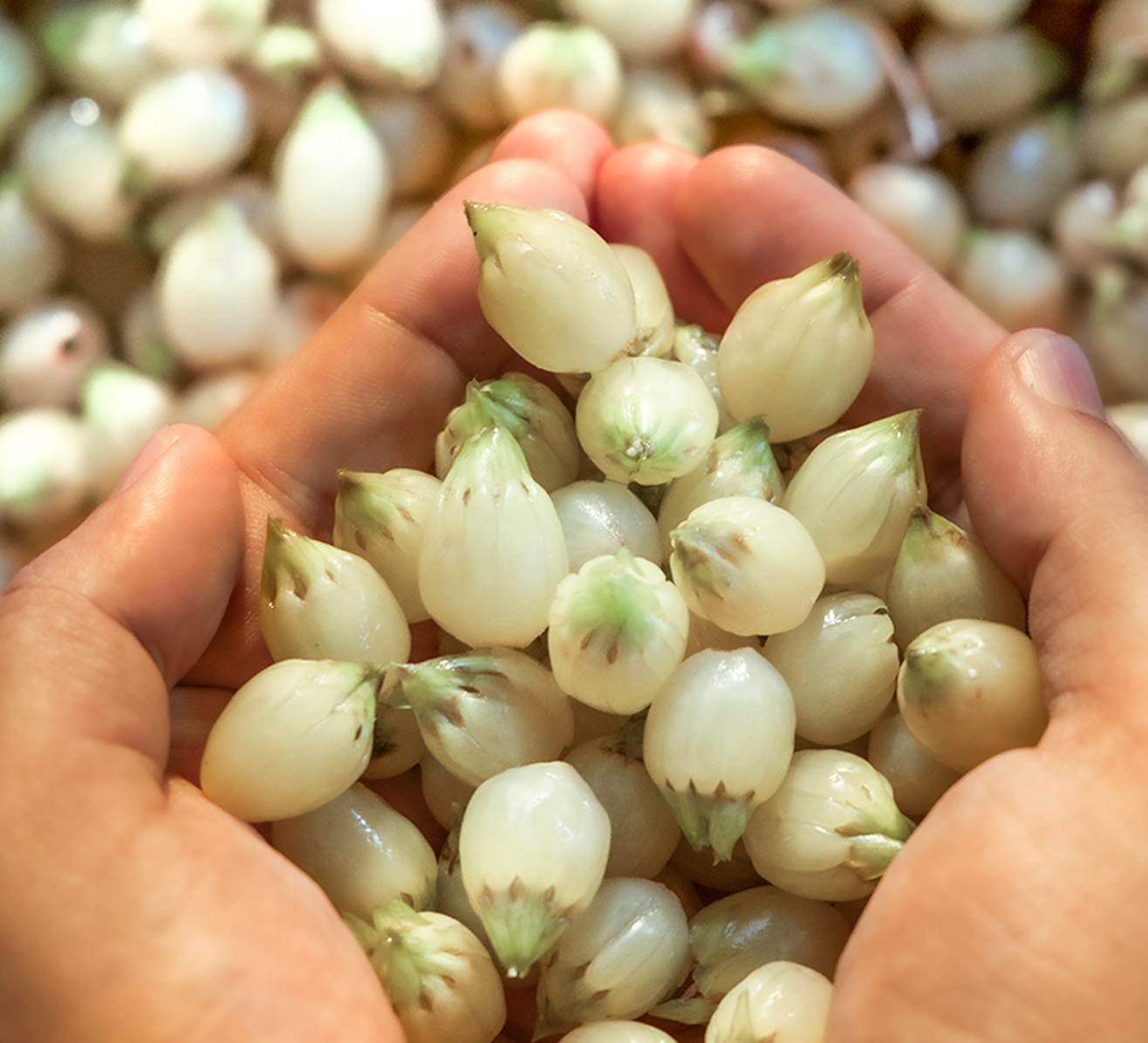
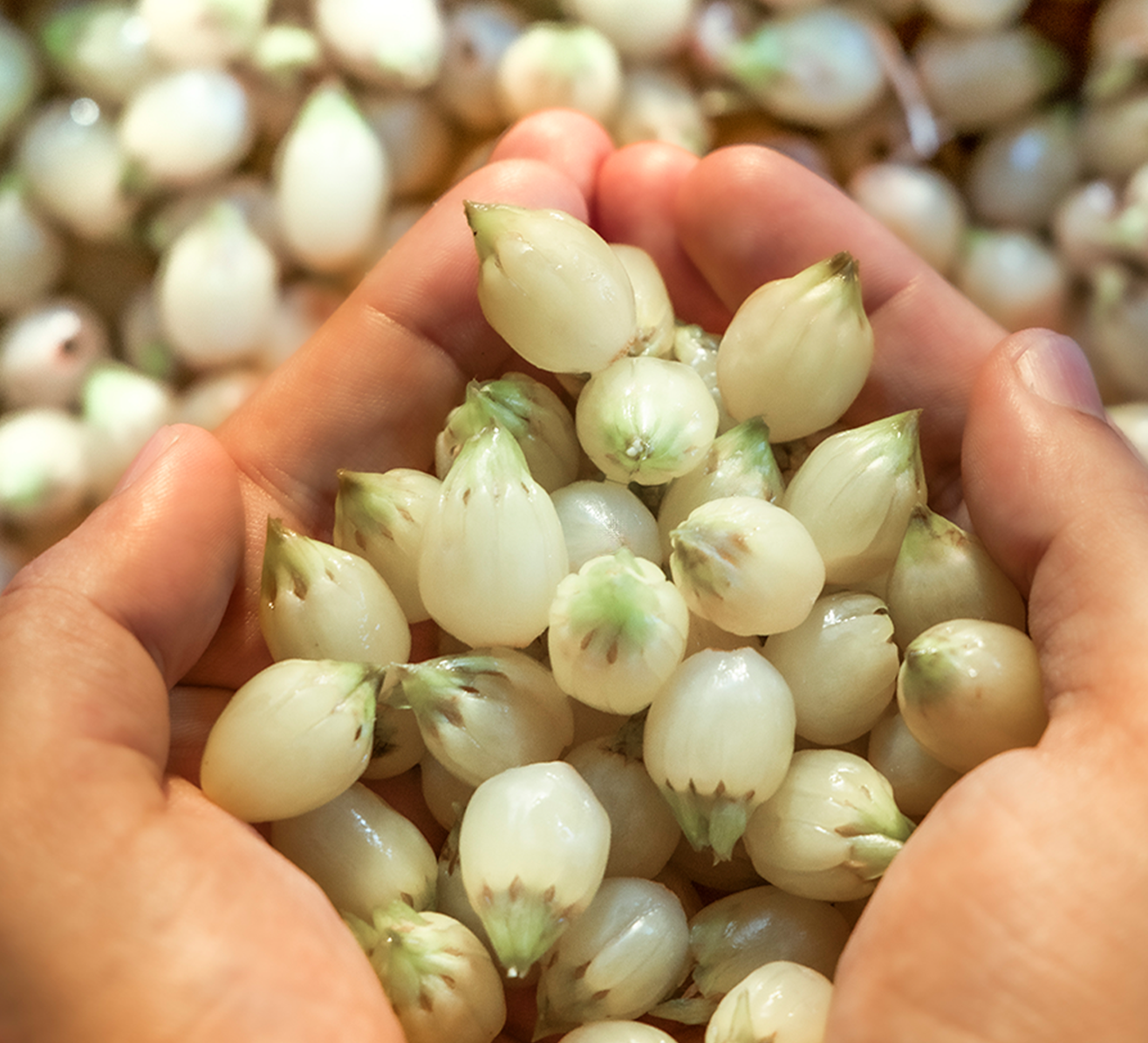
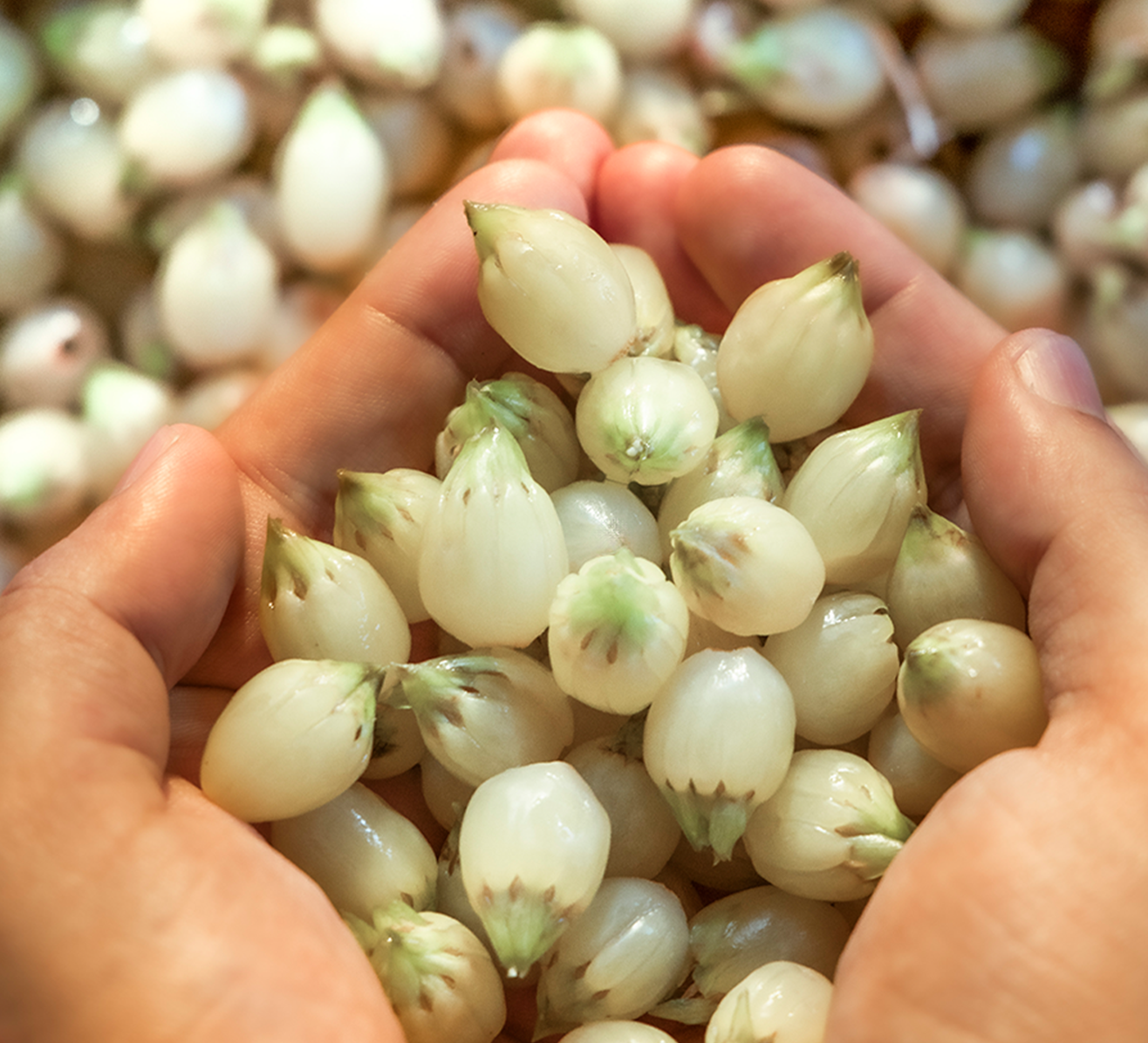
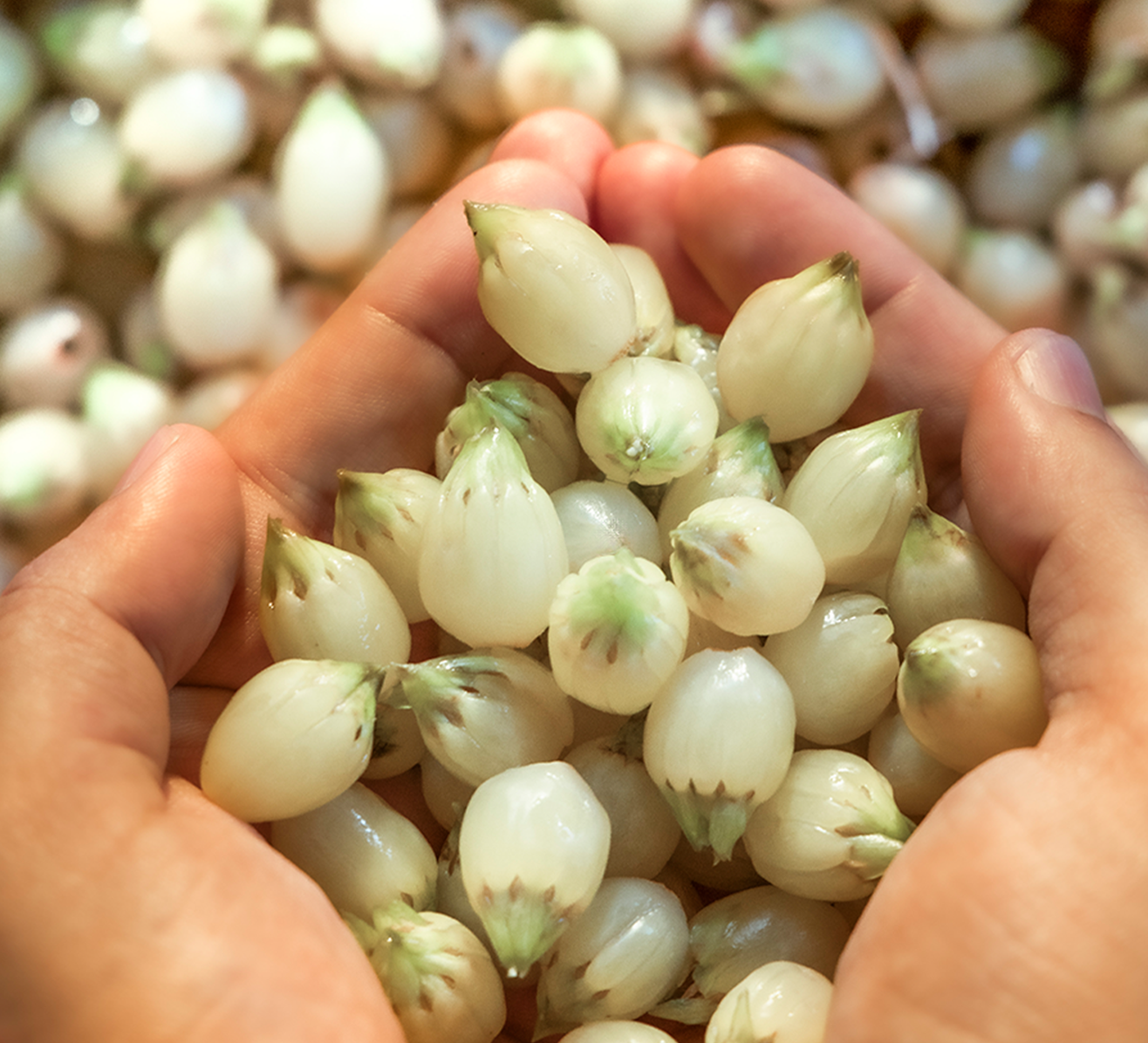
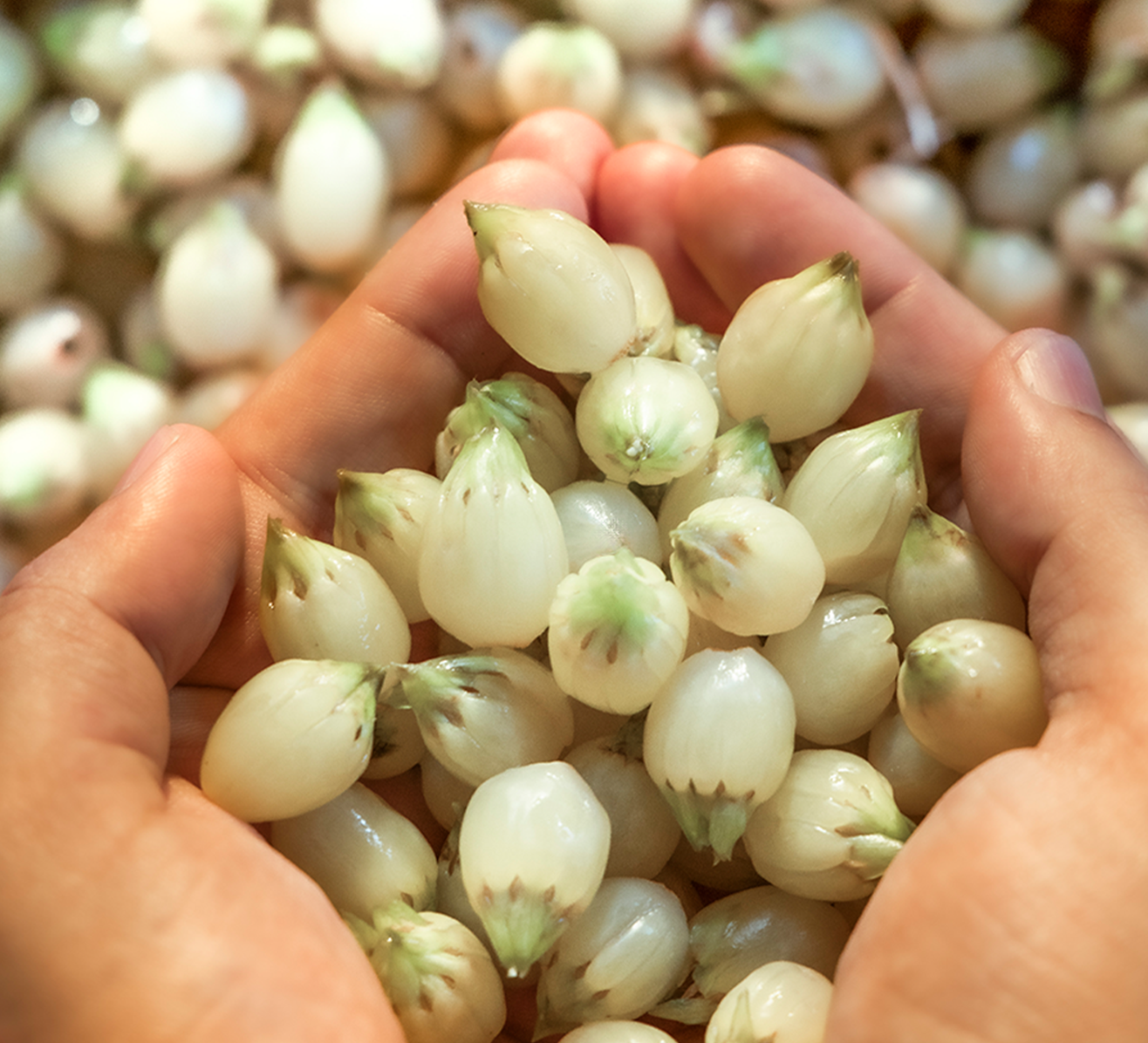
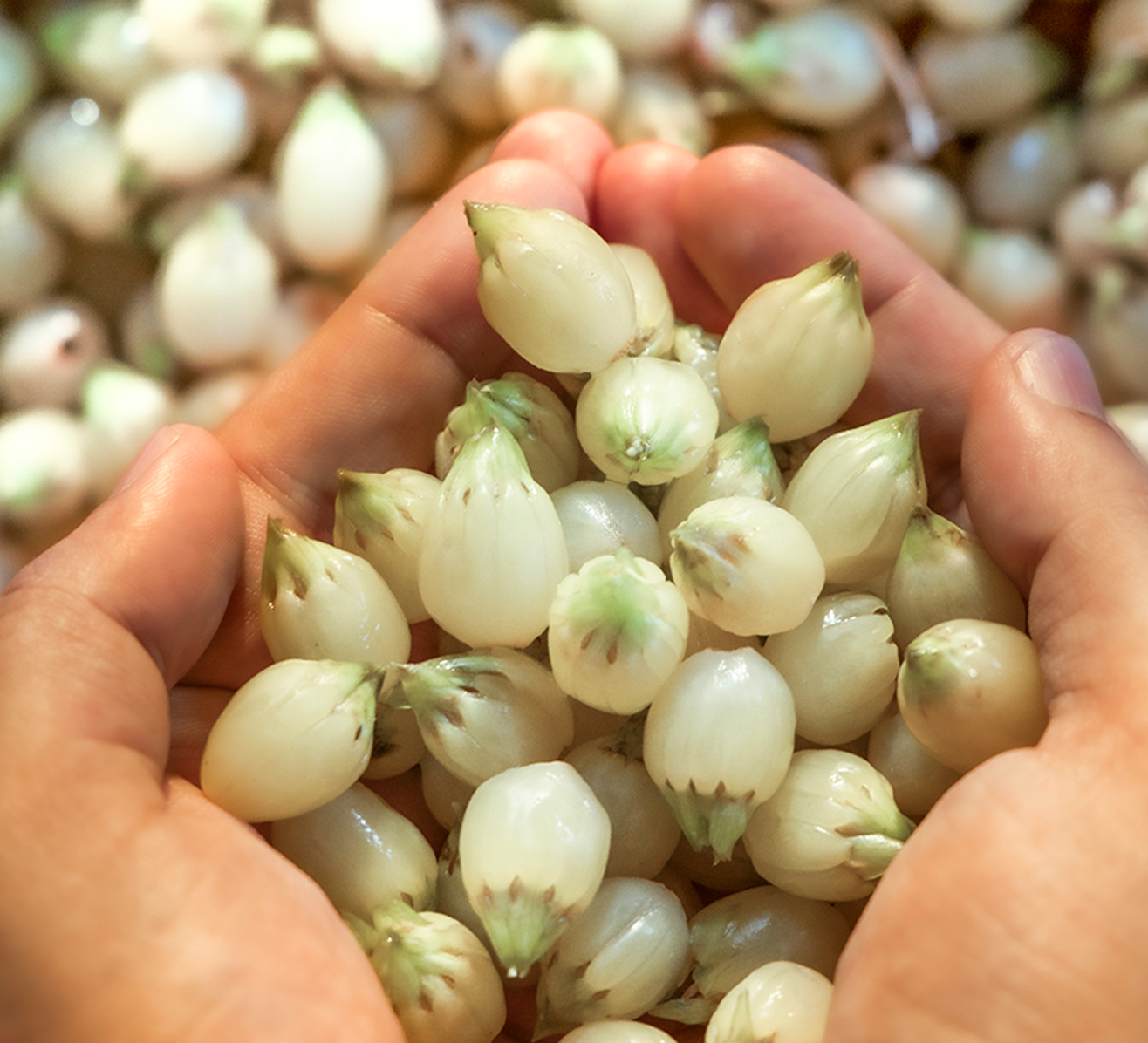
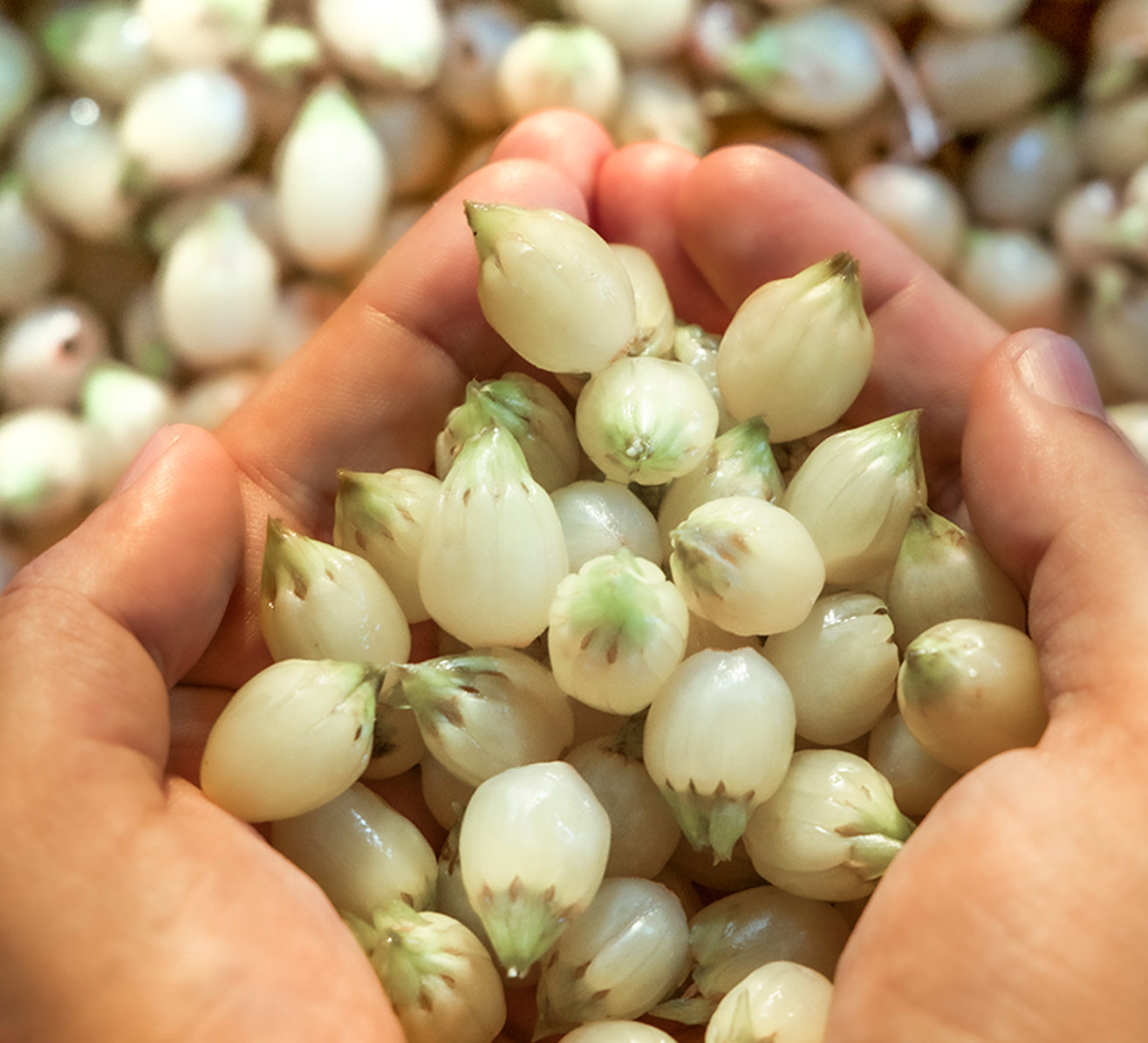
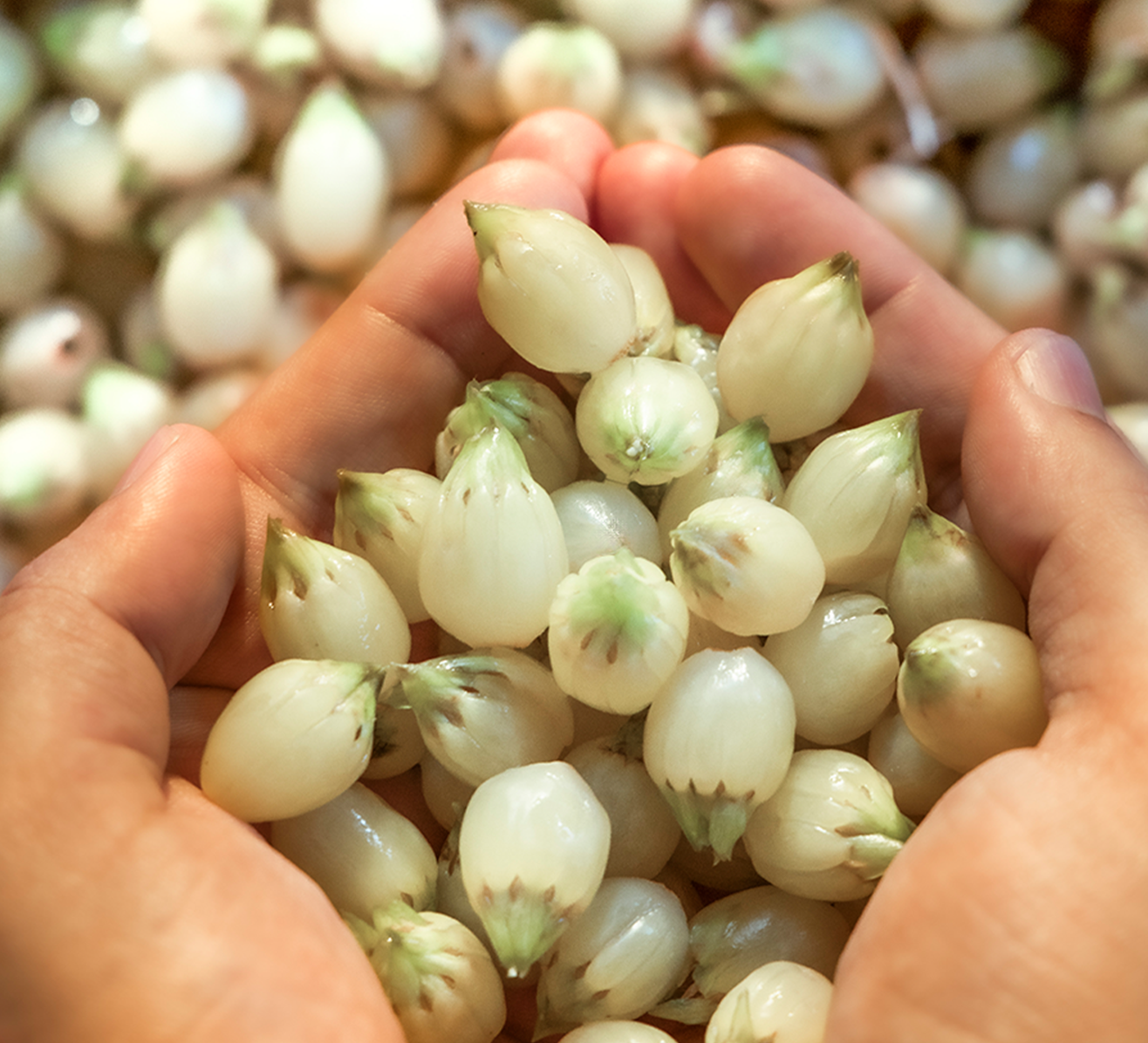
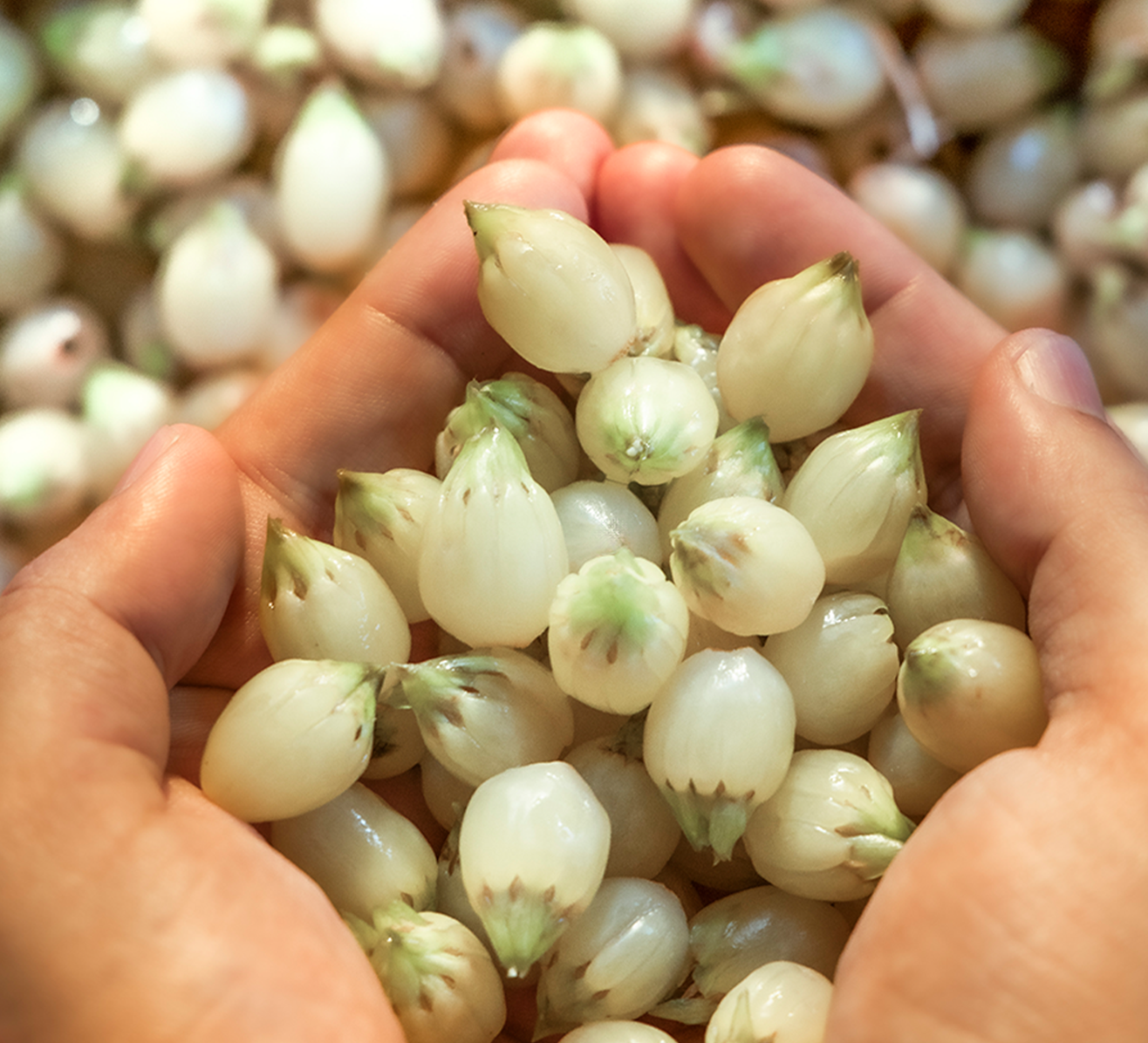
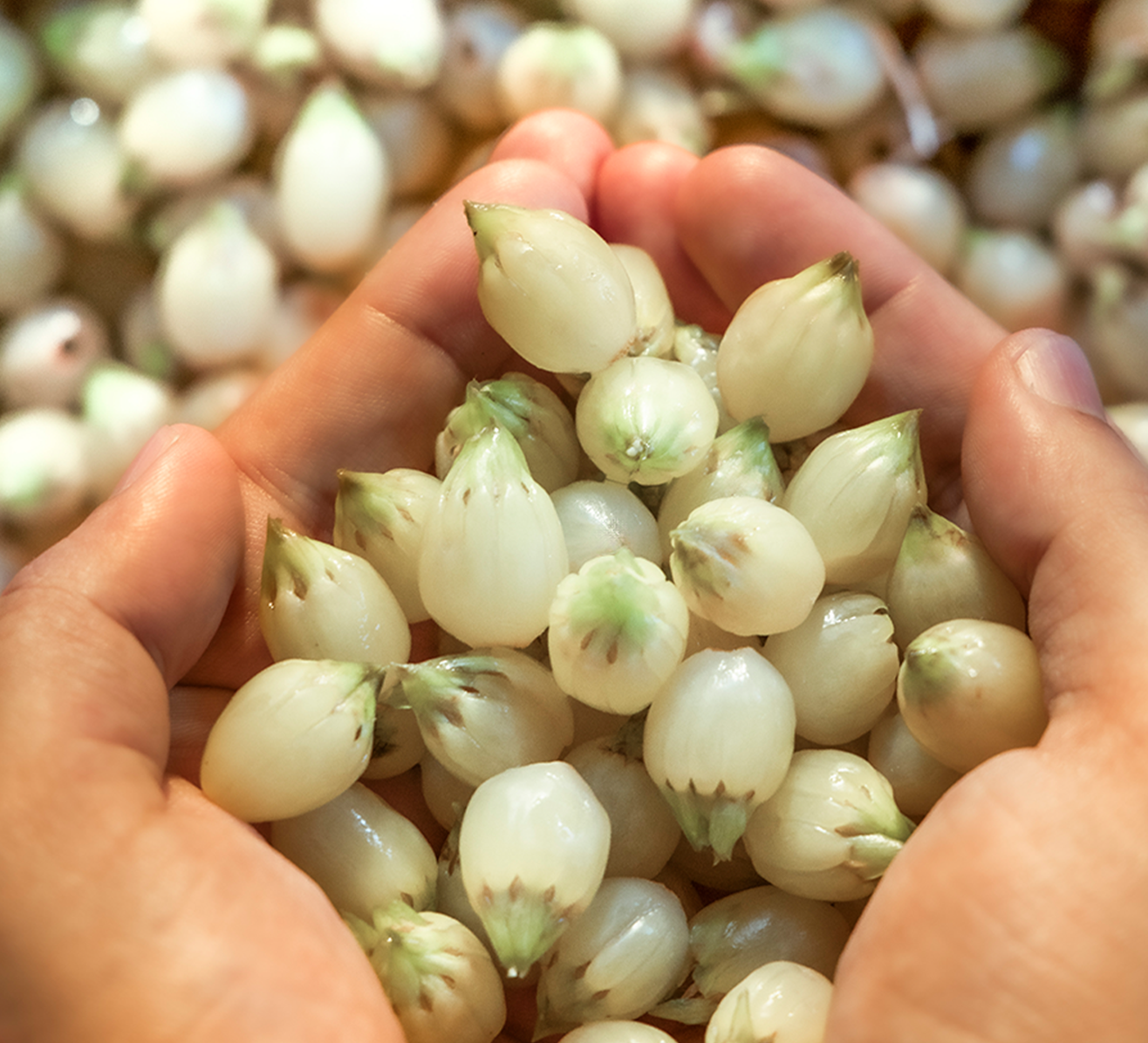
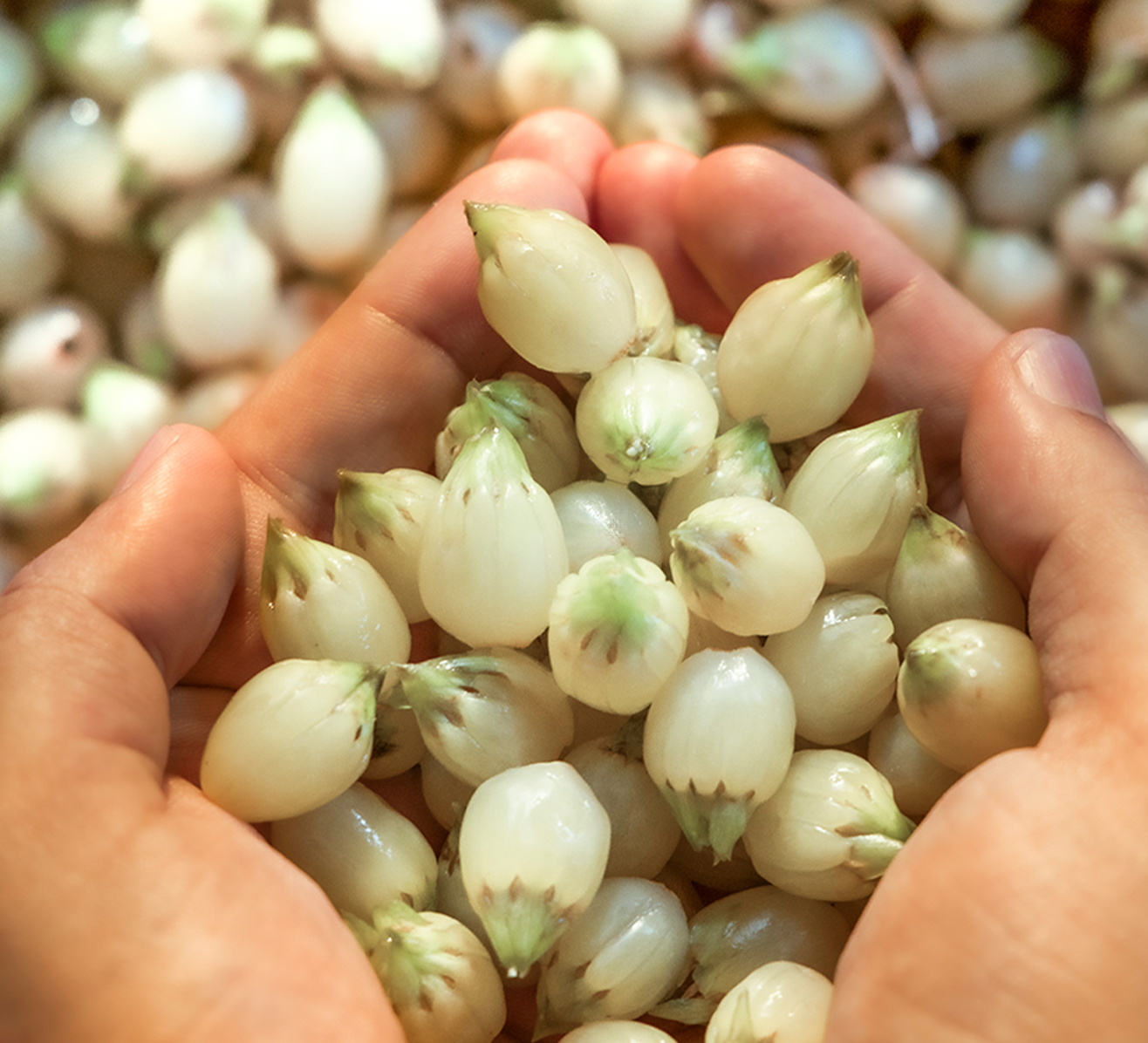
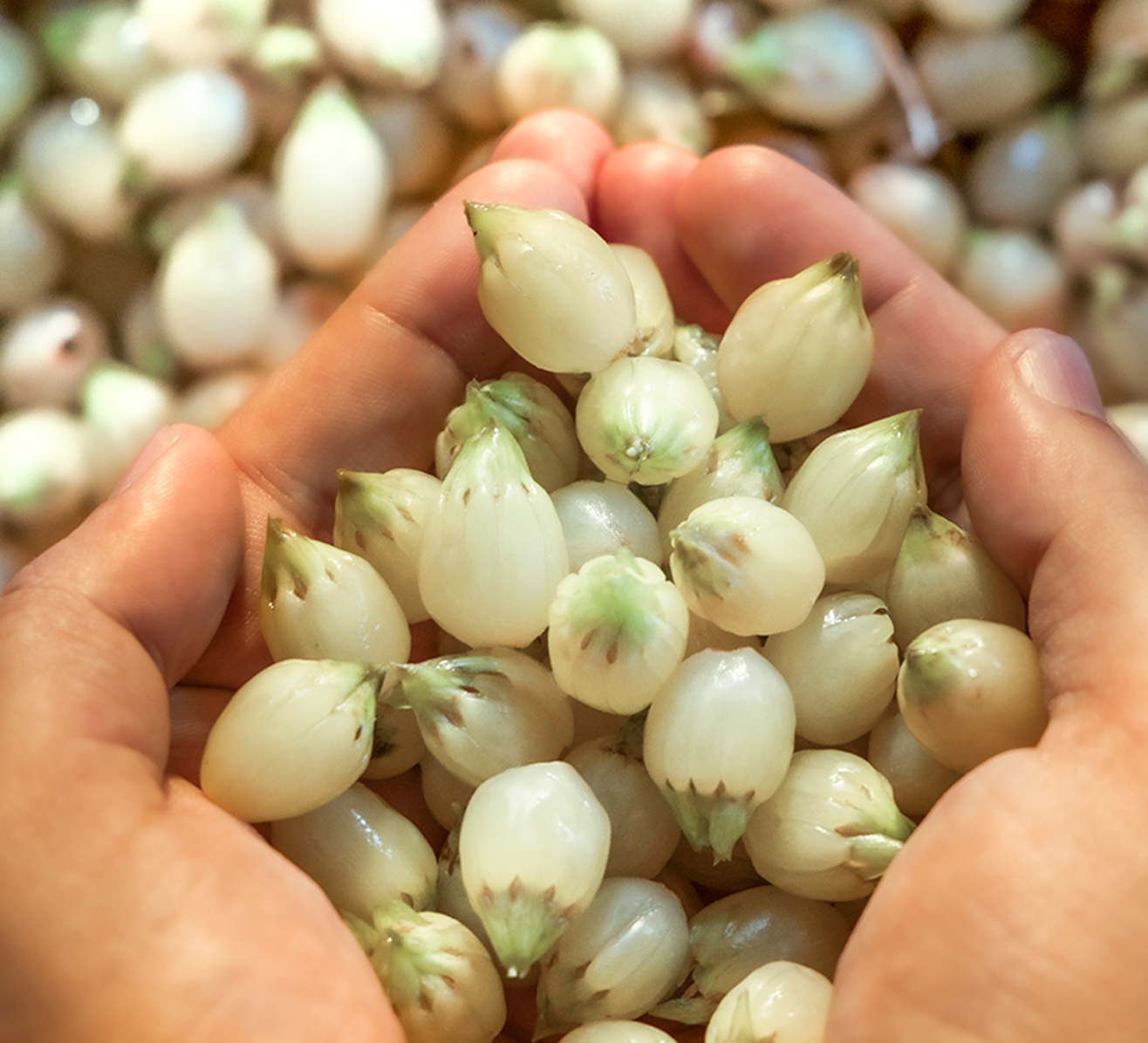
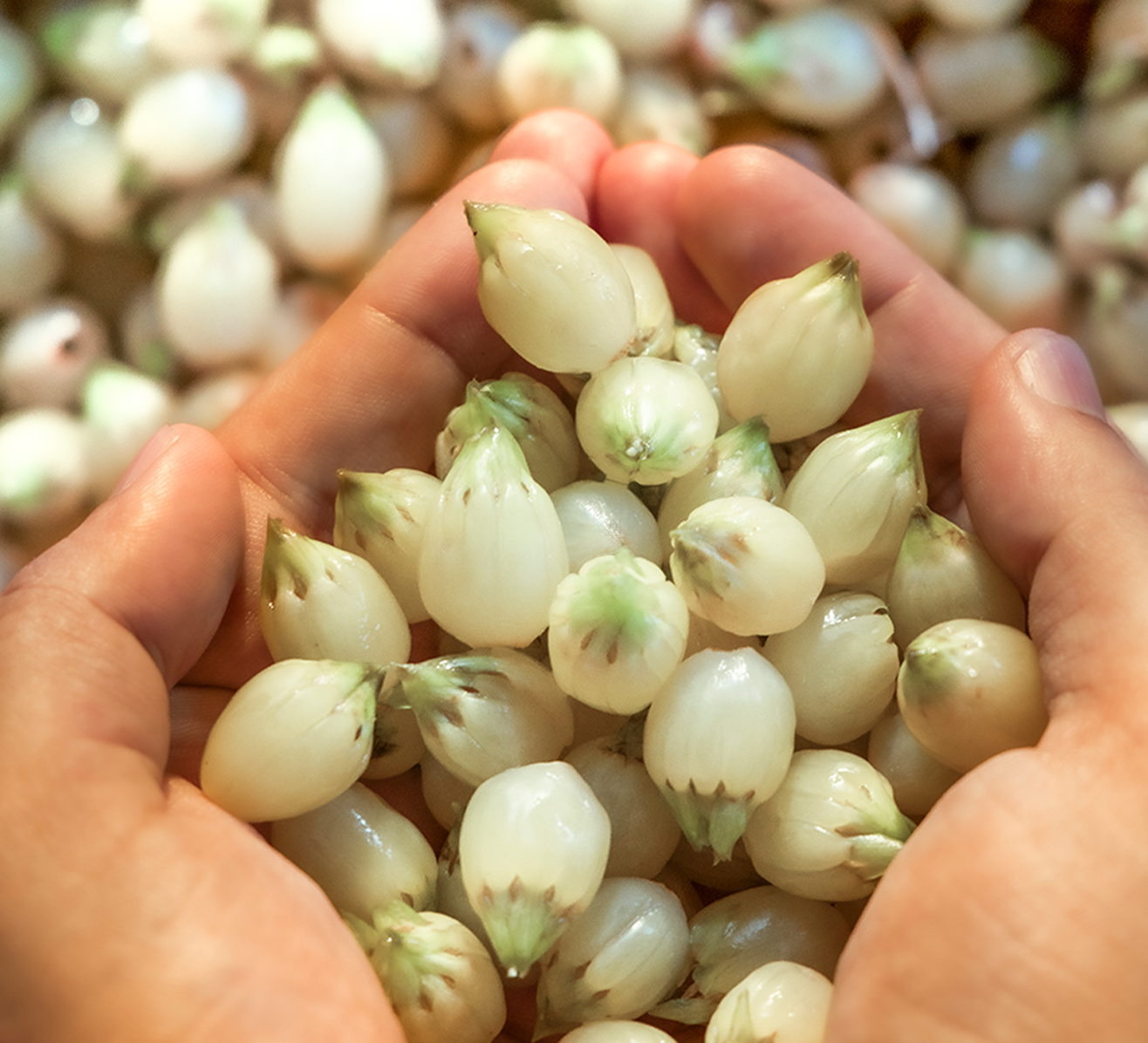
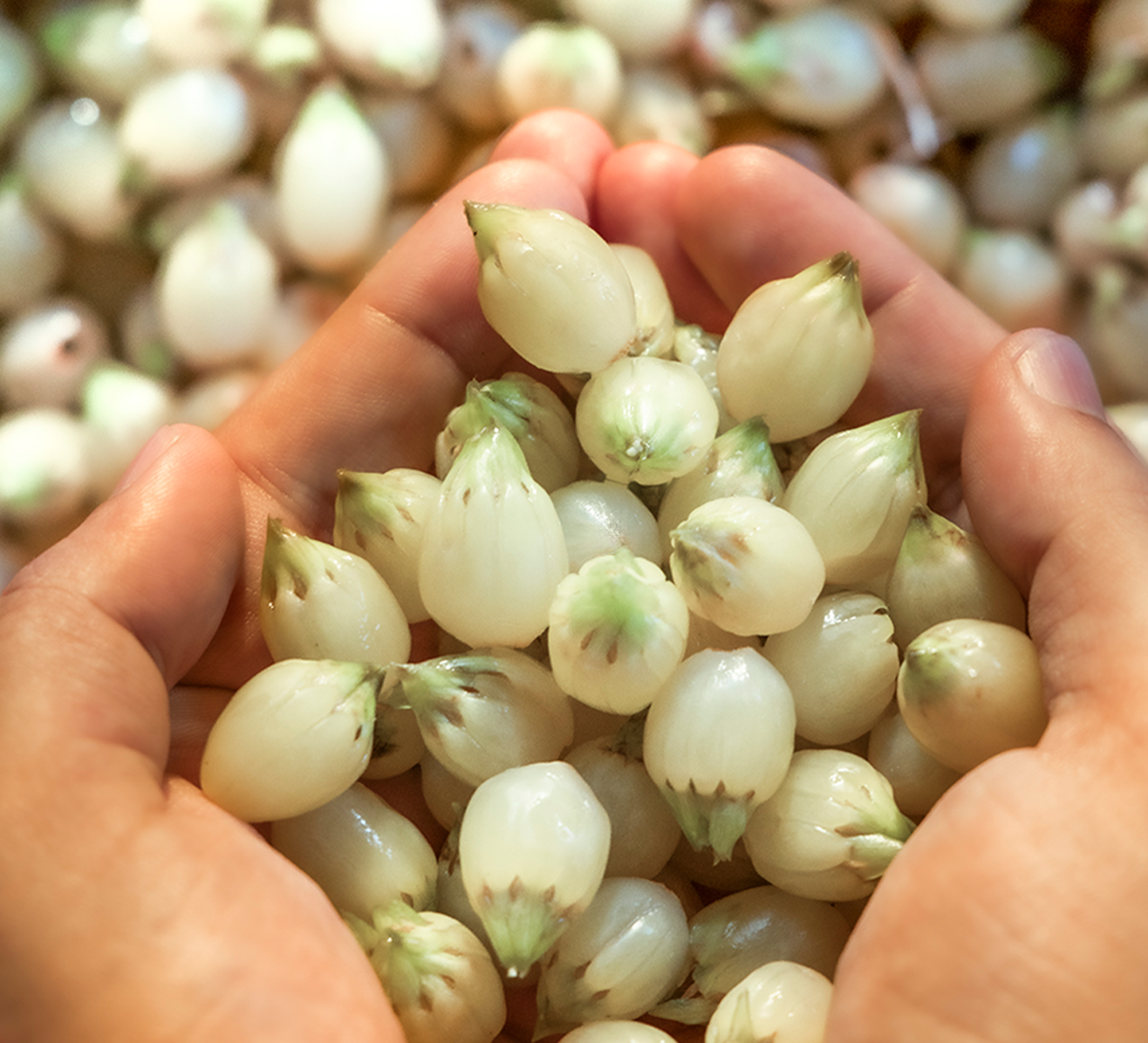
Madhuka Pushpa refers to the fleshy, cream-colored flowers of the Madhuca longifolia tree, commonly known as the Mahua tree. These flowers bloom seasonally and fall naturally to the ground, where they are collected, sun-dried, and stored.
These characteristics make the flowers ideal not just for fermentation, but also for direct consumption and medicinal applications.
One of the most defining aspects of Madhuka Pushpa is its high sugar content, which can range between 60–70% in dried form. This makes it an excellent natural energy source, especially for communities with limited access to processed foods.
Madhuka flowers contain a variety of nutrients, including:
Additionally, the flowers are known to contain bioactive compounds that may contribute to their medicinal properties.
In many tribal regions of India, Madhuka Pushpa is consumed as a food ingredient, especially during lean agricultural seasons.
Its natural sweetness makes it a valuable alternative to refined sugar in rural diets.
Madhuka Pushpa has long been used in traditional medicine systems such as Ayurveda and local tribal healing practices.
While modern scientific validation is still evolving, these traditional uses highlight the plant’s perceived therapeutic value.
The collection and sale of Madhuka flowers provide an important source of income for tribal and forest-dwelling communities.
The commercialization of Mahua-based products has further strengthened this economic role.
The high sugar content of Madhuka Pushpa makes it ideal for natural fermentation, which is the first step in producing Mahua spirits.

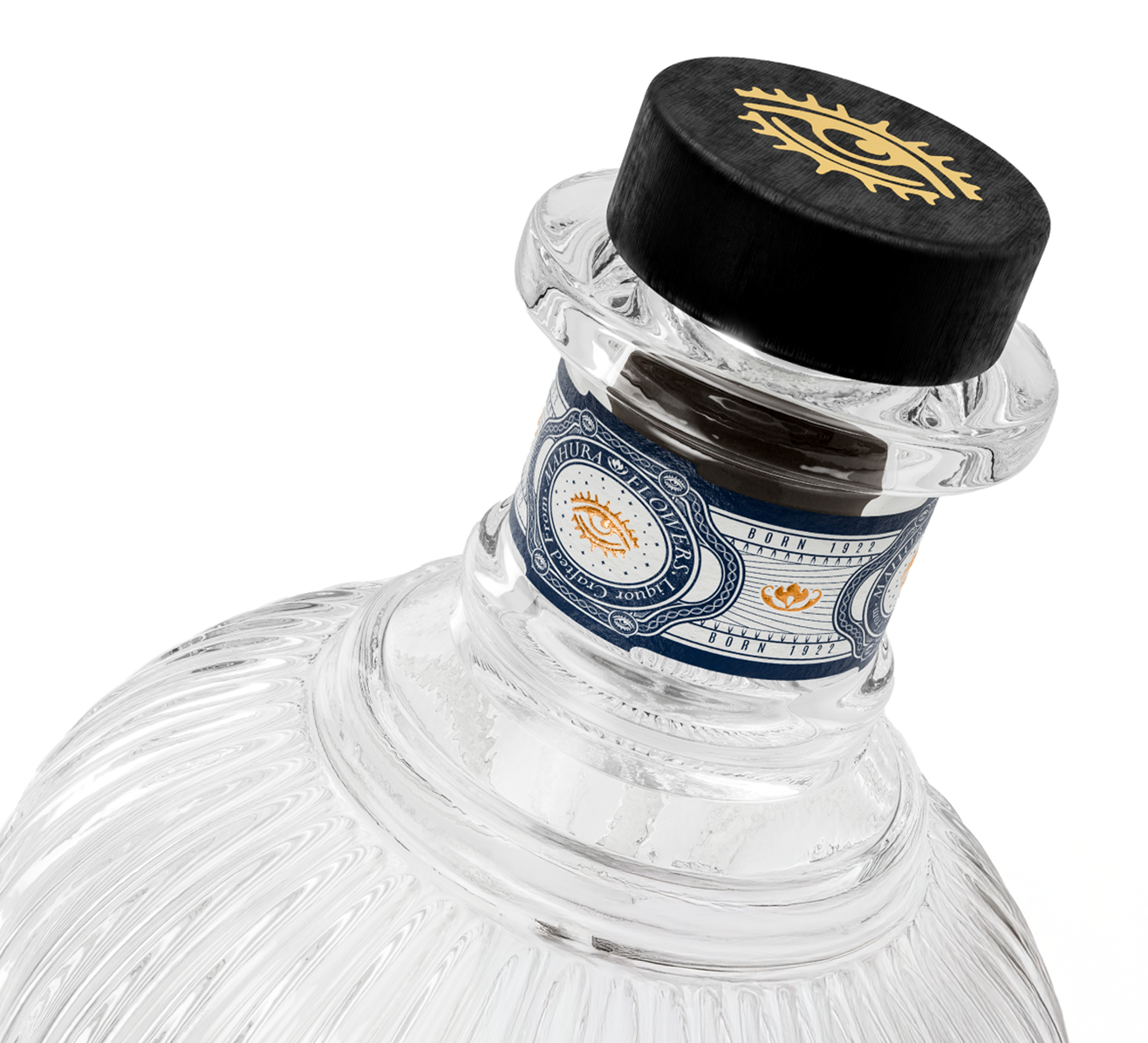
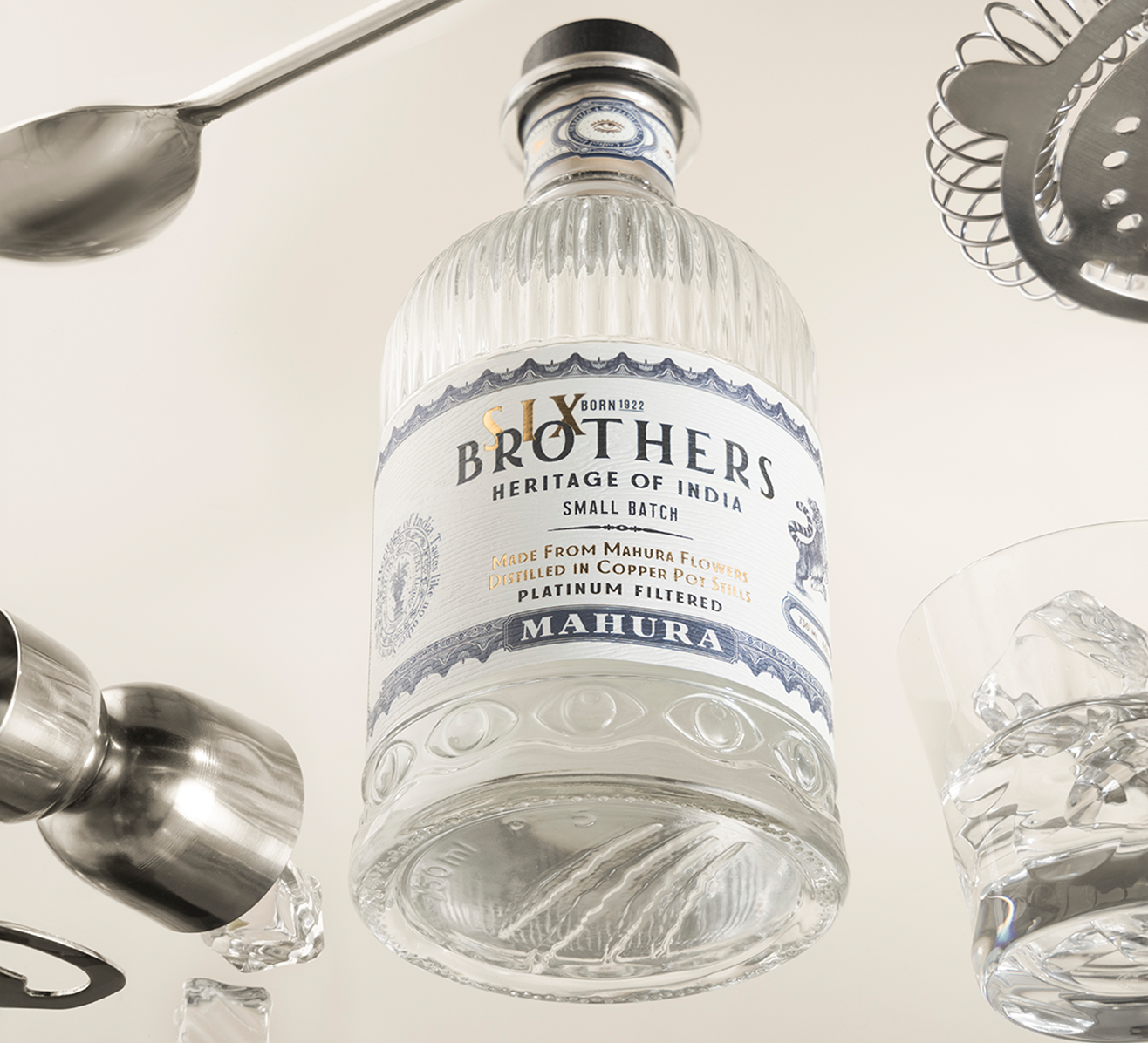
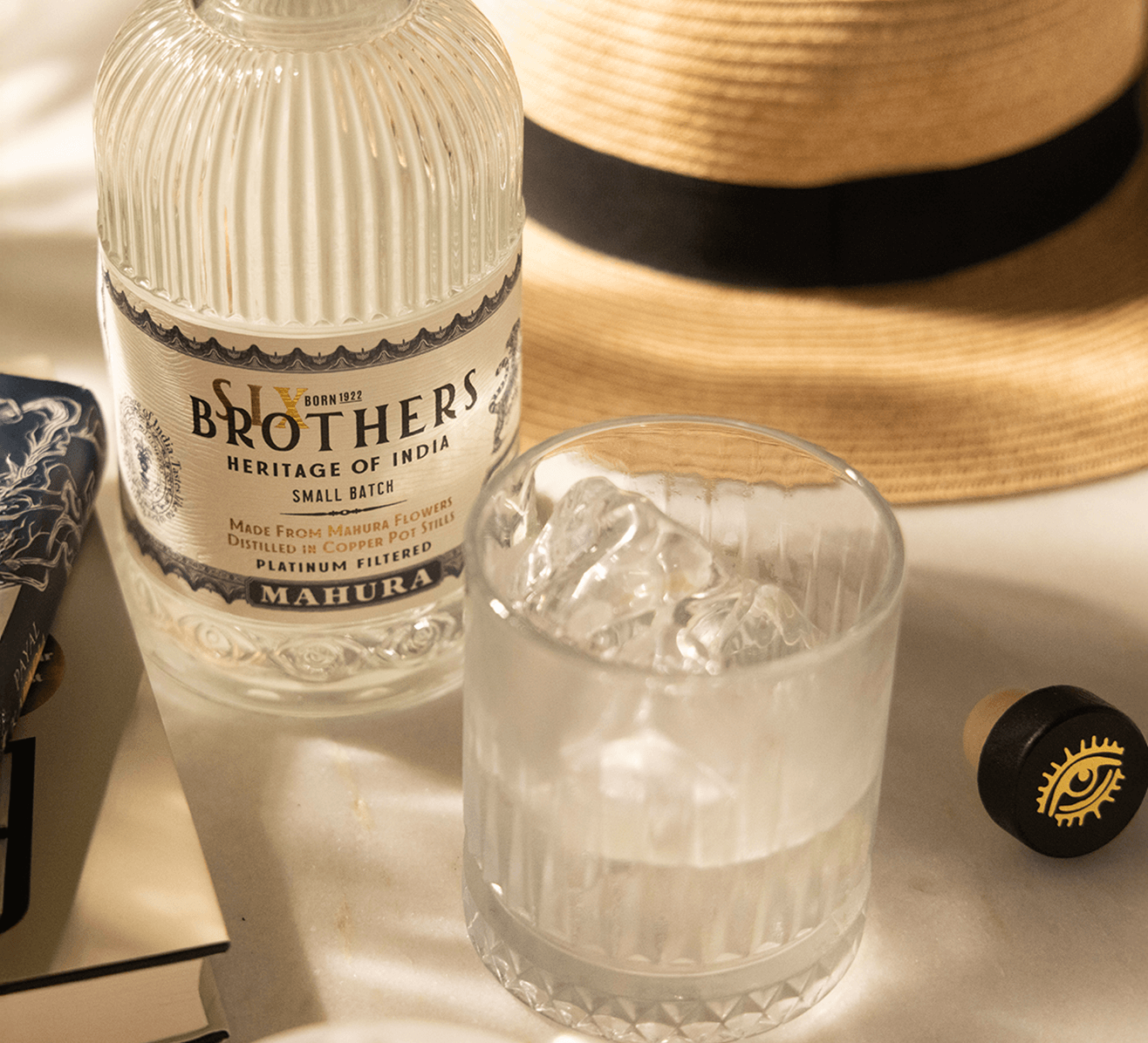
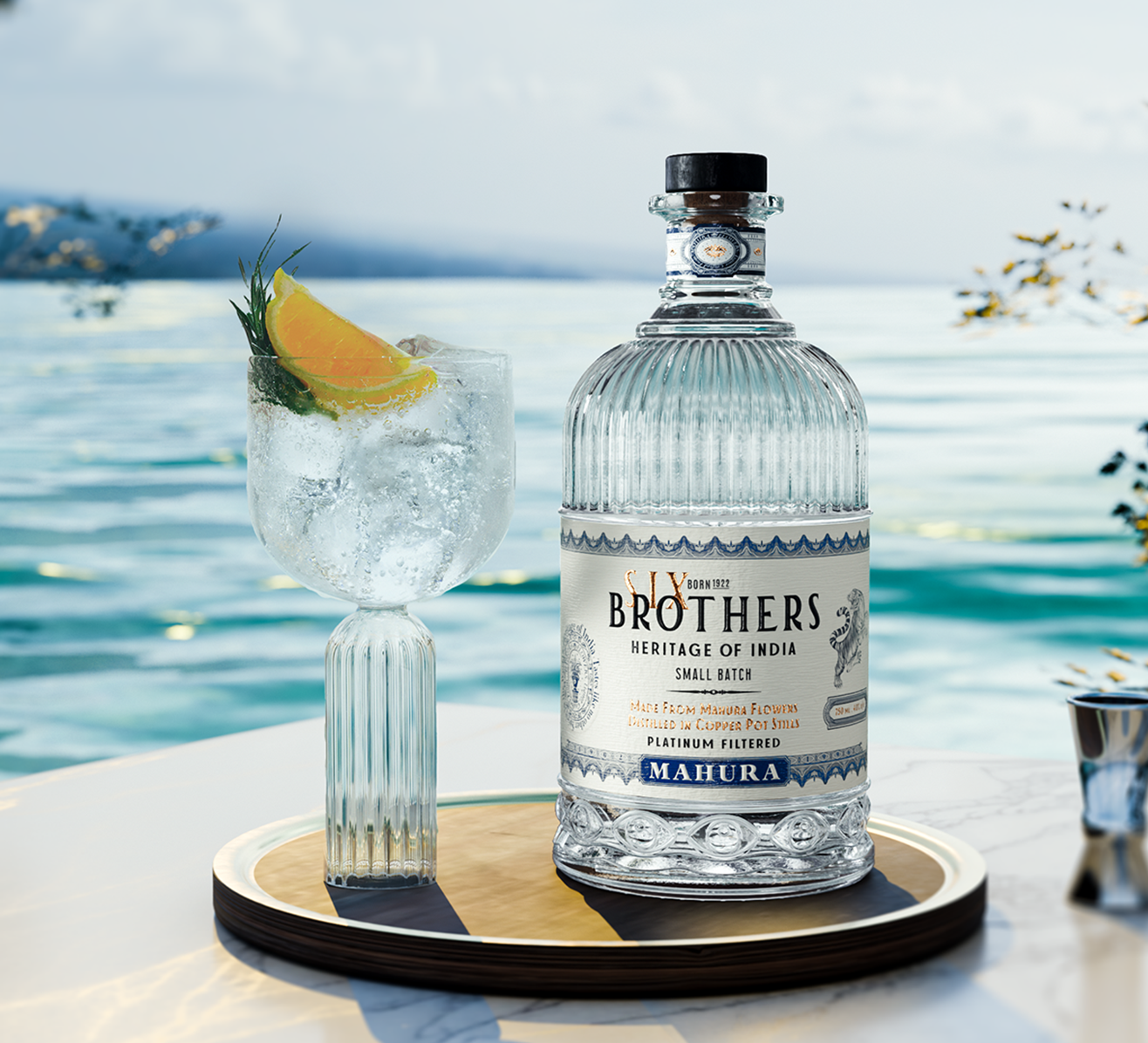
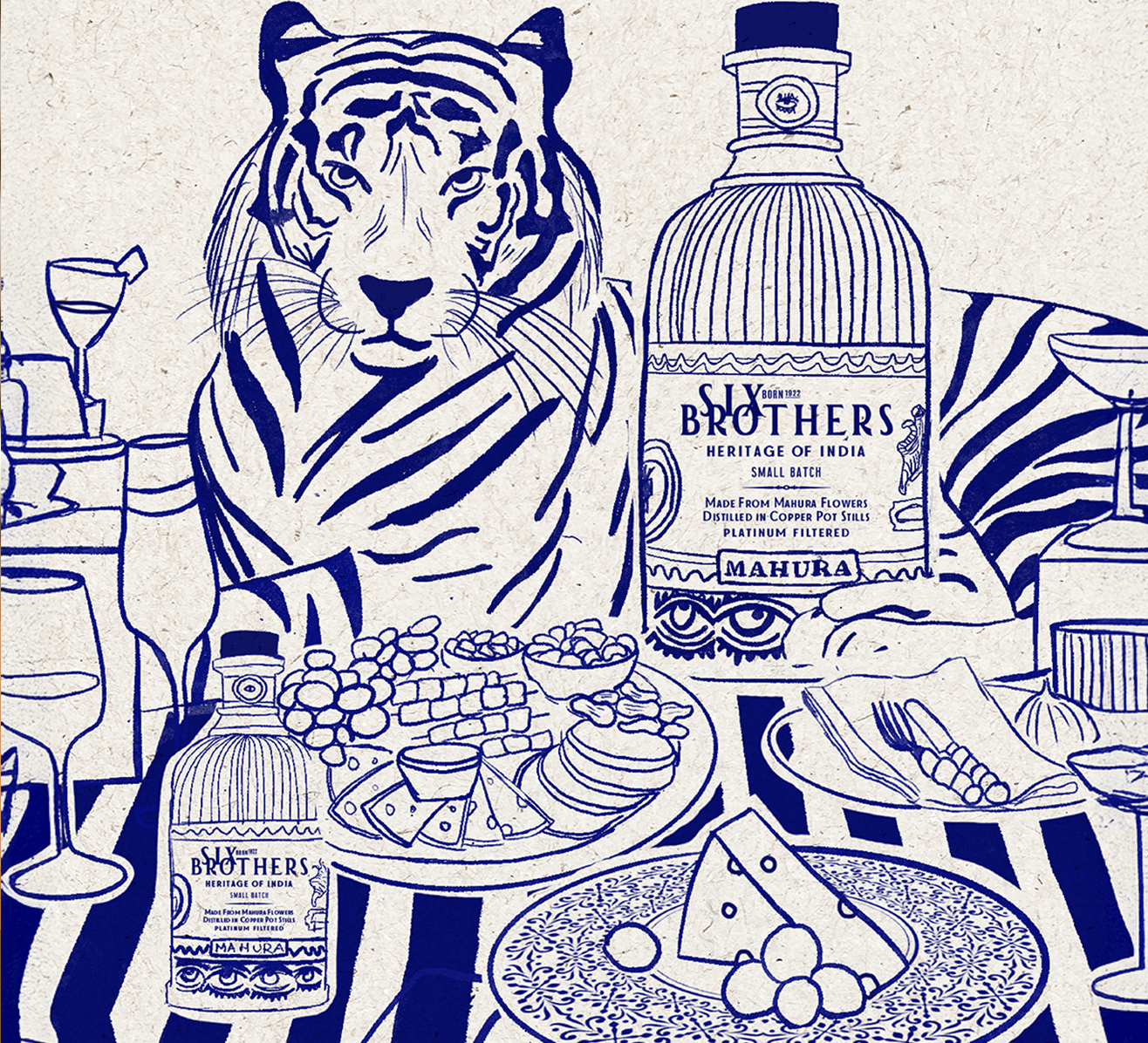
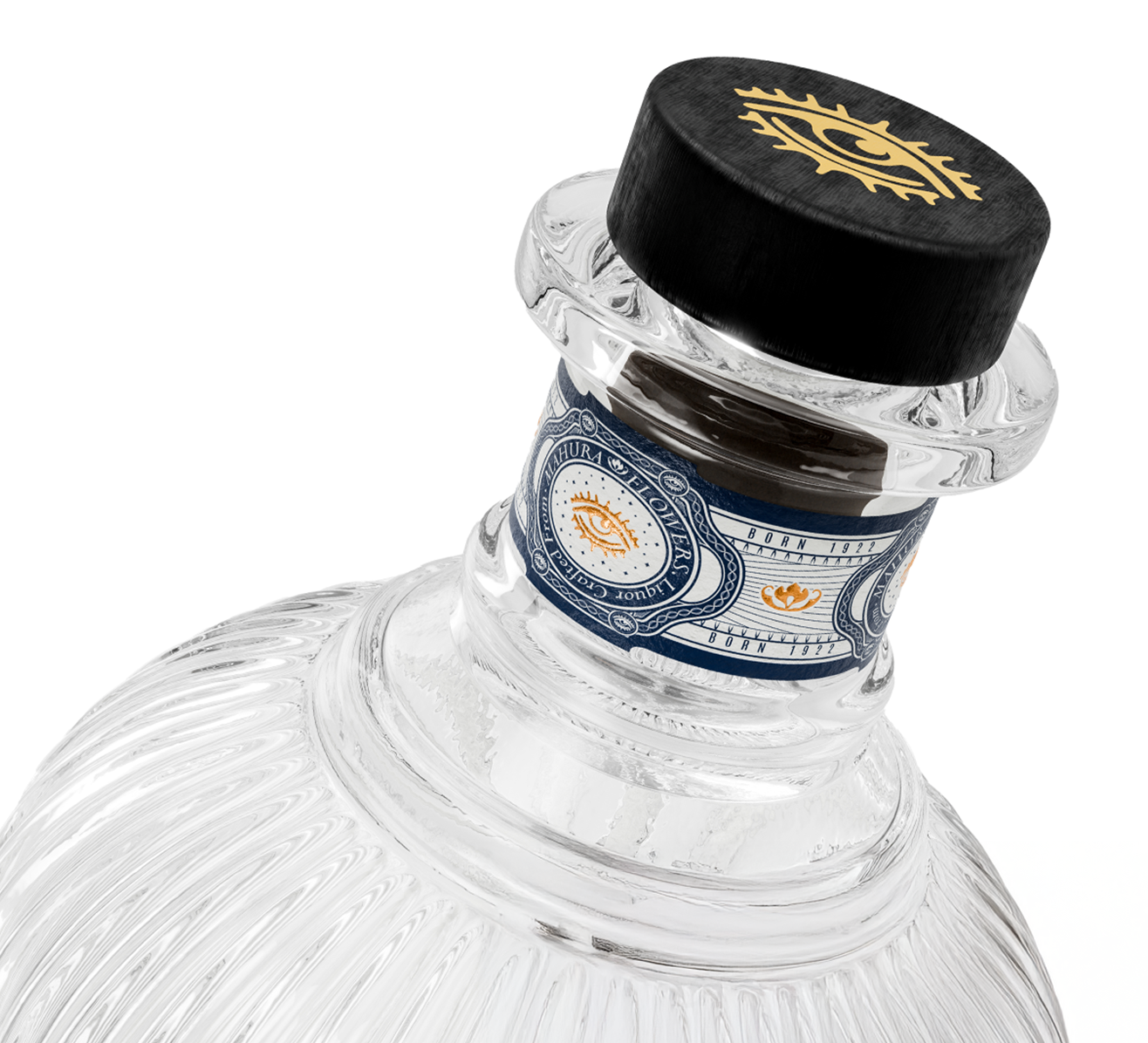
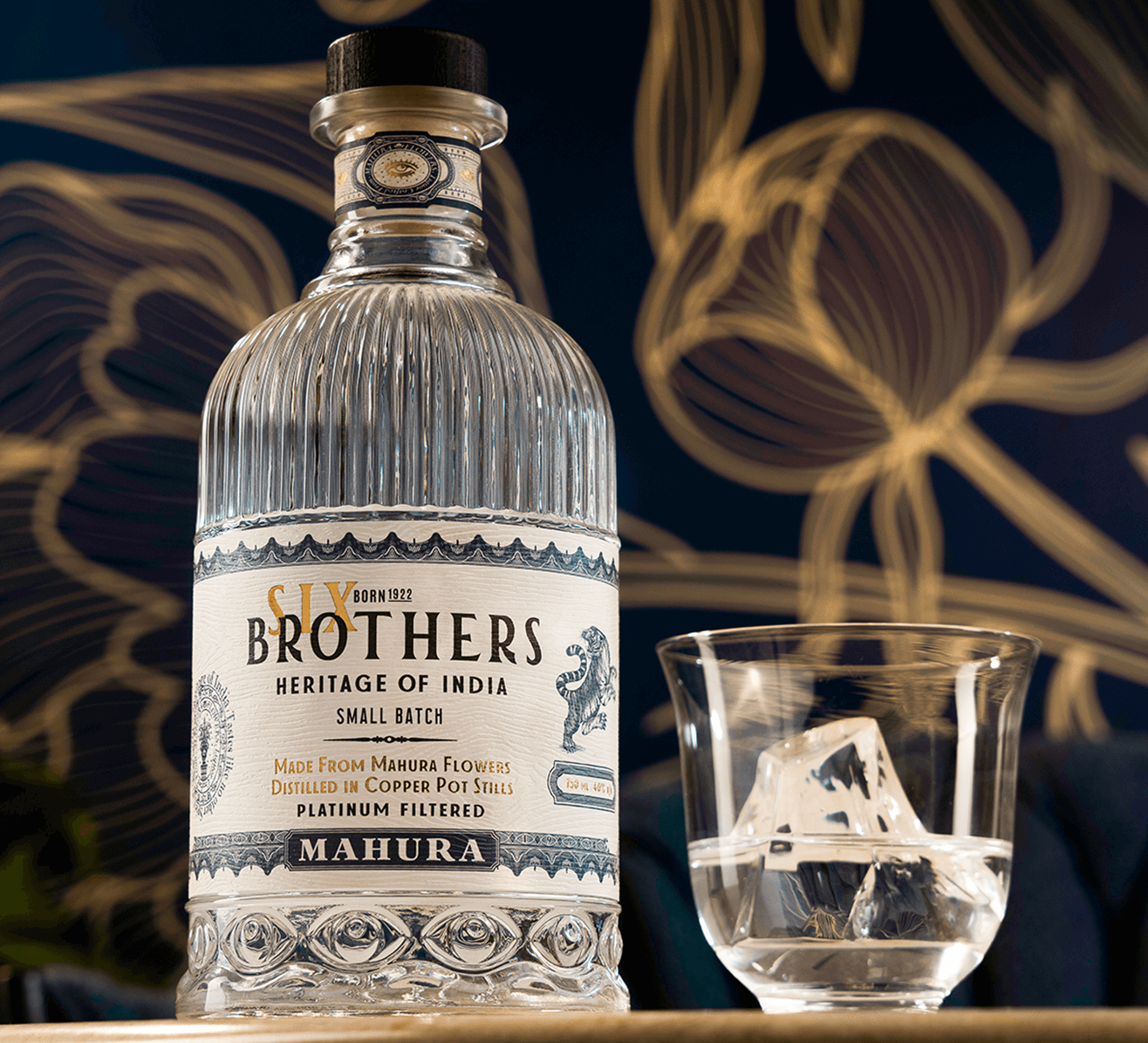
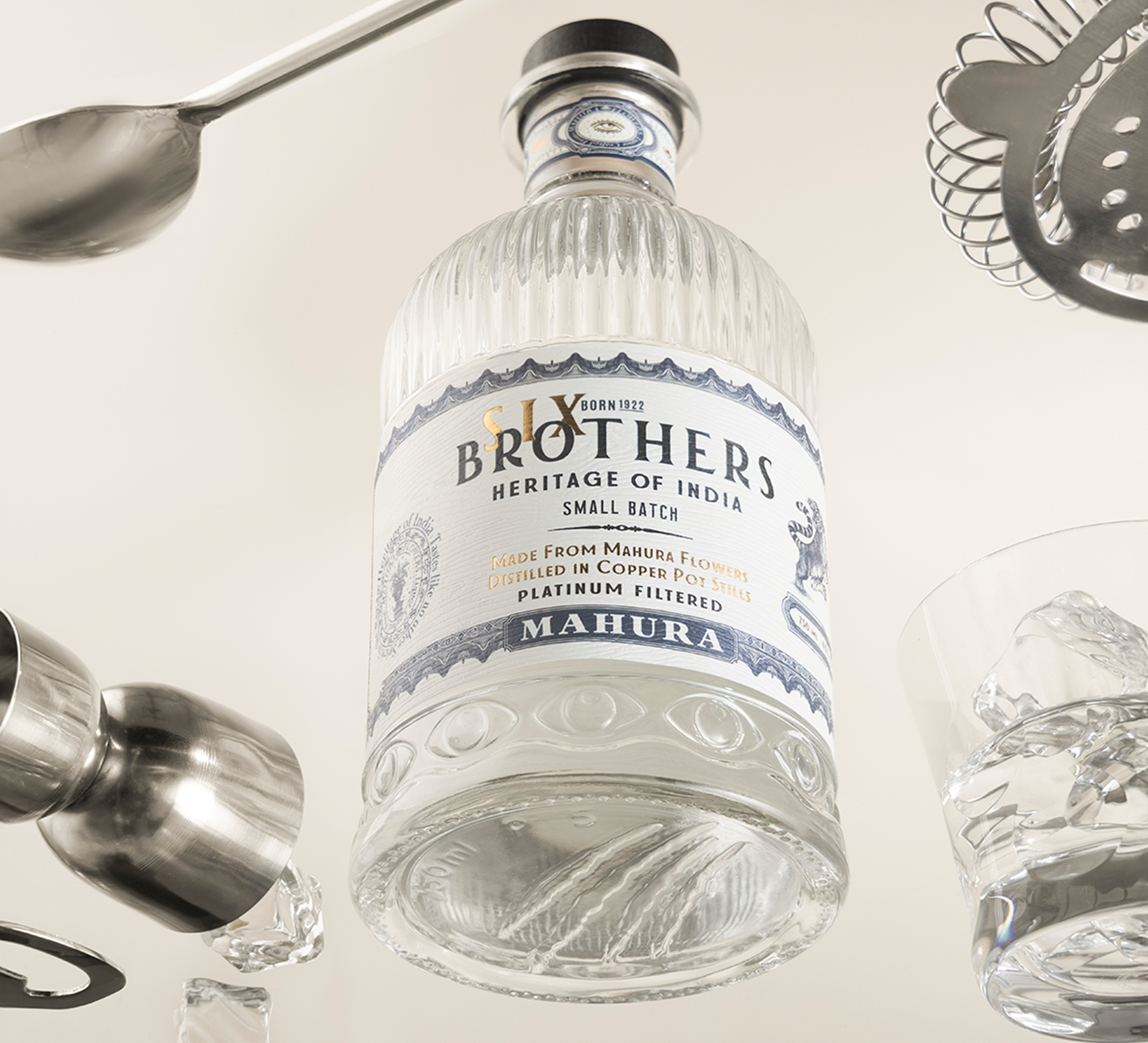
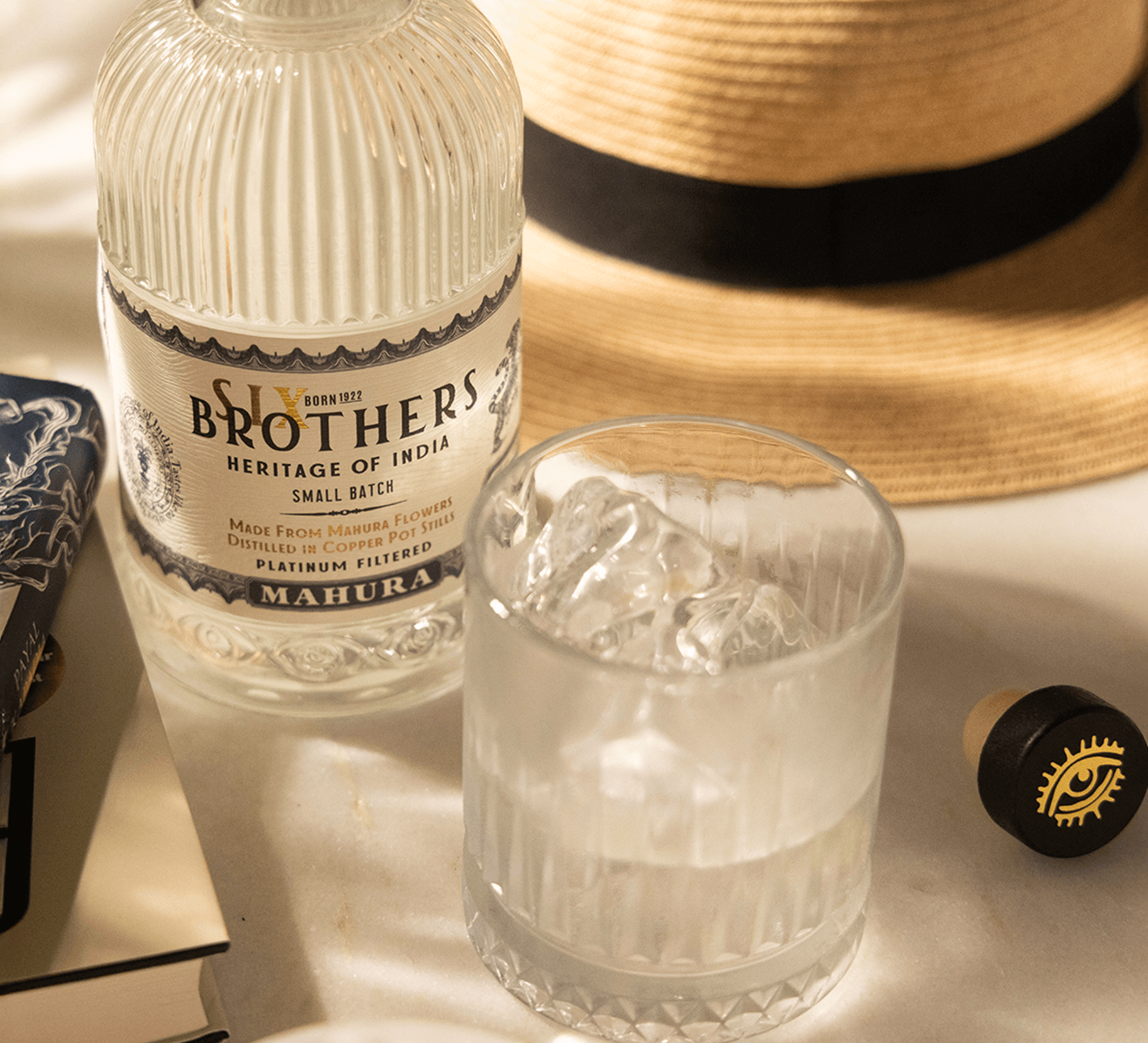
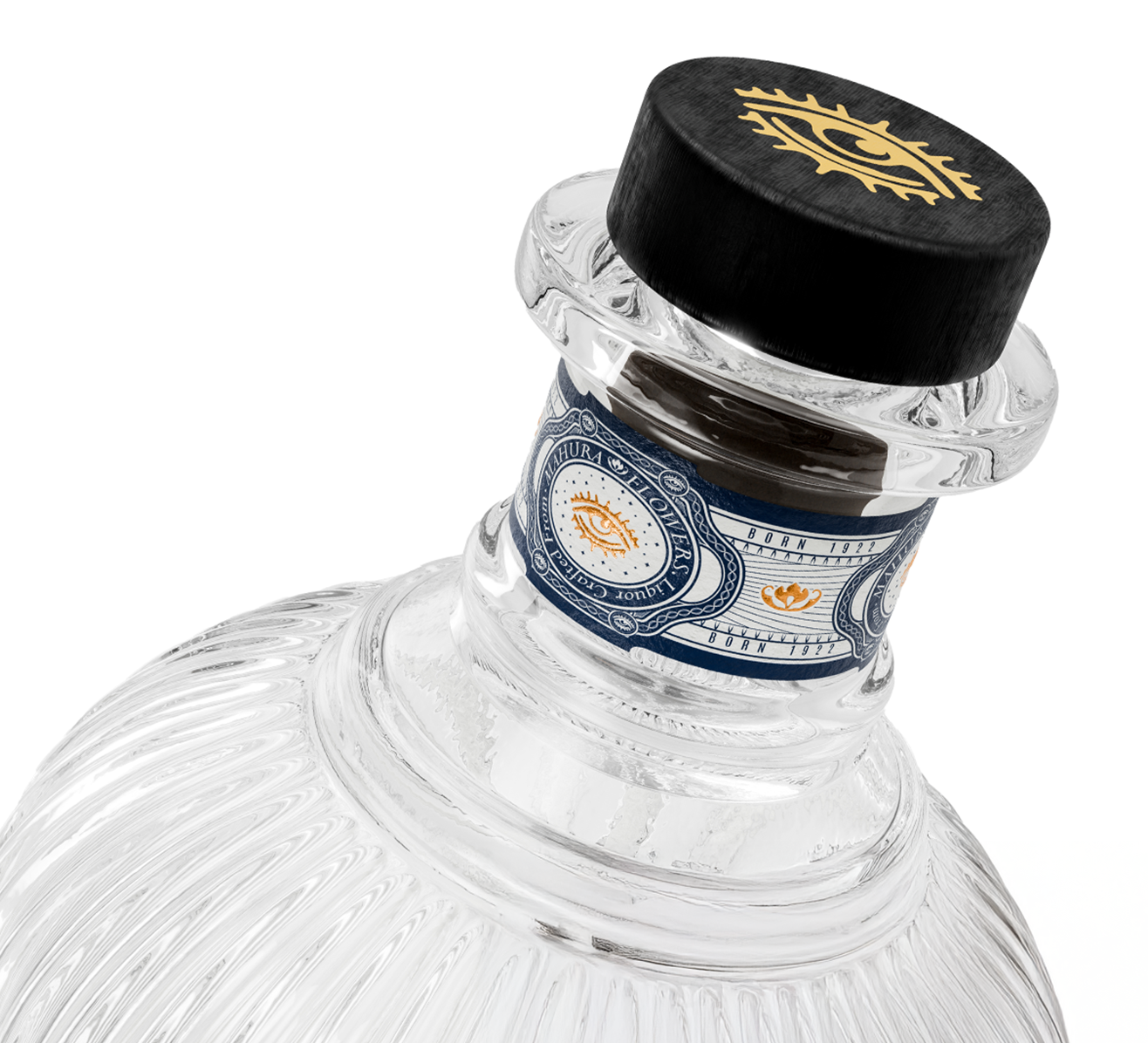
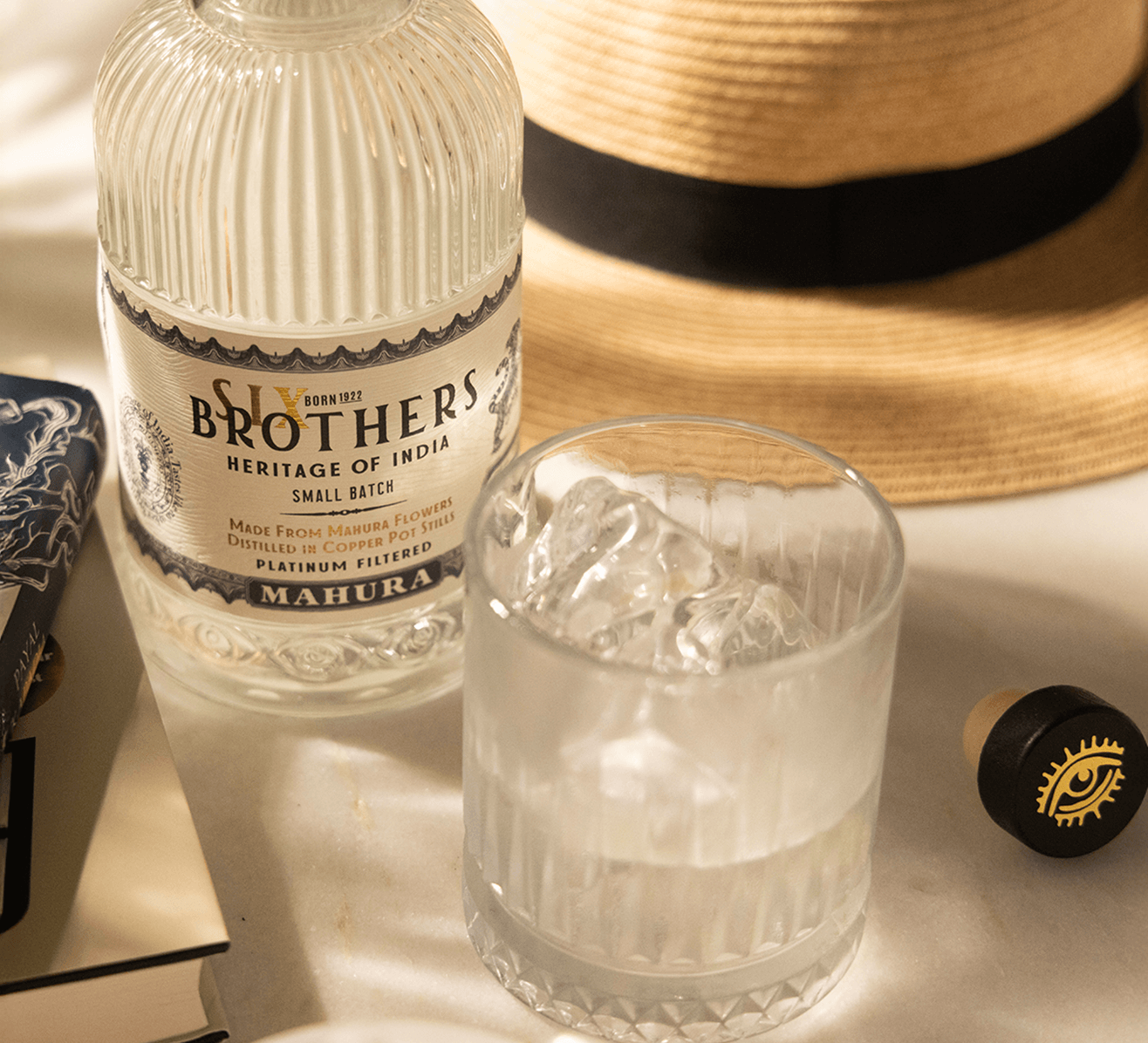
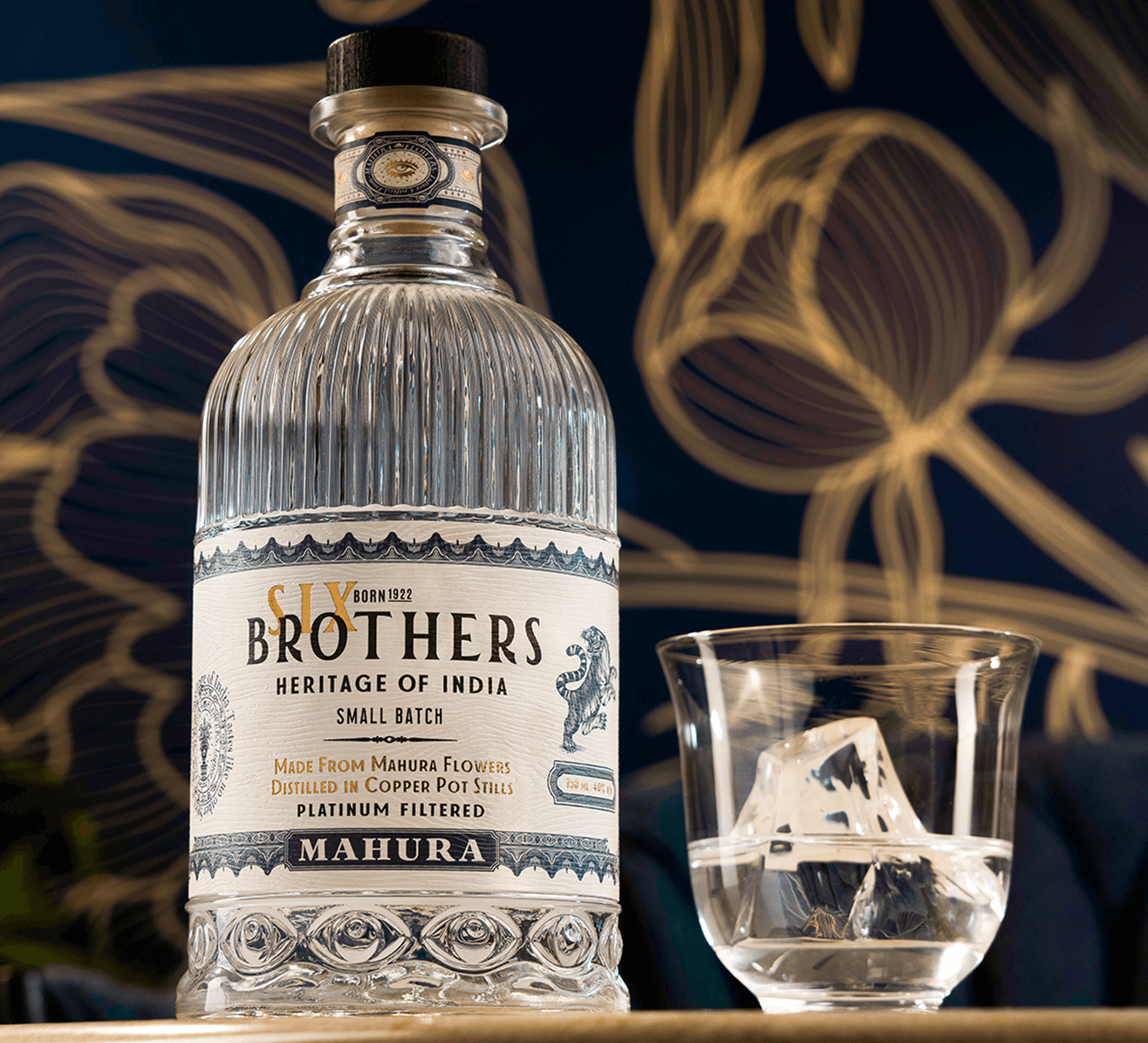
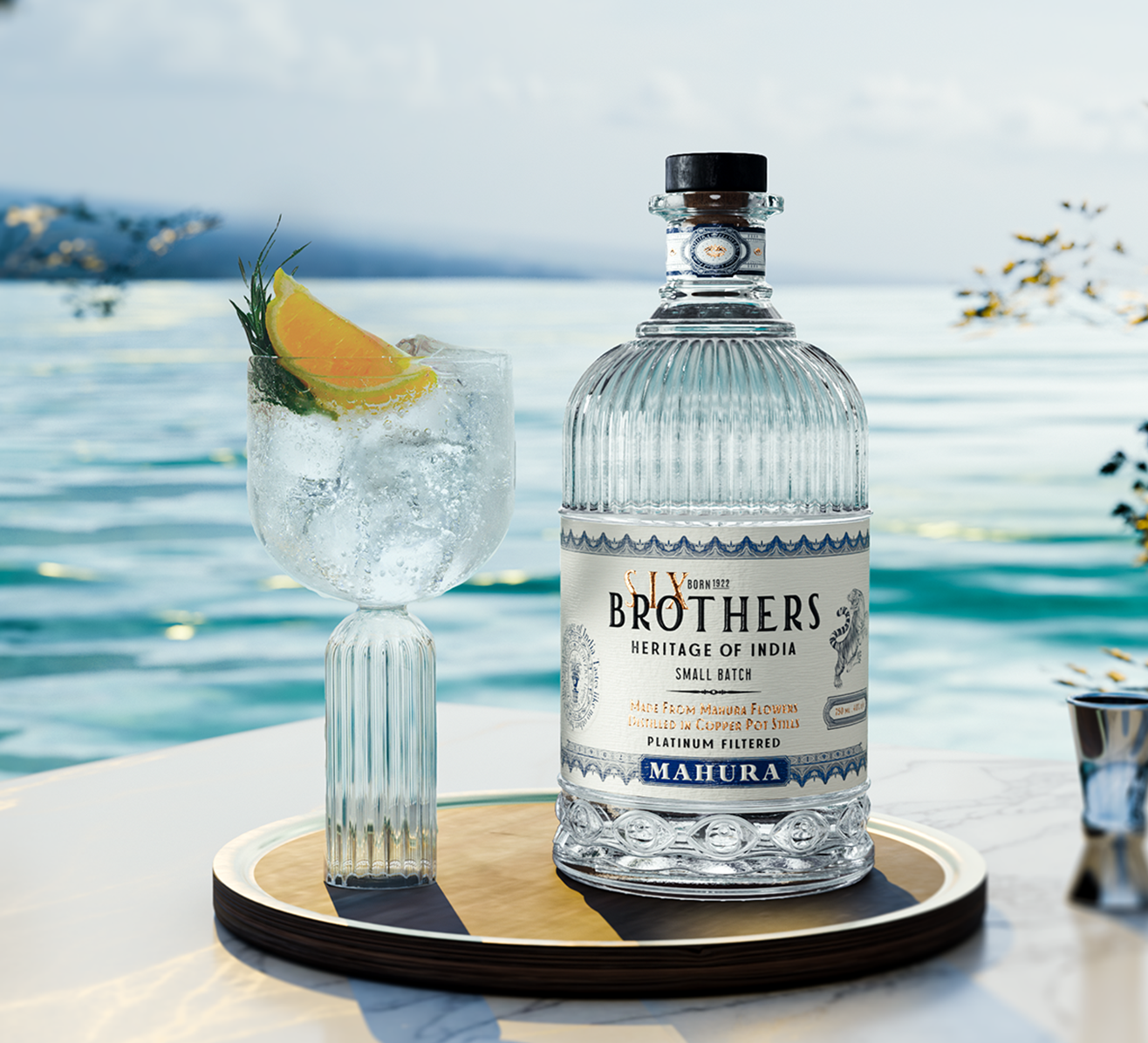
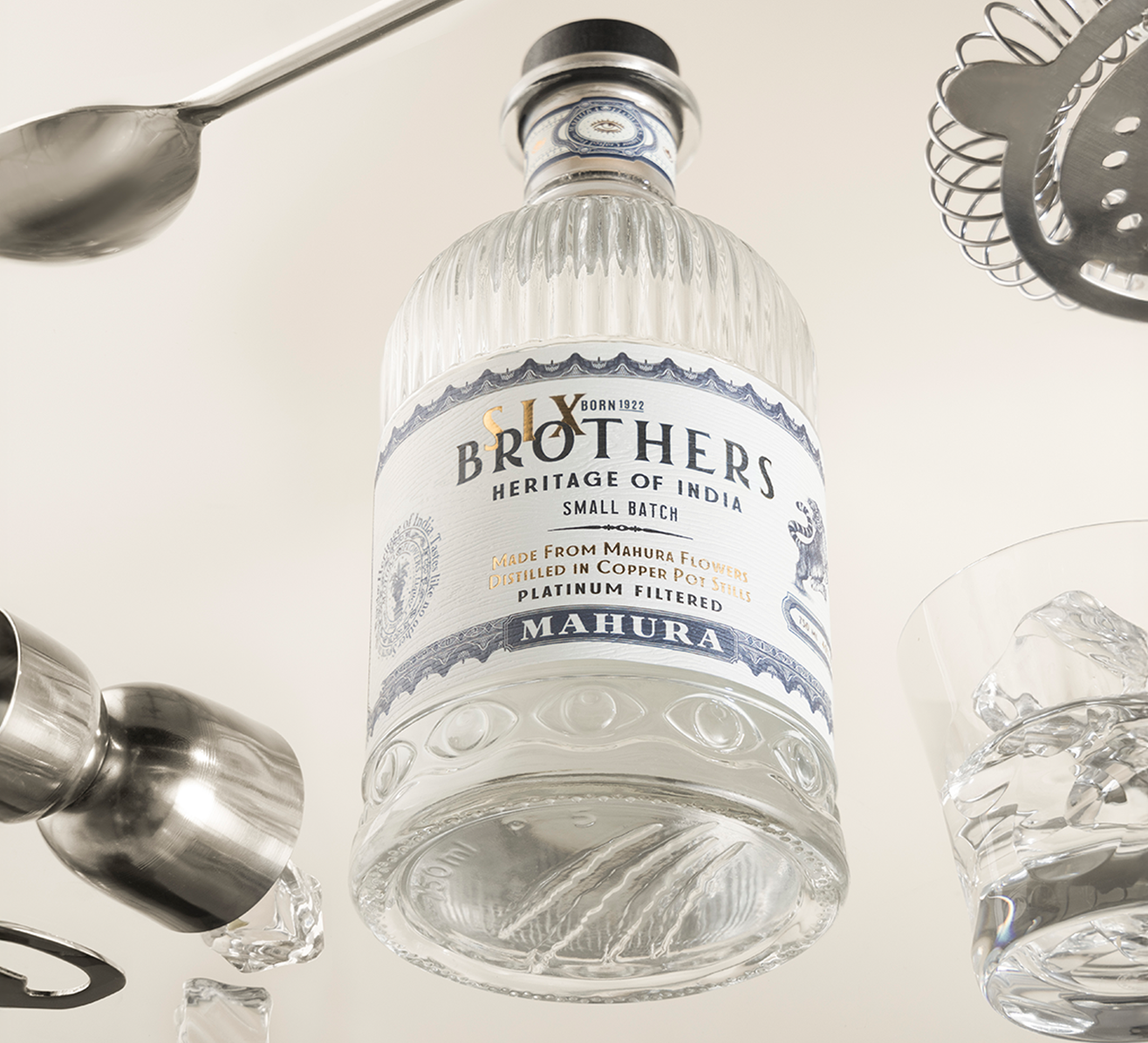
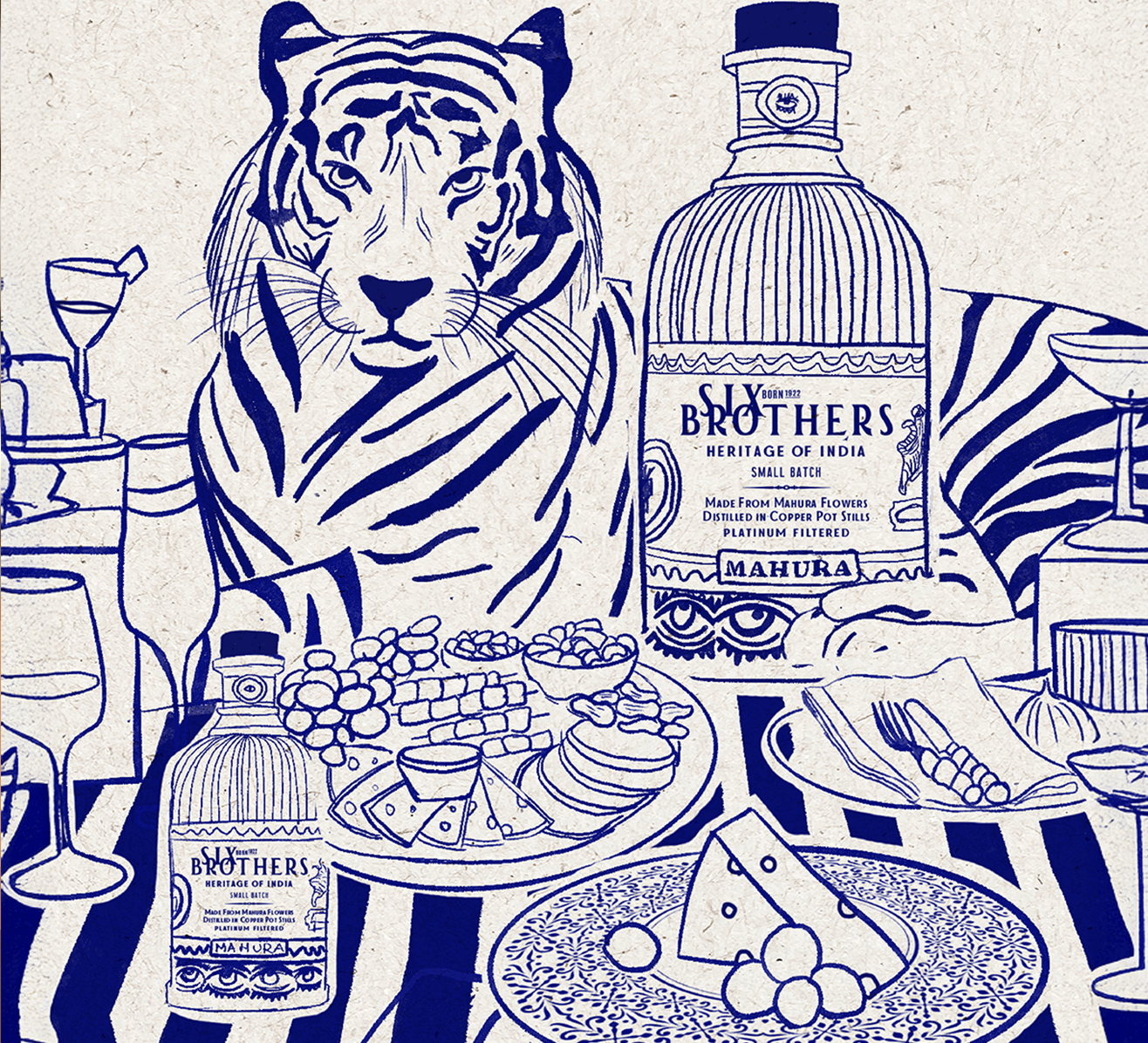
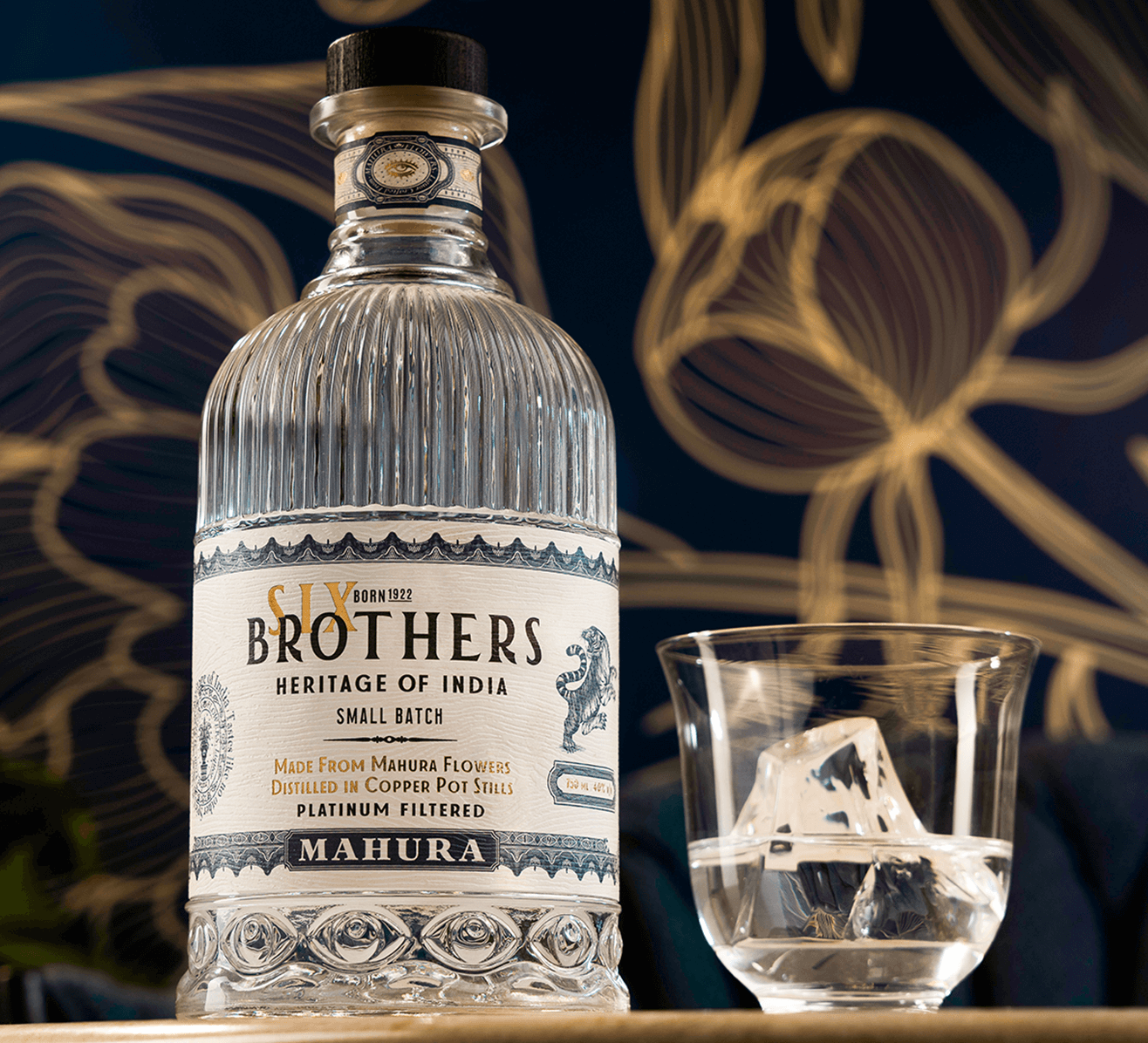
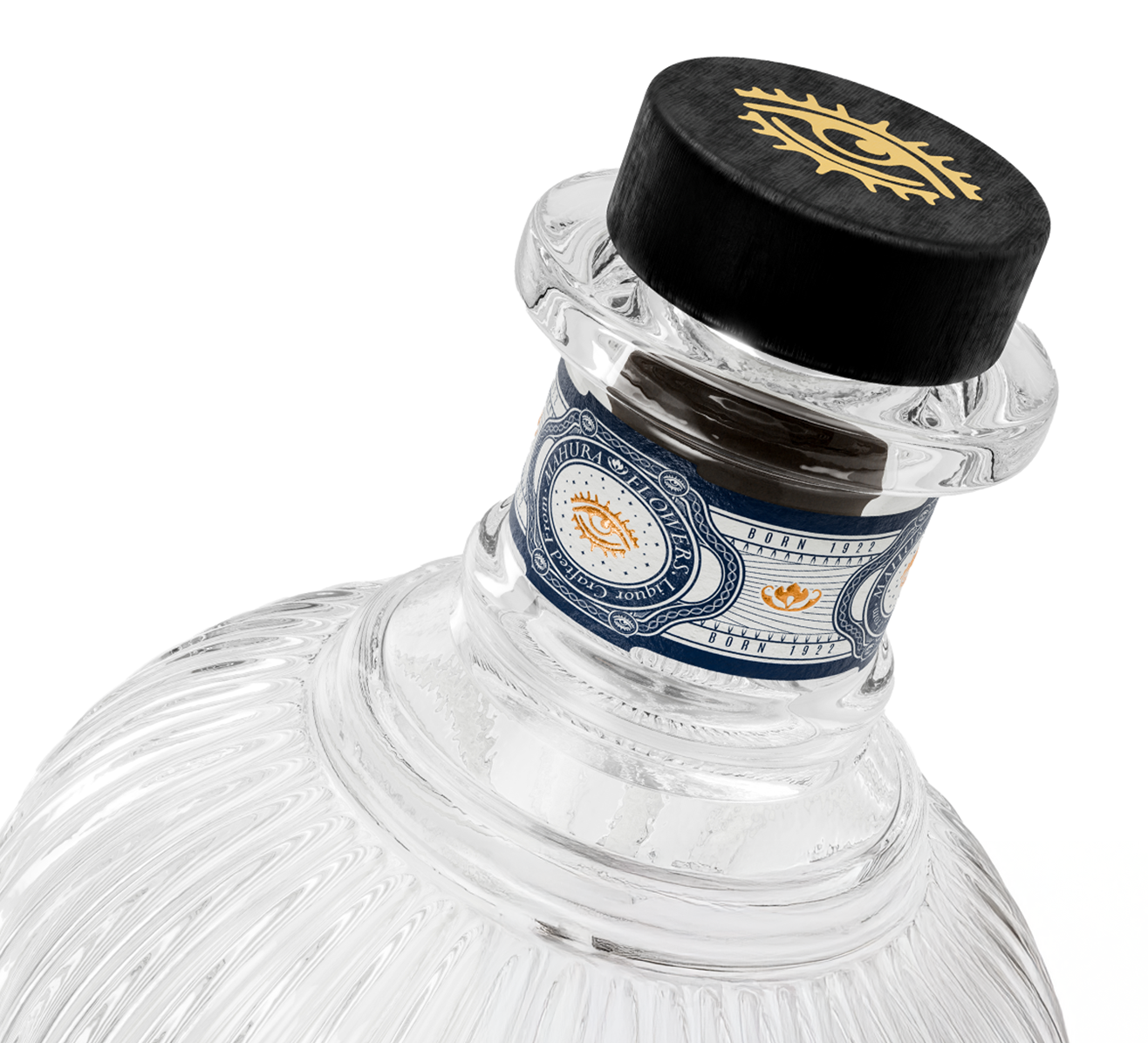
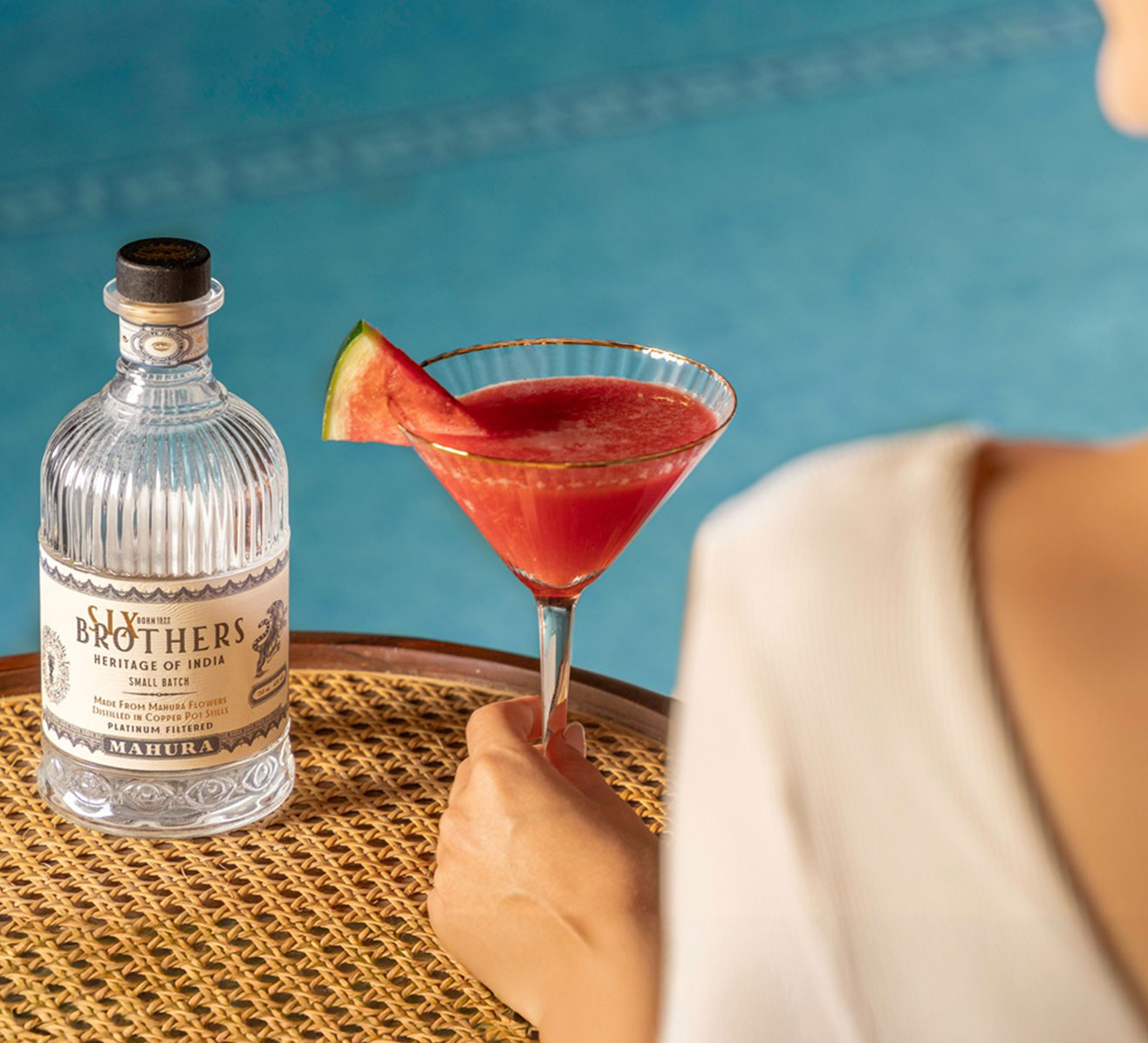
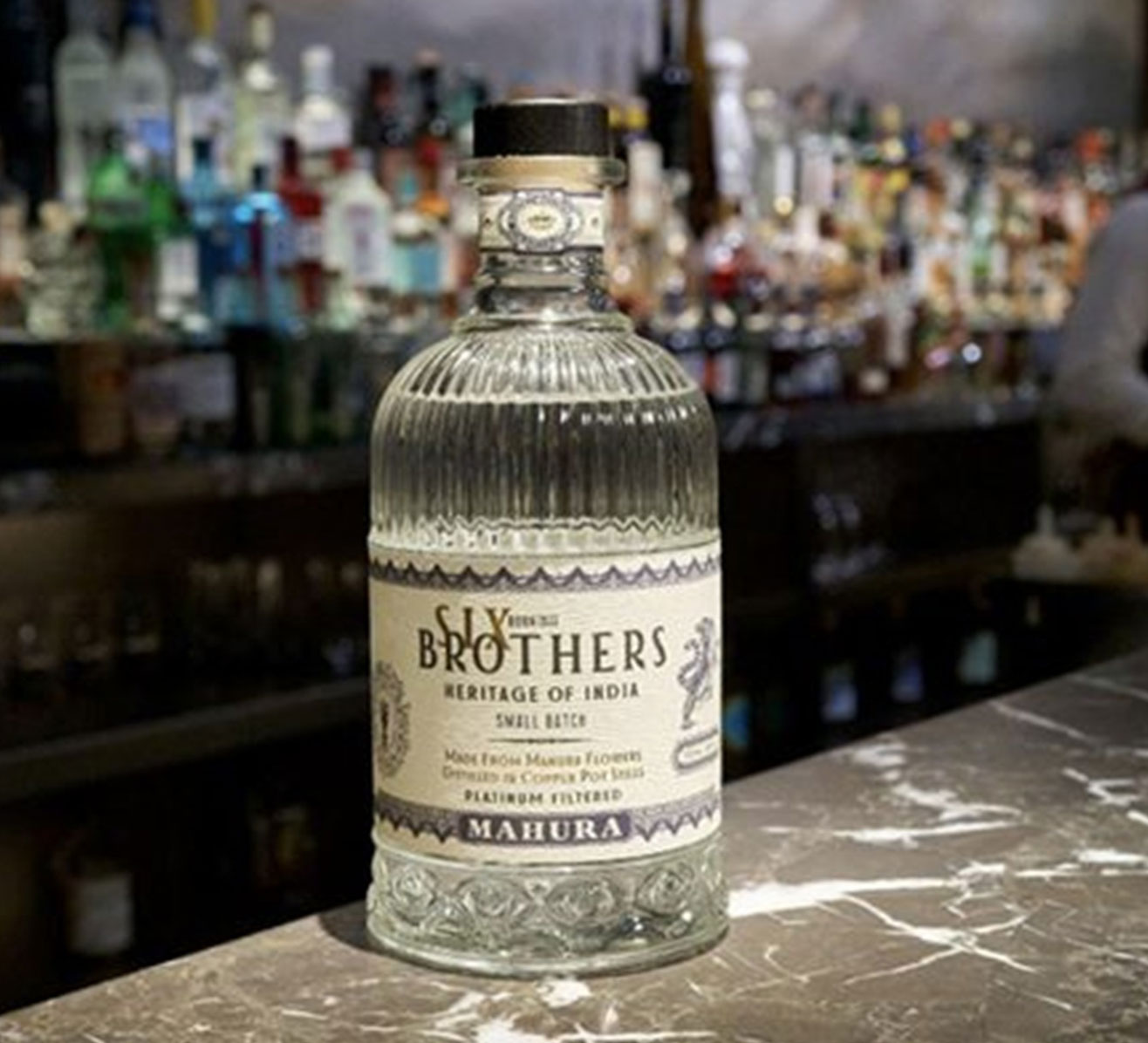
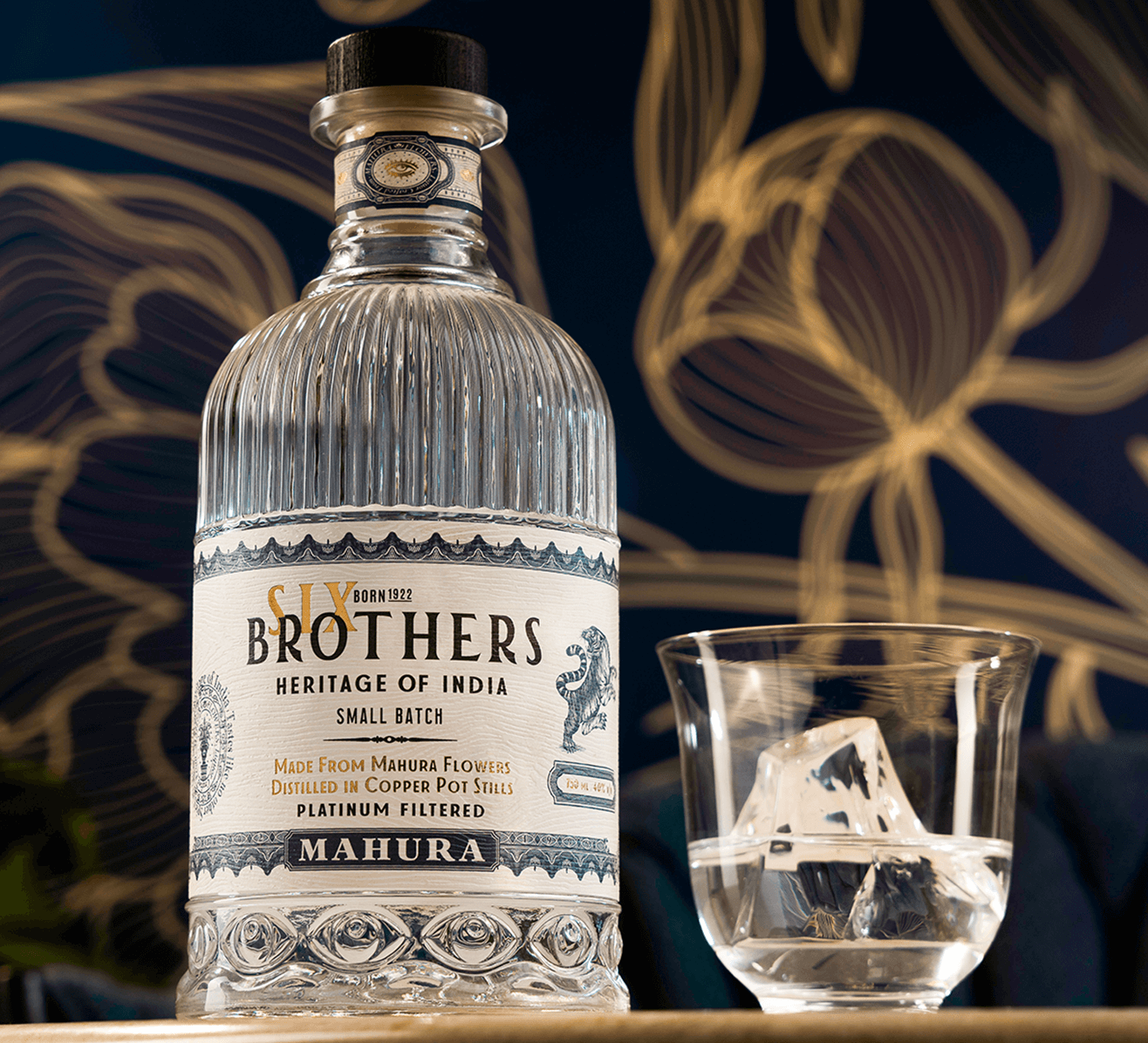
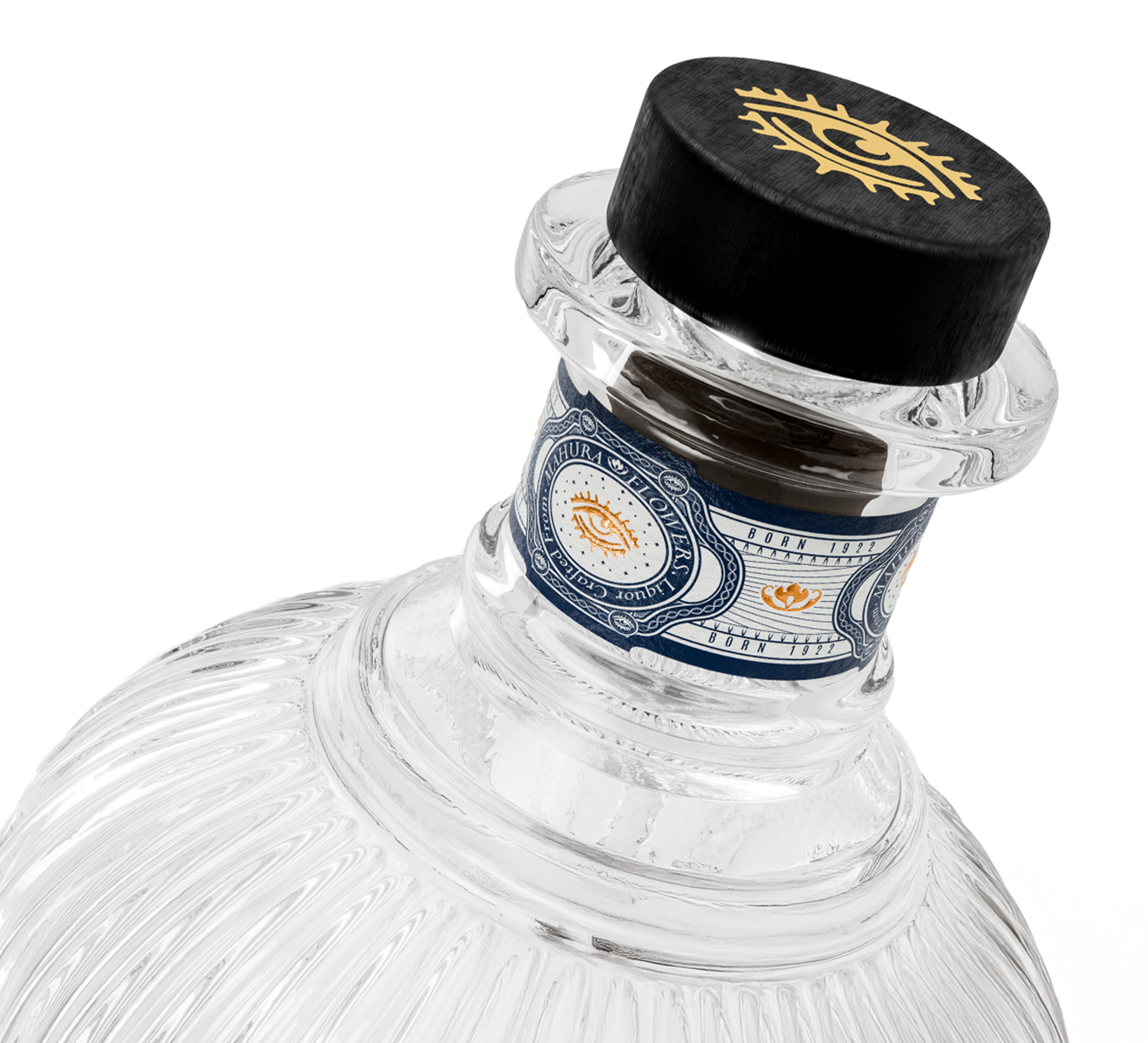
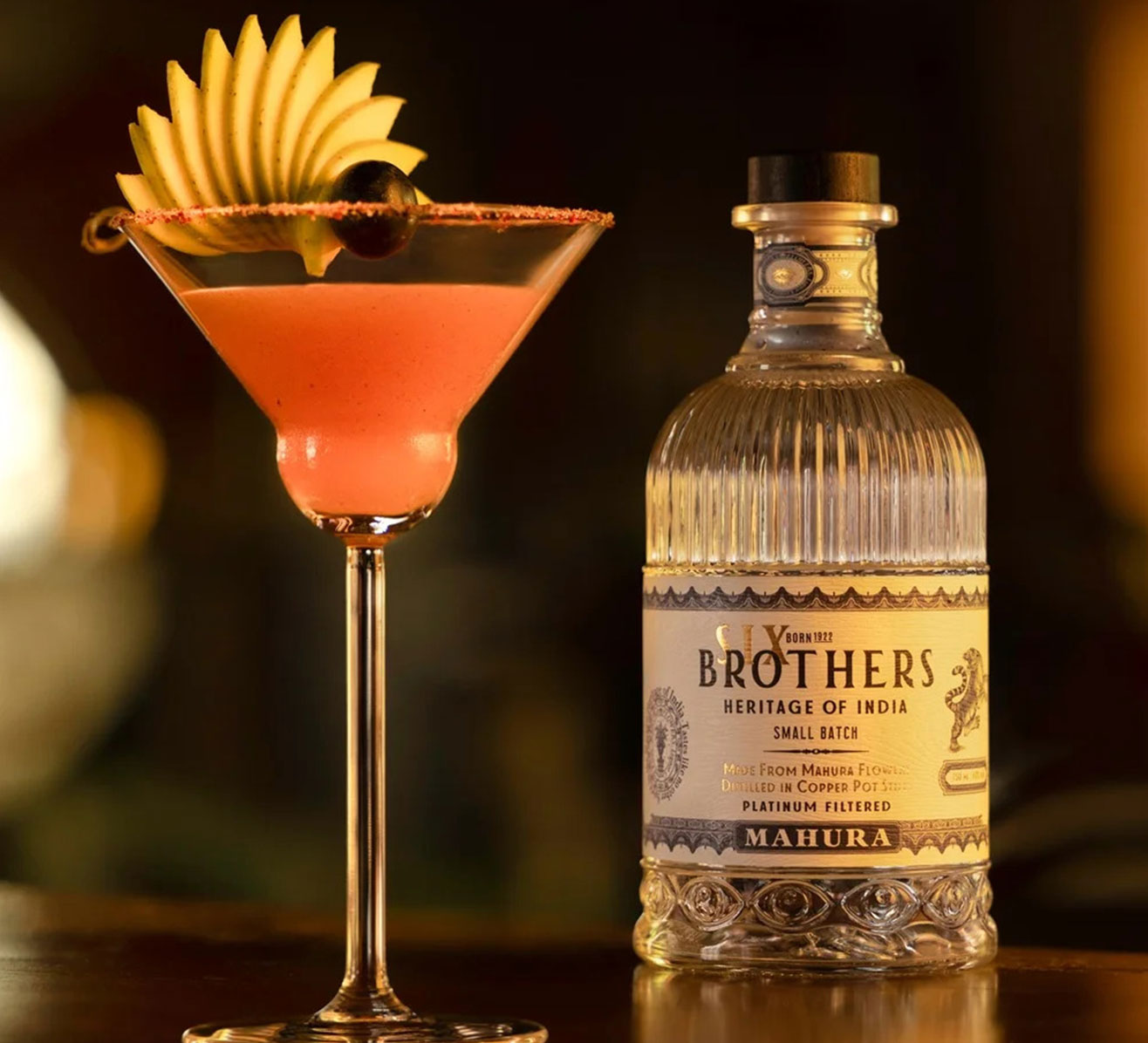
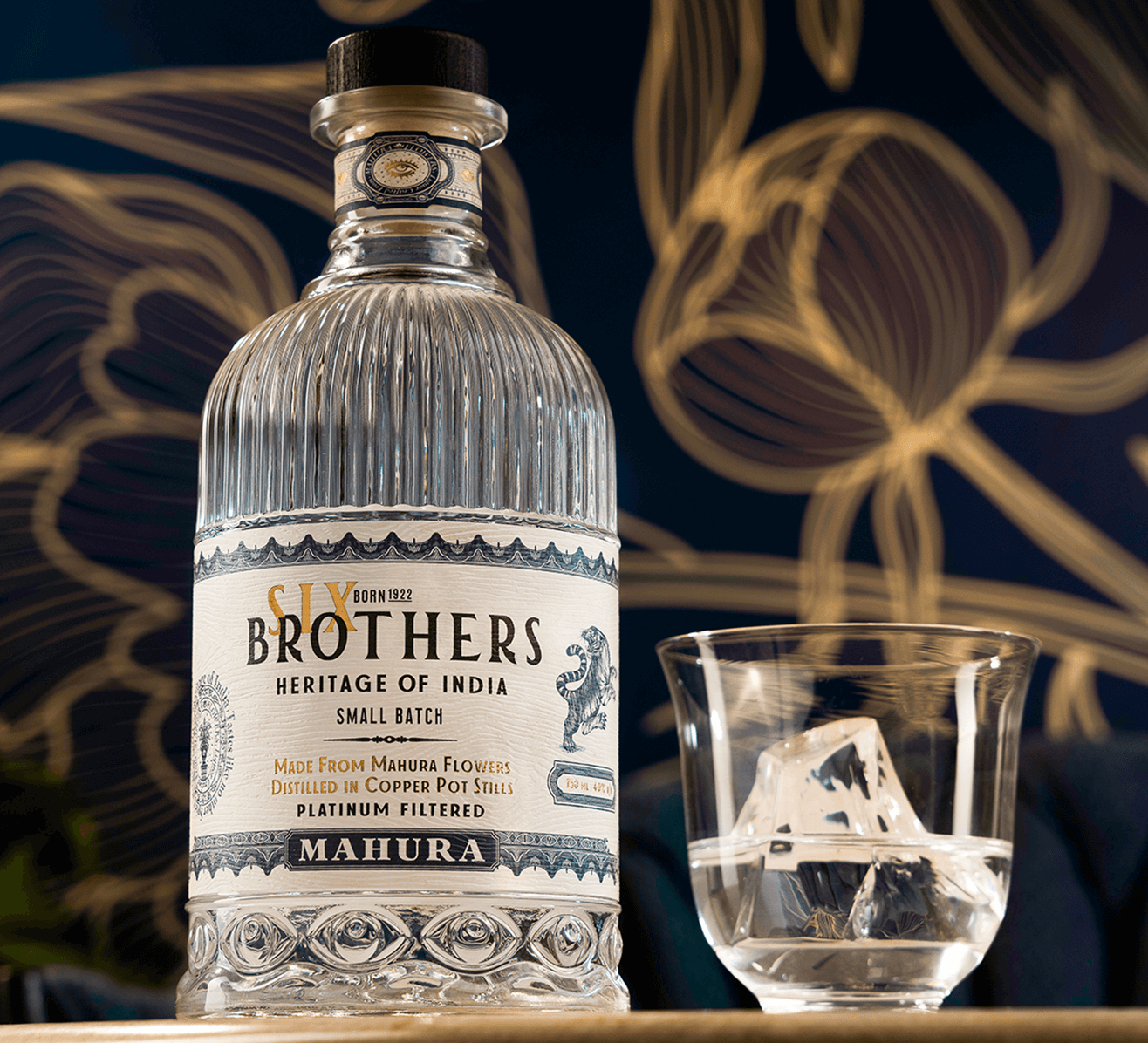
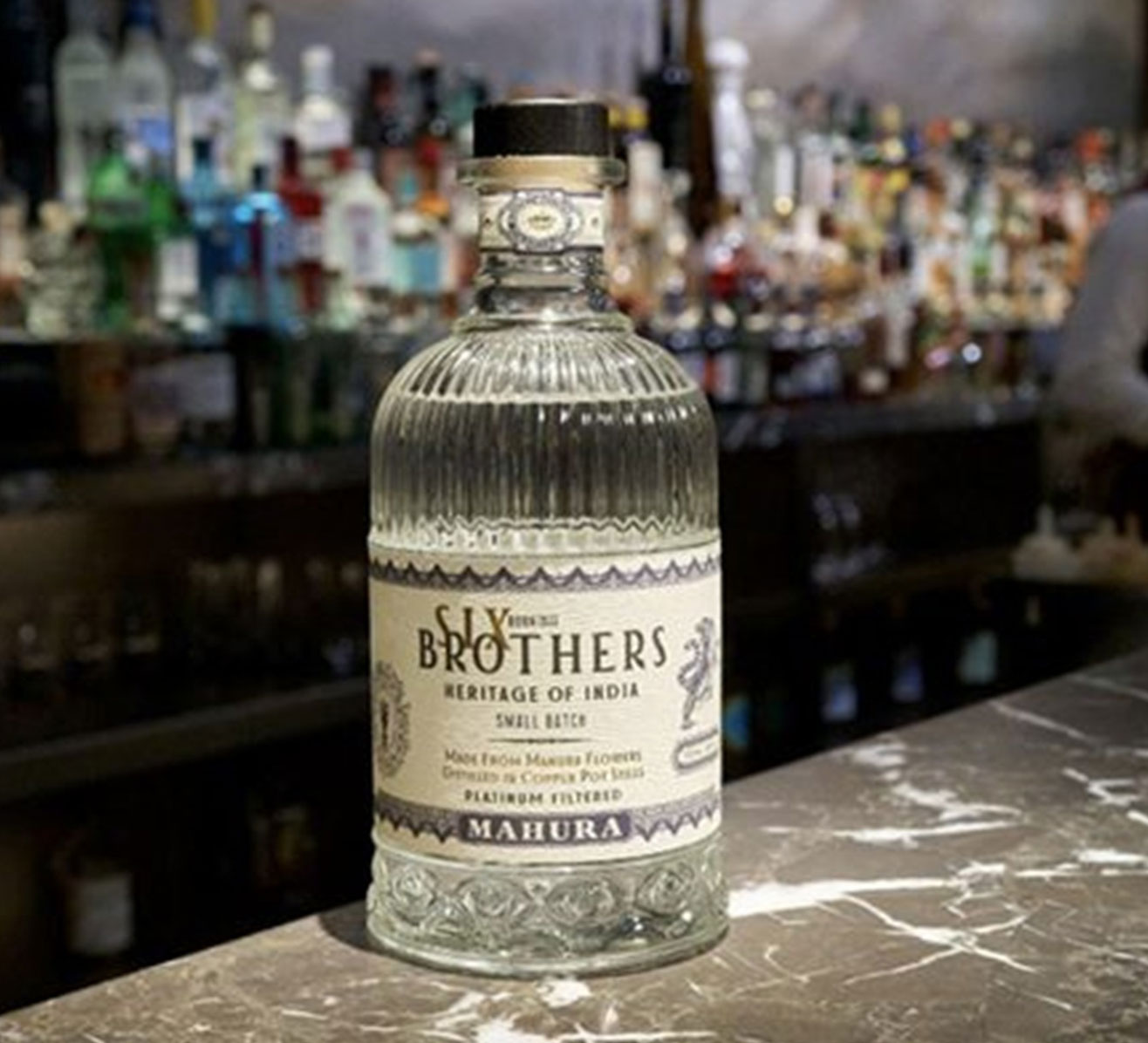
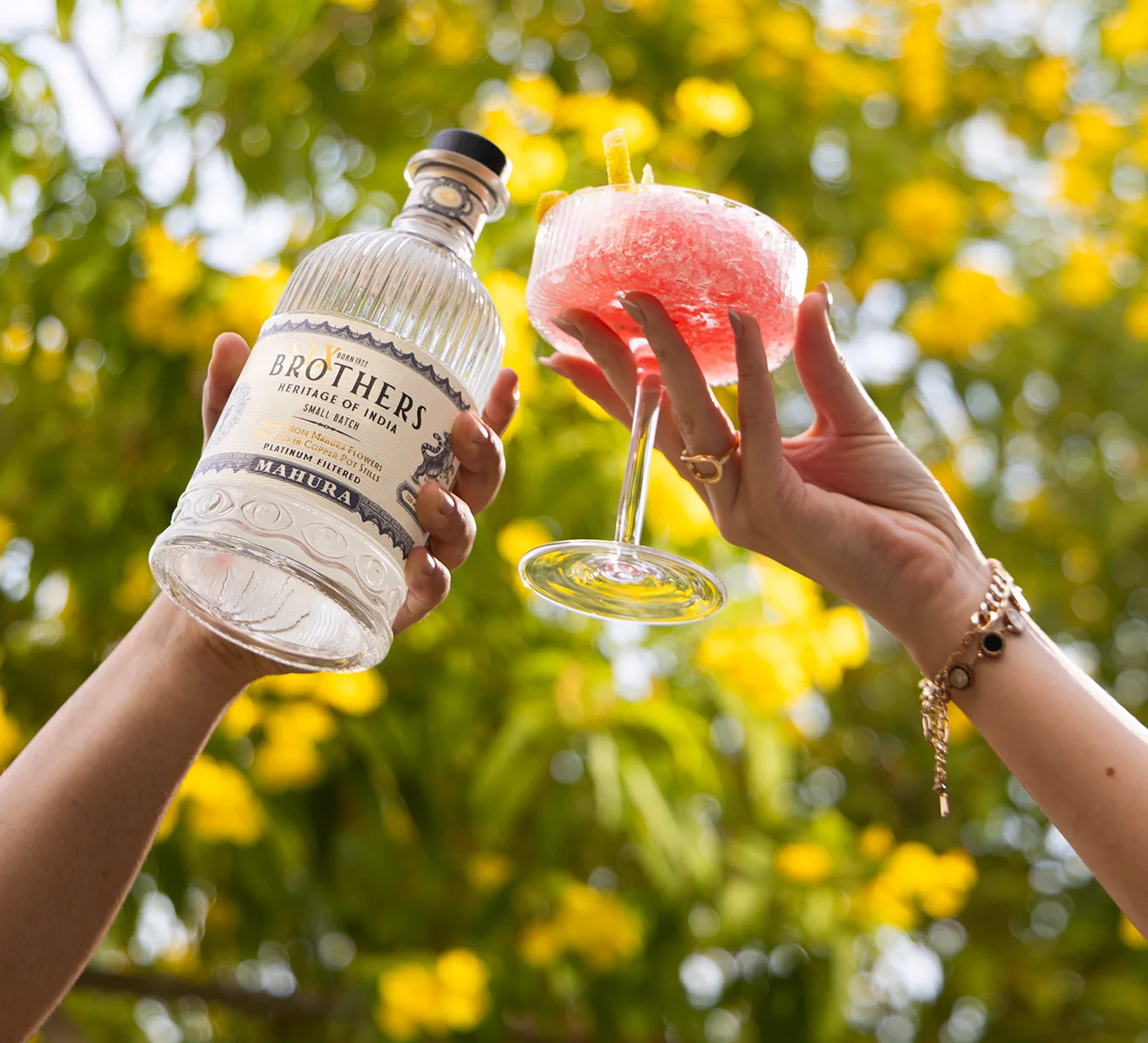
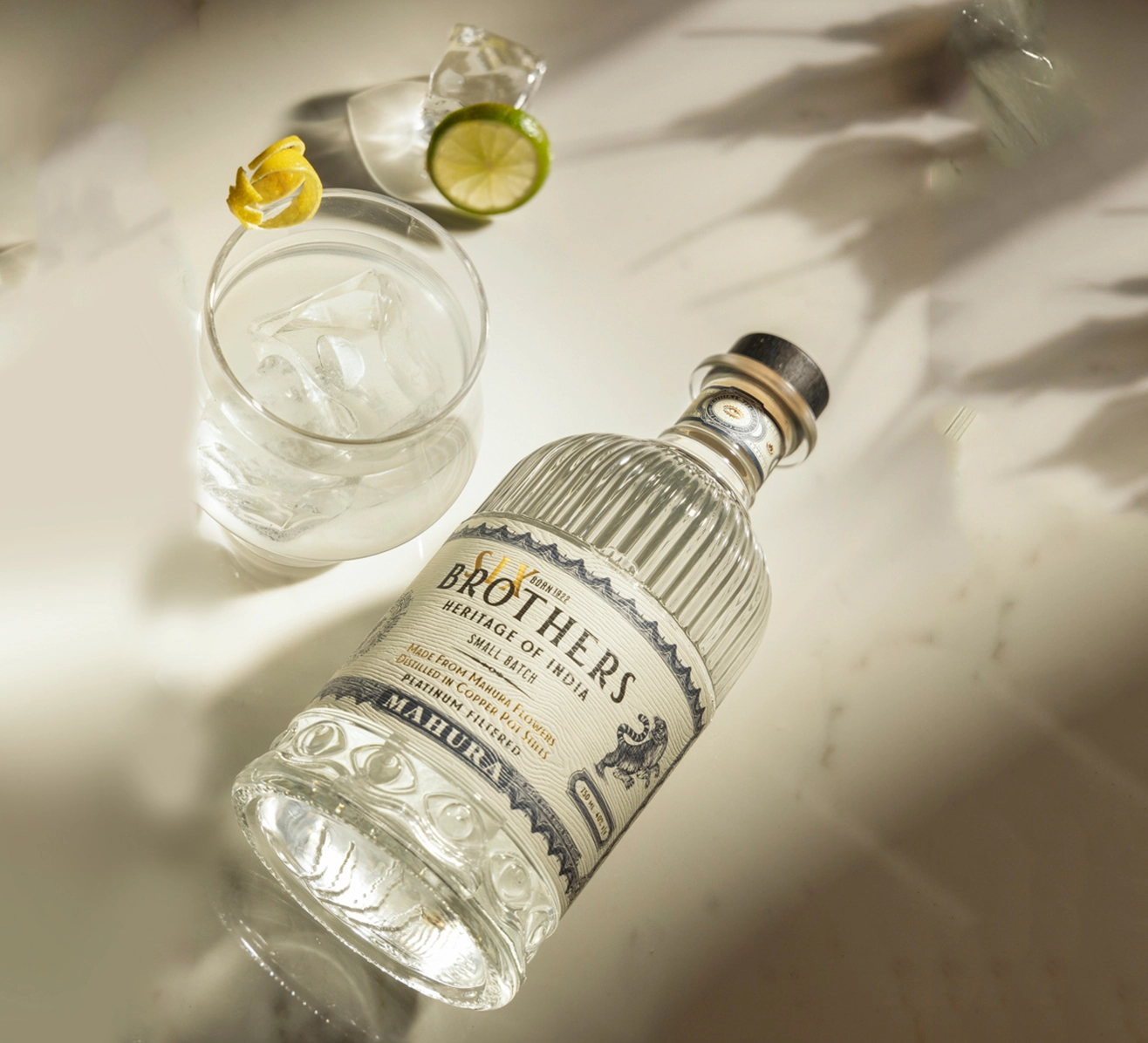
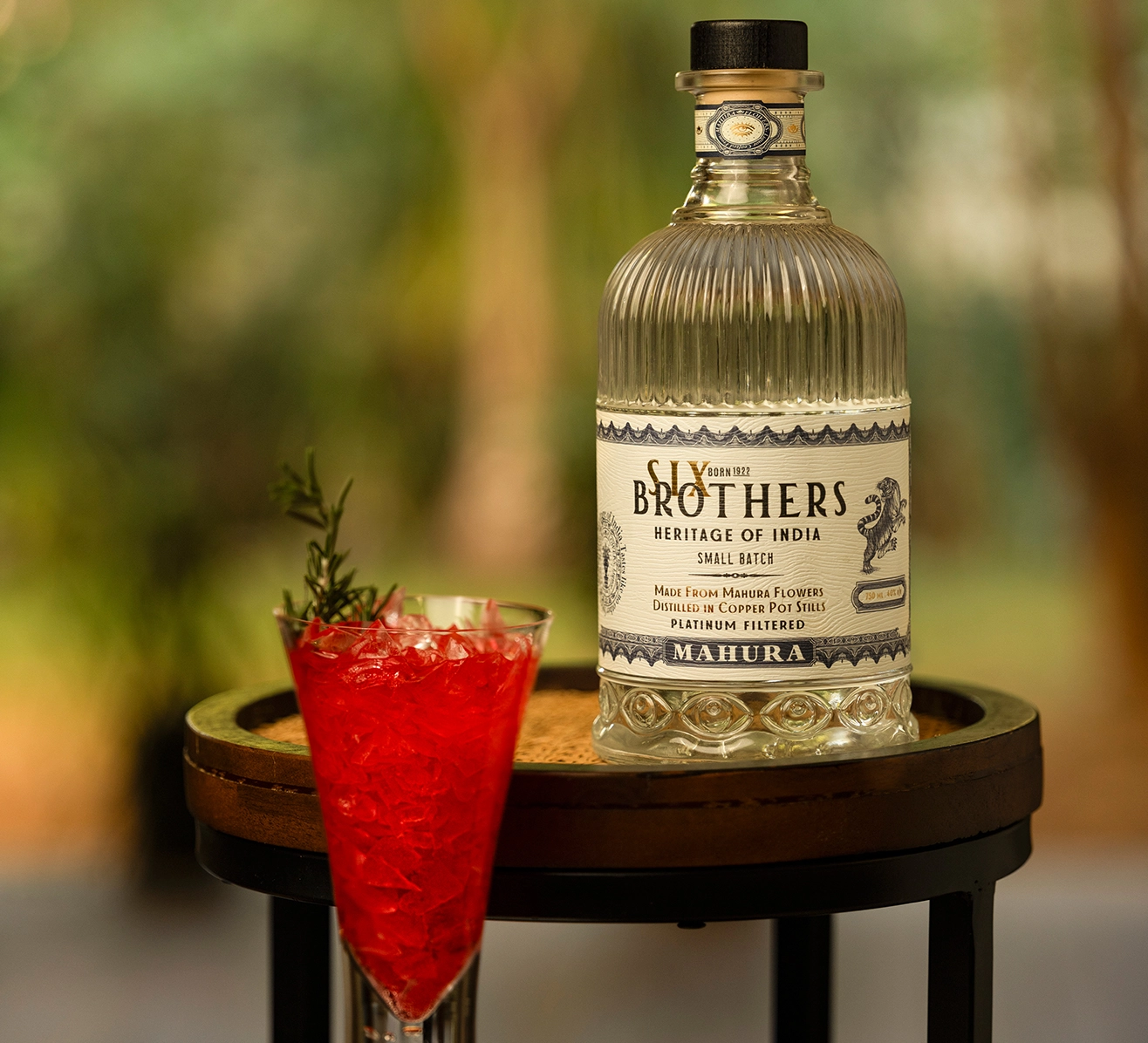
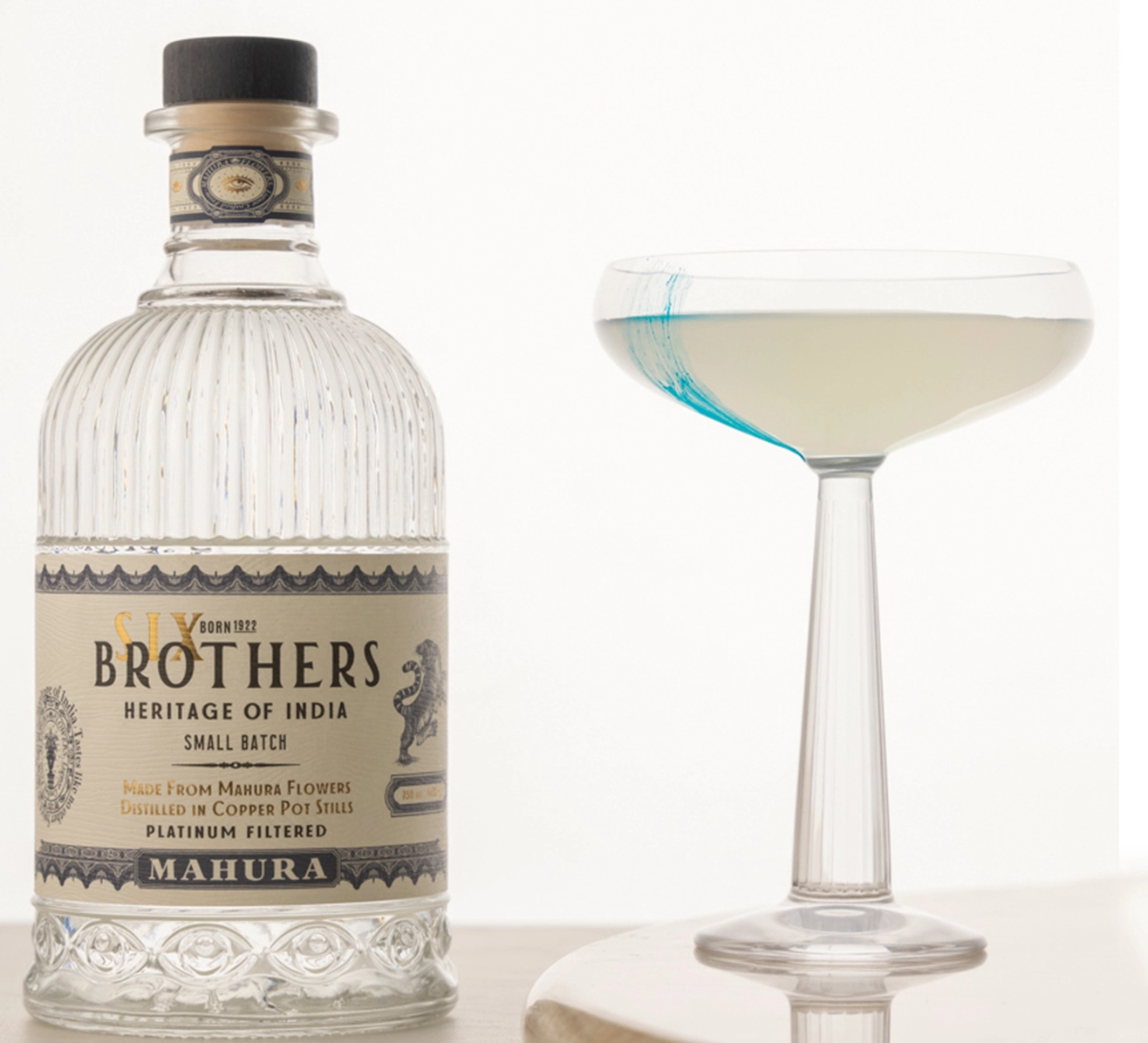
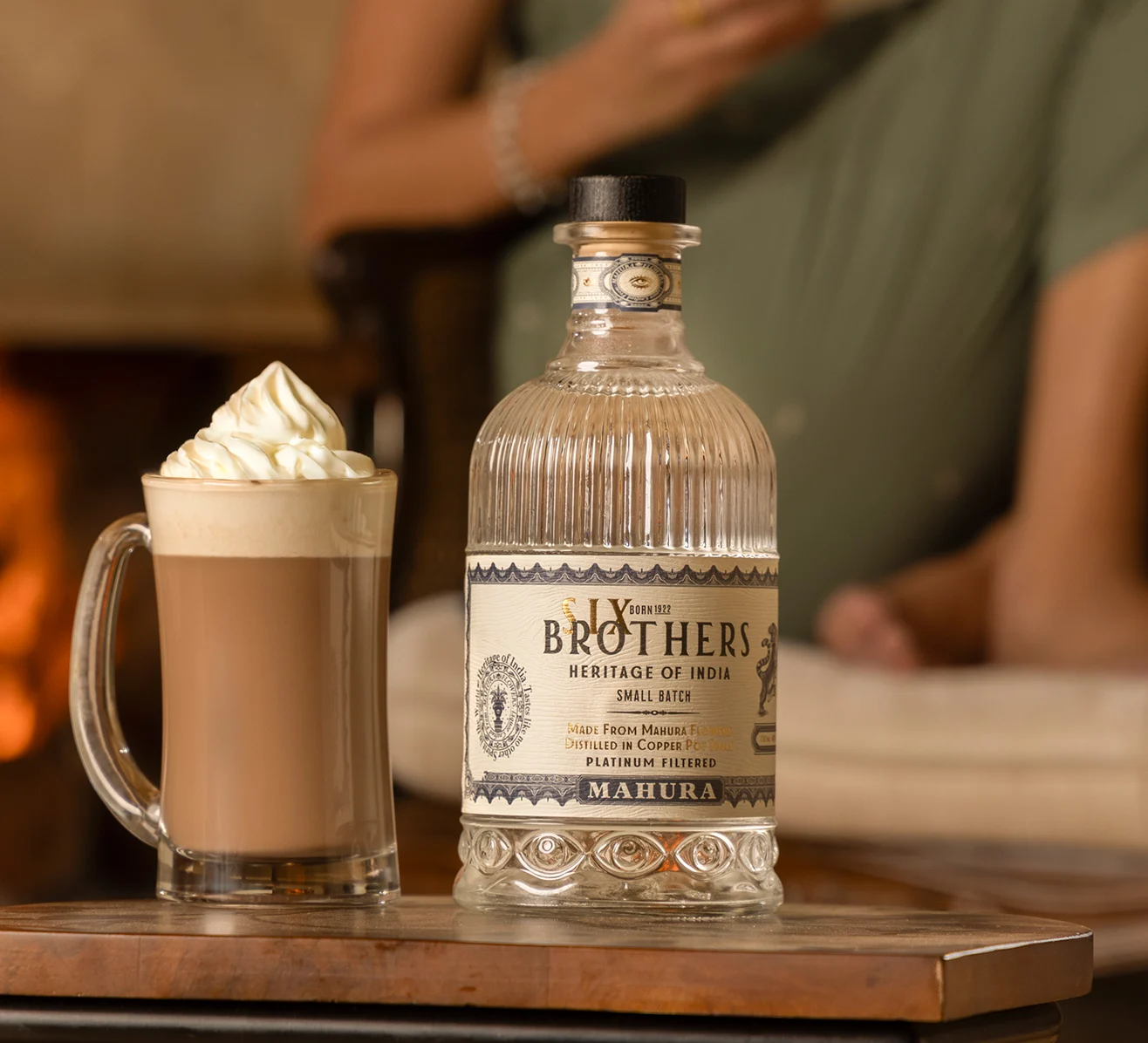
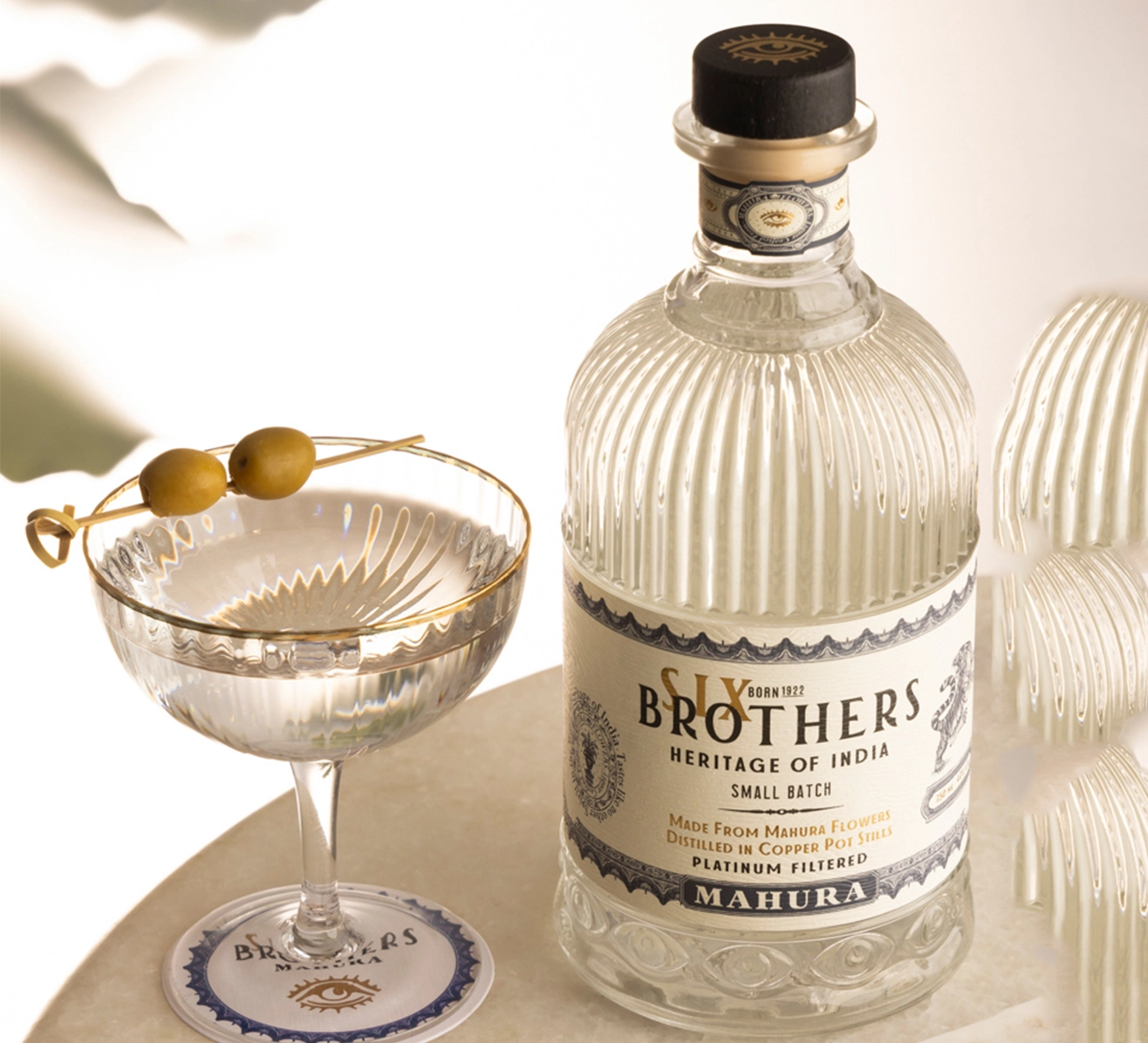
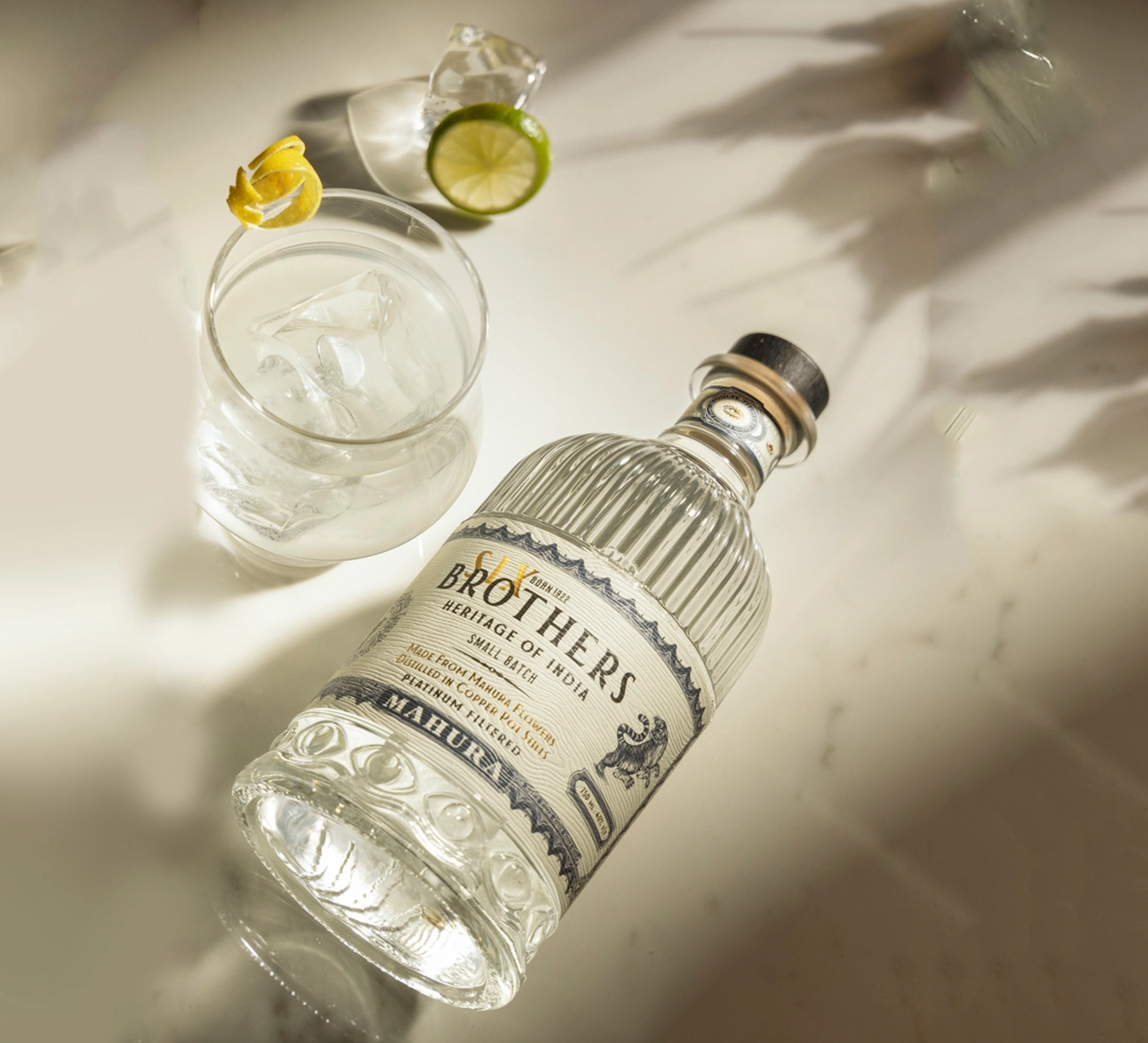
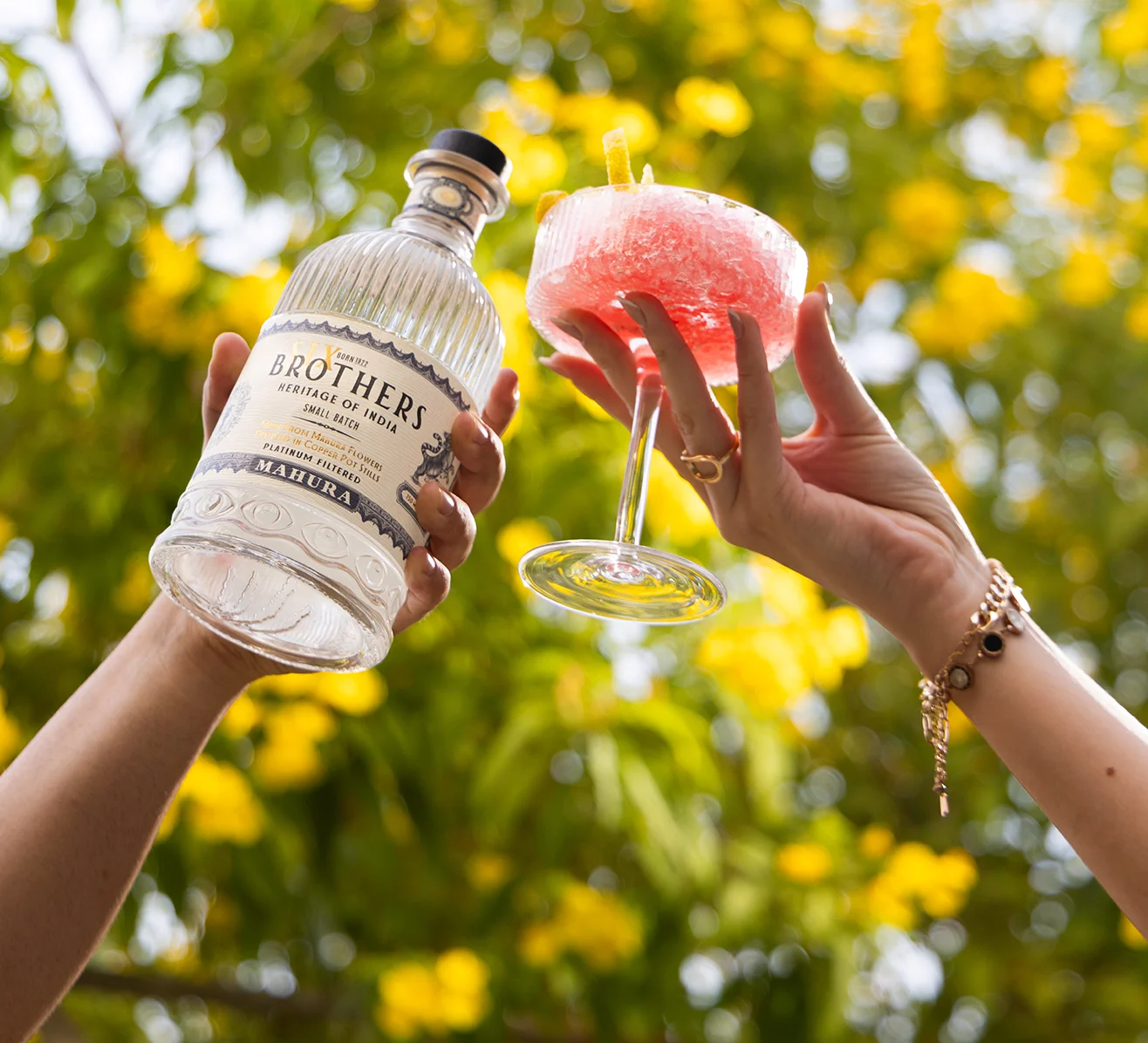
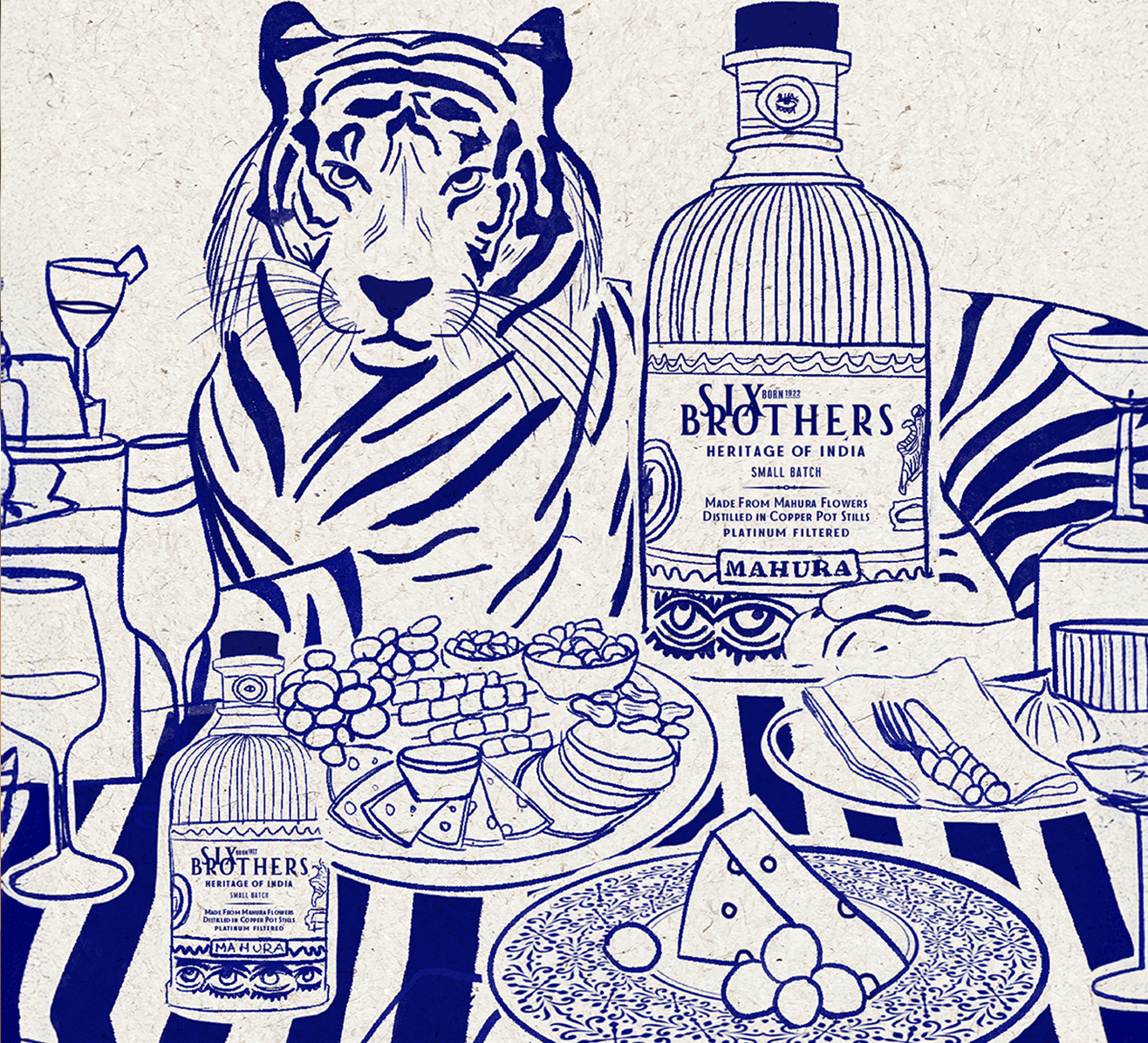
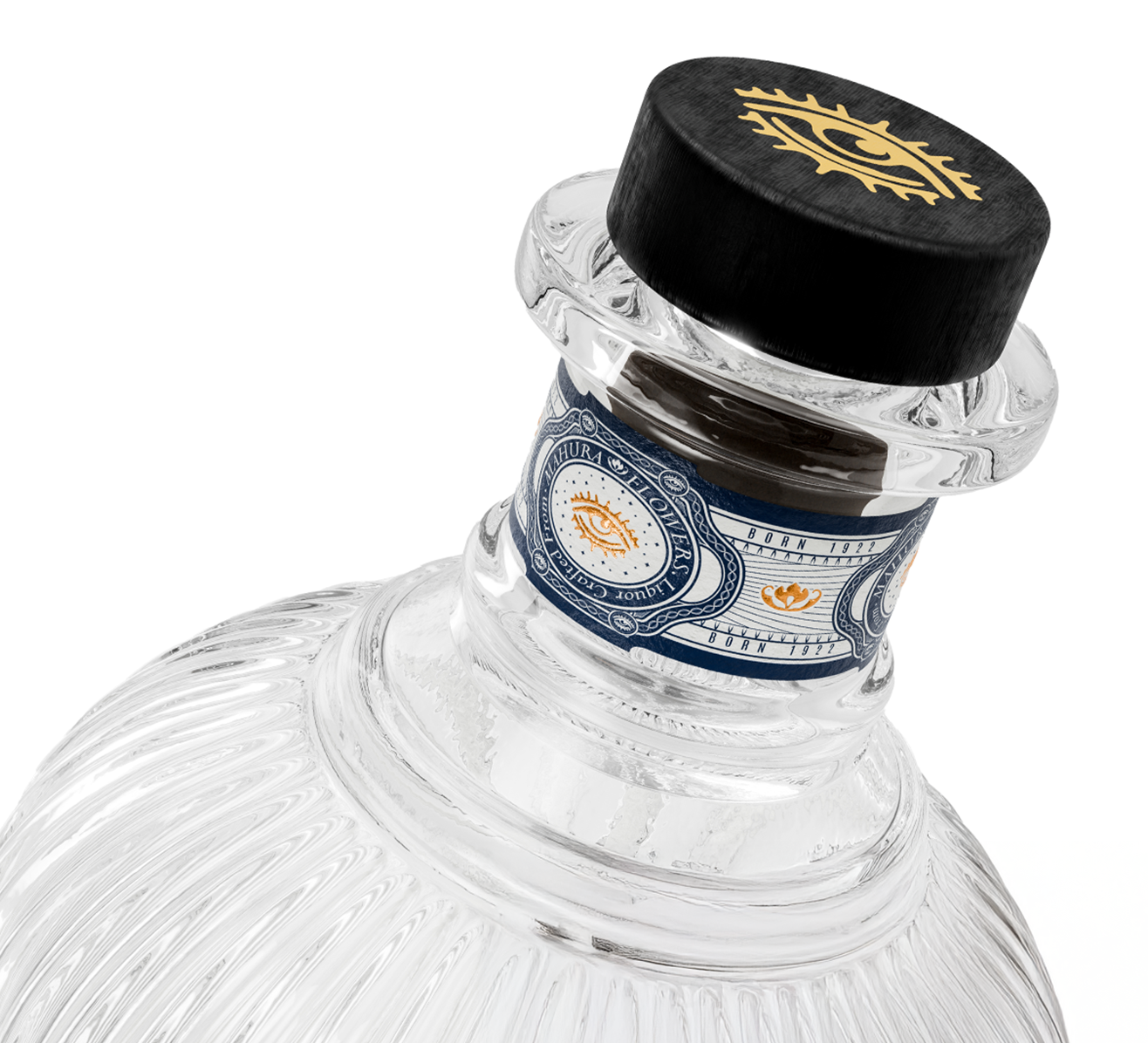
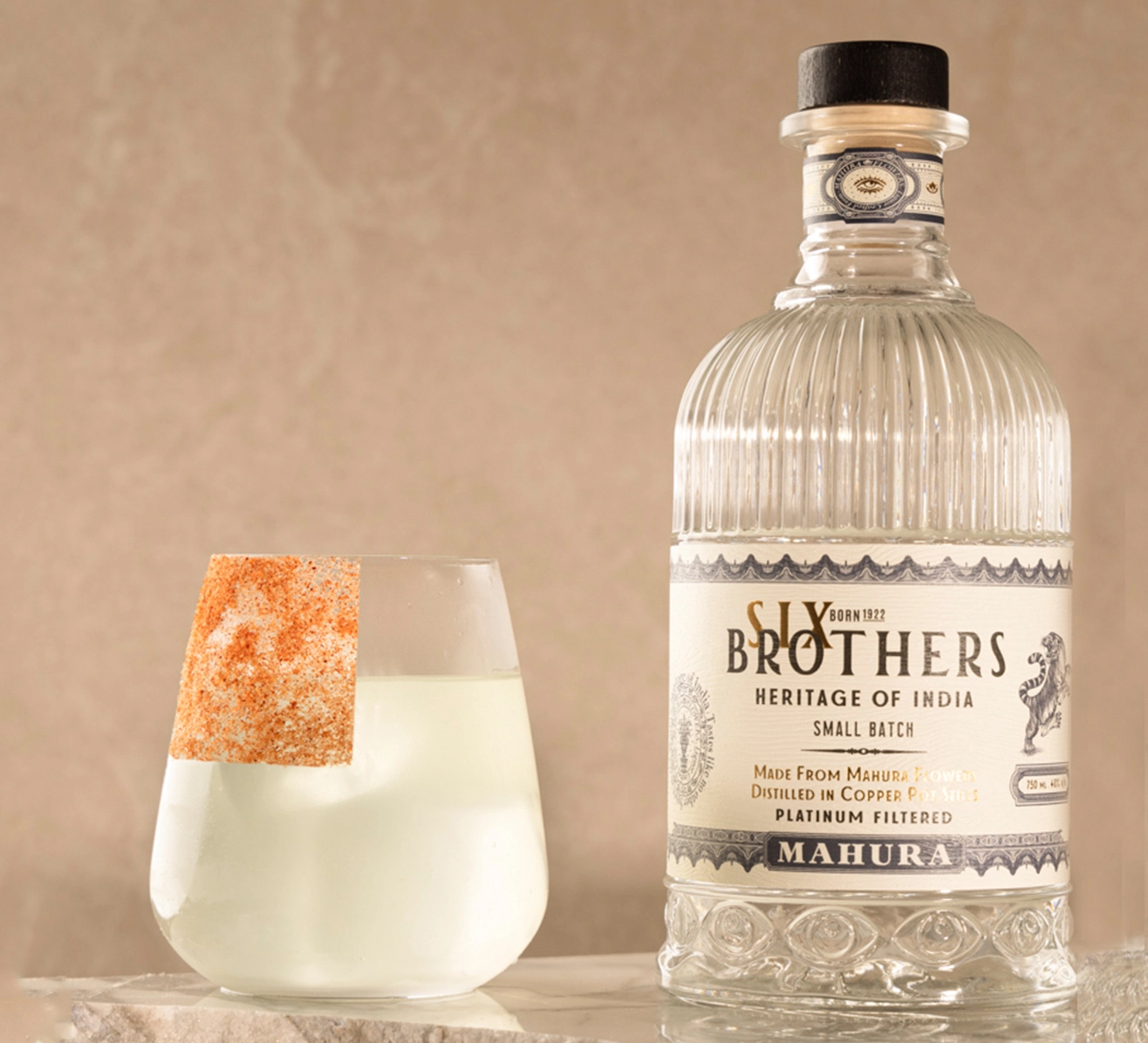
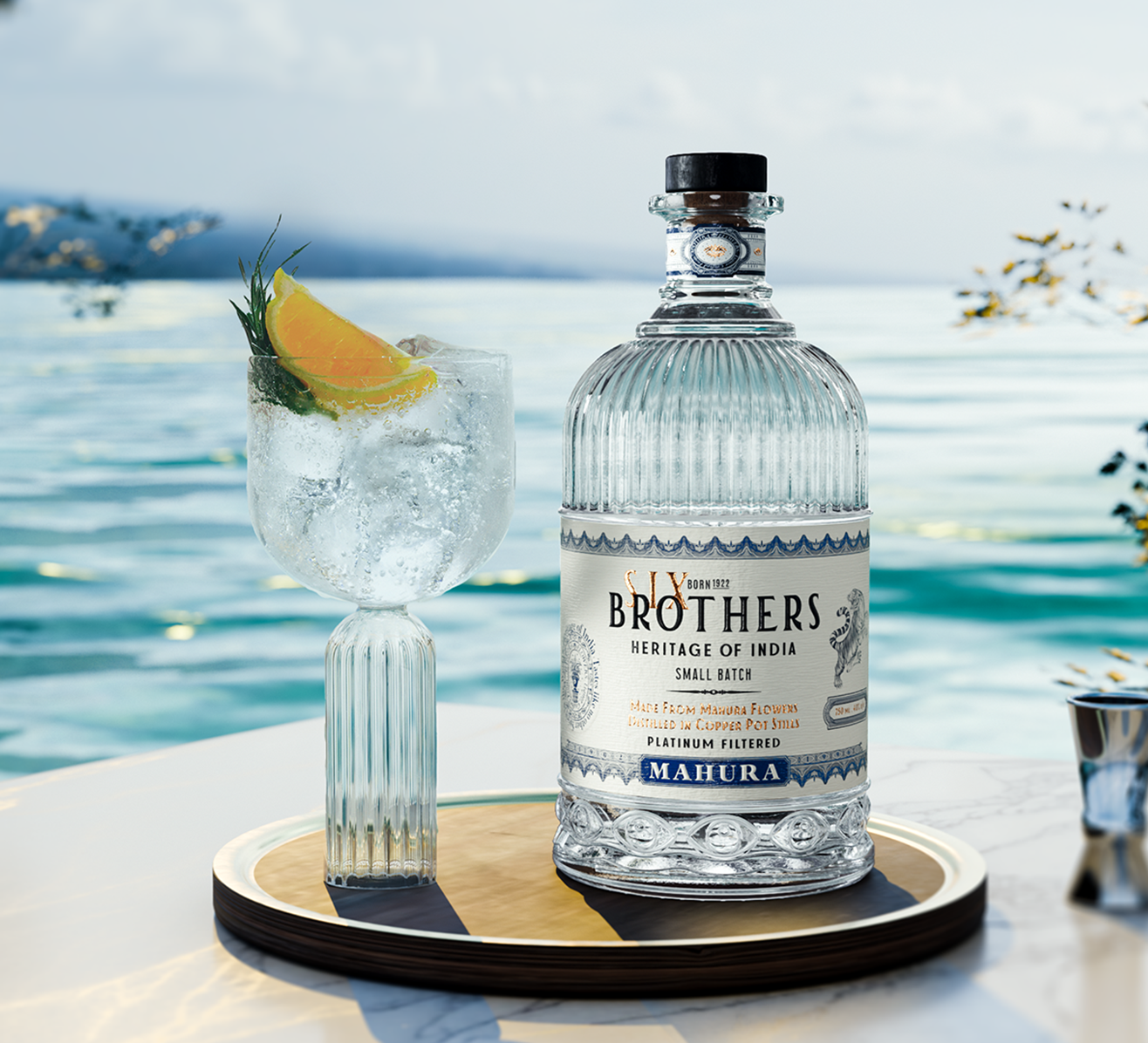
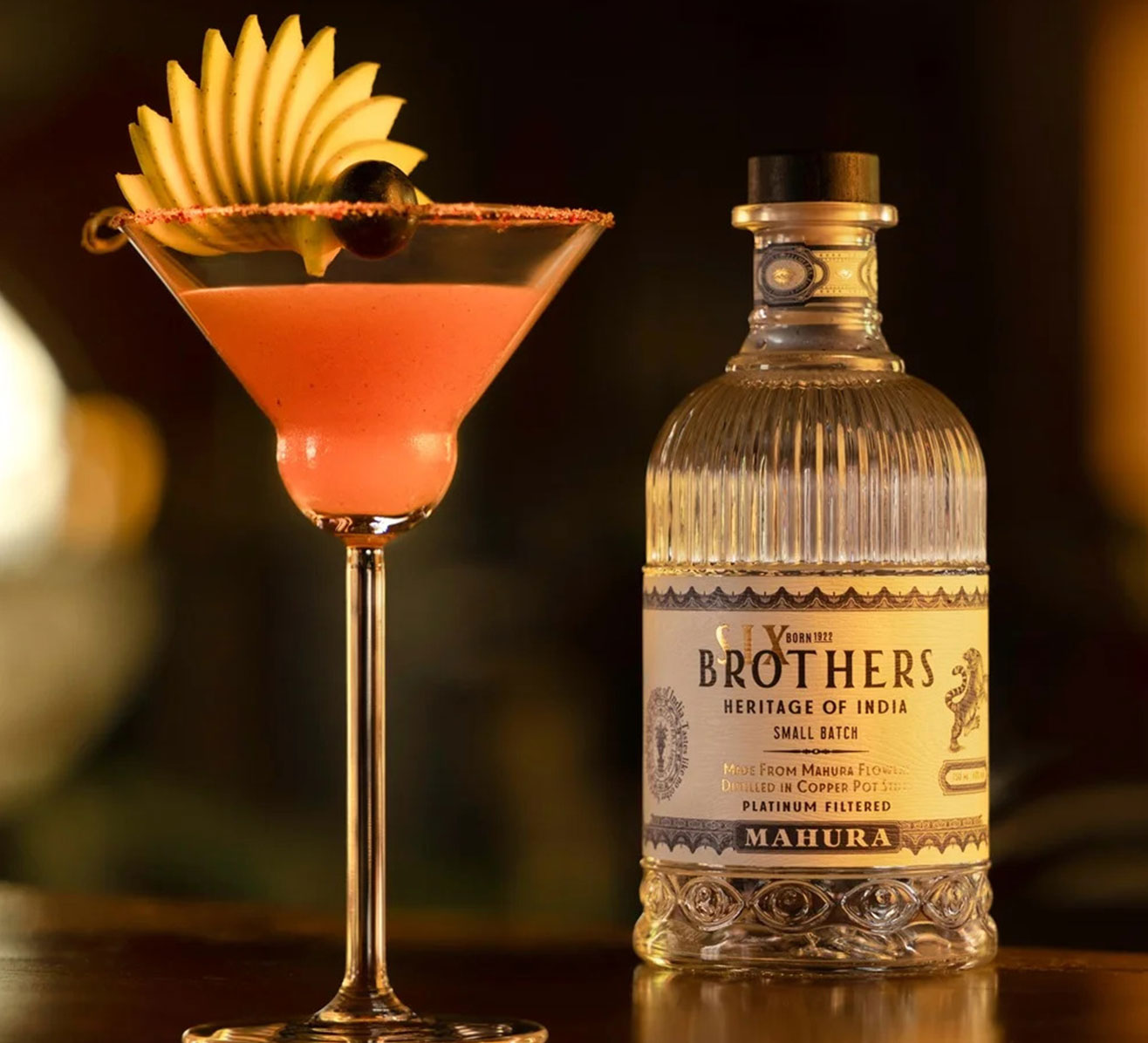
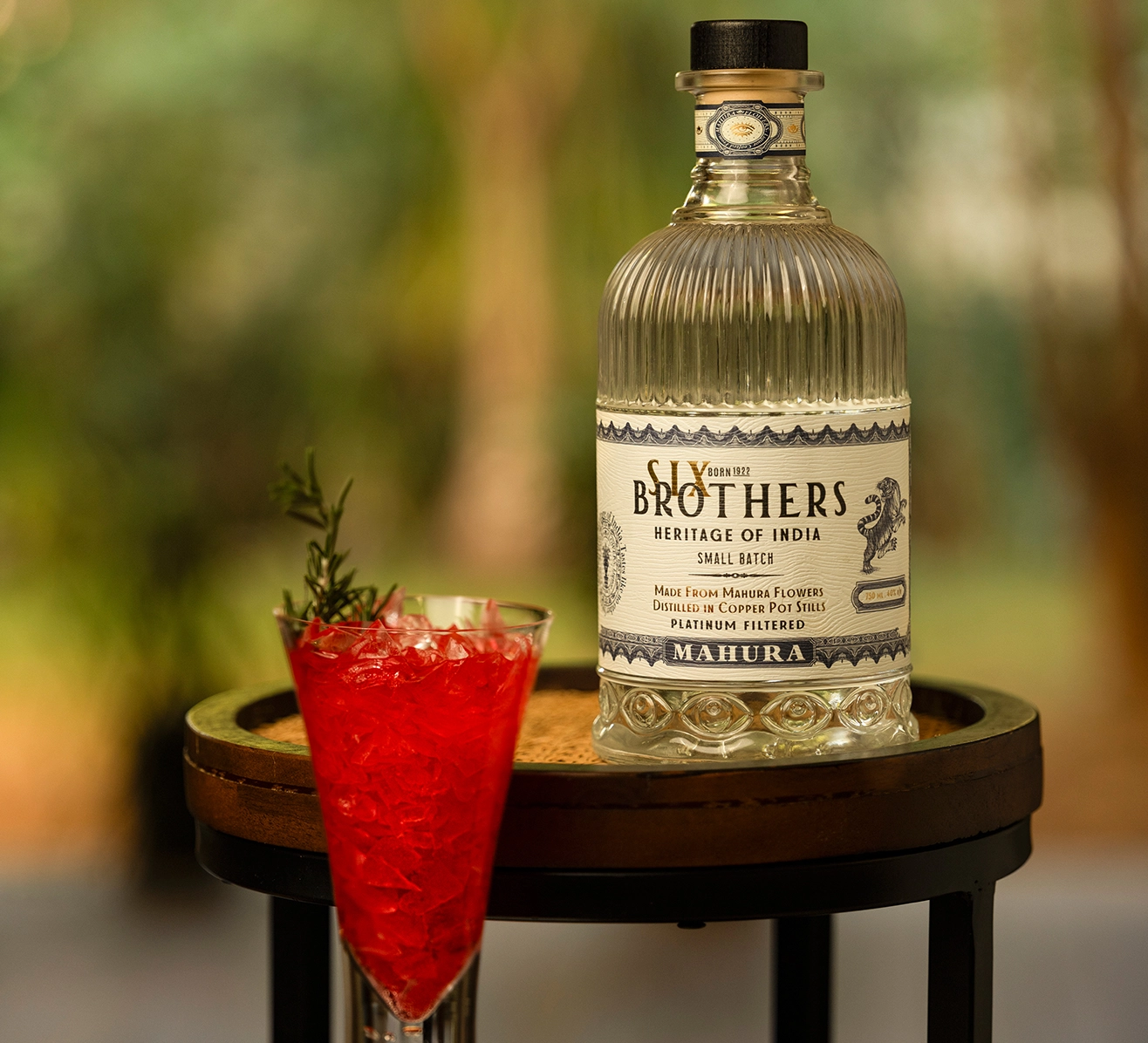
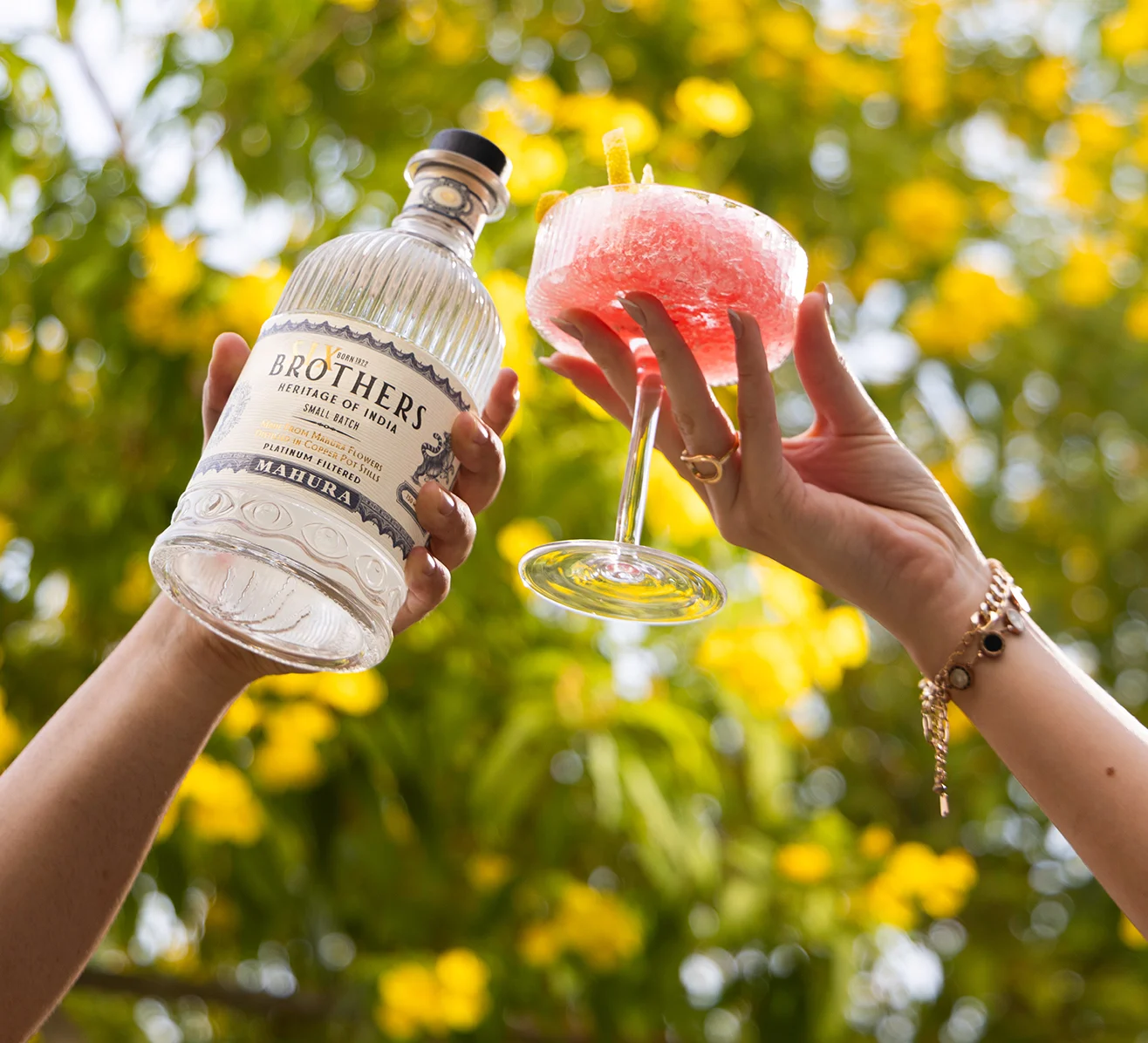
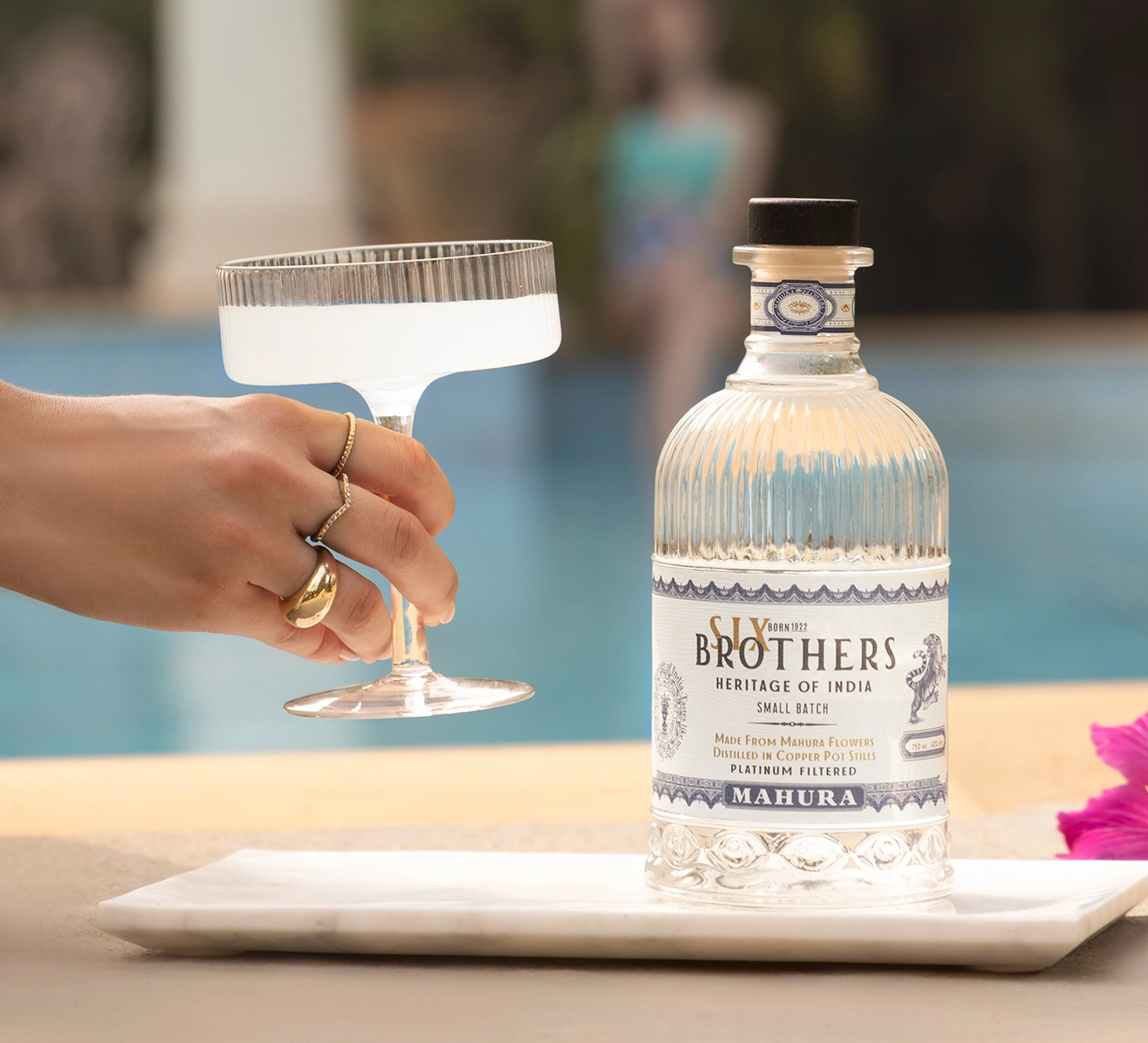
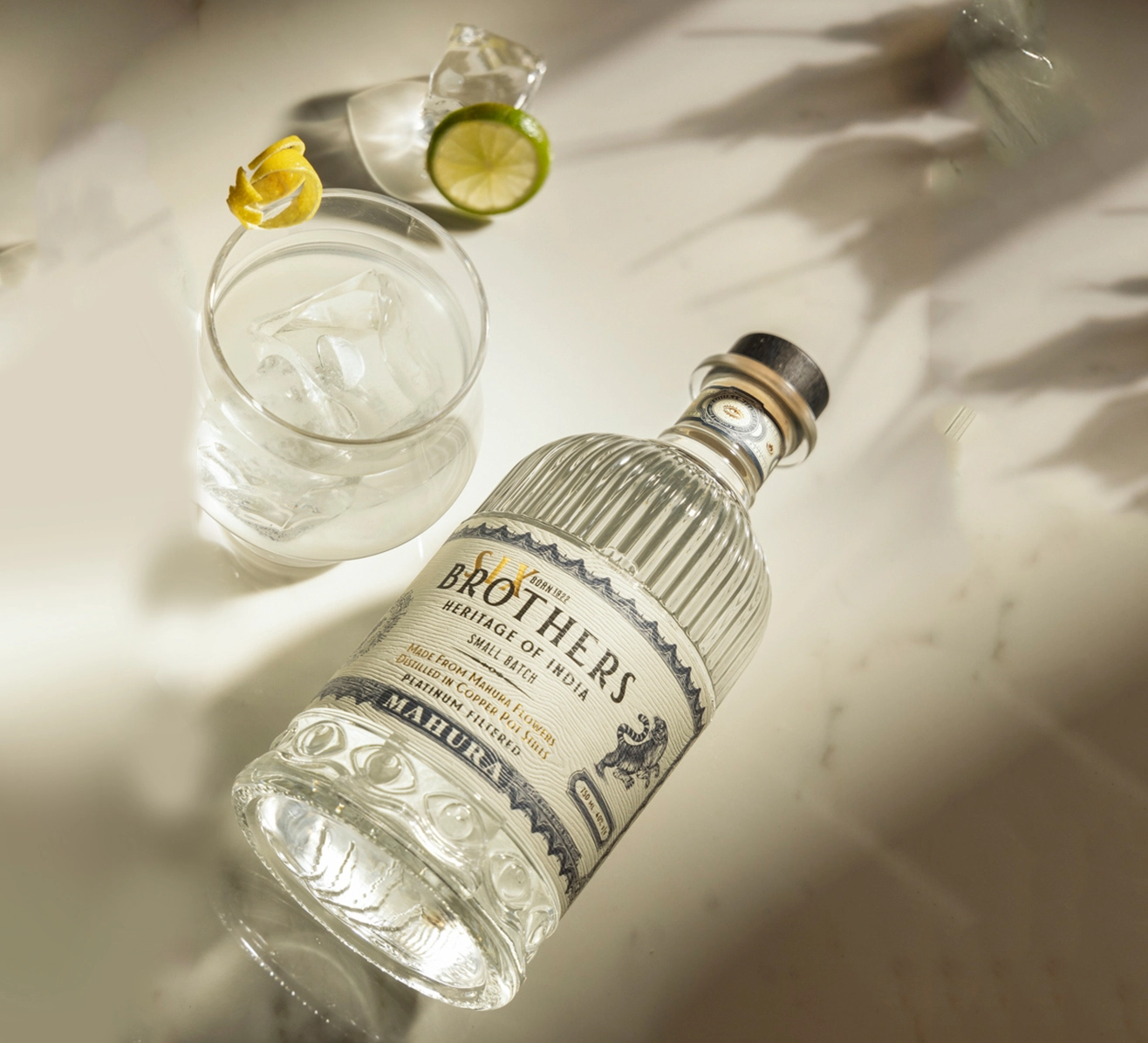
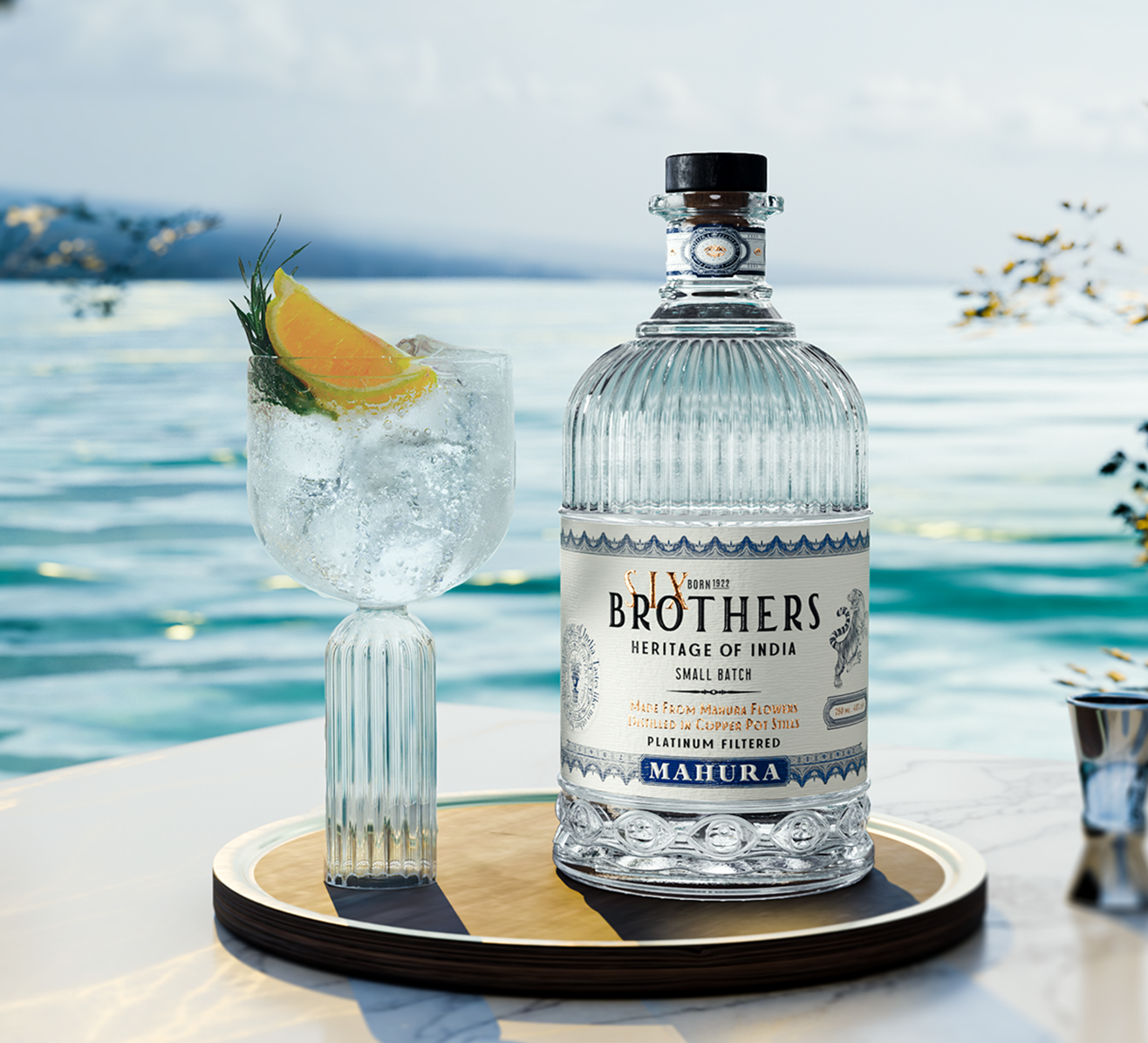
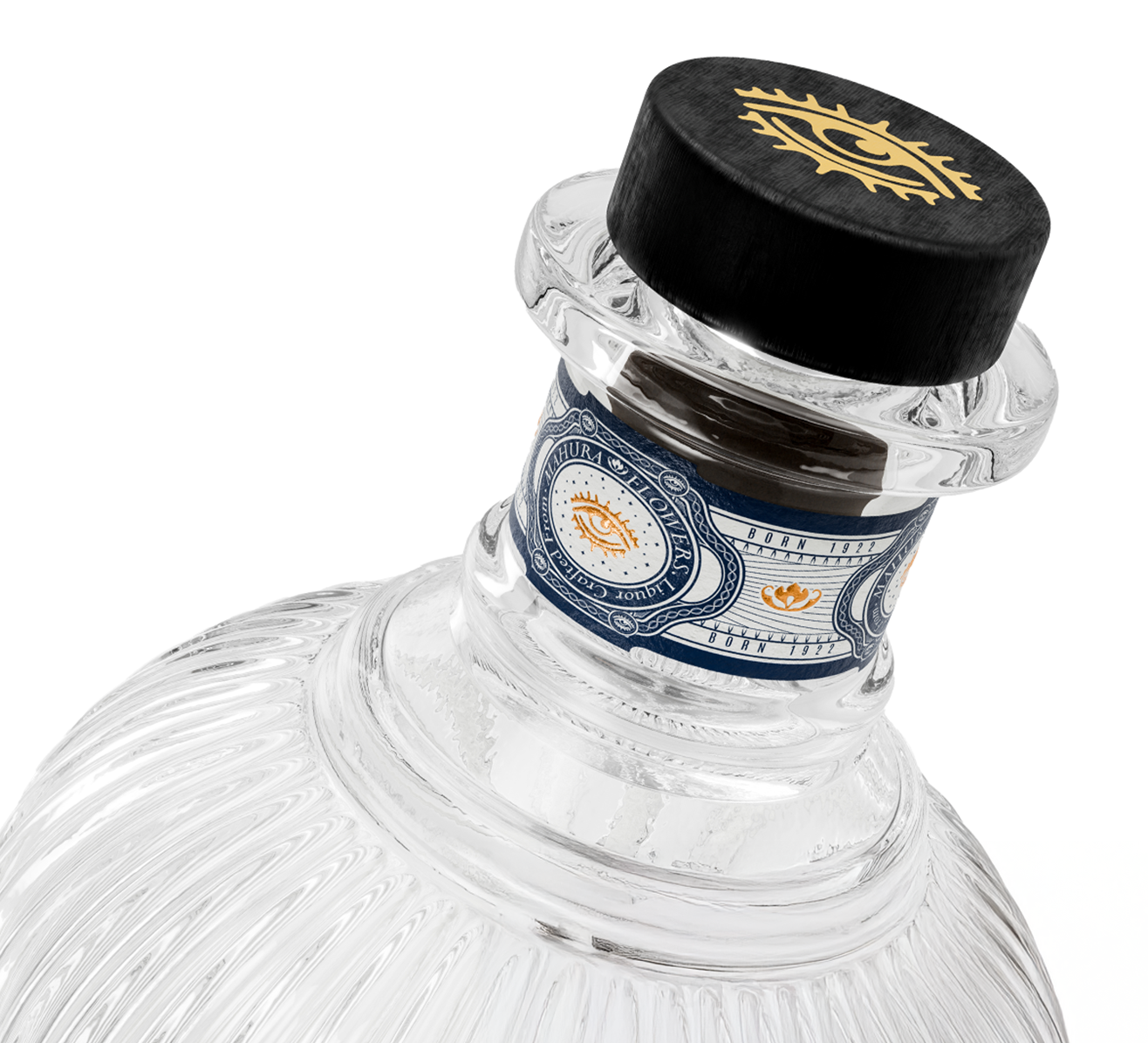
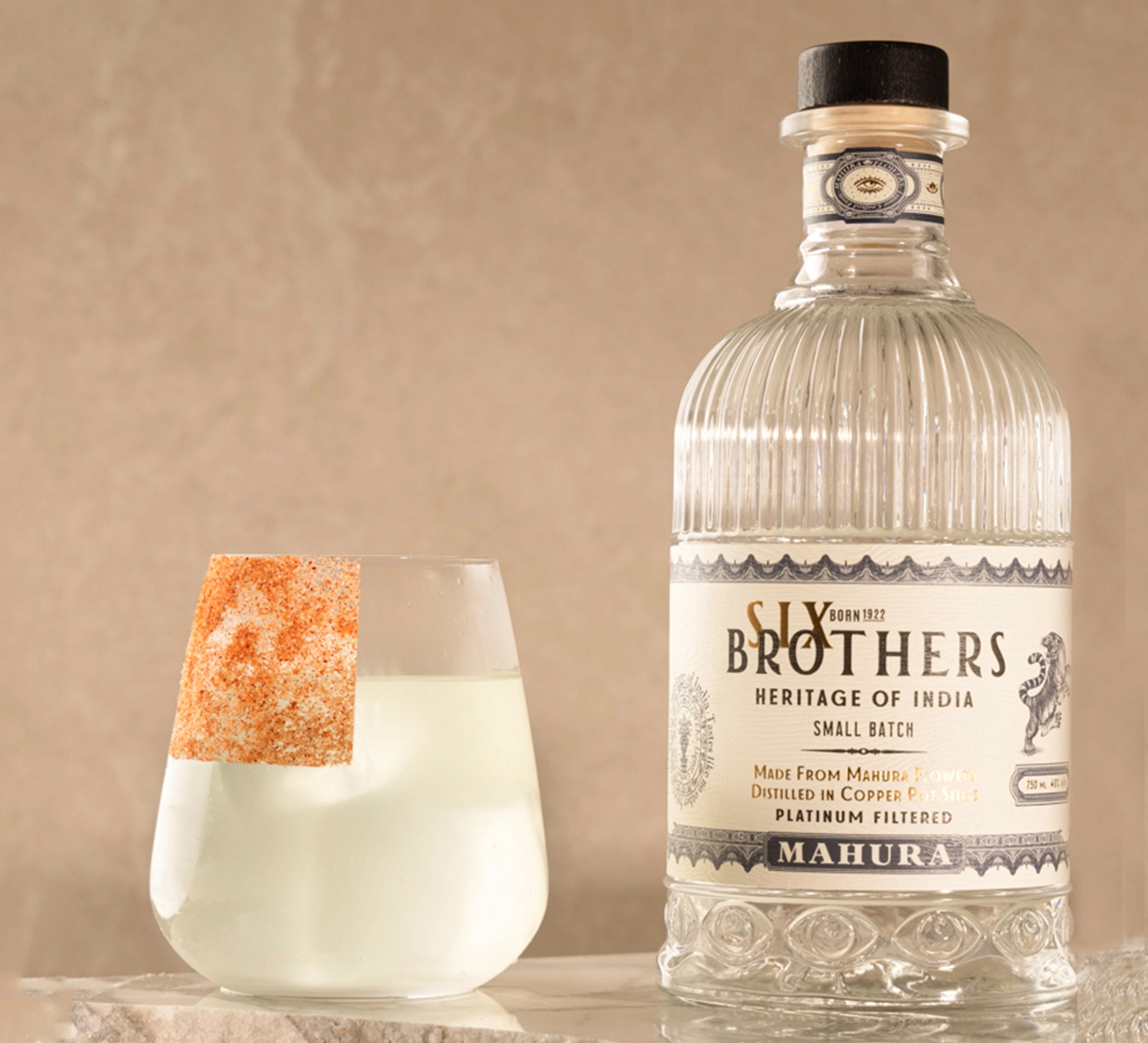
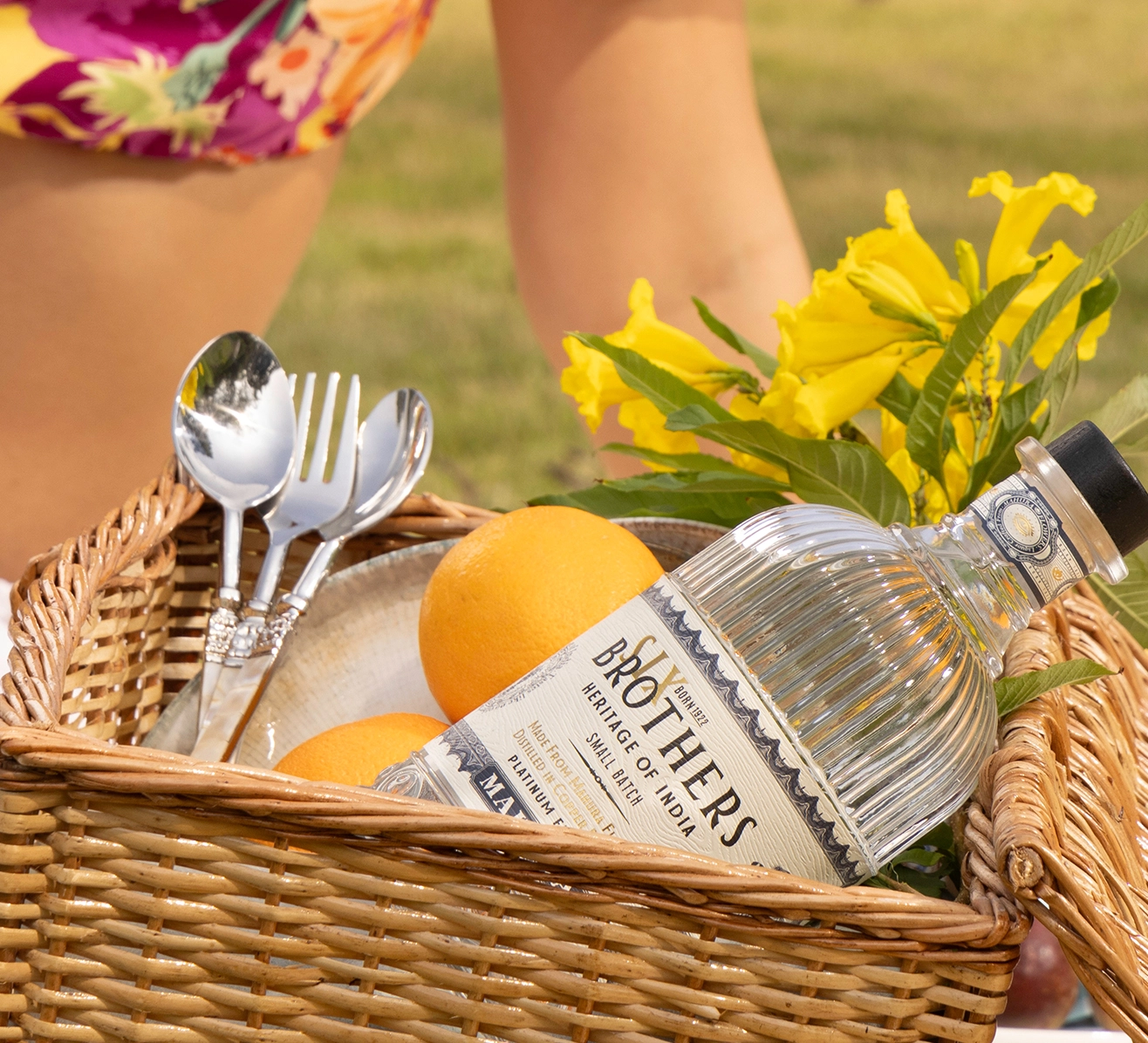
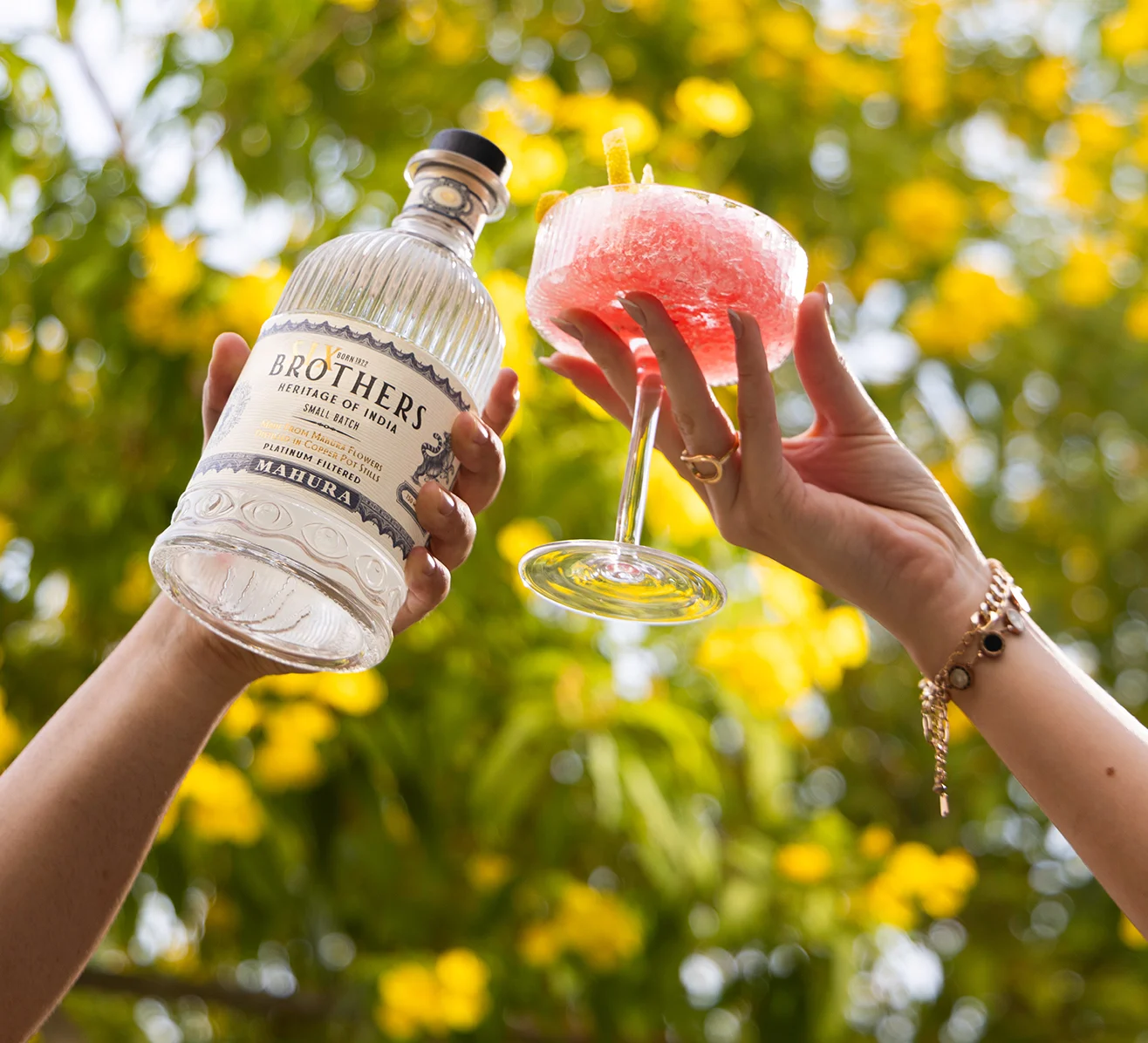
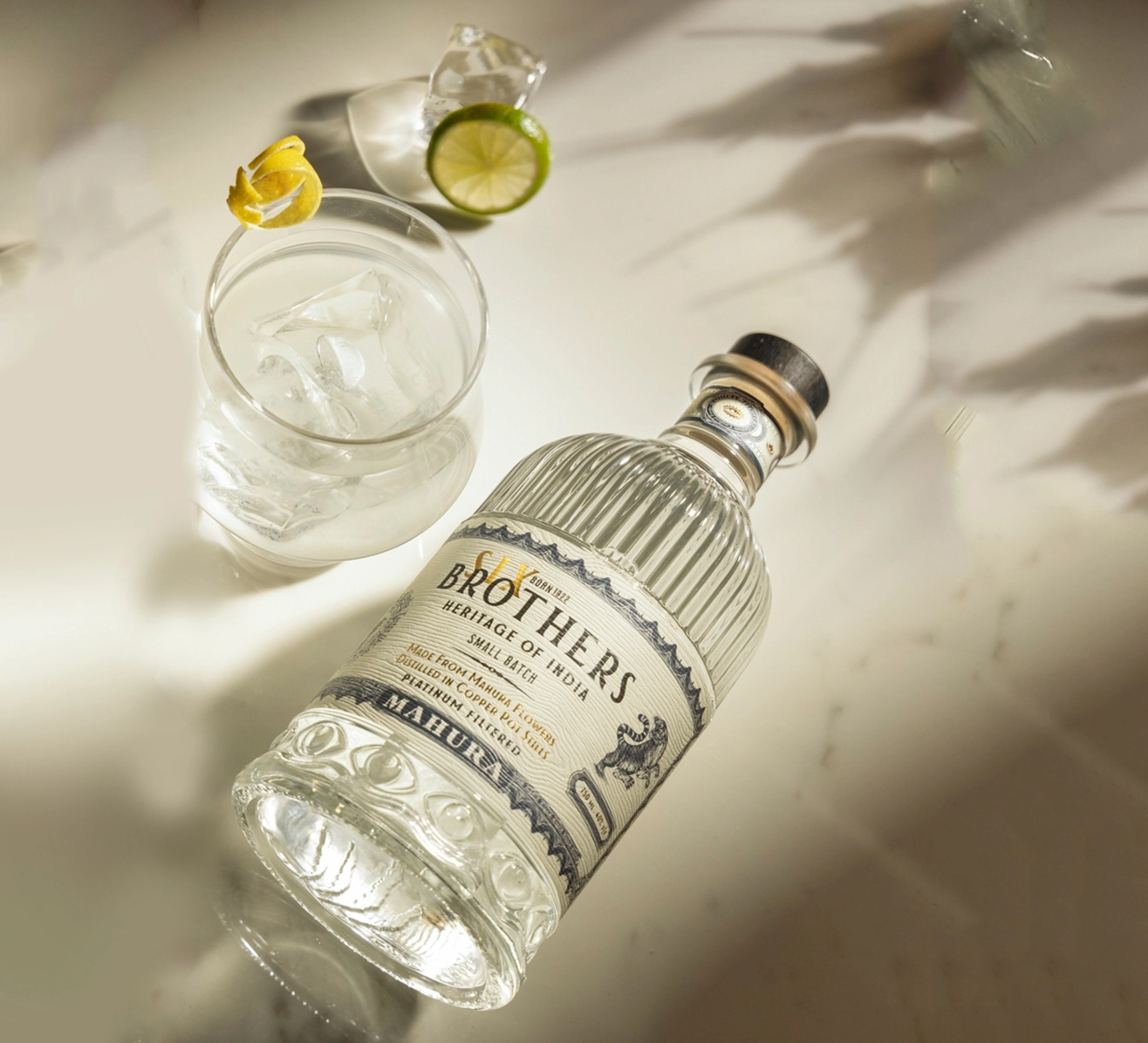
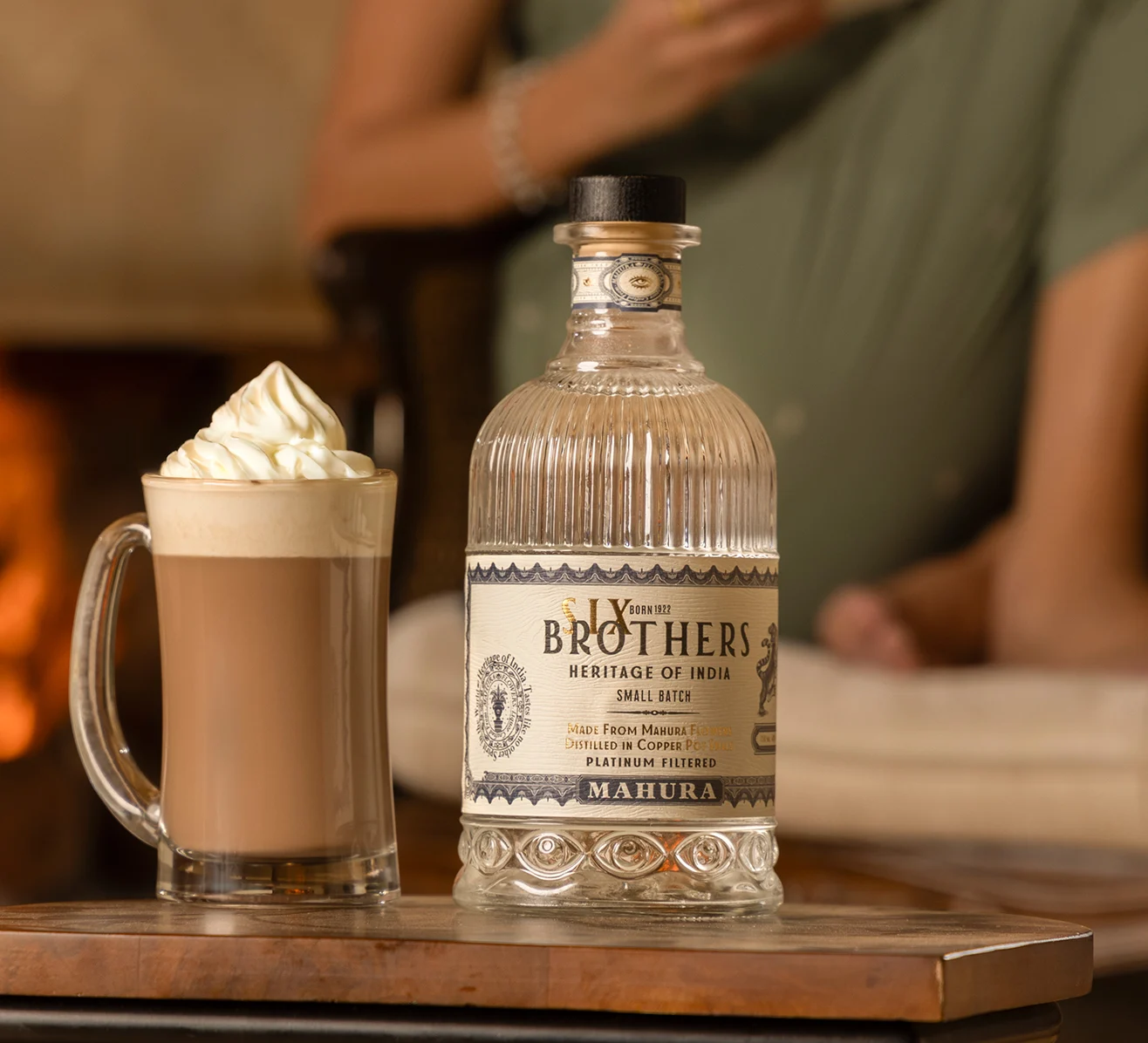
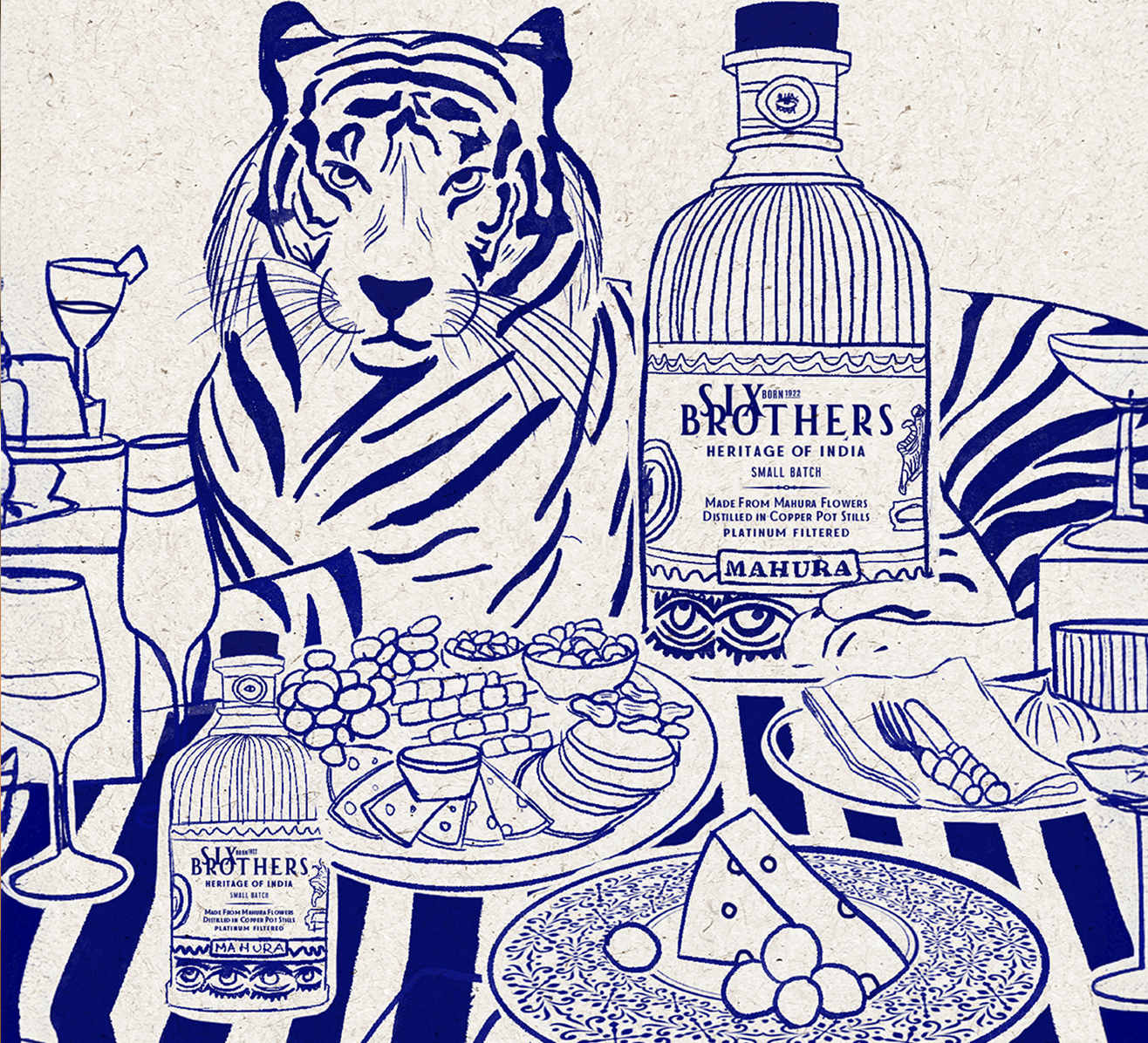
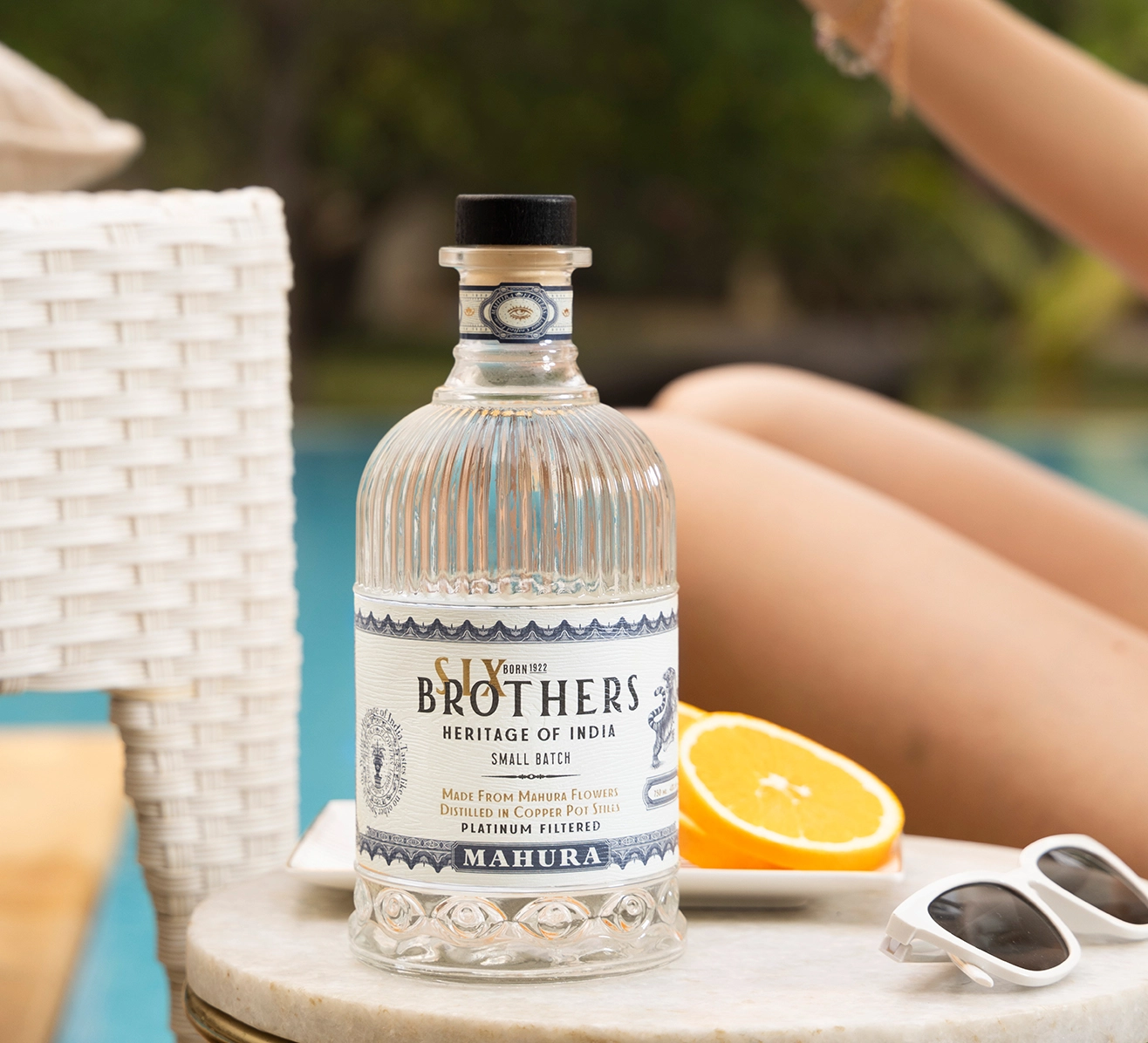
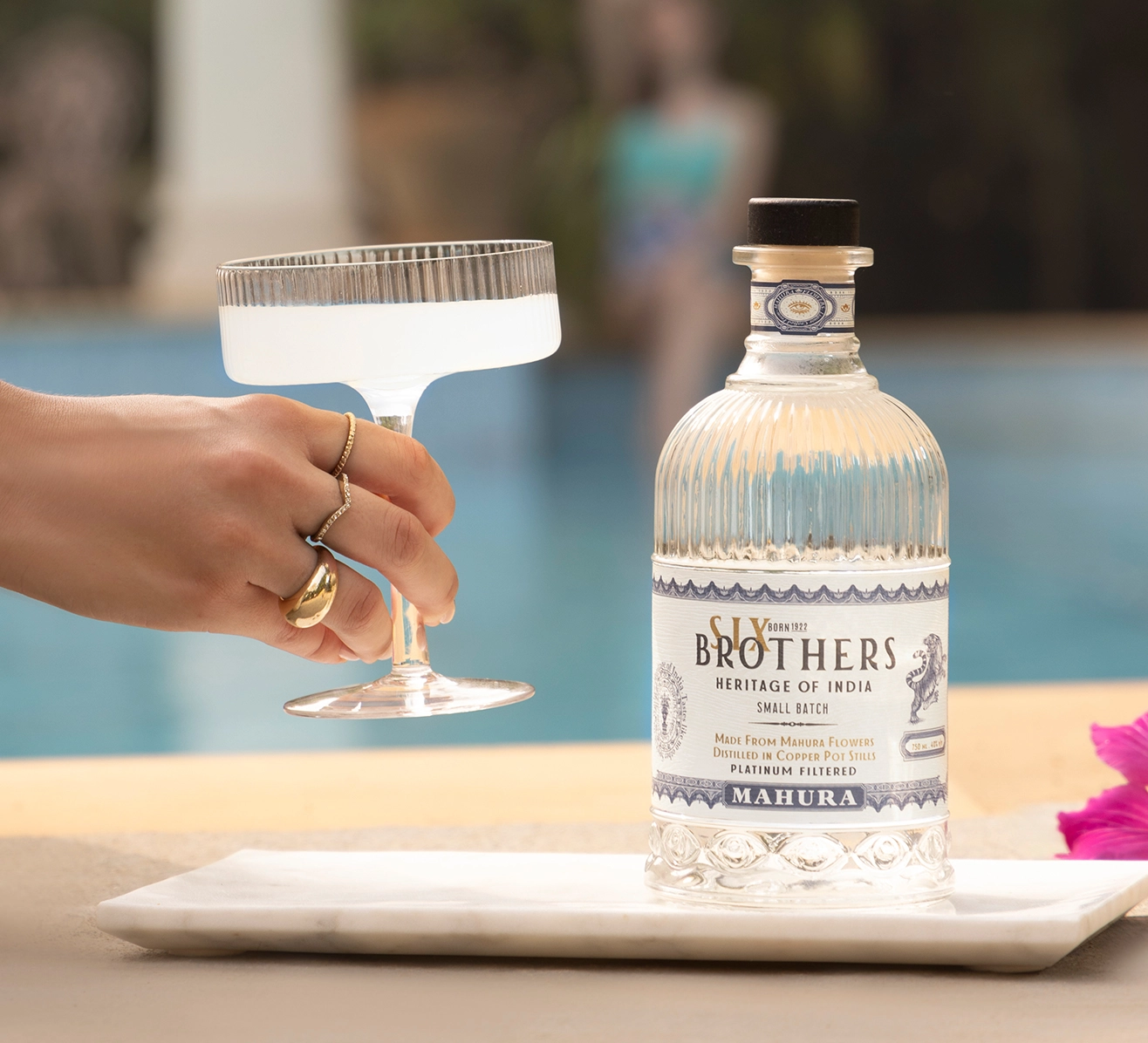
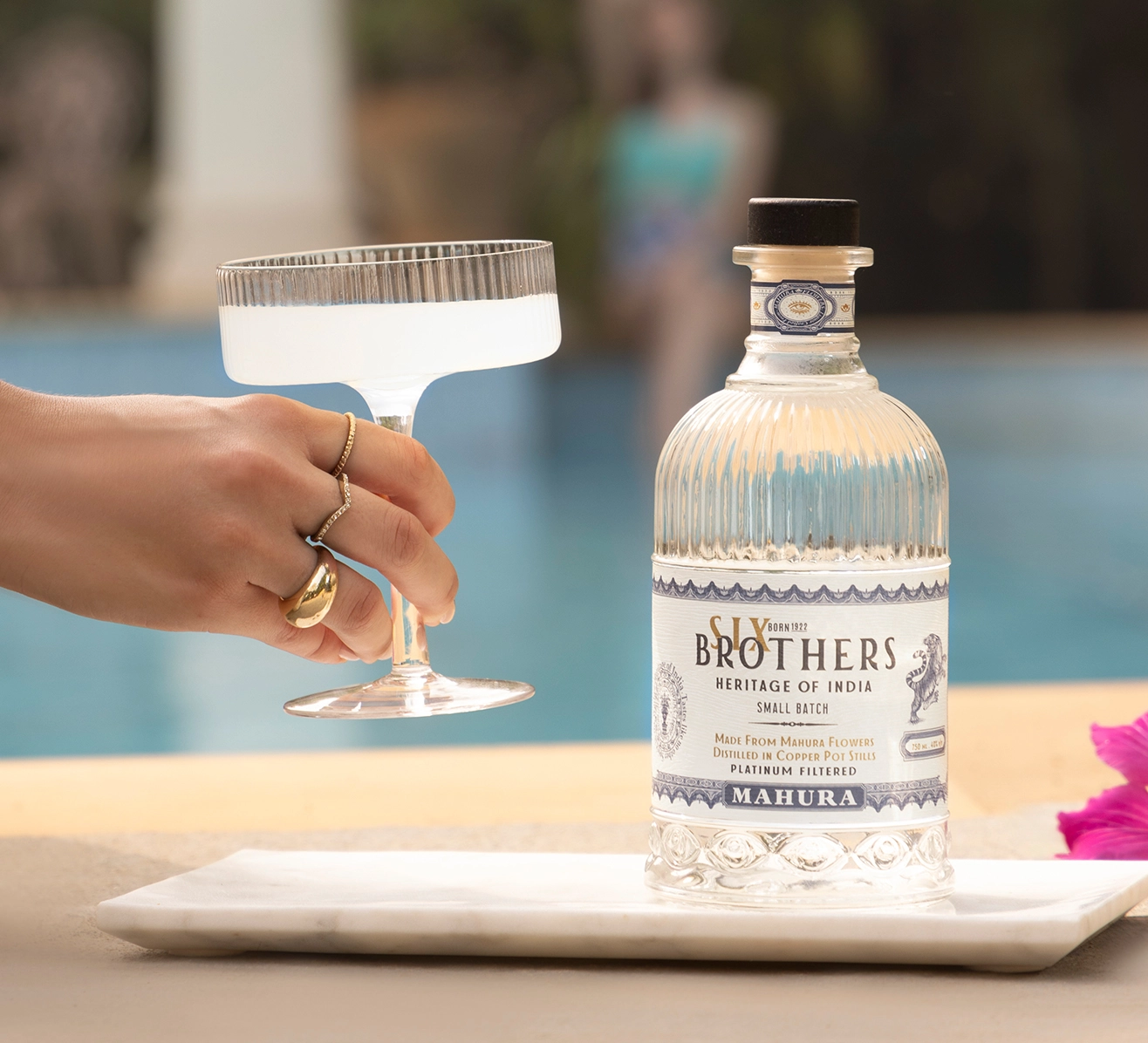
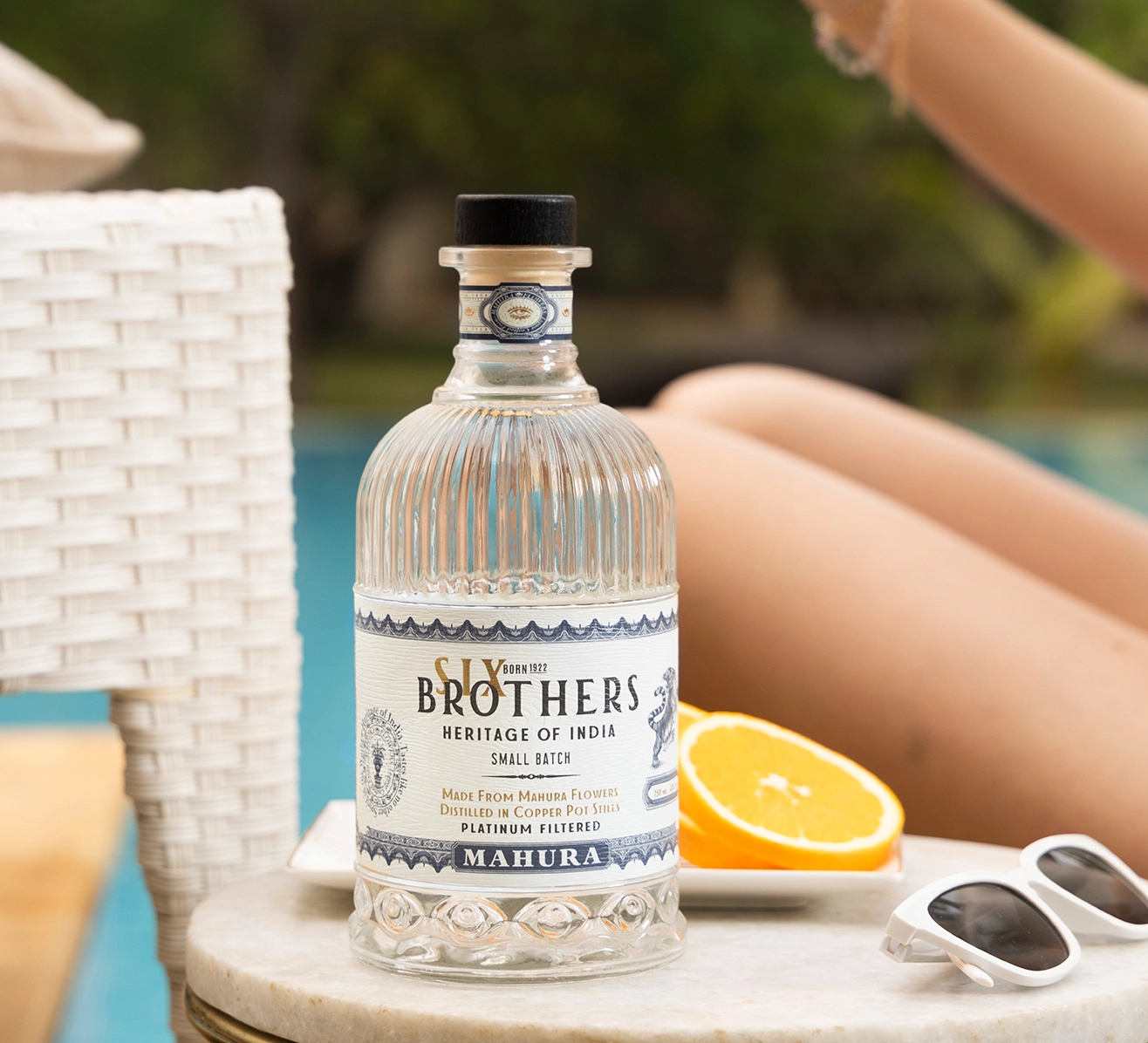
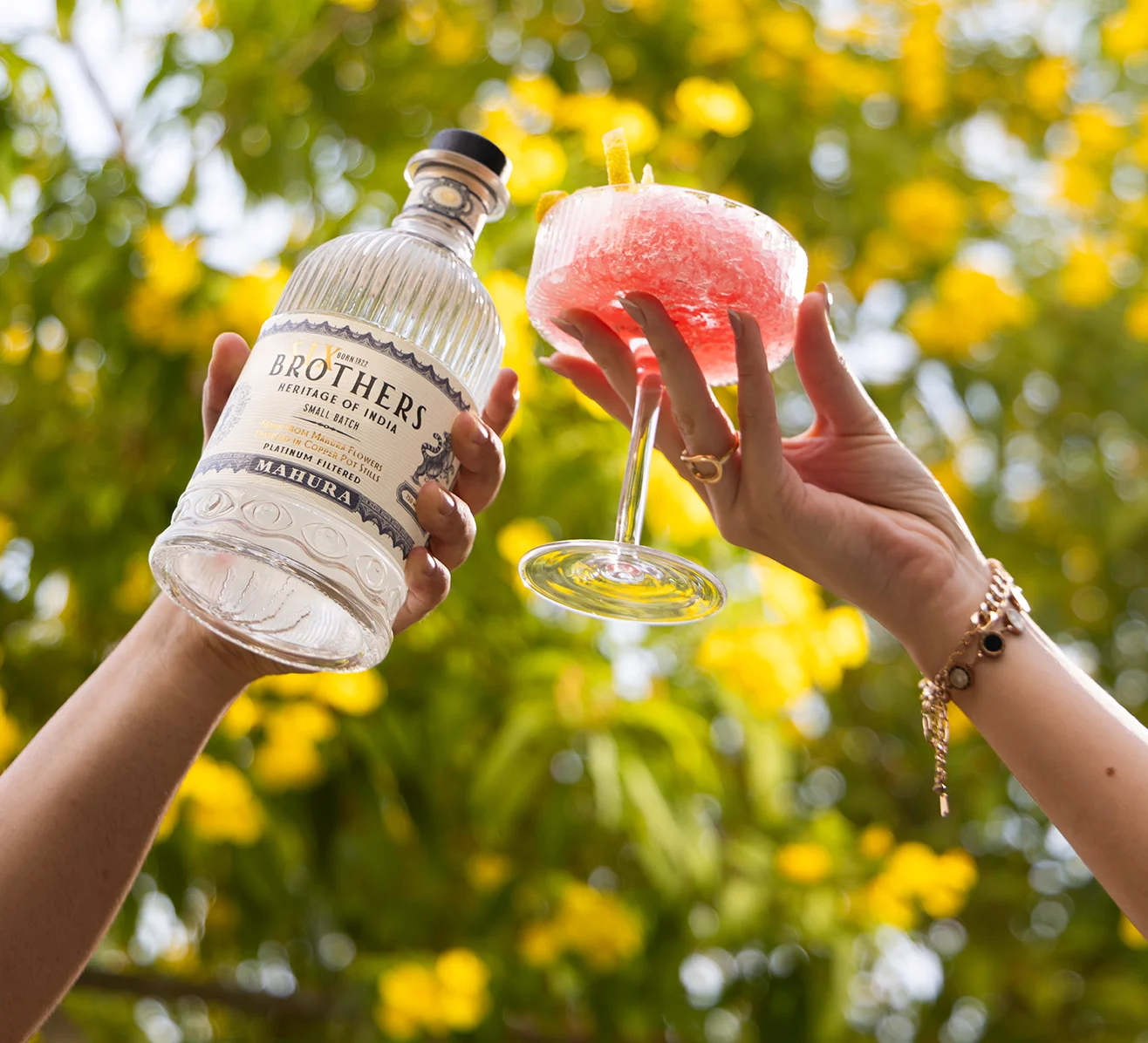
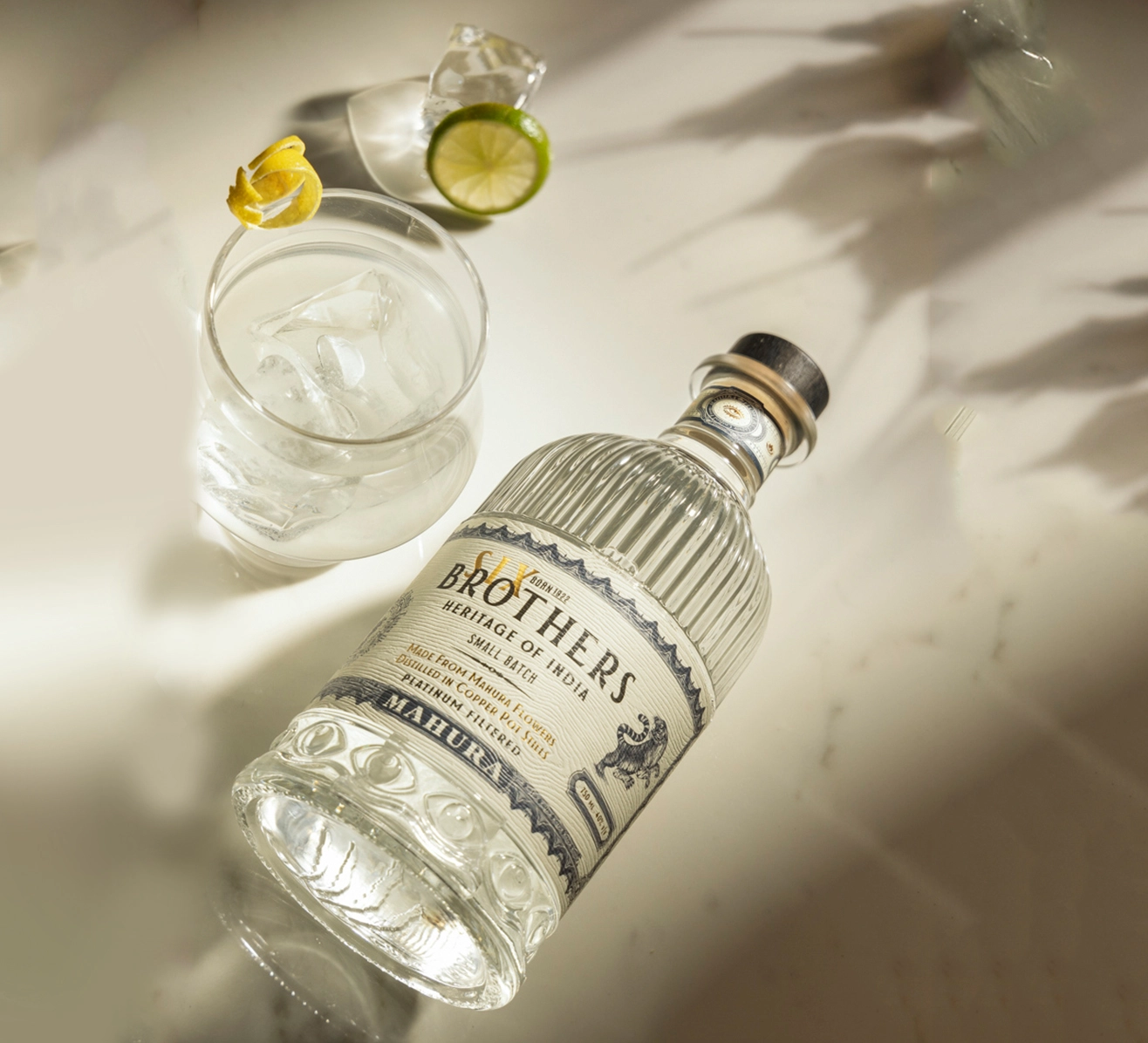
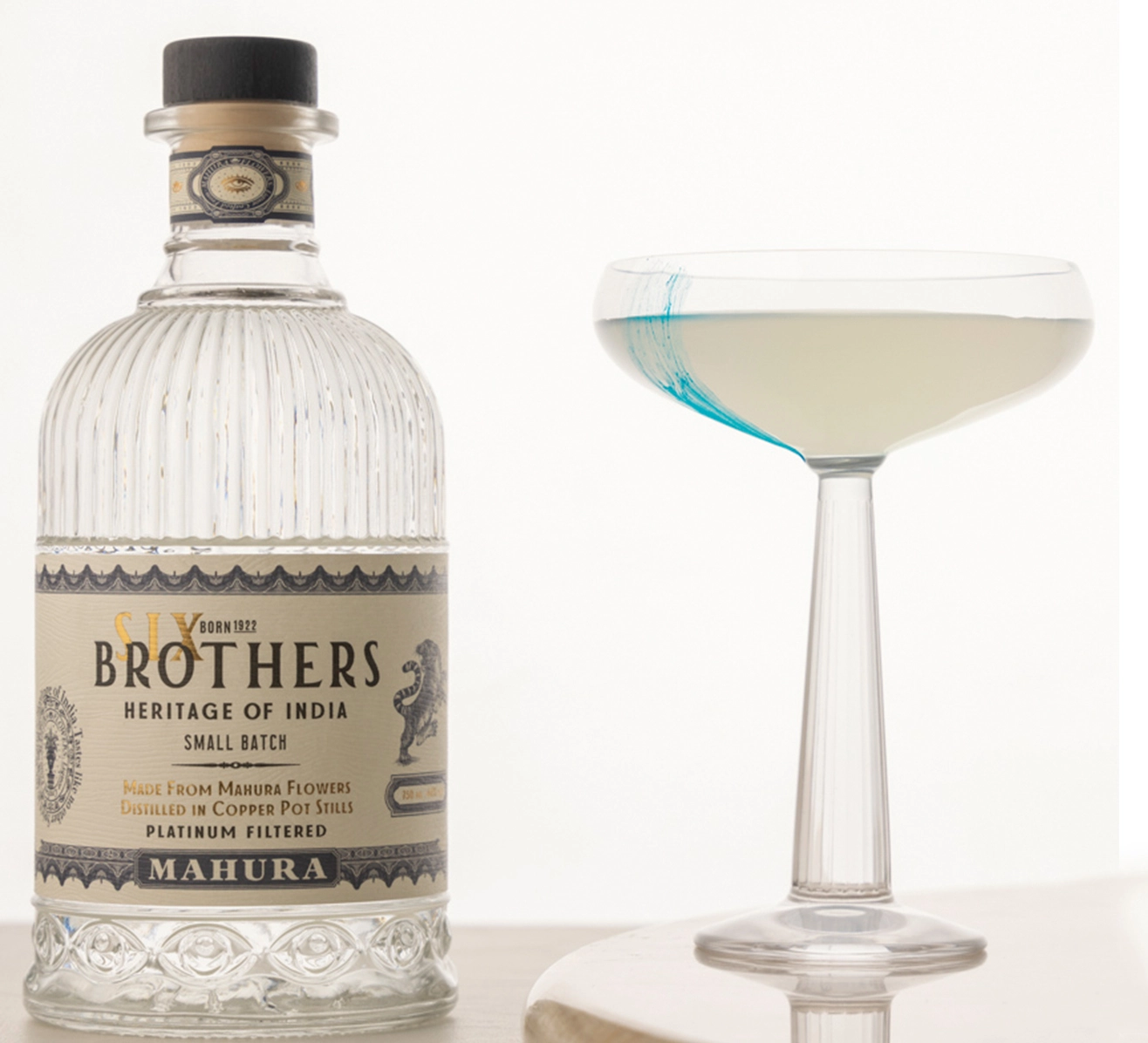
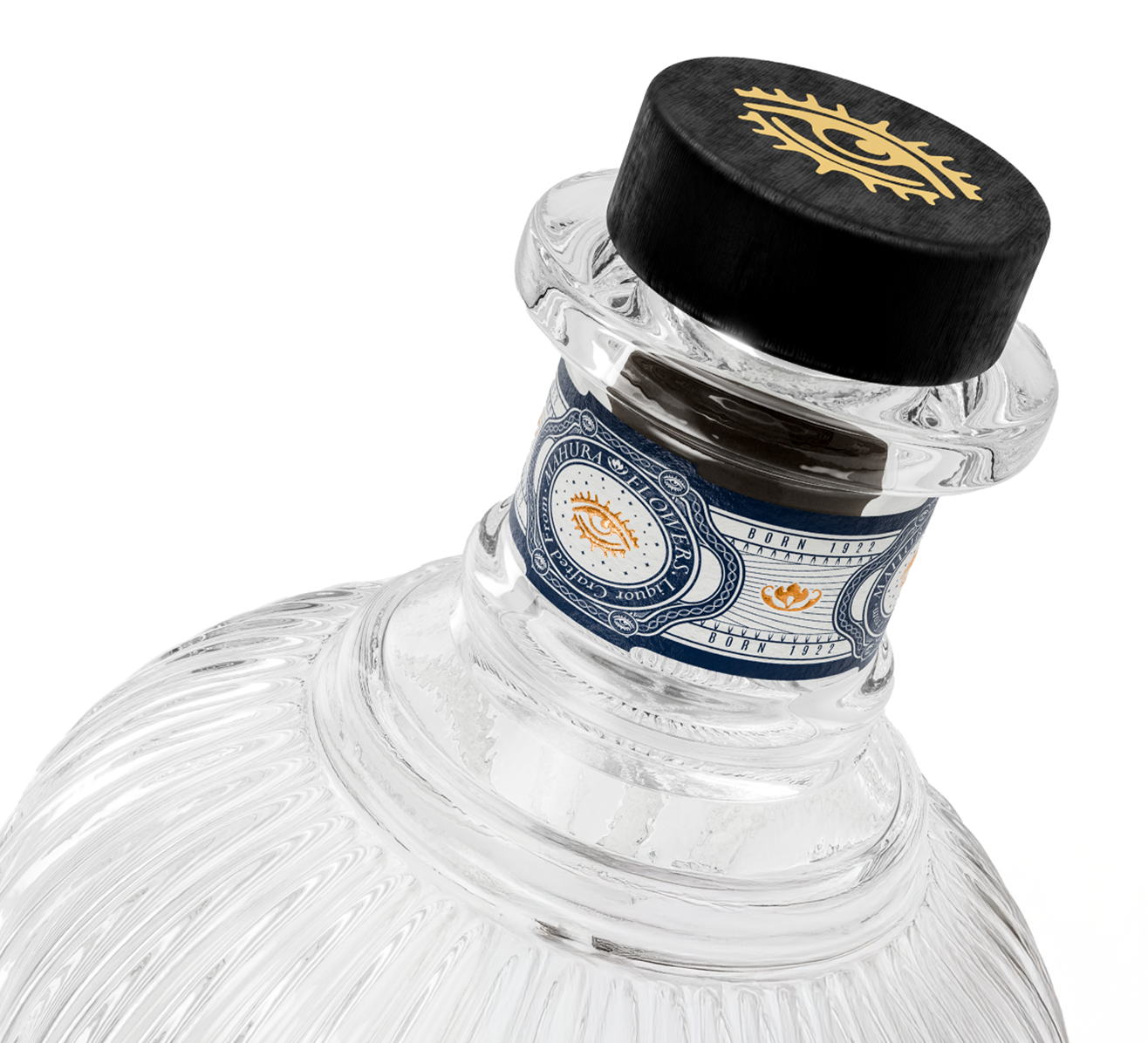
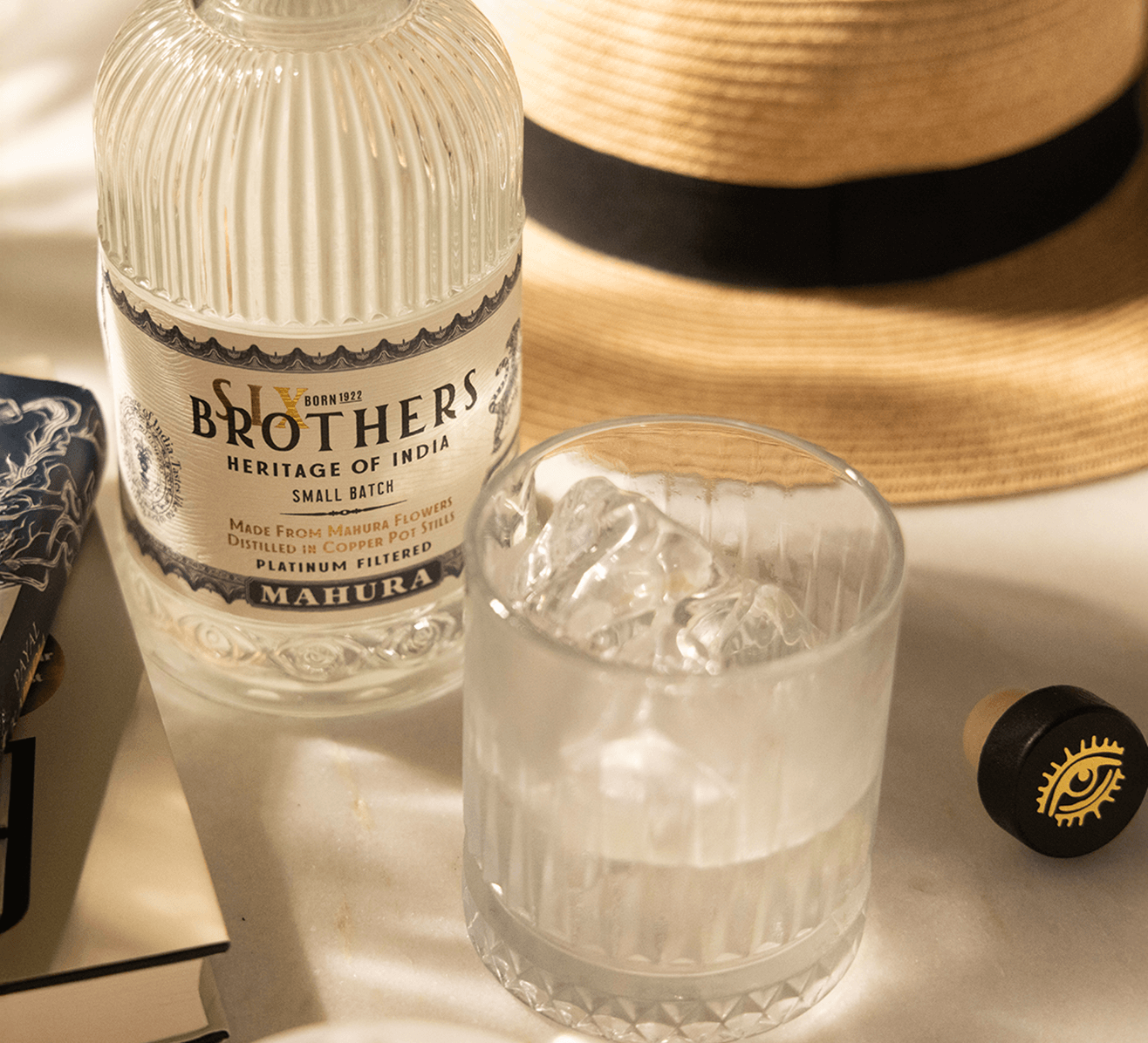
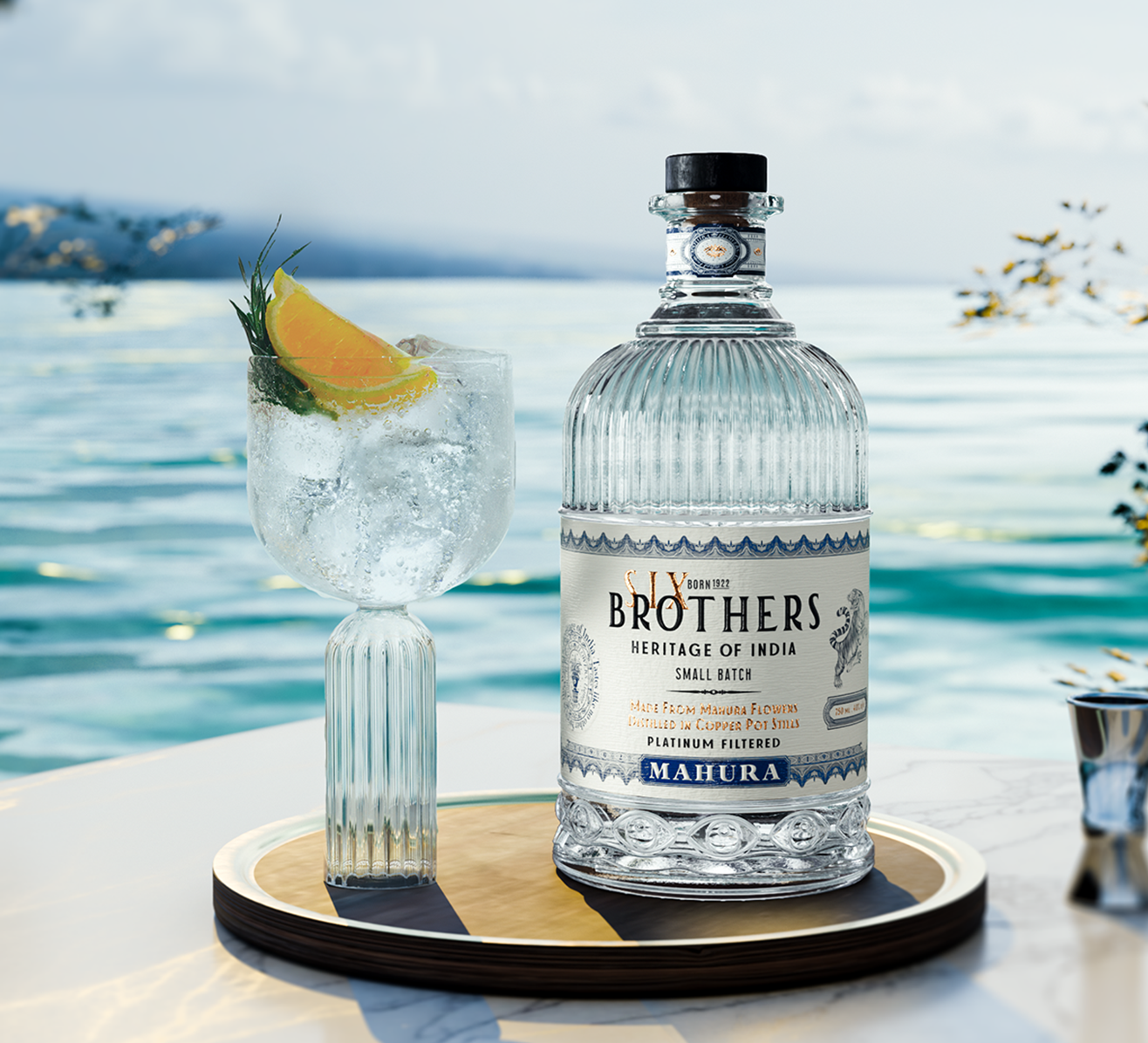
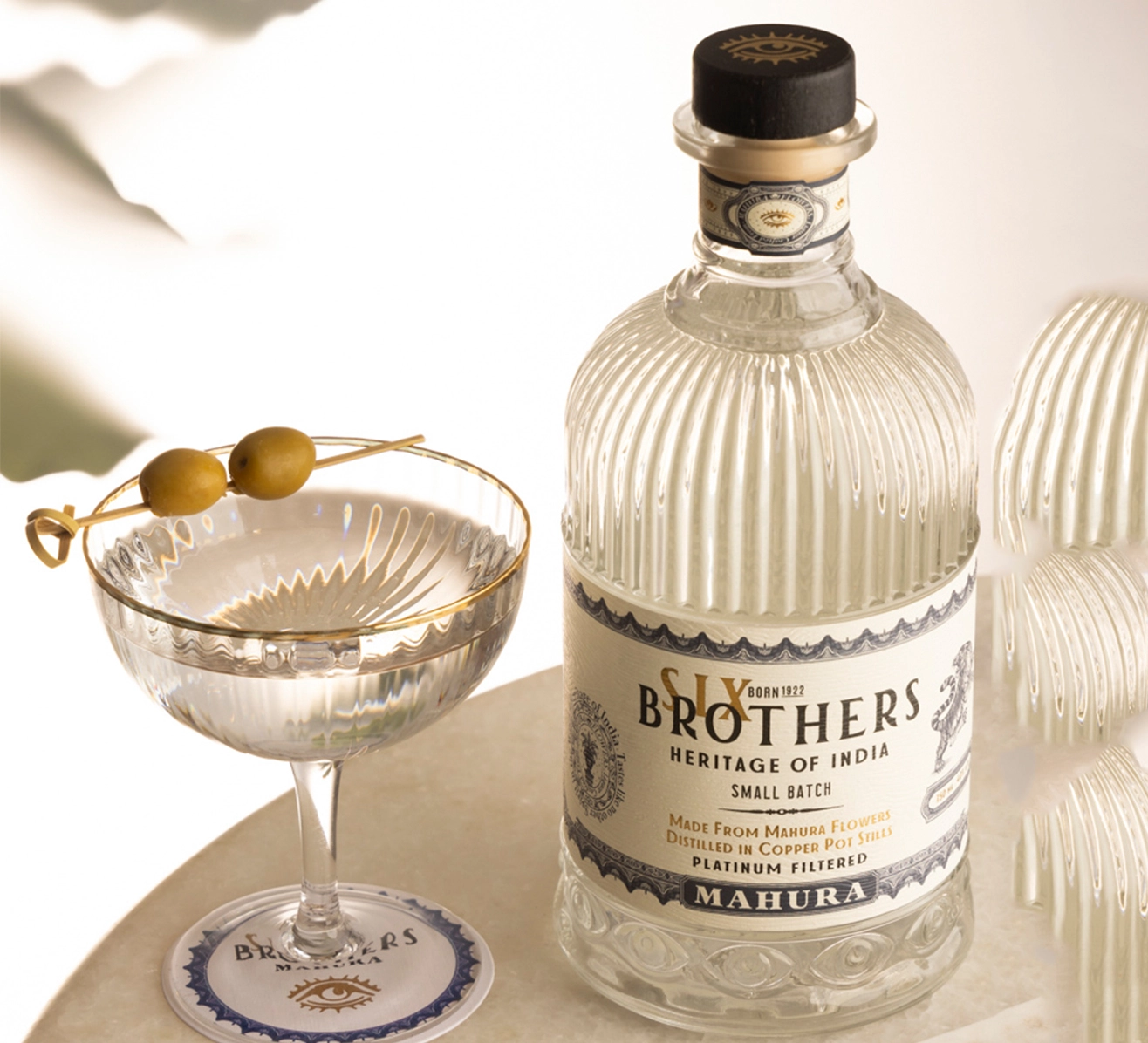
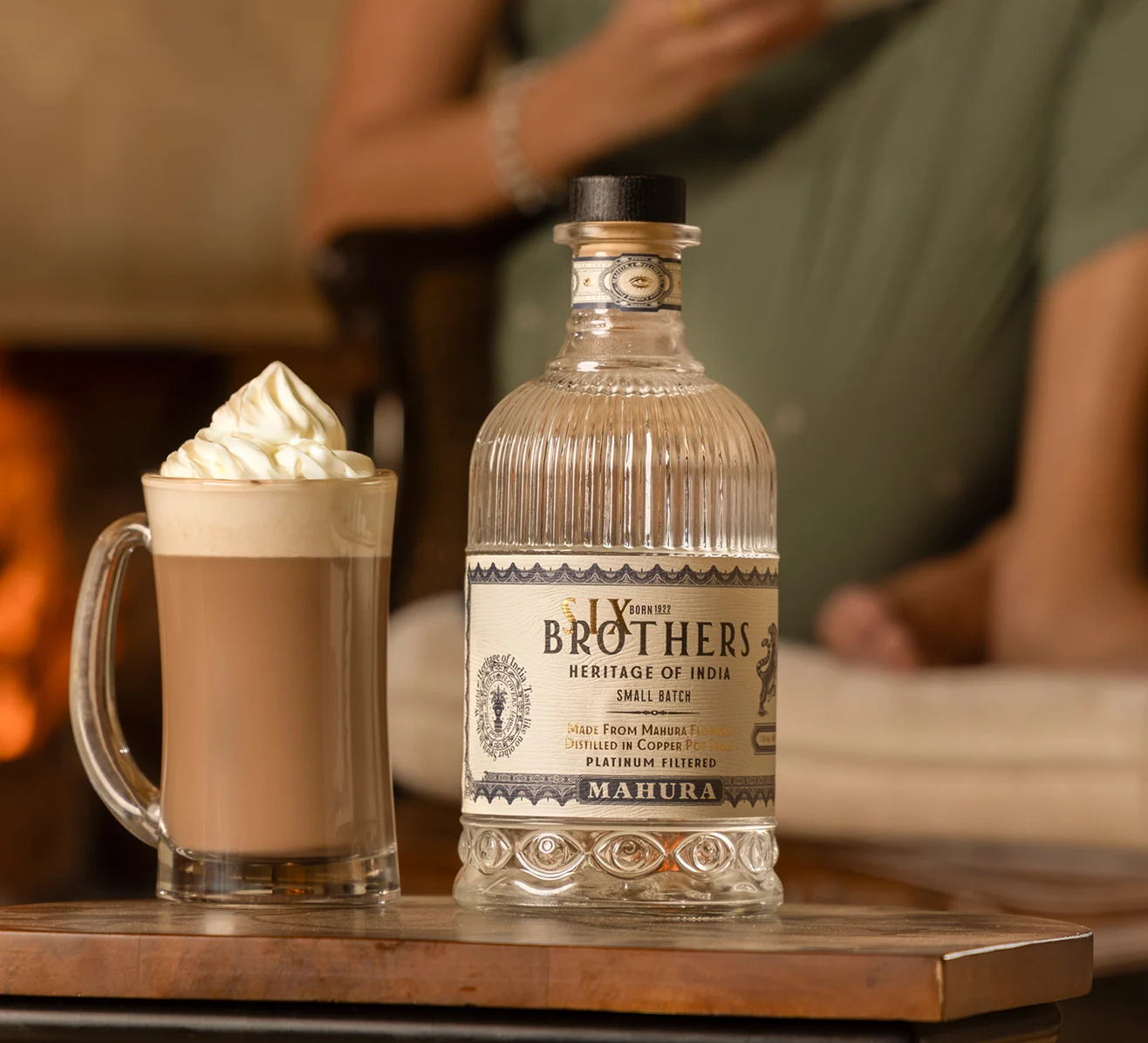
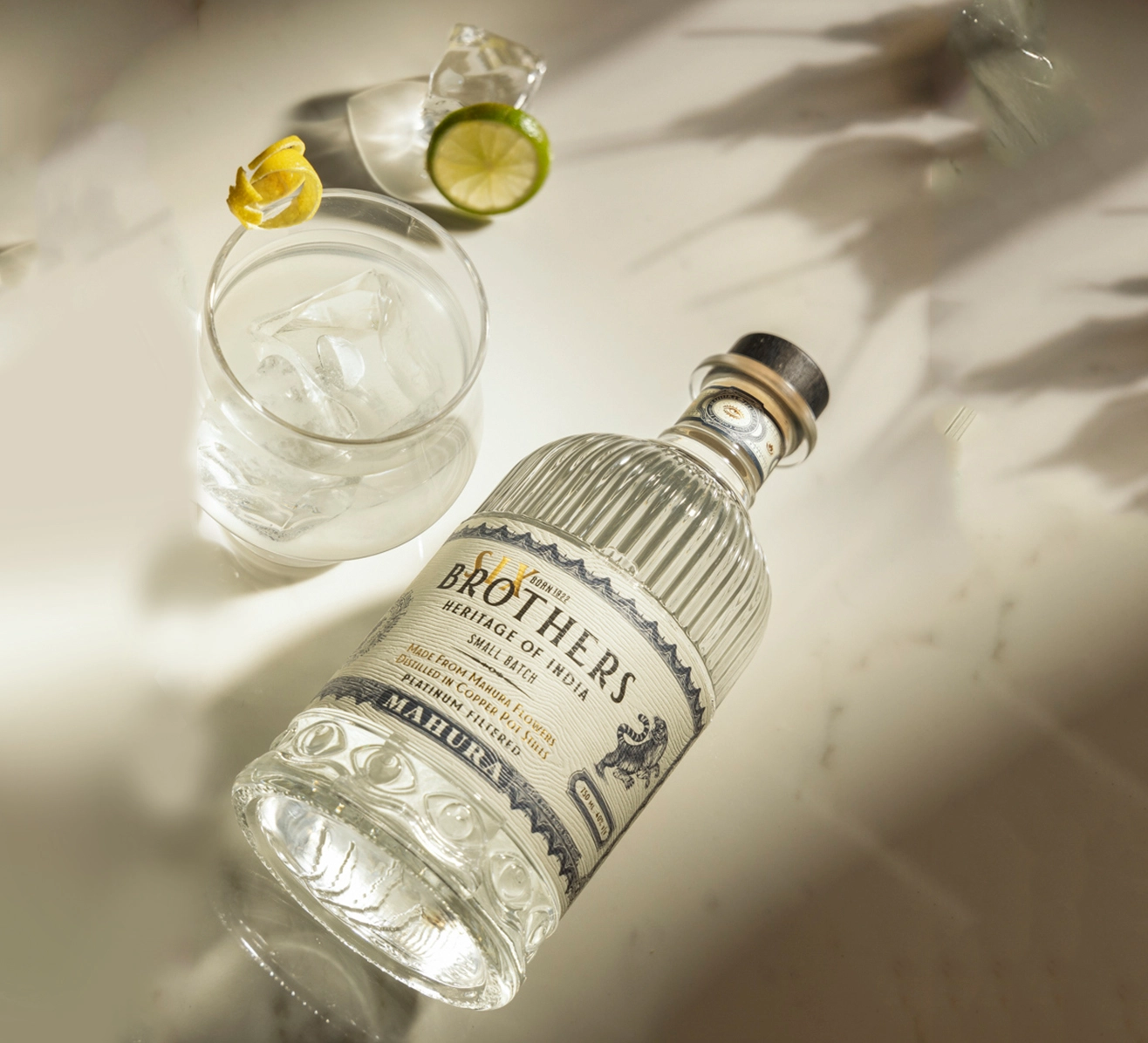
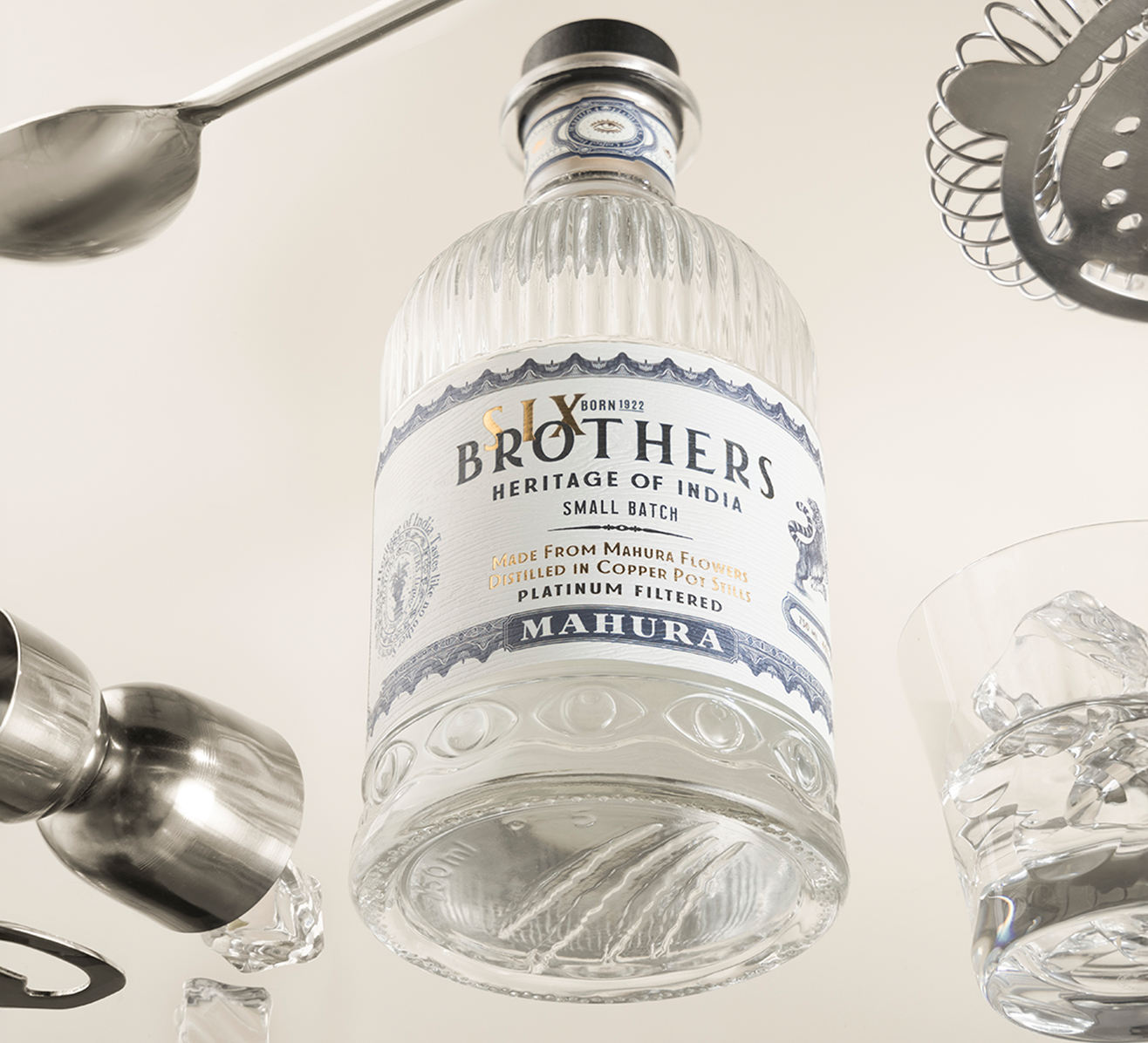
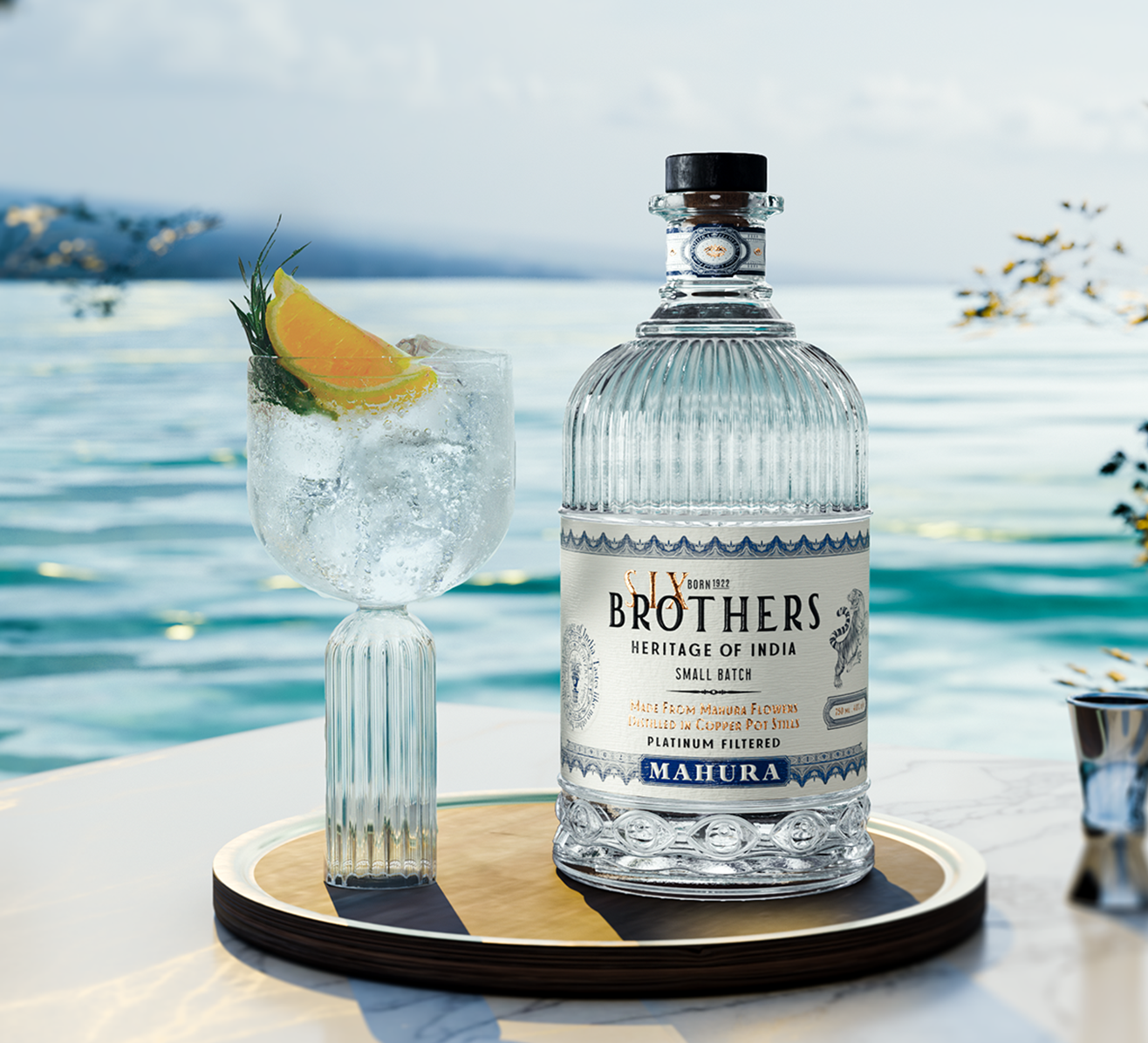
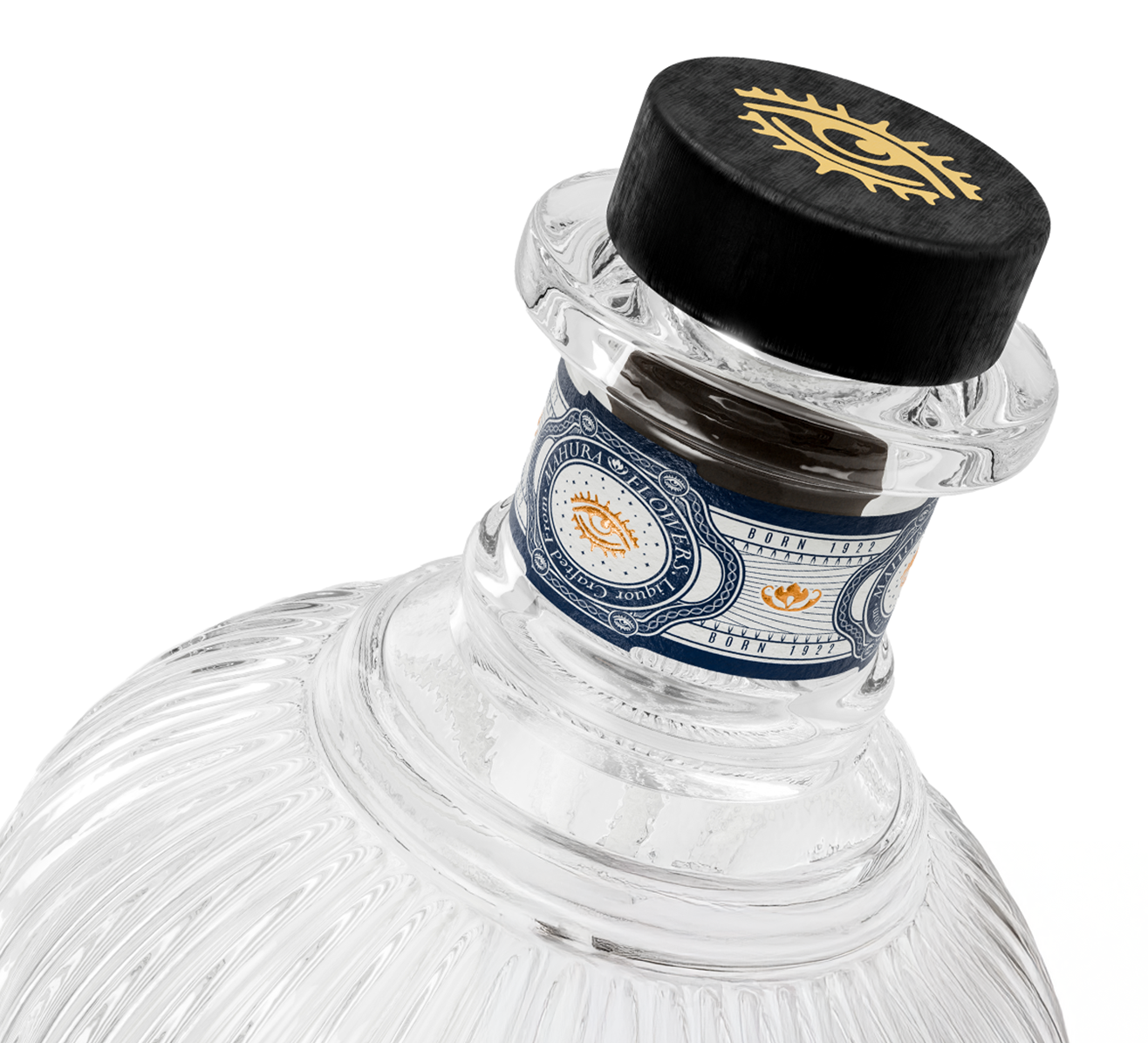
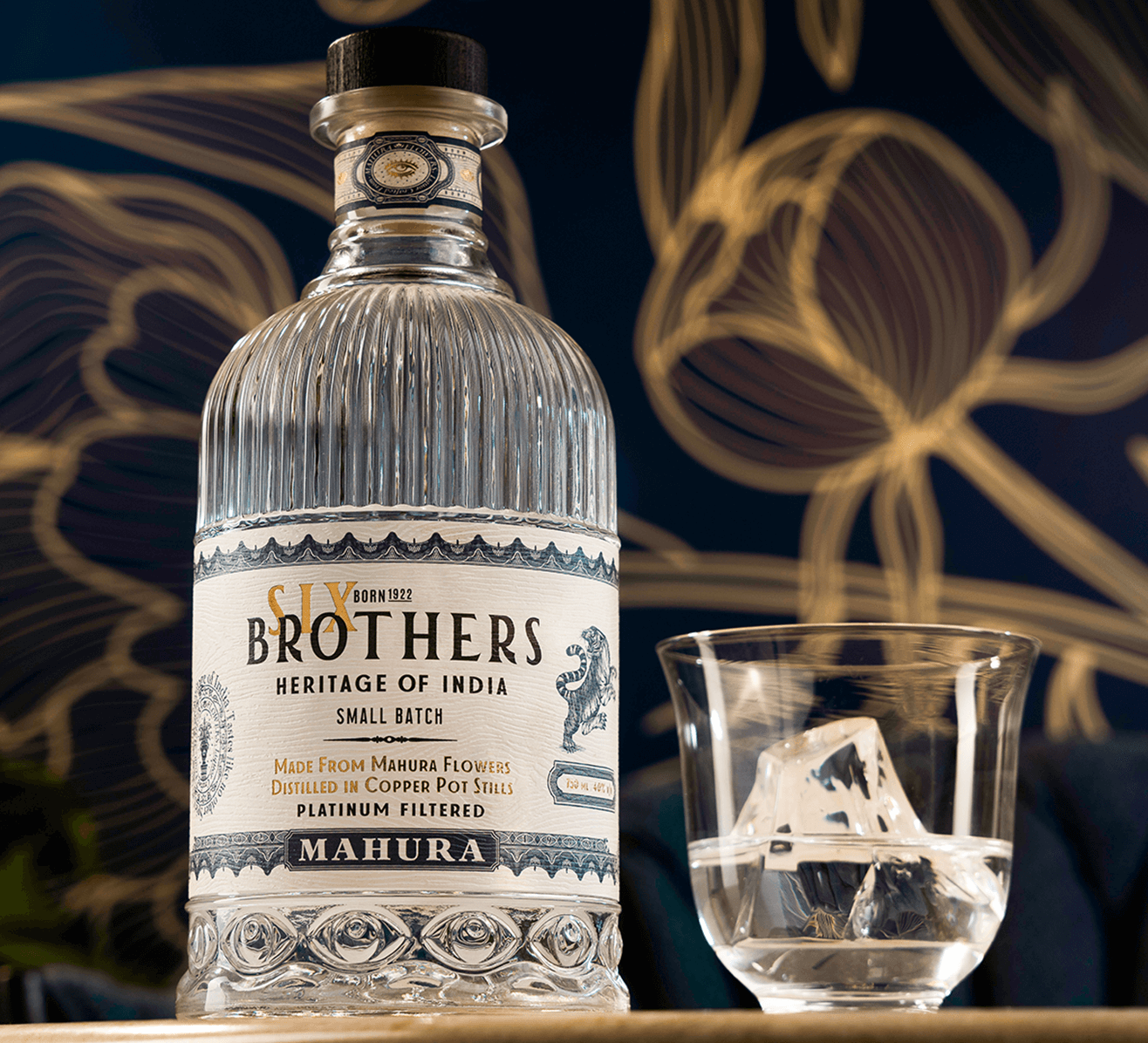
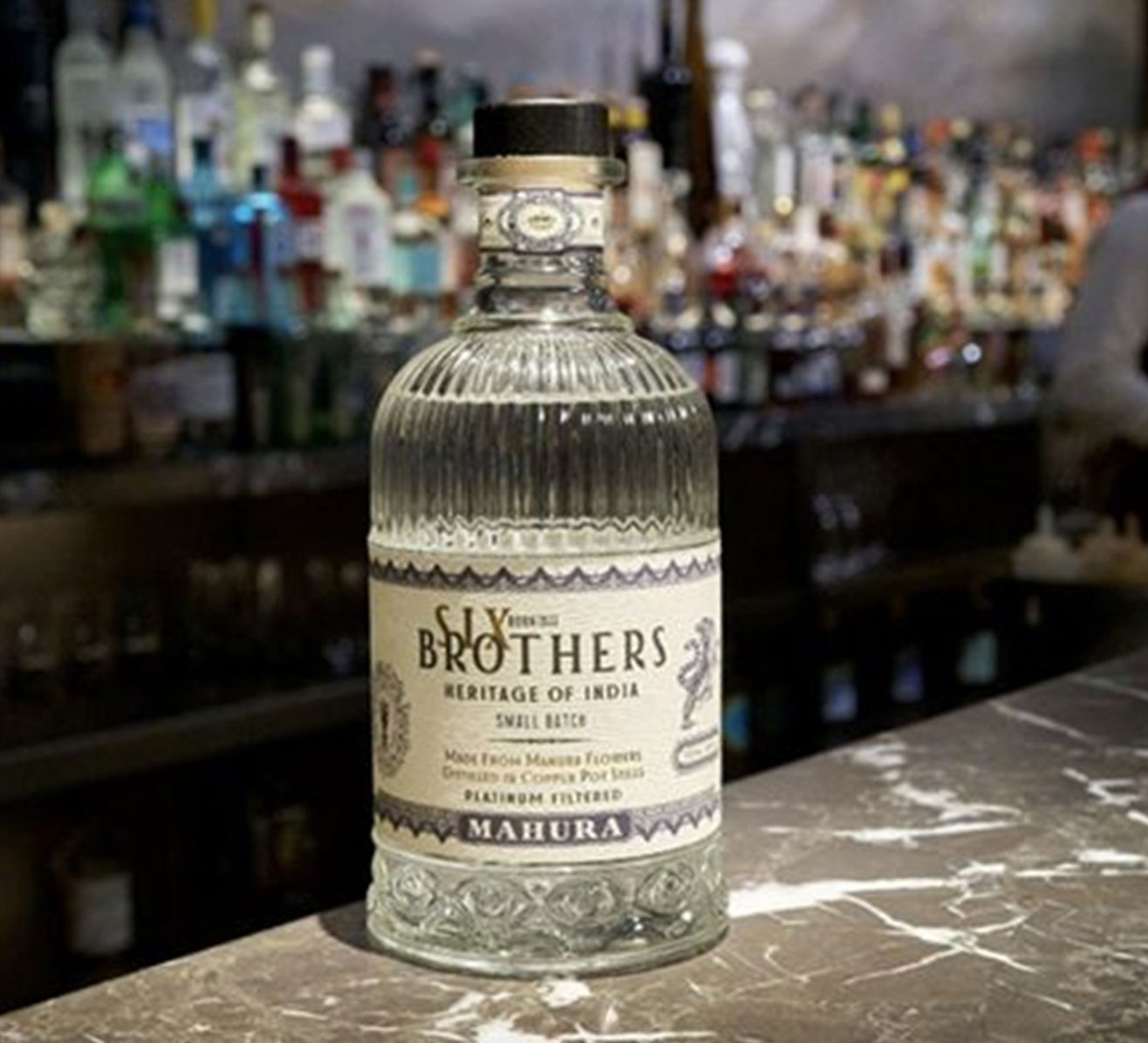
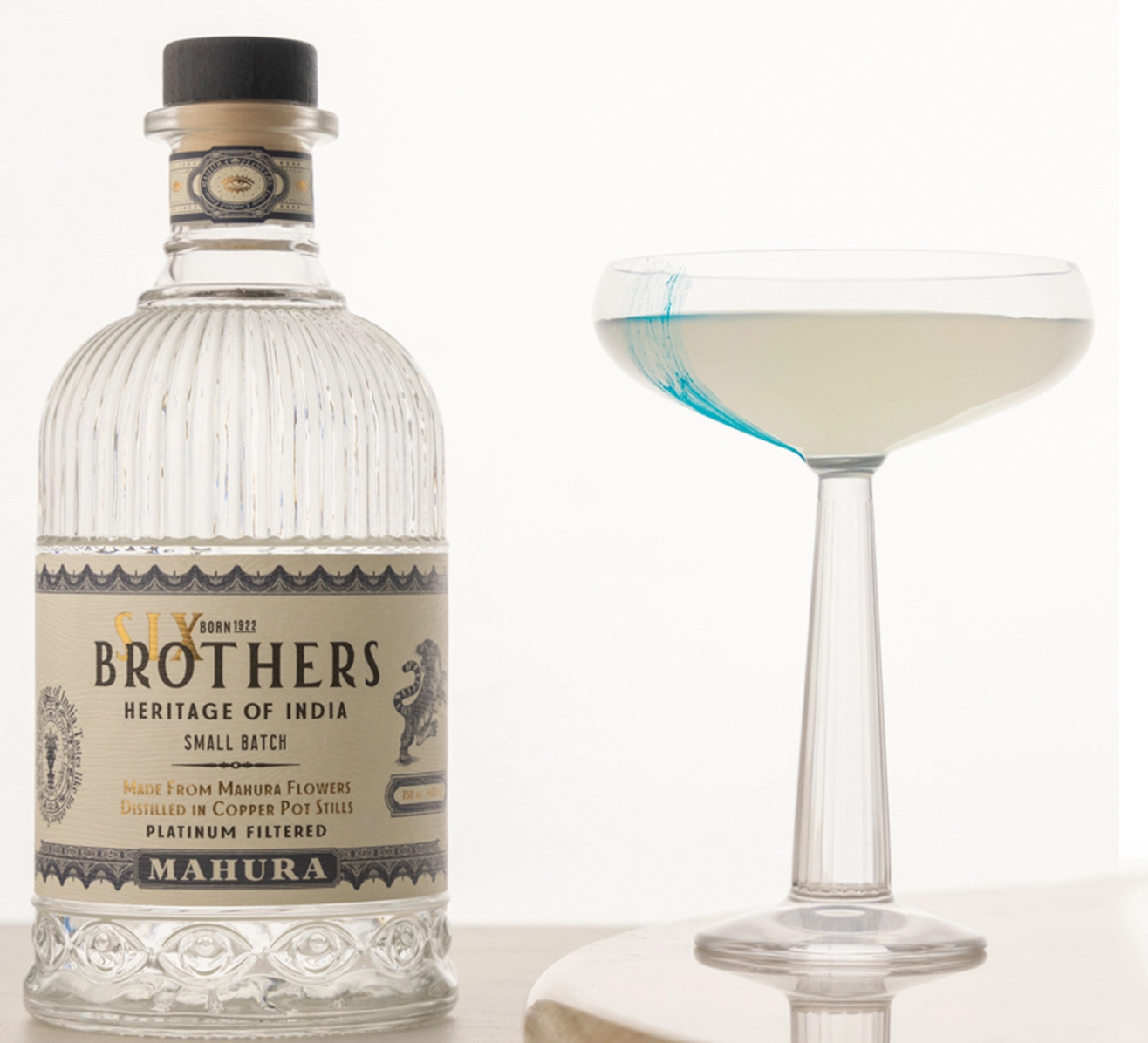
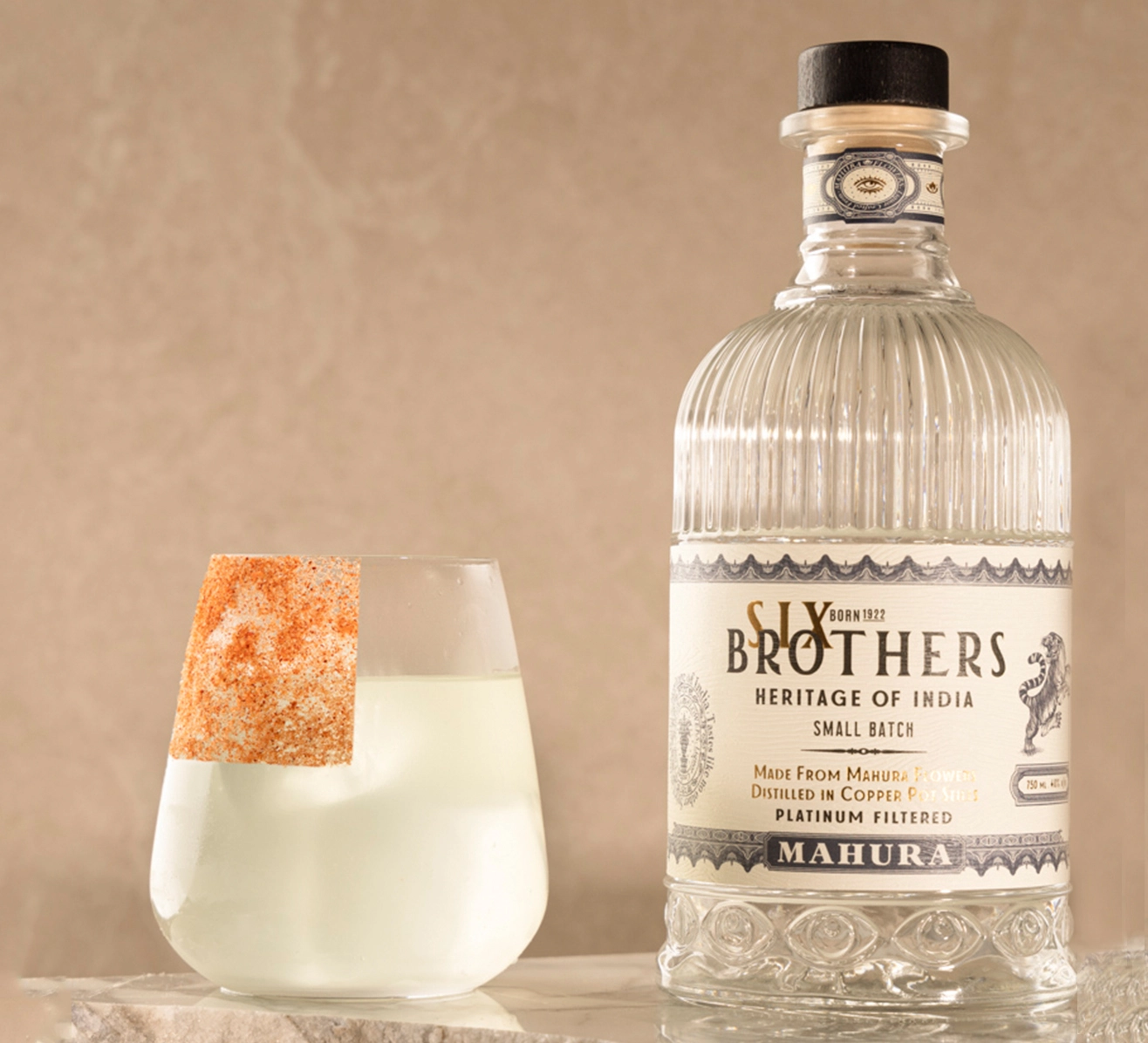
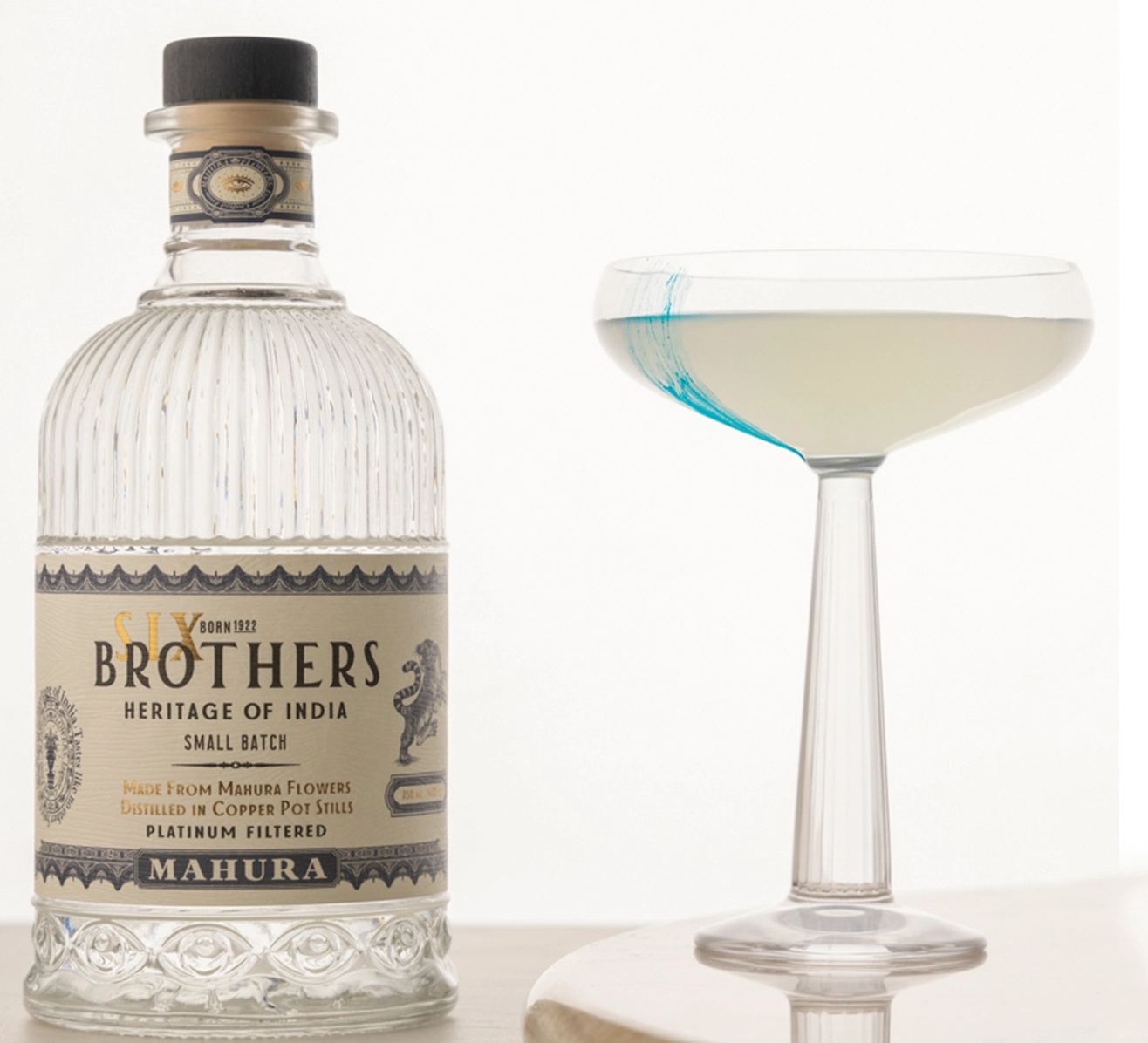
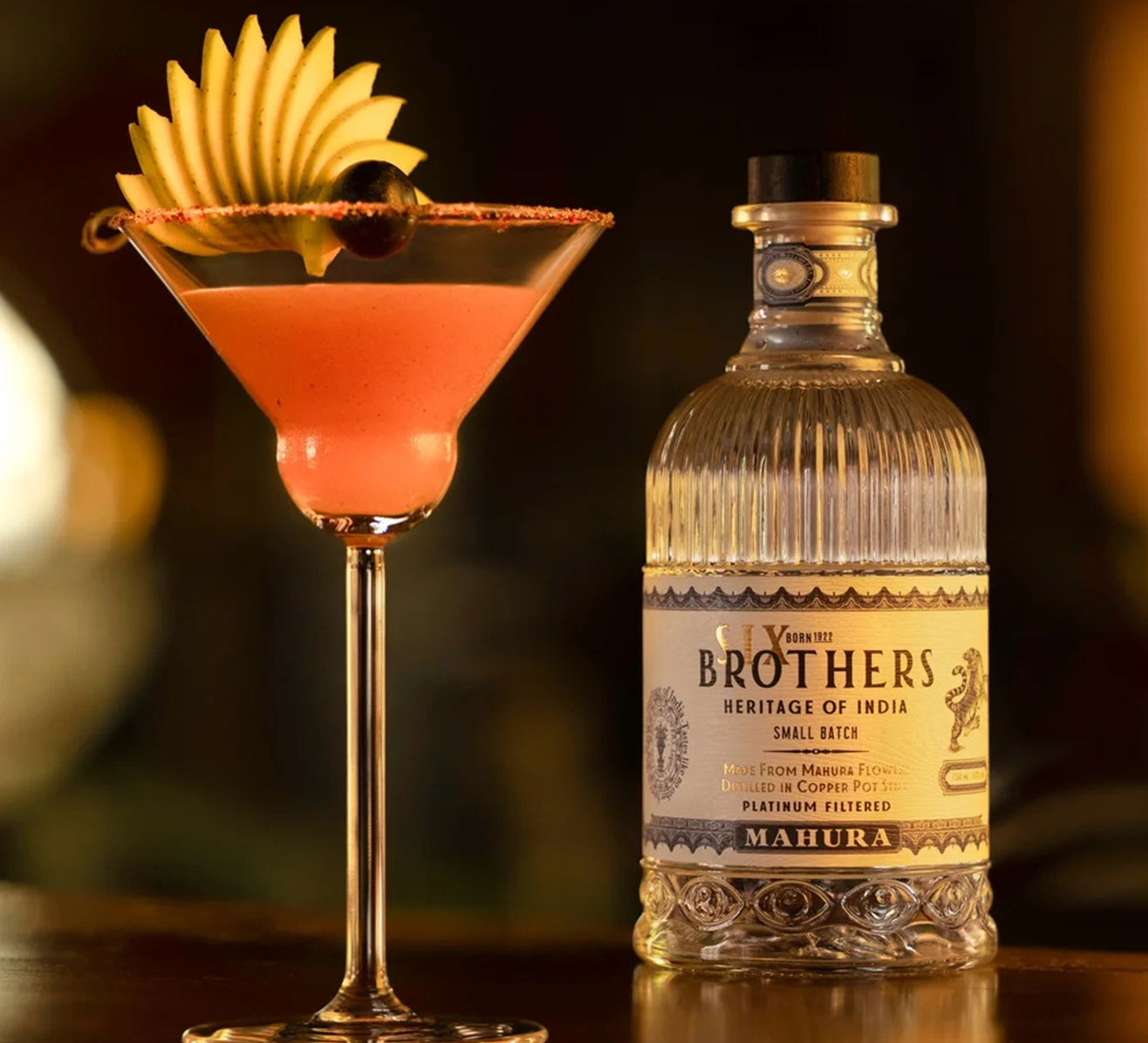
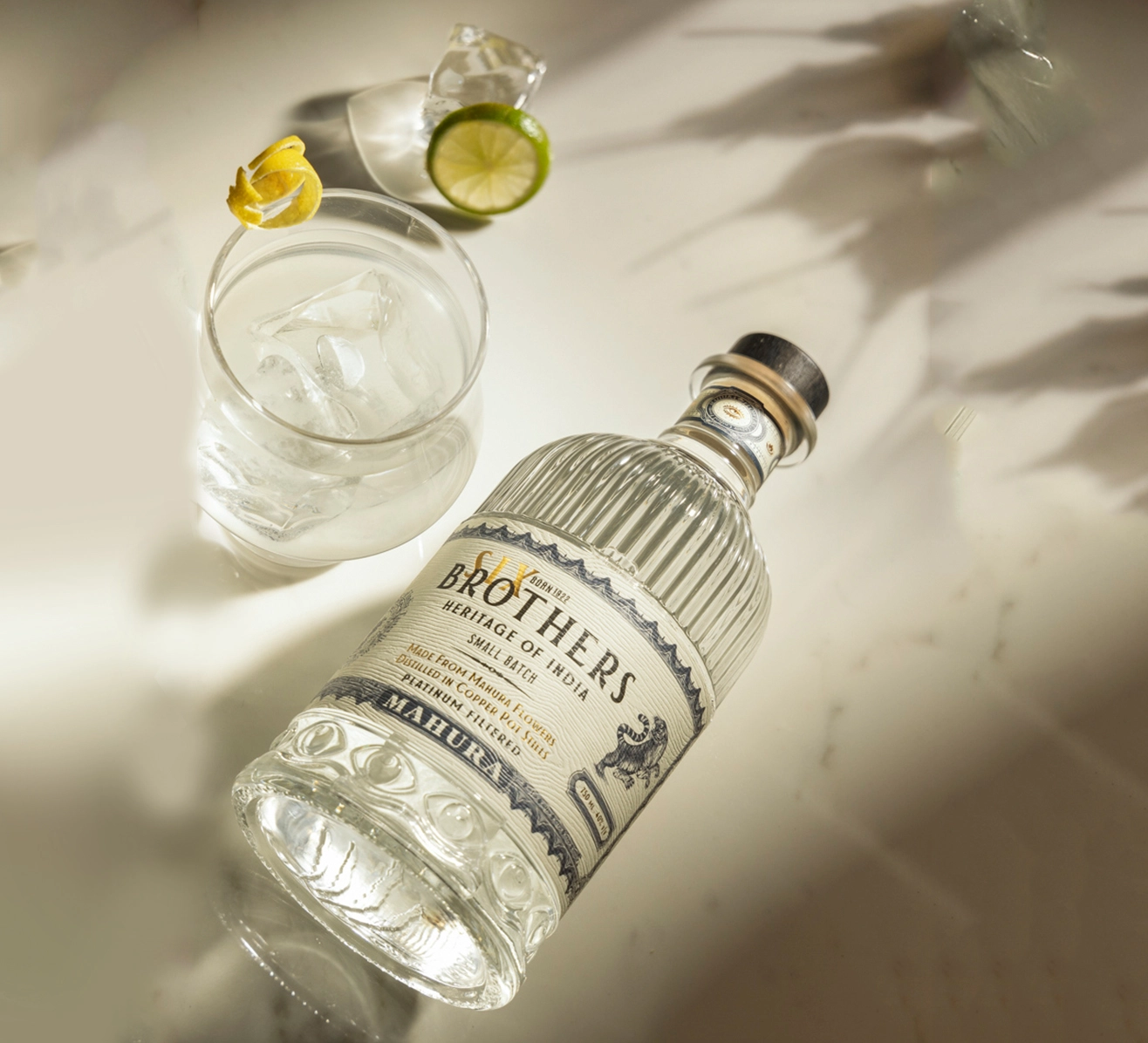
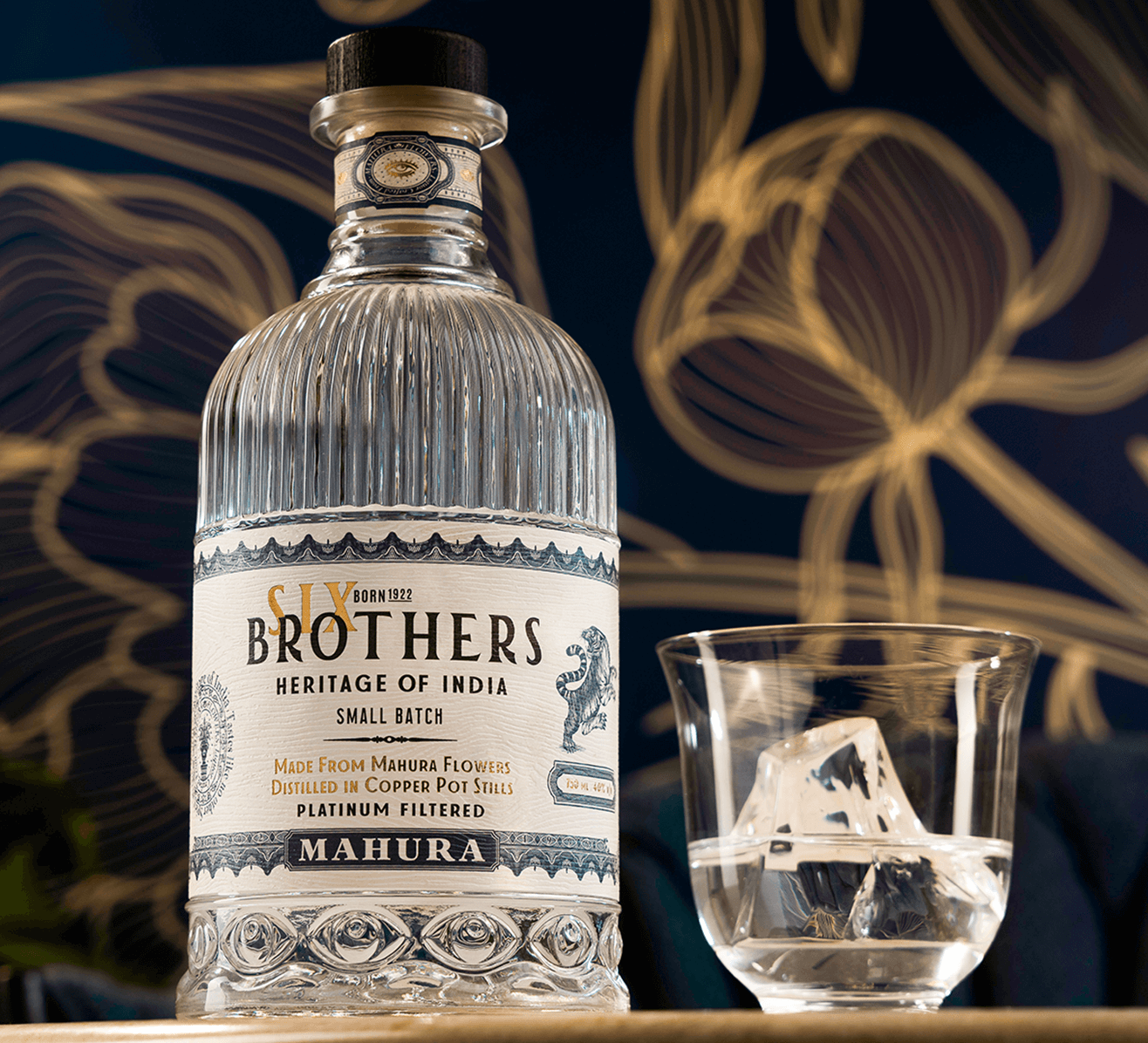
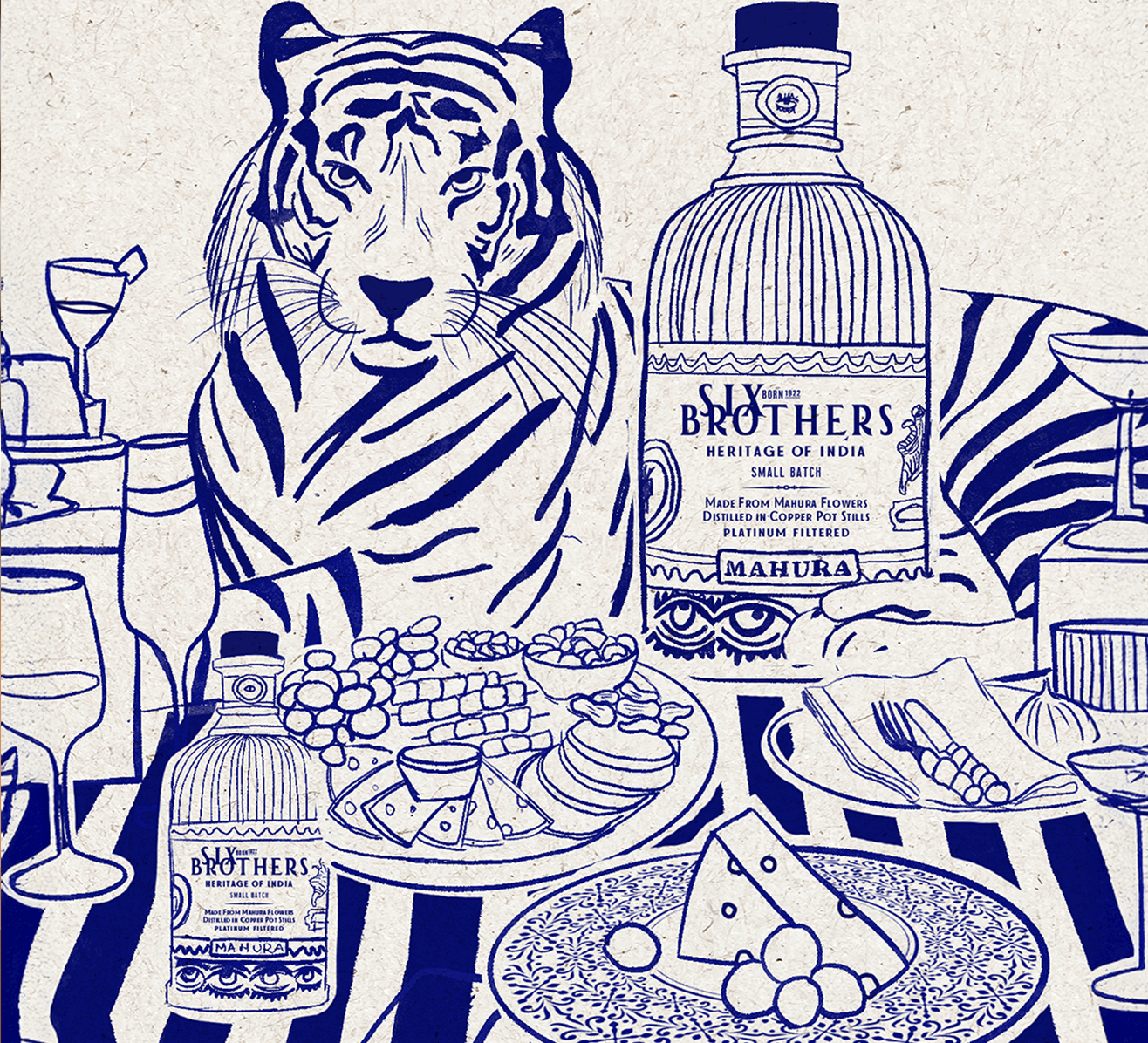
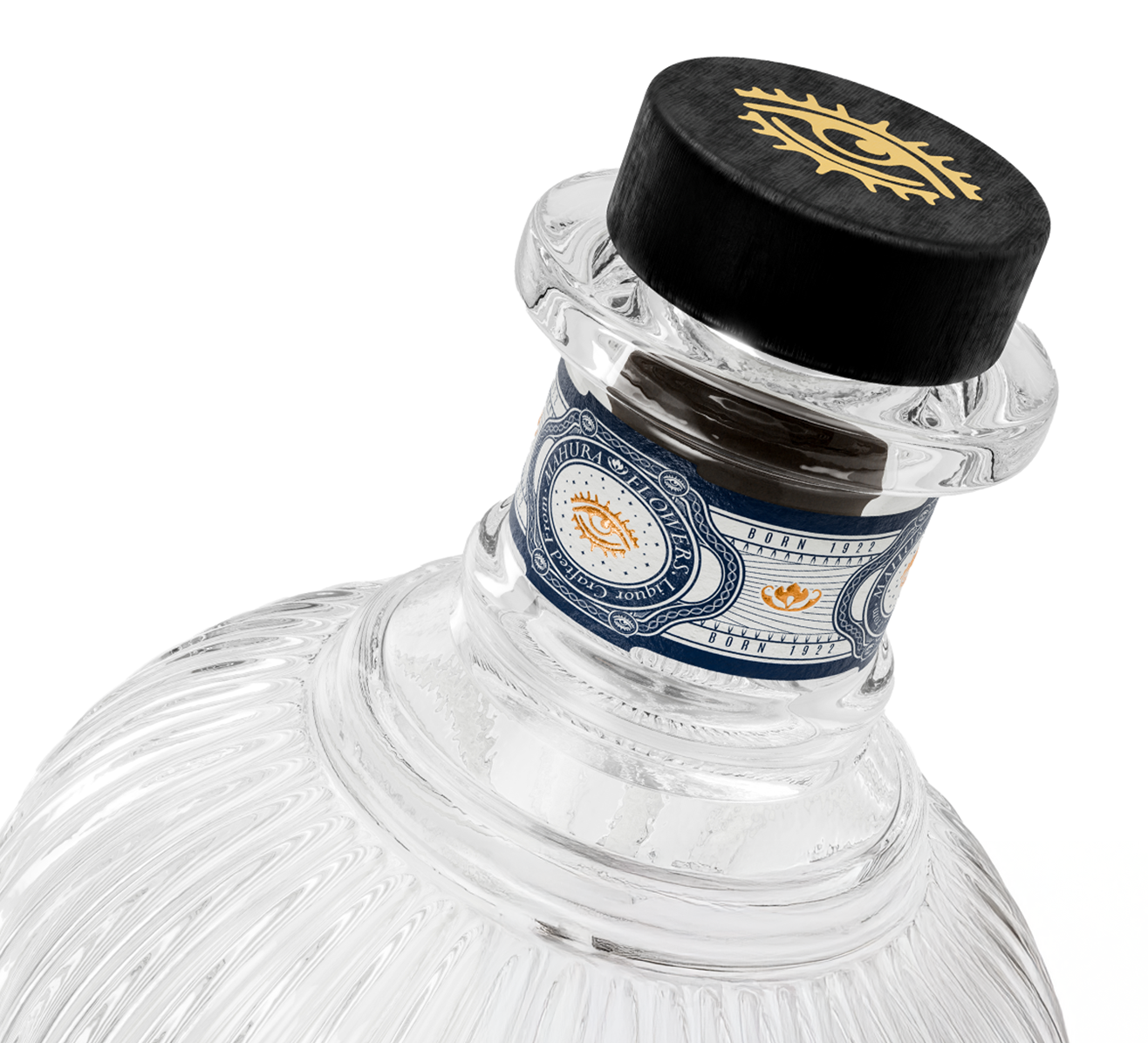
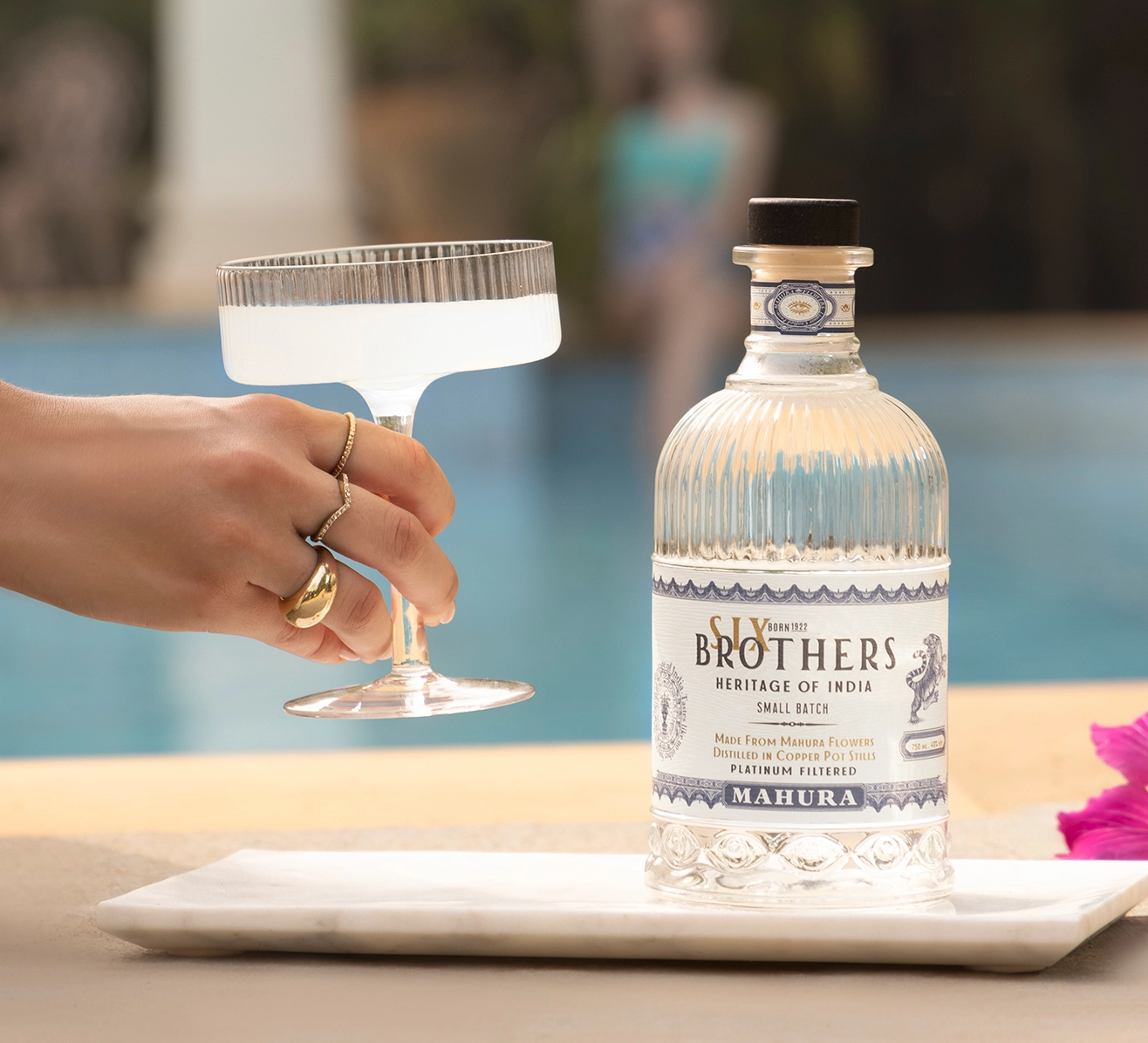
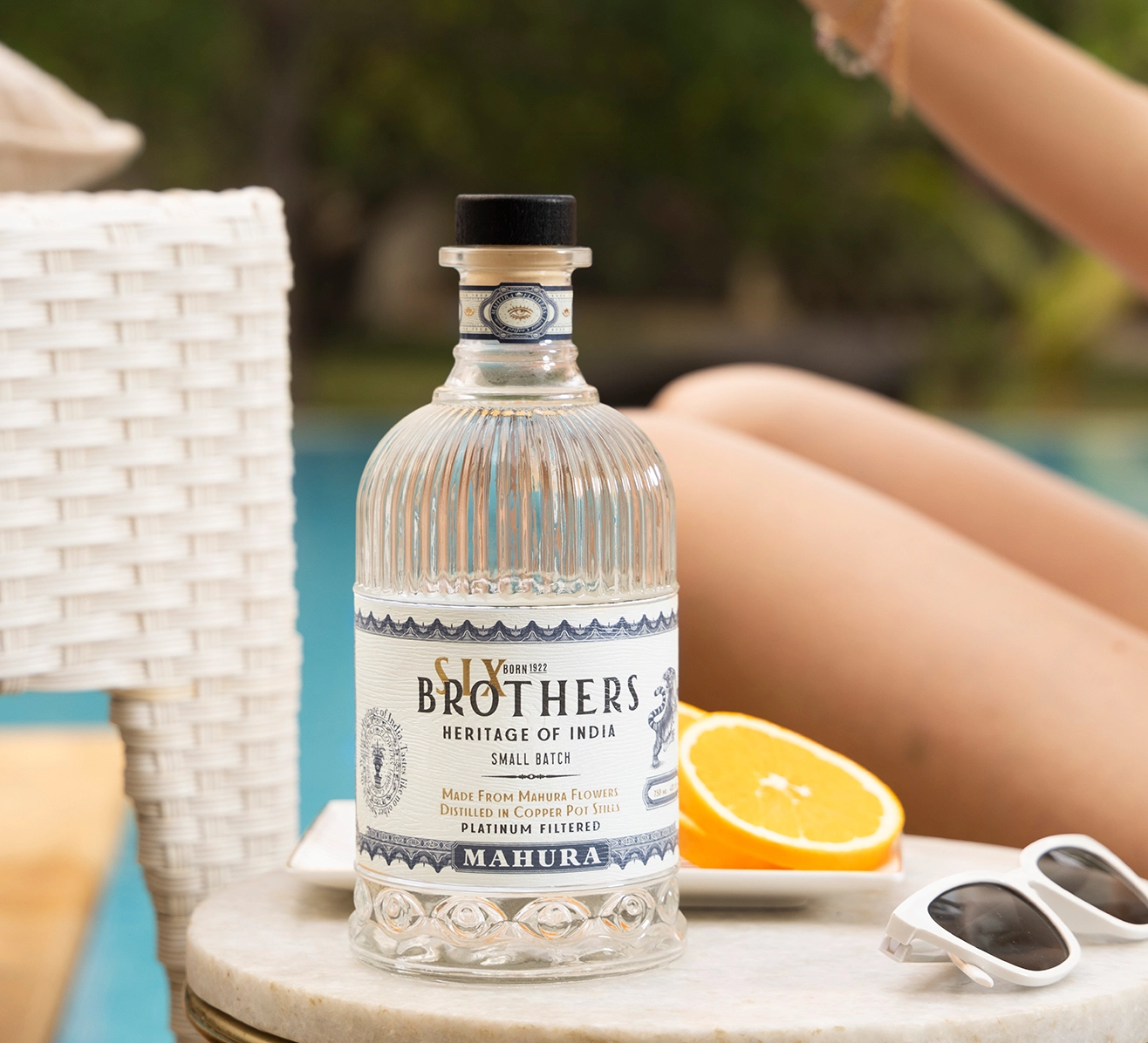
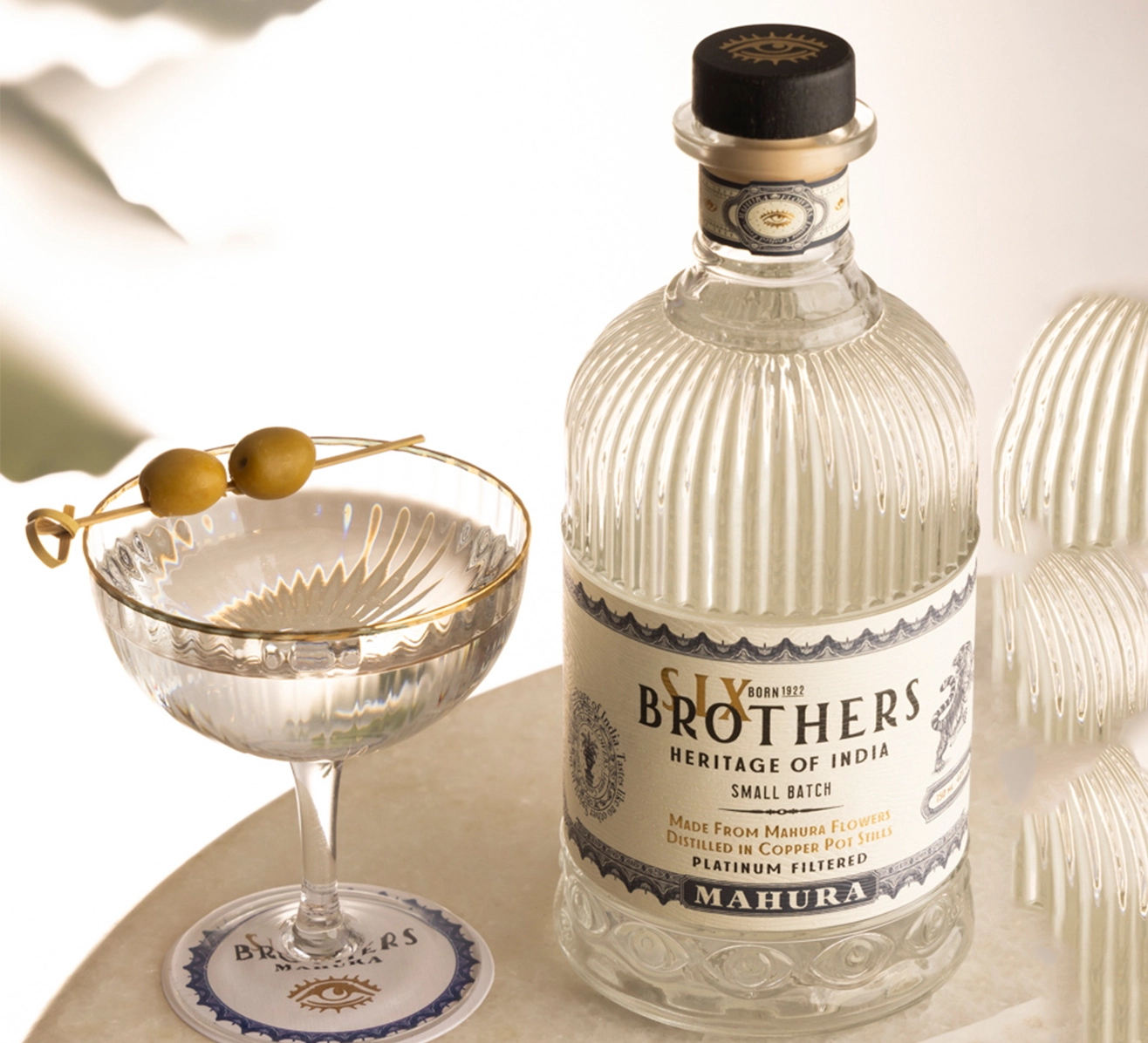
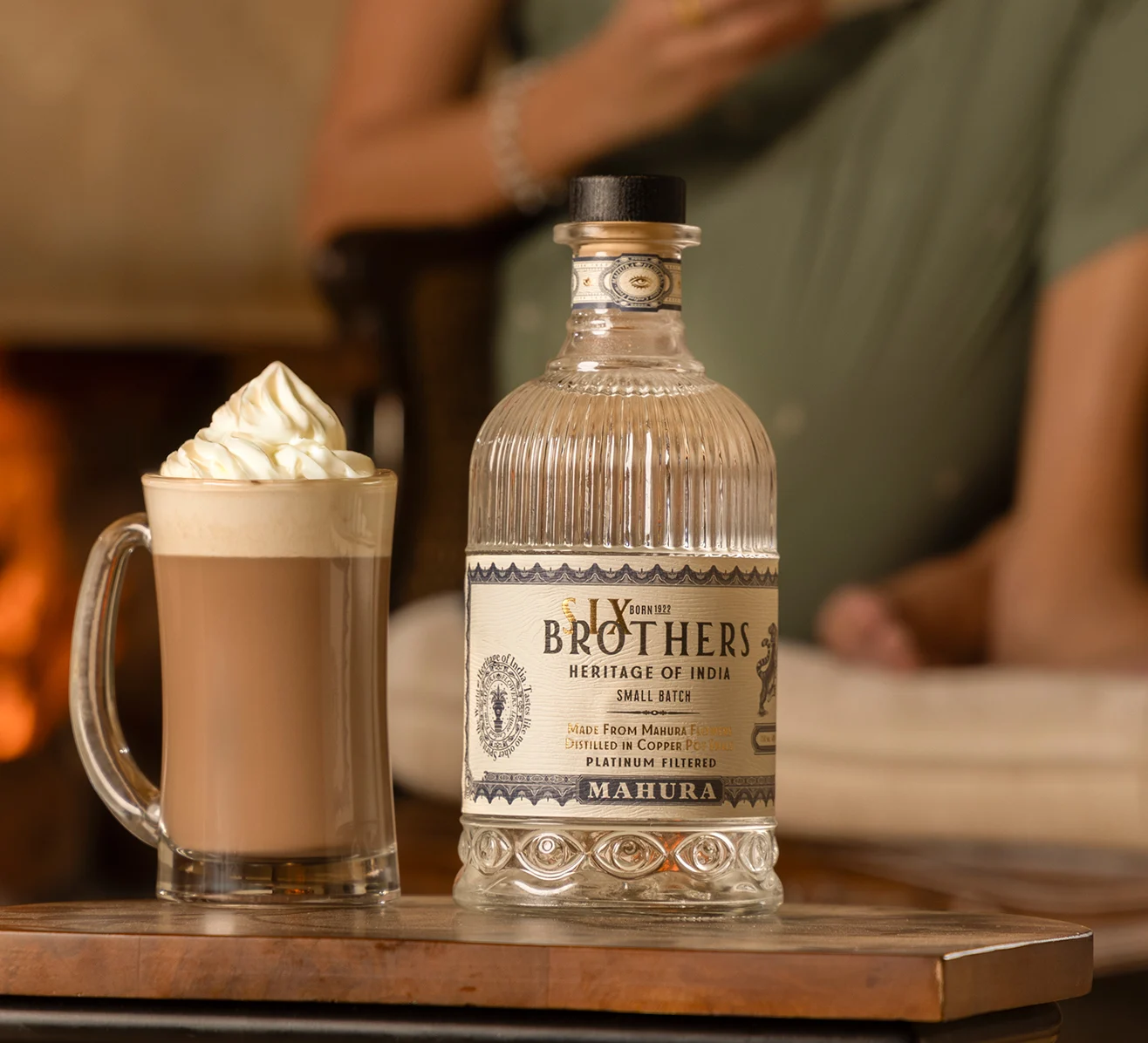
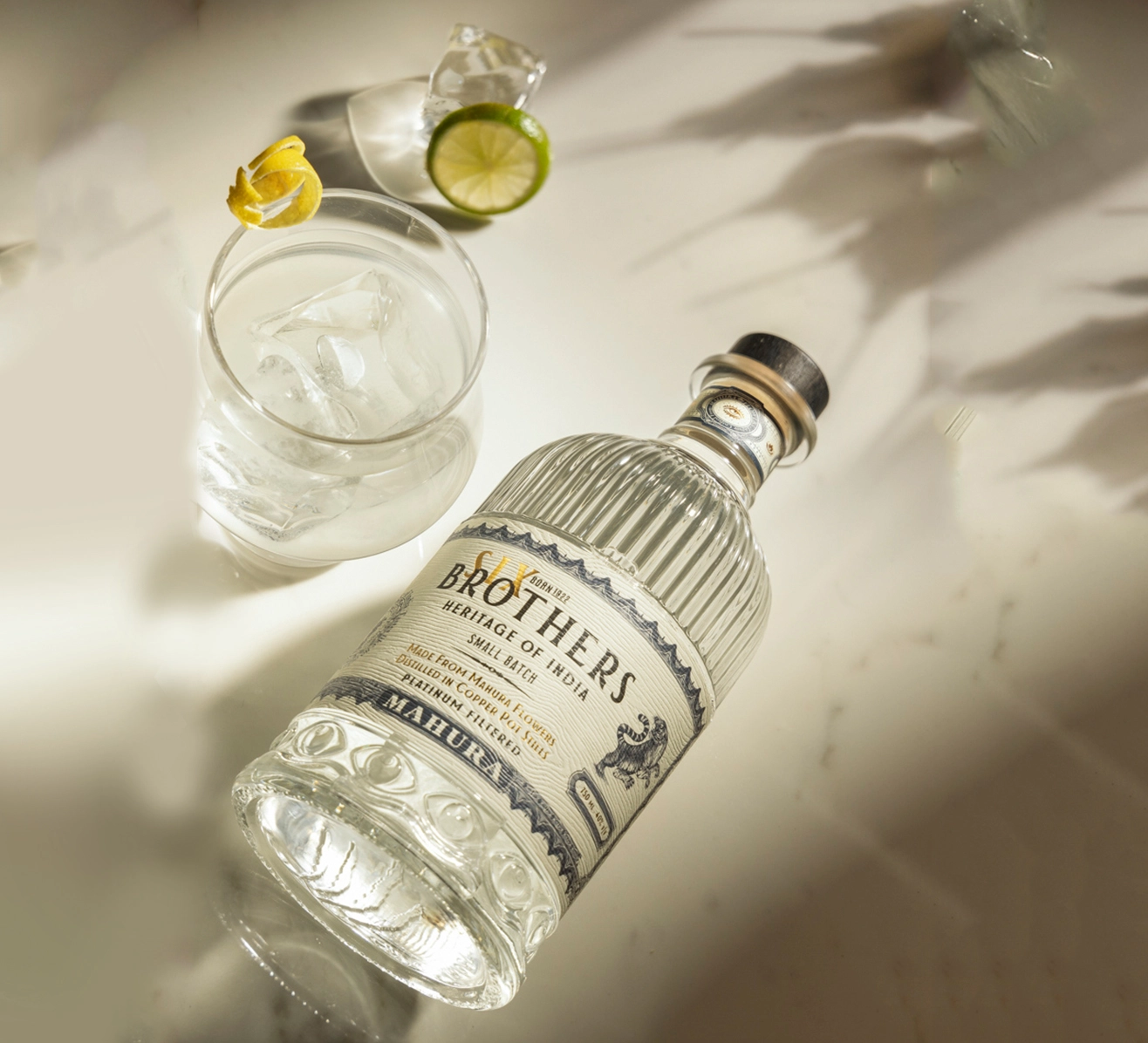
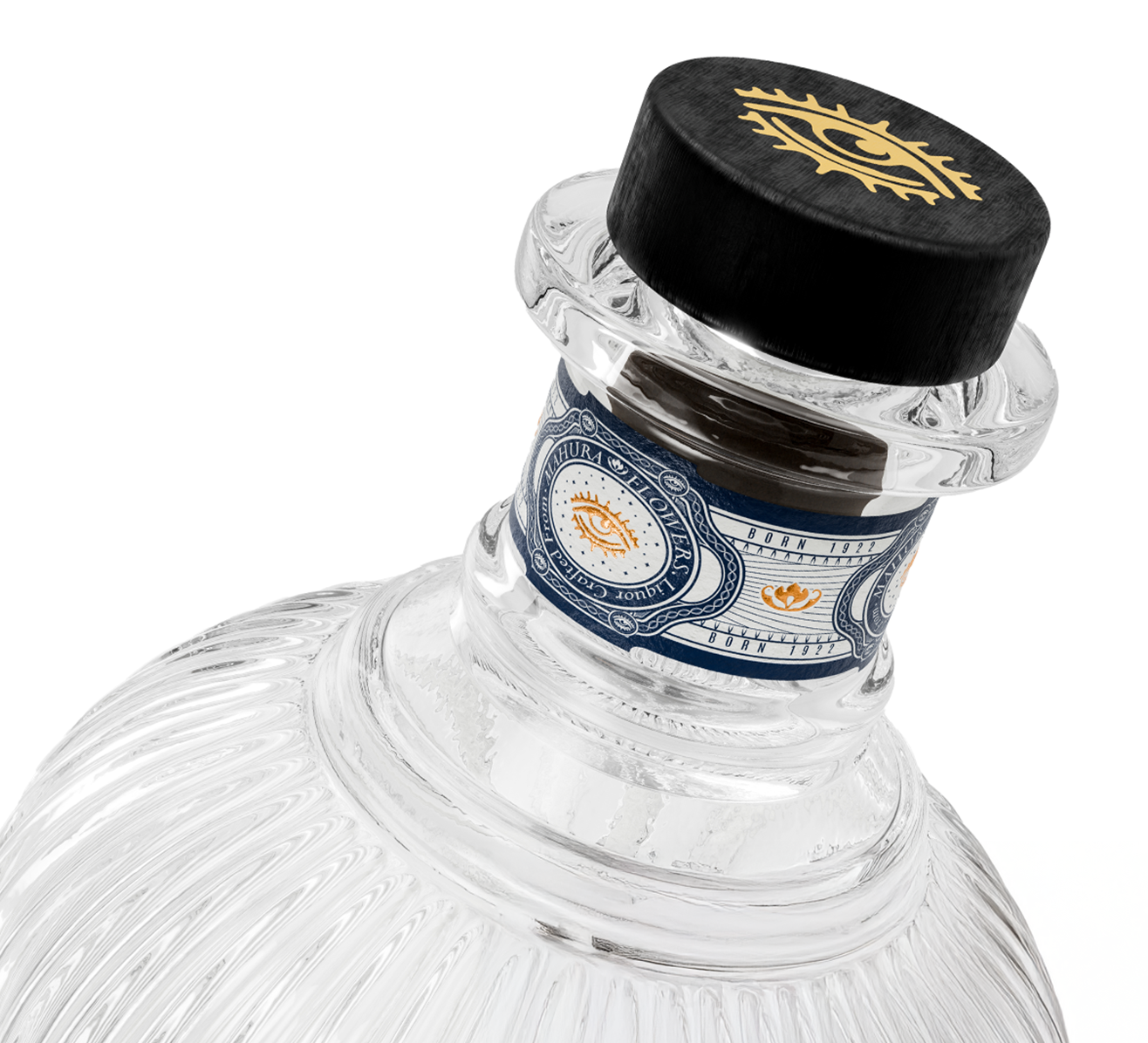
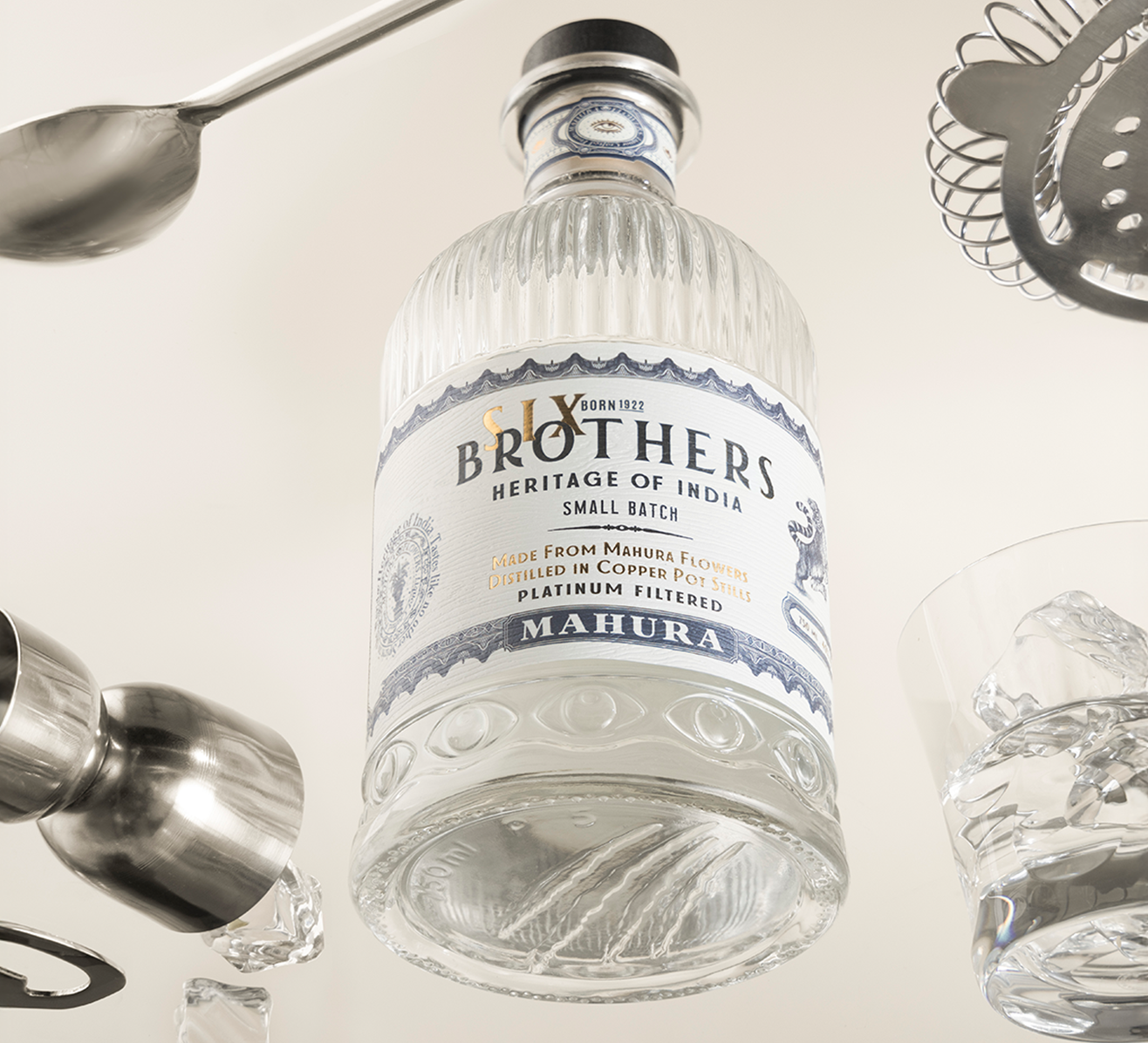
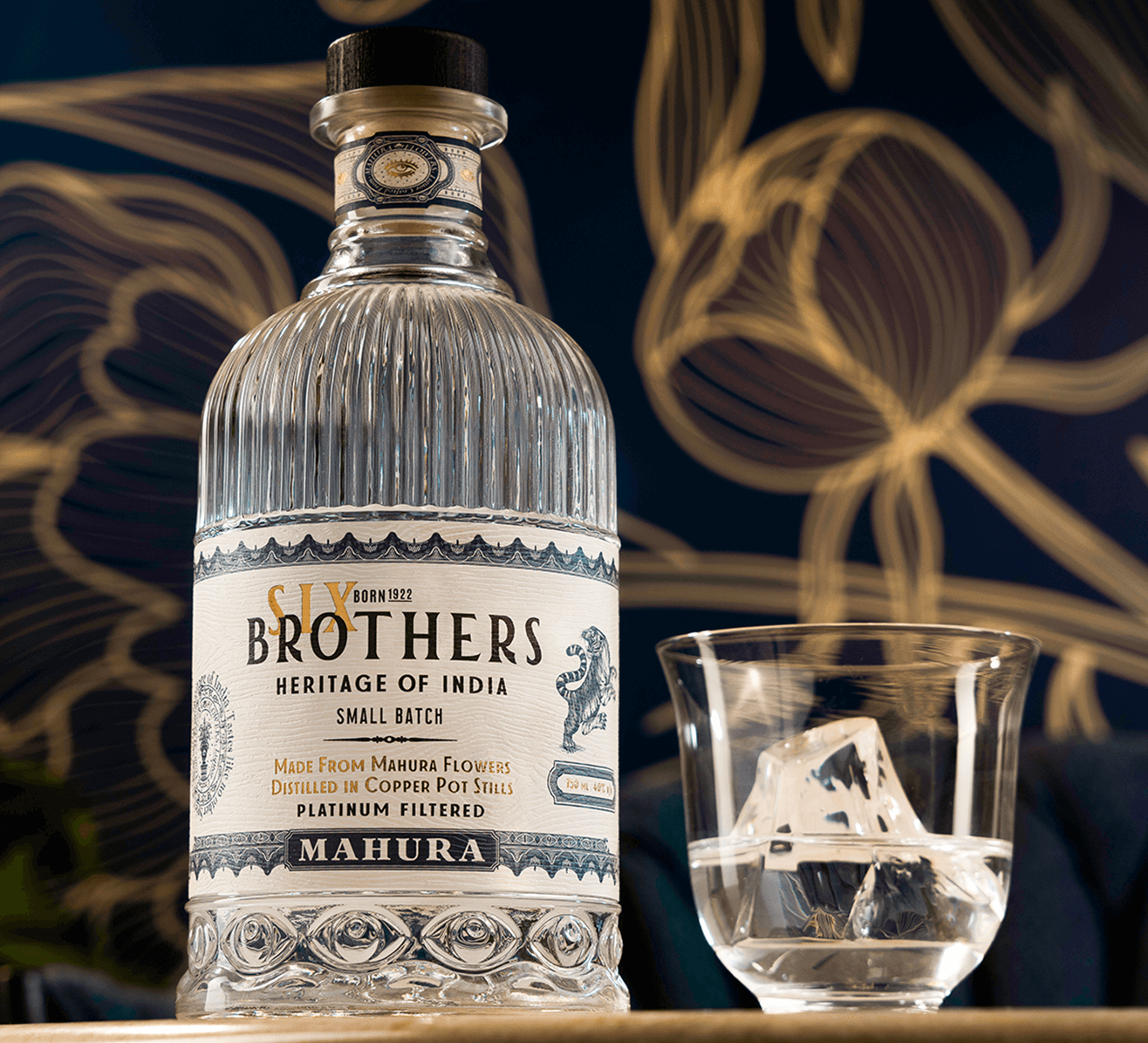
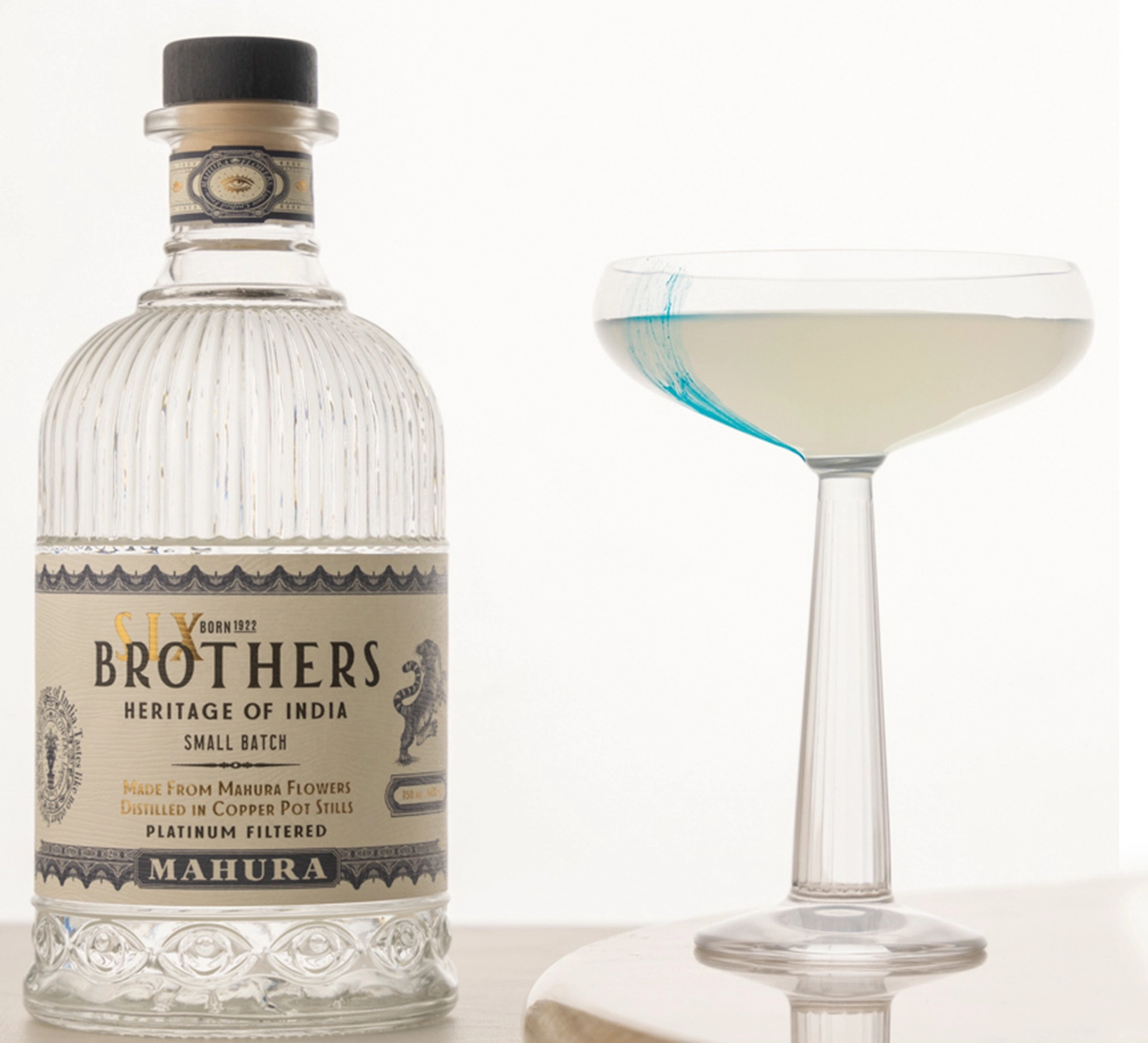
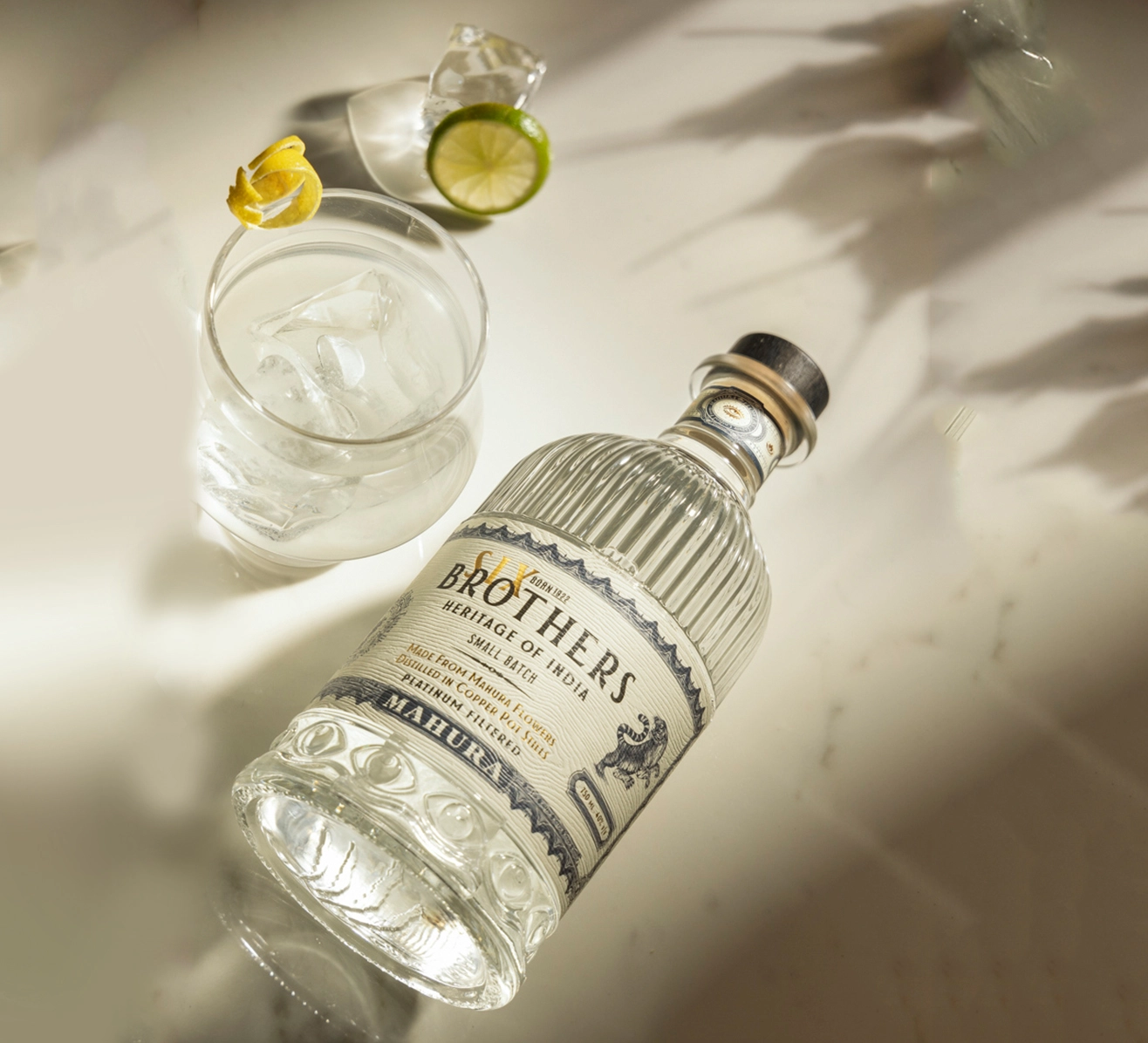
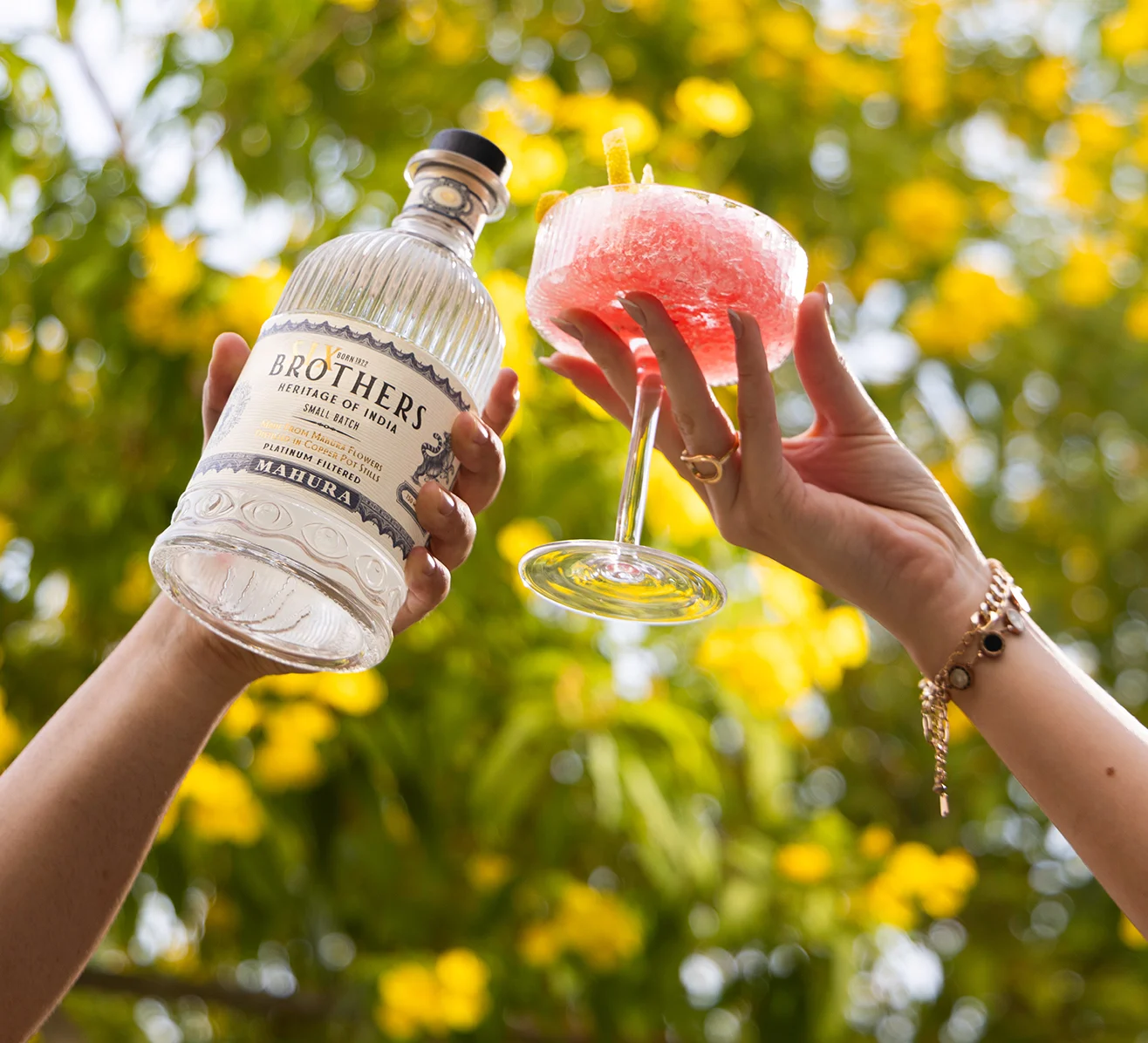
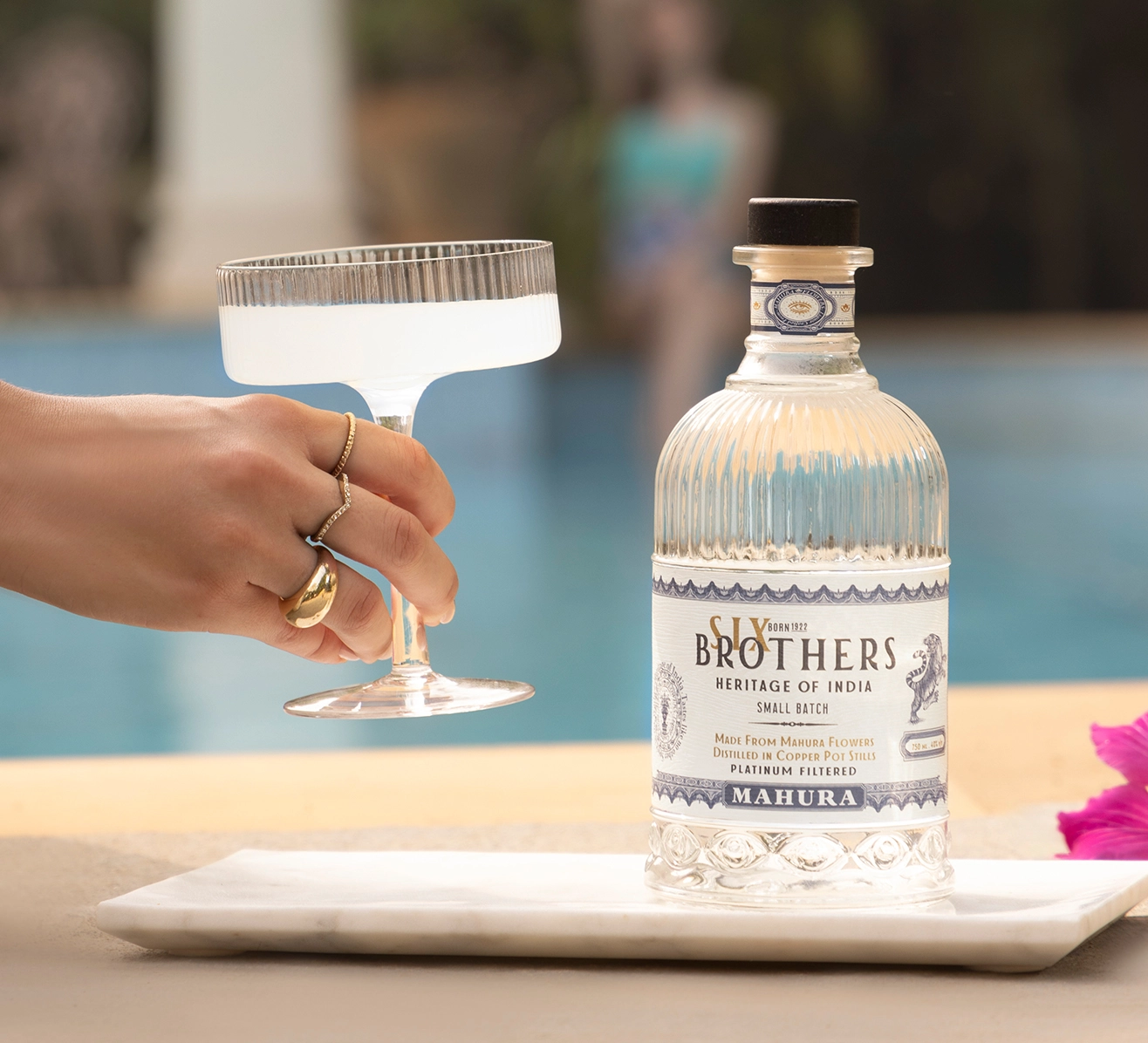
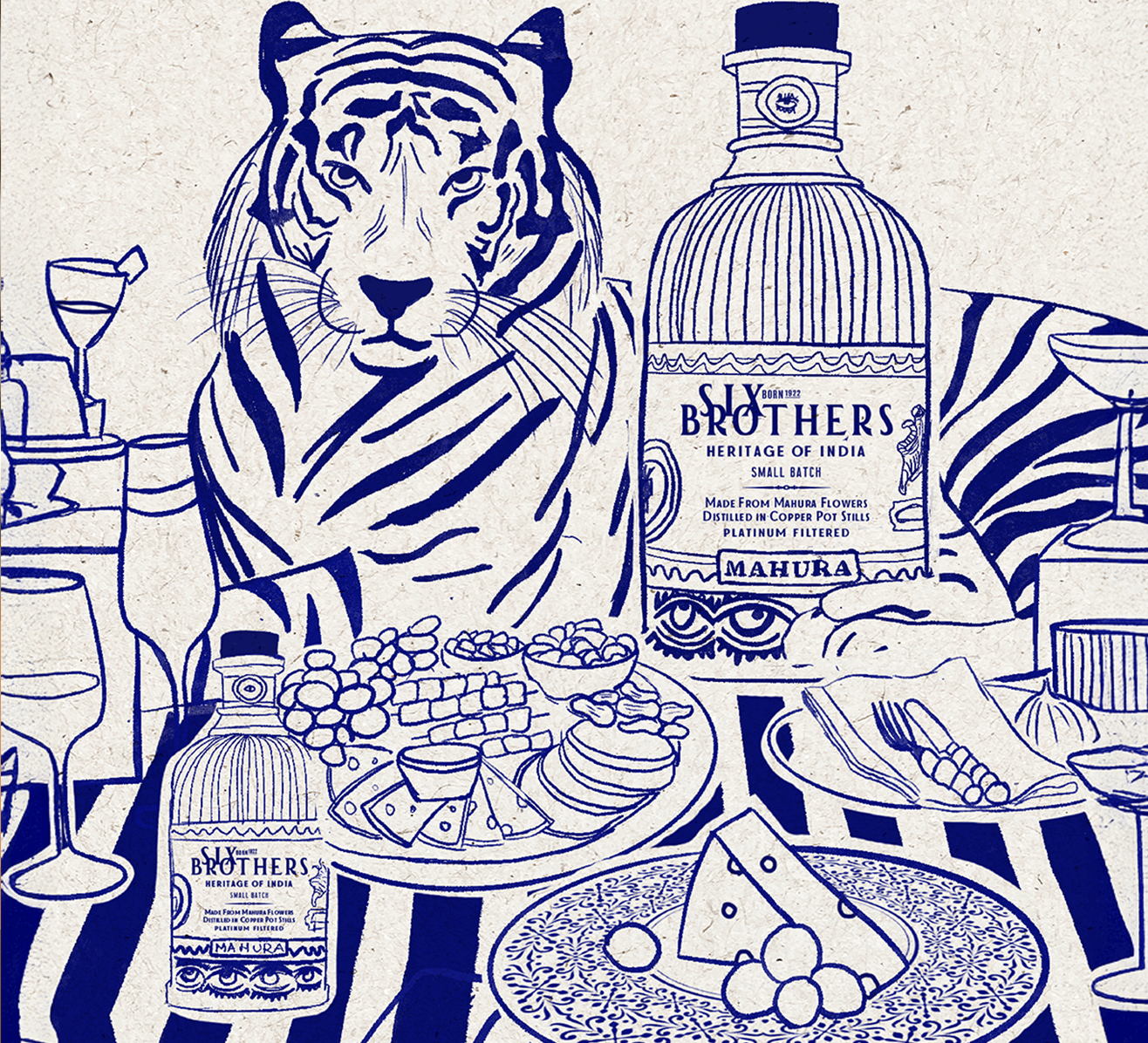
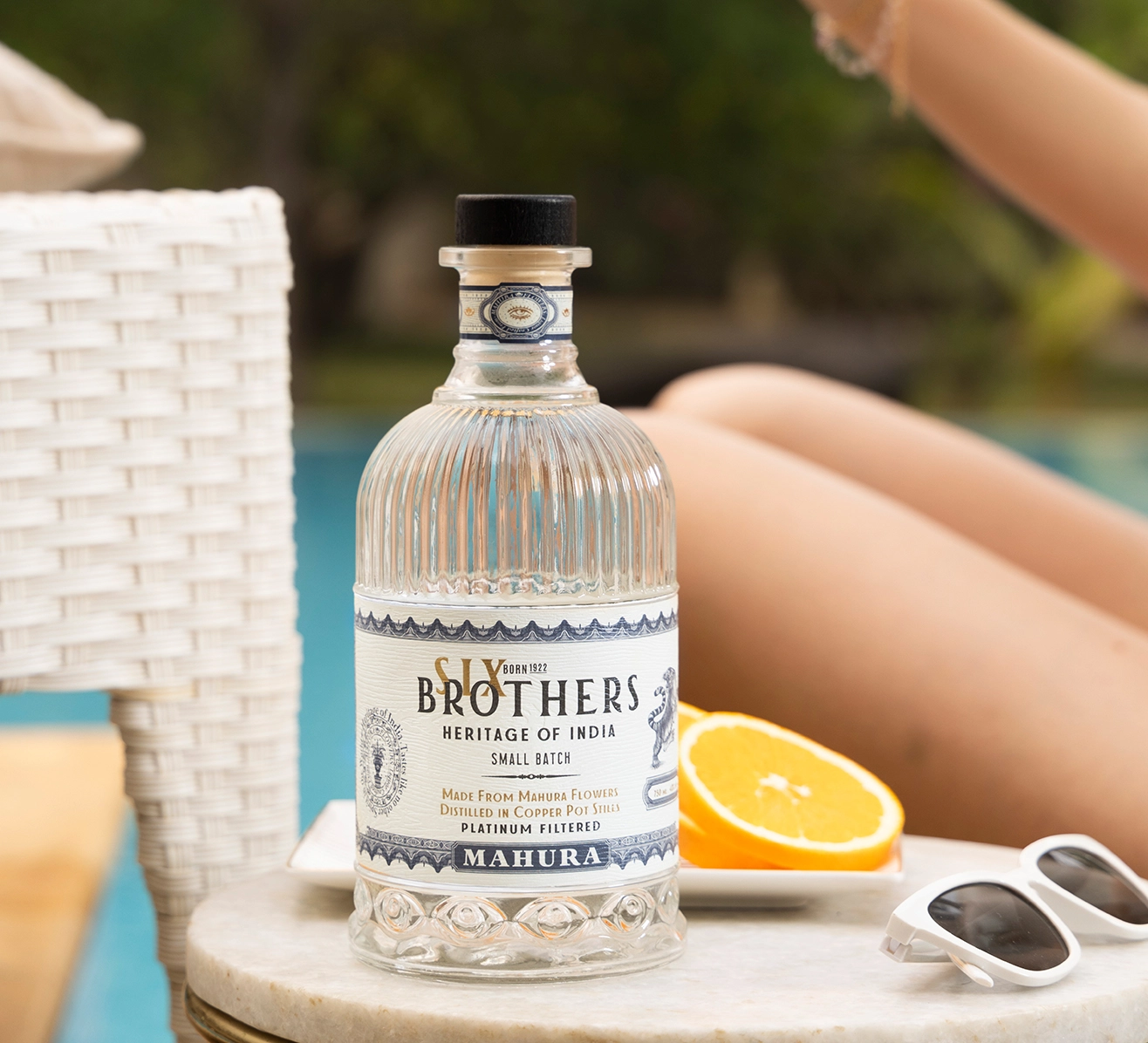
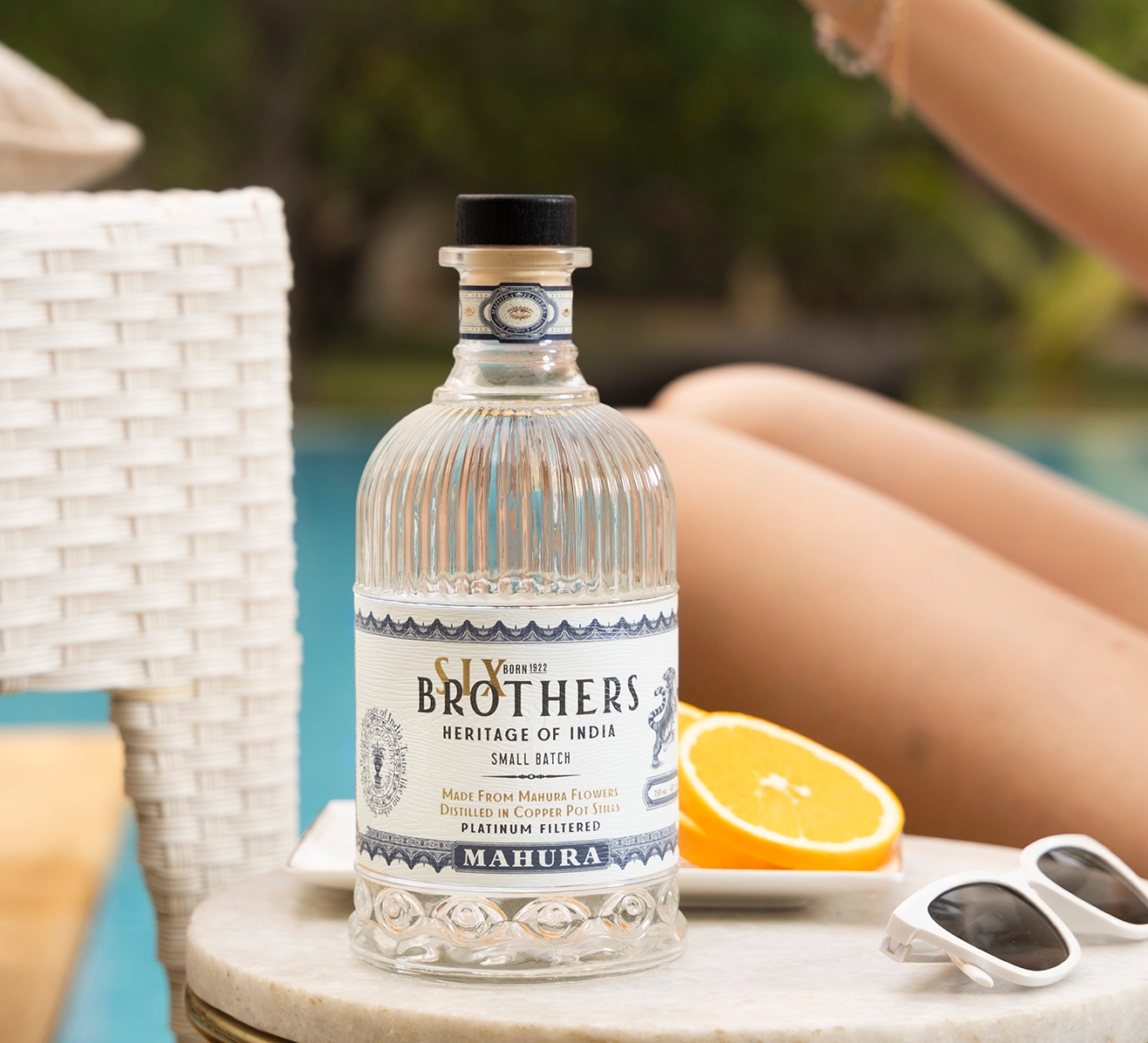
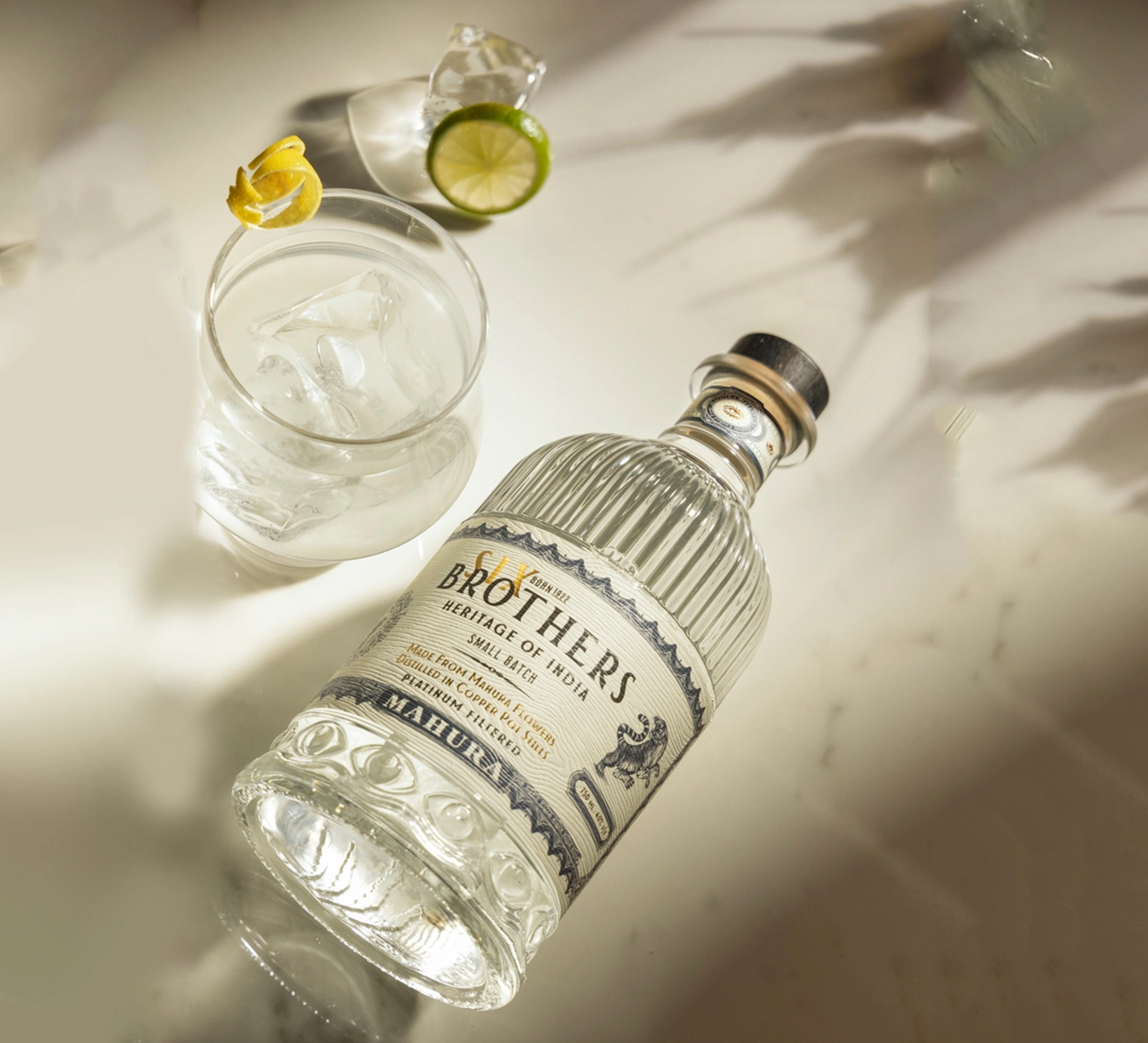
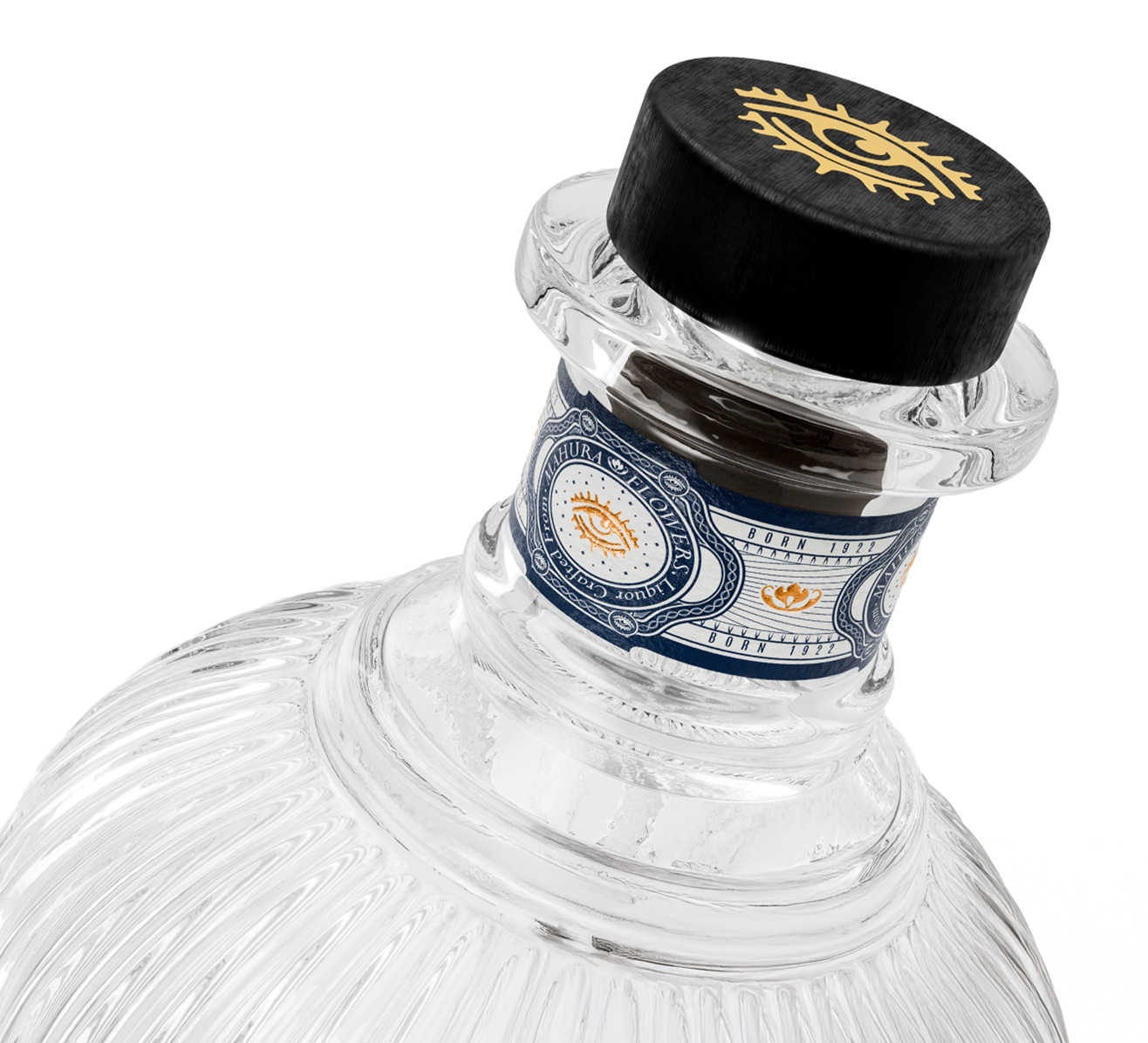
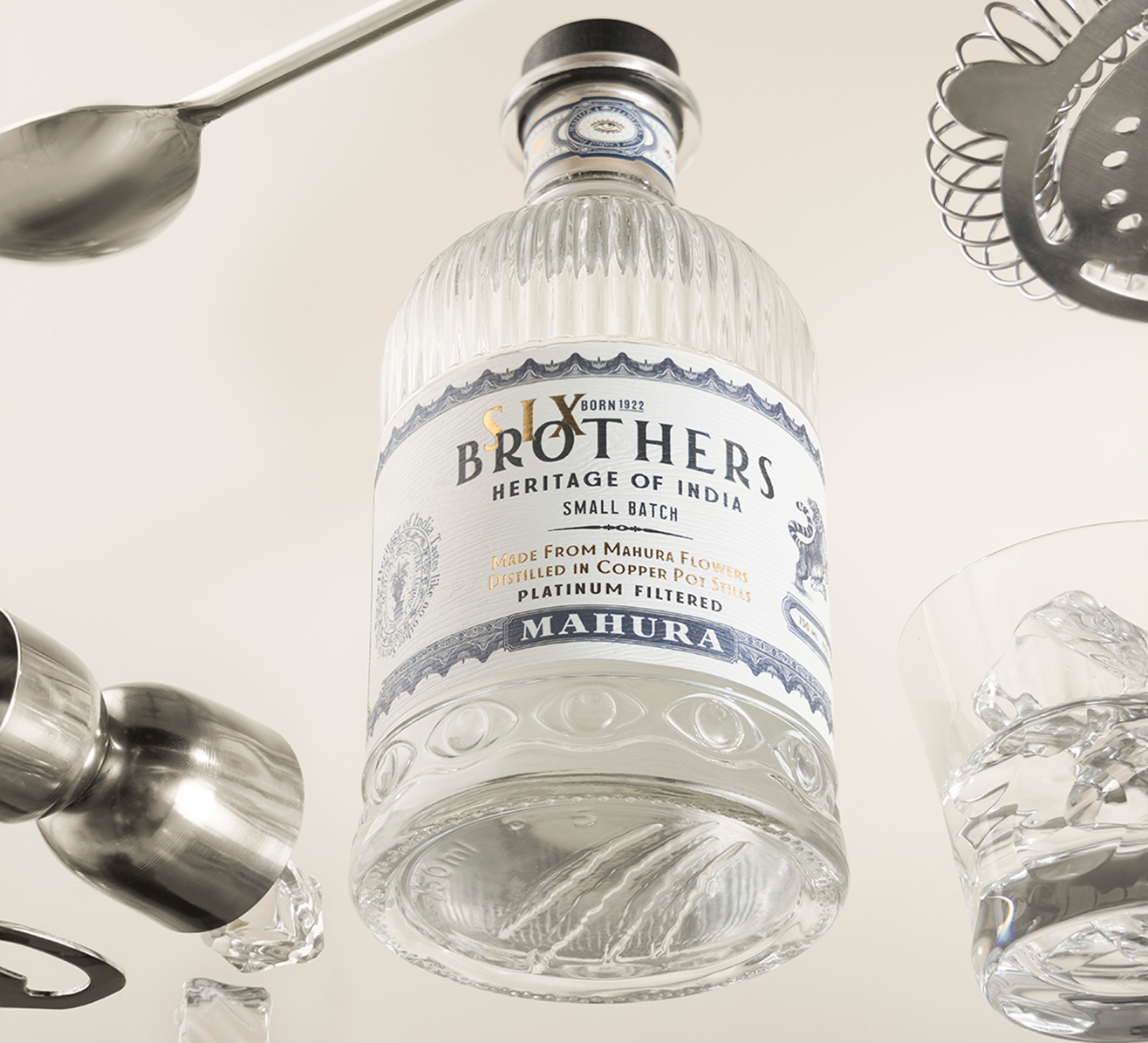
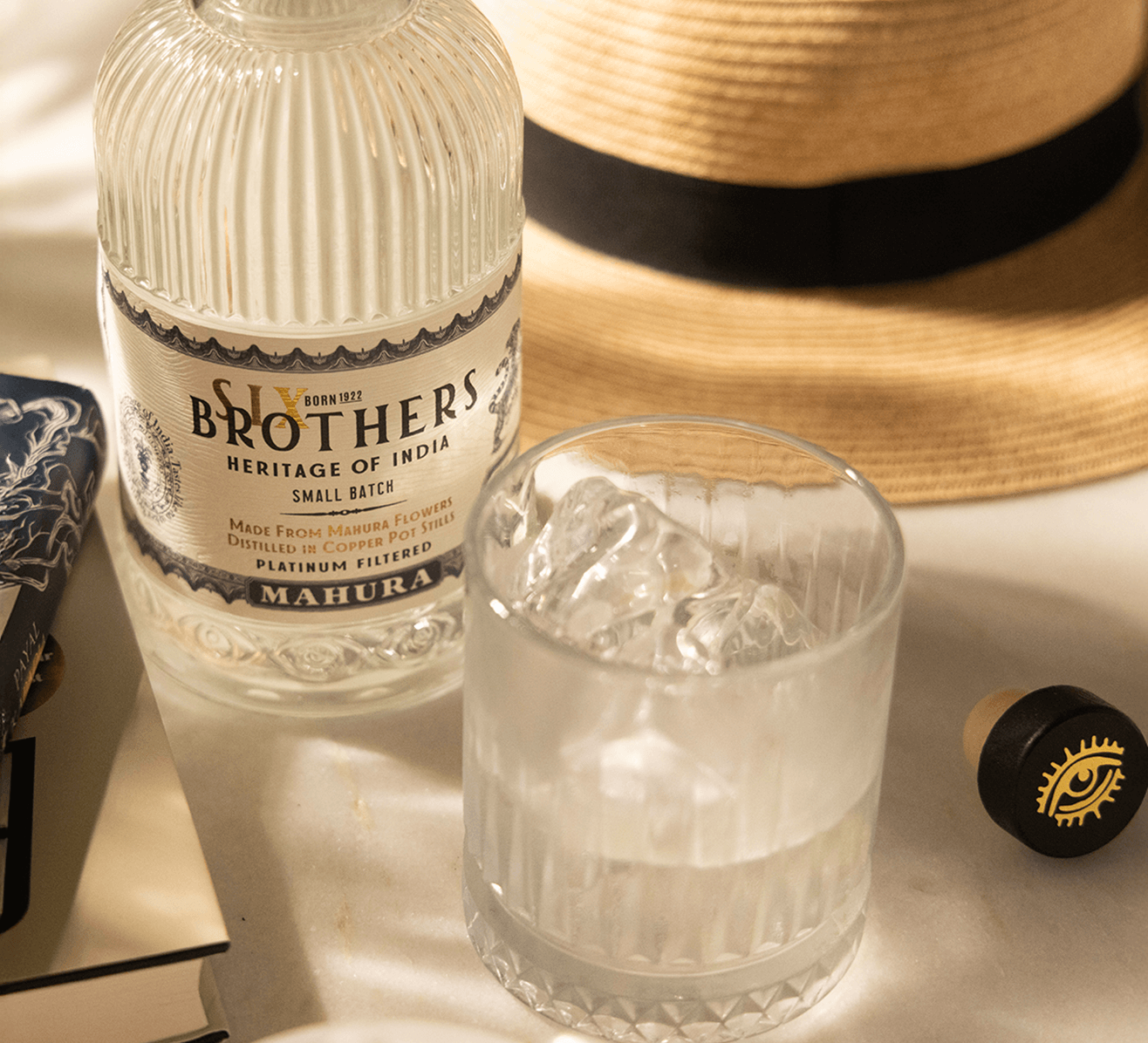
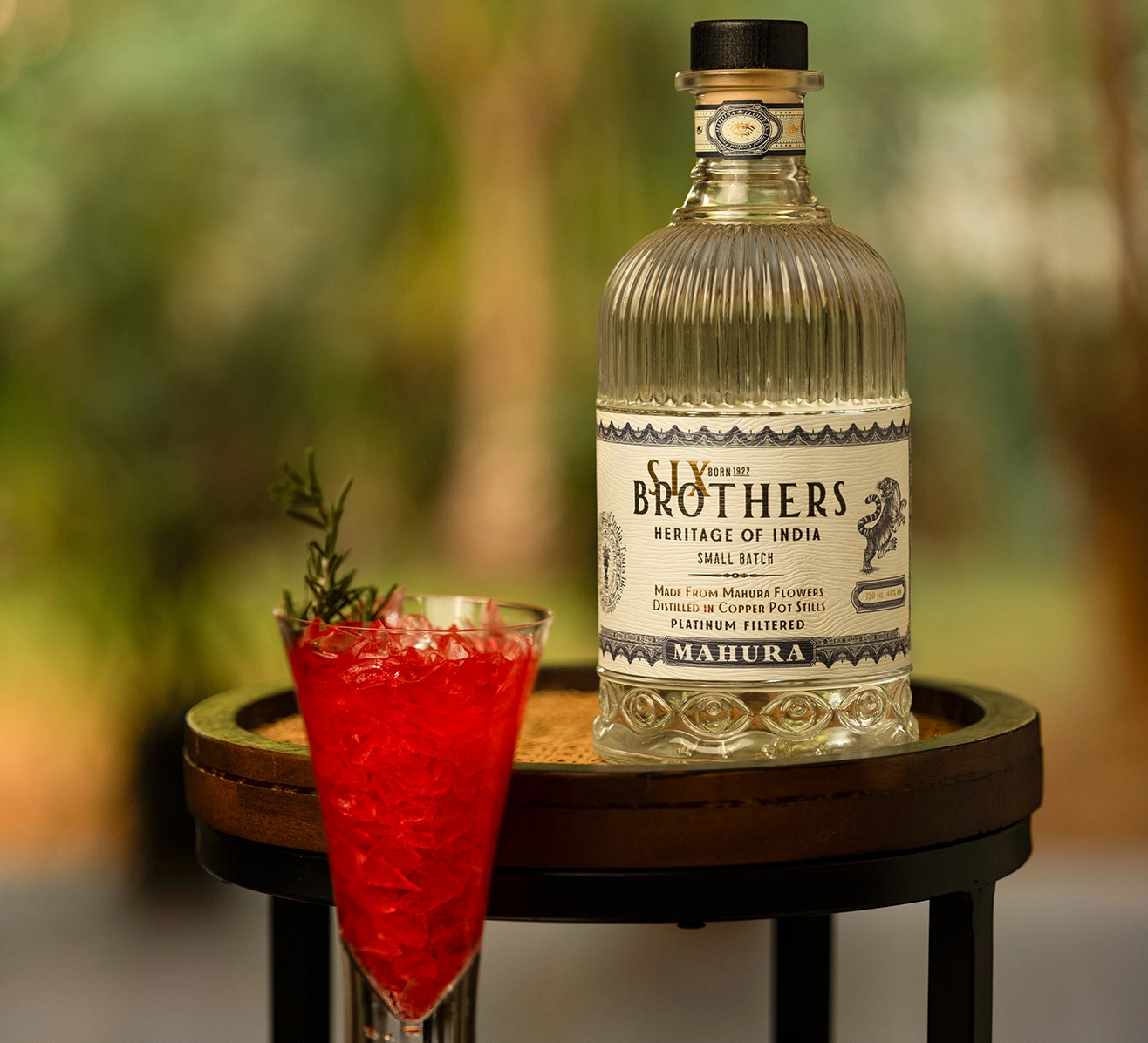
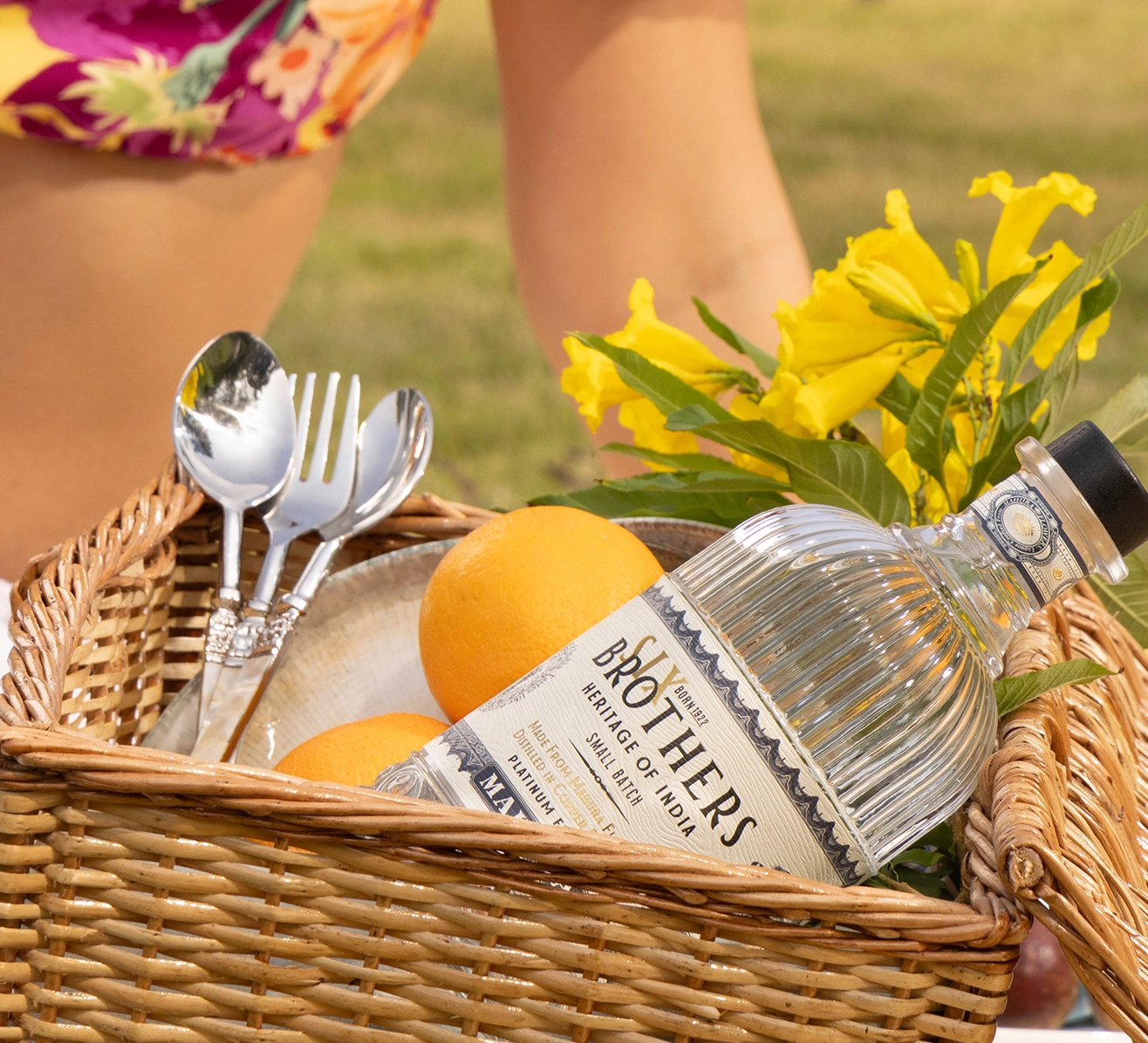
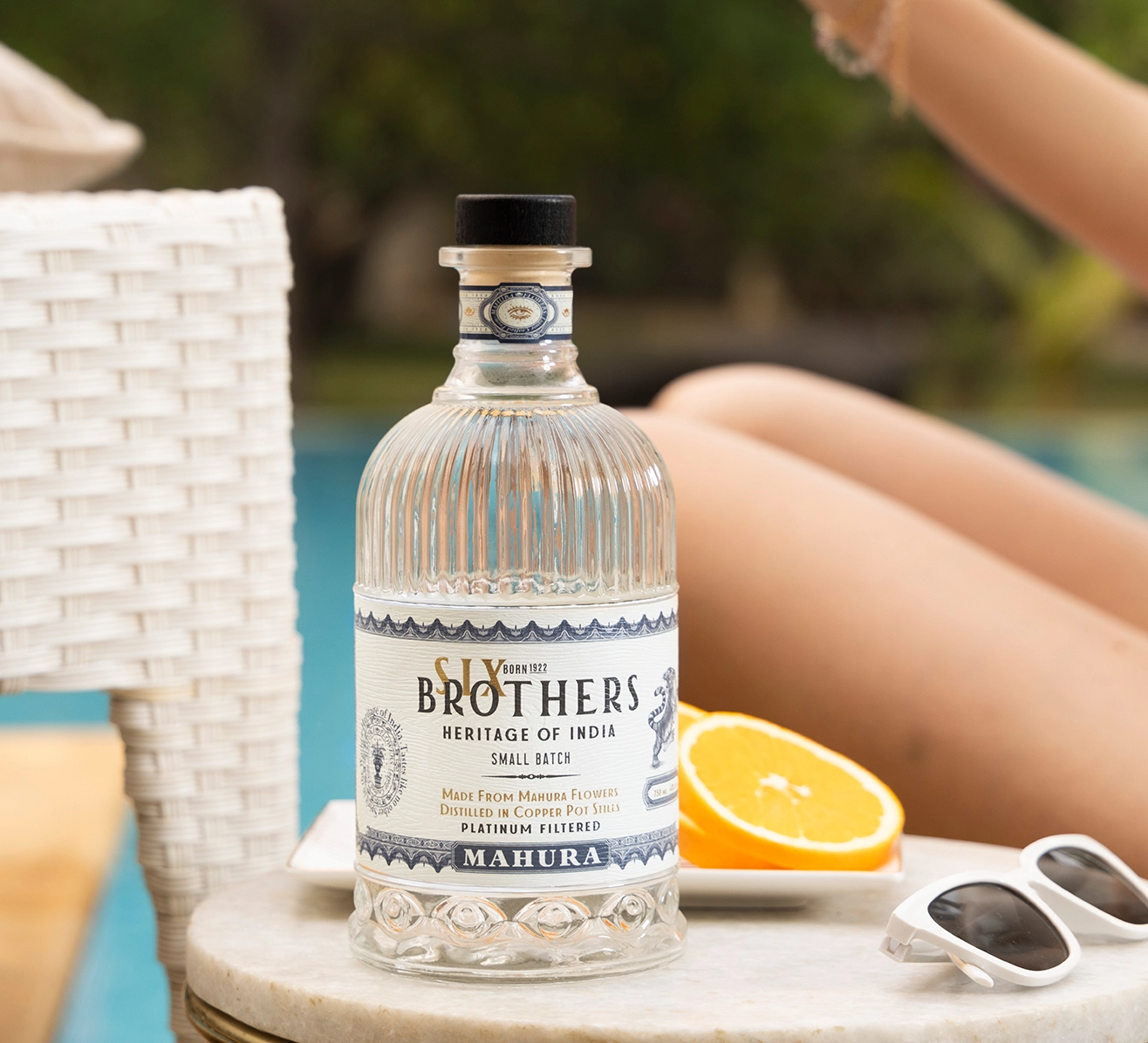
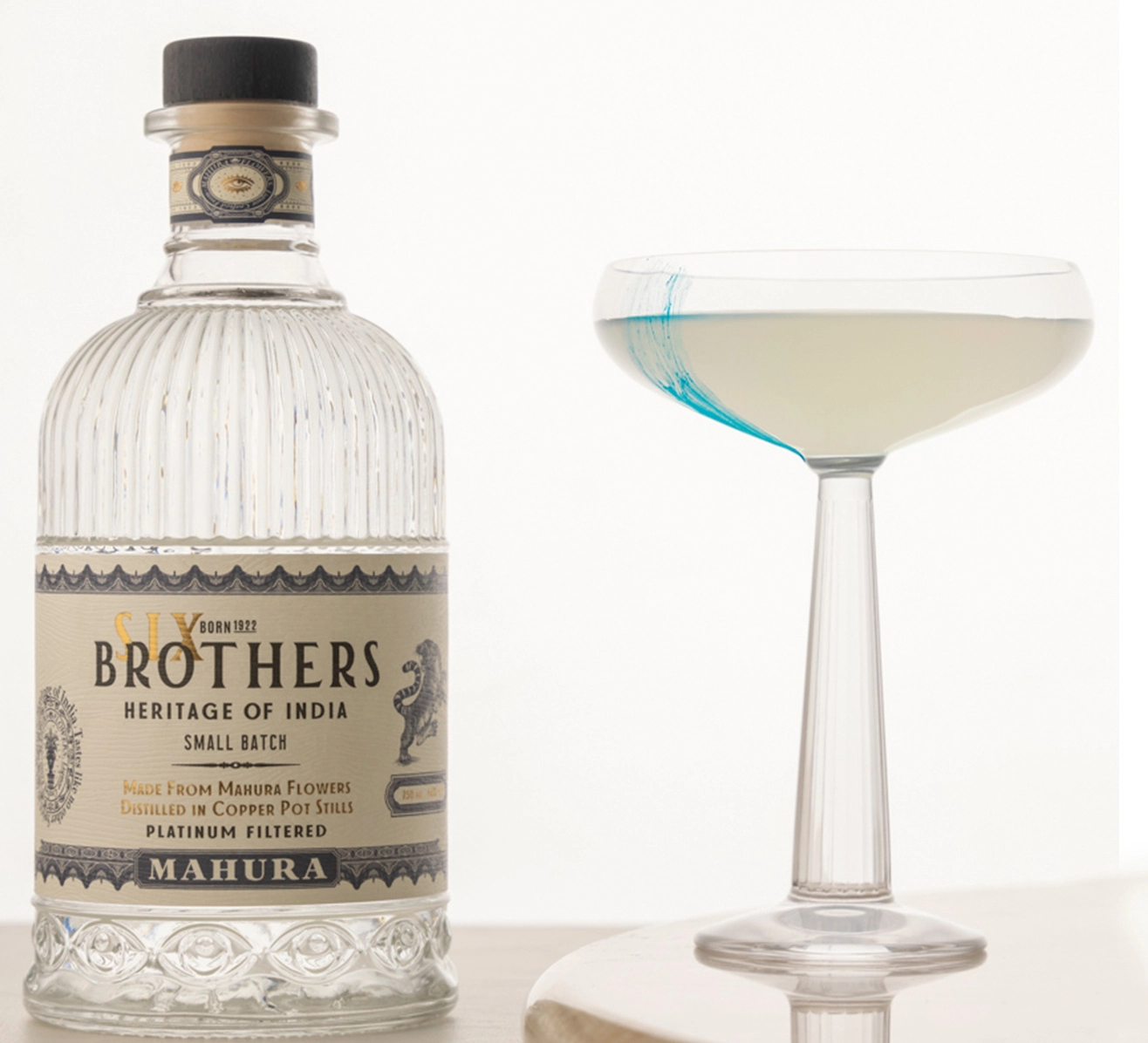
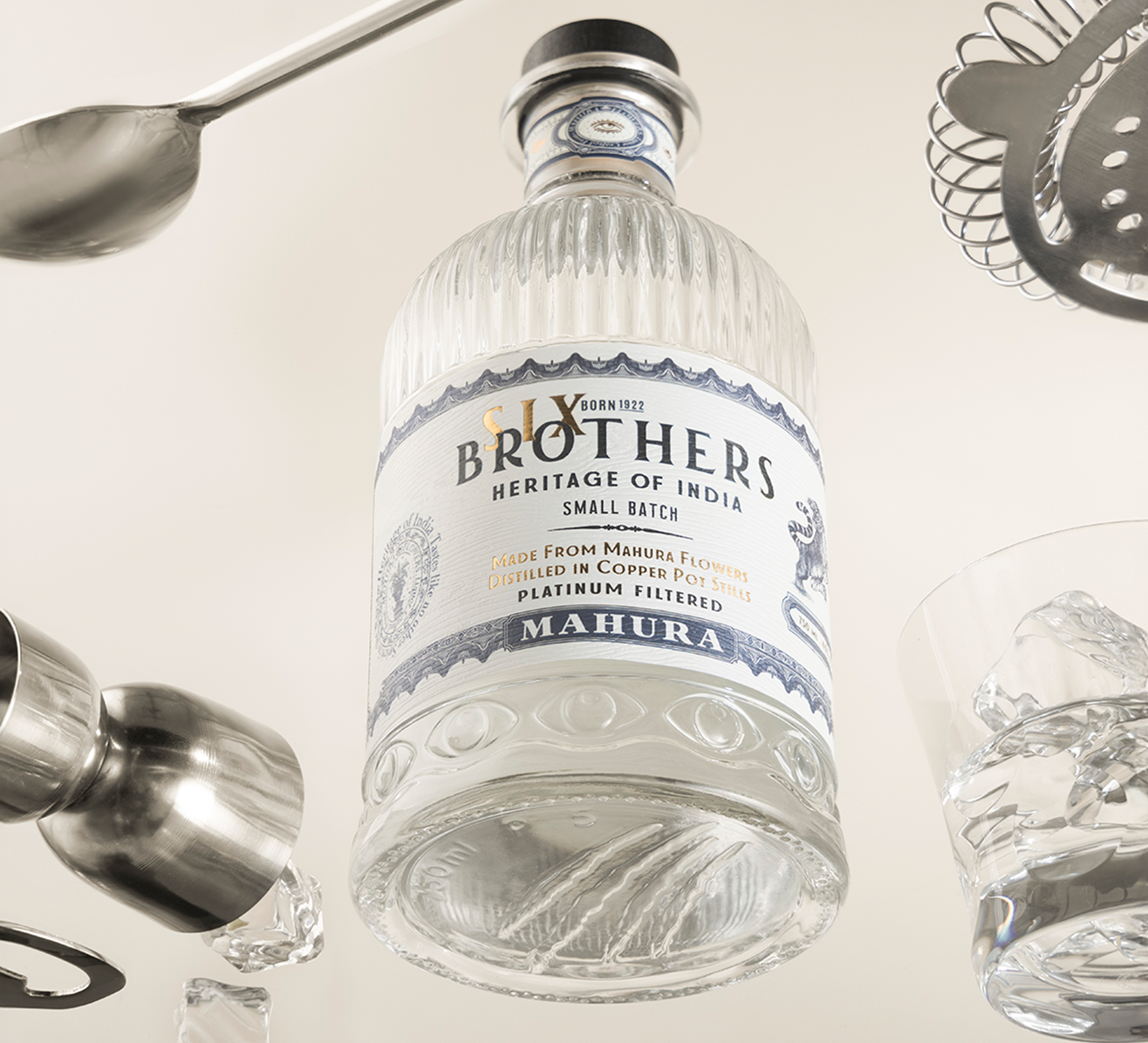
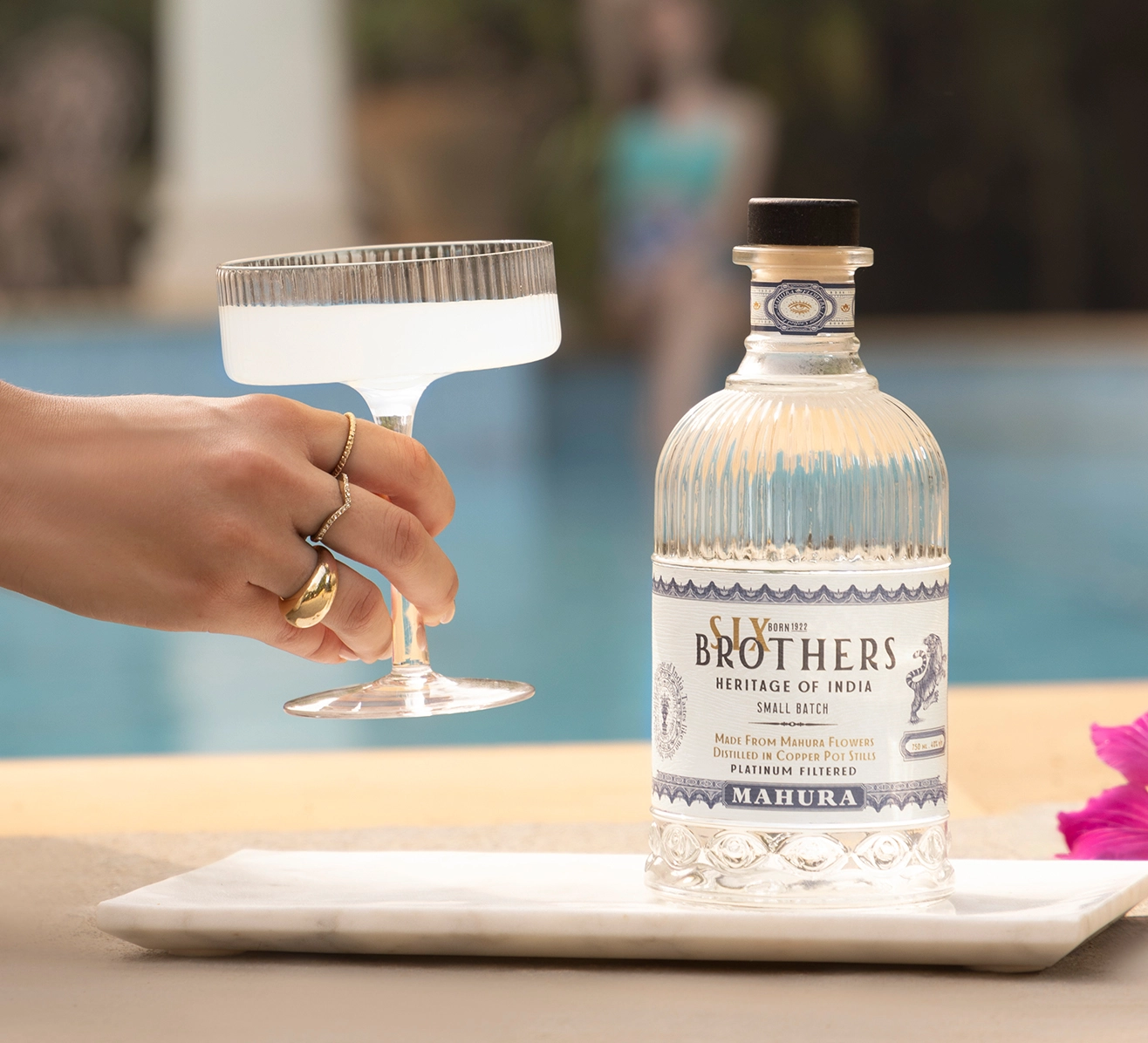
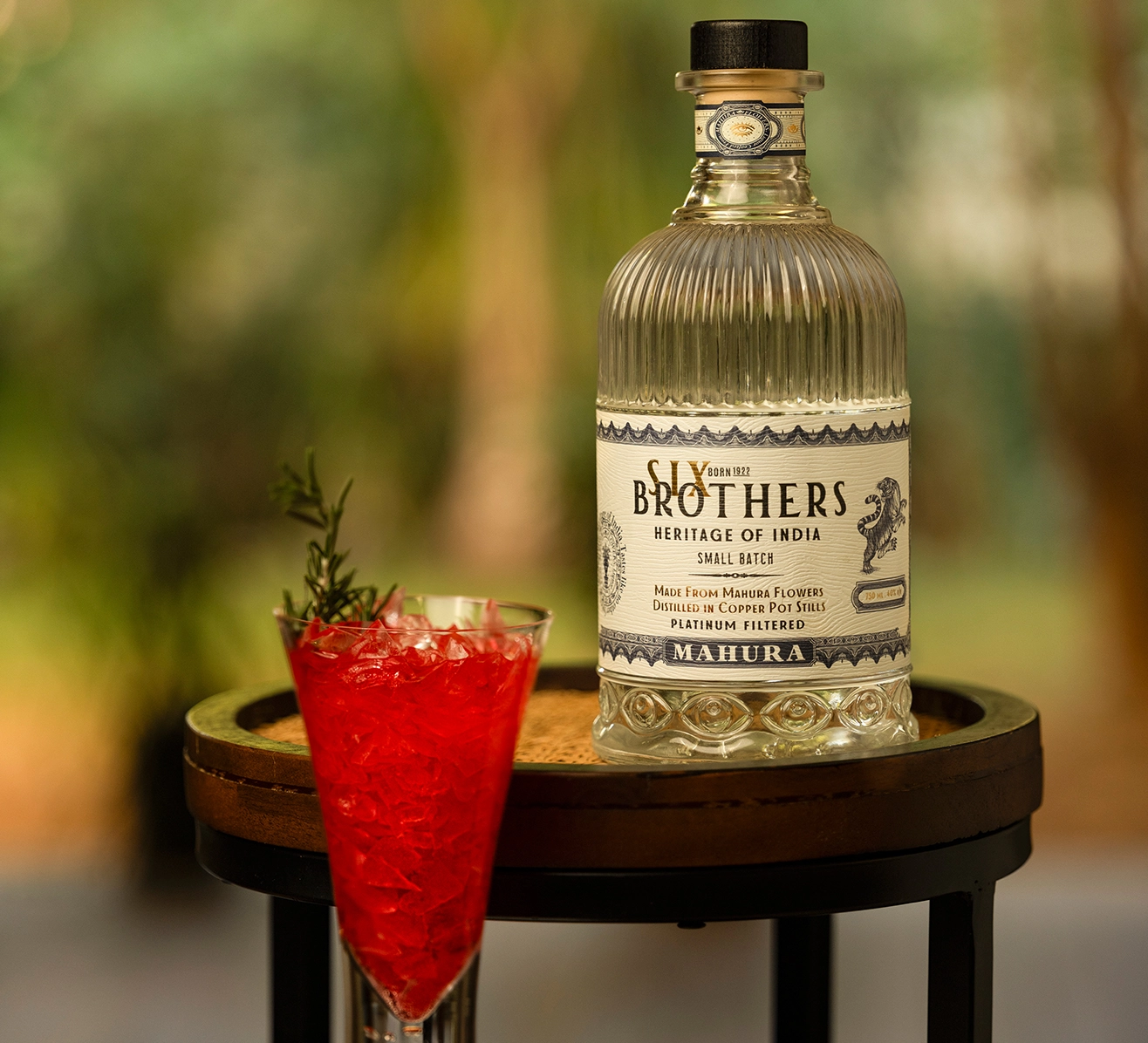
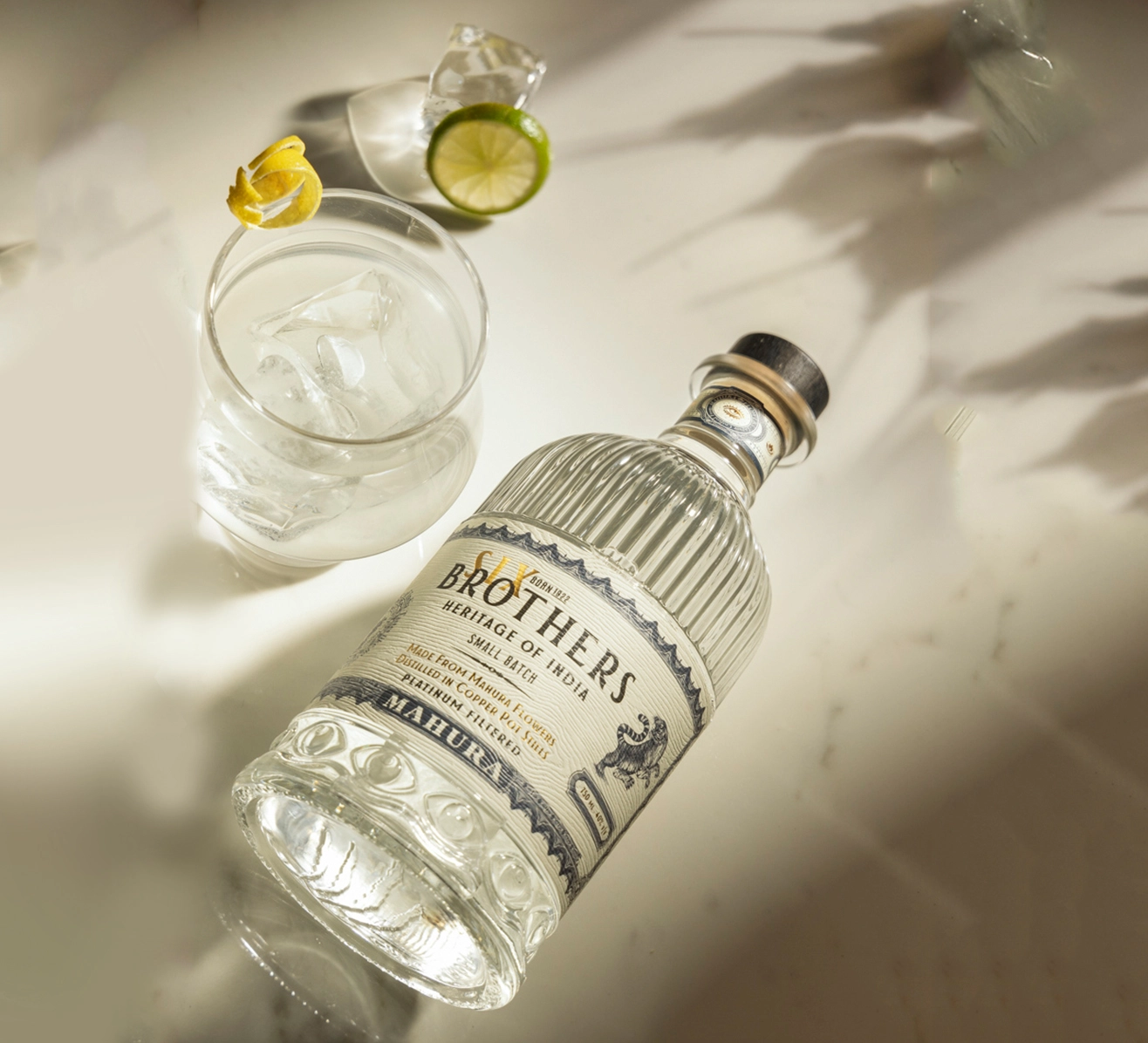
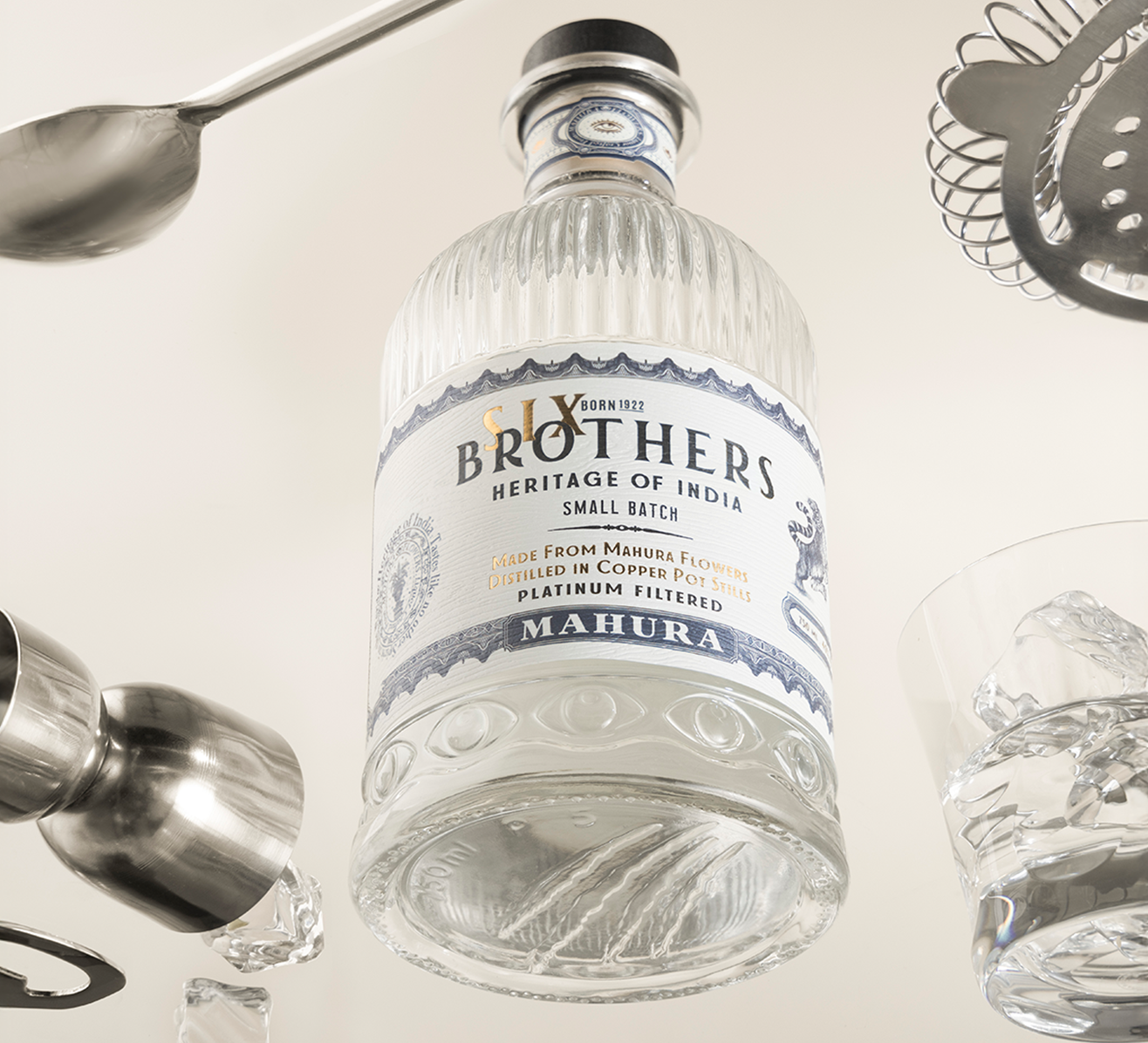
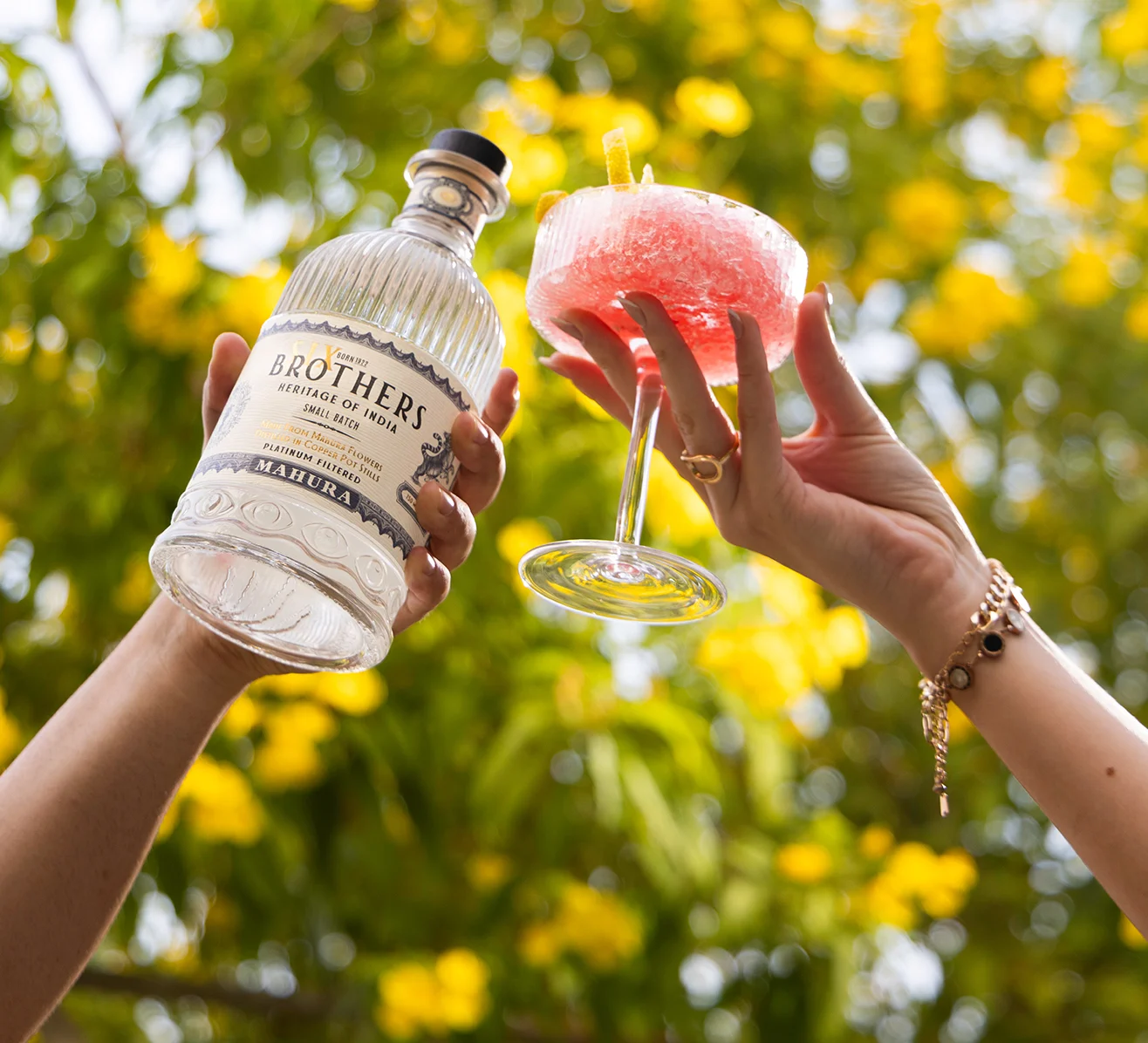
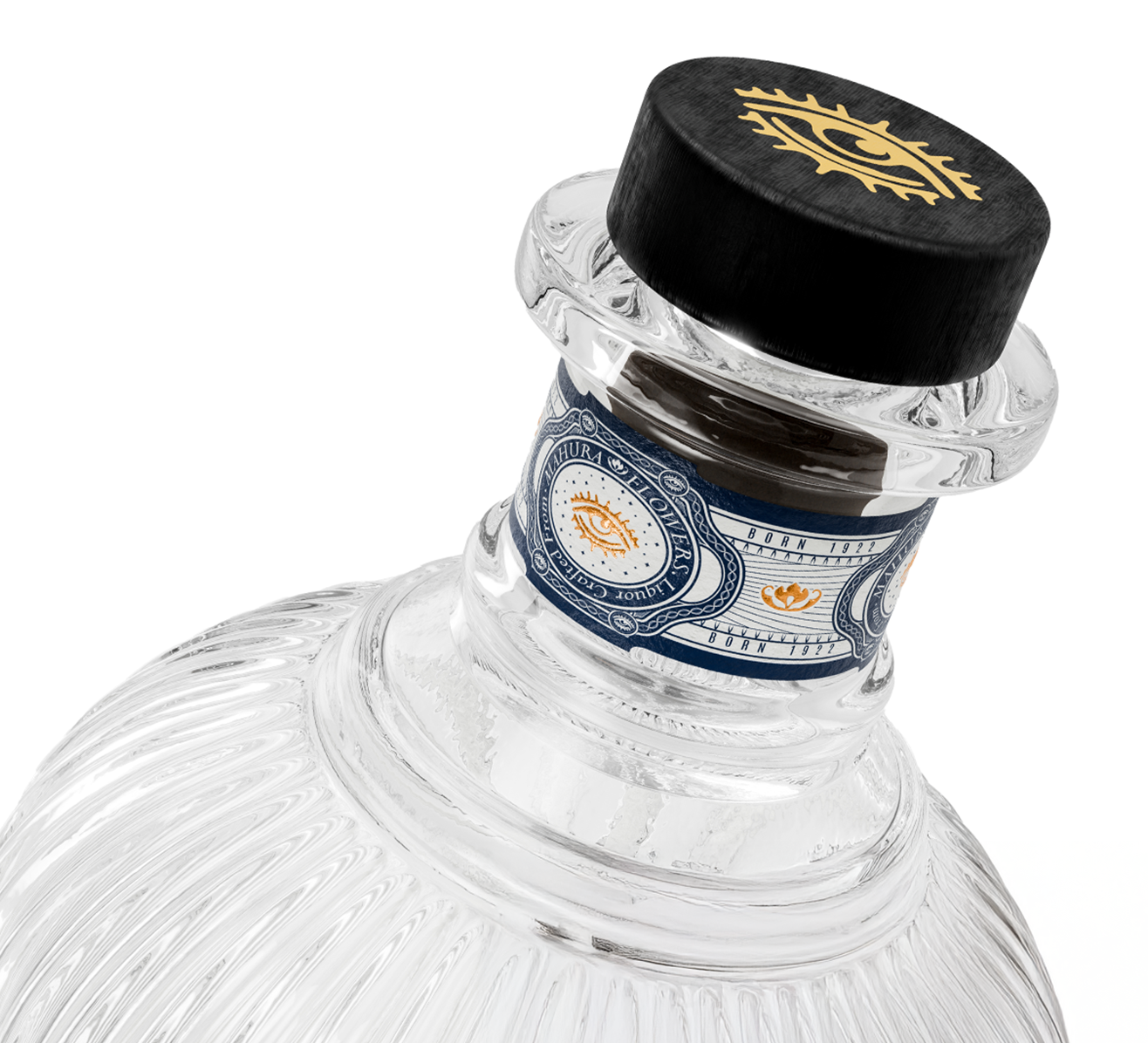
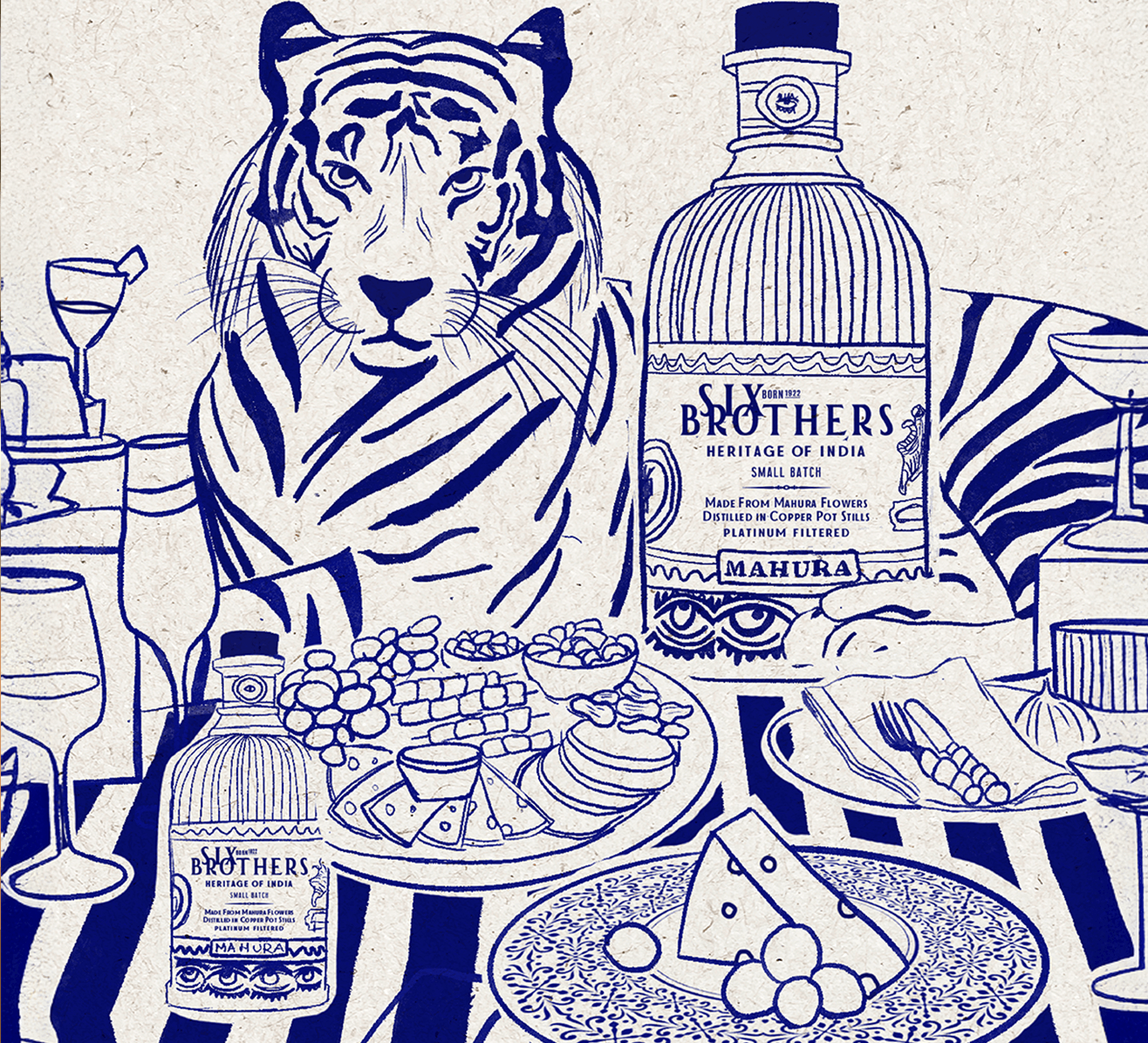
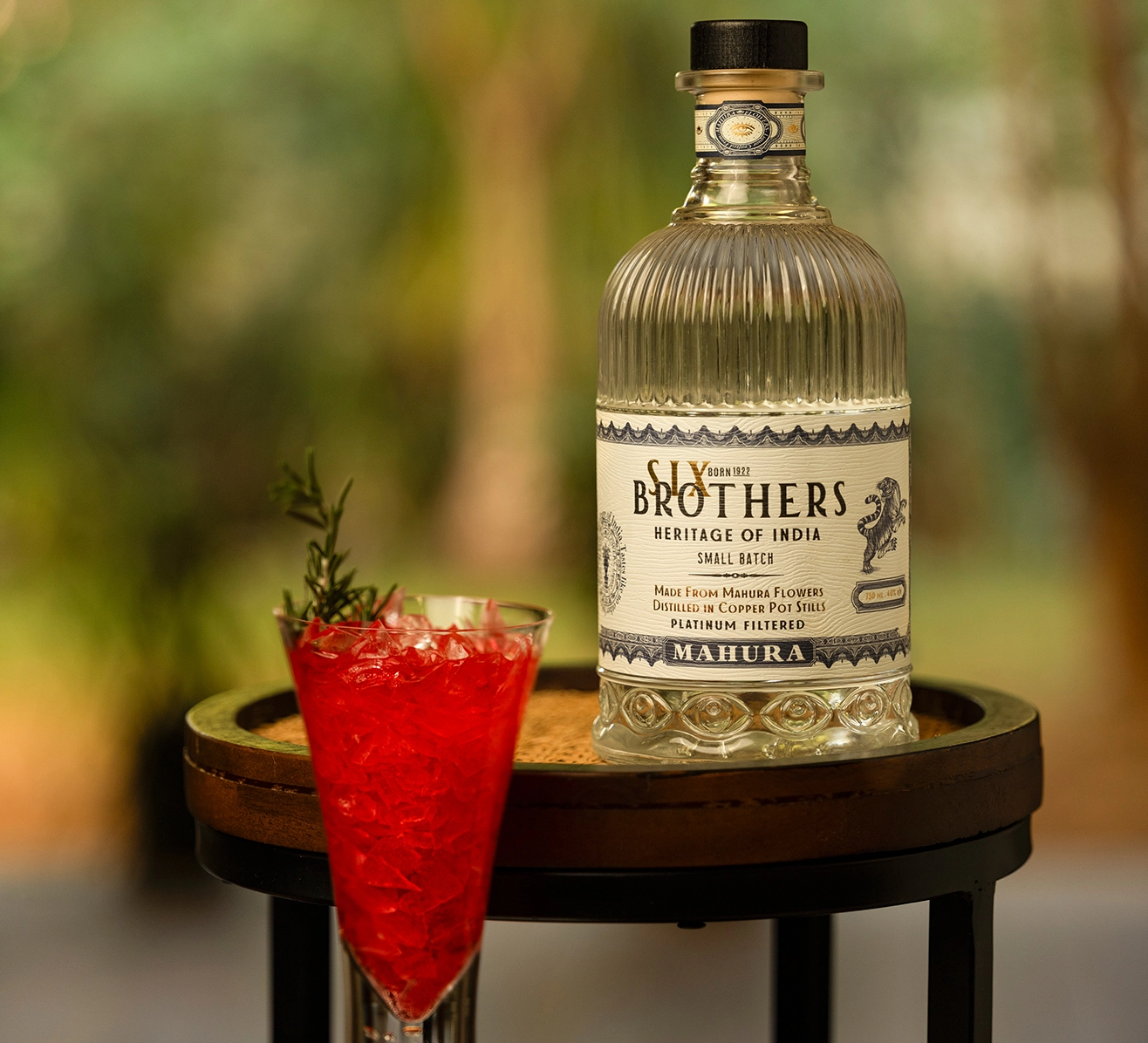
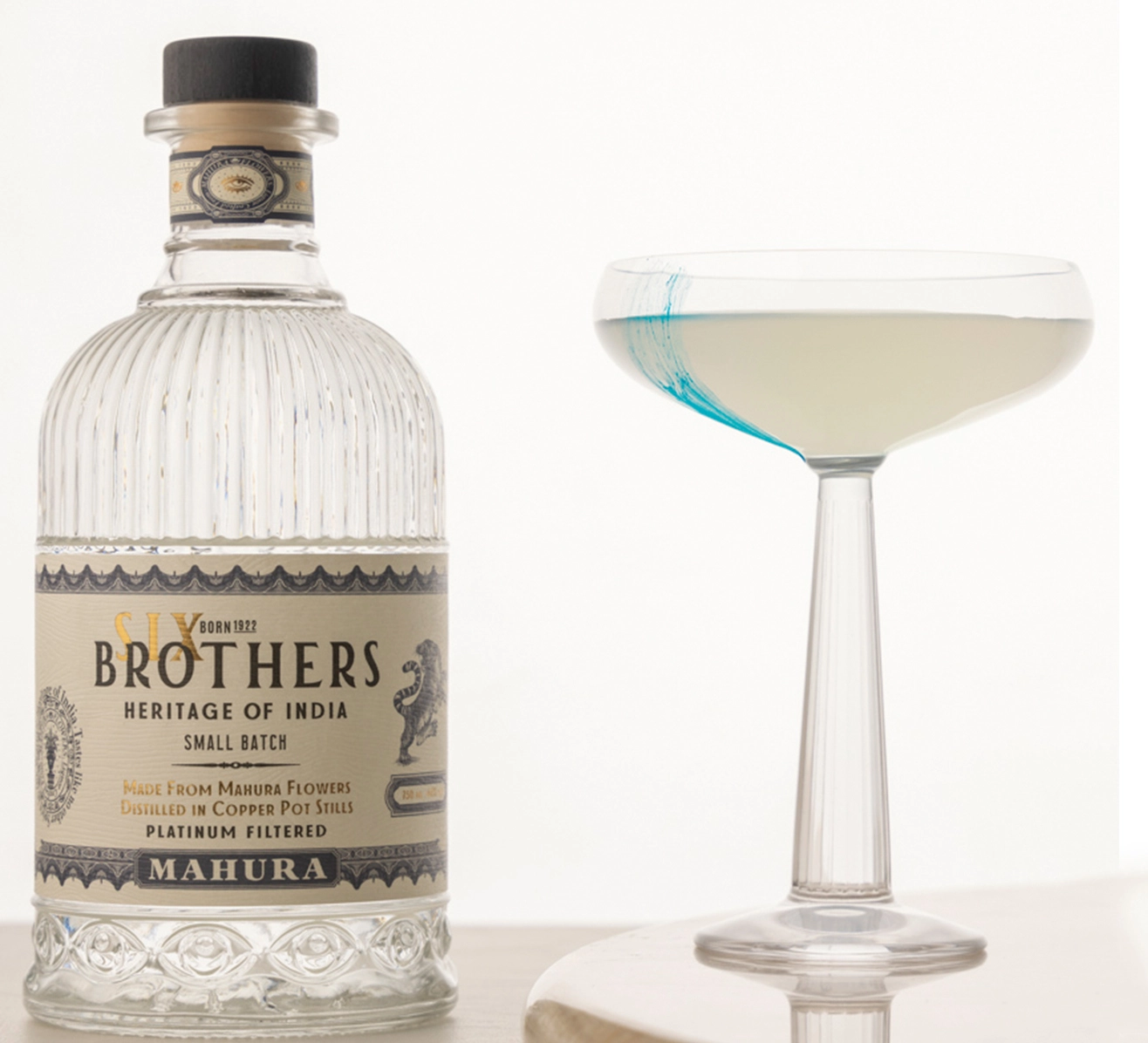
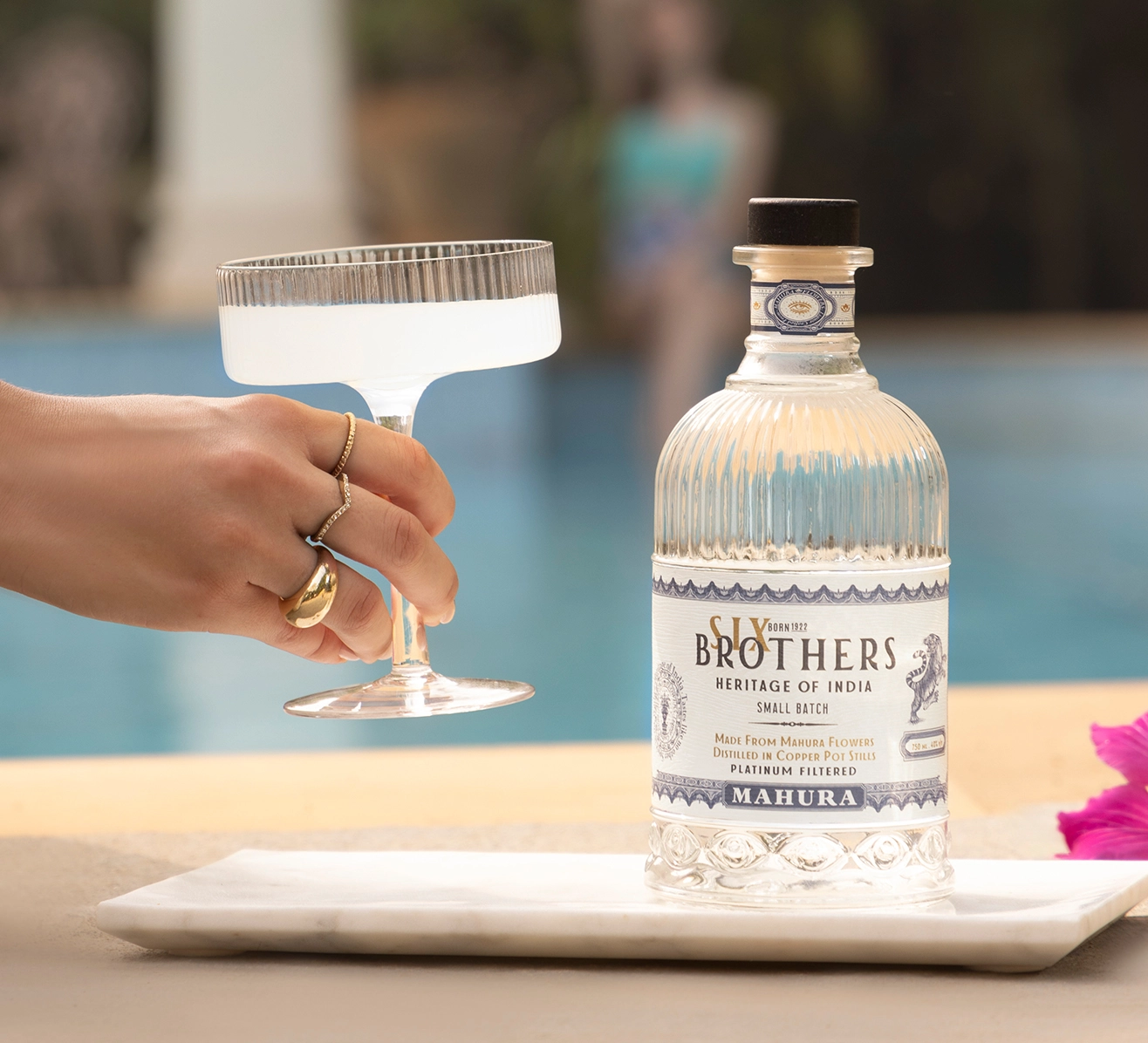
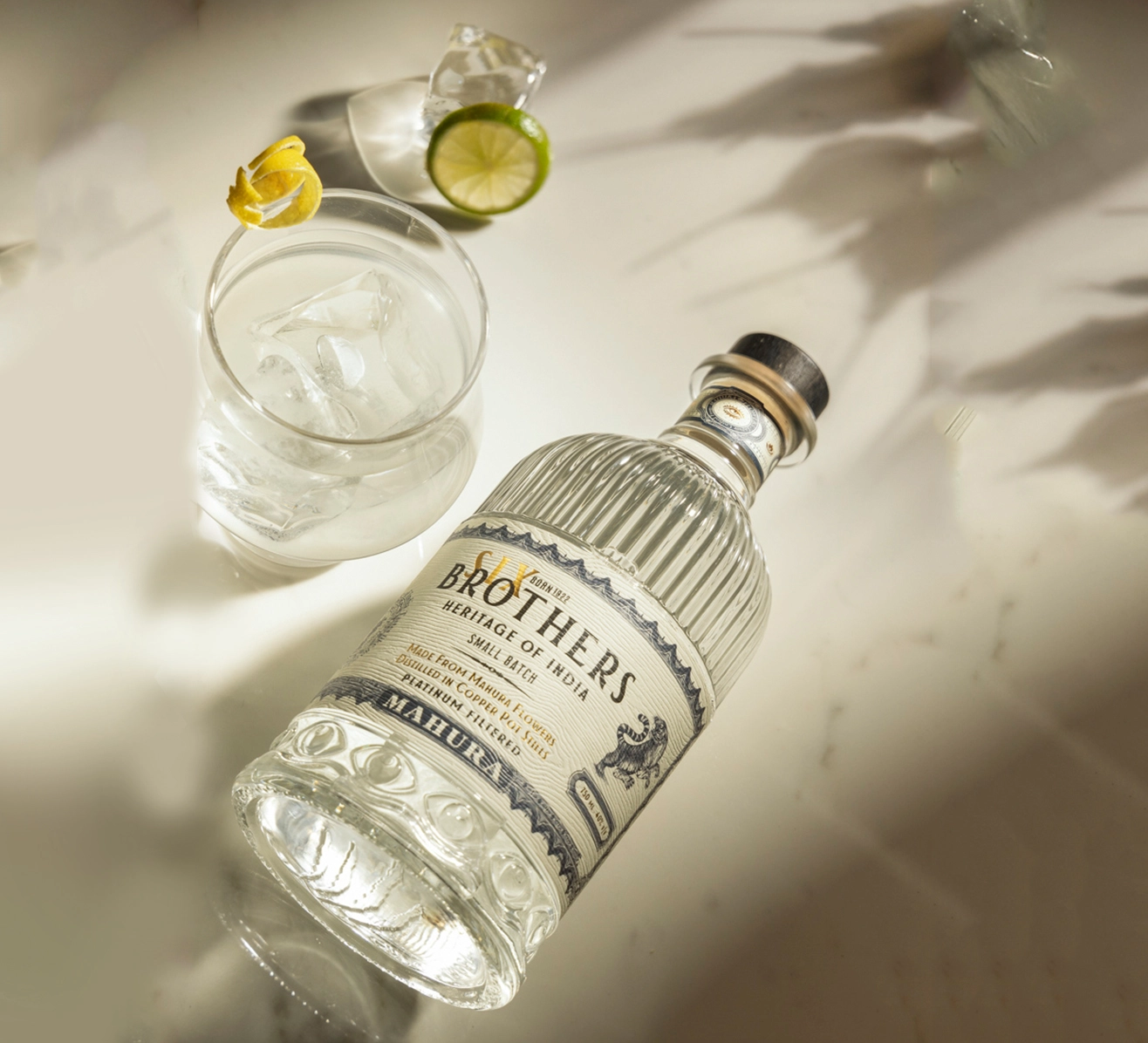
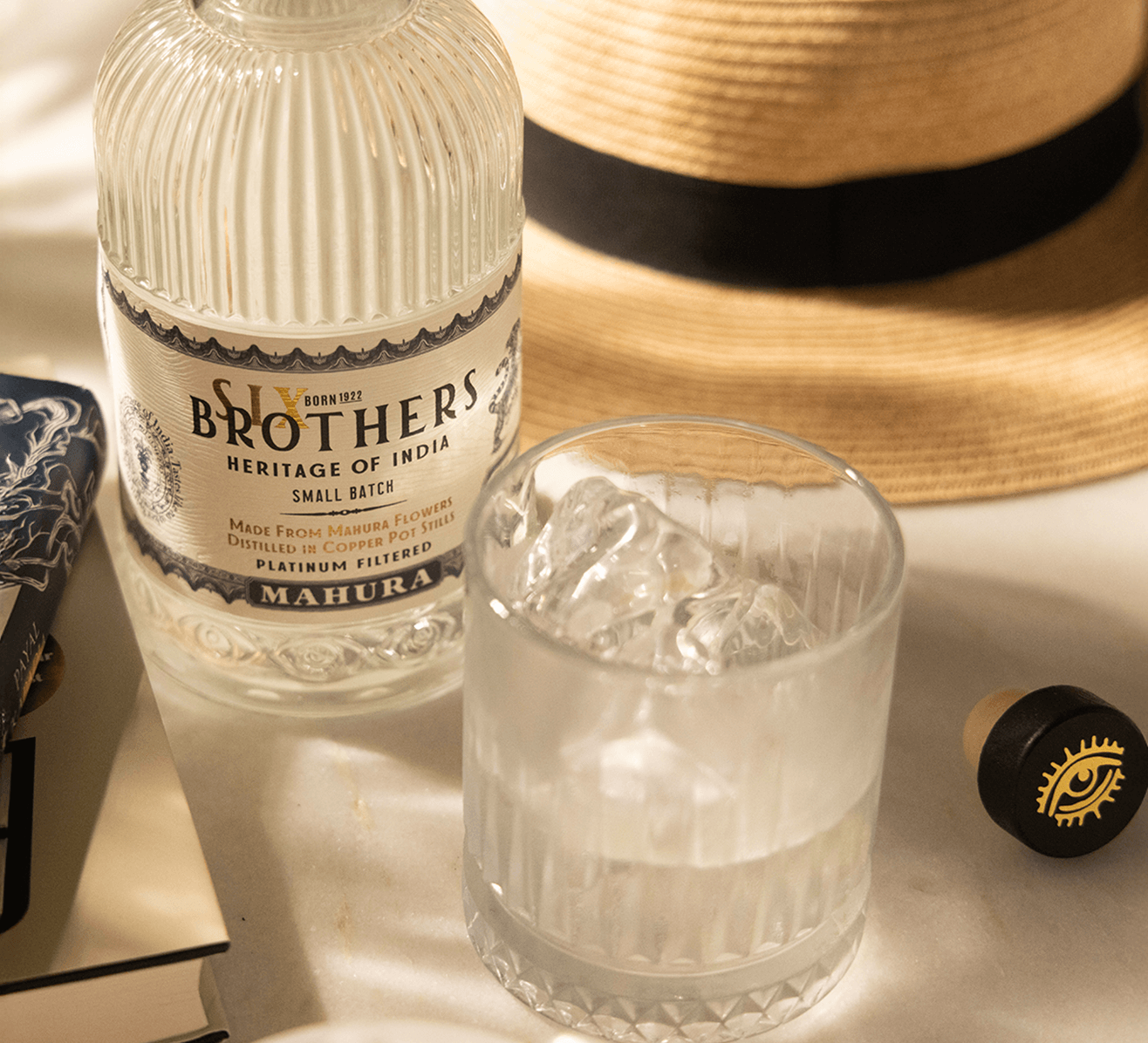
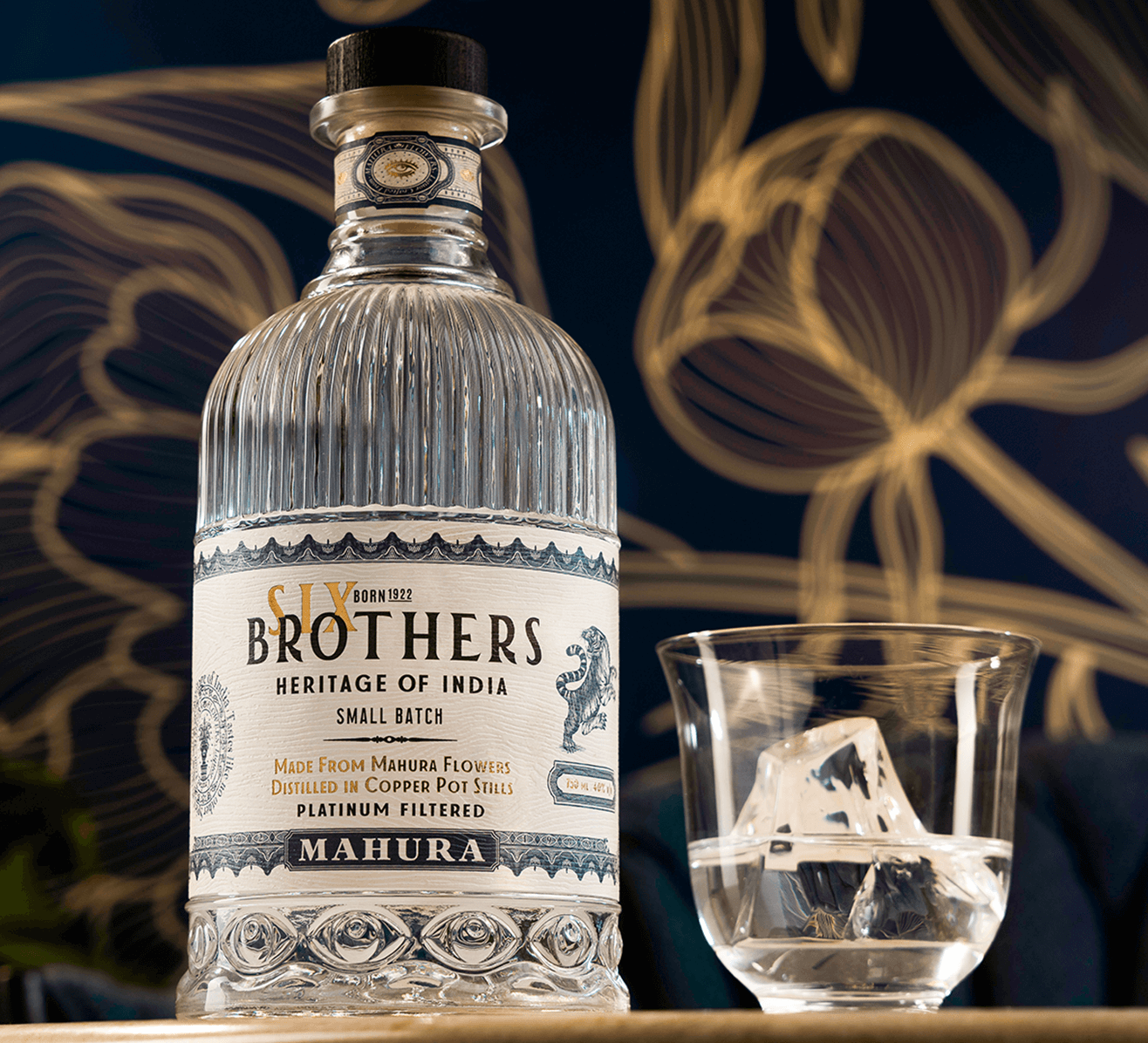
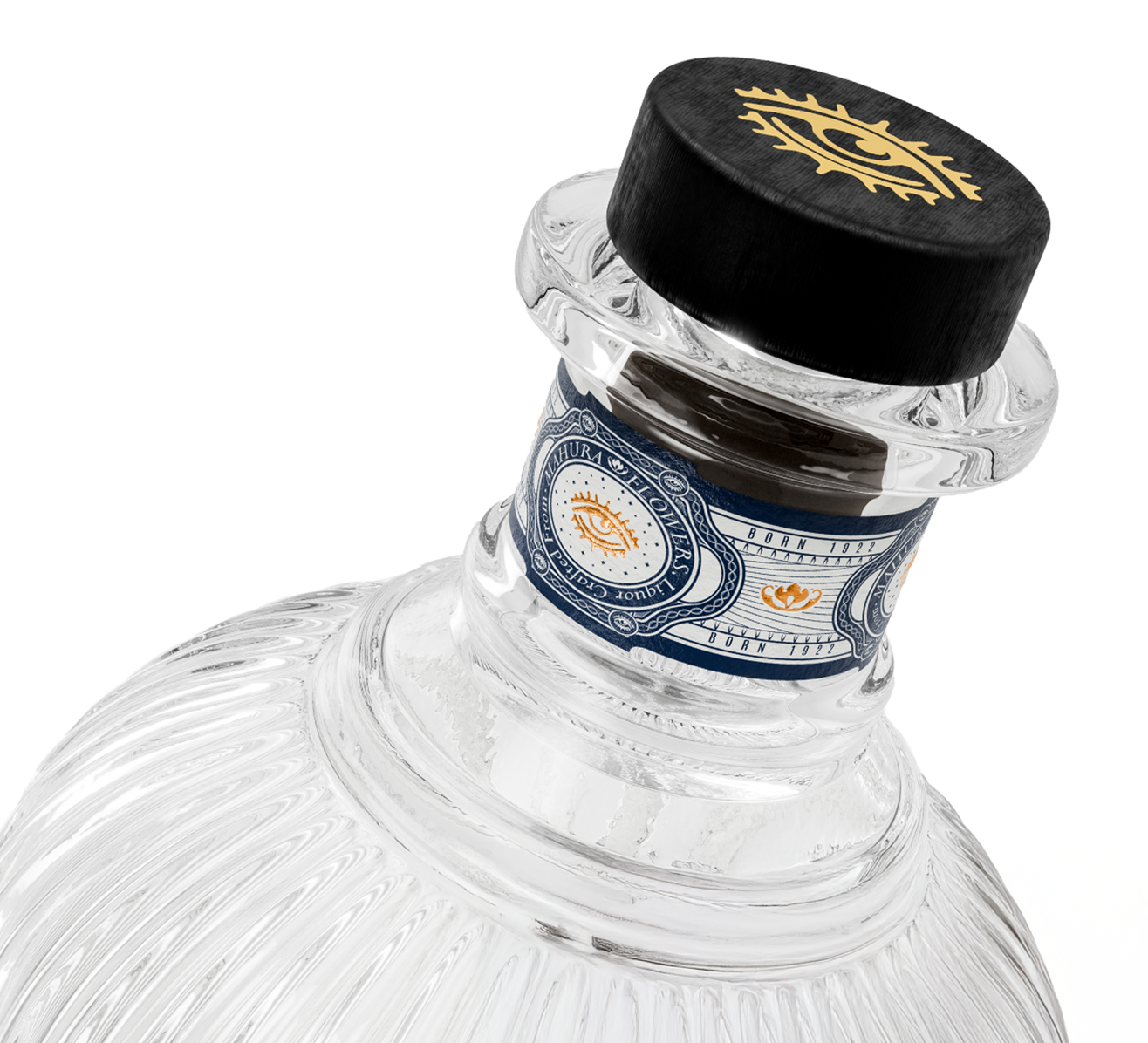
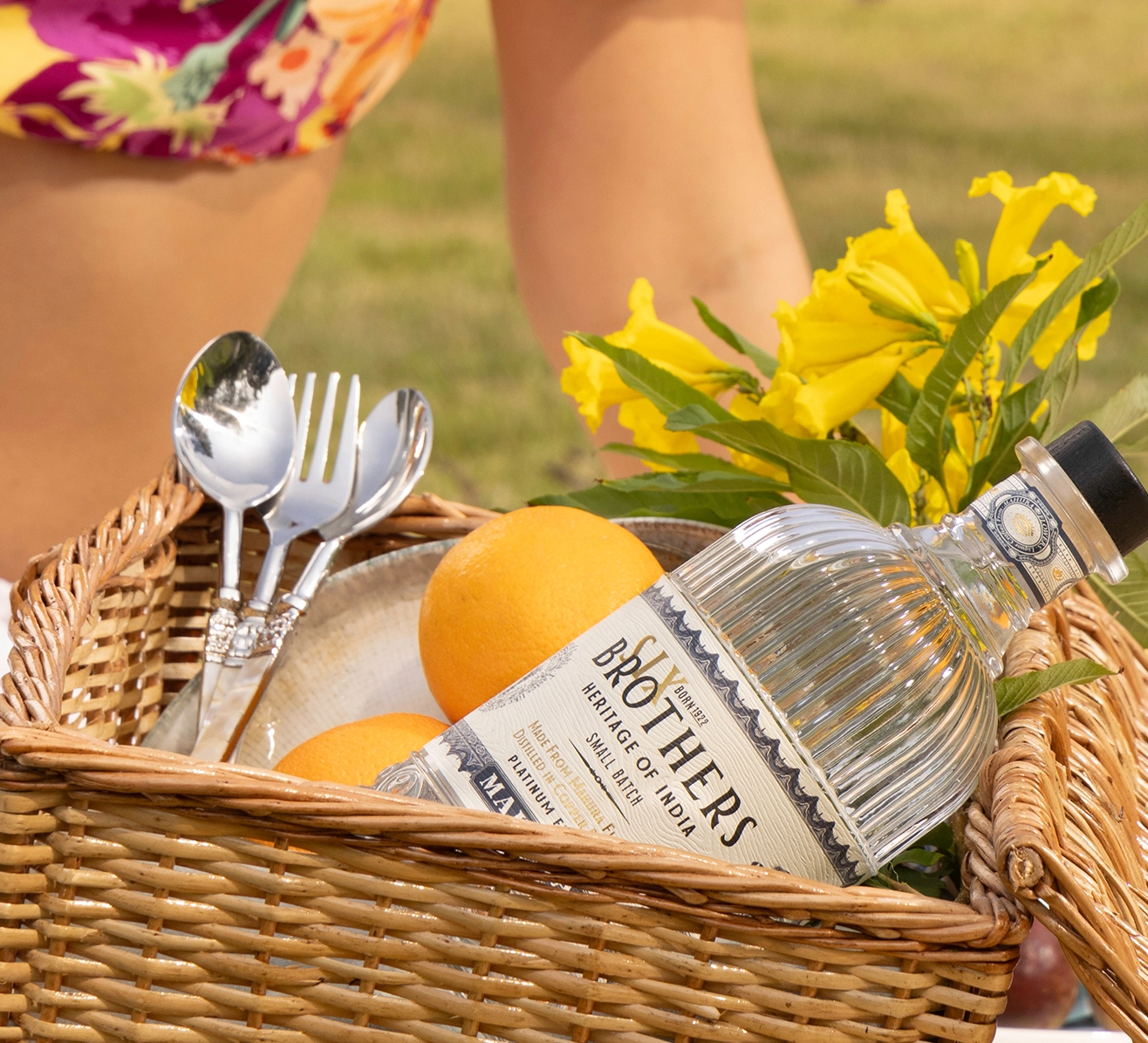
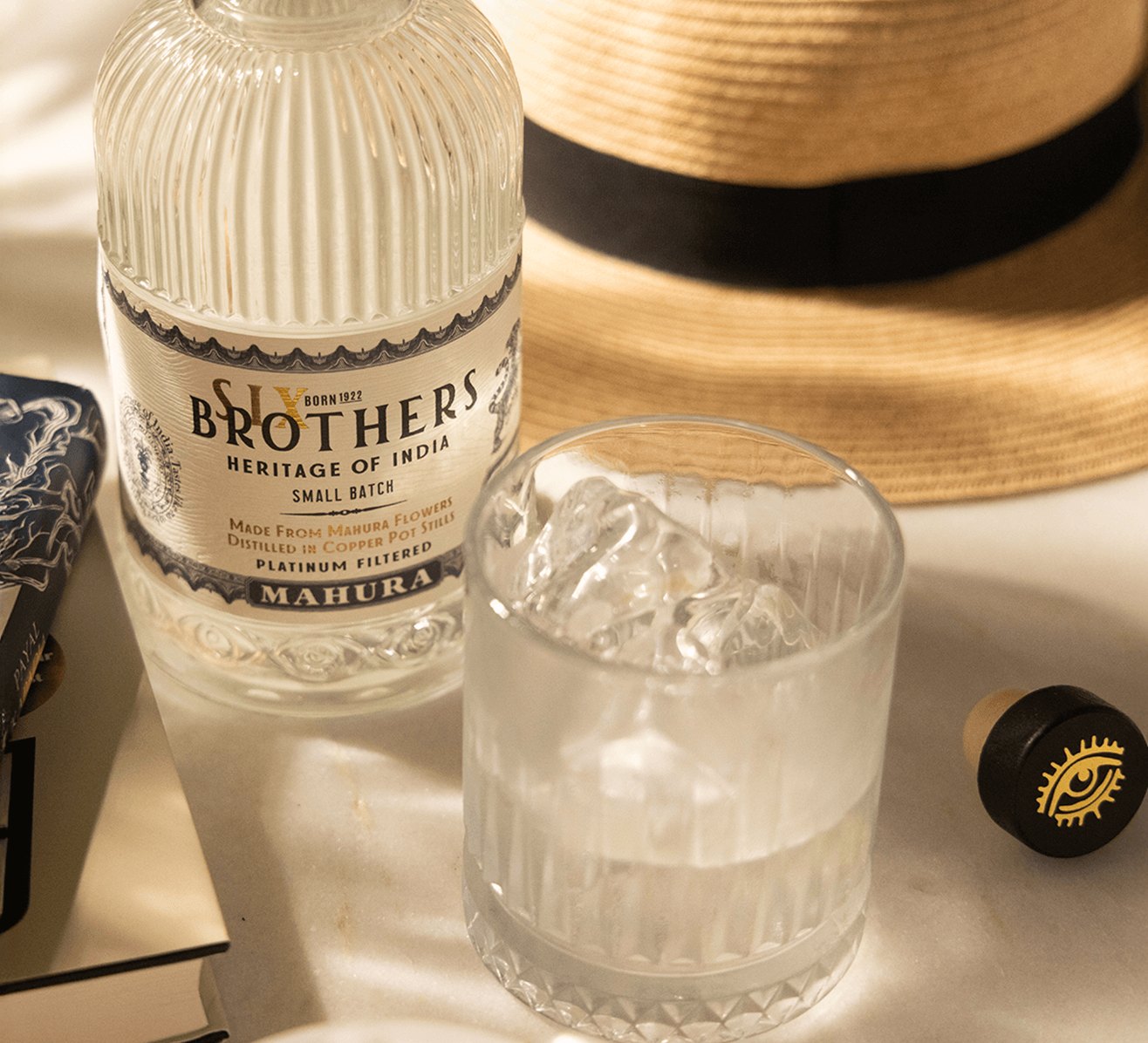
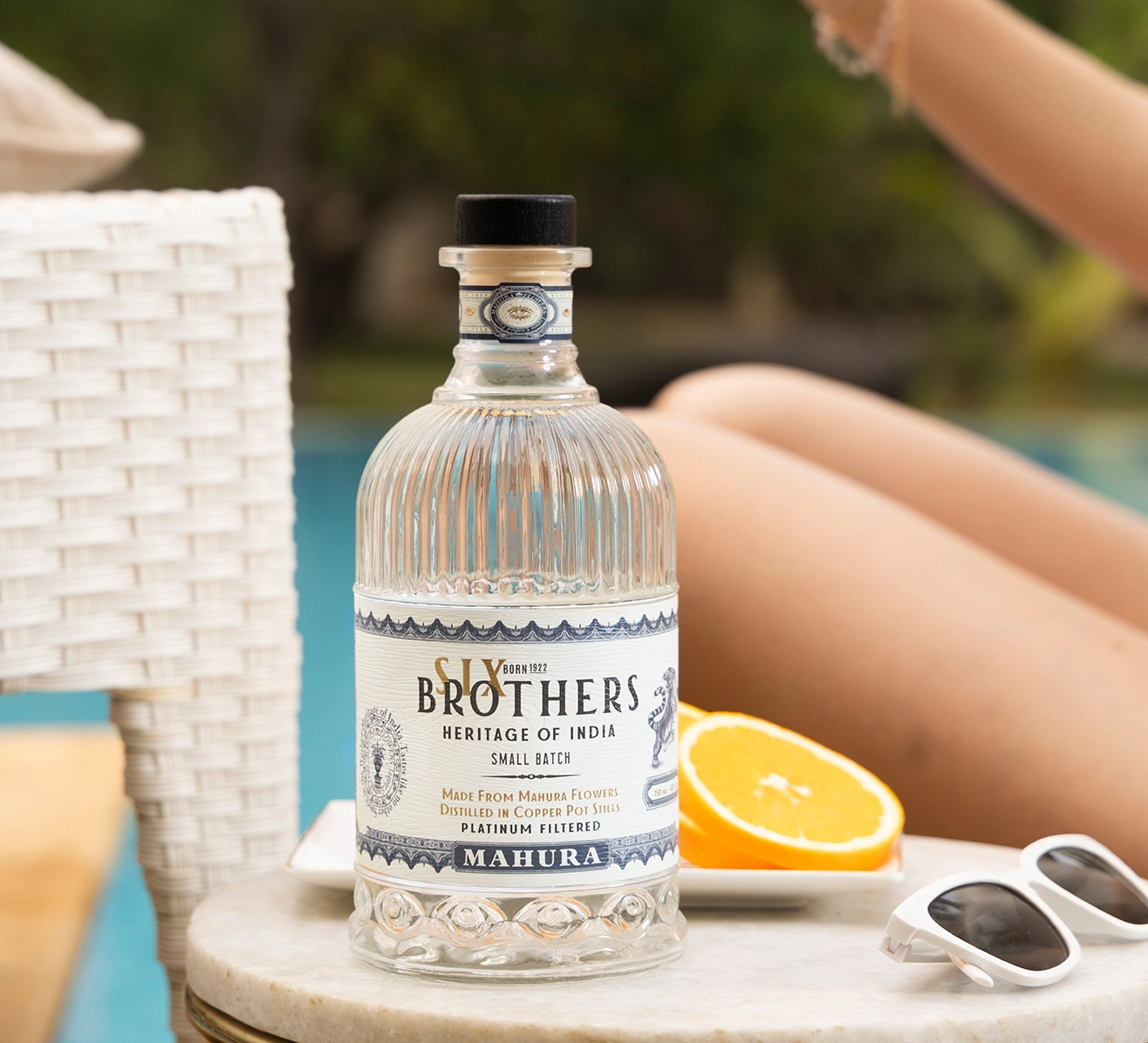
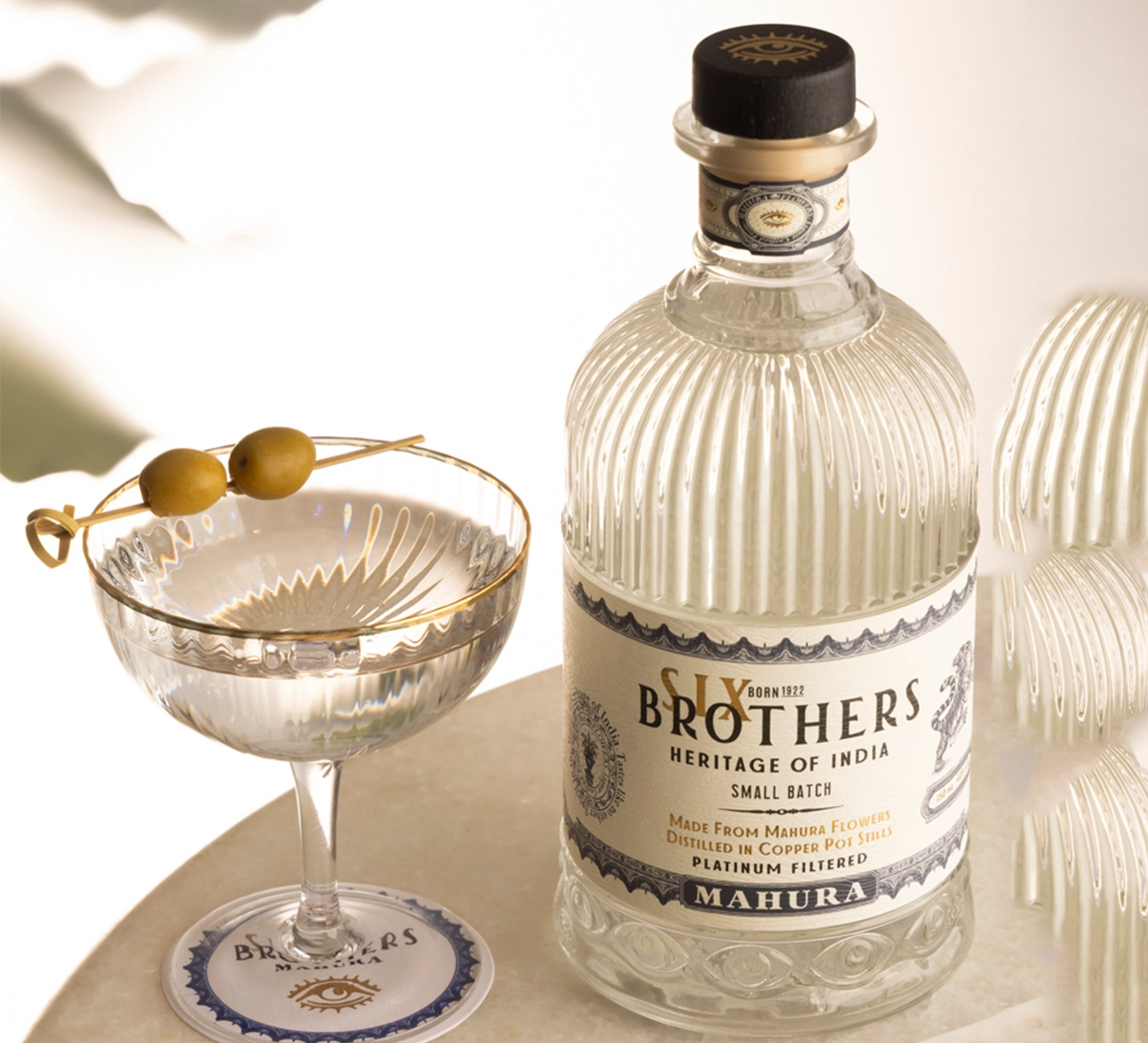
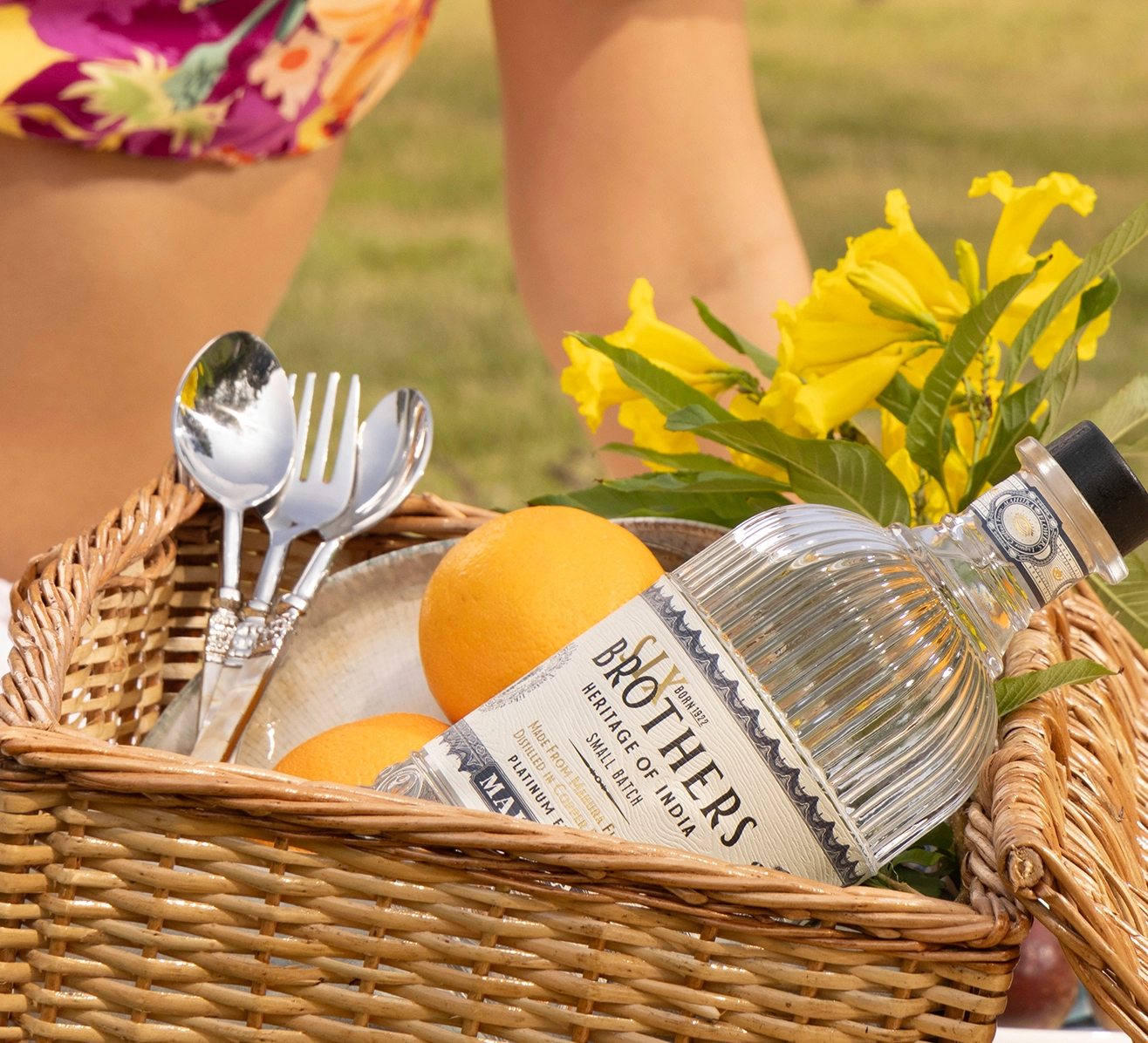
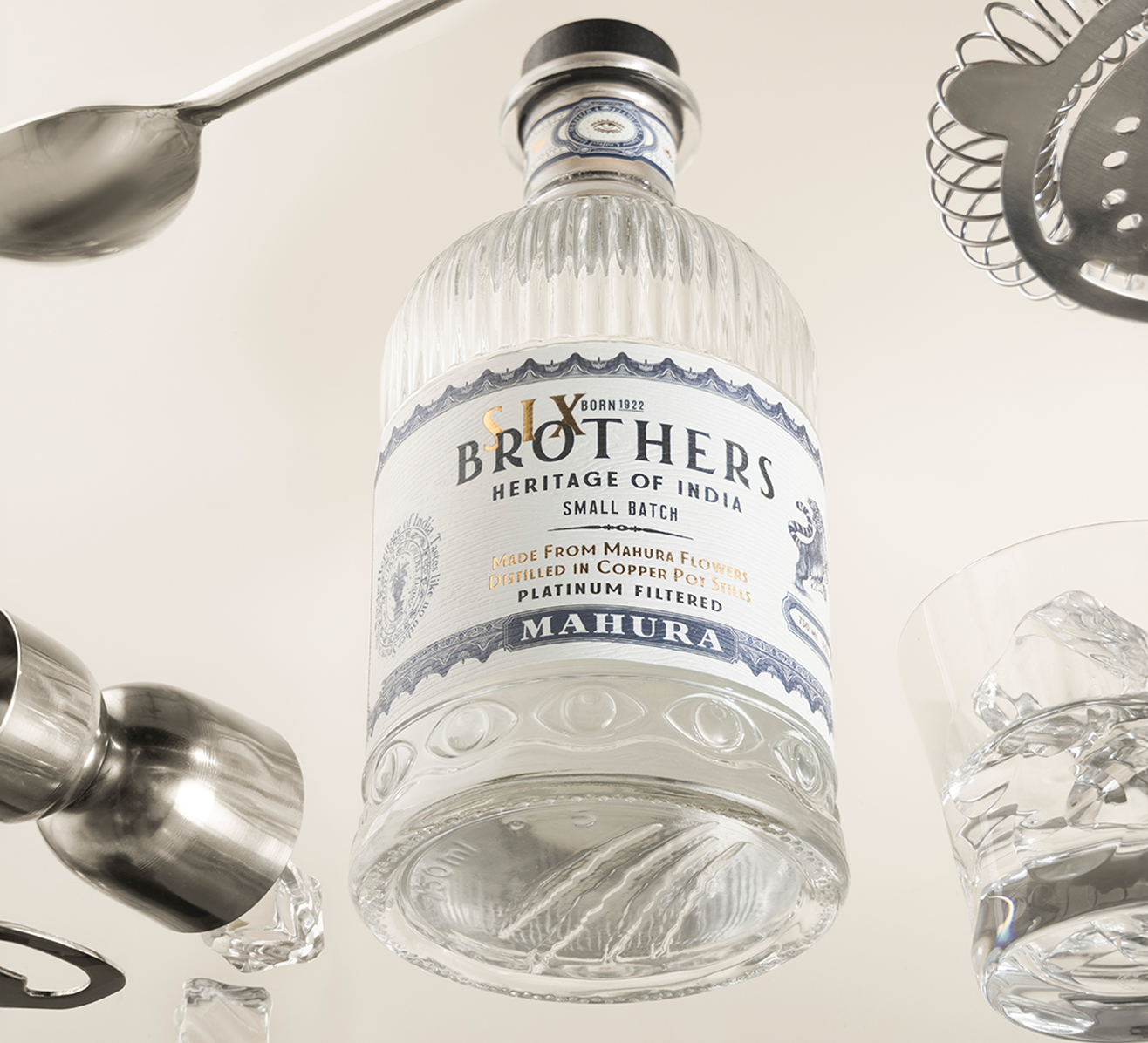
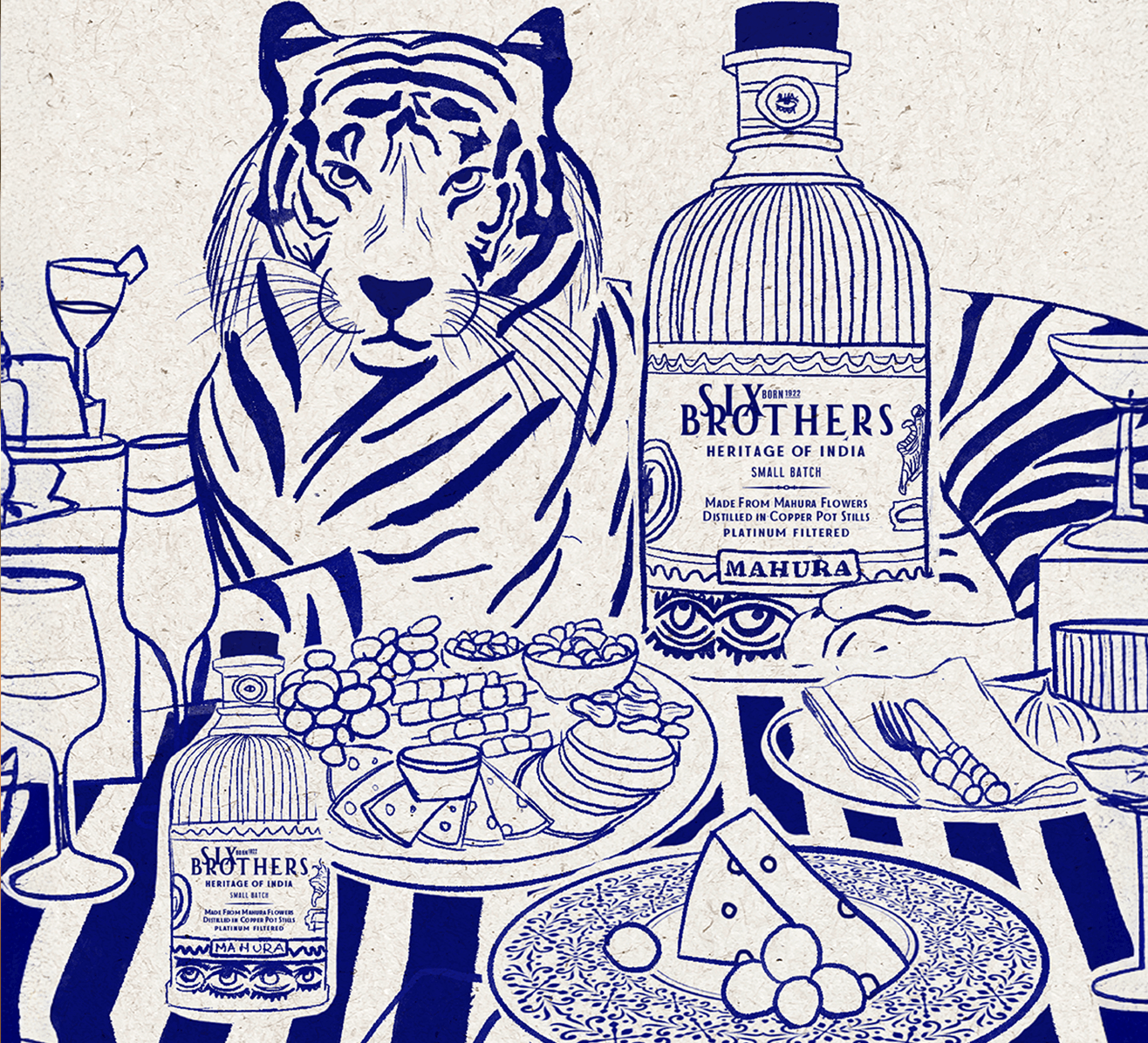
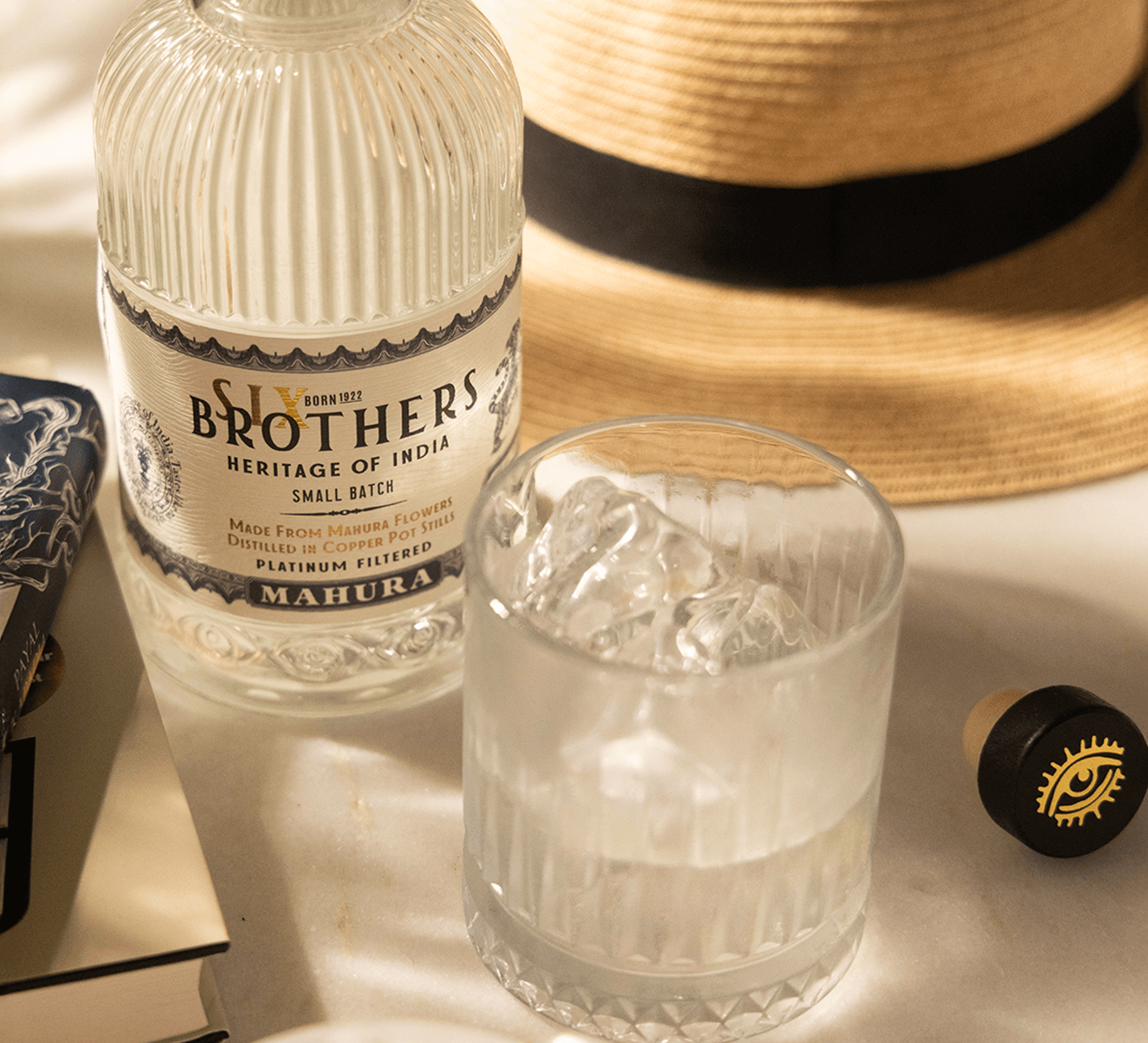
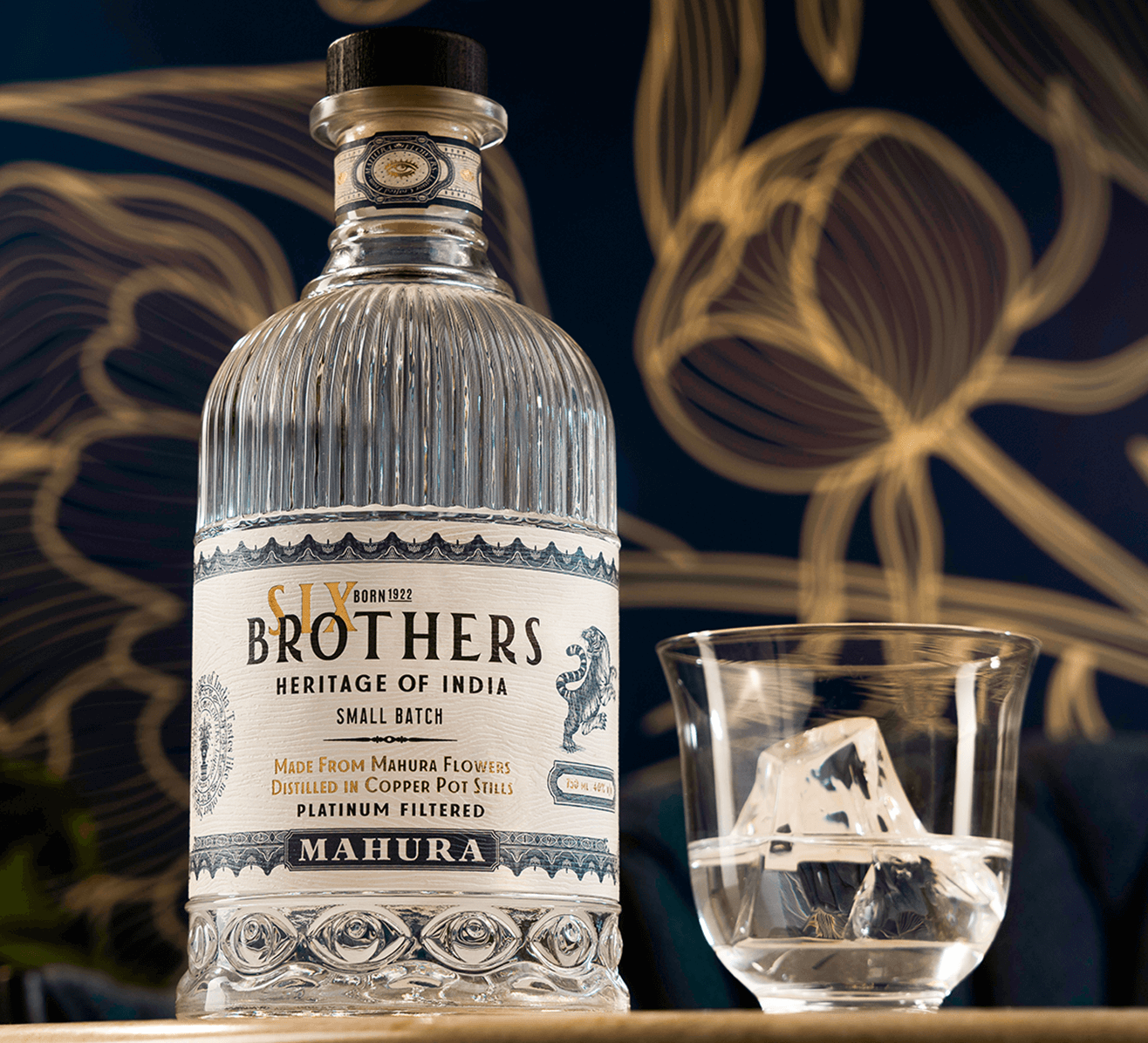
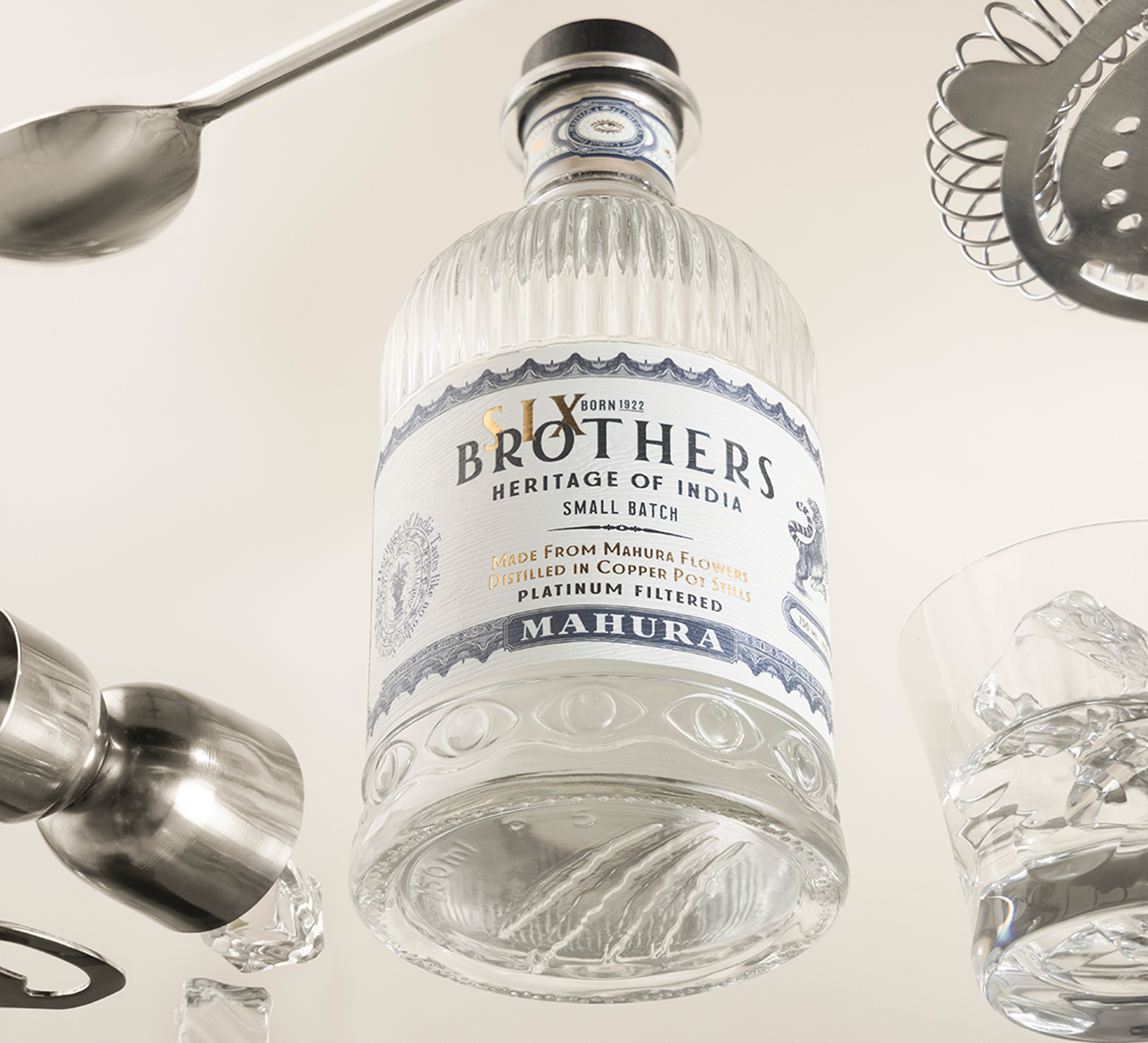
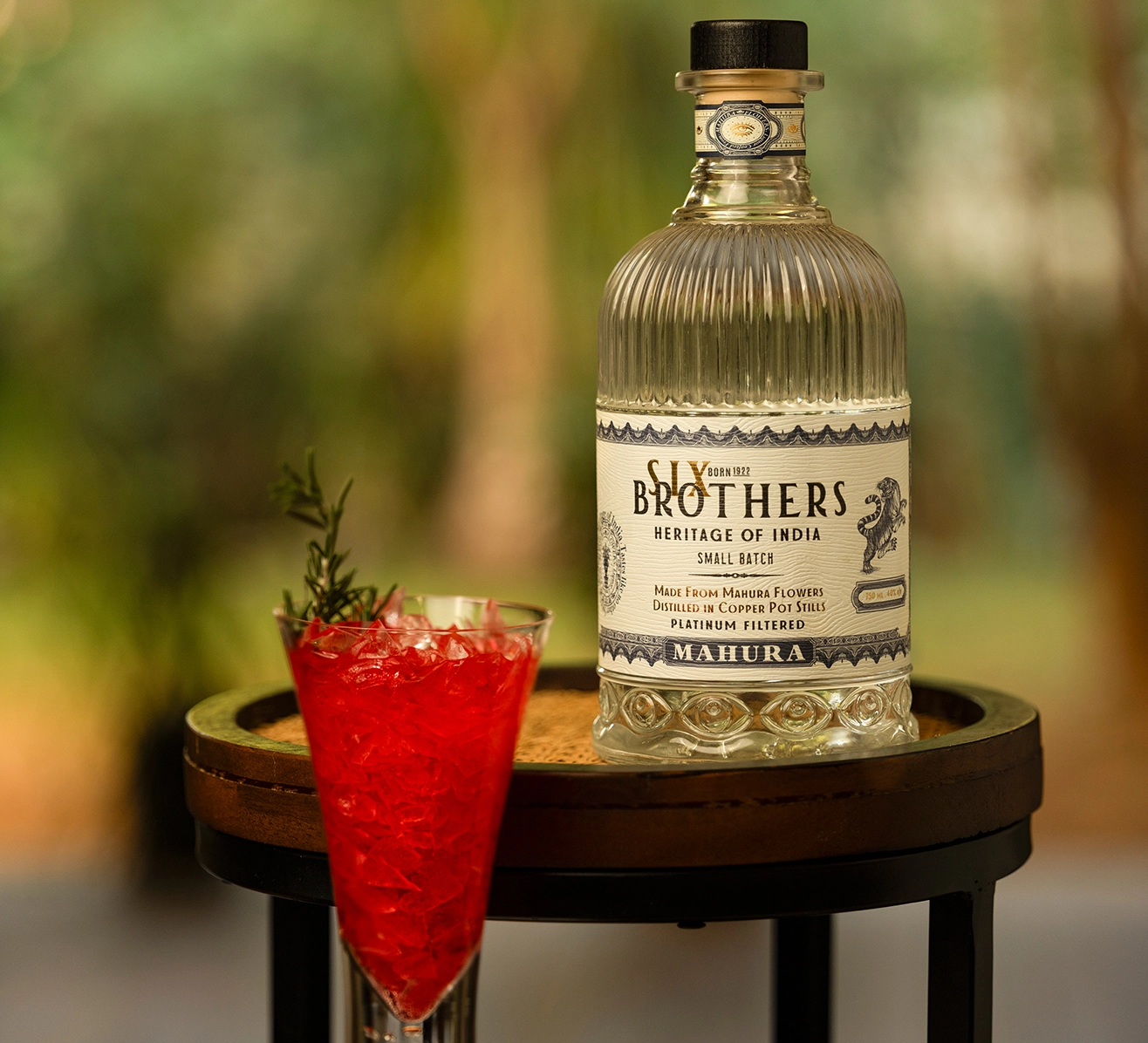
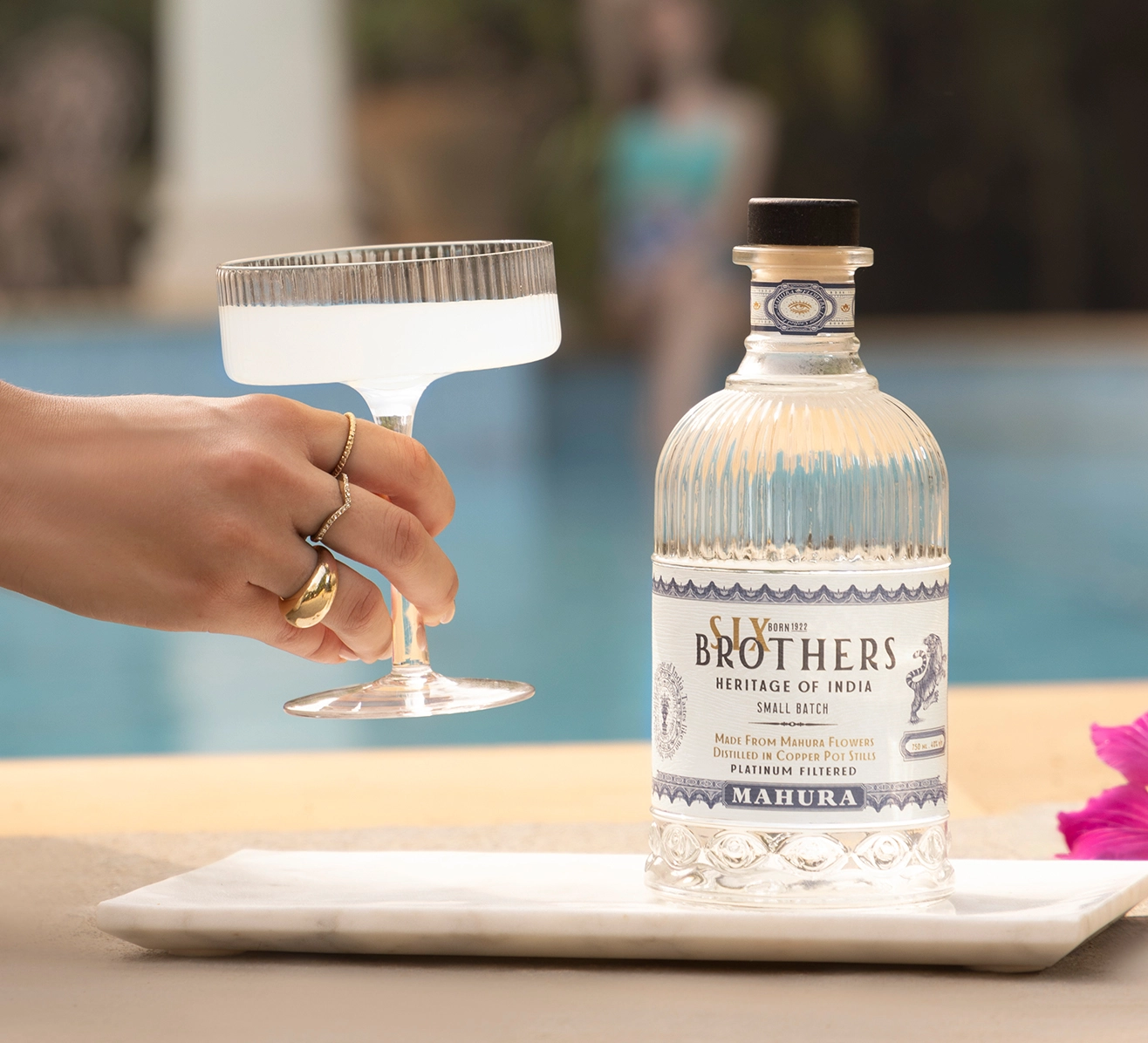
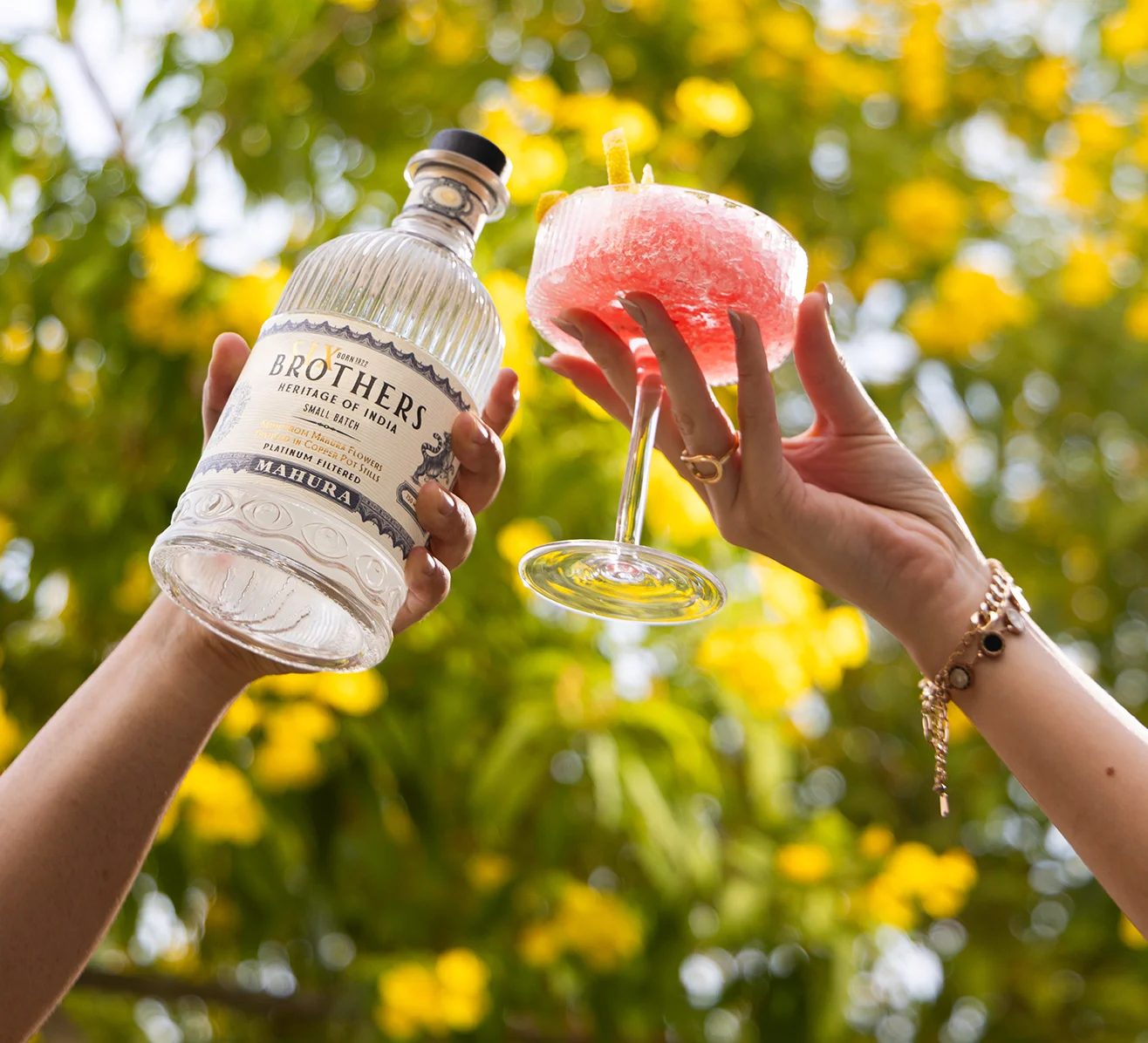
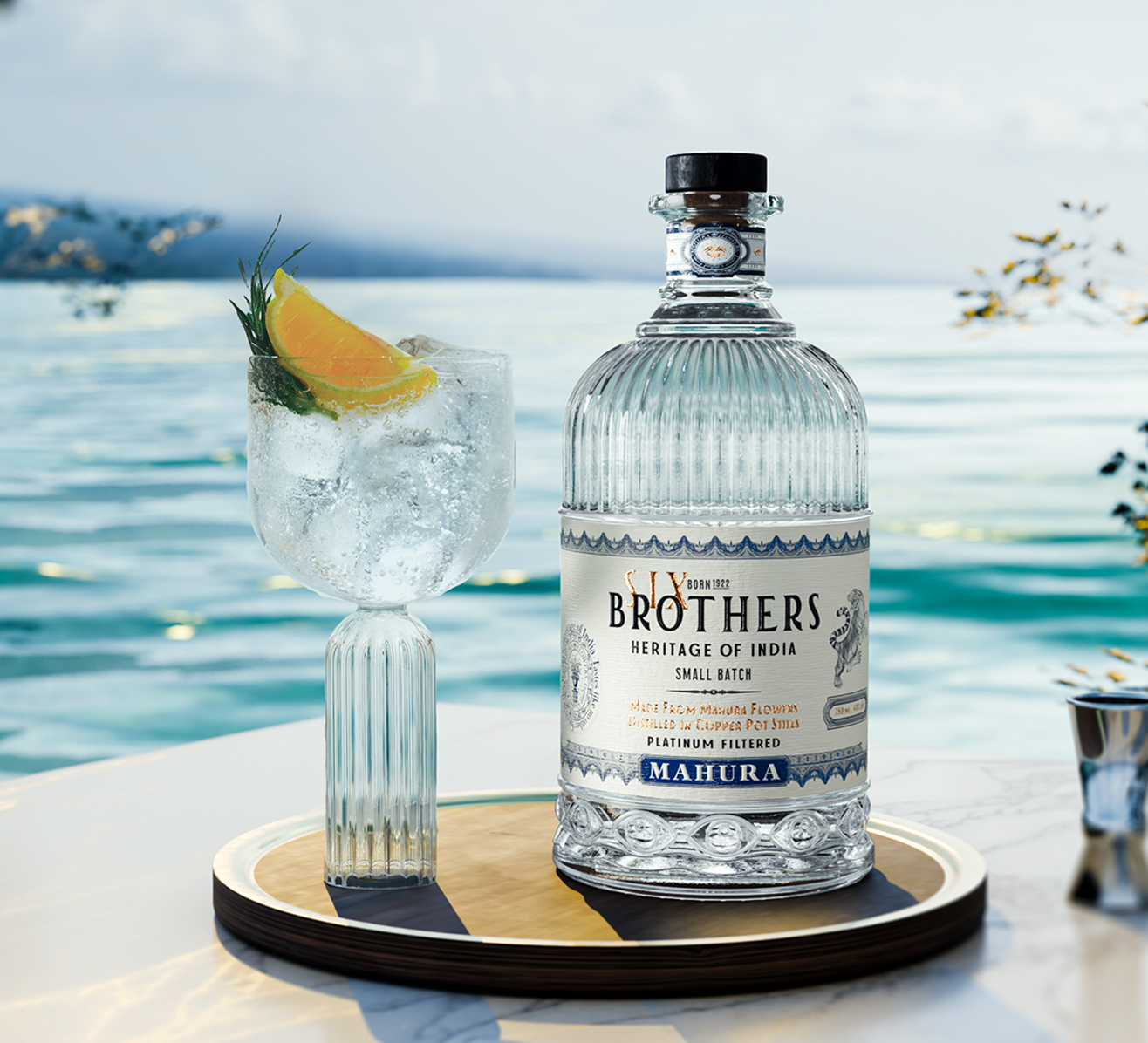
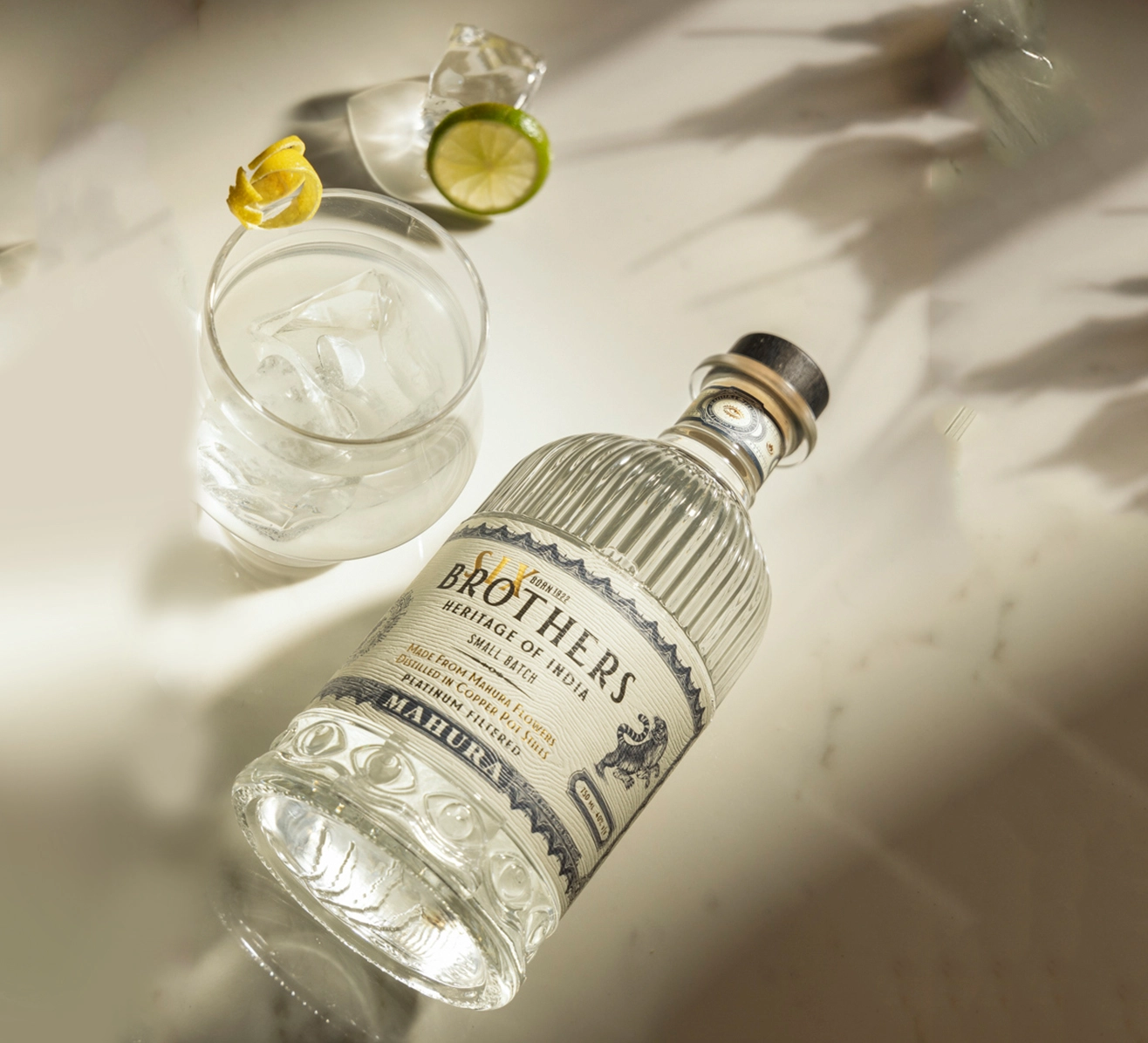
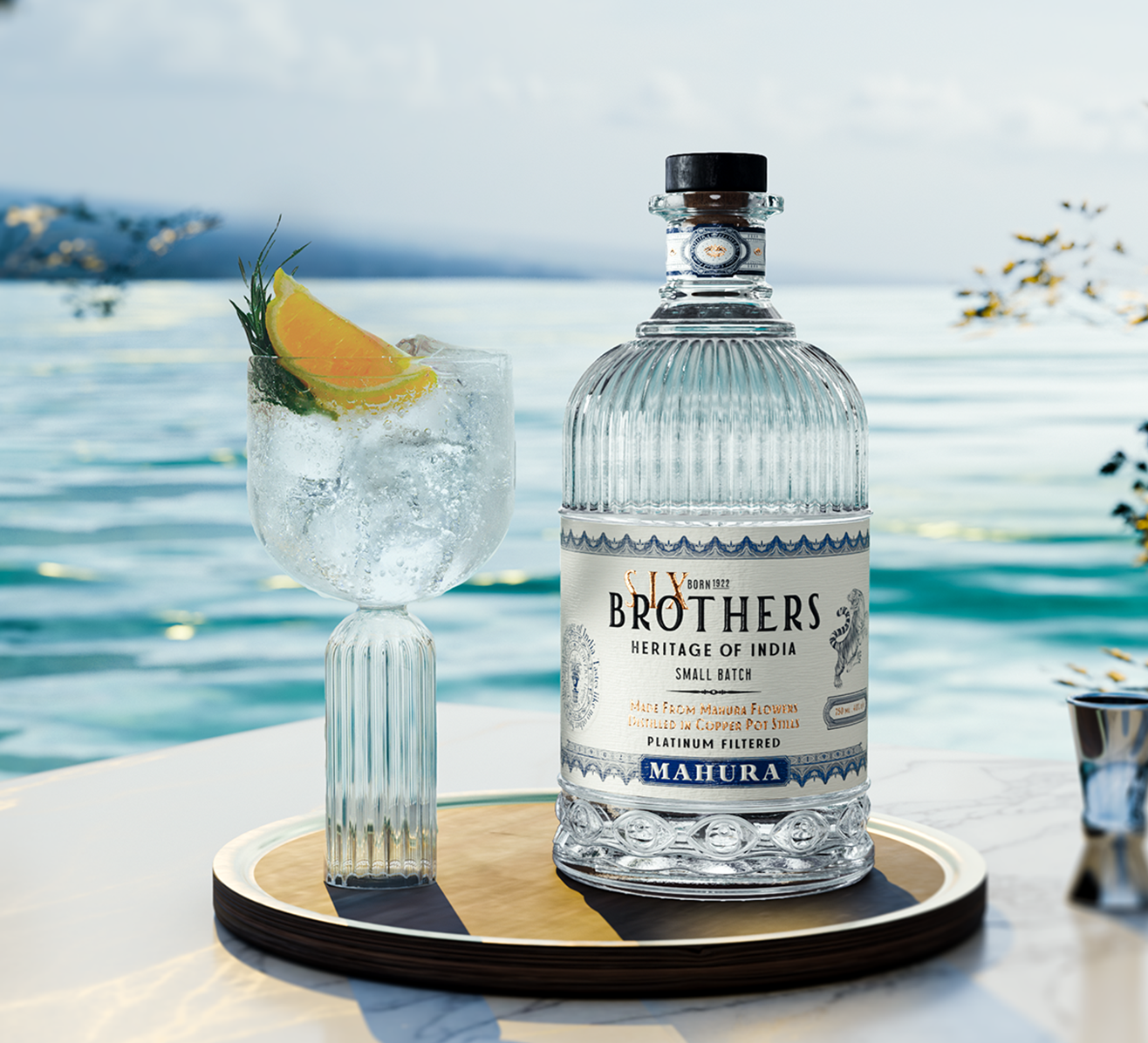
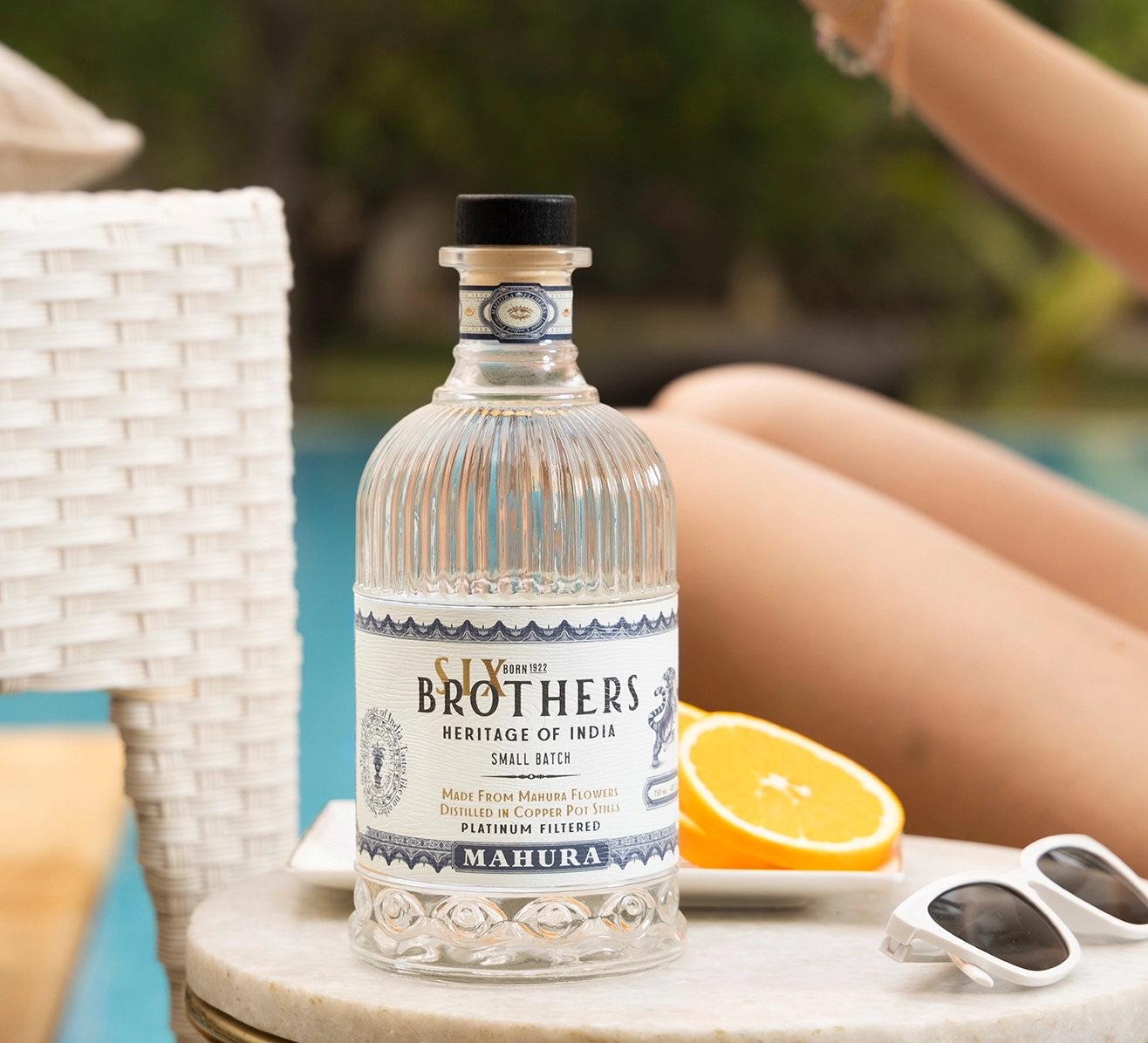
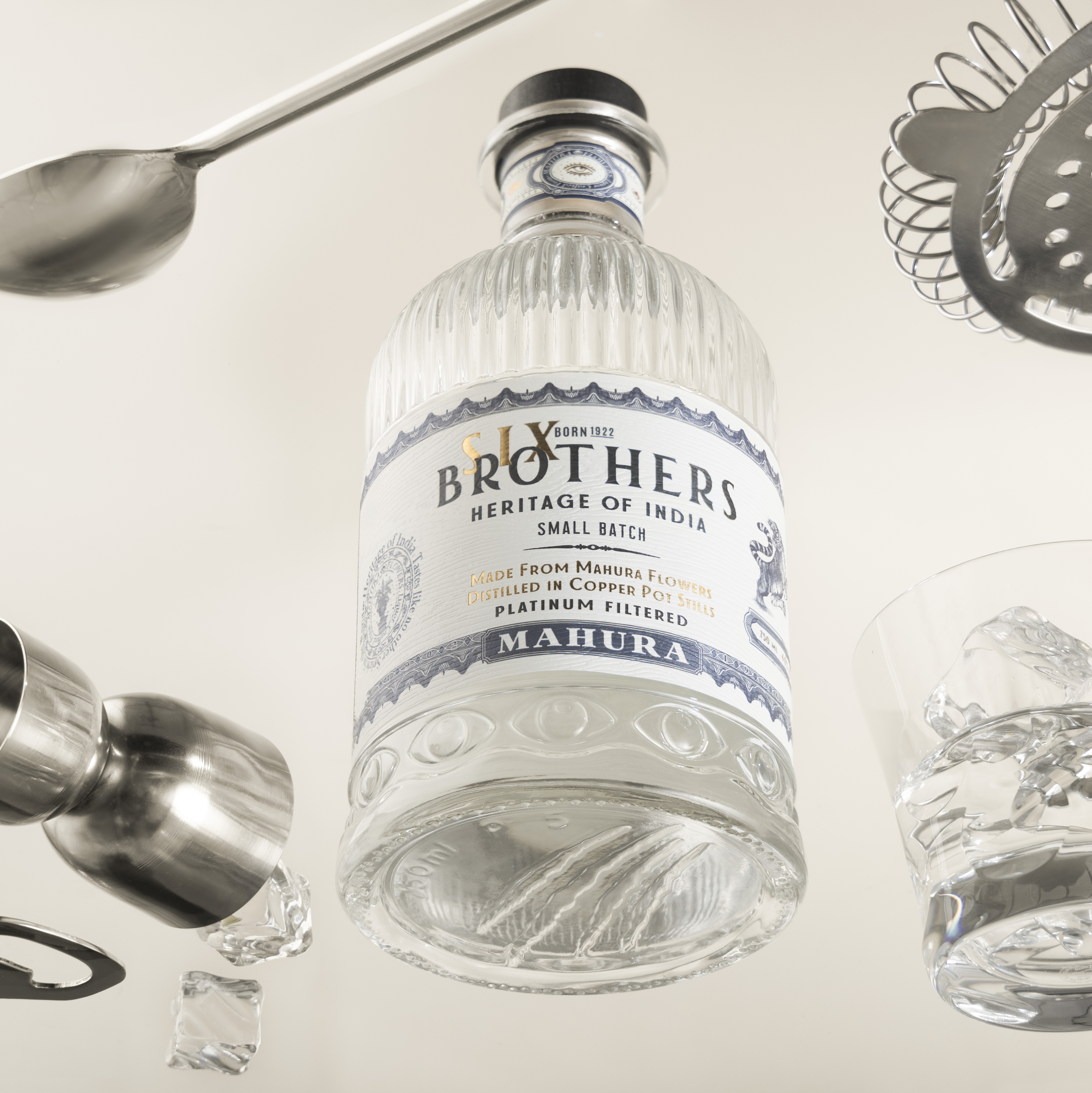
Brands like Six Brothers Mahura rely on these flowers to create spirits that are both authentic and distinctive.
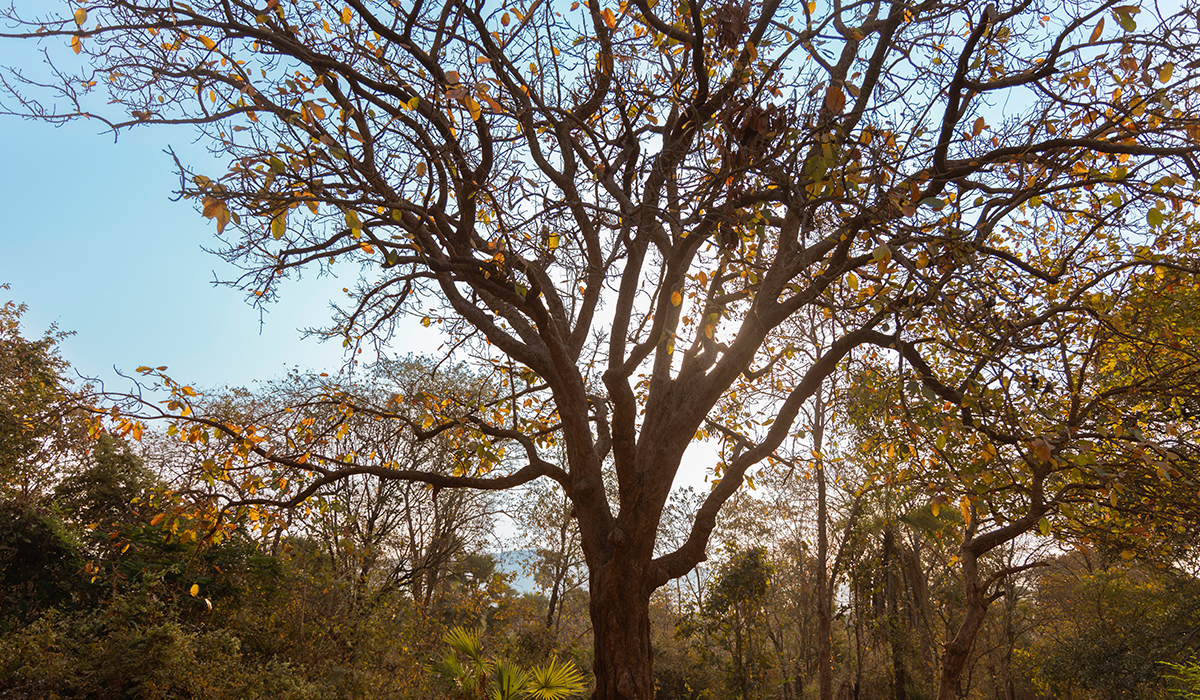
The Mahua tree is highly sustainable, requiring minimal human intervention to thrive.
The use of Madhuka Pushpa promotes a model of consumption that is aligned with environmental conservation.
As interest in indigenous ingredients grows, Madhuka Pushpa is gaining recognition beyond rural communities.
This shift is helping reposition Madhuka Pushpa as a valuable natural resource in modern markets.
Madhuka Pushpa is far more than just a raw material for alcohol—it is a symbol of India’s rich natural heritage and traditional wisdom. Its nutritional value, medicinal applications, and economic importance make it a truly multifaceted resource.
As brands like Six Brothers Mahura bring renewed attention to Mahua and its origins, Madhuka Pushpa is finally receiving the recognition it deserves—not just as an ingredient, but as a cornerstone of sustainable living and cultural identity.