Posted on 13 May 2026
India’s journey with spirits is far older than the arrival of modern distillation techniques. Long before structured industries and global categories emerged, indigenous communities were already crafting alcohol using natural ingredients and time-honored processes.
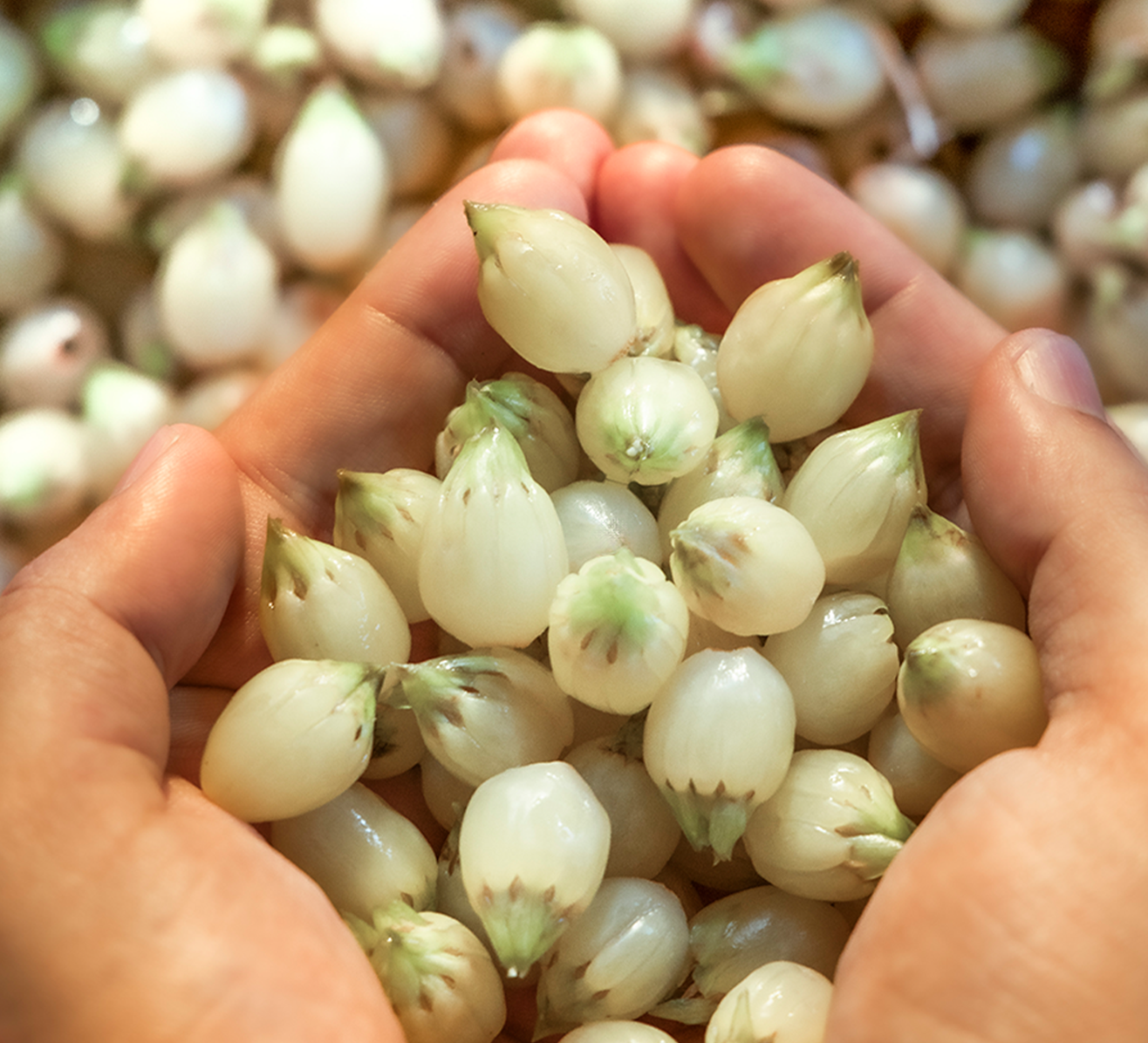
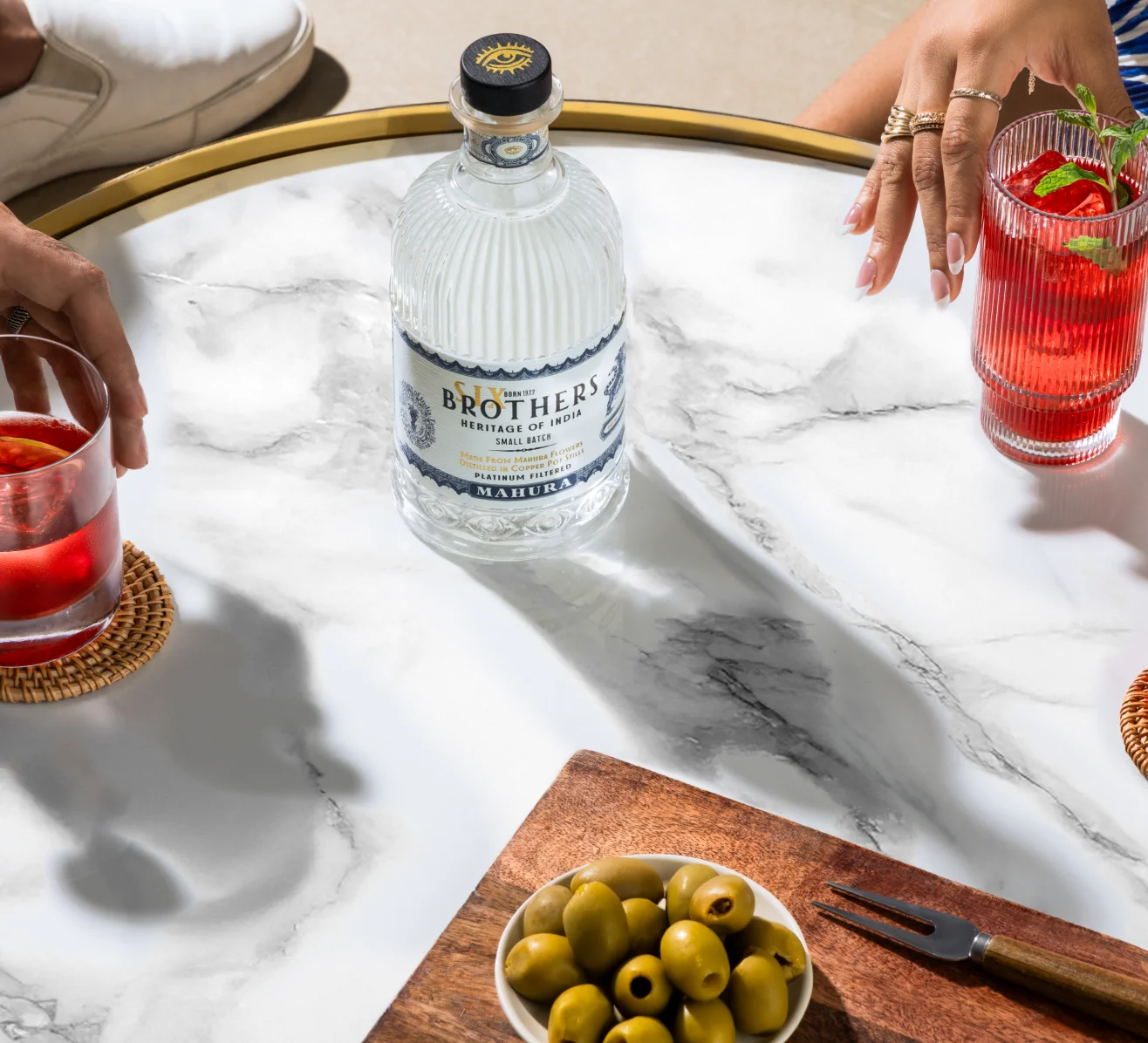
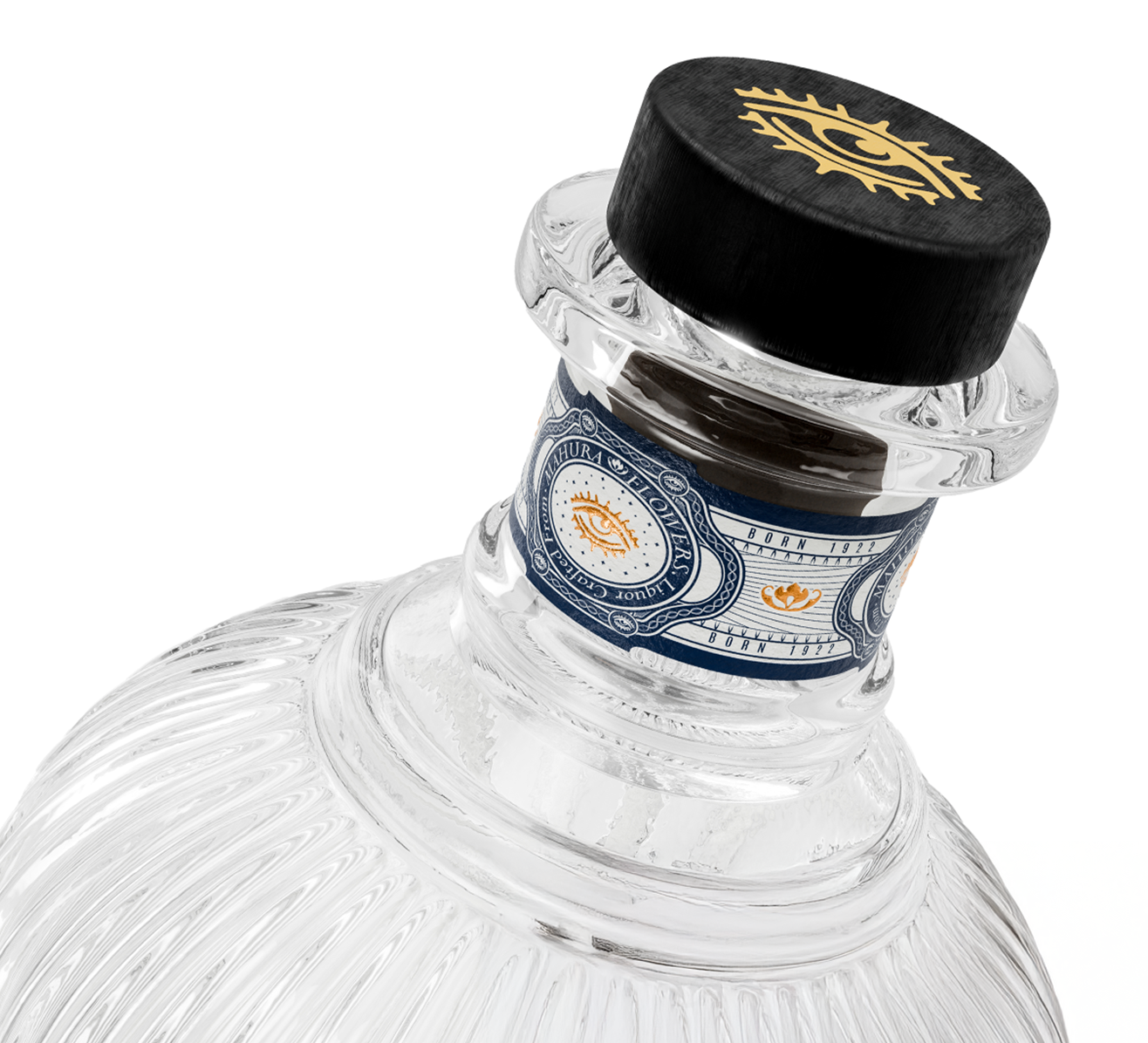
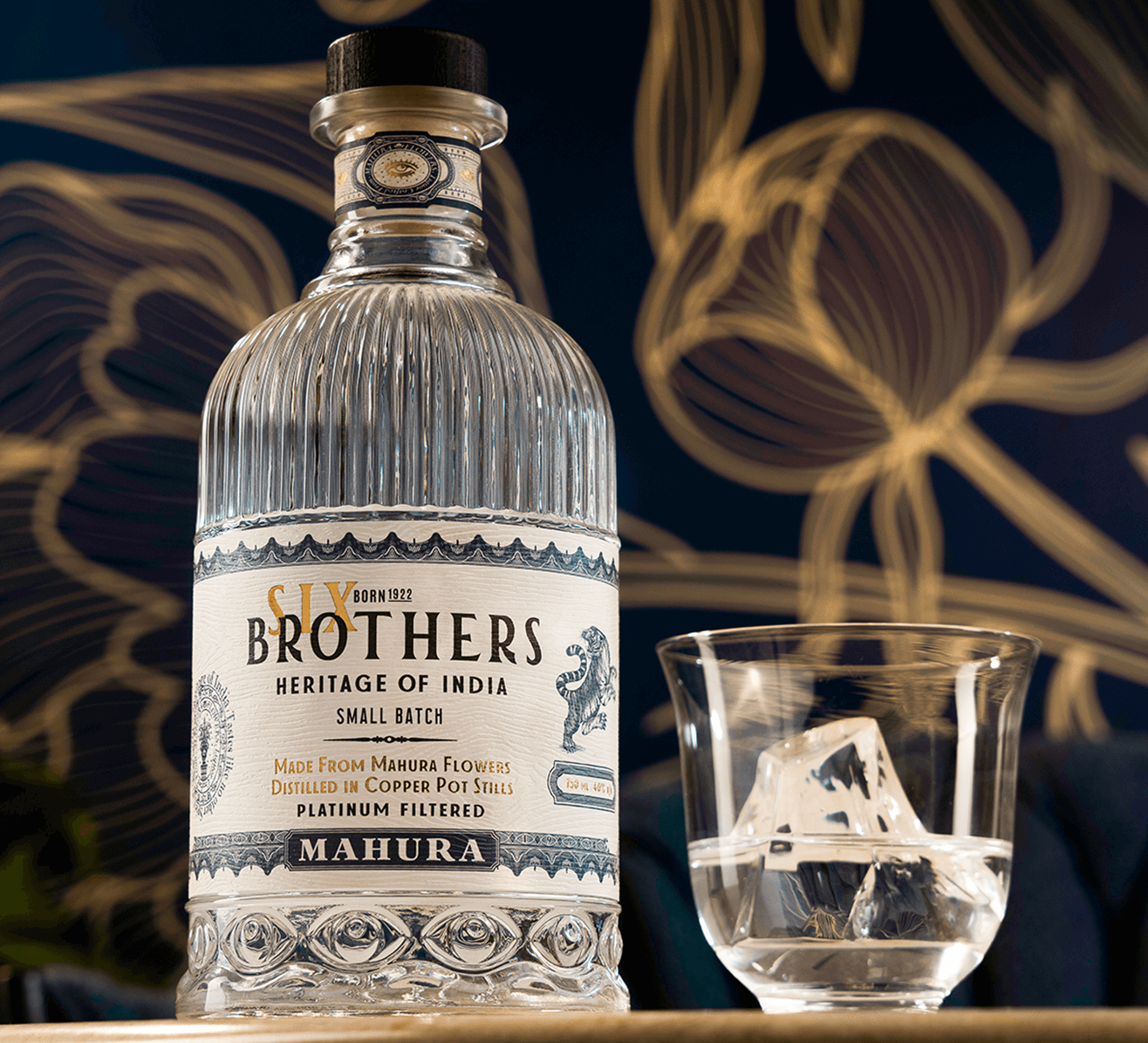
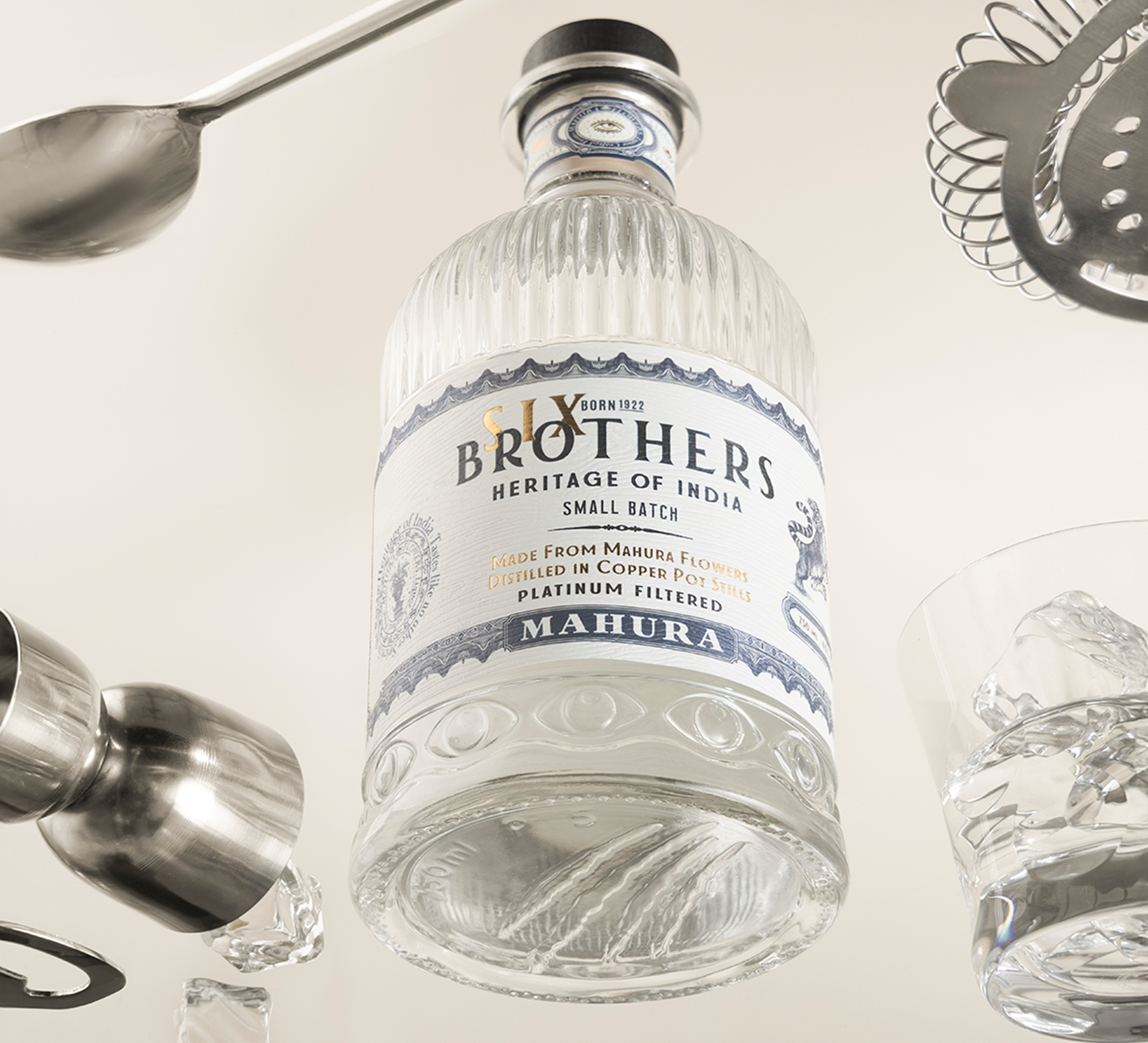
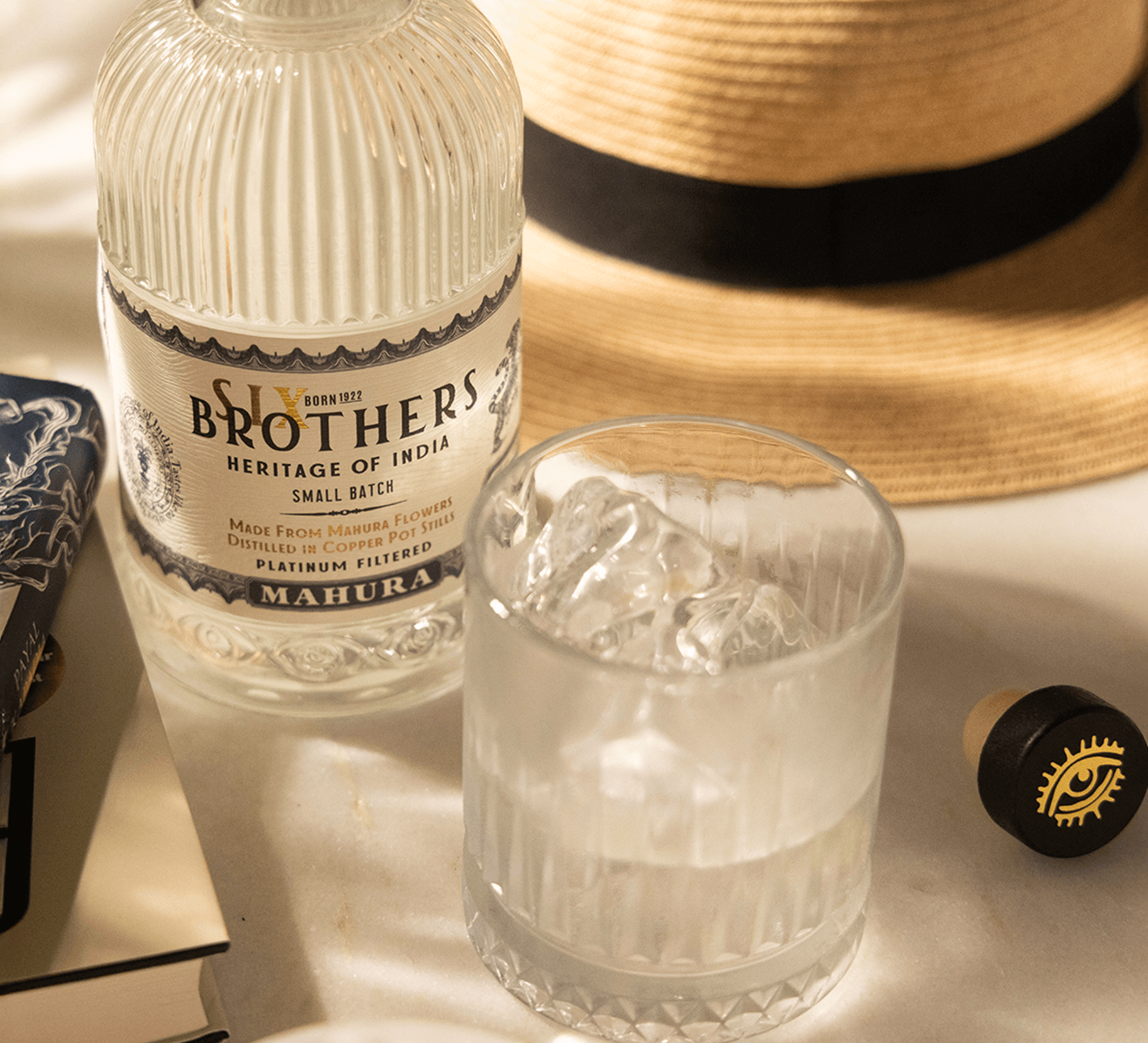
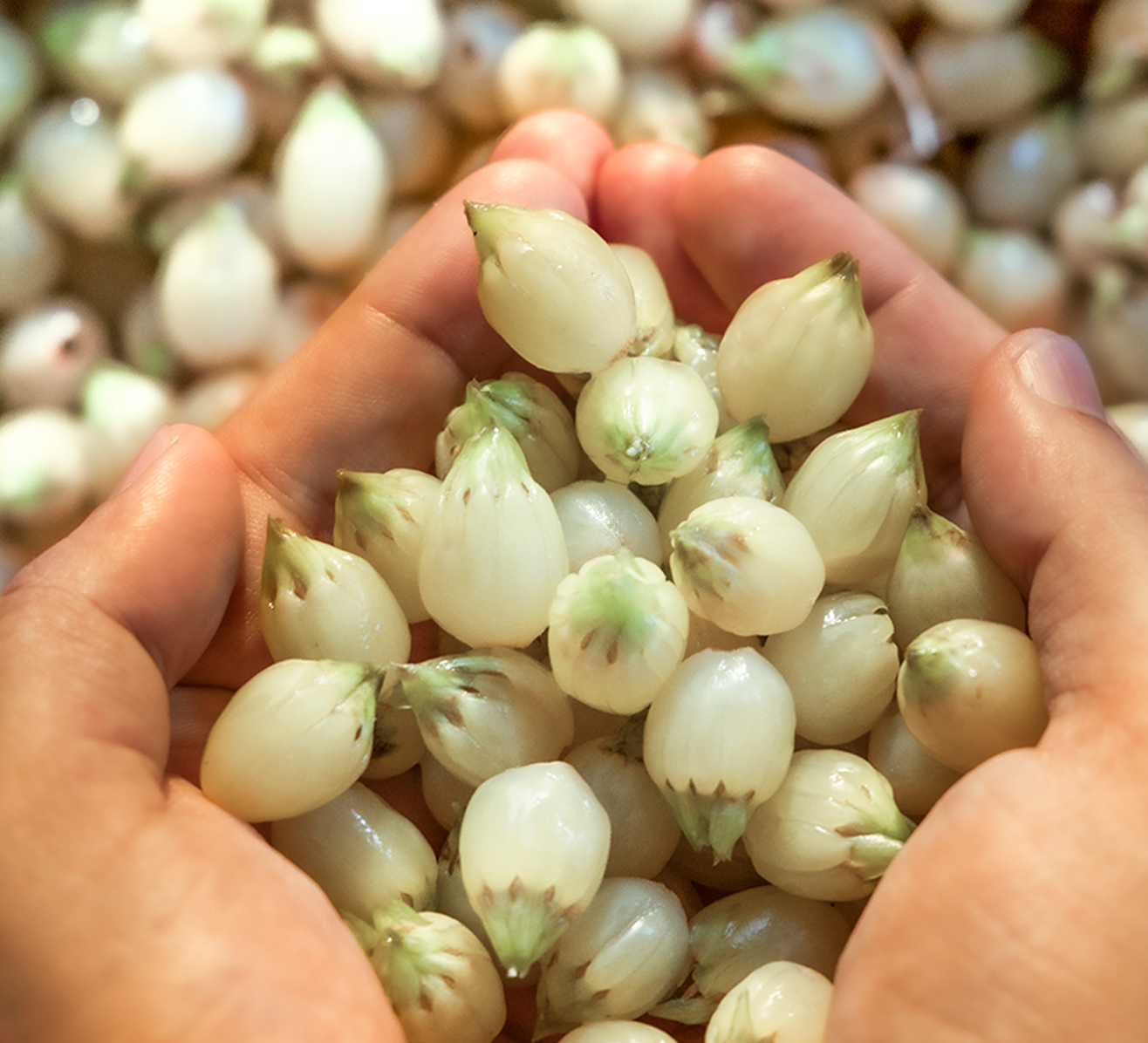
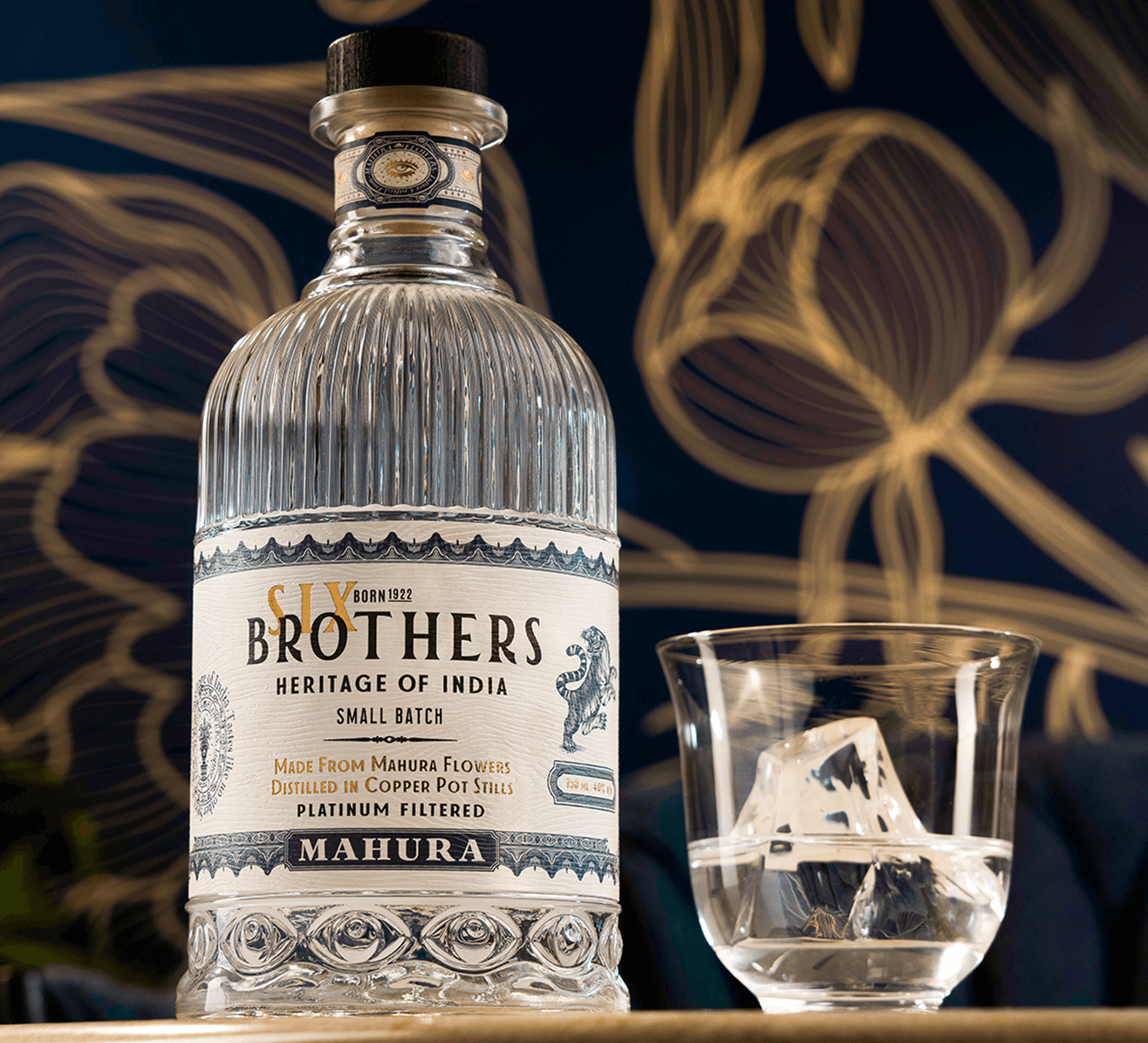
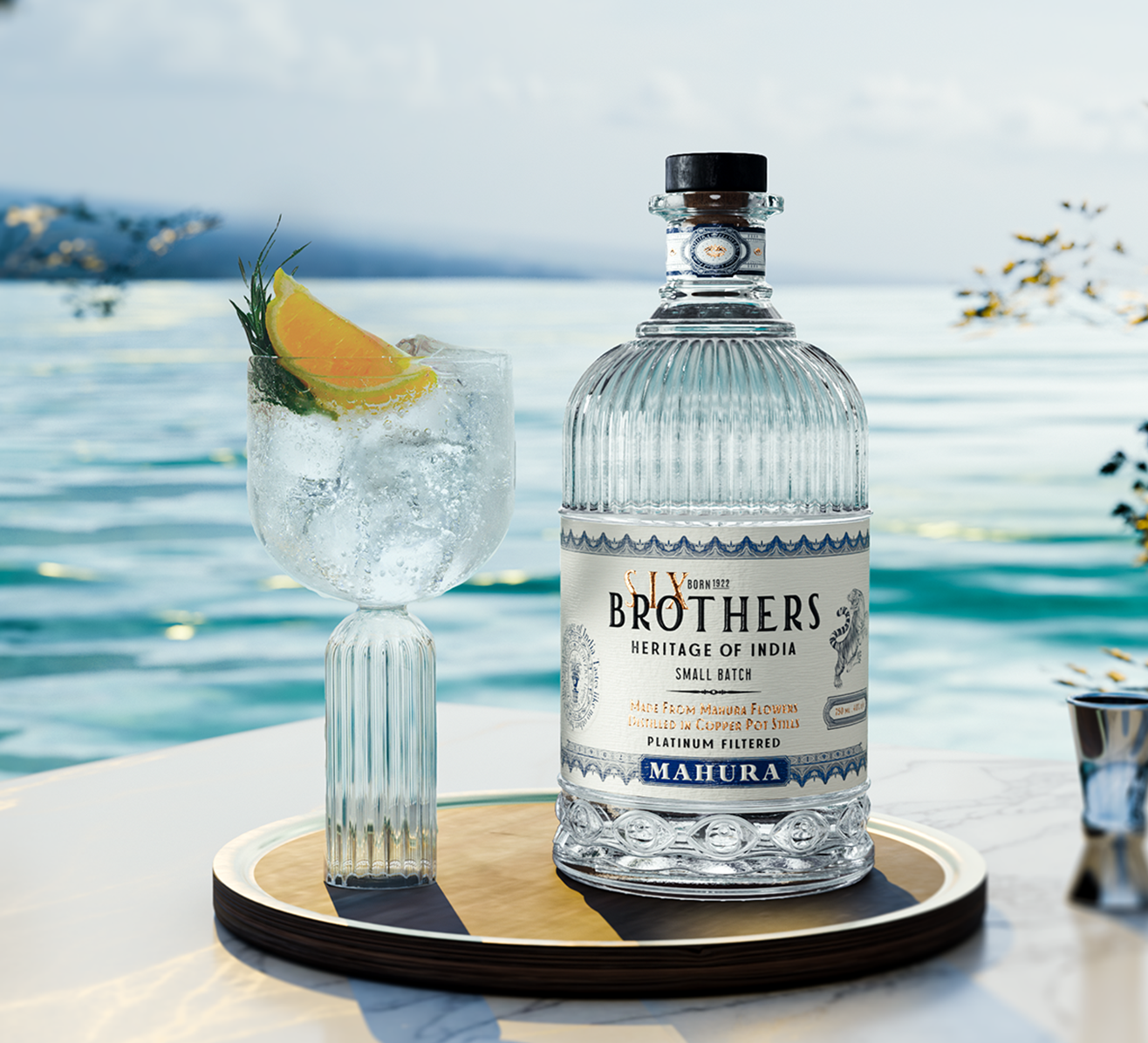
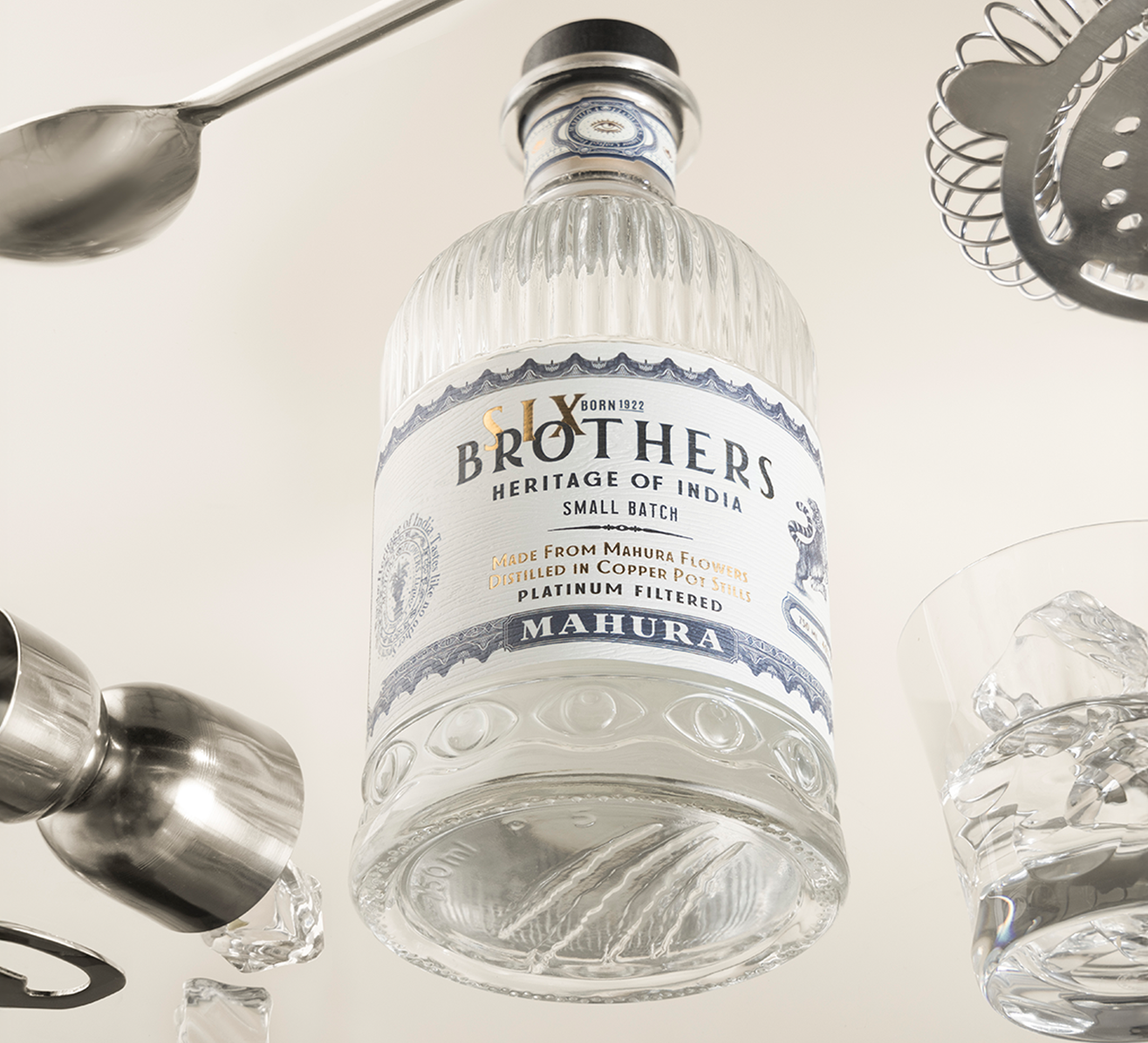
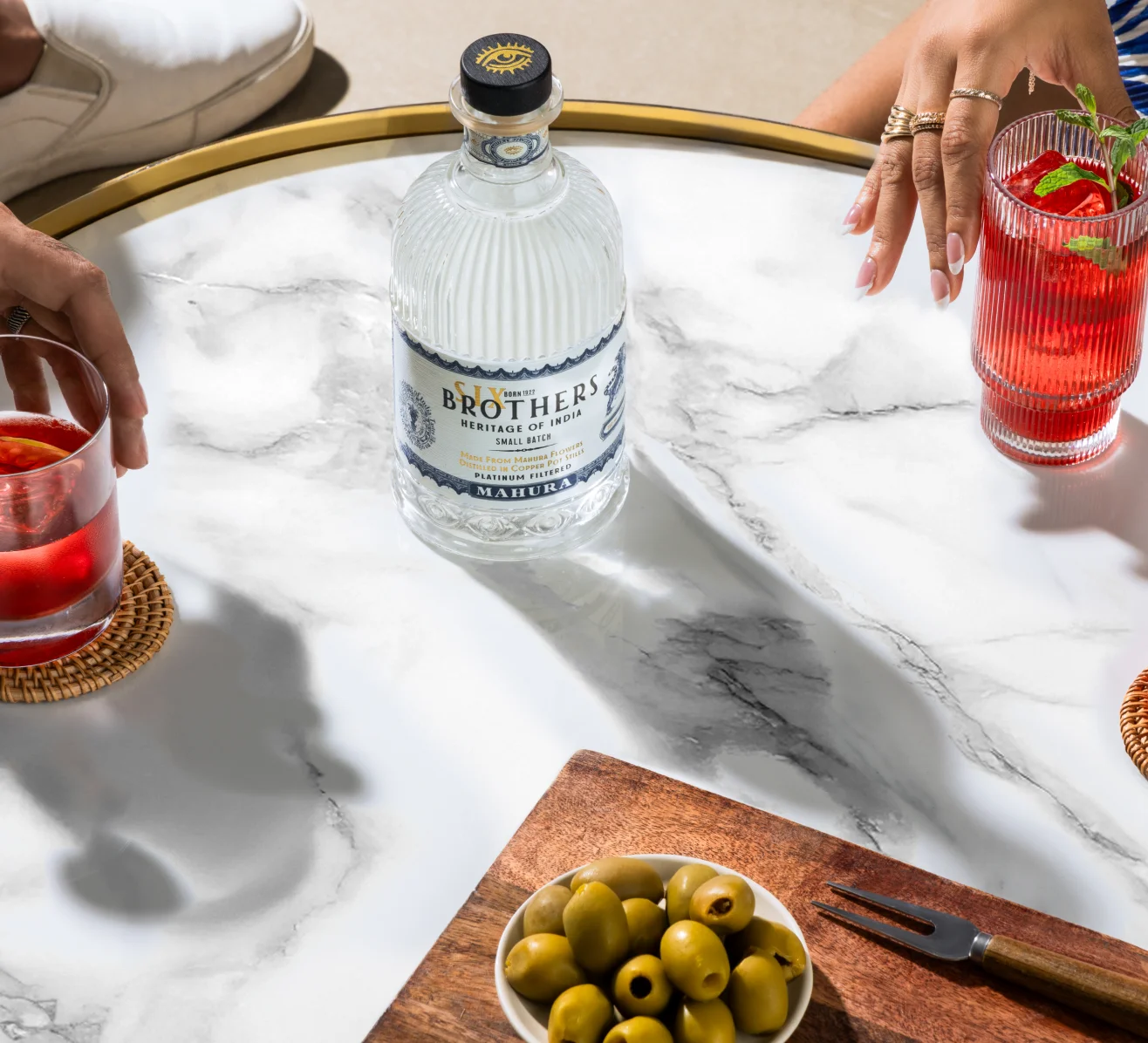
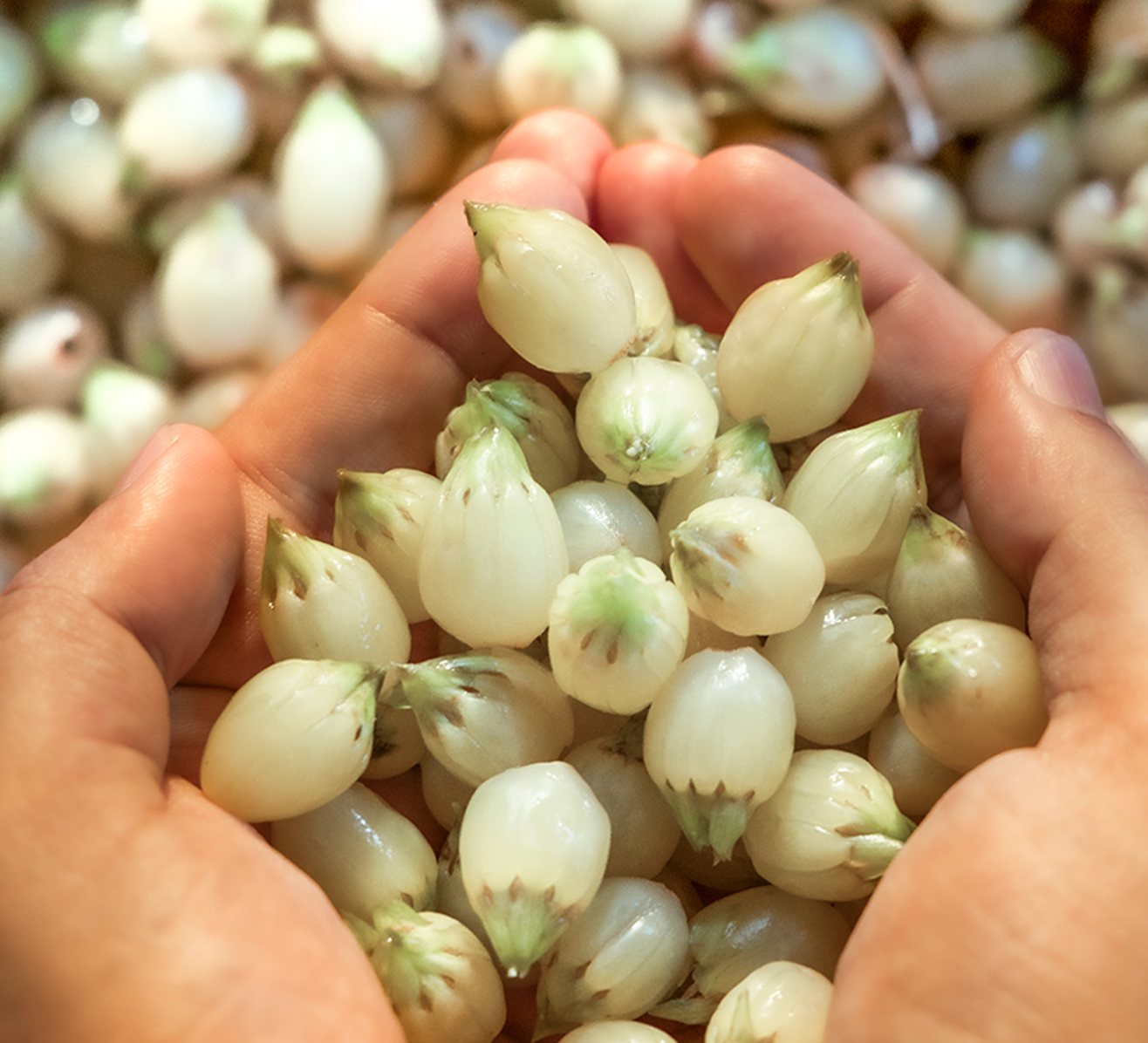
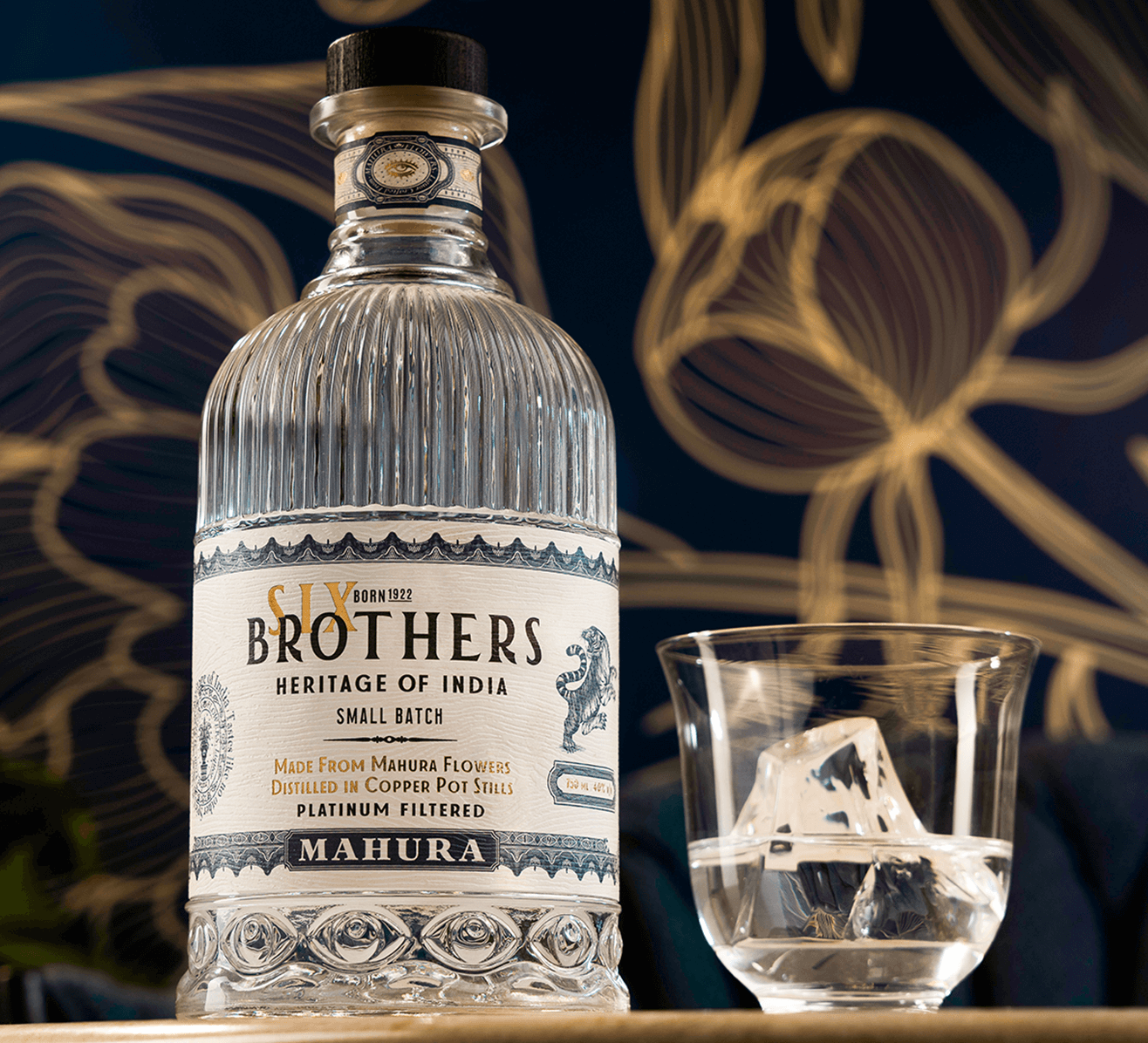
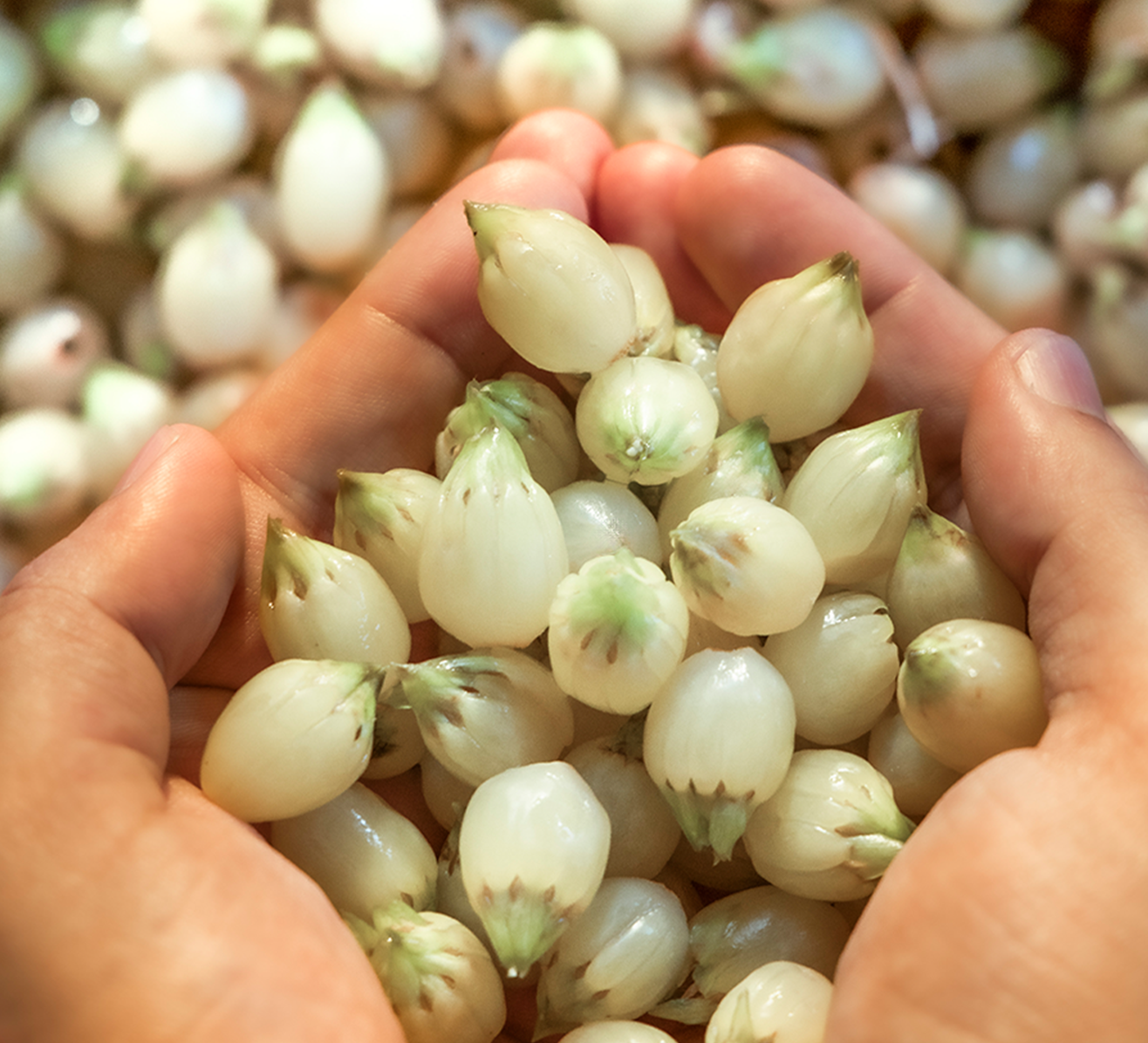
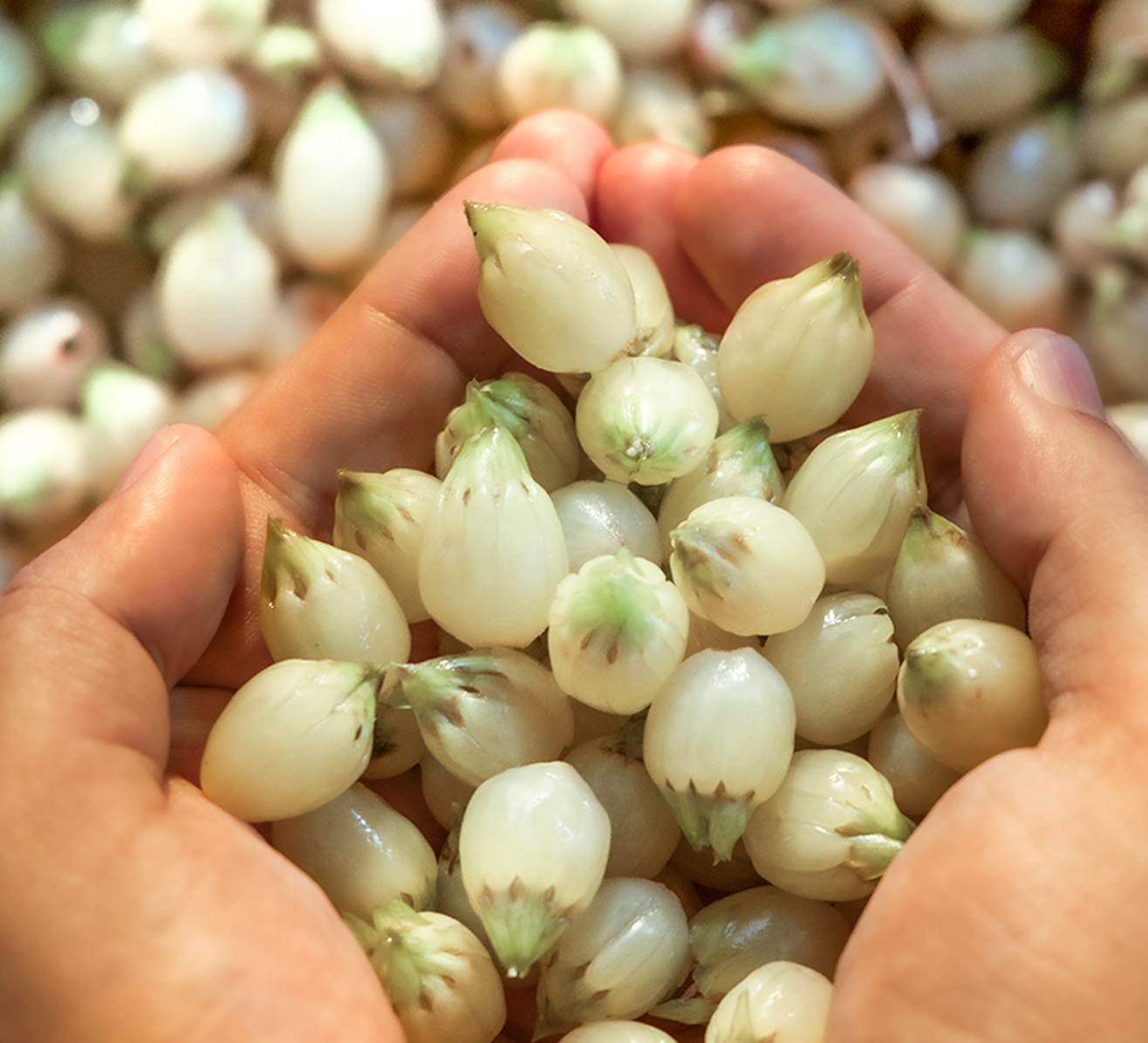
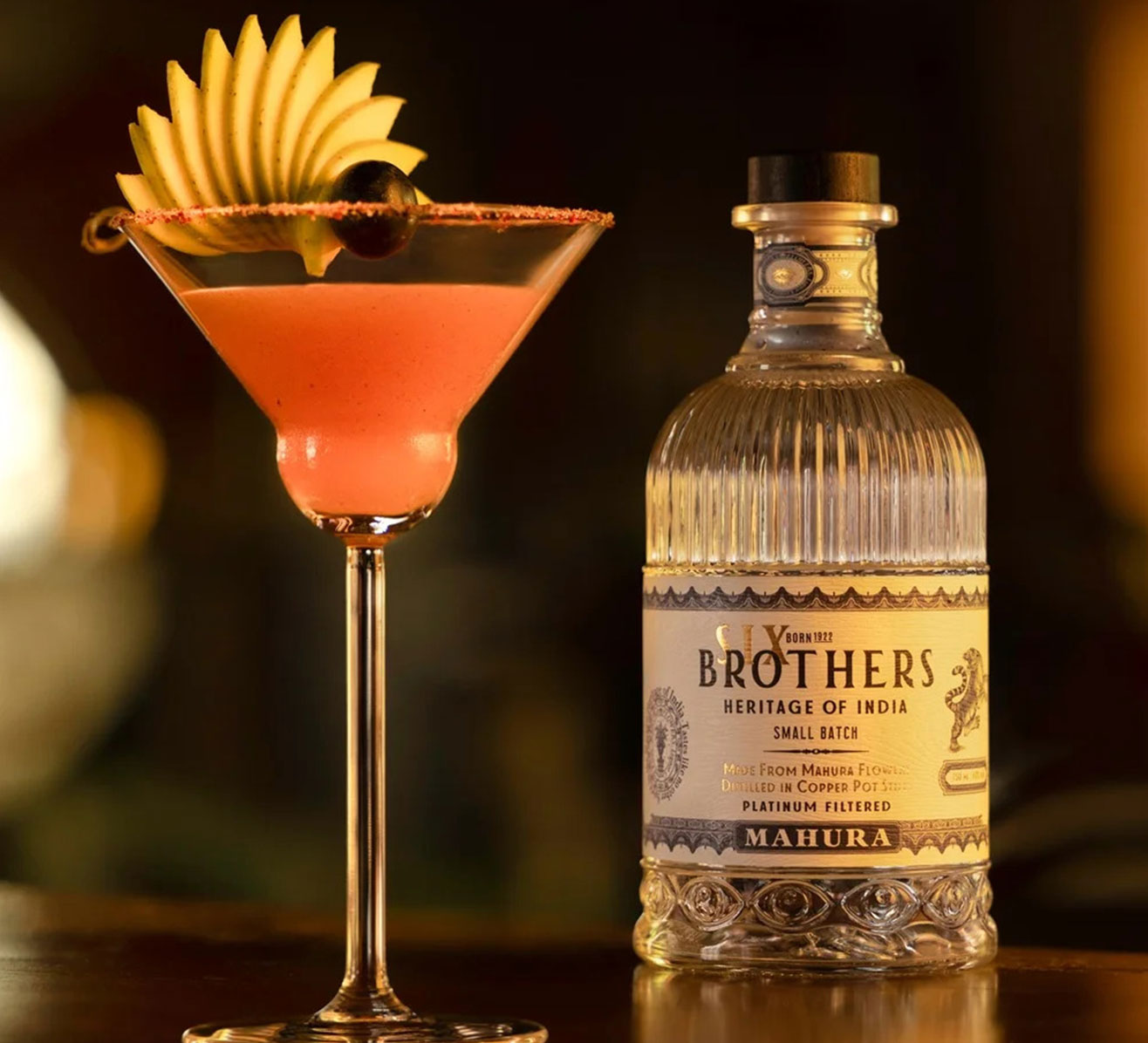
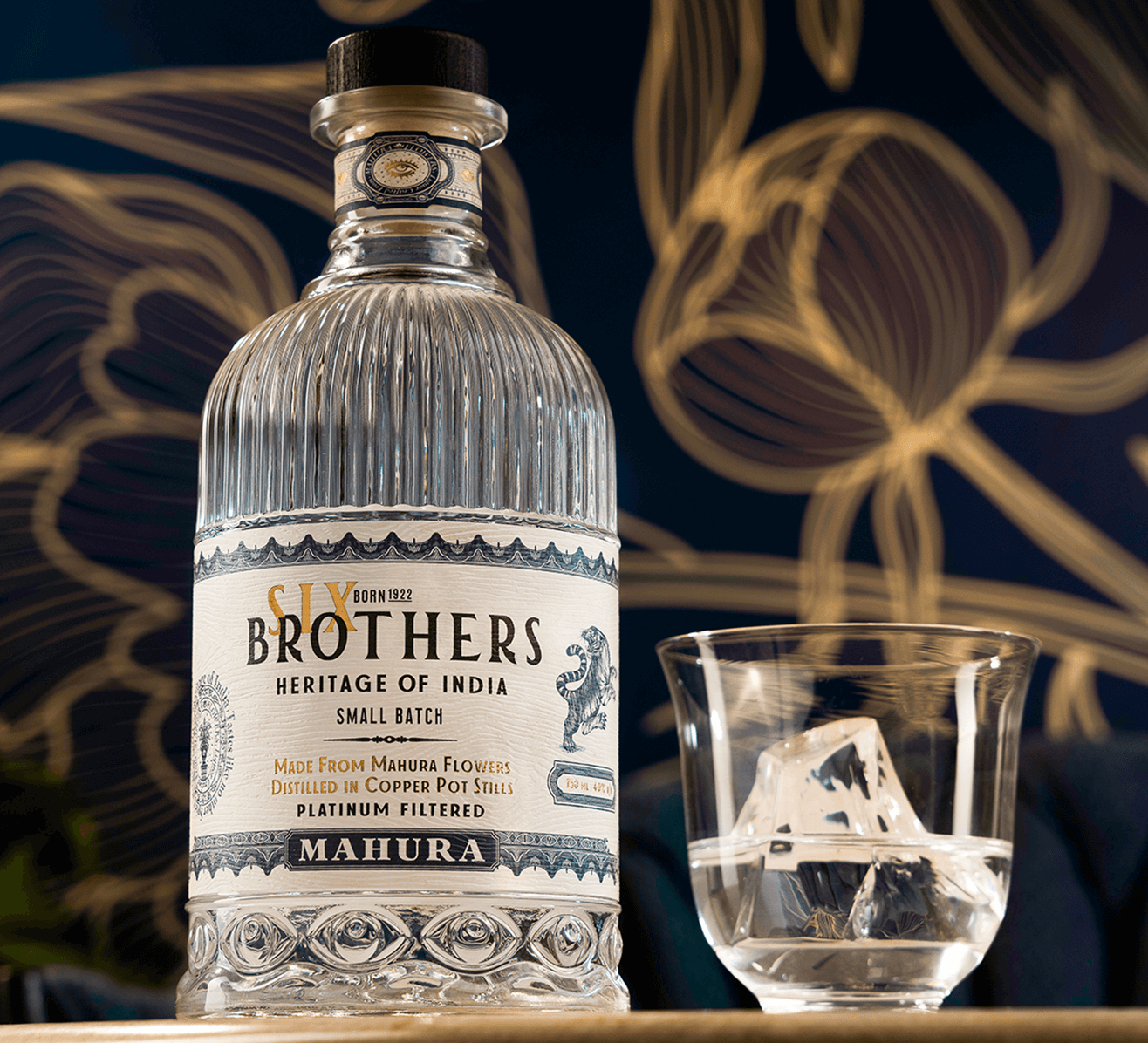
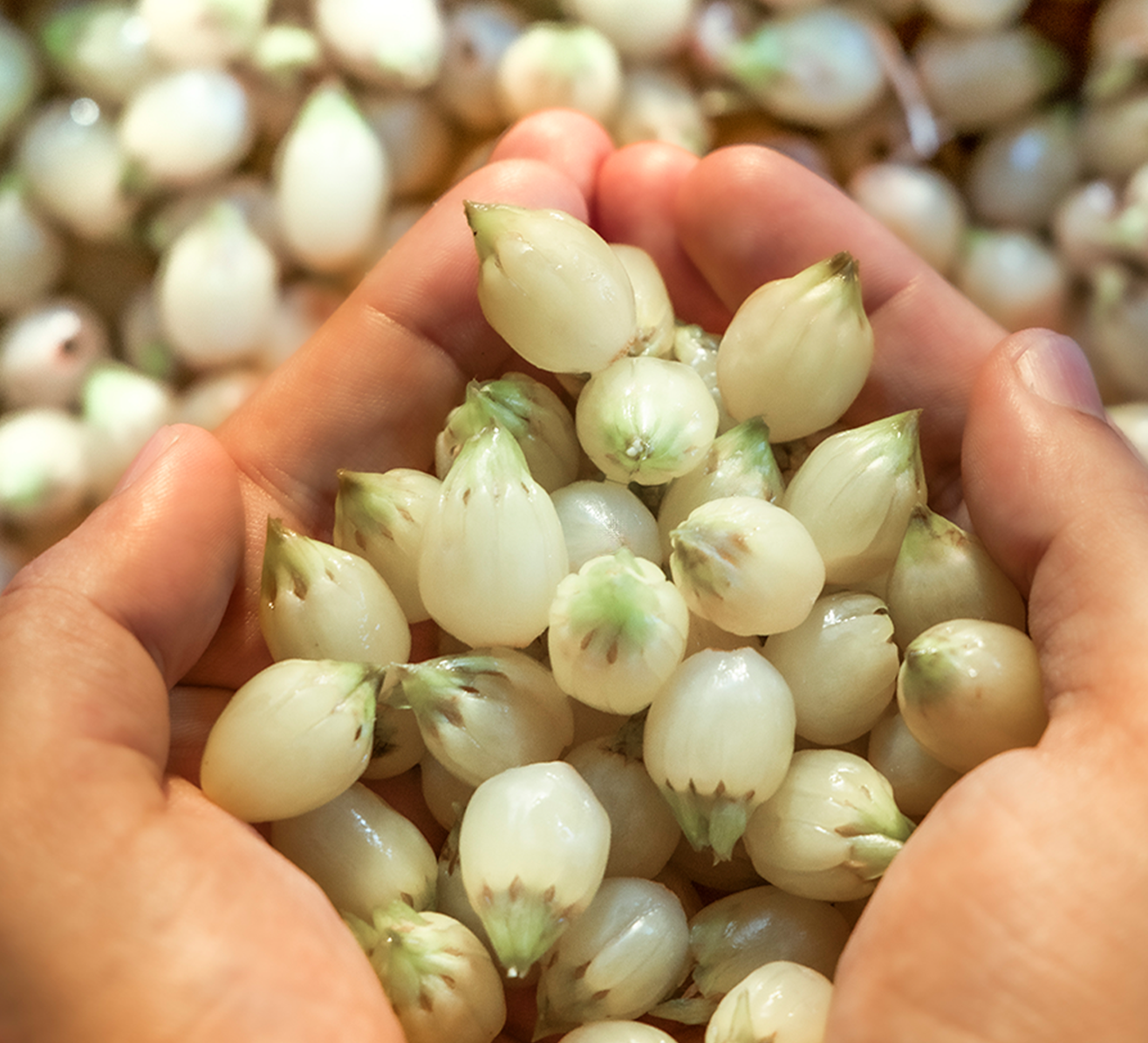
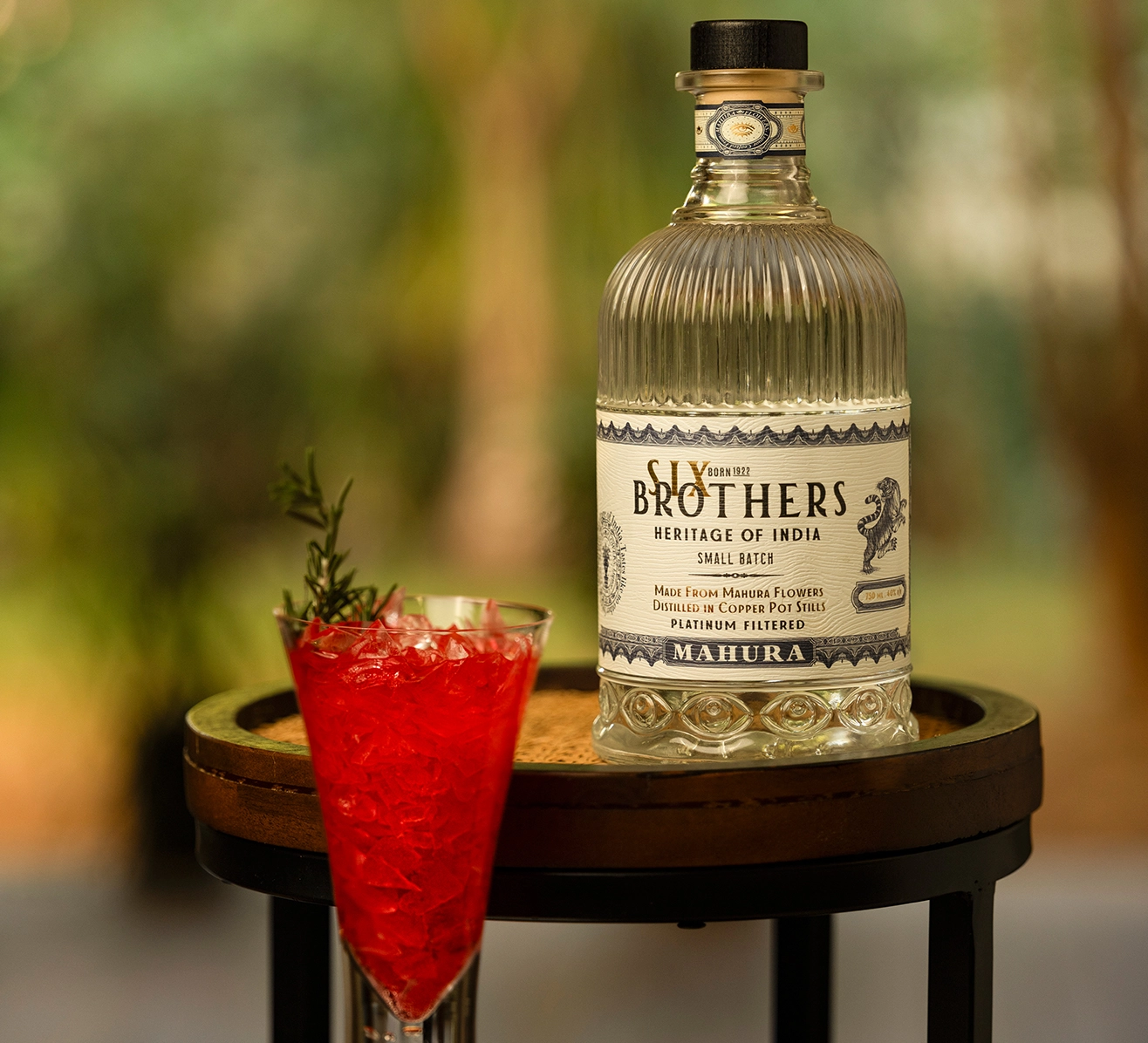
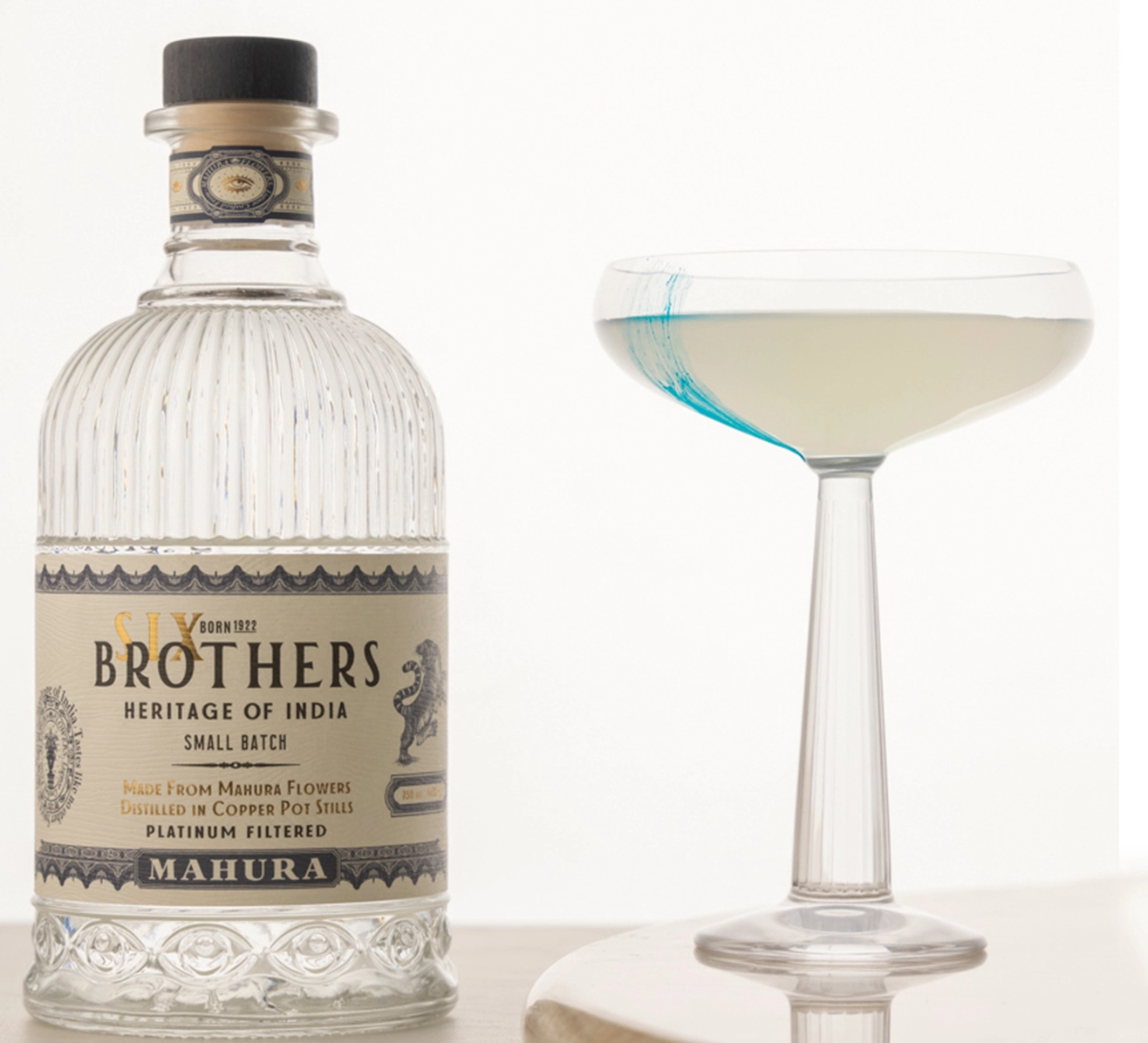
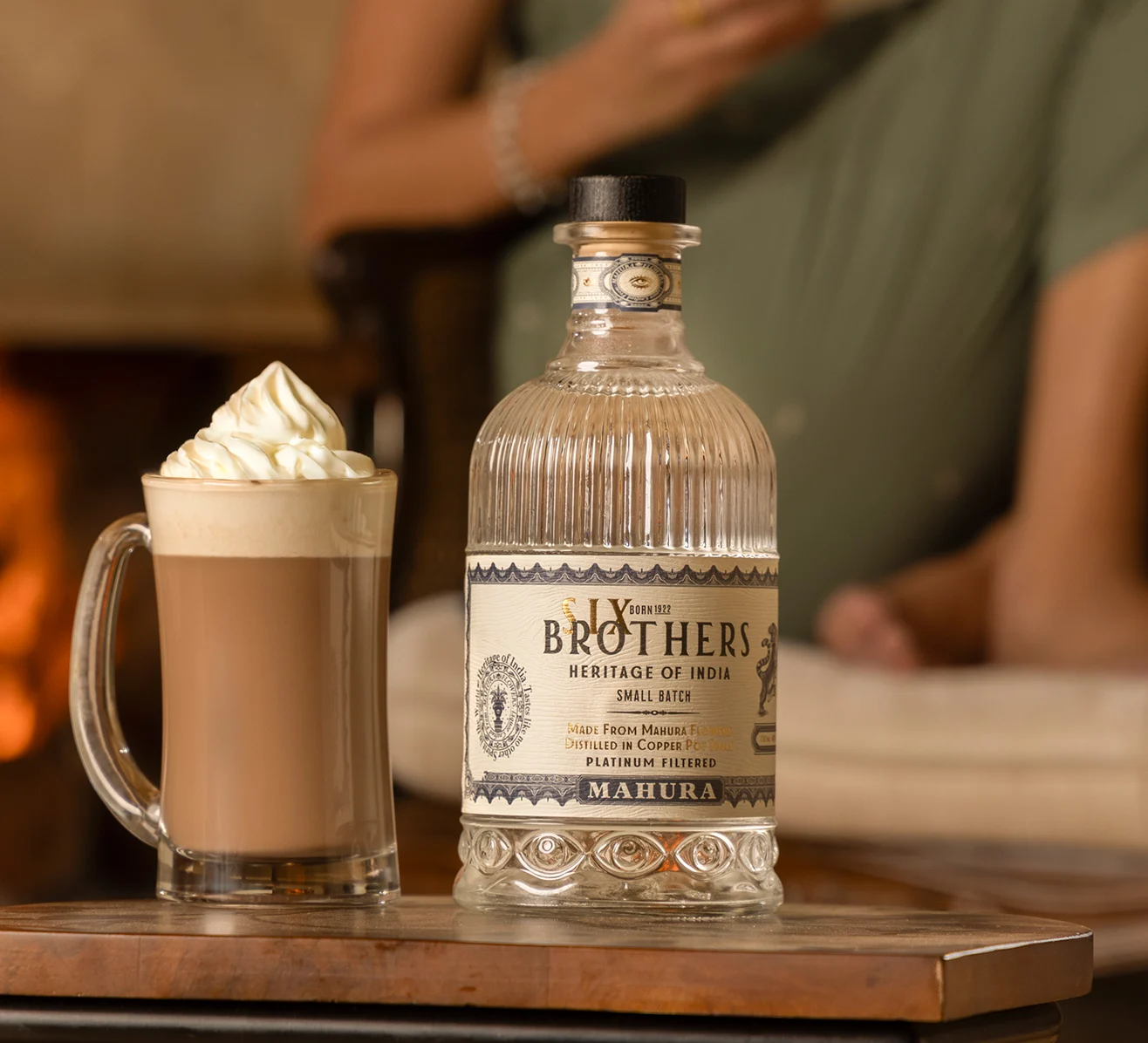
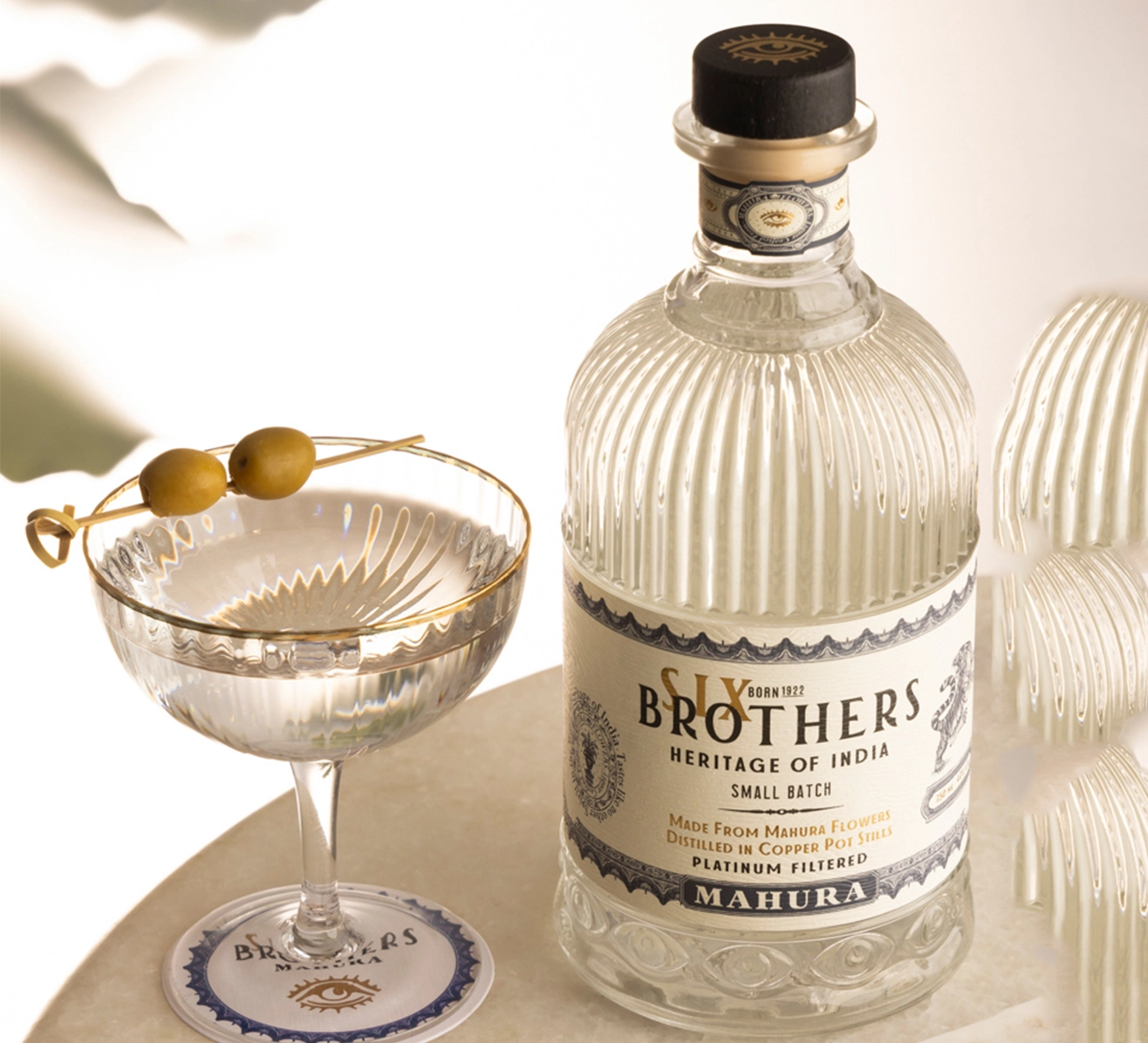
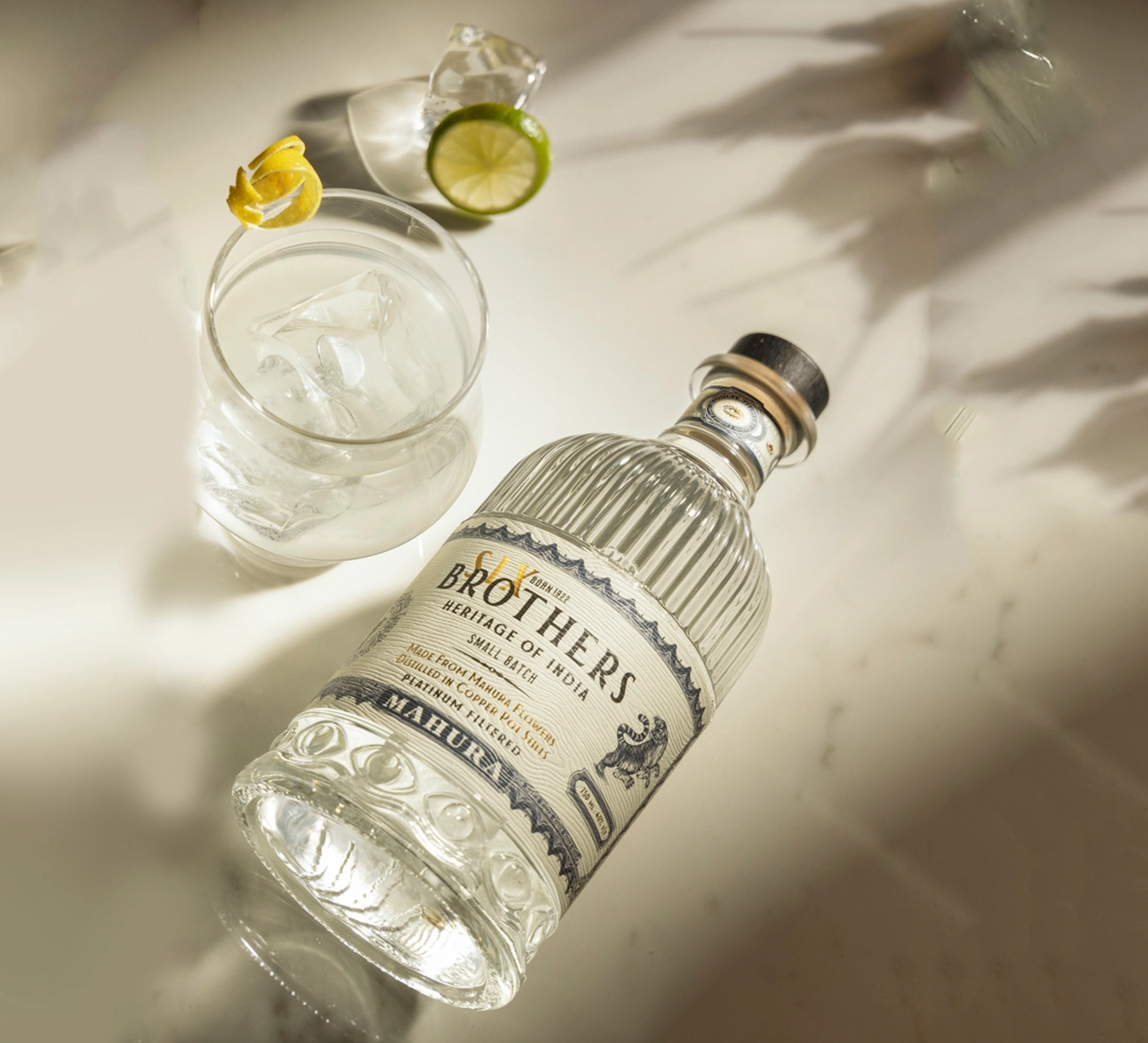
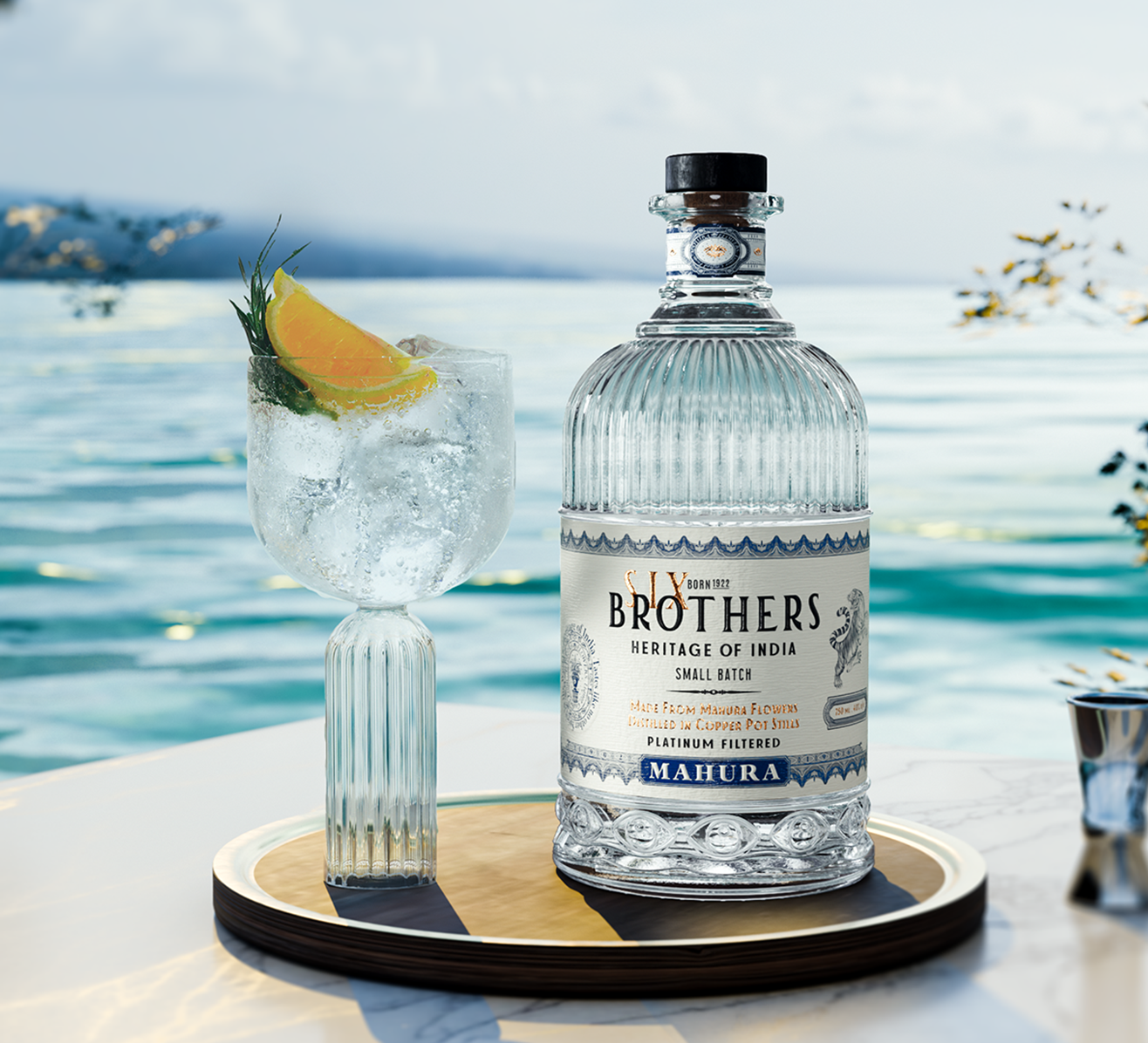
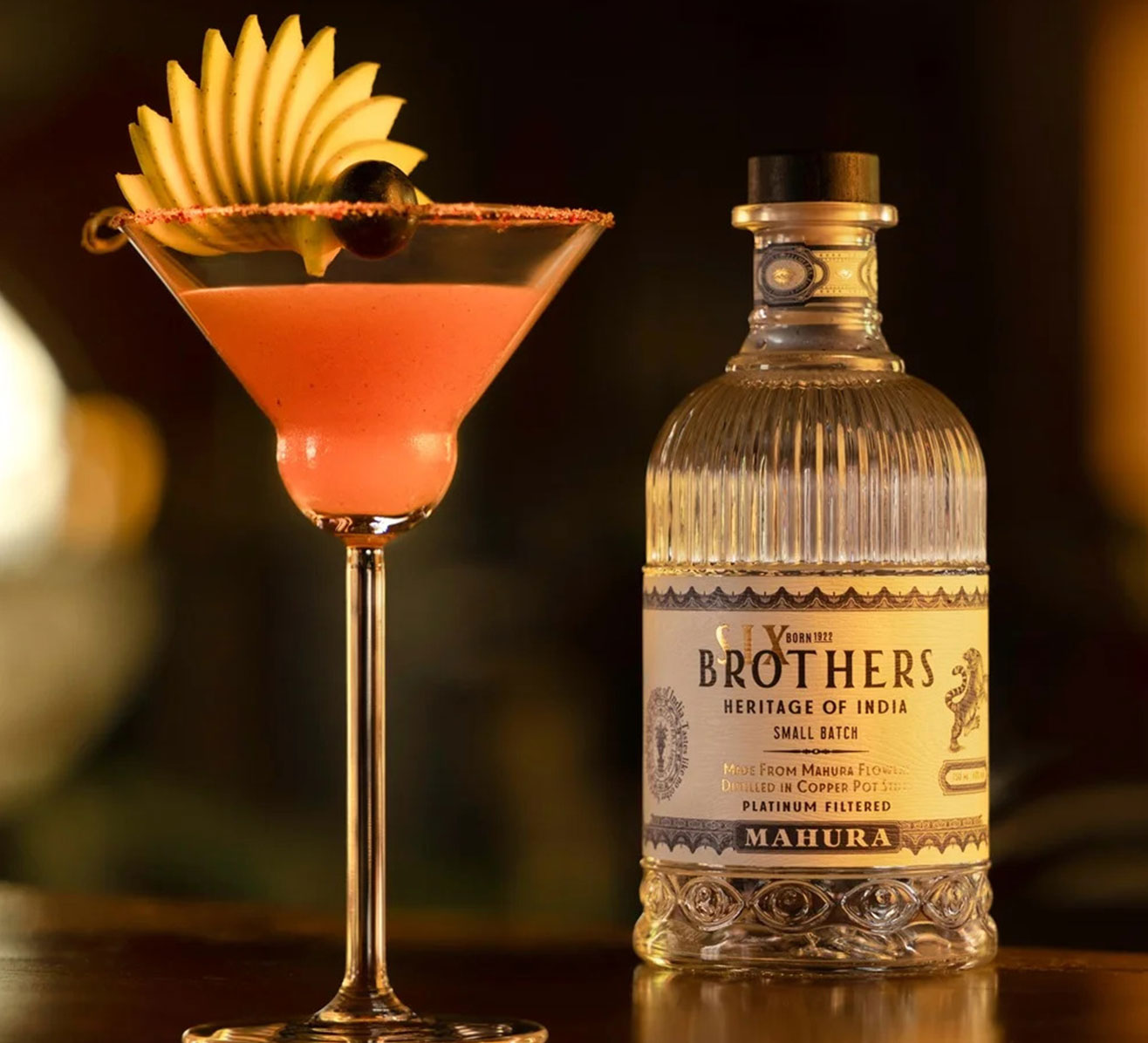
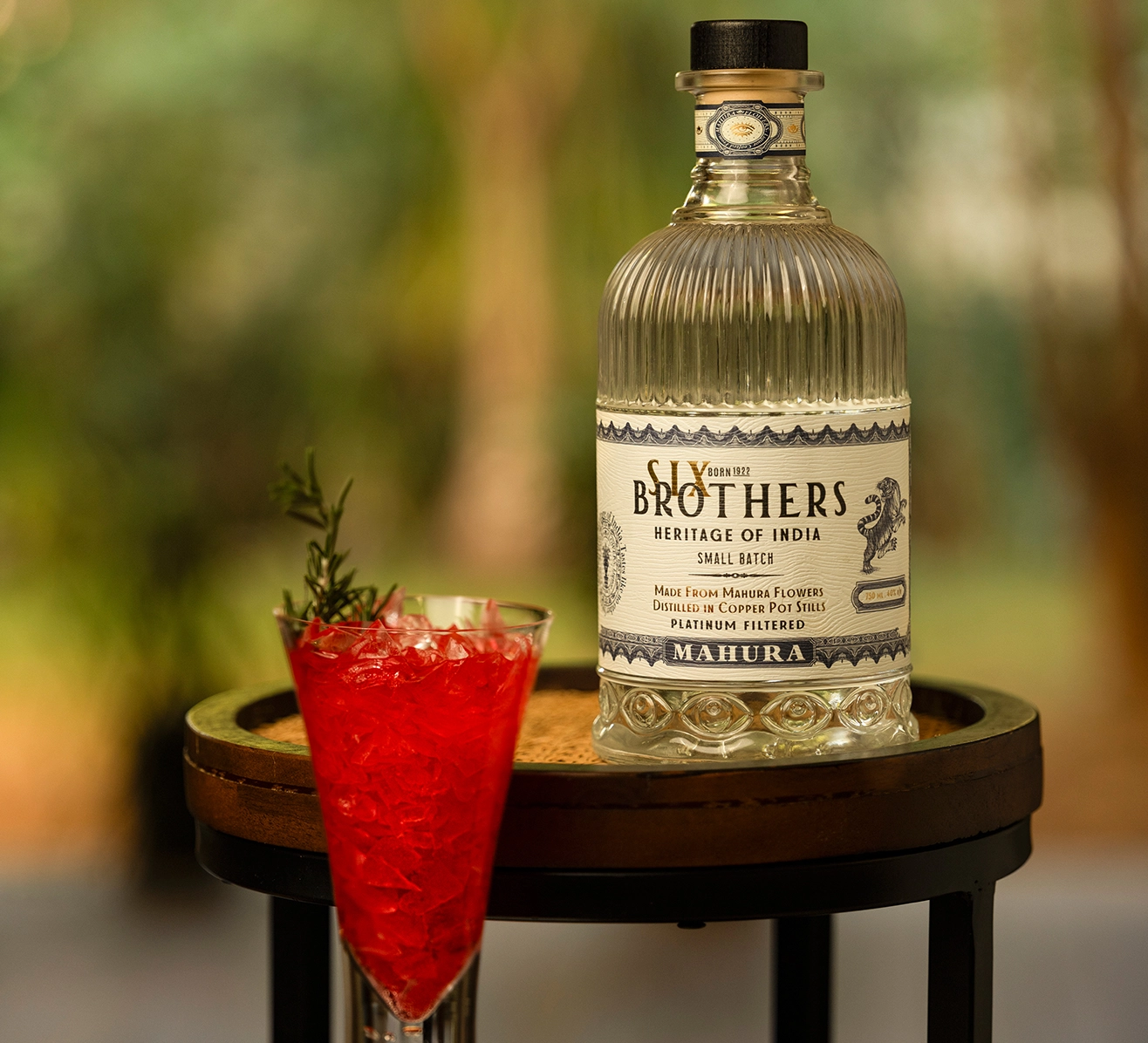
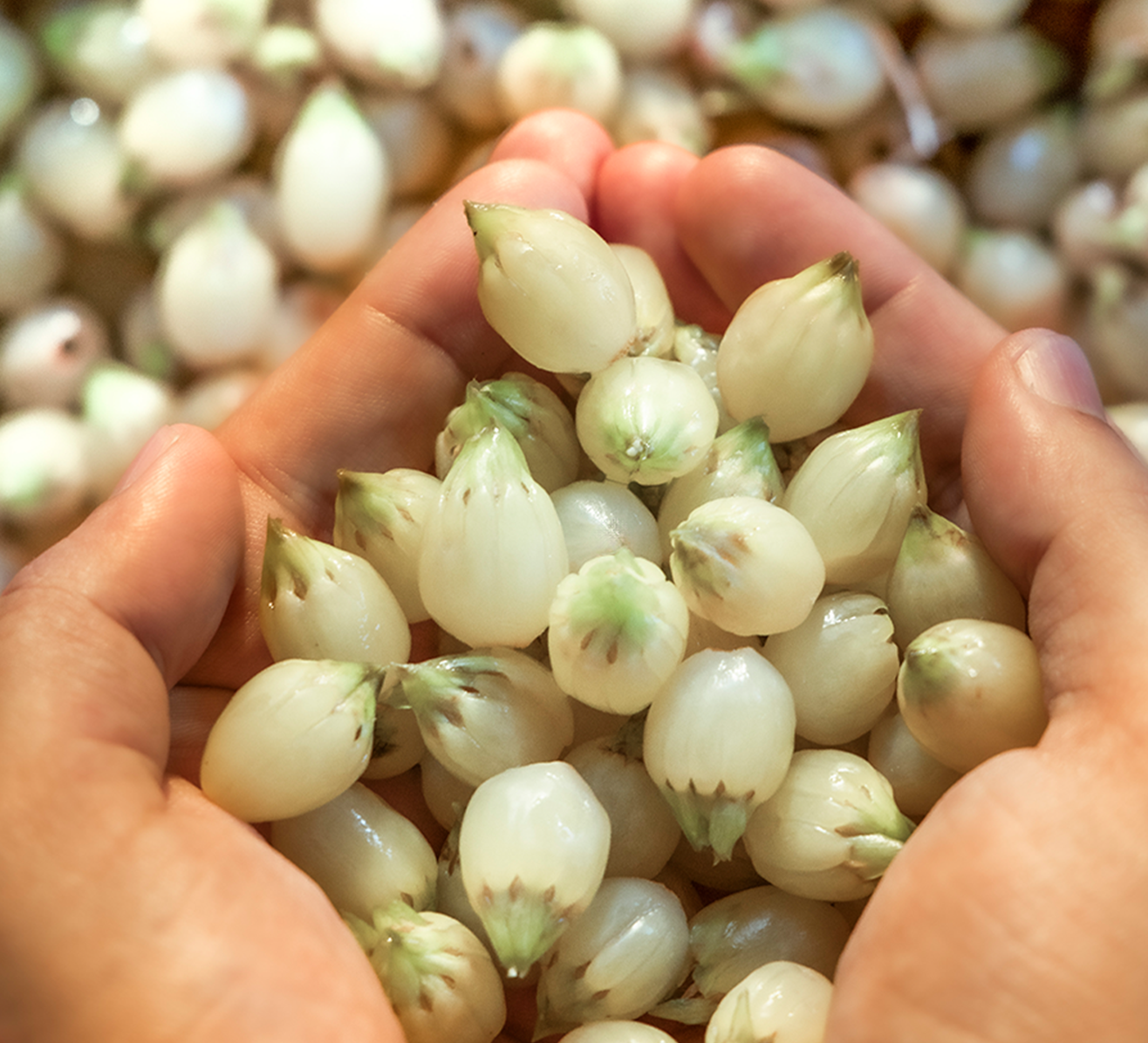
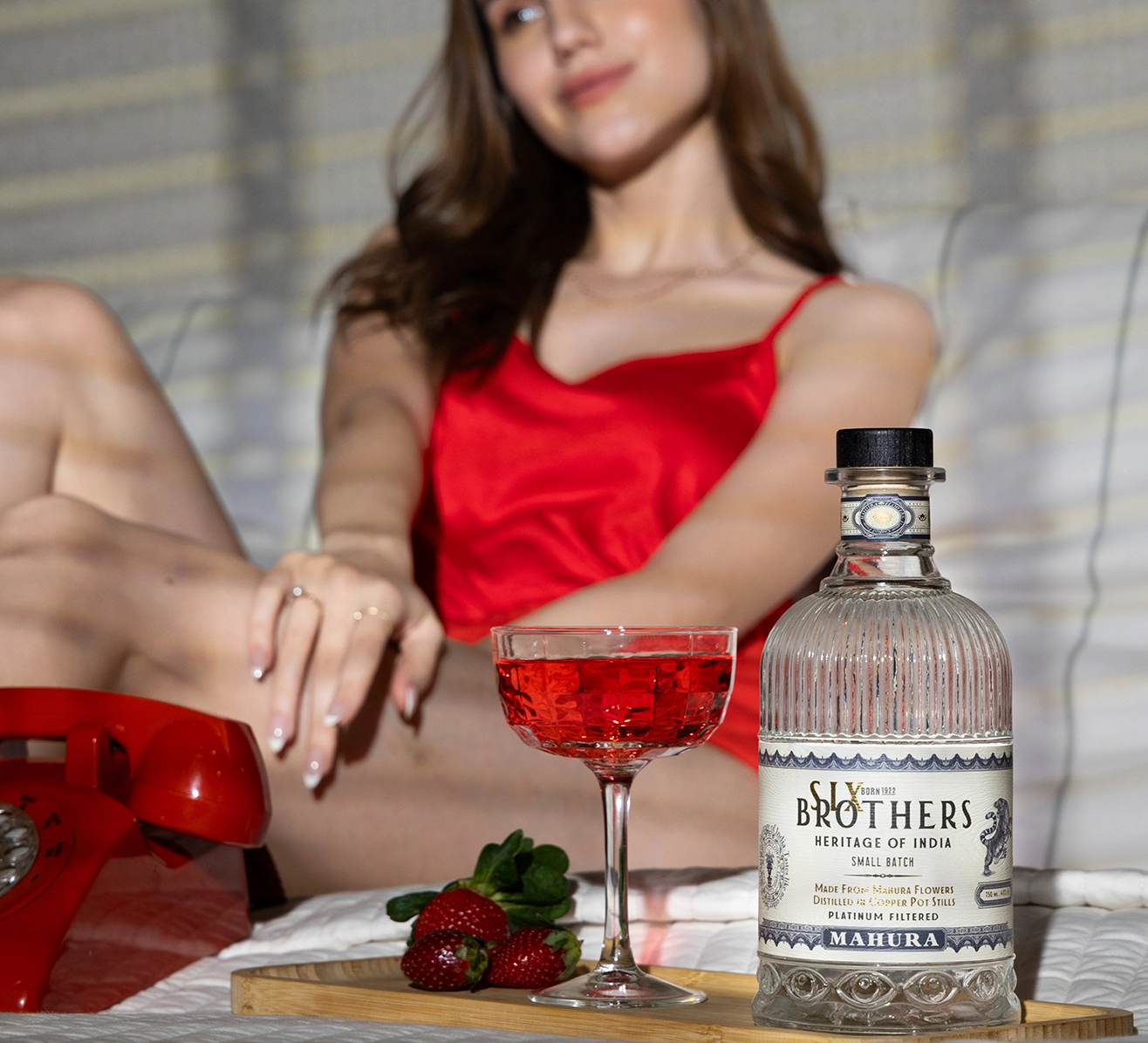
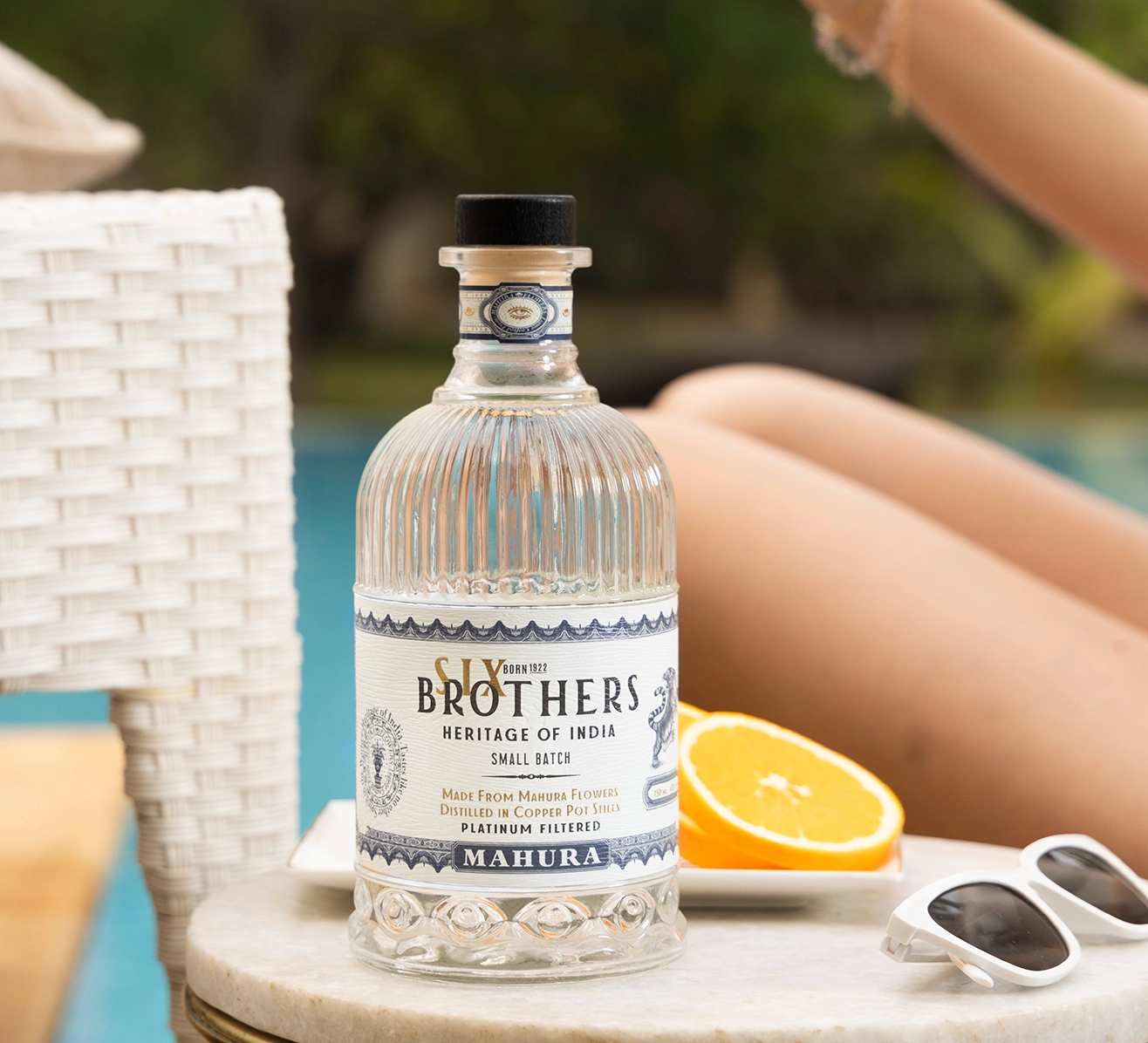
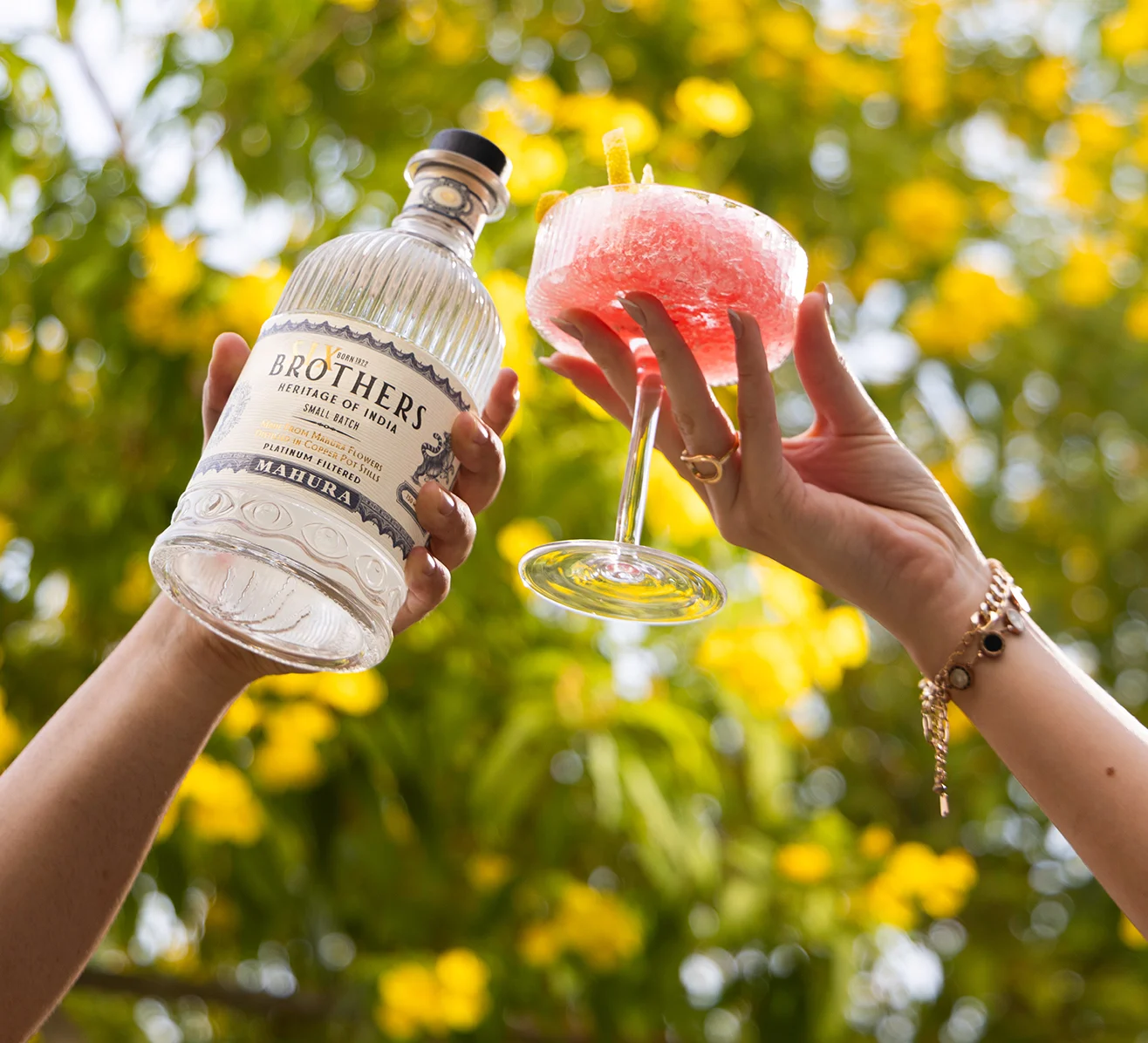
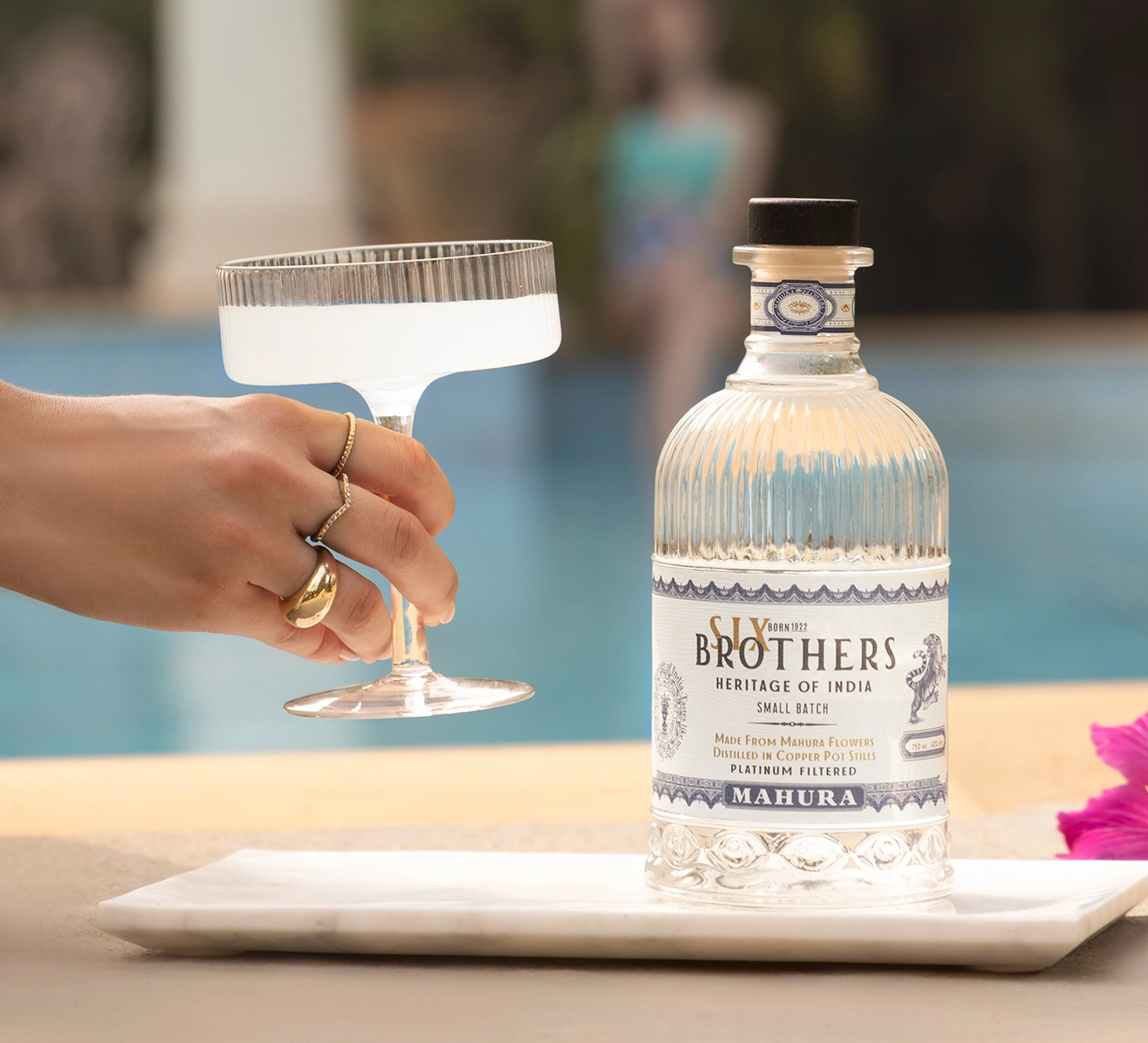
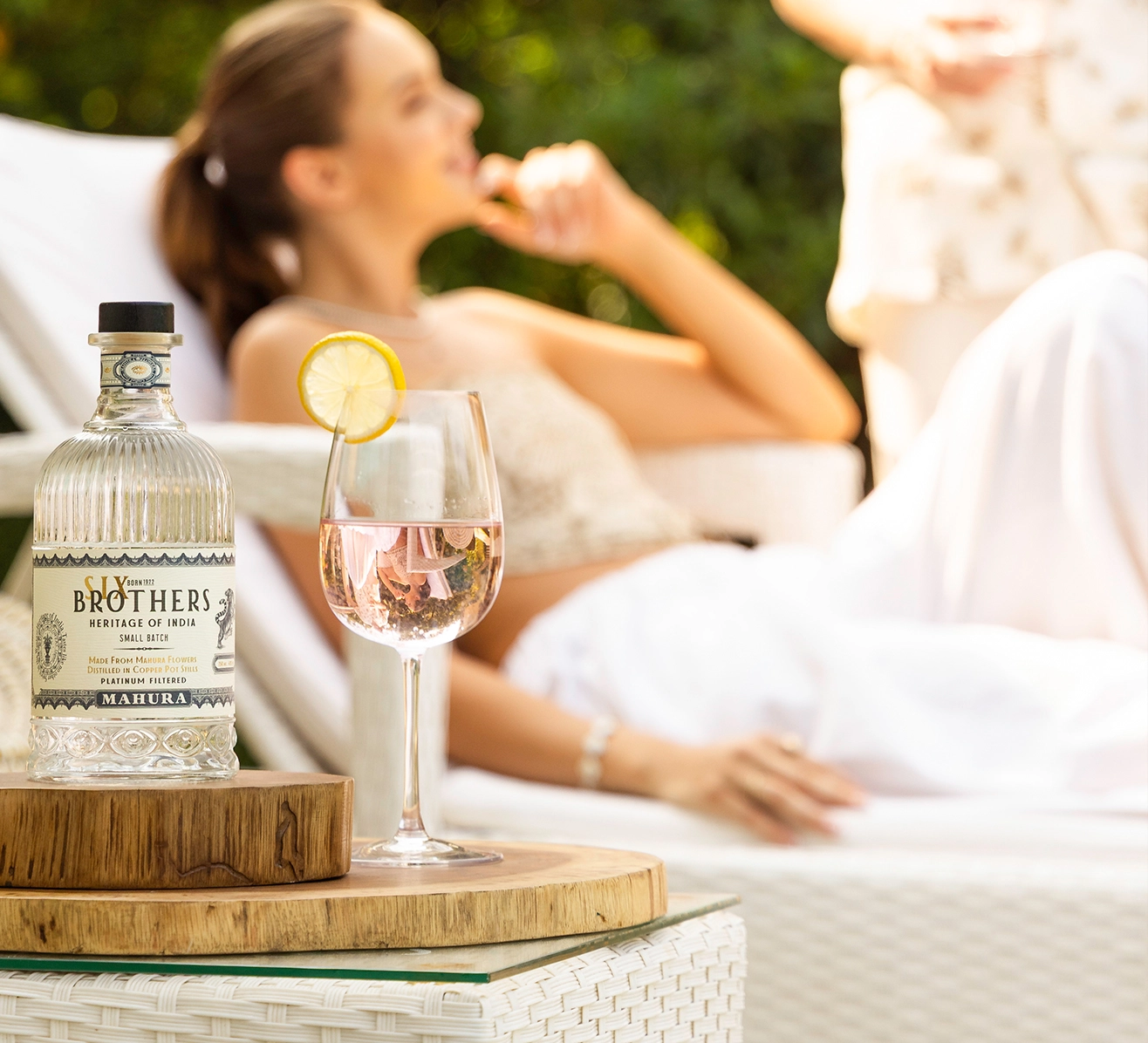
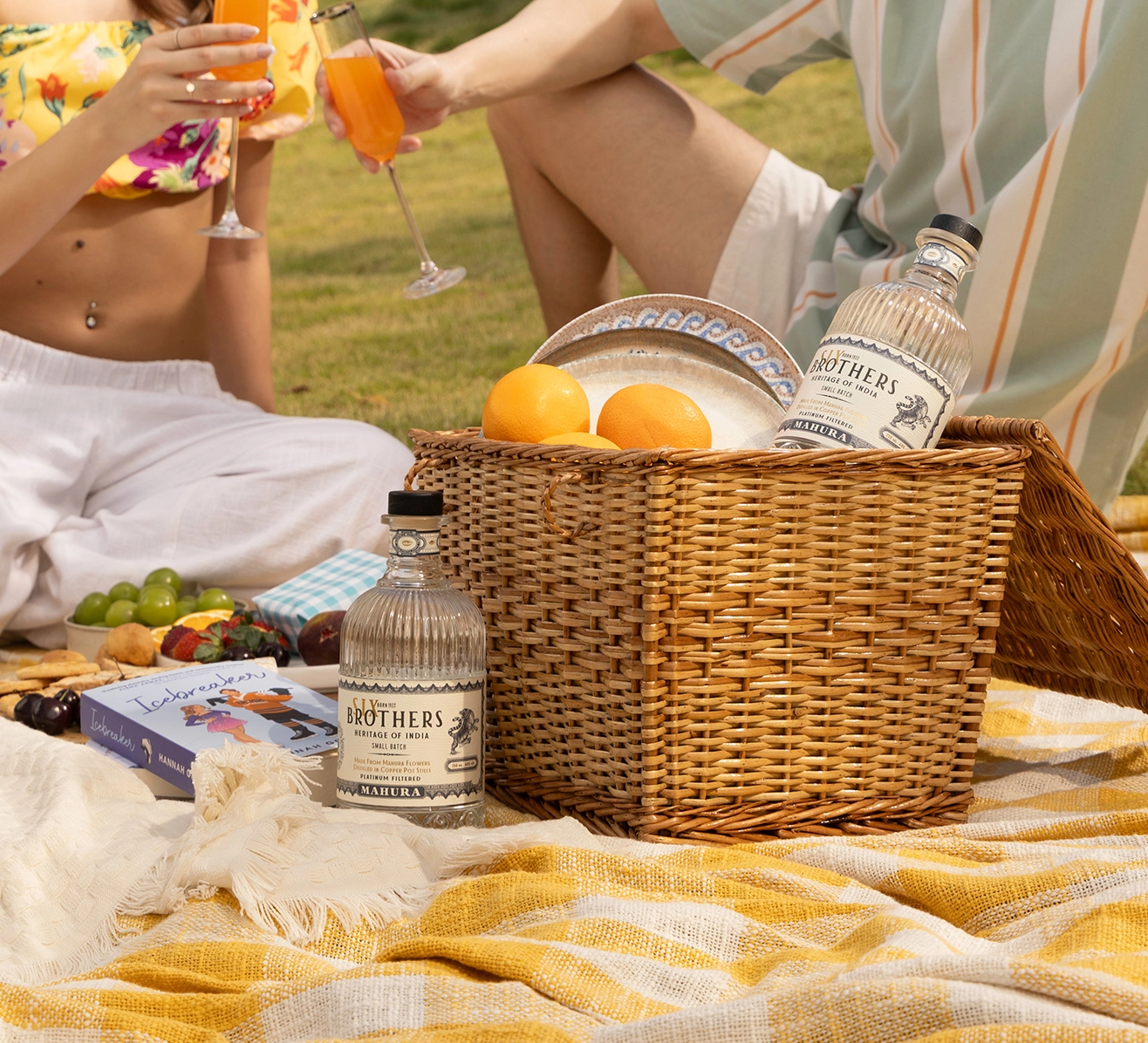
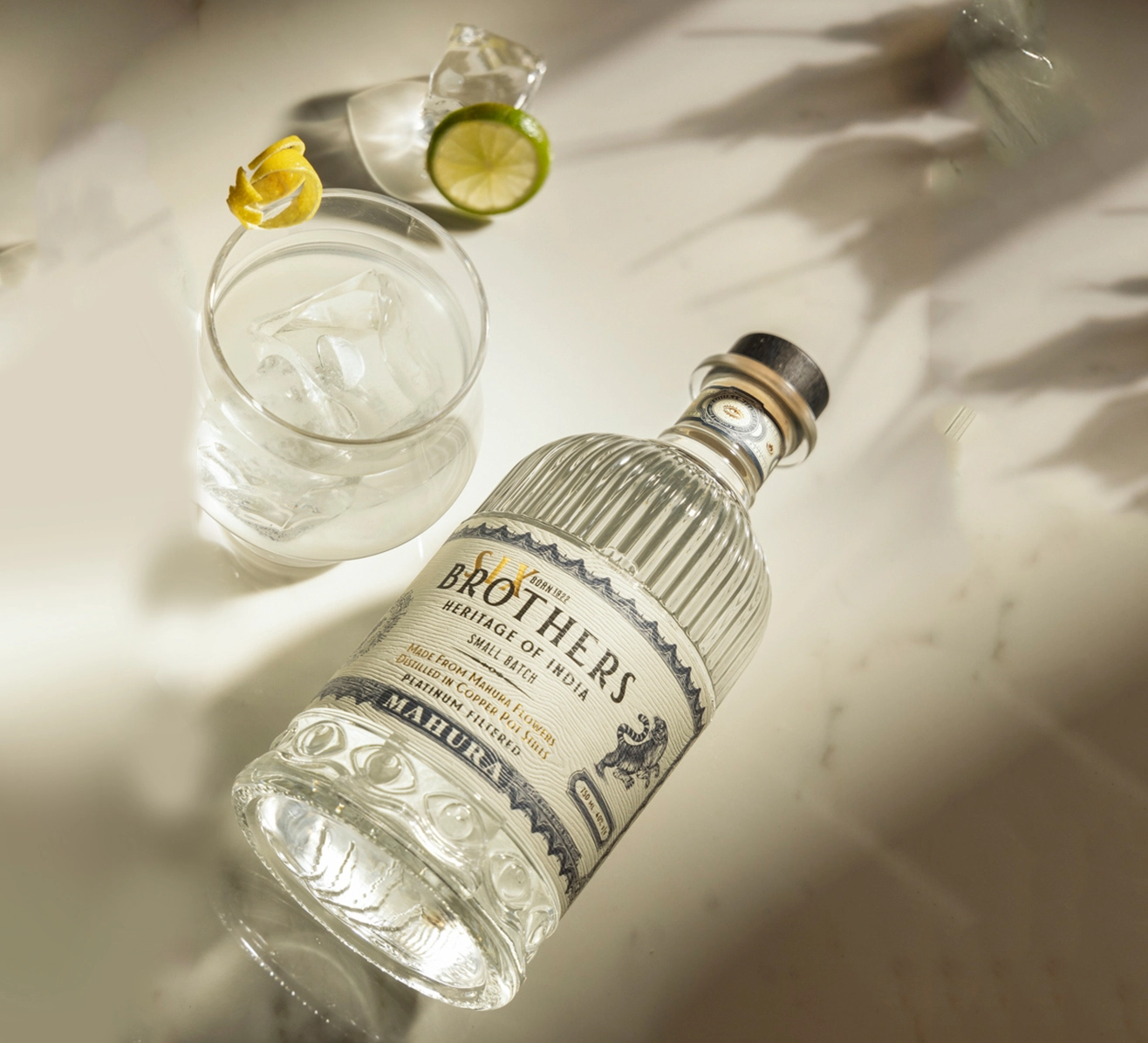
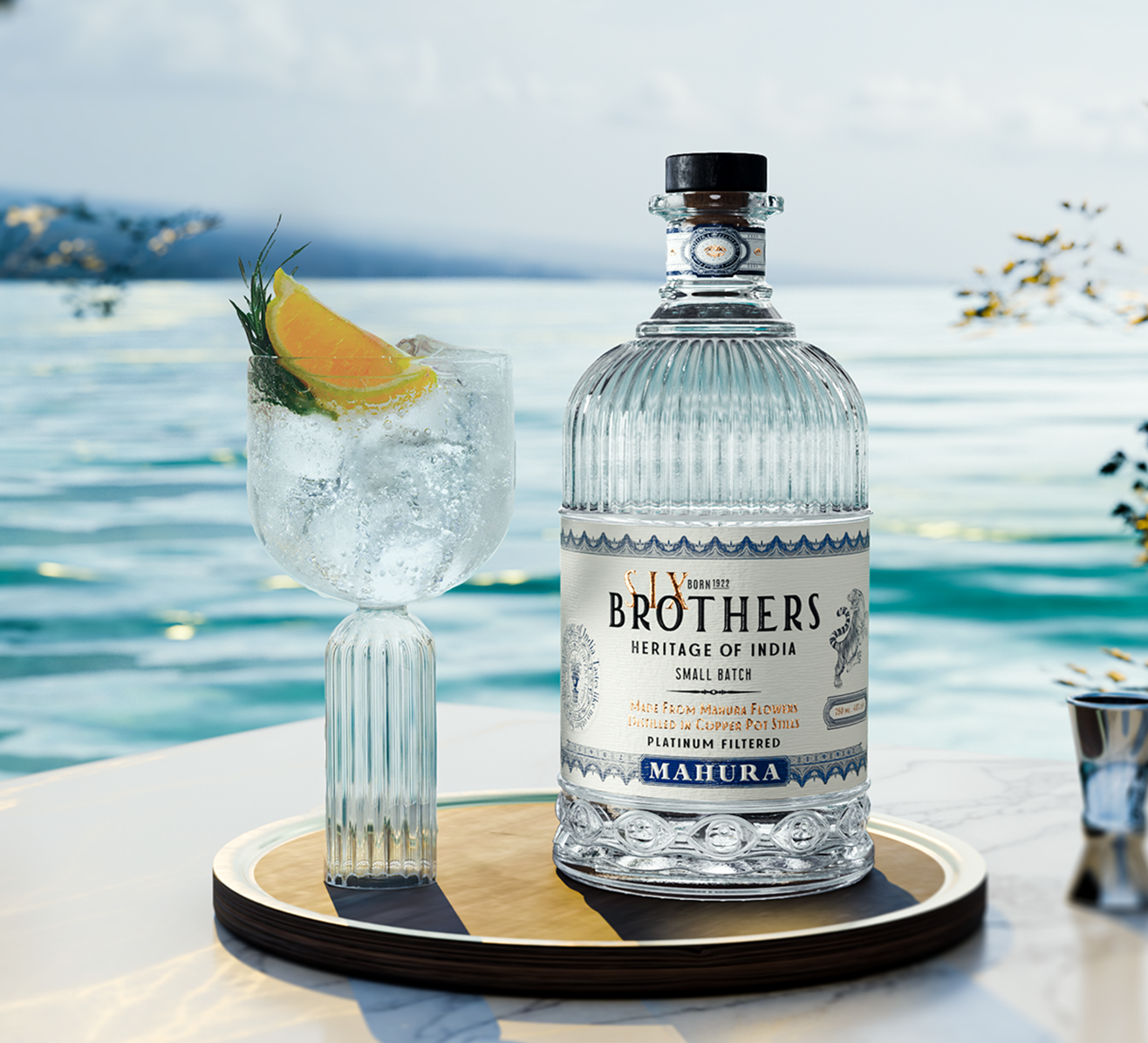
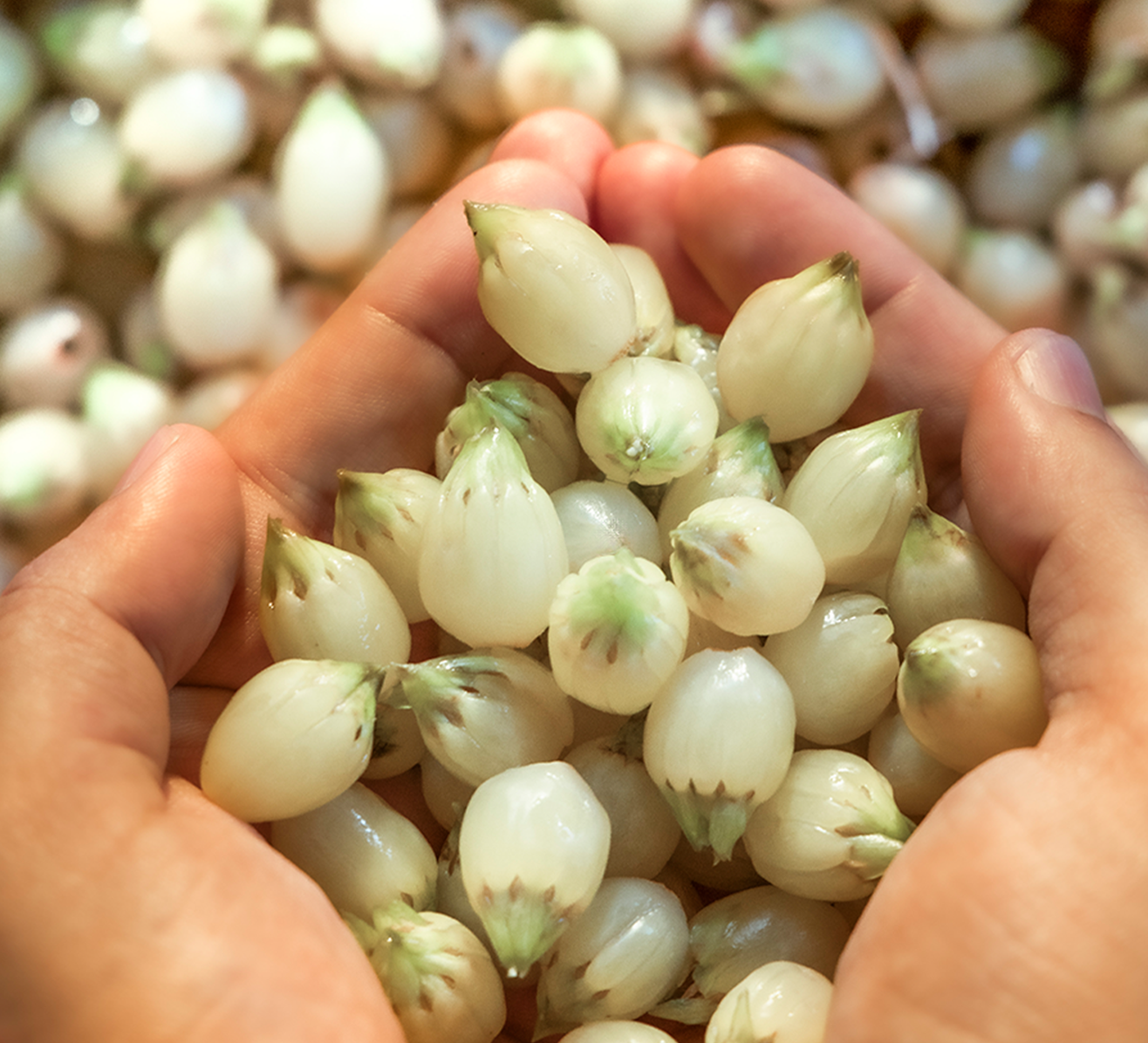
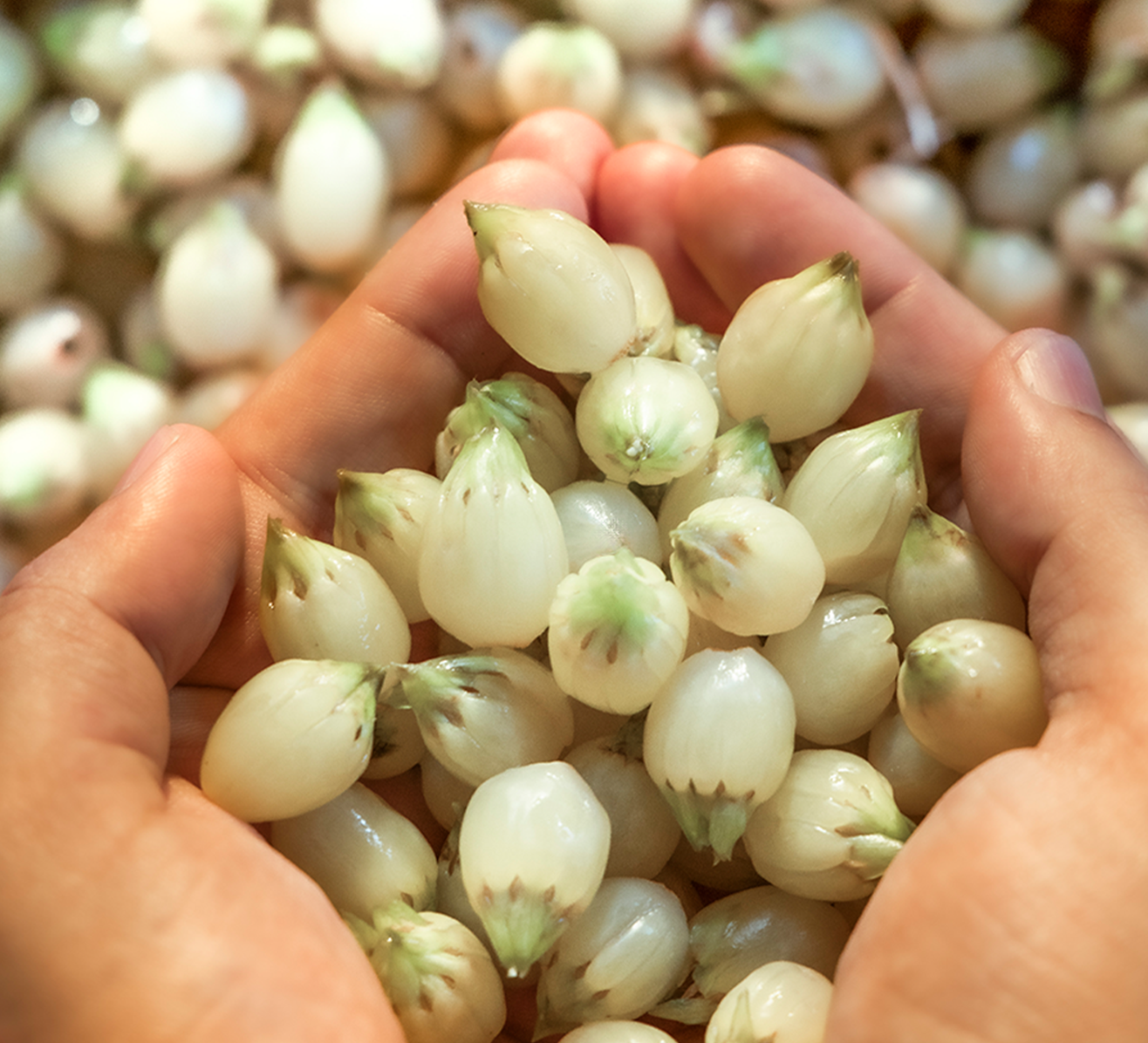
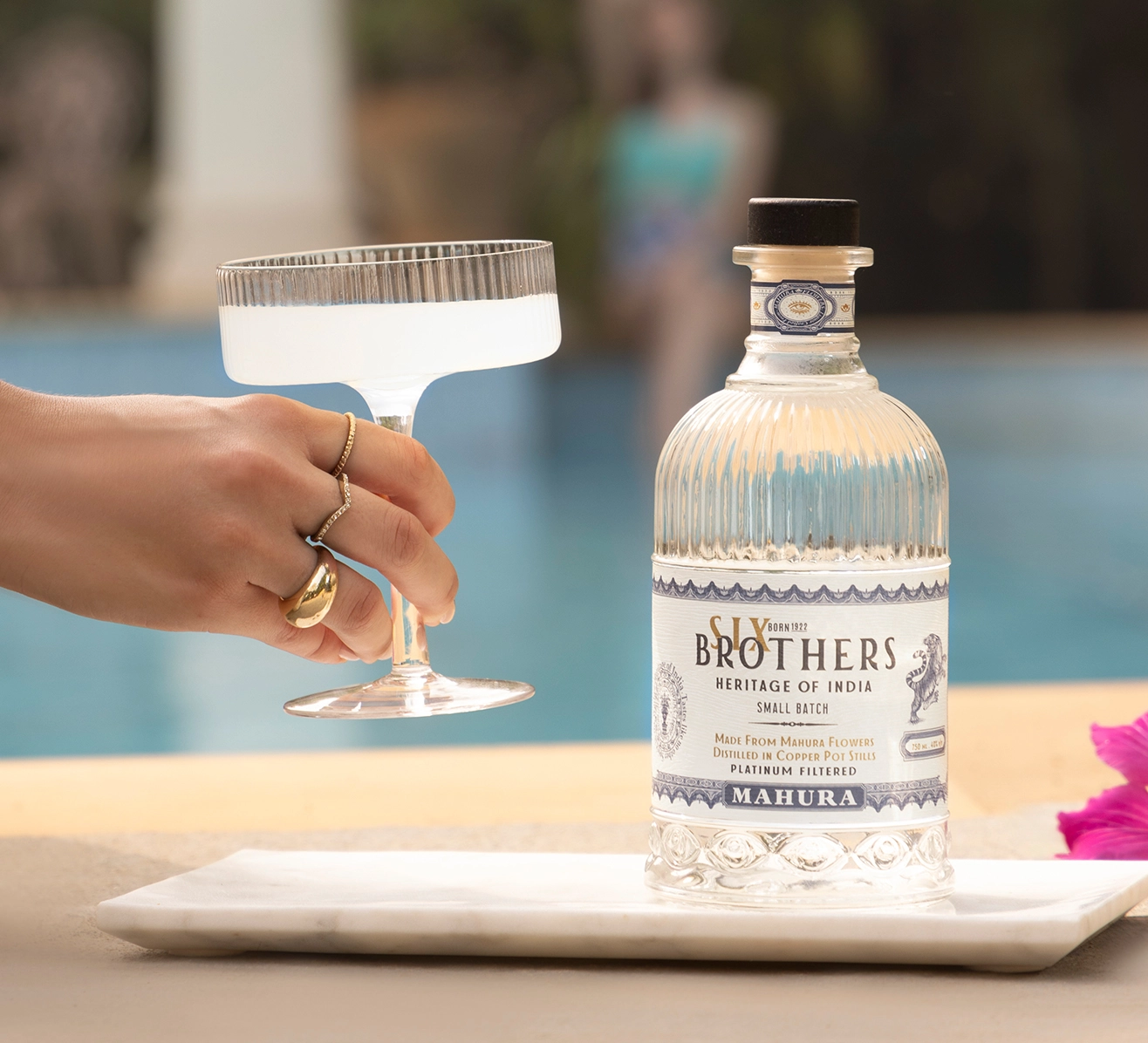
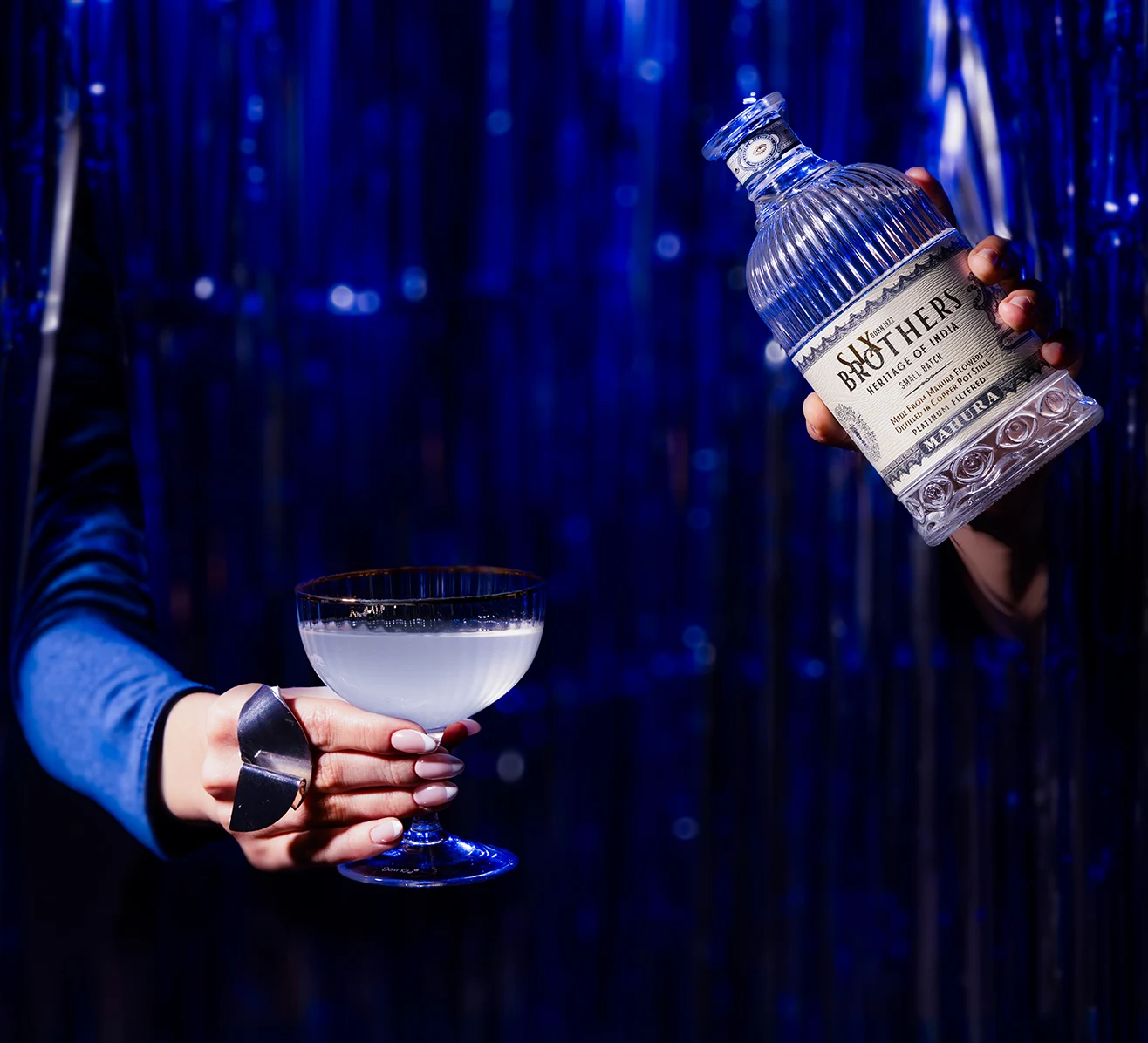
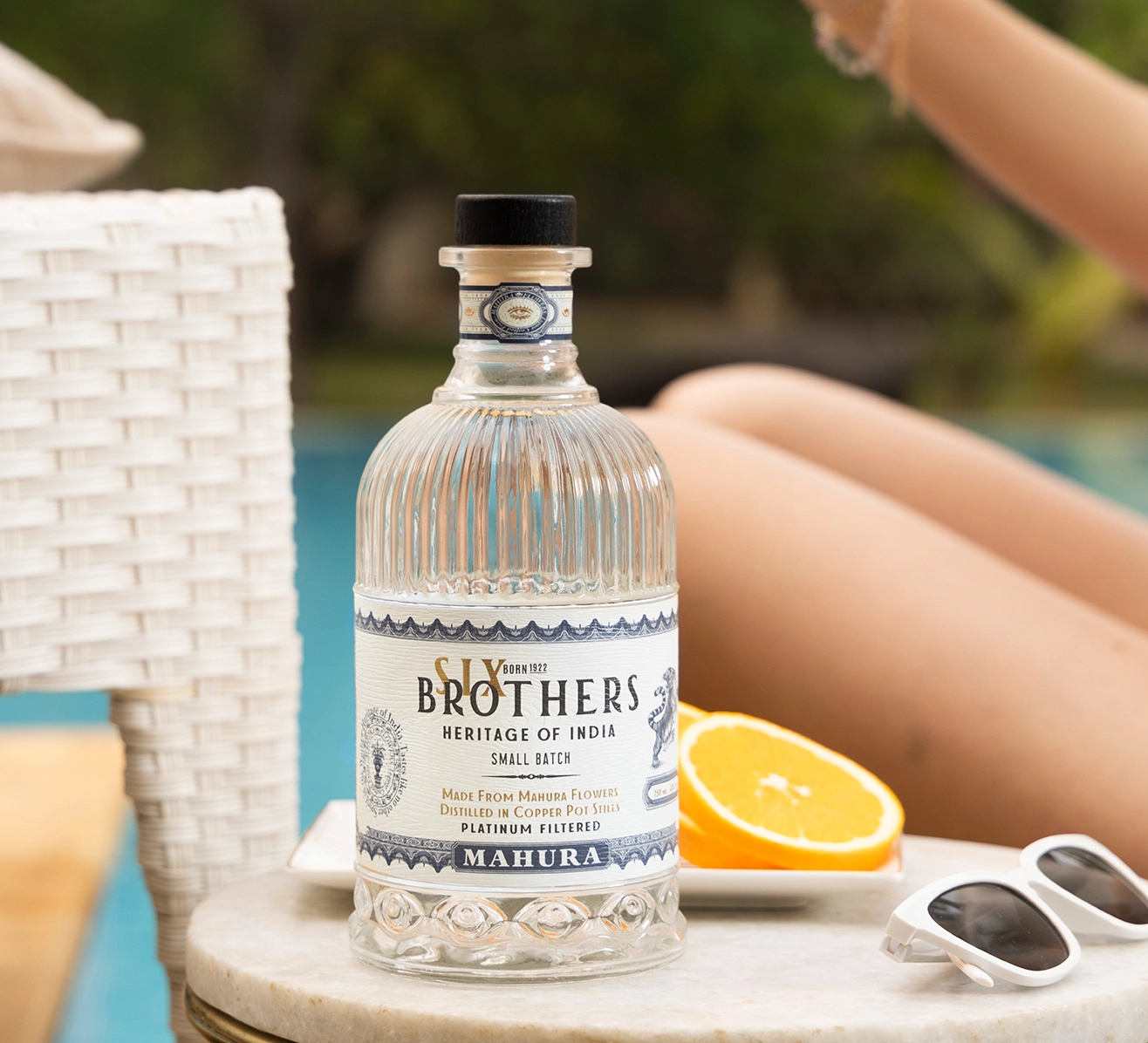
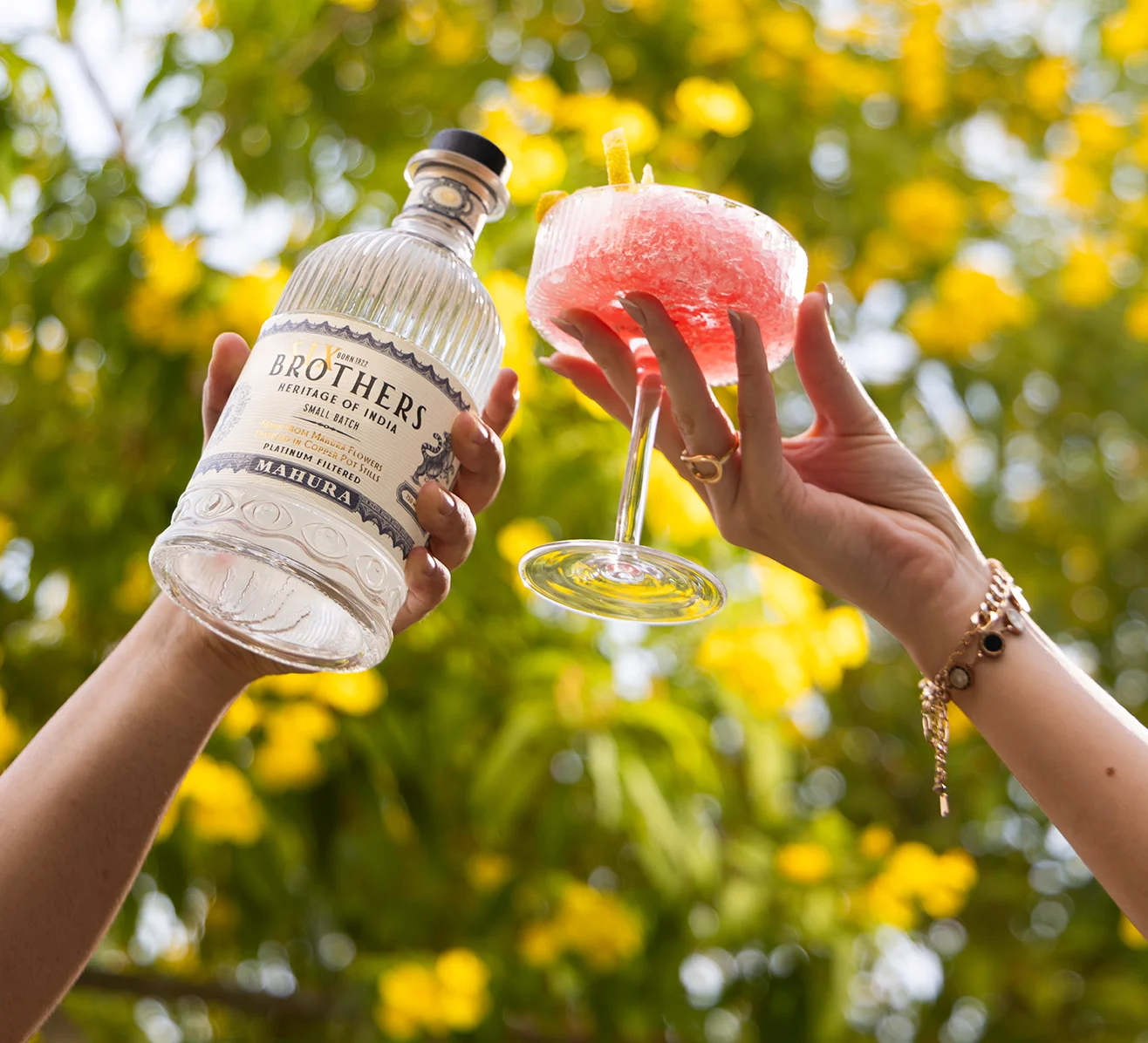
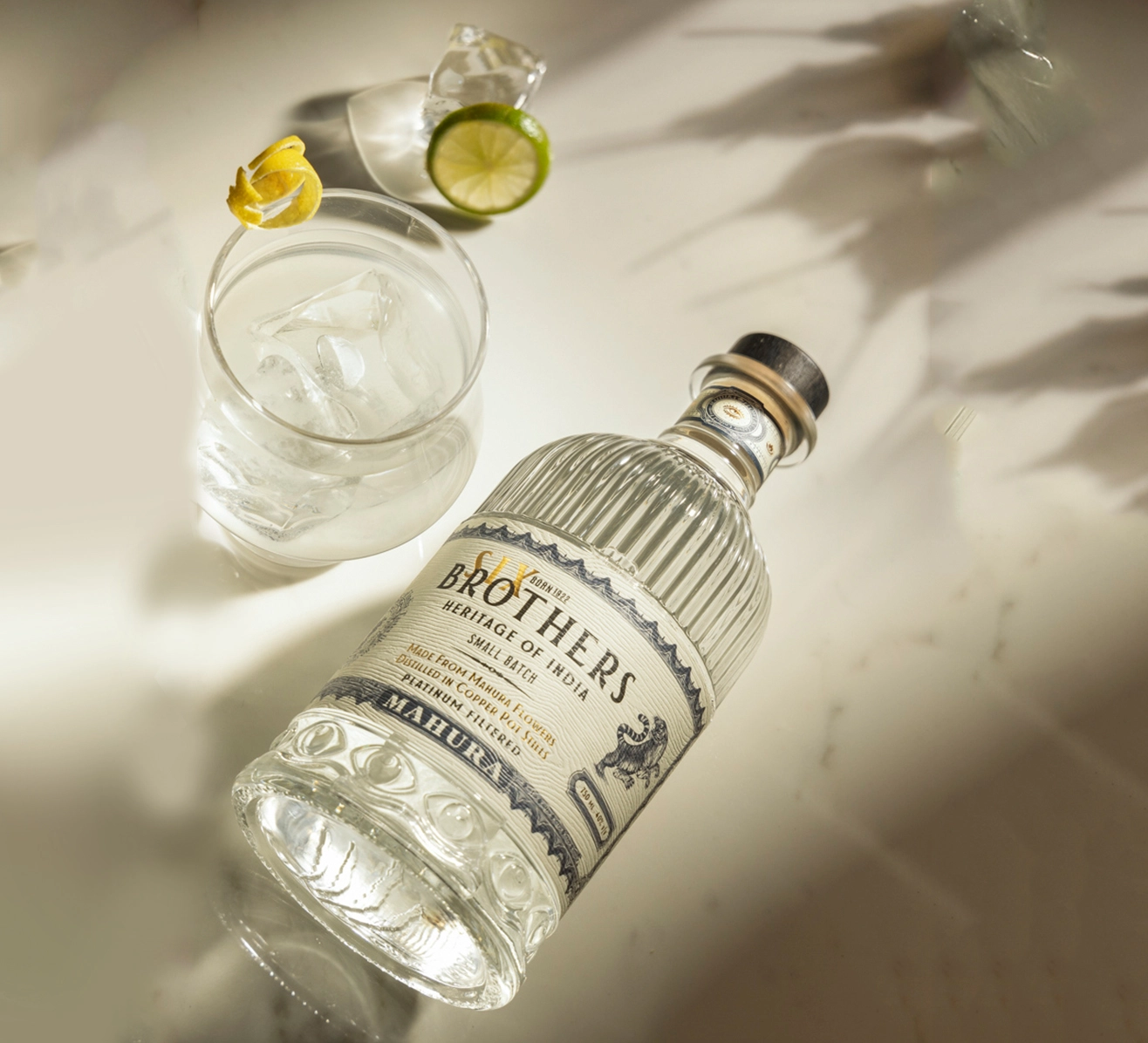
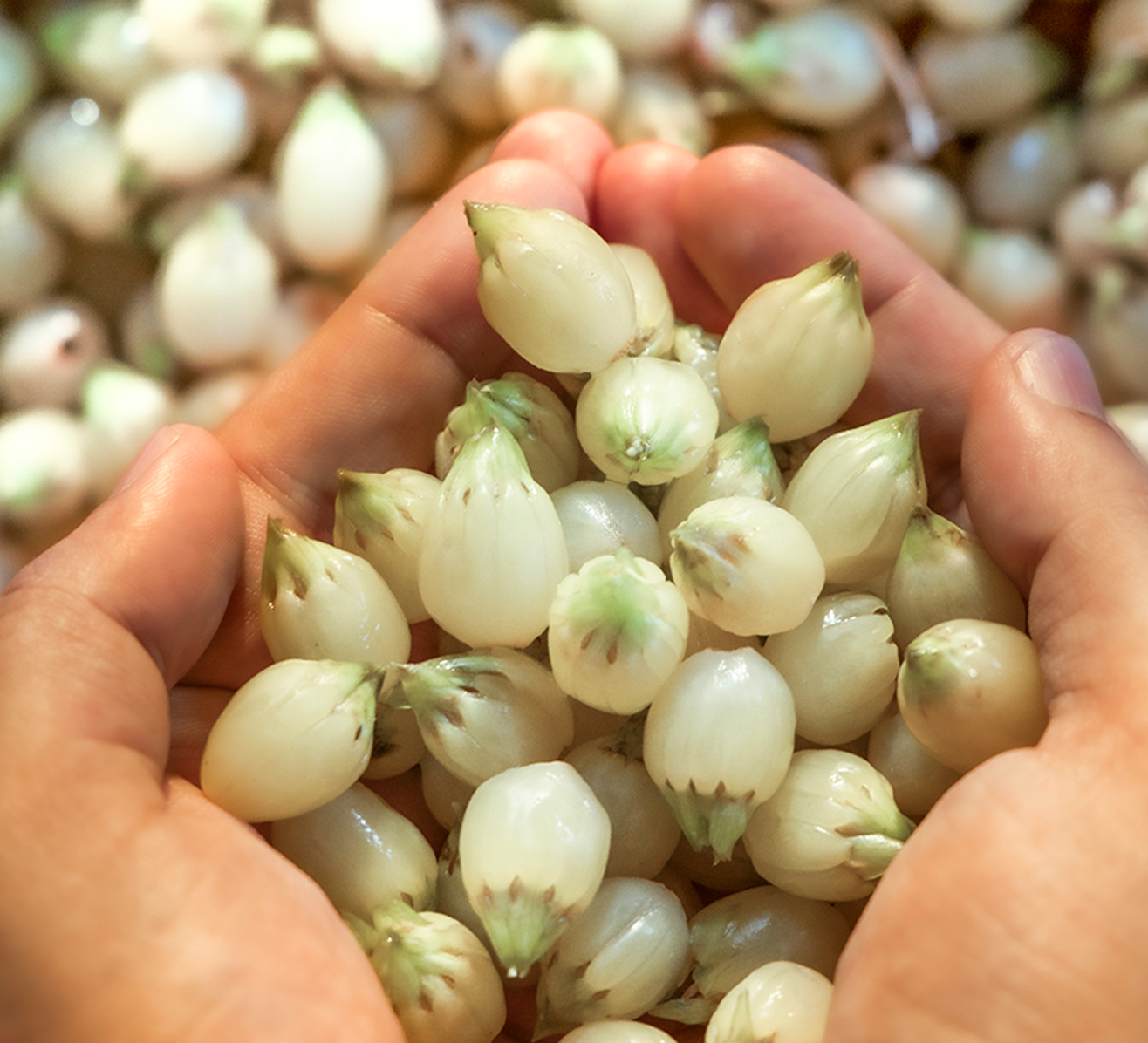
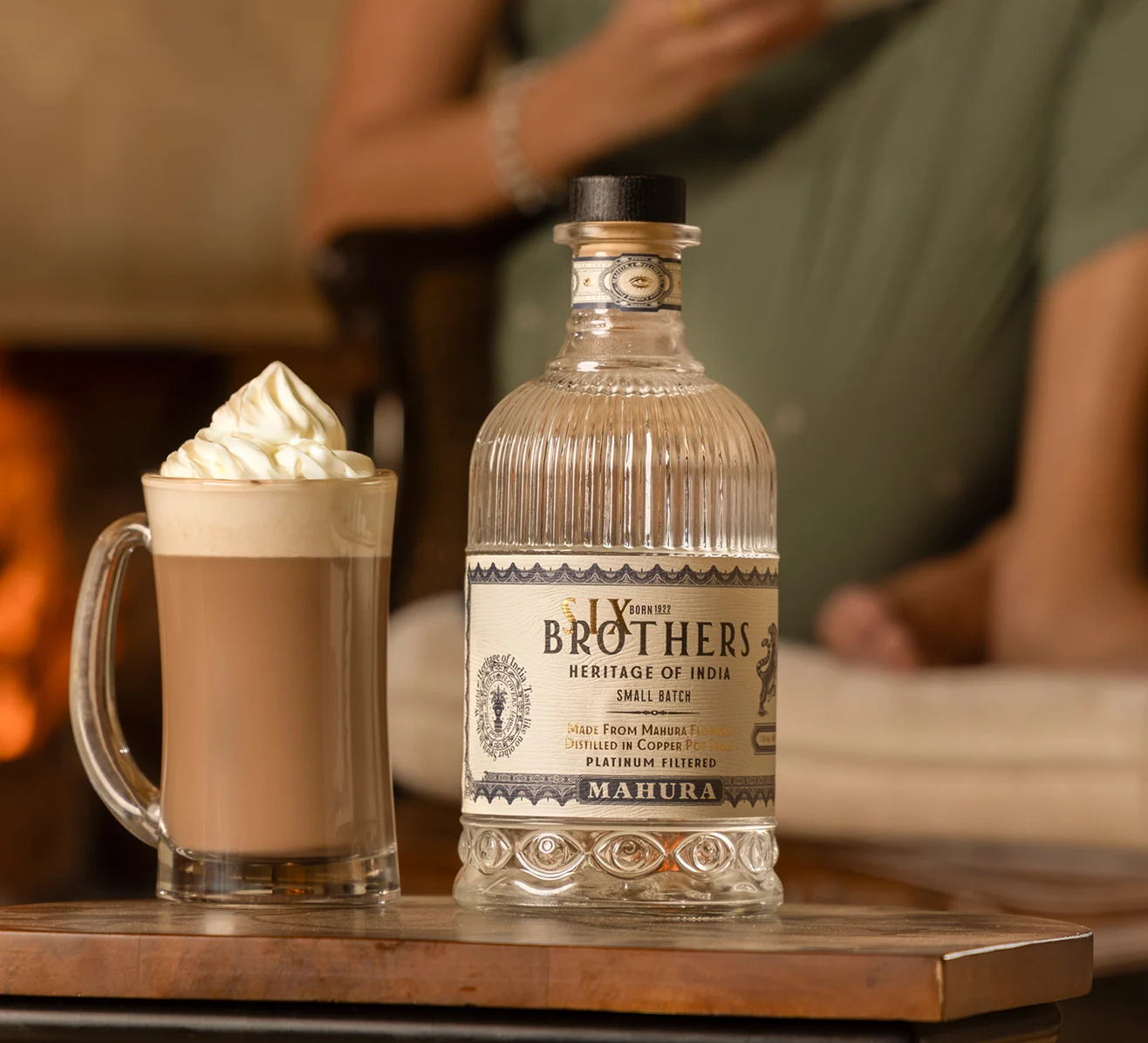
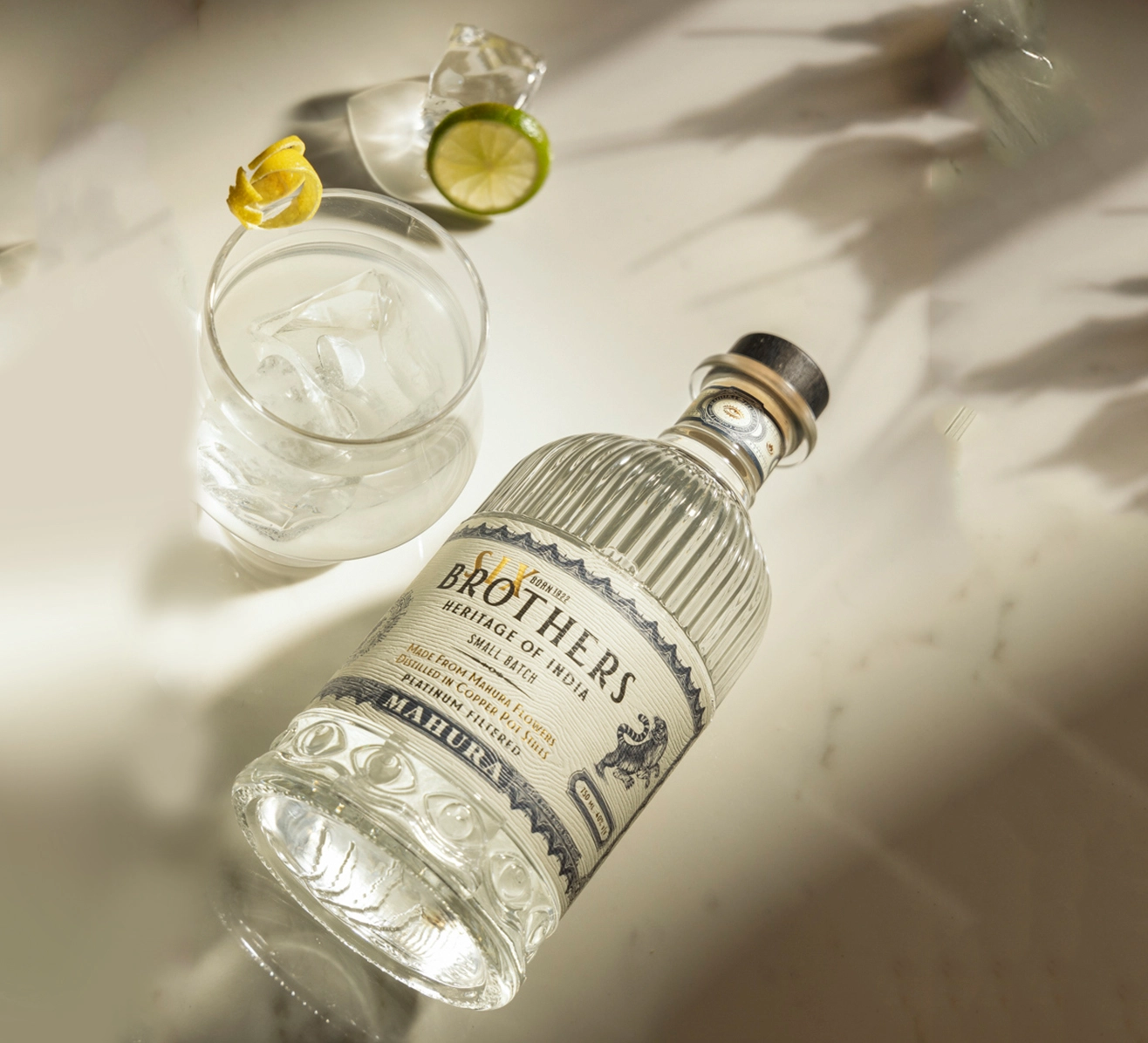
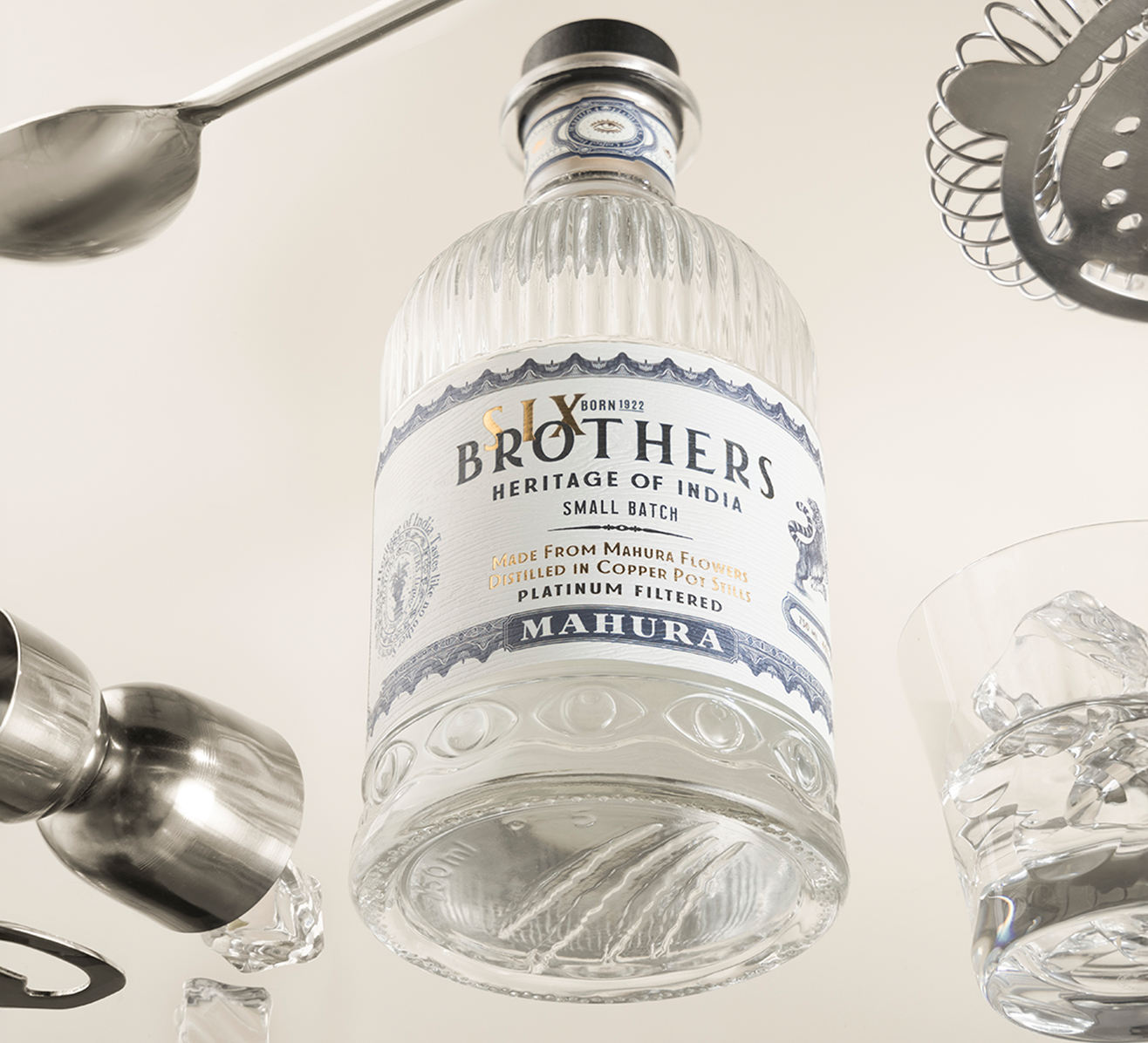
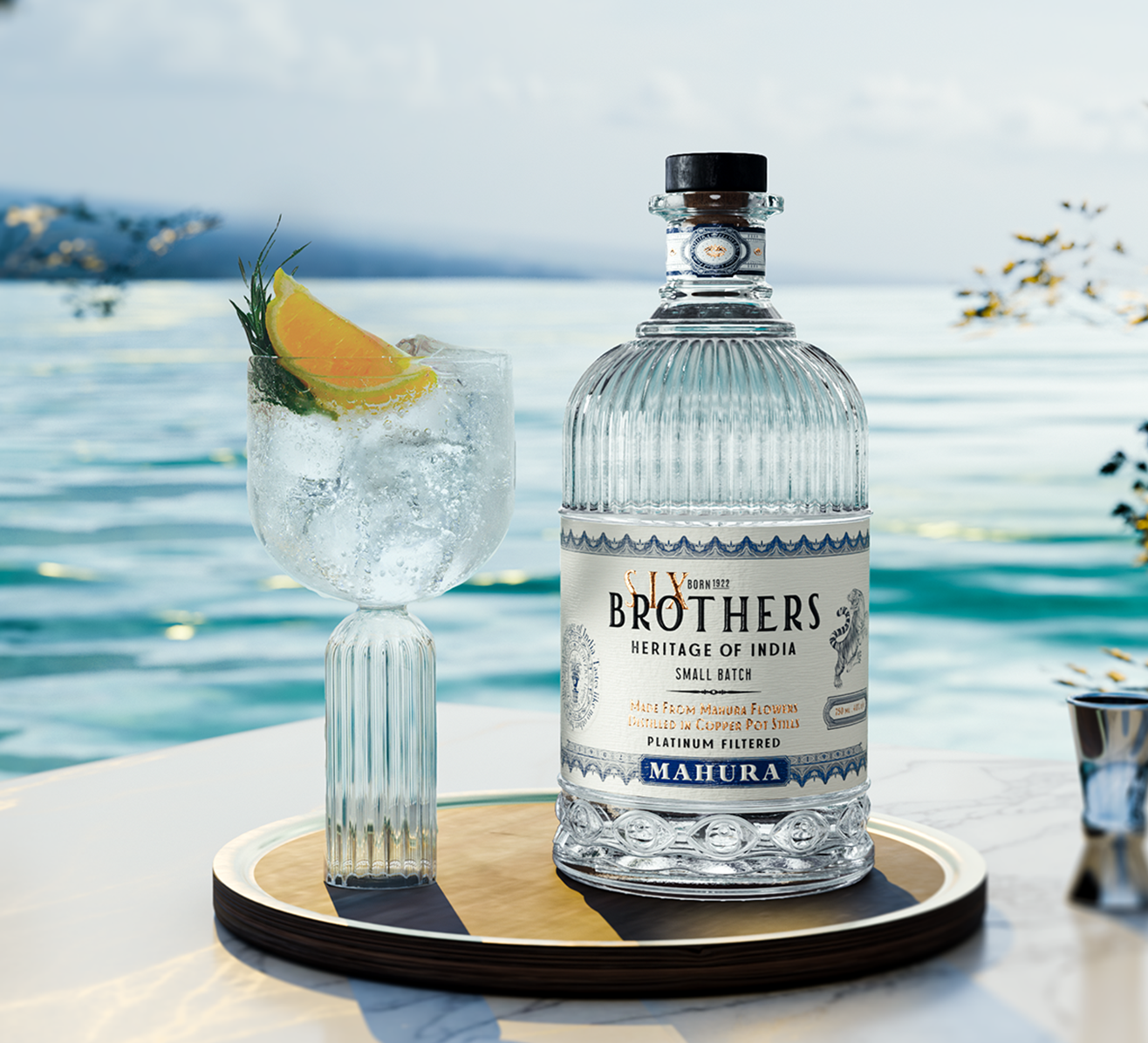
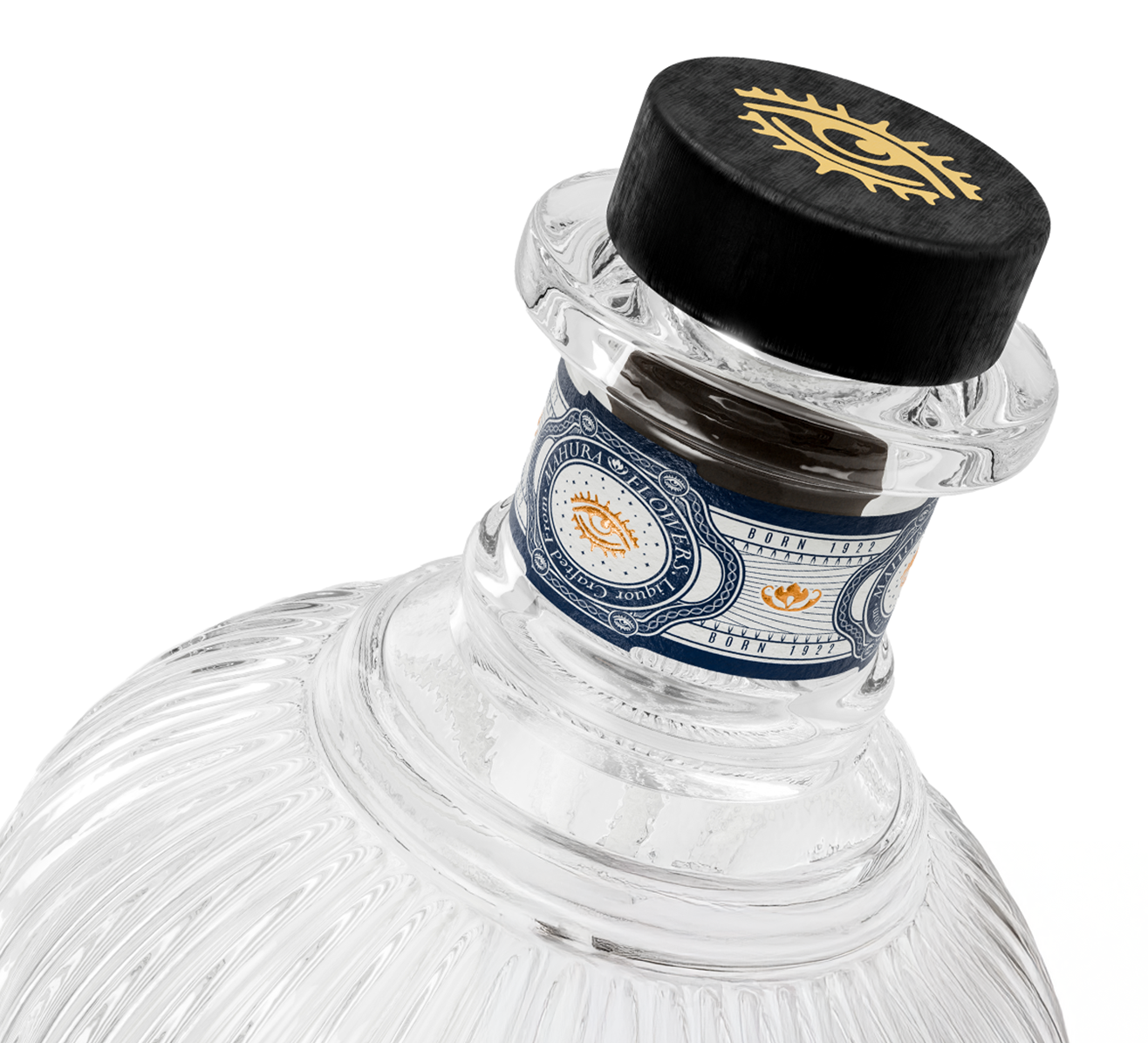
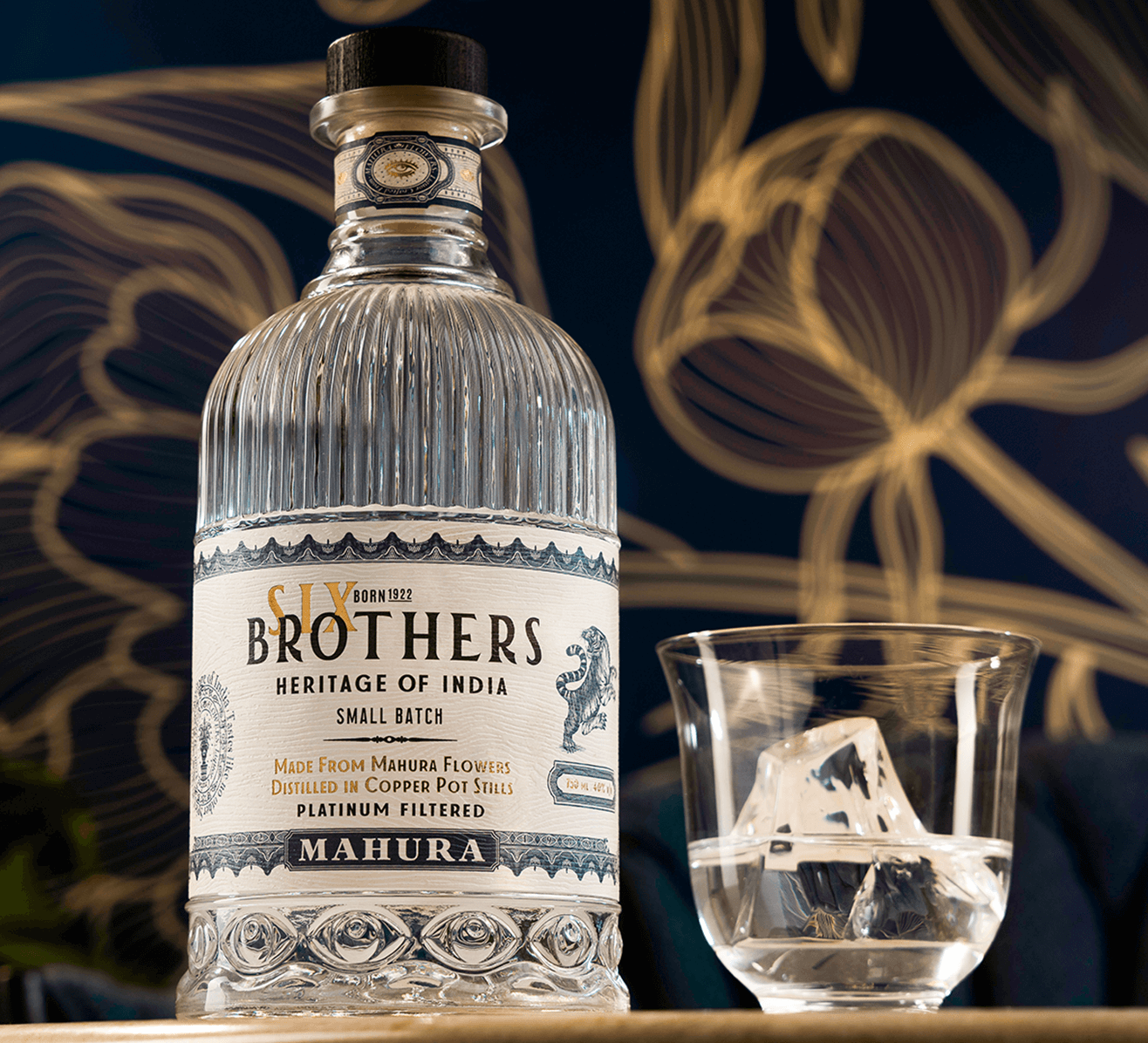
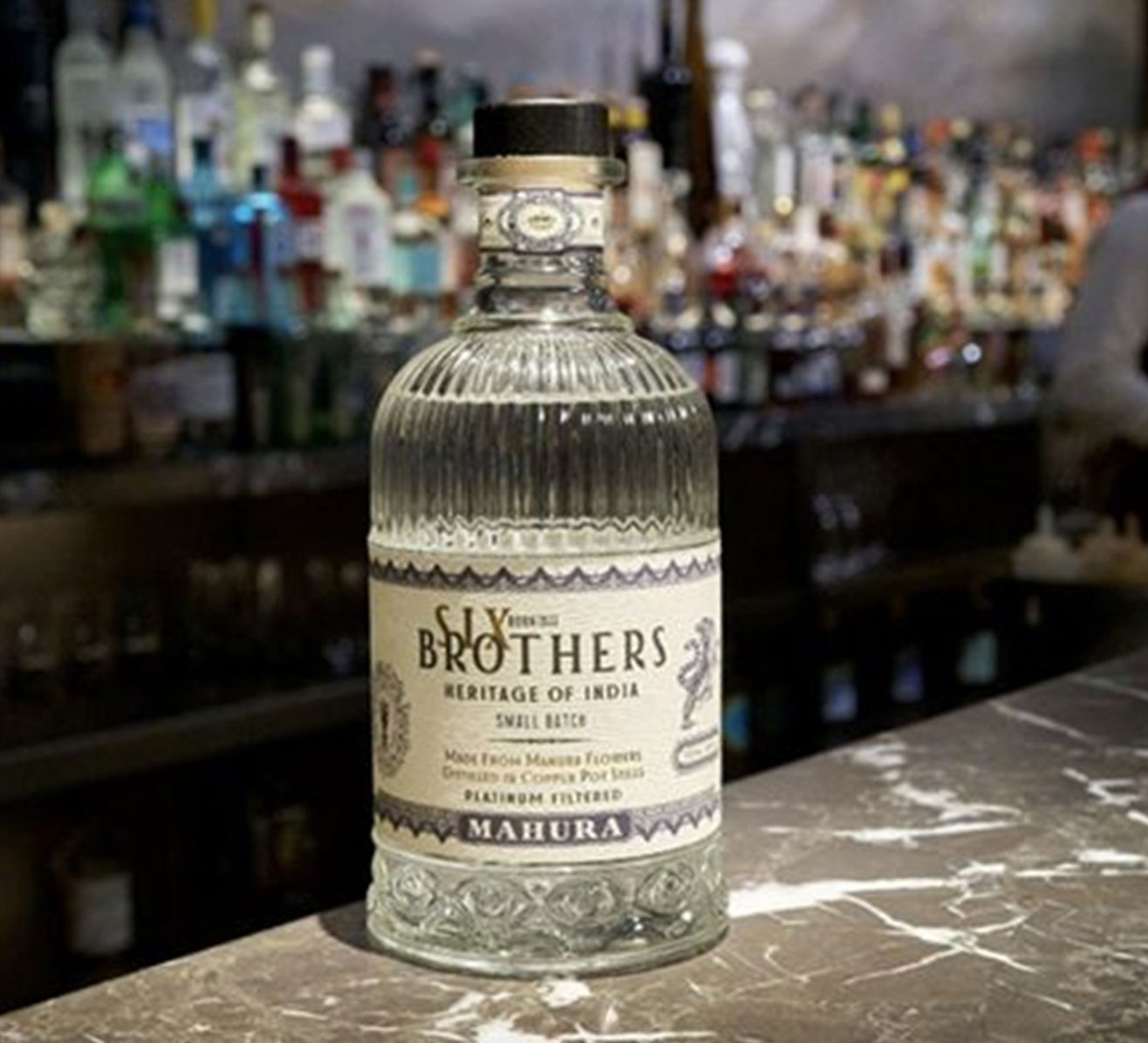
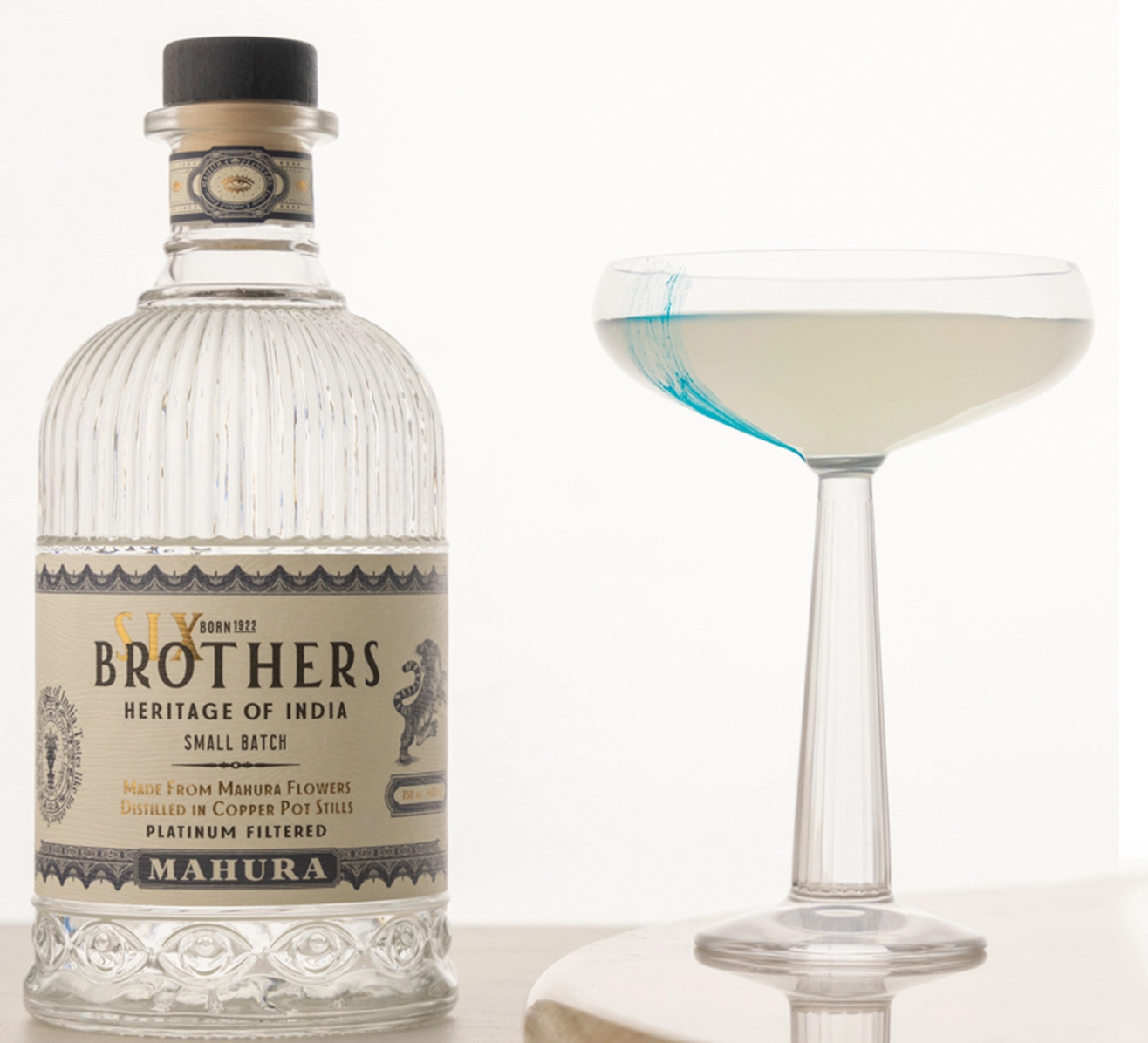
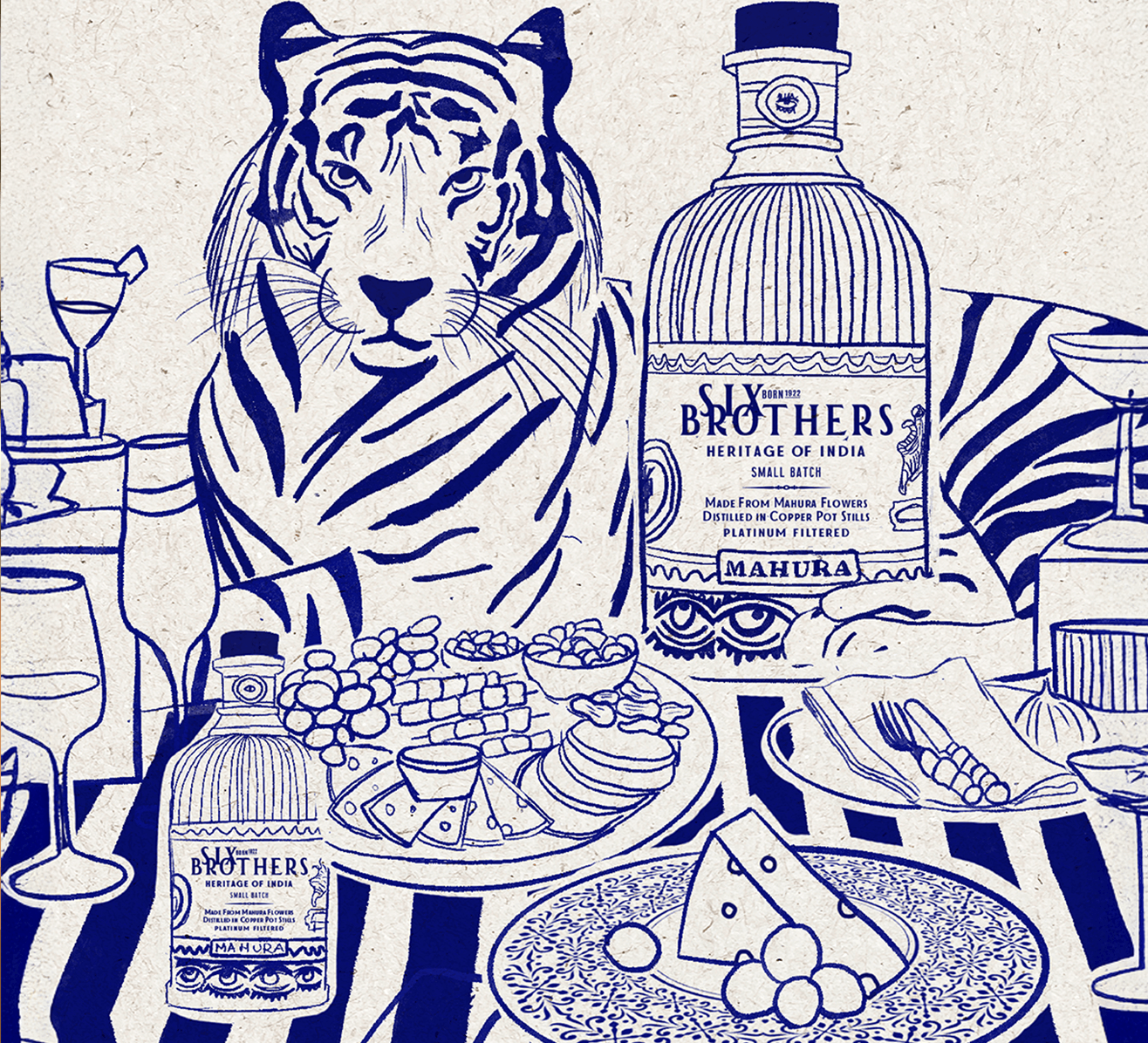
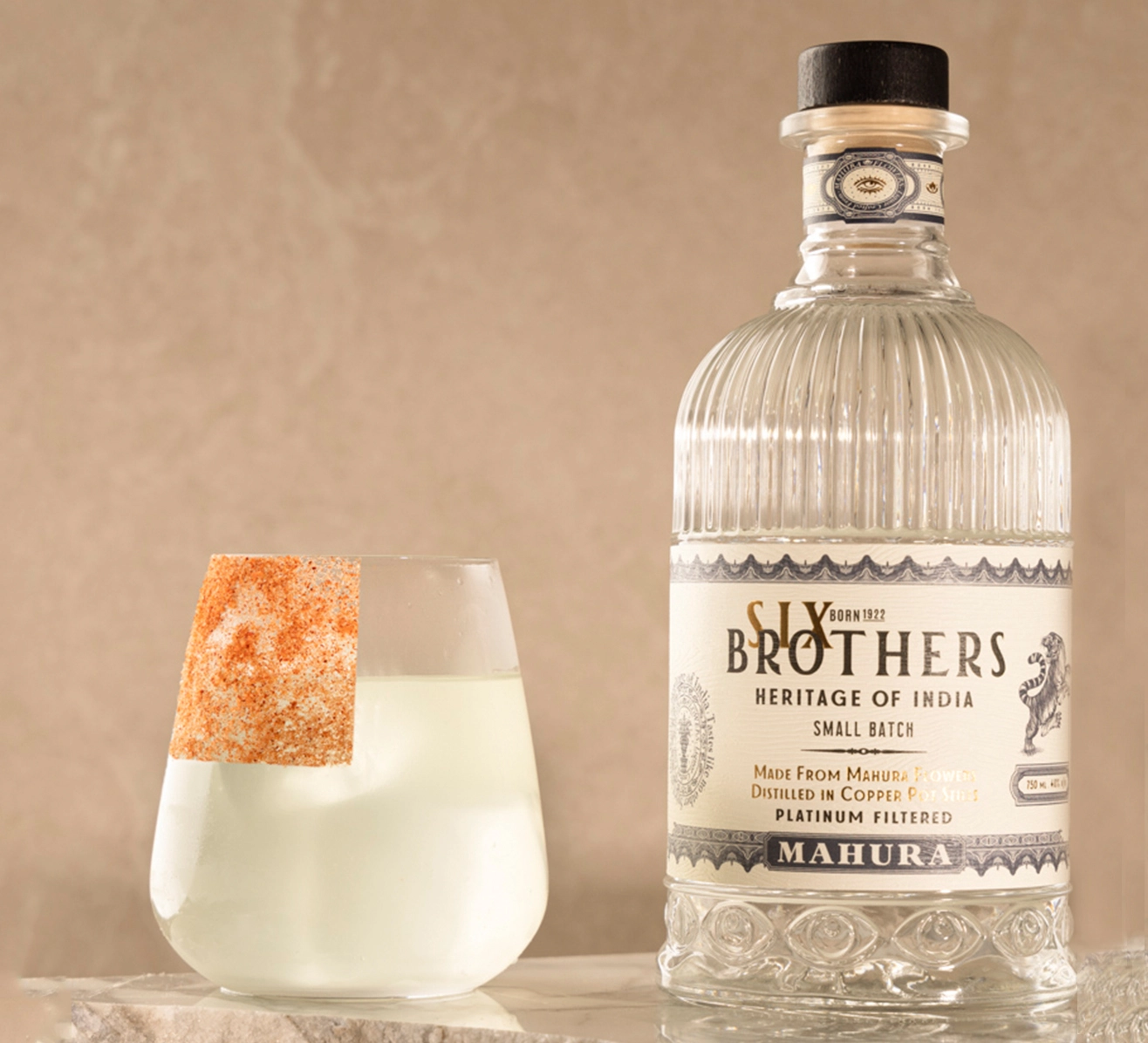
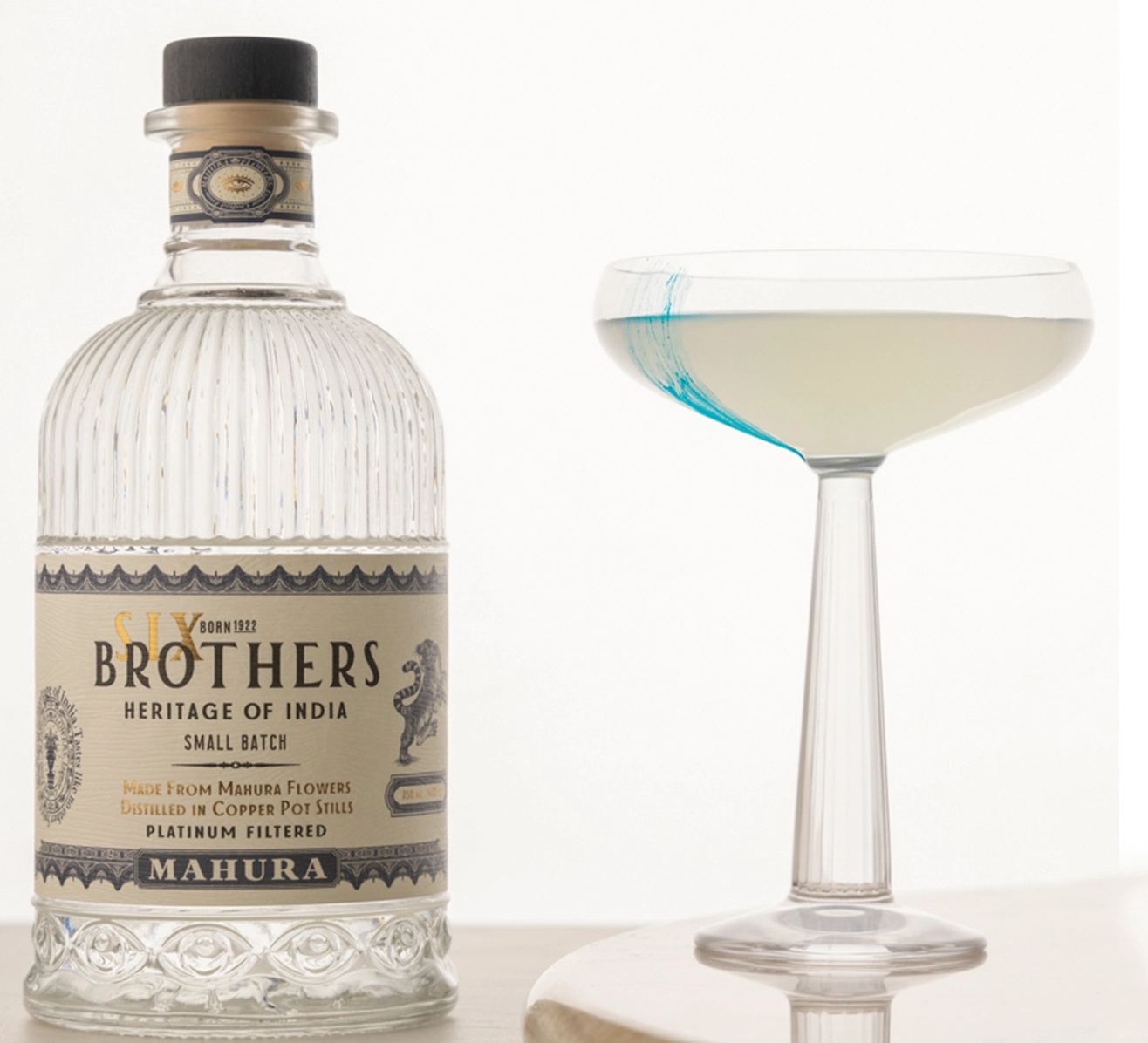
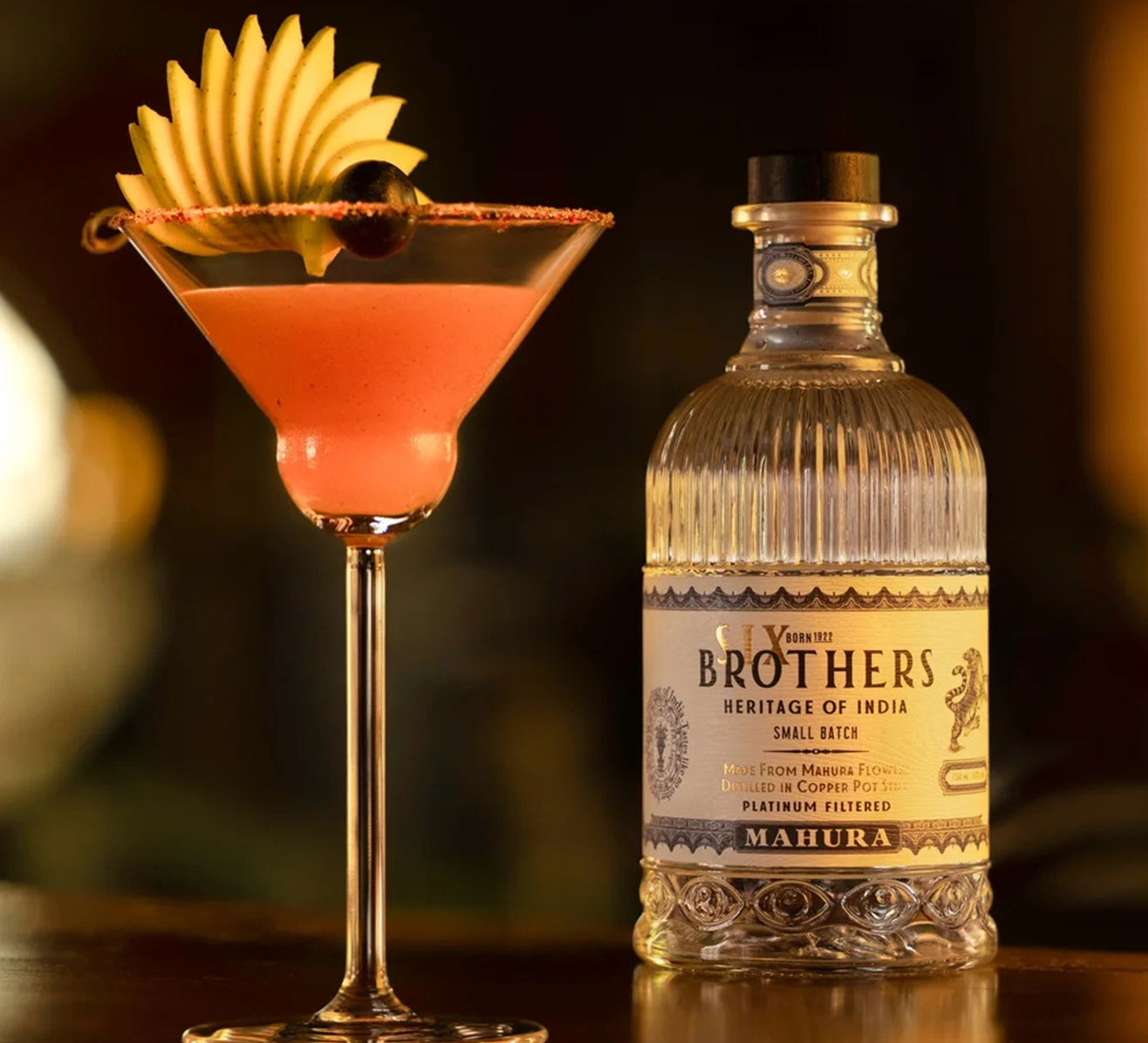
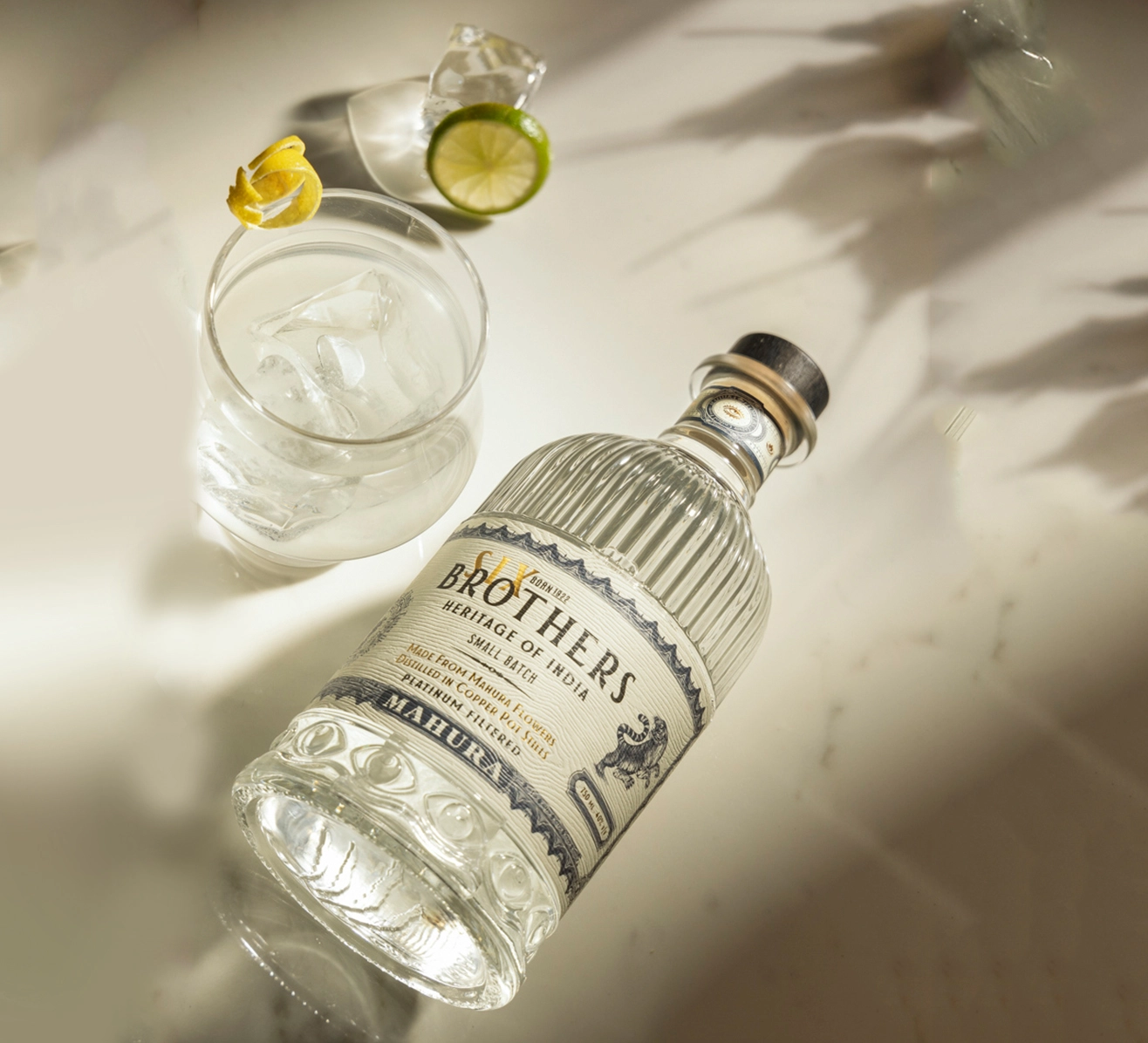
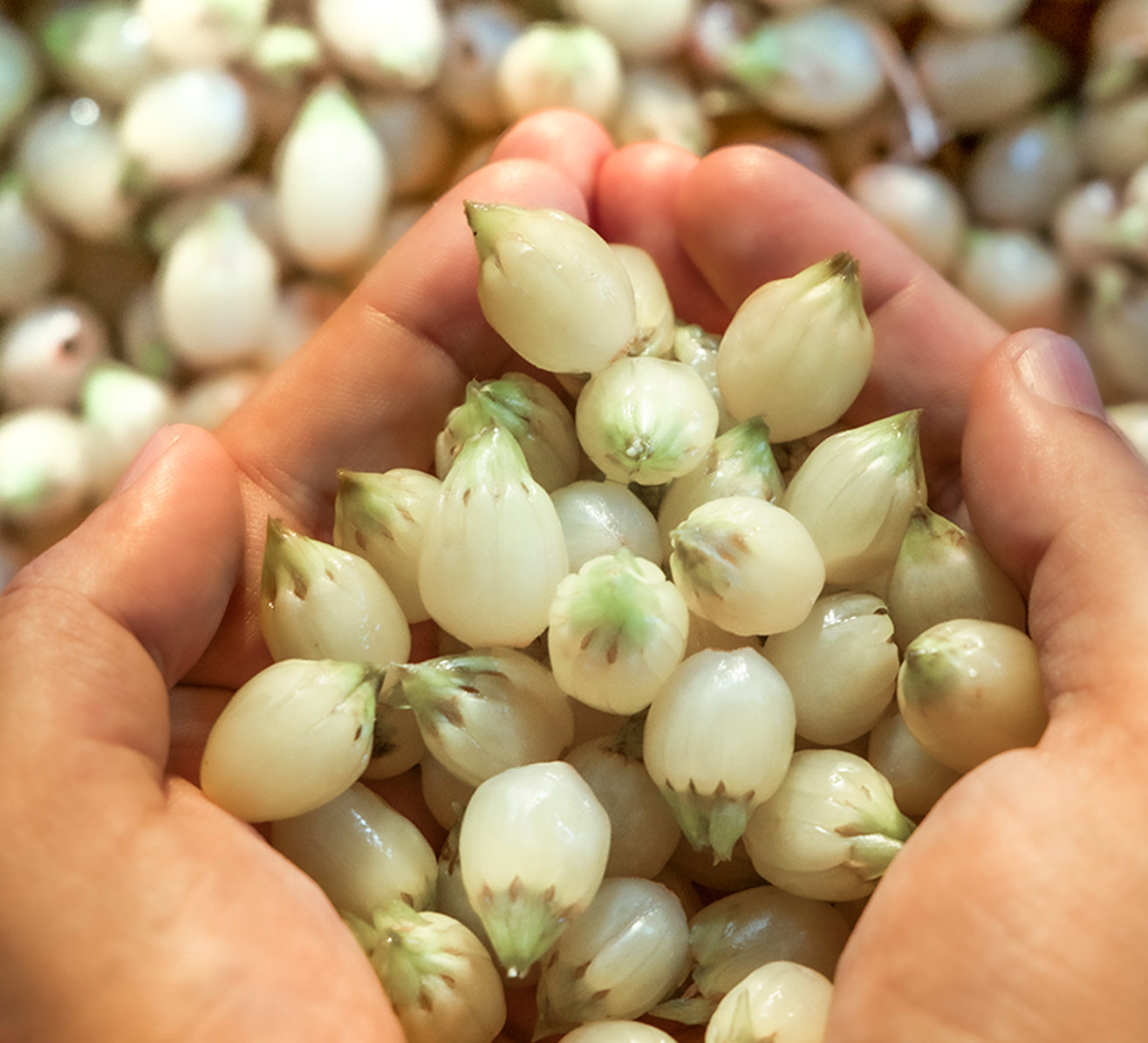
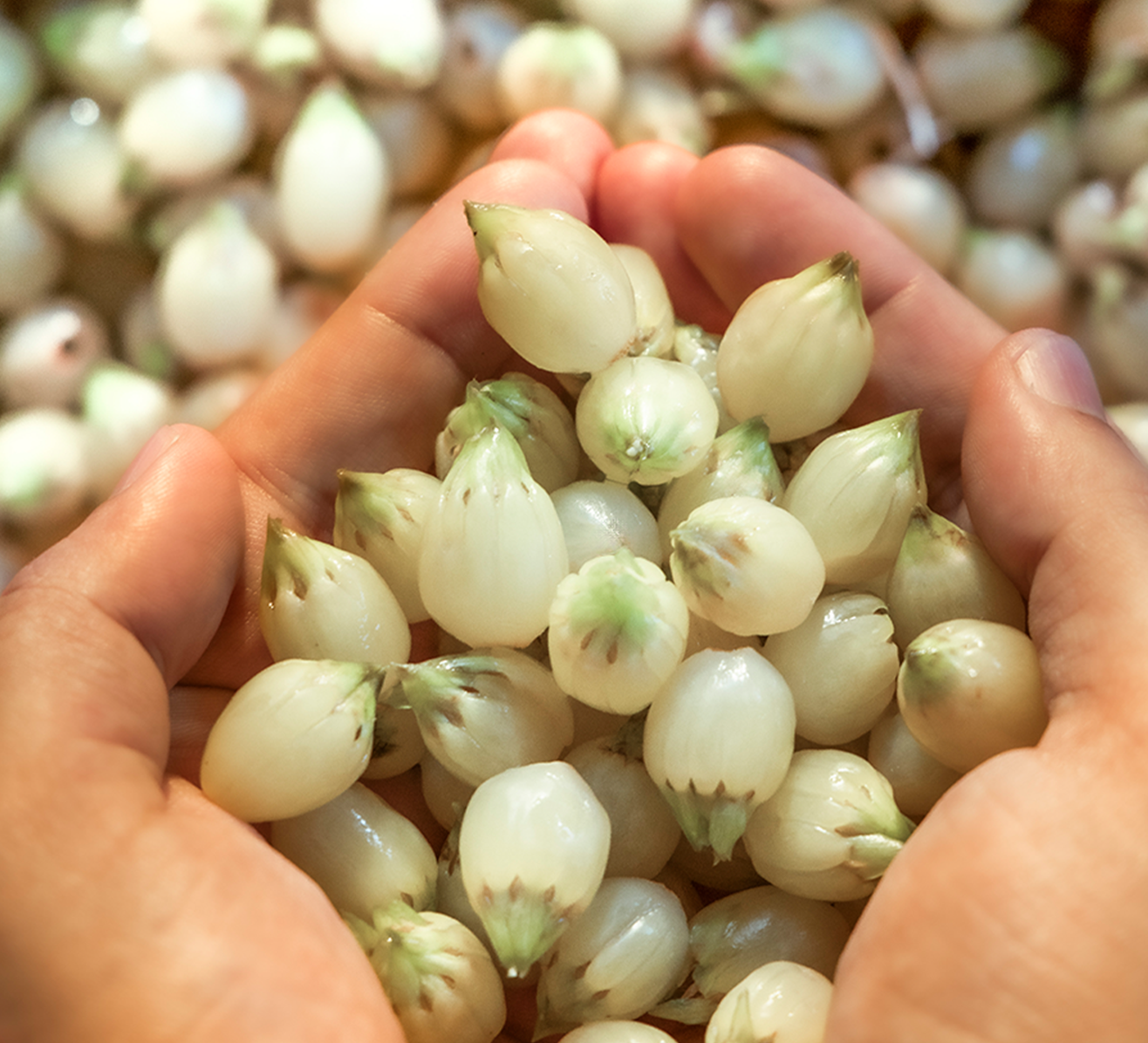
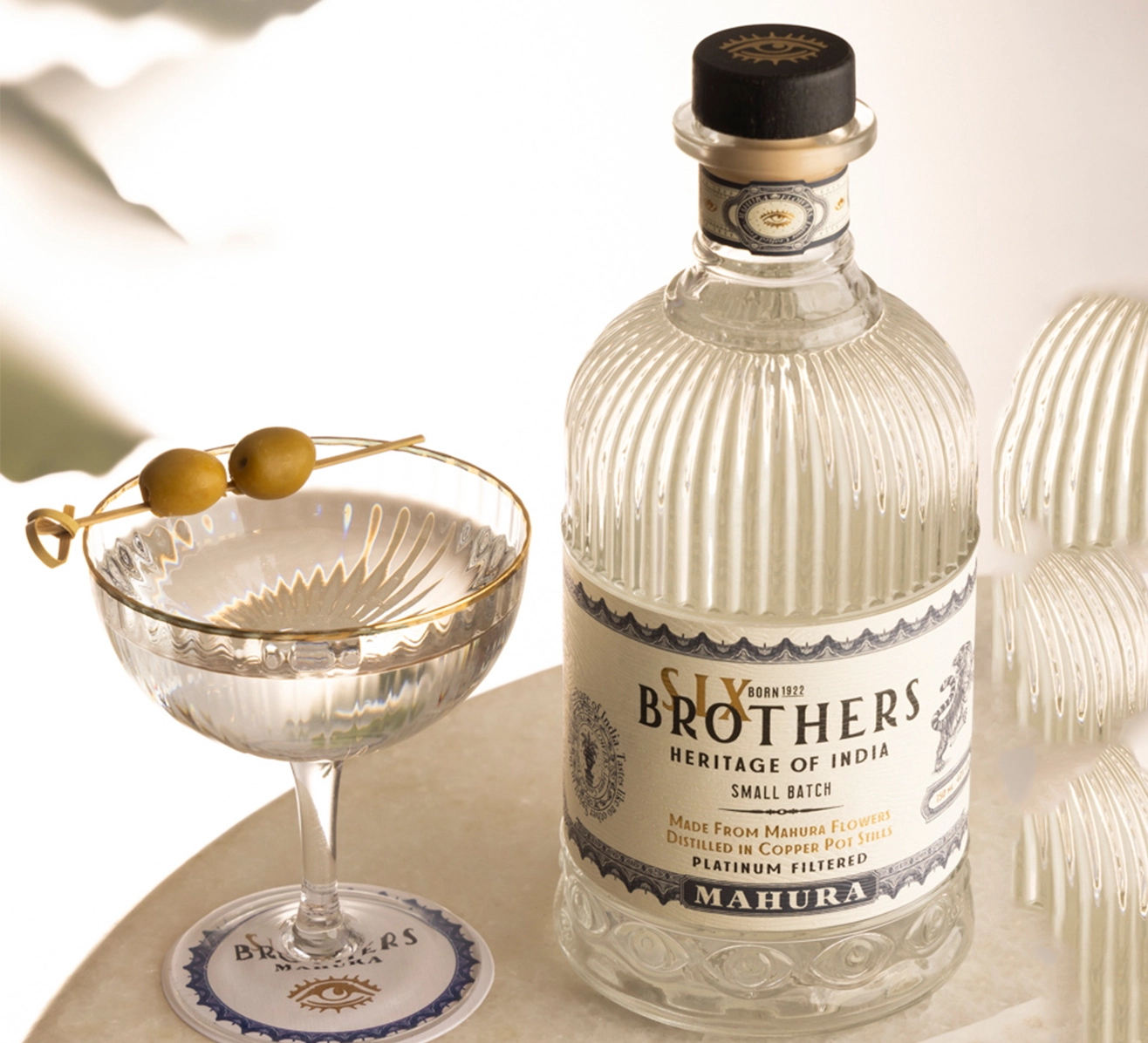
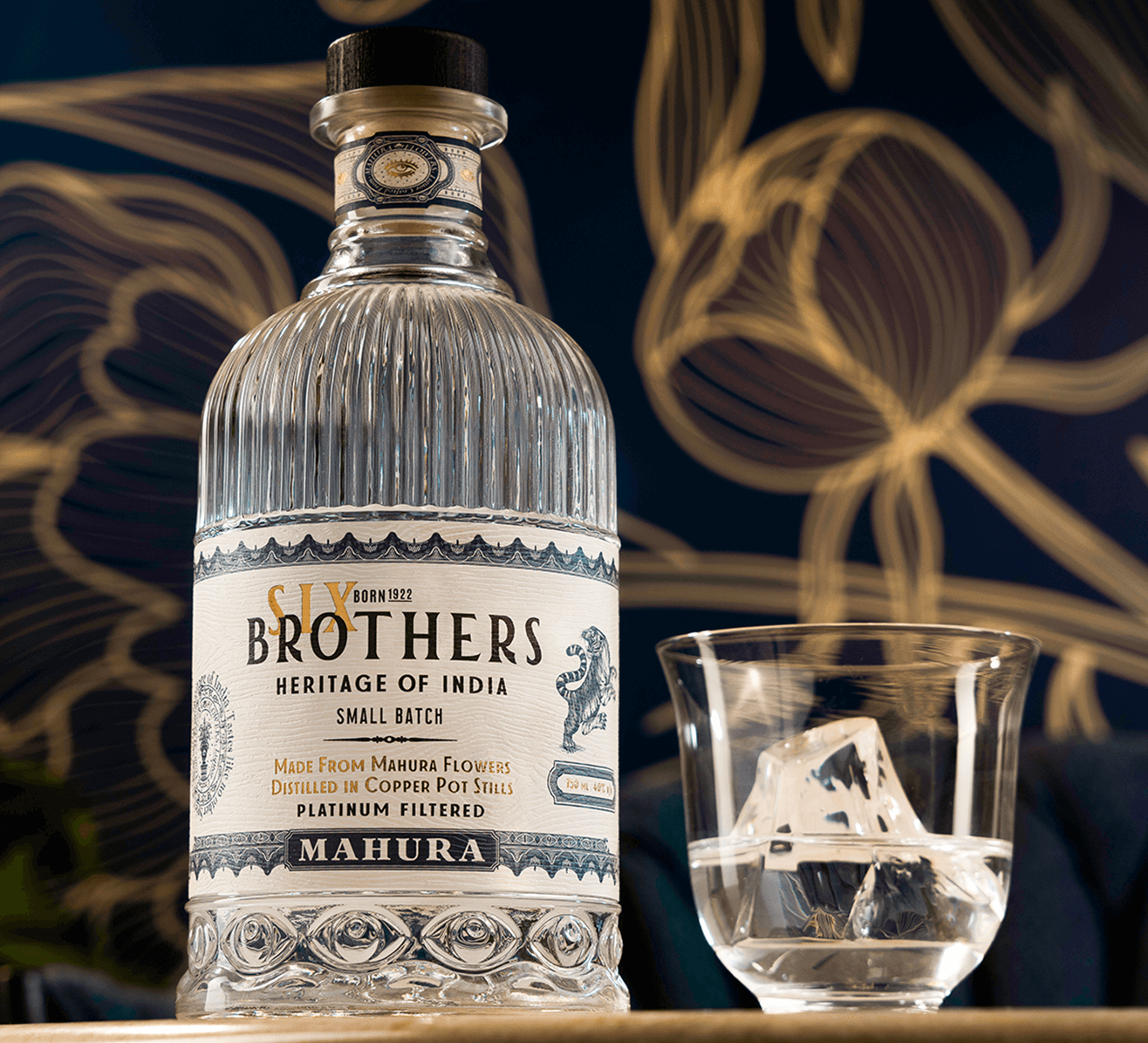
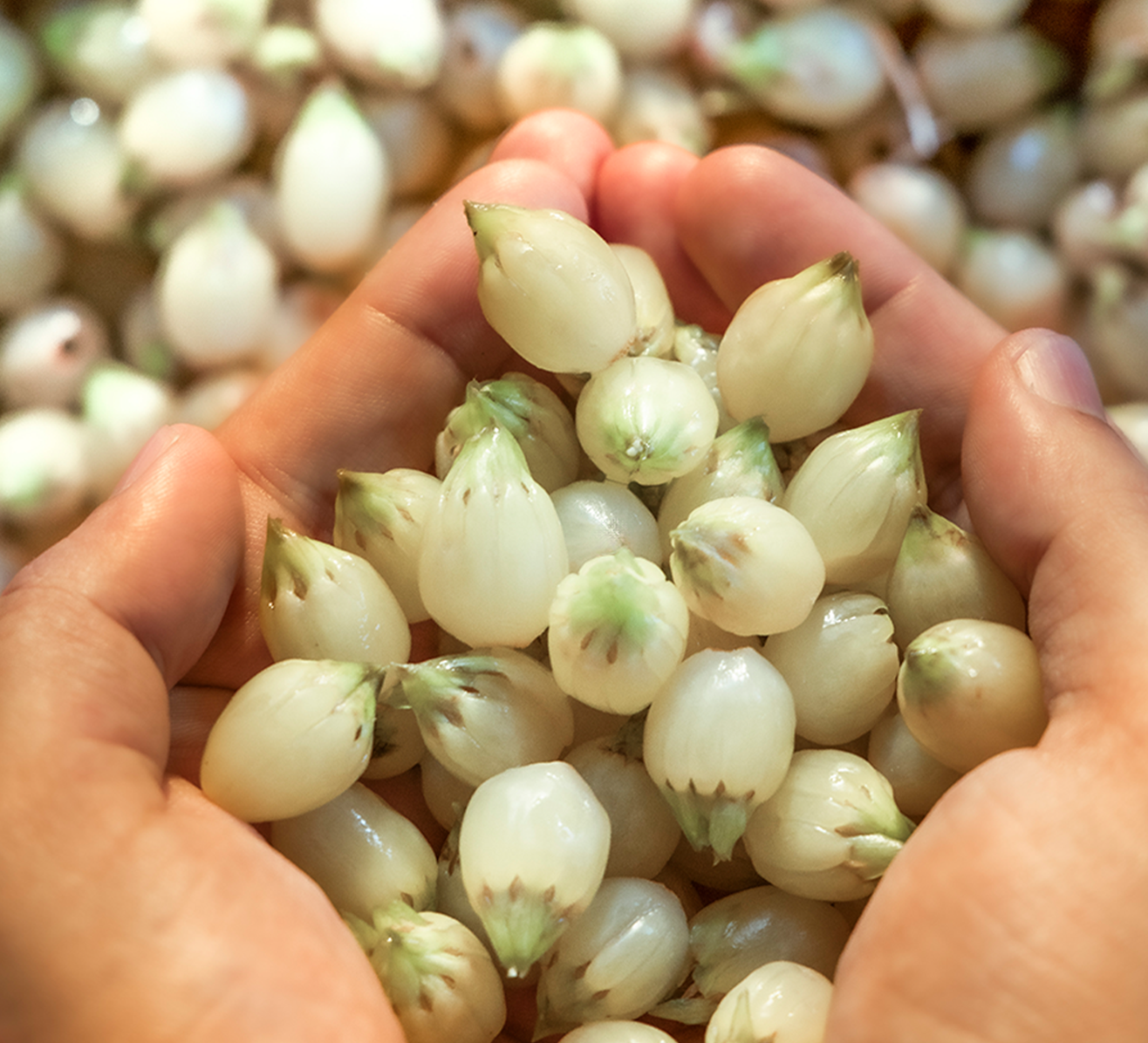
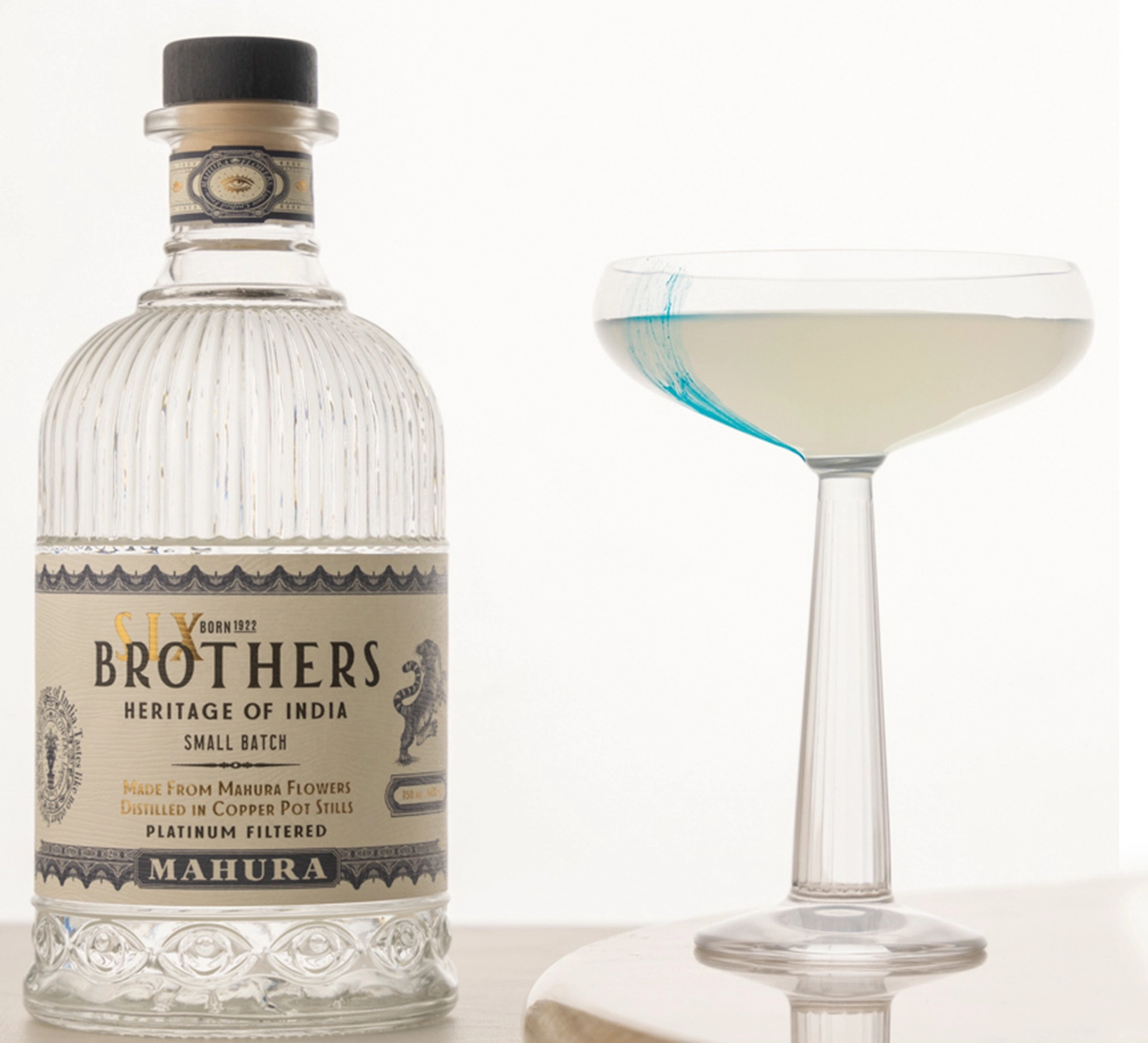
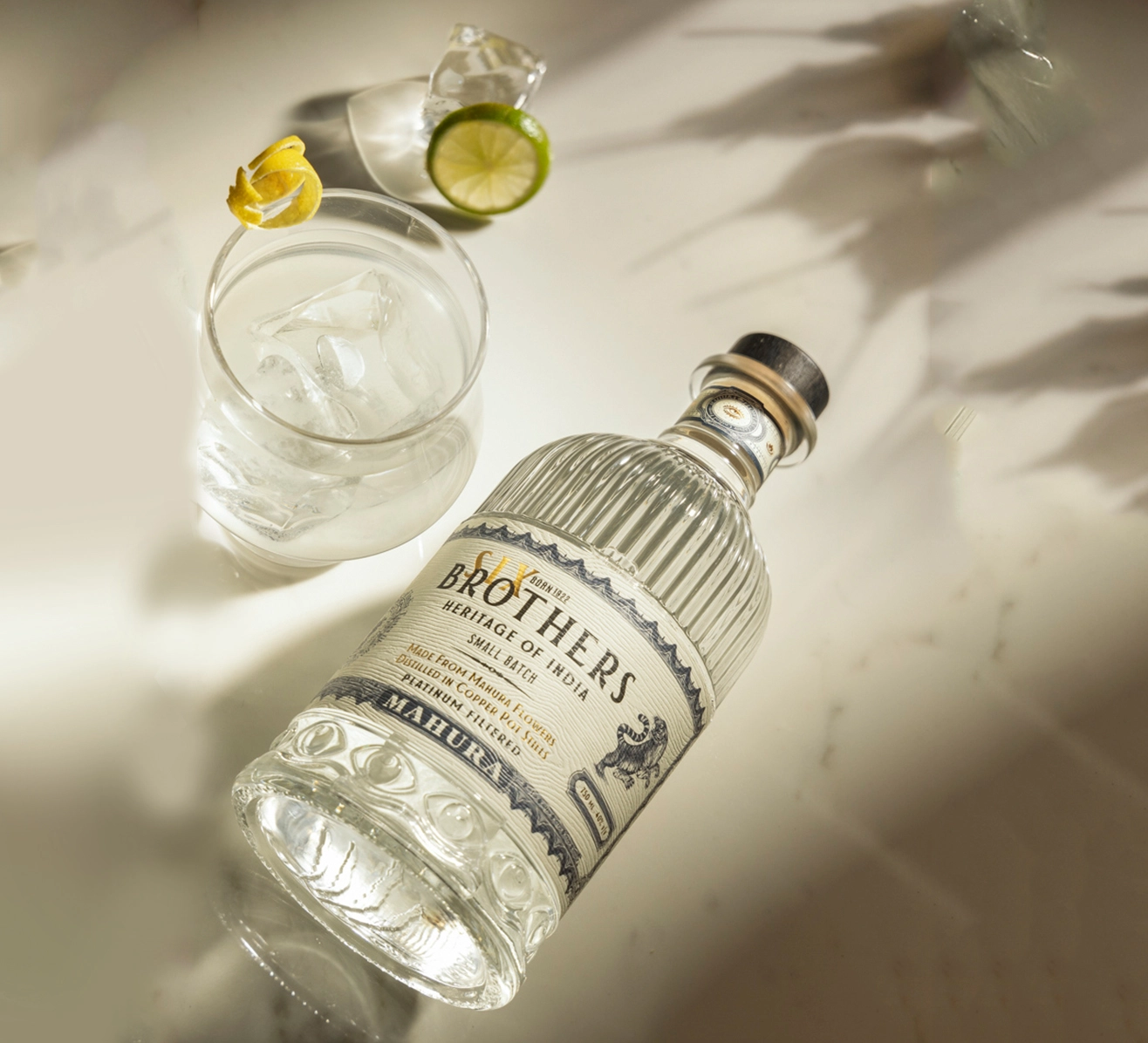
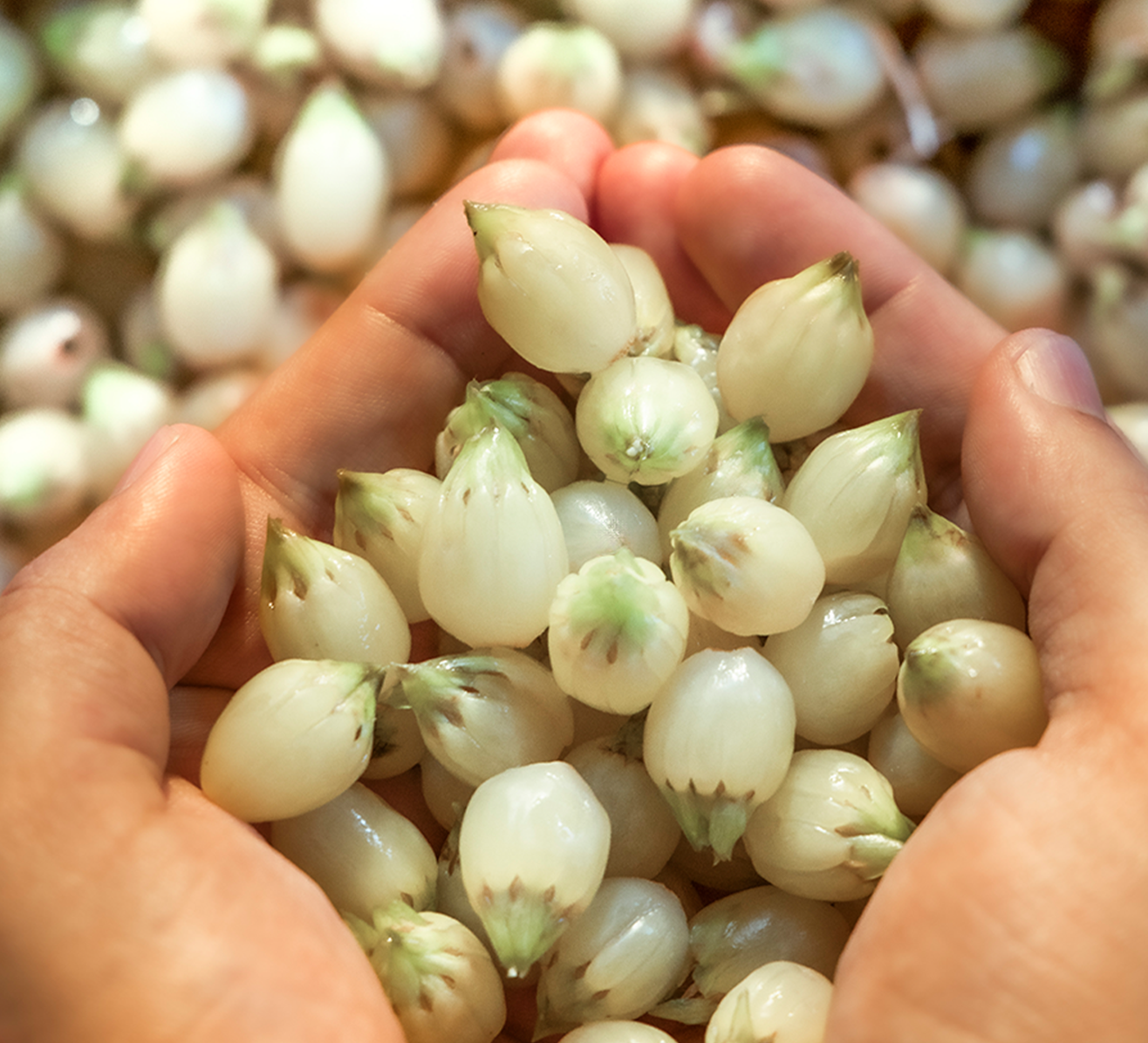
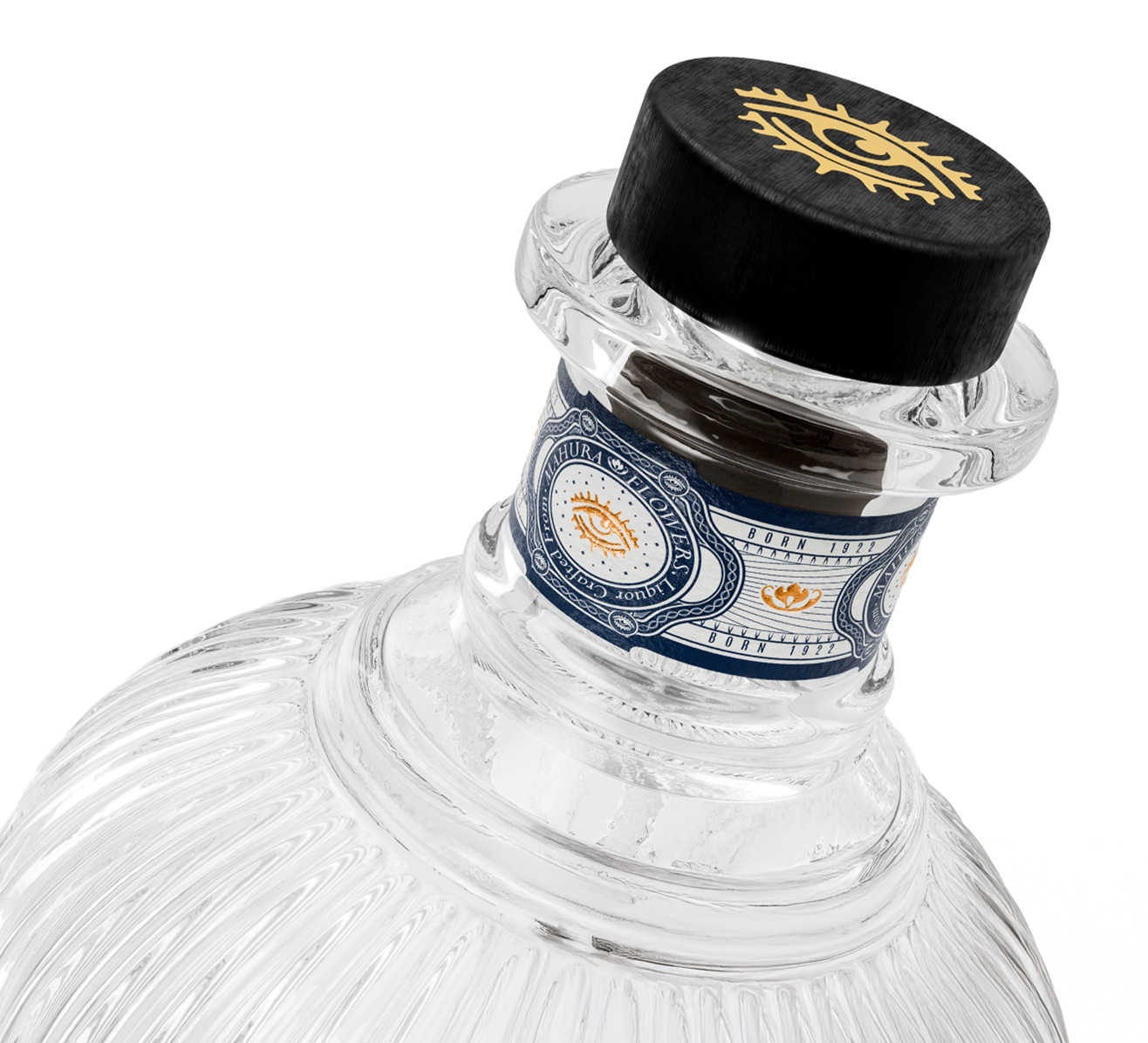
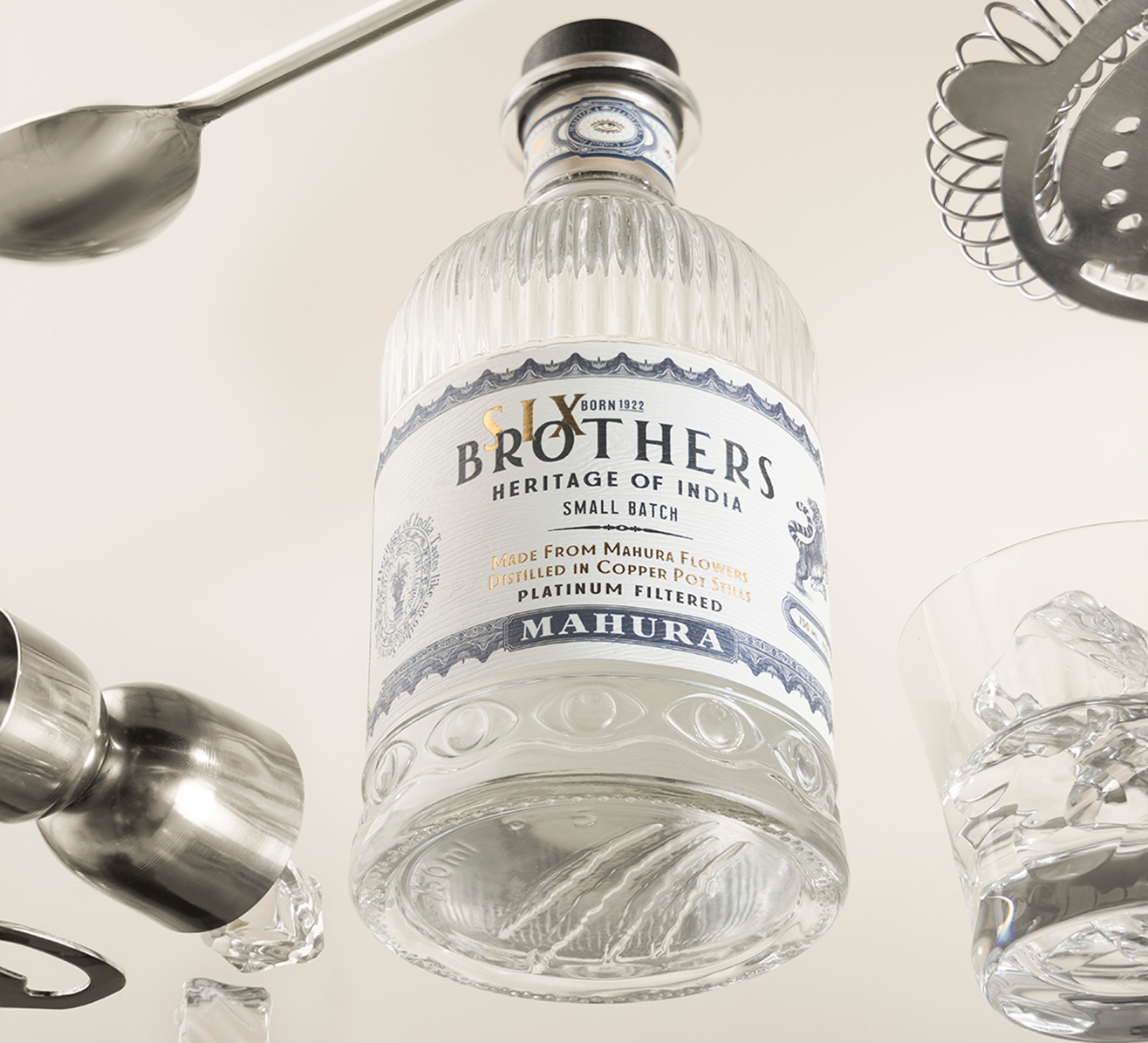
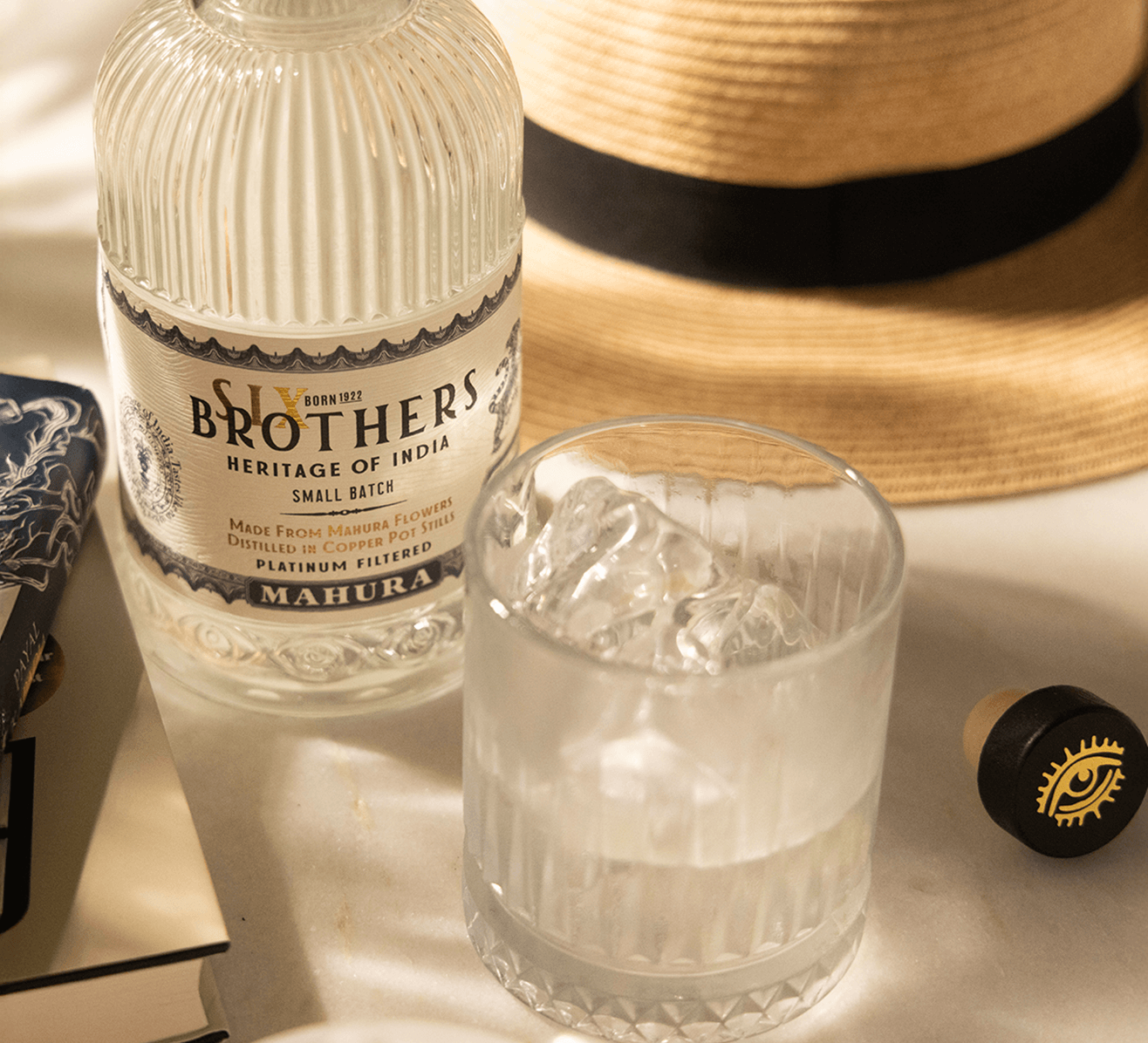
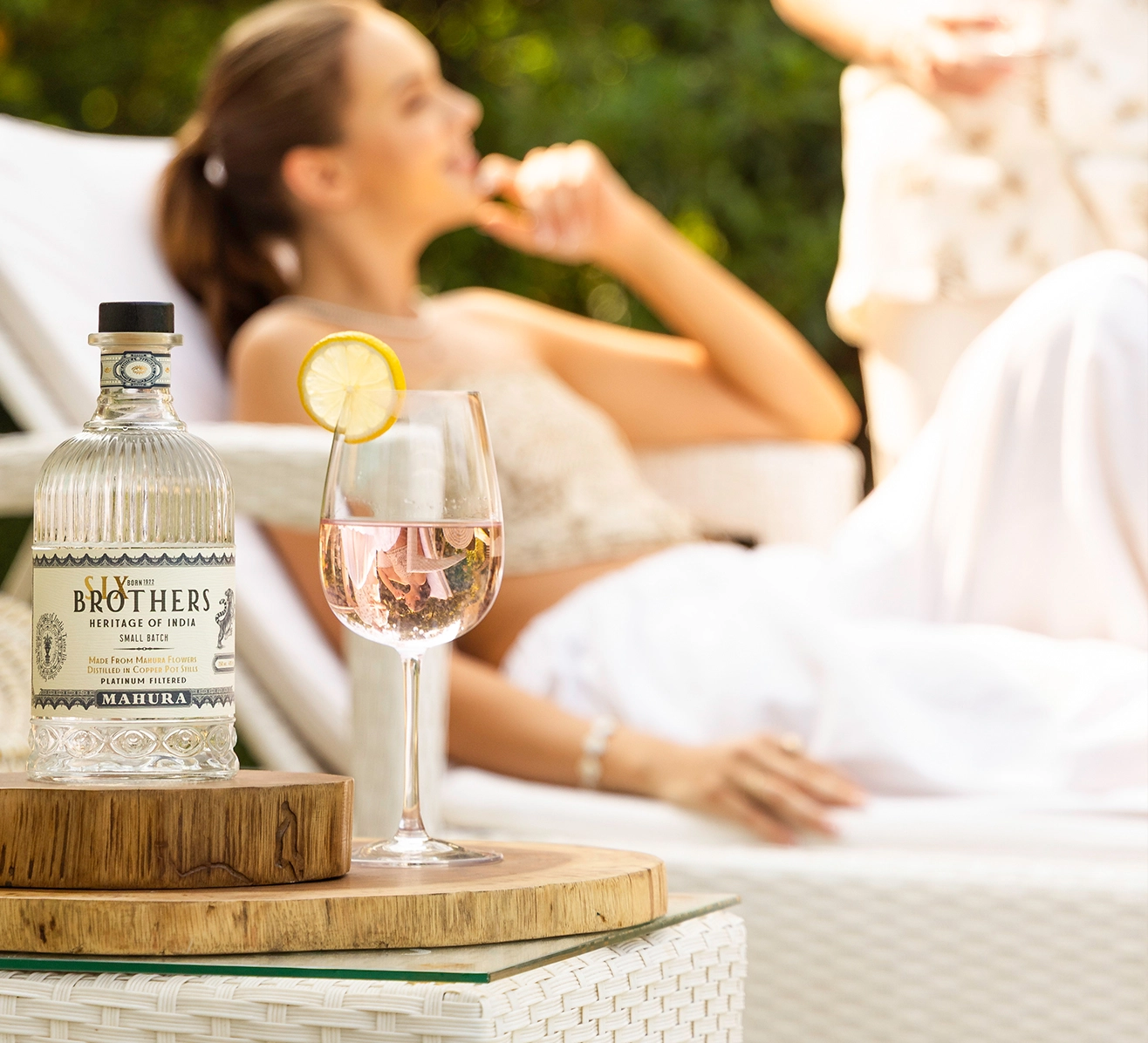
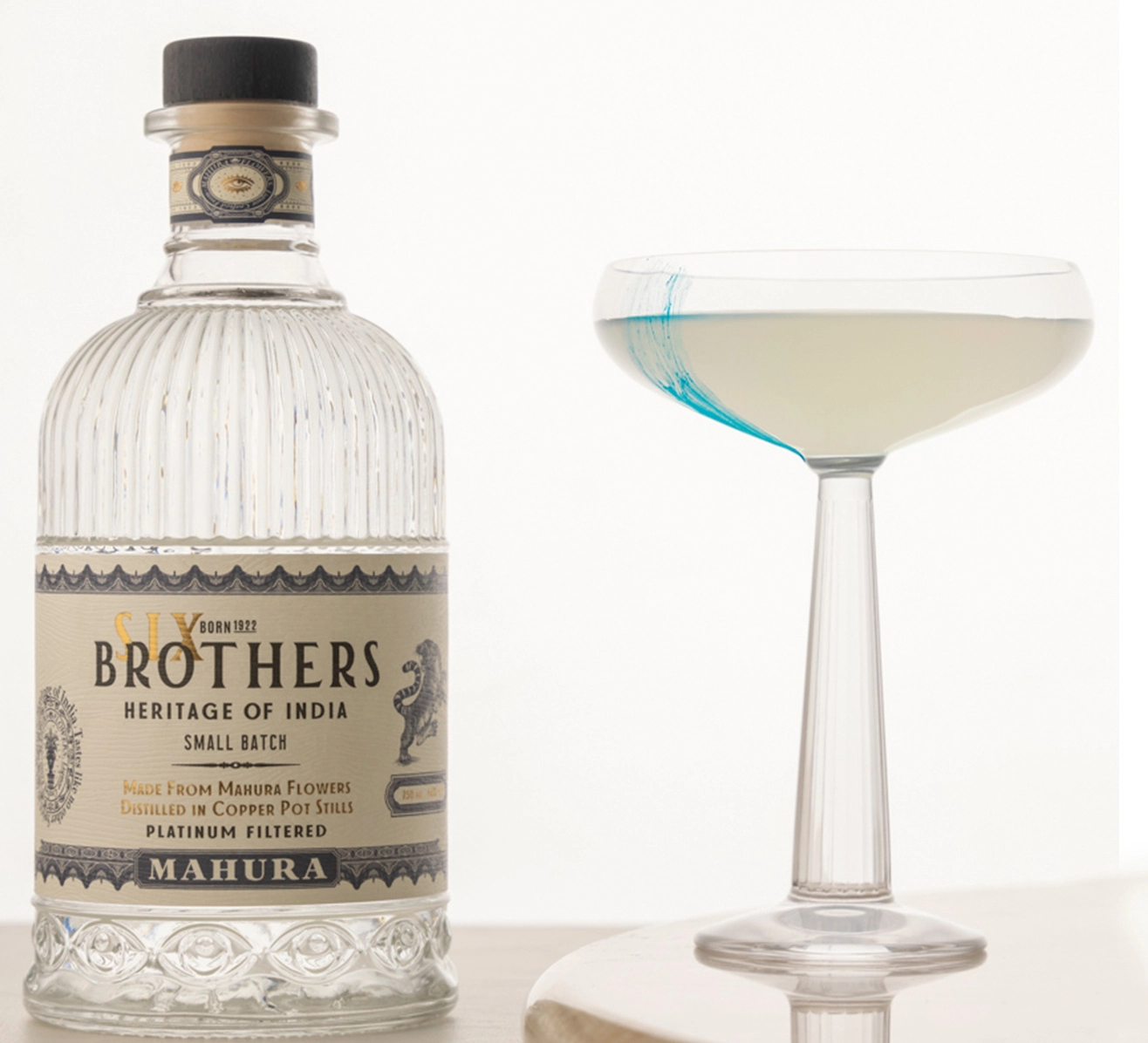
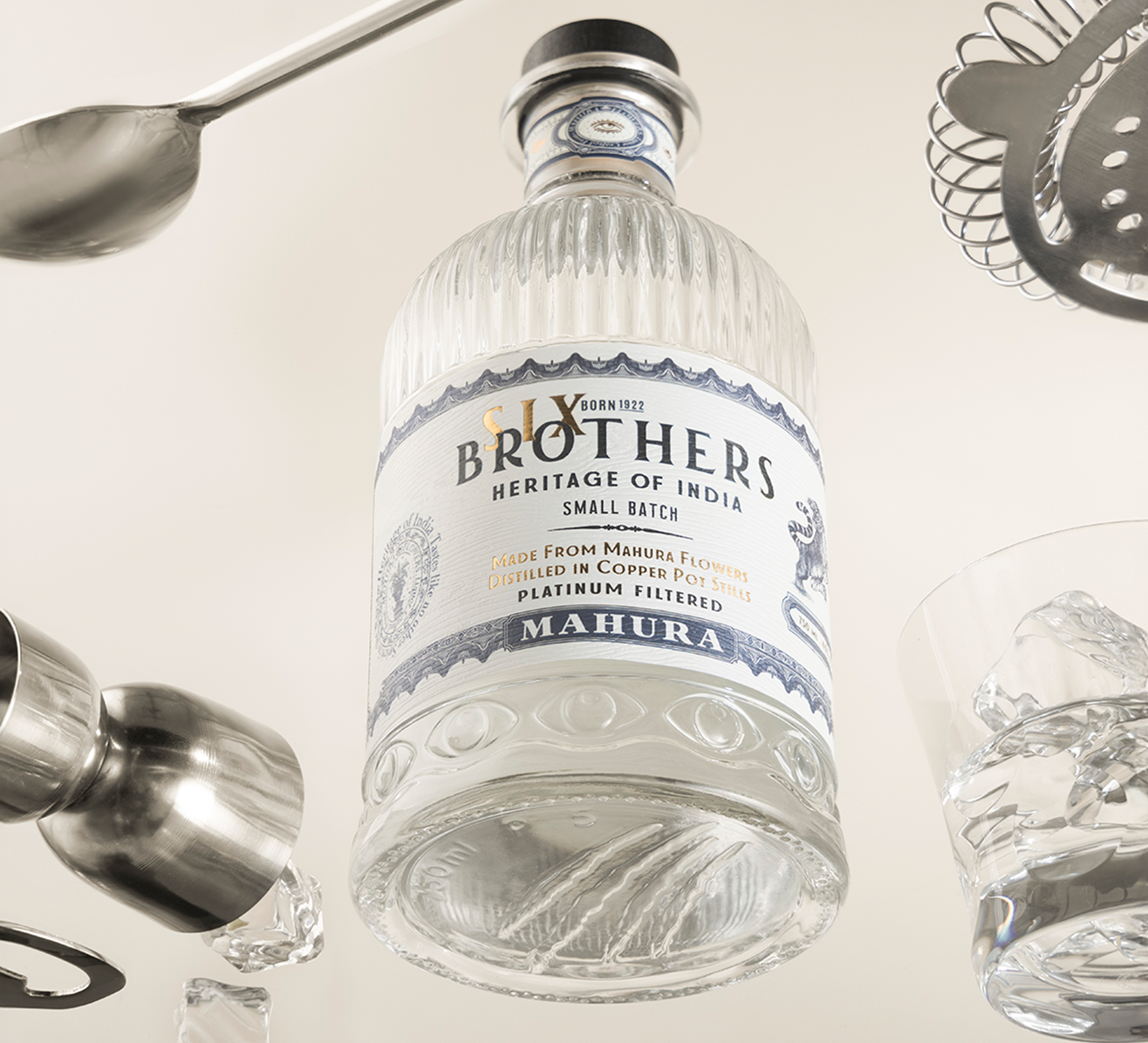
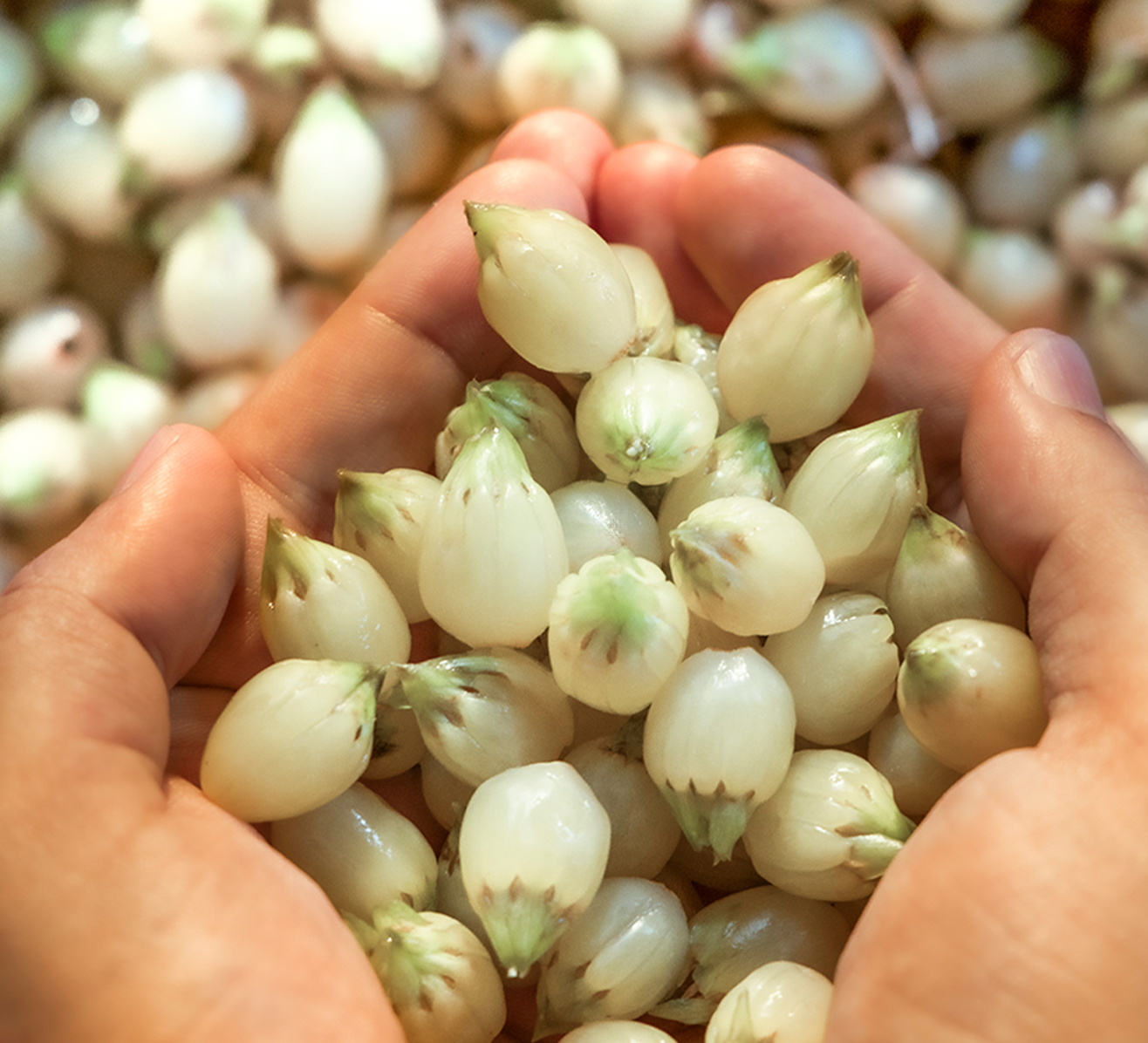
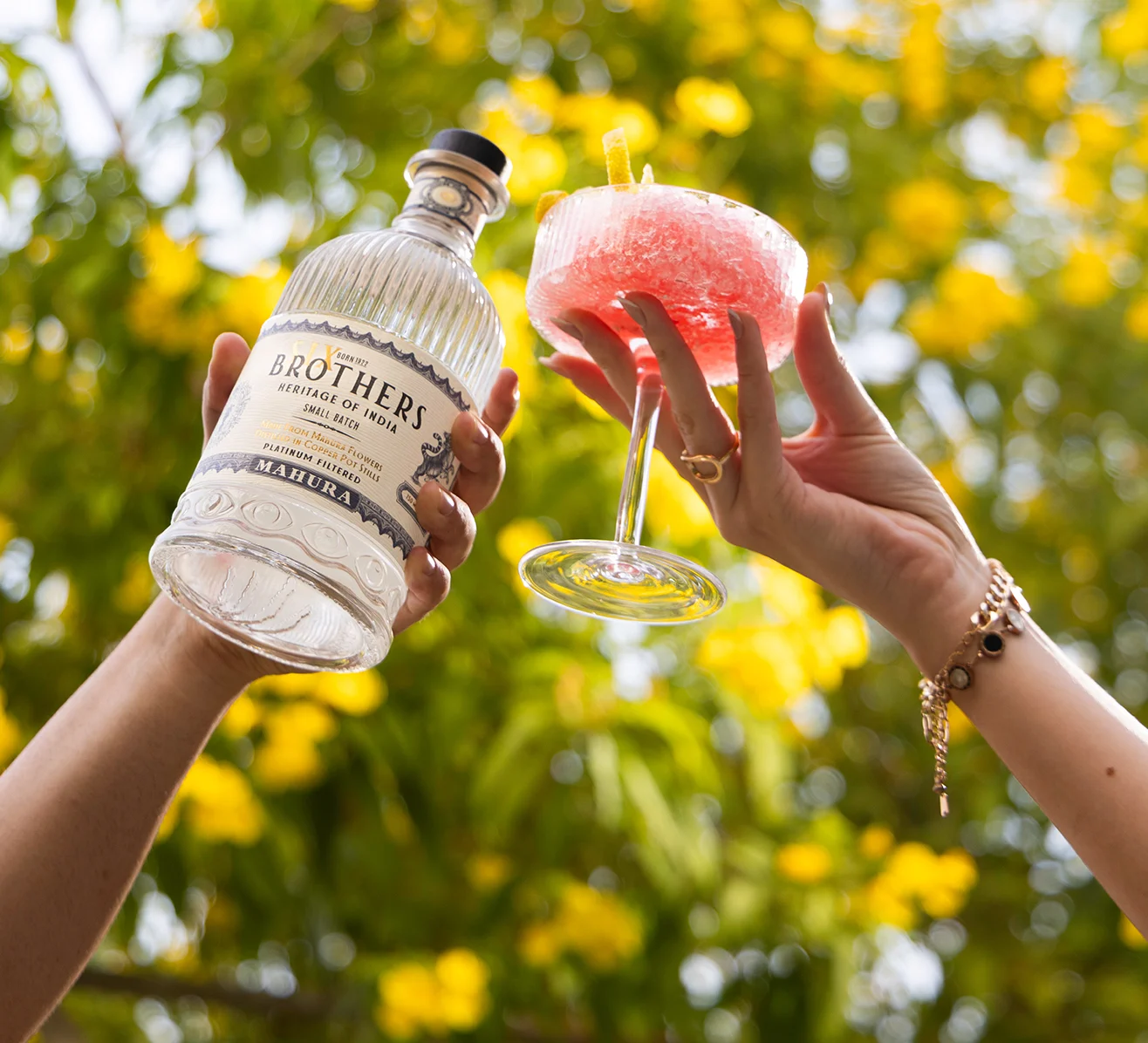
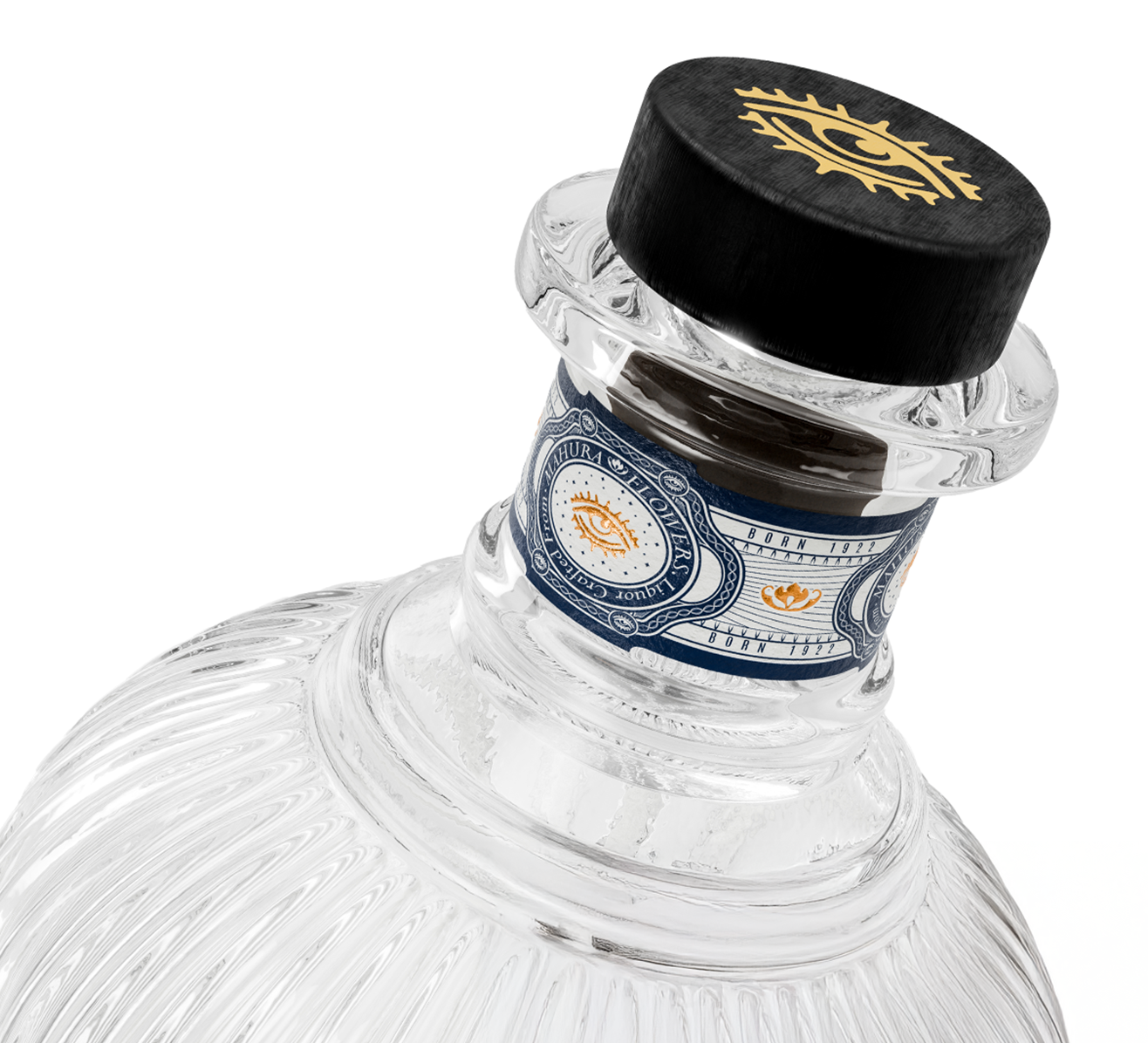
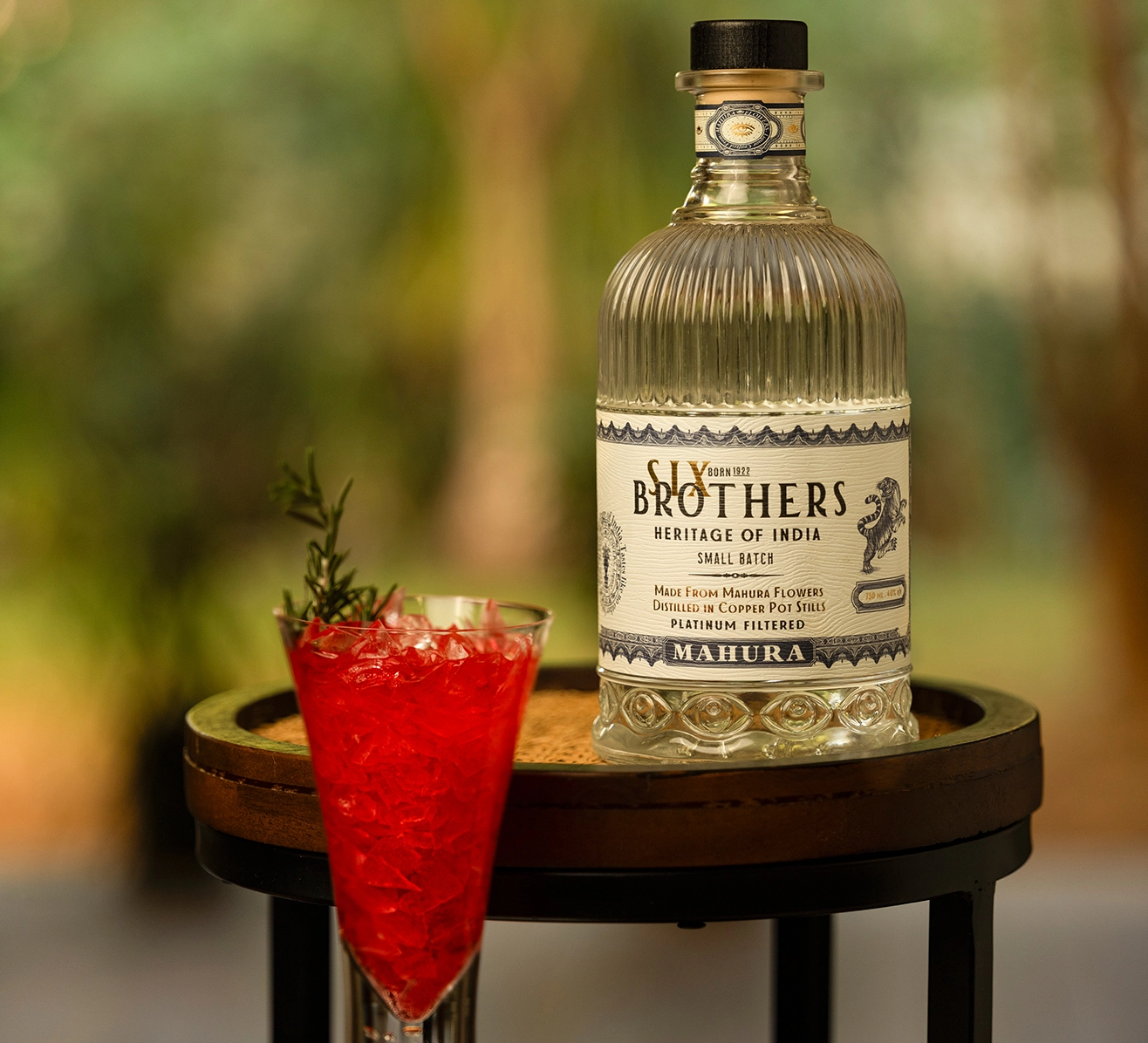
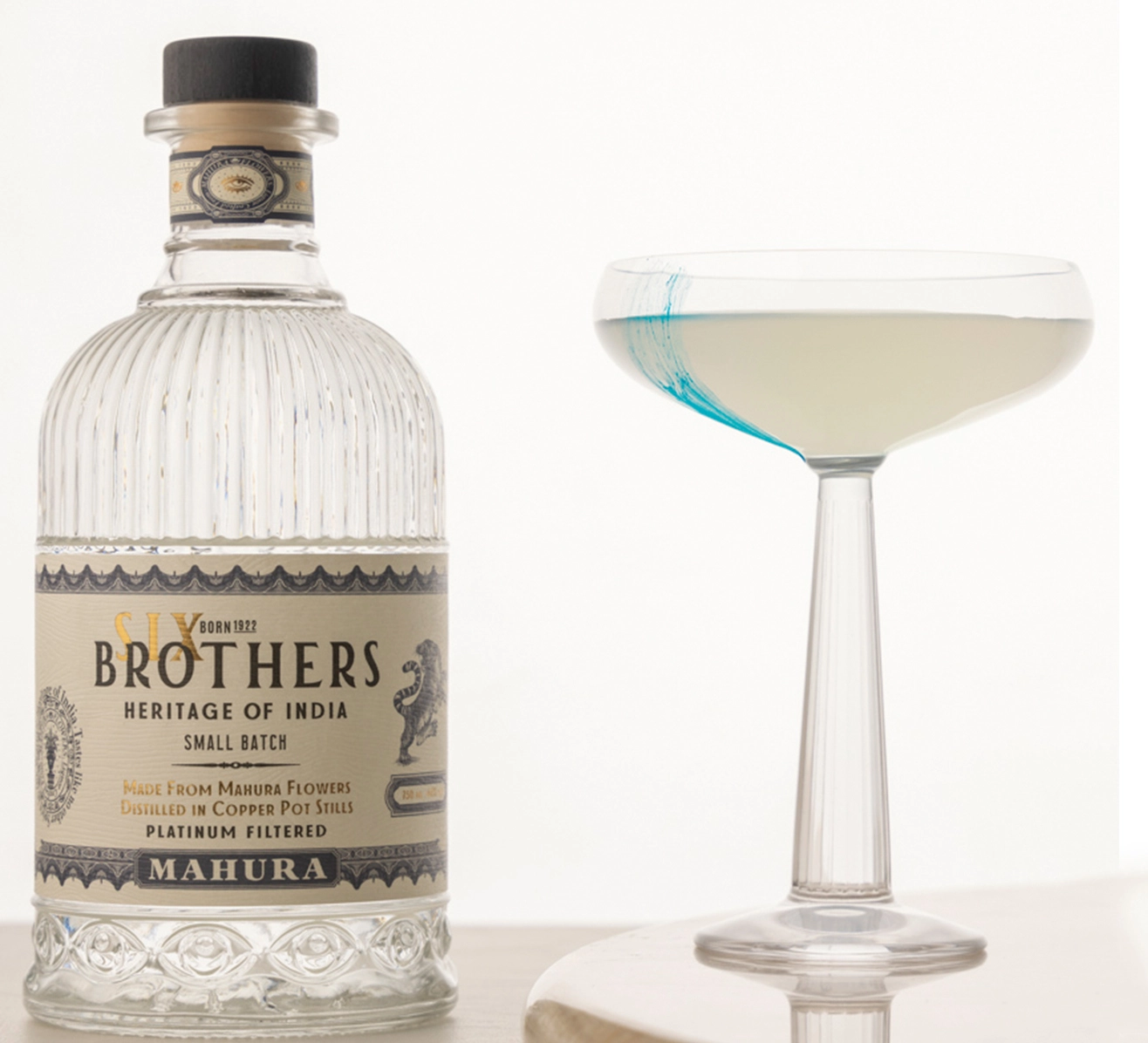
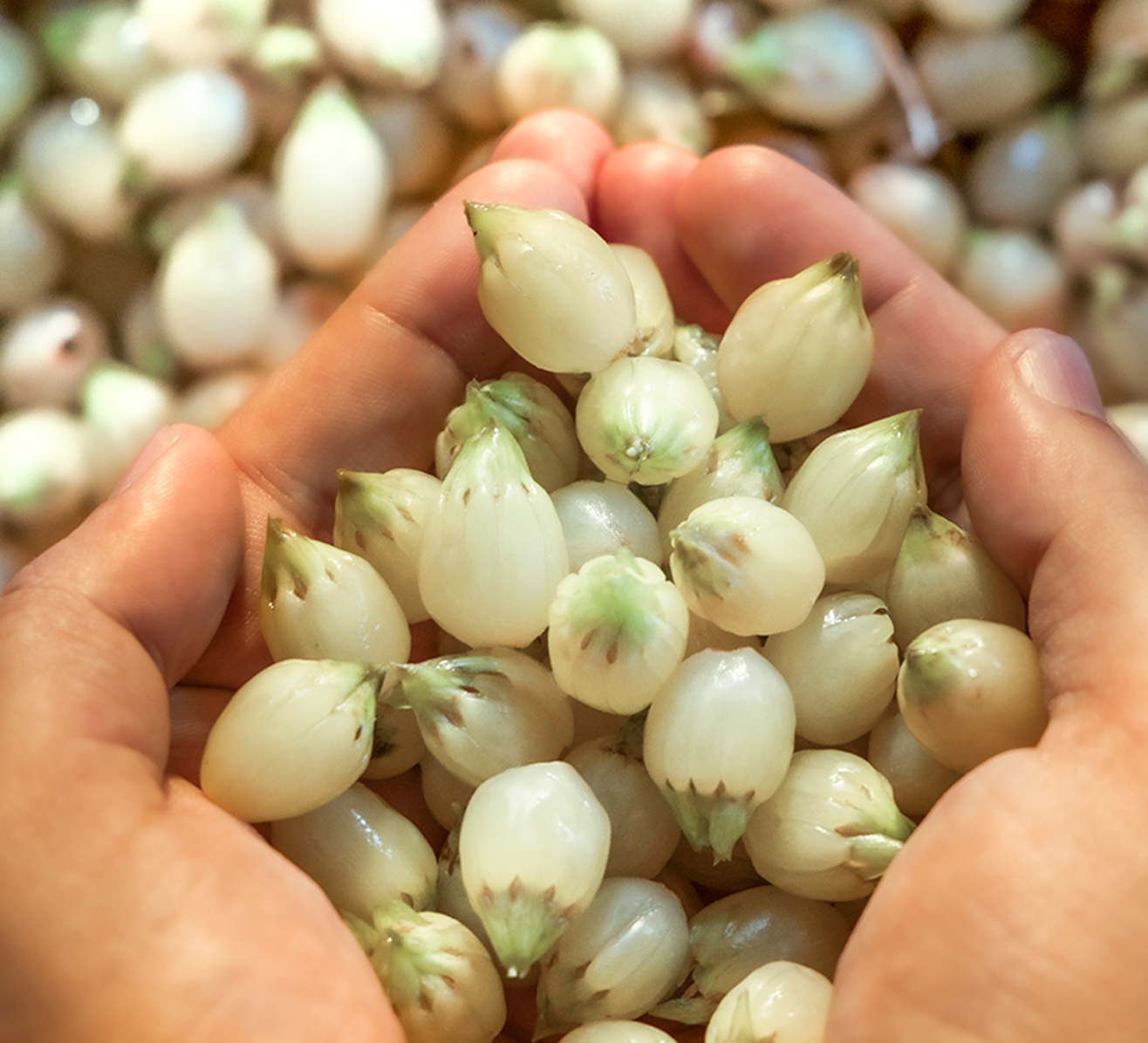
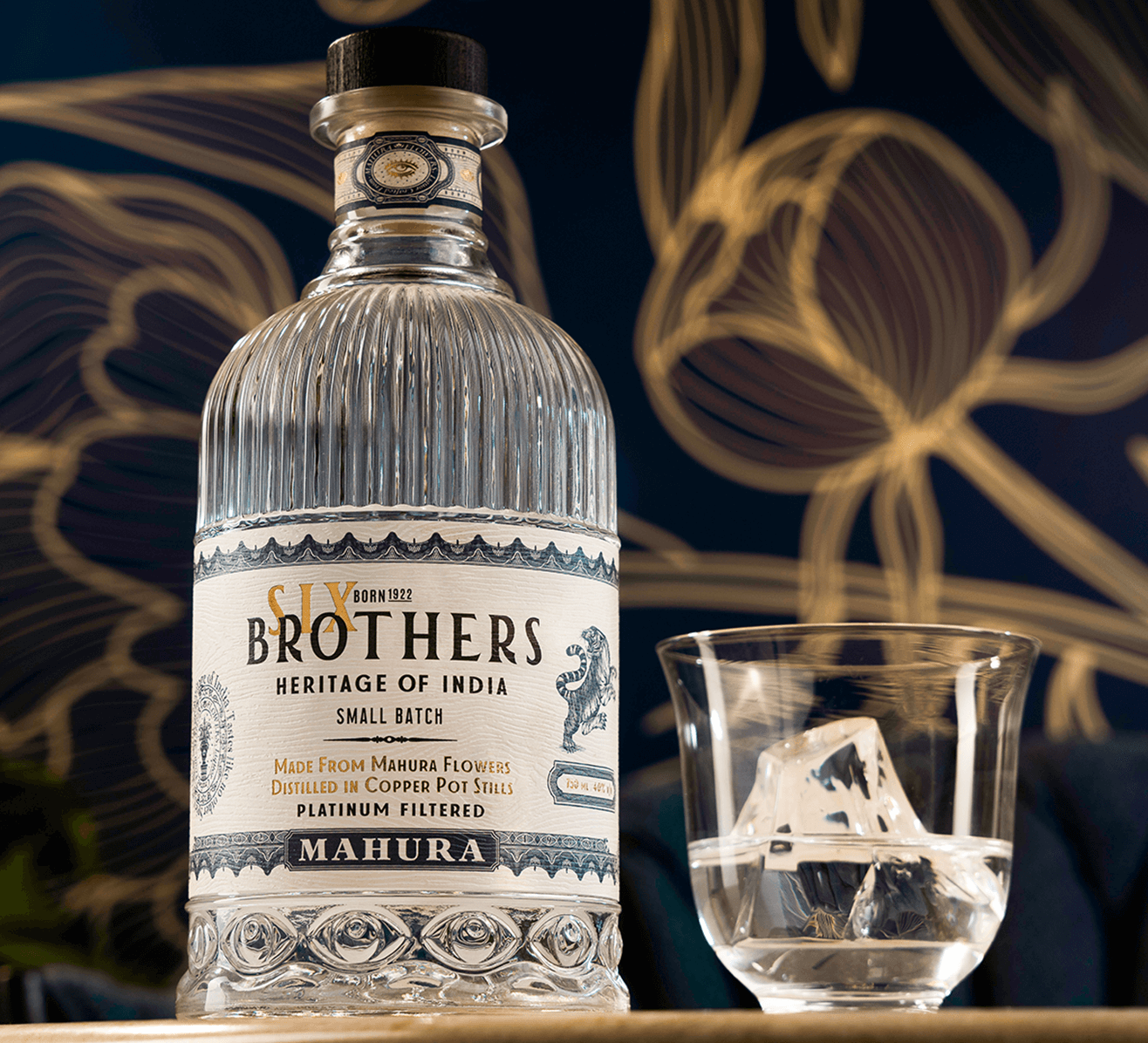
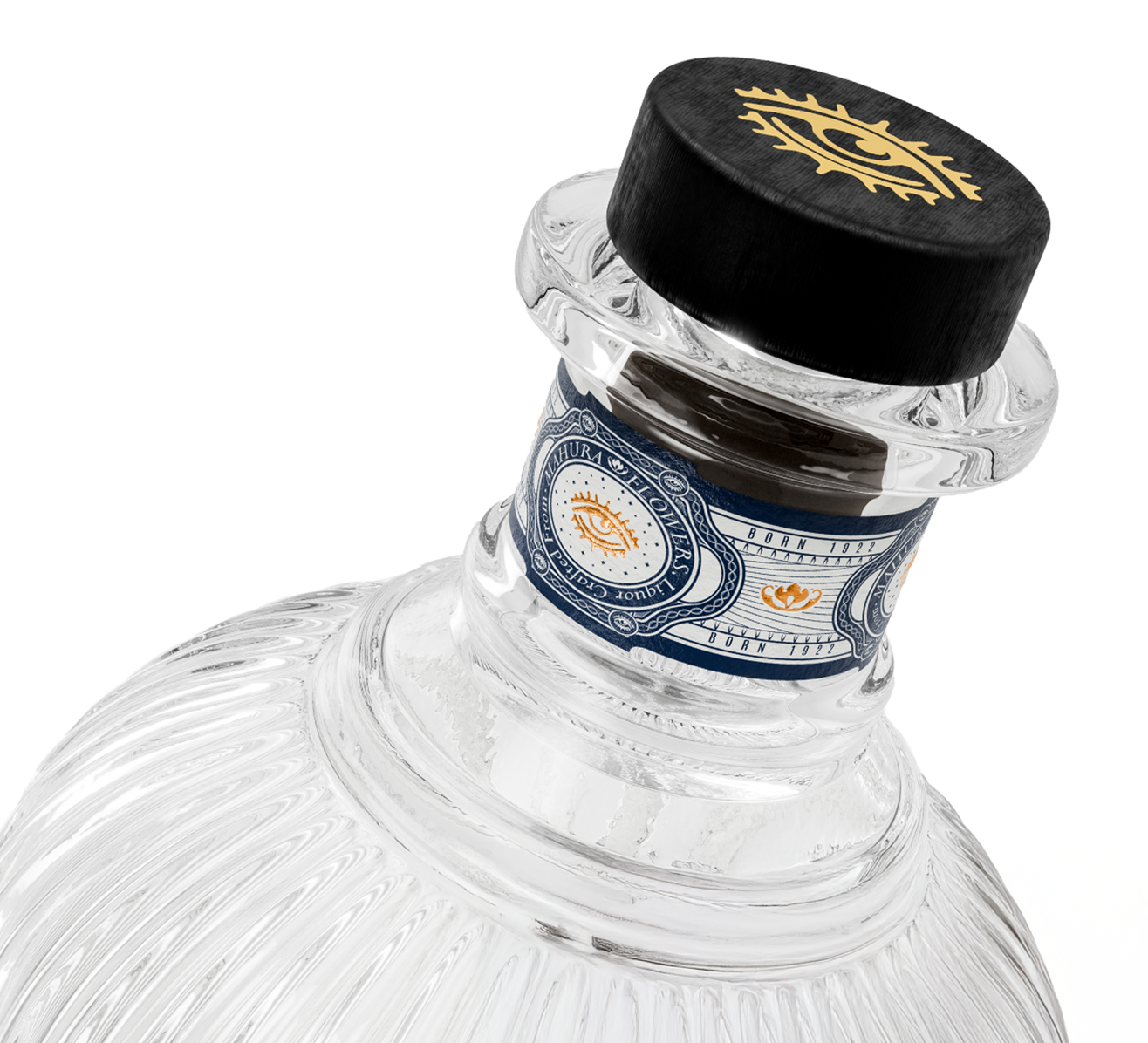
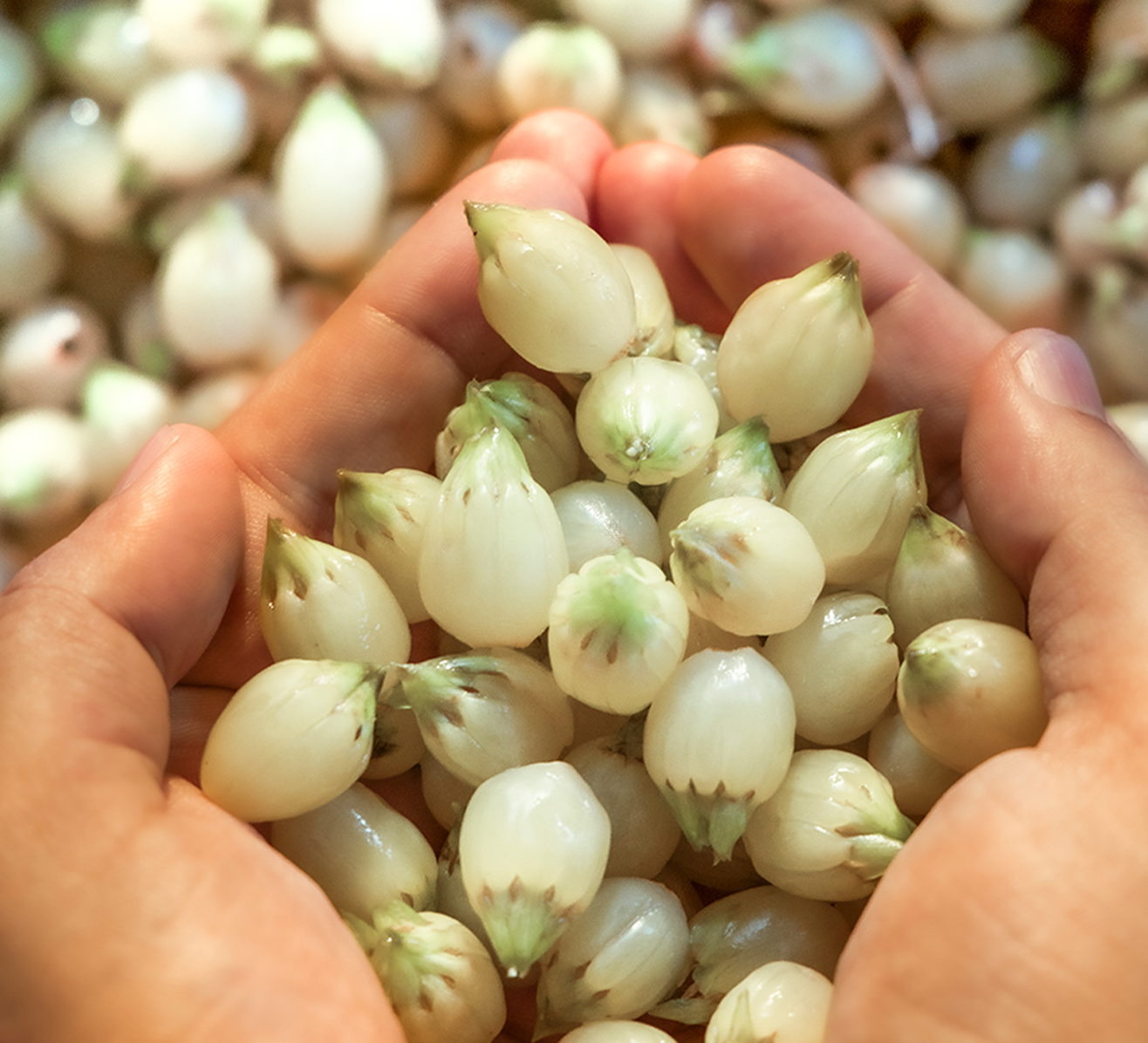
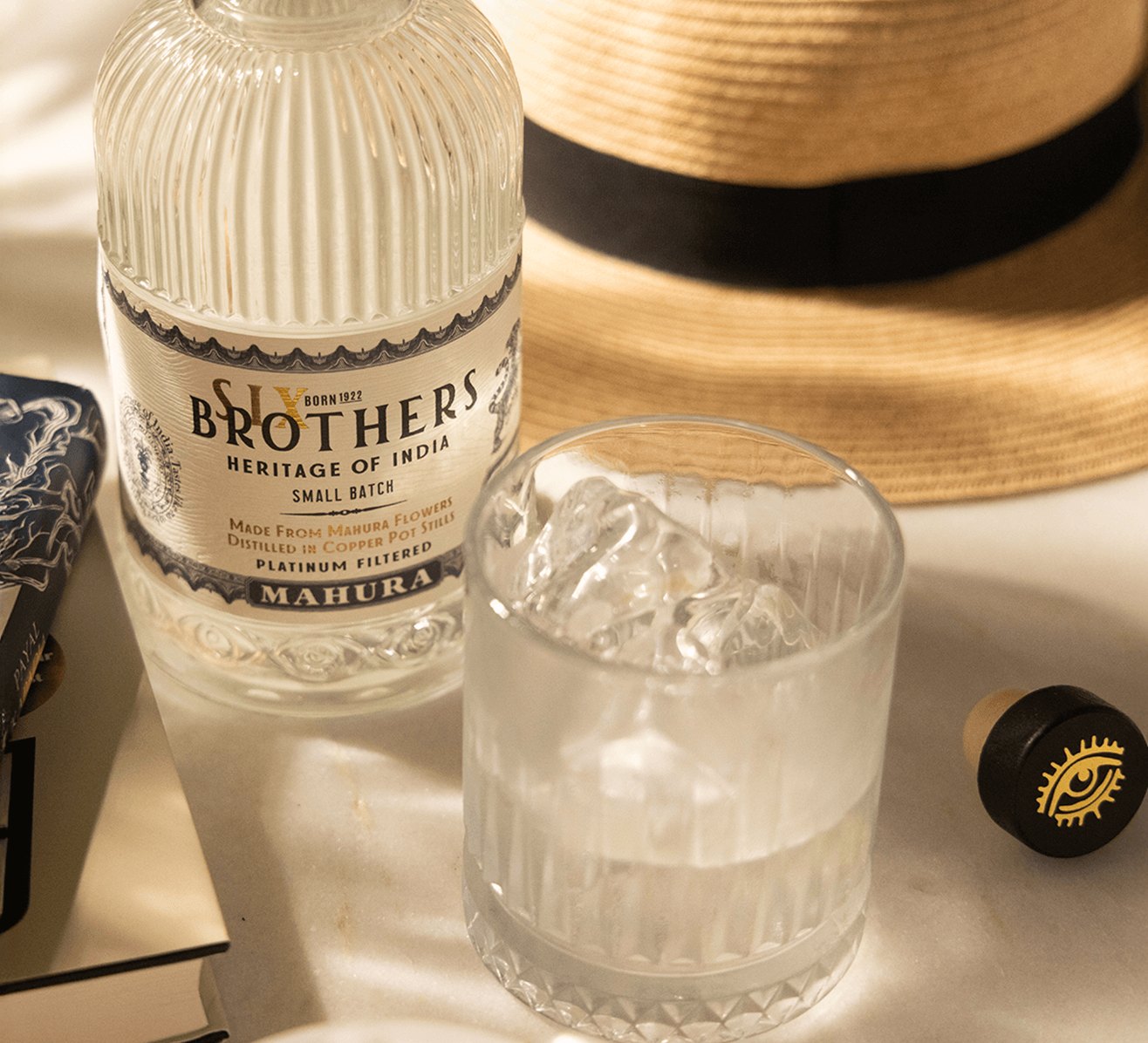
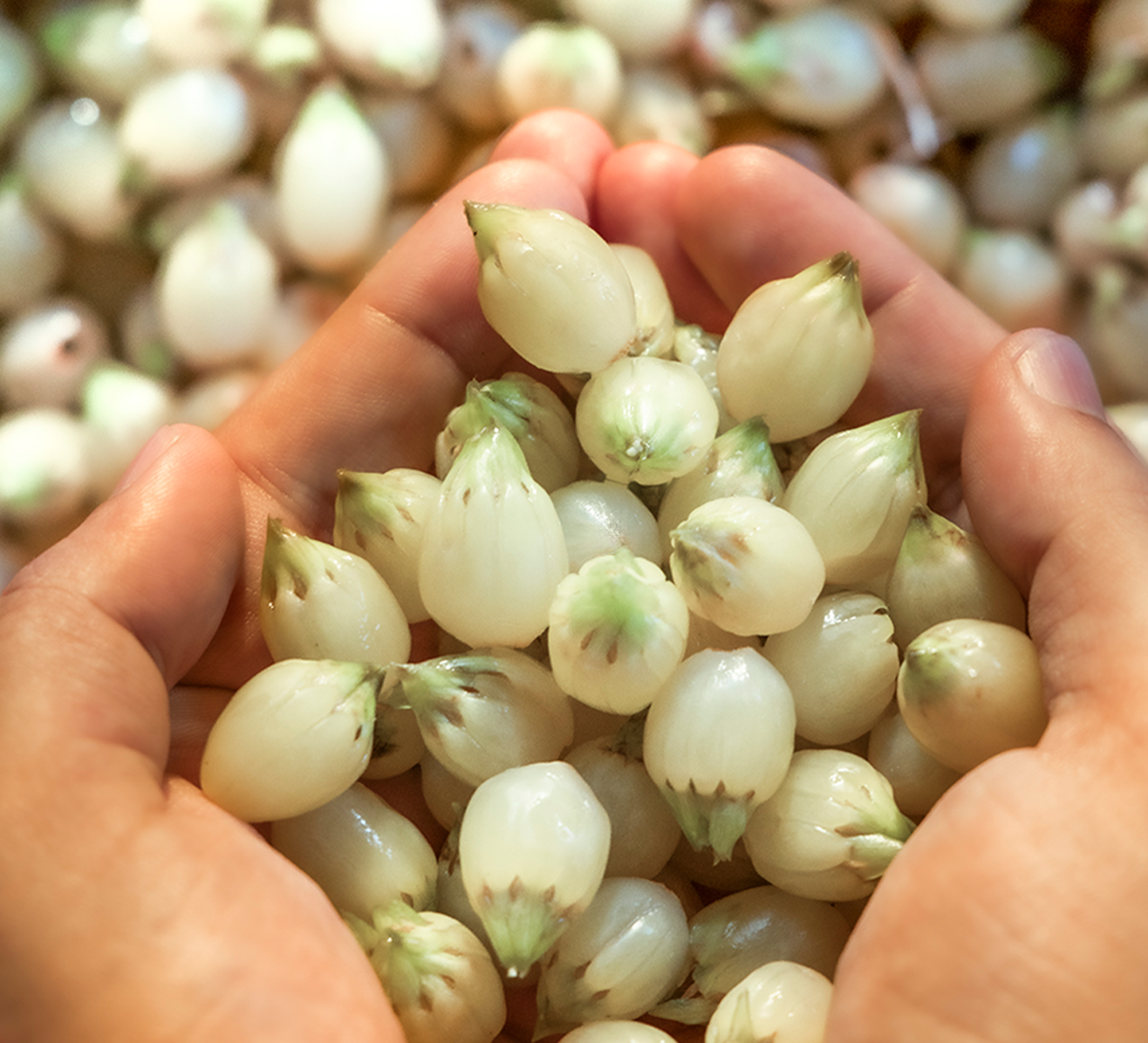
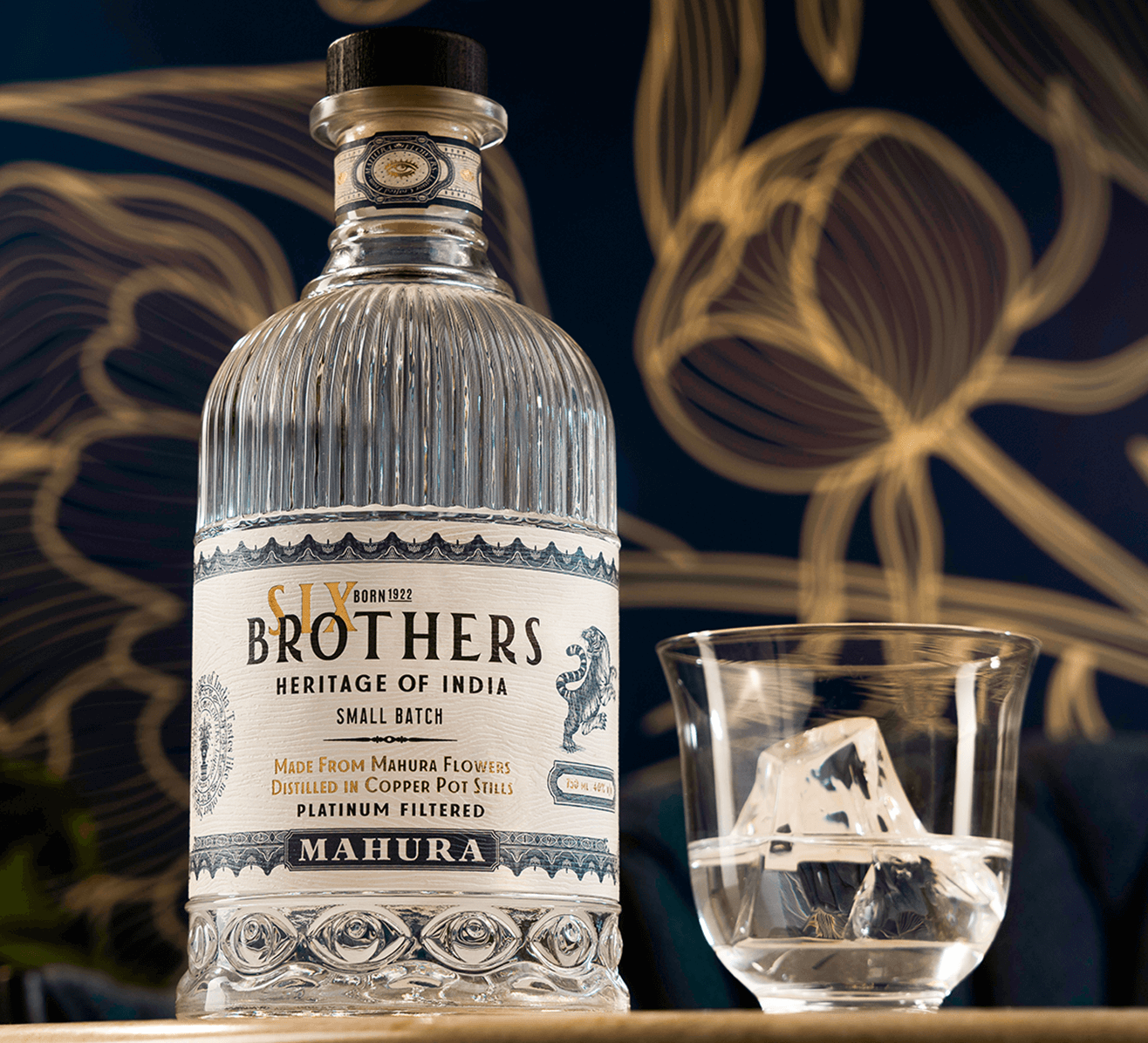
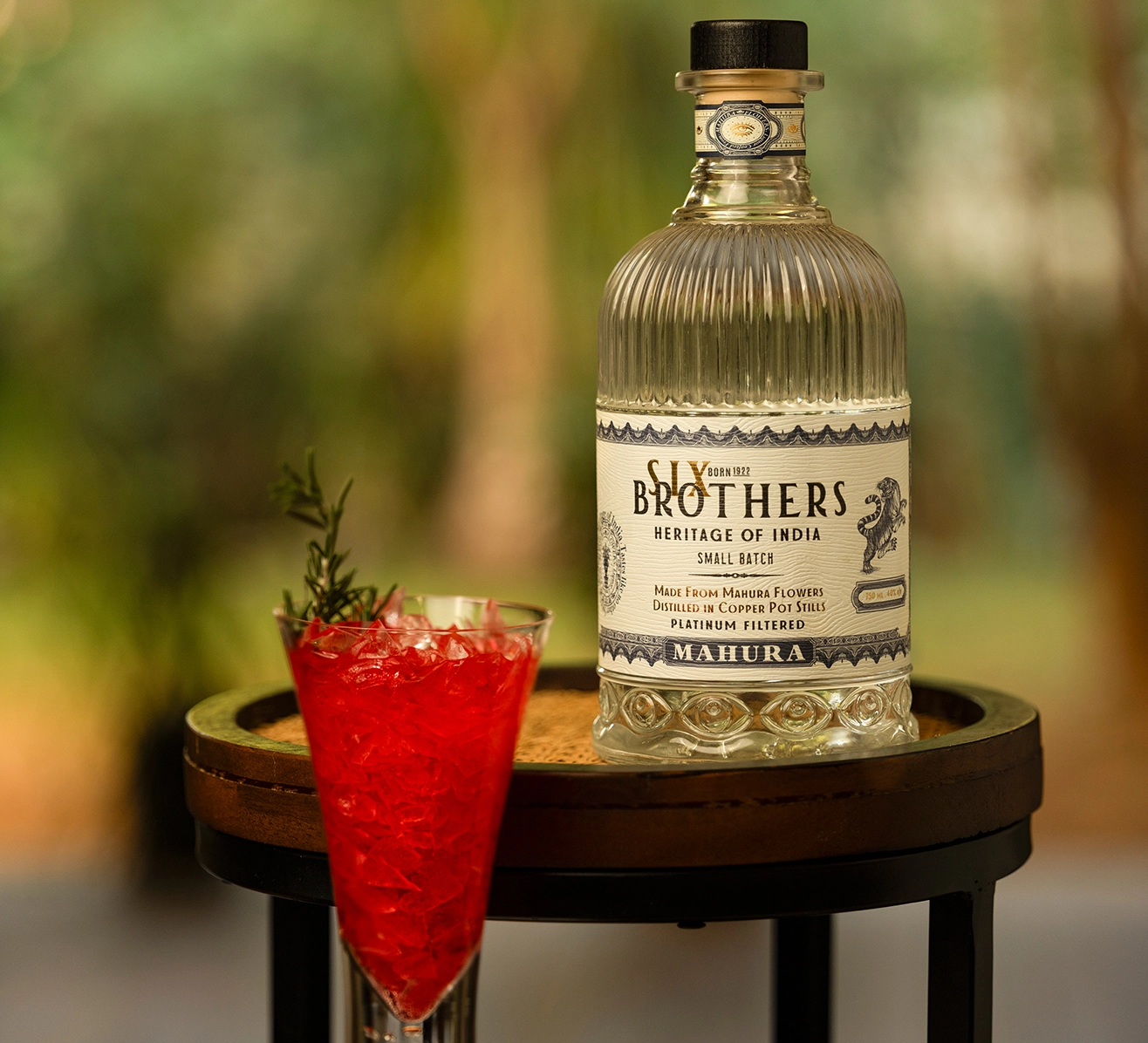
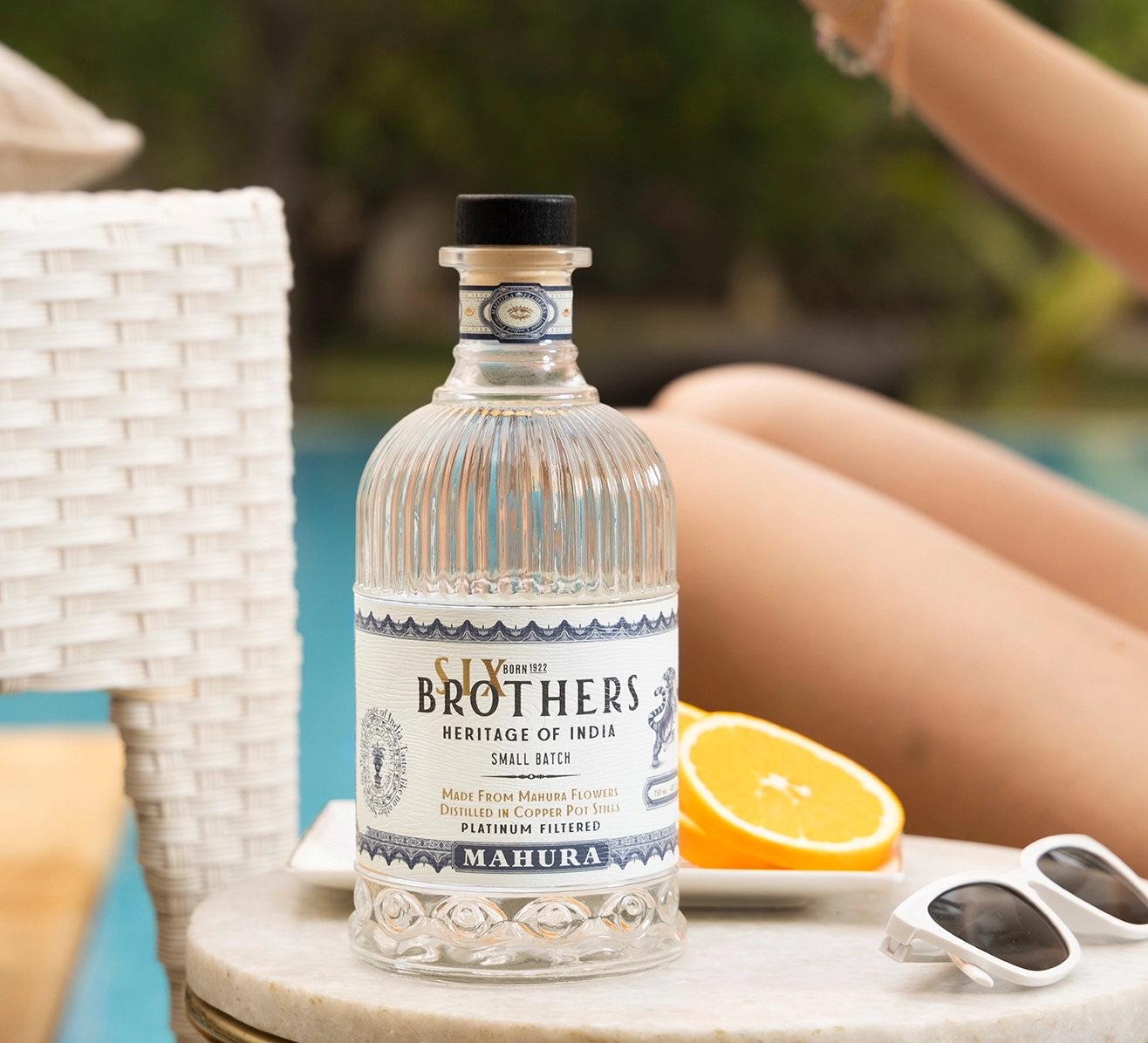
At the center of this legacy lies Mahua—a spirit derived from the Mahua flower of the Madhuca longifolia tree. Widely regarded as India’s oldest spirit, Mahua Alcohol represents the foundation of the country’s distillation heritage.
Today, as Indian spirits evolve and gain global attention, understanding the journey from Mahuwa and Mahuva traditions to modern craftsmanship becomes essential.
Before formal distillation methods were standardized, early Indian communities relied on:
The Mahua flower, rich in natural sugars, made it an ideal base for fermentation, leading to the creation of Mahua Spirit.
Over time, these fermentation practices evolved into basic distillation techniques, allowing communities to produce more refined forms of Mahua Alcohol.
Key characteristics included:
This marked the beginning of India’s distillation journey—rooted in nature and necessity.
The Madhuca longifolia tree is central to the story of Mahua. Its flowers serve as the primary ingredient for creating Mahua Spirit, making it a vital part of India’s indigenous ecosystem.
Important aspects include:
Known as Mahuva or Mahuwa in different regions, this spirit has been passed down through generations, maintaining its relevance as India’s oldest spirit.
Its continued presence highlights:
The creation of Mahua Alcohol follows a method that has remained largely unchanged:
This process reflects simplicity, sustainability, and authenticity.
Unlike industrial spirits, Mahua Spirit has traditionally been:
This makes it not just a beverage, but a cultural practice.
With the introduction of modern distillation technologies, India saw a shift toward:
However, this transition also risked overshadowing traditional spirits like Mahua.
Today, there is a renewed effort to bridge this gap by:
This balance is key to the evolution of Indian spirits.
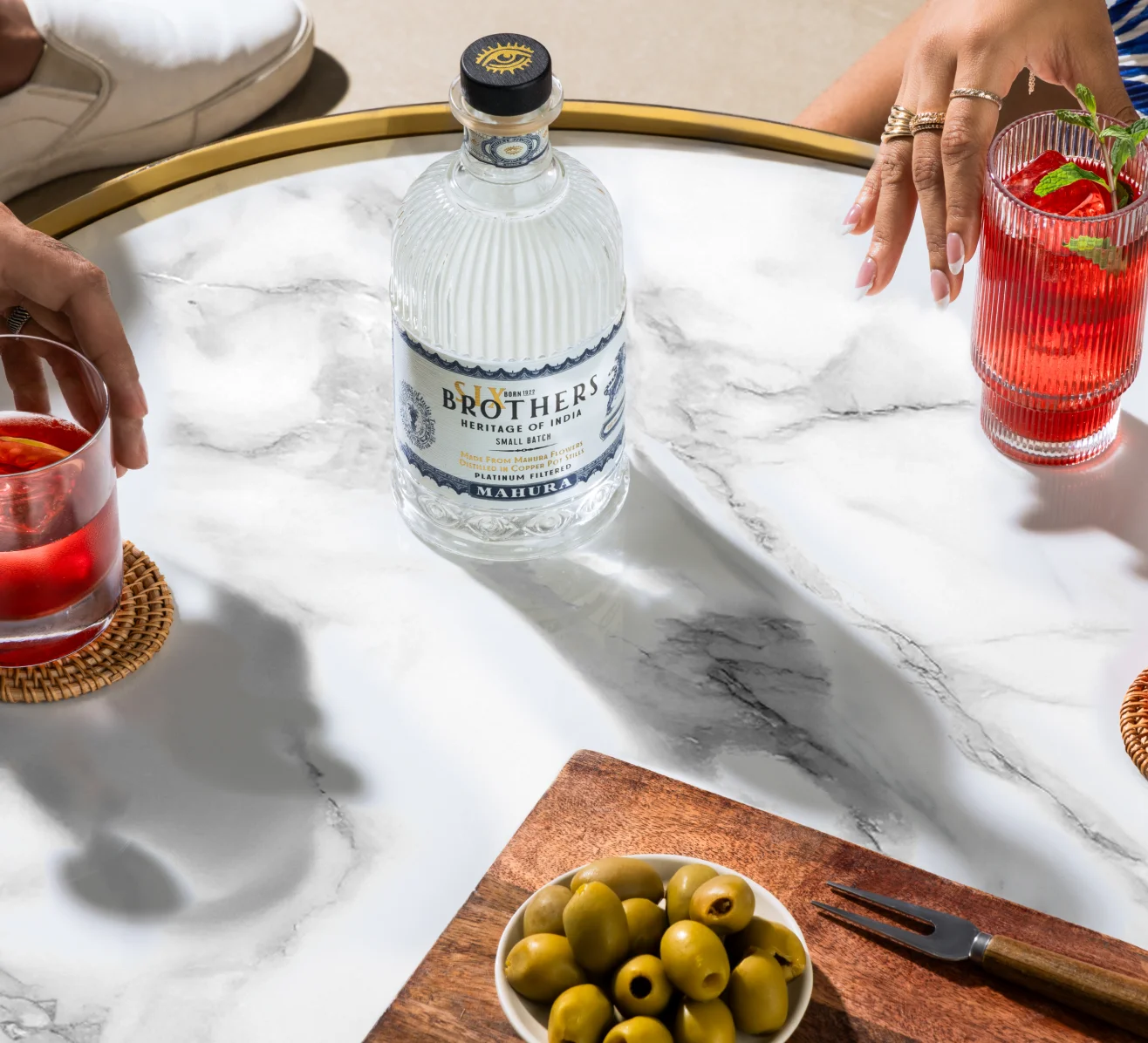
Modern consumers are increasingly drawn to:
This shift has brought Mahua Alcohol back into focus.
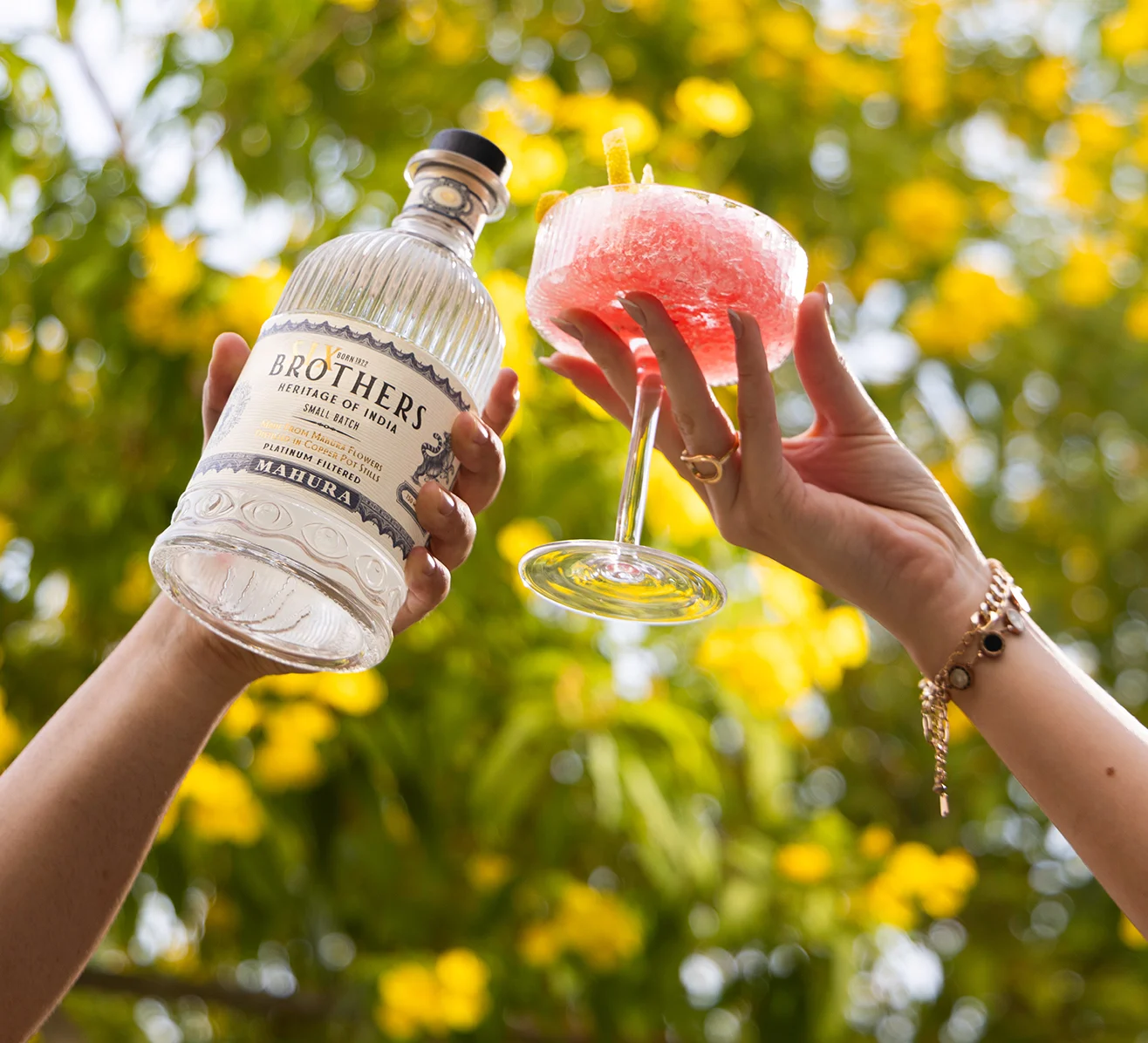
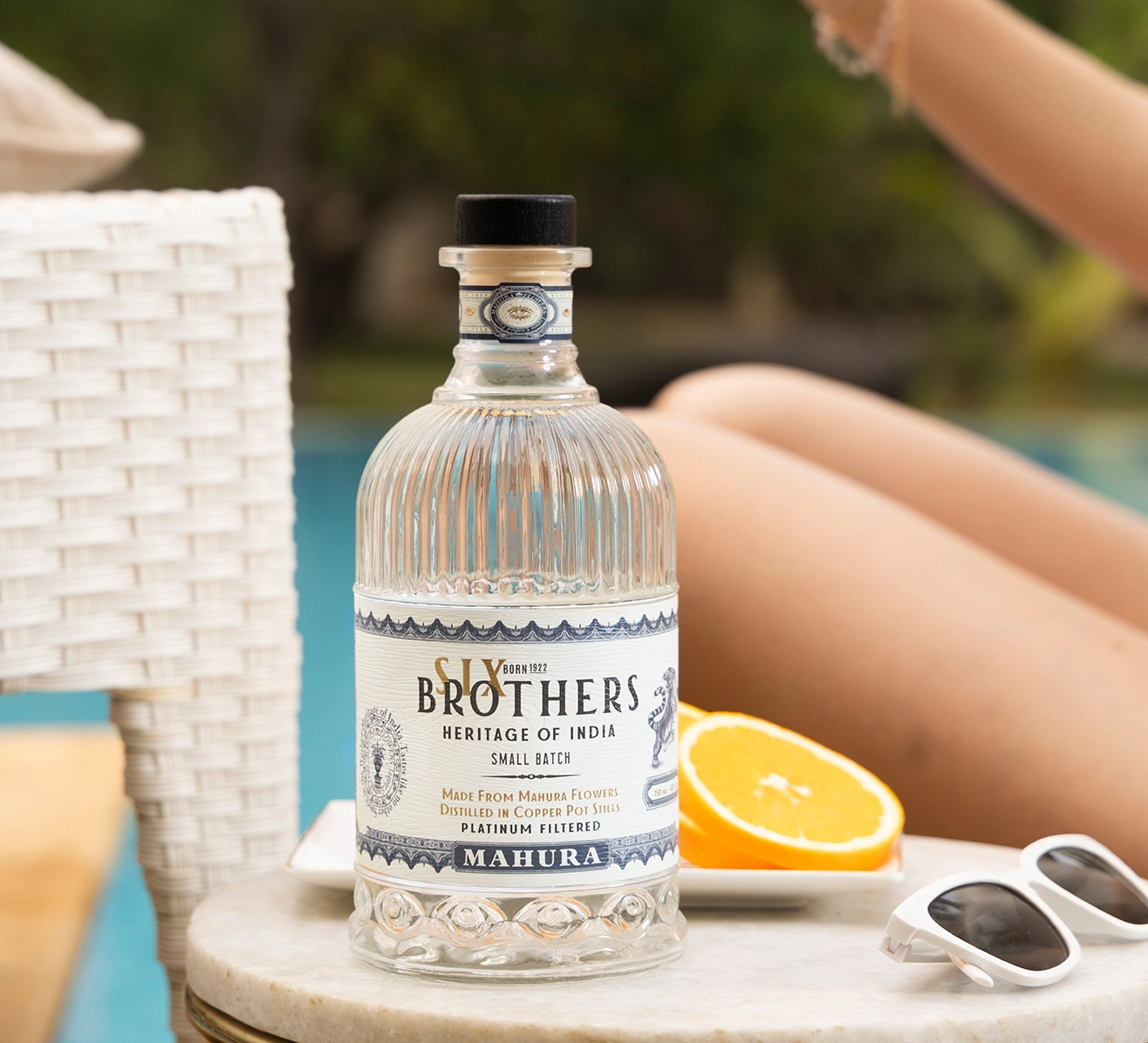
What was once considered a local or informal drink is now being redefined as:
This transformation is reshaping the perception of Mahua Spirit.
A traditional Mahua Spirit offers:
These qualities make it unique compared to other spirits.
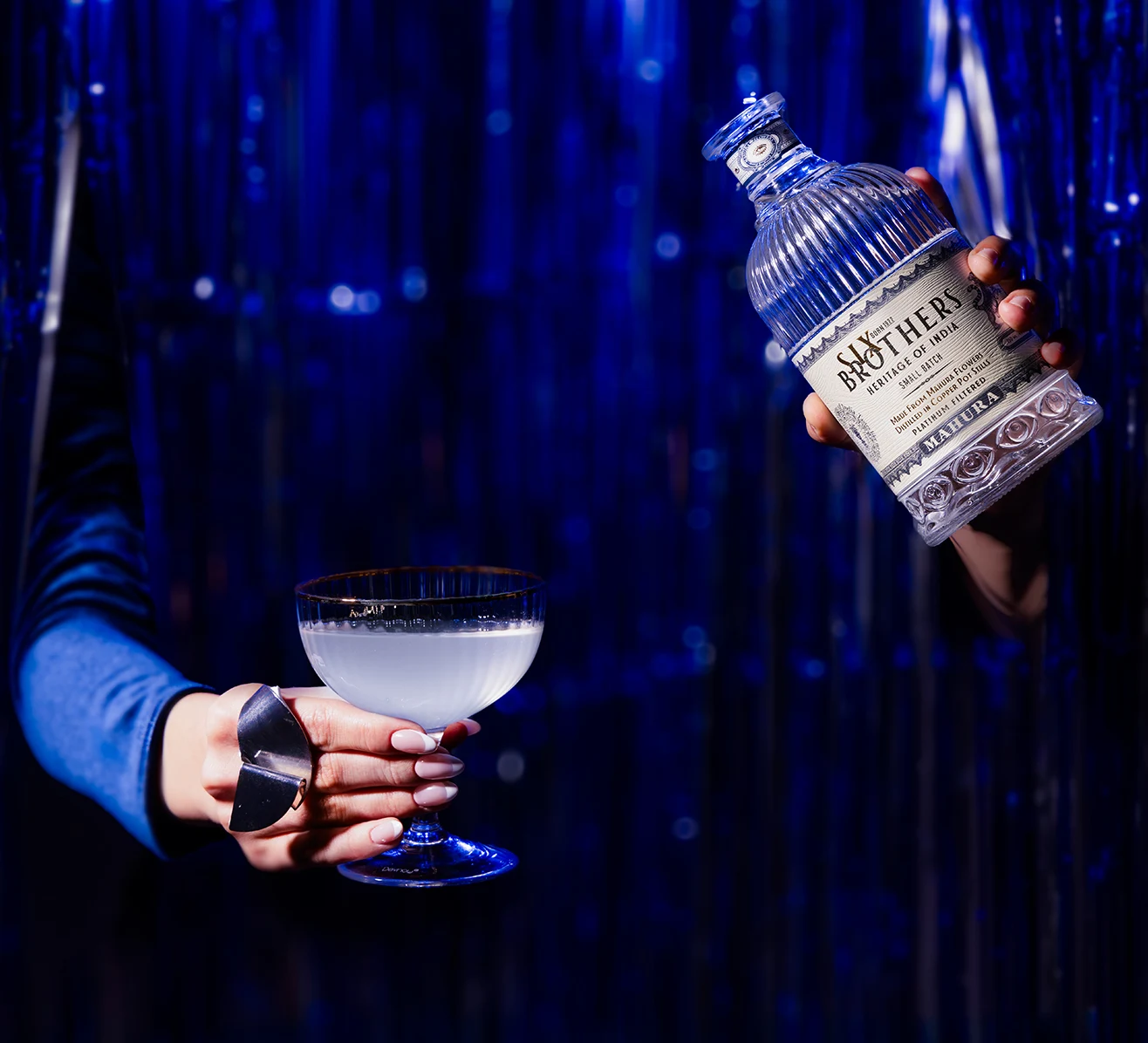
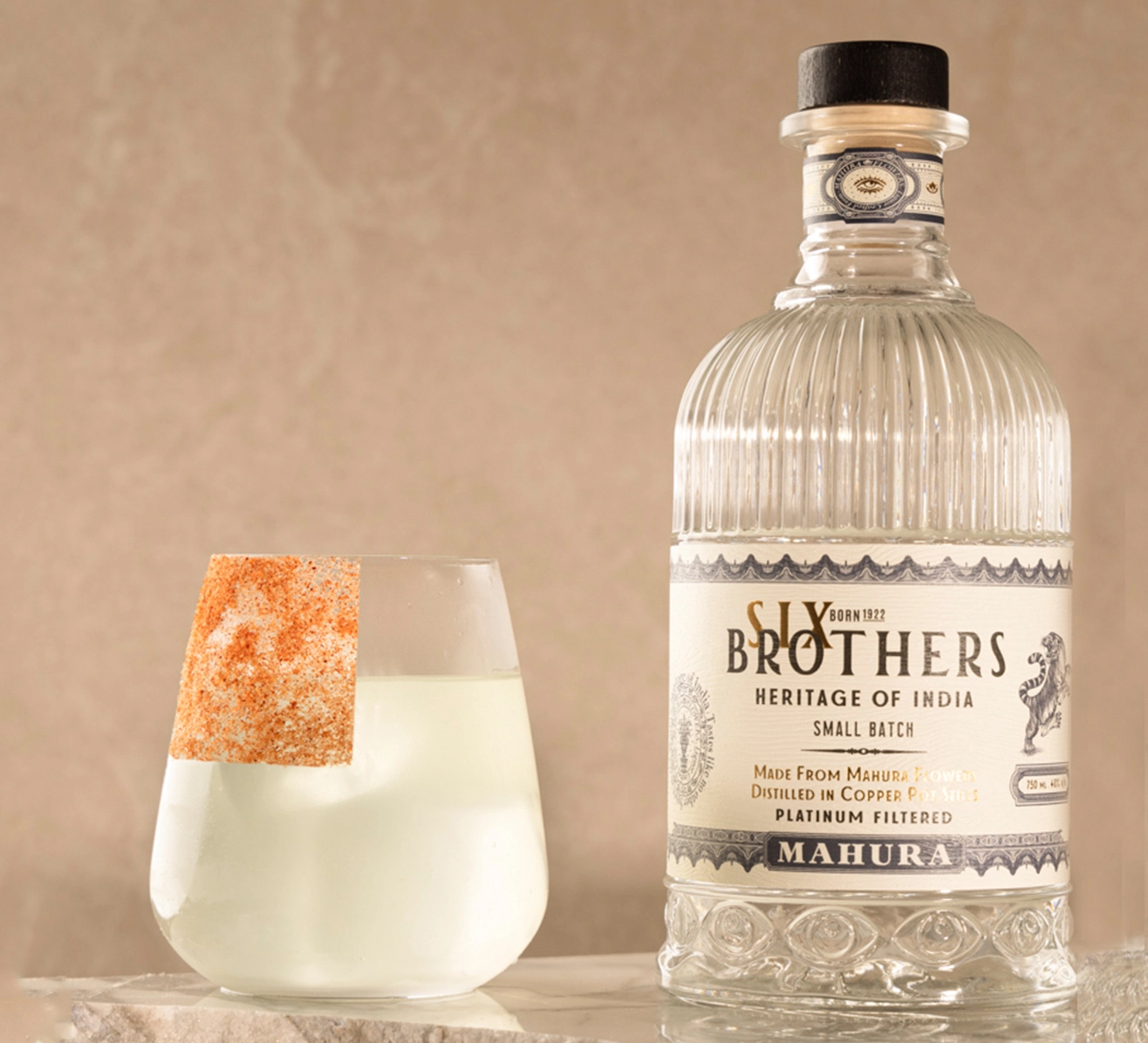
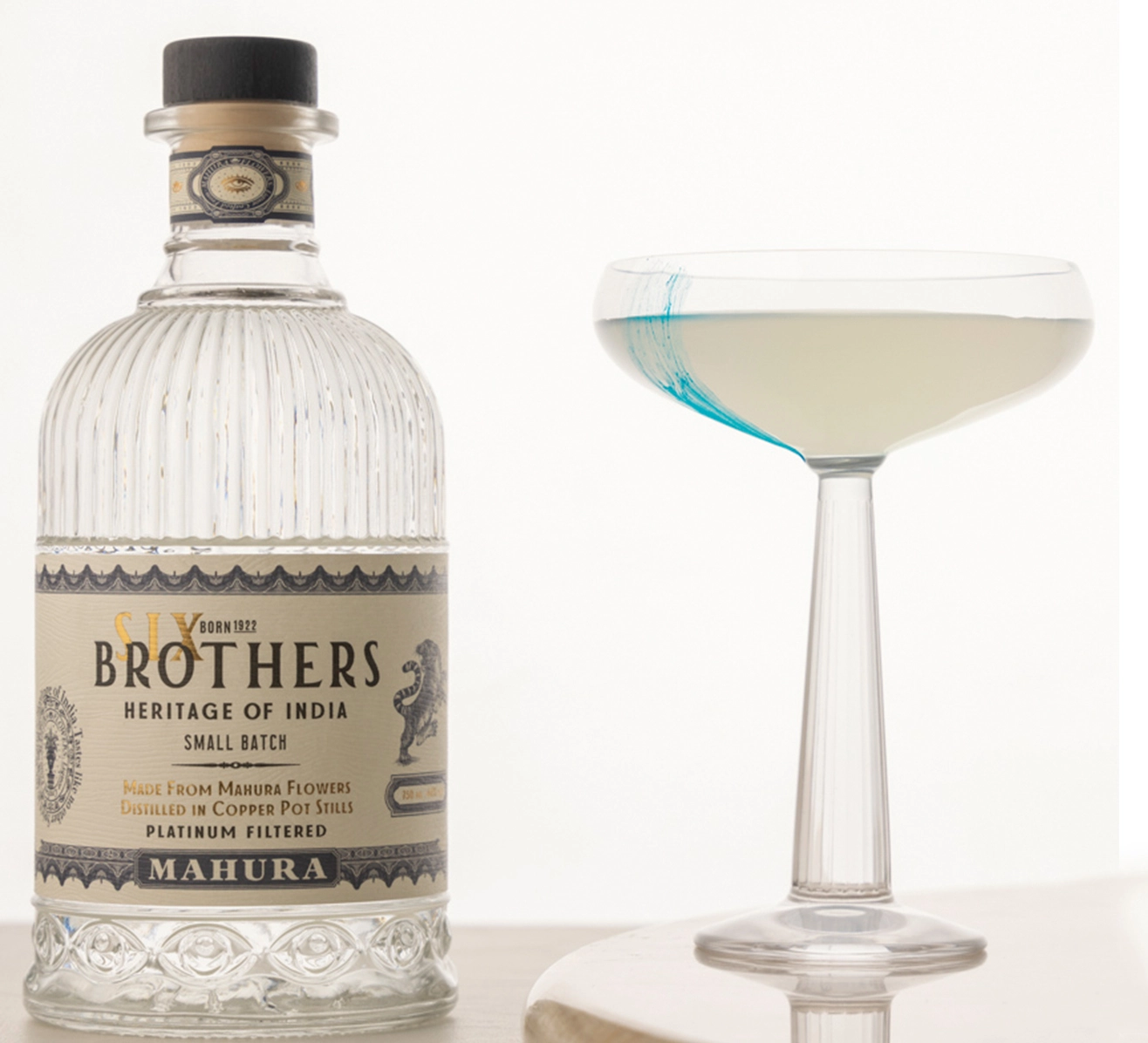
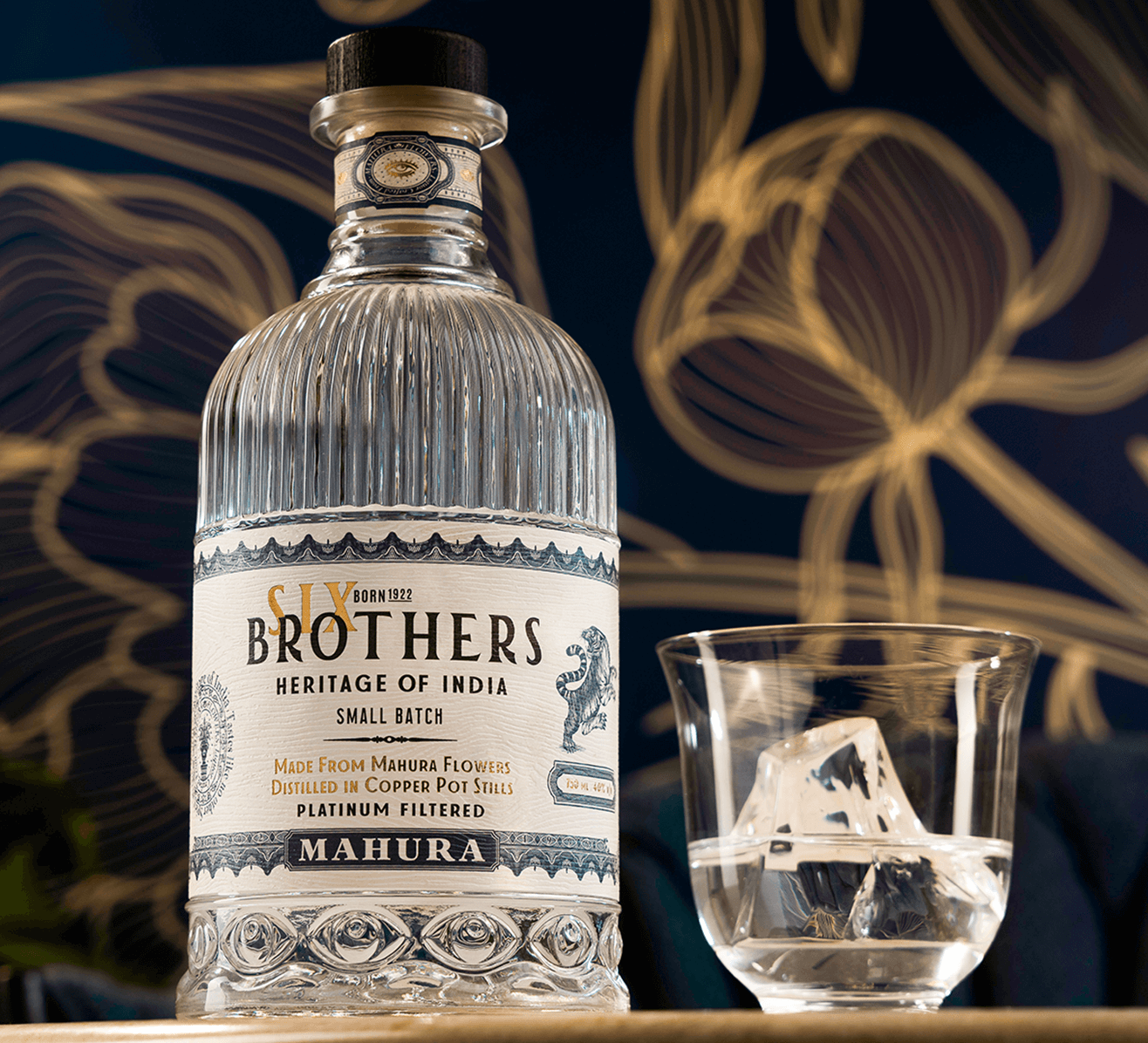
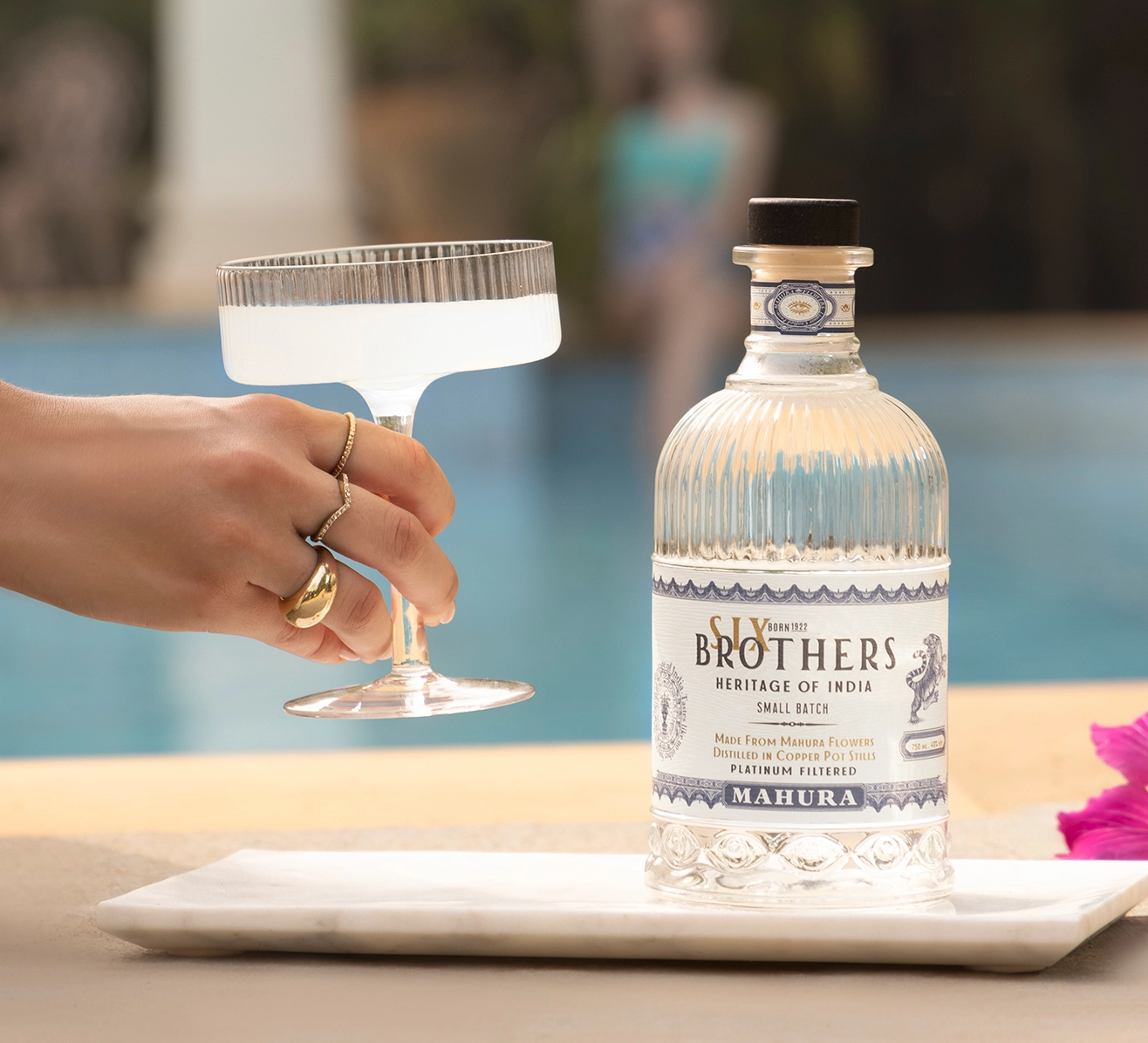
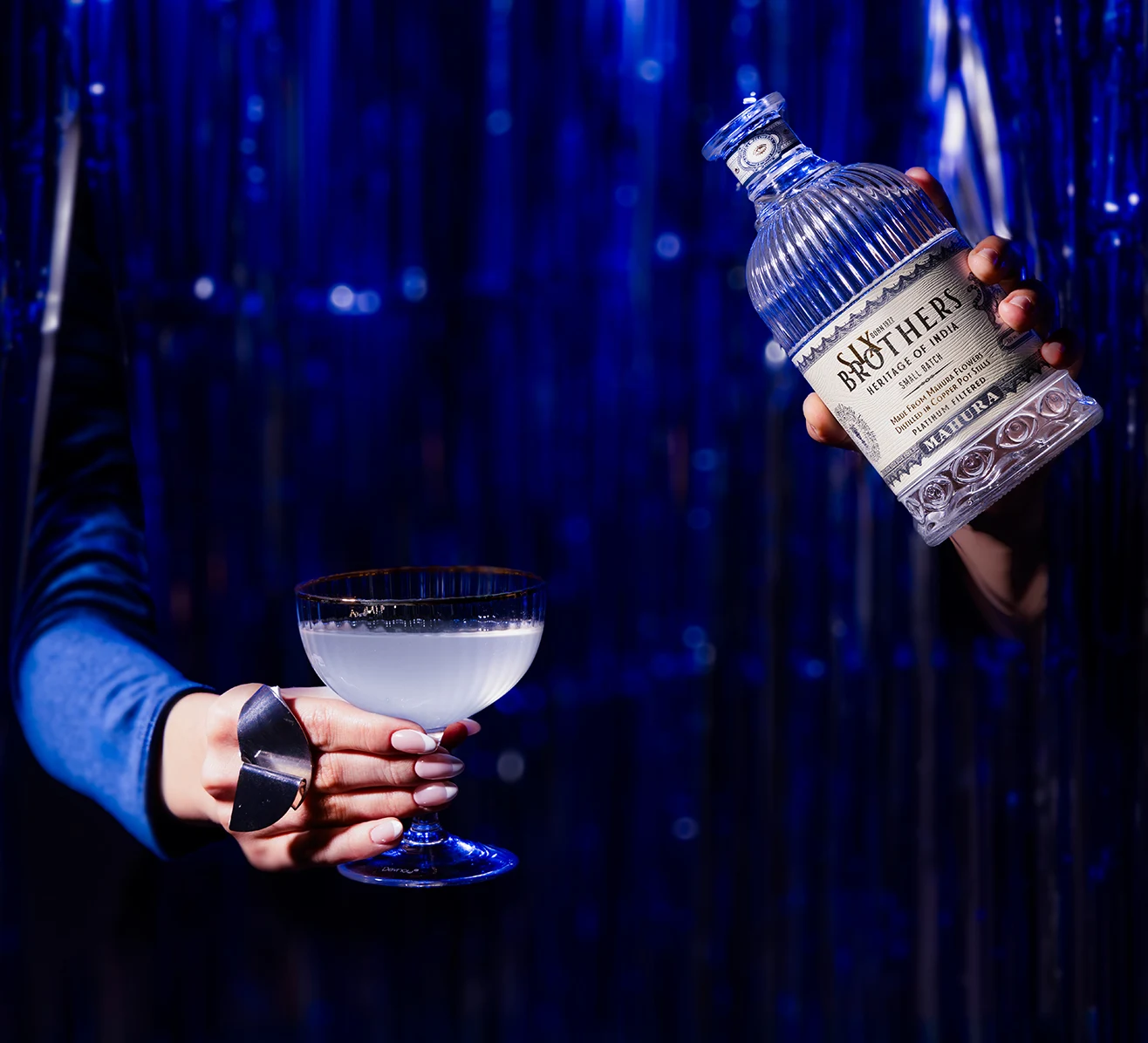
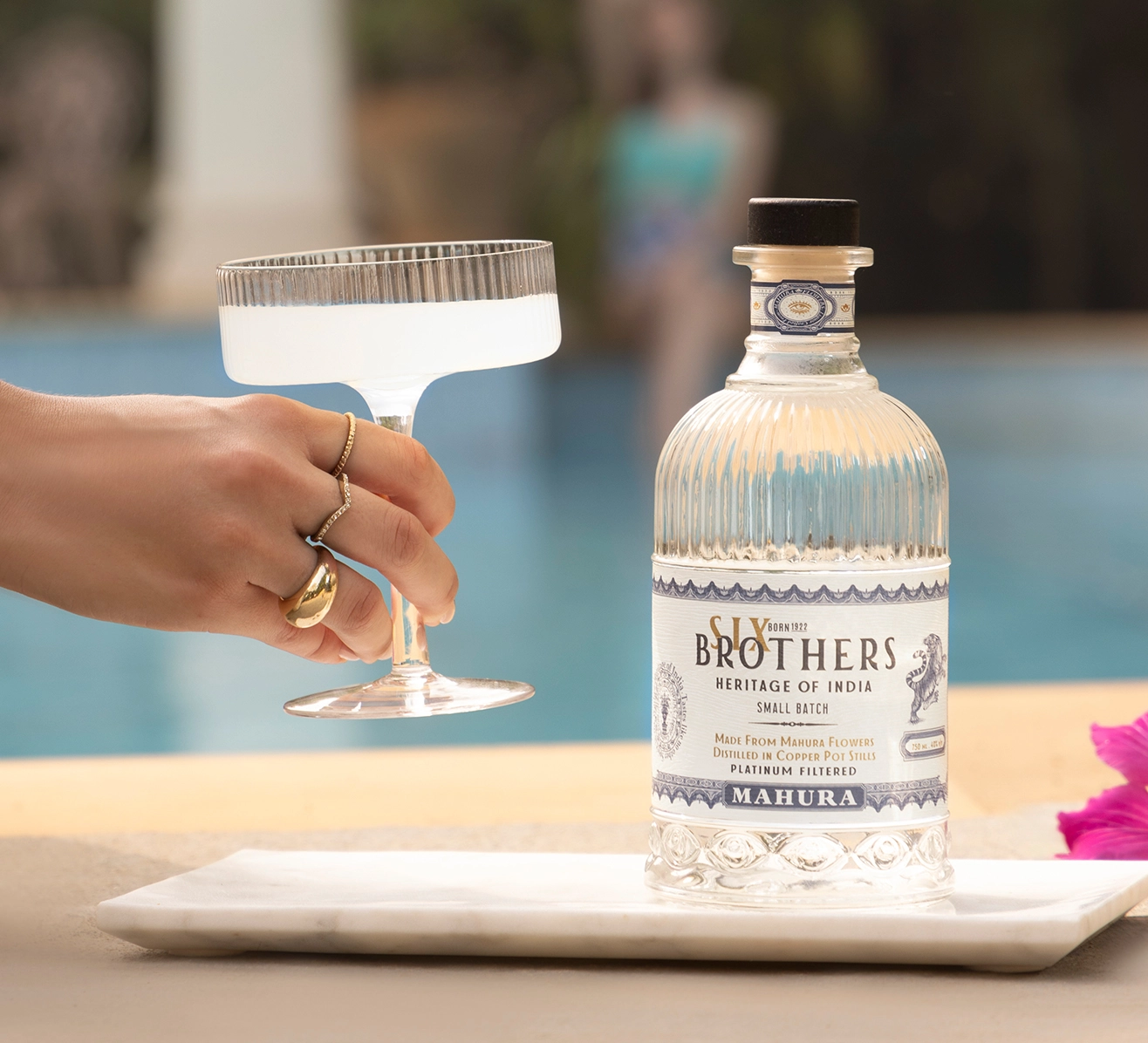
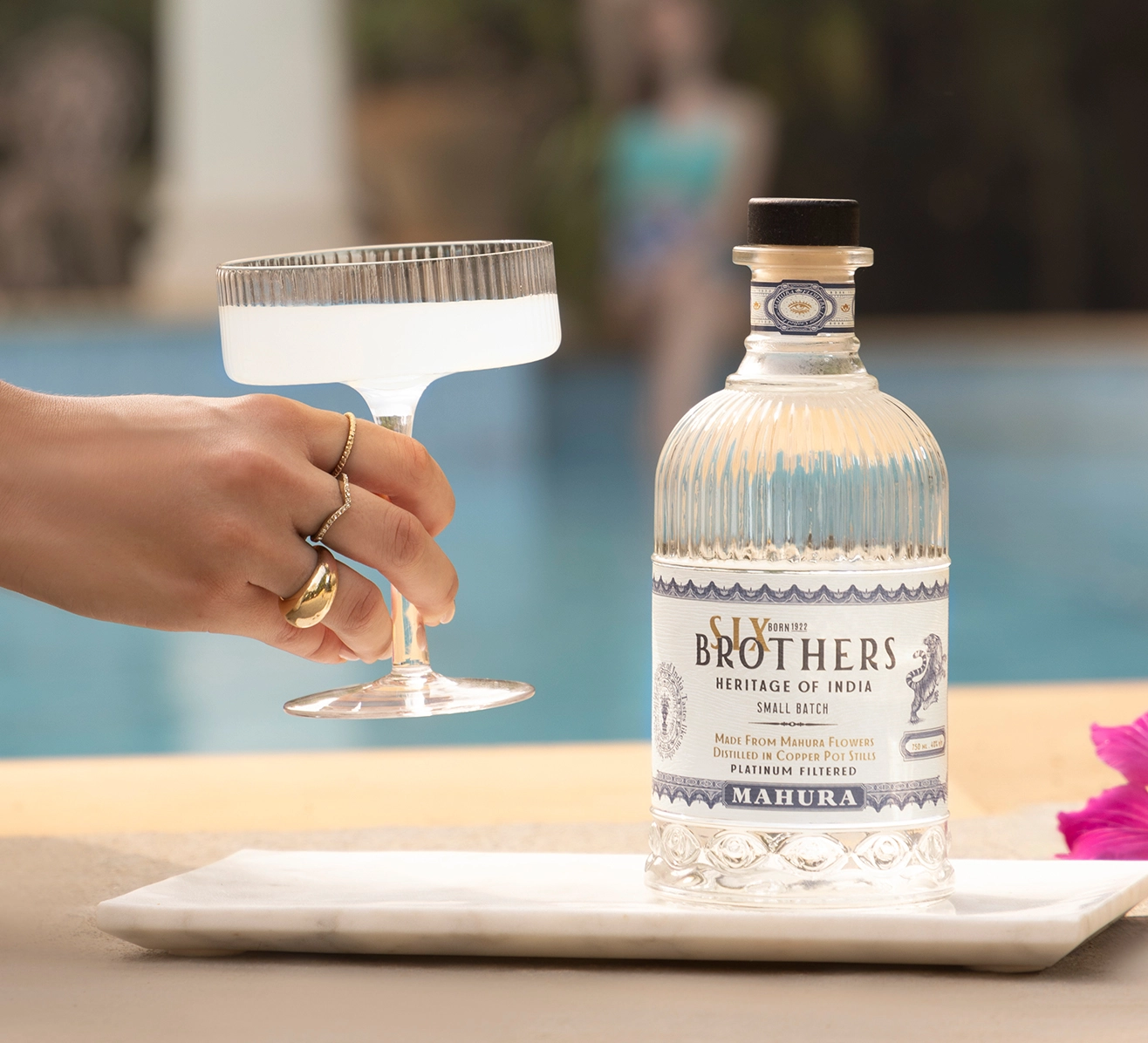
With improved distillation techniques, Mahua Alcohol now delivers:
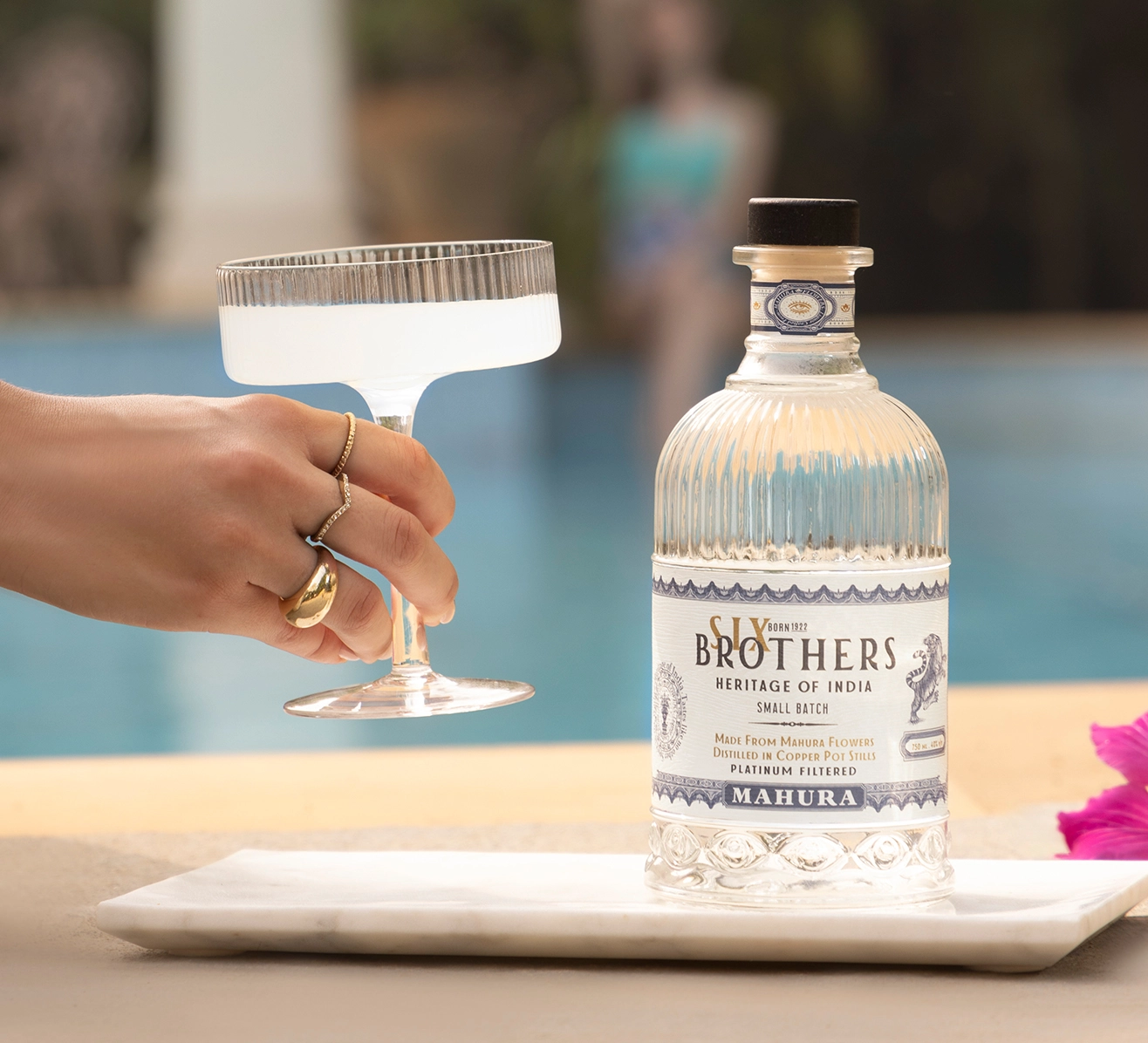
This evolution makes it suitable for a wider audience.
The resurgence of Mahua reflects a broader movement toward:
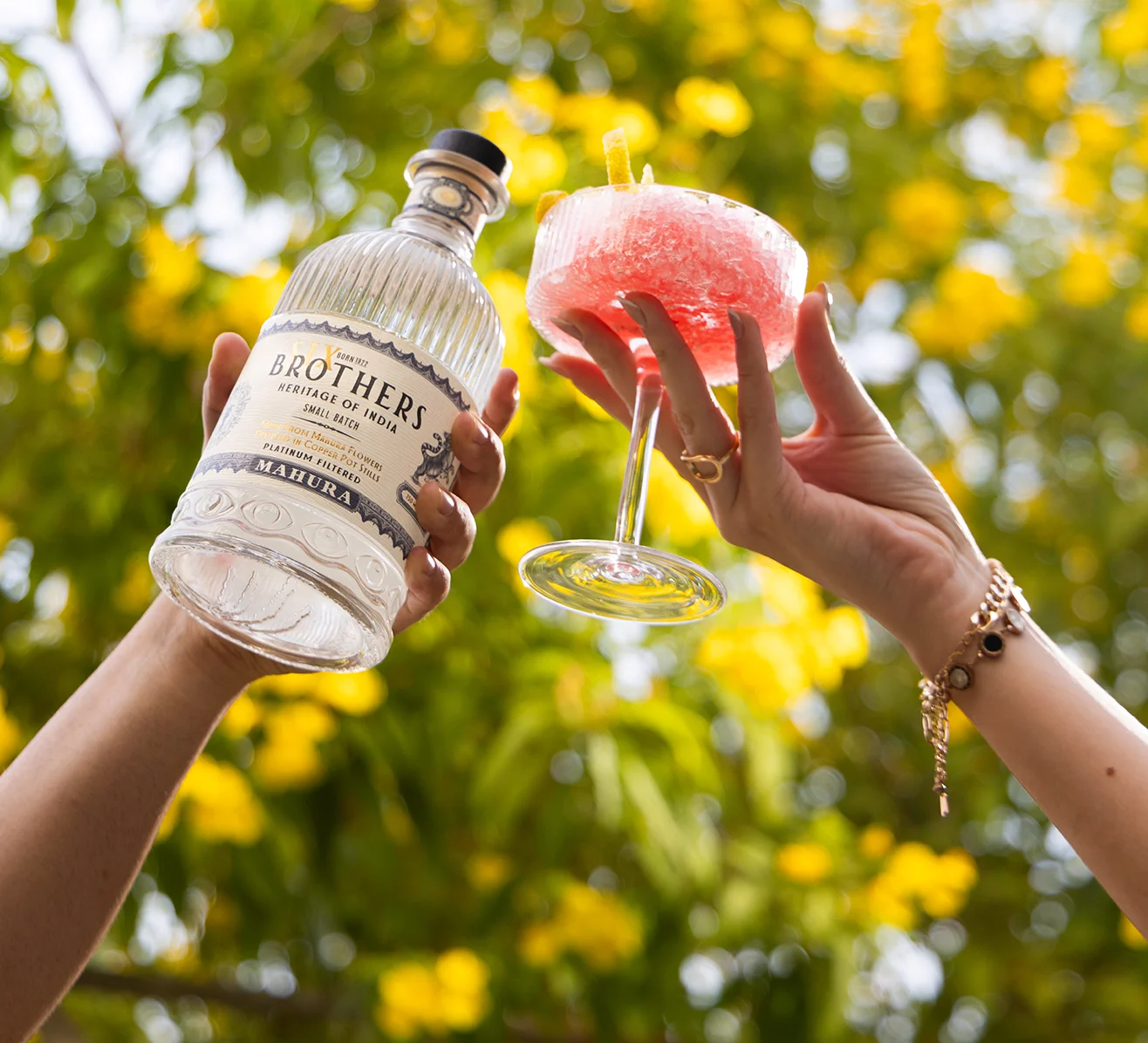
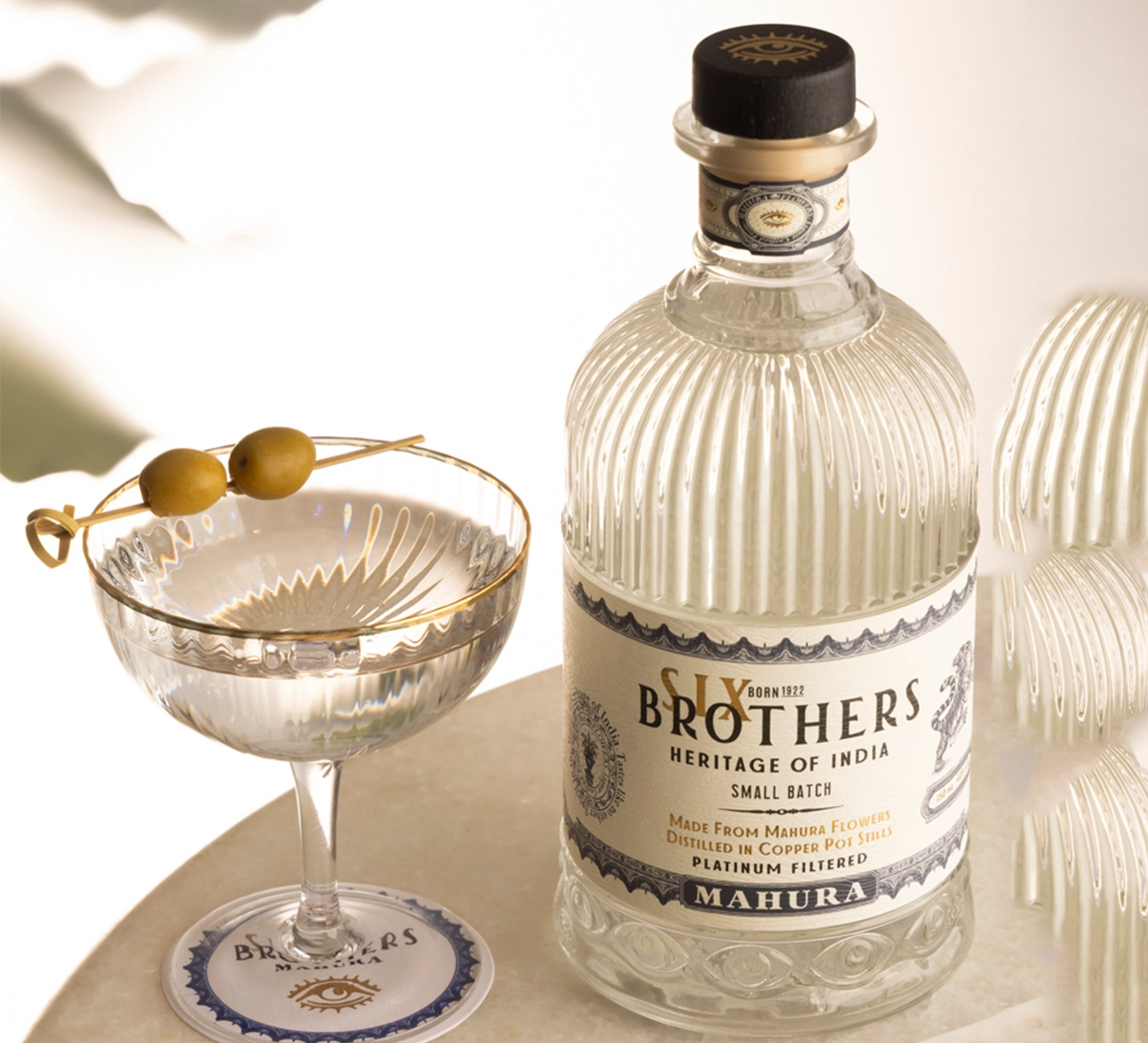
As global consumers explore new spirit categories, Mahua Spirit offers:
This positions it as a strong contender in the international market.
The future of Indian spirits lies in:
By embracing its roots, India can define a unique global identity through:
The journey from Mahuwa and Mahuva traditions to modern spirits reflects the evolution of India’s distillation heritage. At its core lies Mahua, a symbol of continuity, culture, and craftsmanship.
As India’s oldest spirit, Mahua Spirit bridges the past and the present—offering a foundation upon which modern Indian spirits continue to grow.
By rediscovering and refining this legacy, India is not just preserving its history—it is shaping the future of global spirits.