
Posted on 19 Jun 2026
Flavour in any spirit is not accidental—it is the result of complex chemical interactions that occur during fermentation and distillation. These interactions define aroma, taste, and the overall sensory experience.
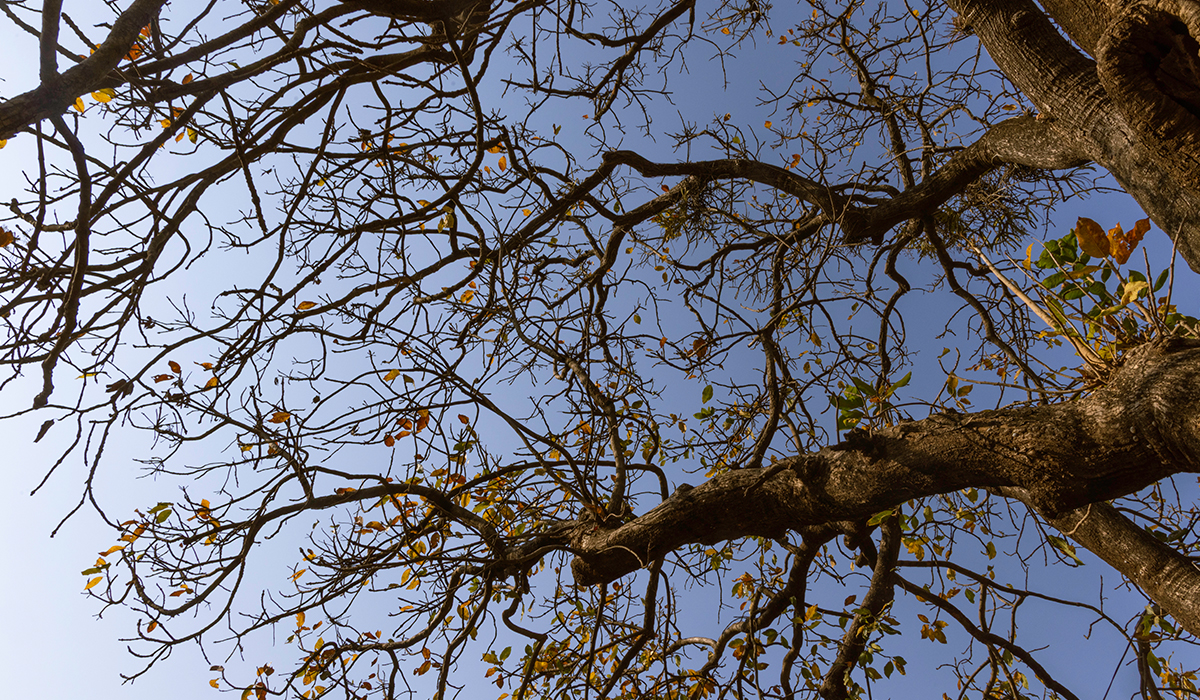
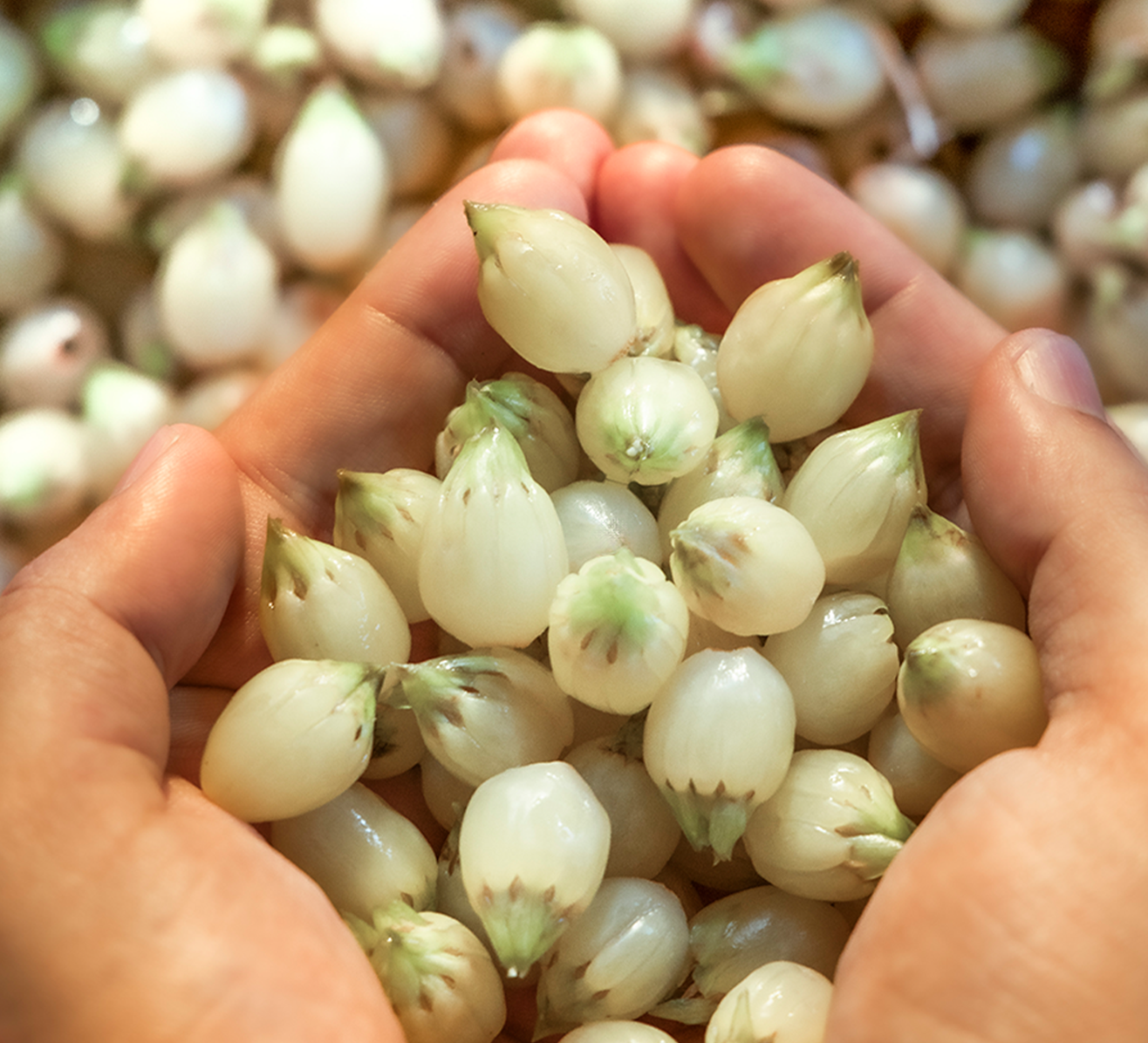
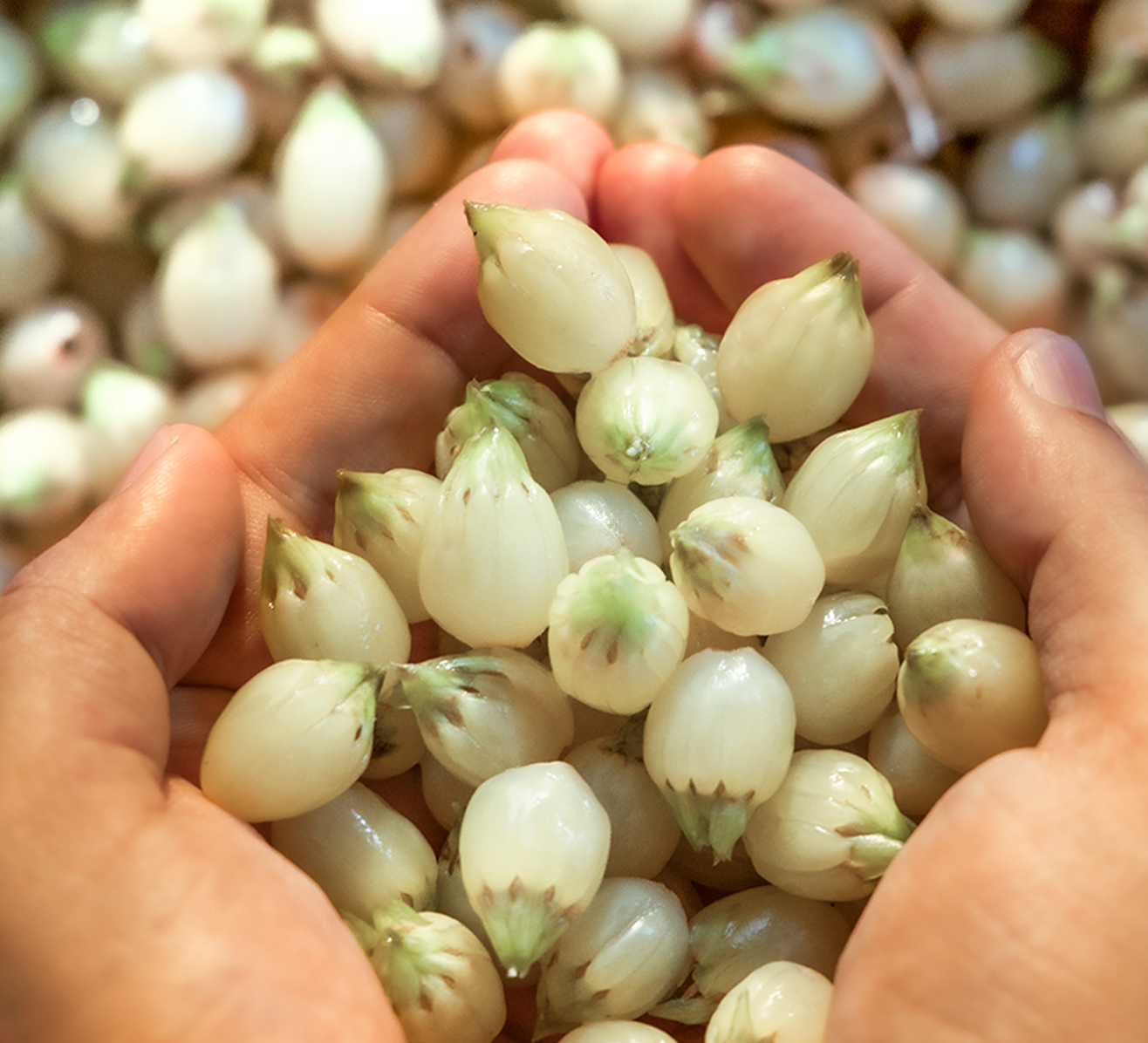
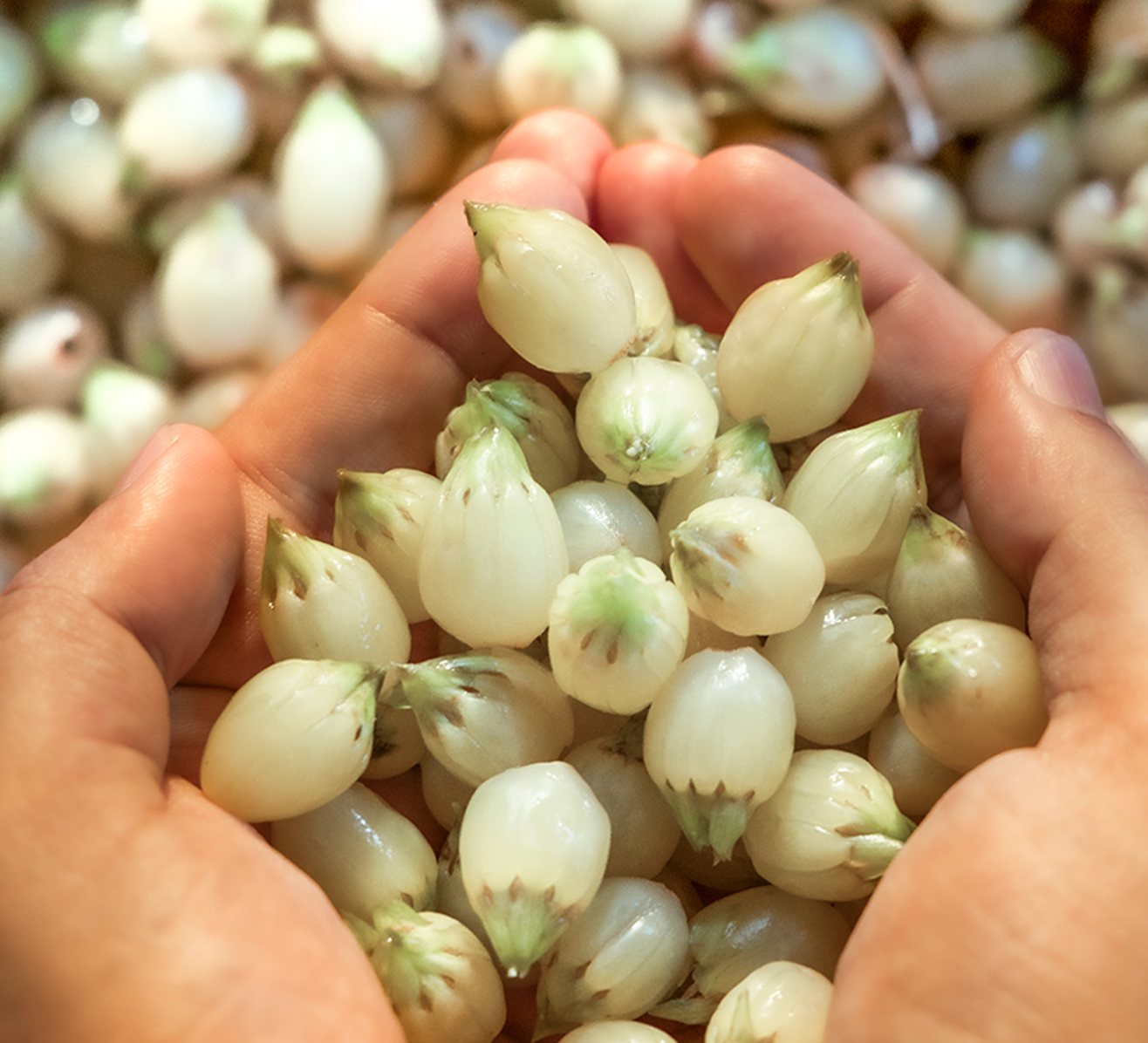
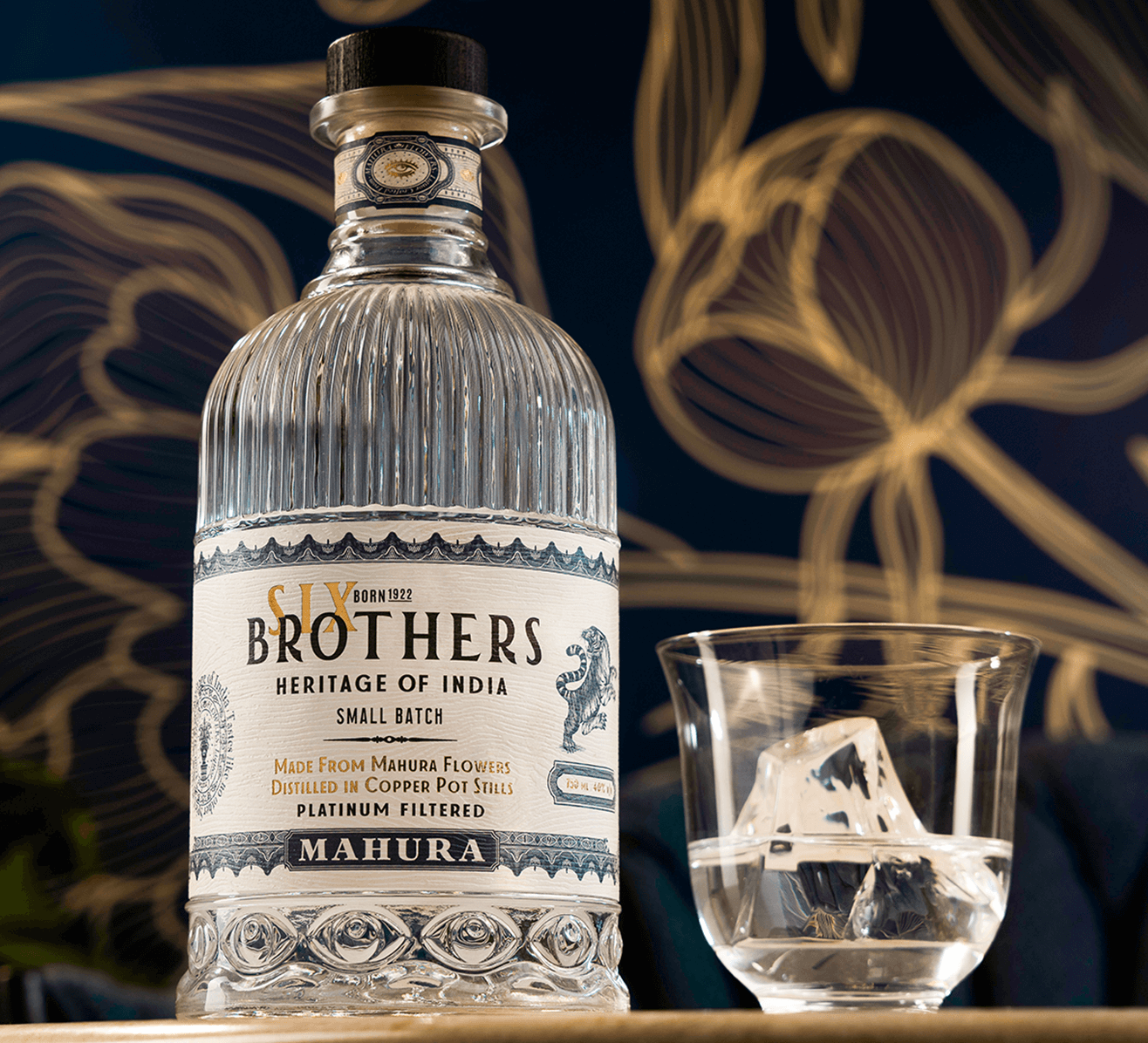
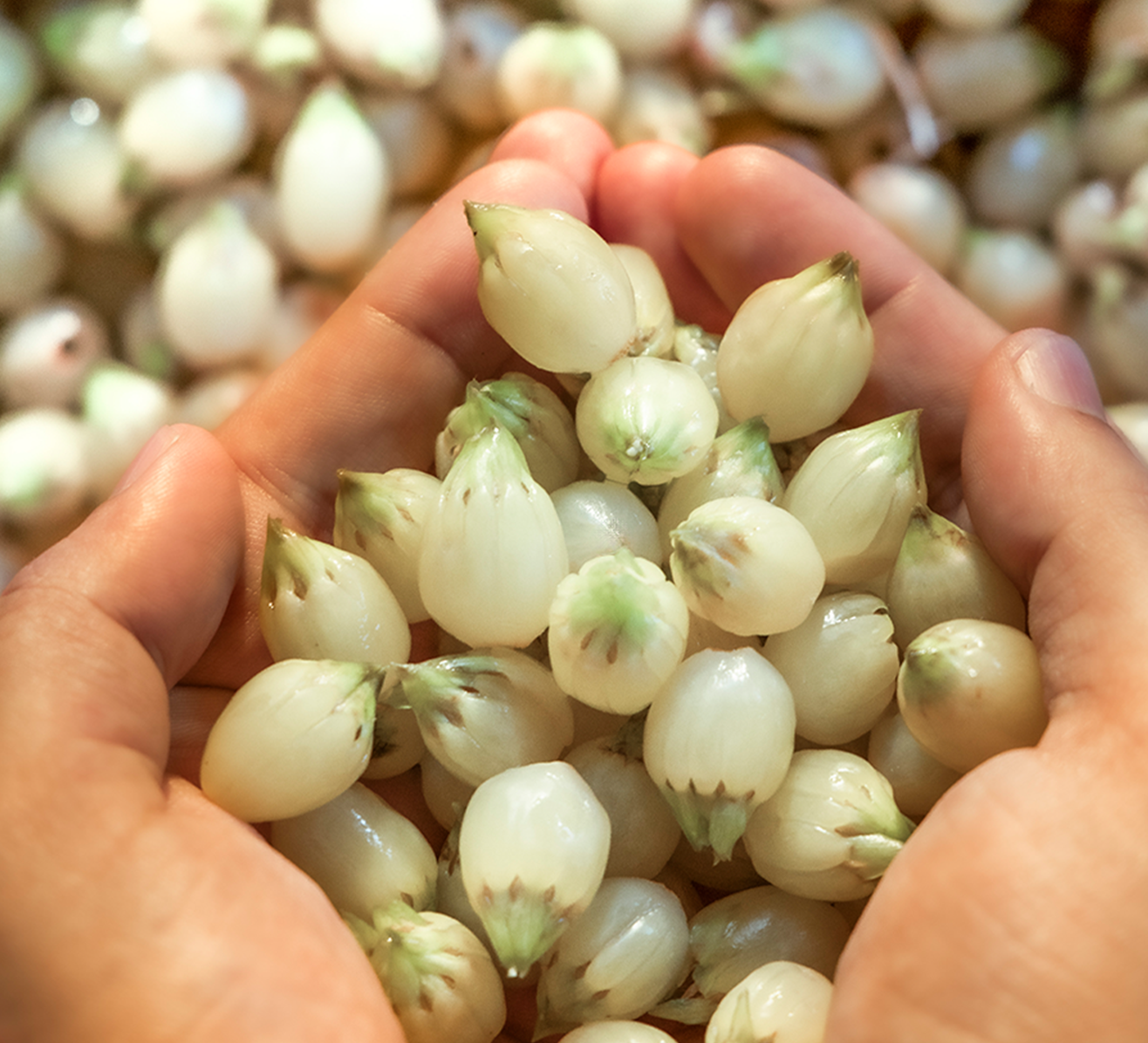
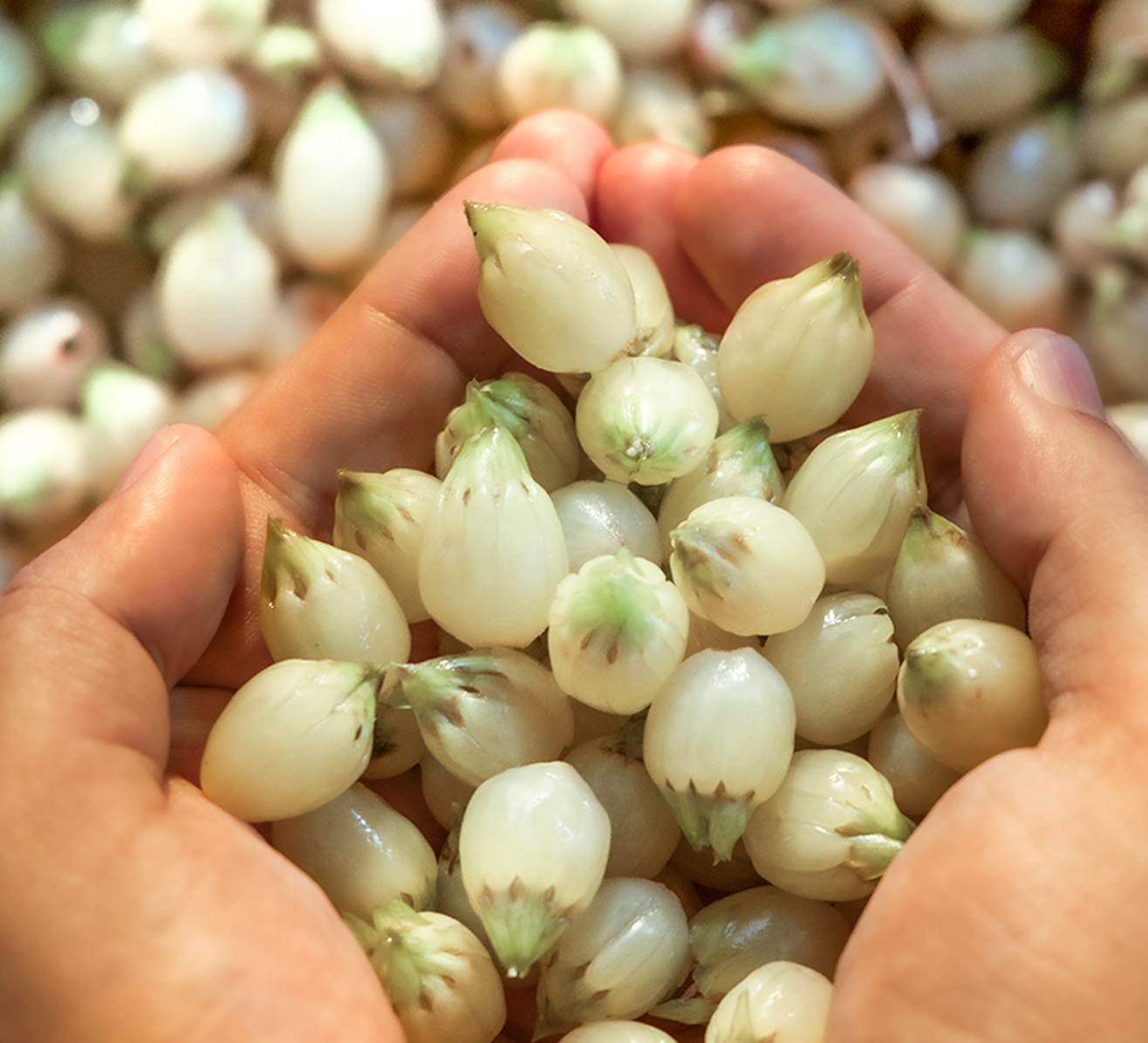
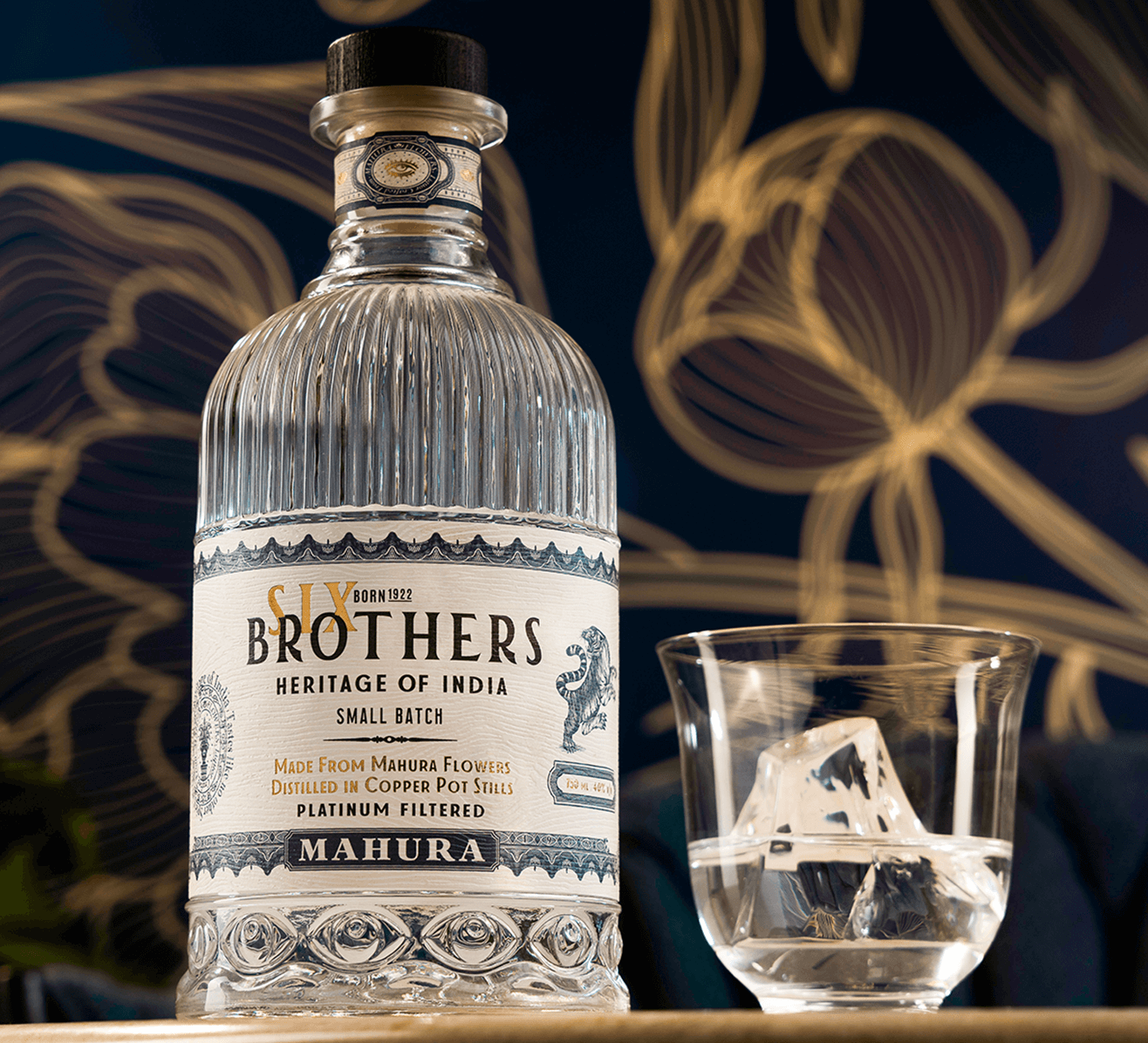
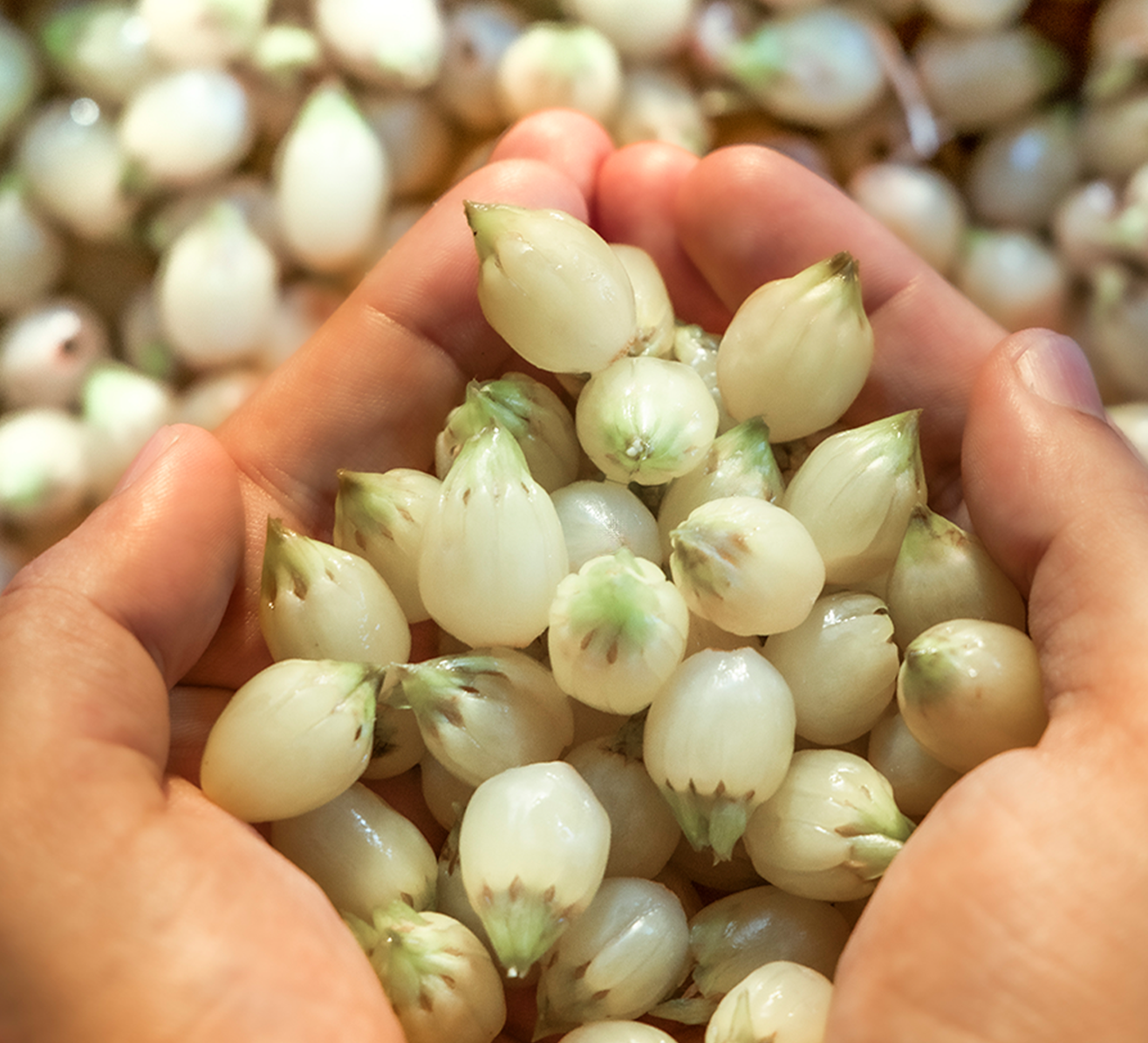
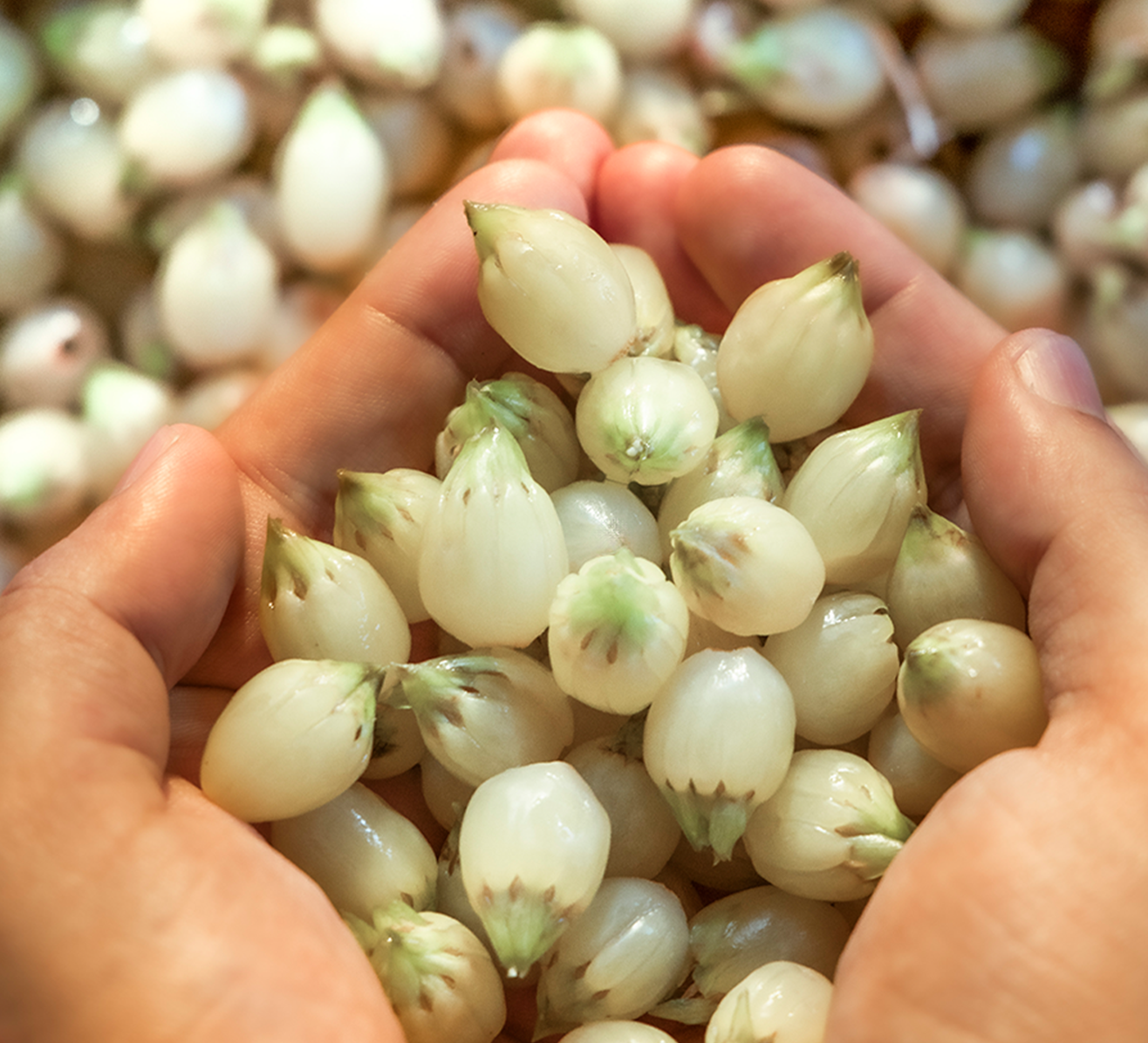
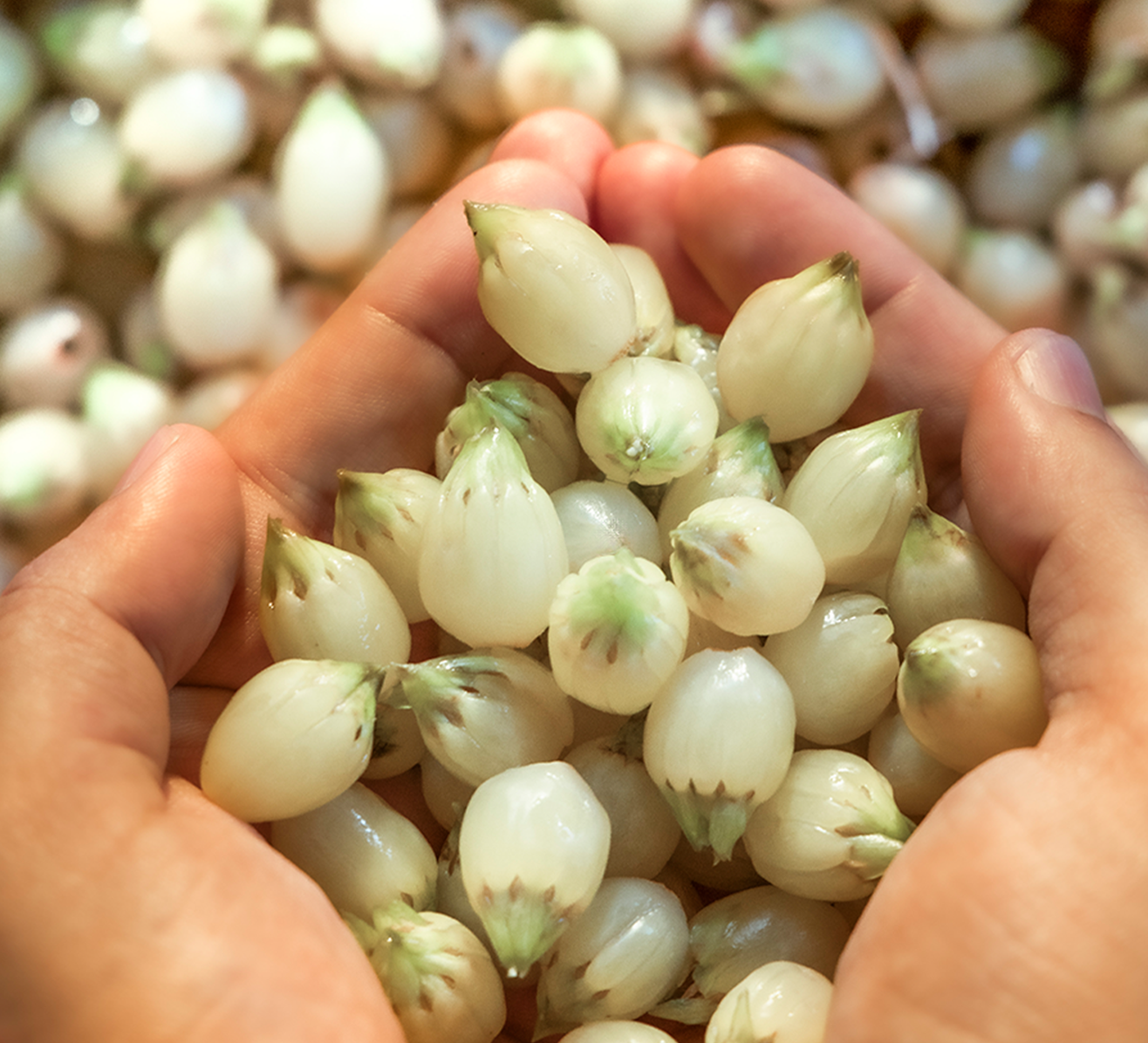
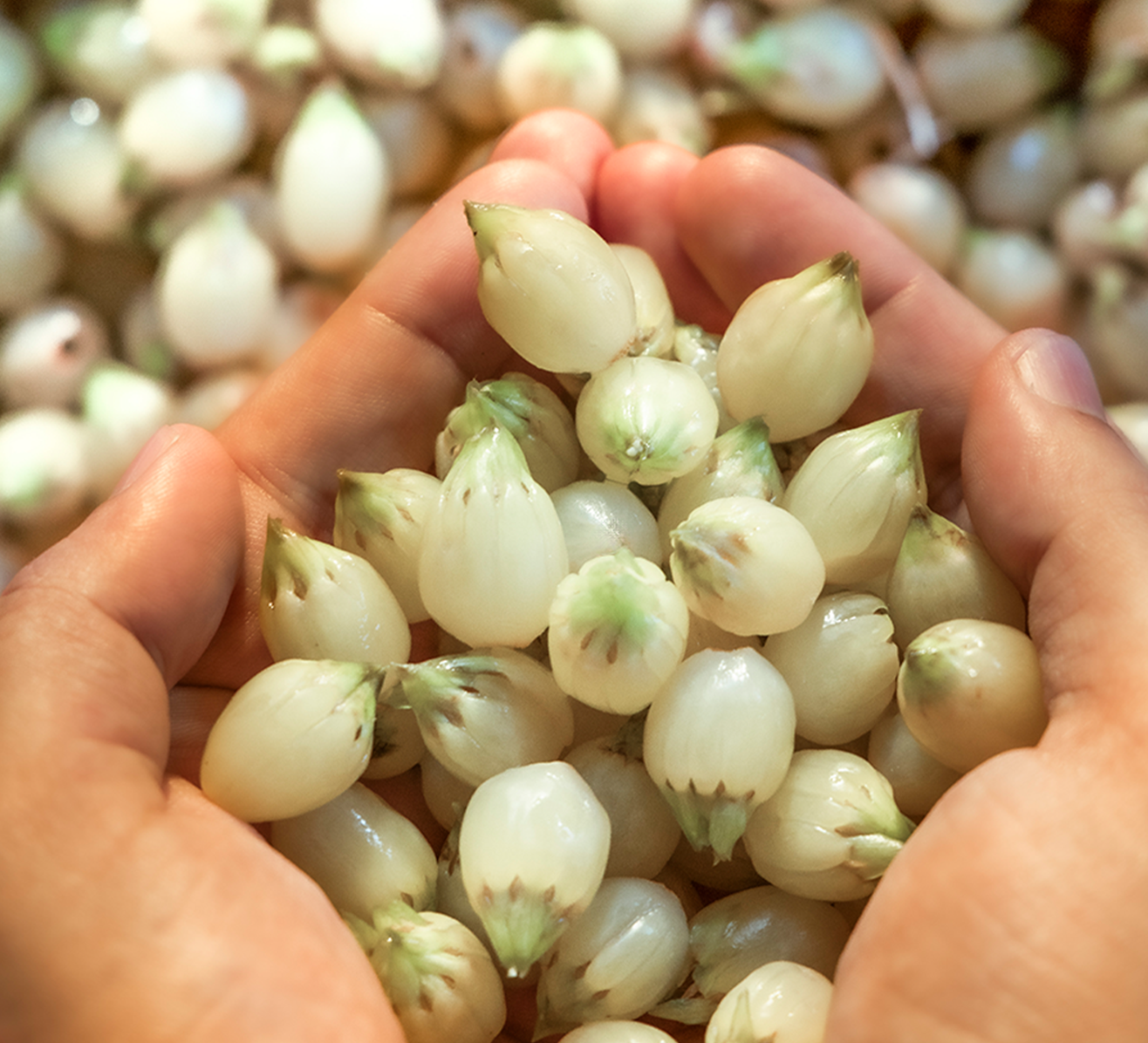
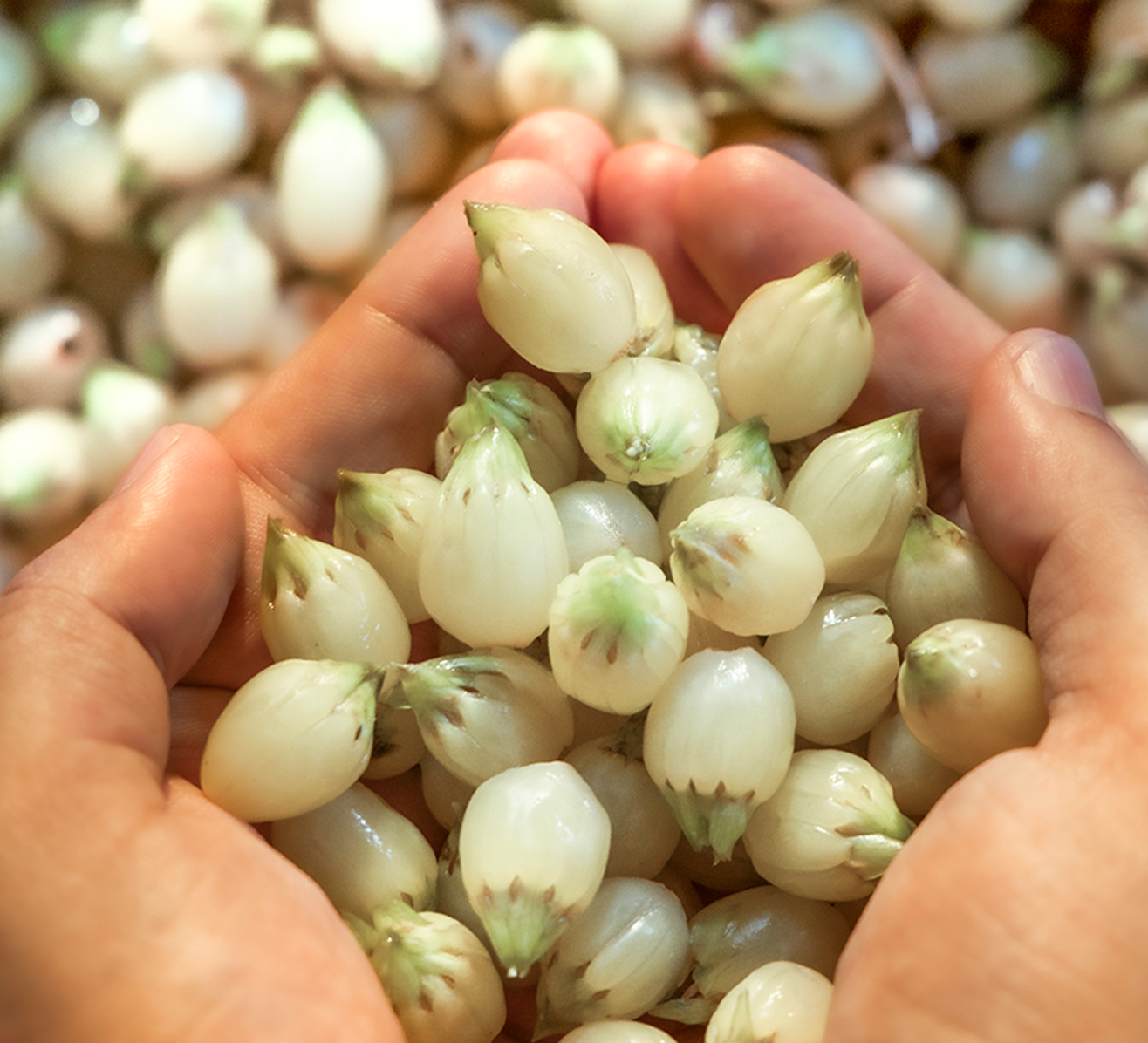
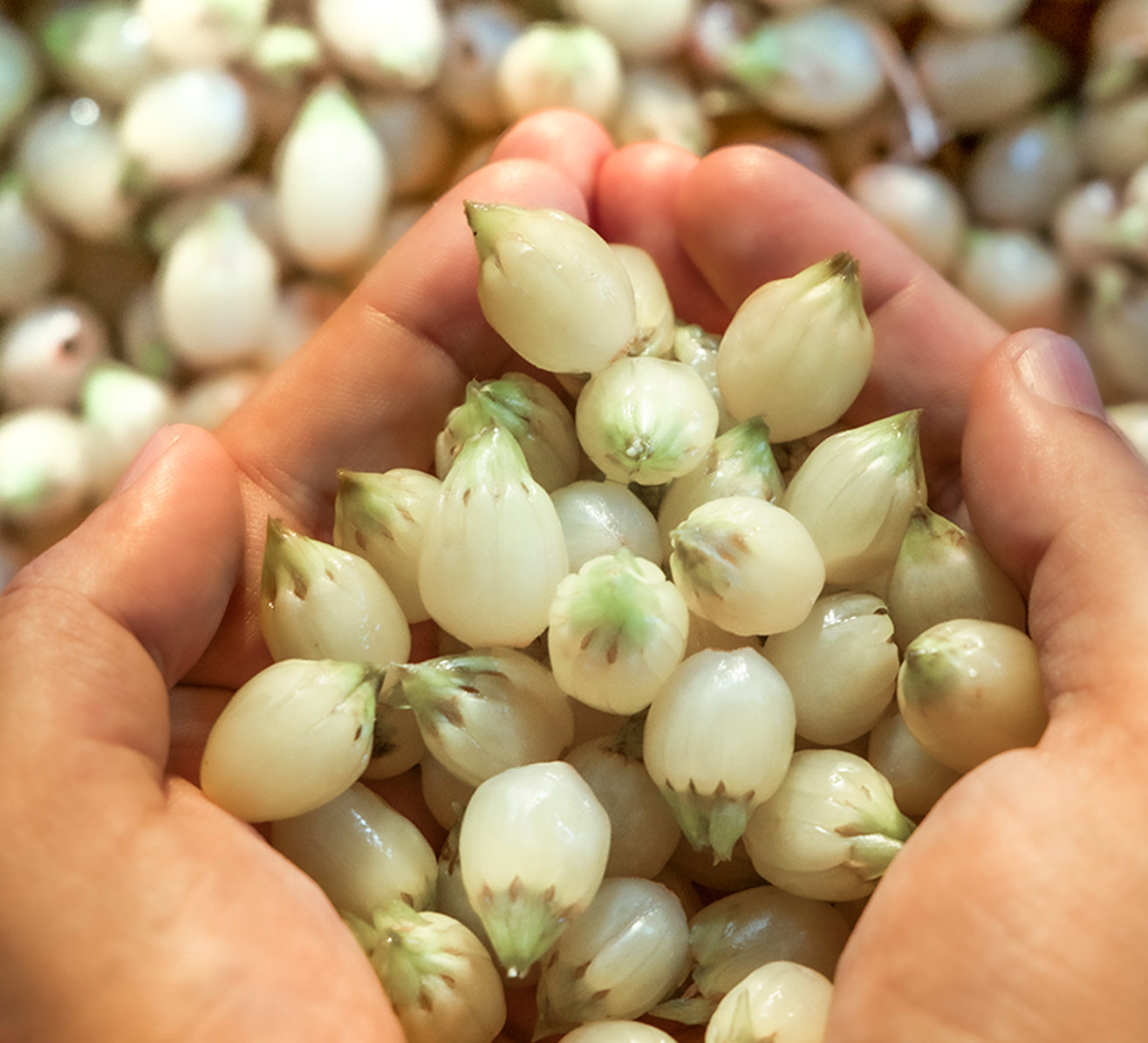
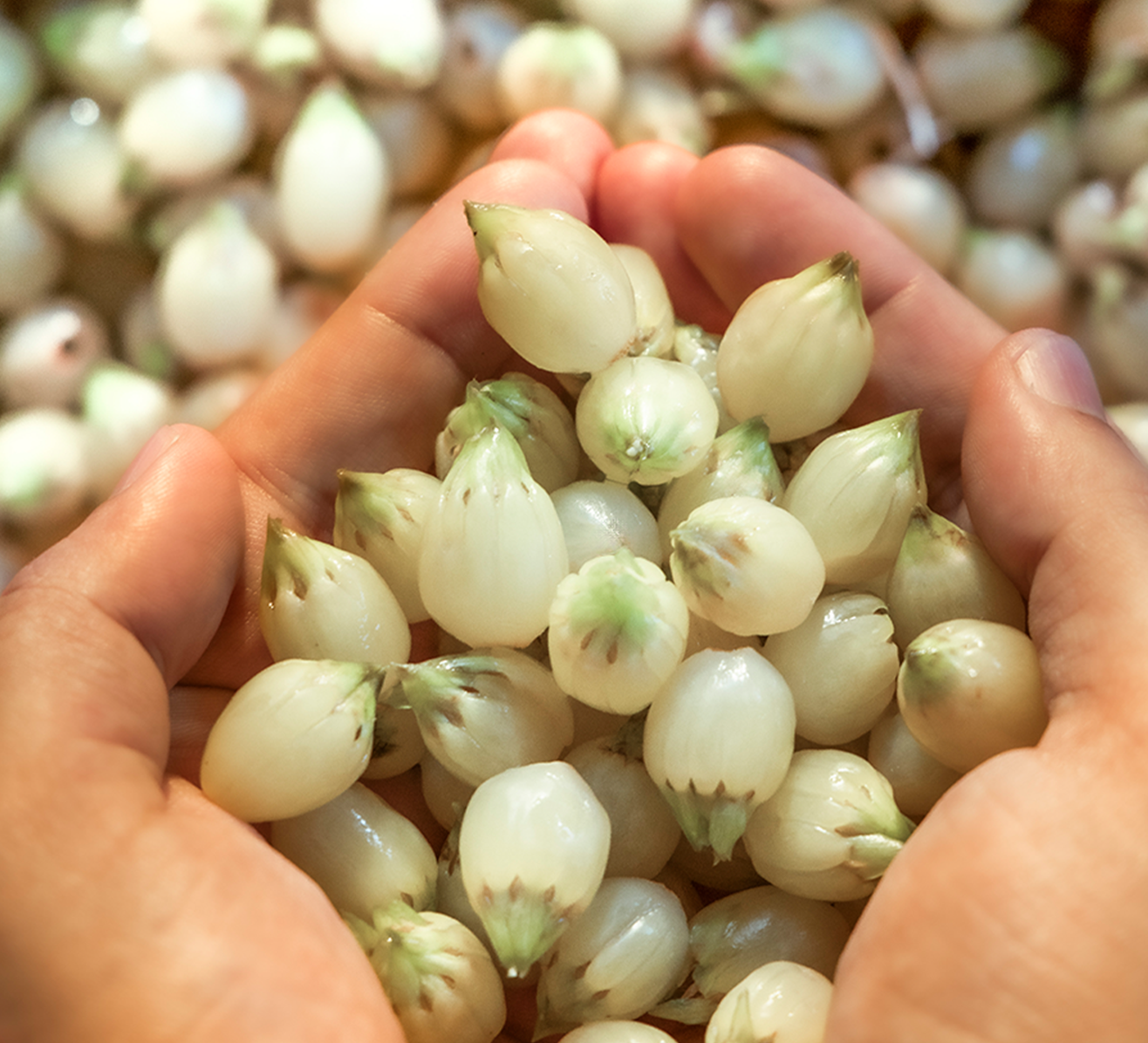
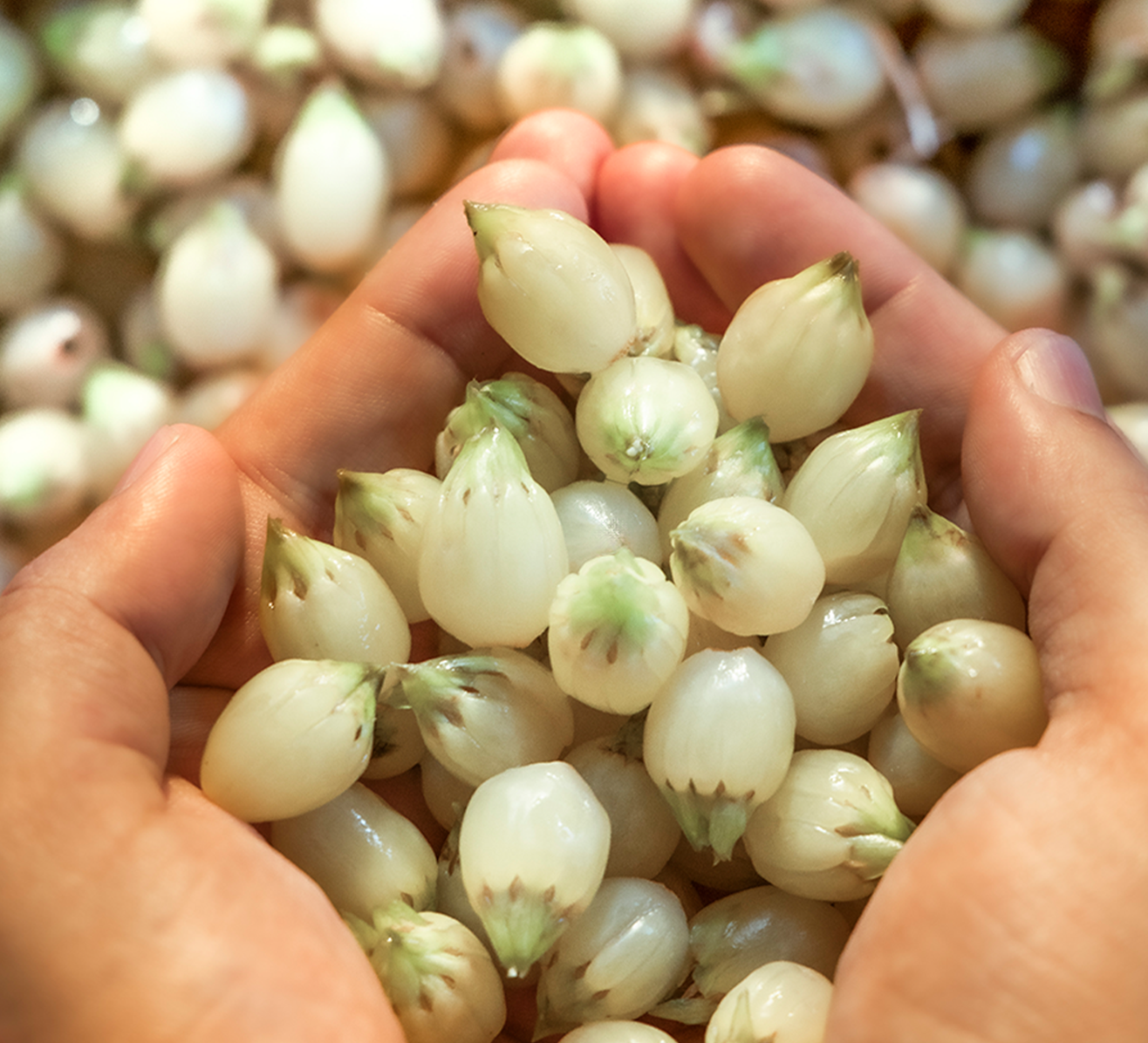
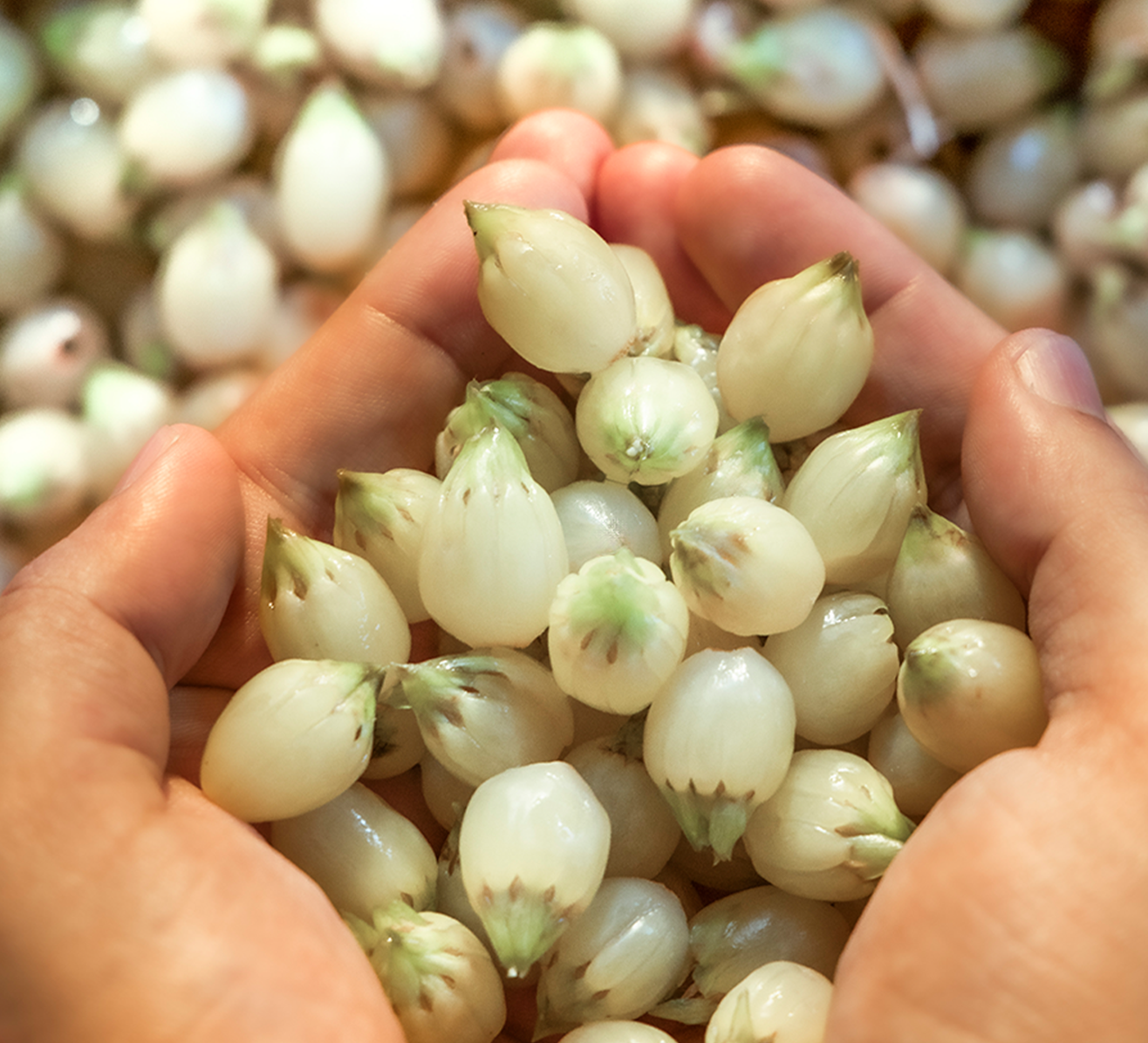
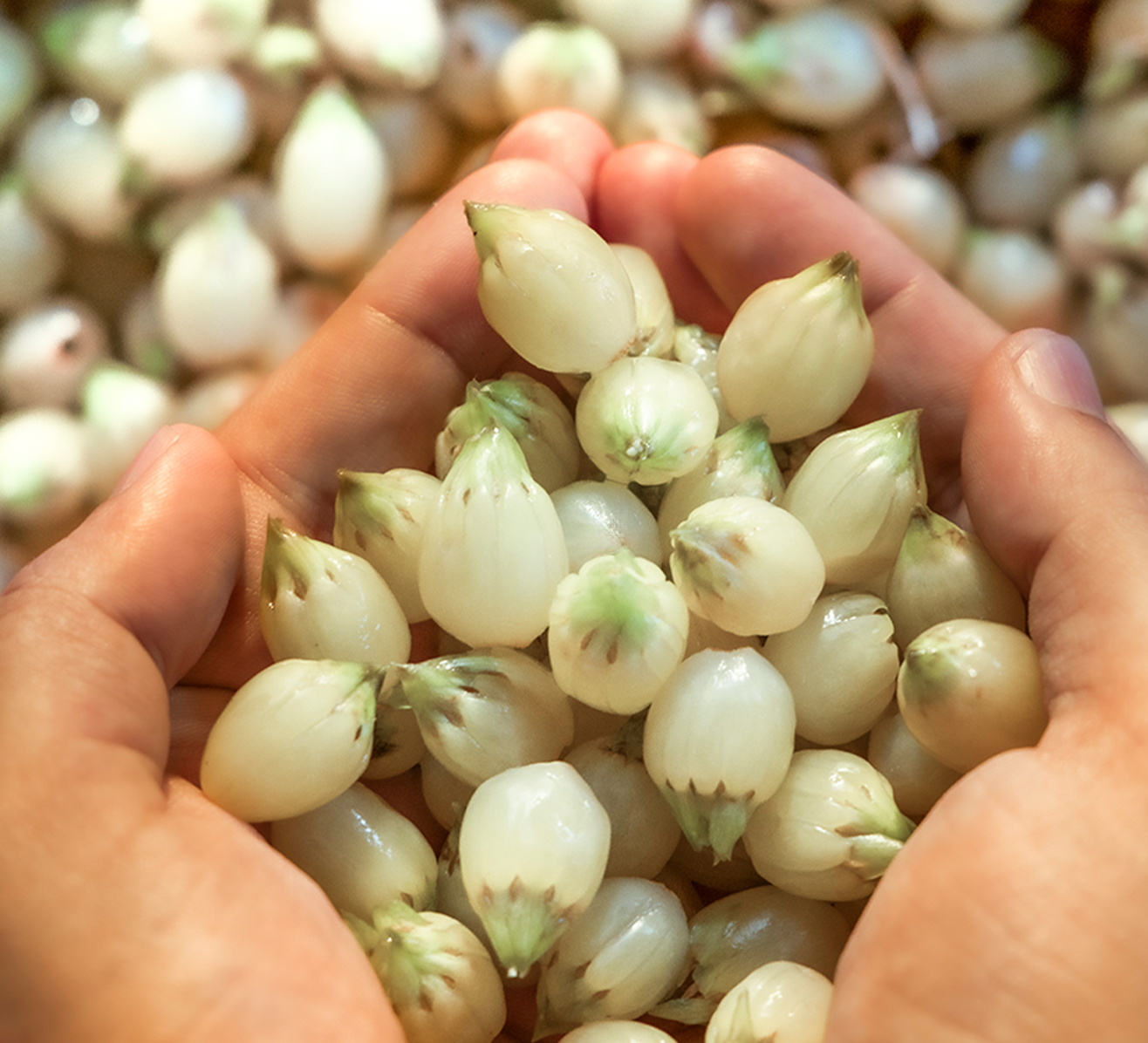
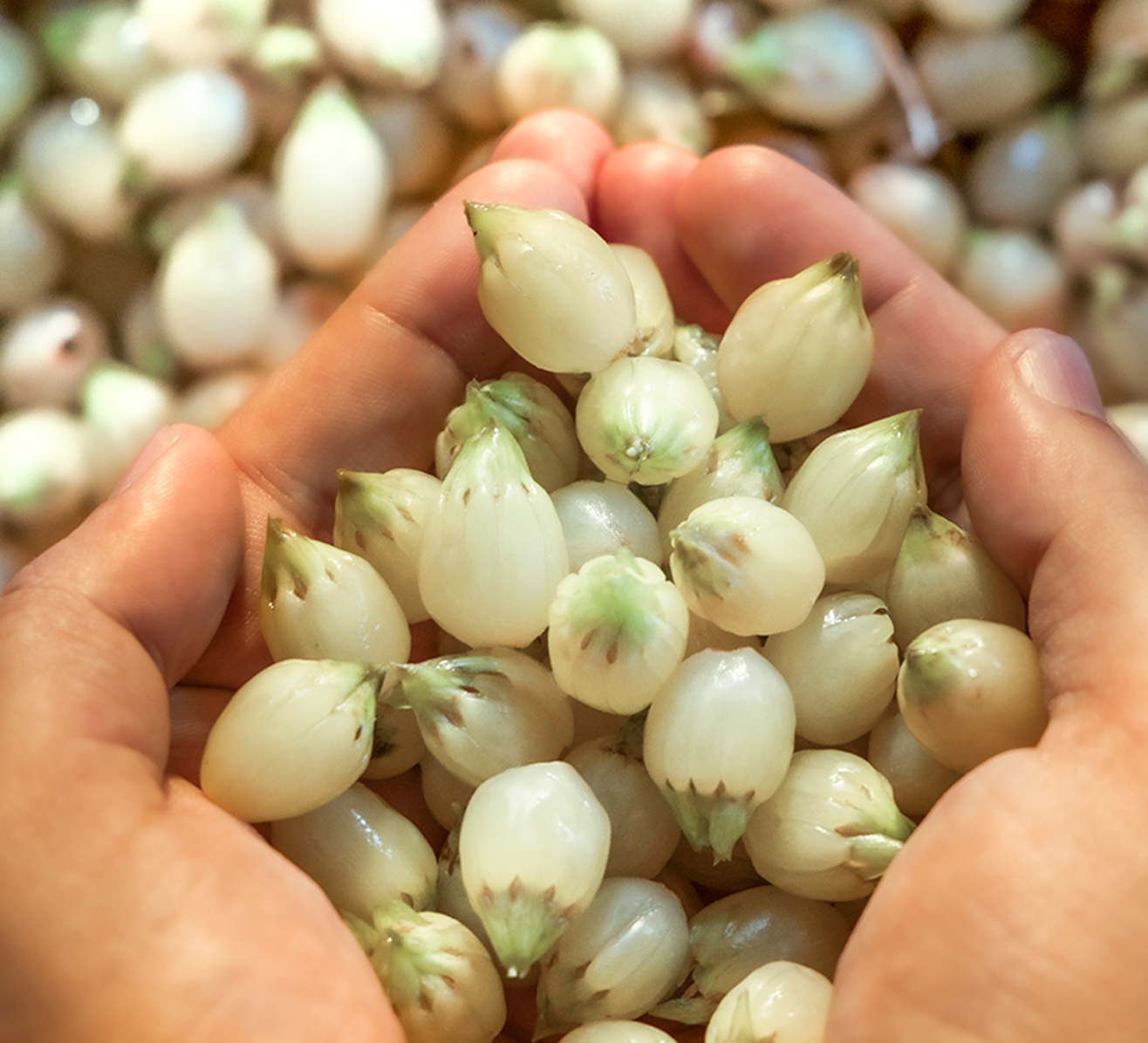
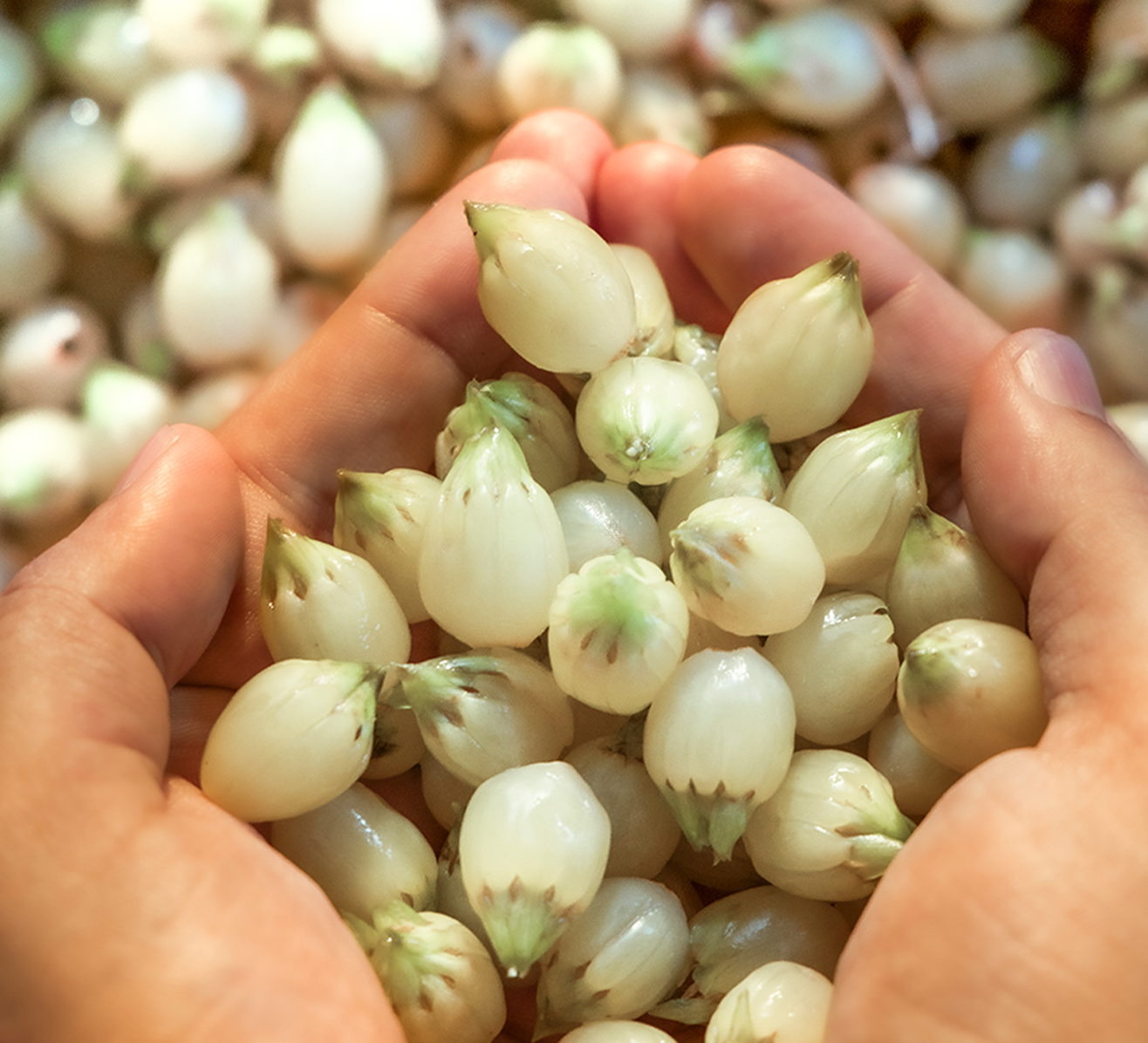
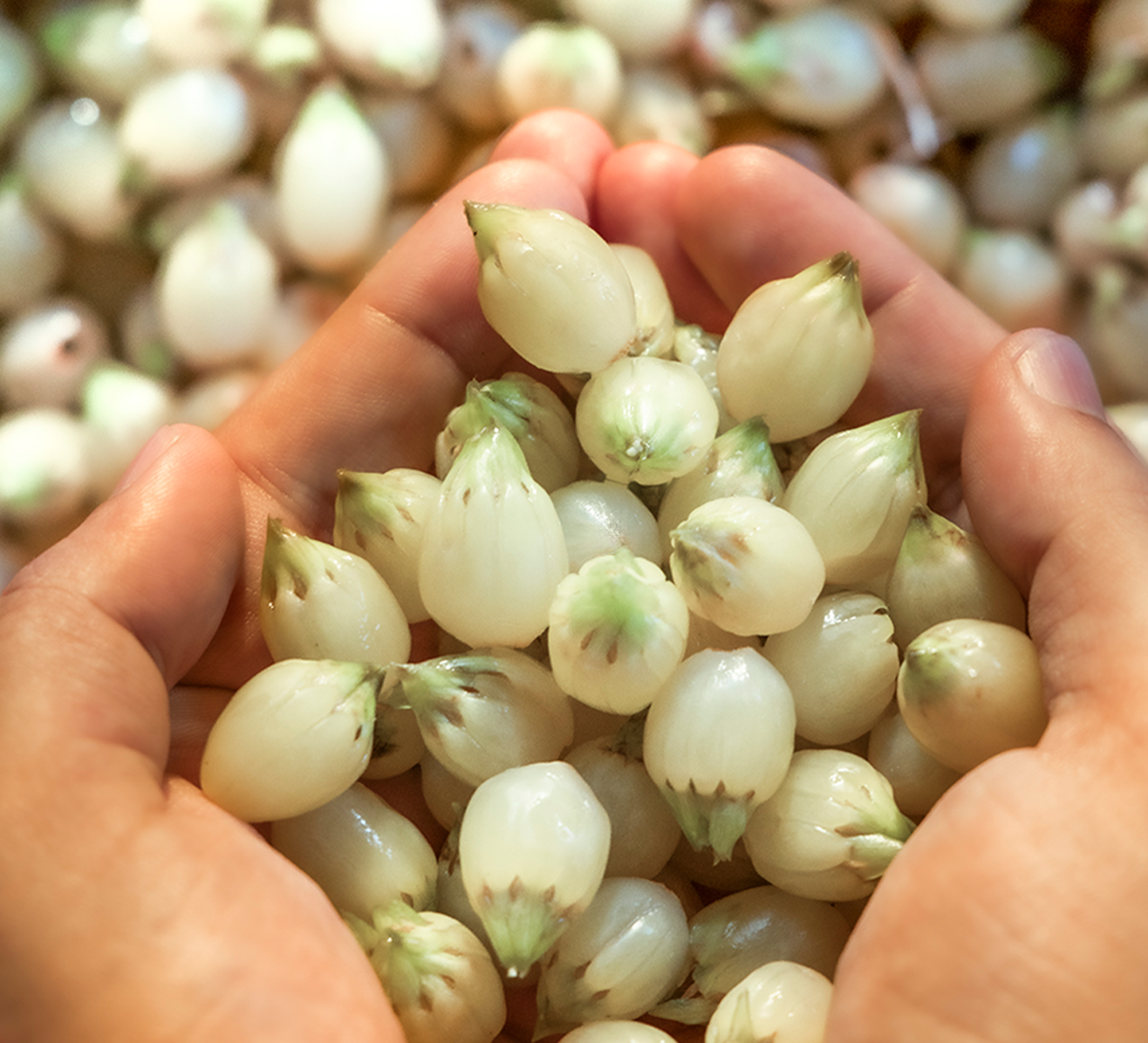
In the case of Mahua spirit, this chemistry begins with the Mahua flower, derived from the Madhuca longifolia tree. Also known as Mahuva or Mahuwa, Mahua alcohol develops its distinctive sweet and earthy notes through a combination of natural compounds and production processes.
As India’s oldest spirit, Mahua drink offers a unique flavour profile within Indian spirits, shaped by both nature and chemistry.
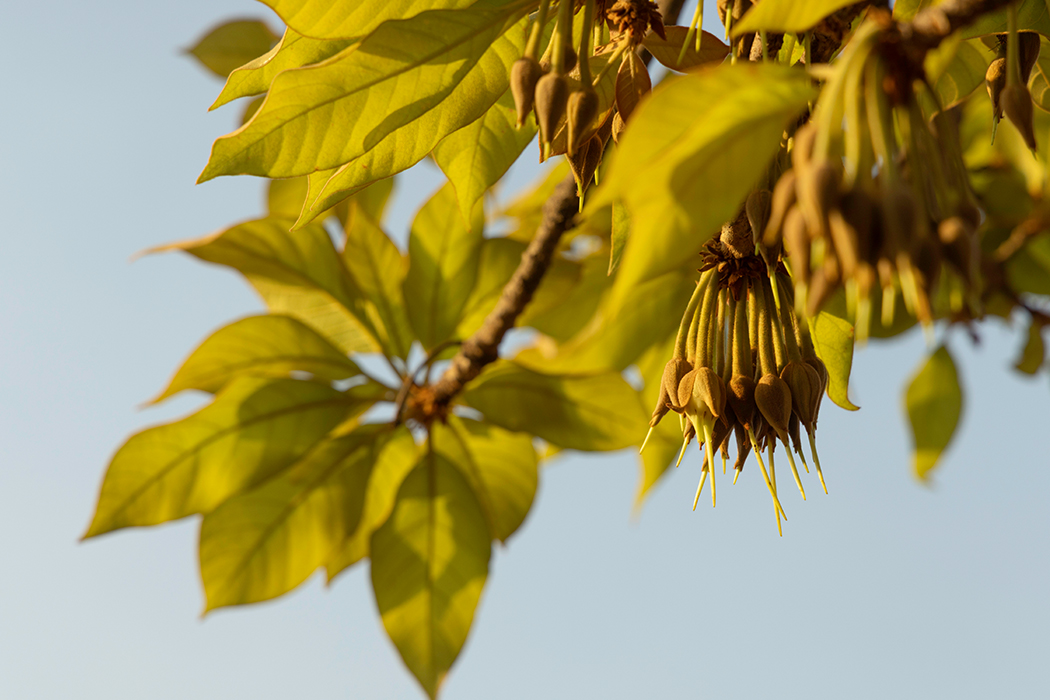
The Mahua flower contains a mix of natural components that influence flavour, including:
These form the base for Mahua alcohol.
These compounds are important because they:
This gives Mahua spirit its initial character.
During fermentation, yeast converts sugars into alcohol while producing byproducts such as:
These compounds play a key role in defining Mahua drink.
The fermentation process generates esters, which are responsible for:
This contributes to the distinctive notes in Mahua liquor.
Not all sugars are fully converted during fermentation. Residual sugars in Mahua alcohol:
This makes the spirit more approachable.
Certain esters and higher alcohols contribute to:
These elements define the sweet character of Mahua spirit.
Earthy flavours in Mahua drink come from:
These create depth and complexity.
The interaction between sweet and earthy compounds ensures that Mahua liquor:
This balance is key to its identity.
Earthy flavours in Mahua drink come from:
These create depth and complexity.
The interaction between sweet and earthy compounds ensures that Mahua liquor:
This balance is key to its identity.
Distillation helps refine the flavour of Mahua alcohol by:
This sharpens the final profile.
Careful distillation ensures that Mahua spirit:
This maintains its balance.
A significant part of flavour comes from aroma. In Mahua drink, aromatic compounds:
This makes aroma essential.
Chemical composition also affects:
These factors contribute to the perception of Mahua liquor.
Most Indian spirits rely on grains or molasses, but Mahua alcohol stands apart because:
This creates a different sensory experience.
The combination of sweet and earthy elements allows Mahua spirit to:
This strengthens its identity.
Because the Mahua flower is a natural ingredient, variations can occur in:
This impacts Mahua drink.
To ensure consistency, producers of Mahua alcohol must:
This ensures a stable flavour profile.
As consumers explore Indian spirits, there is increasing curiosity about:
This benefits Mahua spirit.
Understanding the chemistry behind Mahua liquor helps consumers:
This enhances its perception.
The sweet and earthy notes of Mahua spirit are the result of a careful interplay between natural ingredients and chemical processes.
From the sugars and compounds in the Mahua flower to the transformations that occur during fermentation and distillation, every step contributes to the final profile of Mahua alcohol. Rooted in the Madhuca longifolia tree and recognised as India’s oldest spirit, it offers a distinctive experience within Indian spirits.
As understanding of flavour science grows, Mahua drink continues to stand out—not just for its taste, but for the chemistry that defines it.
Because in the end, every sip is shaped by what happens at a molecular level—and Mahua spirit is a perfect example of that balance.