Posted on 02 Jun 2026
Across India, some ingredients go beyond agriculture—they become part of memory, identity, and storytelling.
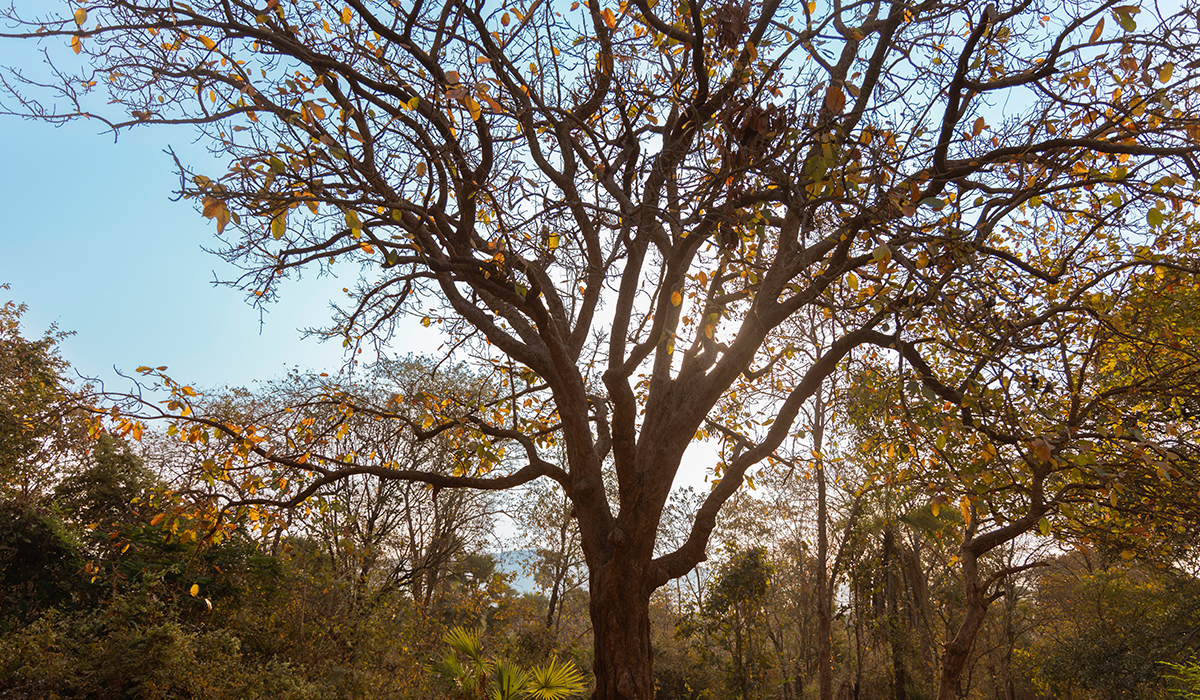
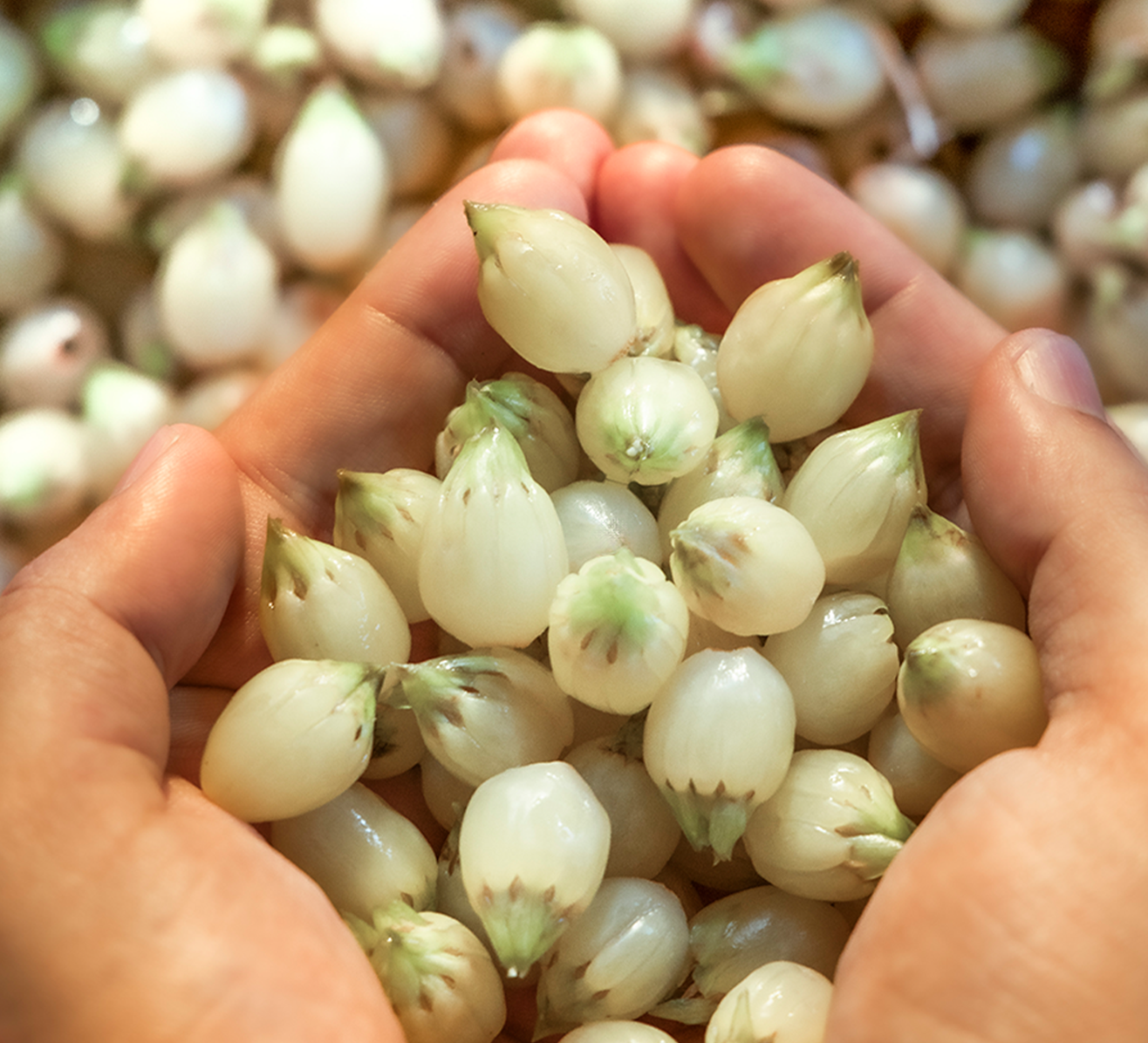
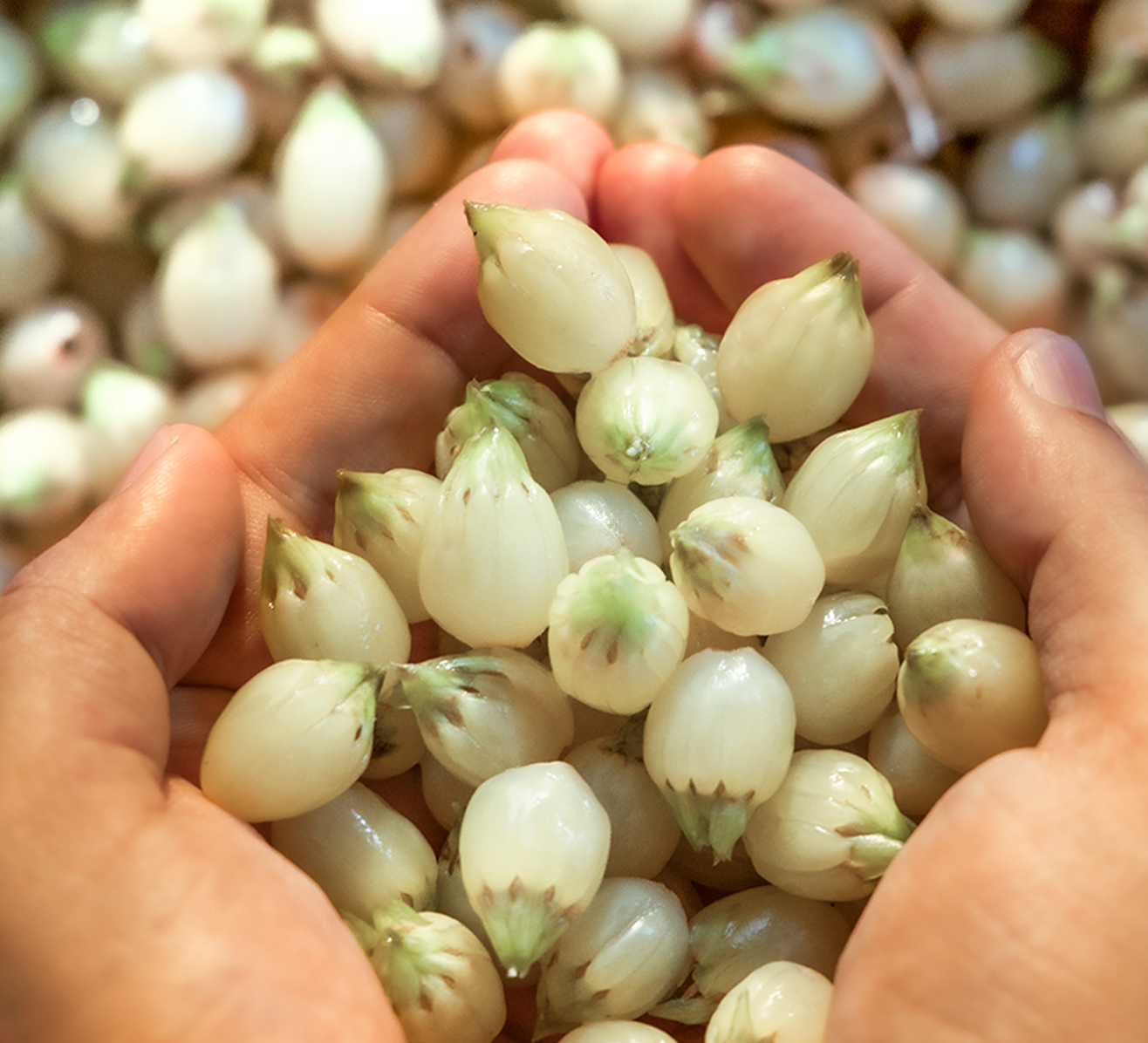
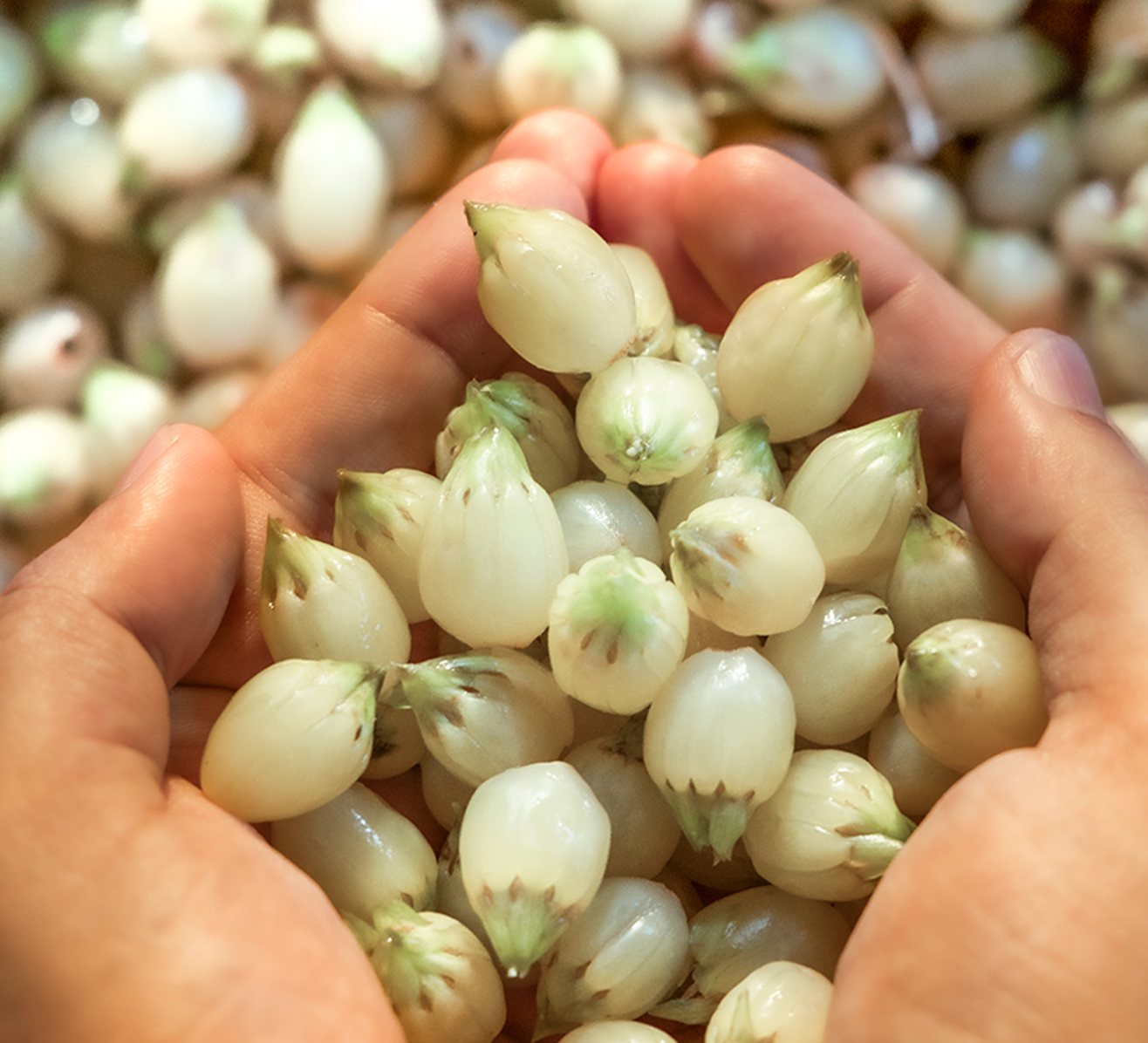
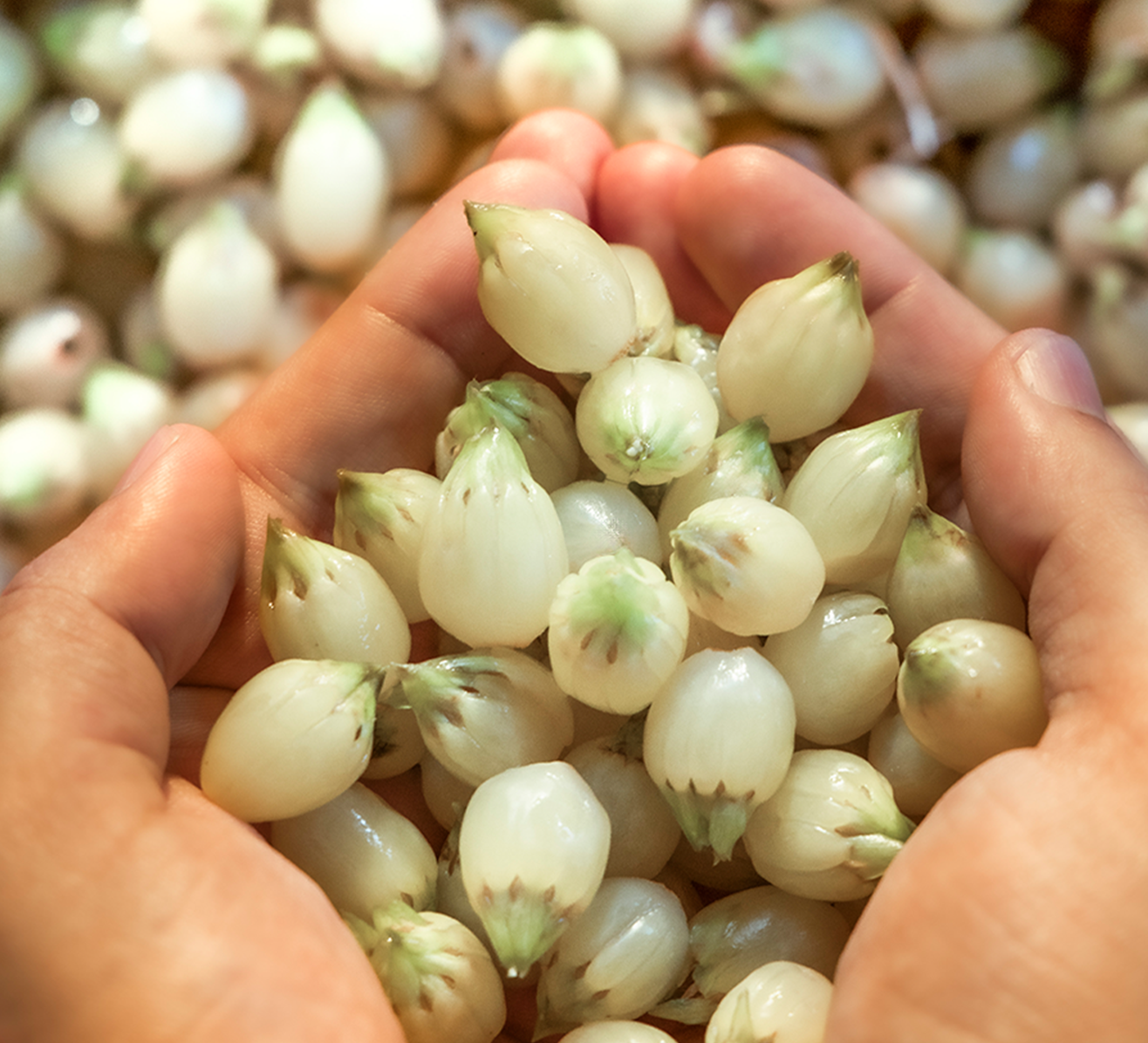
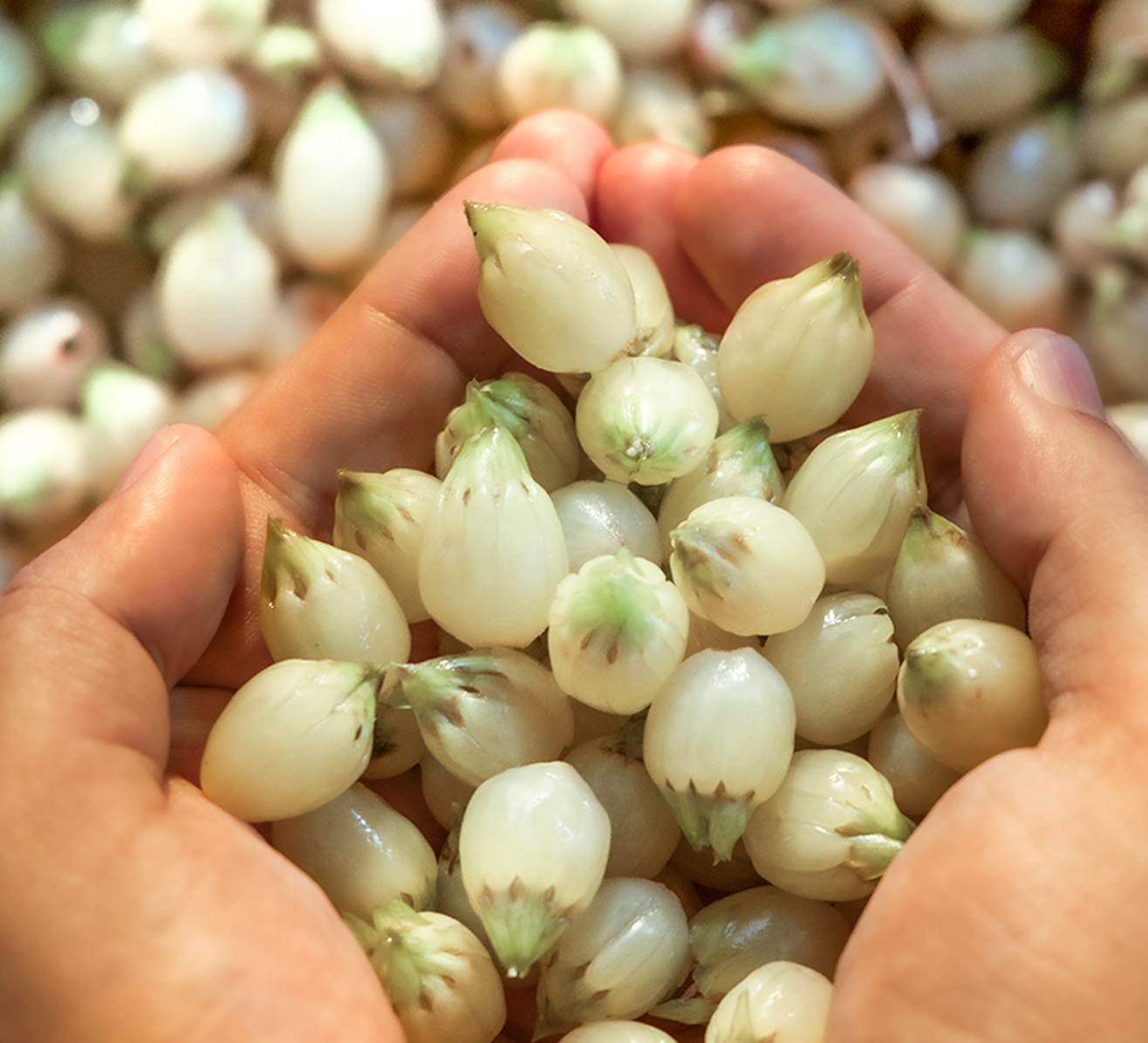
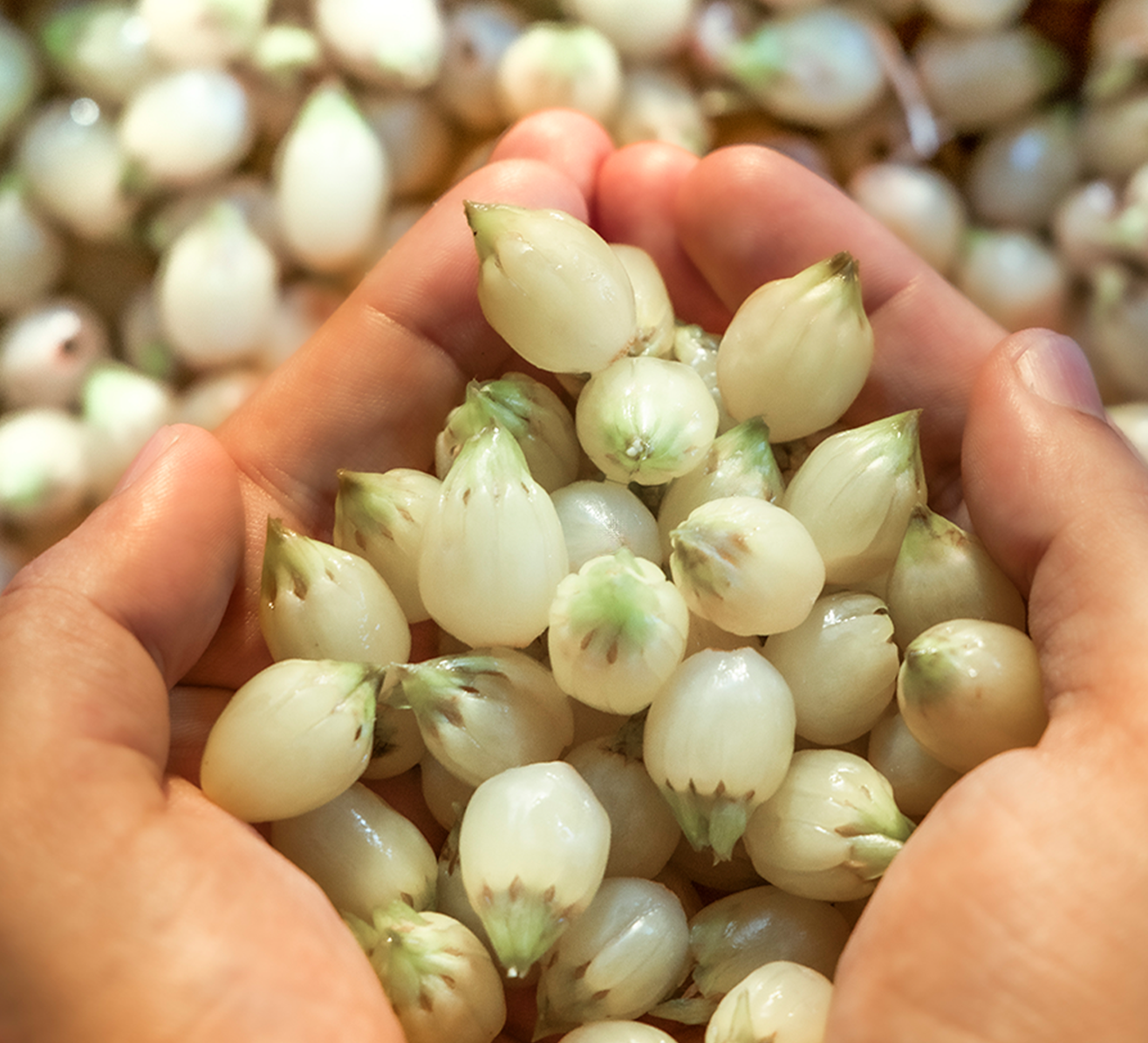
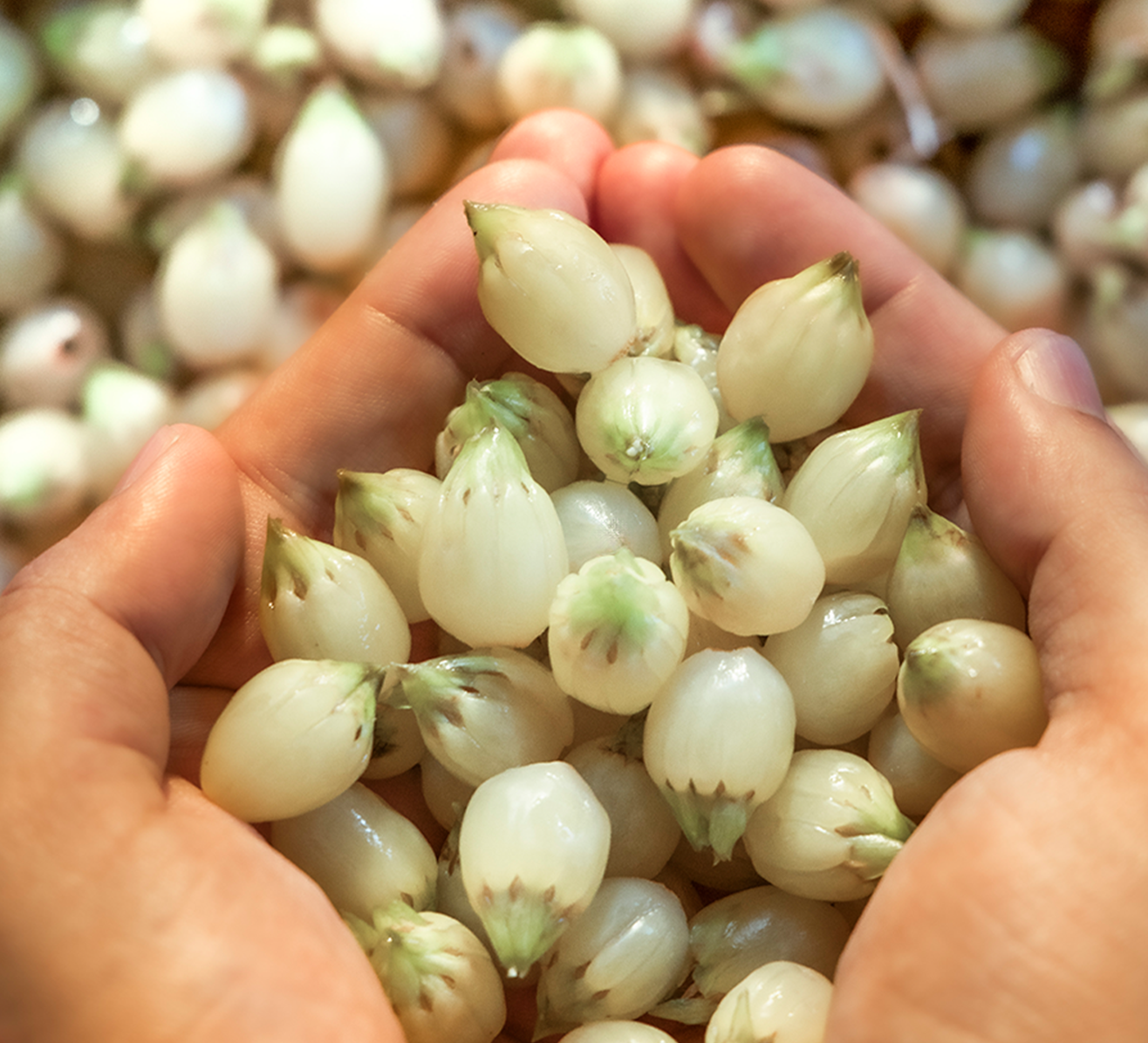
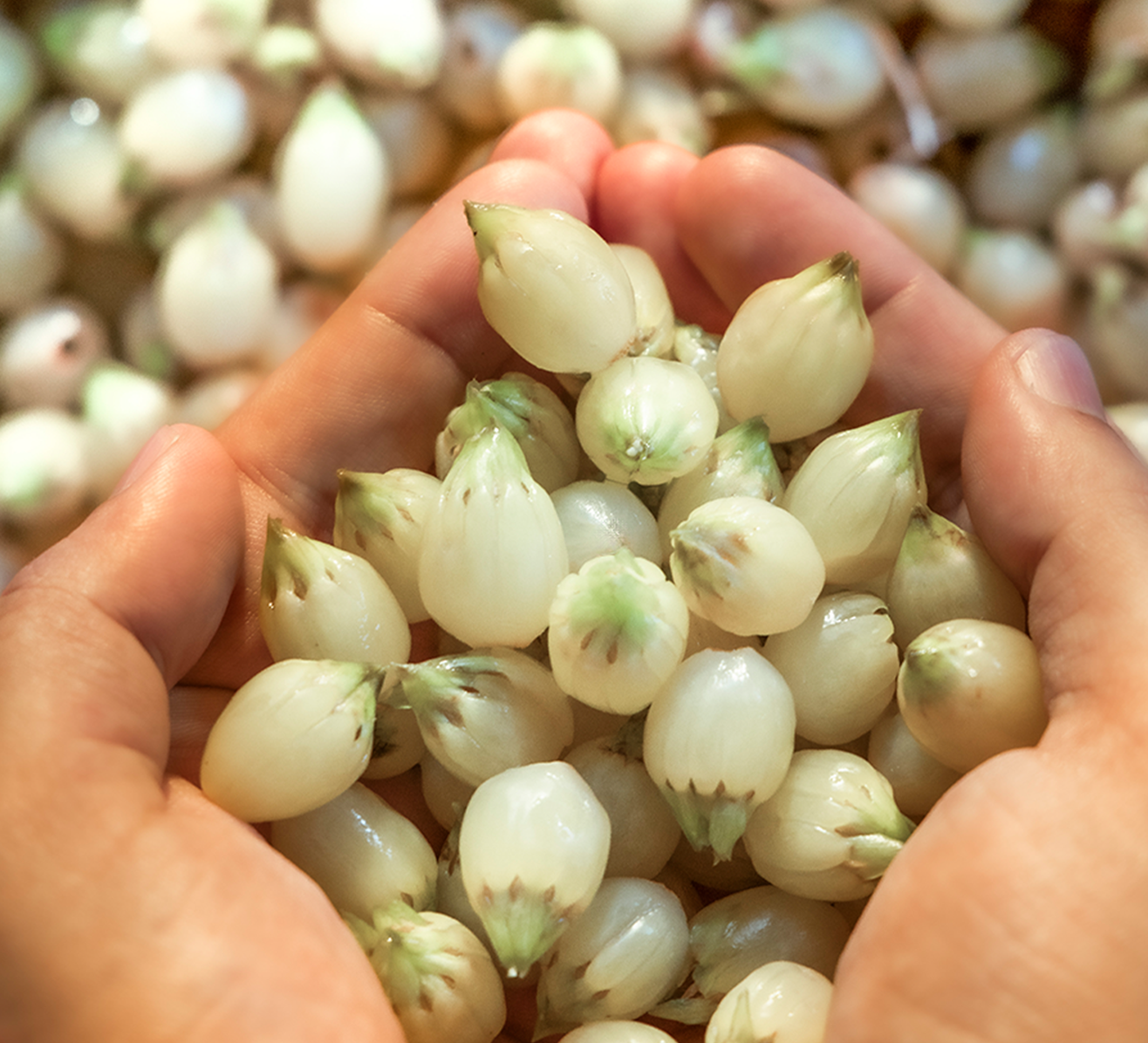
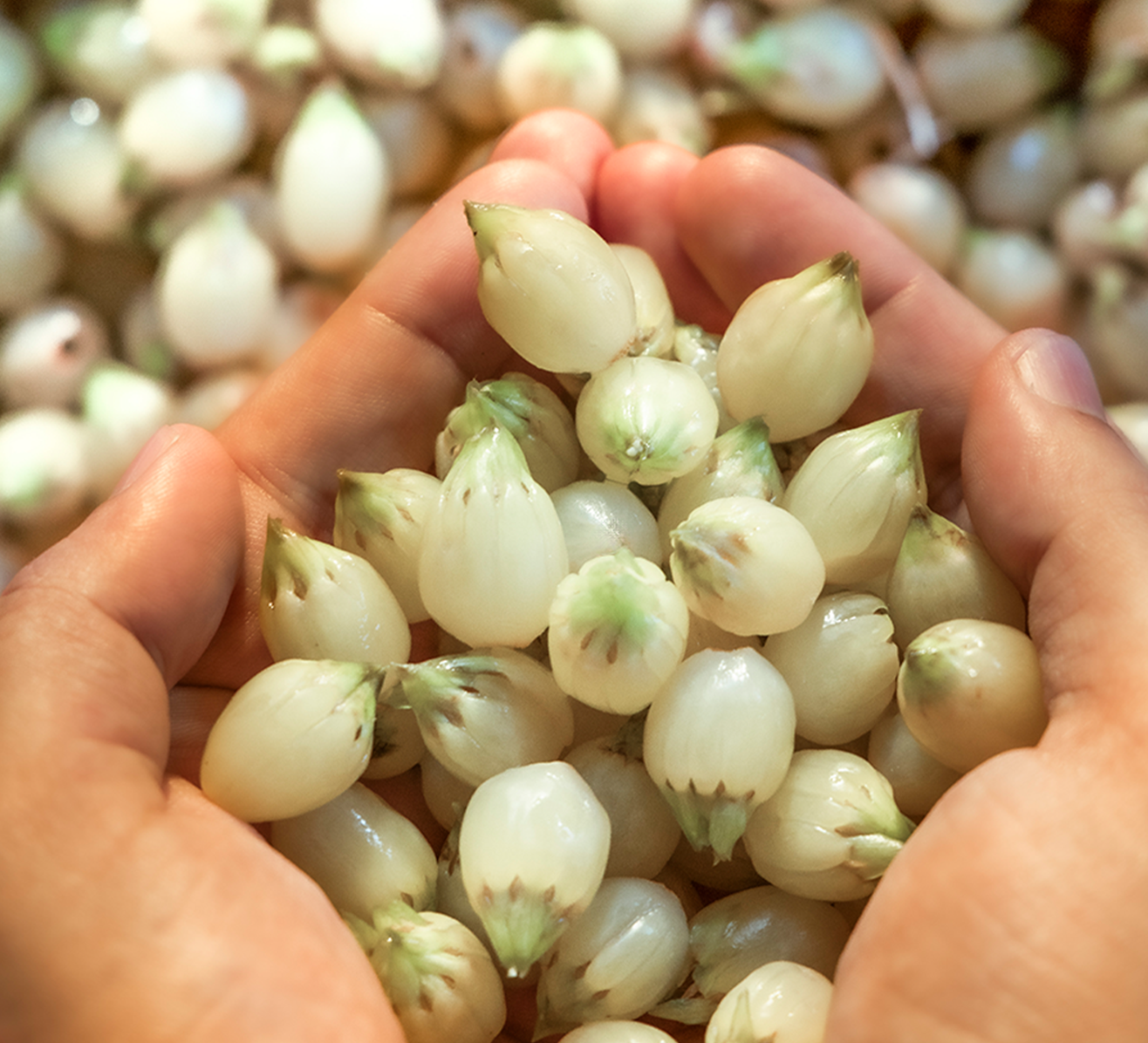
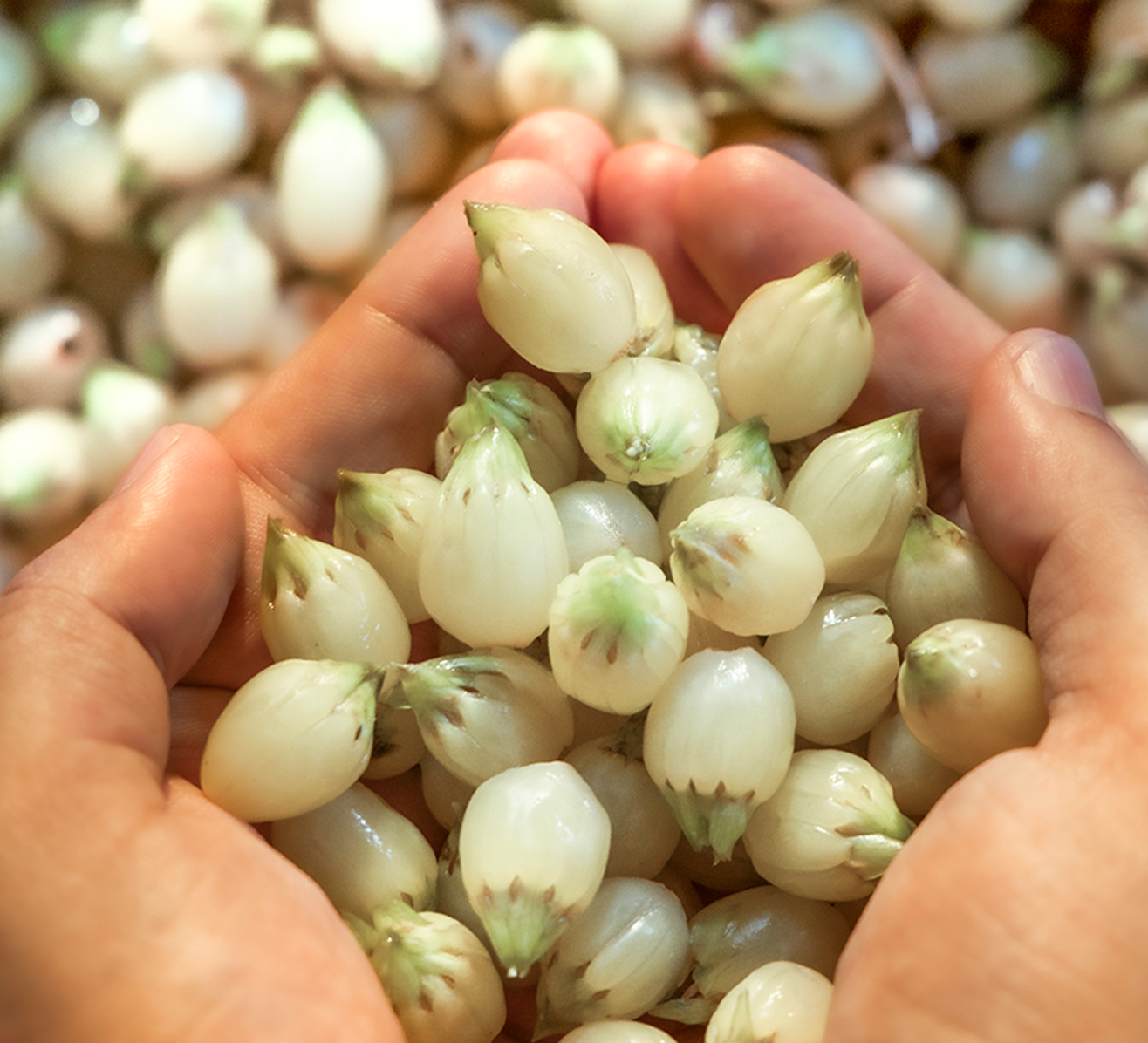
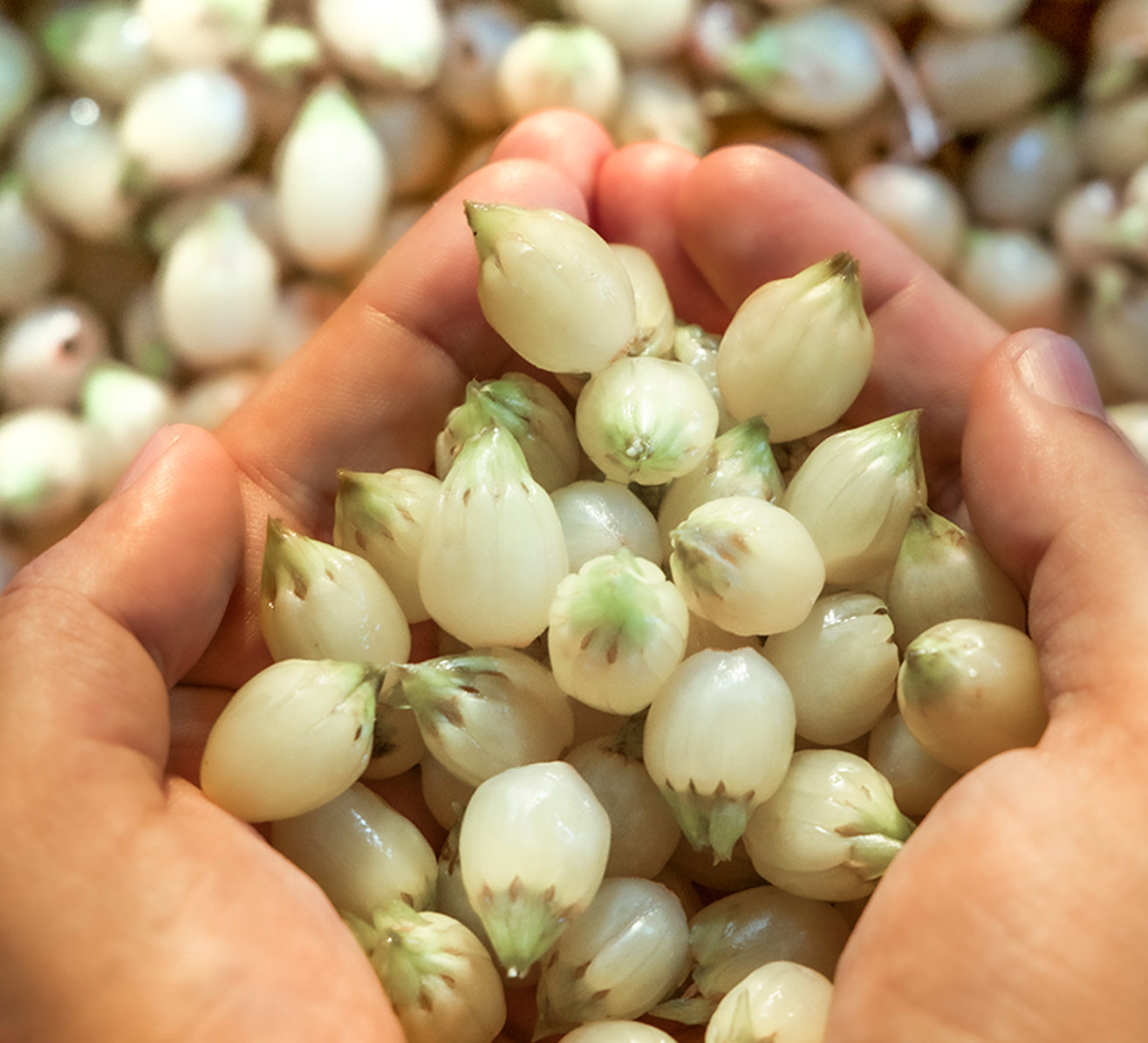
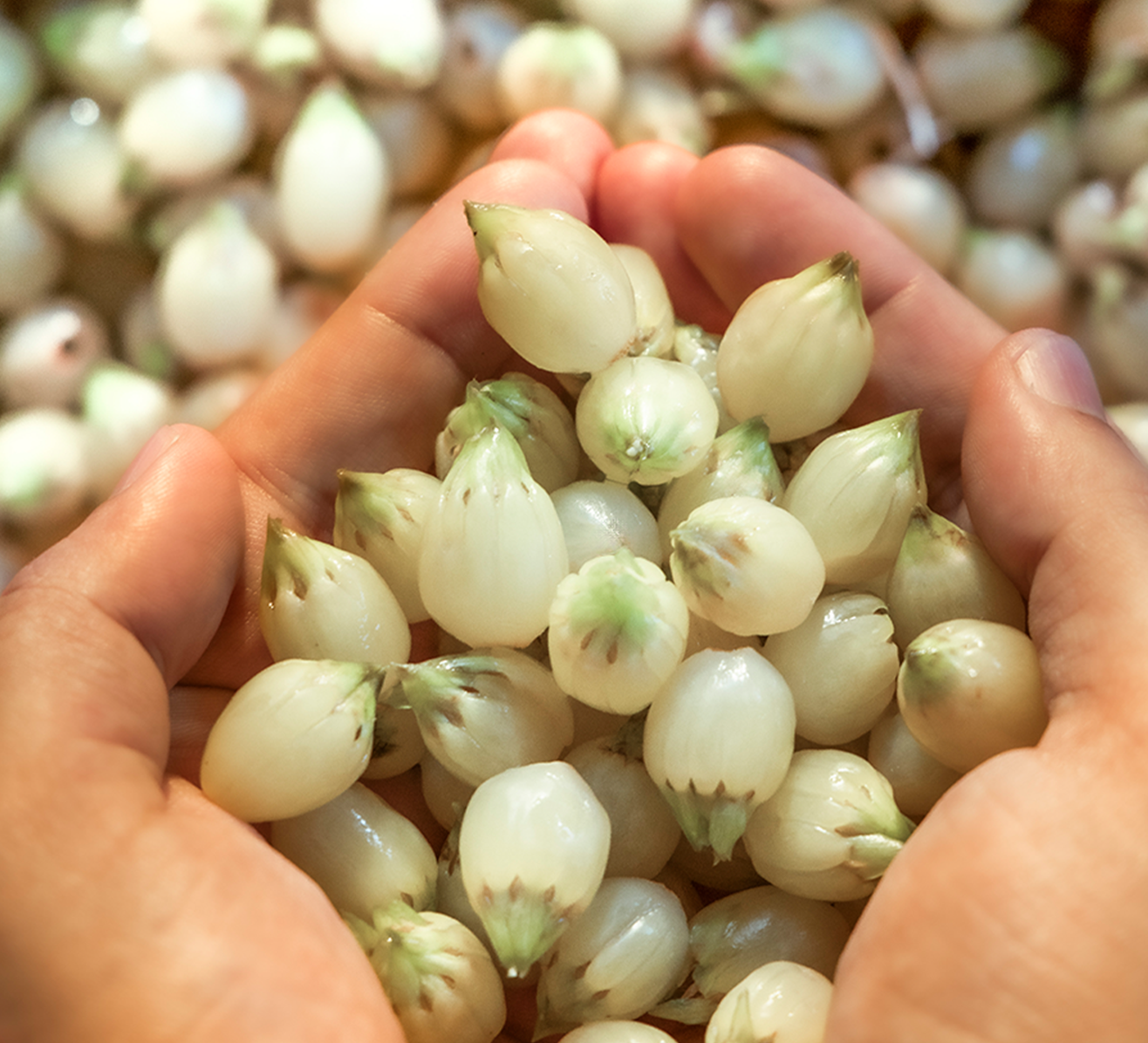
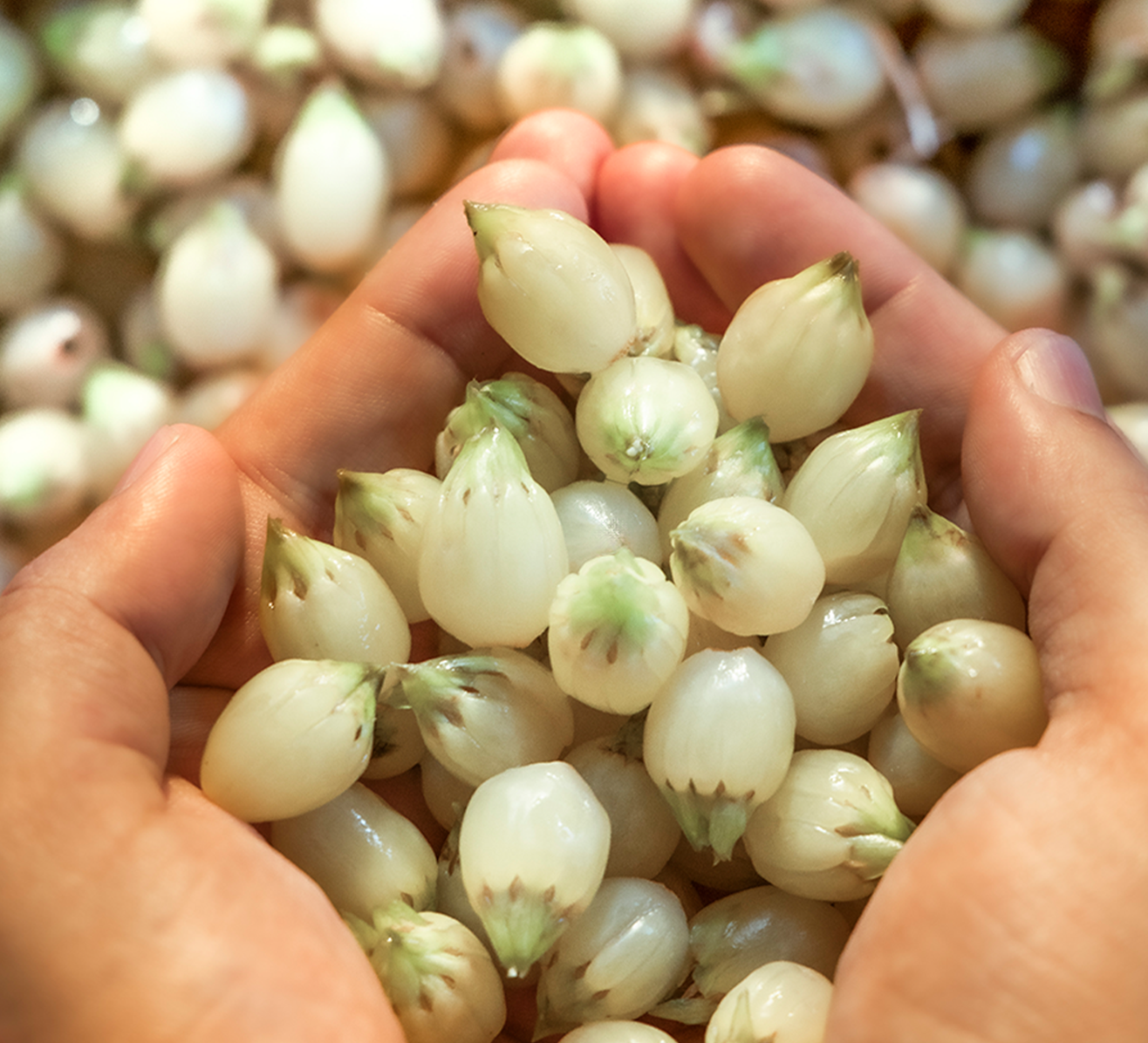
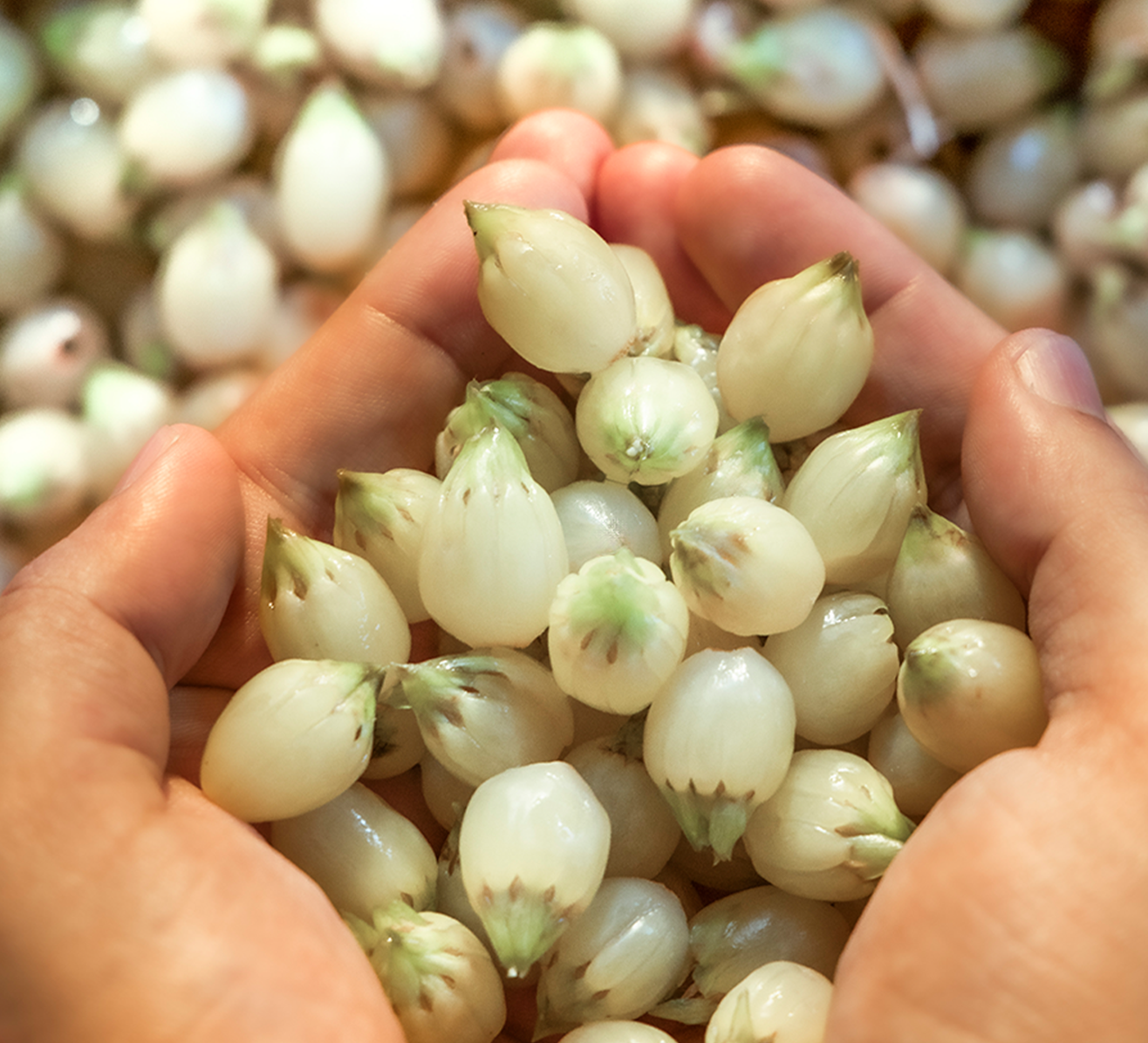
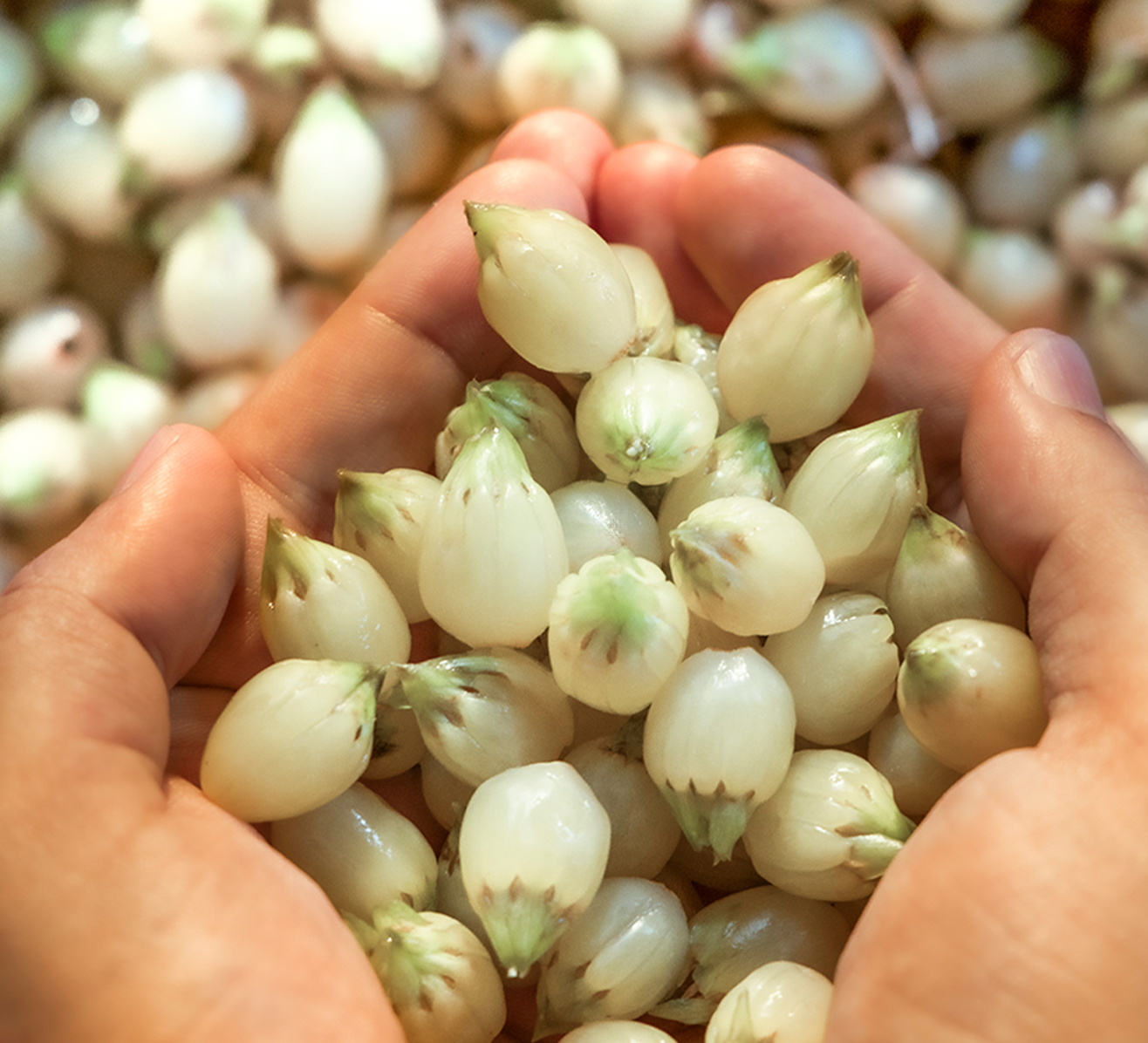
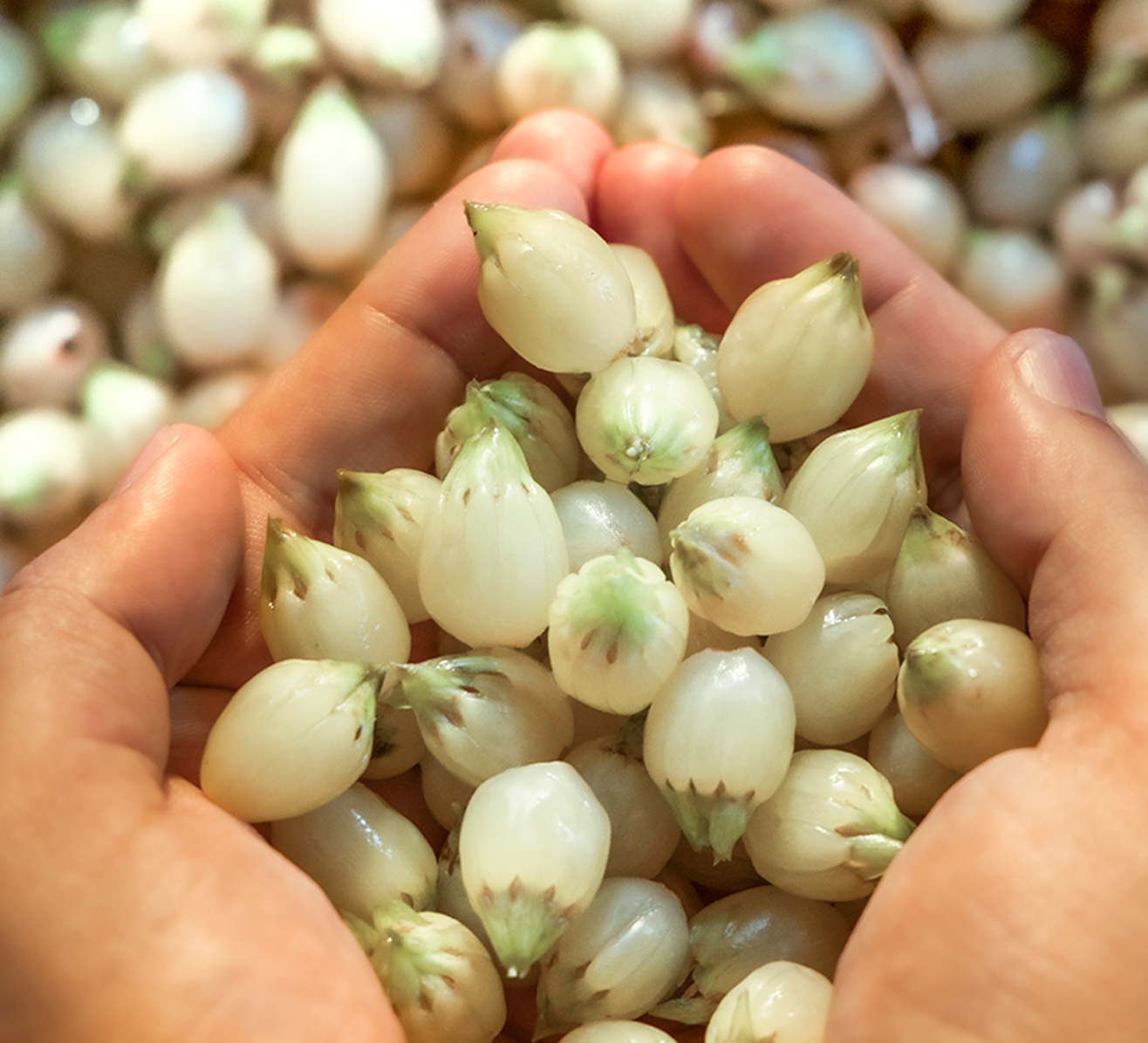
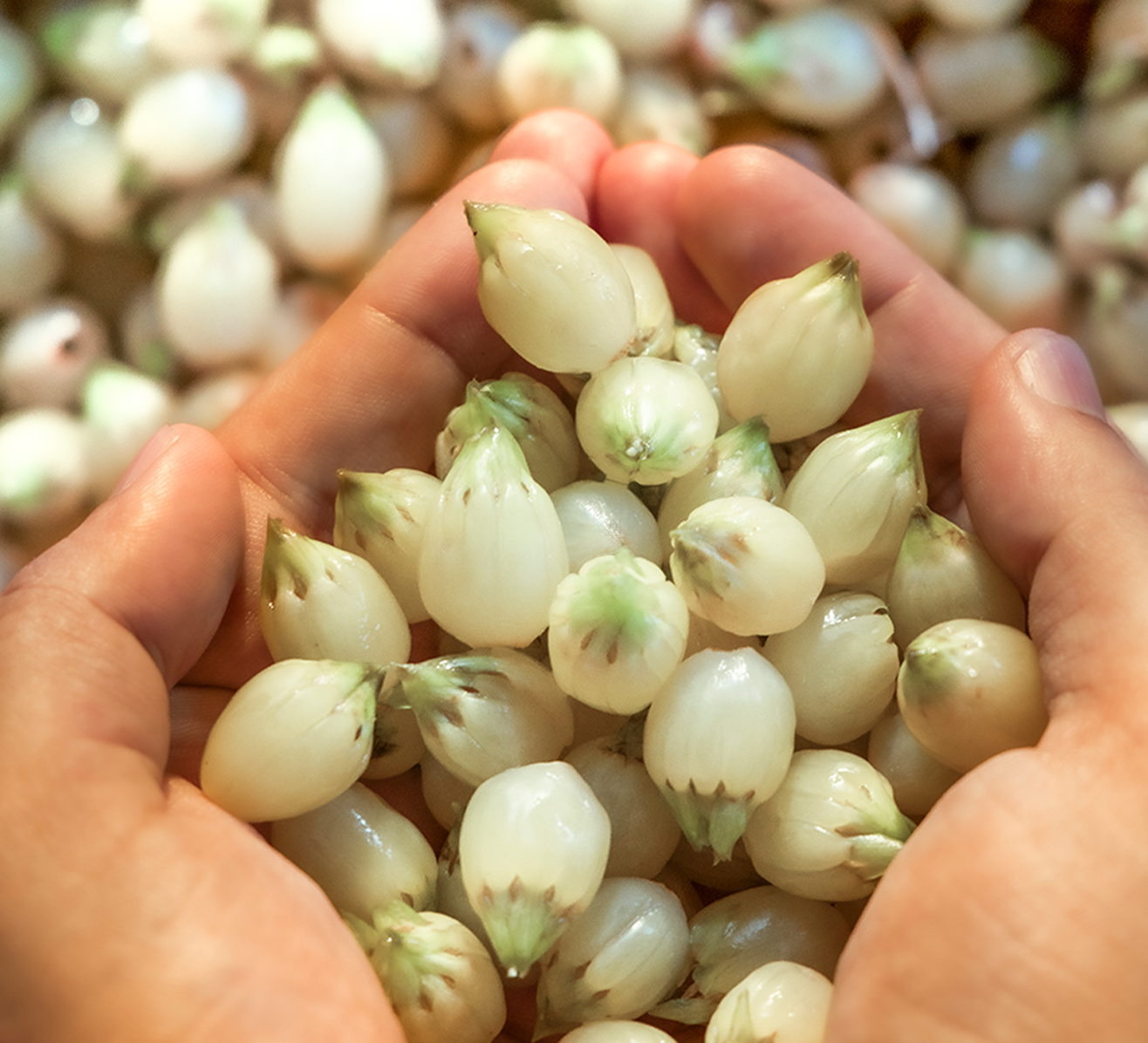
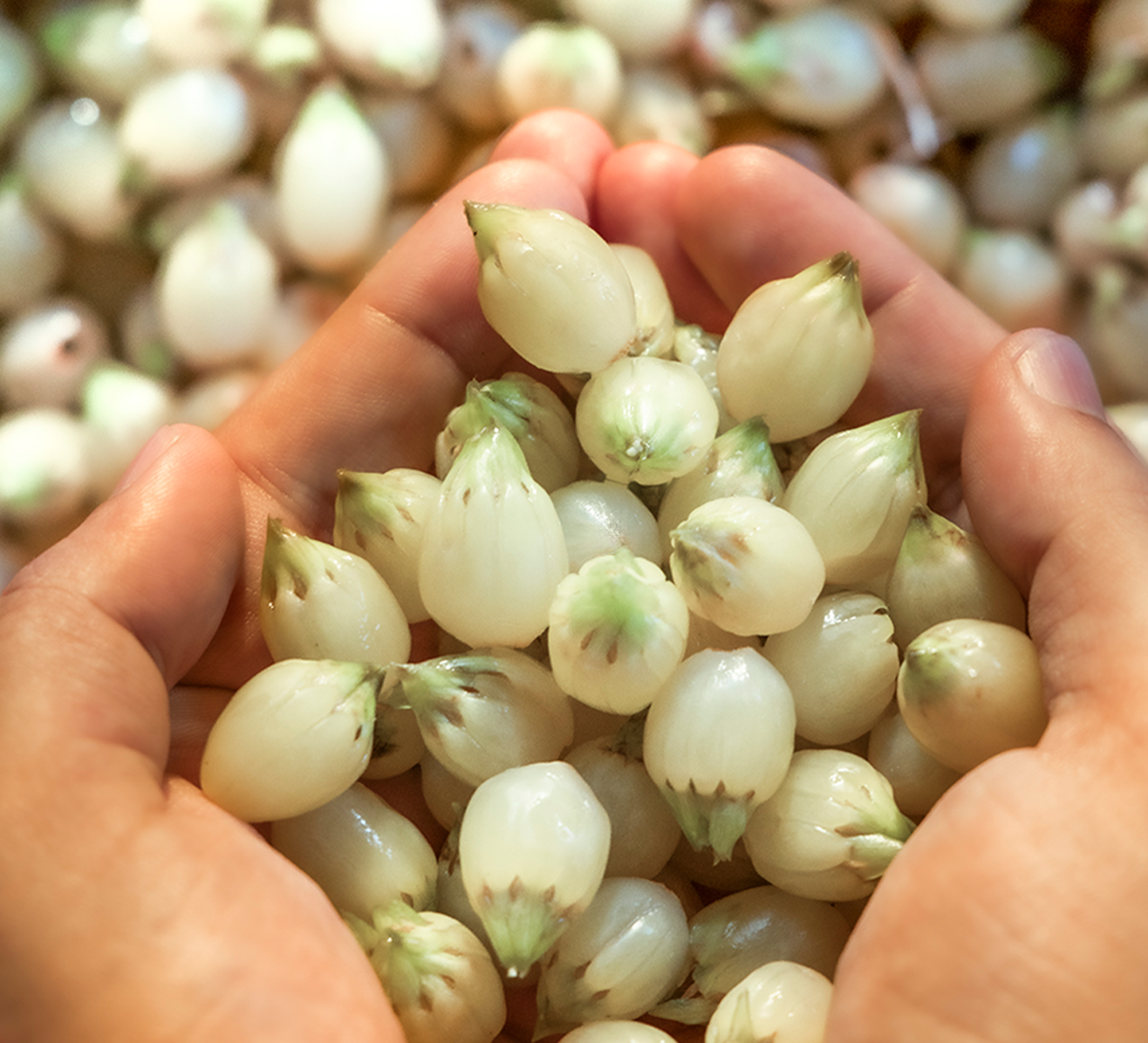
The Mahua flower, derived from the Madhuca longifolia tree, is one such element. Known across regions as Mahuva and Mahuwa, it is deeply embedded in folklore, music, and oral traditions. Long before it was recognised in refined form as Mahua spirit or Mahua alcohol, it existed as a cultural symbol—one that gave rise to India’s oldest spirit.
To understand Mahua, you must look beyond distillation and into the stories that shaped its meaning.
In many communities, the Madhuca longifolia tree is not just a resource—it is revered.
It is often associated with:

The Mahua flower becomes a symbol of abundance, marking a time of gathering and renewal.
Because of its importance, Mahua holds:
This connection naturally extends into storytelling and folklore.
Much of Mahua’s legacy lives in stories rather than written records.
These stories often include:
In many legends, Mahua represents:
This symbolism carries forward into how Mahua spirit is perceived today.
The collection of the Mahua flower is often accompanied by music:
These songs celebrate both the tree and the act of harvesting.
In many regions, Mahuva and Mahuwa appear in lyrics that express:
This makes Mahua alcohol more than a drink—it becomes part of cultural expression.
Mahua is often present during:
Its role goes beyond consumption—it becomes symbolic.
During such occasions, Mahua spirit represents:
This reinforces its identity as India’s oldest spirit.
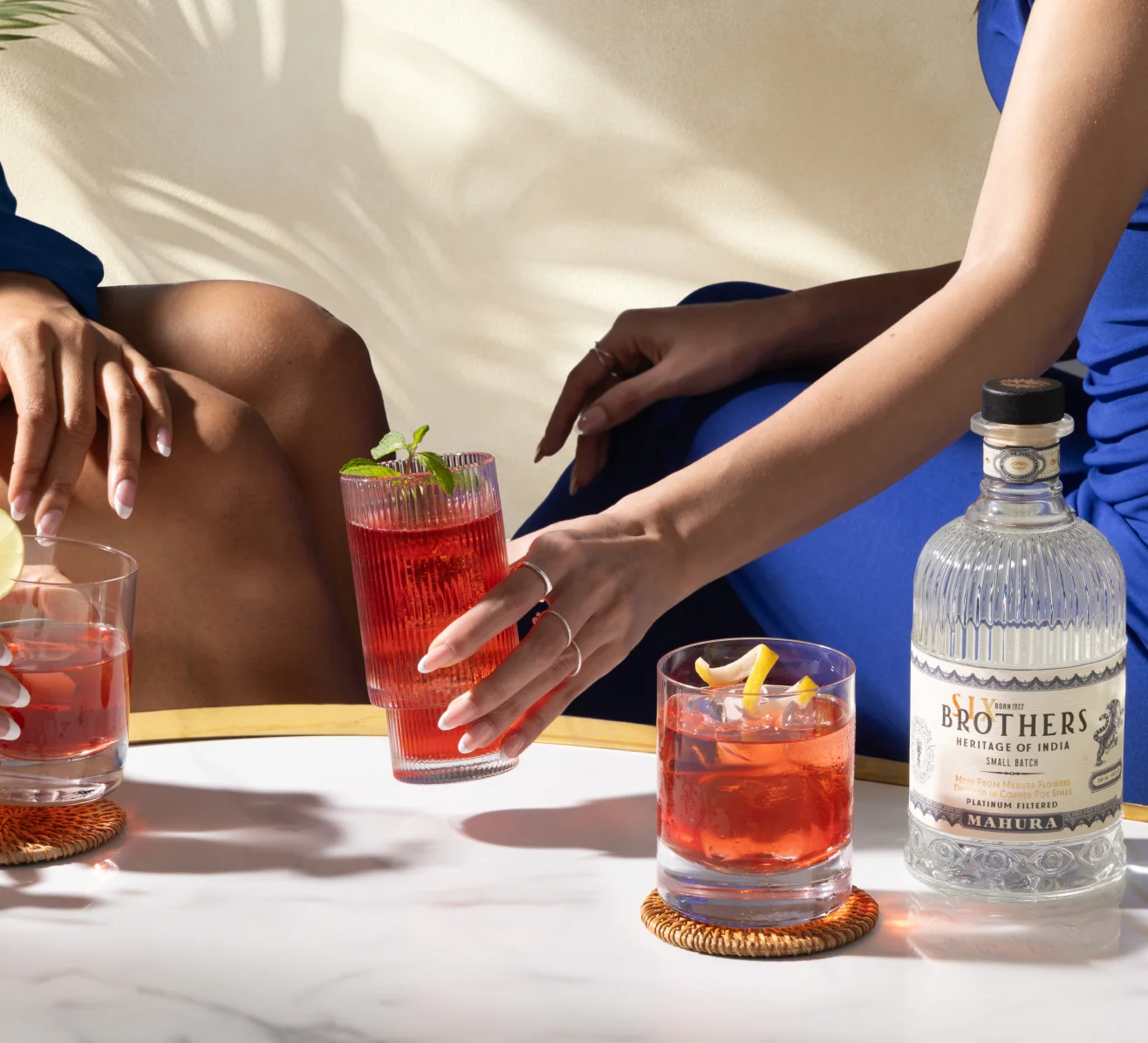
While folklore shaped its identity, Mahua alcohol is now:
Even in its refined form, Mahua spirit retains:
In a modern world, folklore ensures that Mahua:
Understanding these stories adds:
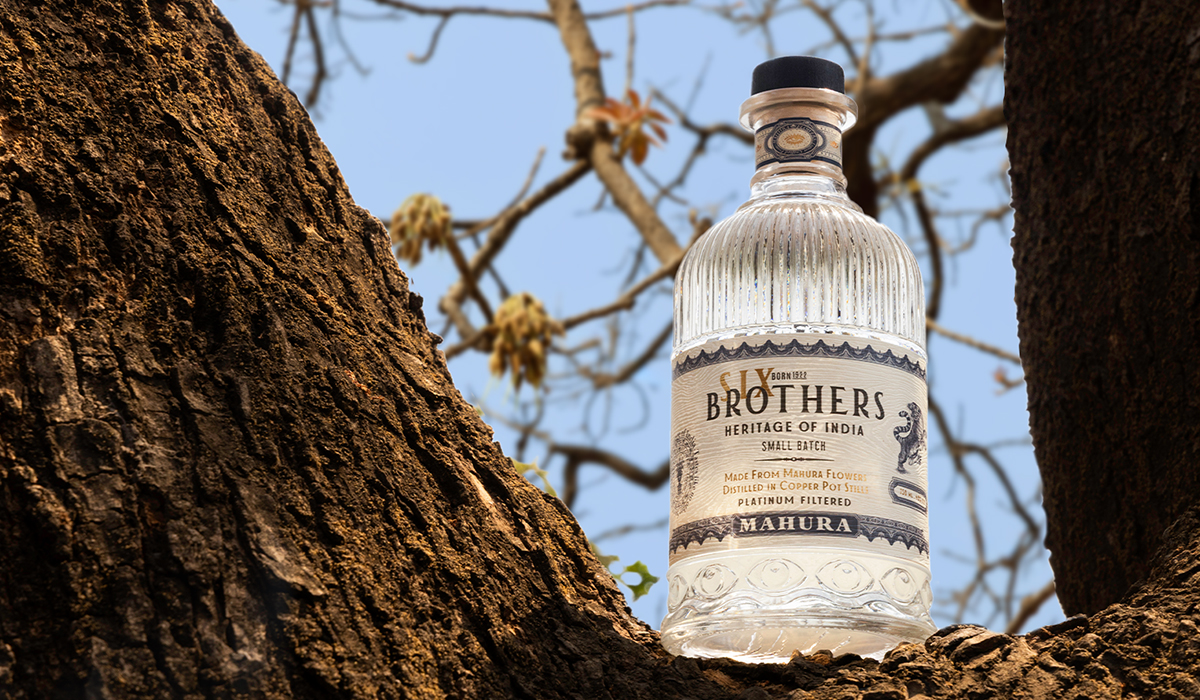
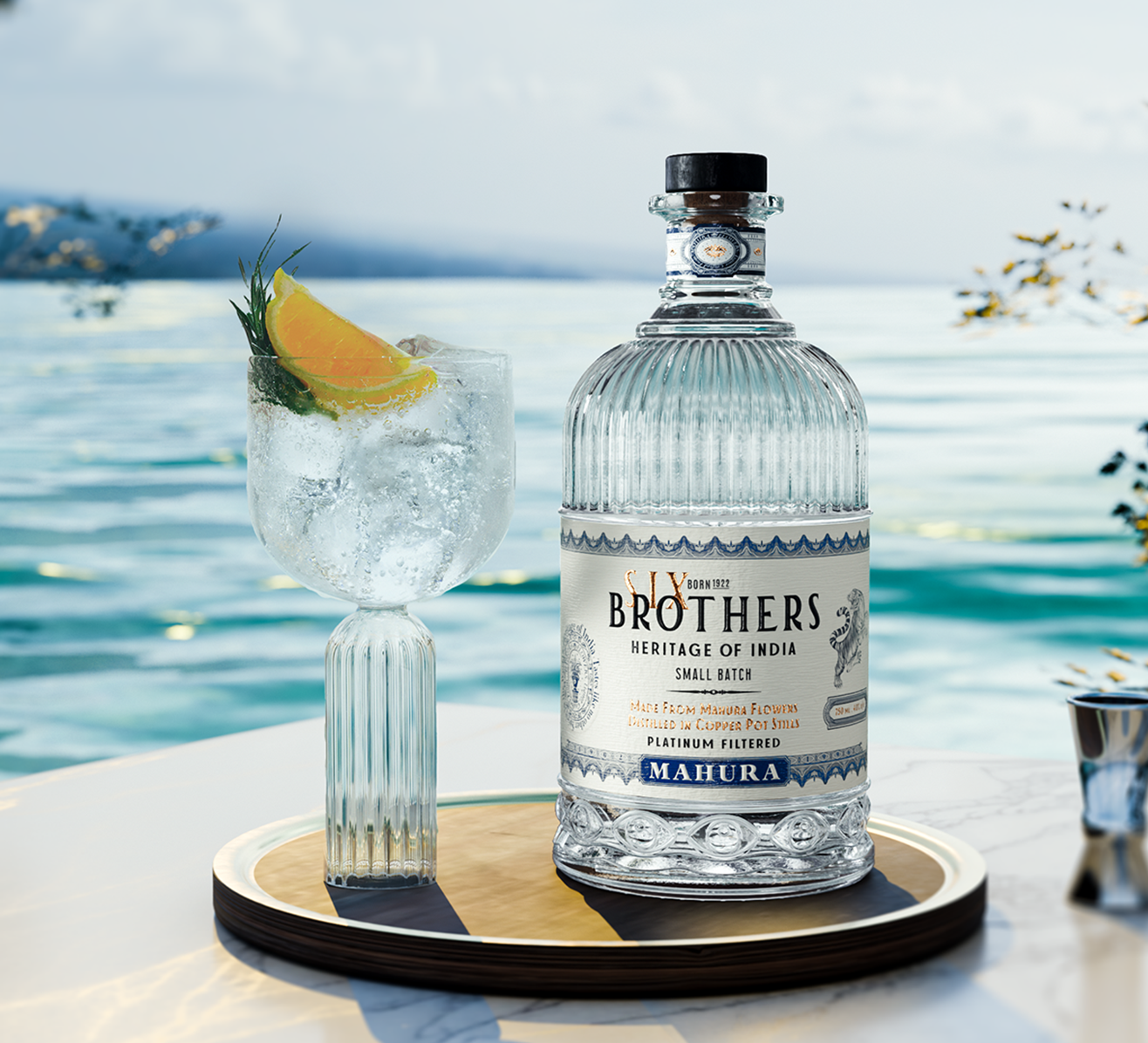
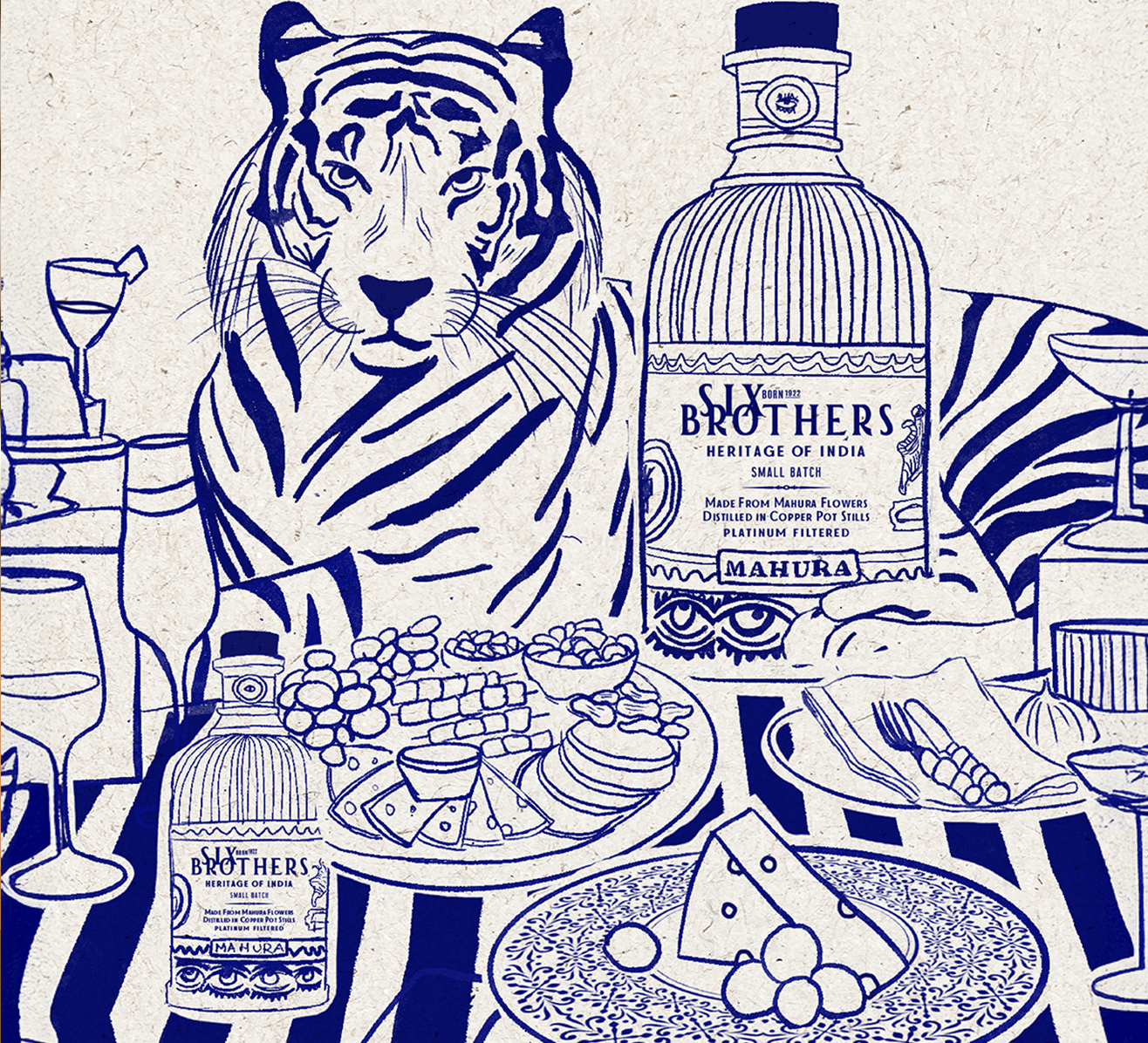
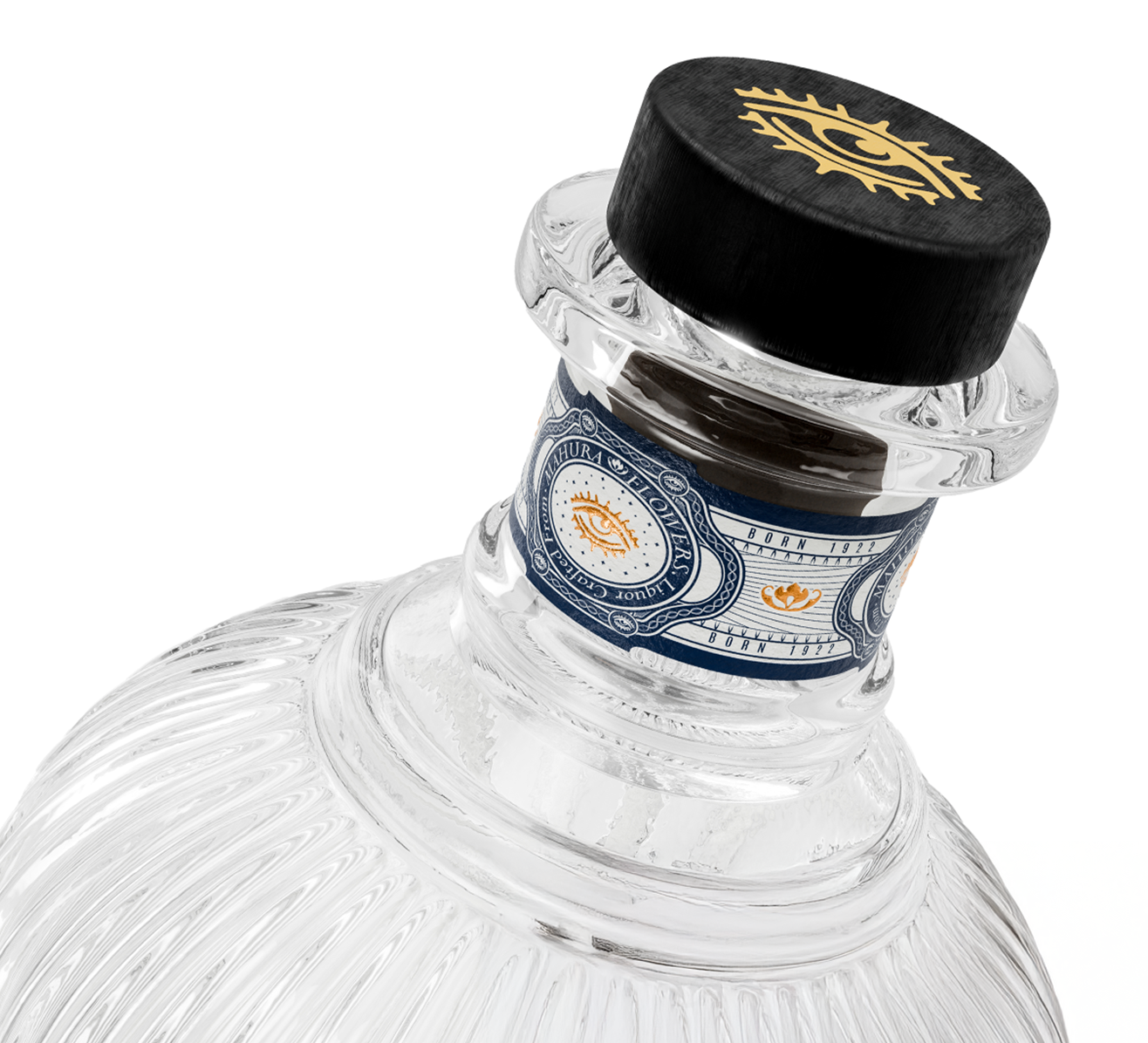
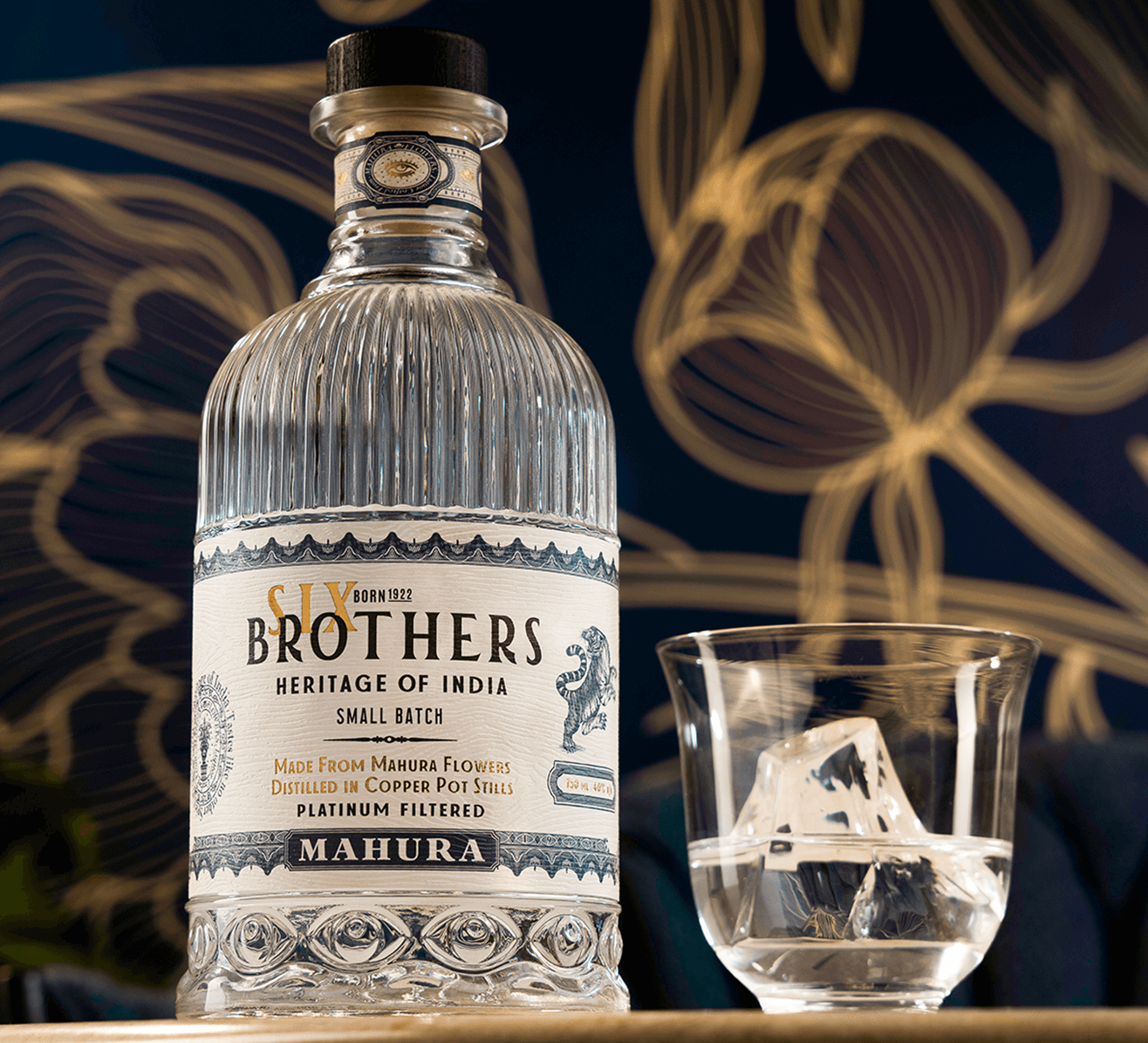
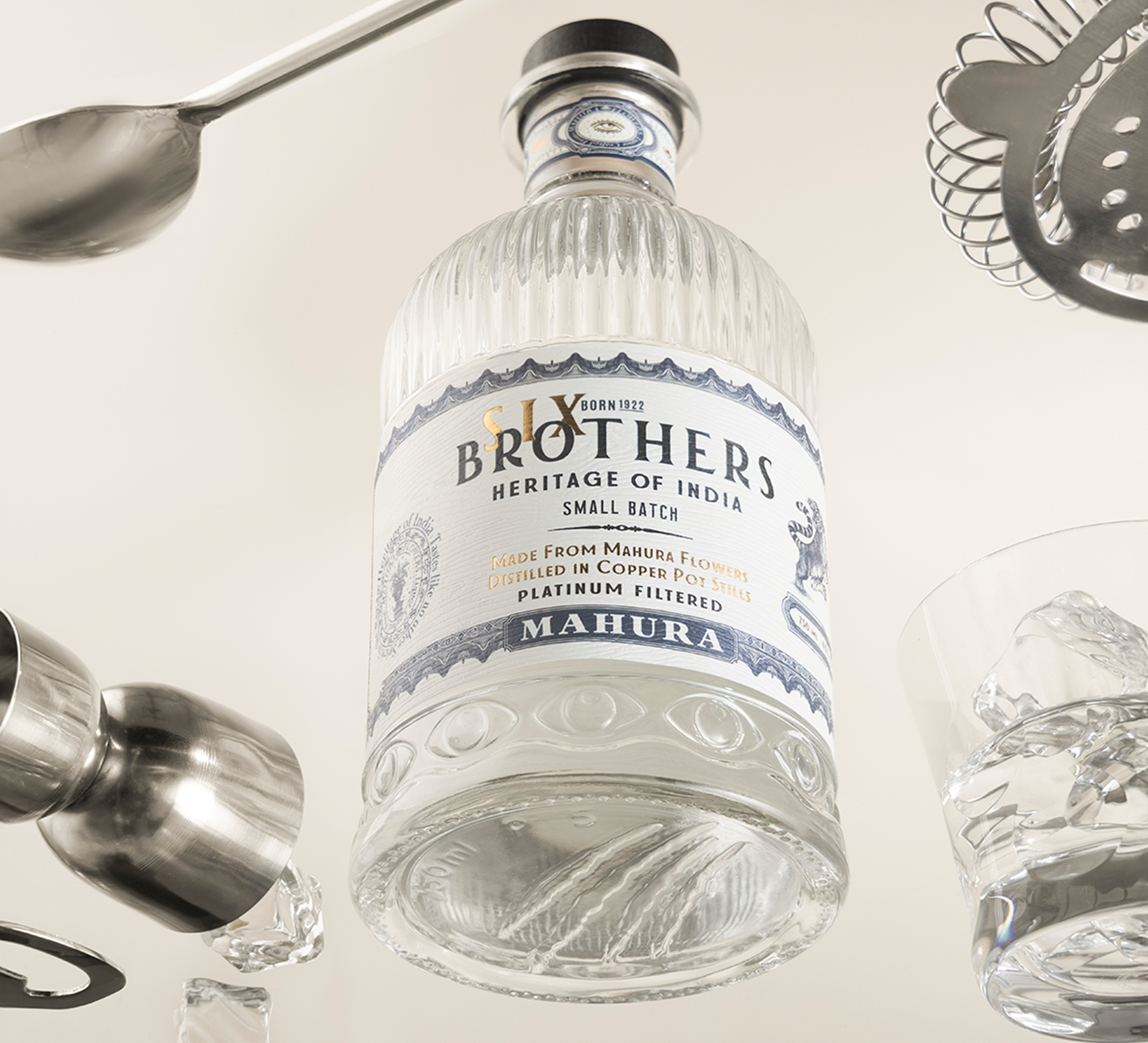
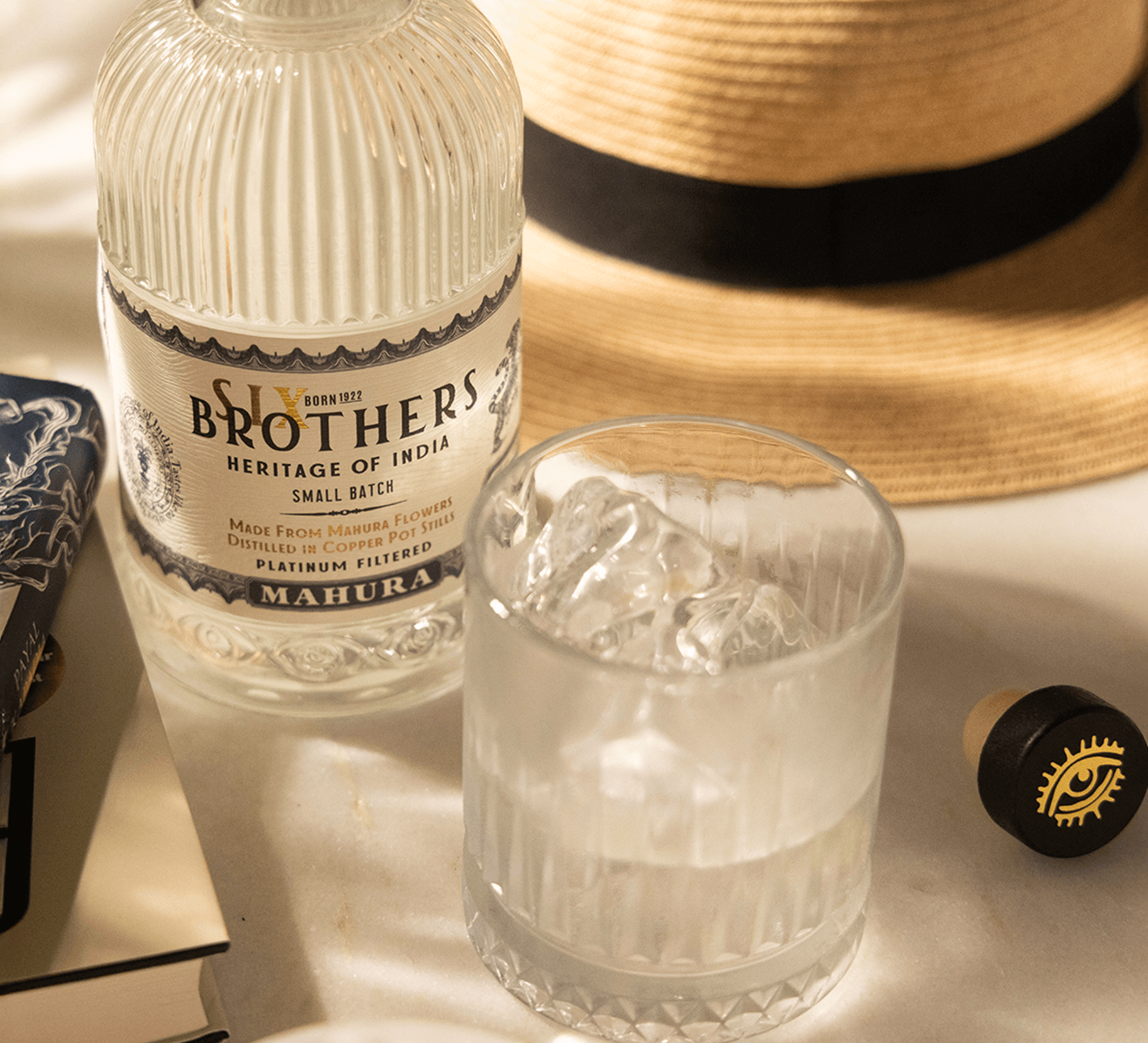
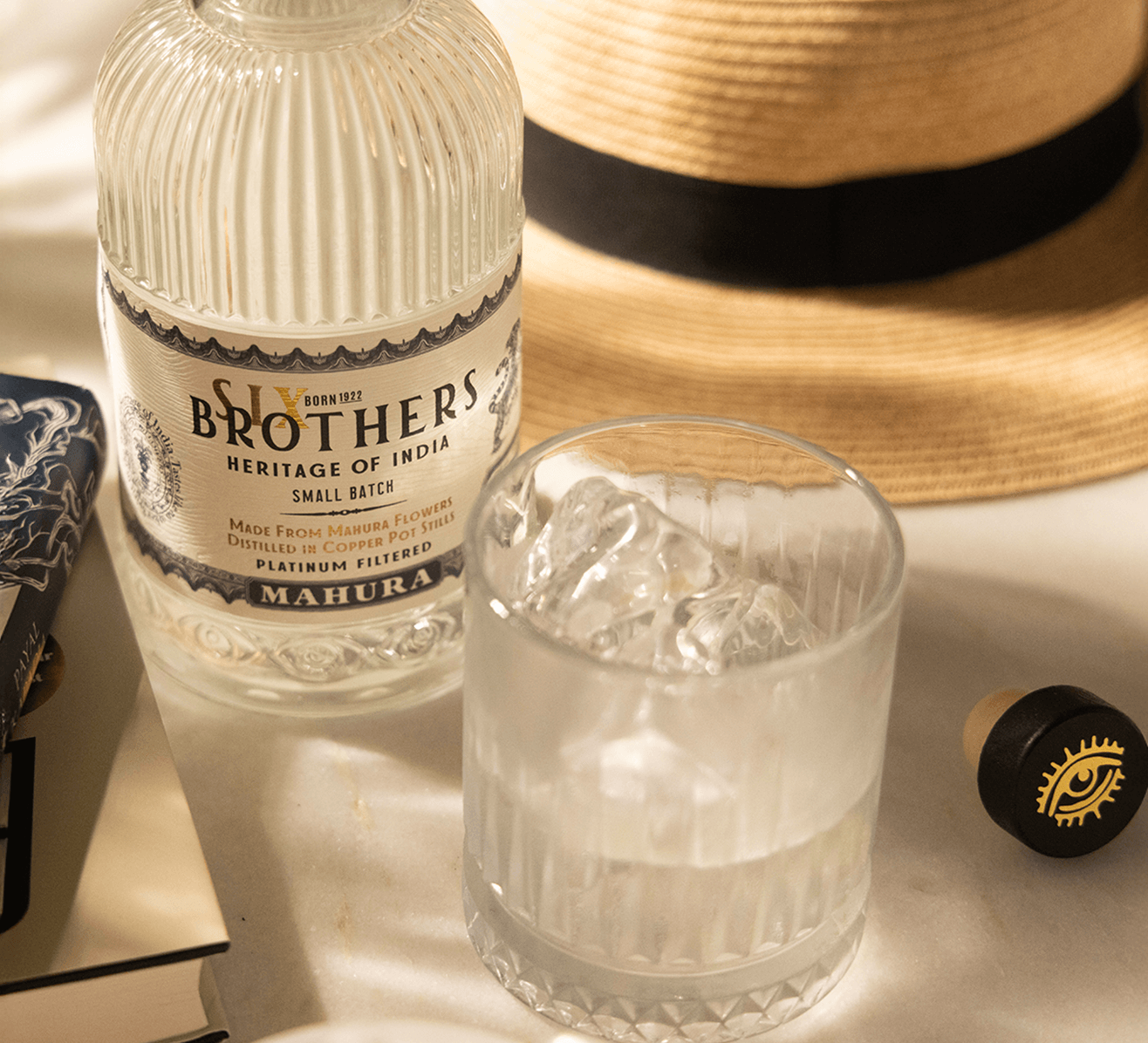
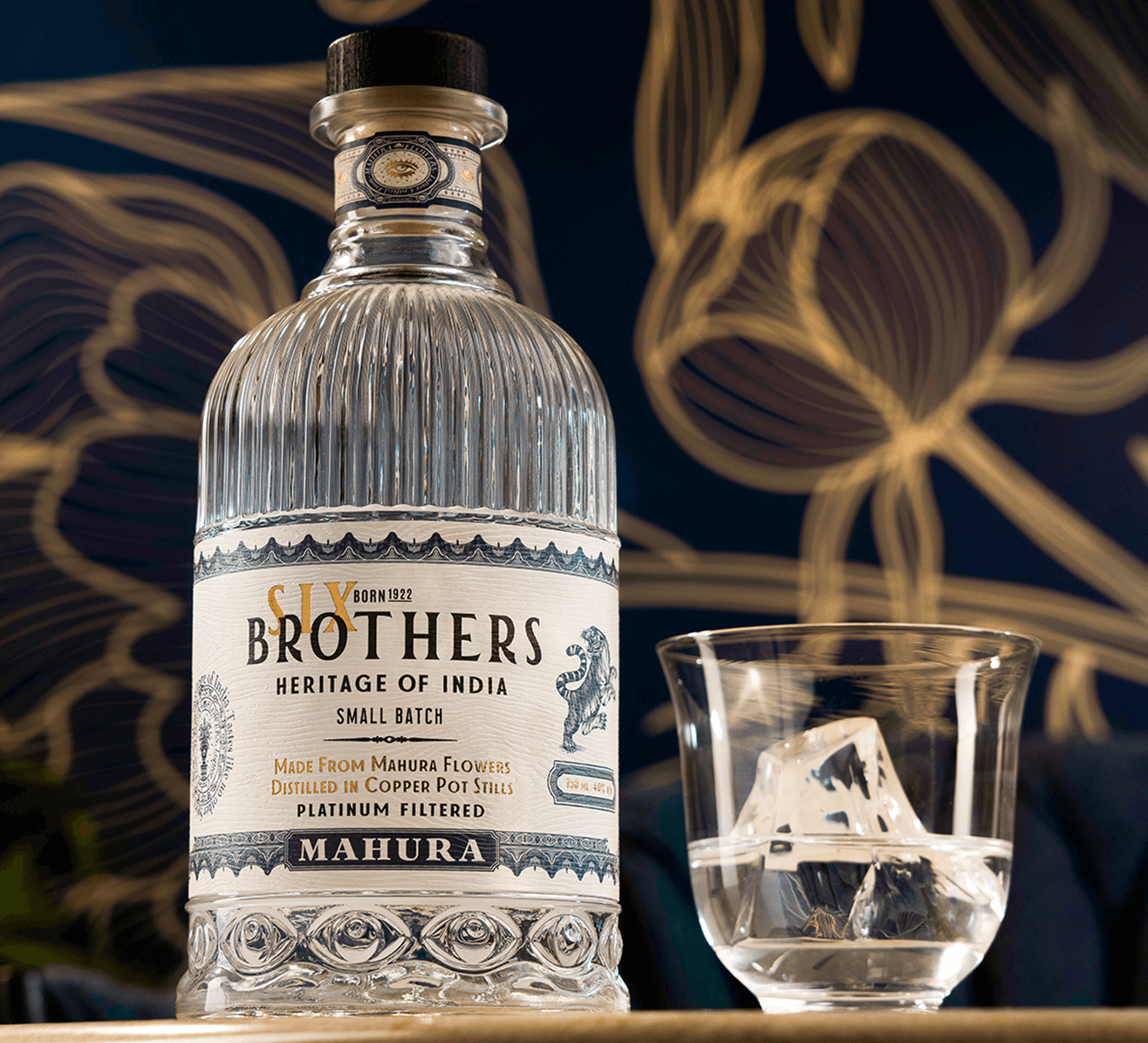
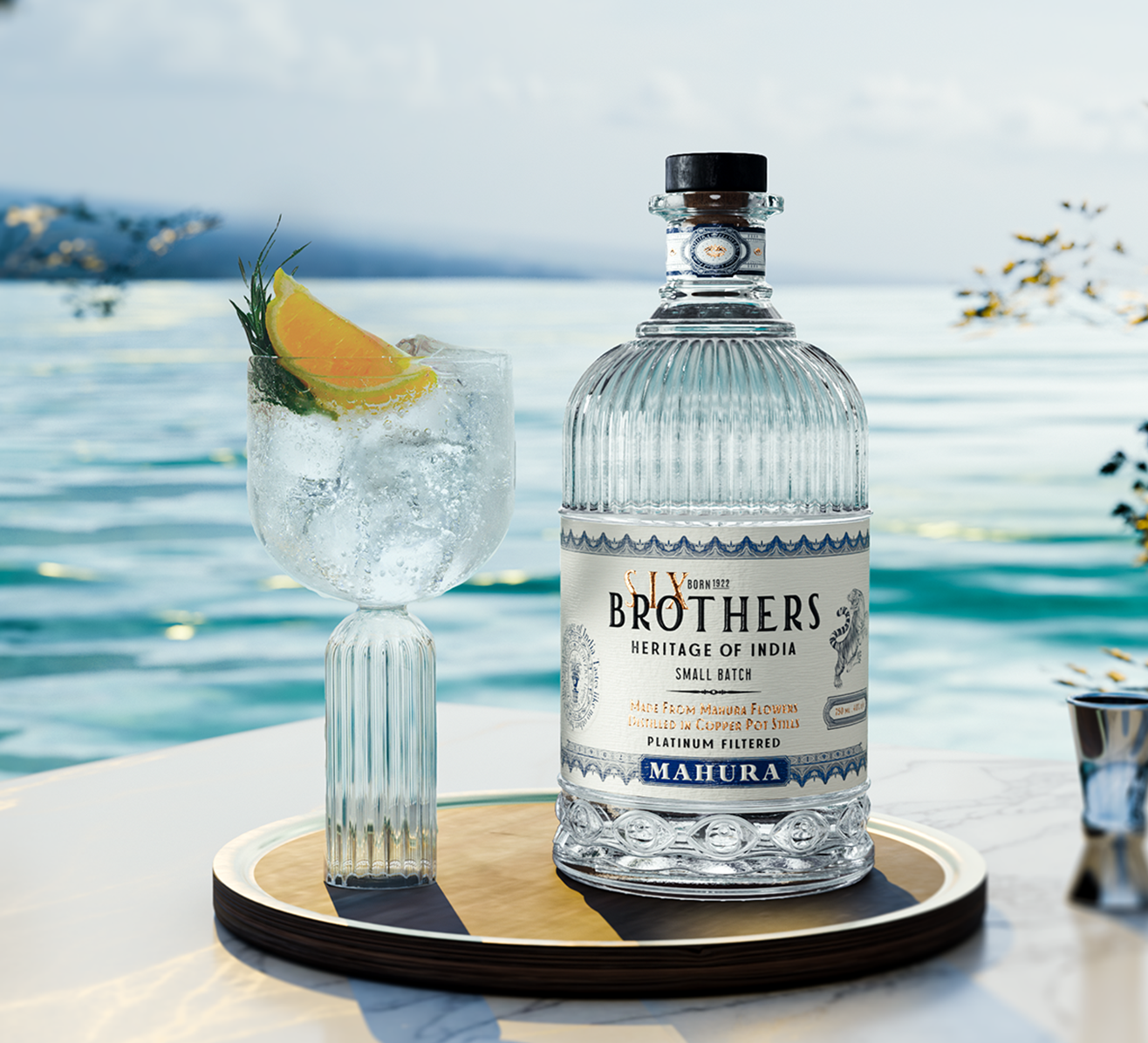
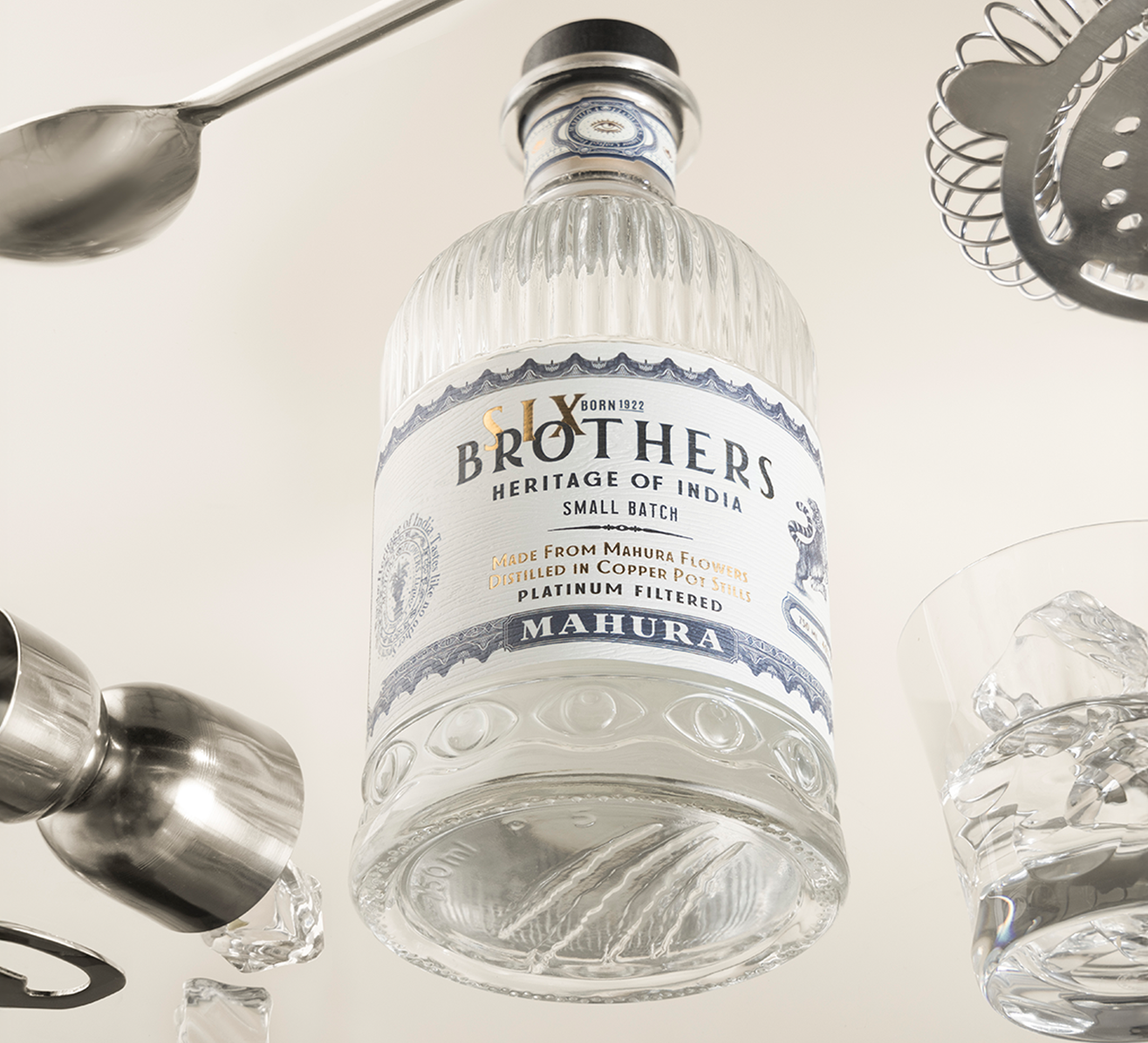
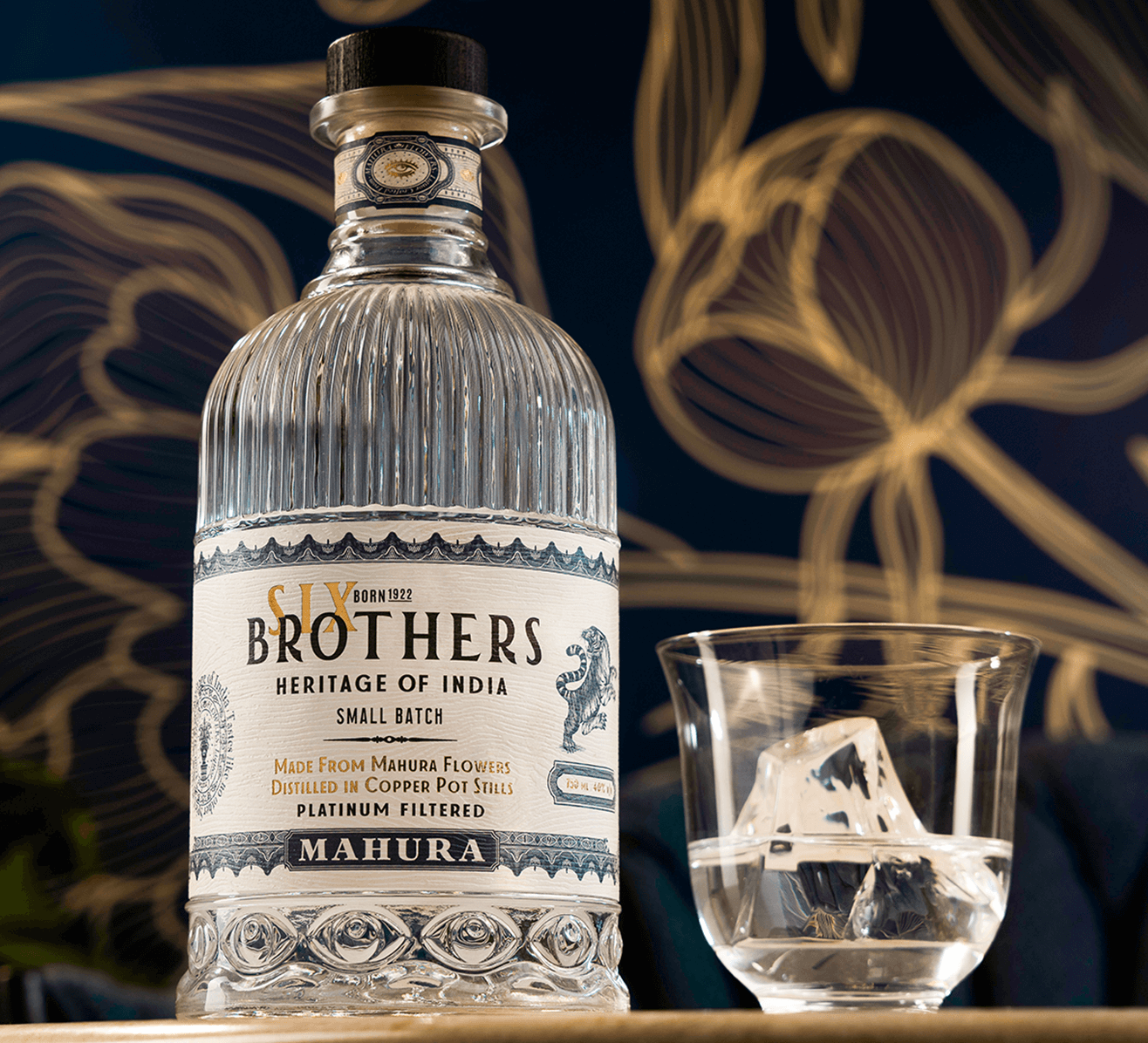
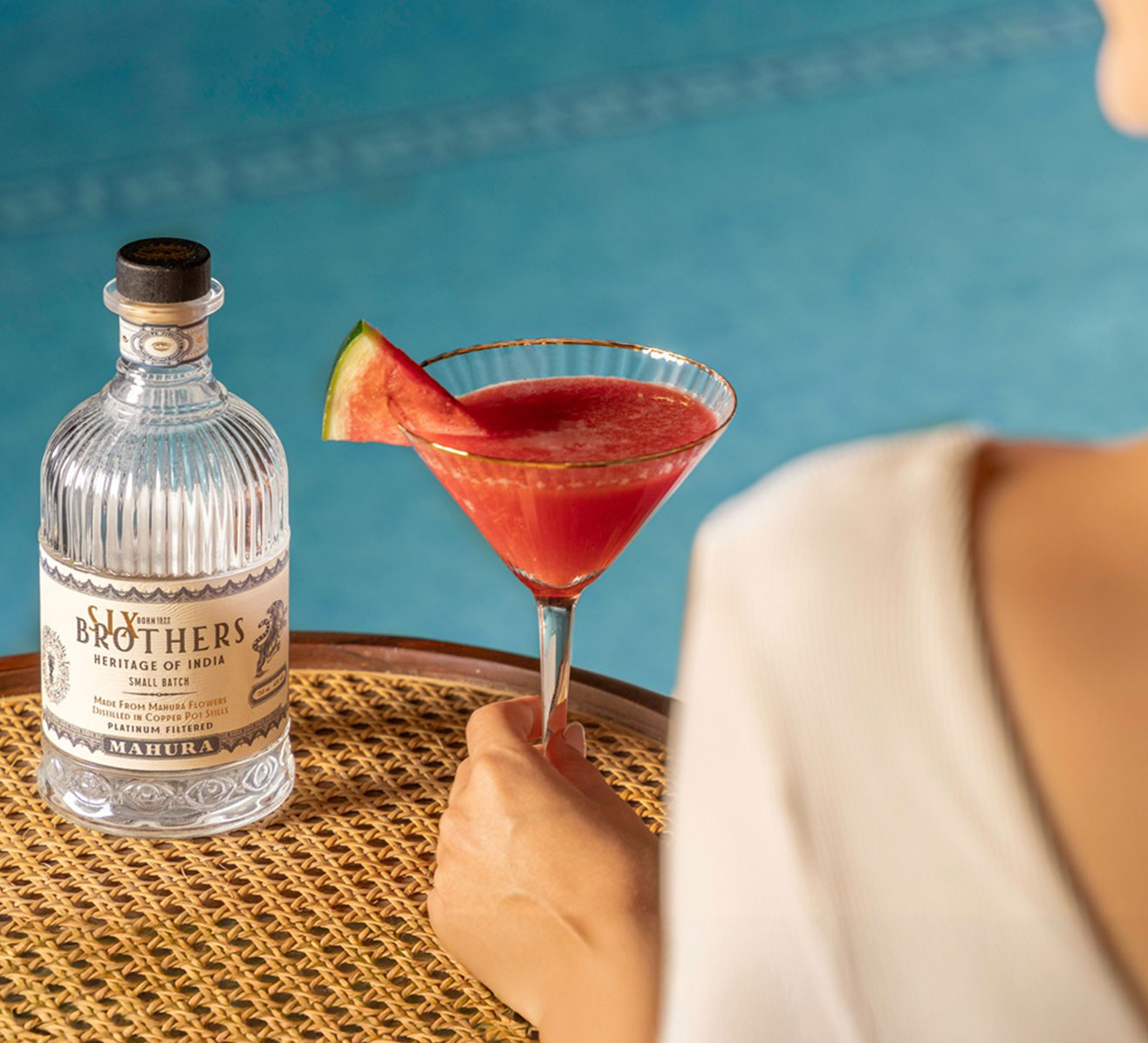
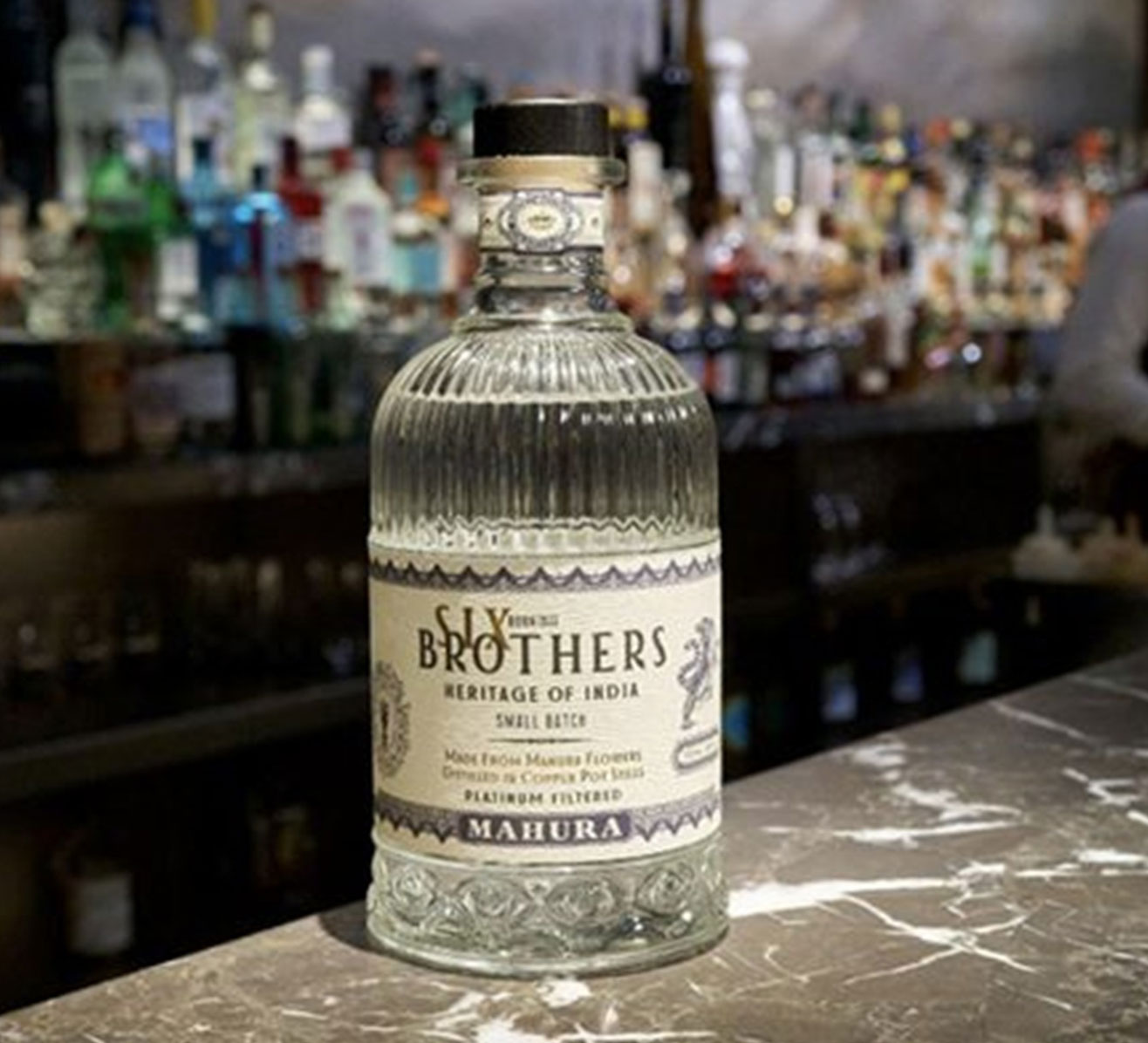
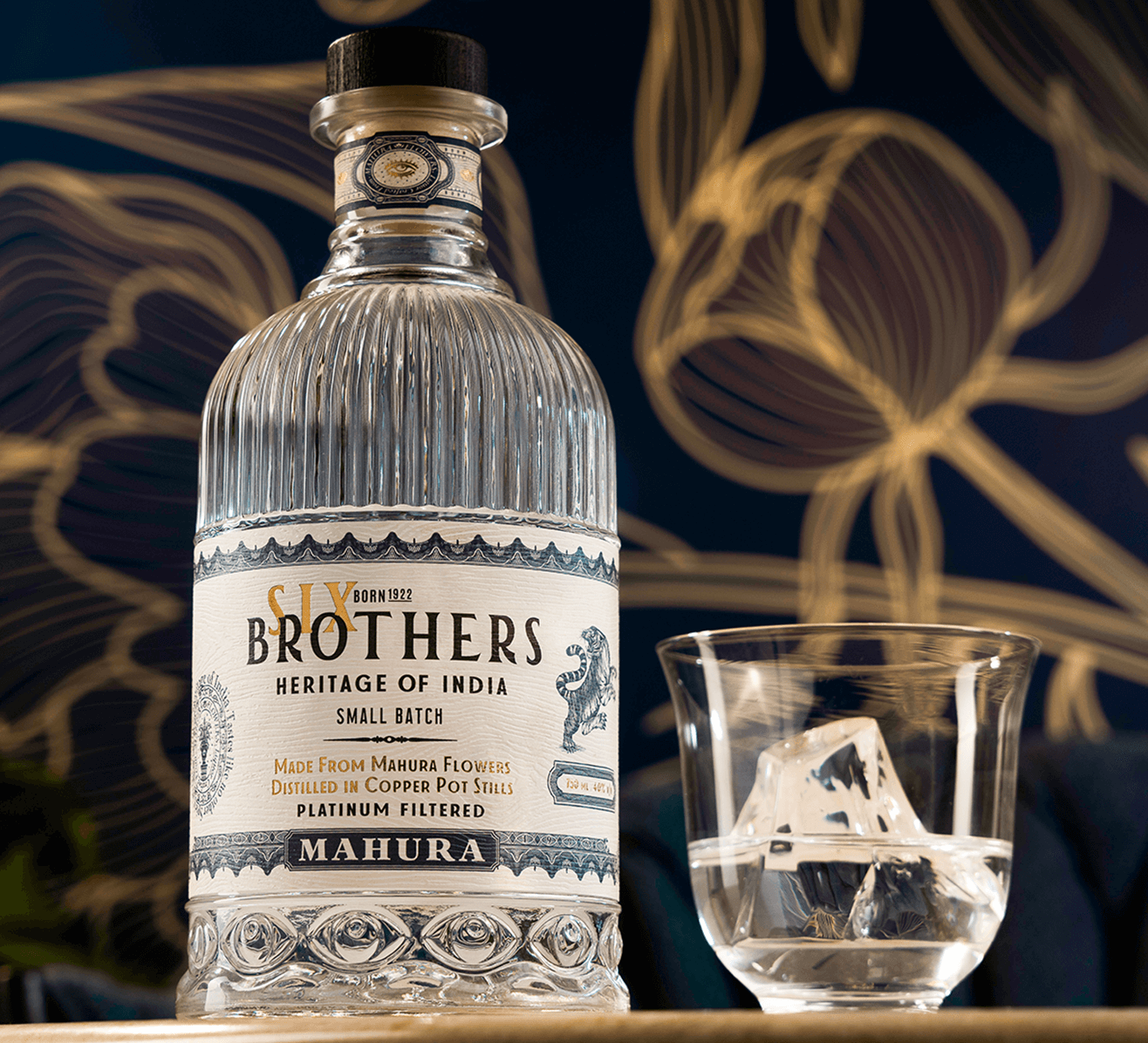
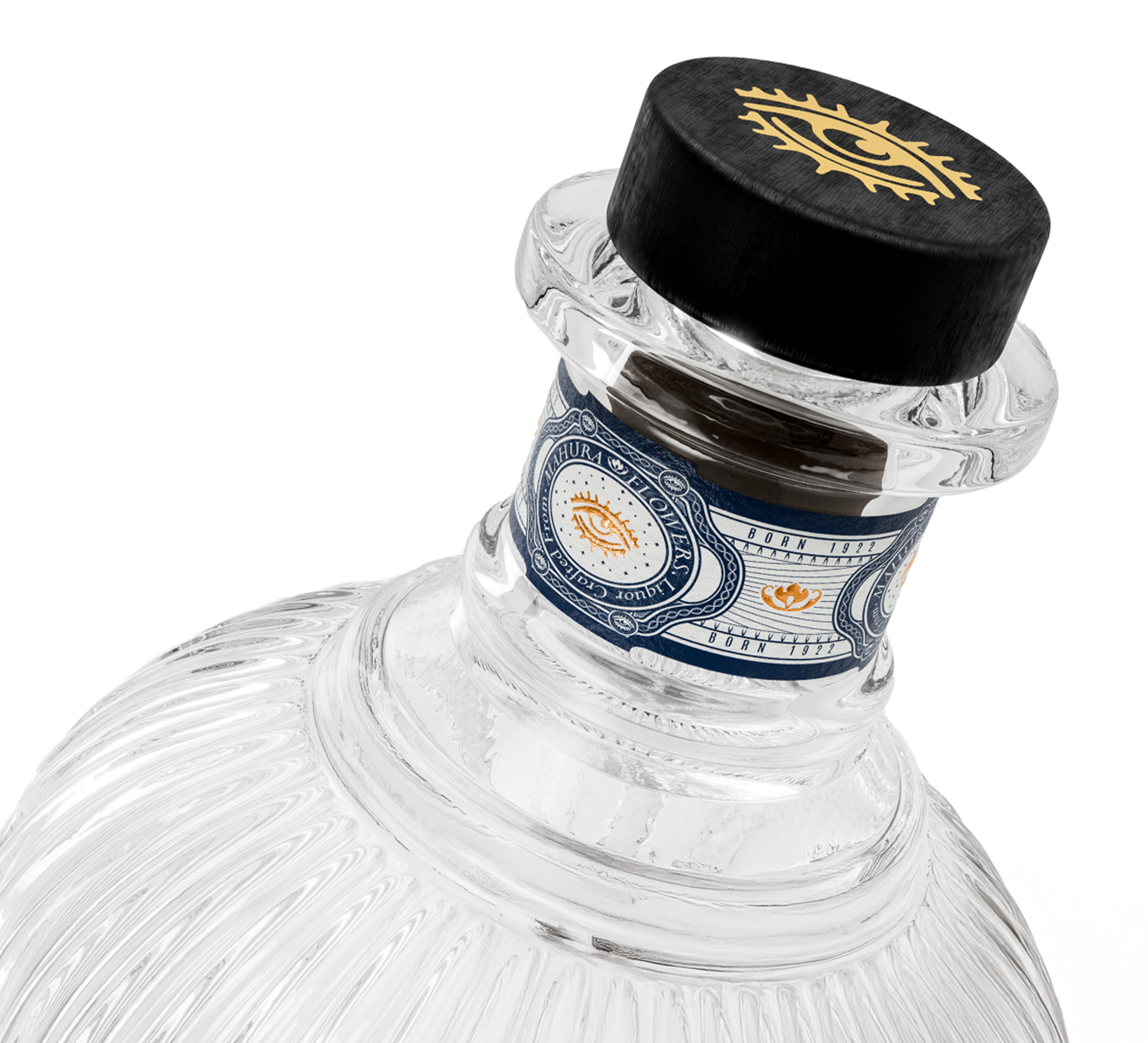
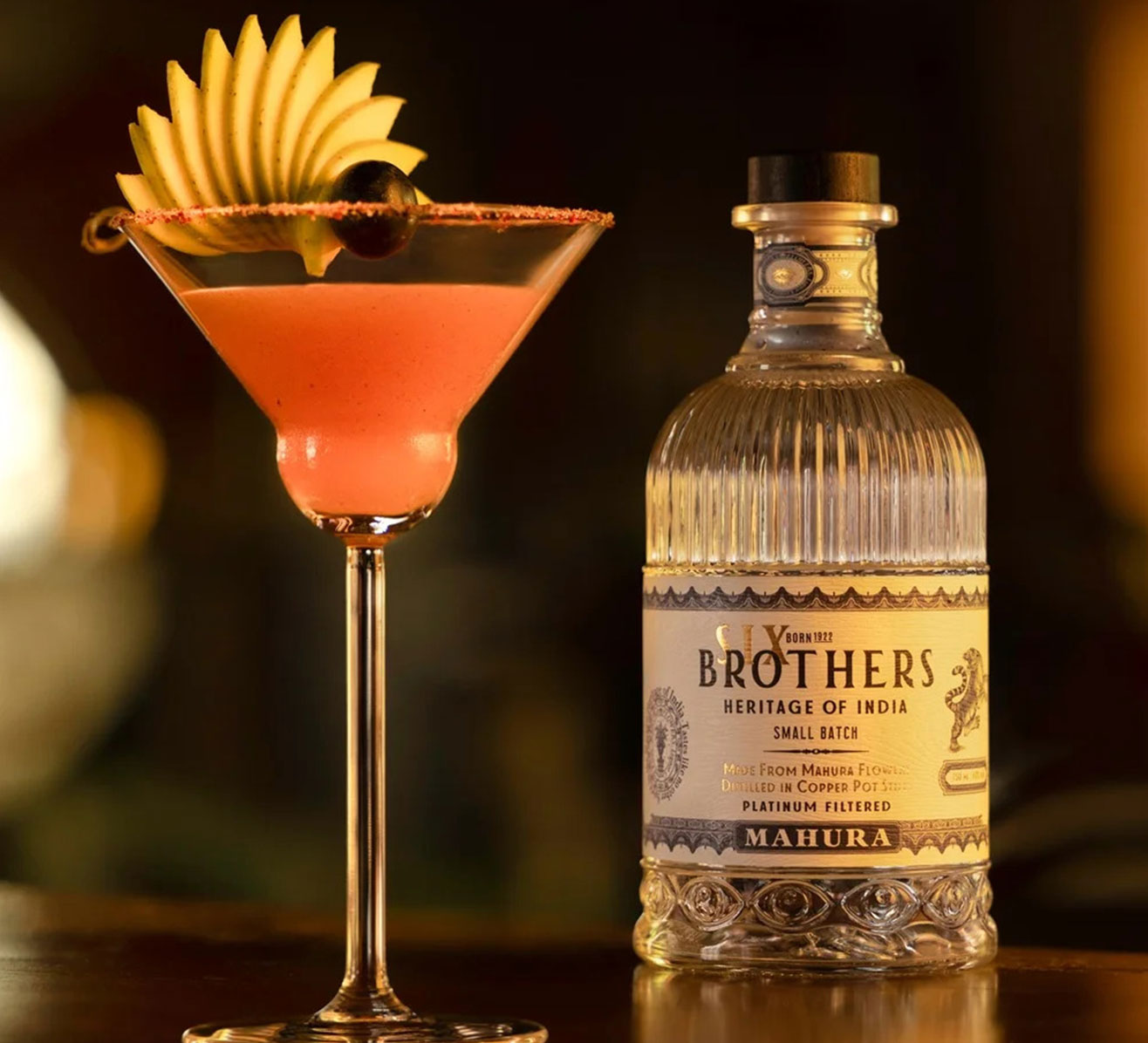
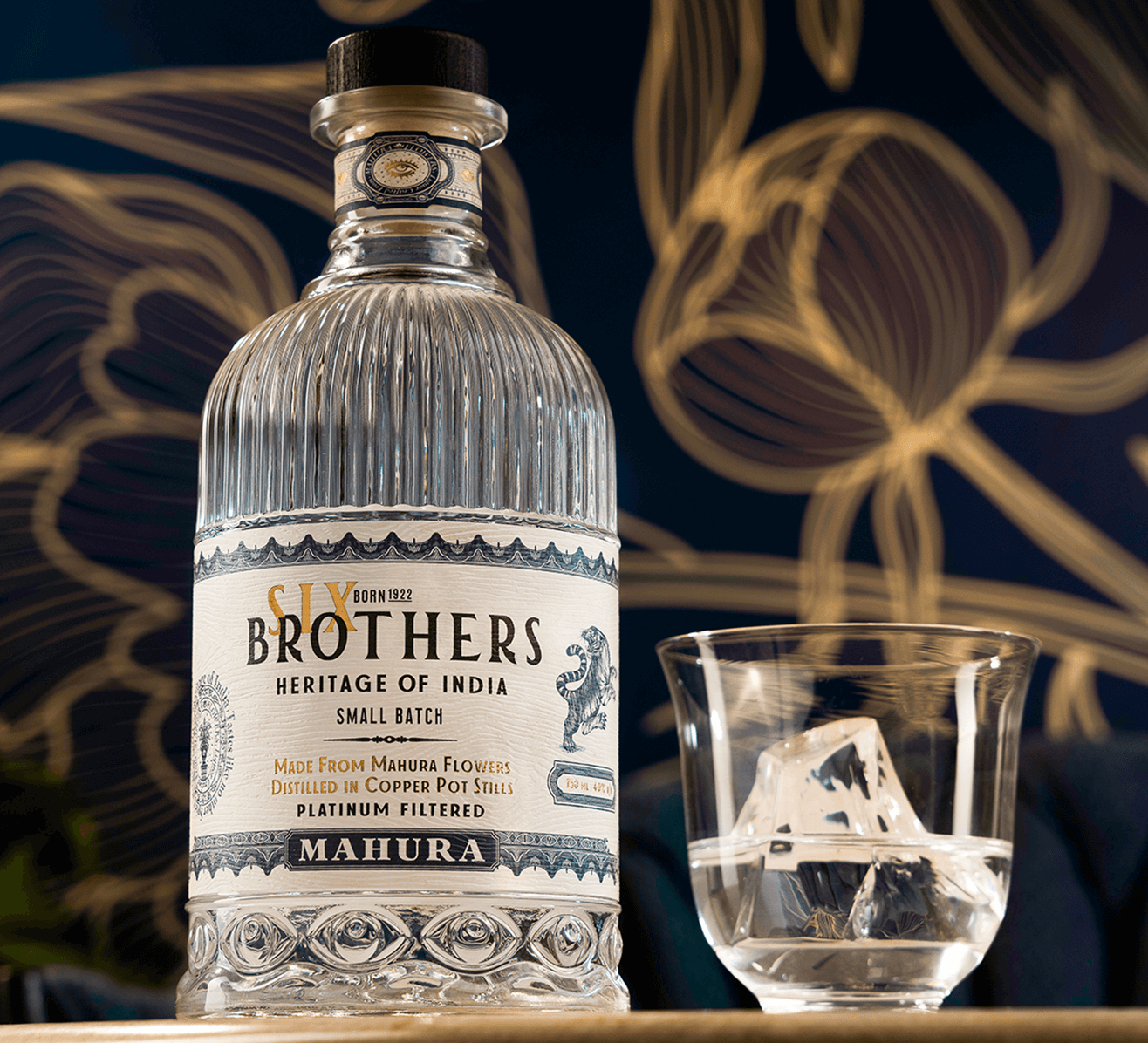
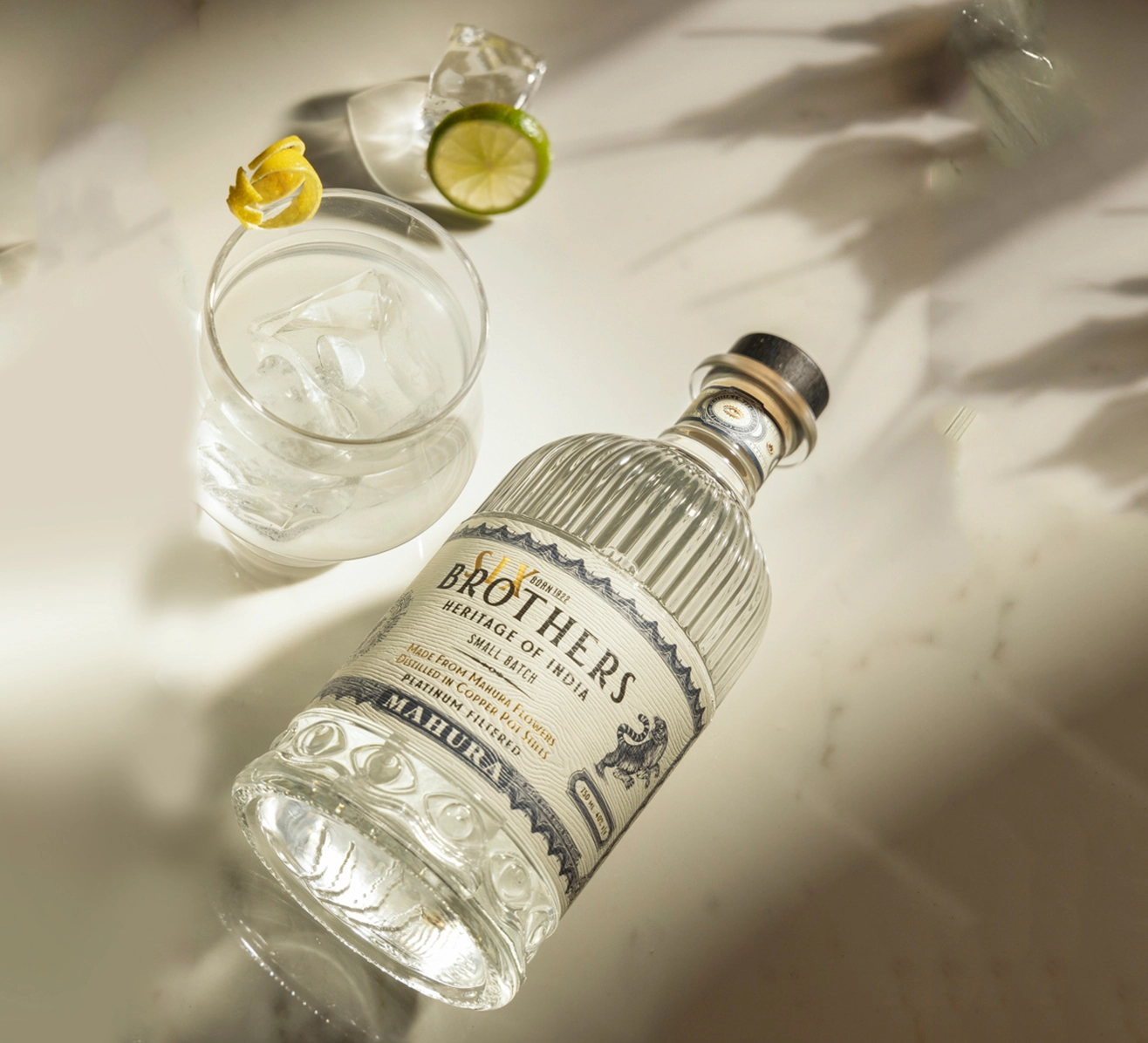
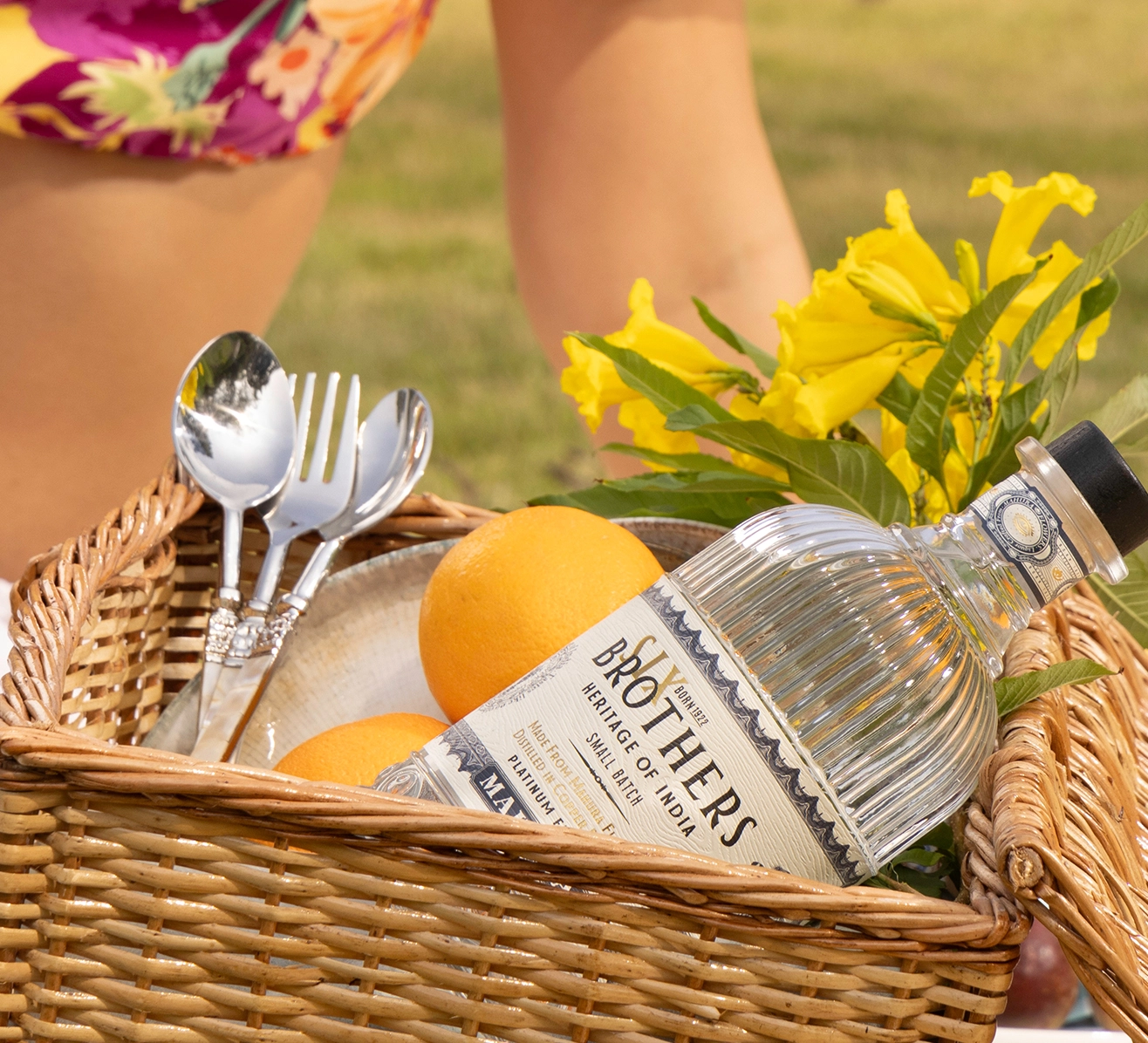
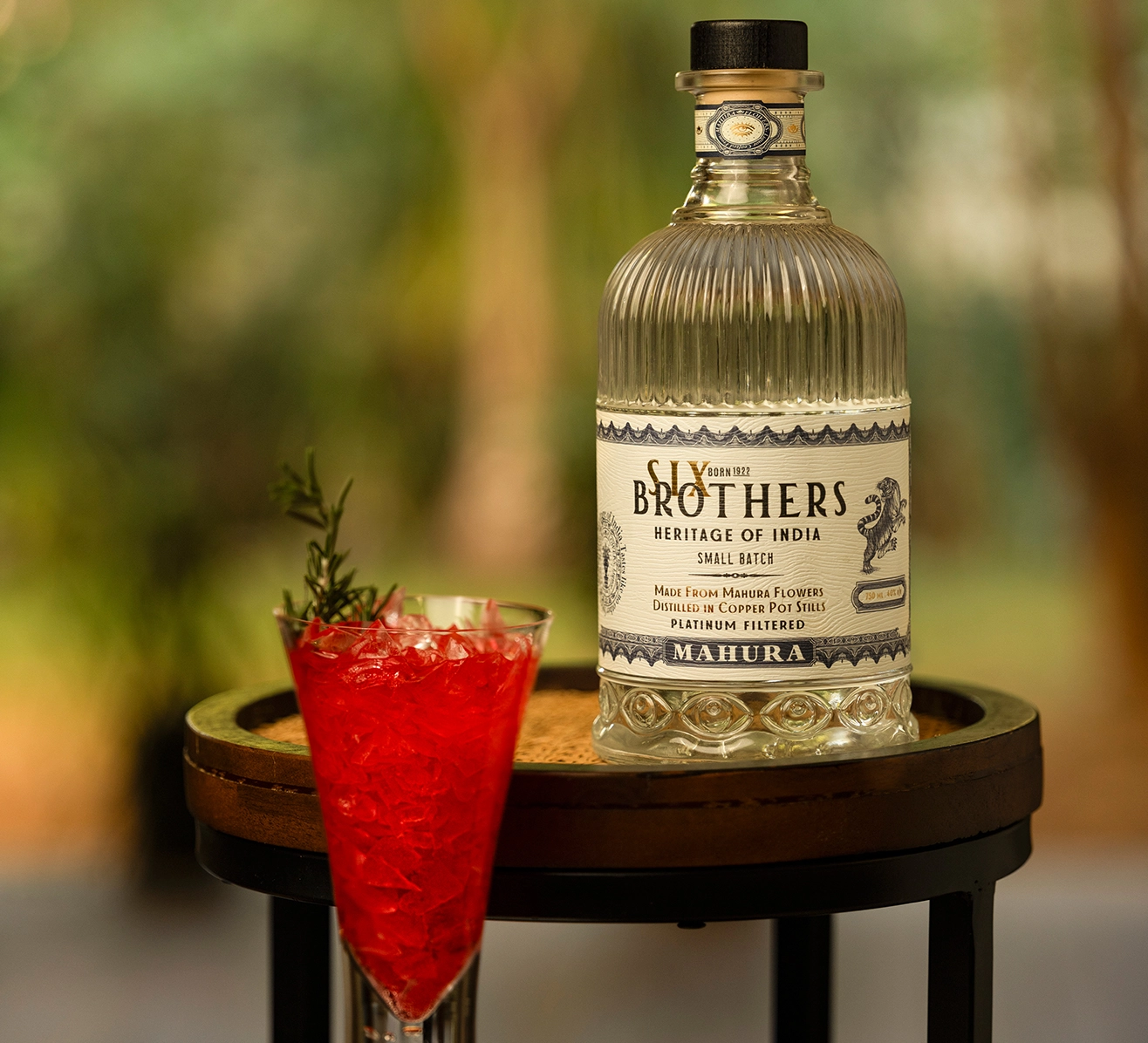
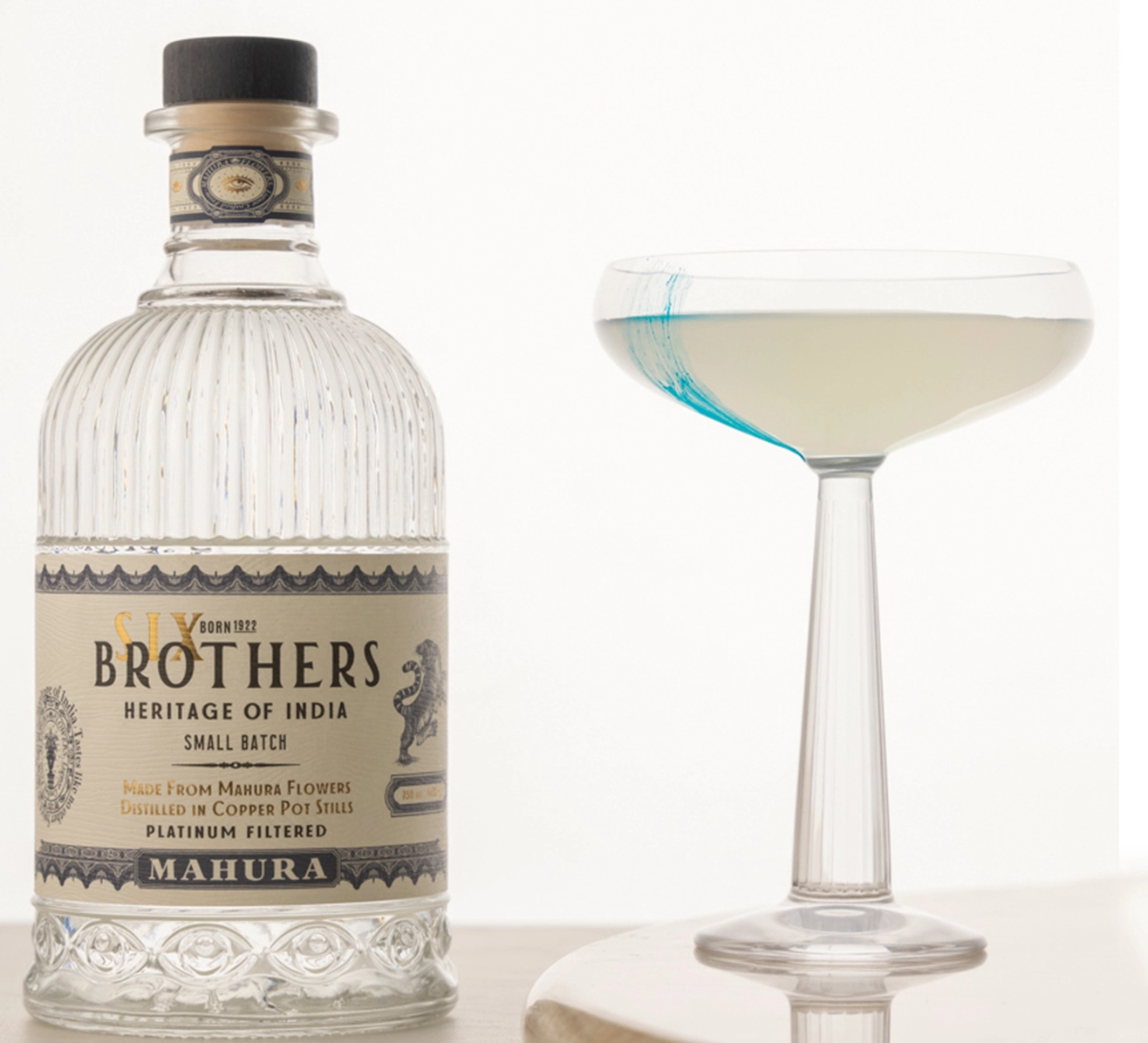
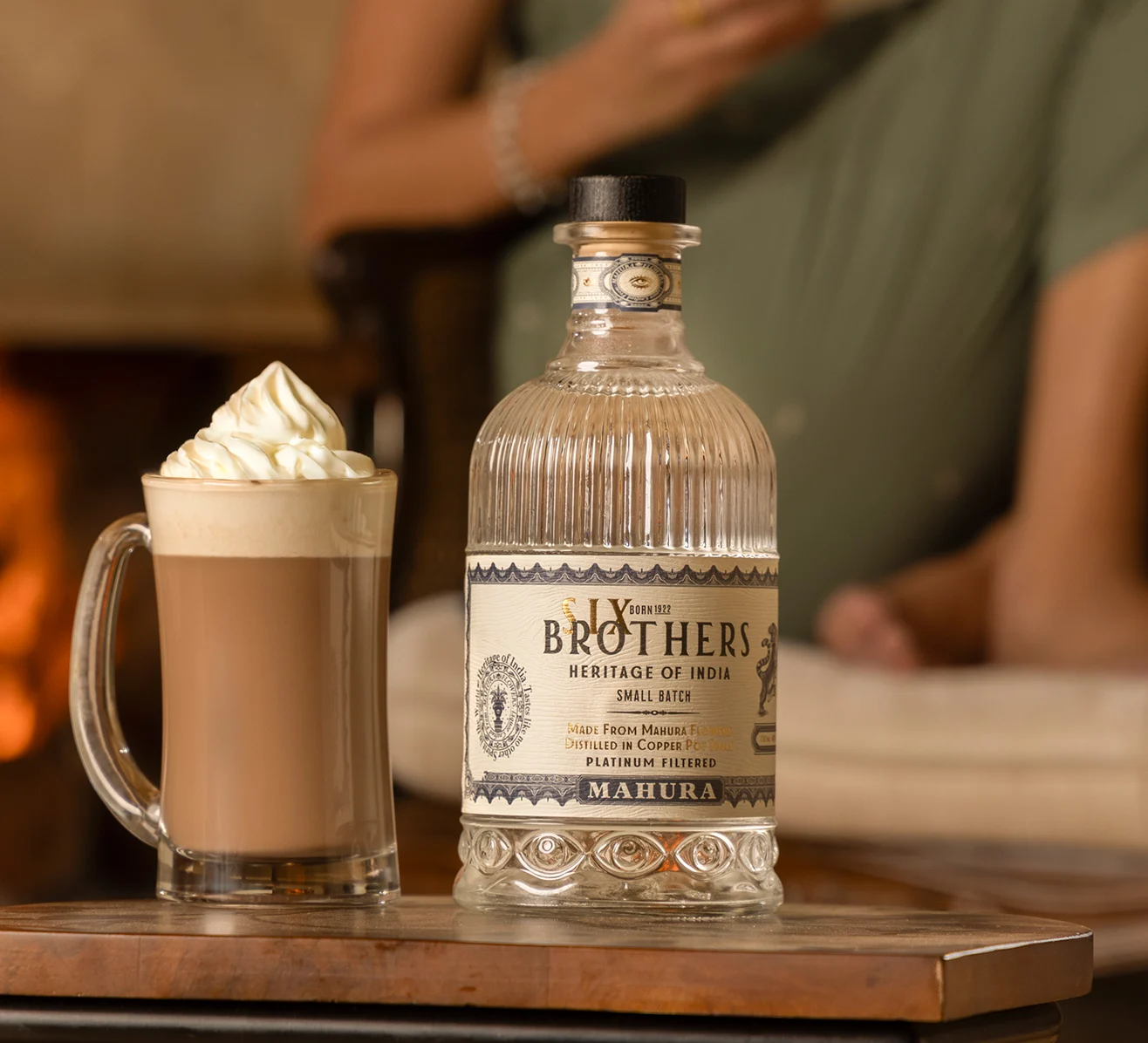
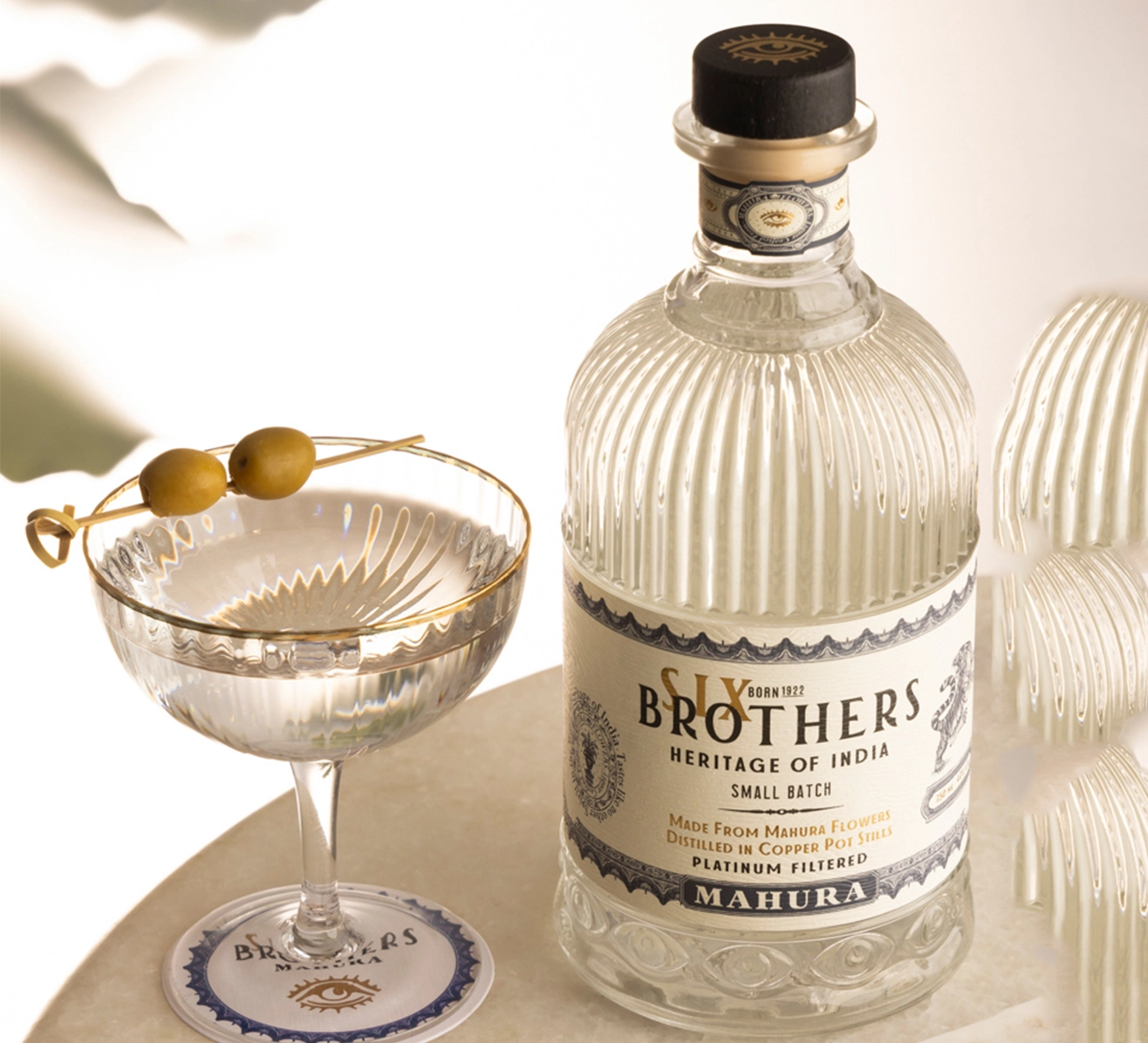
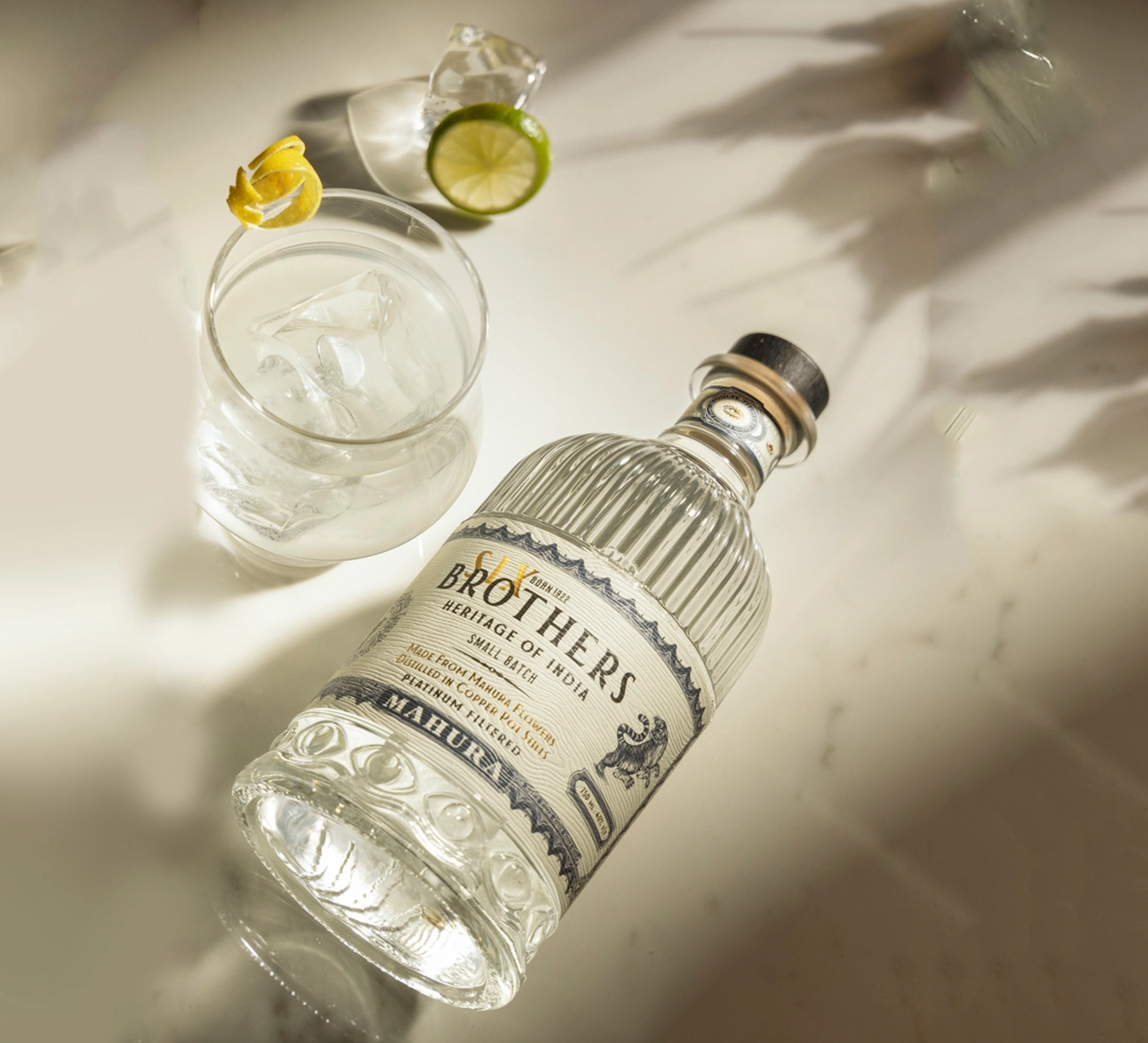
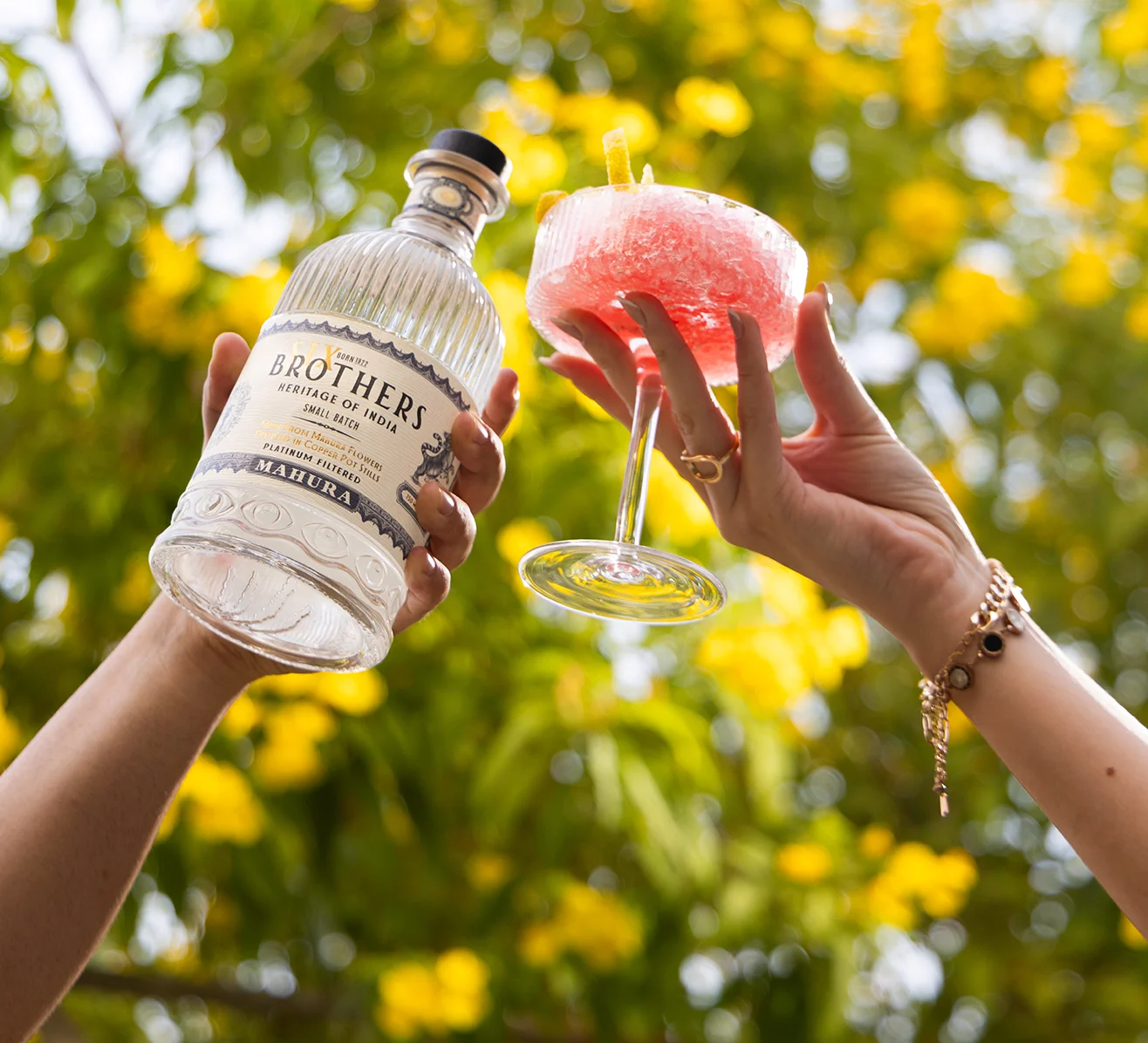
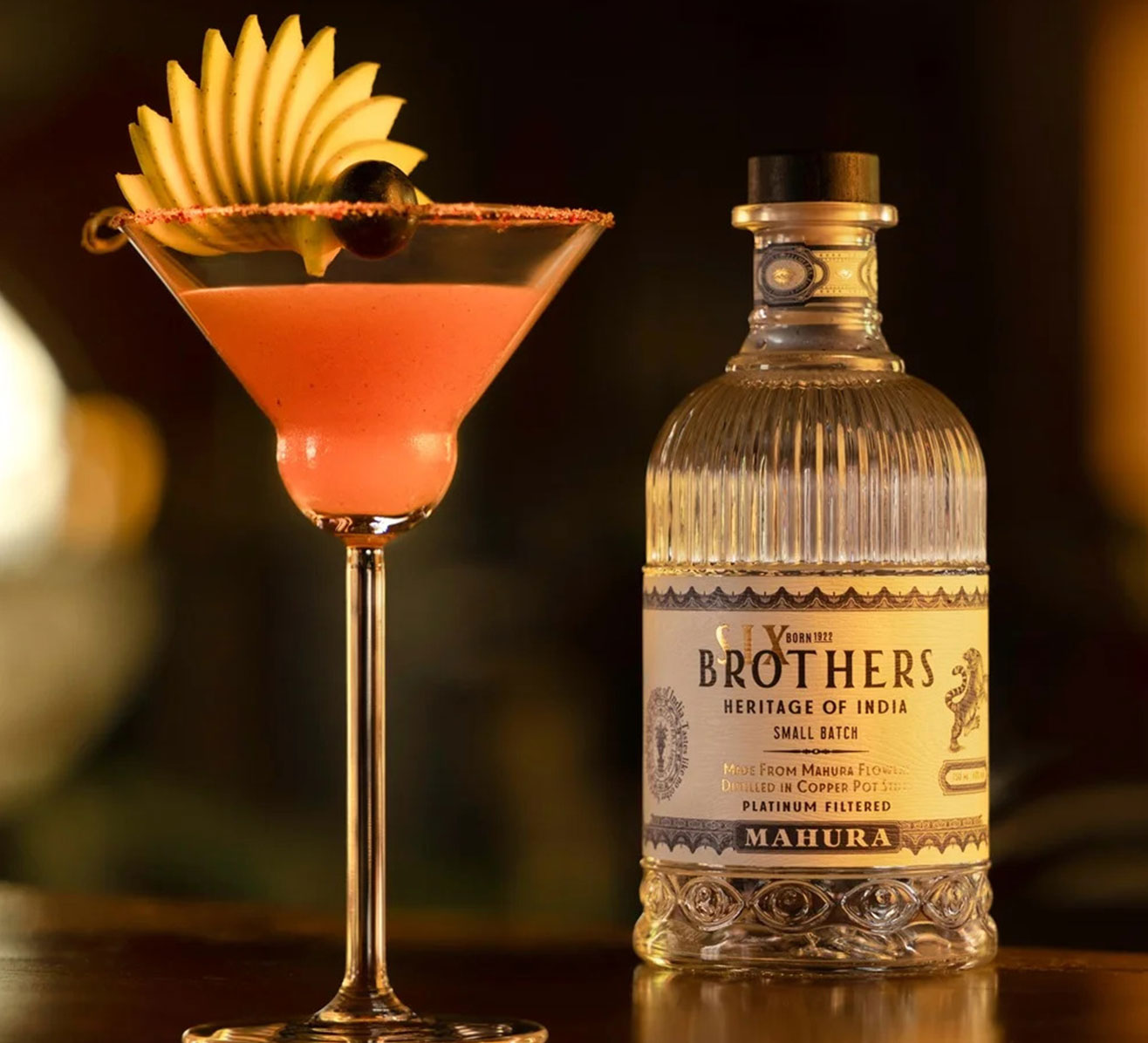
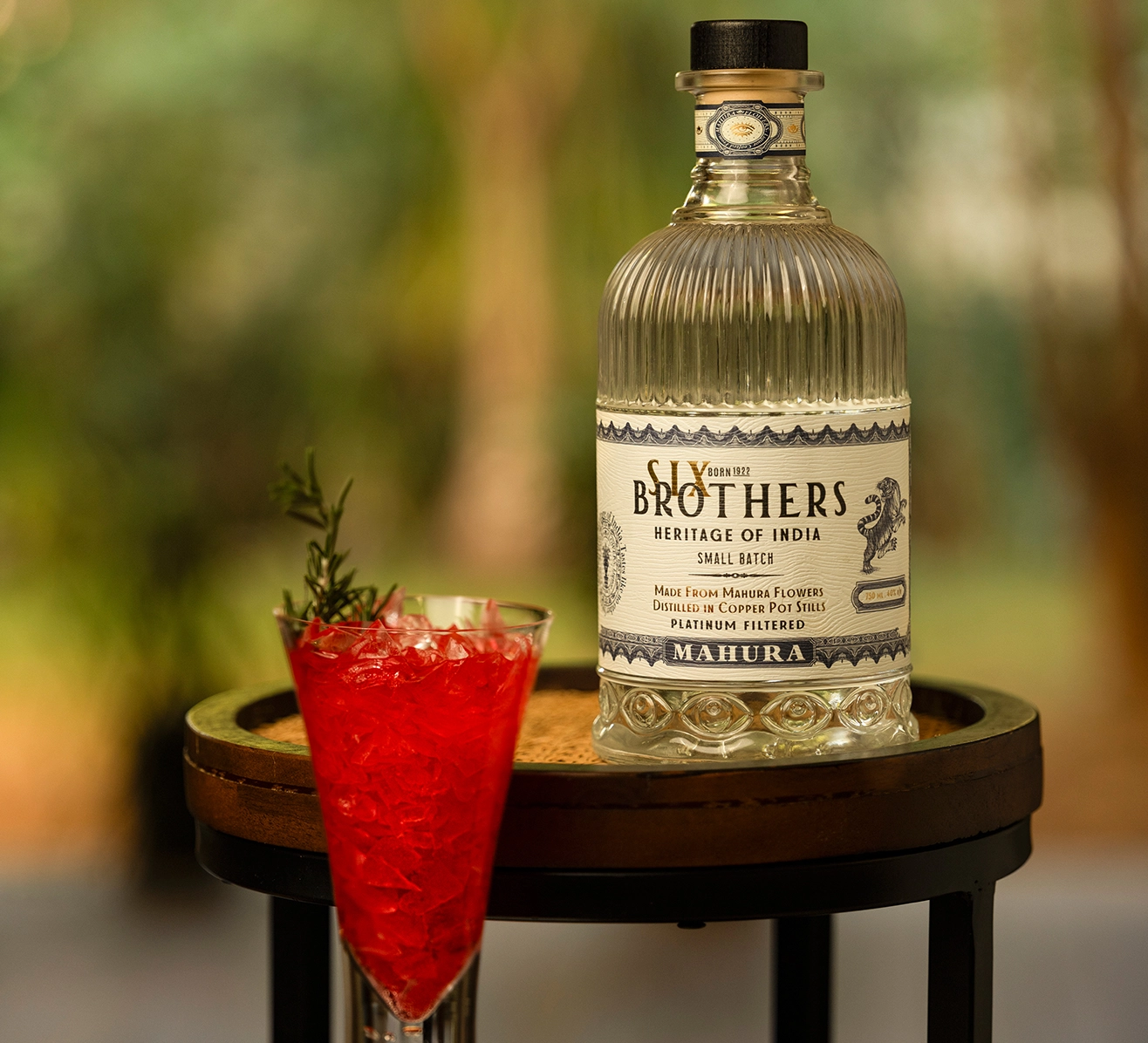
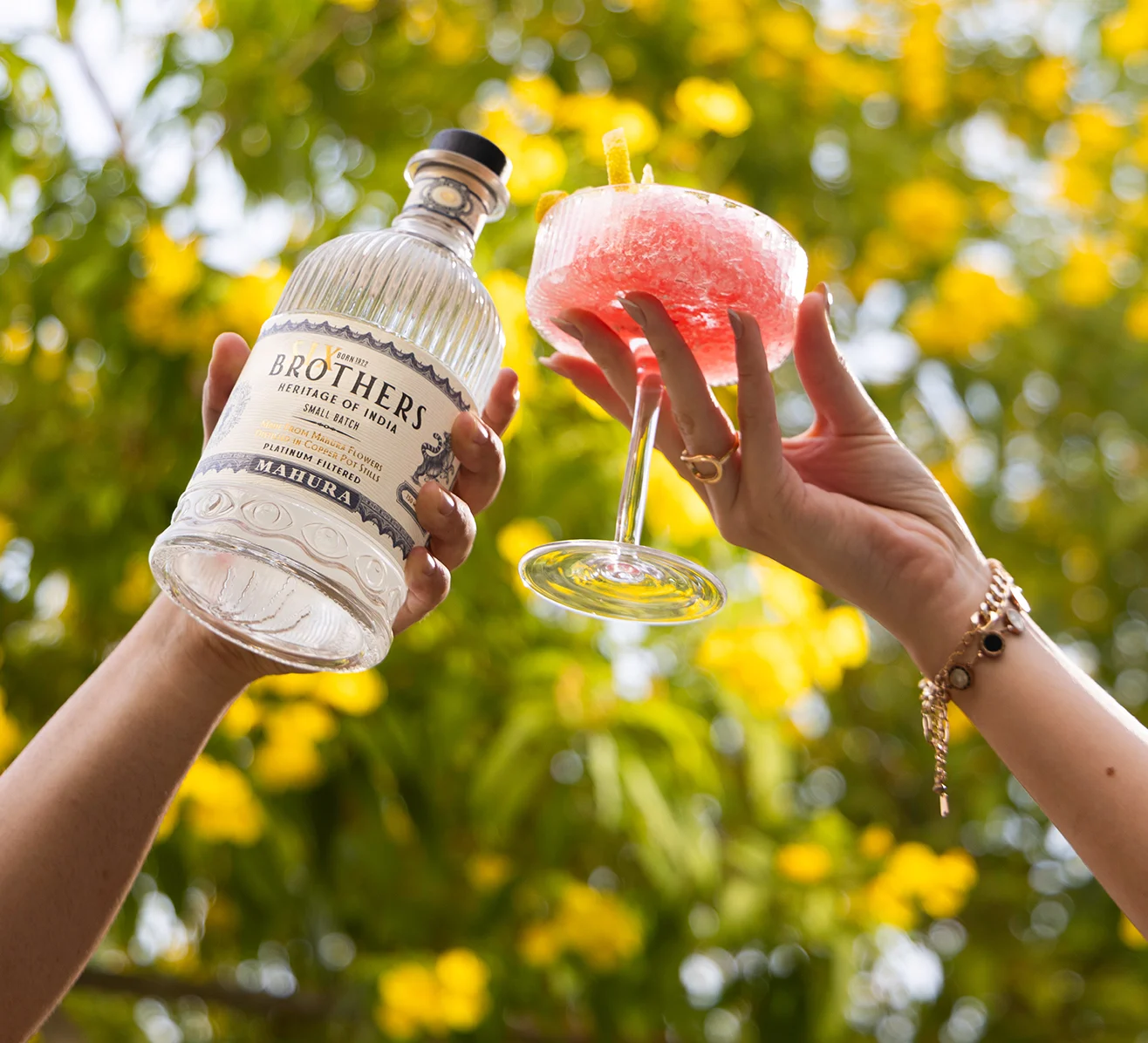
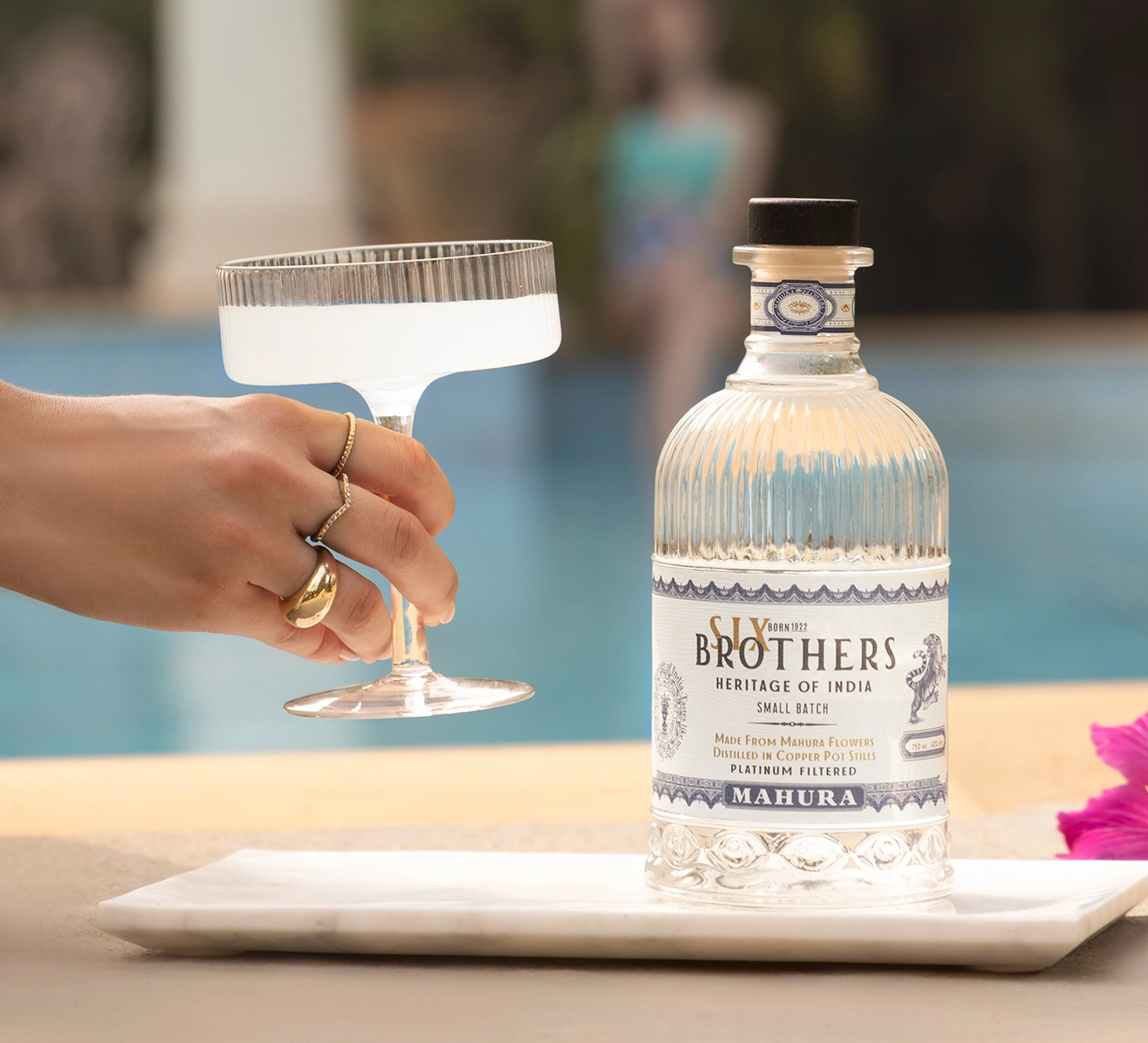
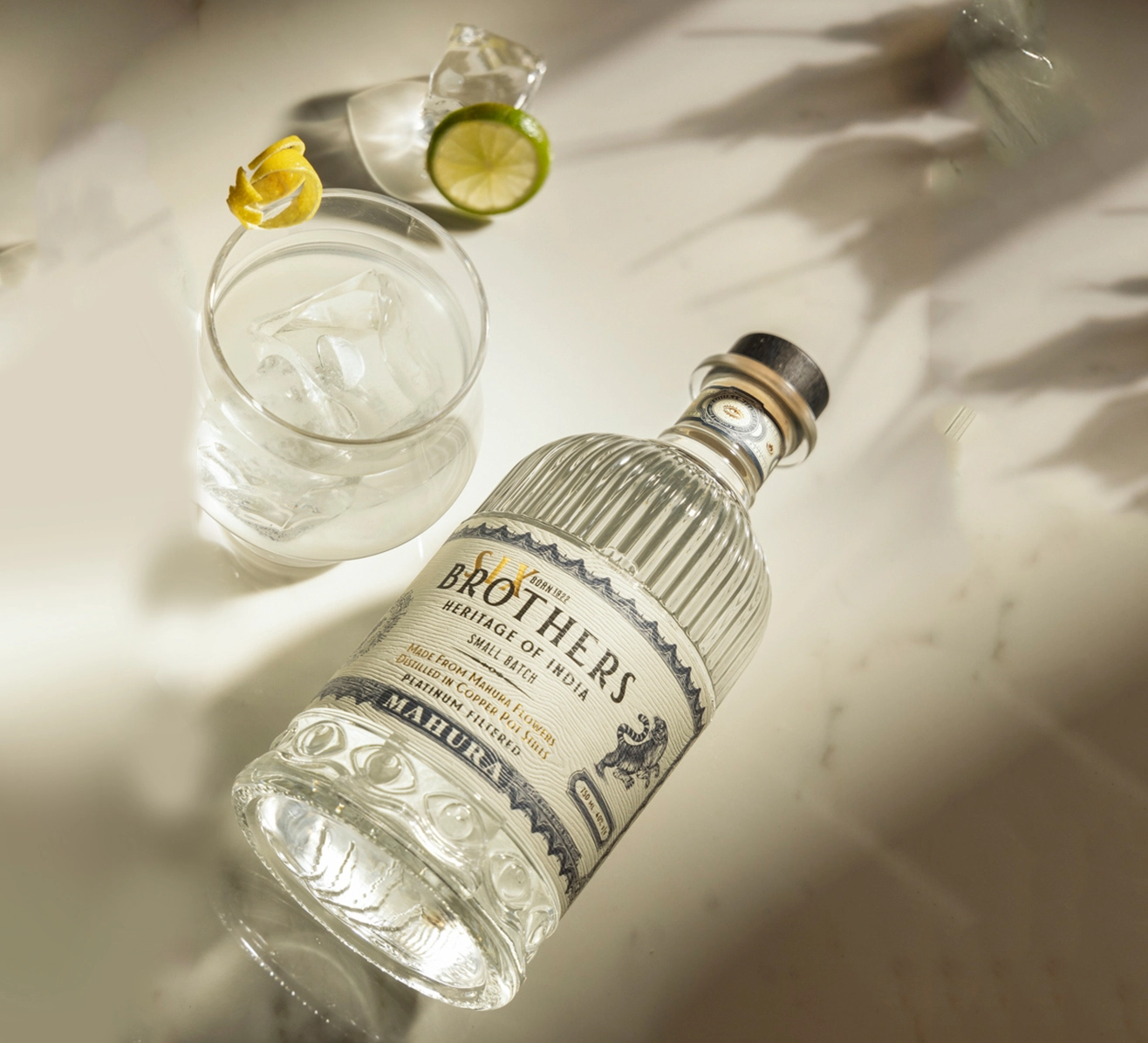
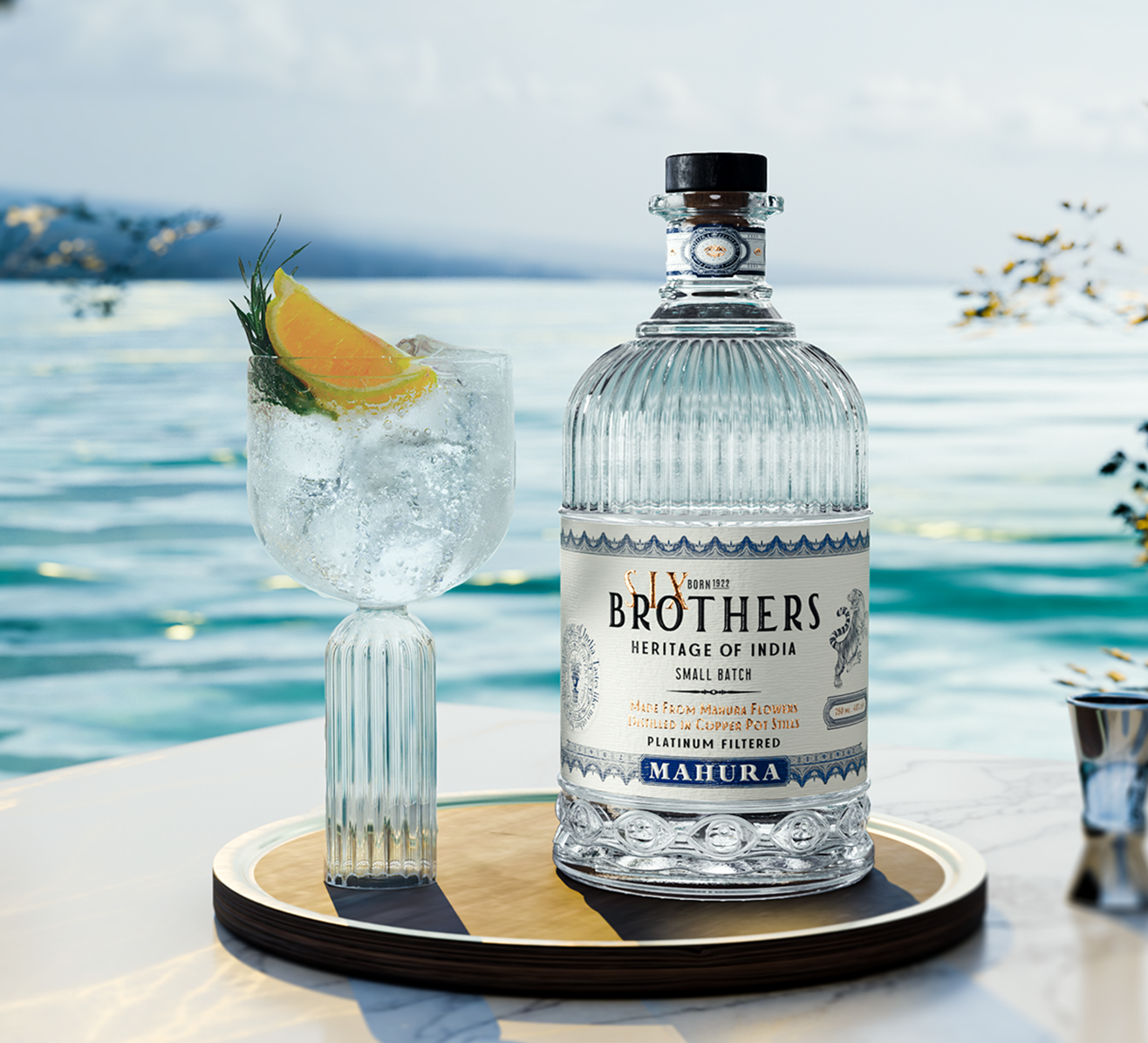
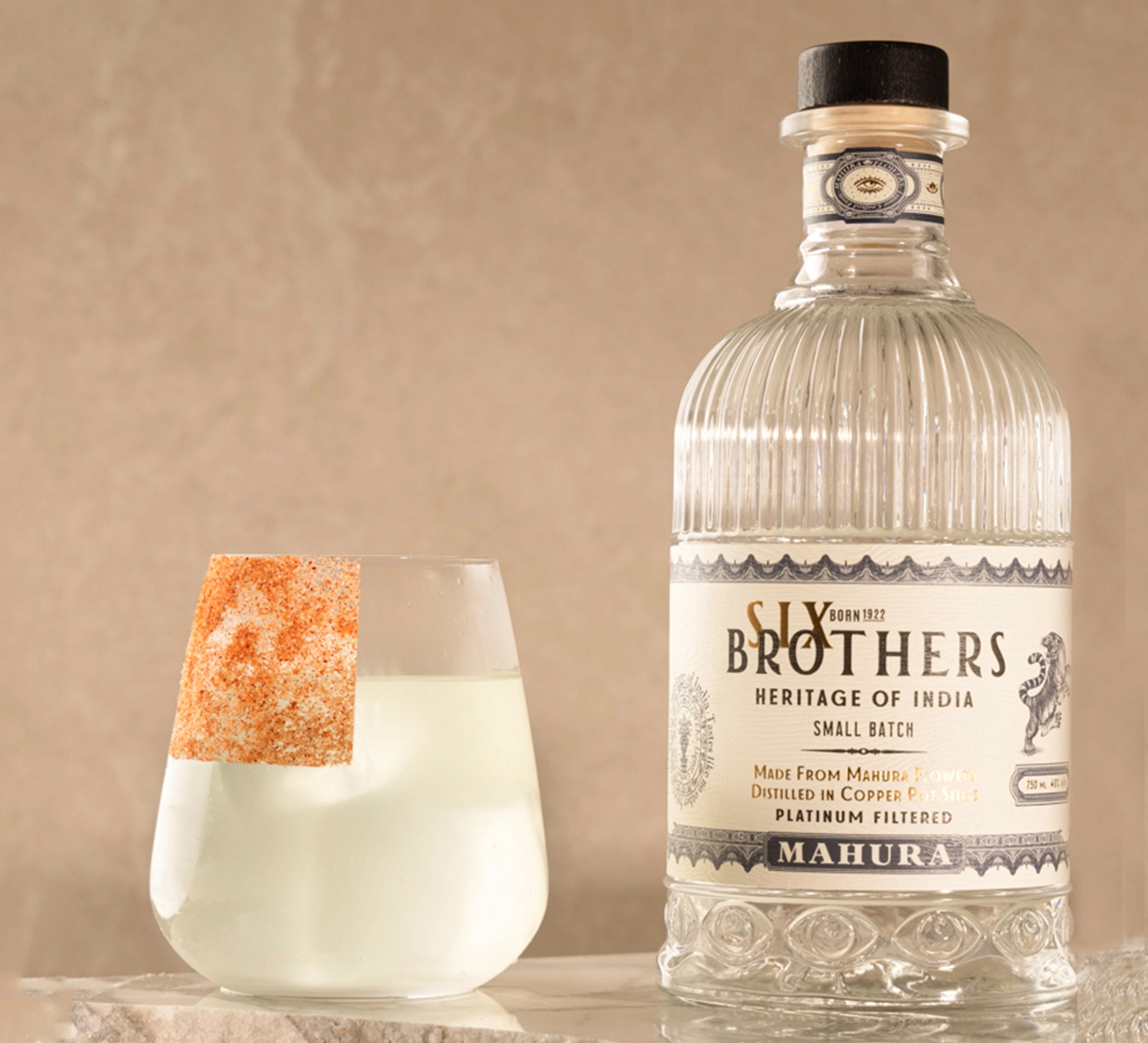
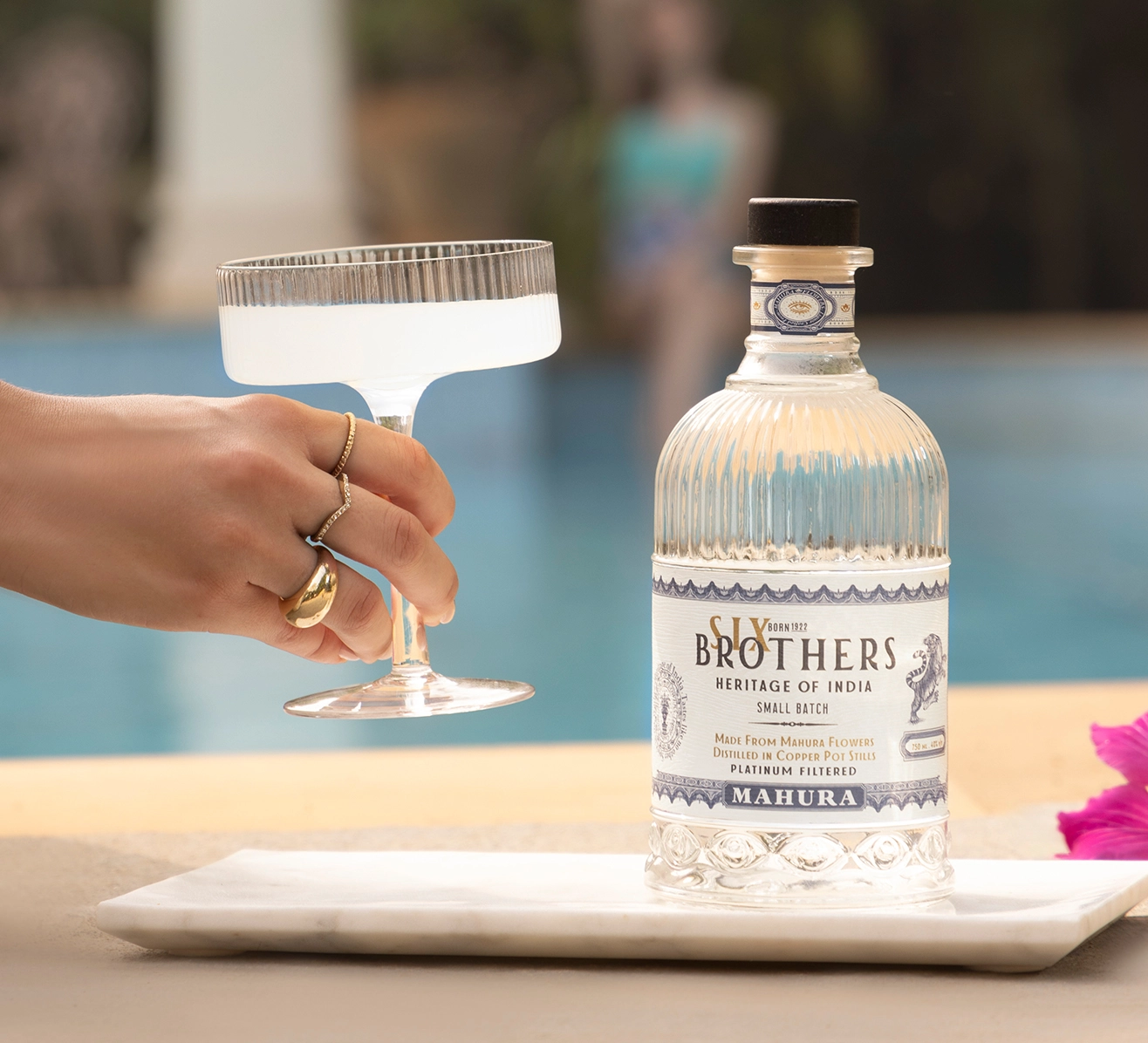
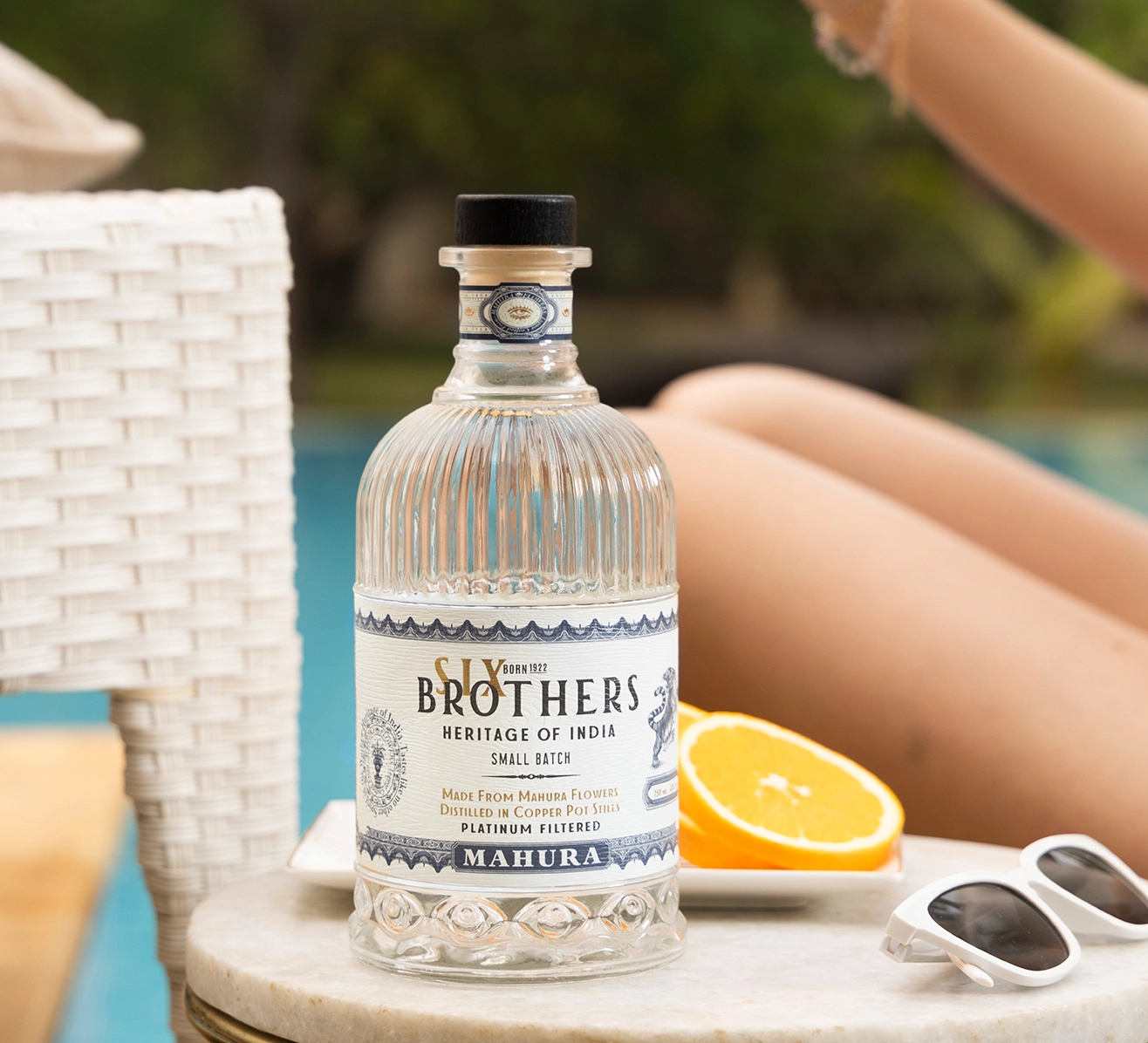
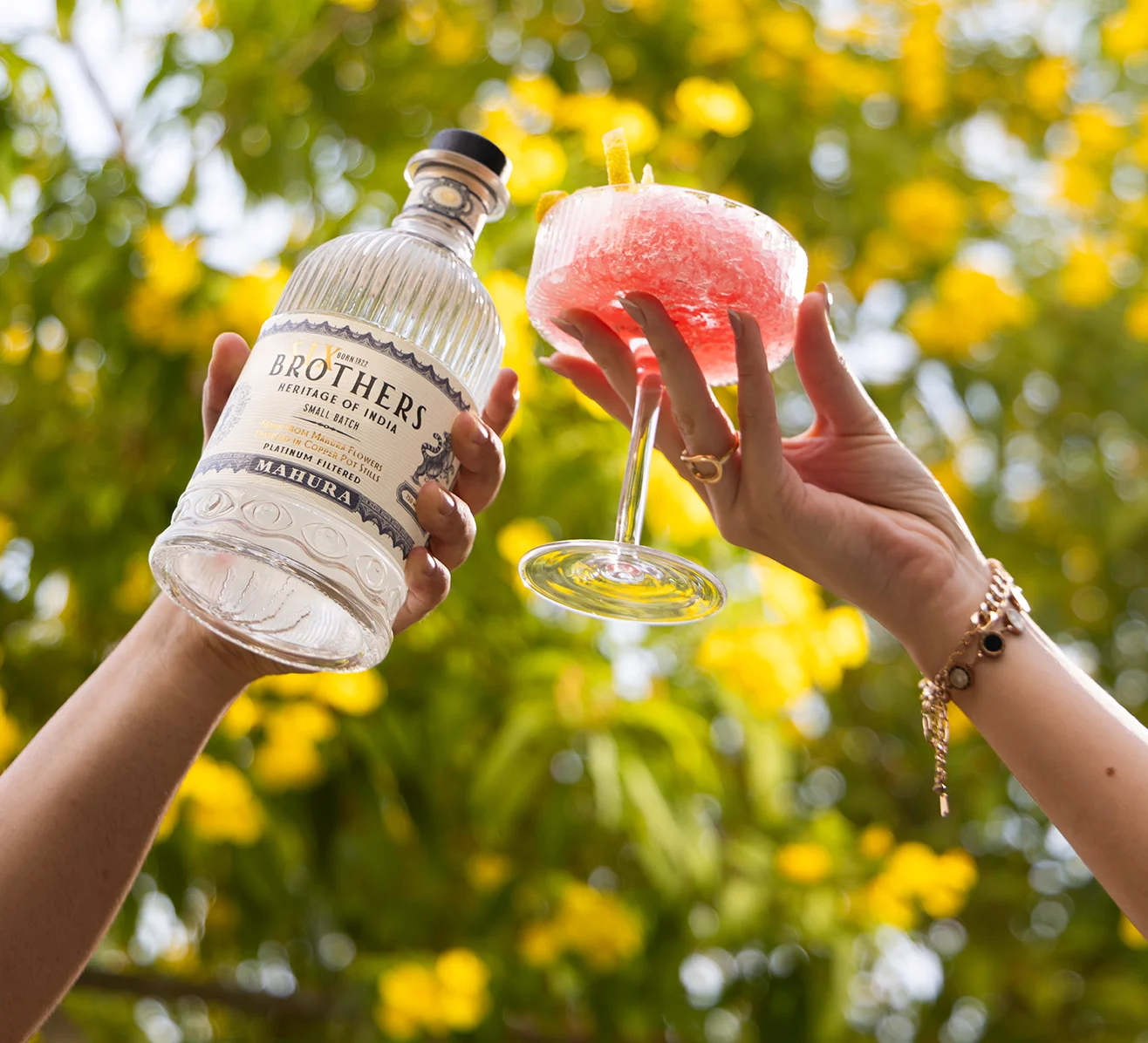
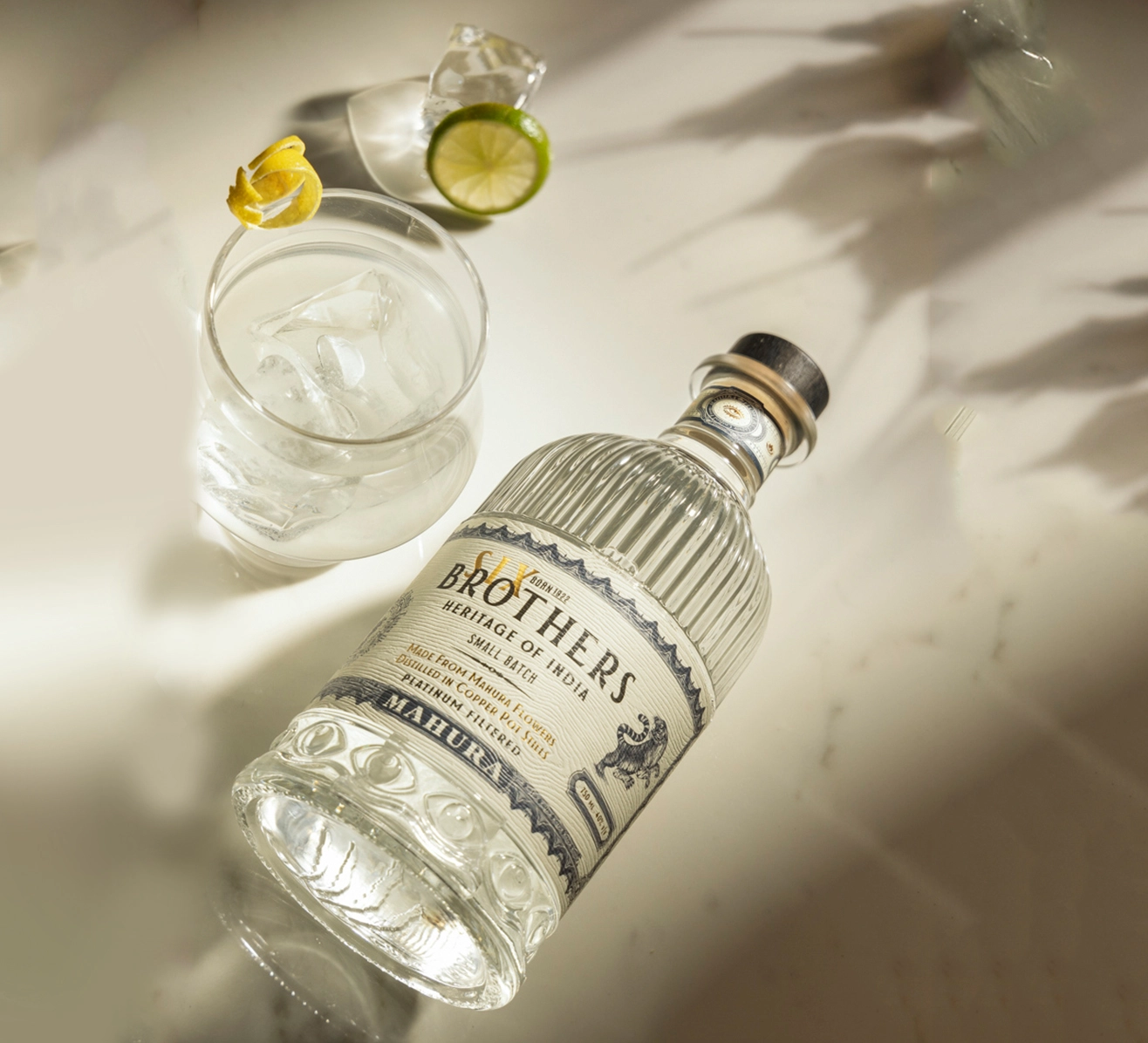
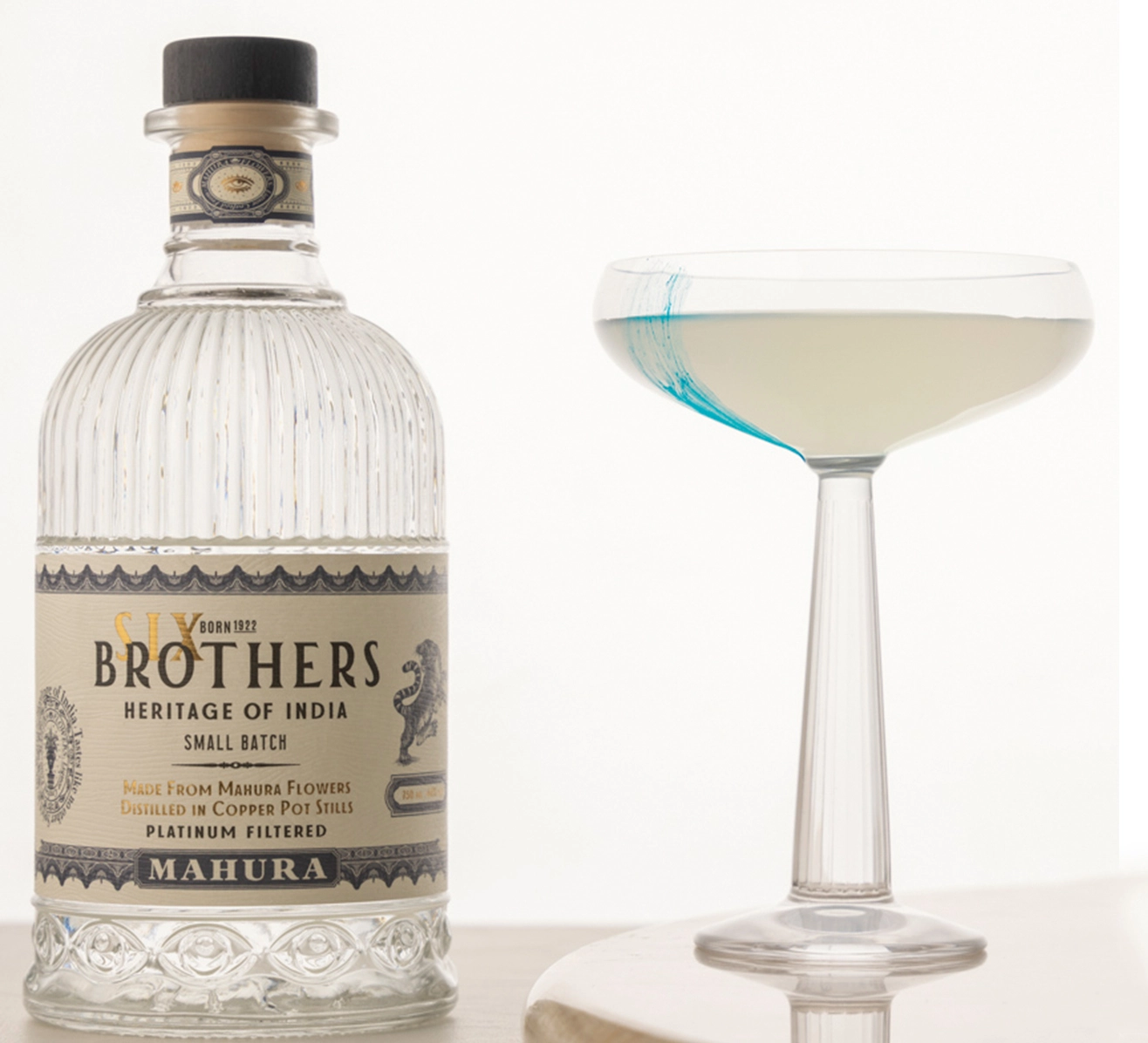
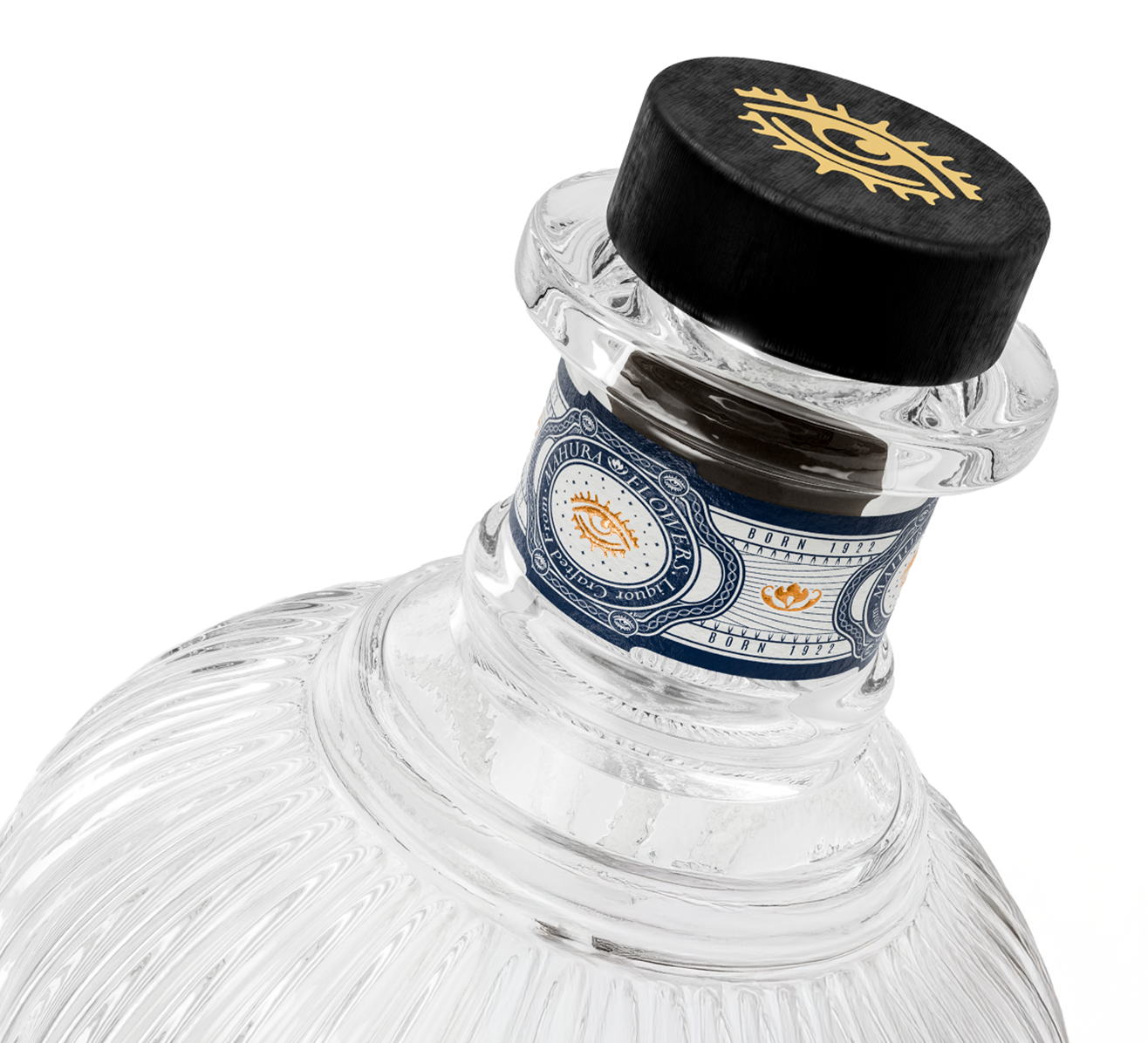
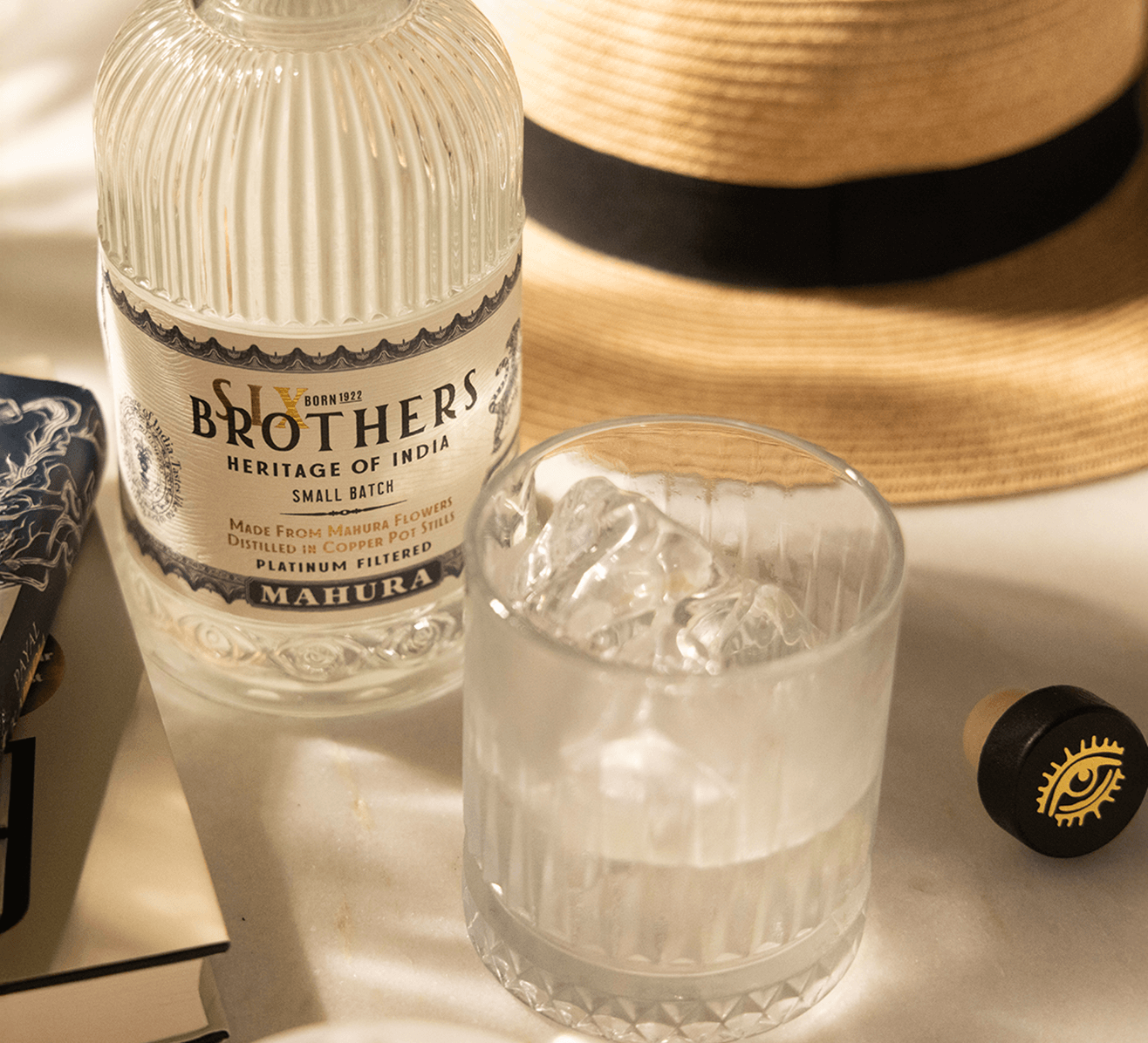
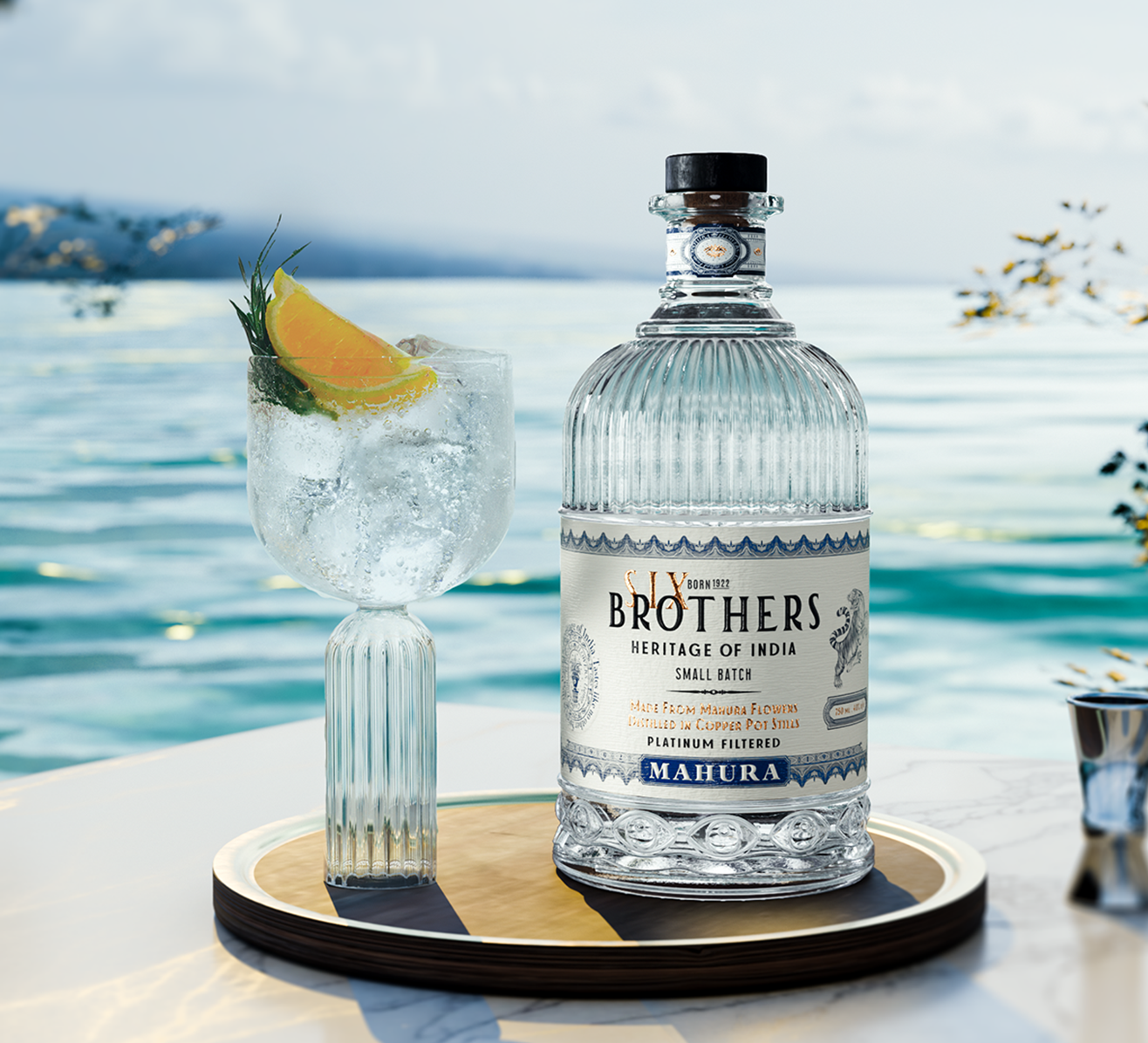
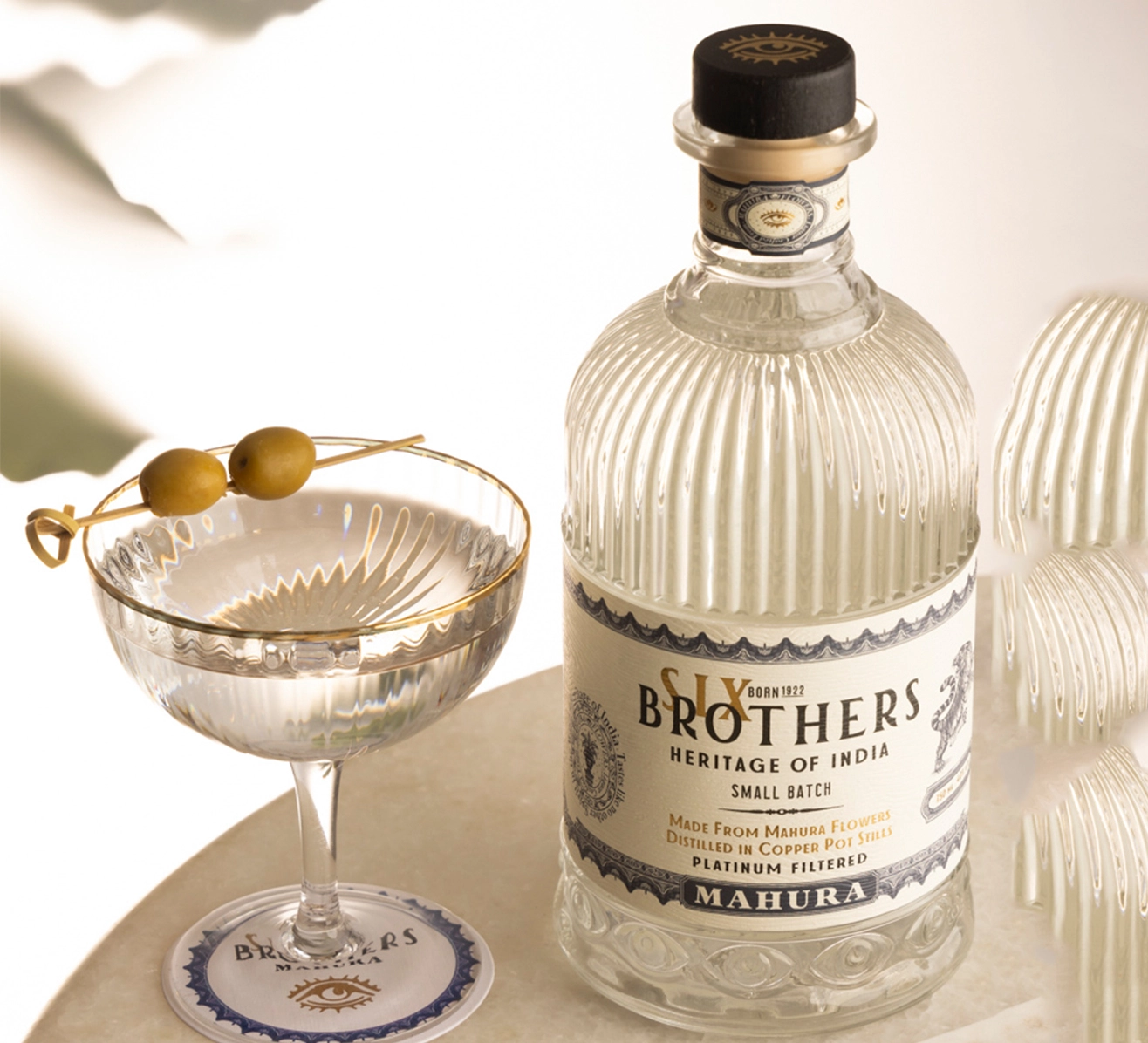
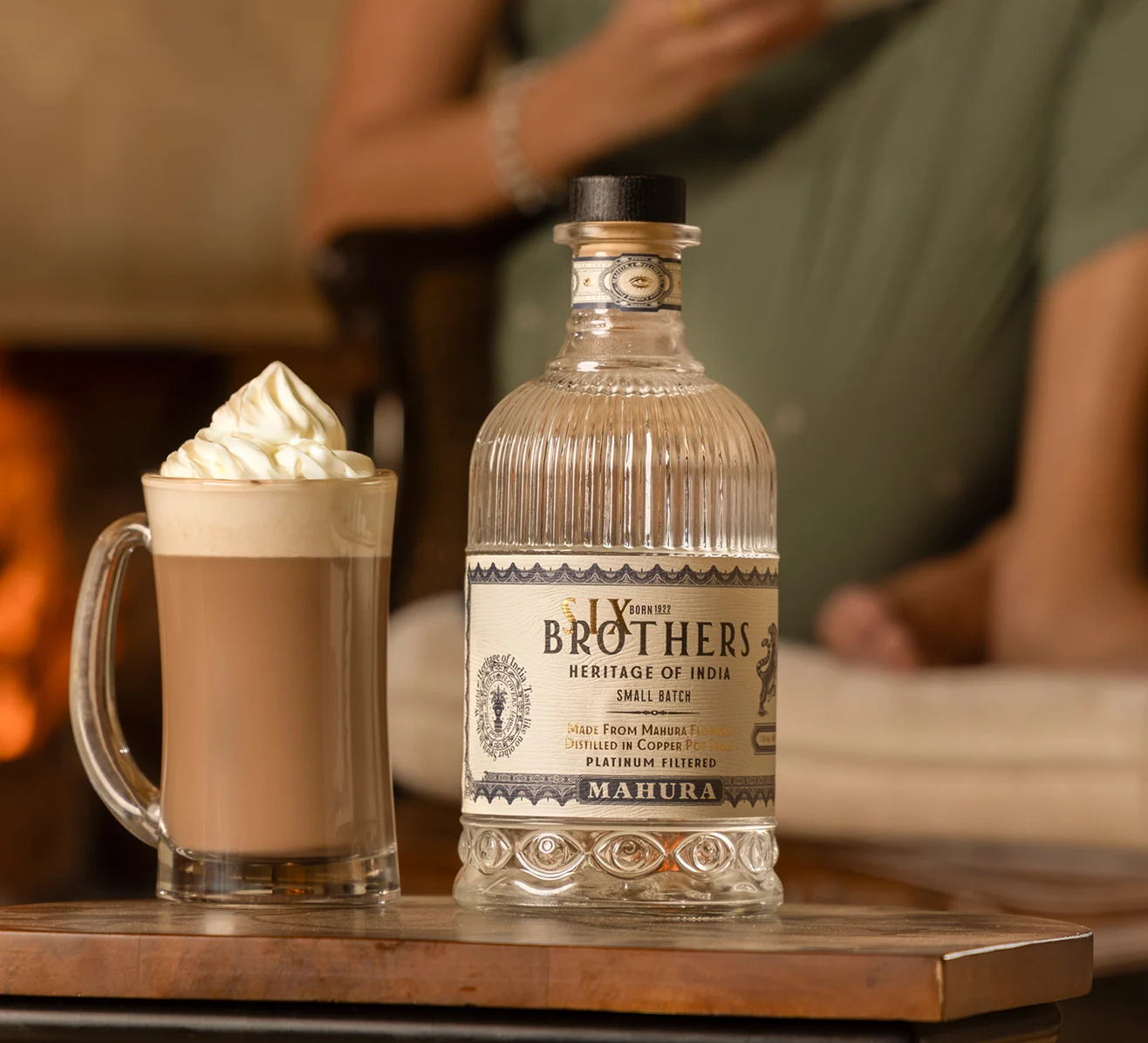
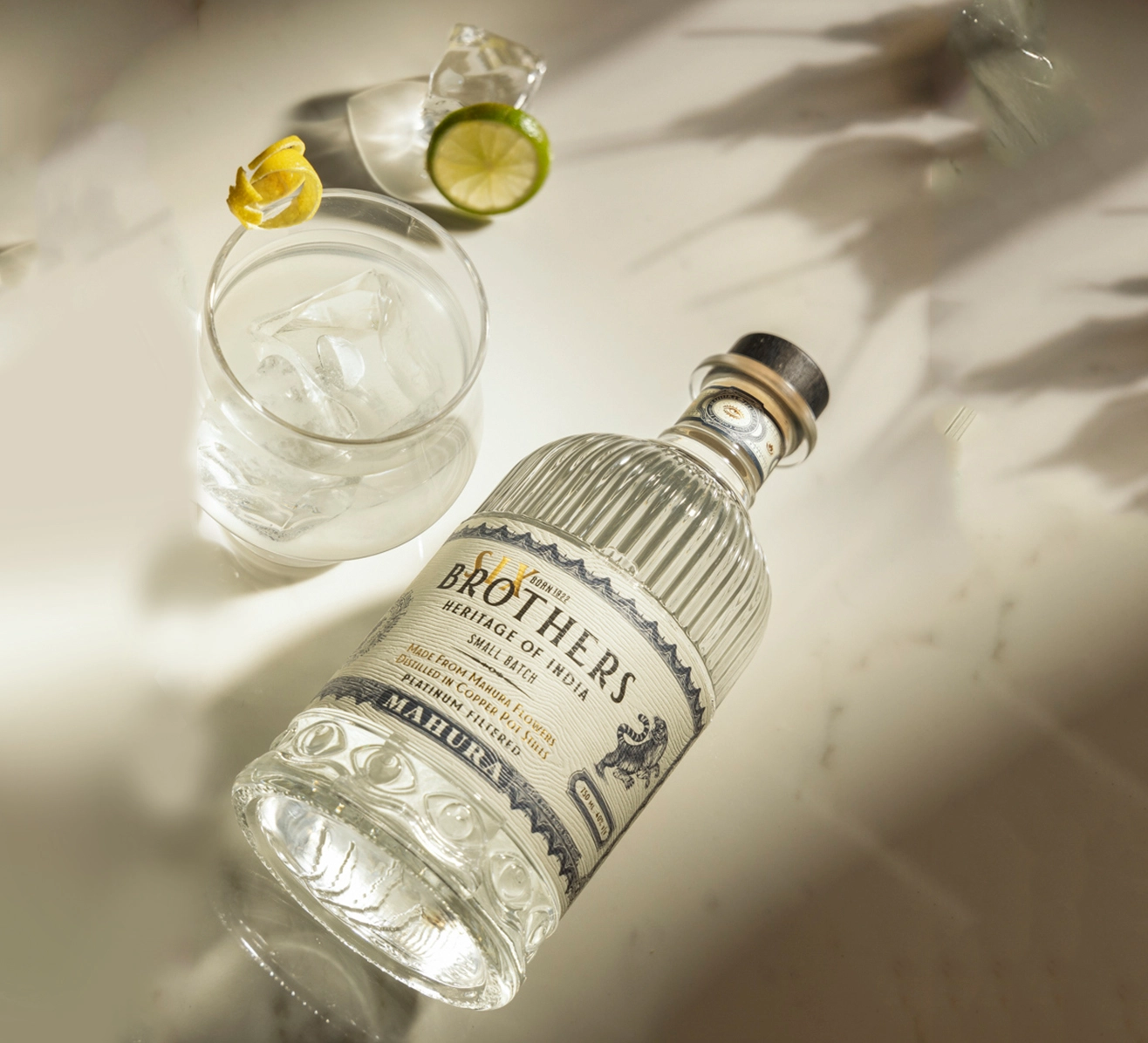
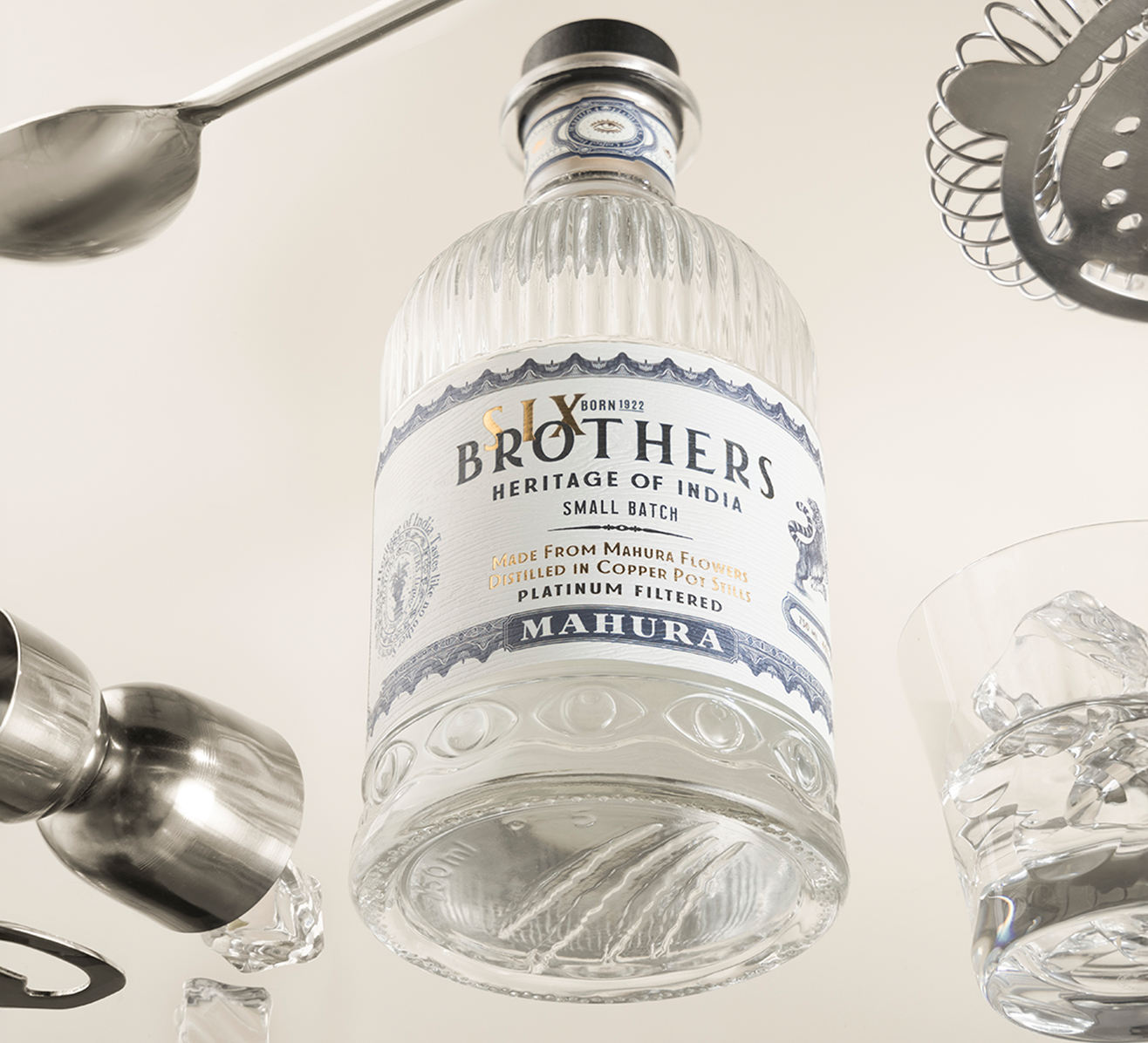
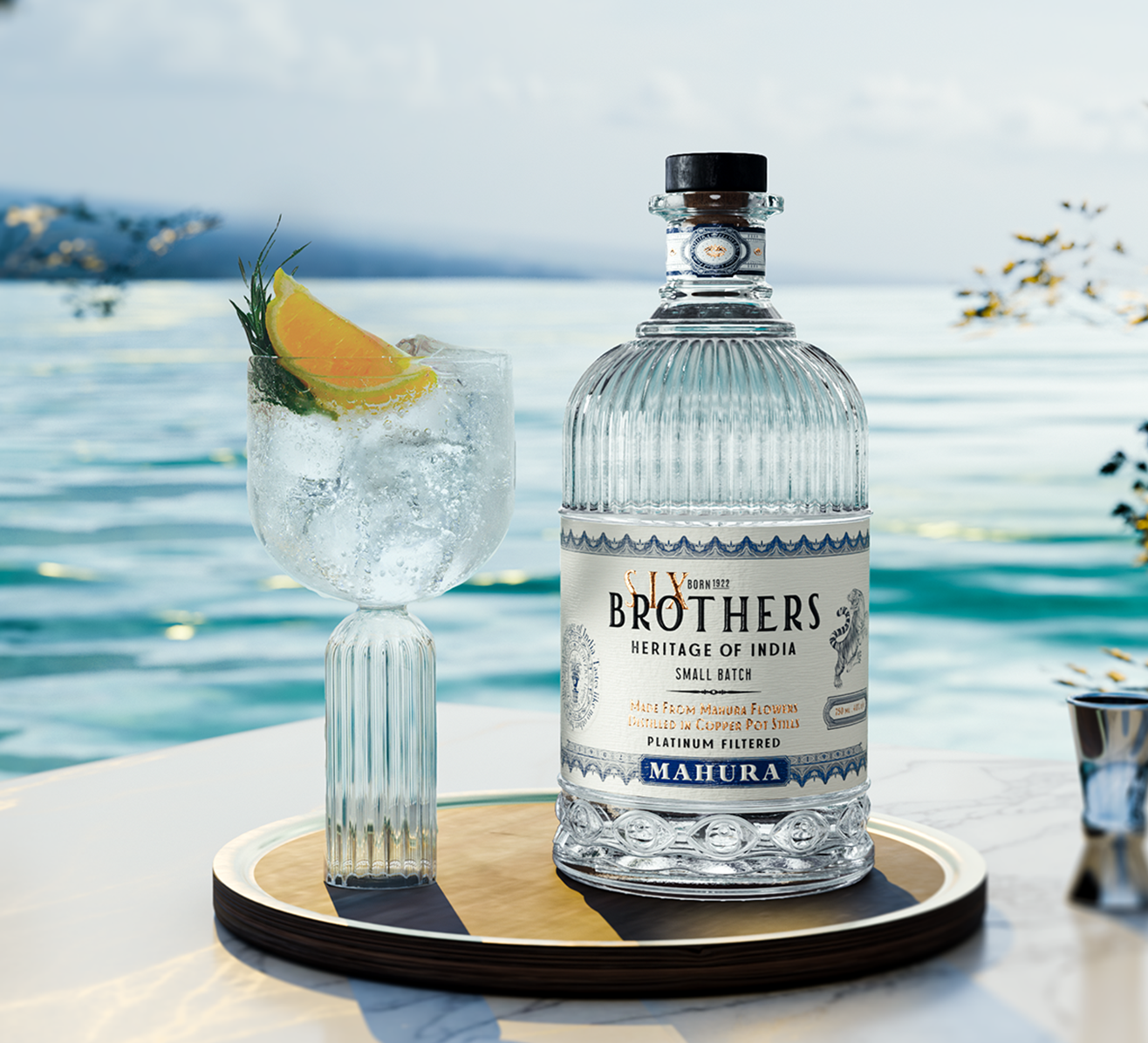
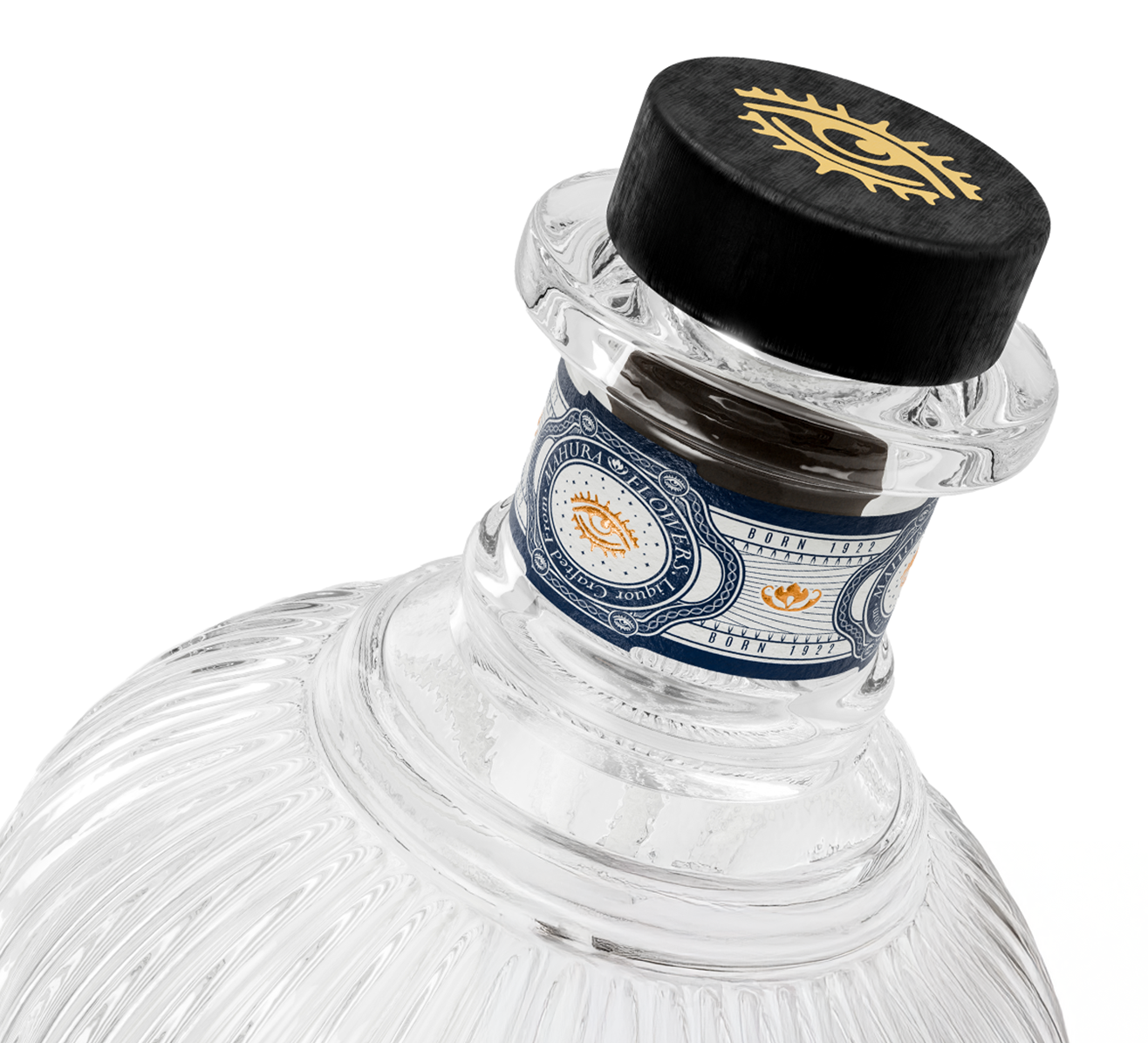
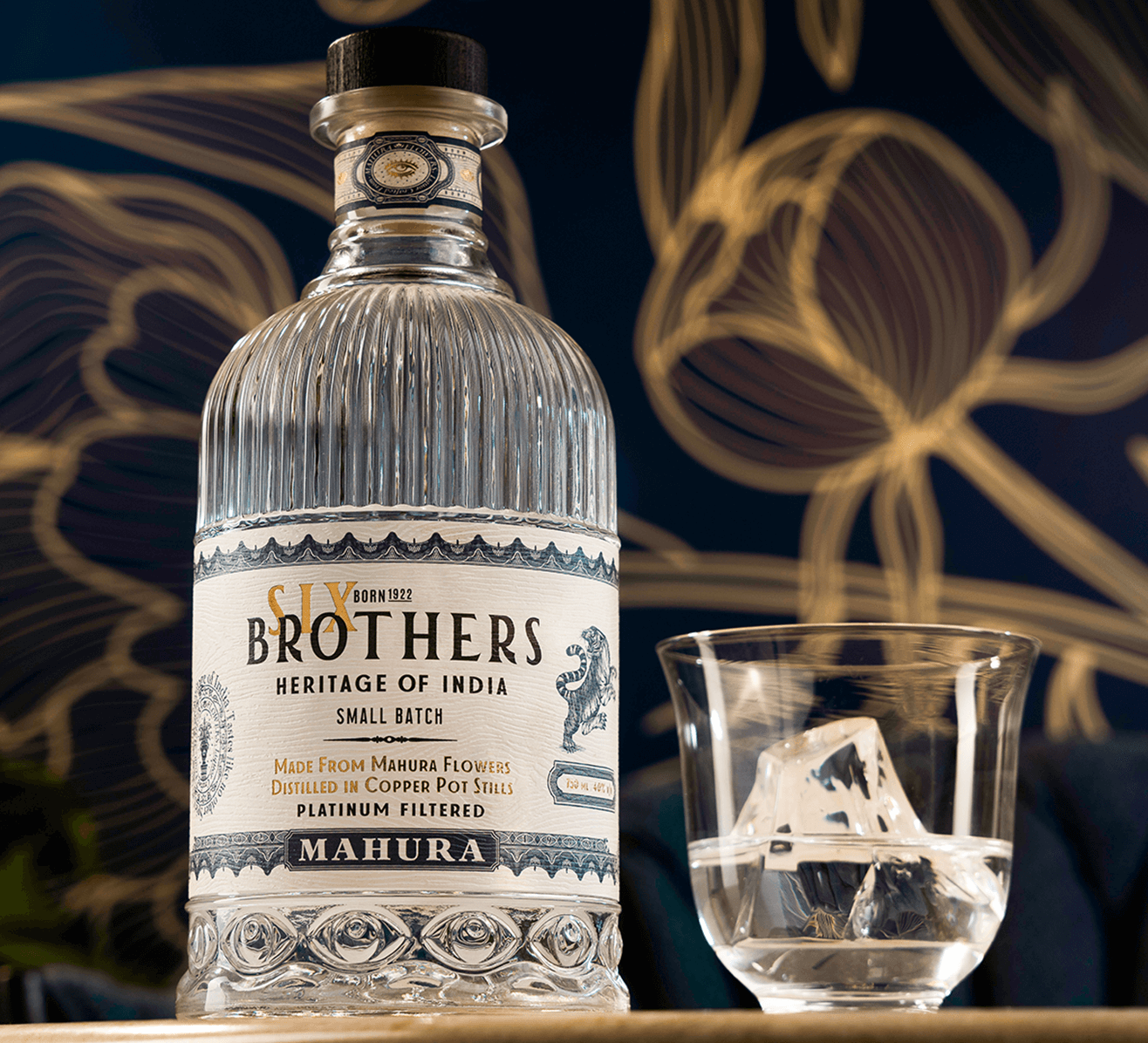
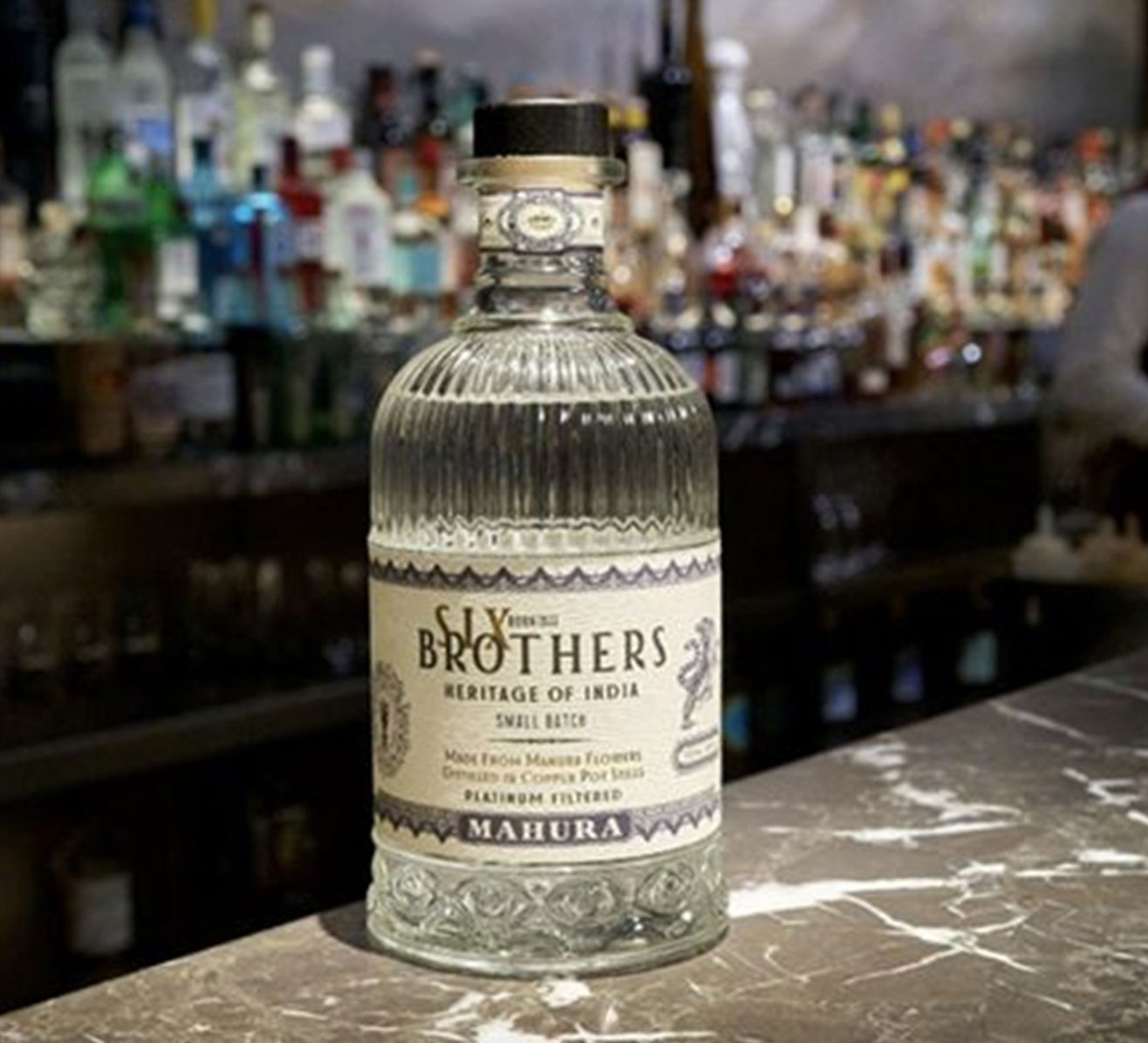
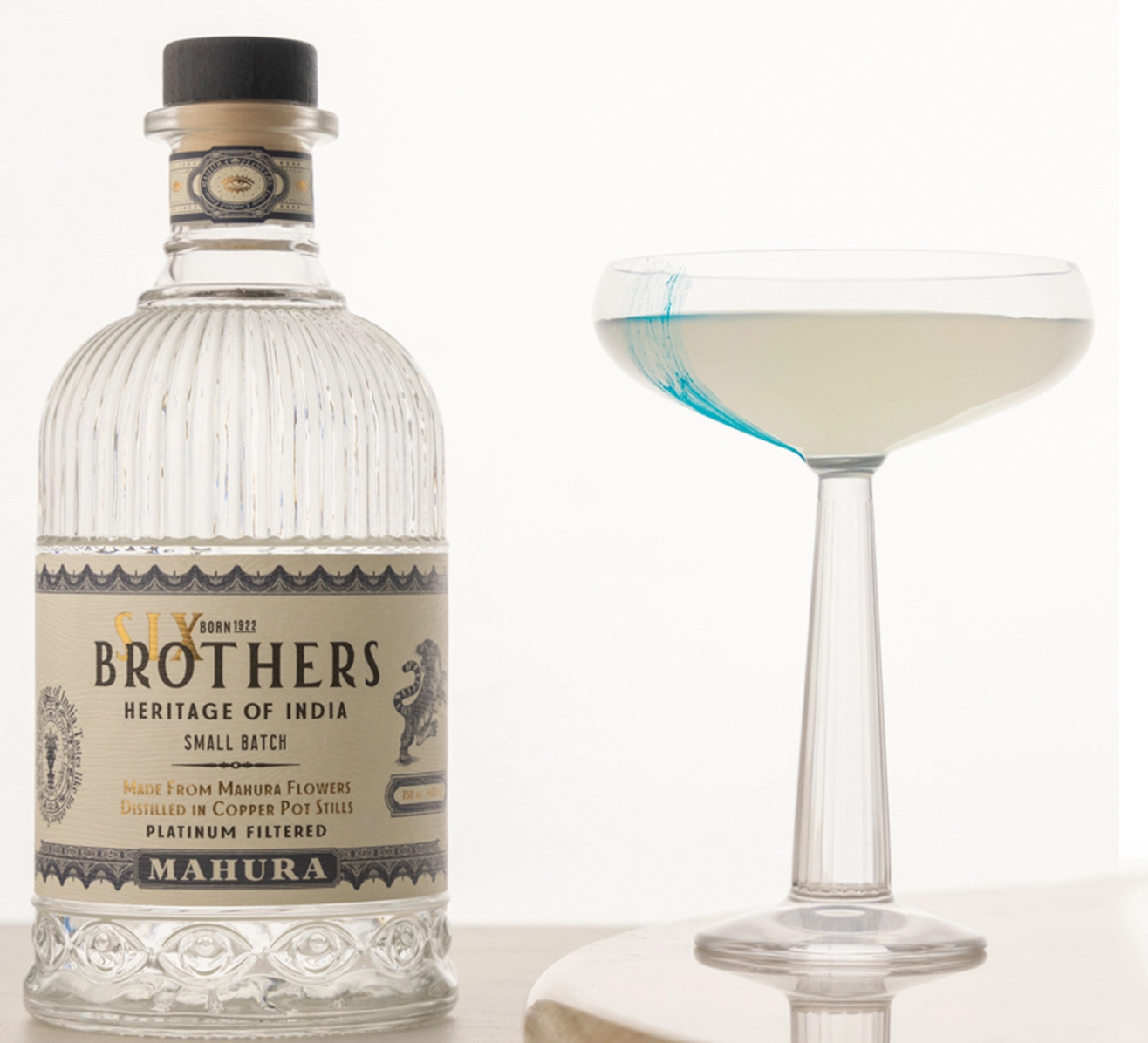
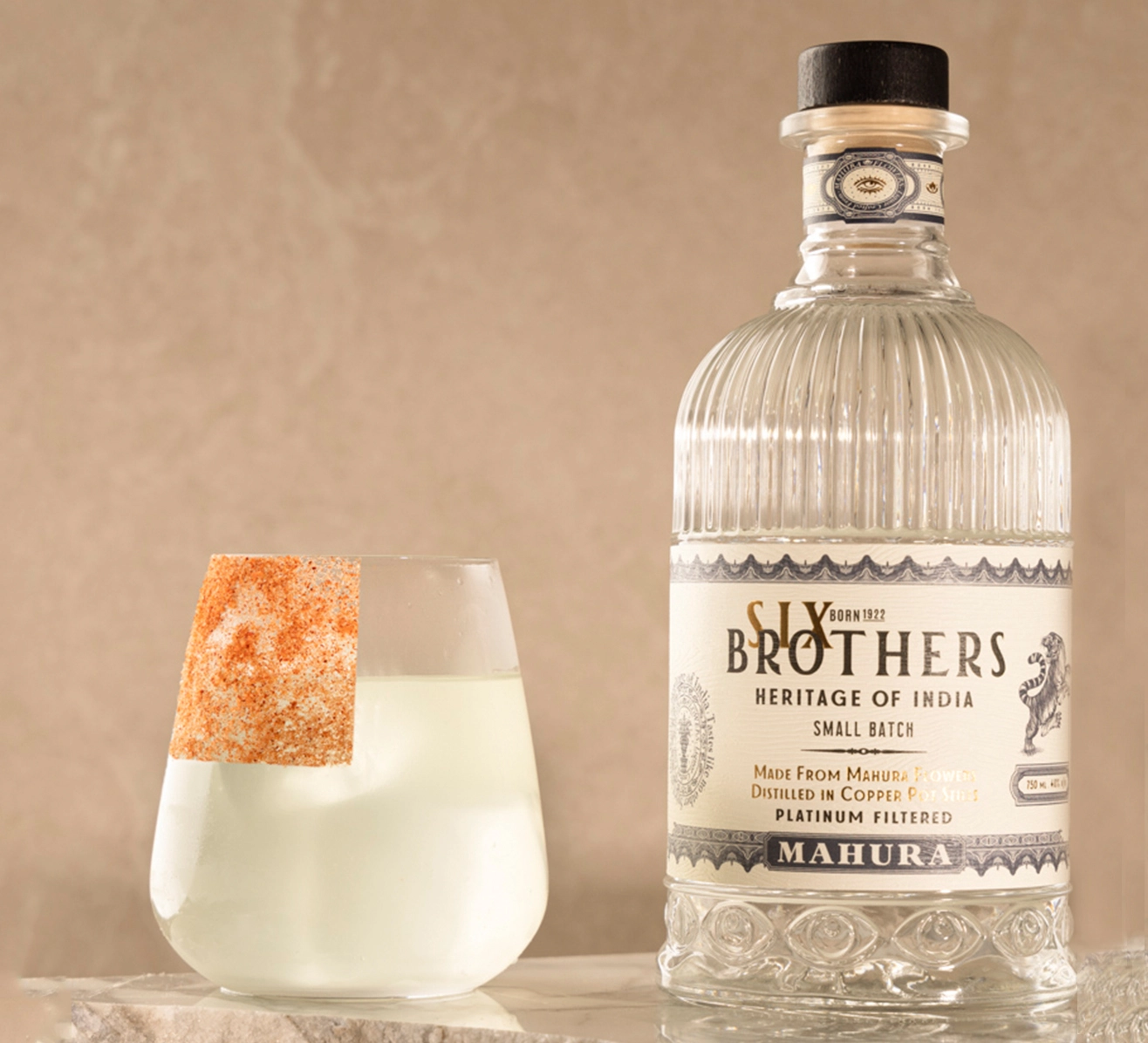
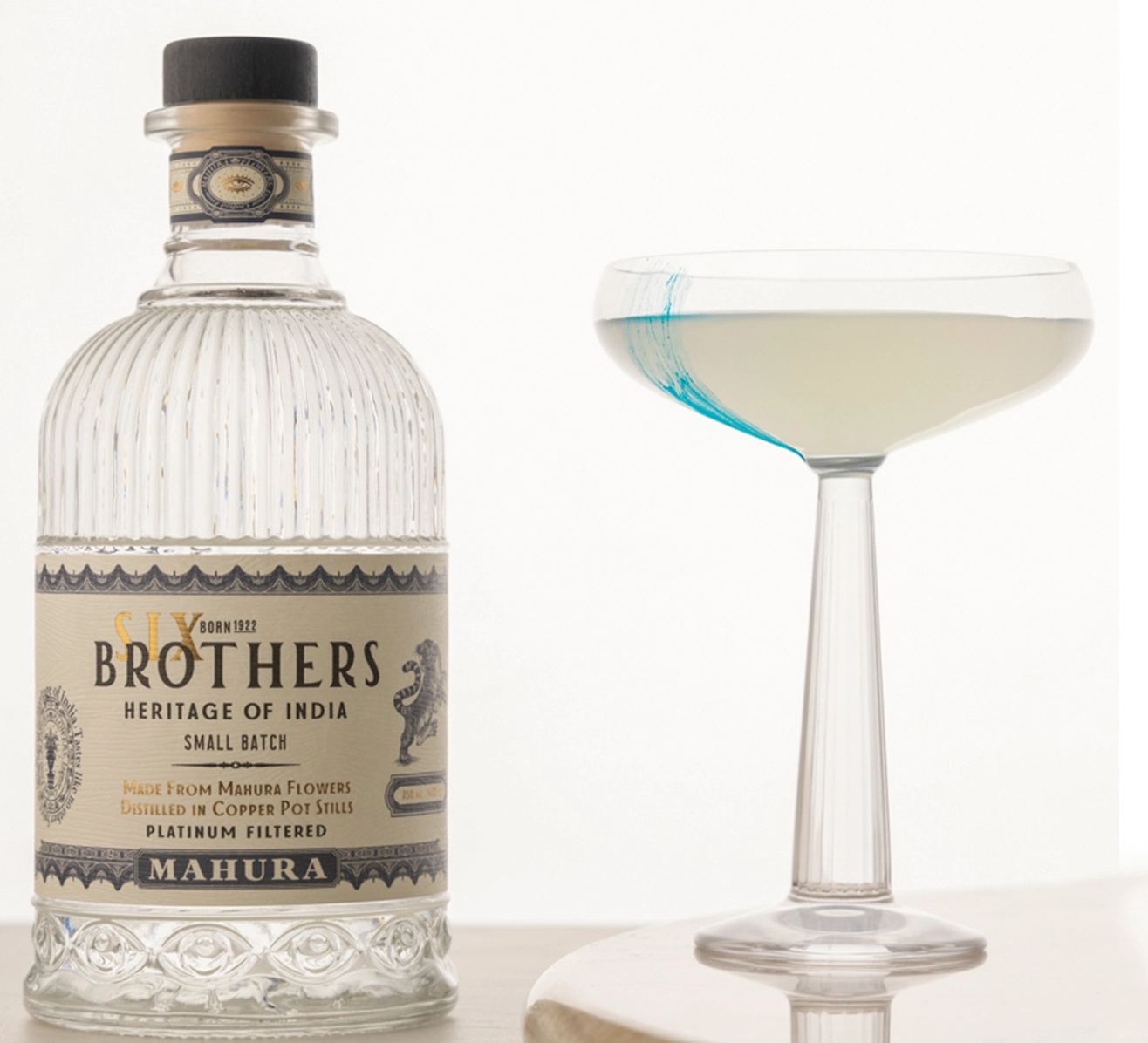
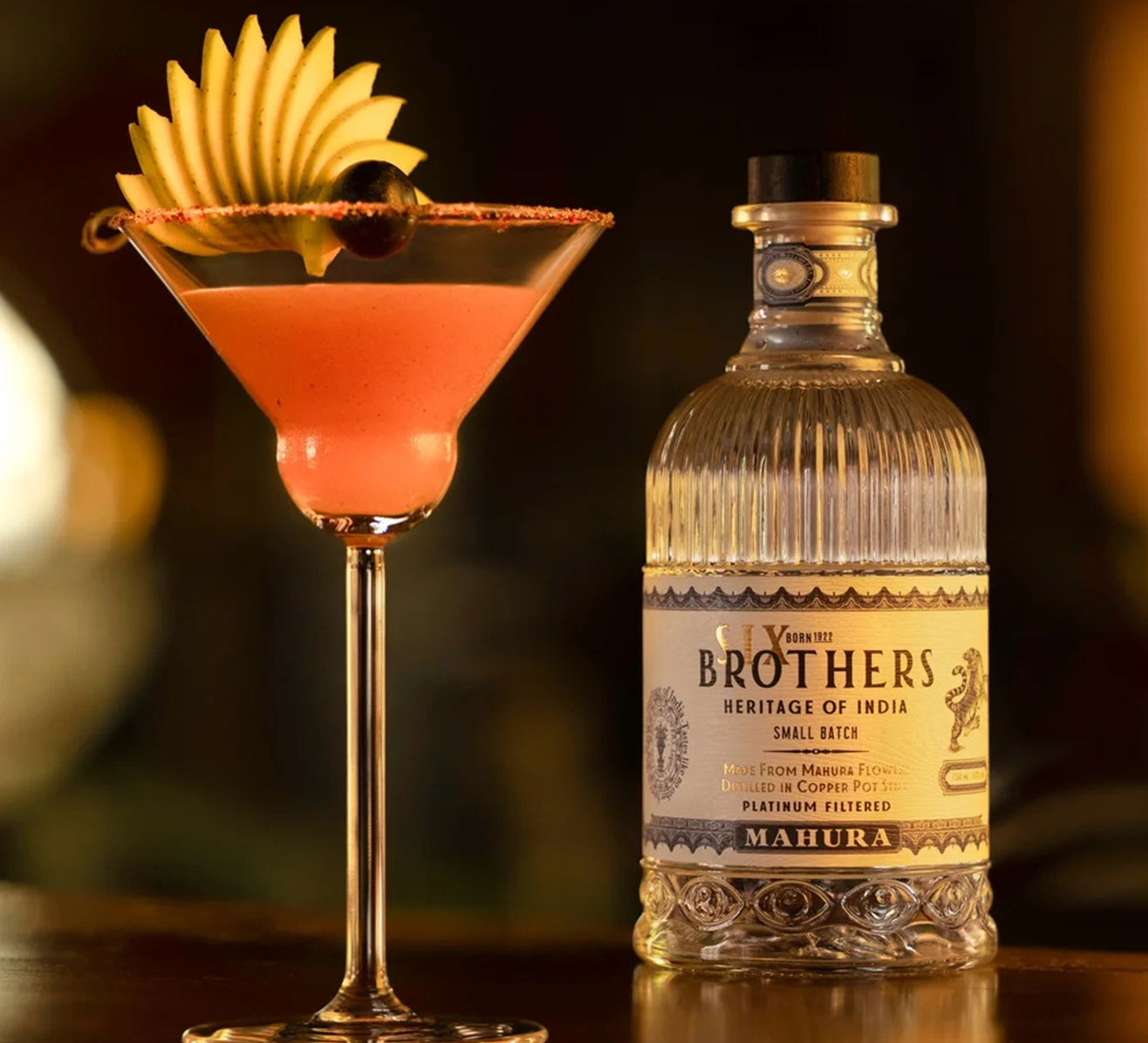
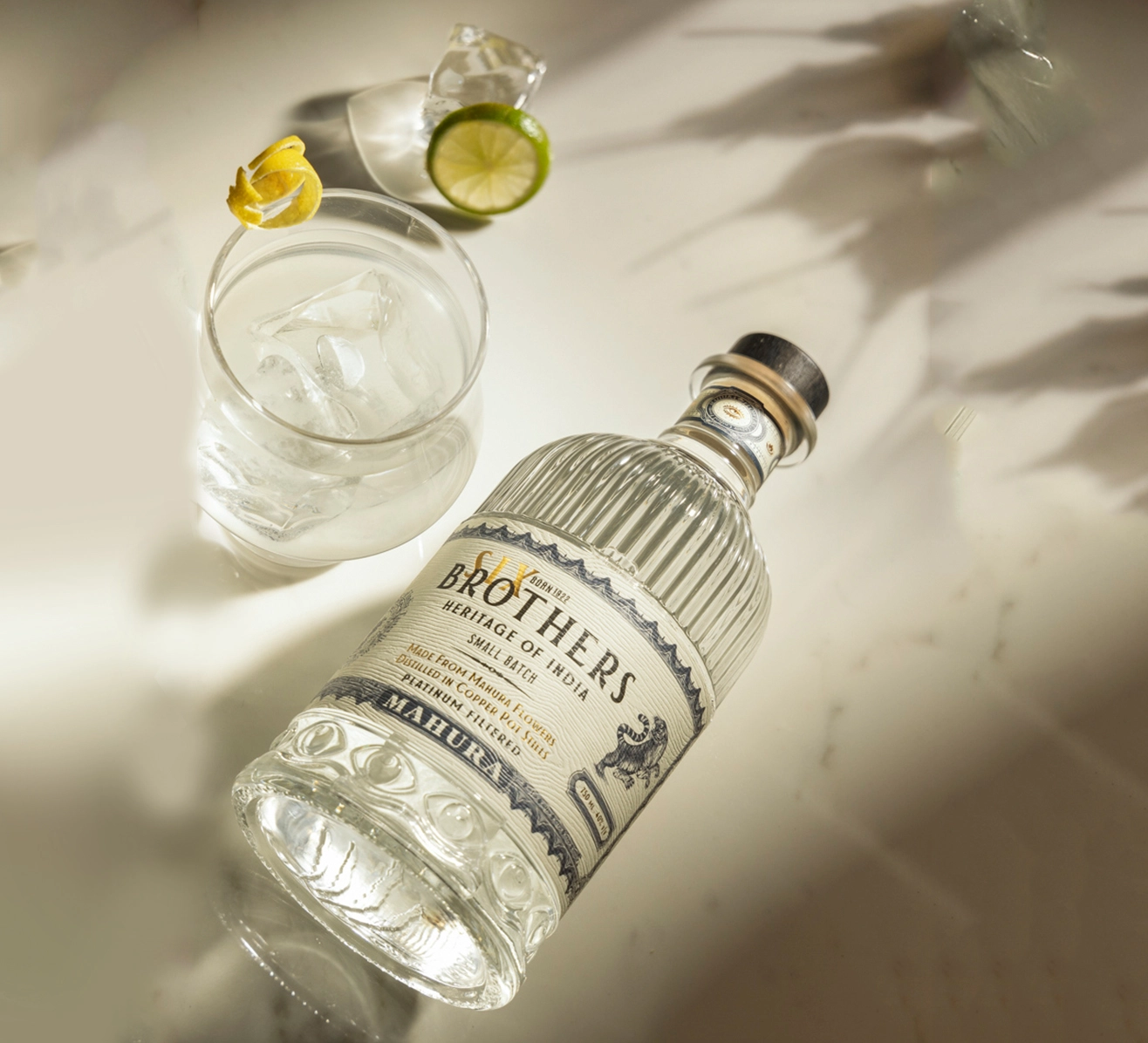
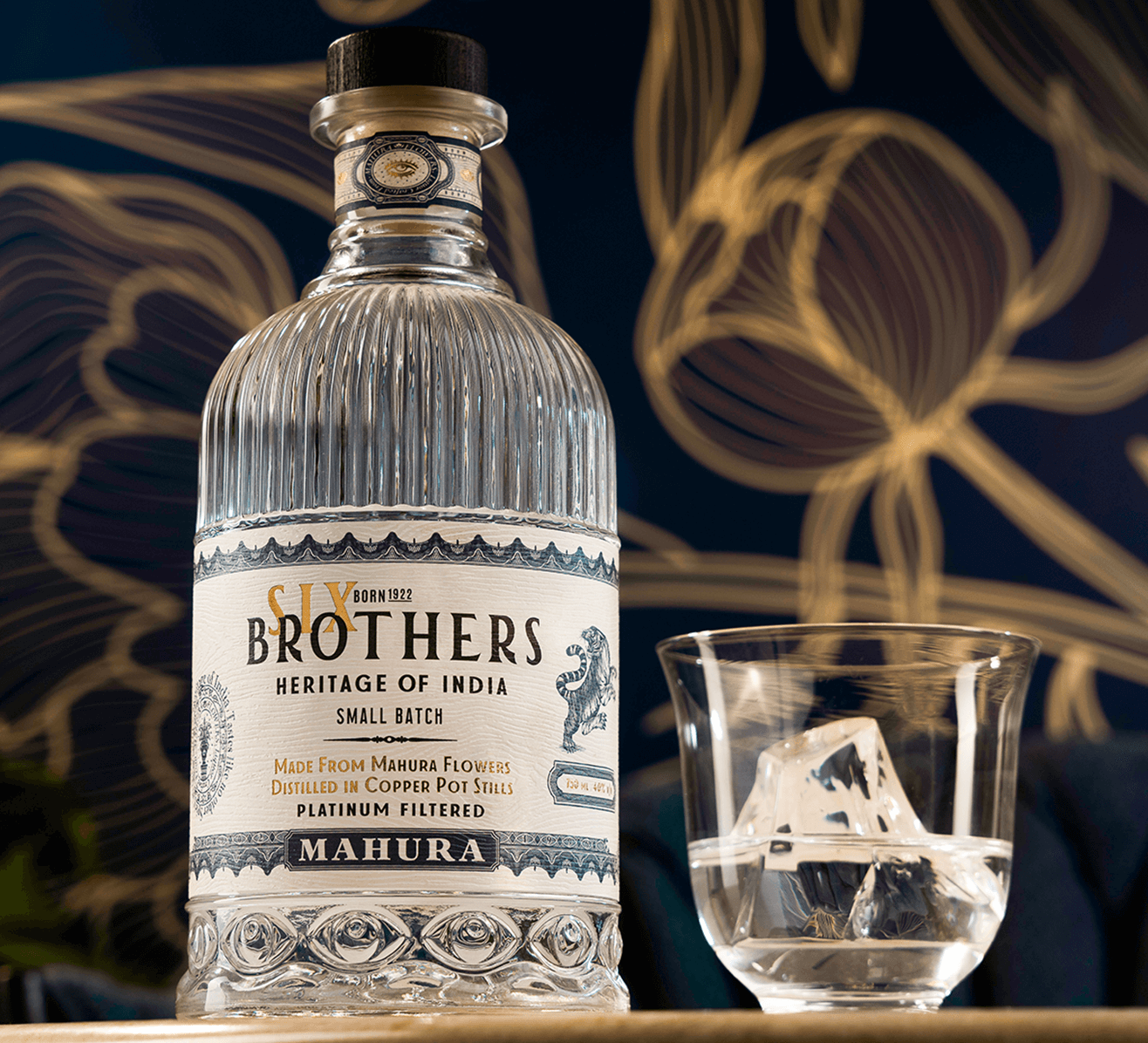
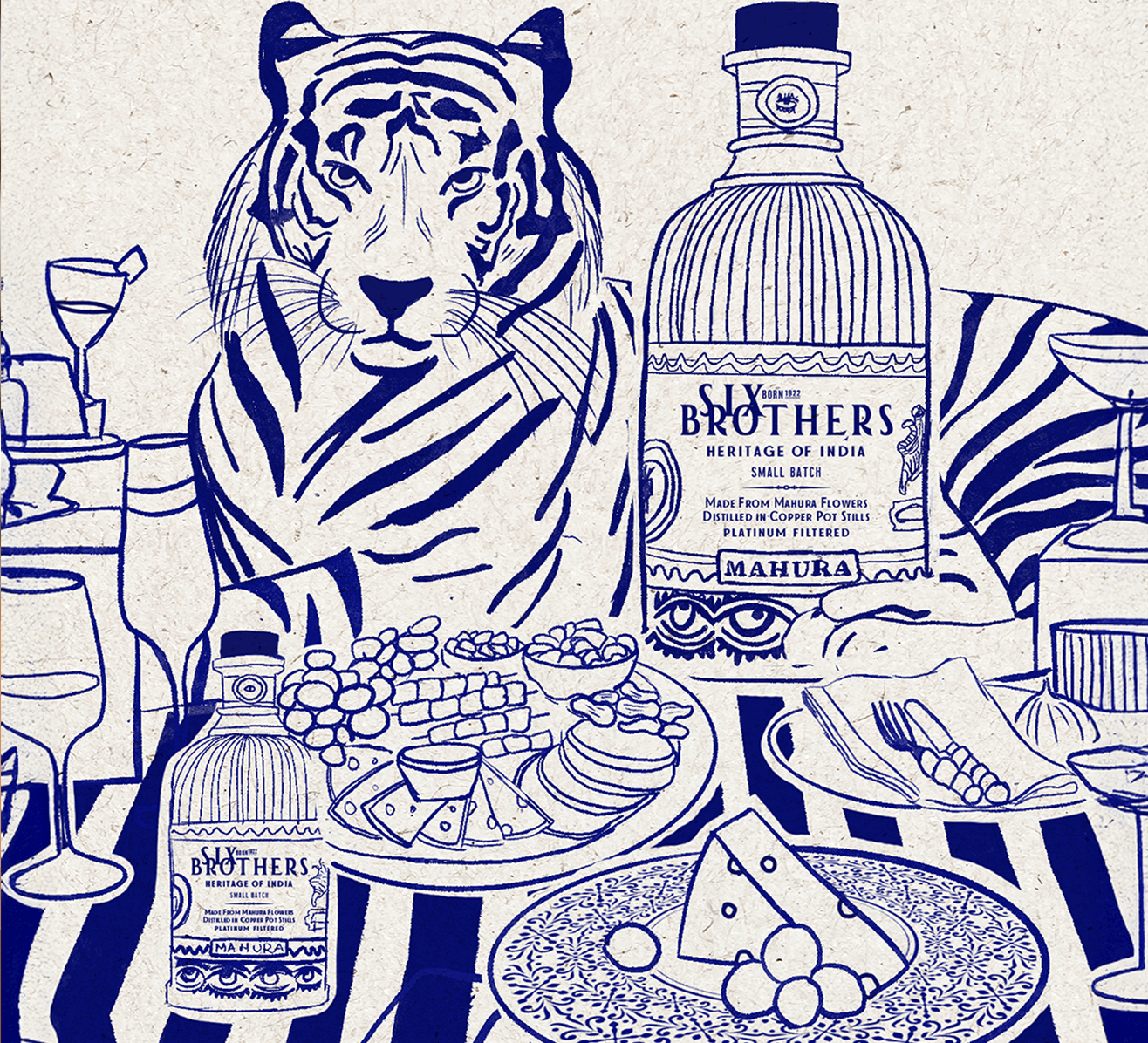
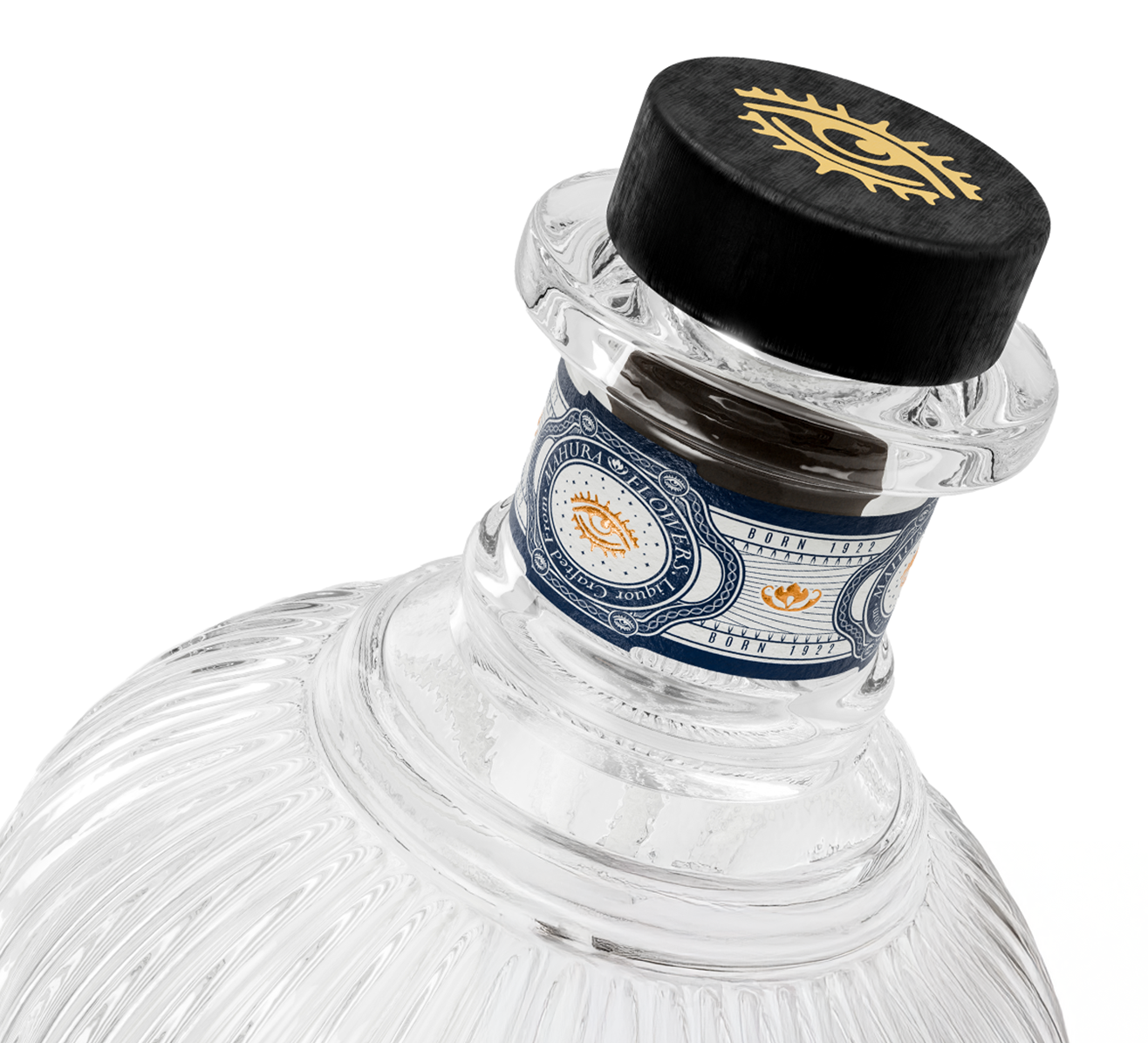
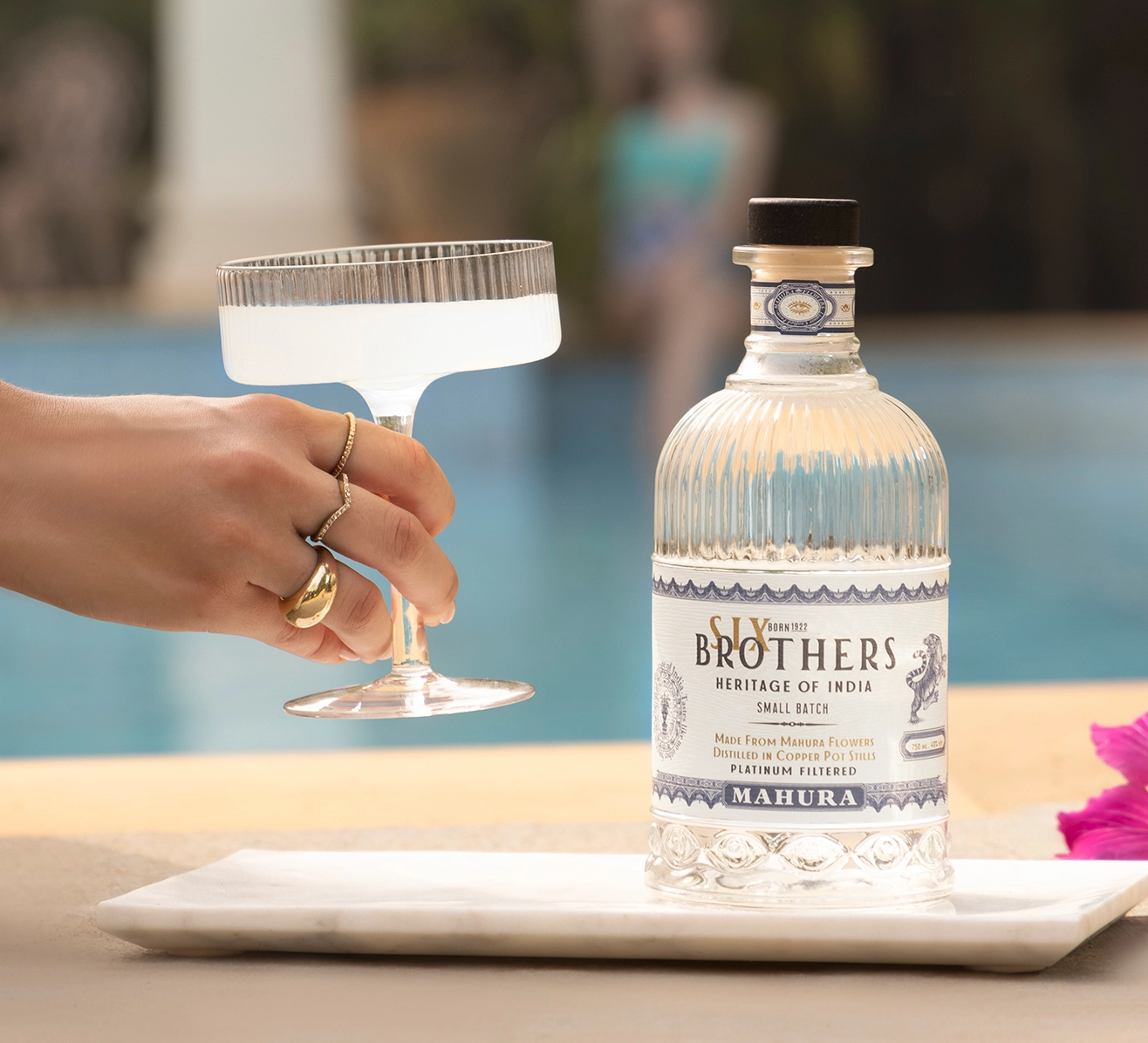
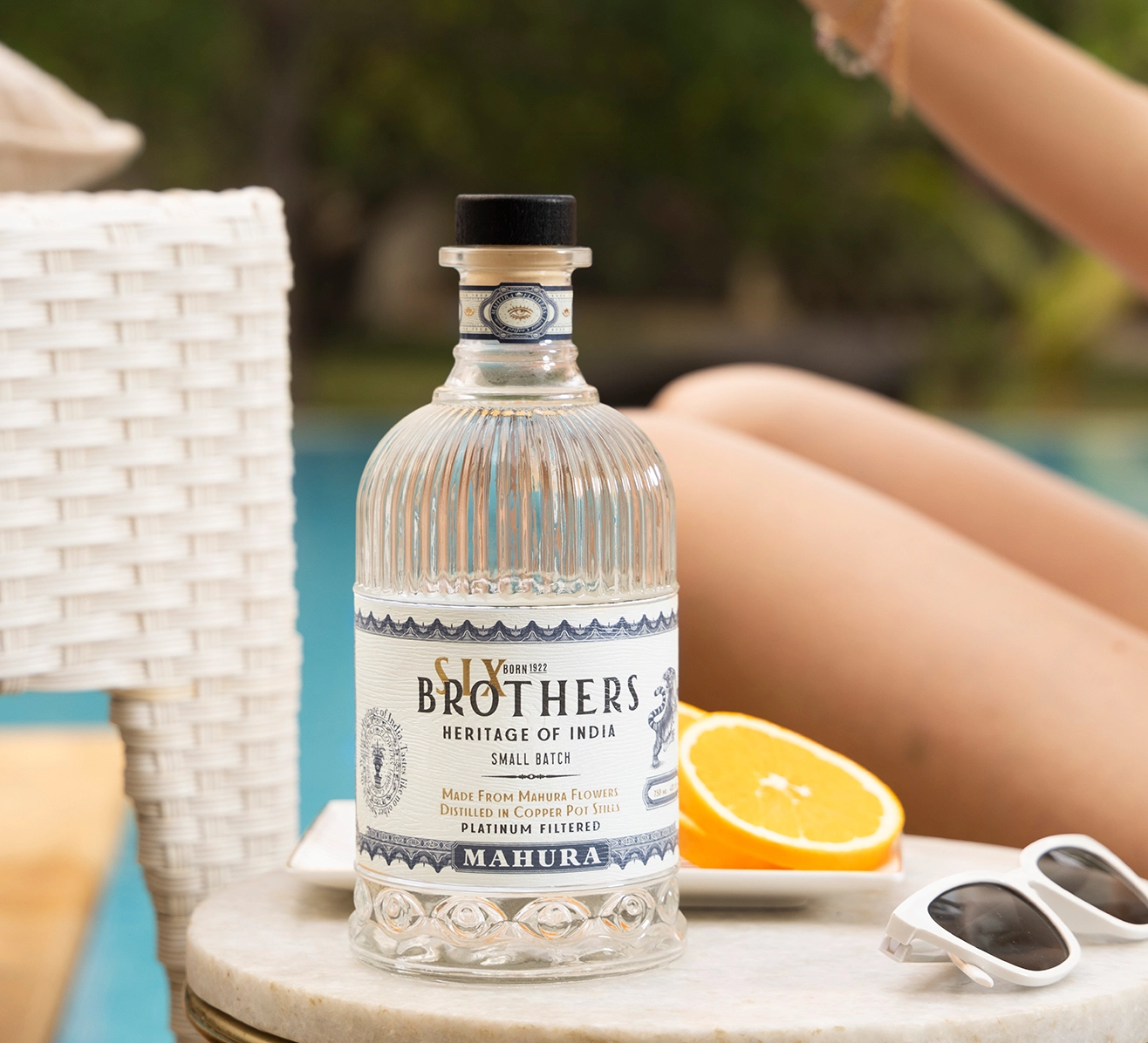
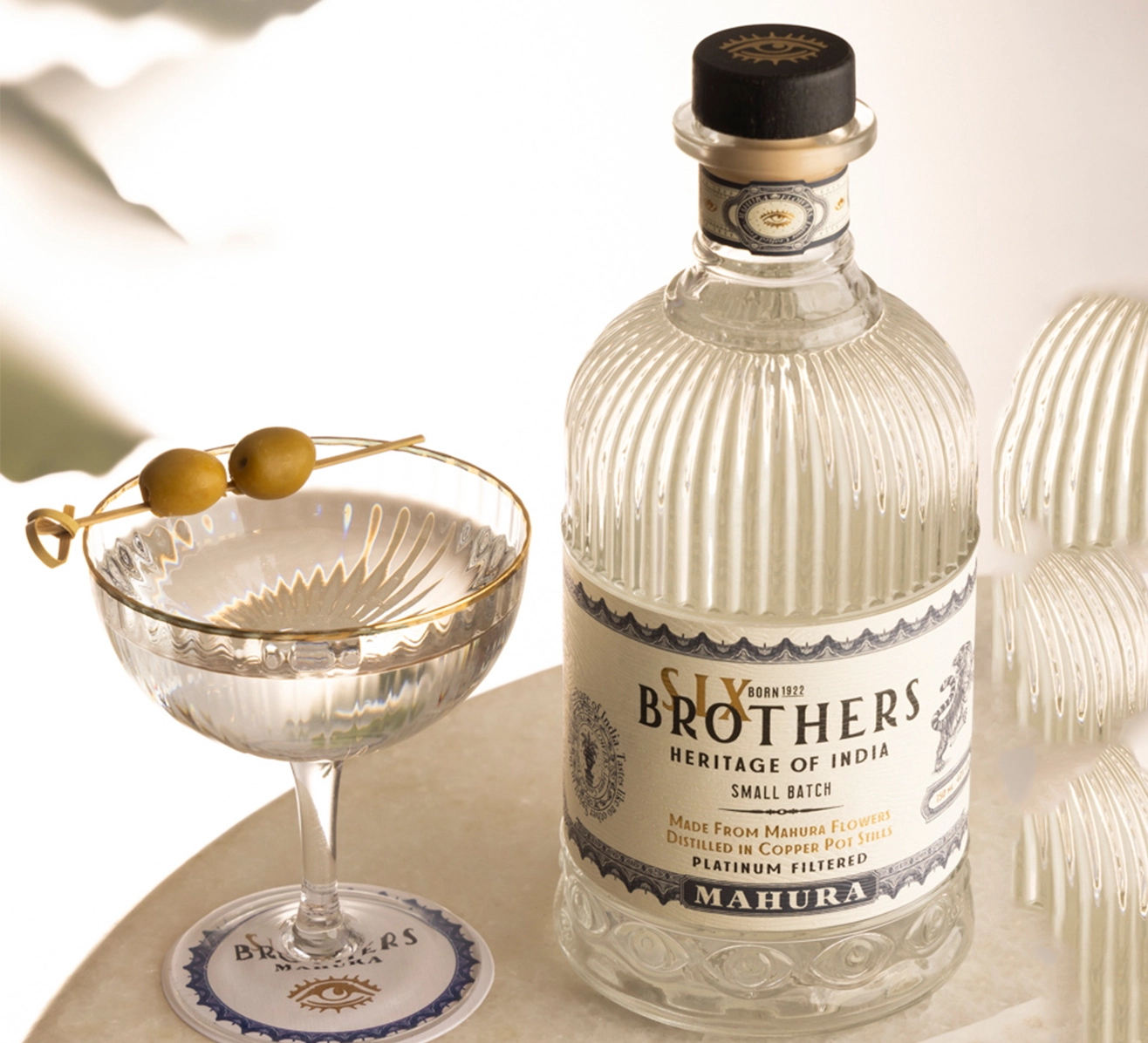
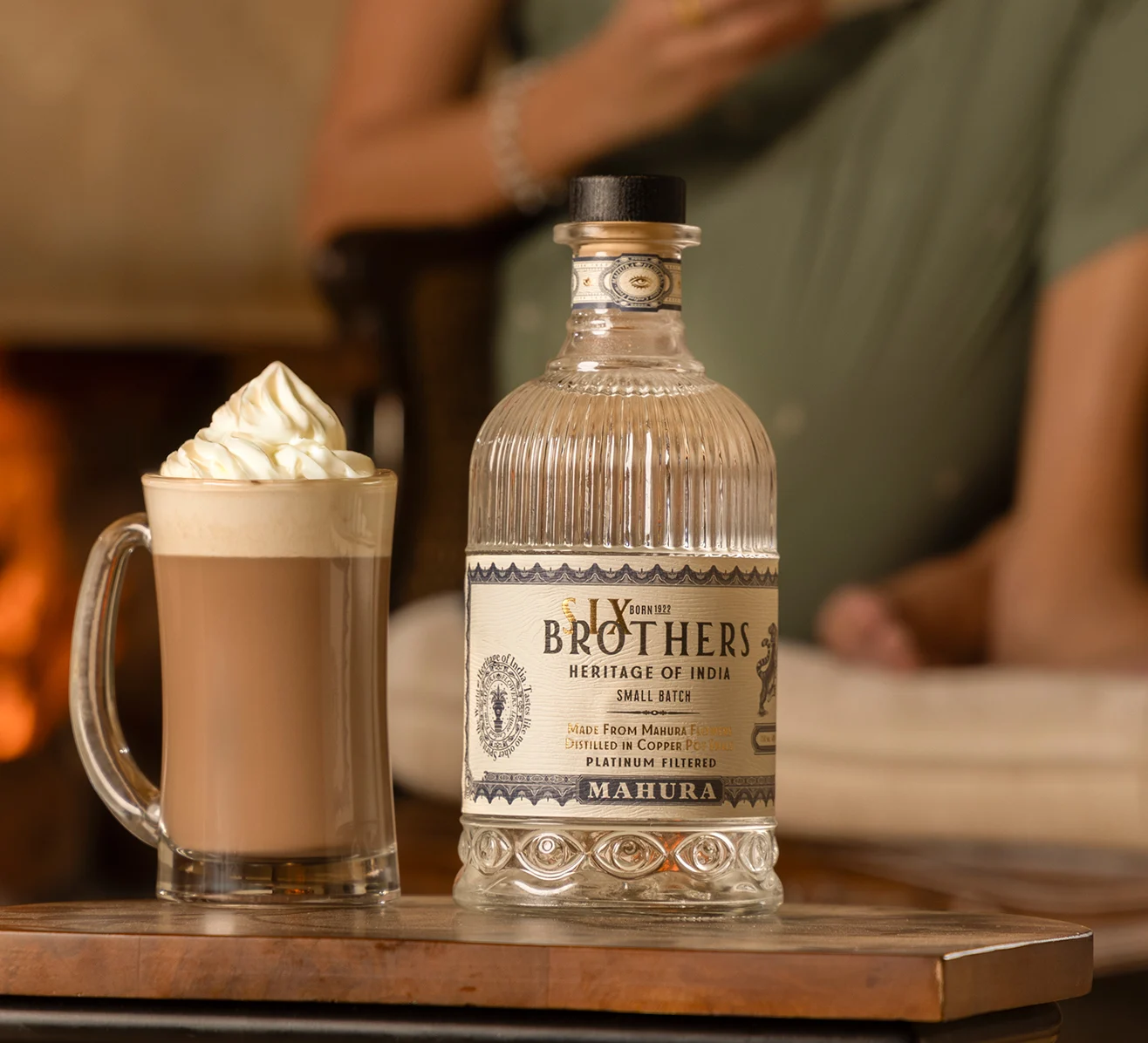
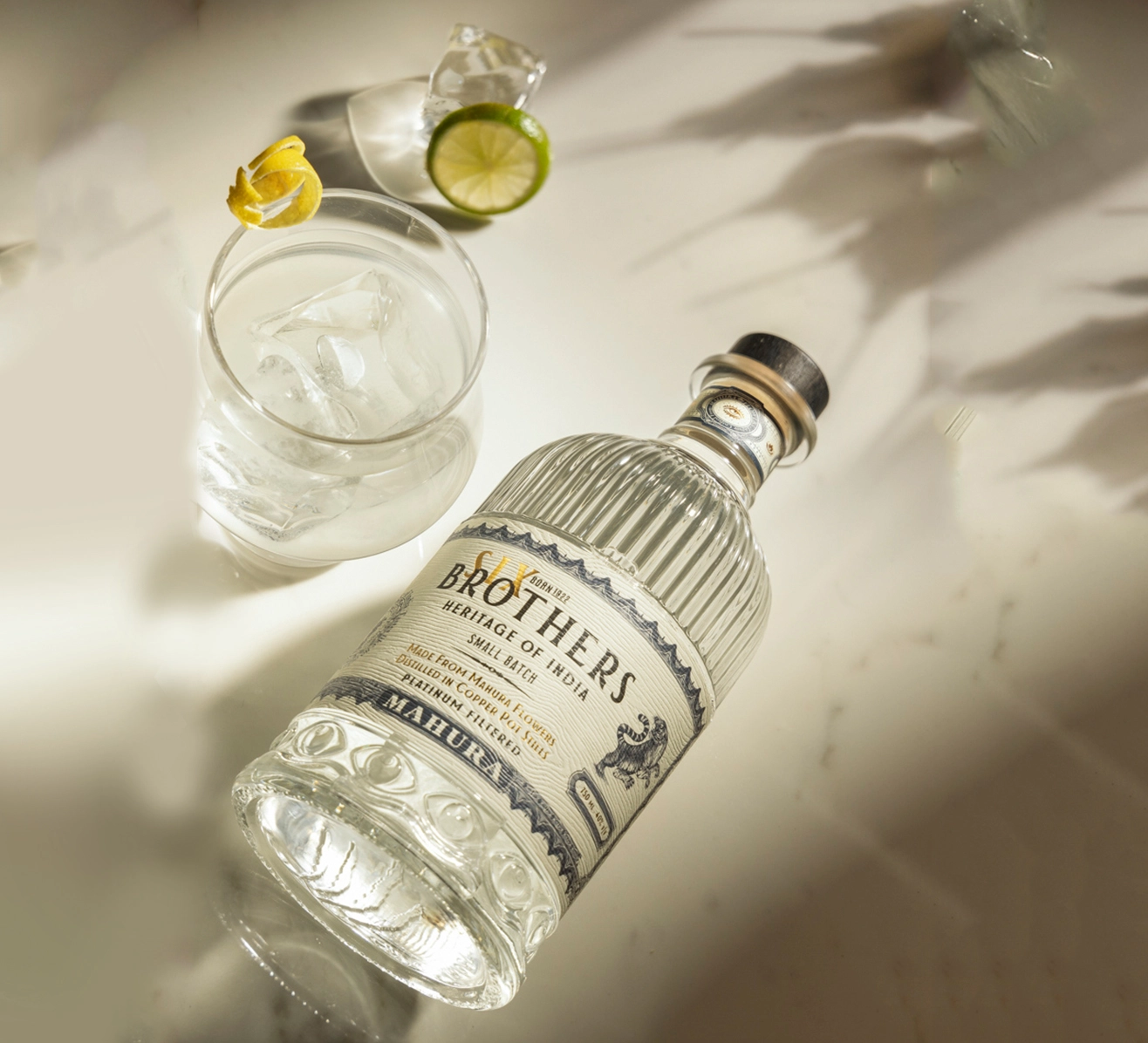
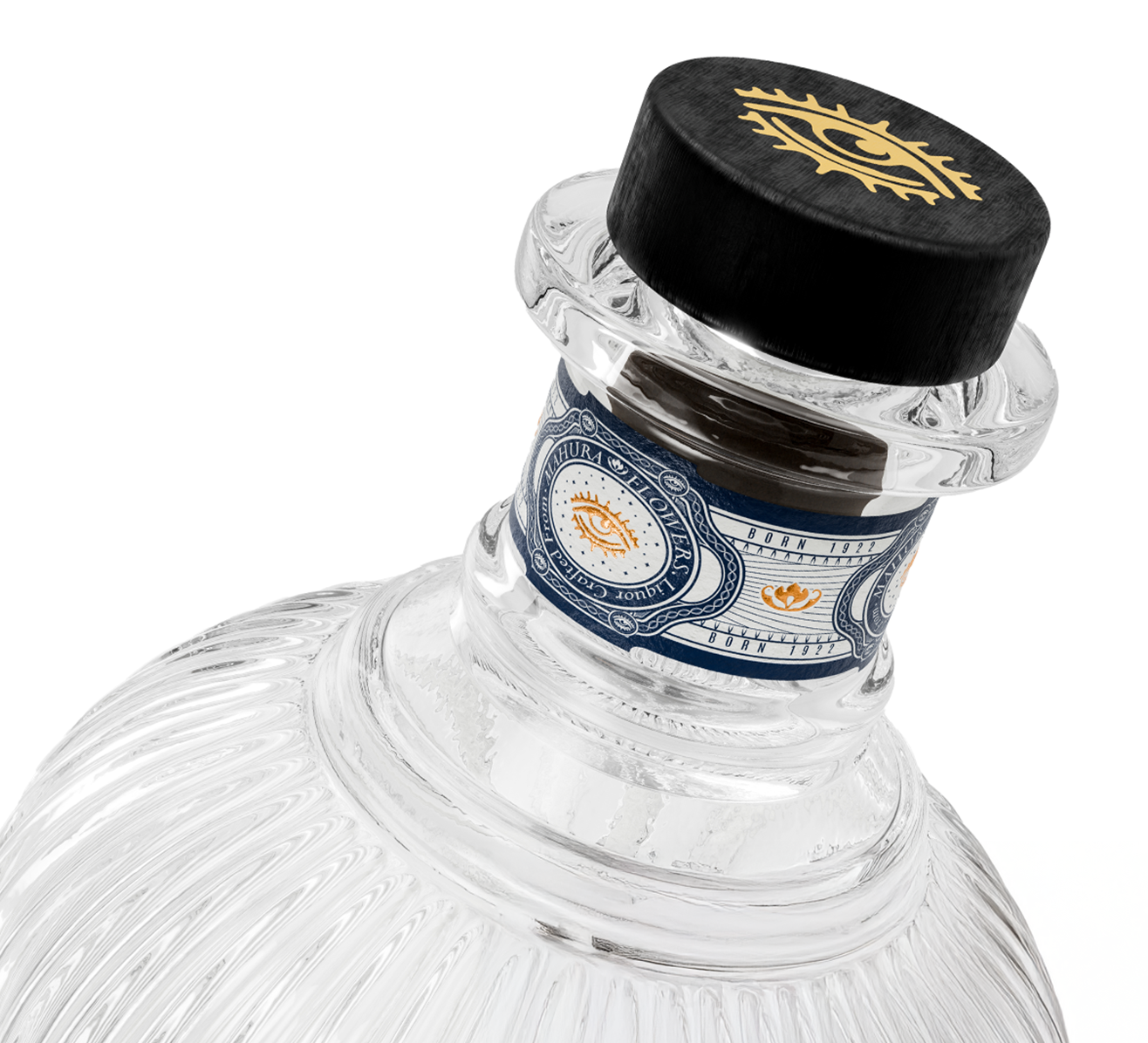
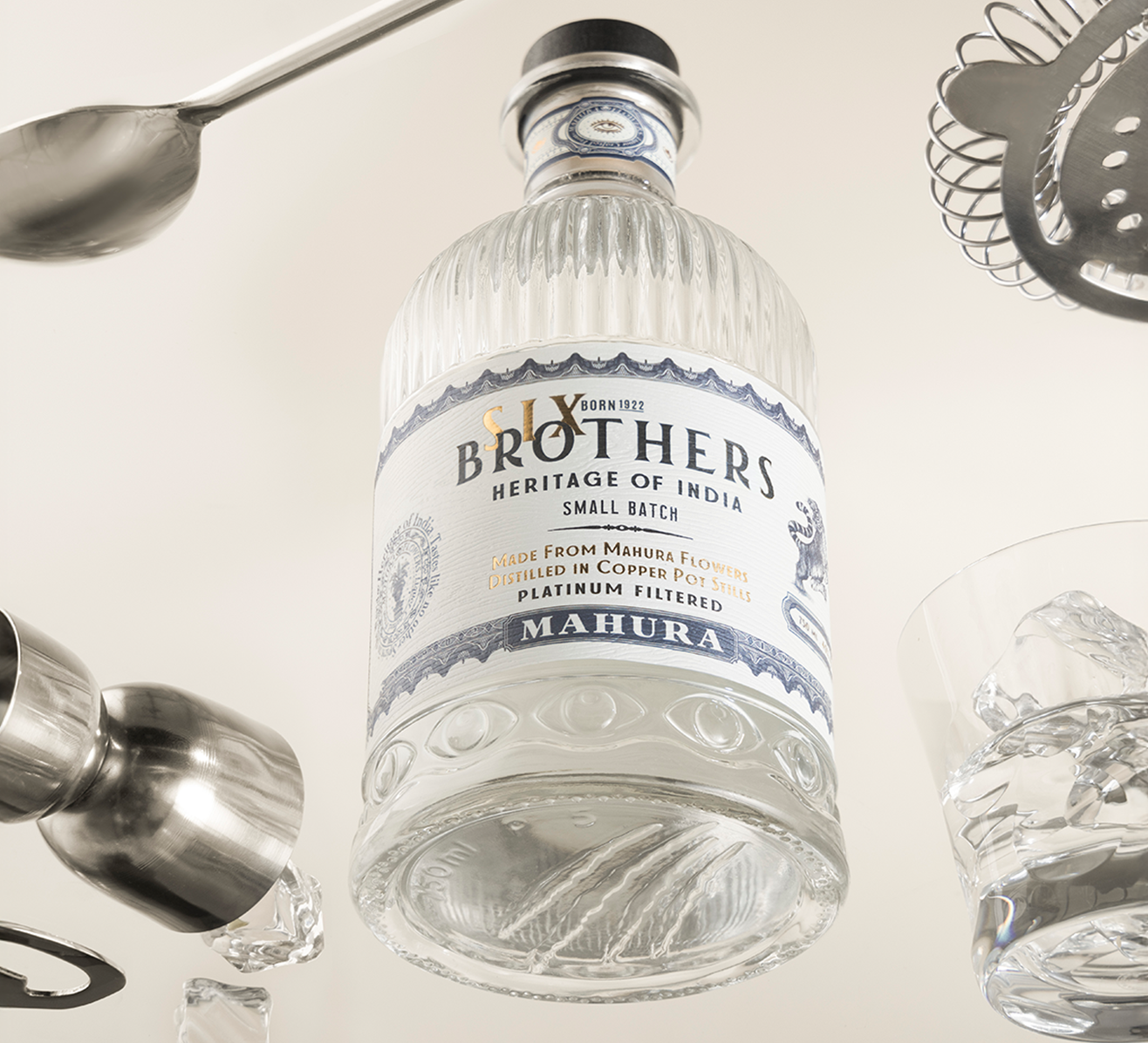
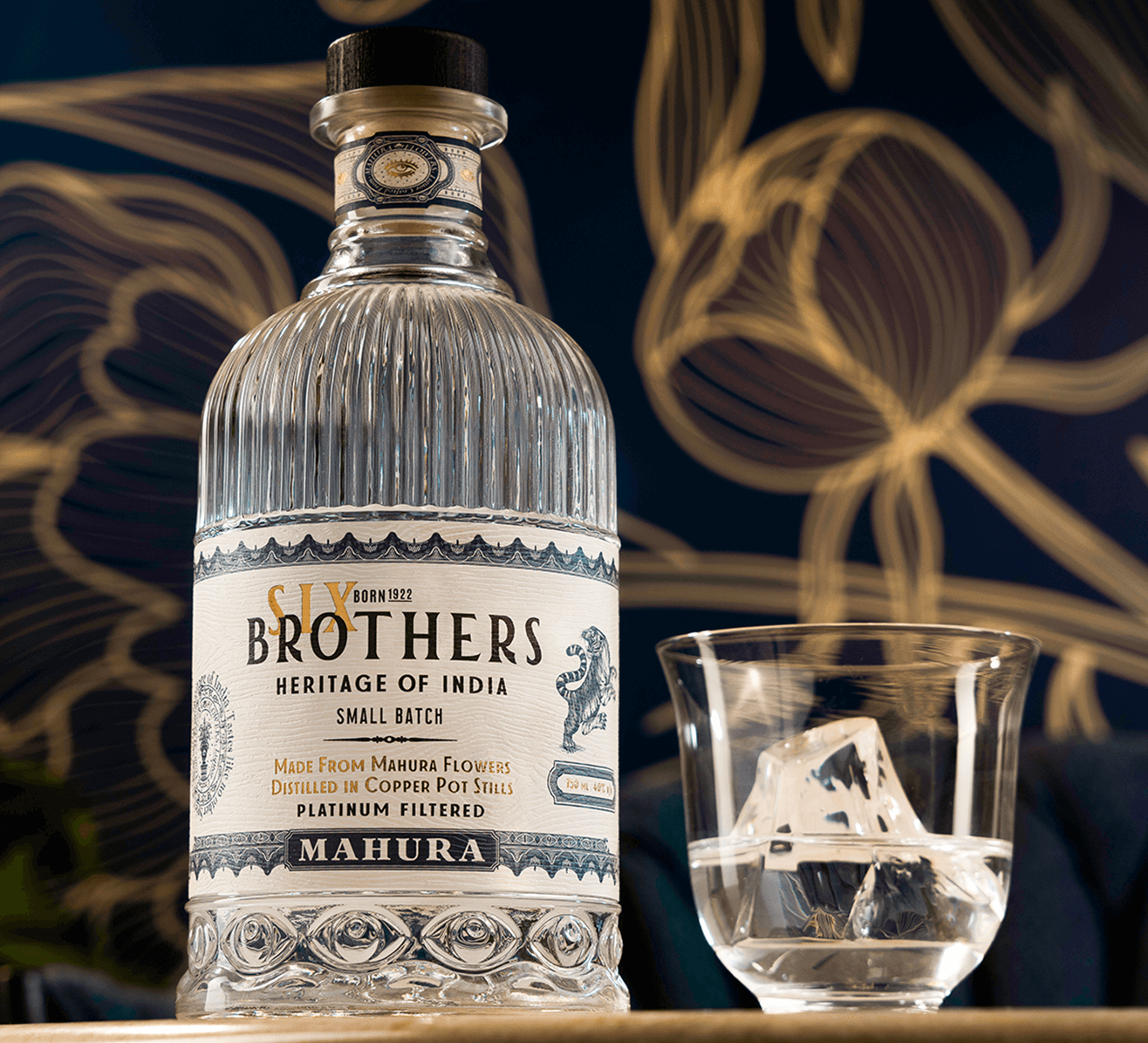
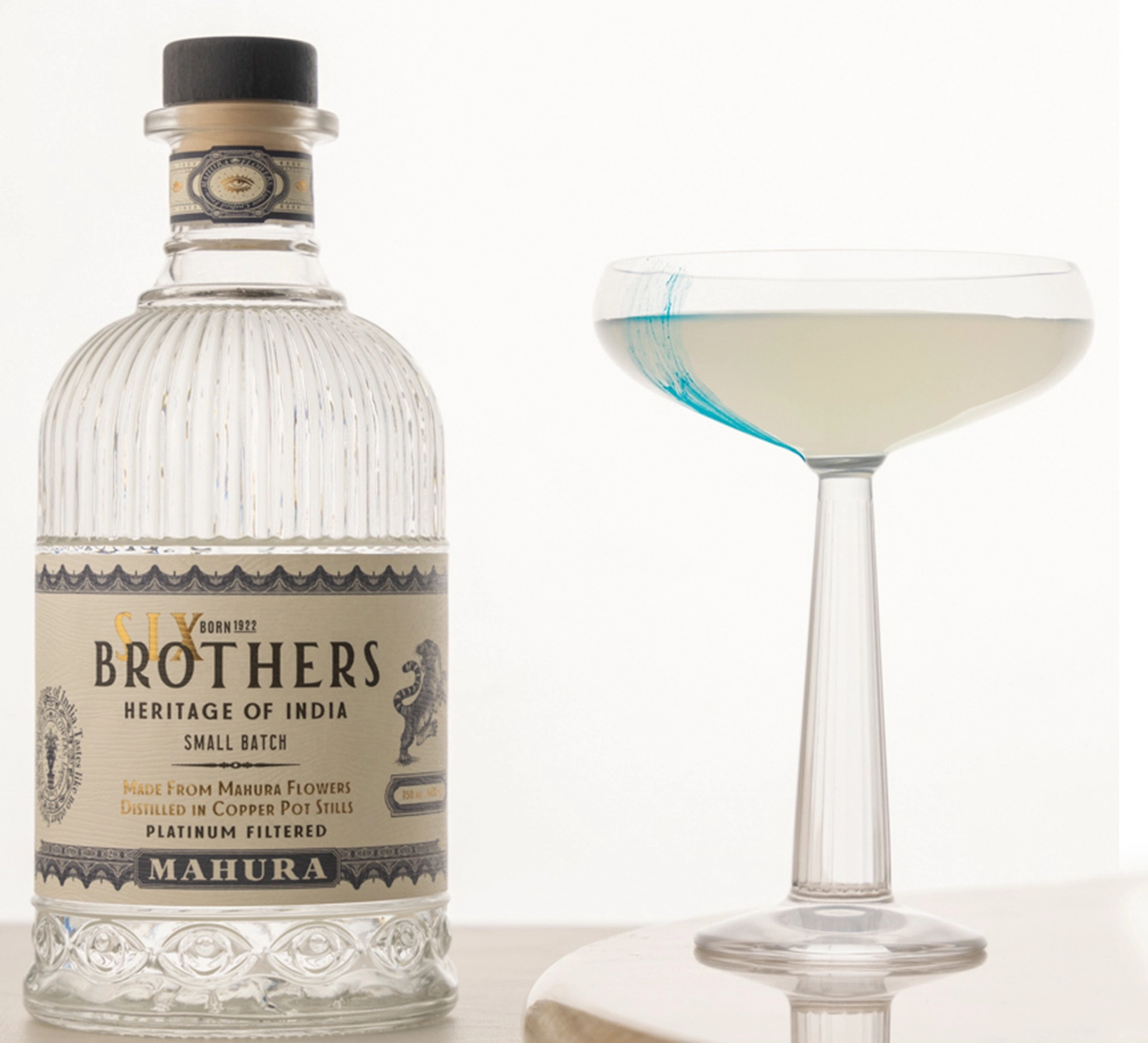
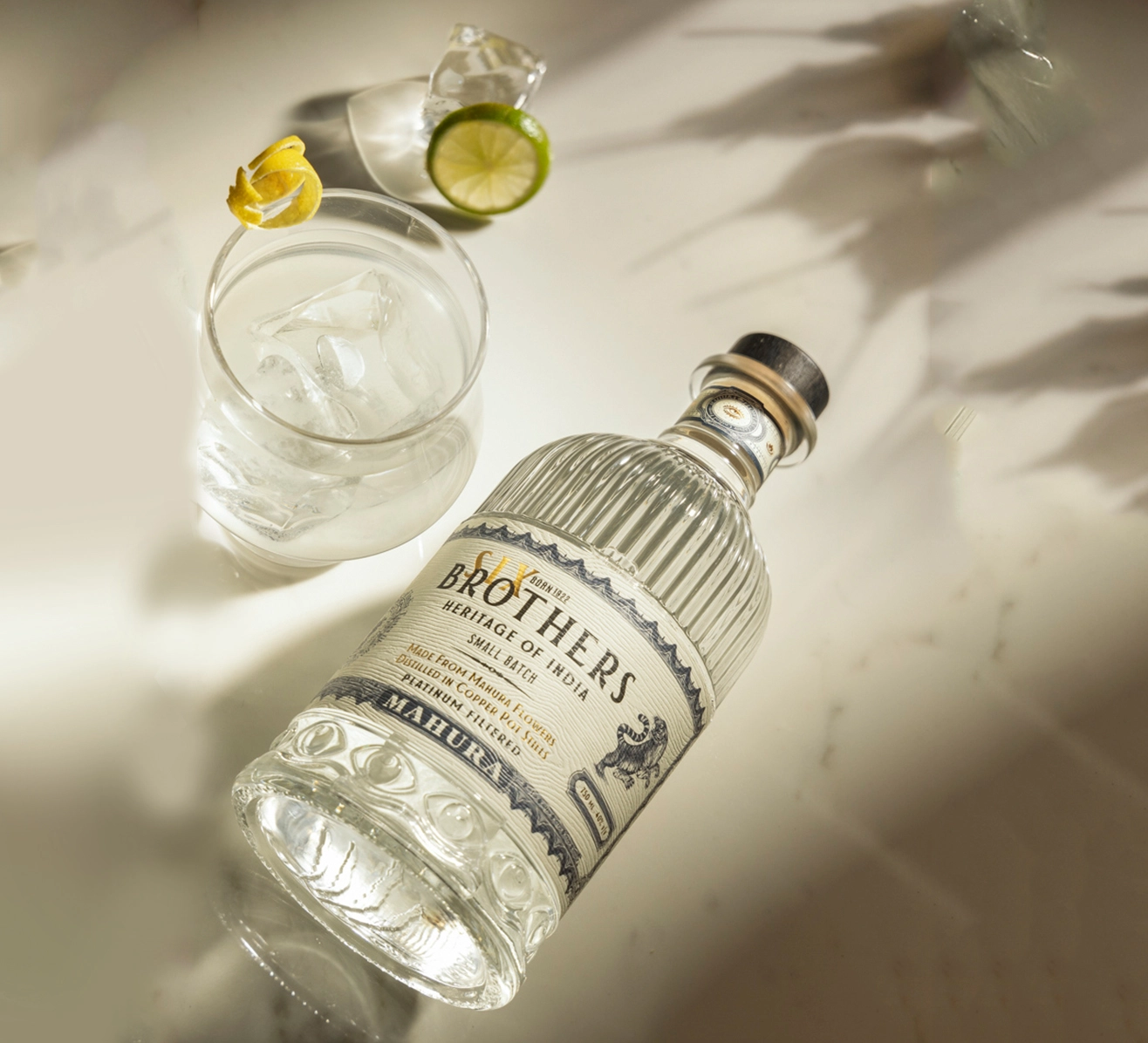
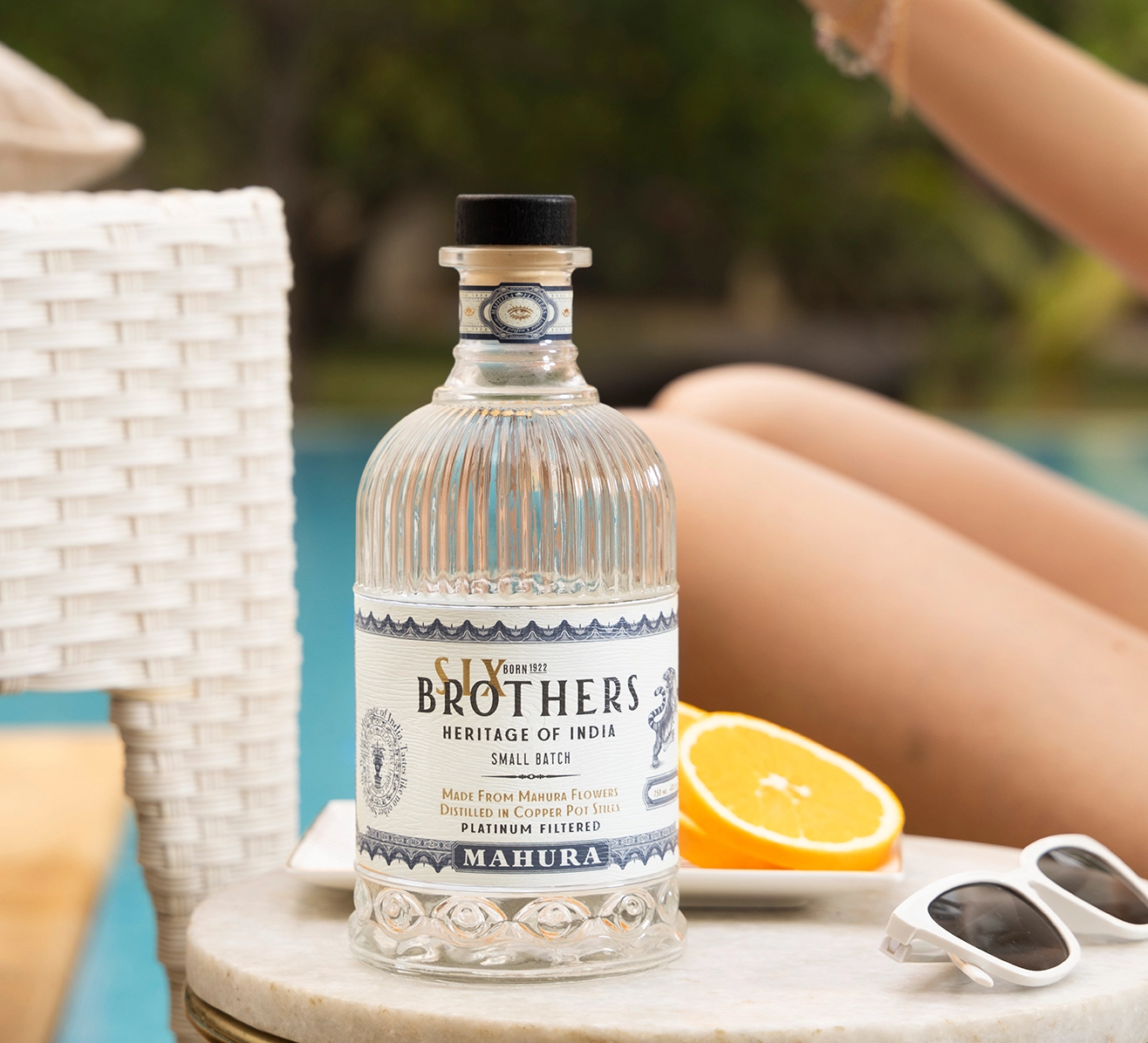
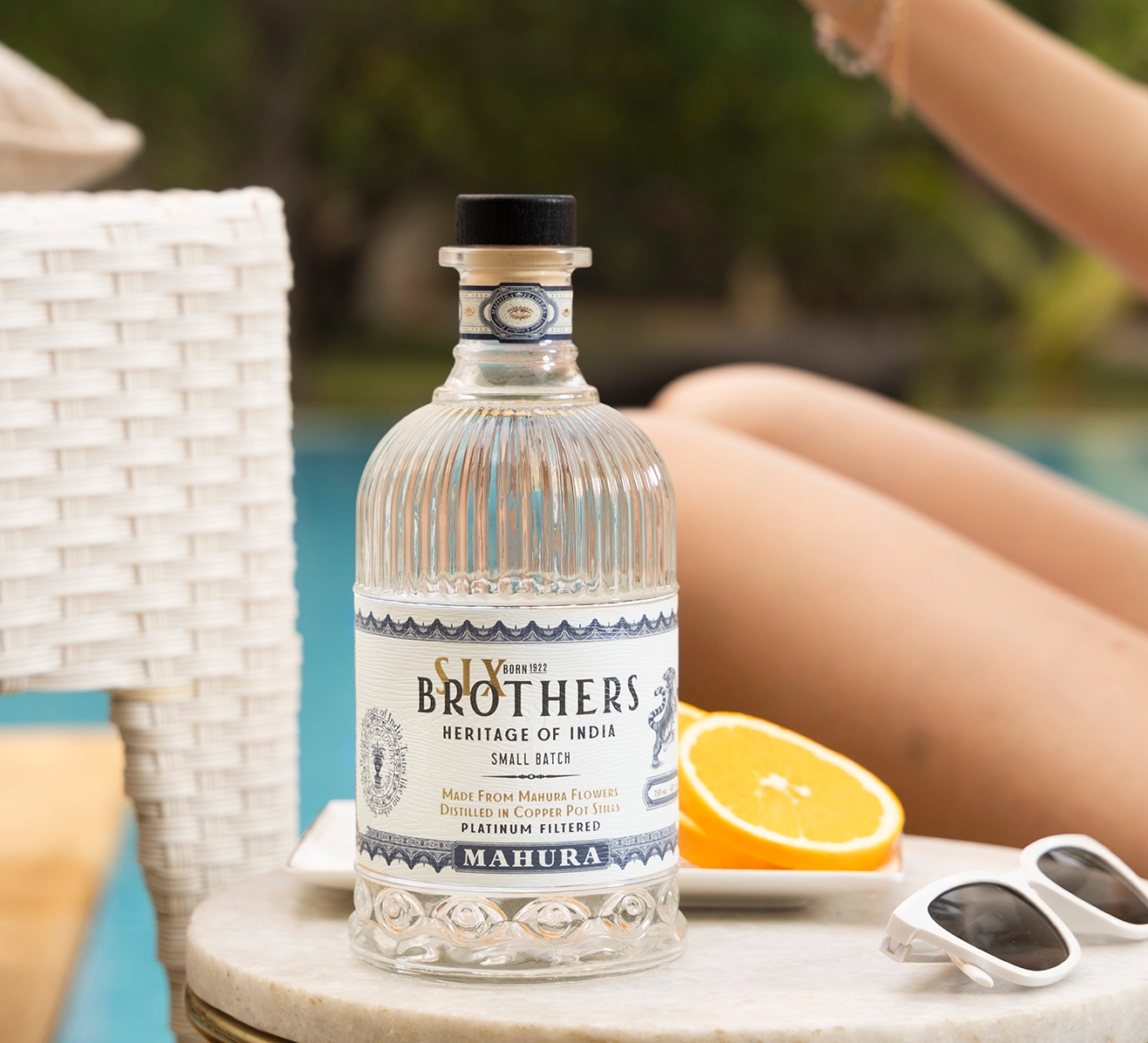
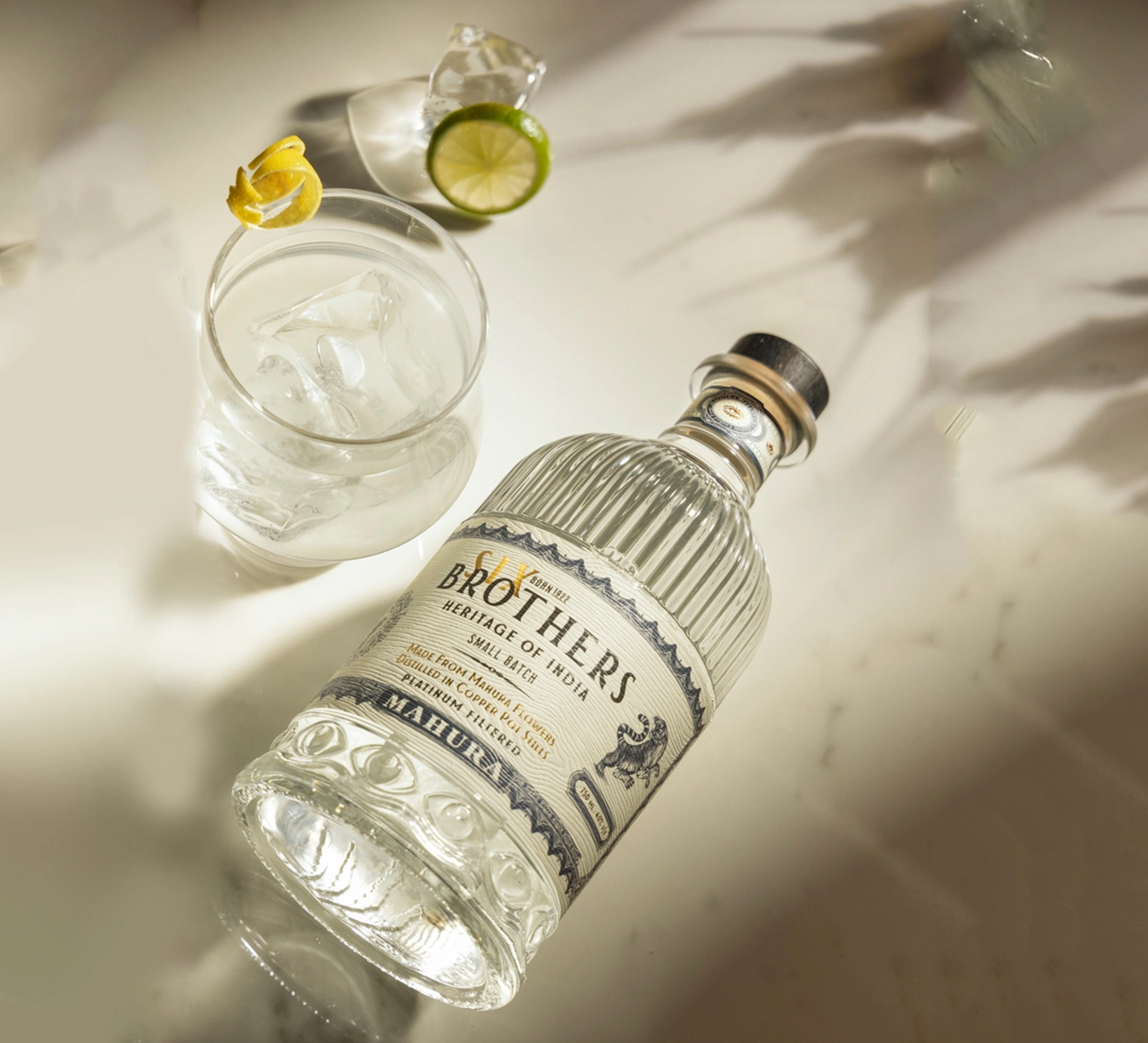
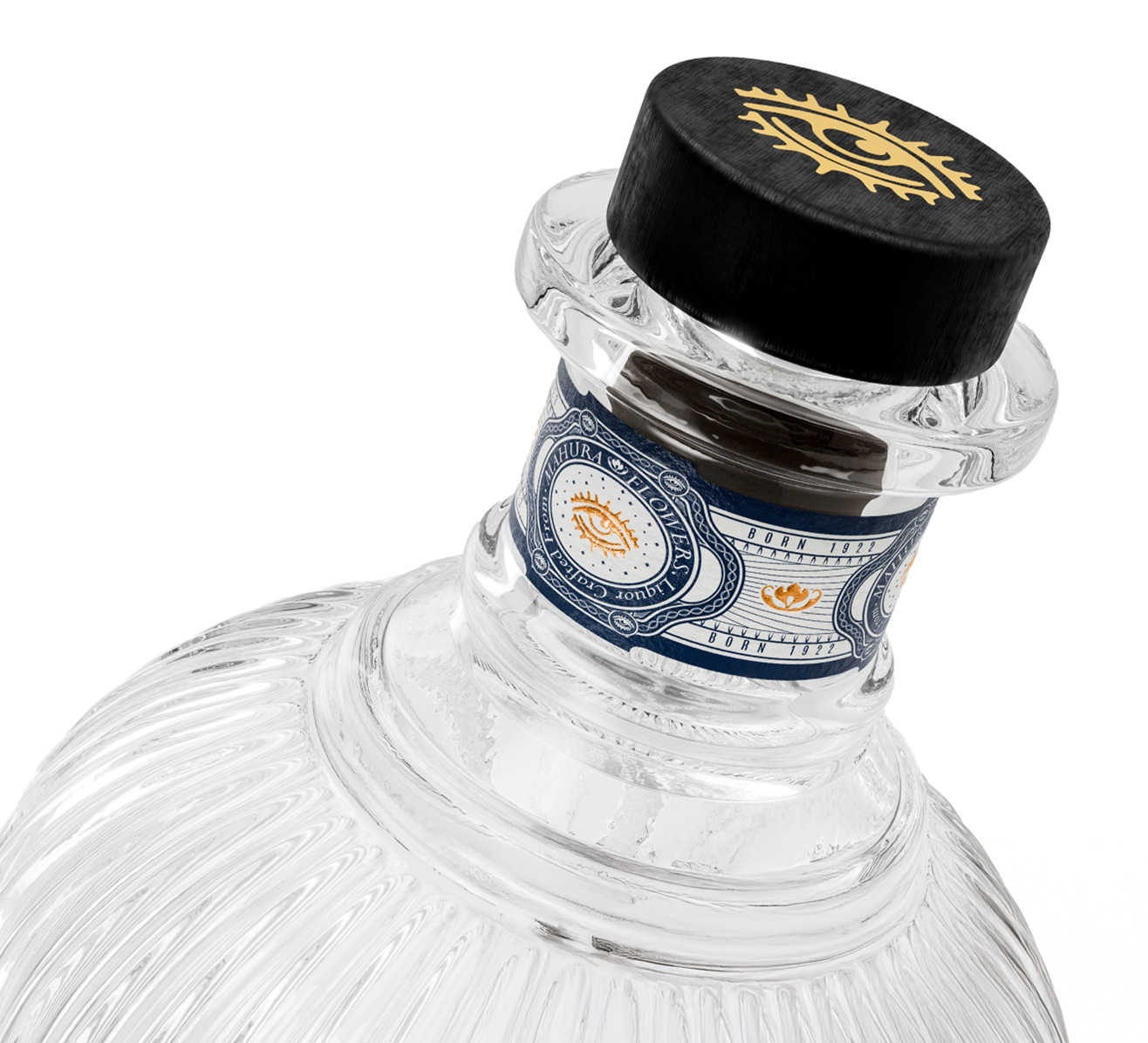
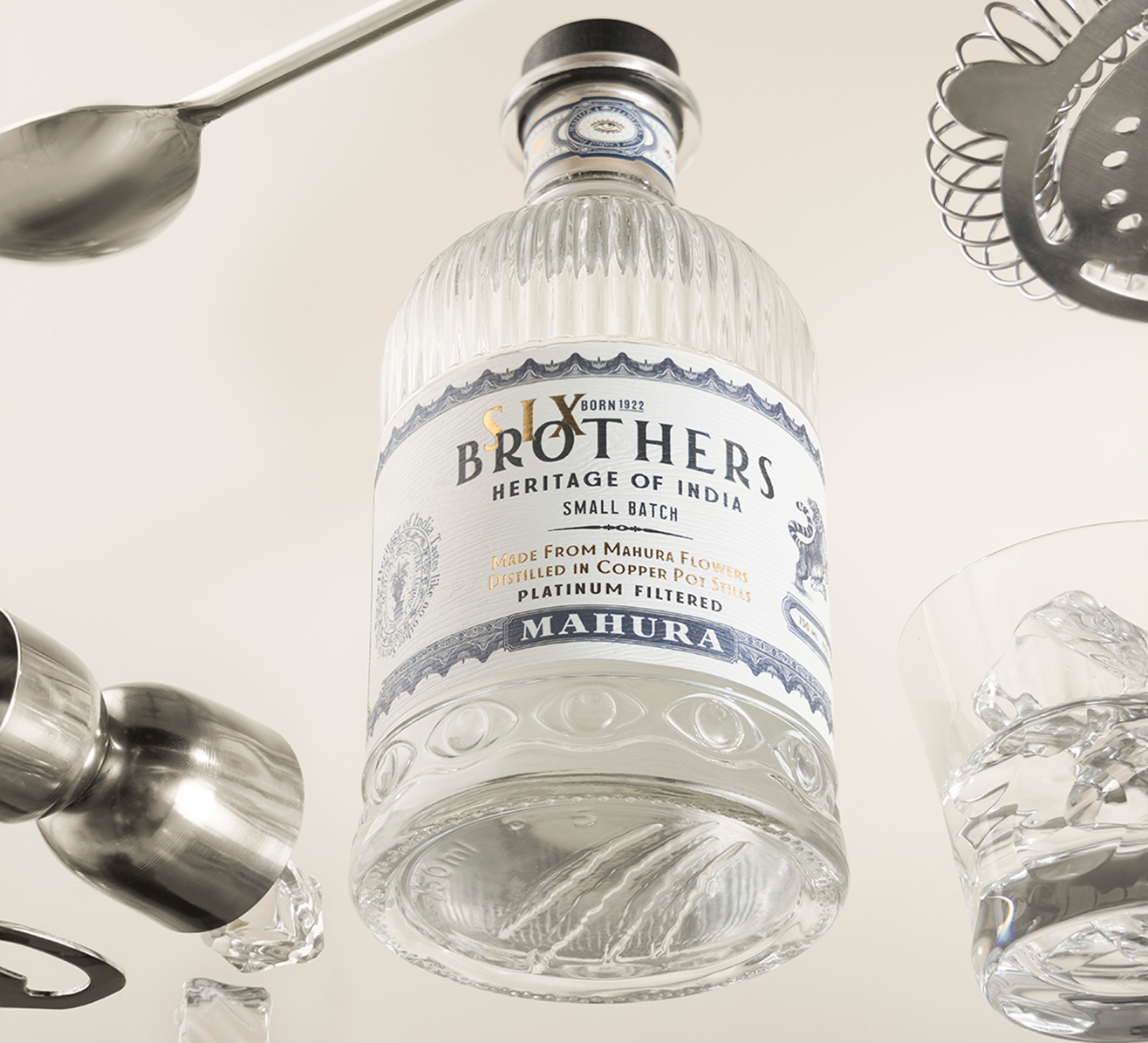
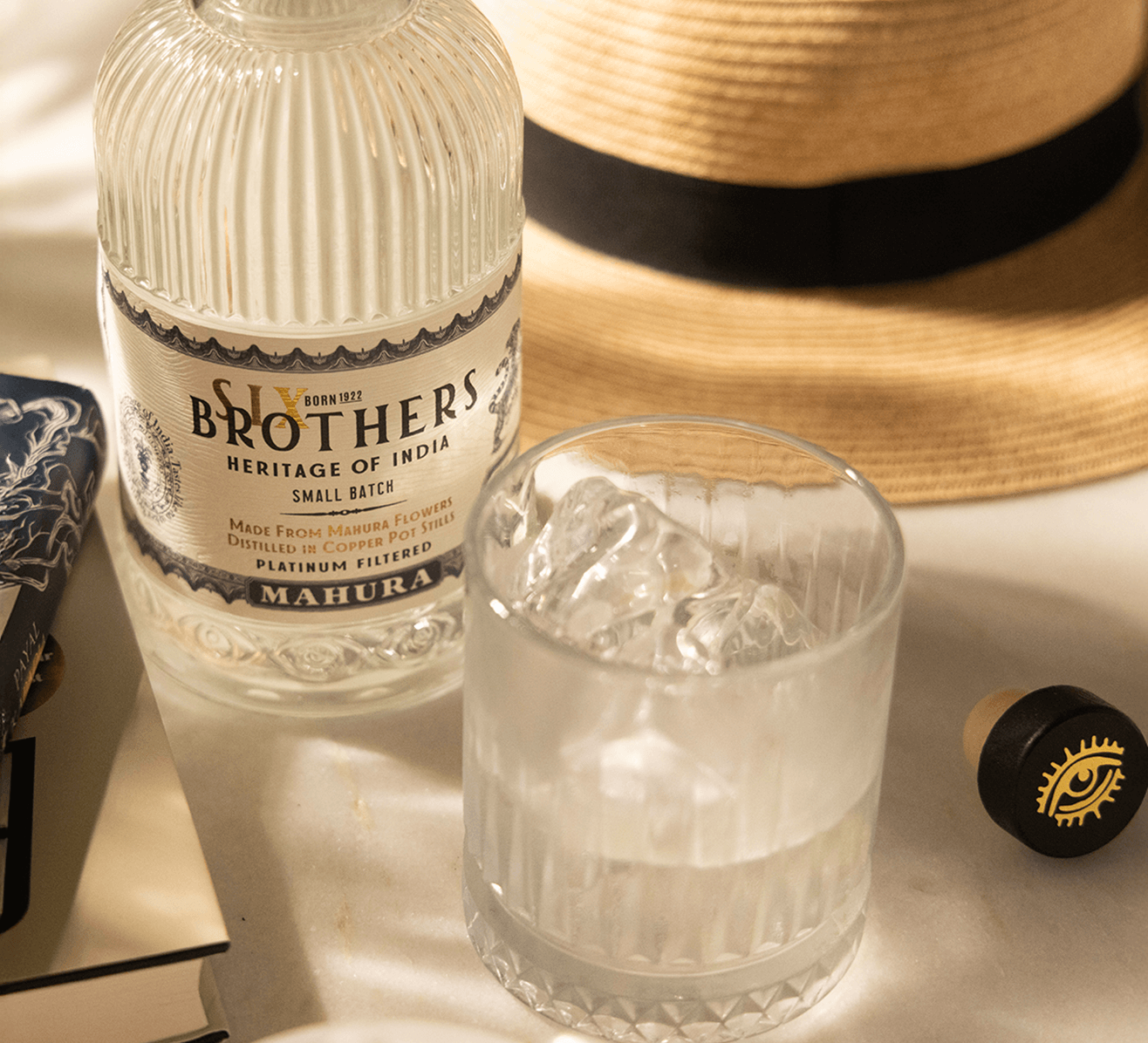
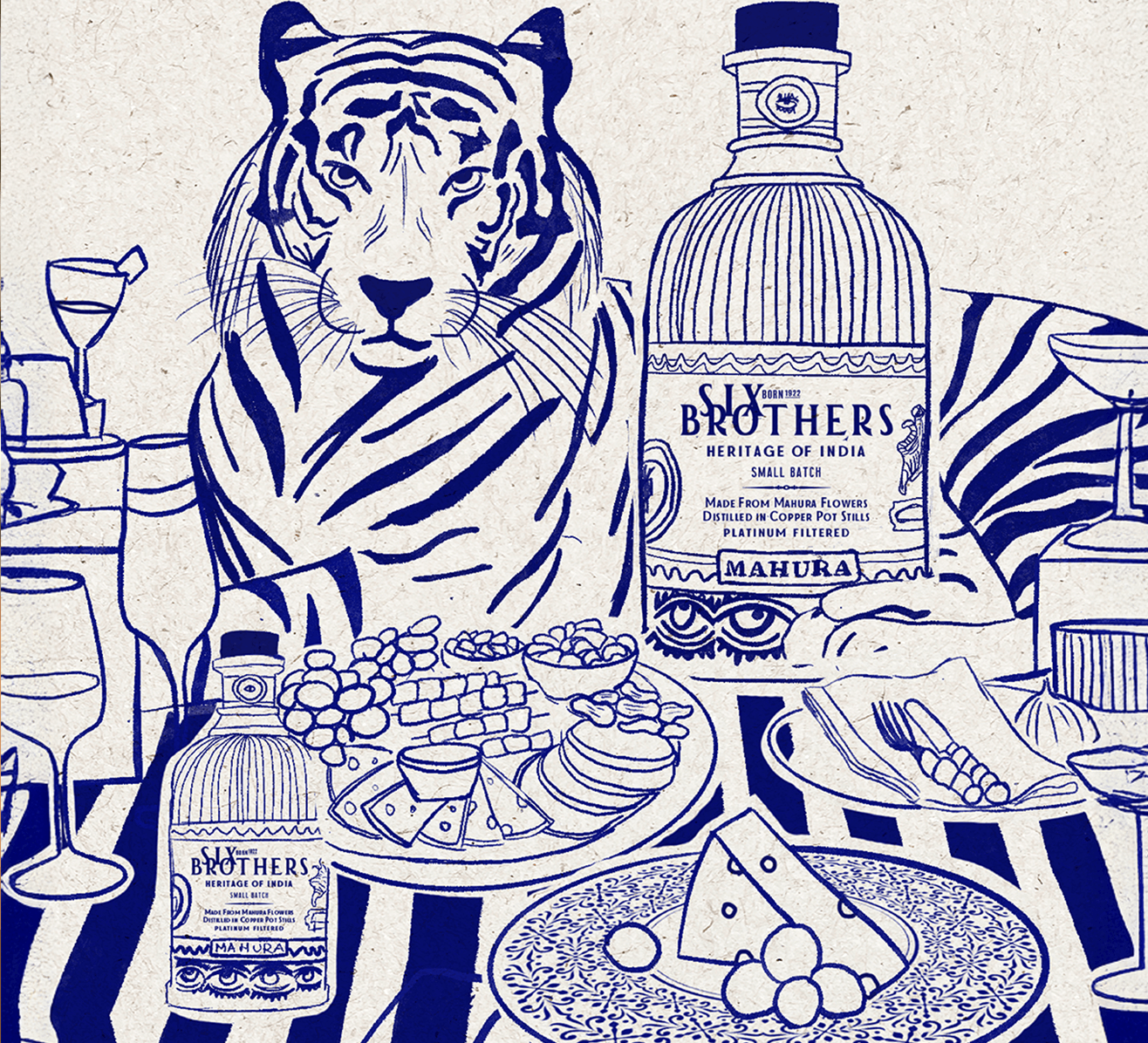
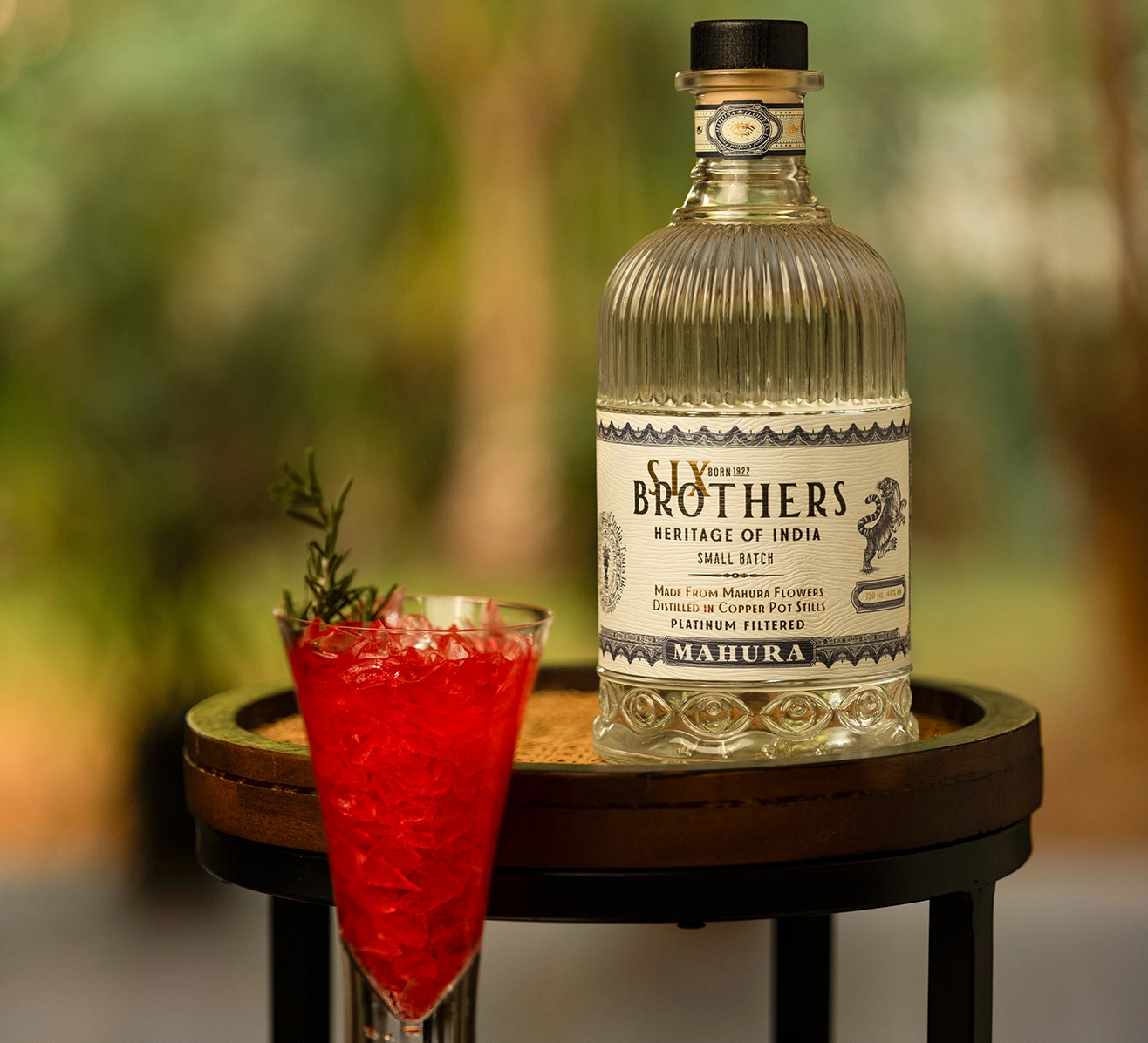
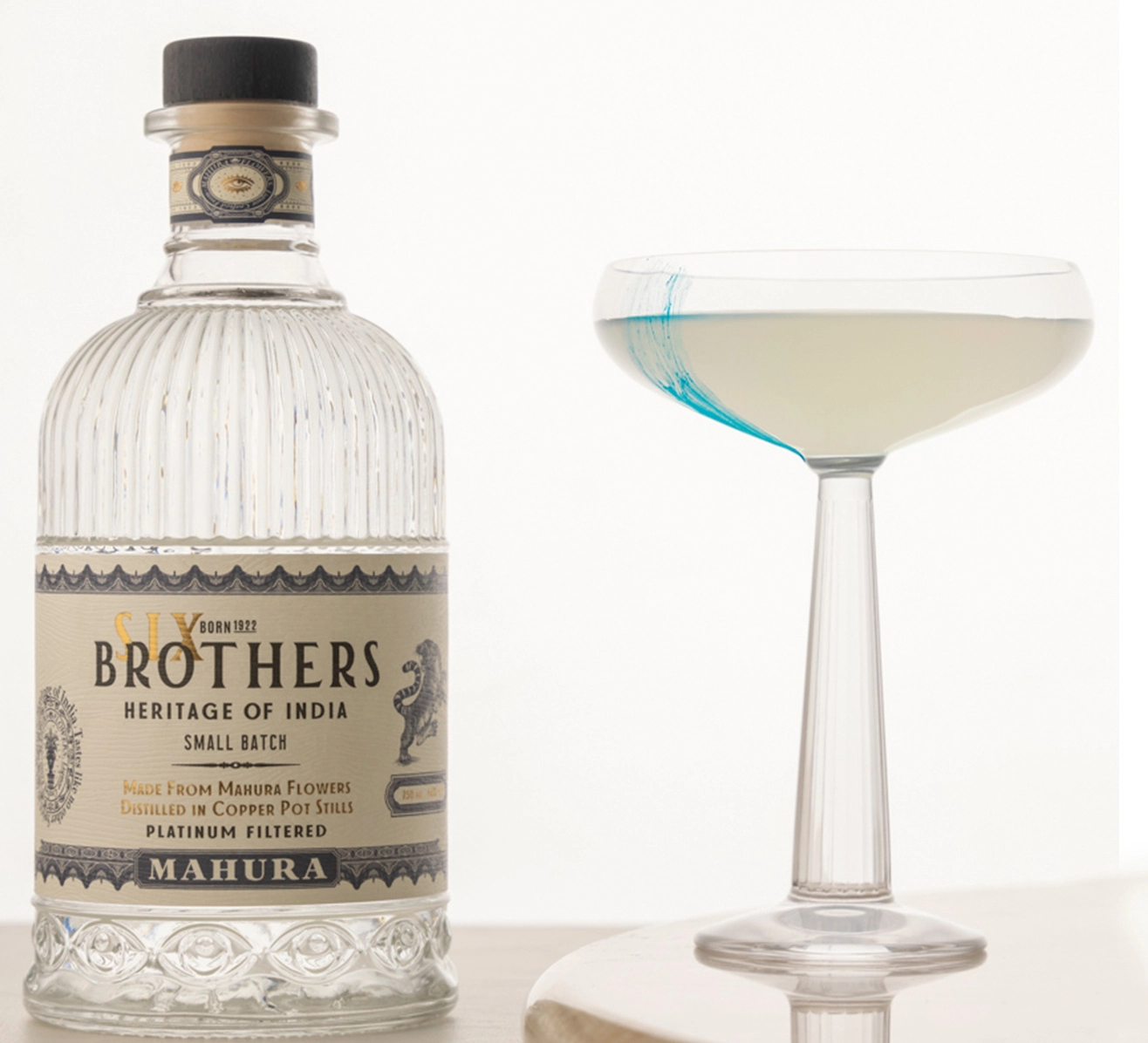
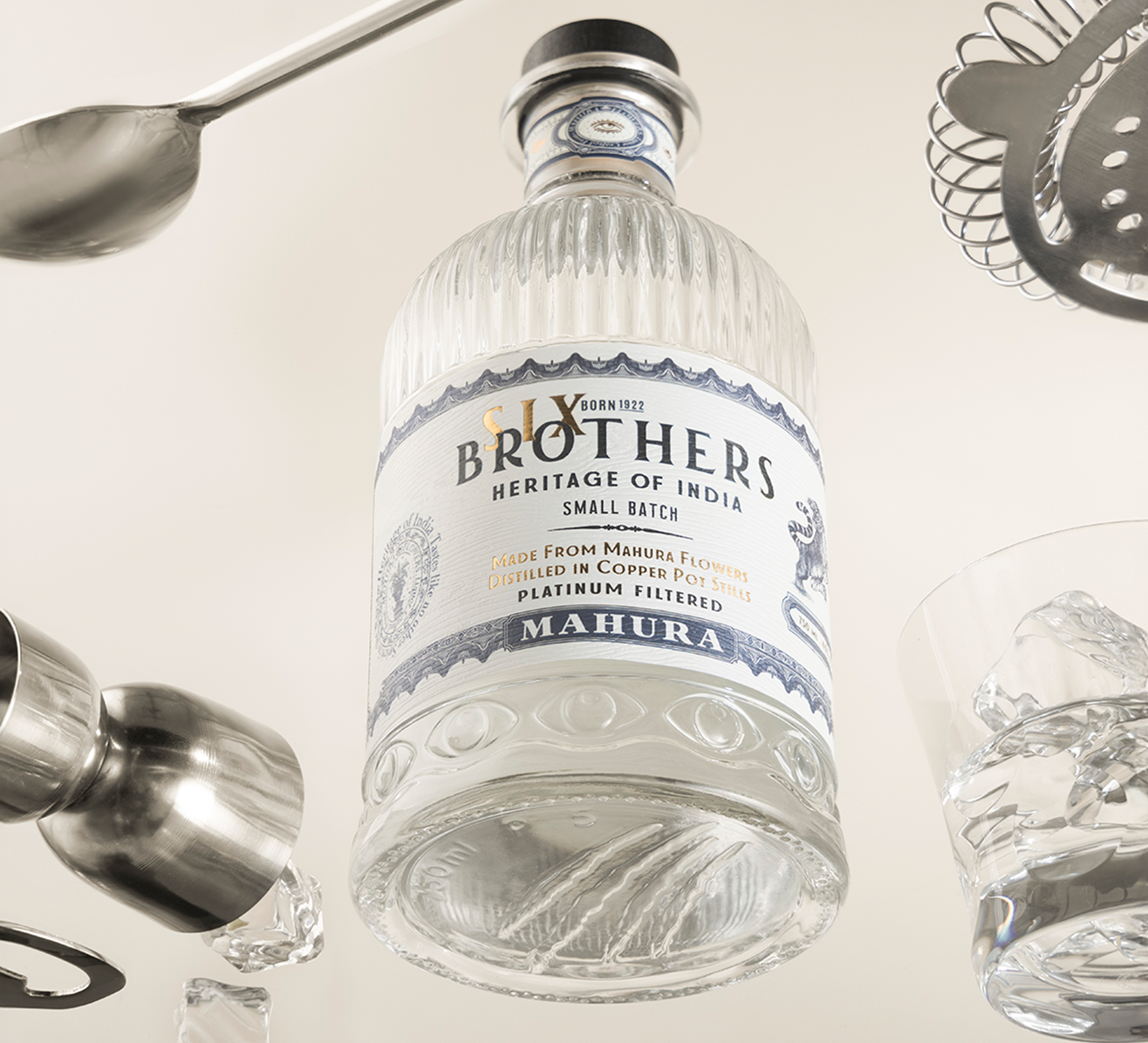
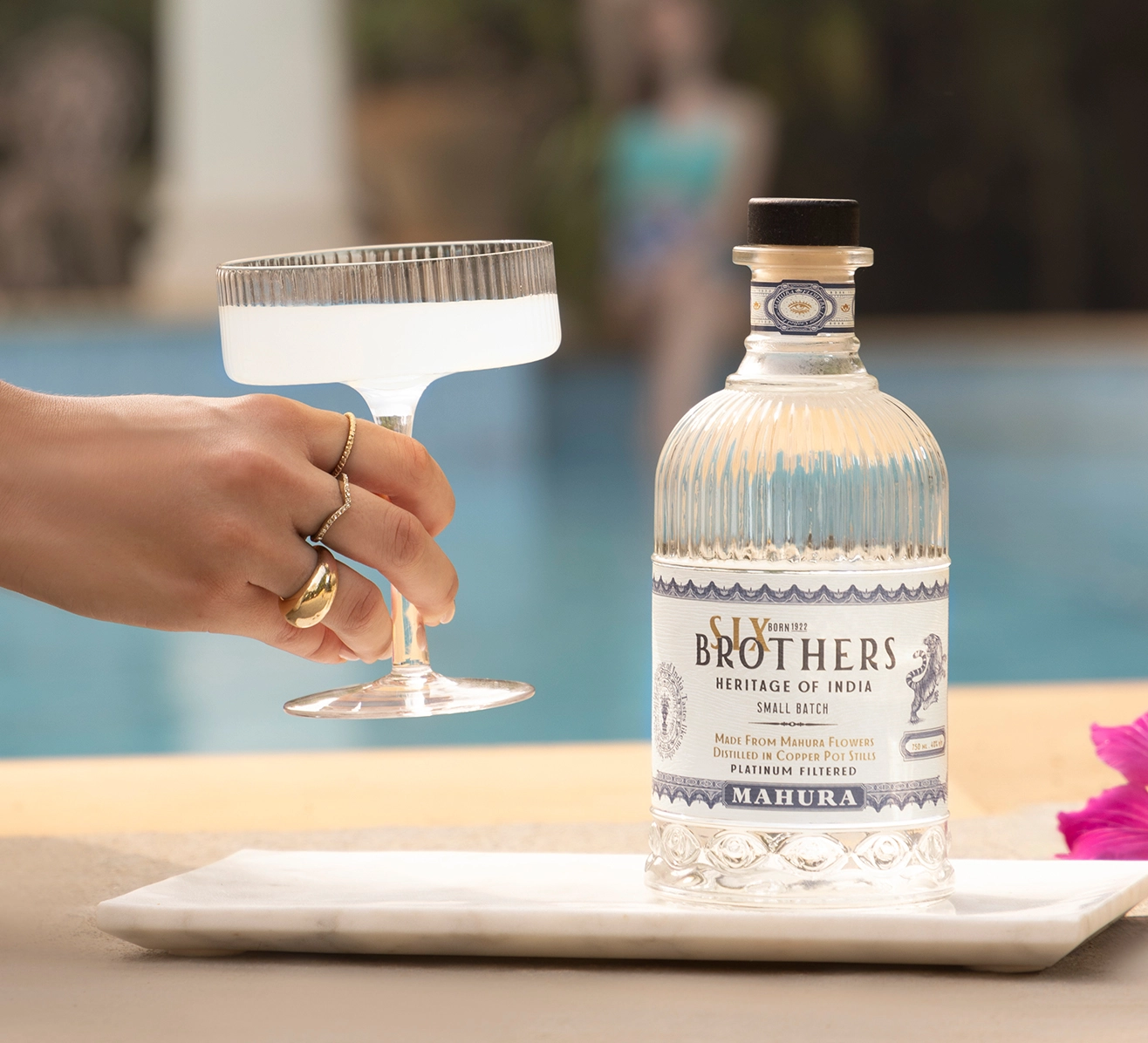
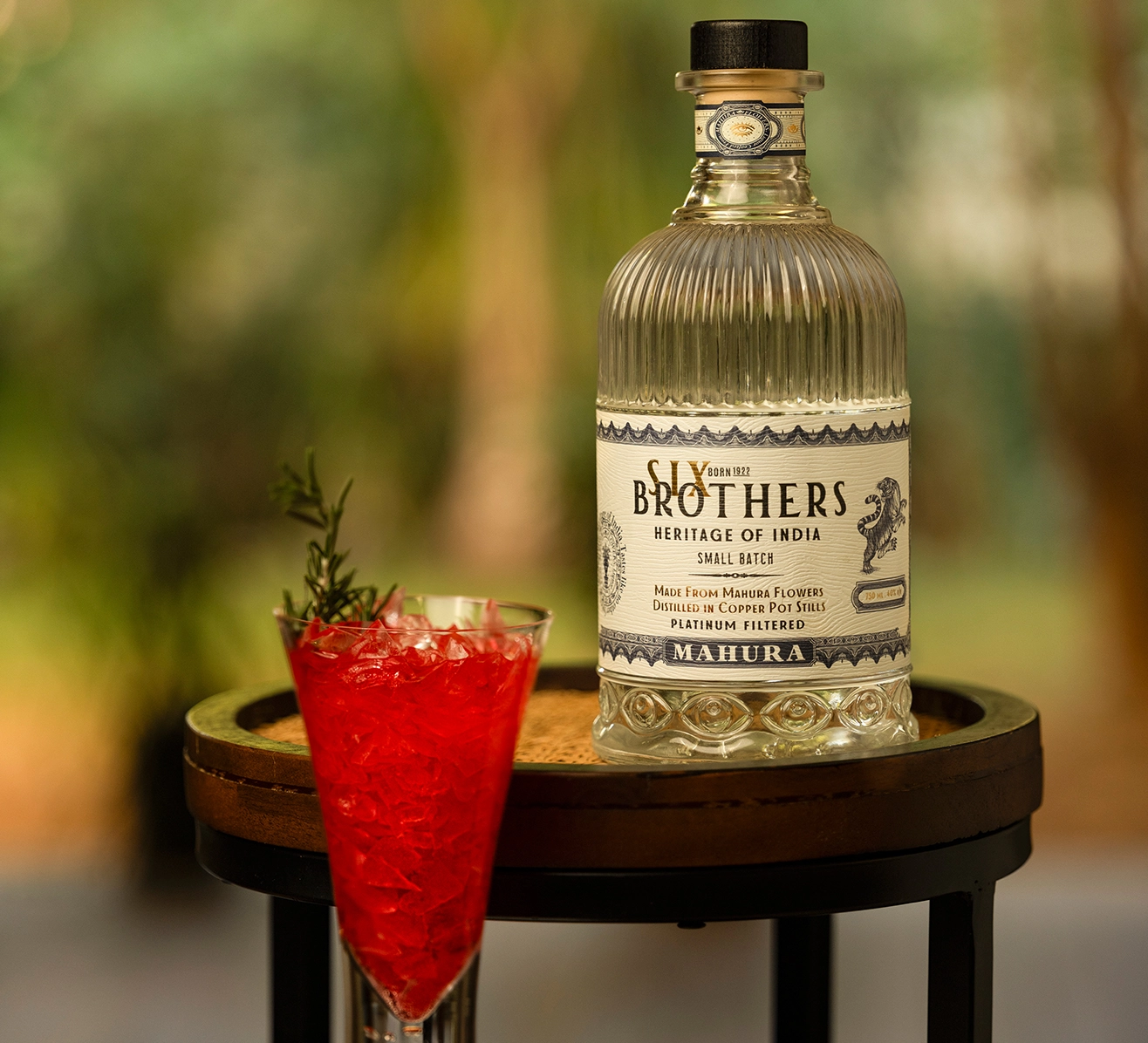
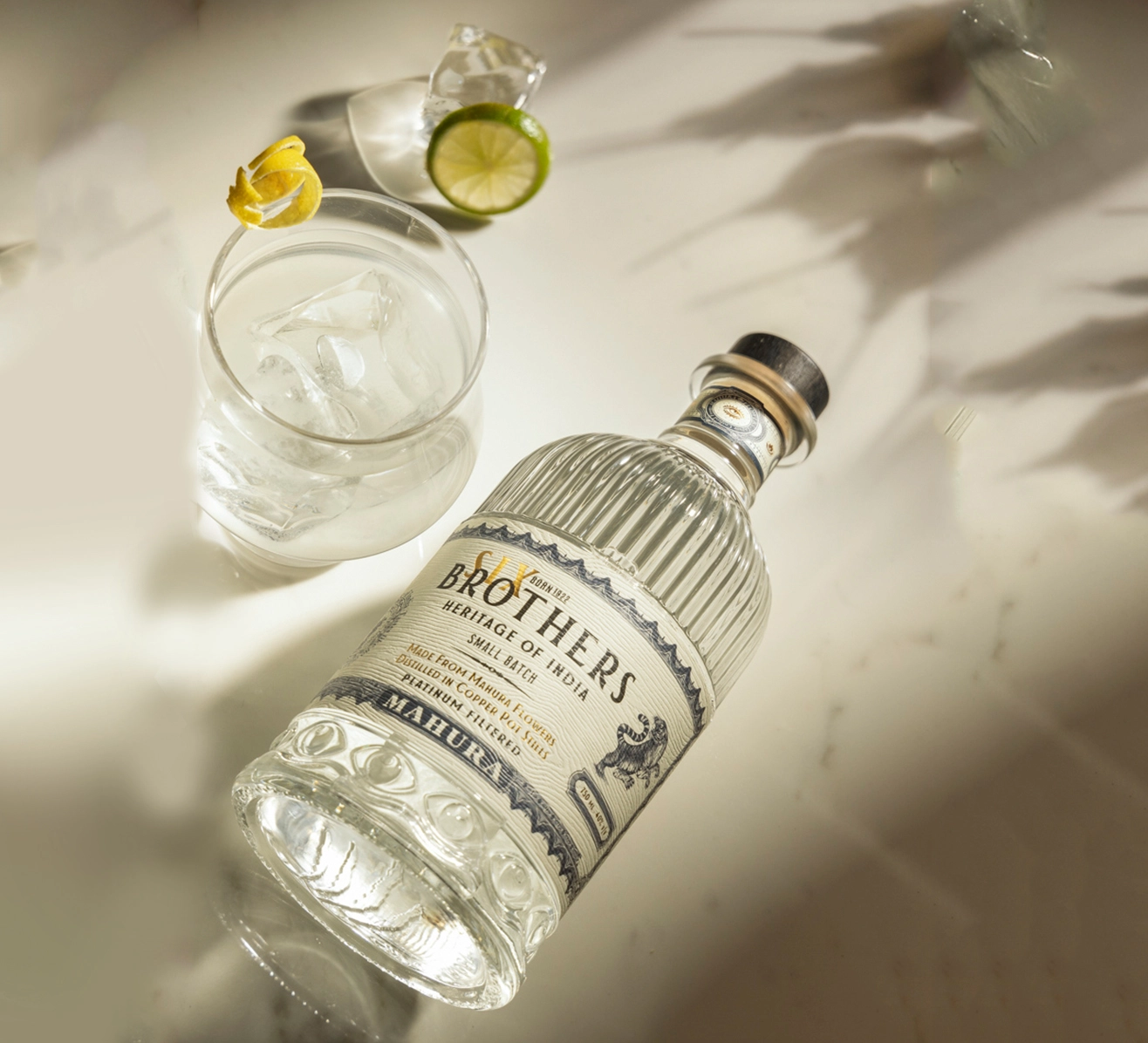
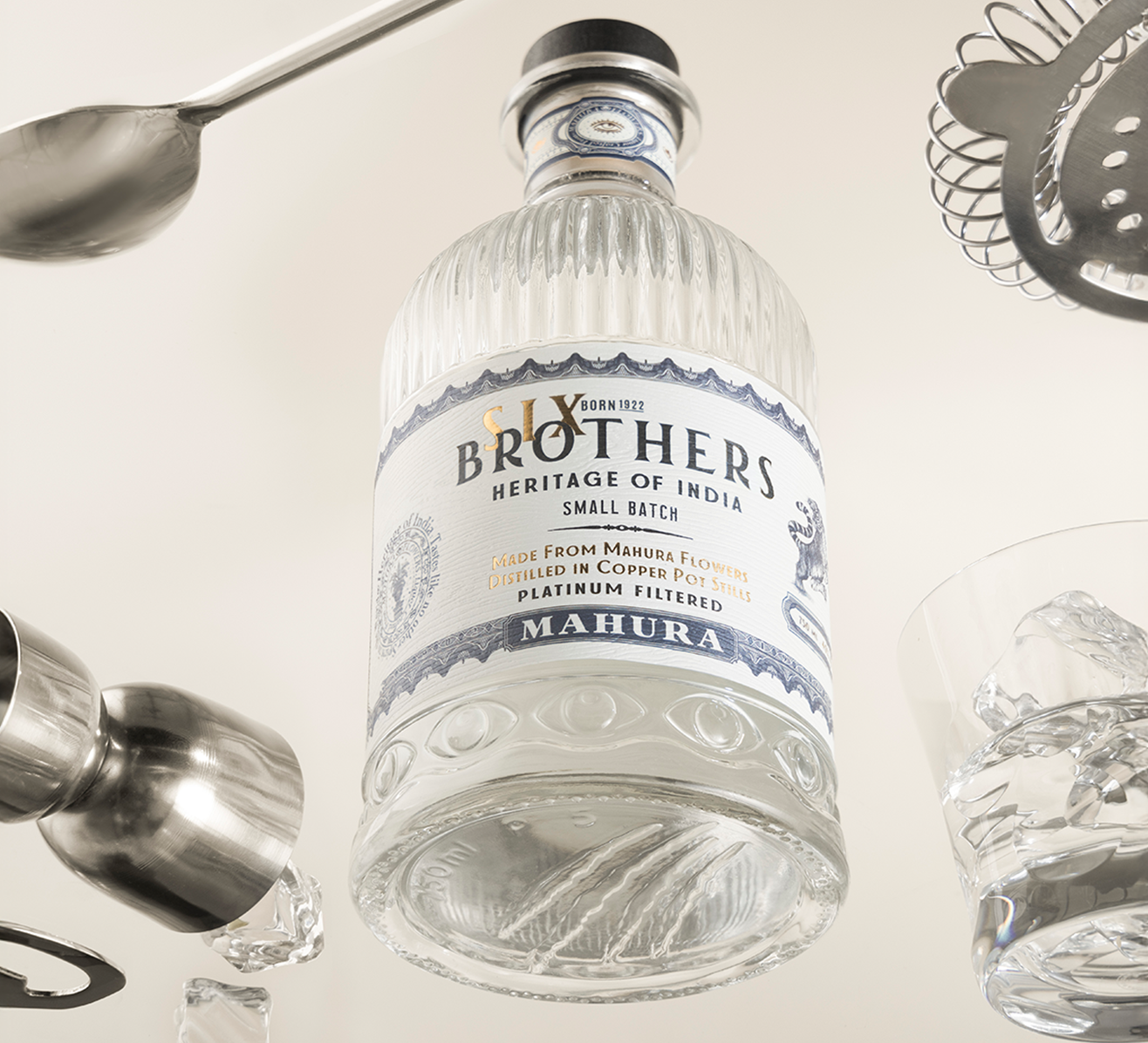
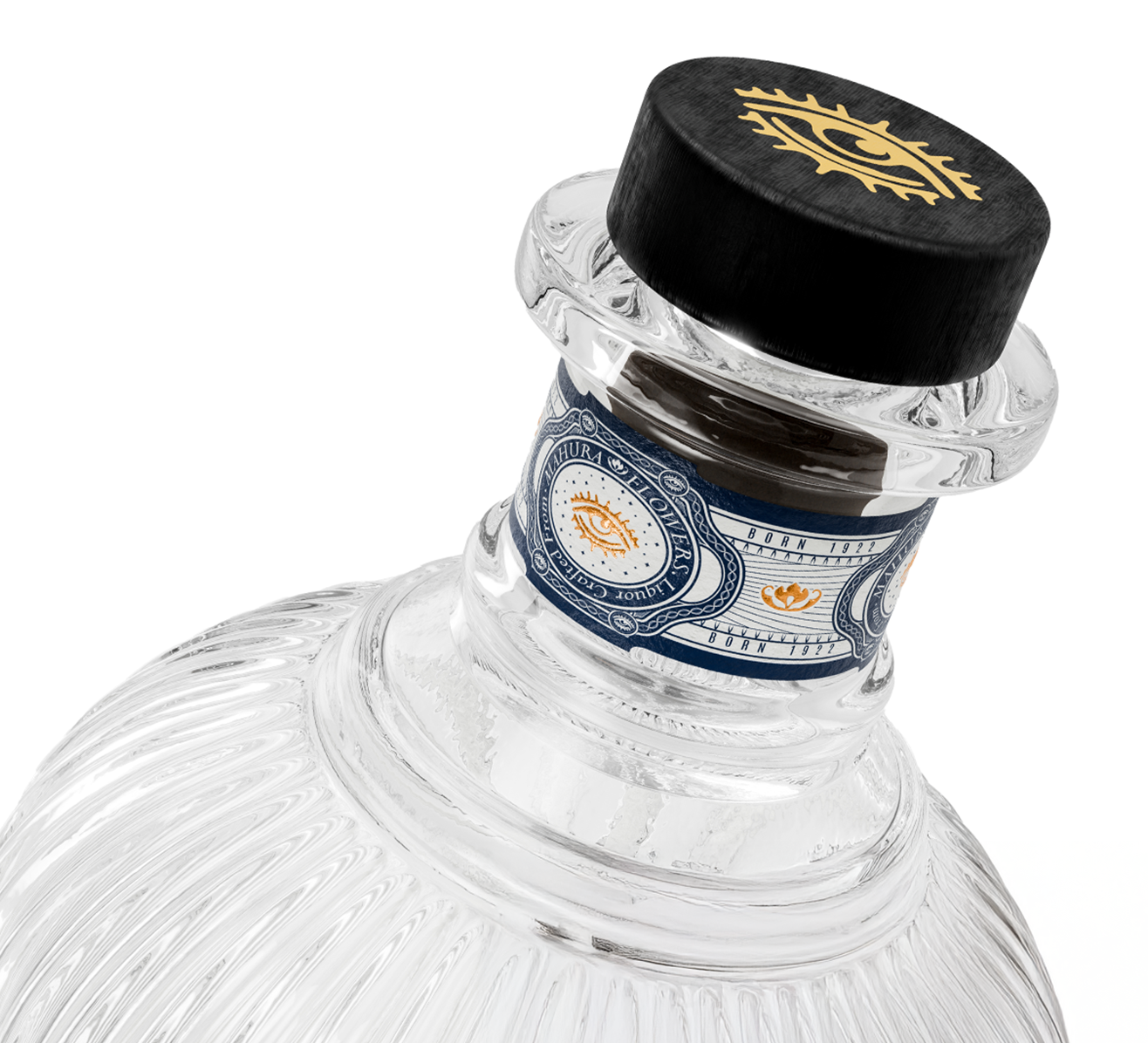
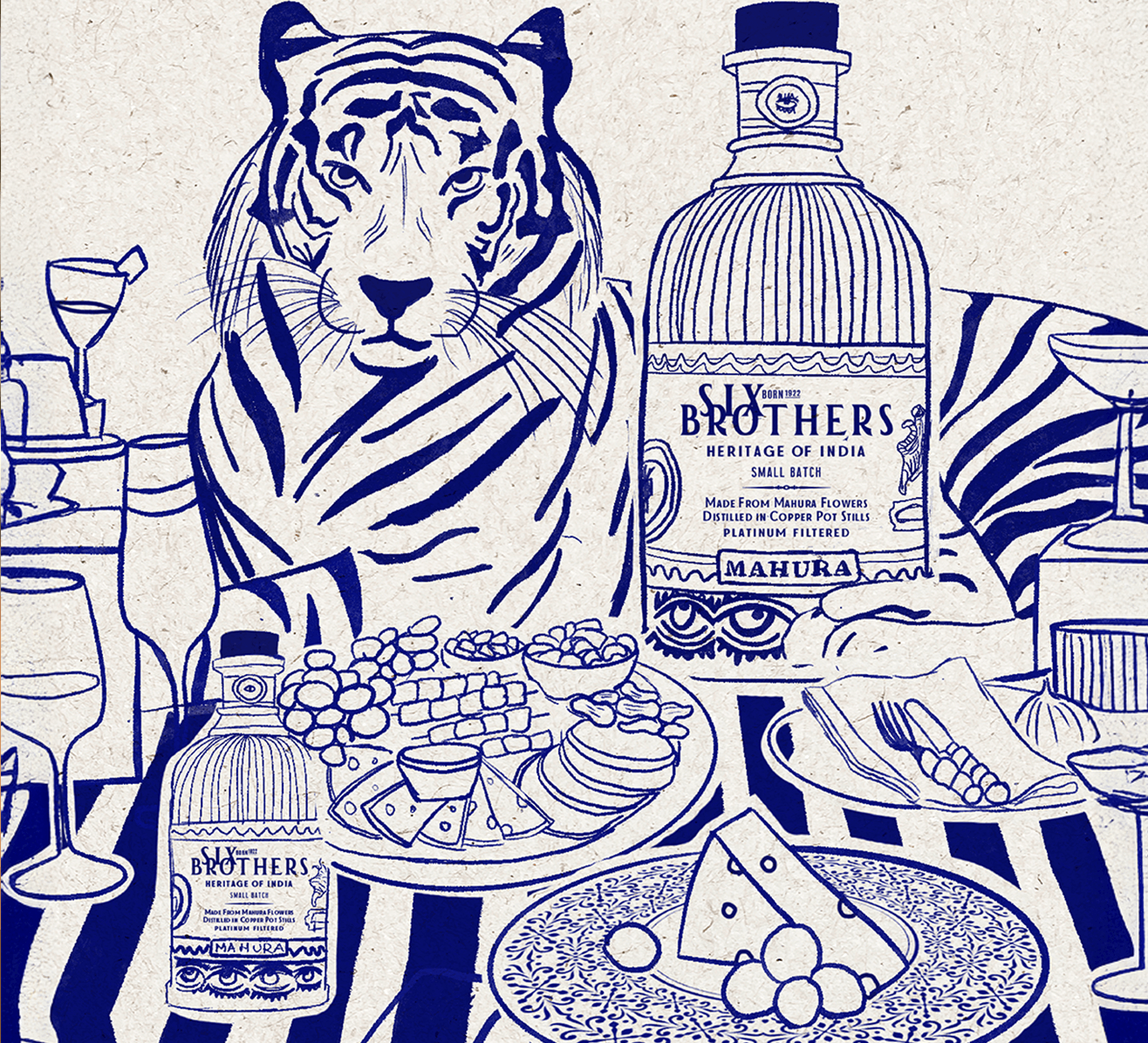
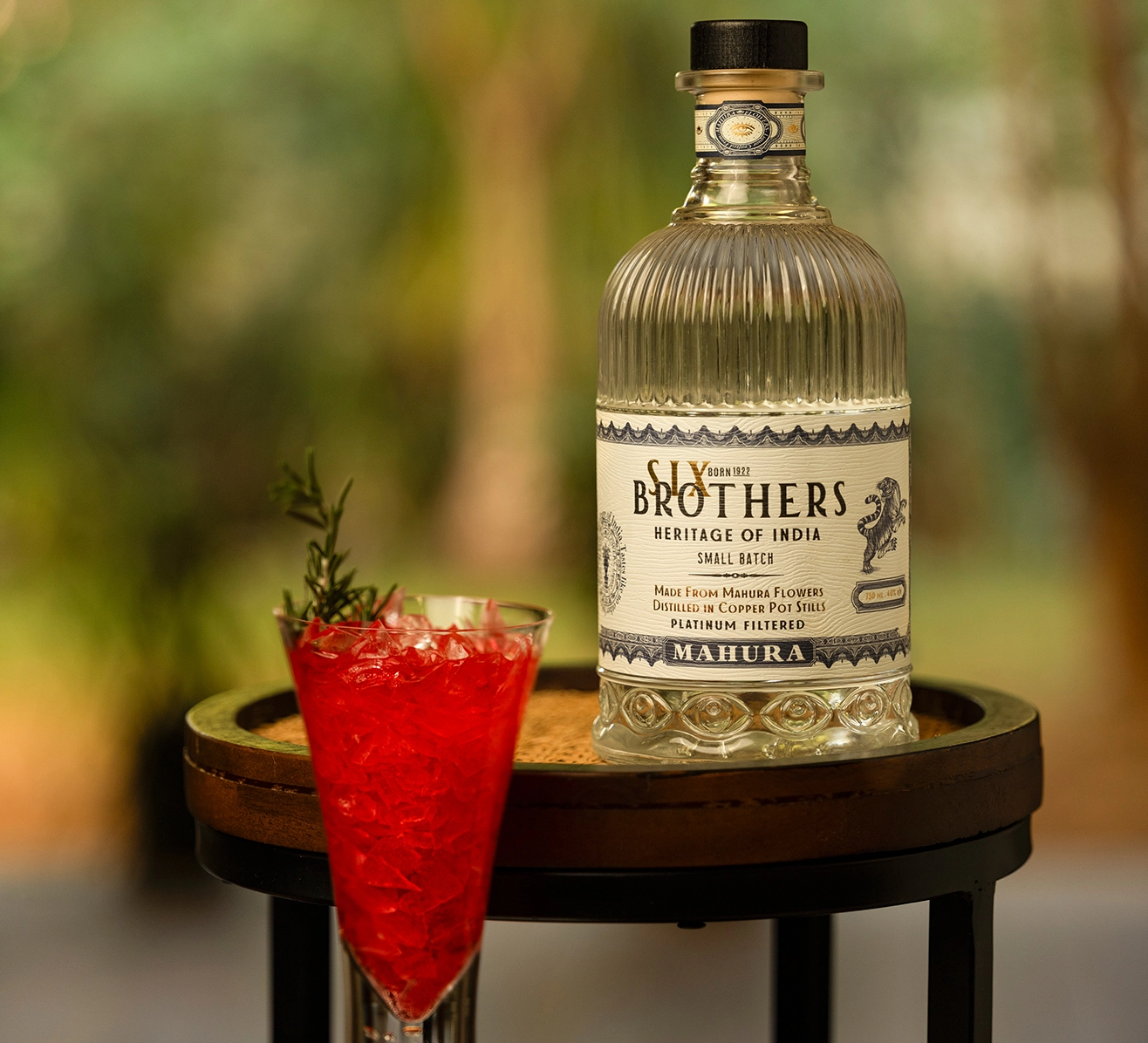
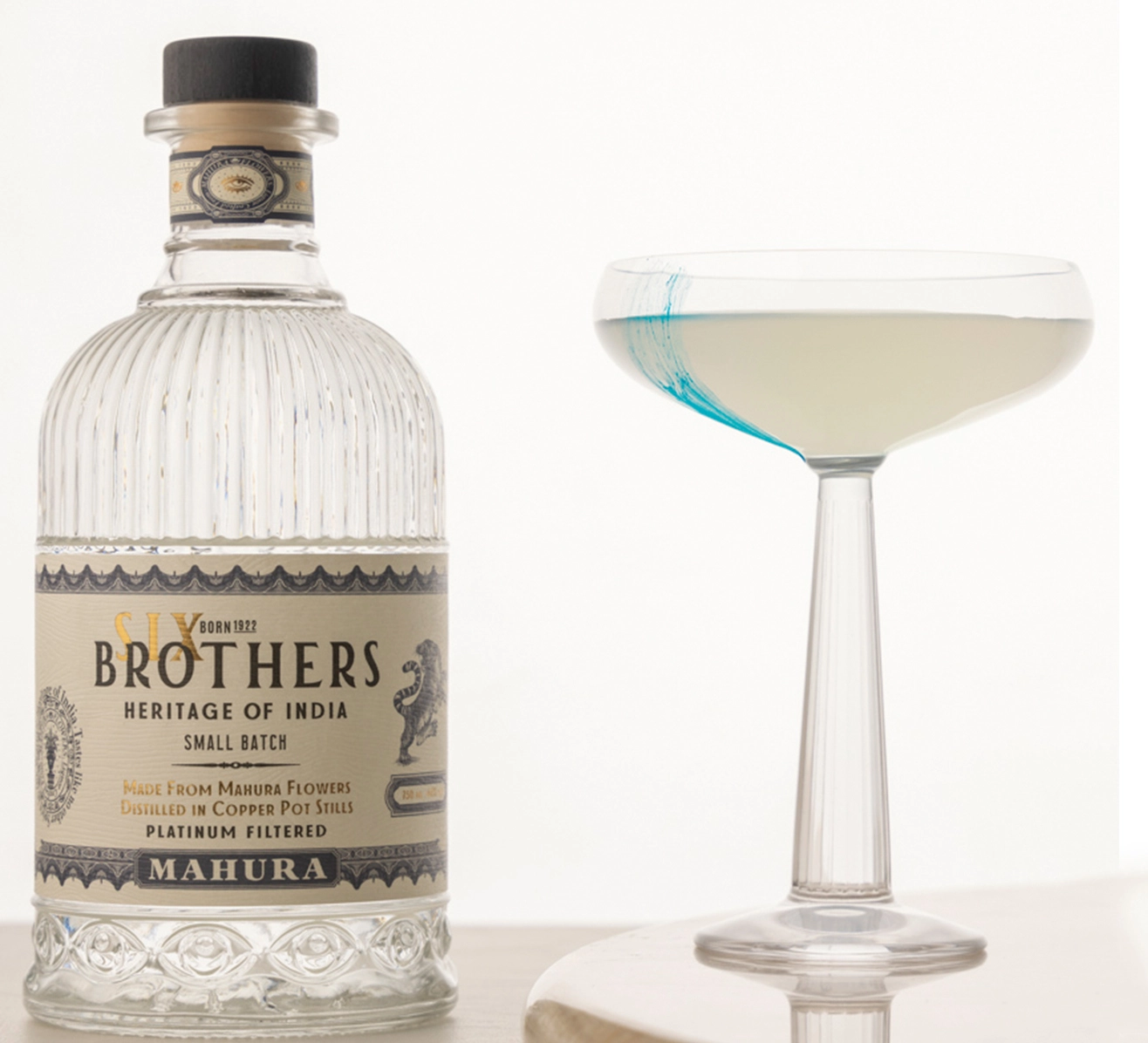
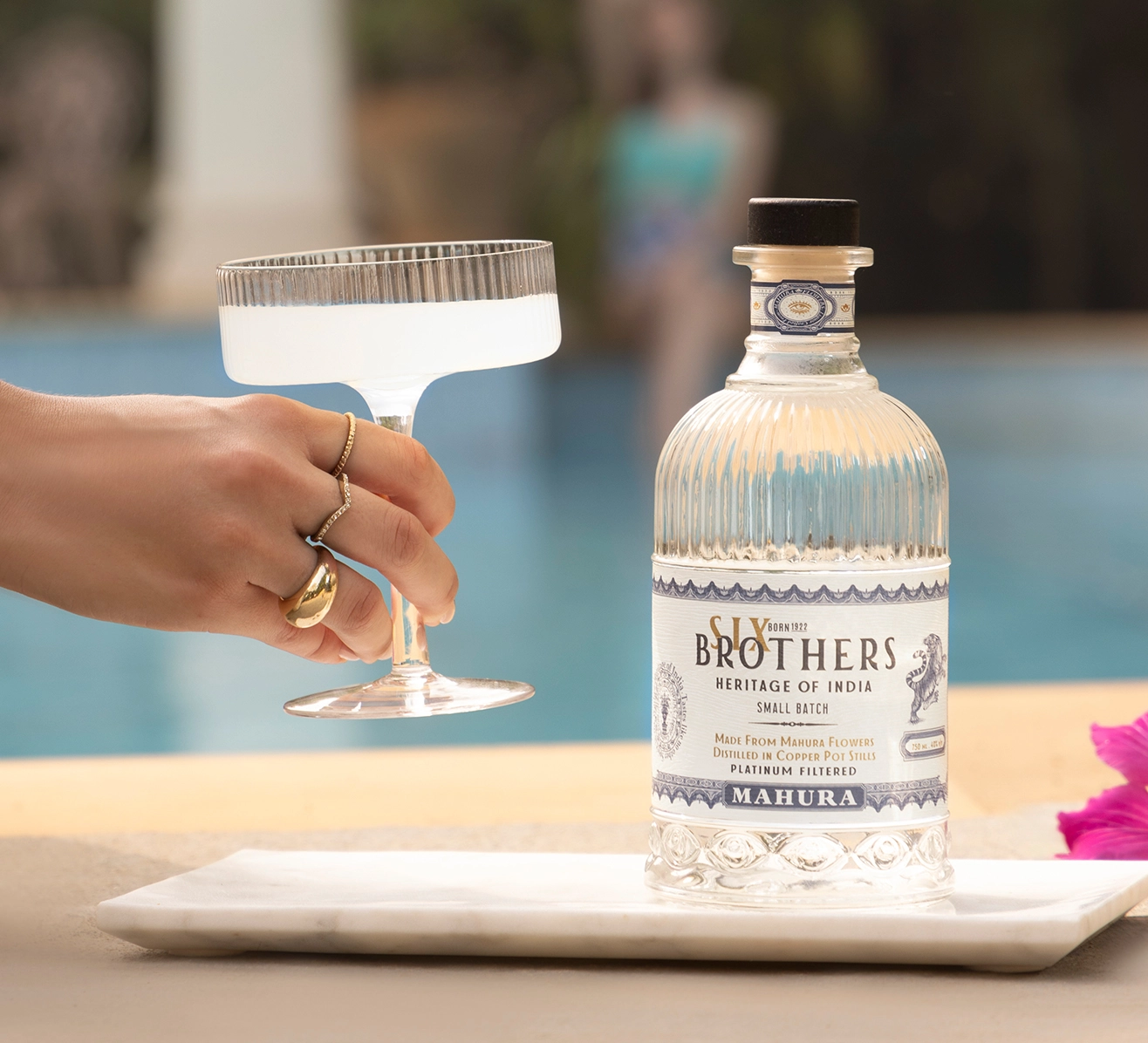
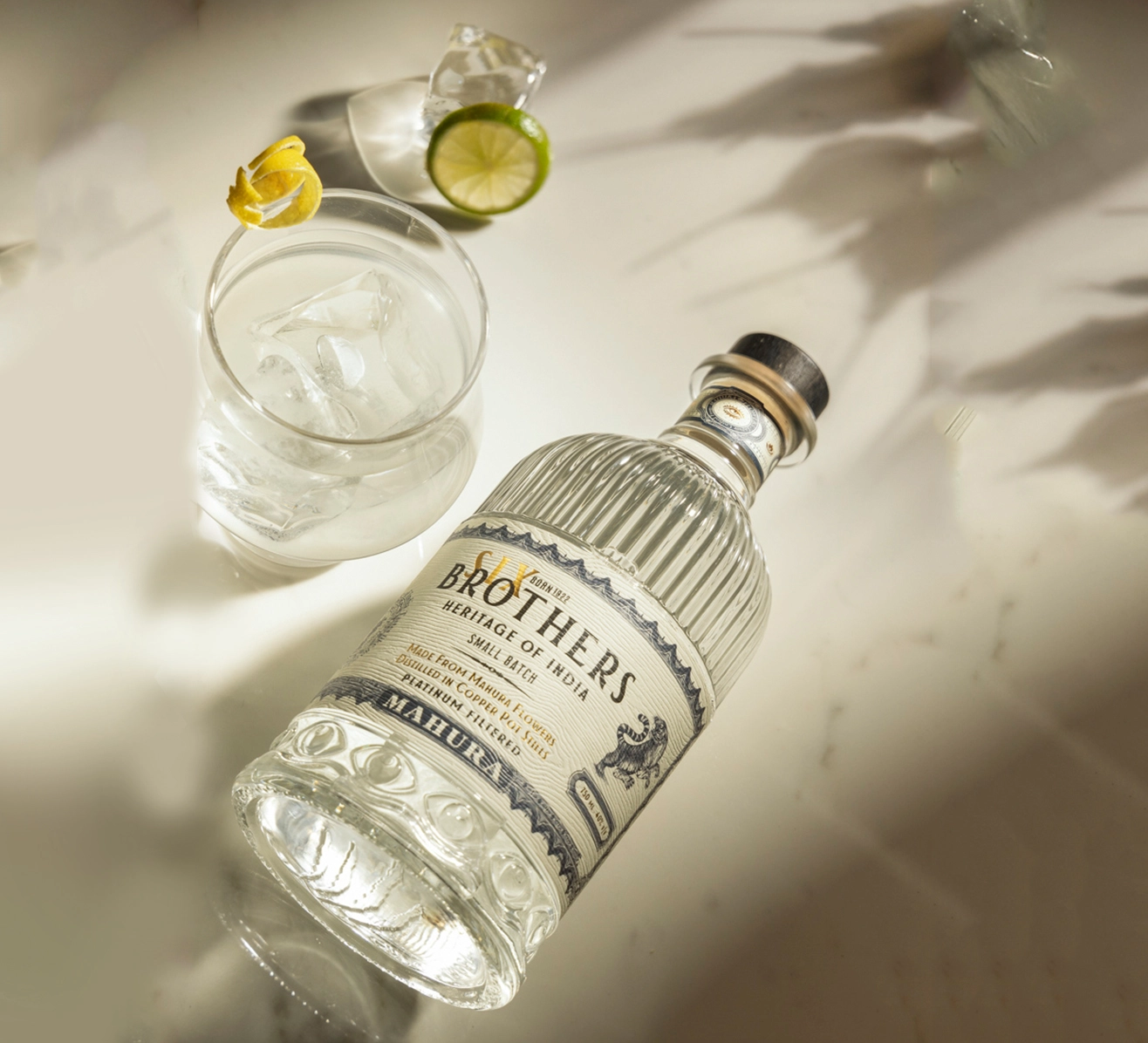
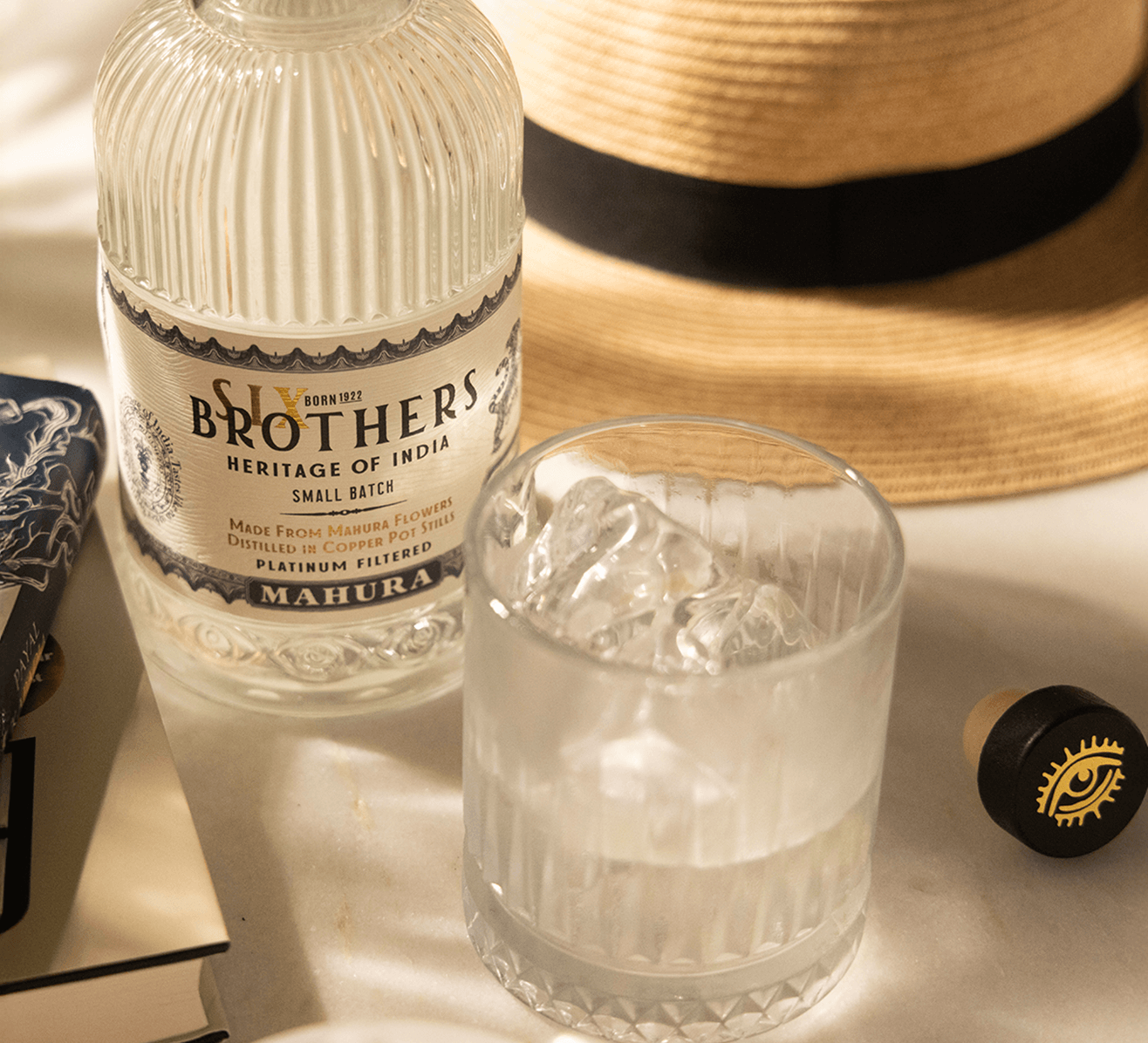
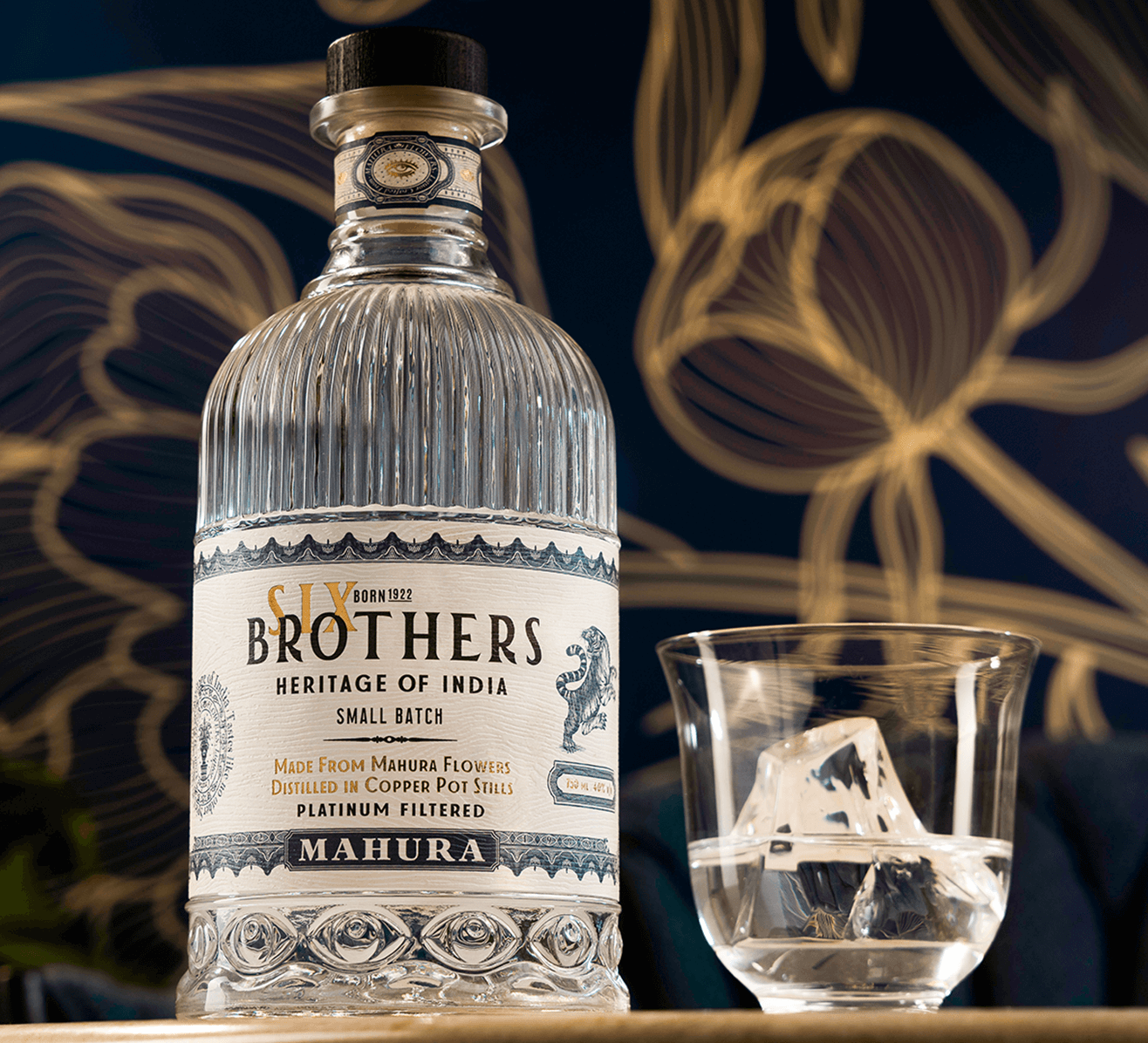
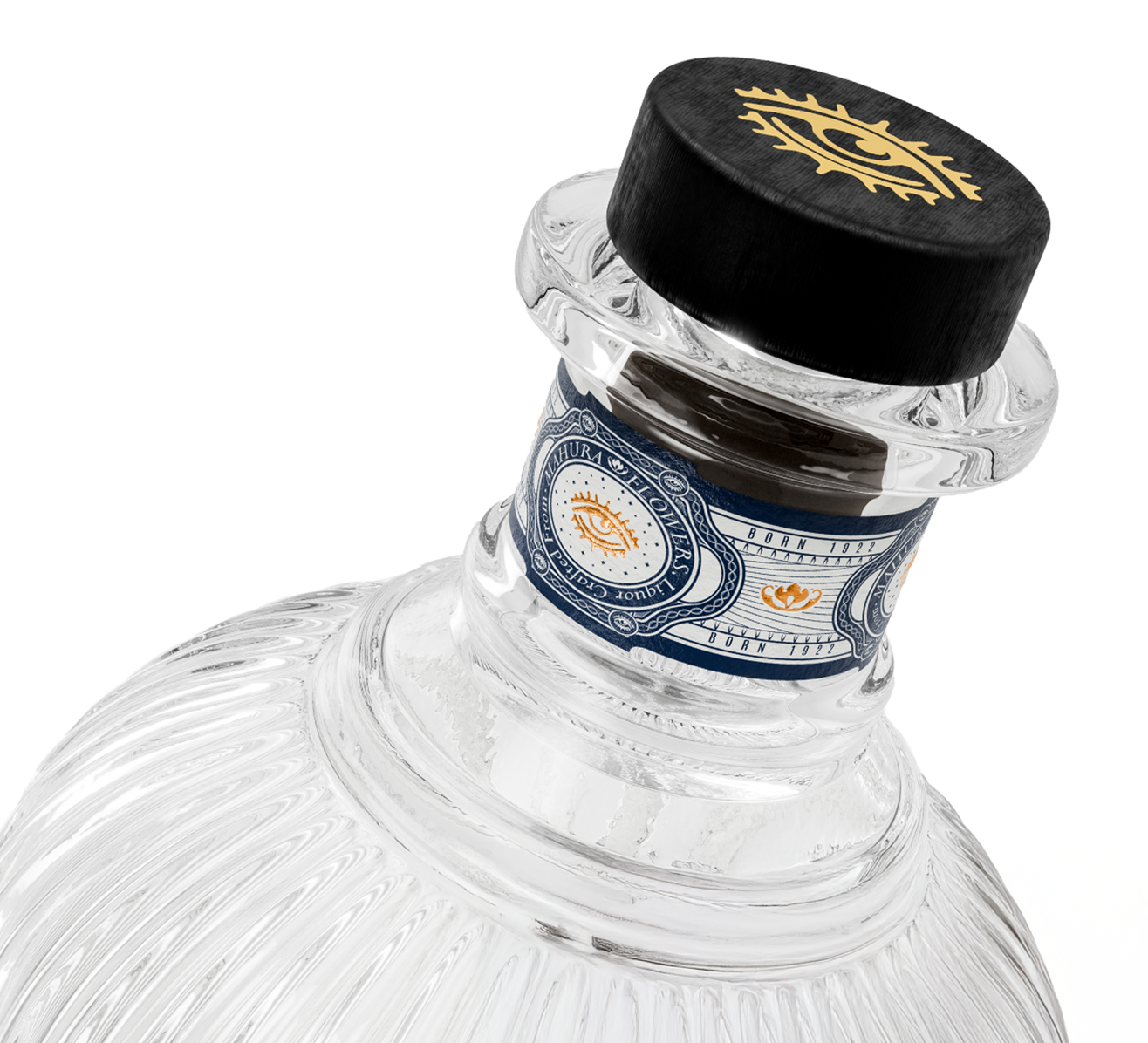
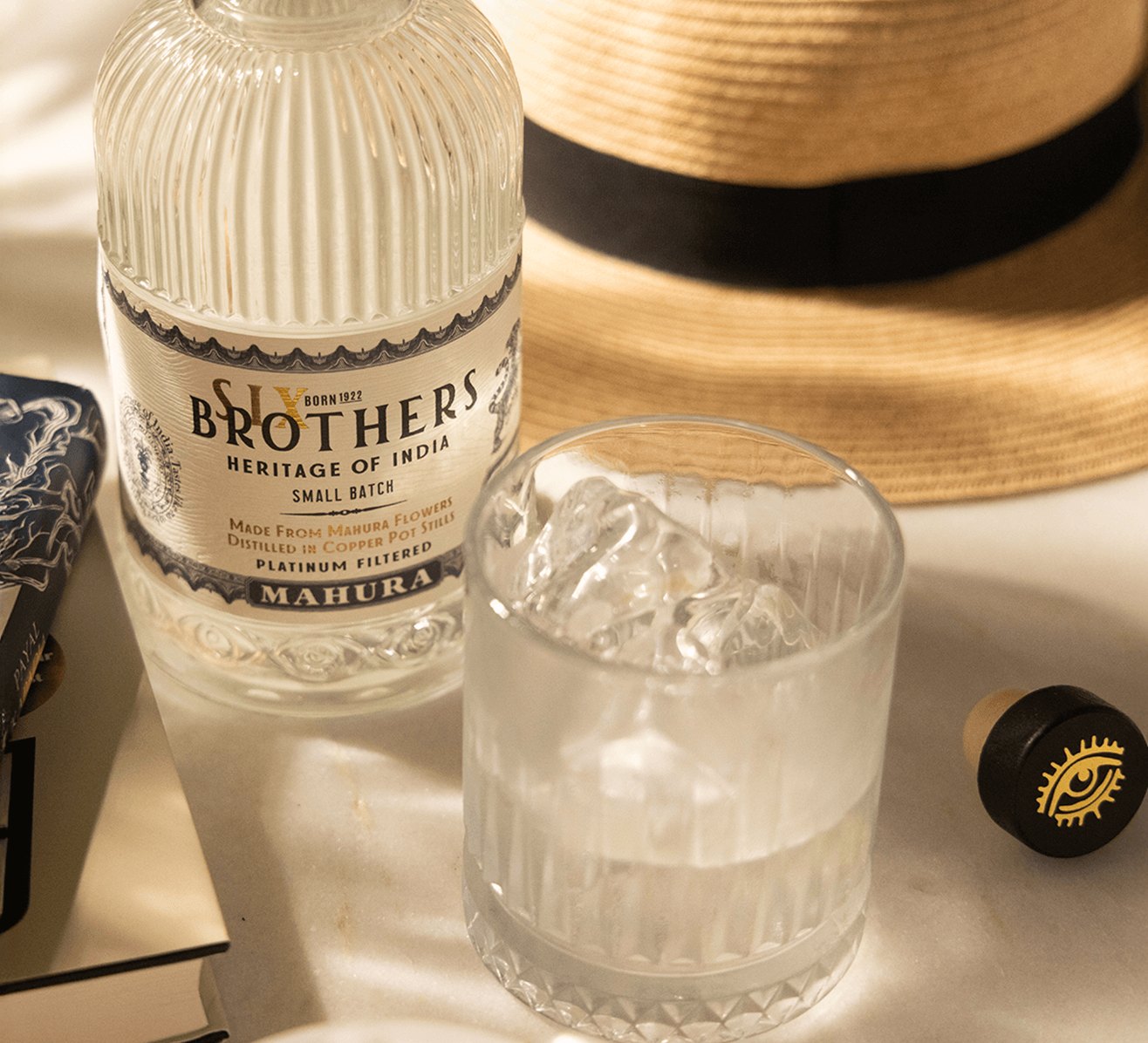
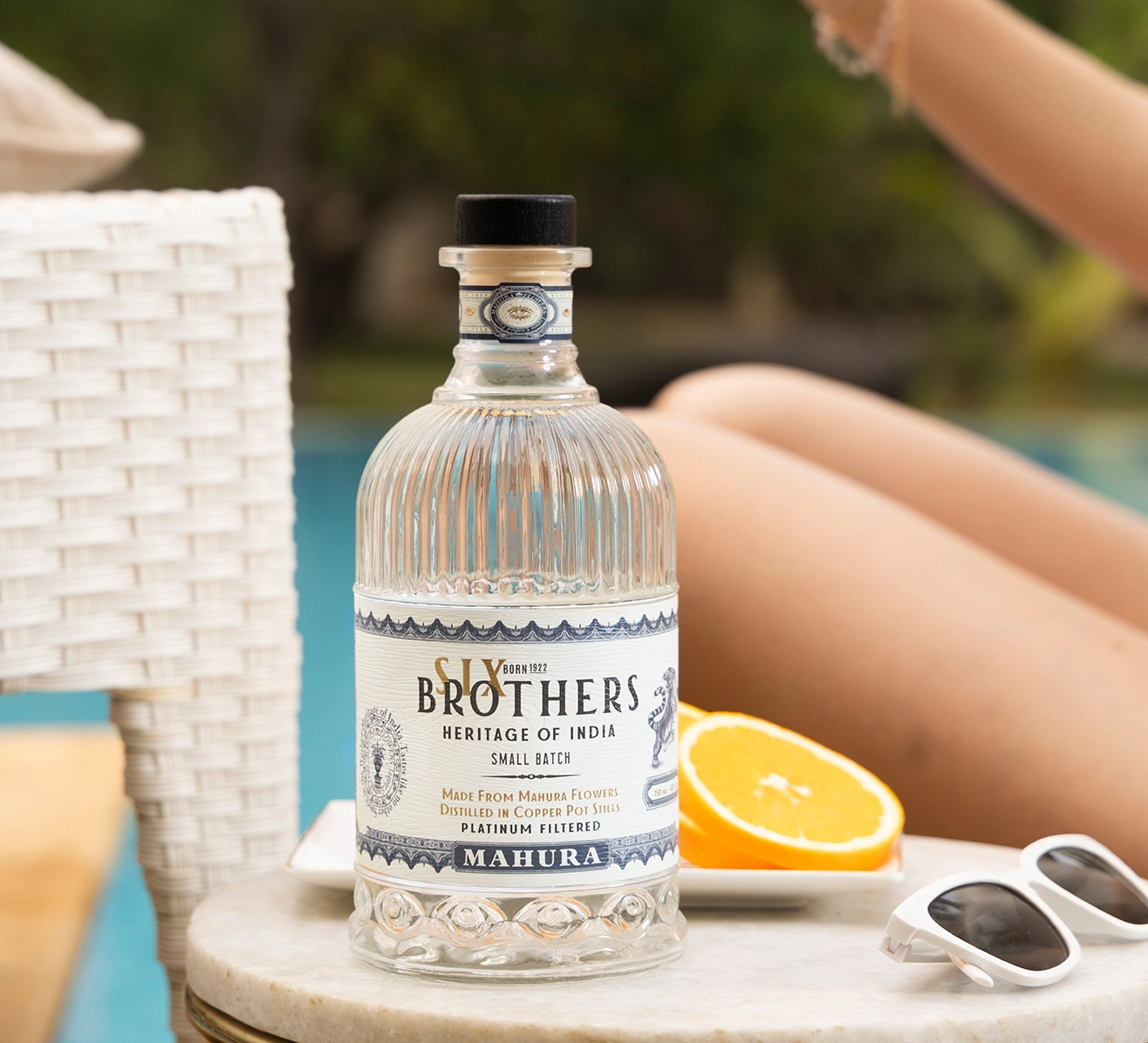
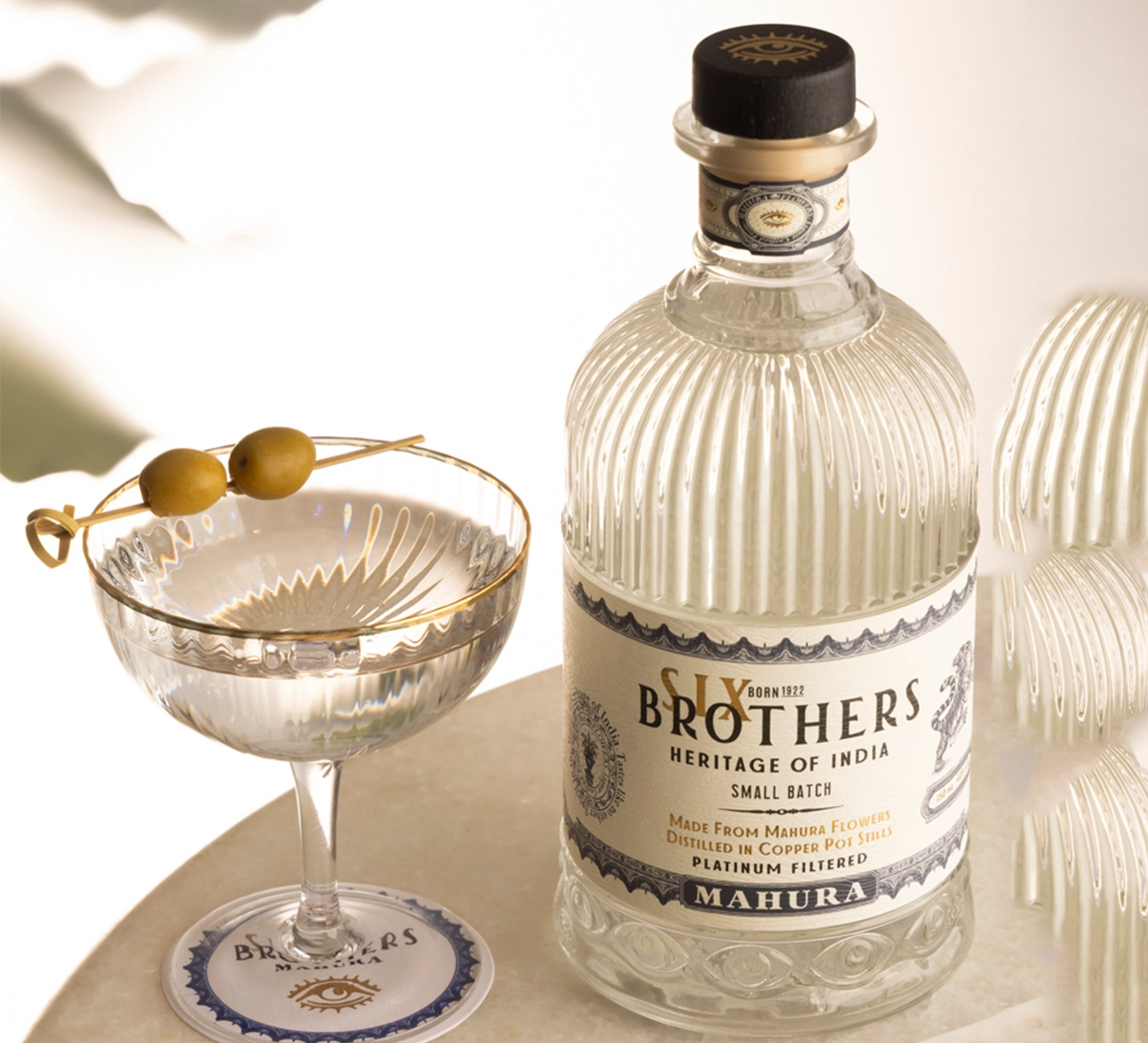
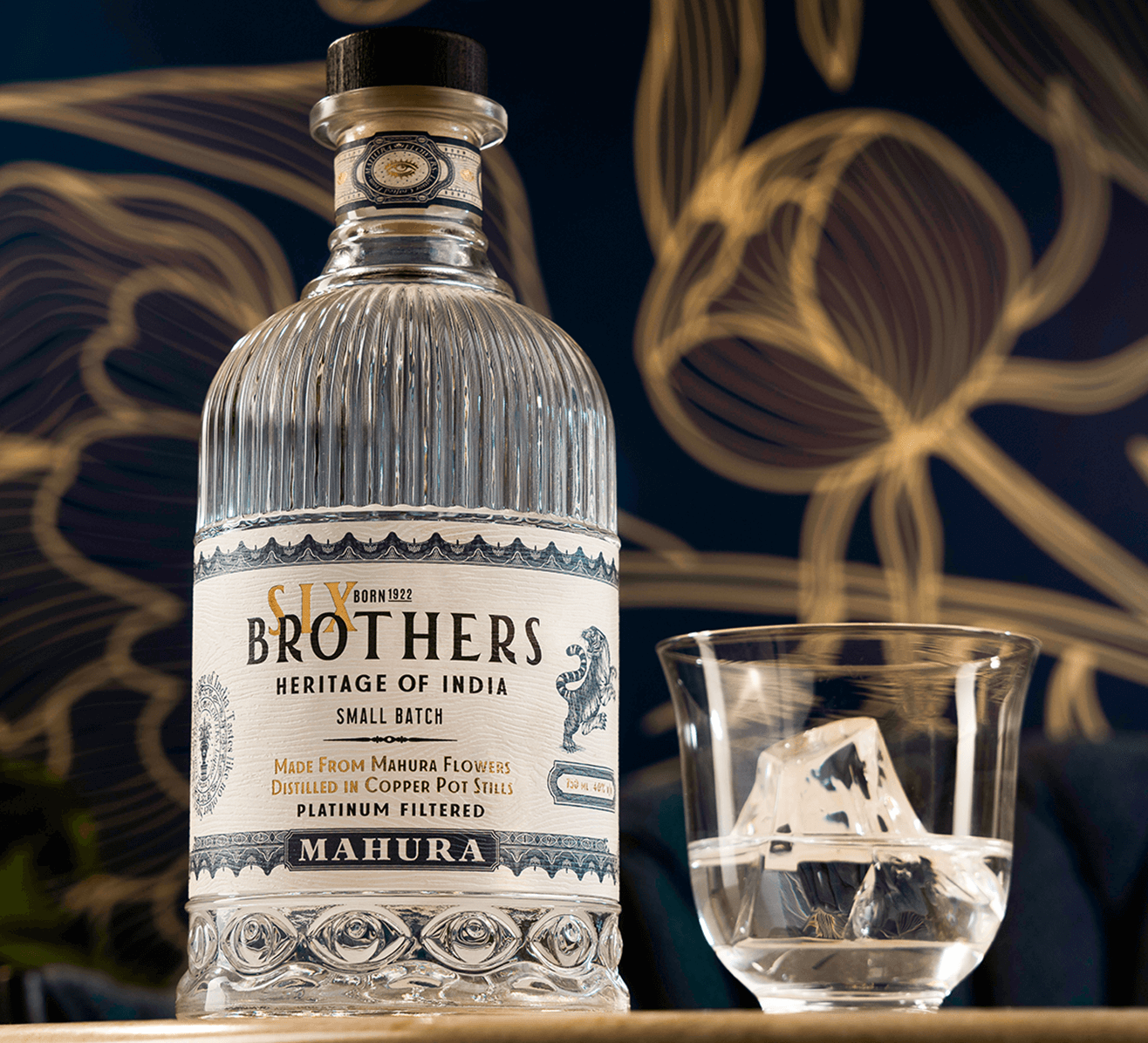
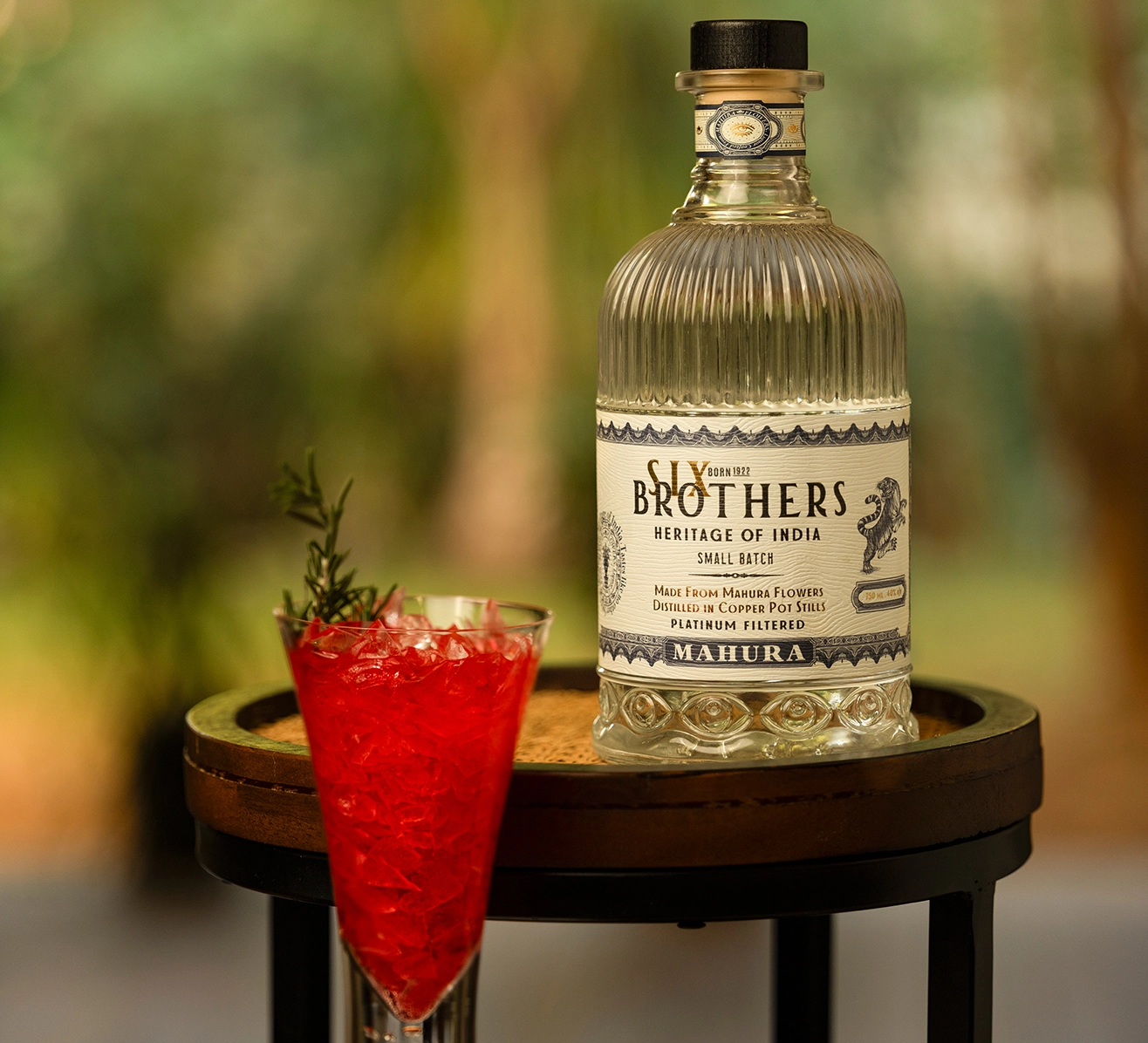
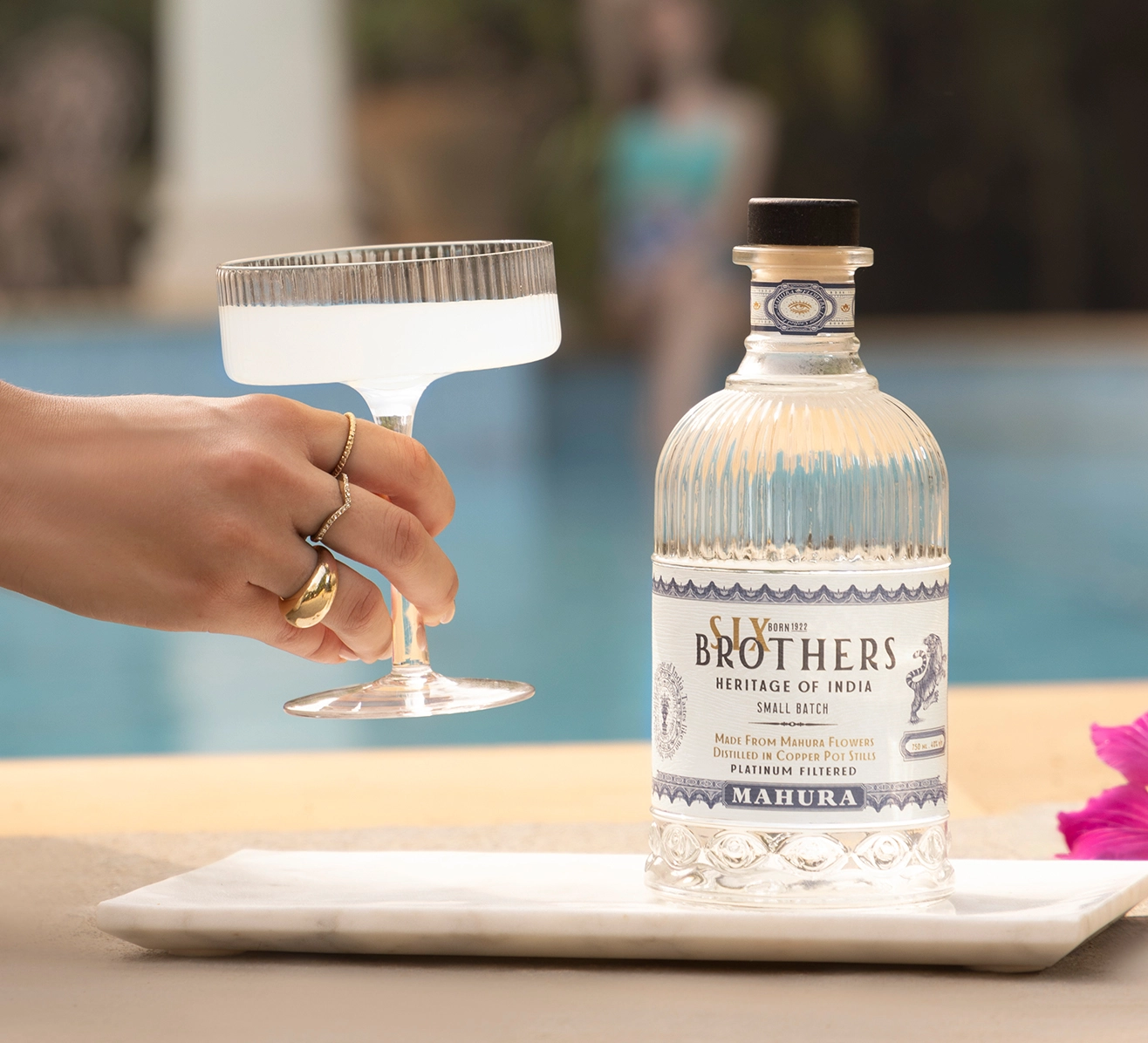
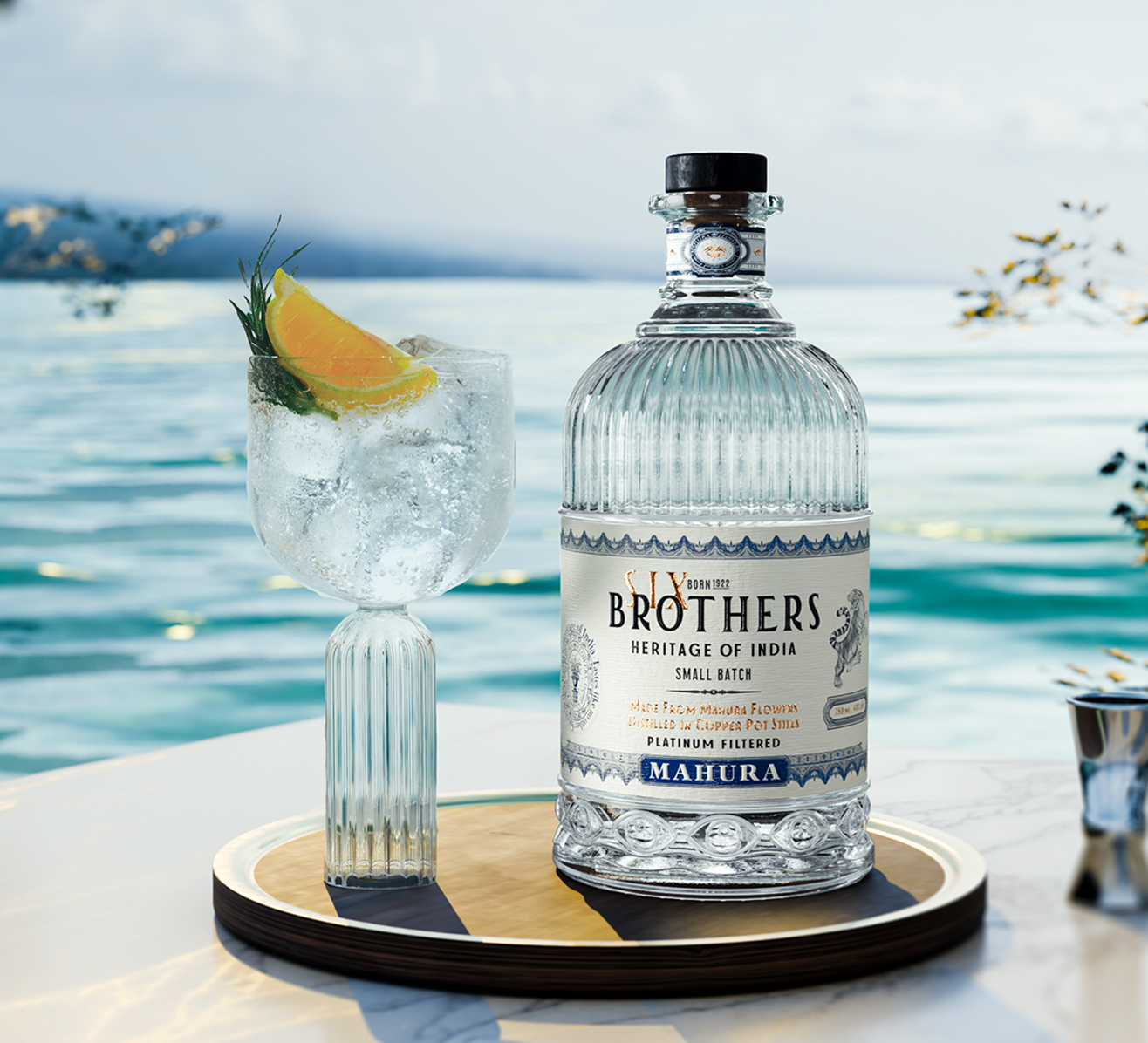
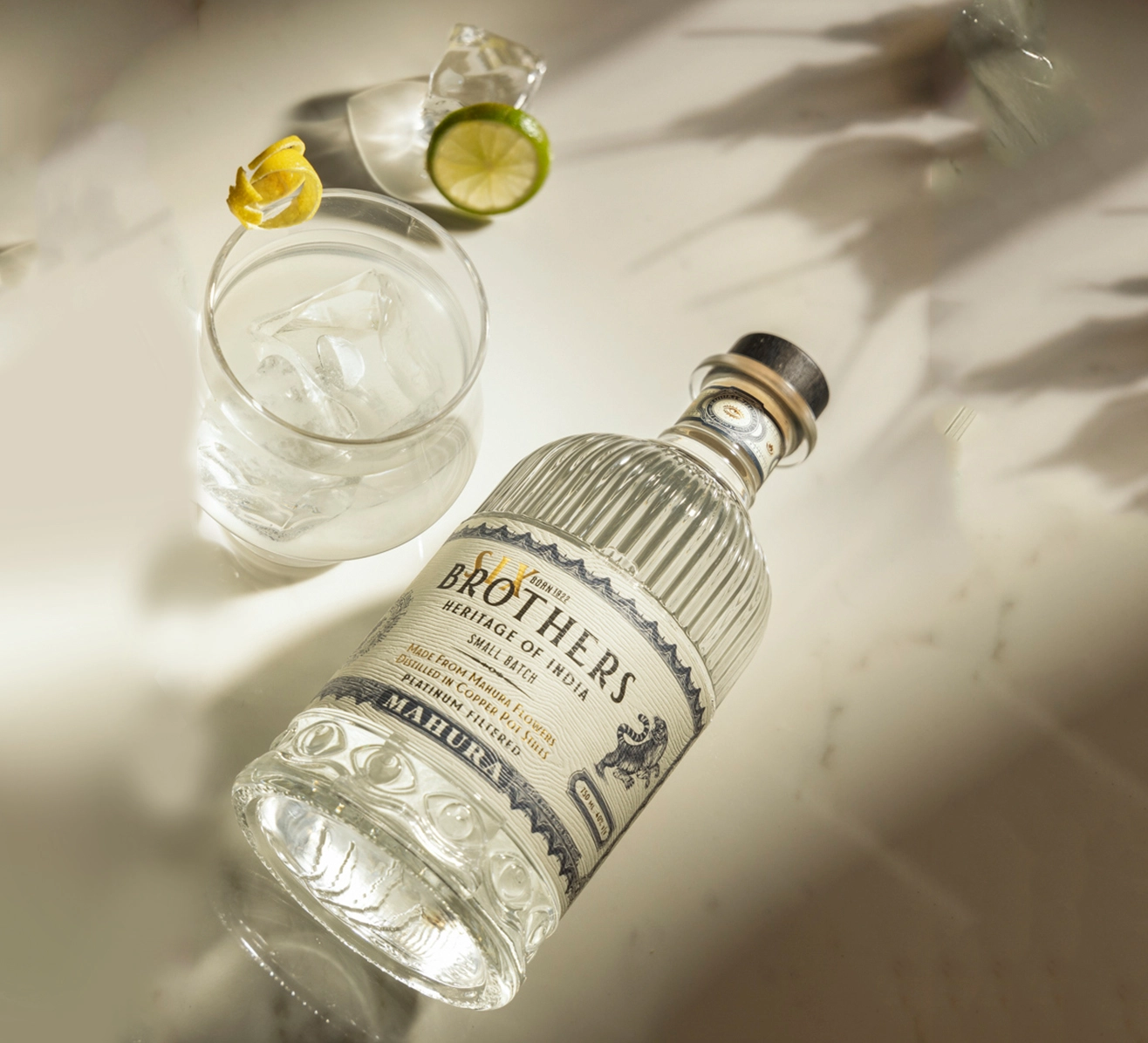
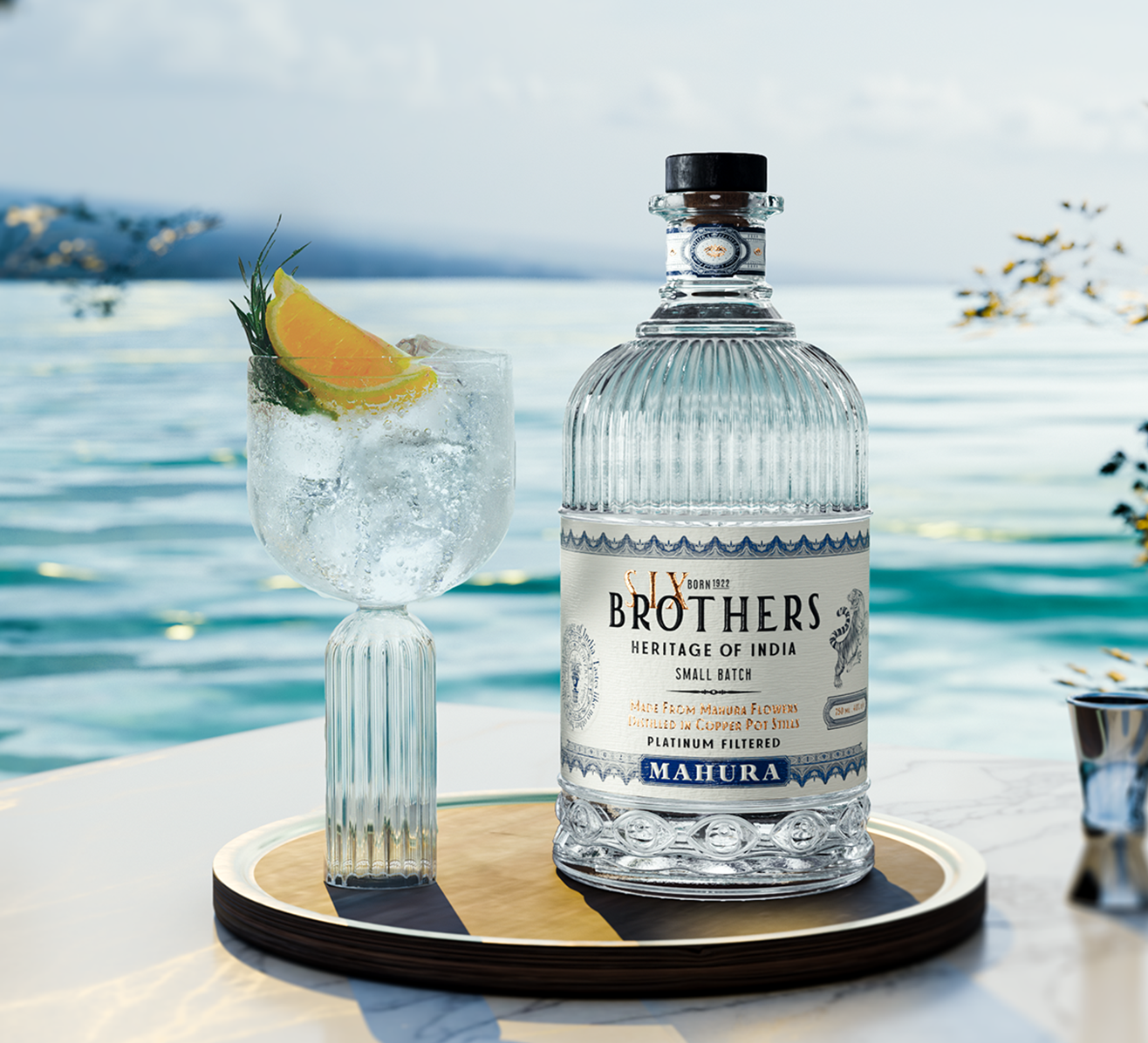
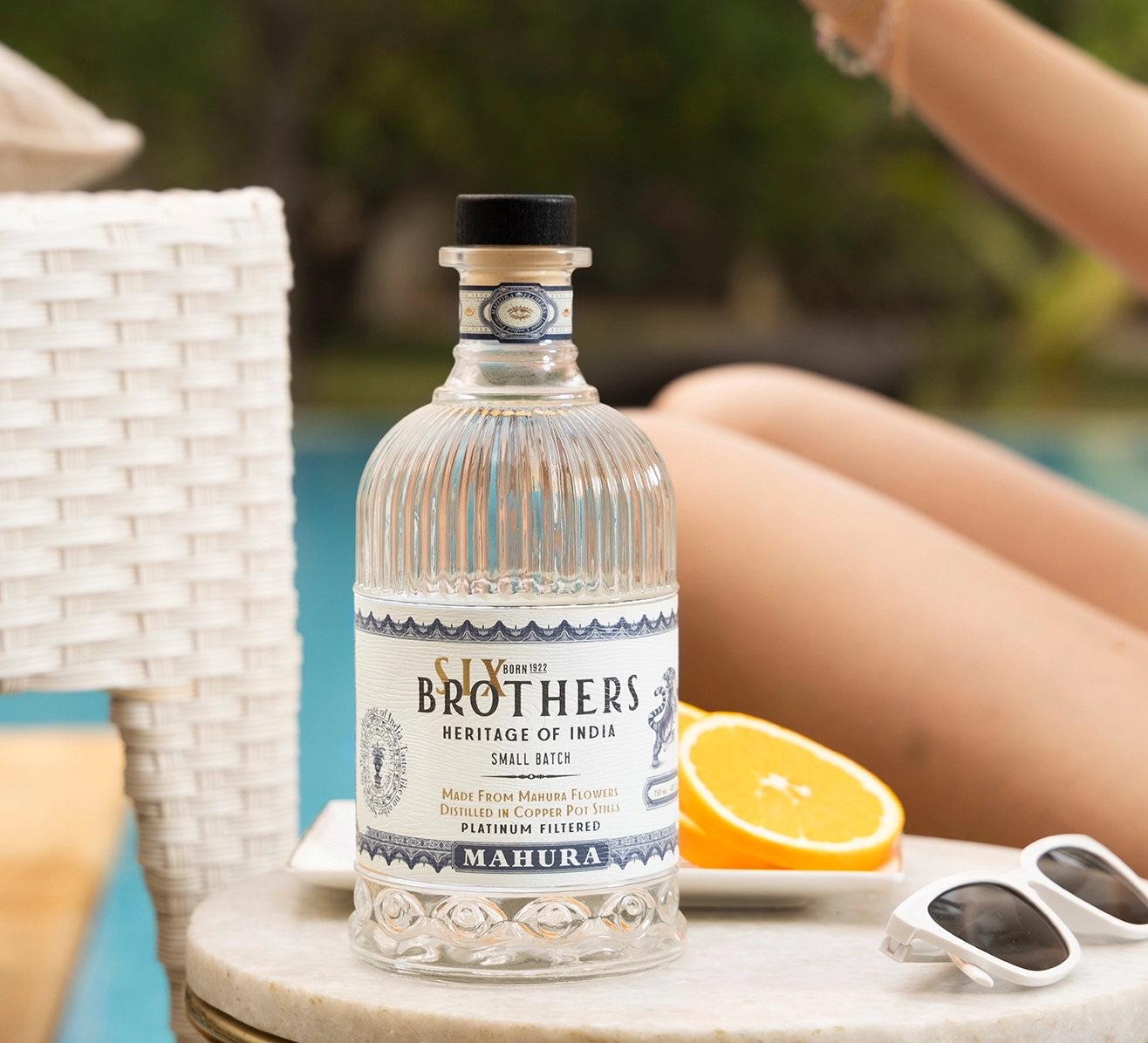
Six Brothers Mahura acknowledges that Mahua spirit is:
By refining Mahua alcohol, the brand:
The story of Mahua is not written in textbooks—it is sung, spoken, and remembered.
From the sacred Madhuca longifolia tree to the rituals surrounding the Mahua flower, every aspect of its journey is tied to folklore. Known as Mahuva and Mahuwa across regions, it continues to live through songs, stories, and shared experiences.
Because Mahua spirit is not just India’s oldest spirit—it is one of its most deeply rooted cultural expressions.