Home /
Blog /
Mahua in Local Economies: How the Flower Supports Rural Livelihoods in India
Posted on 27 May 2026
Mahua in Local Economies: How the Flower Supports Rural Livelihoods in India
Introduction: More Than a Spirit
For many, Mahua is known as a traditional drink. But beyond its identity as India’s oldest spirit, it plays a far more significant role—supporting livelihoods, sustaining communities, and driving local economies.
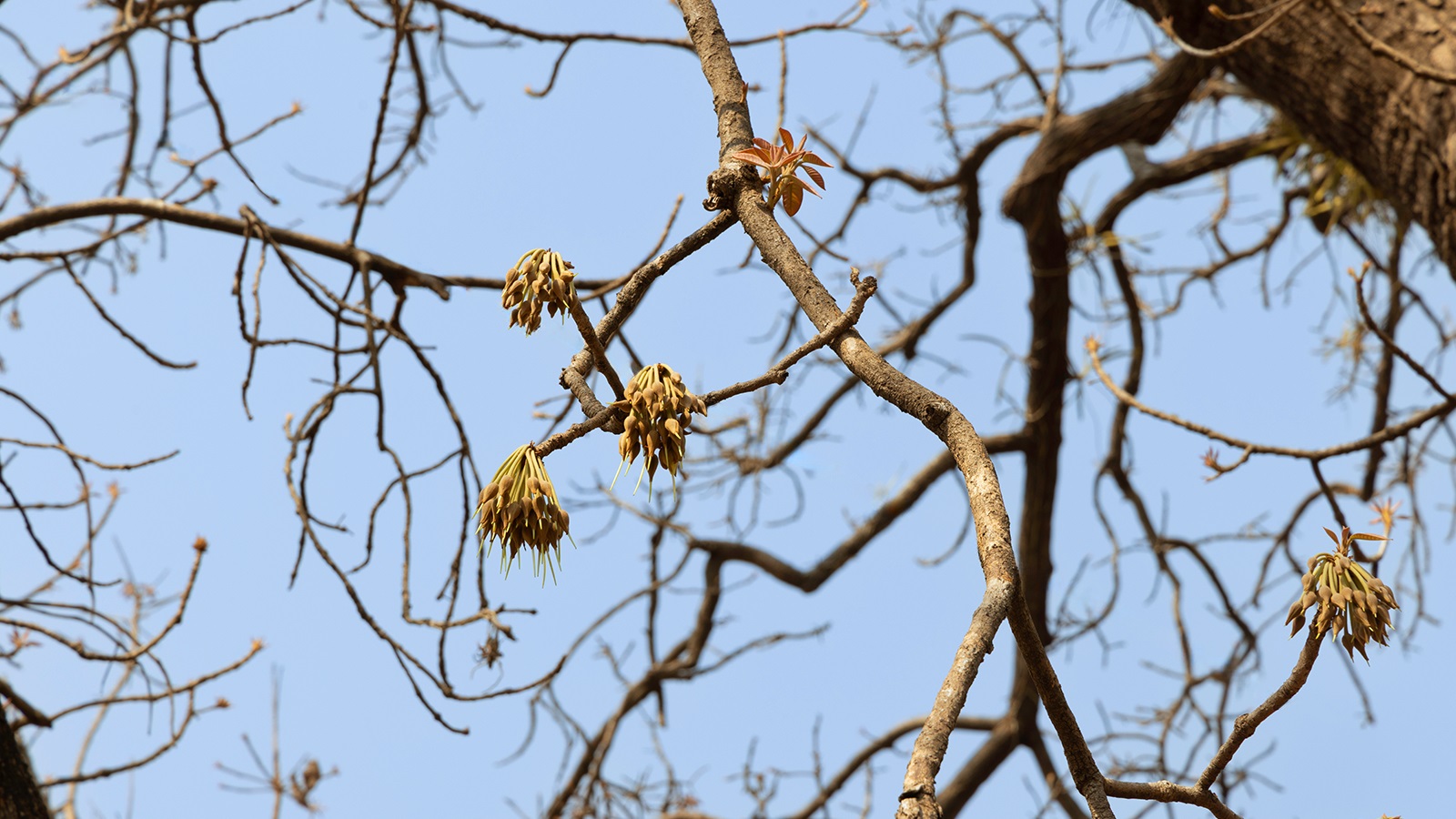
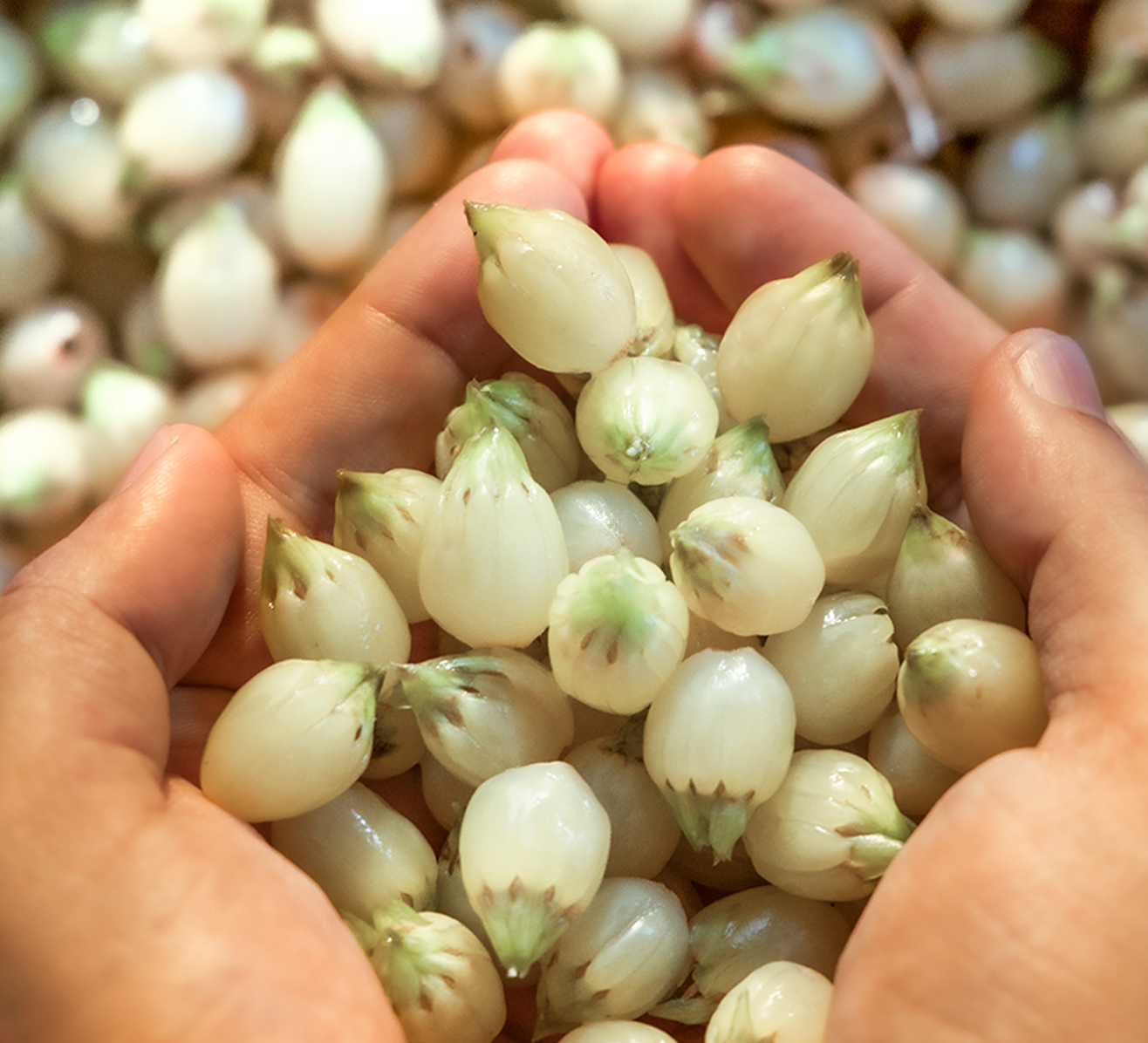
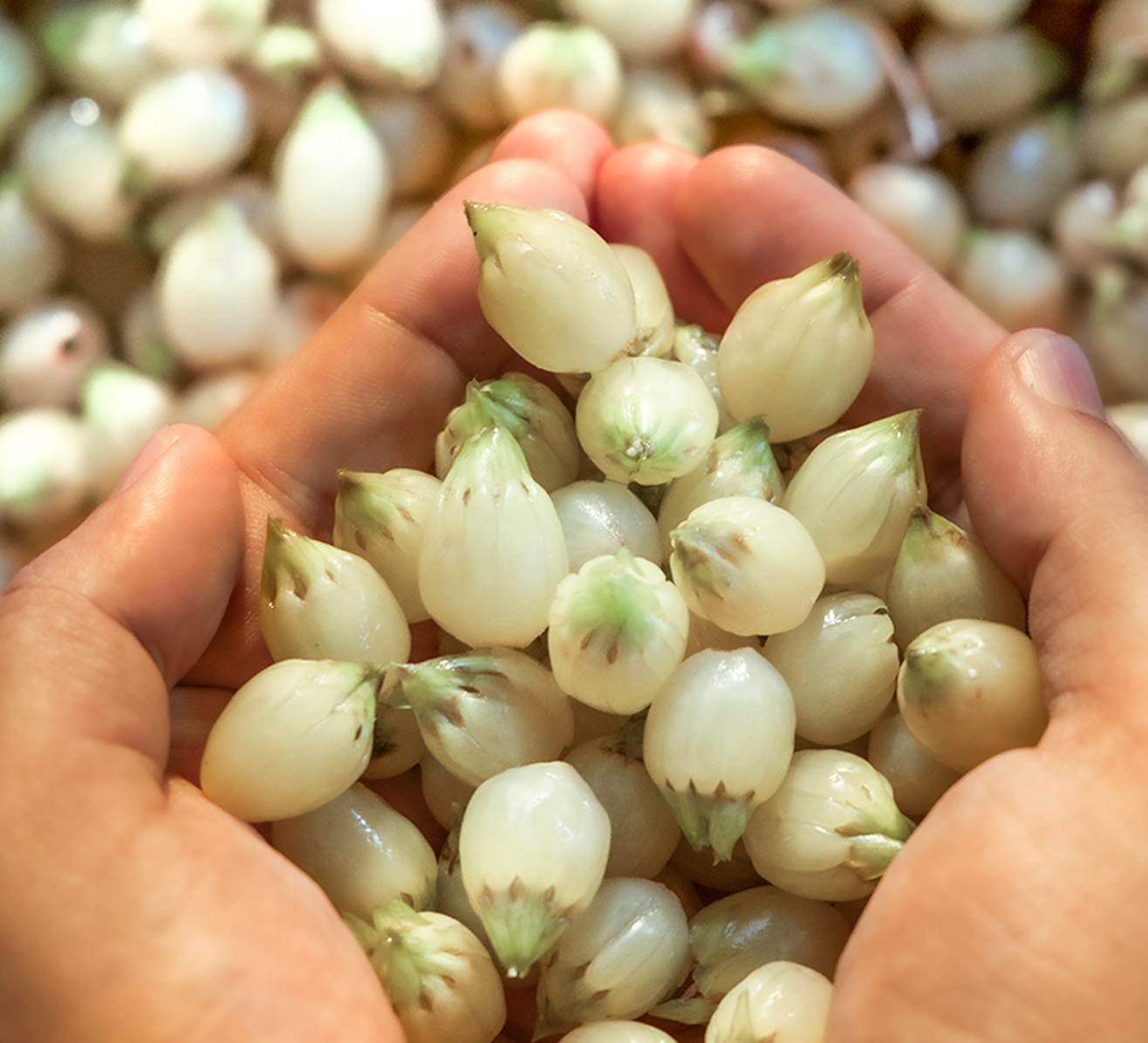
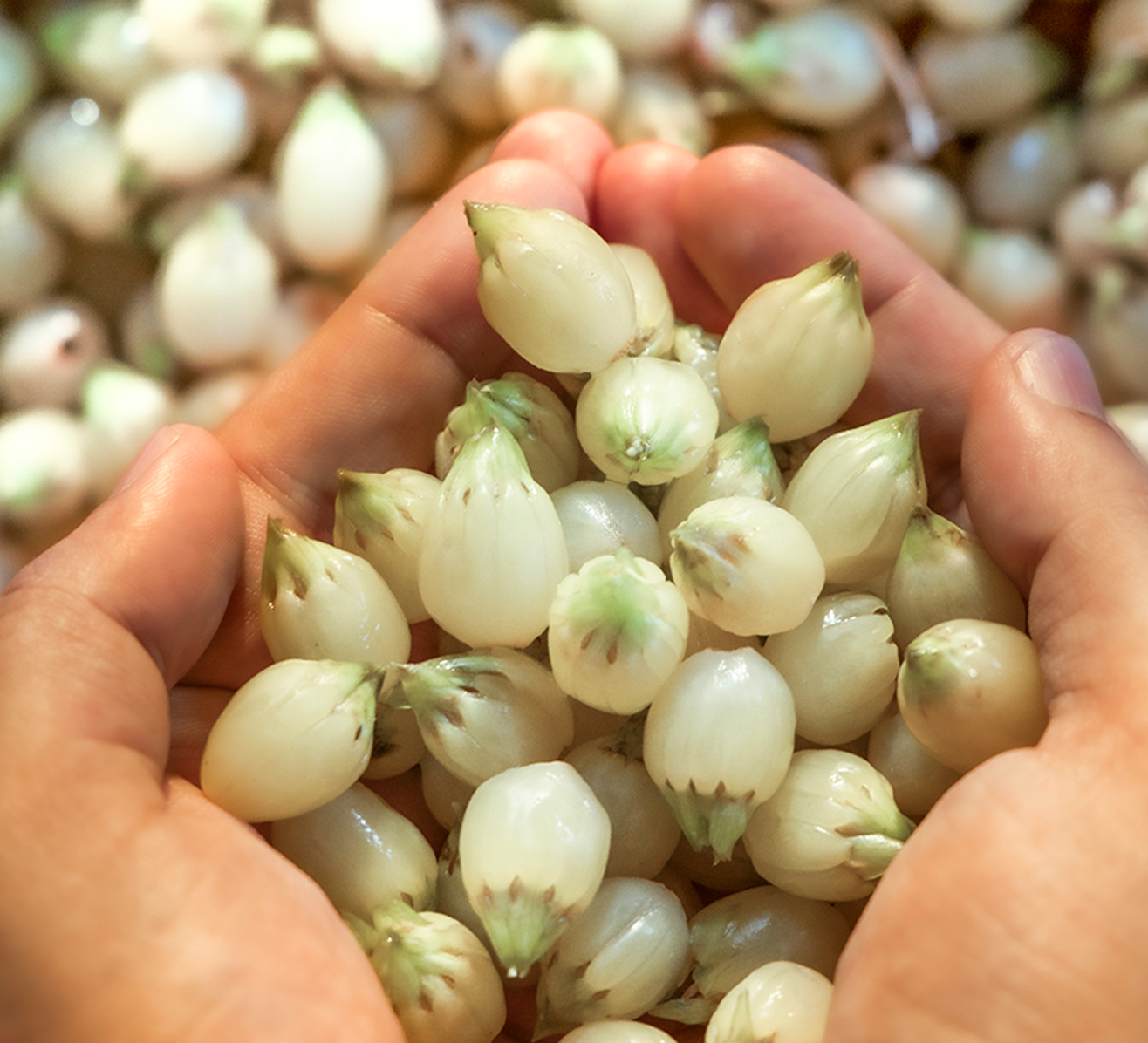
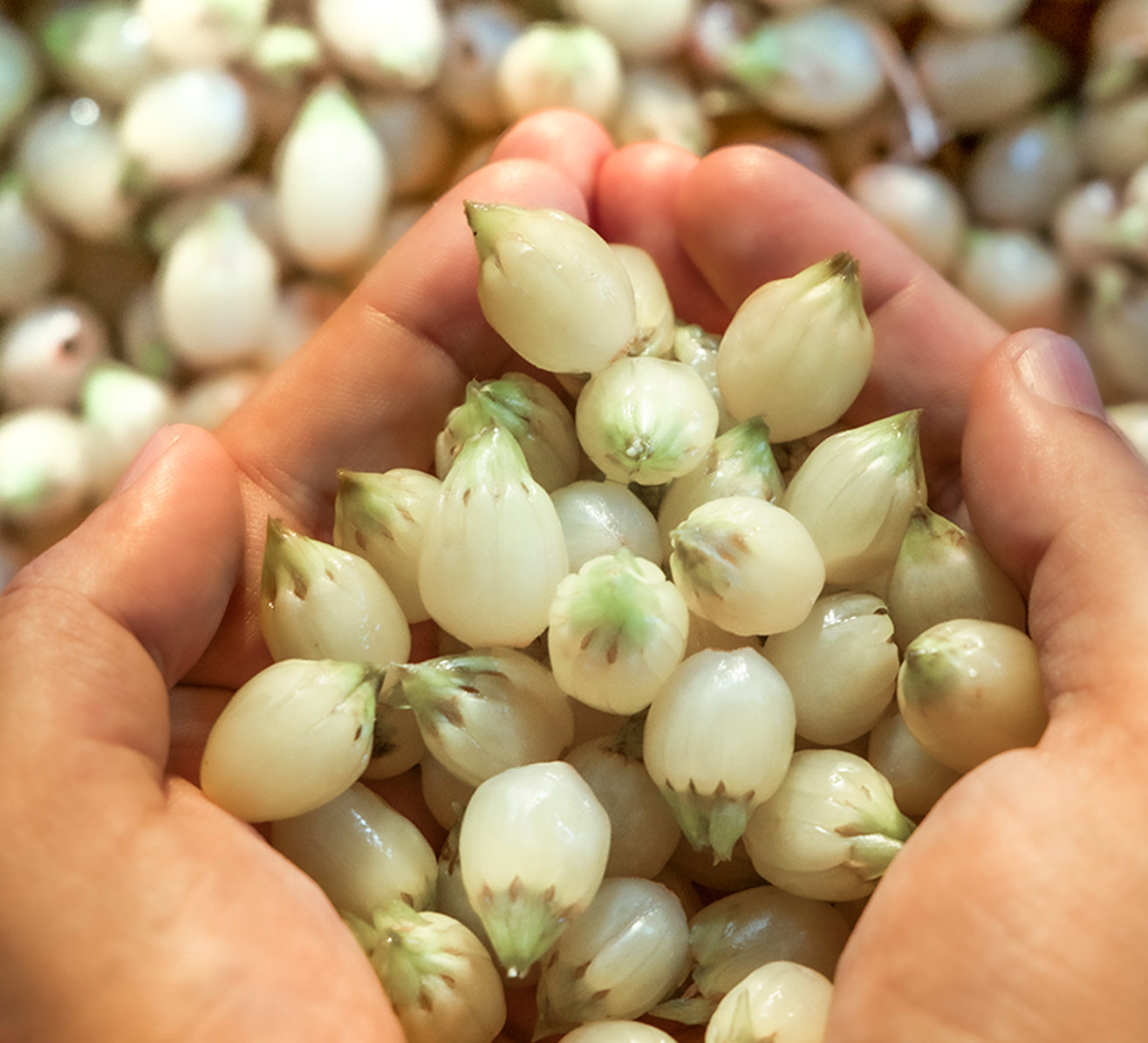
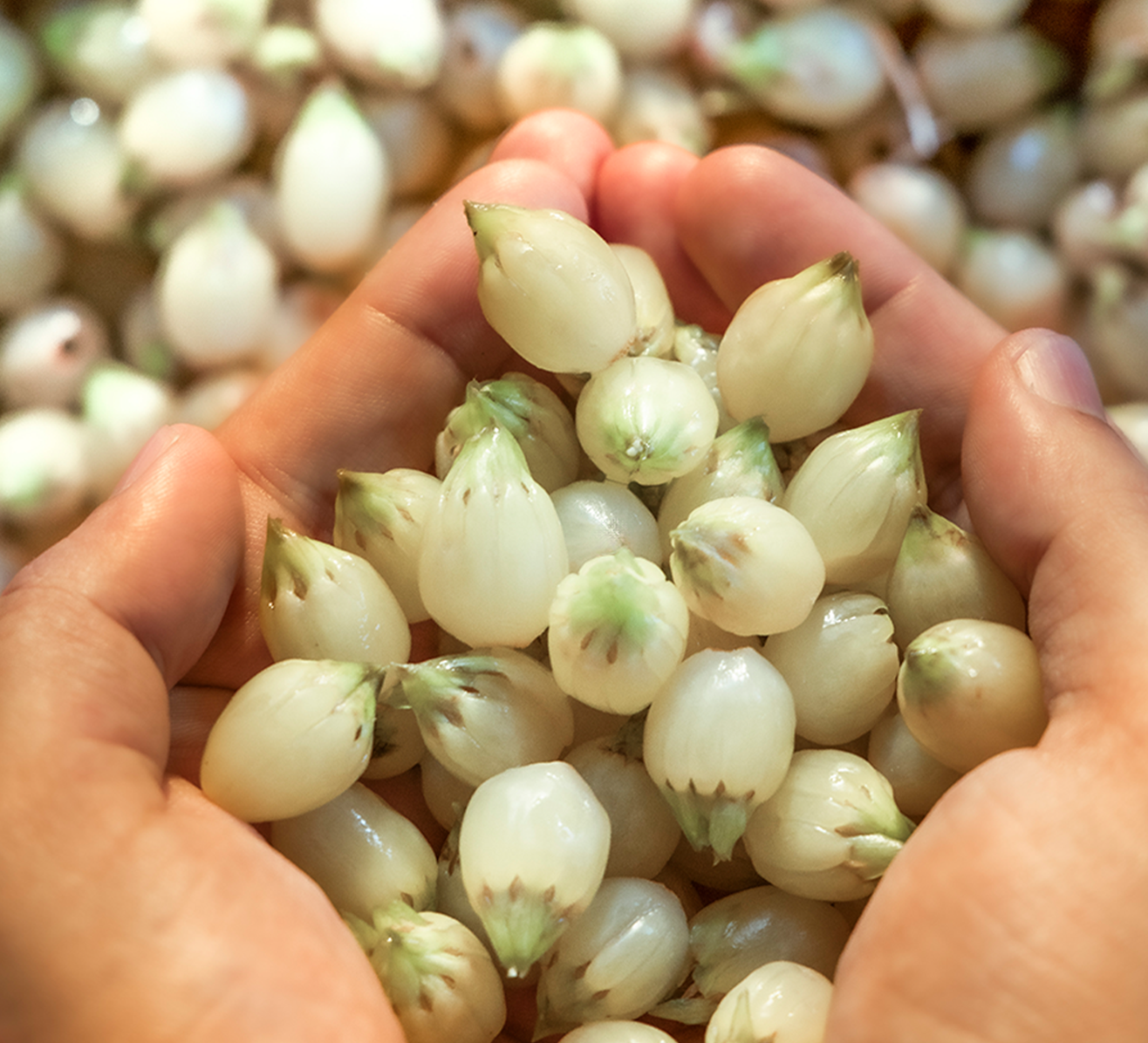
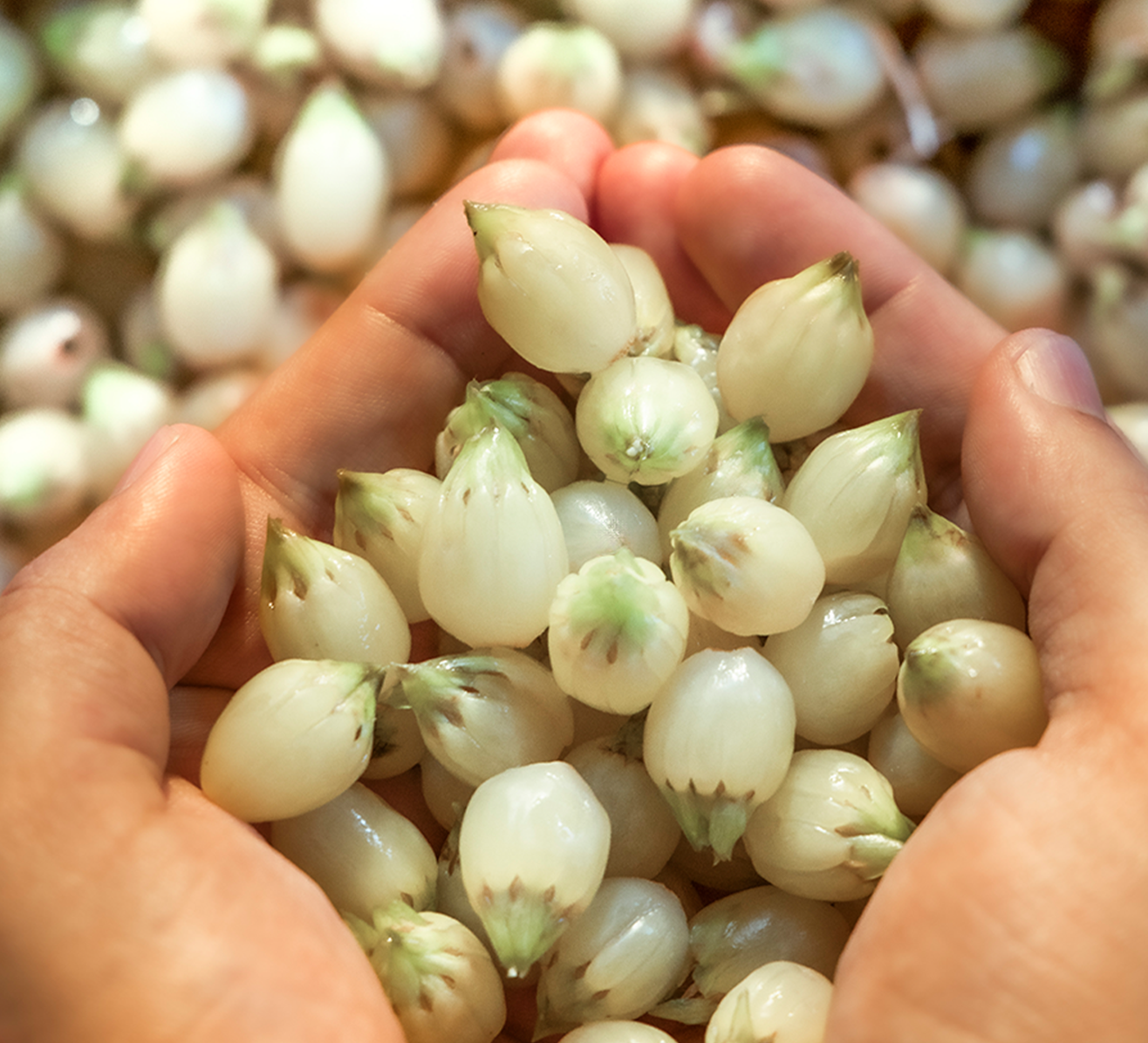
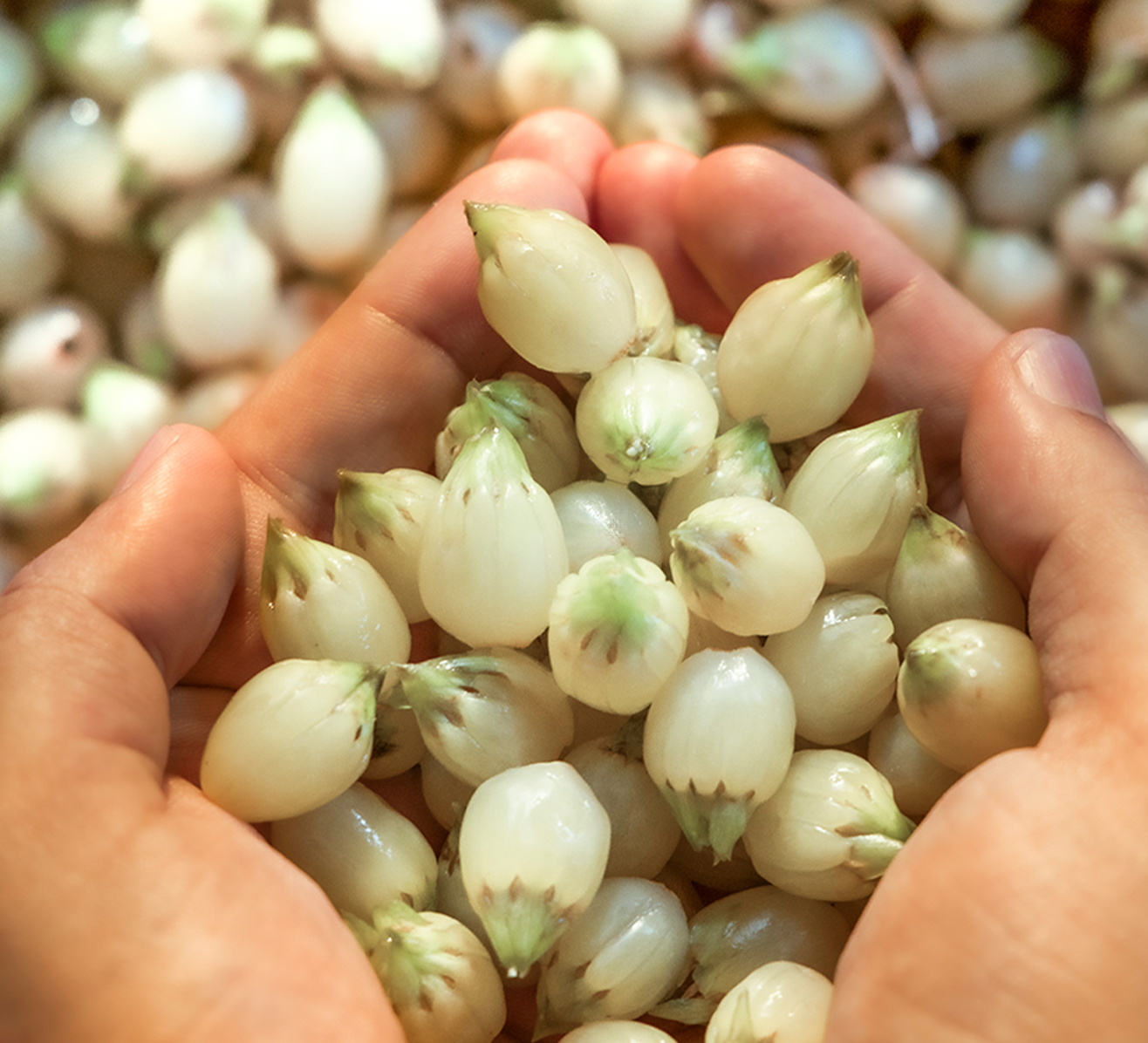
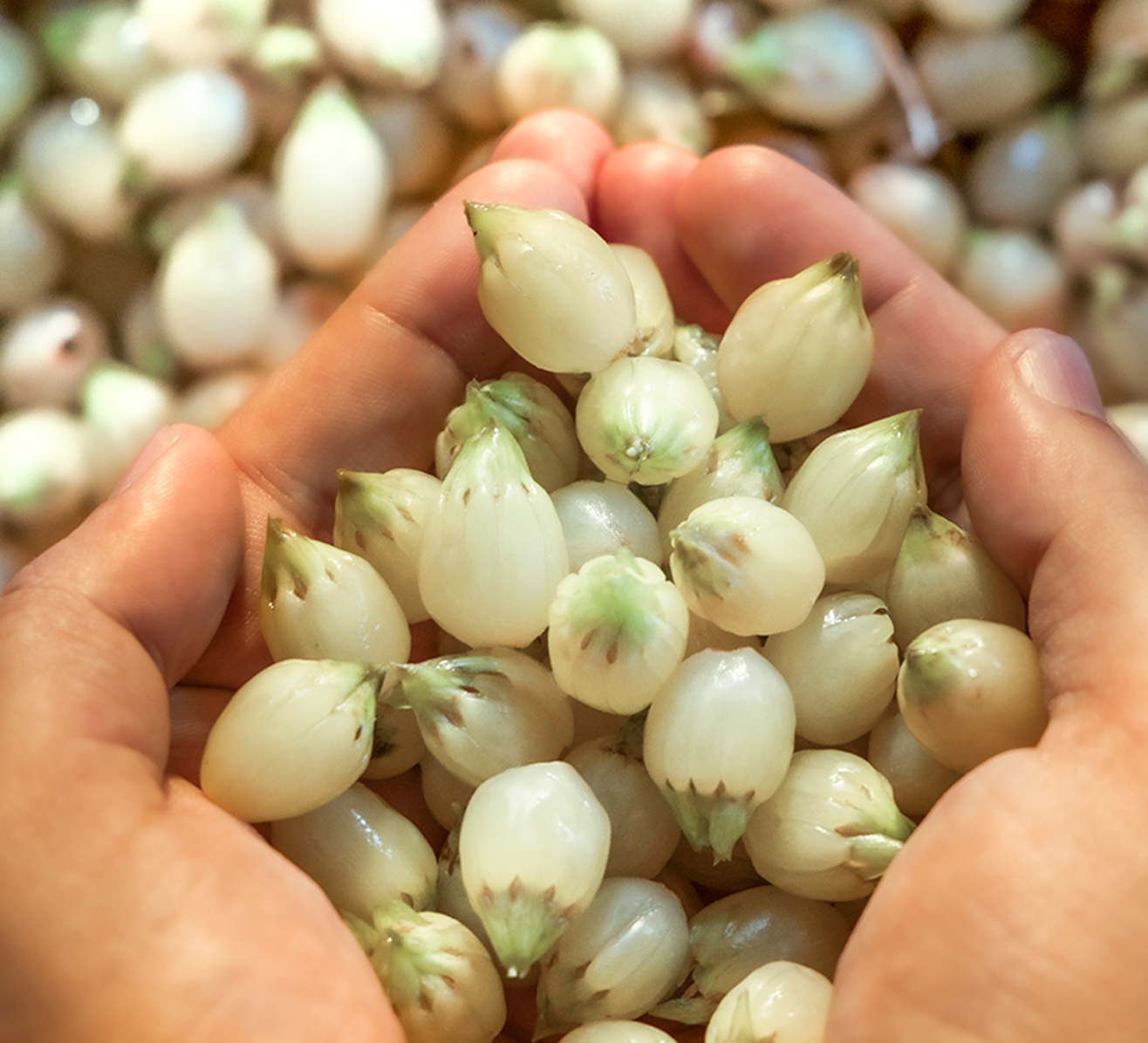
Derived from the Mahua flower of the Madhuca longifolia tree, Mahua spirit is deeply intertwined with rural life. Across regions where Mahuva and Mahuwa are part of everyday vocabulary, this natural resource is not just cultural—it is economic.
Understanding Mahua spirit means understanding the ecosystem of people behind it.
The Mahua Tree as an Economic Resource
A Tree That Gives Consistently
The Madhuca longifolia tree is a dependable source of income:
- Flowers bloom seasonally in abundance
- Minimal cultivation is required
- The tree remains productive for decades
This makes Mahua a sustainable economic asset.
Low Investment, High Value
Unlike many agricultural crops, Mahua flower collection:
- Requires no expensive inputs
- Depends on natural cycles
- Offers consistent seasonal returns
This accessibility is key to rural economies.
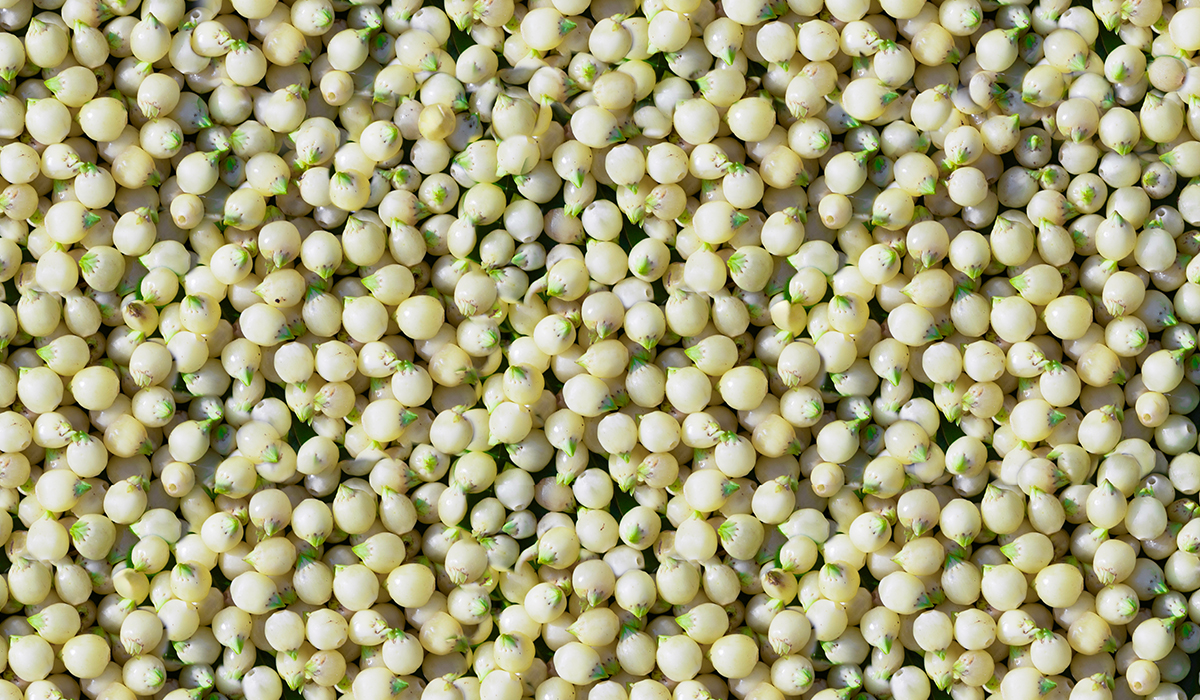
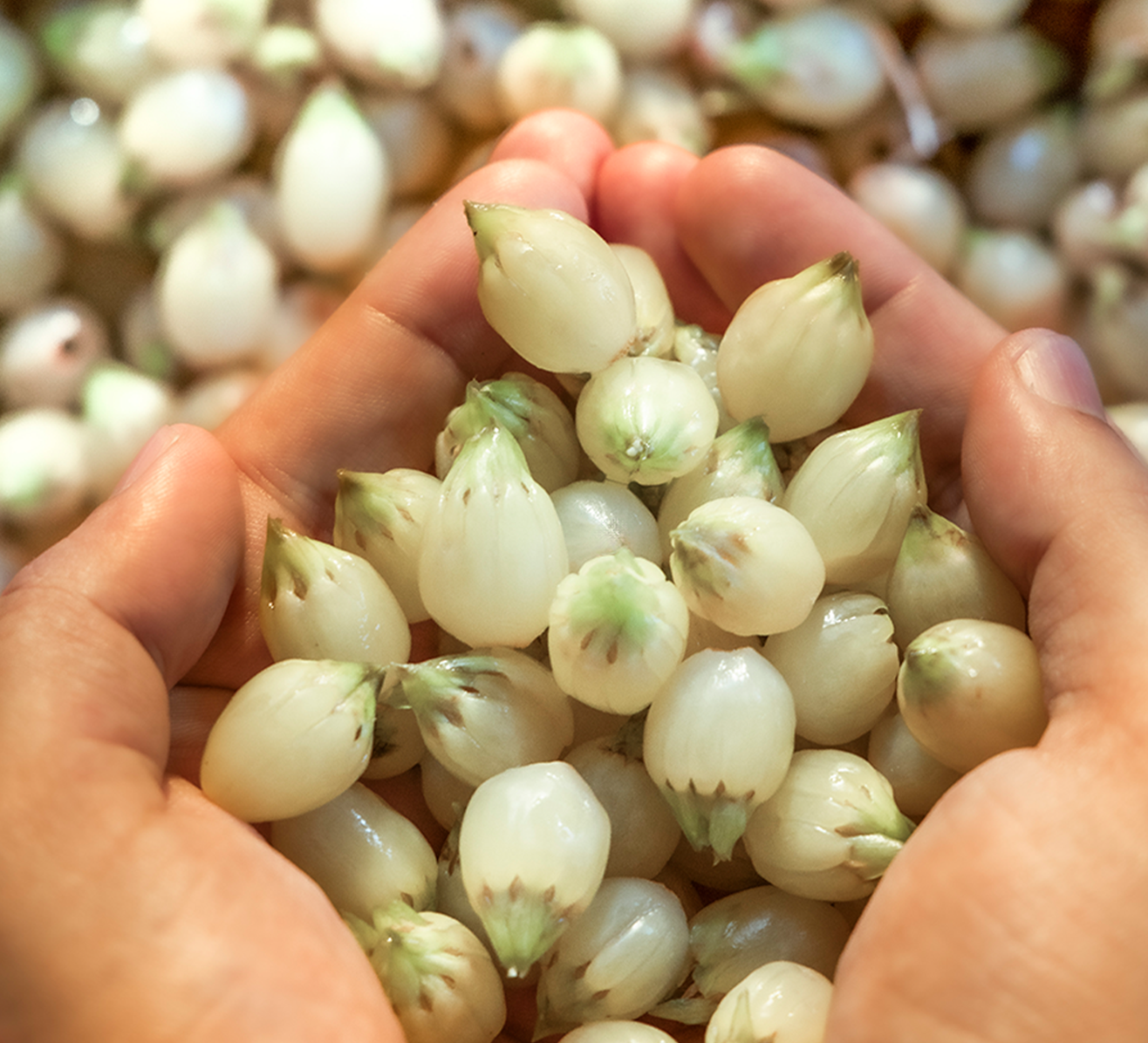
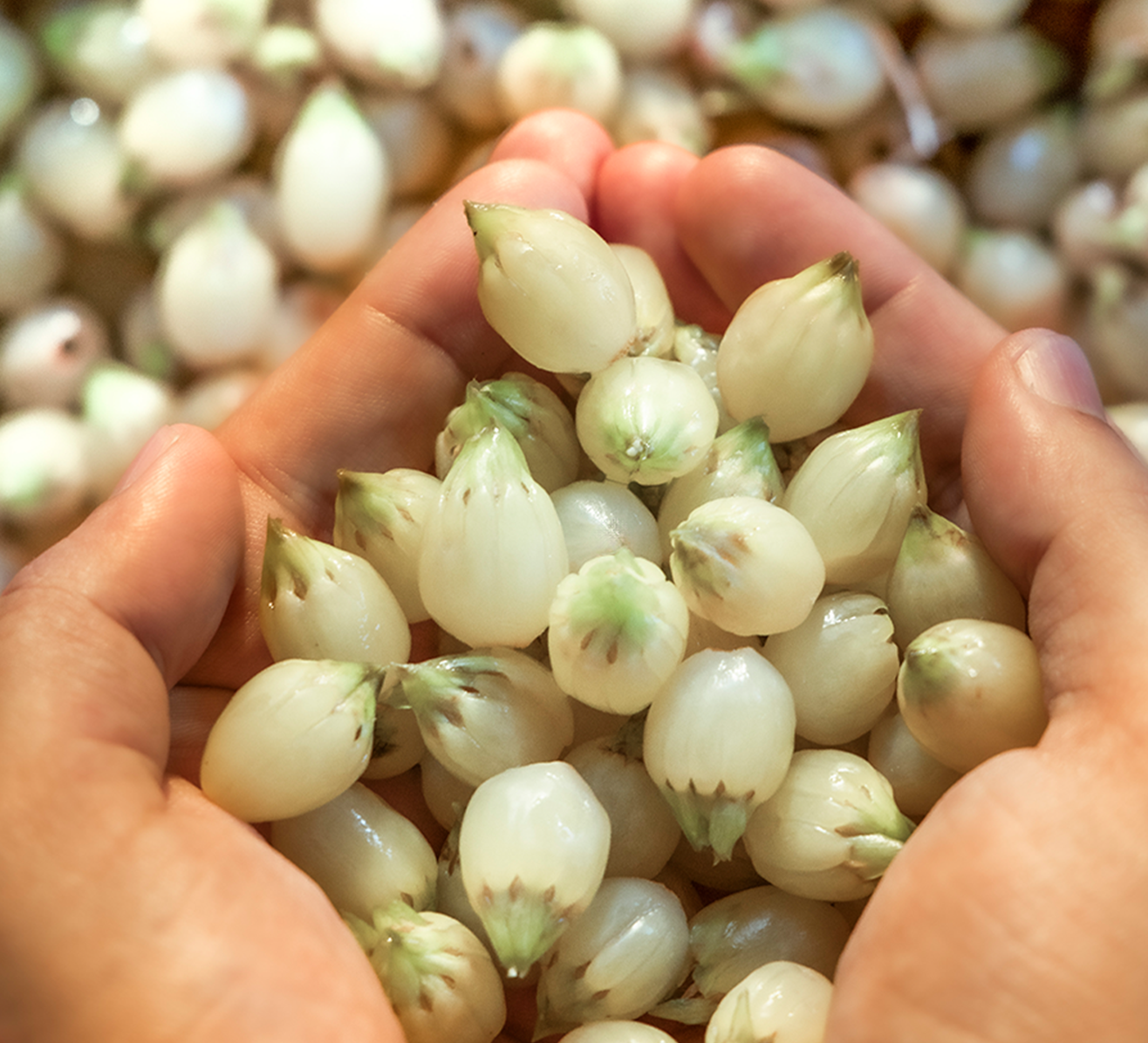
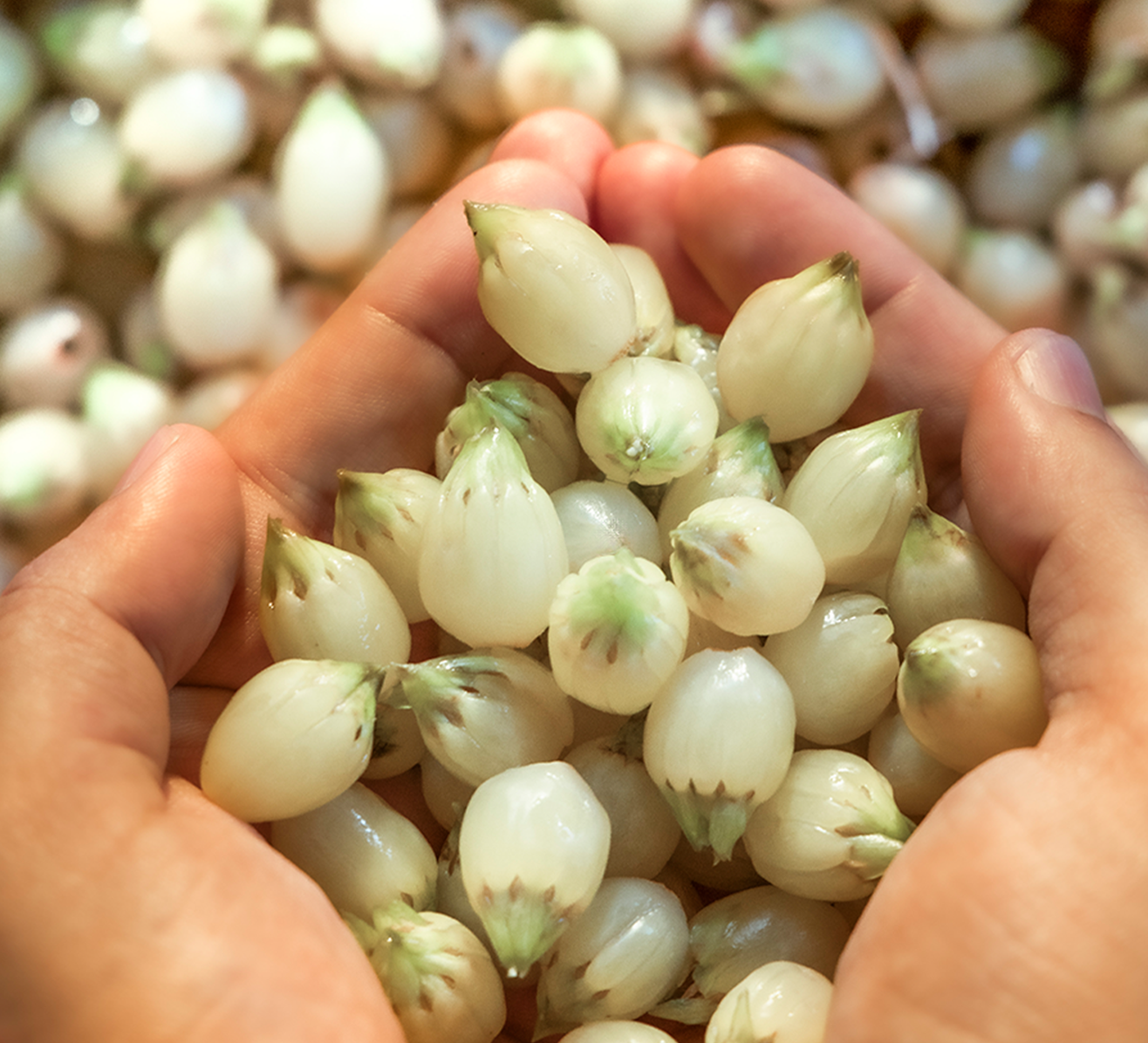
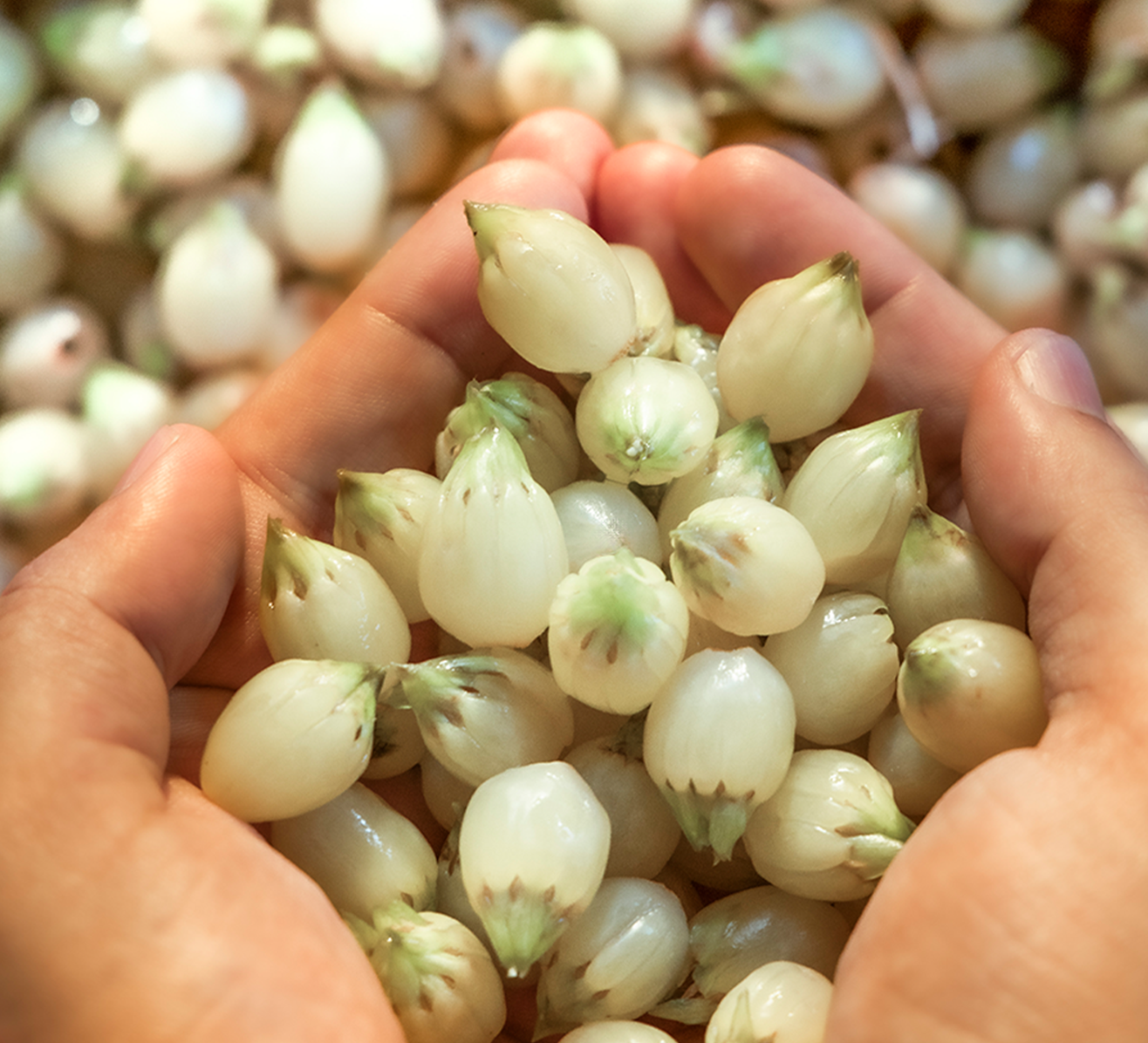
The Role of Mahua Flower Collection
A Community-Led Activity
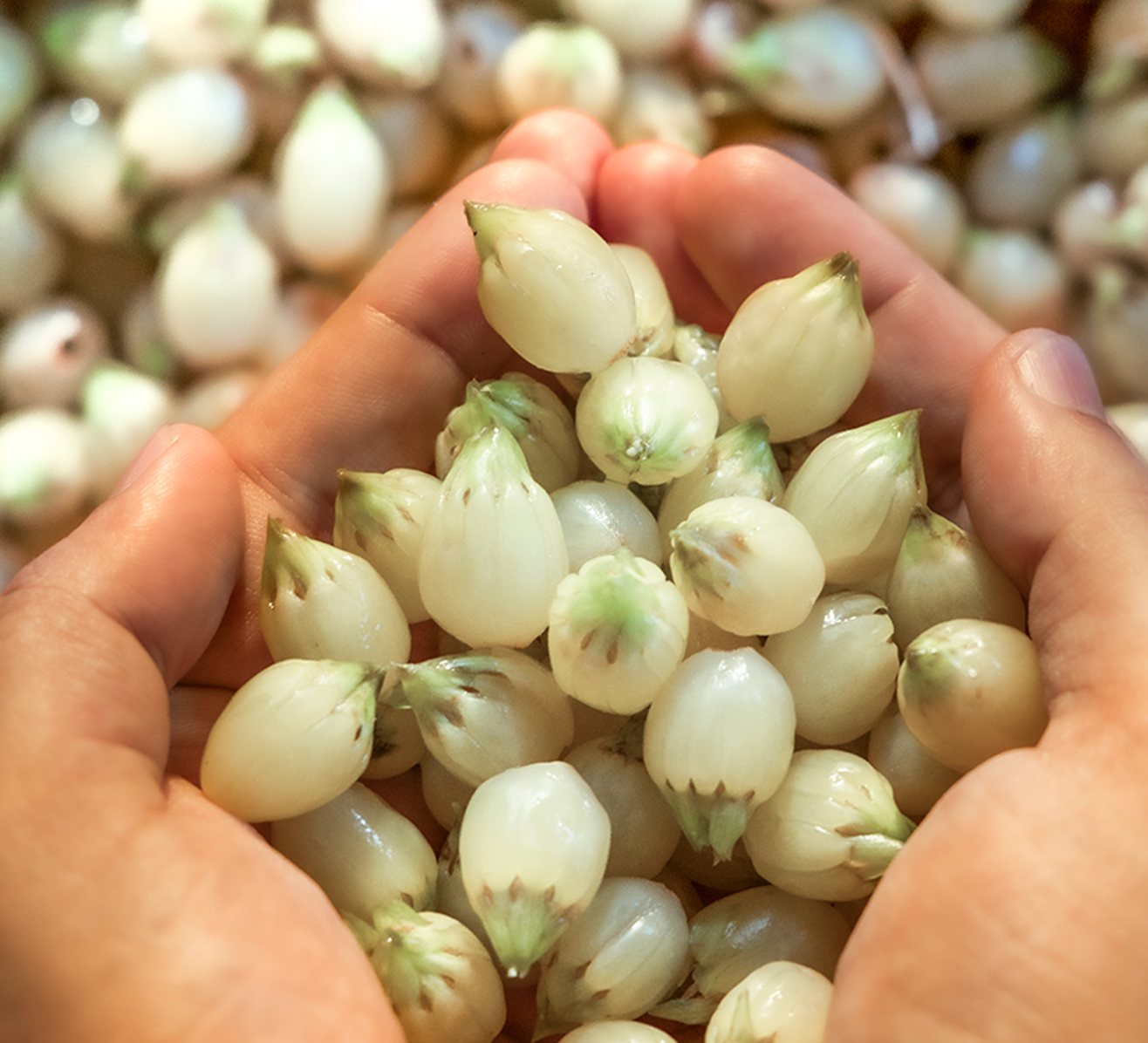
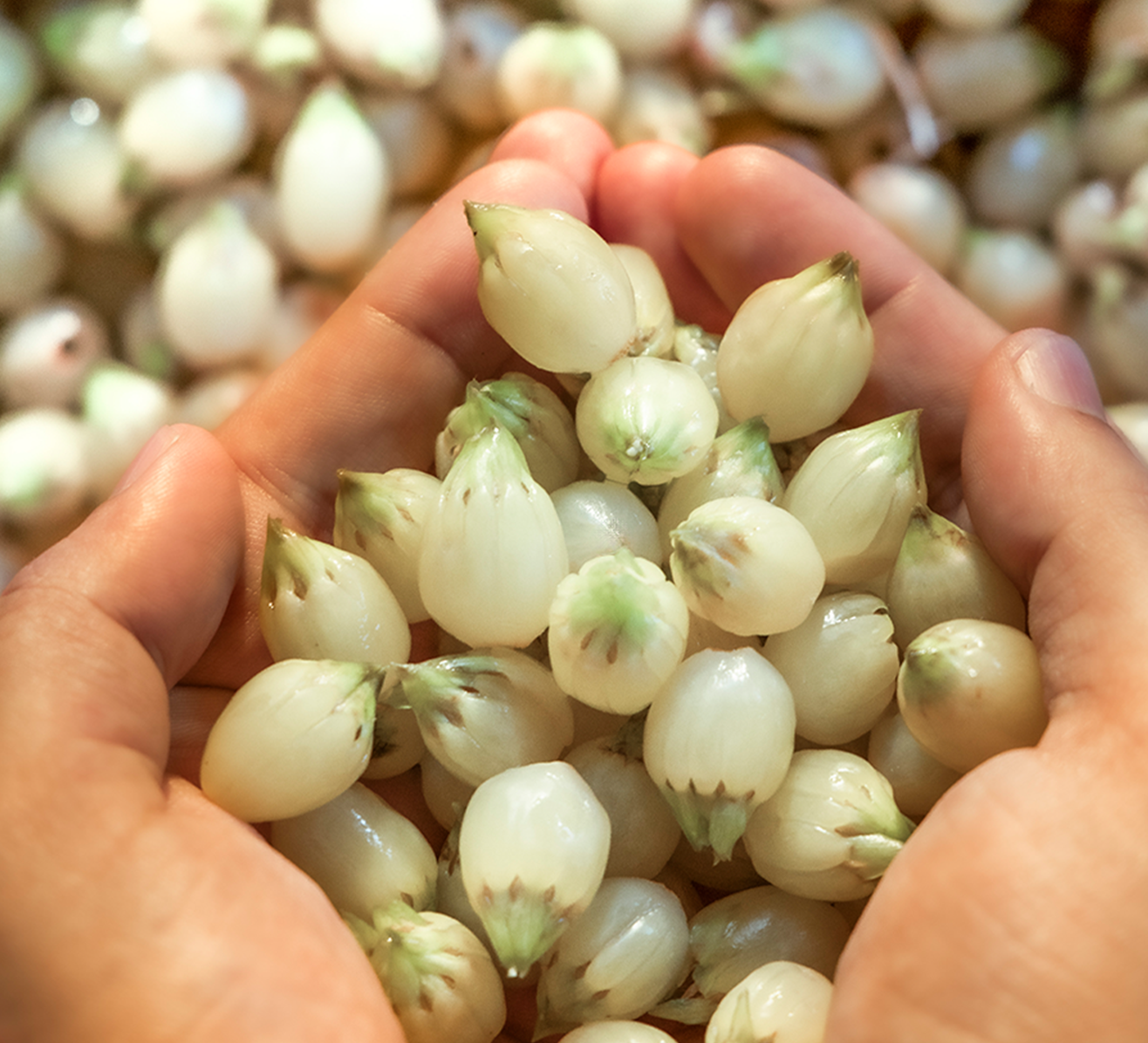
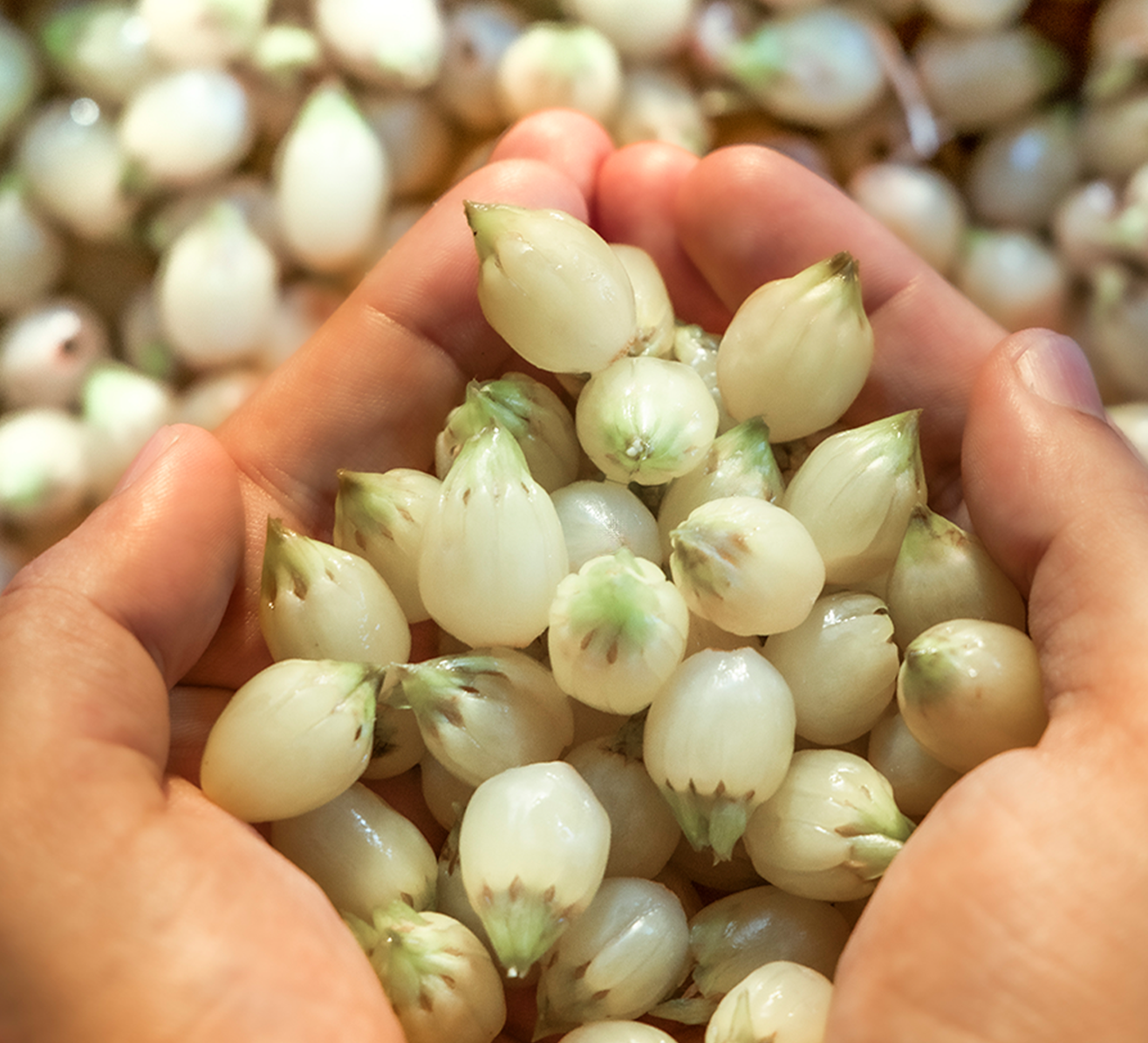
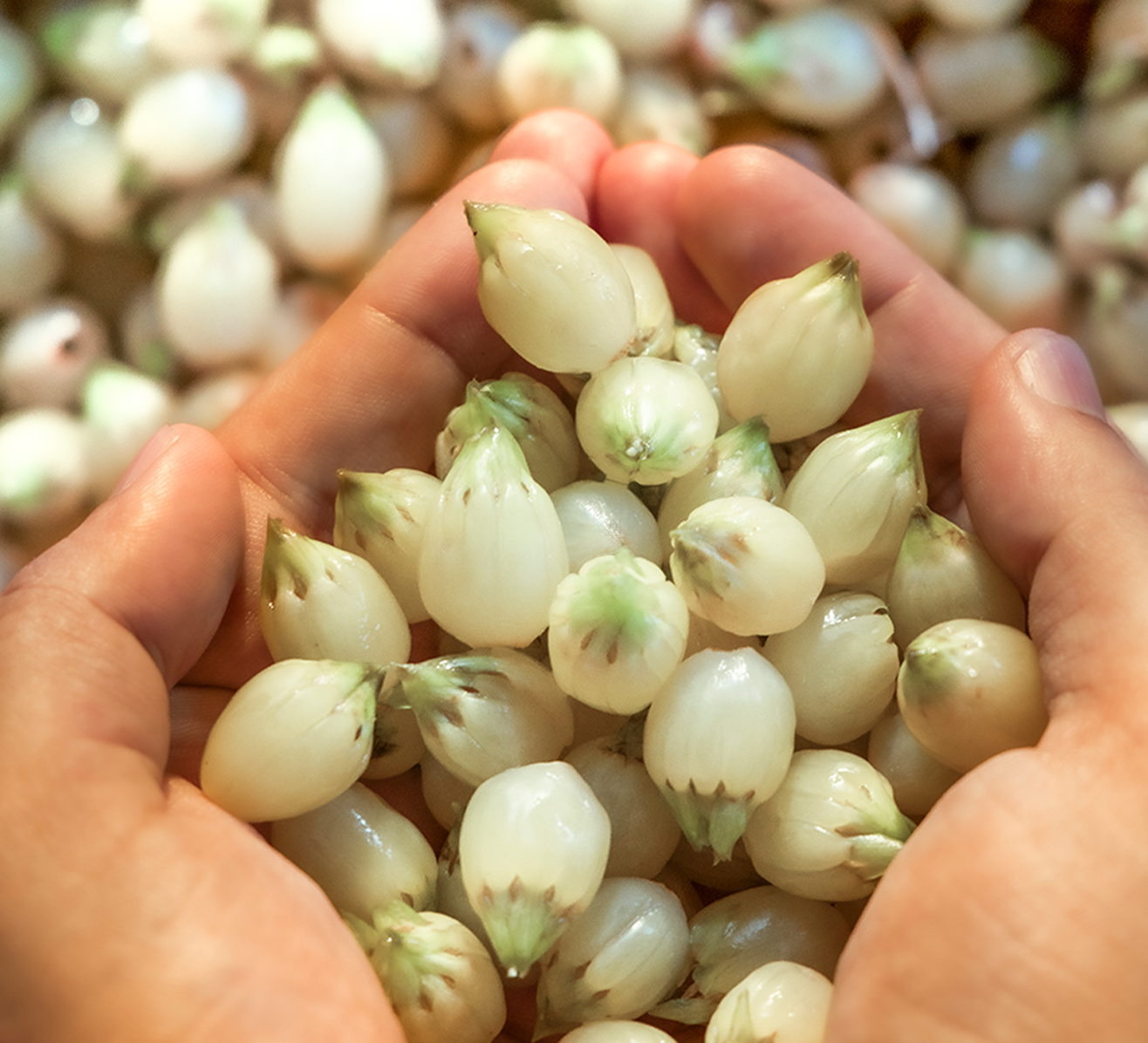
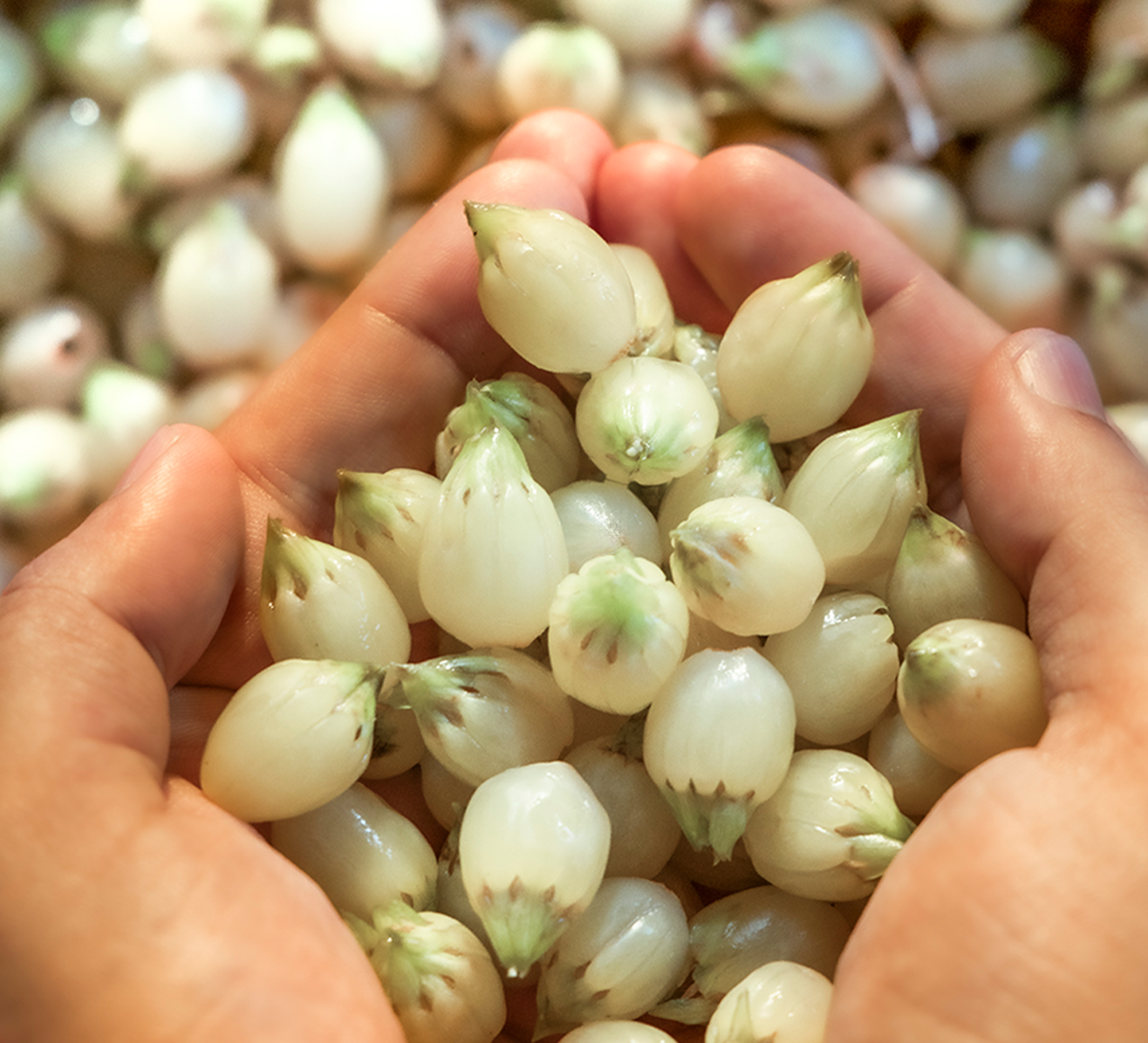
The collection of Mahua flower is often:
- Done by local households
- Organized within communities
- Passed down through generations
Early Morning Economy
Collection typically happens:
- At dawn, when flowers have fallen
- In forests and rural landscapes
- With careful selection and sorting
Each step contributes to the value of Mahua spirit.
Supporting Rural Livelihoods
Income for Local Communities
For many families, Mahua provides:
- Seasonal income
- Financial stability
- An alternative to intensive agriculture
Inclusive Participation
The Mahua economy is inclusive:
- Women play a major role in collection
- Entire families contribute
- Skills are shared across generations
This strengthens the social fabric around Mahua spirit.
From Flower to Market
Value Creation
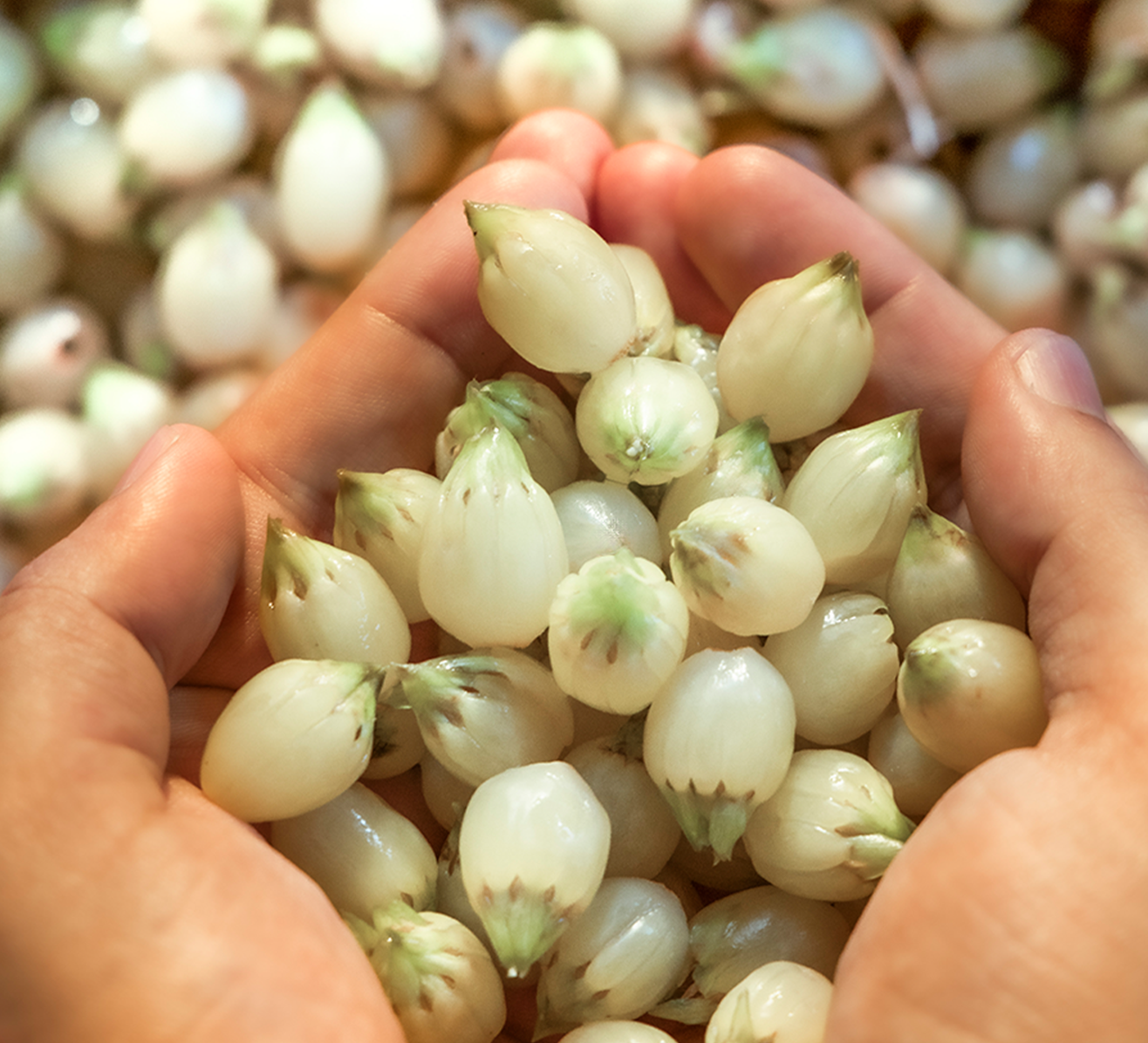
Once collected, the Mahua flower moves through:
- Drying and preservation
- Storage and transport
- Use in producing Mahua spirit
Each stage adds economic value.
Expanding Opportunities
As demand for Mahua spirit grows:
- Market access improves
- Value chains expand
- Rural producers gain visibility
The Shift Toward Premium Mahua
Changing Market Perception
Traditionally seen as local, Mahua is now:
- Entering premium markets
- Being refined into high-quality Mahua spirit
- Gaining recognition beyond rural regions
Economic Upliftment
This shift allows:
- Better pricing for raw materials
- Increased income for collectors
- Greater demand for Madhuca longifolia products
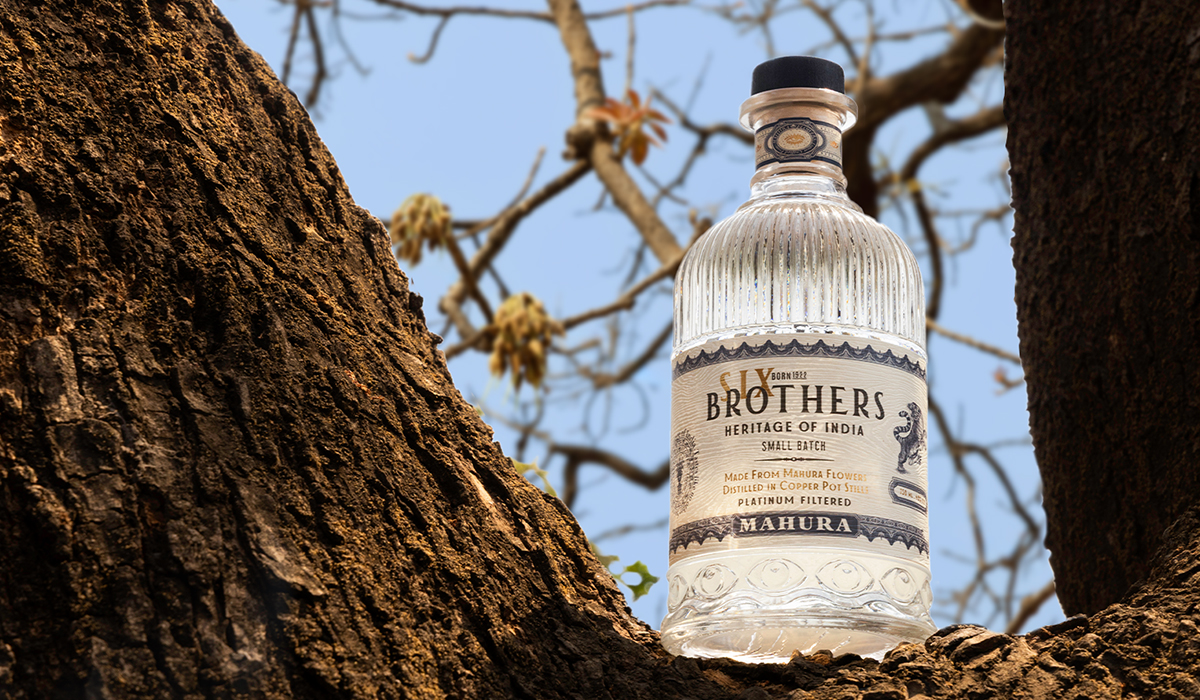
Strengthening the Value Chain
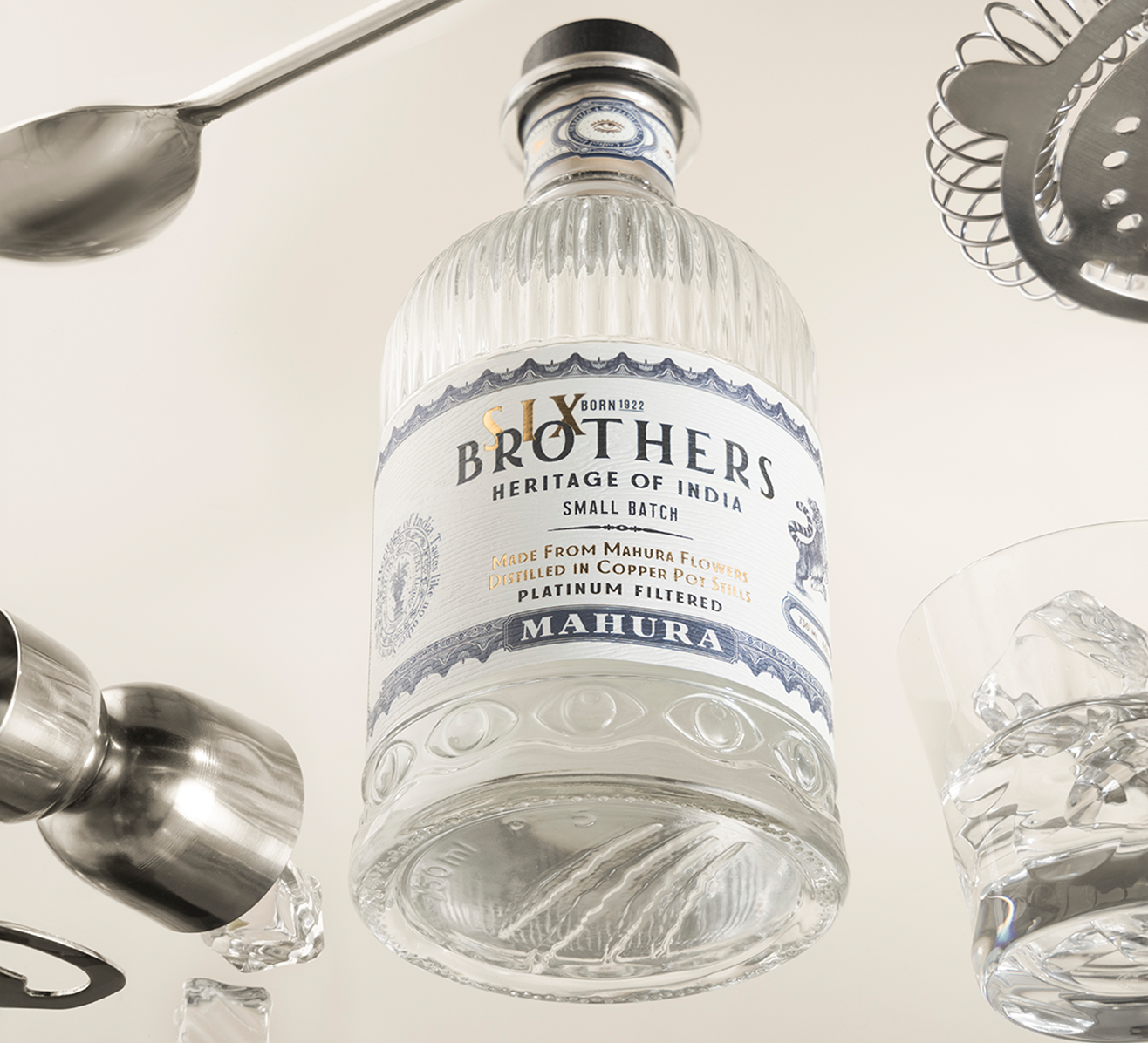
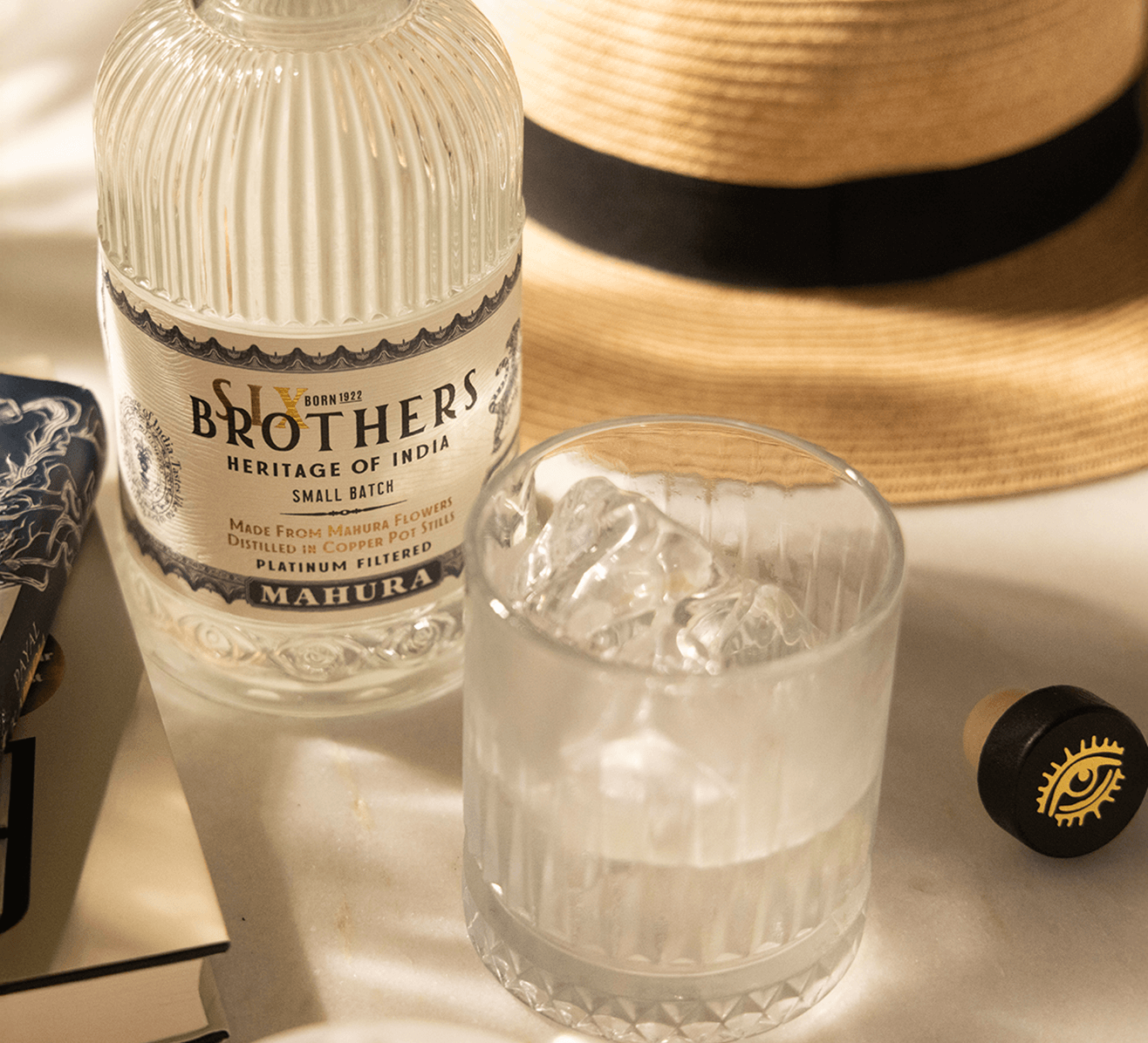
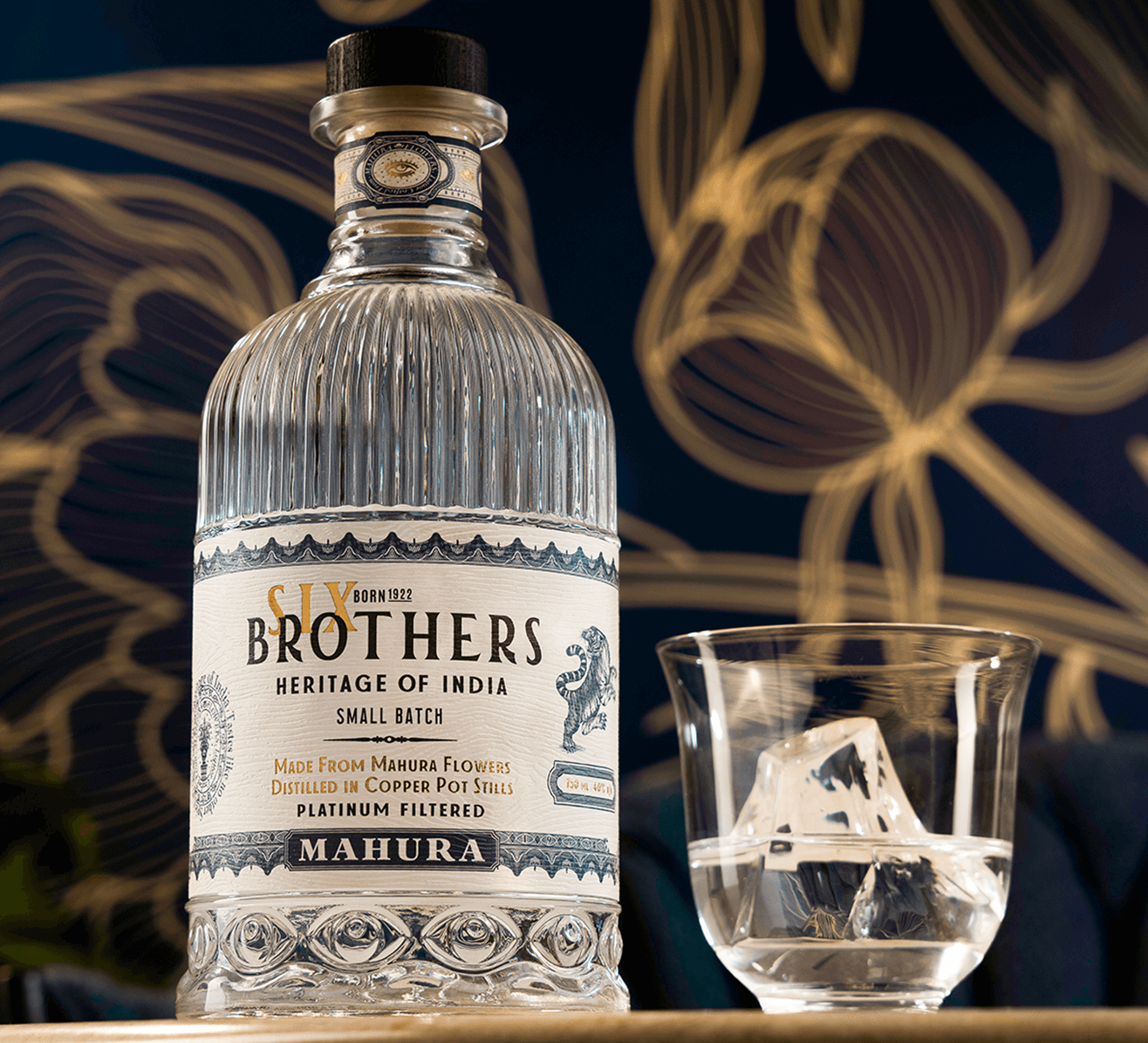
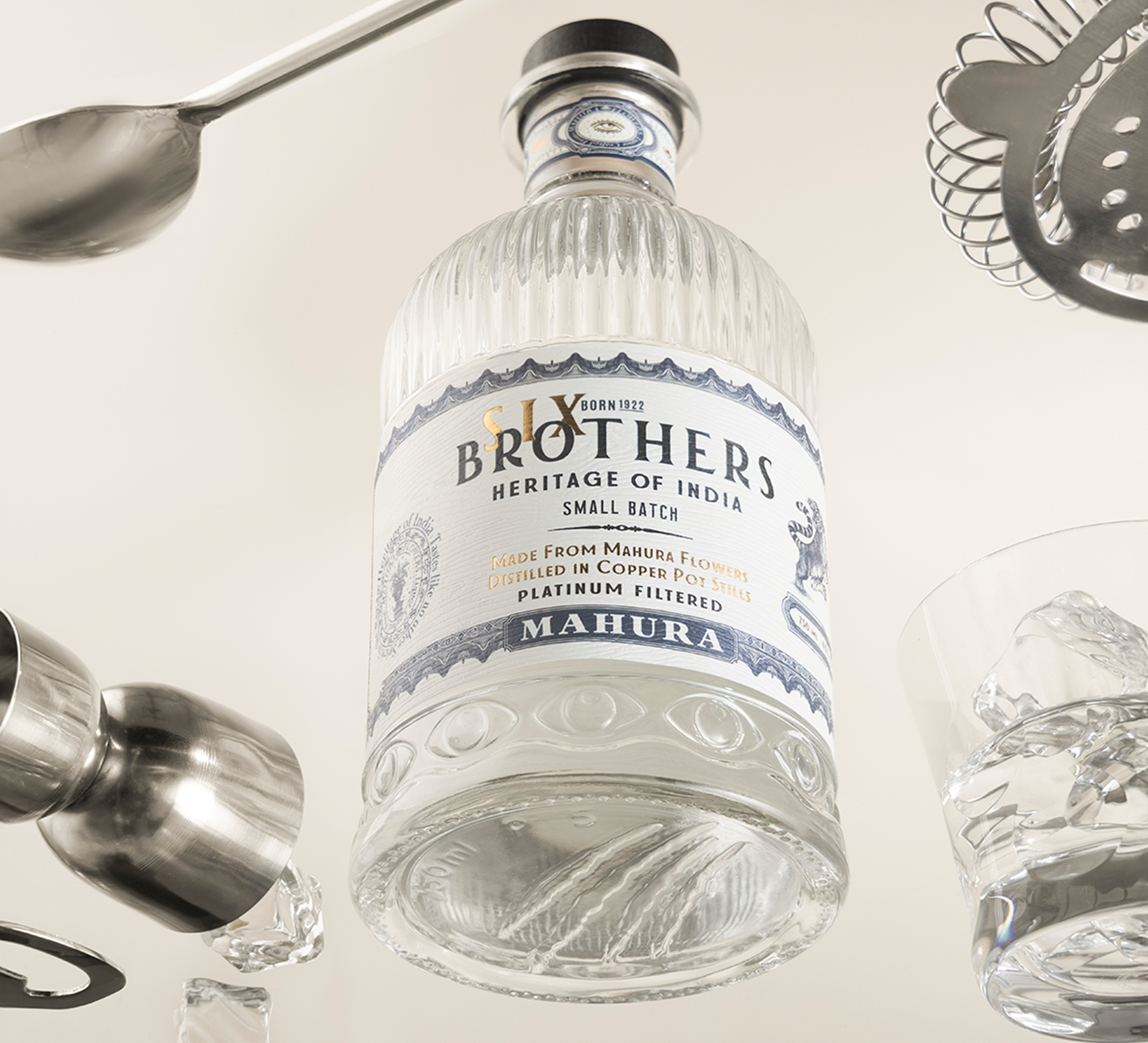
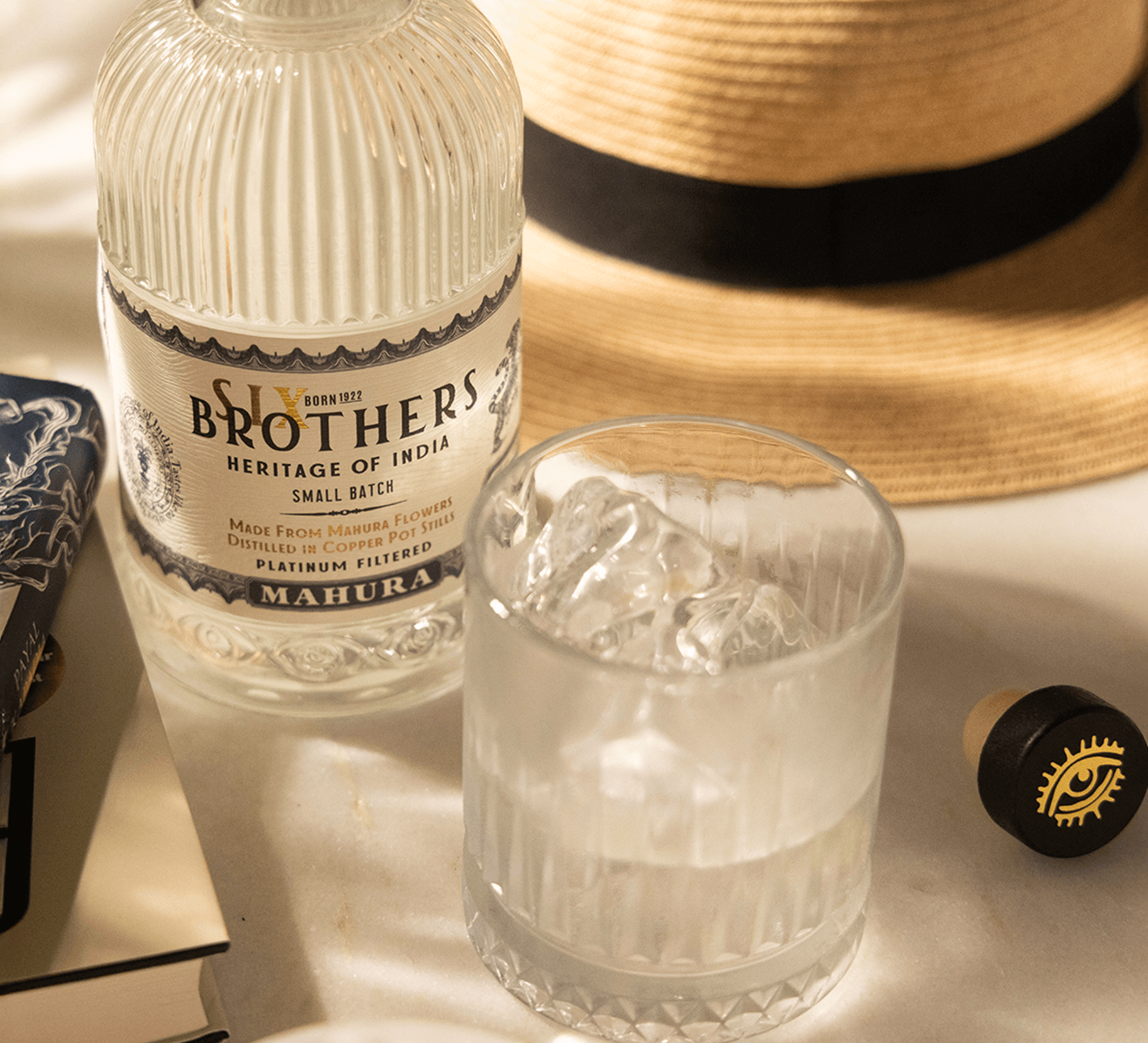
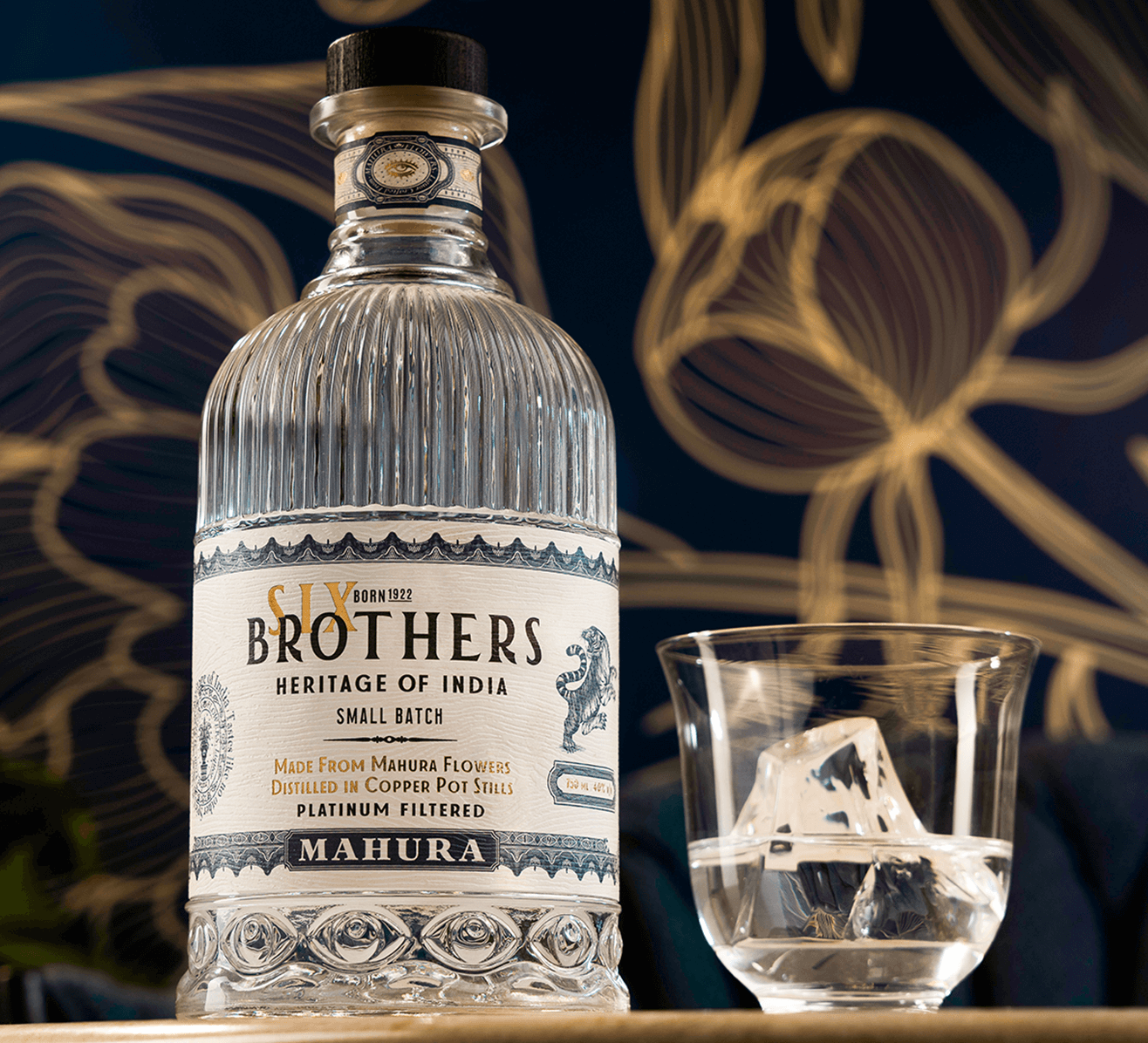
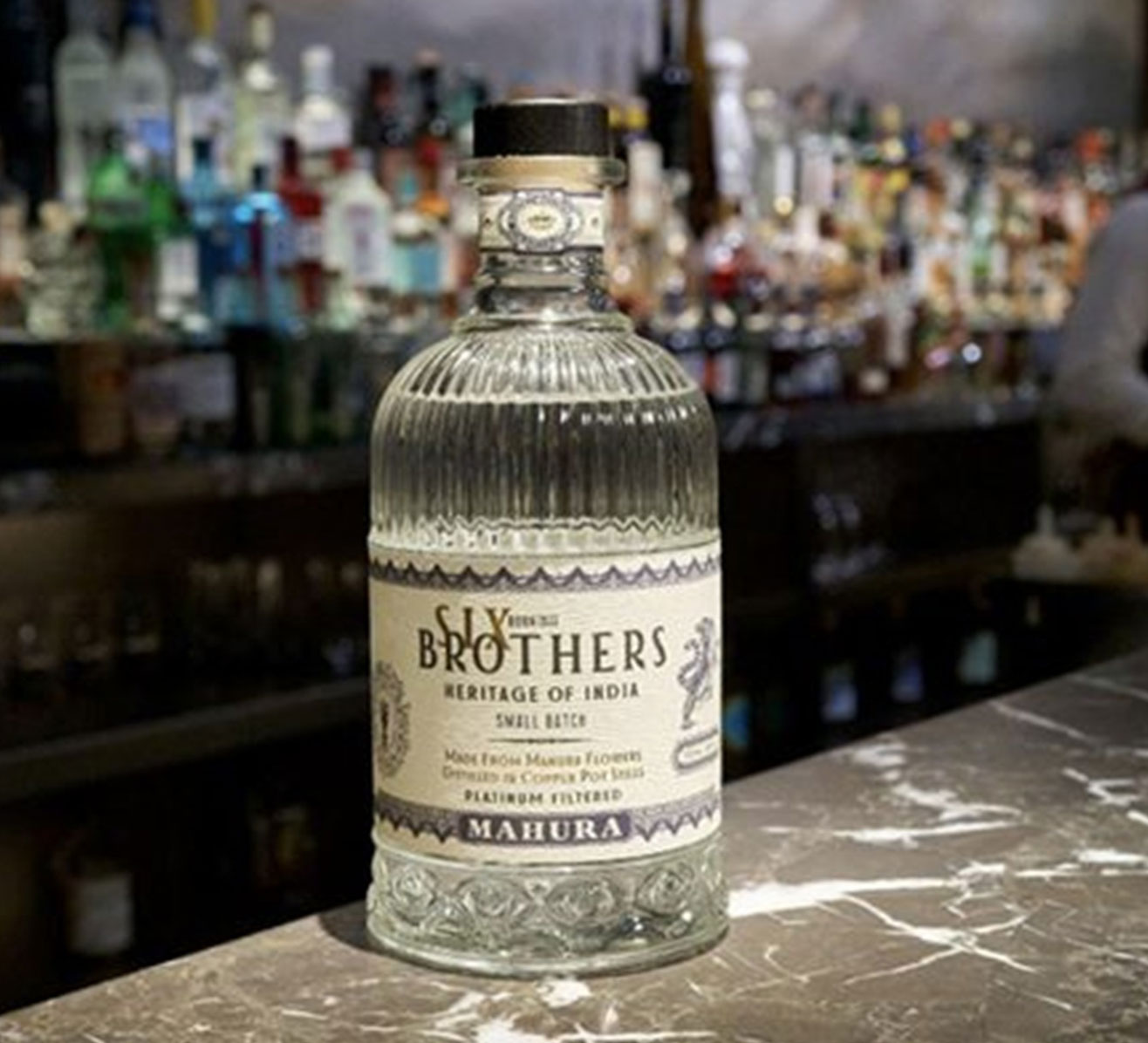
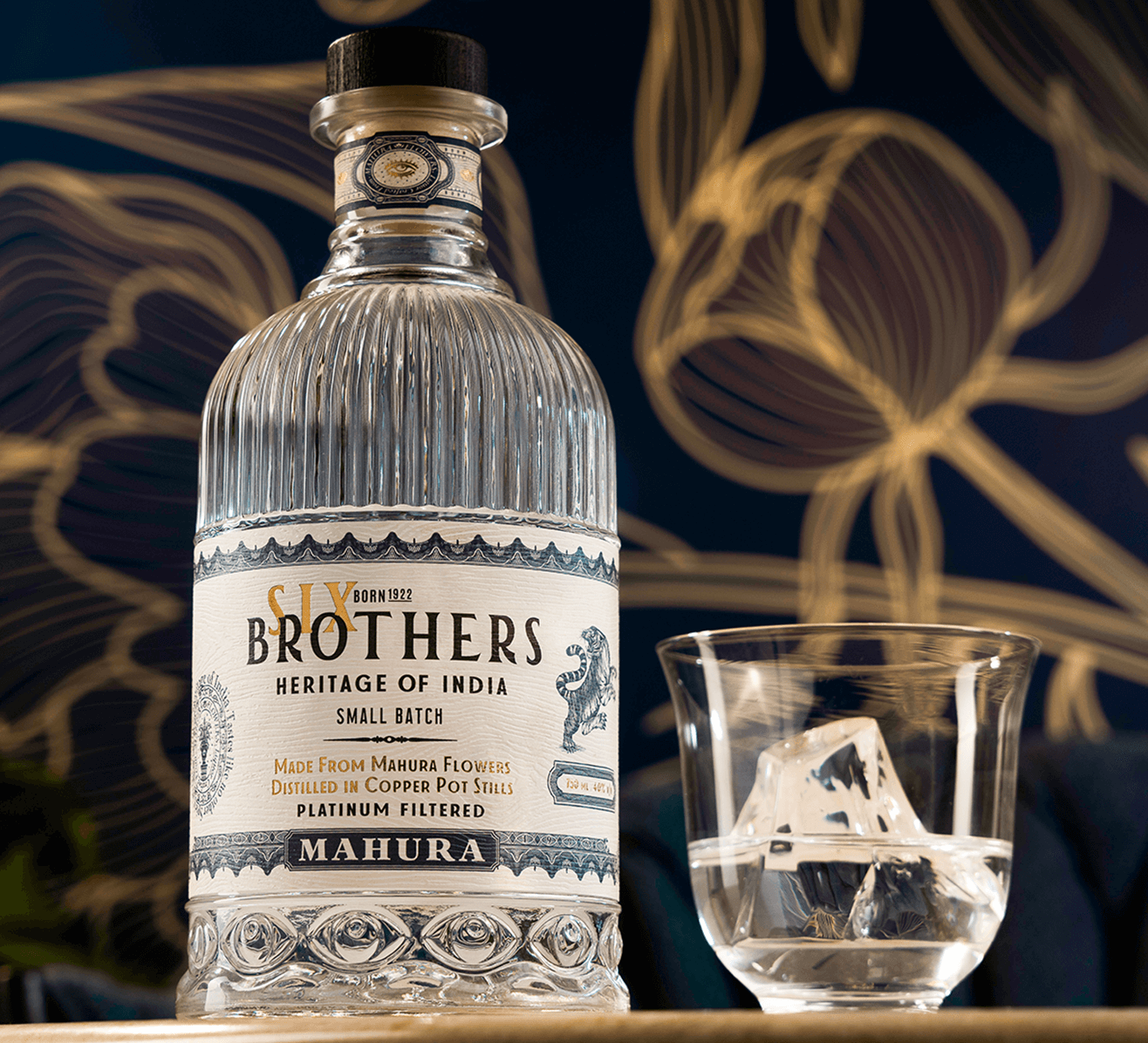
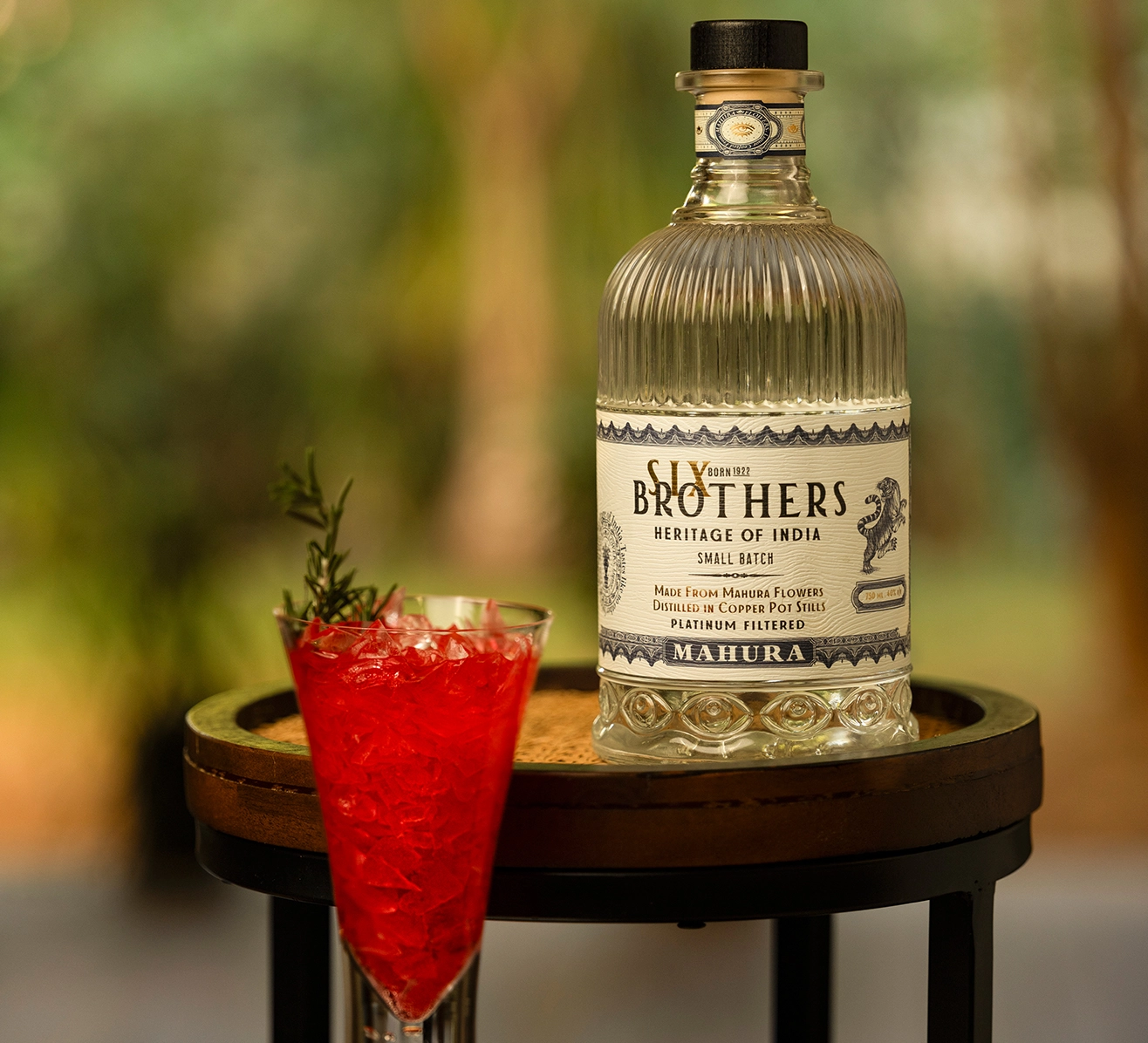
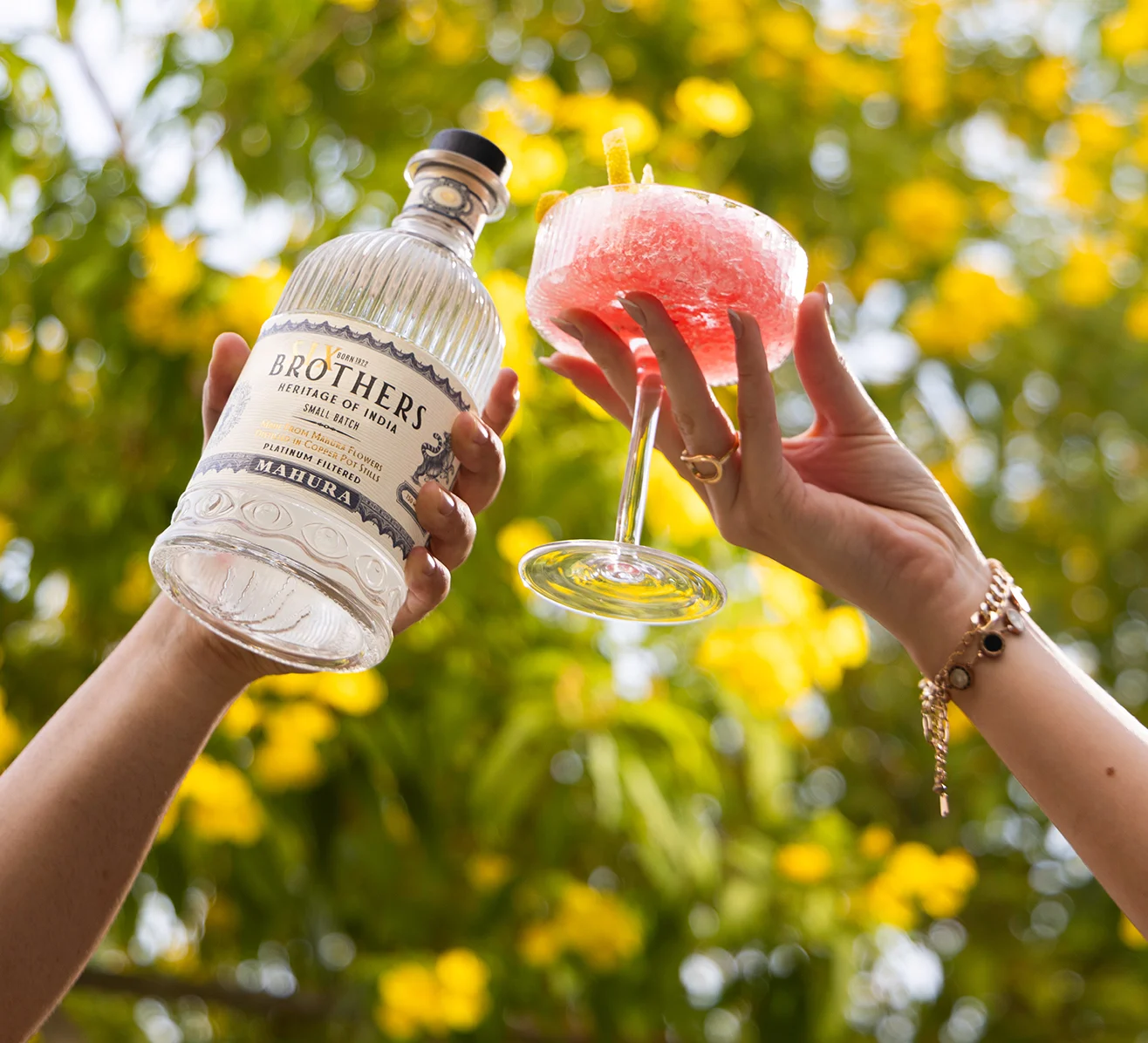
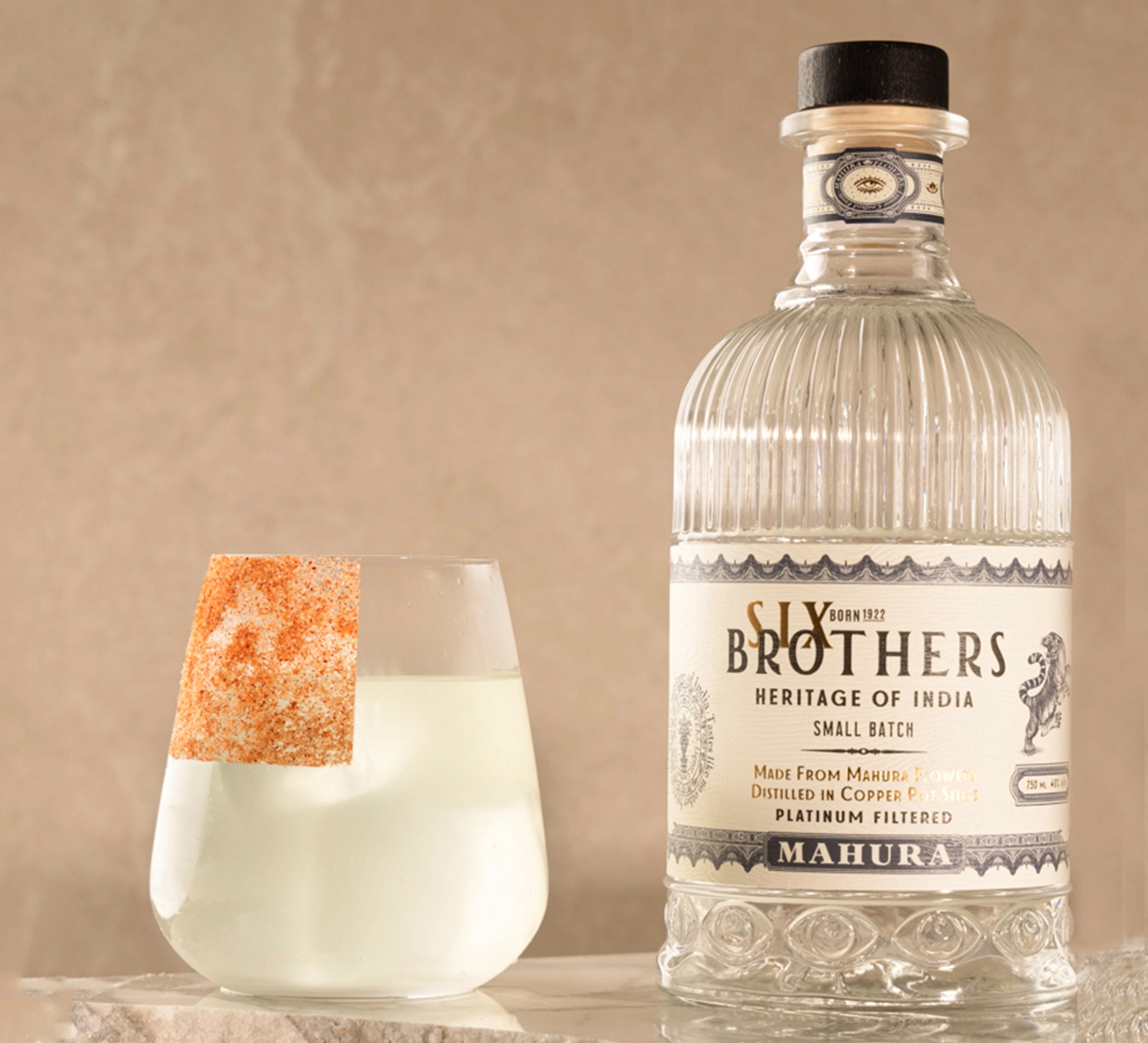
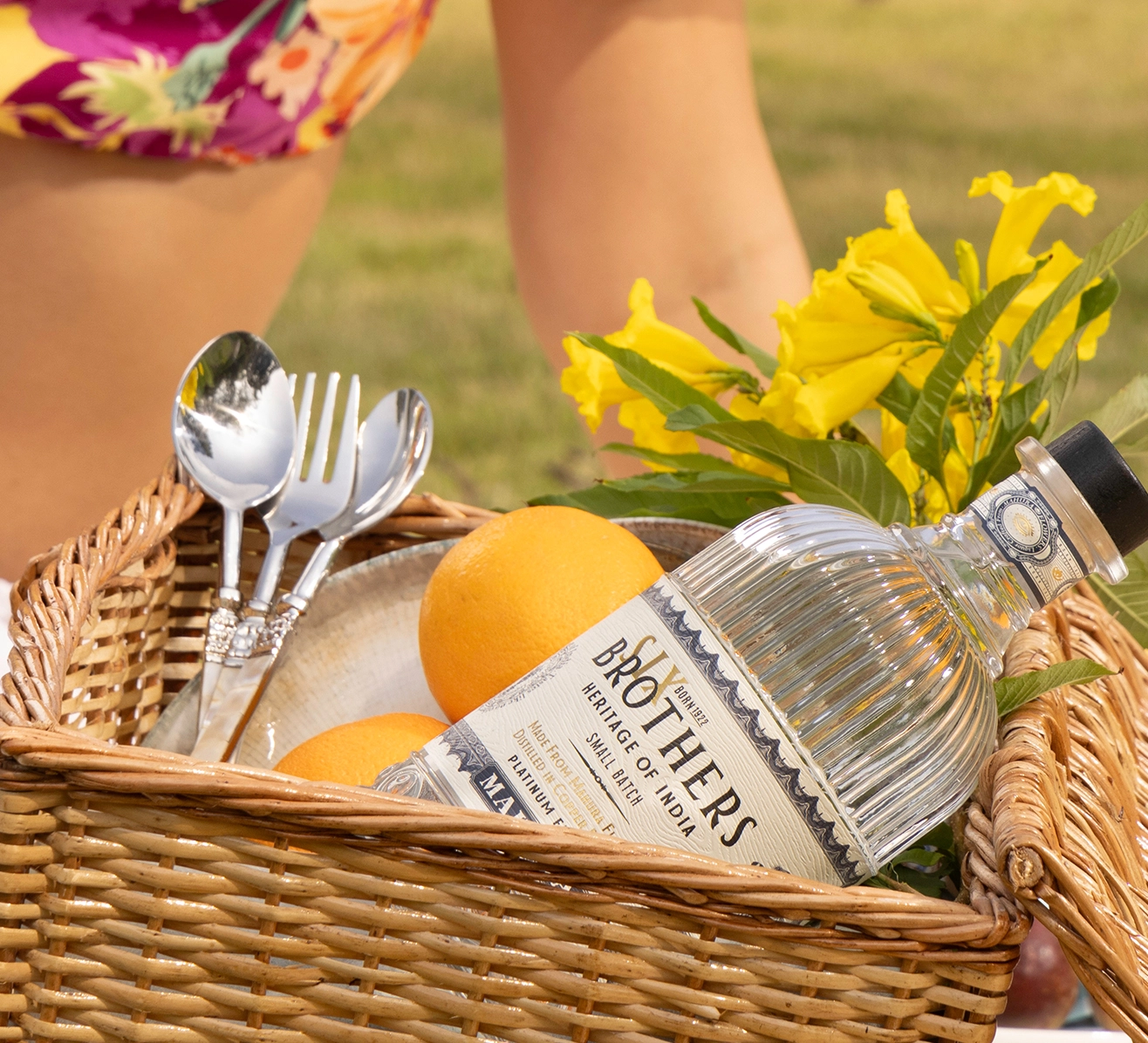
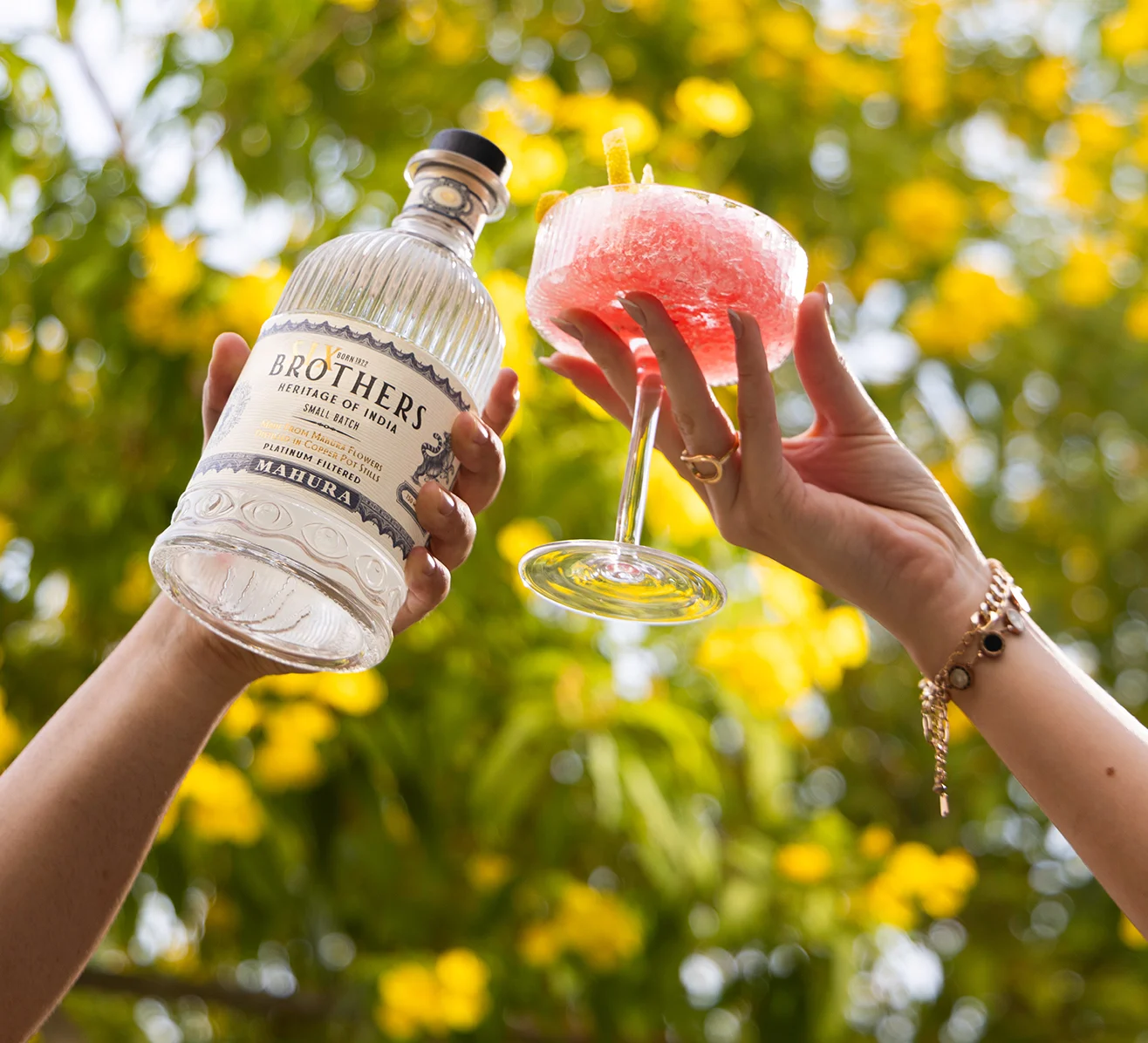
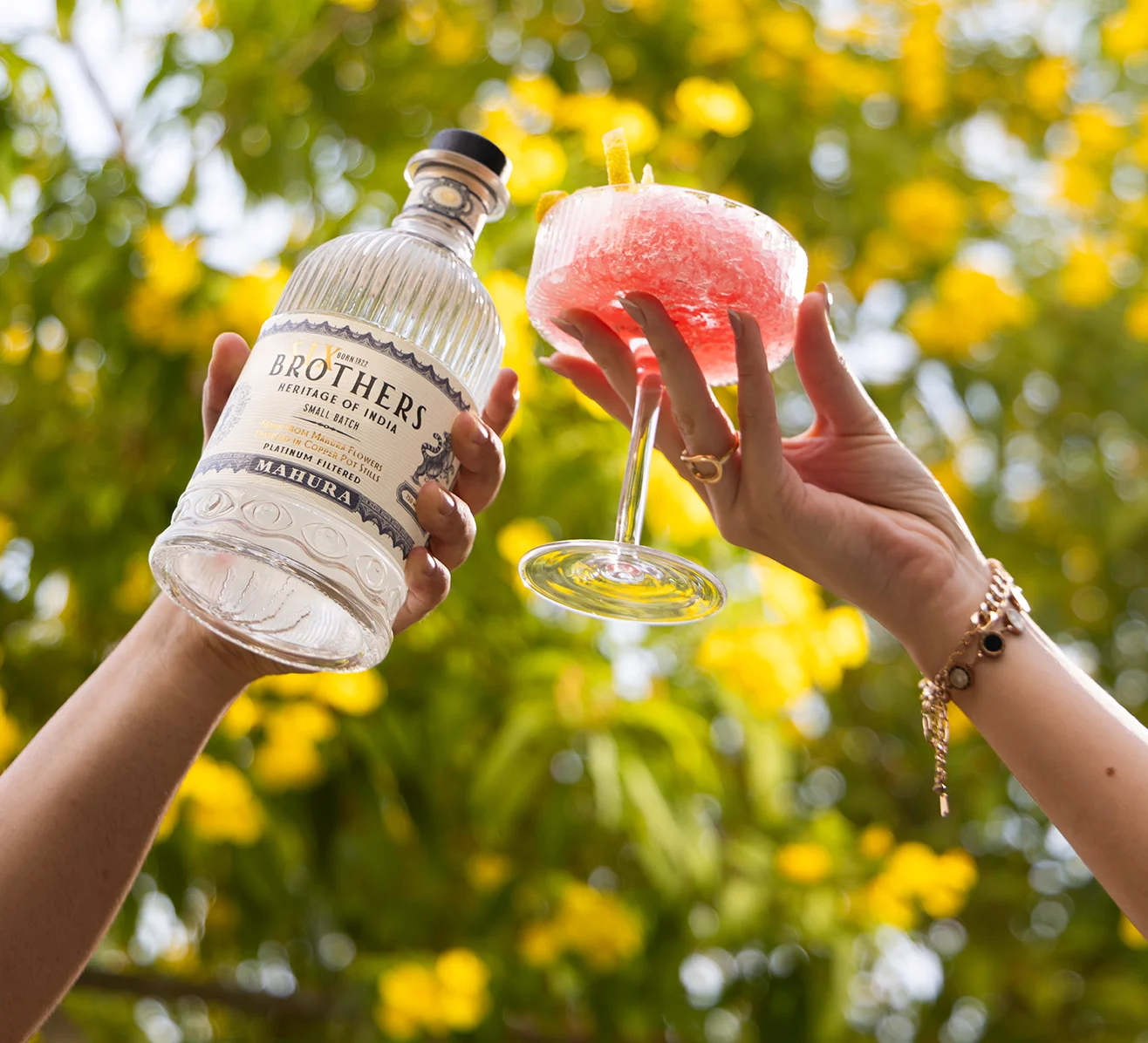
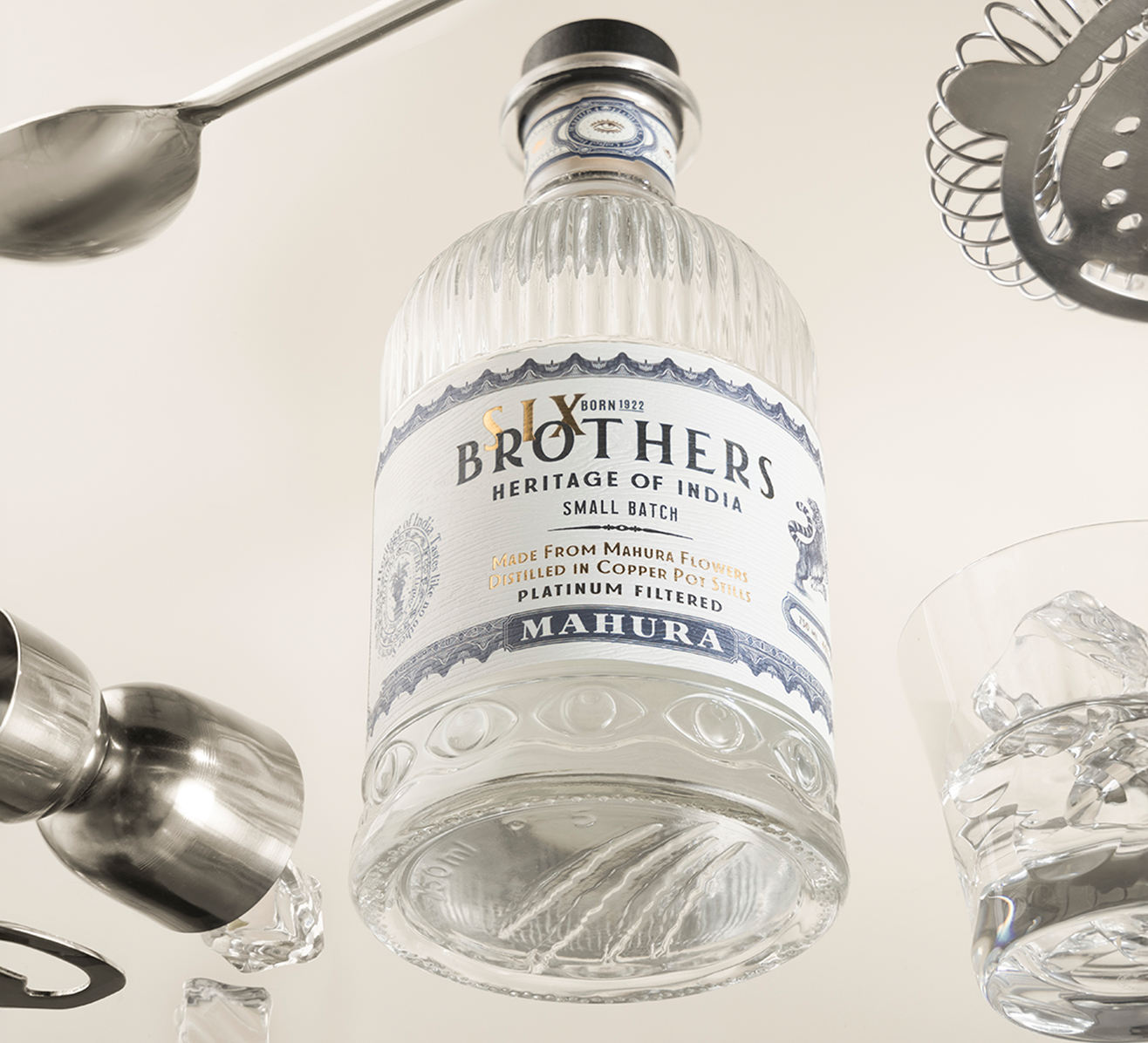
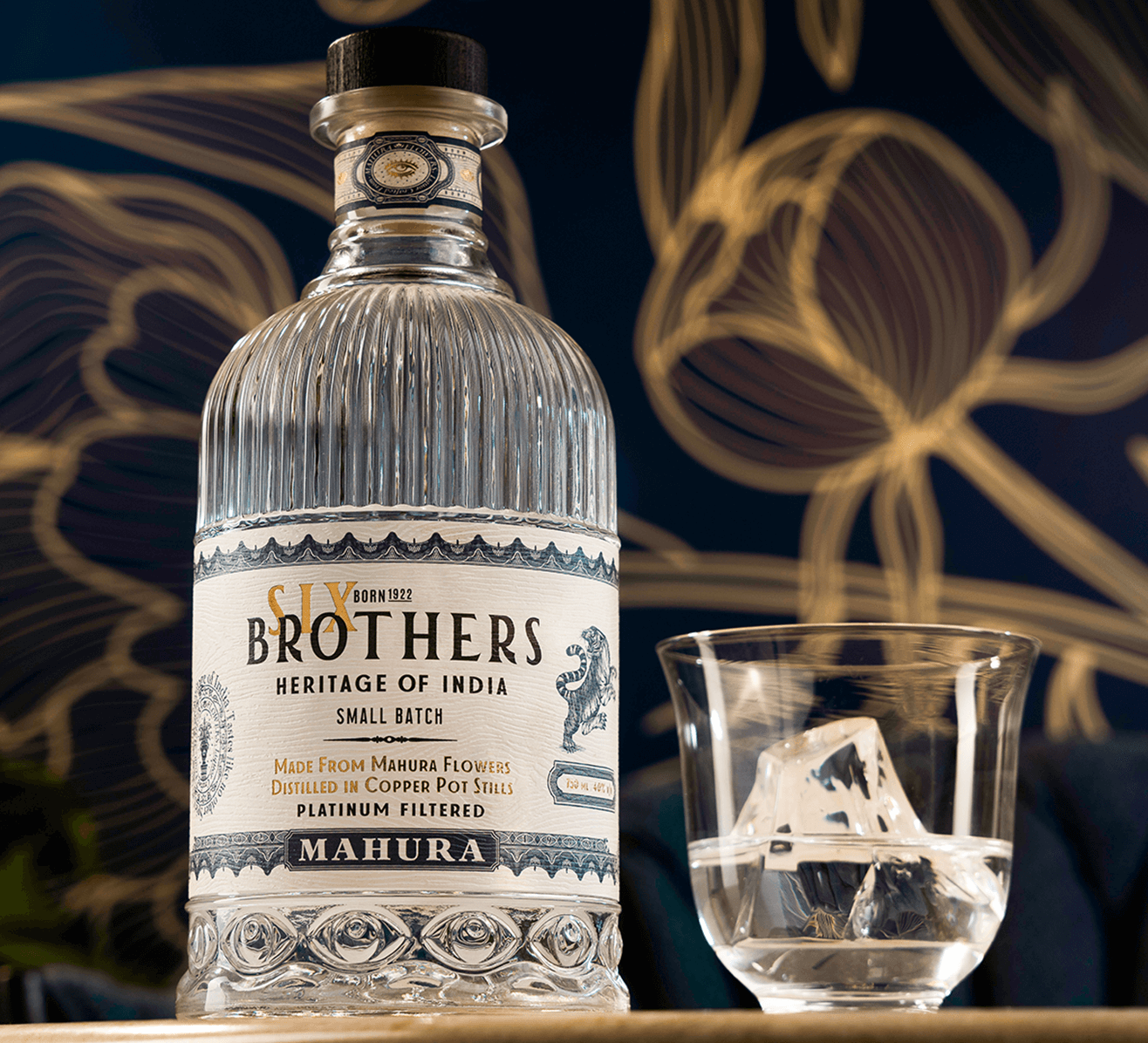
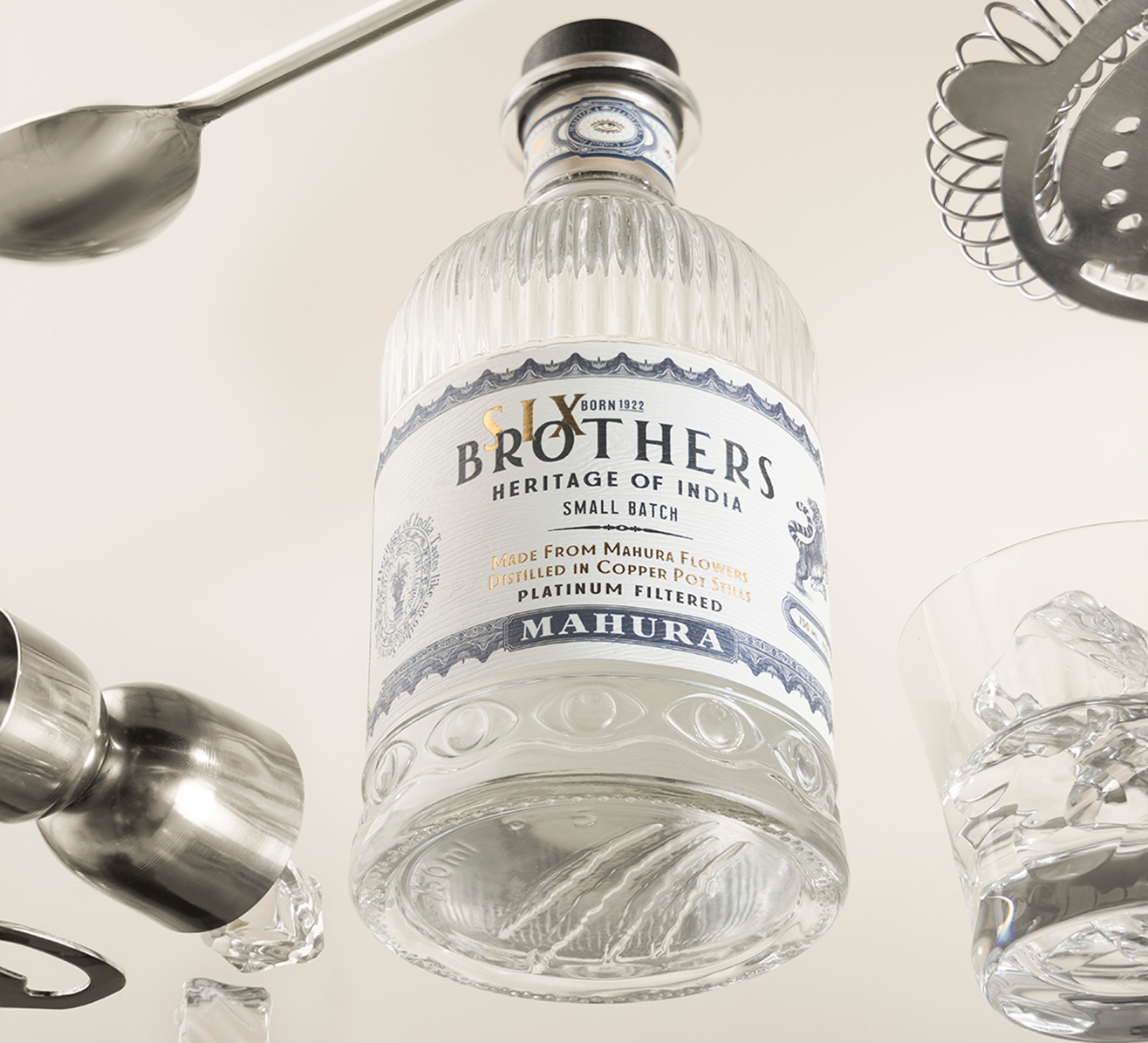
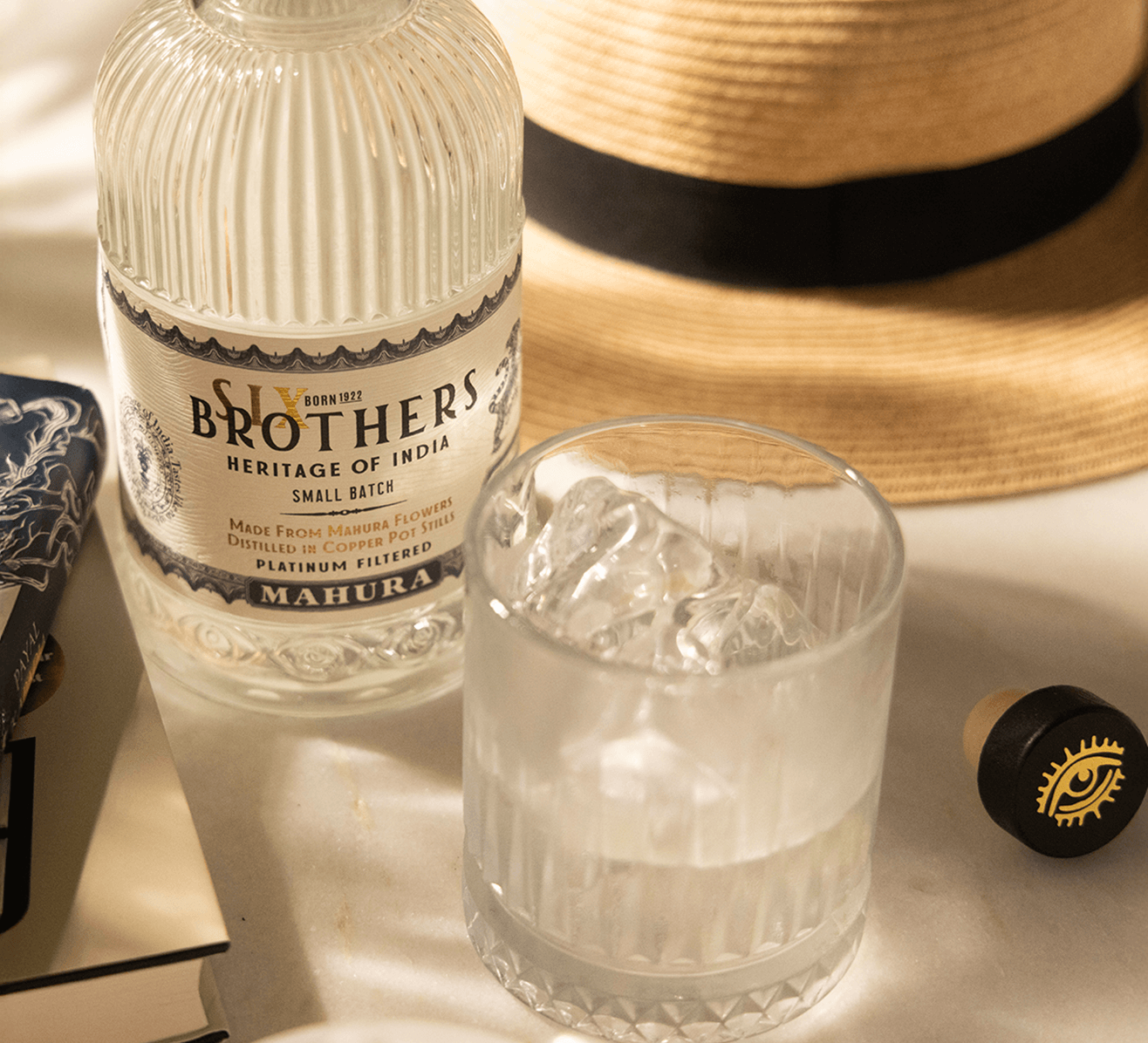
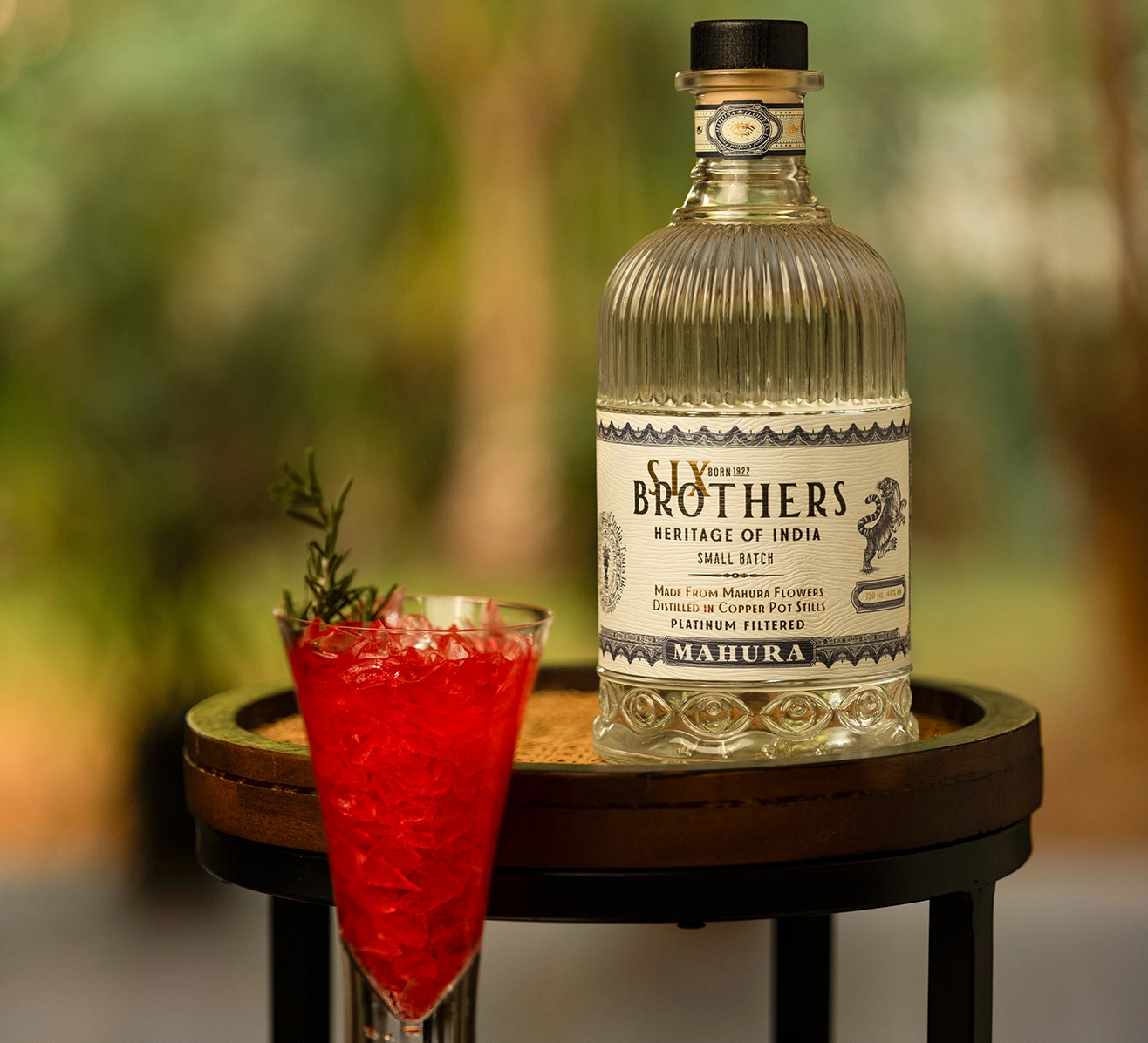
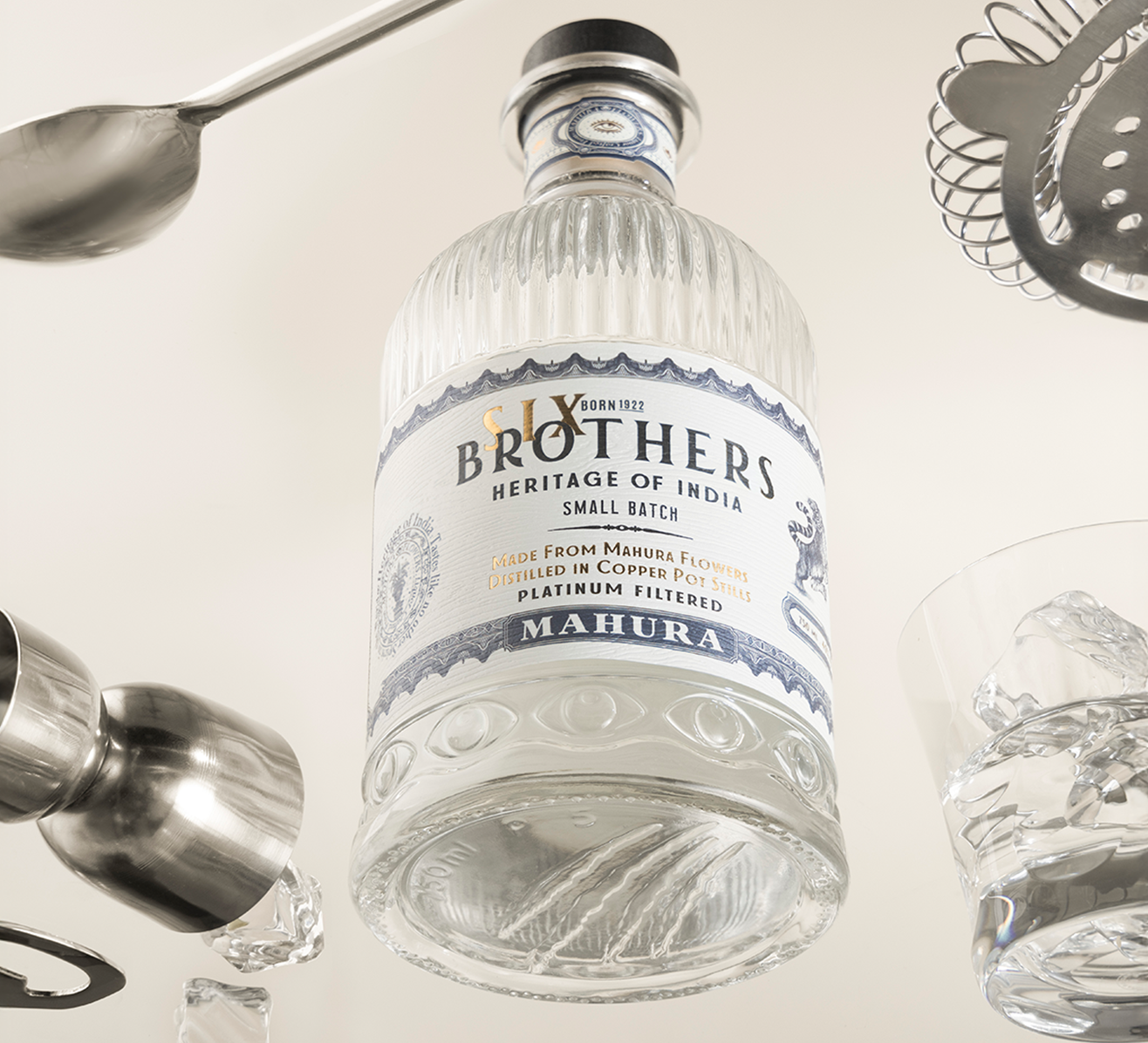
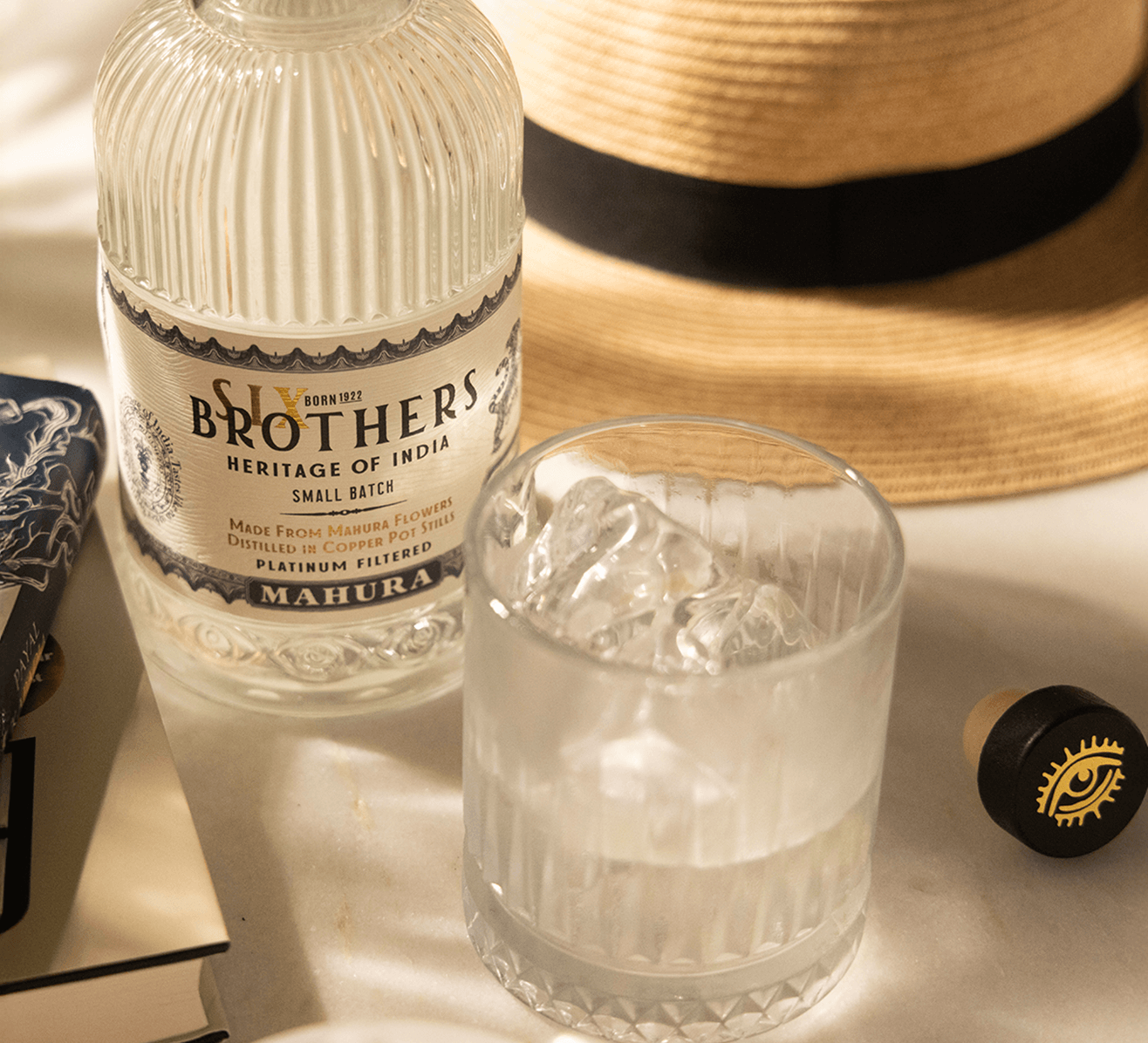
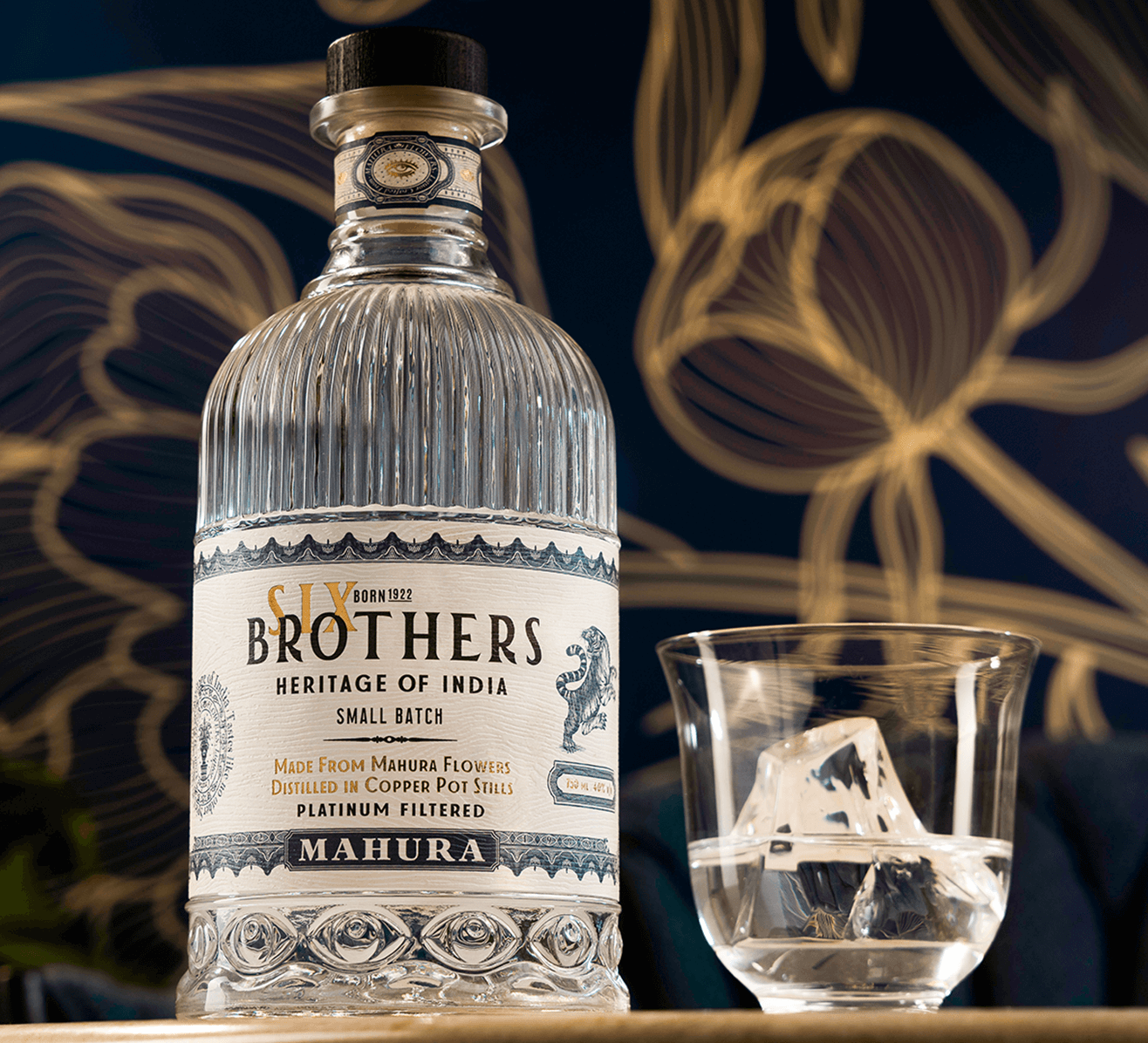
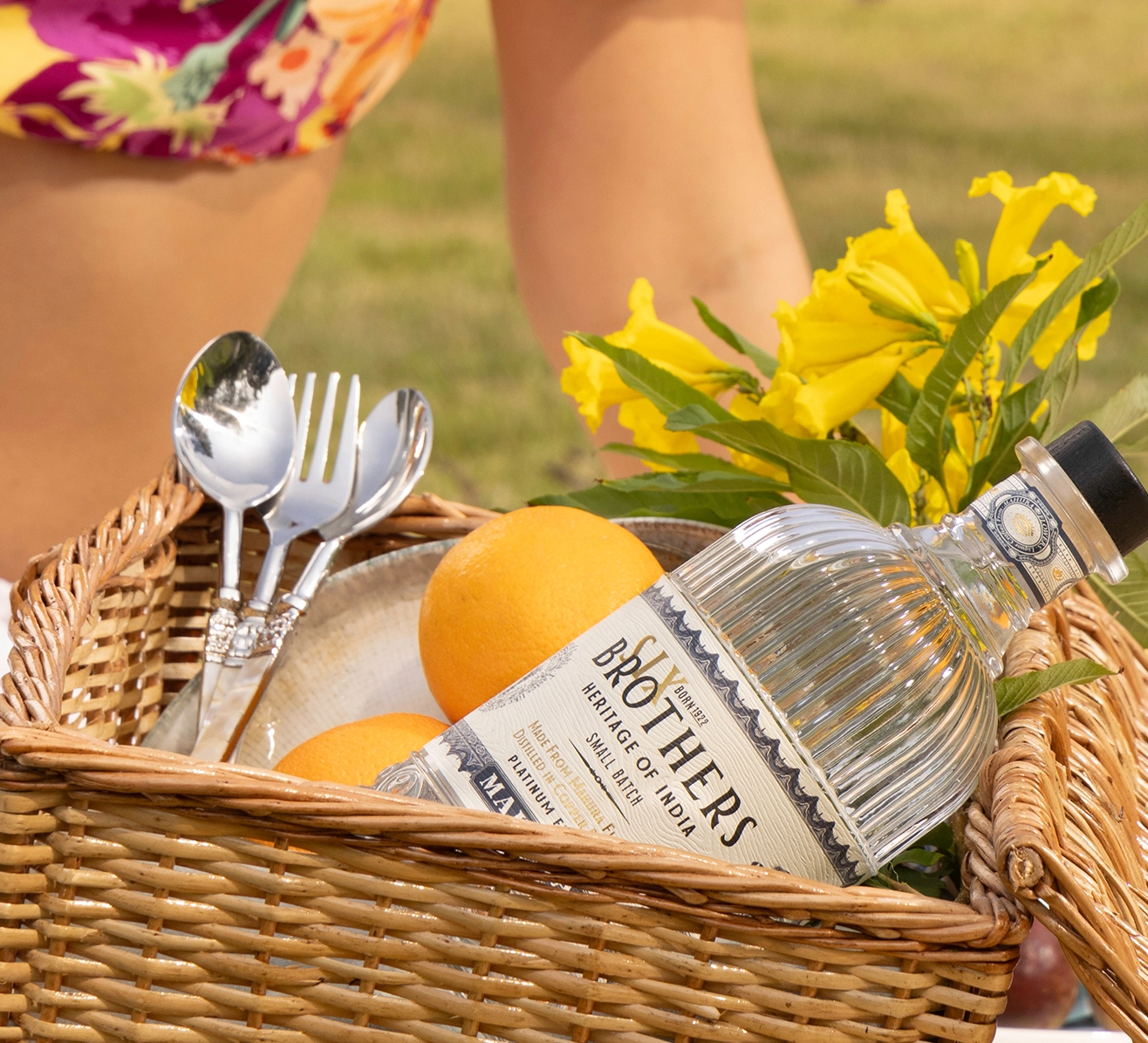
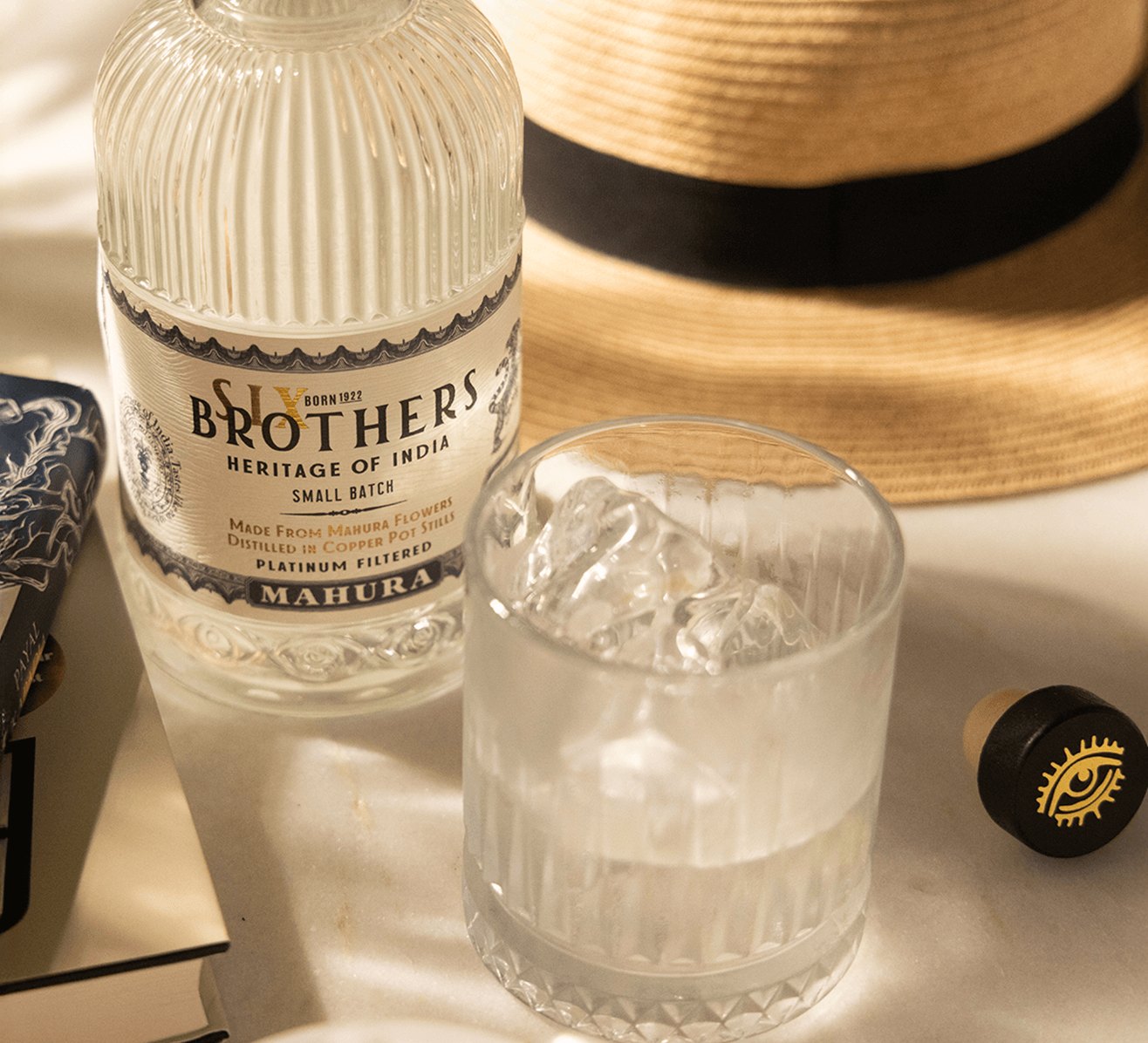
Six Brothers Mahura supports the Mahua ecosystem by:
- Sourcing responsibly
- Working with local communities
- Maintaining the integrity of the Mahua flower
Creating Sustainable Impact
By elevating Mahua spirit, the brand helps:
- Increase economic opportunities
- Bring visibility to rural contributors
- Strengthen the legacy of India’s oldest spirit
Why Mahua Matters to Rural India
A Reliable Livelihood Source
The Madhuca longifolia tree provides:
- Stability in uncertain agricultural conditions
- A recurring income cycle
- A connection between nature and economy
A Local-to-Global Opportunity
As Mahua spirit gains recognition:
- Rural economies benefit
- Traditional knowledge gains value
- Mahua becomes a bridge between heritage and modern markets
The Human Story Behind Mahua Alcohol
Beyond Production
Every bottle of Mahua spirit represents:
- Hours of manual collection
- Generations of knowledge
- A network of rural livelihoods
A Shared Value System
This creates a deeper meaning:
- The spirit supports communities
- The process respects nature
- The outcome reflects authenticity
Conclusion: A Spirit That Sustains Communities
Mahua is more than a product—it is a livelihood system.
From the Mahua flower of the Madhuca longifolia tree to the final expression of Mahua spirit, every stage supports people, communities, and local economies. Known as Mahuva or Mahuwa across regions, it continues to provide both cultural and economic value.
Because Mahua spirit is not just India’s oldest spirit—it is one of its most meaningful.