
Posted on 16 Jun 2026
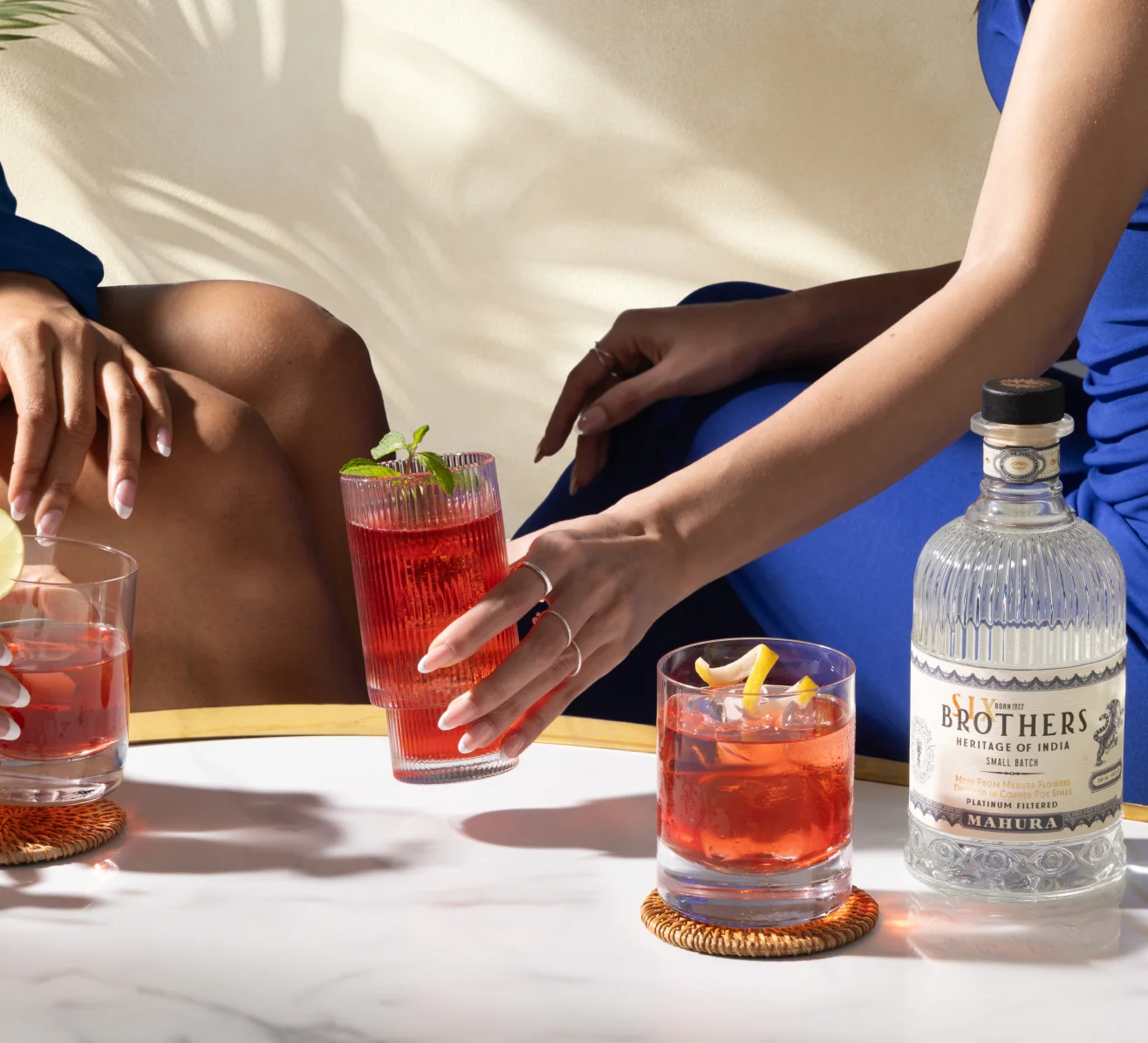
Urban India is undergoing a transformation in how it consumes and experiences alcohol. The focus is no longer limited to global labels—there is a growing interest in authenticity, provenance, and culturally rooted products.

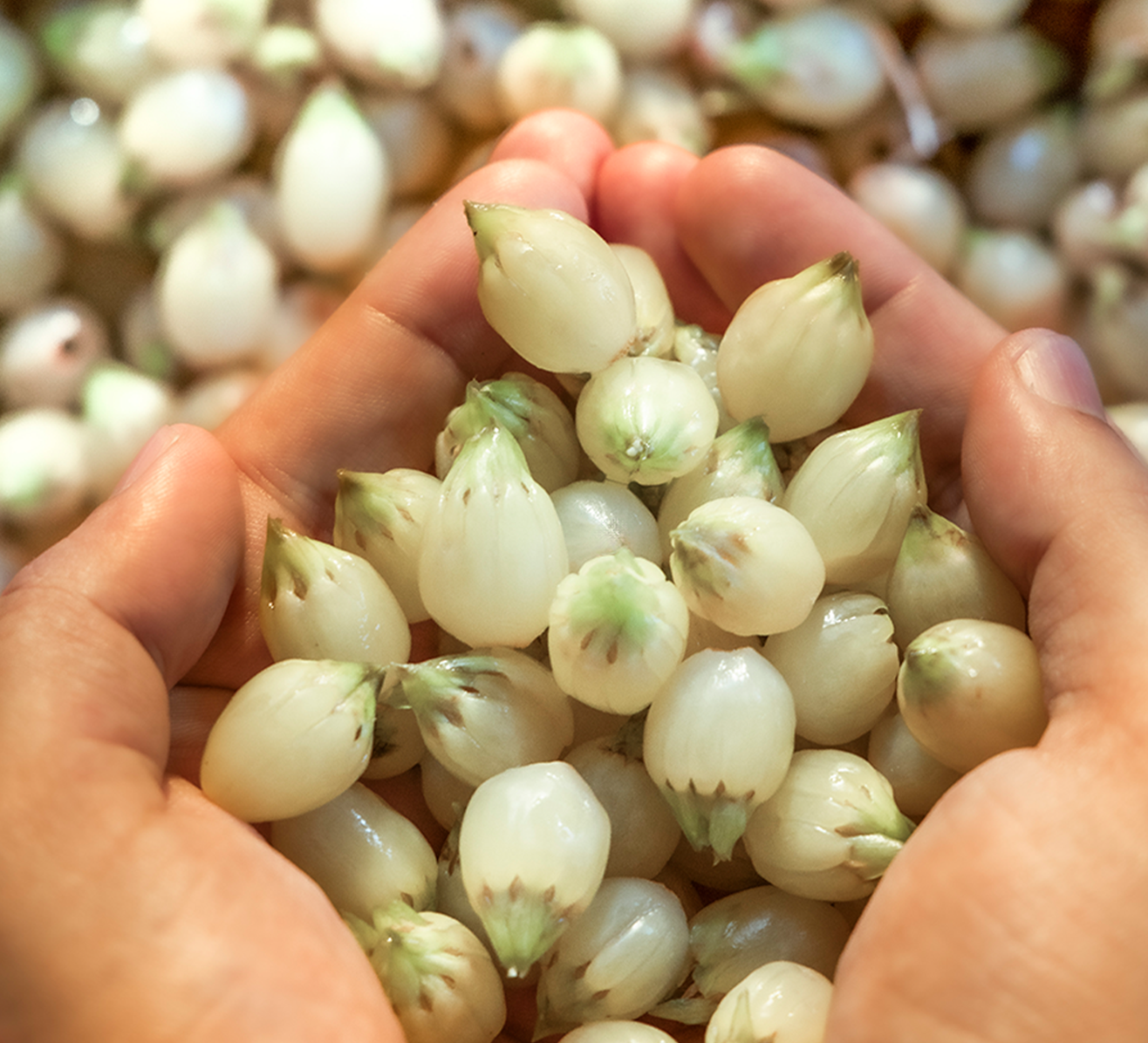
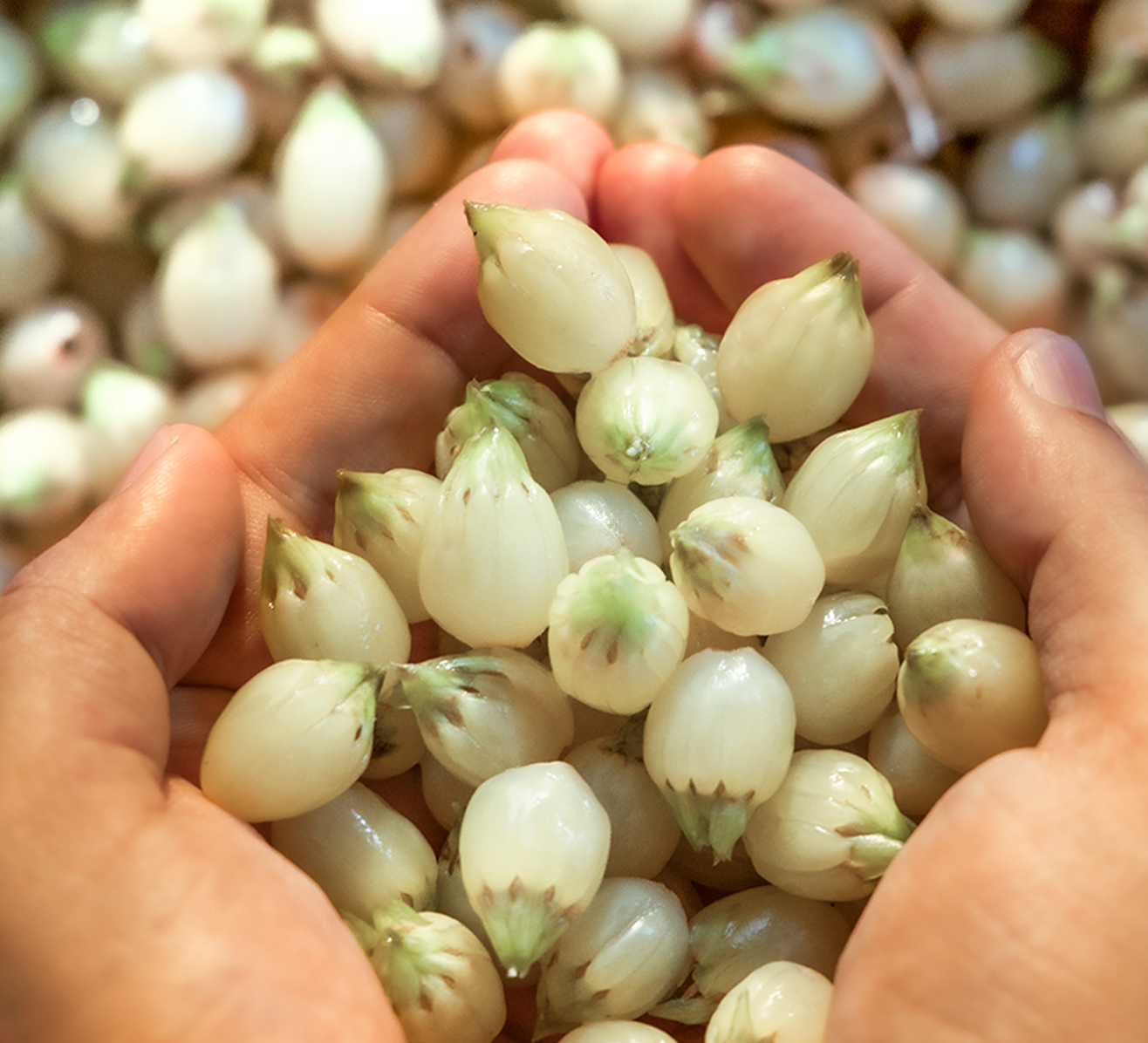
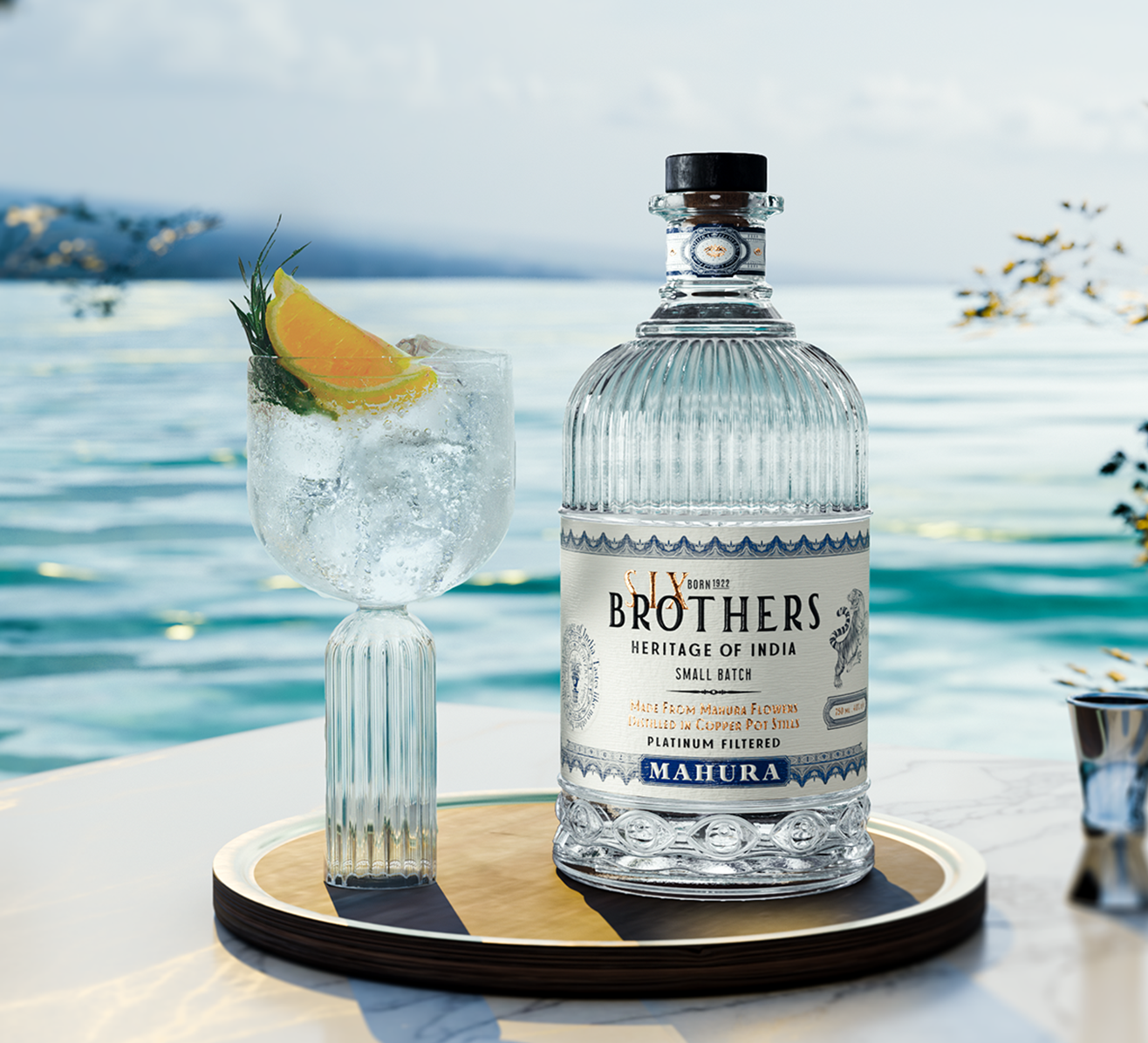
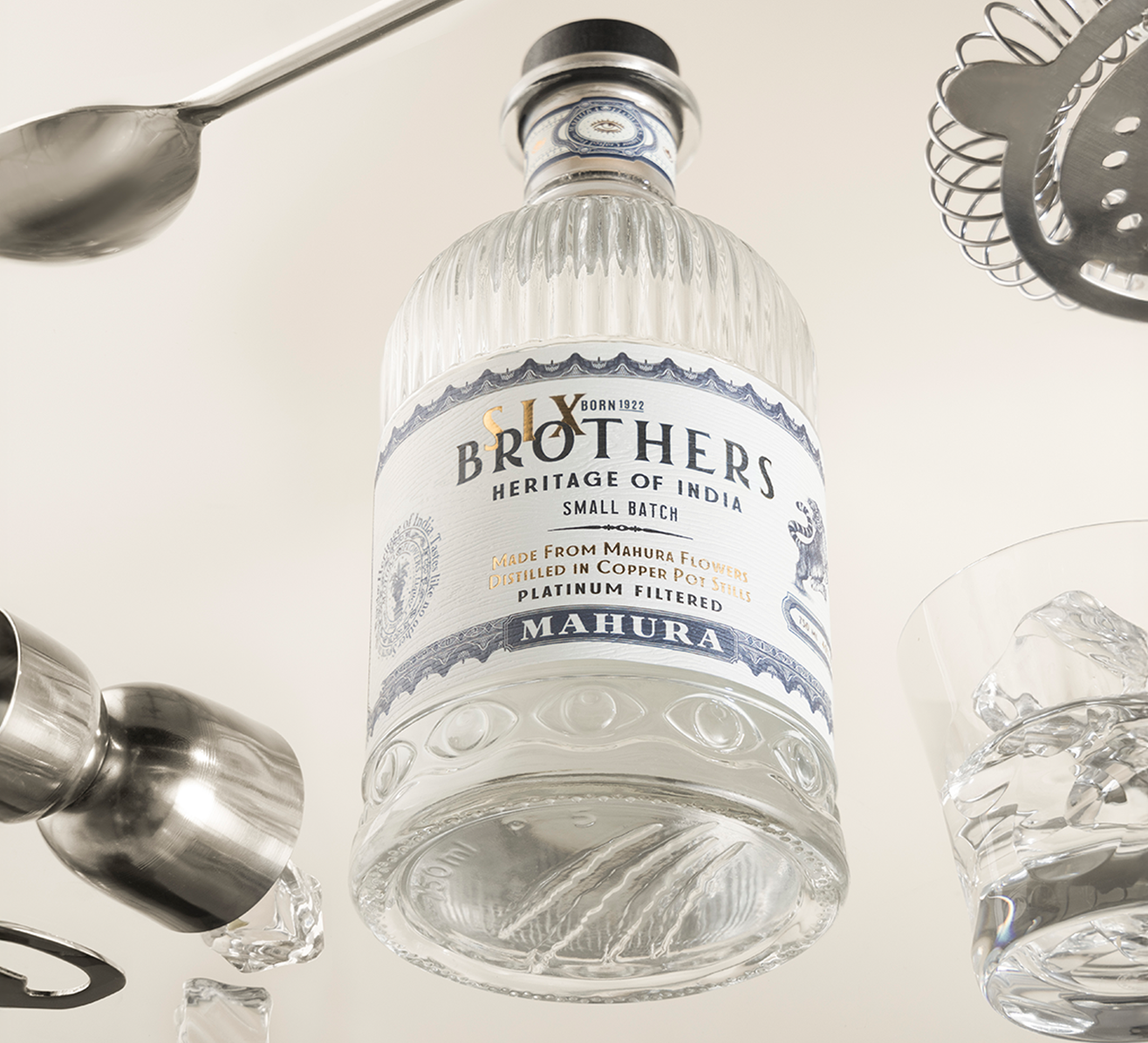
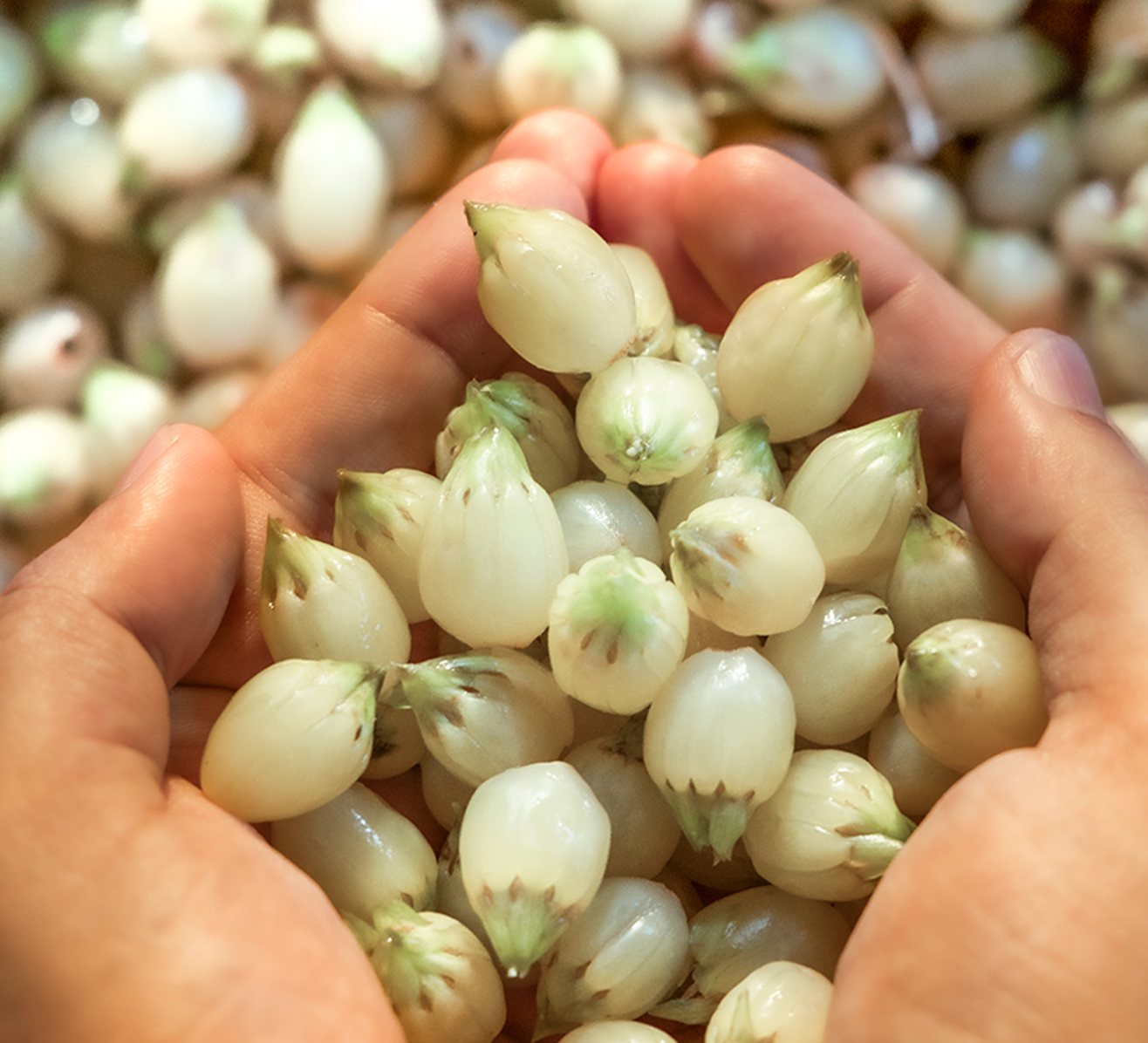
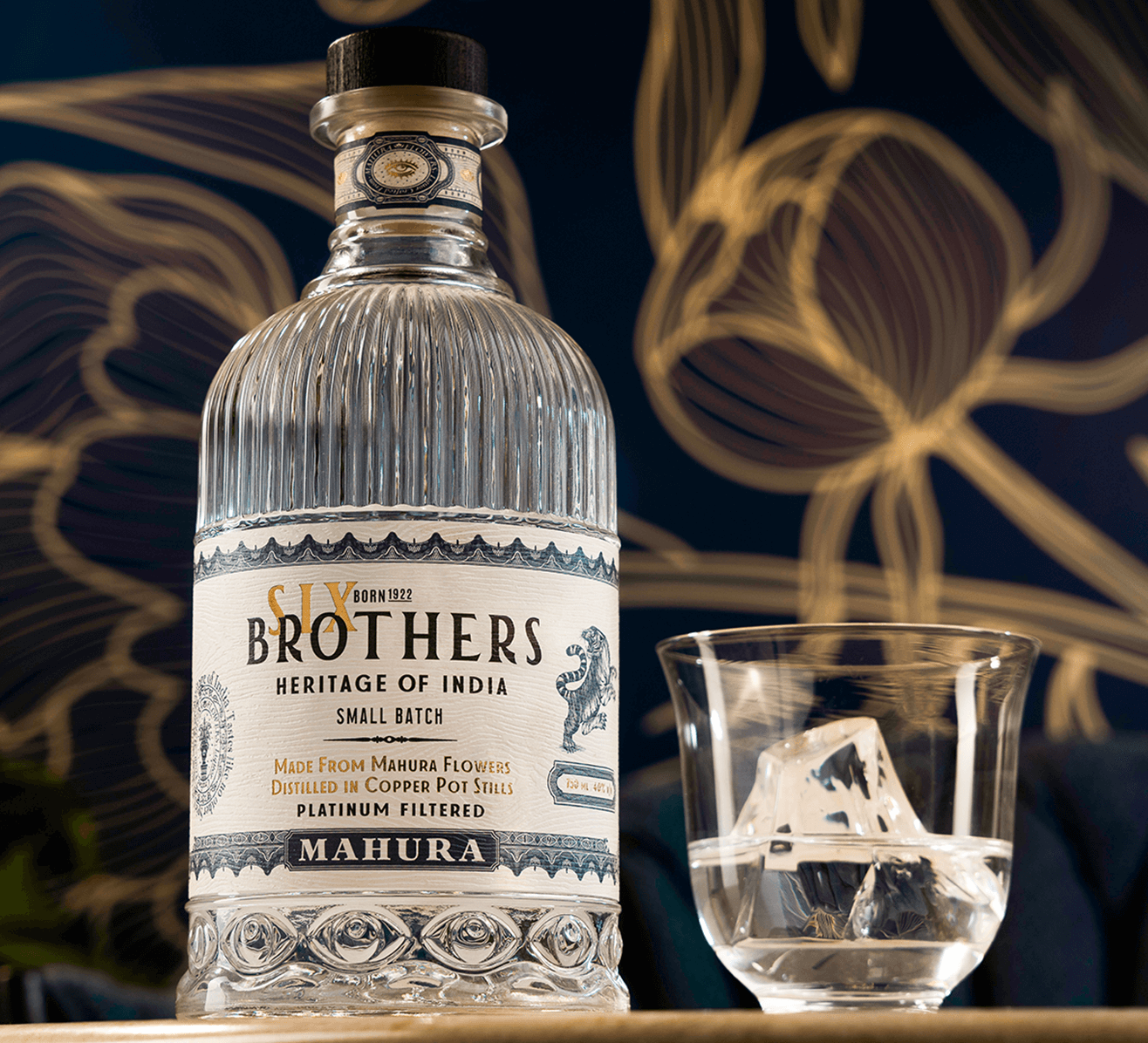
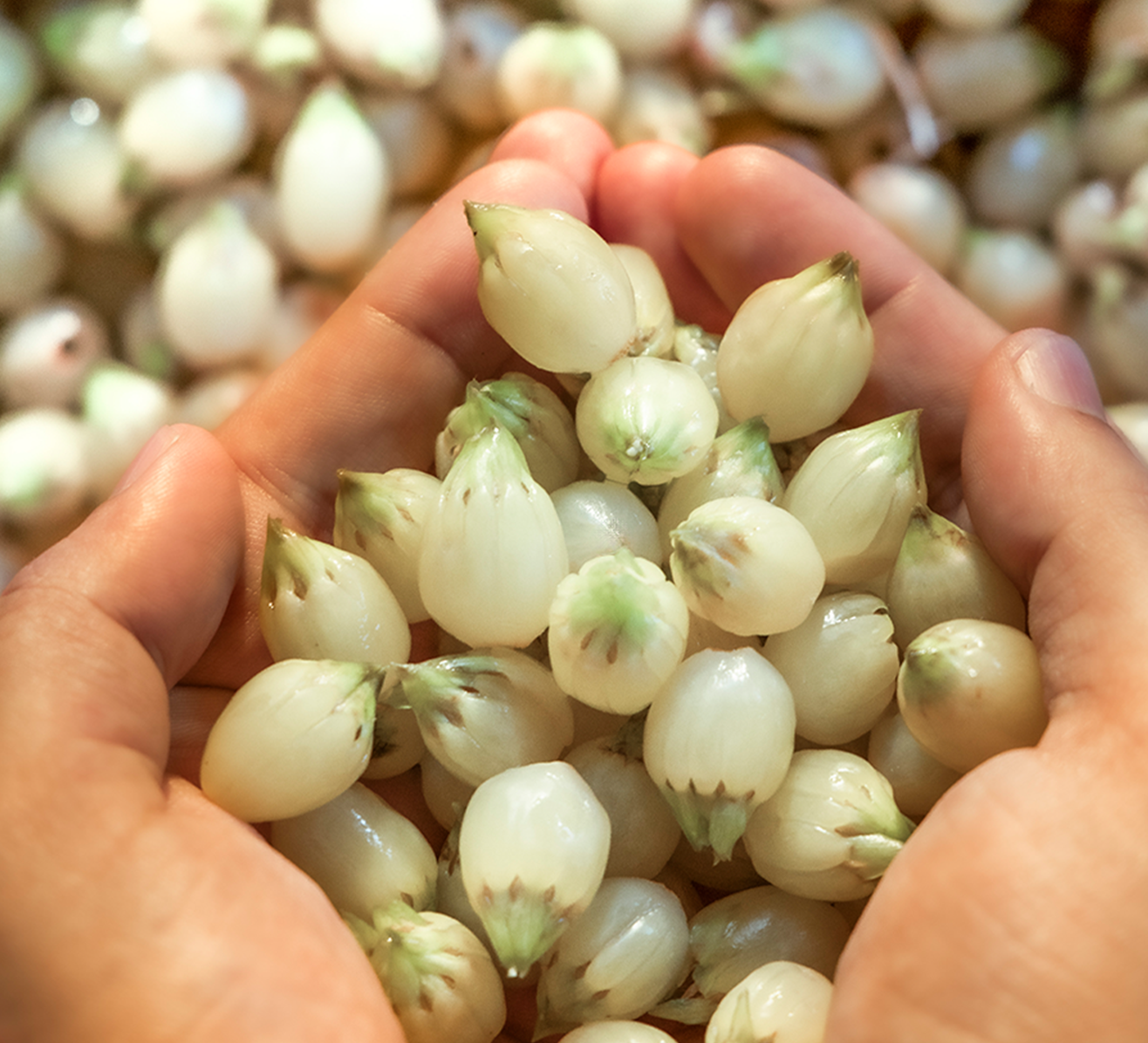
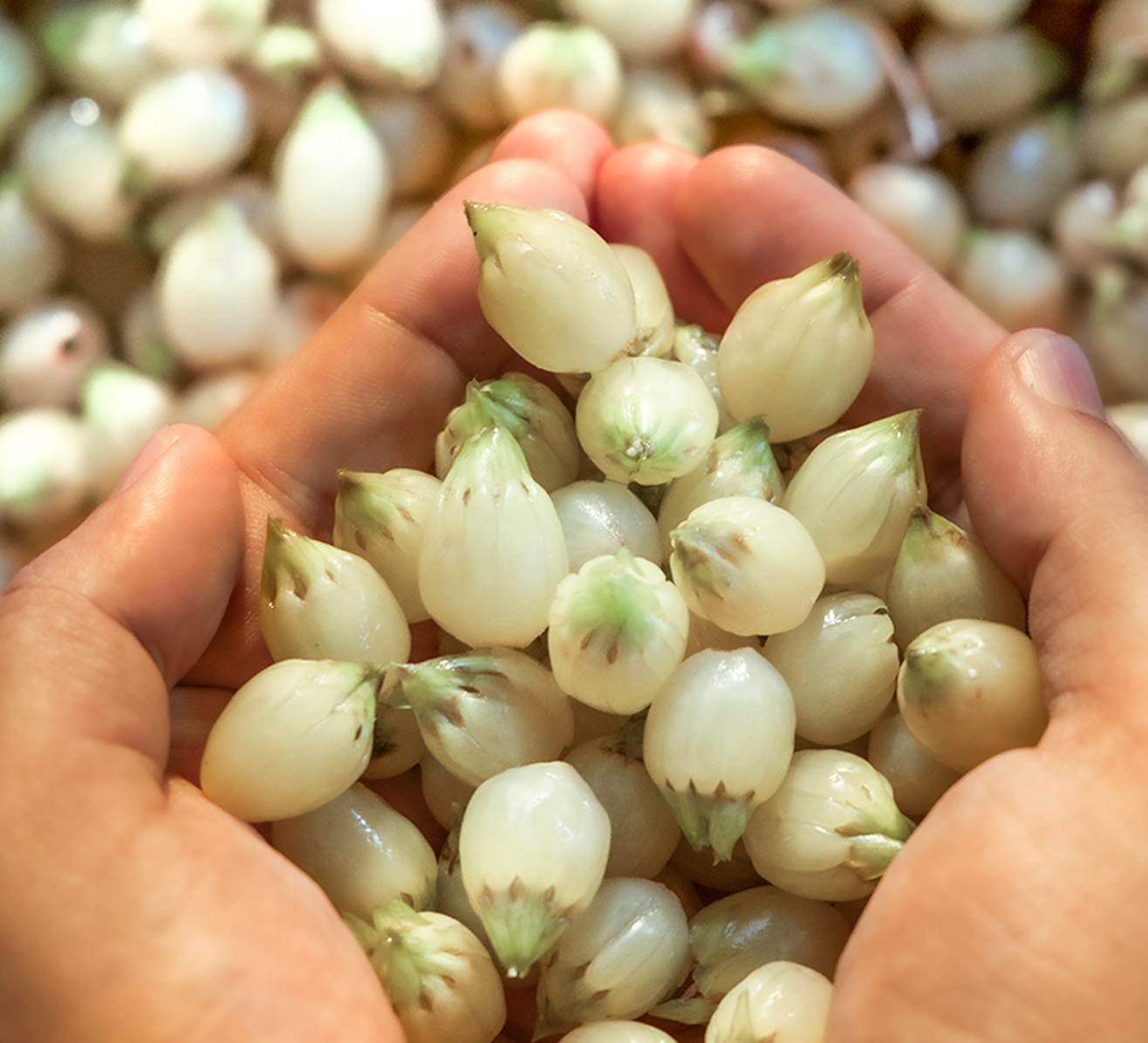
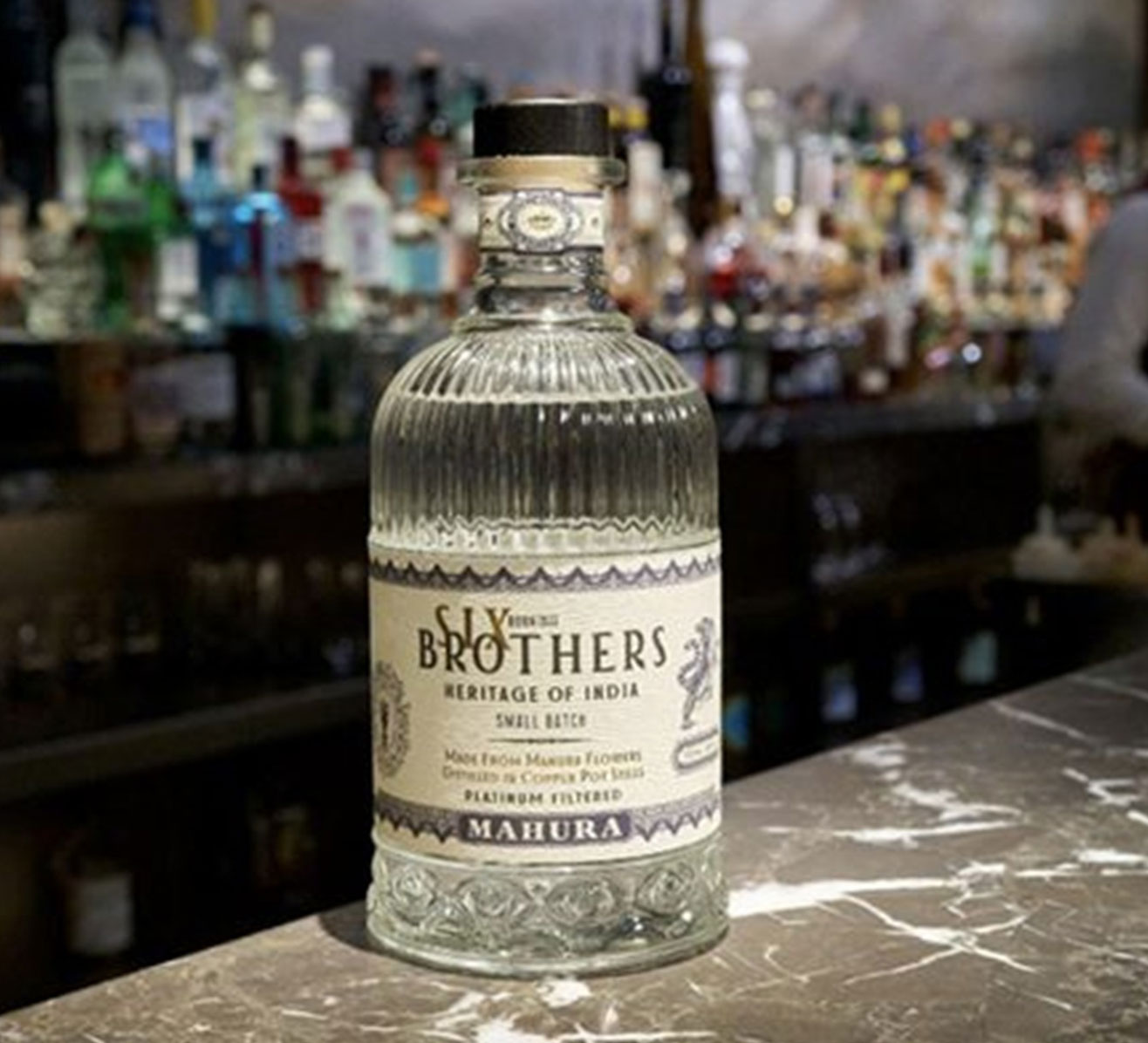
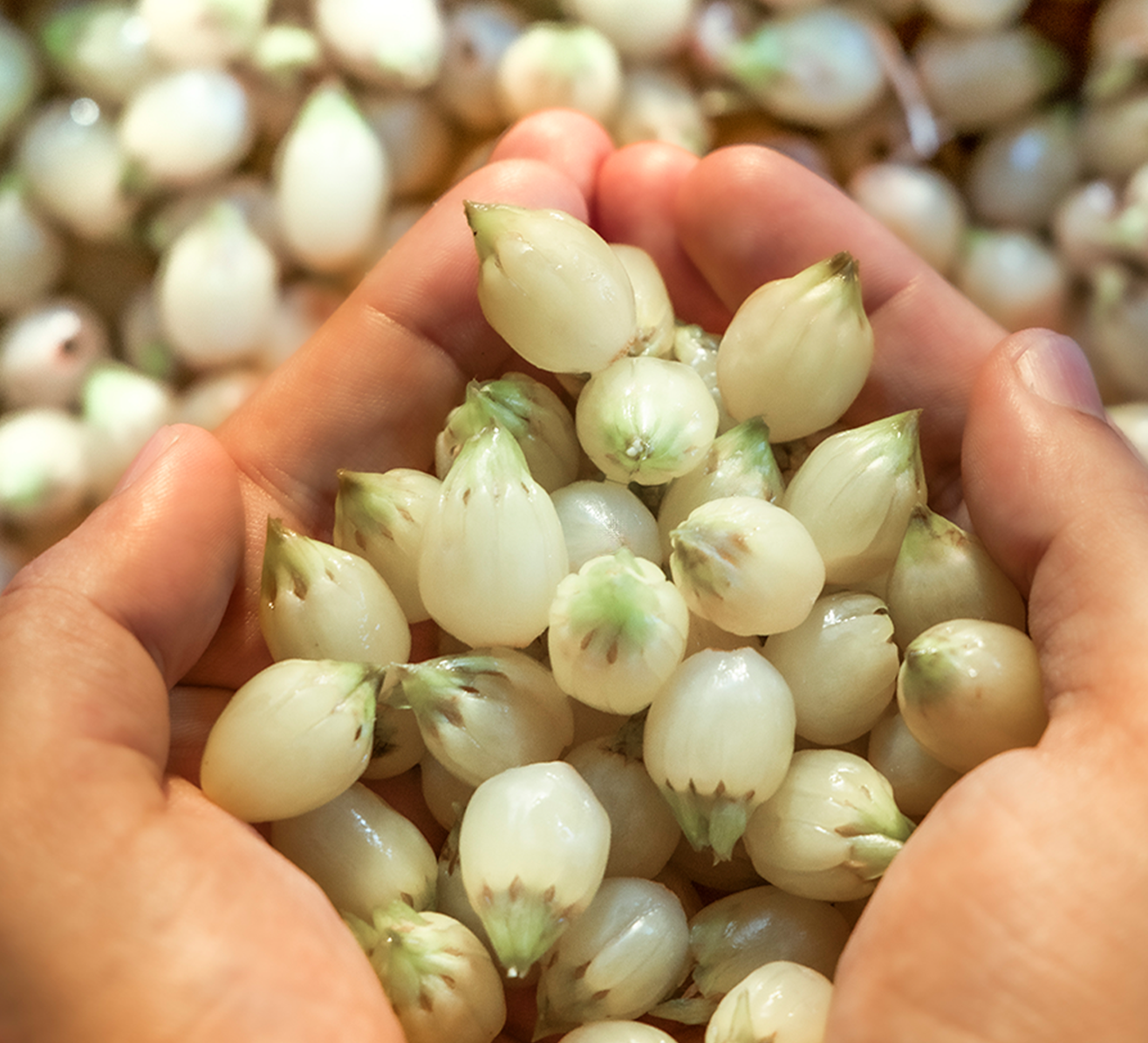
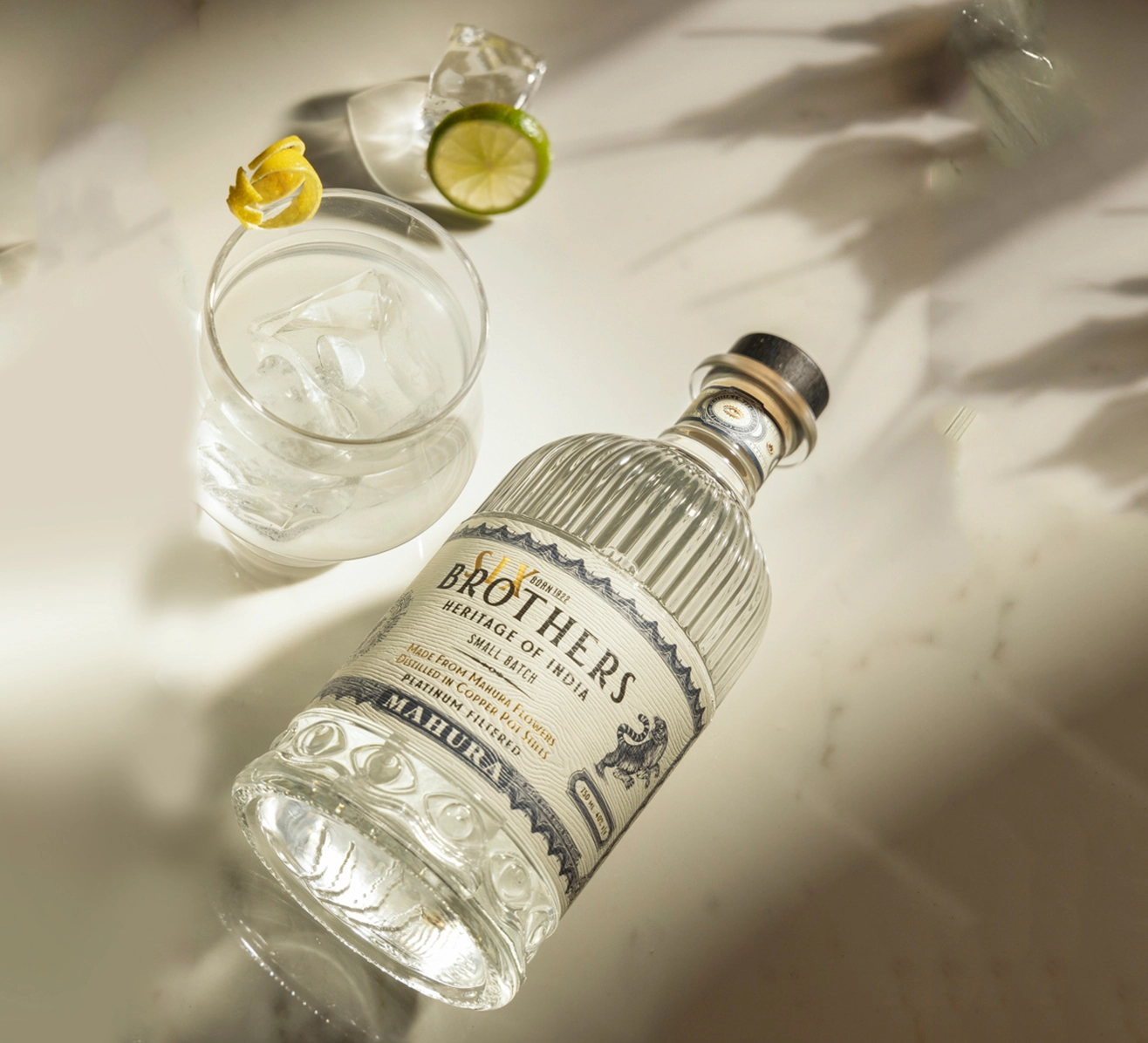
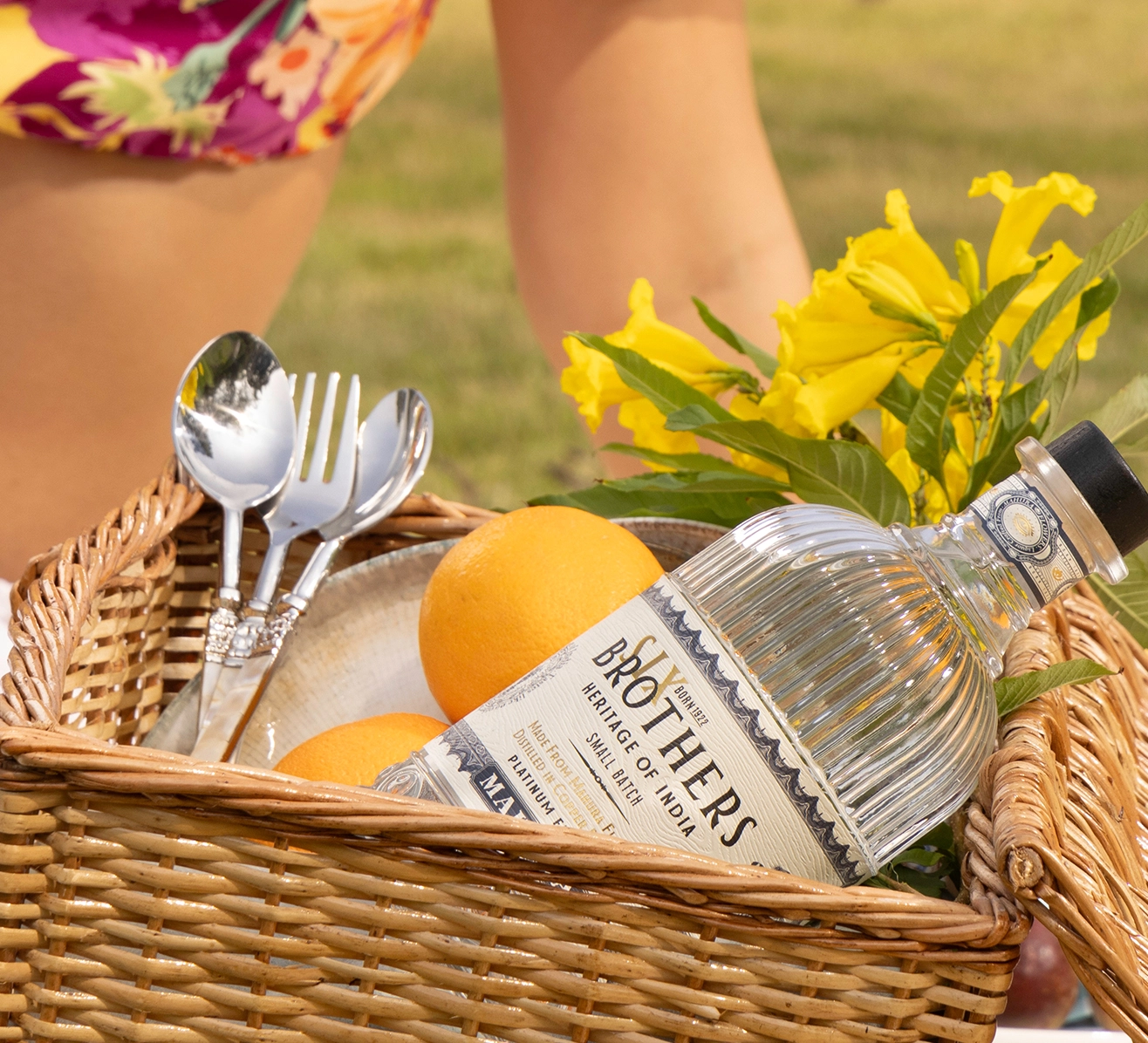
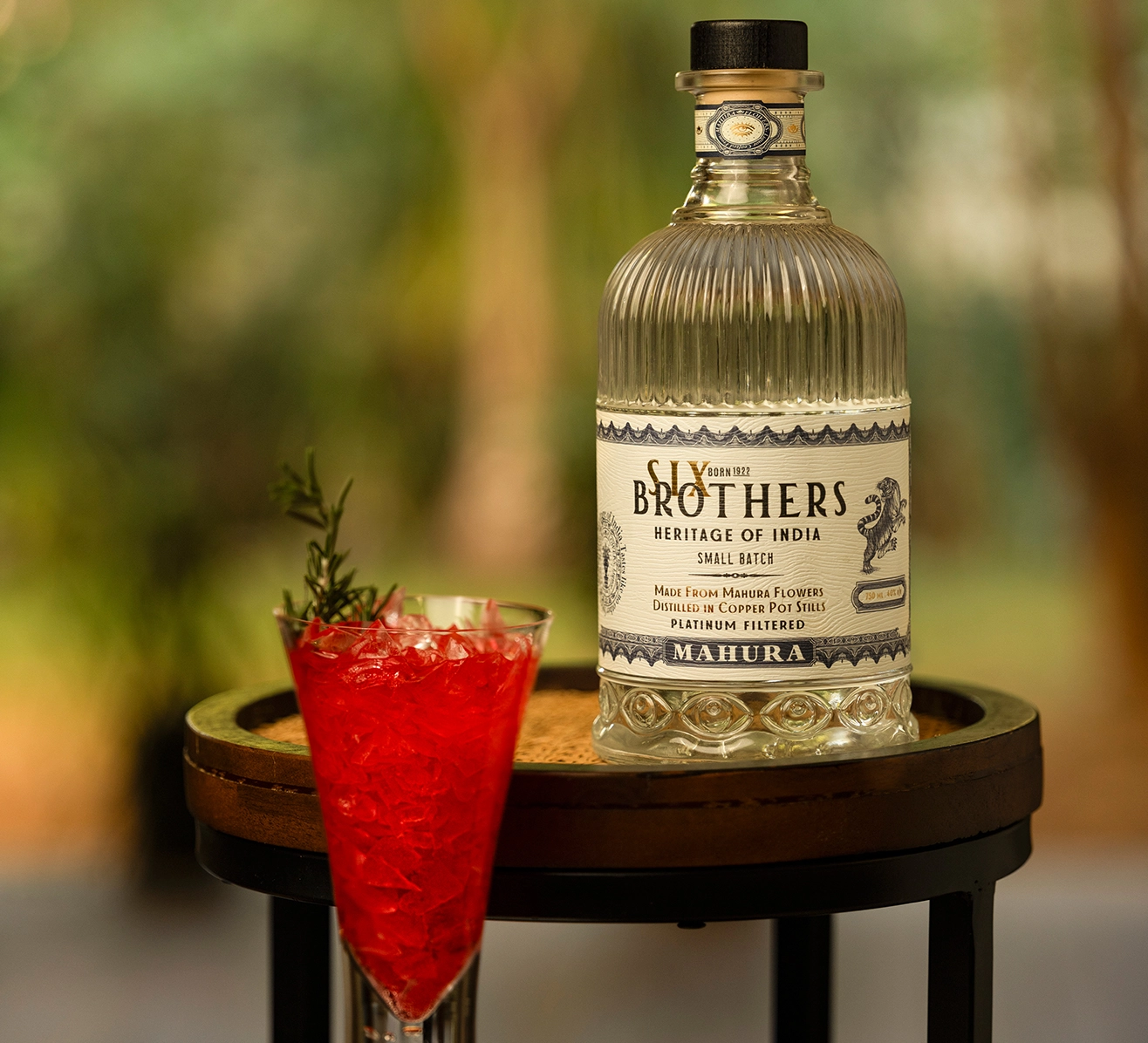
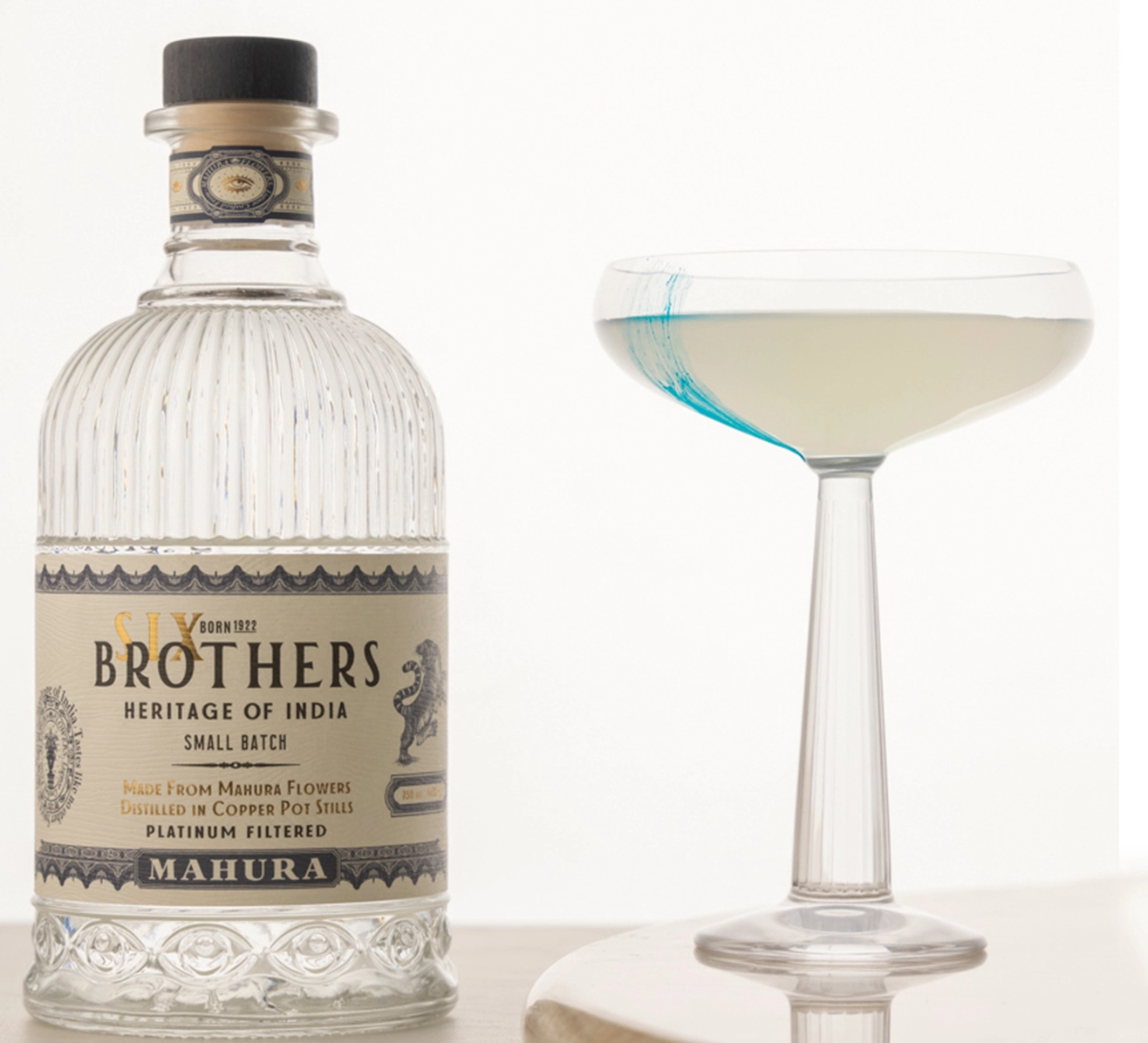
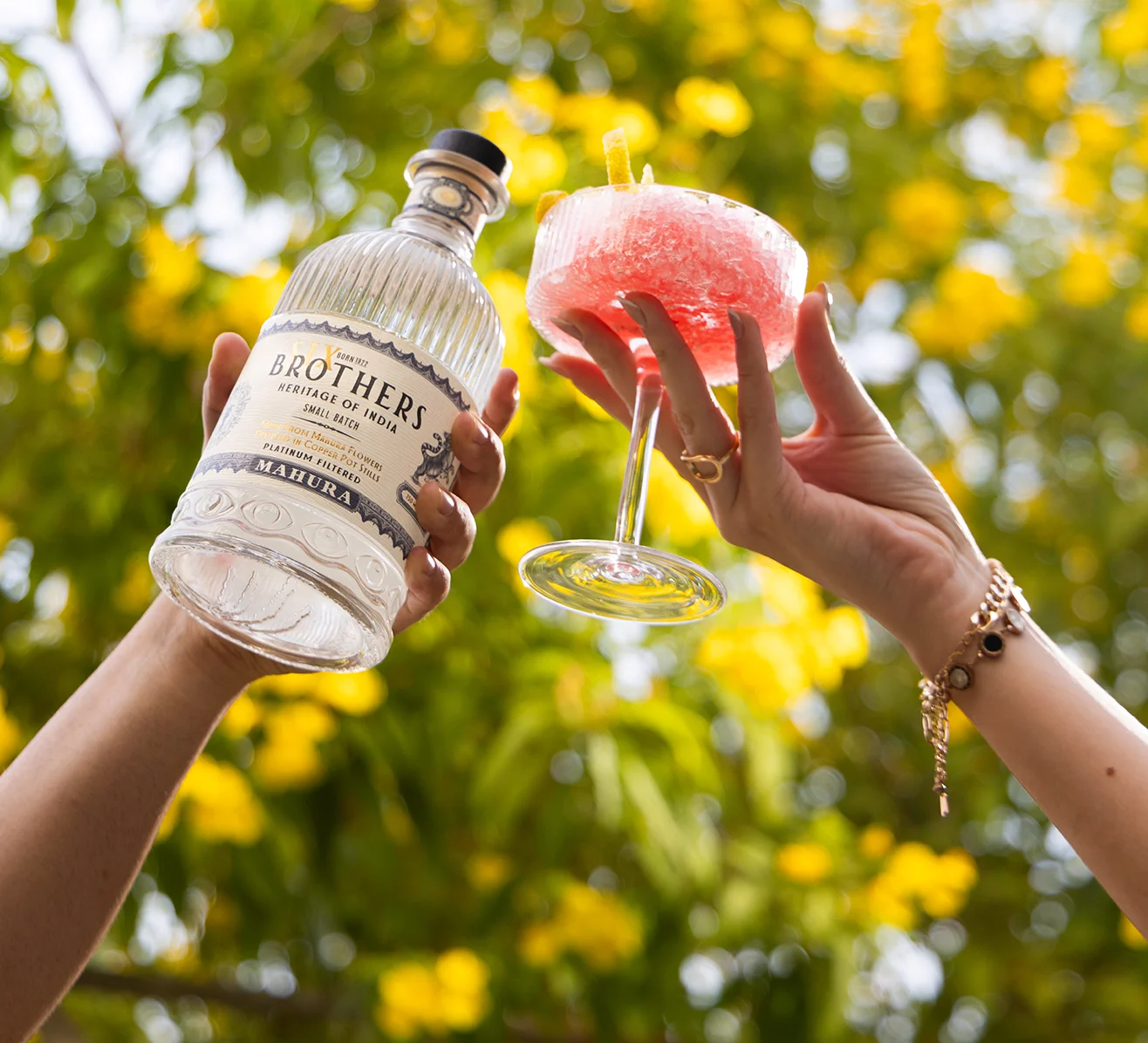
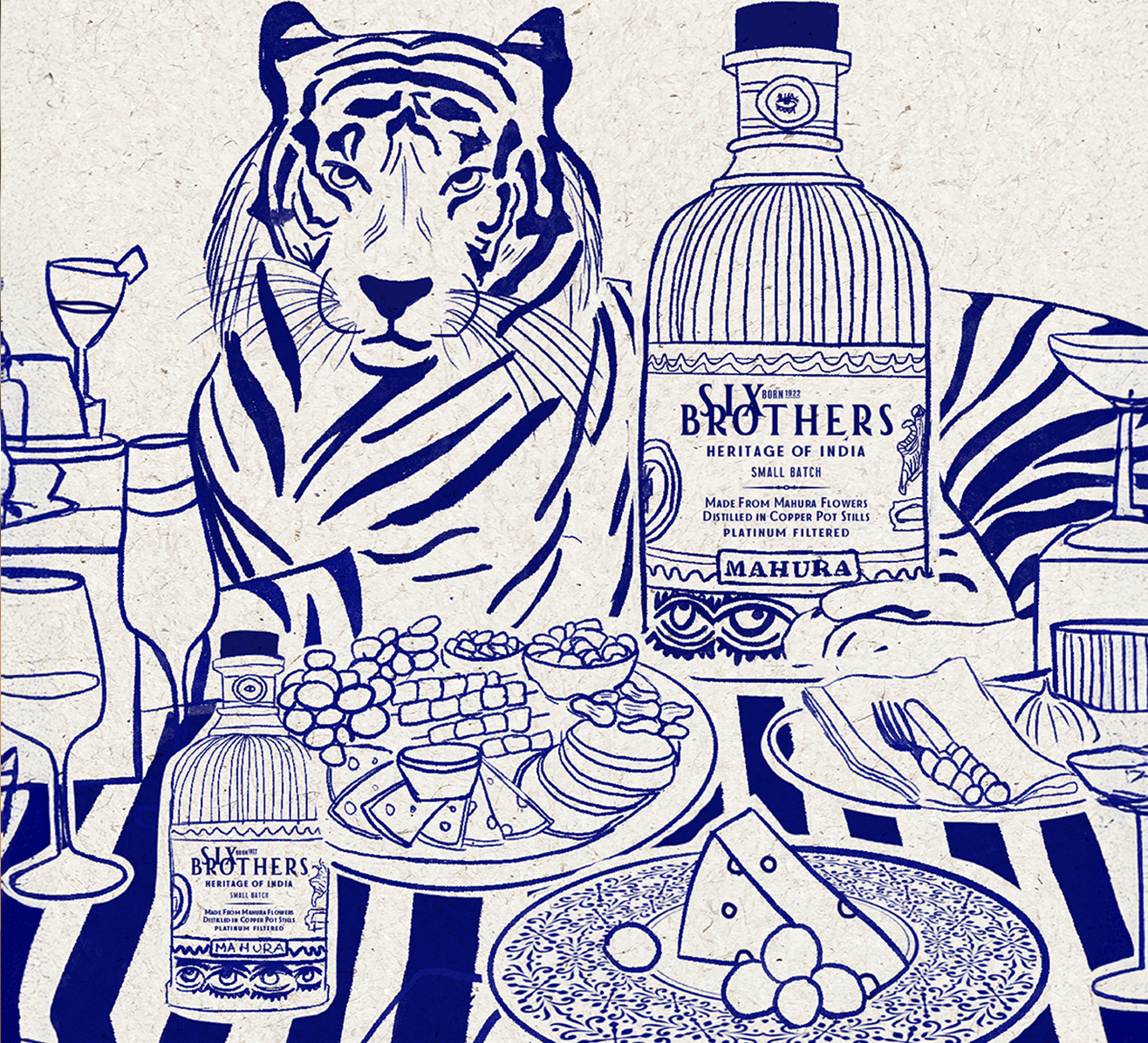
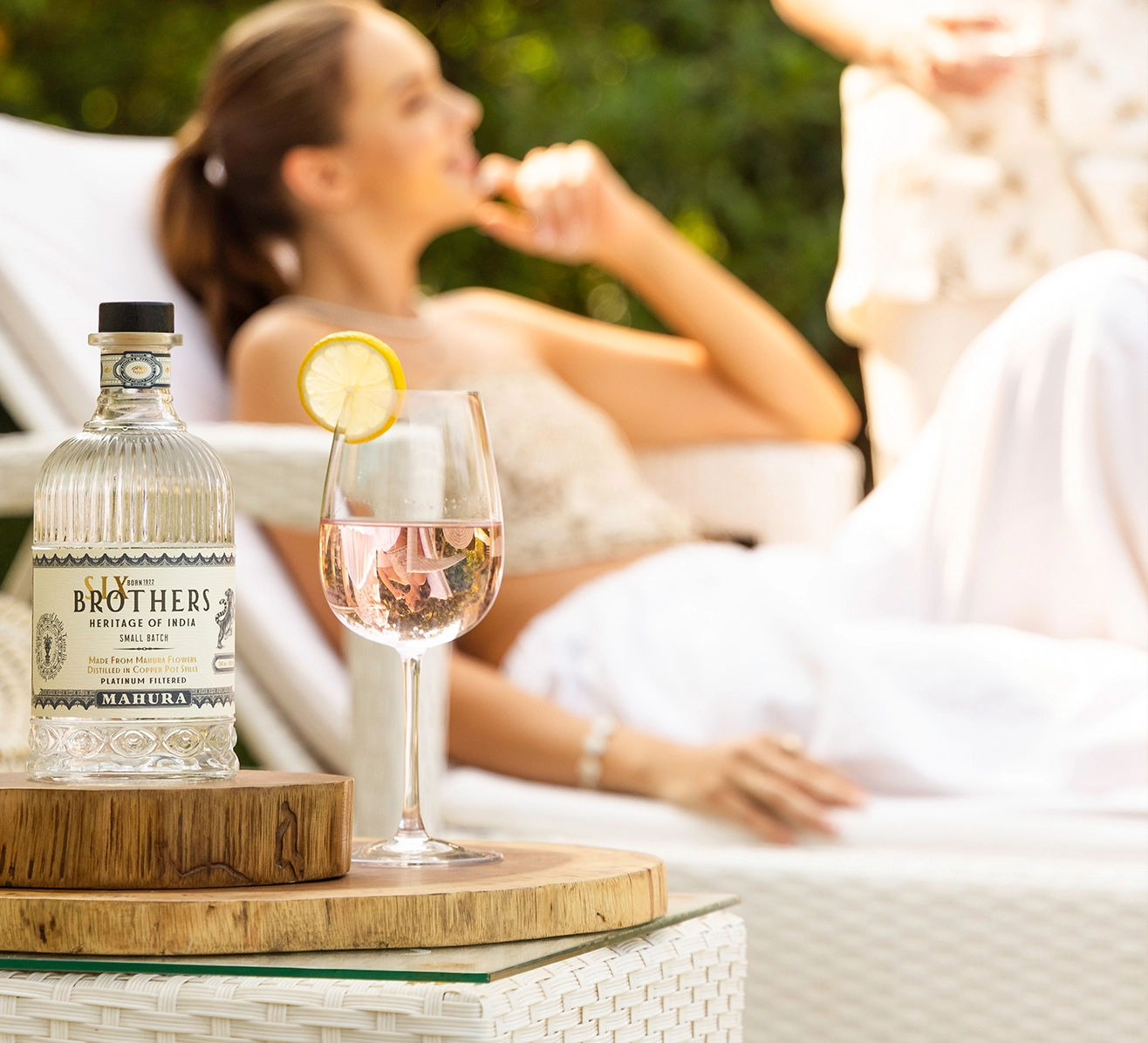
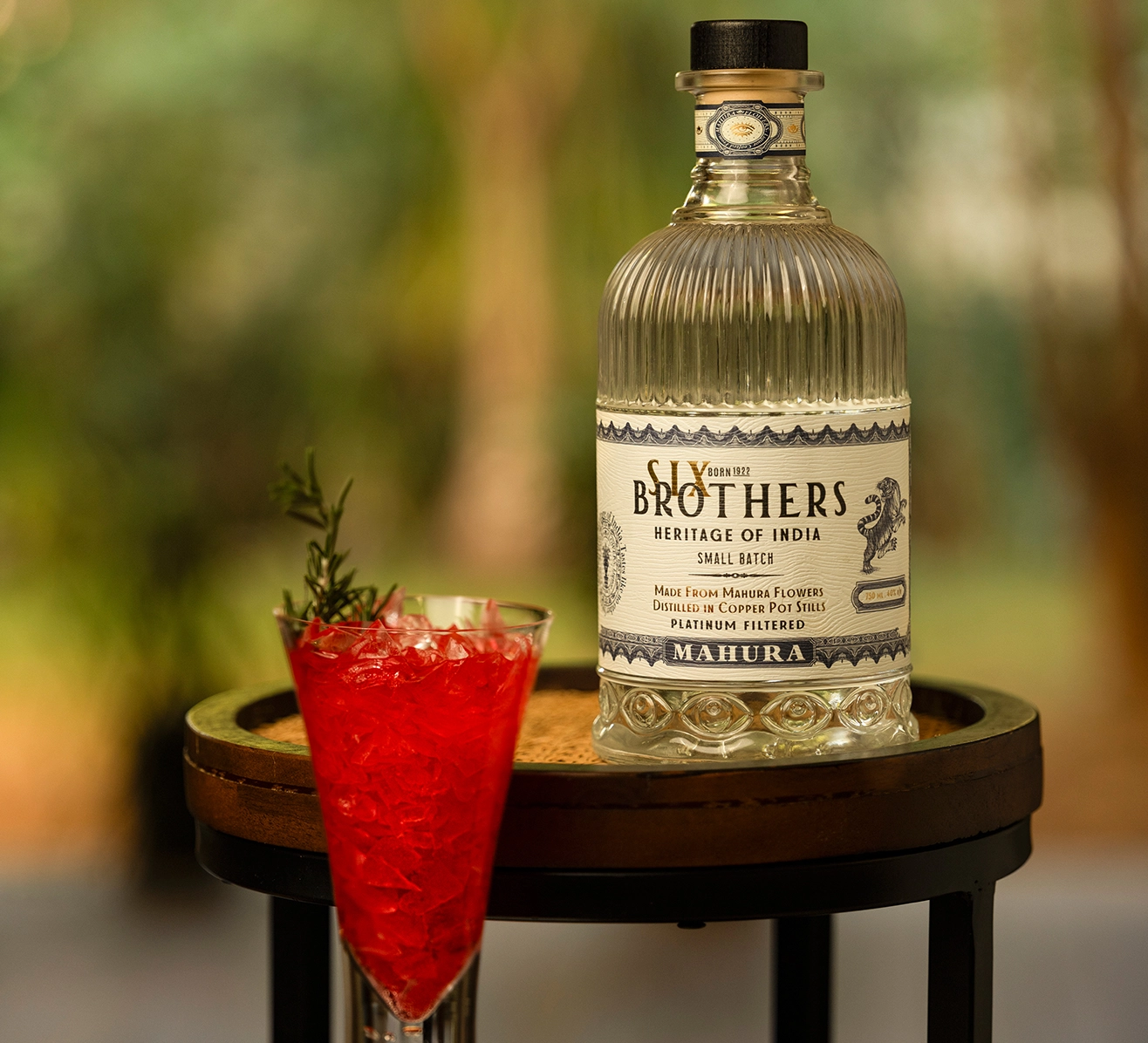
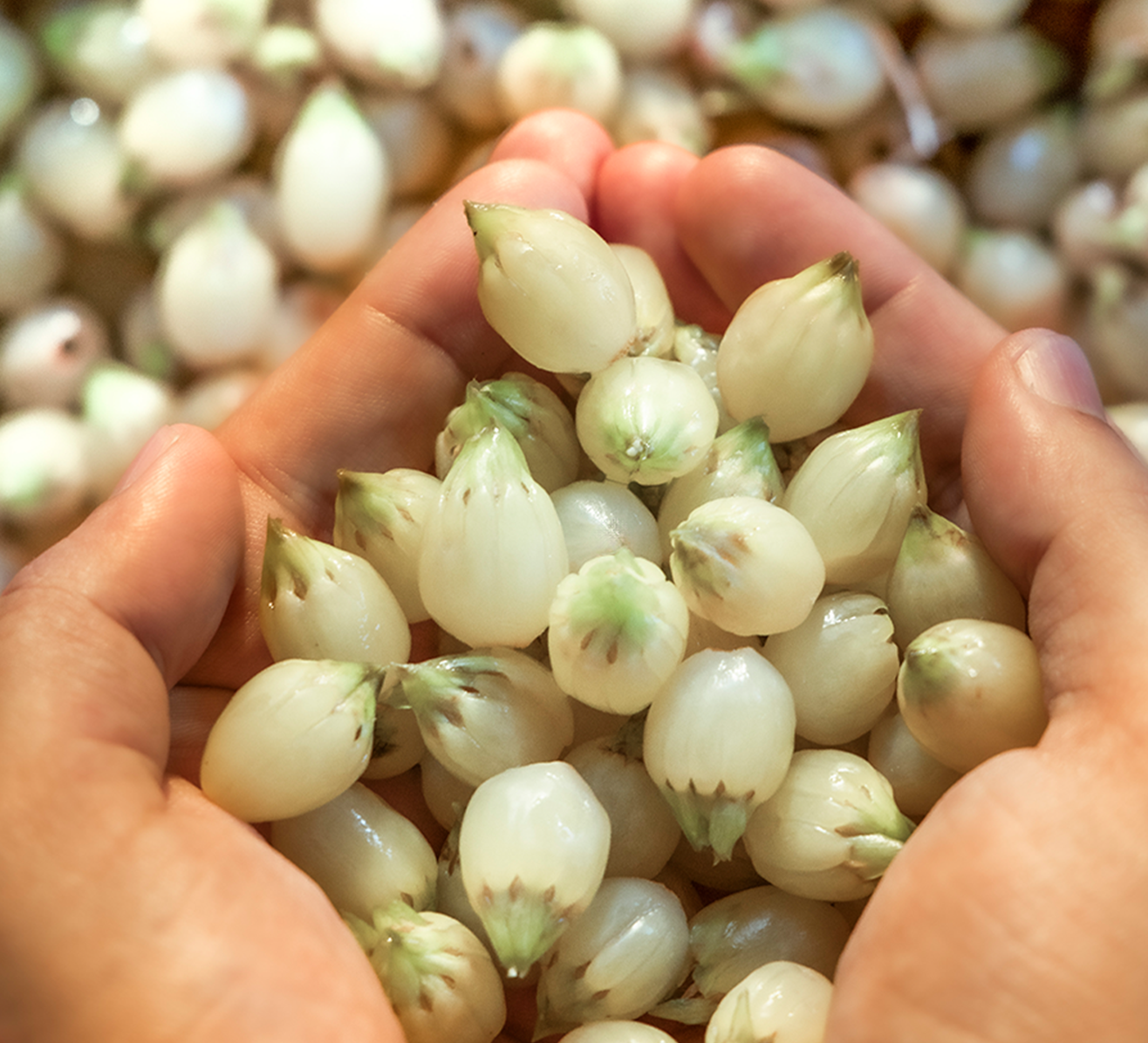
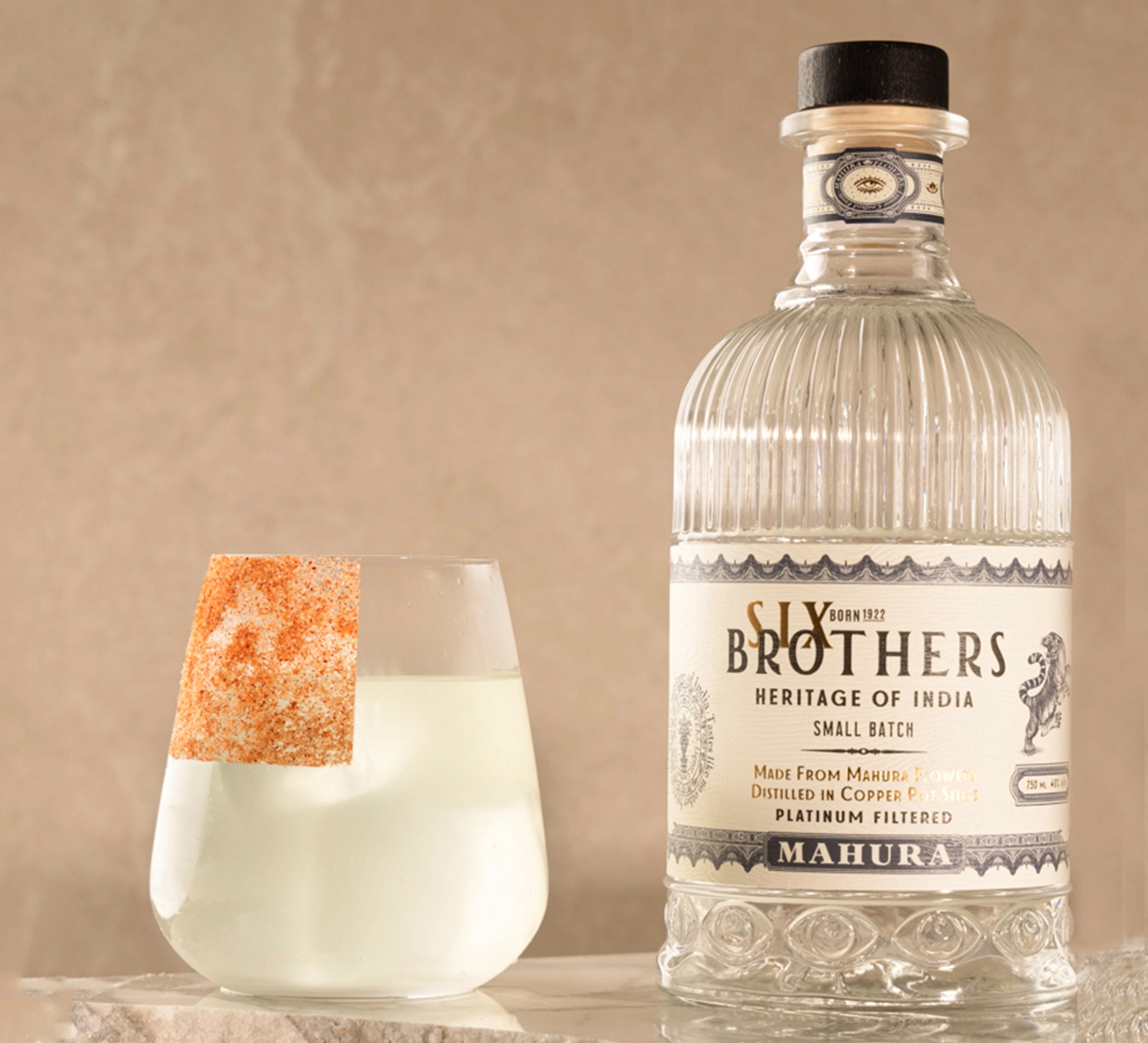
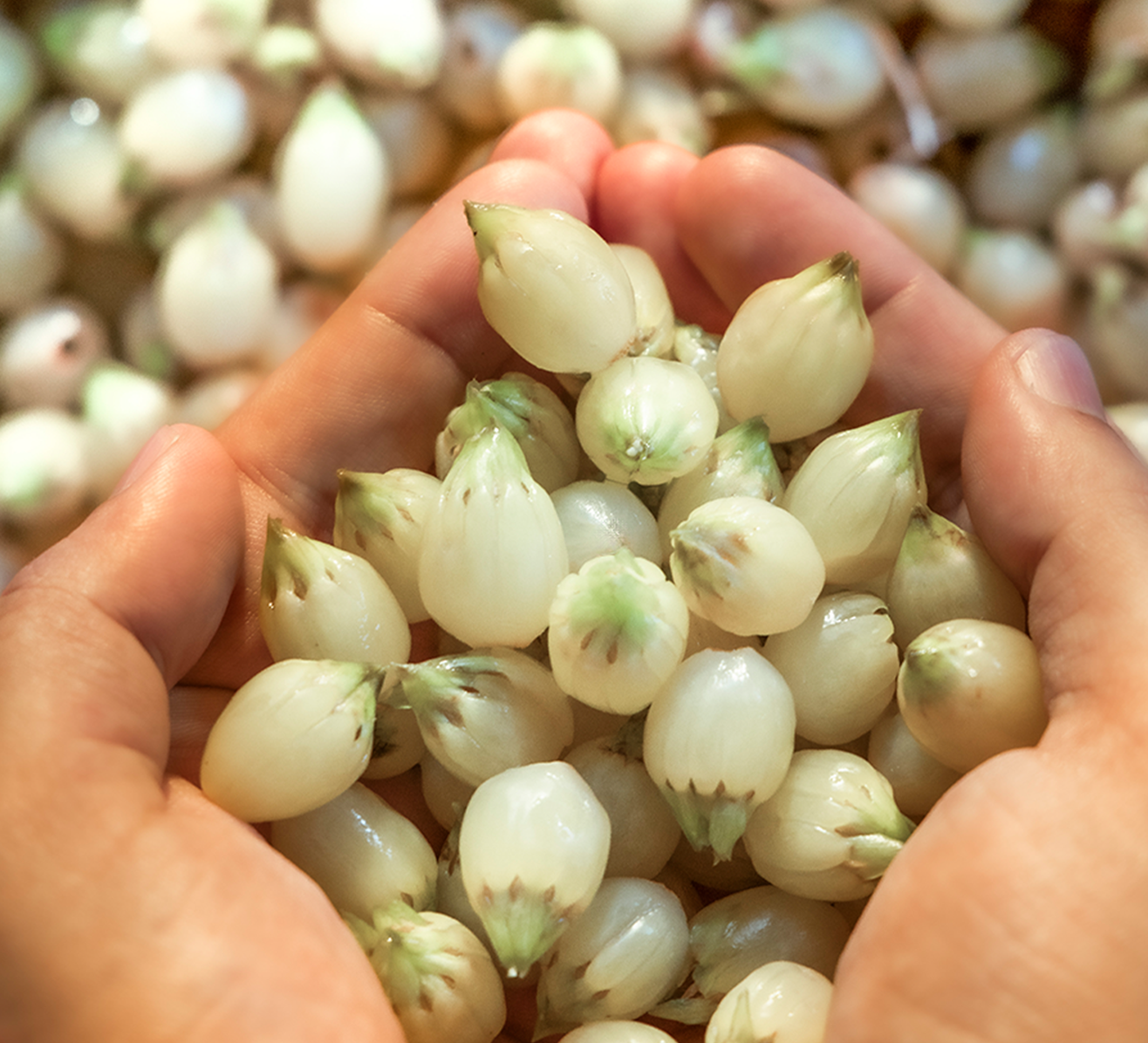
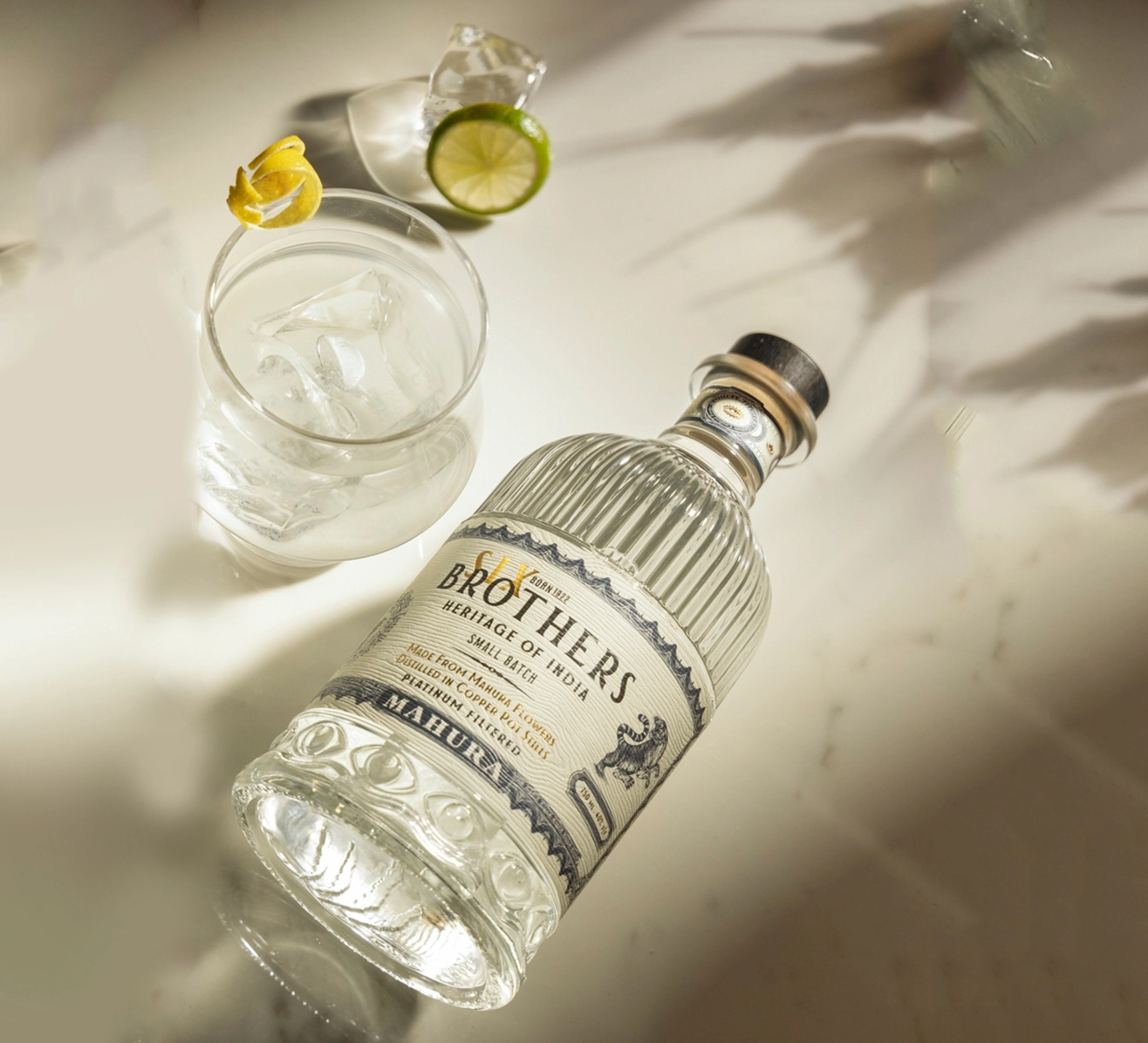
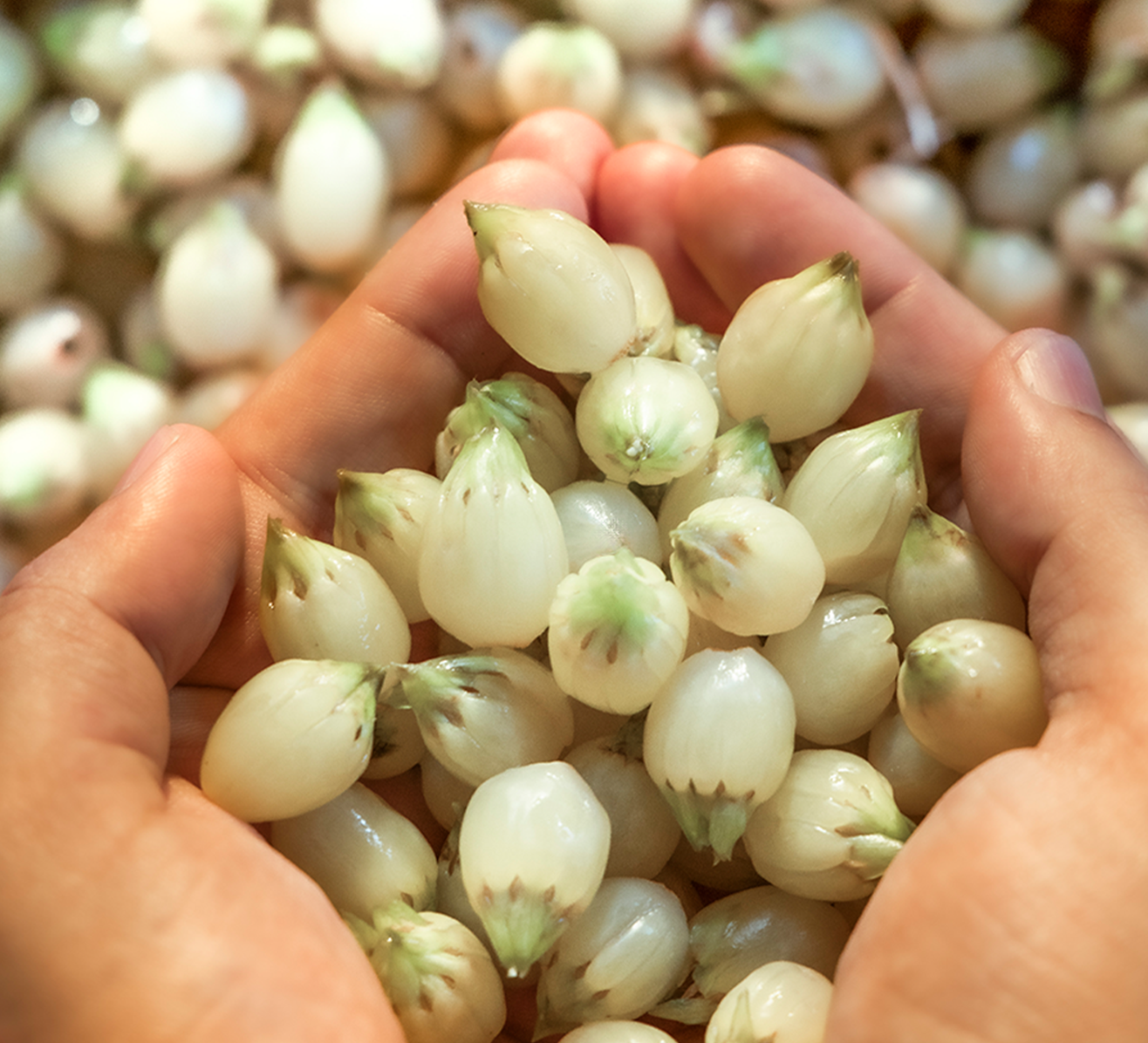
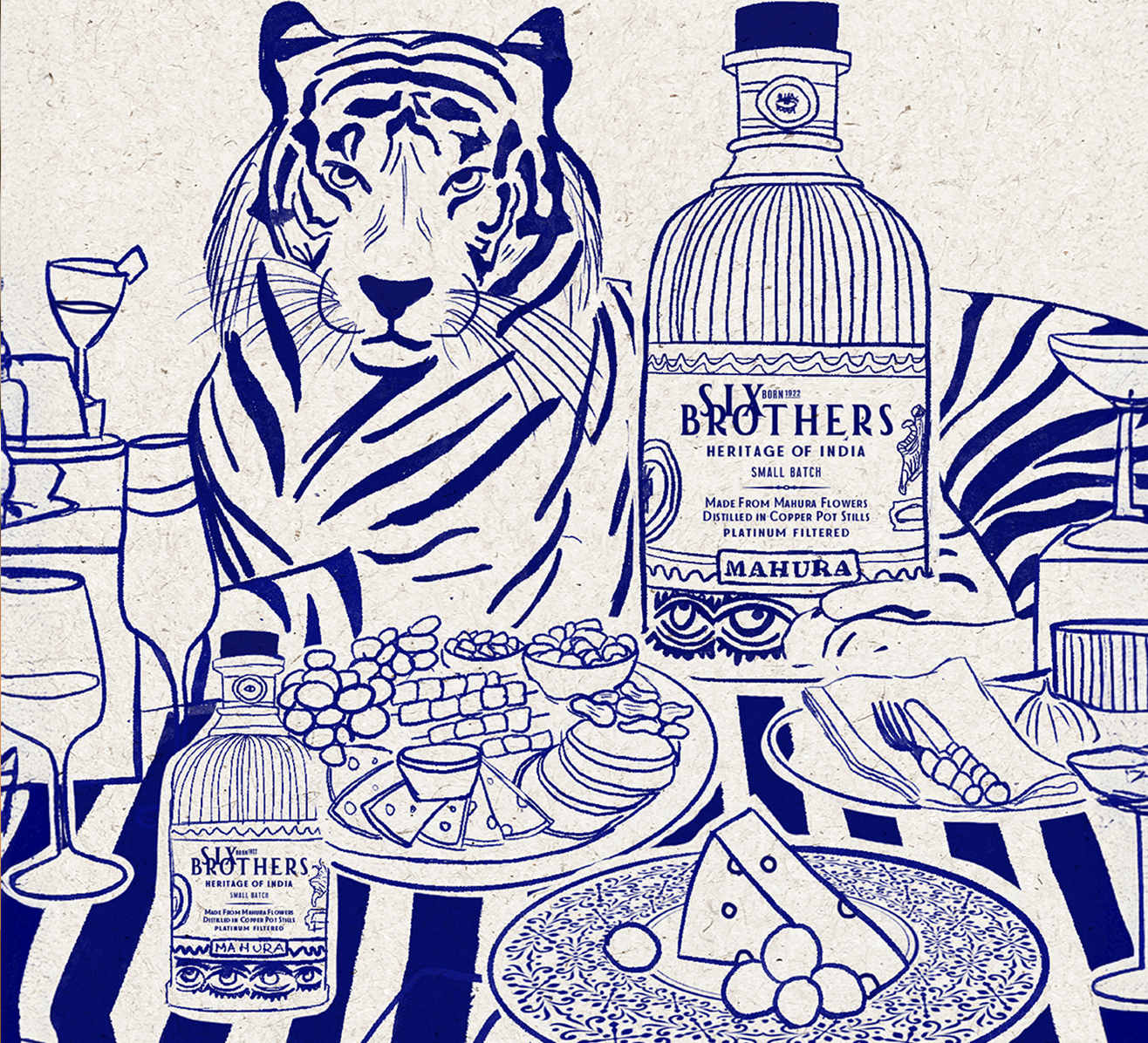
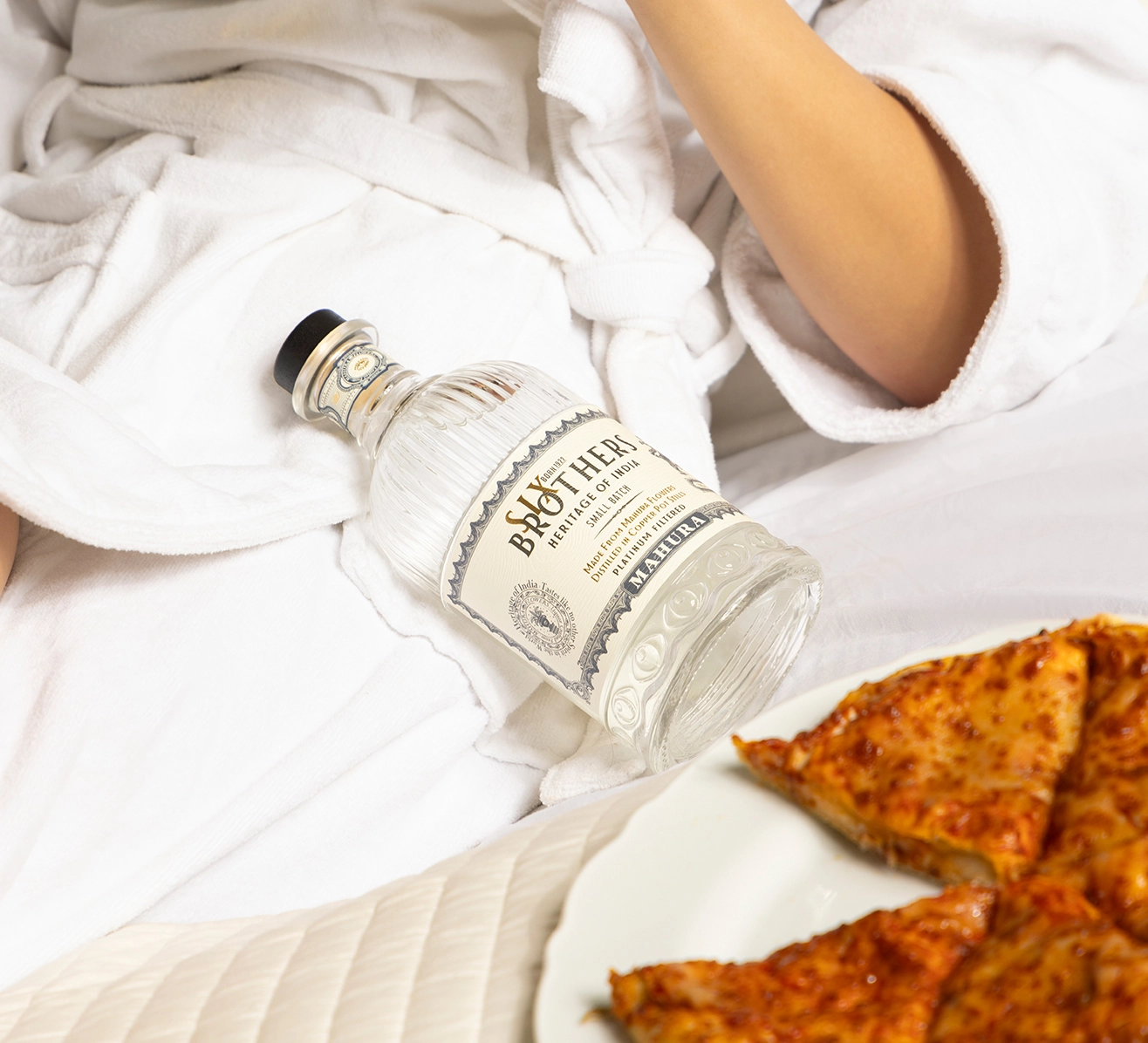
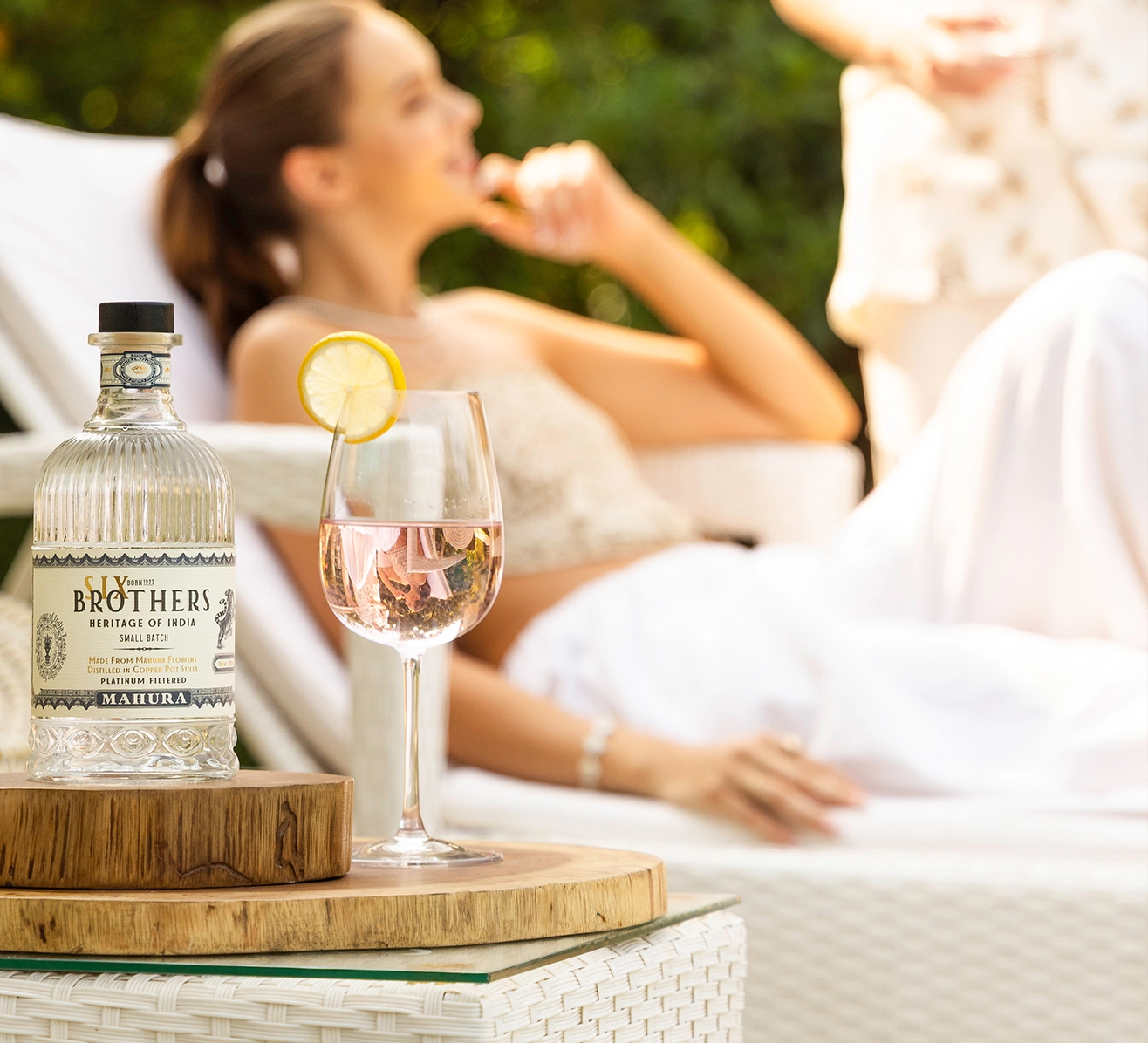
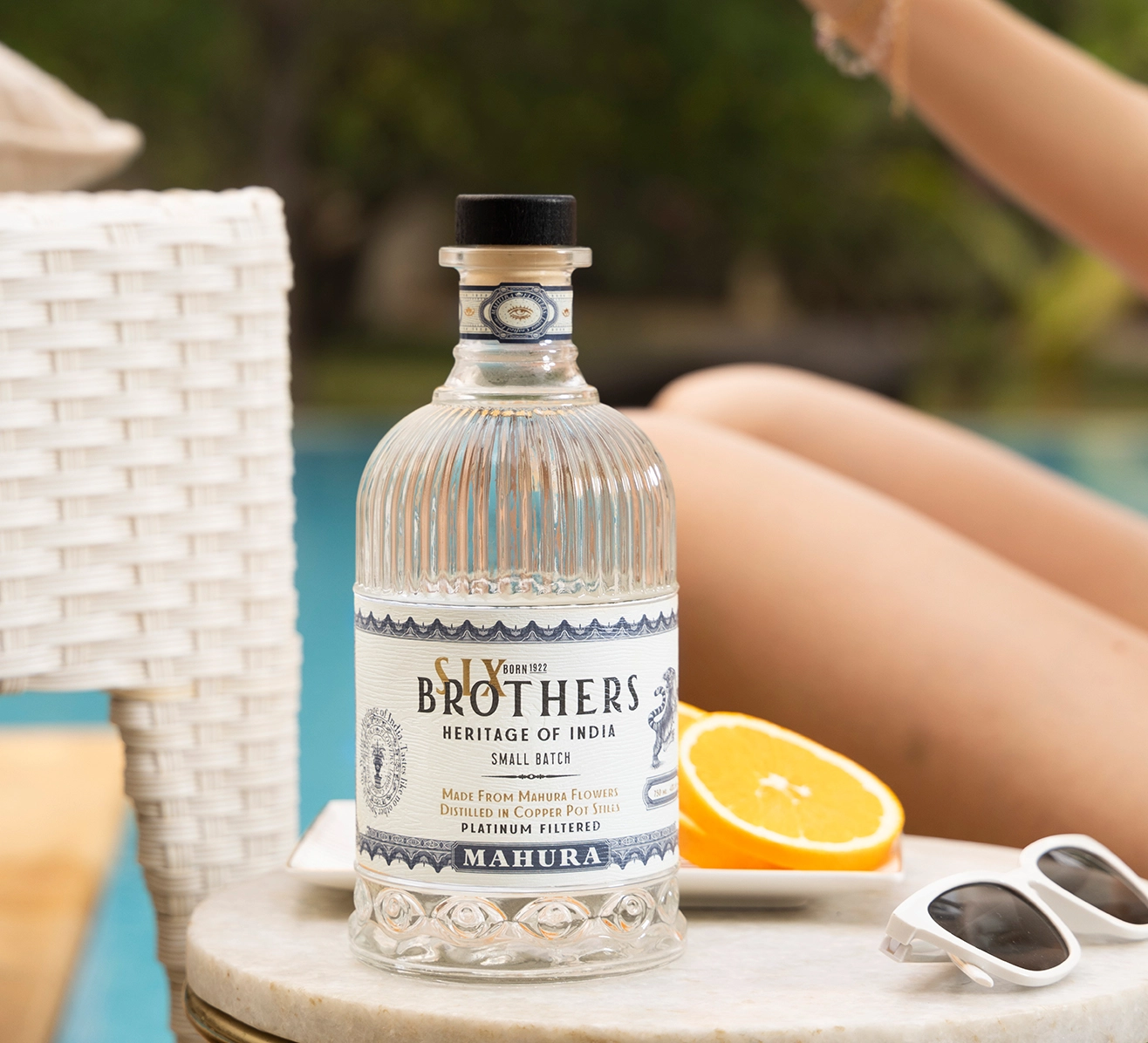
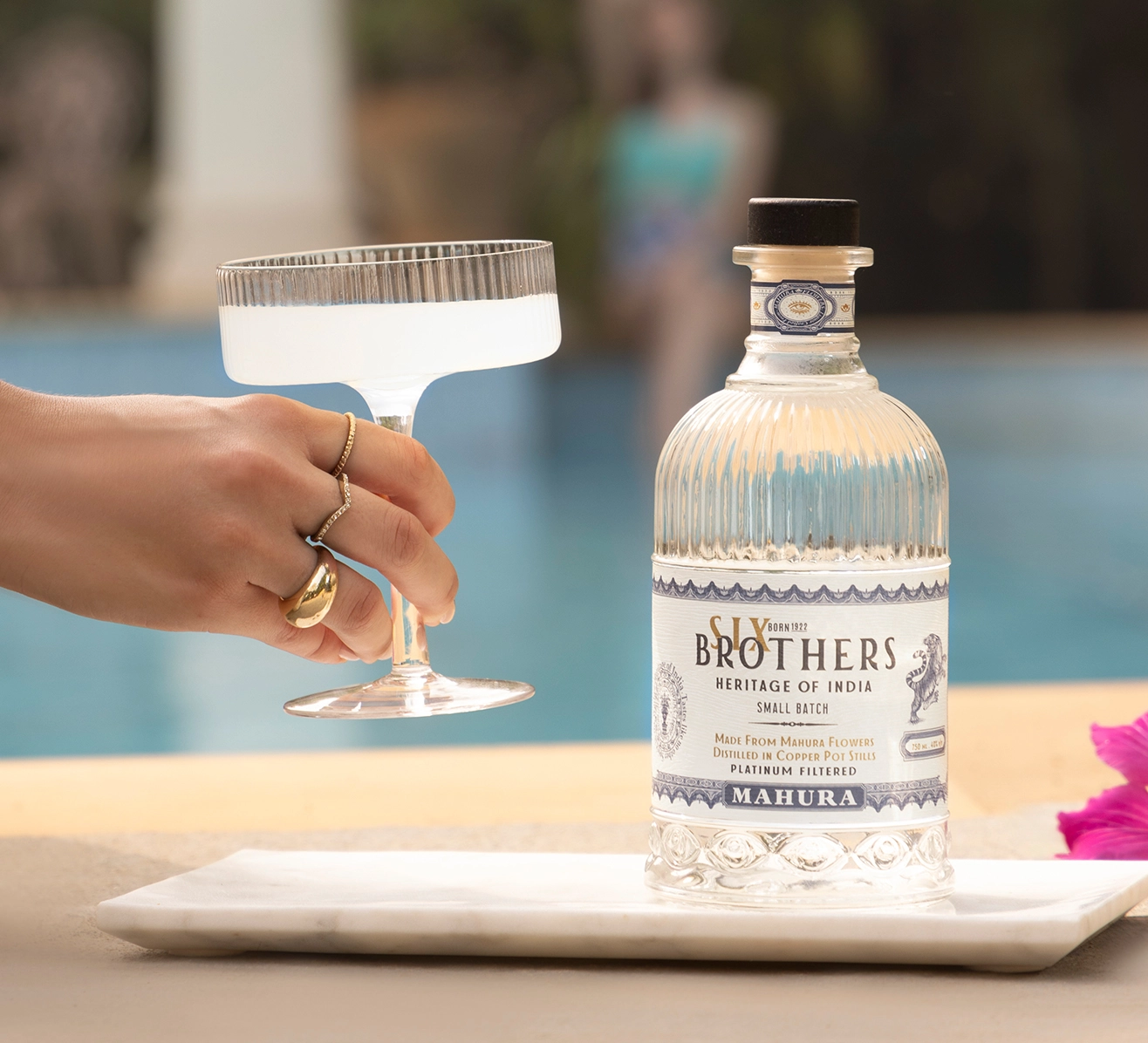
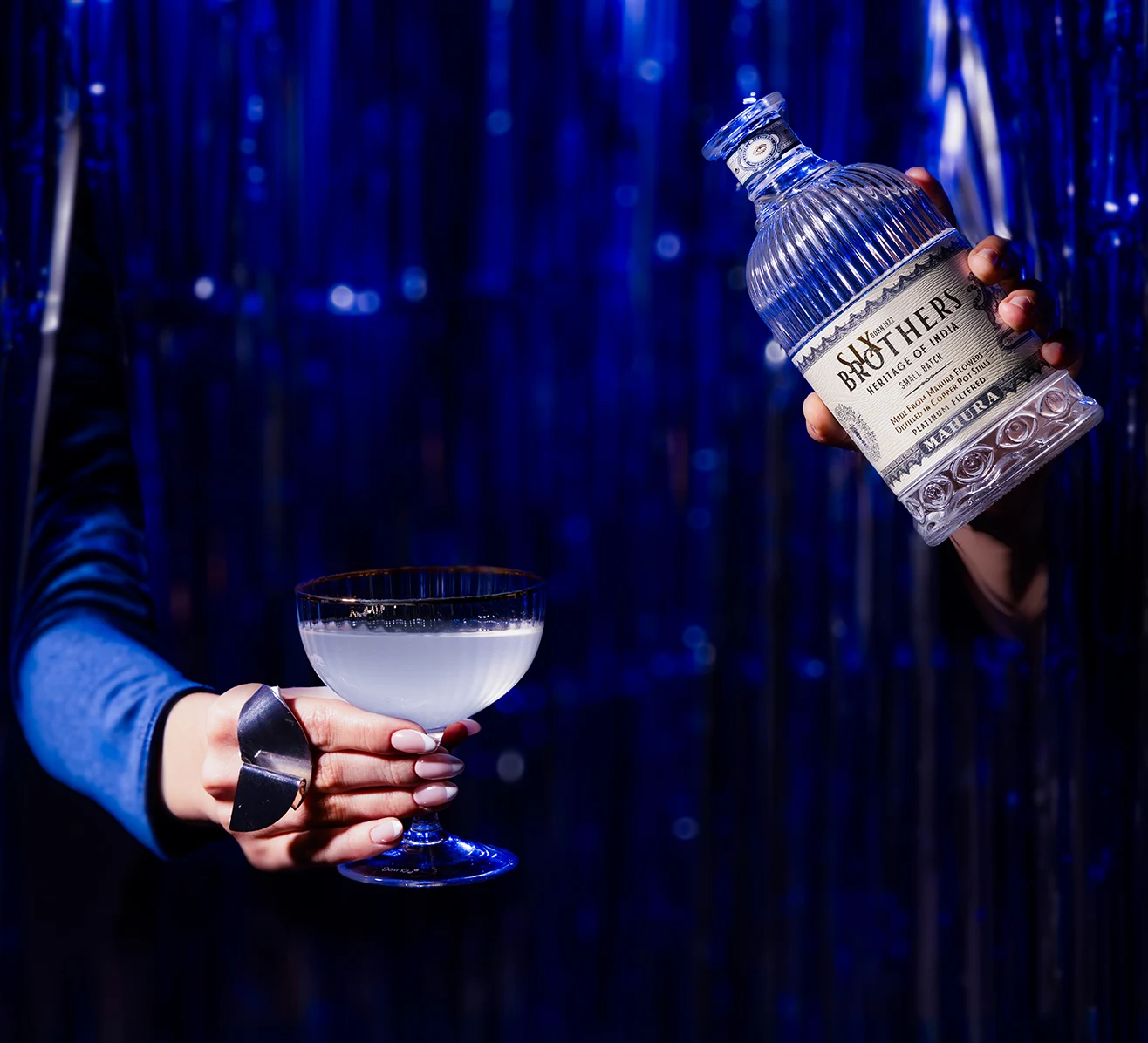
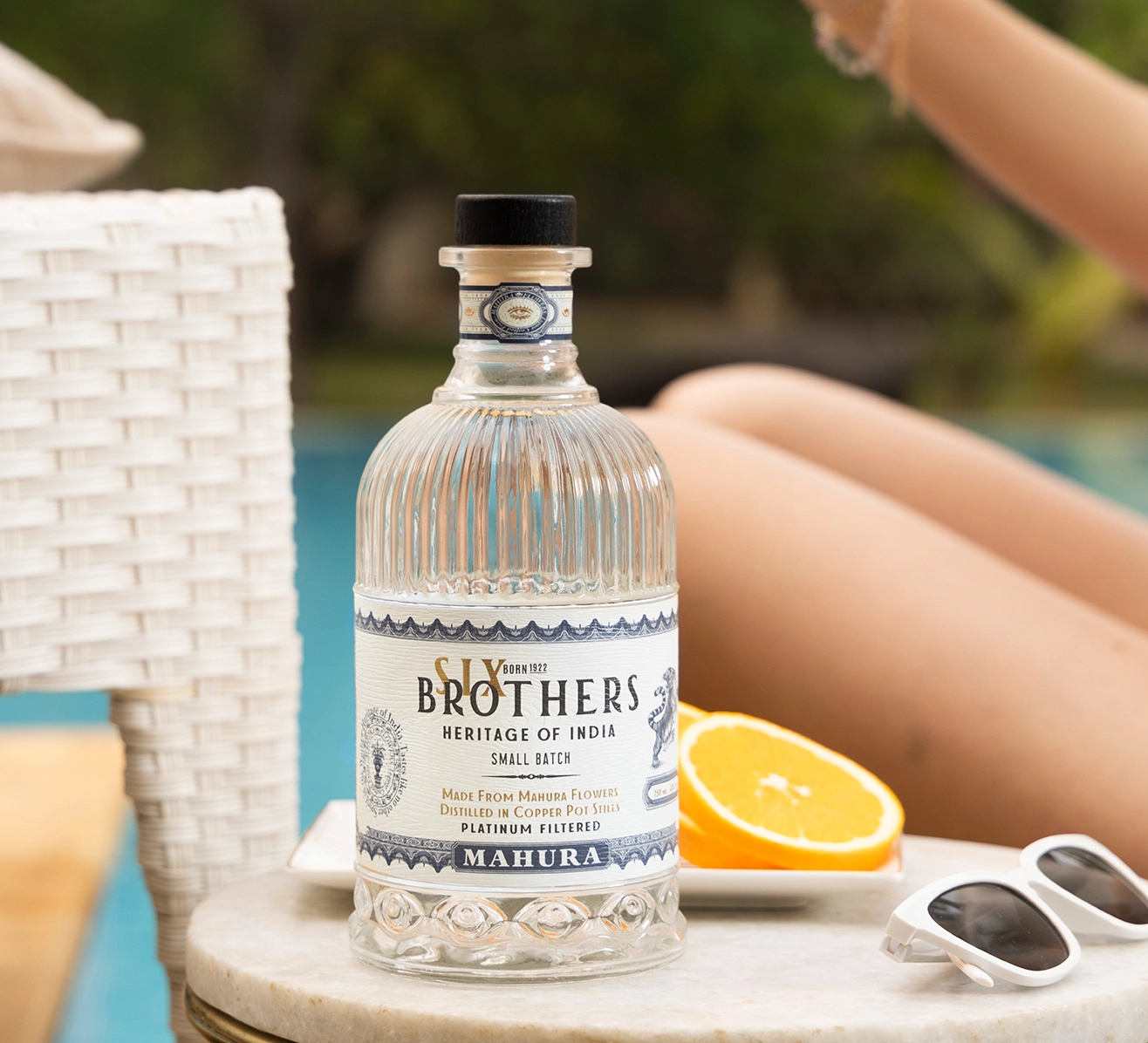
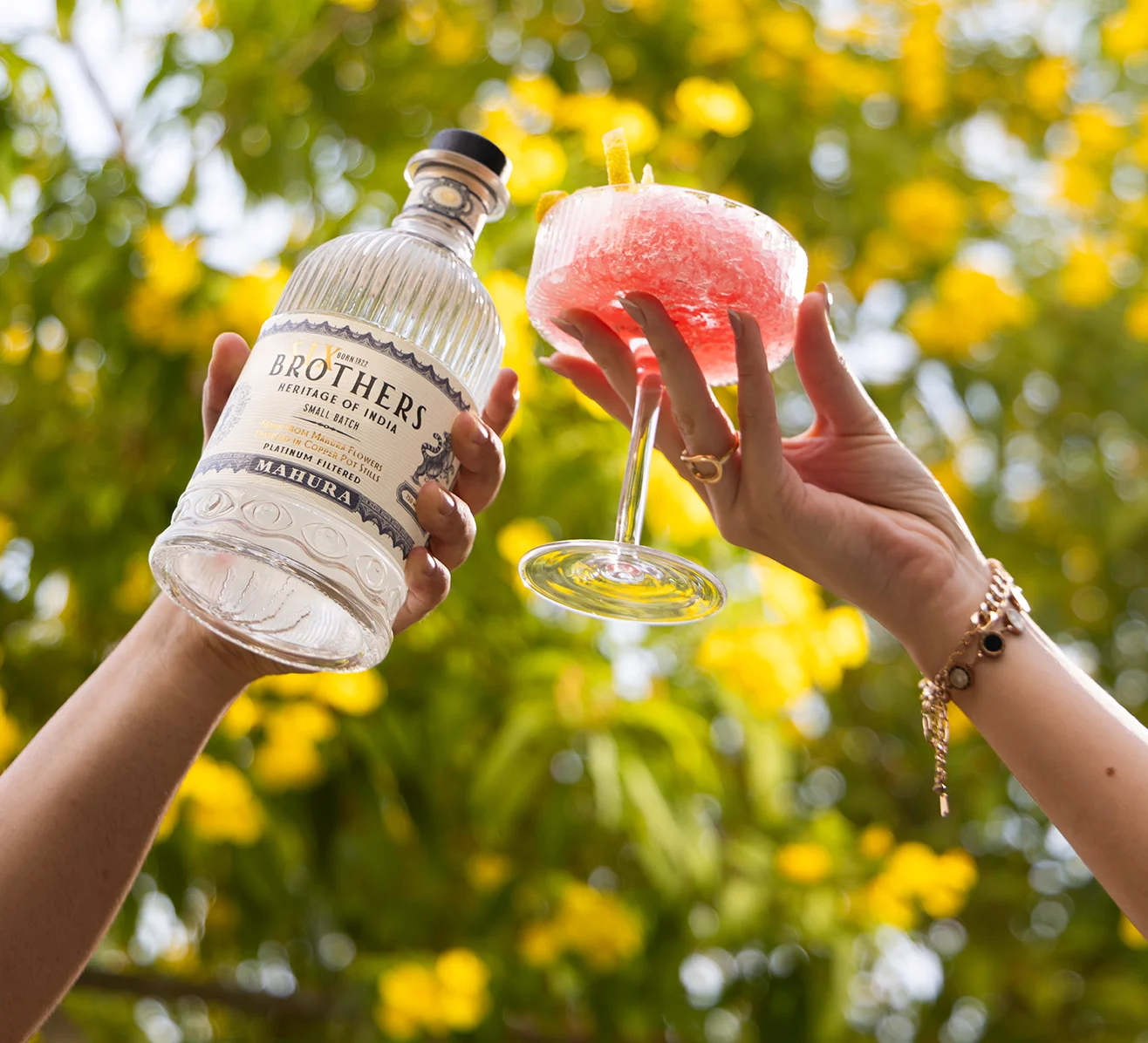
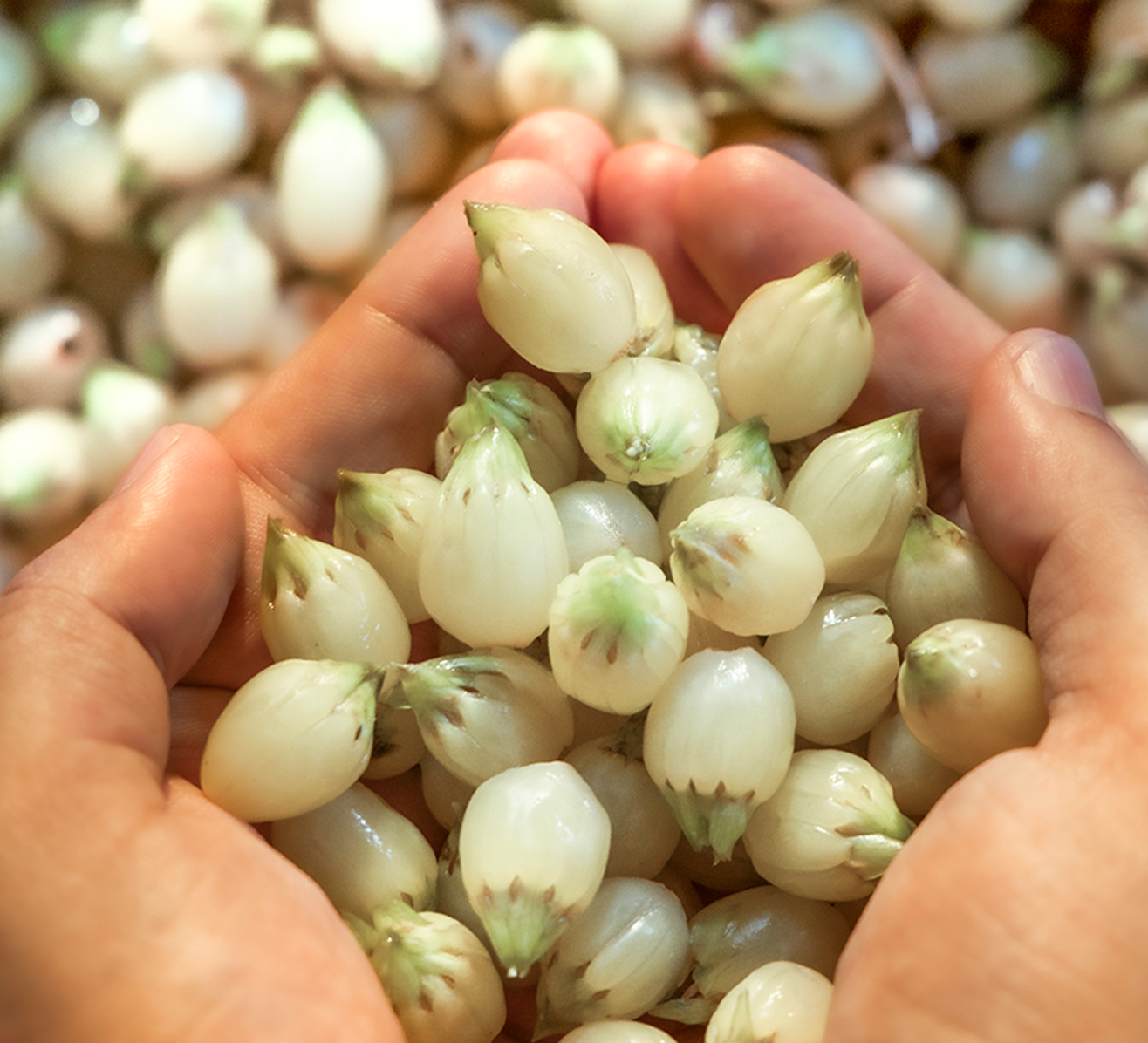
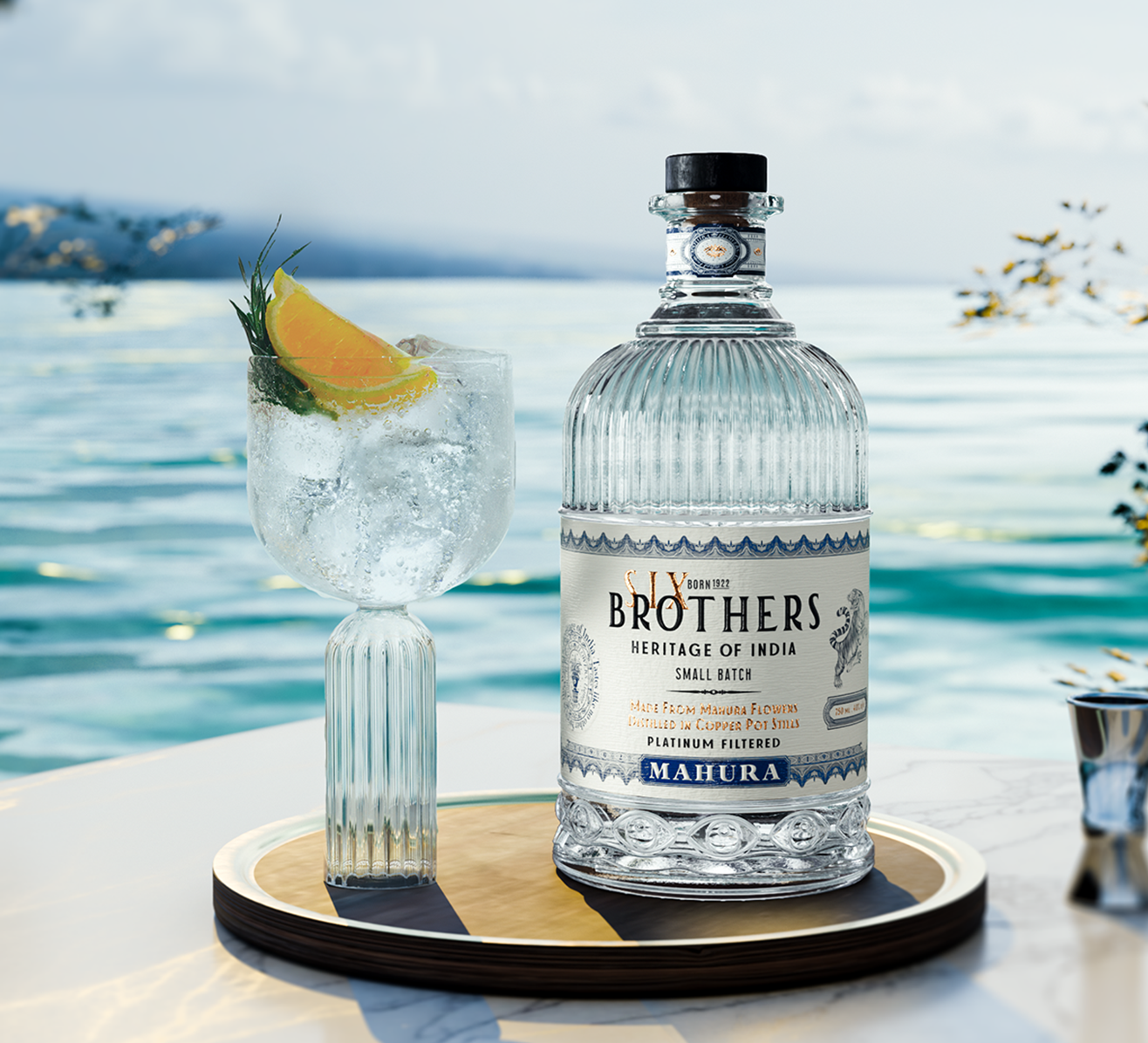
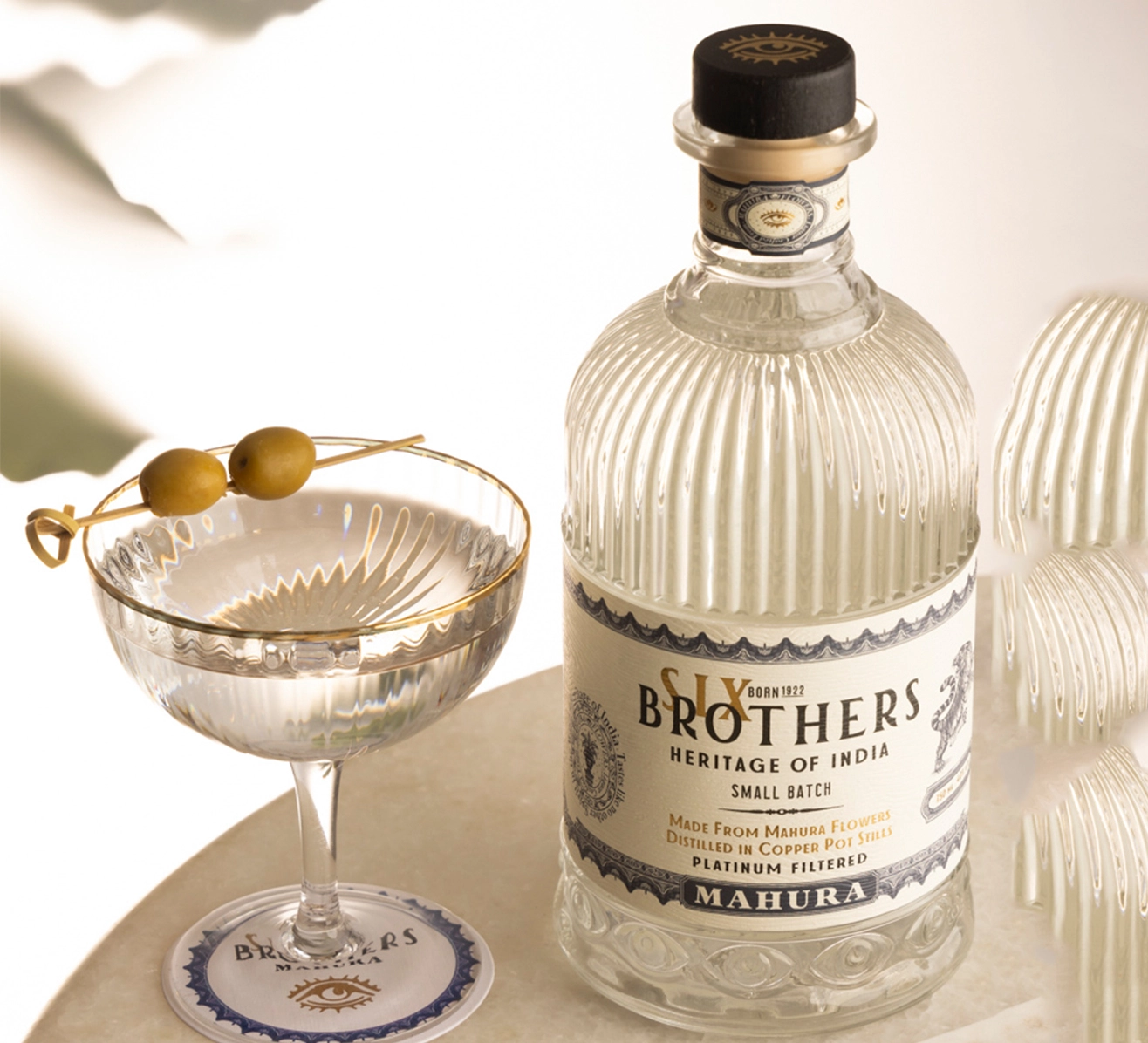
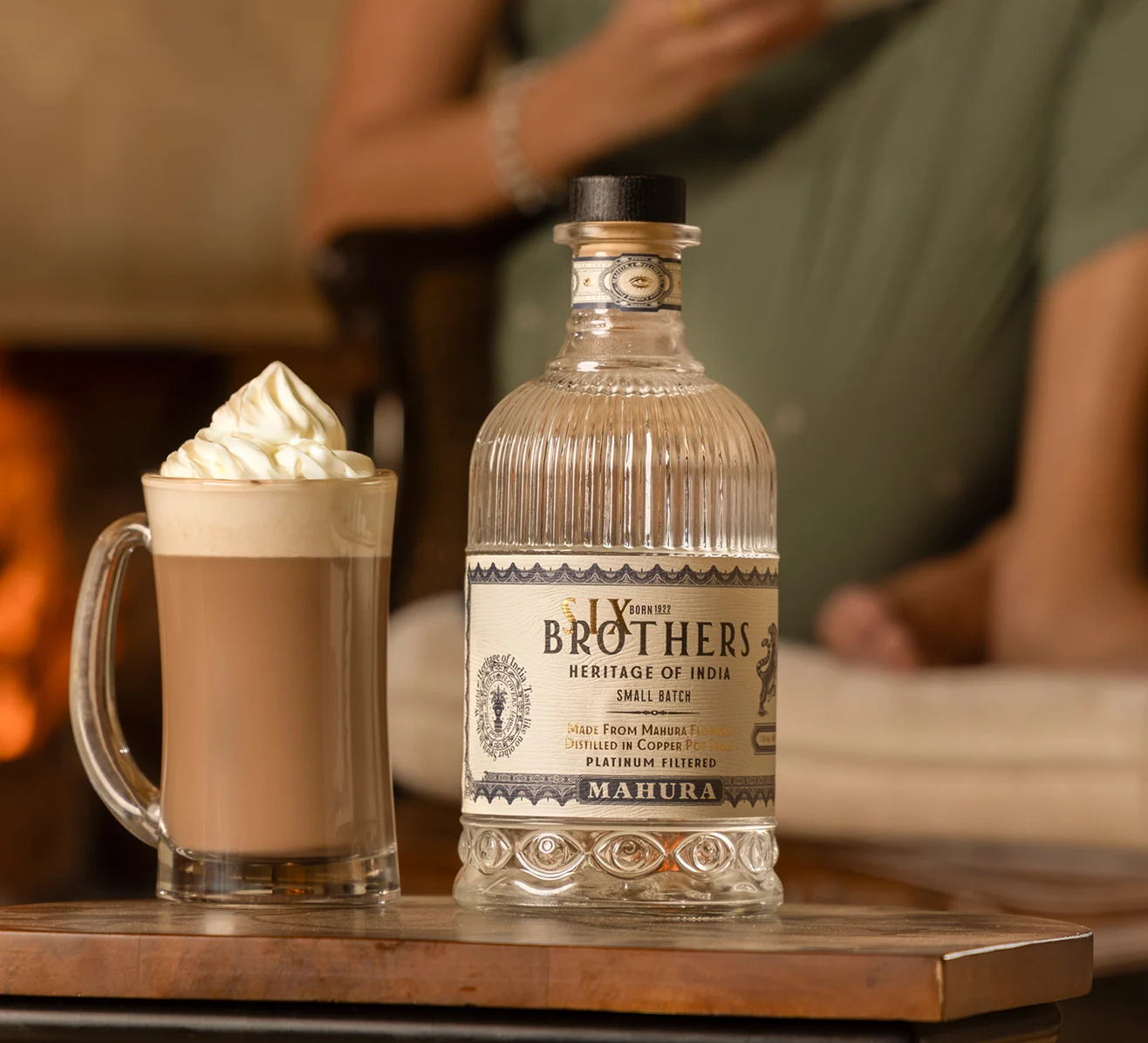
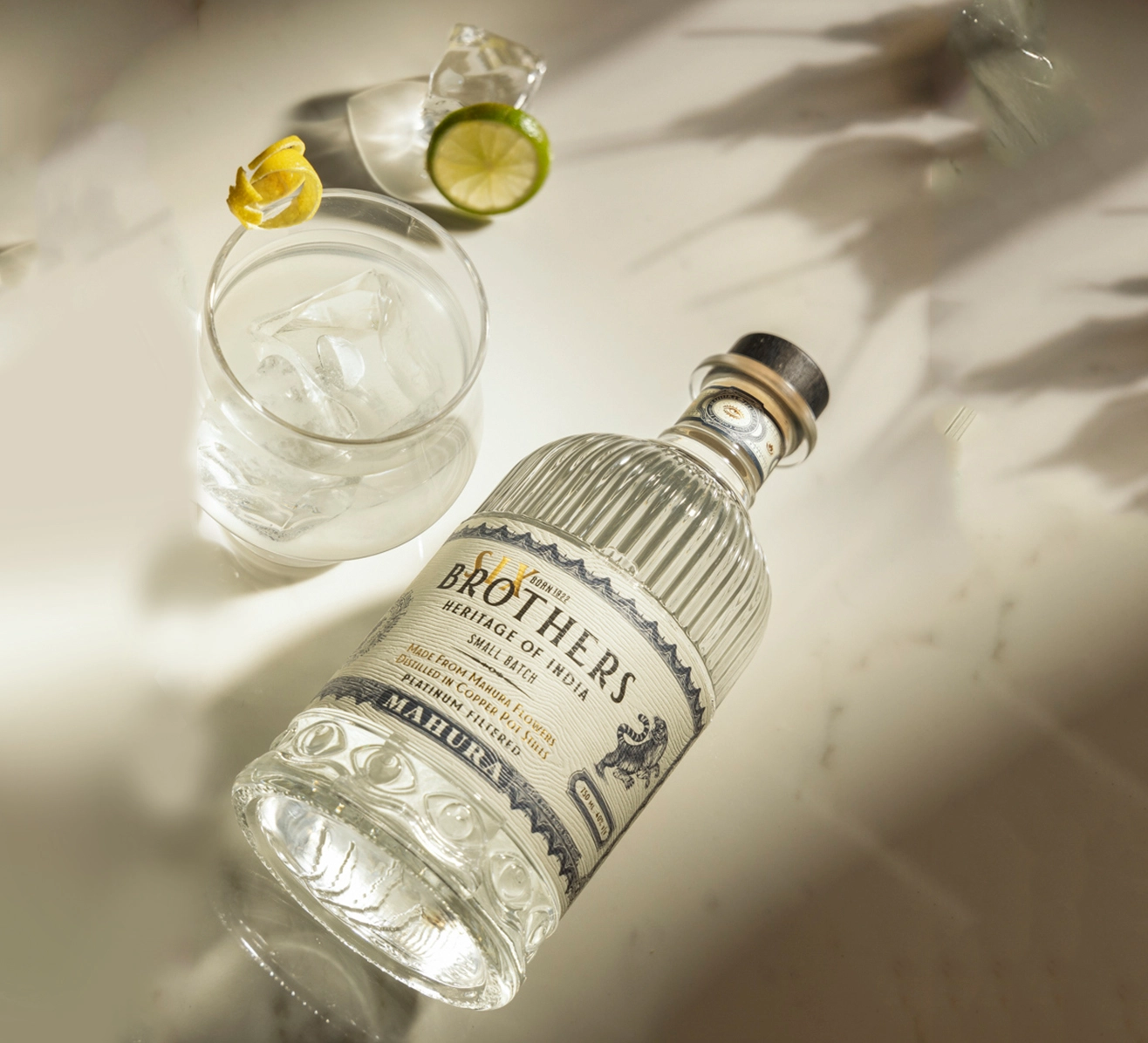
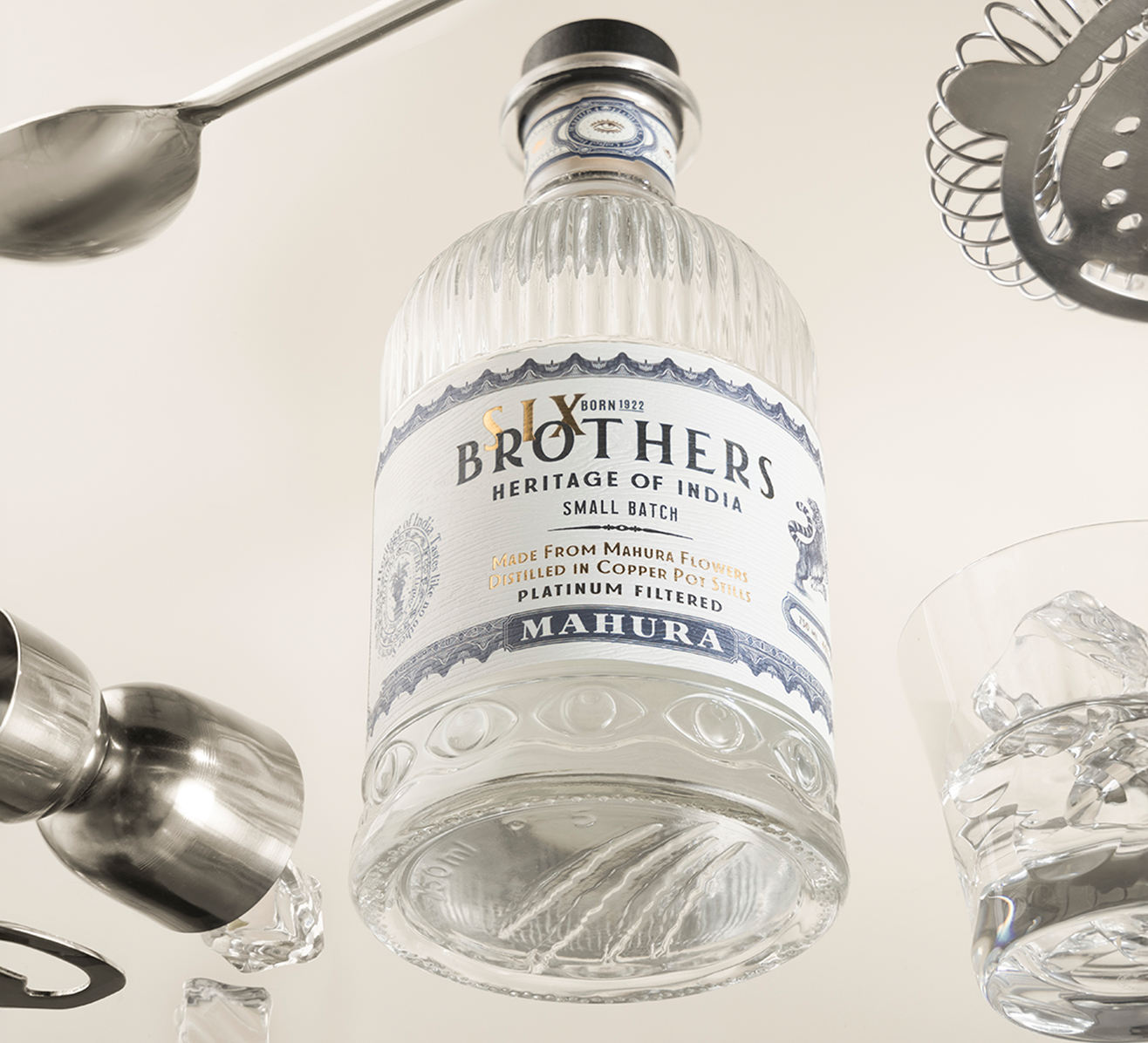
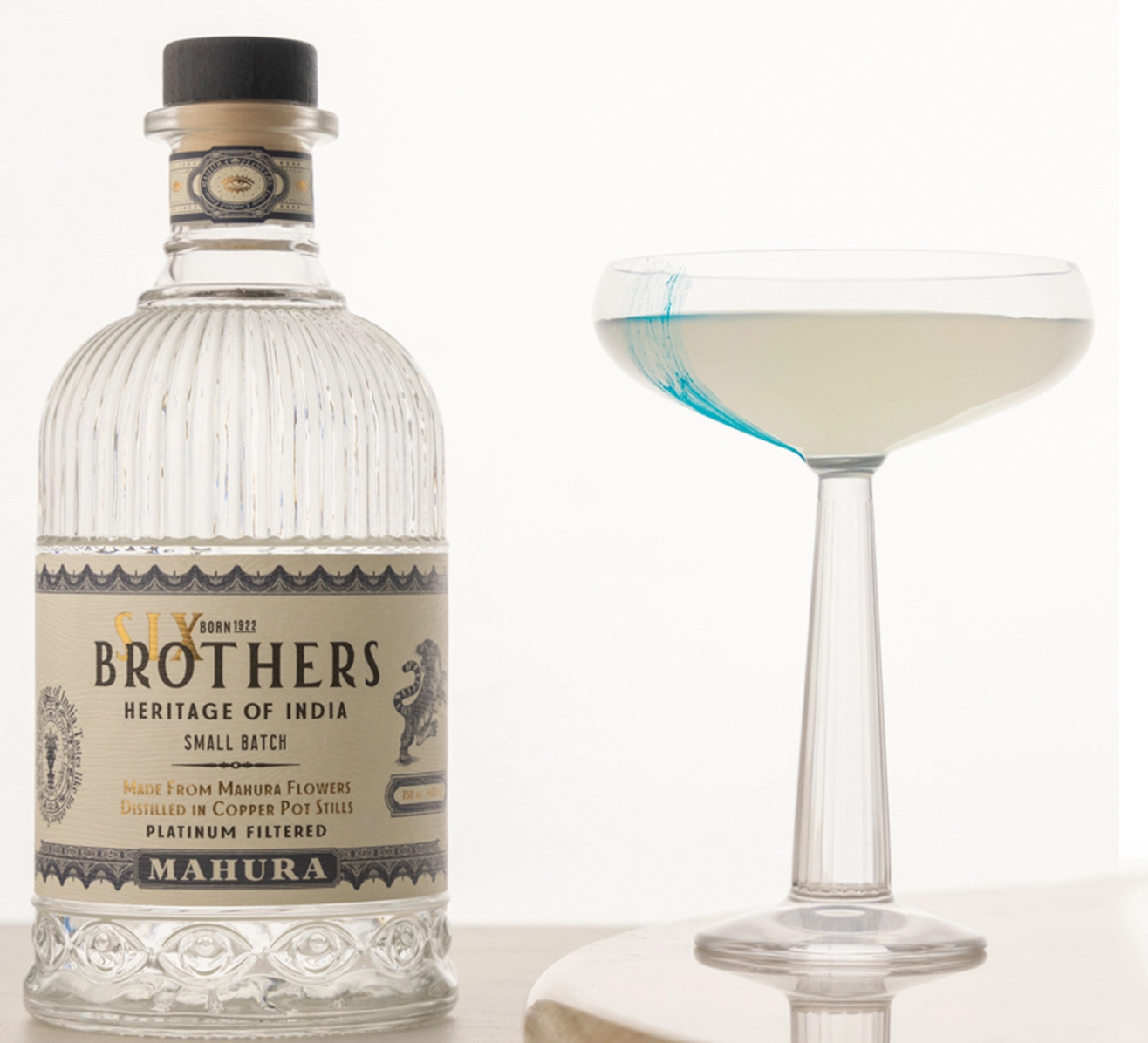
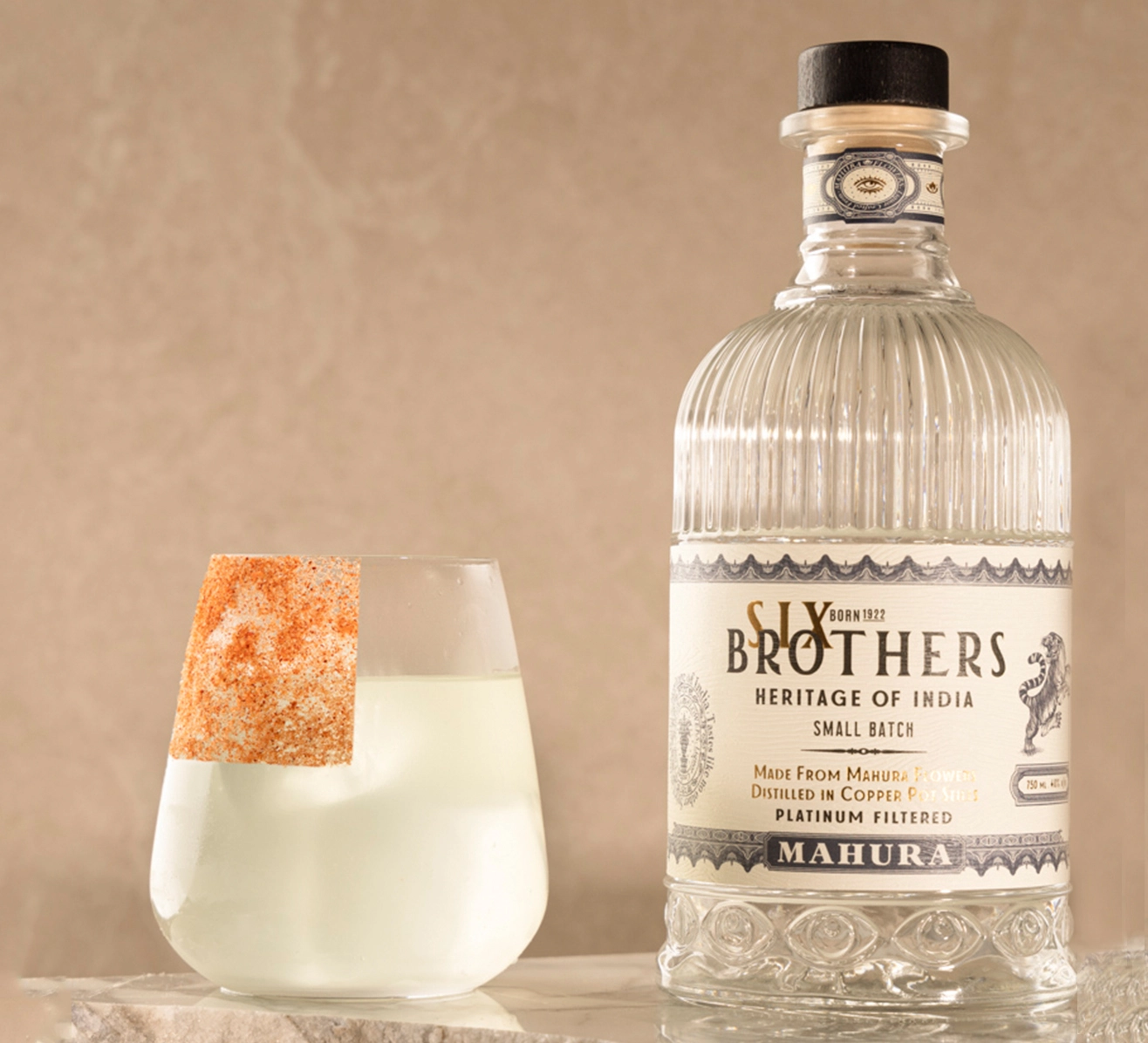
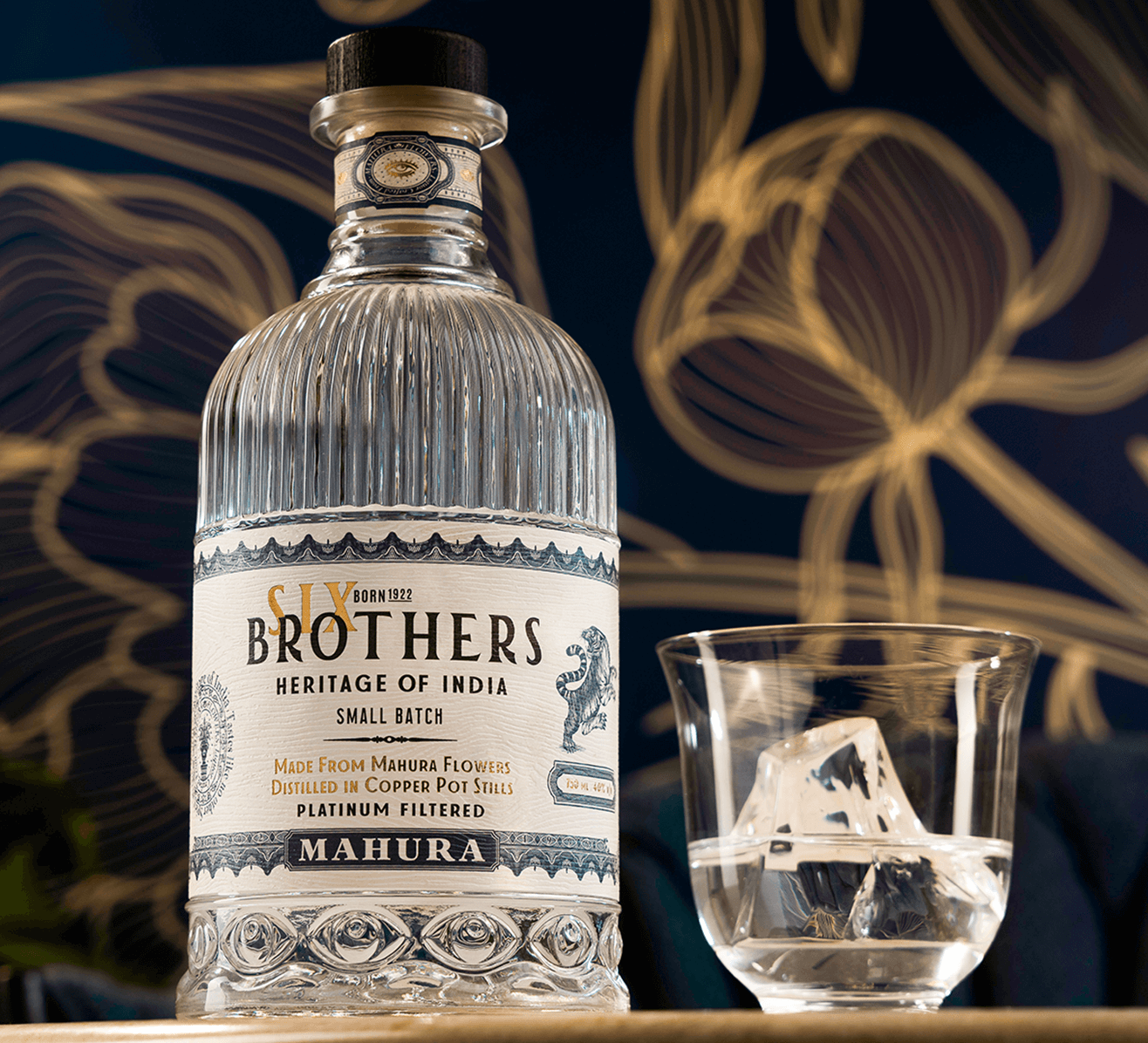
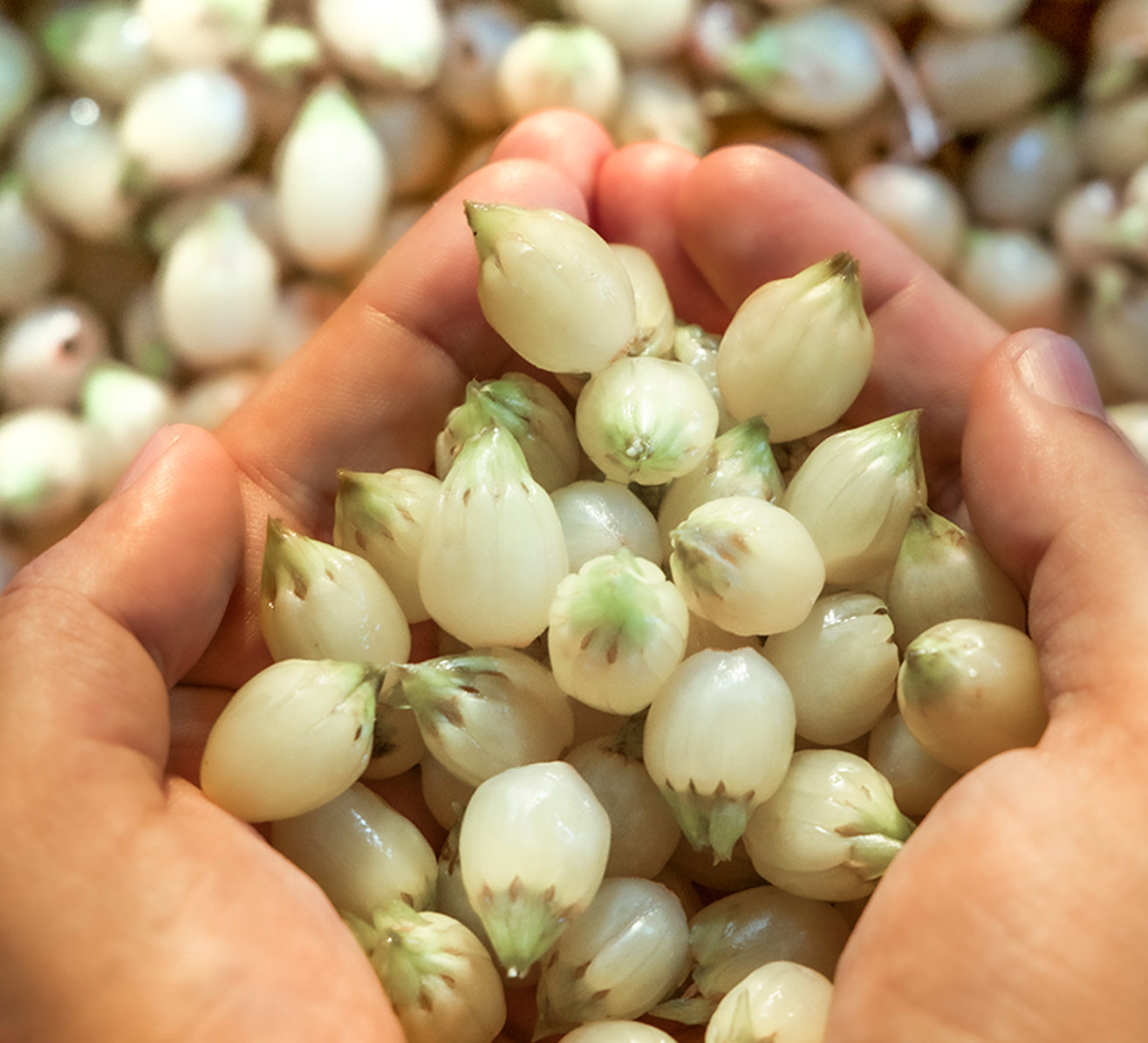
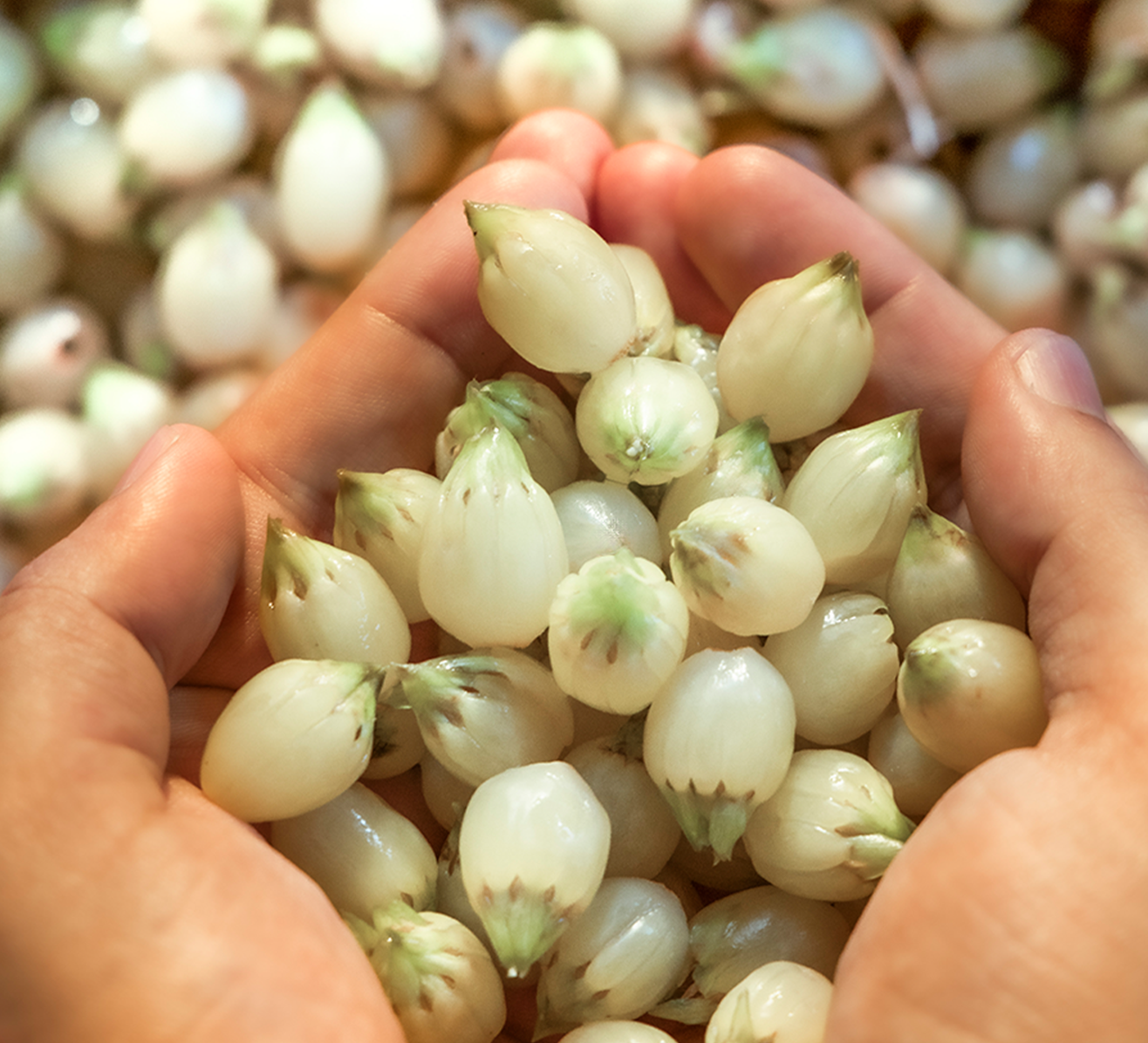
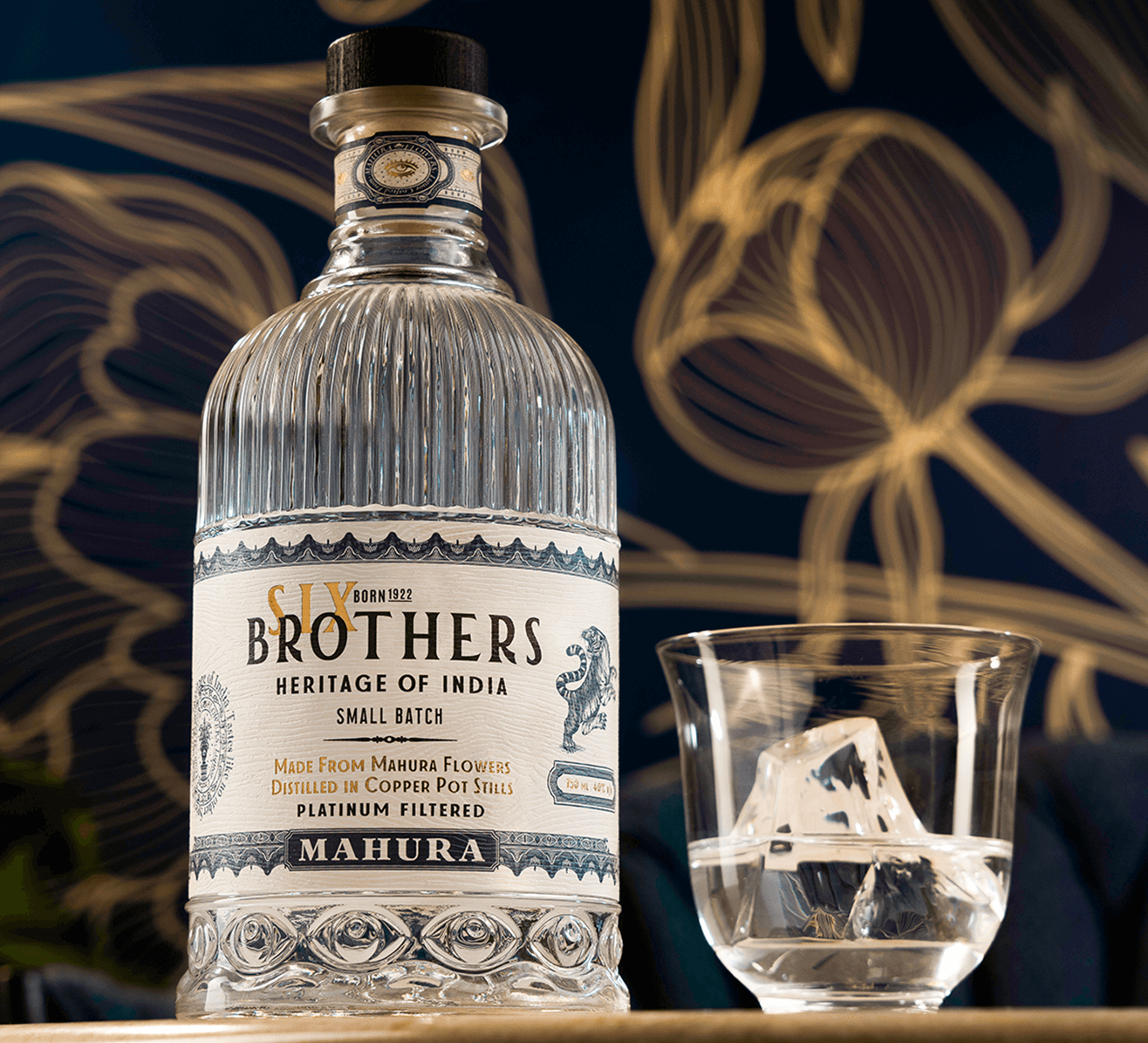
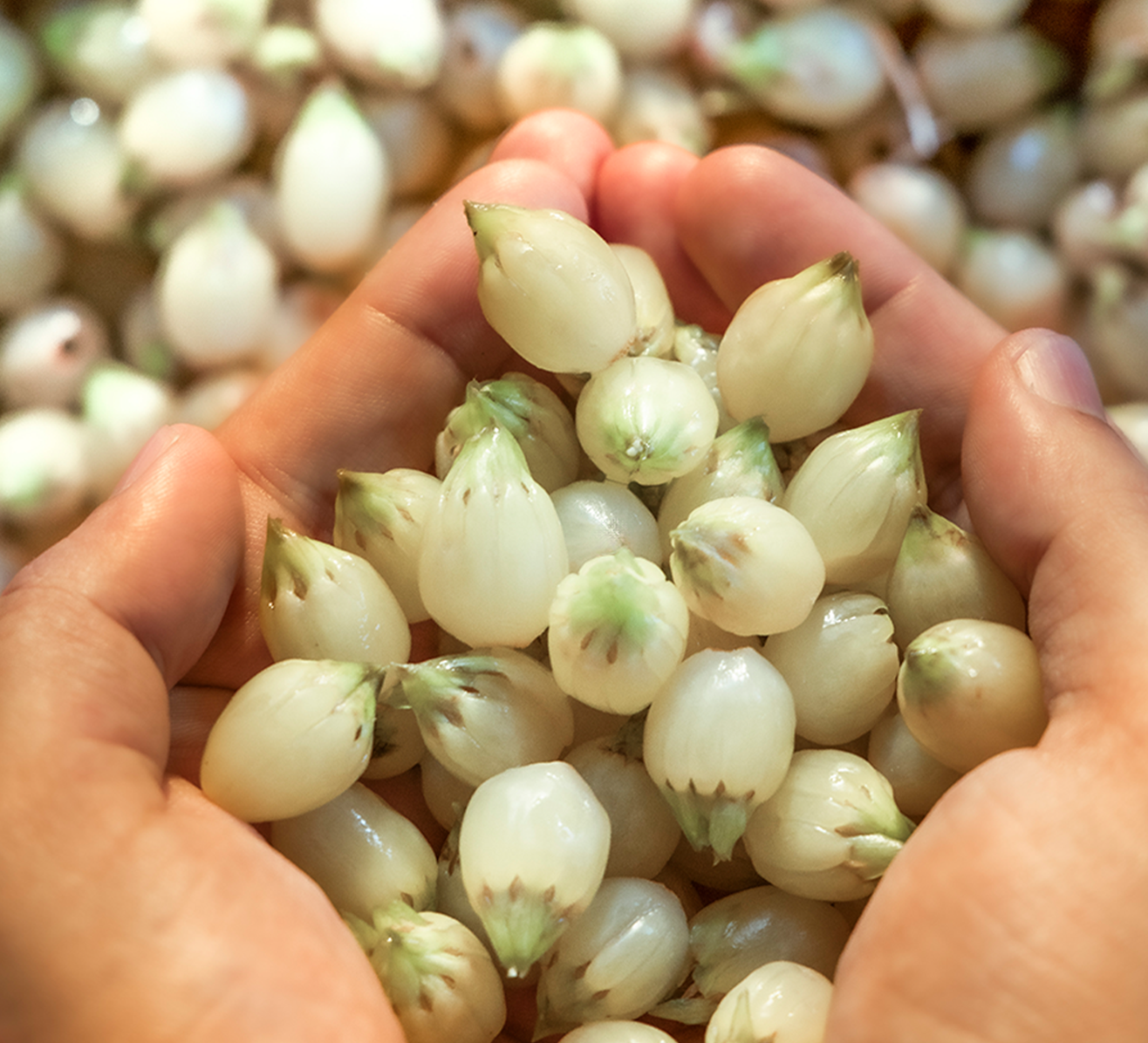
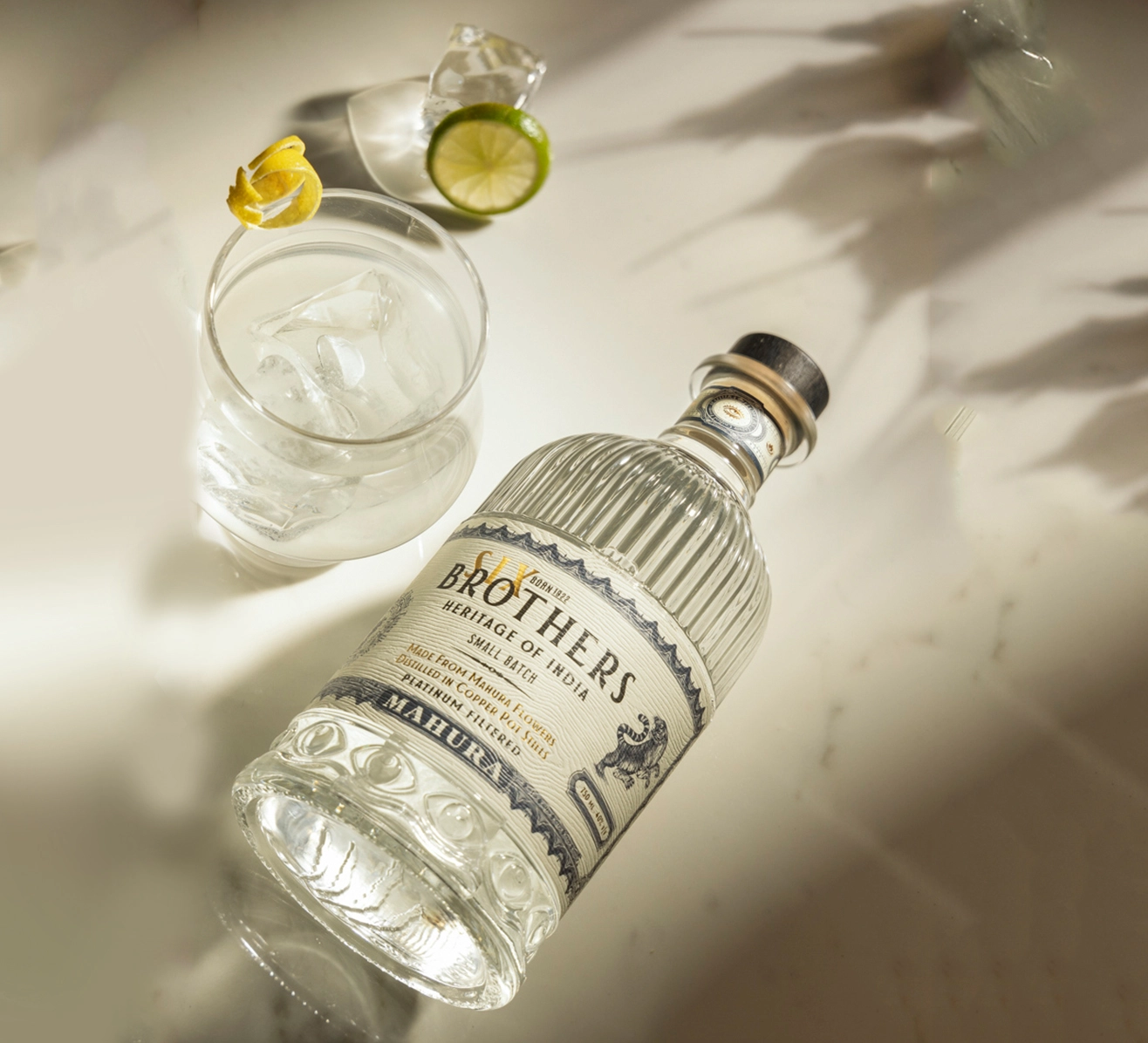
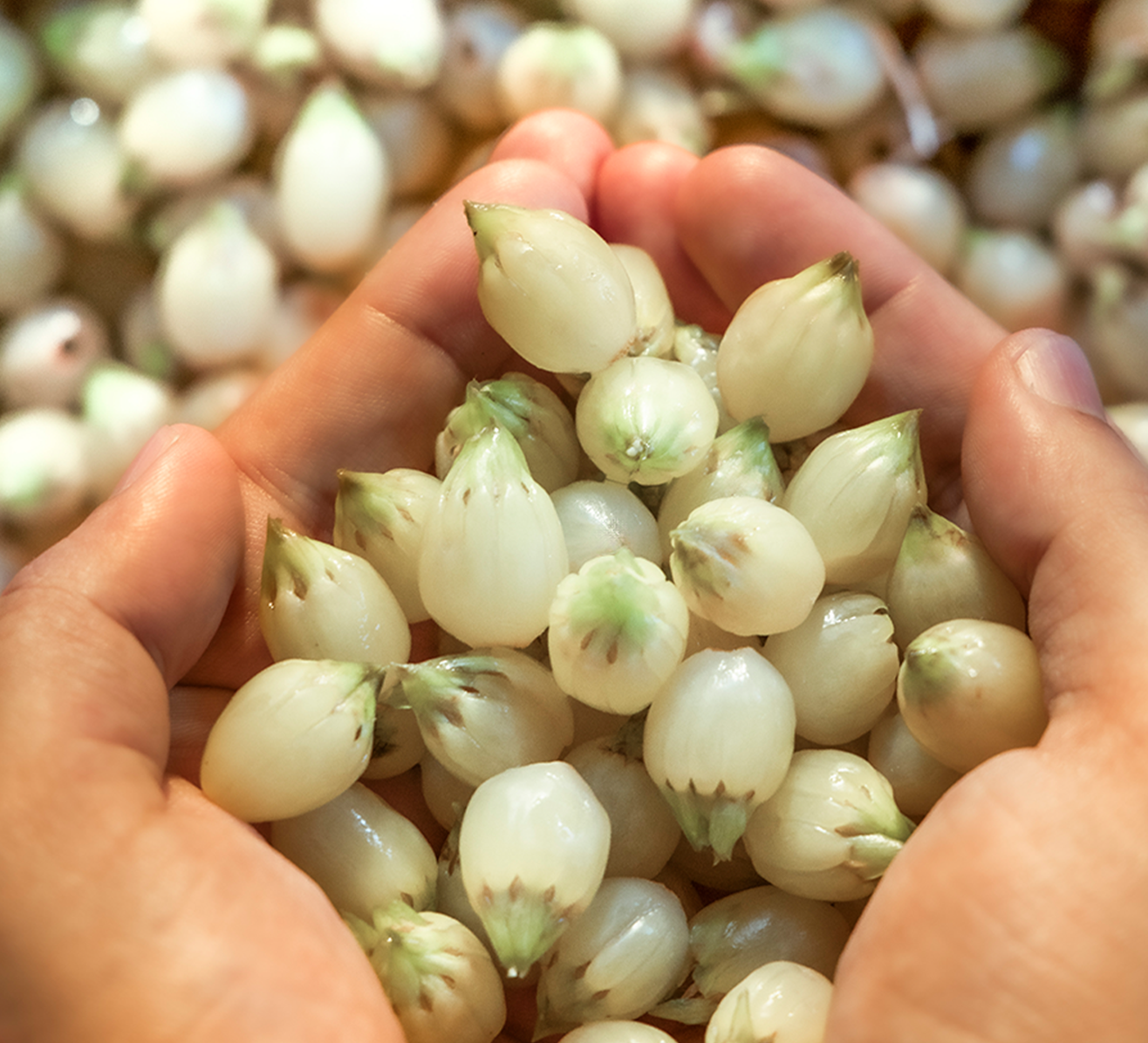
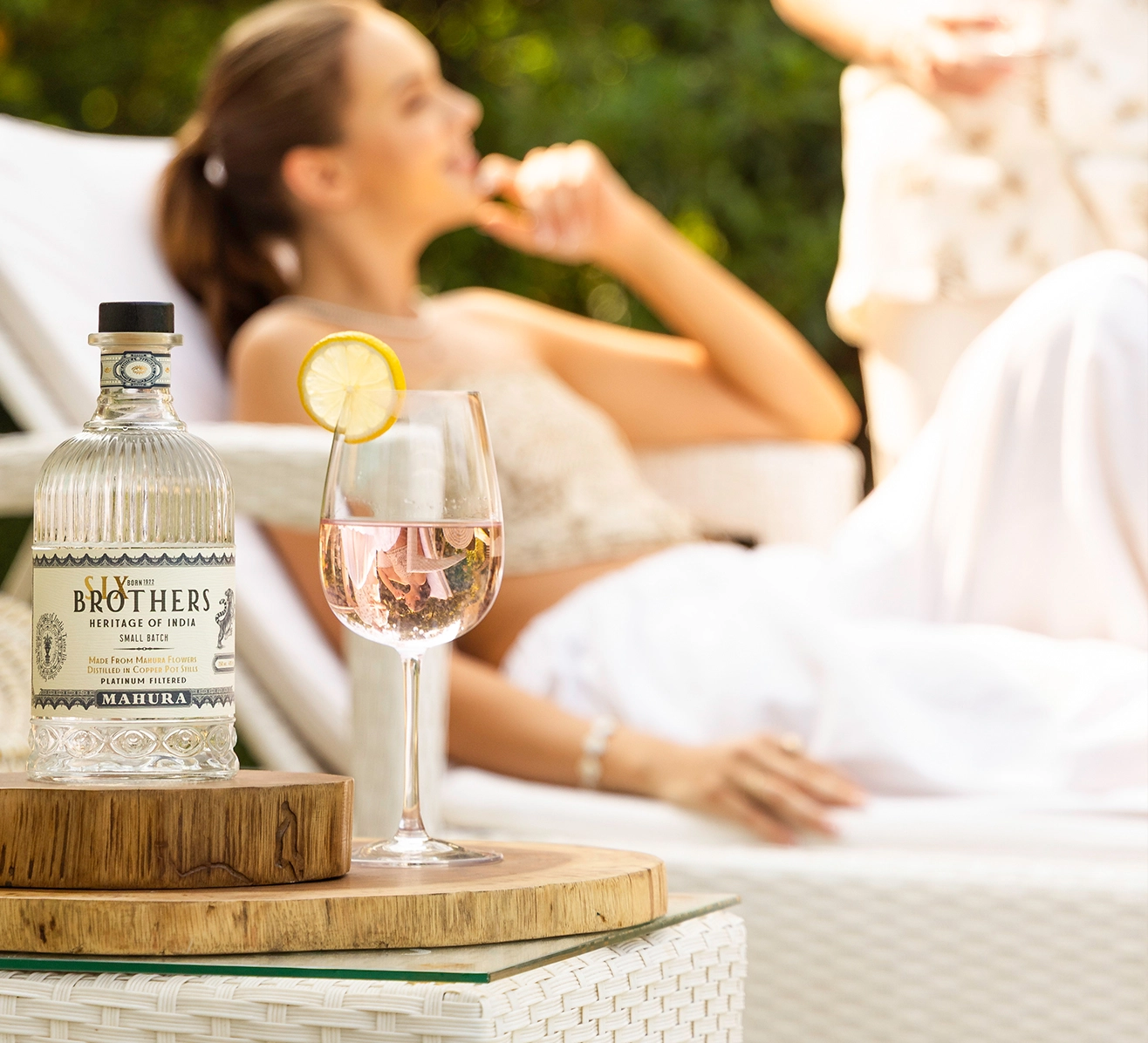
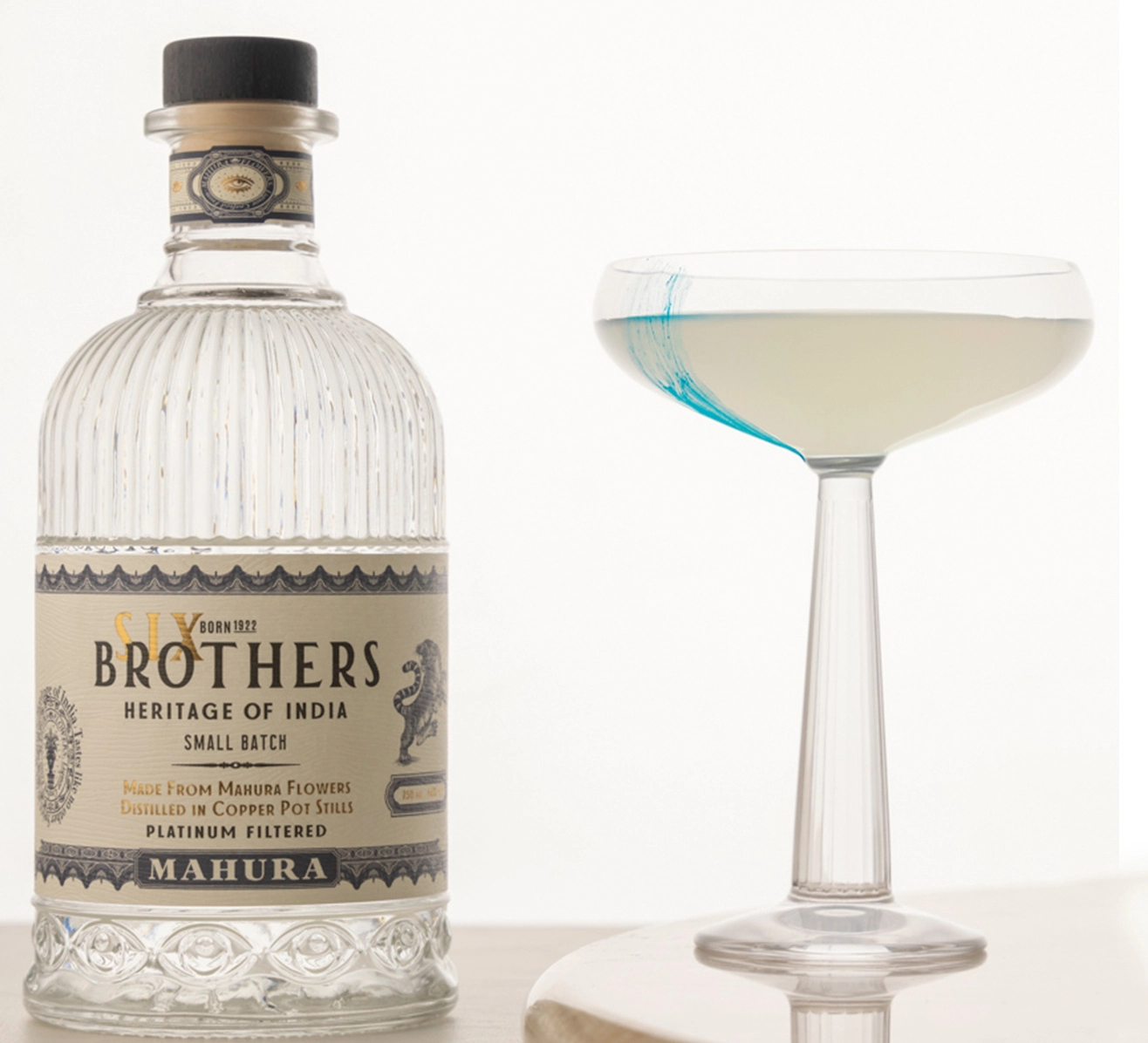
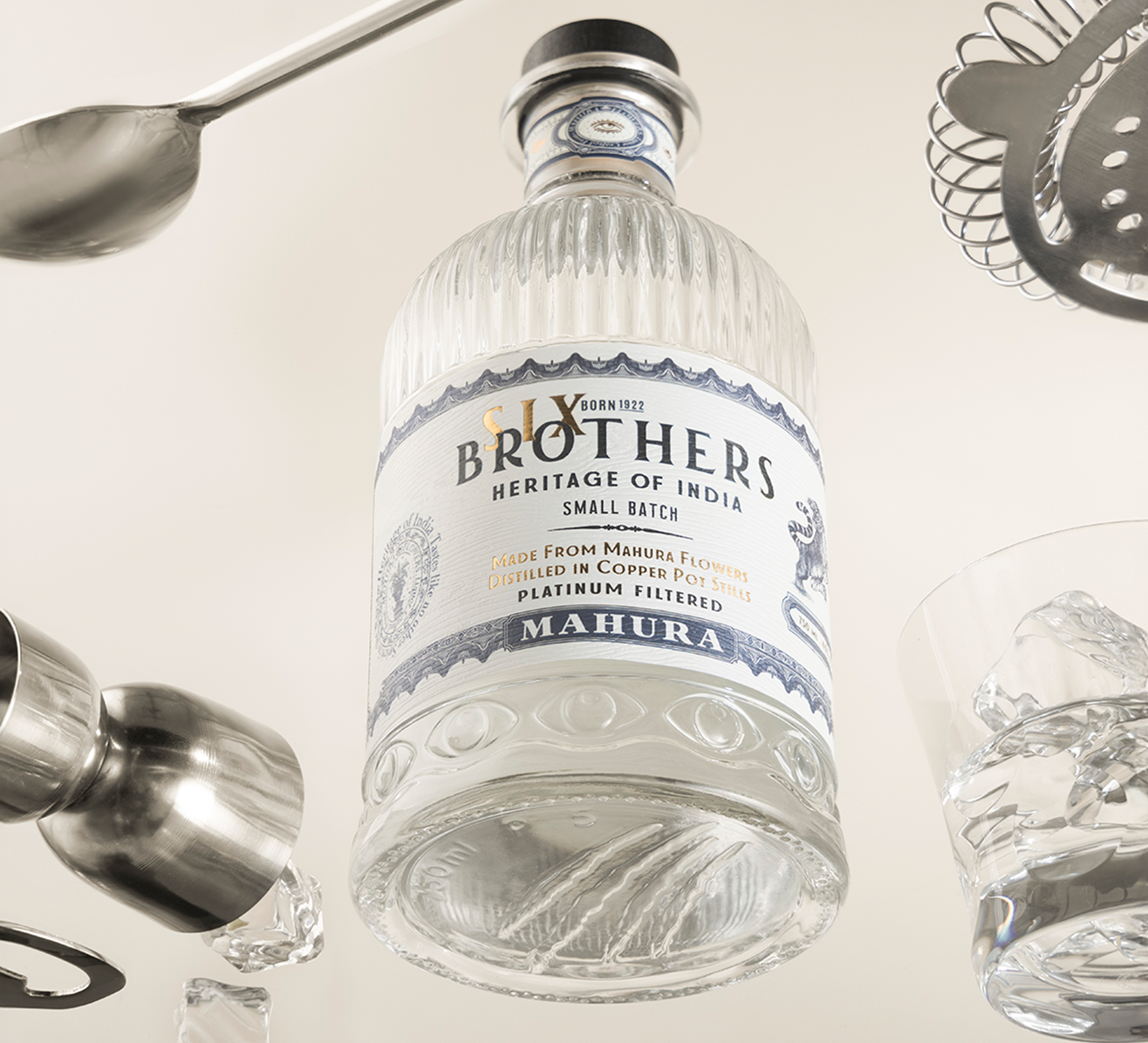
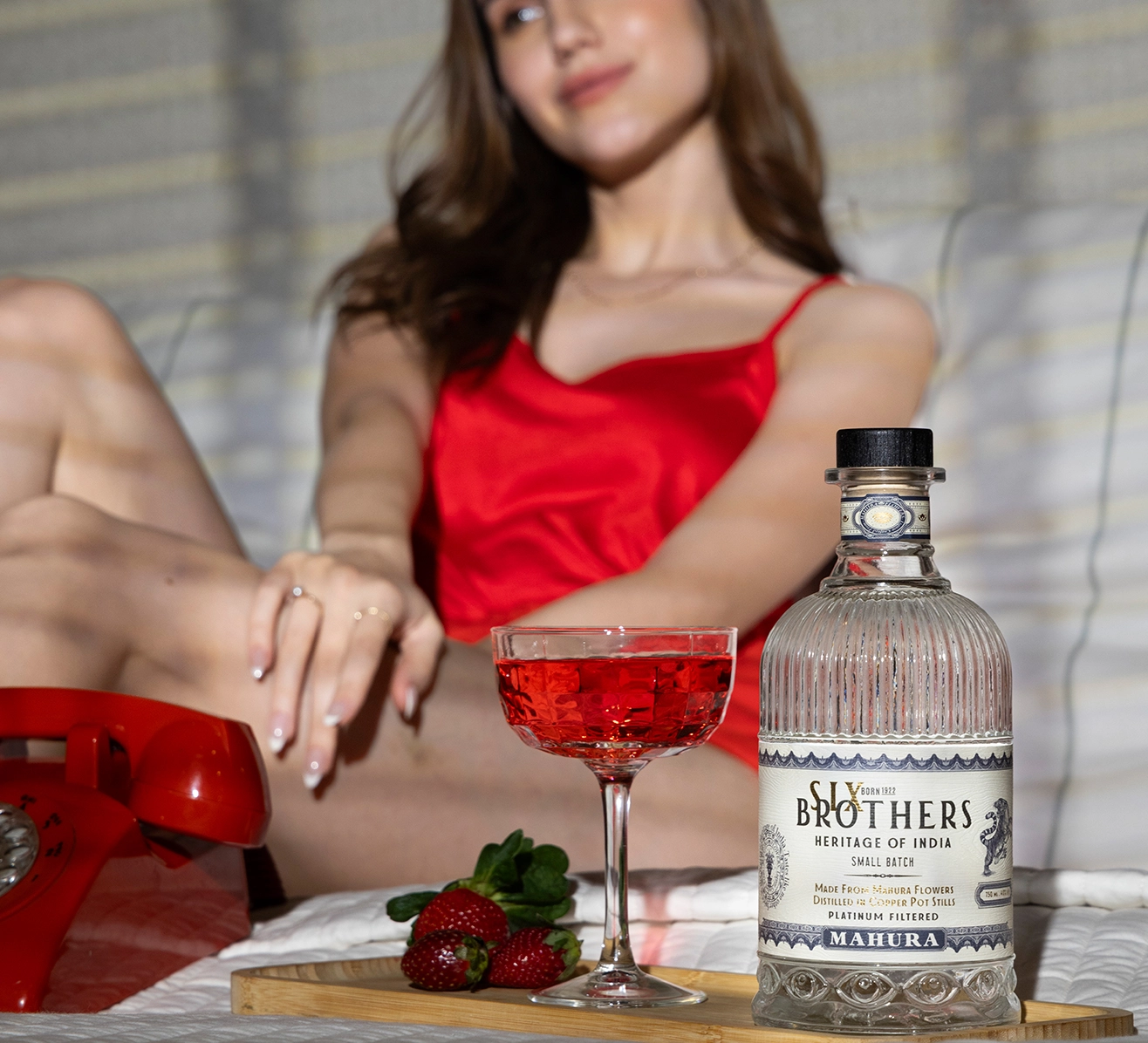
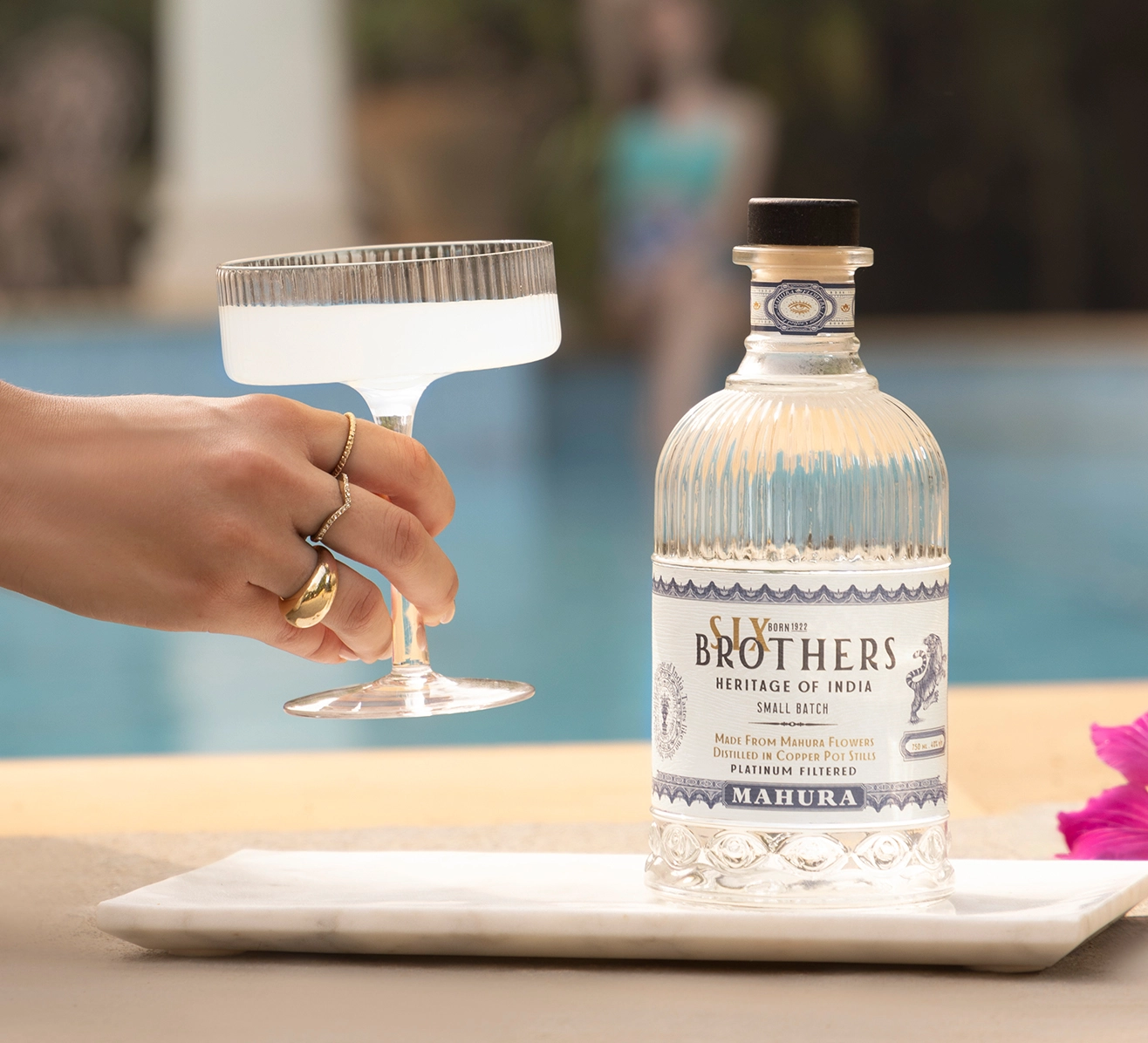
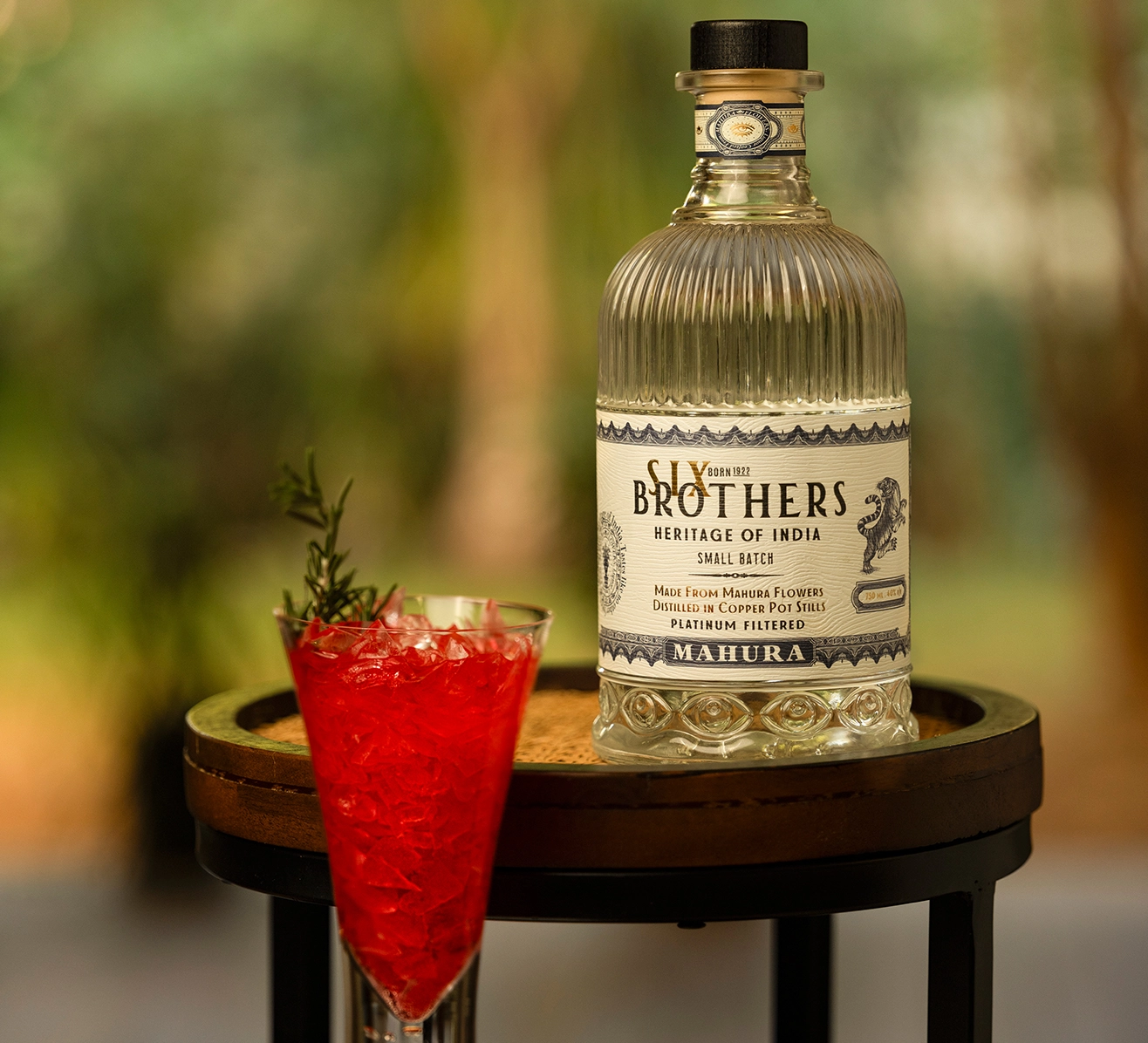
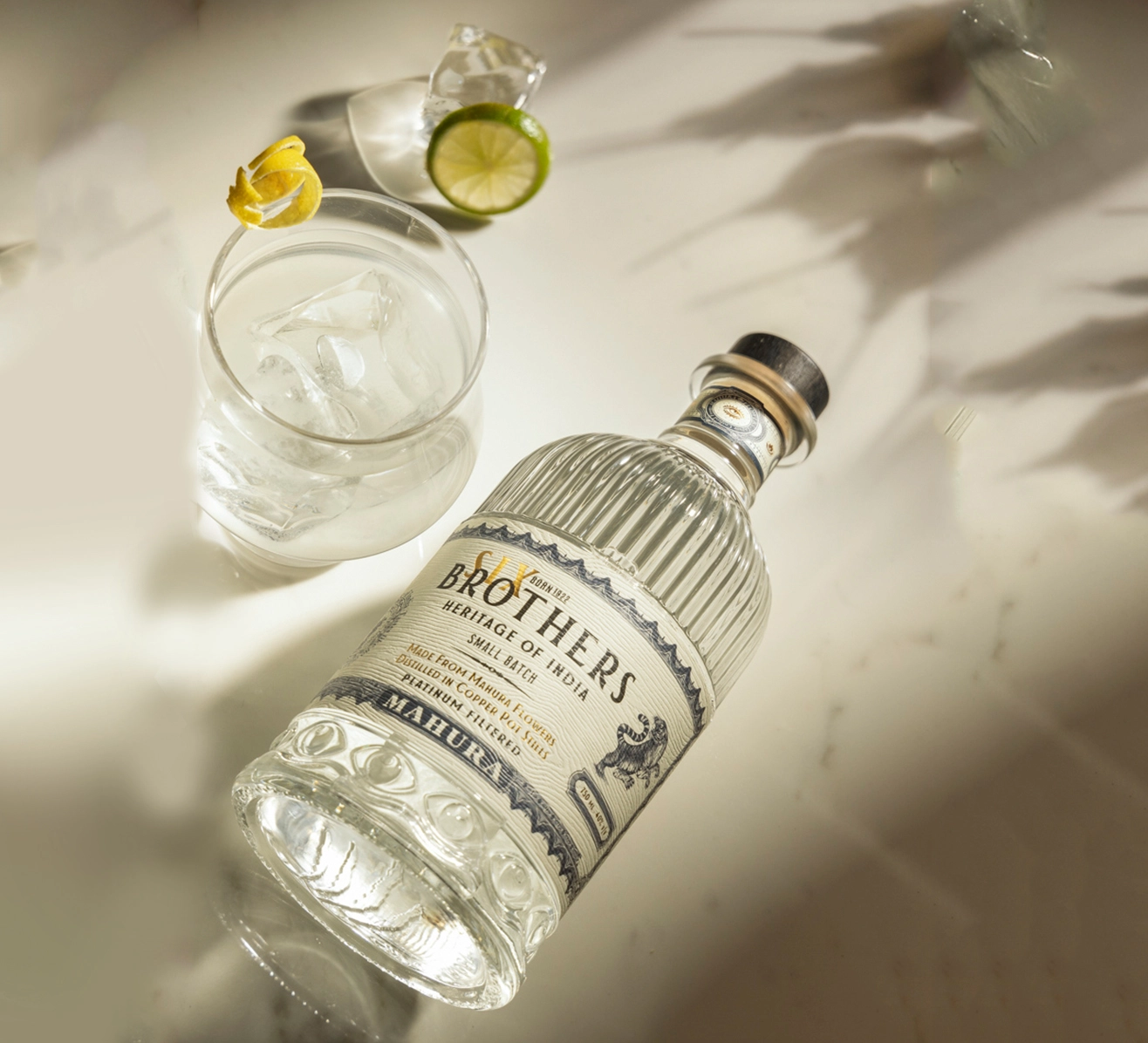
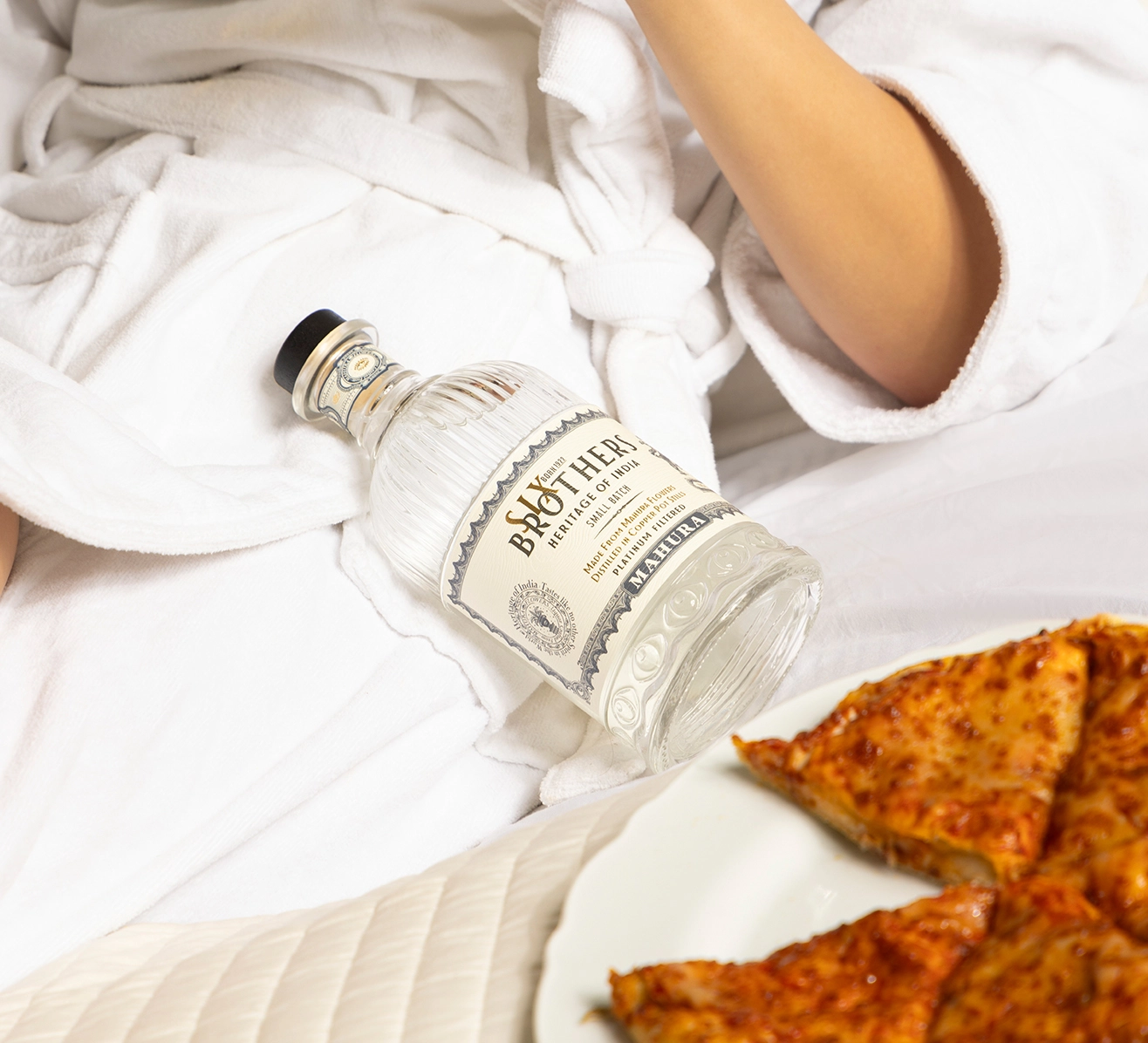
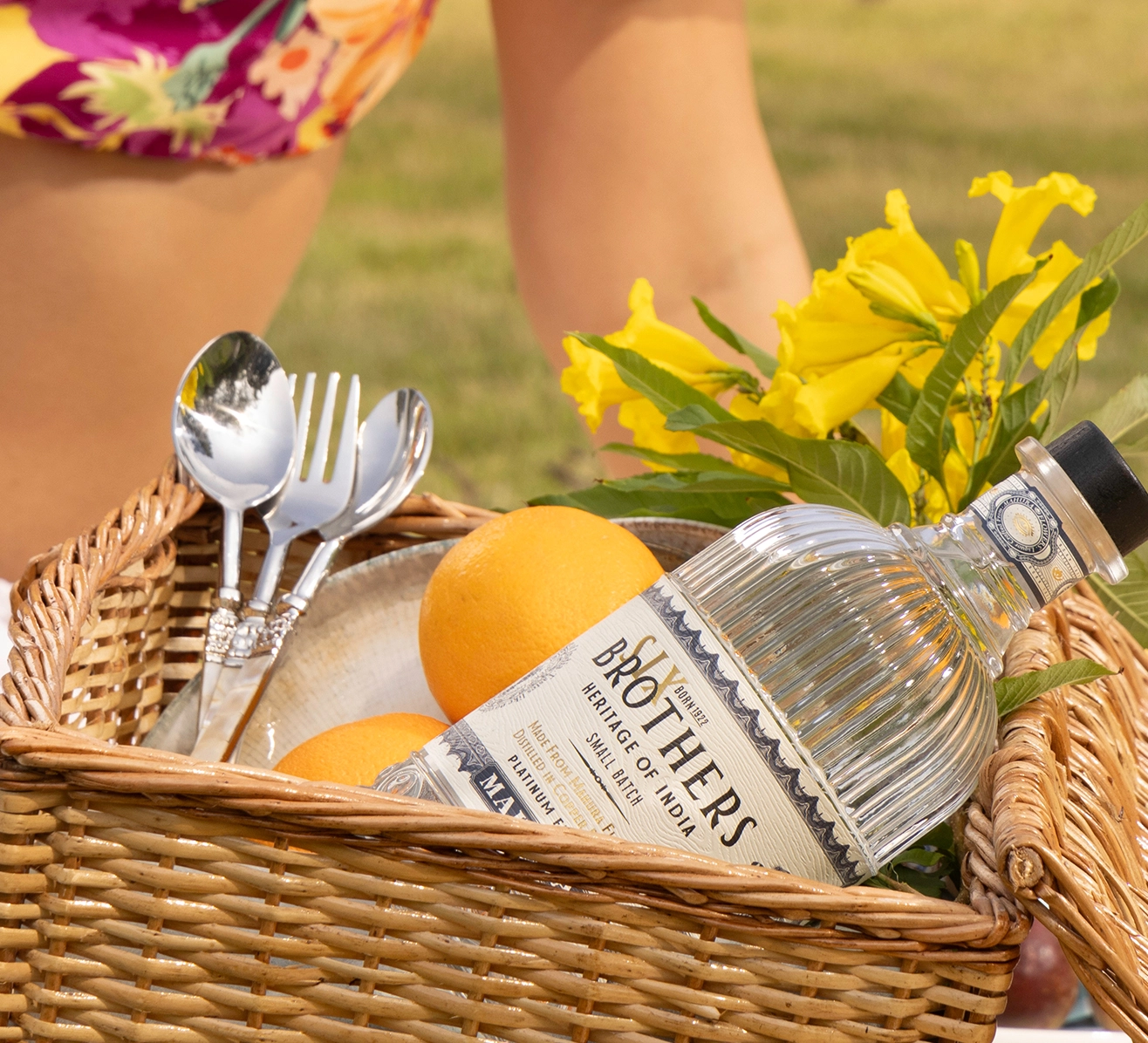
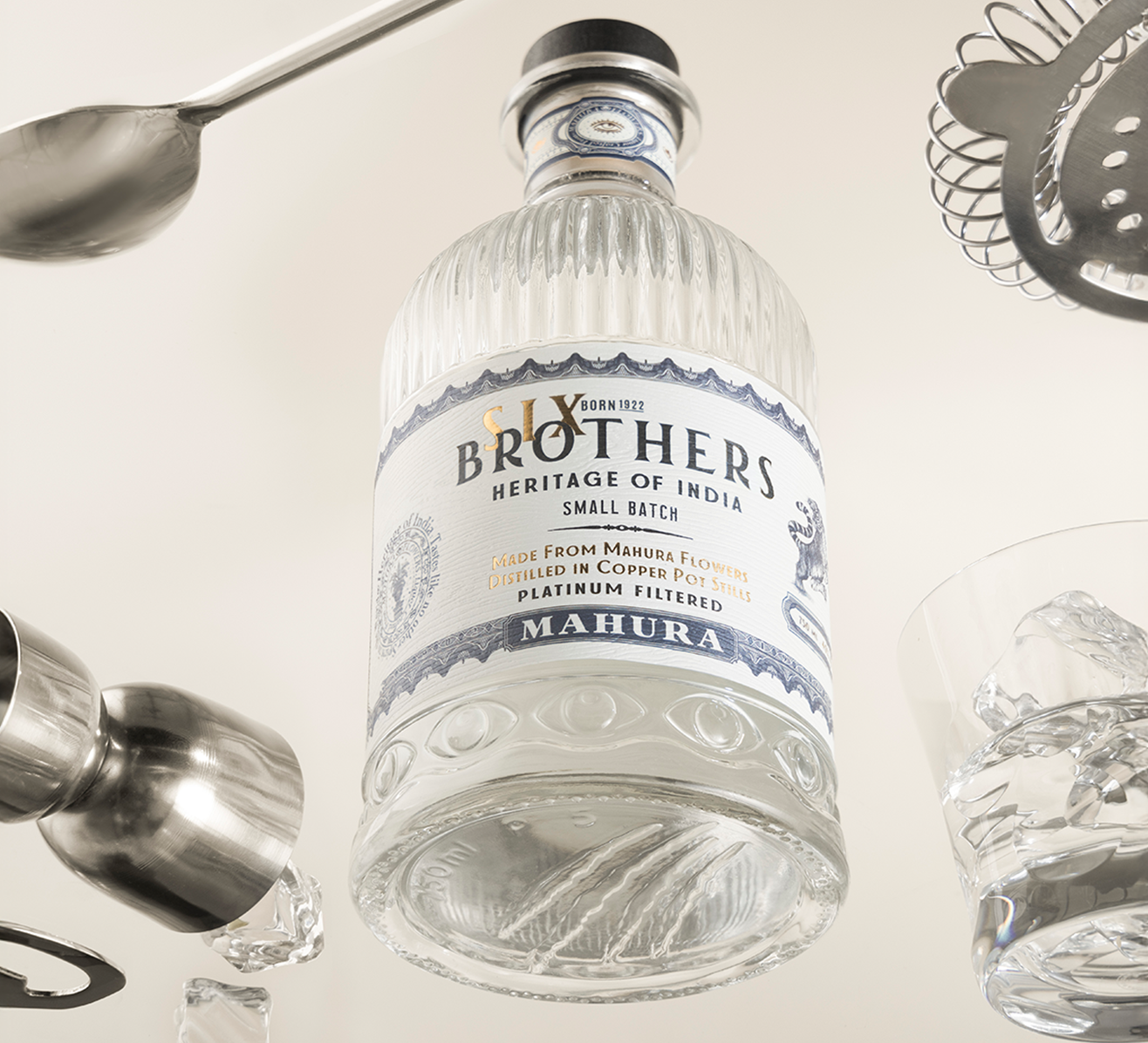
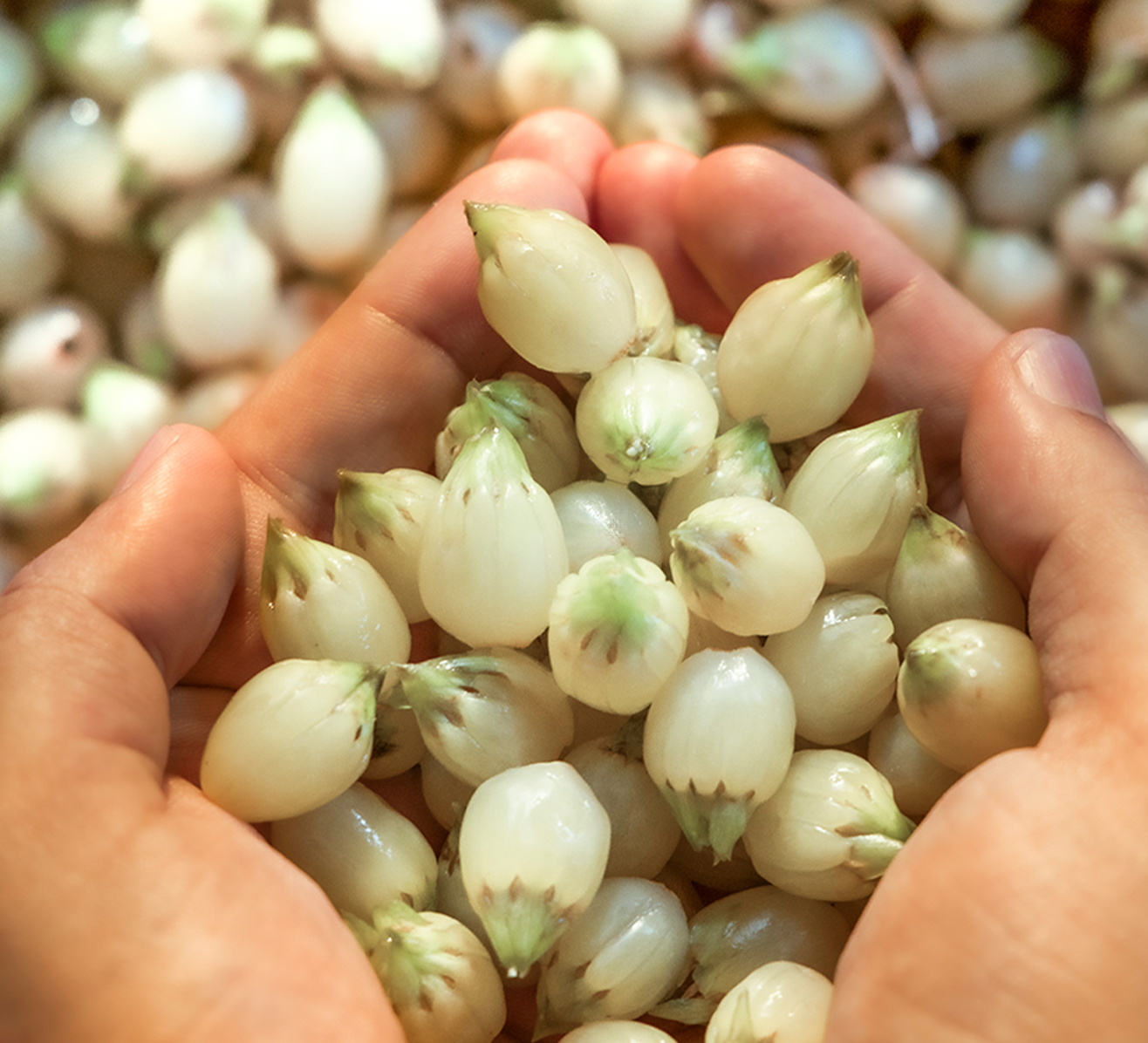
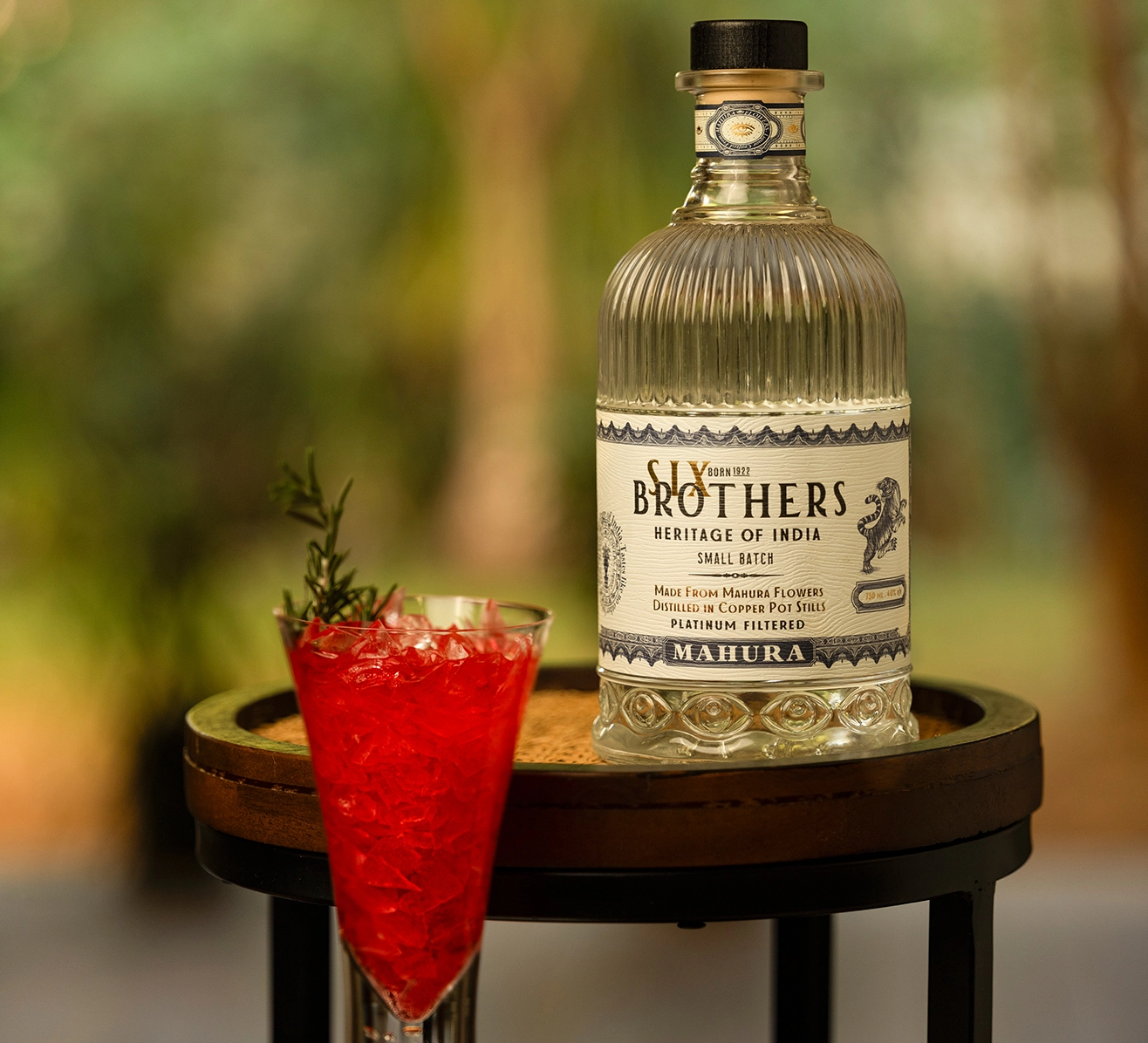
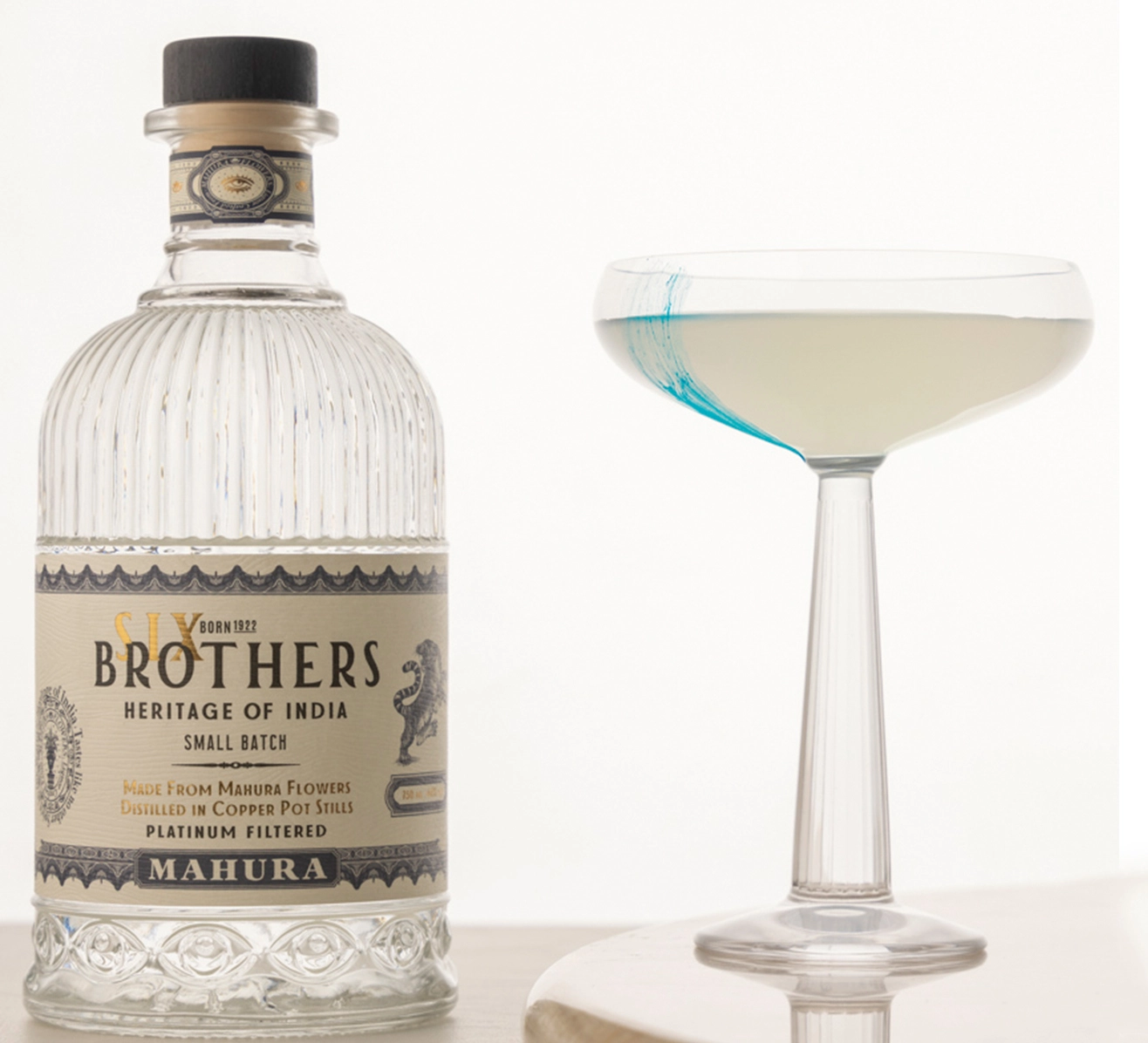
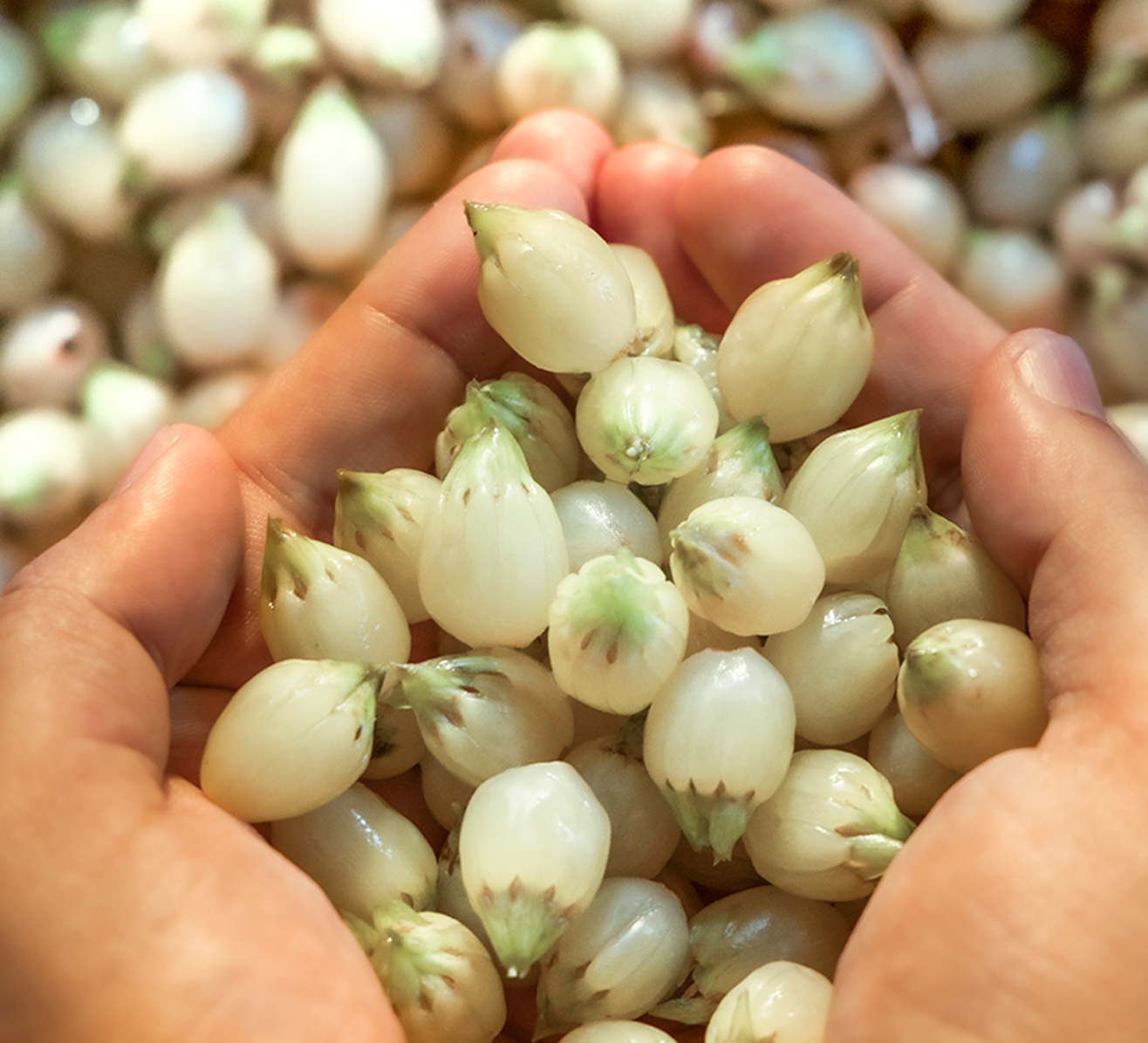
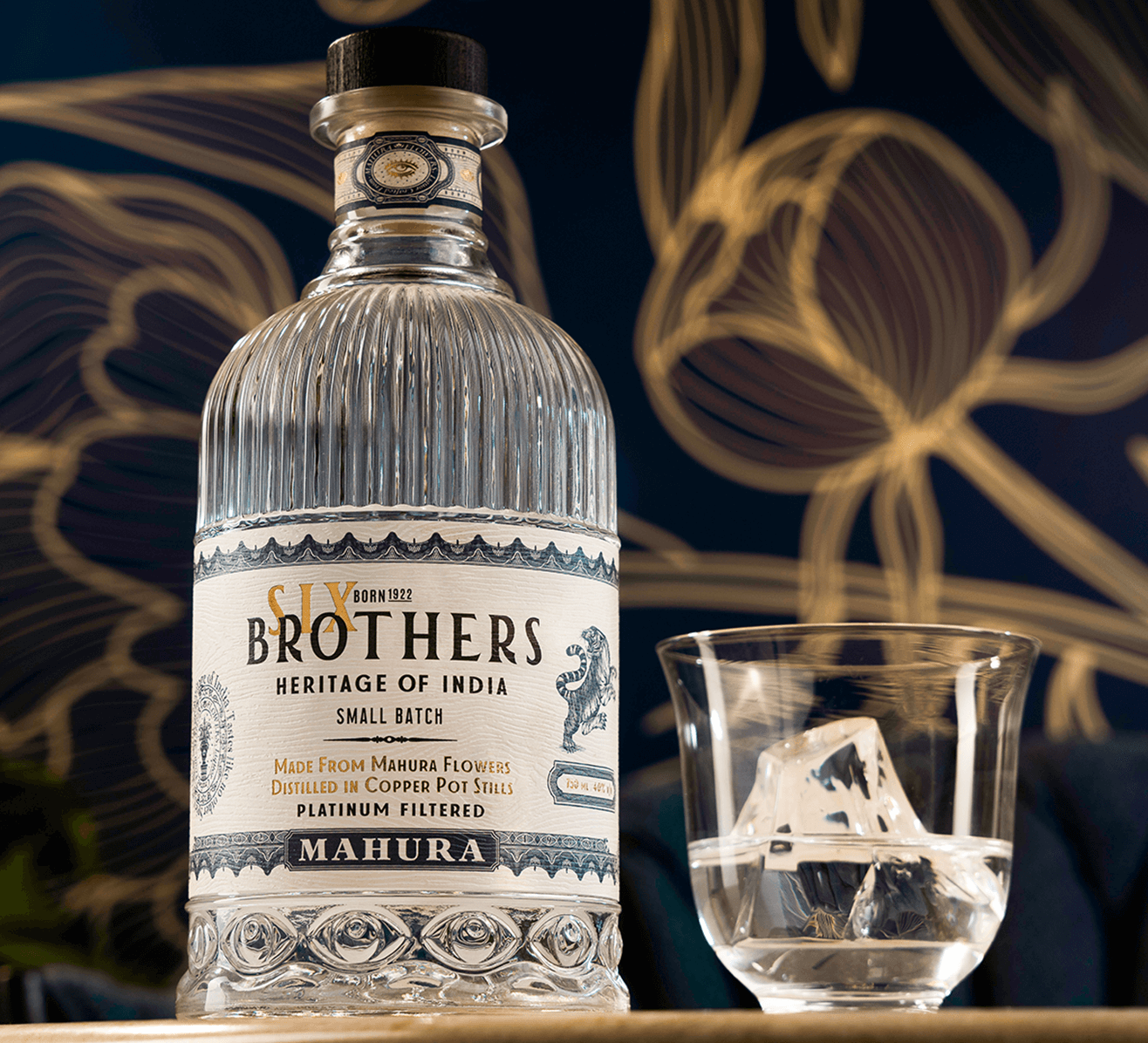
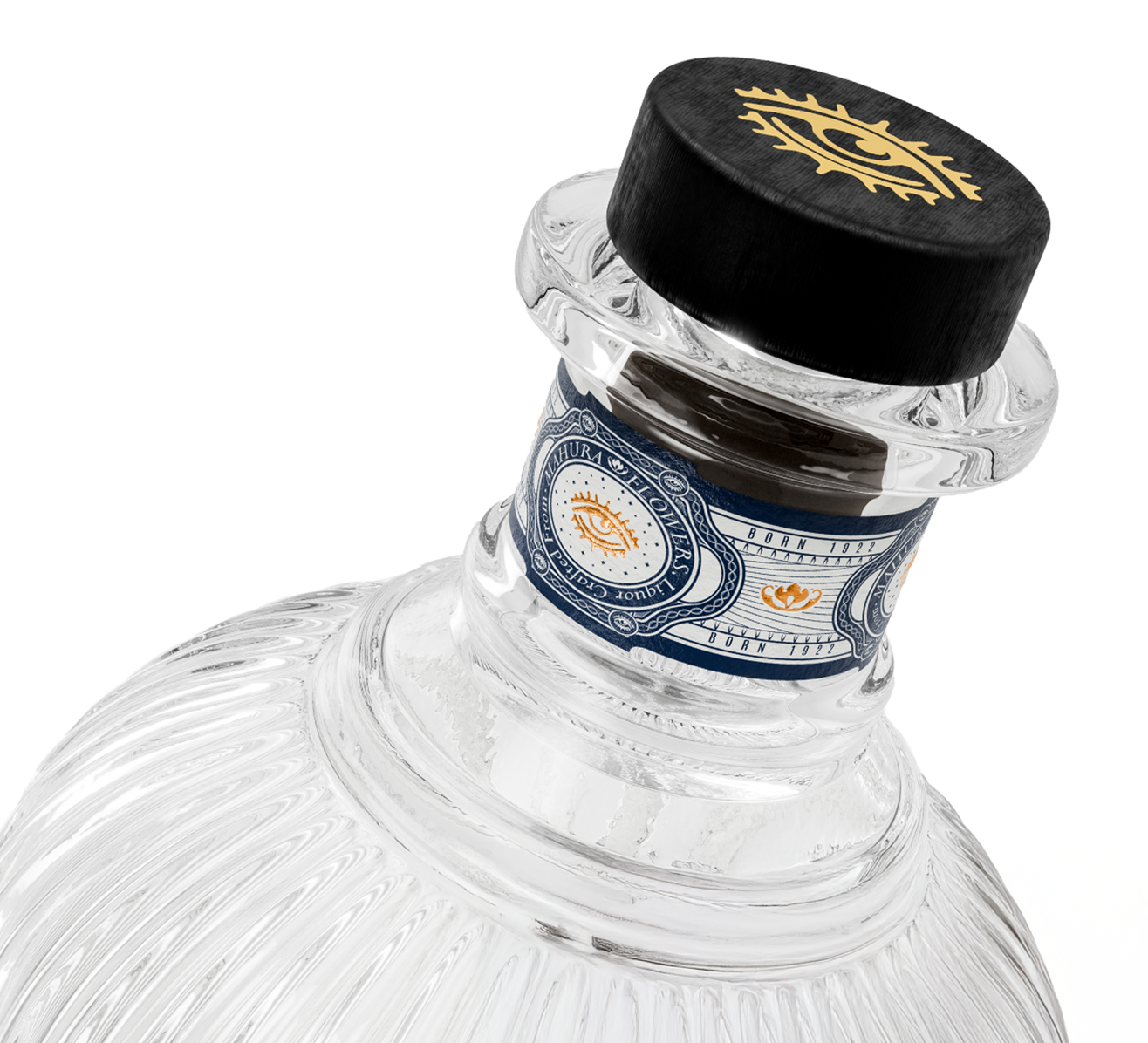
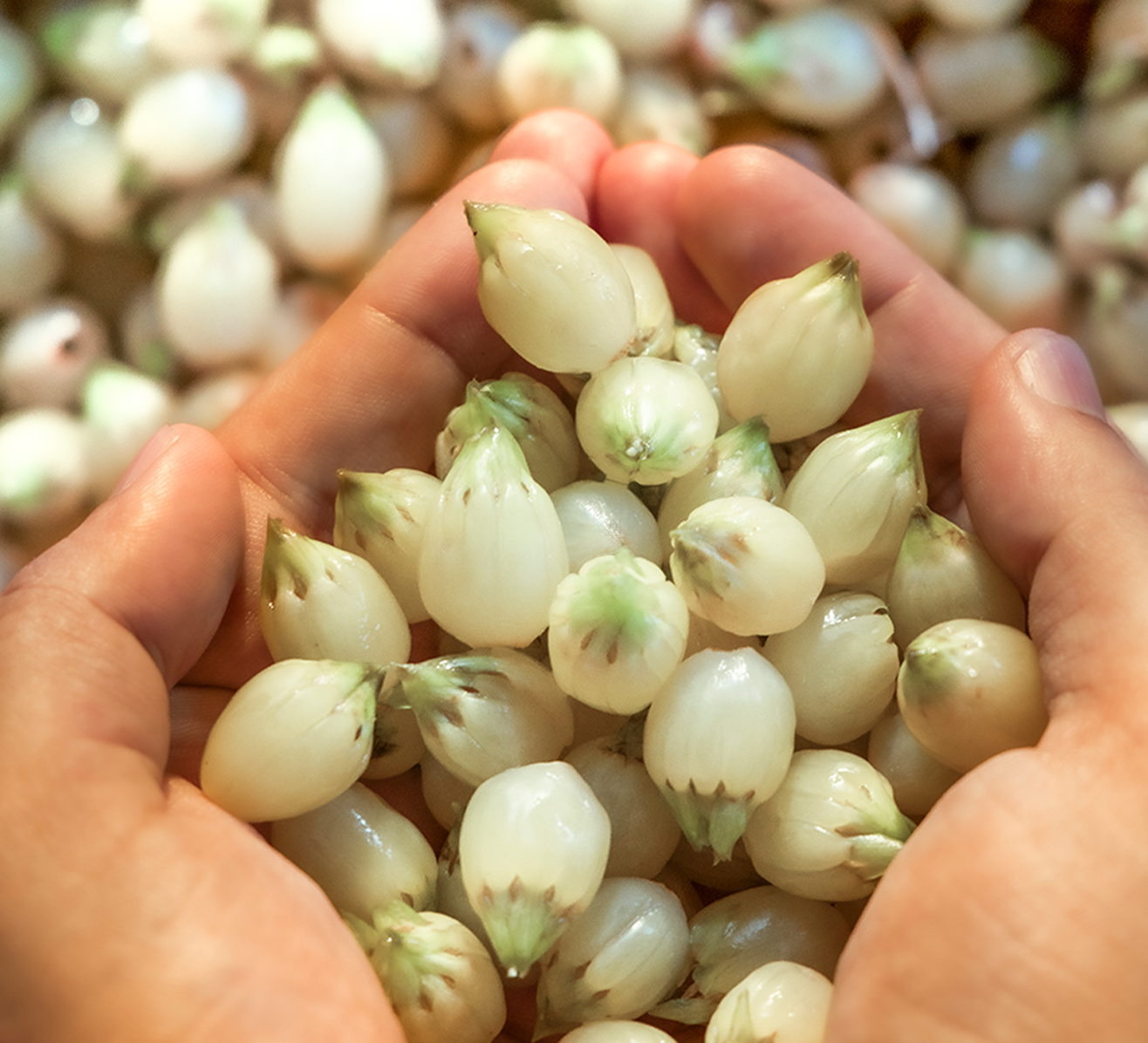
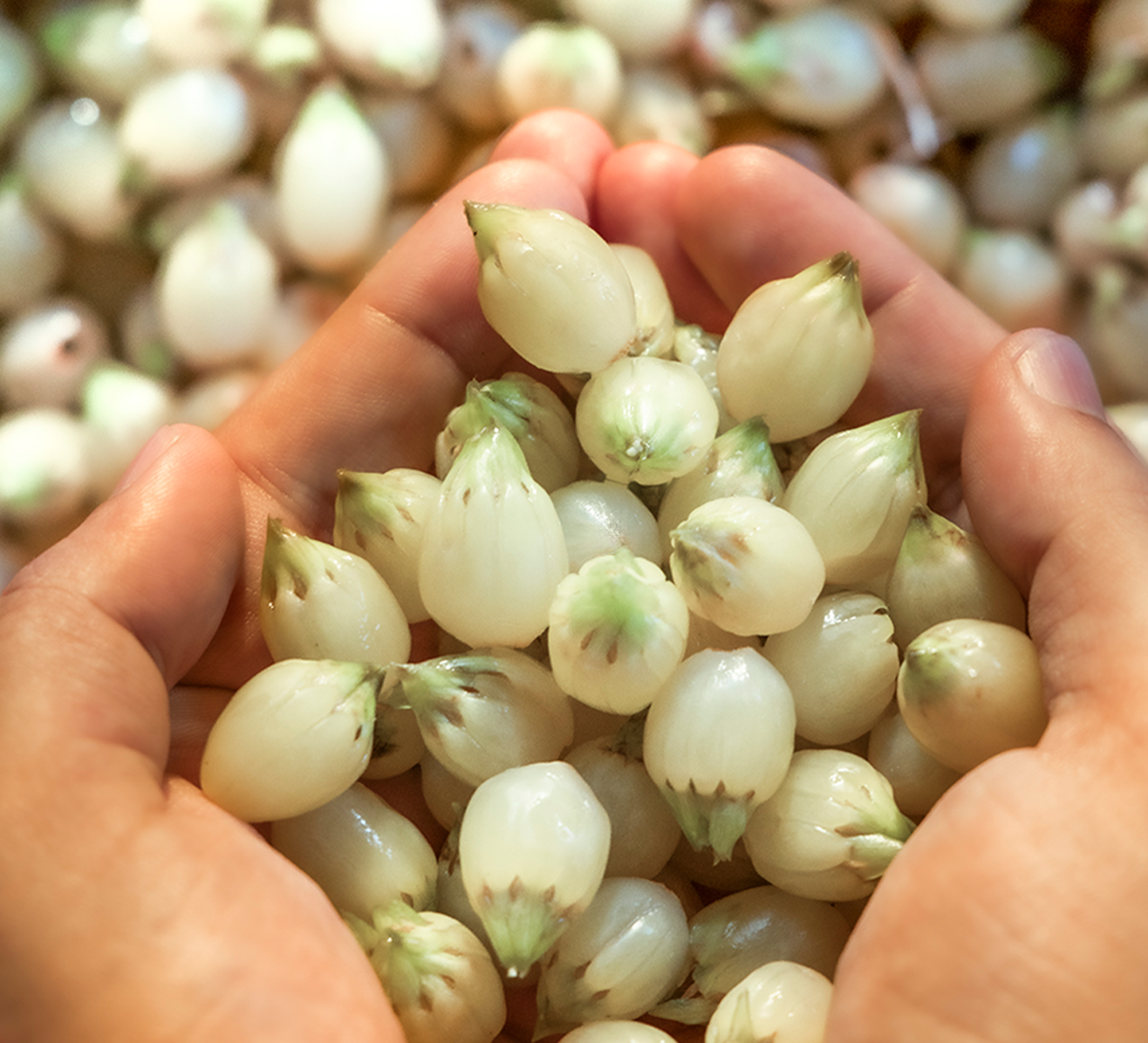
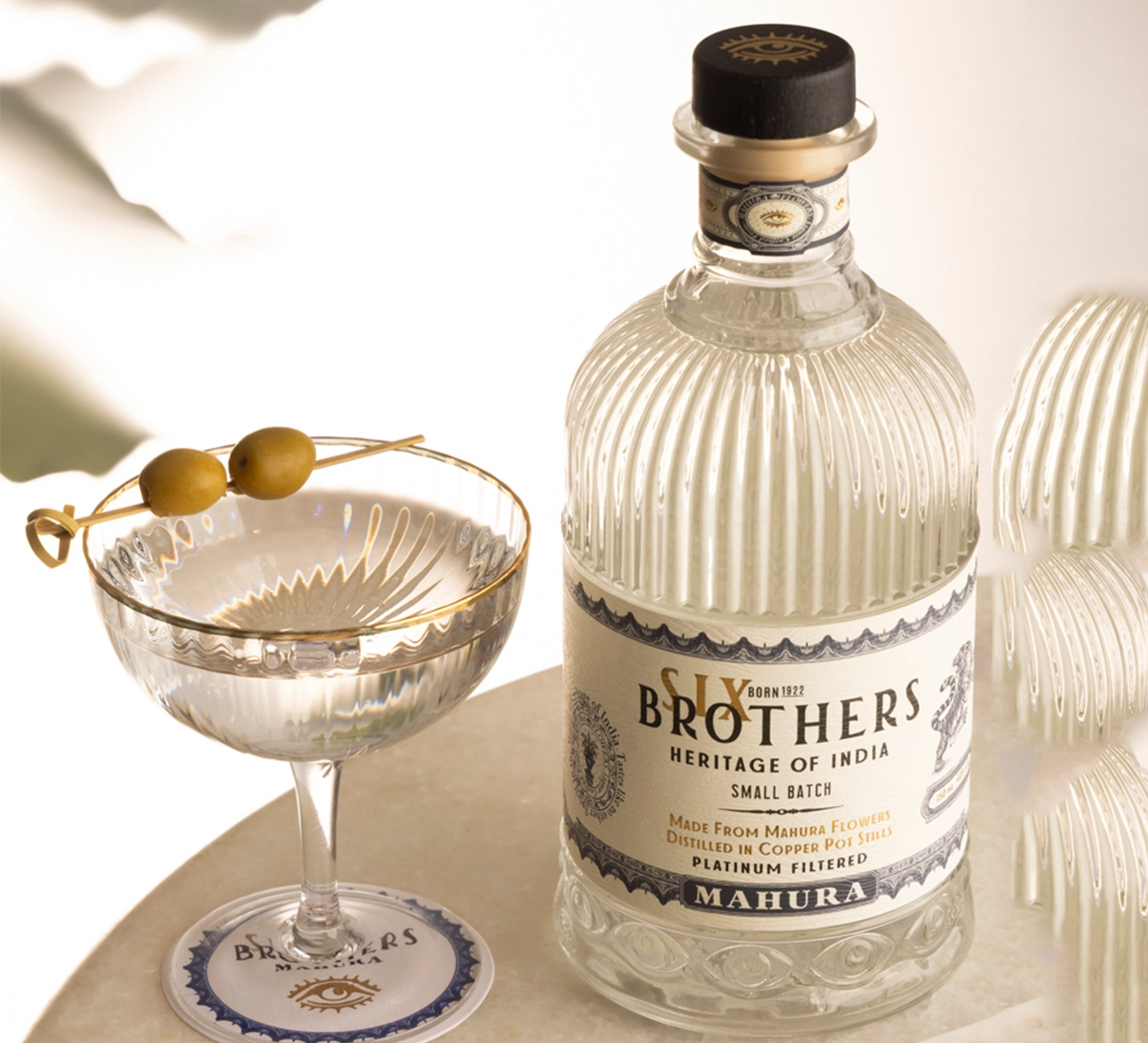
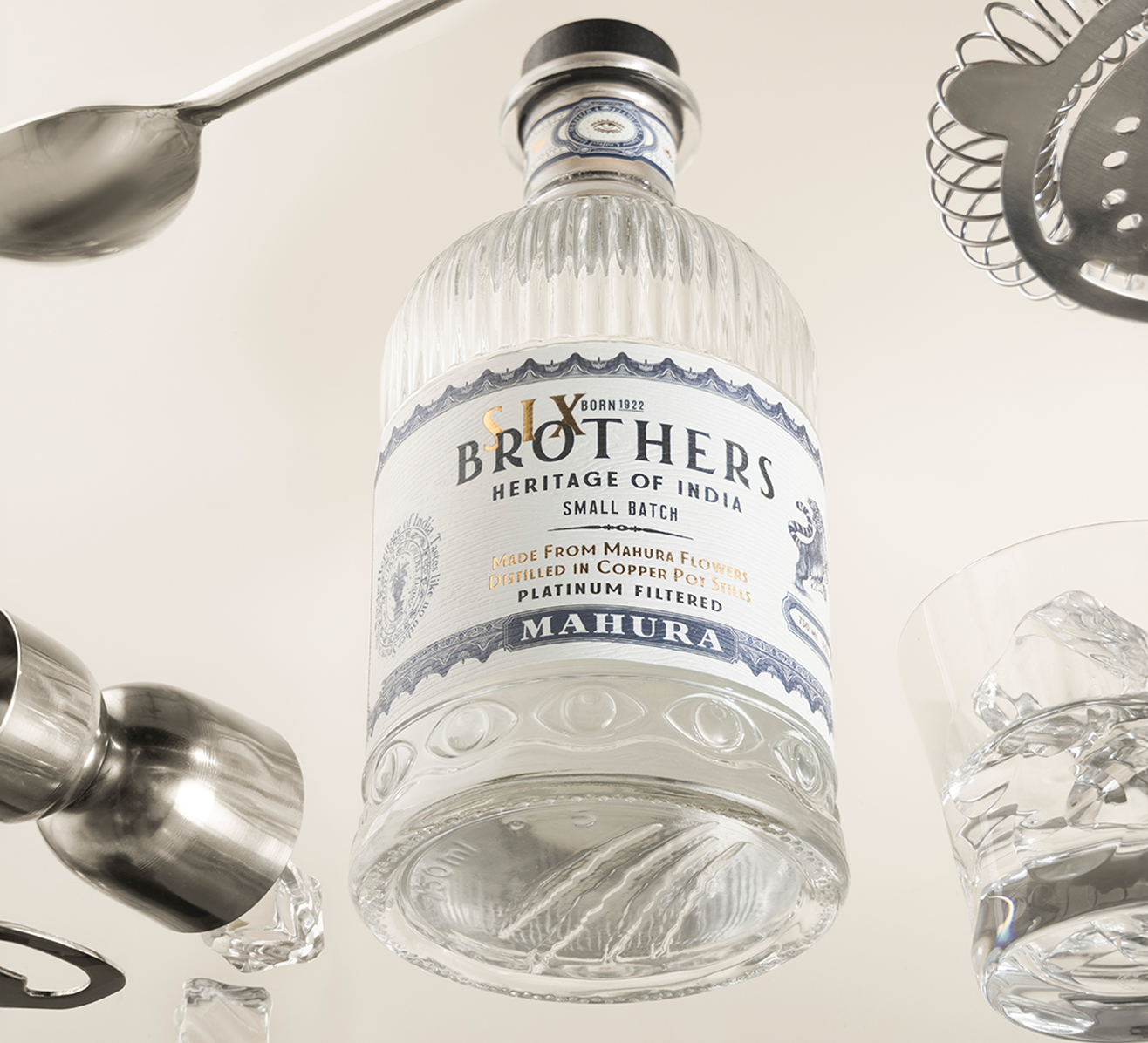
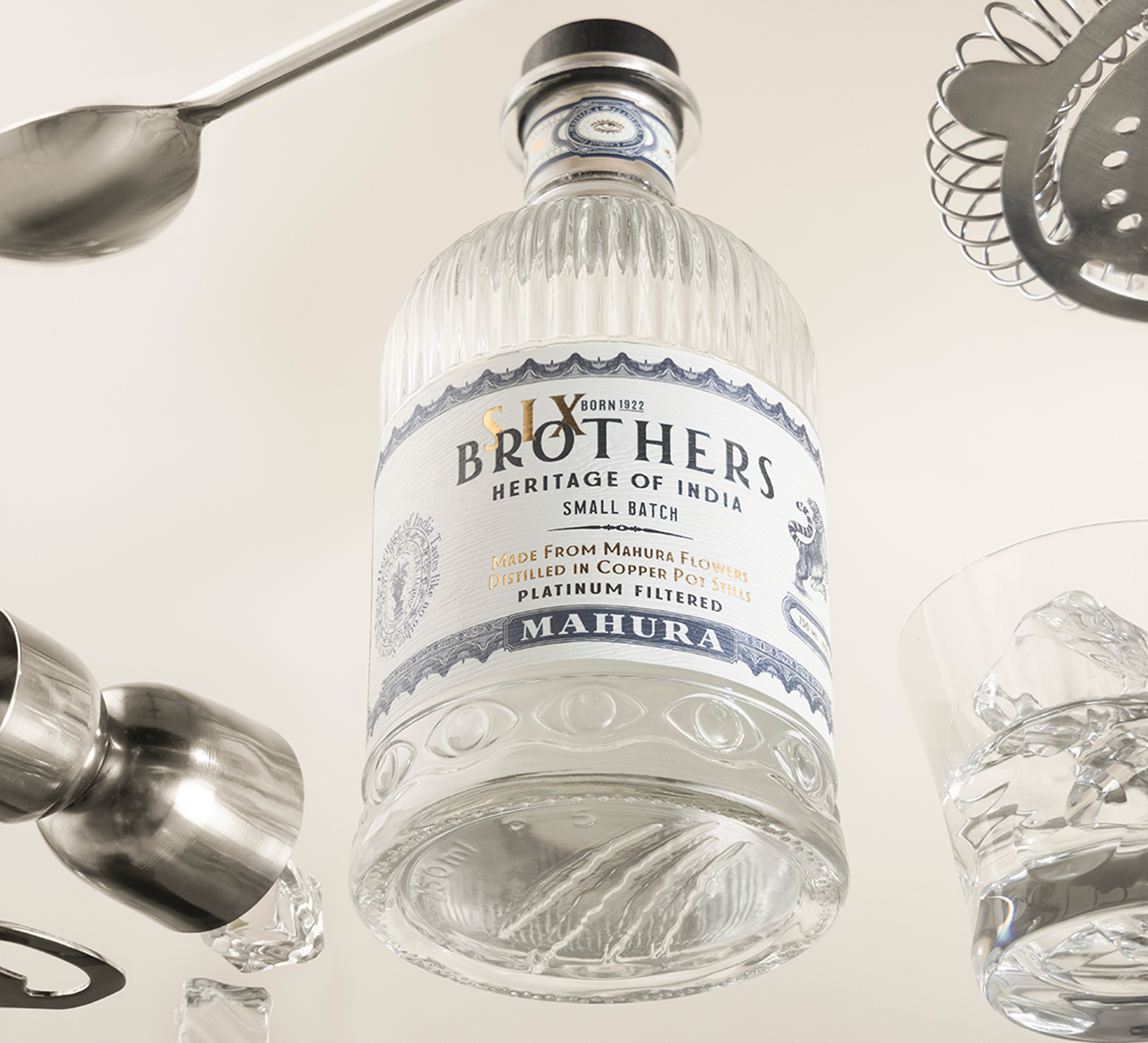
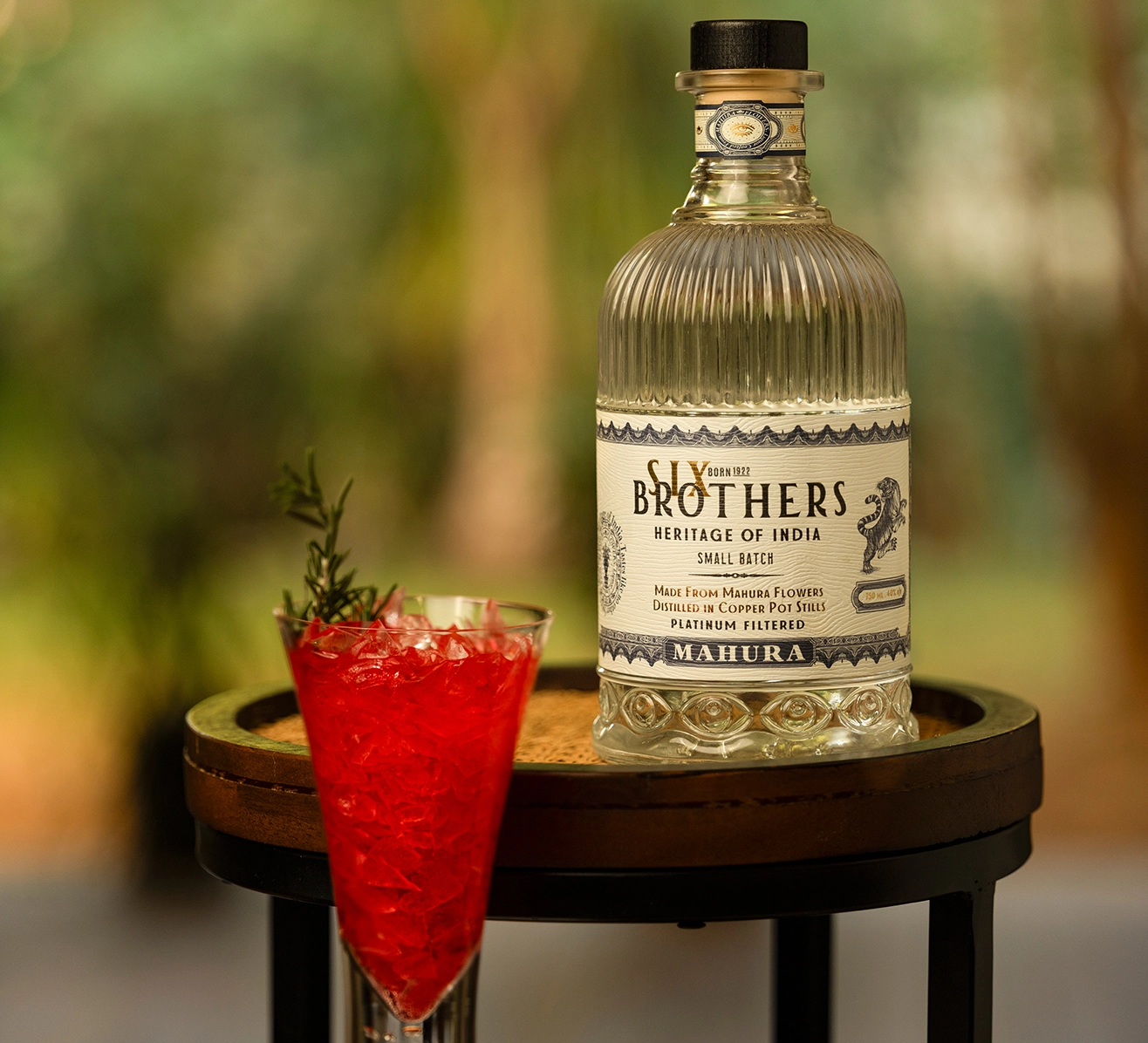
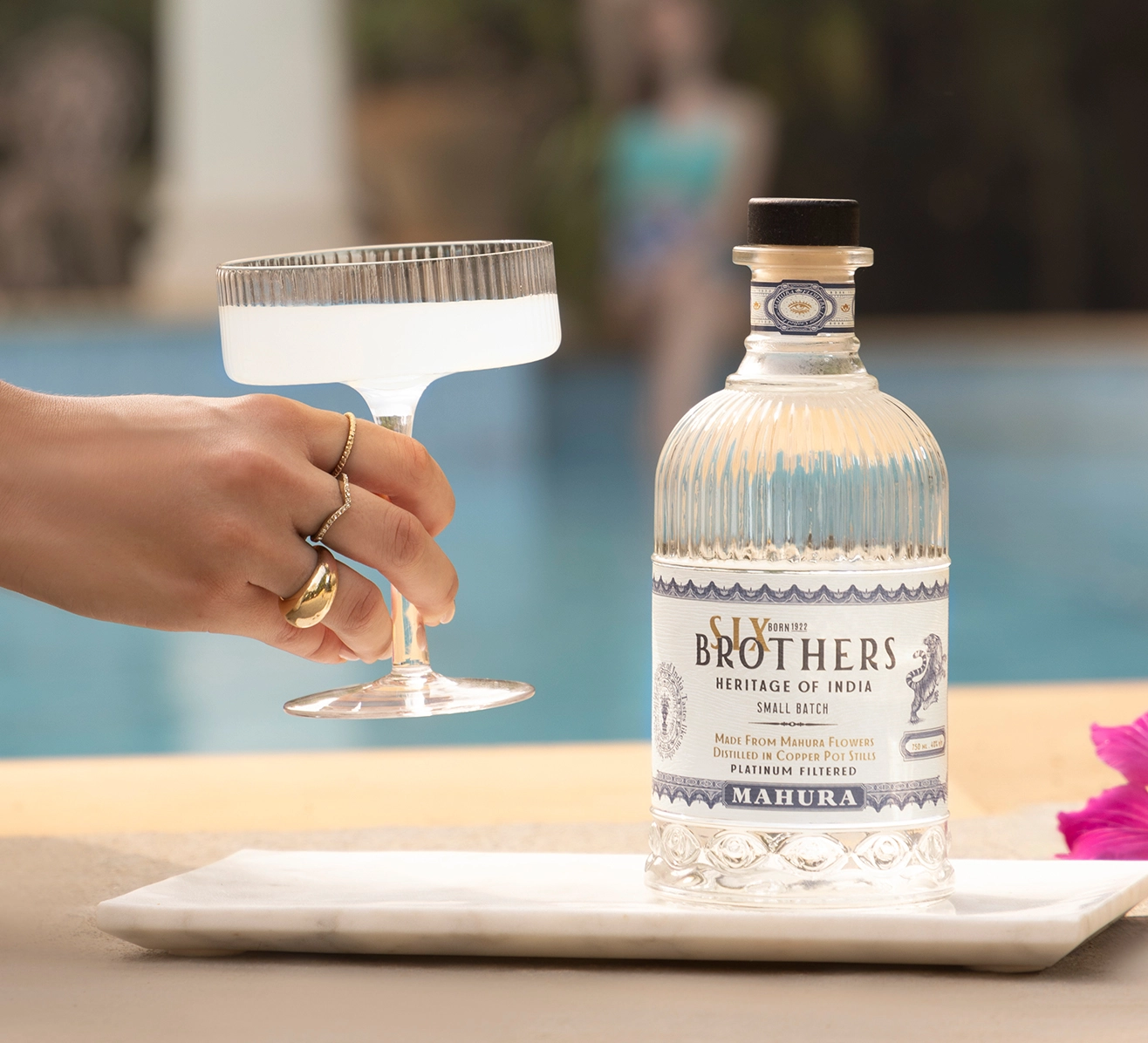
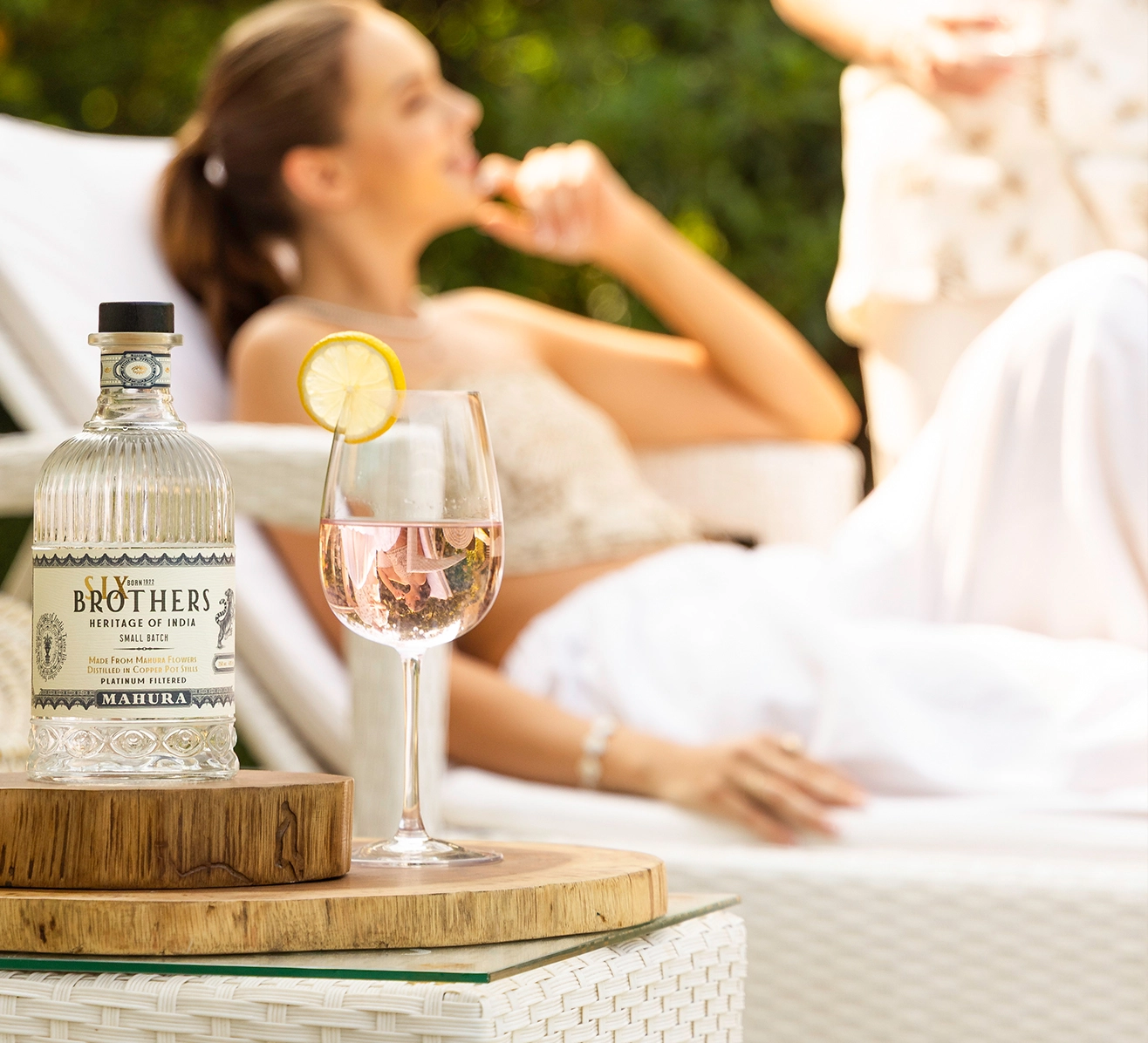
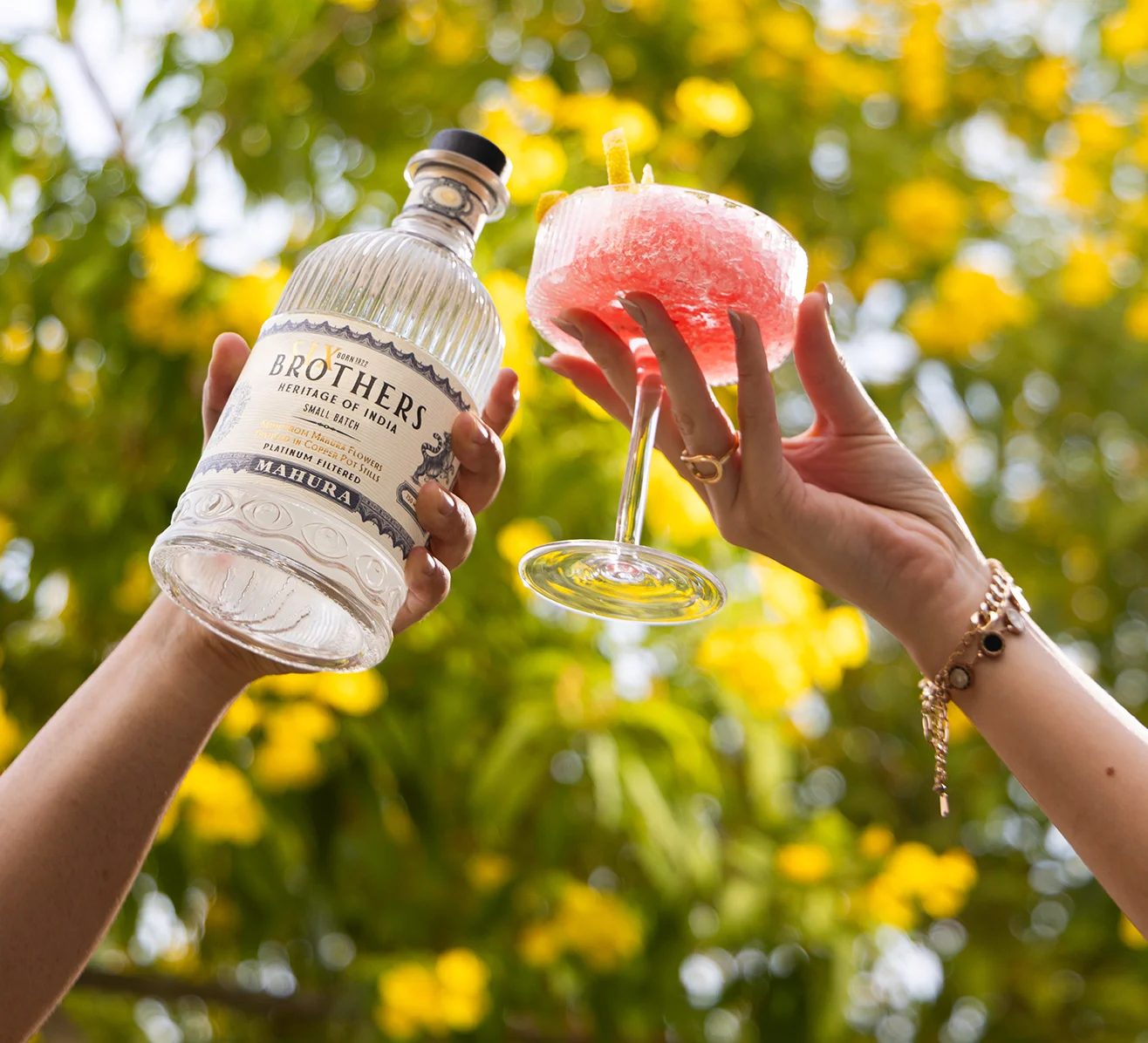
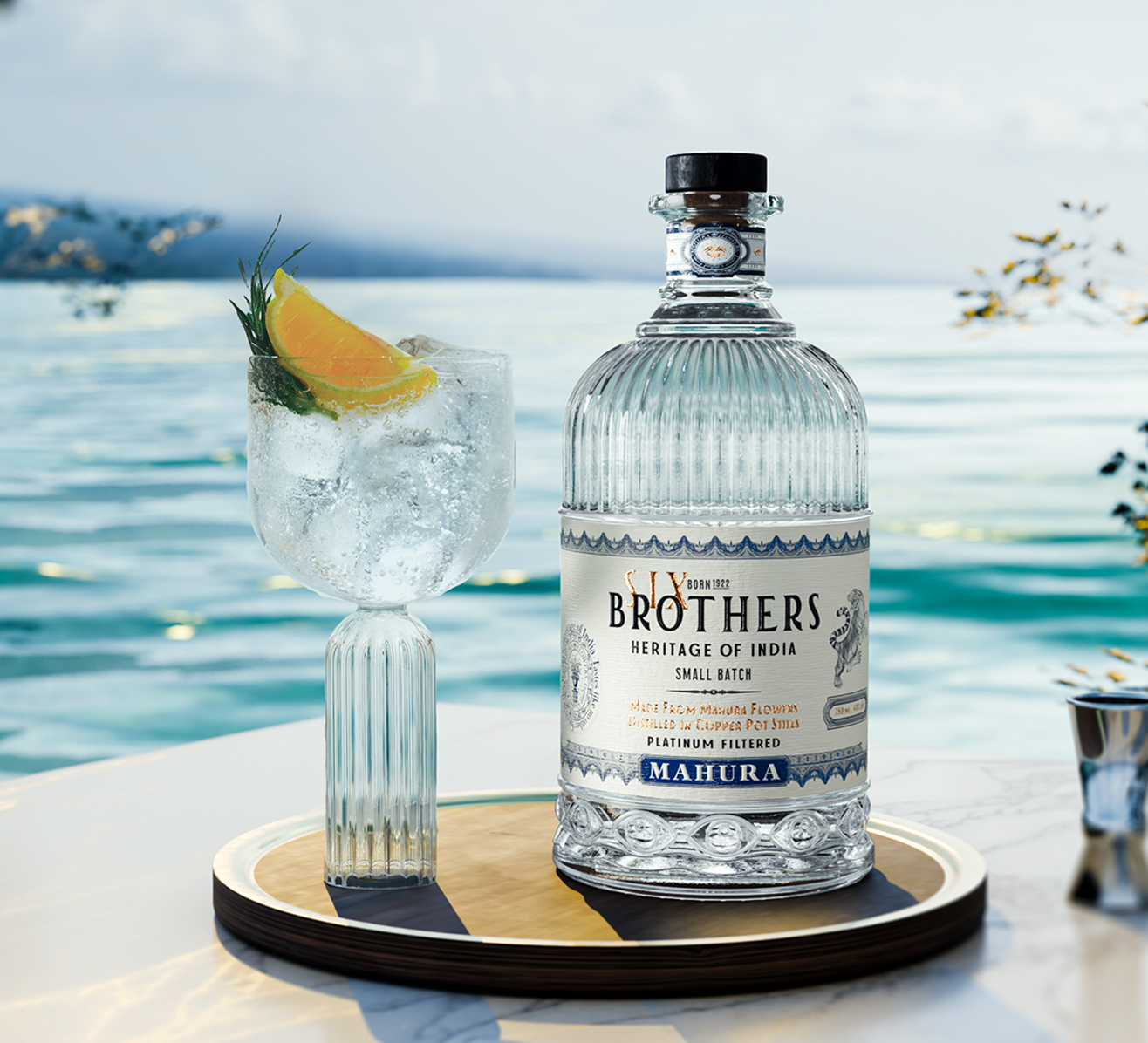
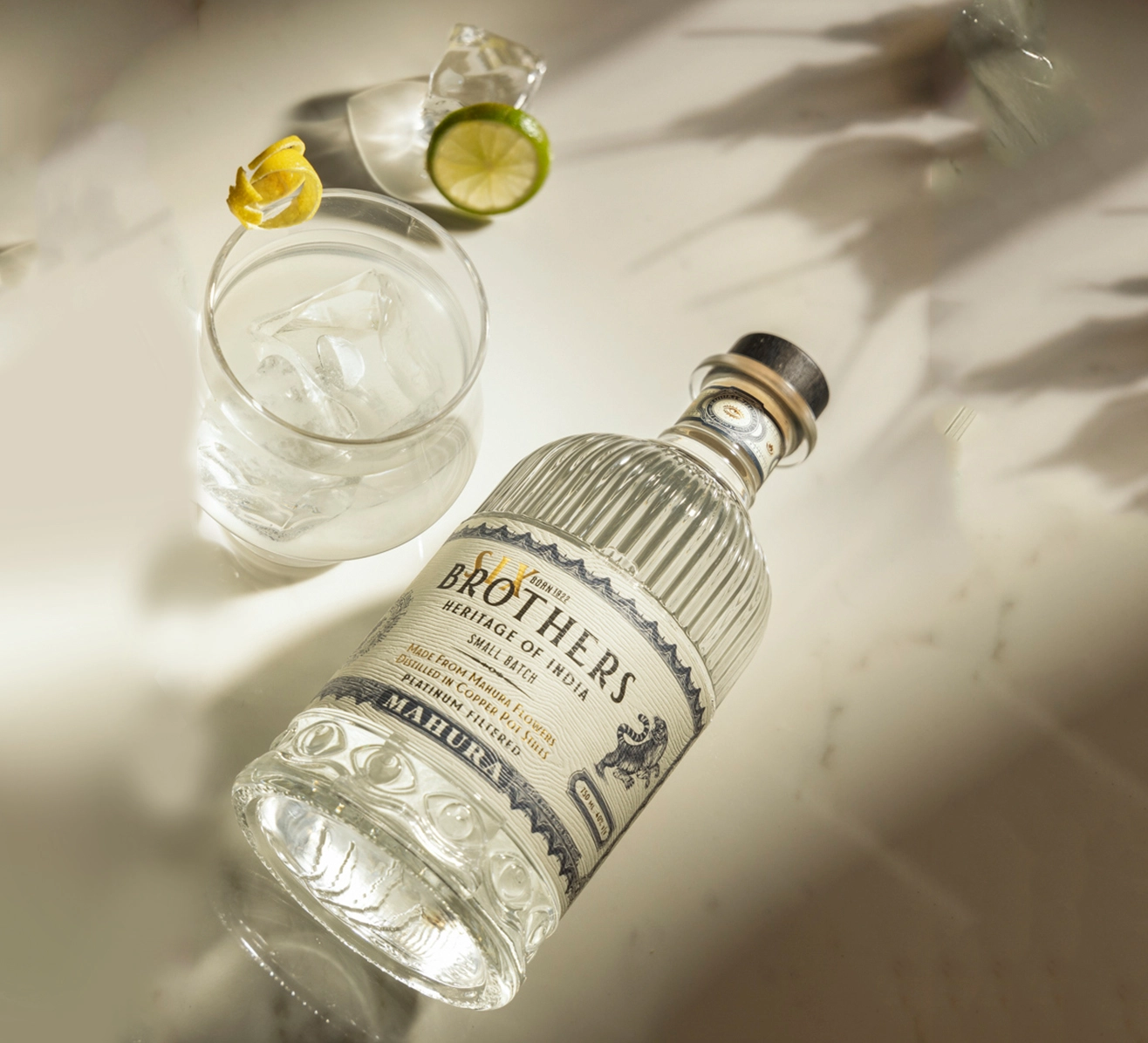
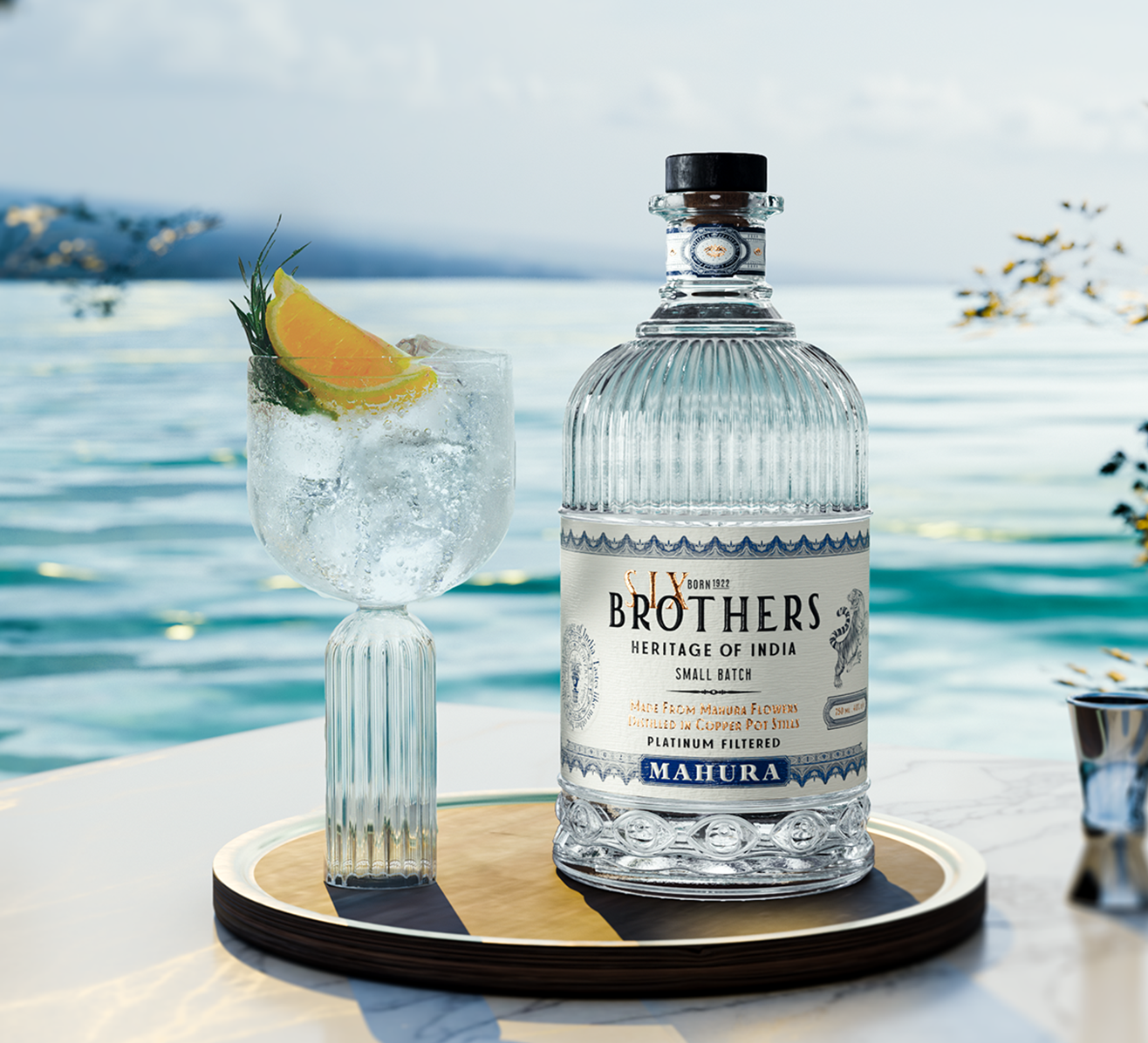
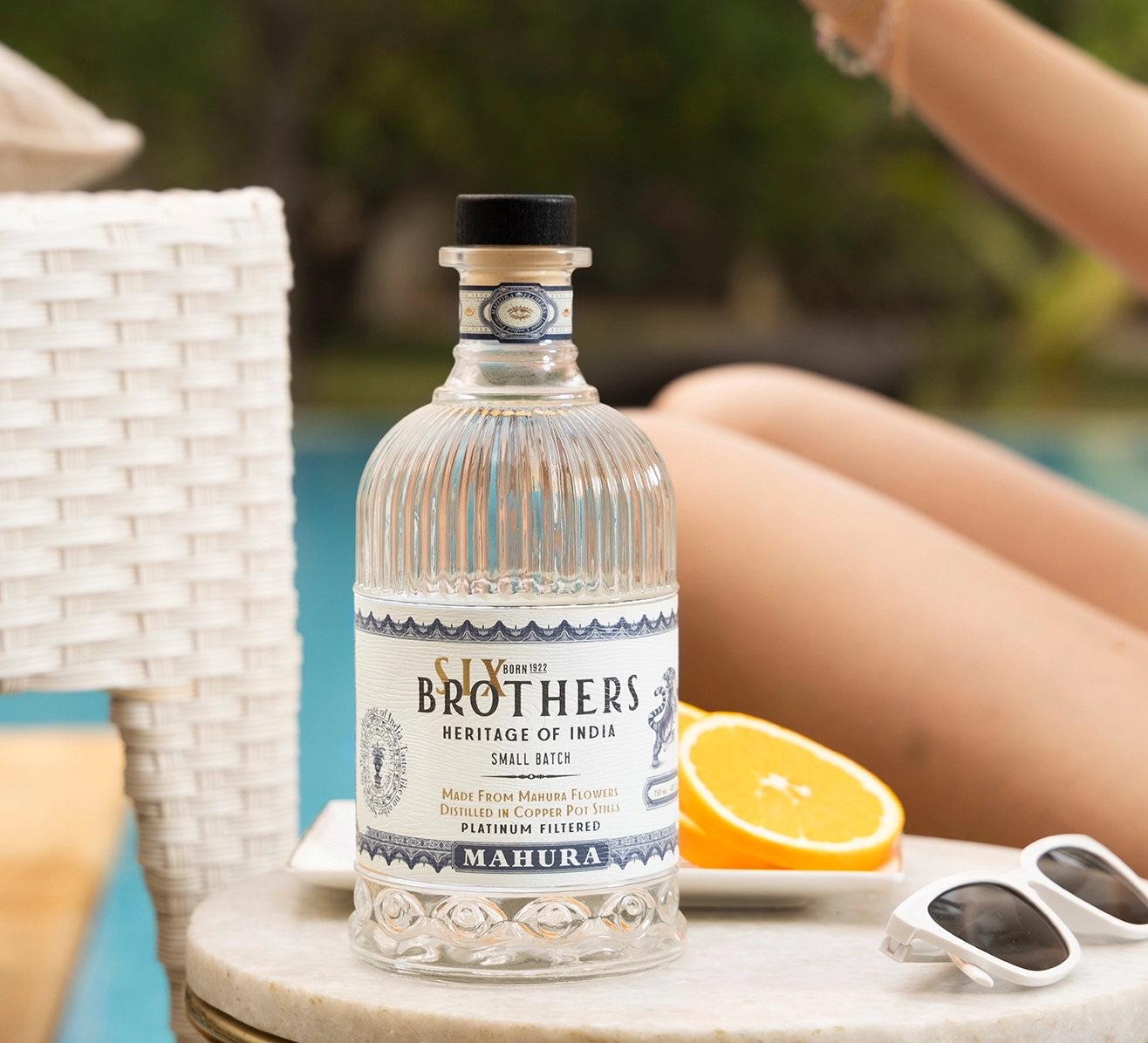
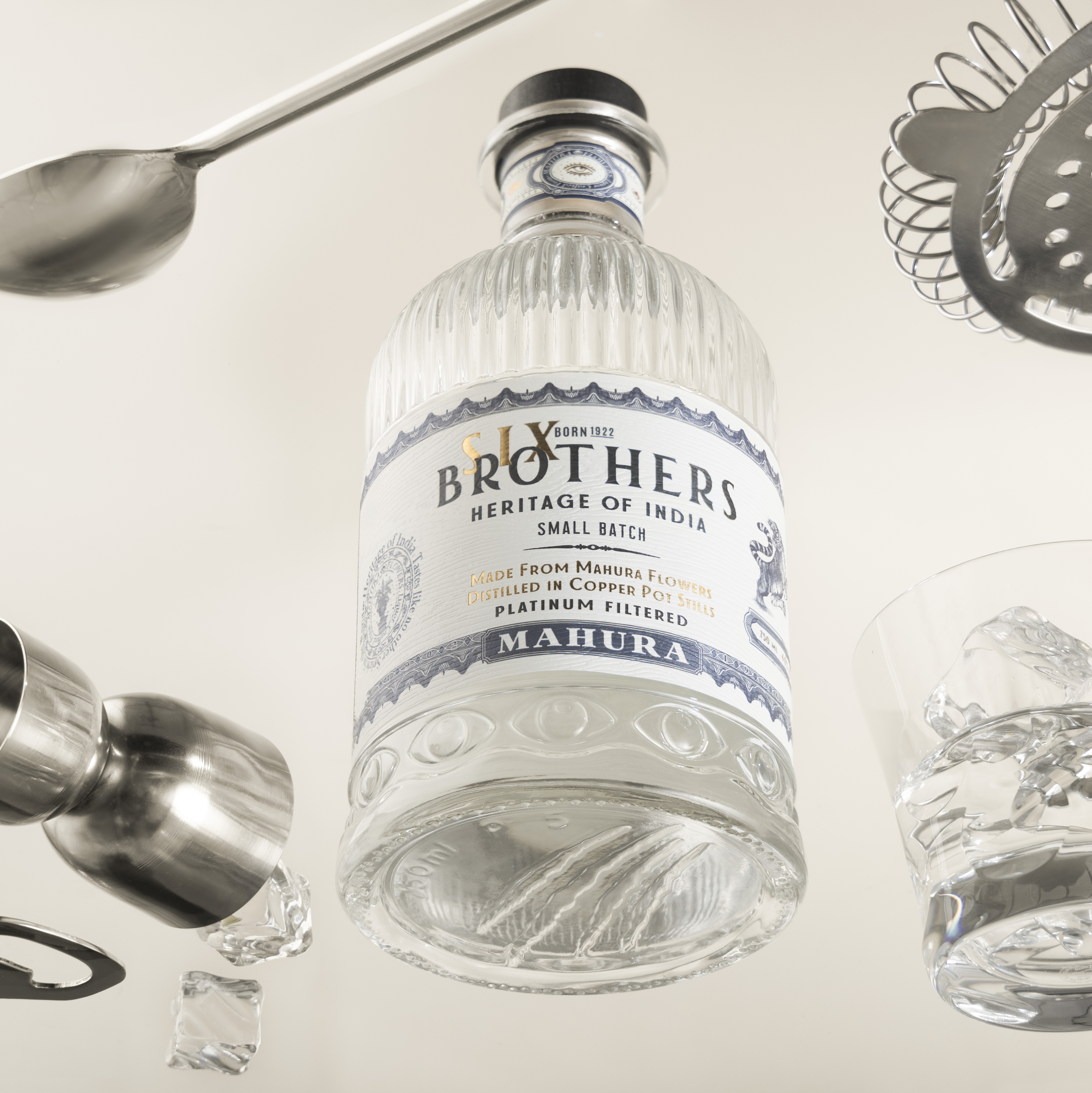
In this evolving landscape, Mahua is beginning to re-emerge. Derived from the Mahua flower of the Madhuca longifolia tree, and also known as Mahuva and Mahuwa, Mahua spirit has historically remained outside mainstream urban consumption.
As India’s oldest spirit, Mahua alcohol now stands at a turning point—shifting from a niche, regional product toward a more visible and potentially mainstream presence in urban markets.
For decades, Mahua spirit has been:
This deep-rooted identity has given Mahua alcohol authenticity, but also limited its reach.
In urban India, Mahua has faced:
As a result, it has remained overshadowed by categories like Indian single malt, single malt whisky, and single malt whiskey.
Urban consumers today are increasingly drawn to:
This shift has already contributed to the rise of Indian single malt whisky, setting a precedent for other Indian spirits.
Modern consumers are:
This creates an opportunity for Mahua spirit to enter new consumption spaces.
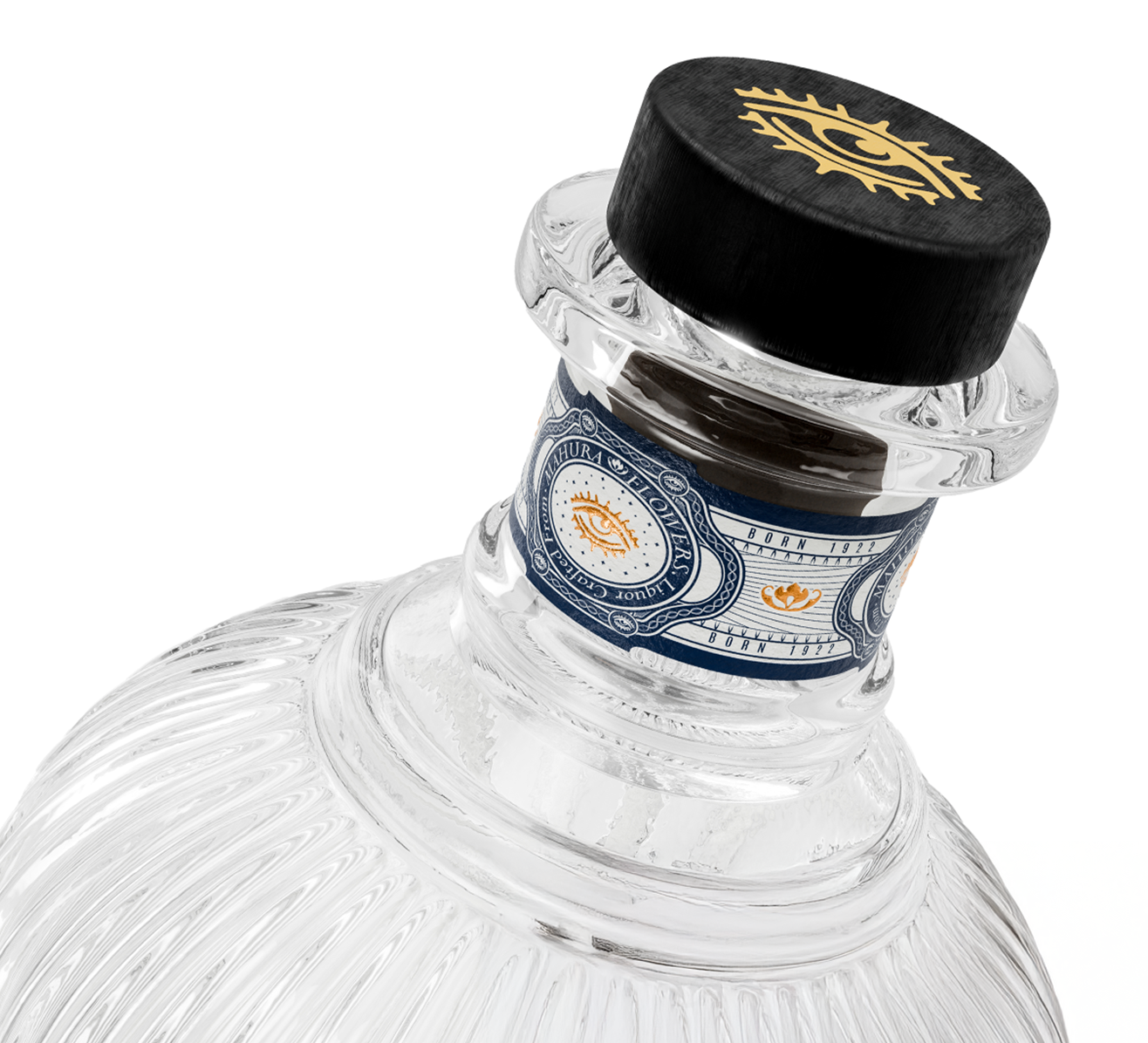
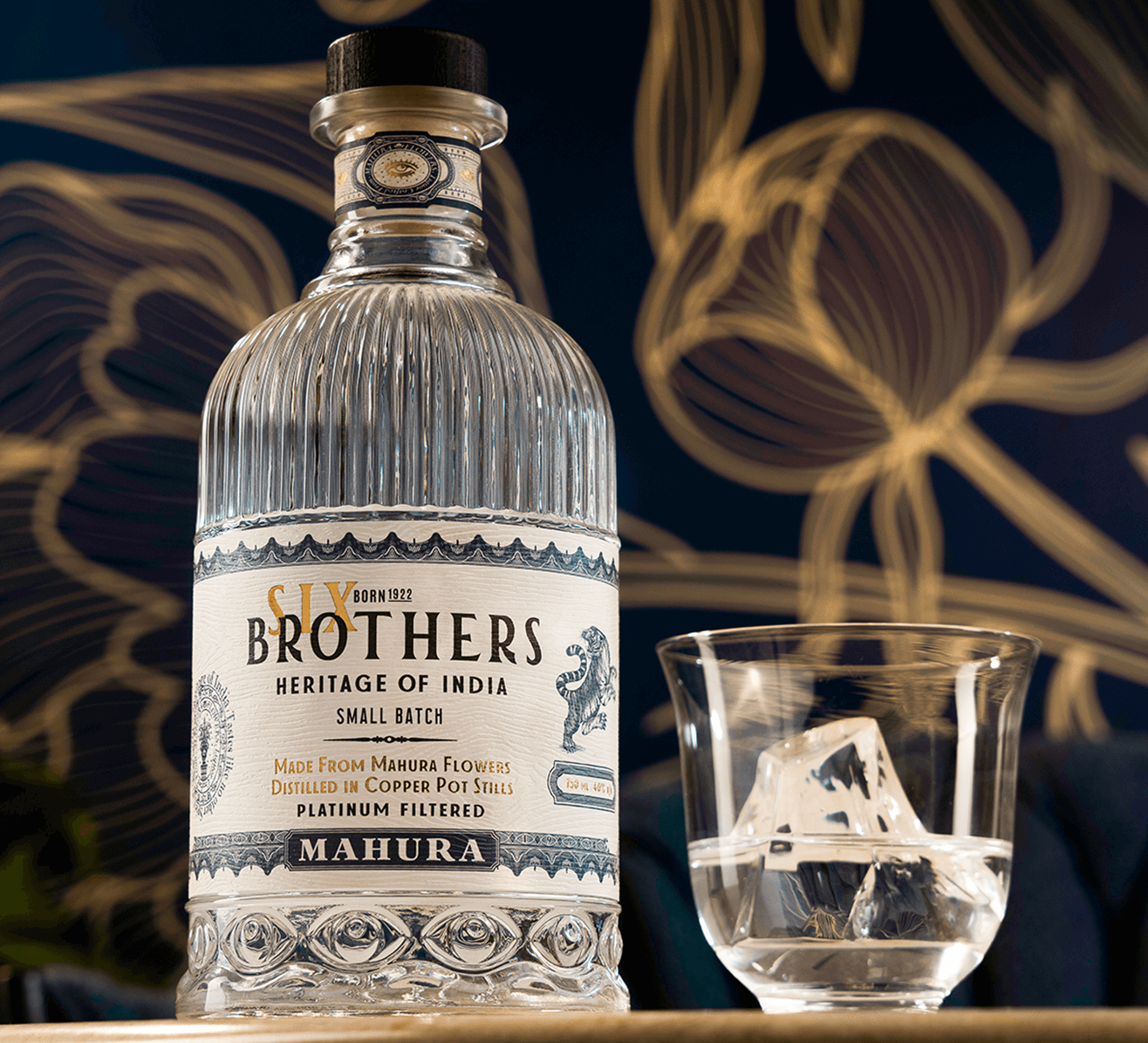
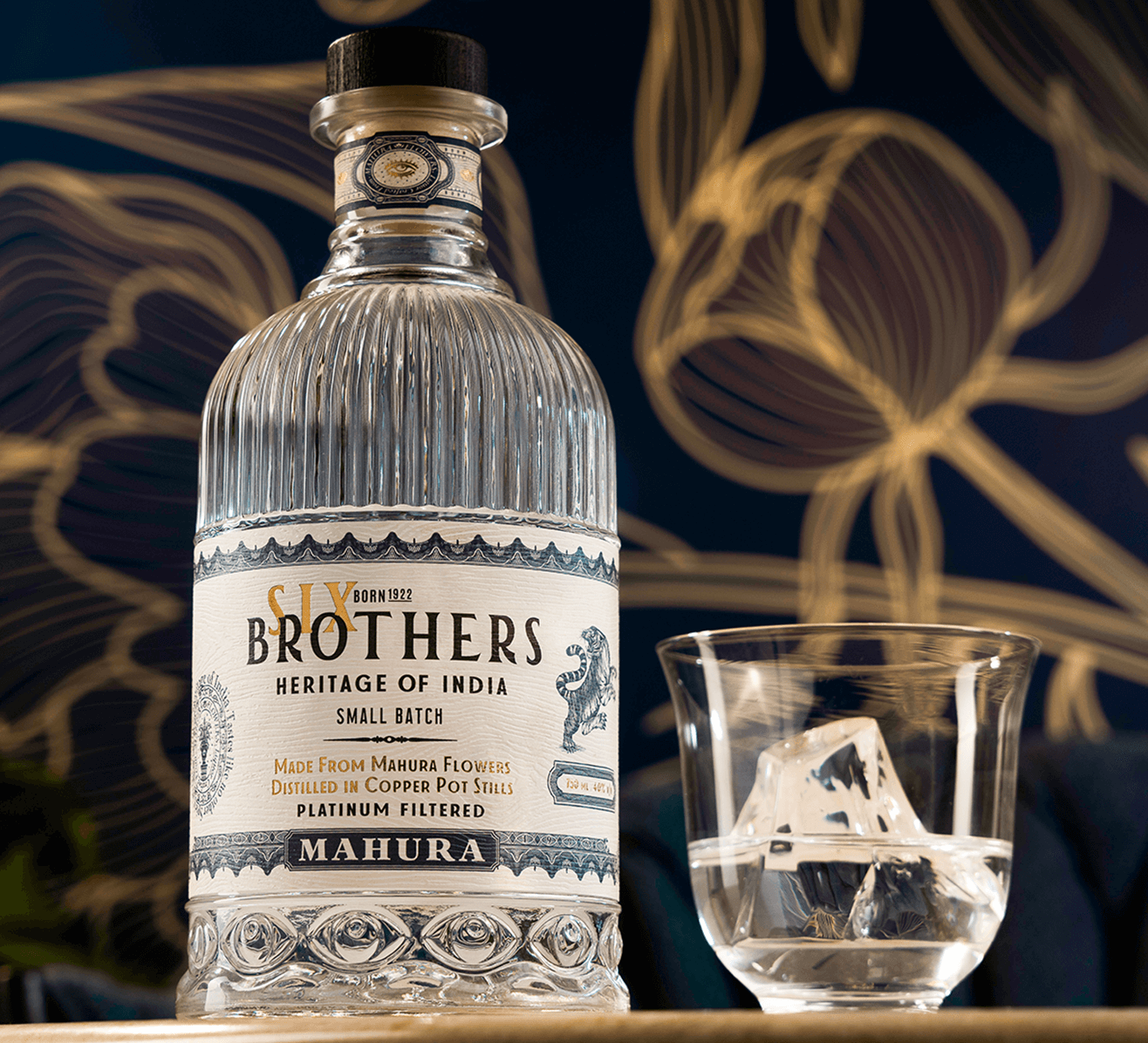
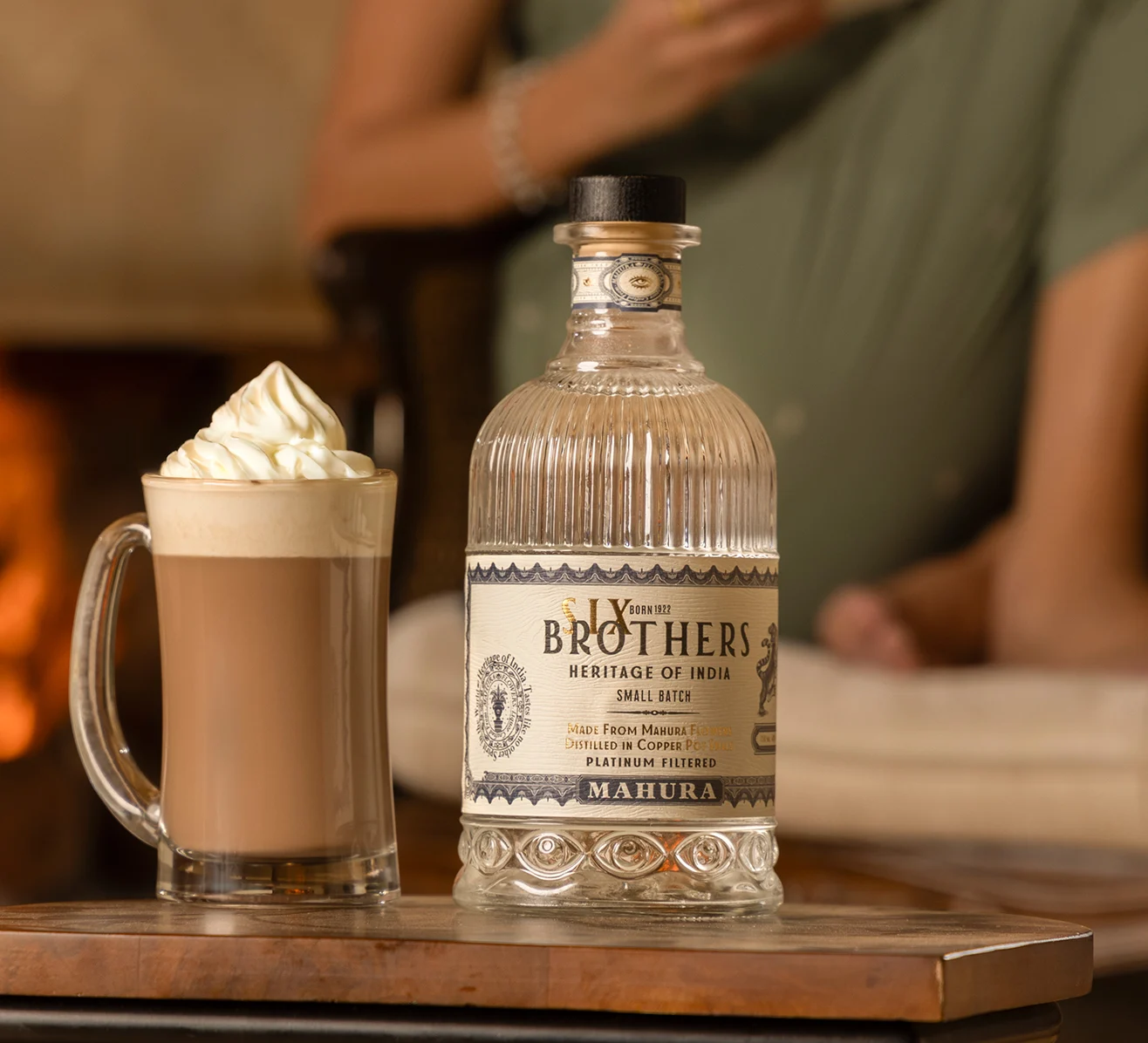
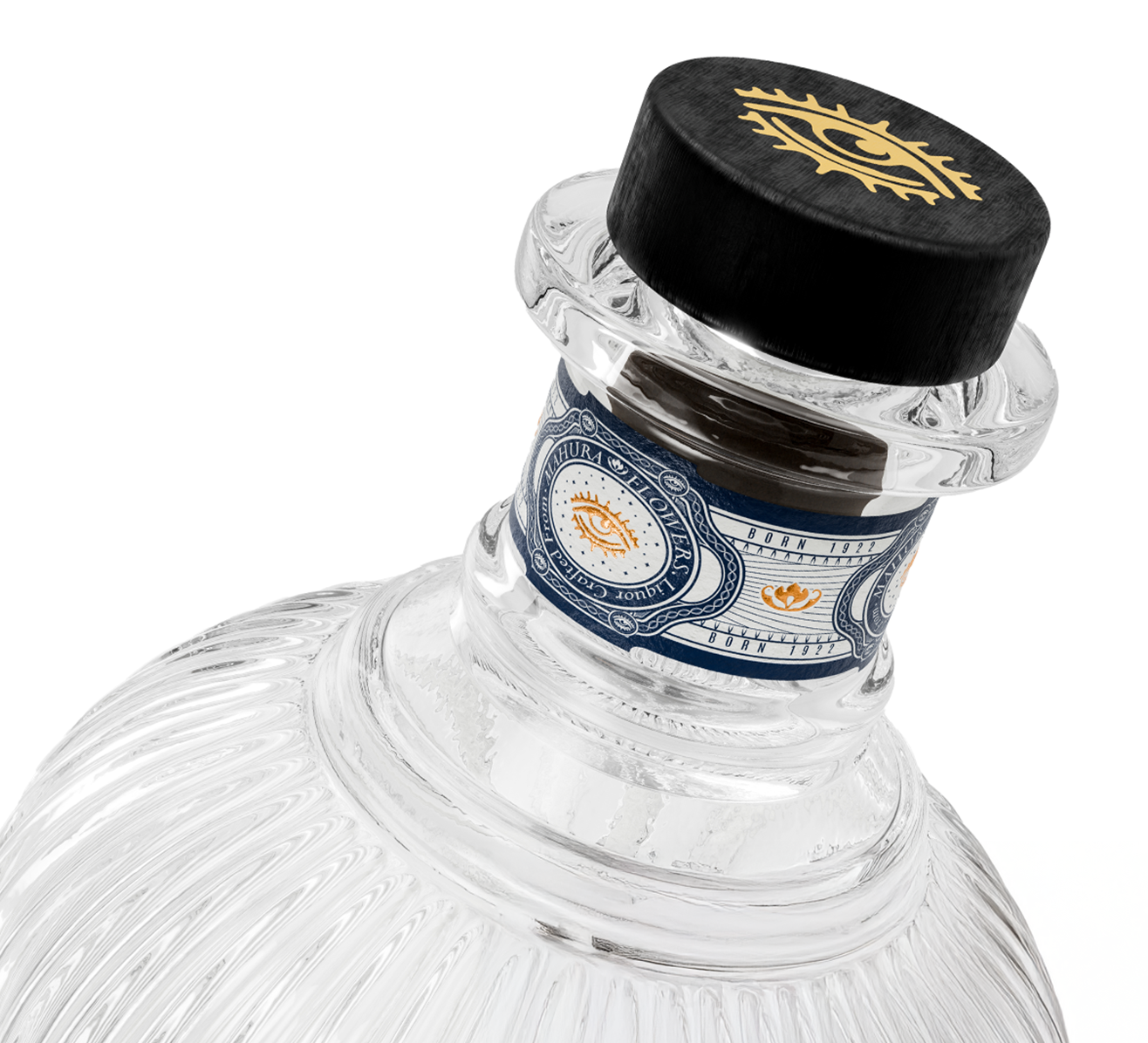
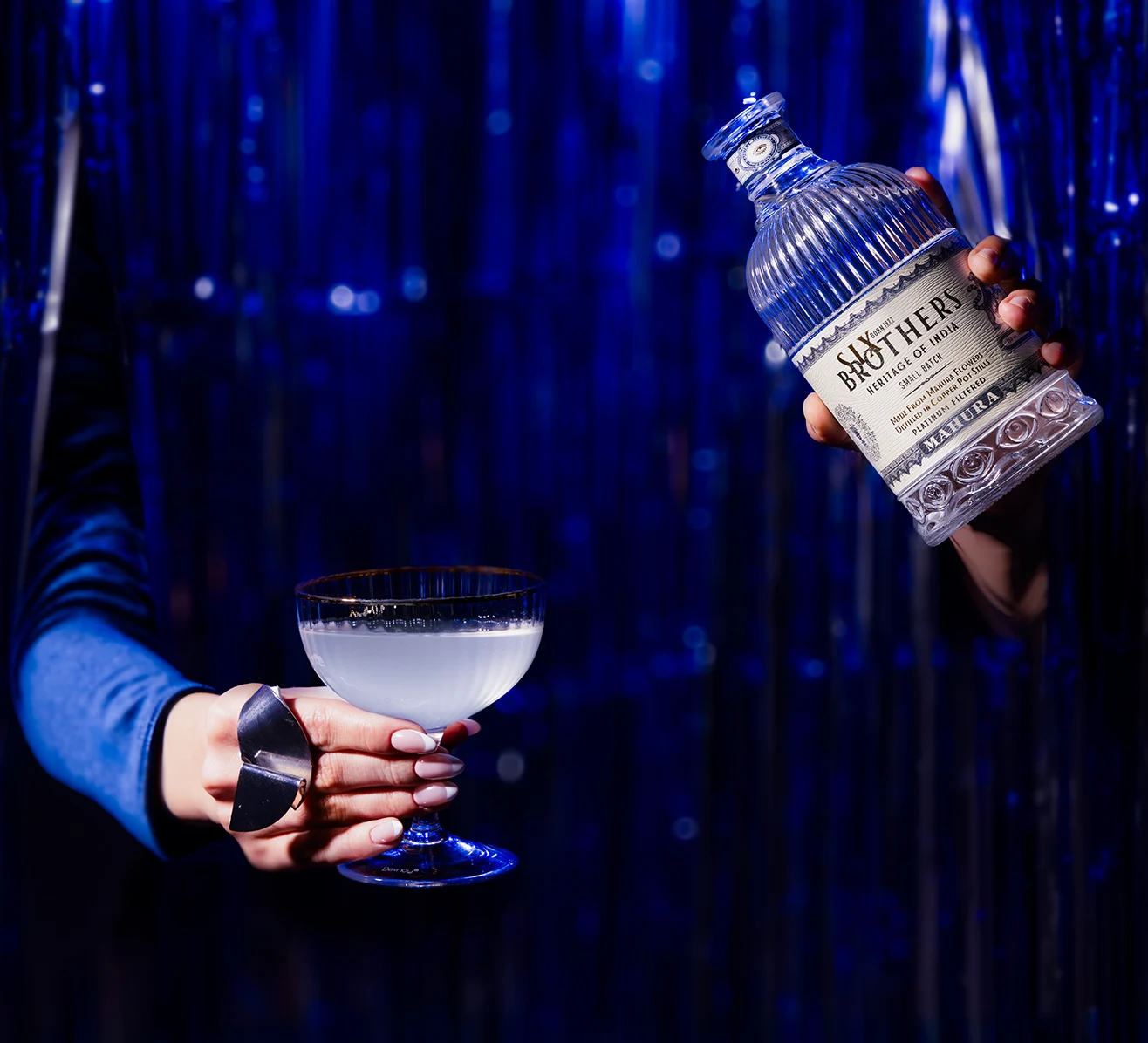
For Mahua alcohol to move into the mainstream, it must transition from its traditional perception into a more refined offering.
This involves:
Current urban trends favour:
These are the same factors that enabled single malt whisky and Indian single malt to grow in acceptance and demand.
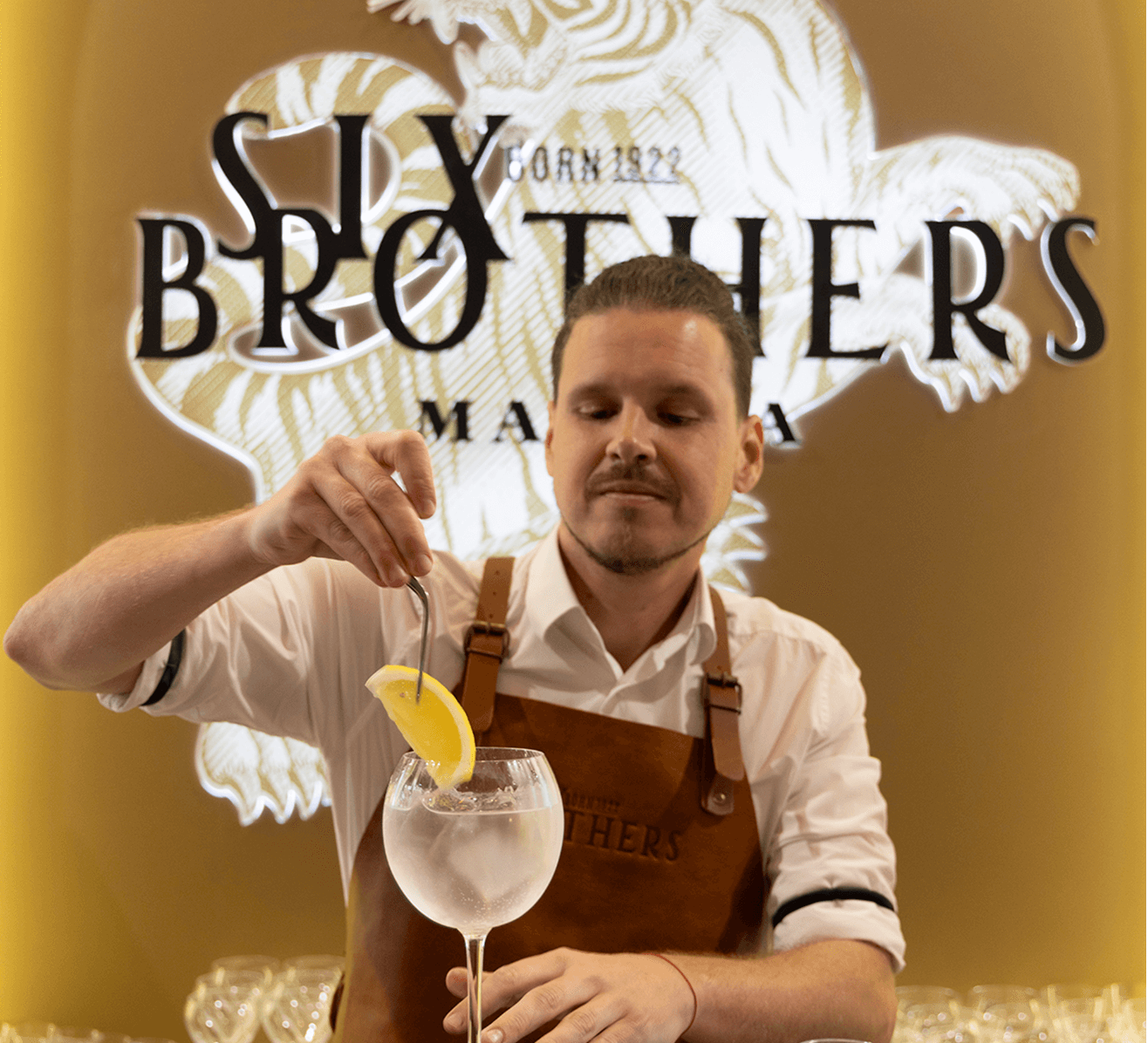
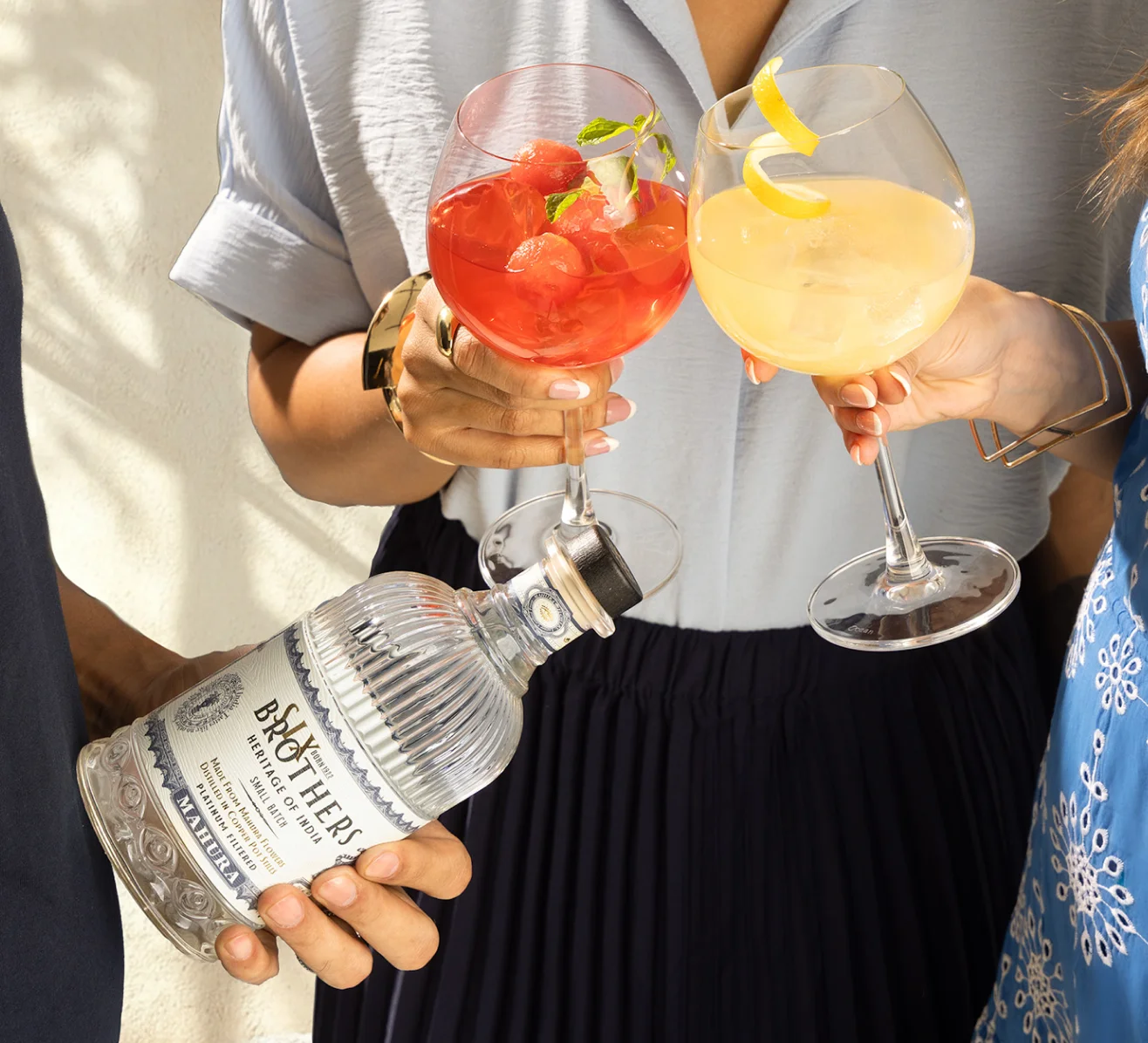
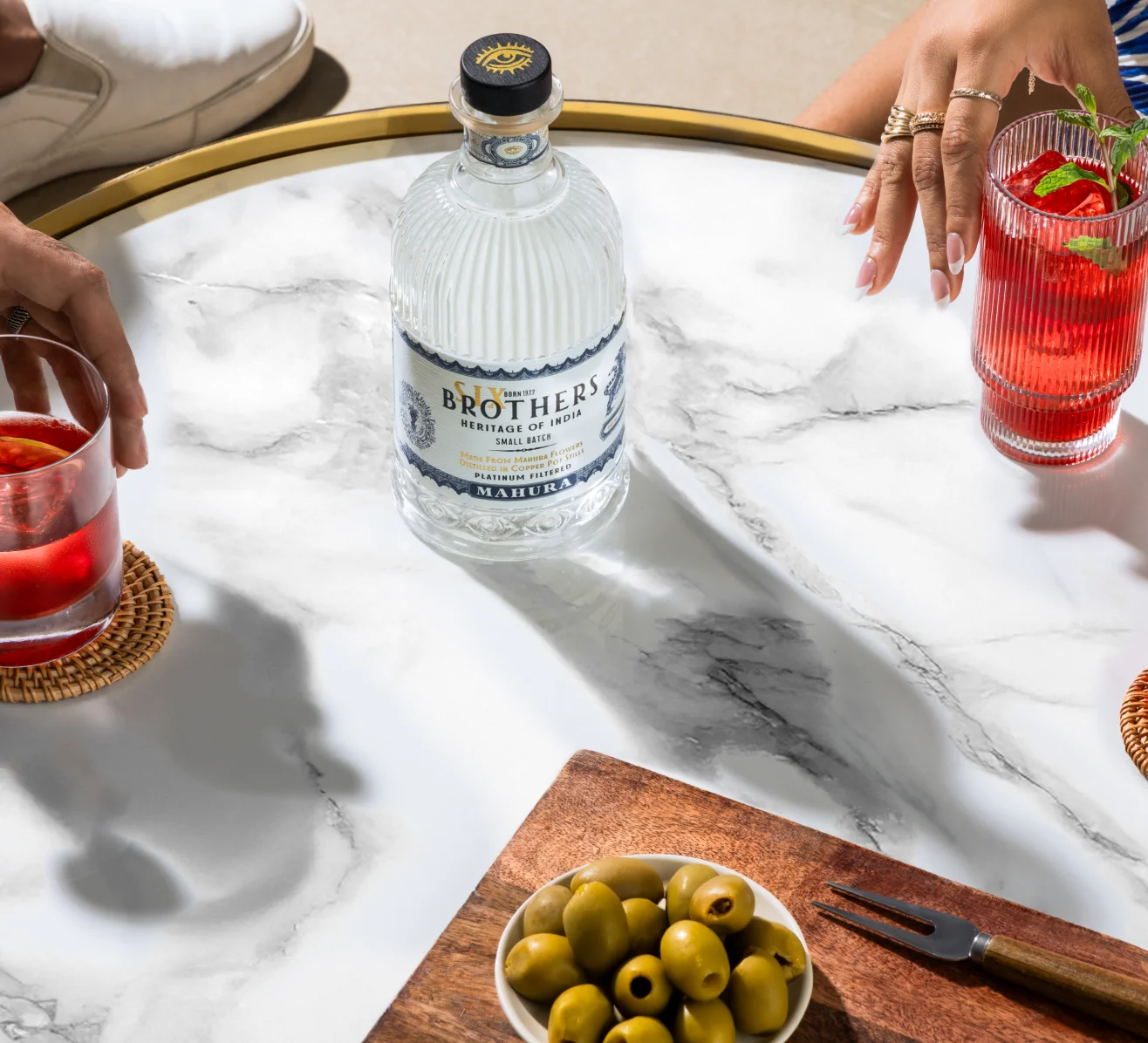
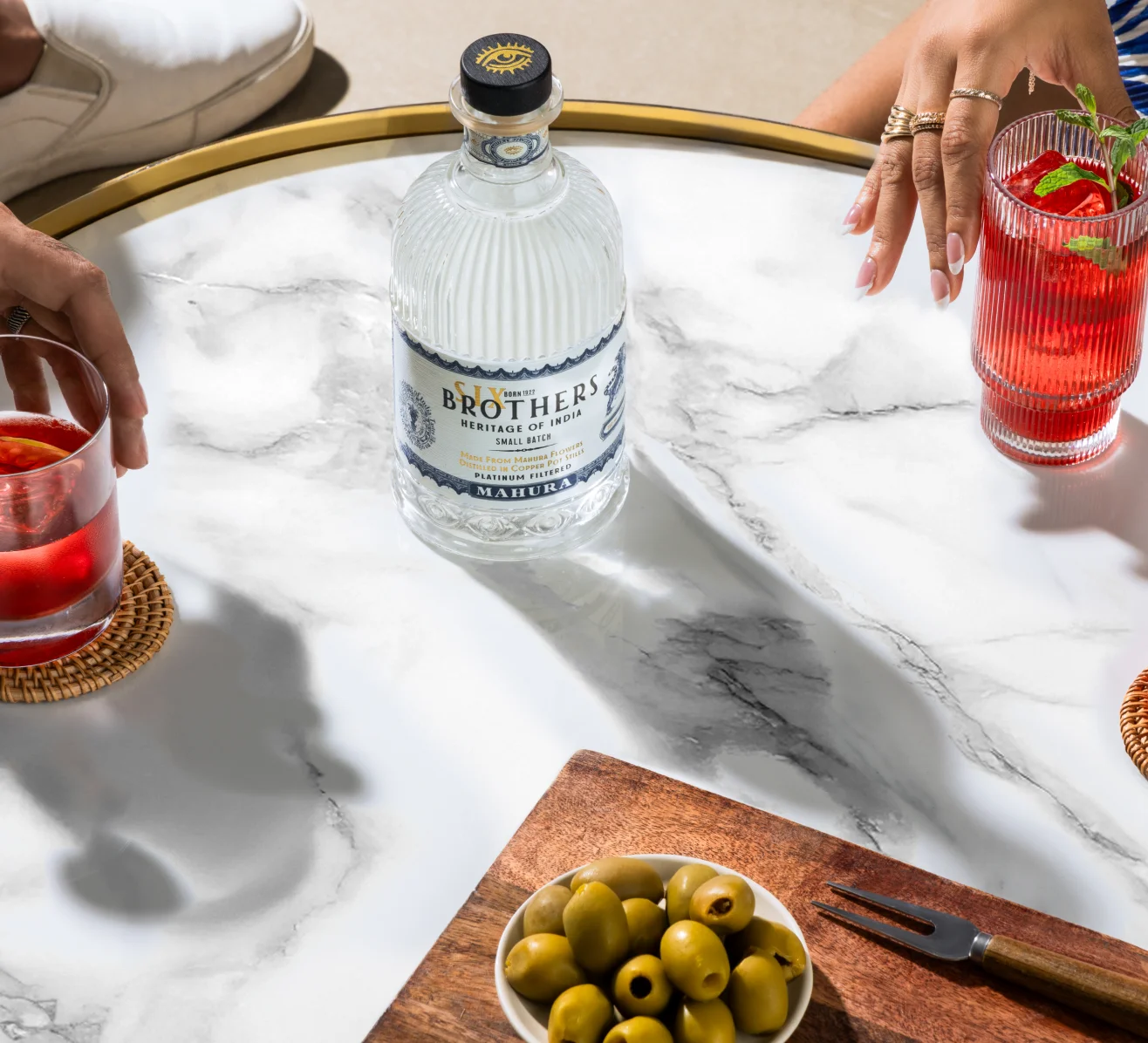
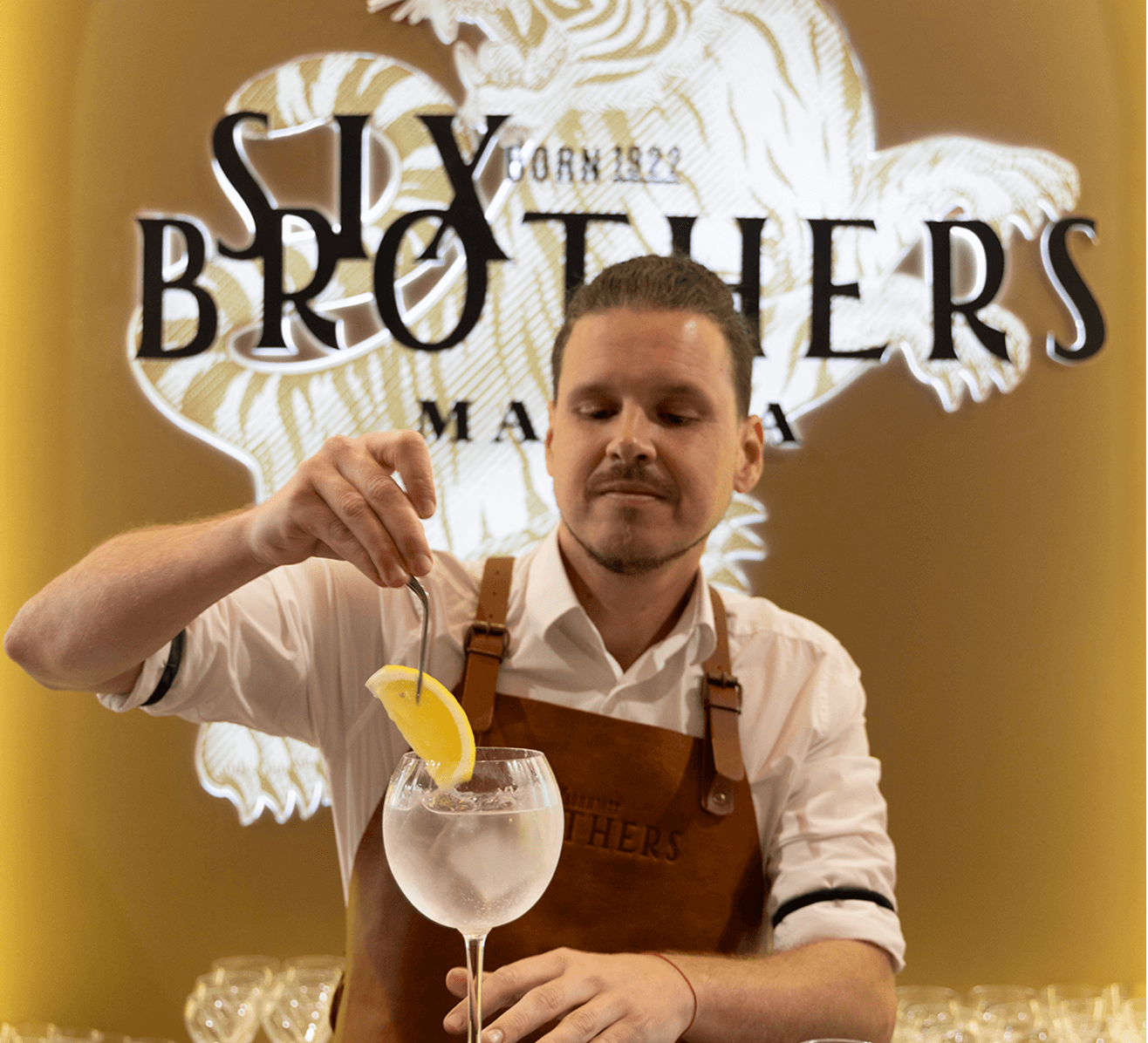
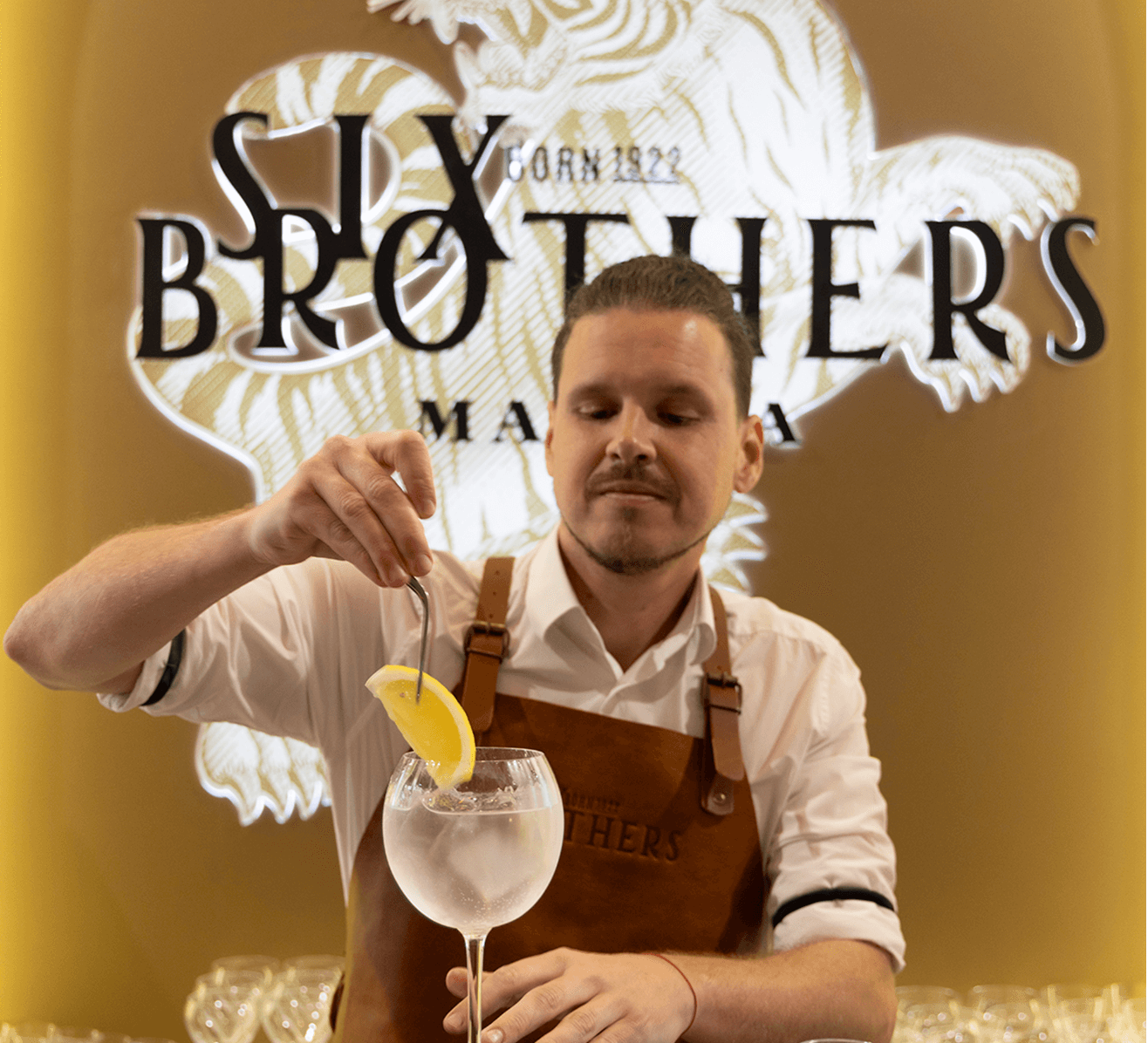
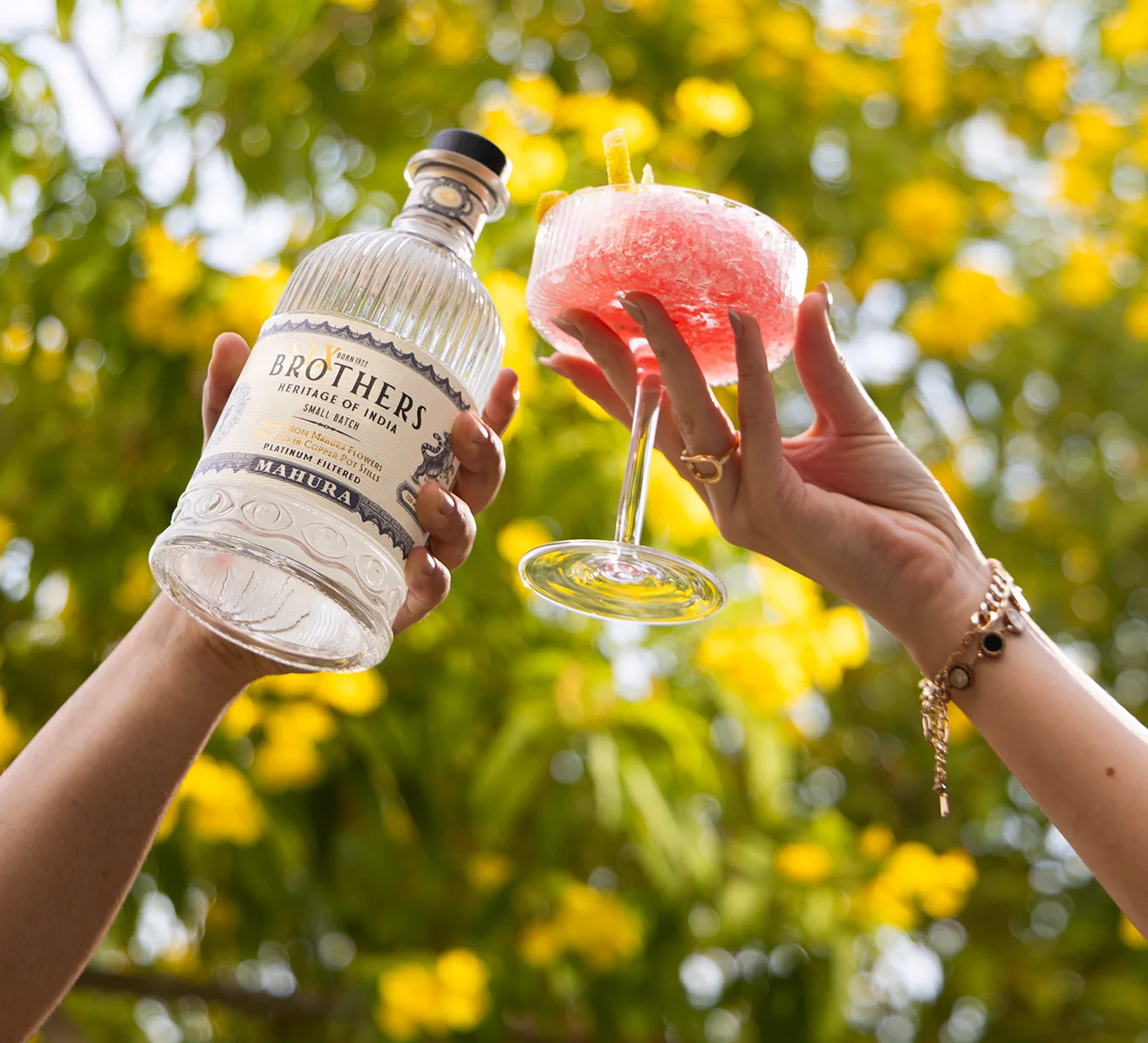
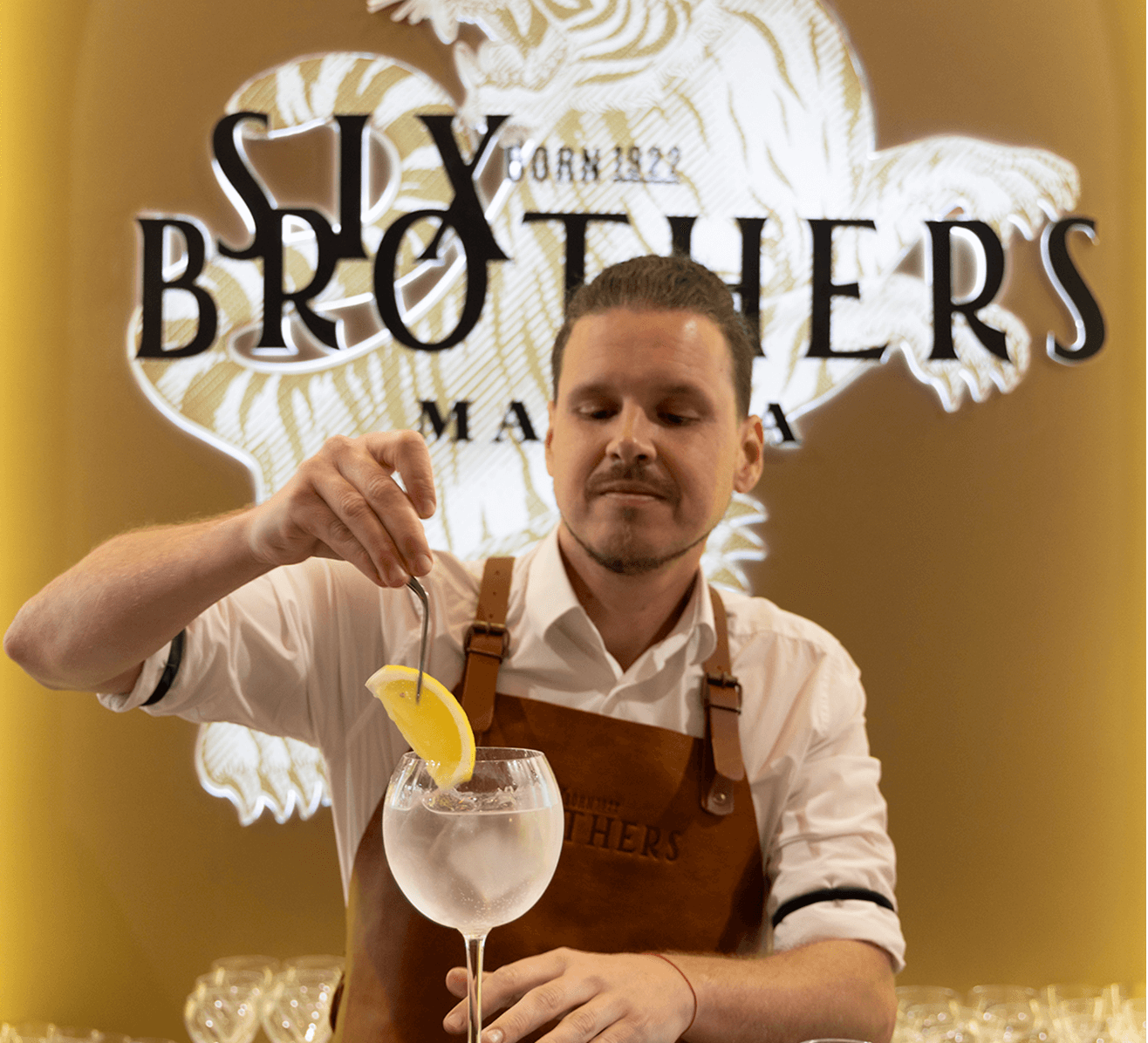
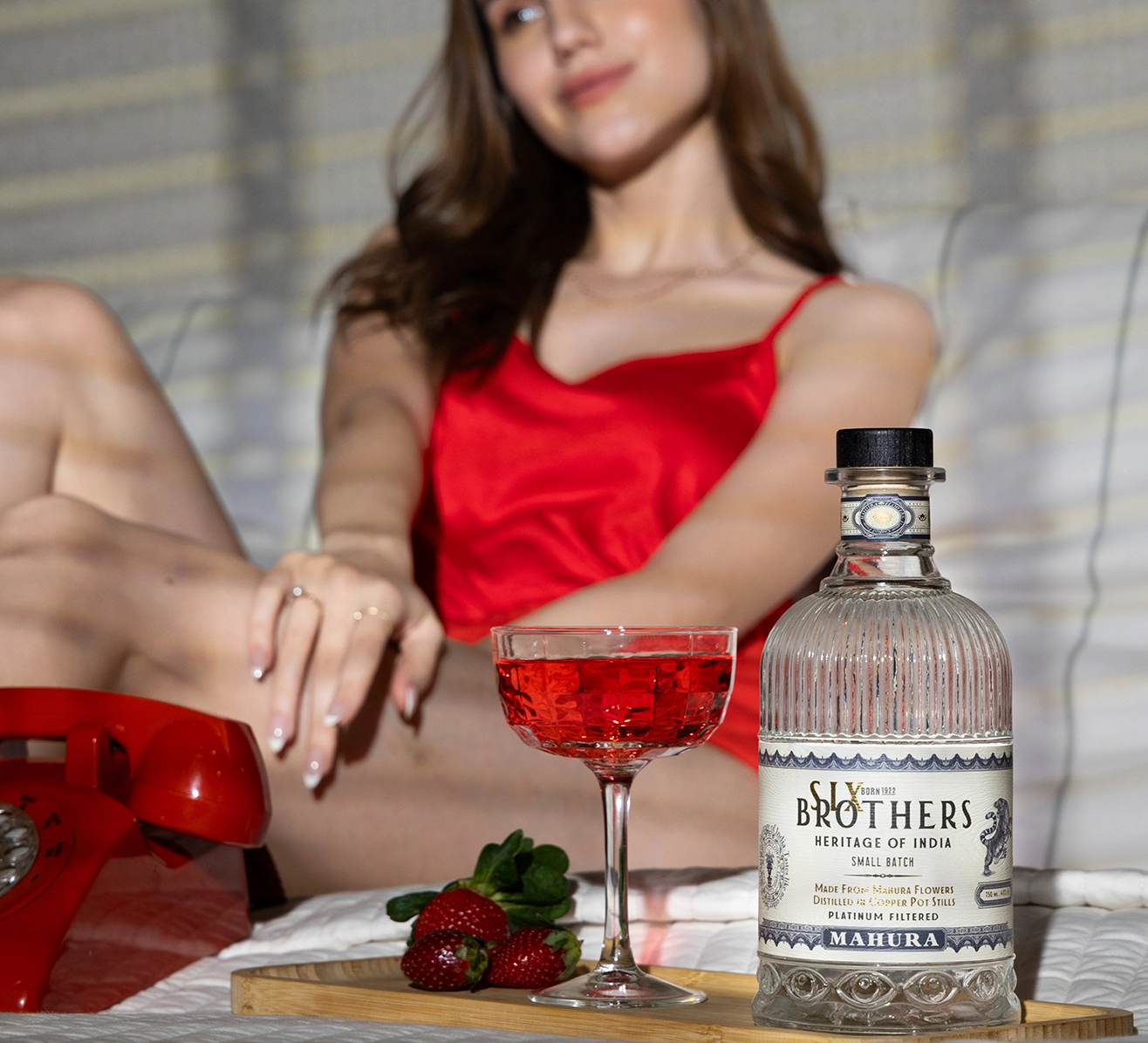
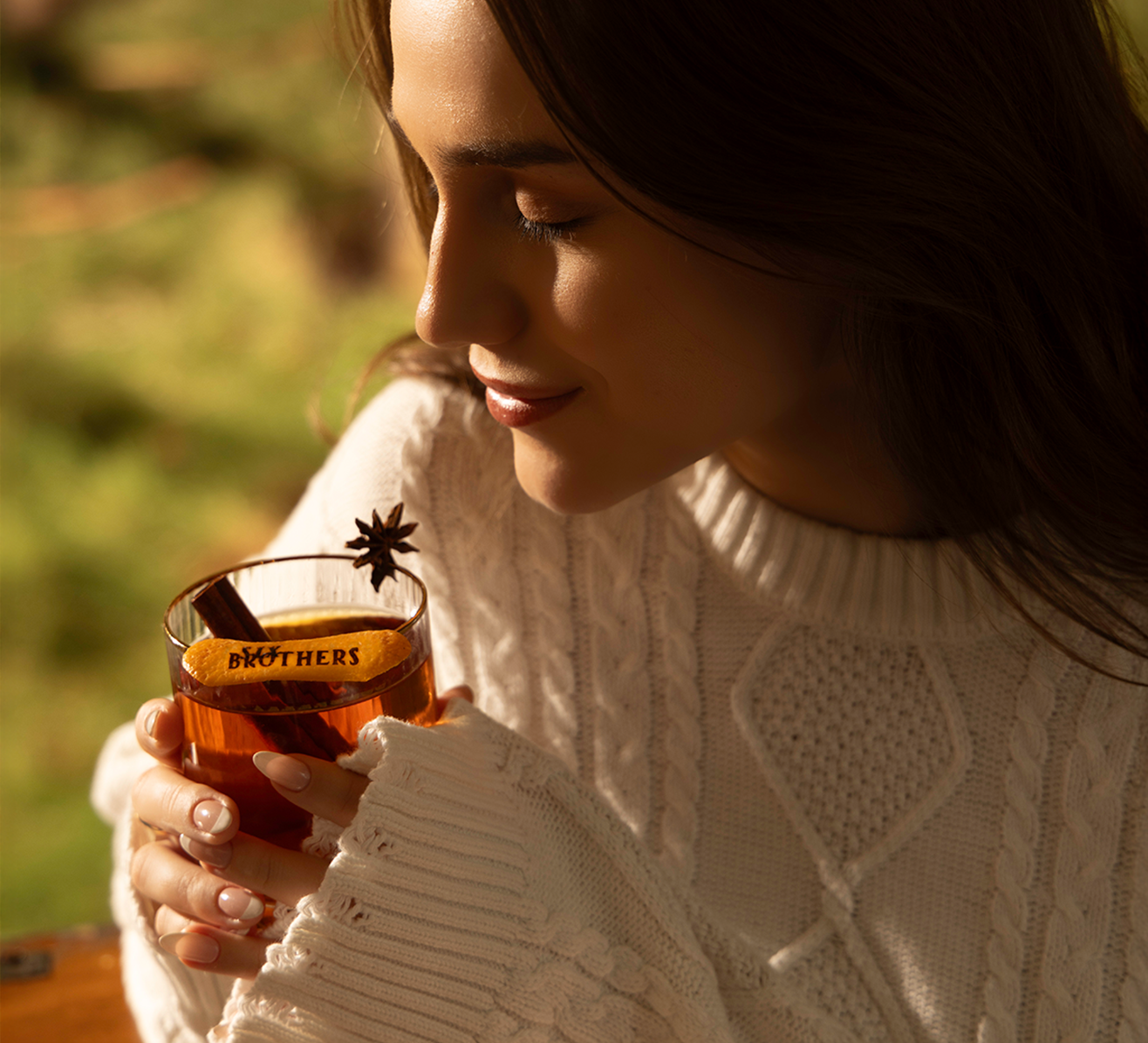
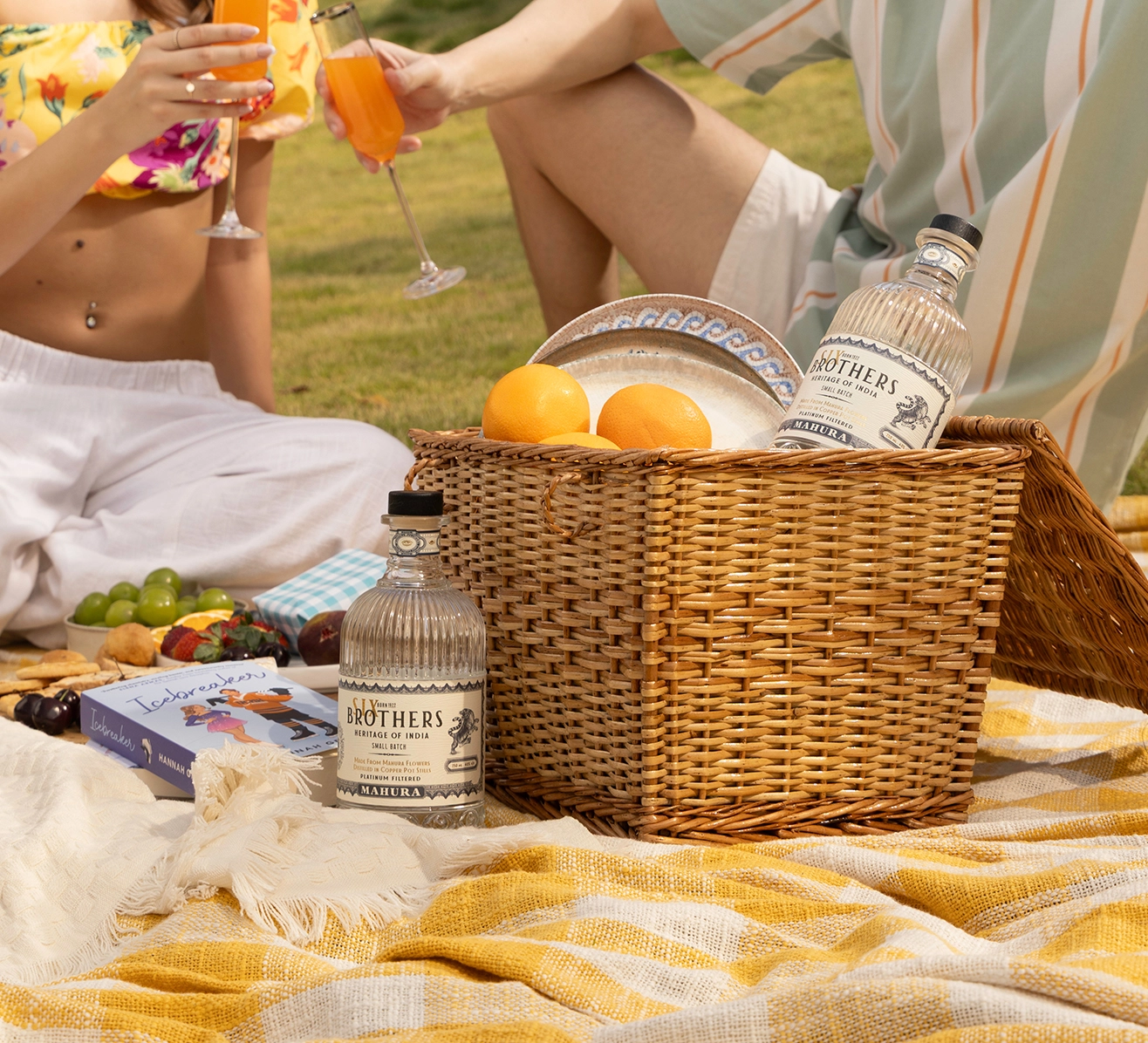
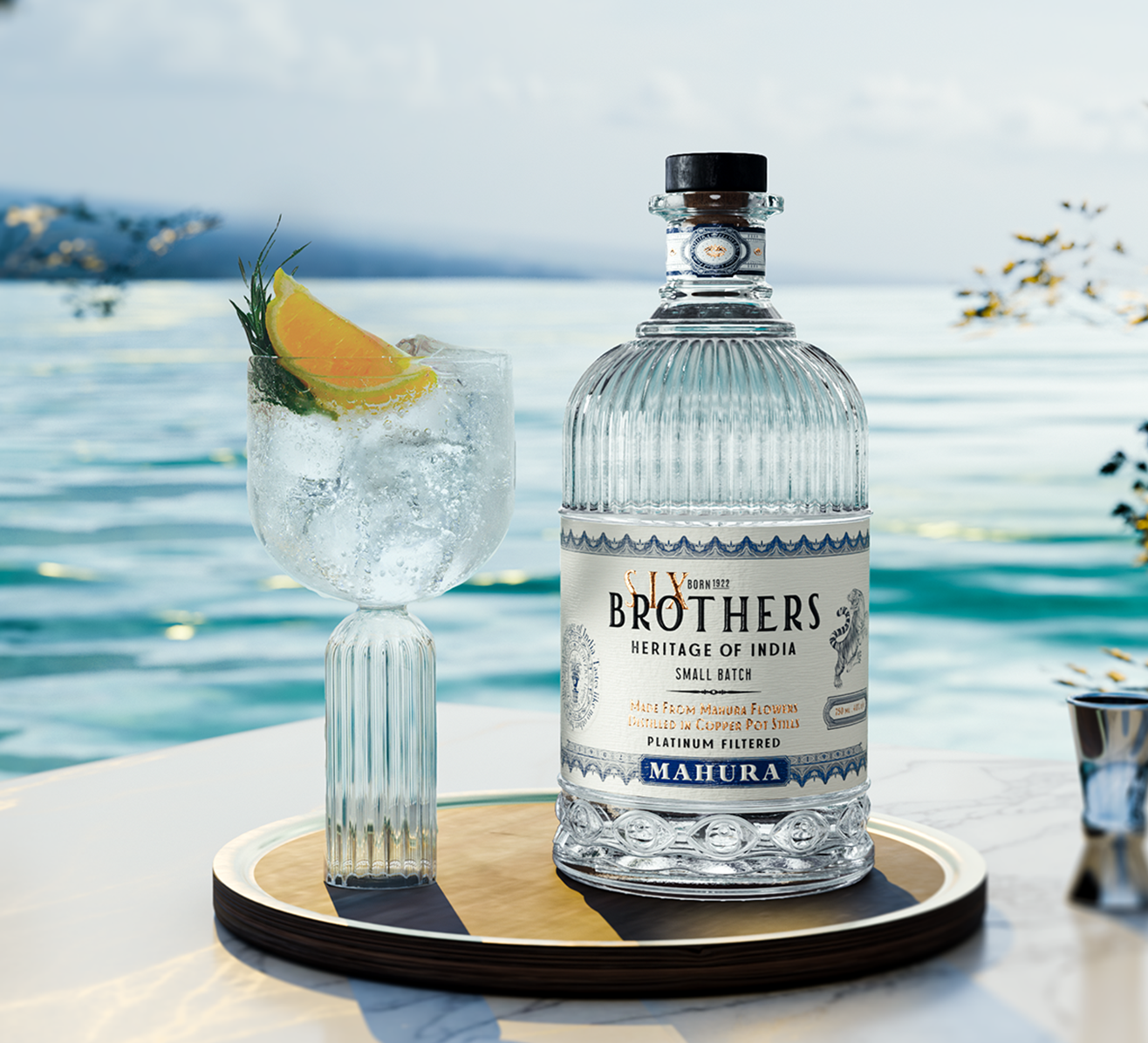
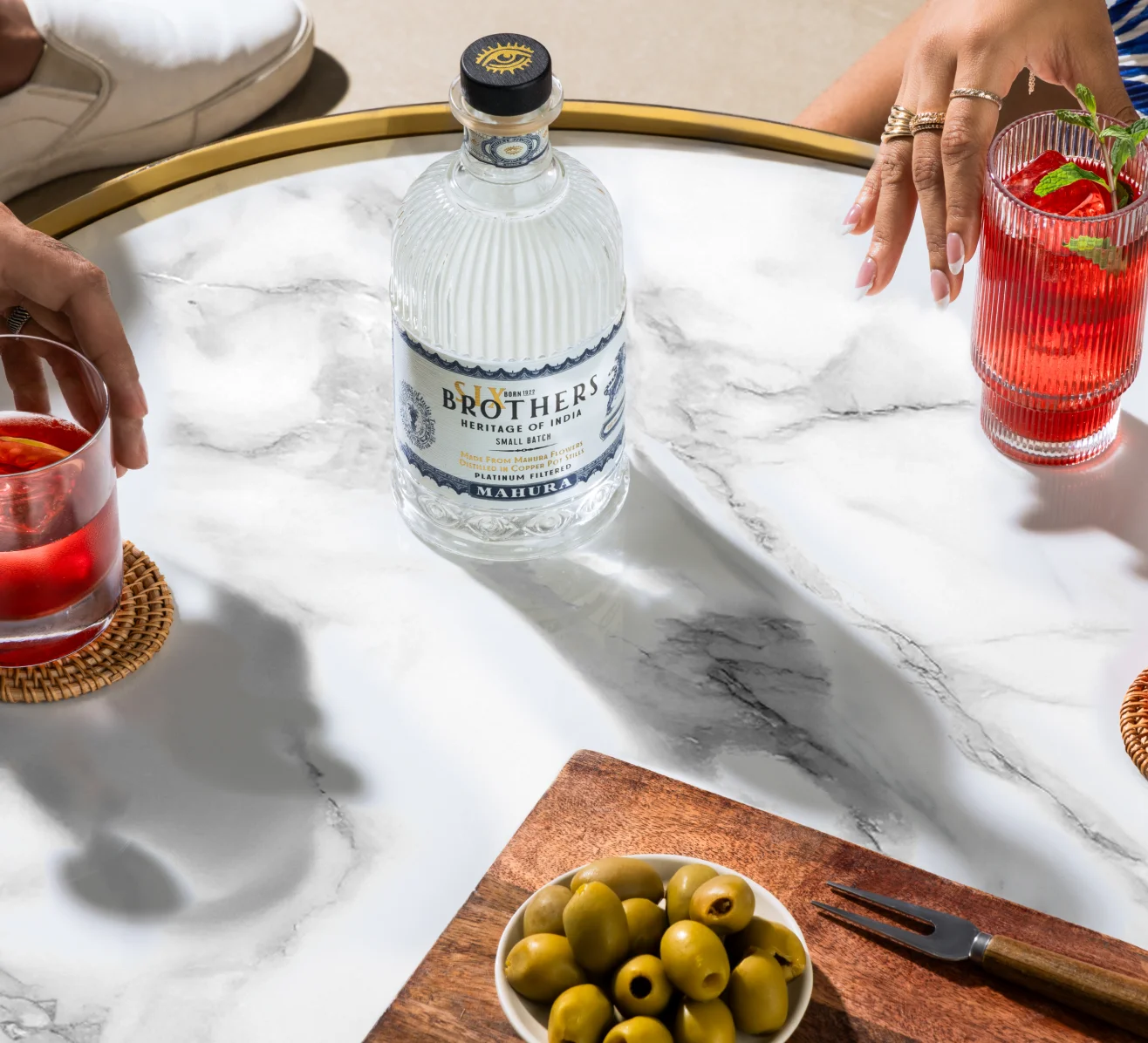
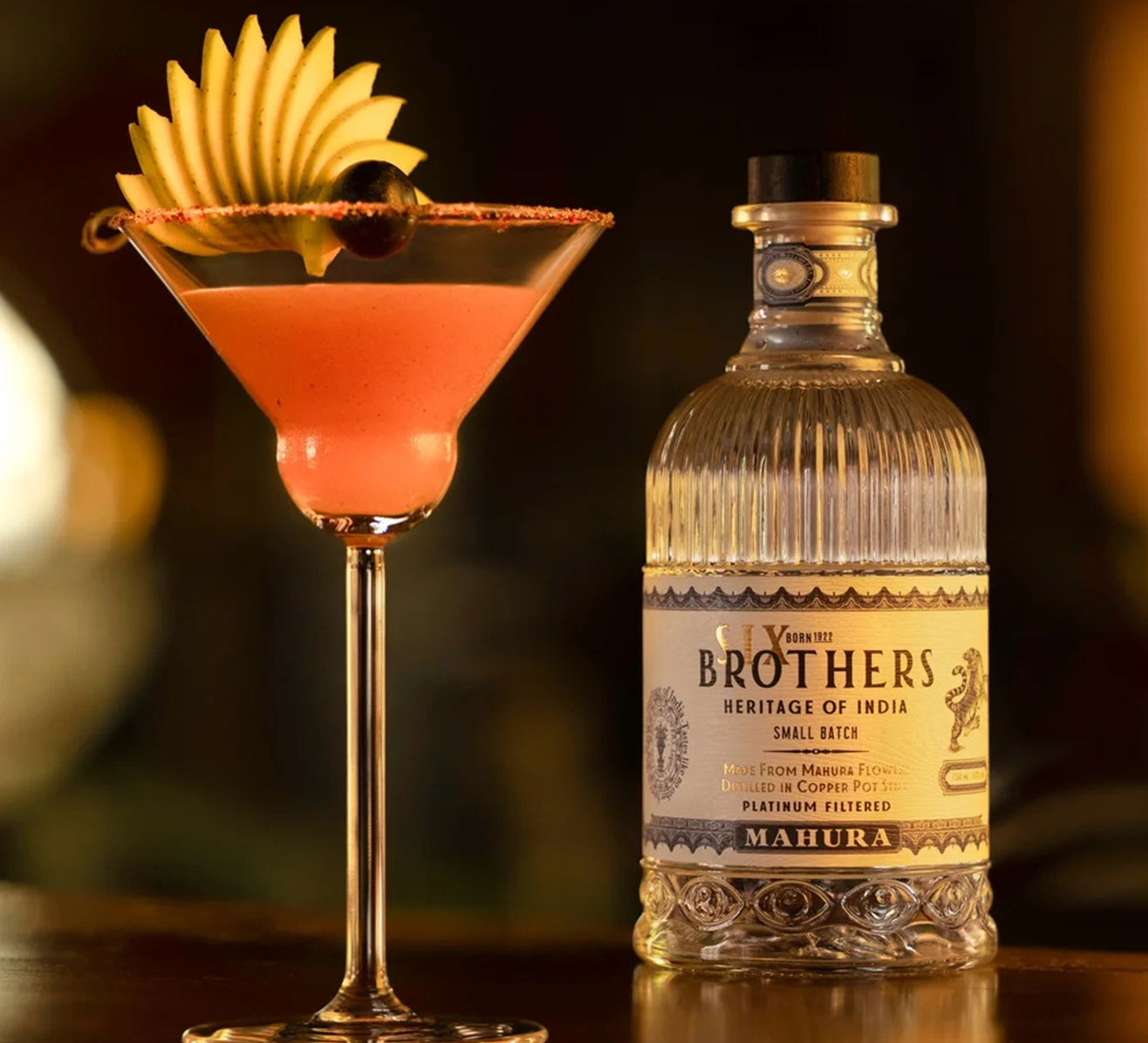
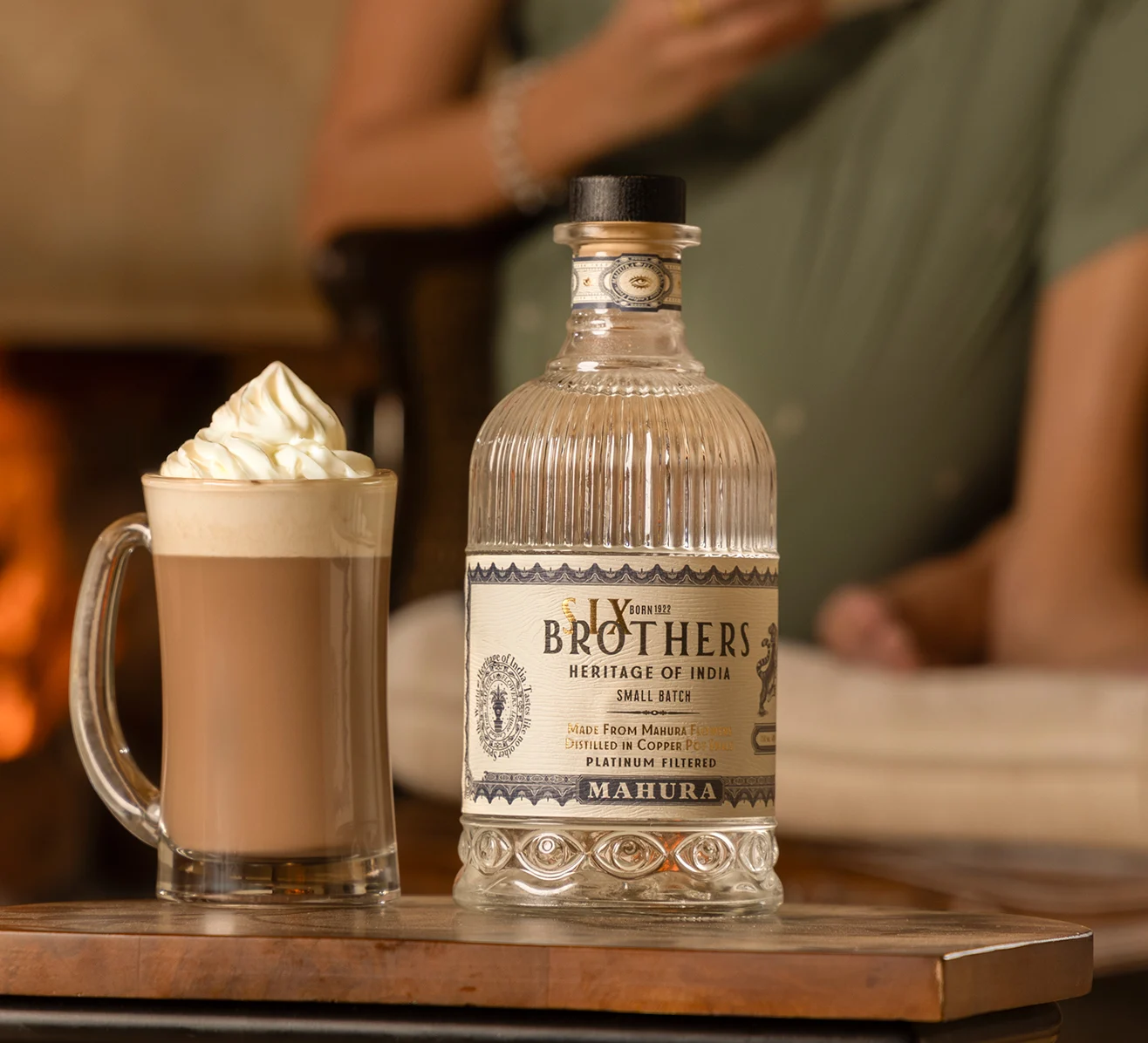
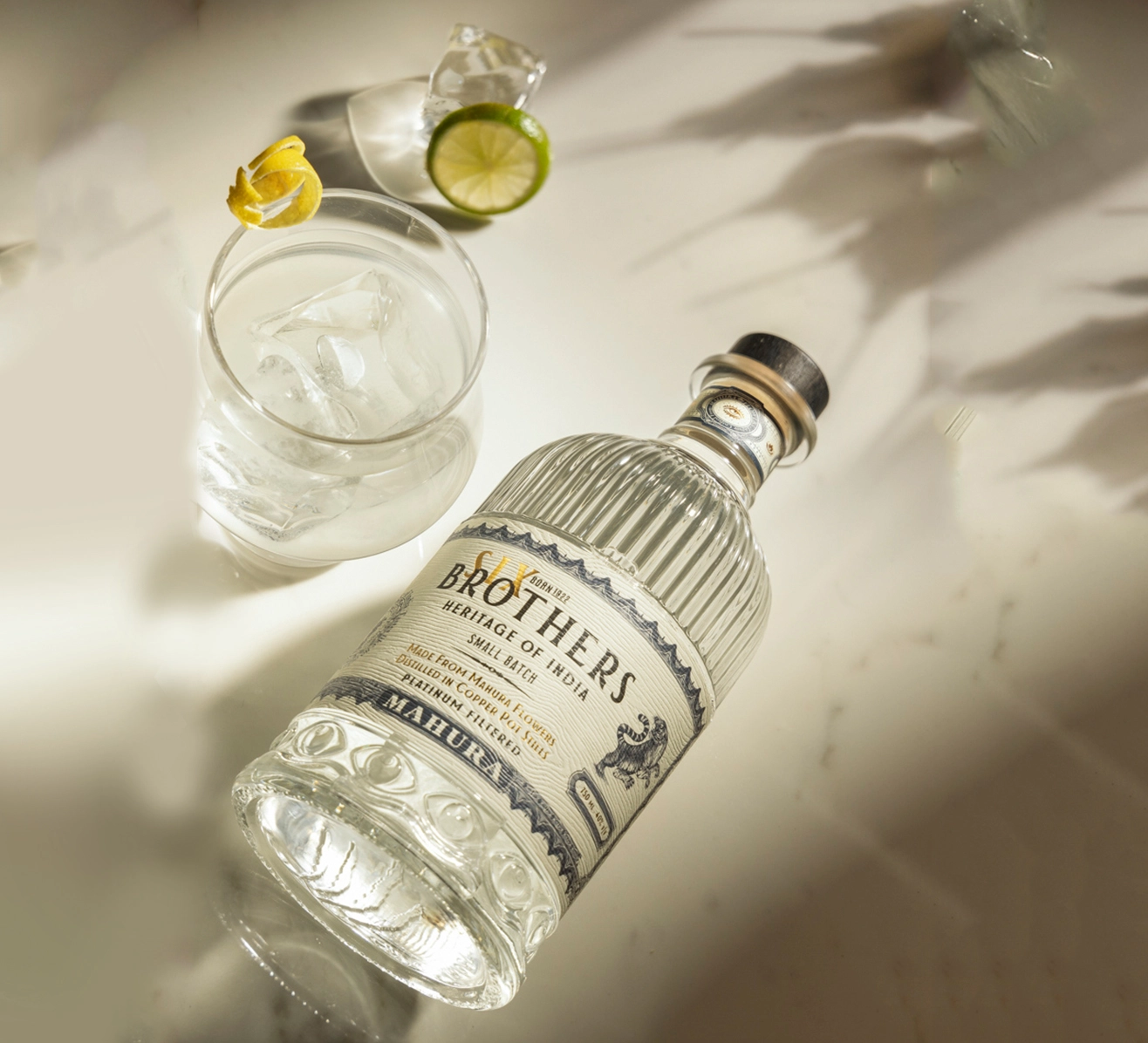
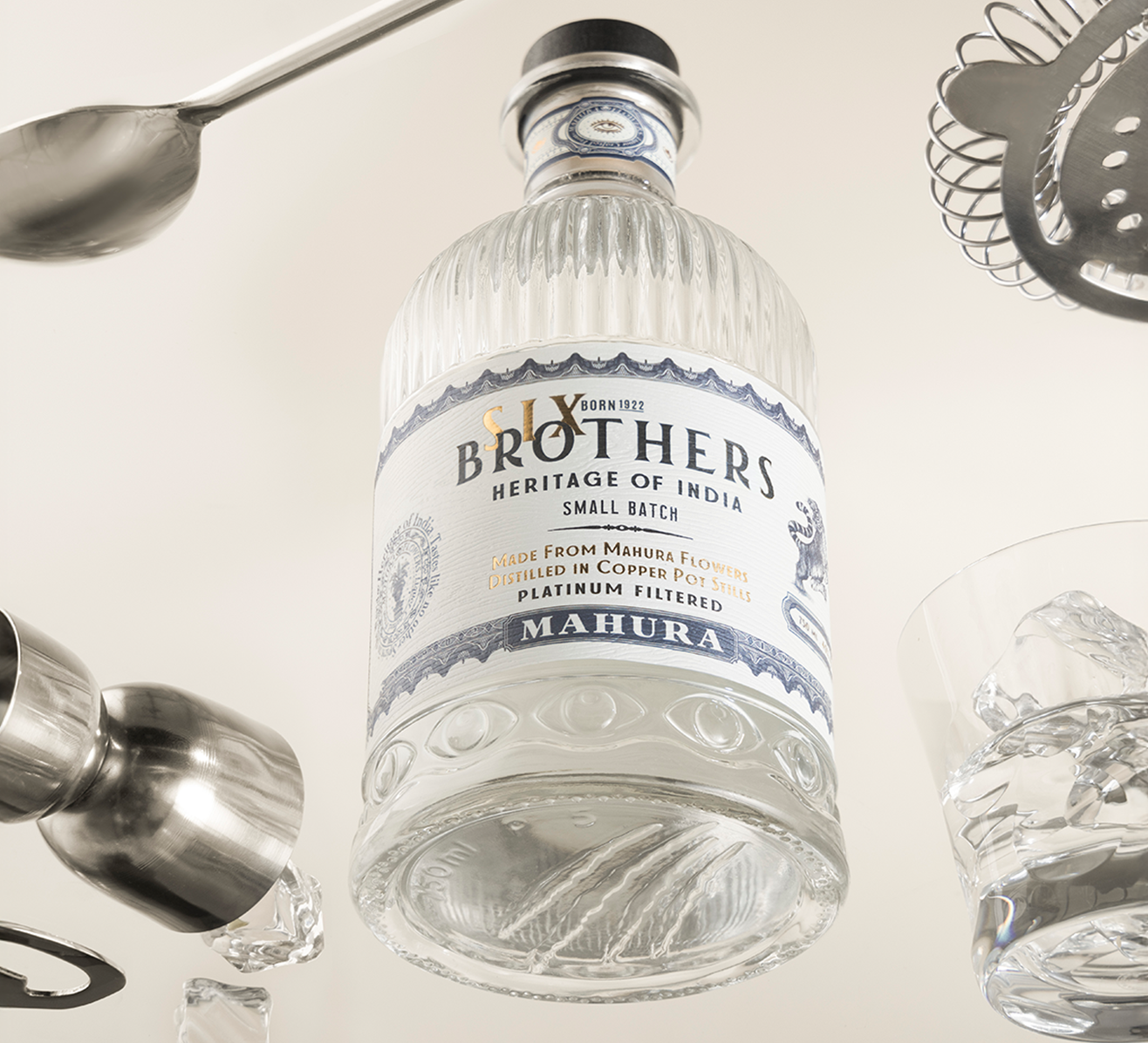
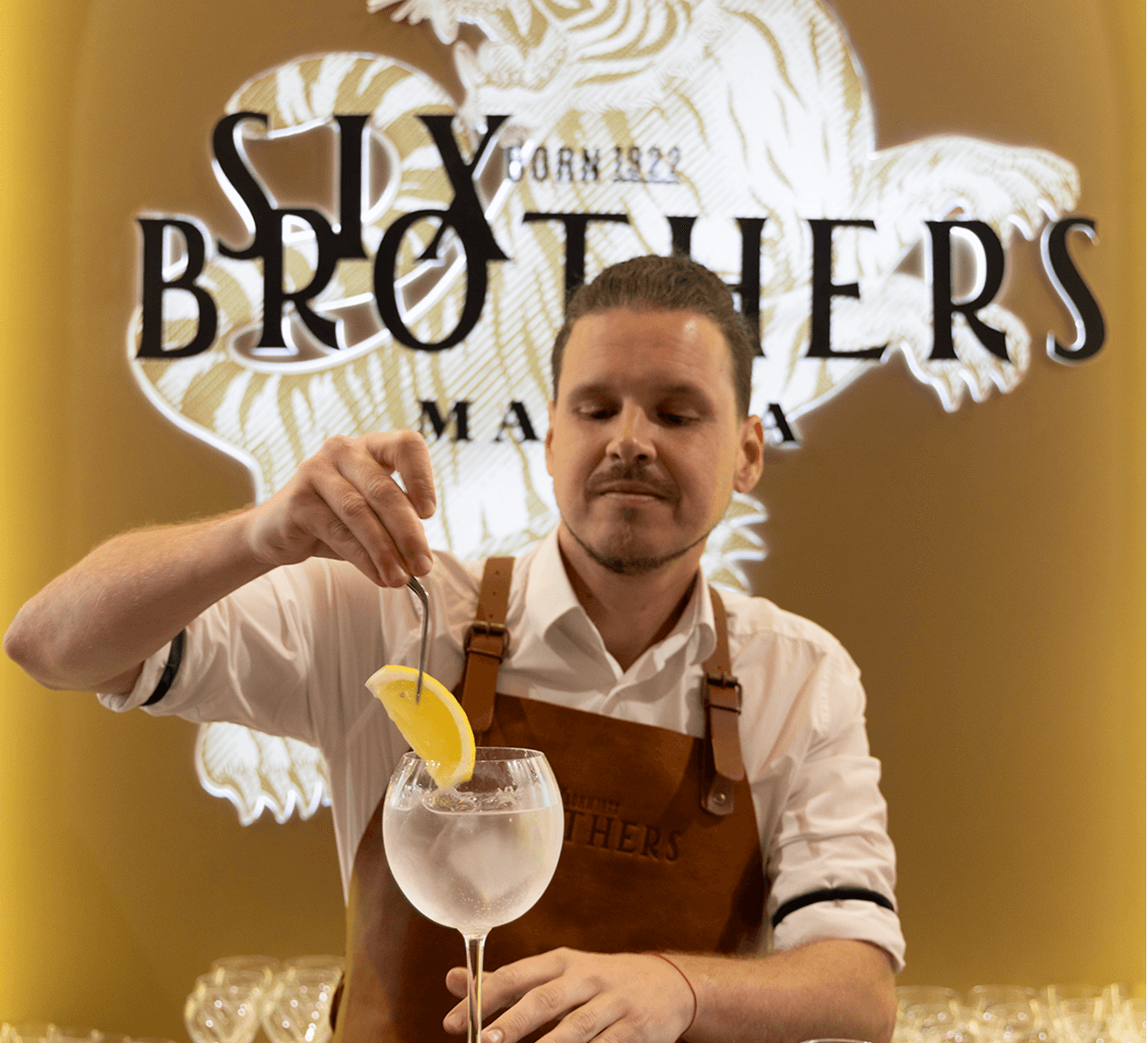
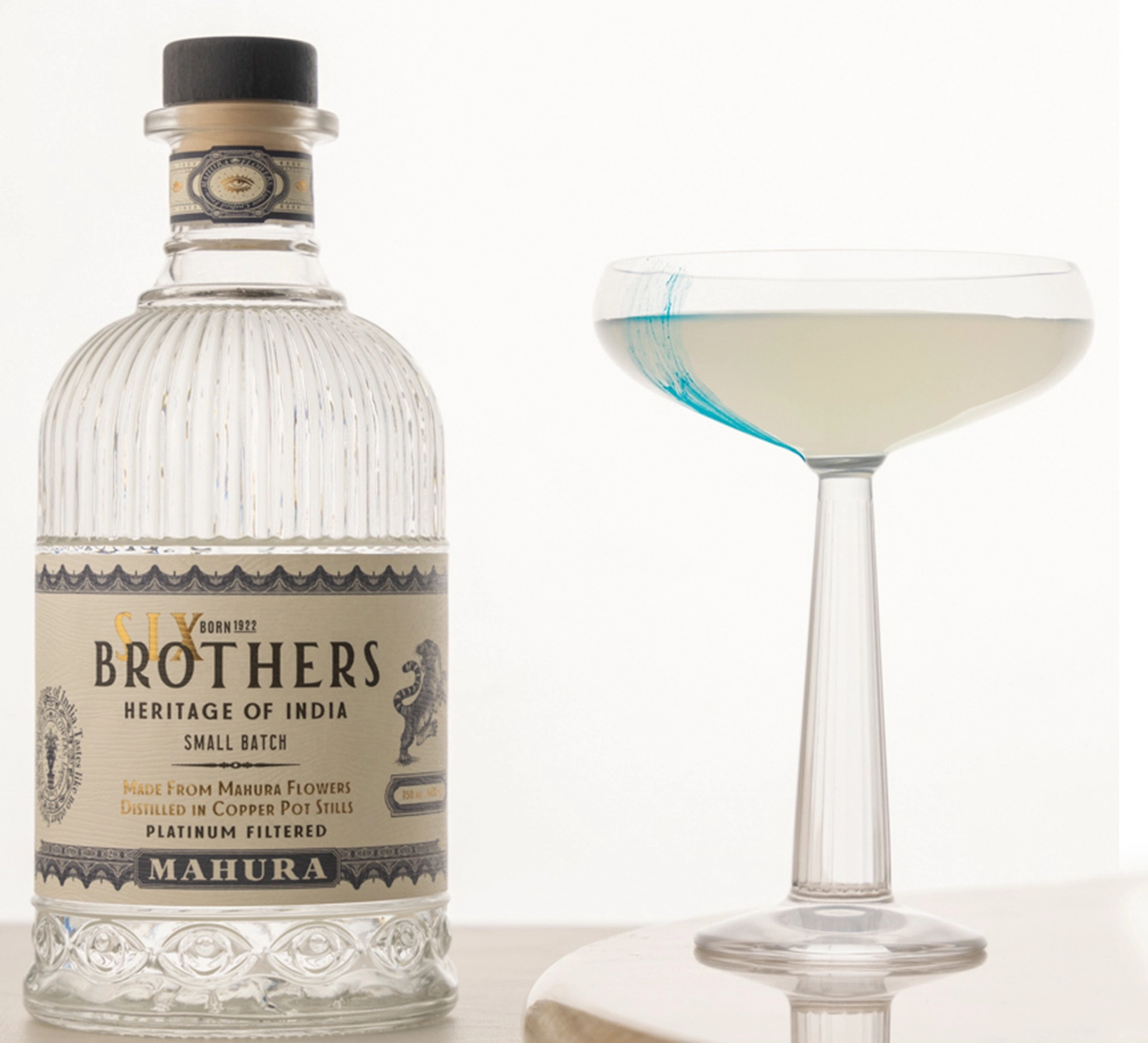
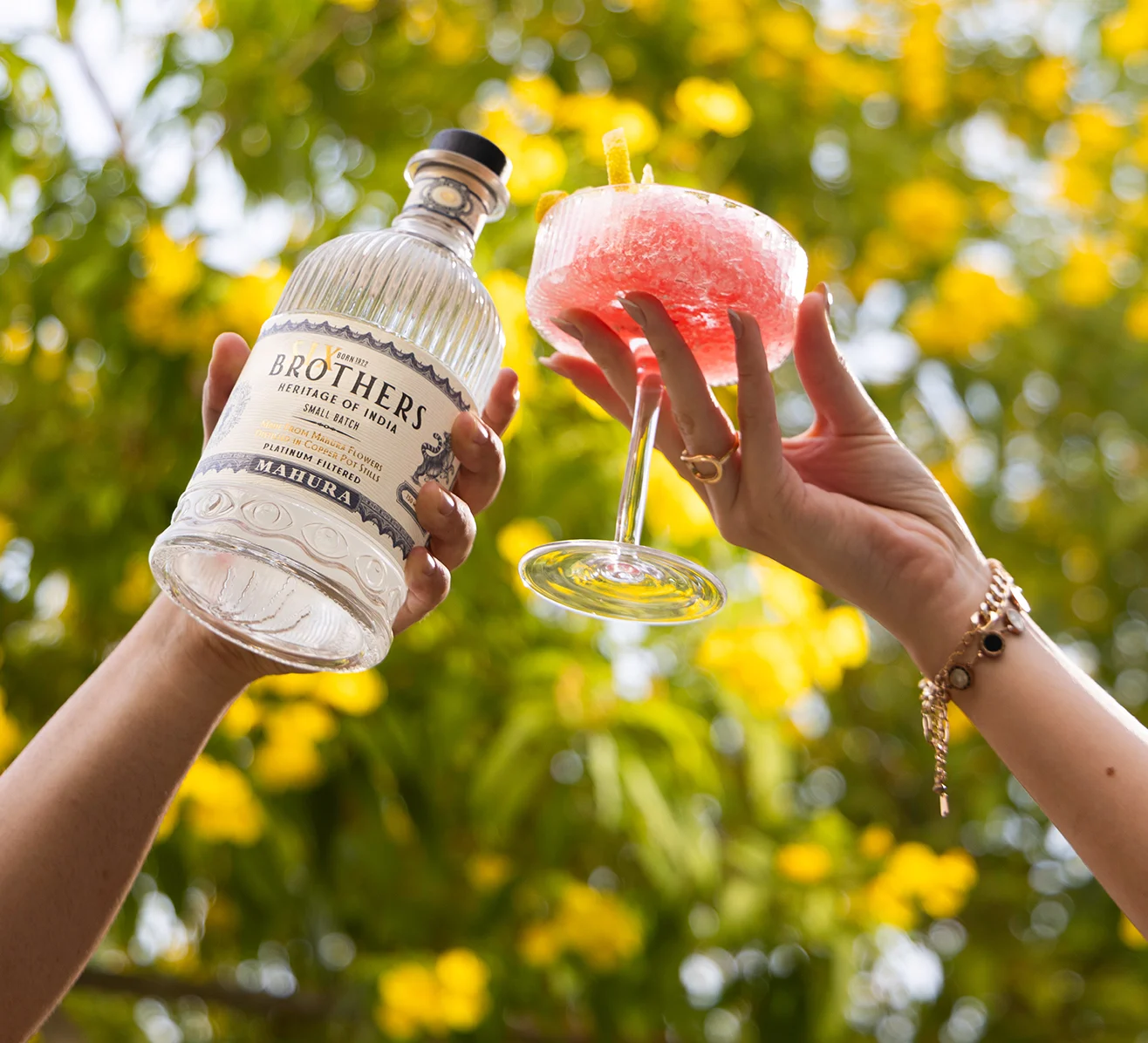
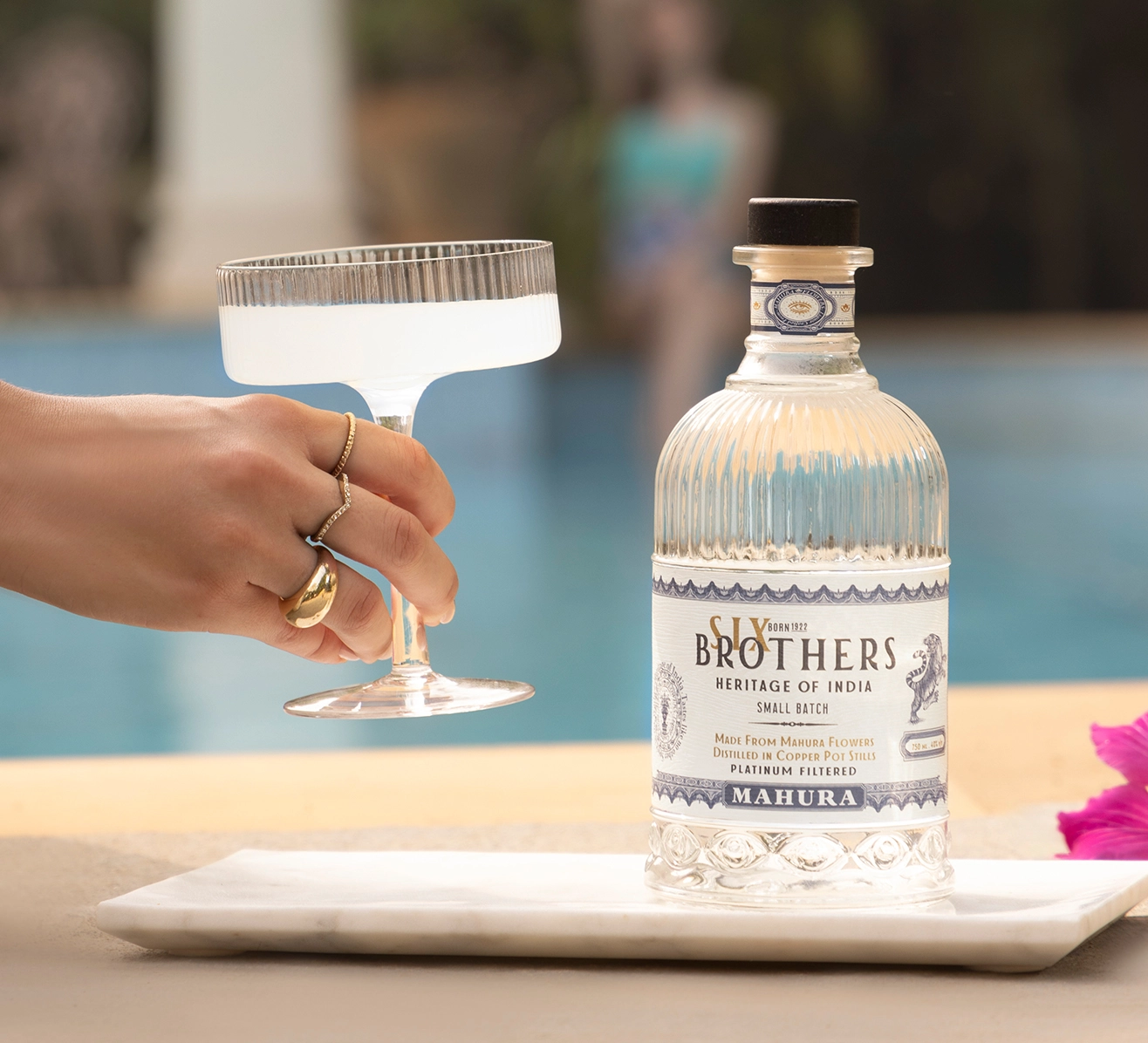
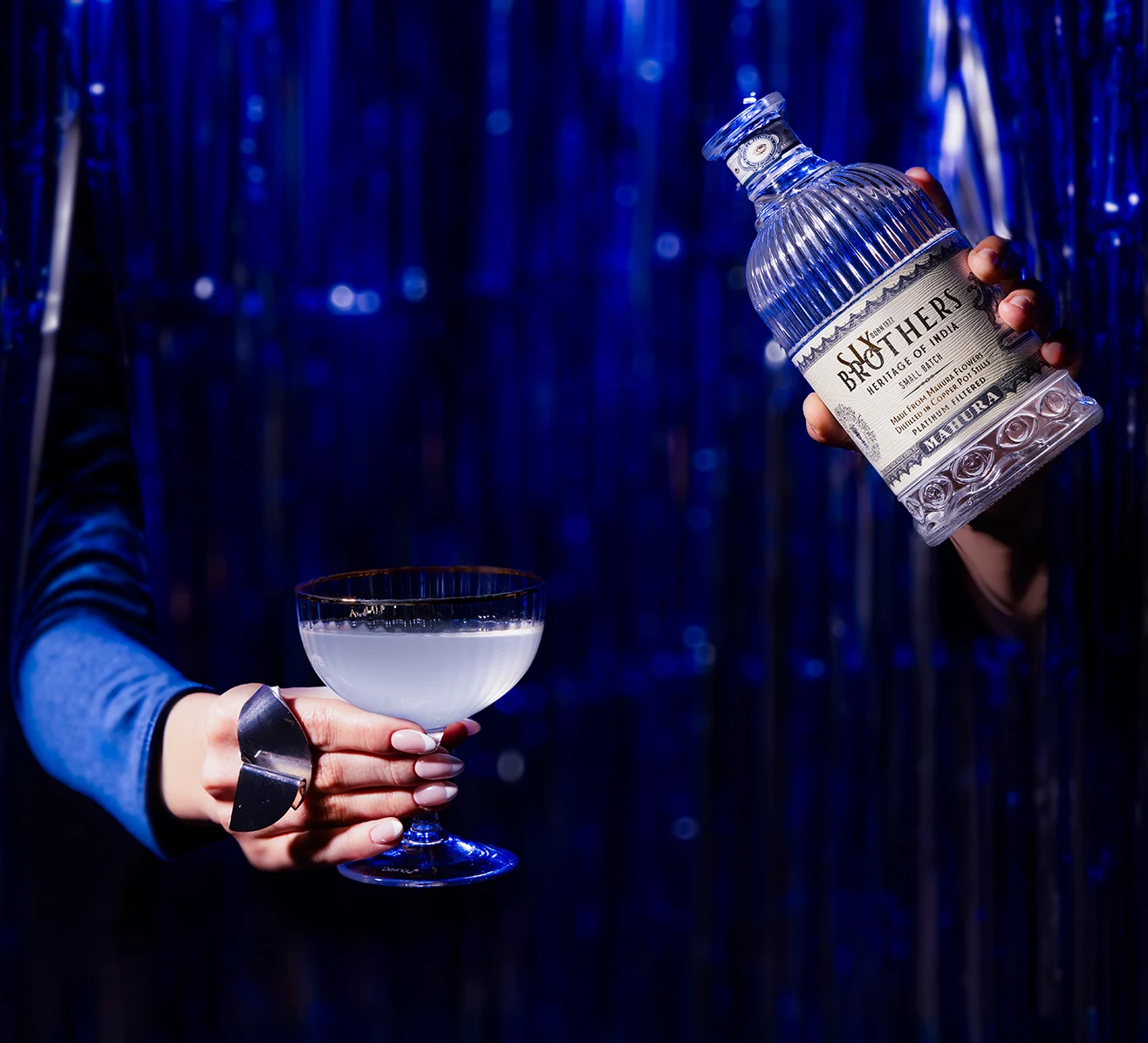
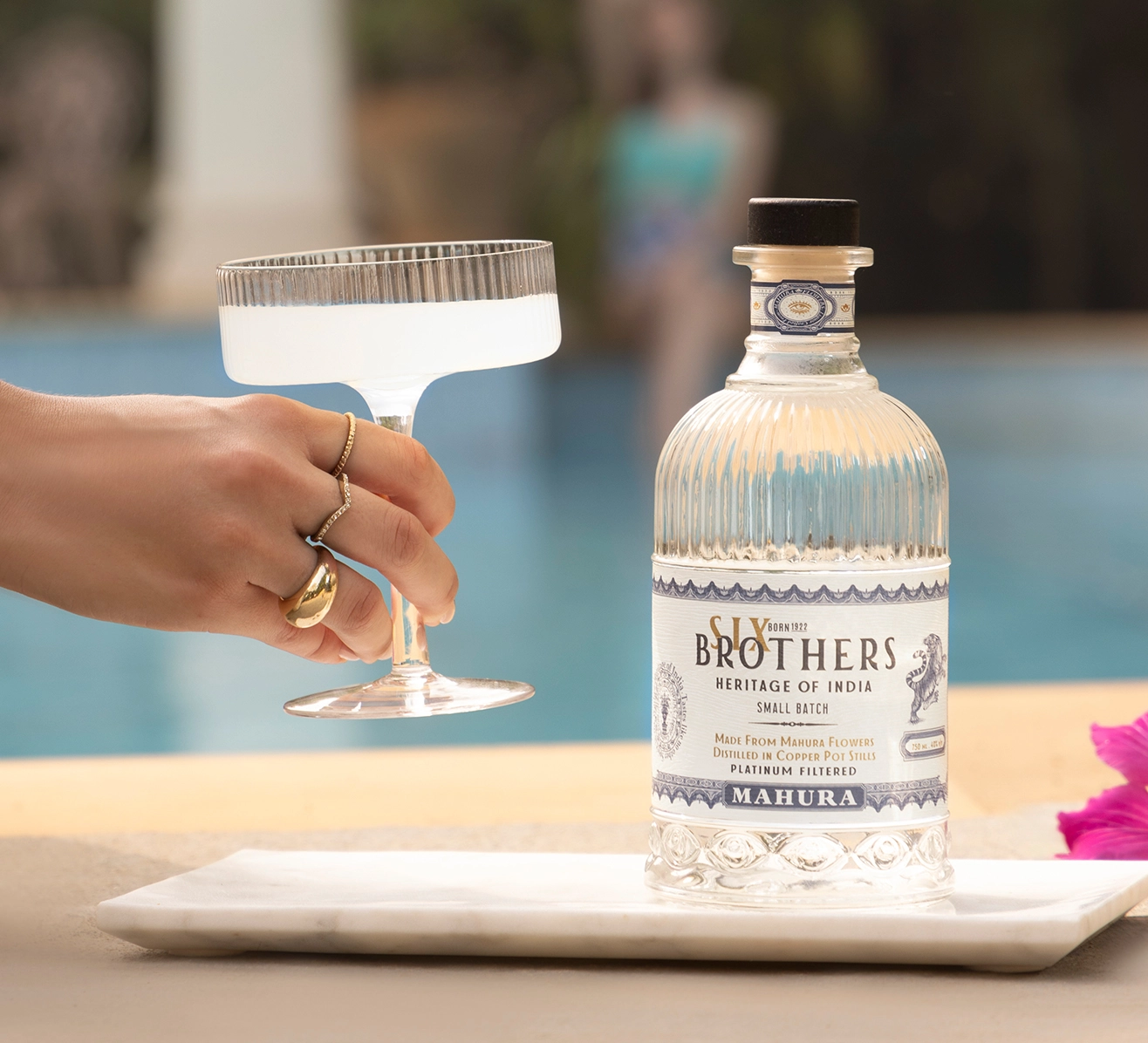
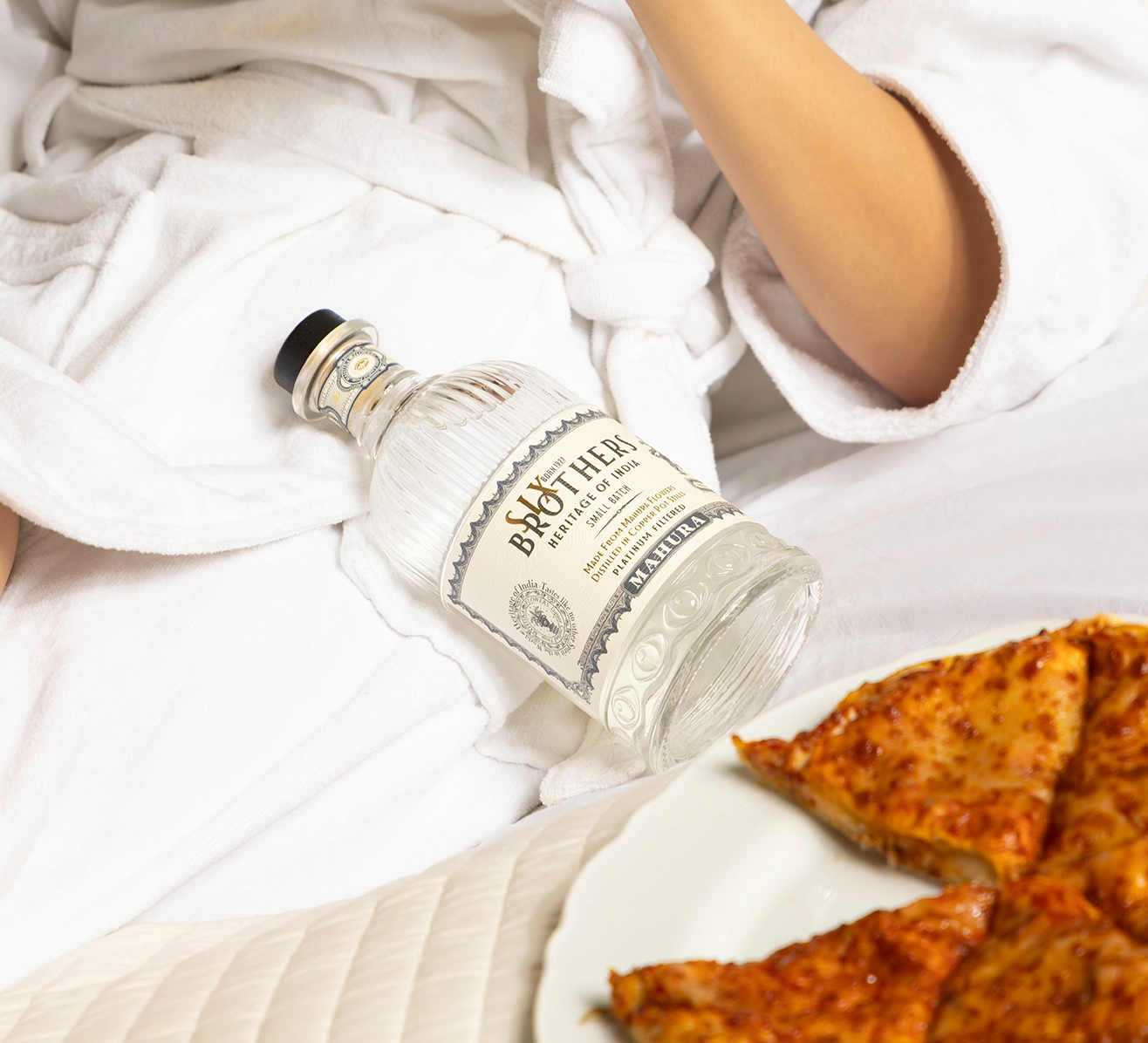
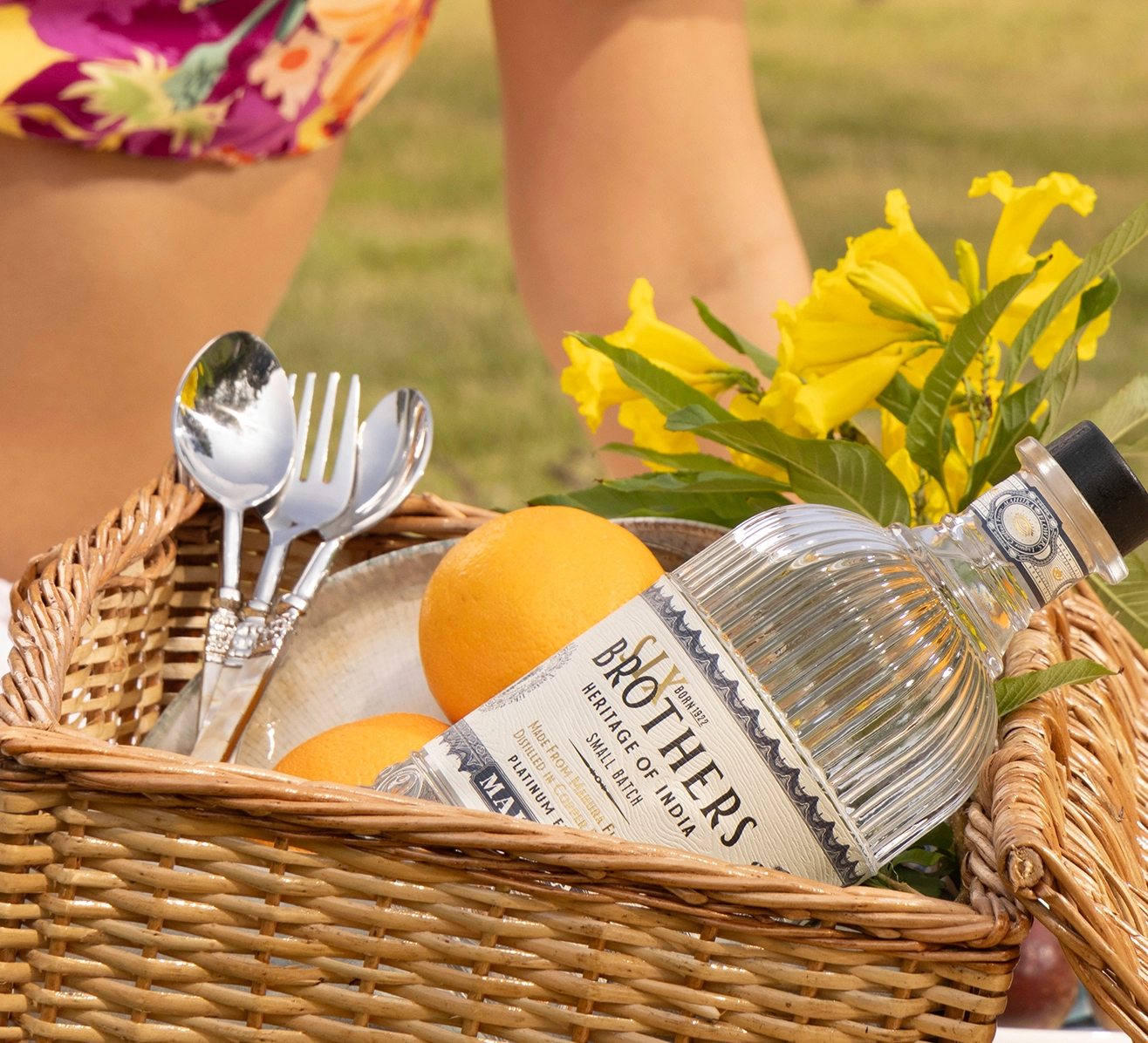
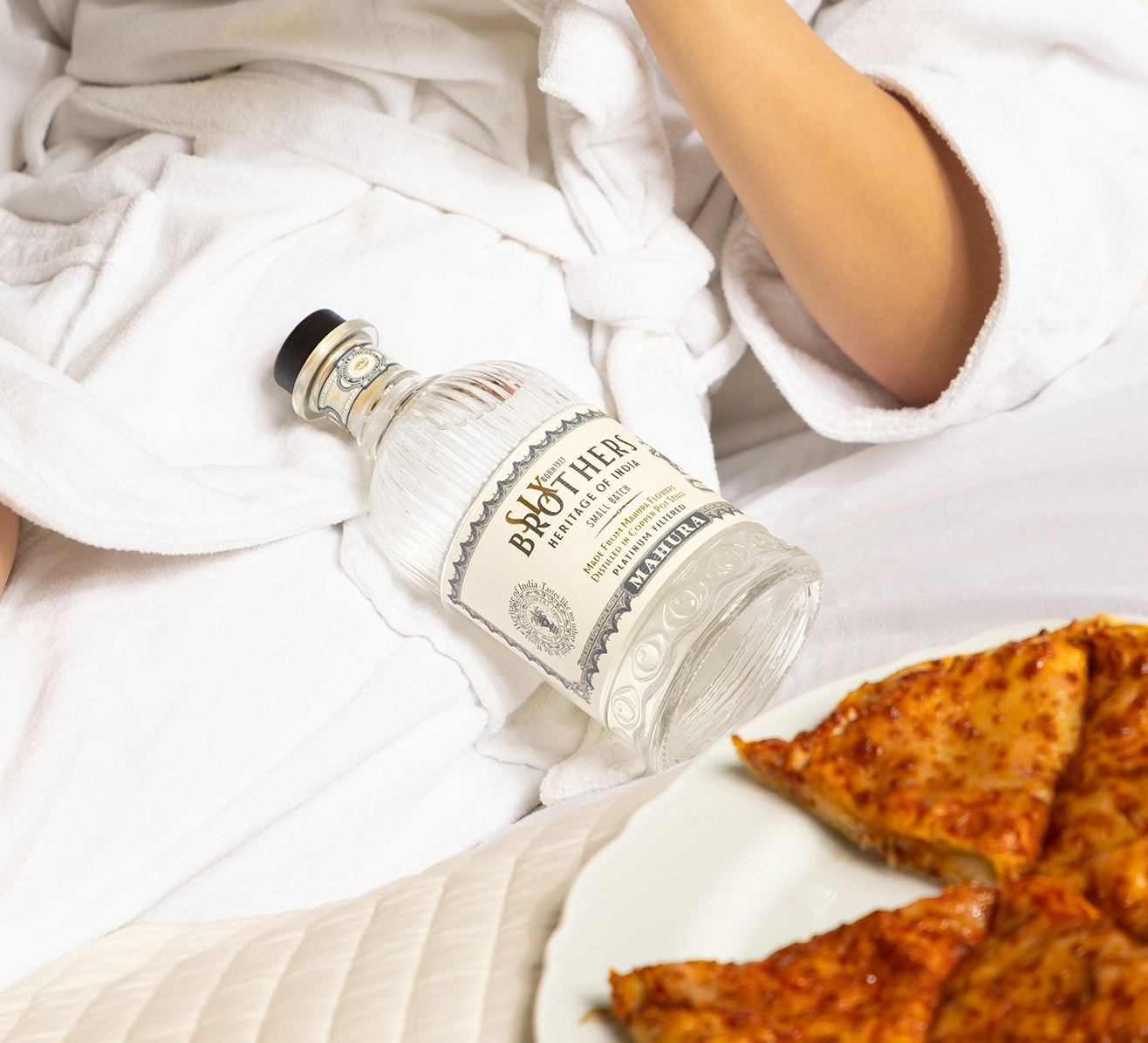
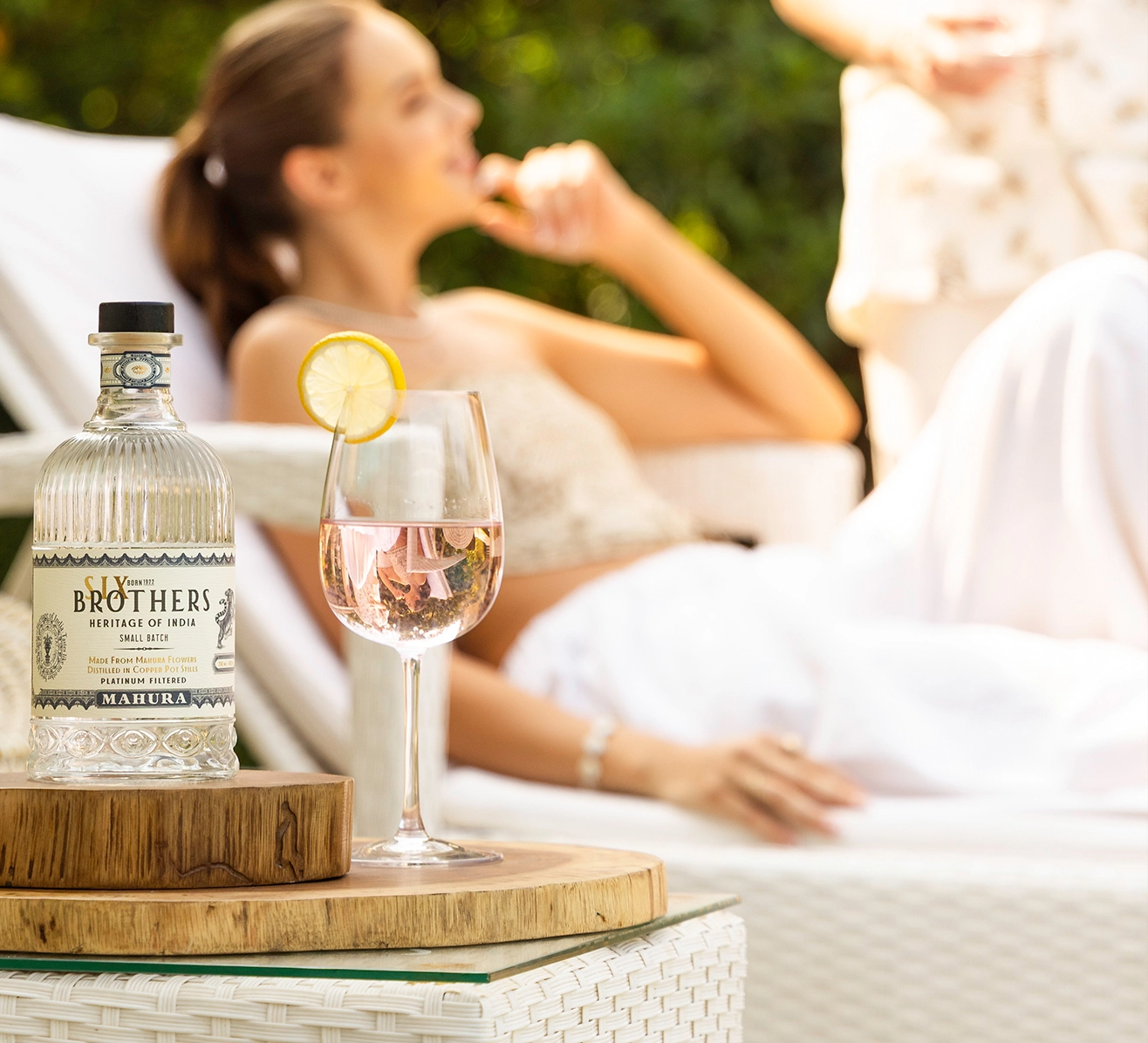
Bars, restaurants, and hotels play a key role in shaping consumer preferences. In these environments, Mahua spirit can:
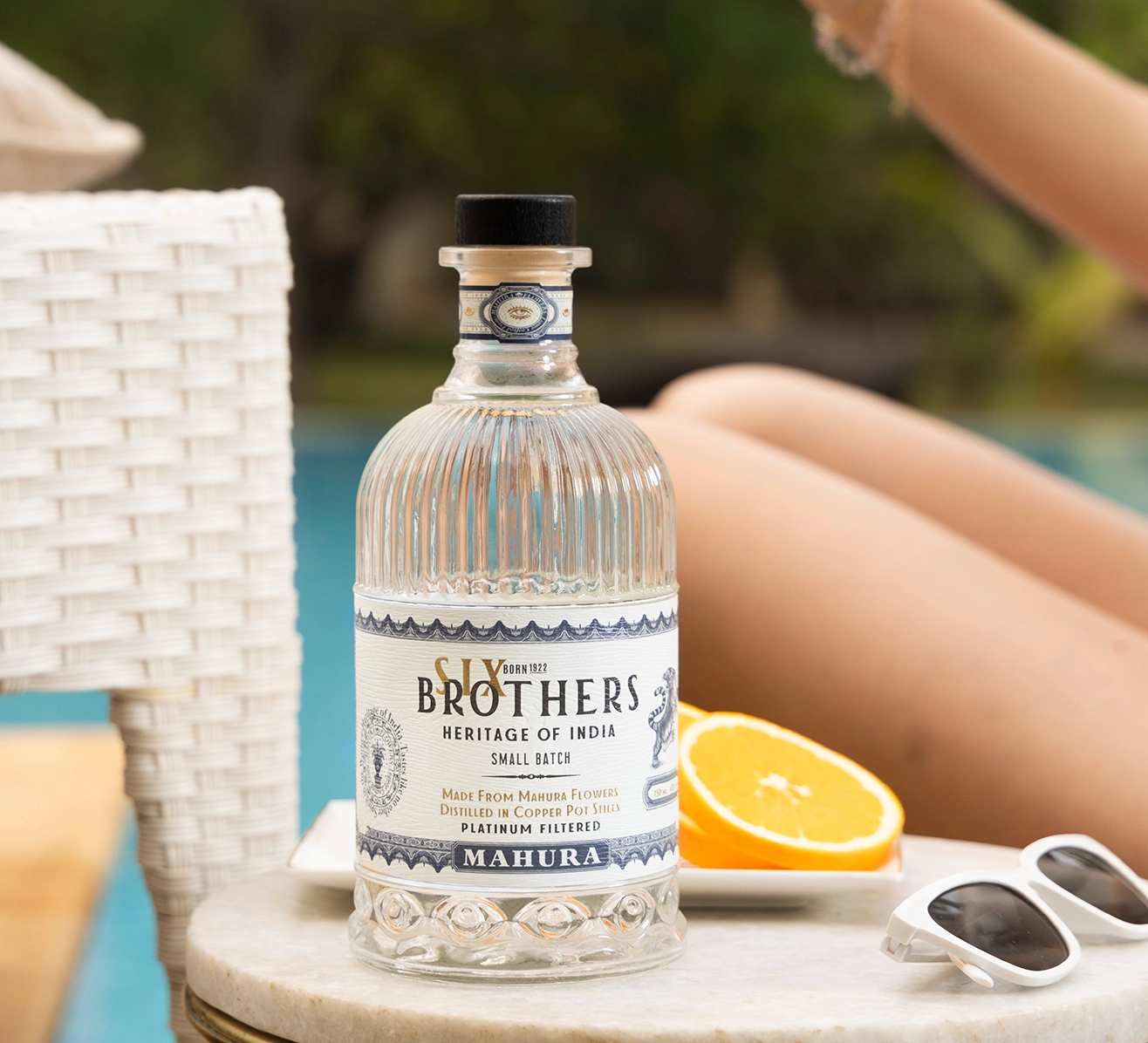
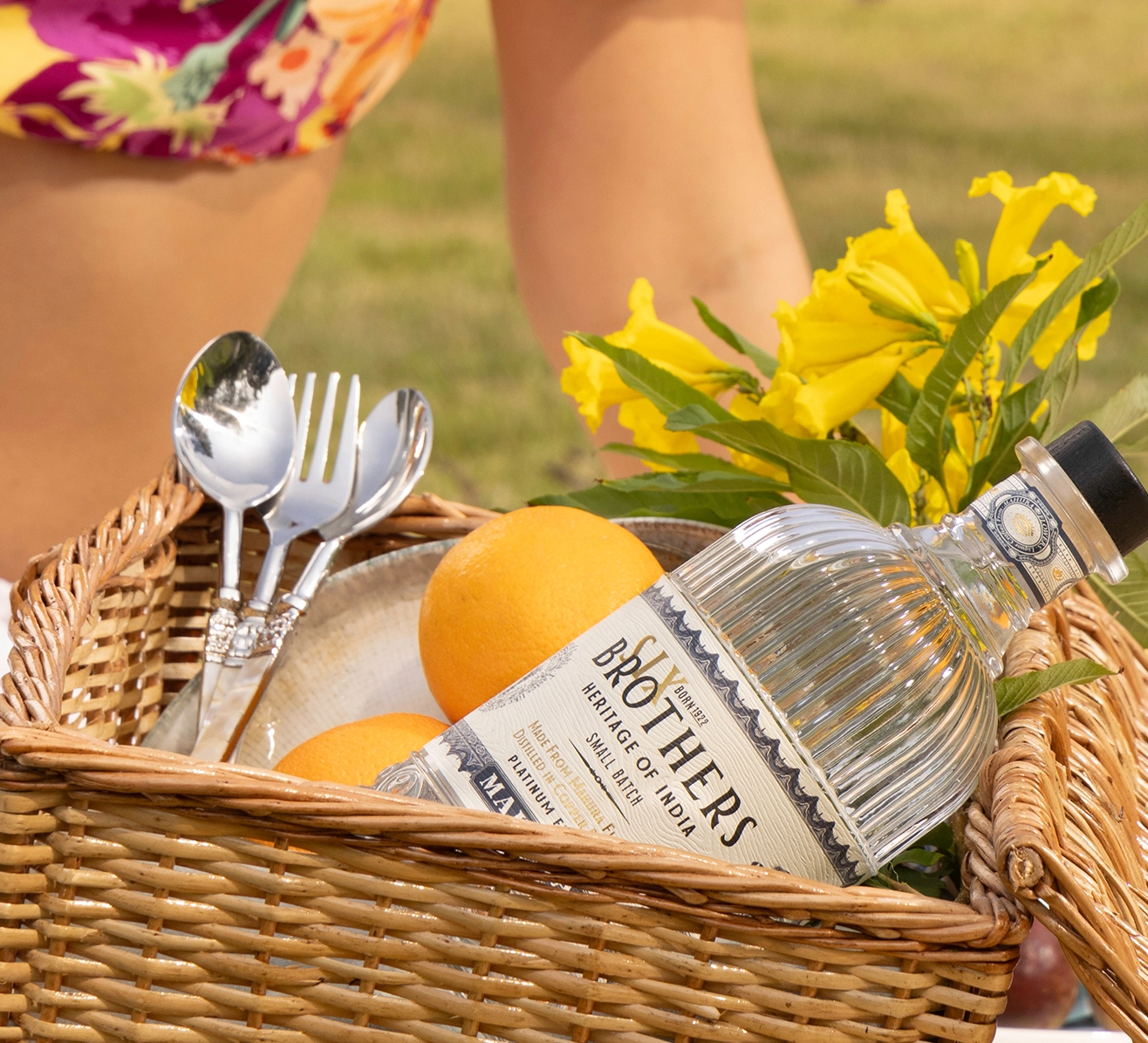
Premium retail spaces can help Mahua alcohol grow by:
One of the key challenges for Mahua is perception. It must evolve from being seen purely as a traditional drink to being recognised as a premium offering.
This can be achieved by:

The connection to the Mahua flower and the Madhuca longifolia tree allows Mahua spirit to offer:
This narrative is critical for building urban relevance.
The rise of Indian single malt whisky offers a clear example of how a niche category can become mainstream.
Its growth was driven by:
For Mahua alcohol, similar strategies can:
Like single malt, Mahua can evolve through careful positioning and sustained quality.
A major challenge for Mahua spirit is:
To succeed, Mahua alcohol must:
Without this, scaling beyond niche markets becomes difficult.
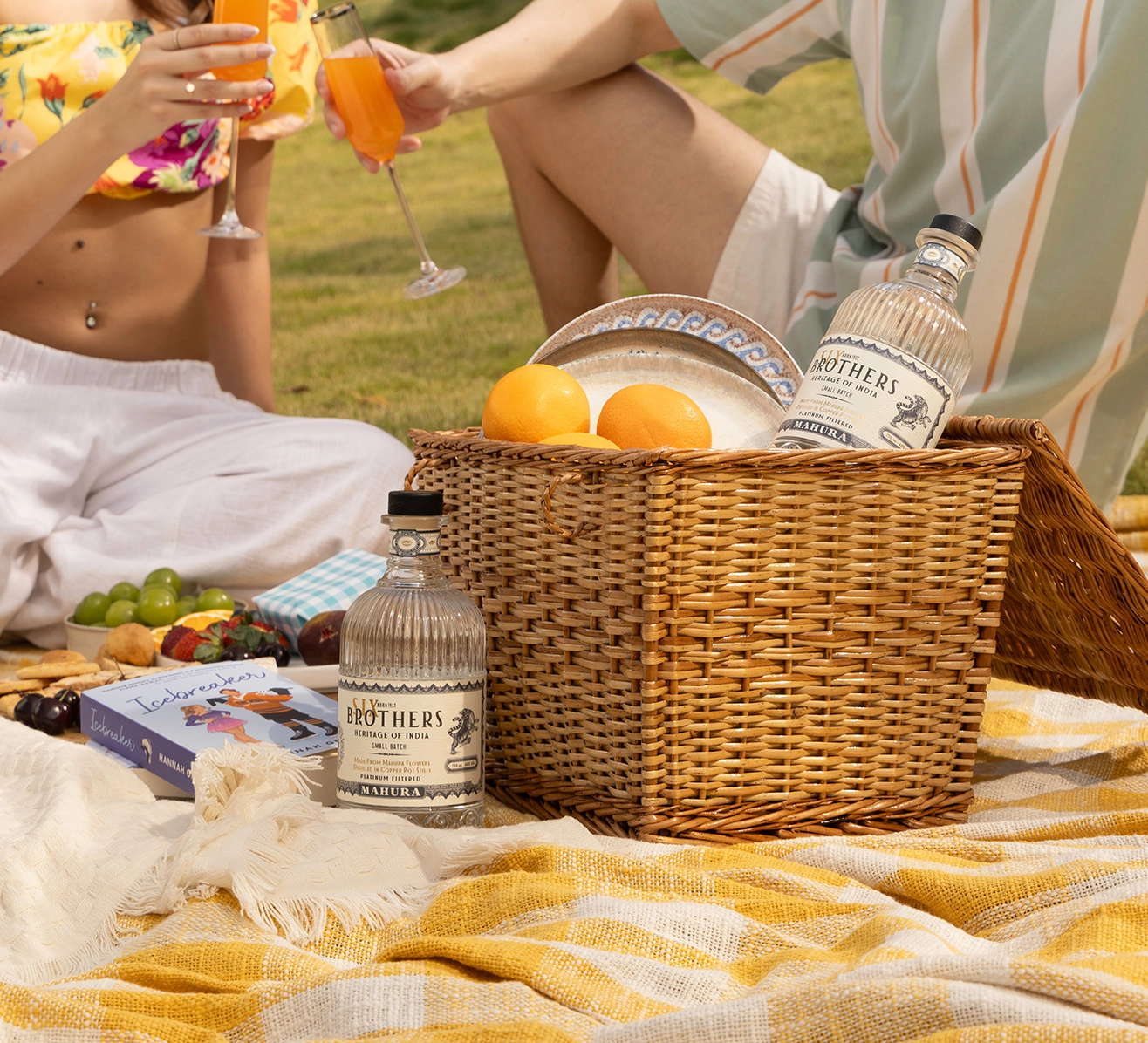
Urban India is increasingly embracing:
This trend strongly supports the growth of Mahua.
With the right approach, Mahua spirit can:
As India’s oldest spirit, it has the foundation required for long-term growth.
The future of Mahua in urban India lies in its ability to evolve without losing its identity.
From its origins in the Mahua flower to its connection with the Madhuca longifolia tree, Mahua alcohol offers authenticity that modern consumers increasingly value.
Much like Indian single malt transformed perceptions of single malt whisky and single malt whiskey, Mahua spirit now has the potential to move from niche to mainstream.
Because in a market driven by discovery and identity, the most powerful products are those that are both unique and rooted—and Mahua embodies both.