
Posted on 17 Aug 2026
For generations, Mahua spirit has been closely connected to local communities, traditional practices, and India's indigenous drinking culture.
Today, that story is beginning to change.
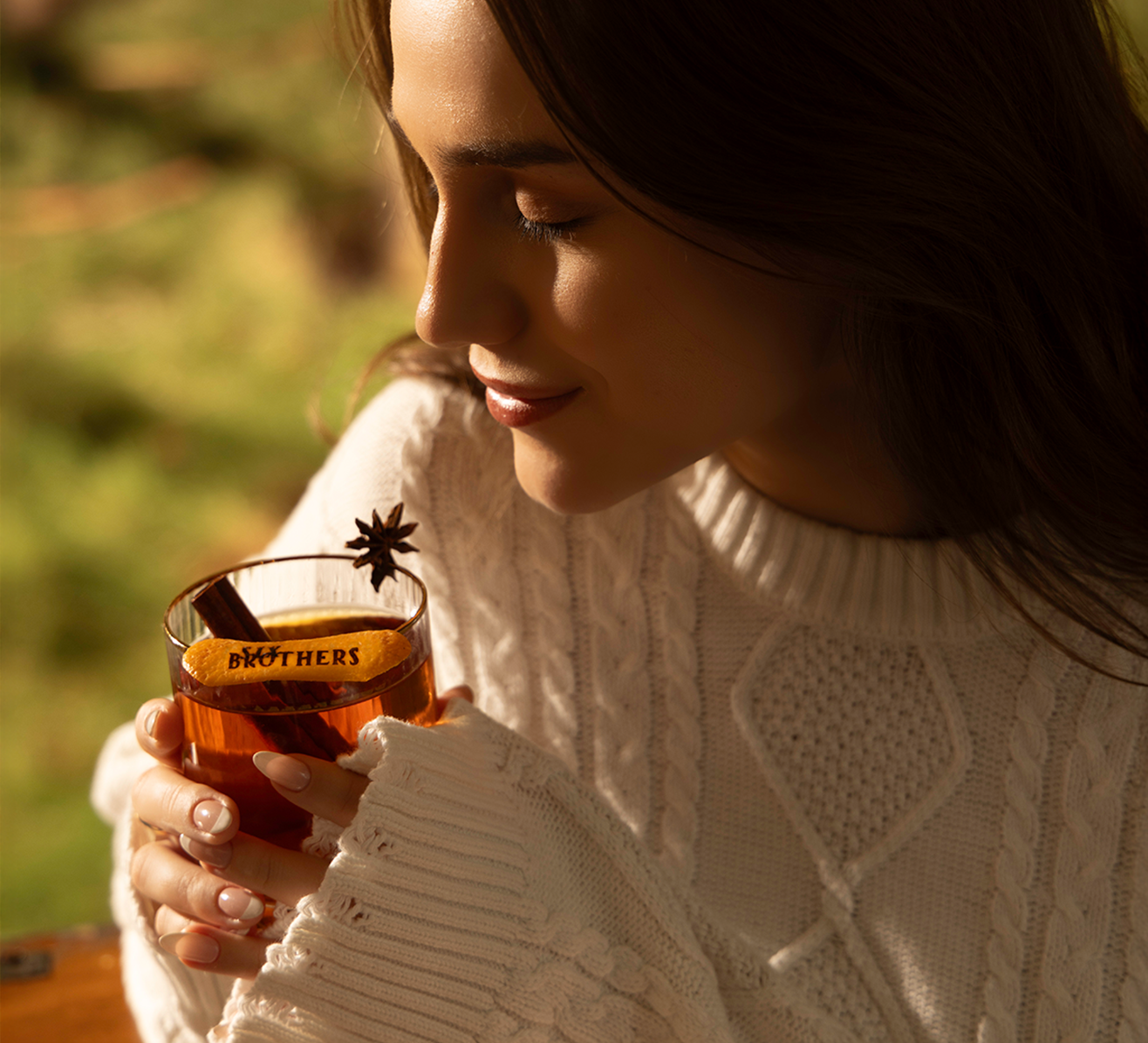
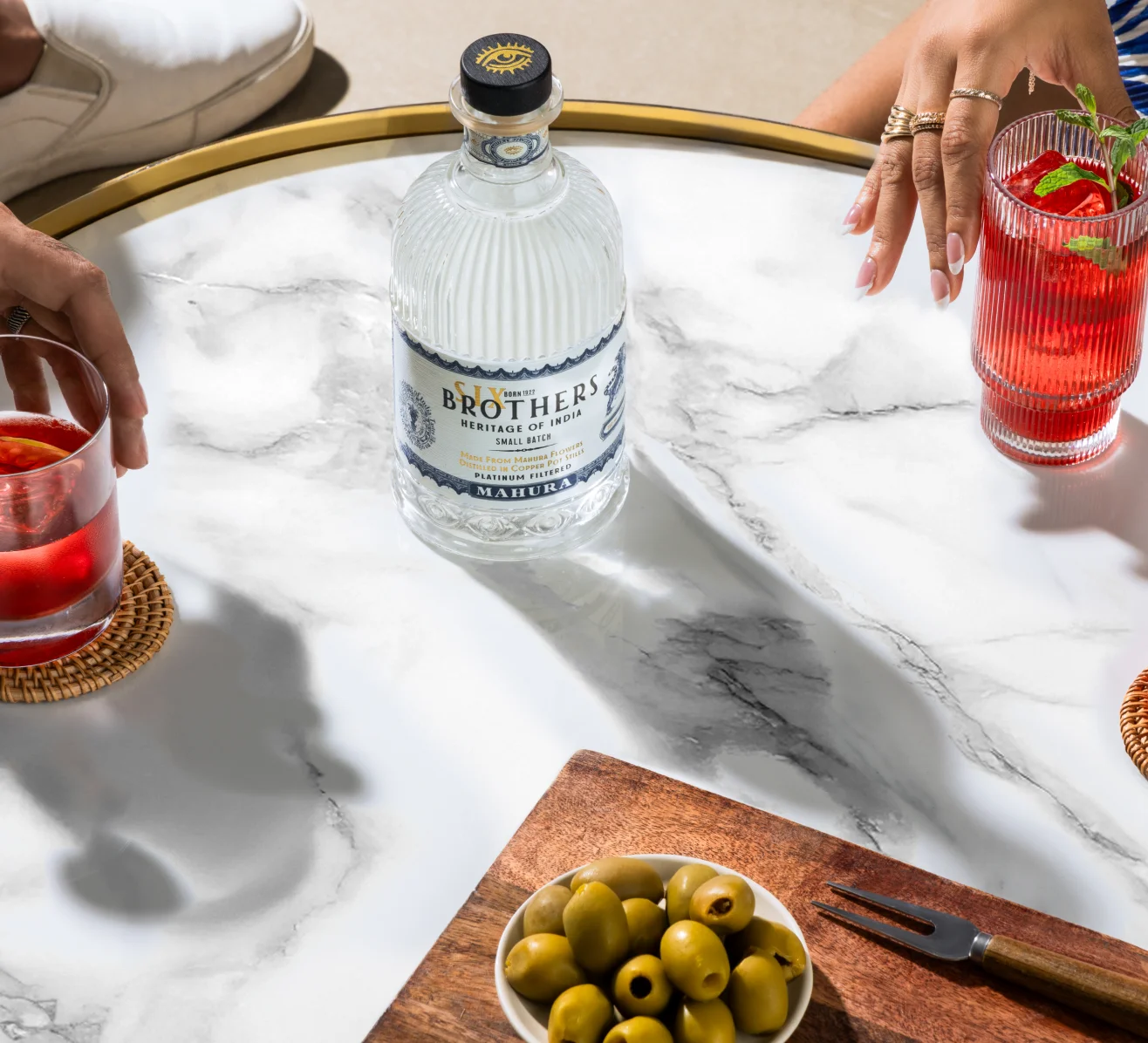
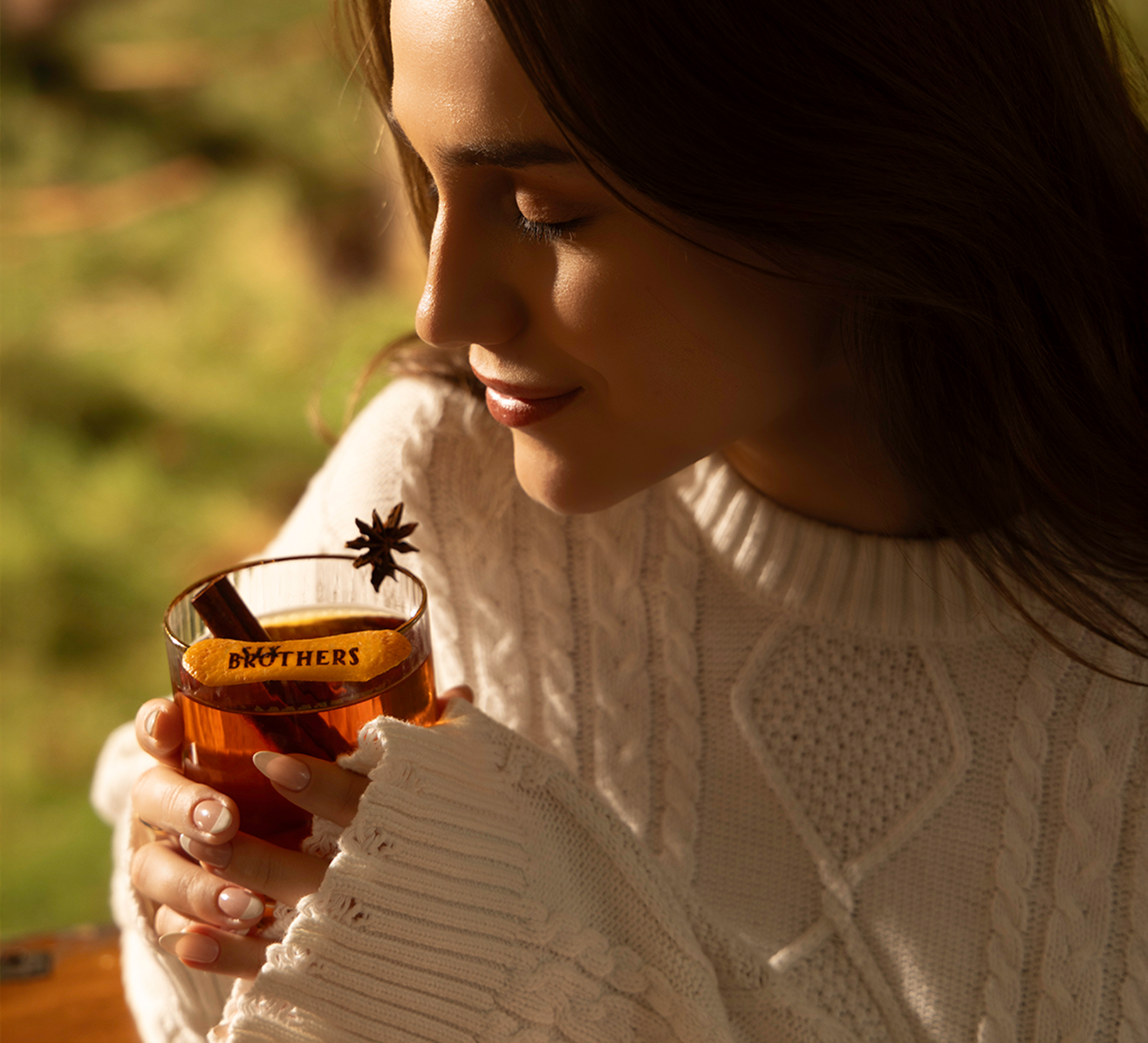
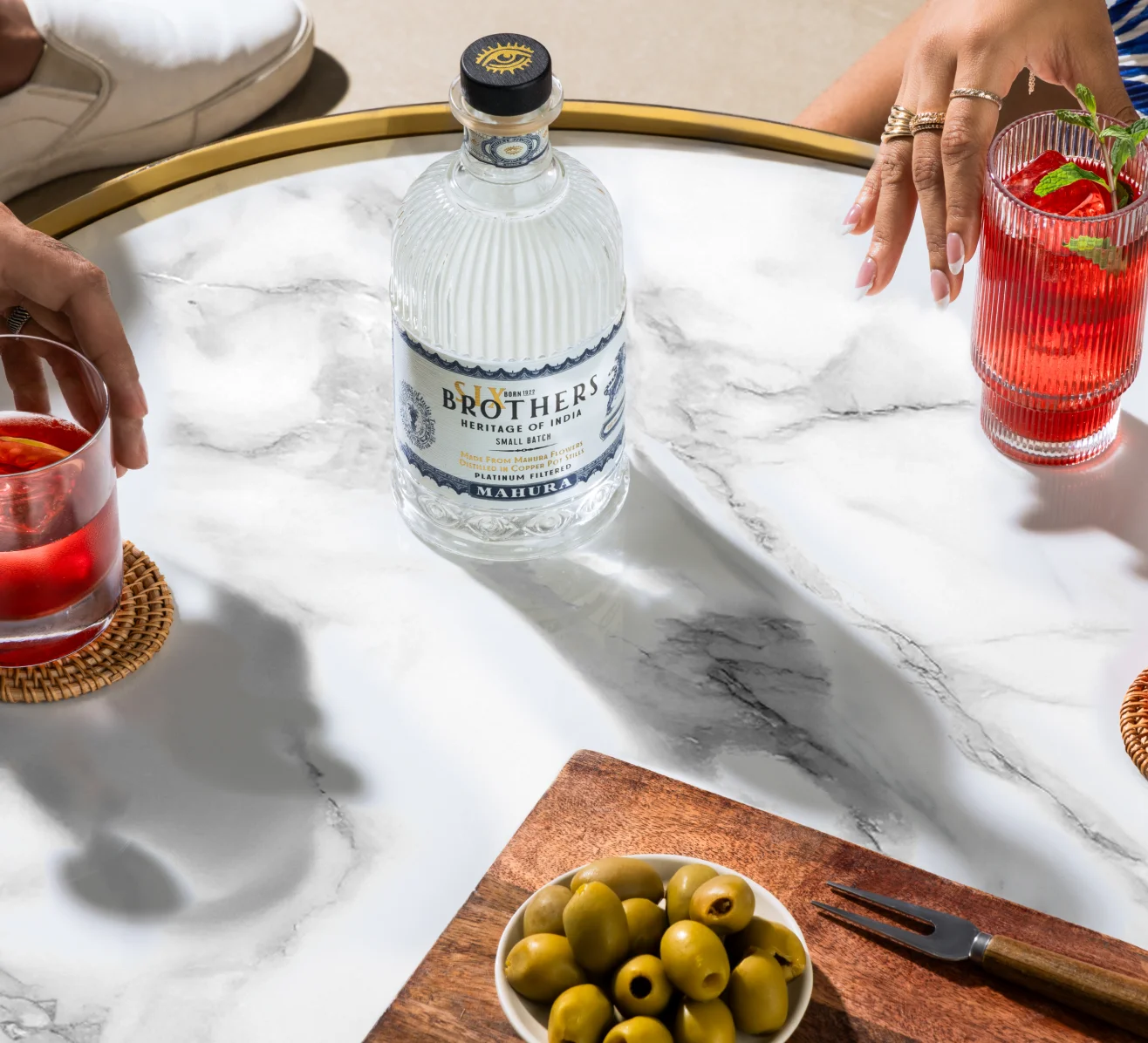
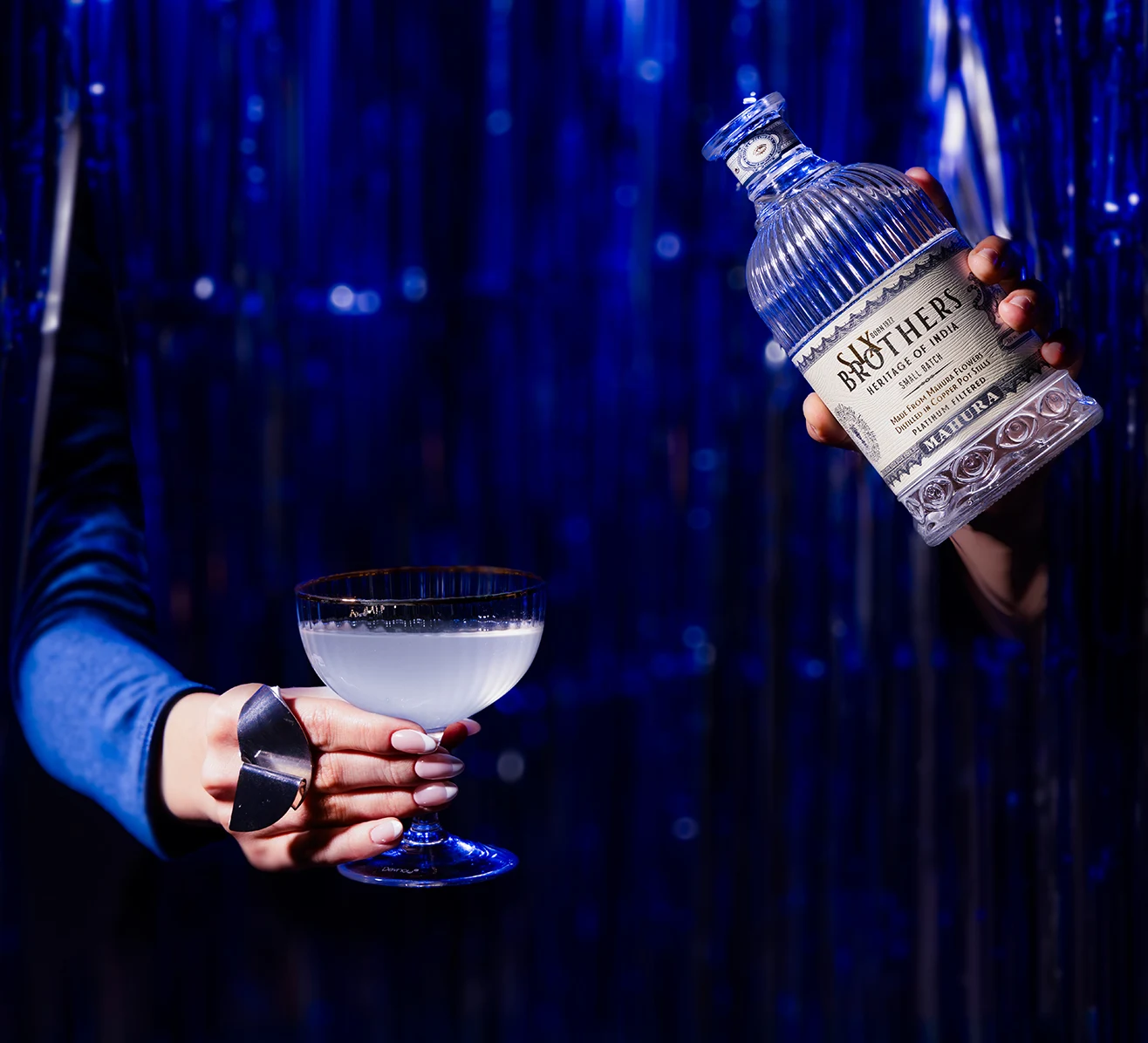
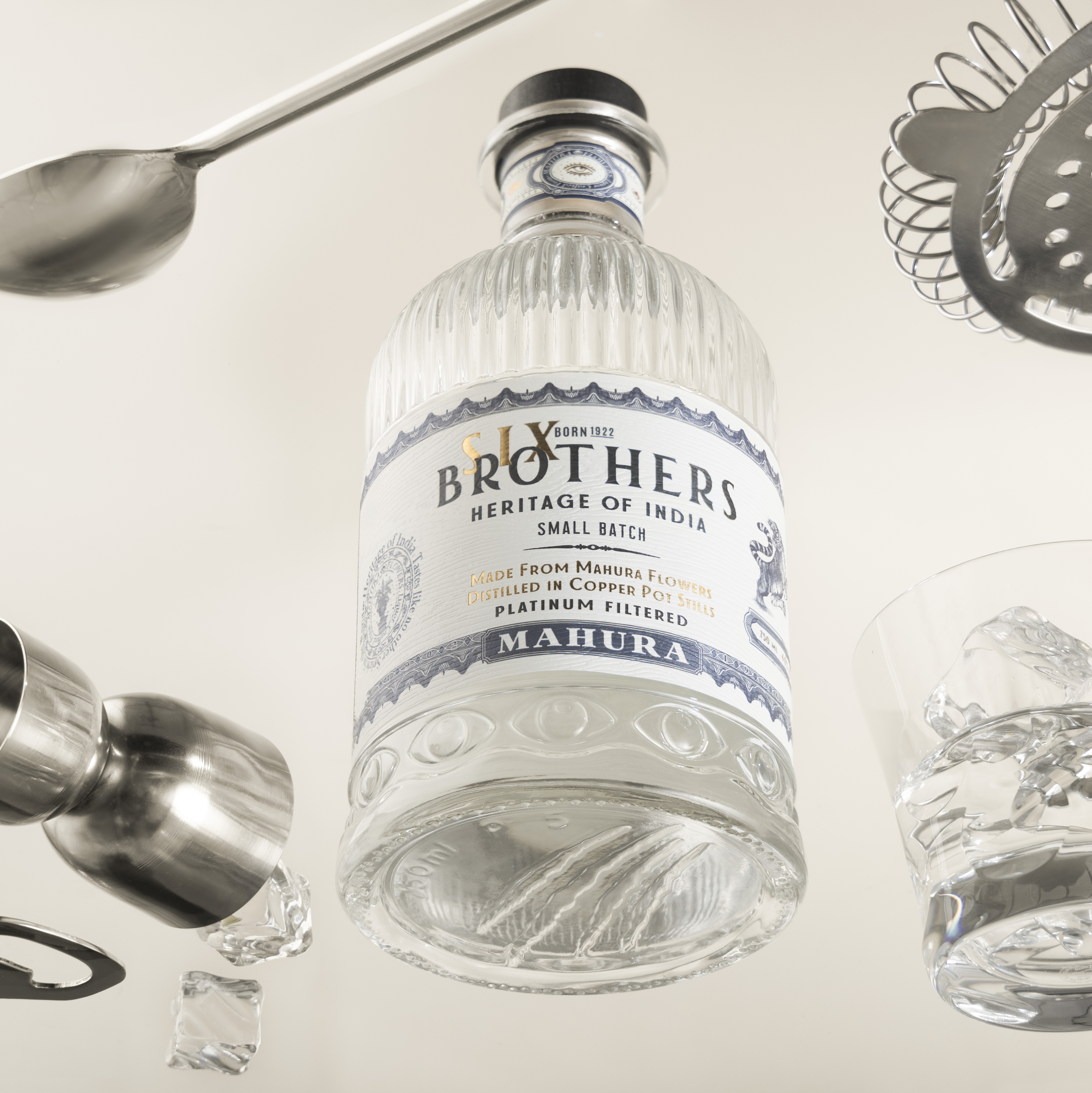
A new generation of Indian drinkers is discovering Mahua not simply as a traditional drink, but as a distinctive spirit with a place in modern bars, restaurants, homes, and premium hospitality.
This transition reflects a broader interest in Indian craft spirits and ingredients that offer something genuinely connected to India's identity.
Modern consumers are increasingly curious about where their drinks come from.
They want to discover:
Mahua naturally fits into this conversation.
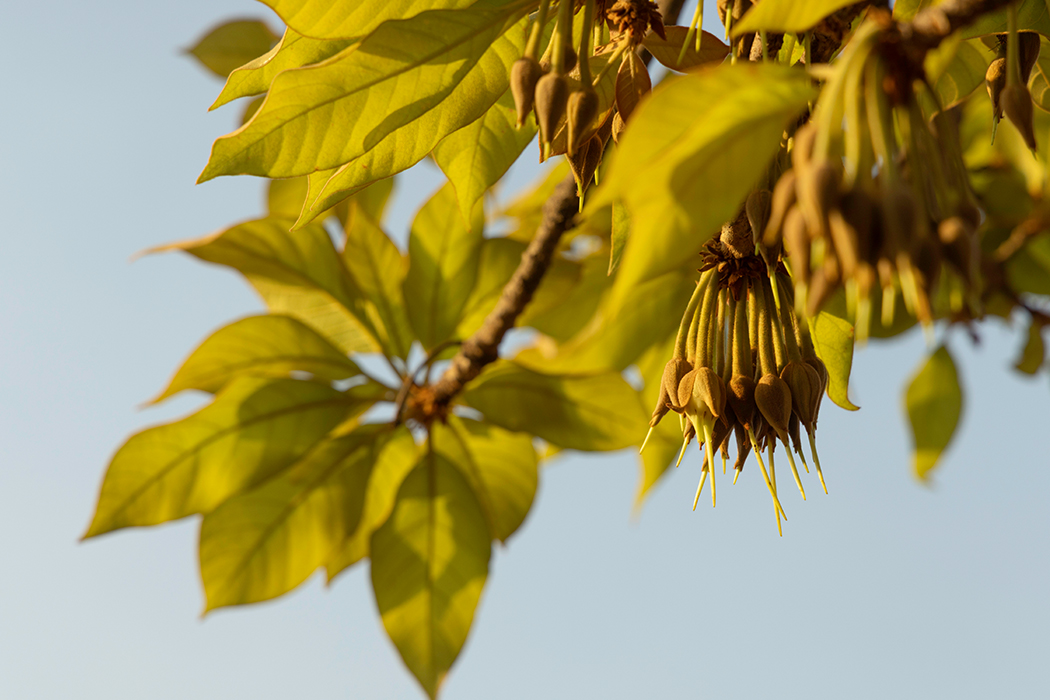
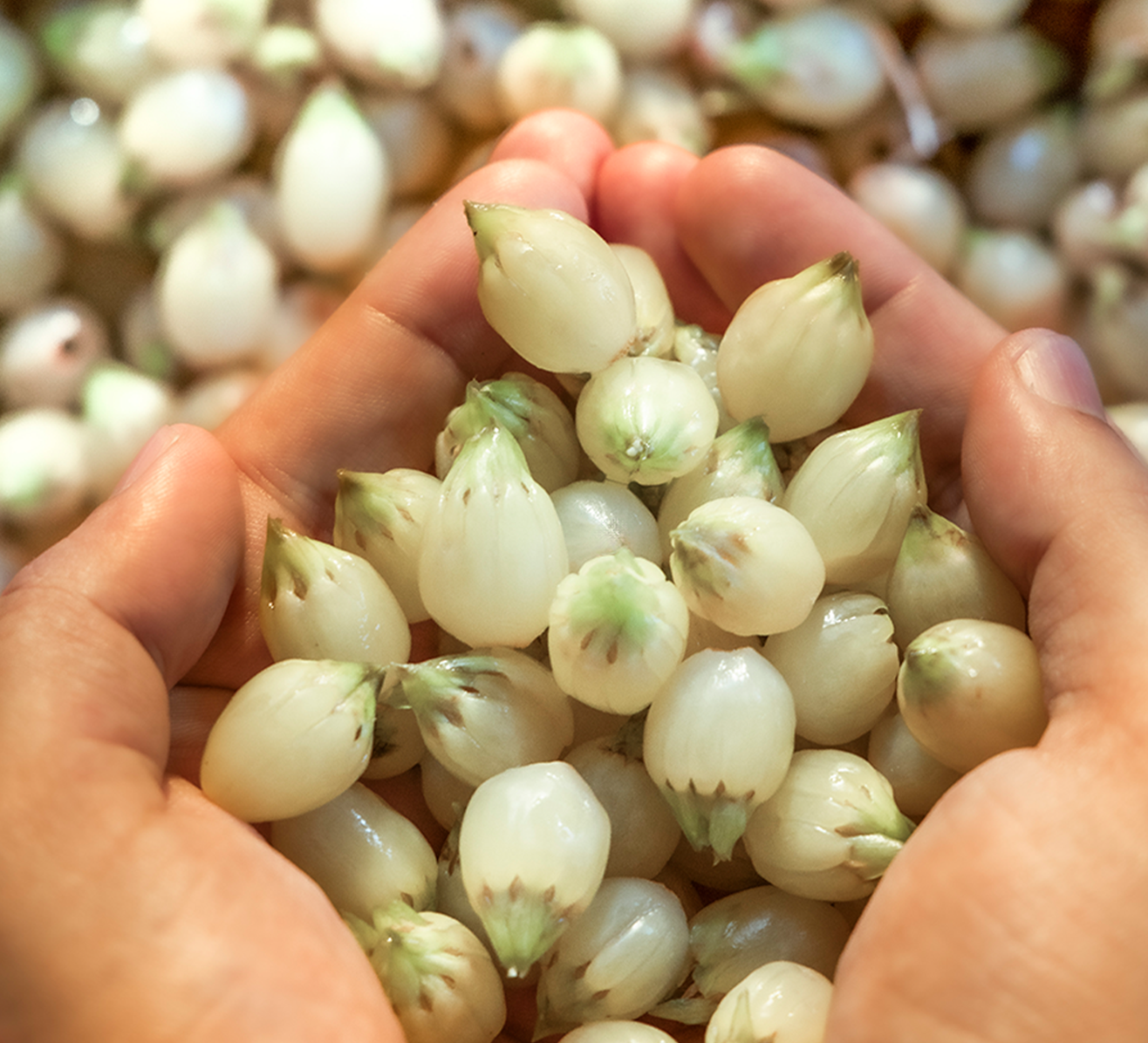
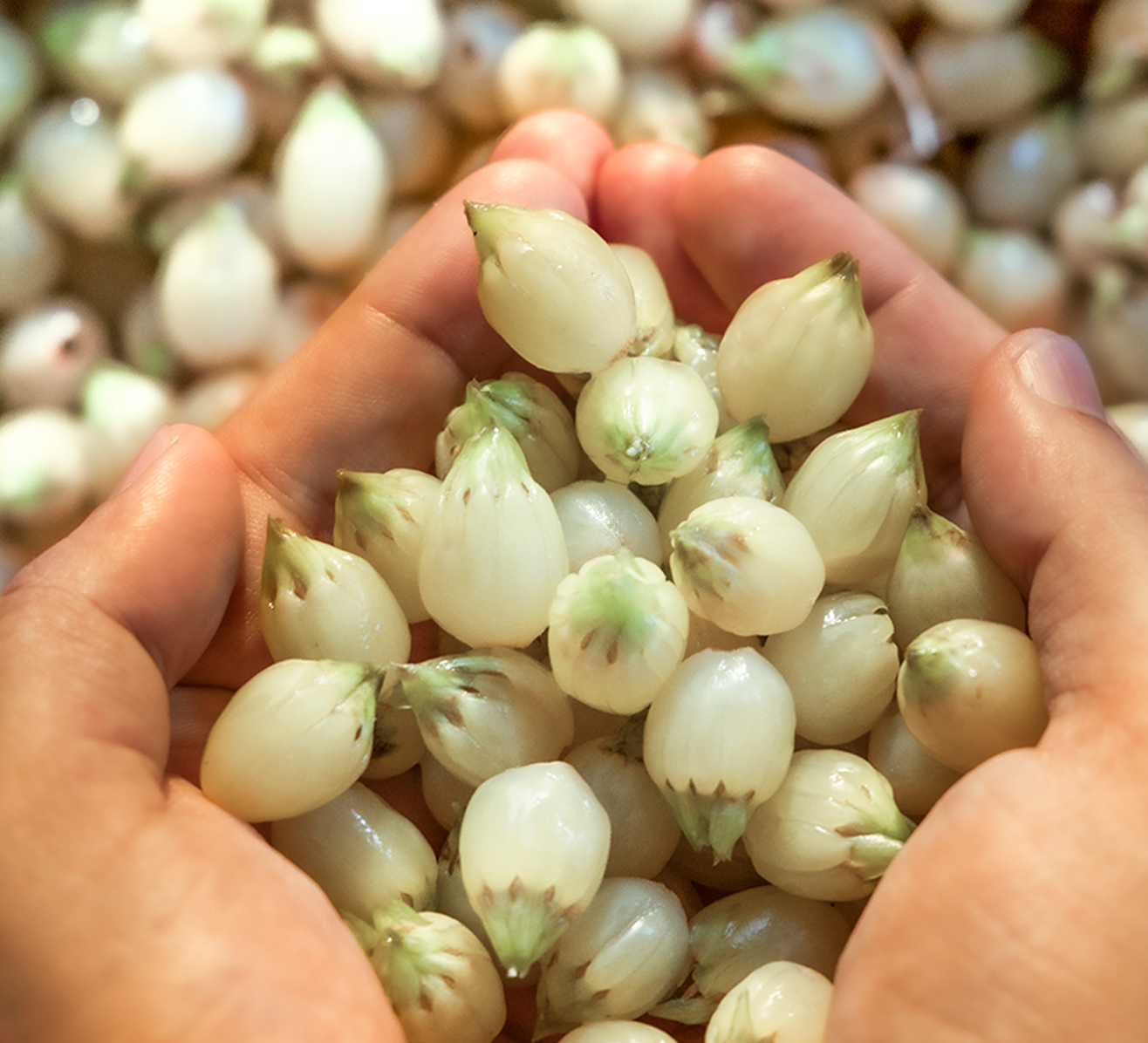
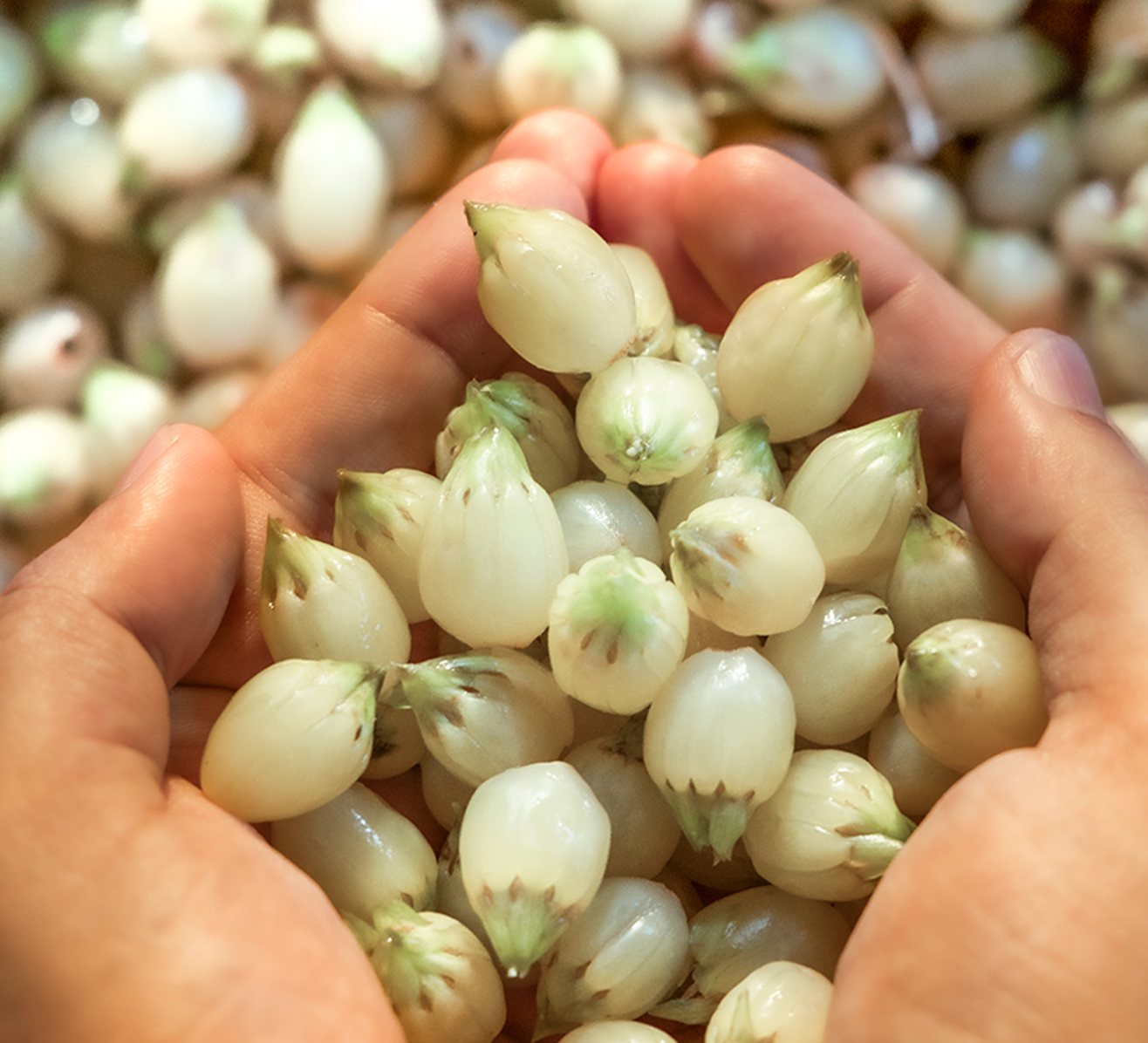
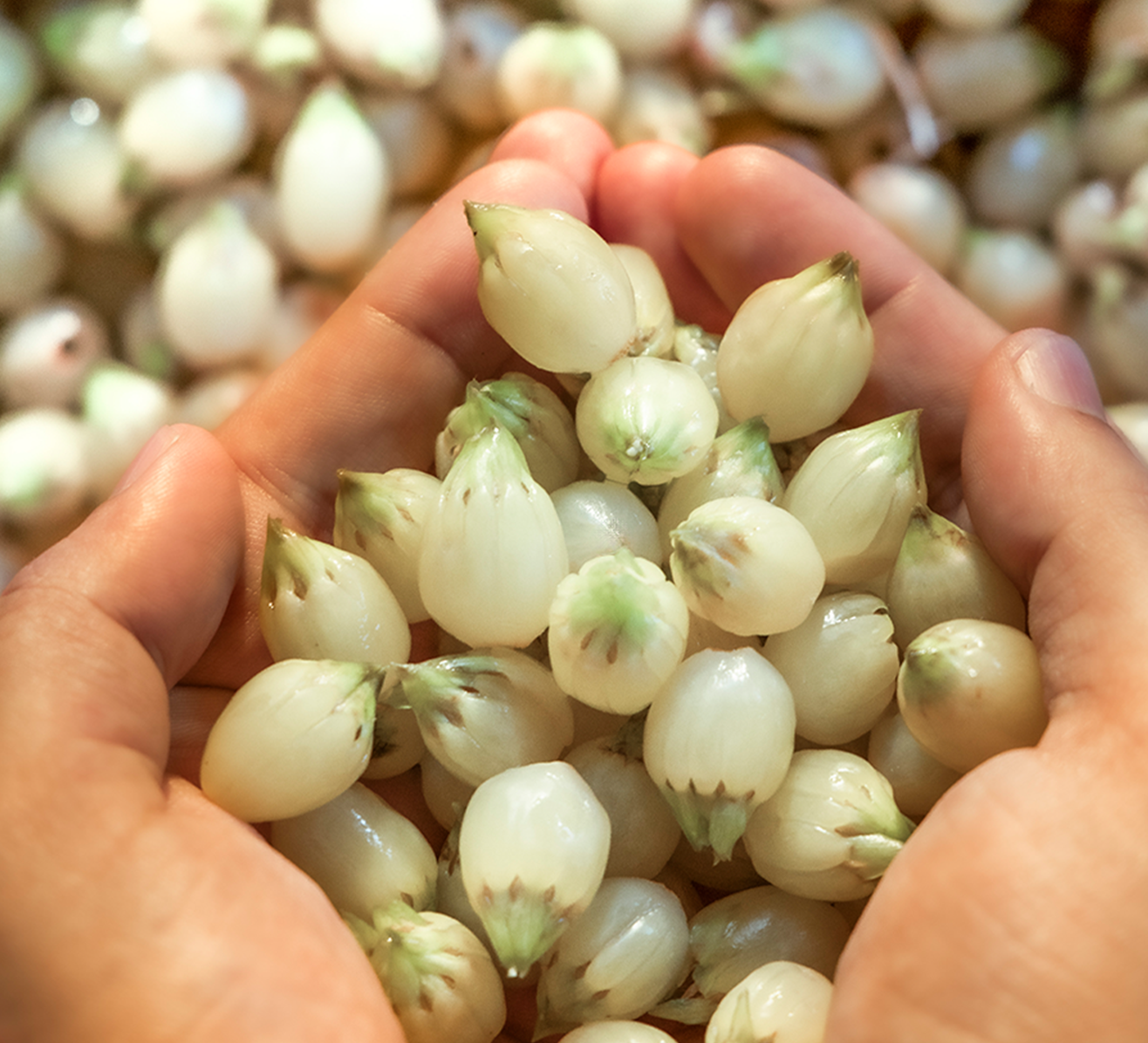
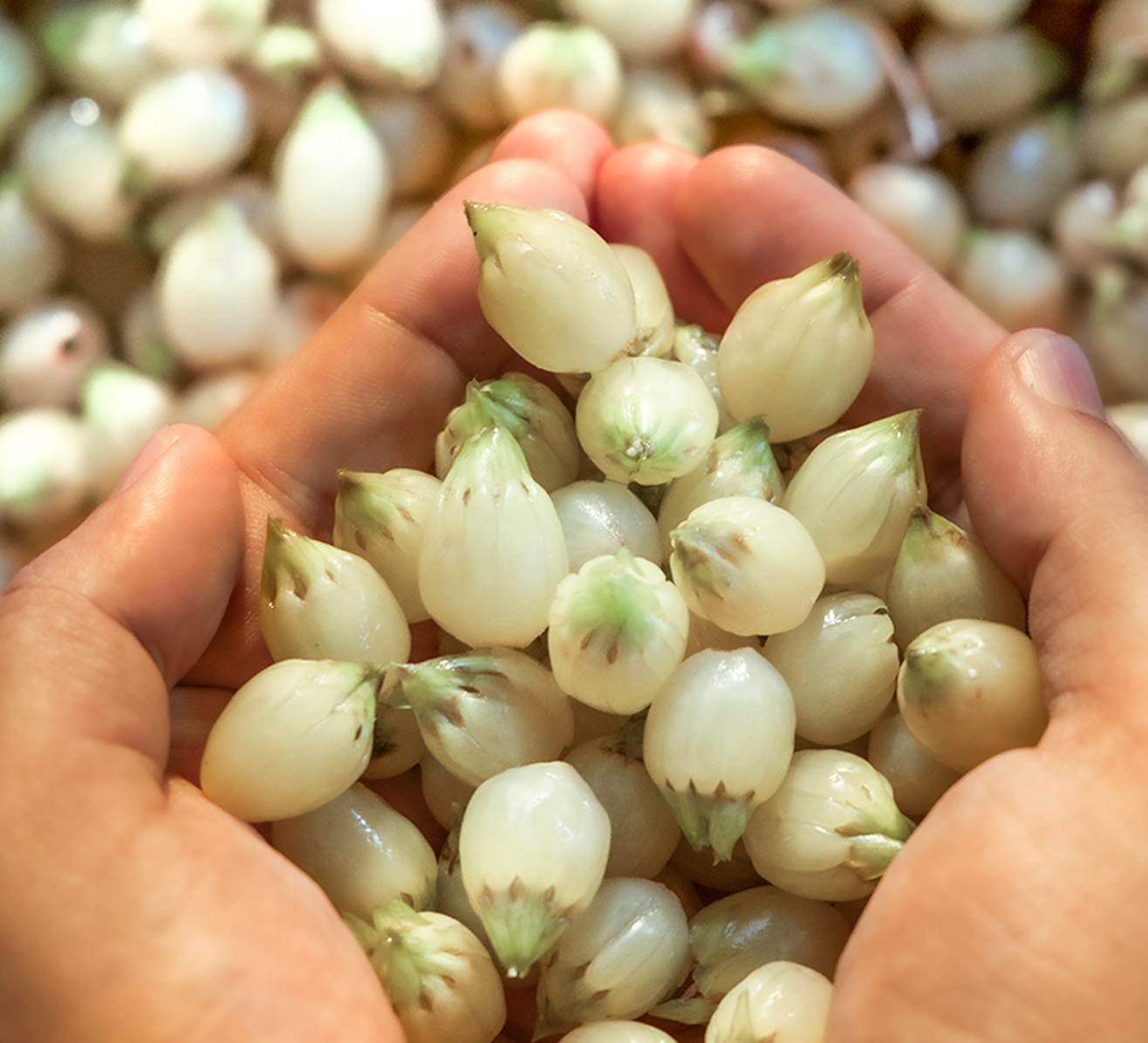
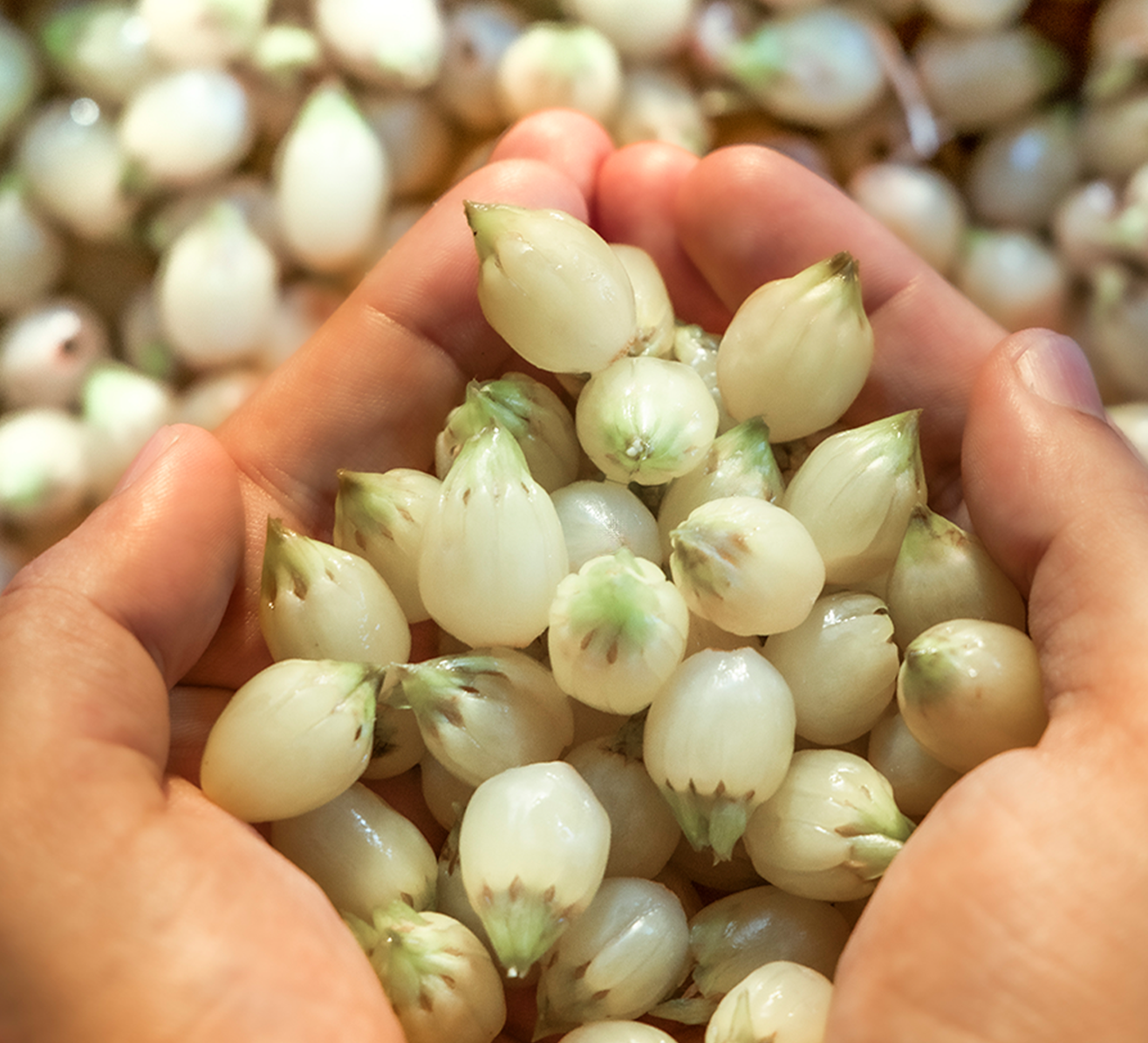
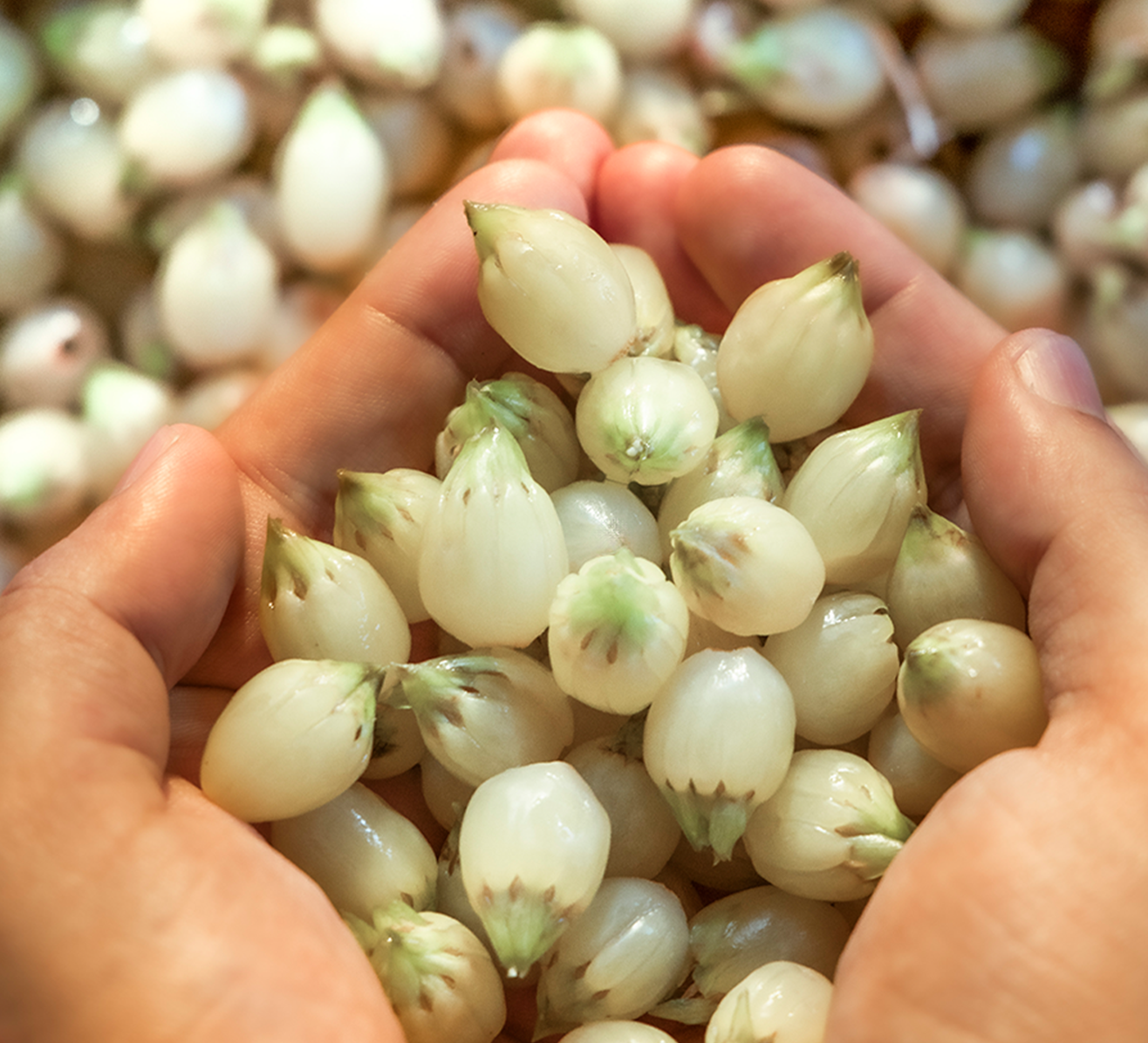
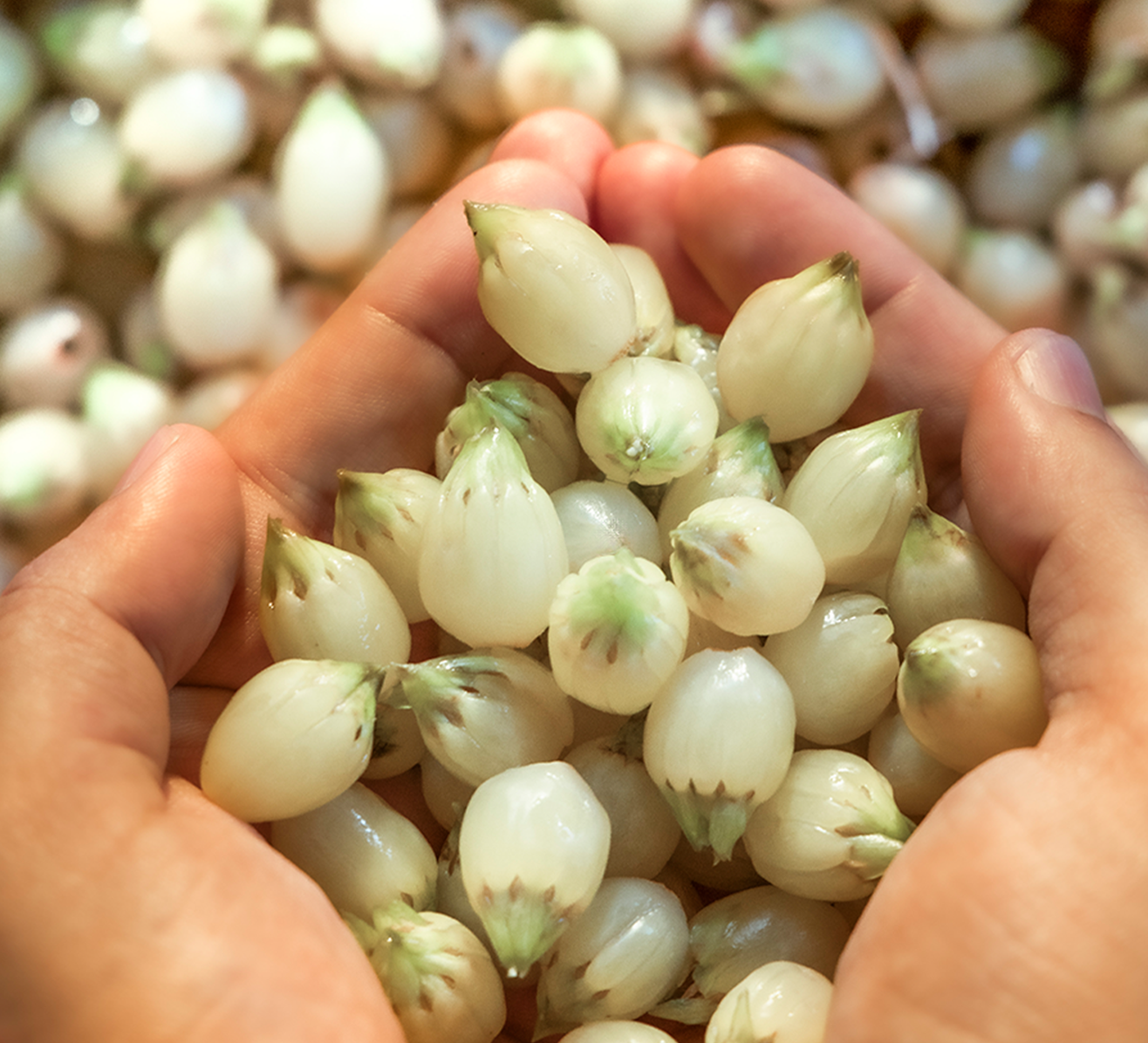
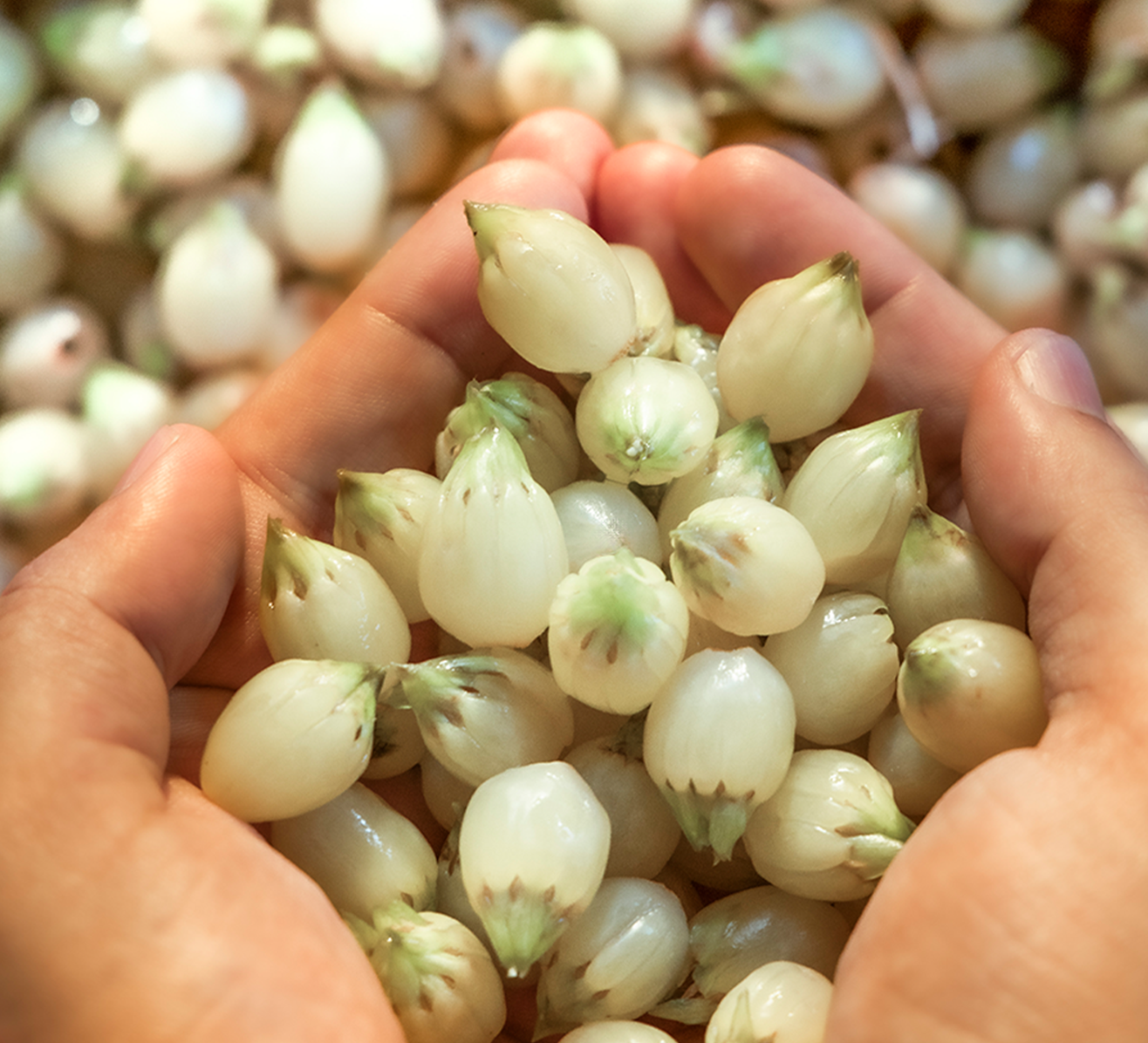
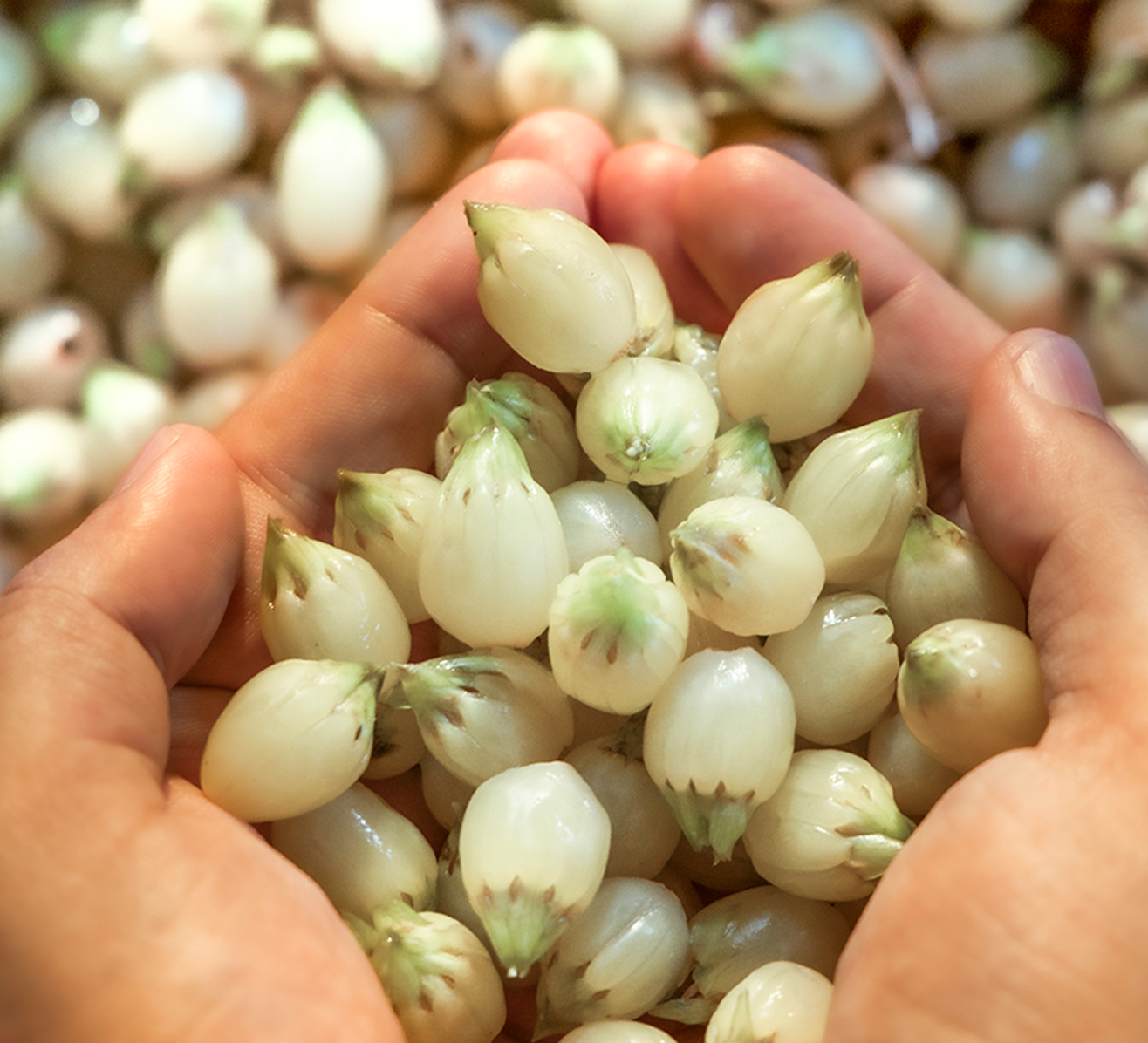
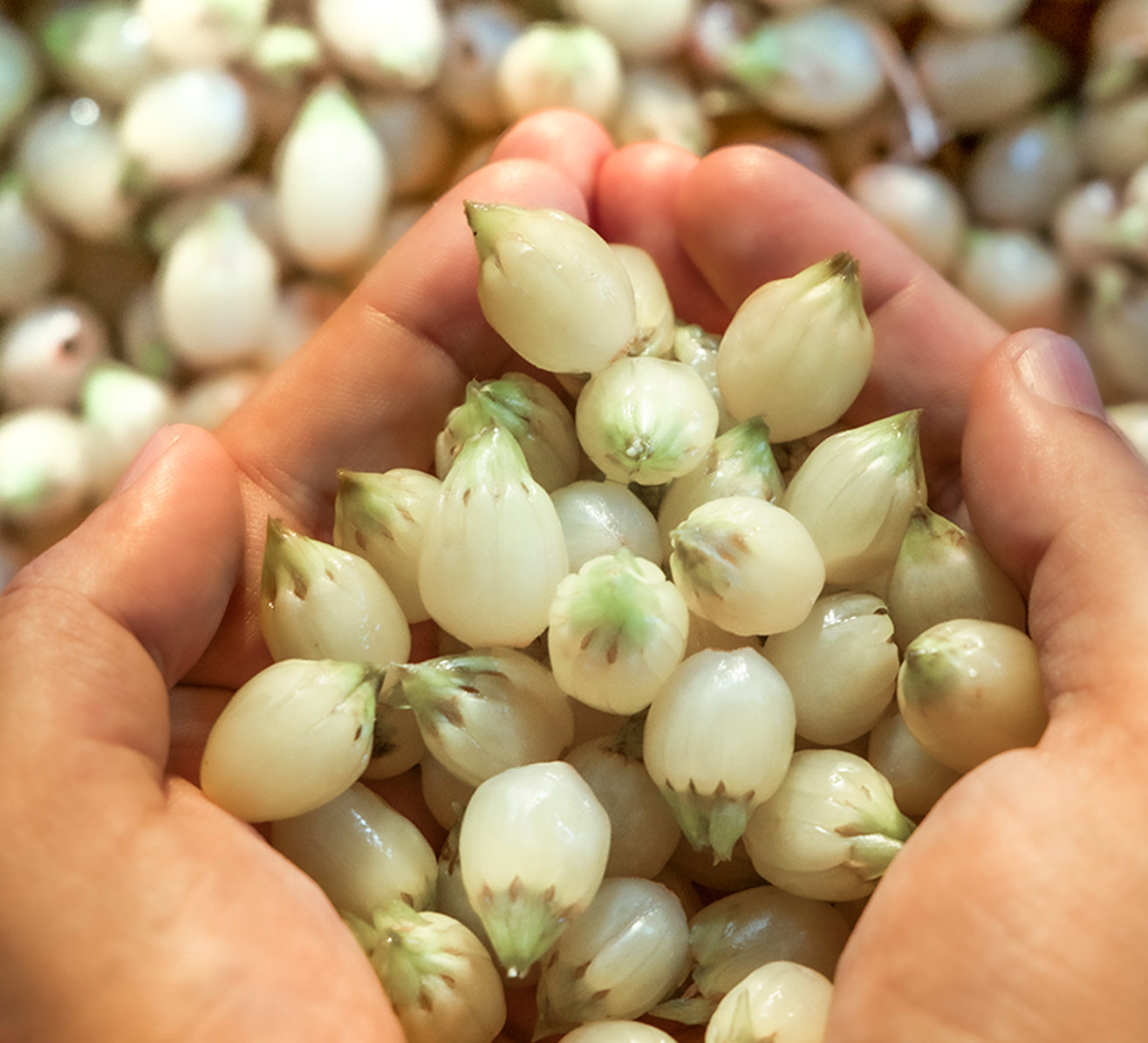
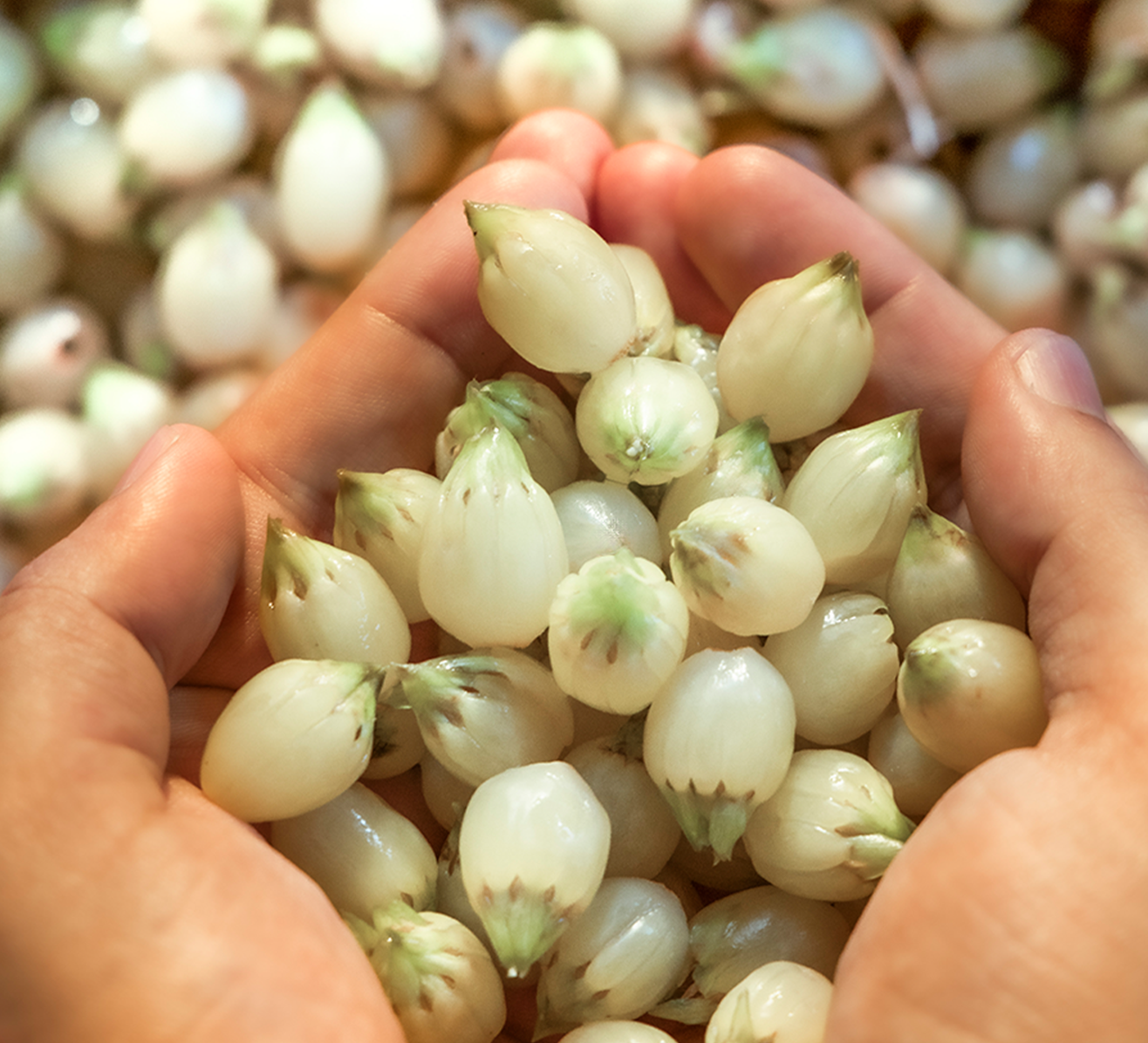
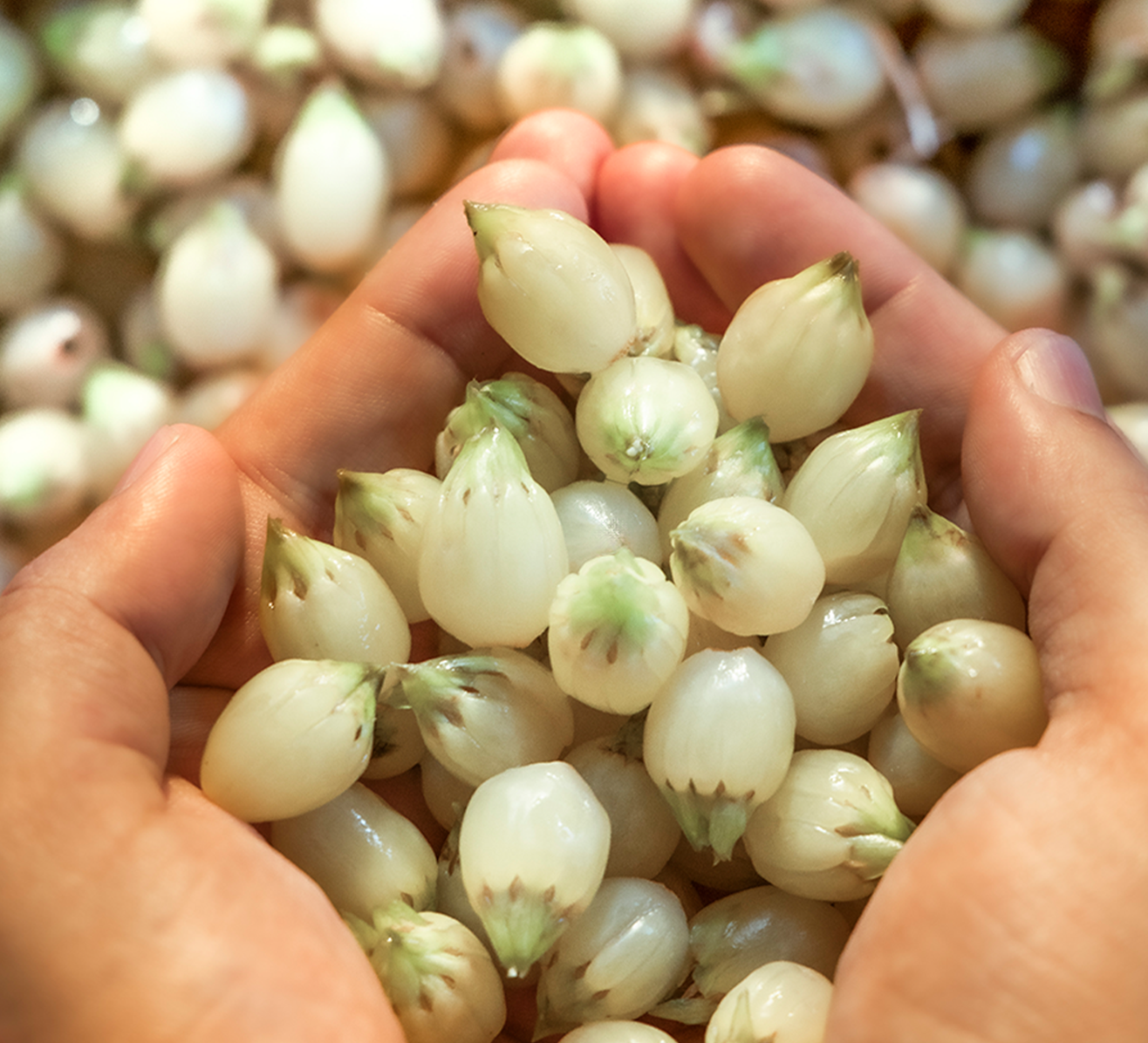
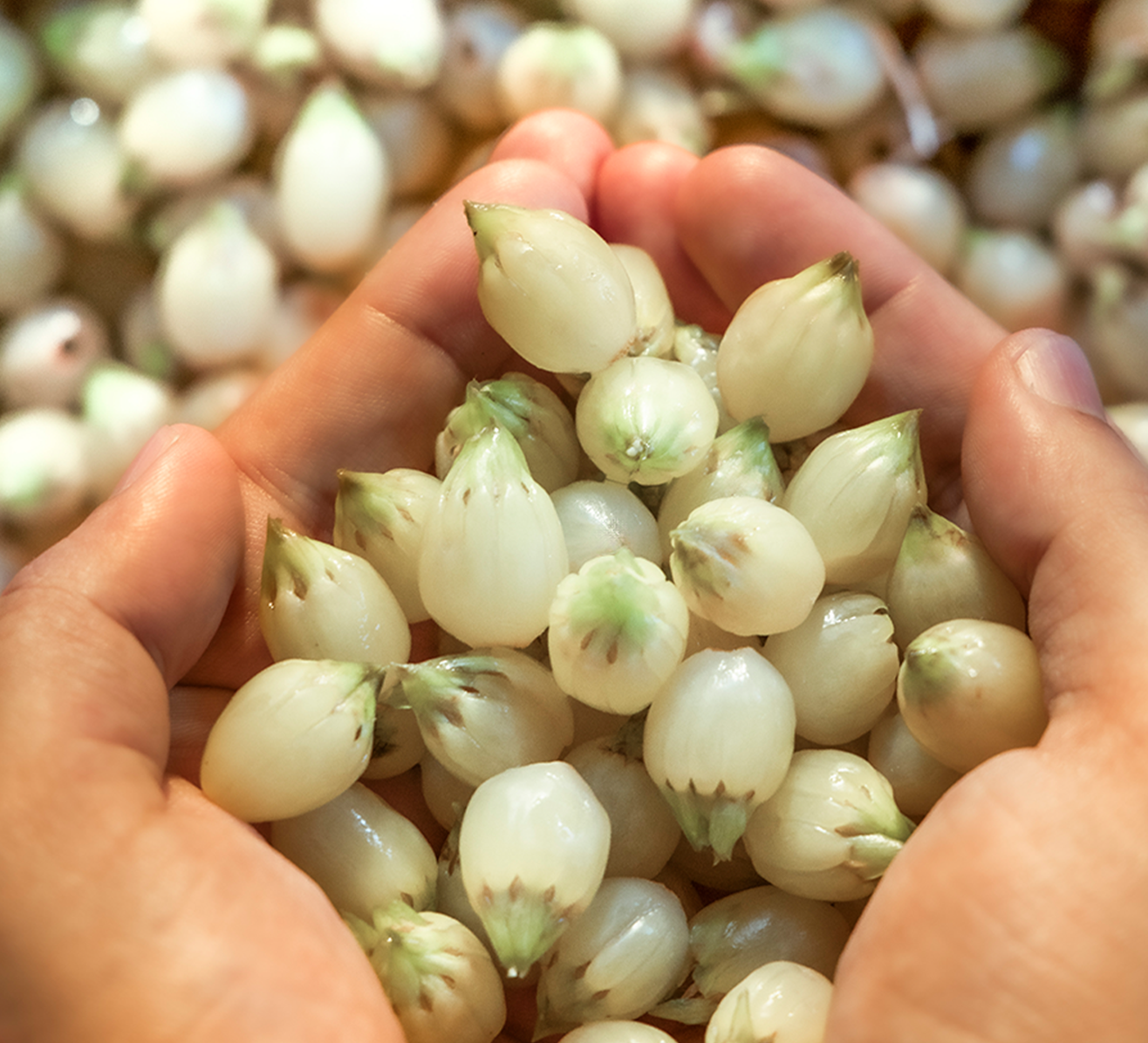
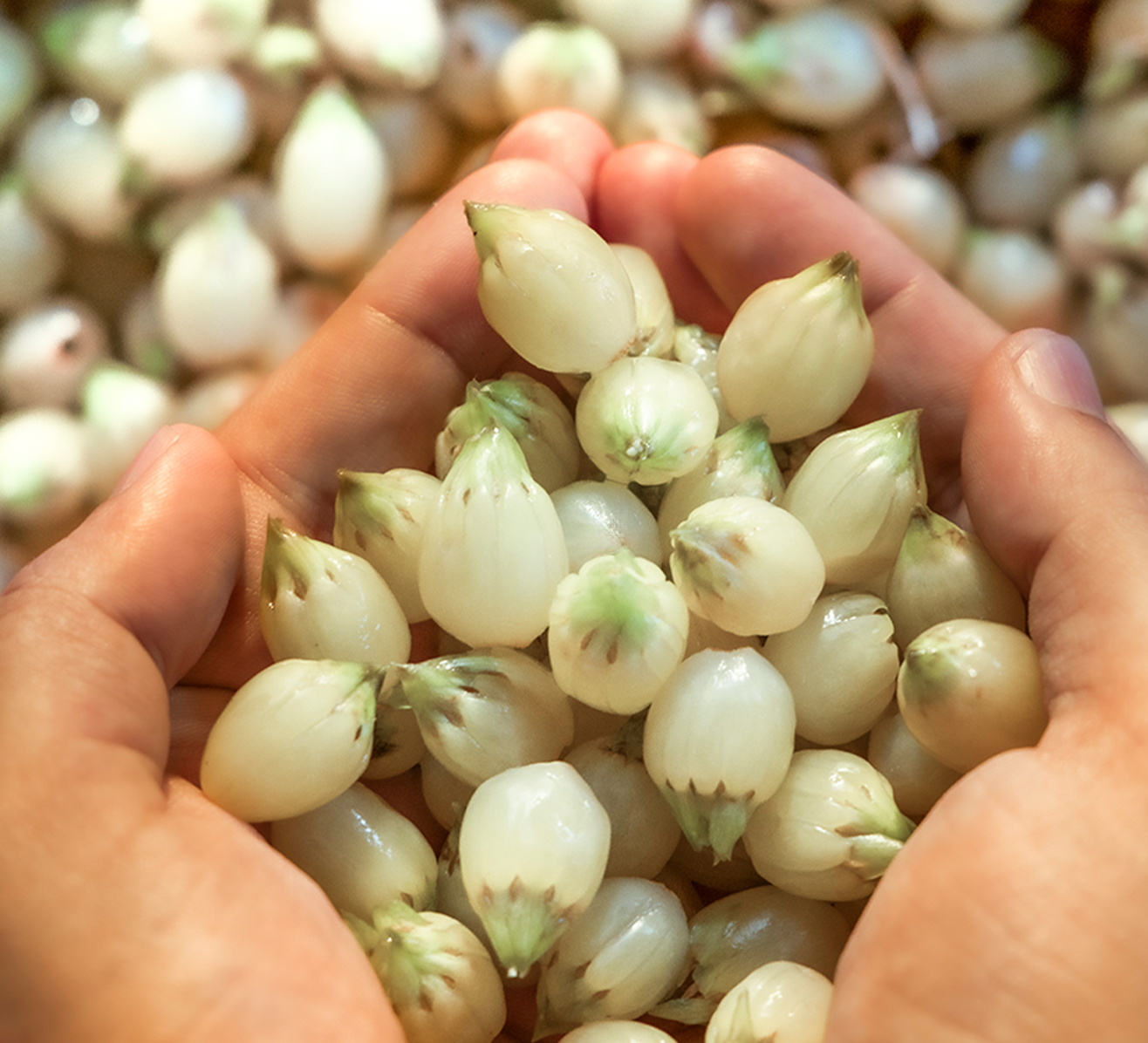
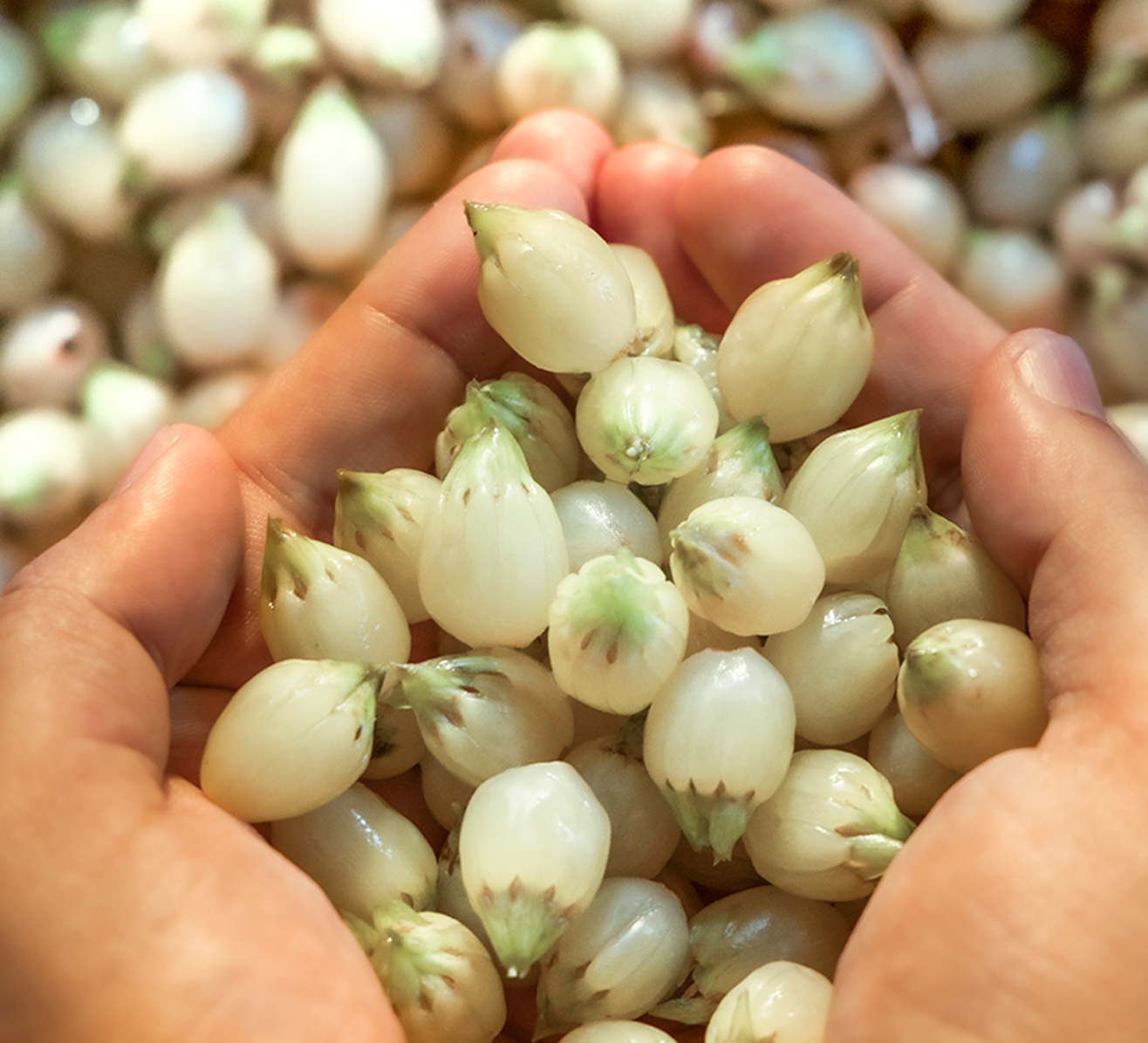
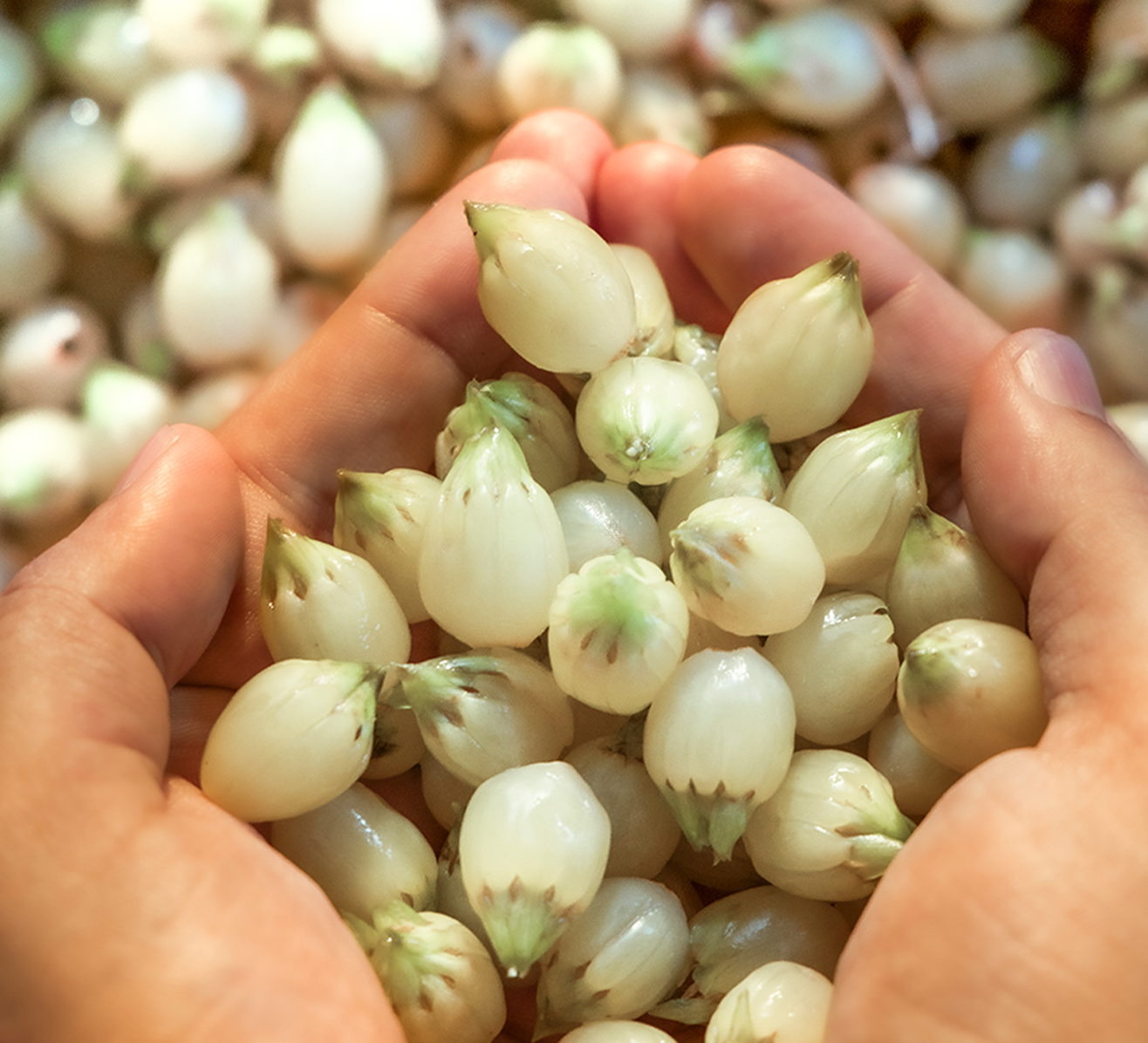
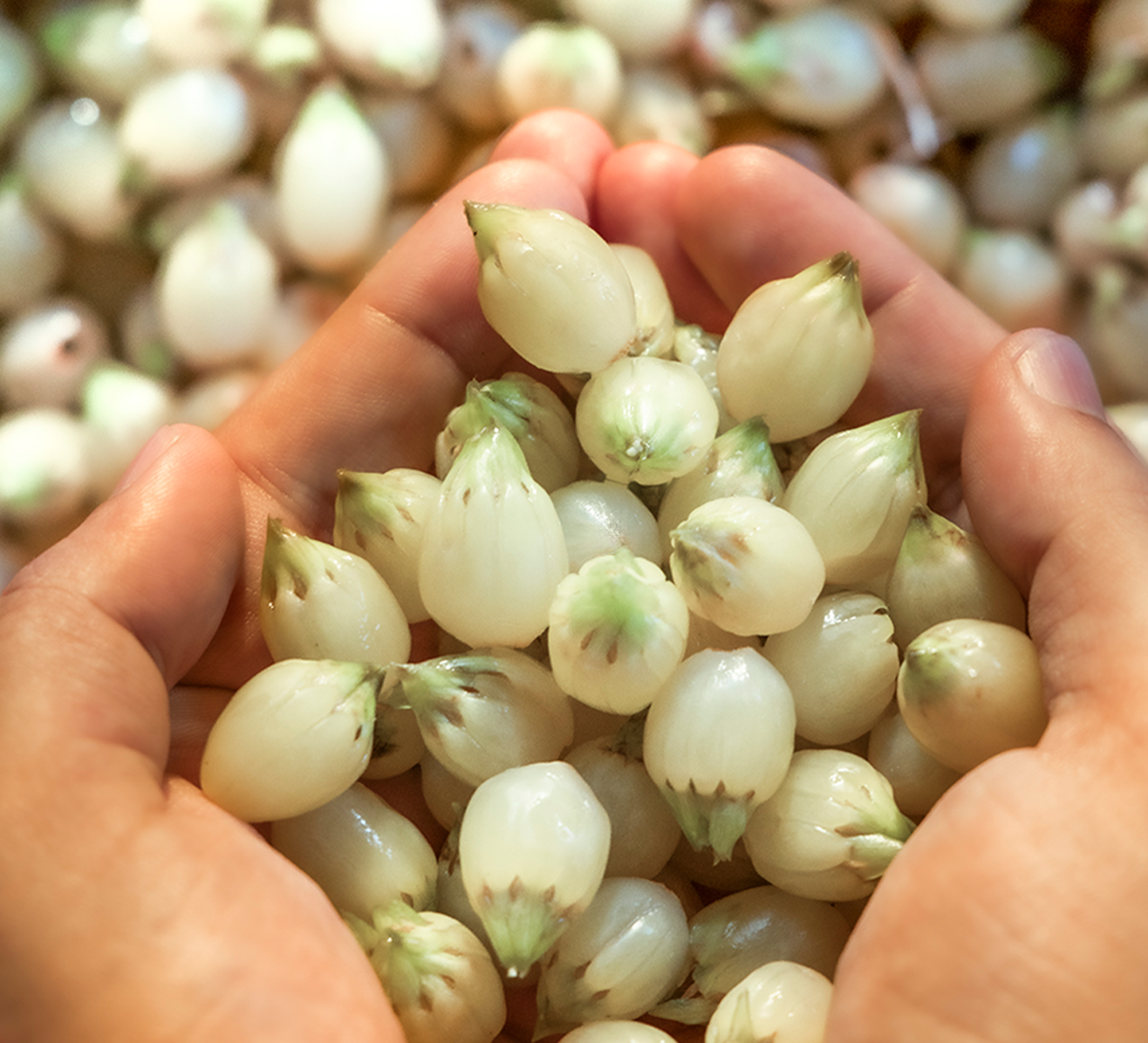
The Mahua flower provides an ingredient that is deeply connected to India, while modern production can present its character in a refined and contemporary way.
The traditional history of Mahua is an important part of its identity.
However, bringing Mahua to a modern audience requires more than preserving the past.
It means understanding how today's consumers want to experience spirits.
That can involve:
This allows premium Mahua spirit to move comfortably between heritage and modern drinking culture.
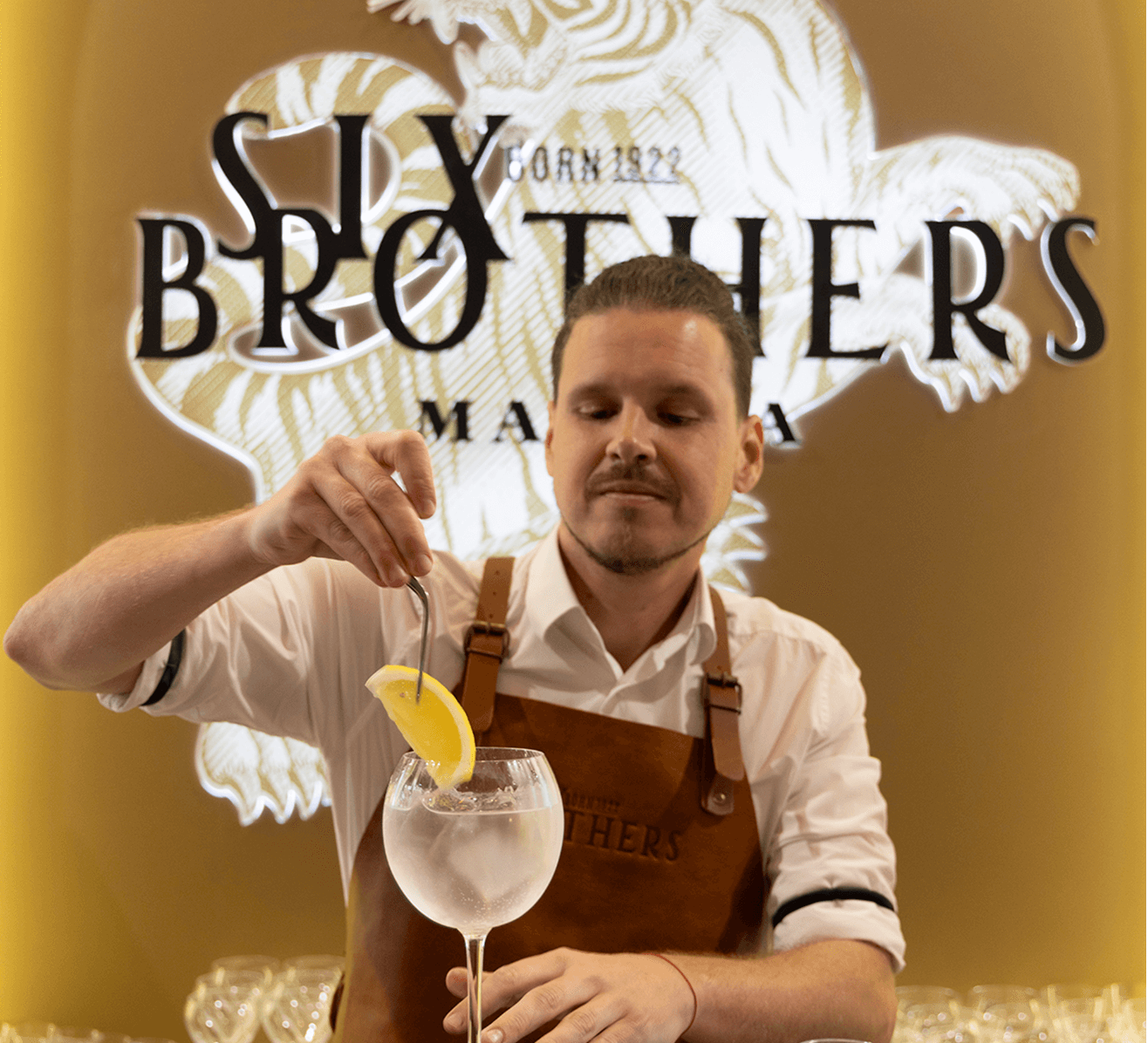
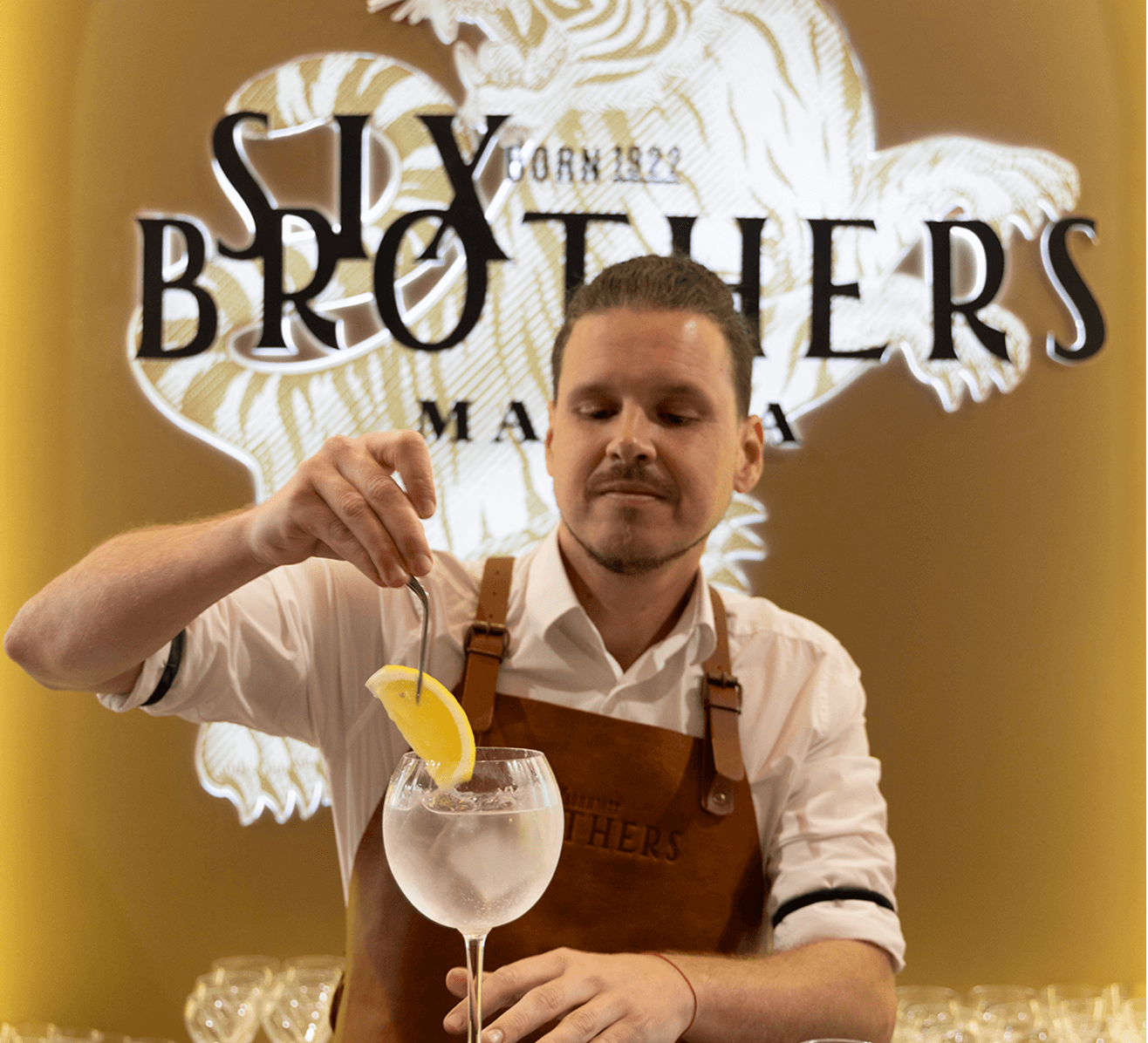
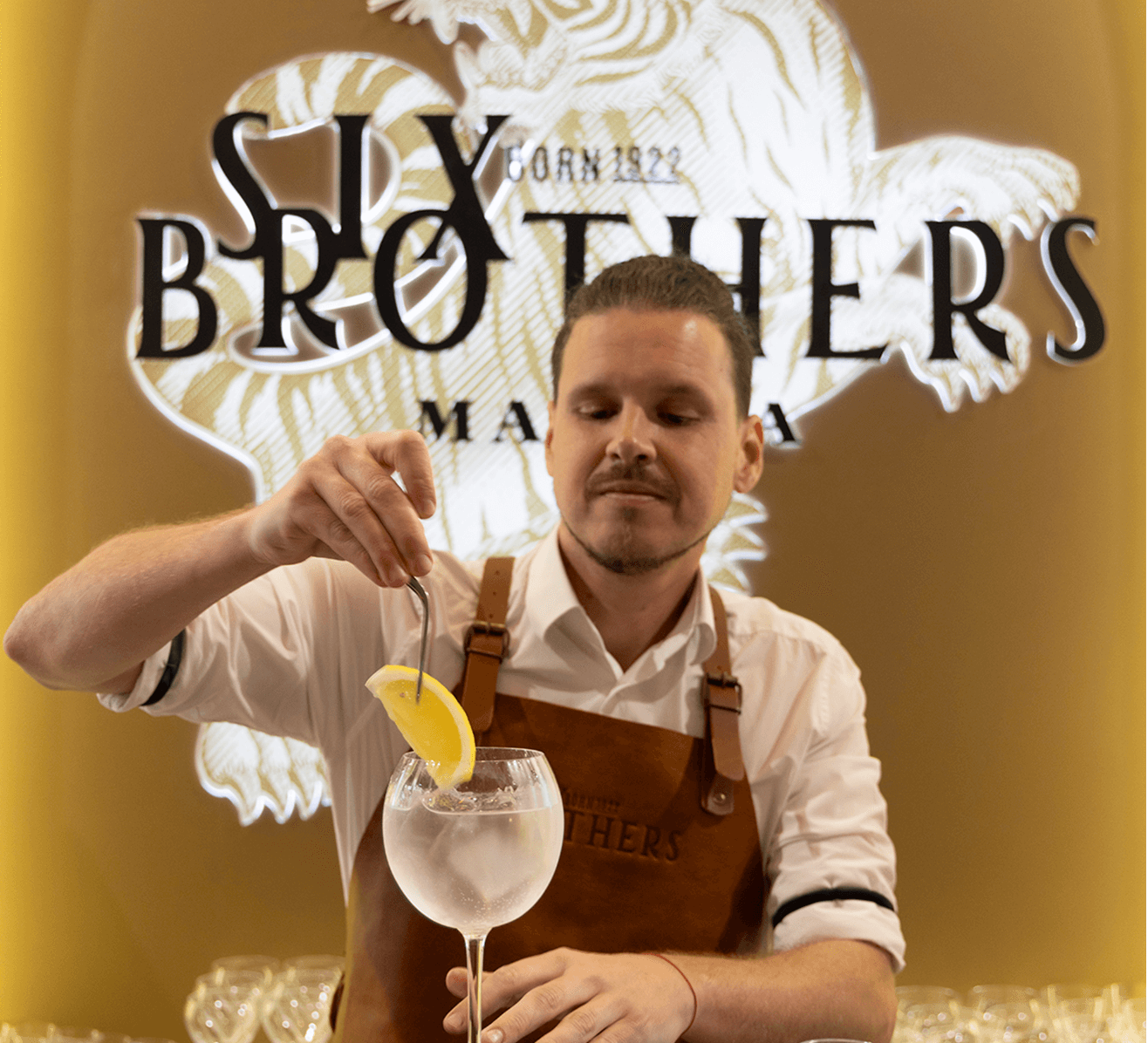
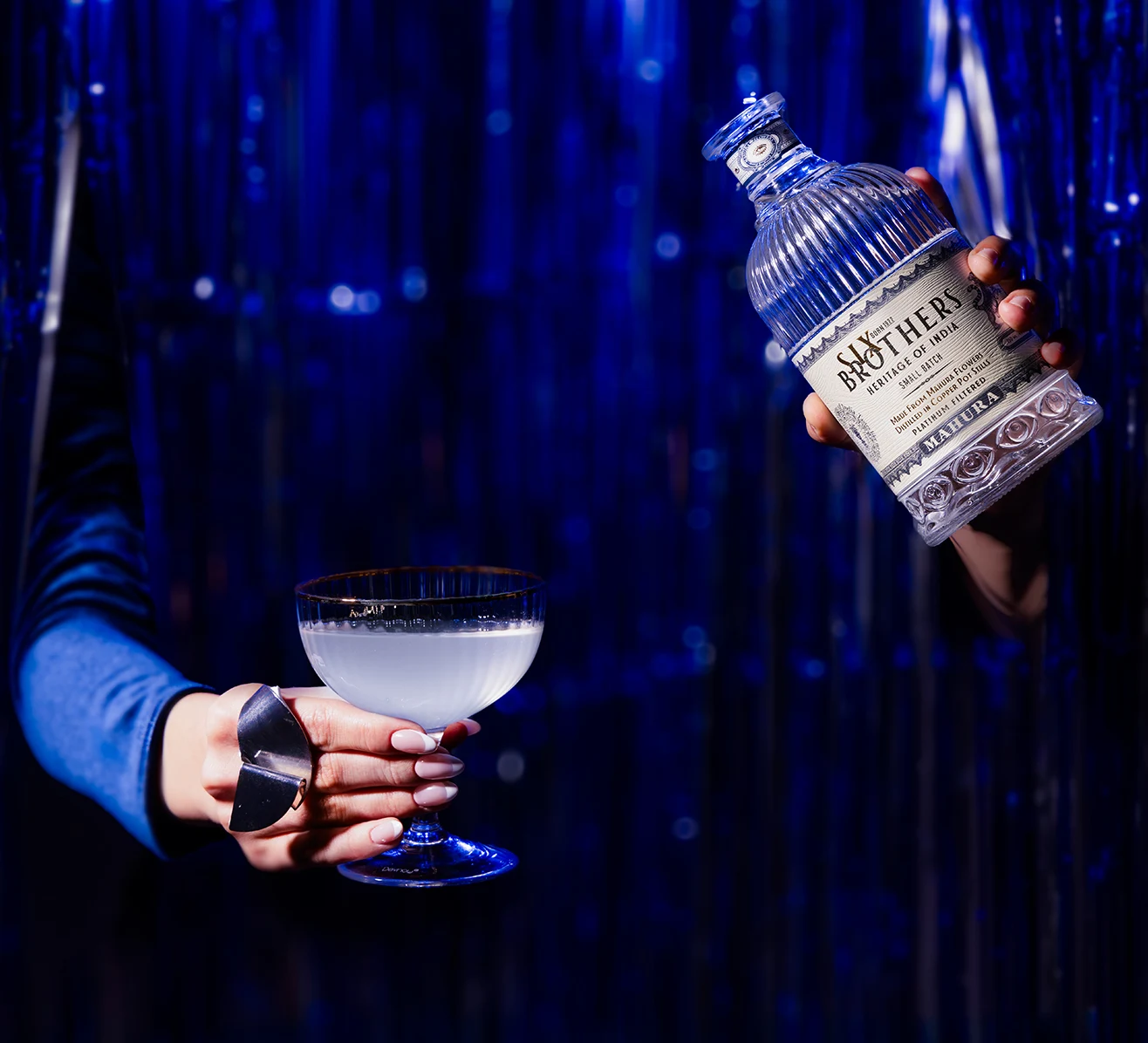
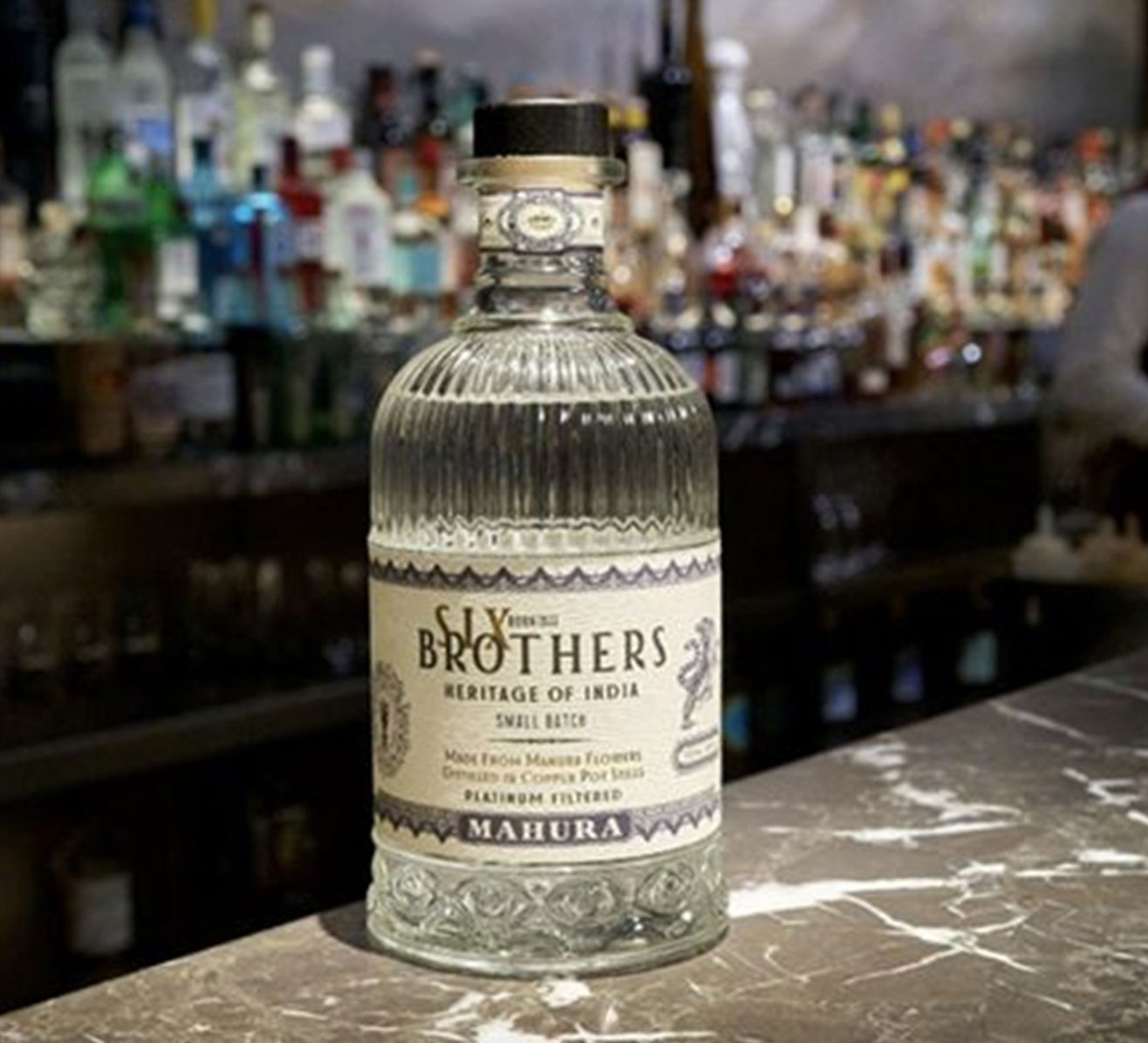
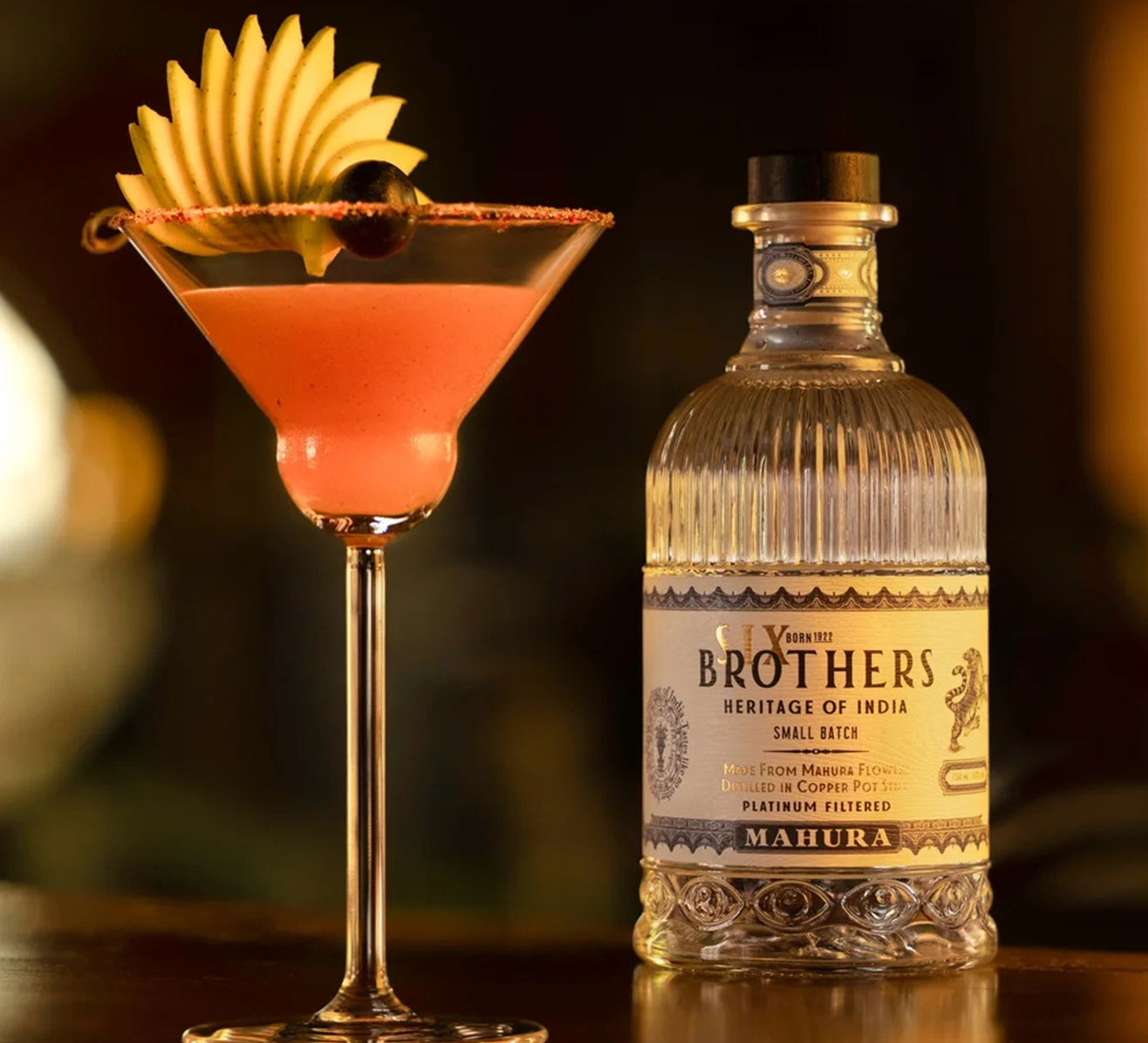
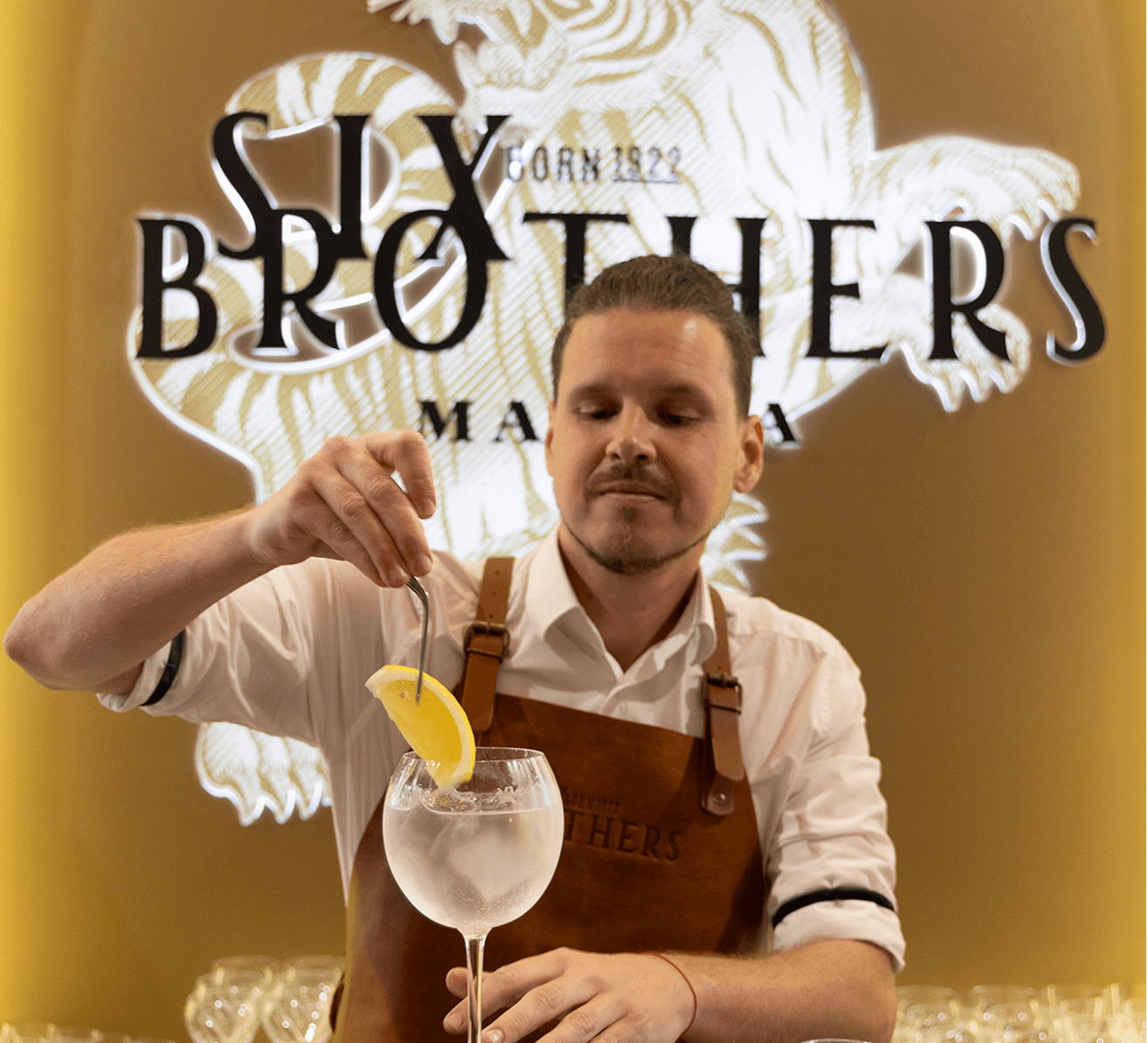
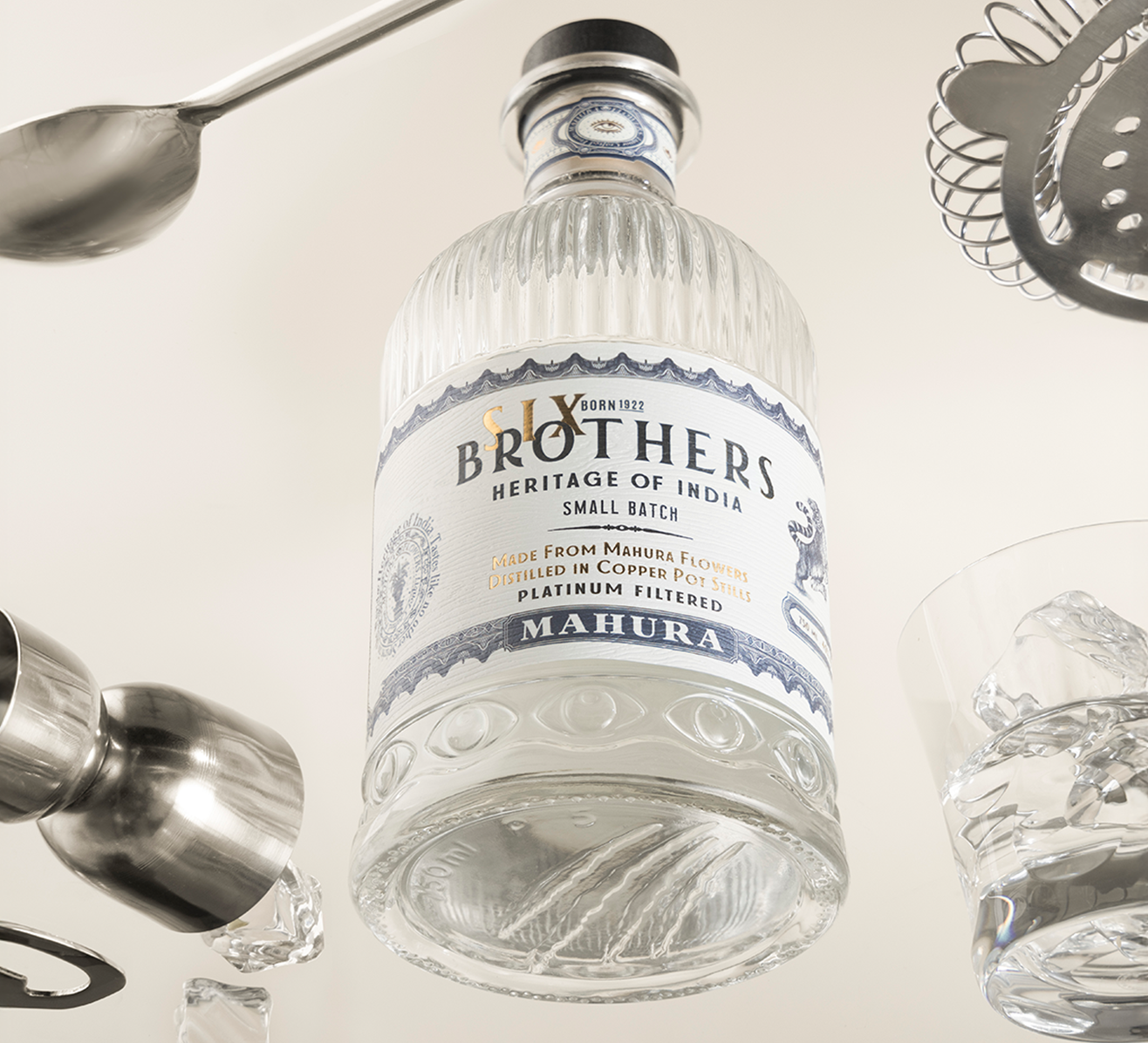
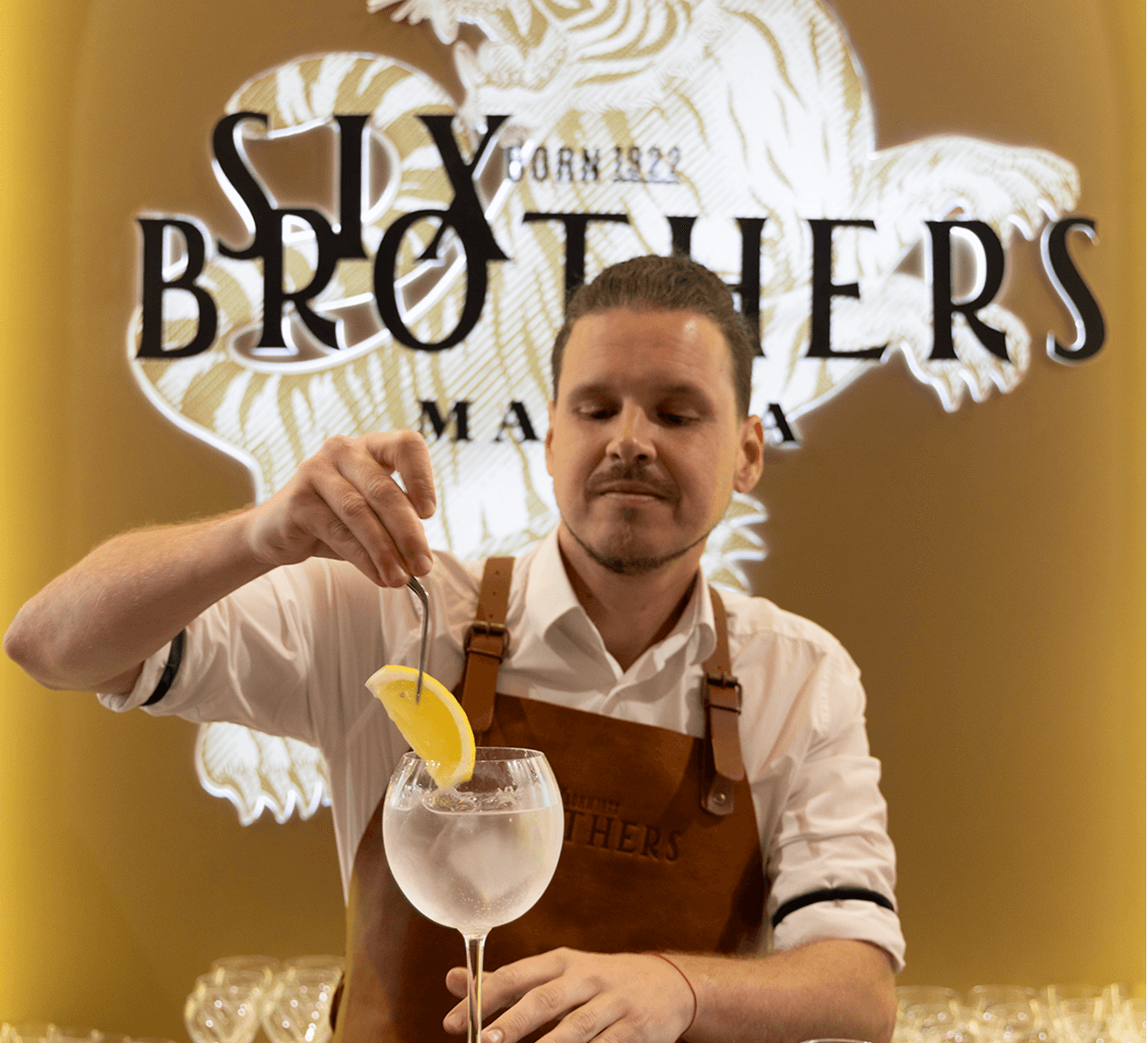
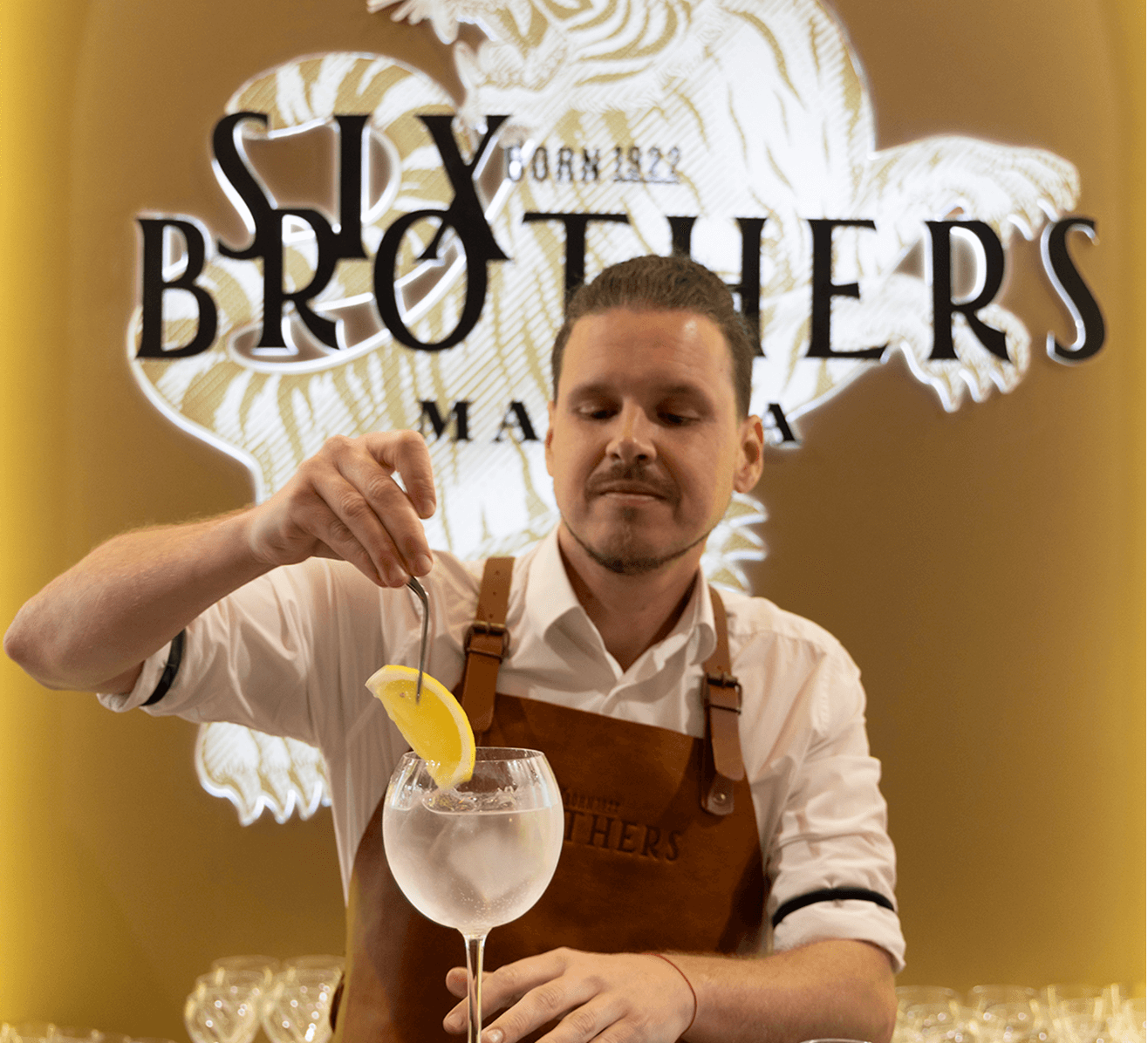
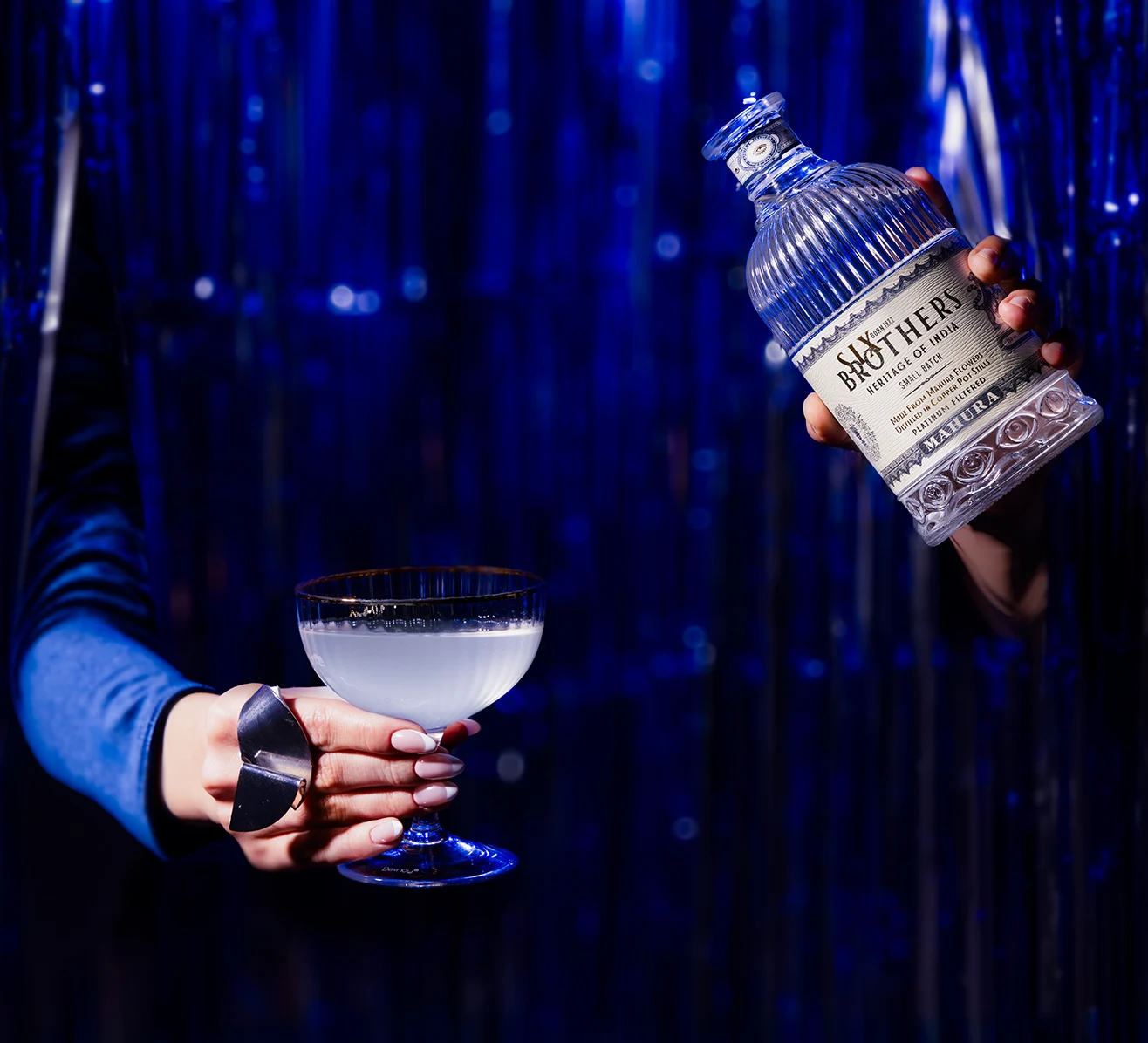
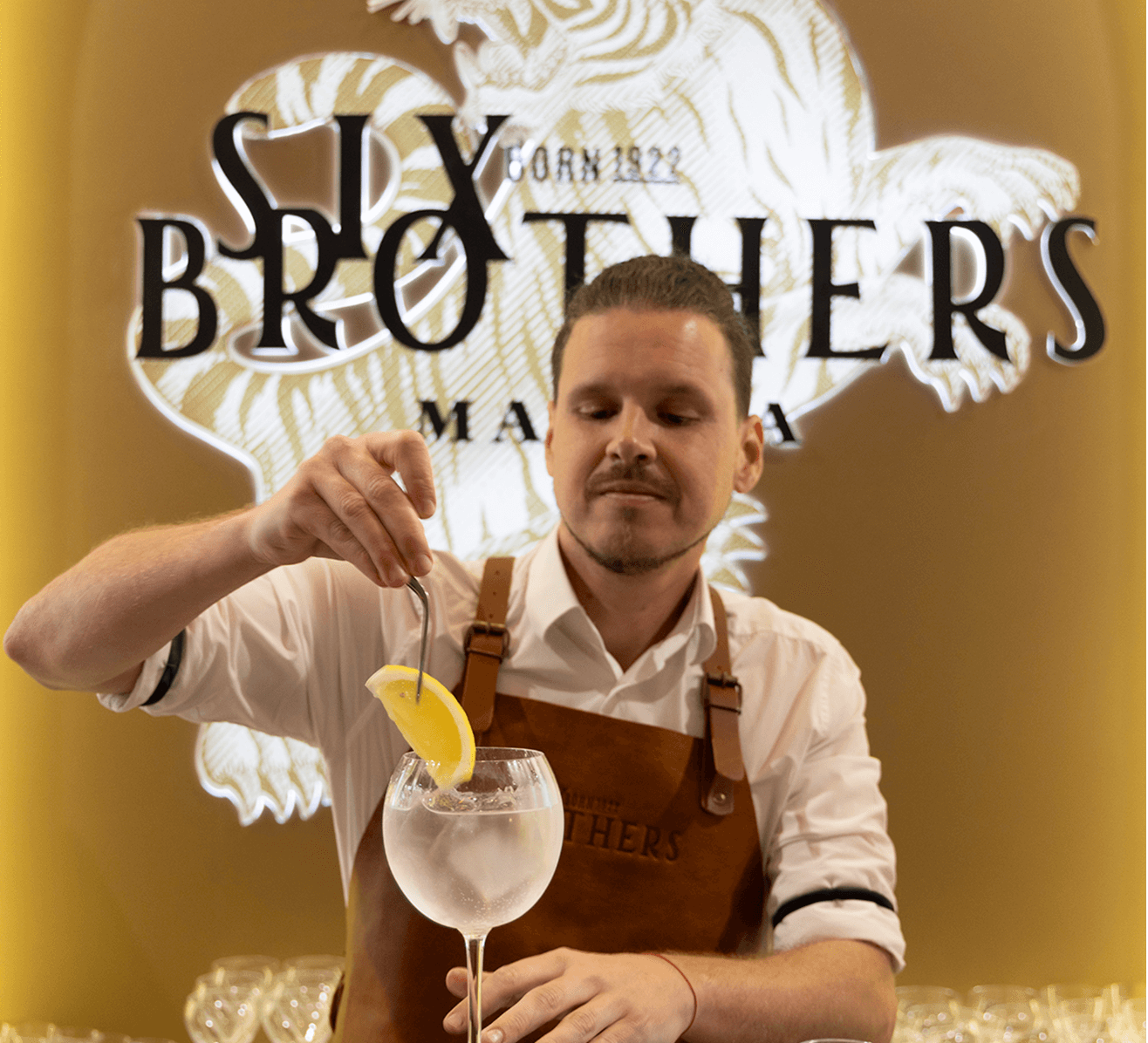
Bars are often where consumers discover unfamiliar spirits.
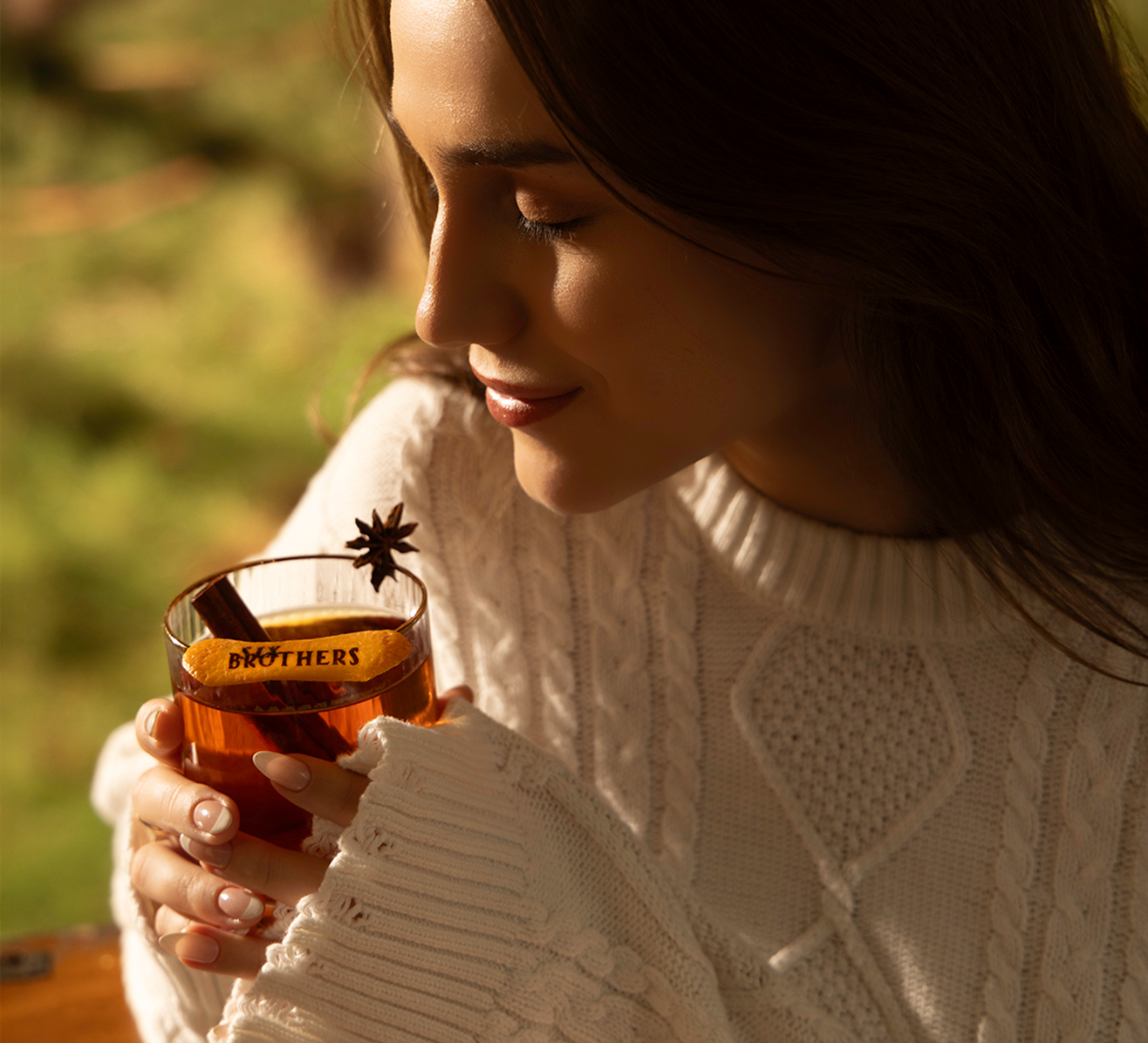
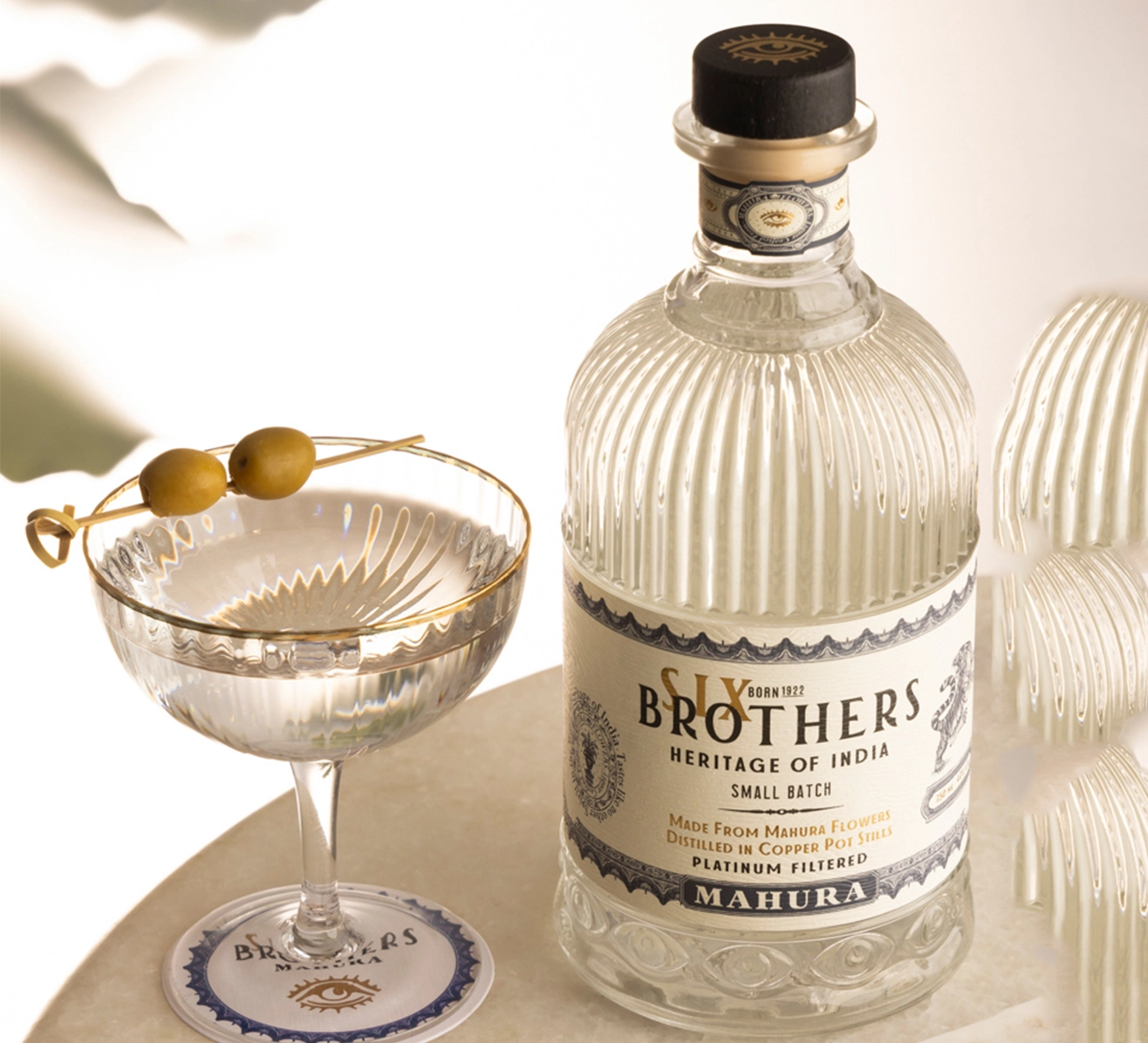
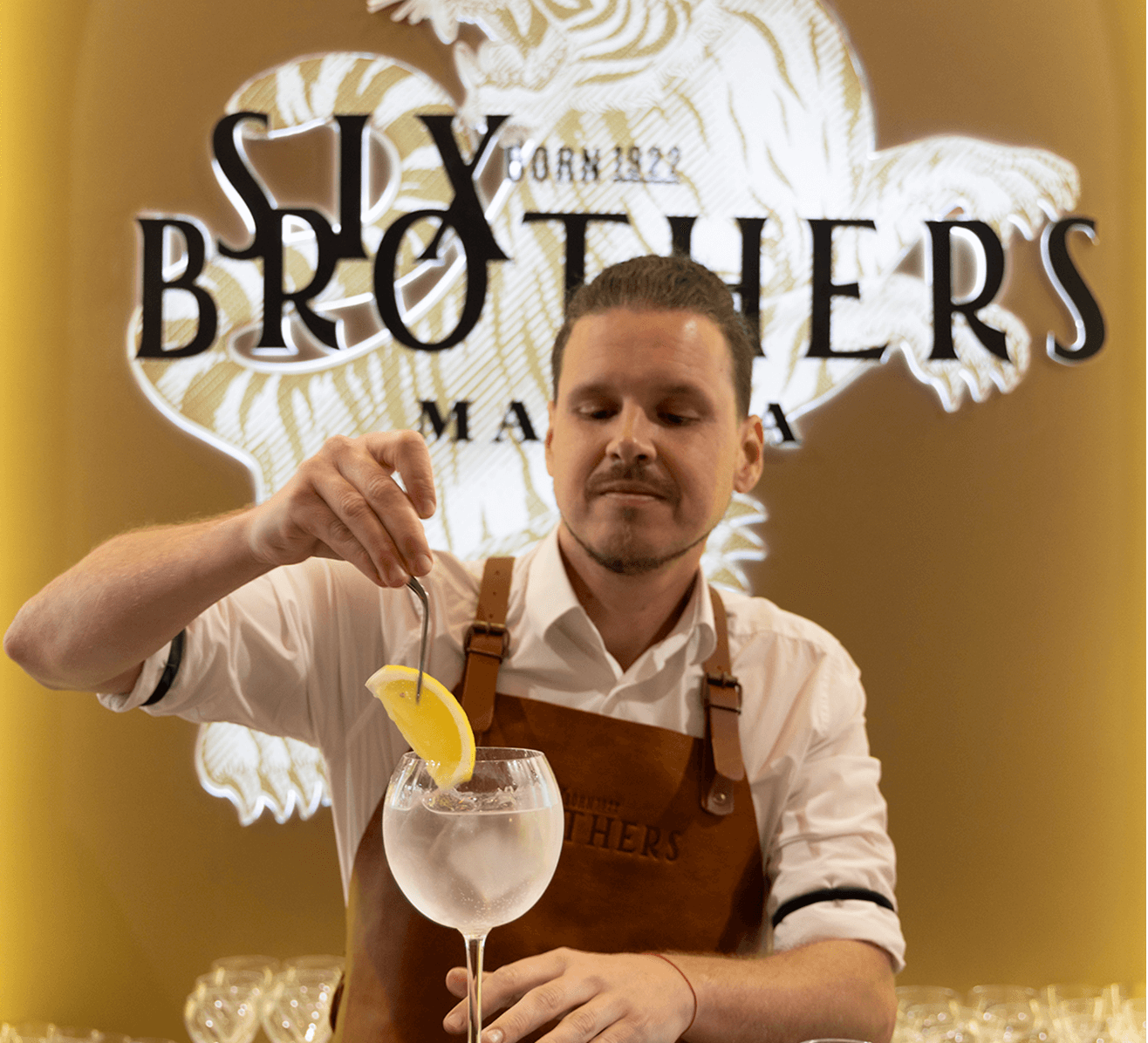
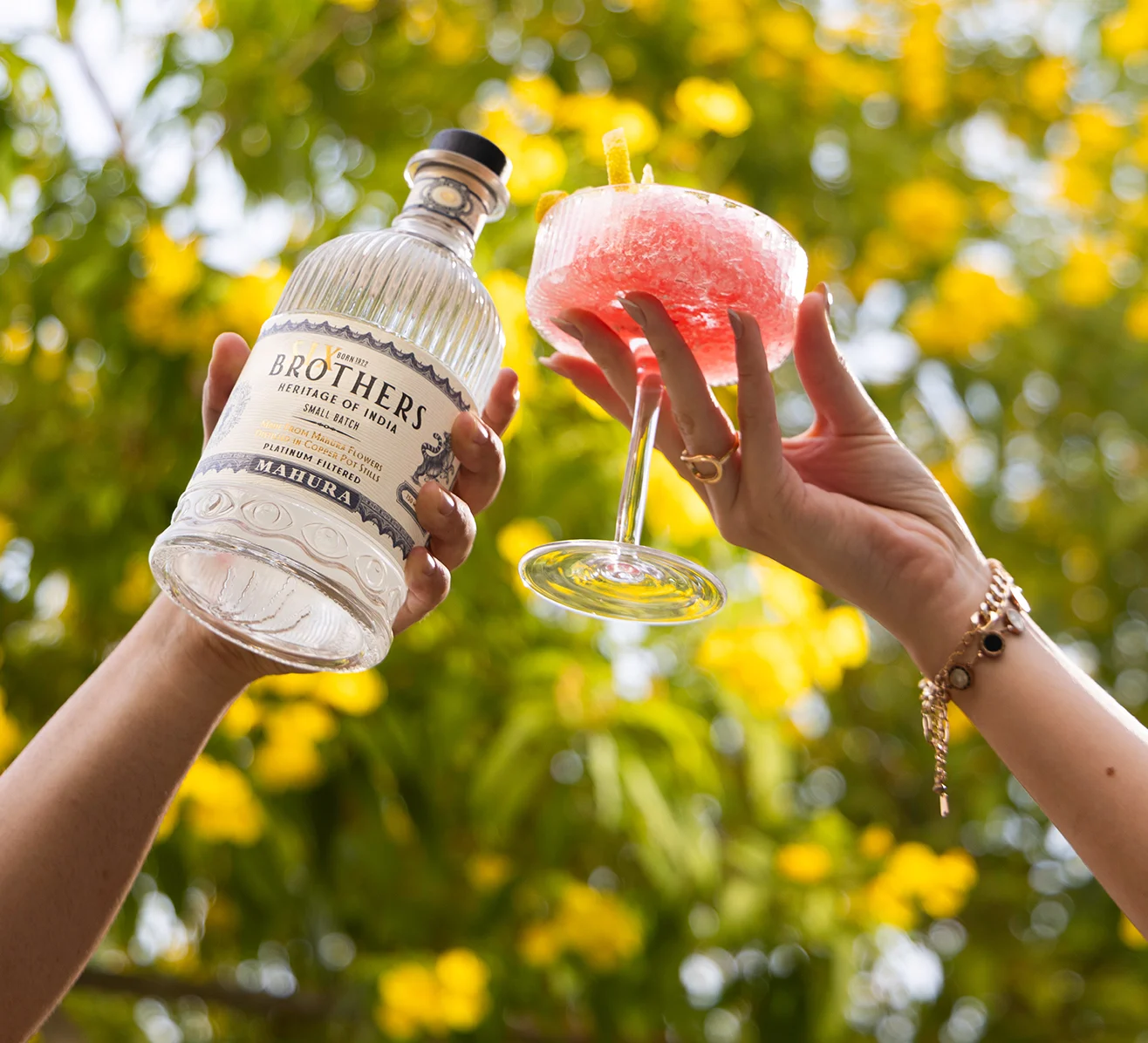
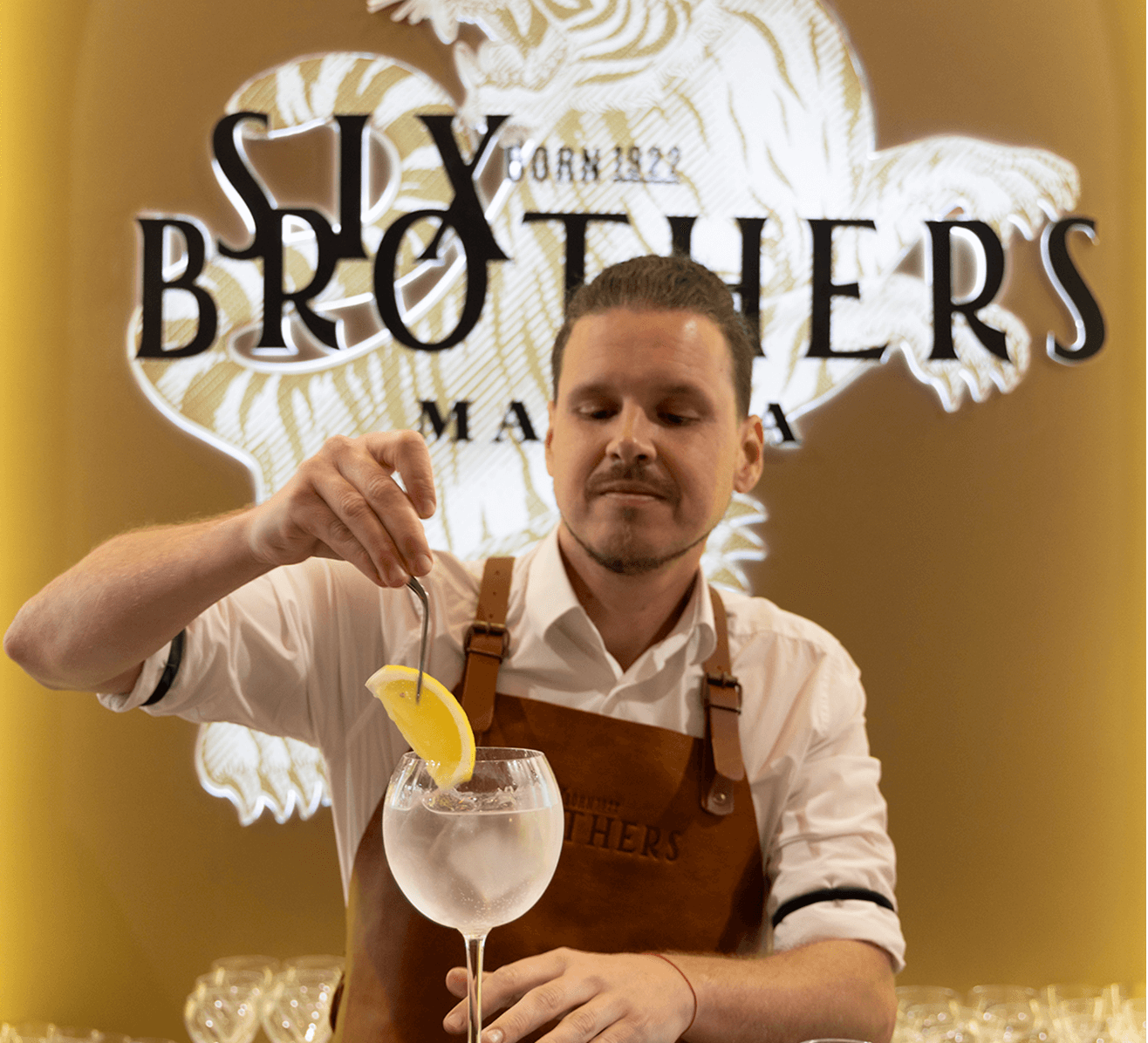
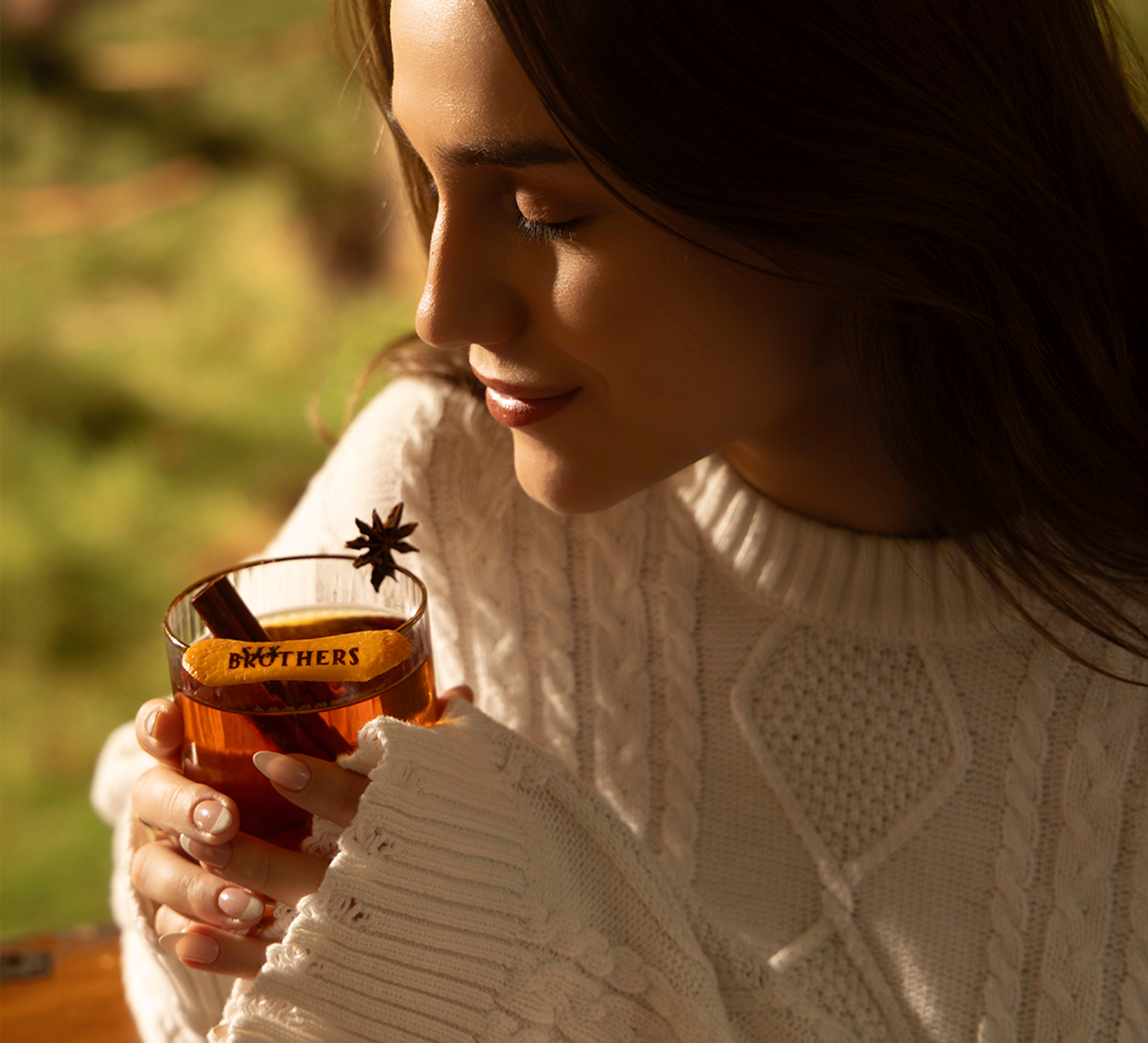
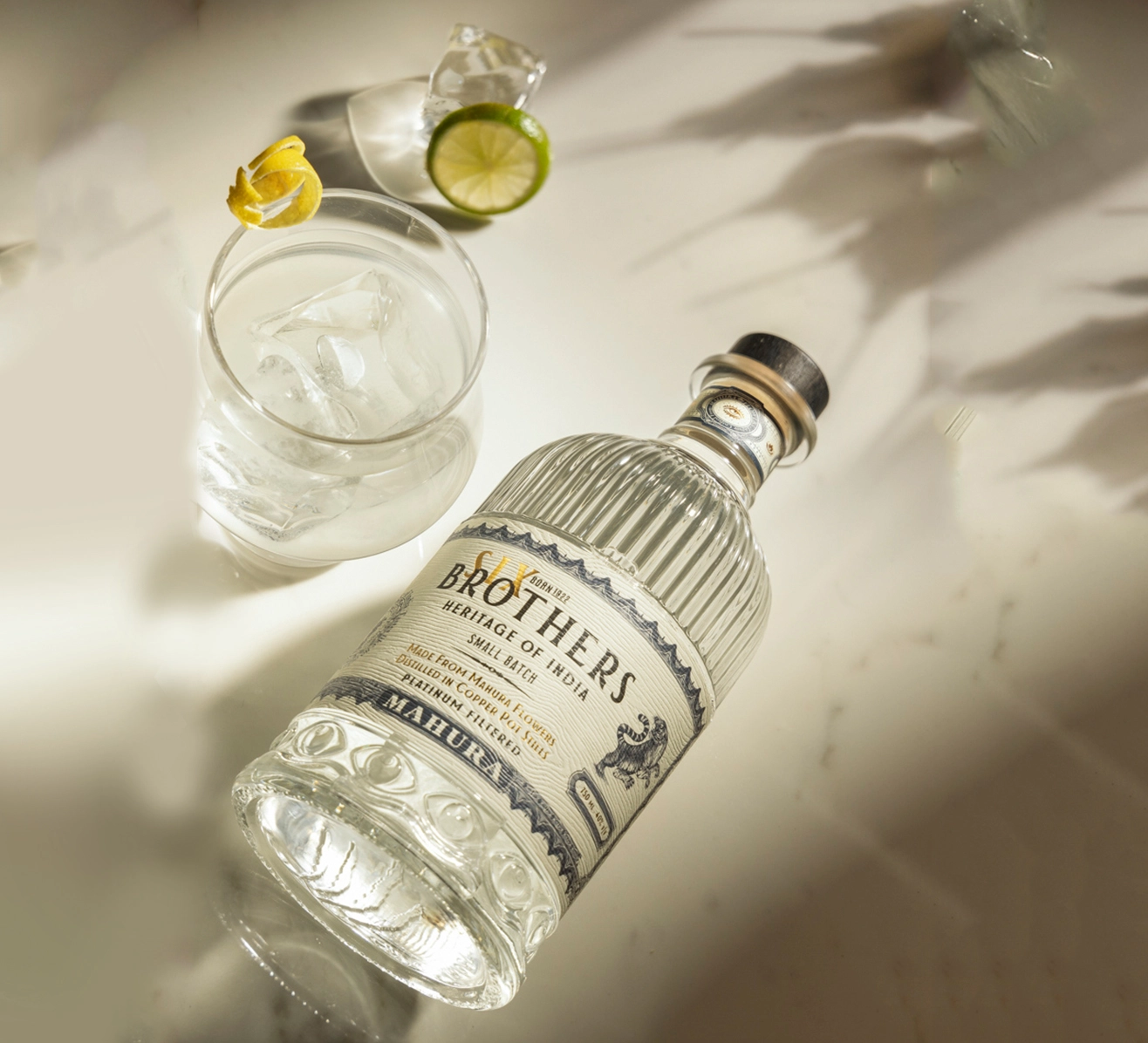
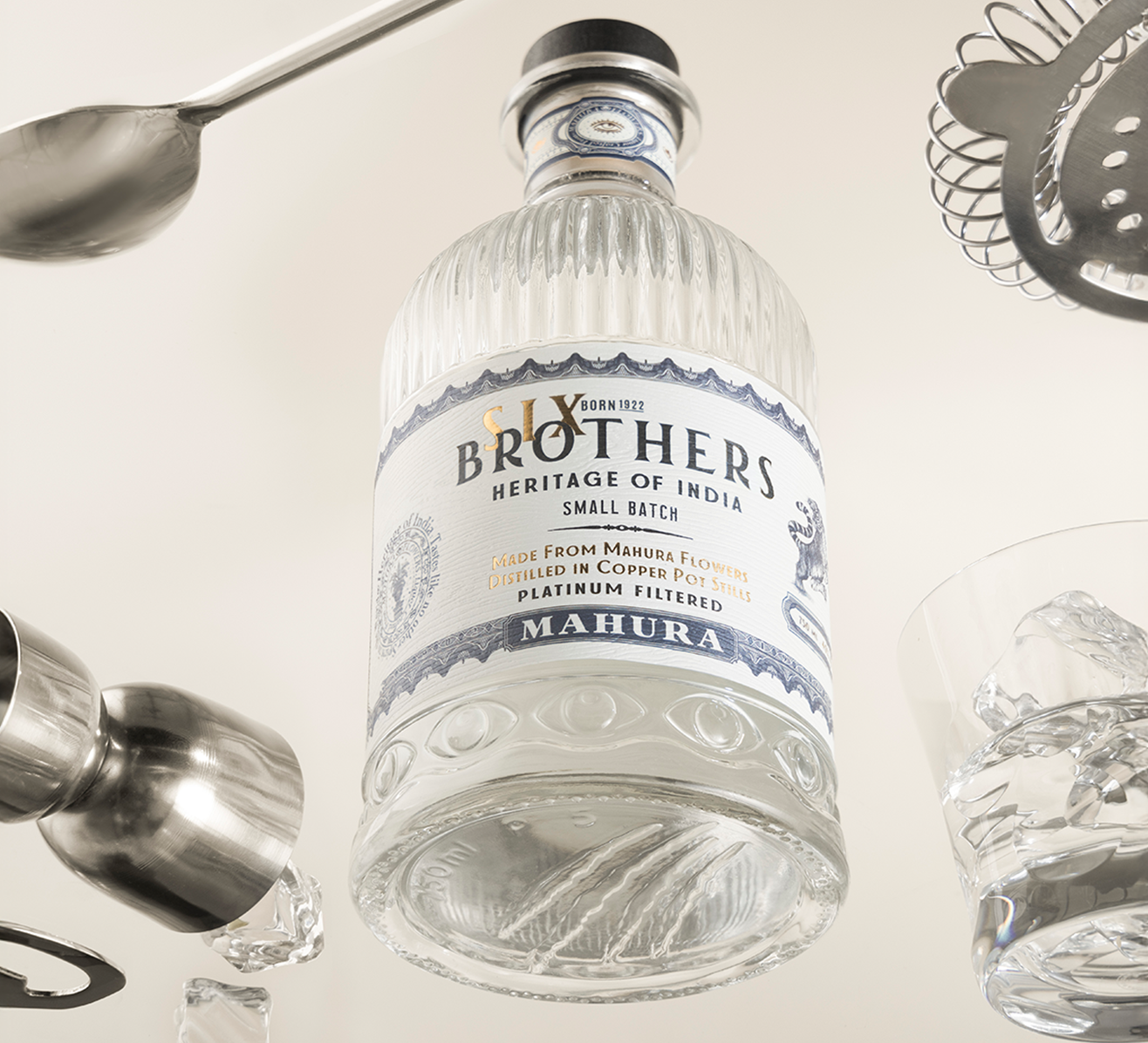
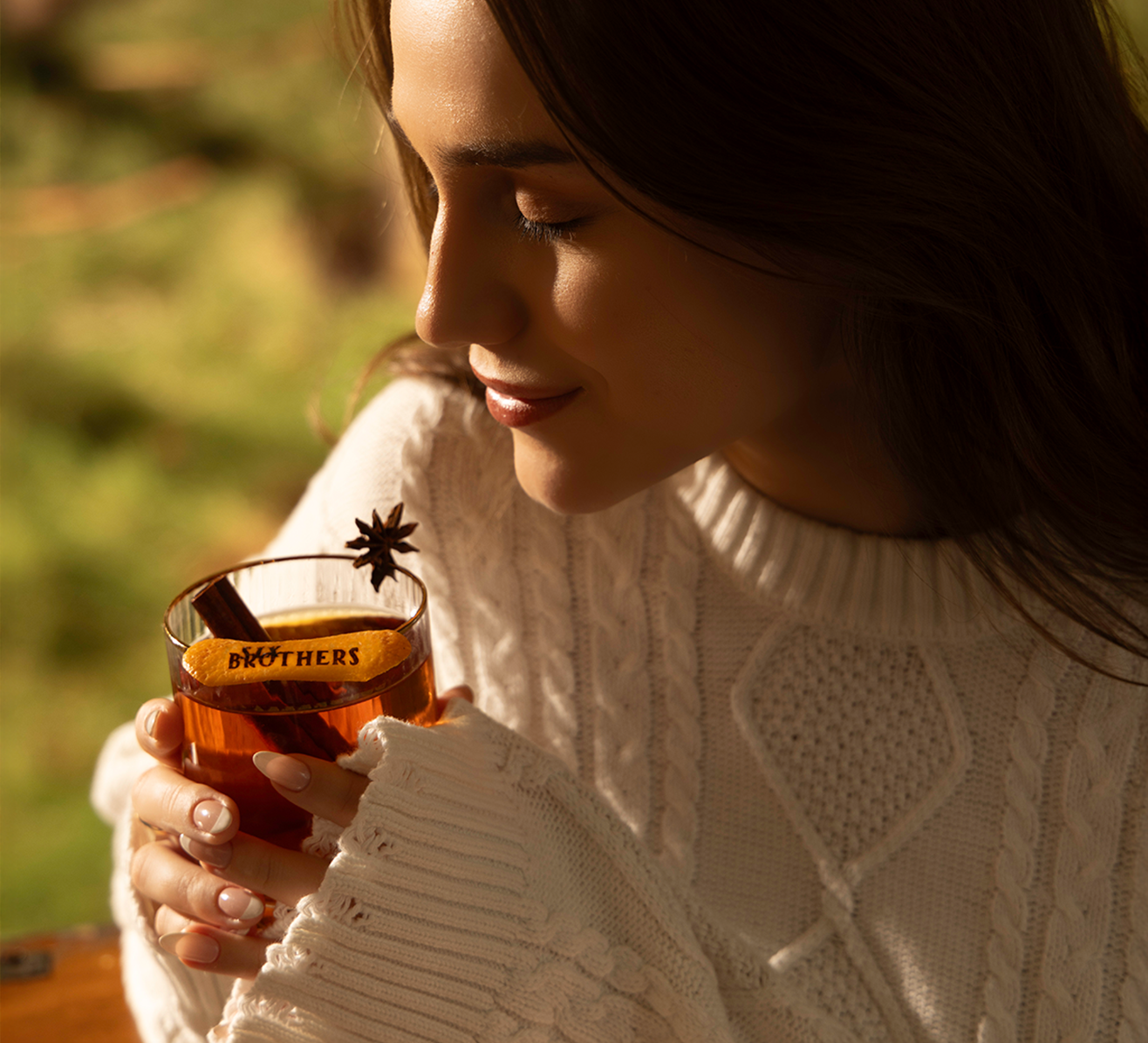
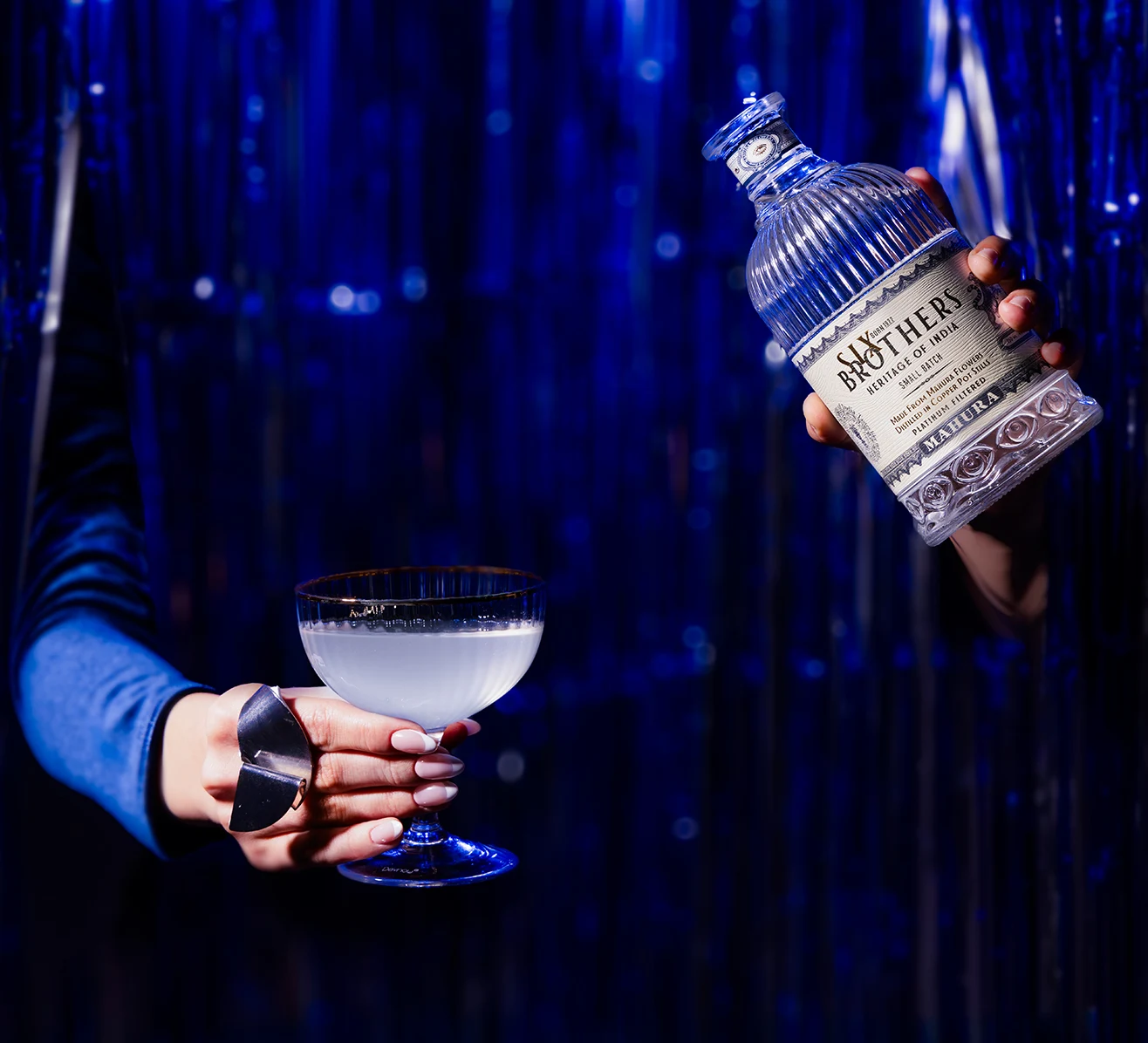
Bartenders and mixologists can introduce Mahua through:
For a relatively unfamiliar category, this kind of introduction can be powerful.
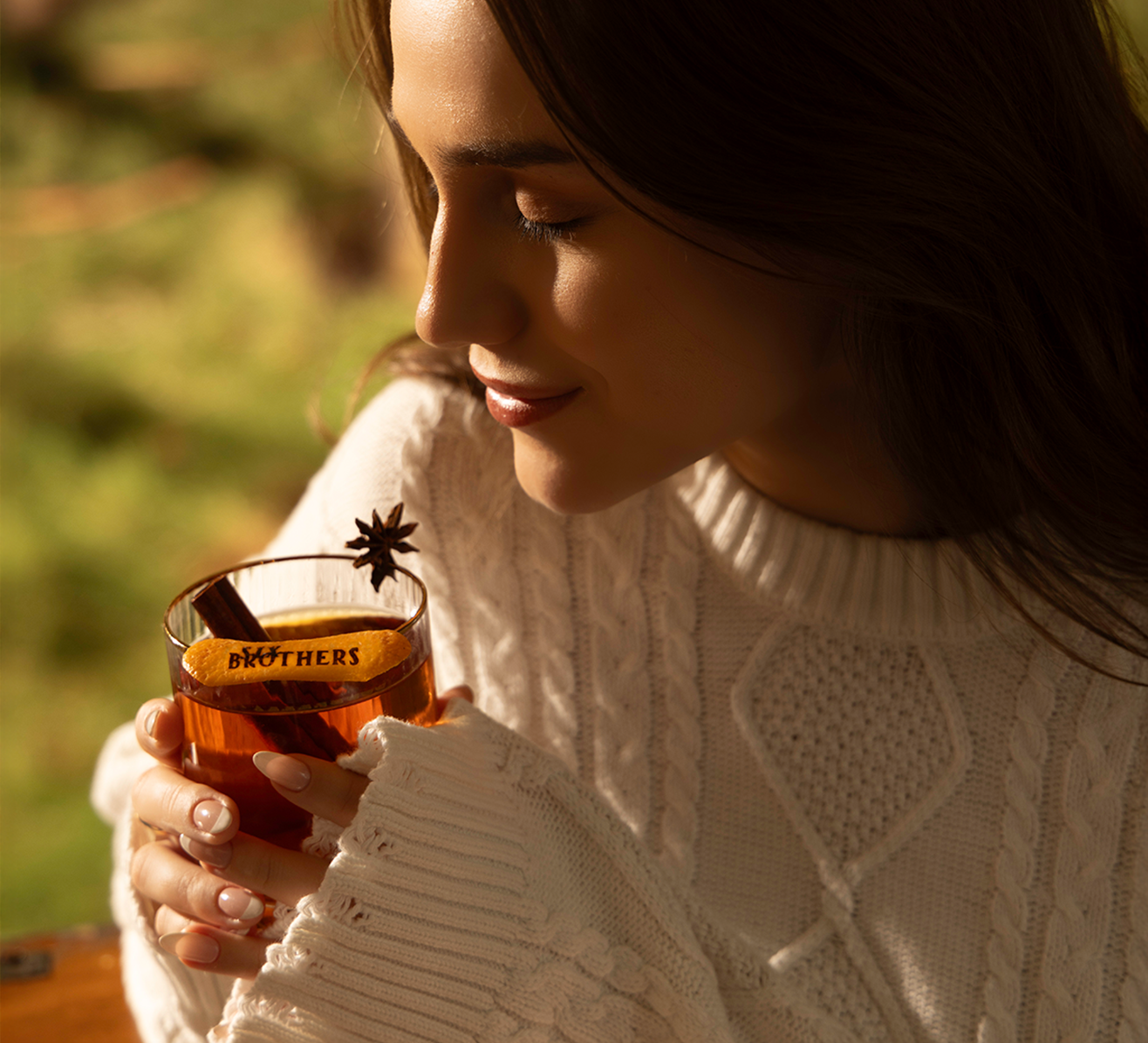
Instead of simply explaining what Mahua is, a modern bar can allow someone to experience it.
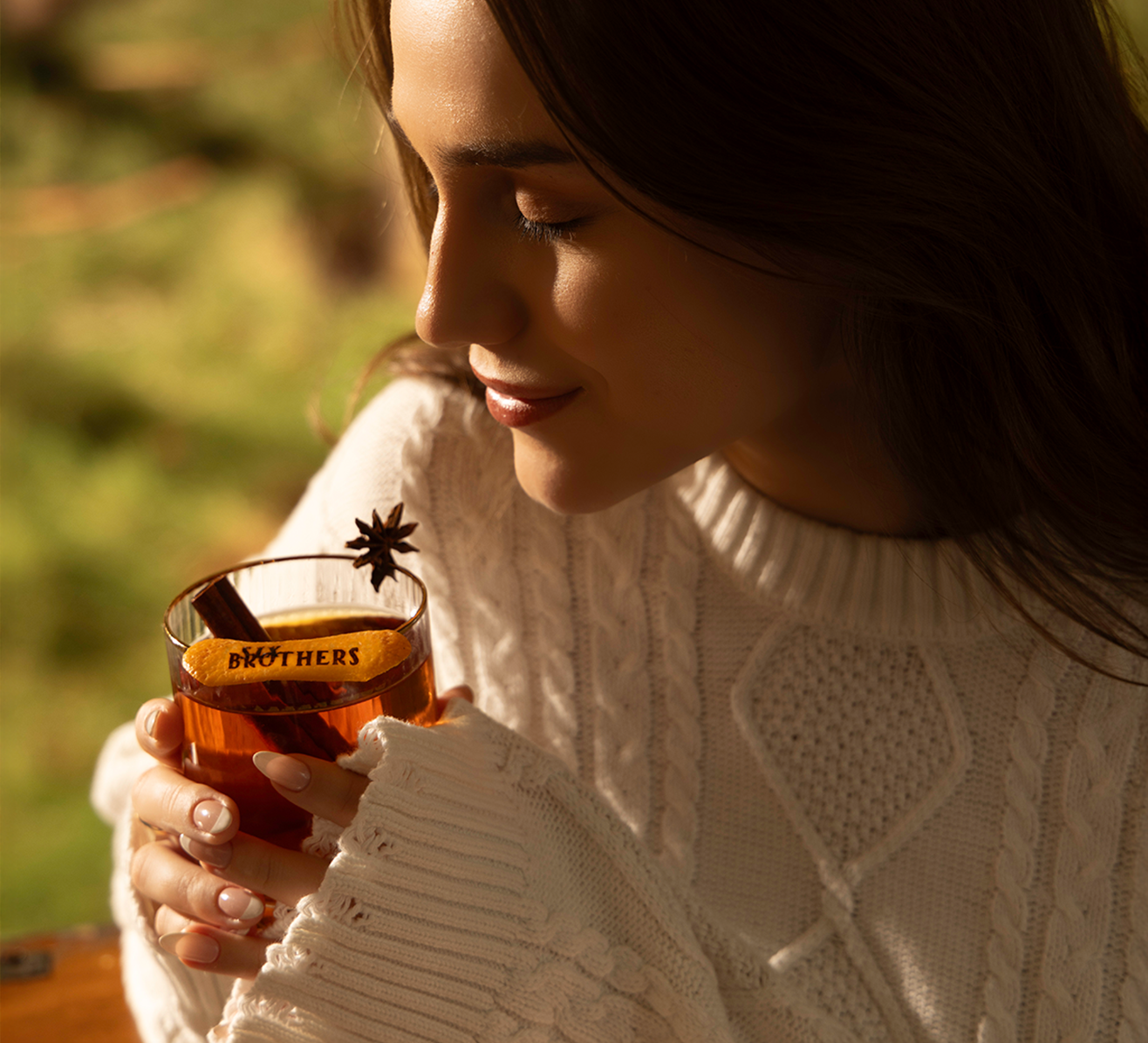
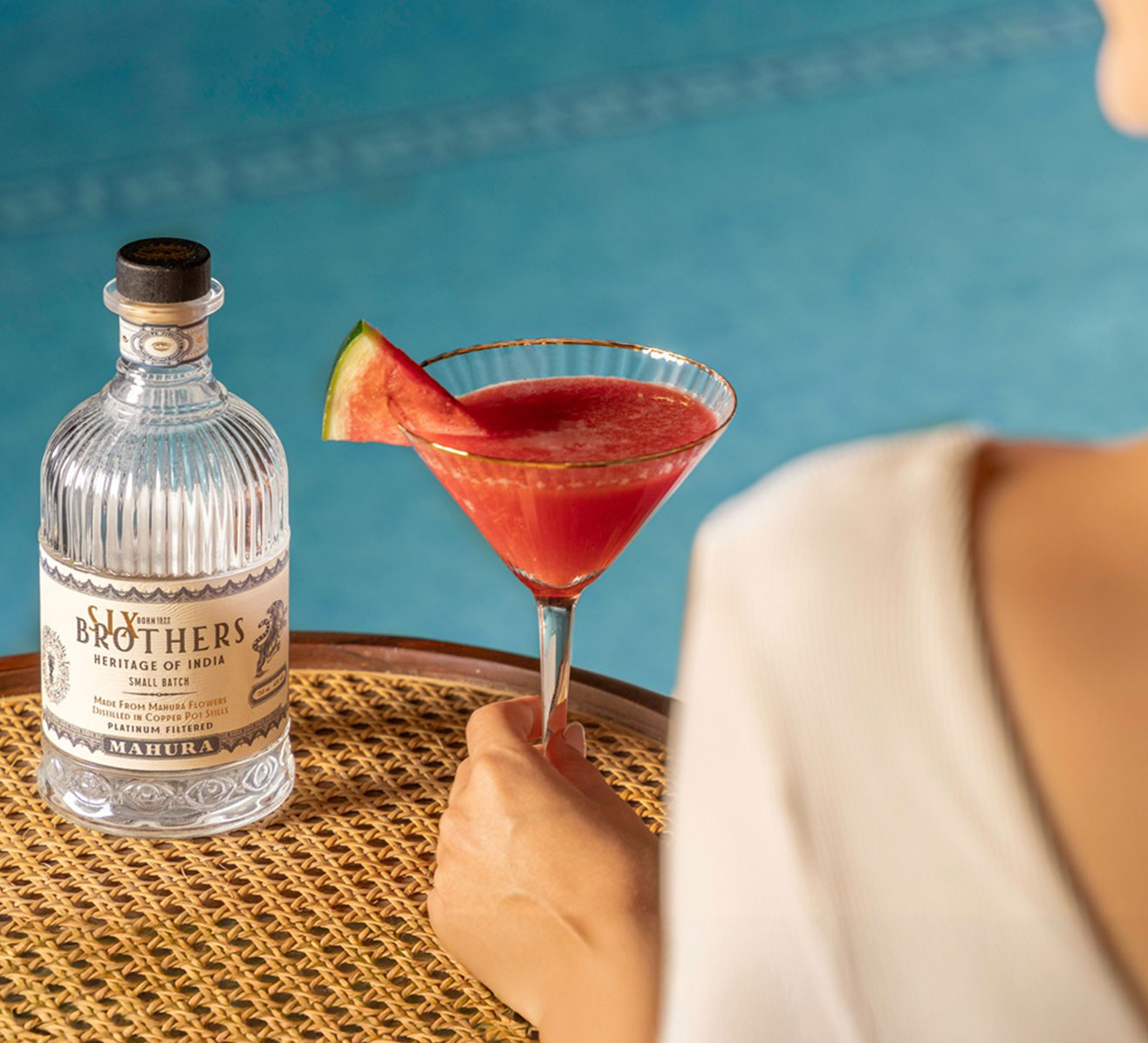
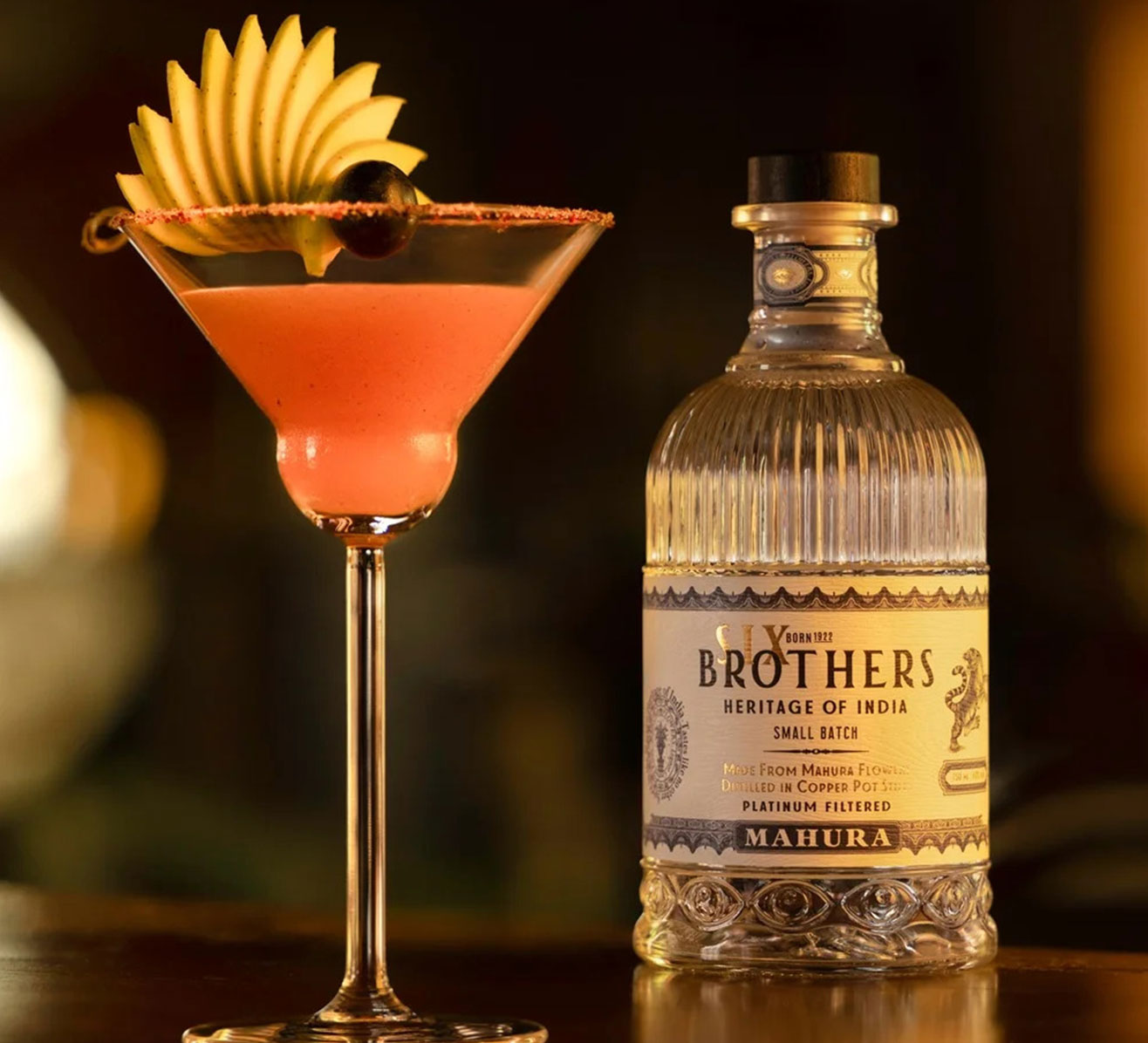
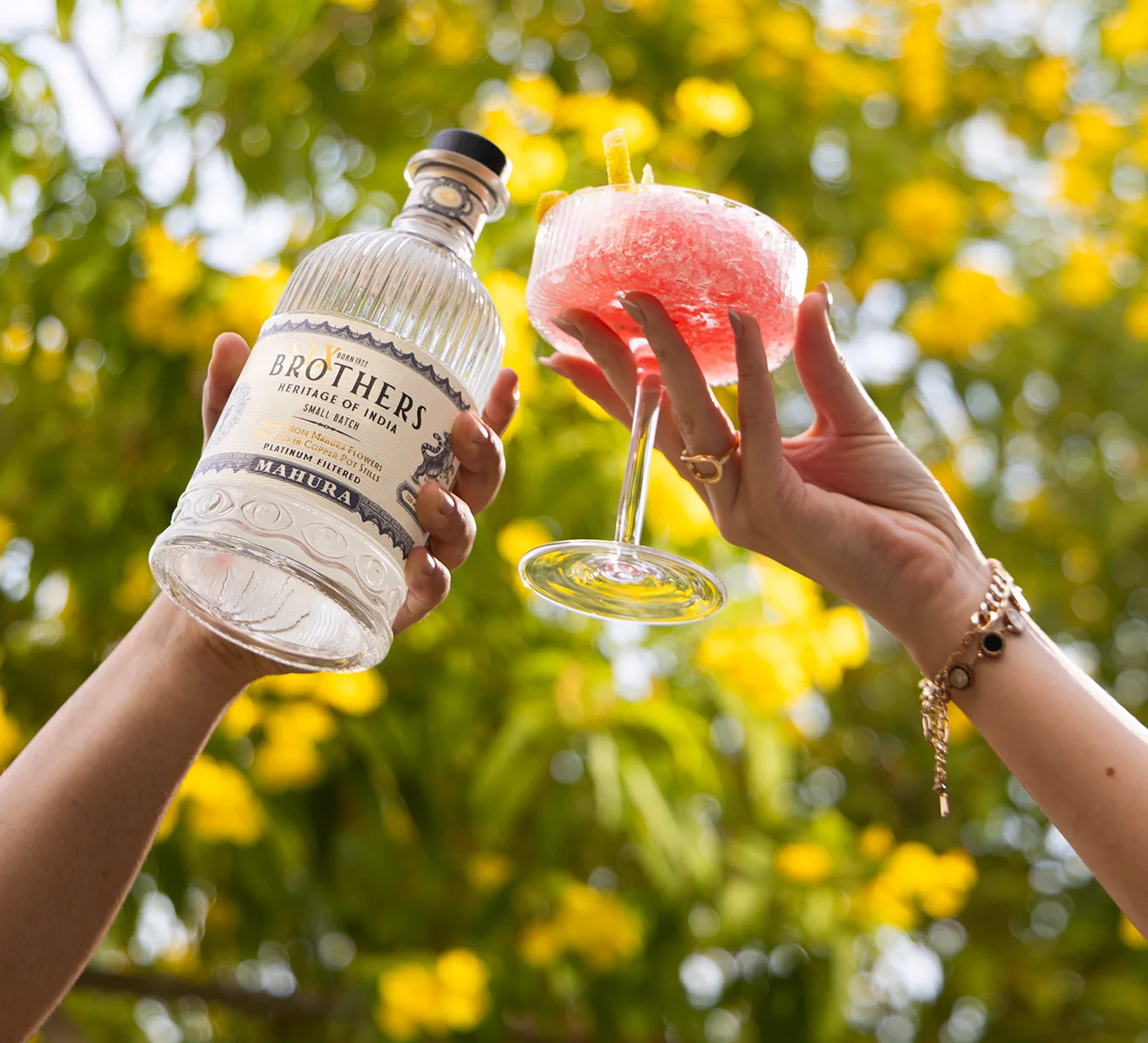
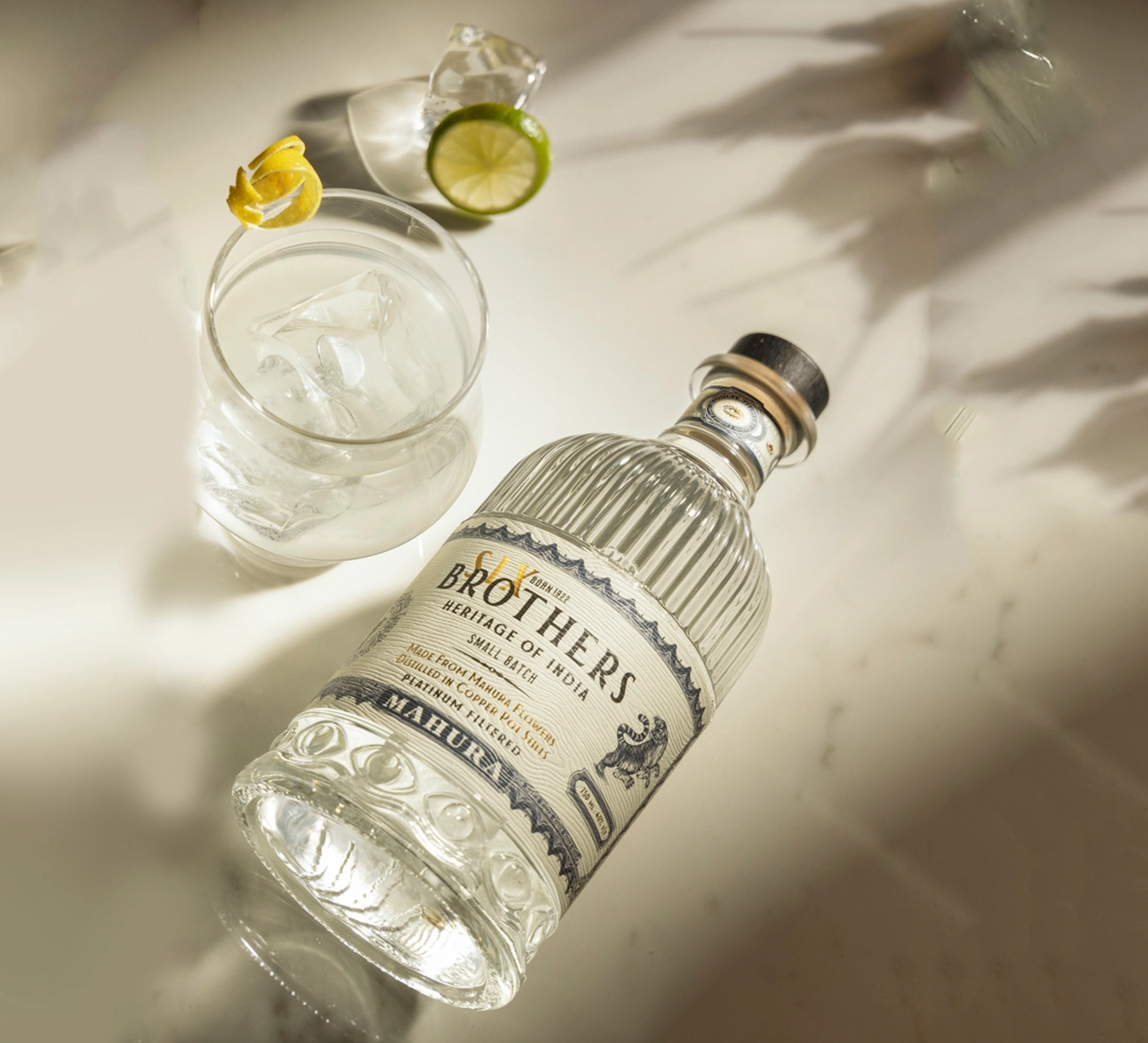
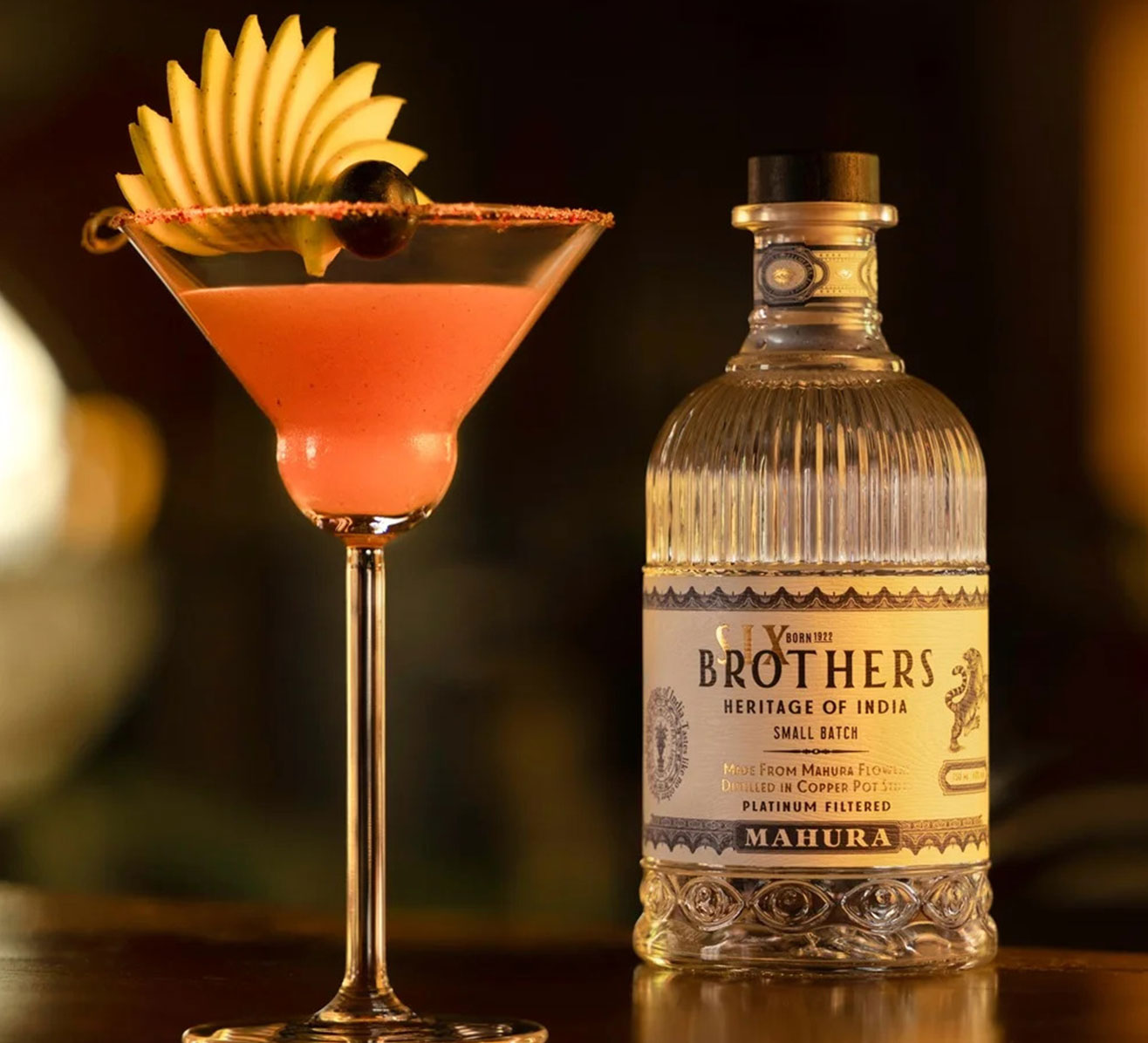
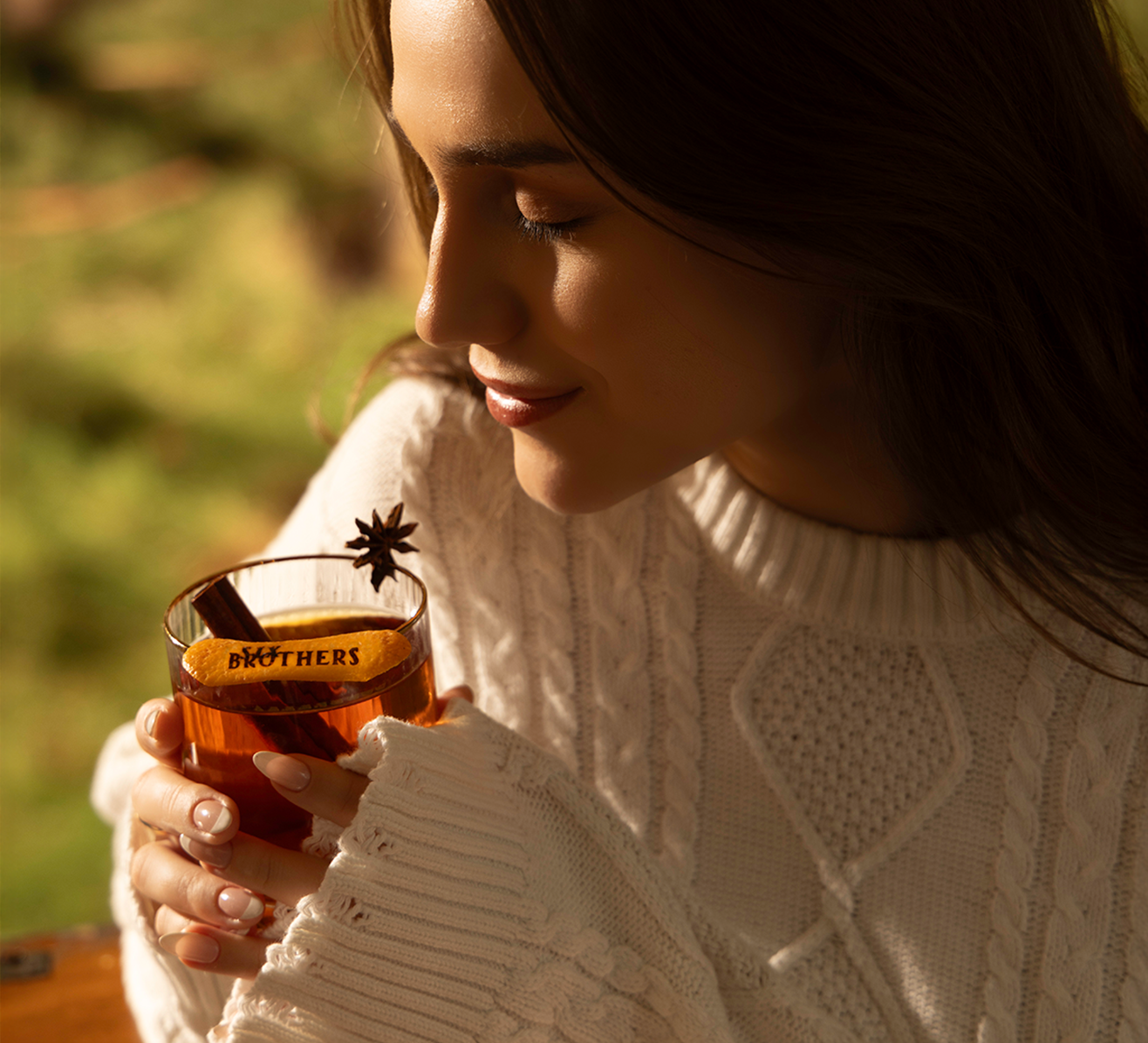
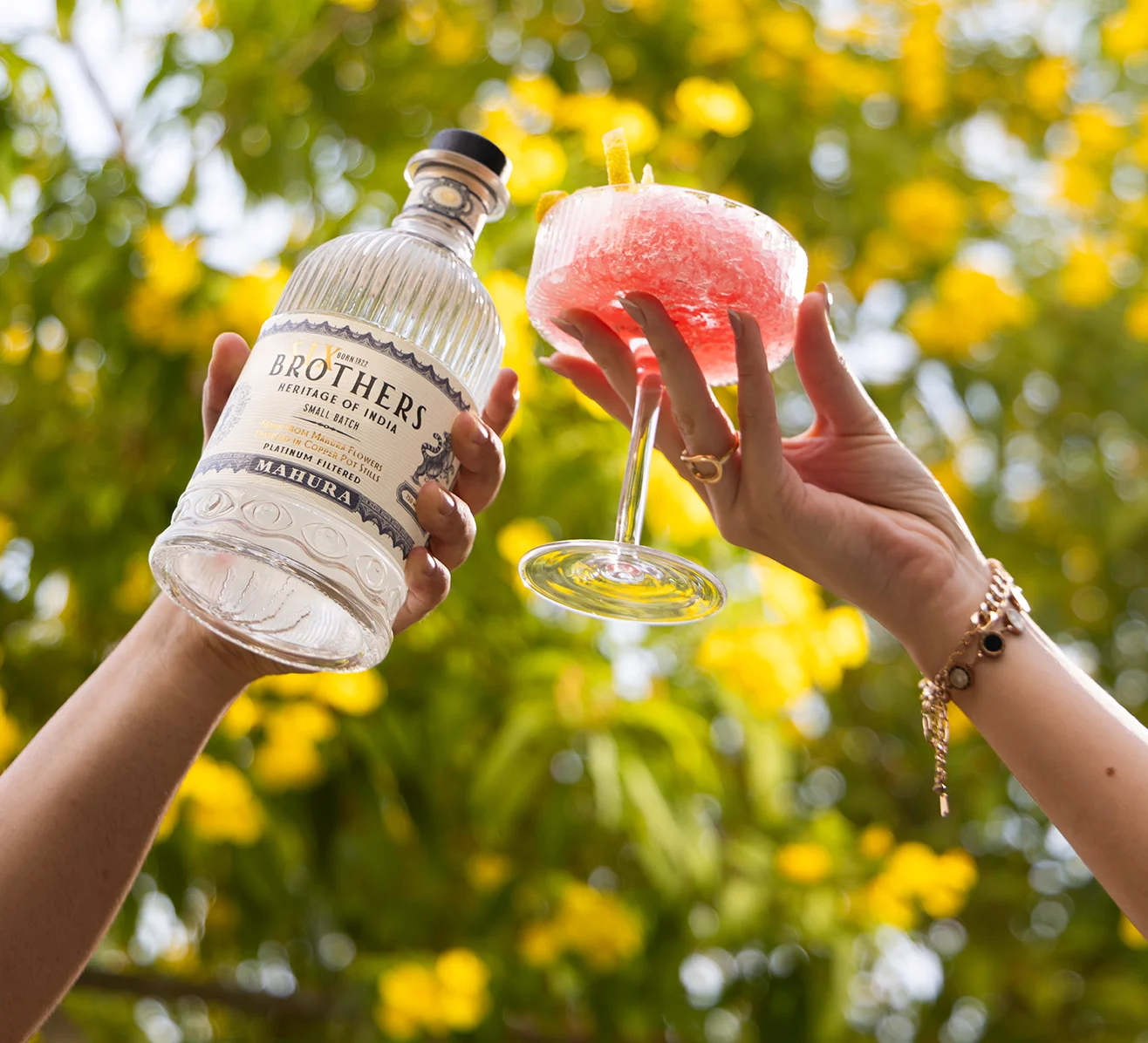
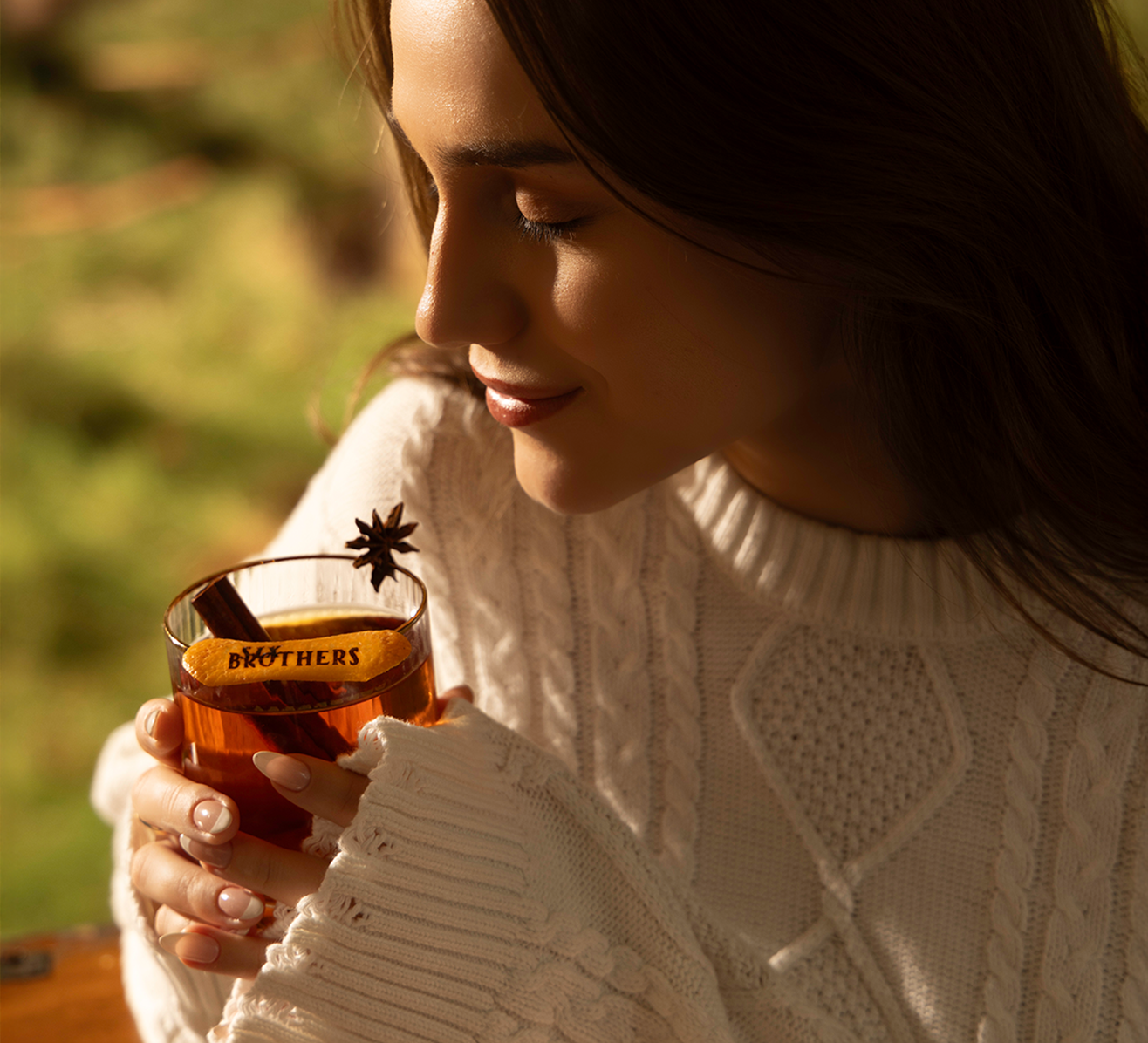
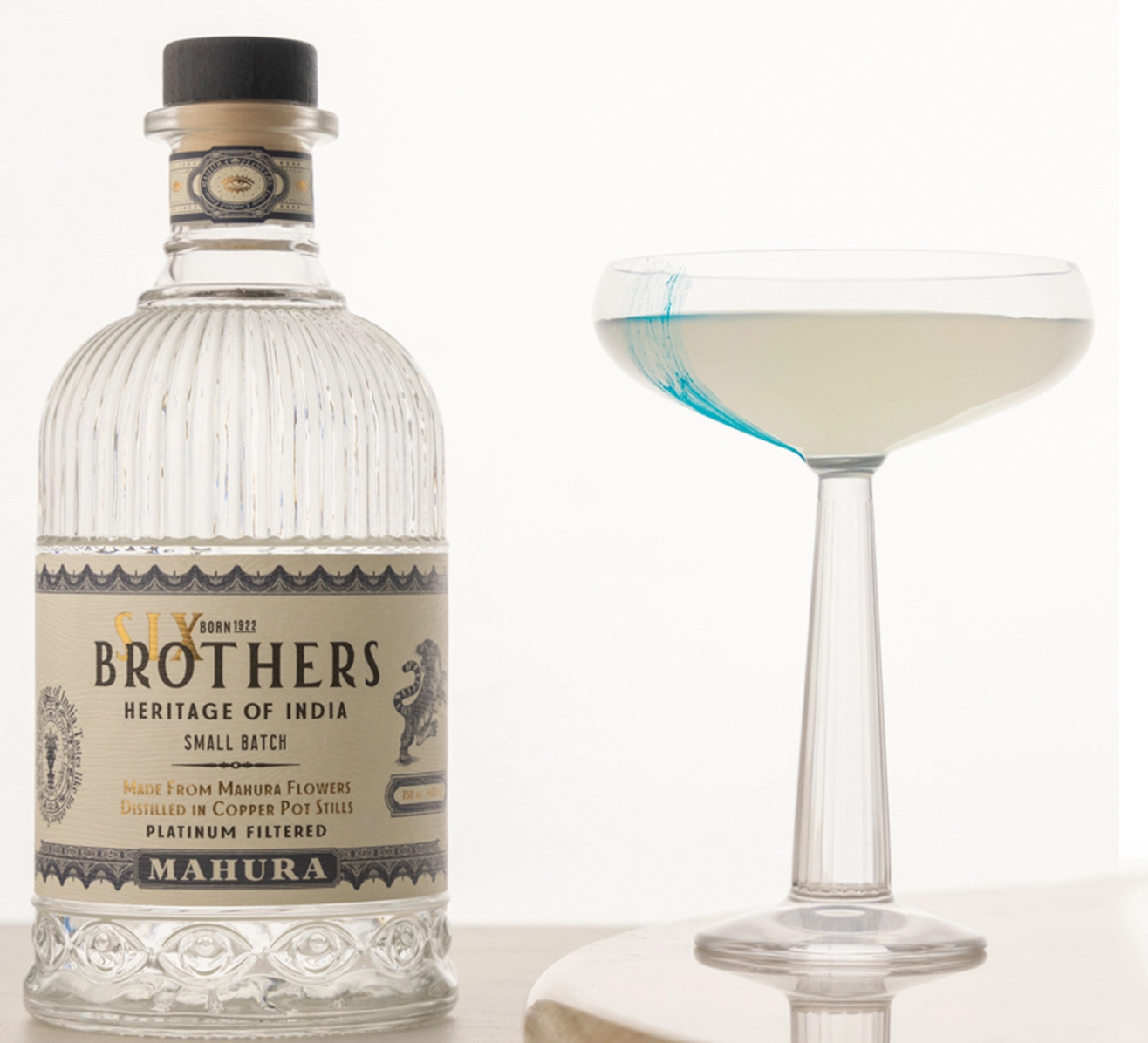
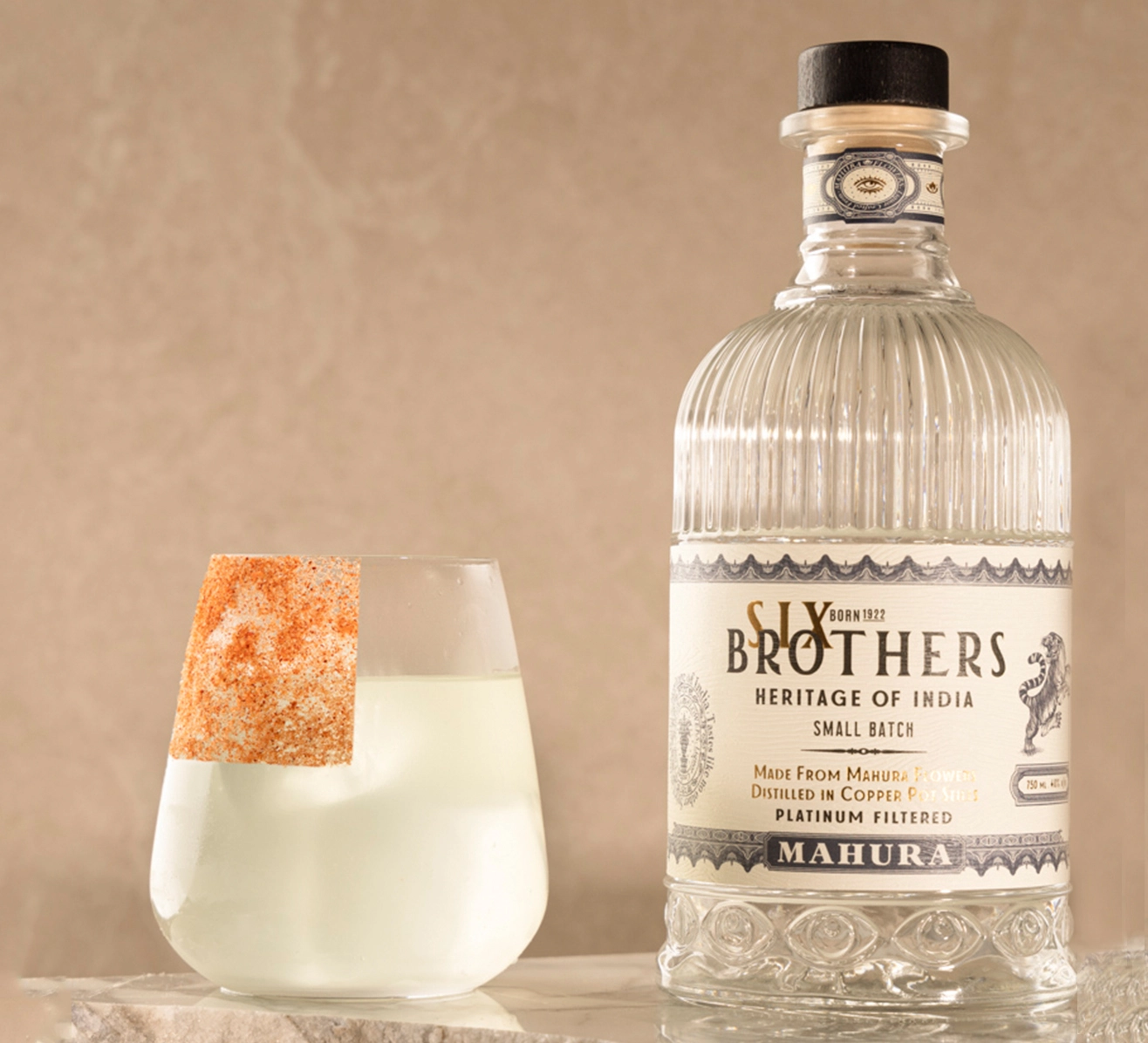
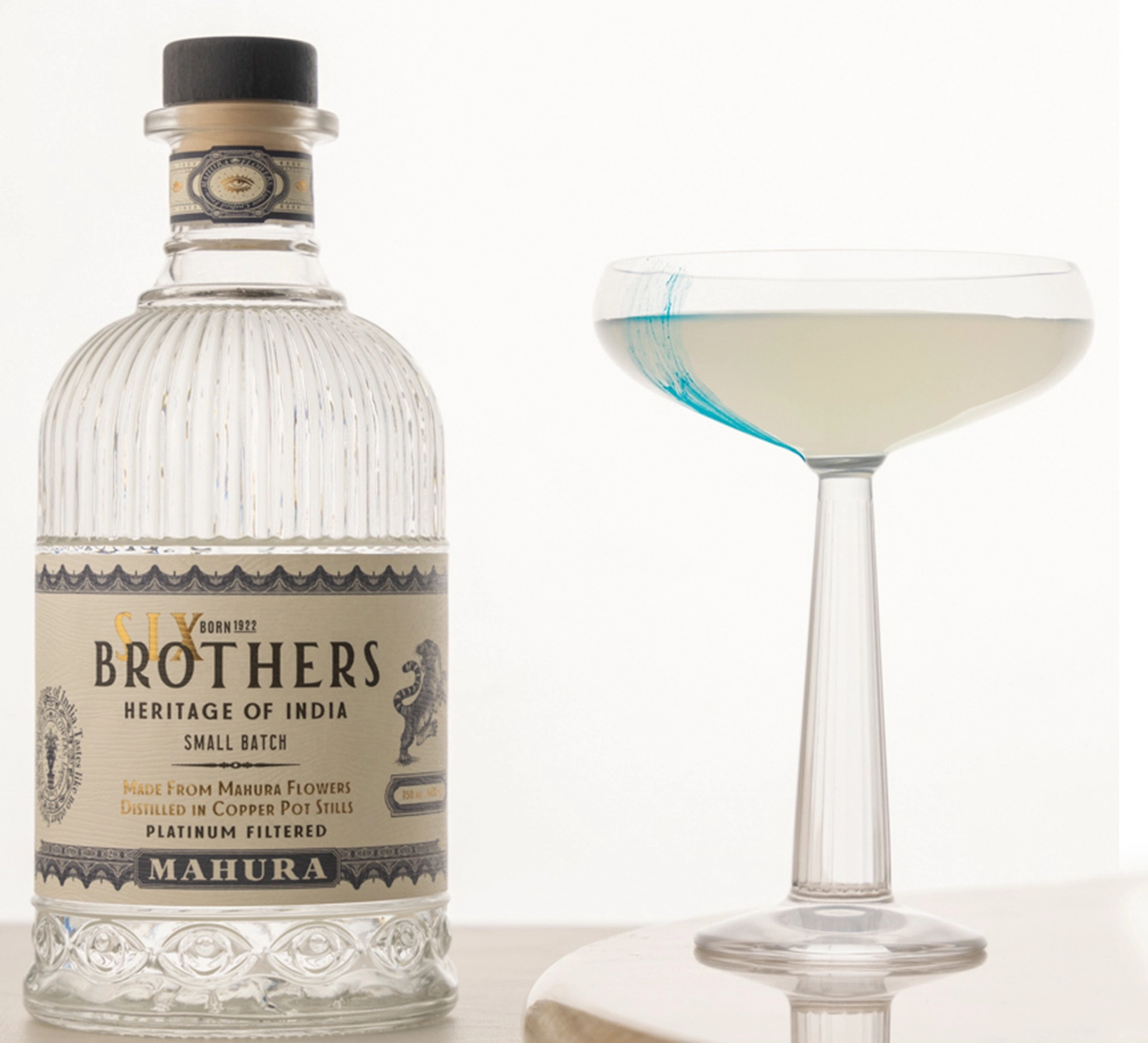
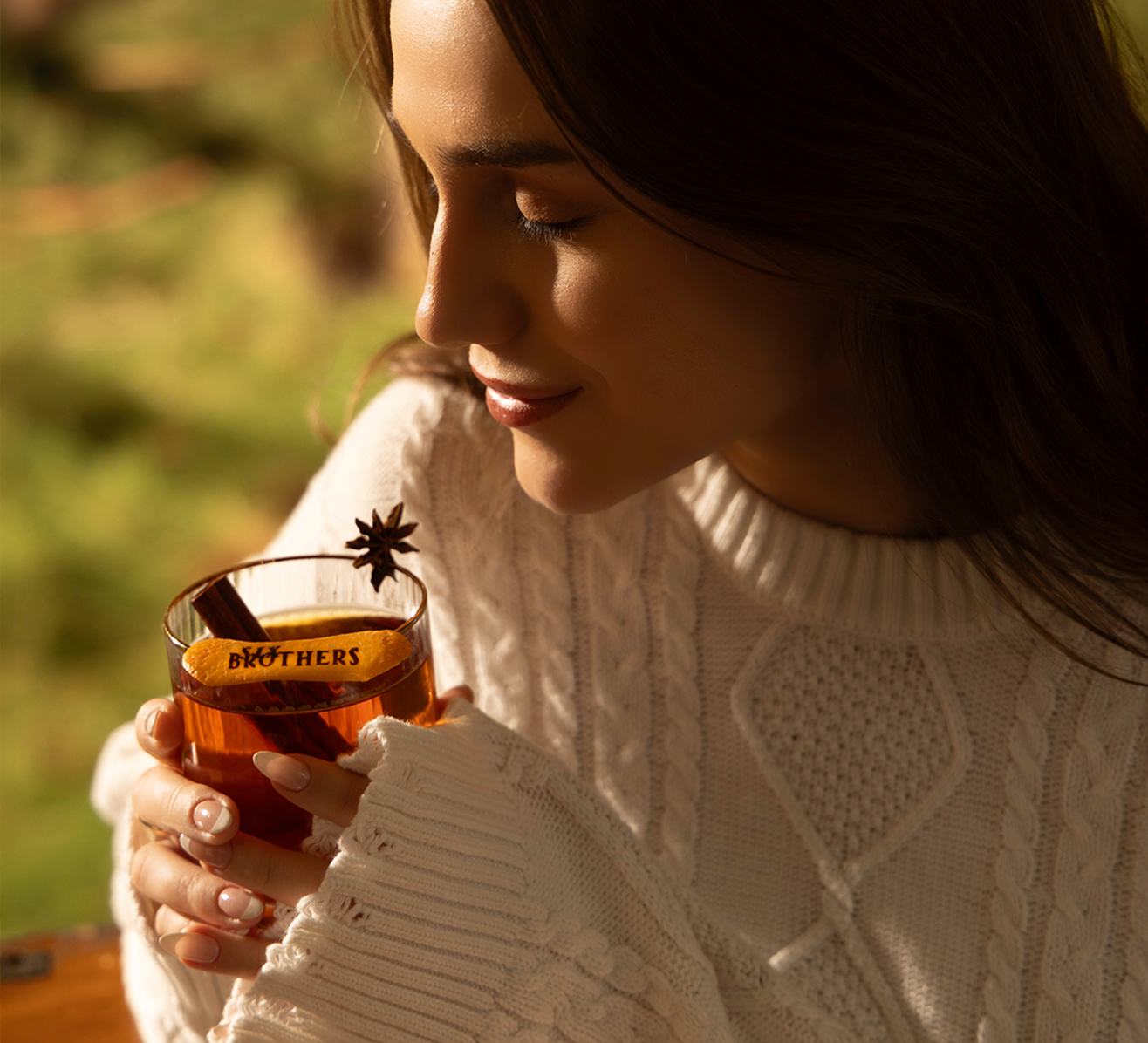
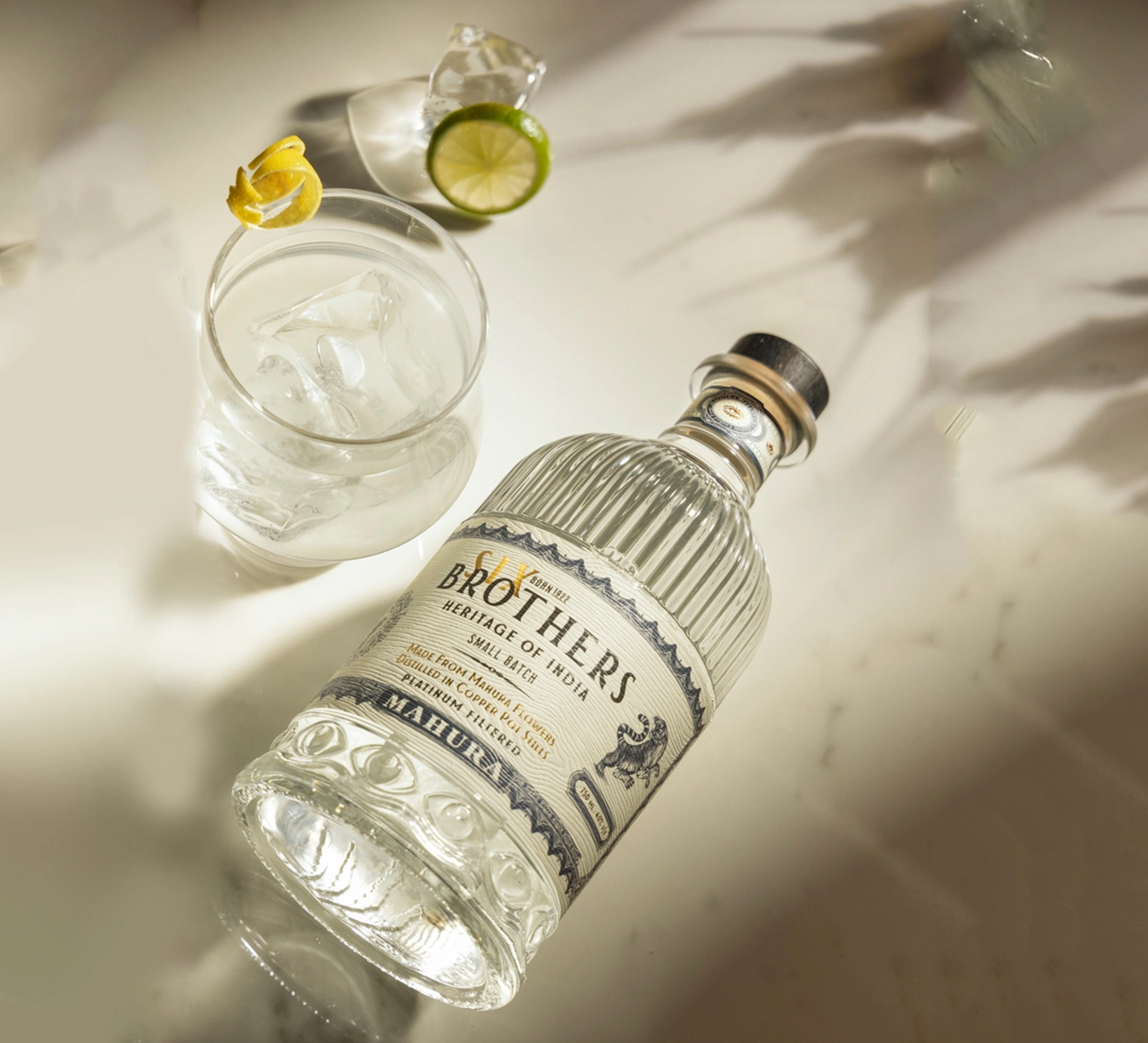
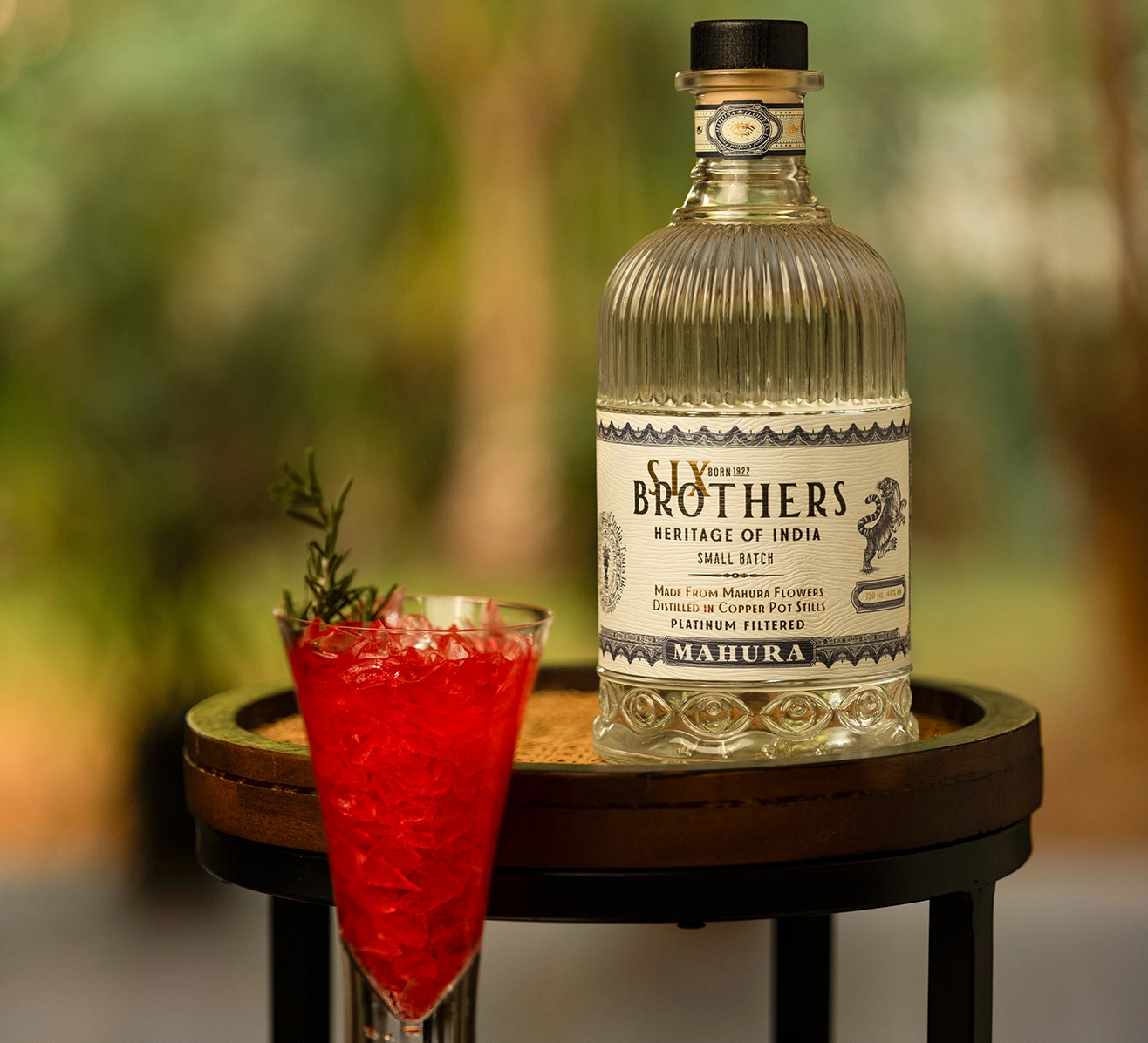
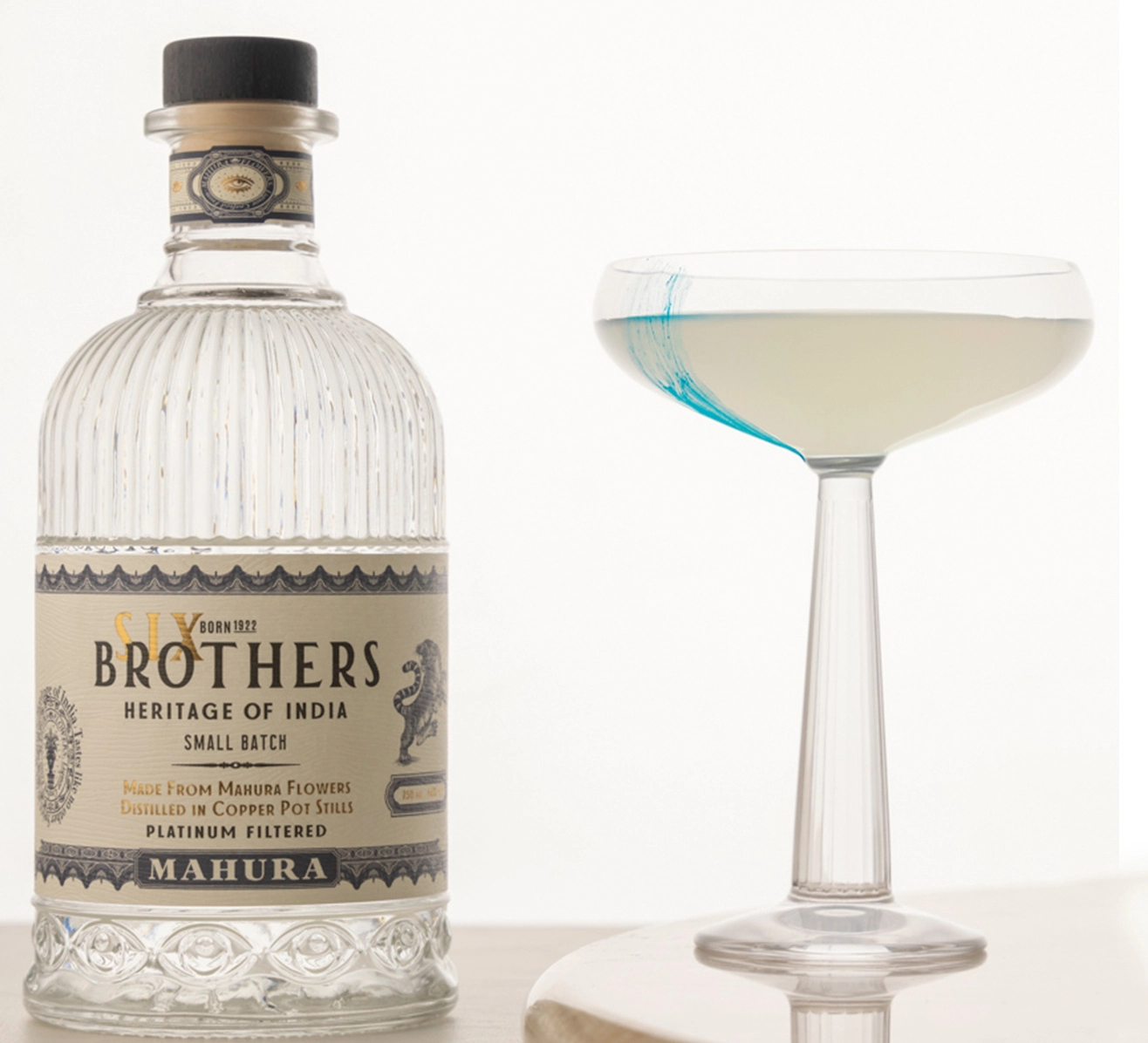
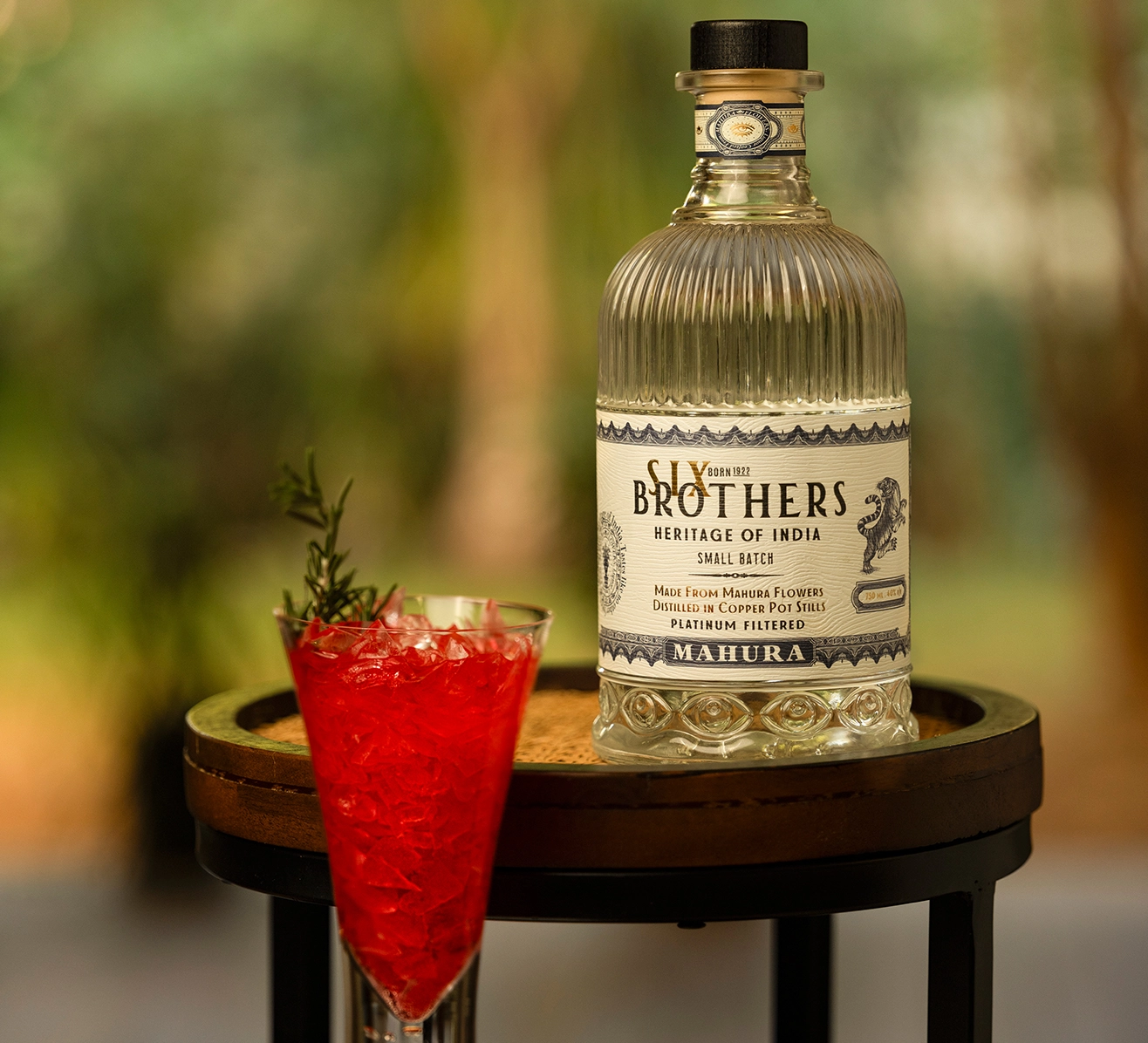
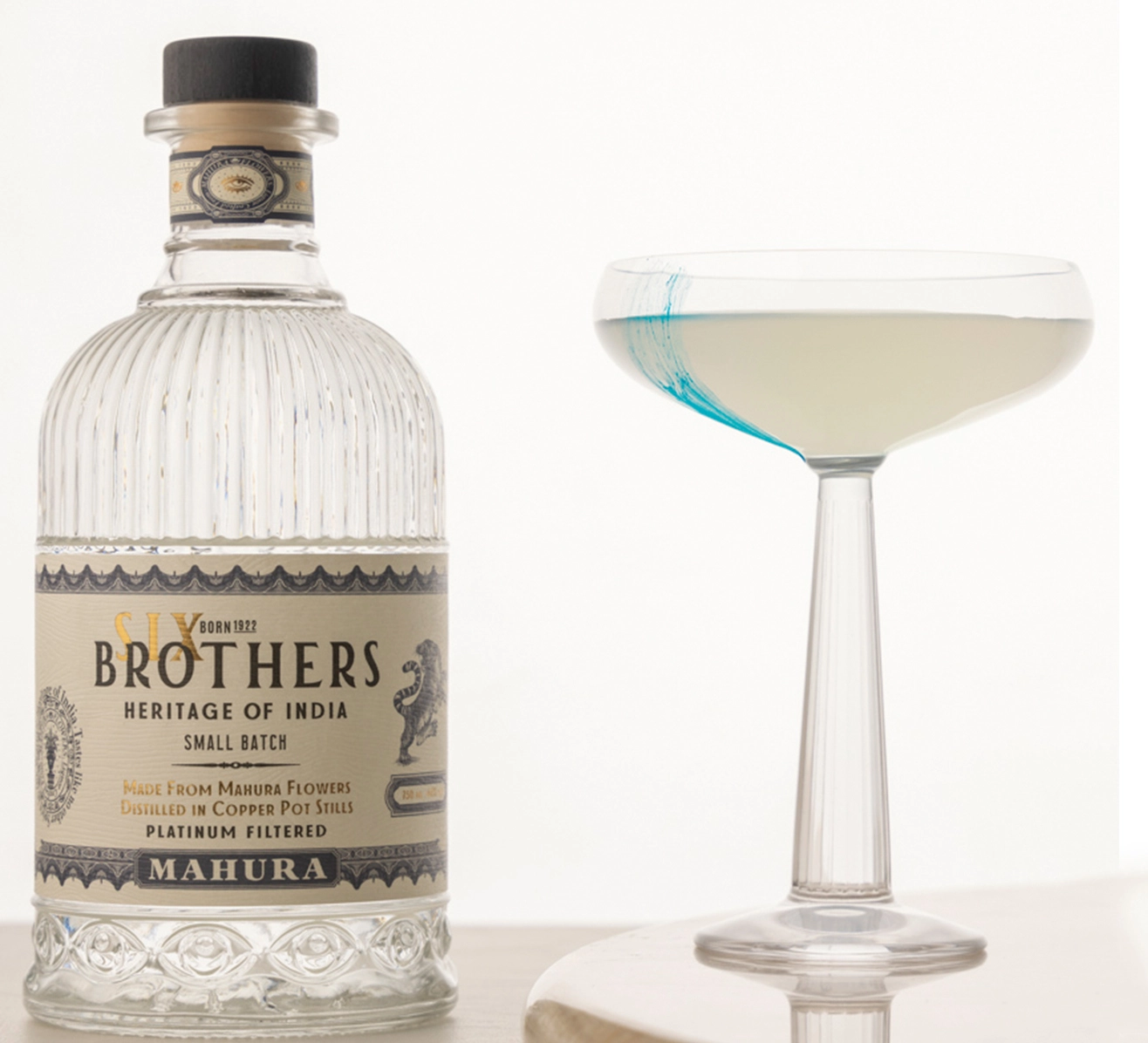
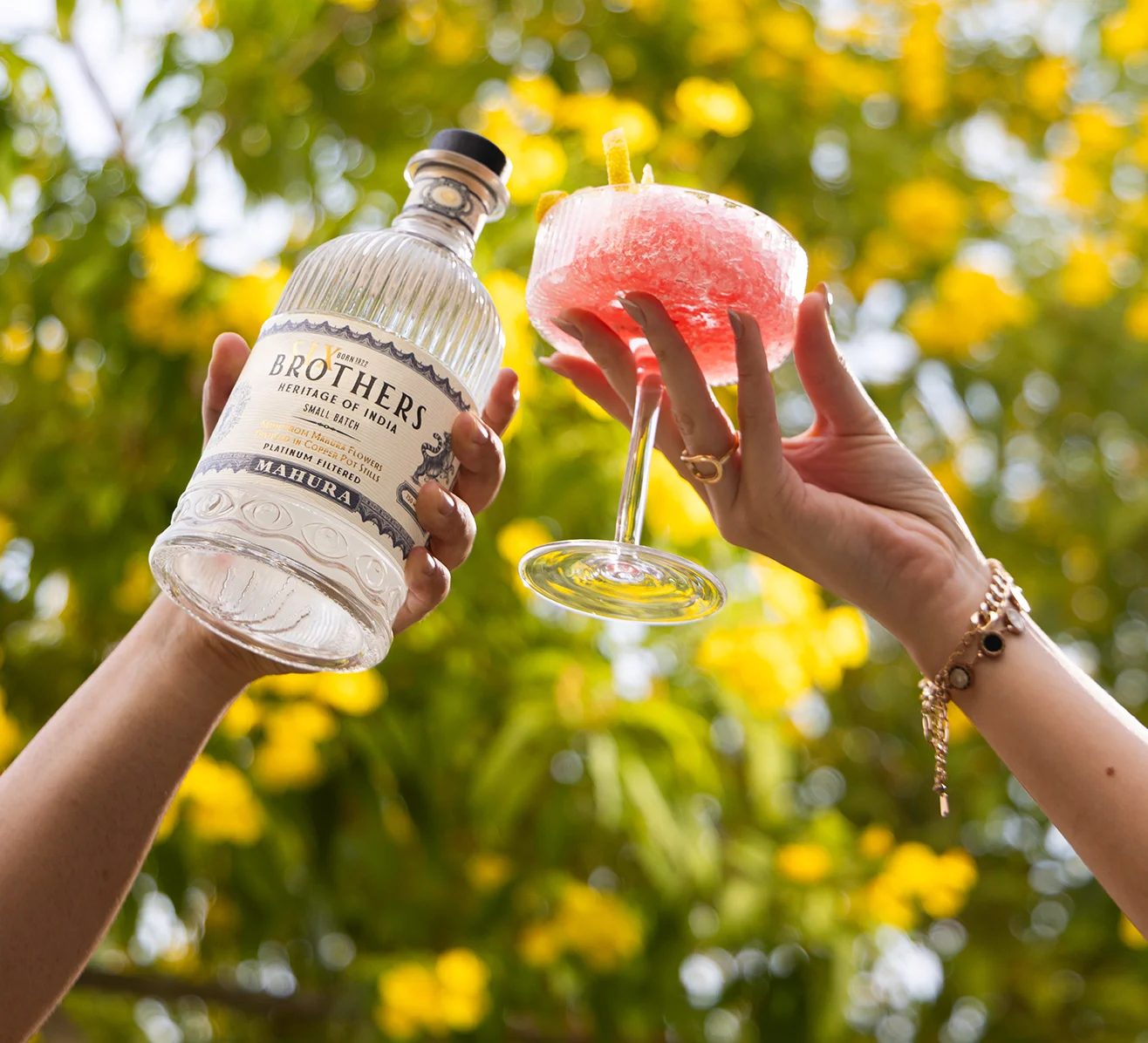
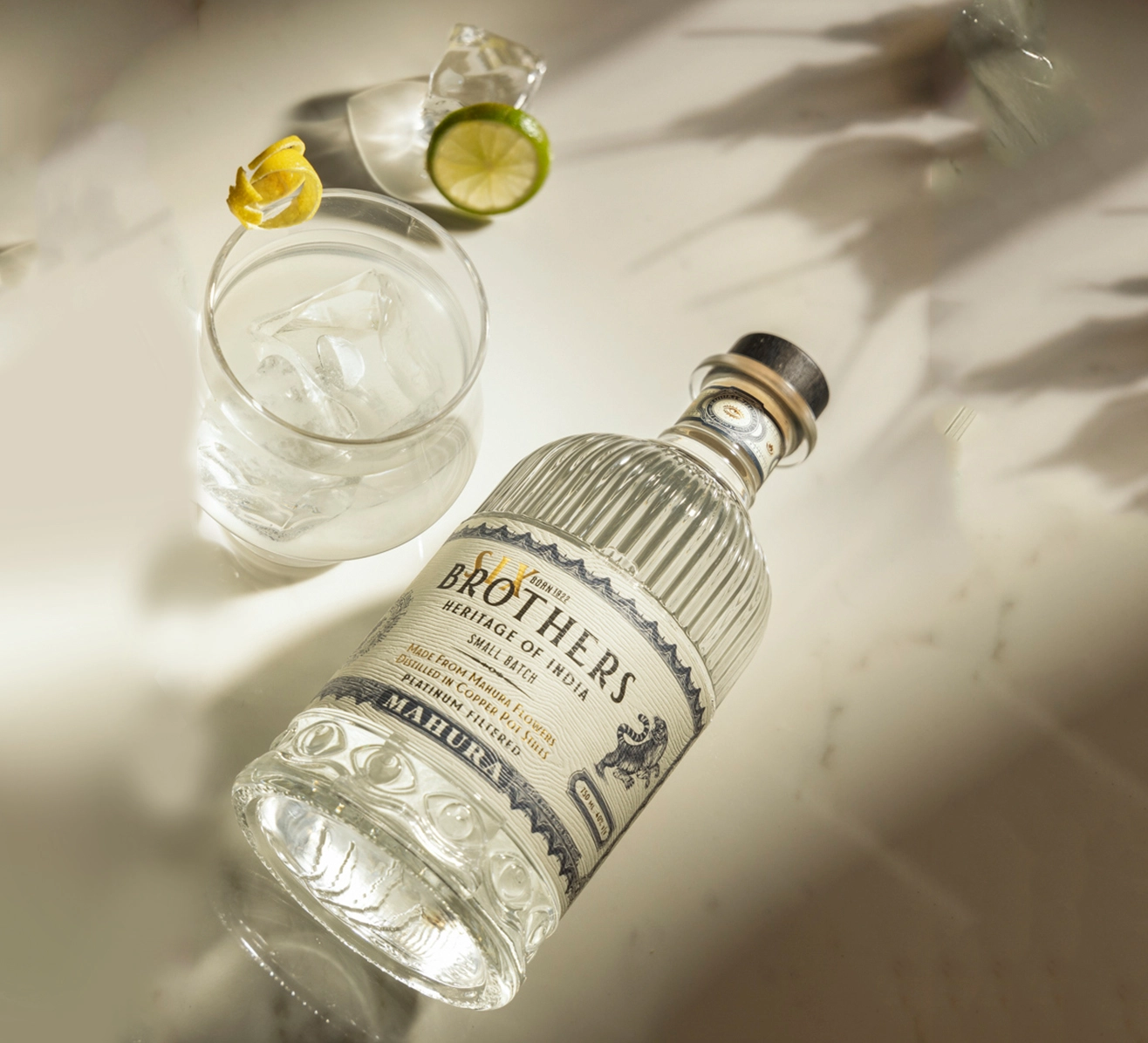
The distinctive character of Mahua spirit can make it interesting for cocktail experimentation.
Its floral and aromatic qualities can work with complementary ingredients such as:
The objective is not to hide the Mahua.
A well-designed cocktail should allow the spirit's identity to remain recognisable.
Mahua's growing visibility is part of a larger movement.
Consumers are beginning to explore indigenous Indian spirits that reflect local ingredients and production traditions.
This movement is being encouraged by:
Mahua can become one of the strongest representatives of this movement.
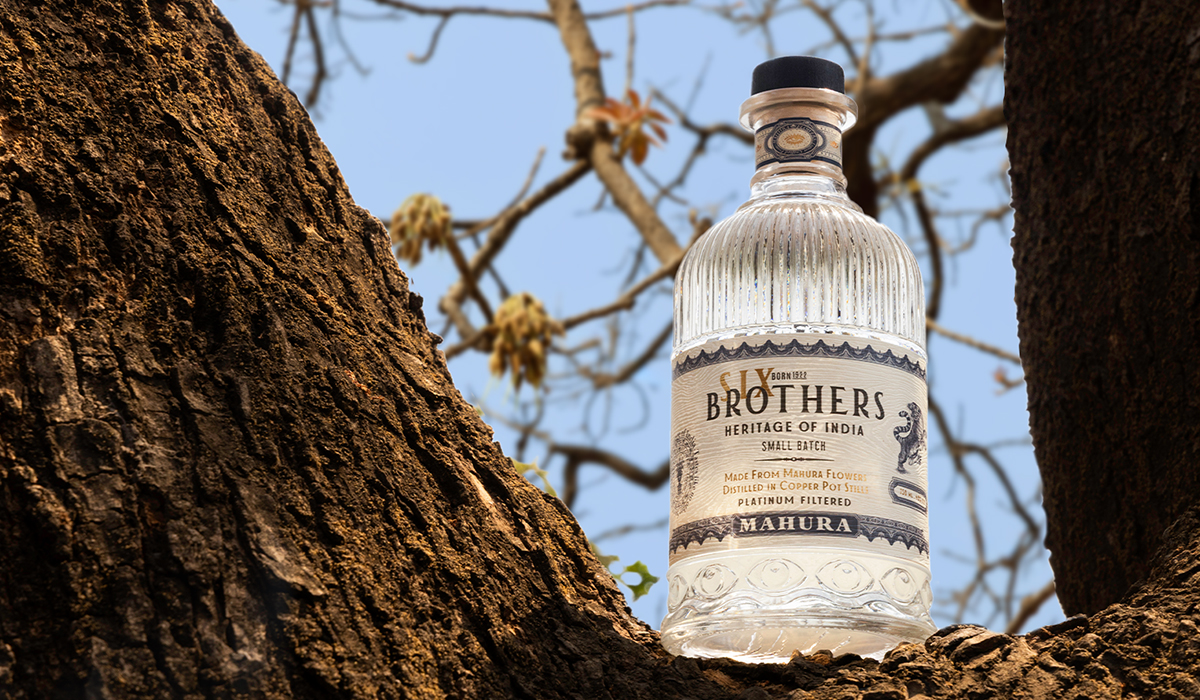
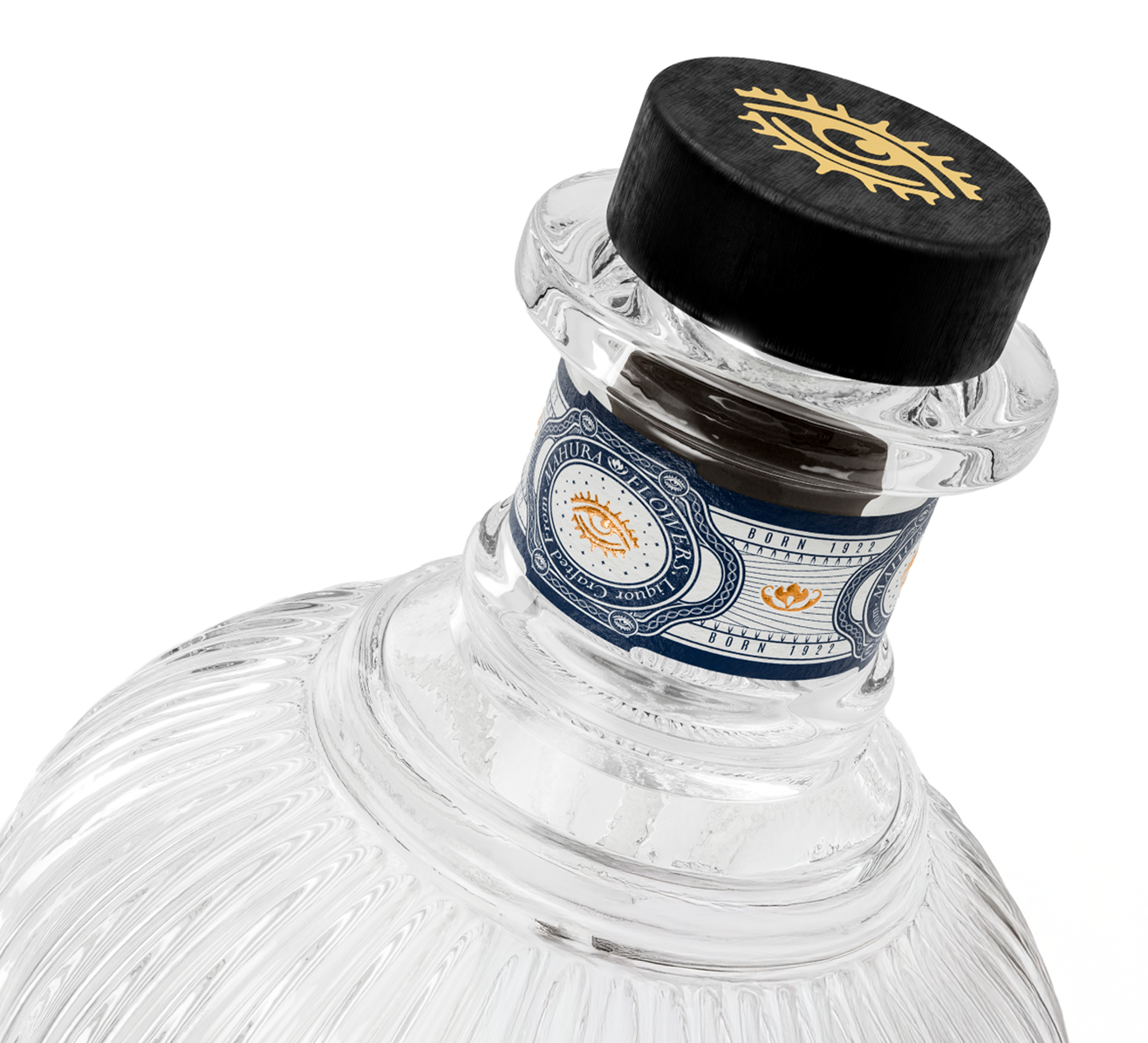
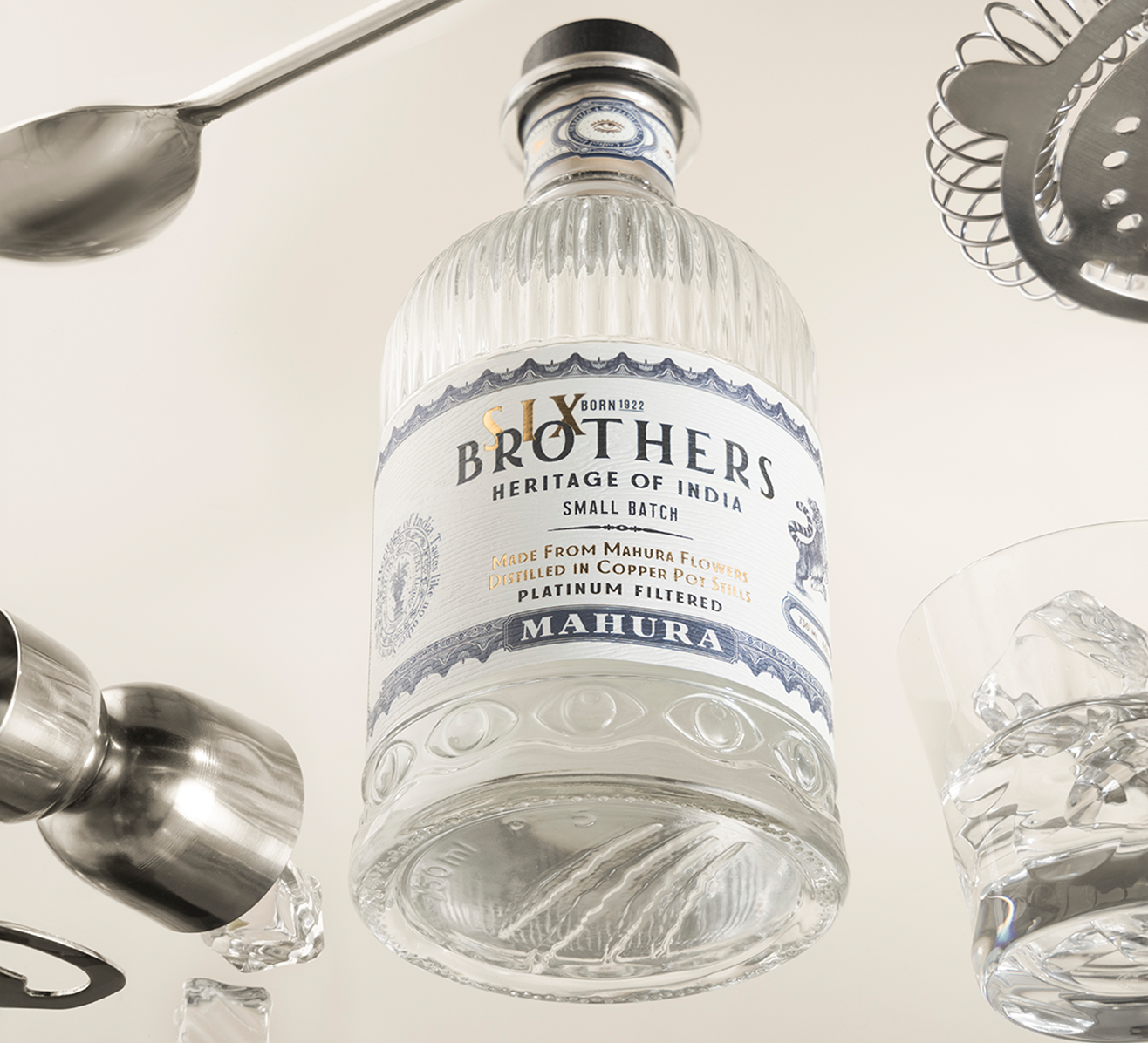
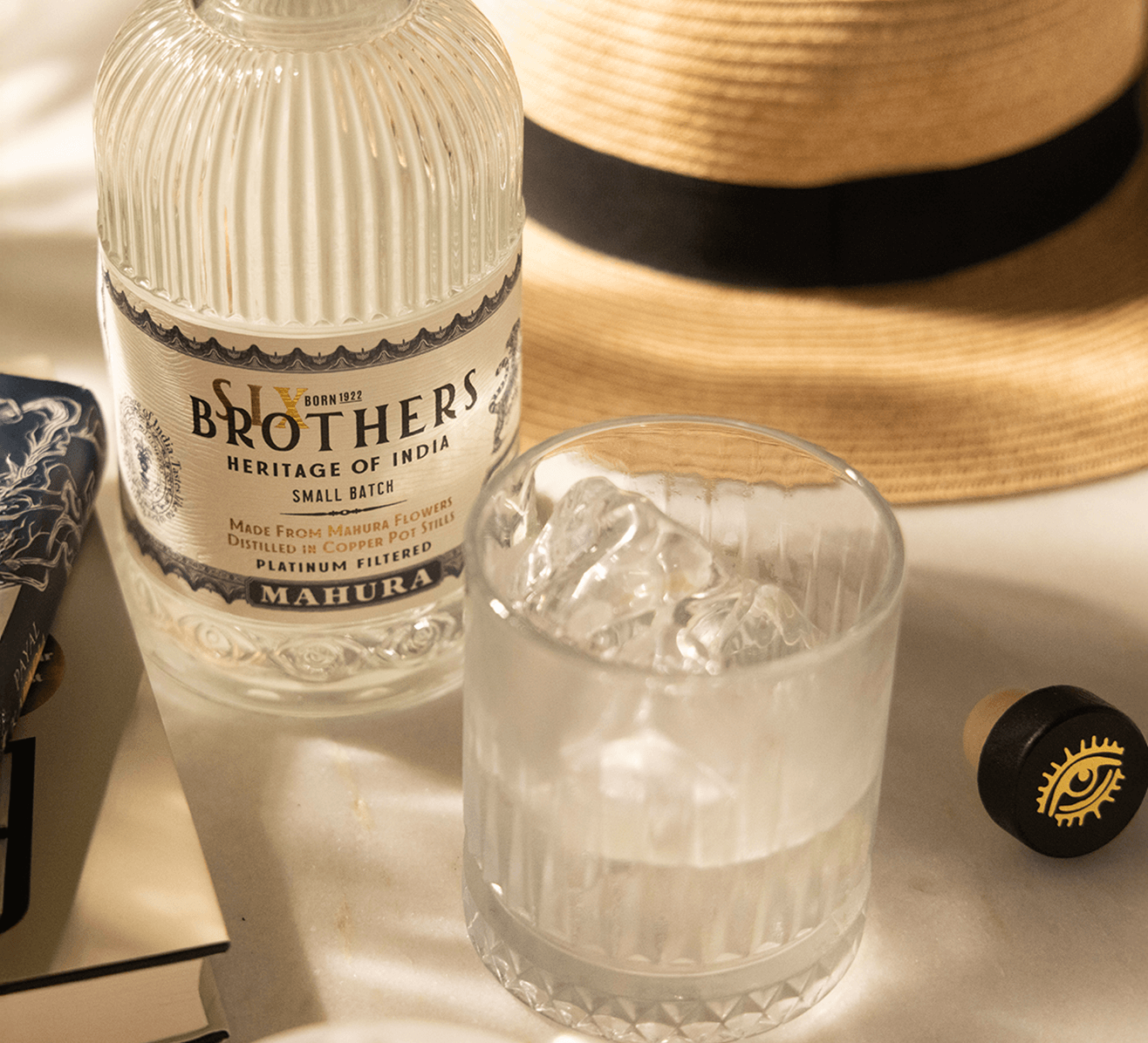
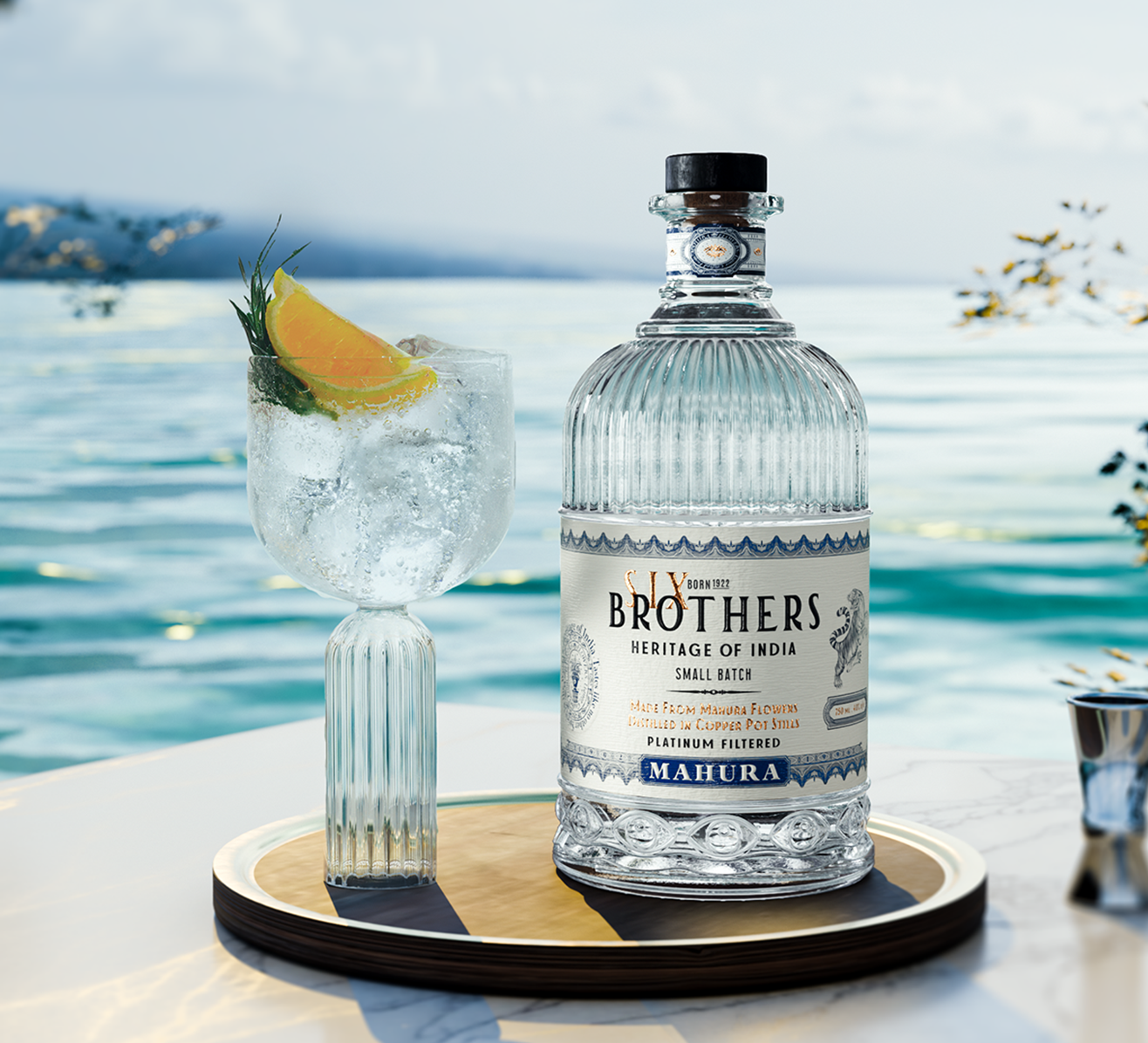
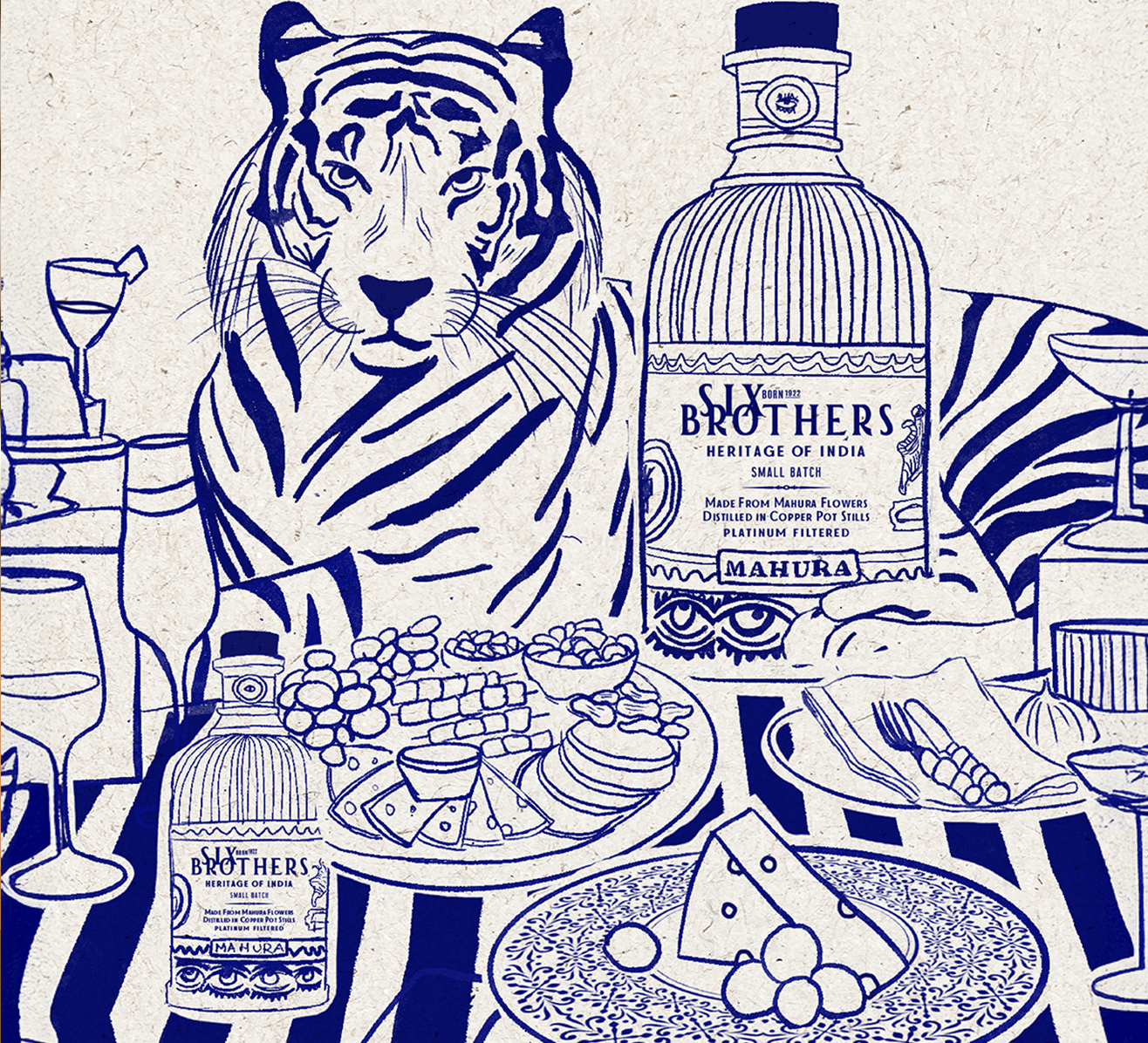
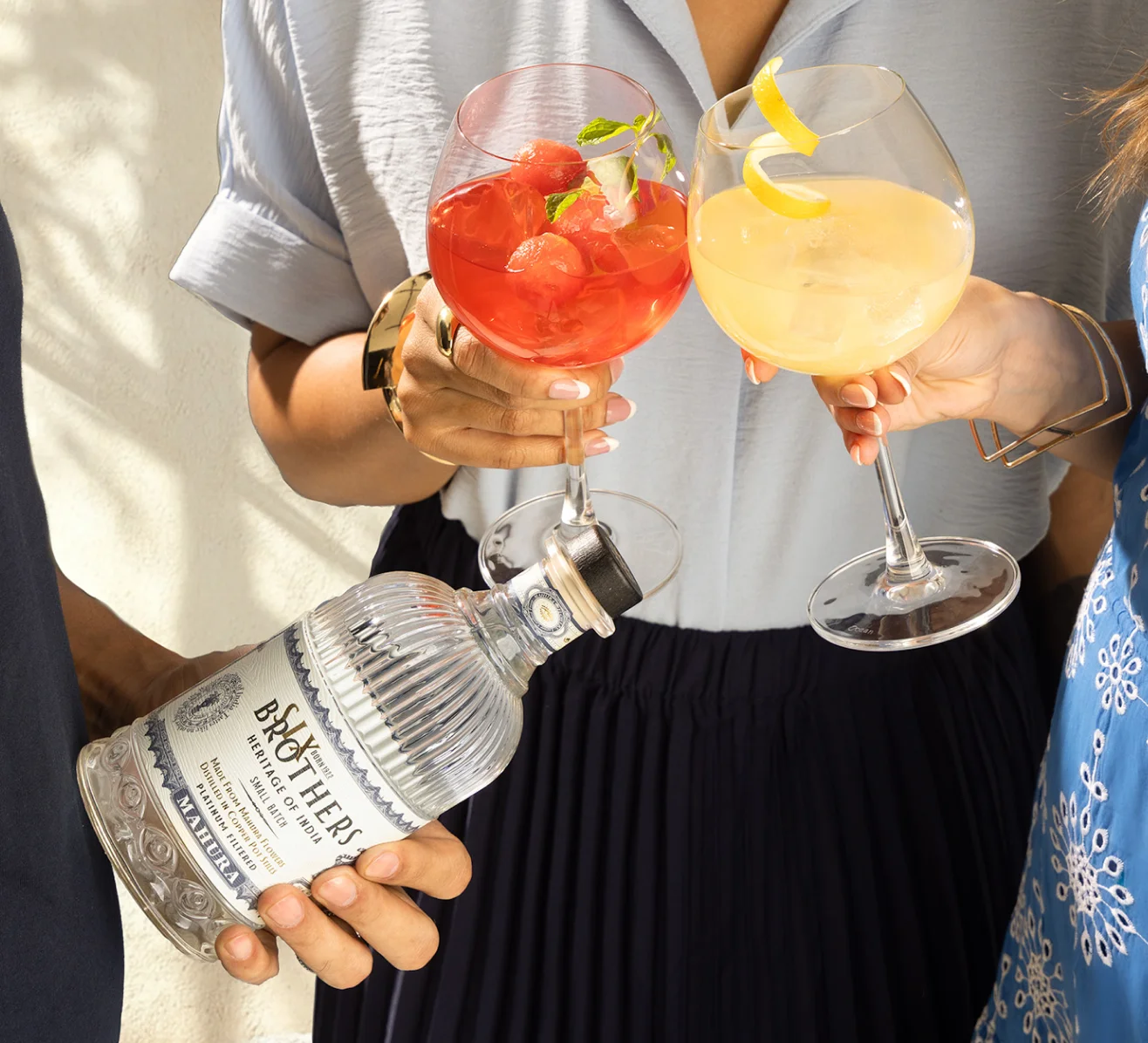
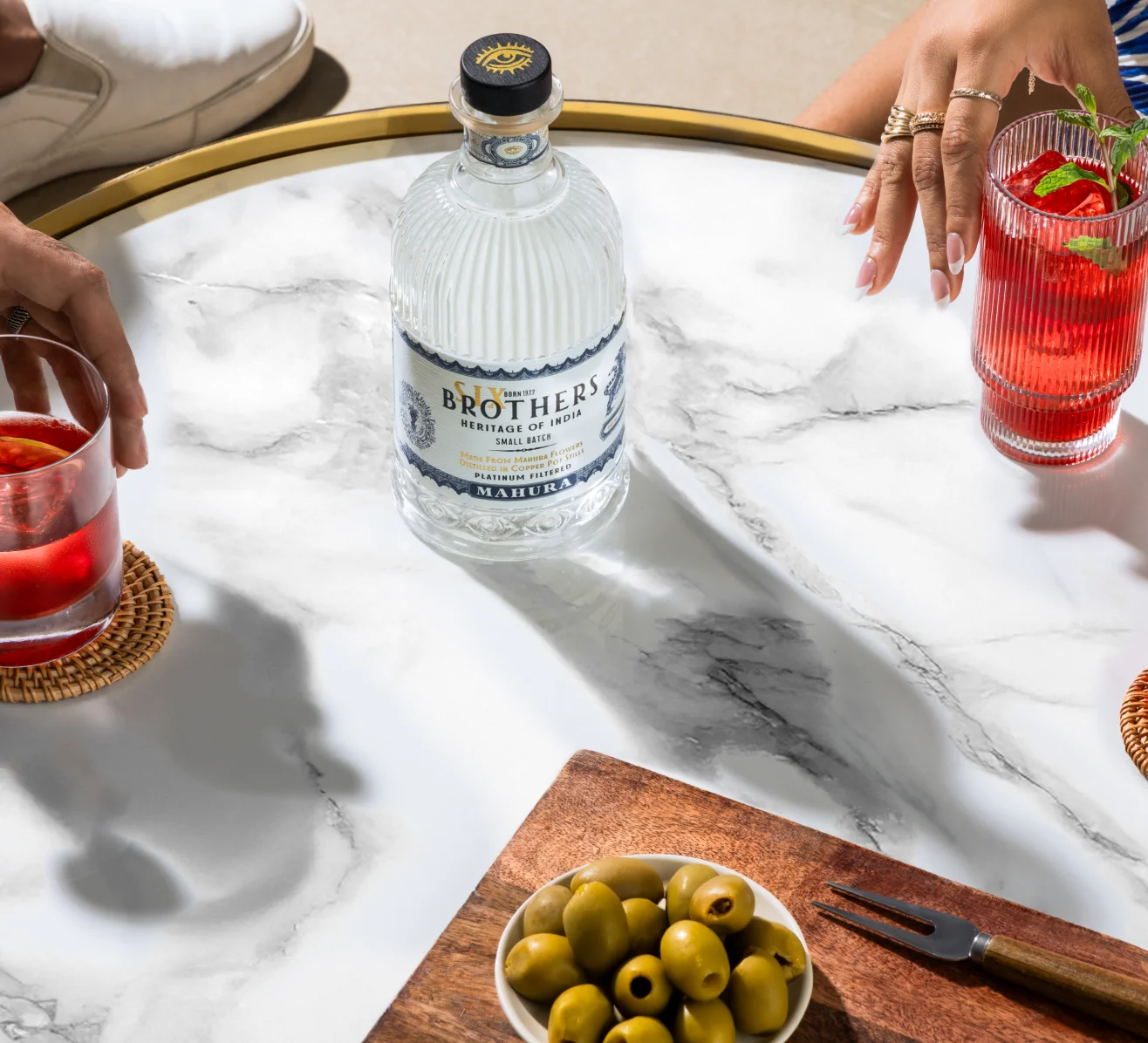
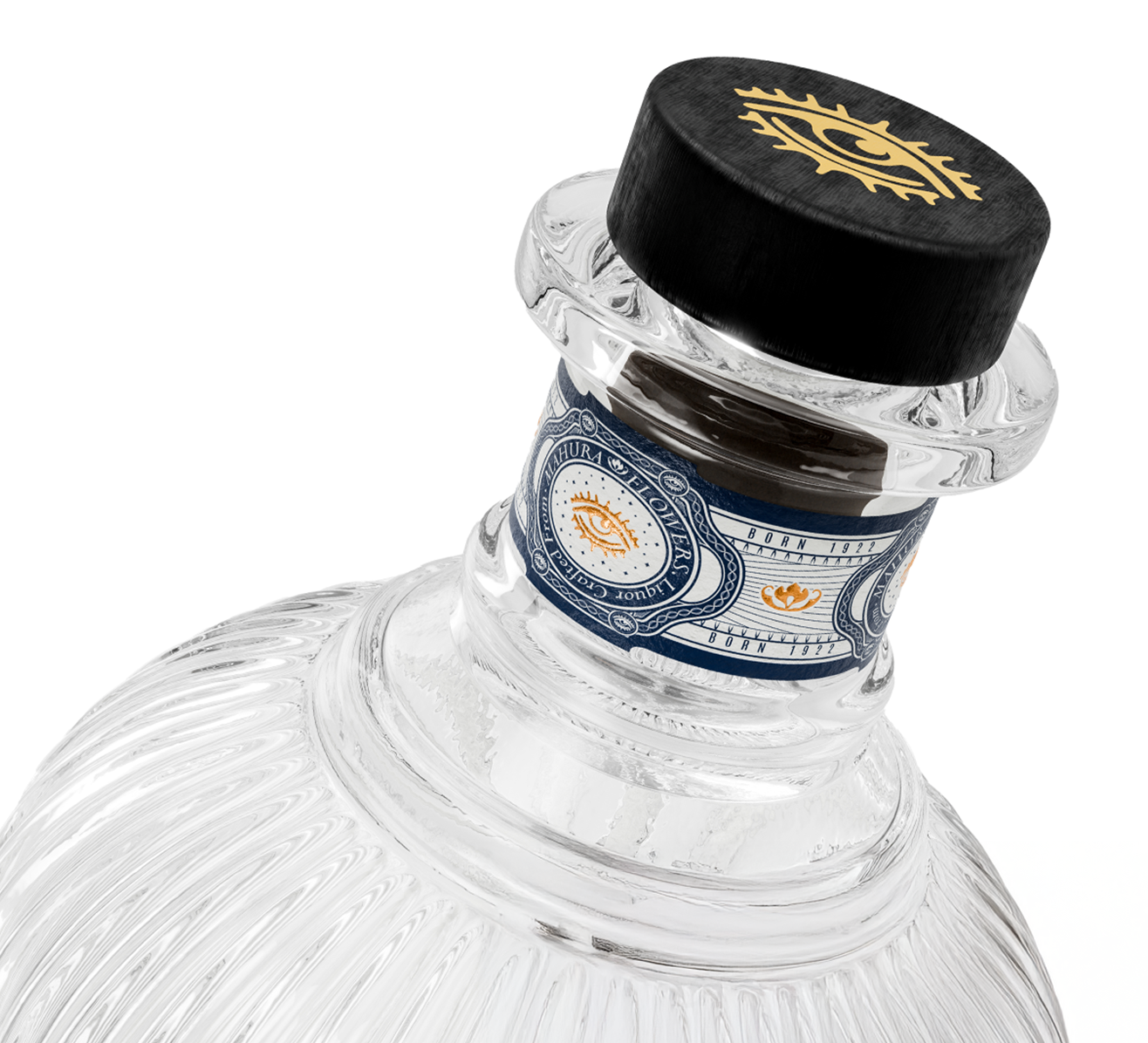
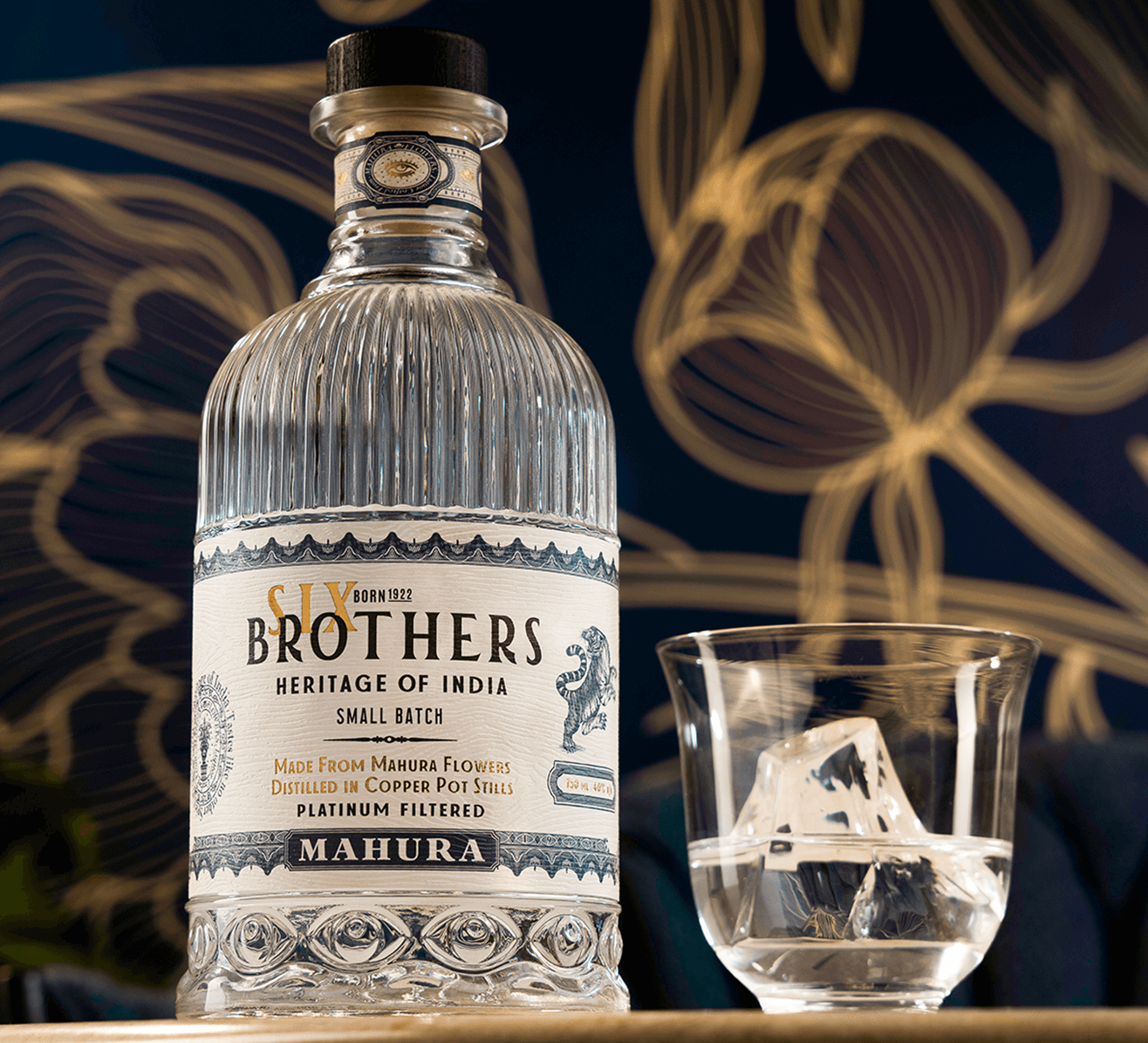
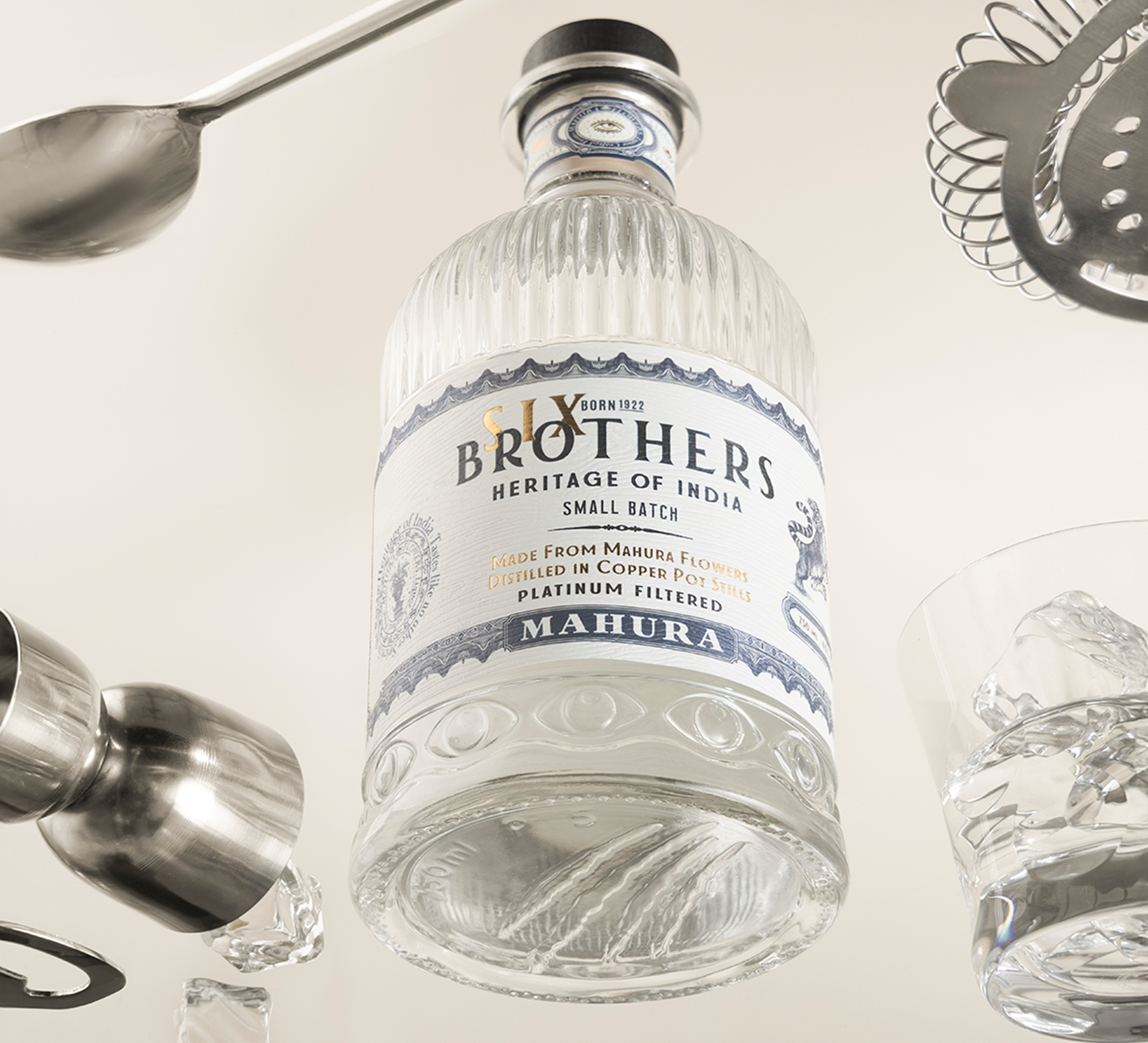
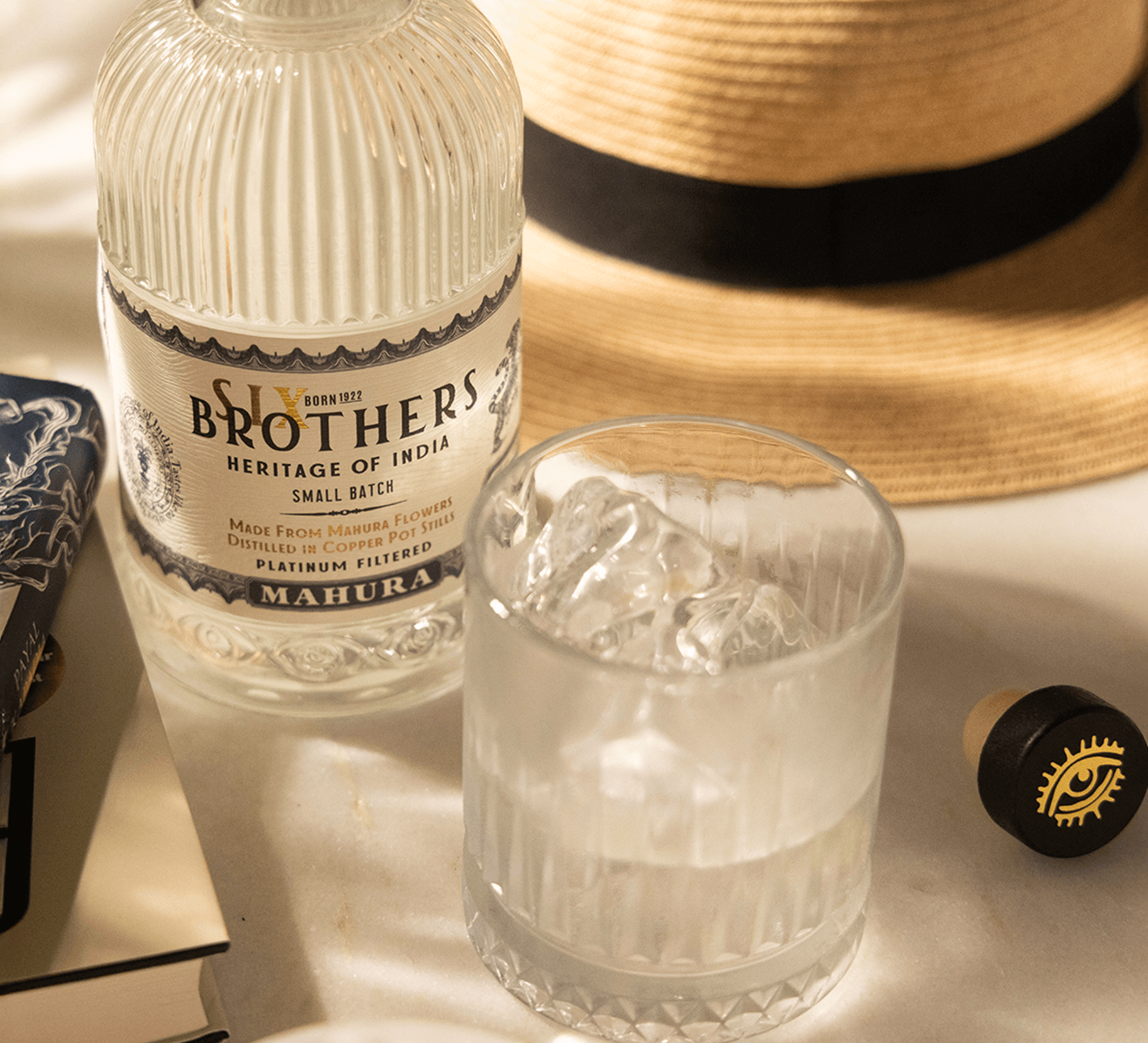
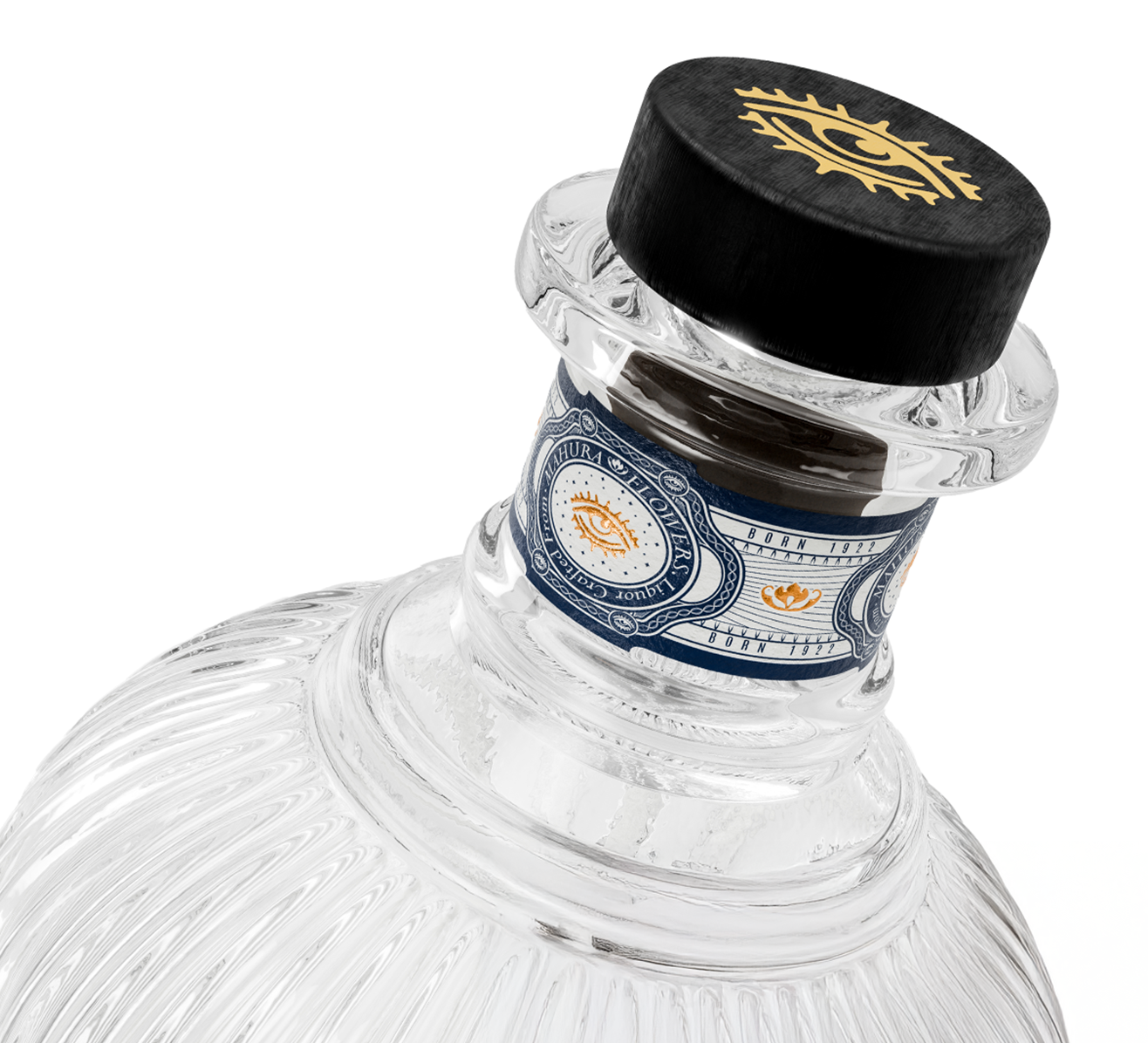
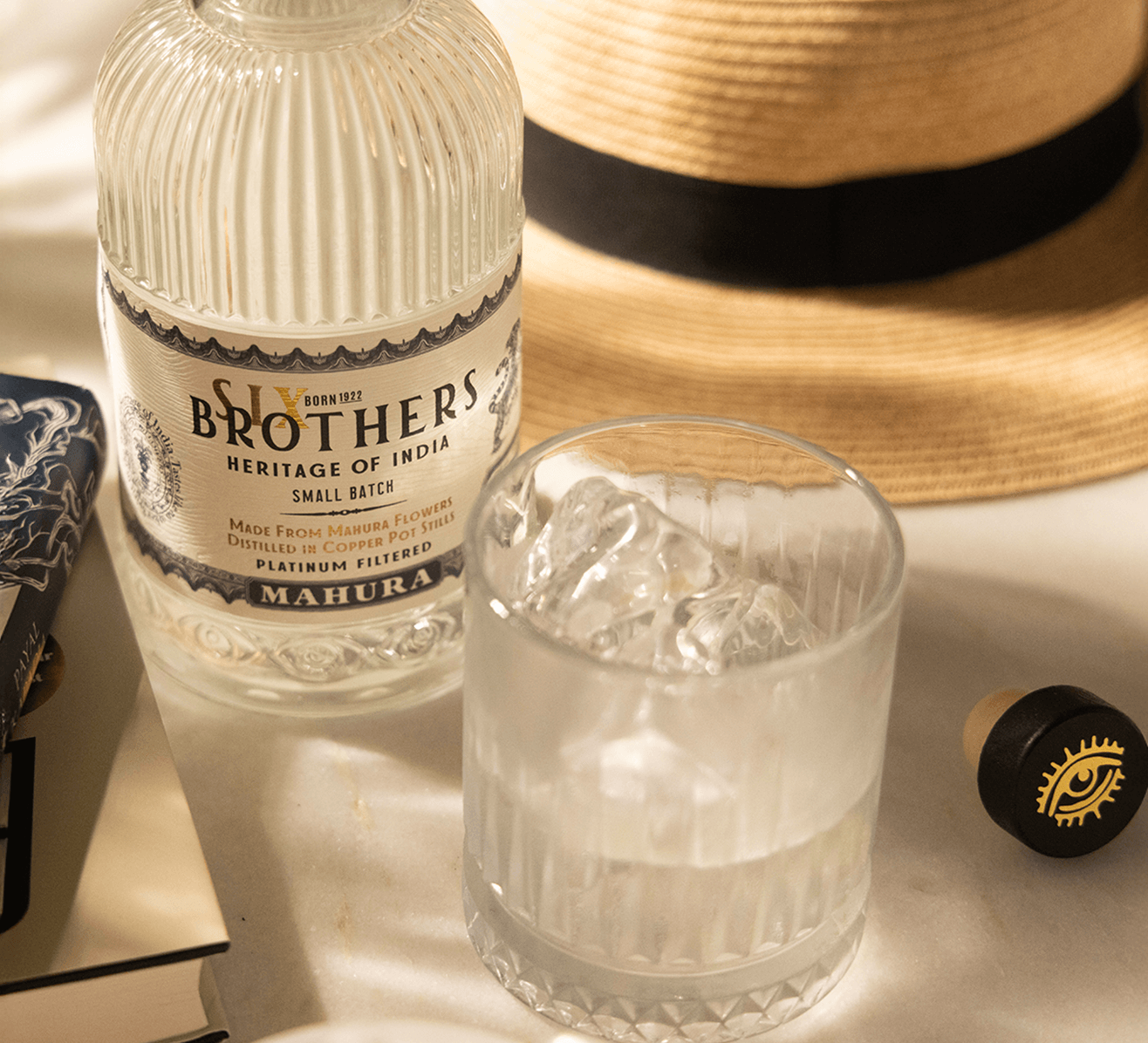
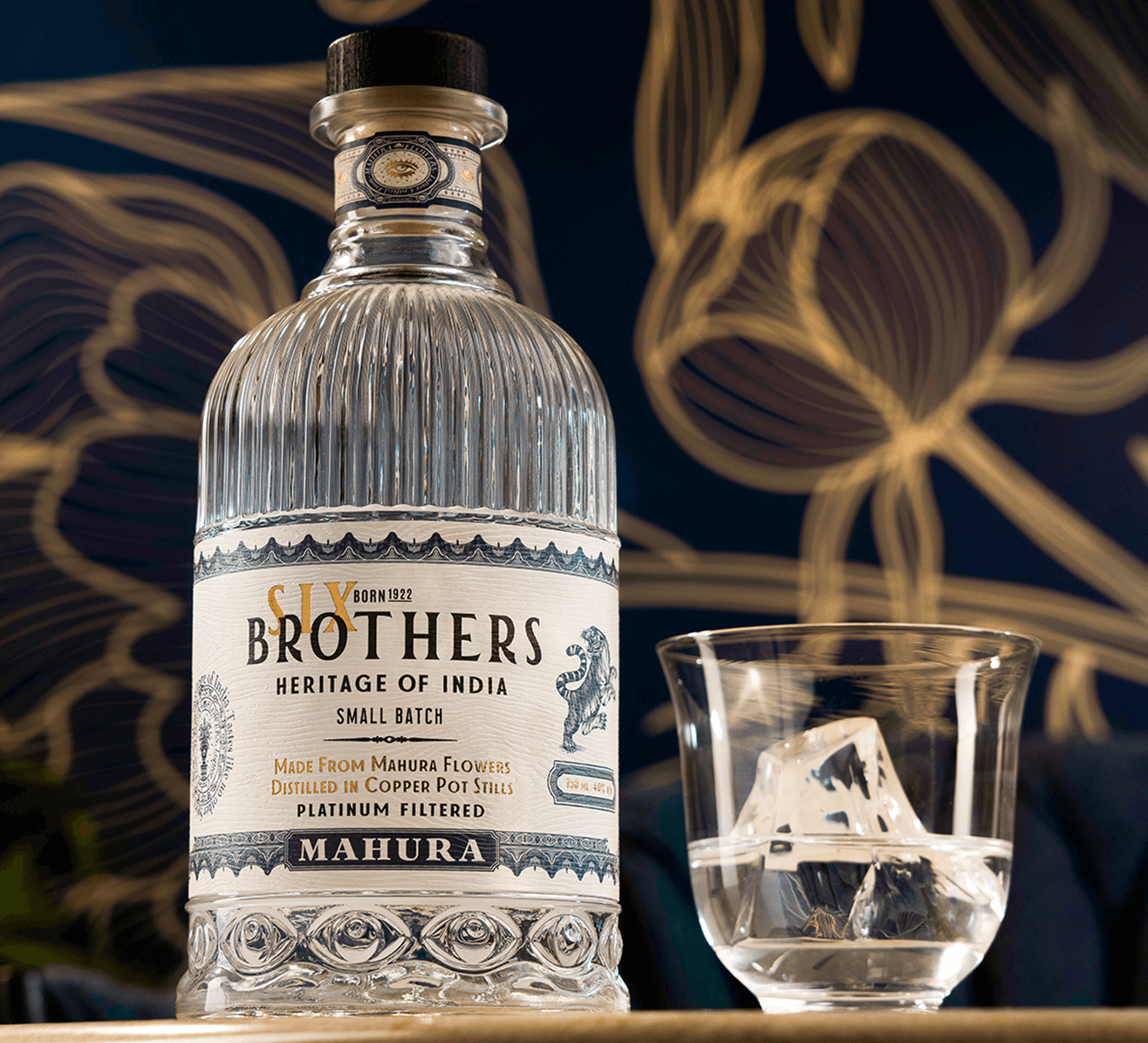
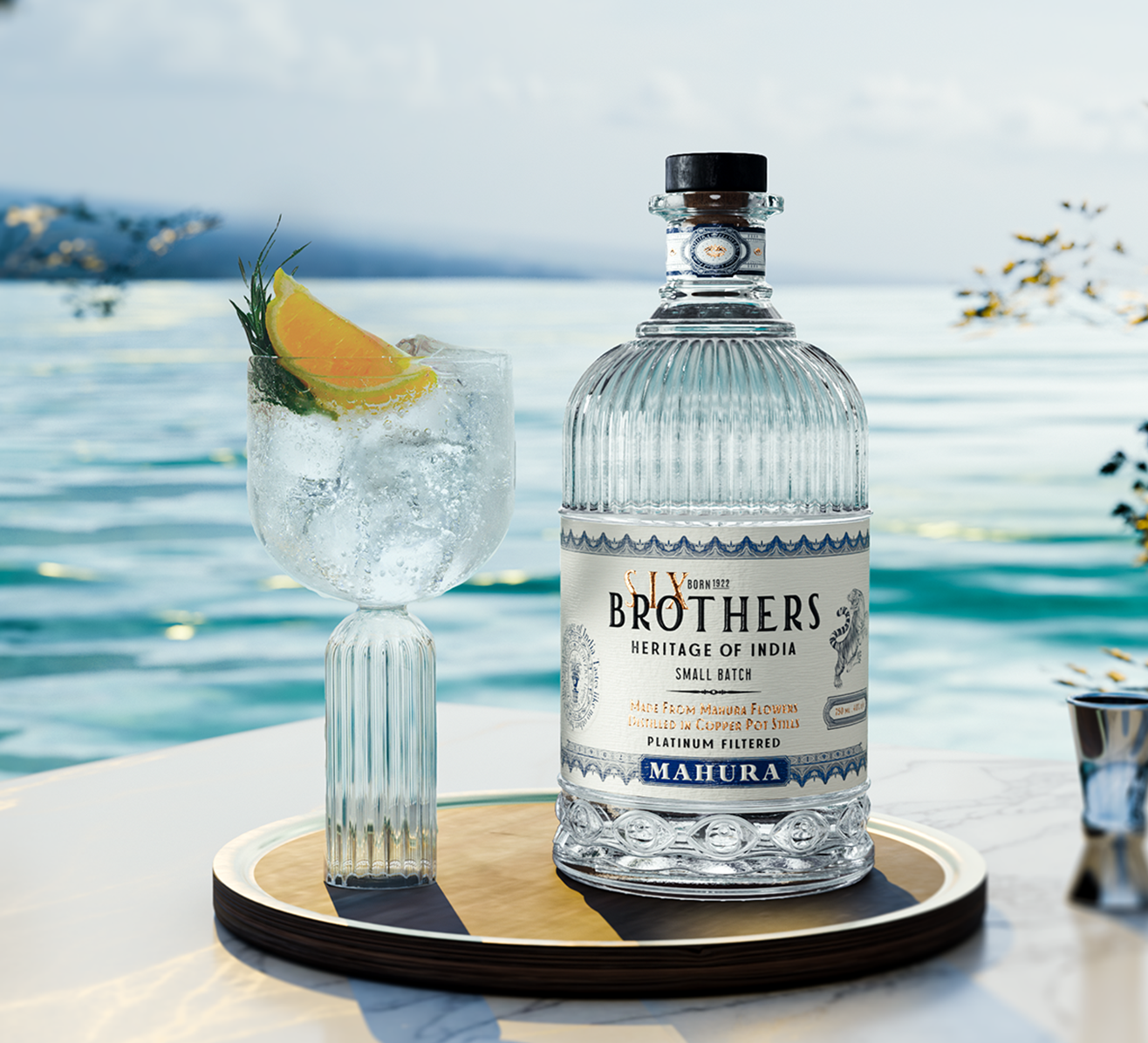
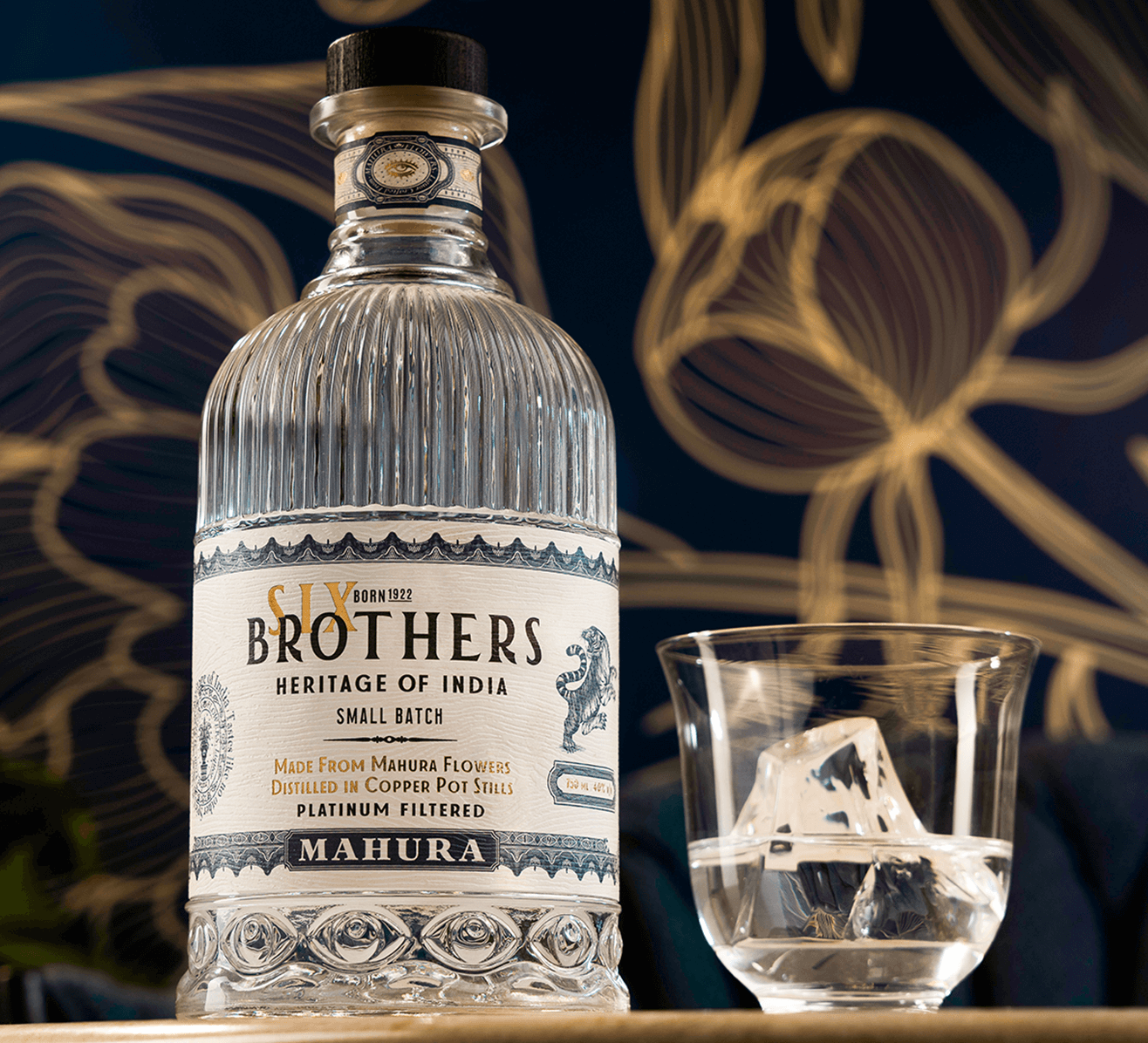
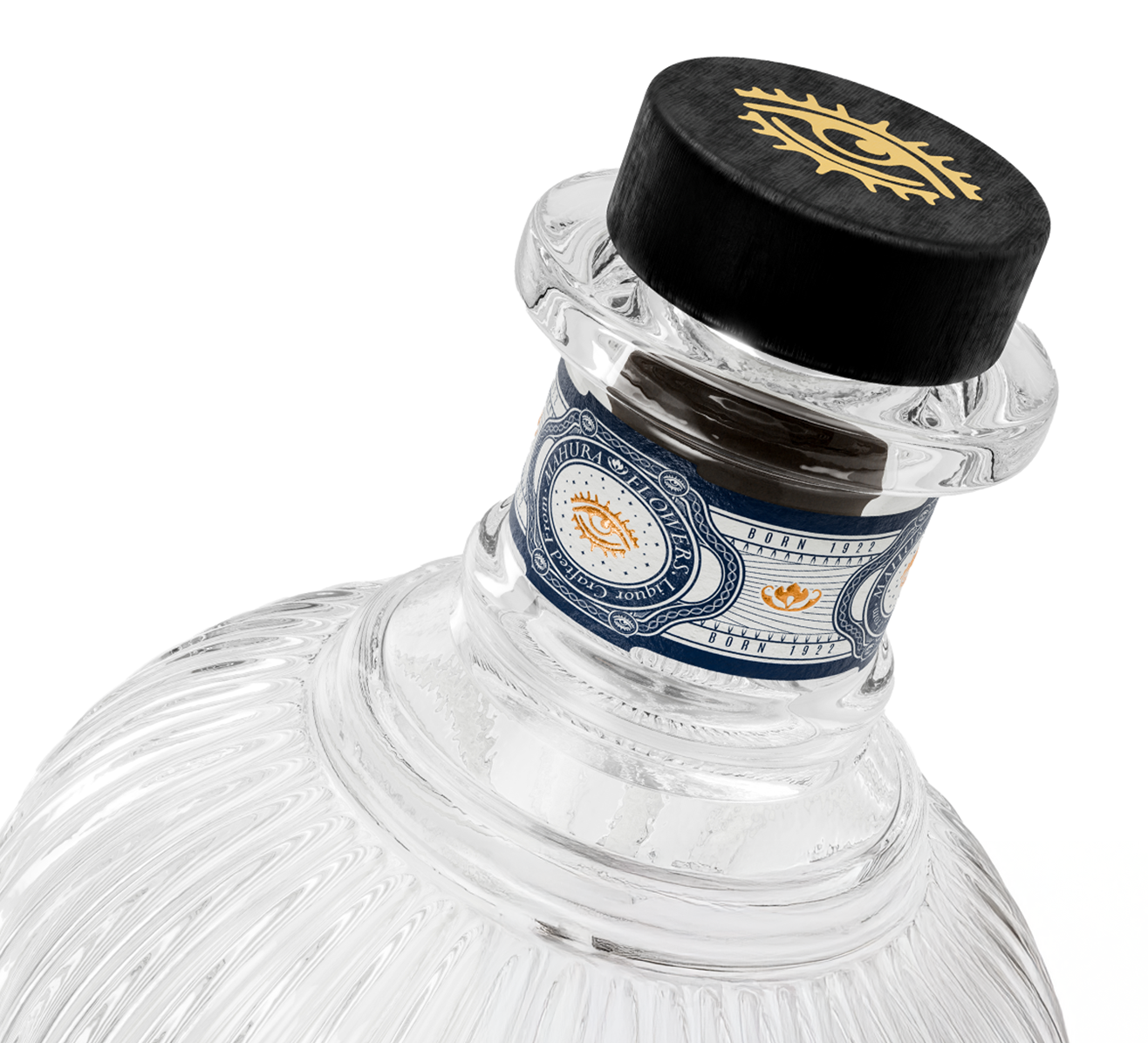
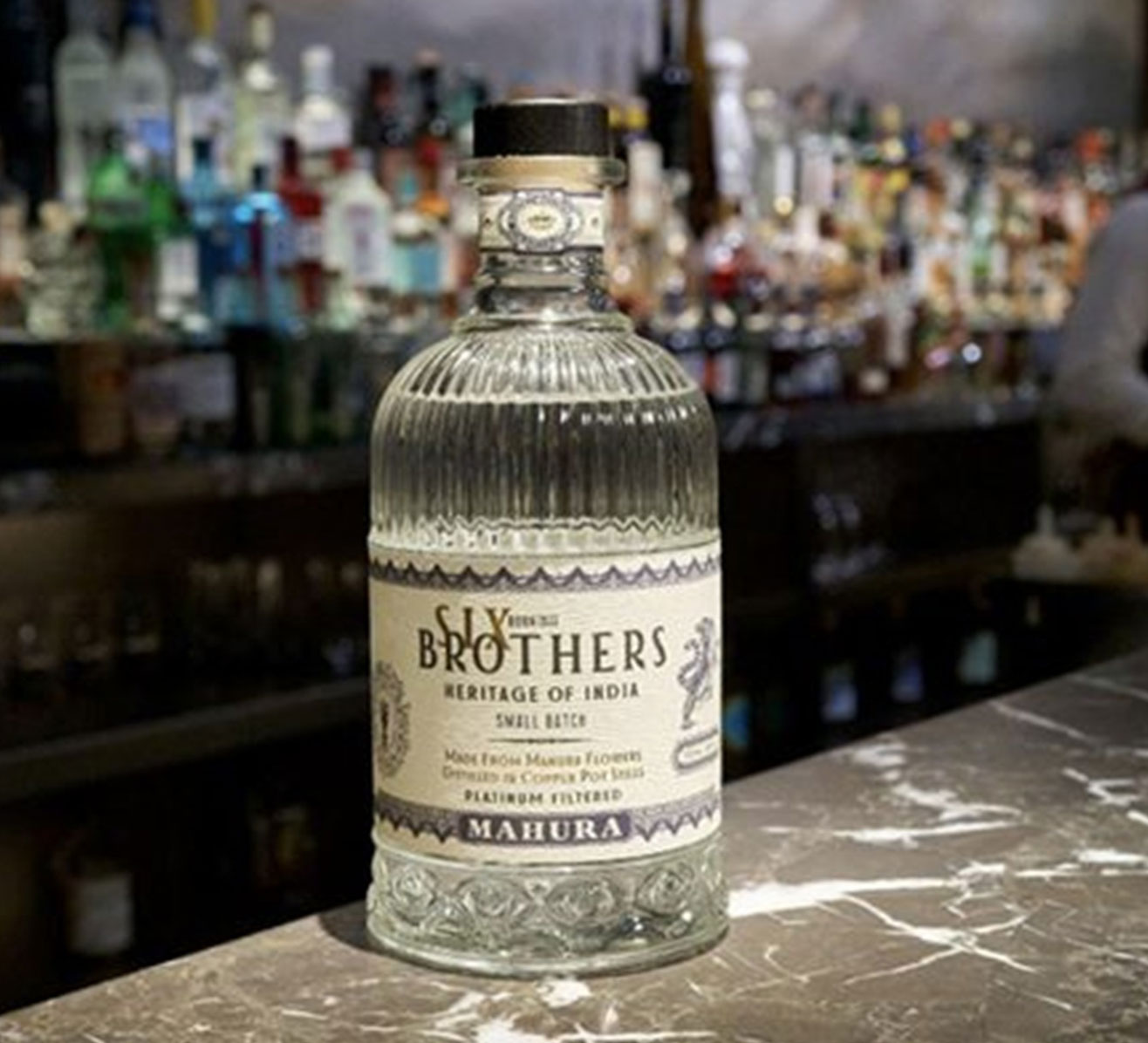
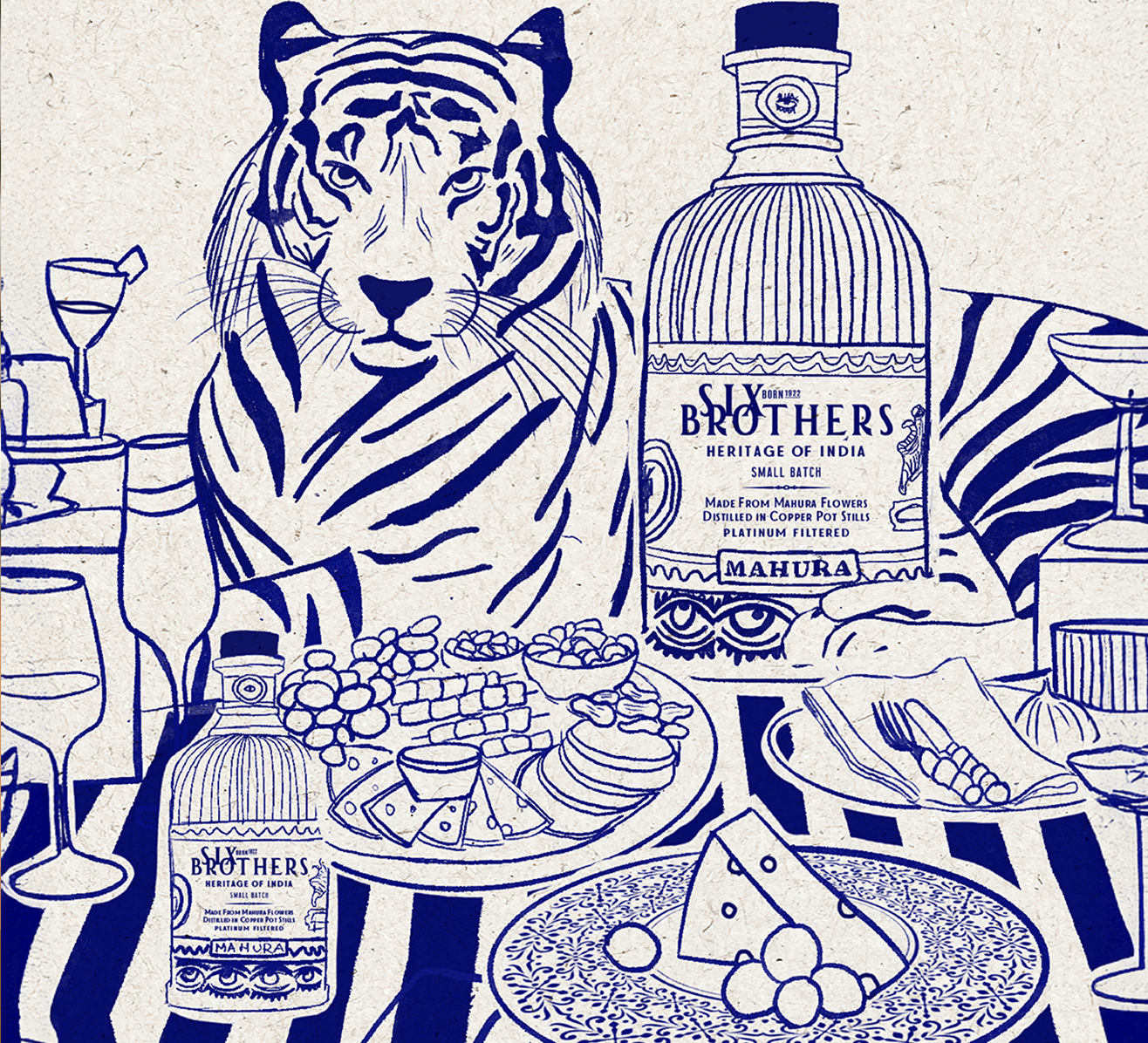
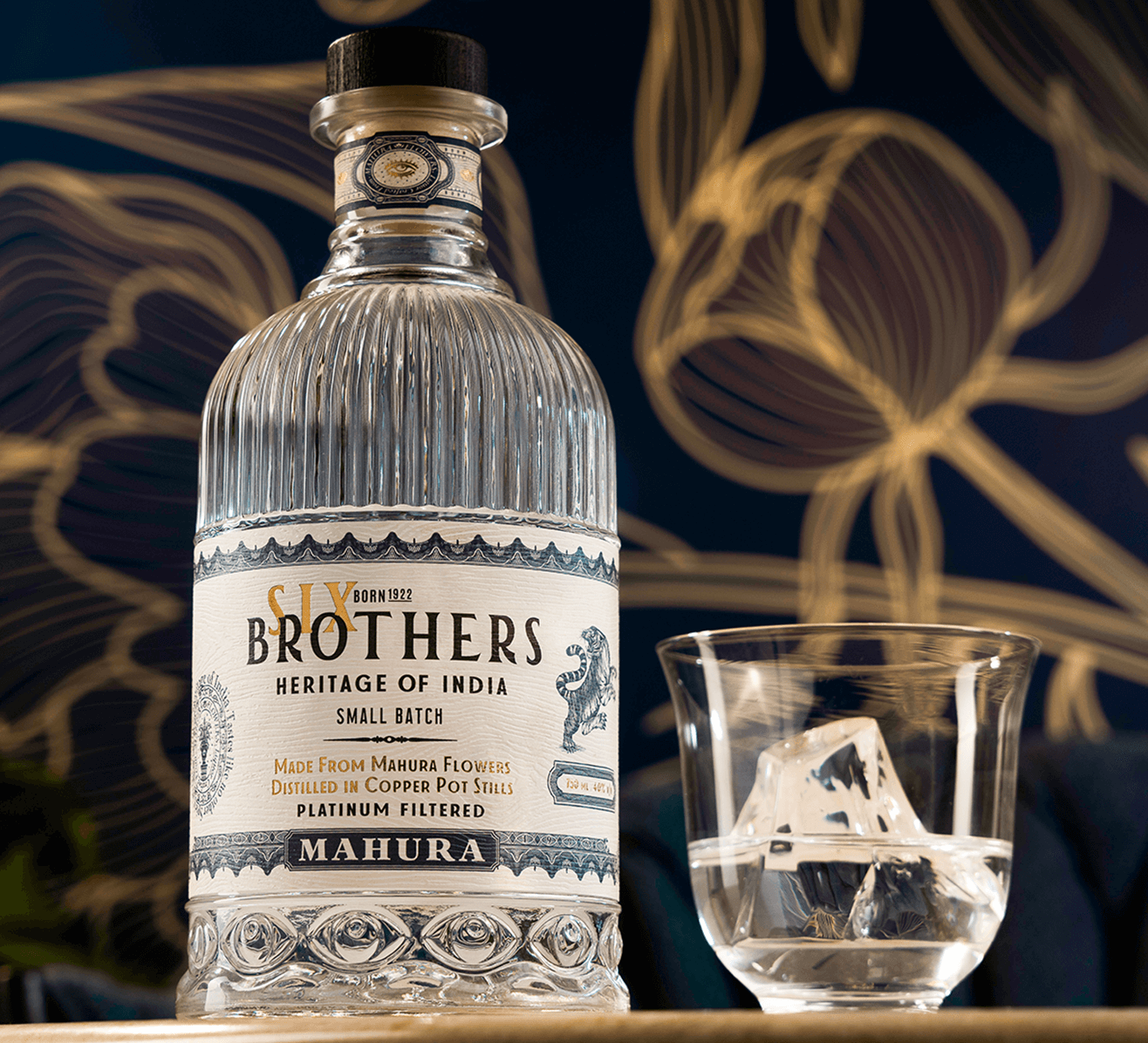
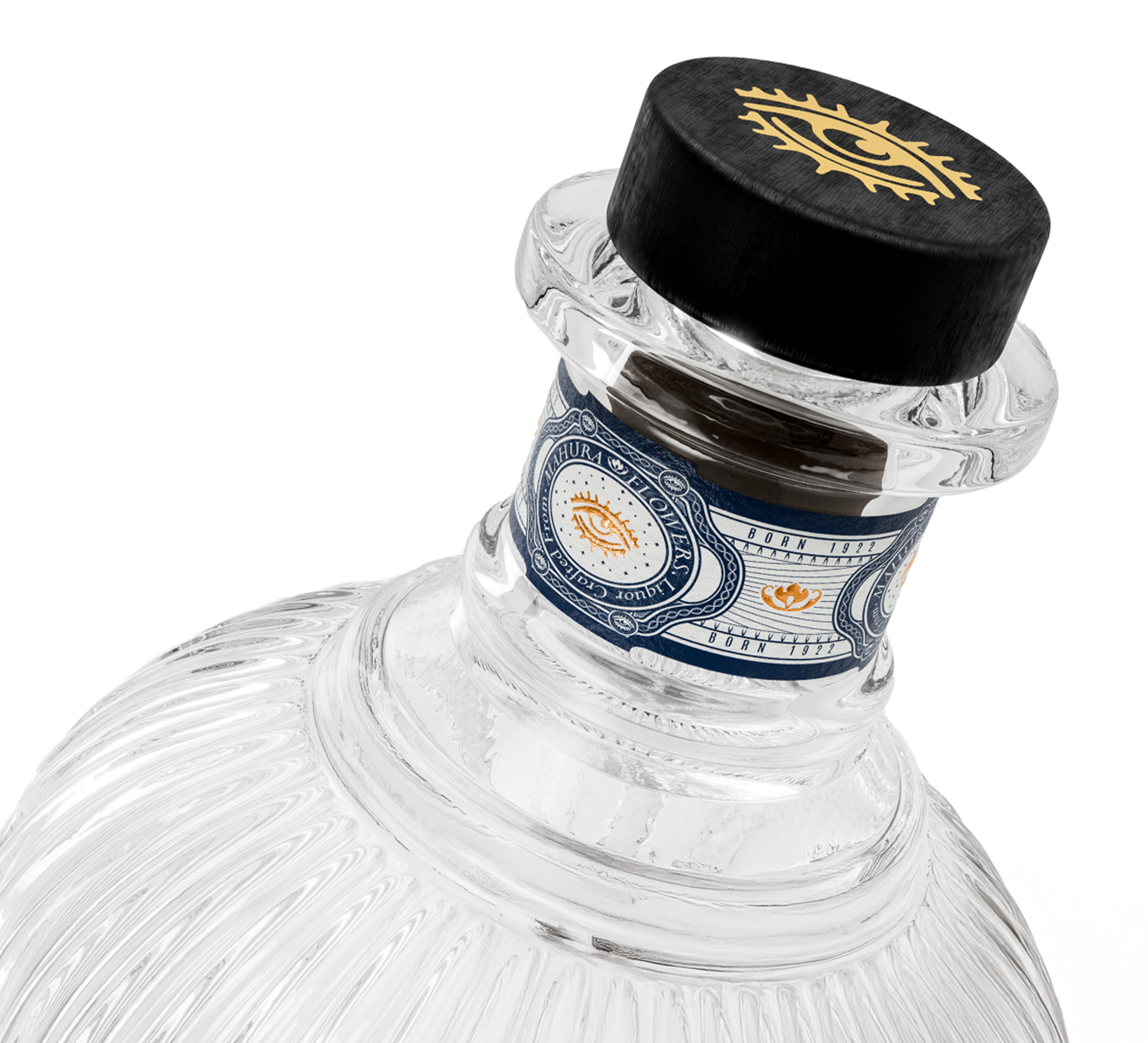
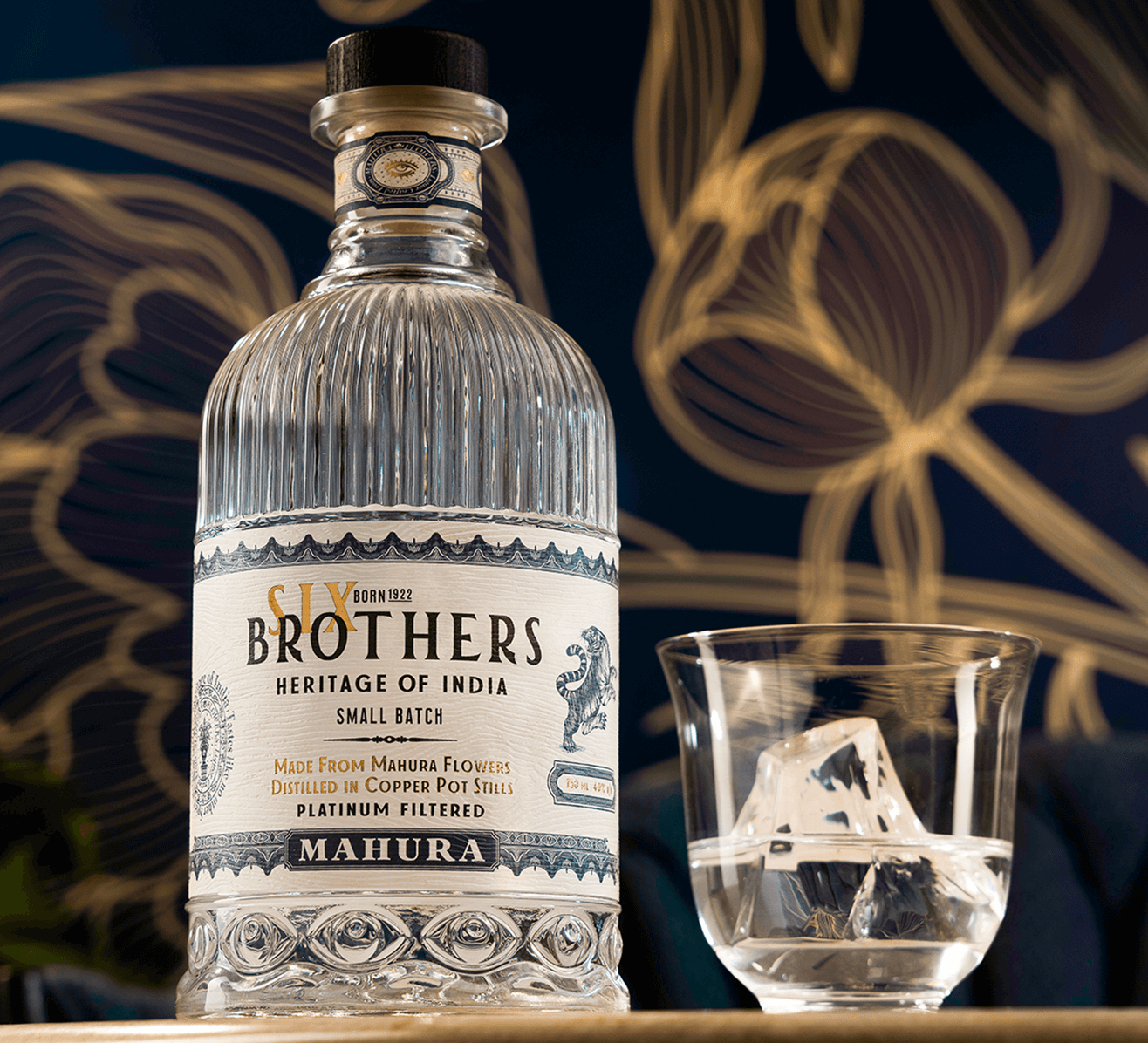
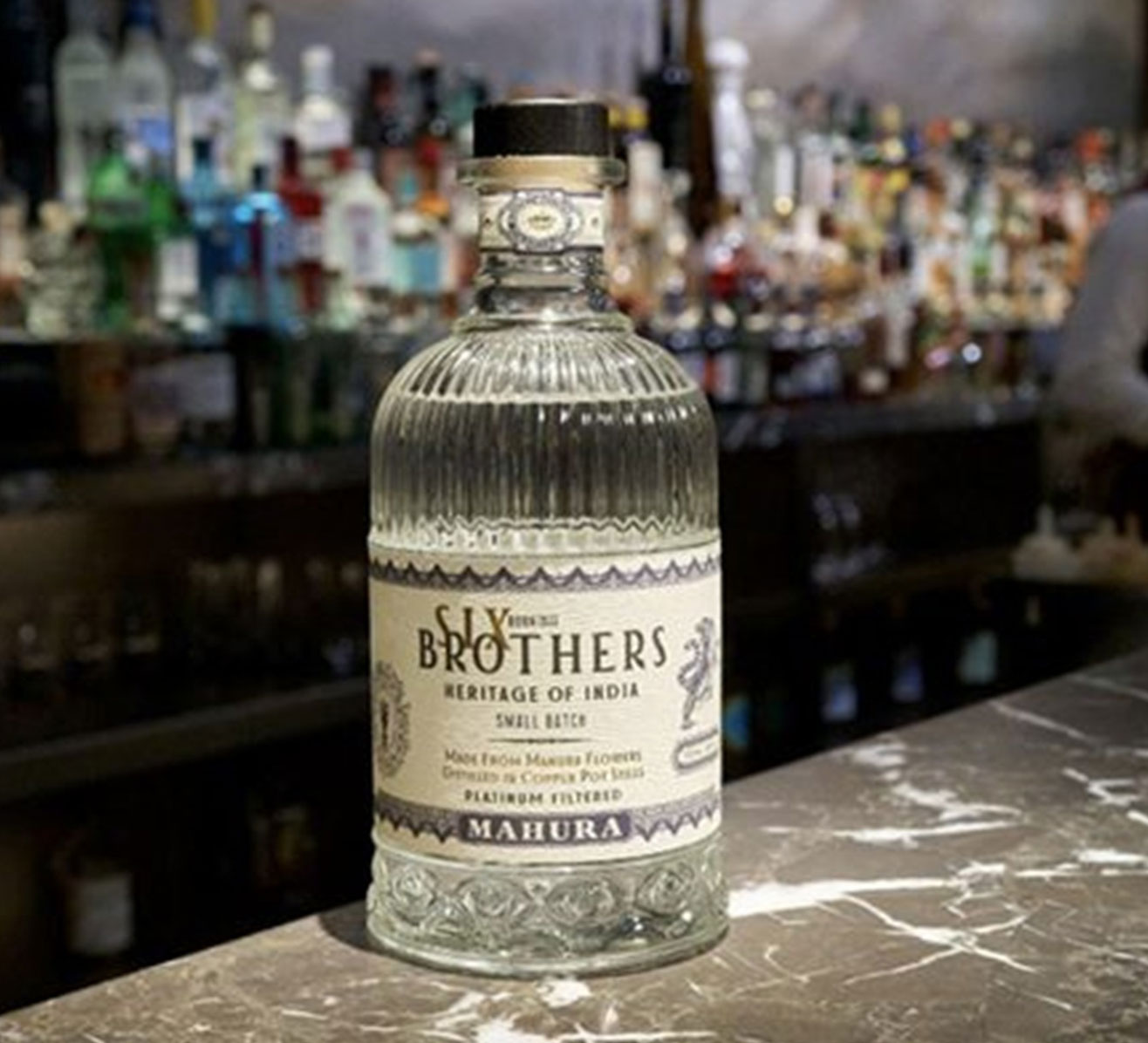
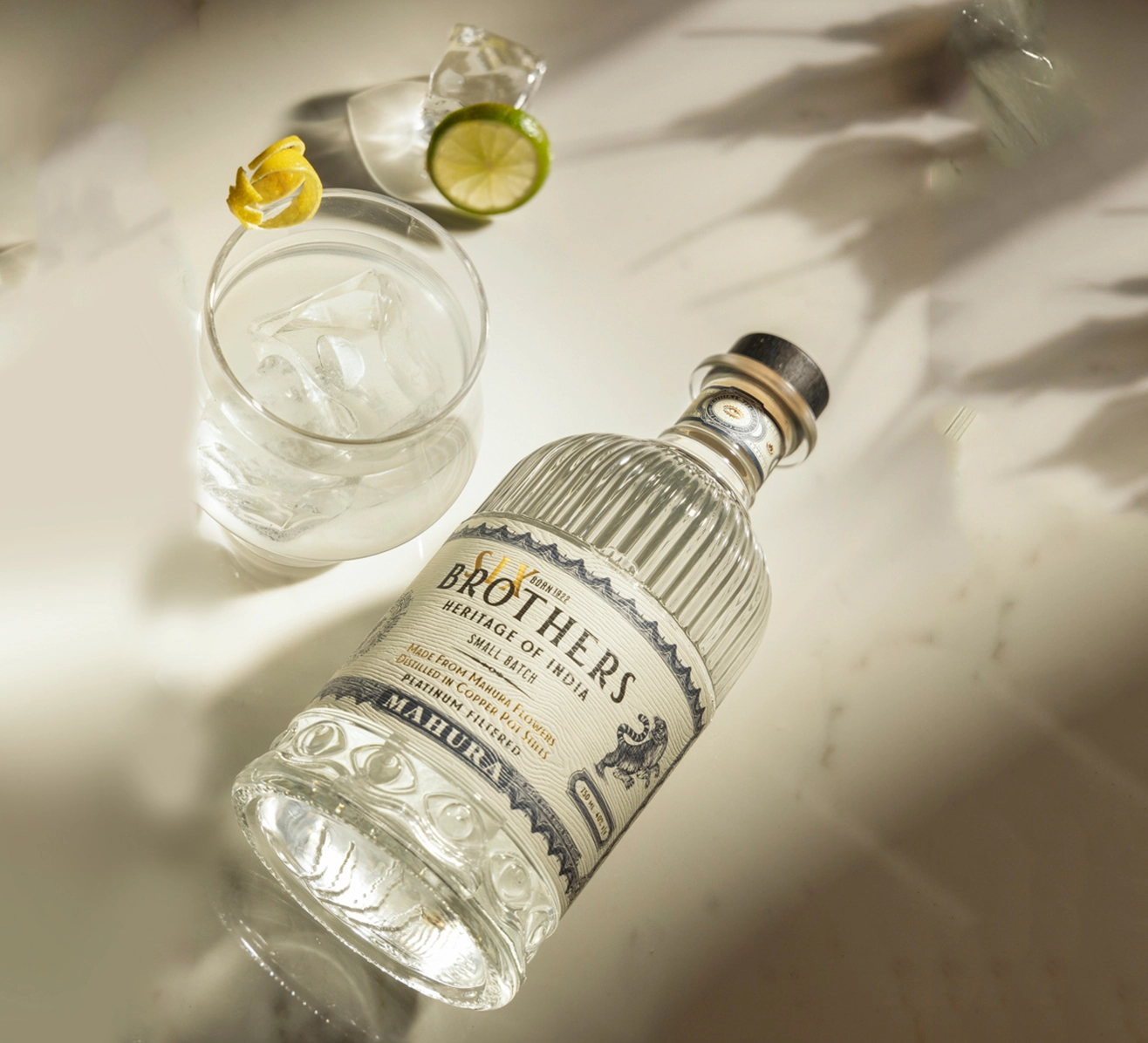
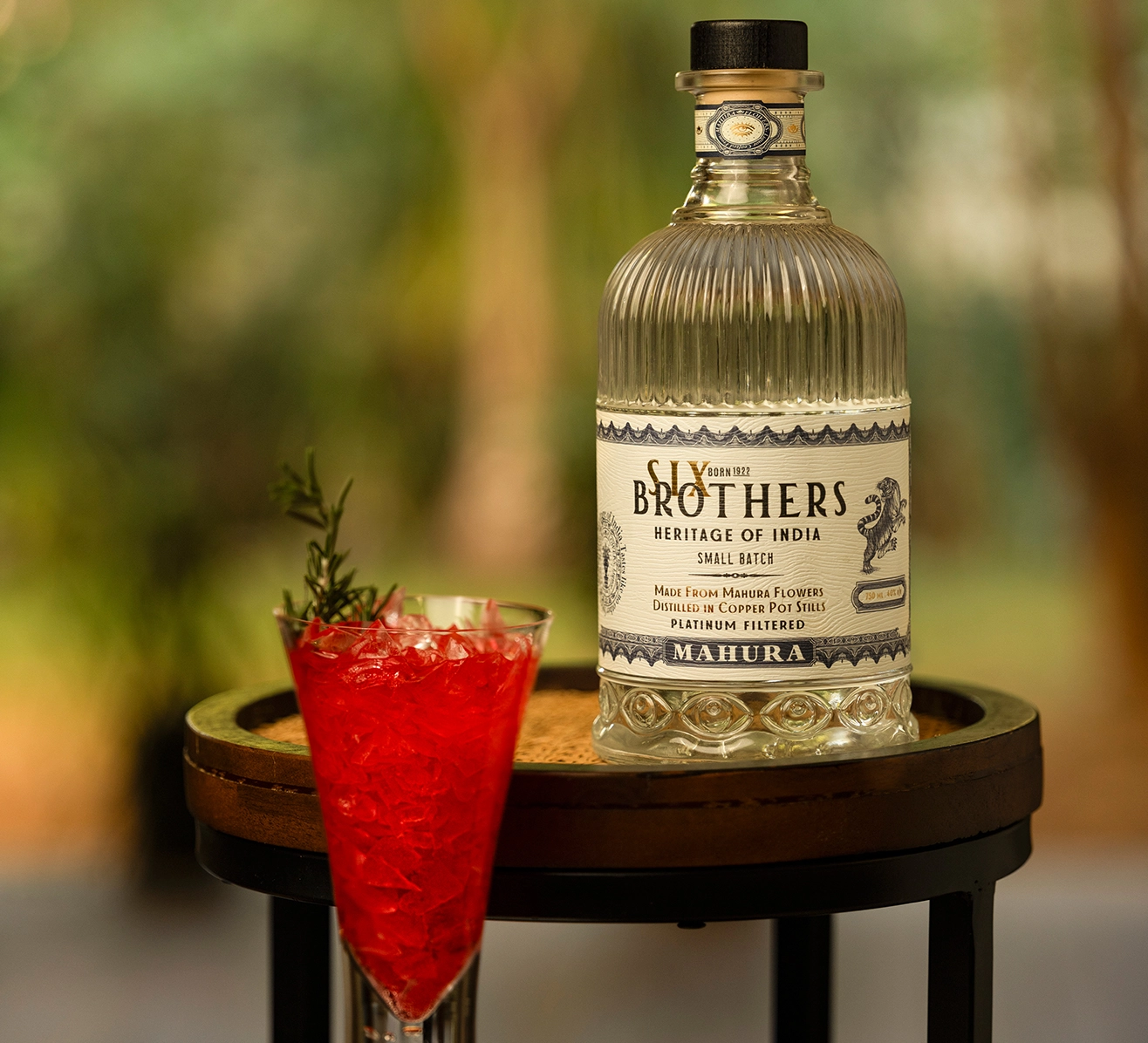
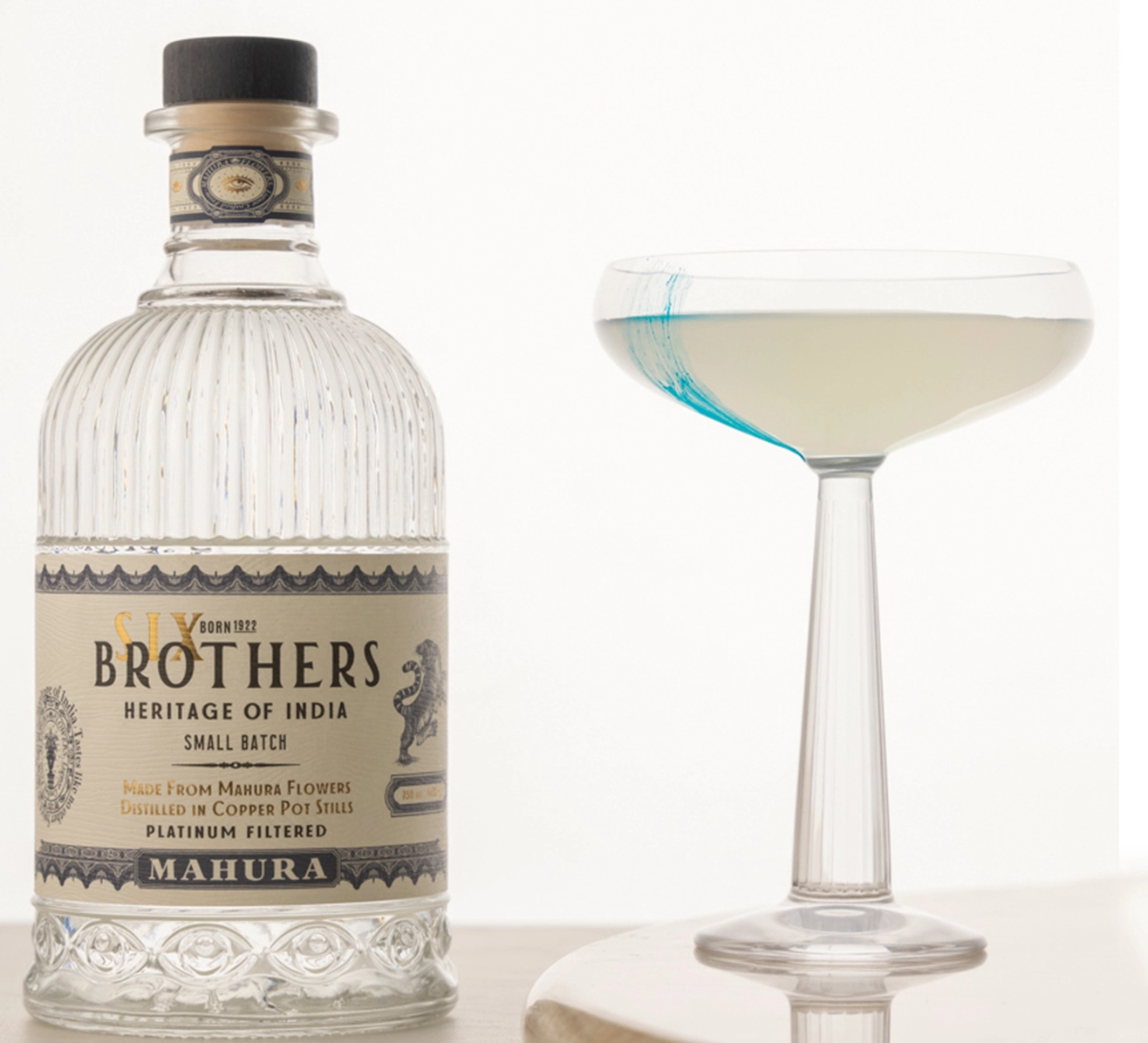
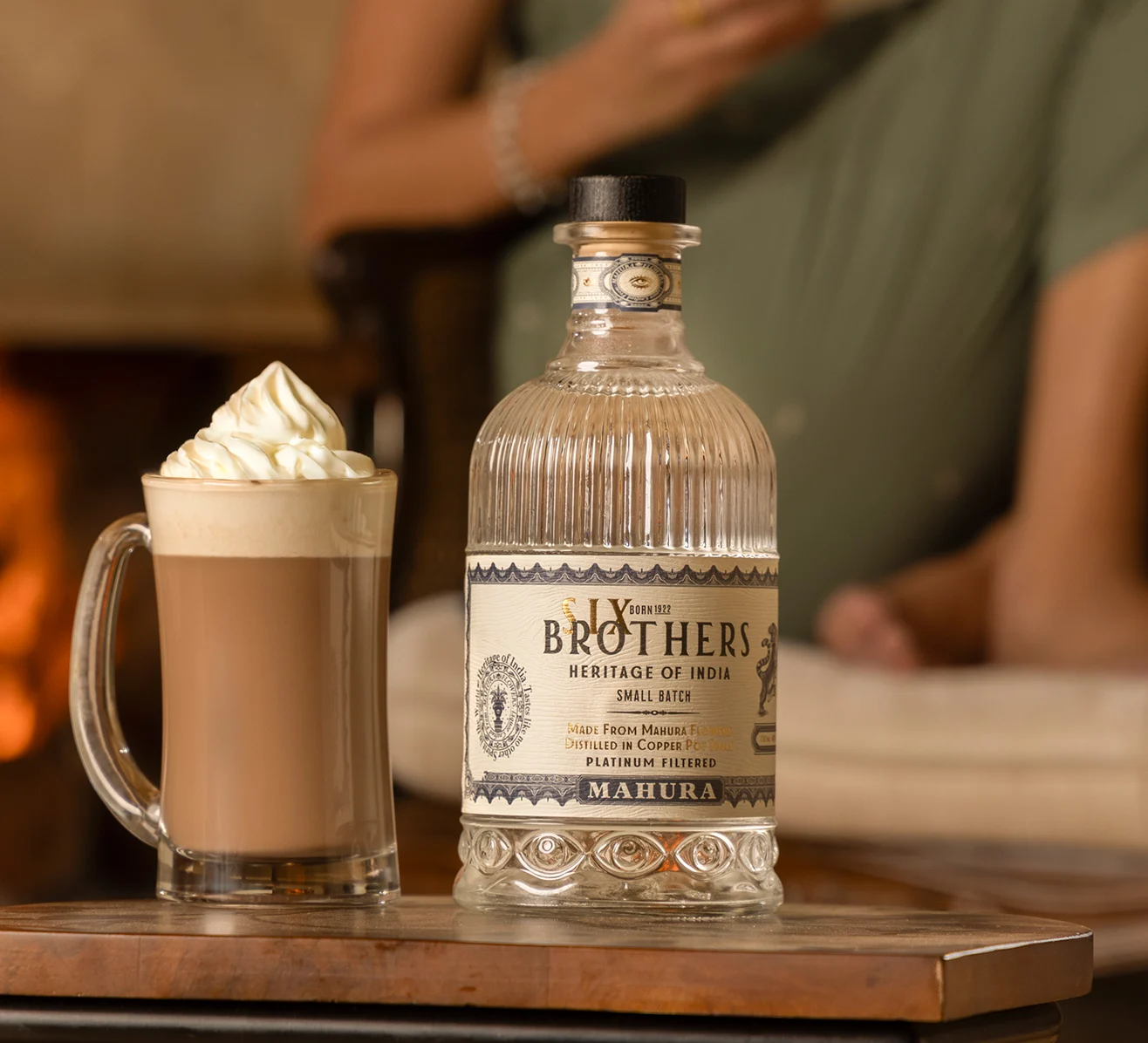
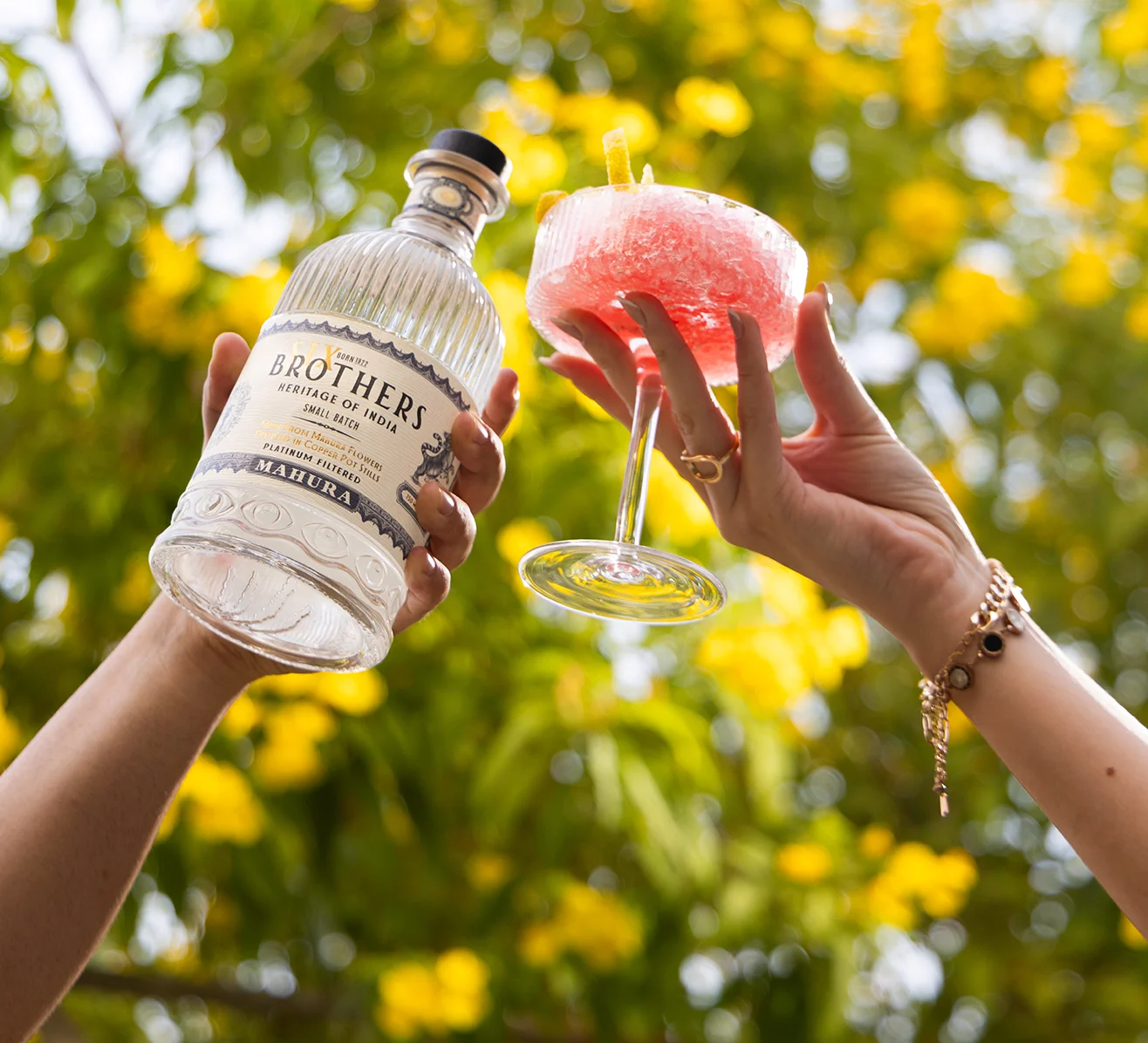
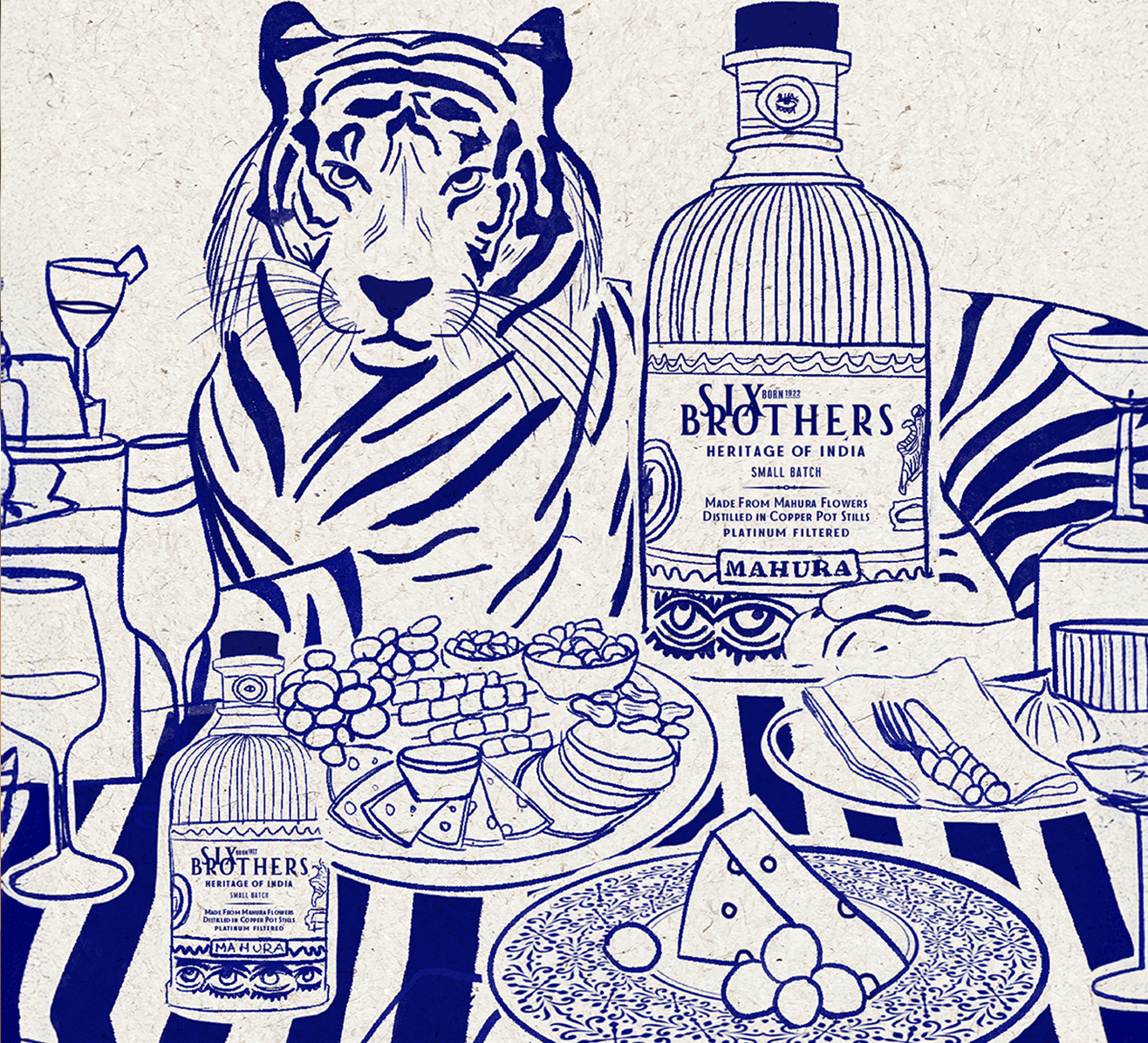
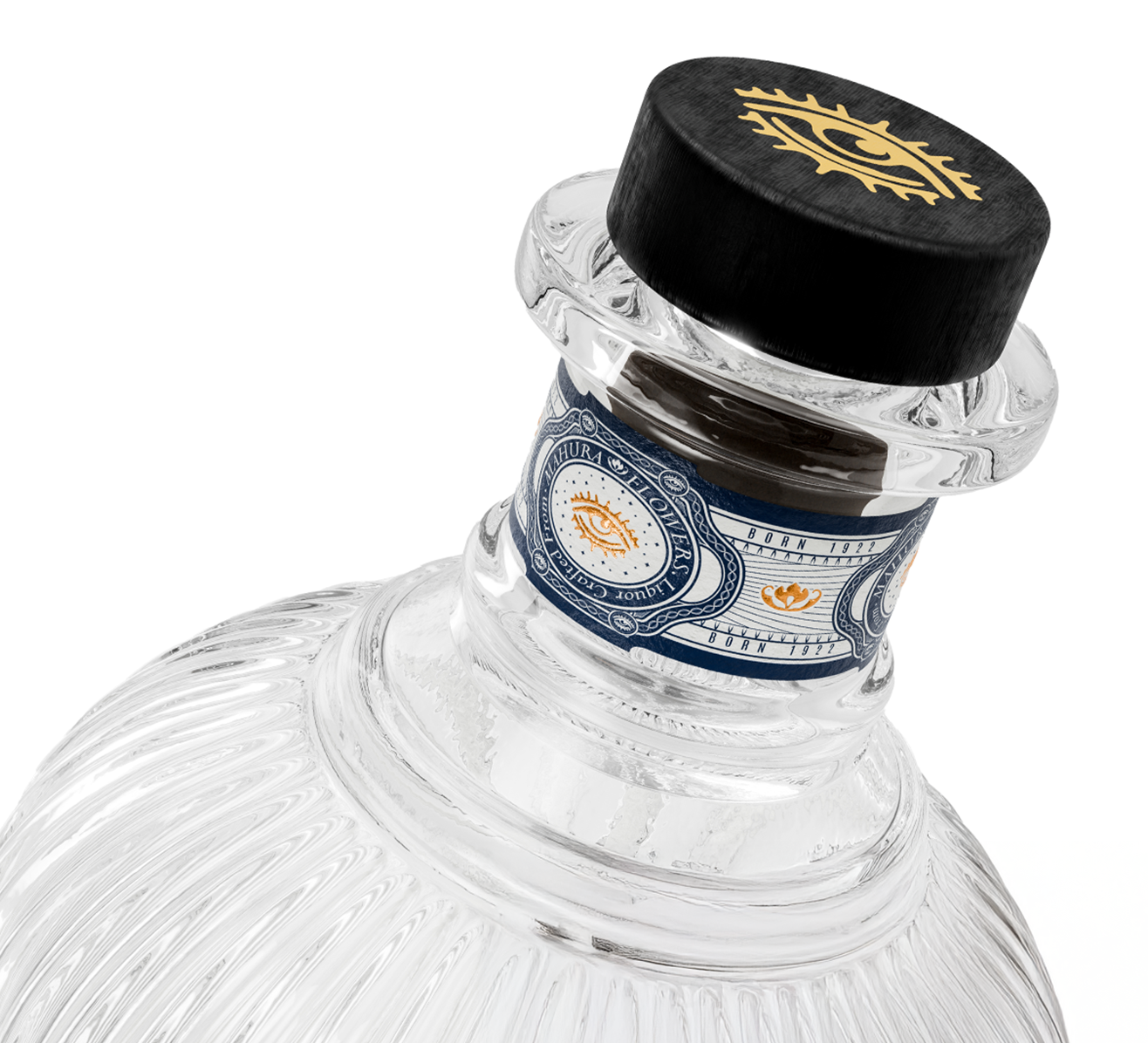
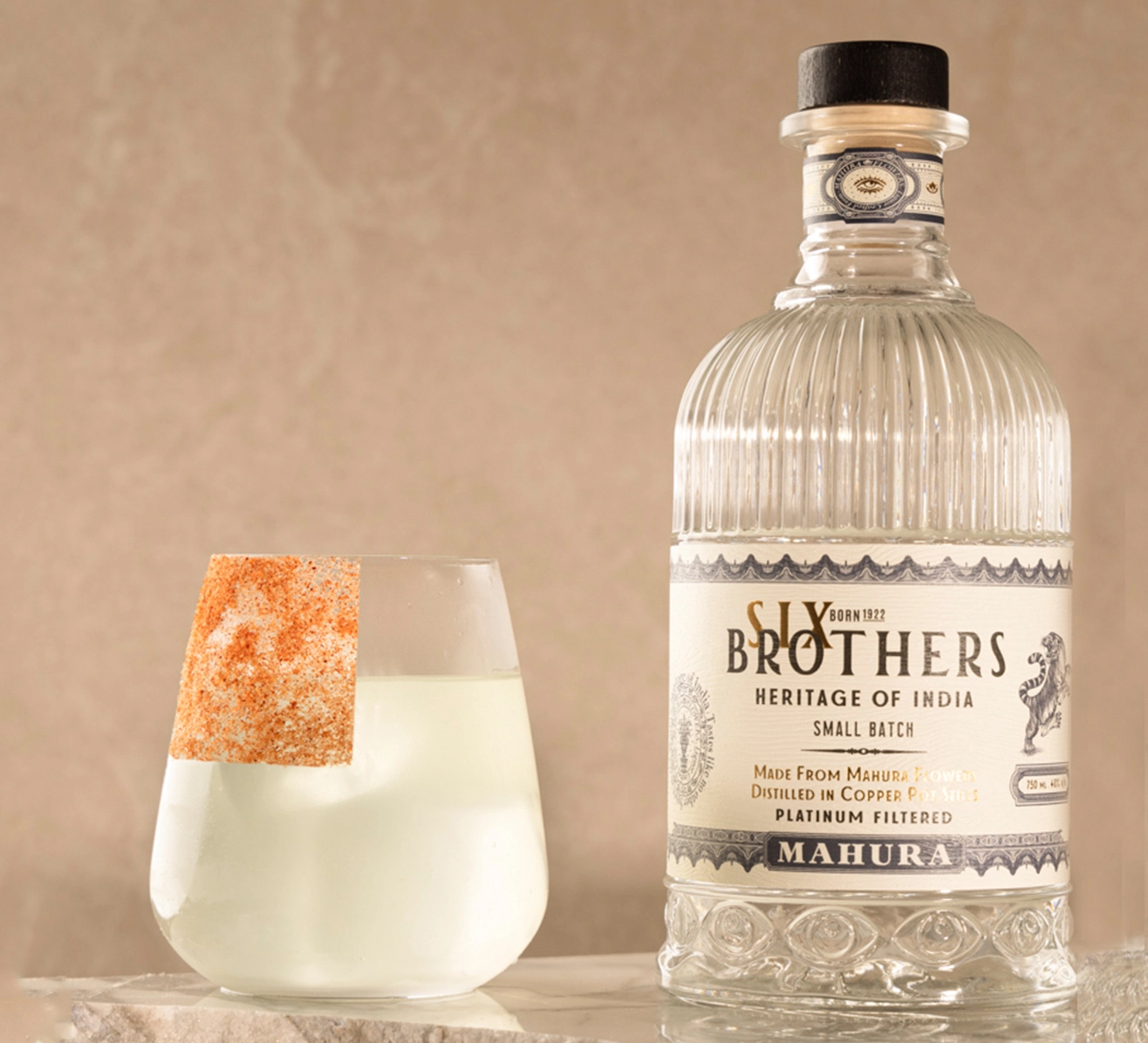
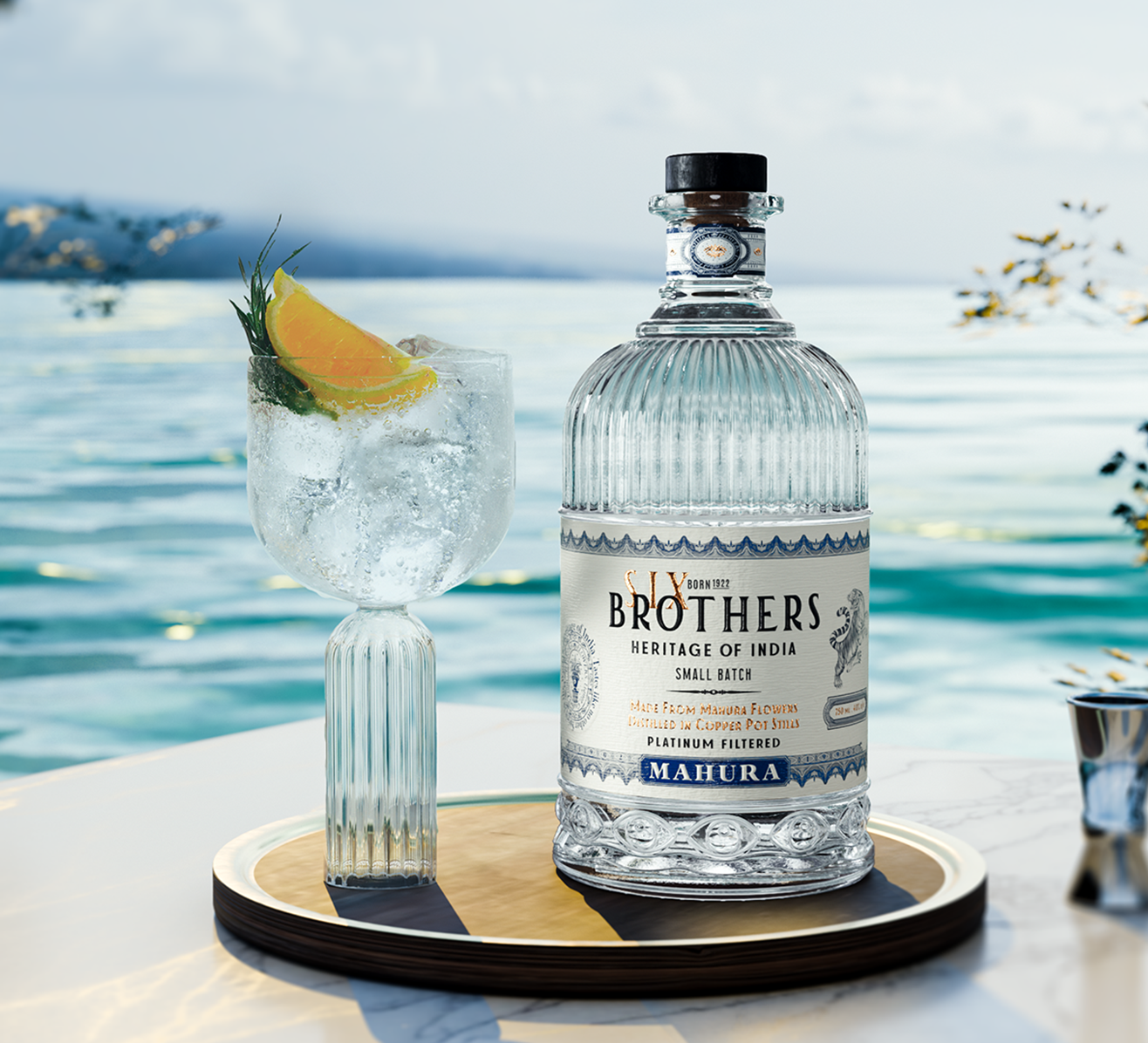
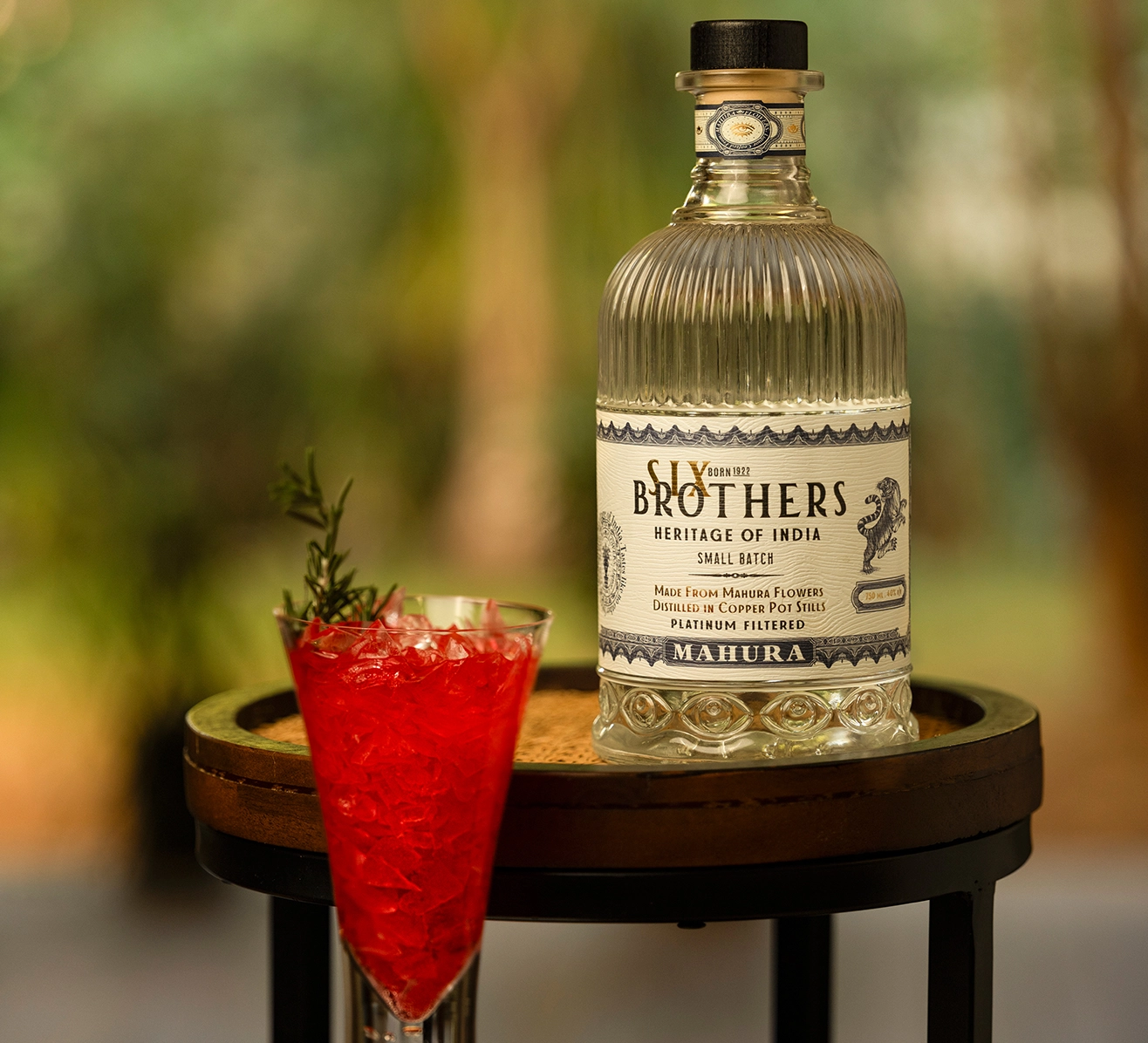
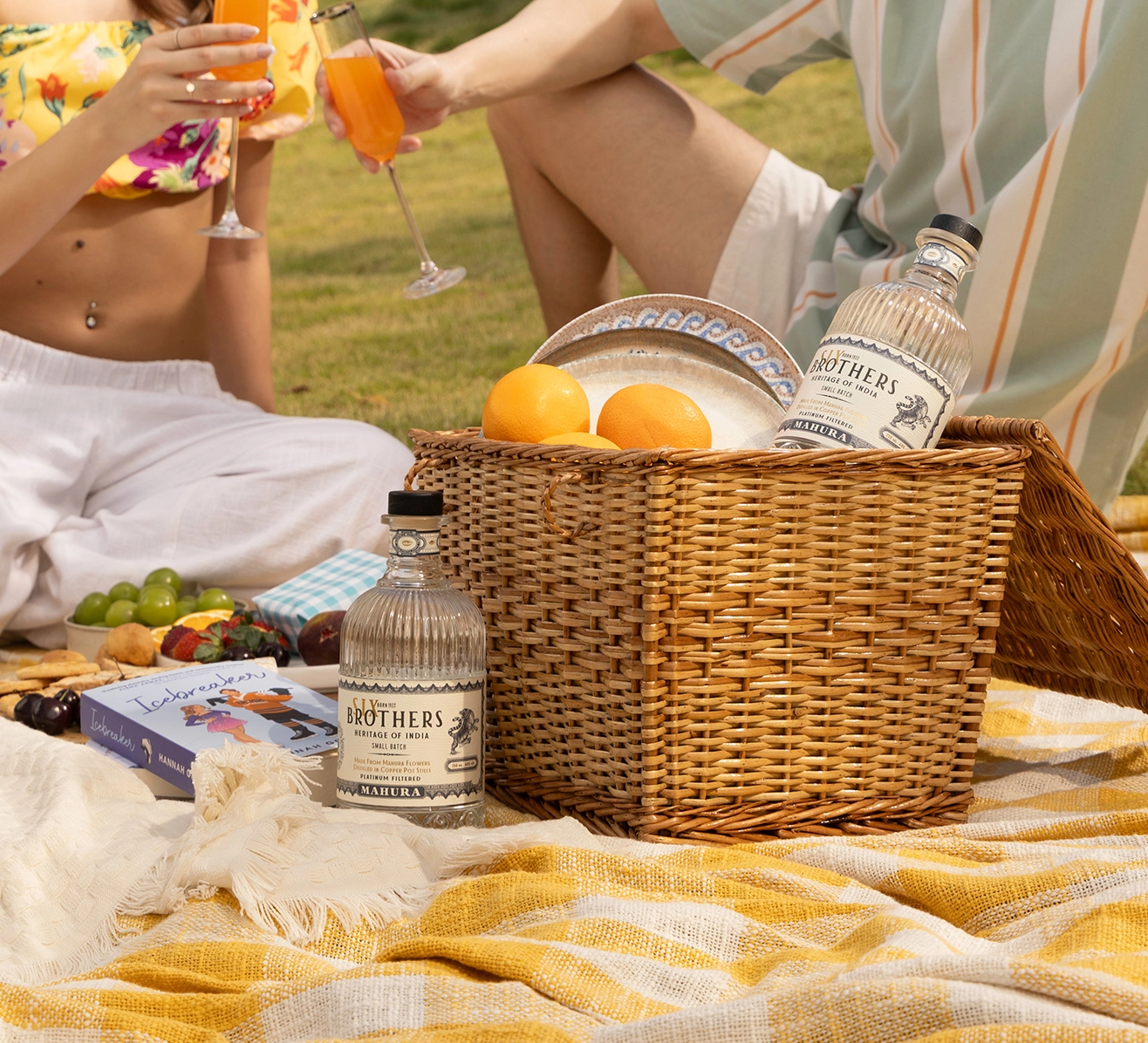
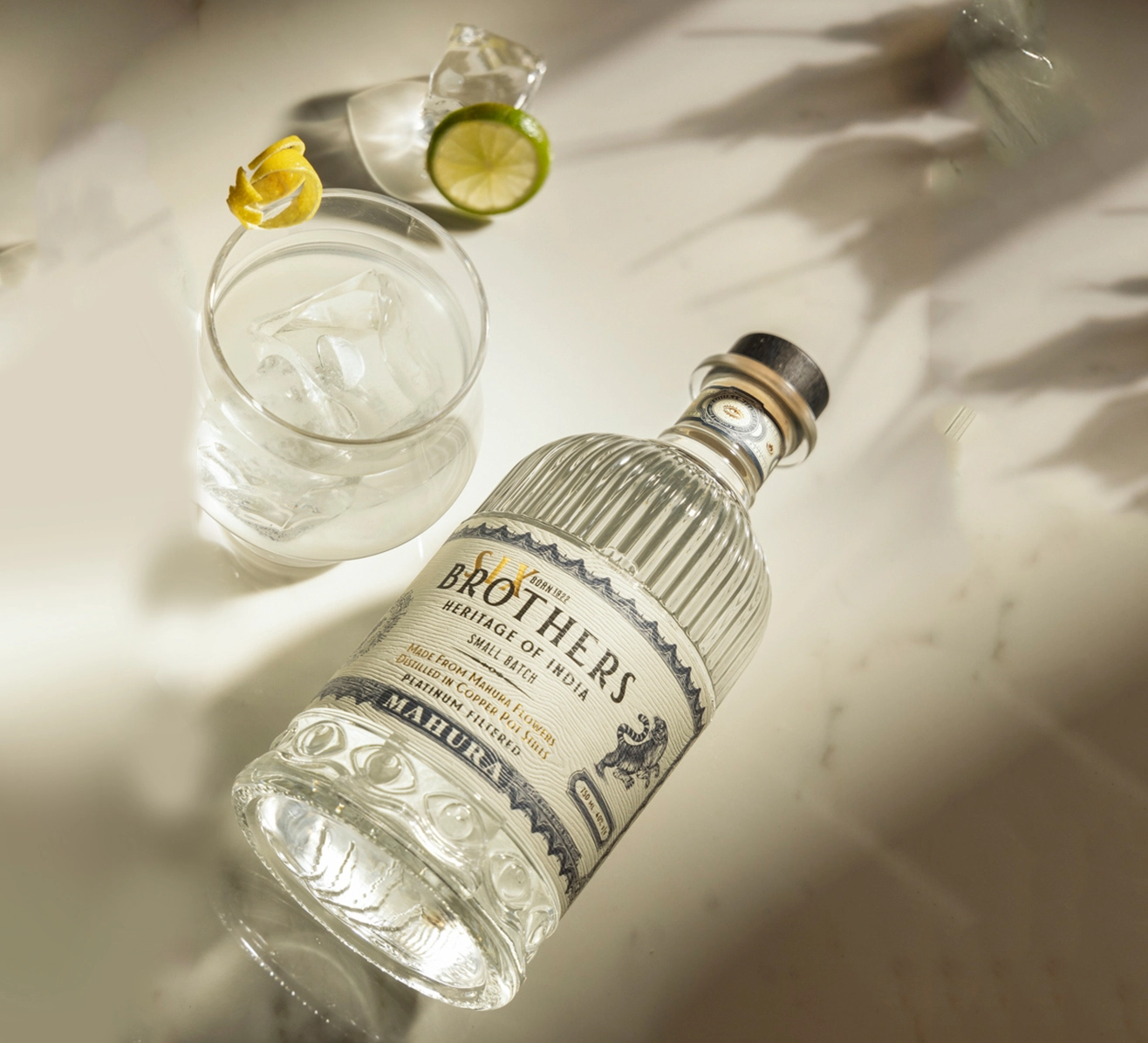
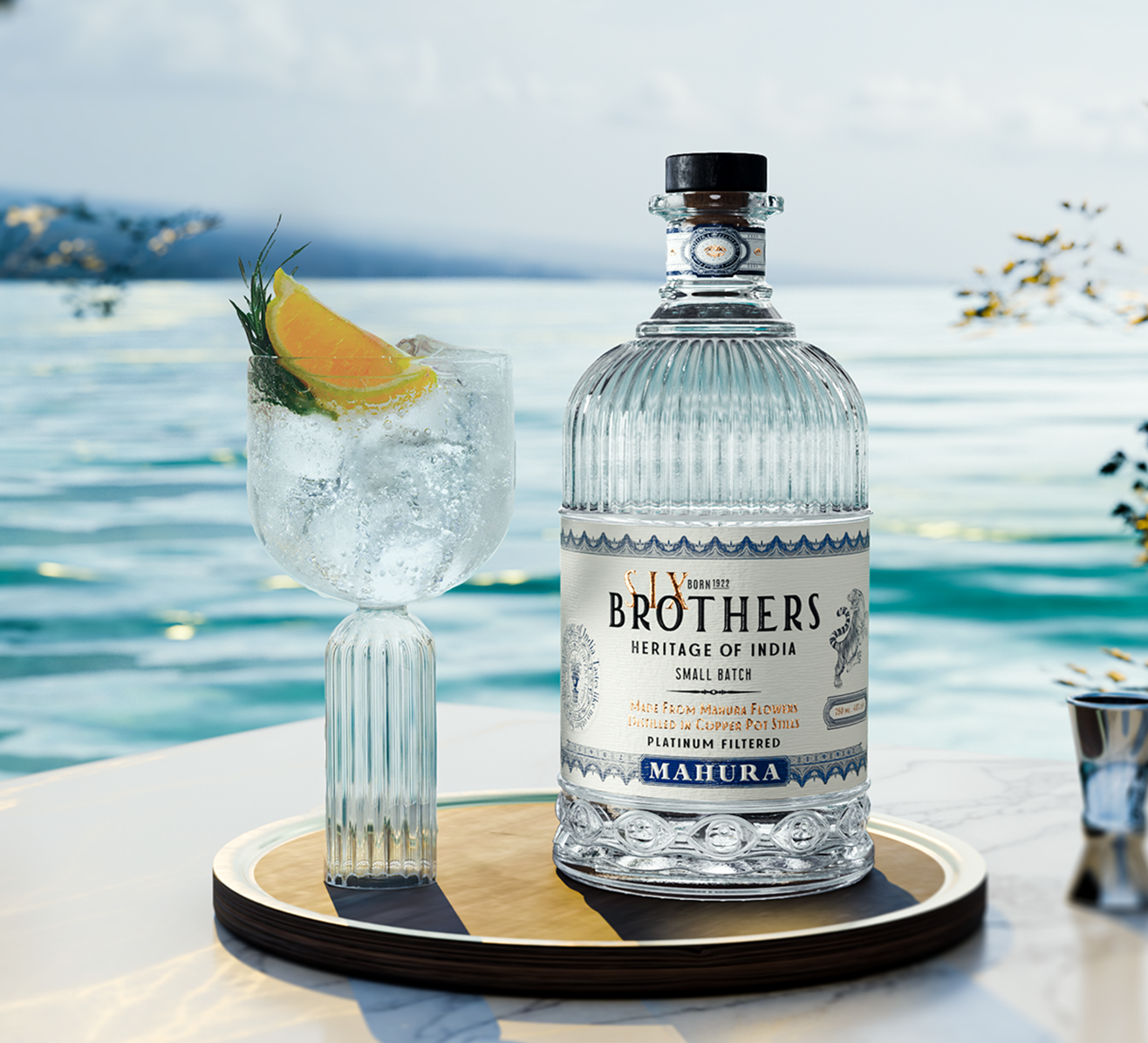
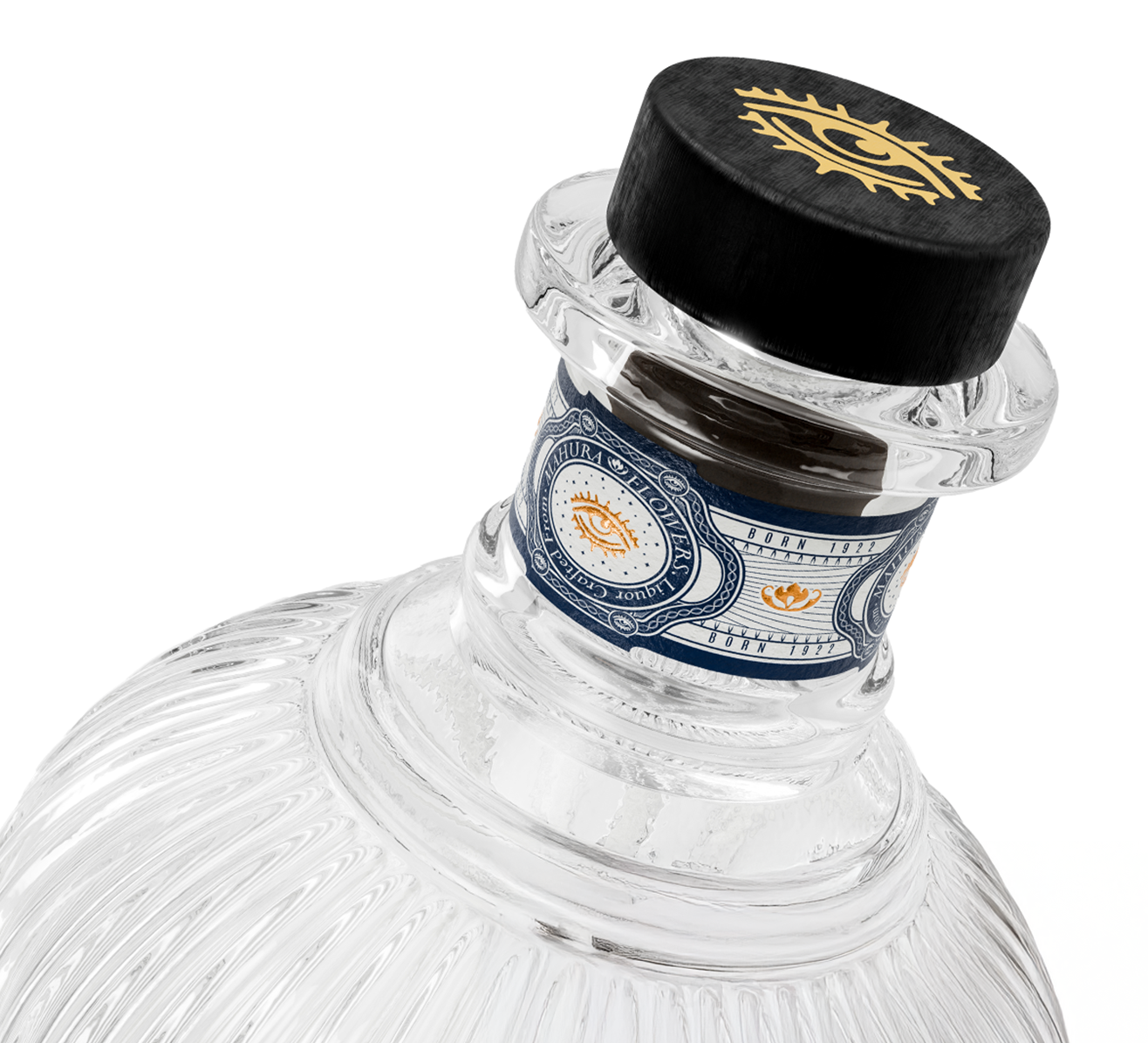
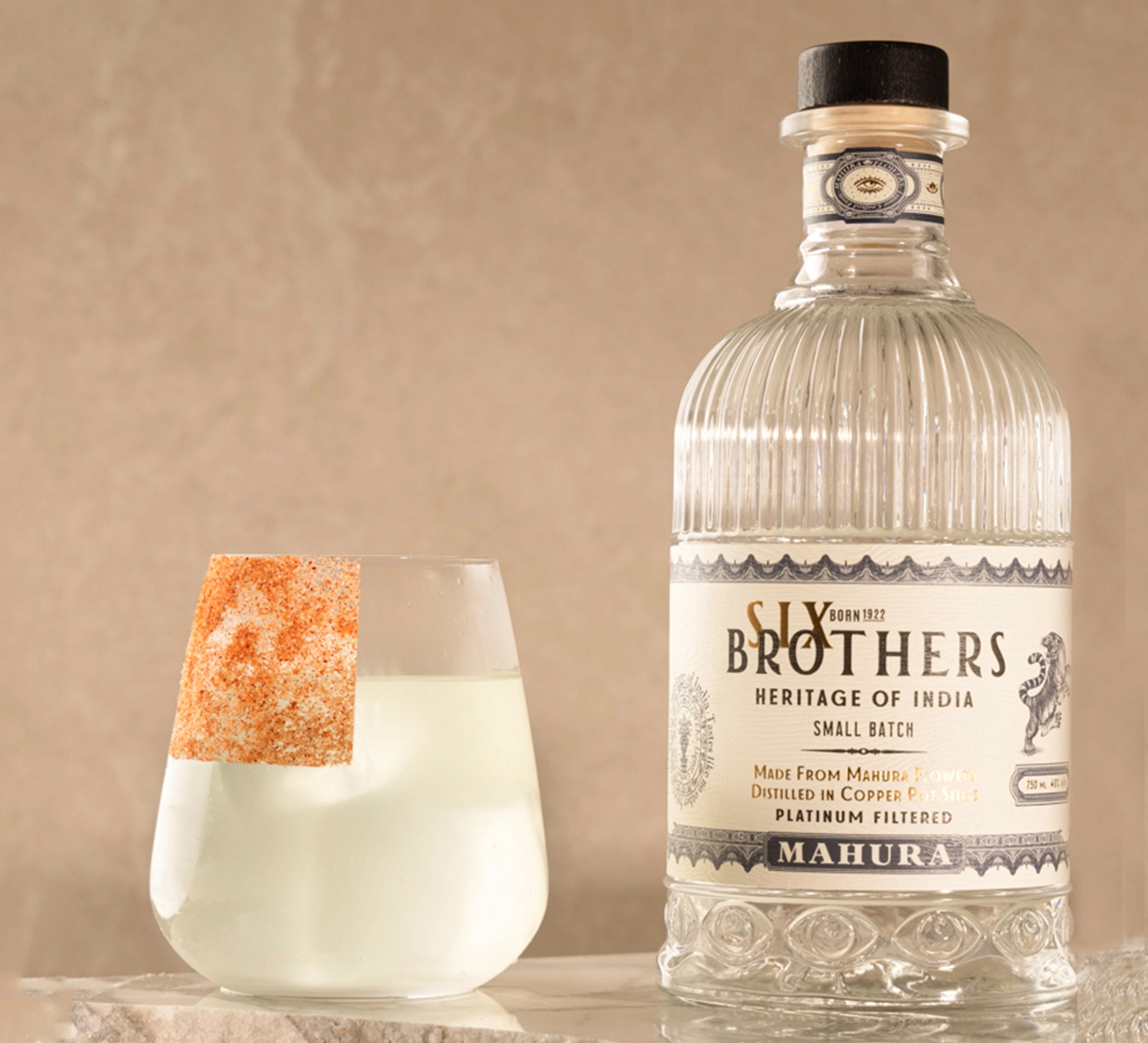
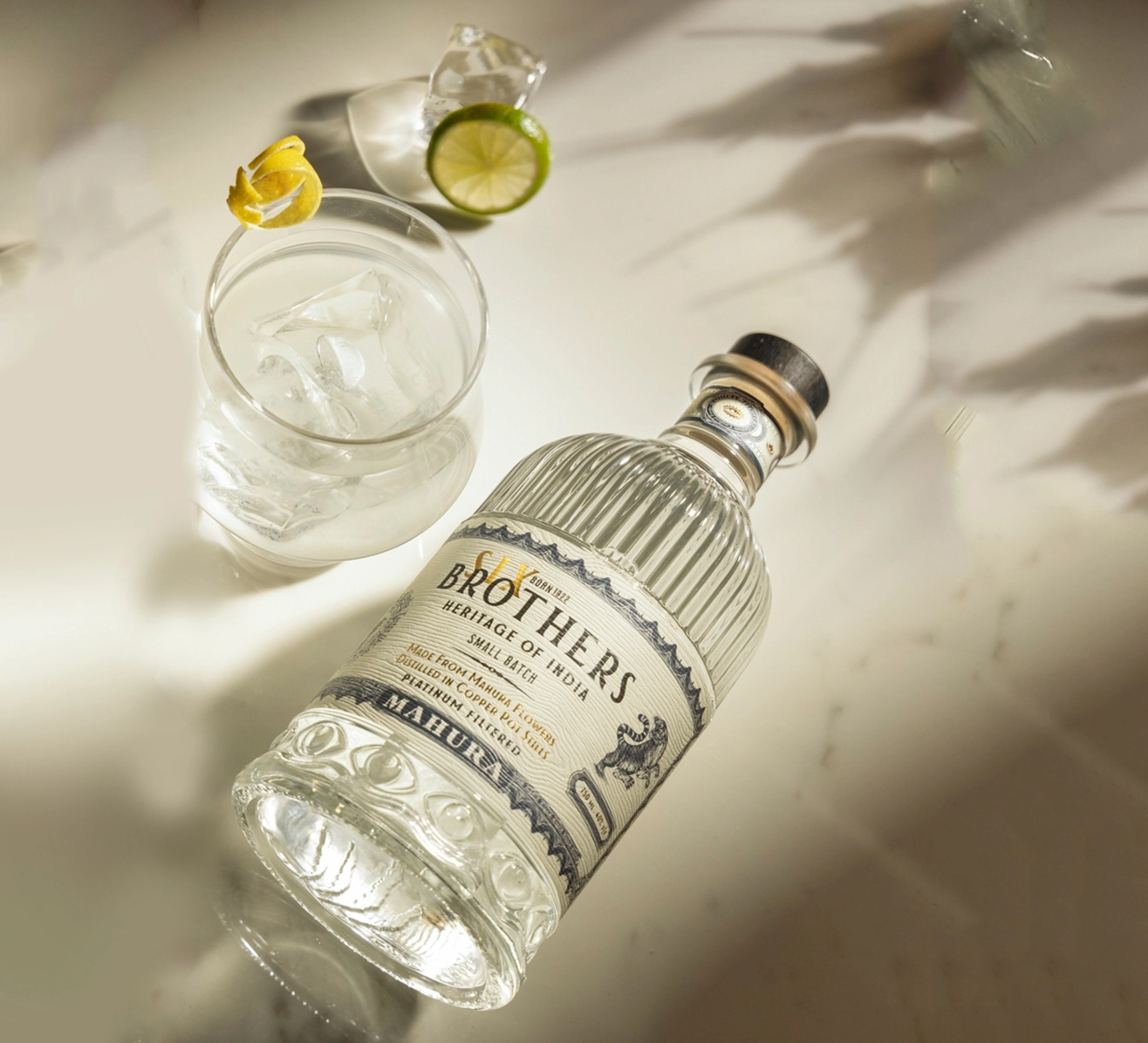
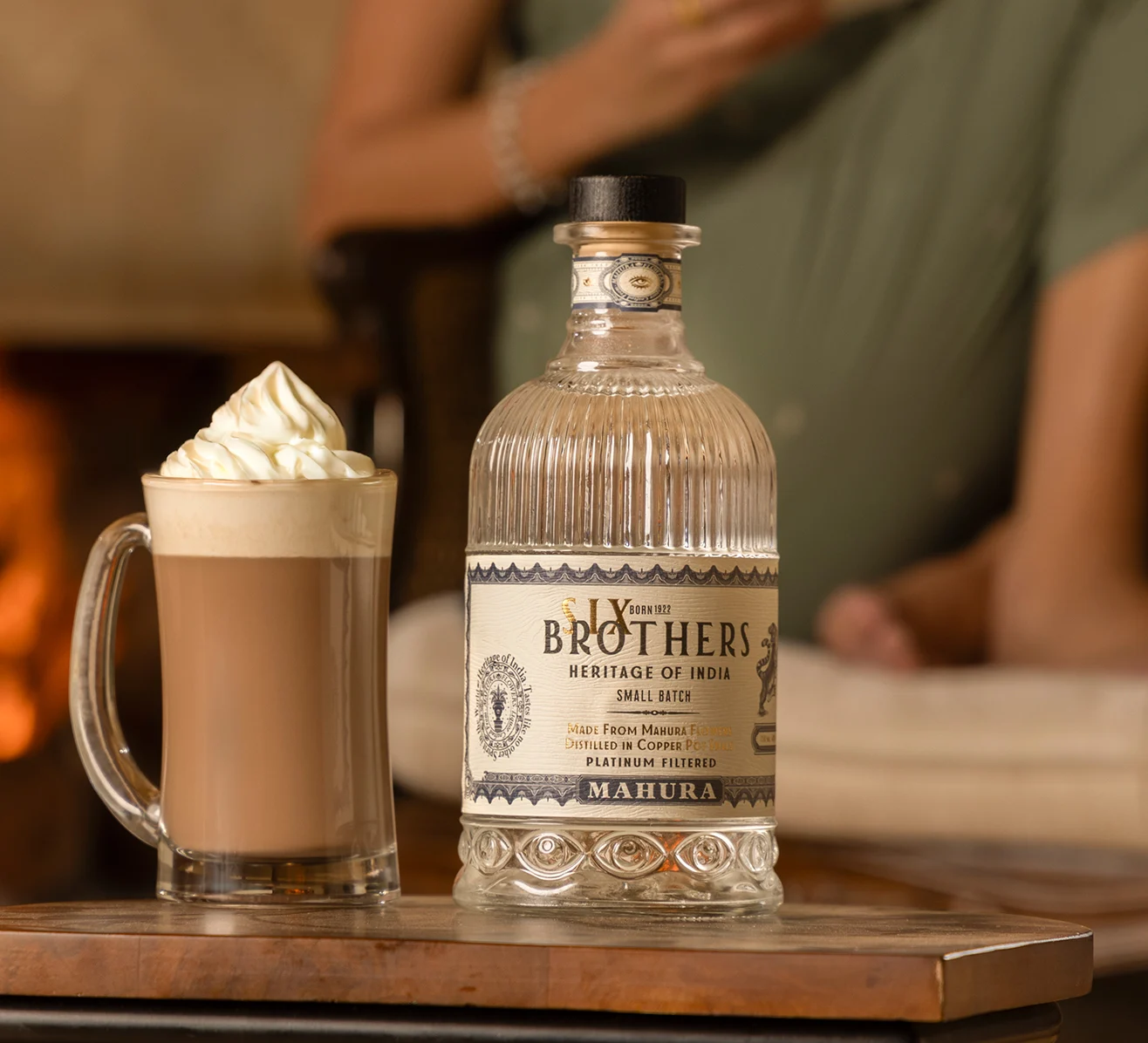
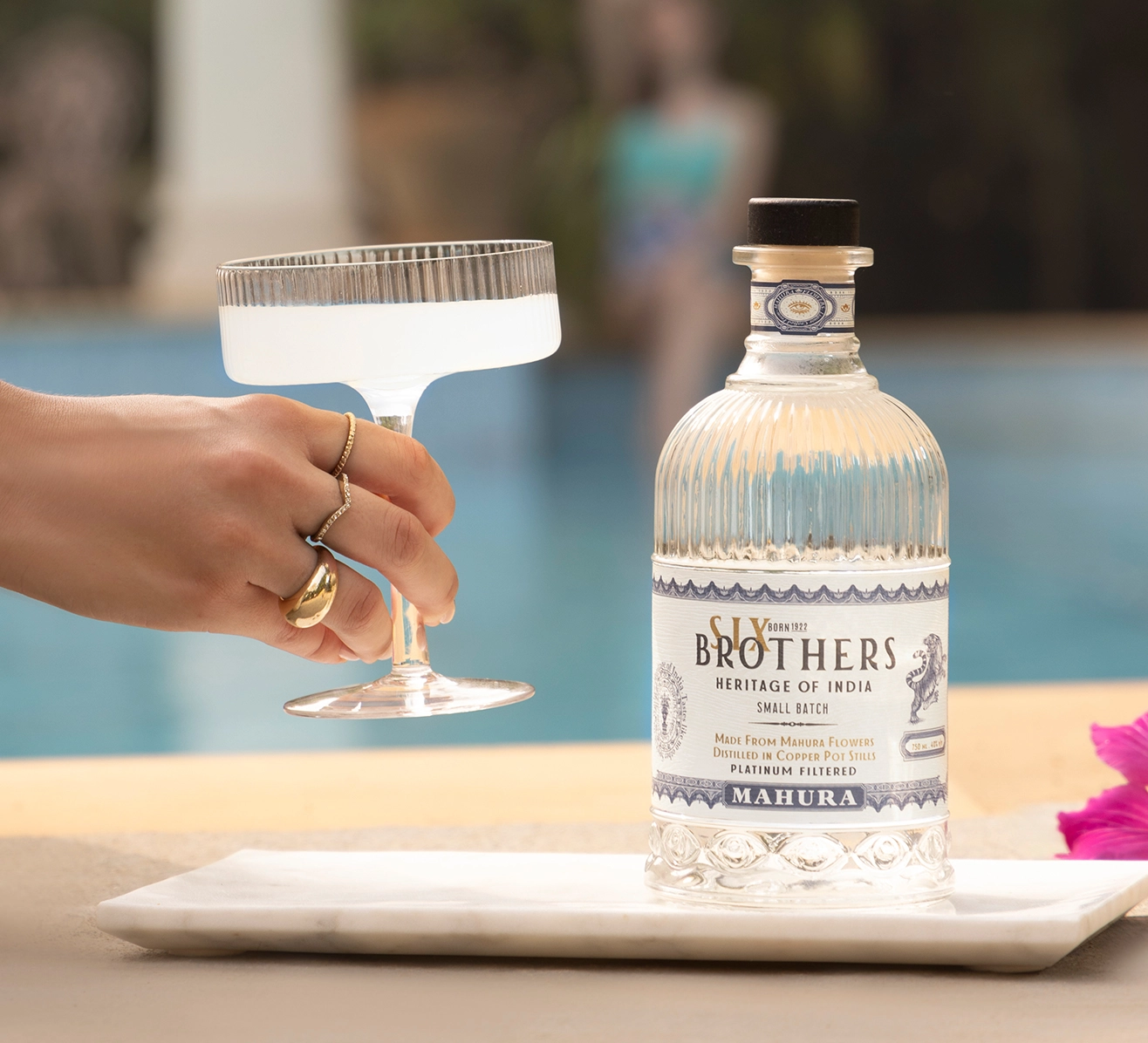
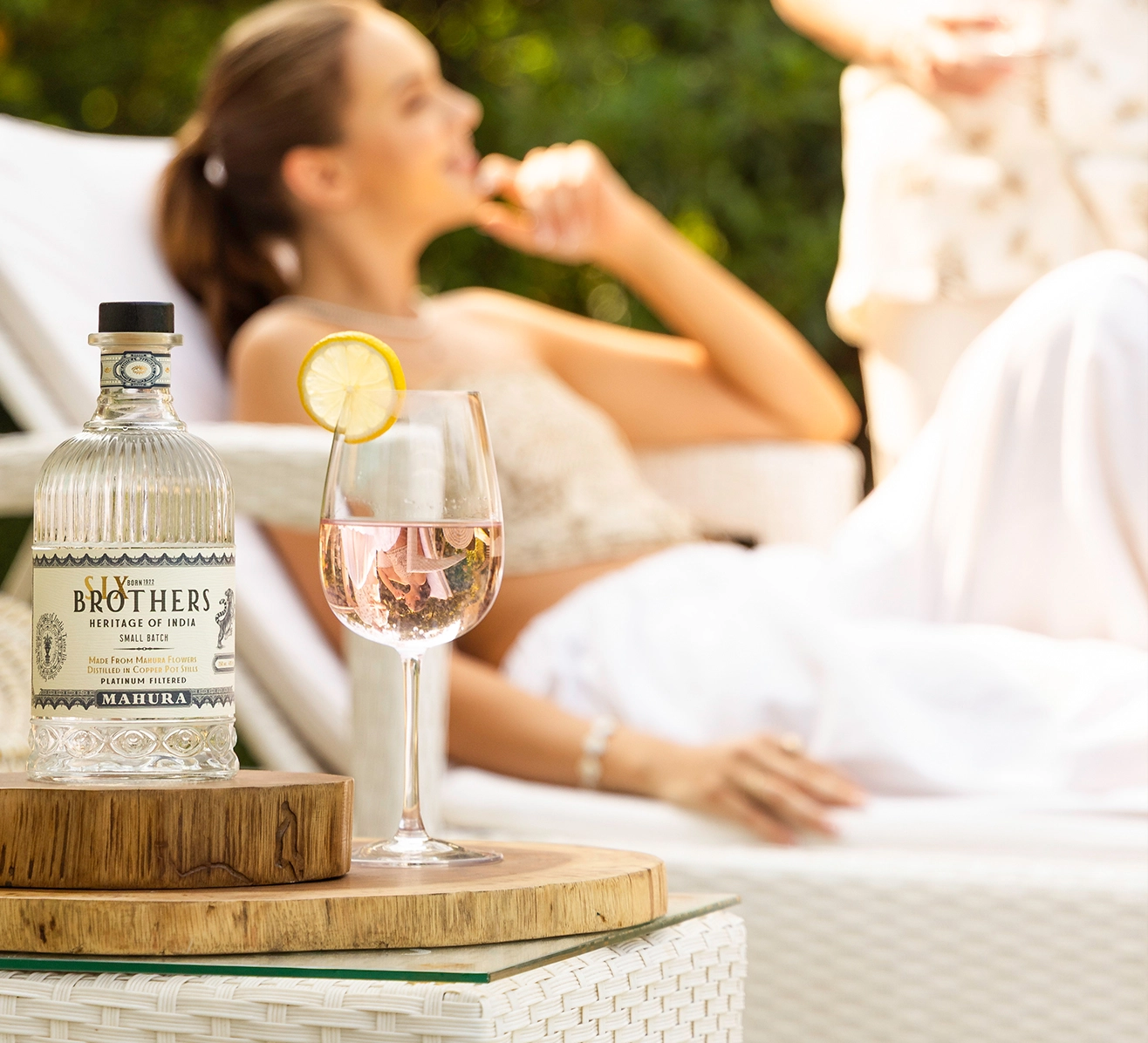
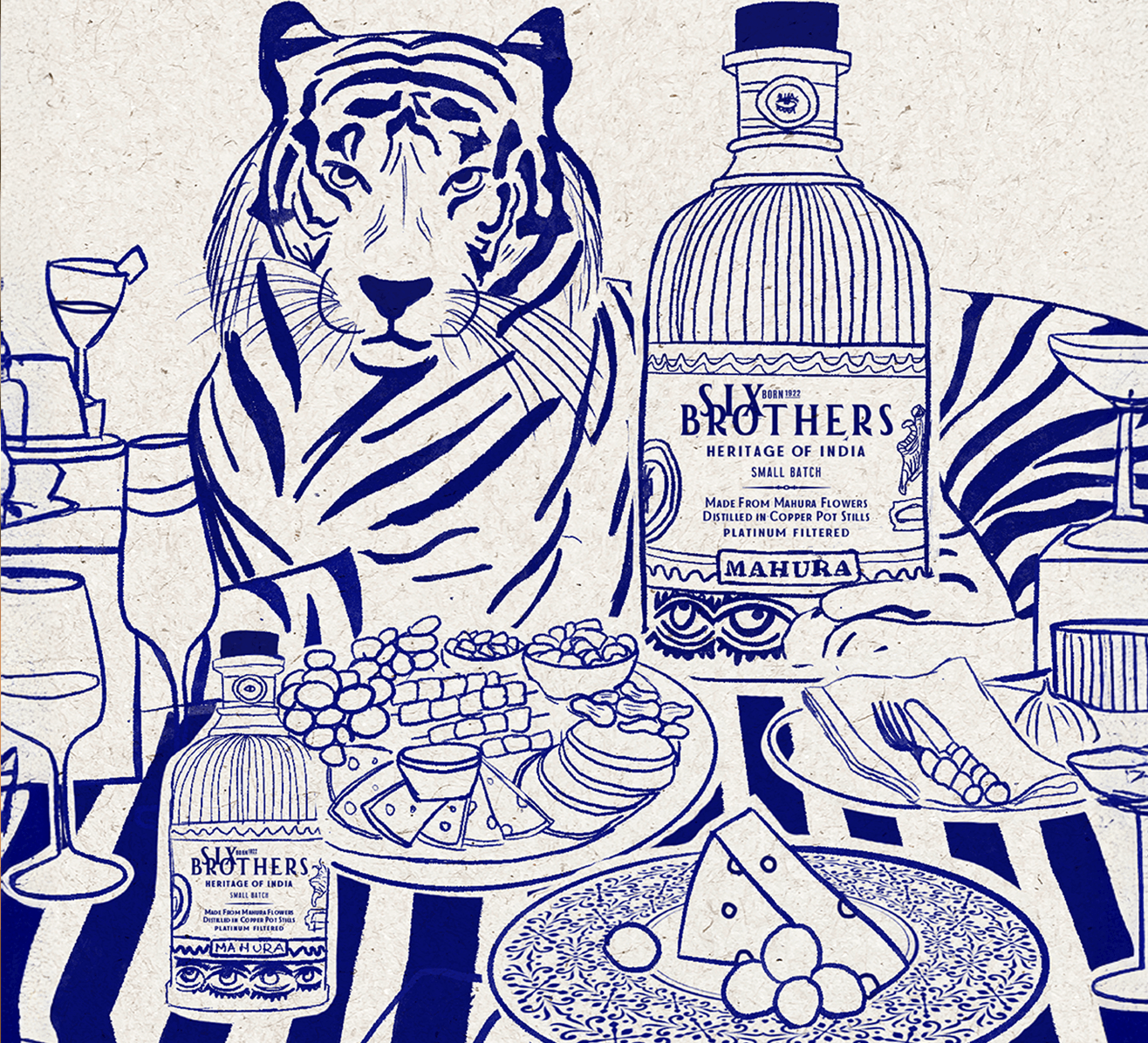
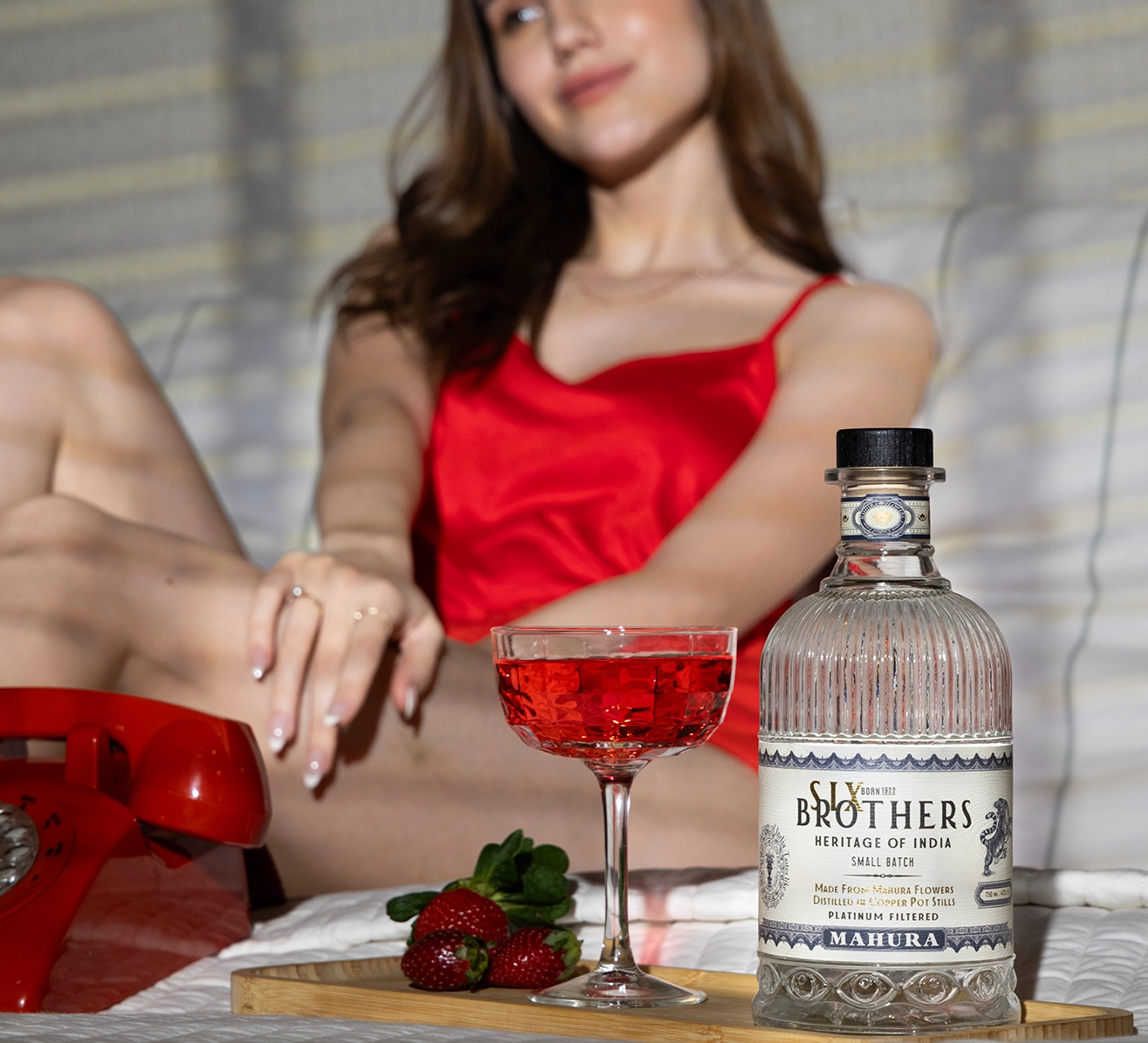
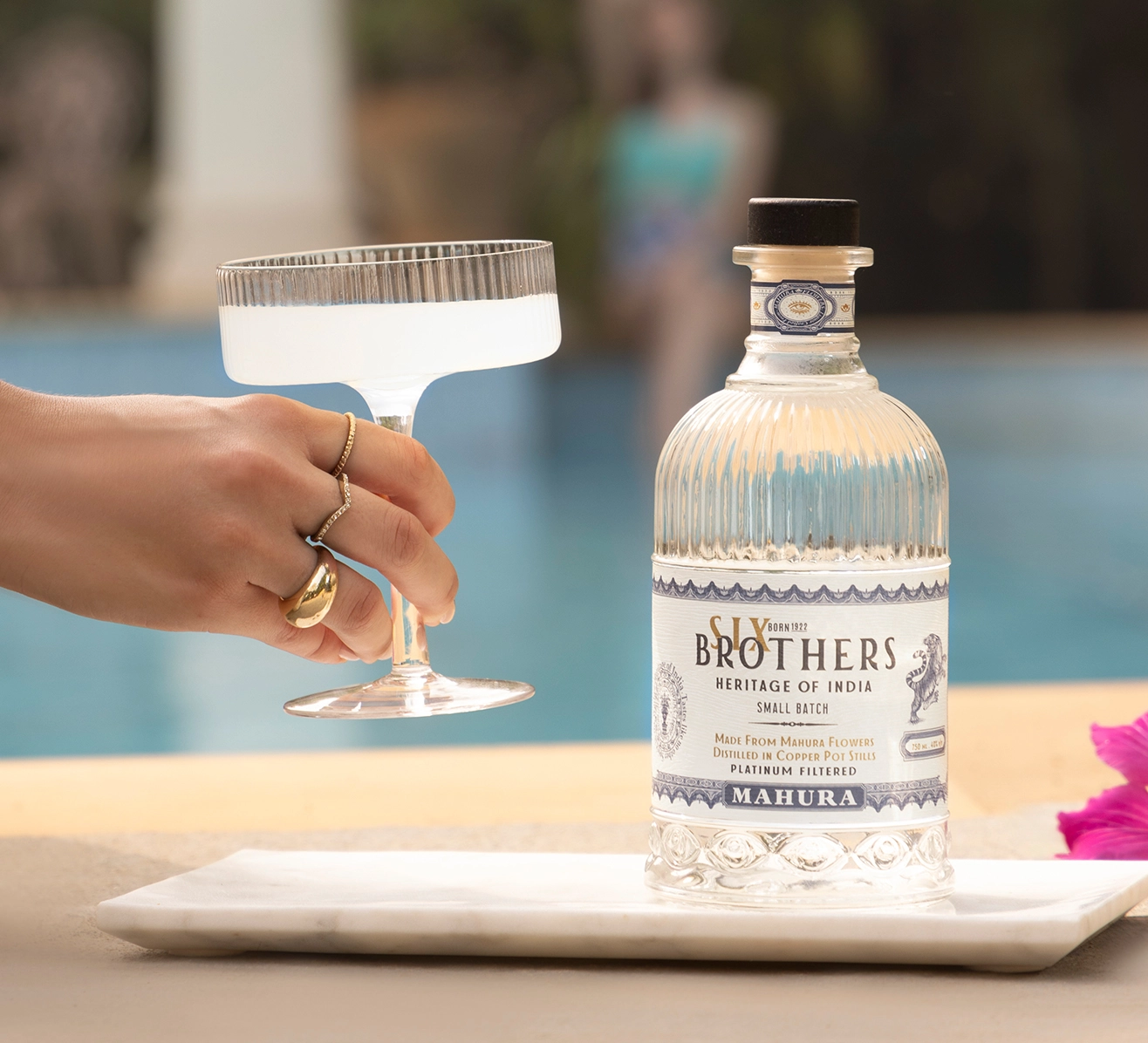
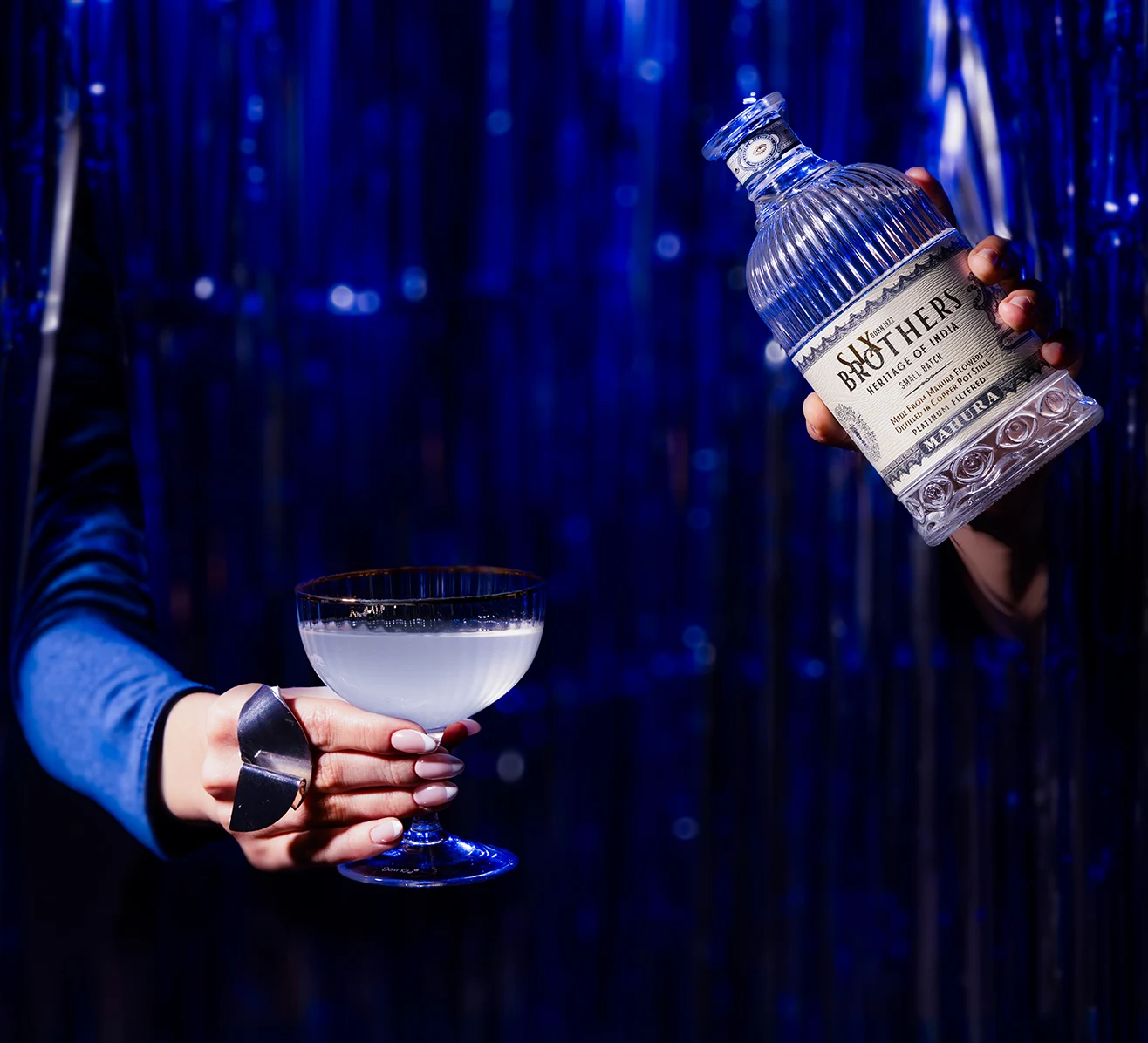
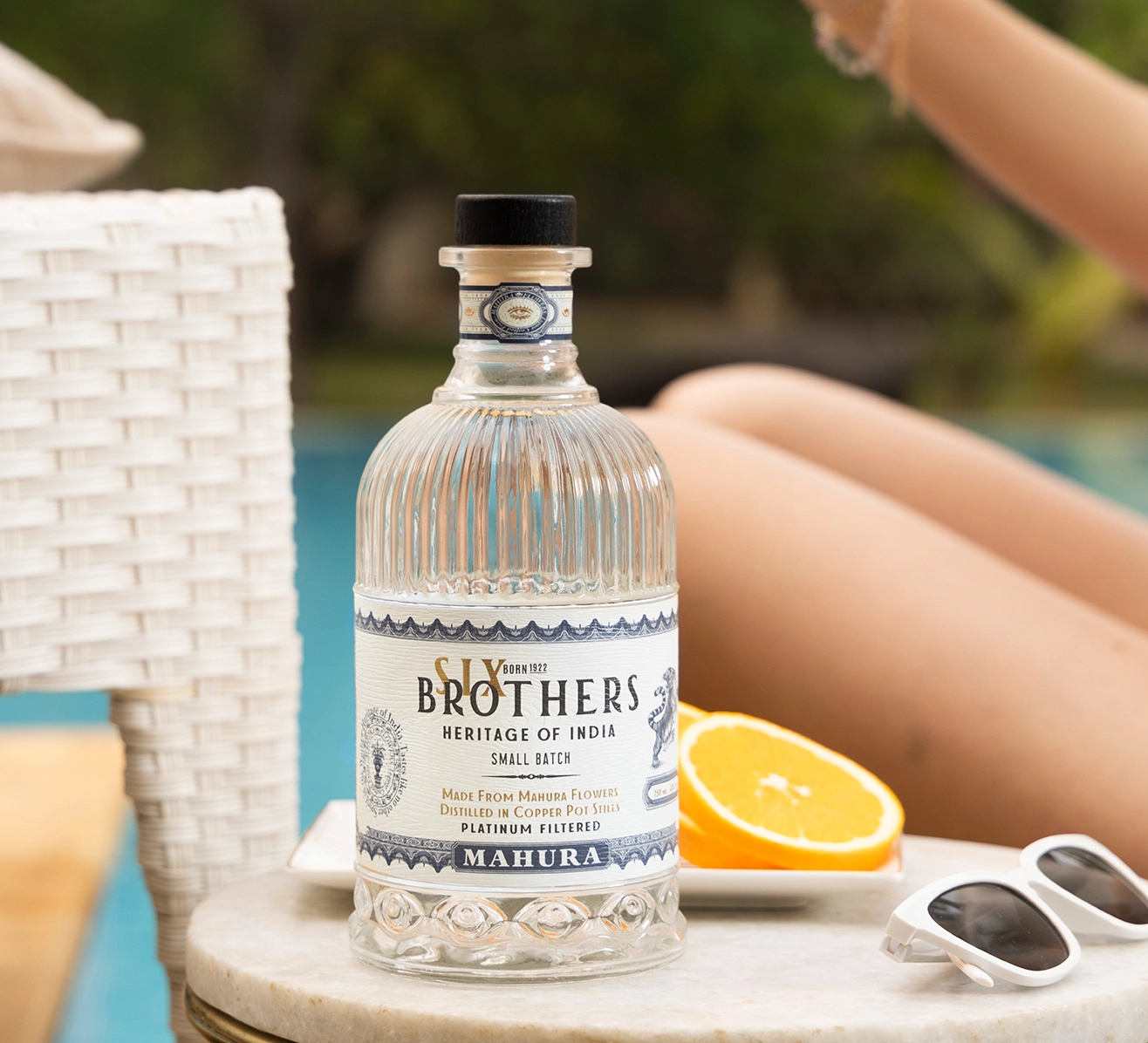
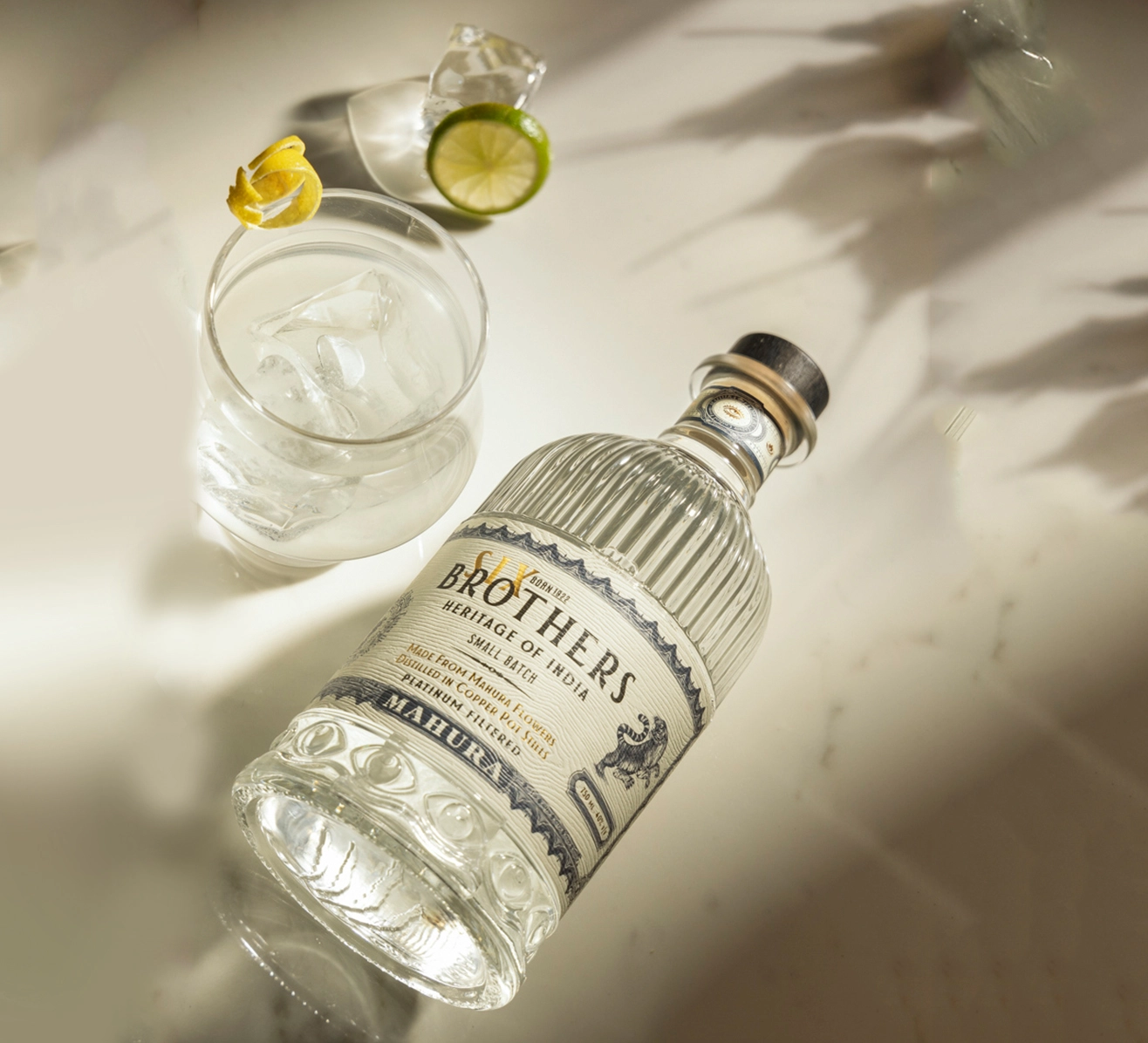
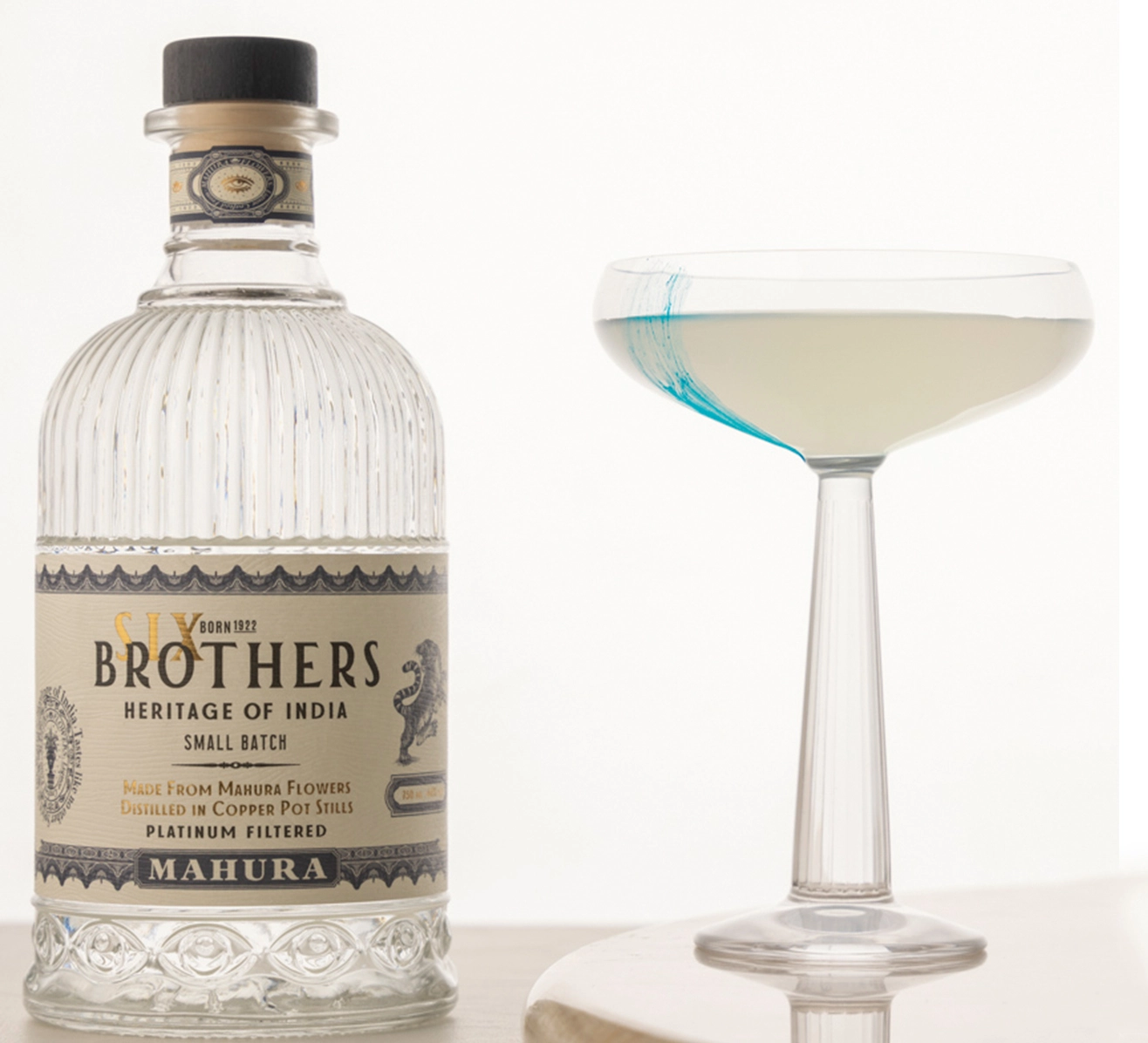
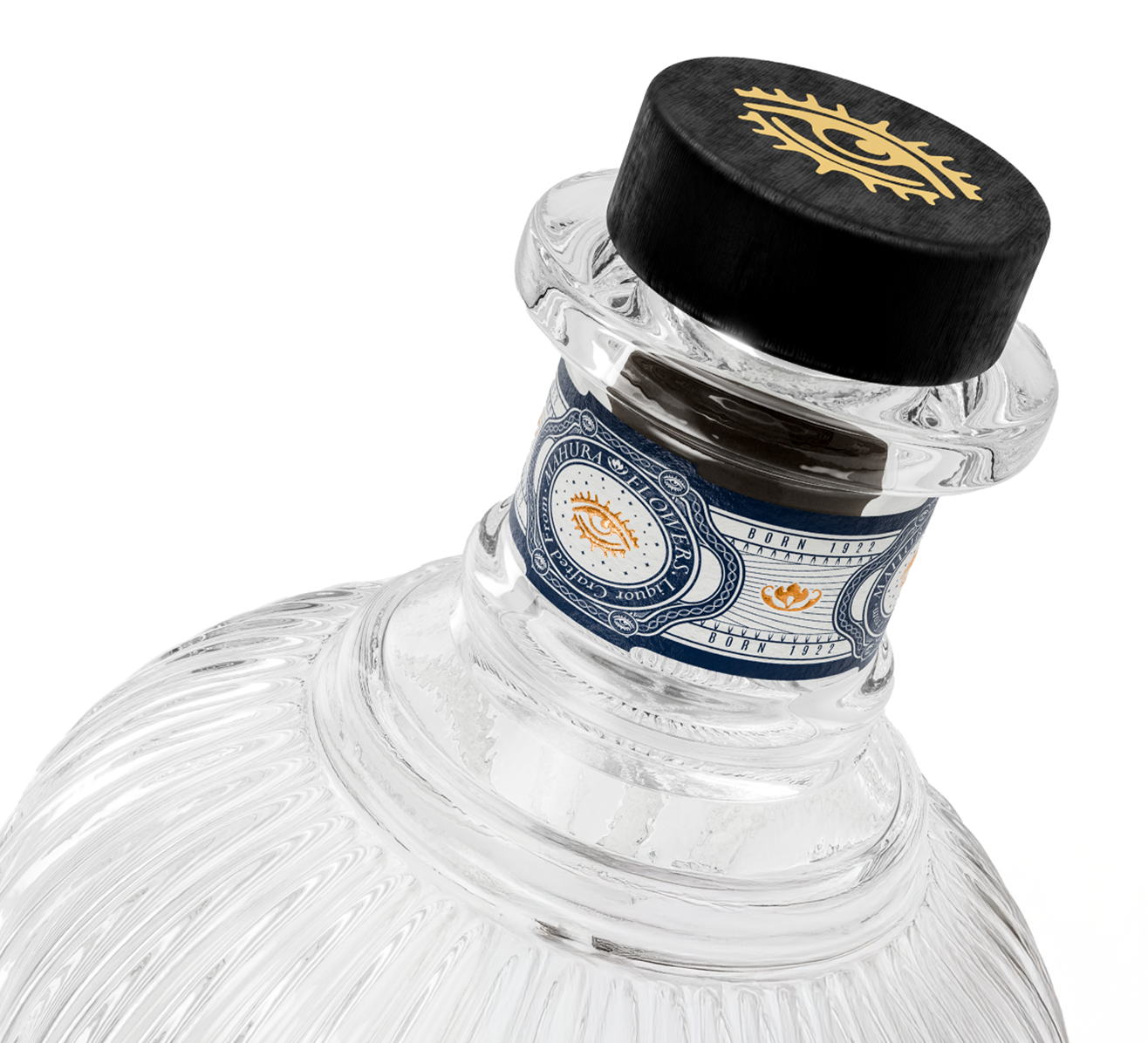
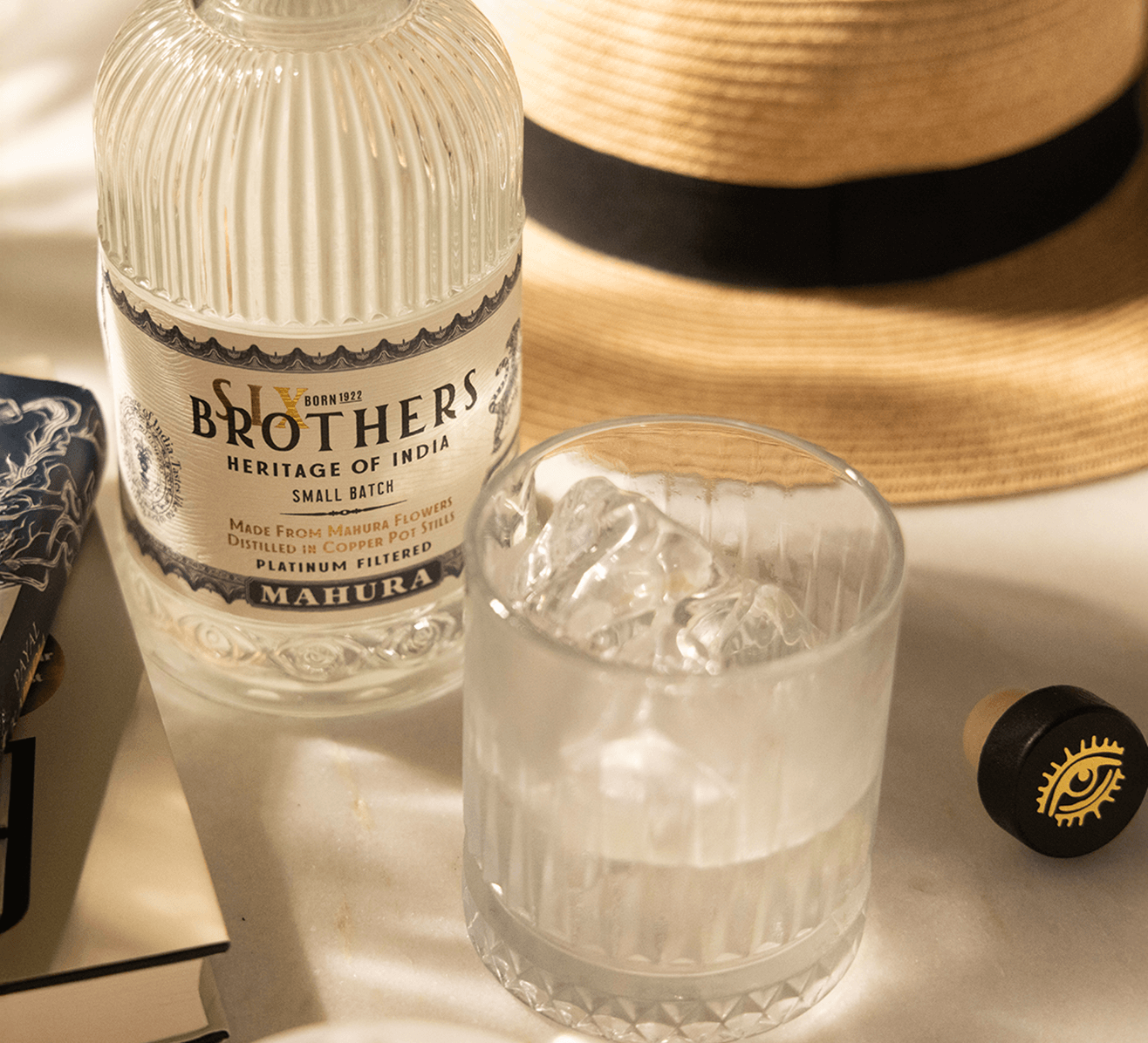
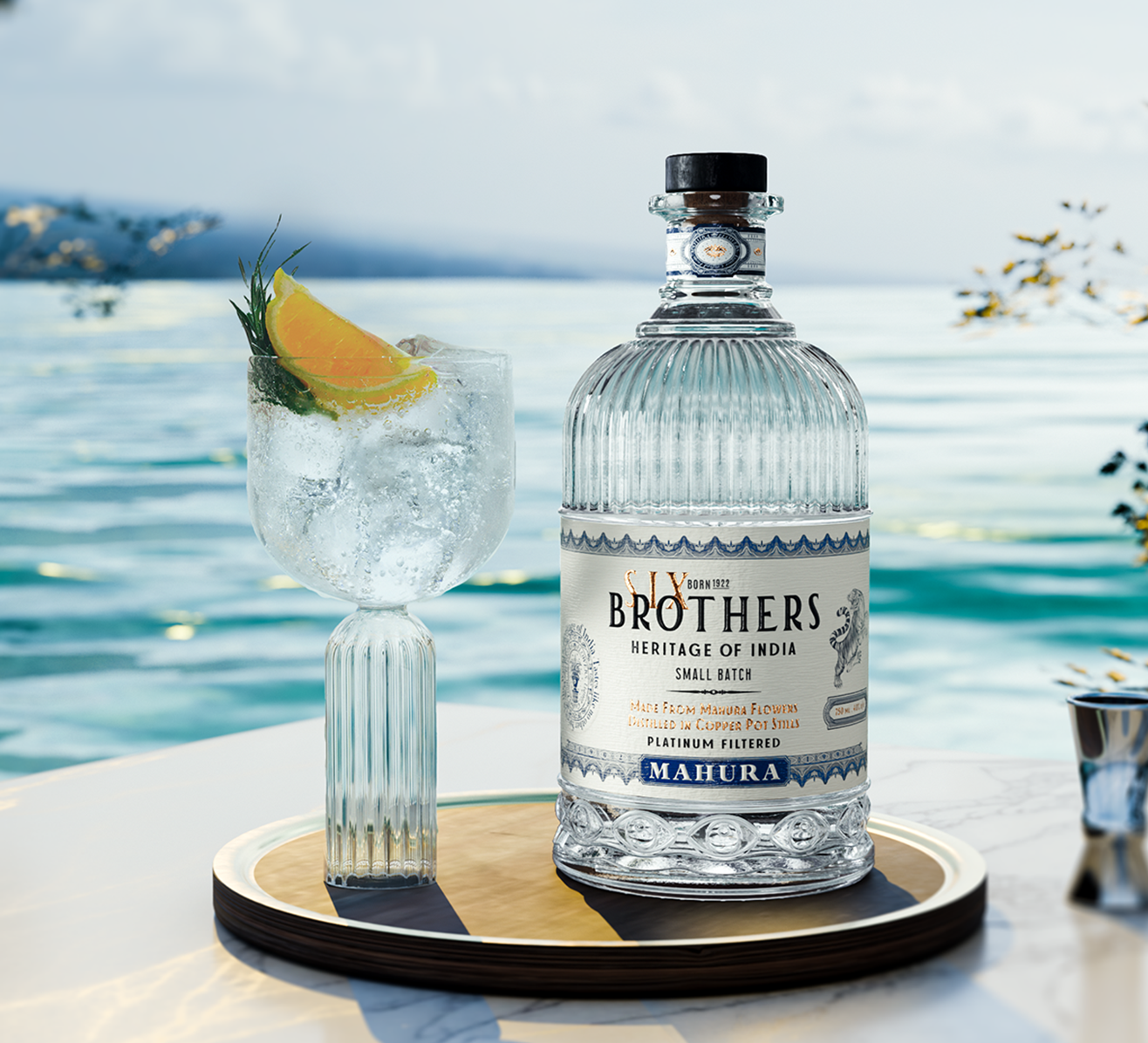
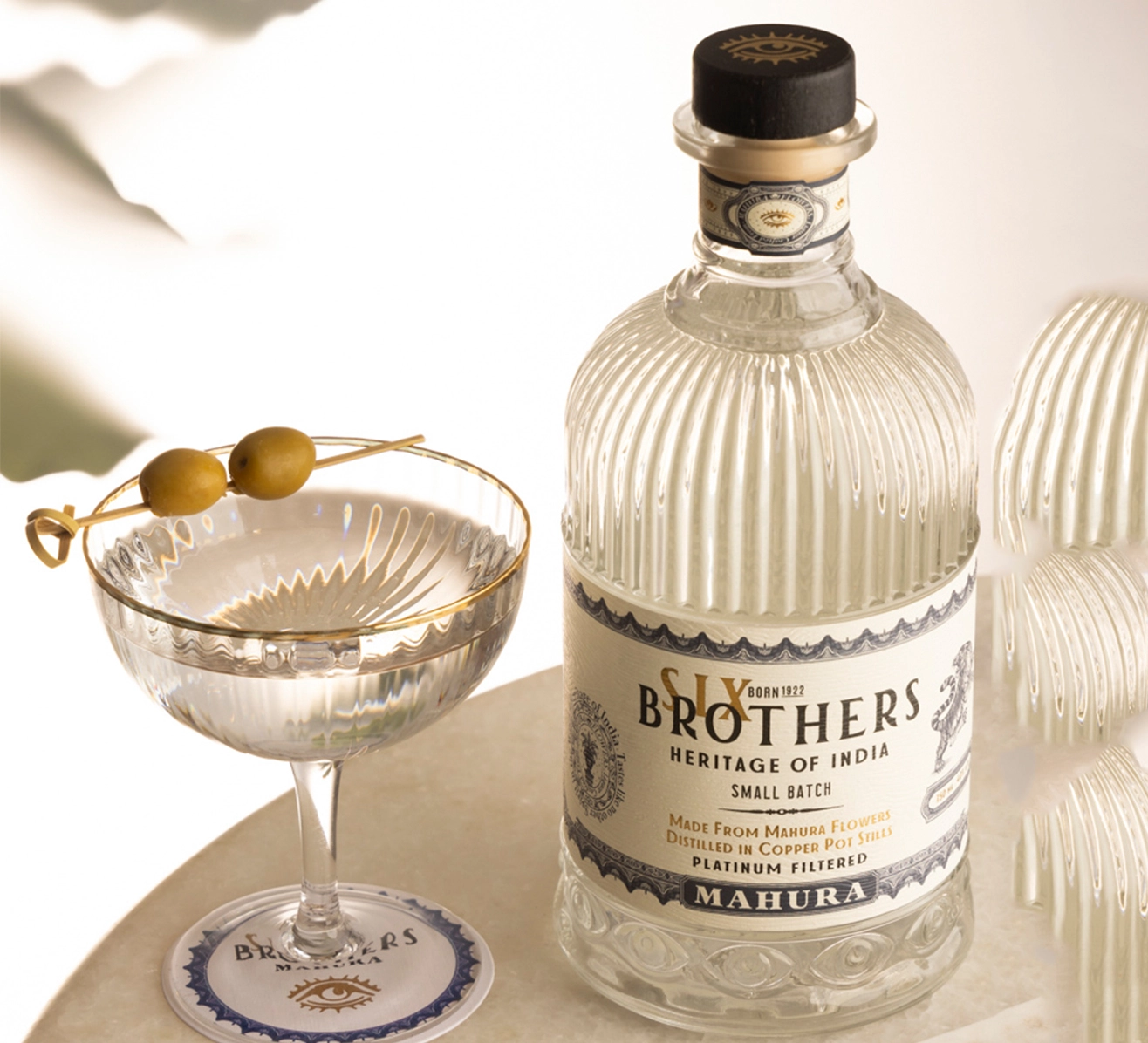
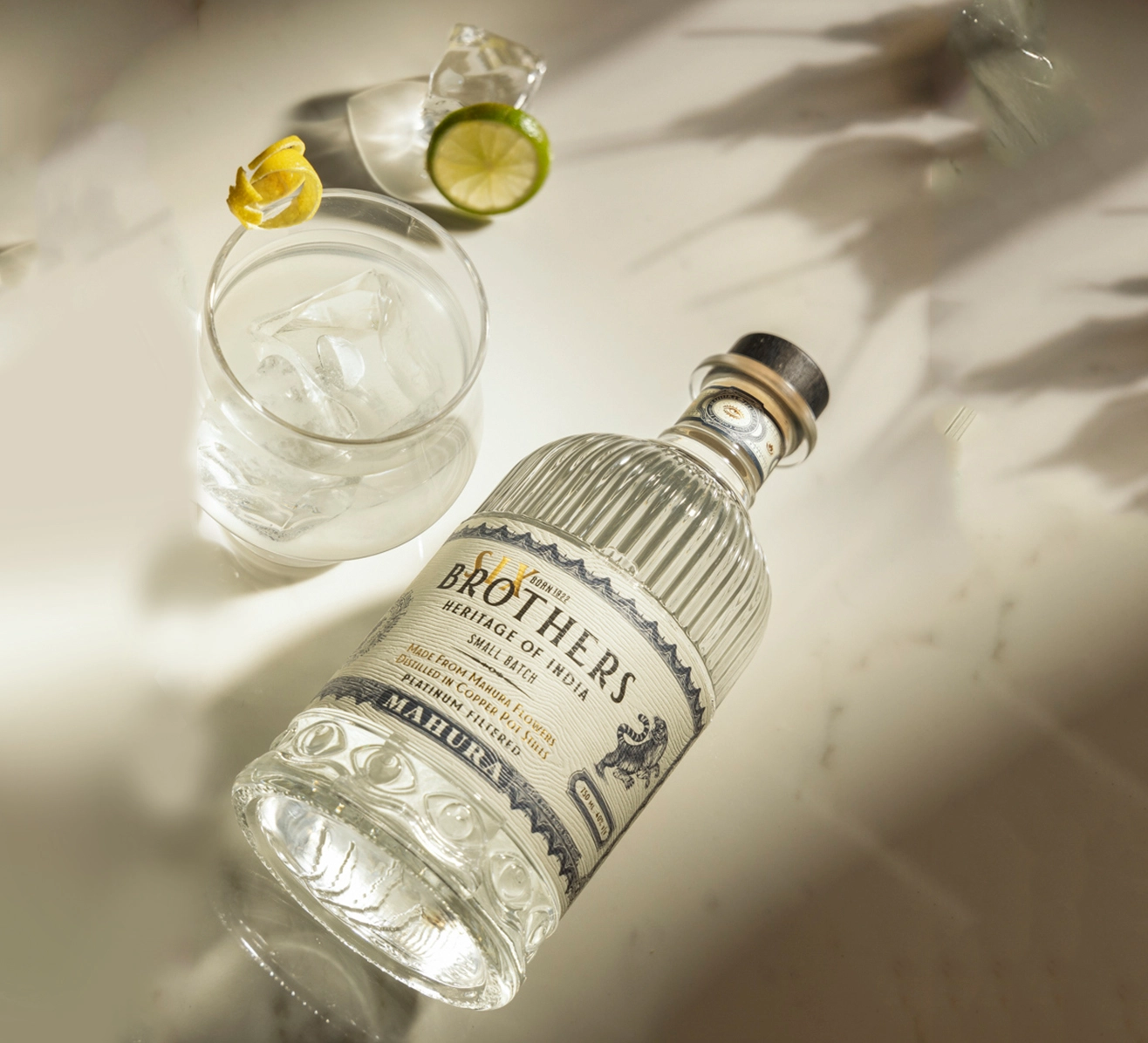
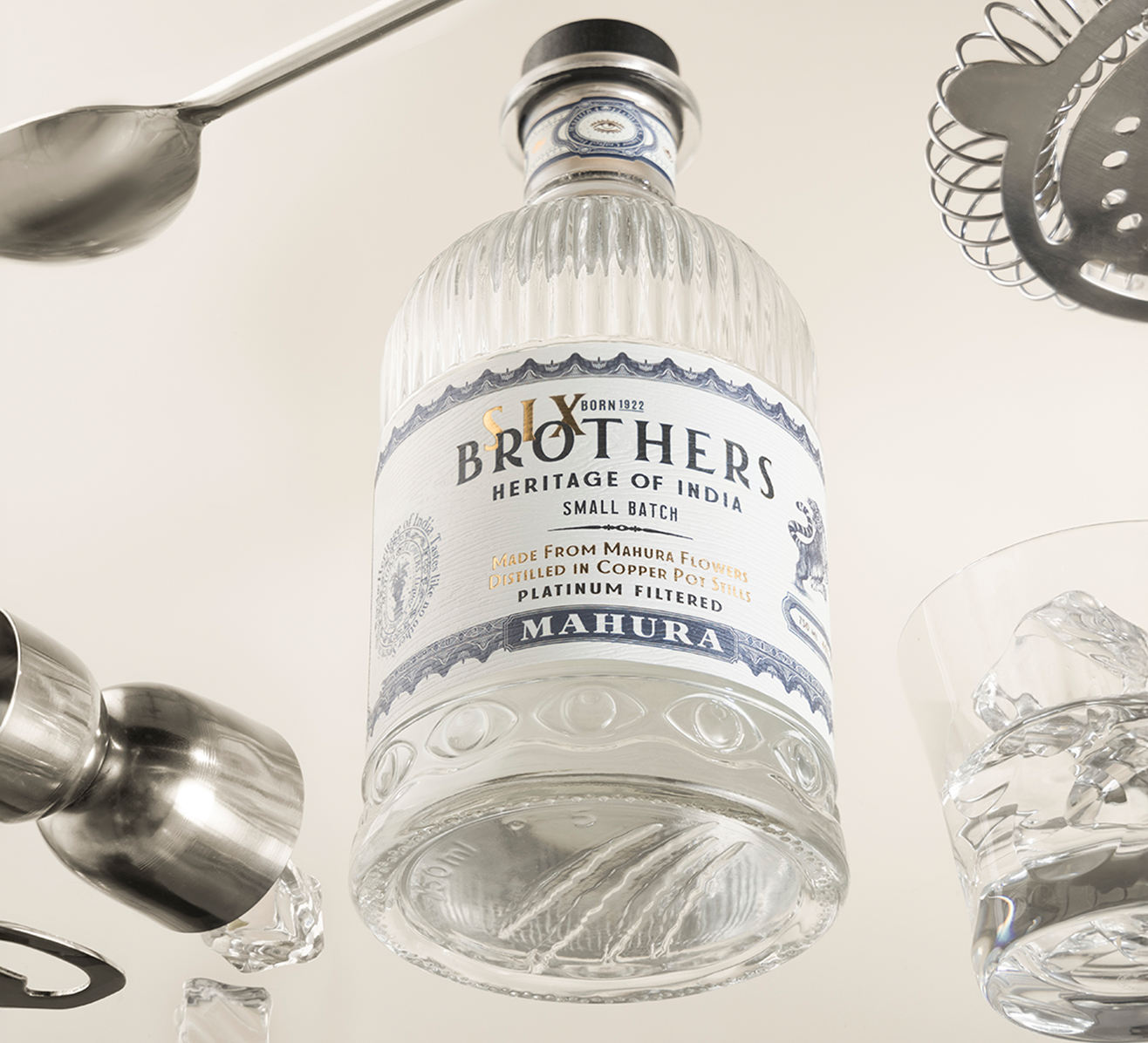
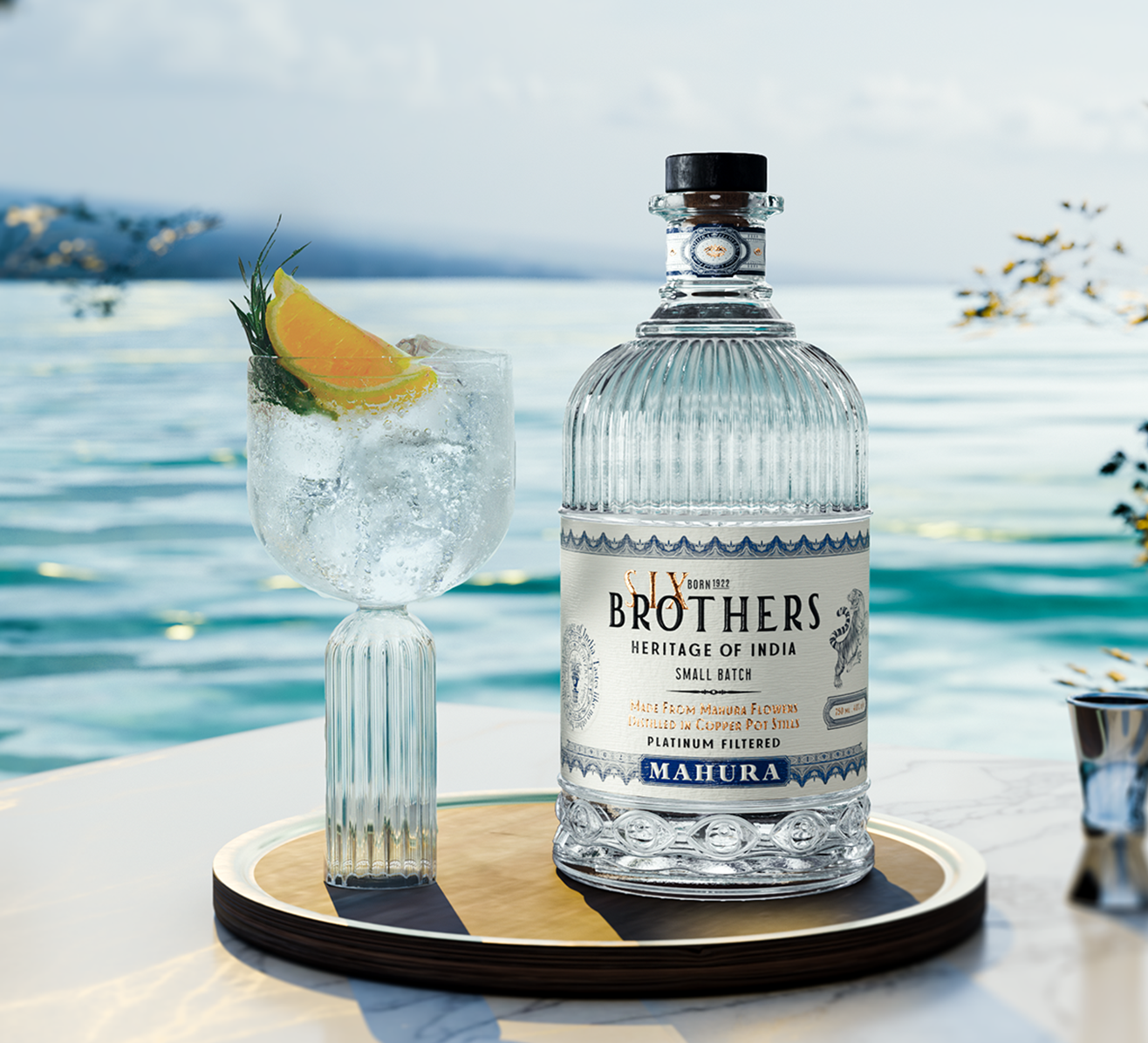
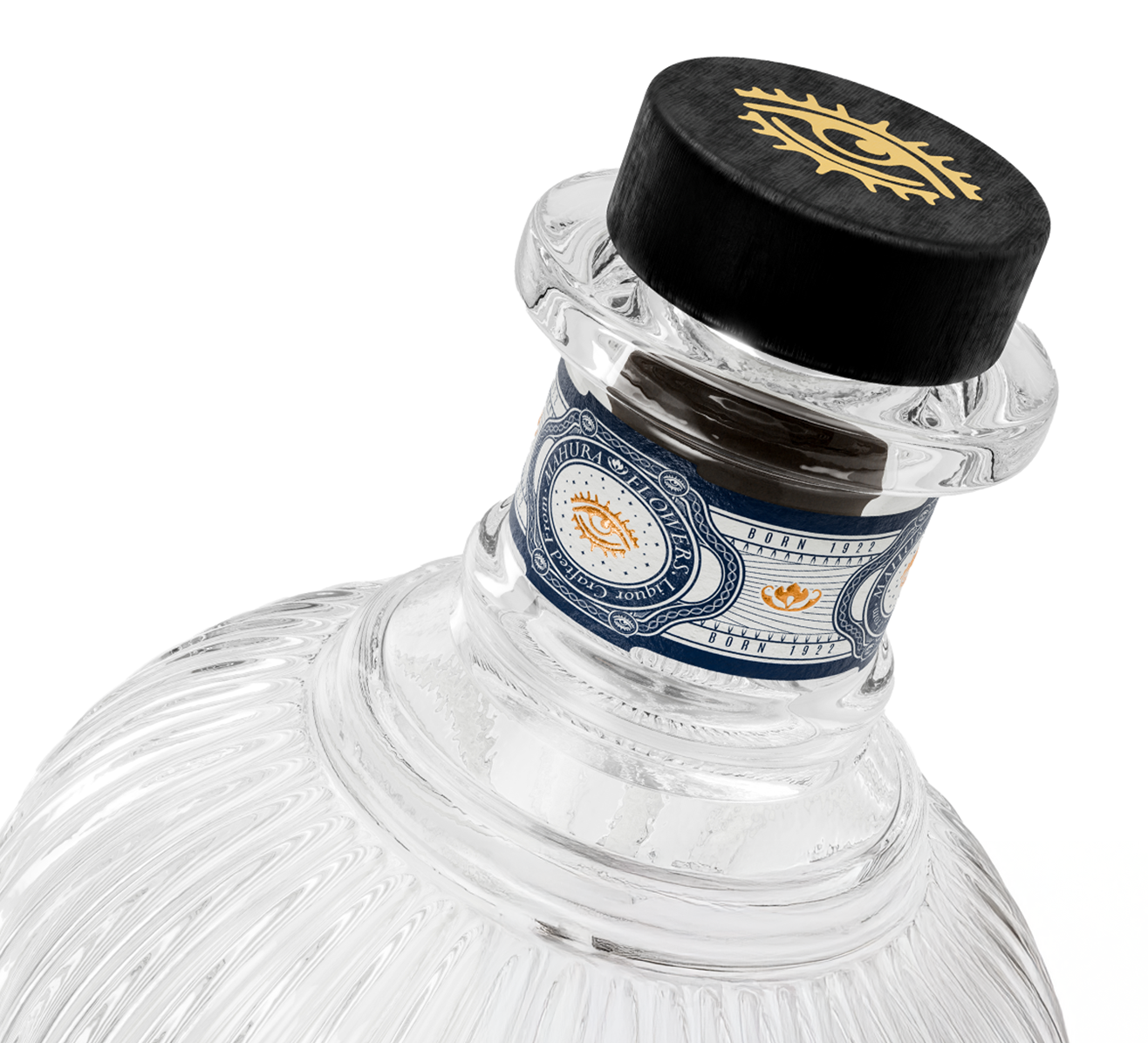
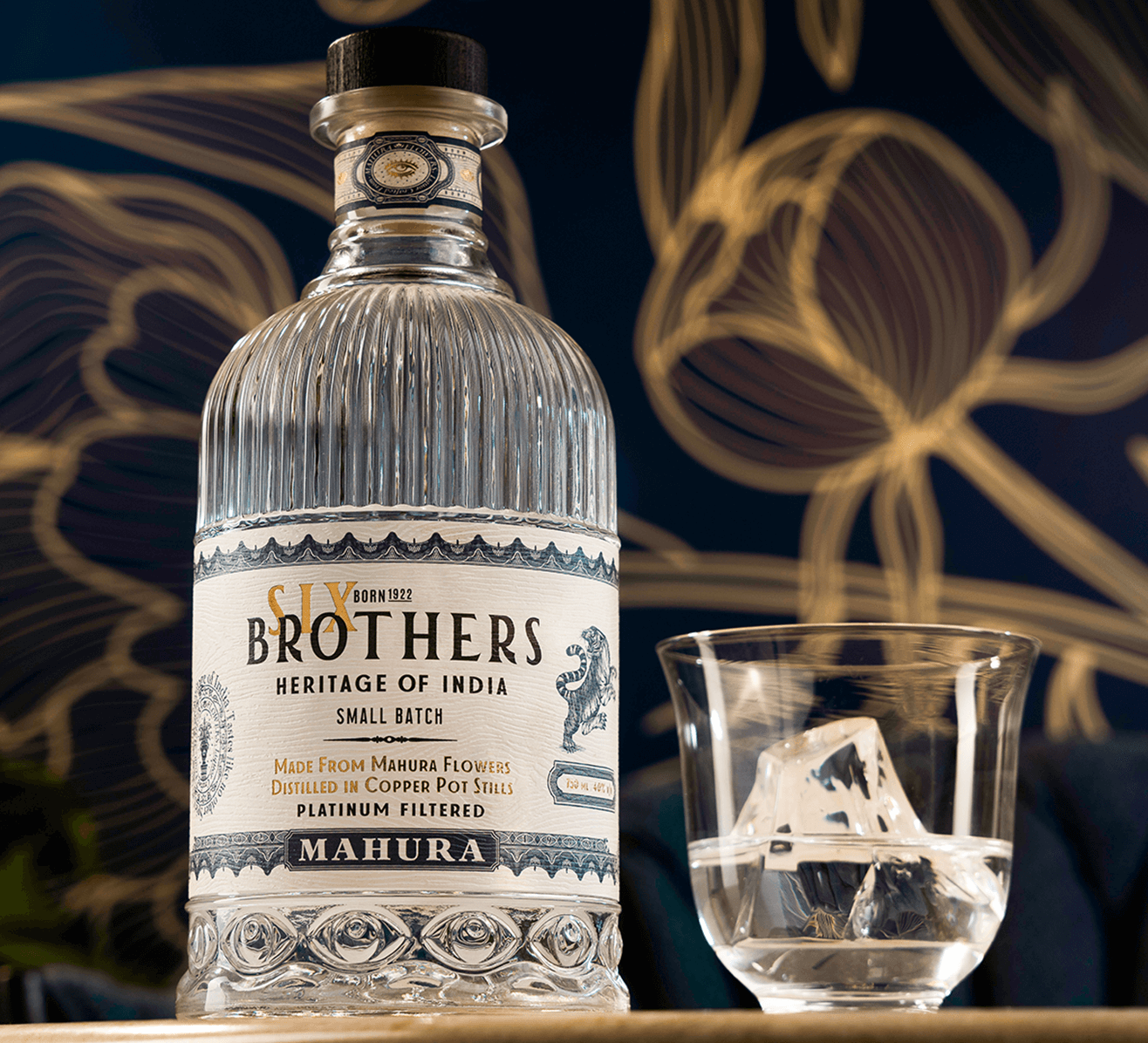
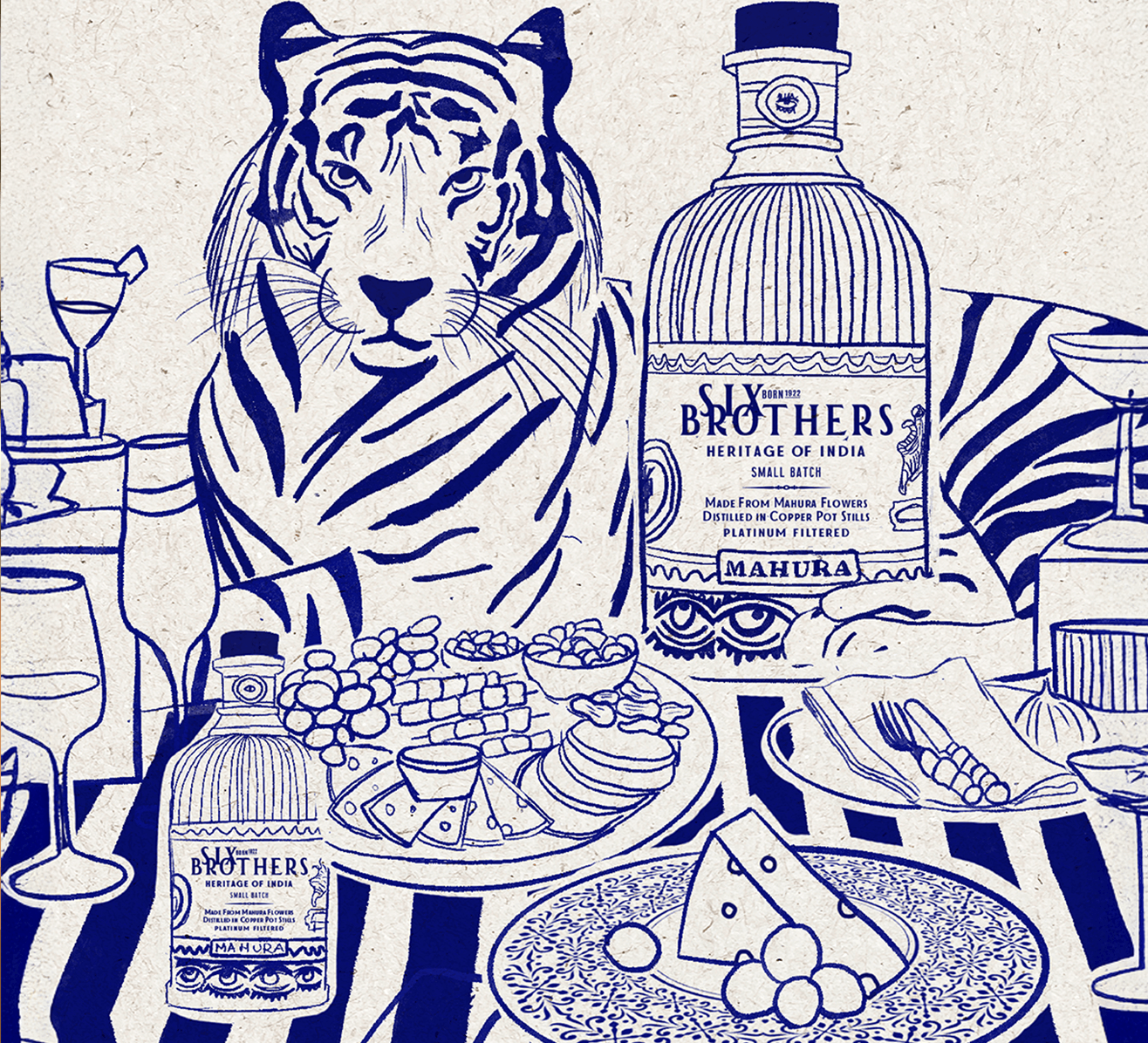
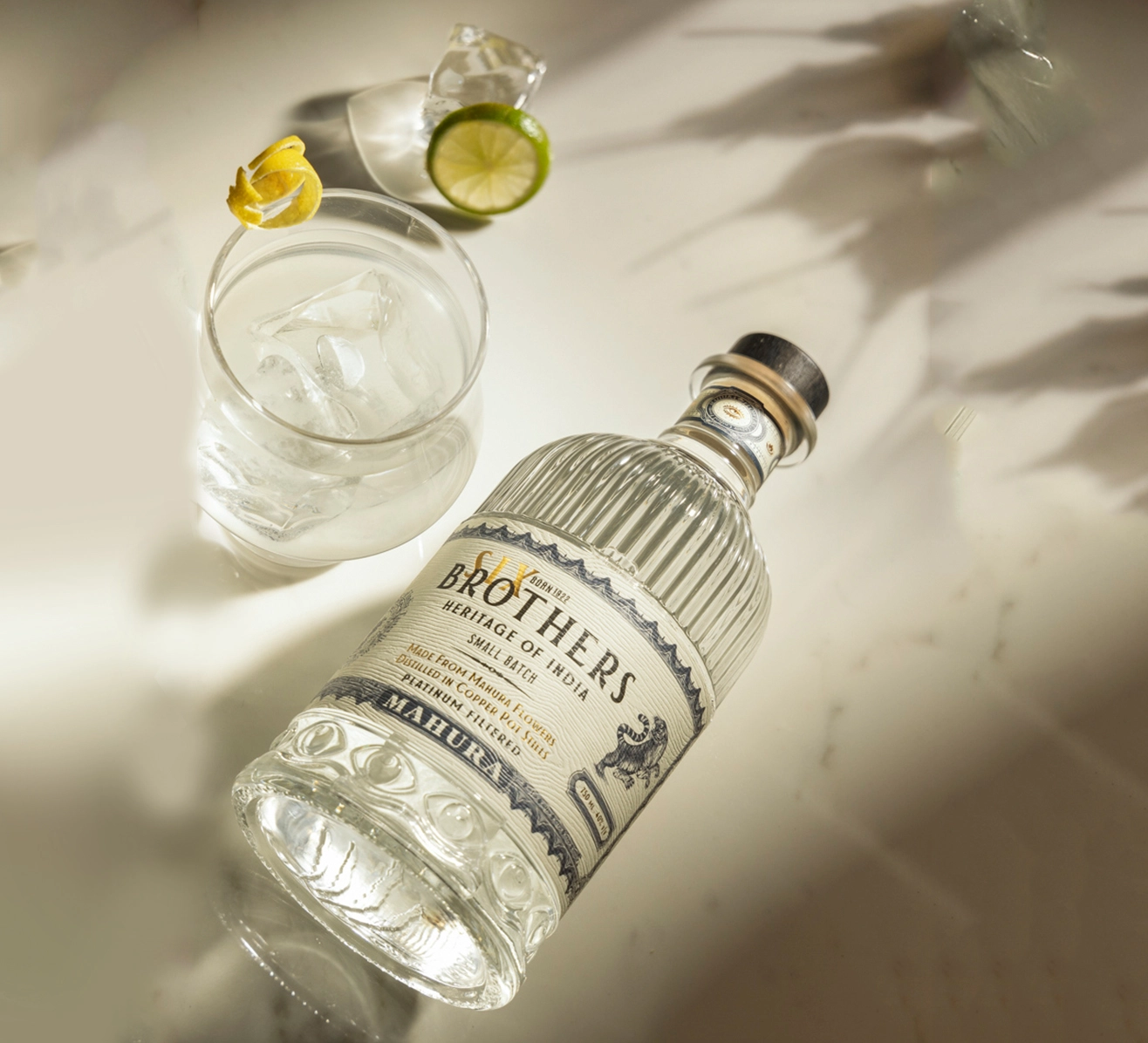
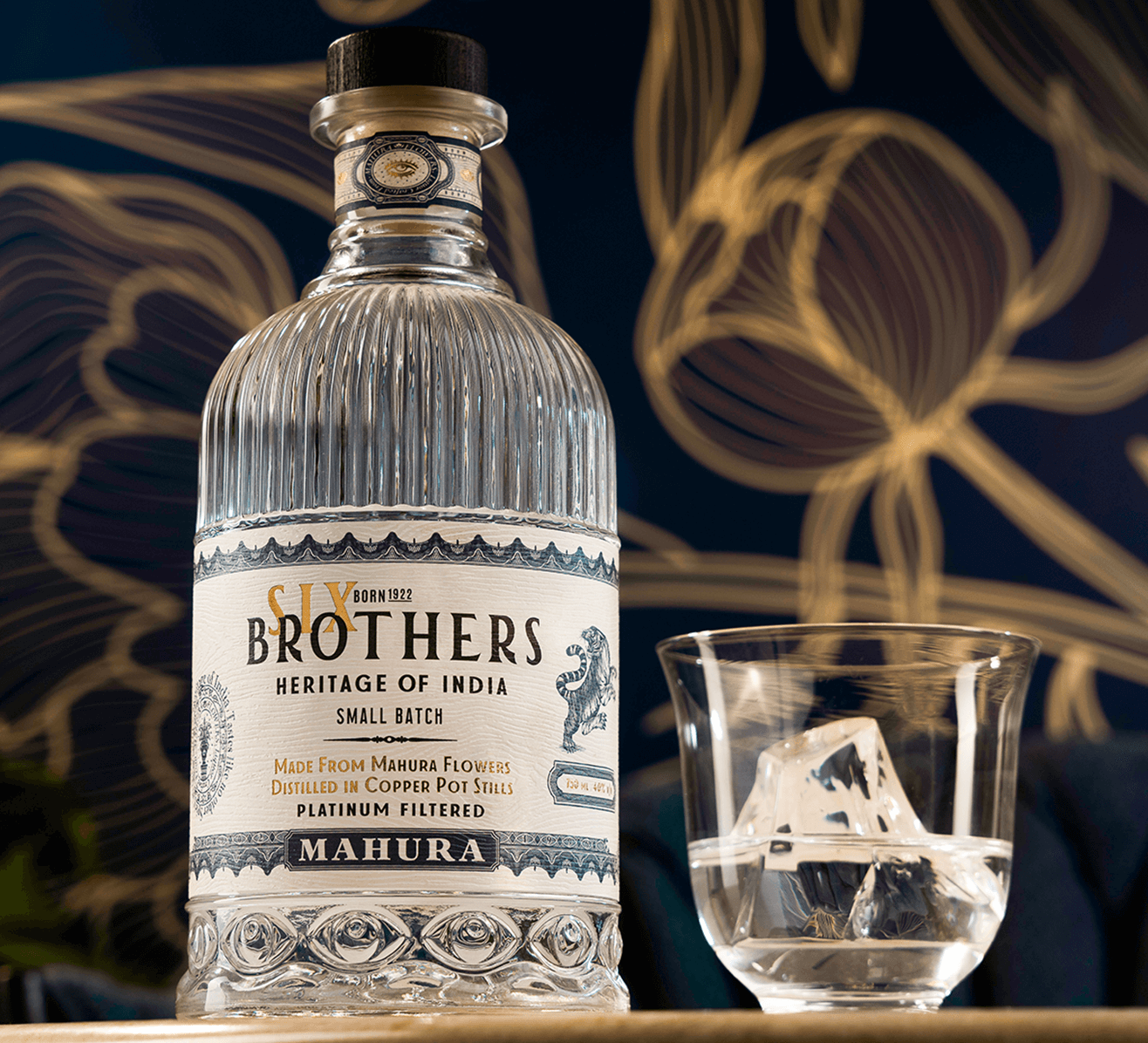
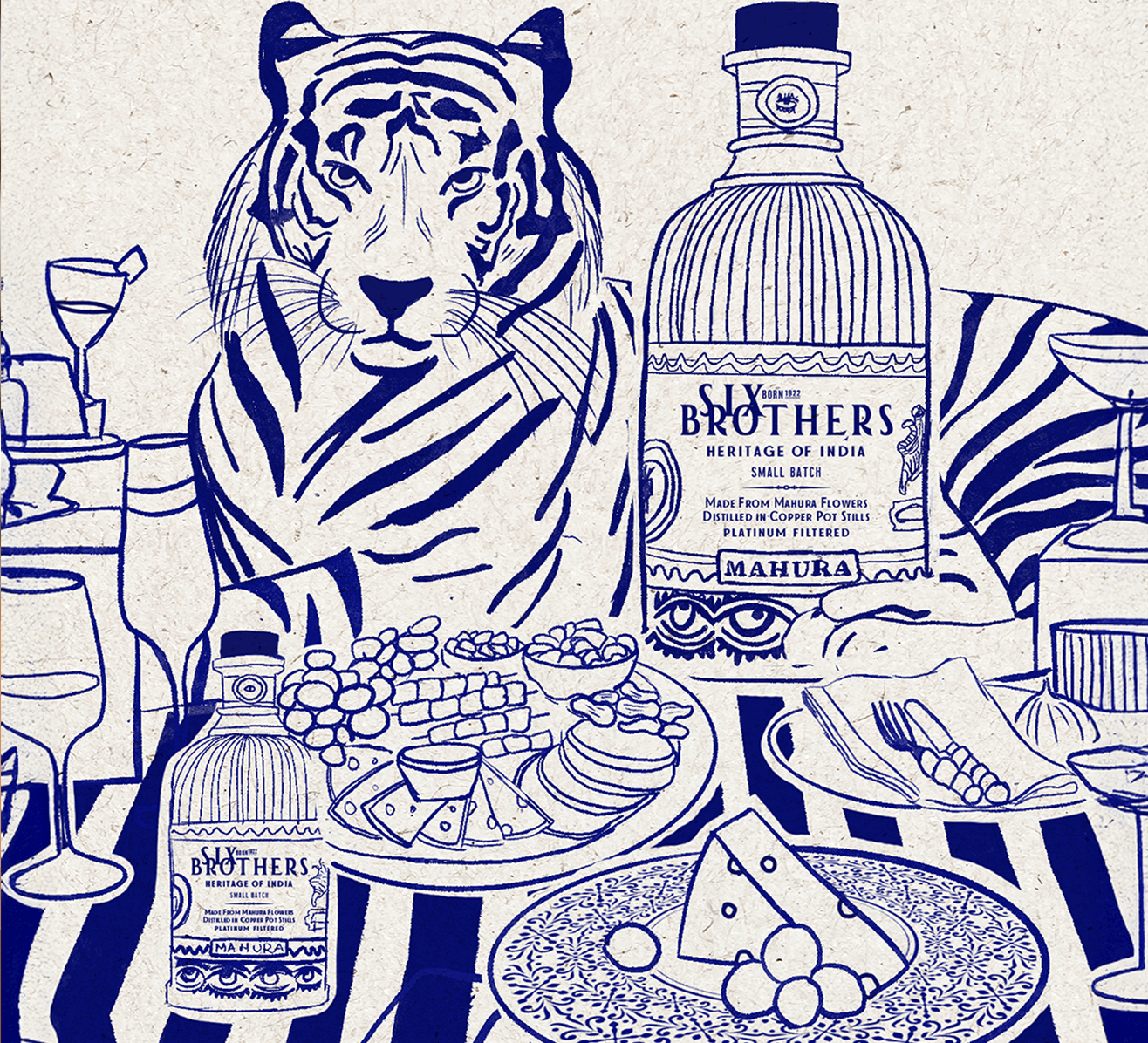
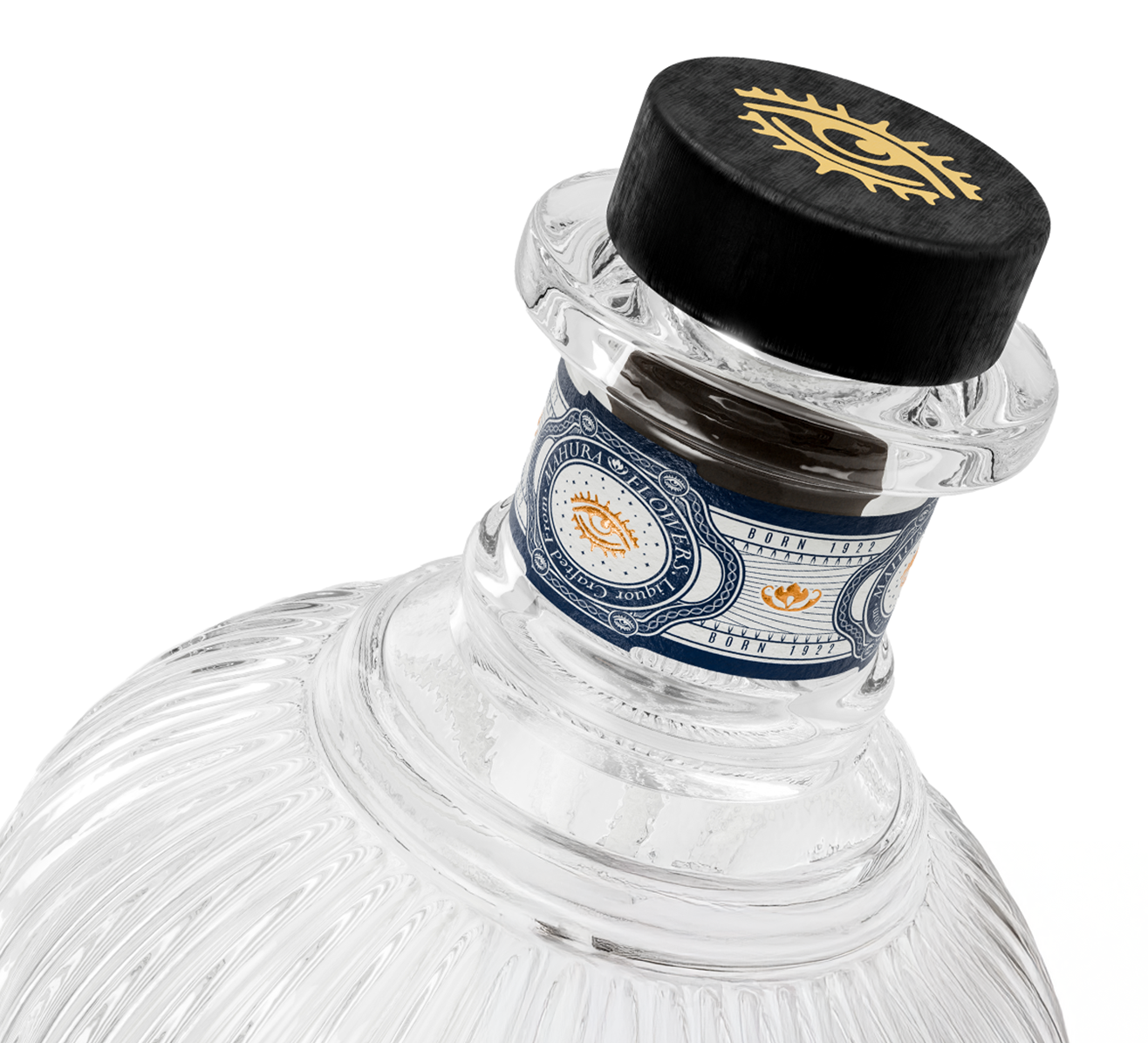
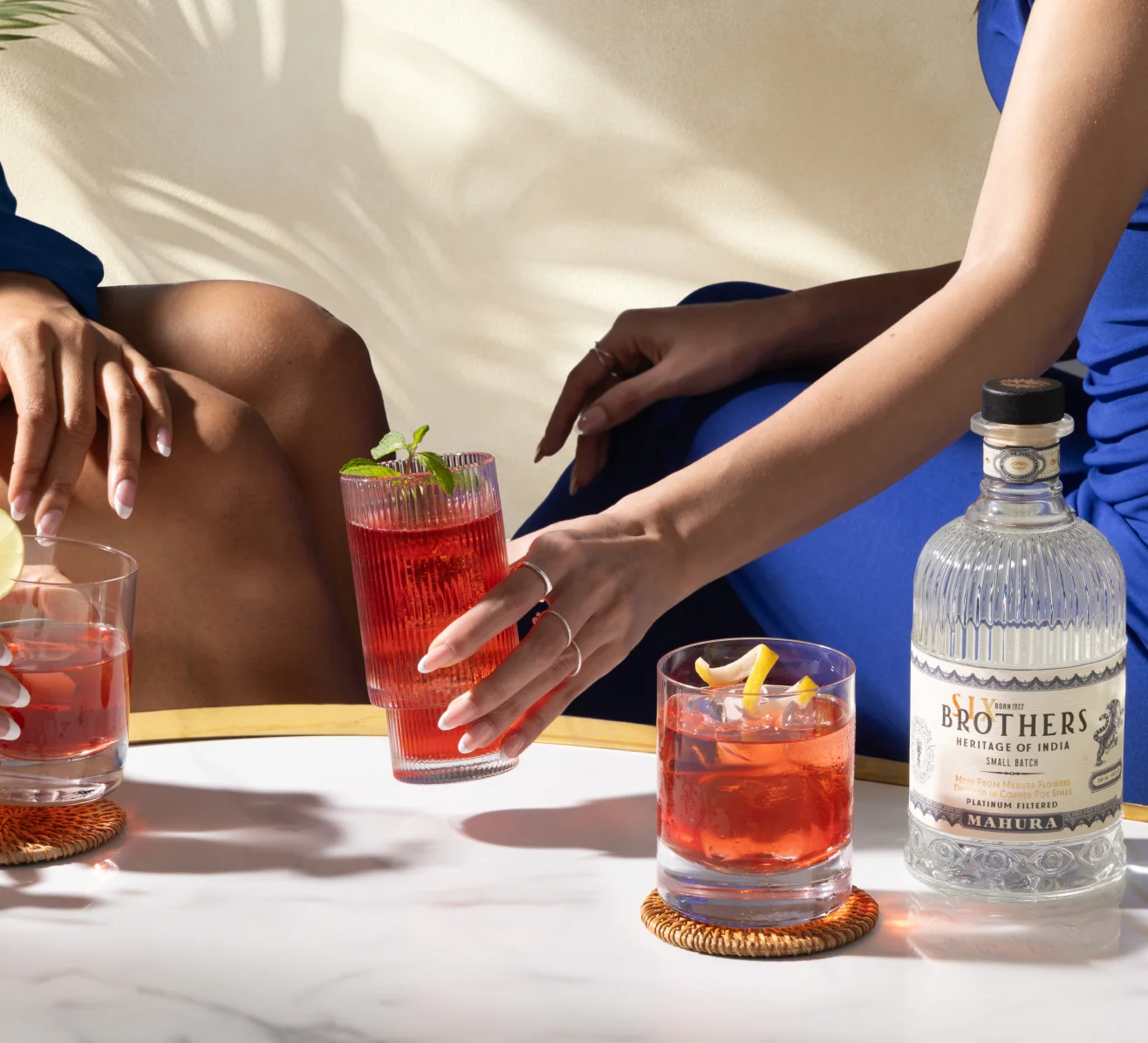
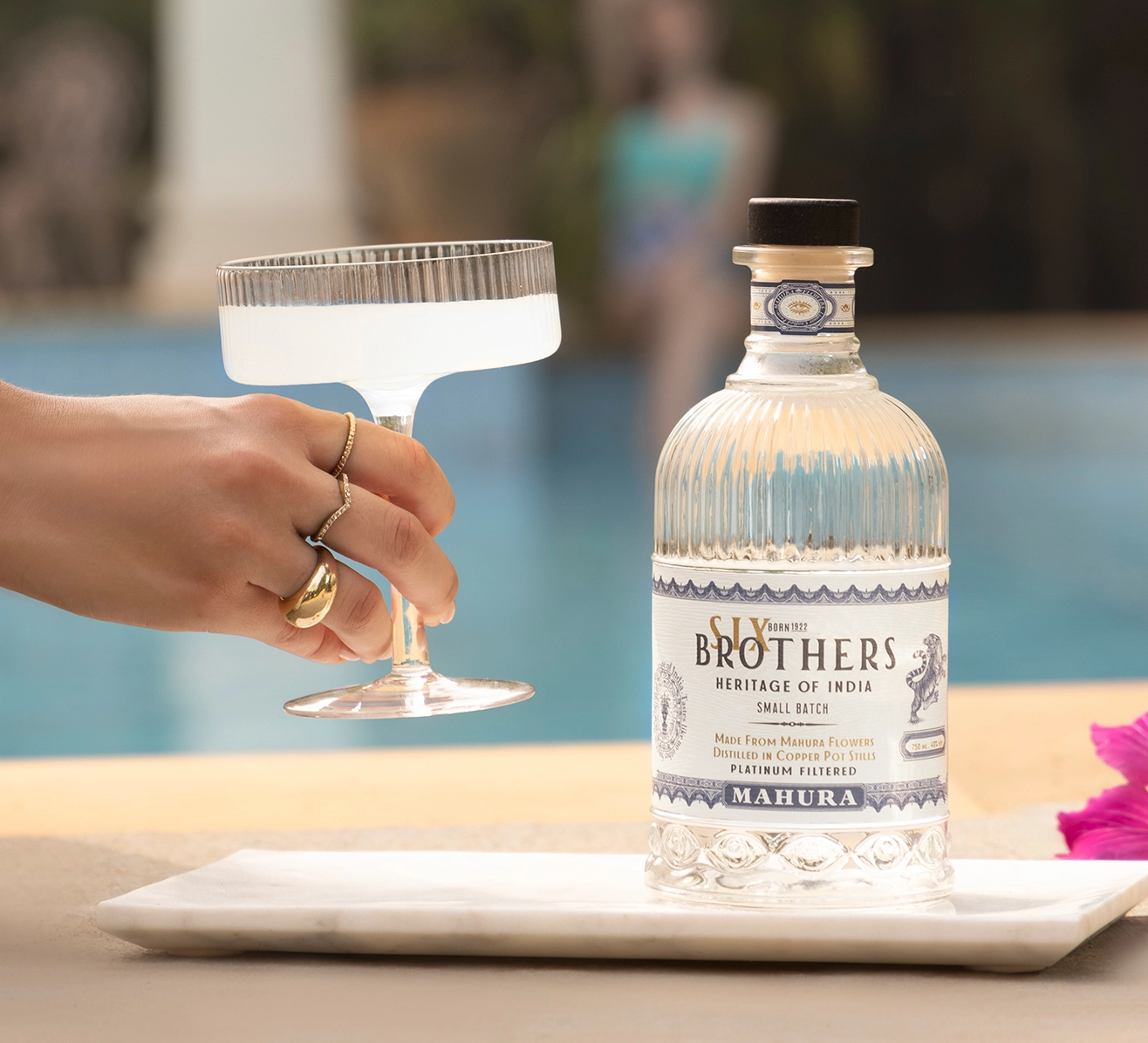
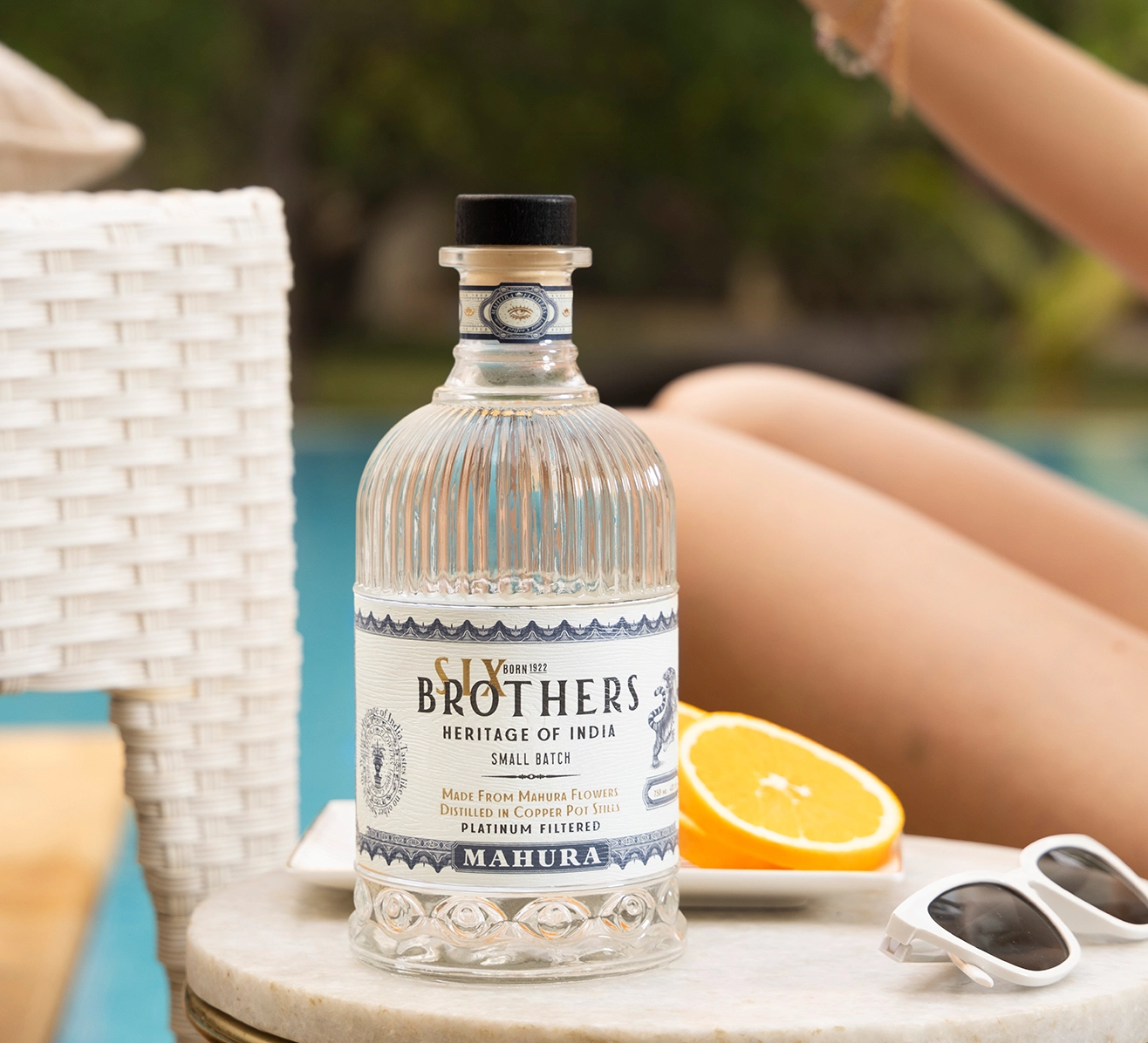
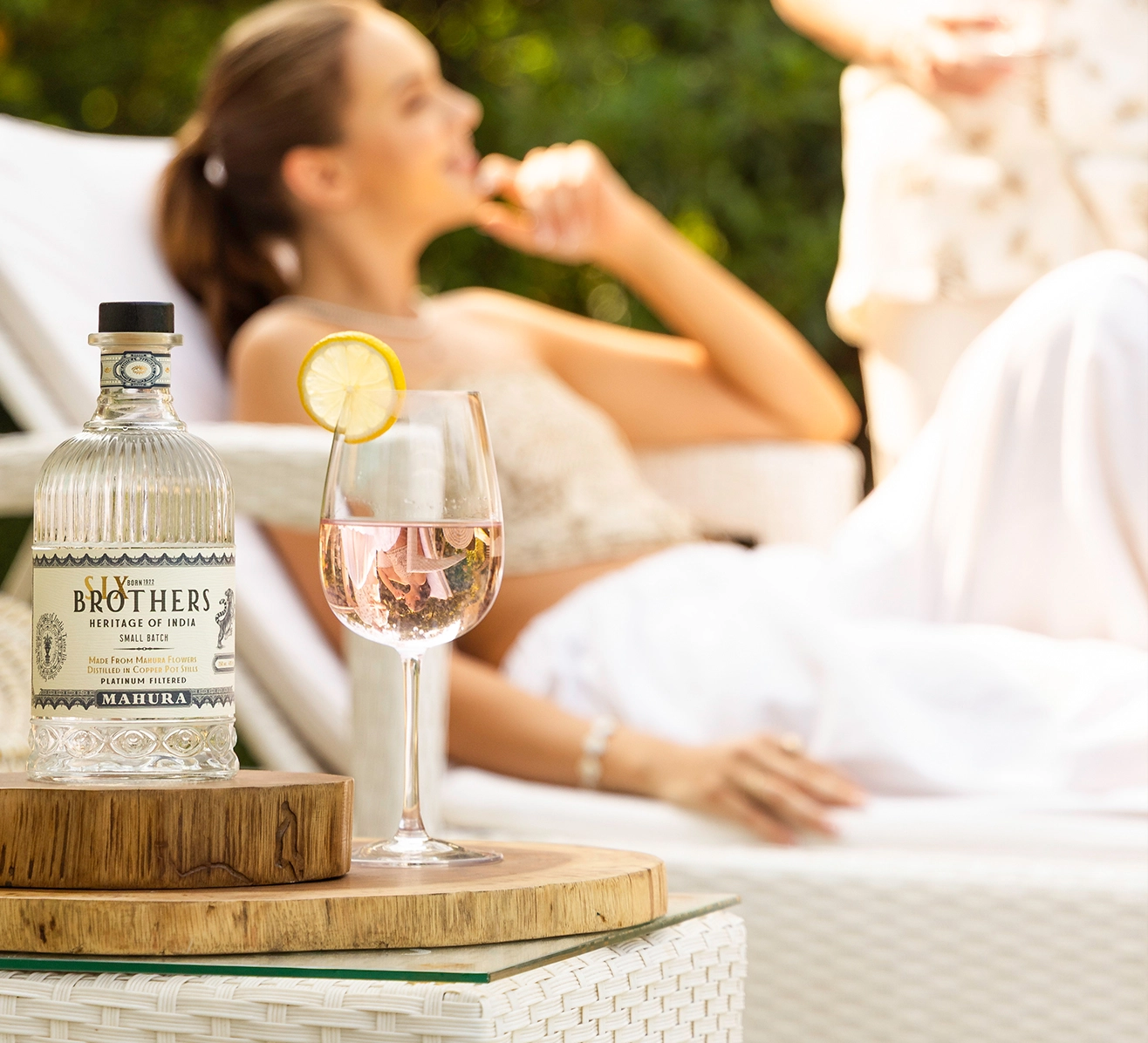
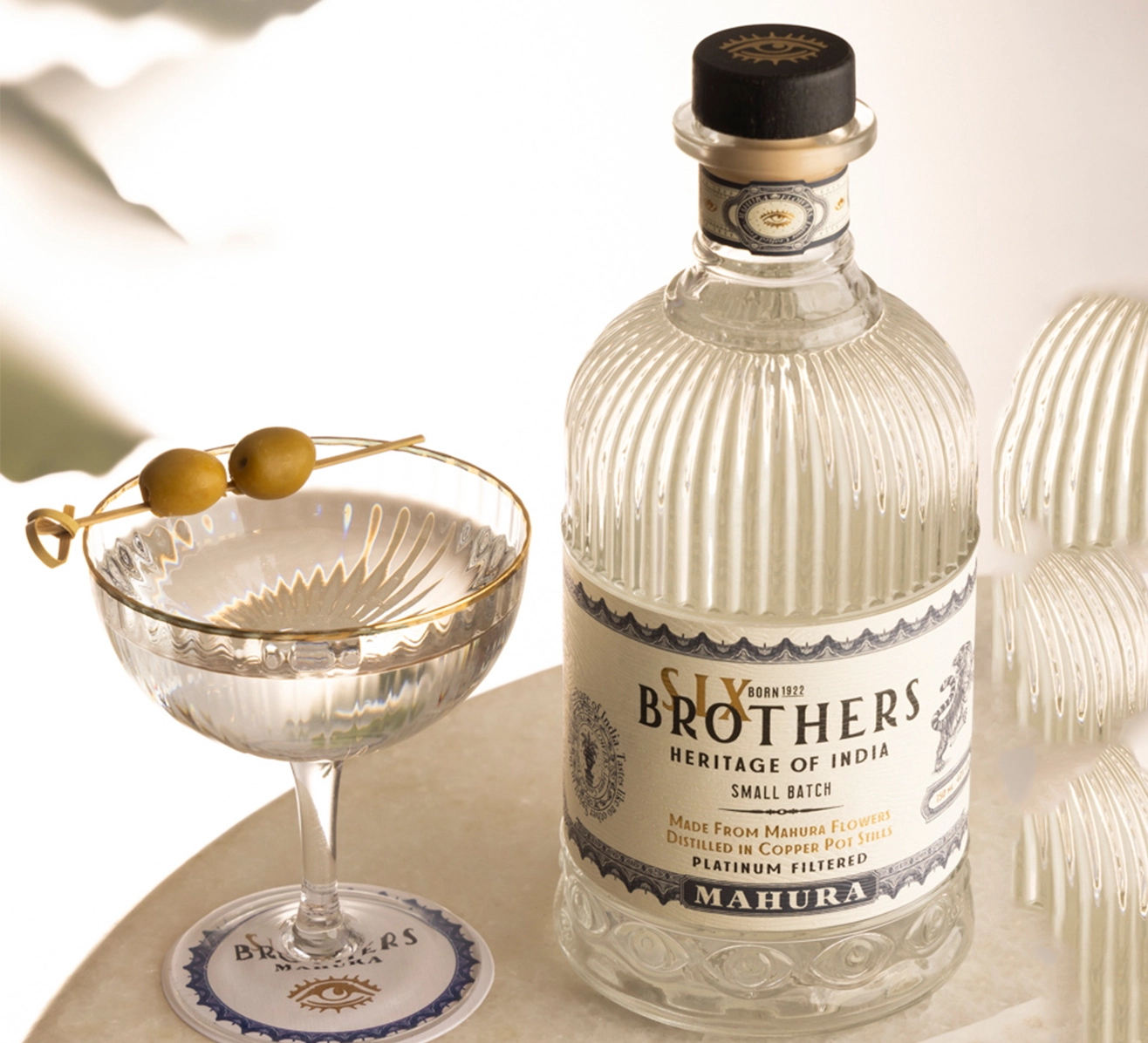
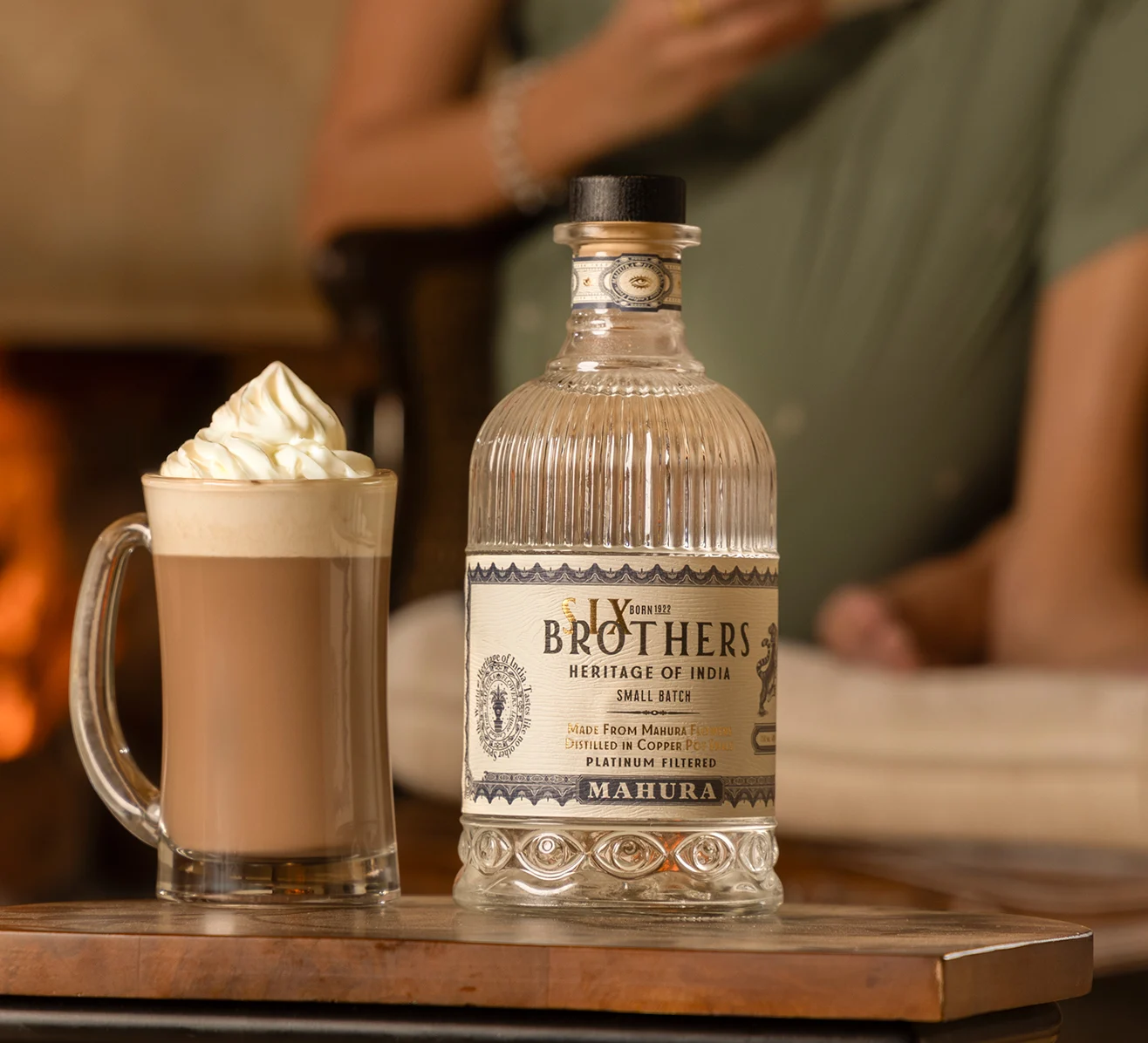
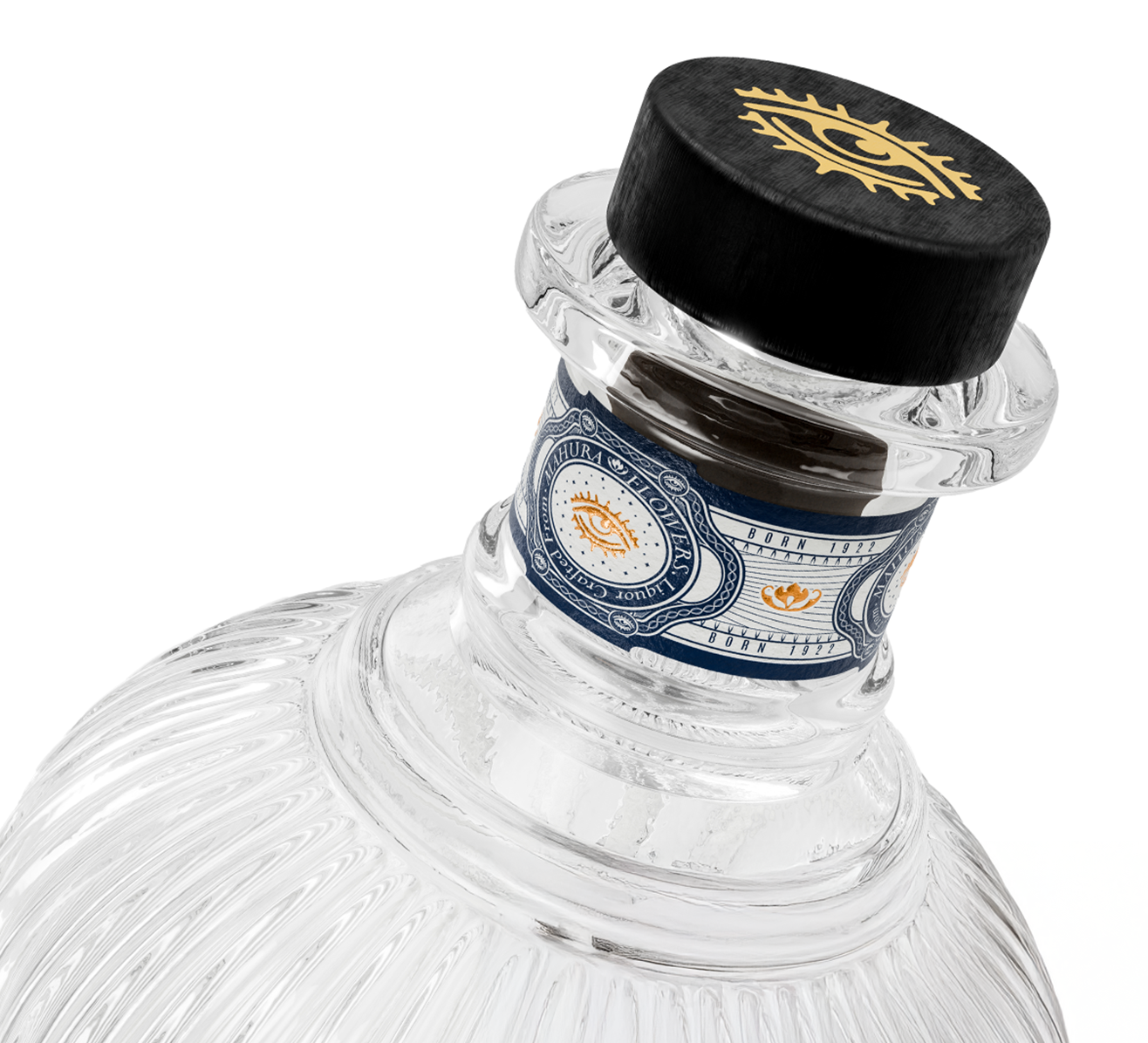
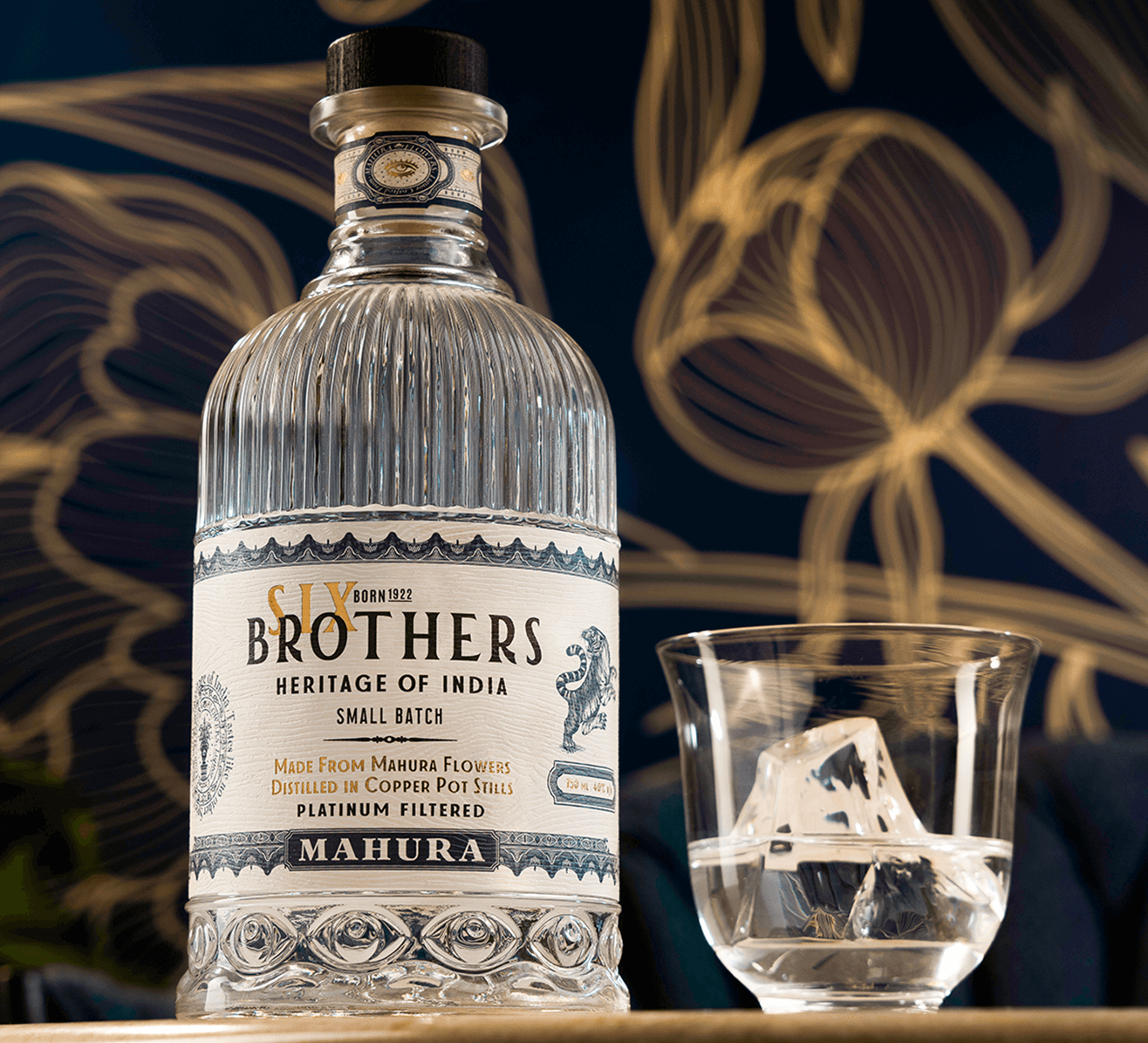
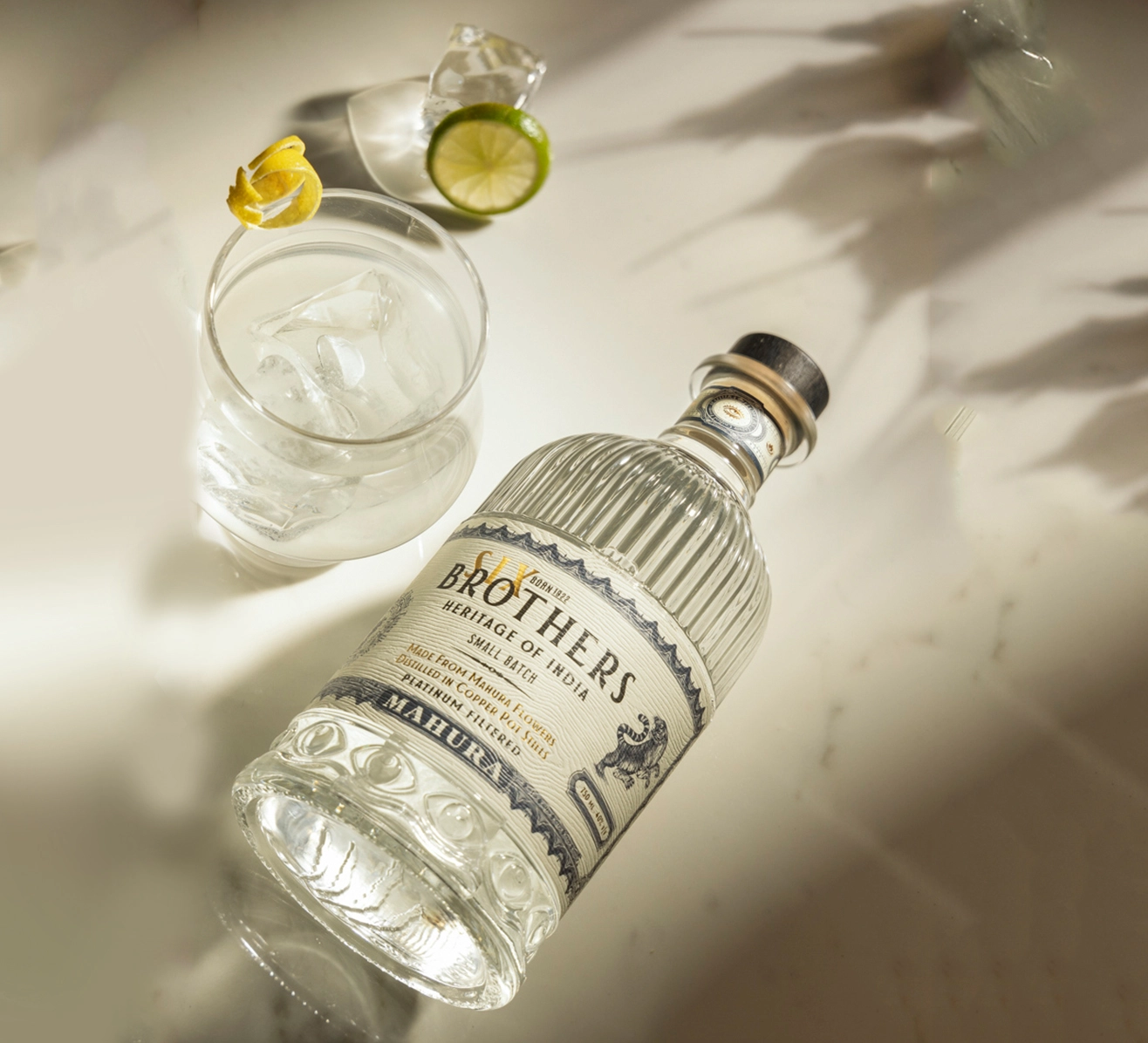
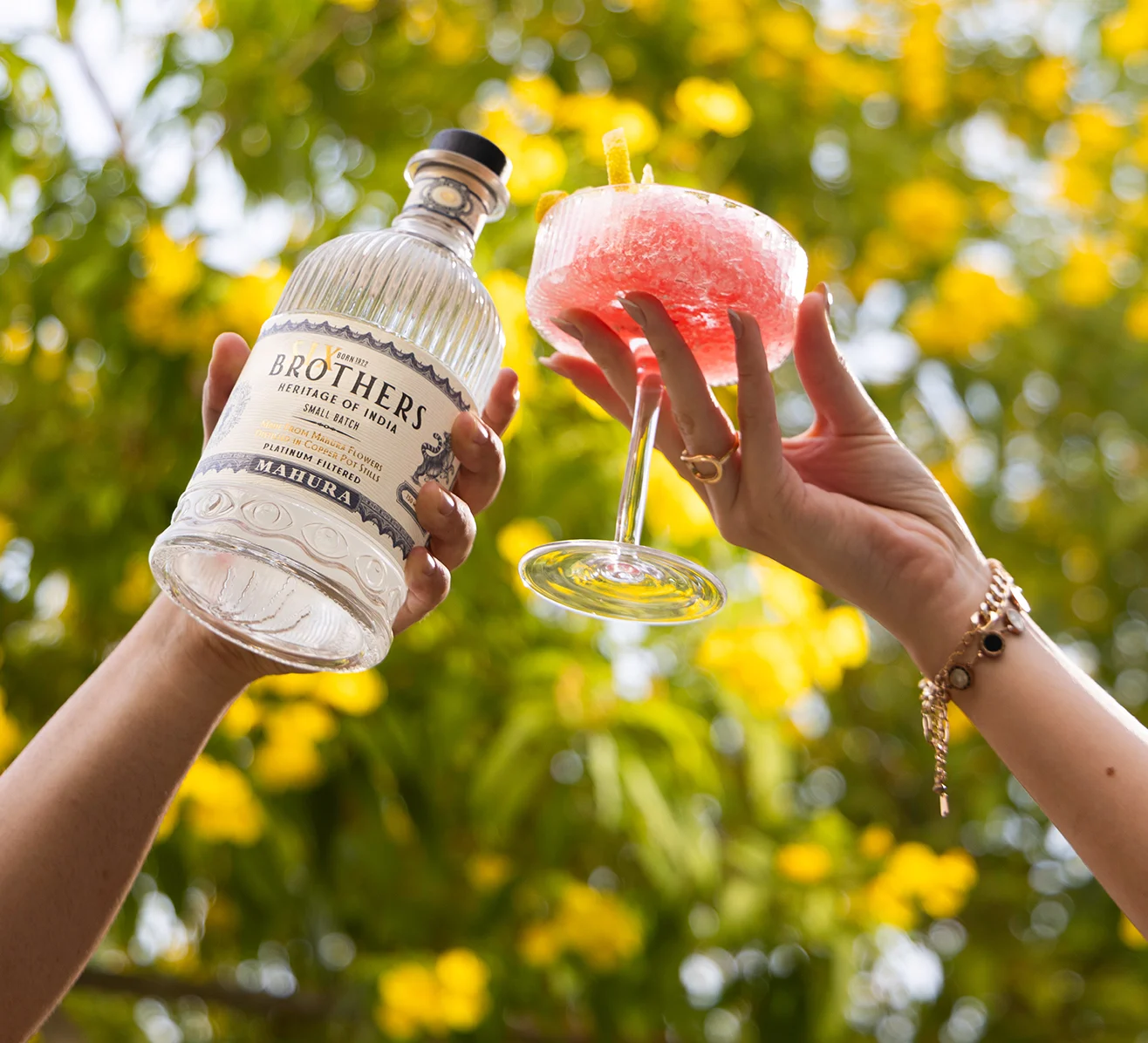
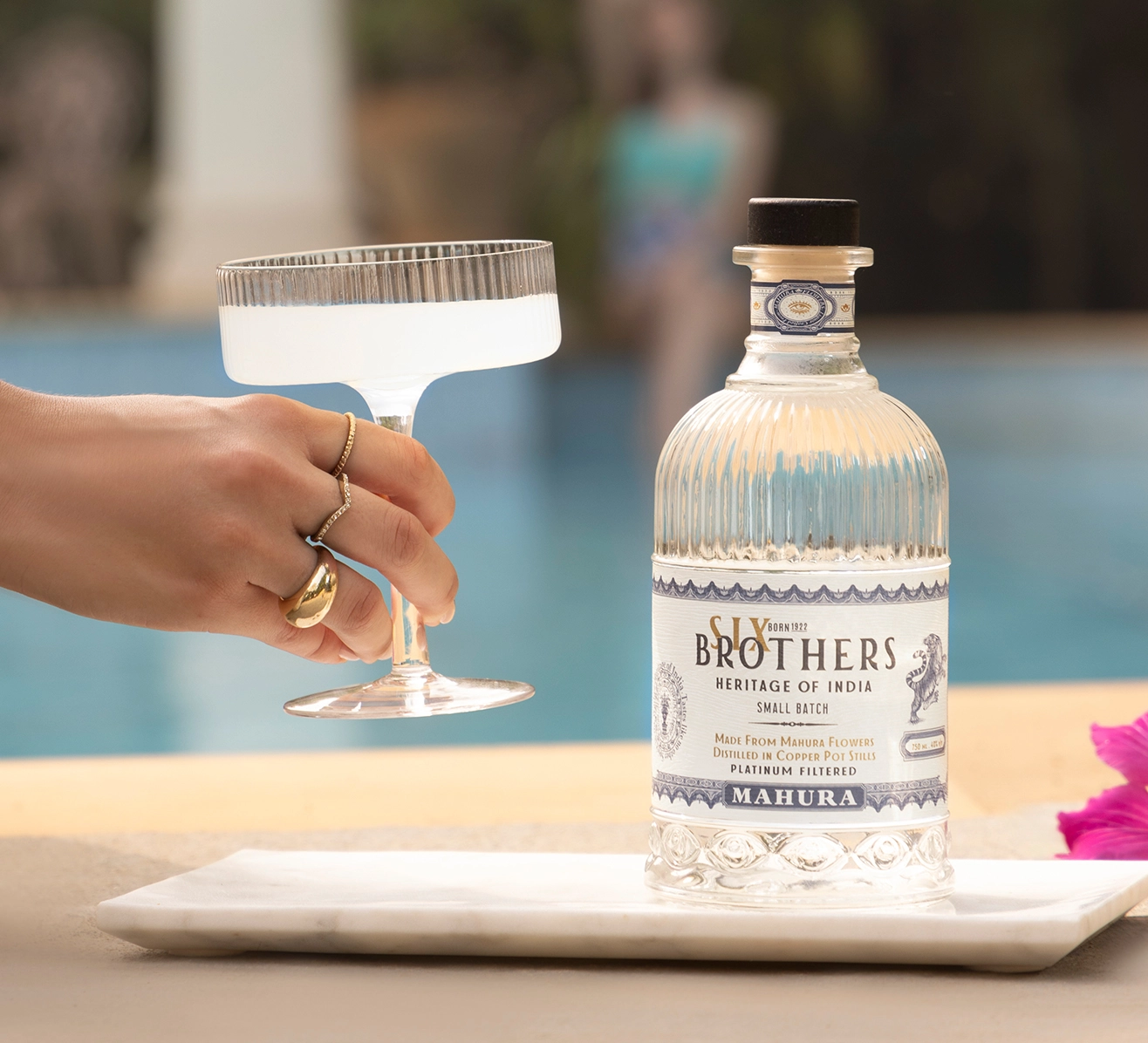
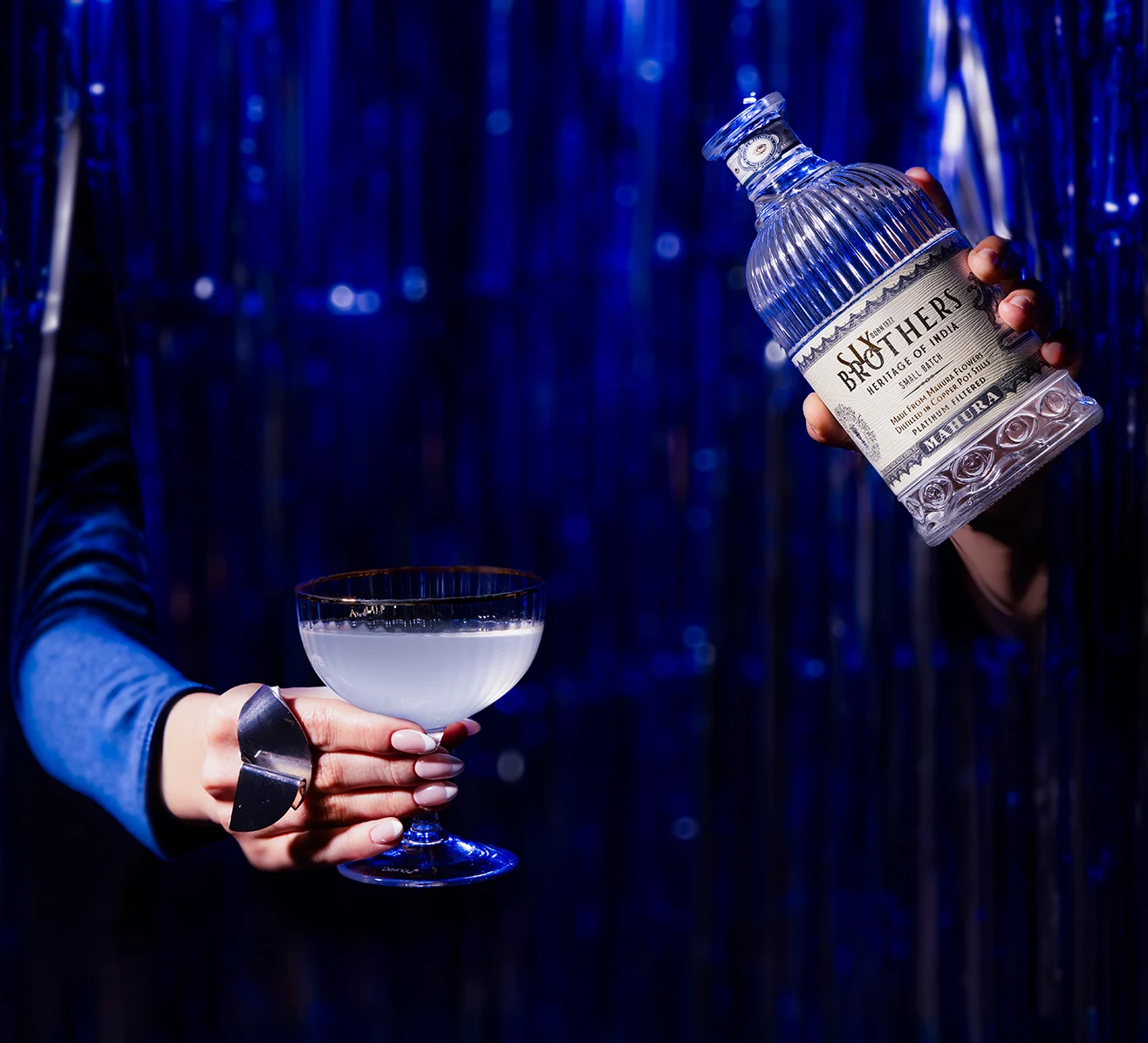
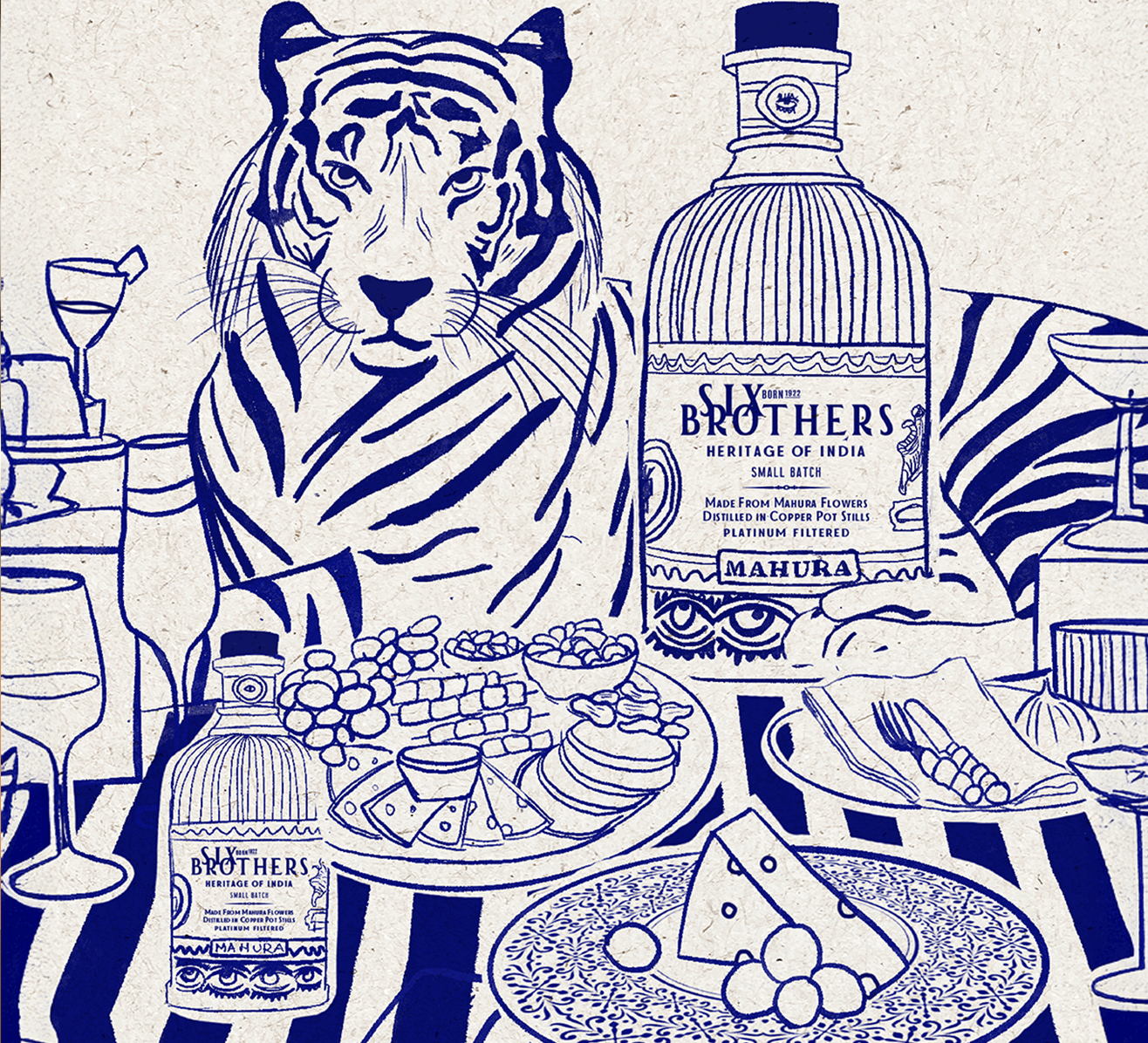
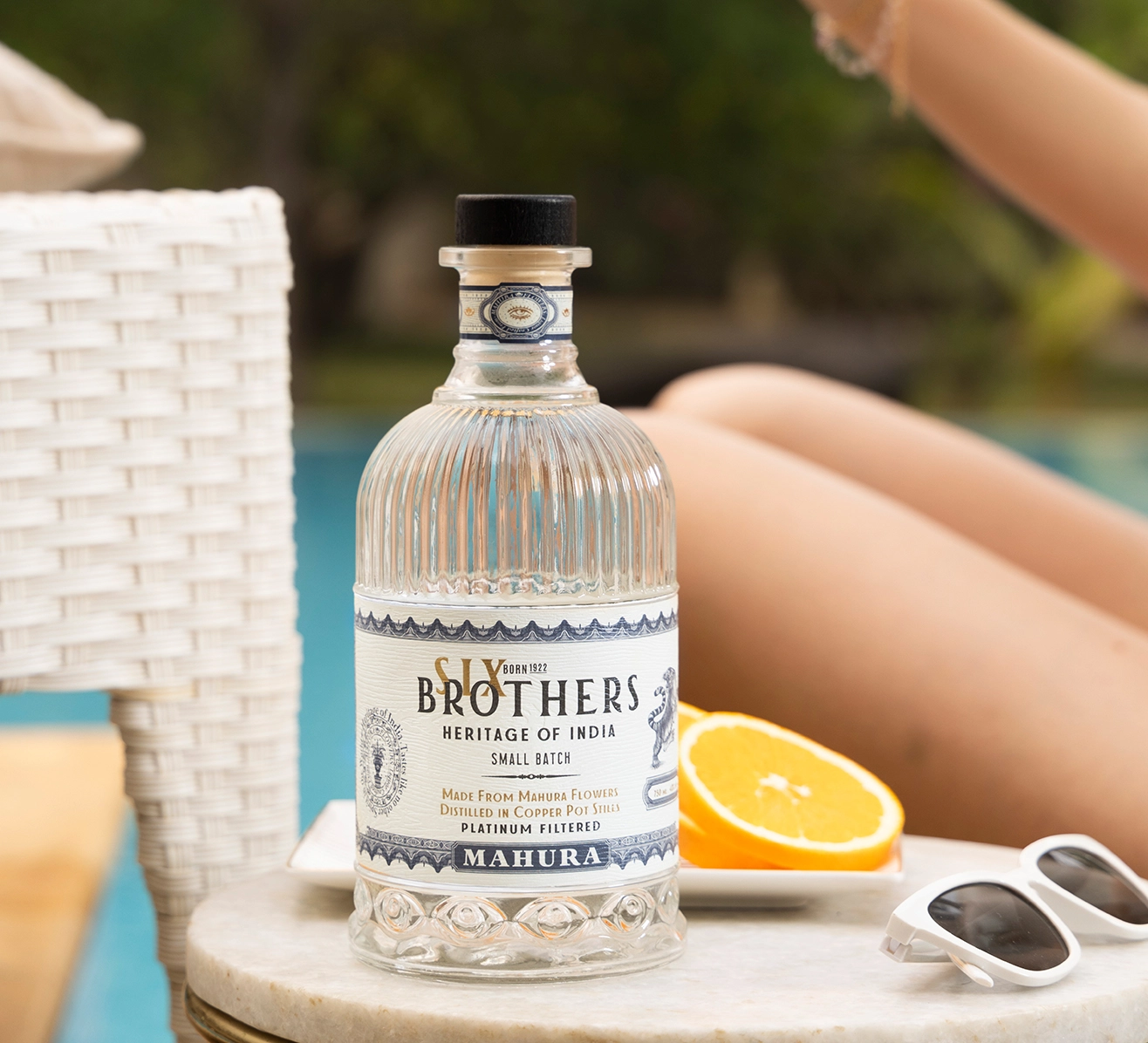
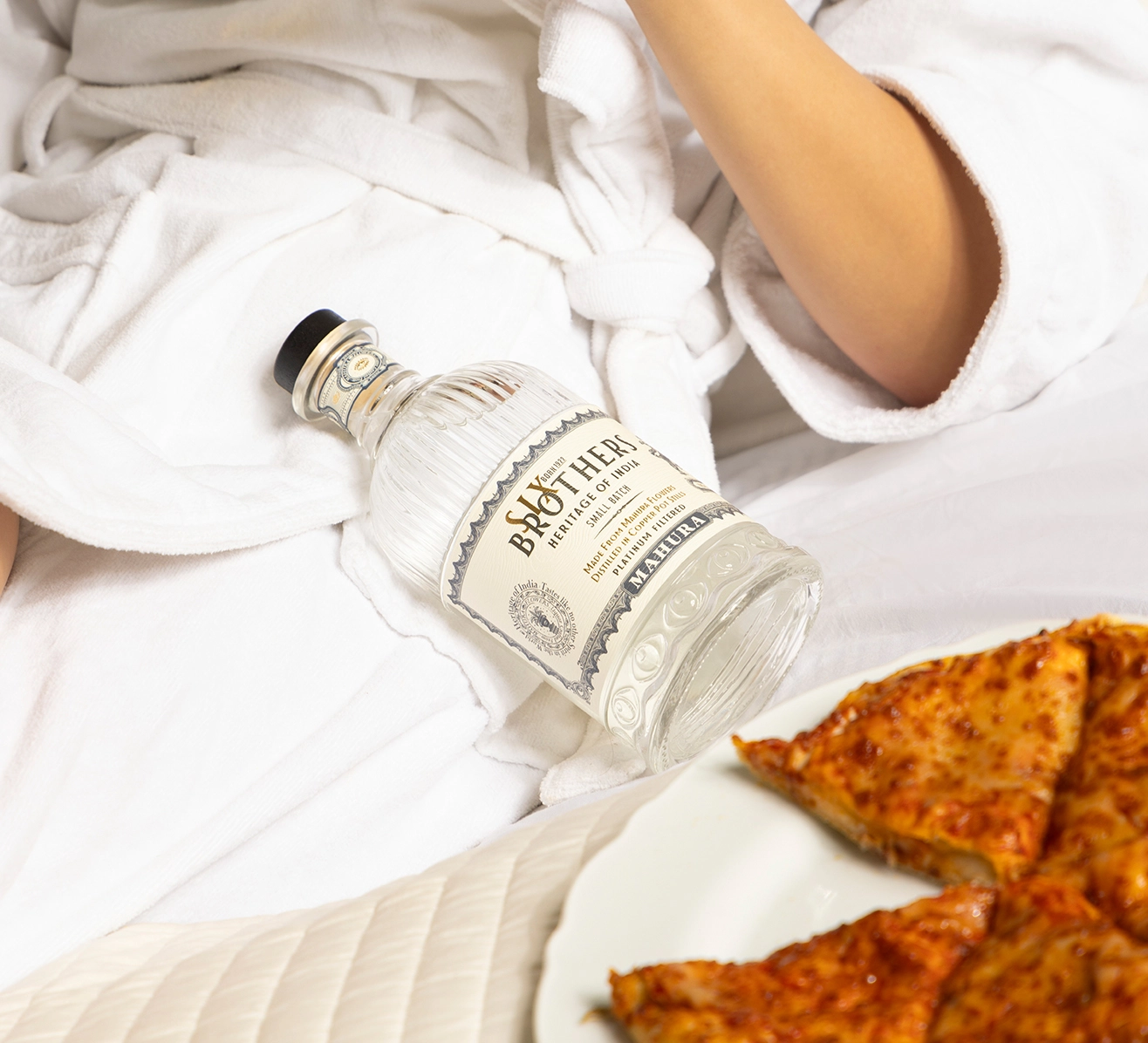
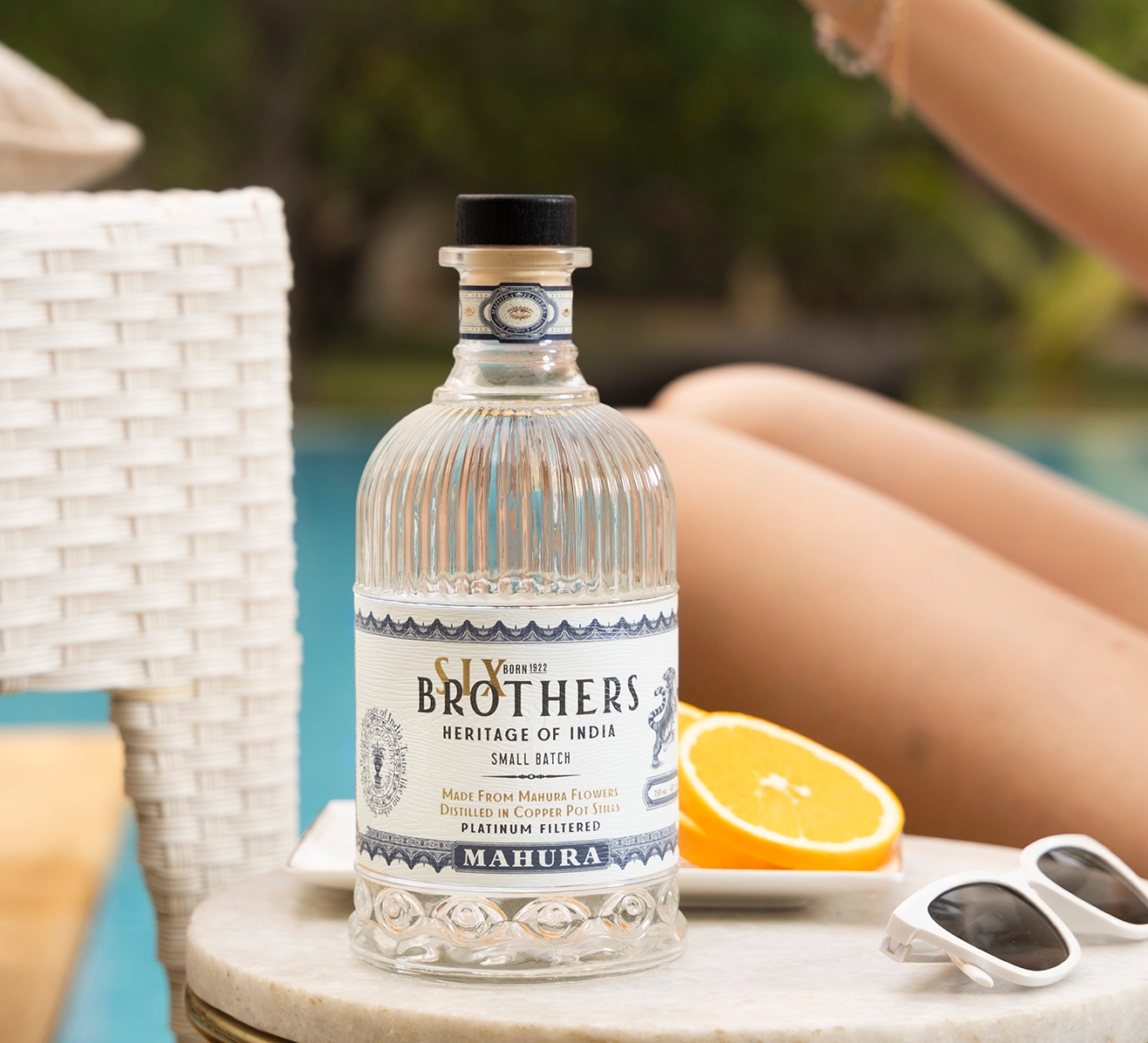
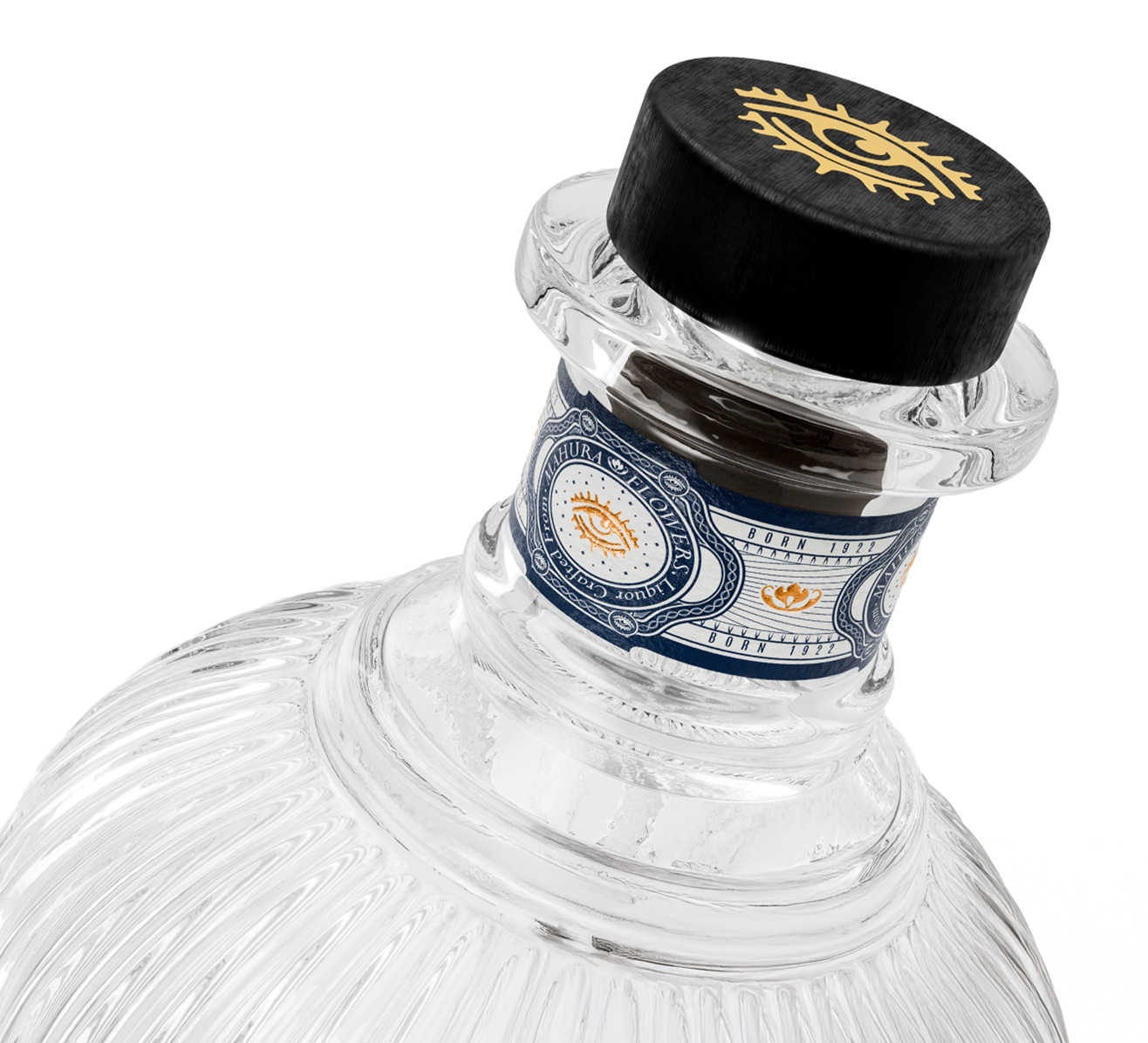
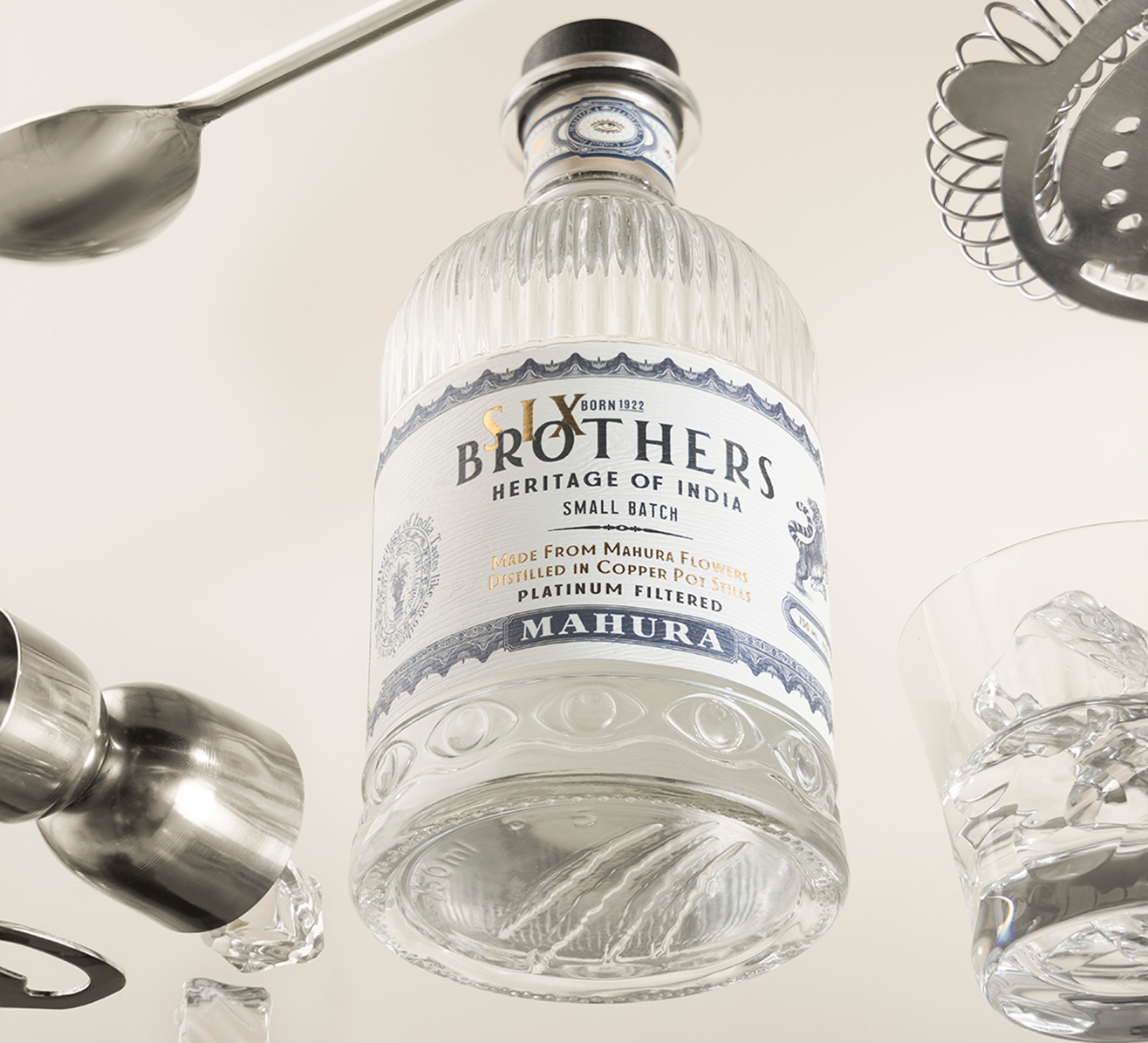
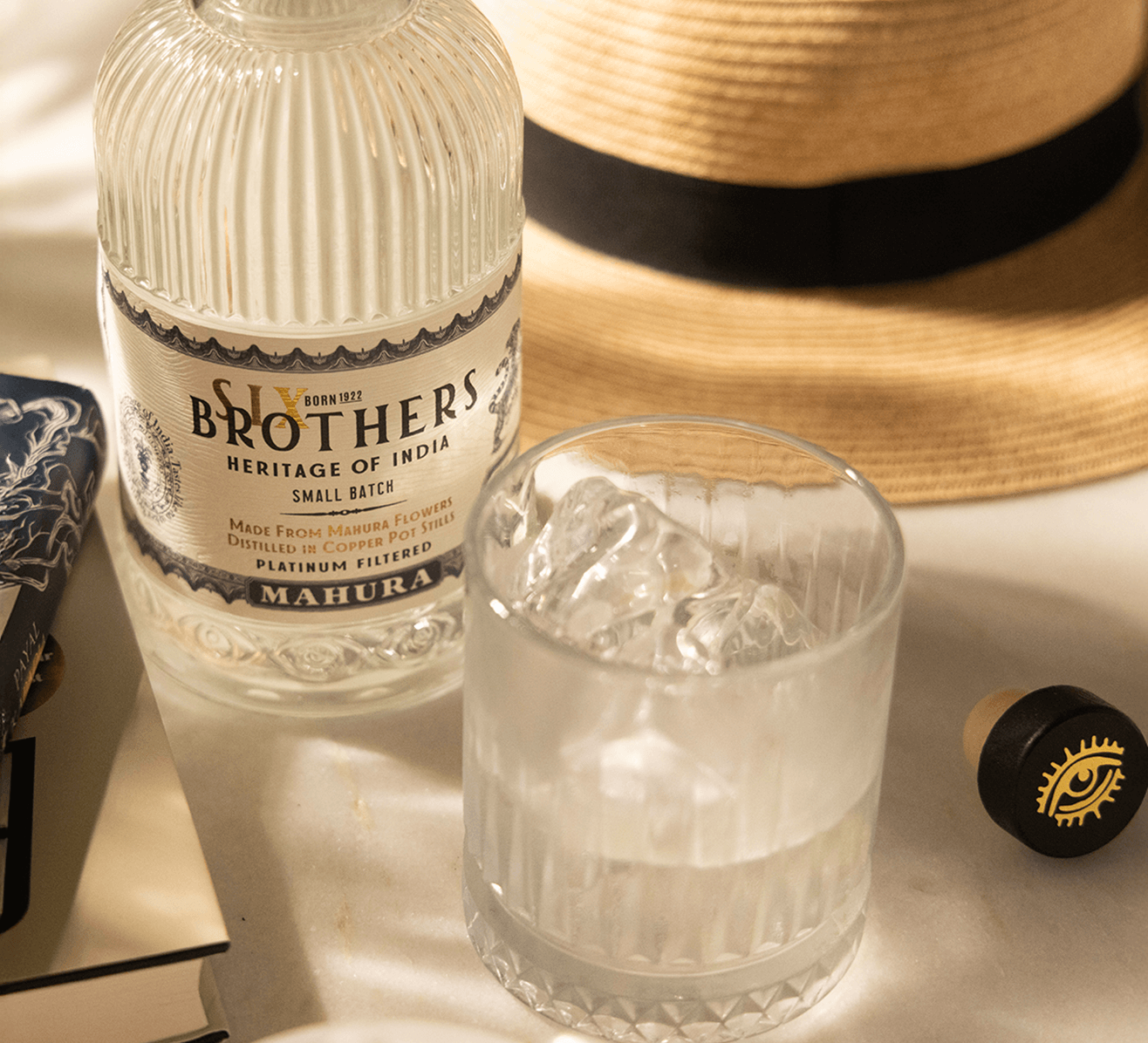
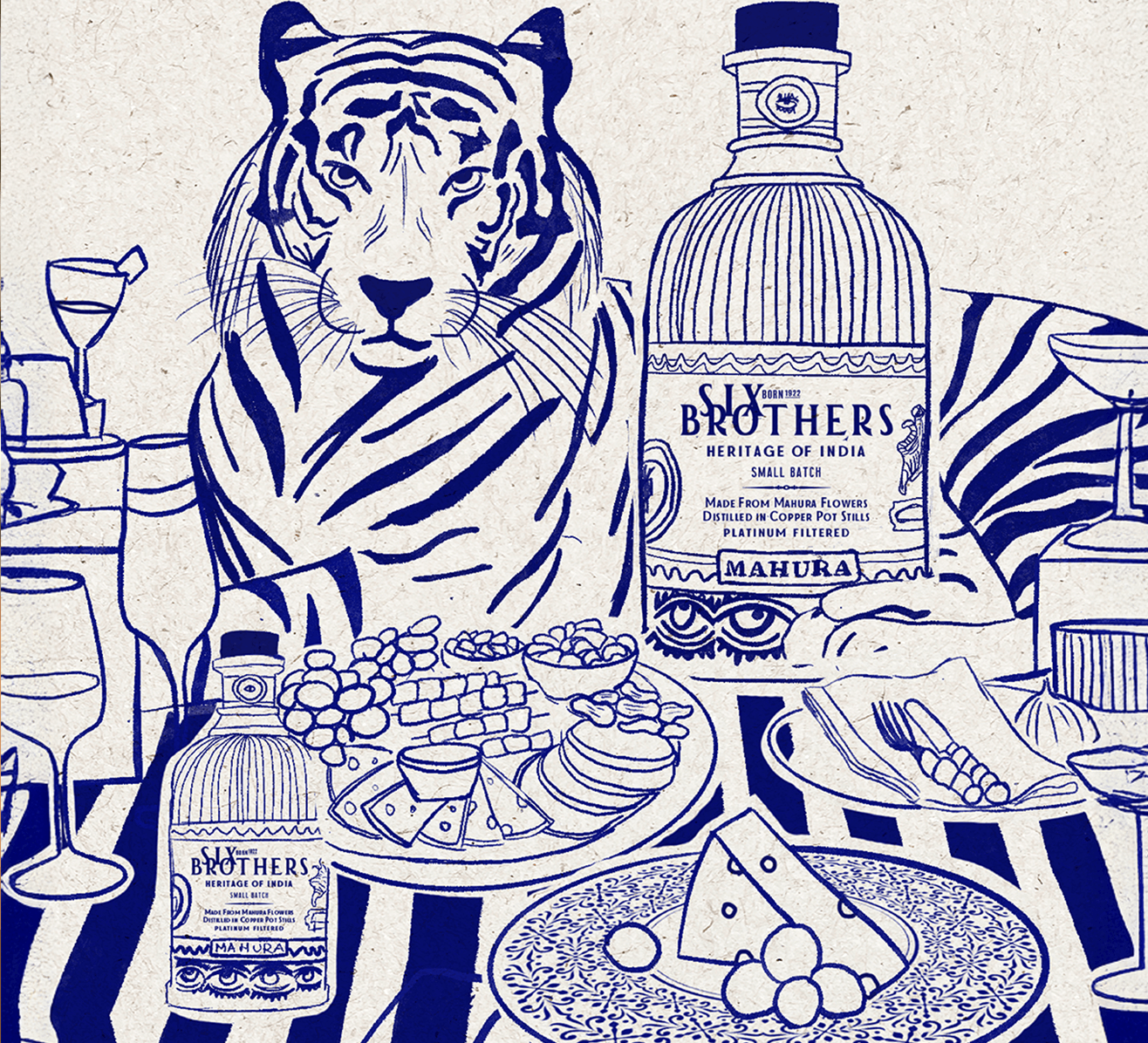
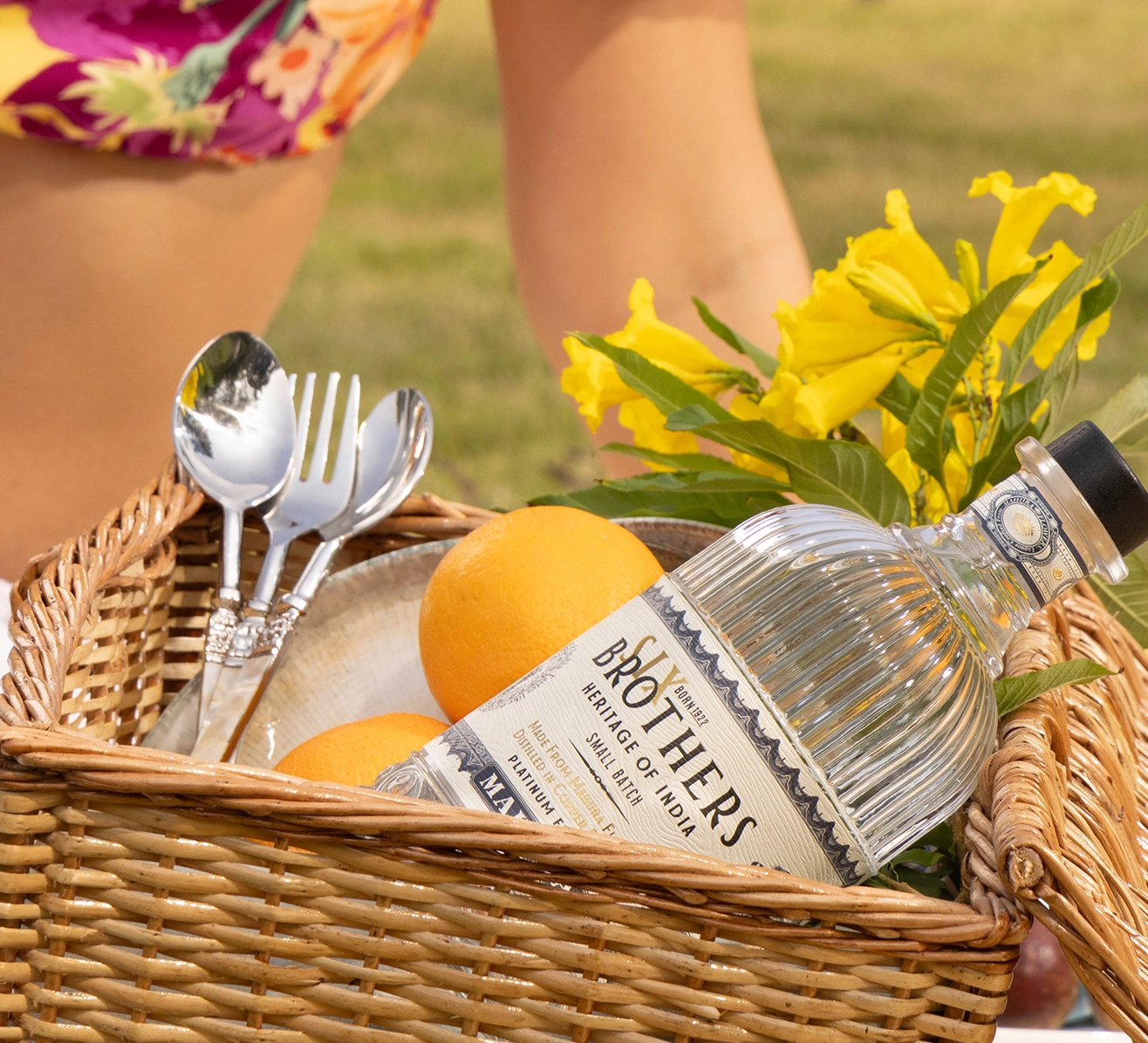
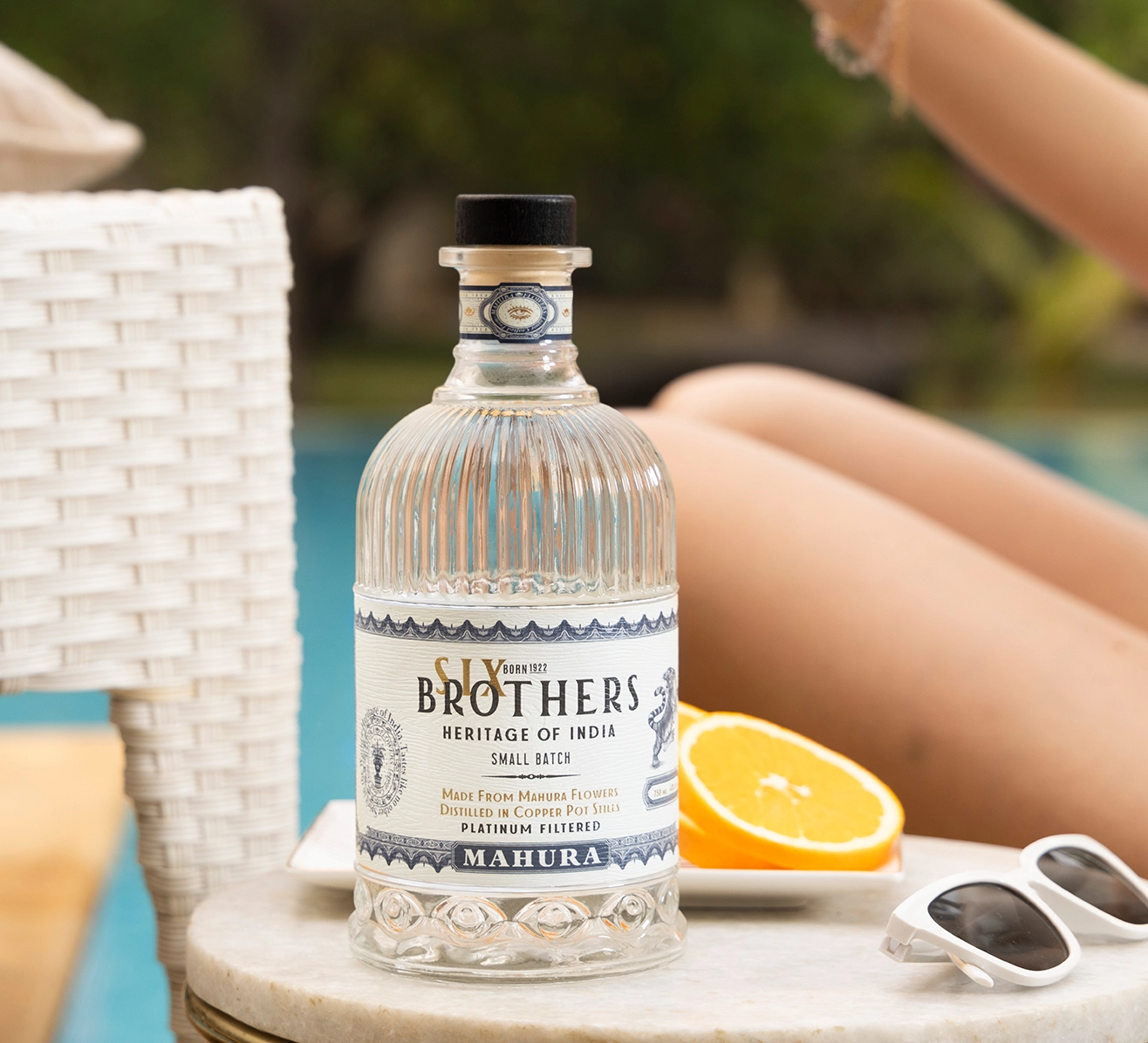
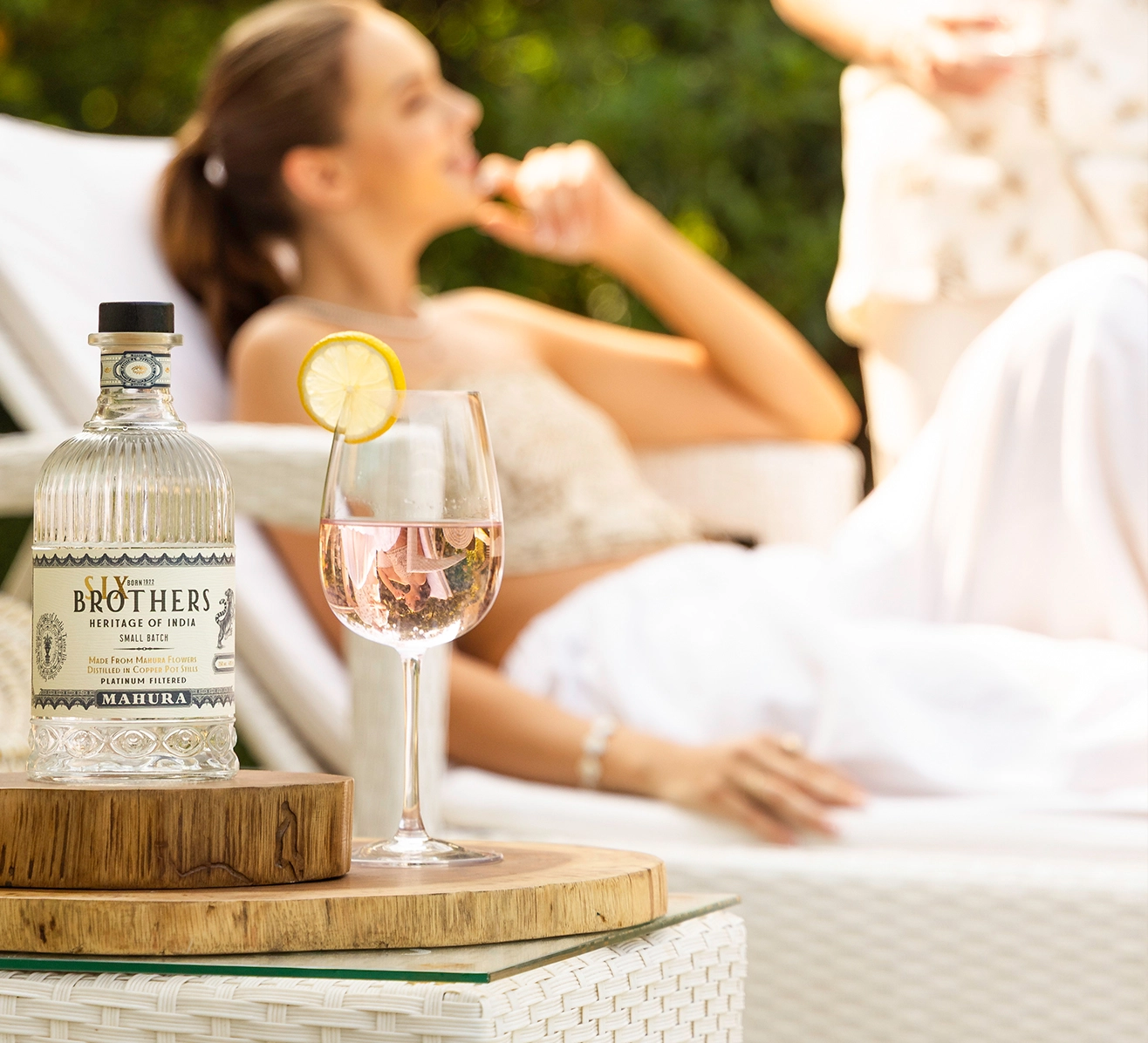
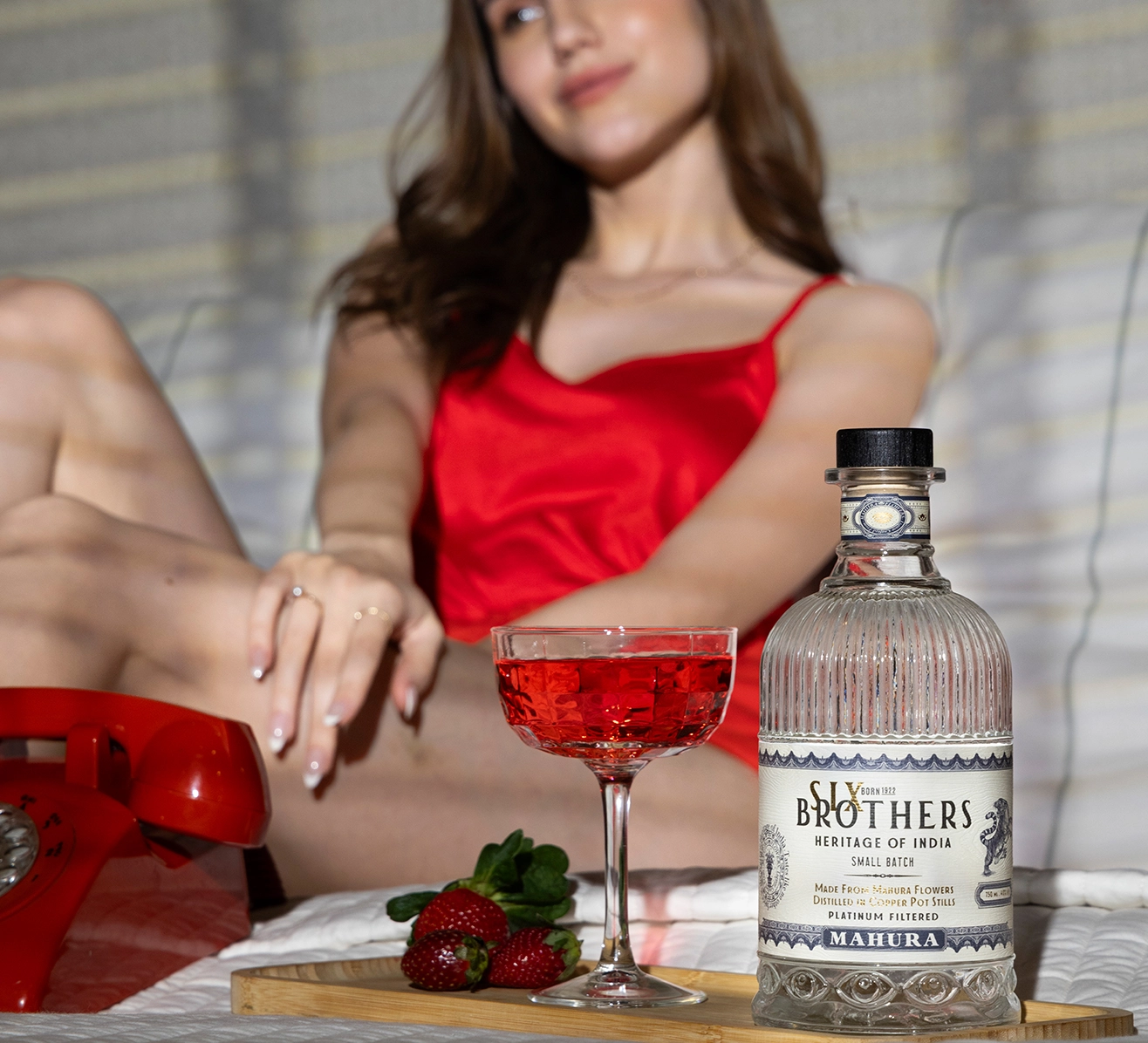
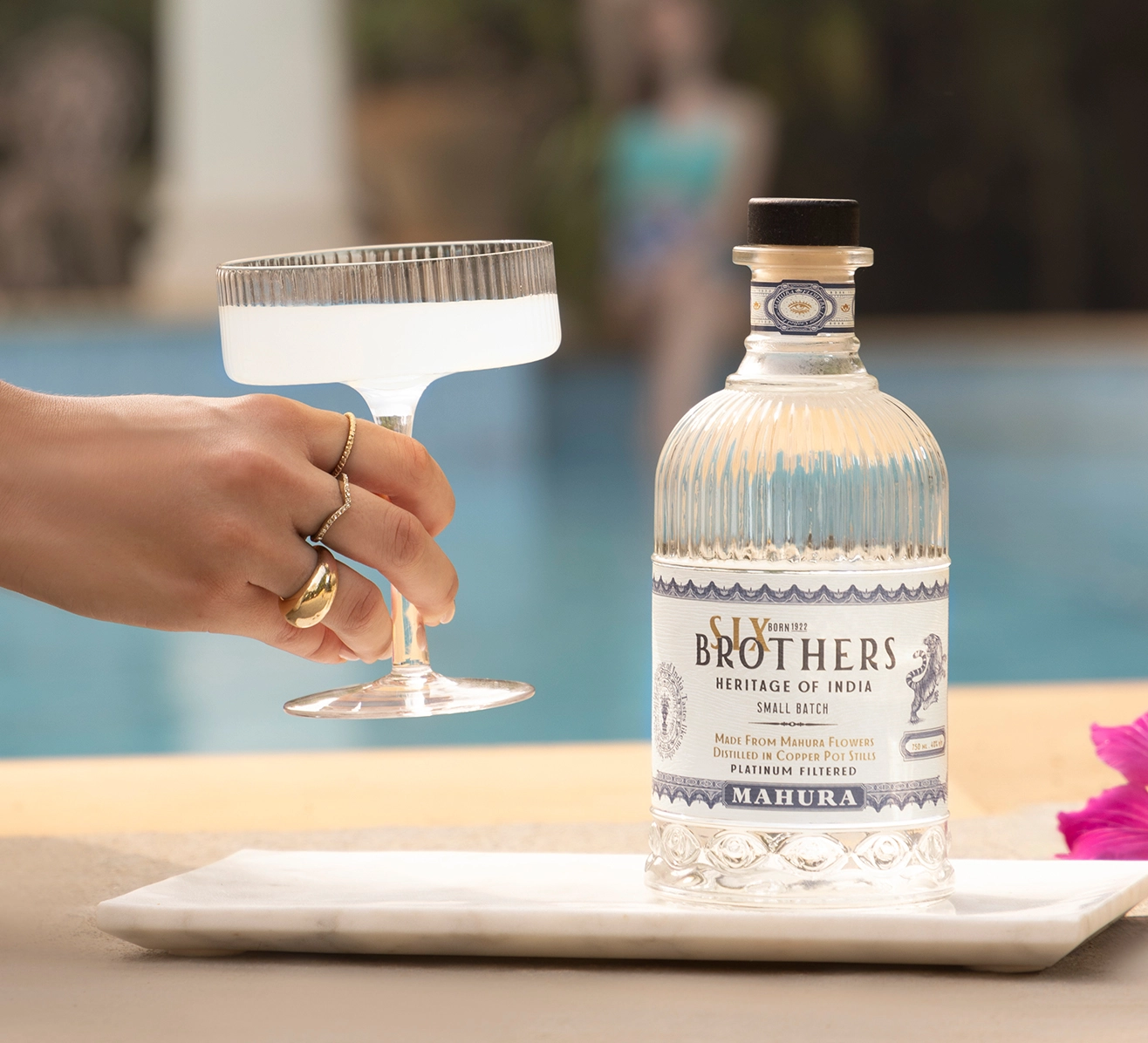
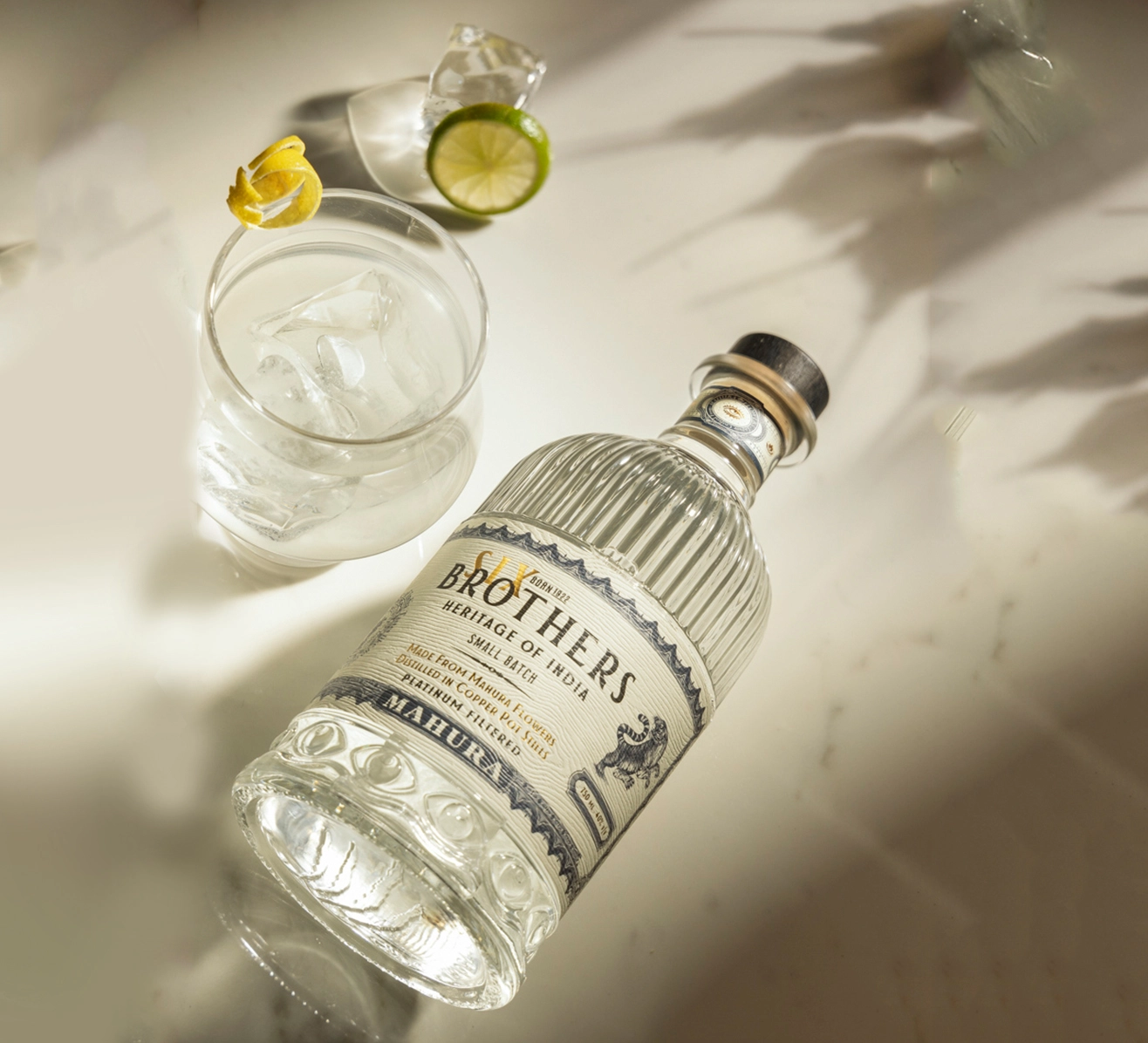
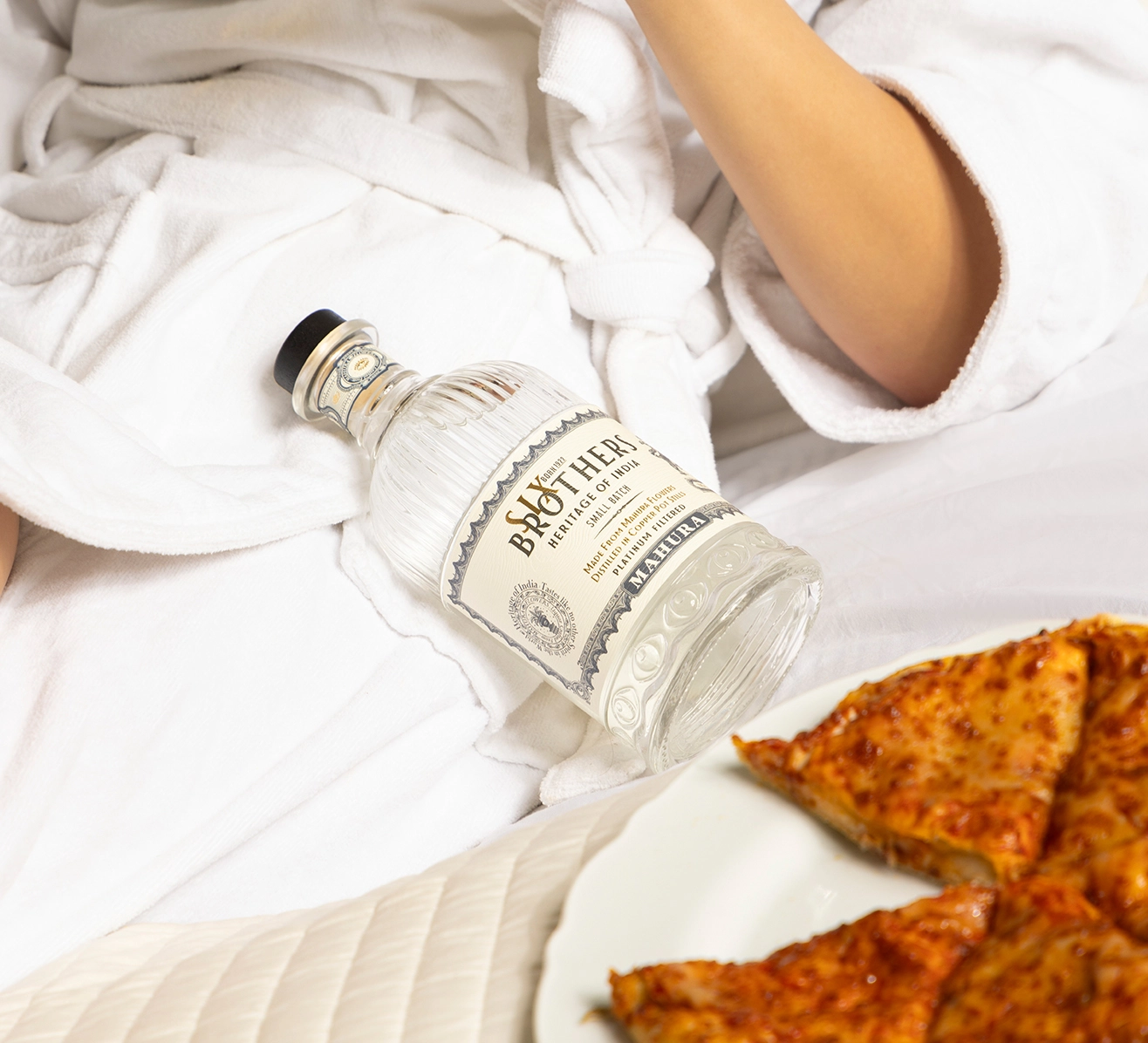
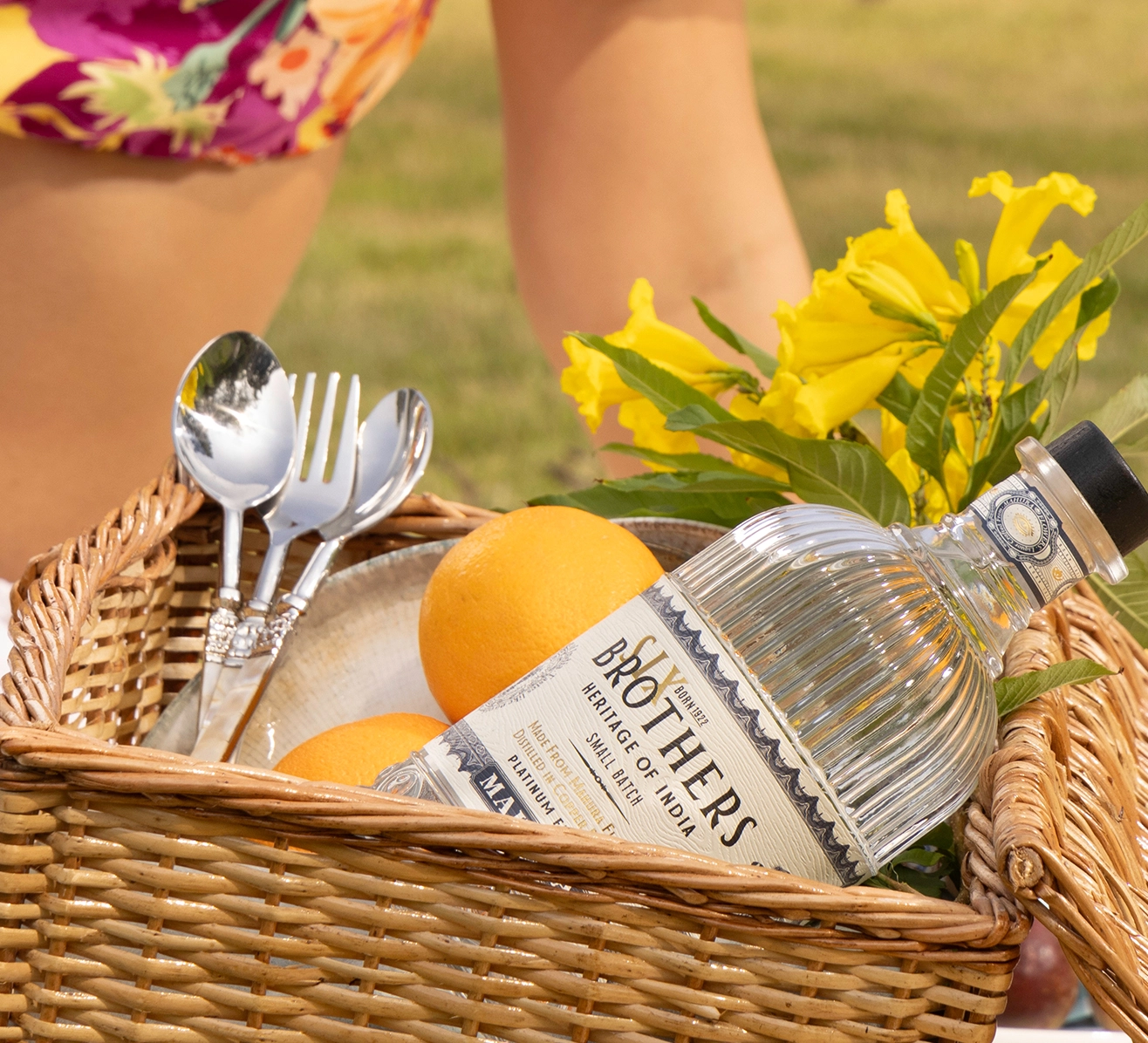
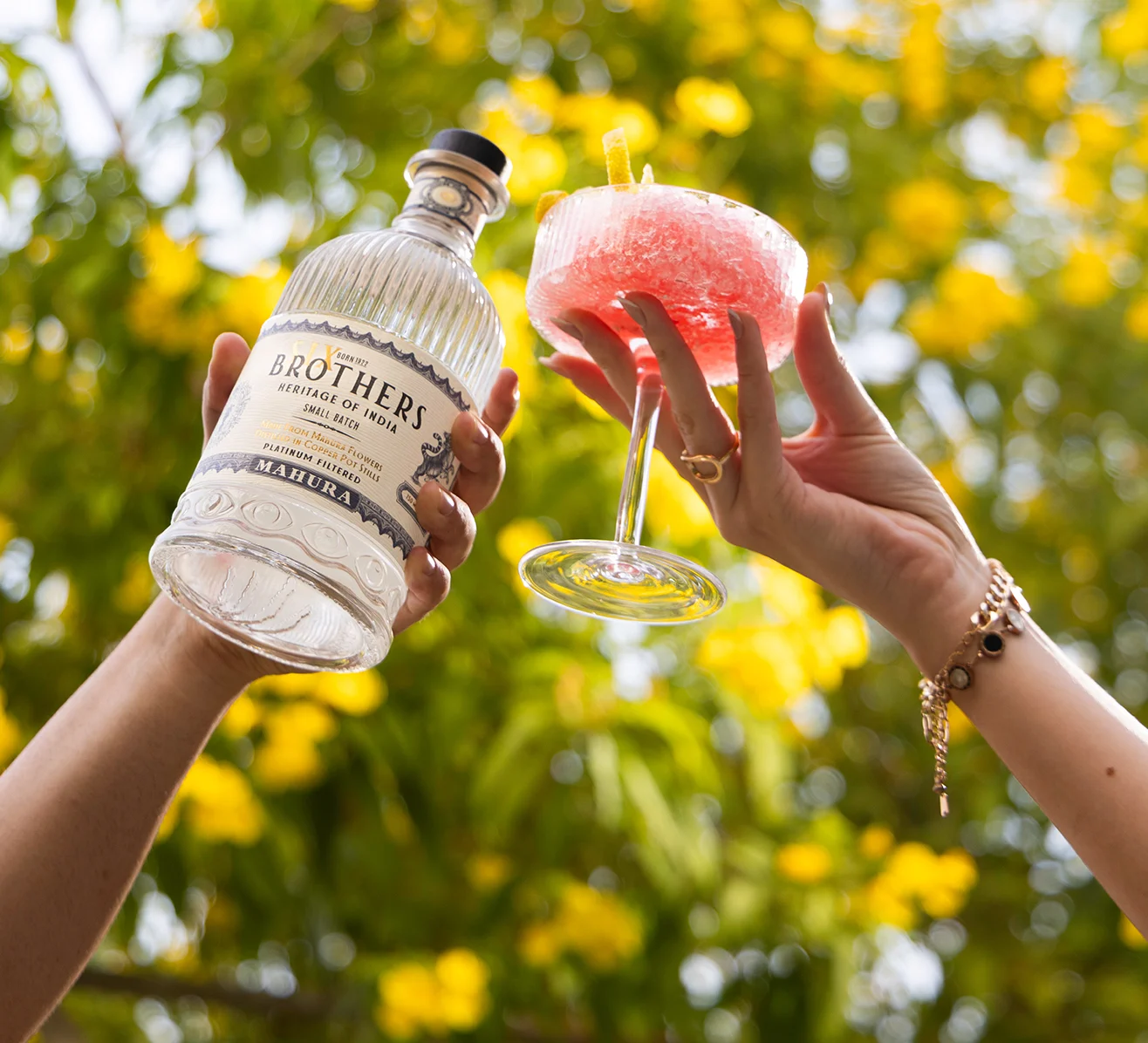
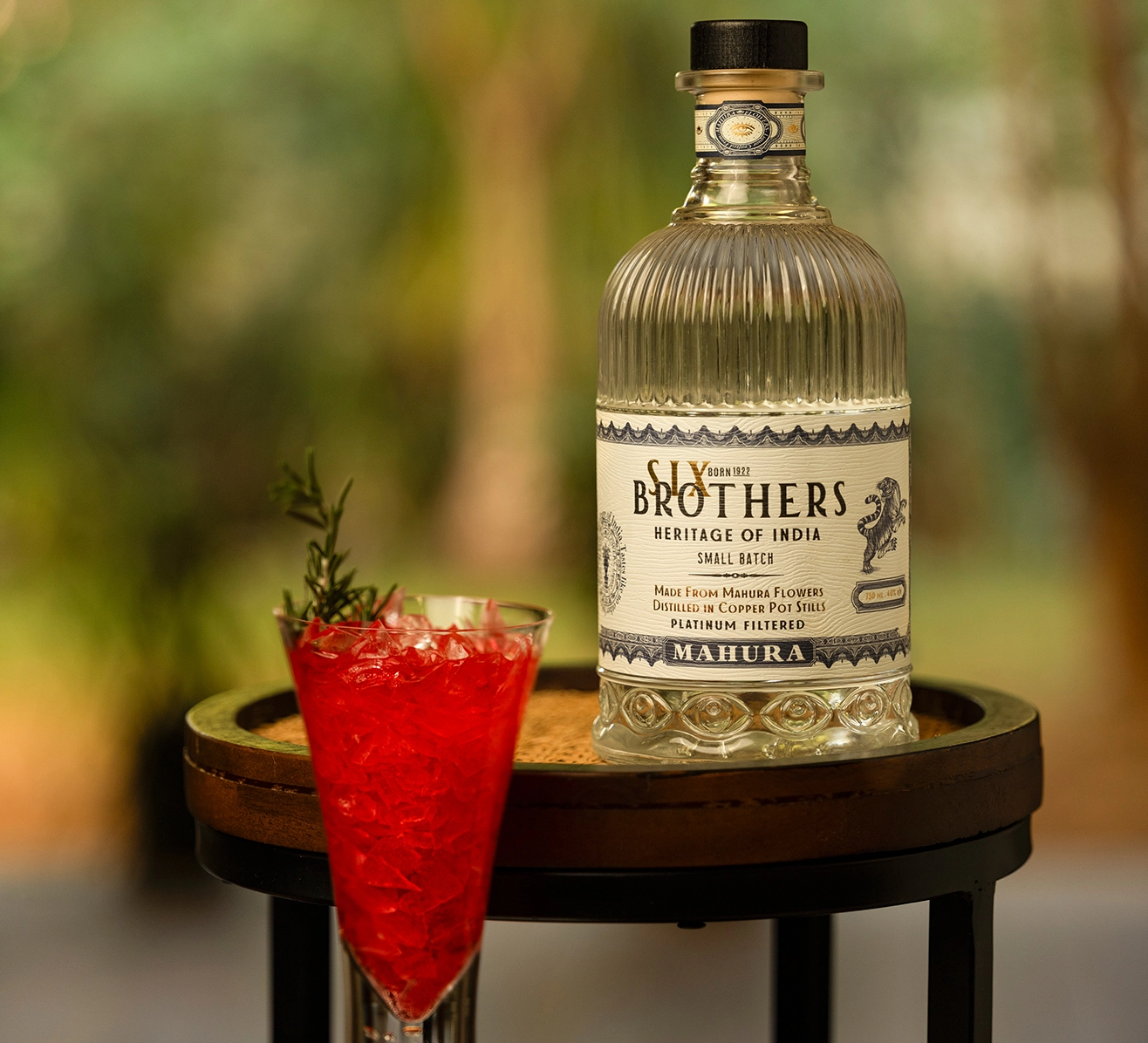
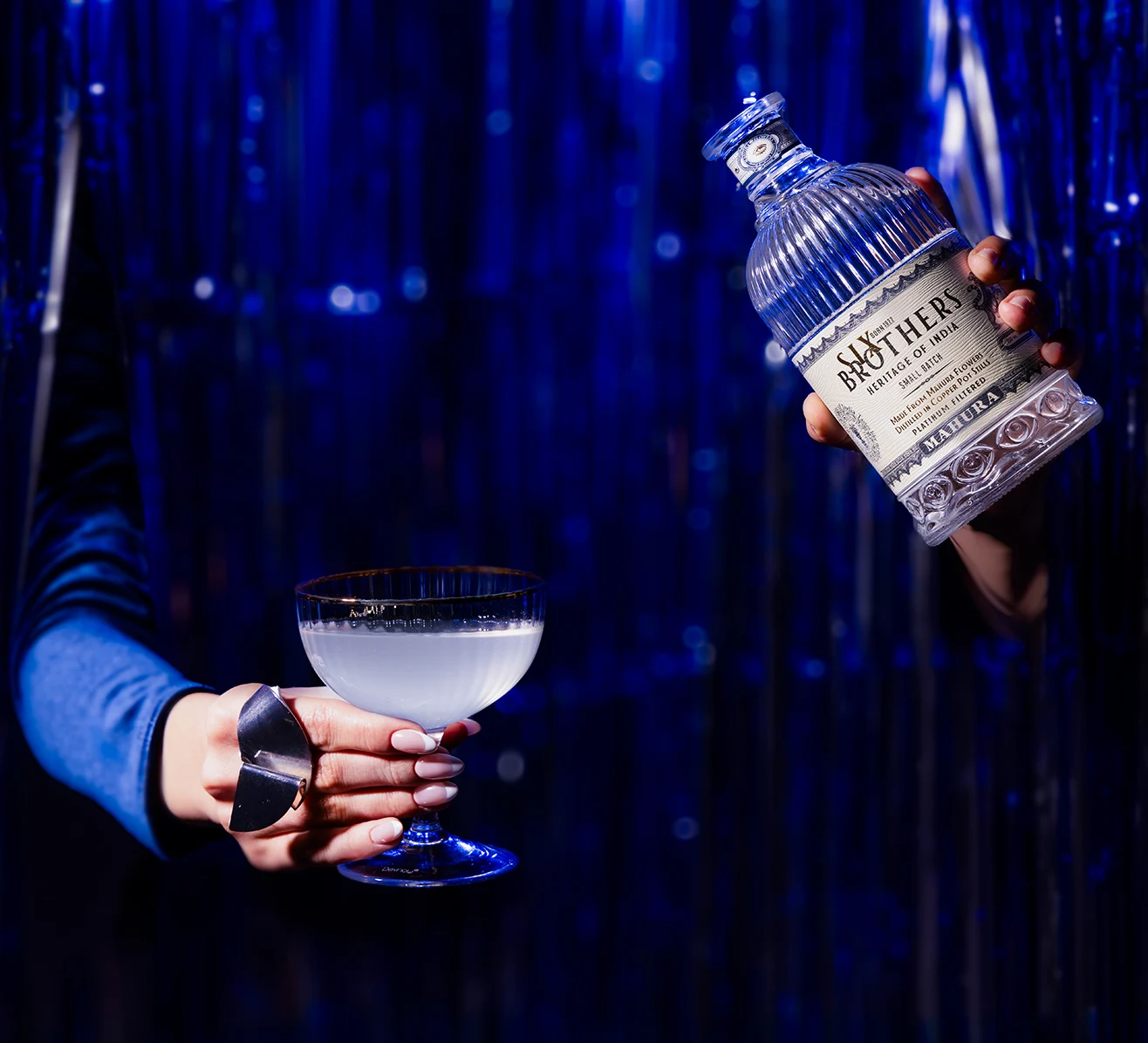
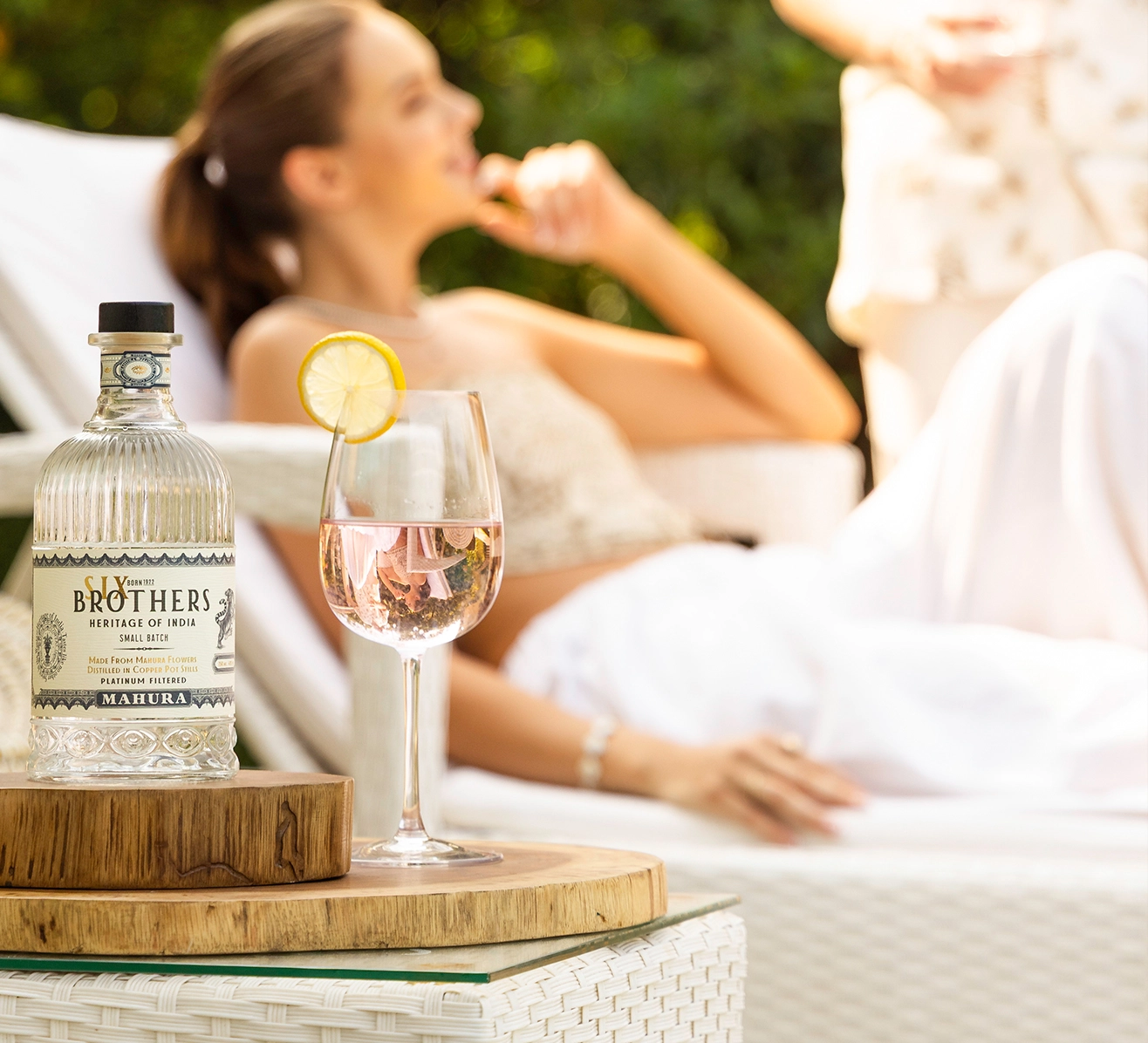
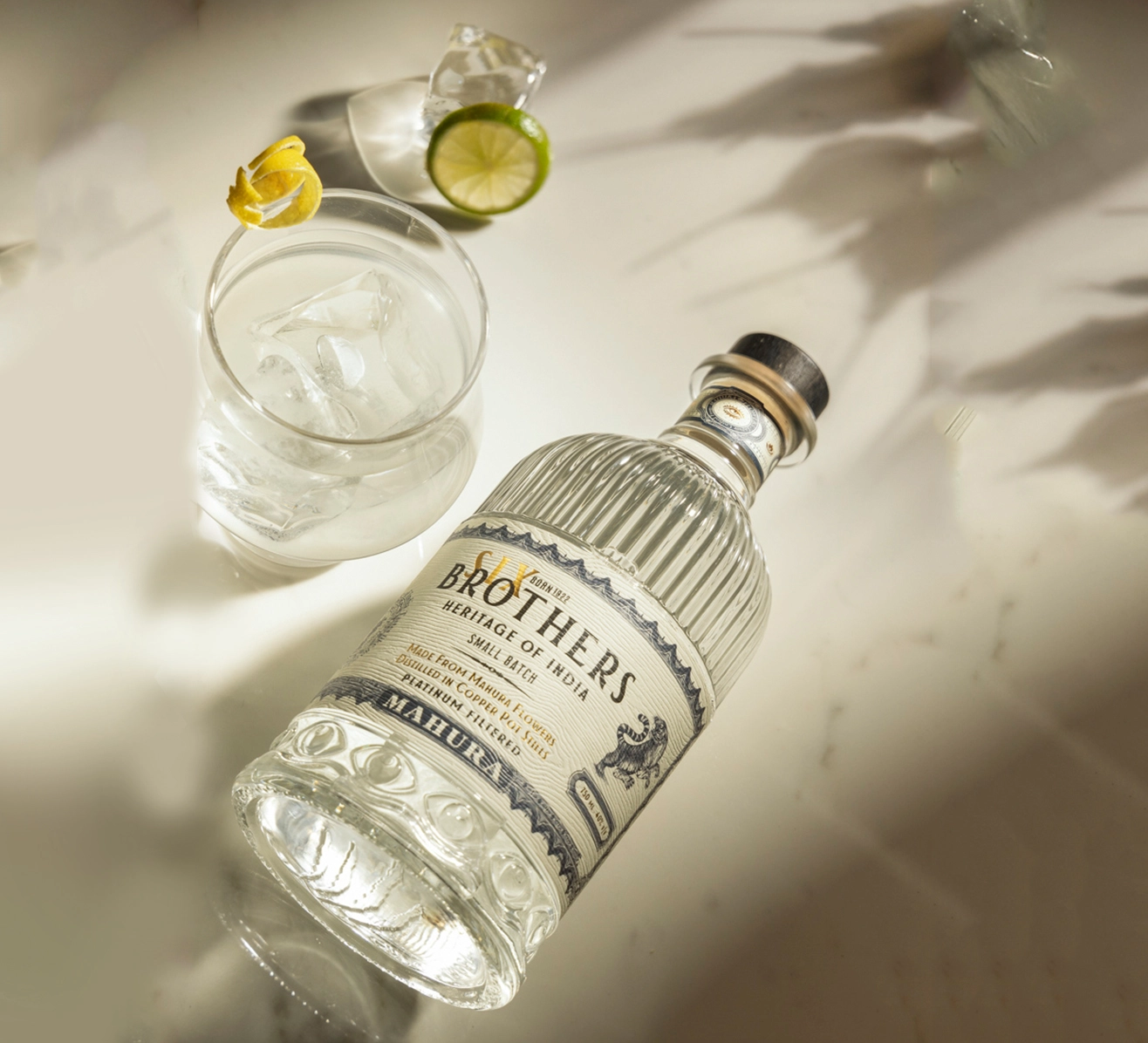
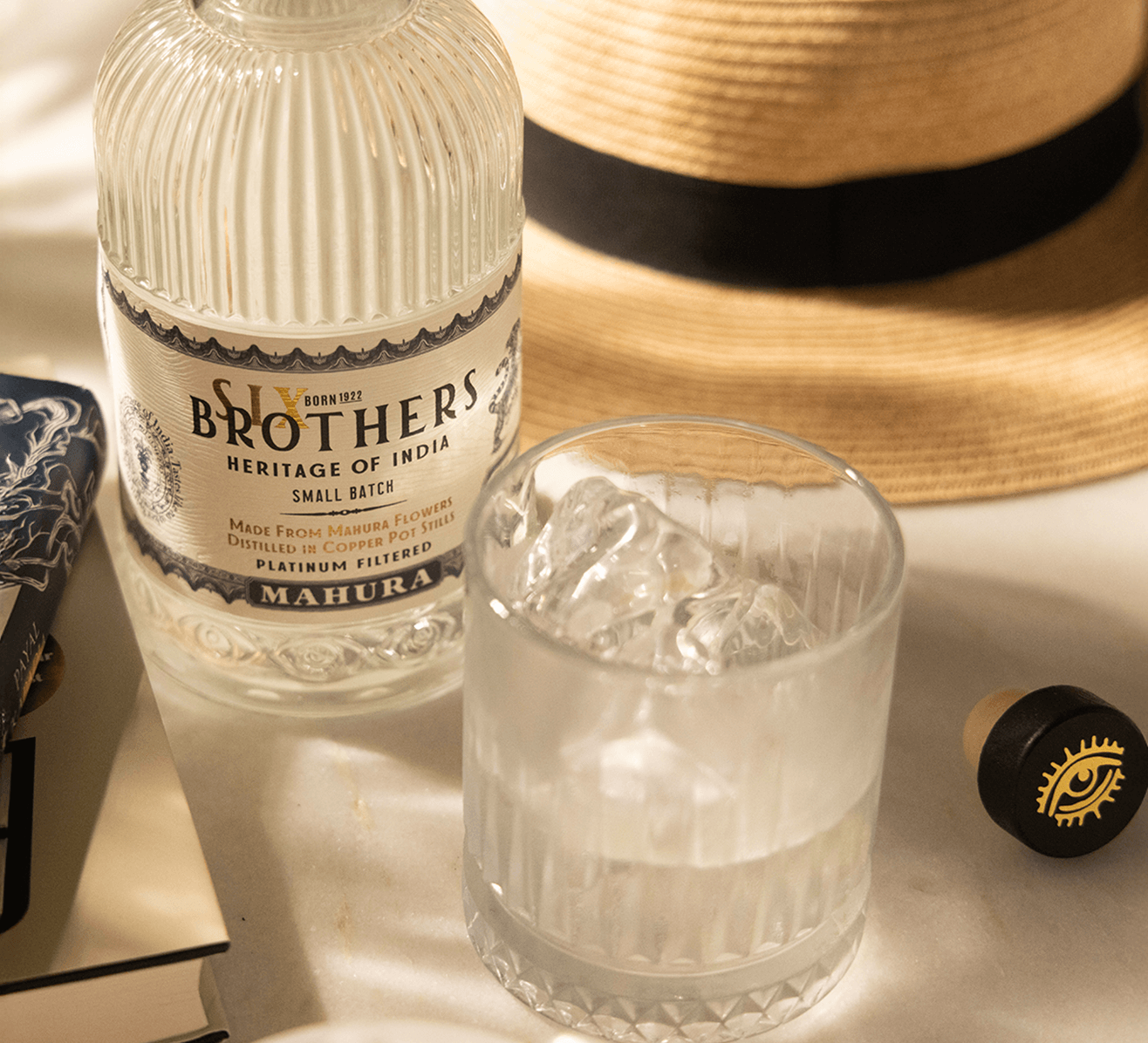
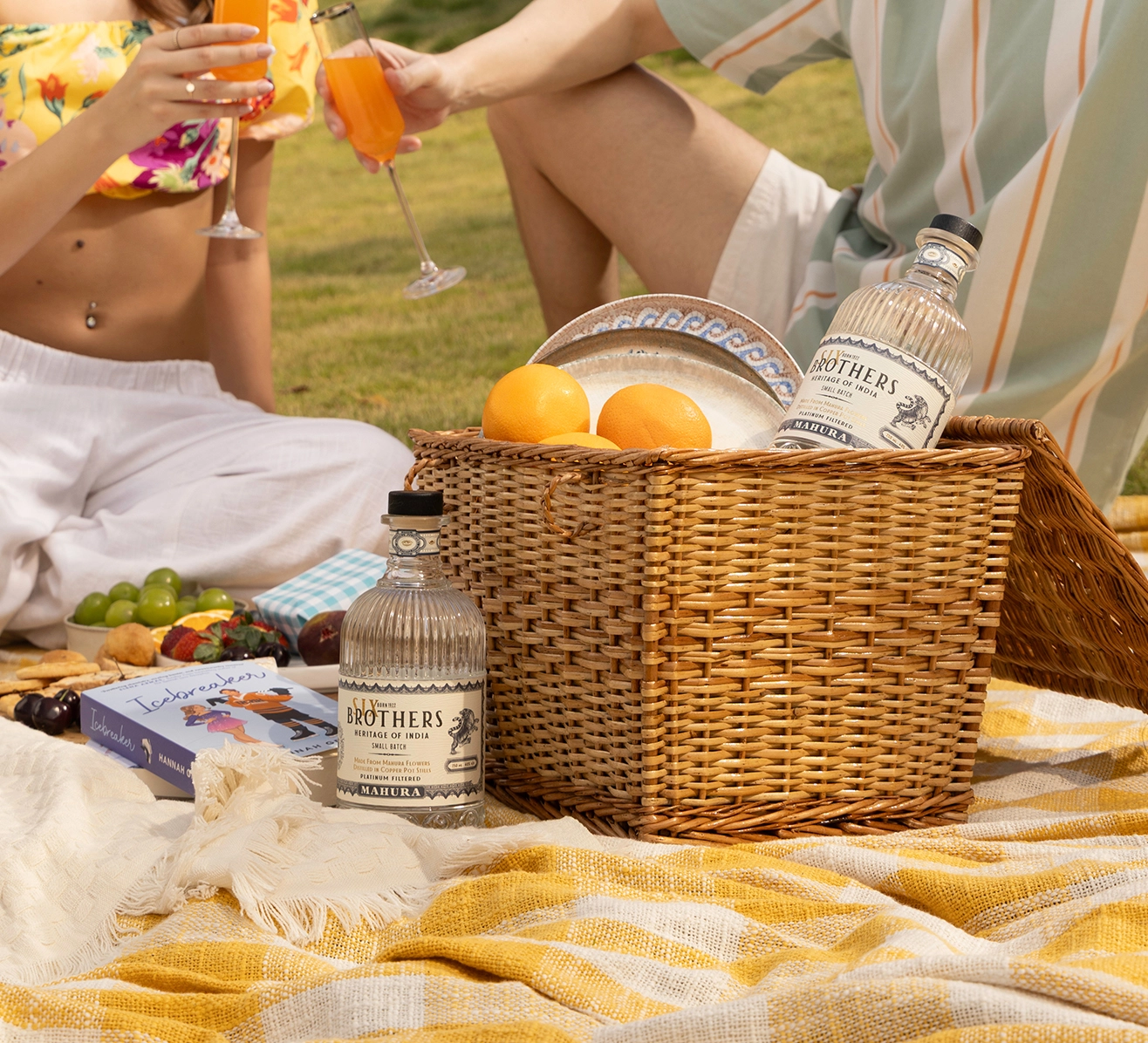
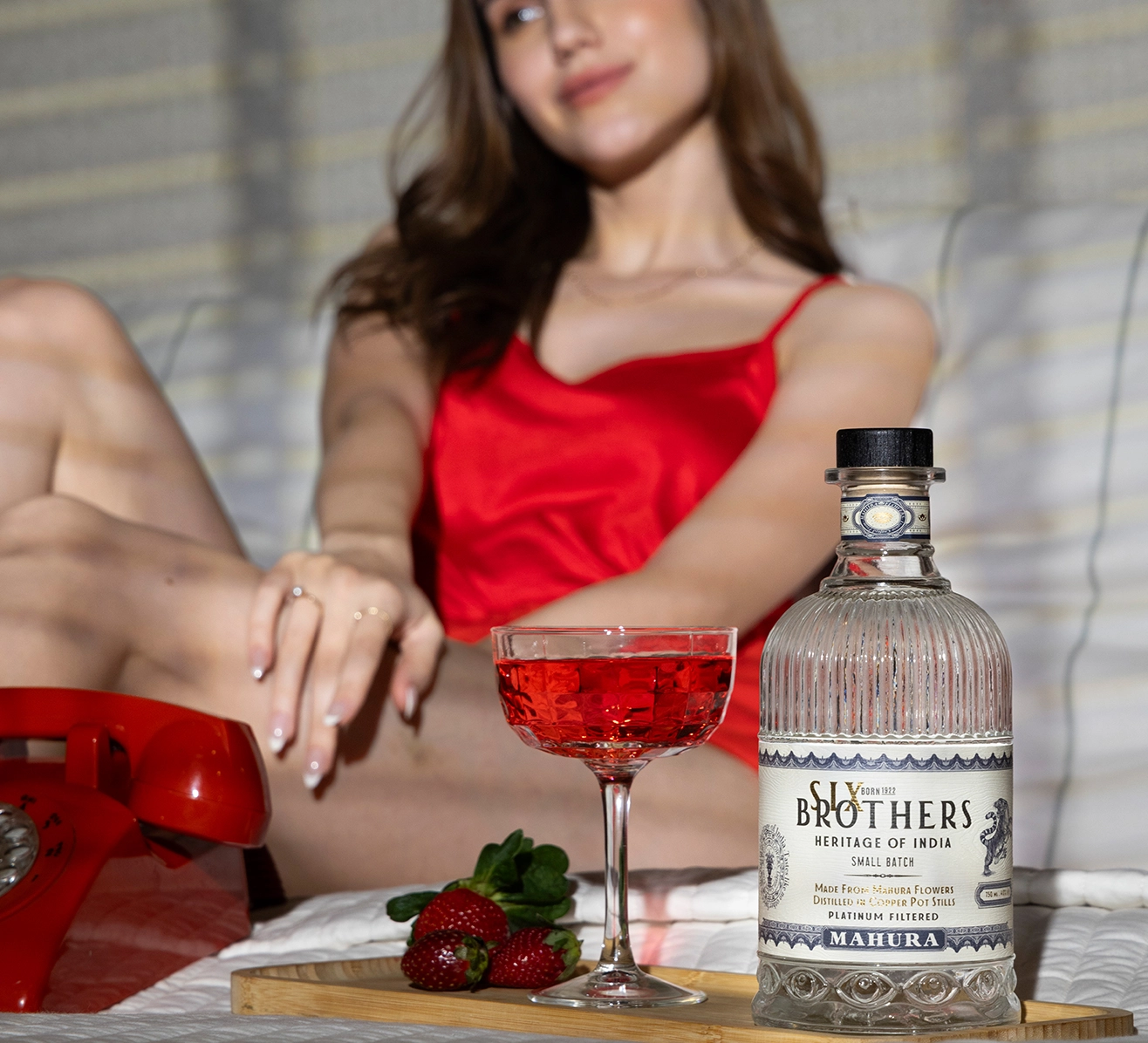
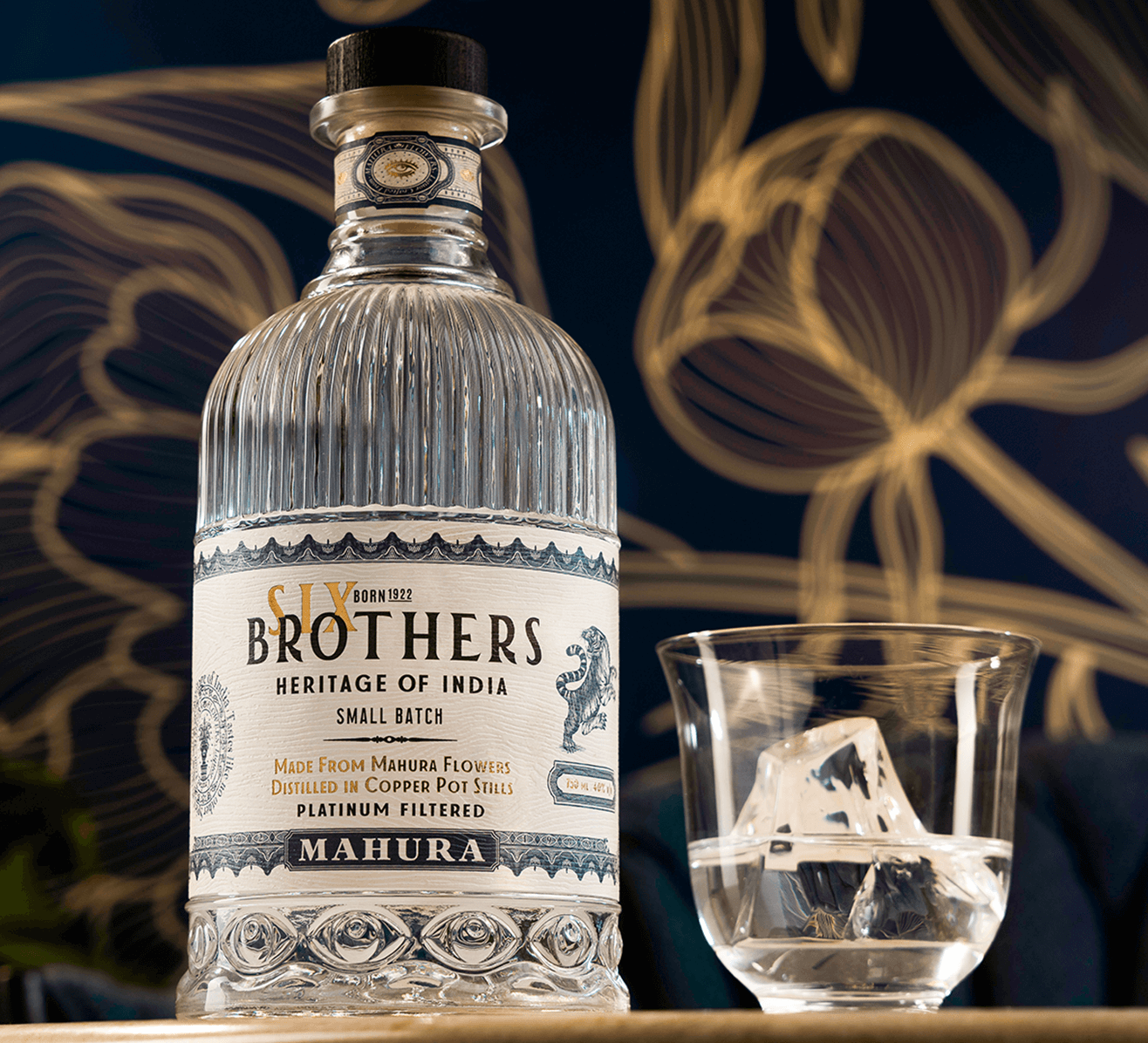
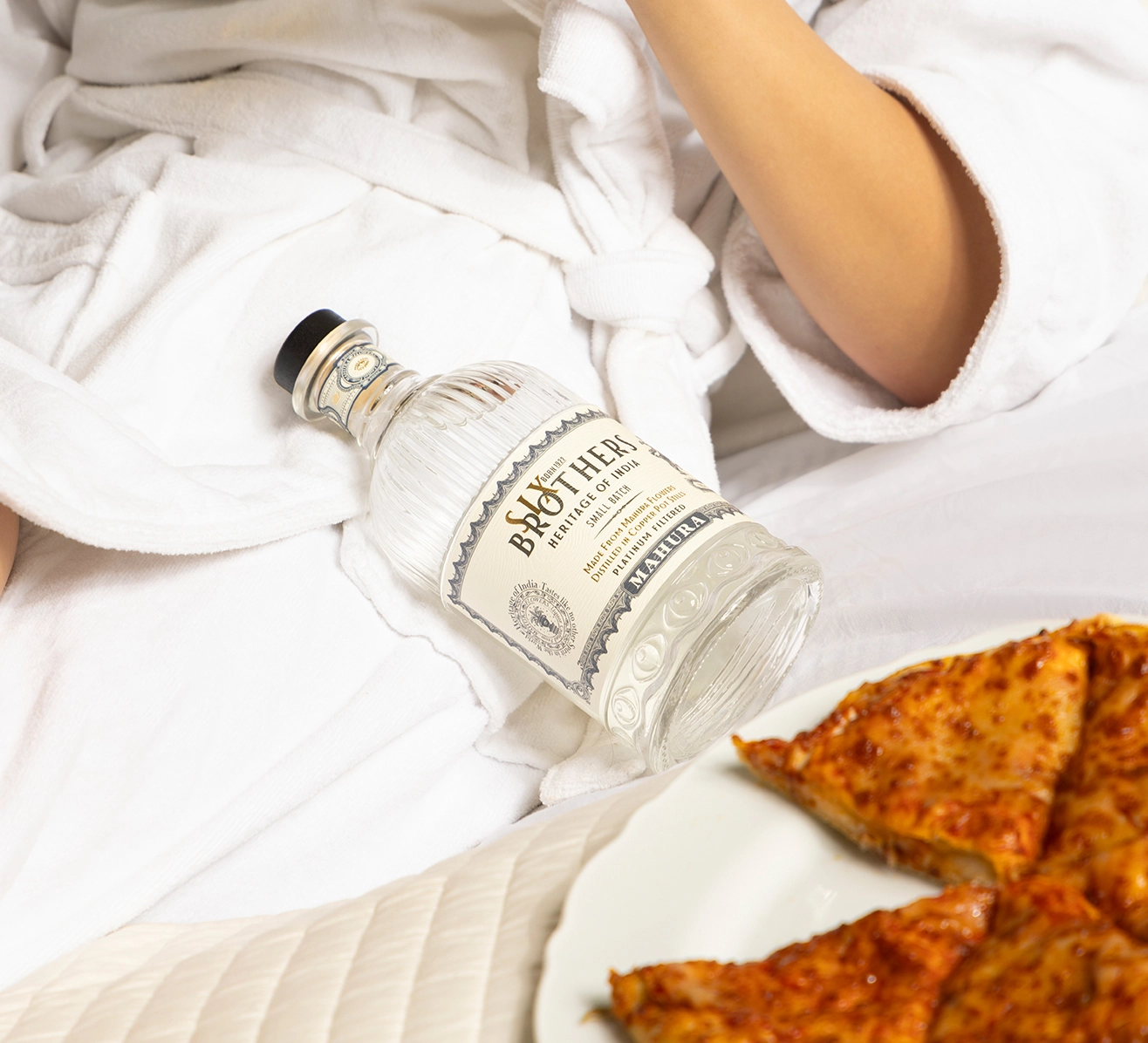
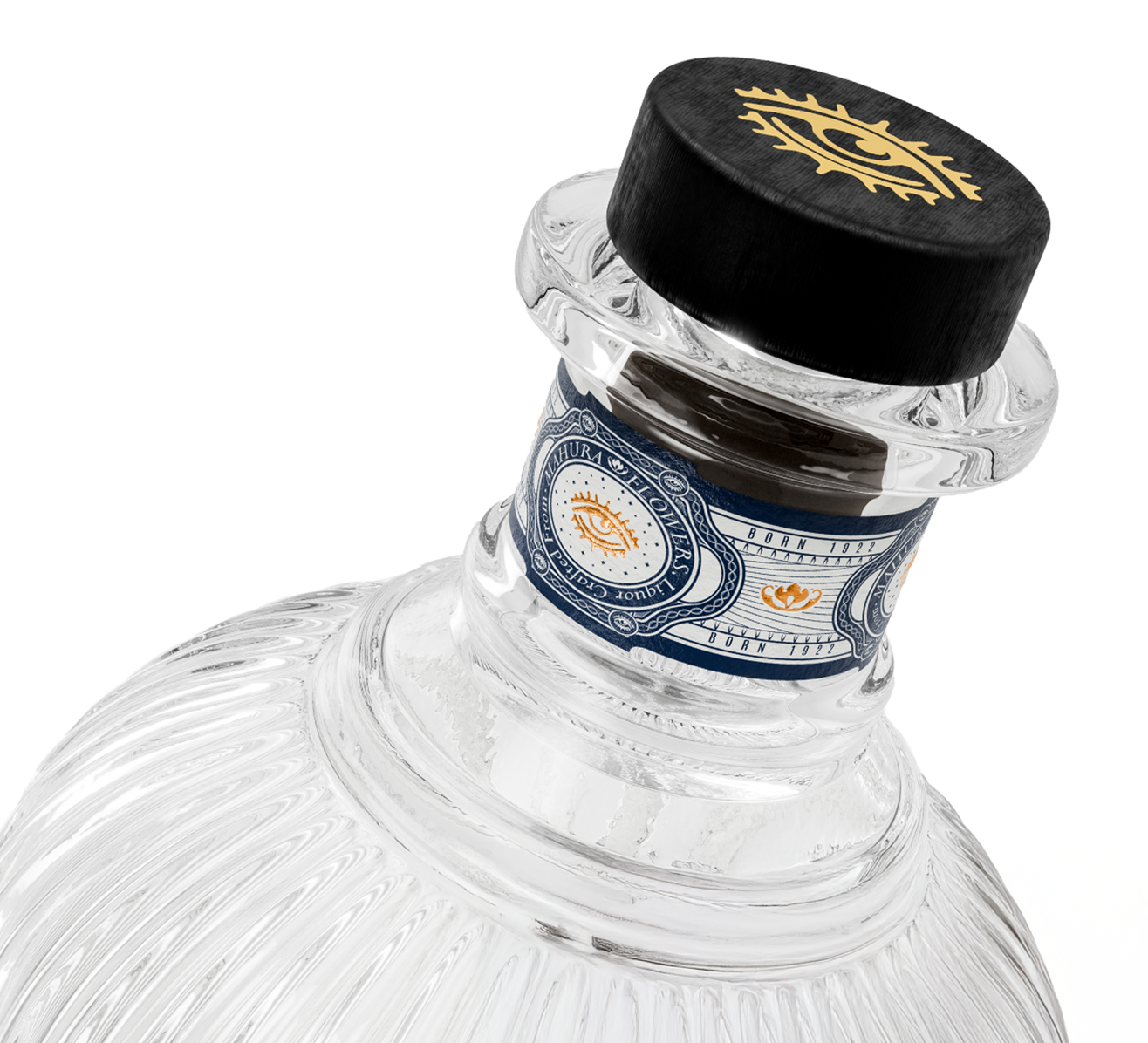
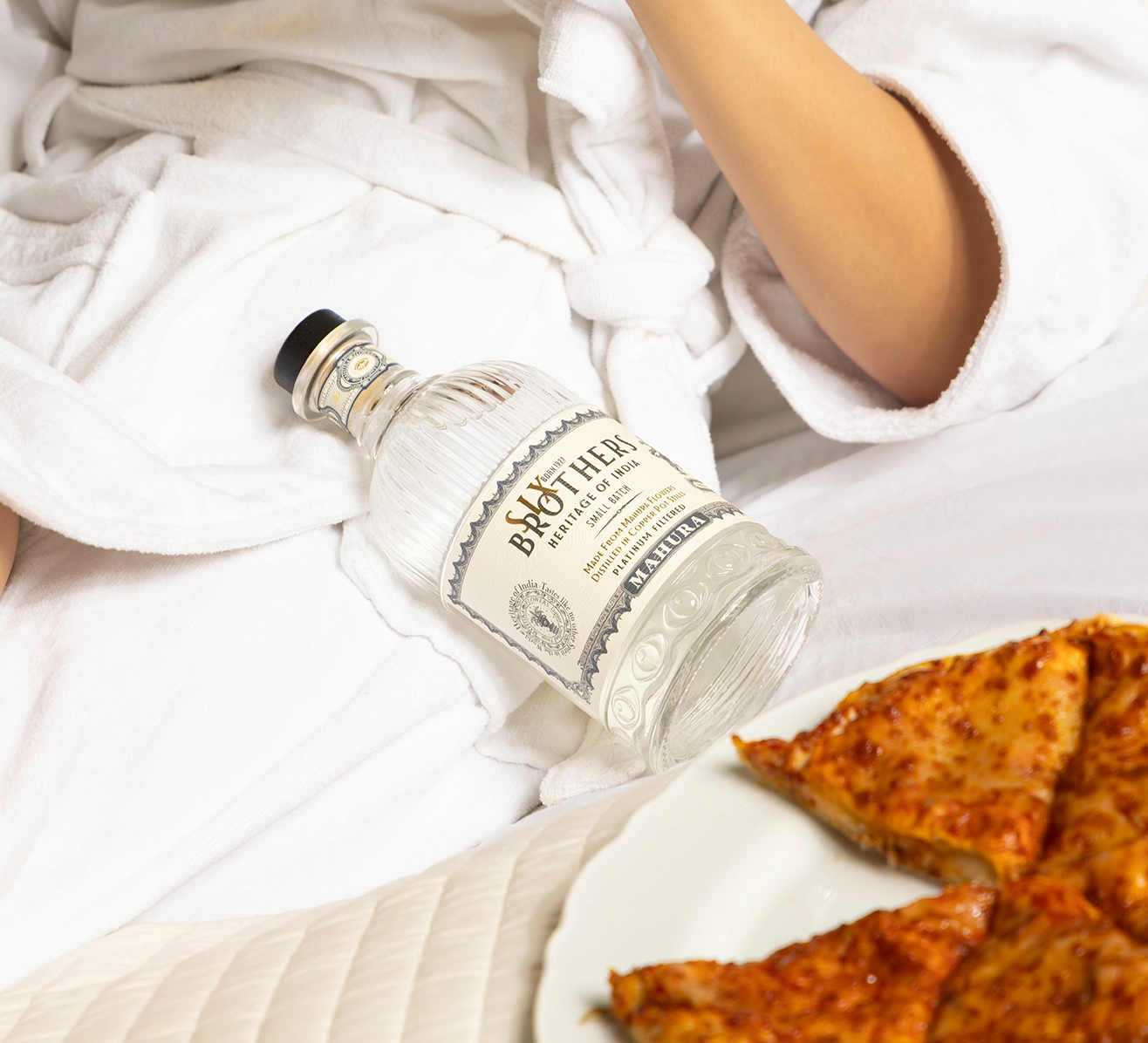
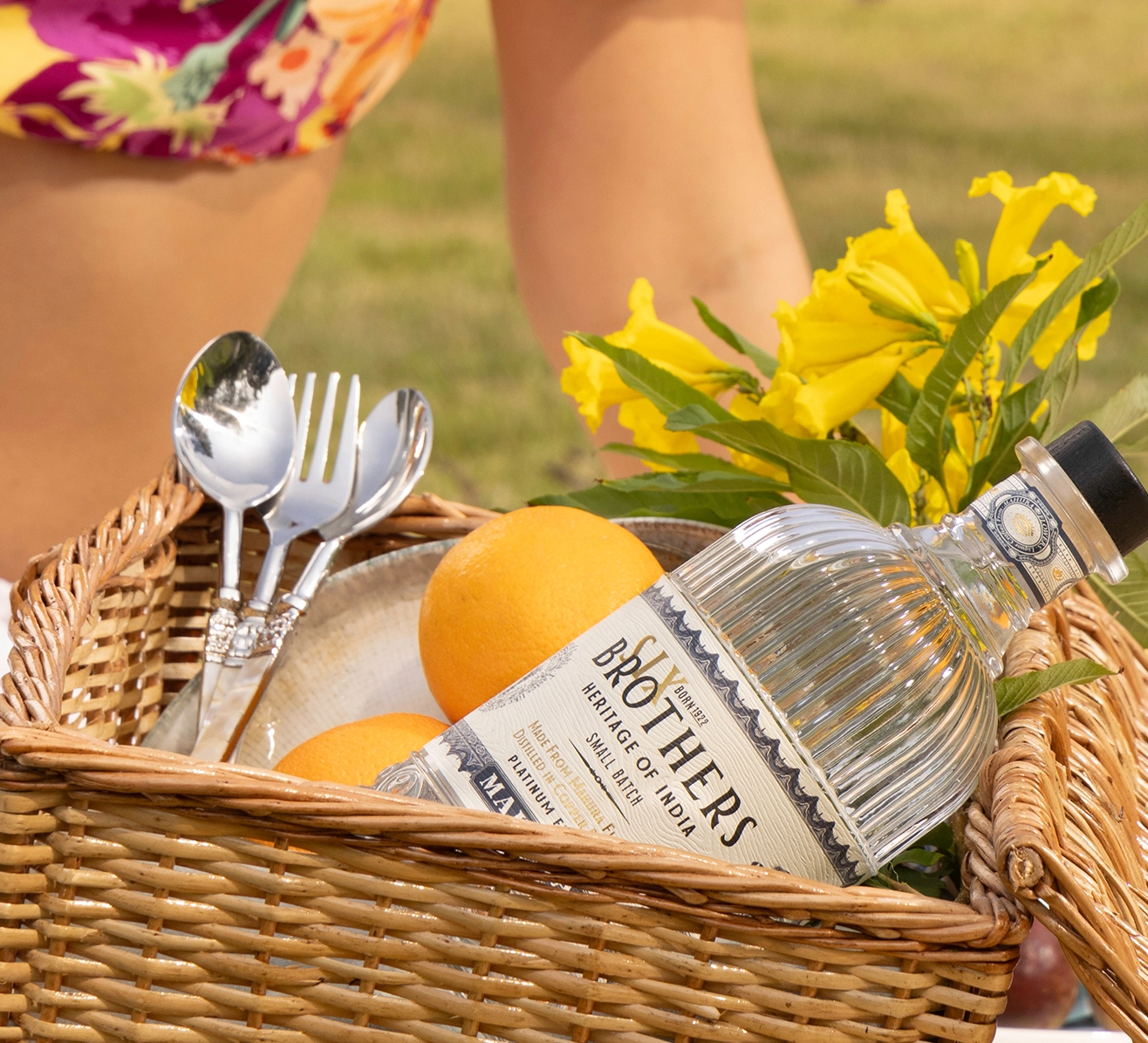
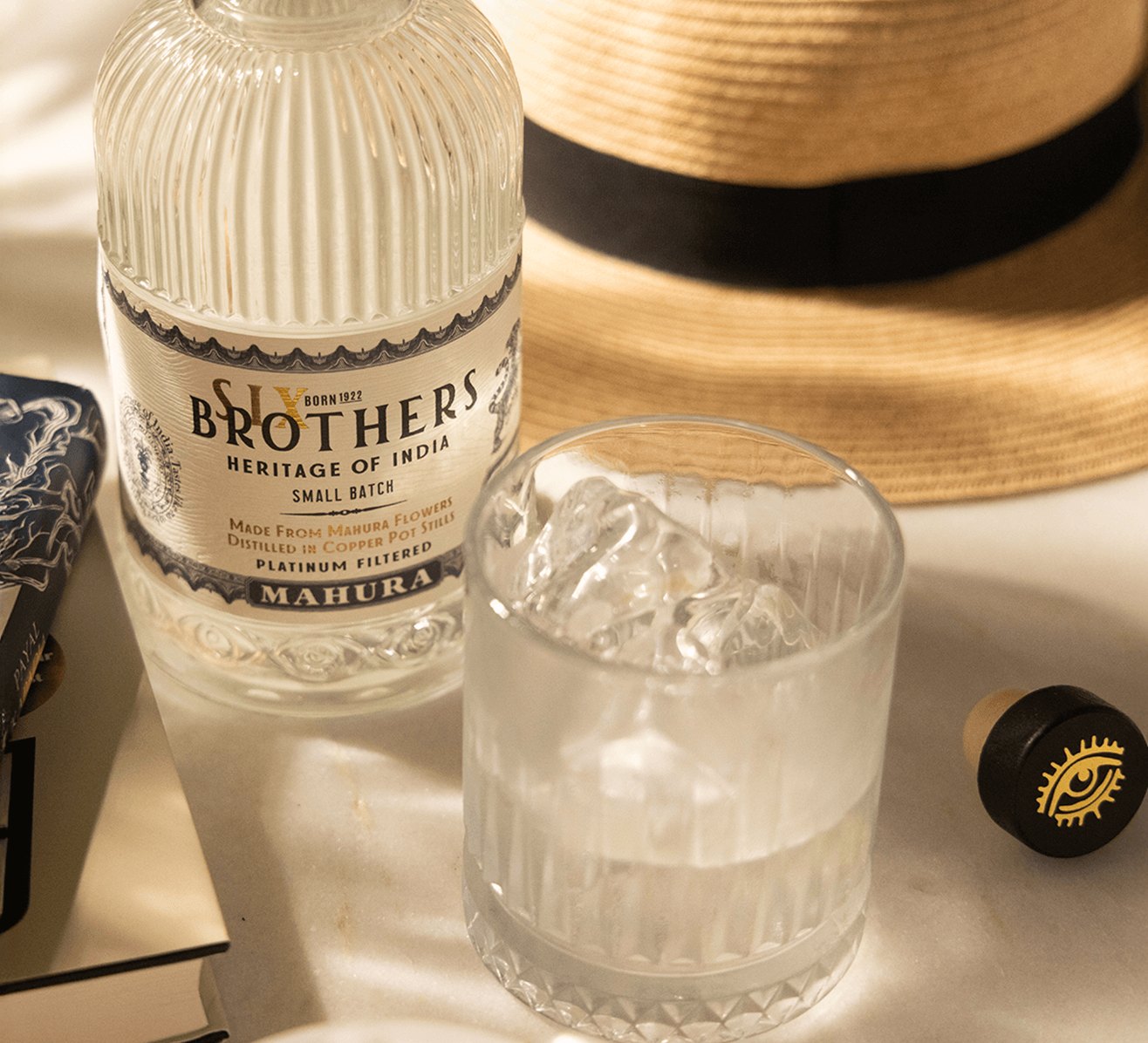
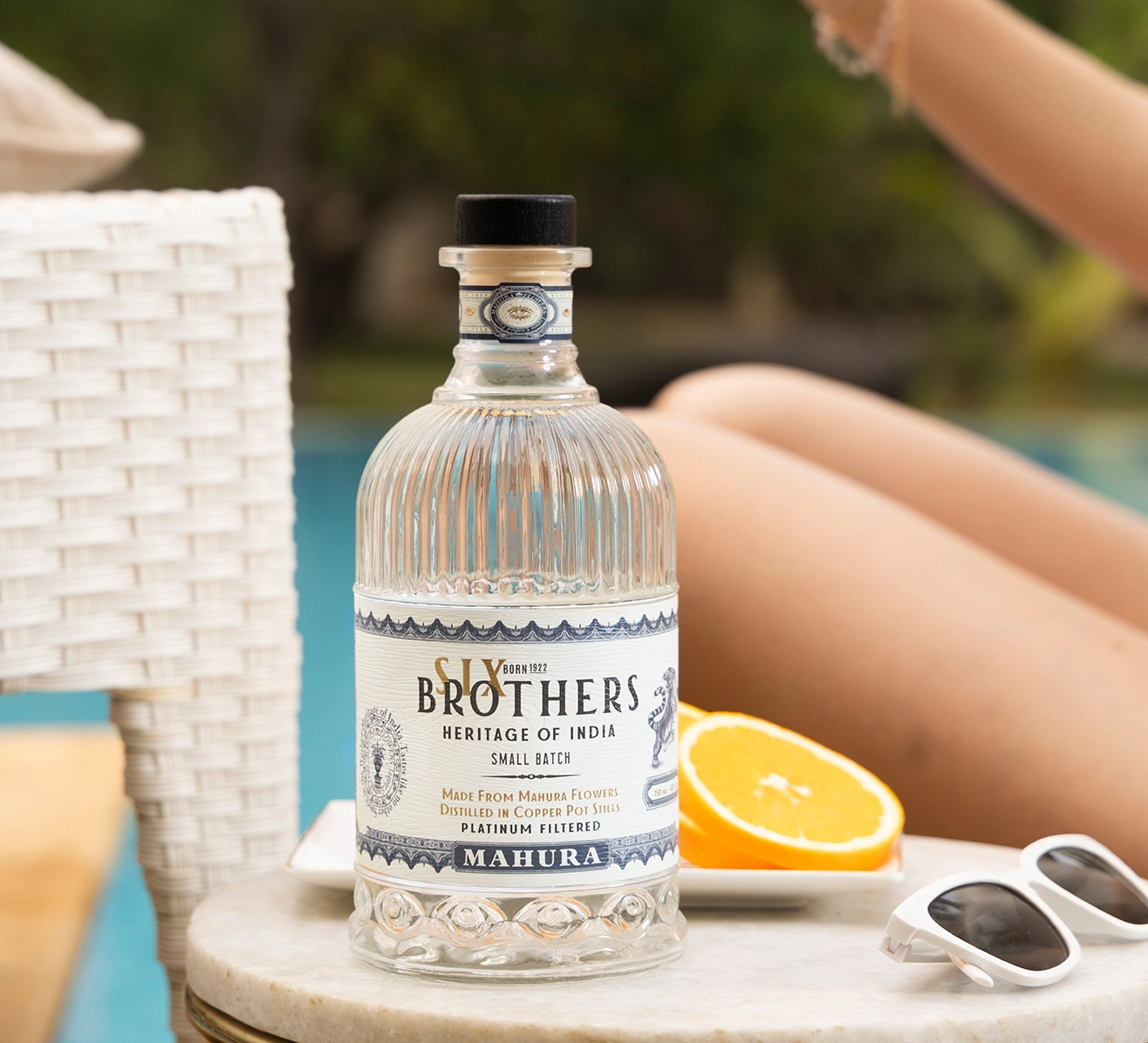
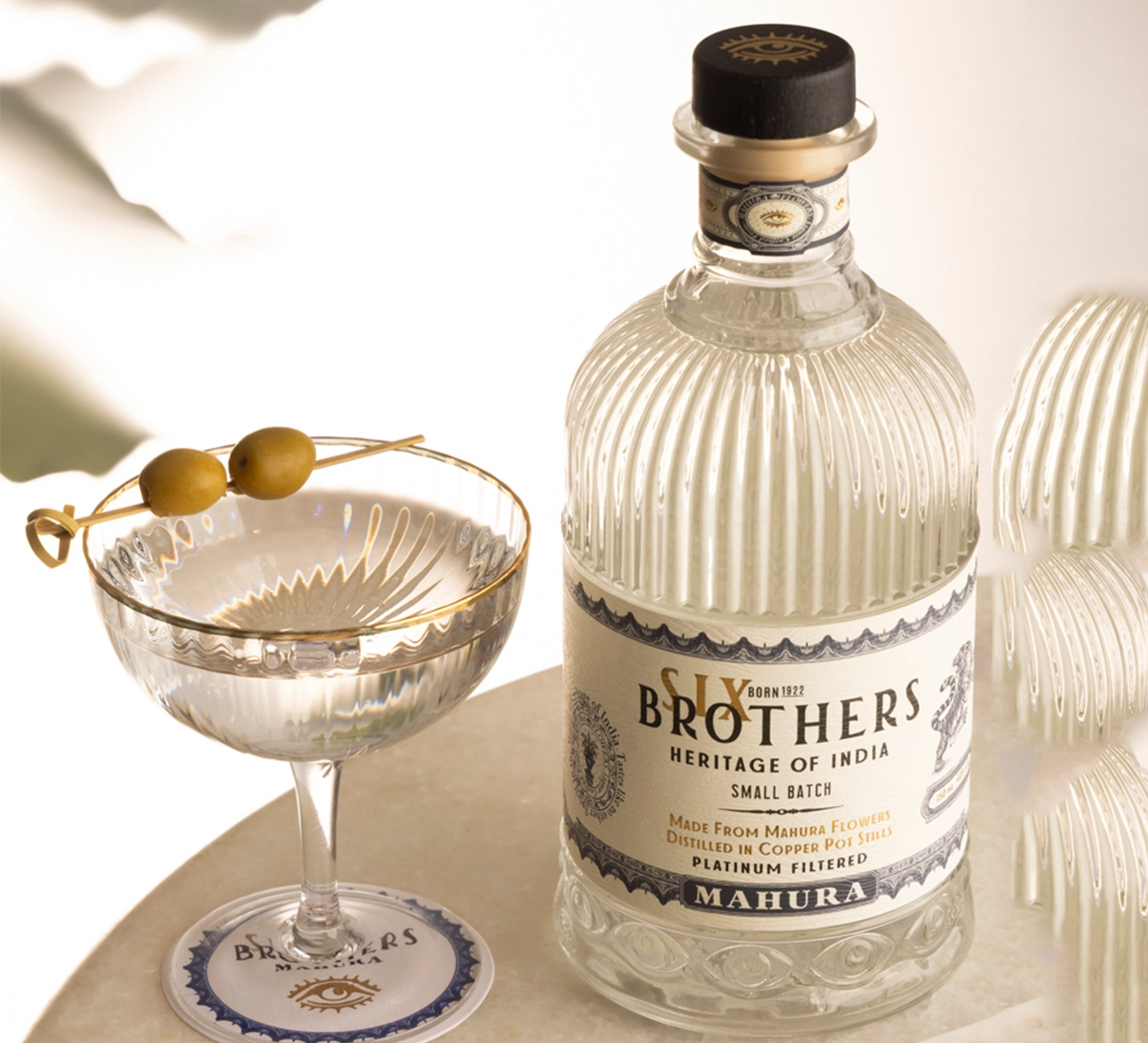
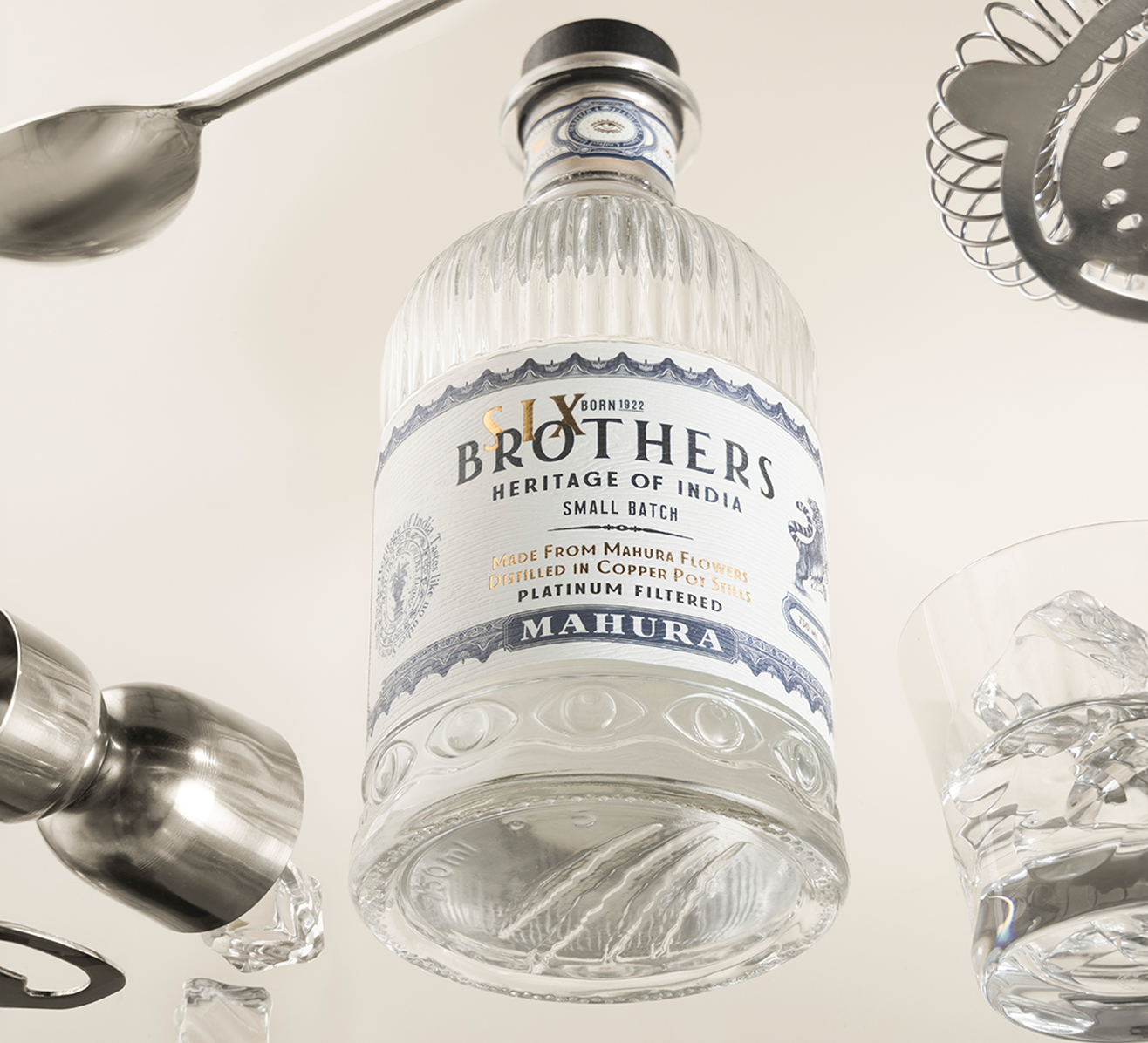
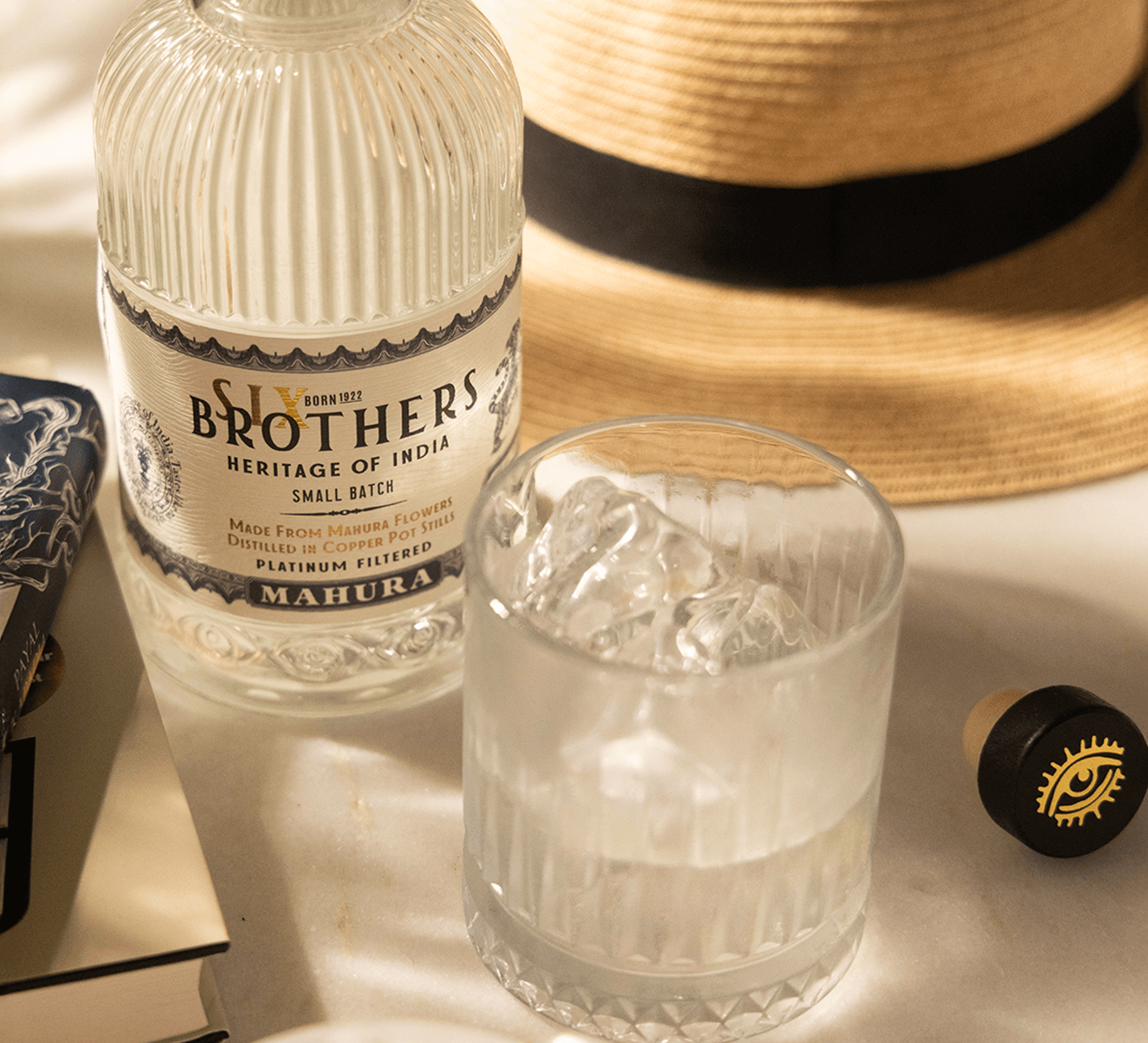
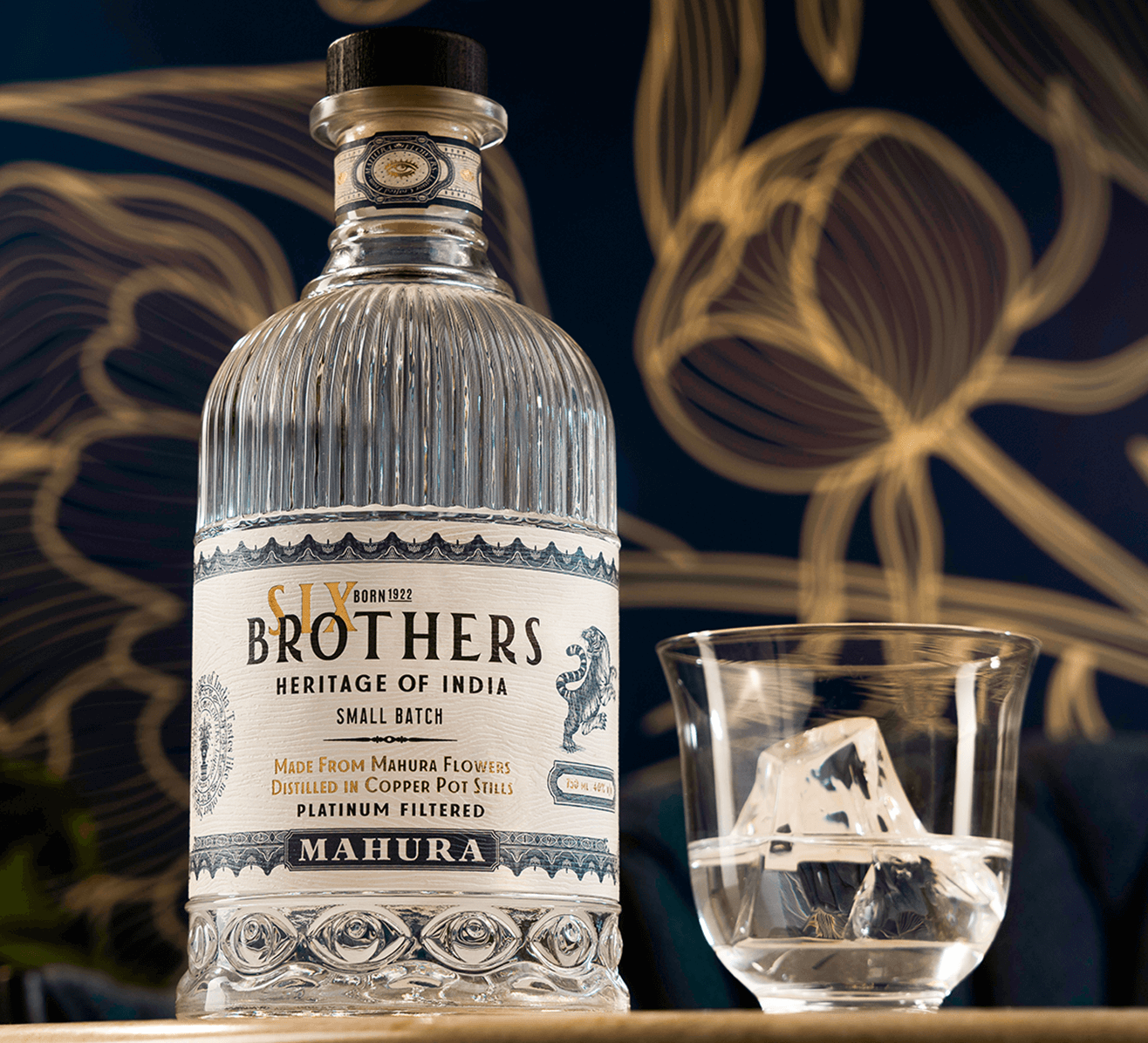
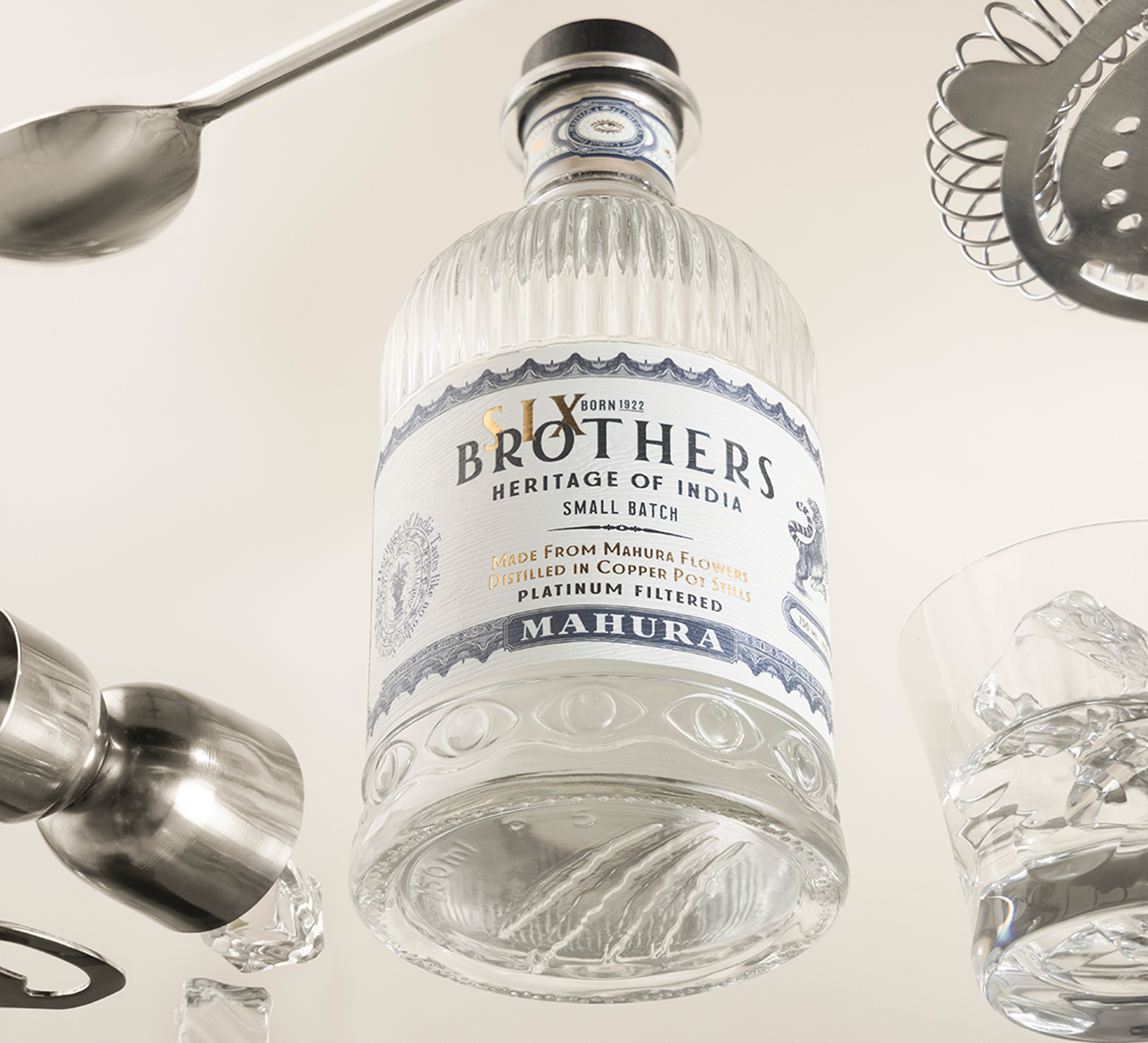
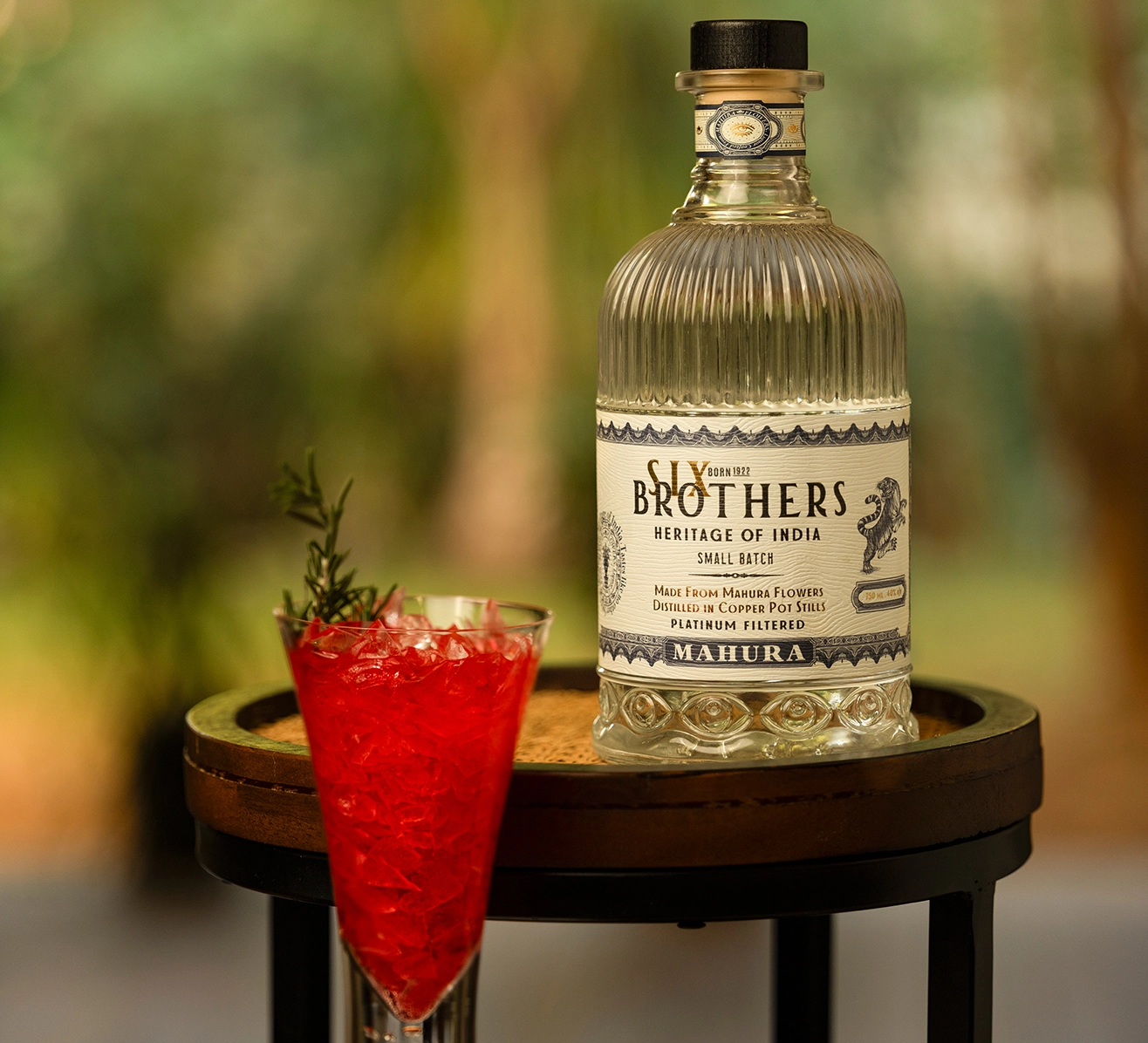
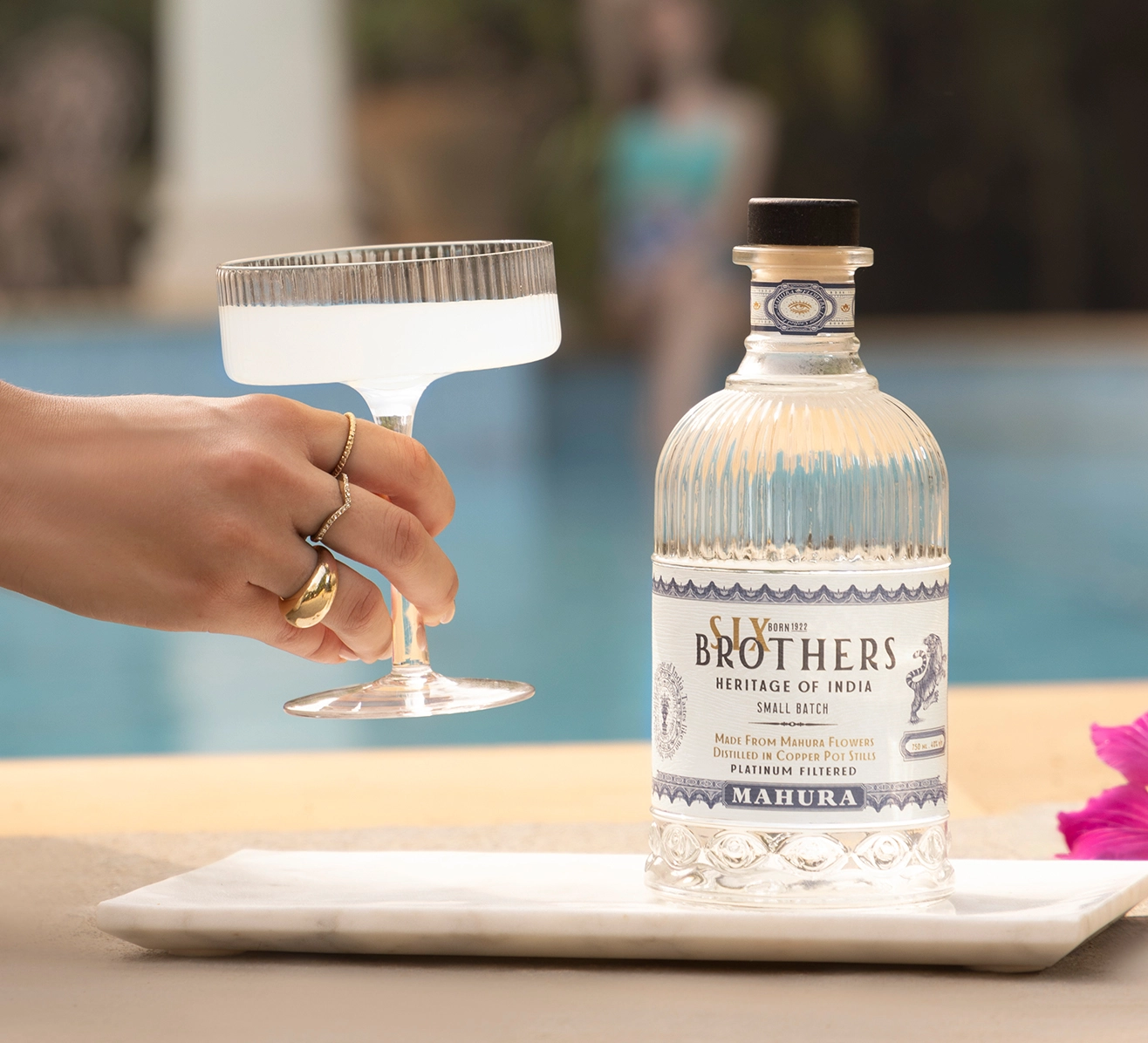
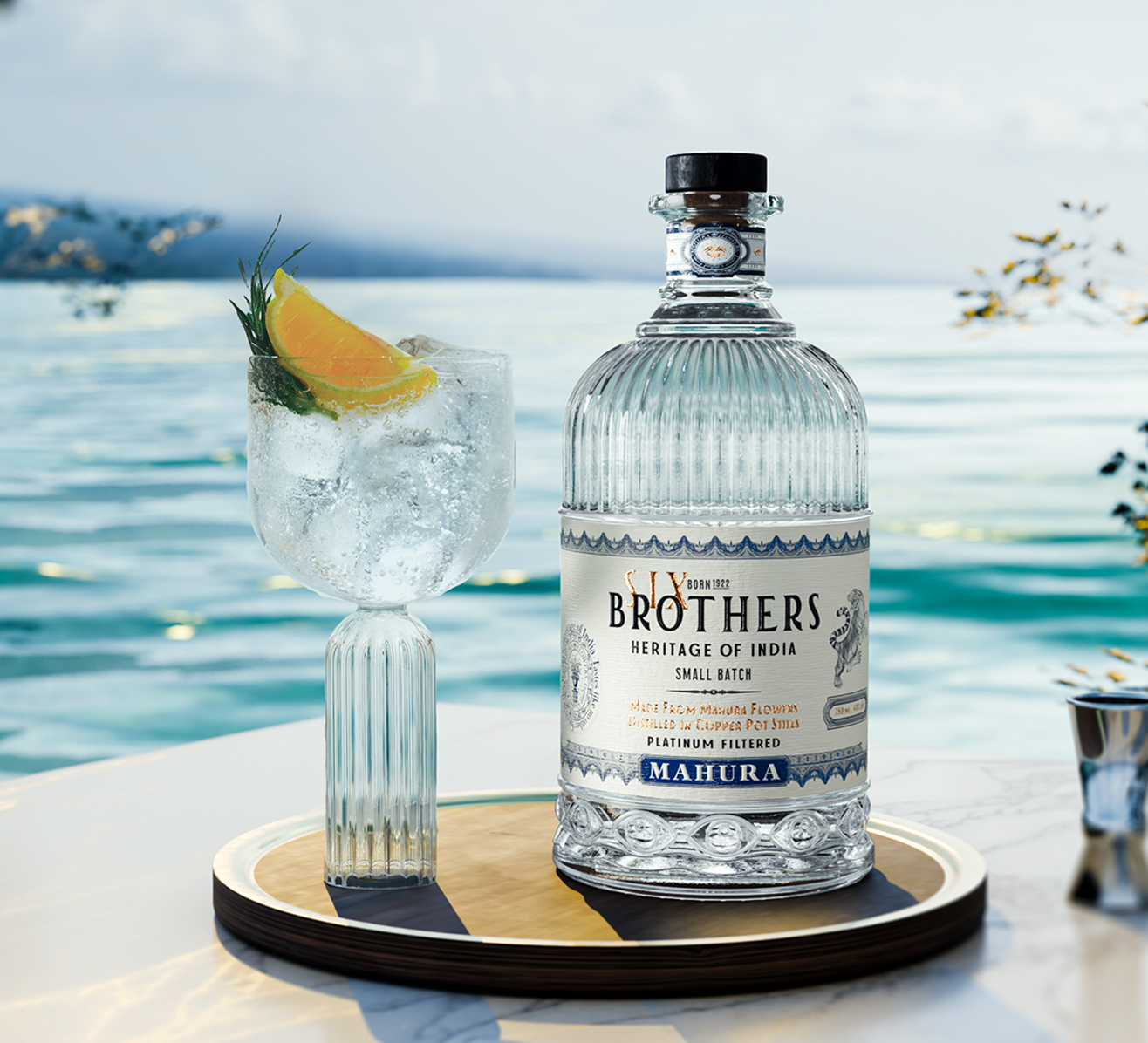
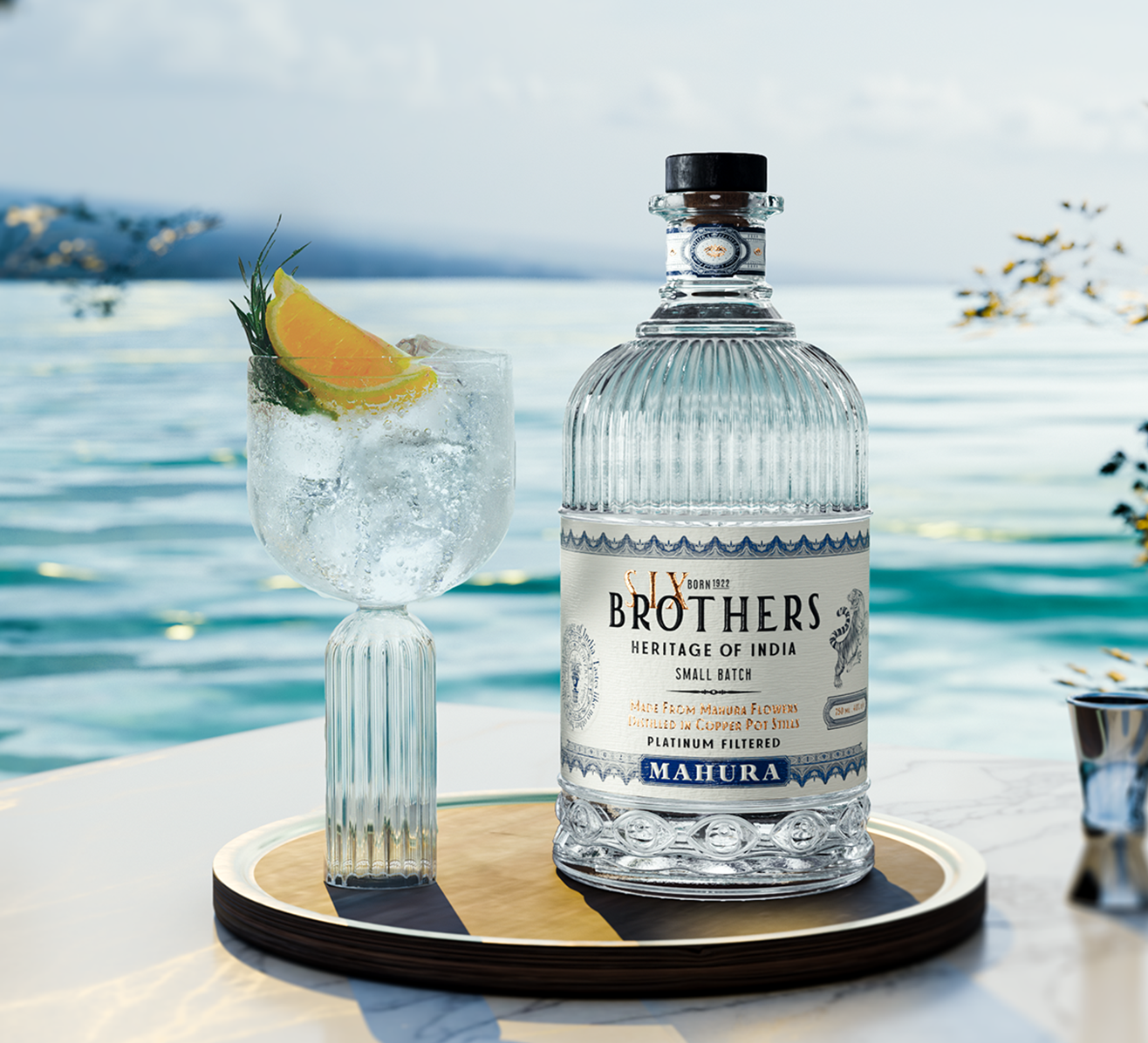
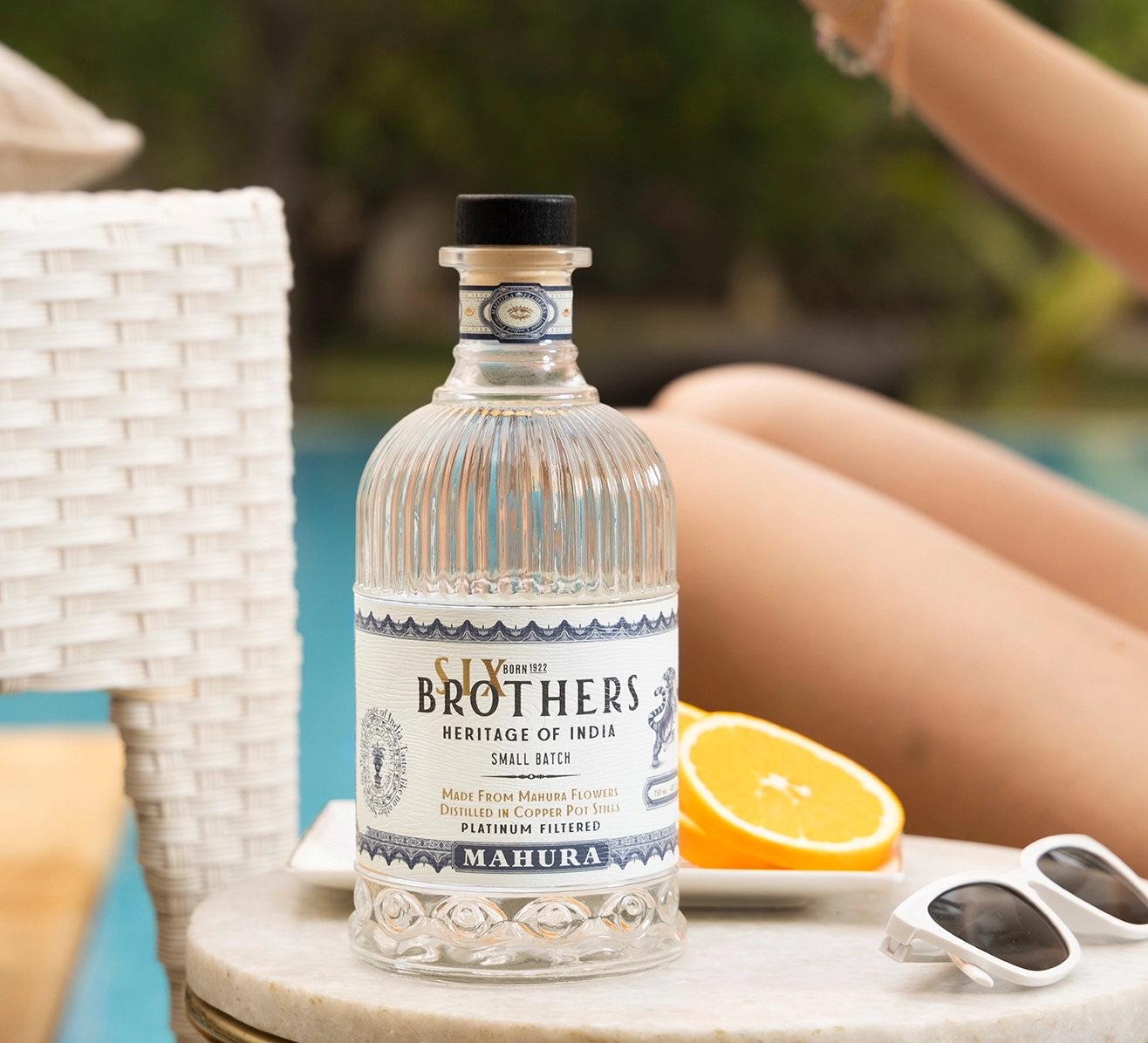
Six Brothers Mahura brings the story of Mahua into a contemporary premium environment.
Its identity connects:
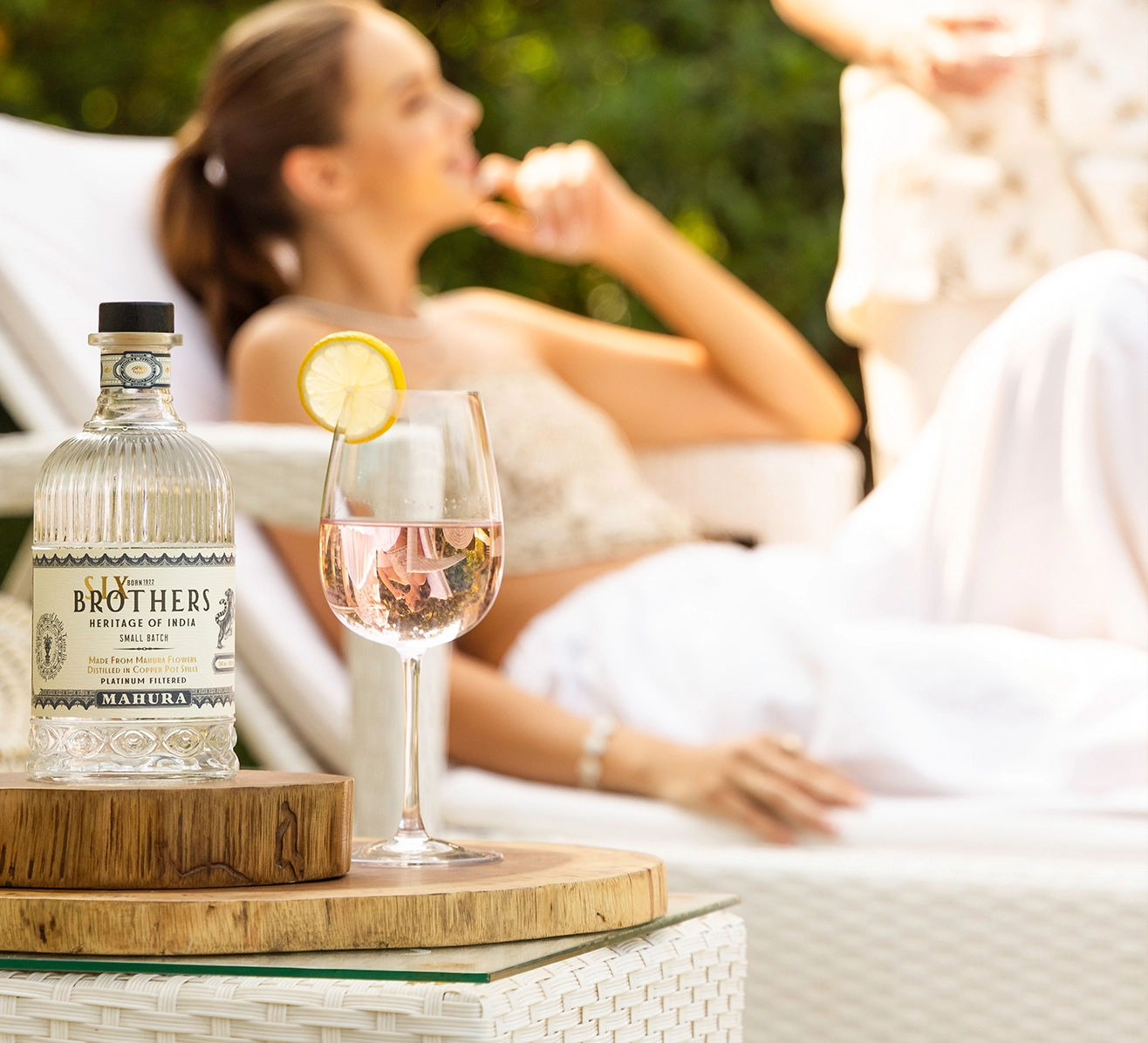
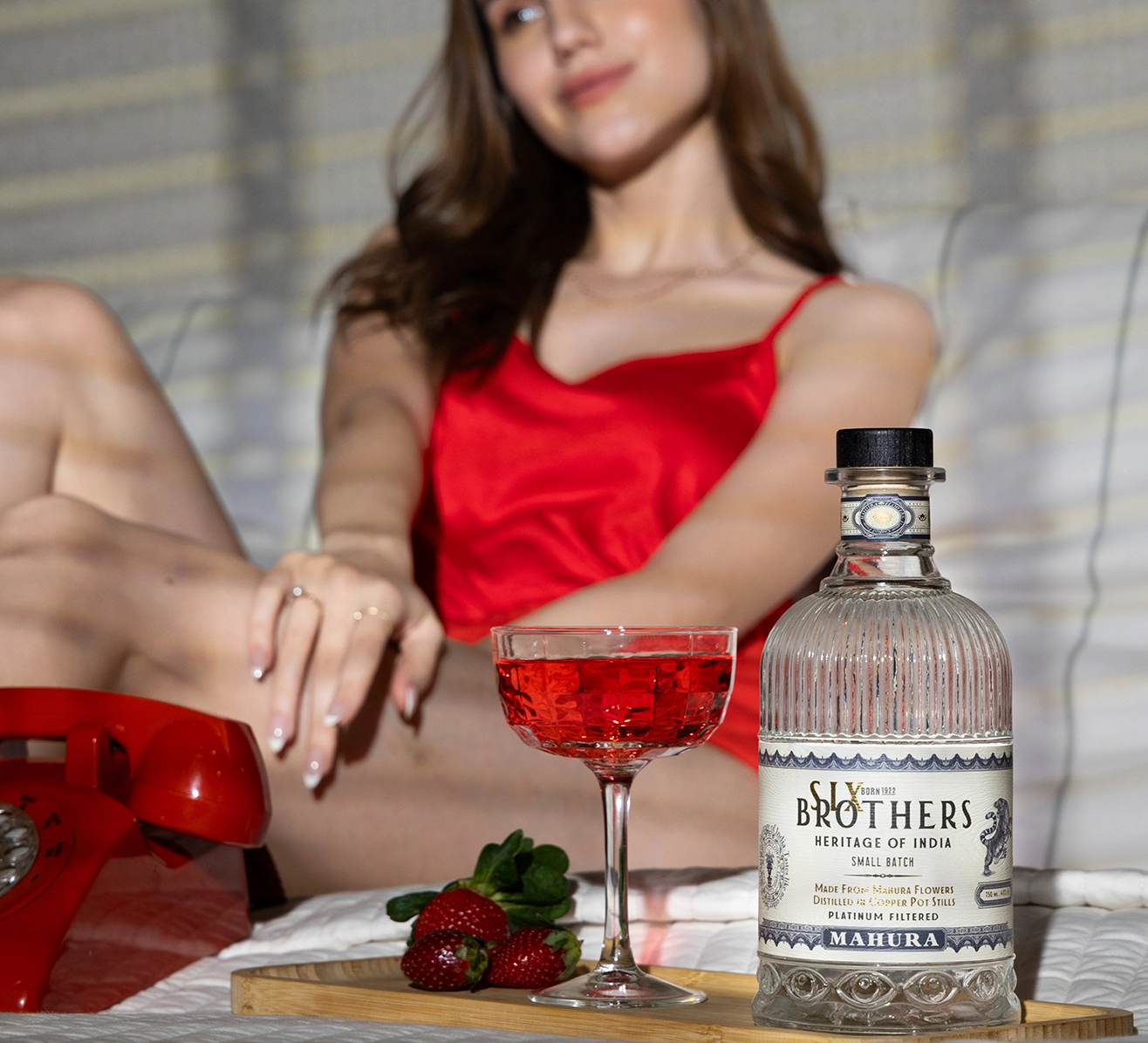
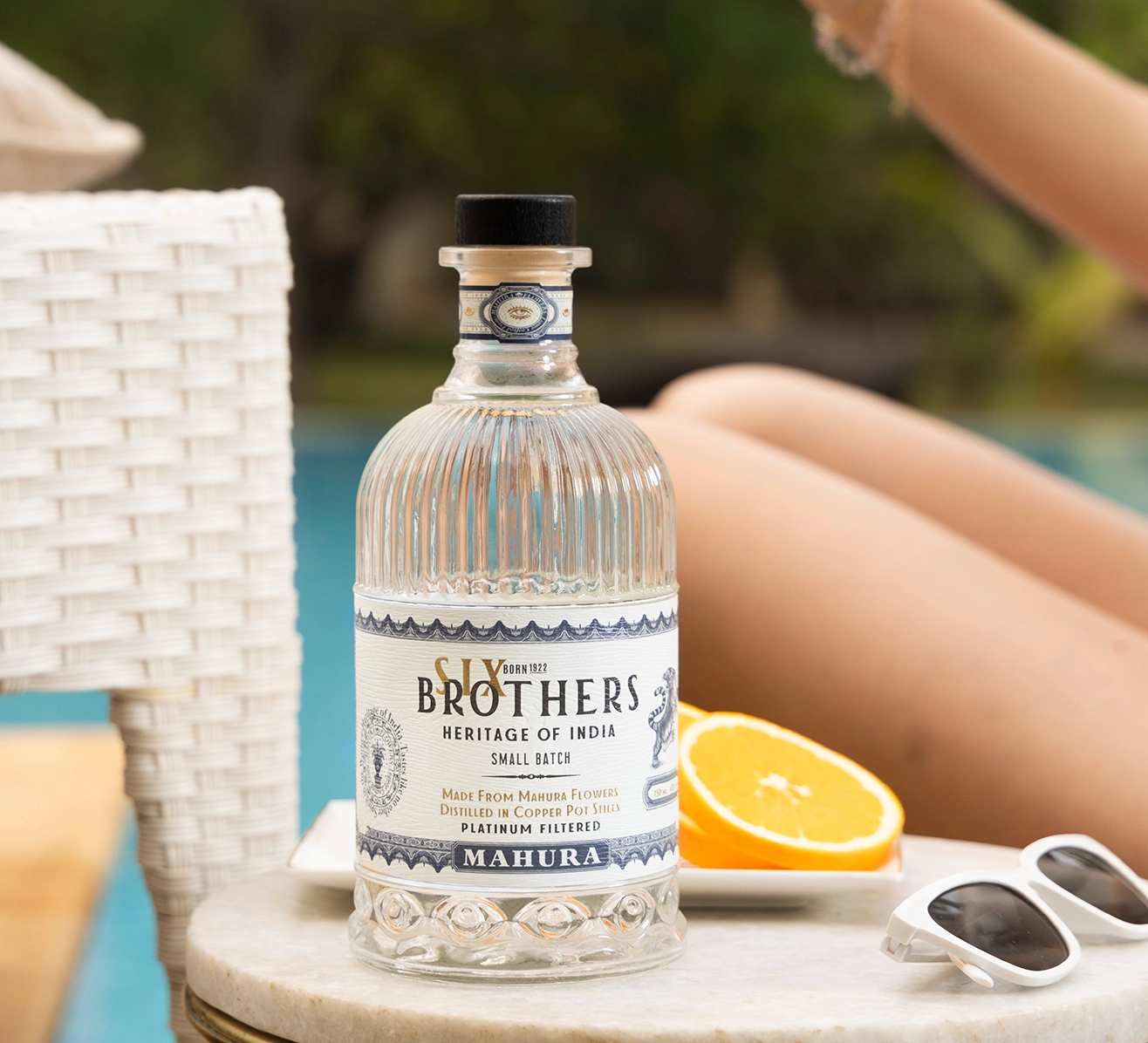
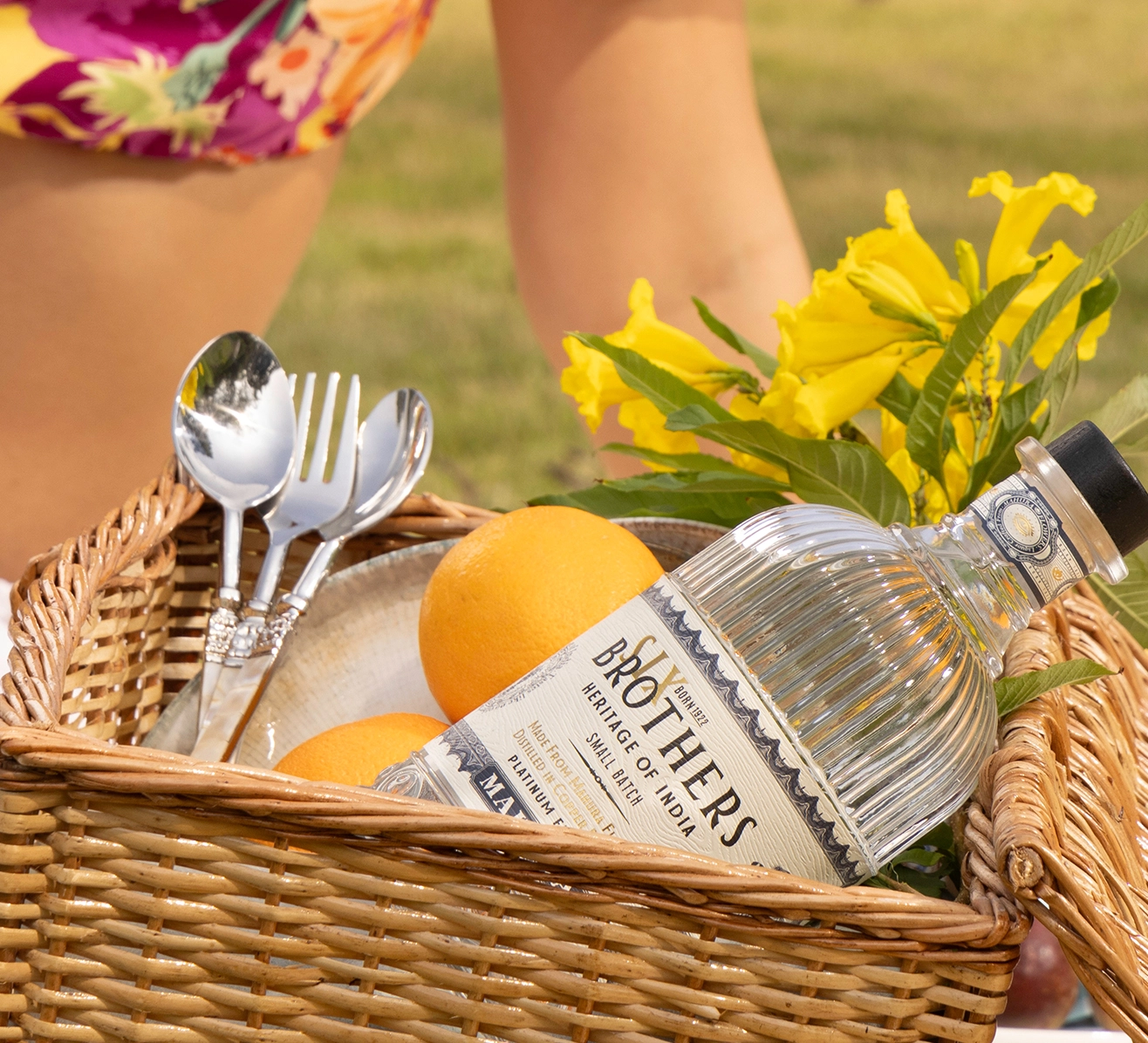
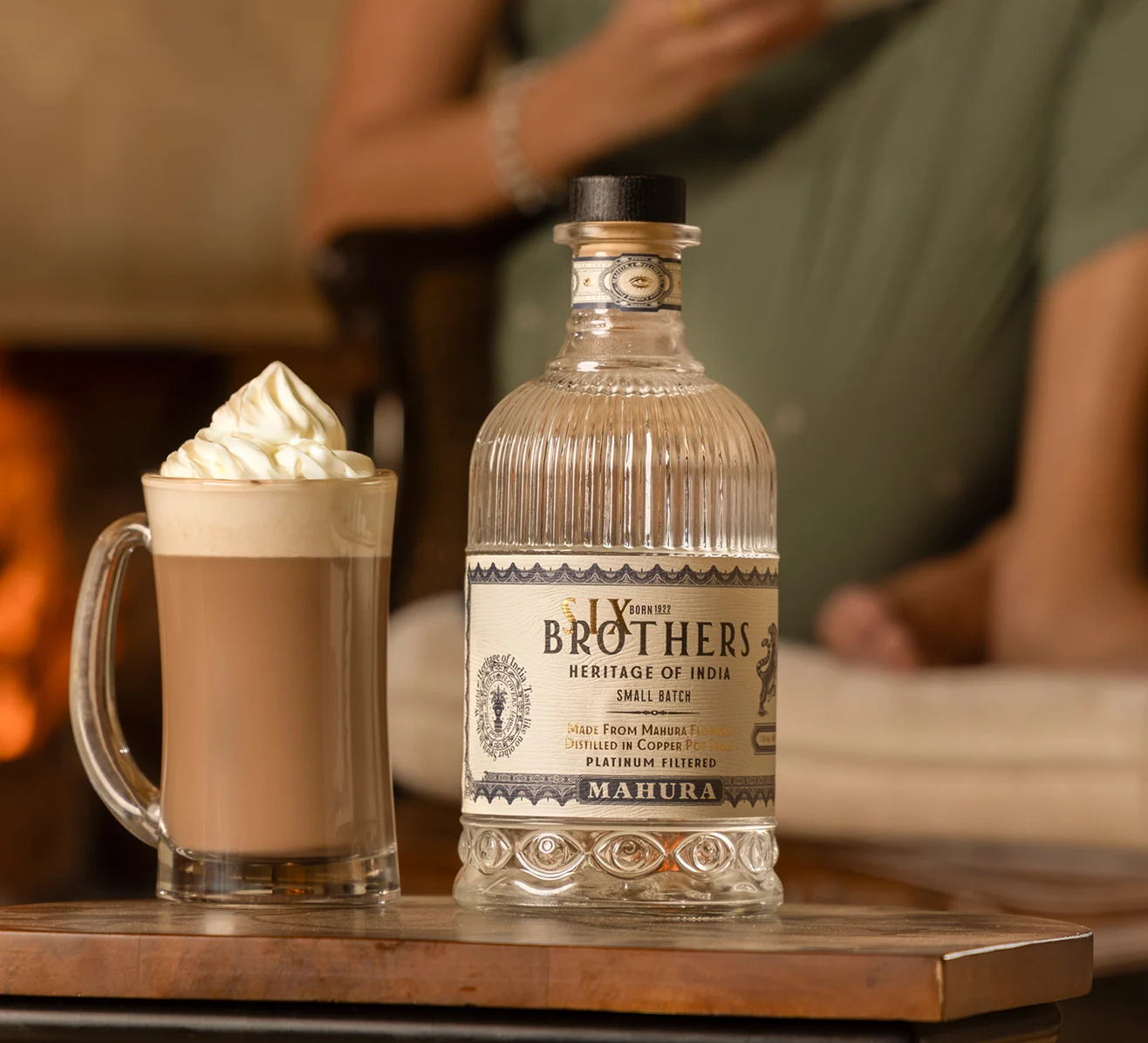
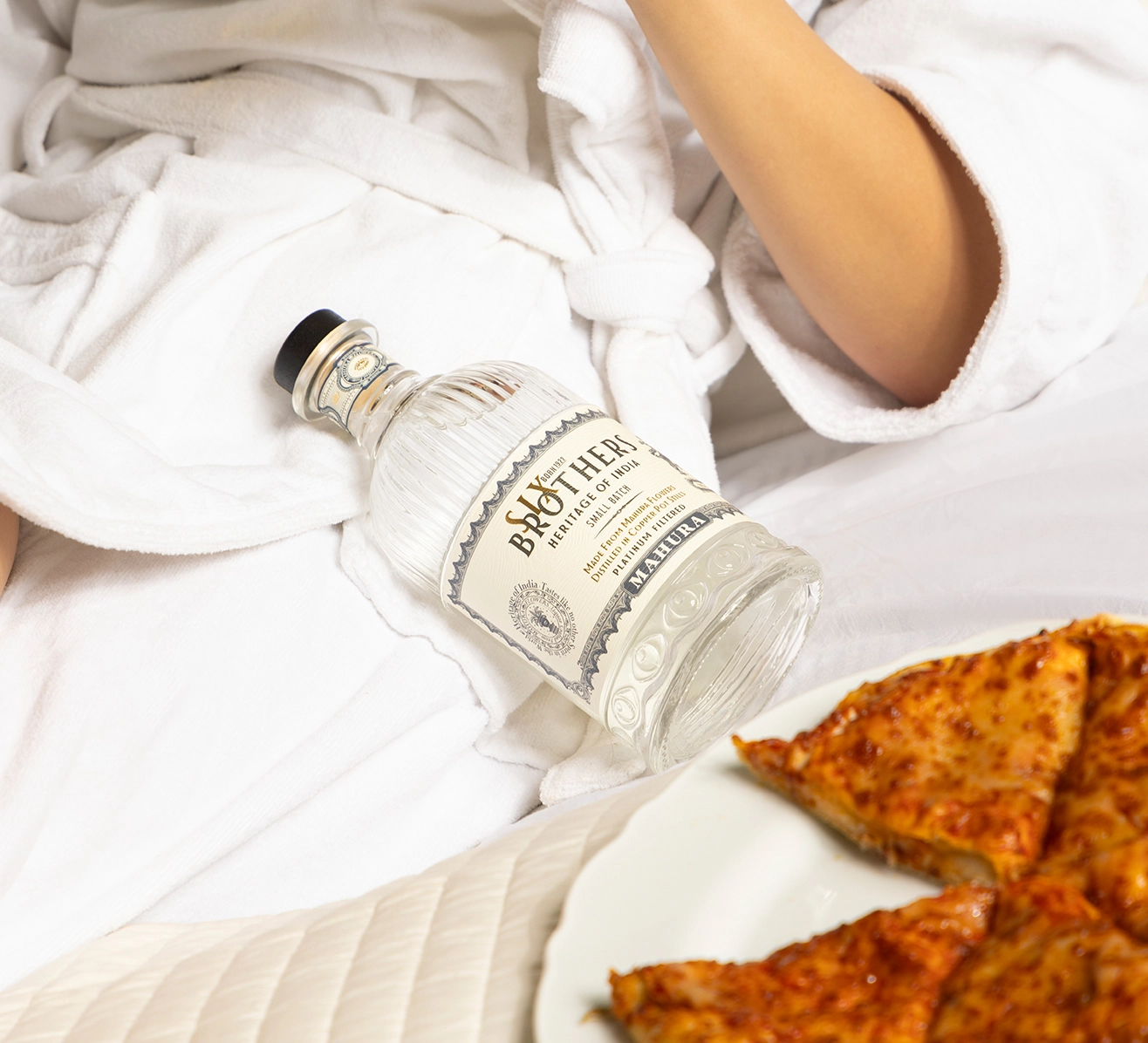
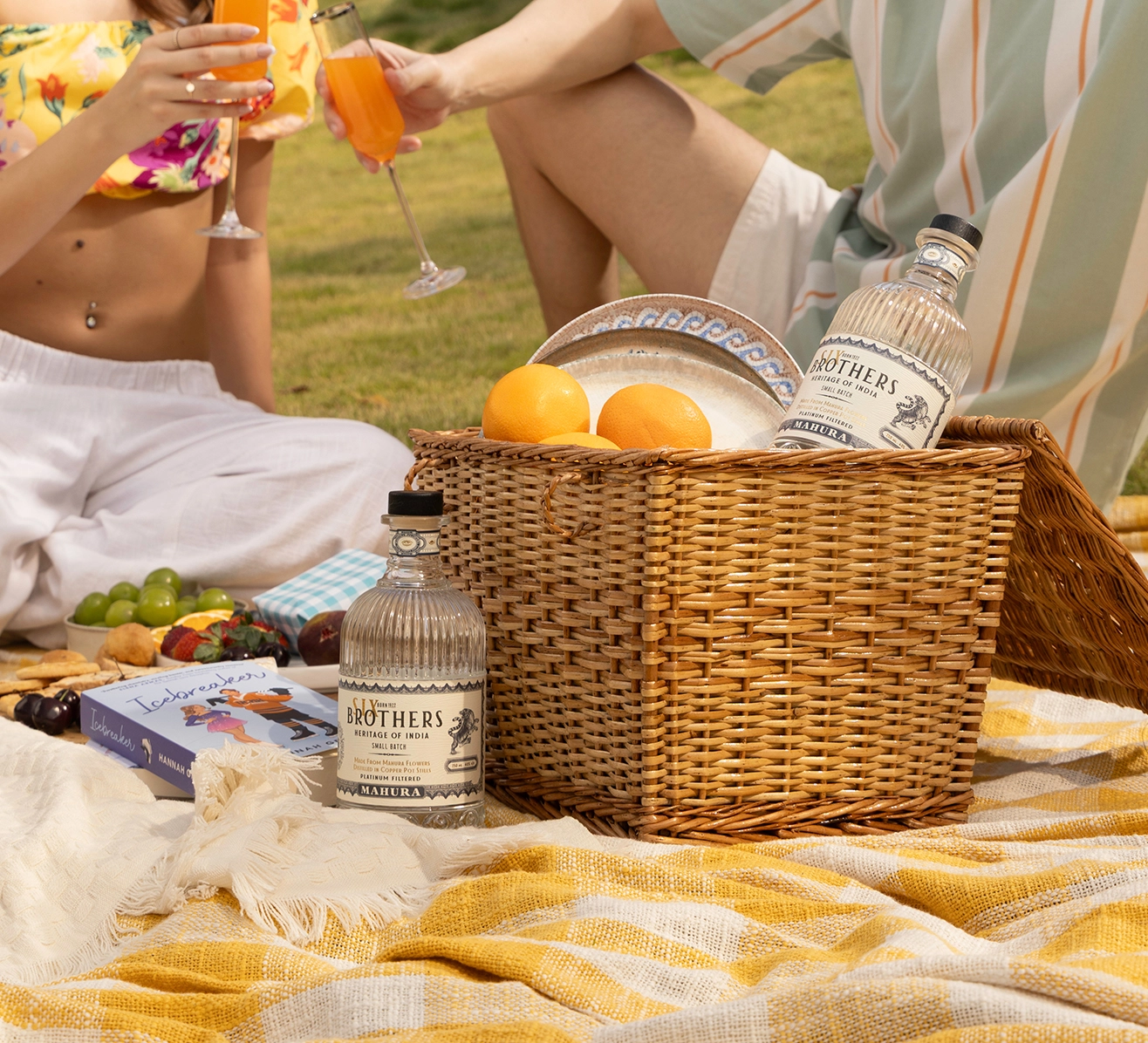
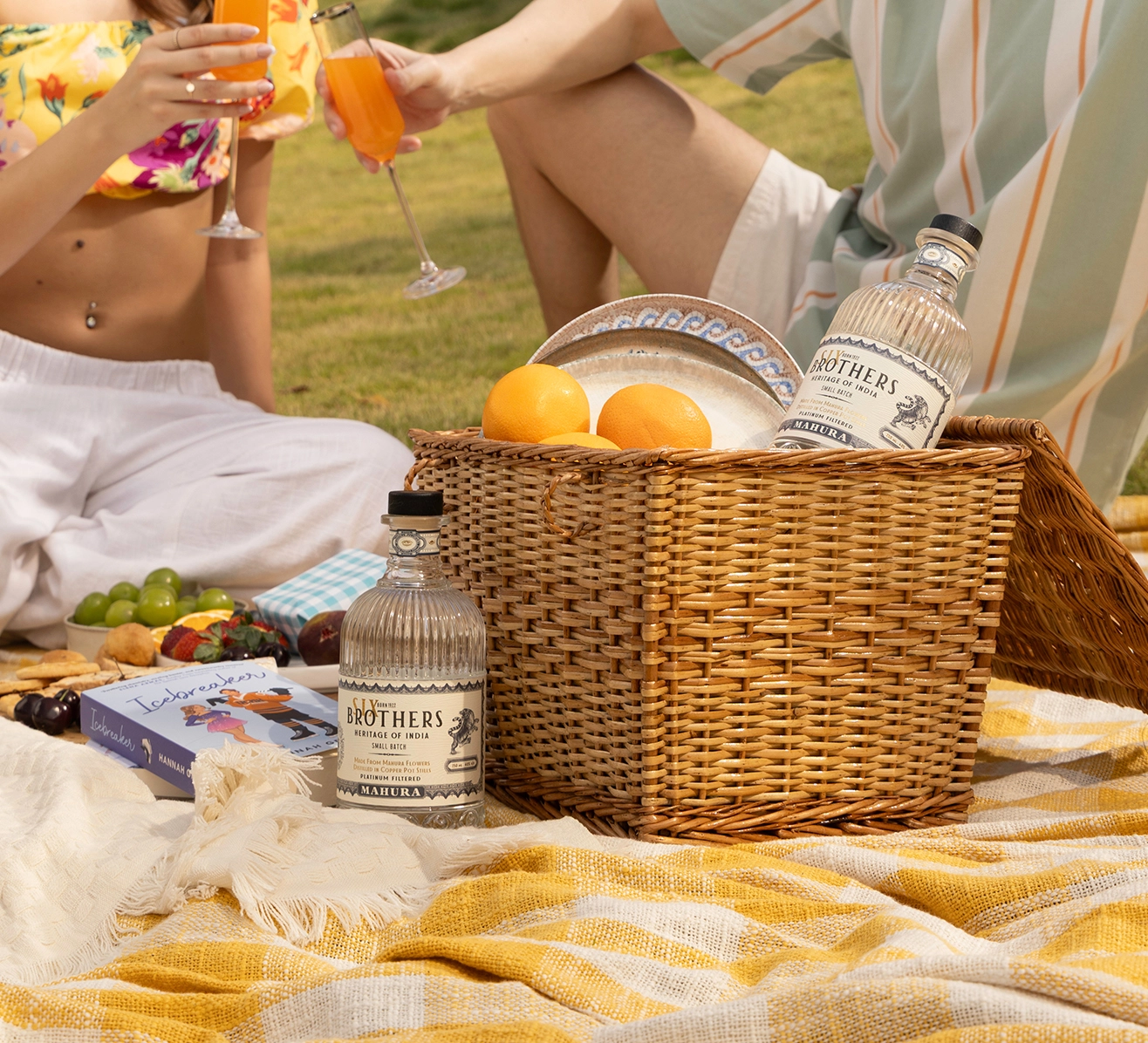
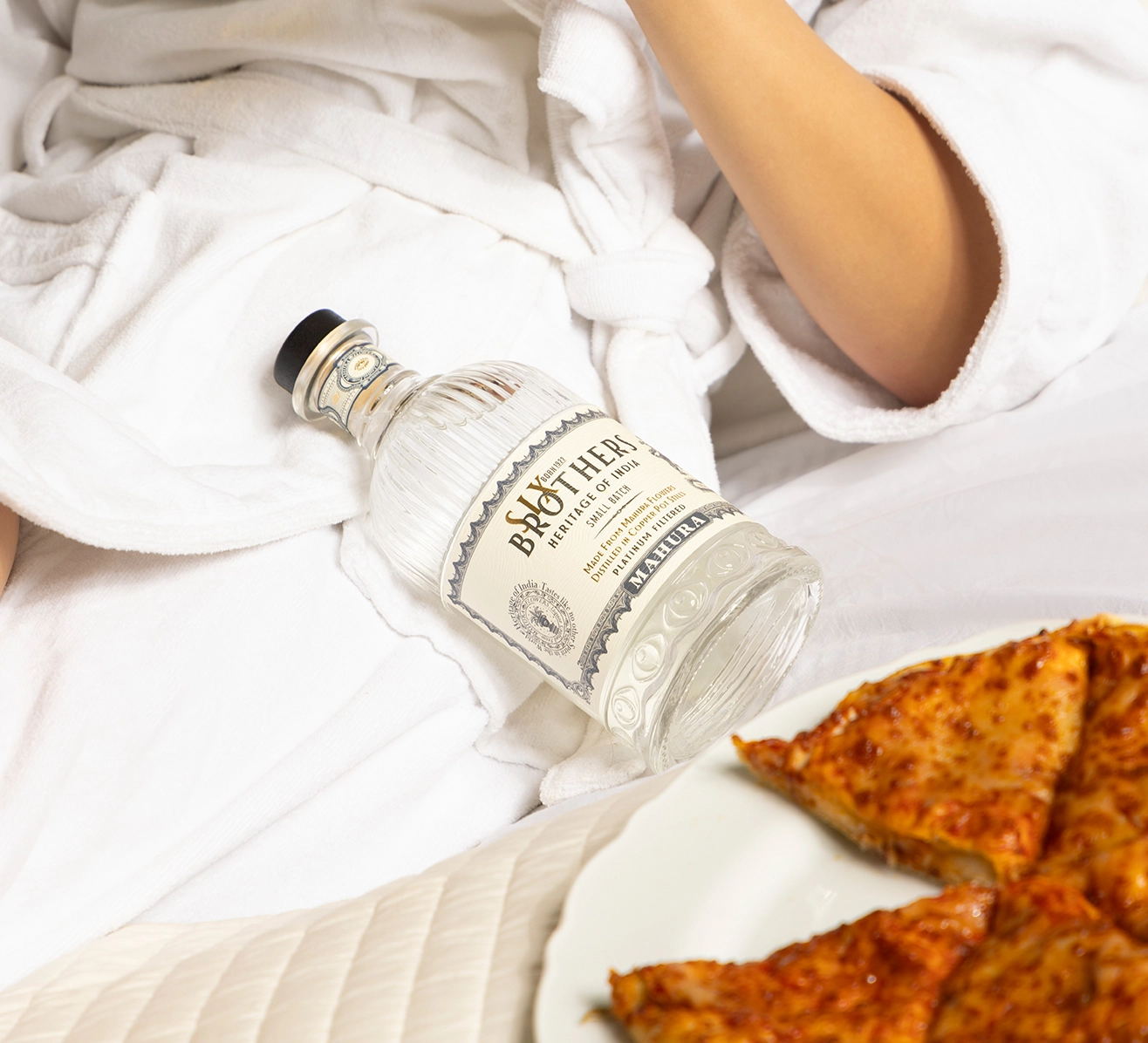
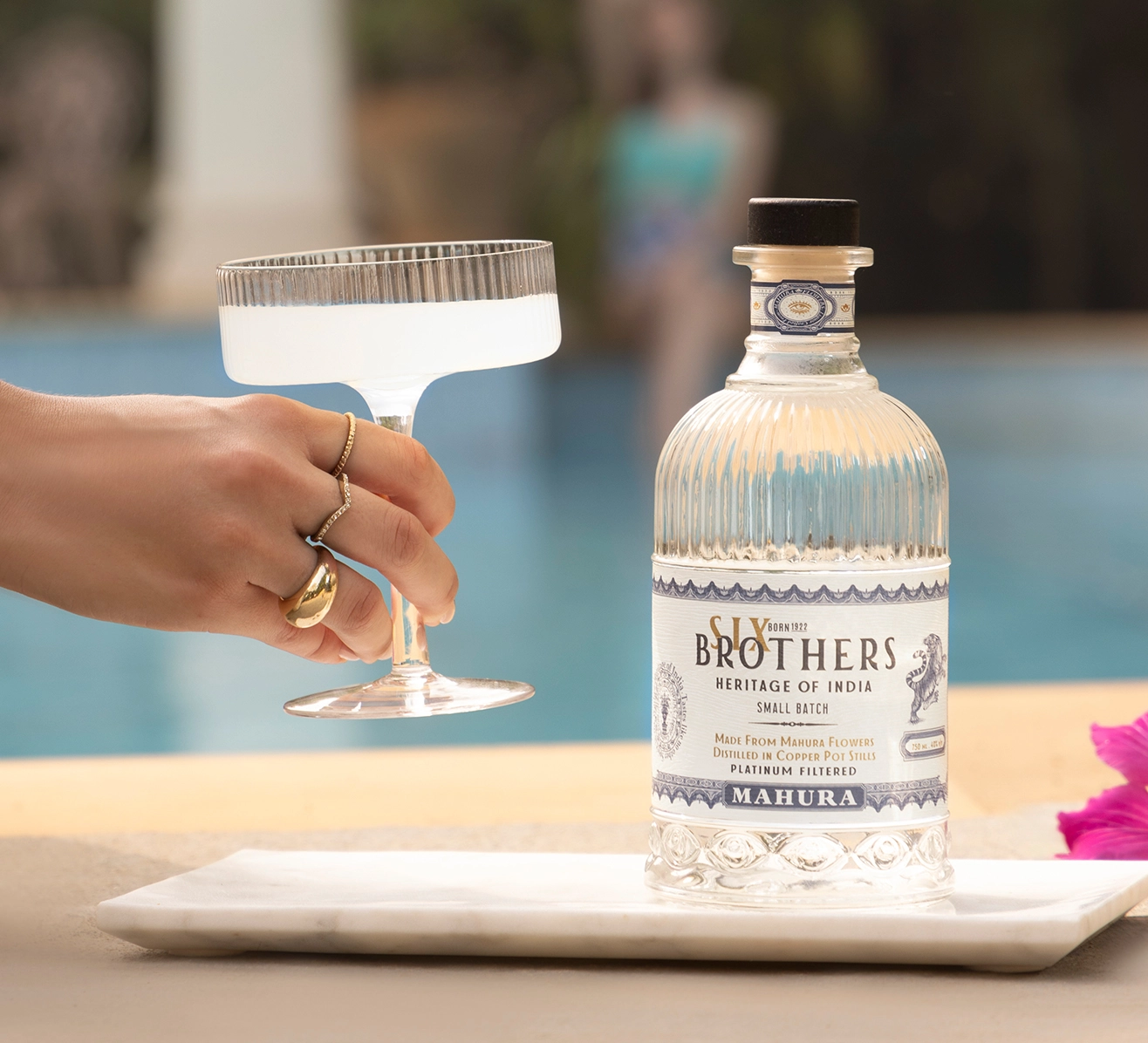
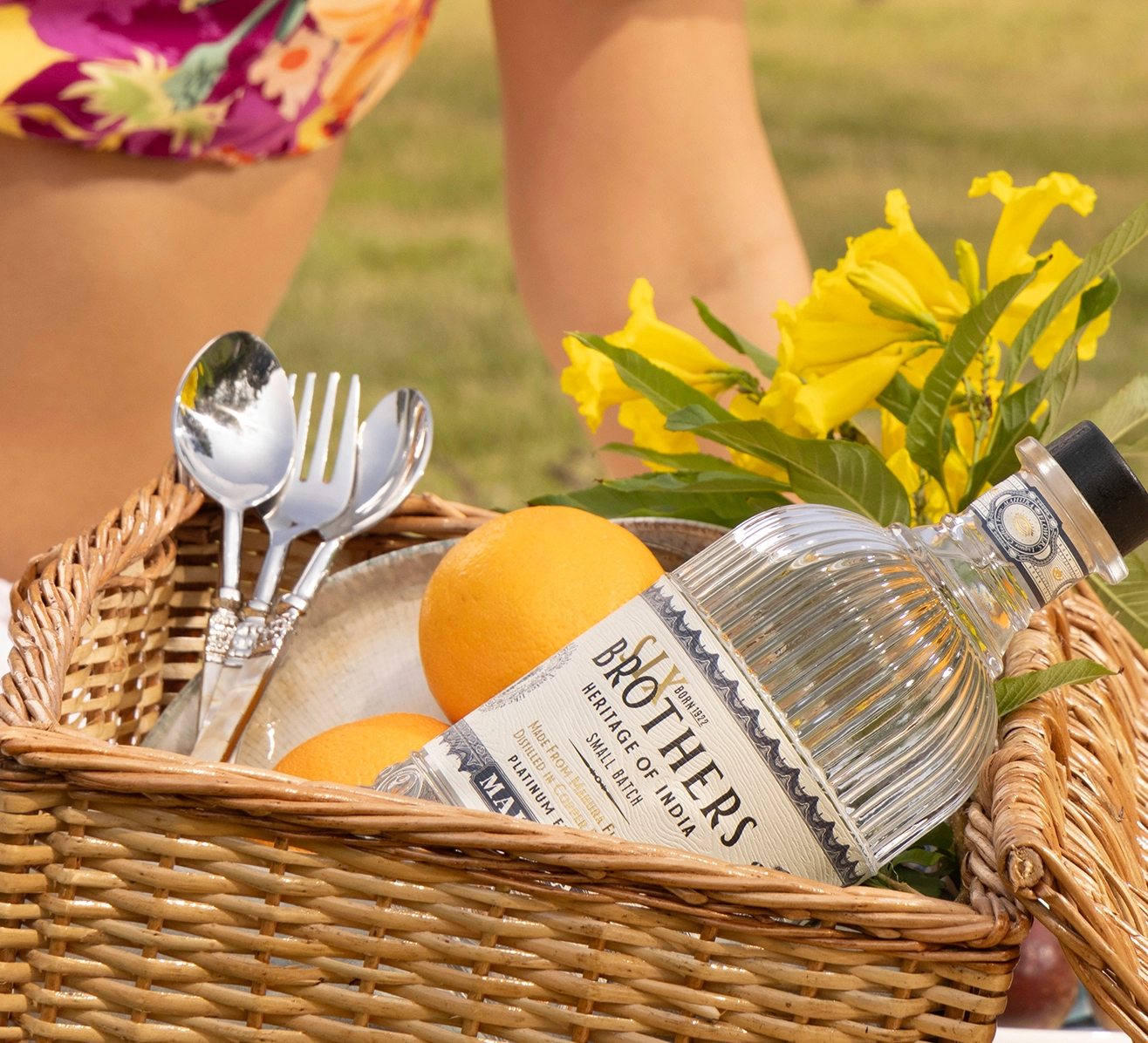
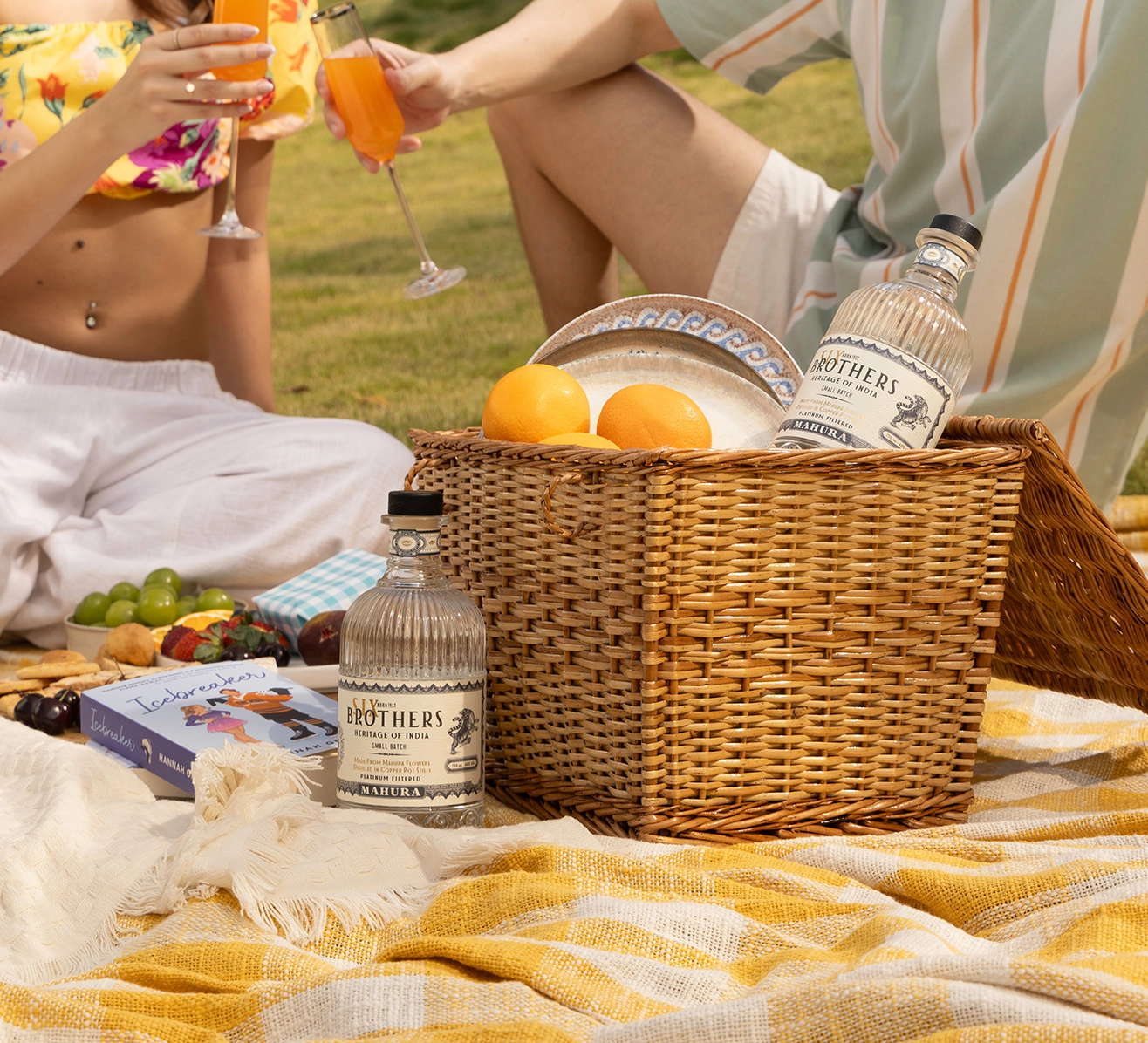
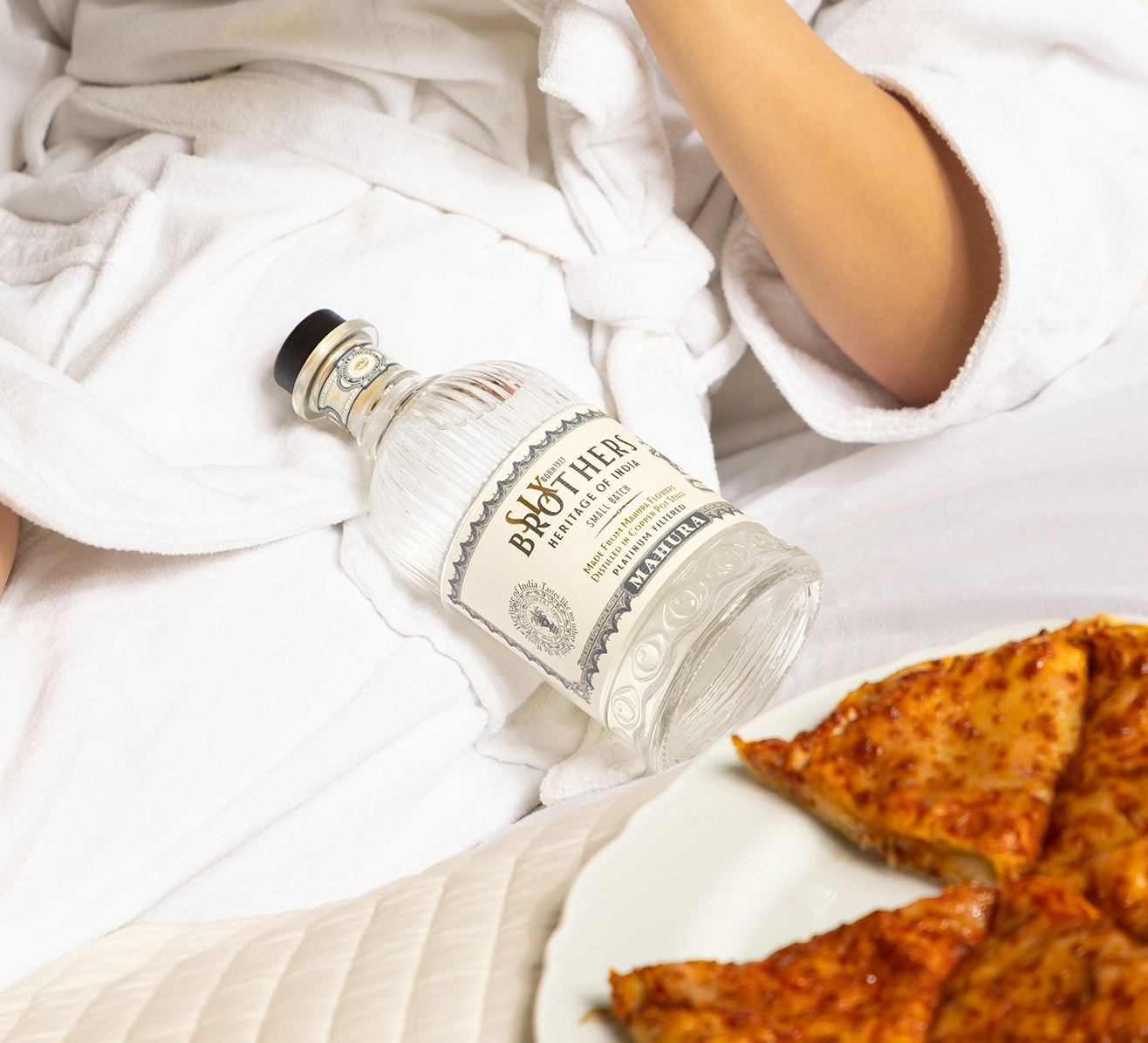
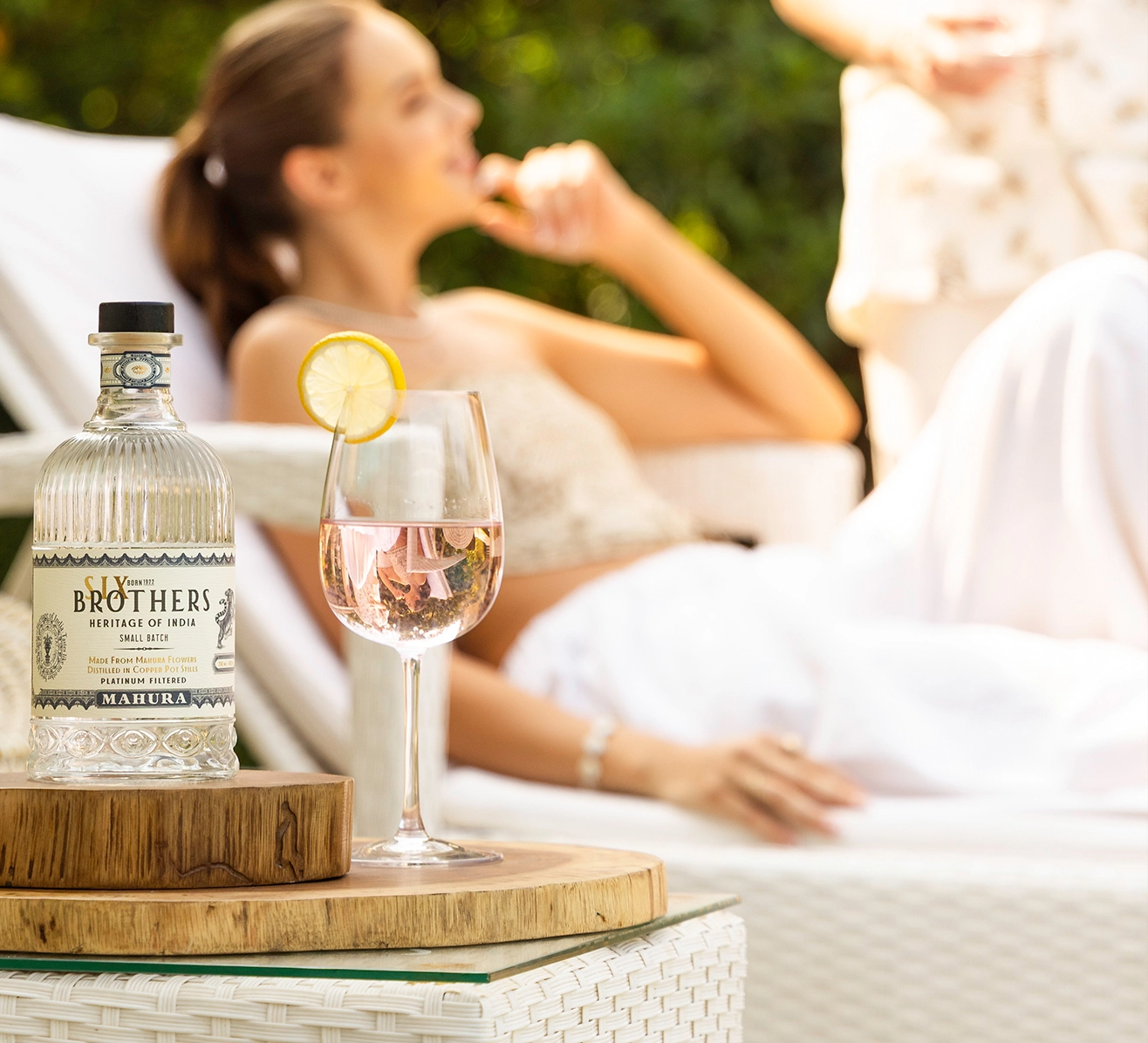
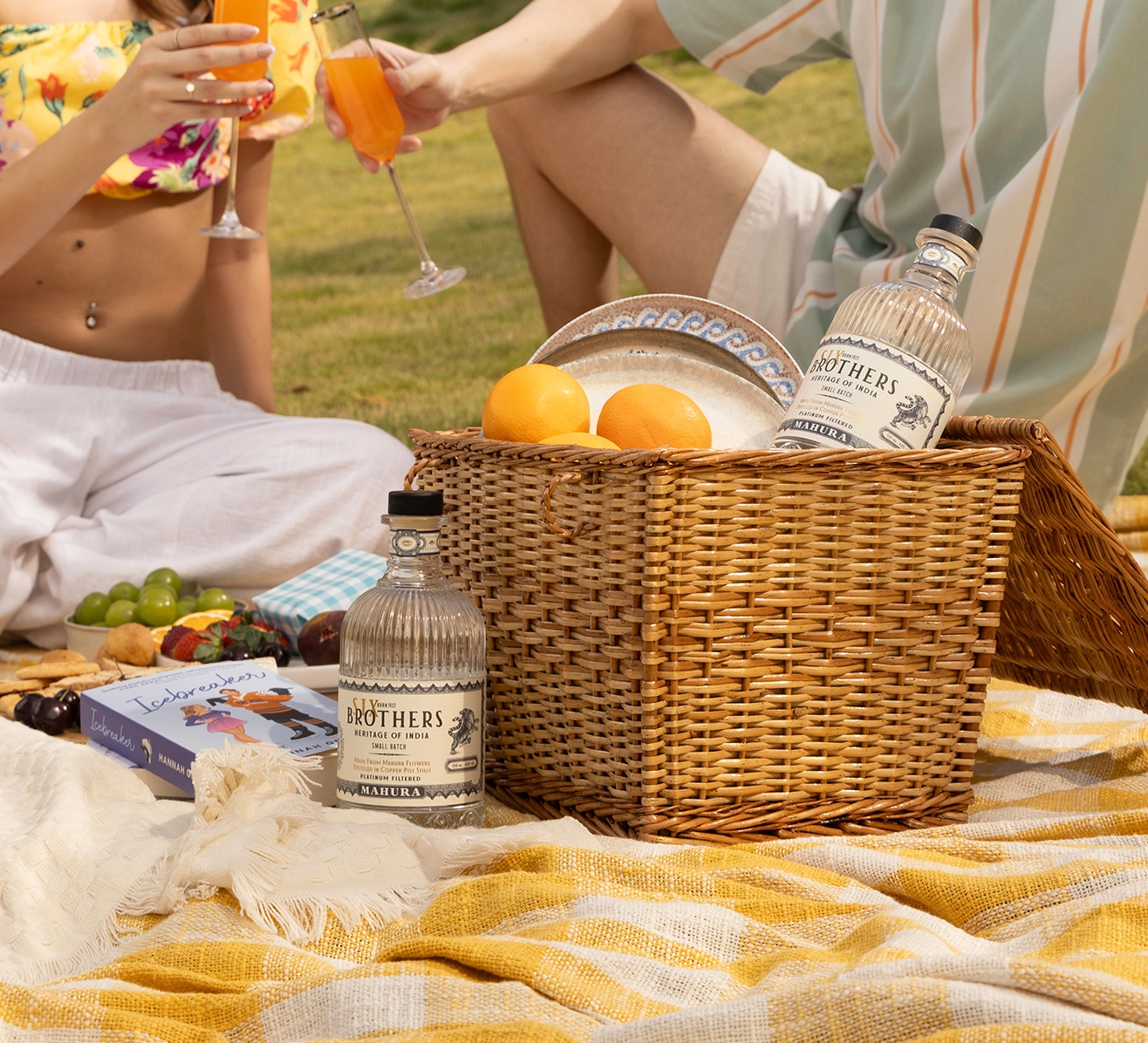
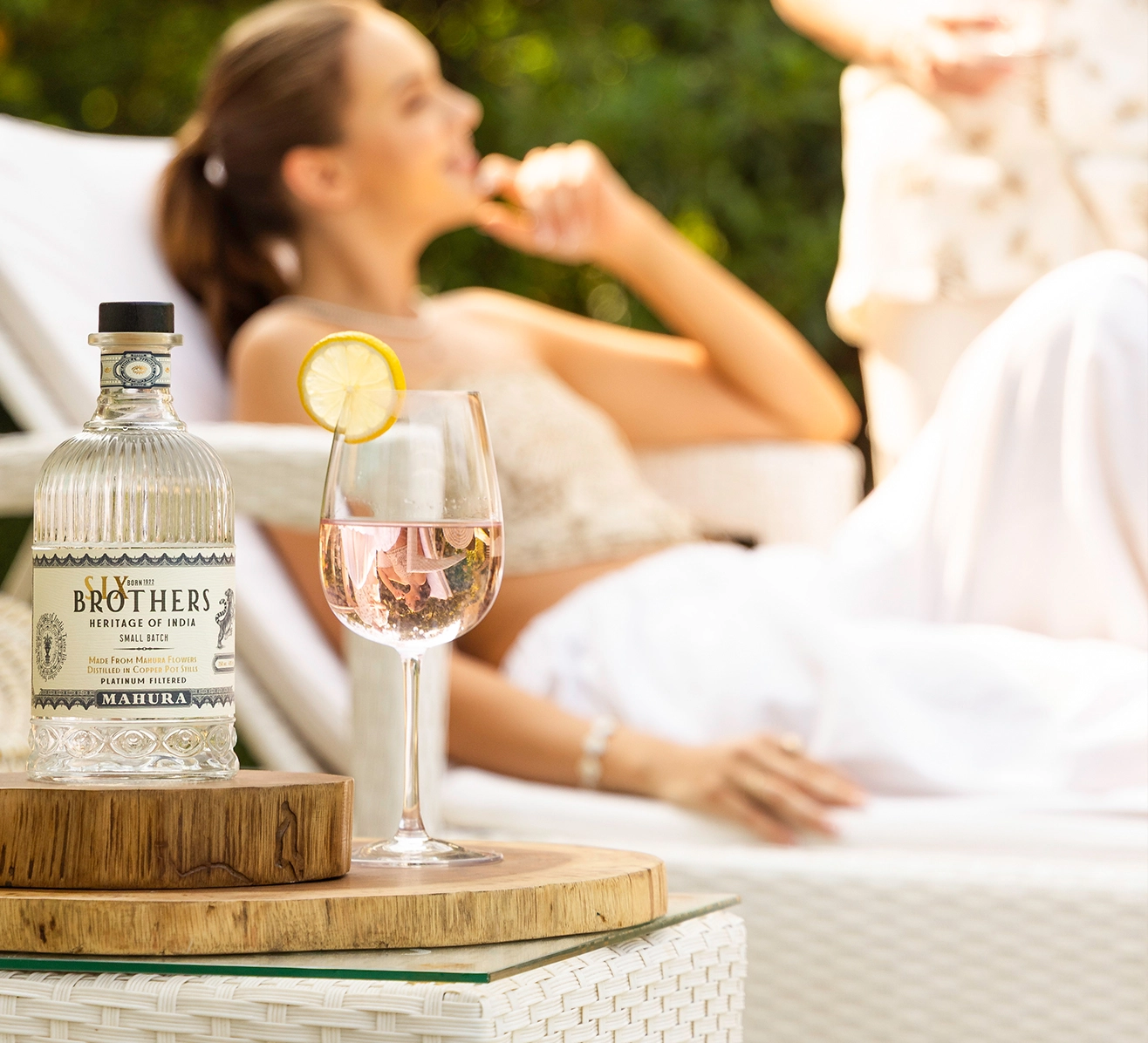
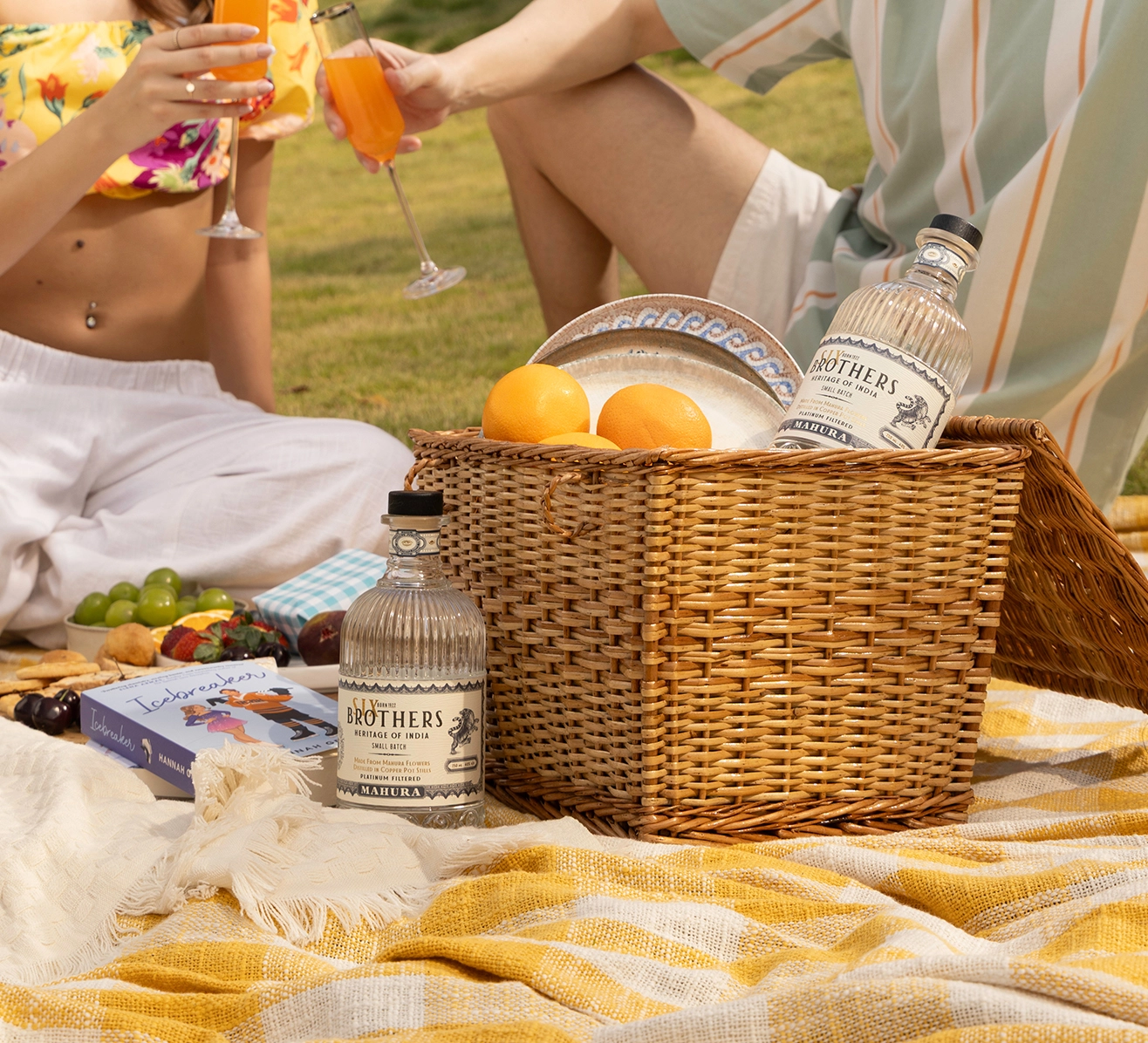
This allows consumers to encounter Mahua in settings that may feel very different from the traditional contexts in which the spirit was historically consumed.
That change in context can help broaden its appeal.
Younger premium consumers are often more interested in discovery than simply following established categories.
They may look for spirits that offer:
Mahua spirit offers all of these elements.
It is familiar within India but still relatively new to many contemporary drinkers and international audiences.
That combination creates curiosity.
For Mahua to become a stronger premium category, perception will matter.
Consumers need to see it as:
This is where modern presentation and production standards become important.
The objective is not to erase Mahua's traditional identity.
It is to show that its heritage can coexist with modern luxury.
The journey of Mahua spirit from traditional drinking culture to modern bars is more than a change in presentation.
It represents a broader shift in how Indian ingredients are being understood.
The Mahua flower is no longer limited to conversations about tradition. It can become part of discussions around cocktails, fine dining, premium spirits, and contemporary Indian craftsmanship.
For Six Brothers Mahura, this creates an exciting opportunity.
Mahua can remain deeply rooted in India's heritage while finding a new audience that appreciates authenticity, craftsmanship, and discovery.
The future of Mahua may not be about choosing between tradition and modernity.
It may be about bringing both together in the same glass.