
Posted on 17 Aug 2026
When people first discover Mahua spirit, they naturally compare it with spirits they already know.
Although whisky, rum, gin, and Mahua all involve distillation, their starting ingredients and production philosophies can be very different.
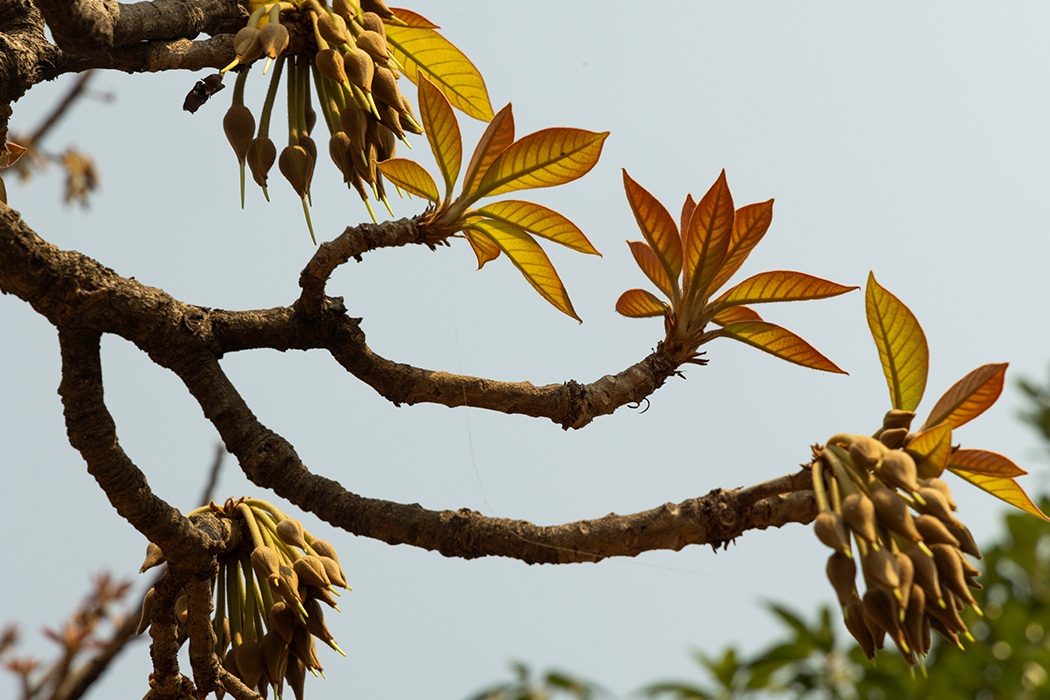
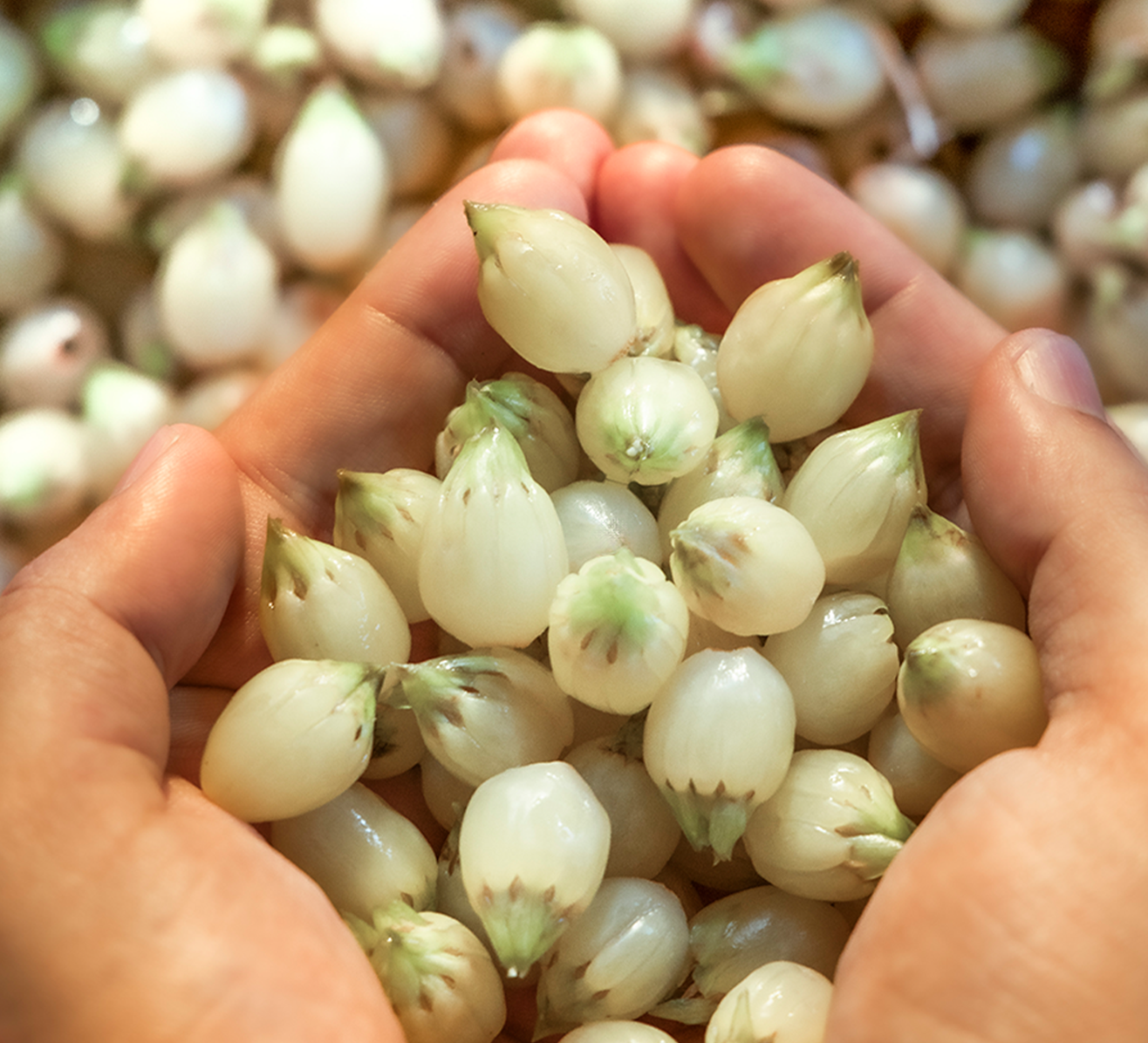
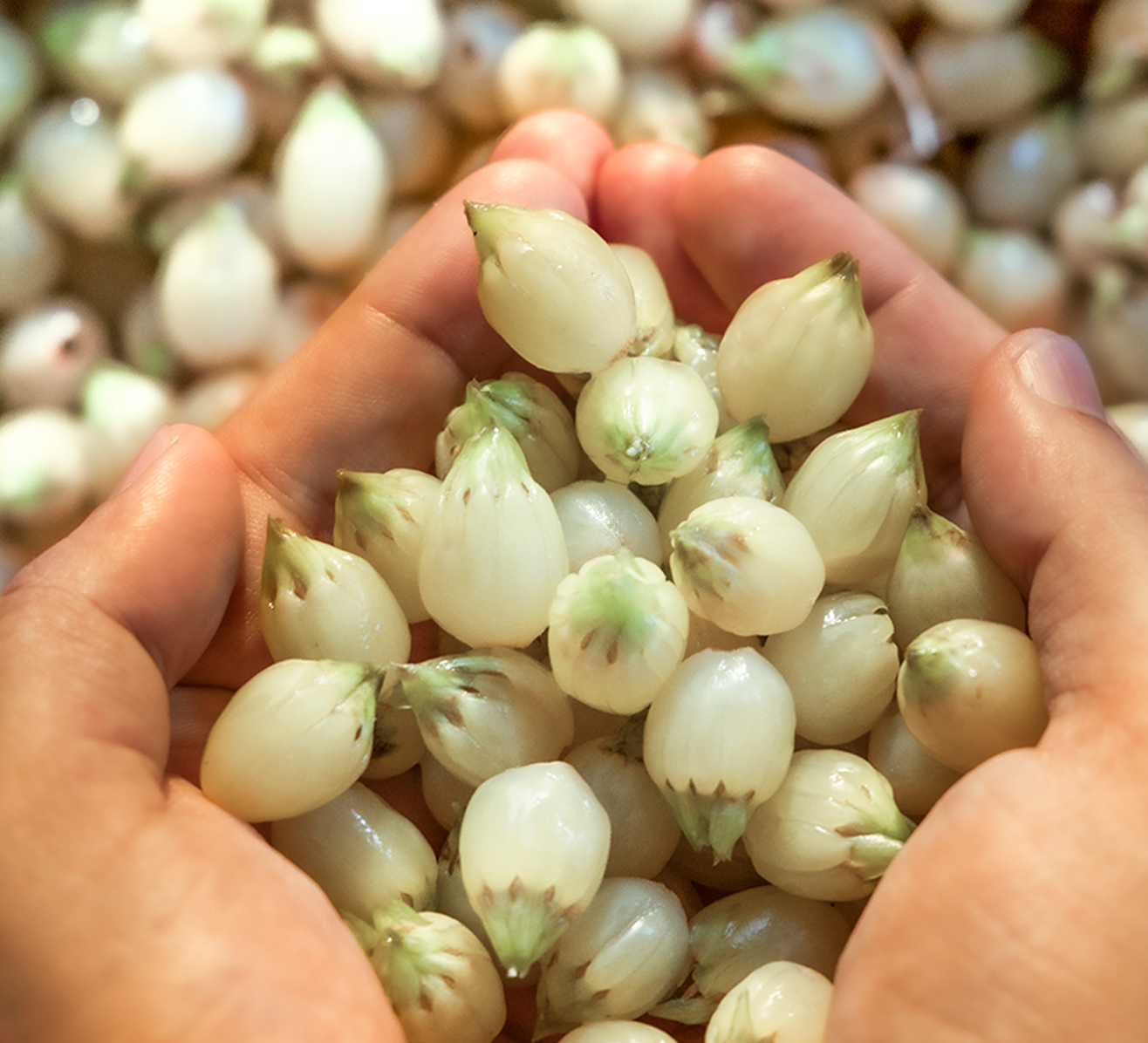
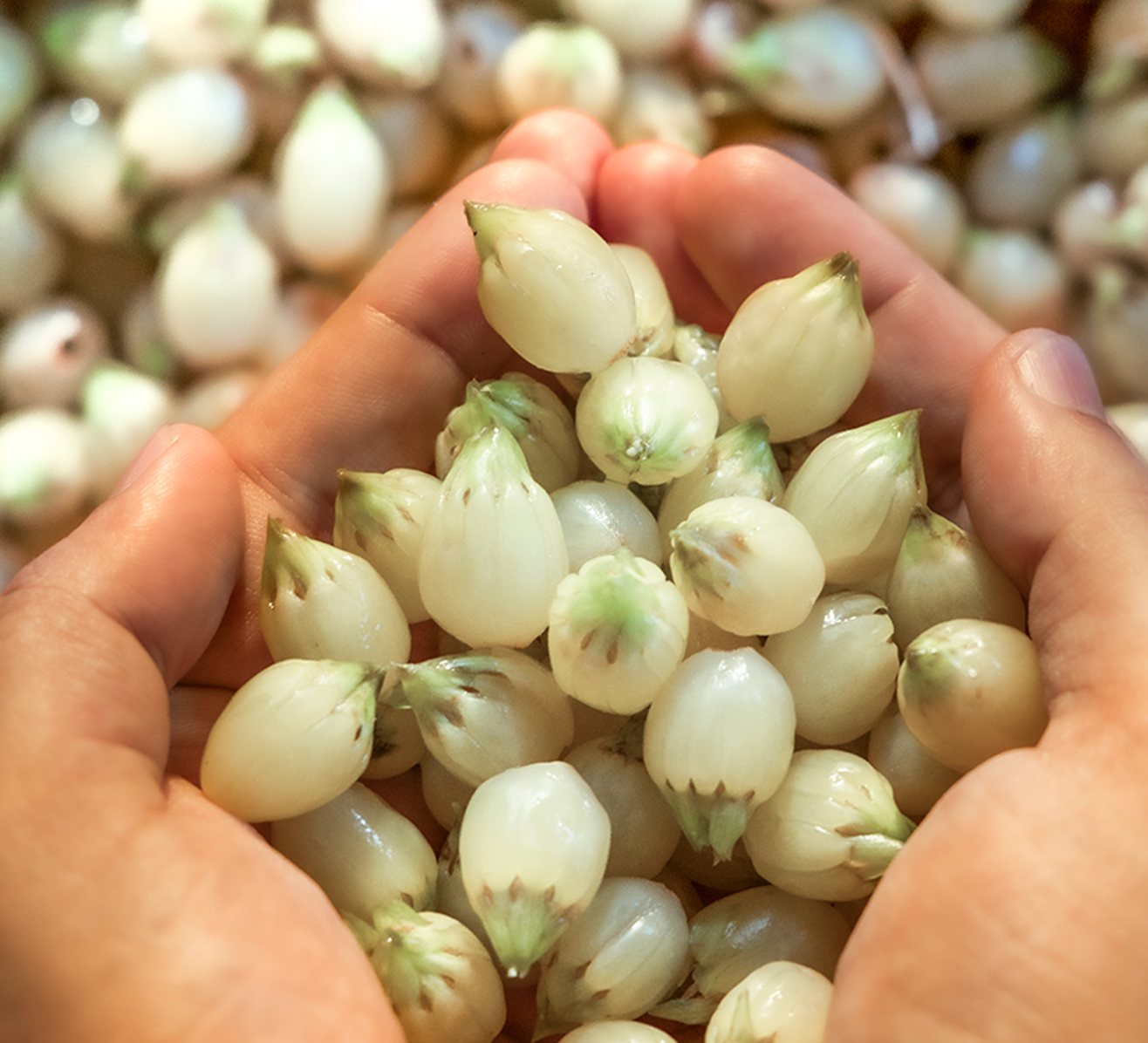
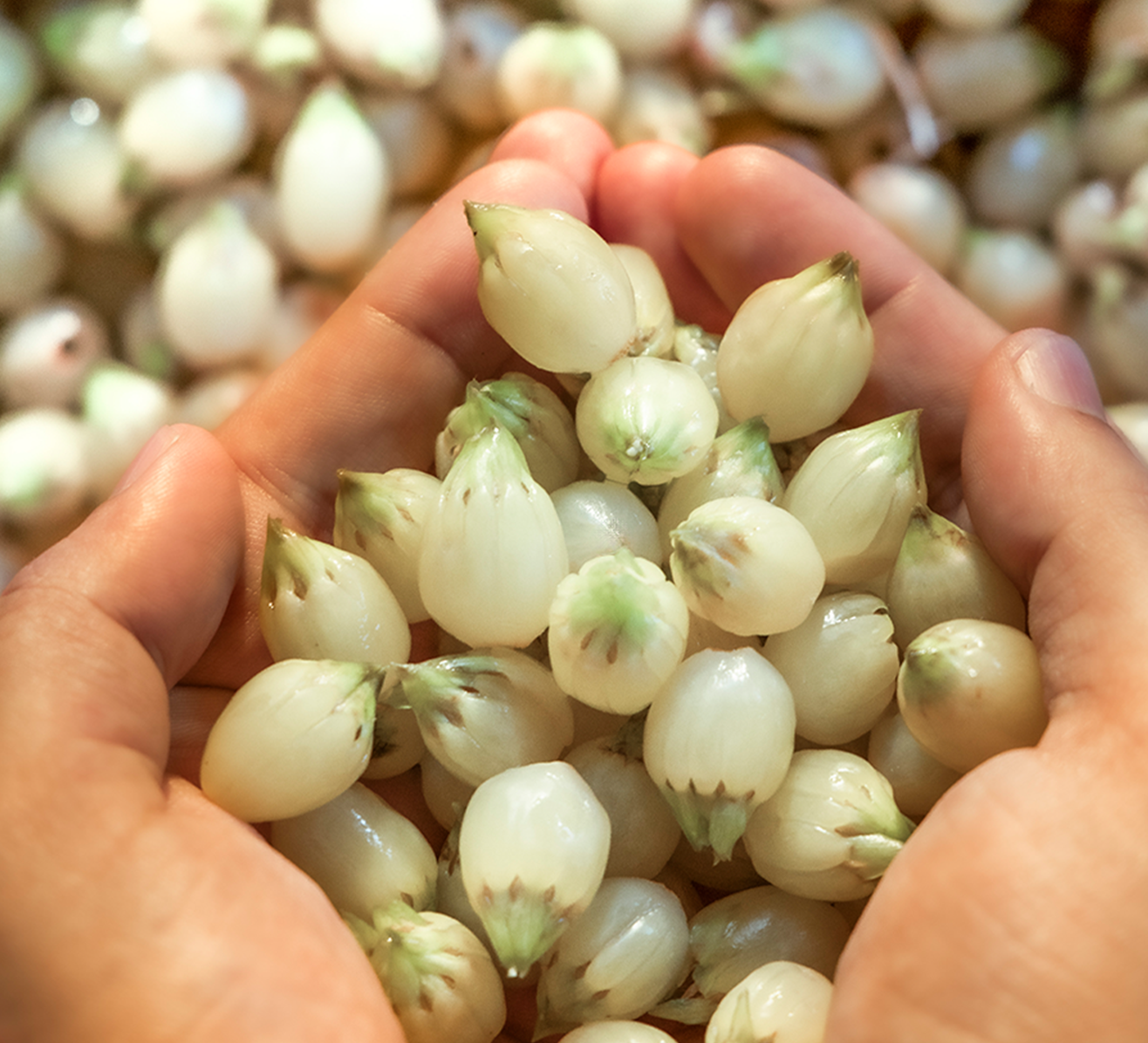
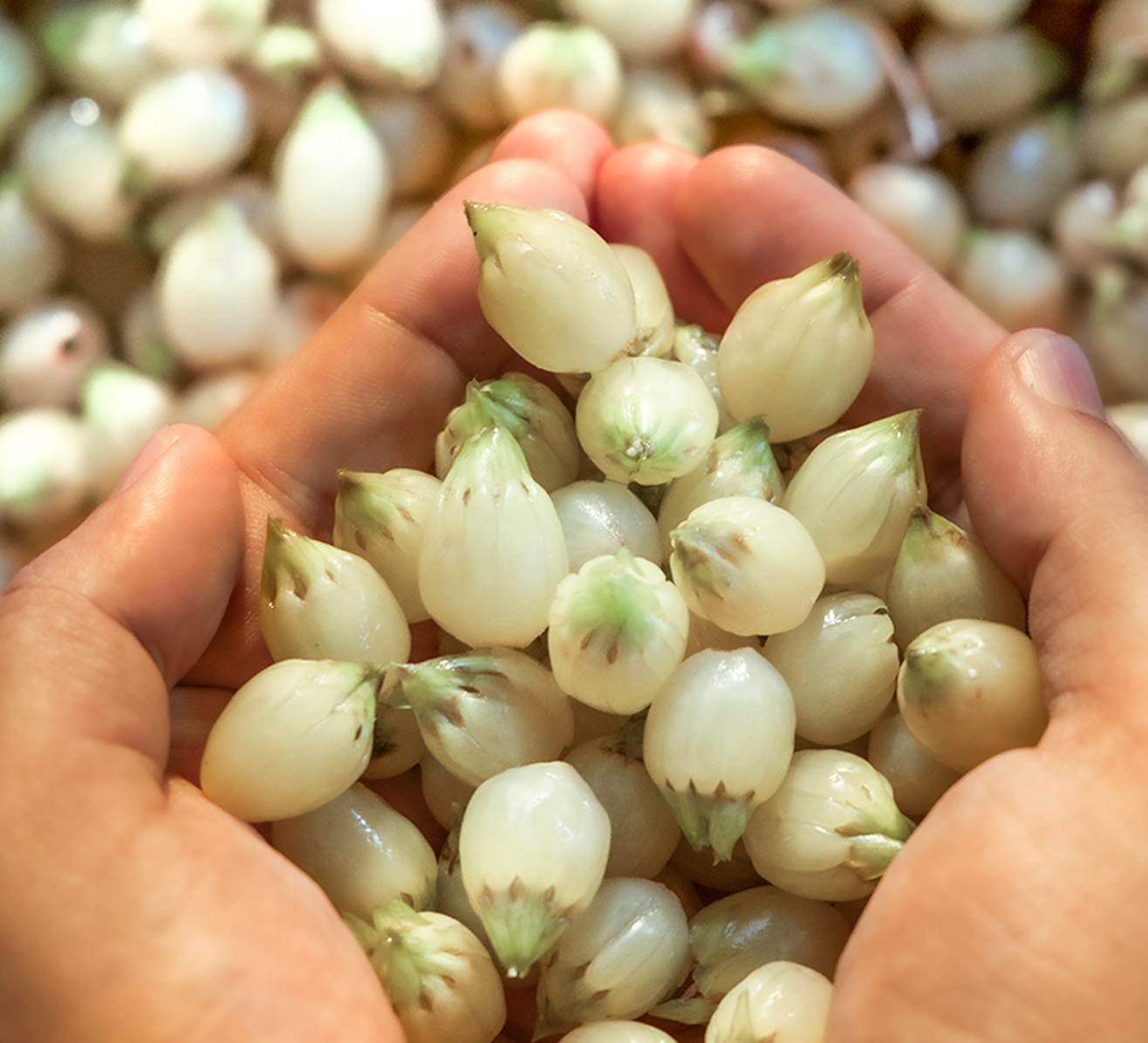
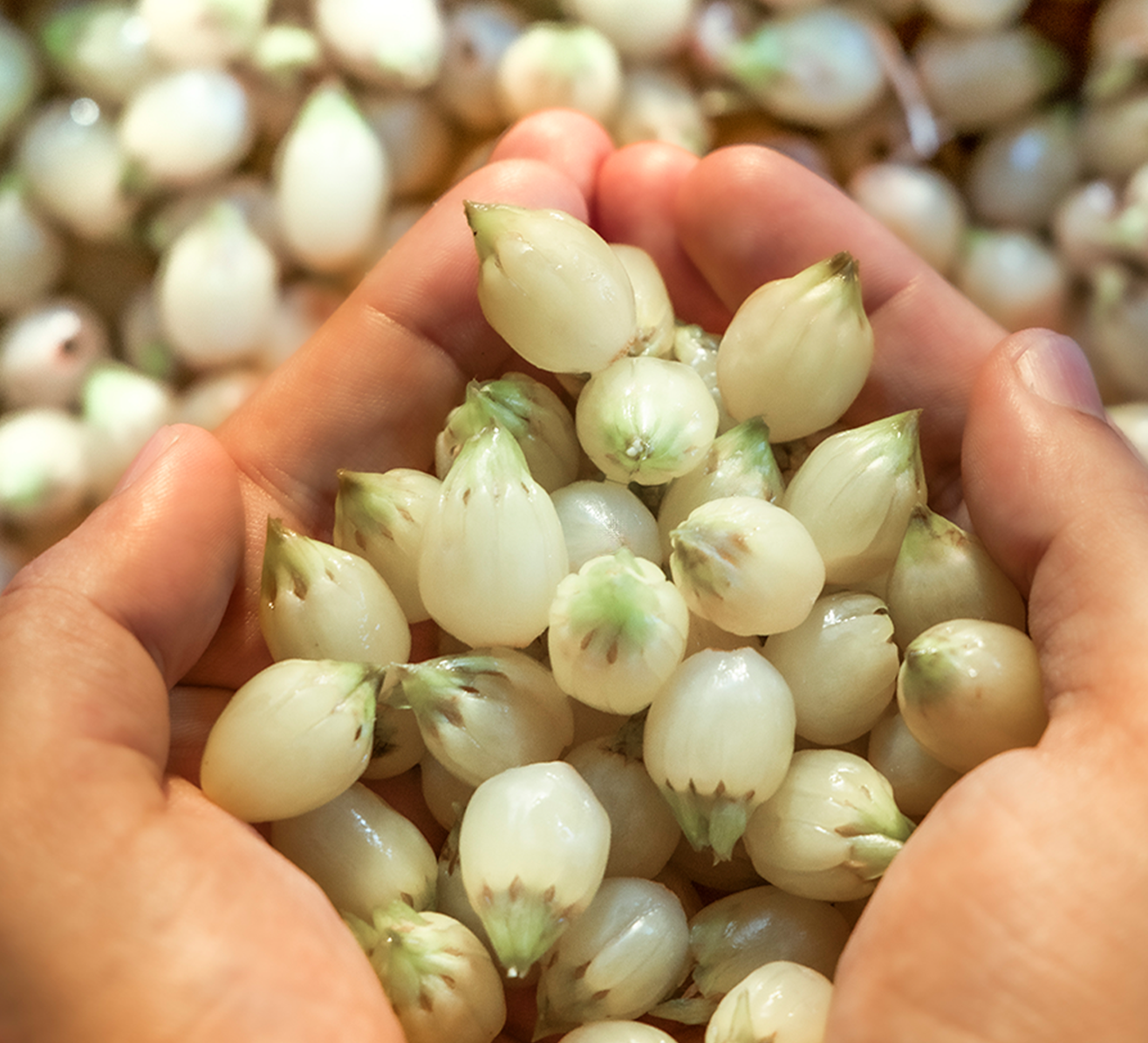
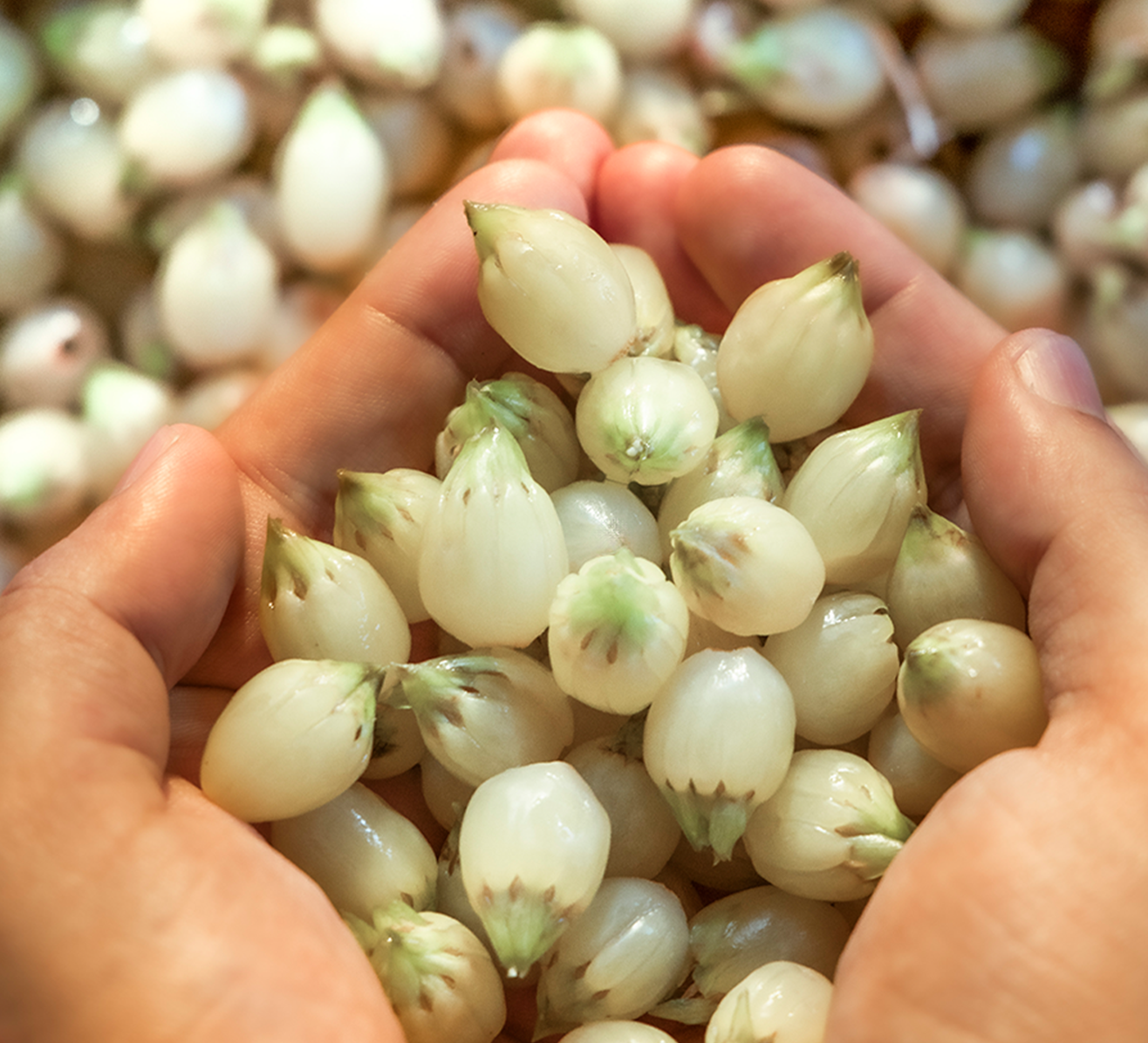
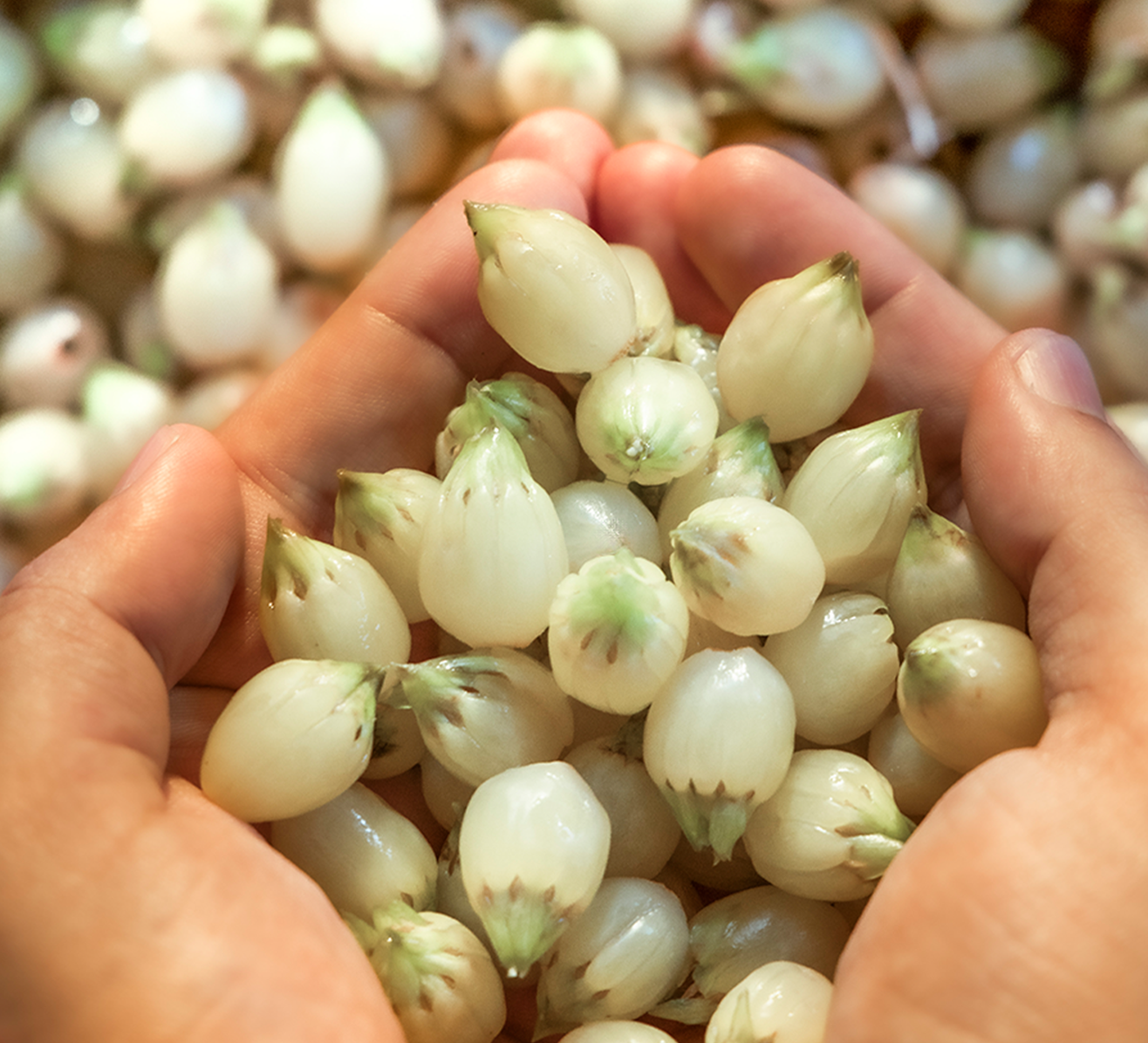
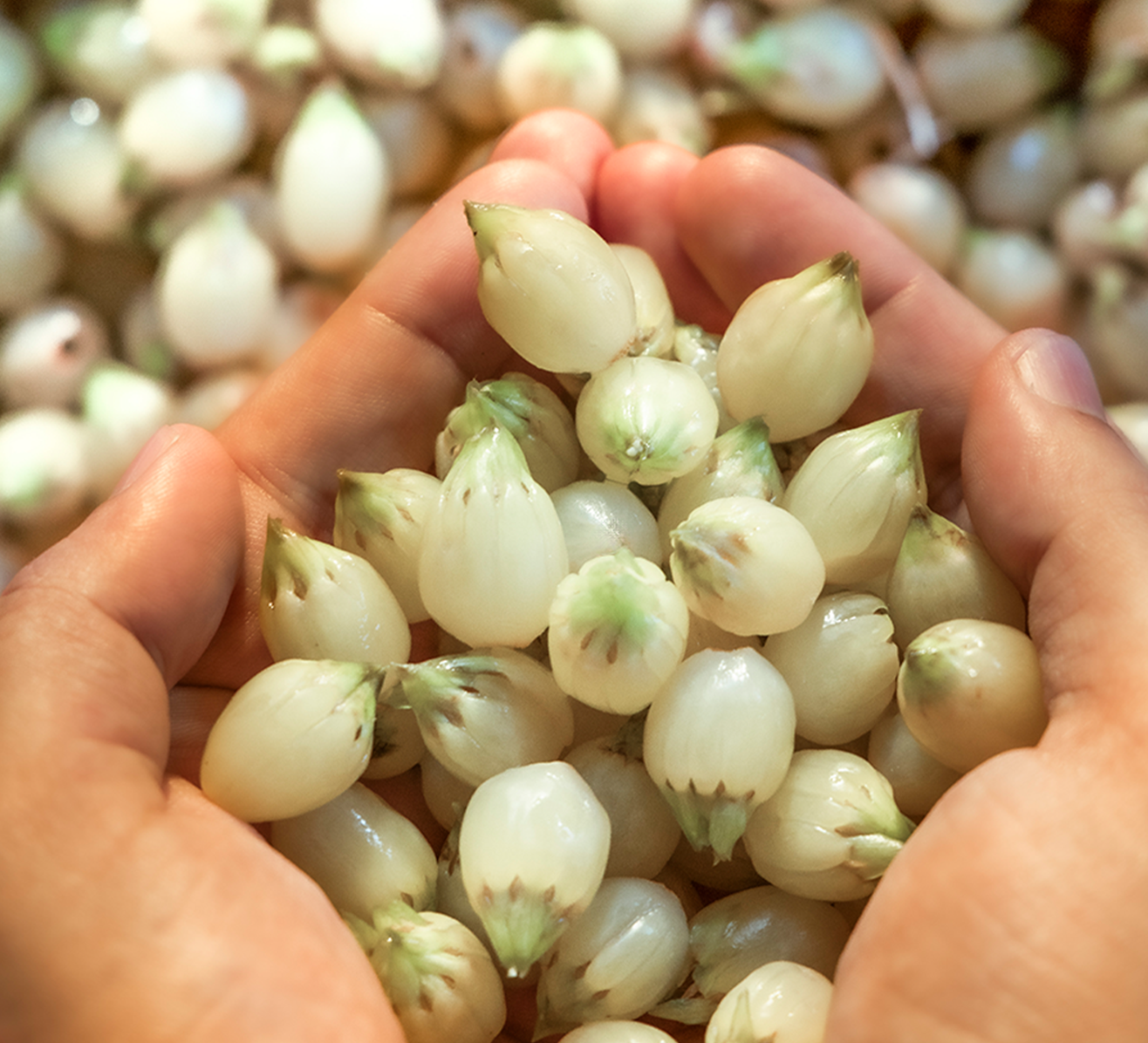
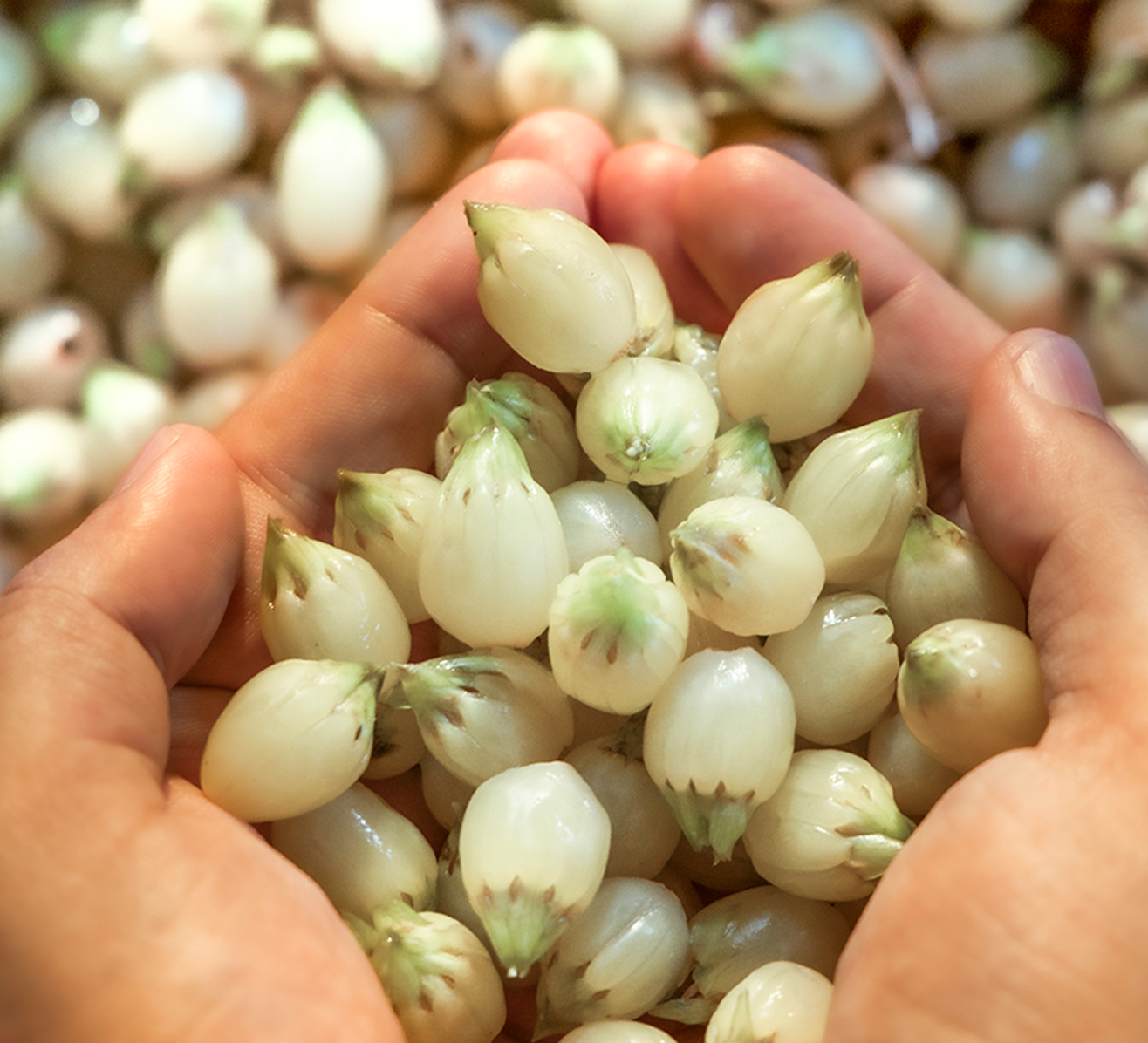
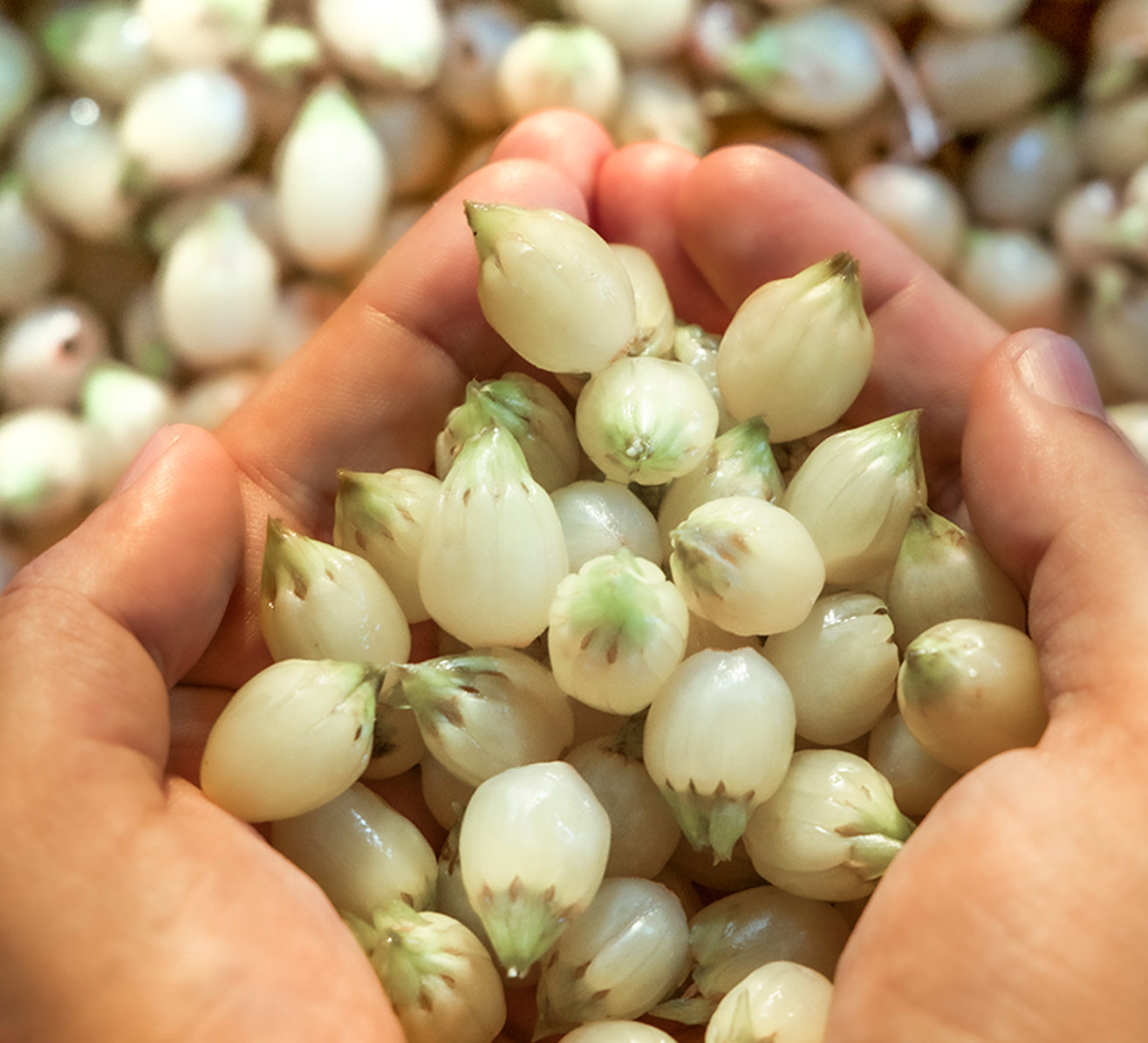
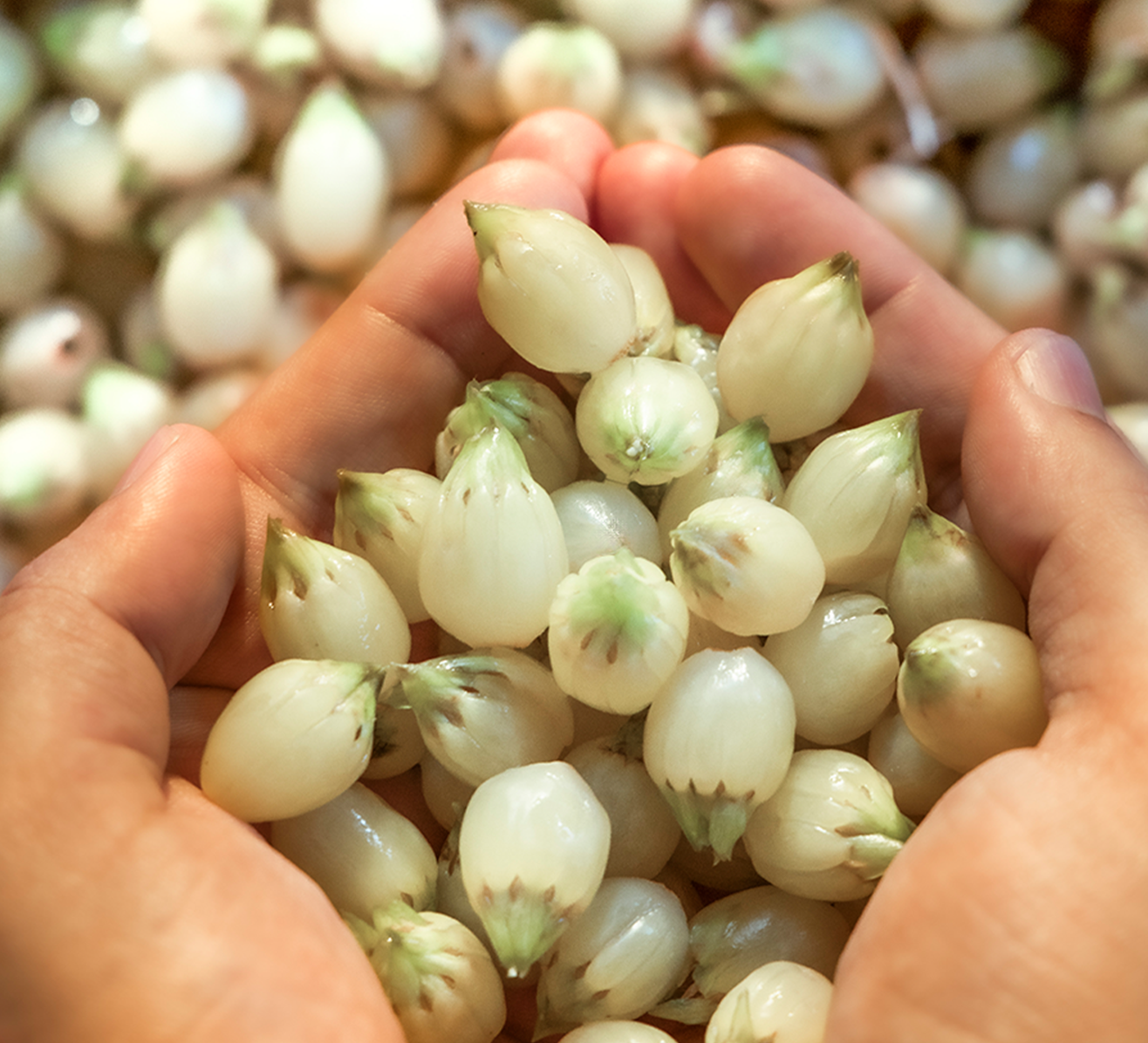
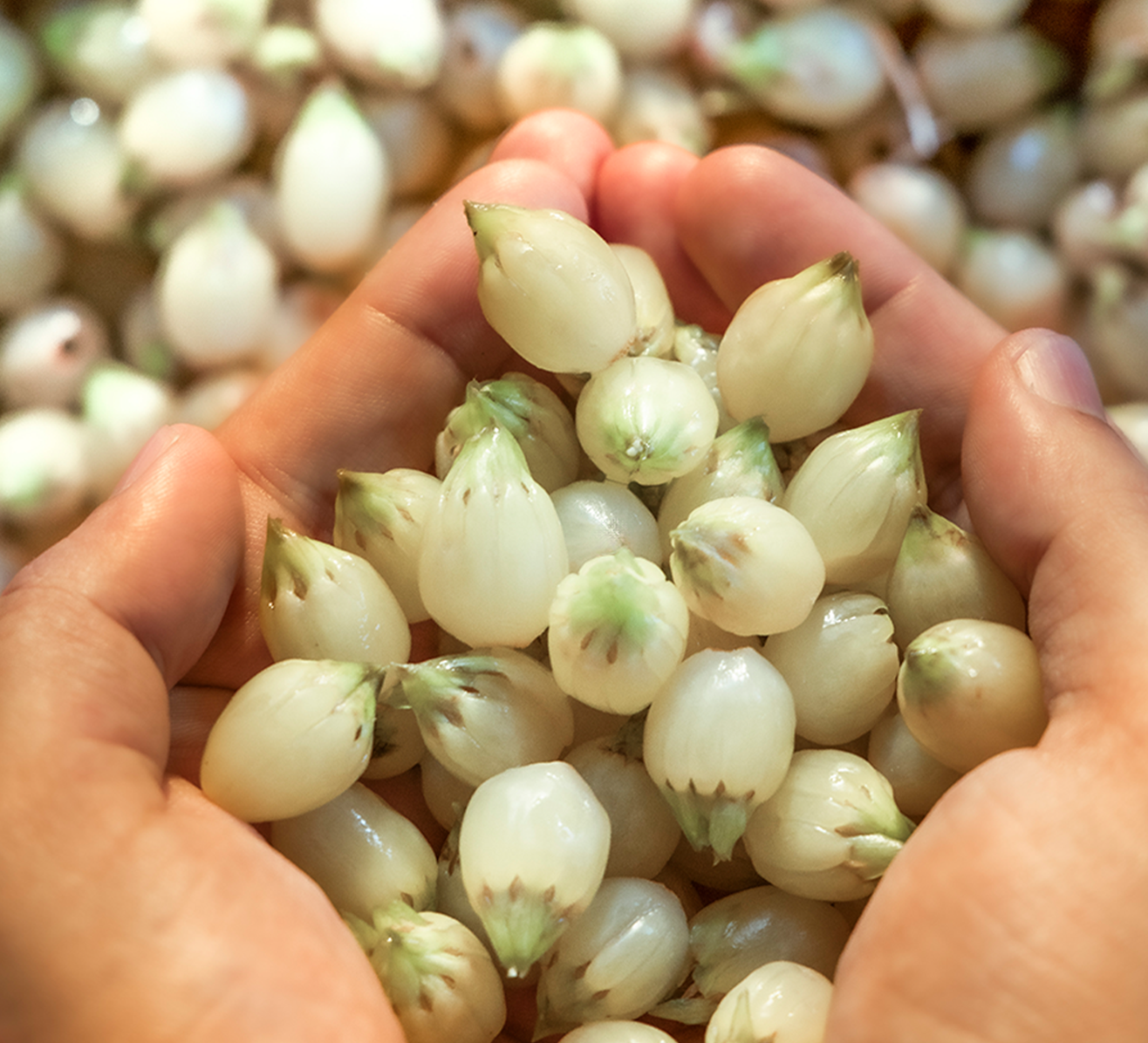
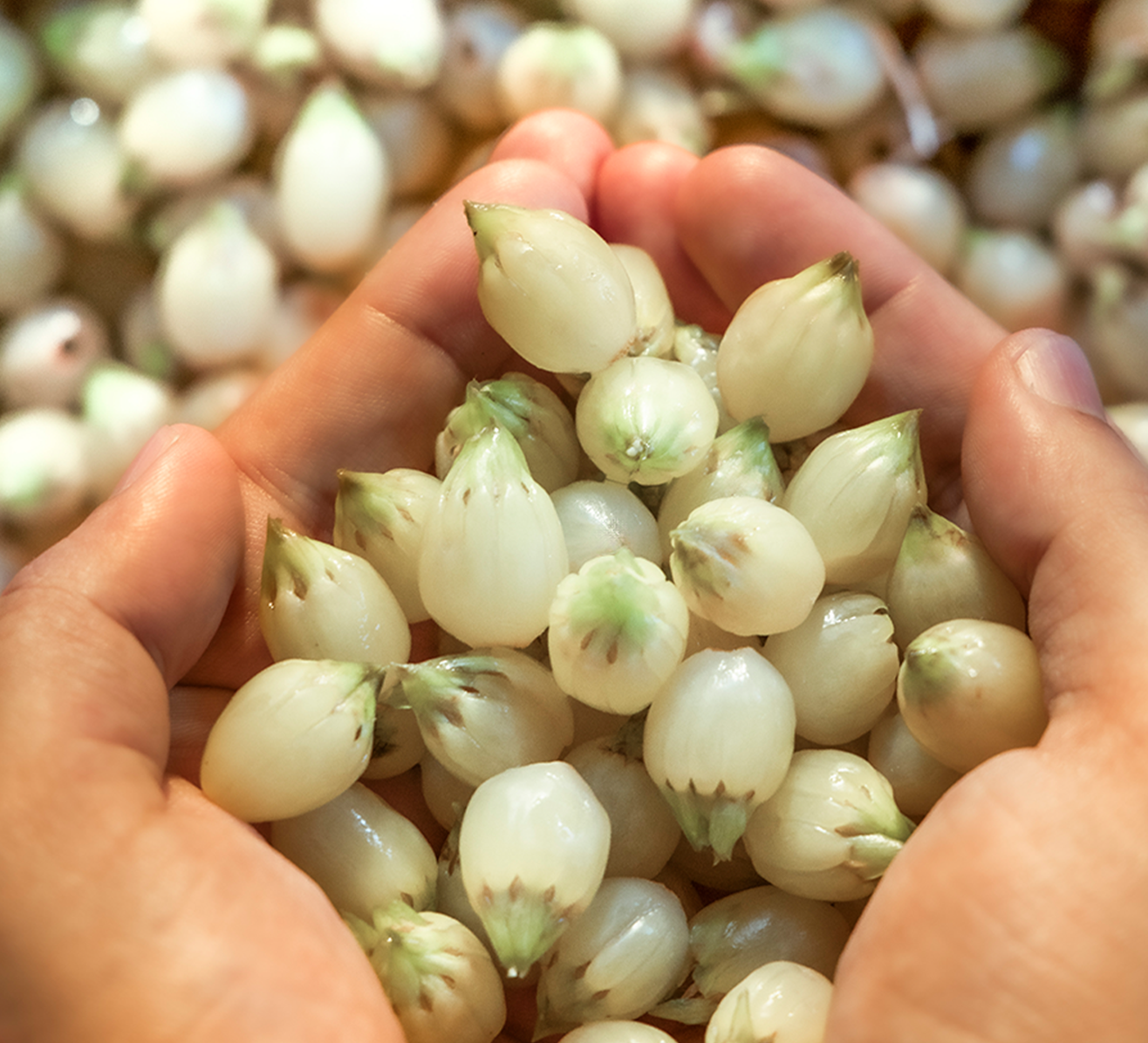
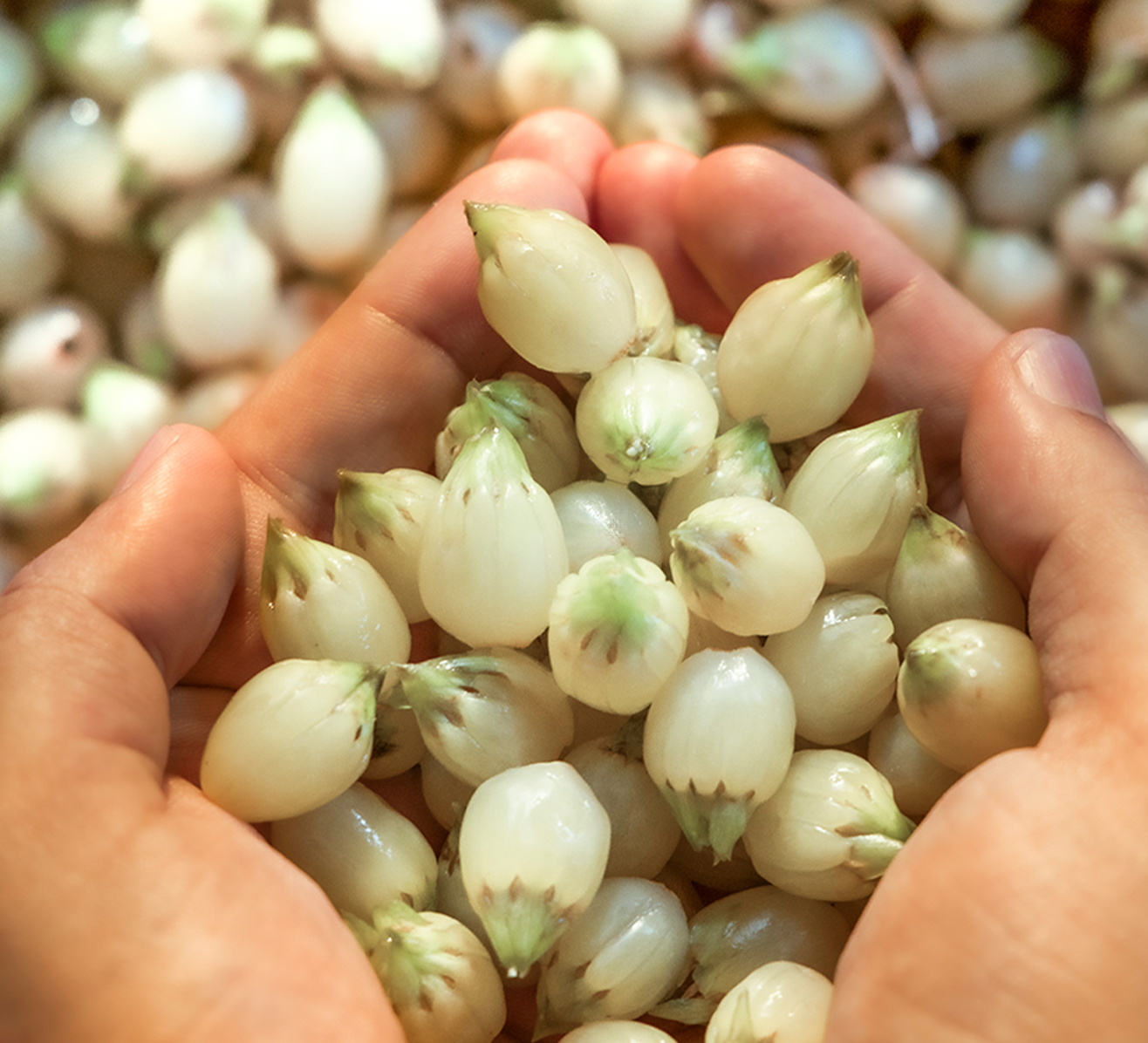
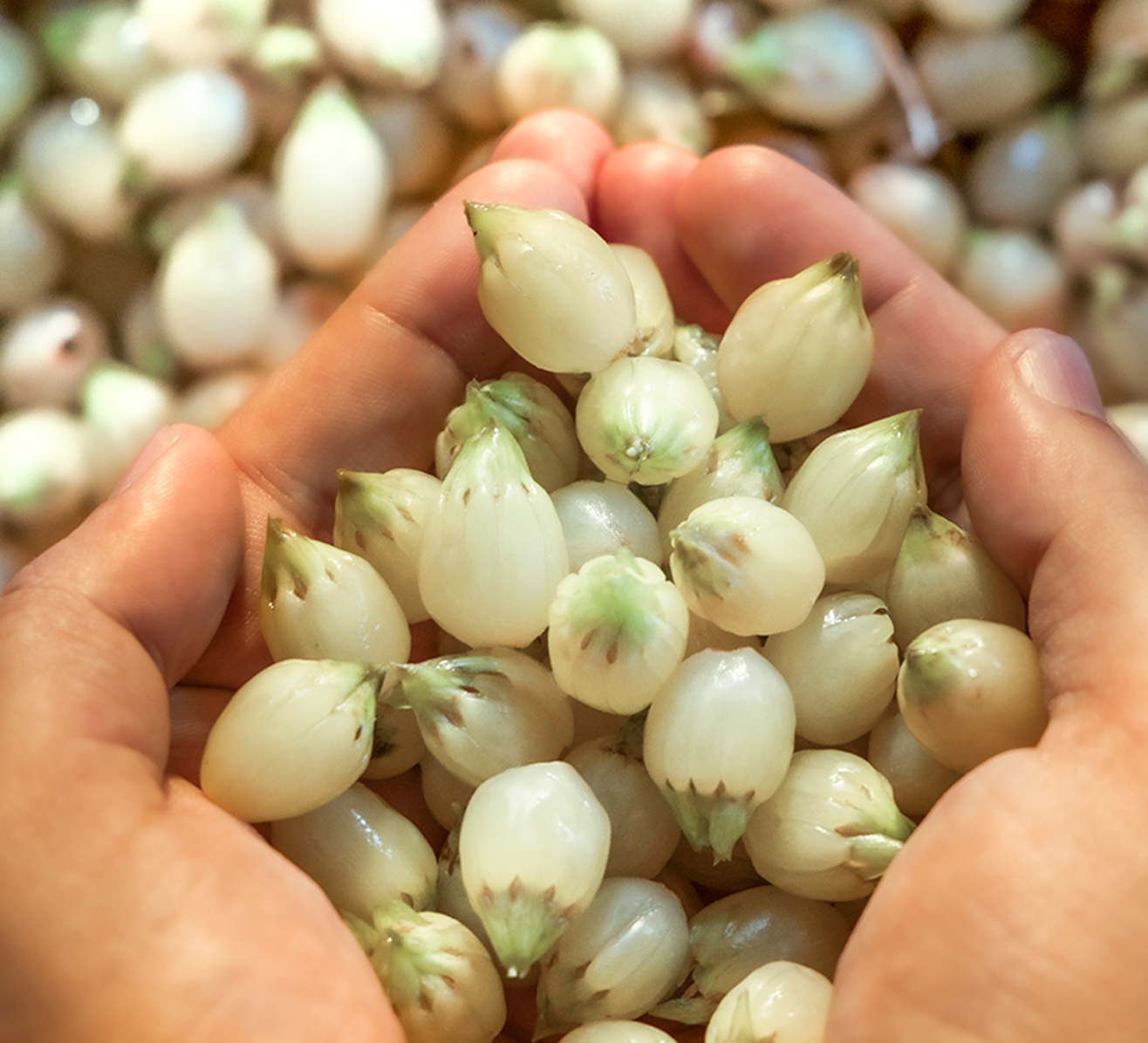
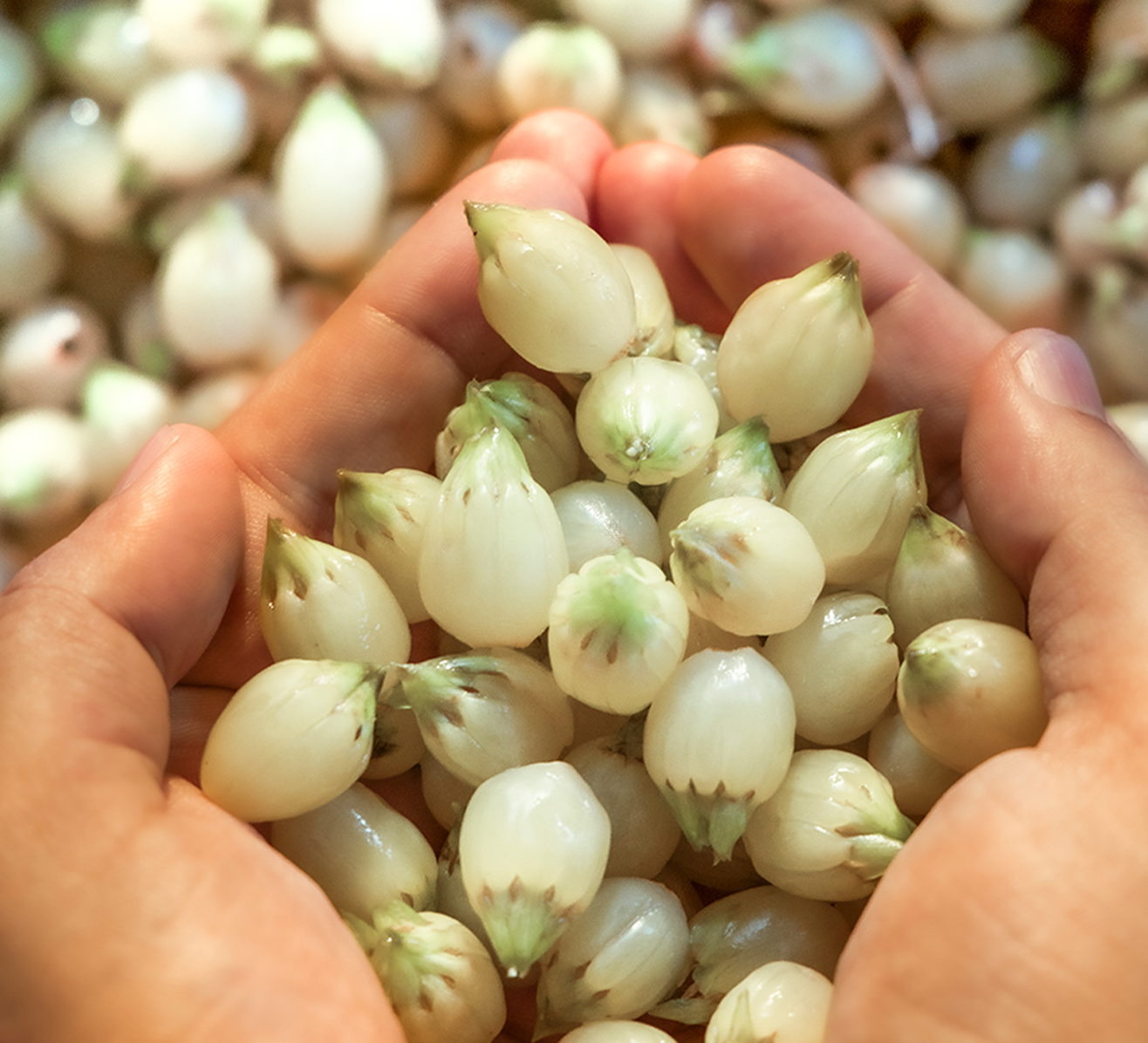
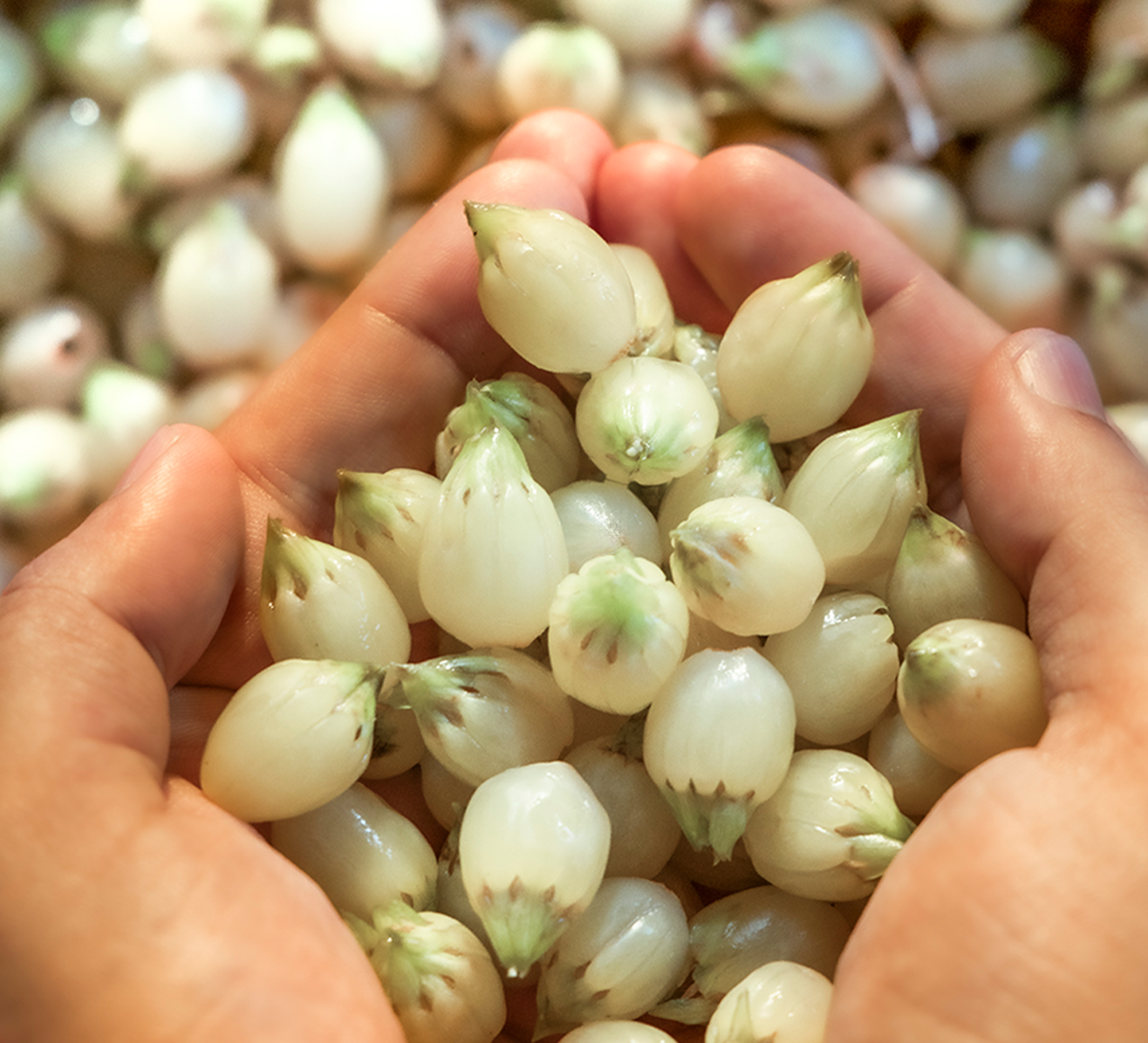
Mahua spirit begins with the Mahua flower, giving it an identity that is deeply connected to India's natural and cultural heritage.
The raw material is one of the biggest differences between spirit categories.
That difference matters because the raw material influences the spirit's eventual character.
The Mahua flower brings its own natural aromatic and flavour qualities to the production process.
Before distillation, Mahua goes through several important stages.
These can include:
Each stage contributes to the final spirit.
This makes Mahua distillation more than simply applying a standard distillation technique to an unusual ingredient.
Whisky's identity begins with grain.
Its production can involve:
Mahua starts from a completely different botanical source.
The Mahua flower therefore gives the spirit a character that does not originate from grain or traditional whisky production.
Oak is fundamental to many whisky styles.
Cask maturation can contribute:
Mahua has a different relationship with maturation.
Its identity can remain much more closely connected to its botanical origin, allowing the Mahua flower to remain an important part of the drinking experience.
Rum's production begins with sugarcane.
Depending on the style, producers may use:
Mahua begins with flowers rather than sugarcane.
This creates a fundamentally different foundation for fermentation and distillation.
While both can develop rich aromatic profiles, Mahua alcohol has its own botanical character rather than a sugarcane-derived identity.
Gin provides another useful comparison.
Gin is generally defined by botanical flavour, especially juniper.
Its production can involve:
Mahua is fundamentally different.
The Mahua flower isn't simply a botanical added to another spirit.
It is the ingredient at the beginning of the spirit's journey.
That gives Mahua a much more direct relationship between its raw material and final identity.
The goal of modern Mahua distillation is to transform an indigenous ingredient into a refined spirit while preserving its distinctive character.
Important considerations include:
This combination of traditional ingredient and modern precision creates an interesting space for Indian craft spirits.
Mahua has traditionally been connected to communities and regional drinking cultures across India.
Today, the conversation is changing.
Modern consumers are increasingly interested in:
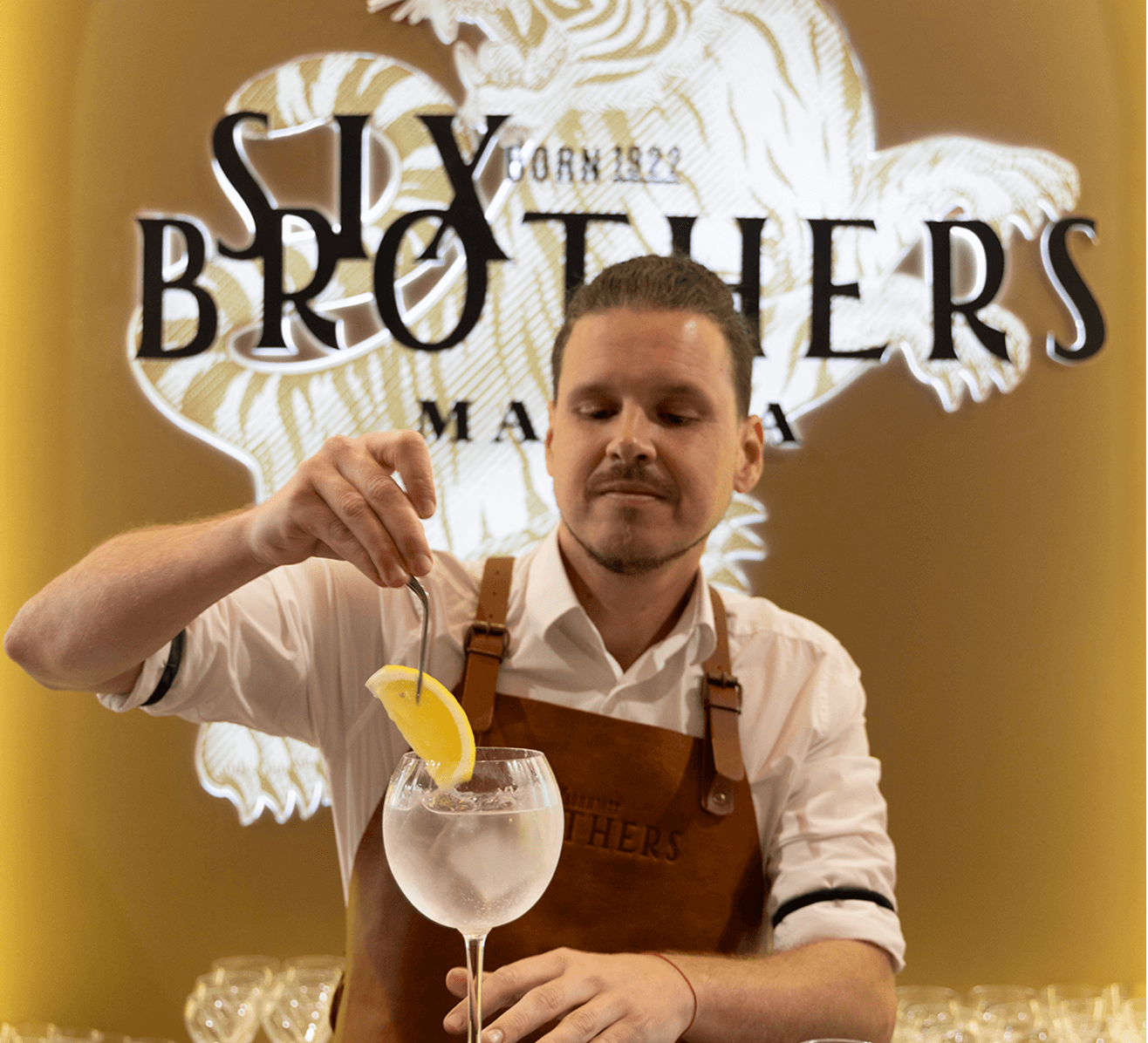
This creates an opportunity for premium Mahua spirit to enter a wider contemporary spirits culture.
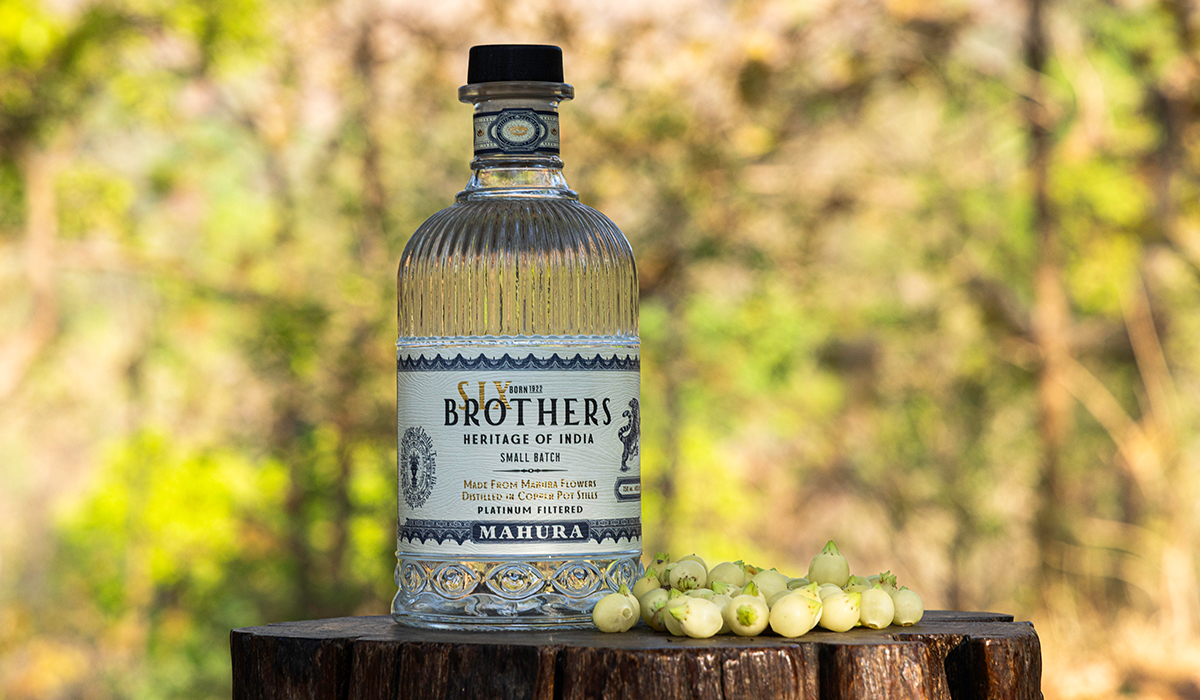
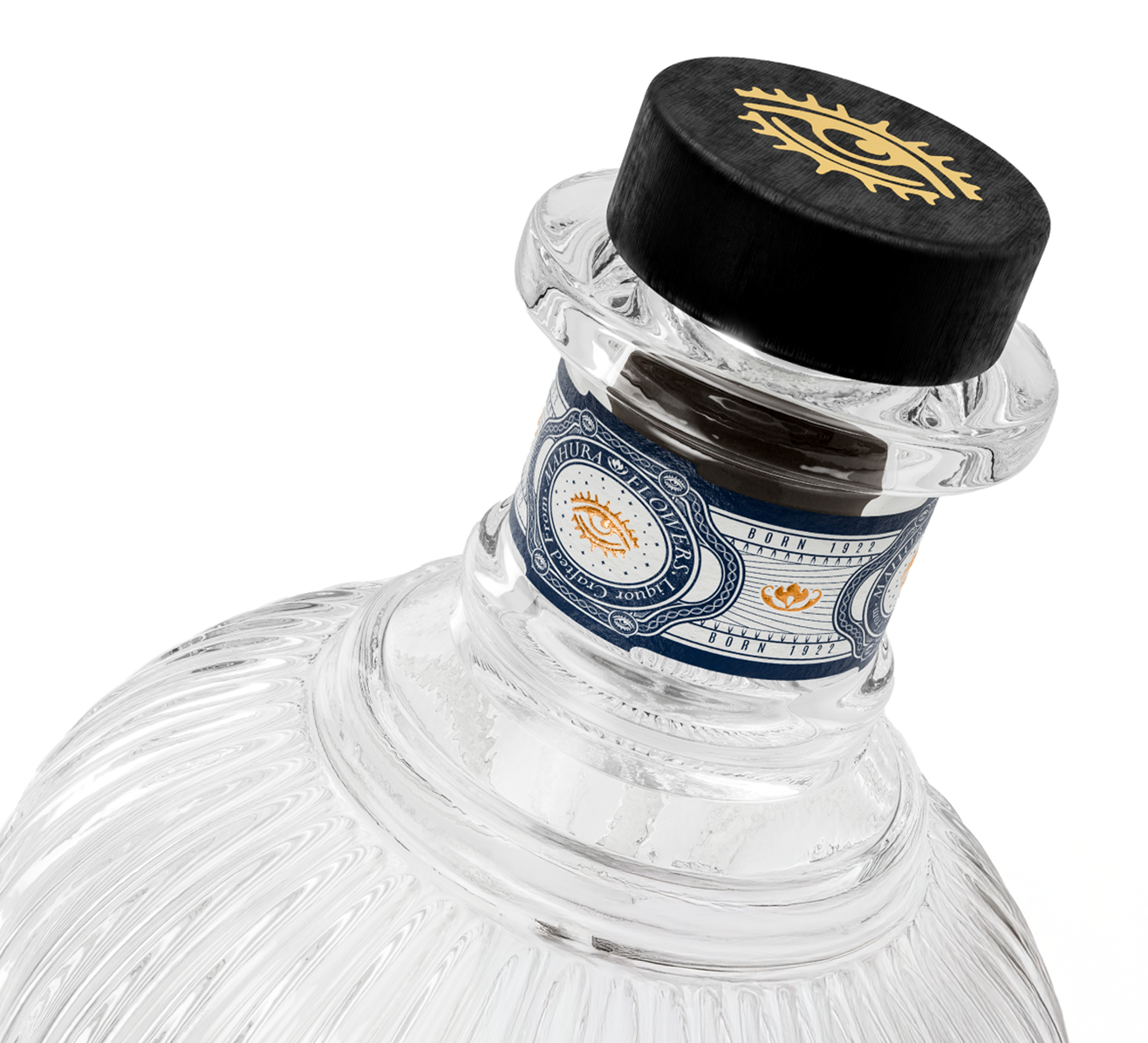
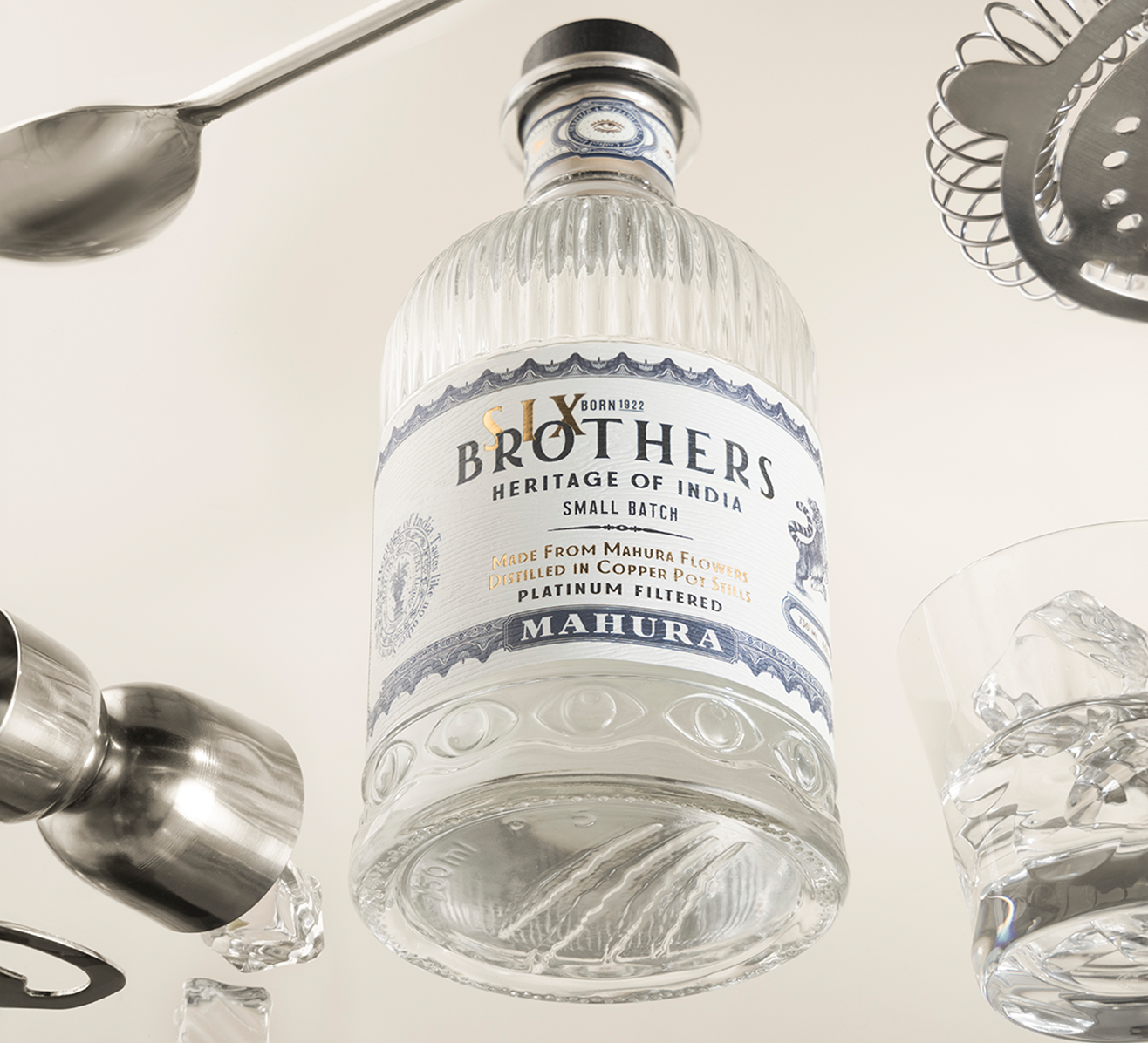
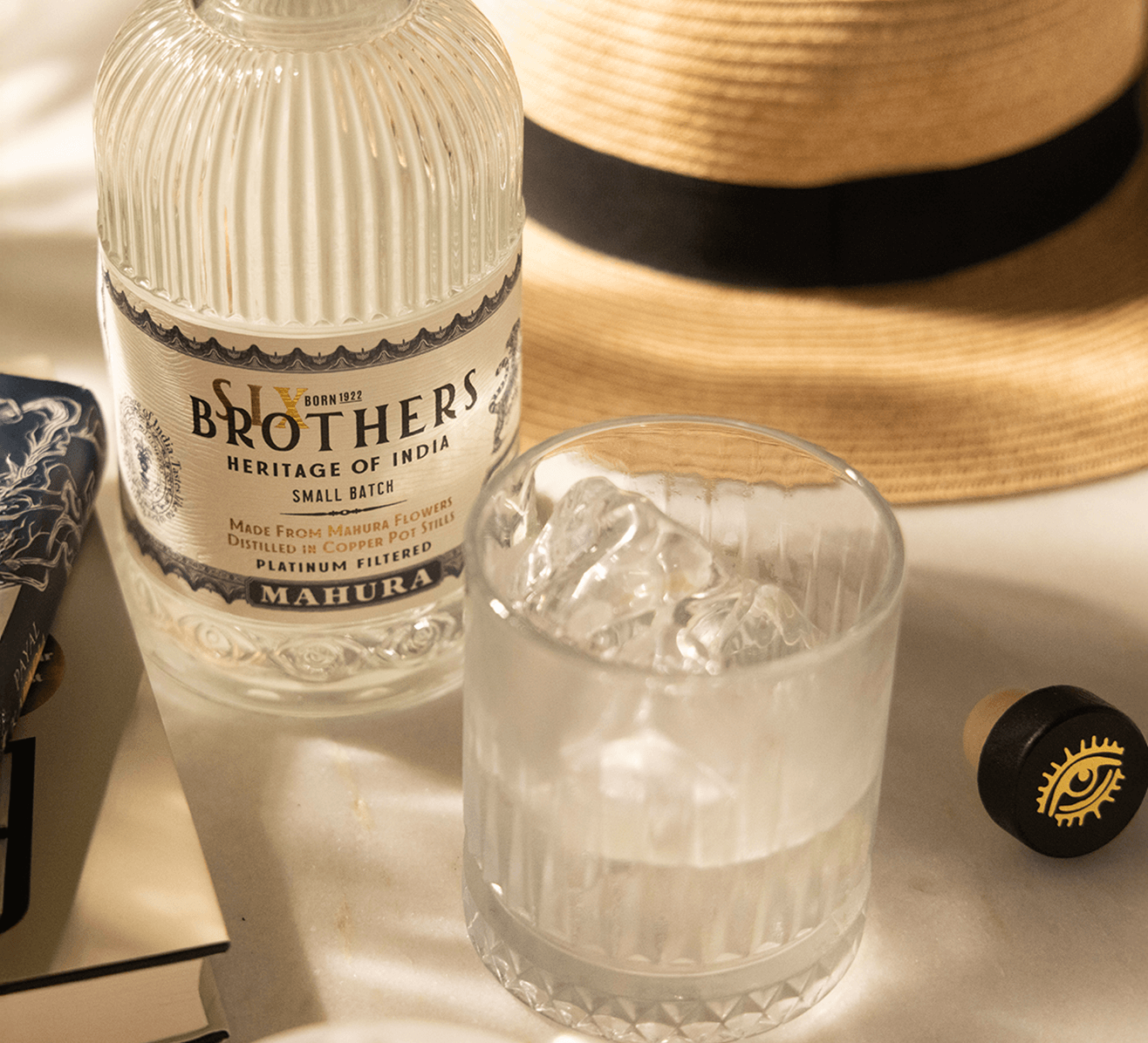
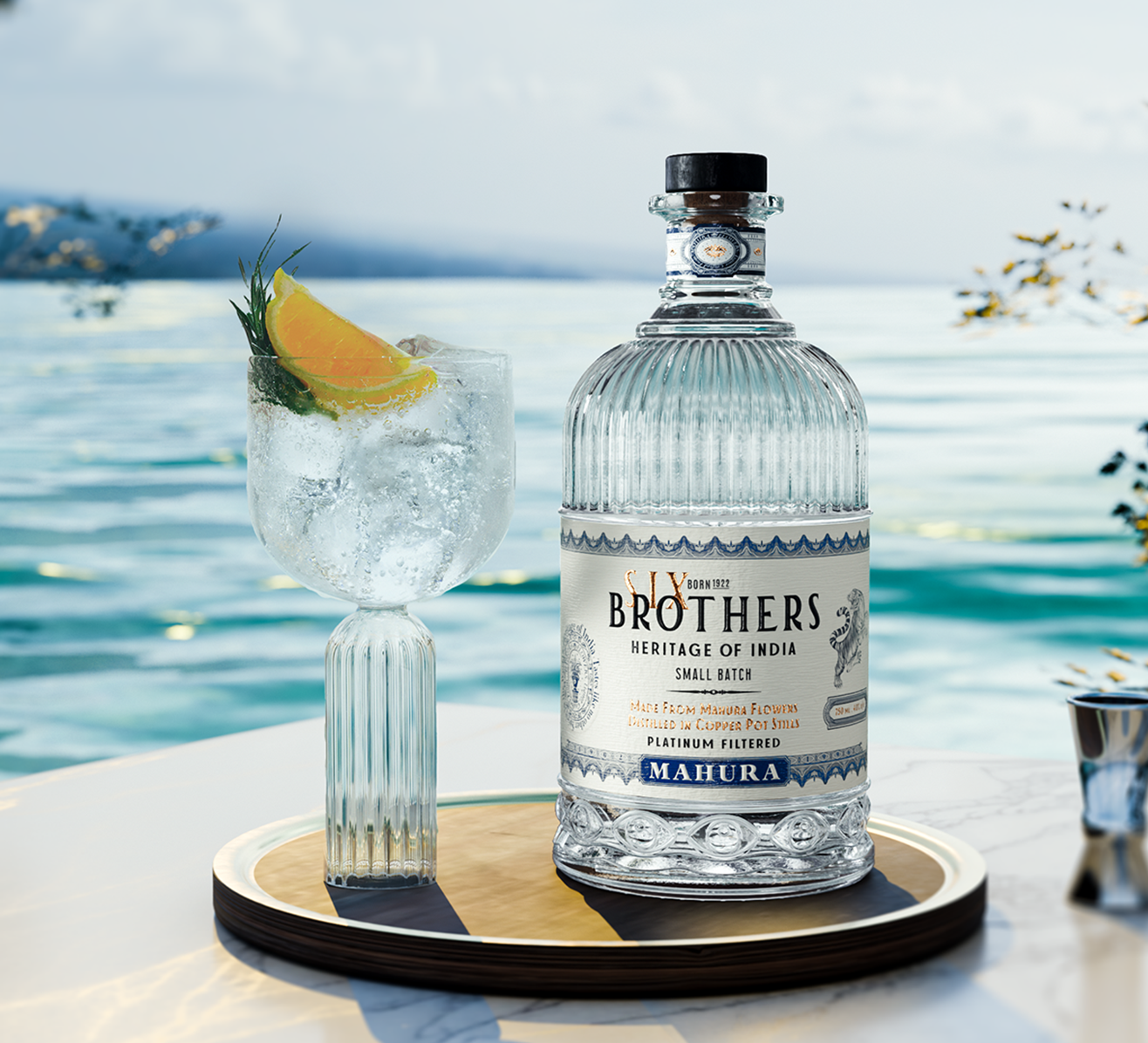
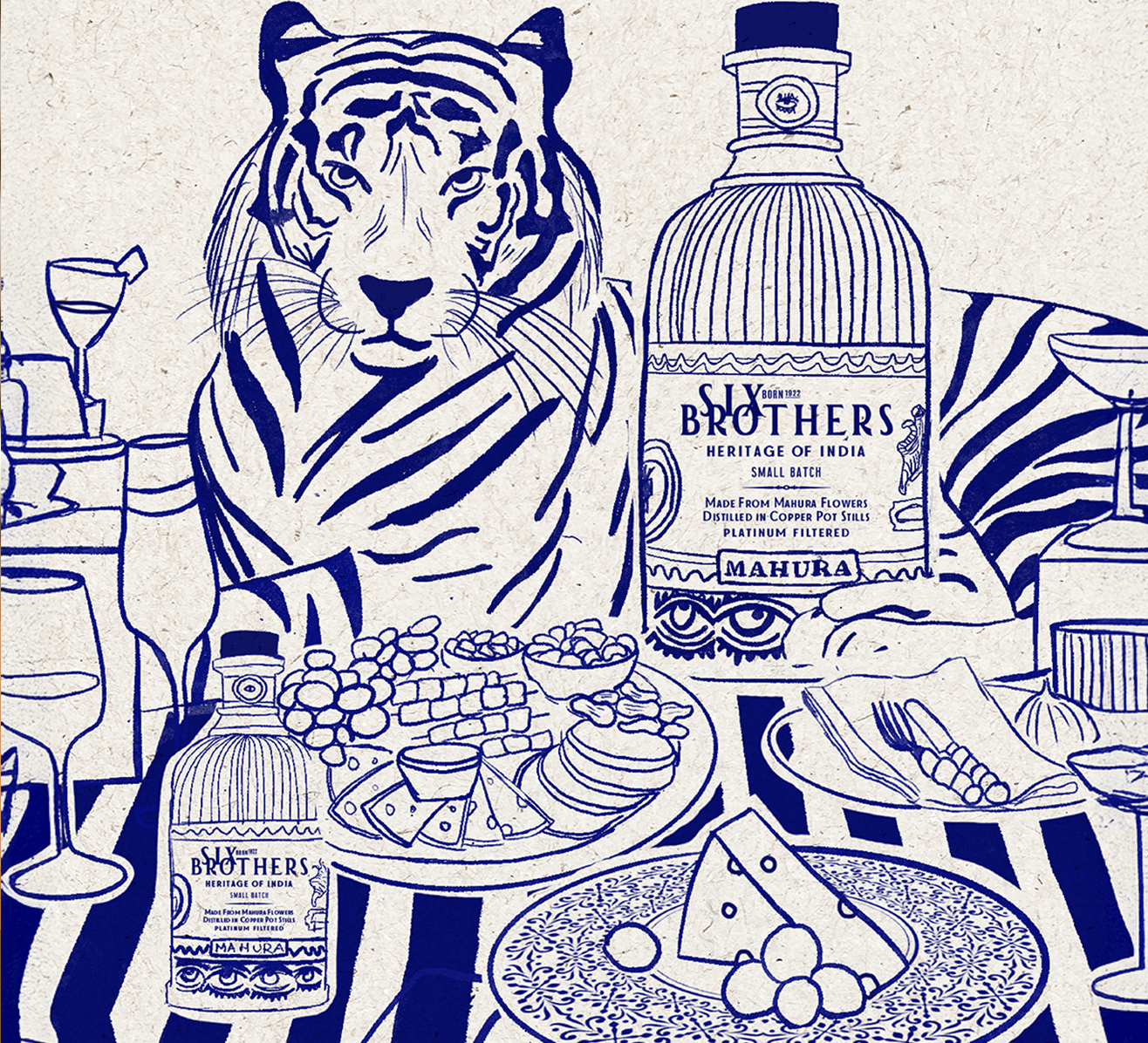
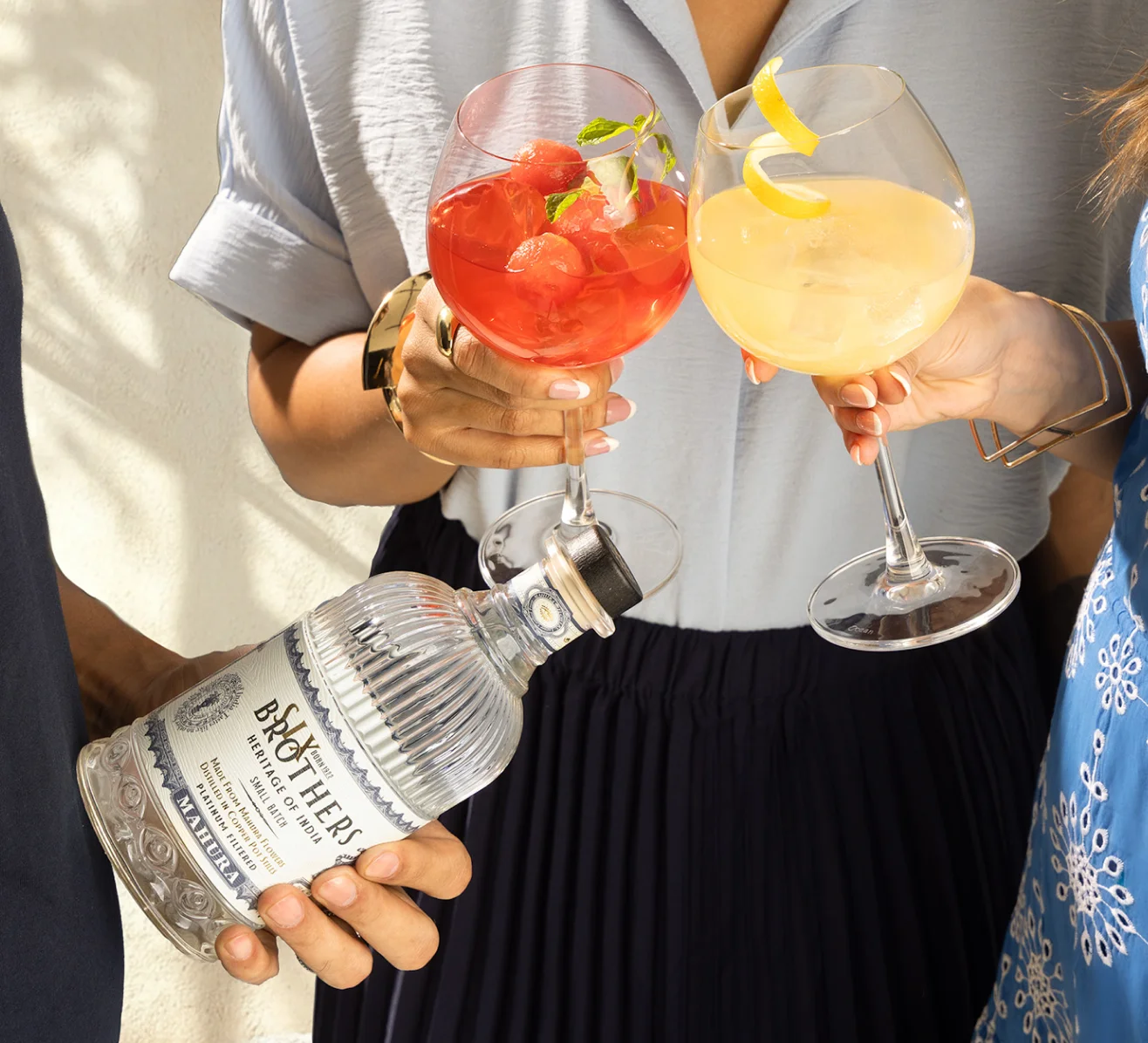
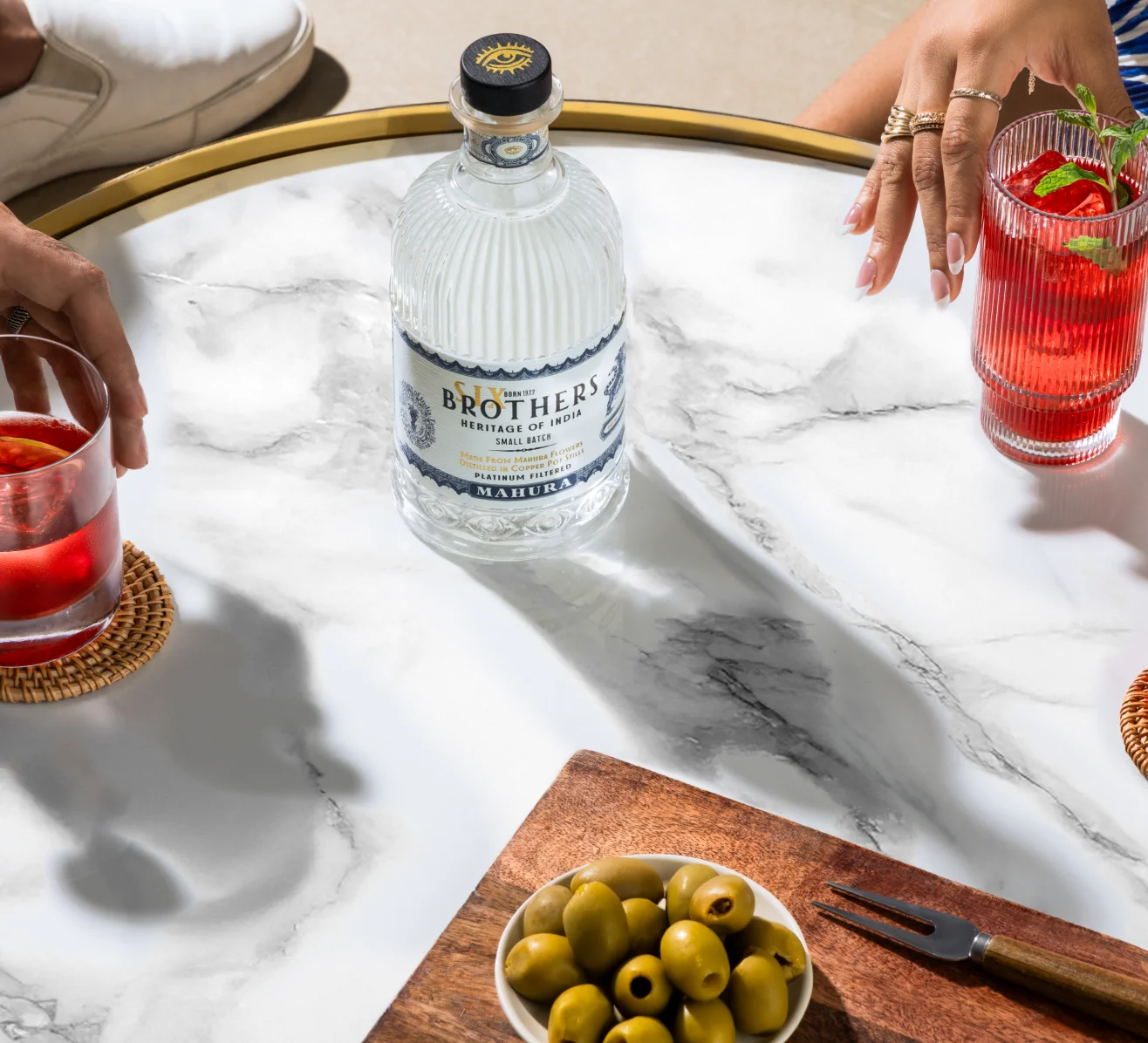
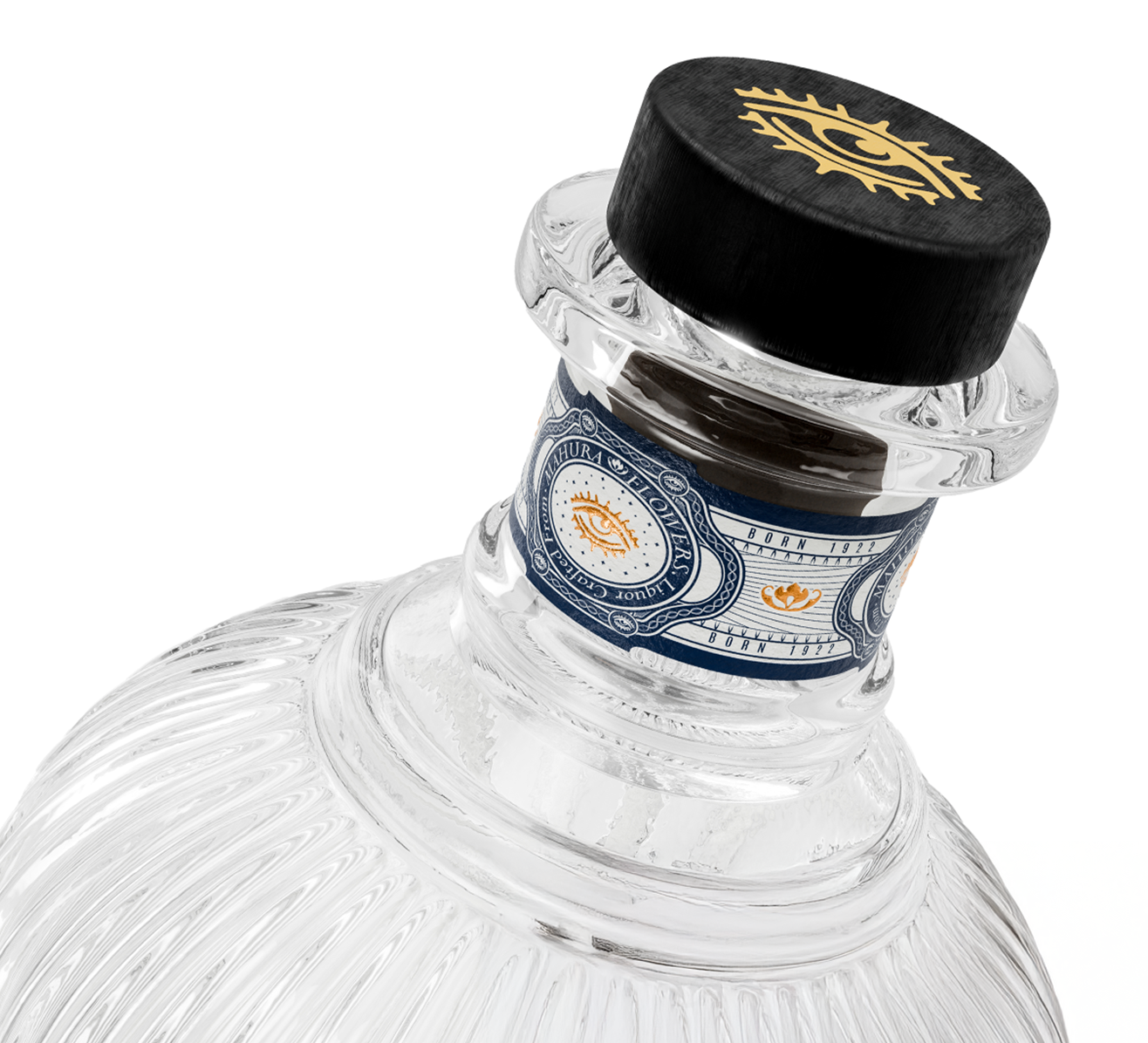
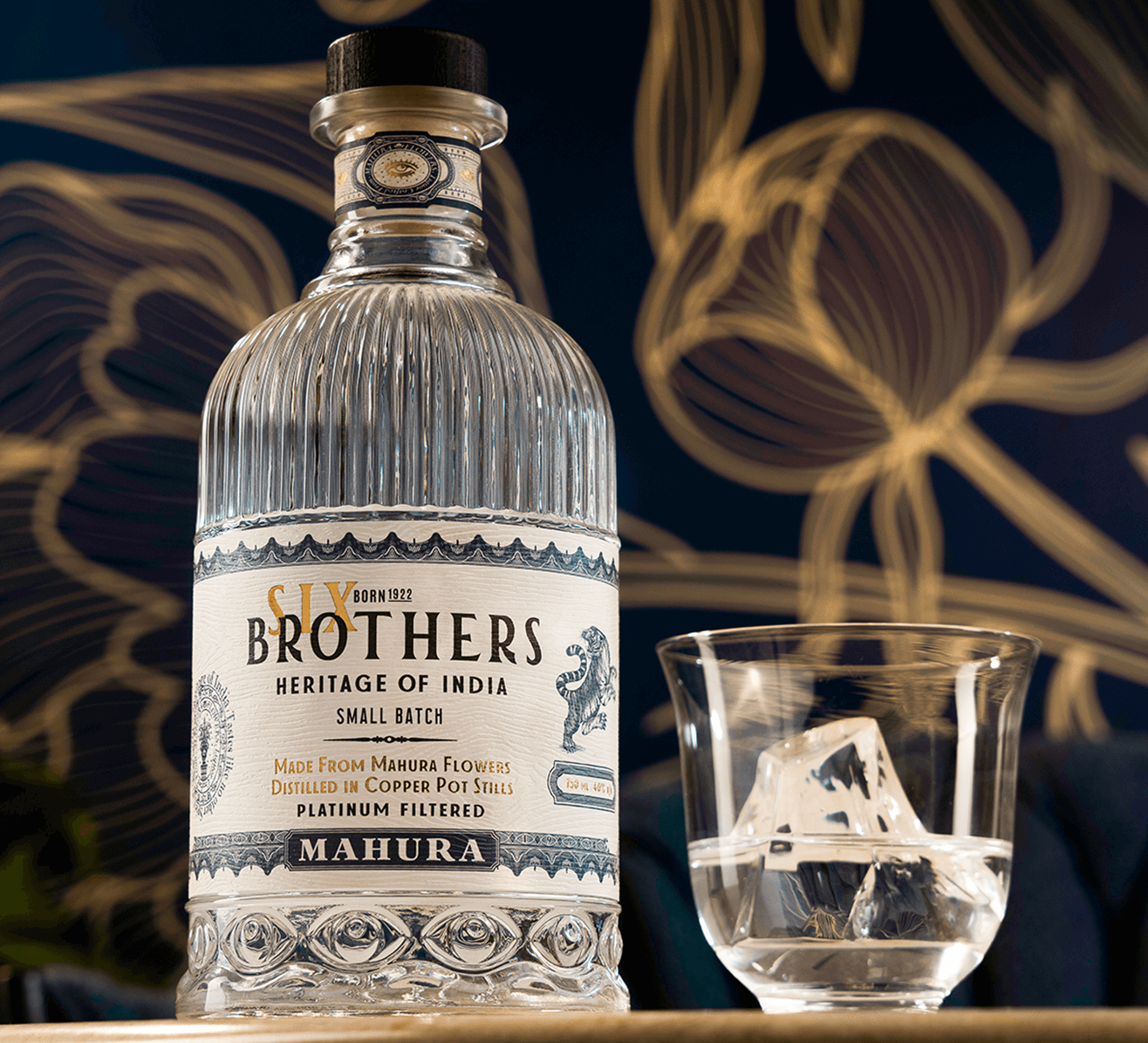
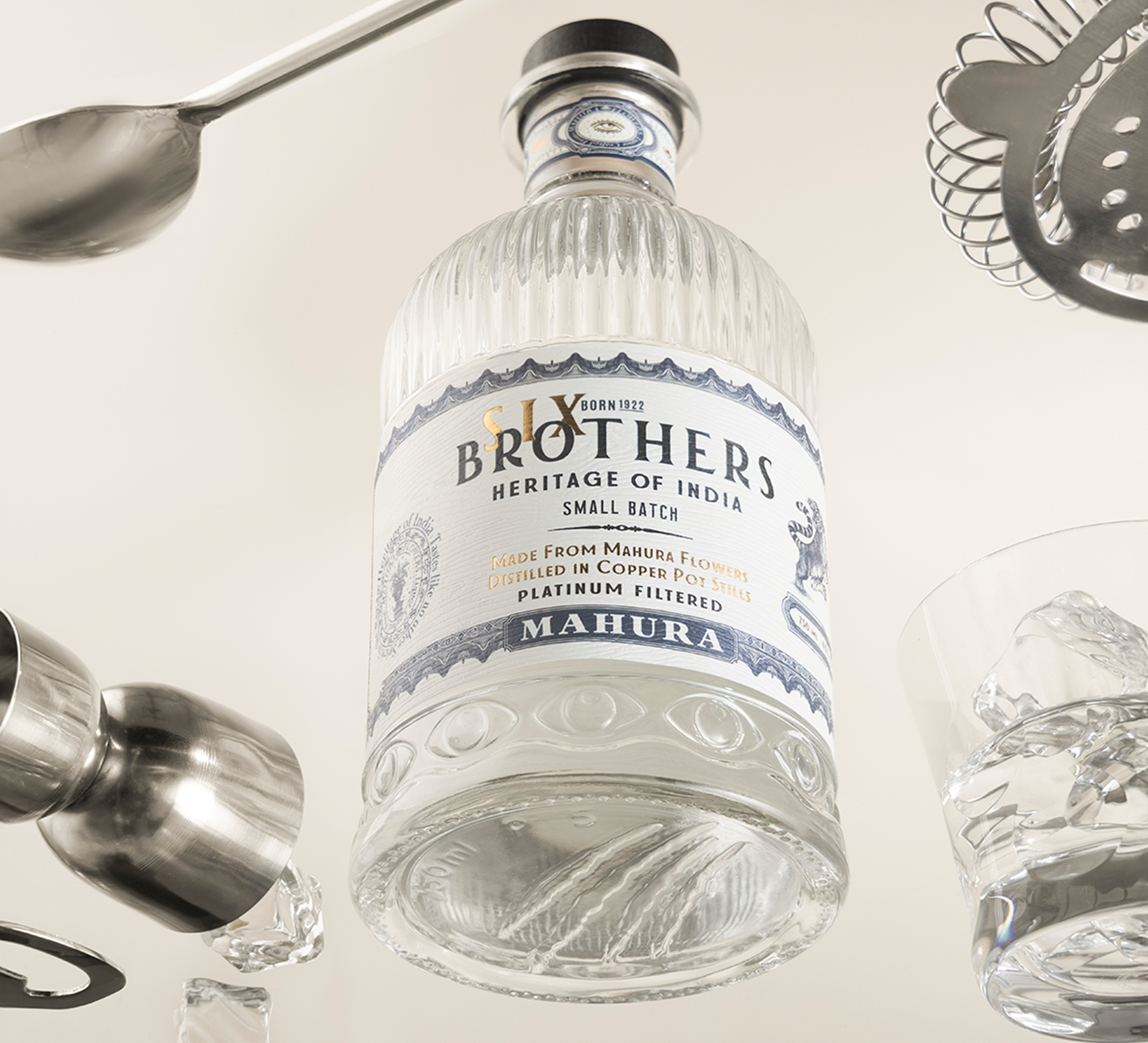
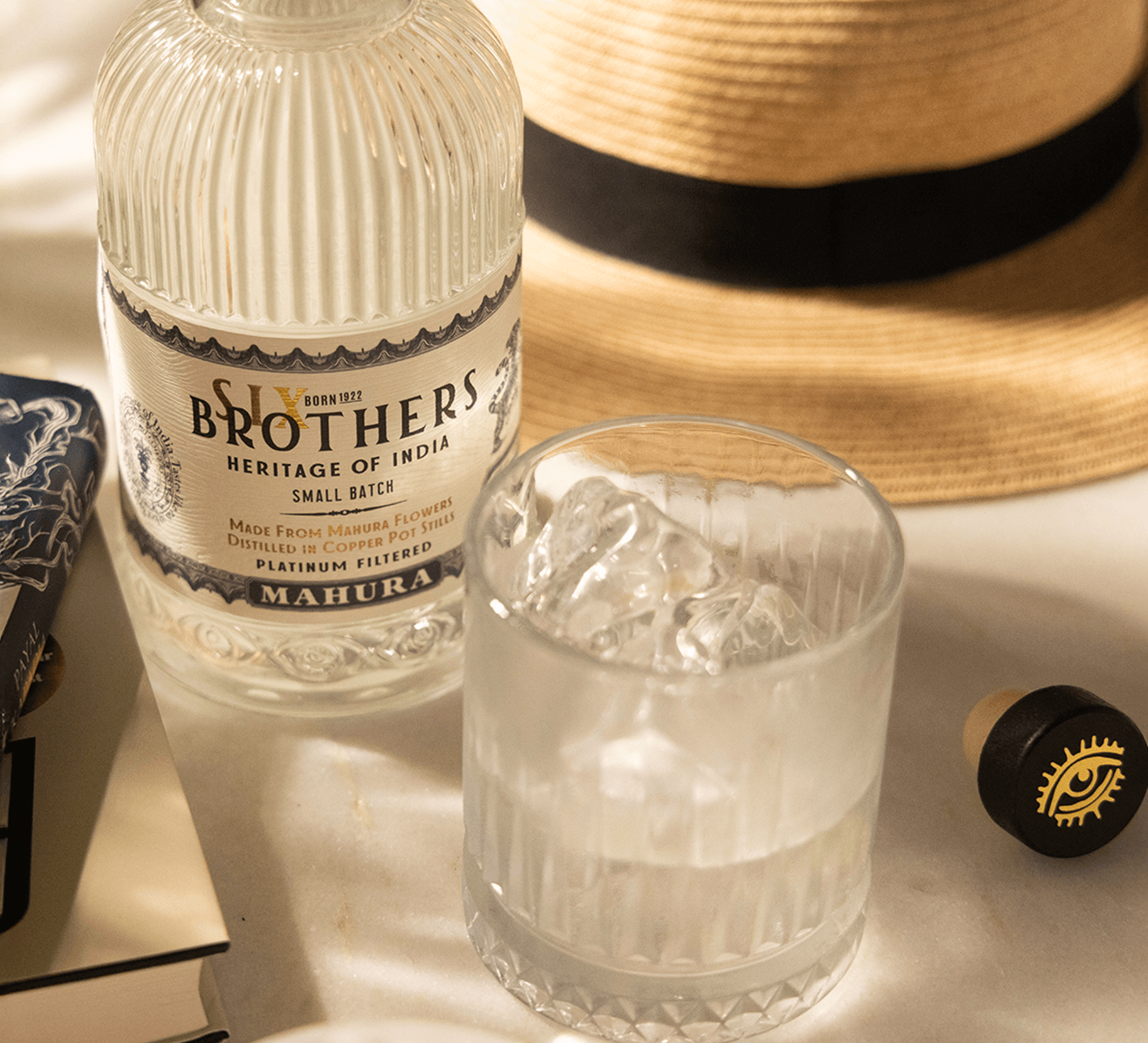
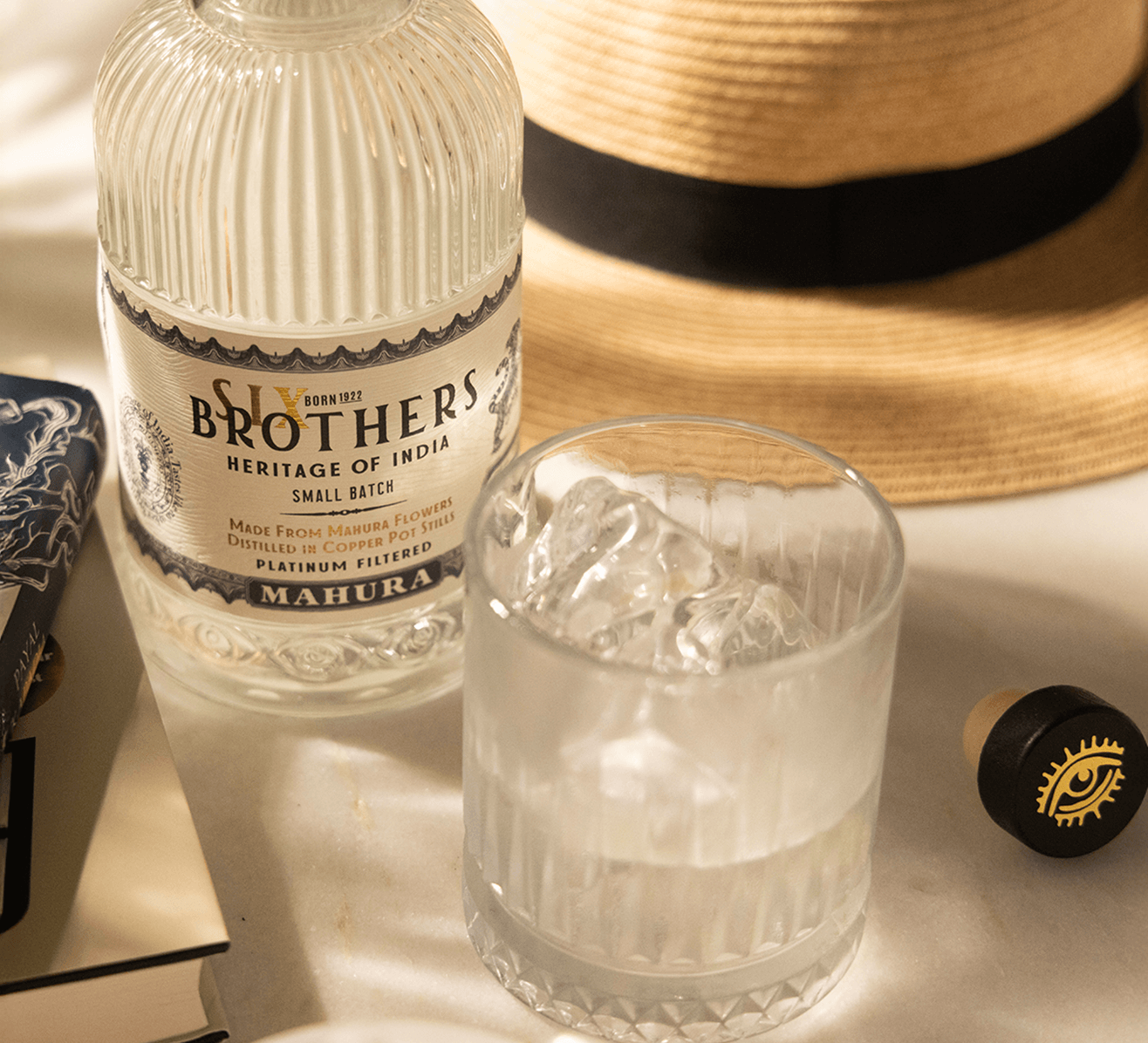
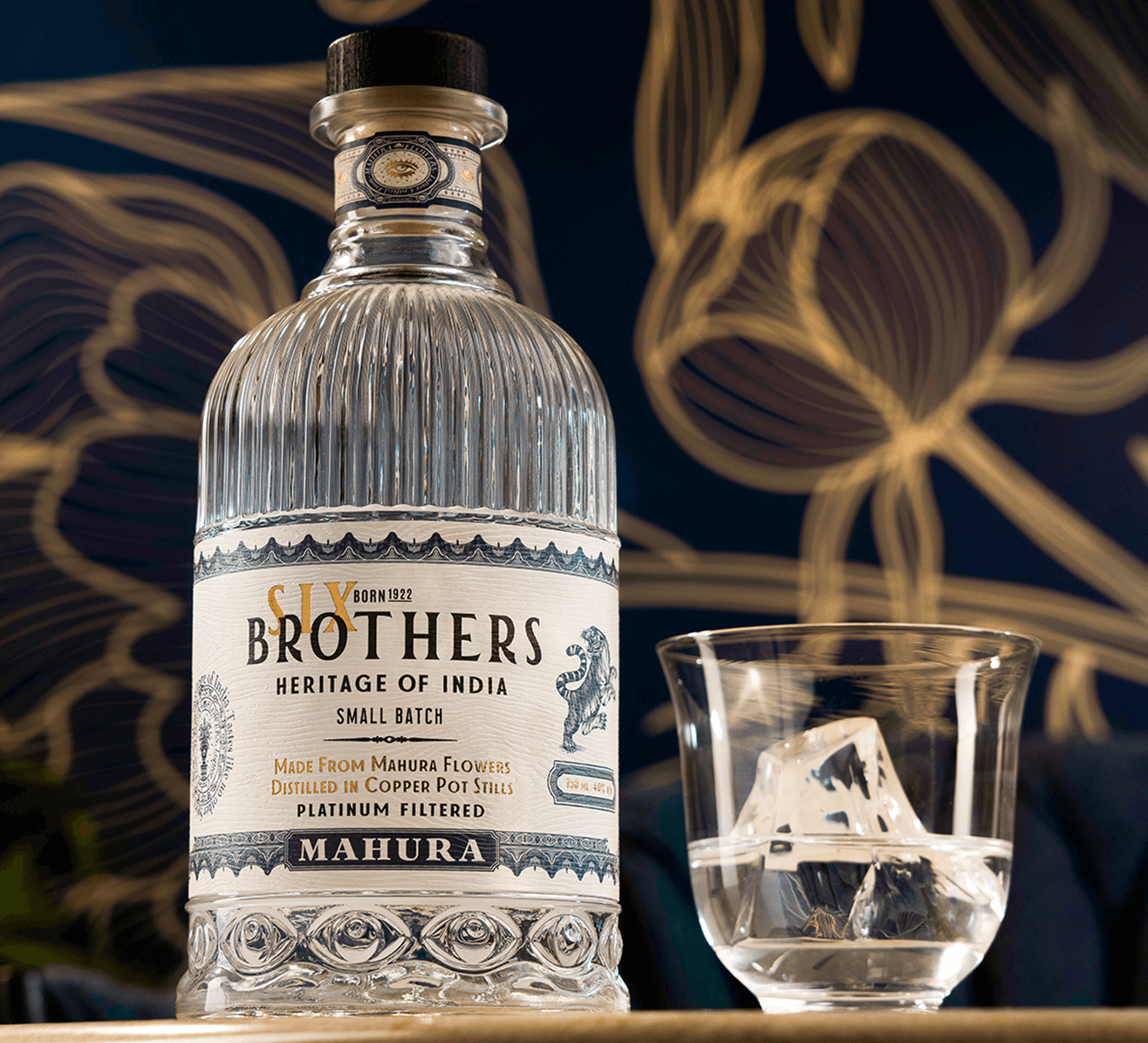
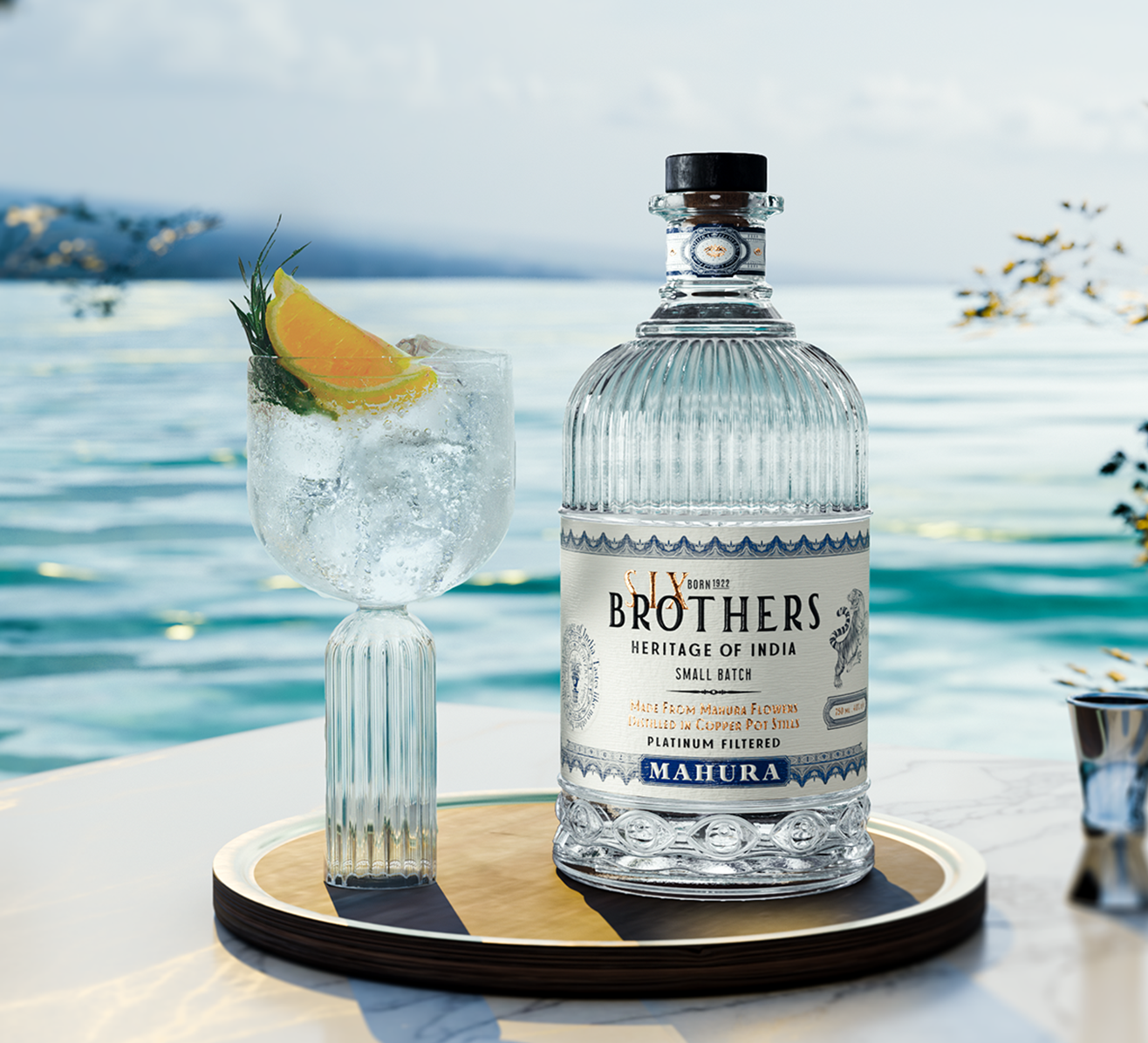
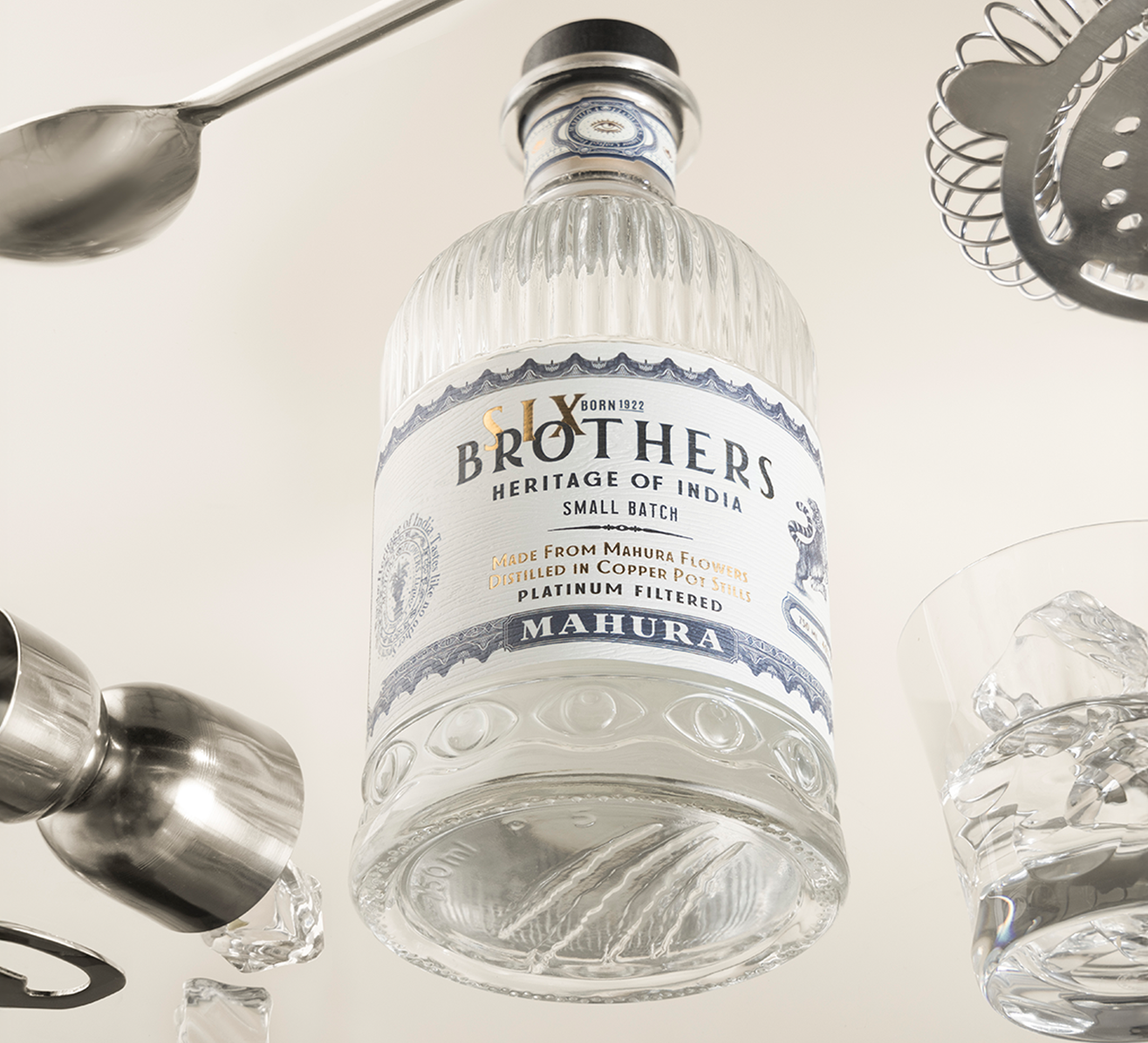
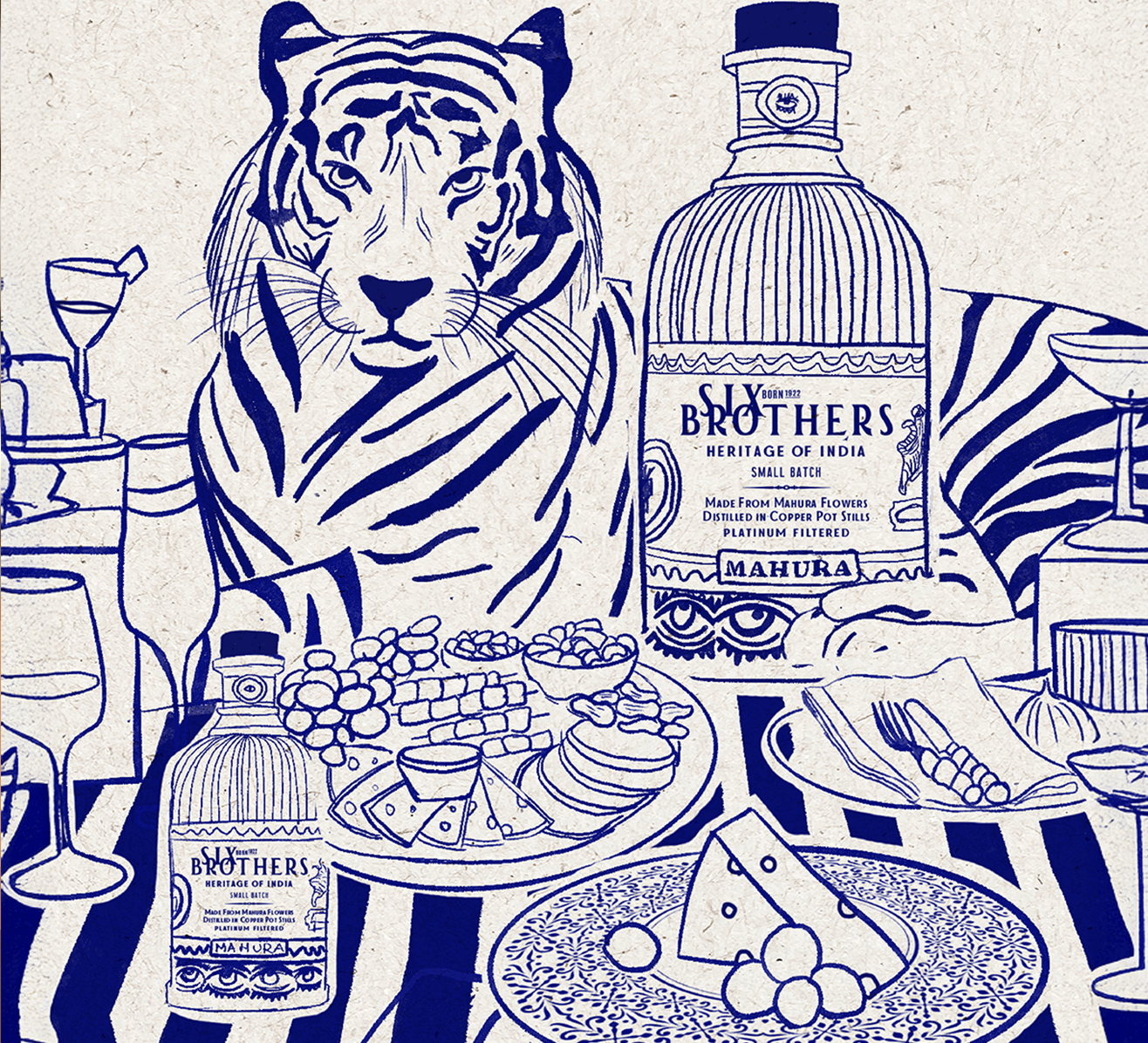
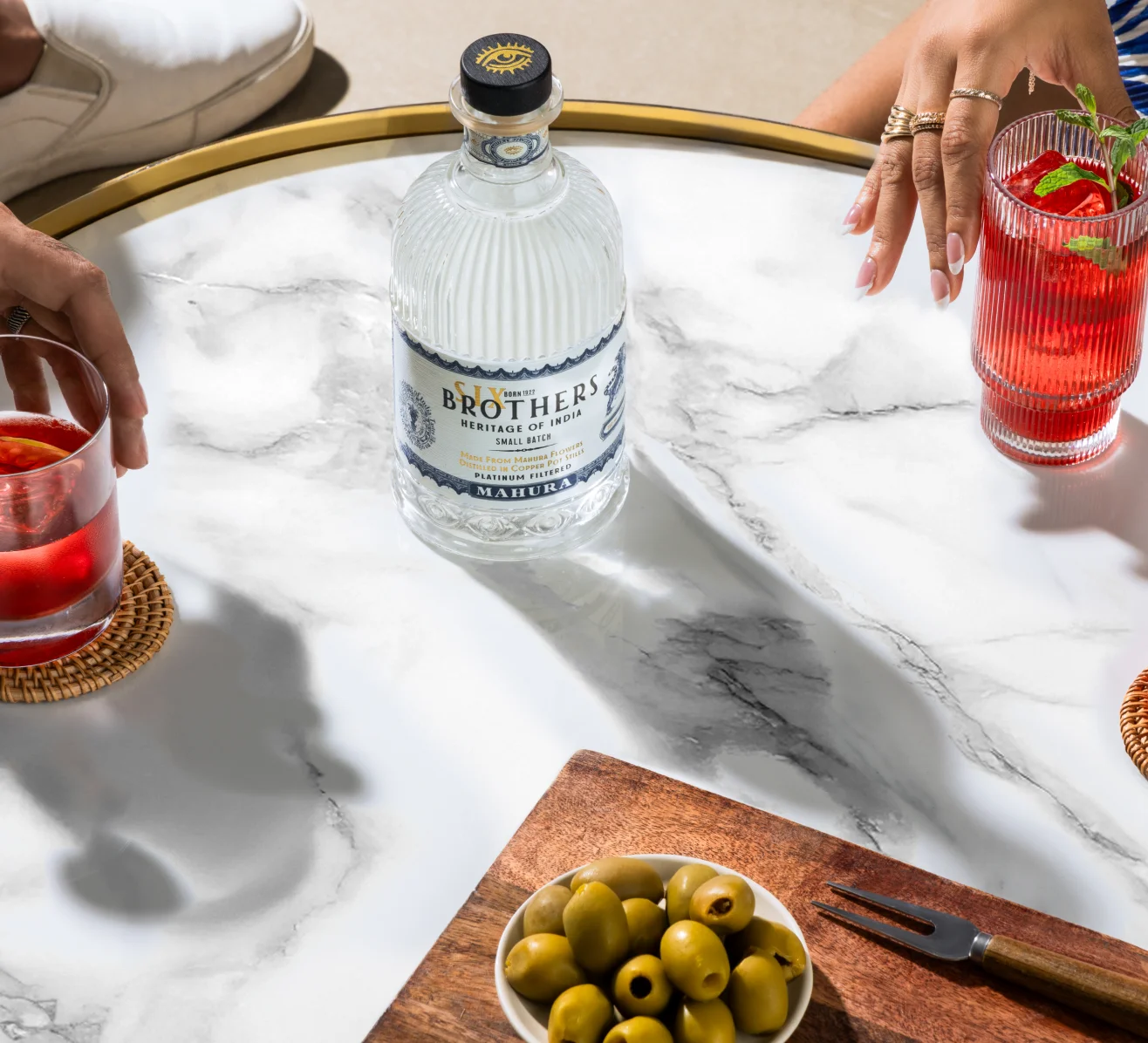
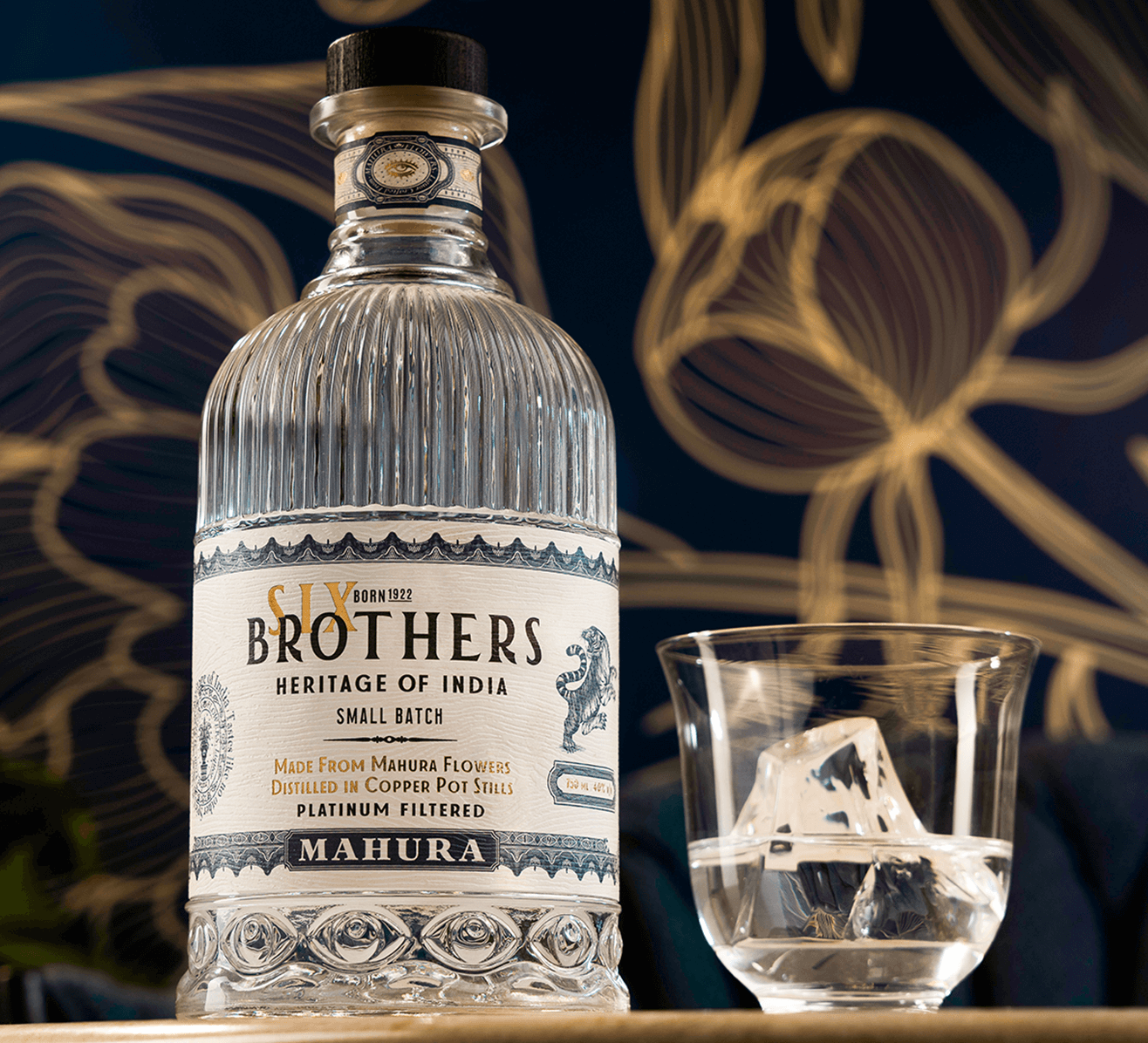
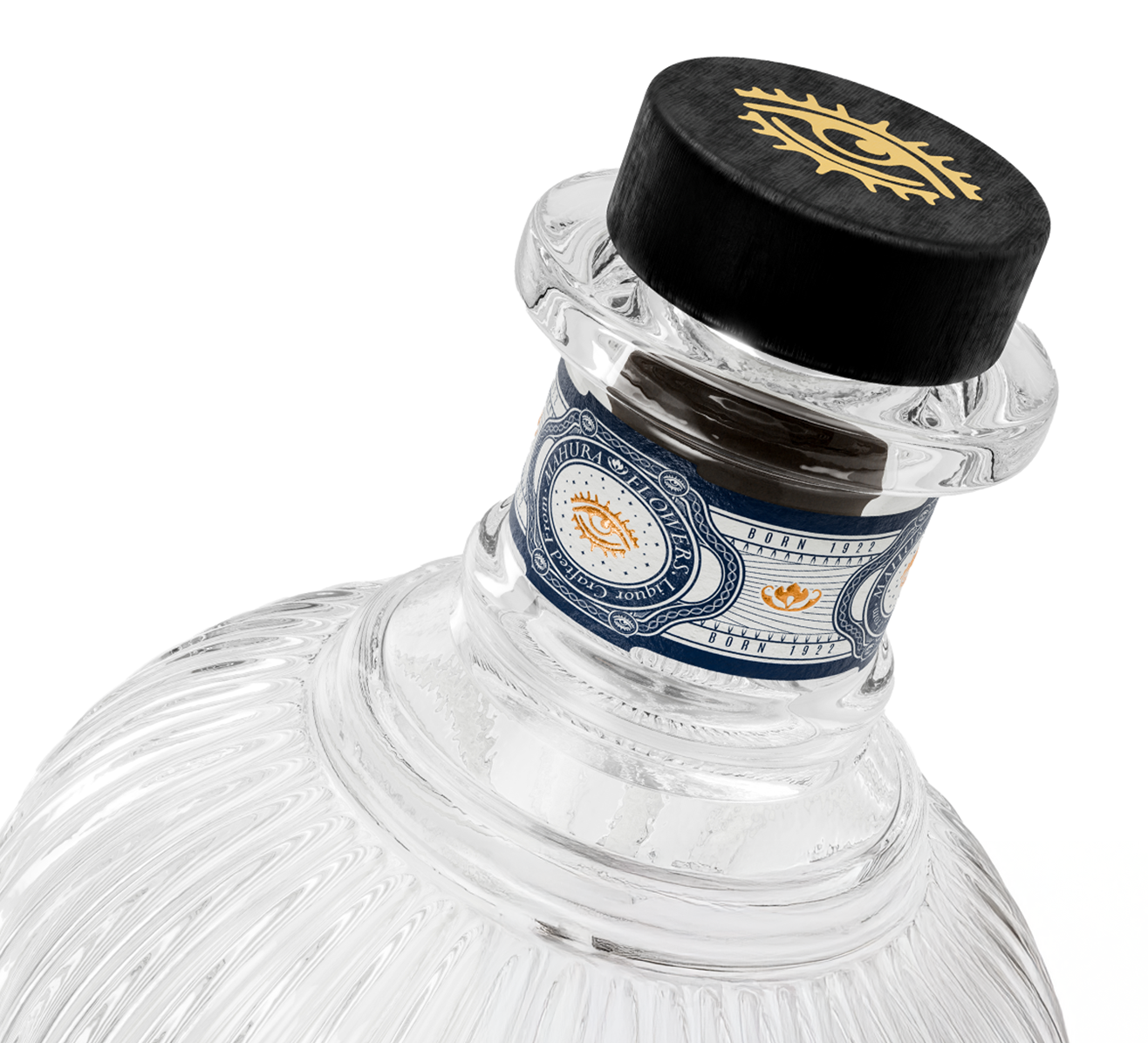
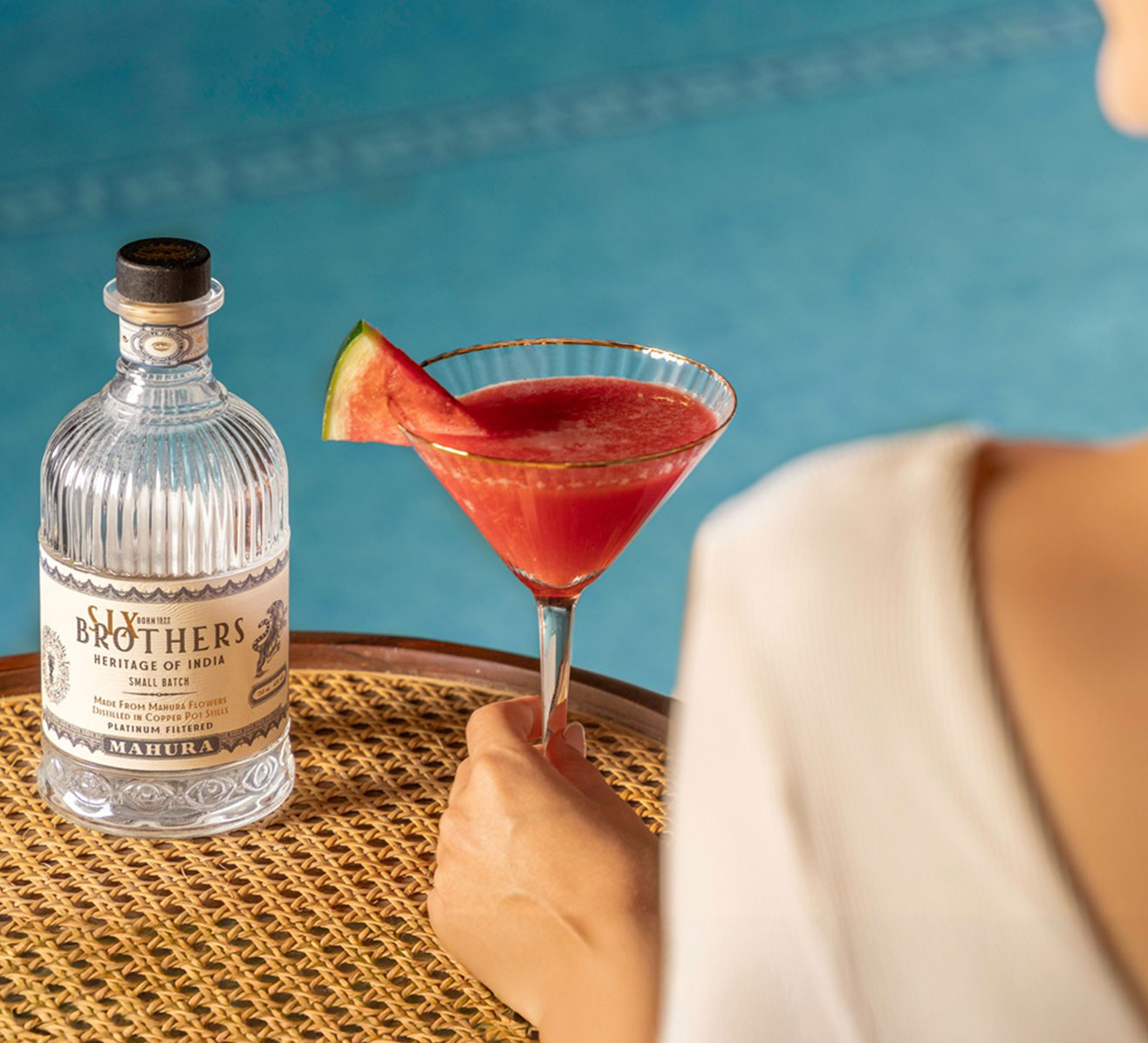
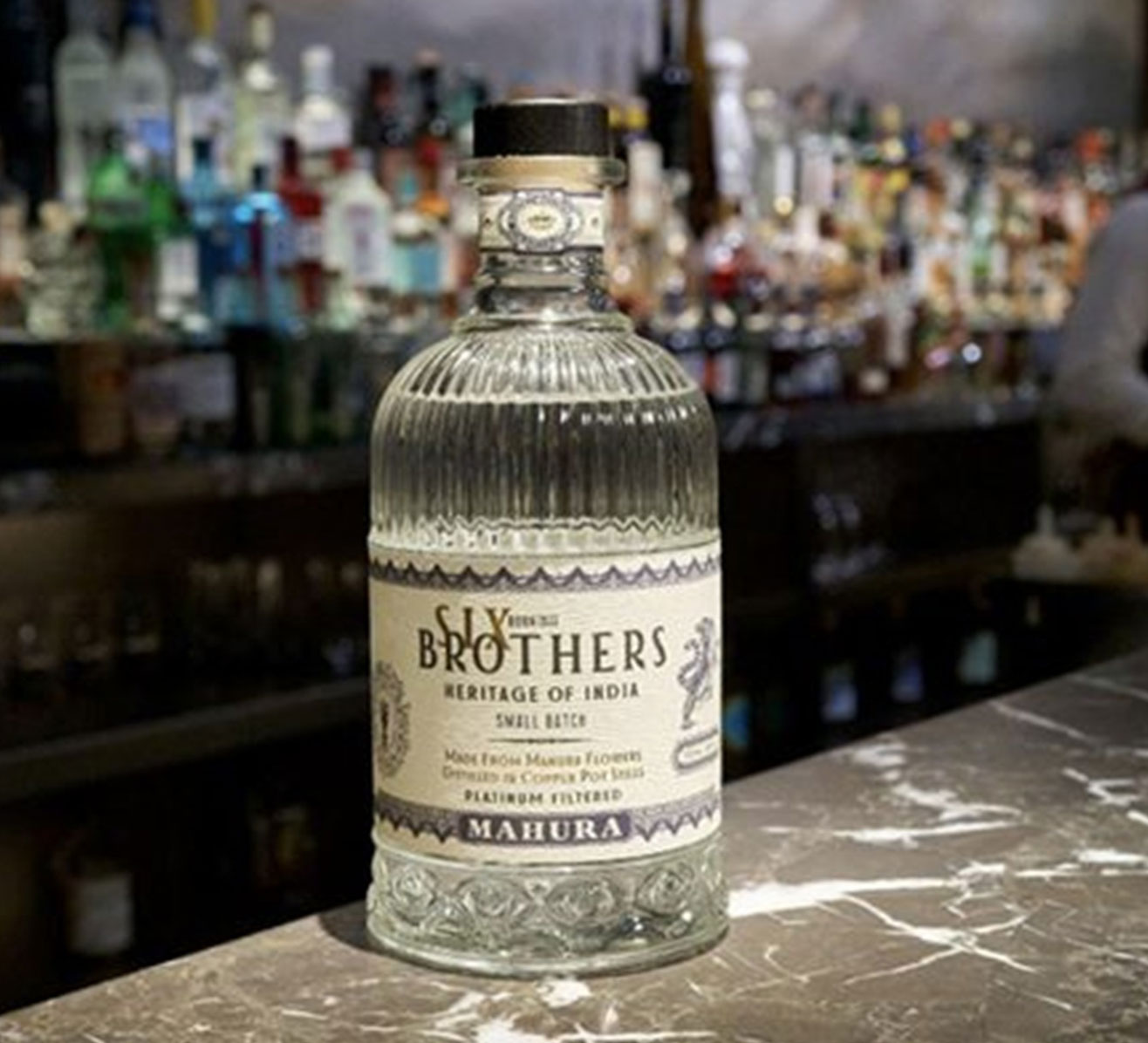
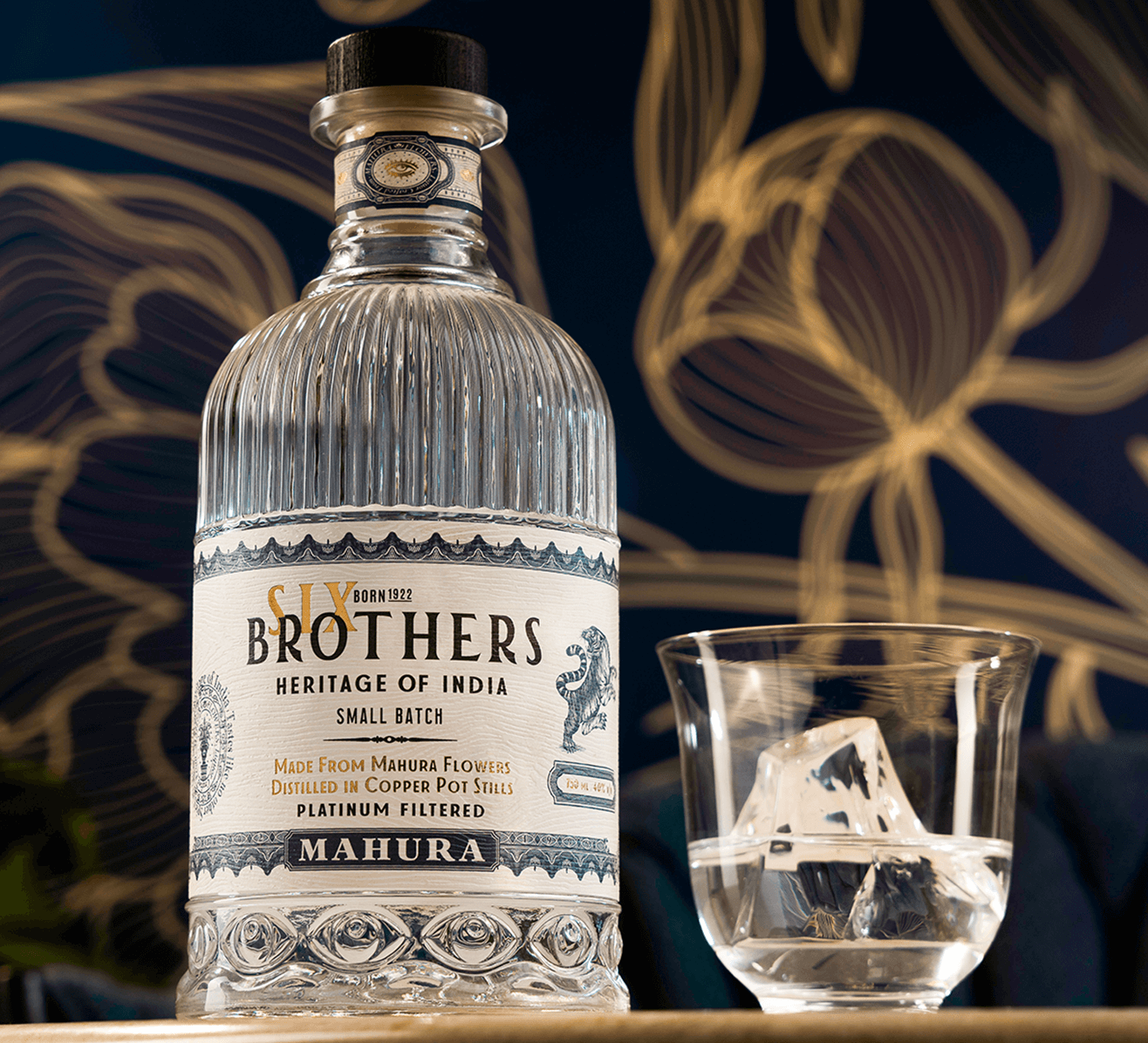
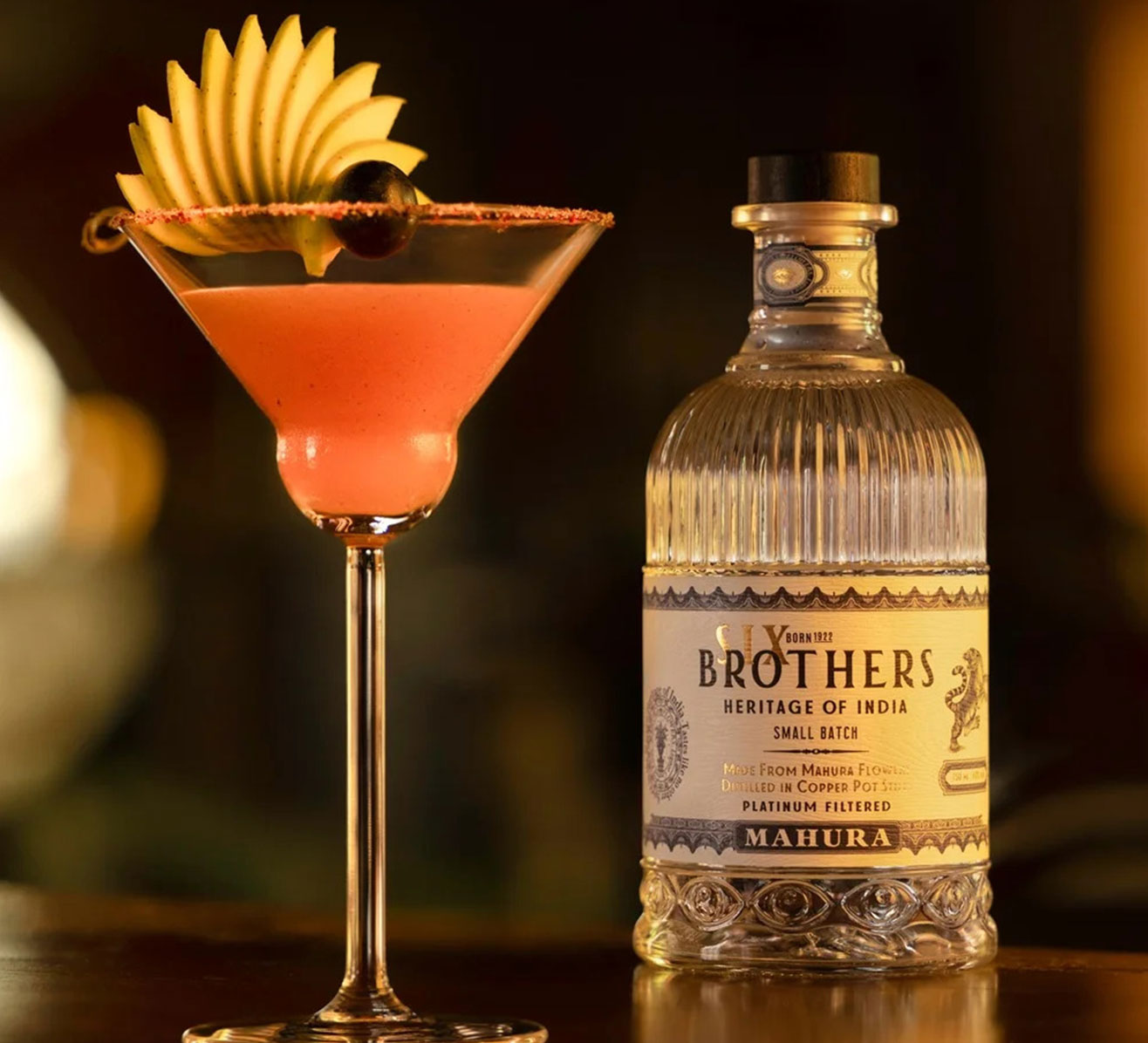
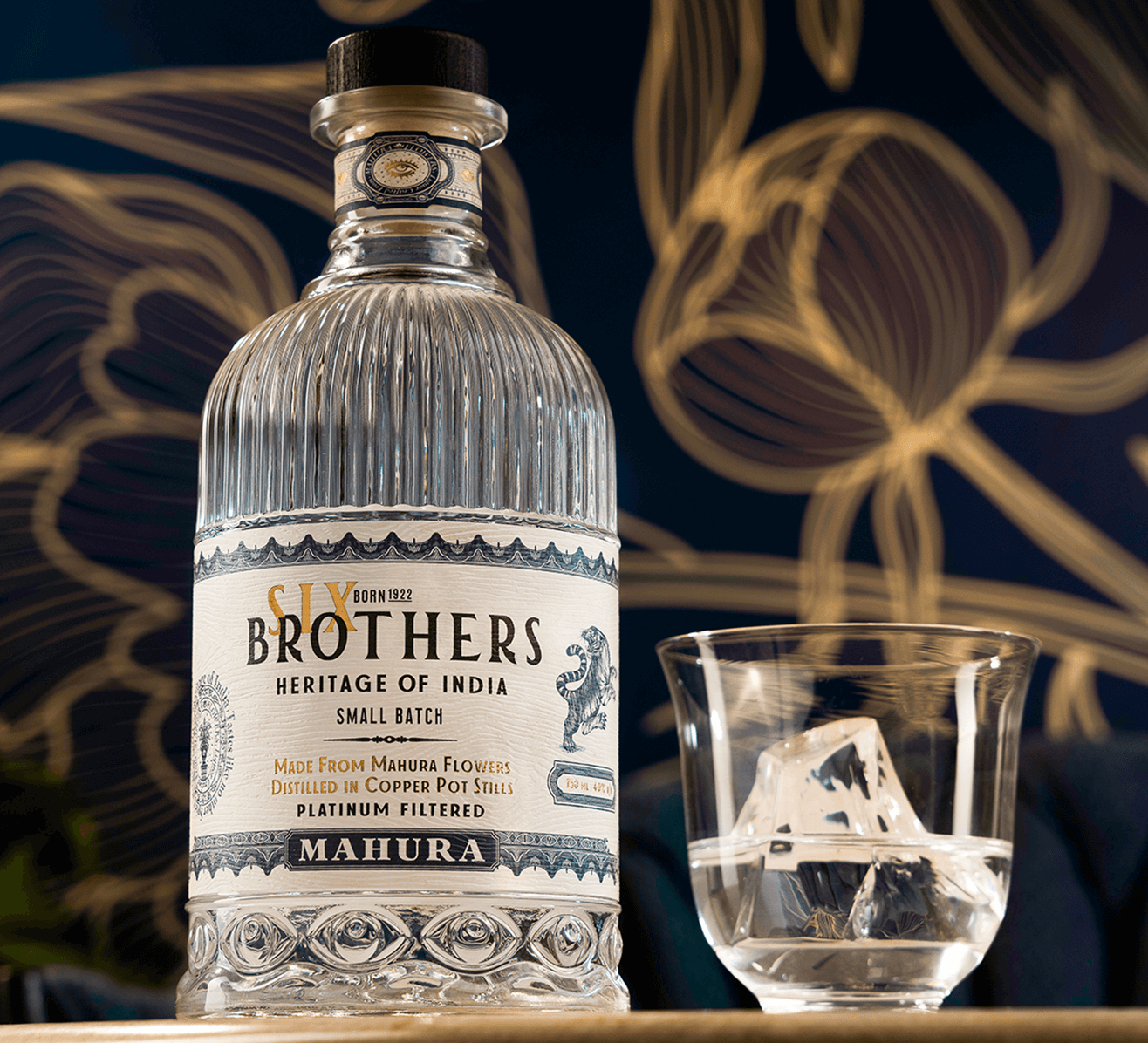
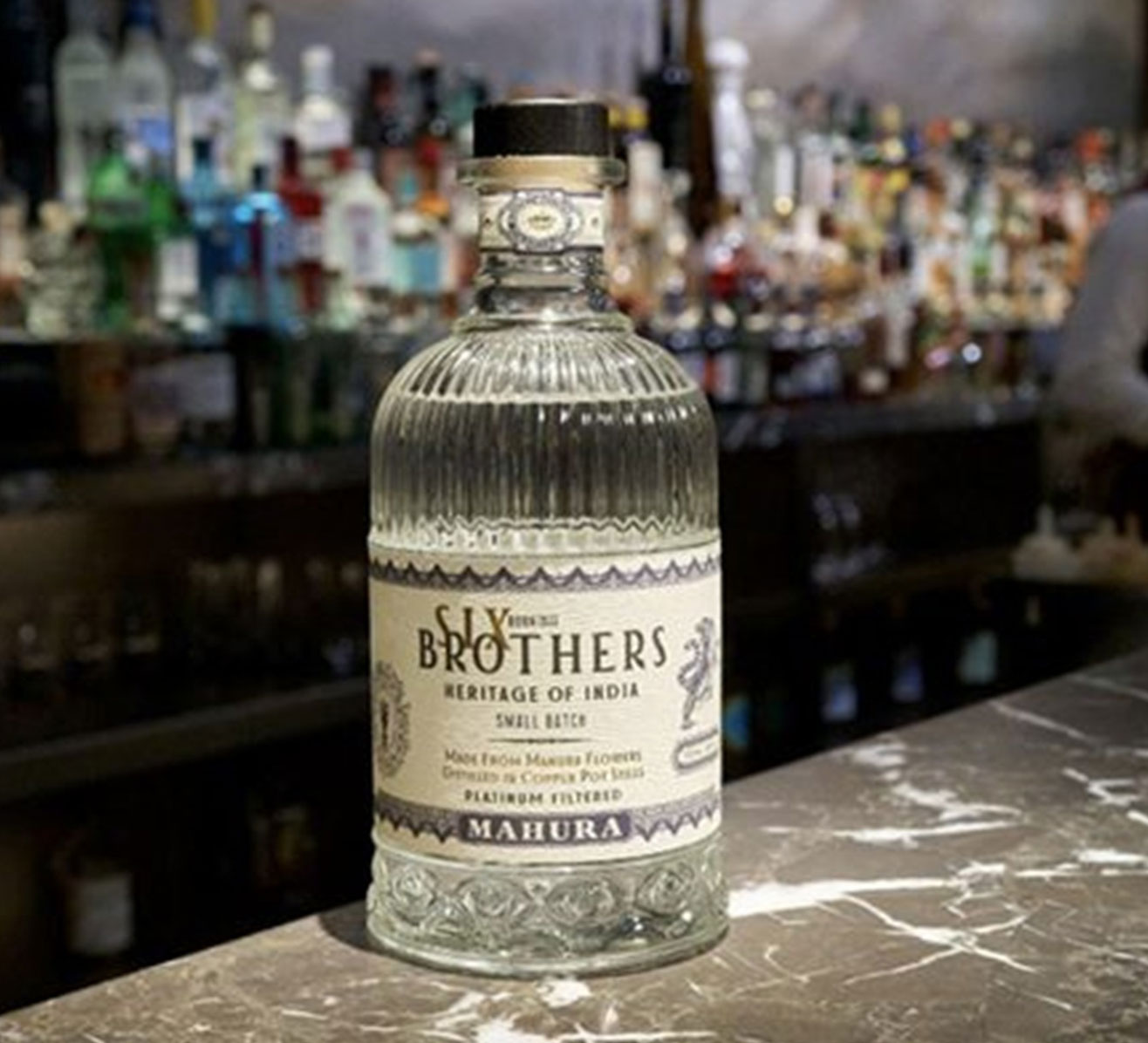
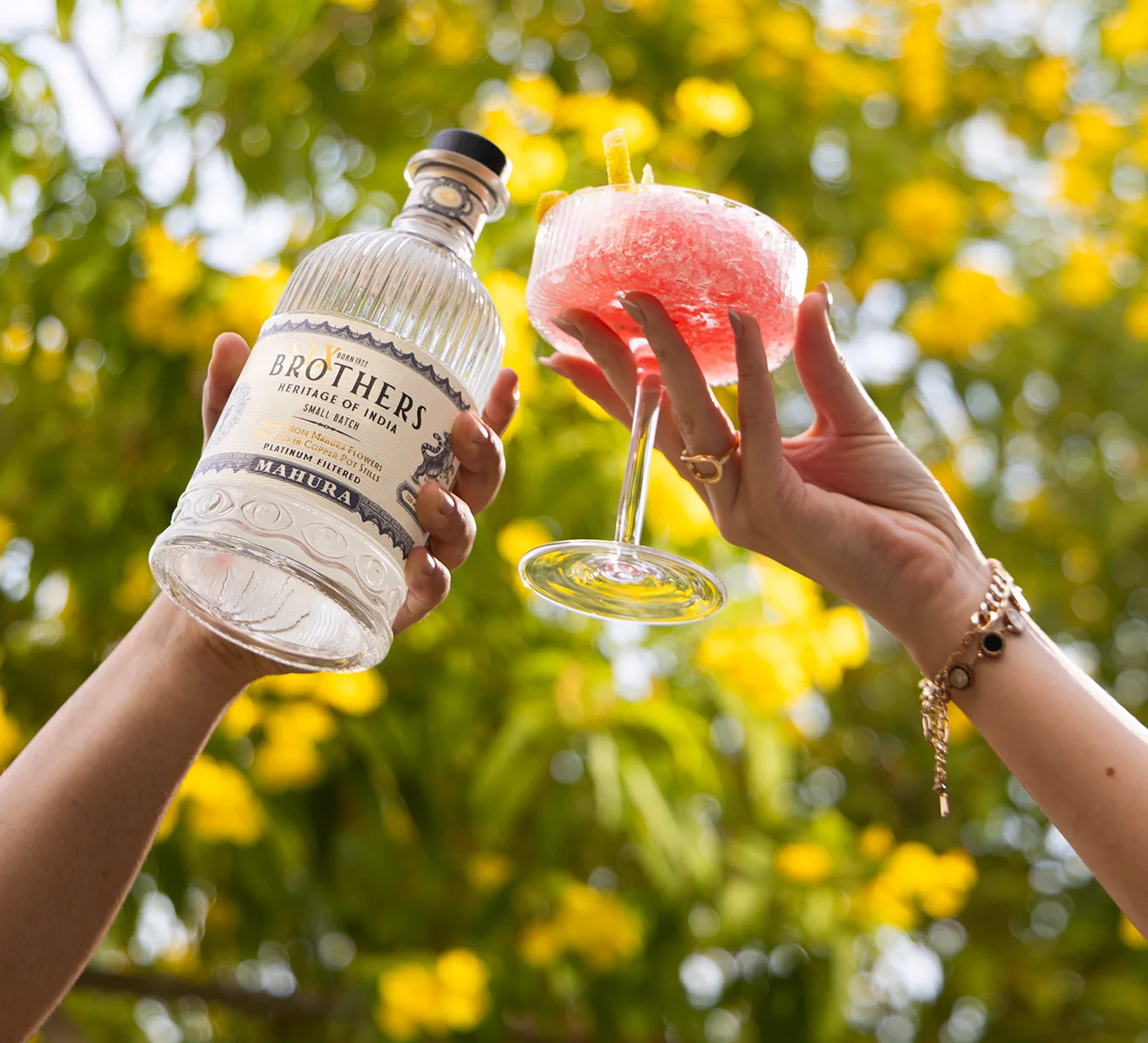
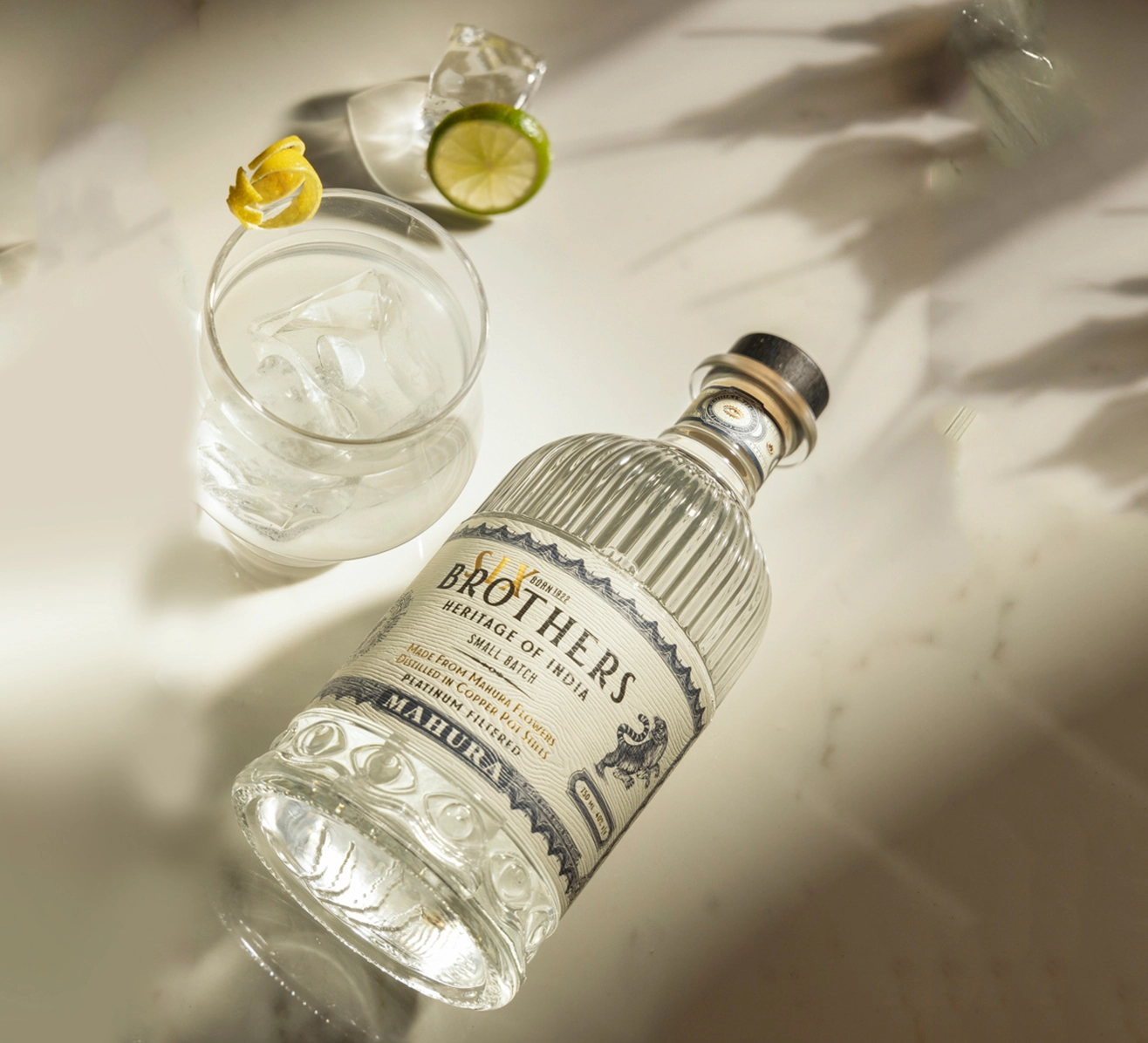
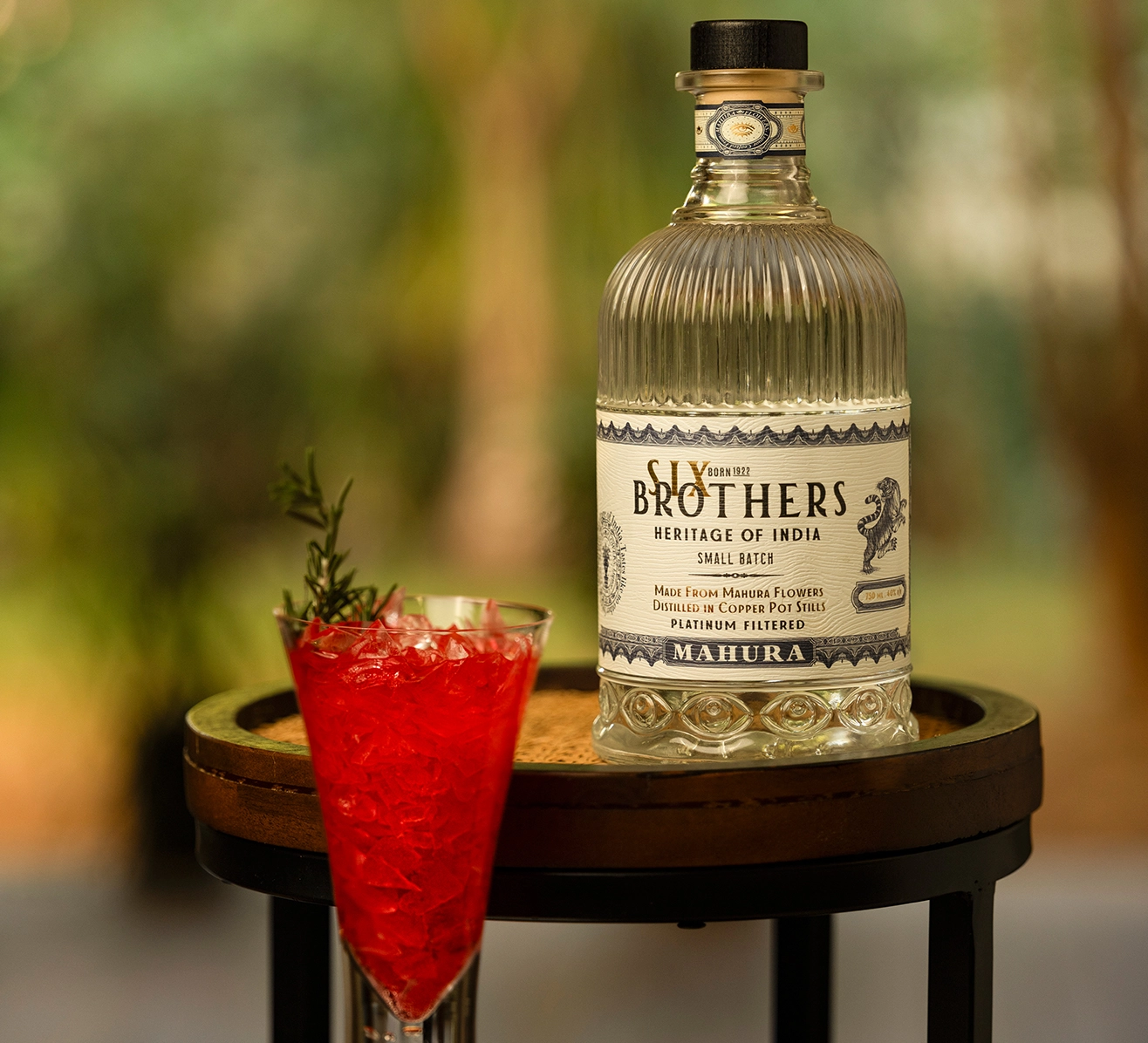
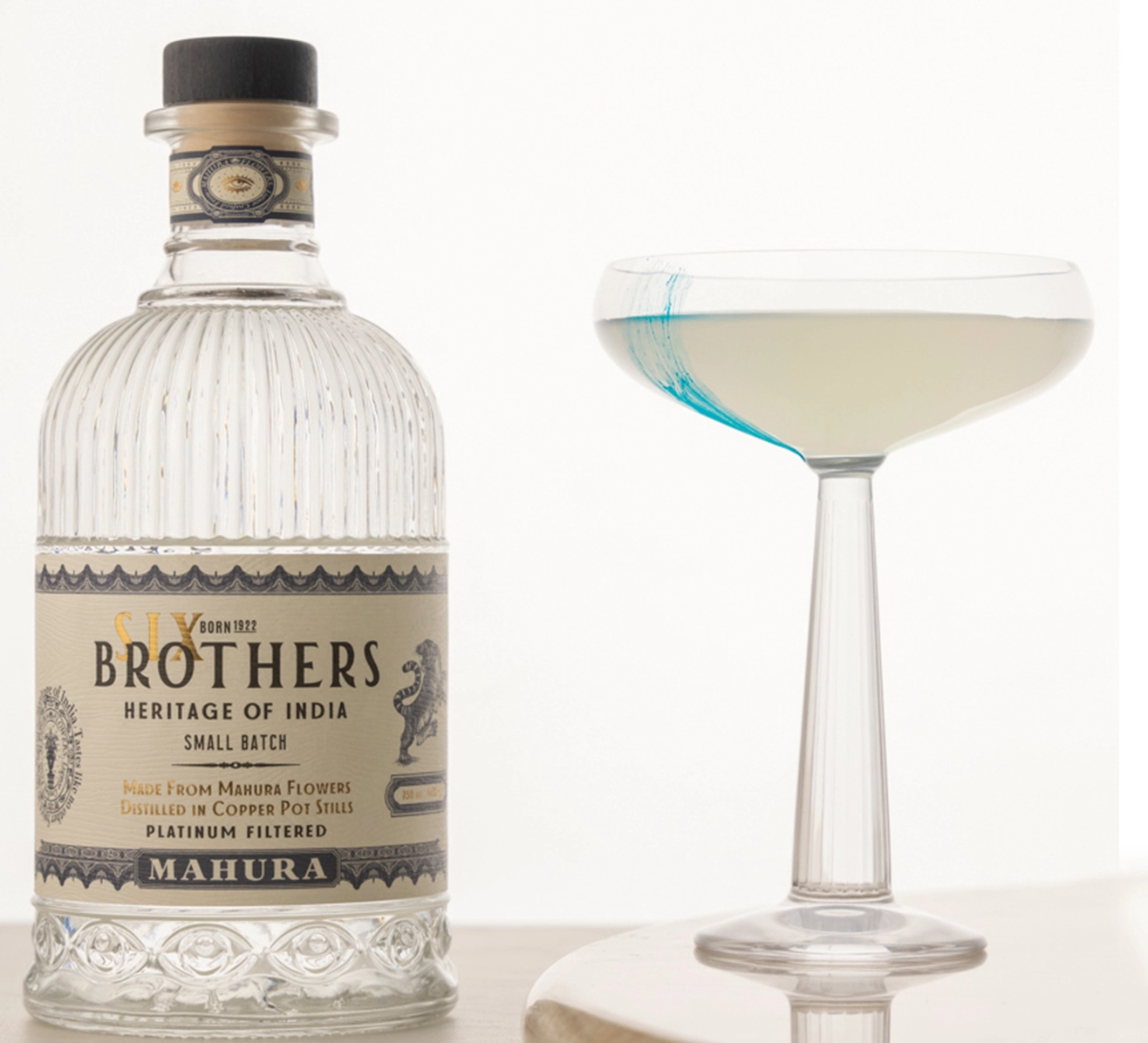
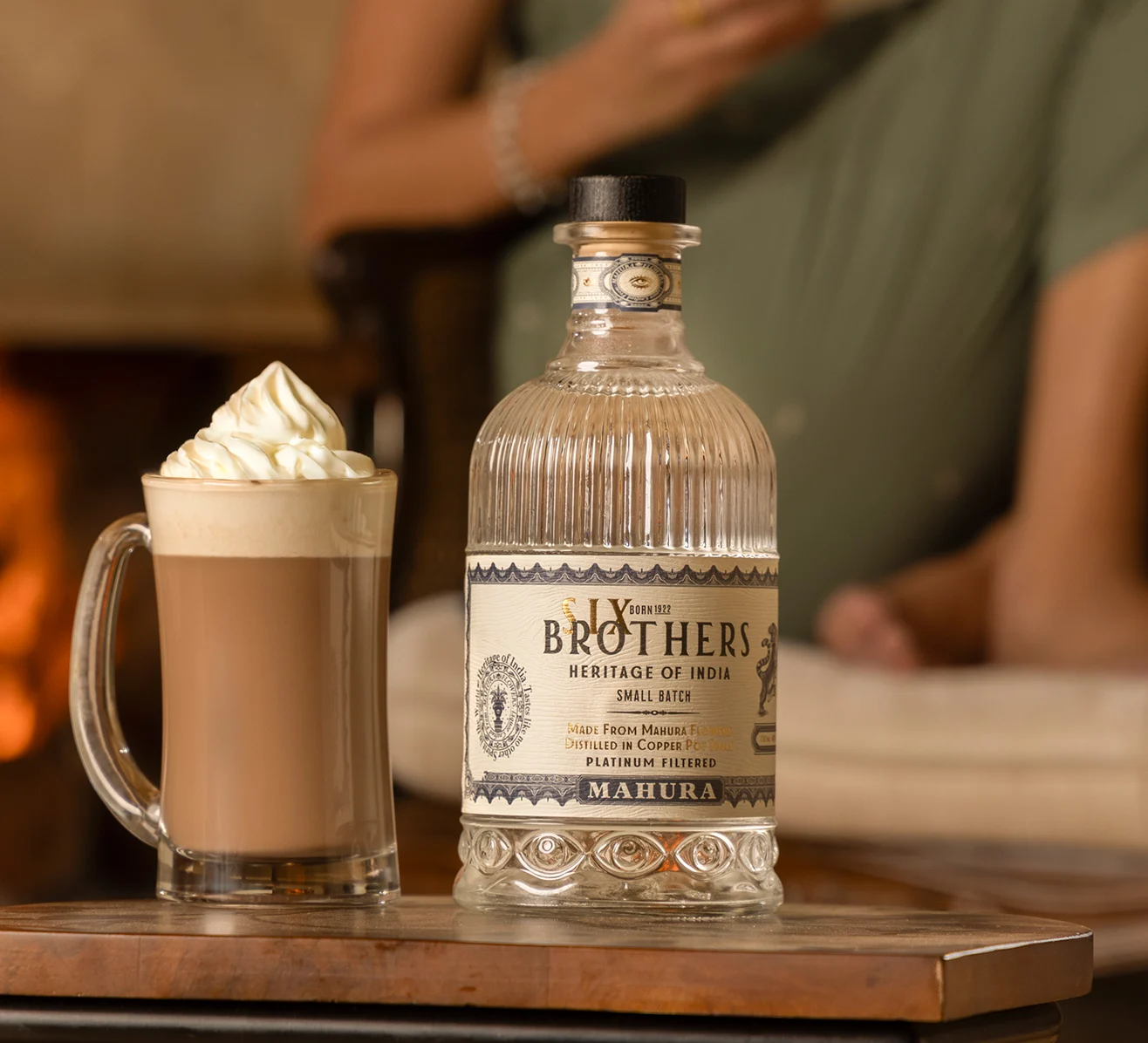
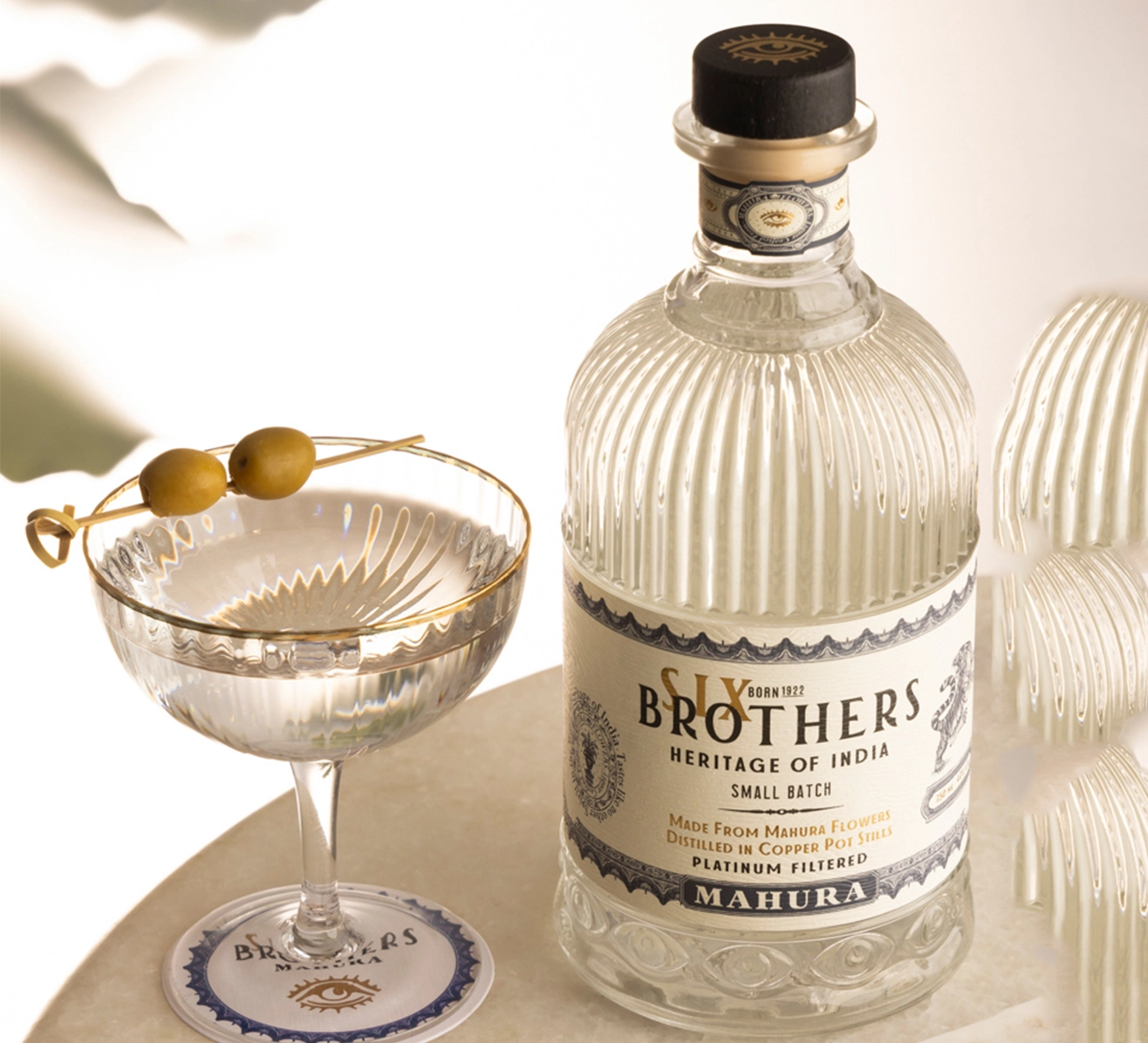
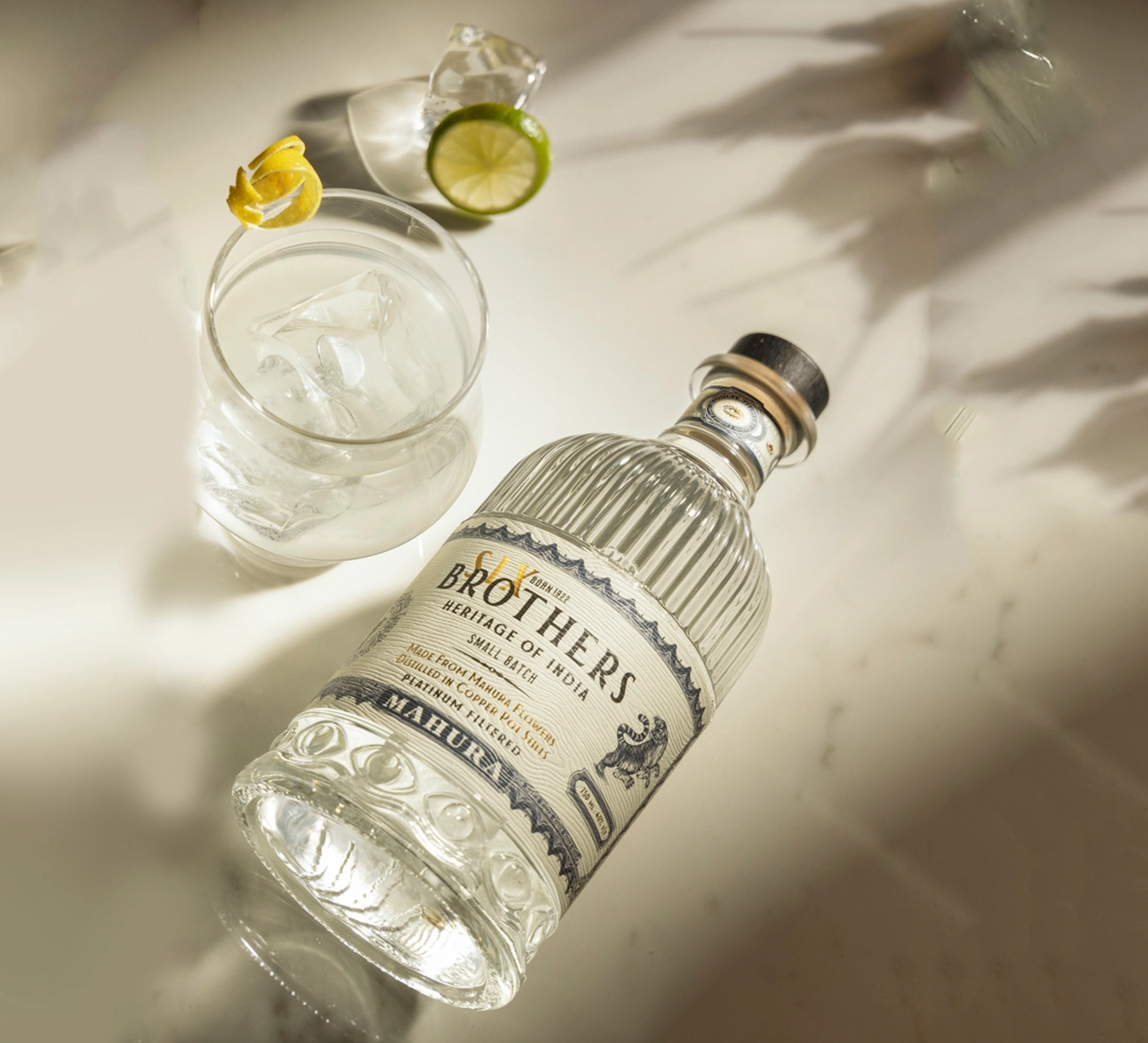
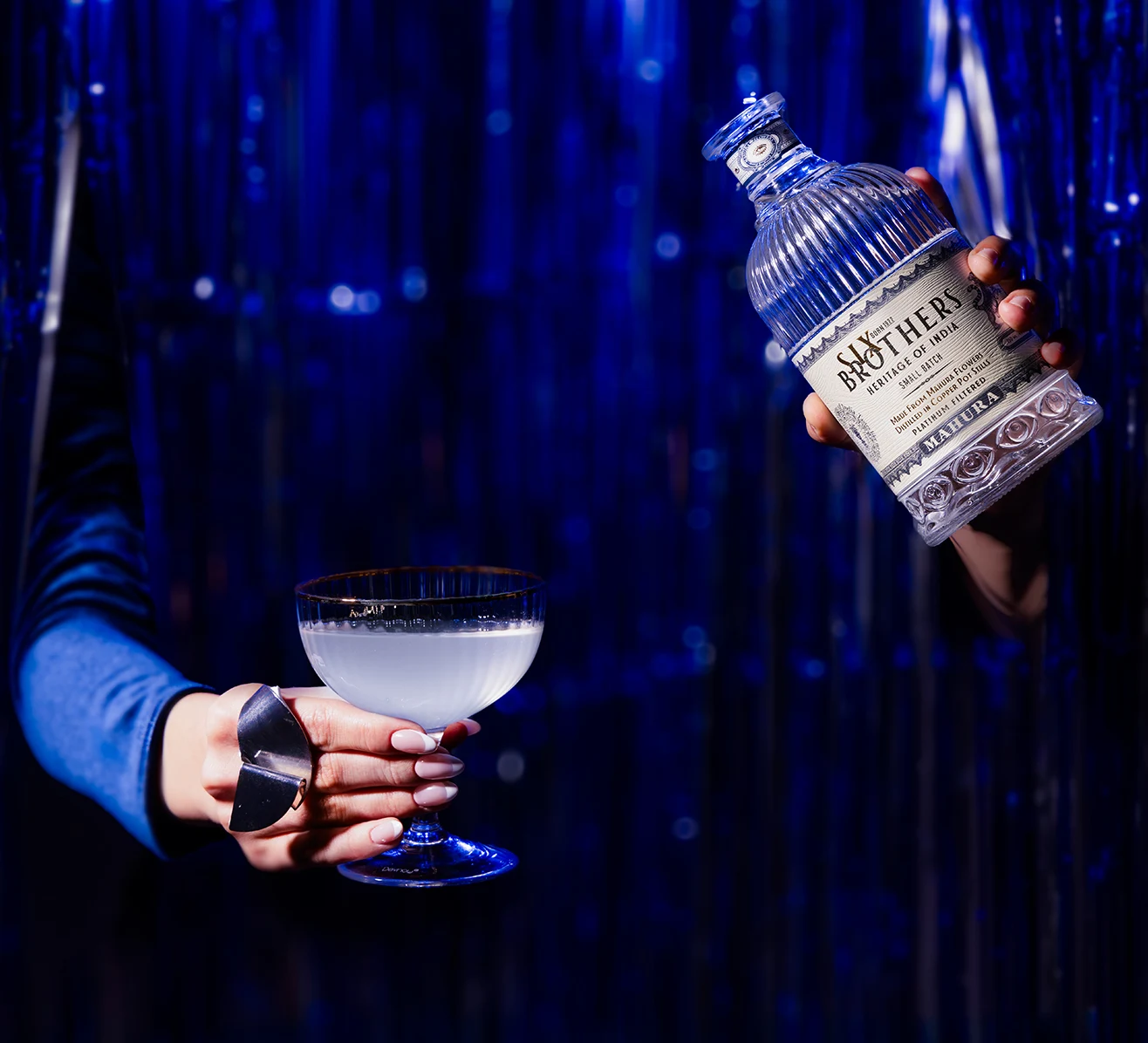
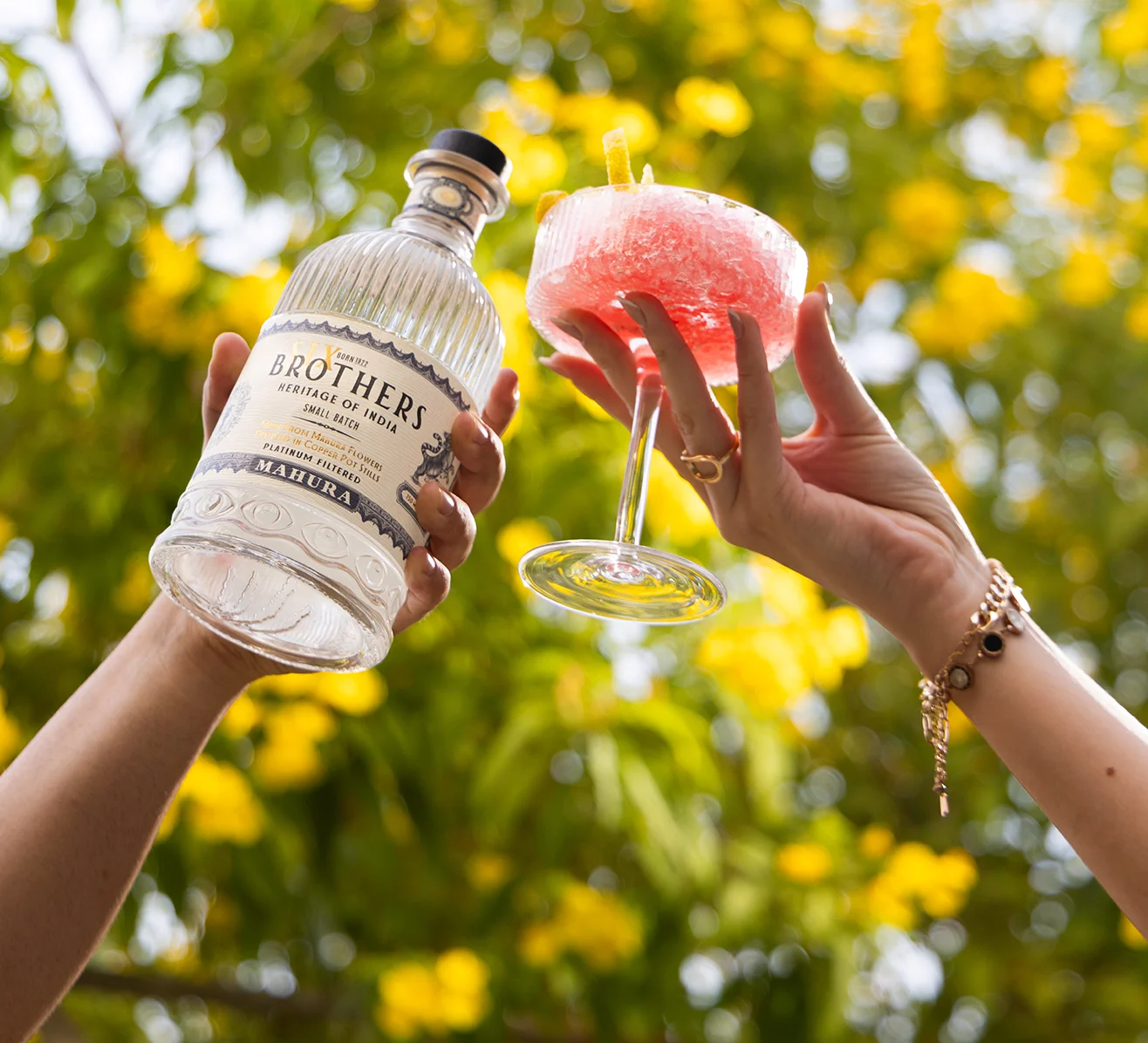
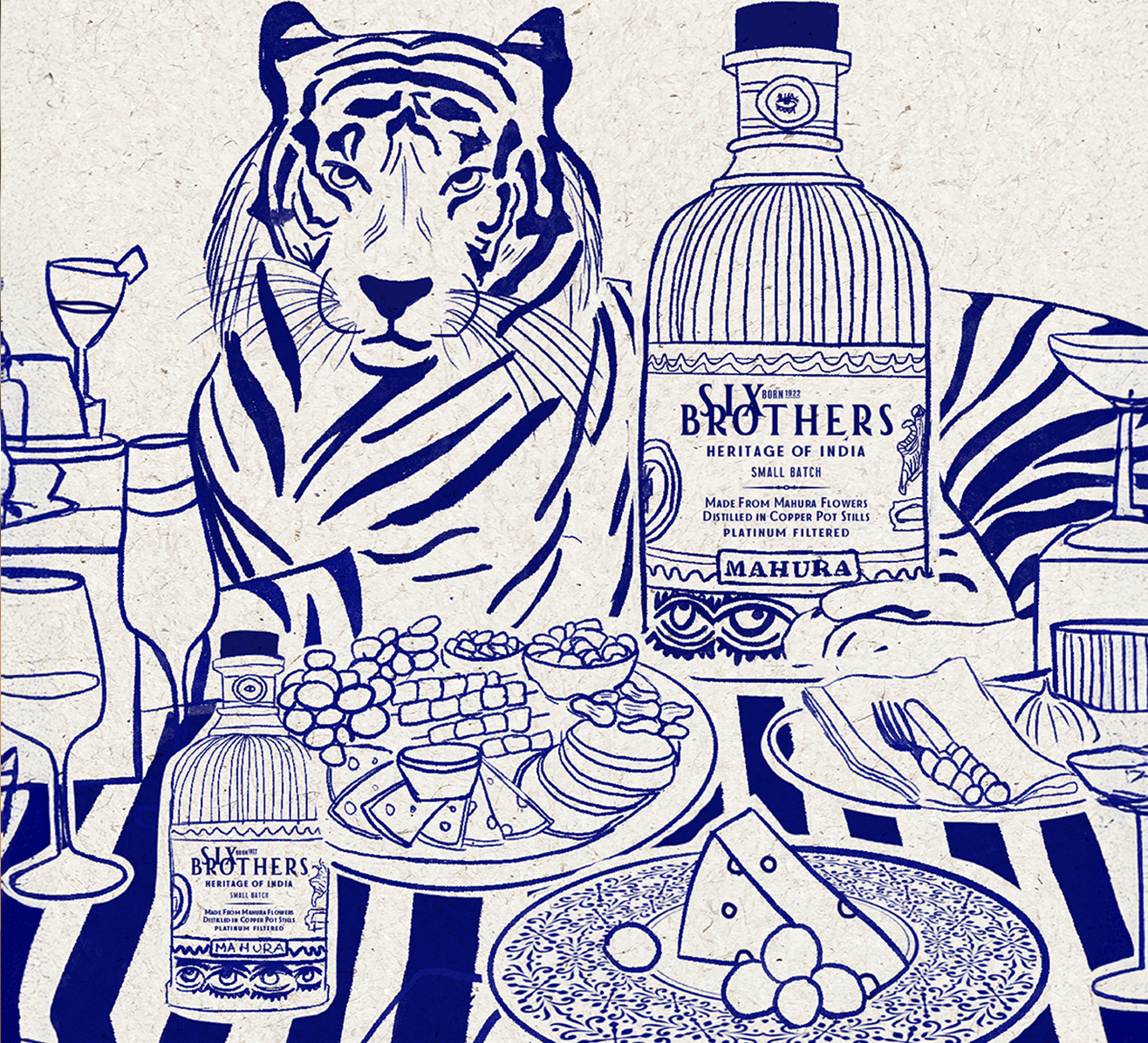
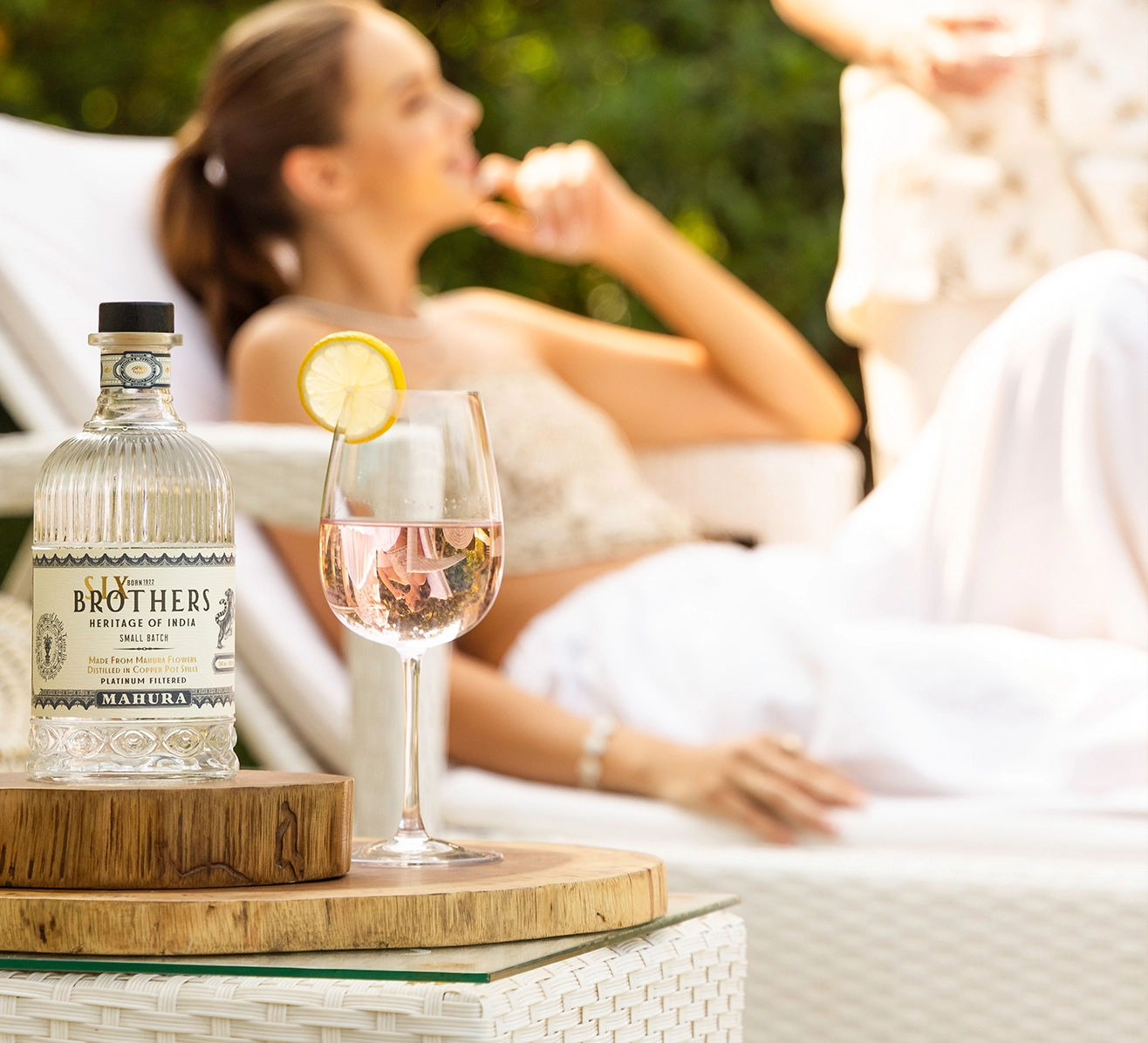
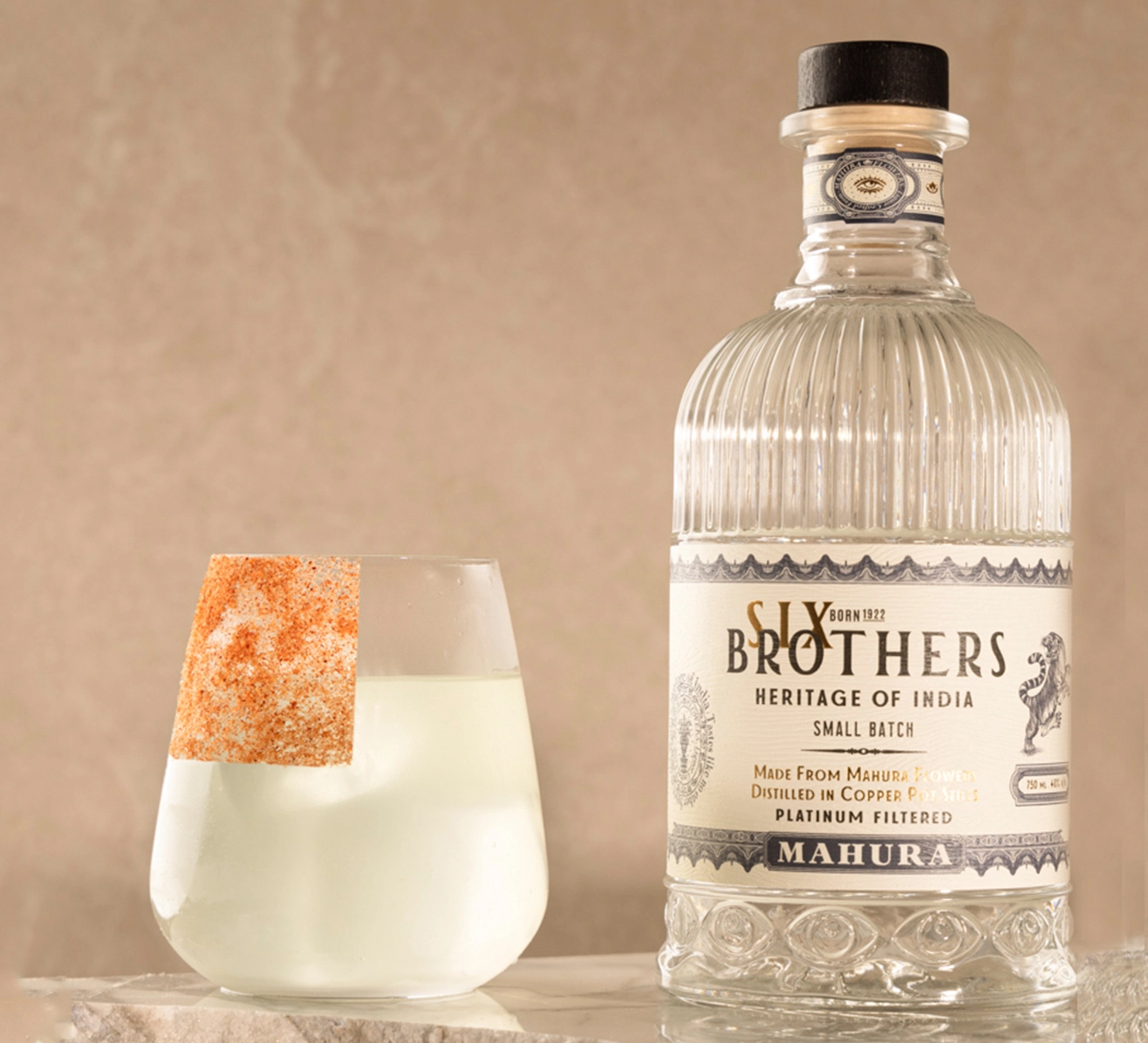
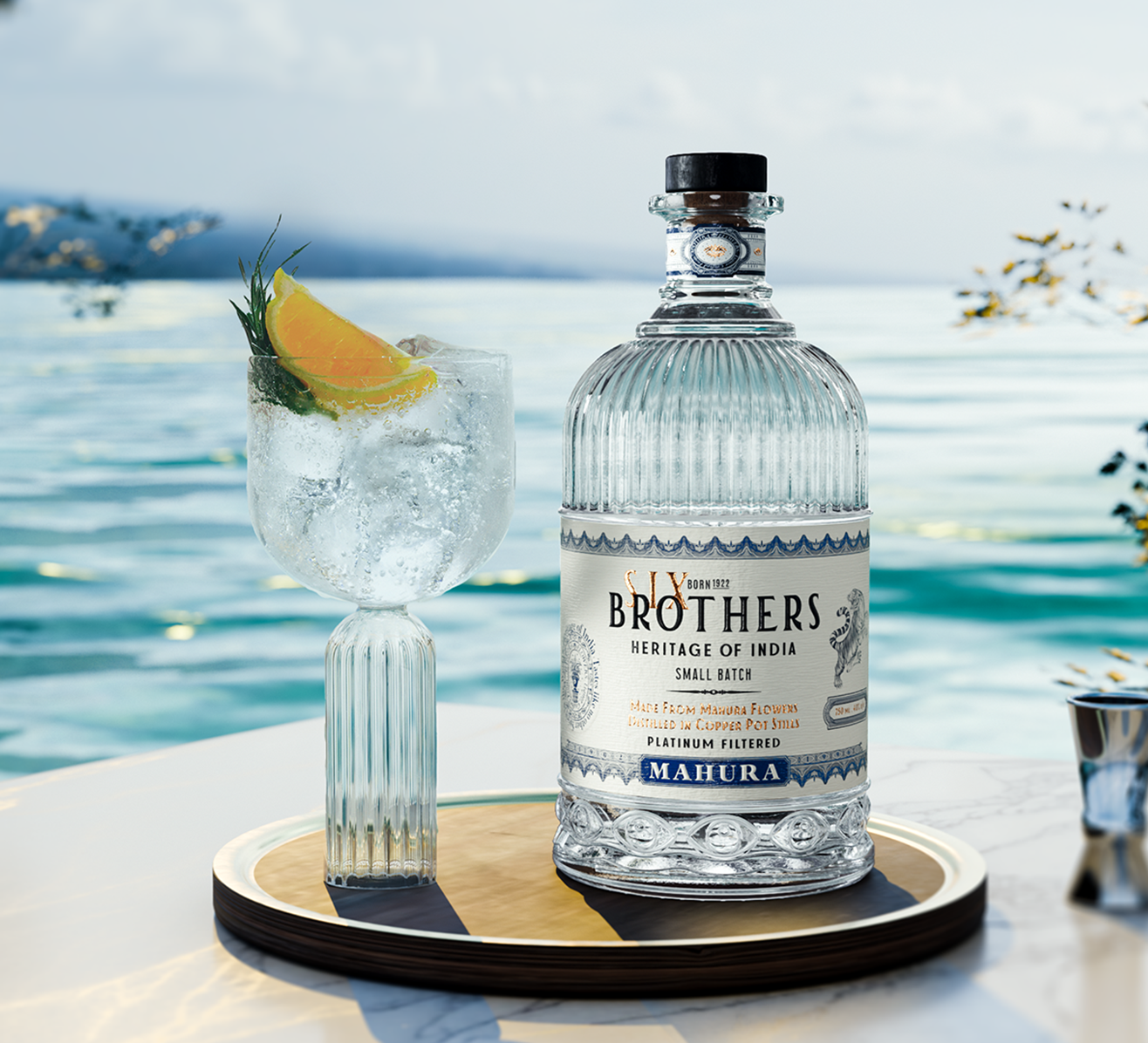
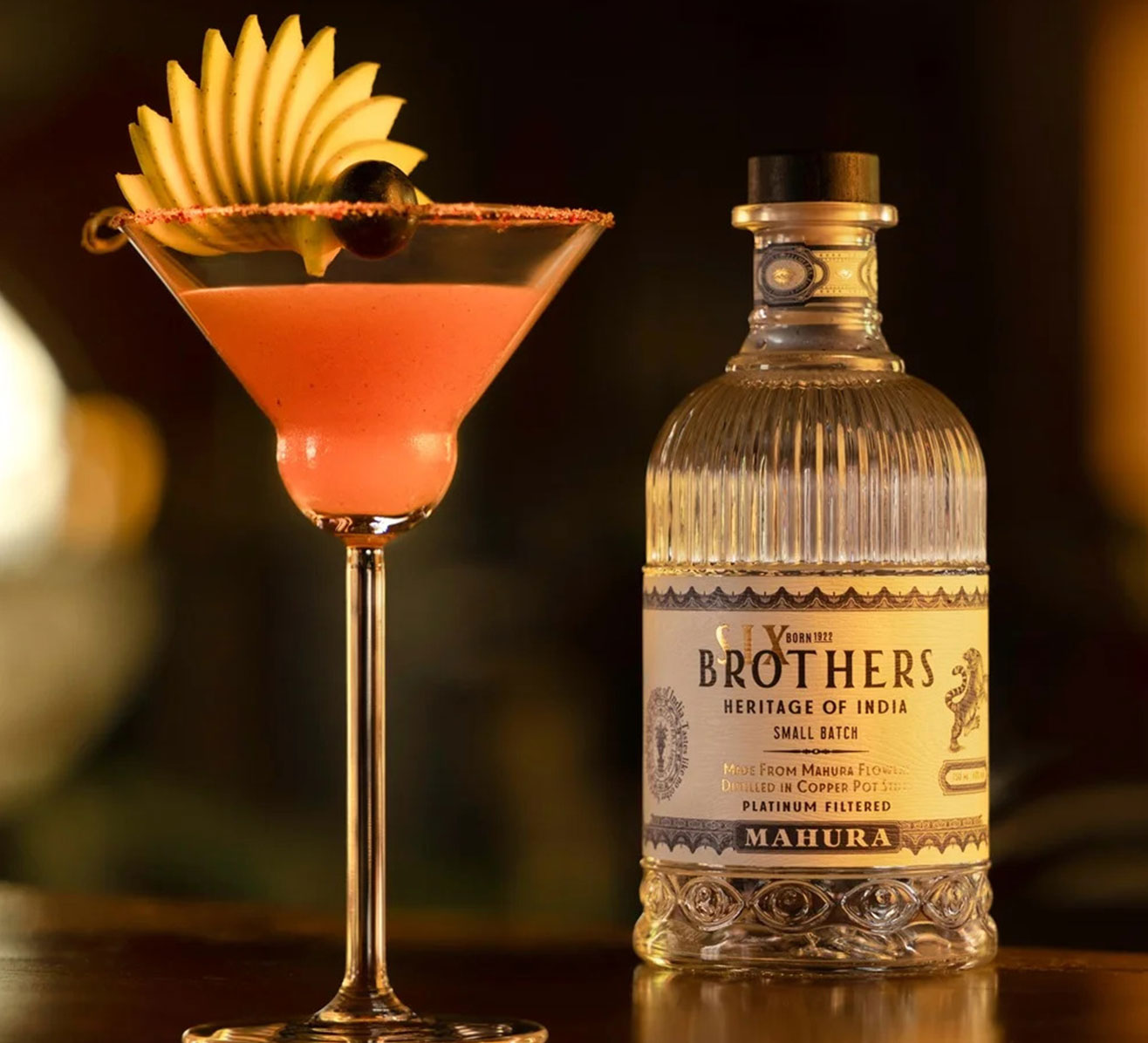
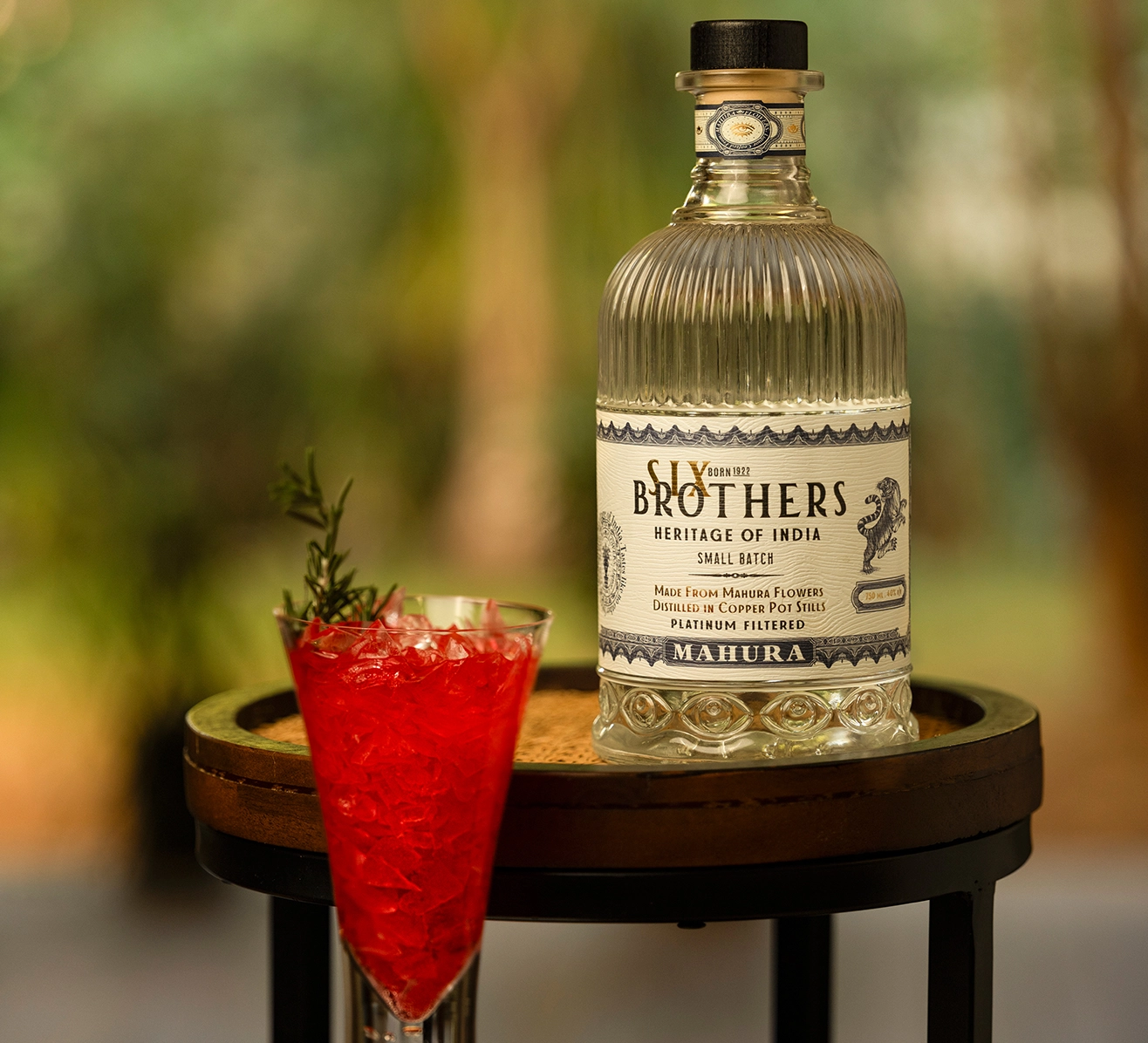
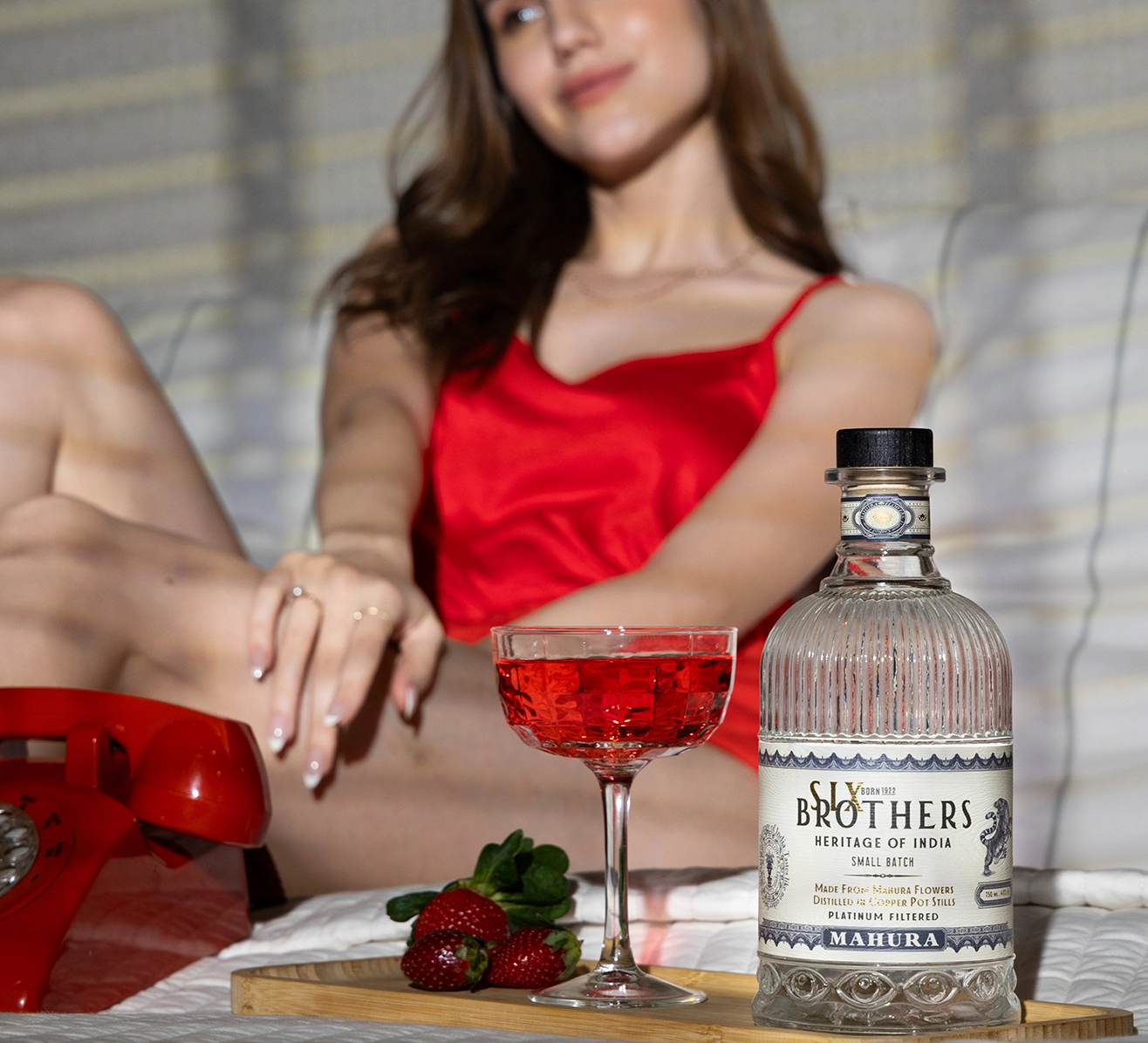
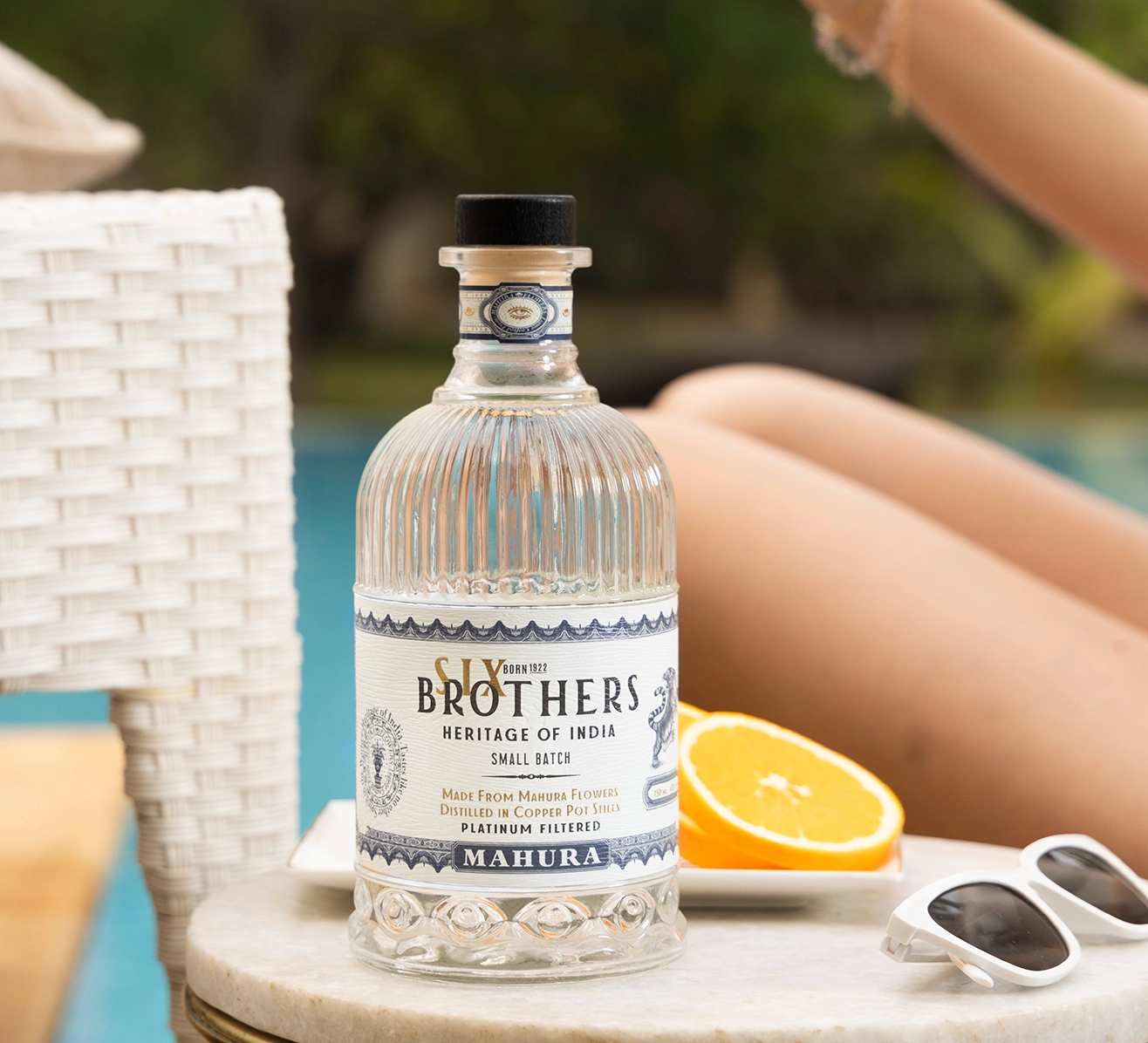
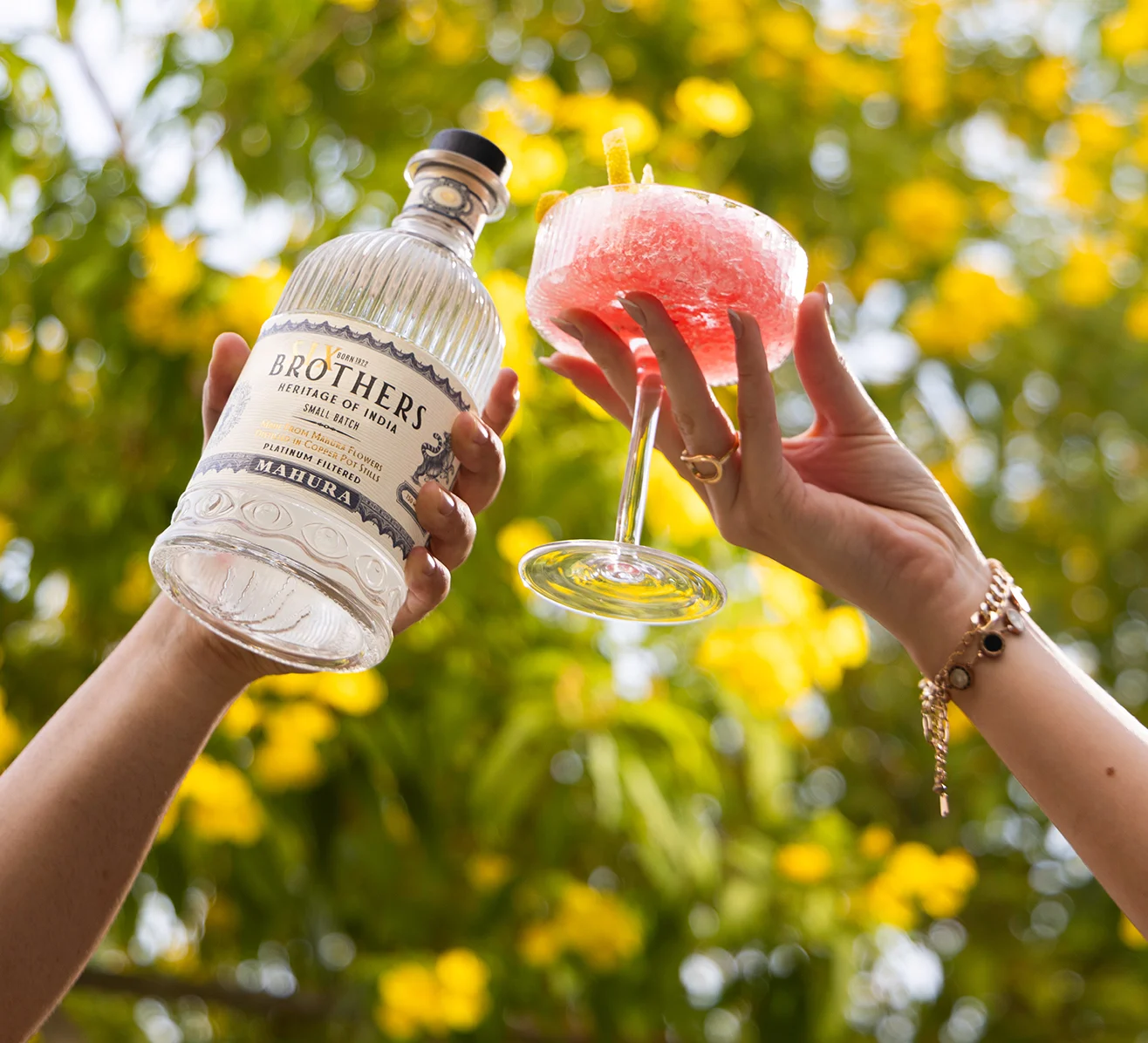
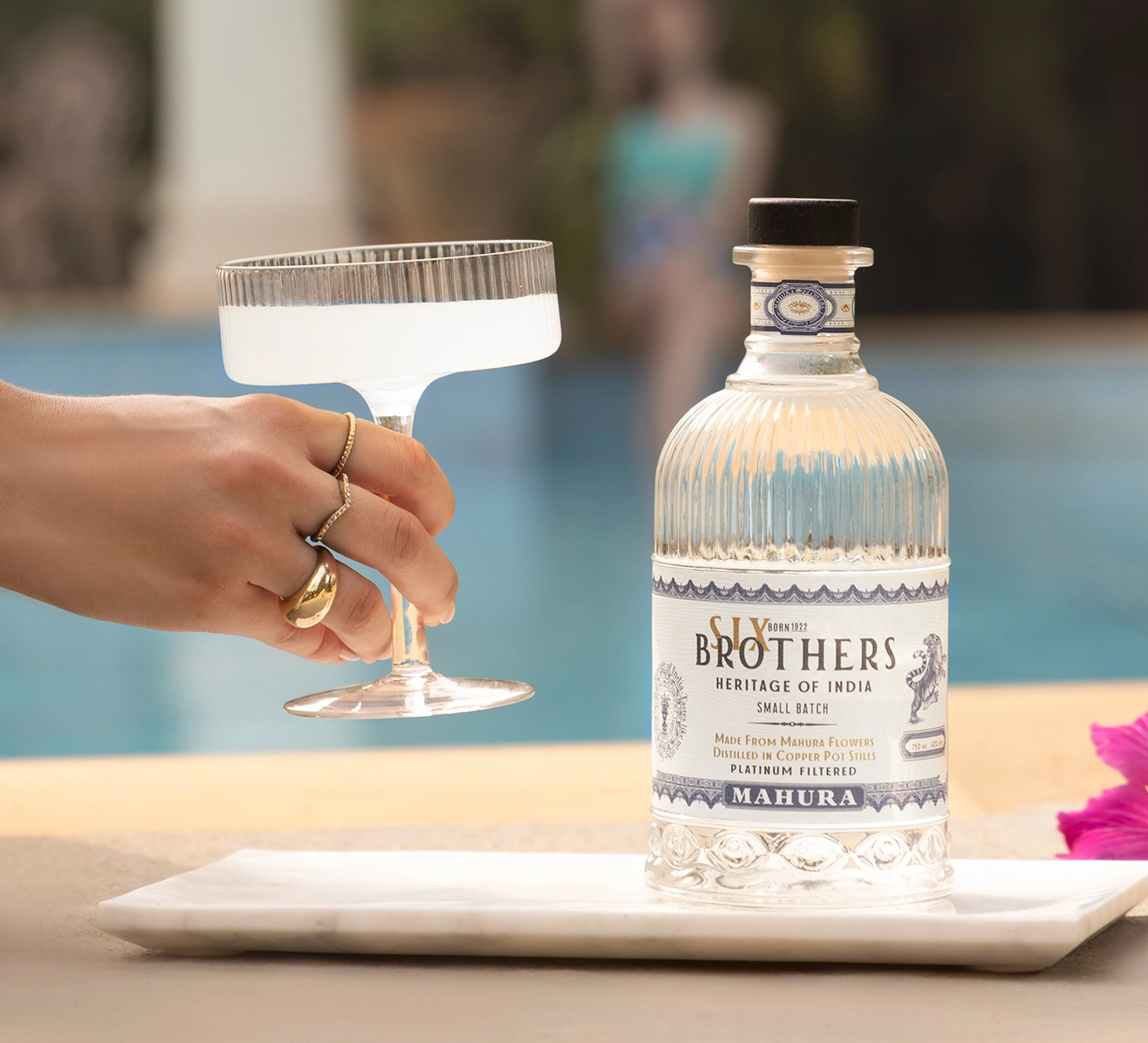
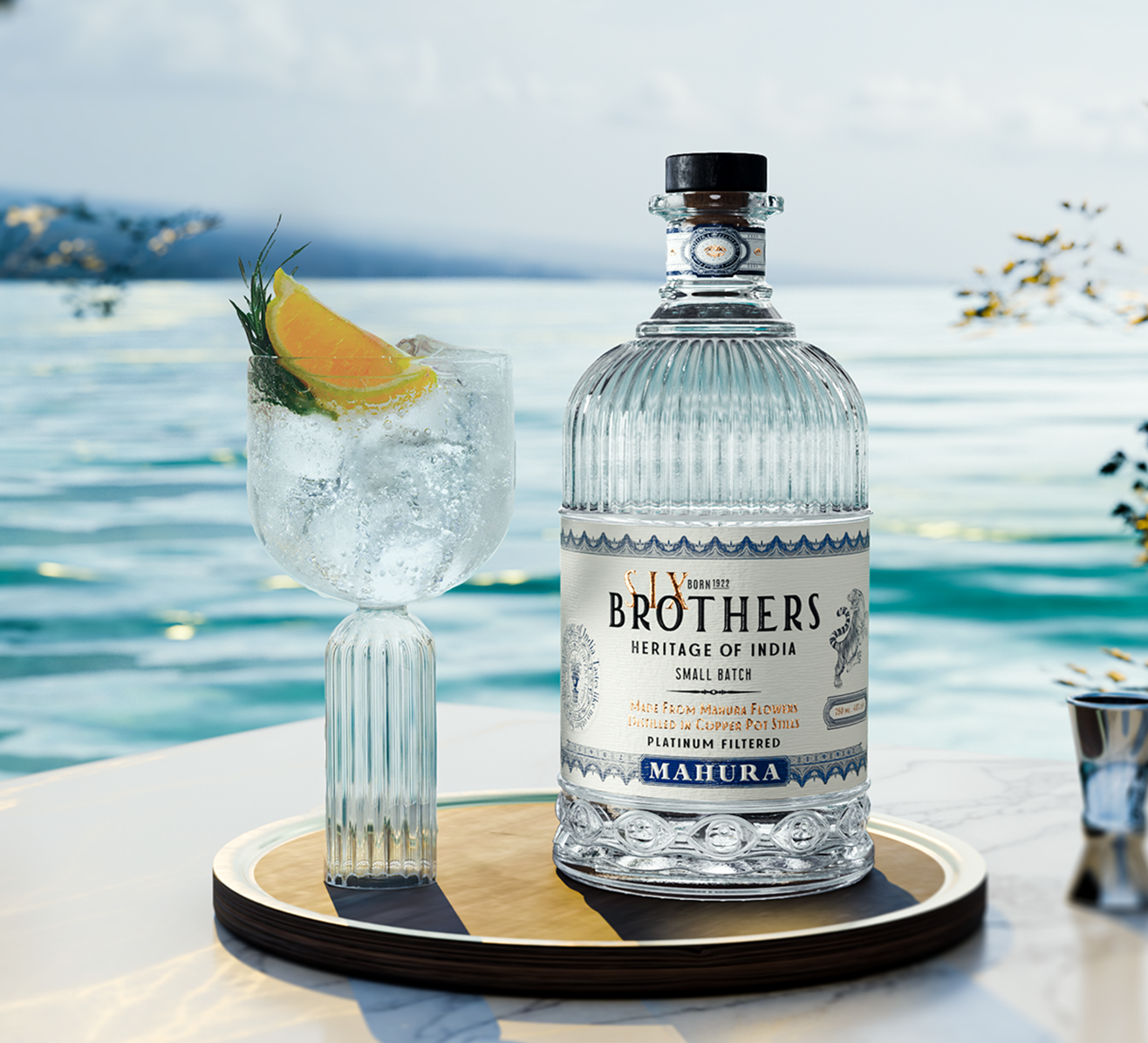
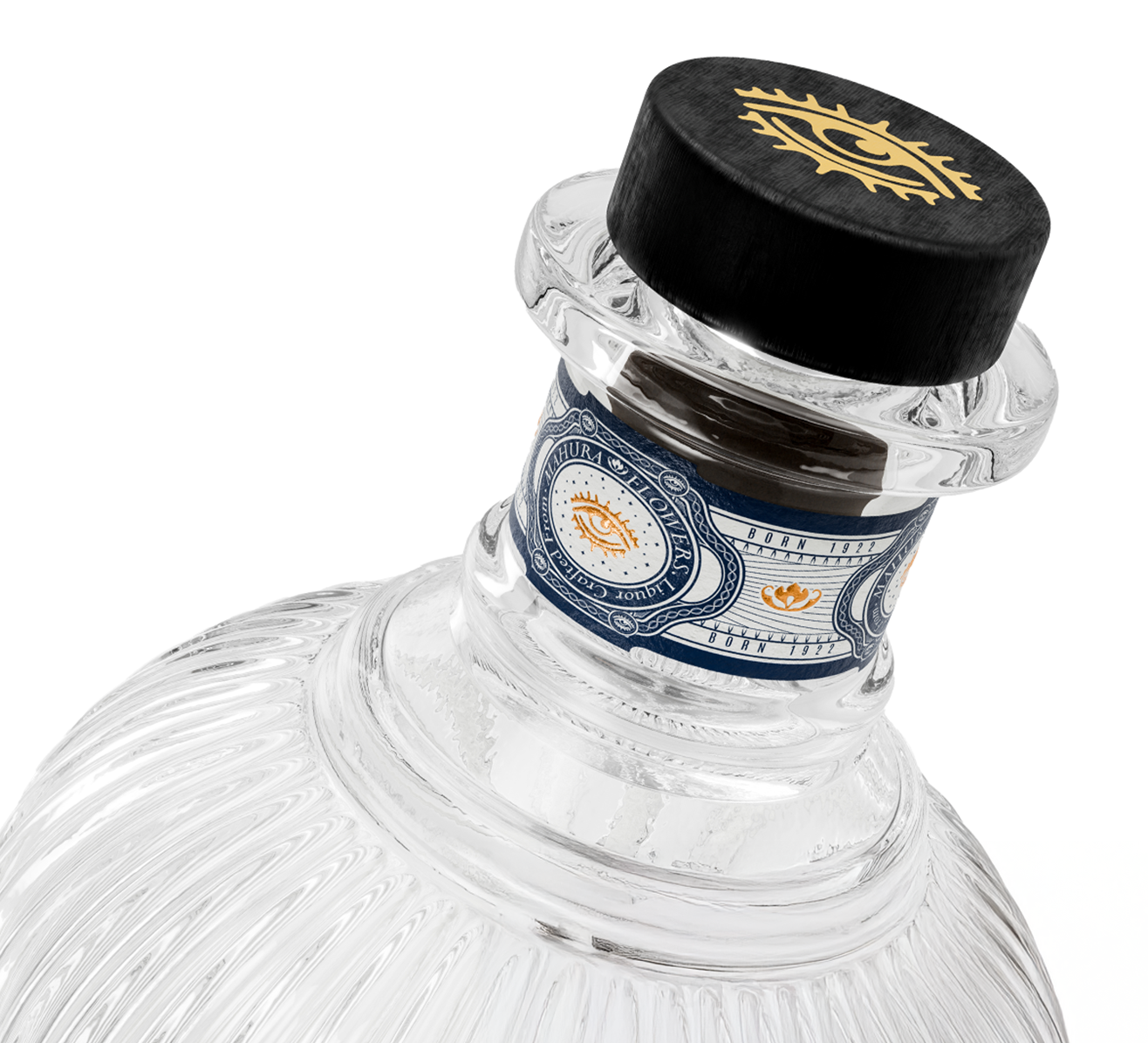
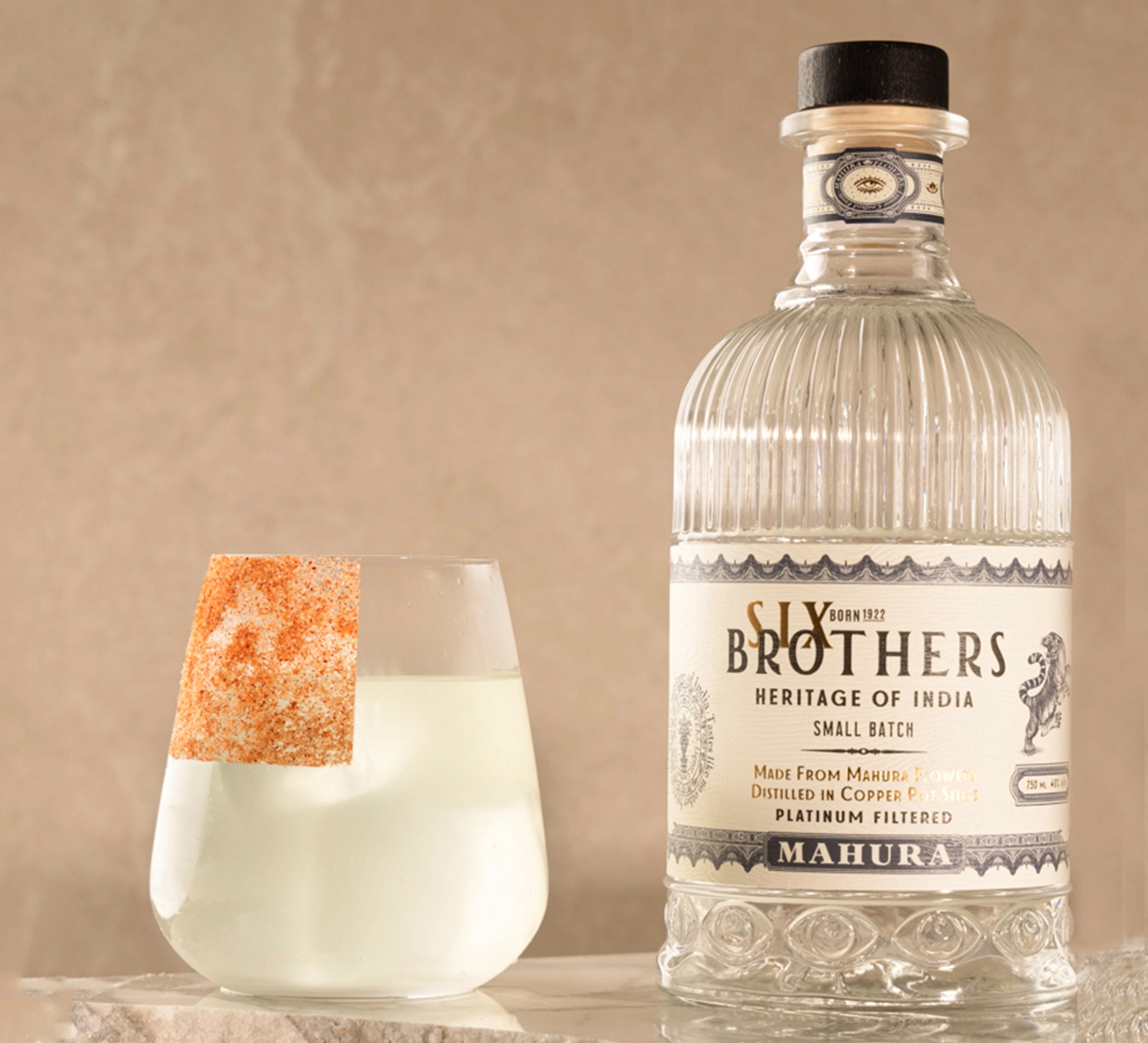
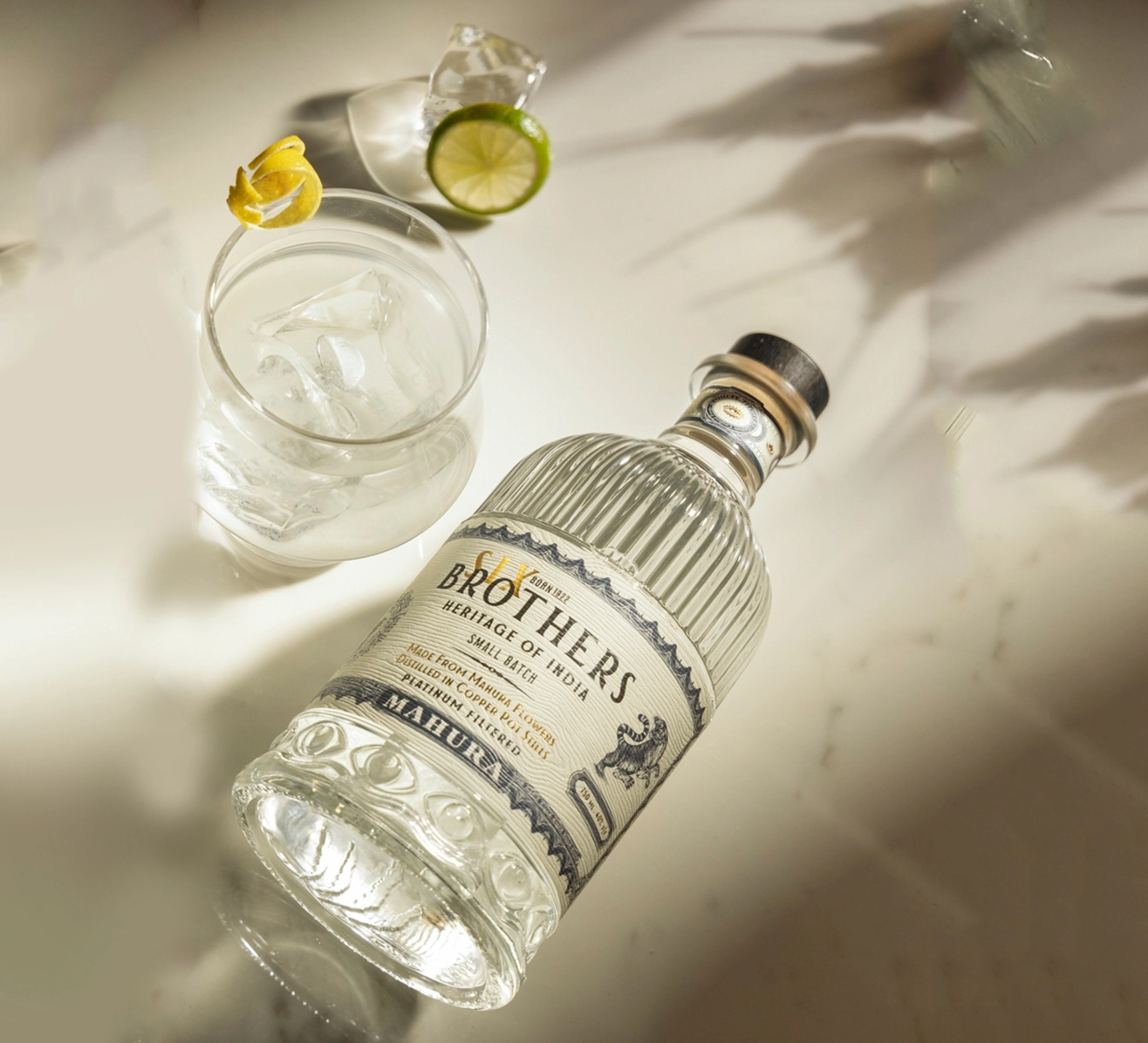
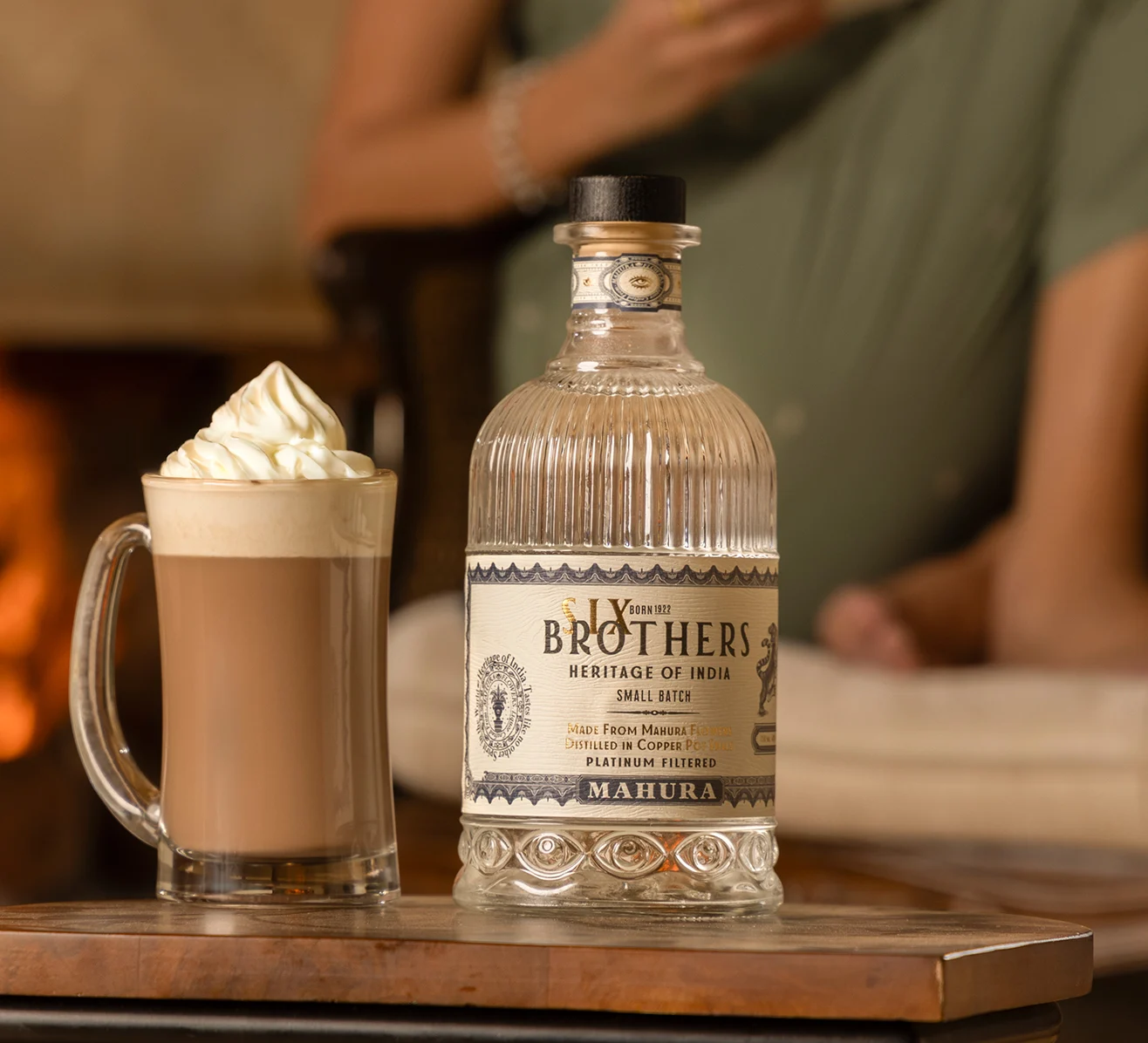
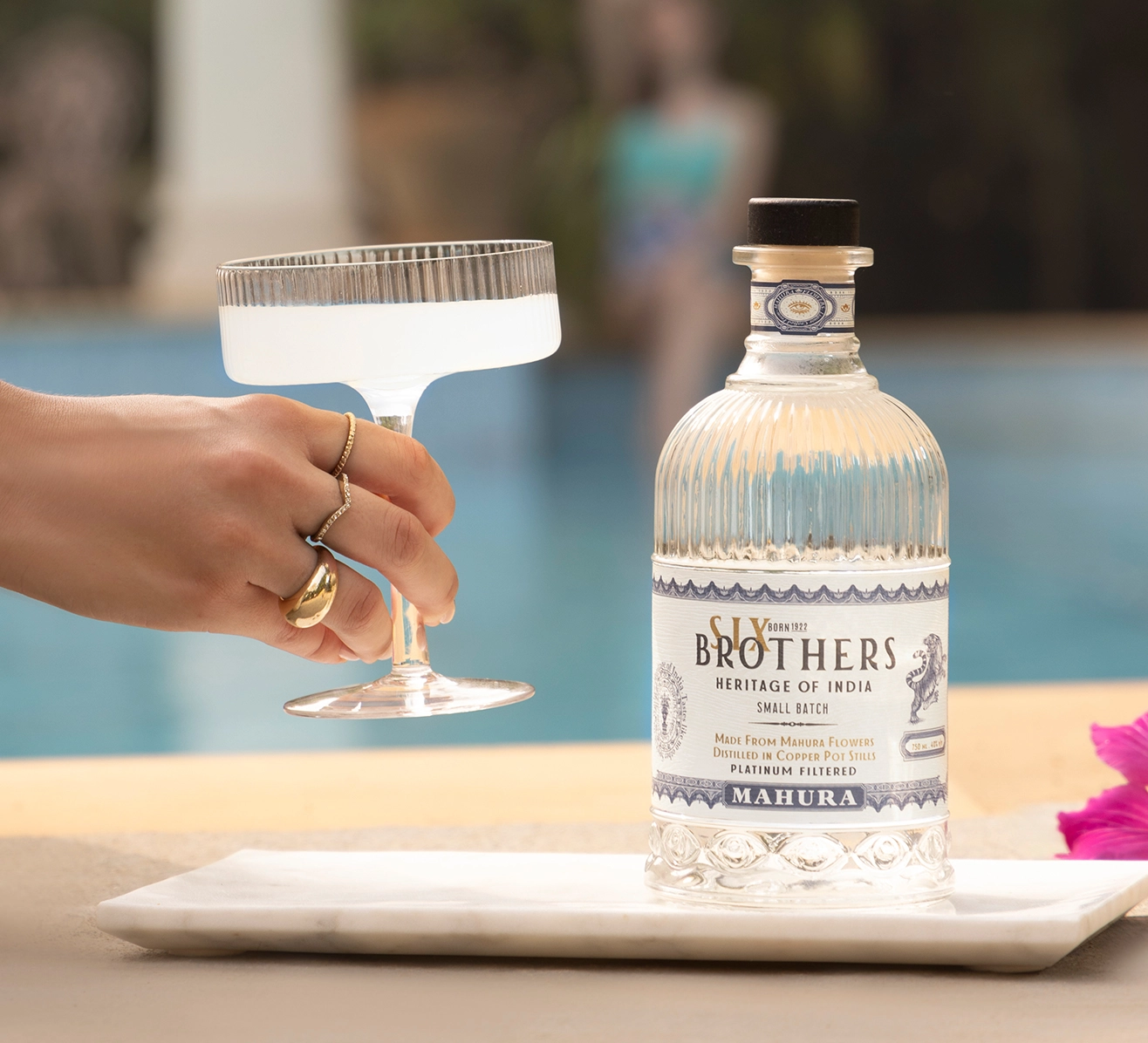
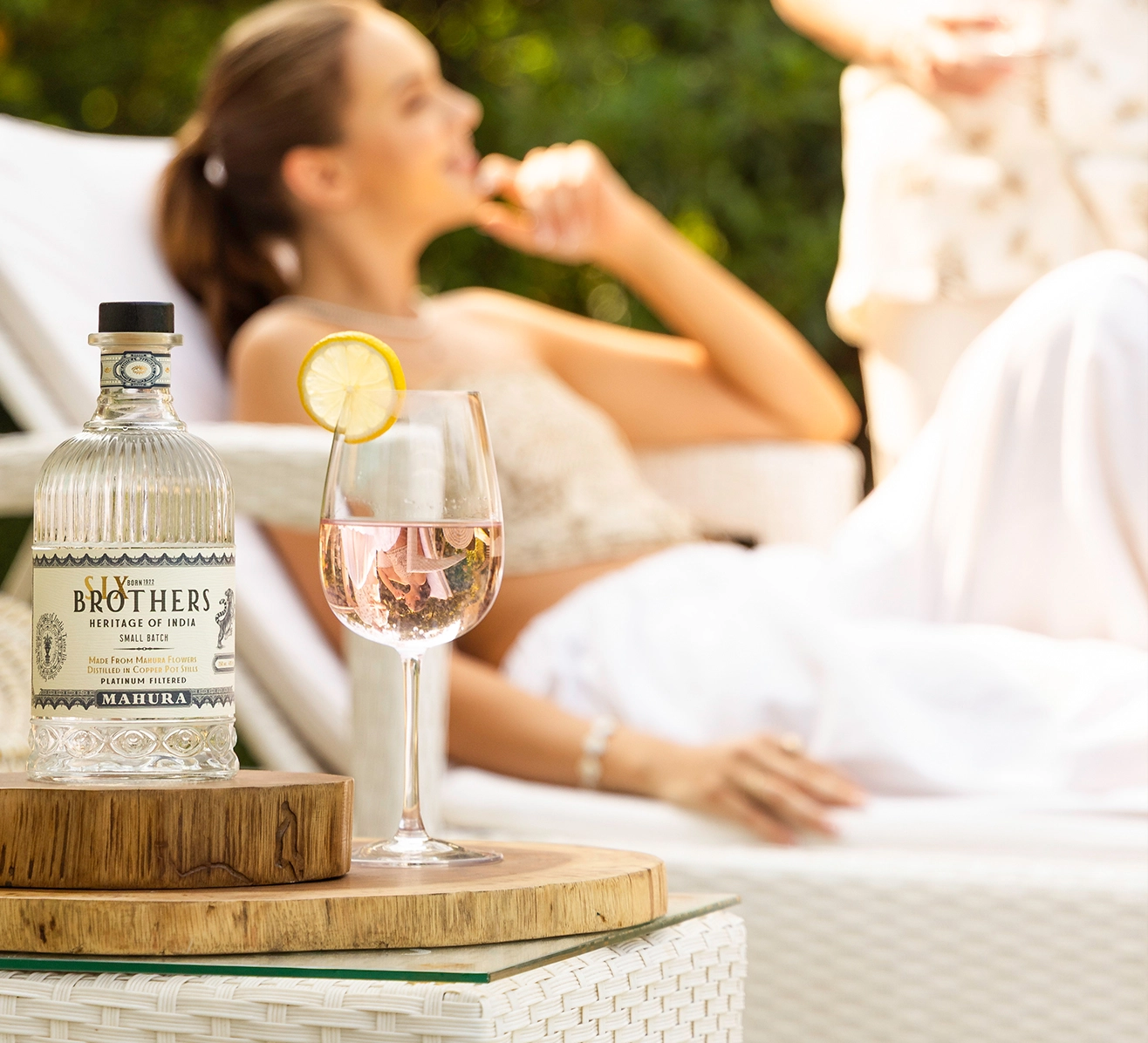
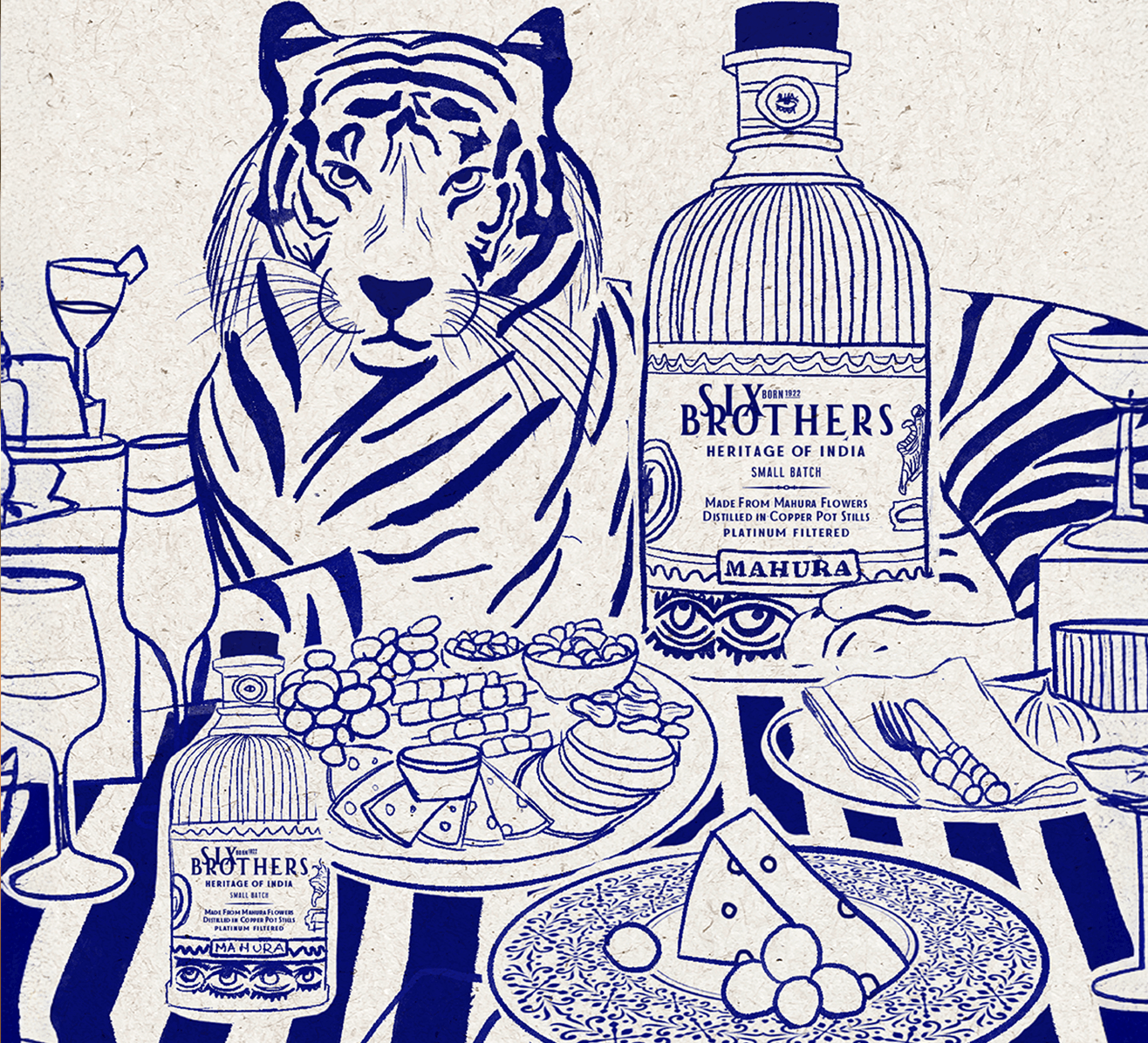
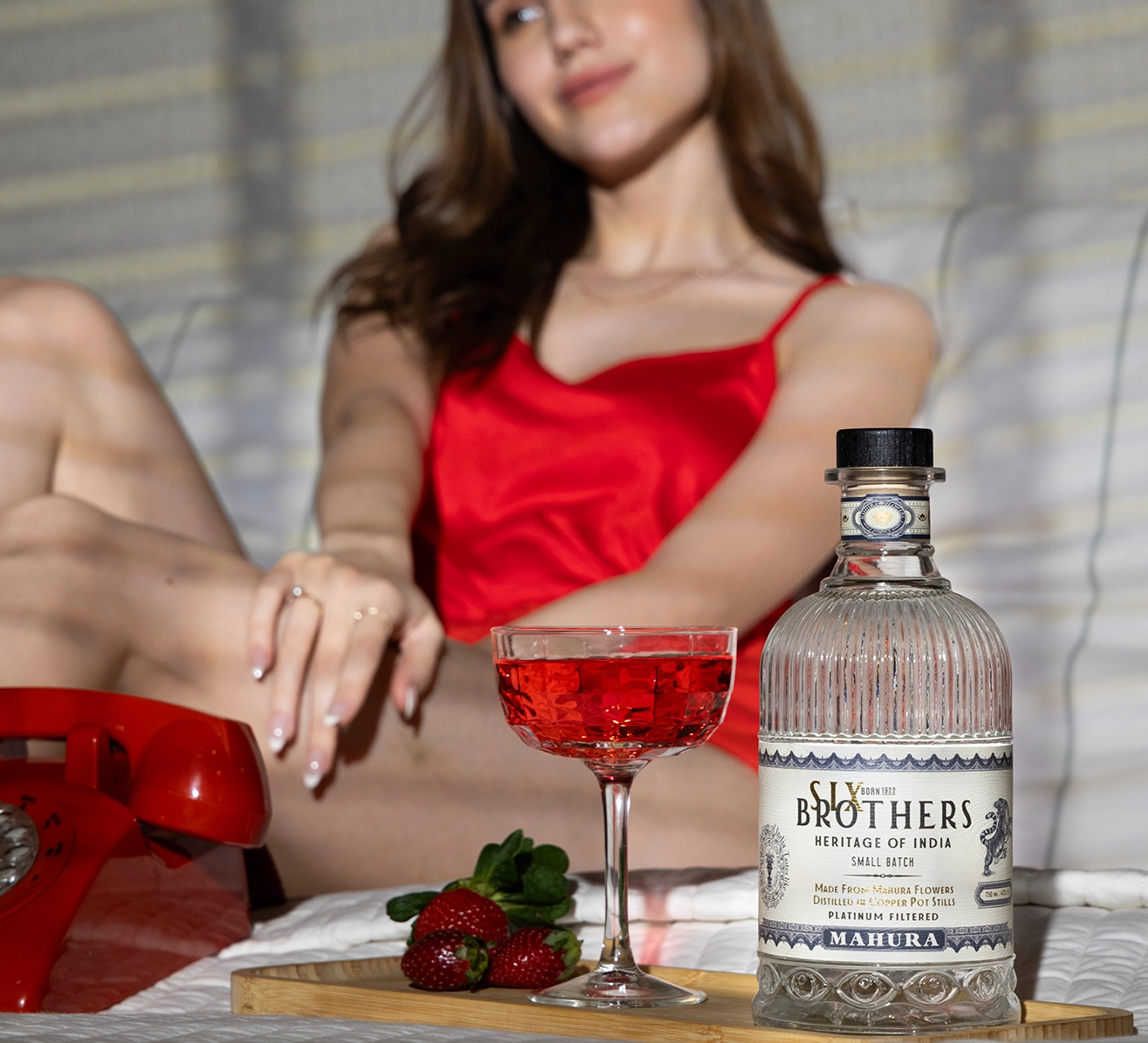
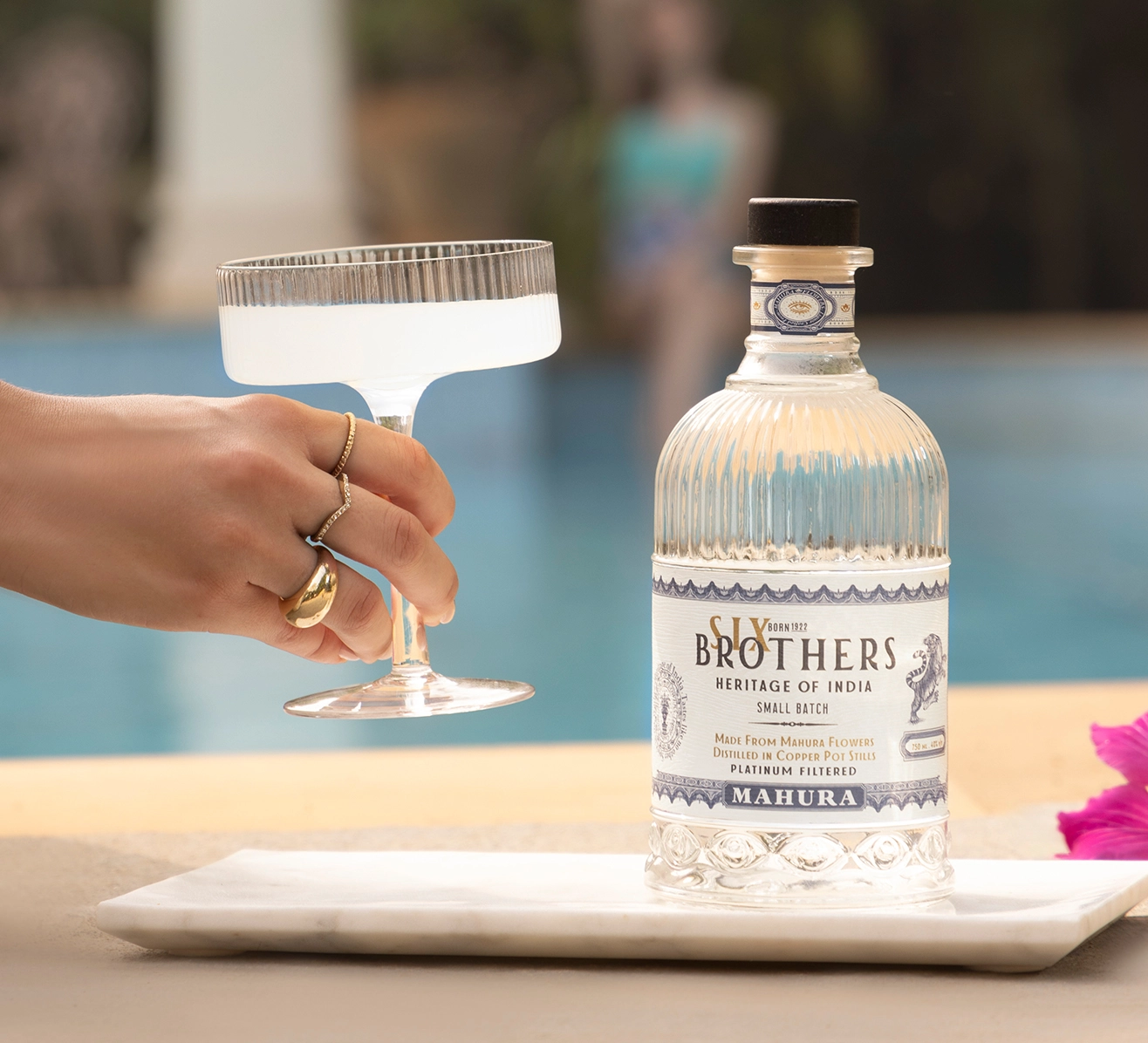
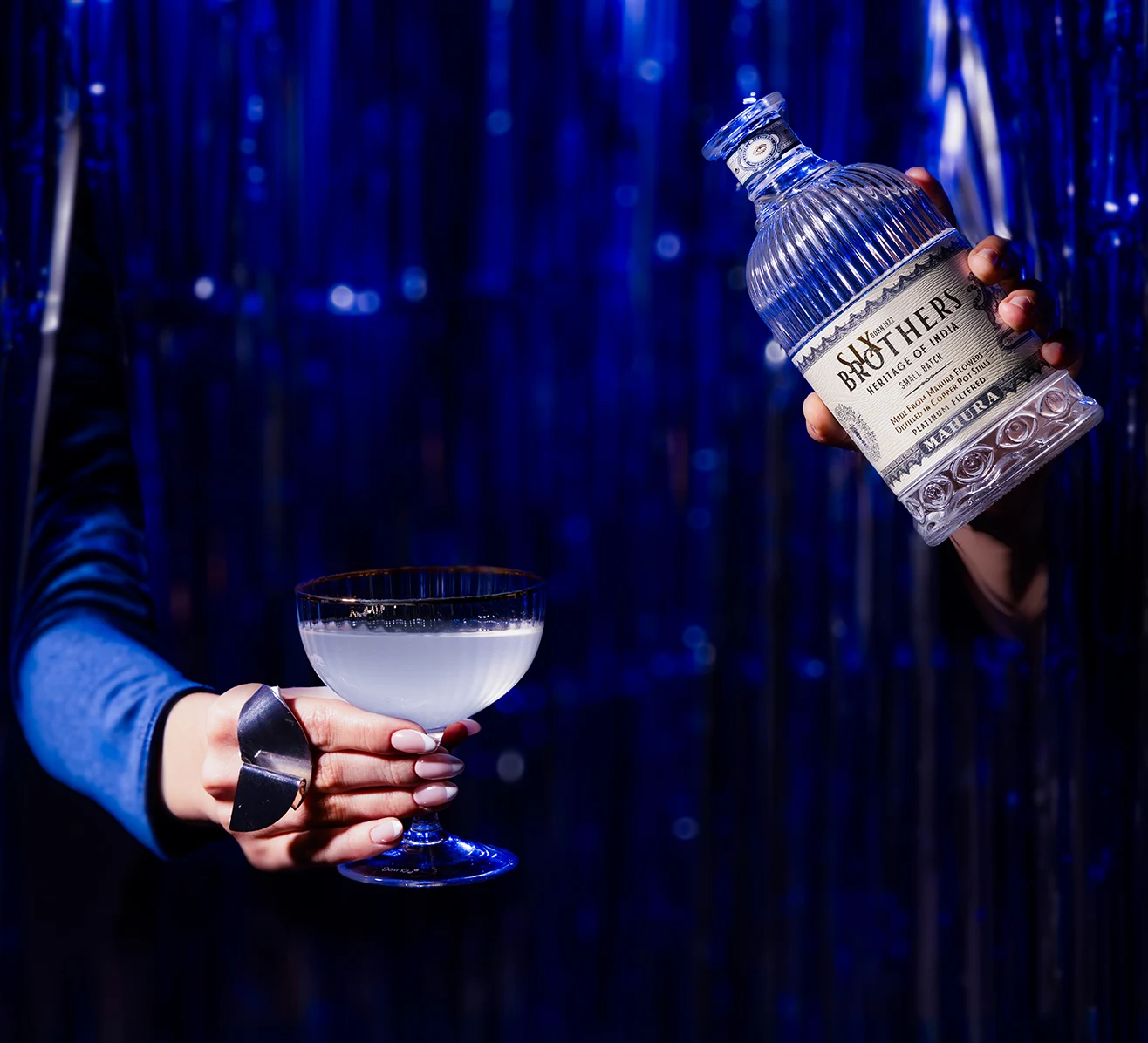
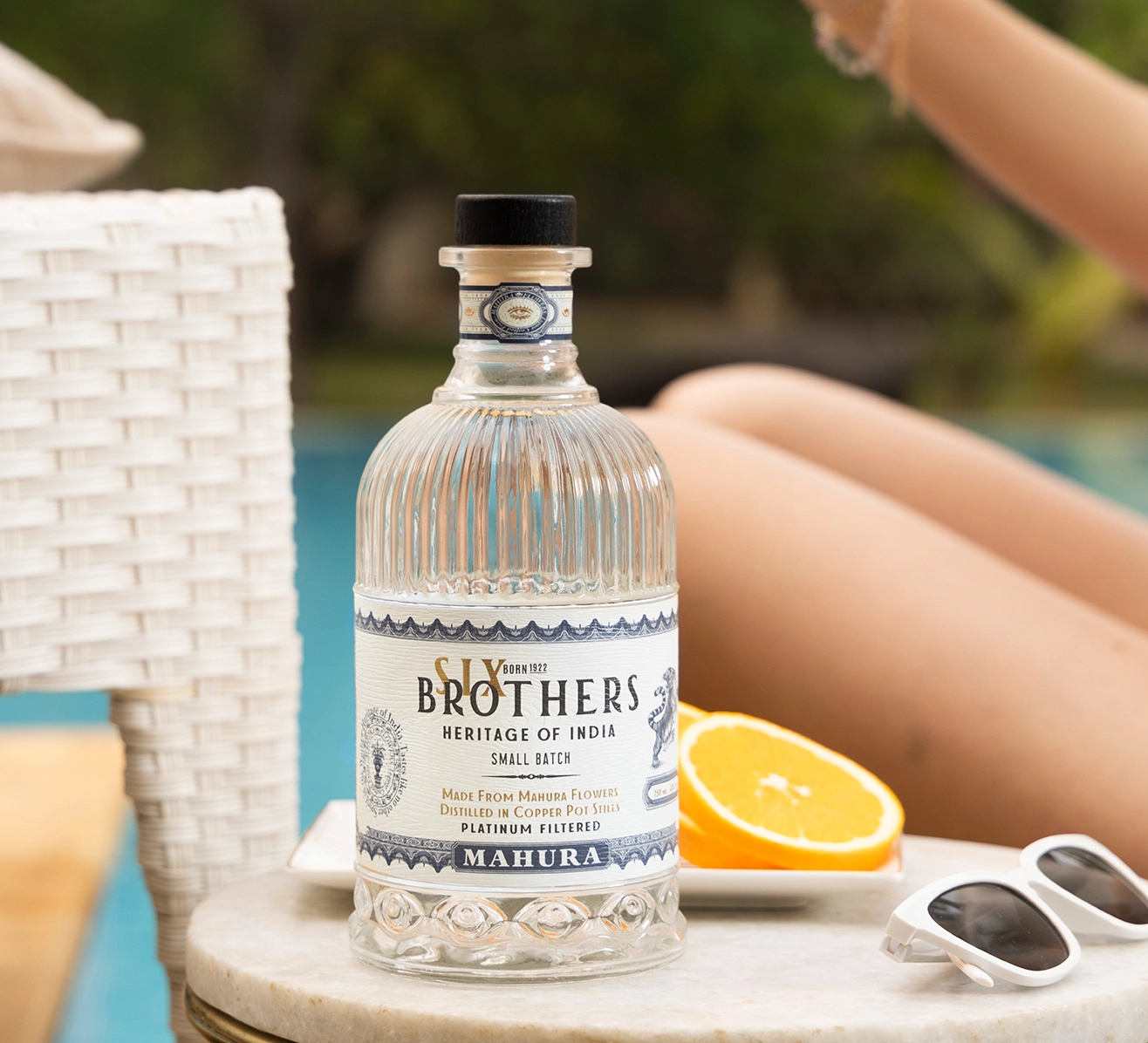
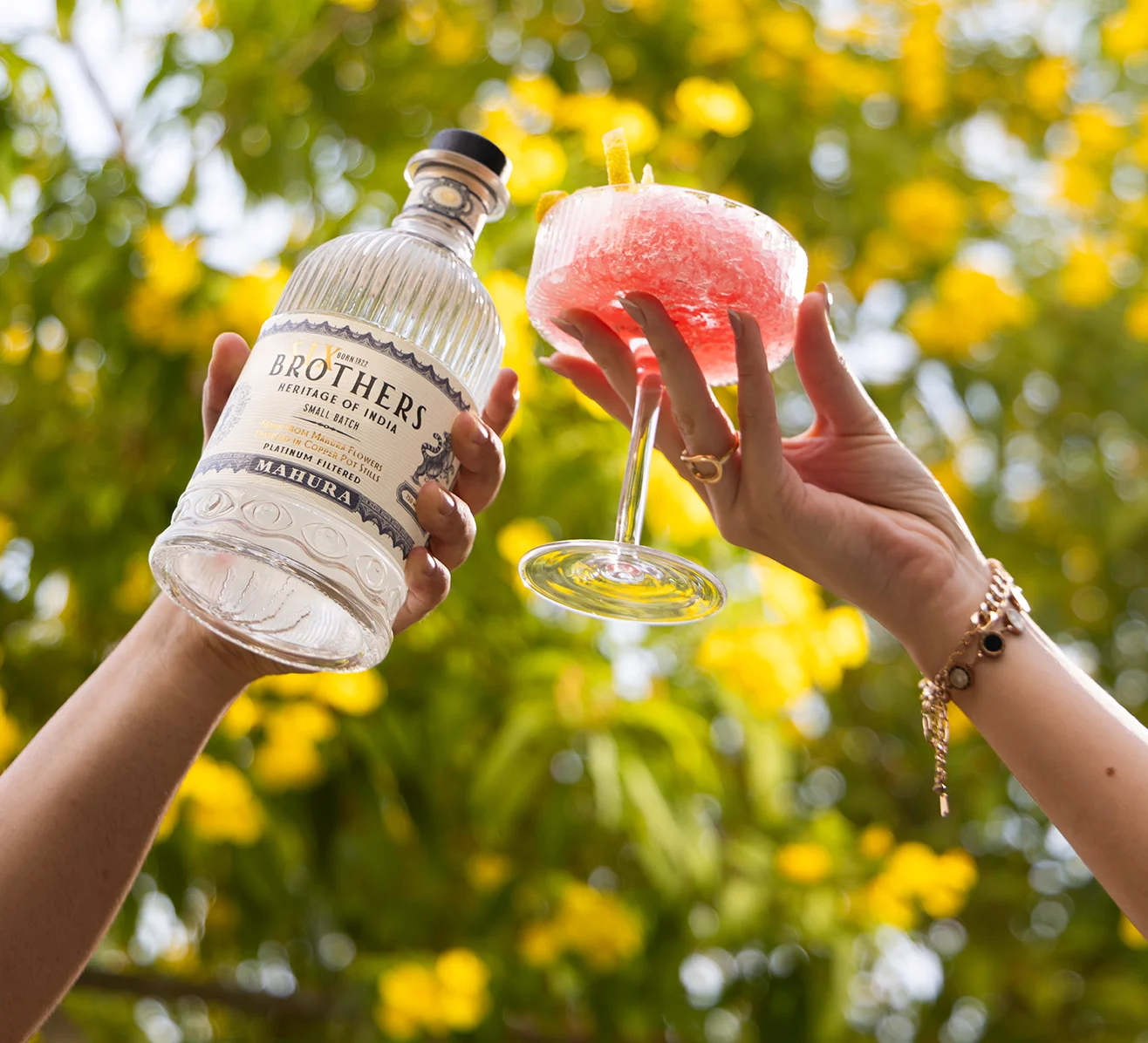
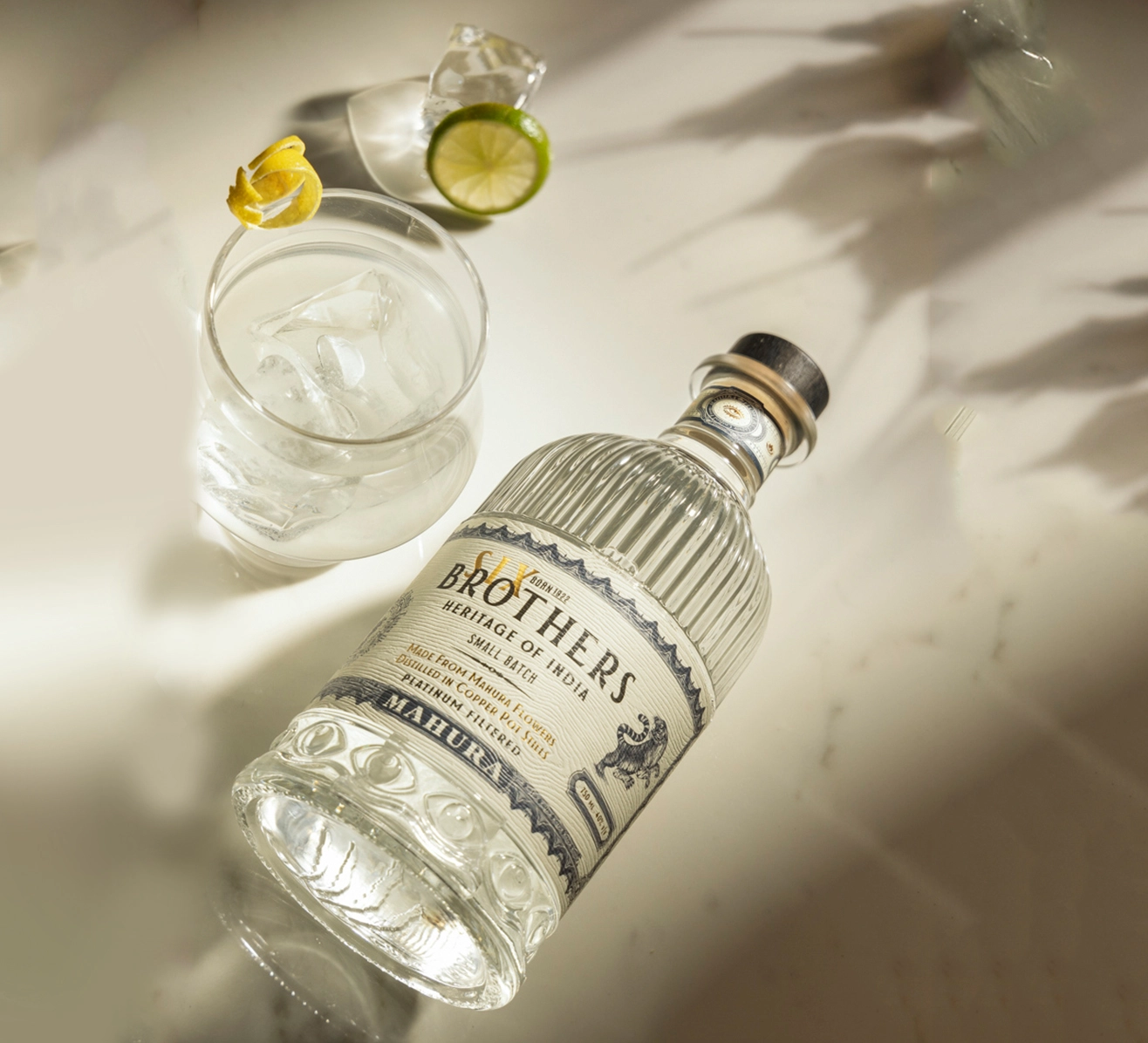
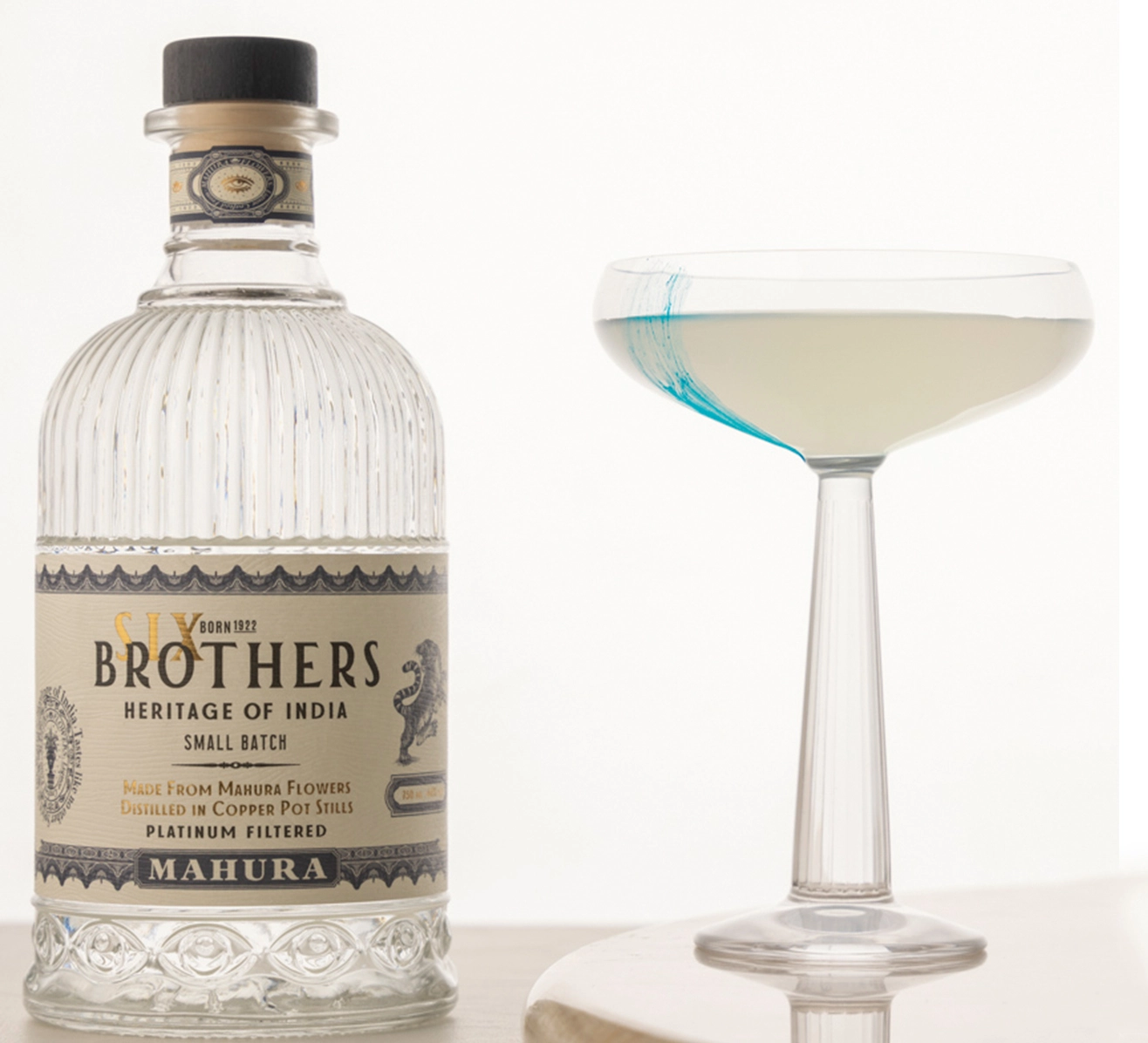
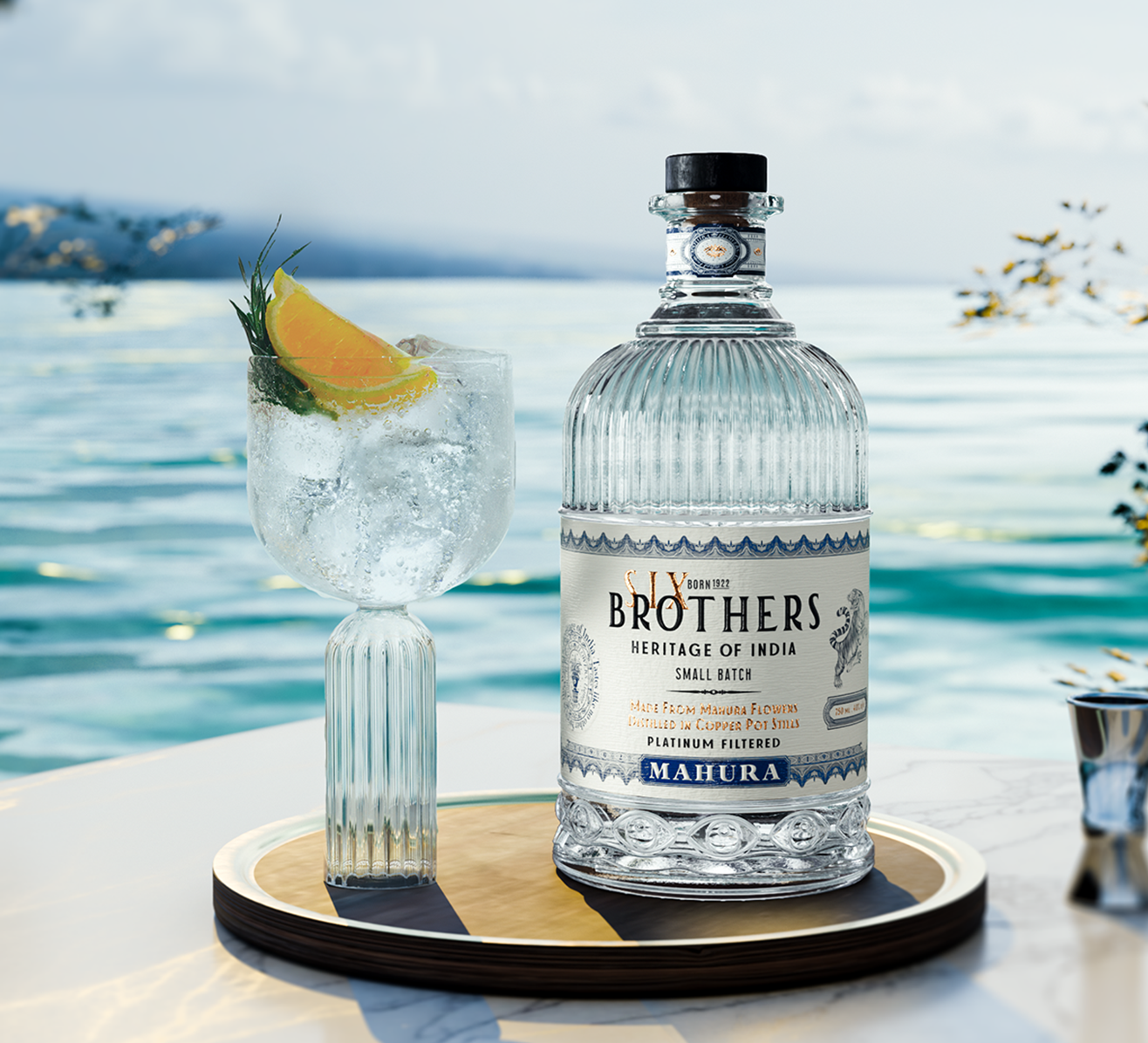
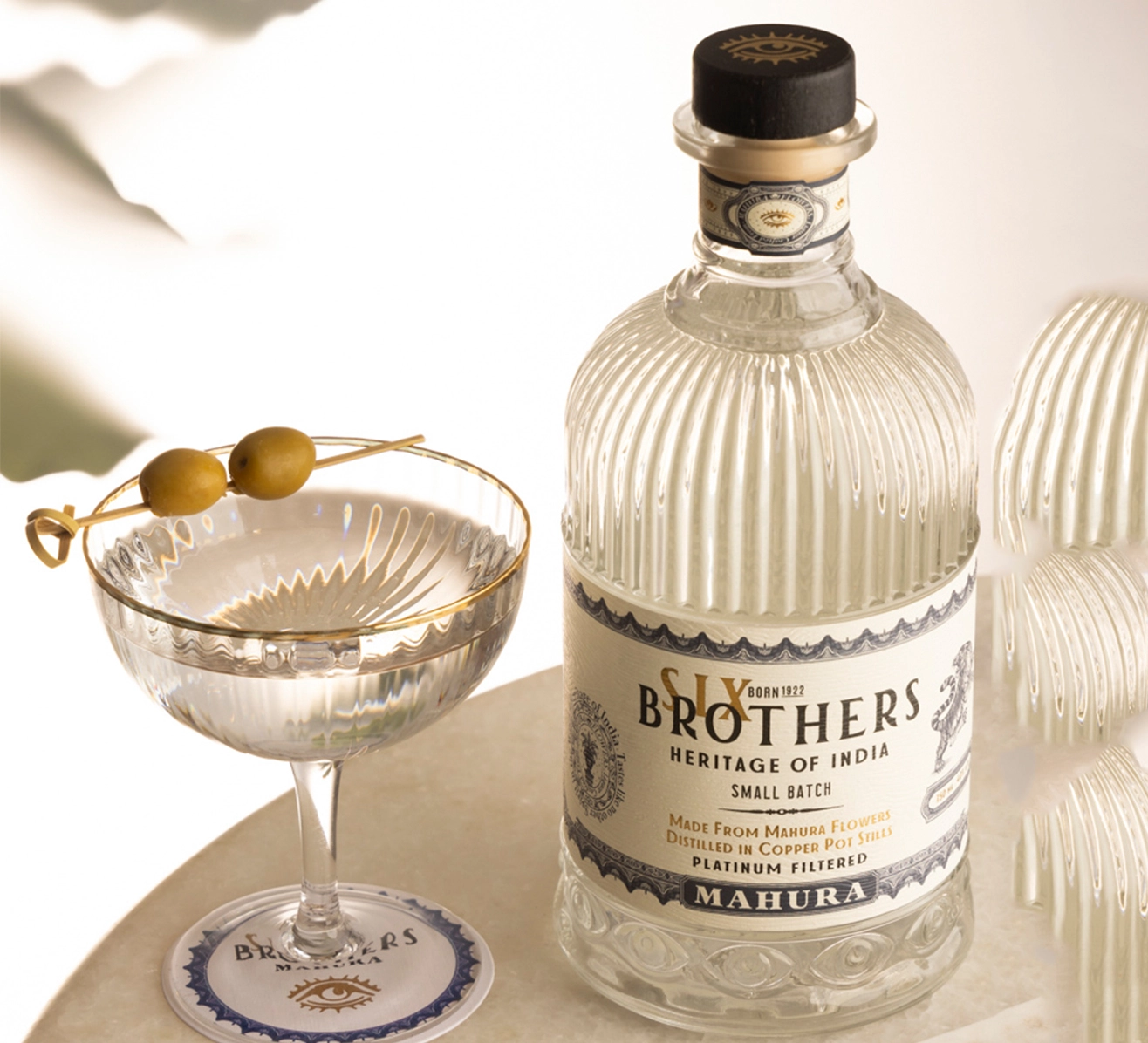
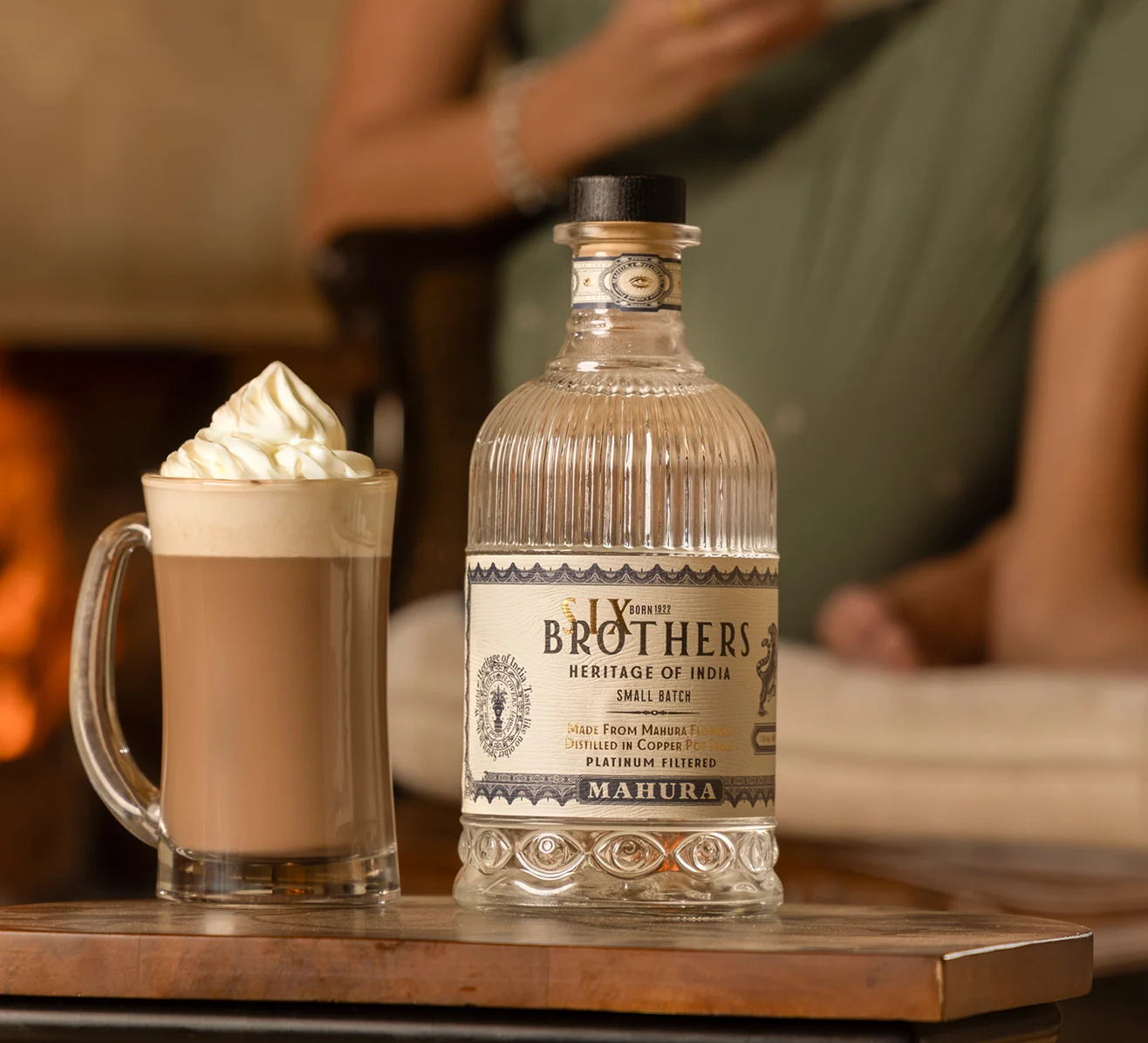
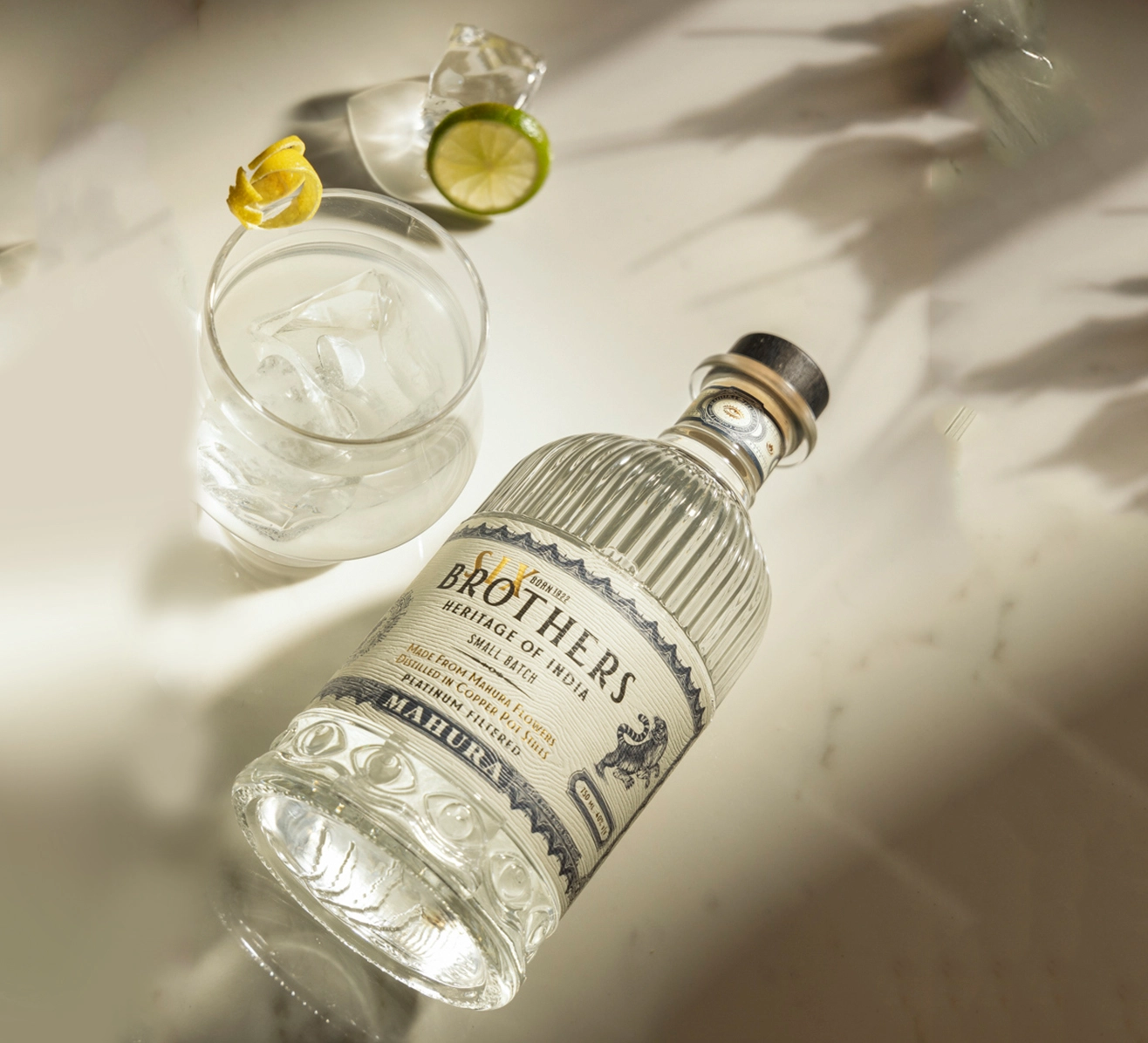
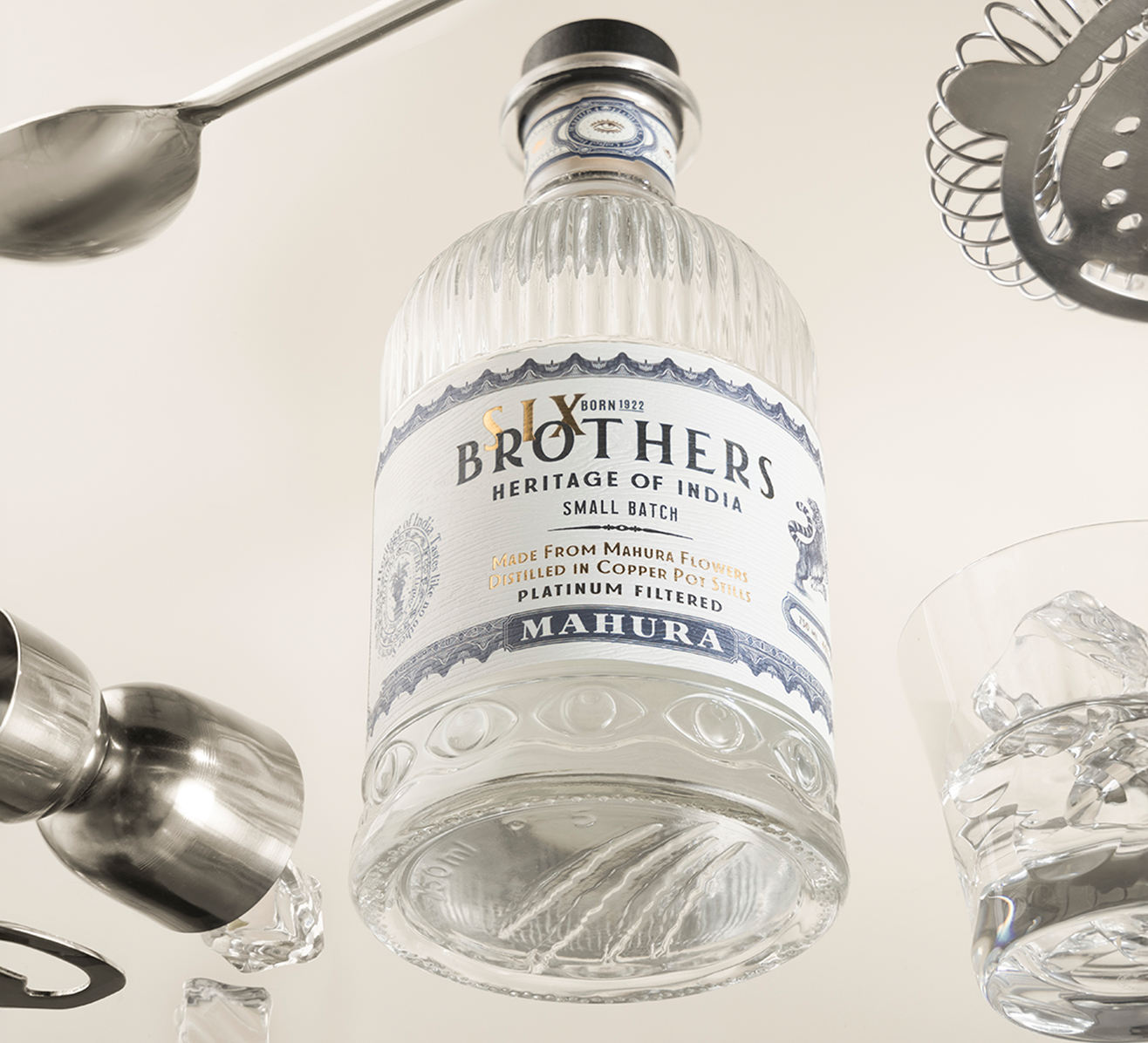
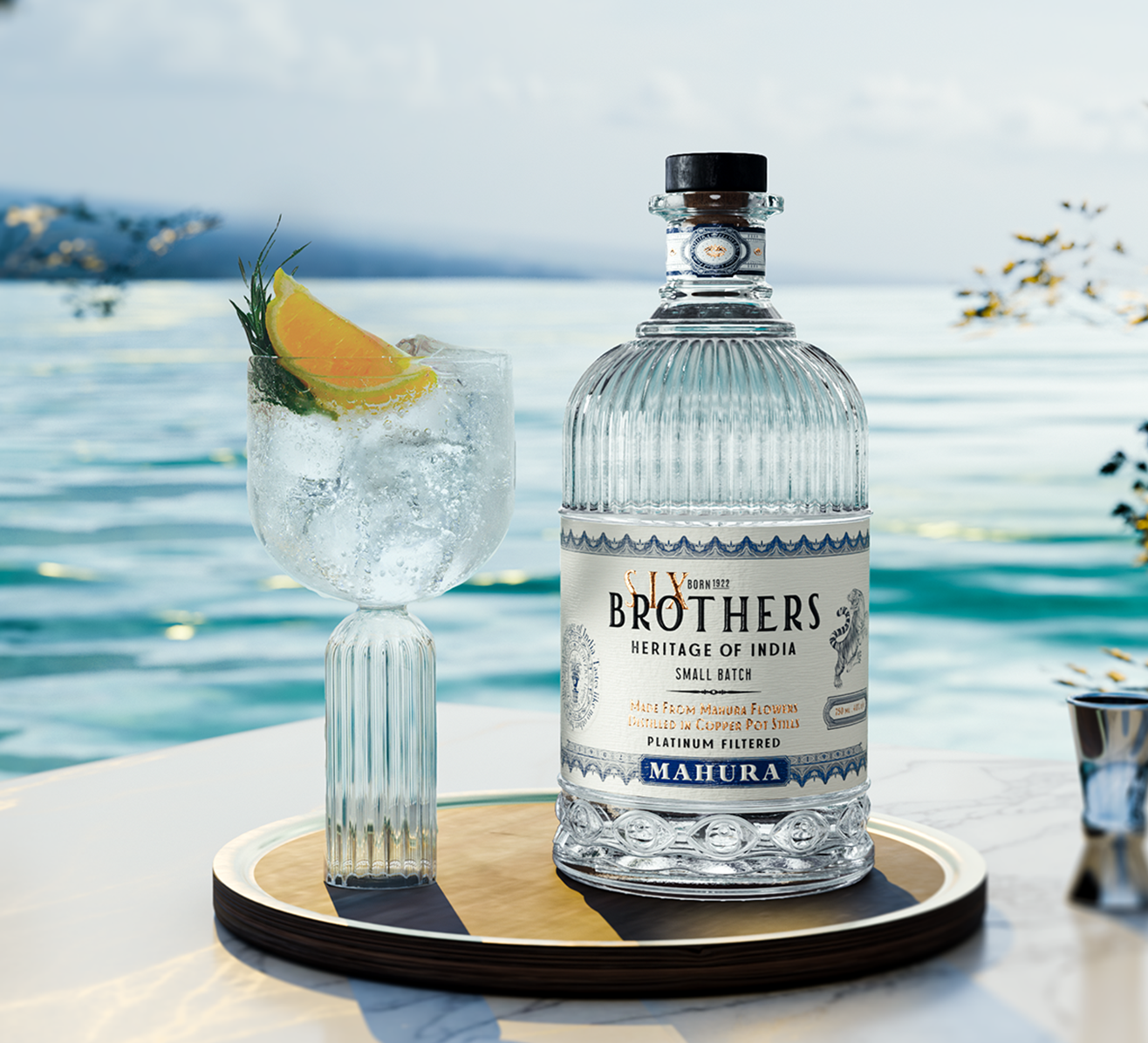
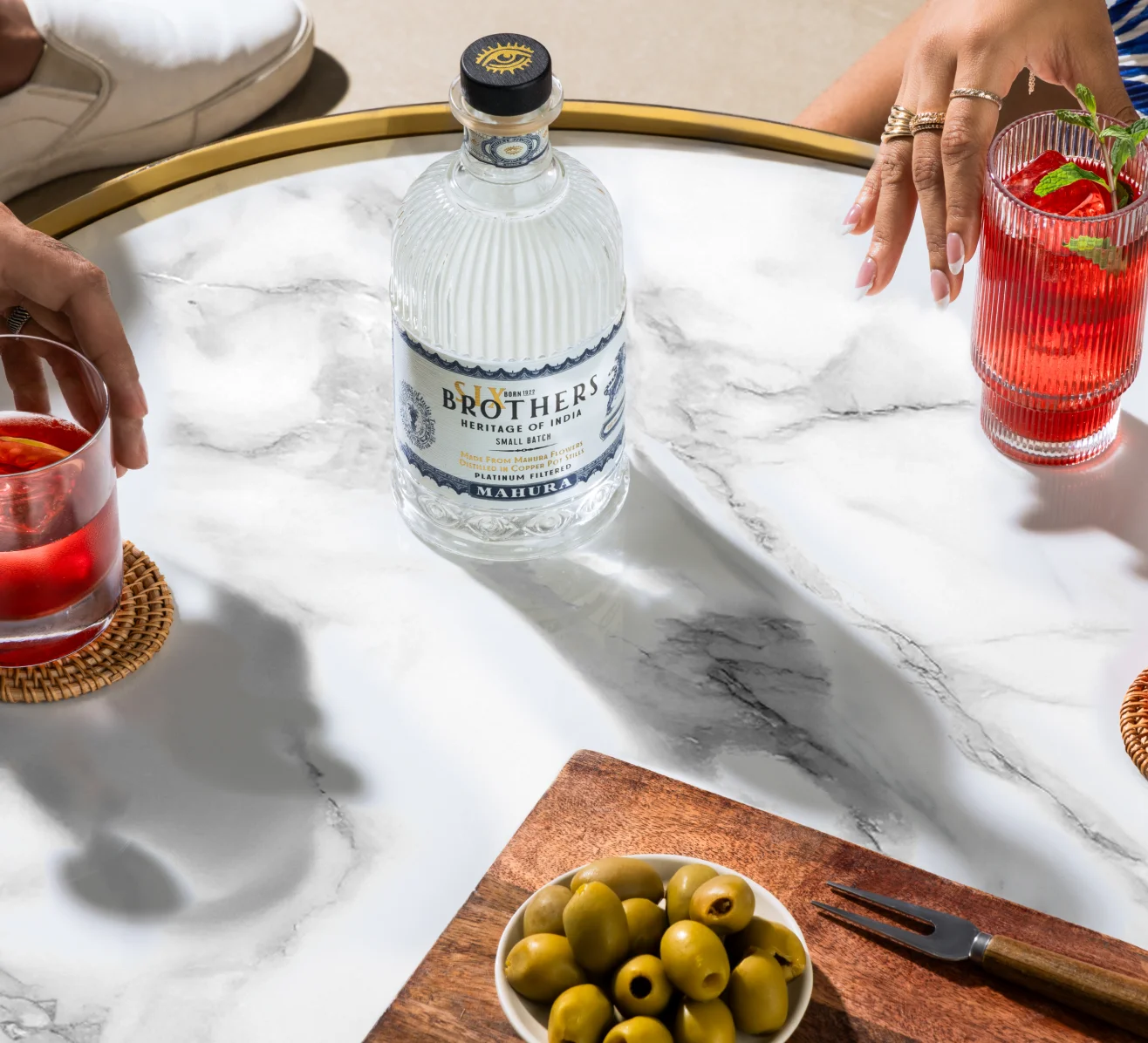
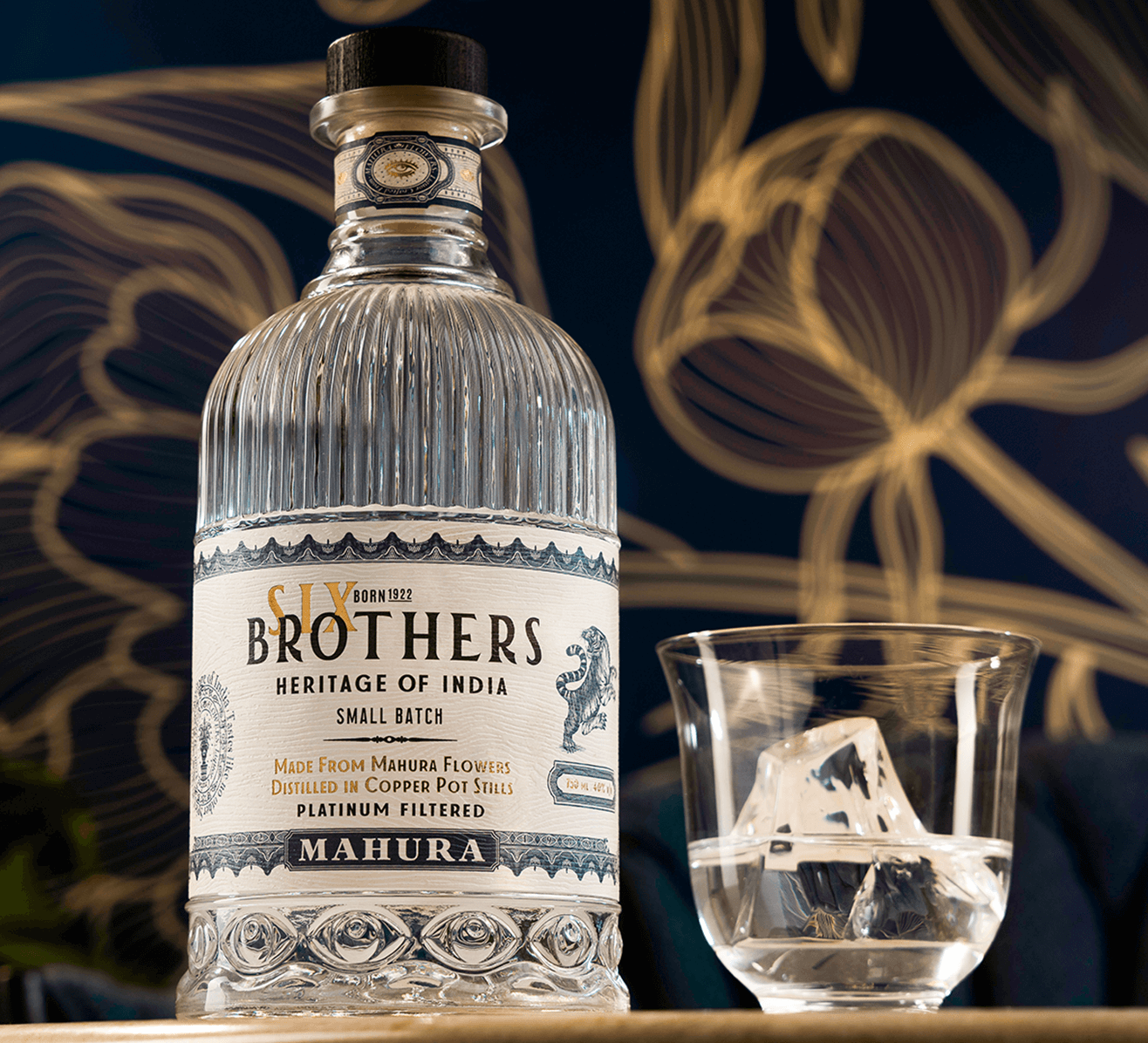
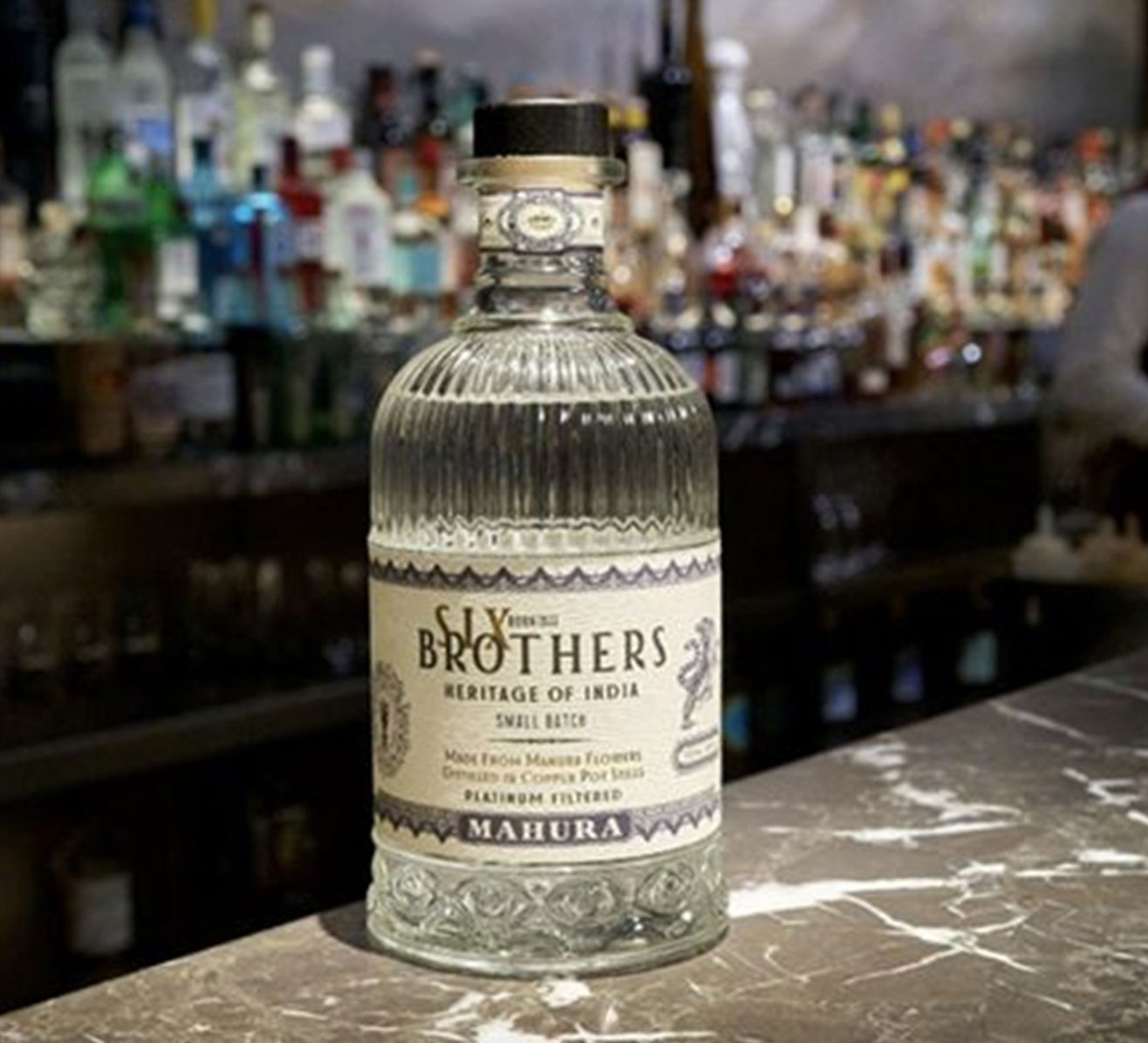
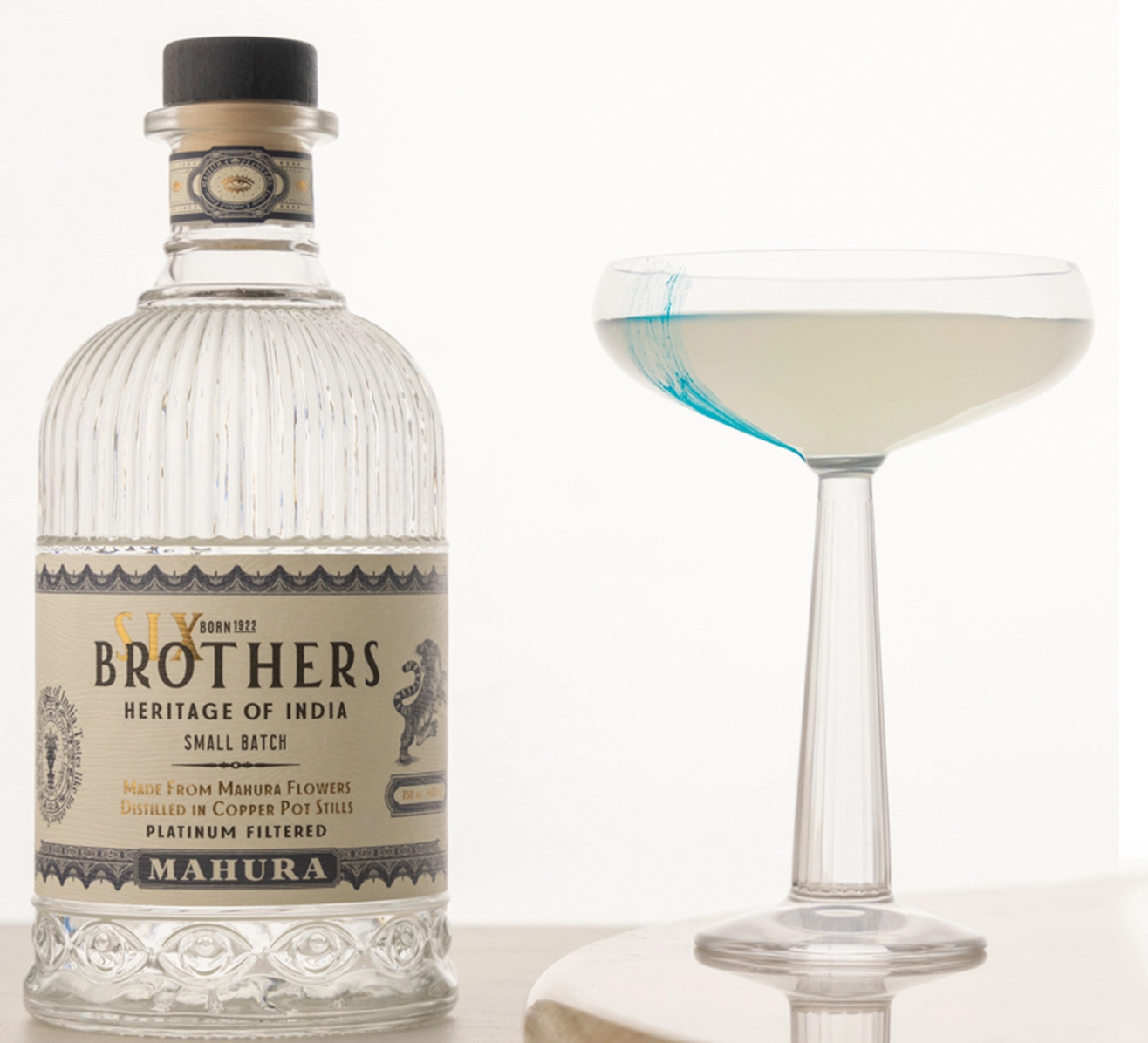
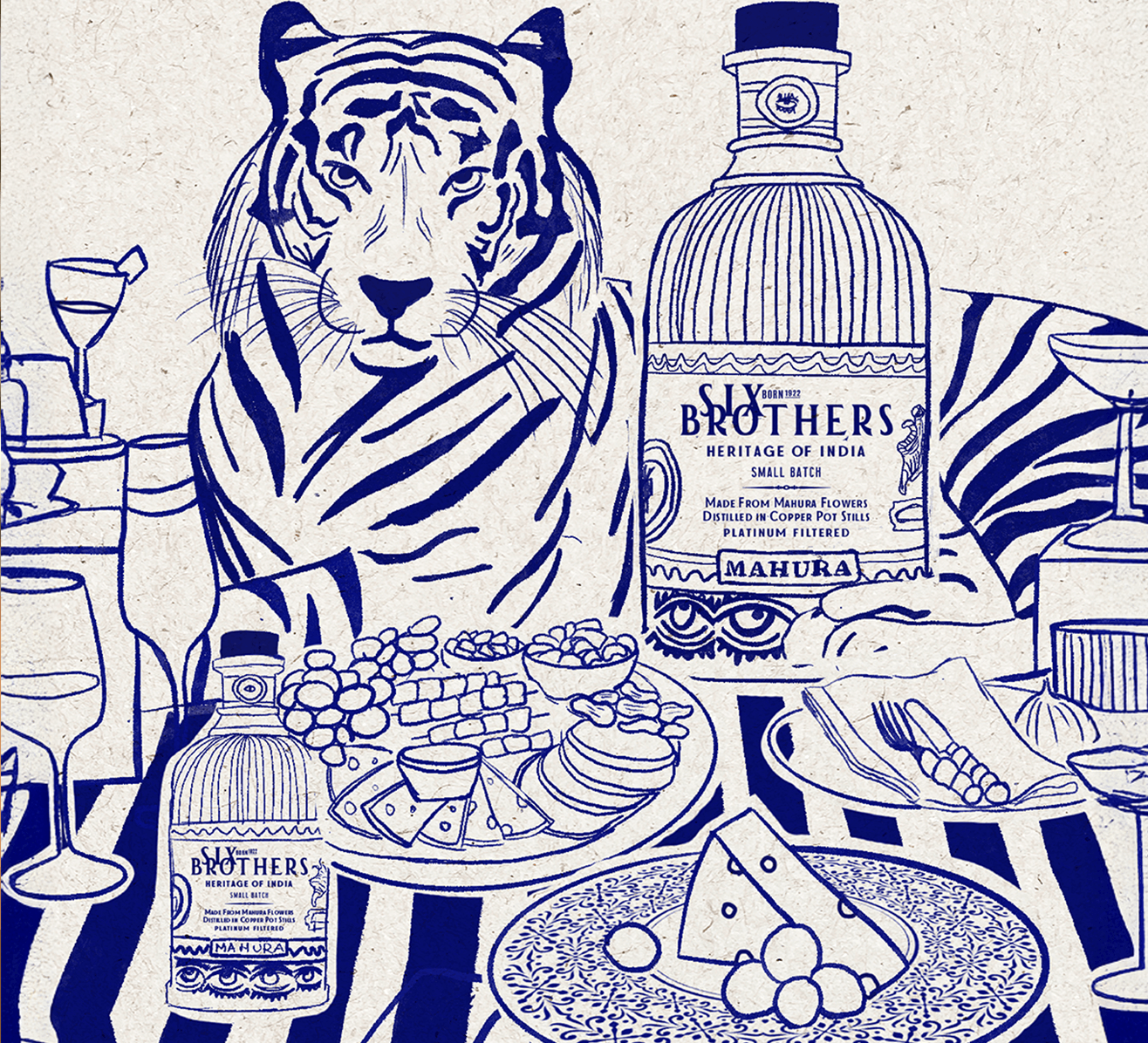
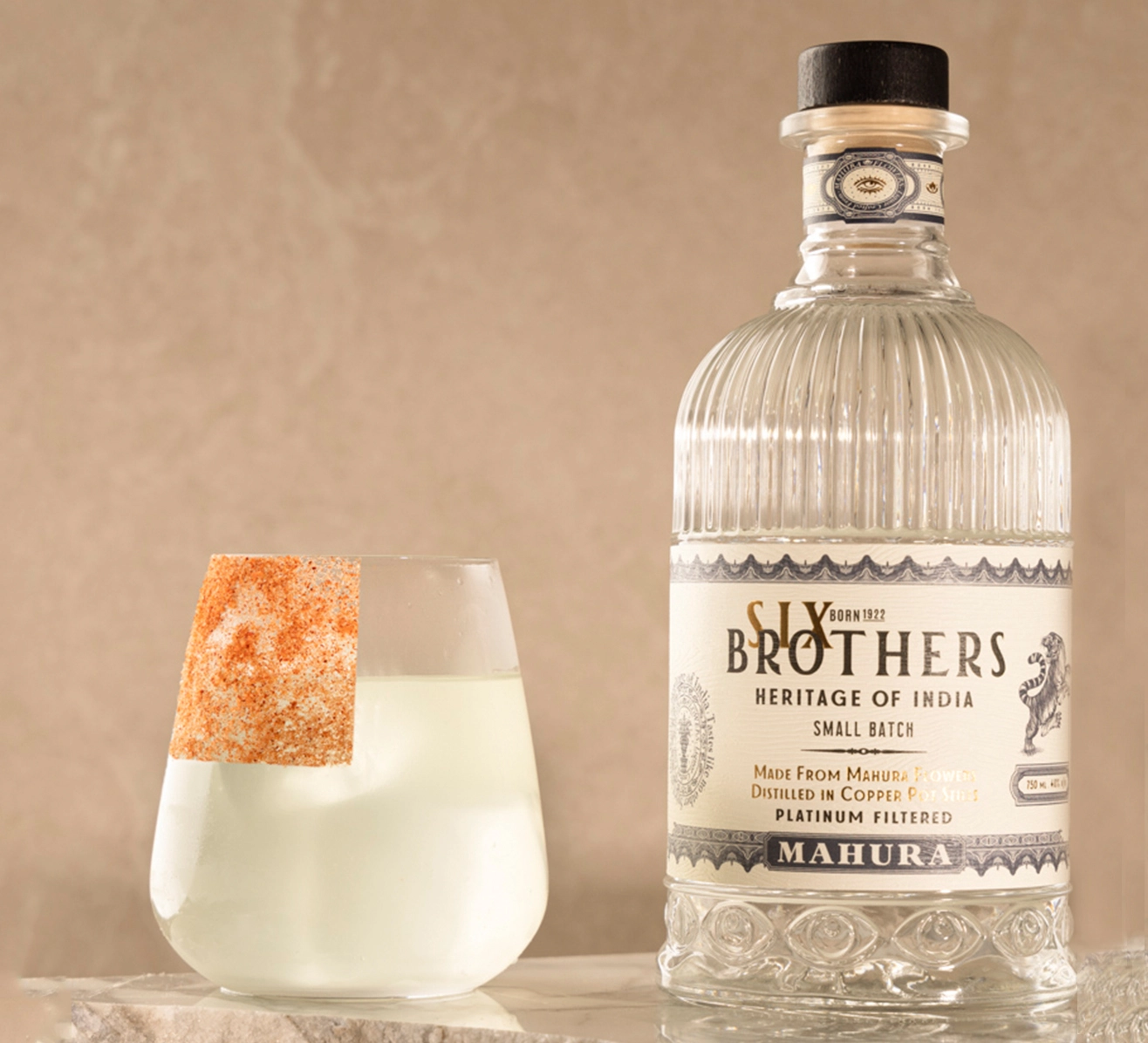
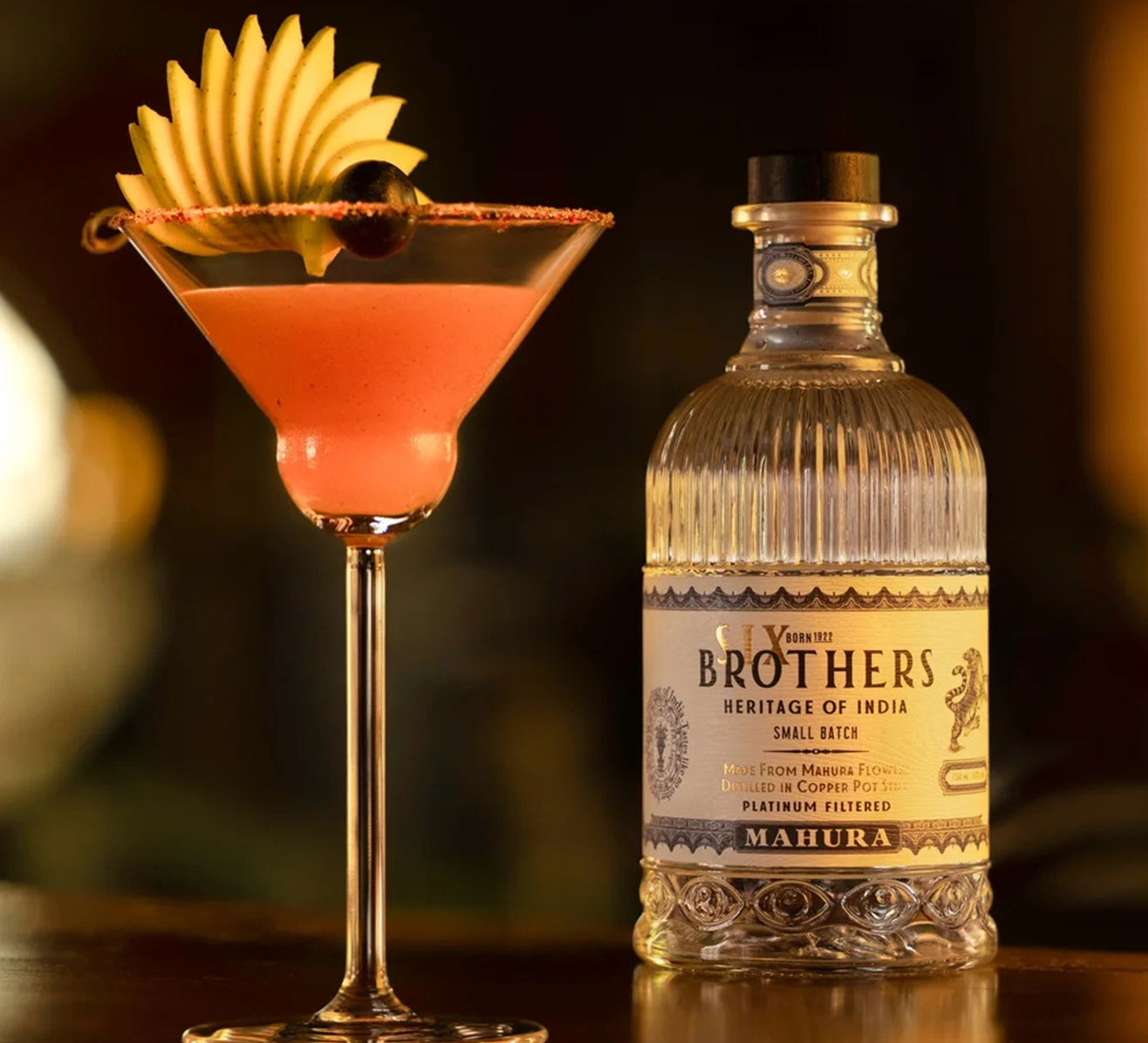
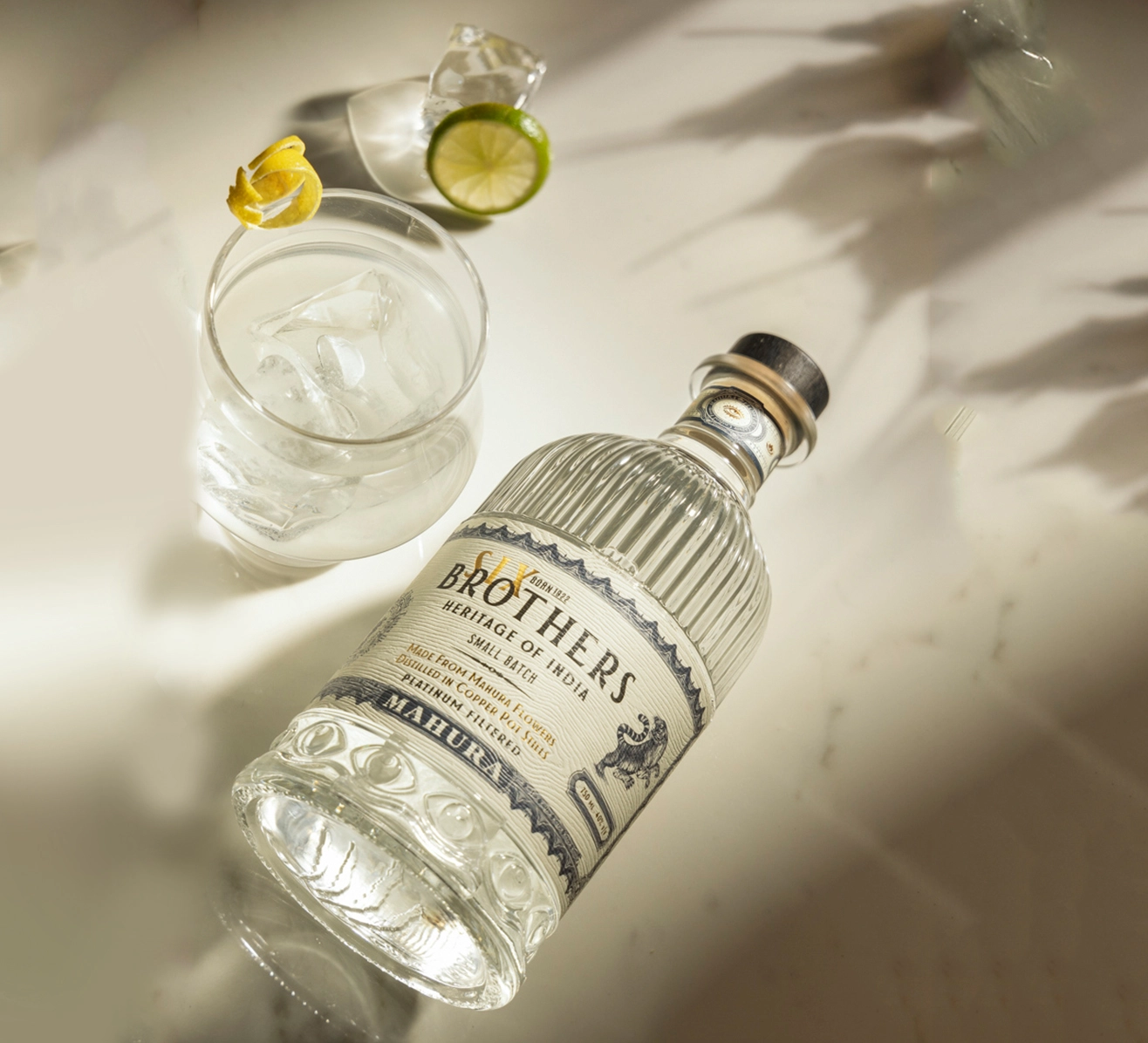
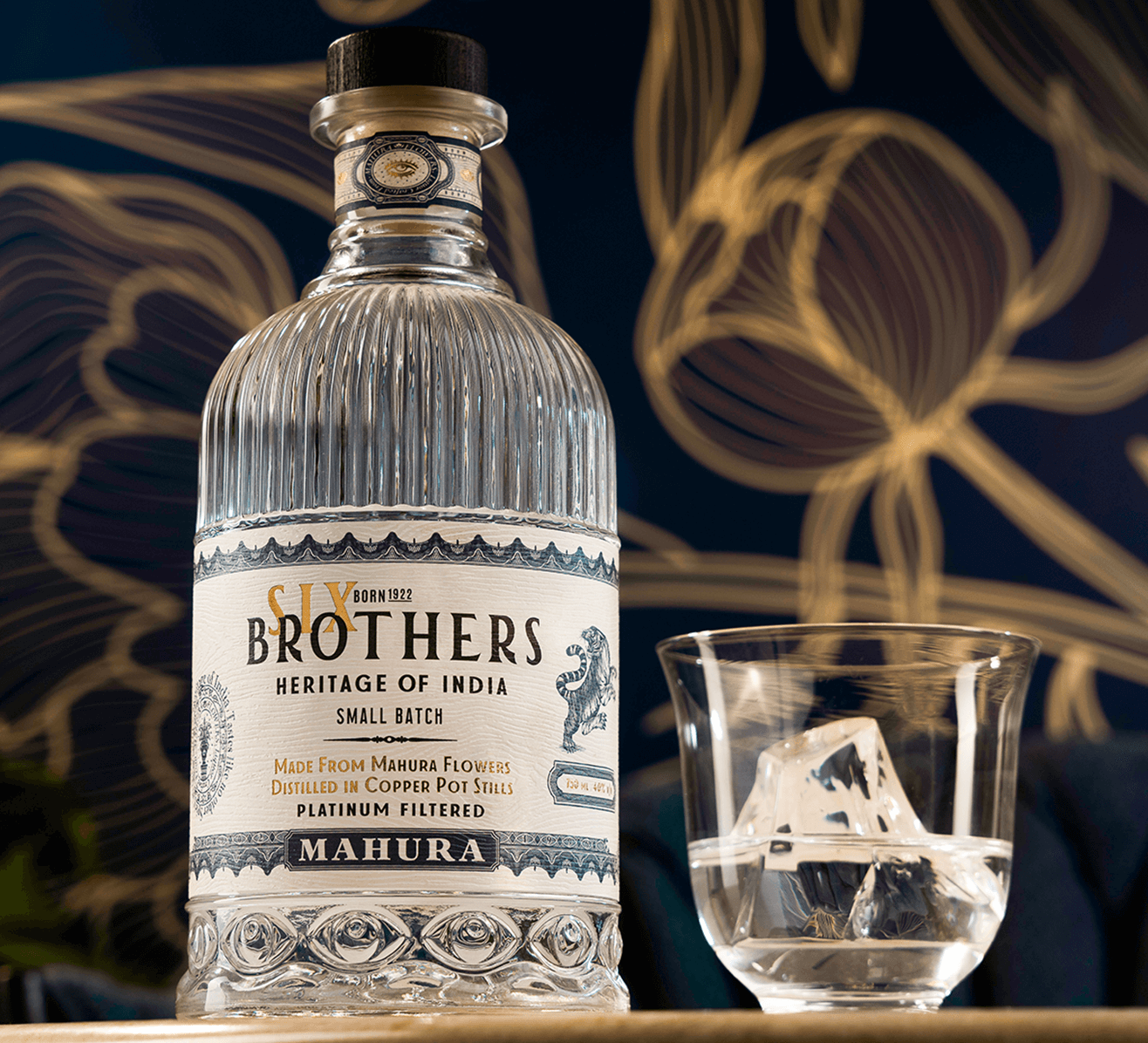
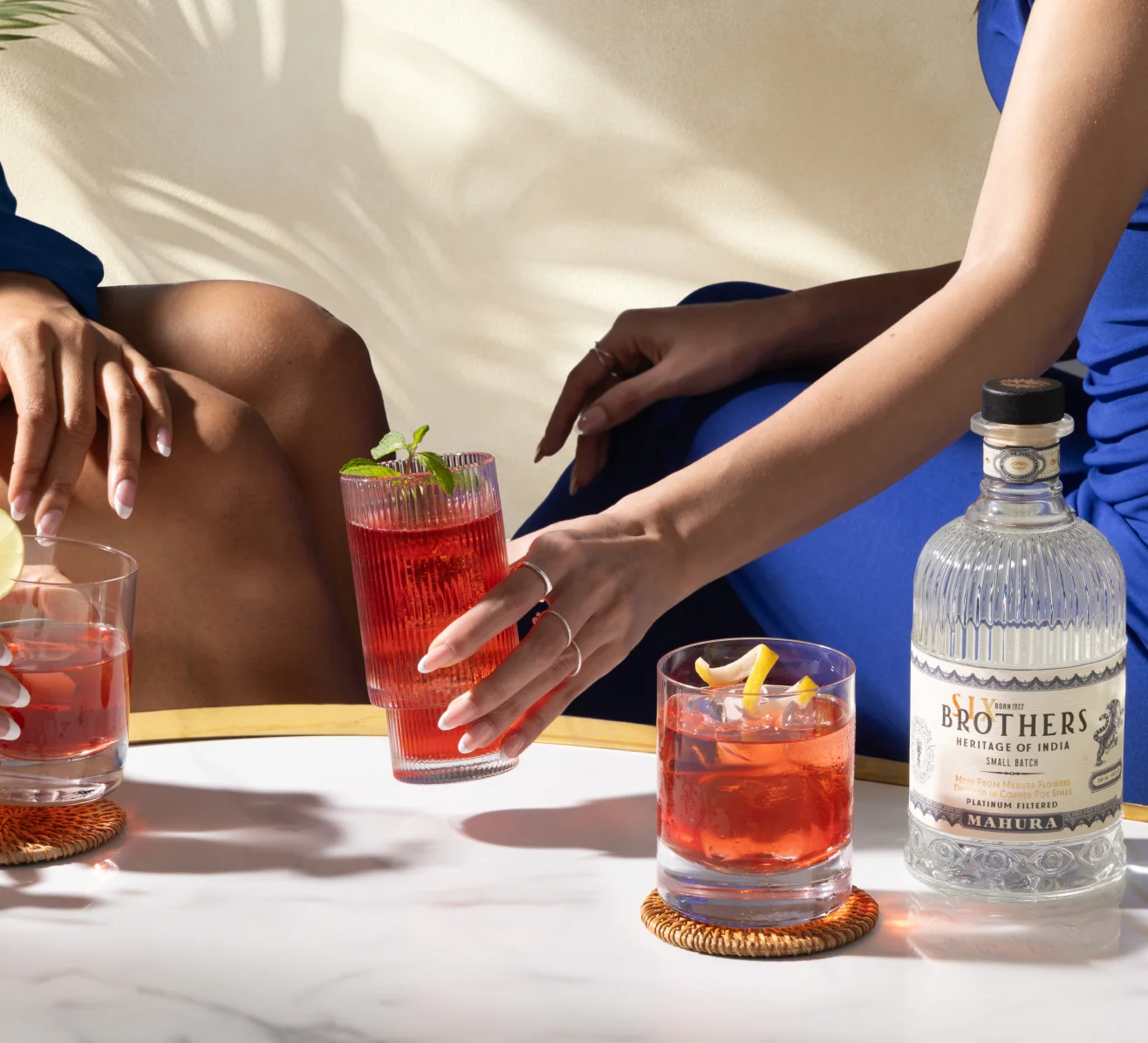
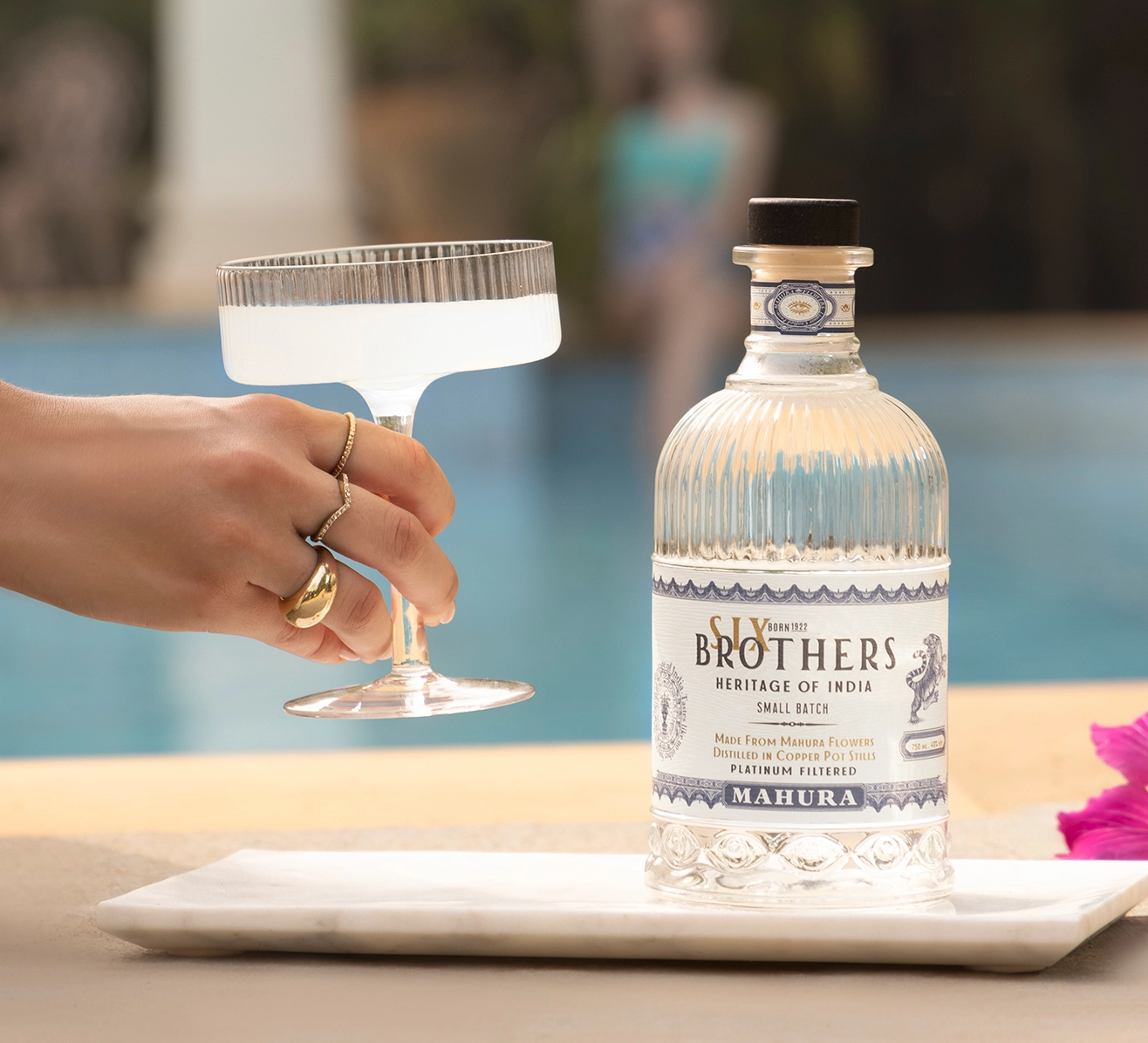
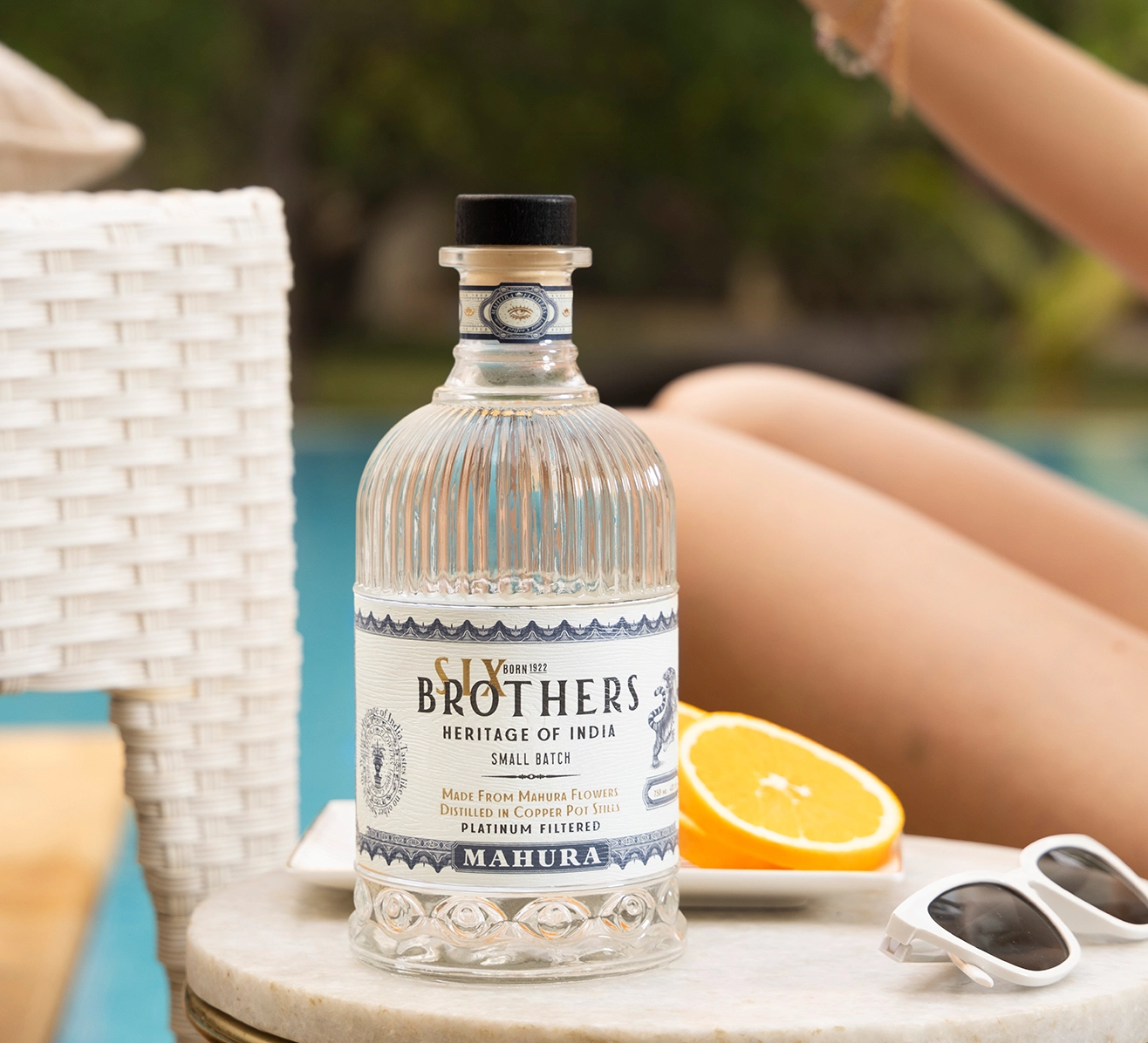
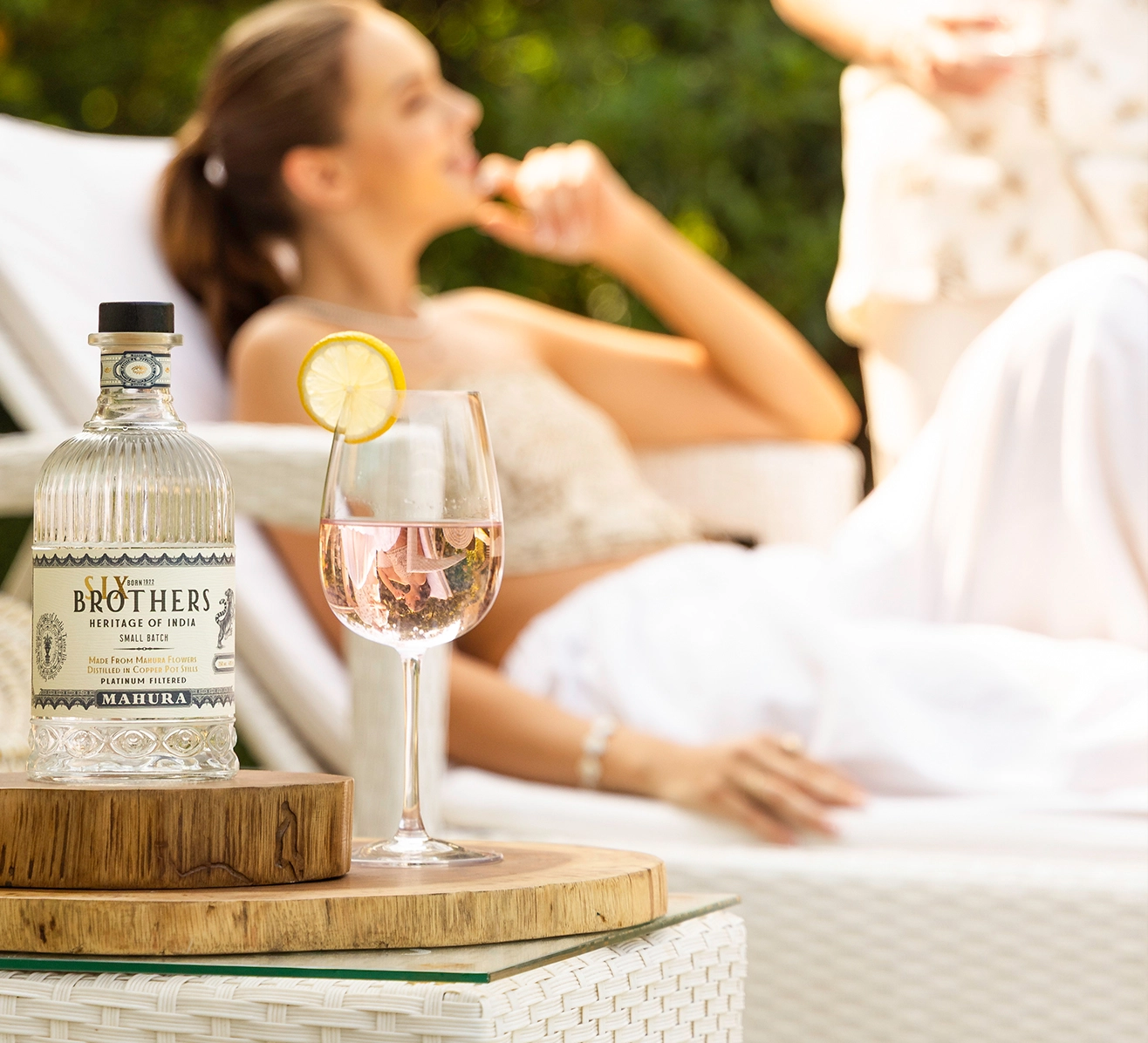
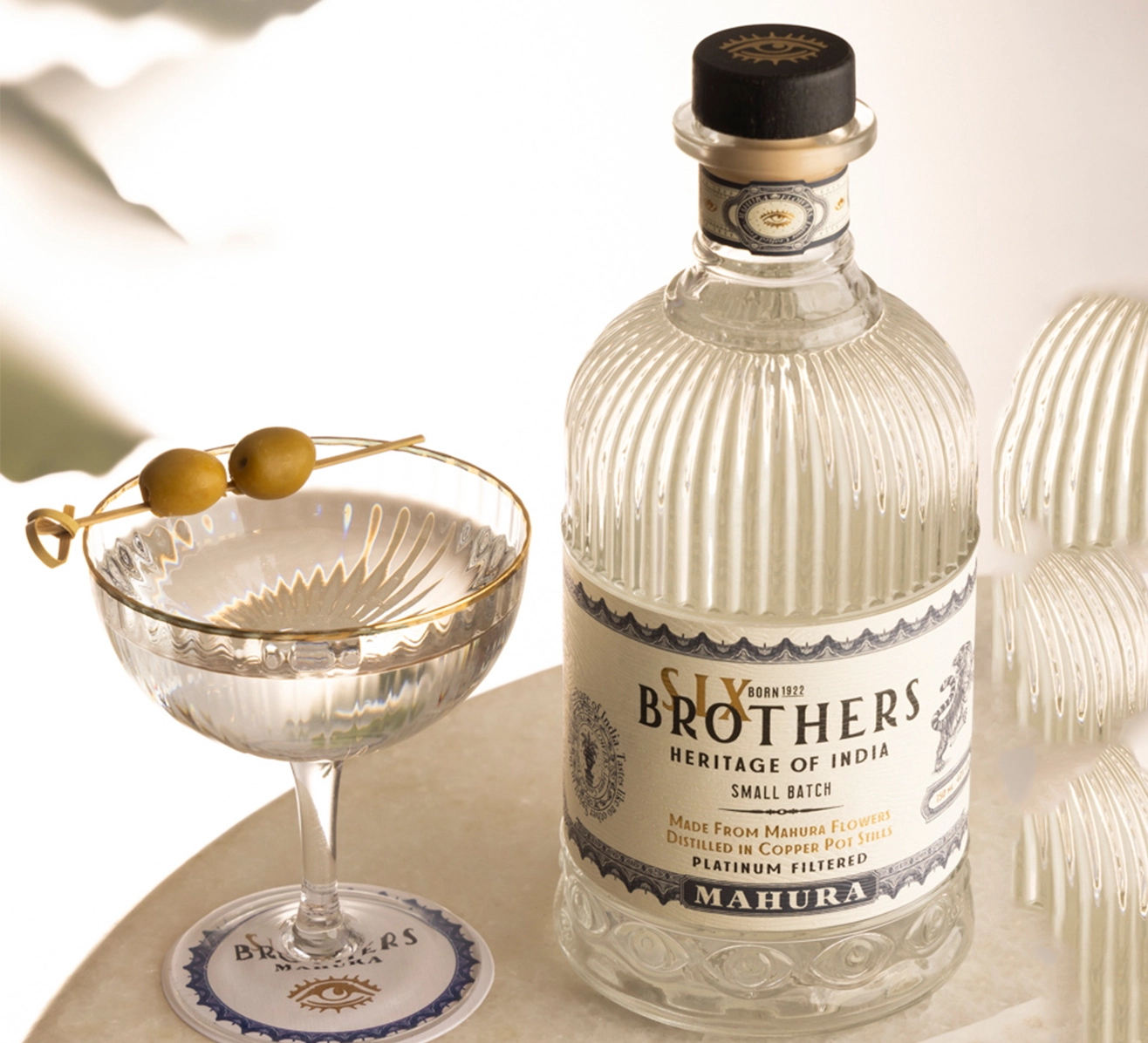
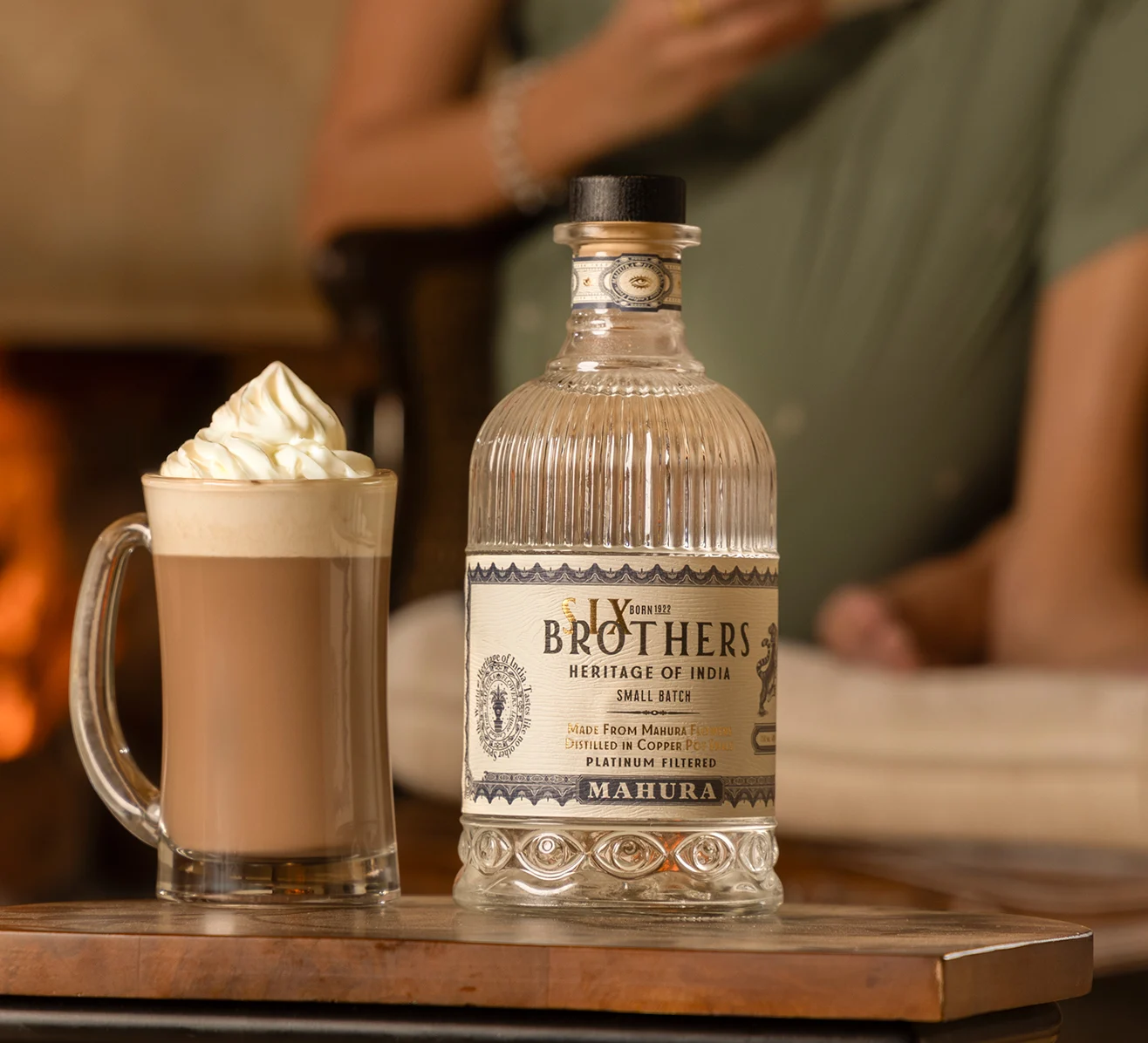
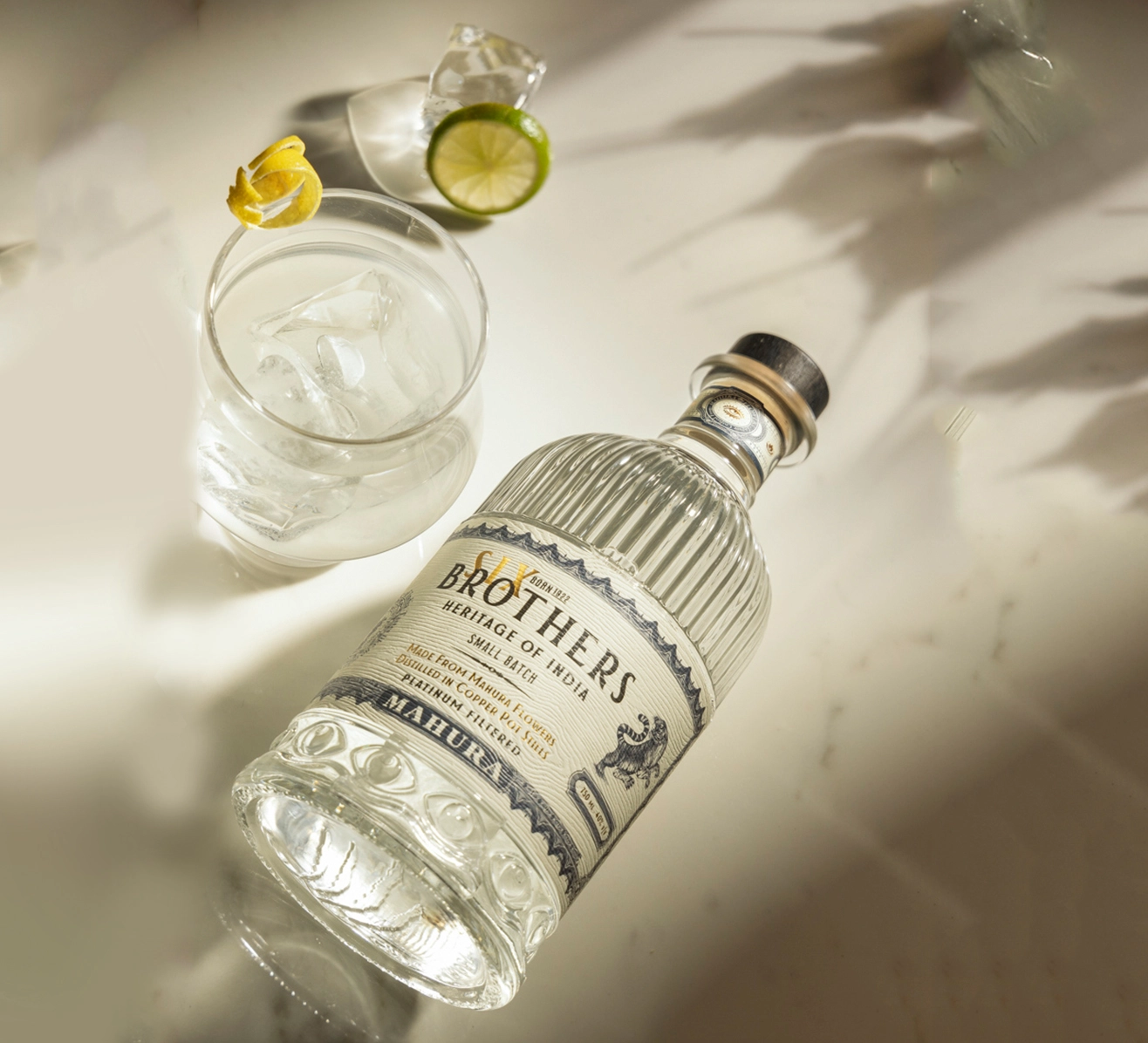
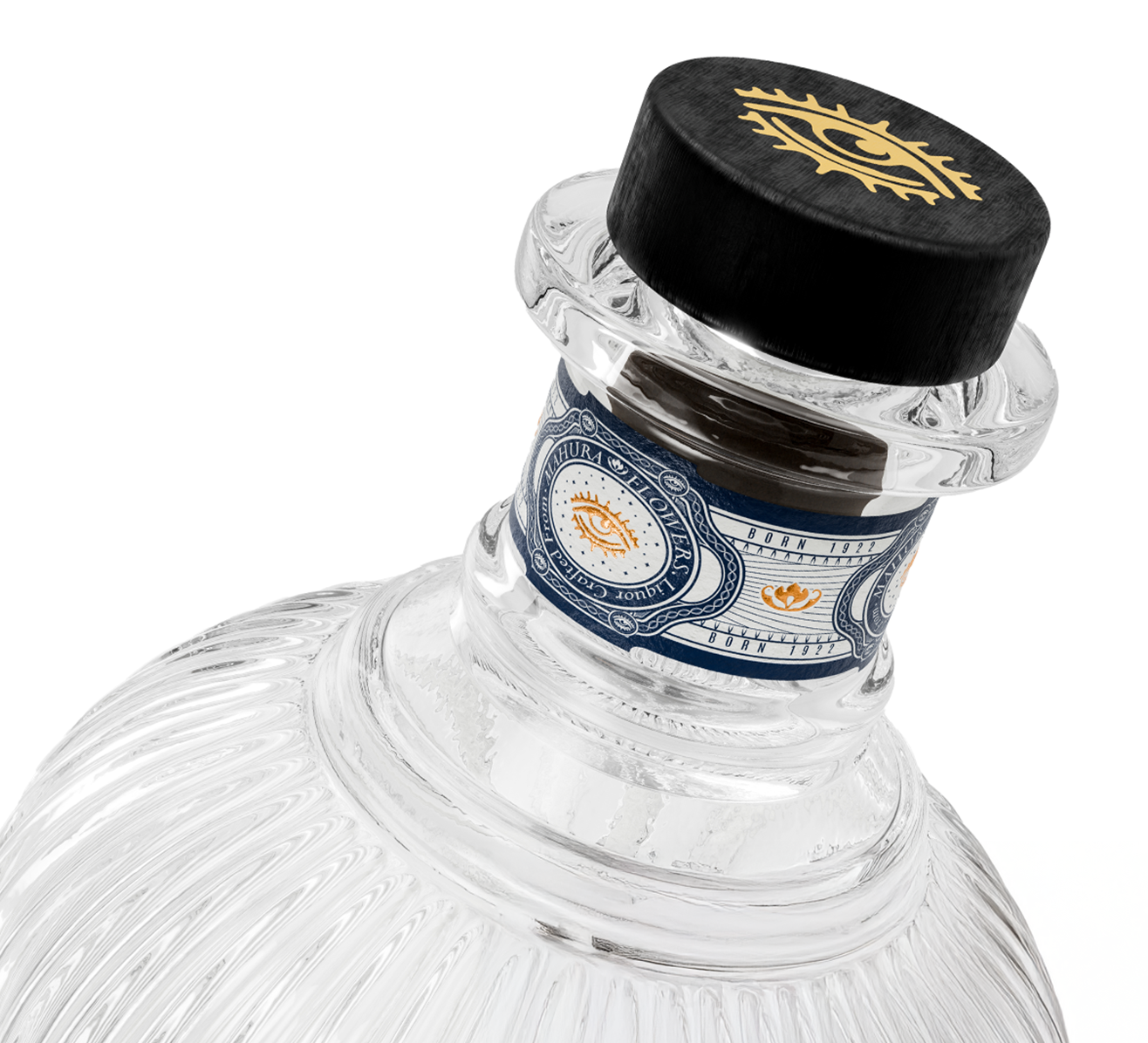
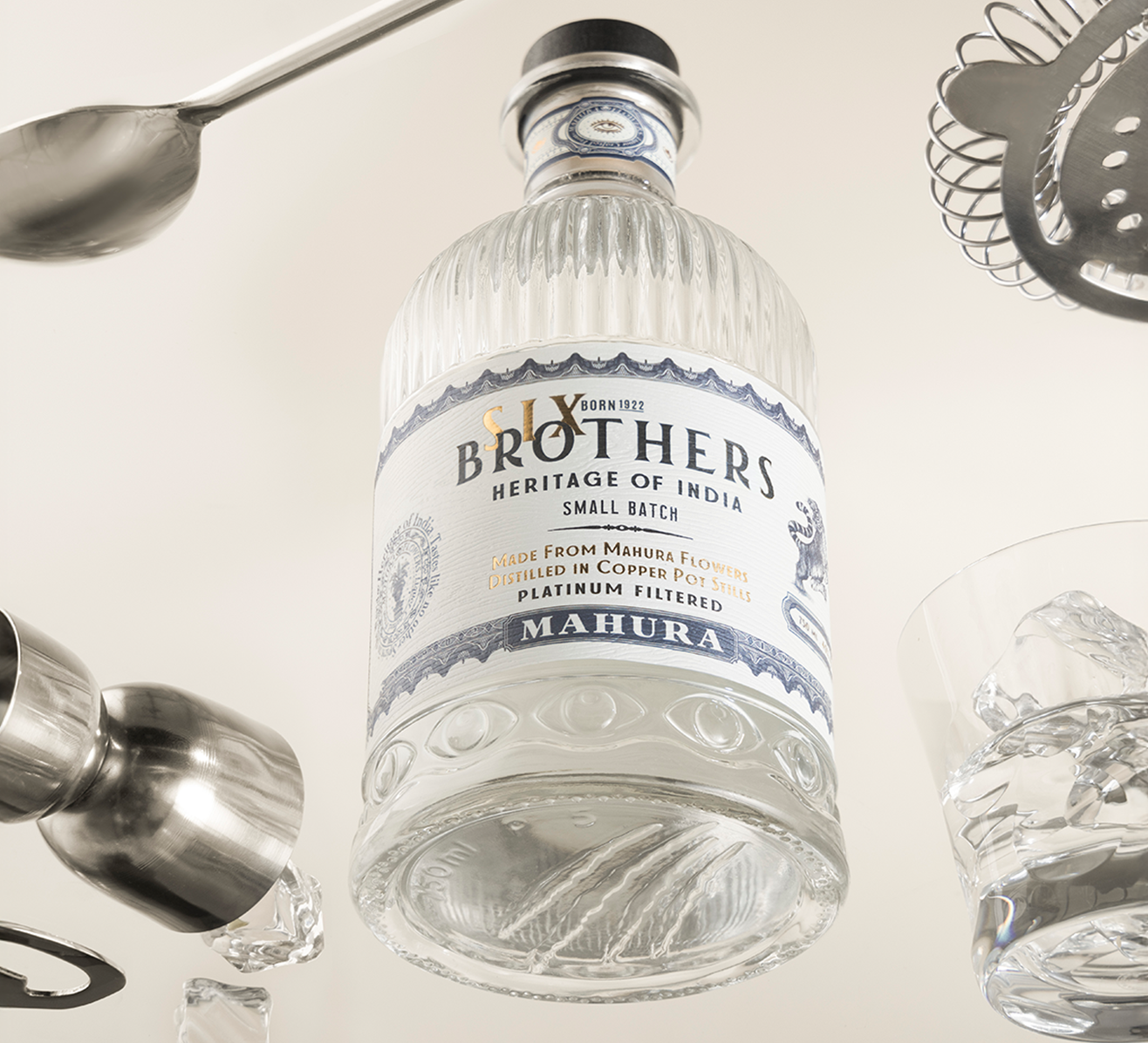
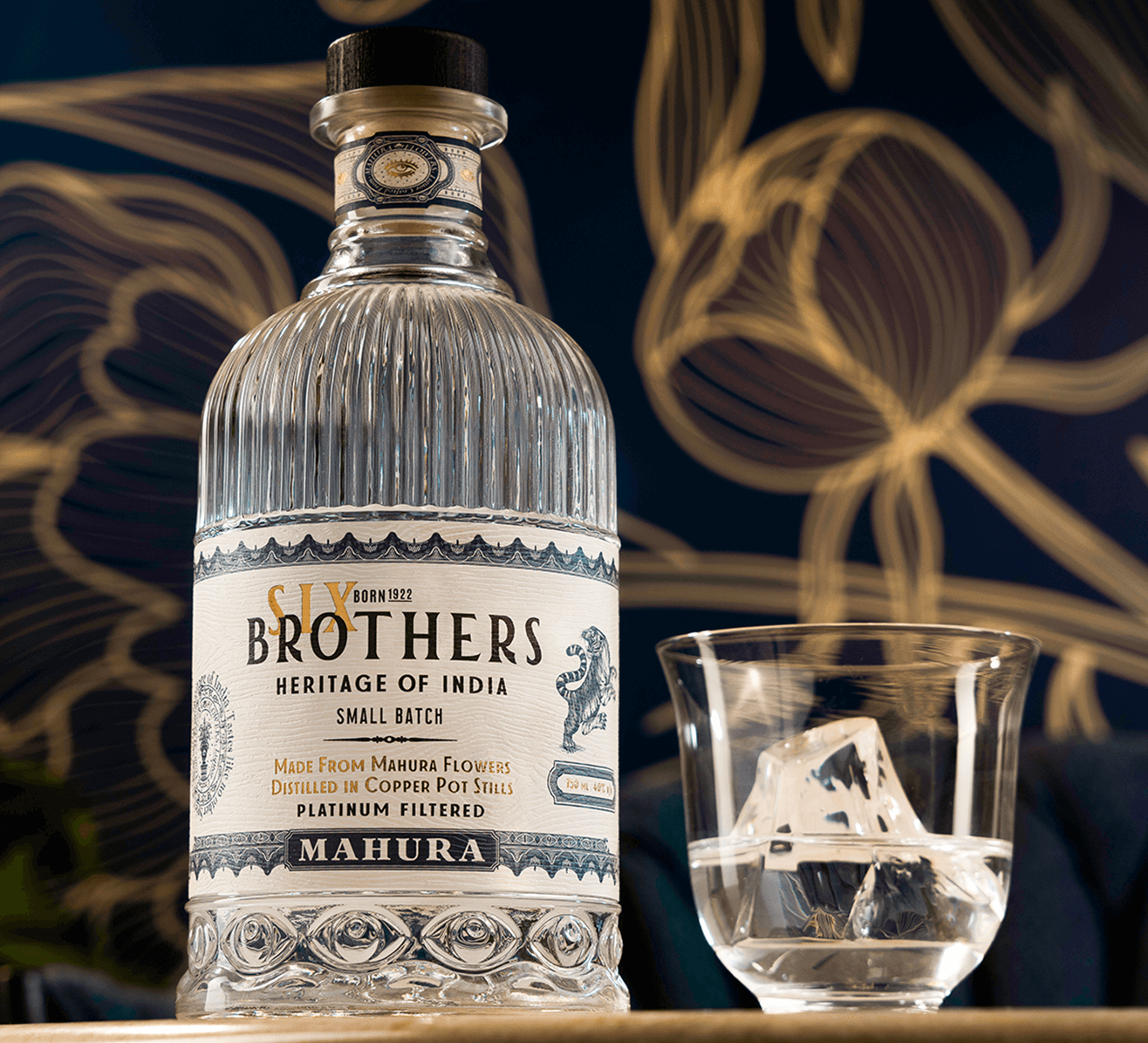
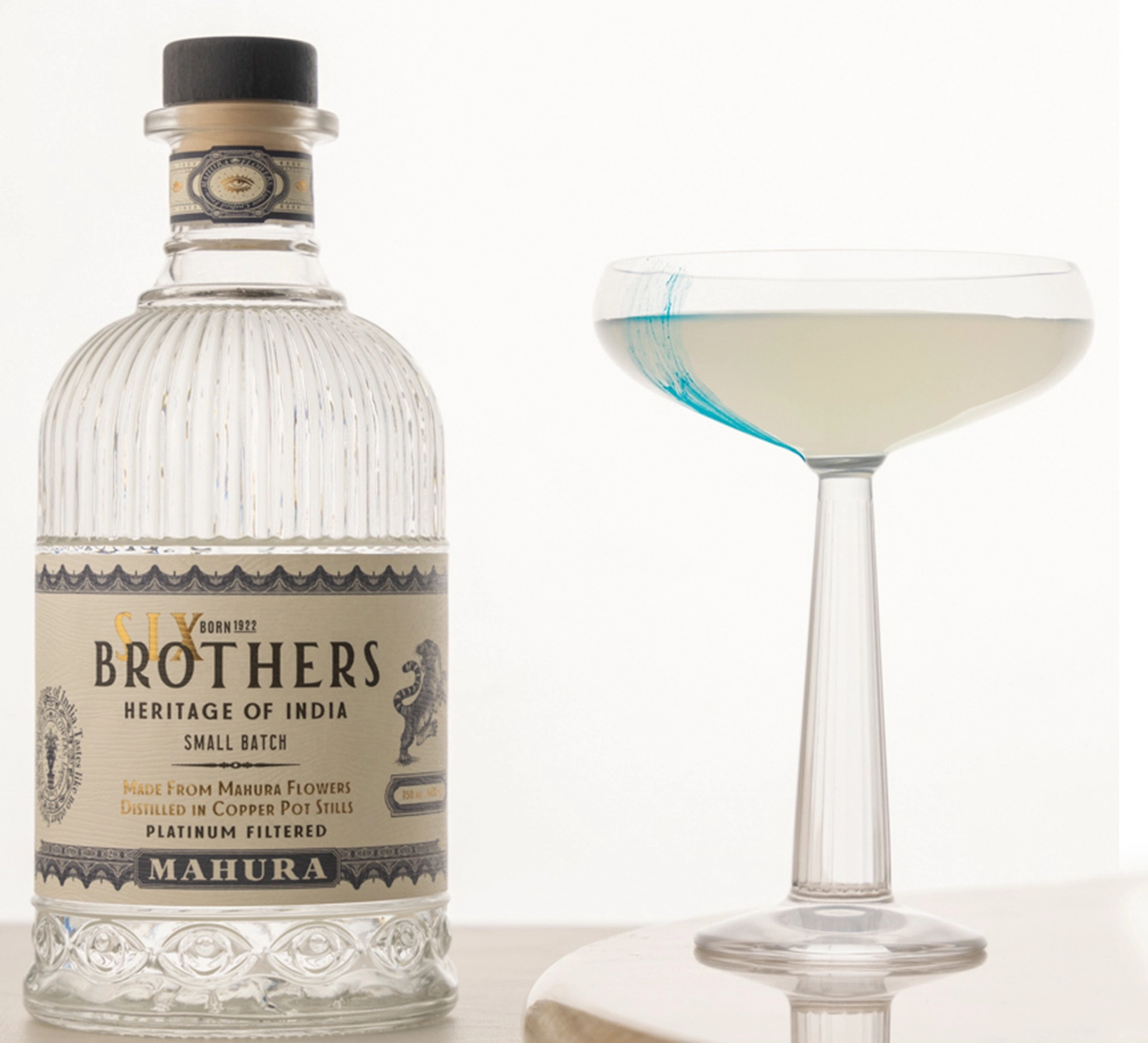
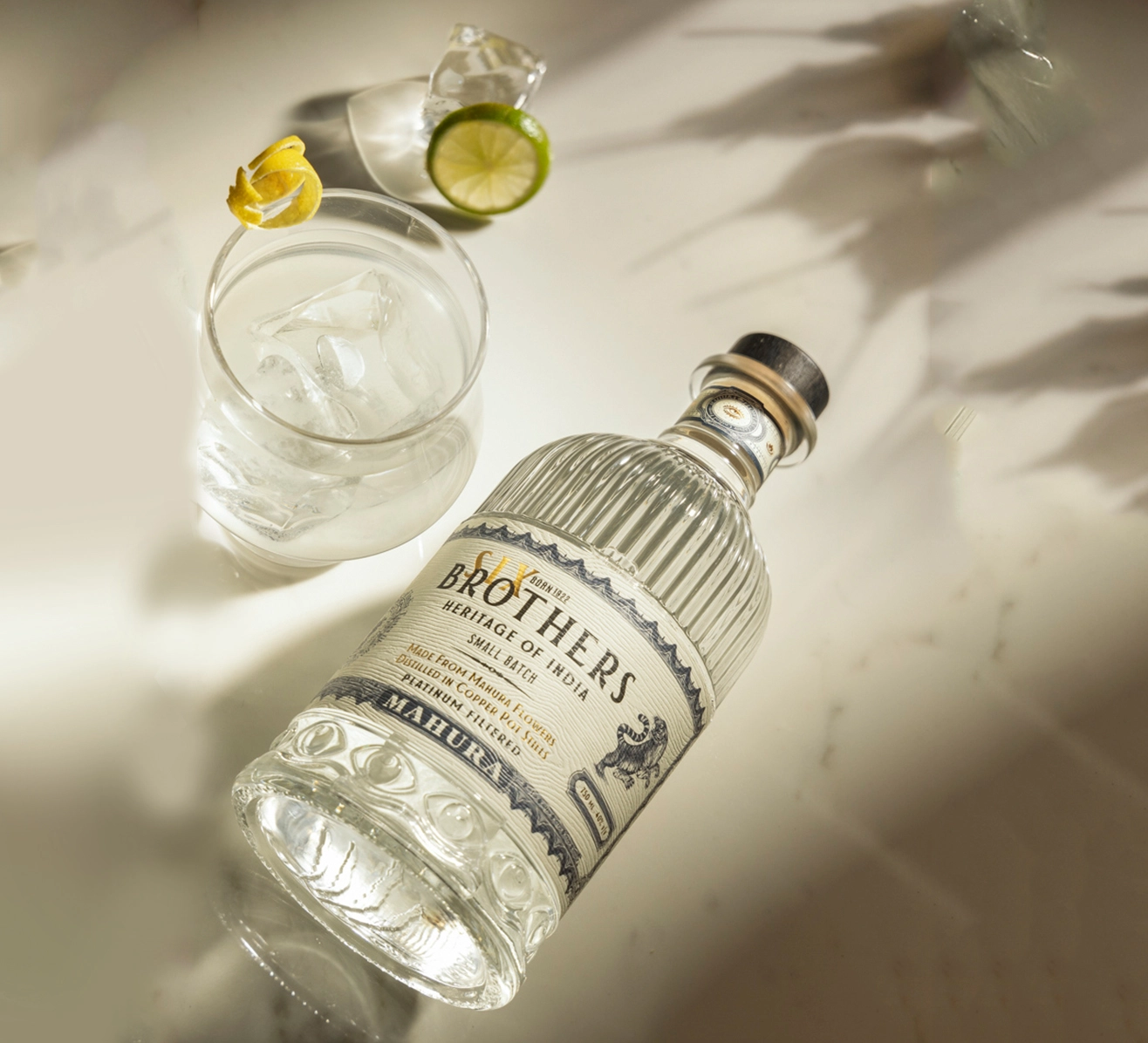
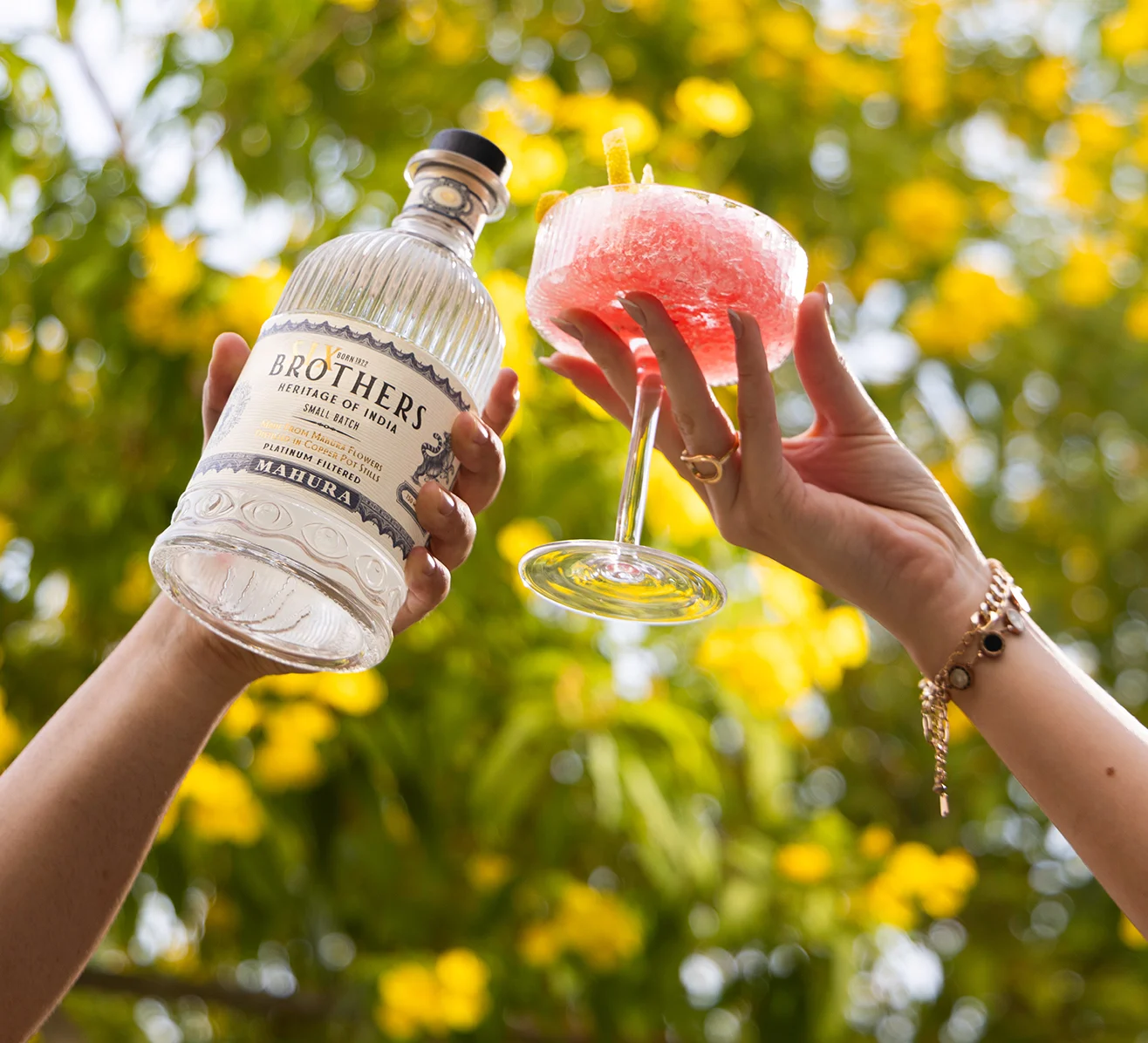
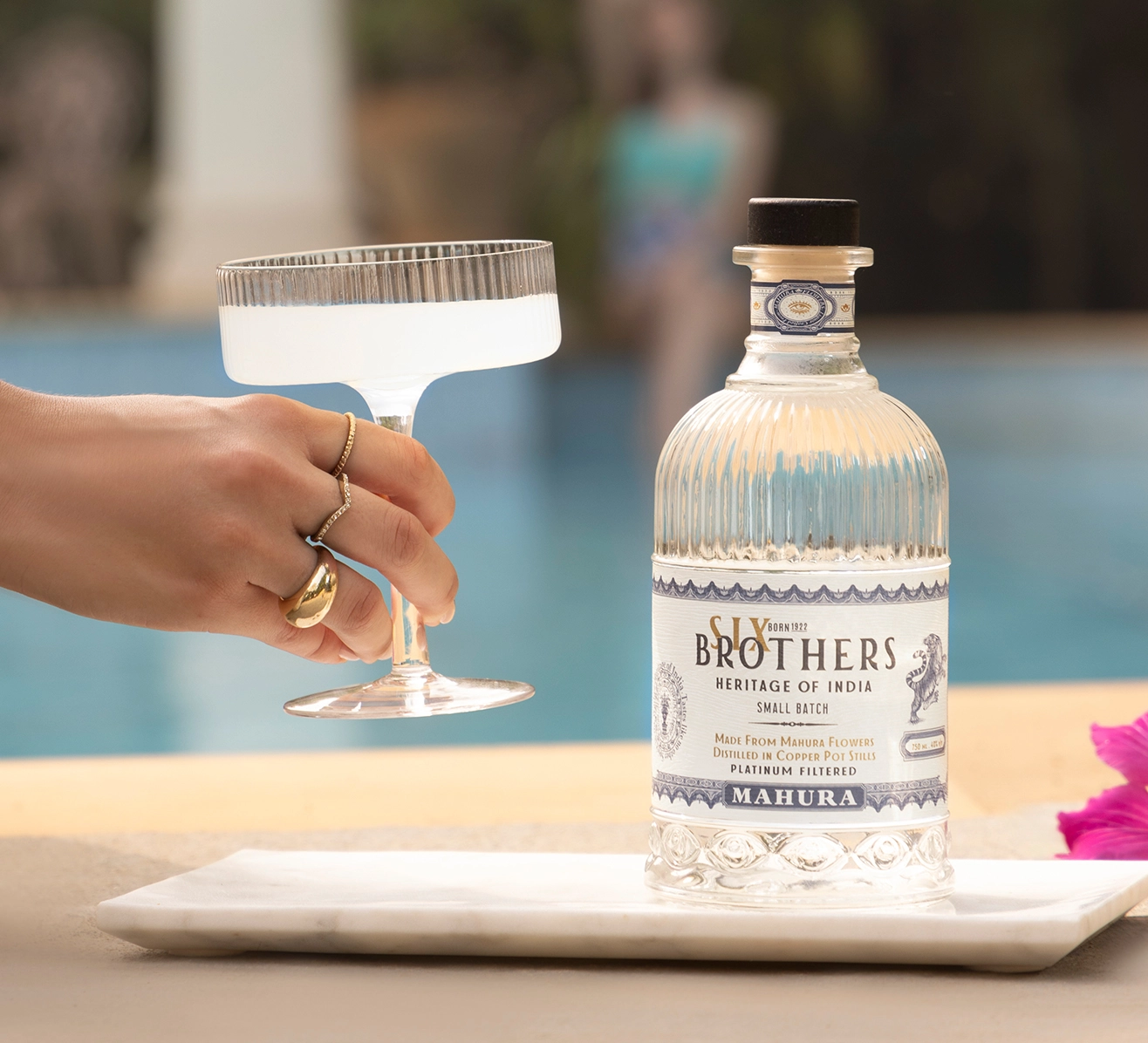
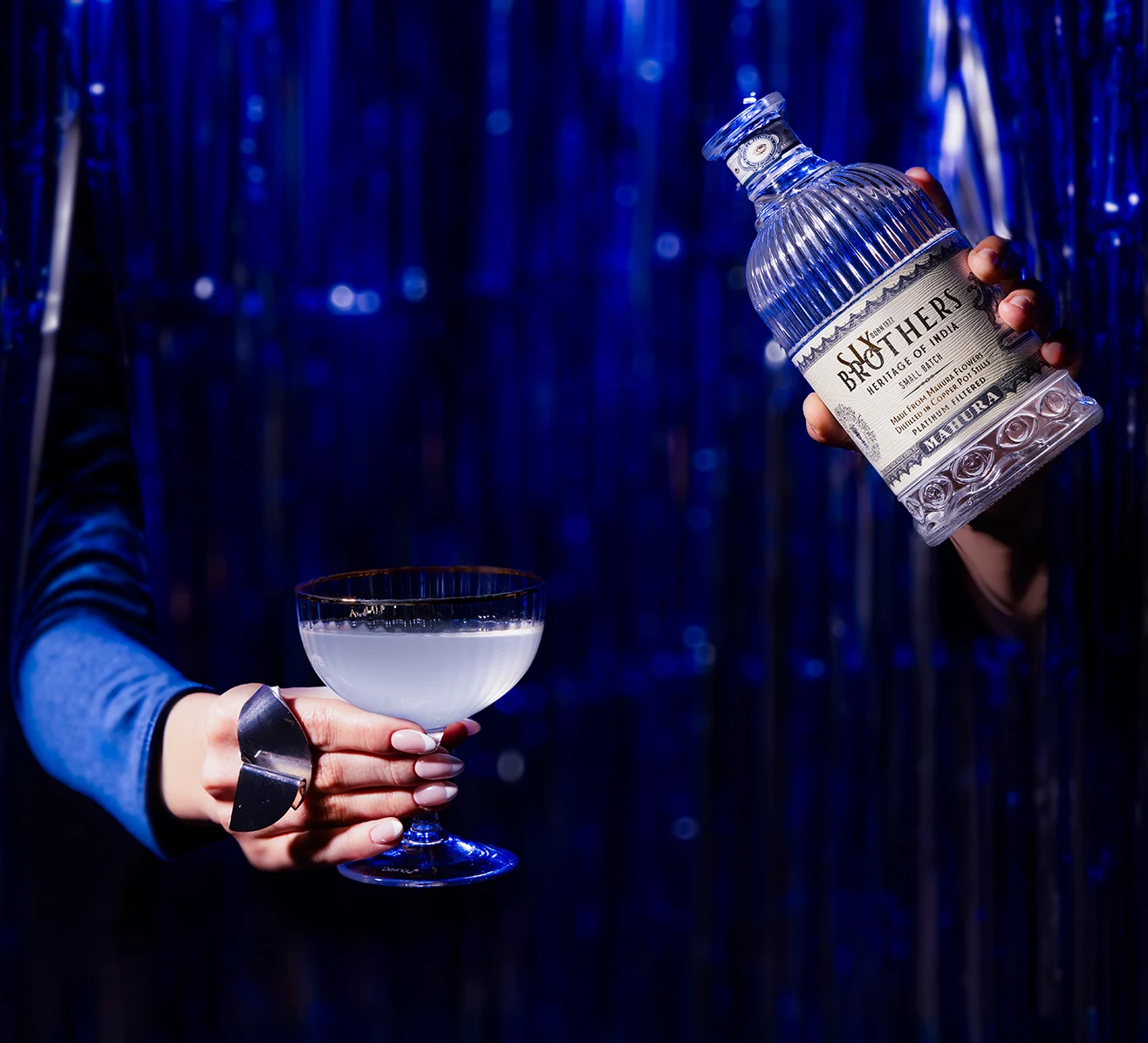
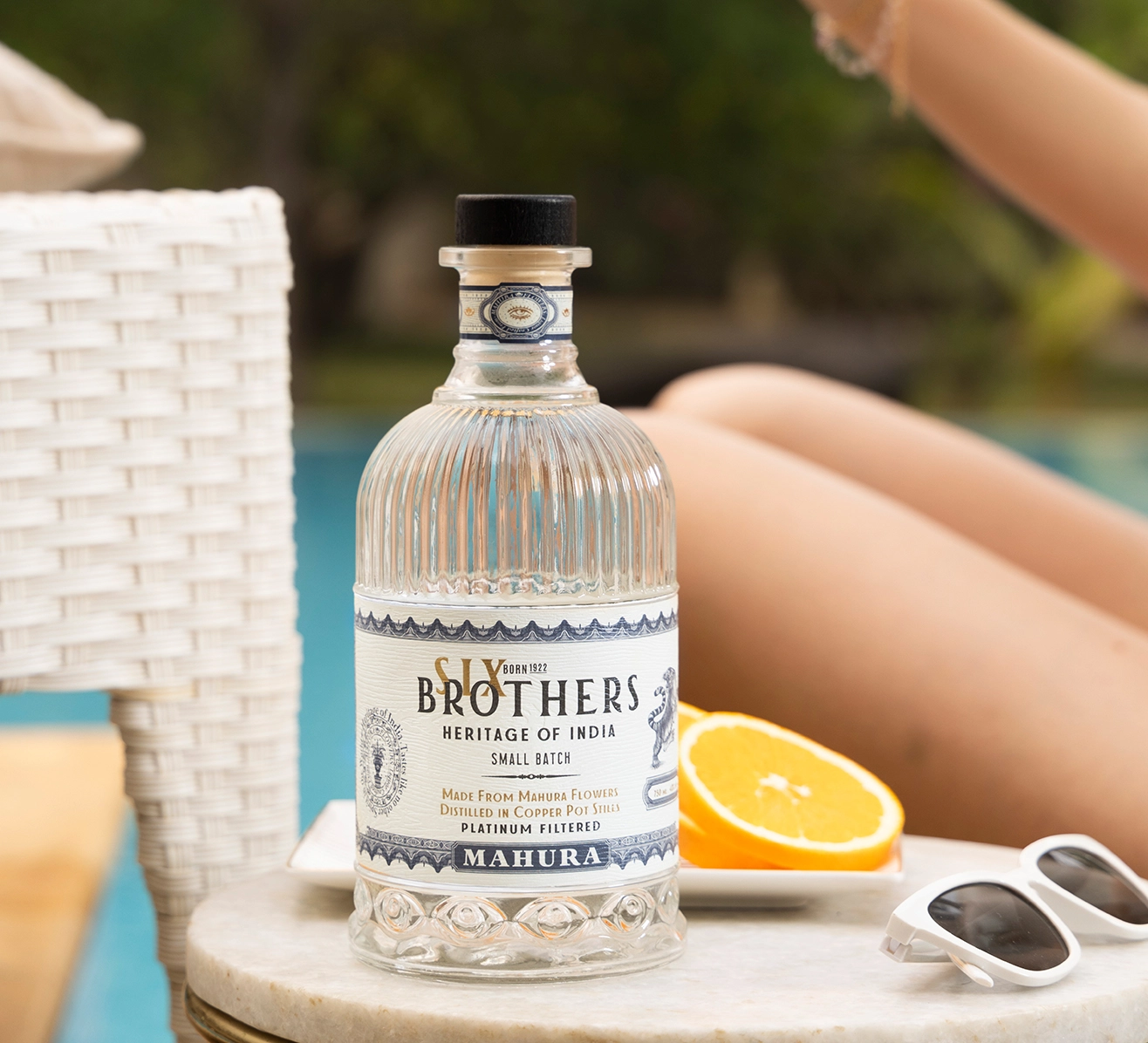
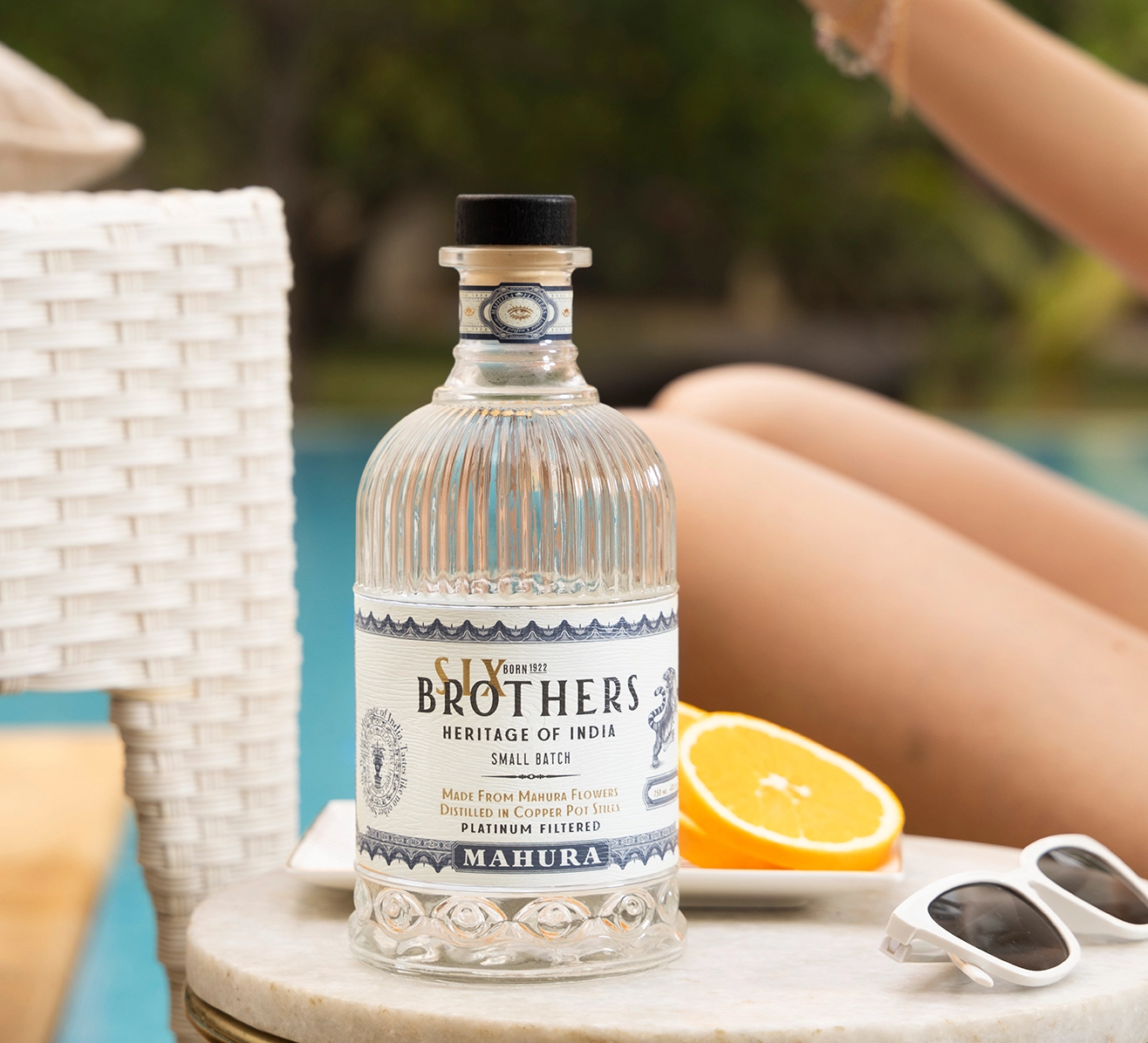
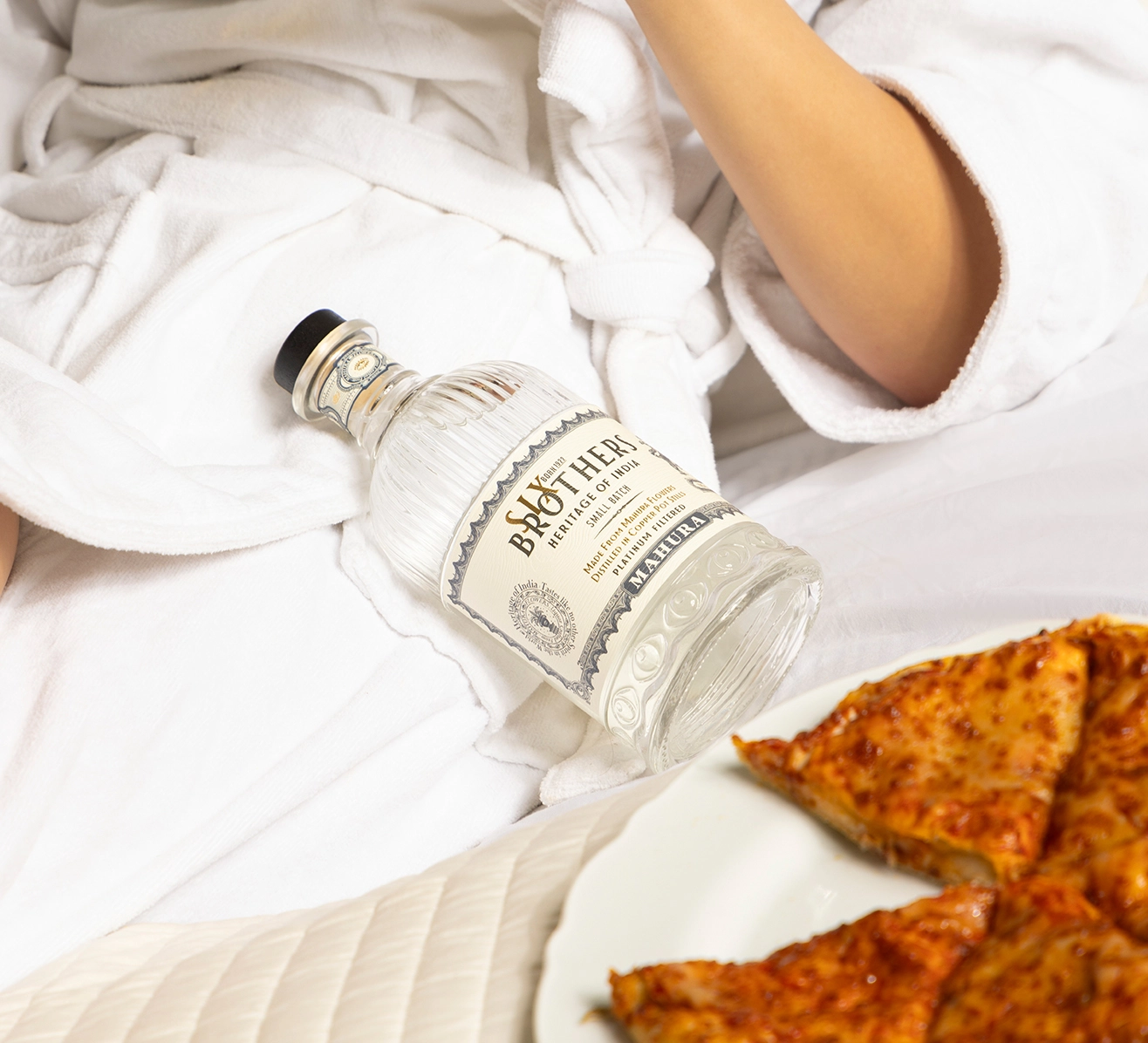
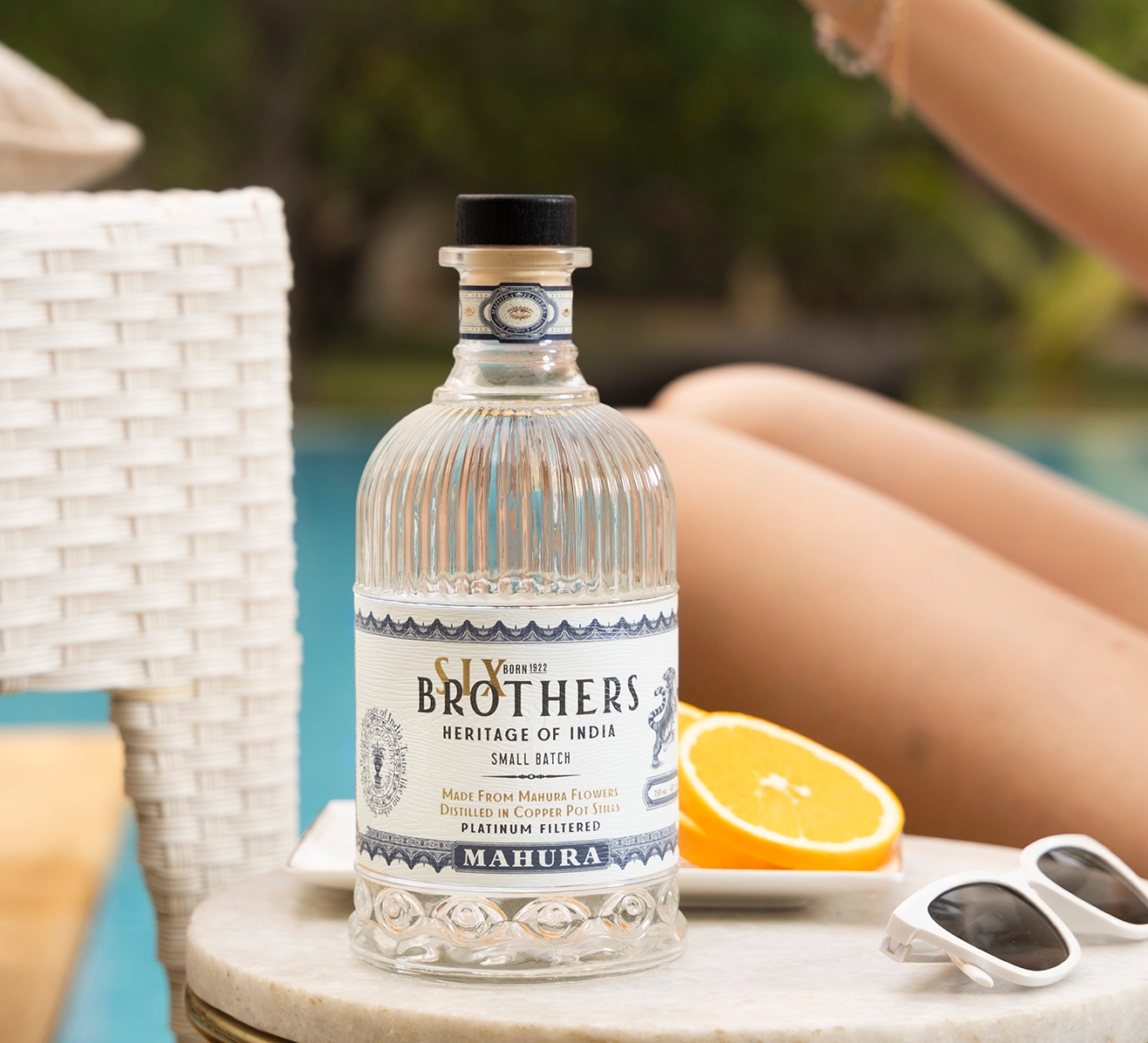
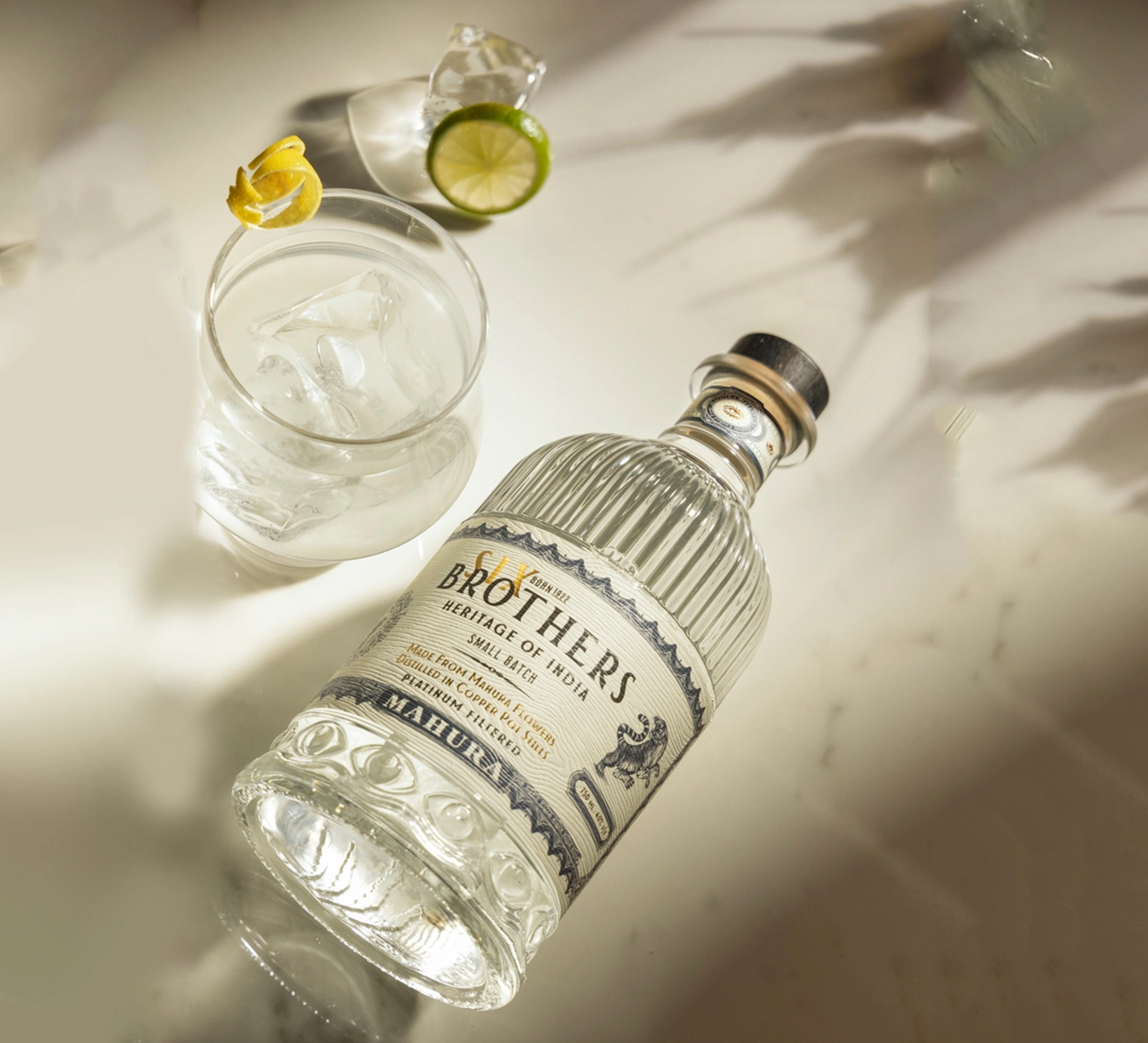
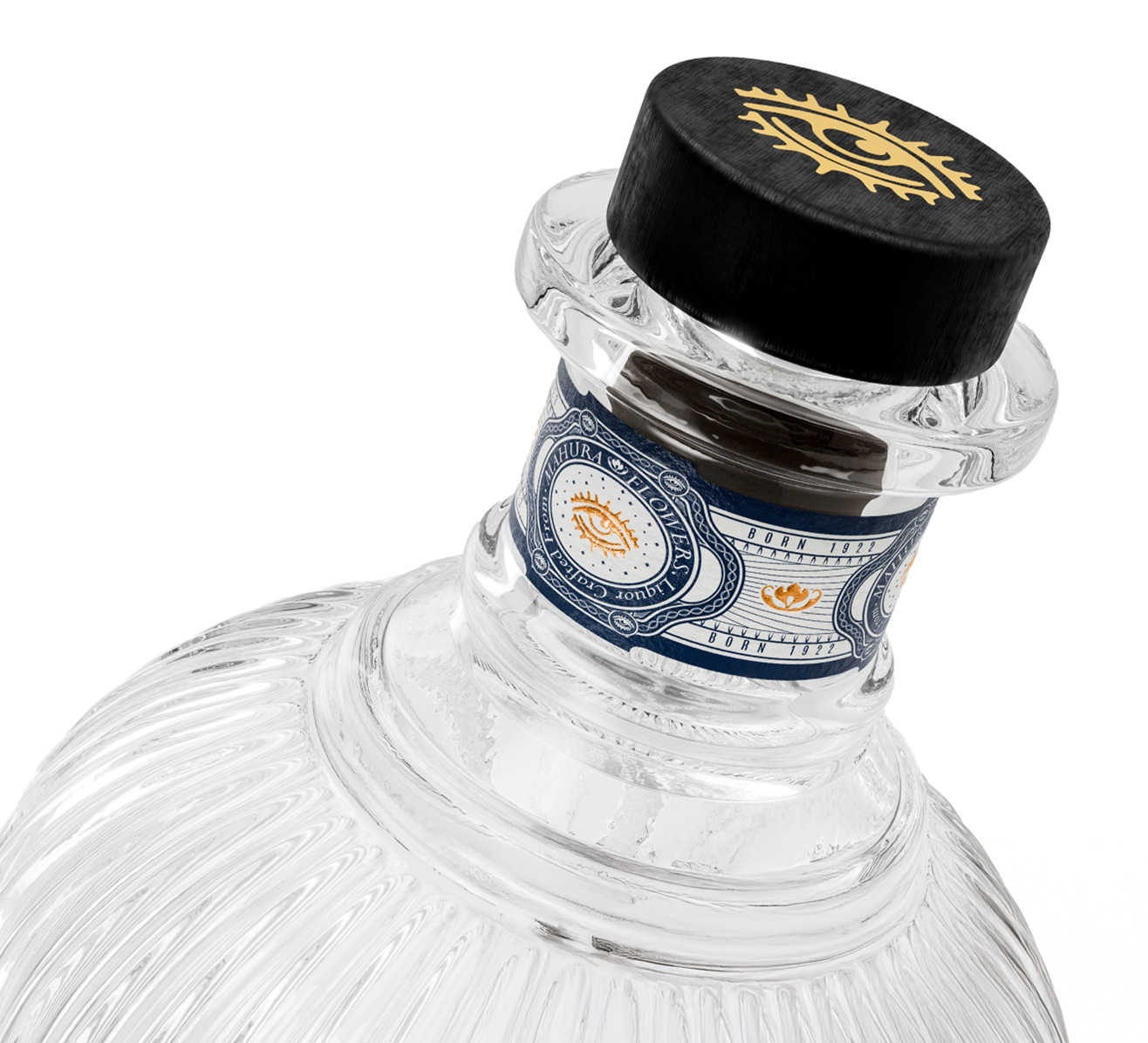
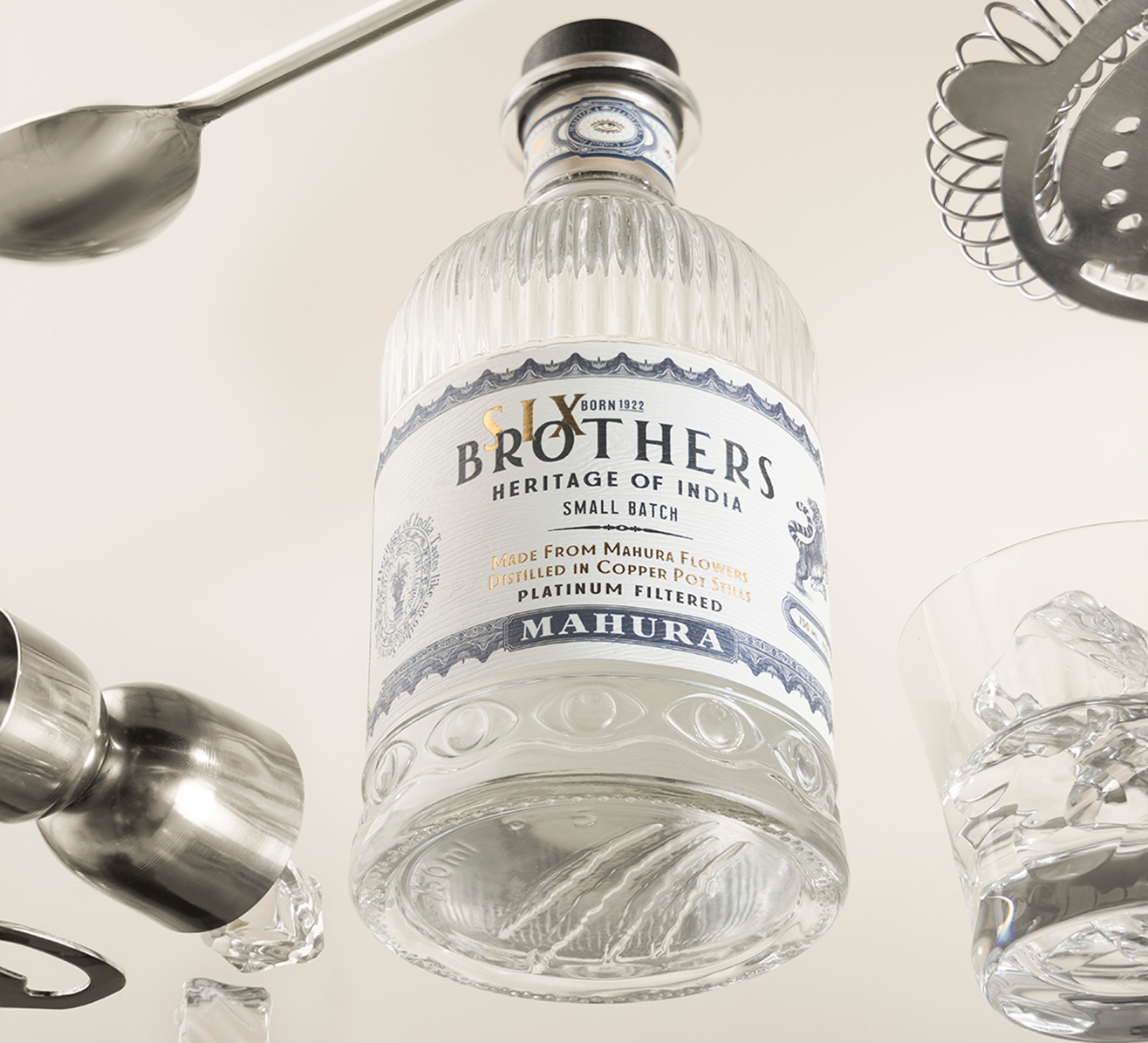
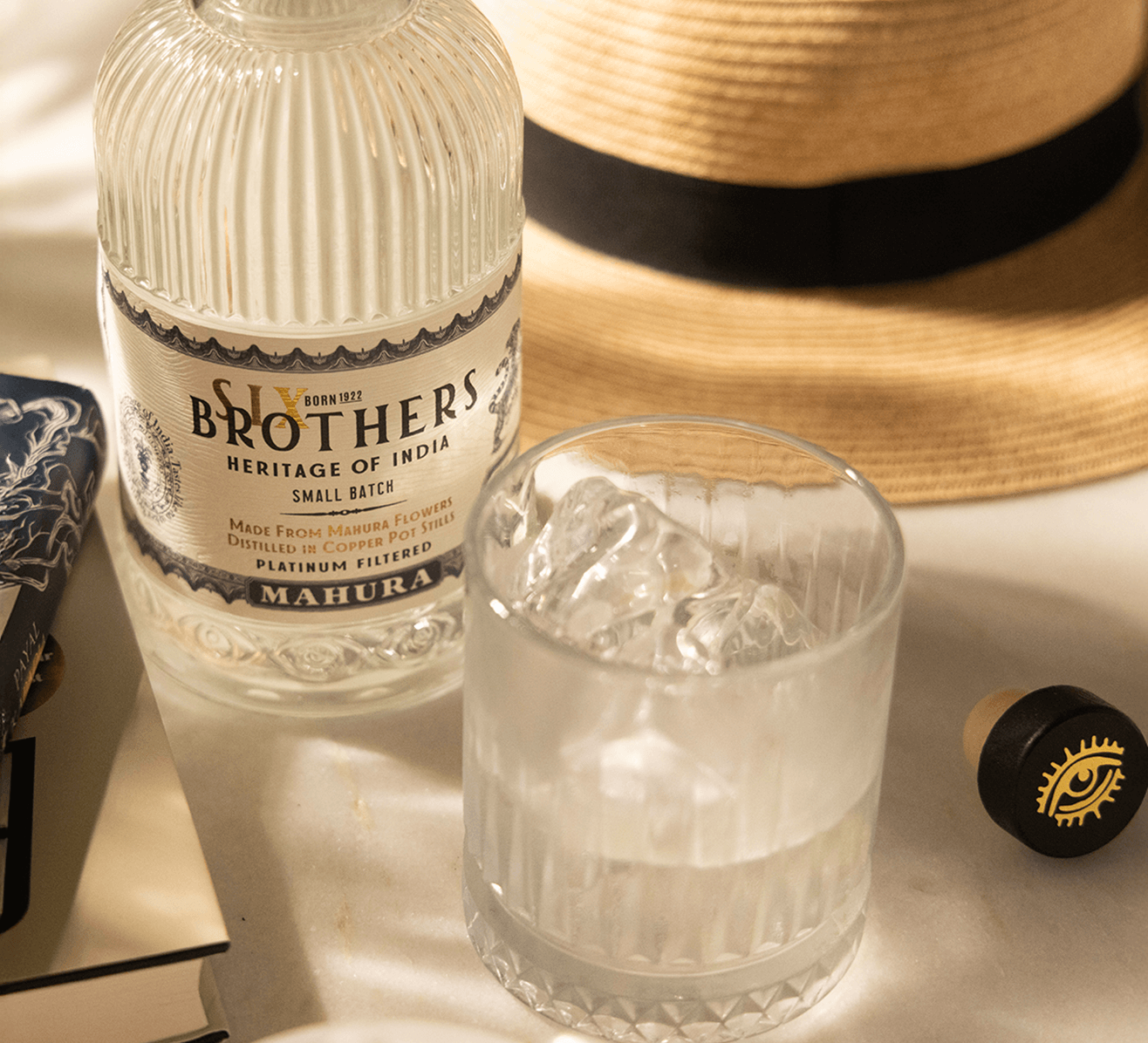
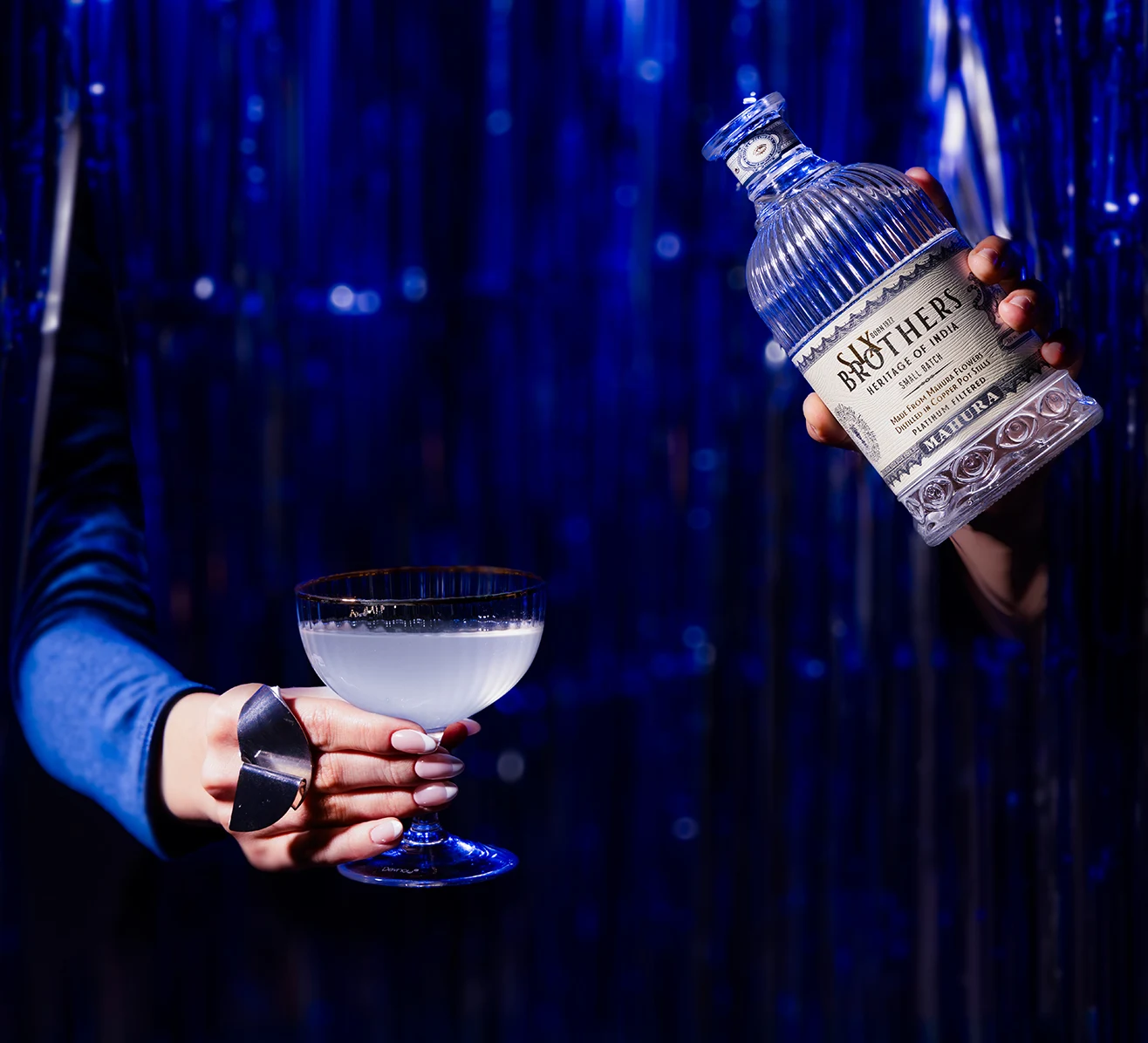
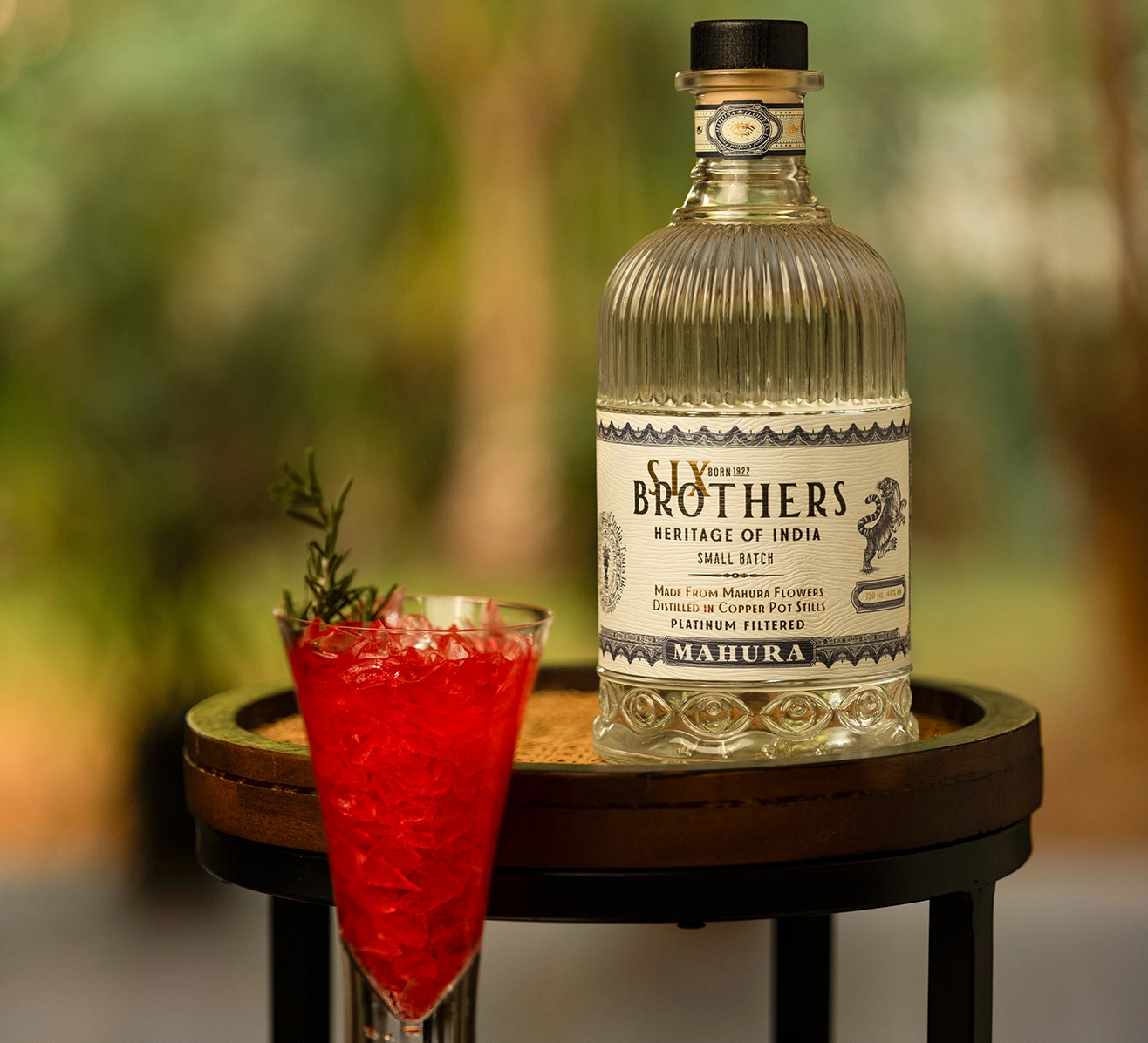
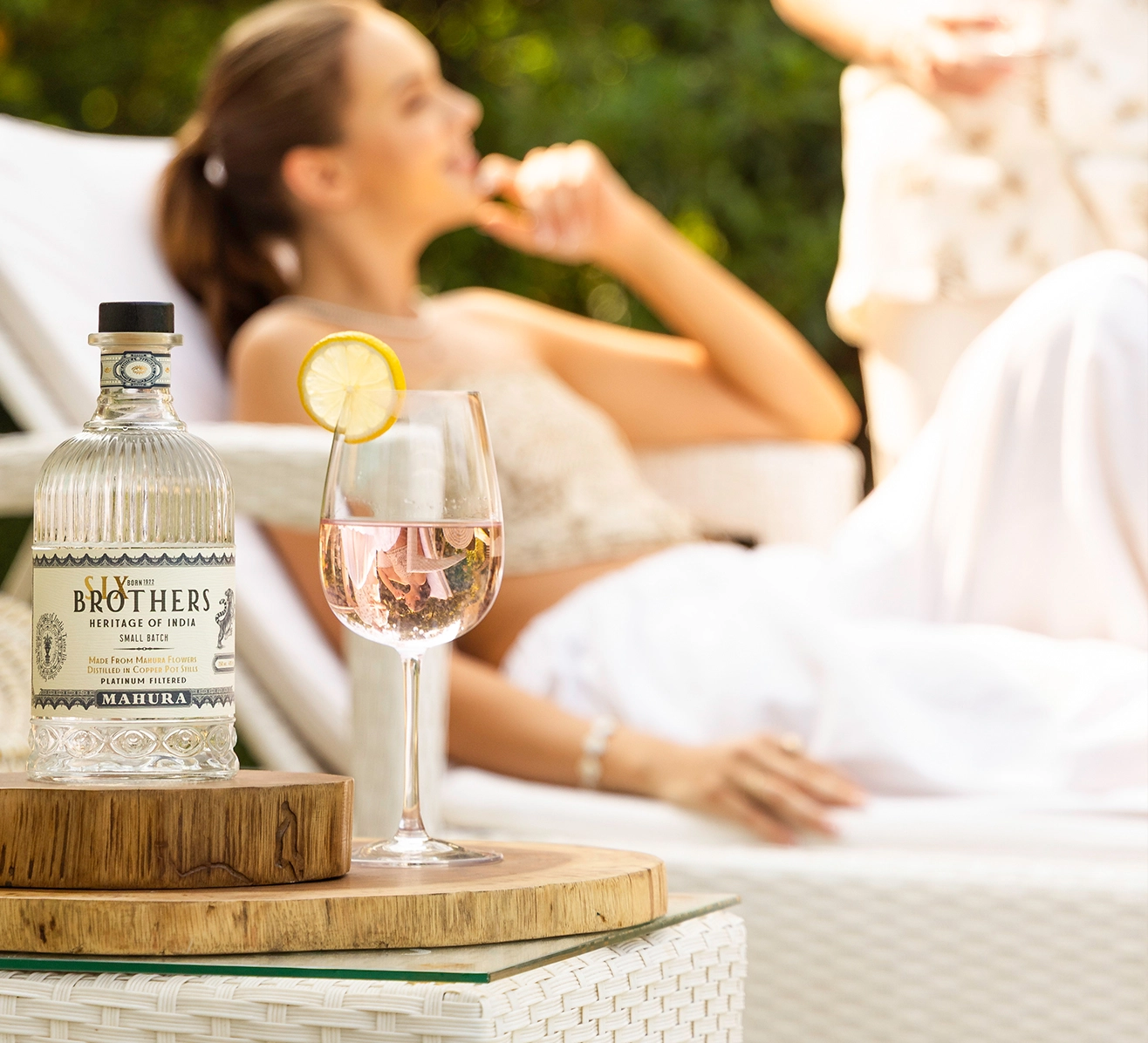
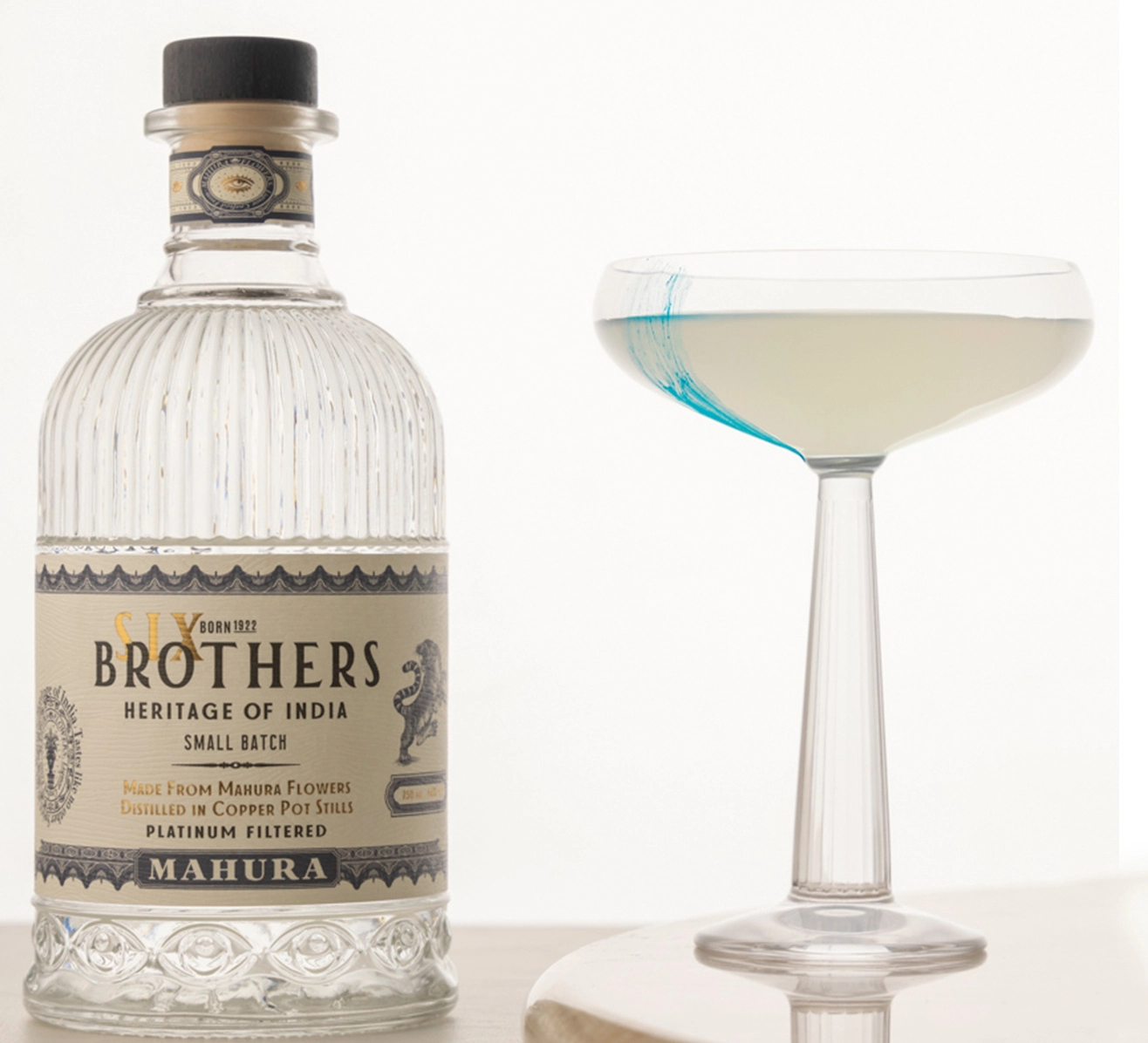
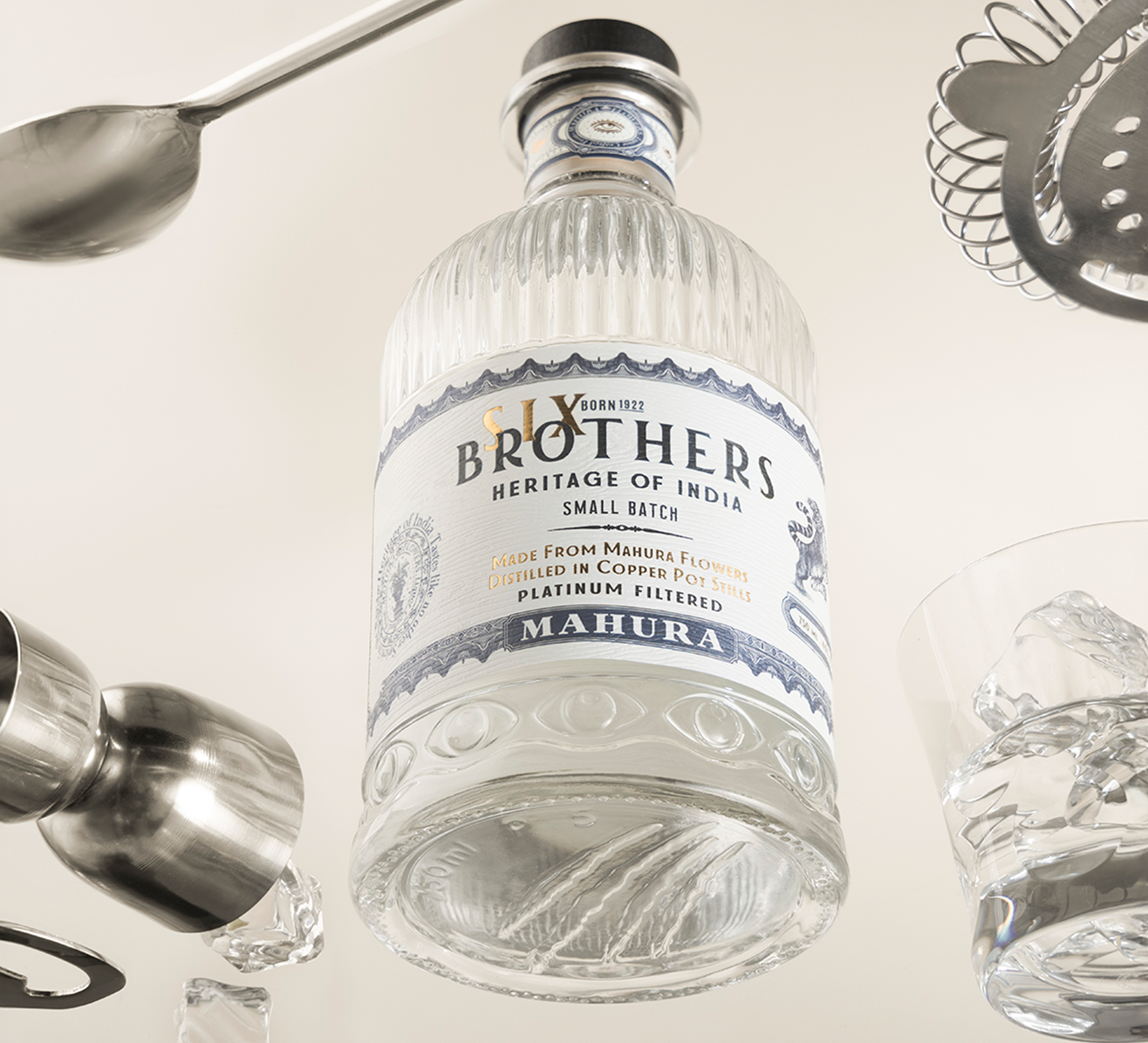
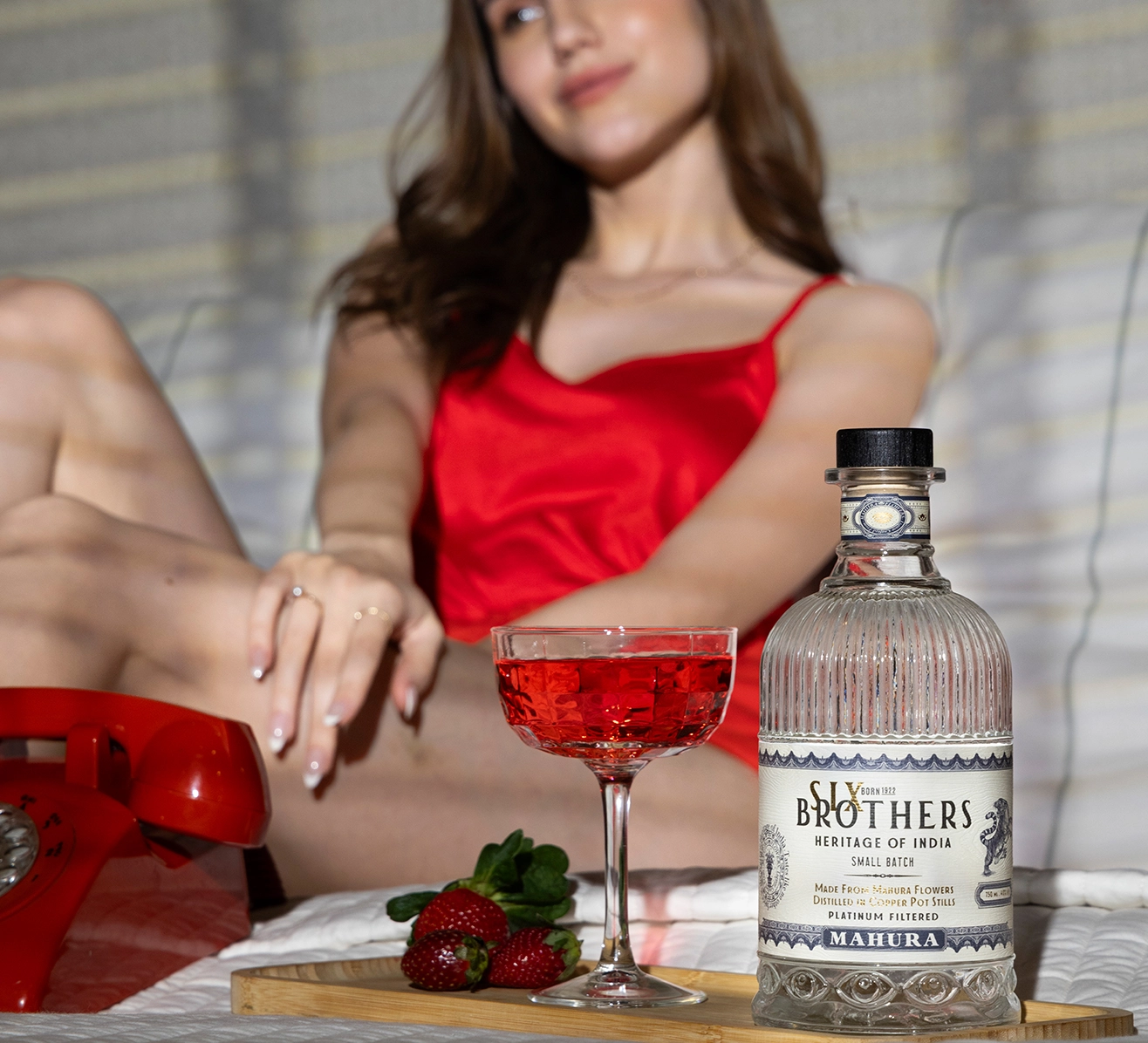
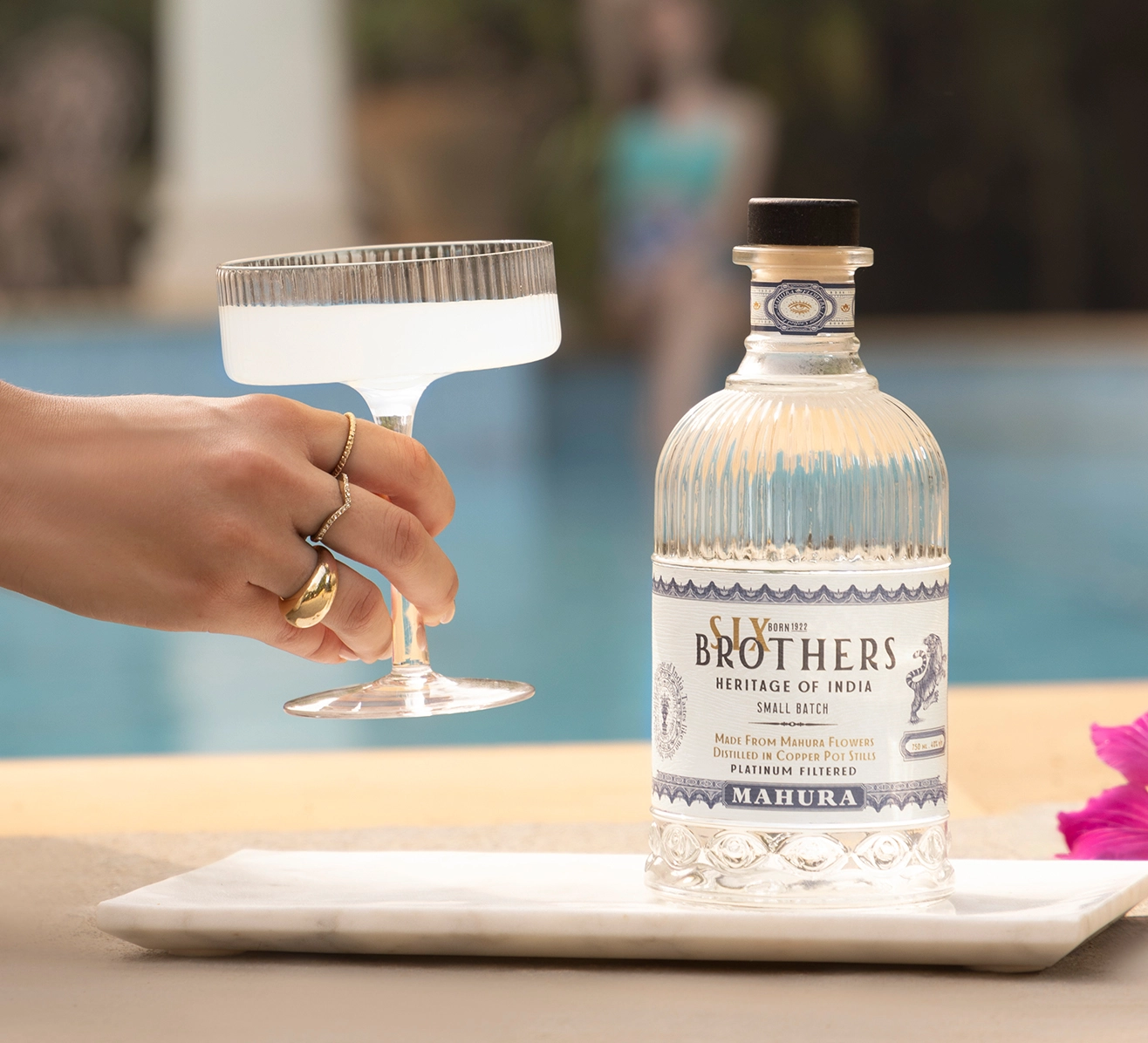
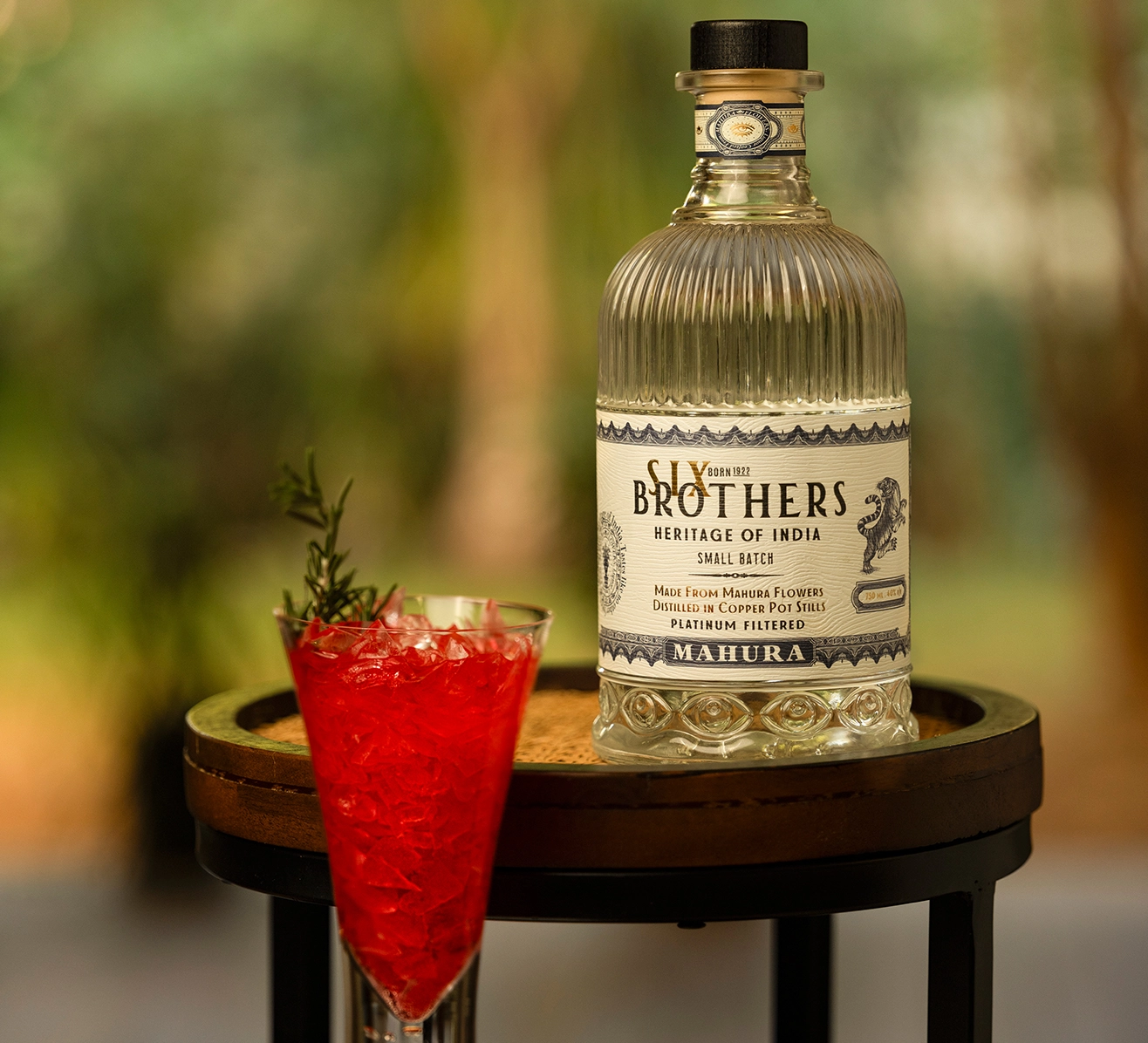
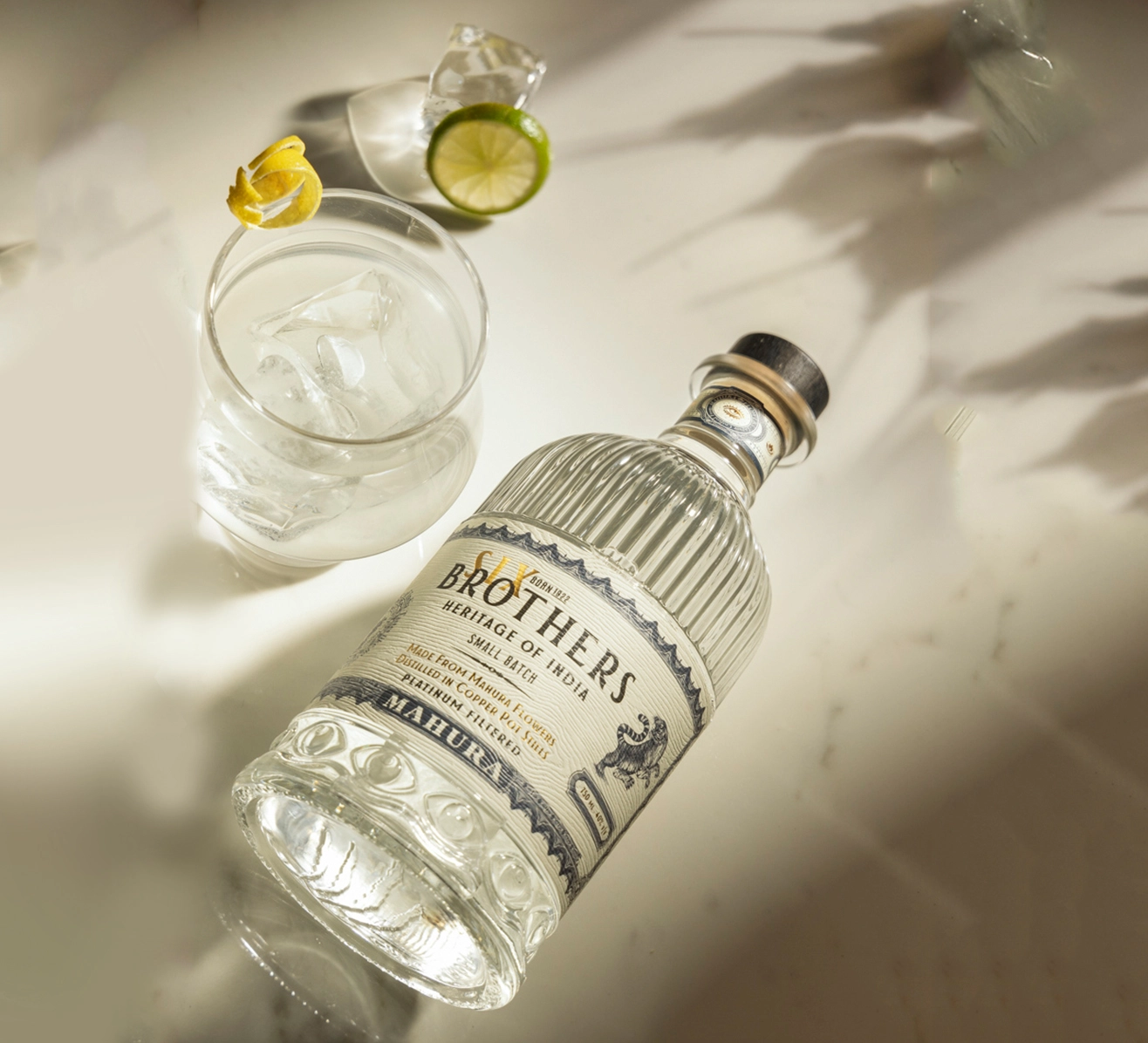
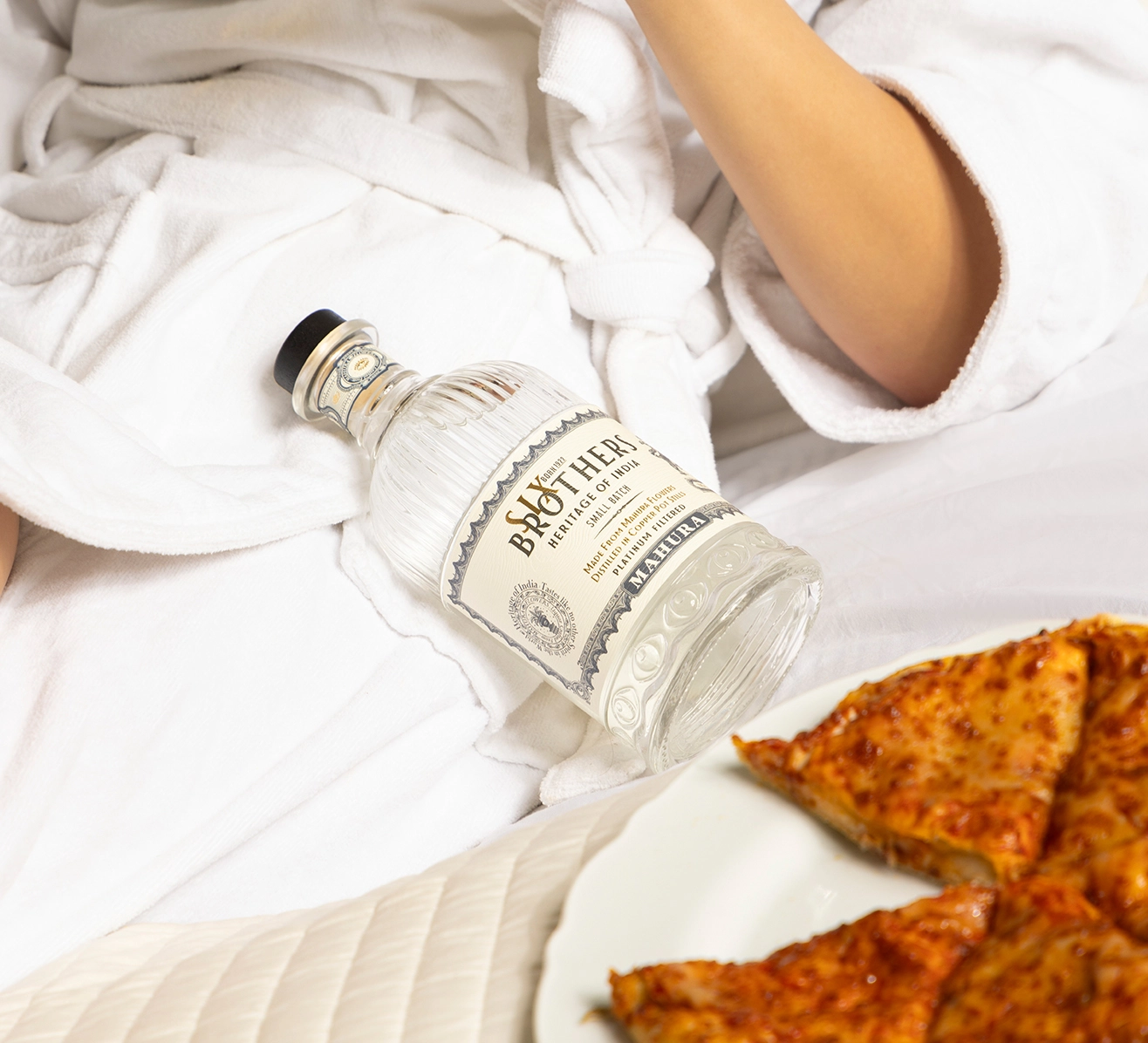
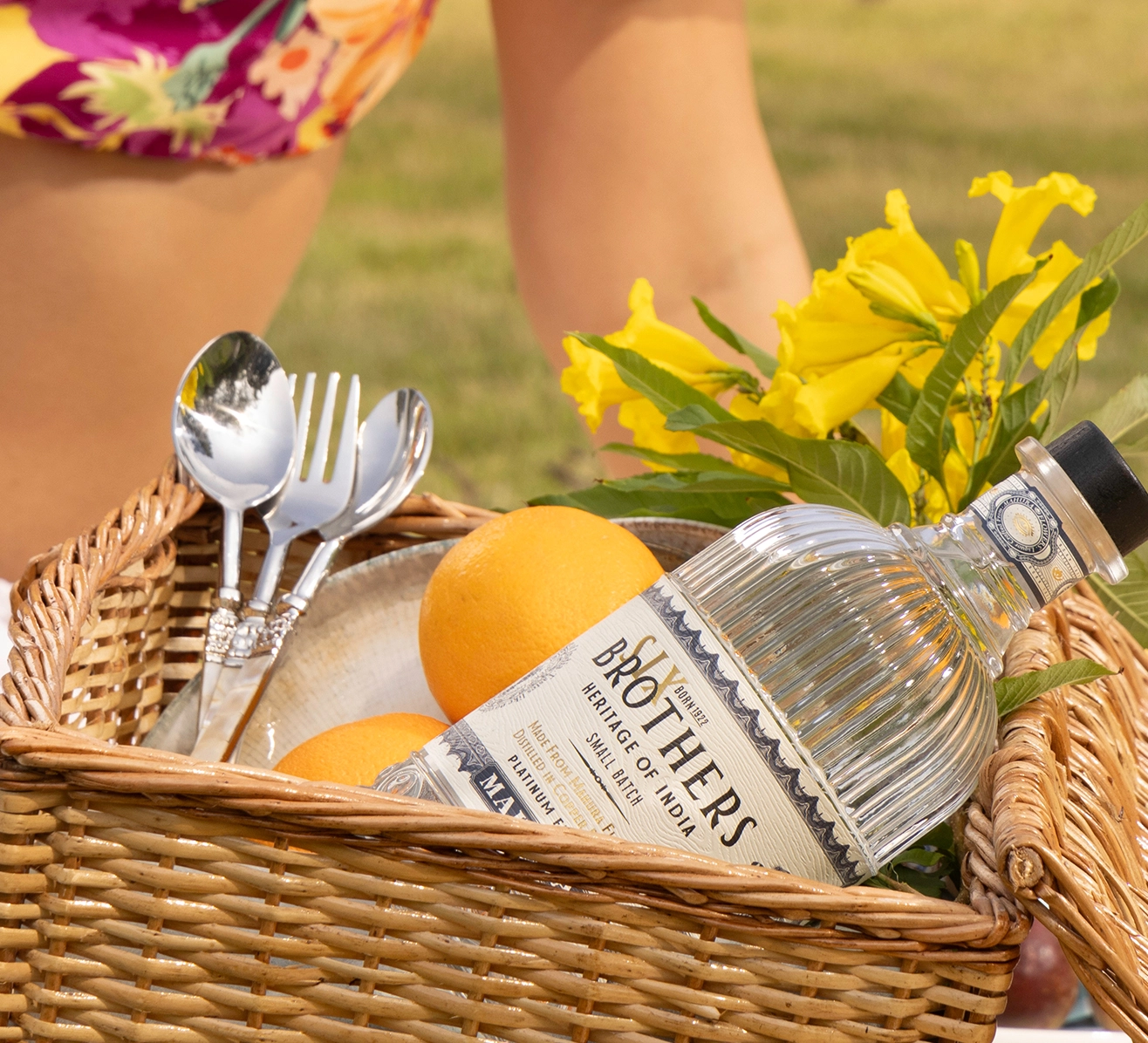
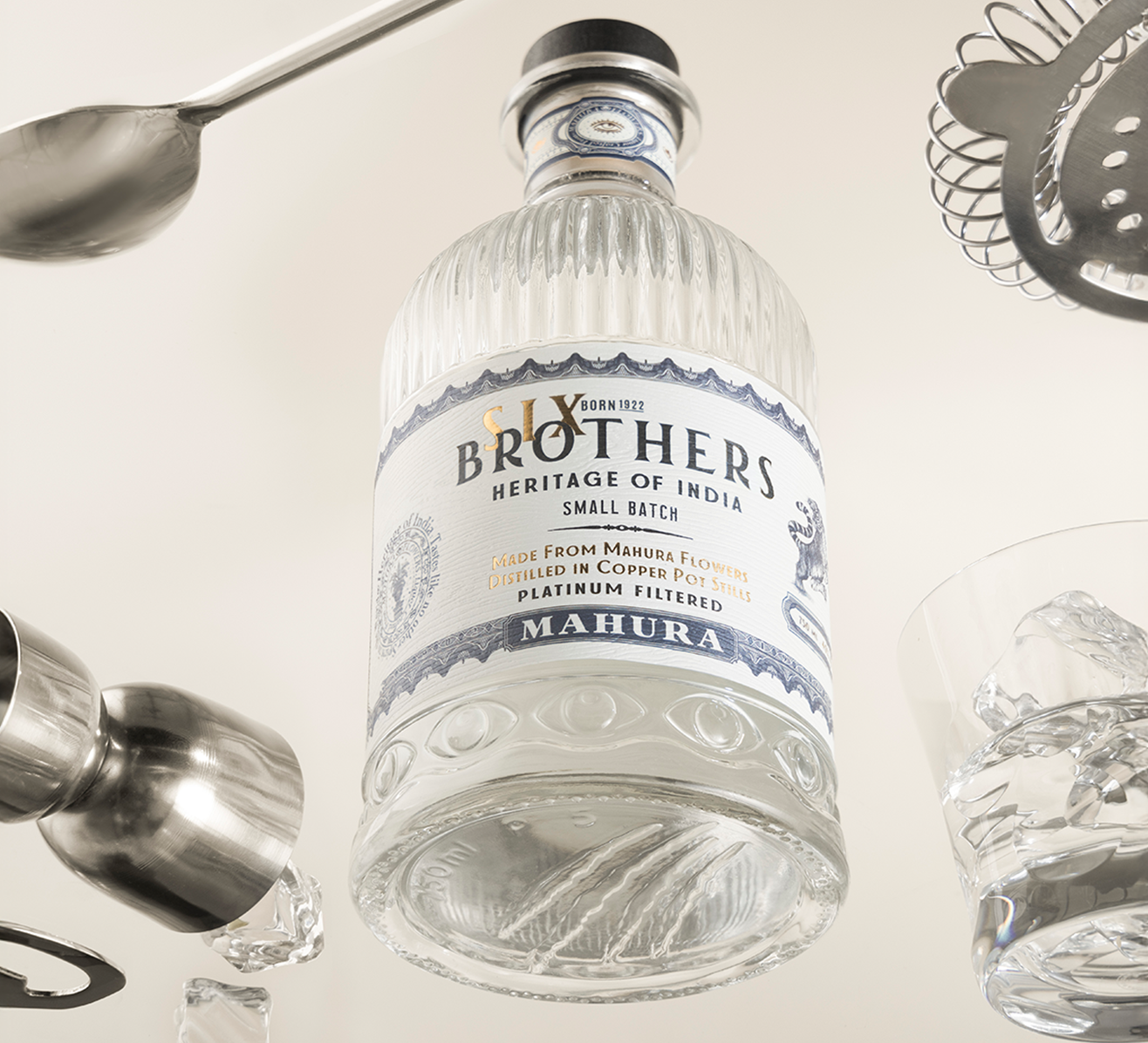
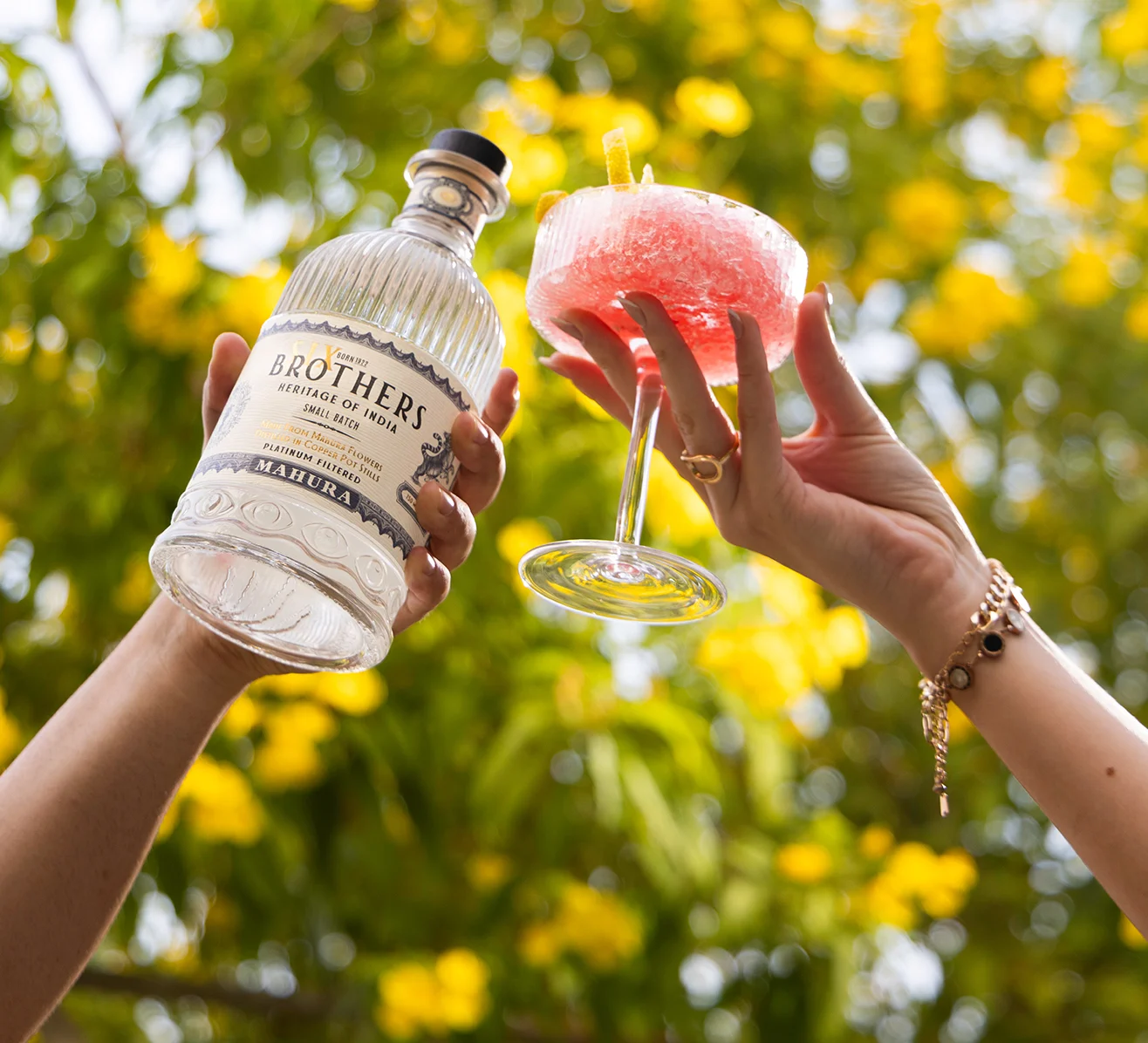
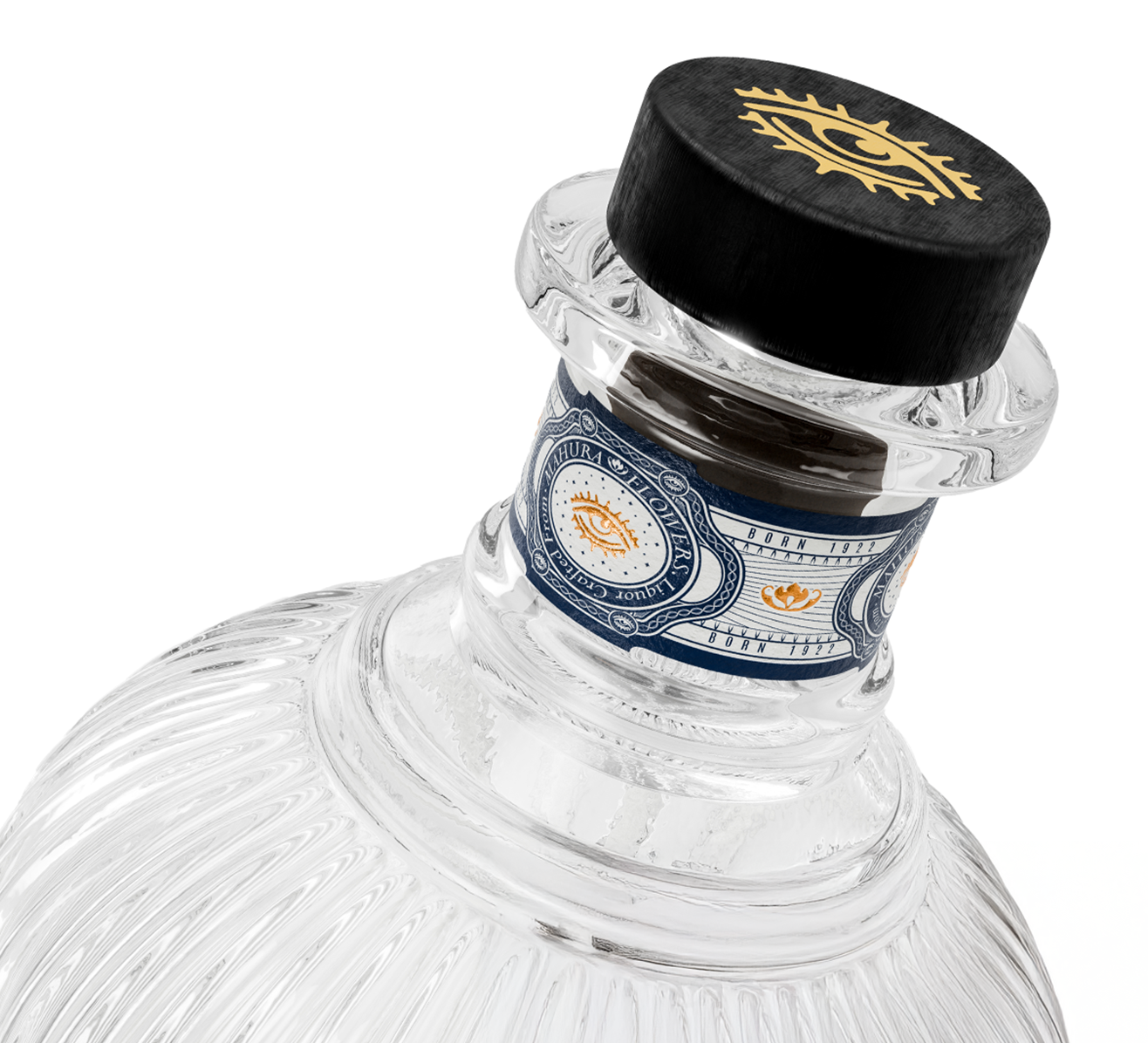
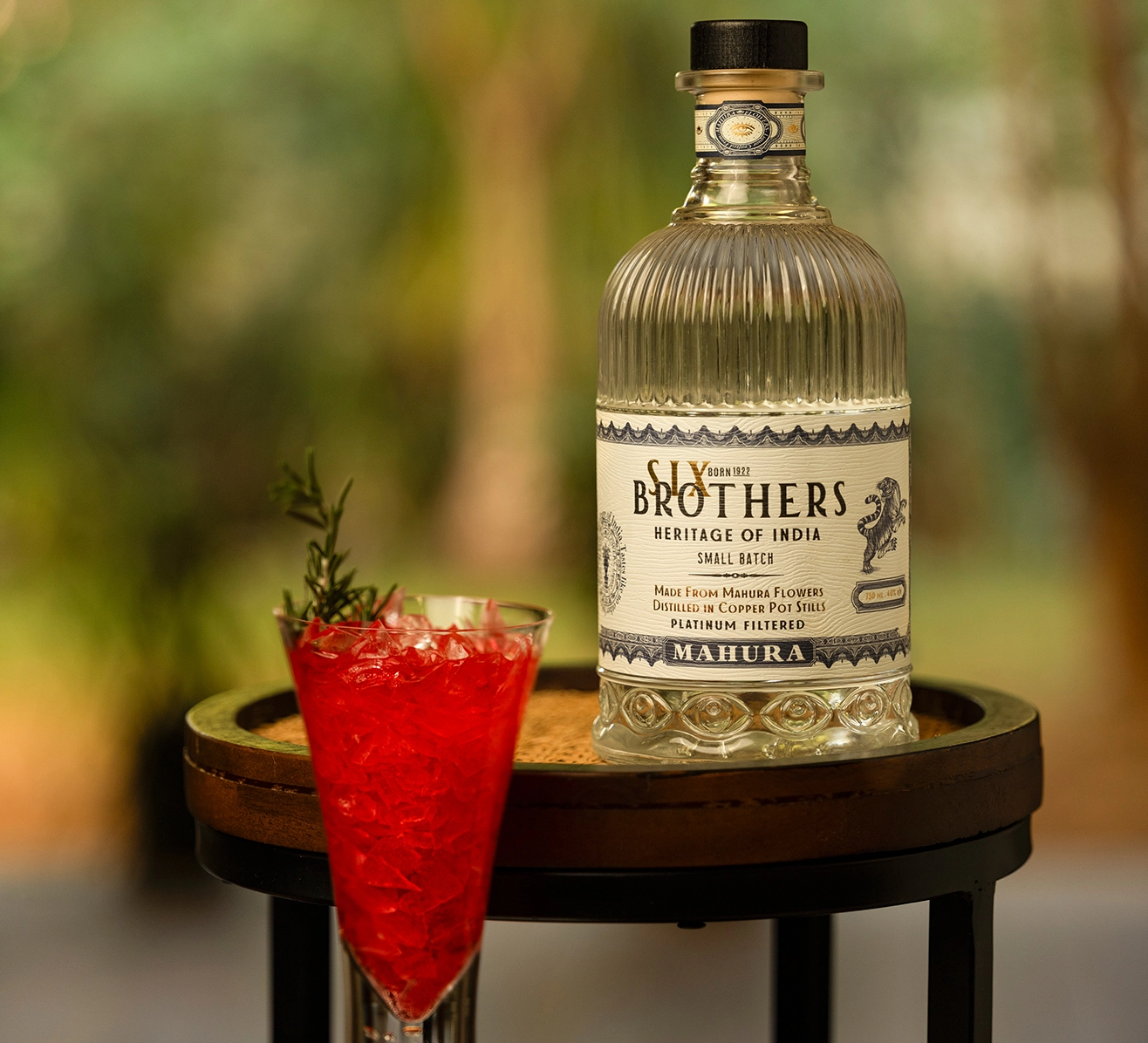
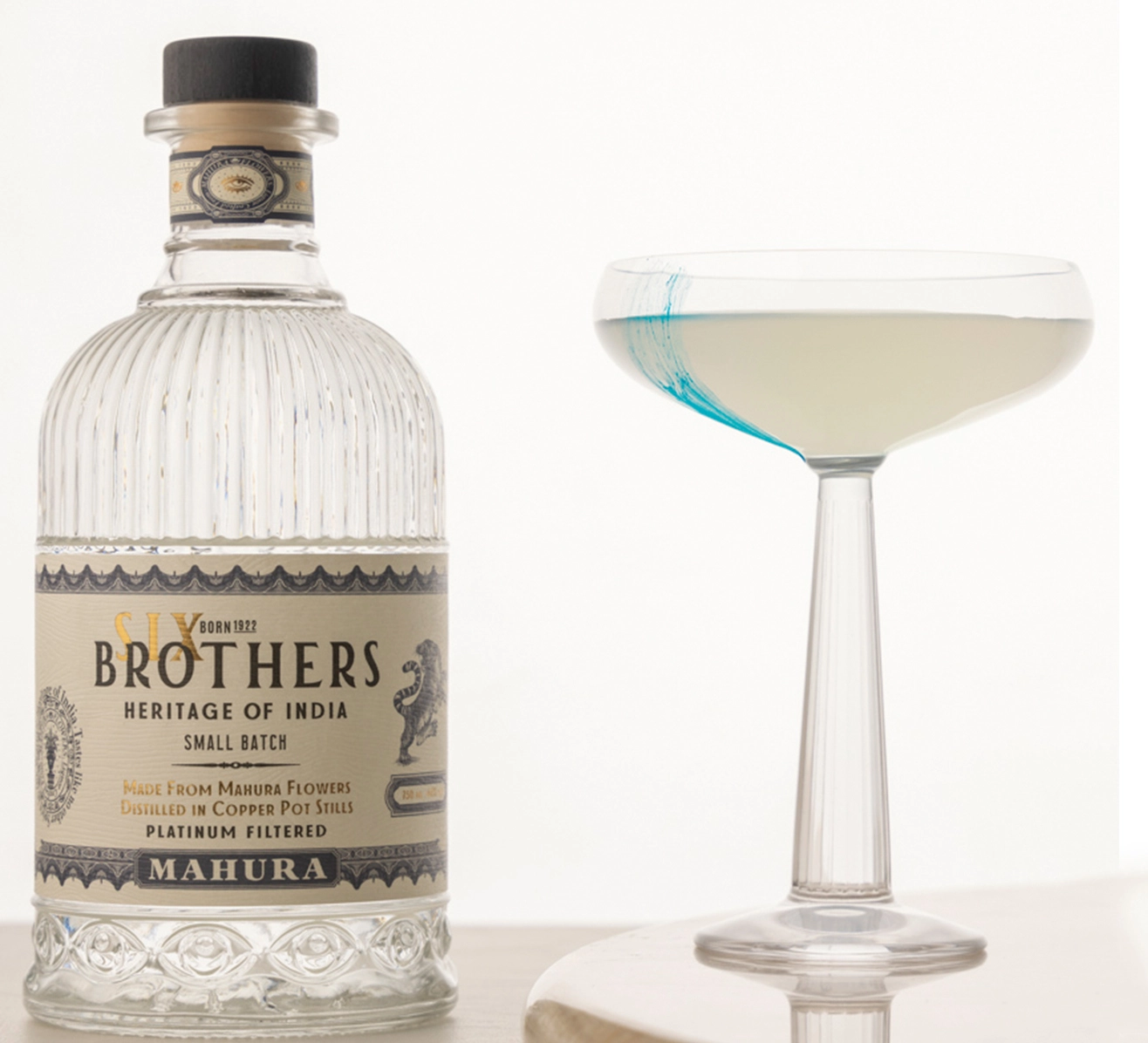
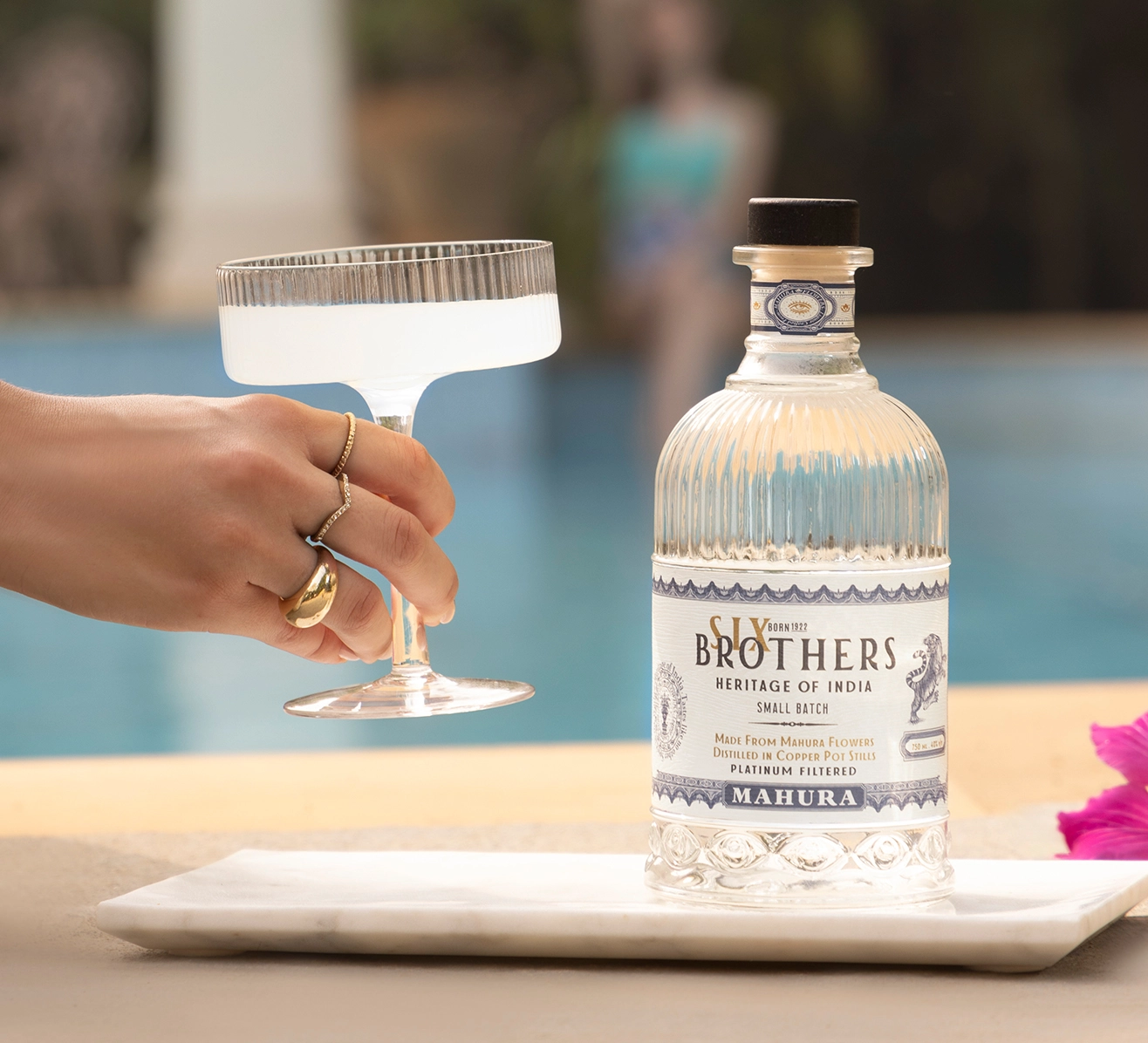
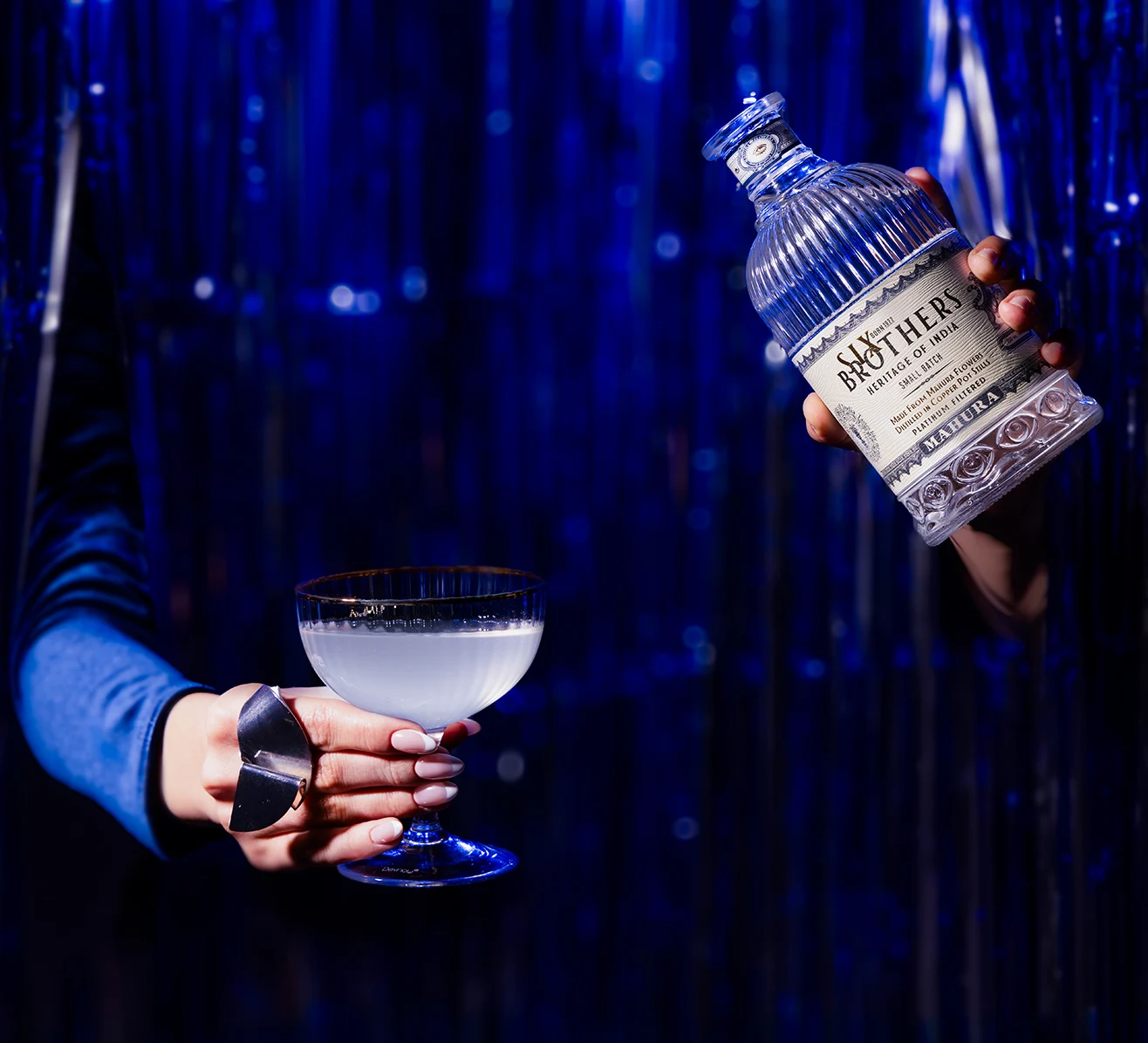
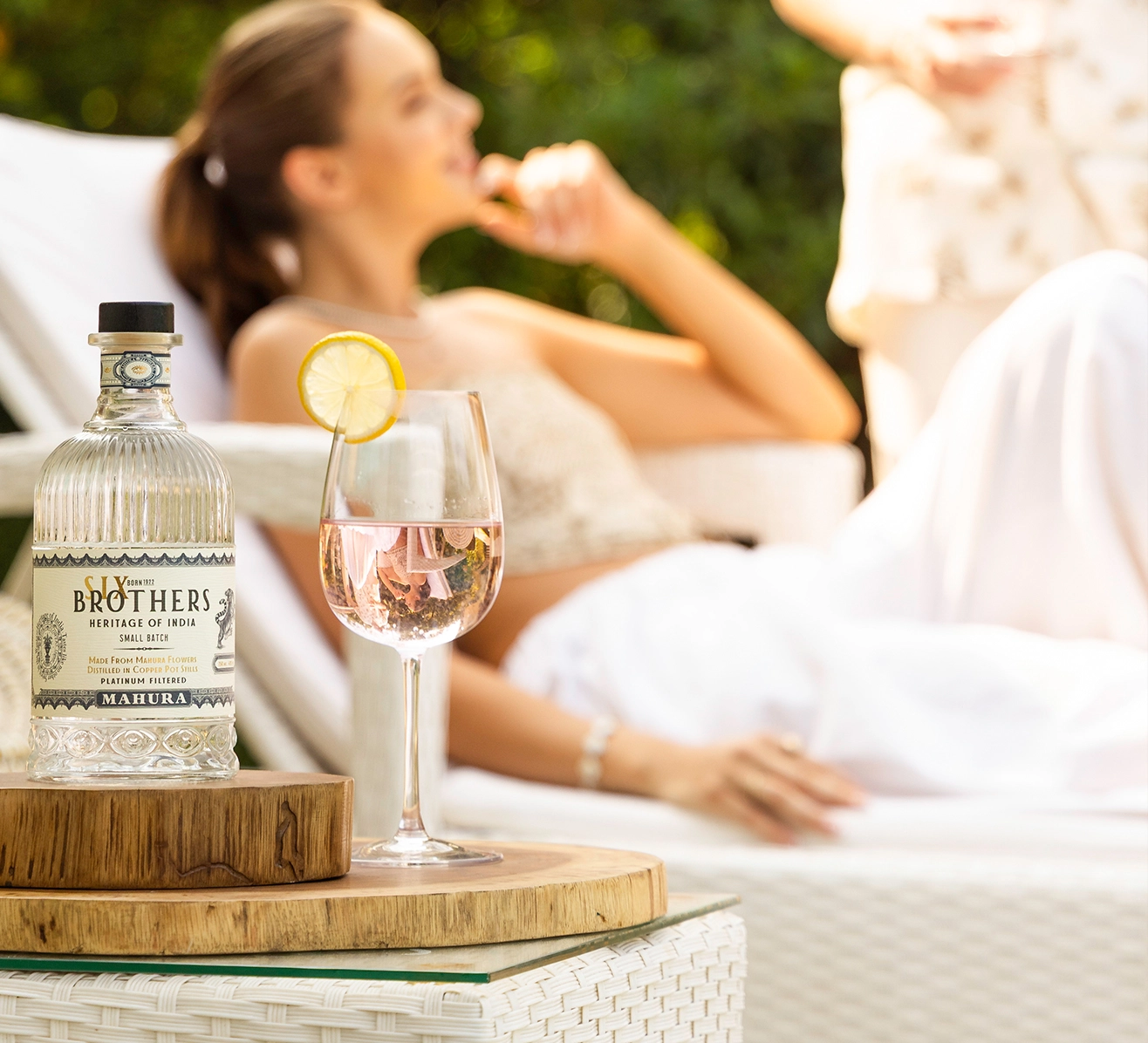
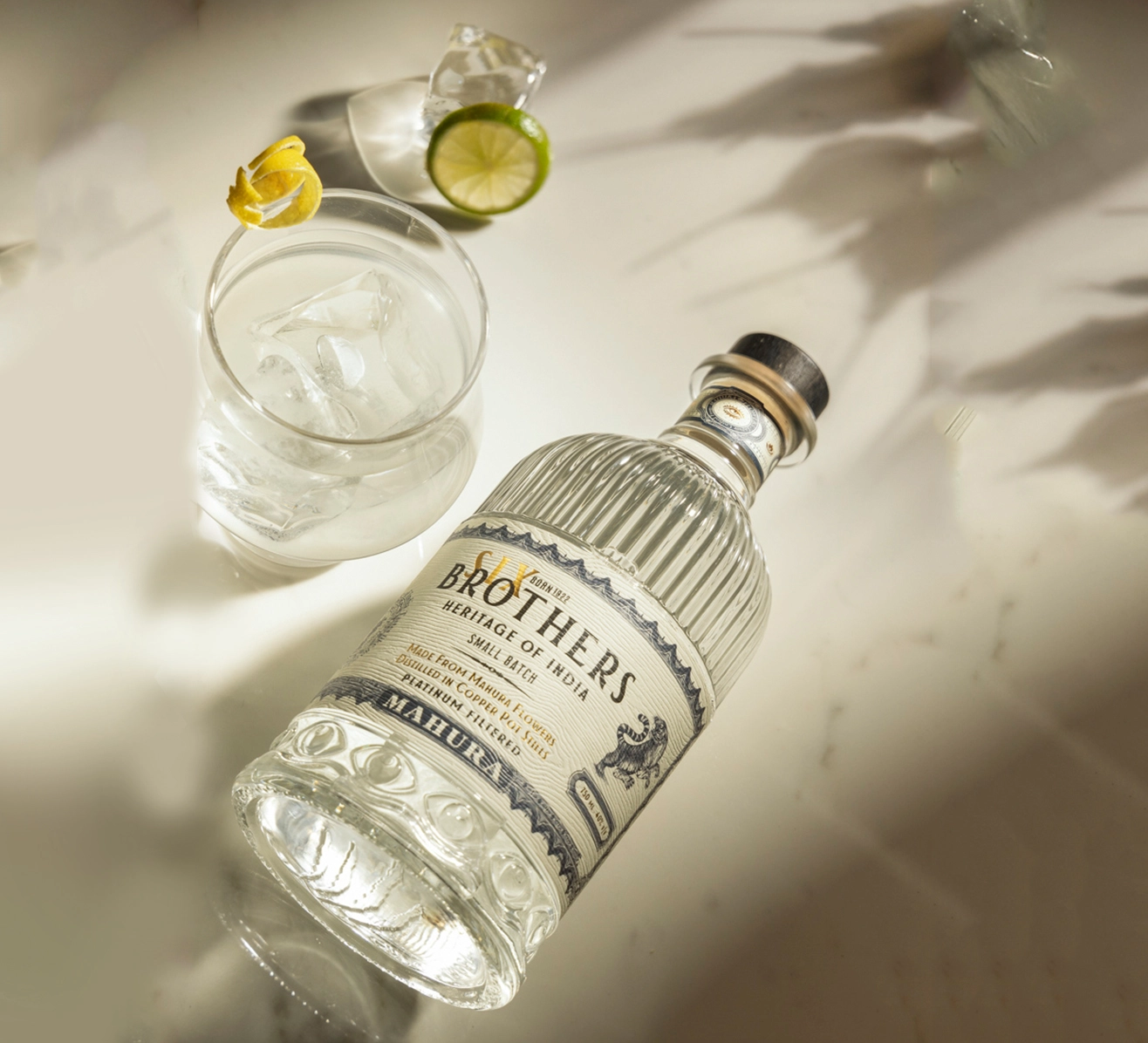
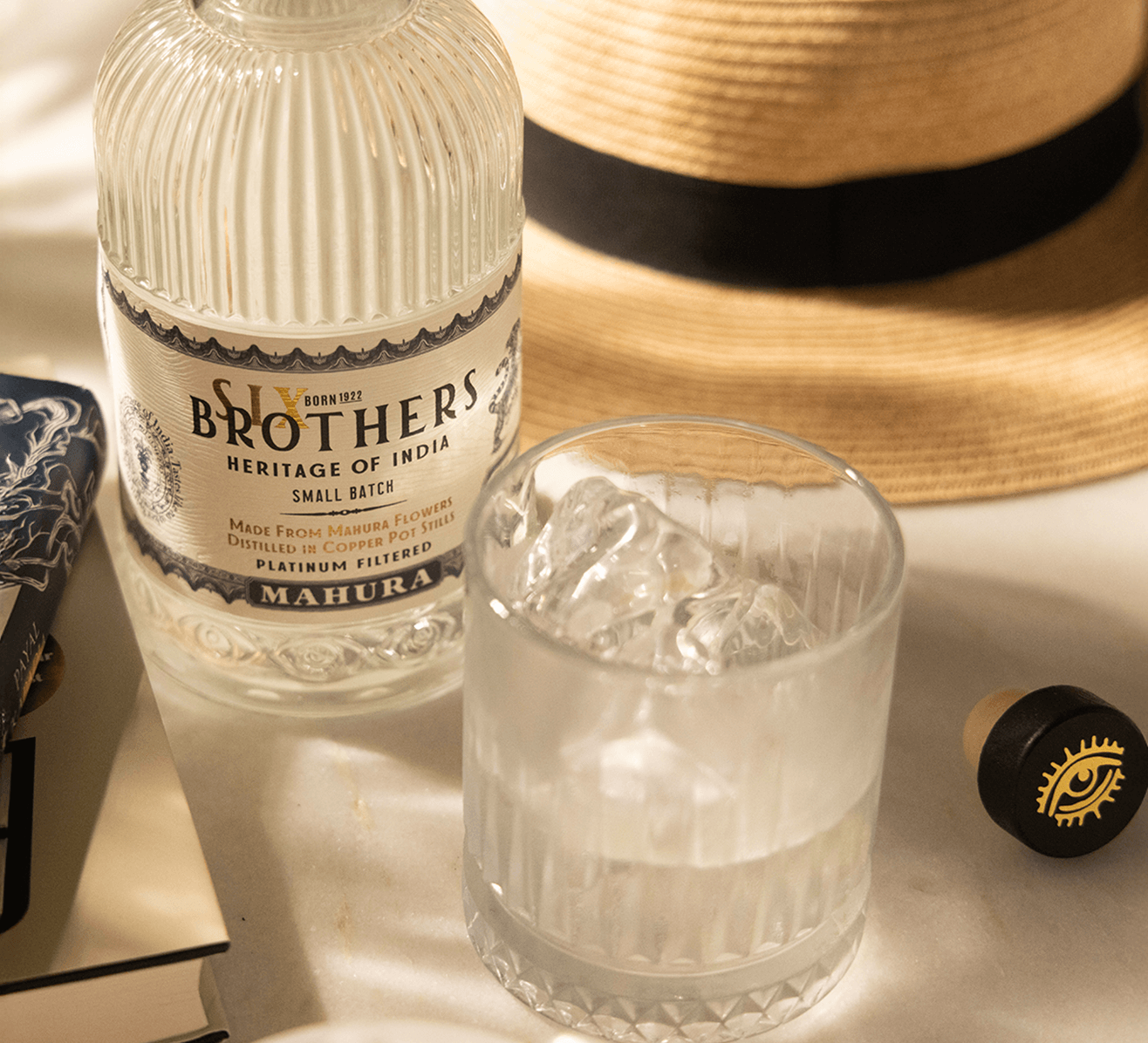
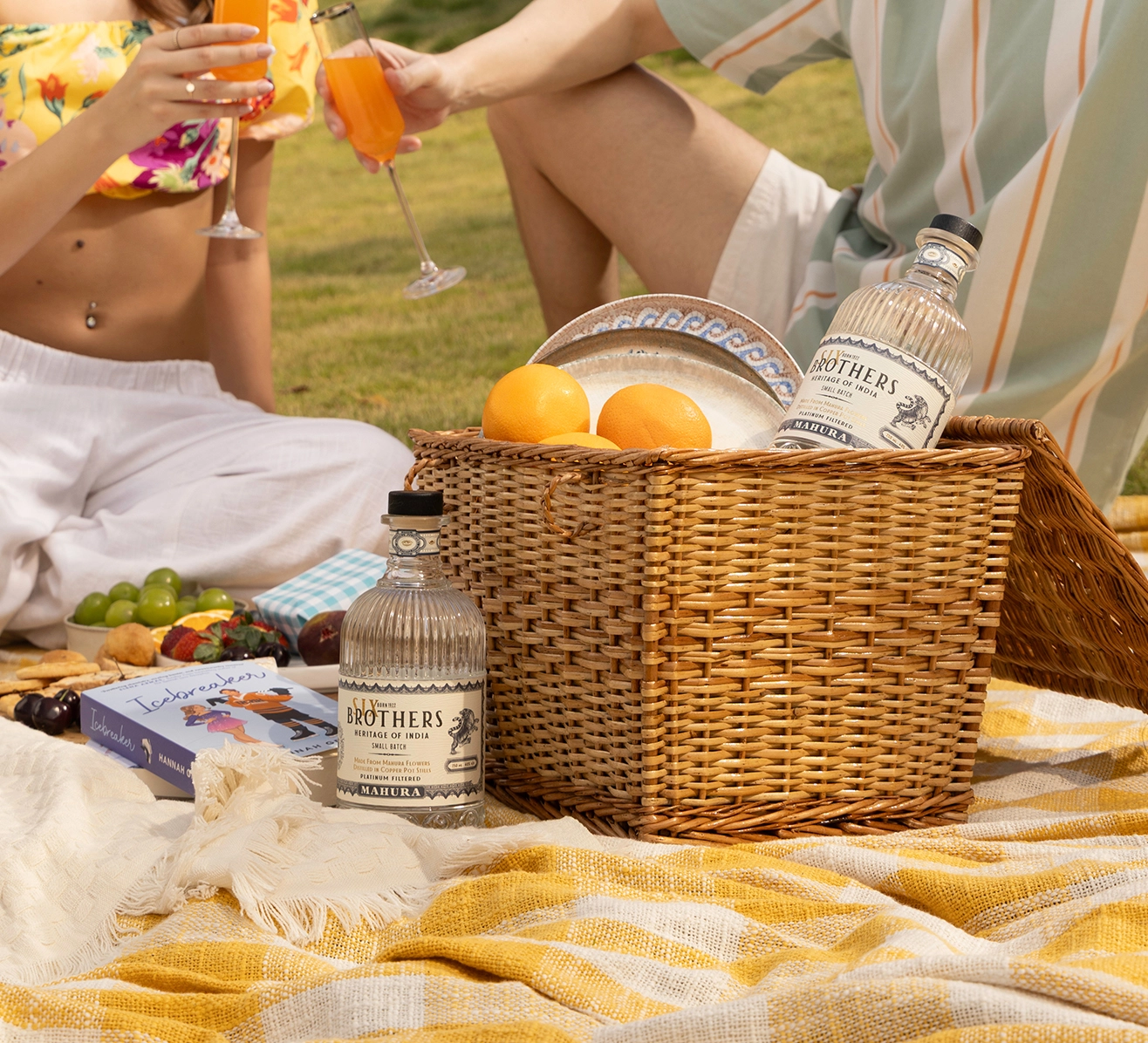
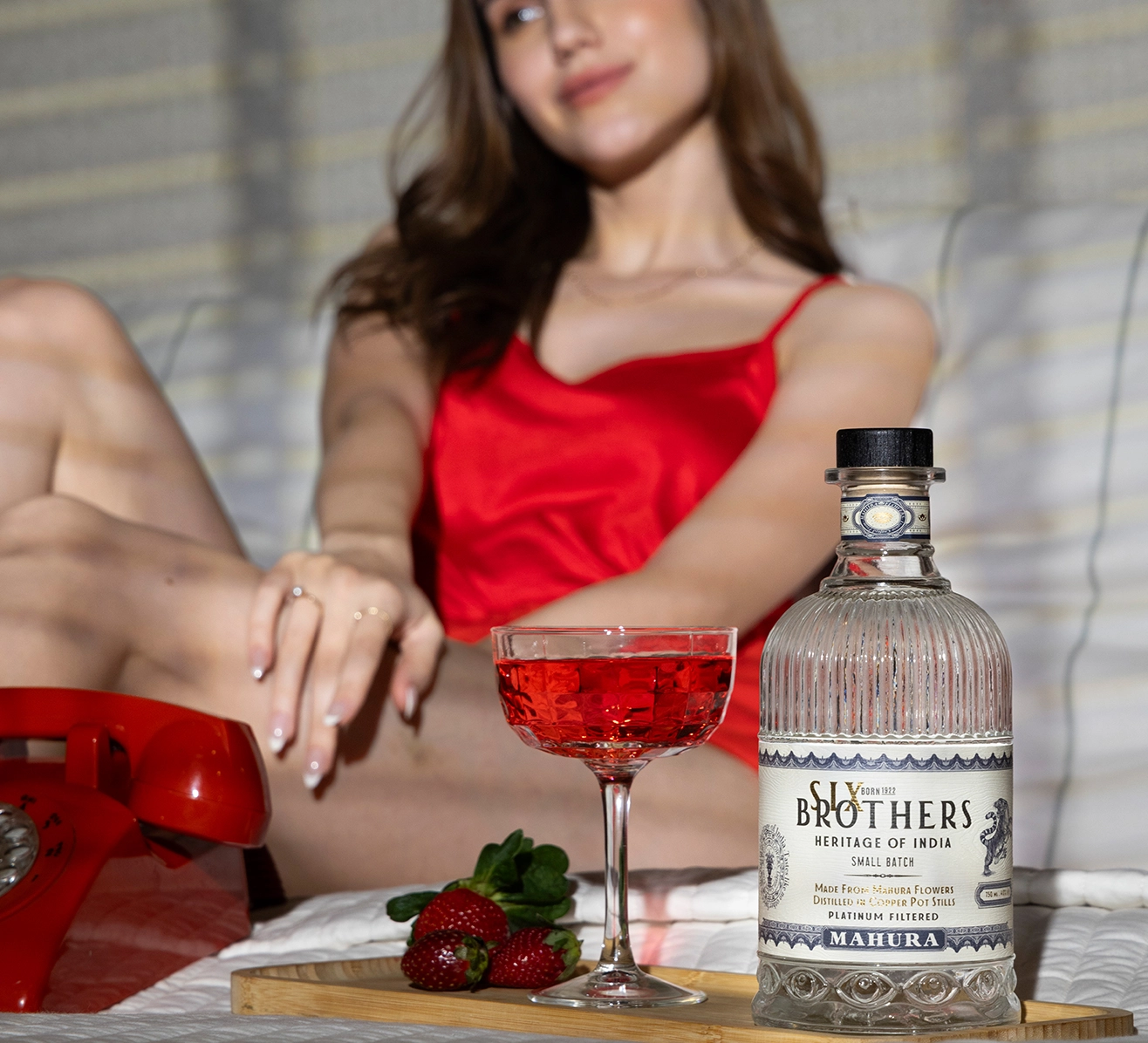
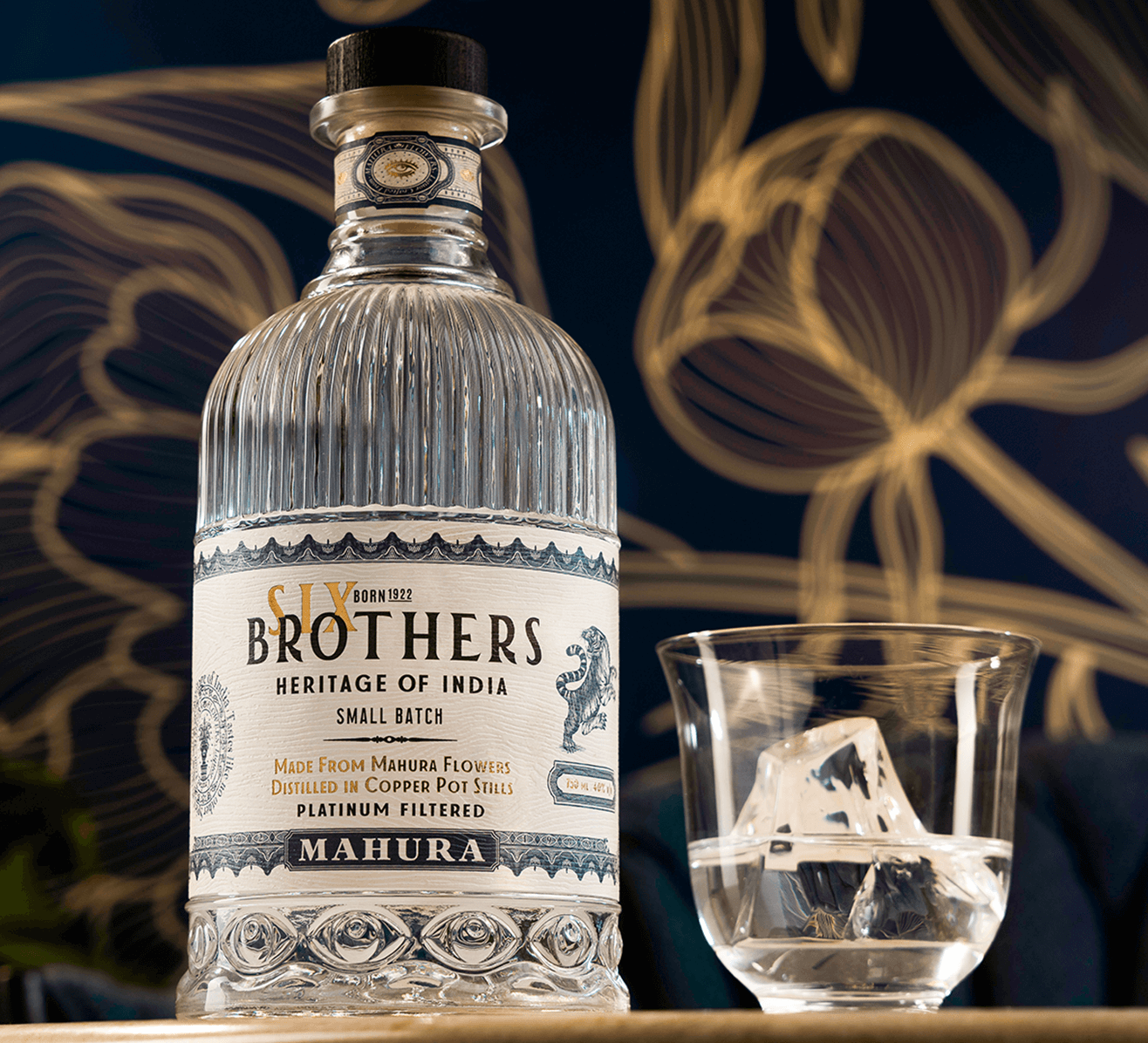
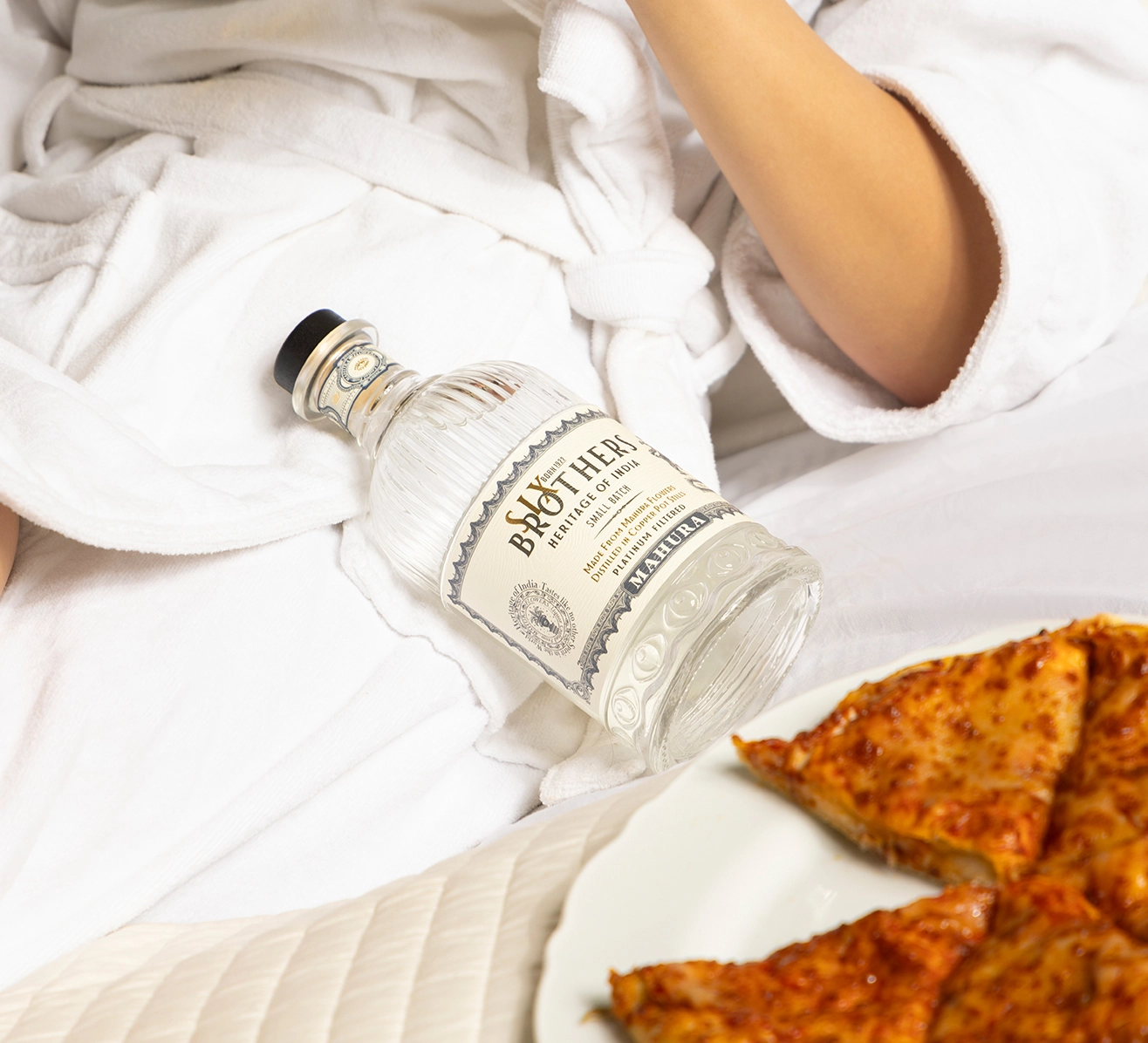
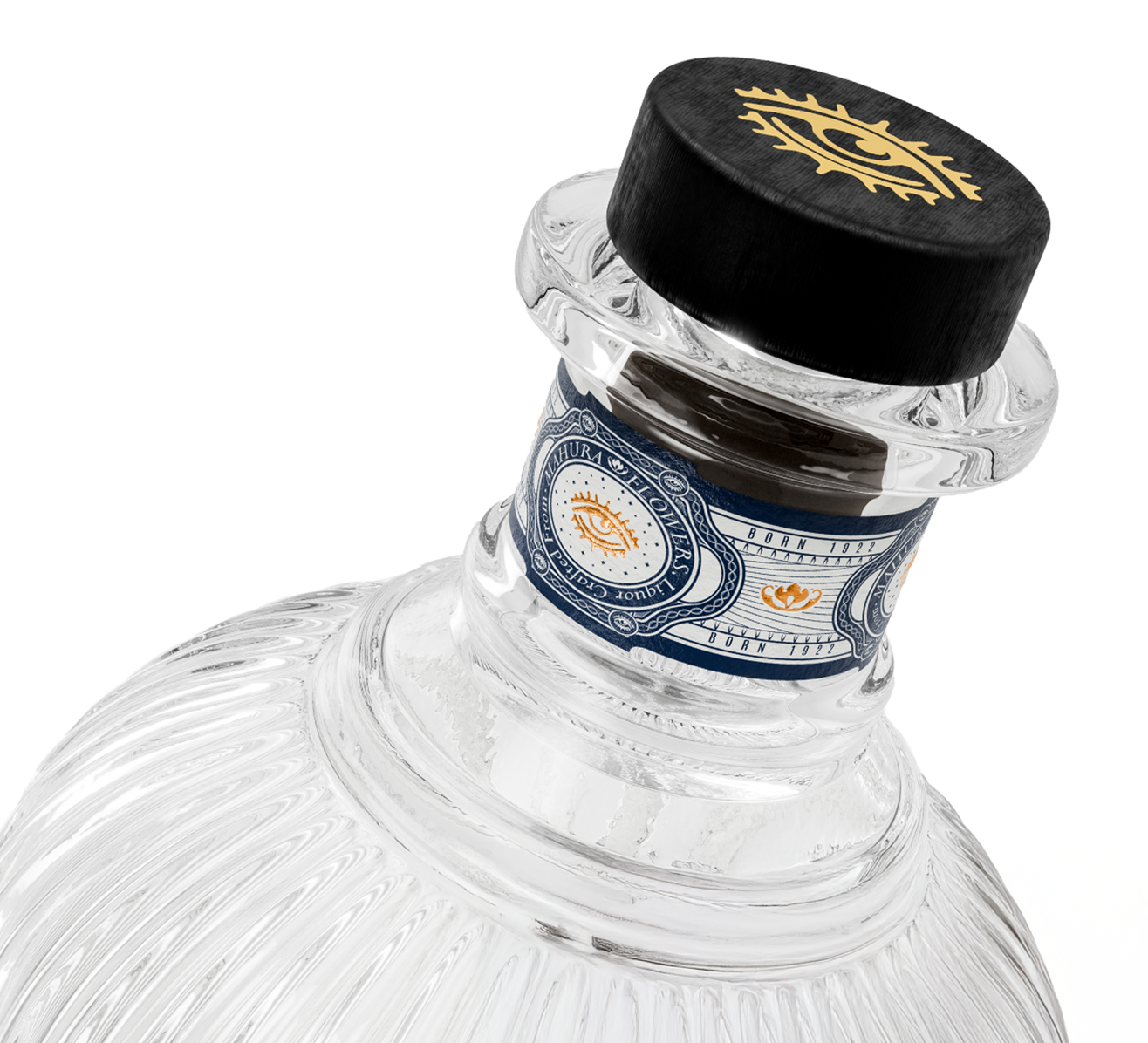
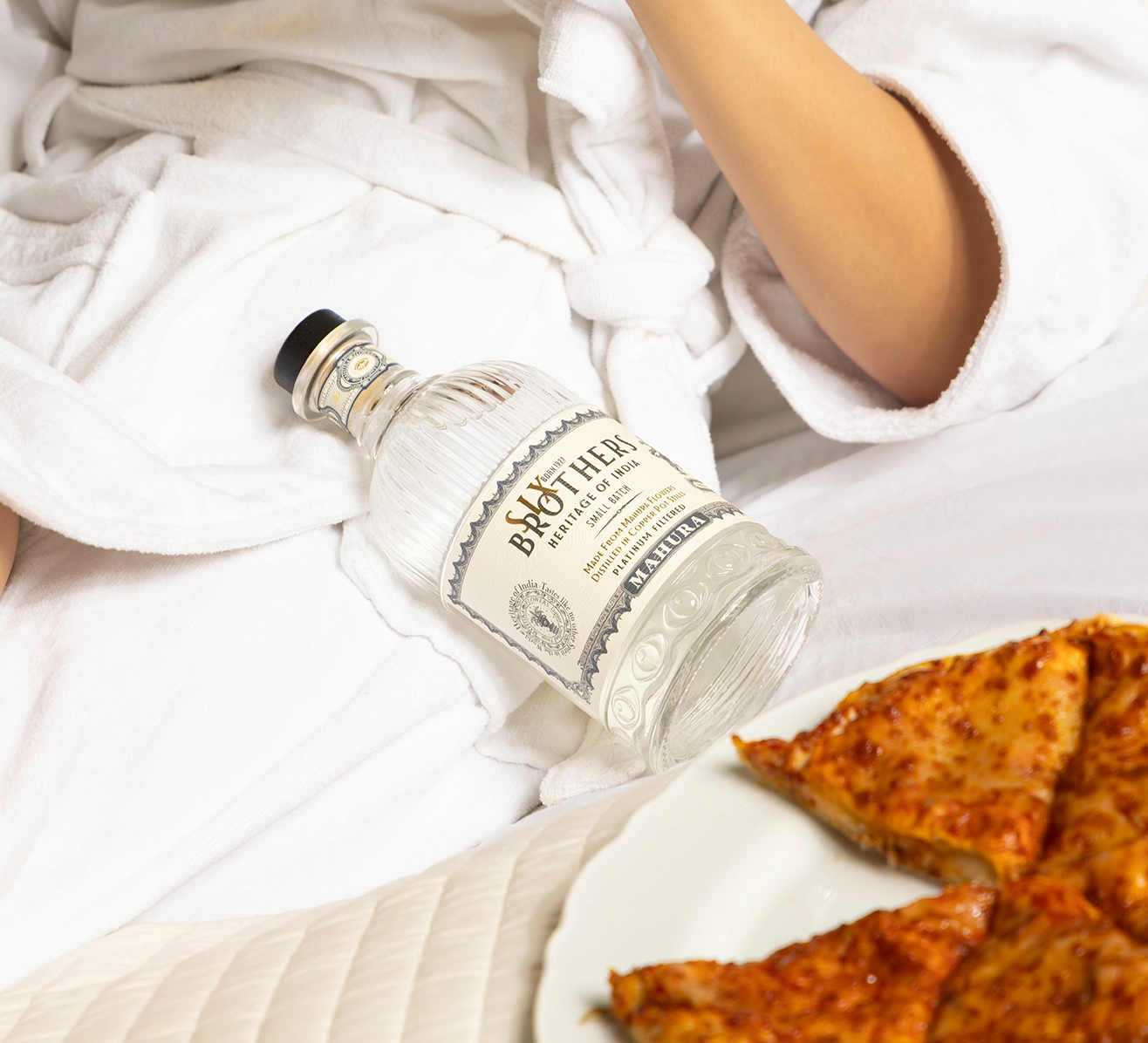
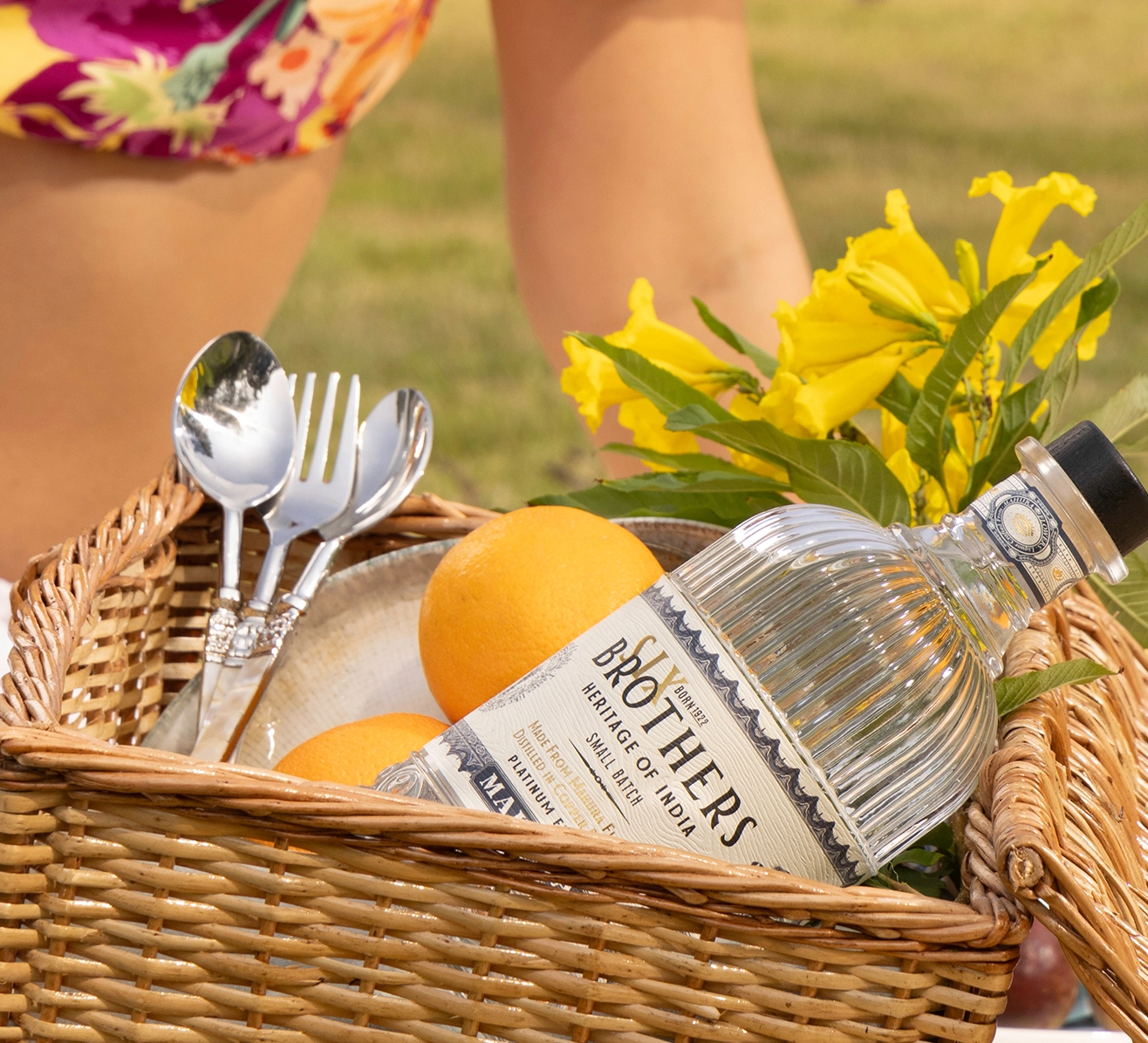
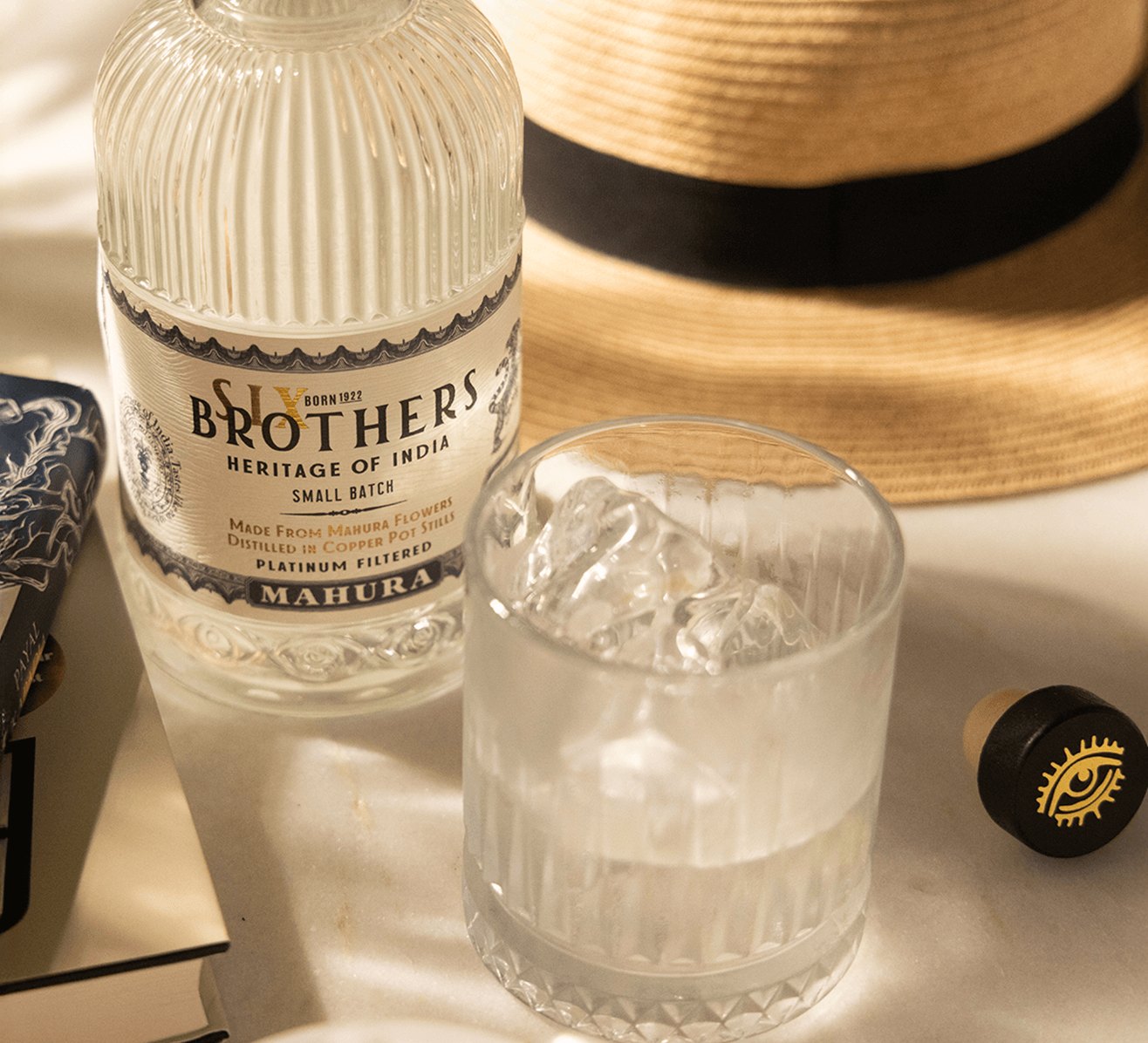
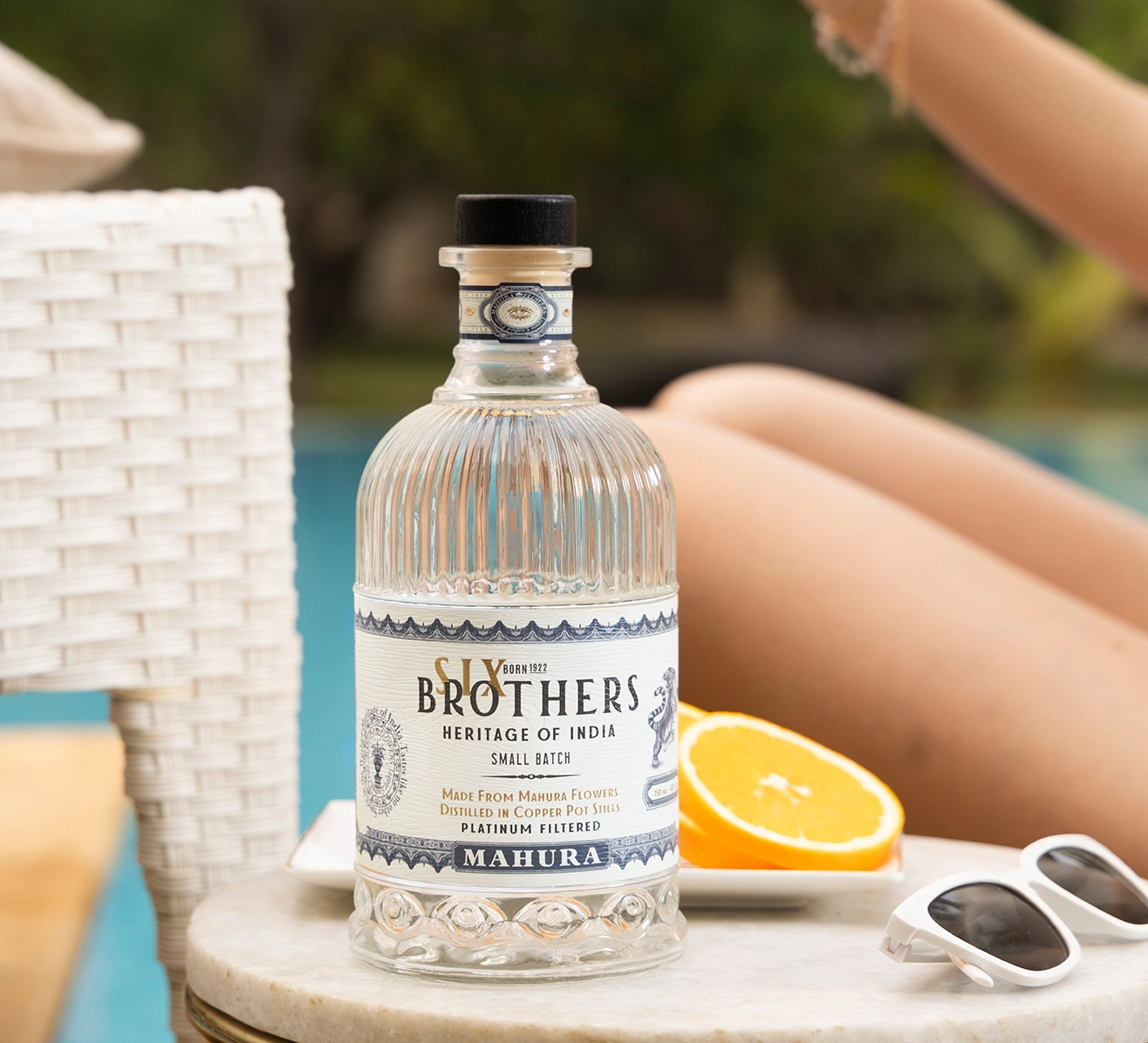
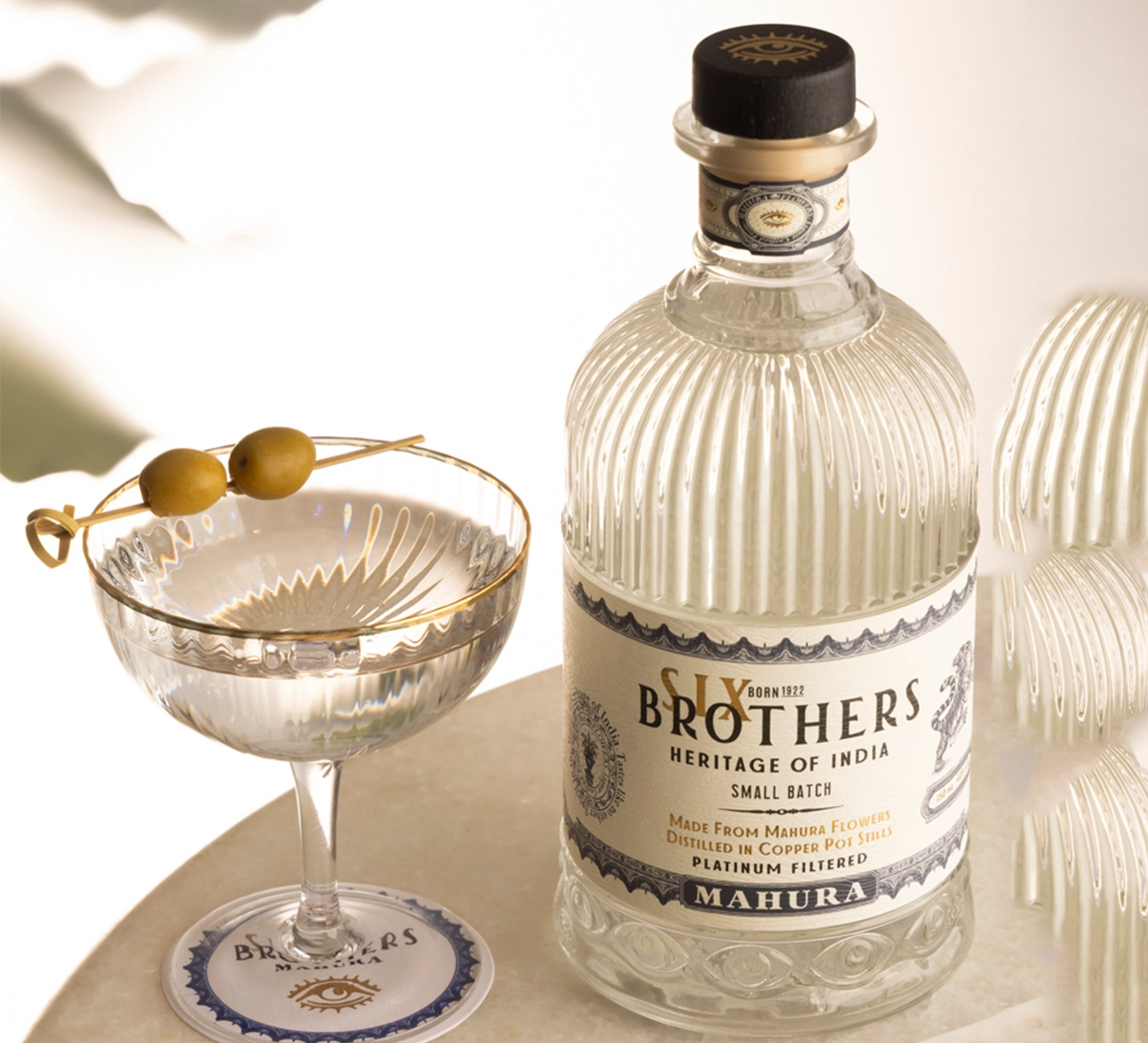
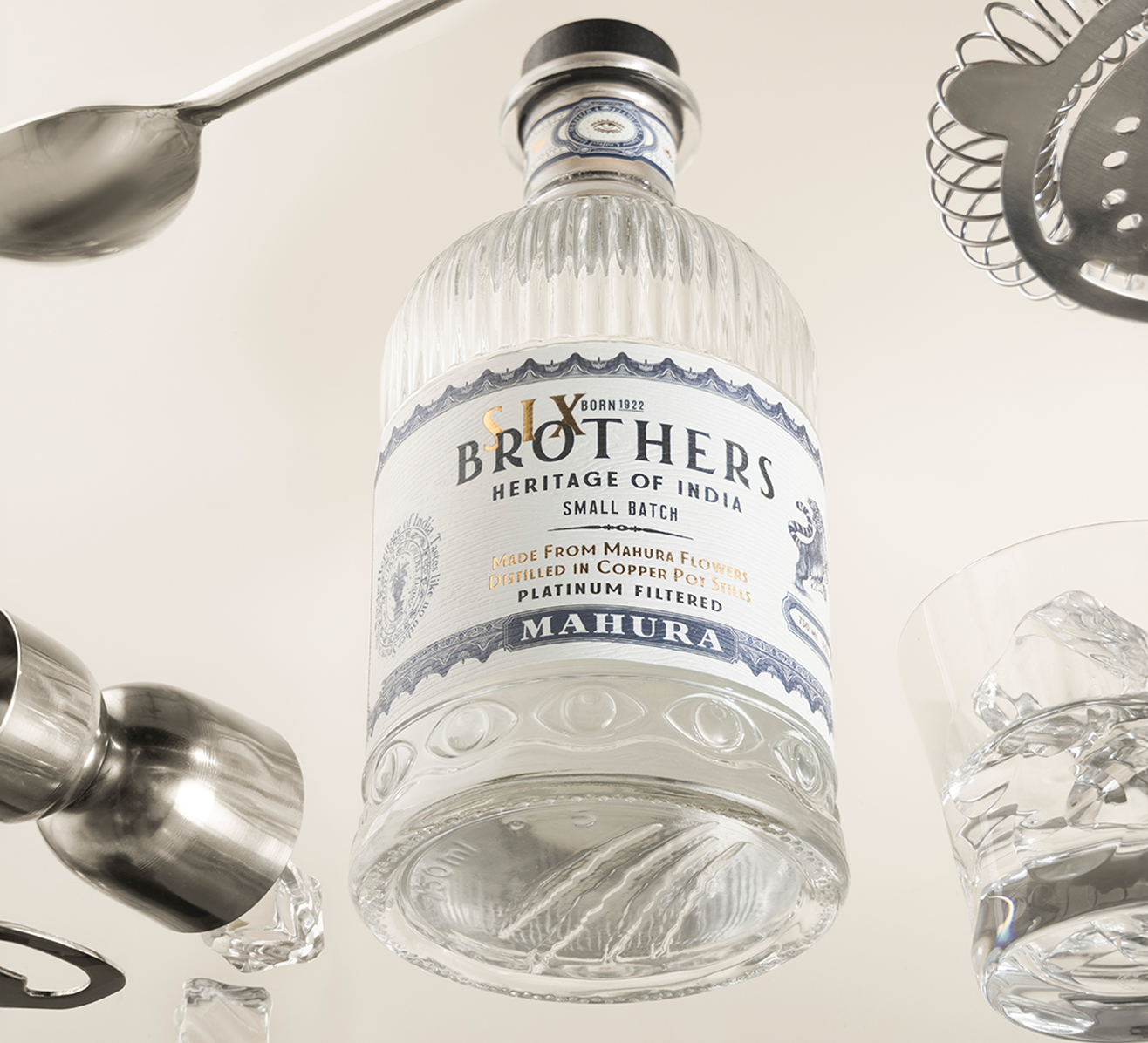
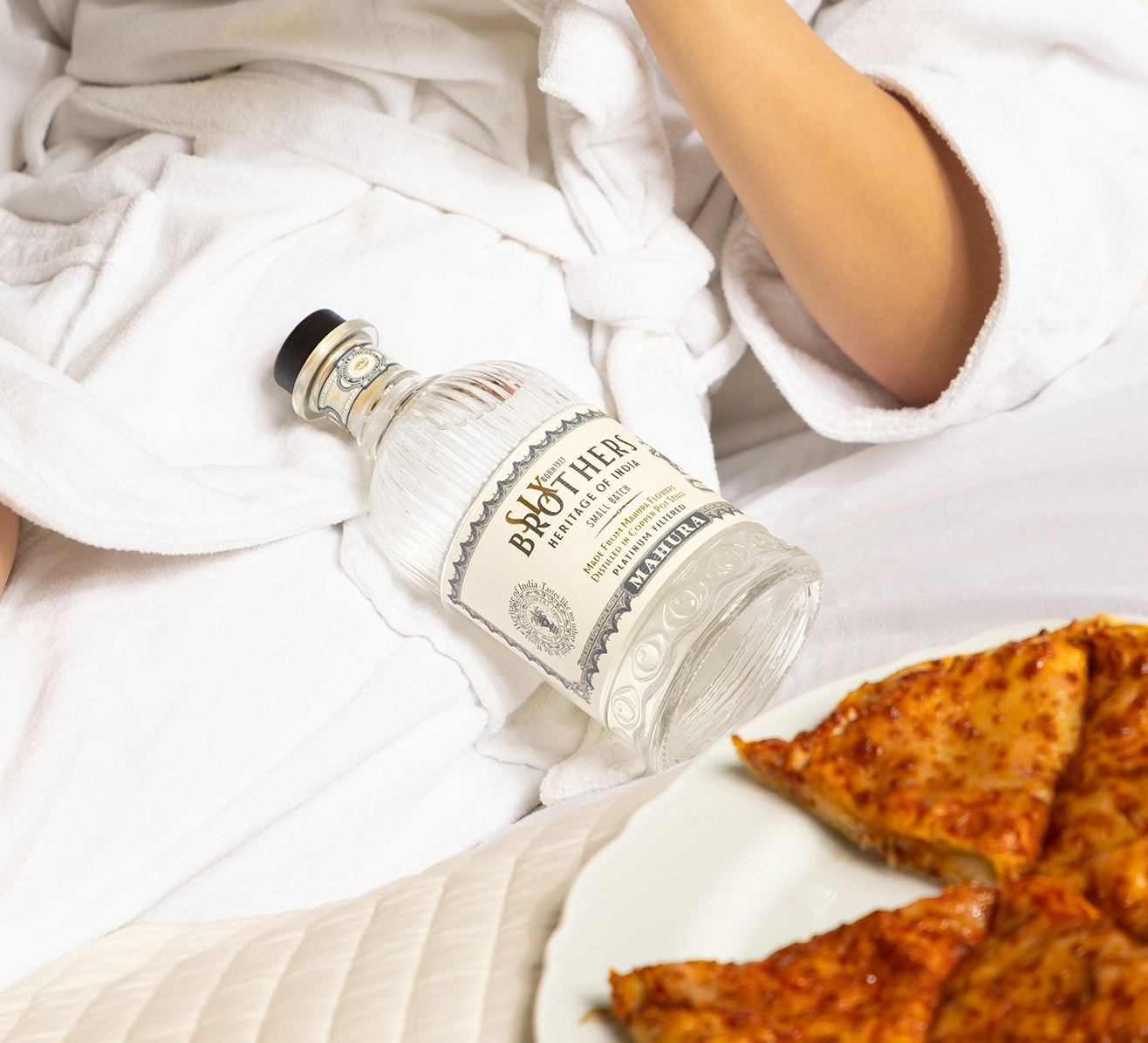
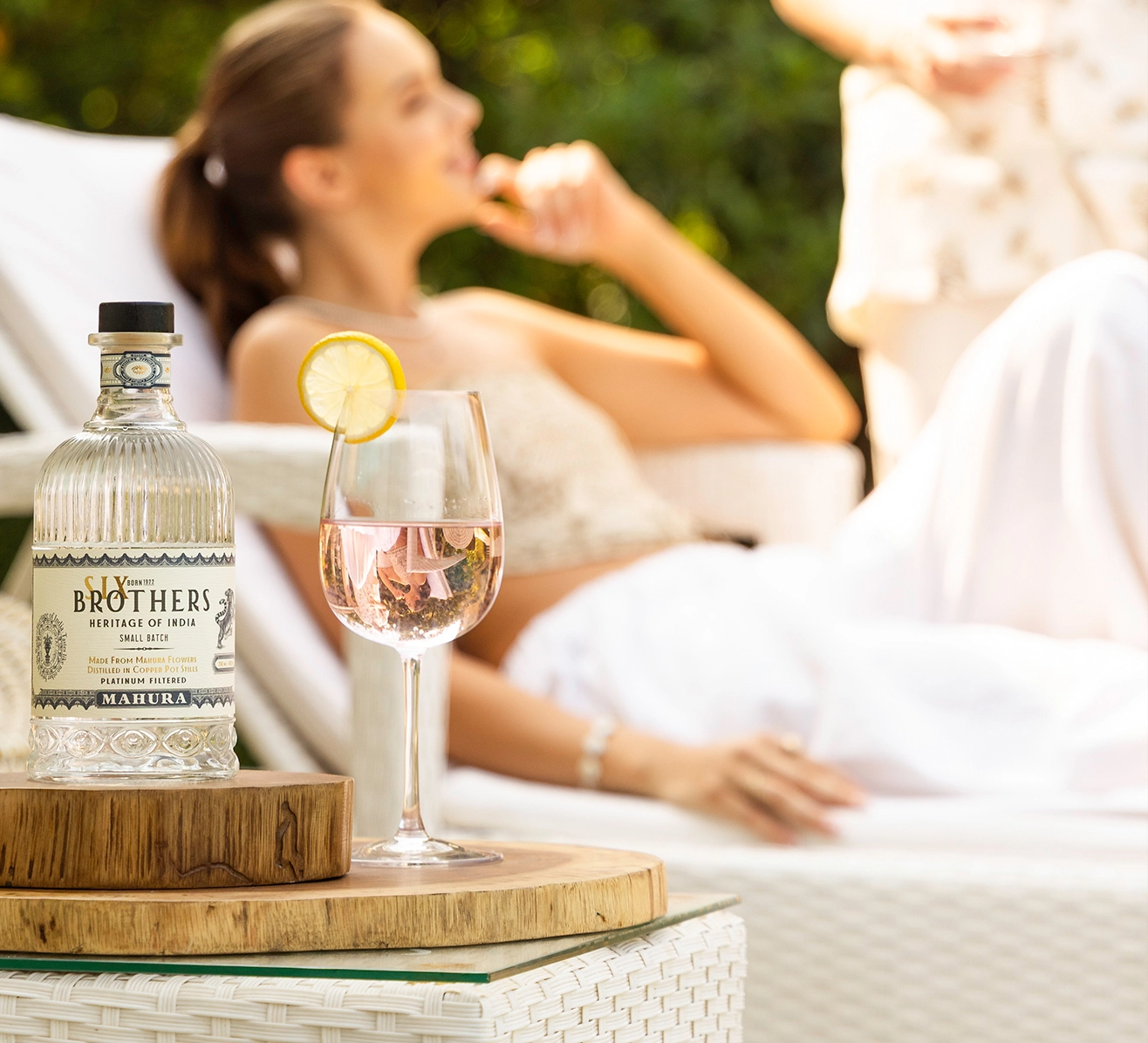
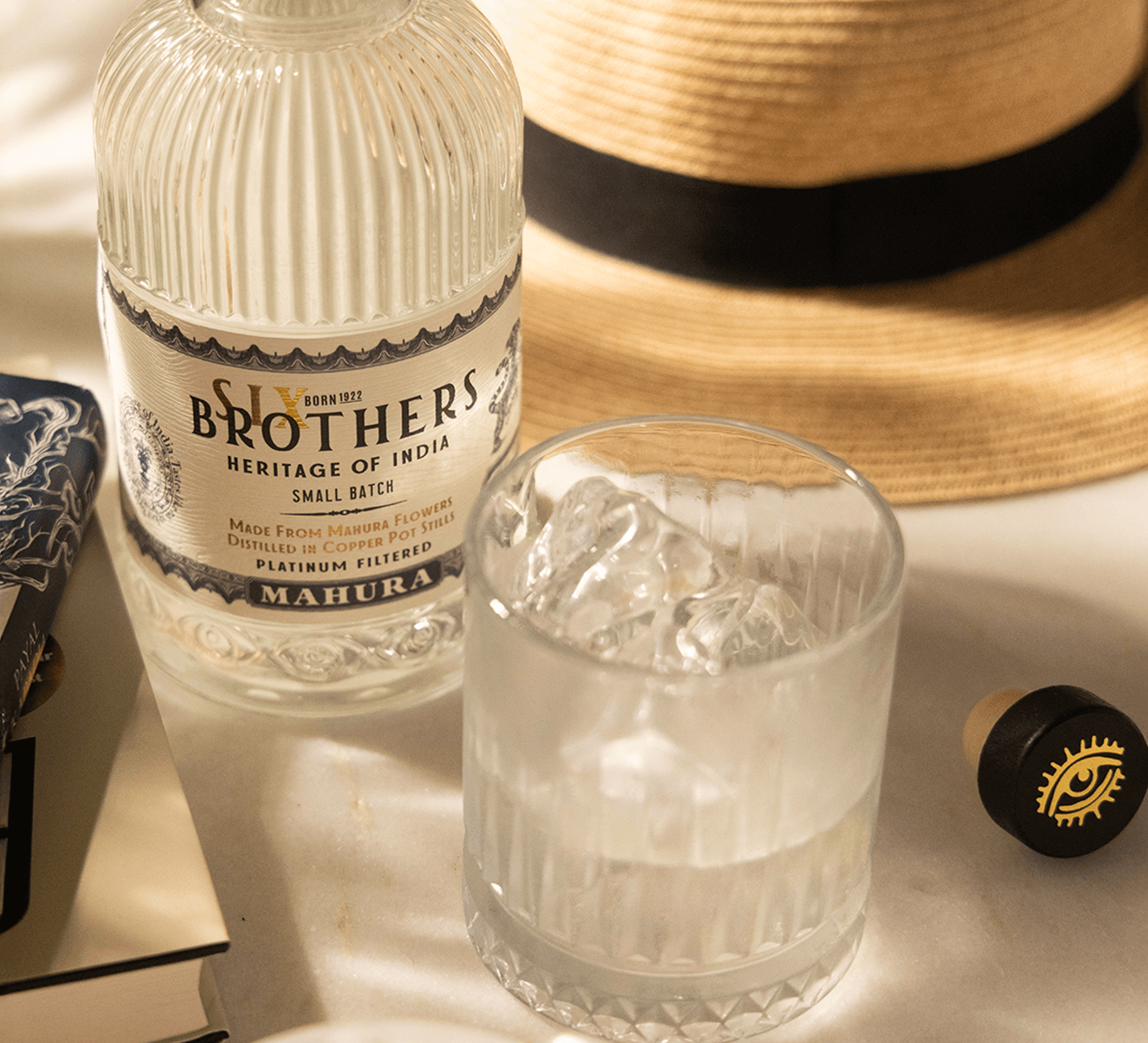
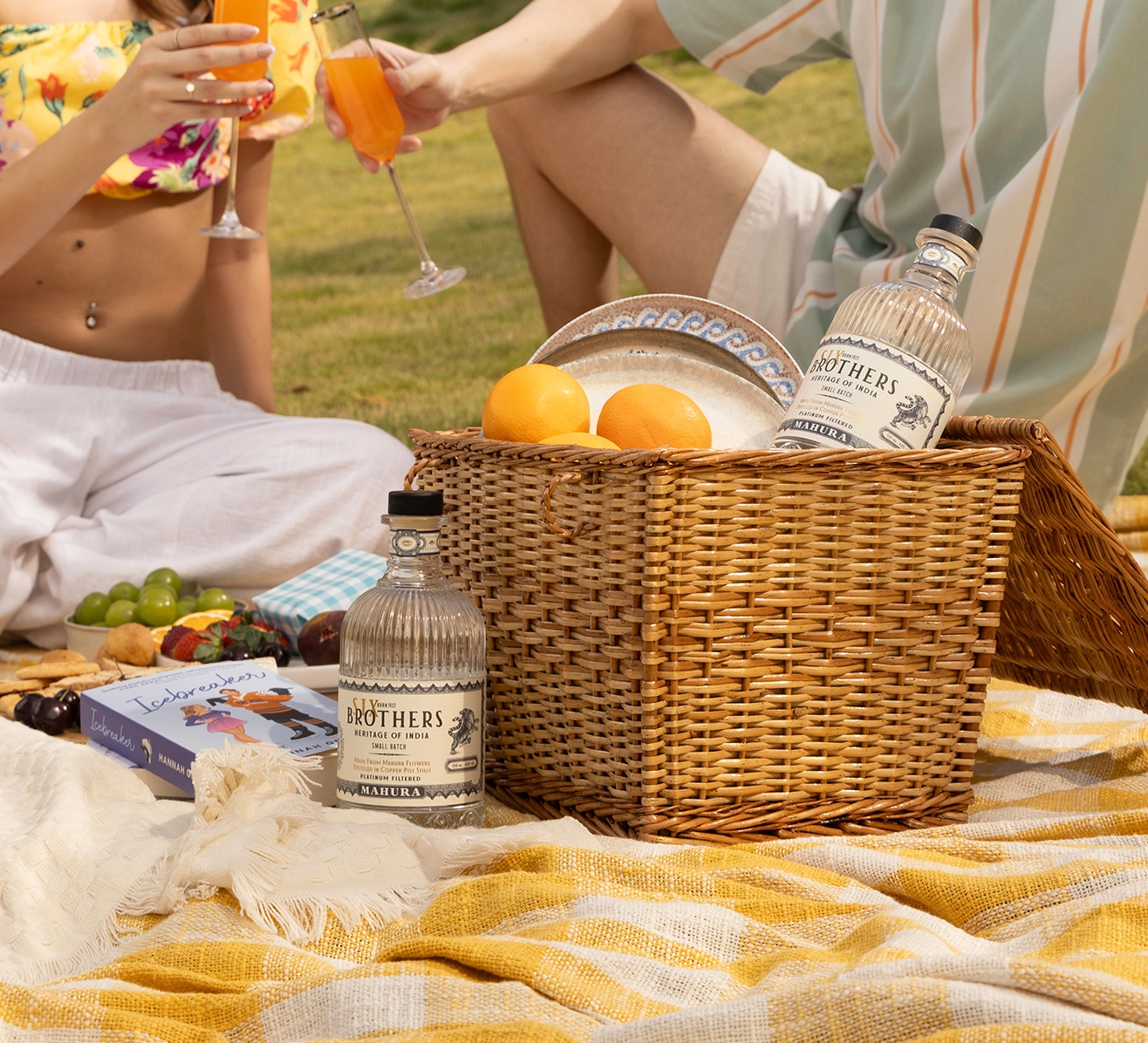
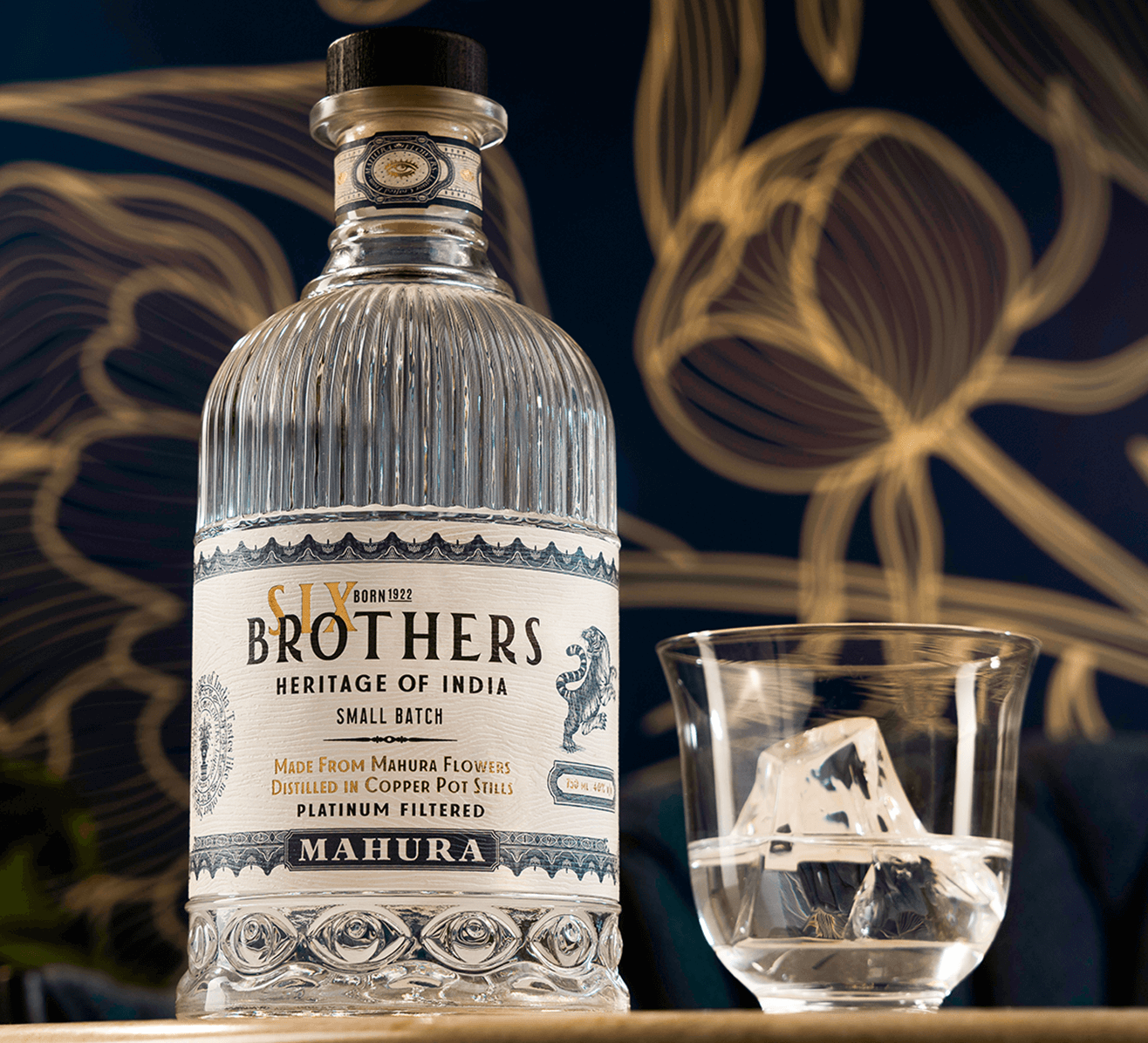
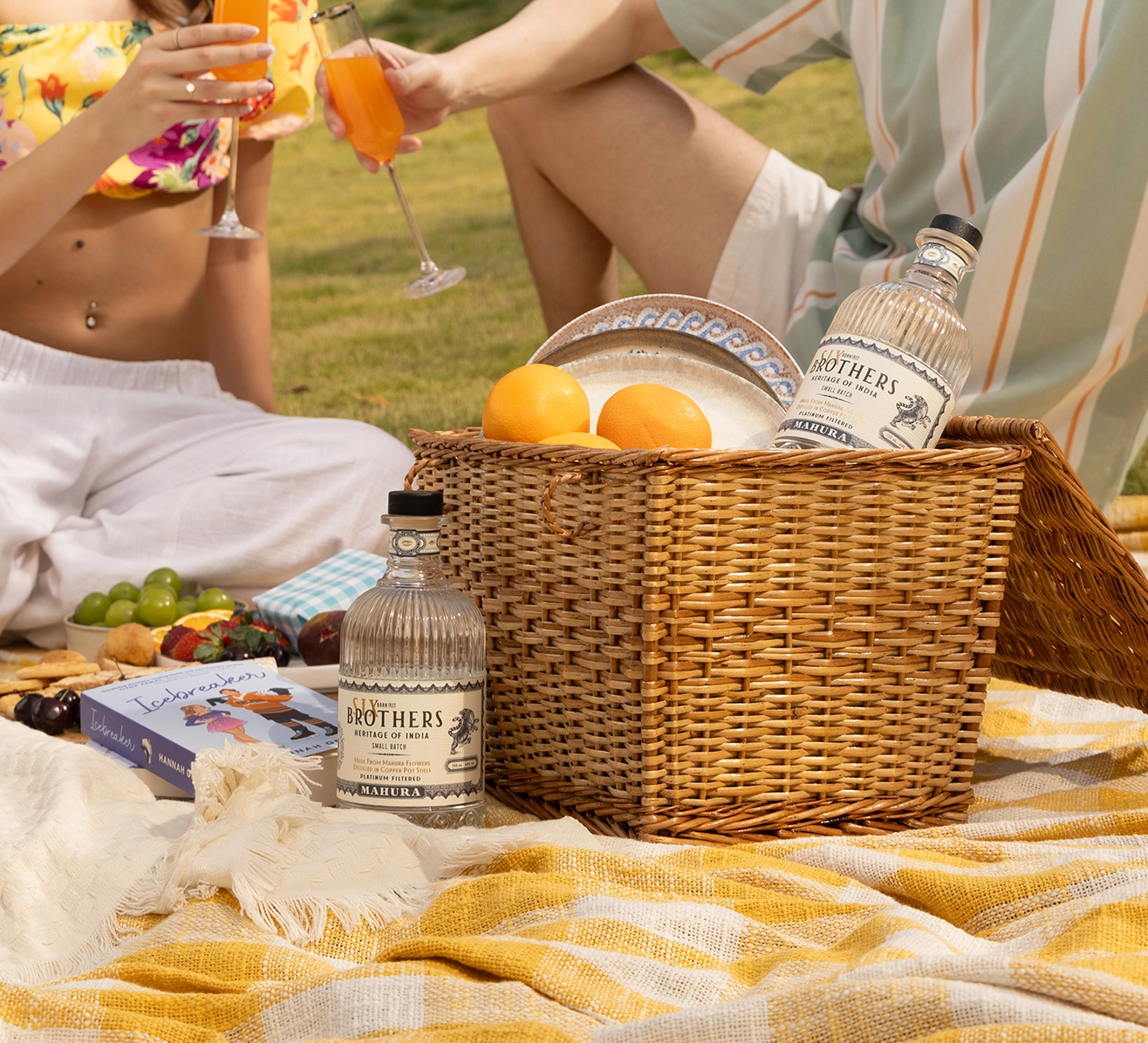
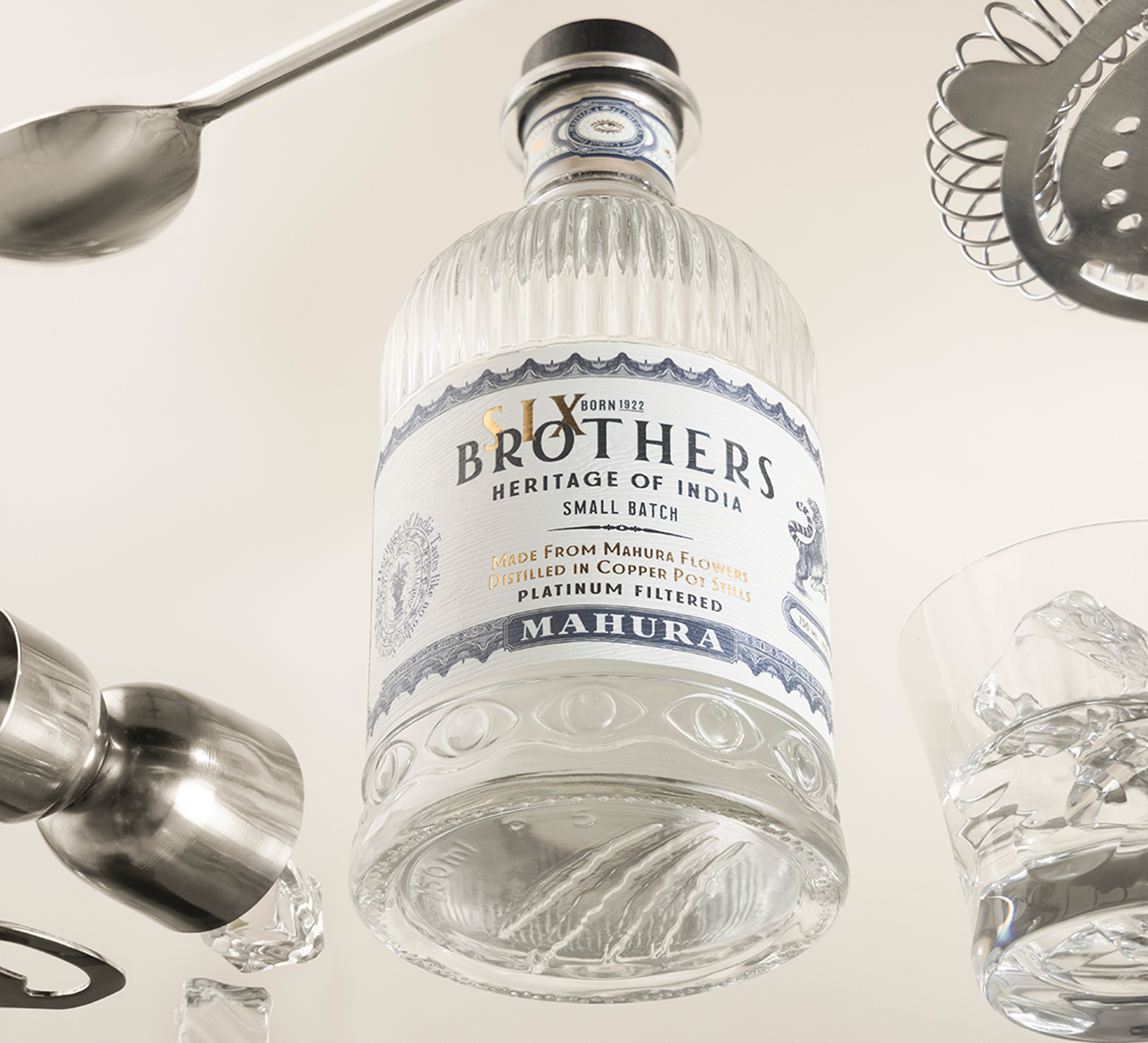
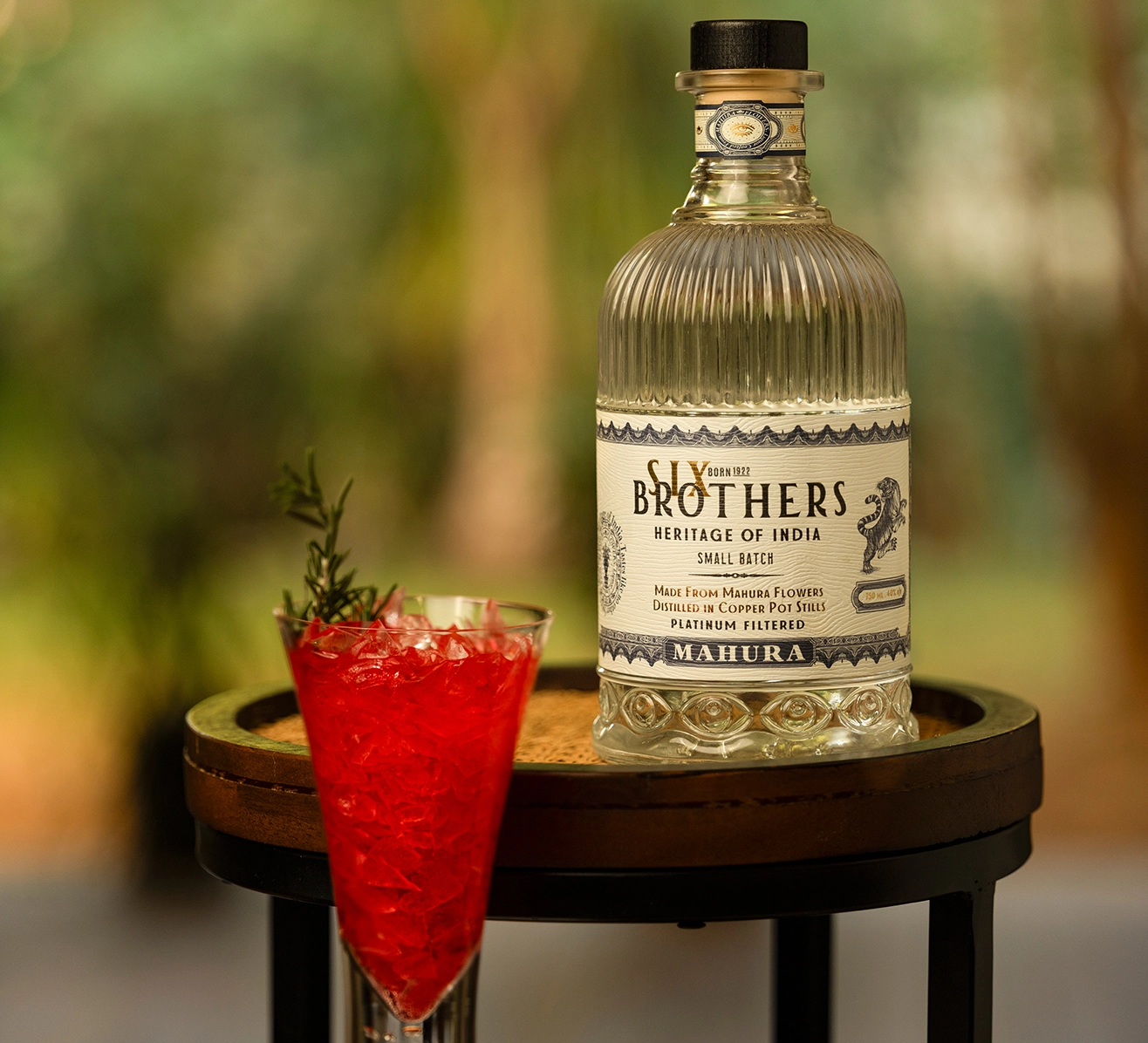
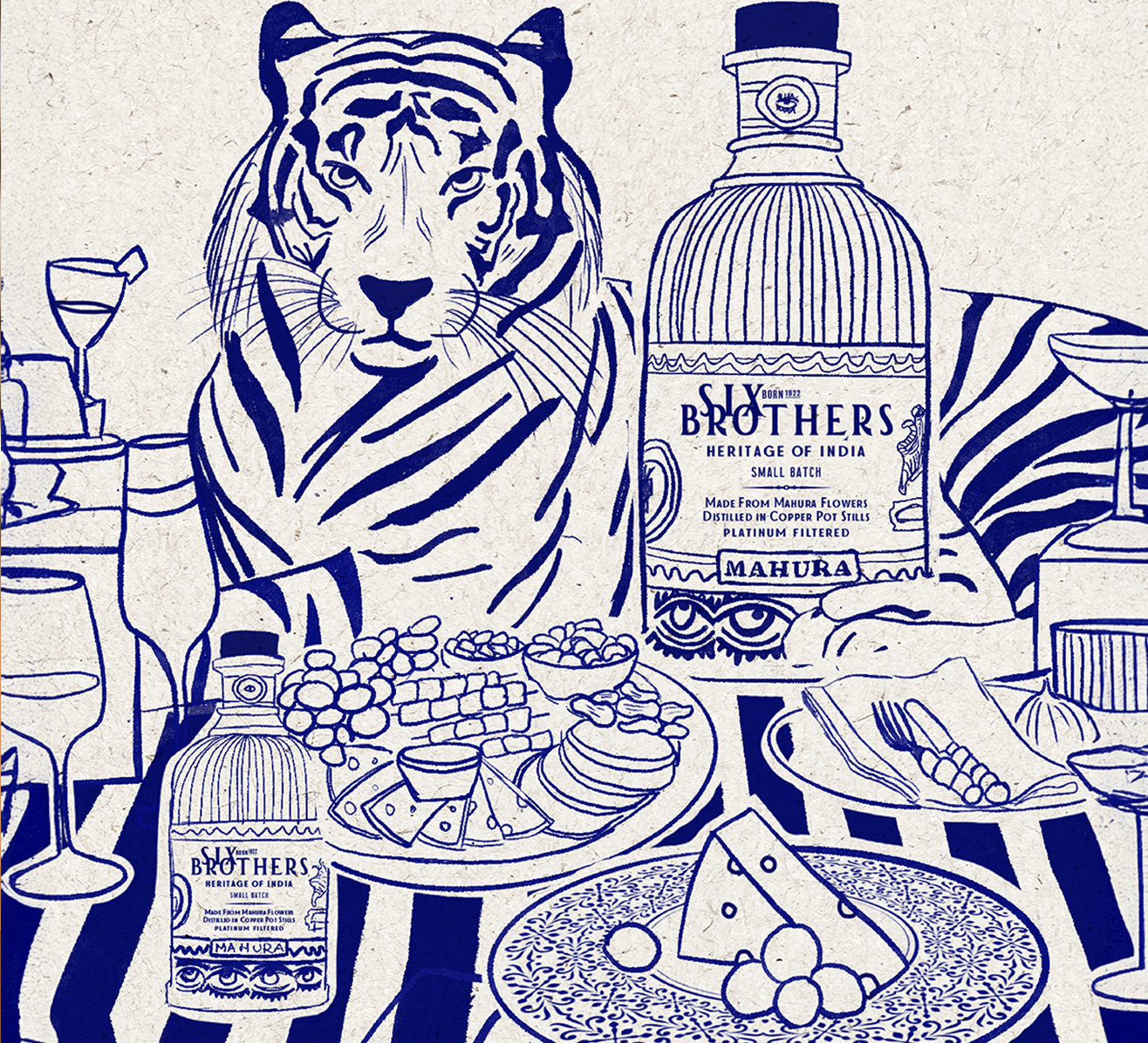
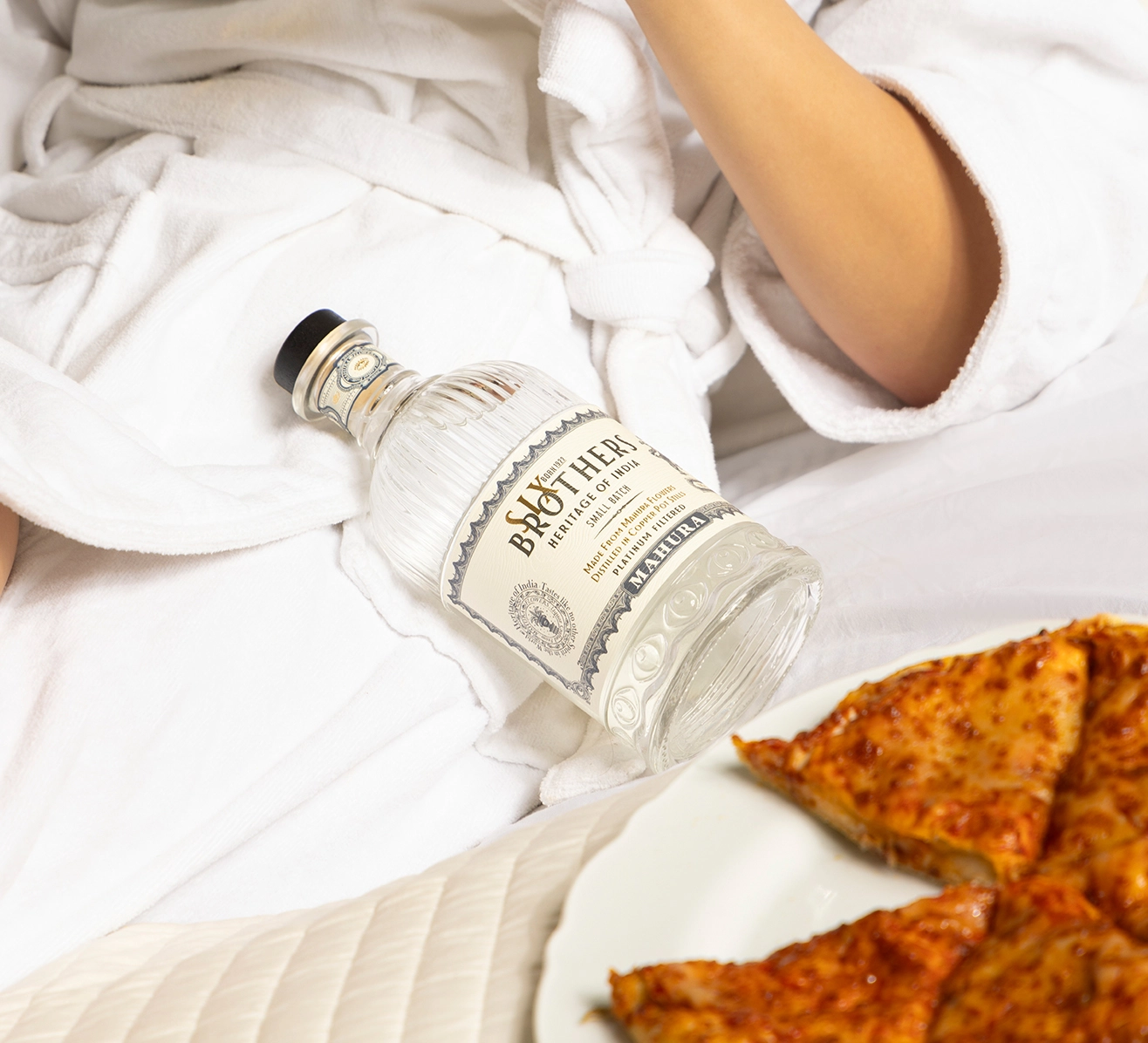
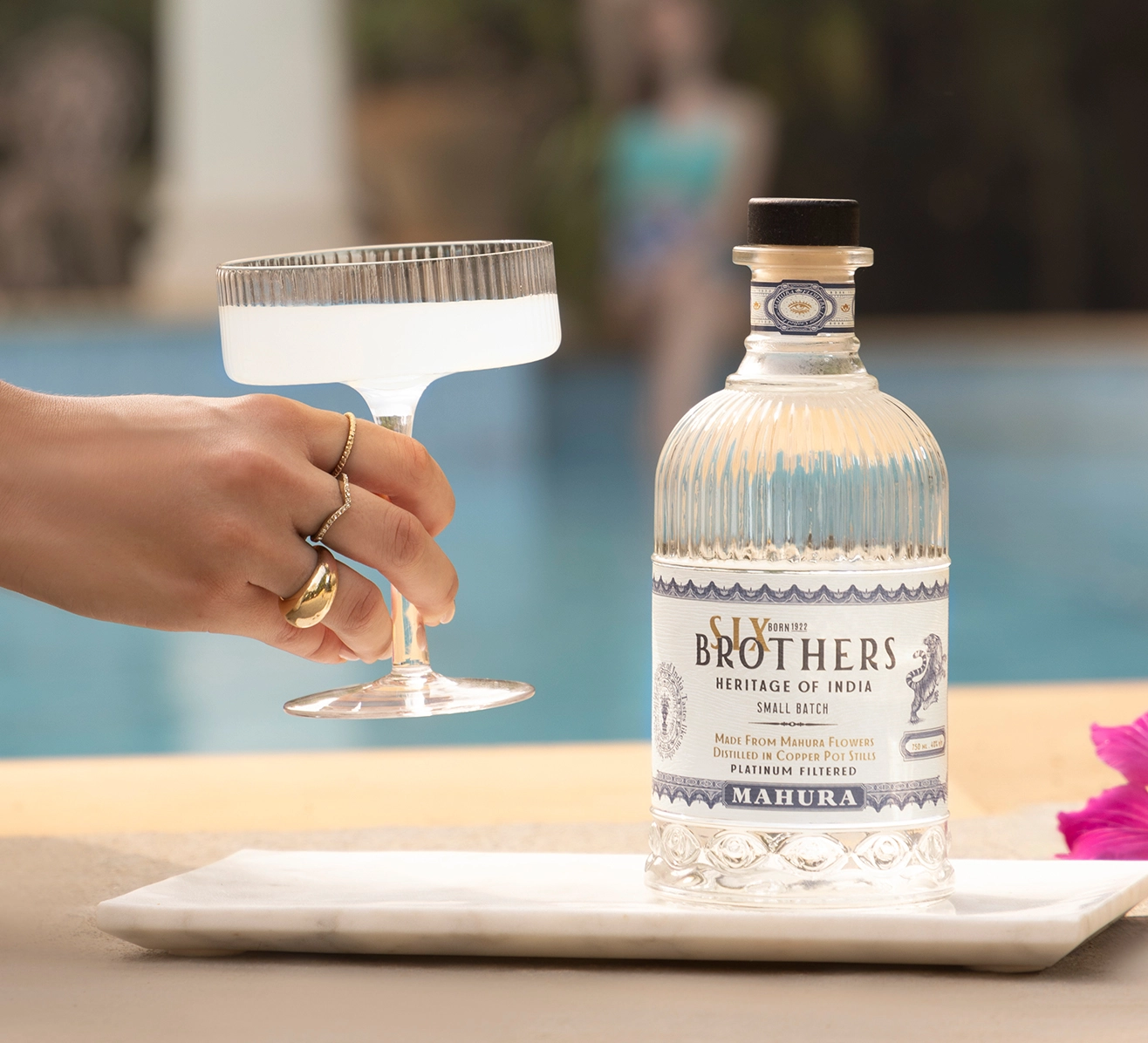
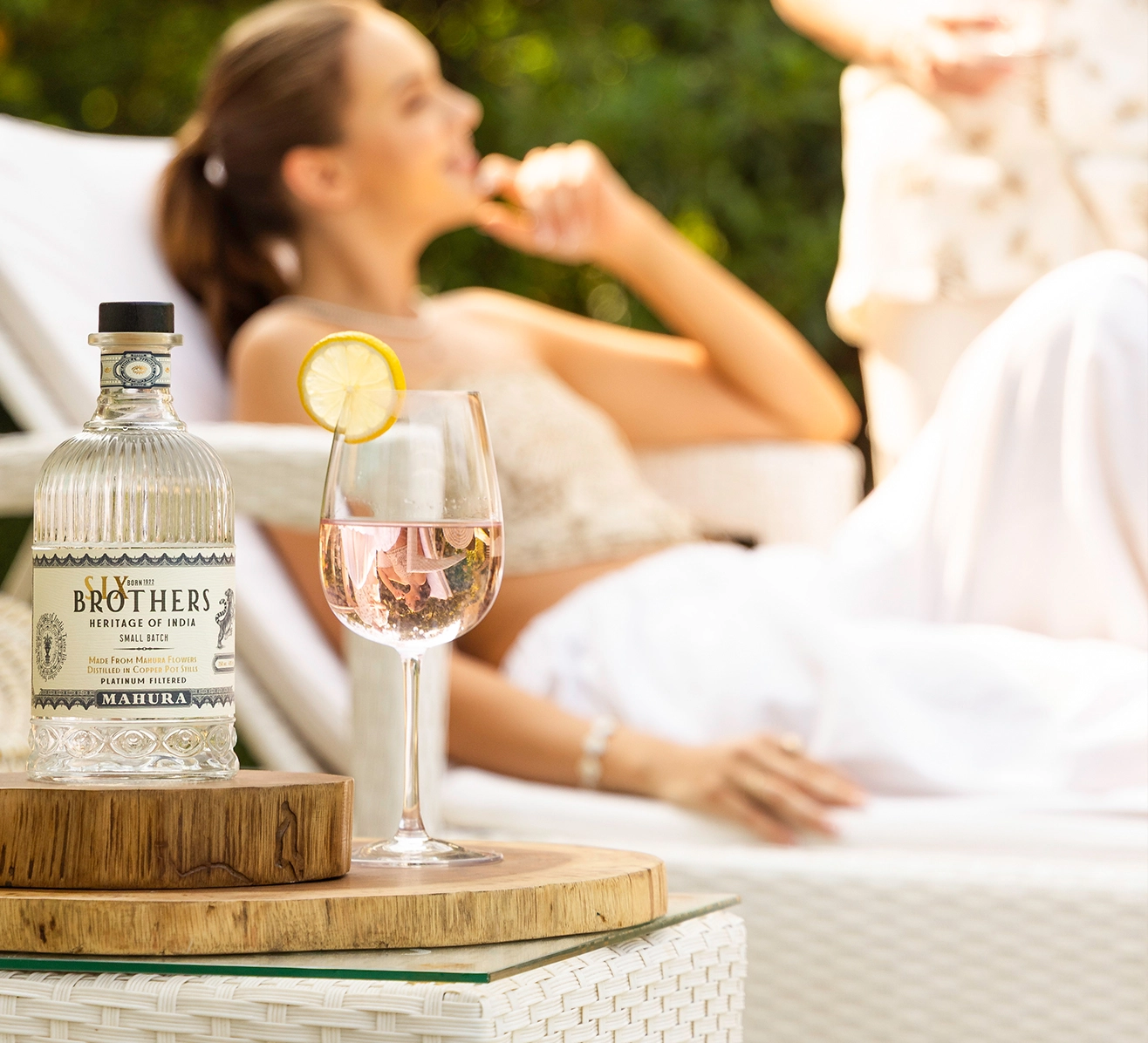
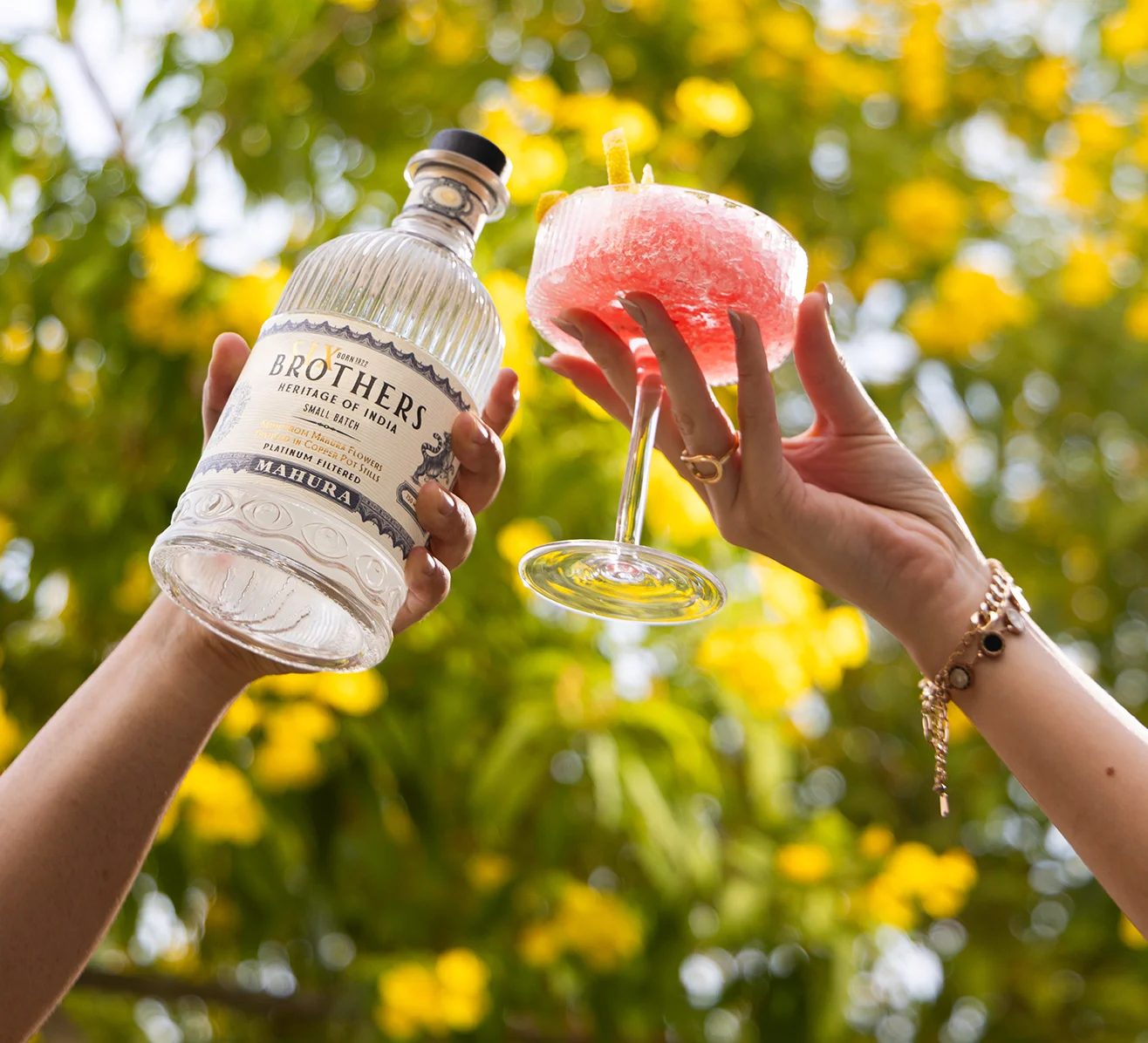
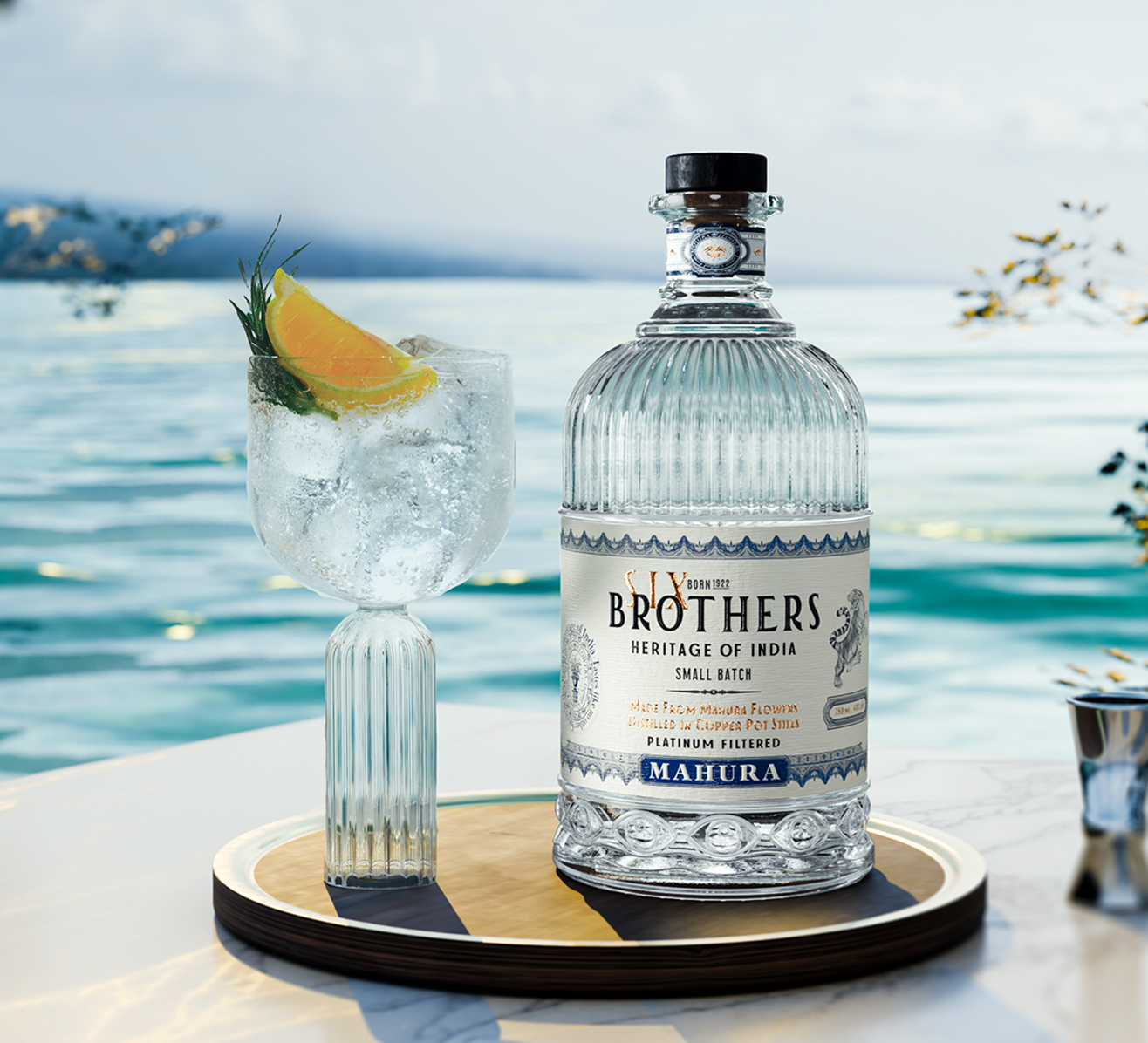
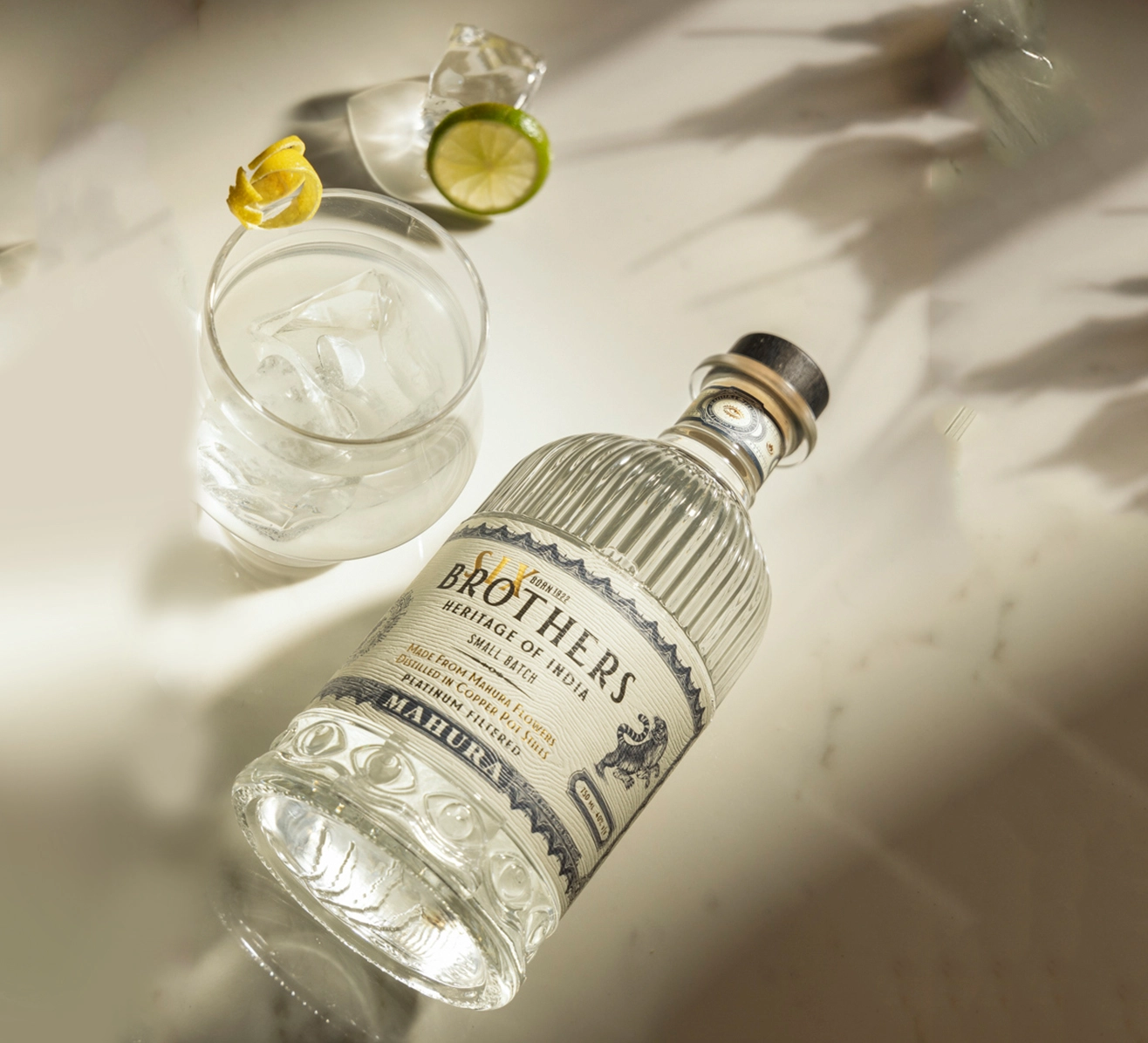
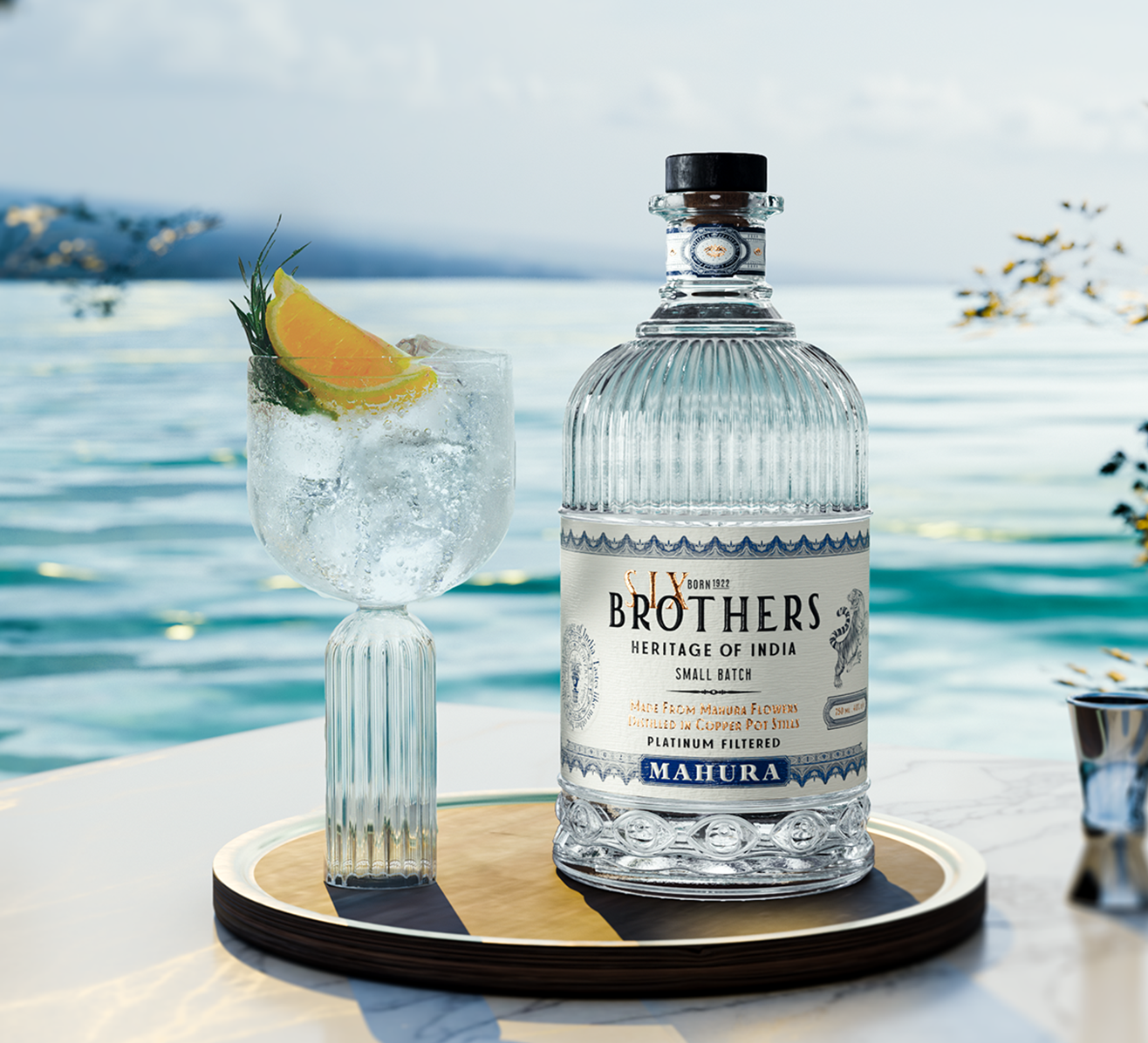
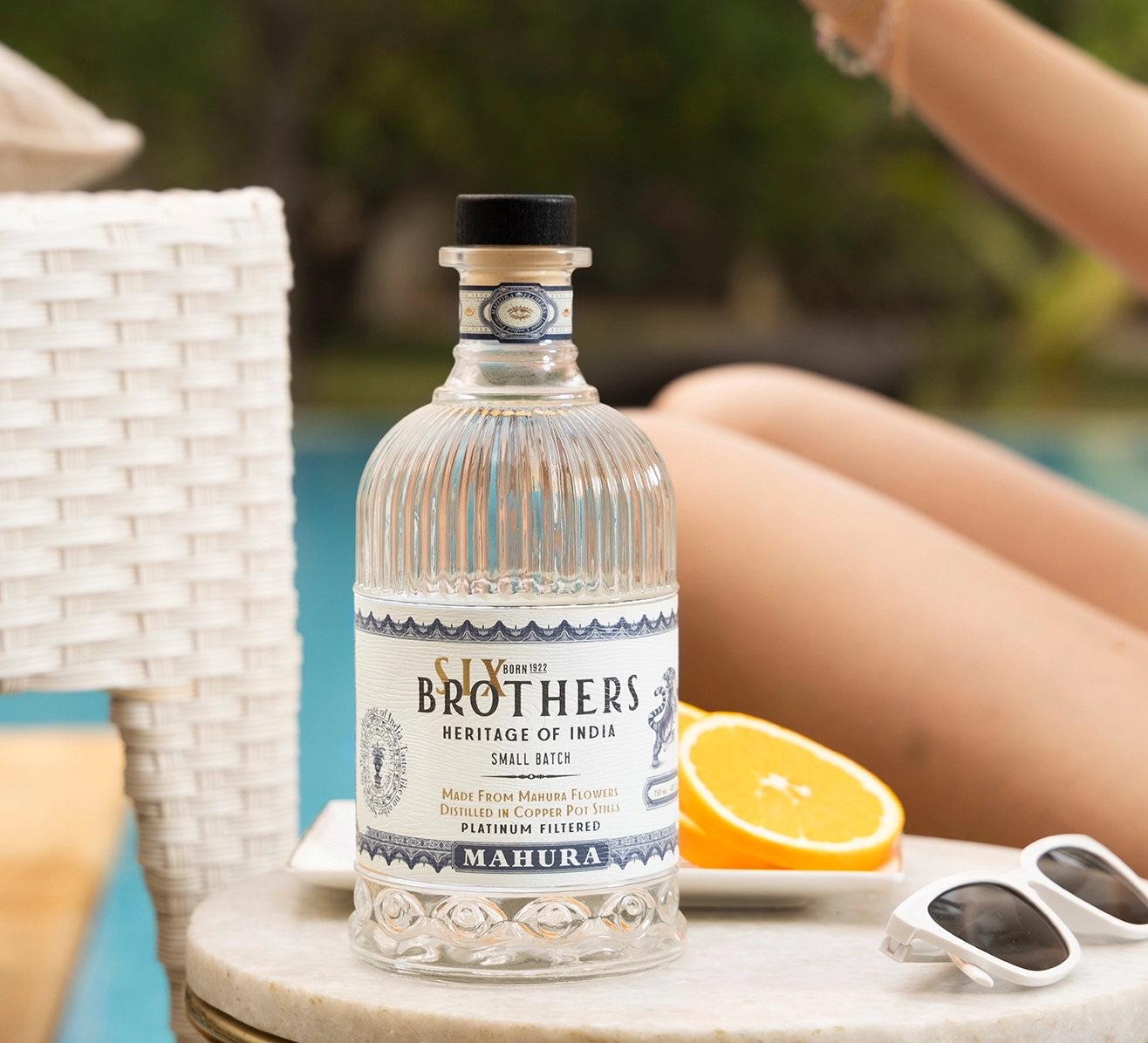
Six Brothers Mahura brings the story of Mahua into a modern premium context.
Its identity connects:
For consumers familiar with whisky, rum, or gin, this creates an opportunity to discover a spirit category that offers something genuinely different.
Comparisons can help people understand a new category, but they should not define it.
Mahua does not need to become:
It can simply be Mahua.
Its identity comes from:
That is precisely what makes indigenous Indian spirits exciting.
Whisky, rum, gin, and Mahua may share the fundamental principle of distillation, but their identities begin with very different ingredients and traditions.
Mahua spirit stands apart because its story begins with an indigenous Indian flower.
As interest in premium Mahua spirit and Indian craft spirits continues to grow, understanding its production will help consumers appreciate what makes it unique.
The most interesting question isn't whether Mahua tastes like another spirit.
It's what happens when the world discovers a spirit that is unmistakably Indian.