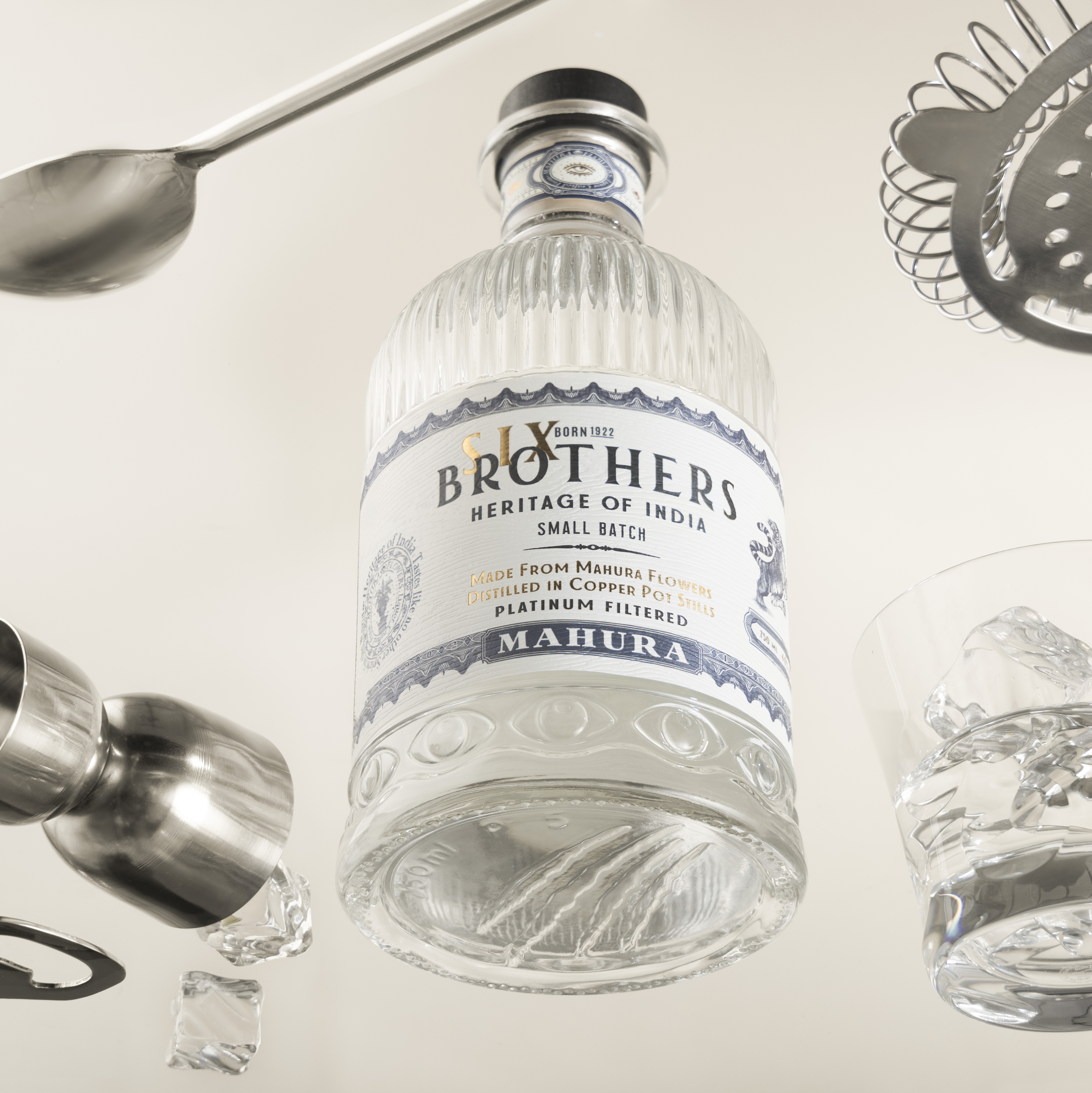

Posted on 16 Jun 2026
India’s premium spirits landscape is undergoing a transformation. For decades, global labels dominated consumer preference, especially in urban markets. Today, however, there is a visible shift toward products that reflect Indian identity, origin, and authenticity.
This evolution has already been seen in the rise of Indian single malt, which has redefined how single malt whisky and single malt whiskey are perceived both domestically and globally.
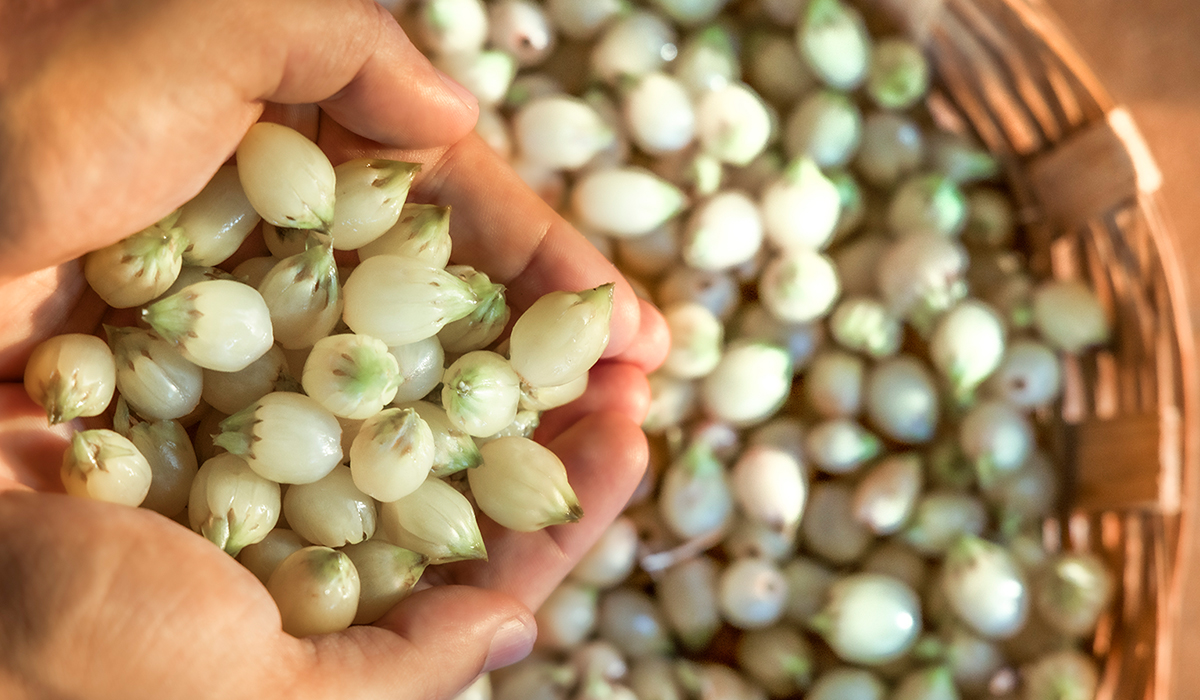
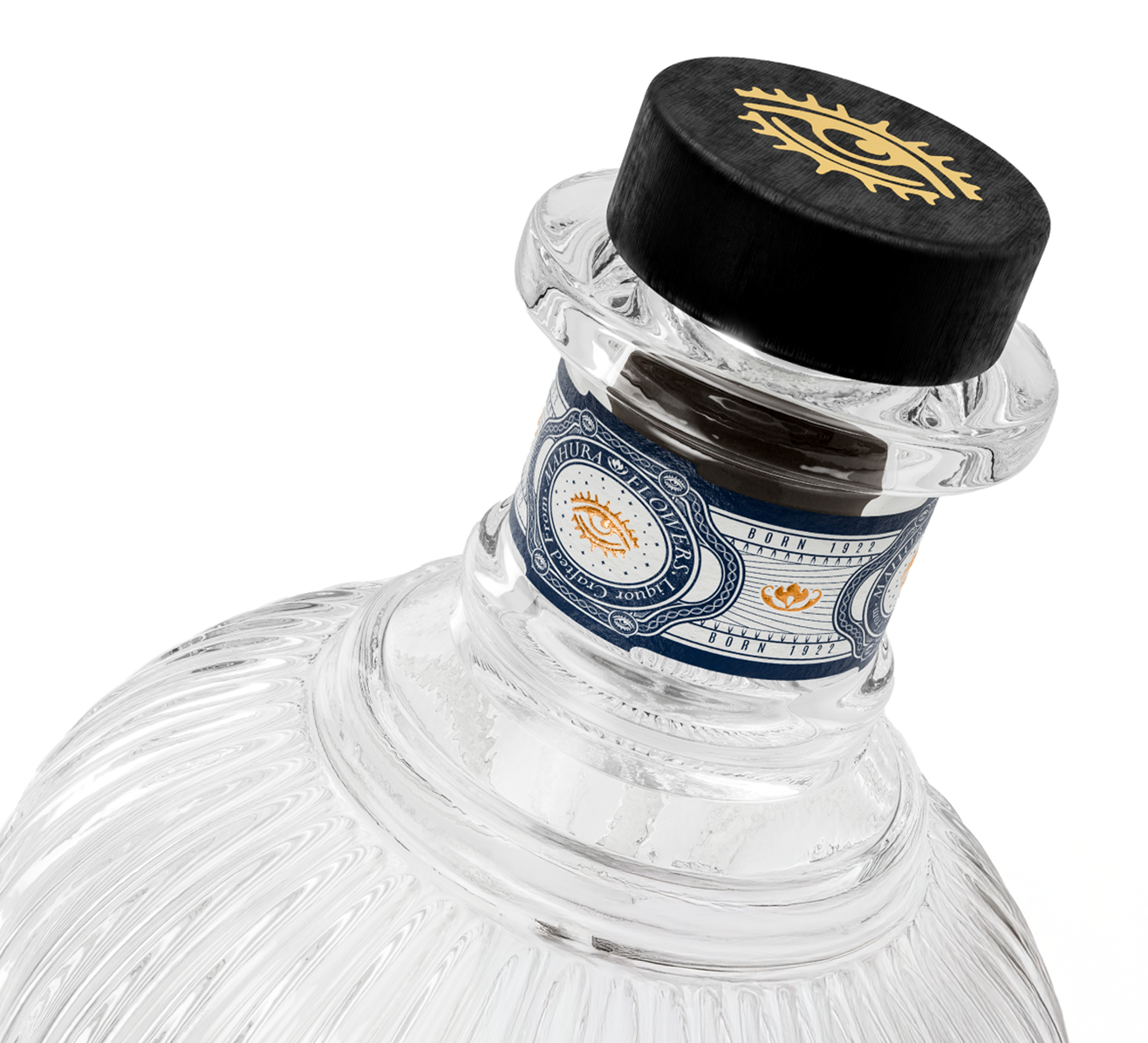
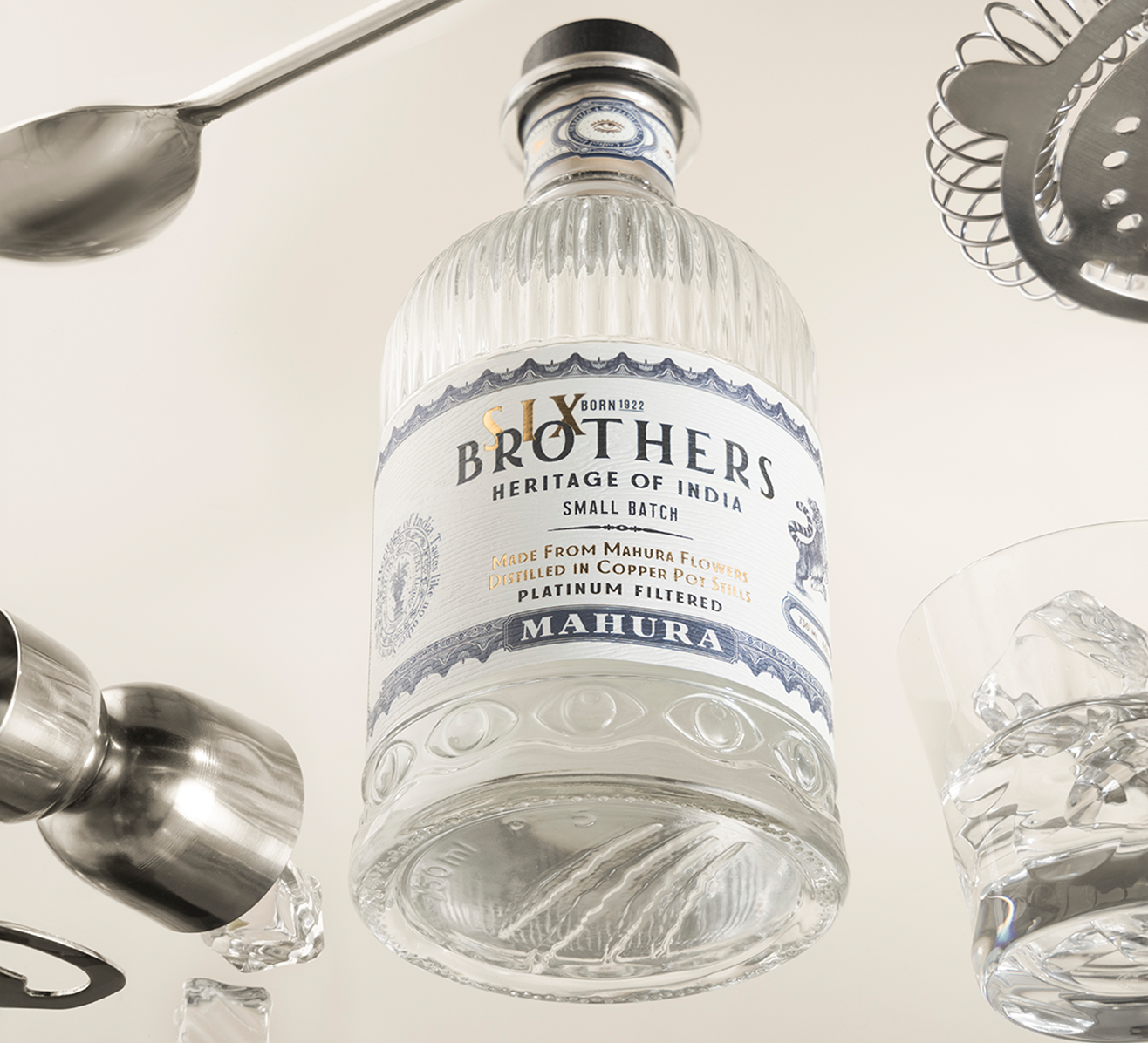
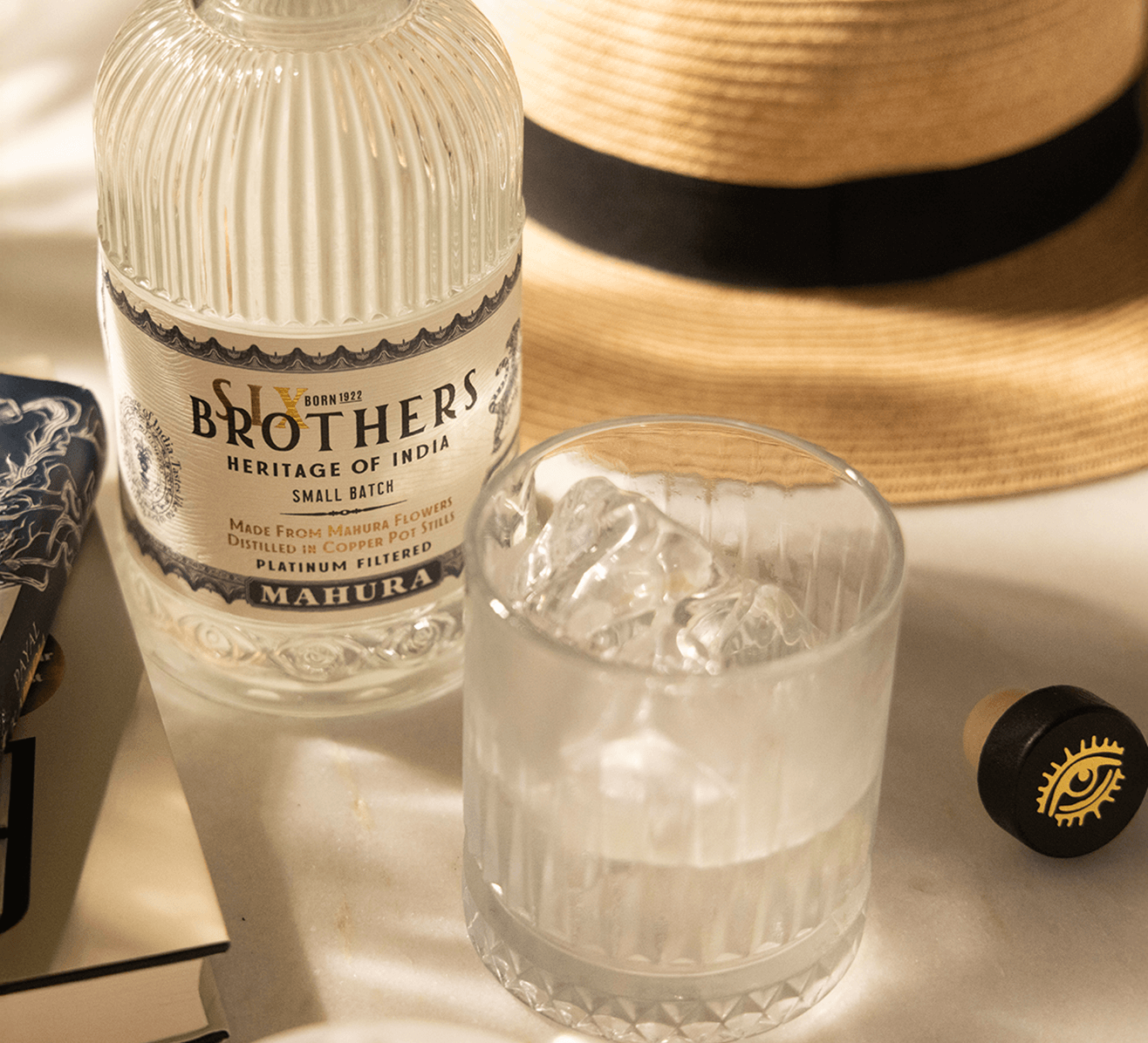
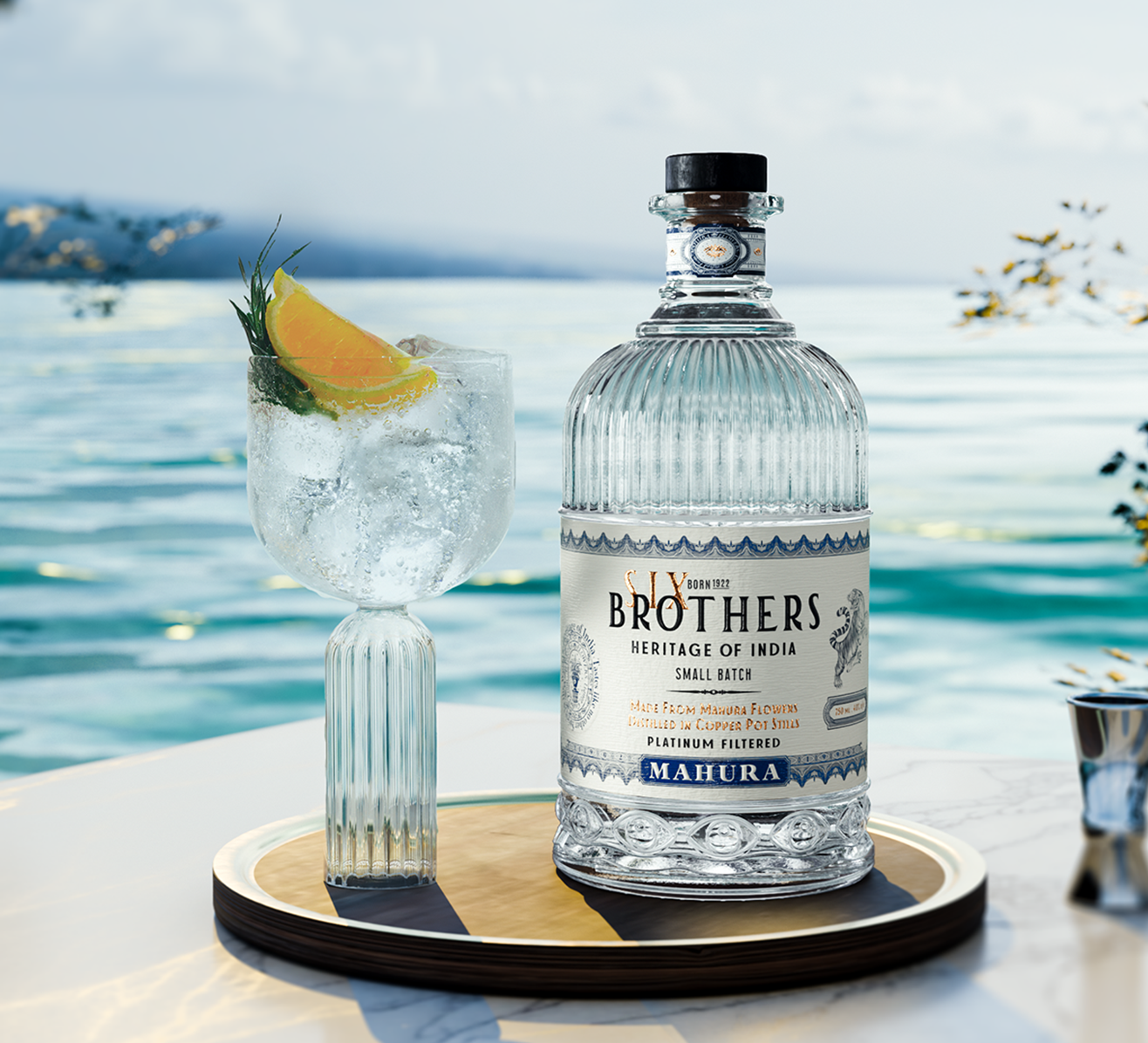
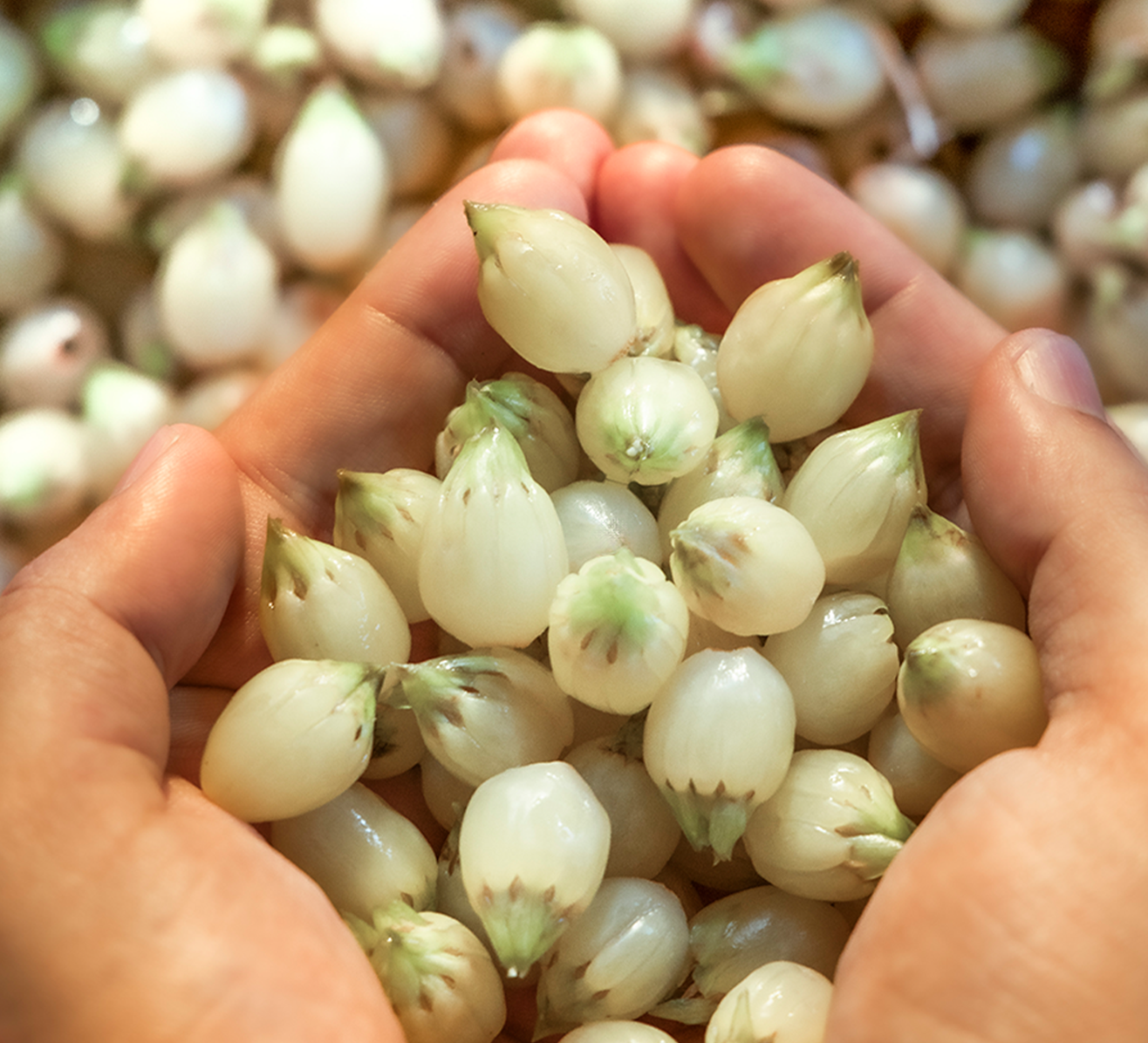
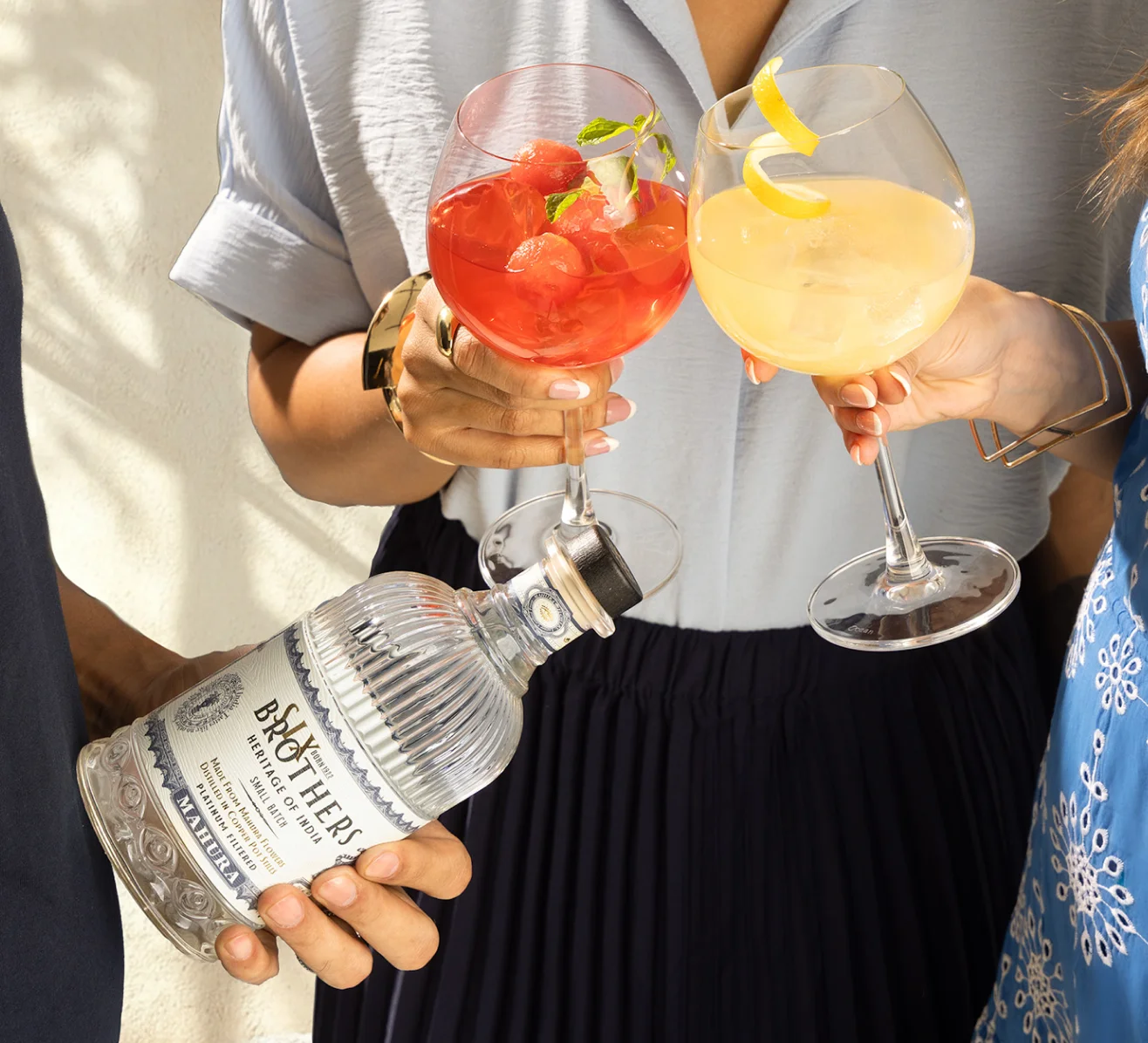
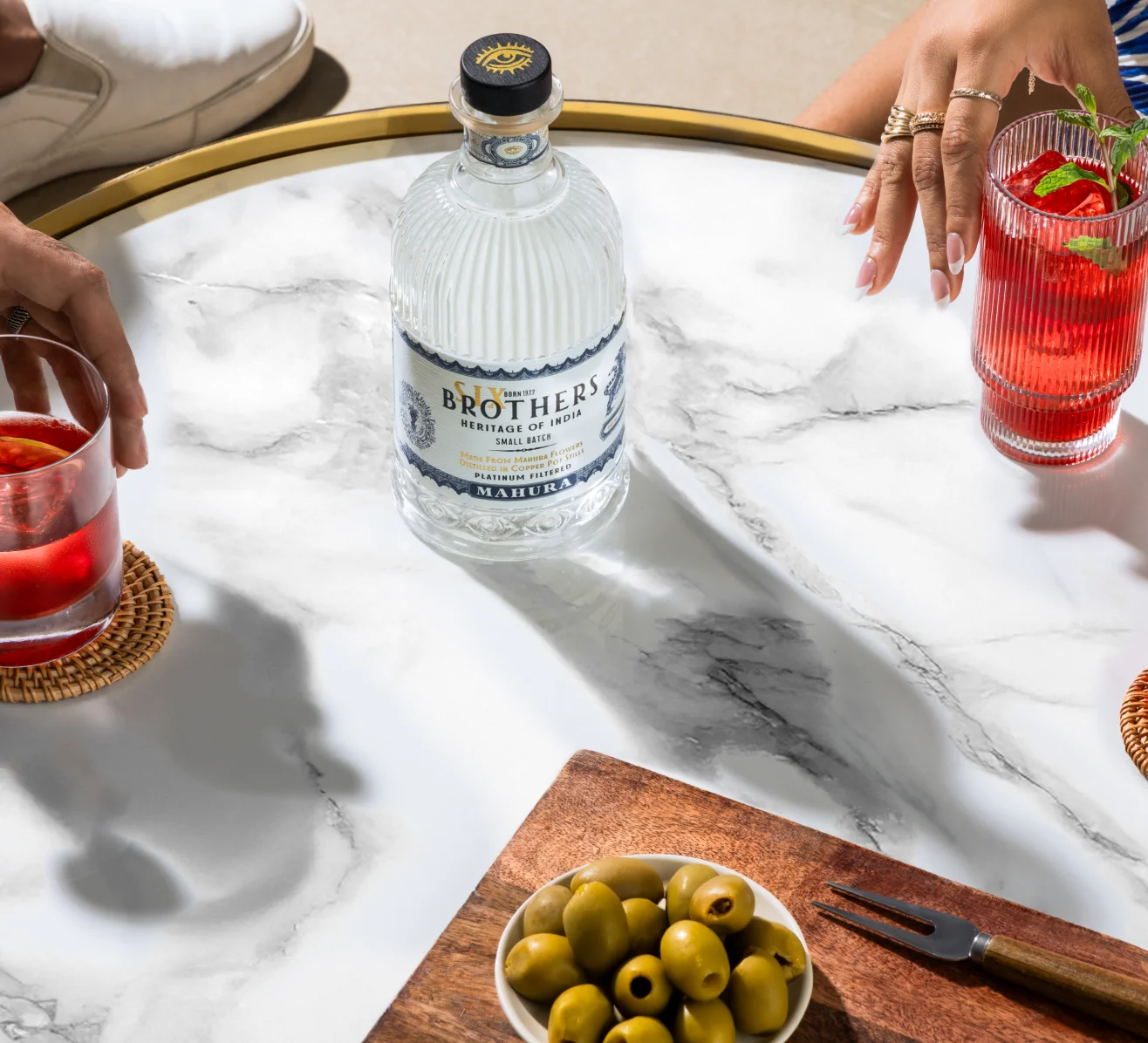
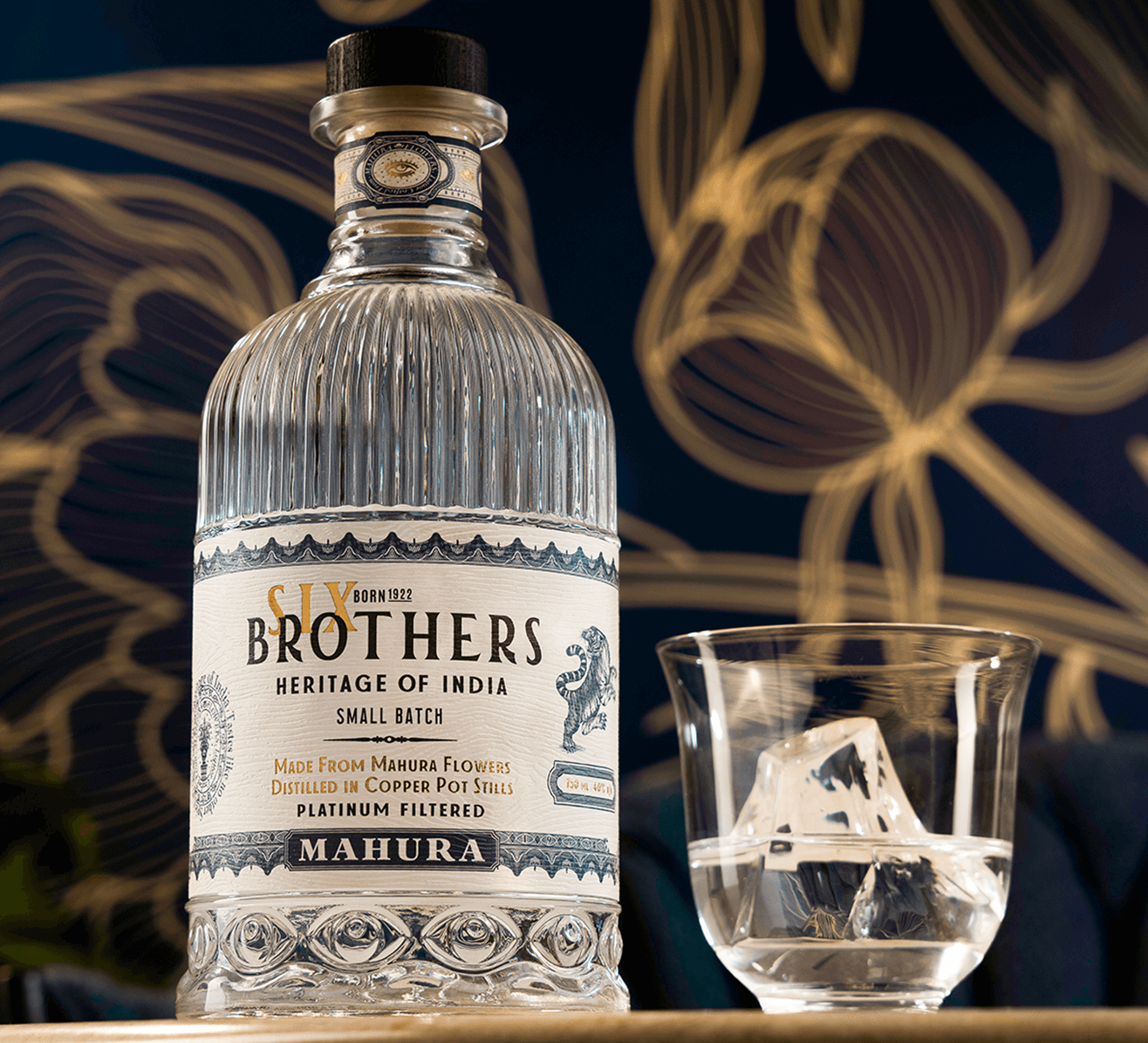
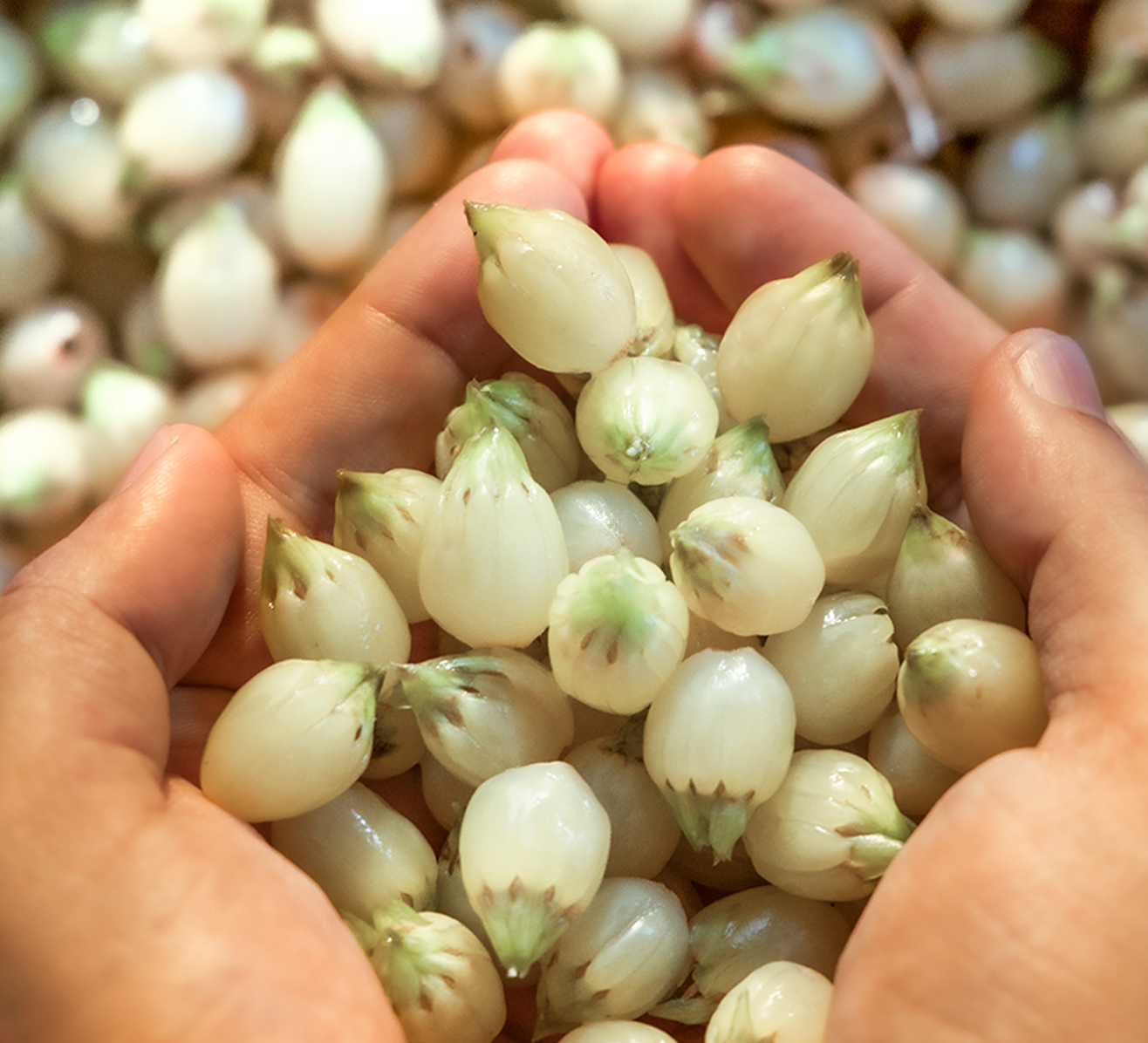
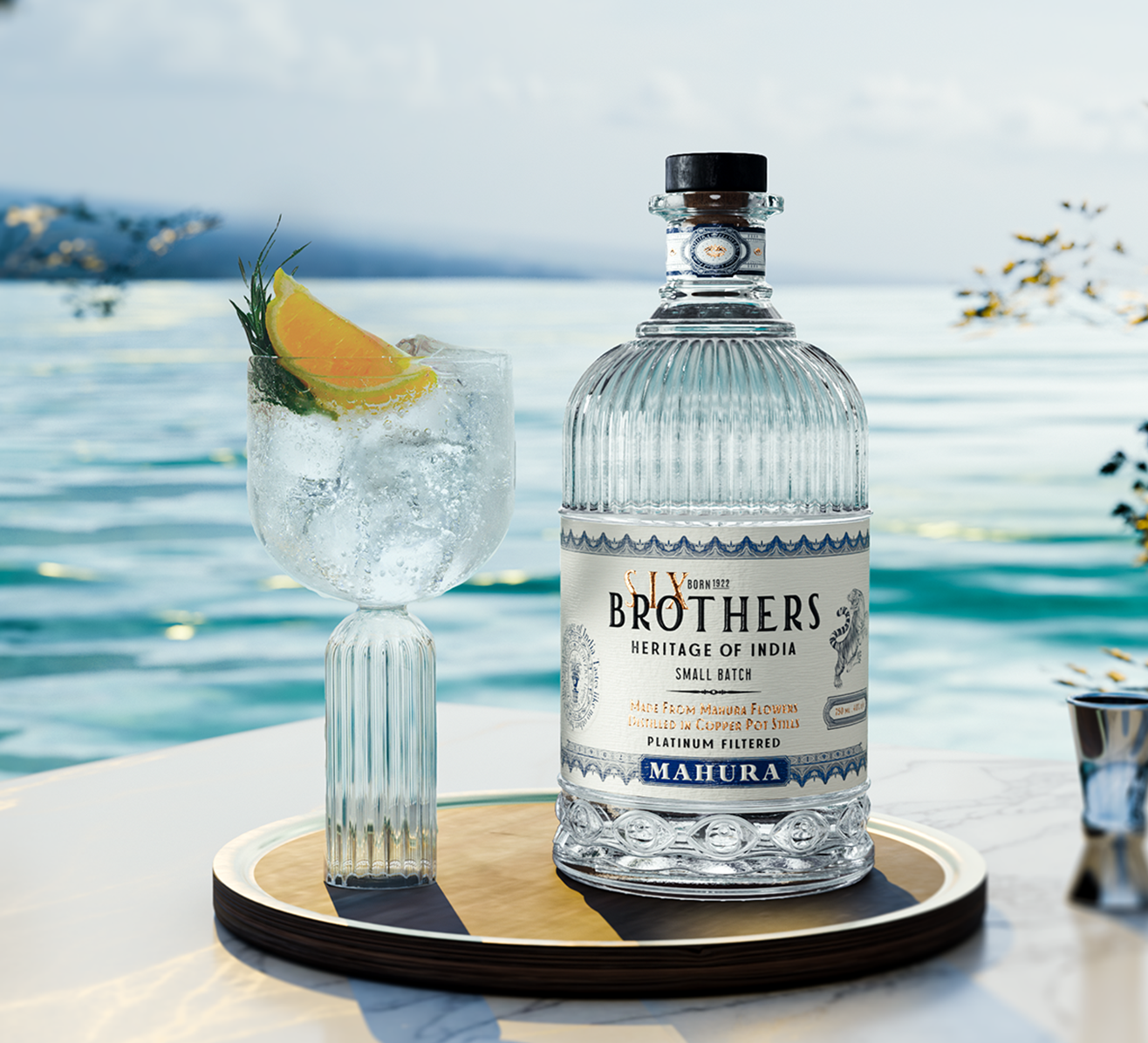
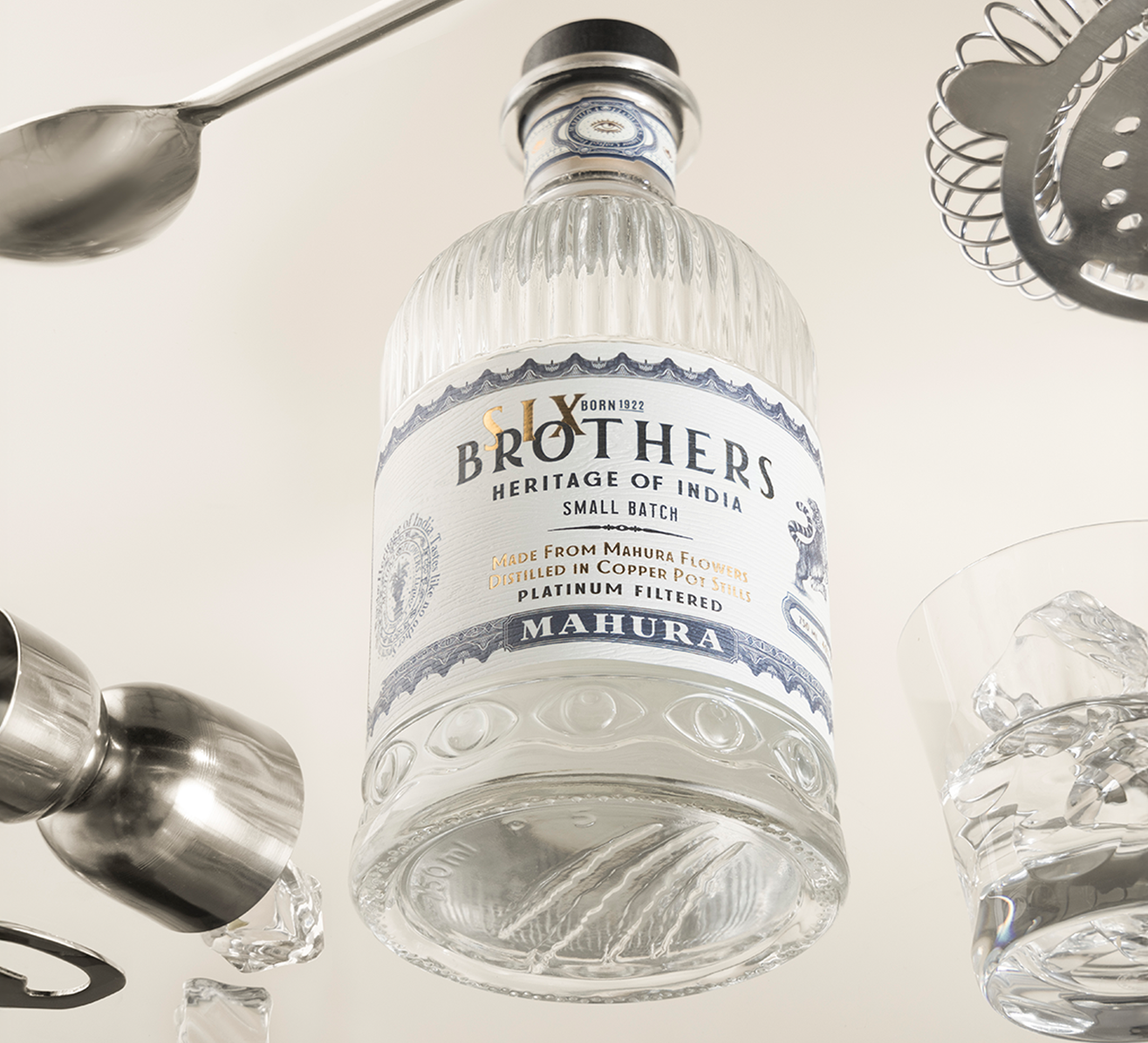
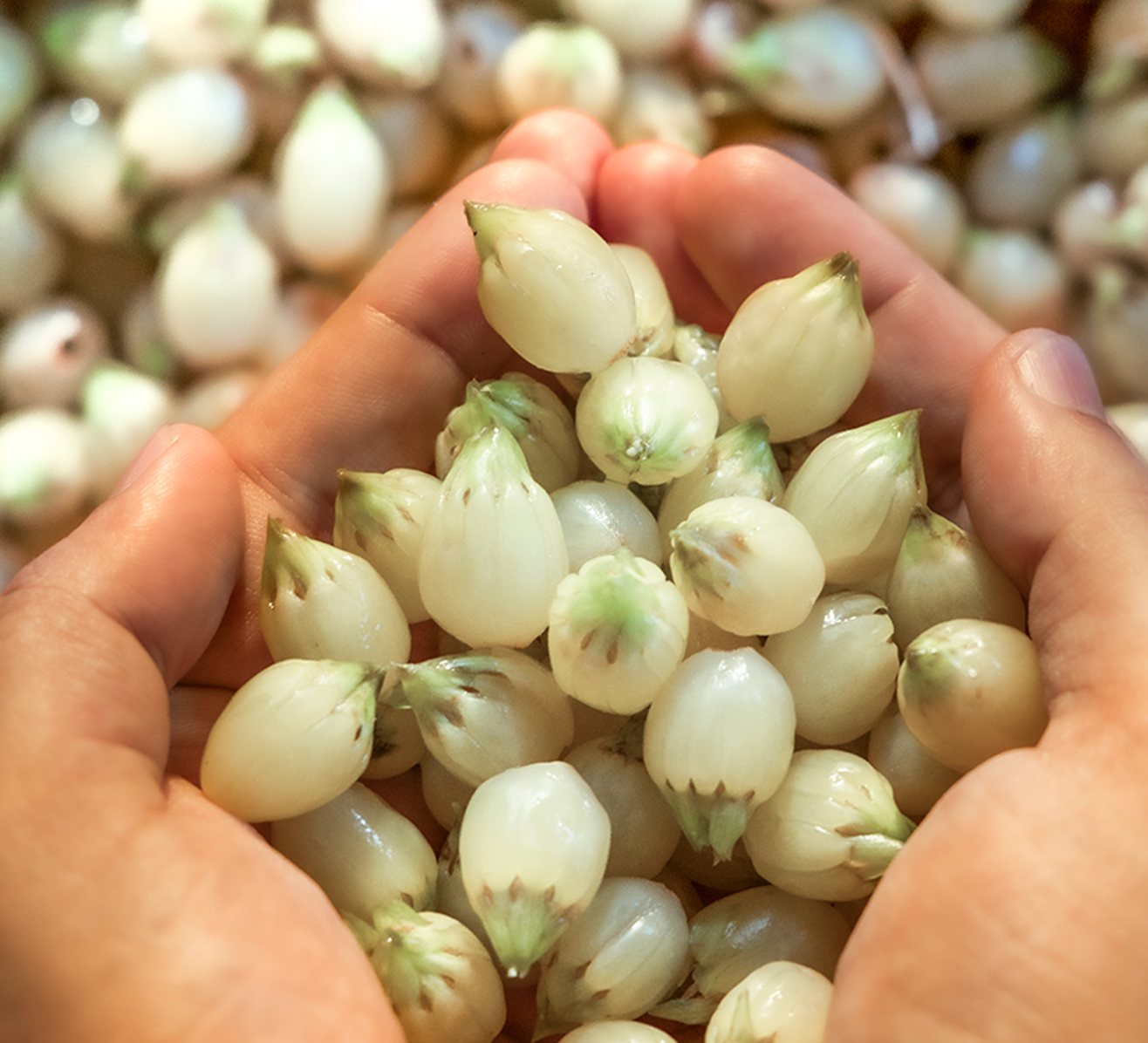
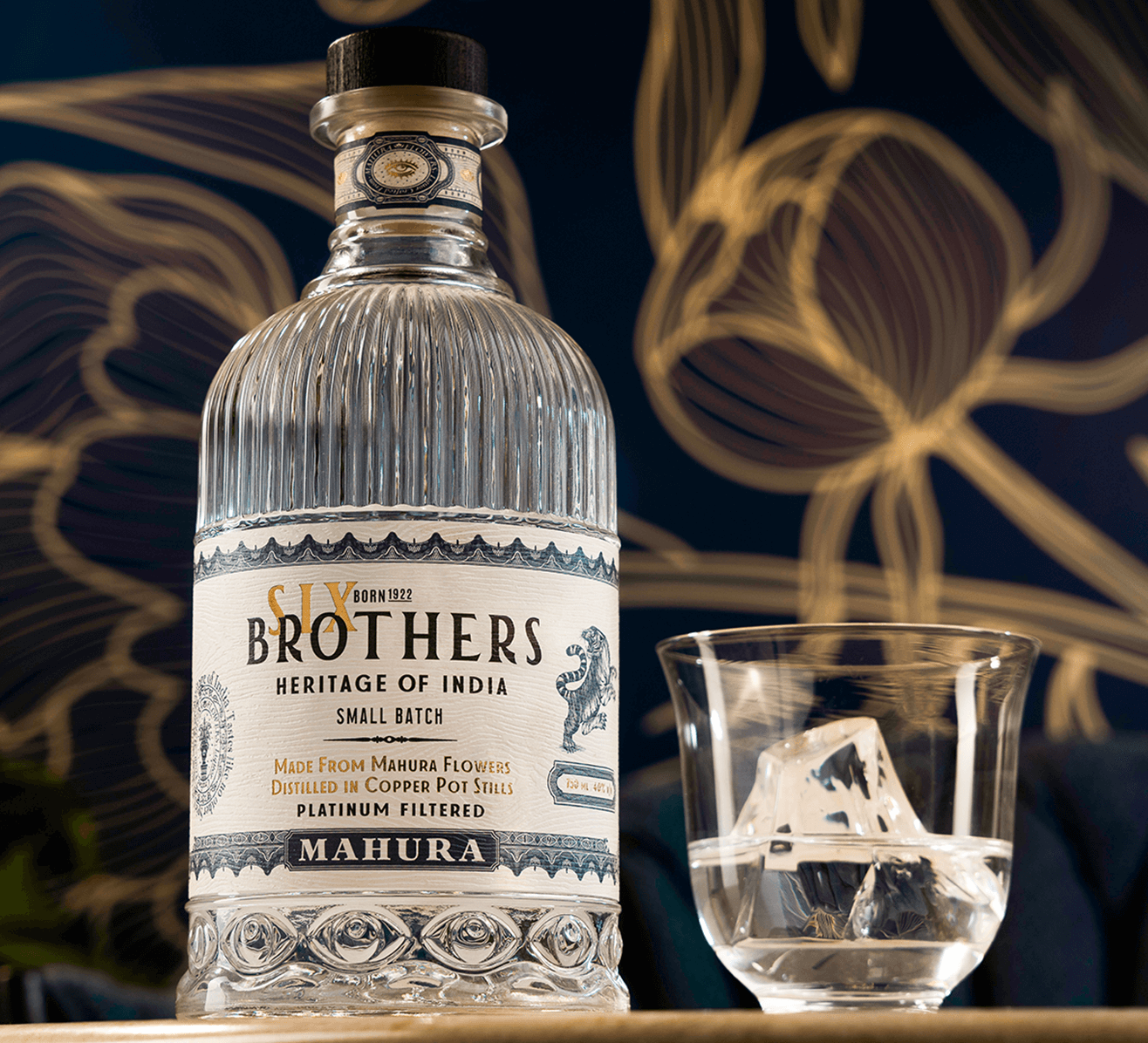
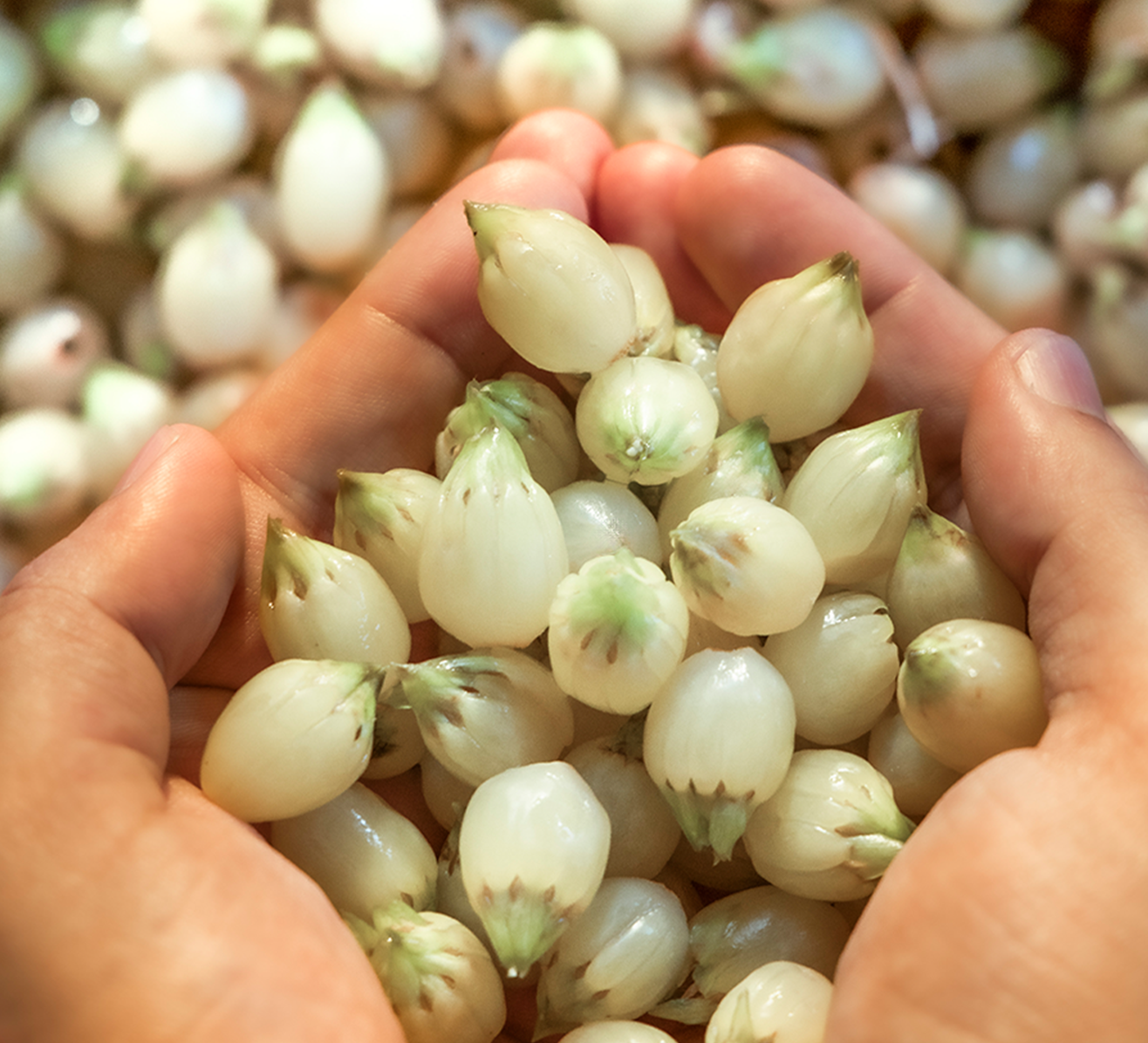
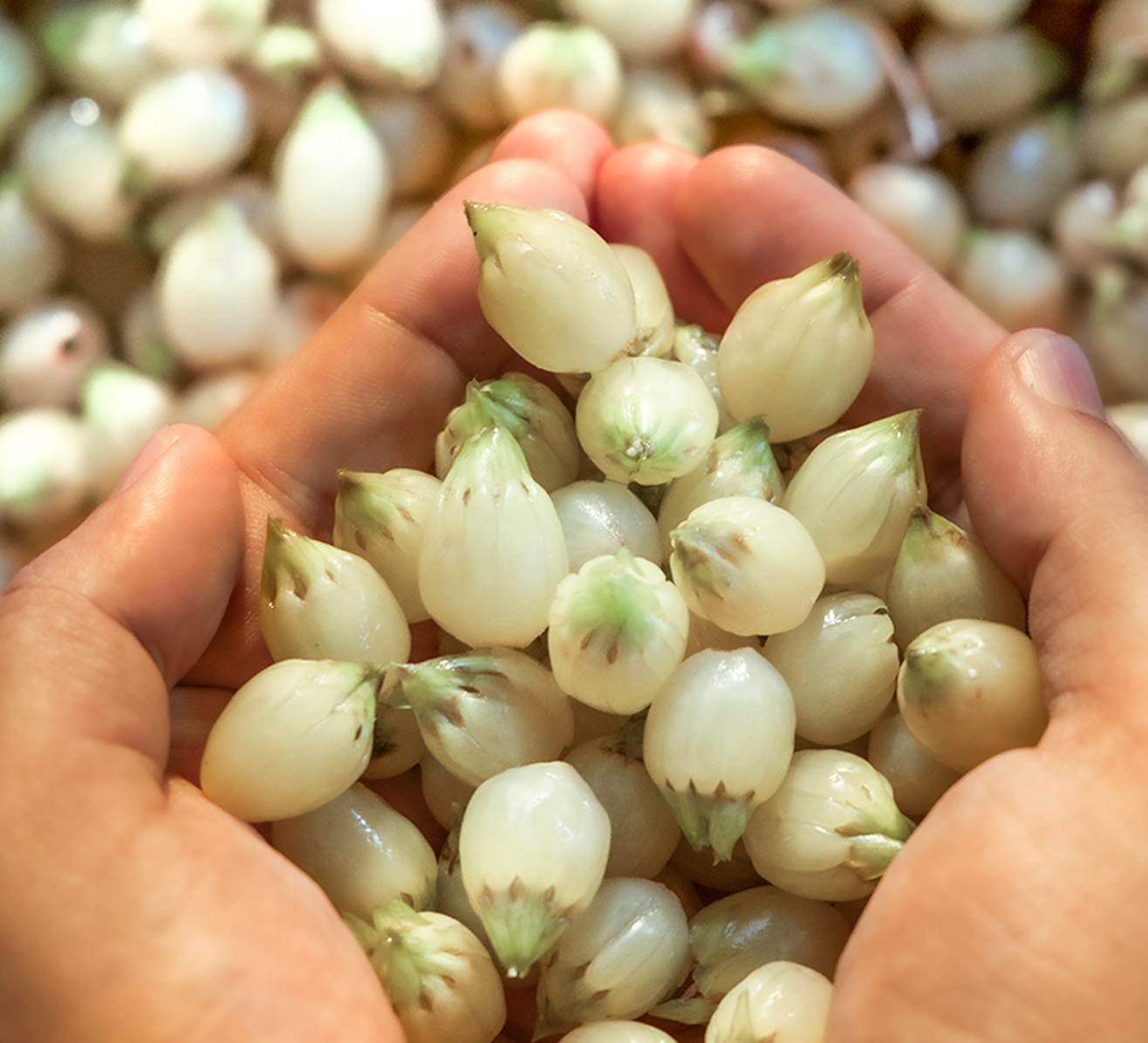
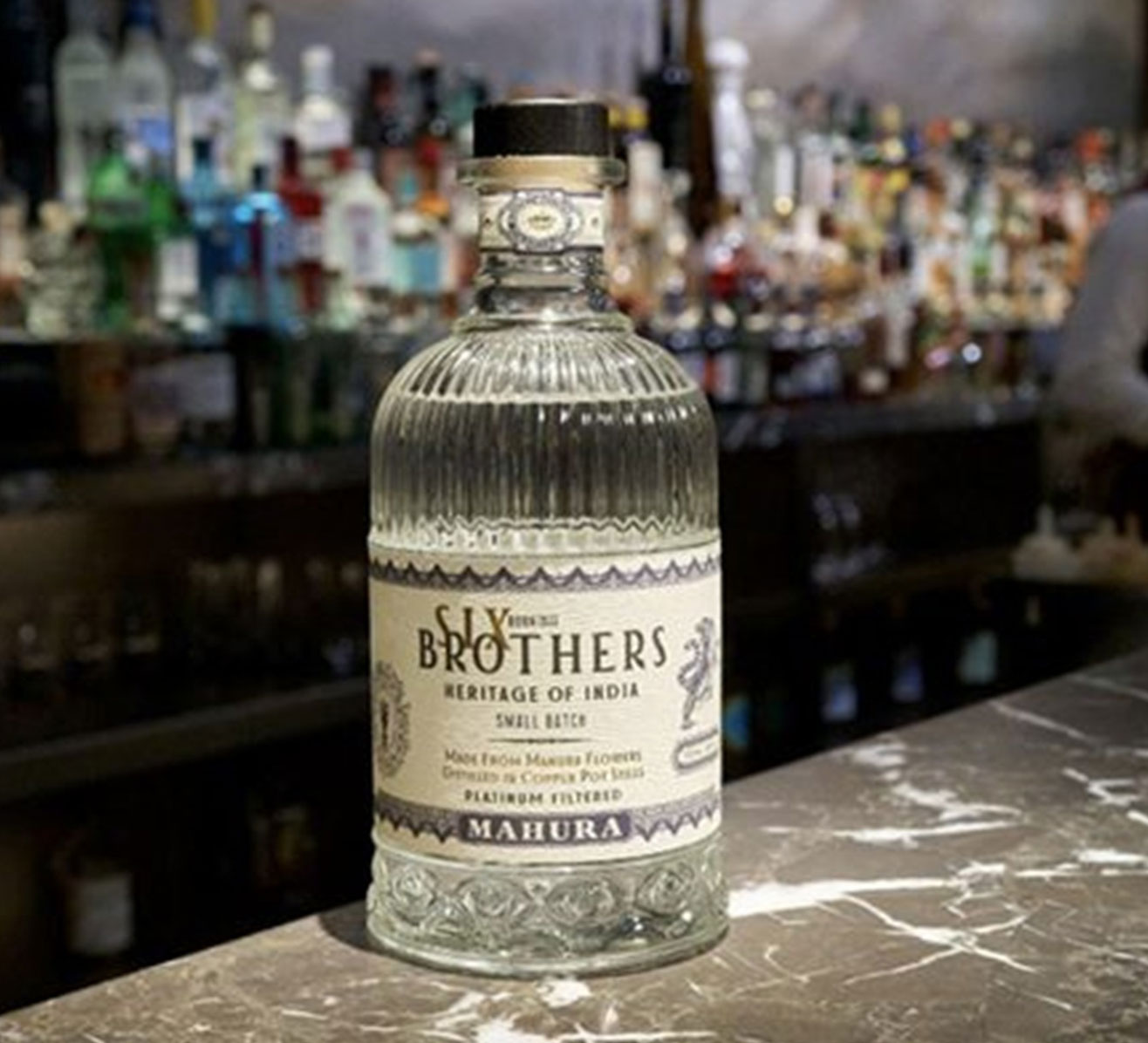
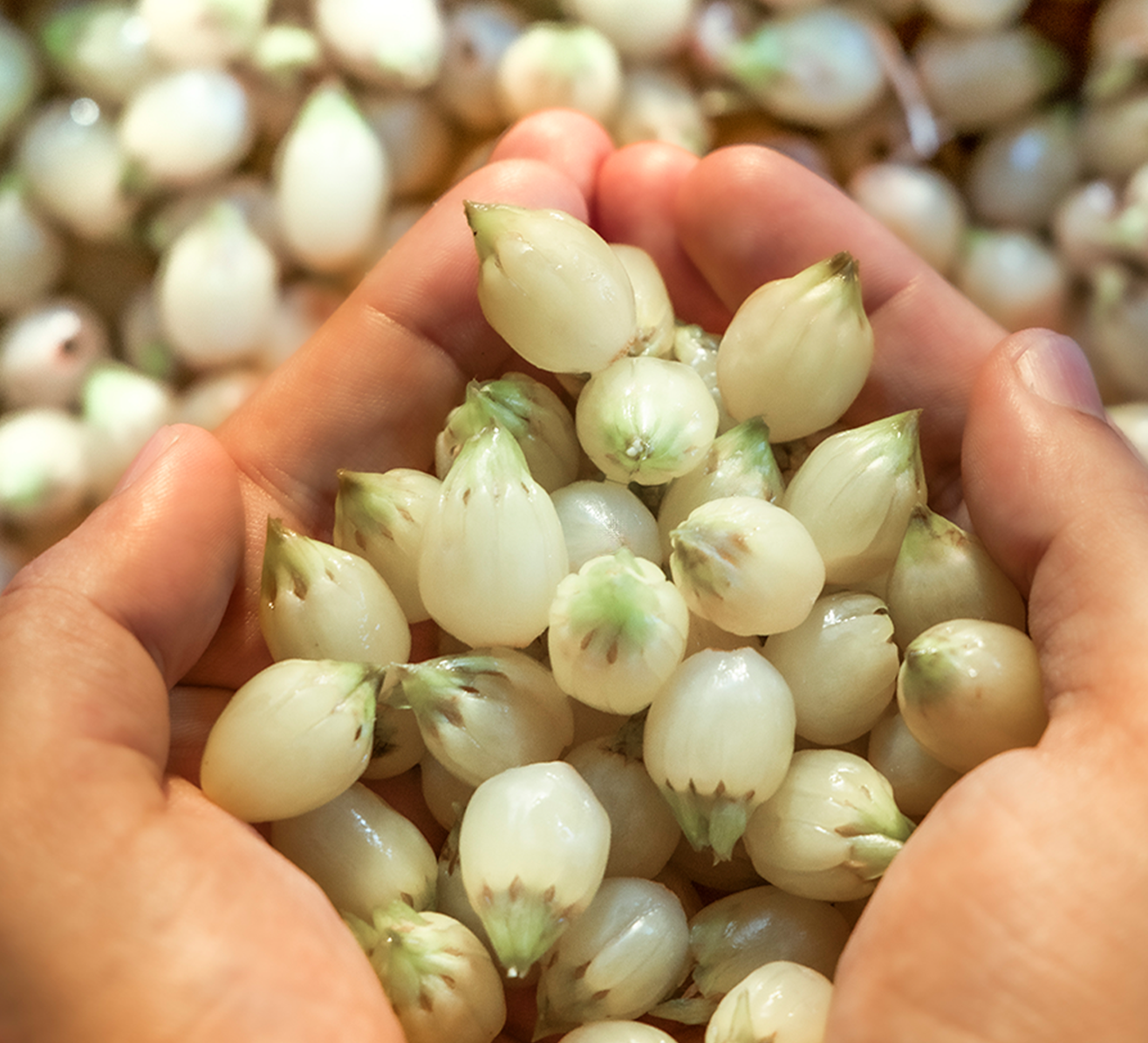
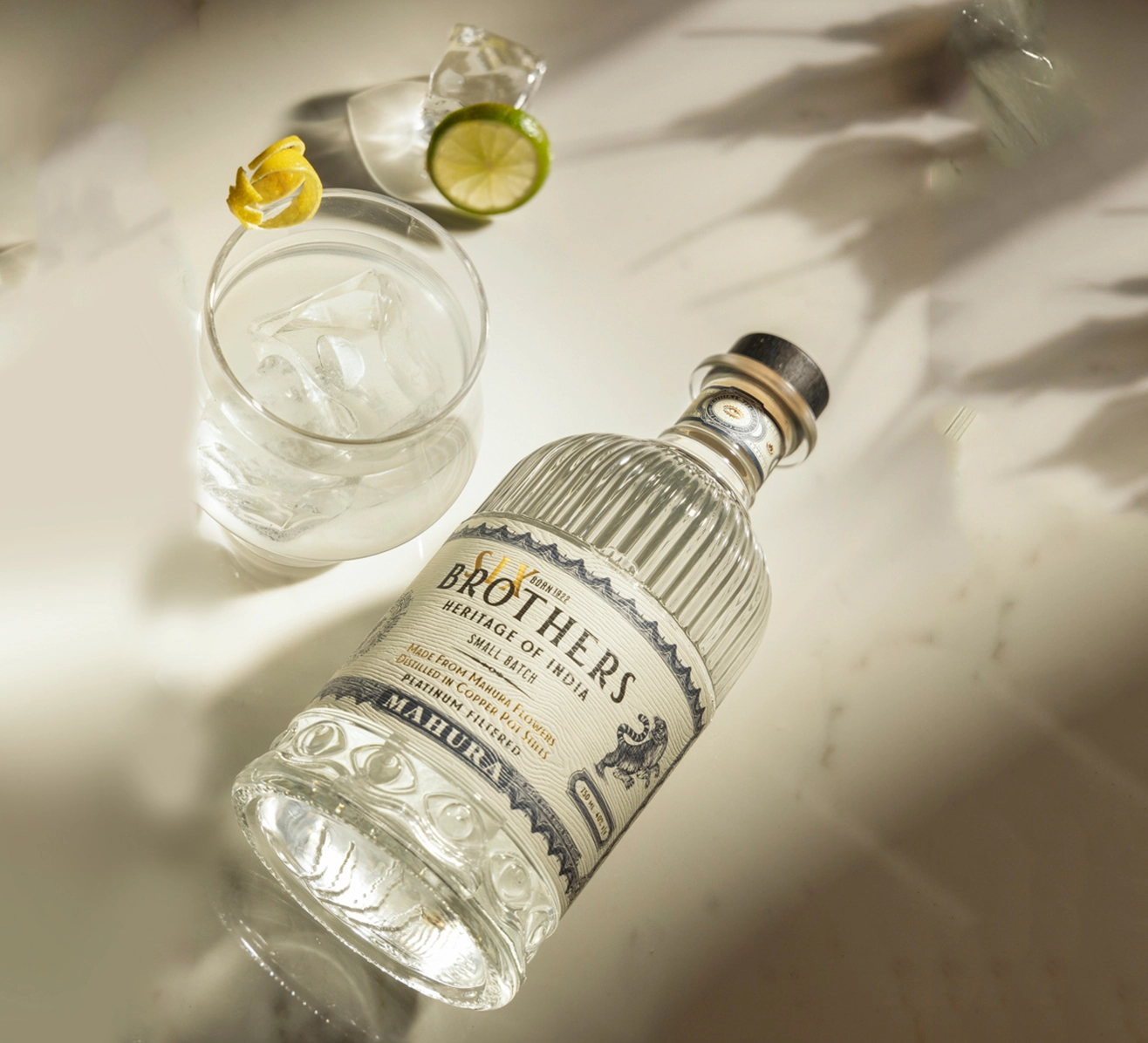
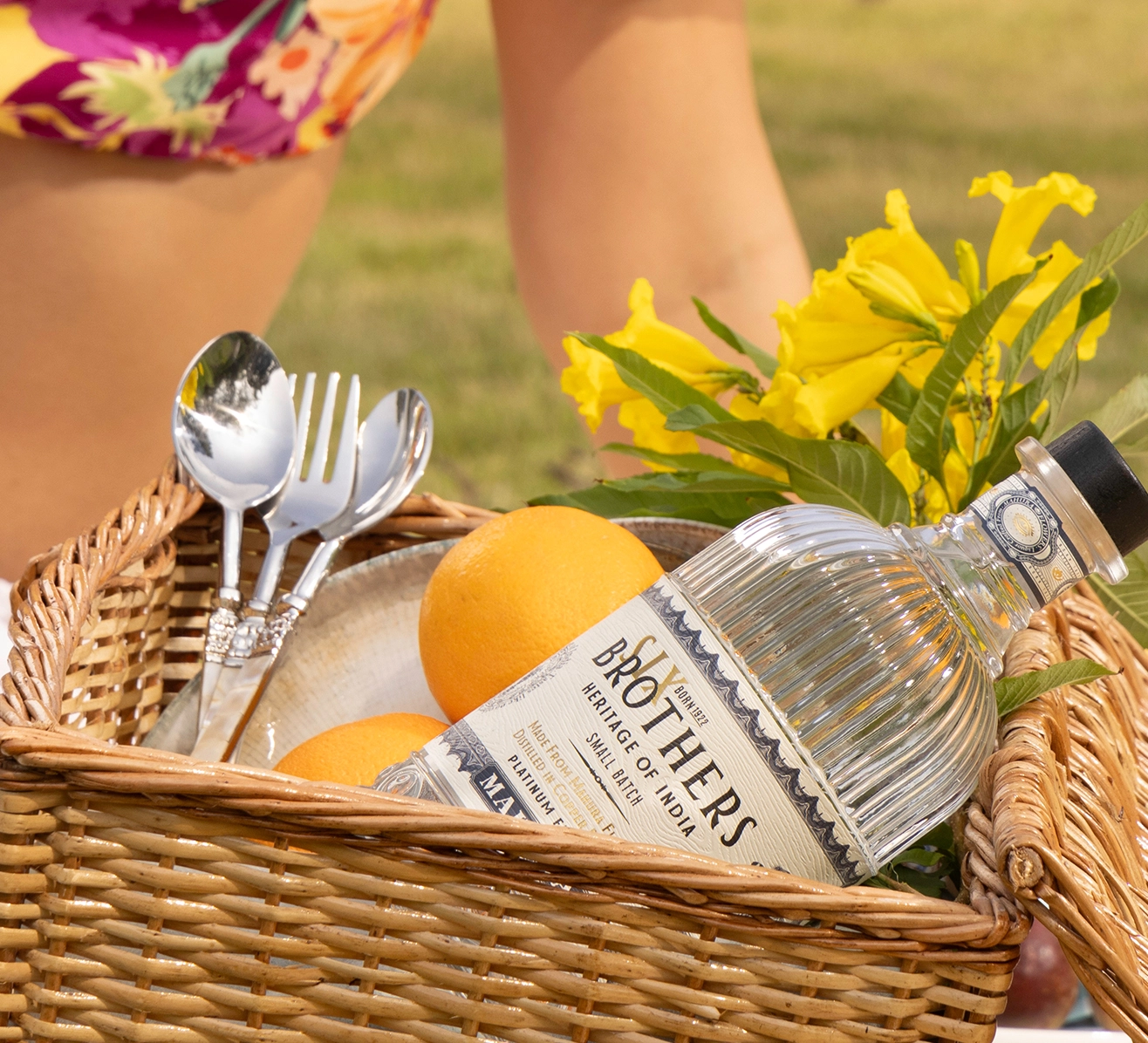
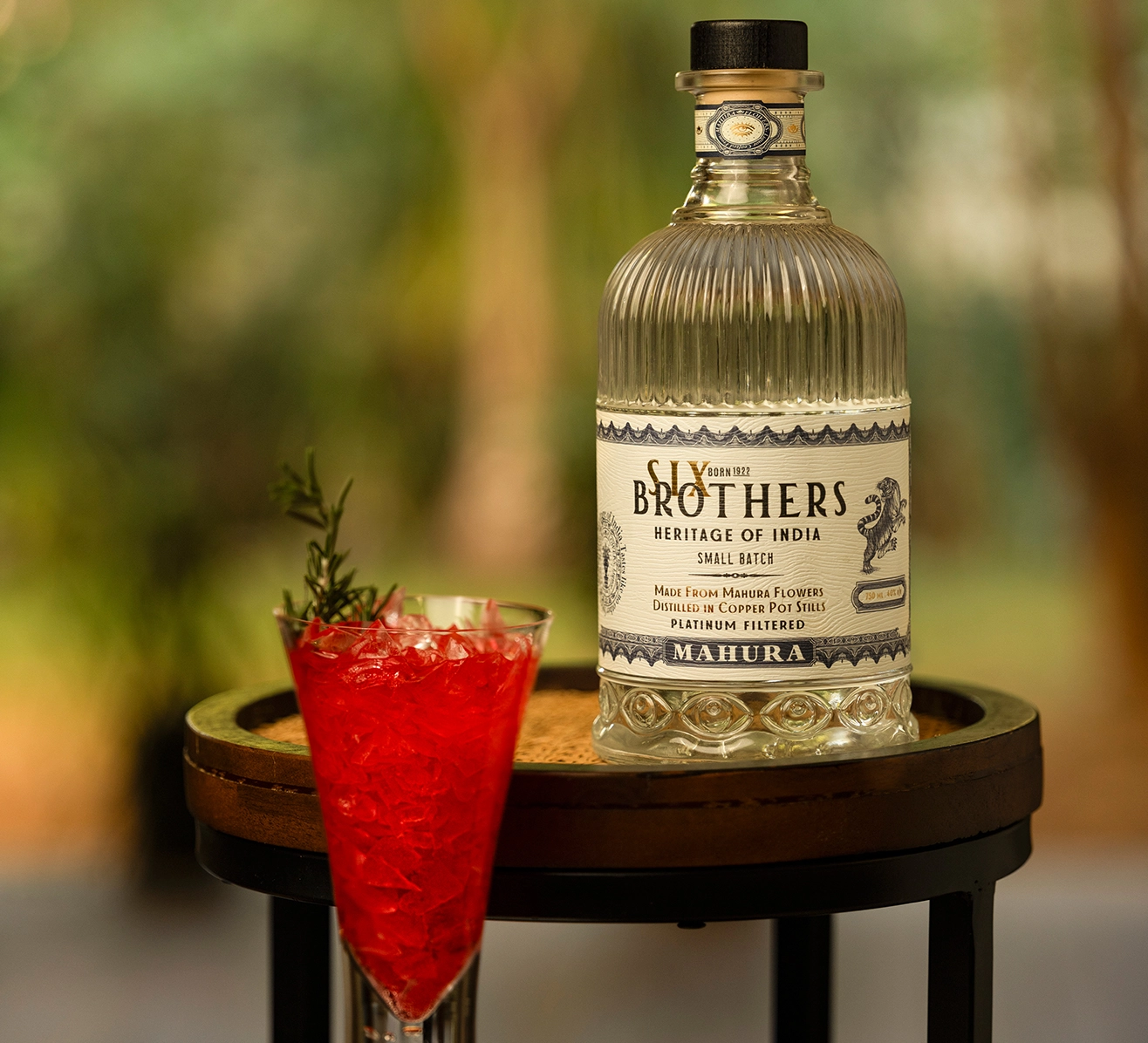
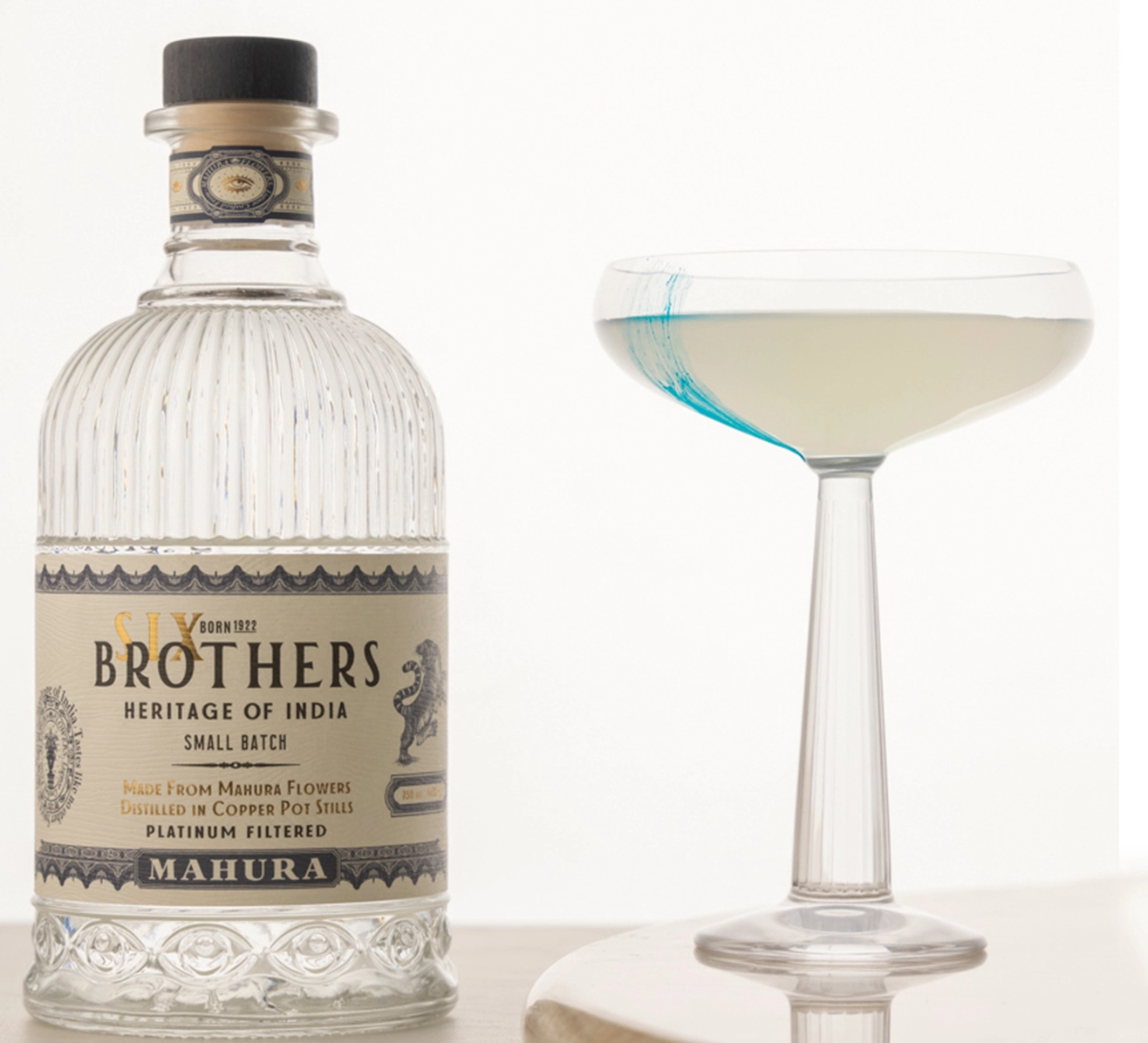
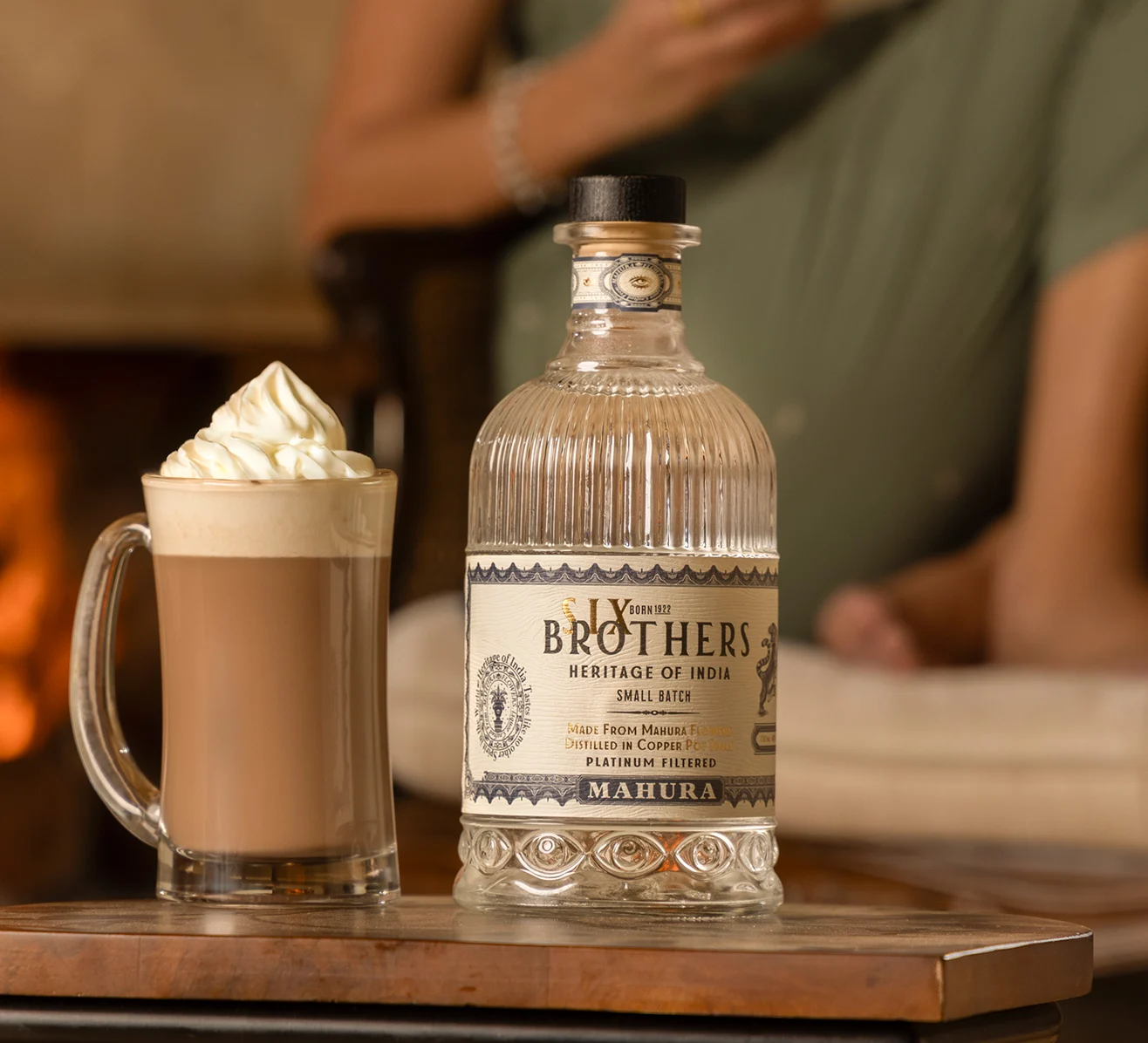
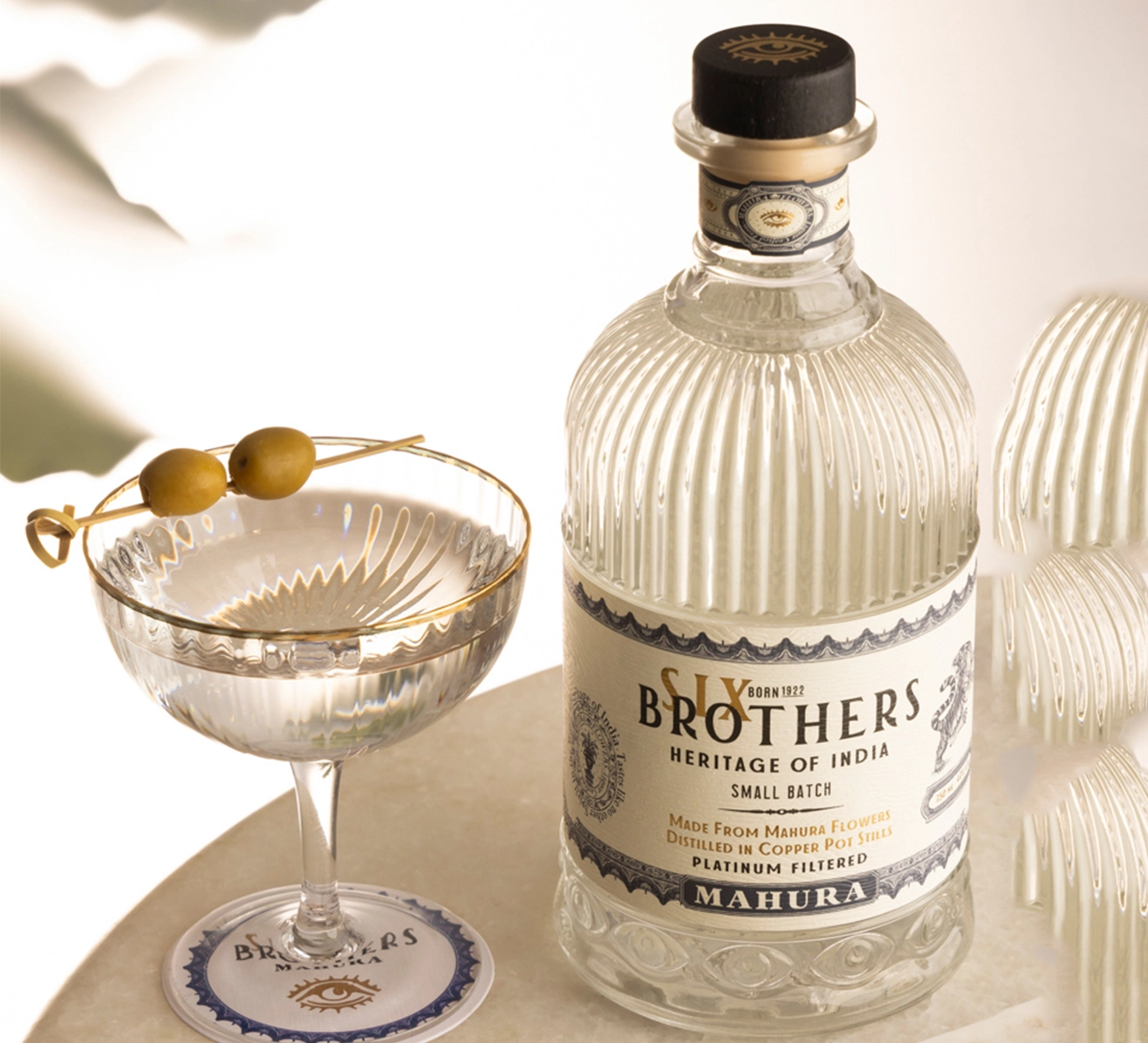
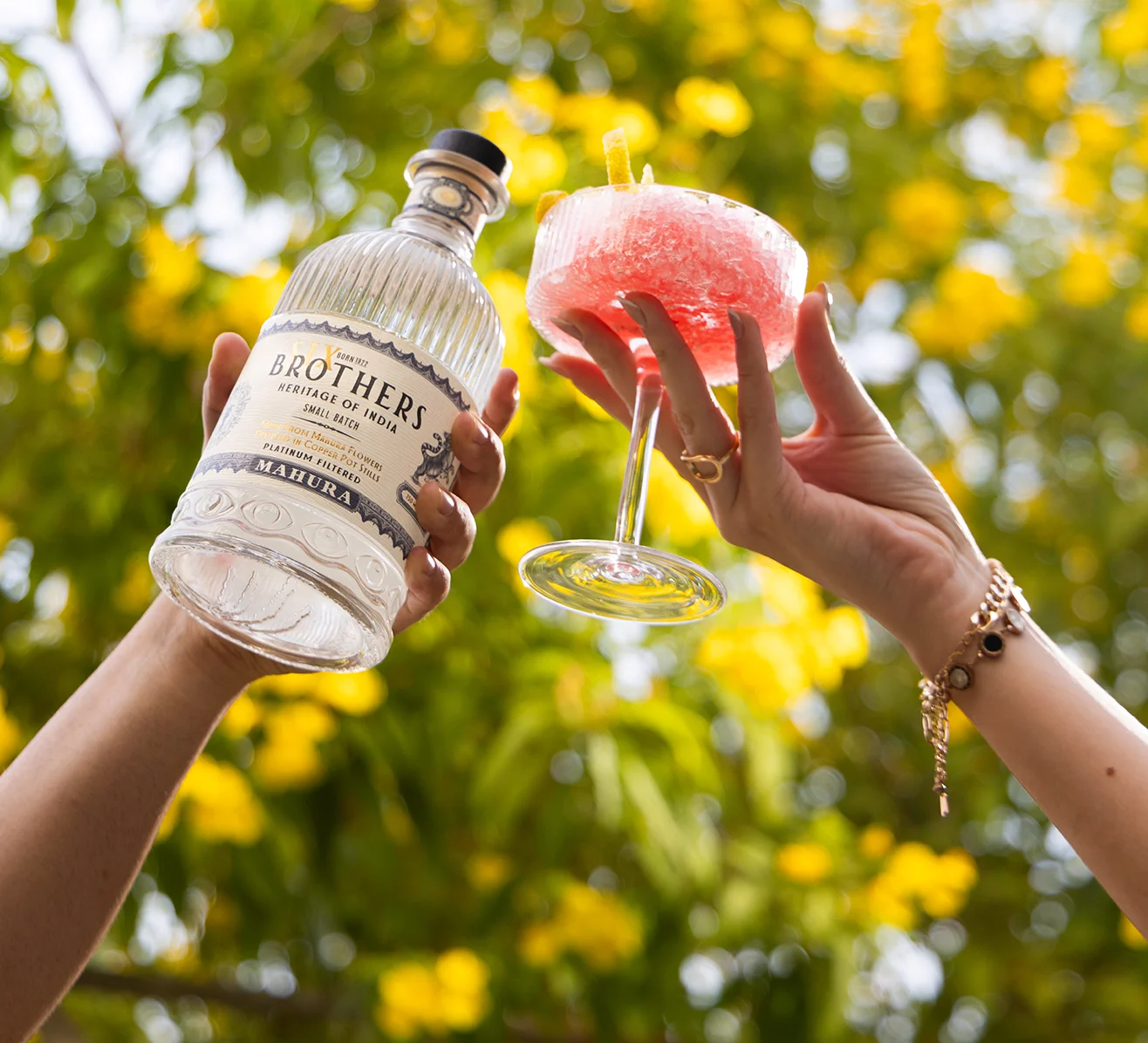
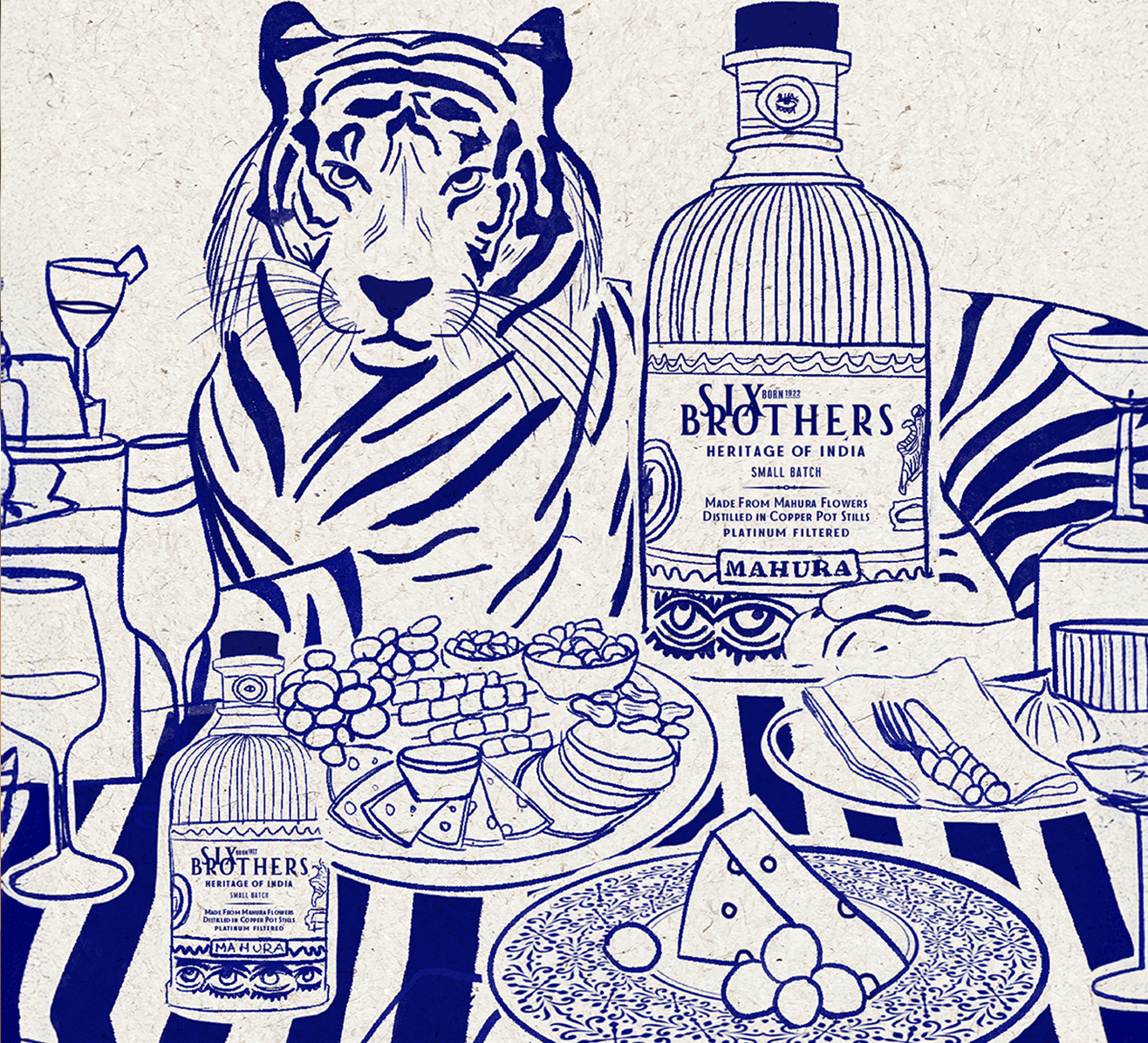
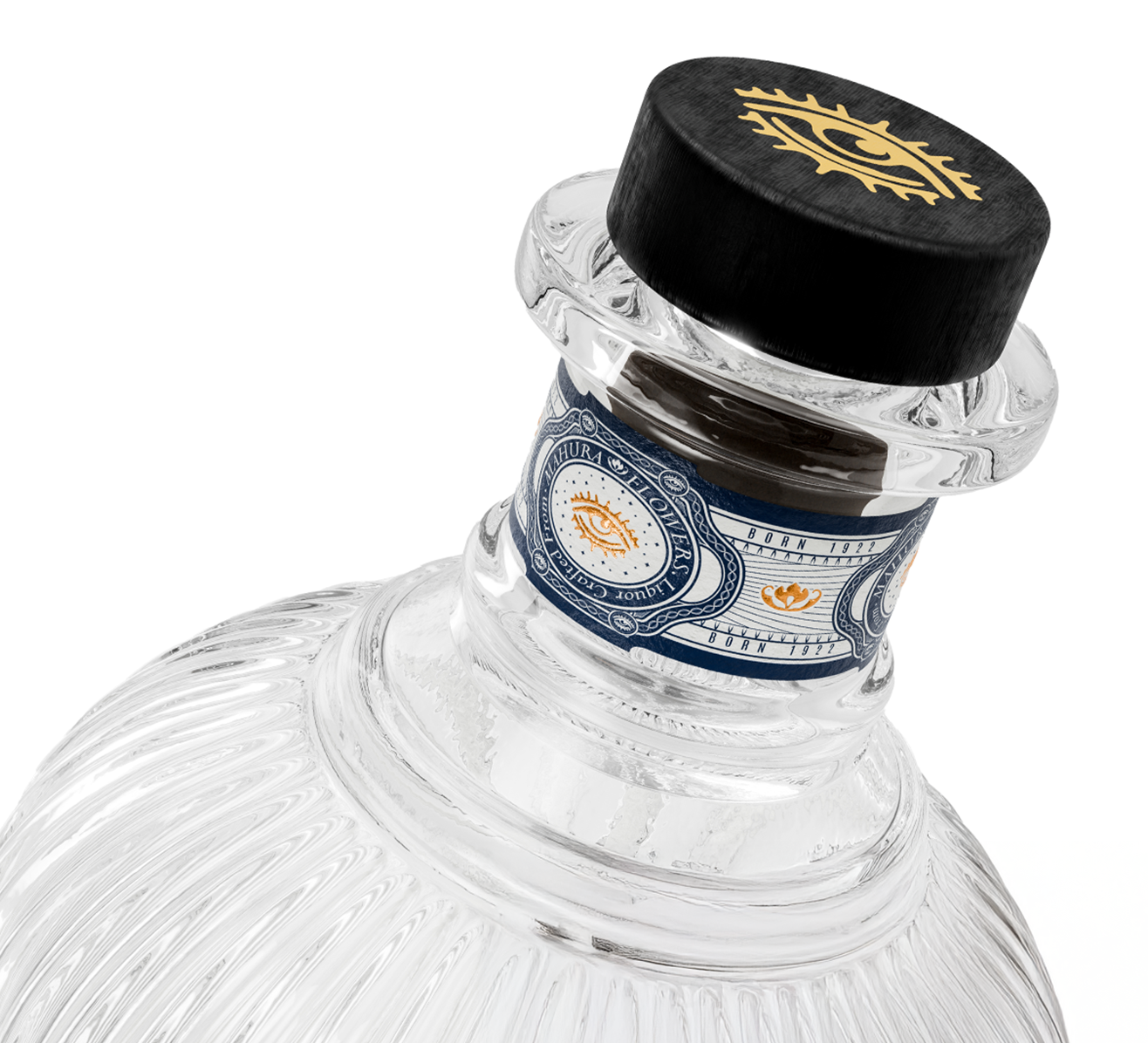
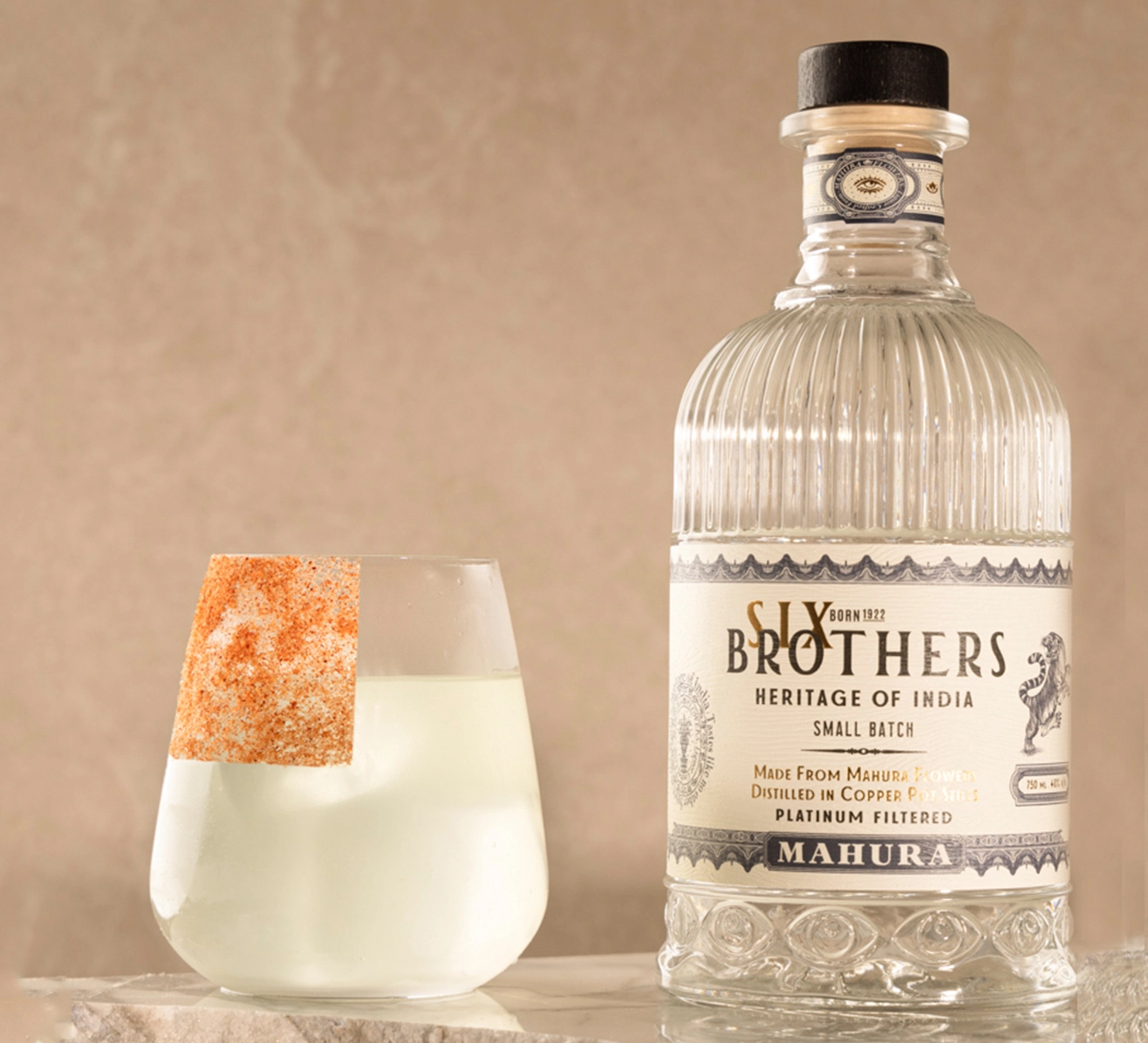
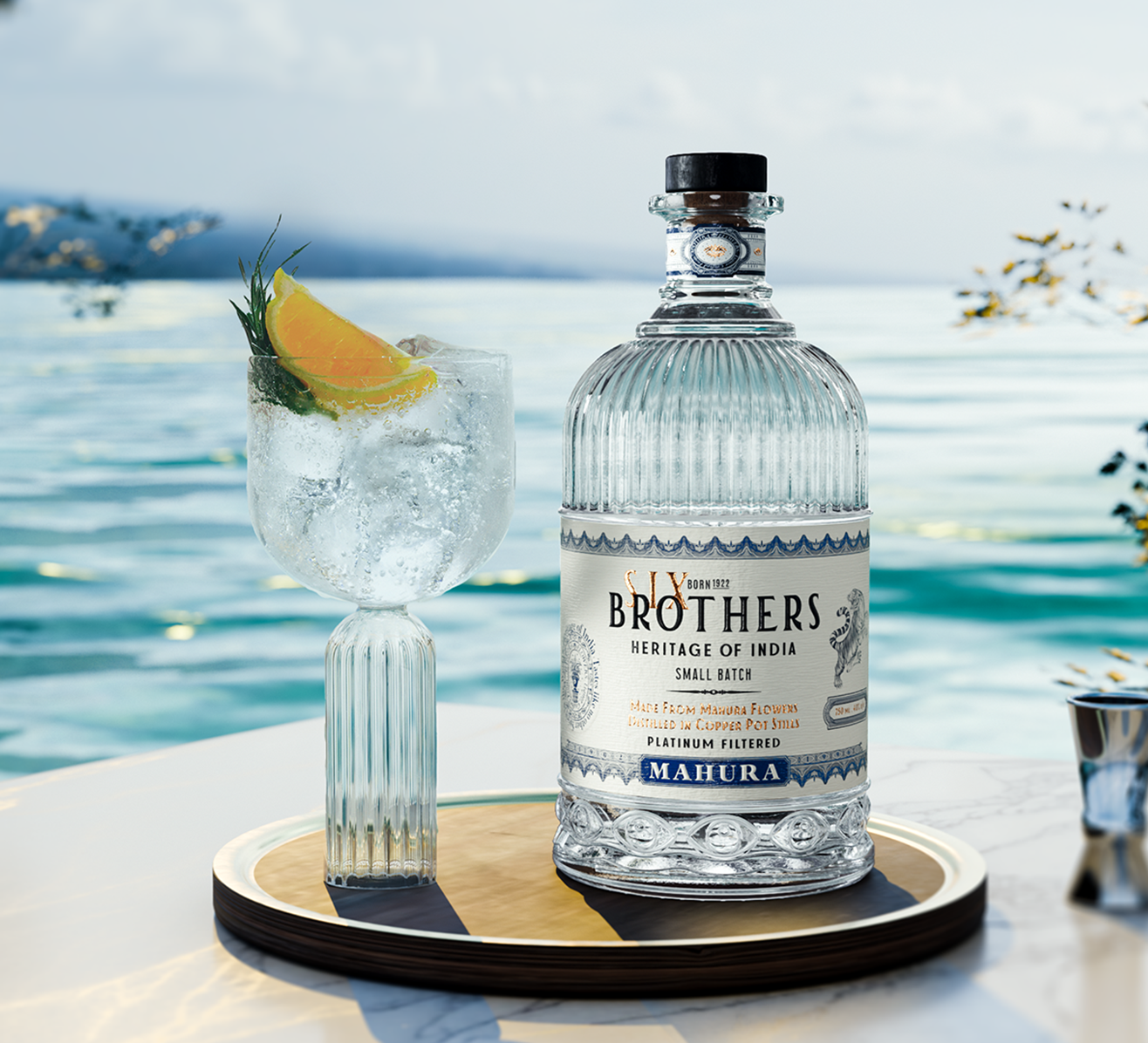
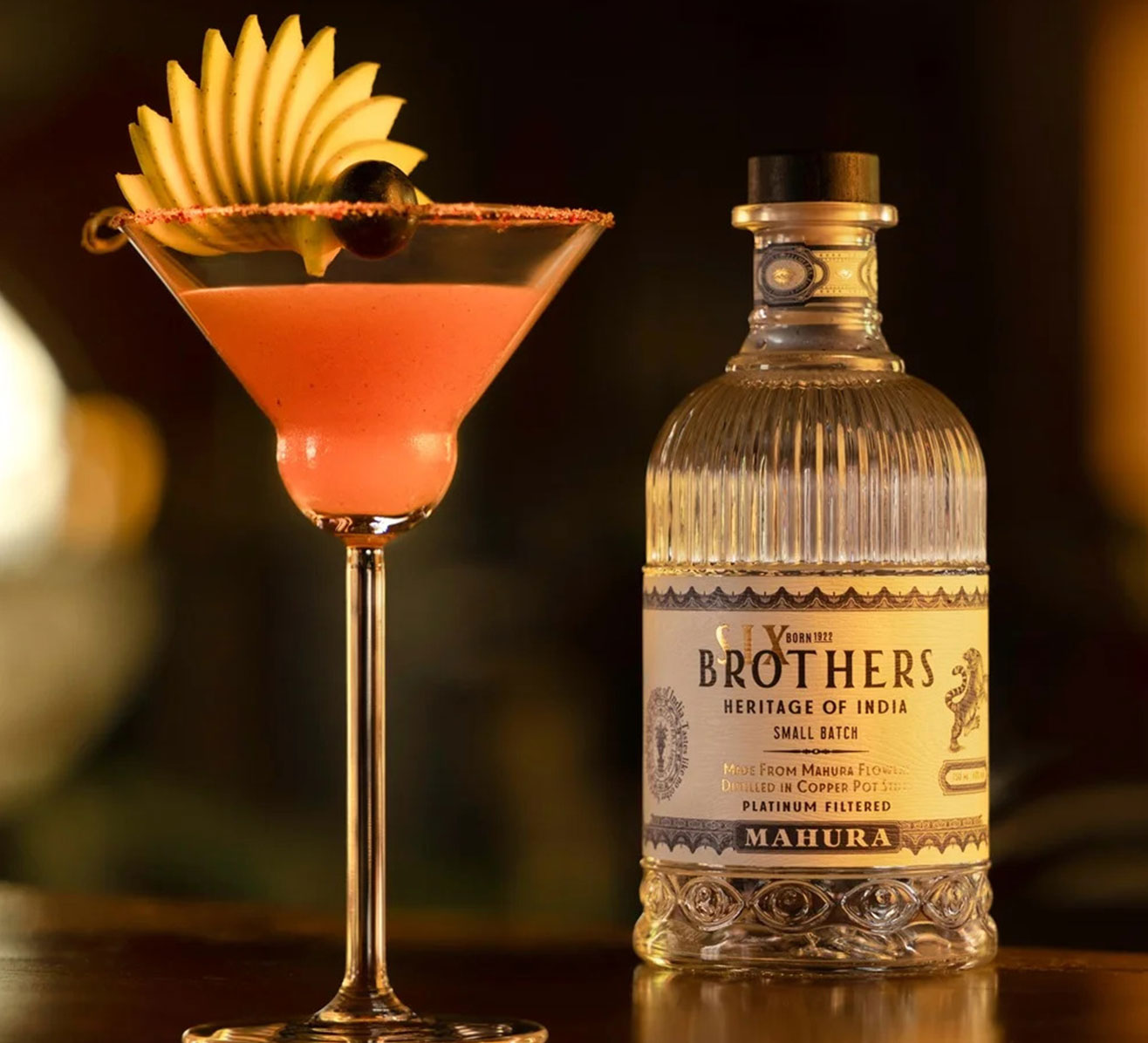
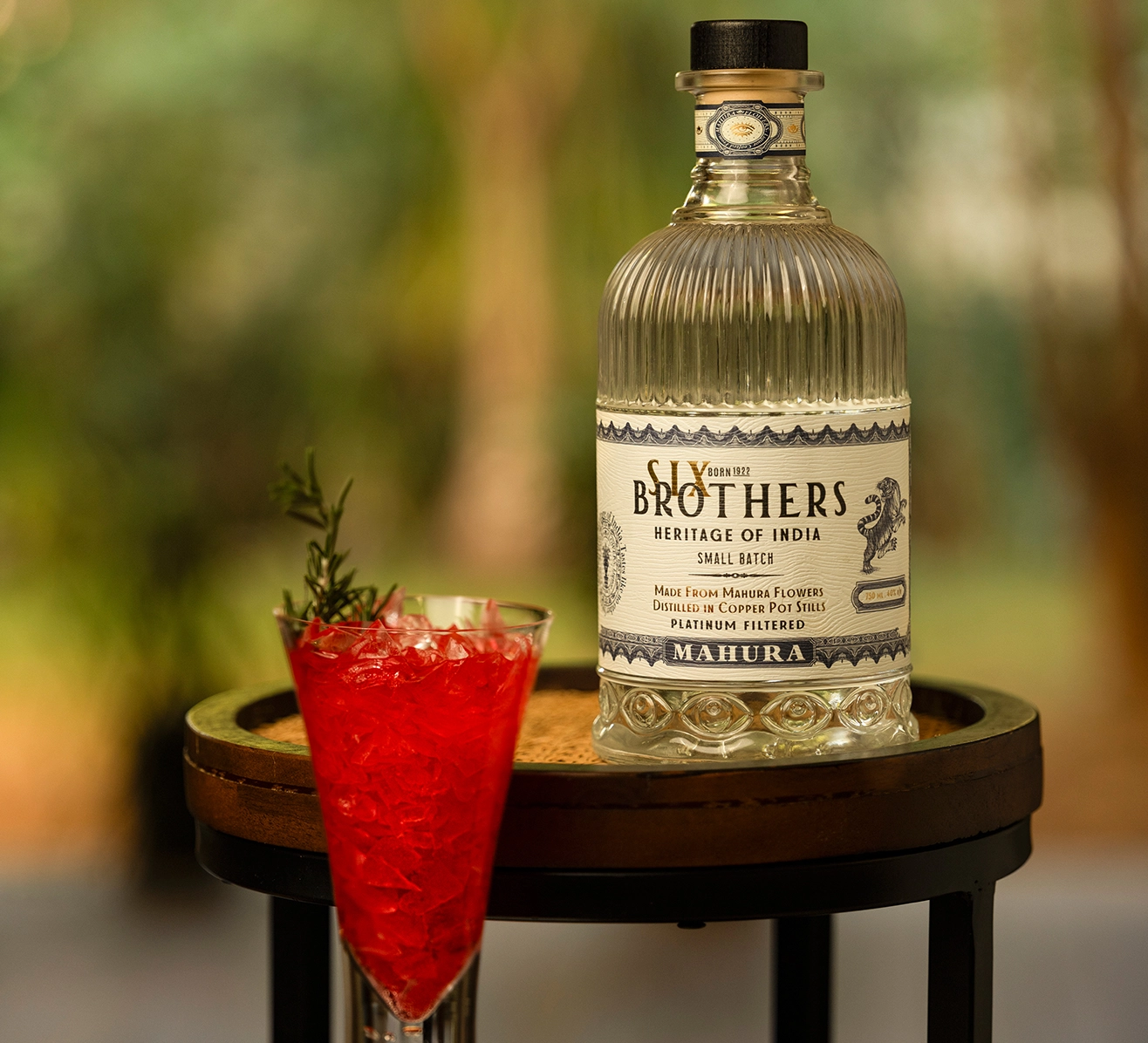
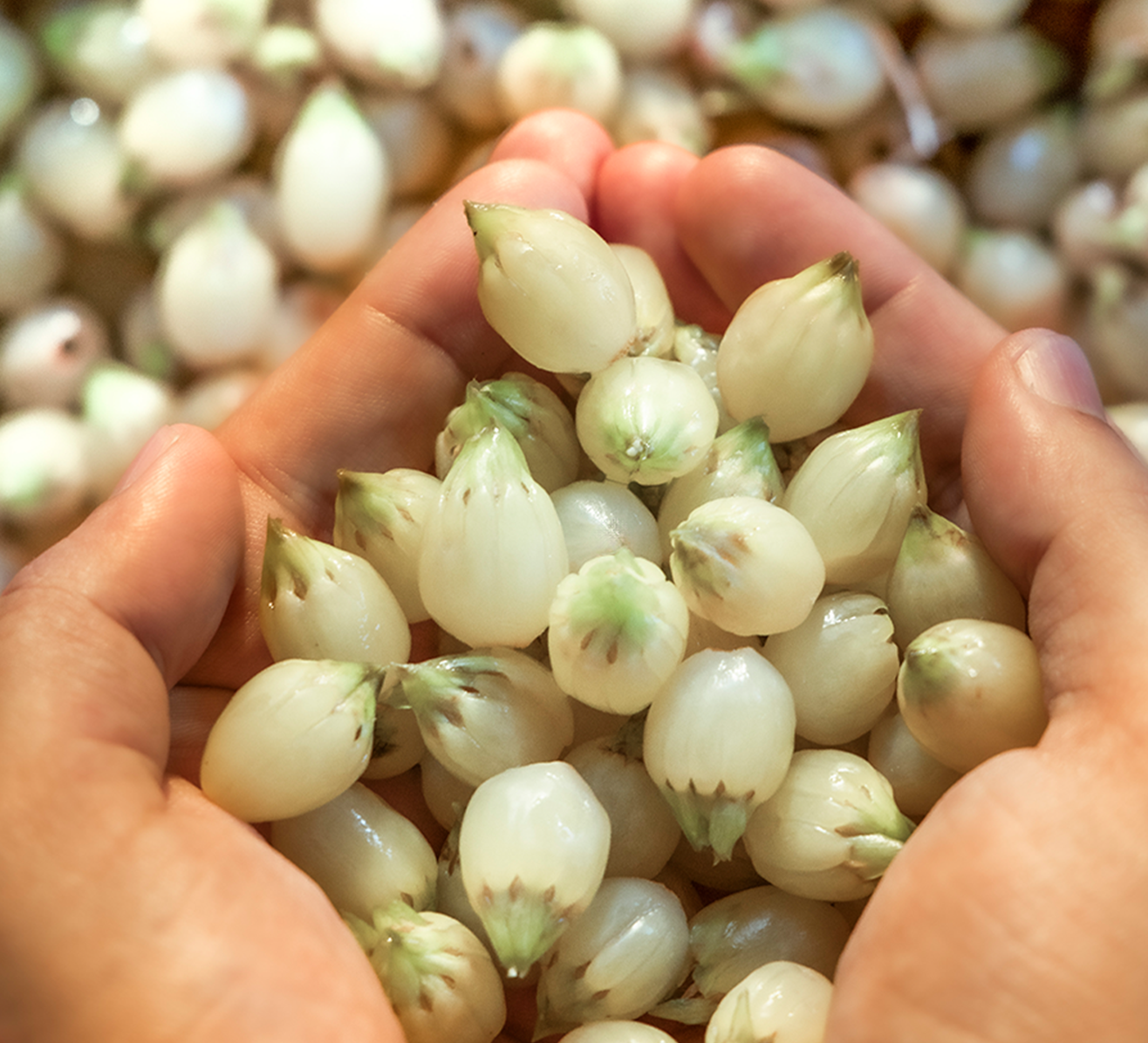
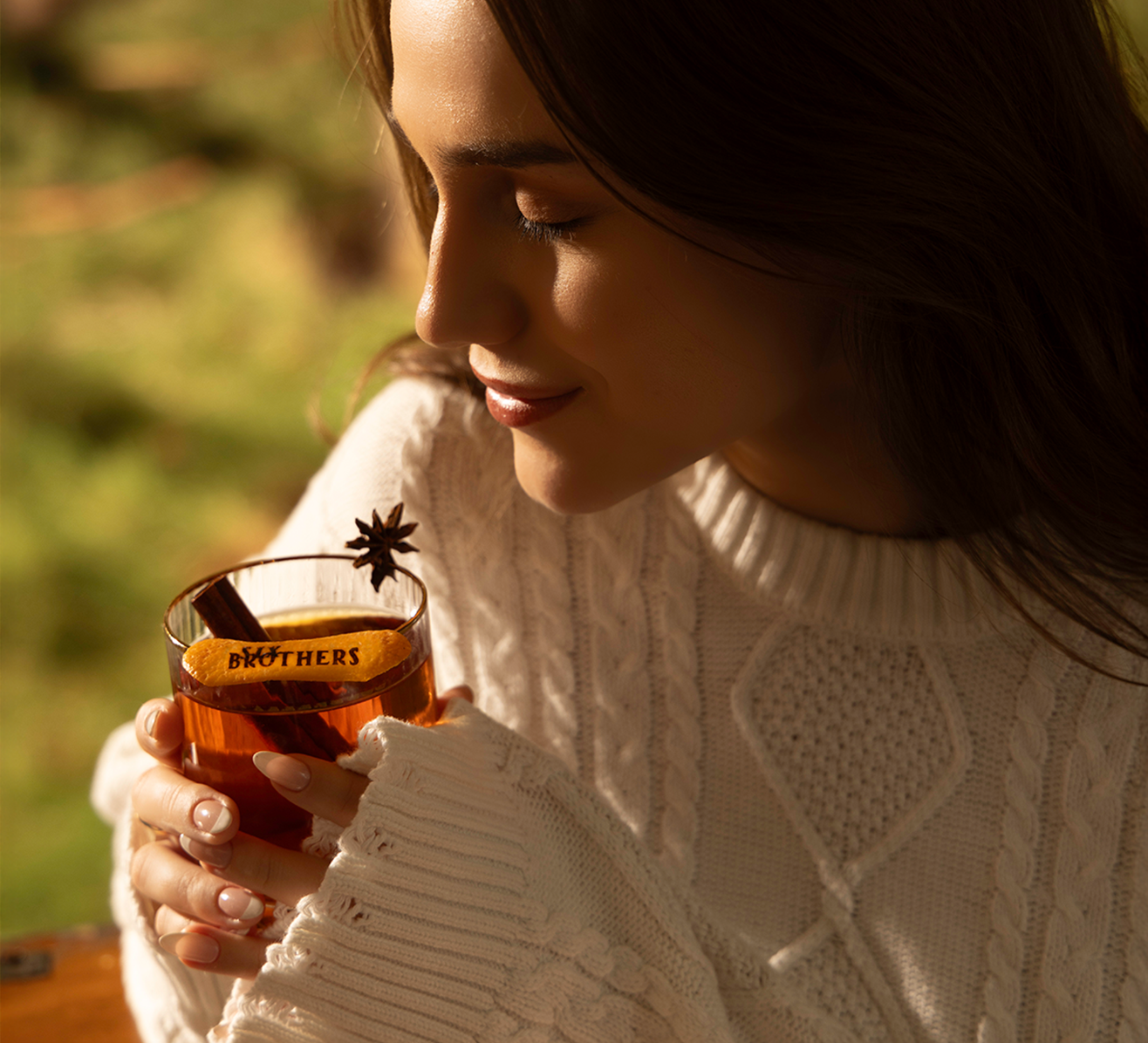
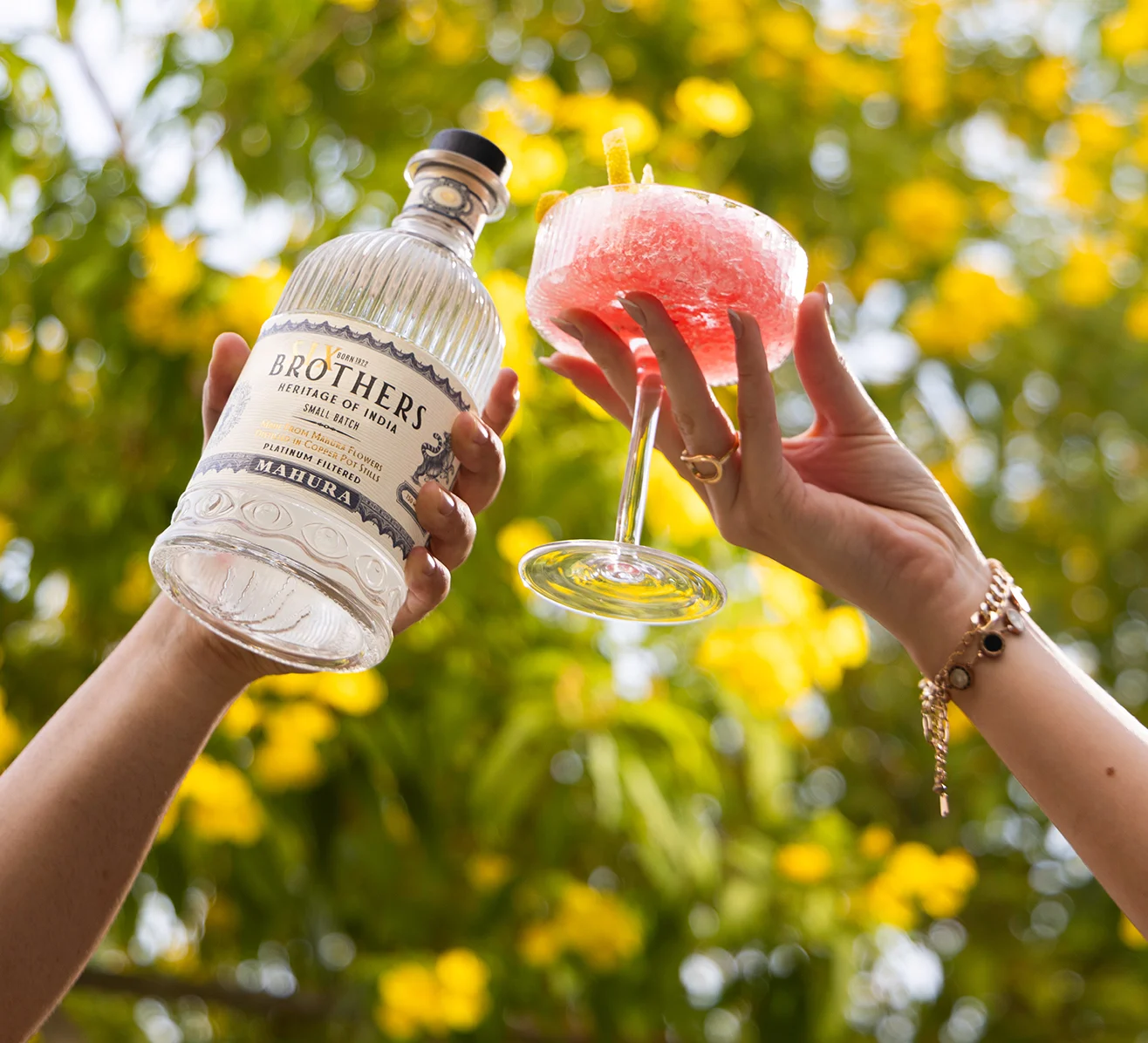
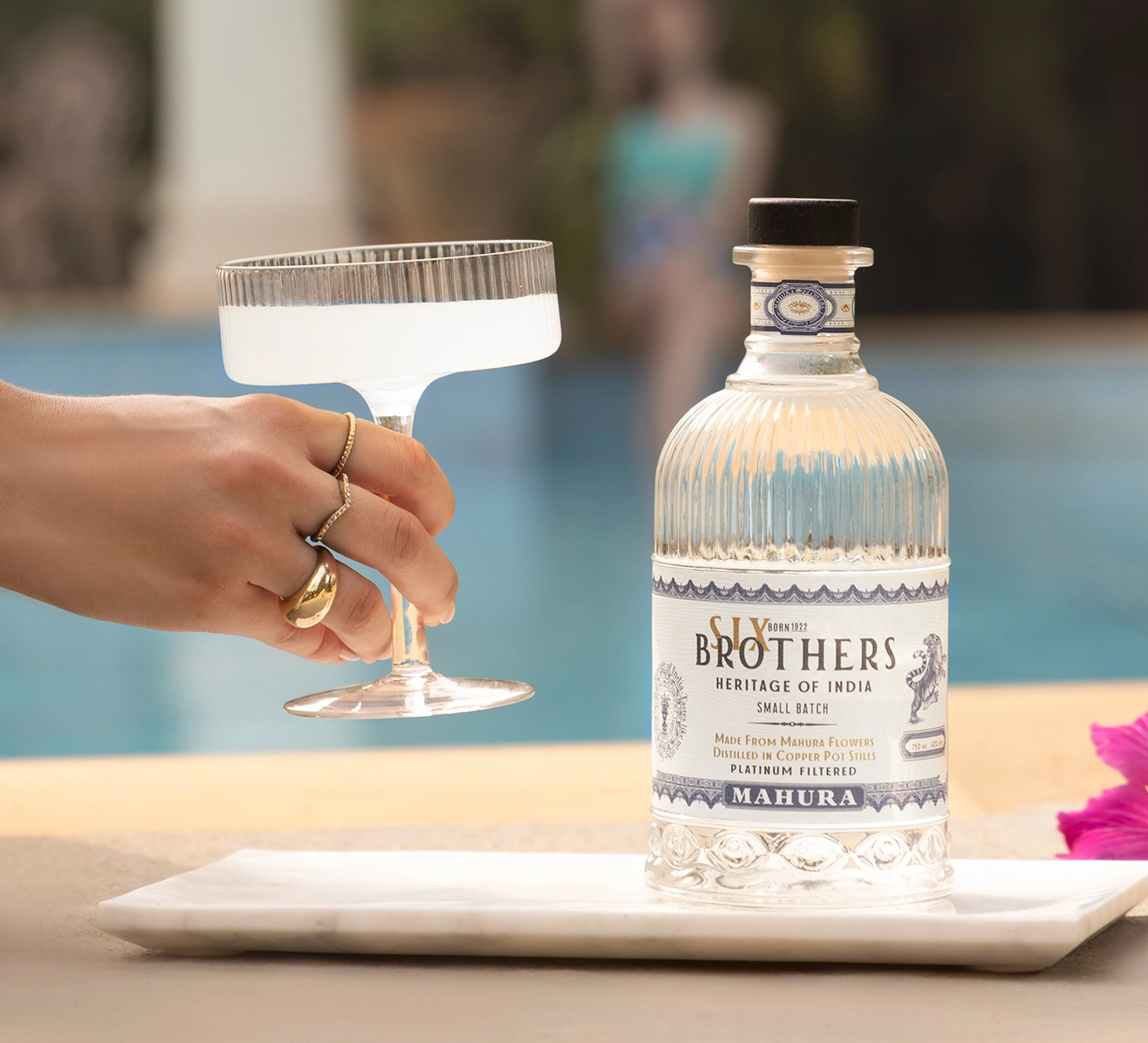
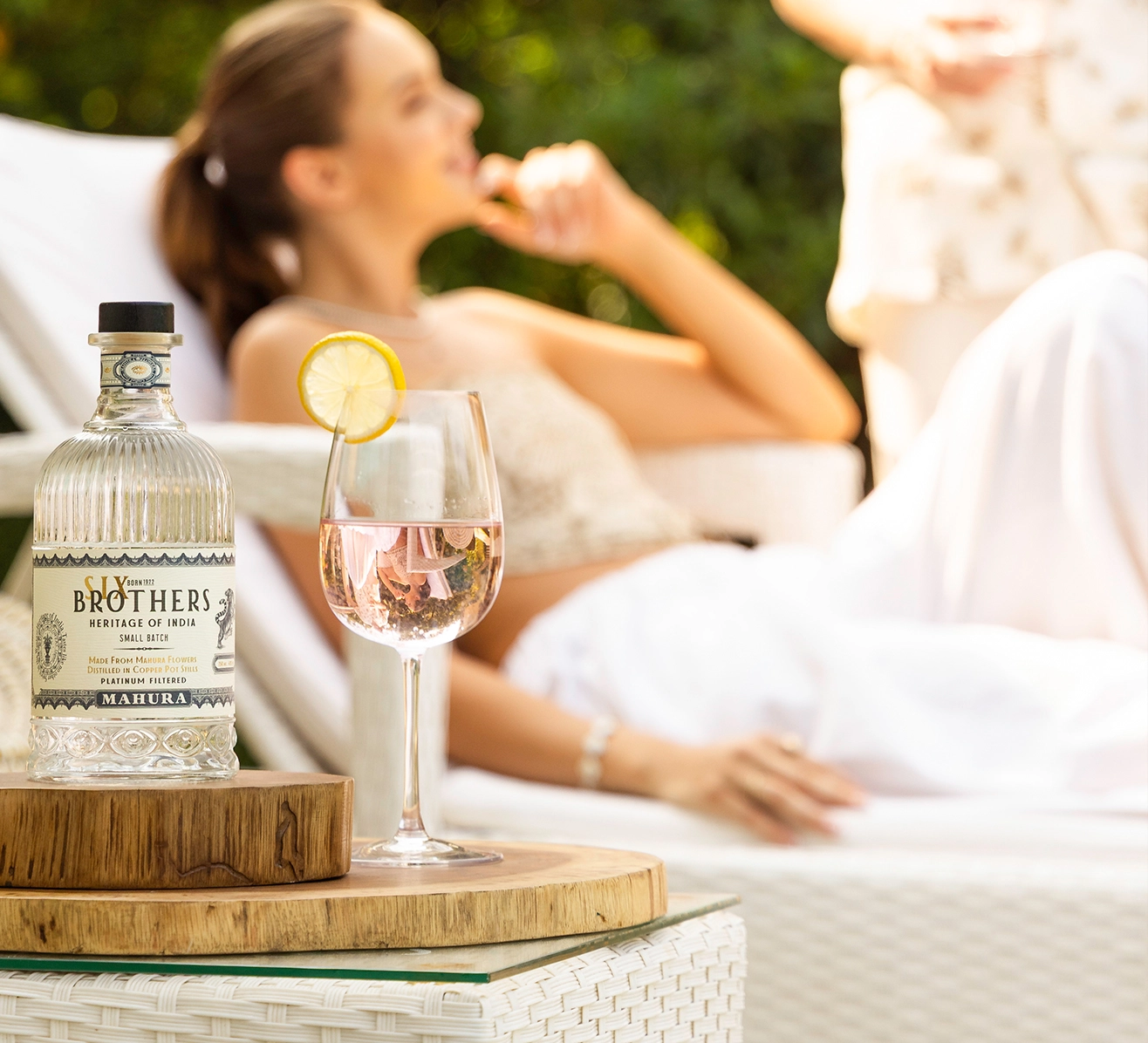
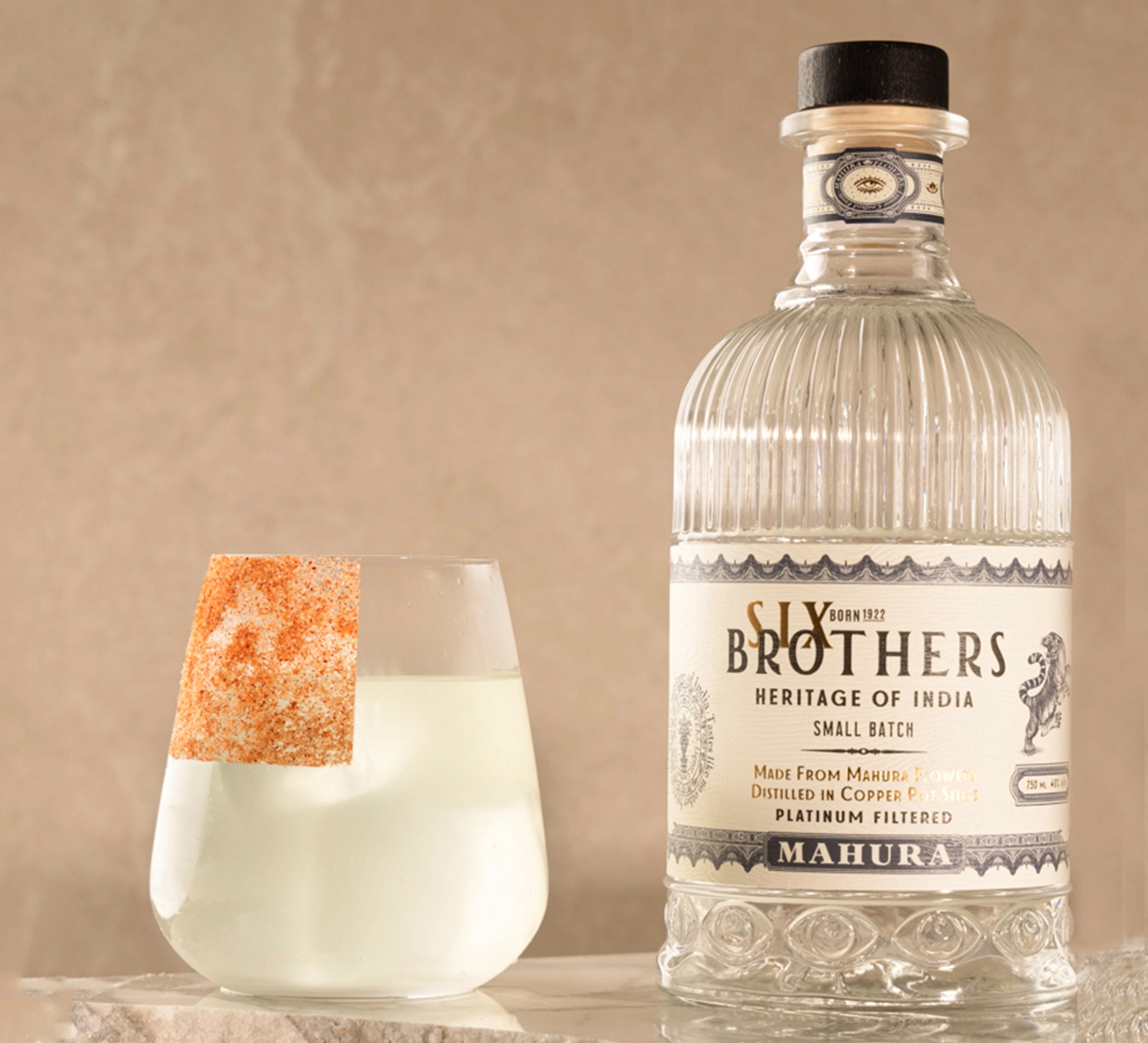
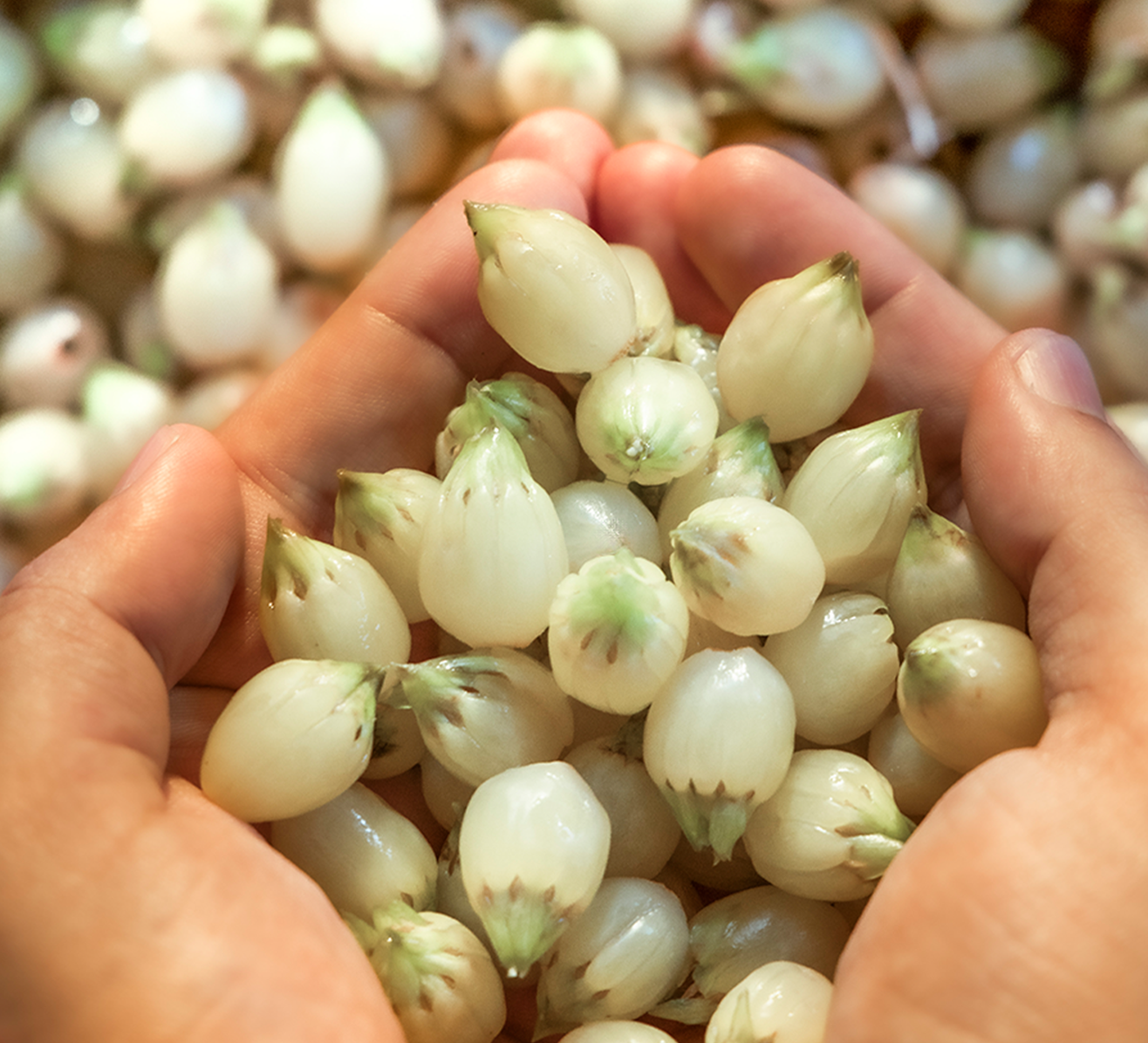
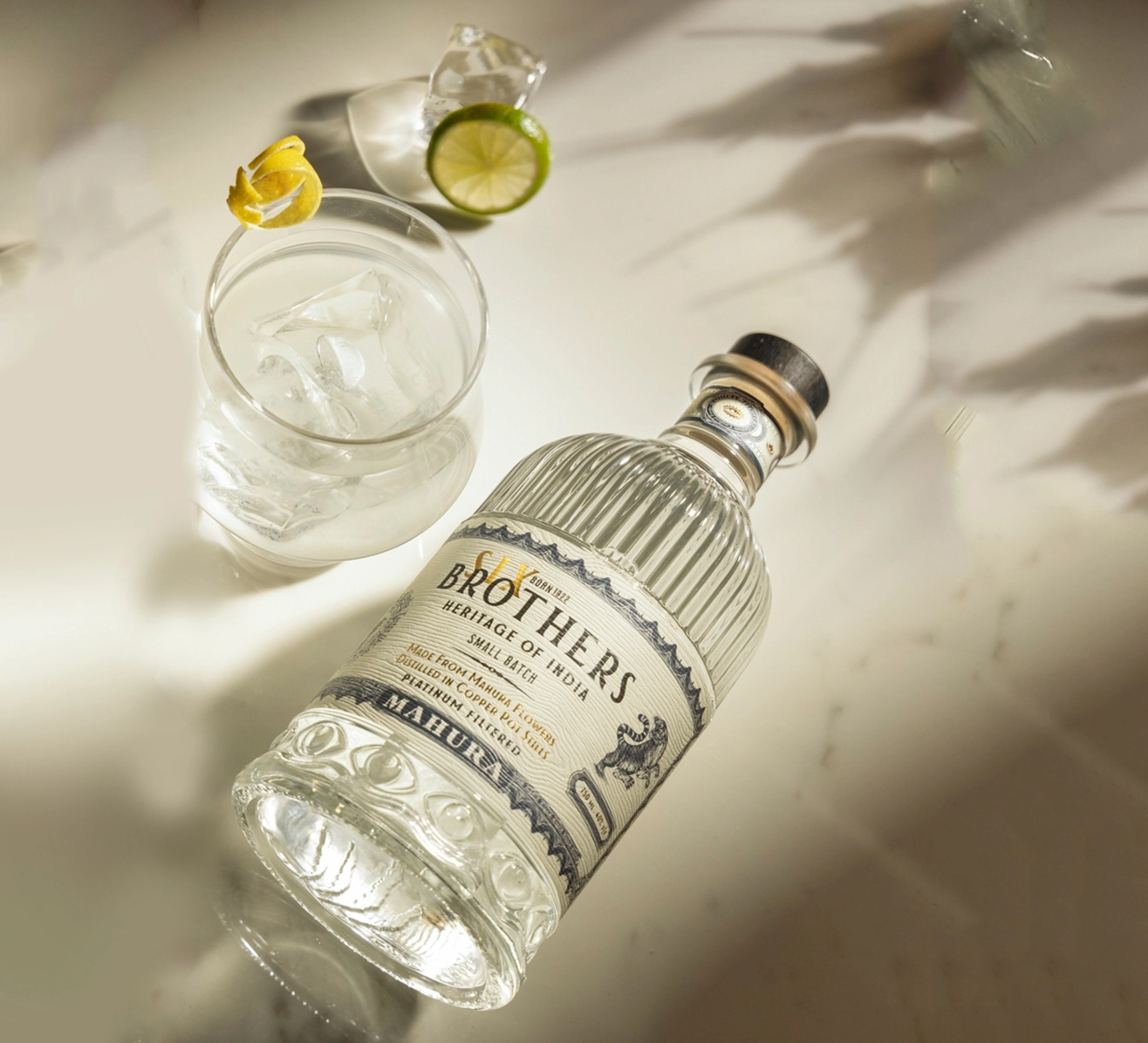
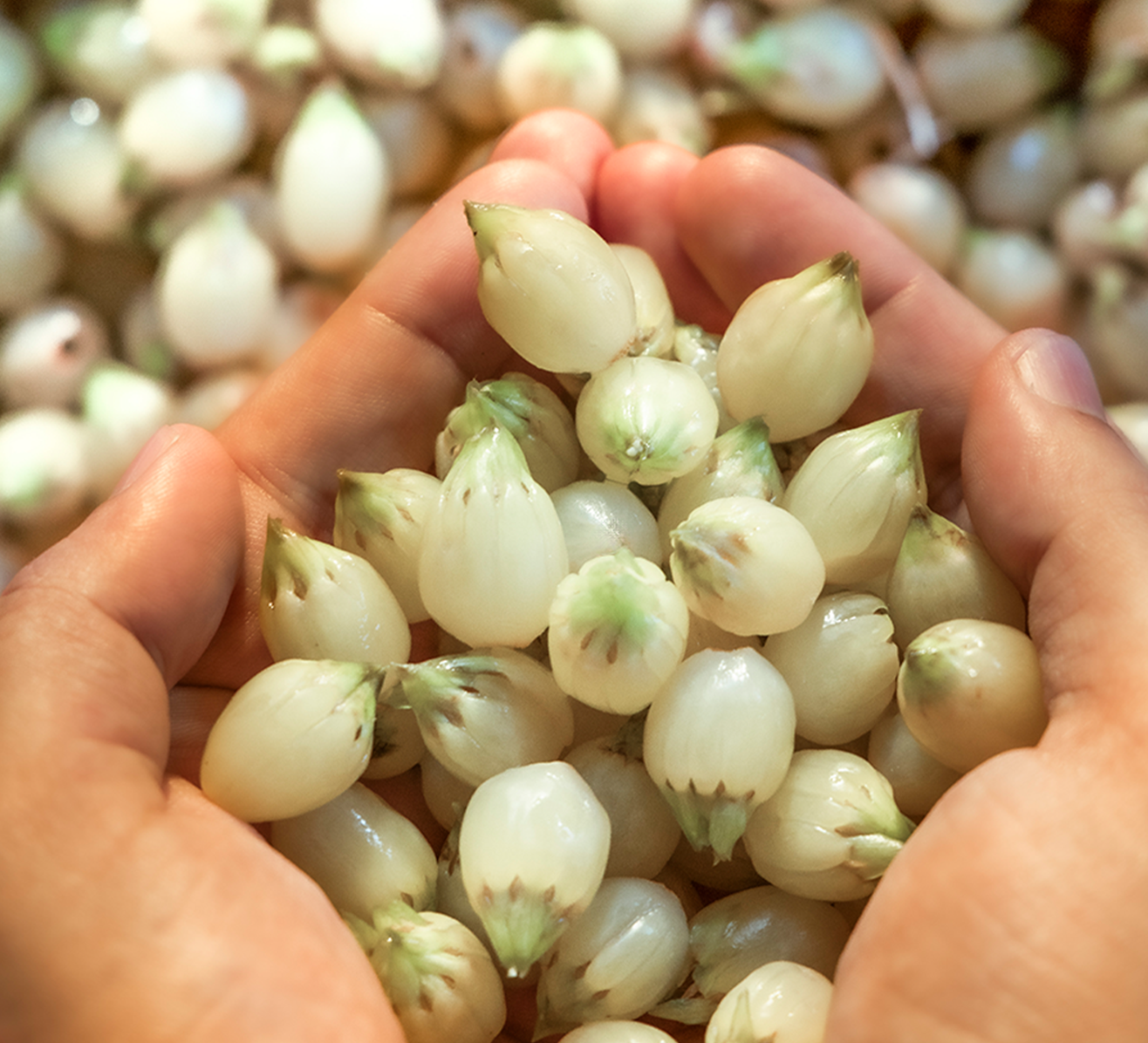
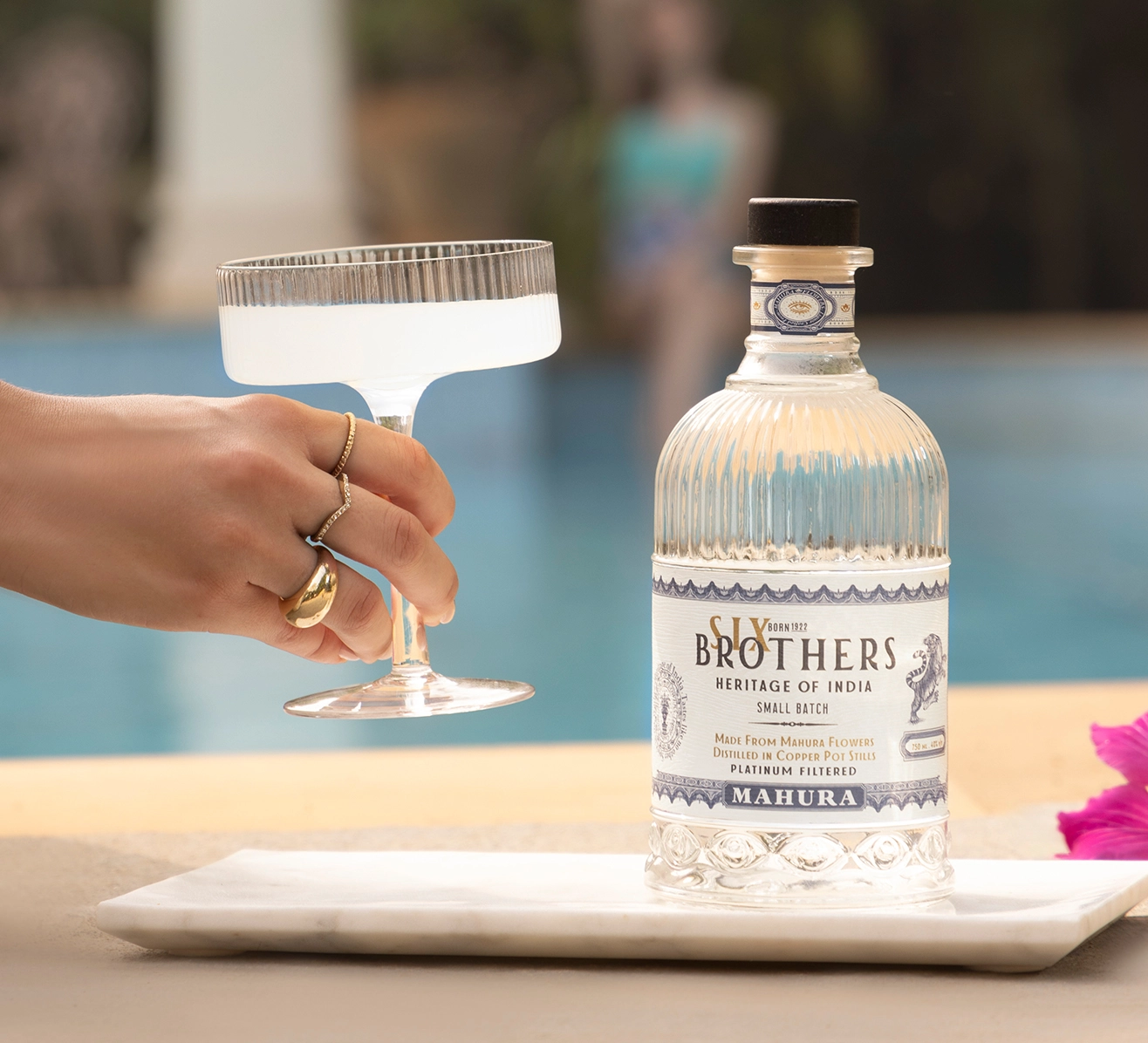
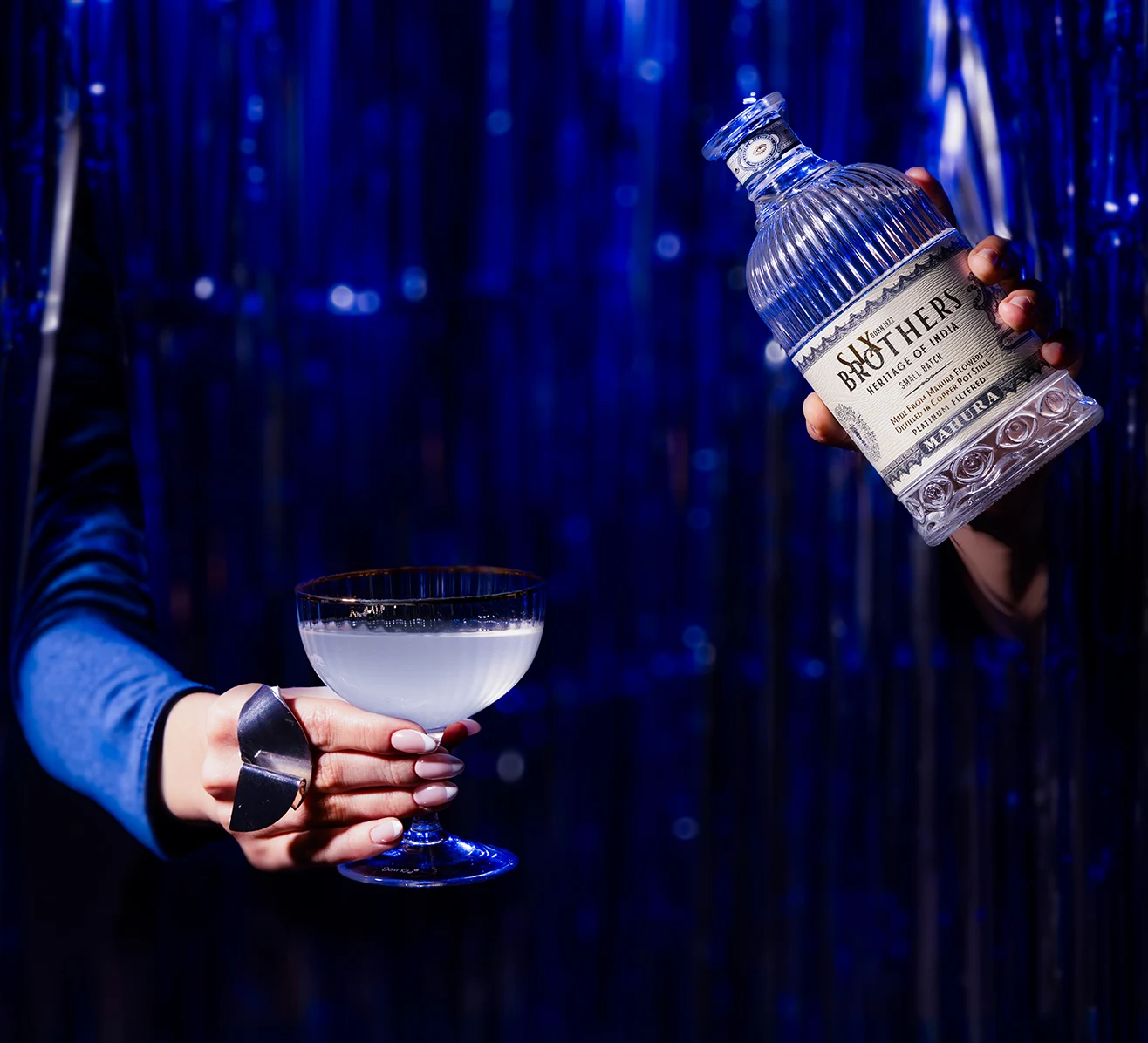
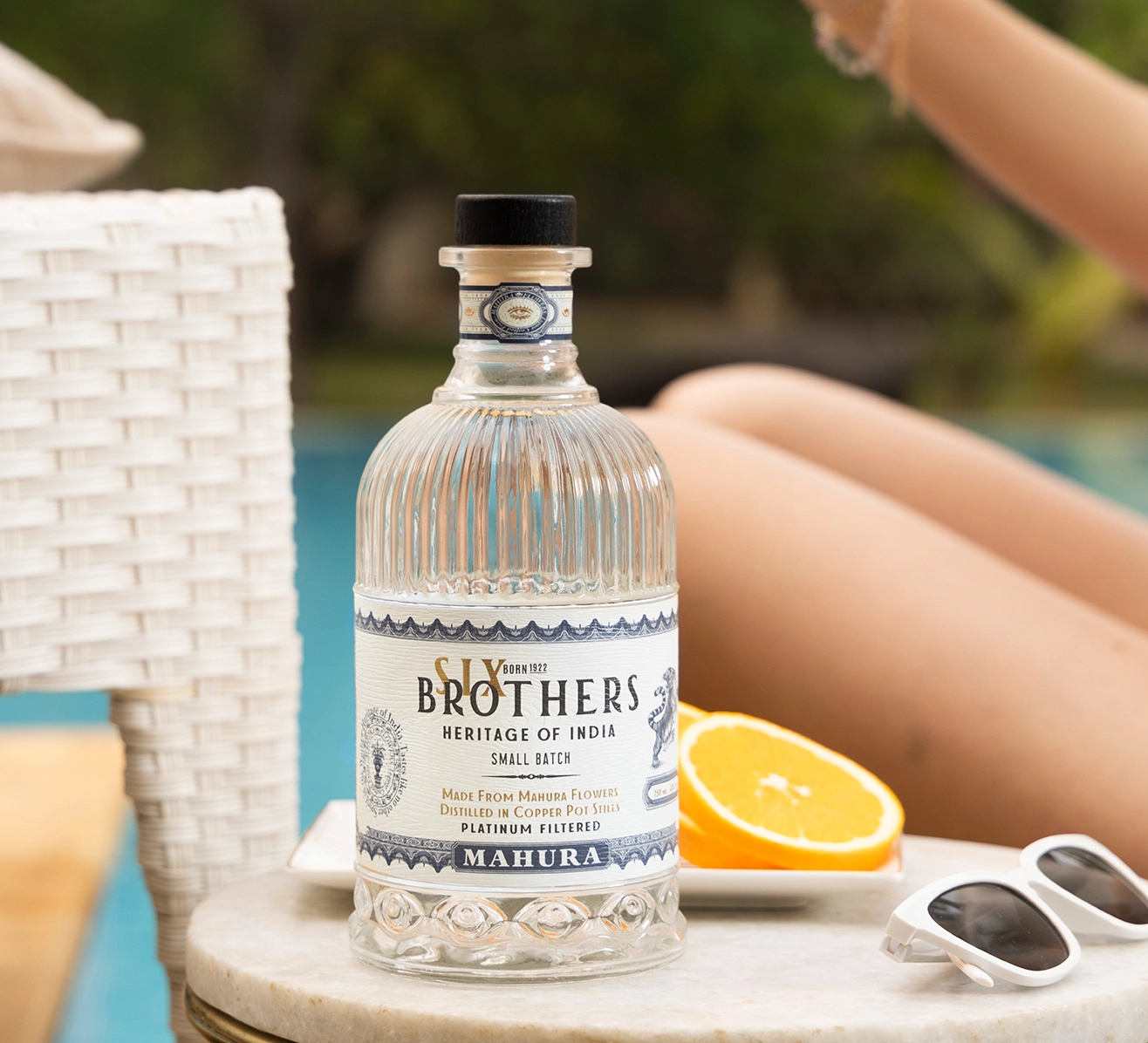
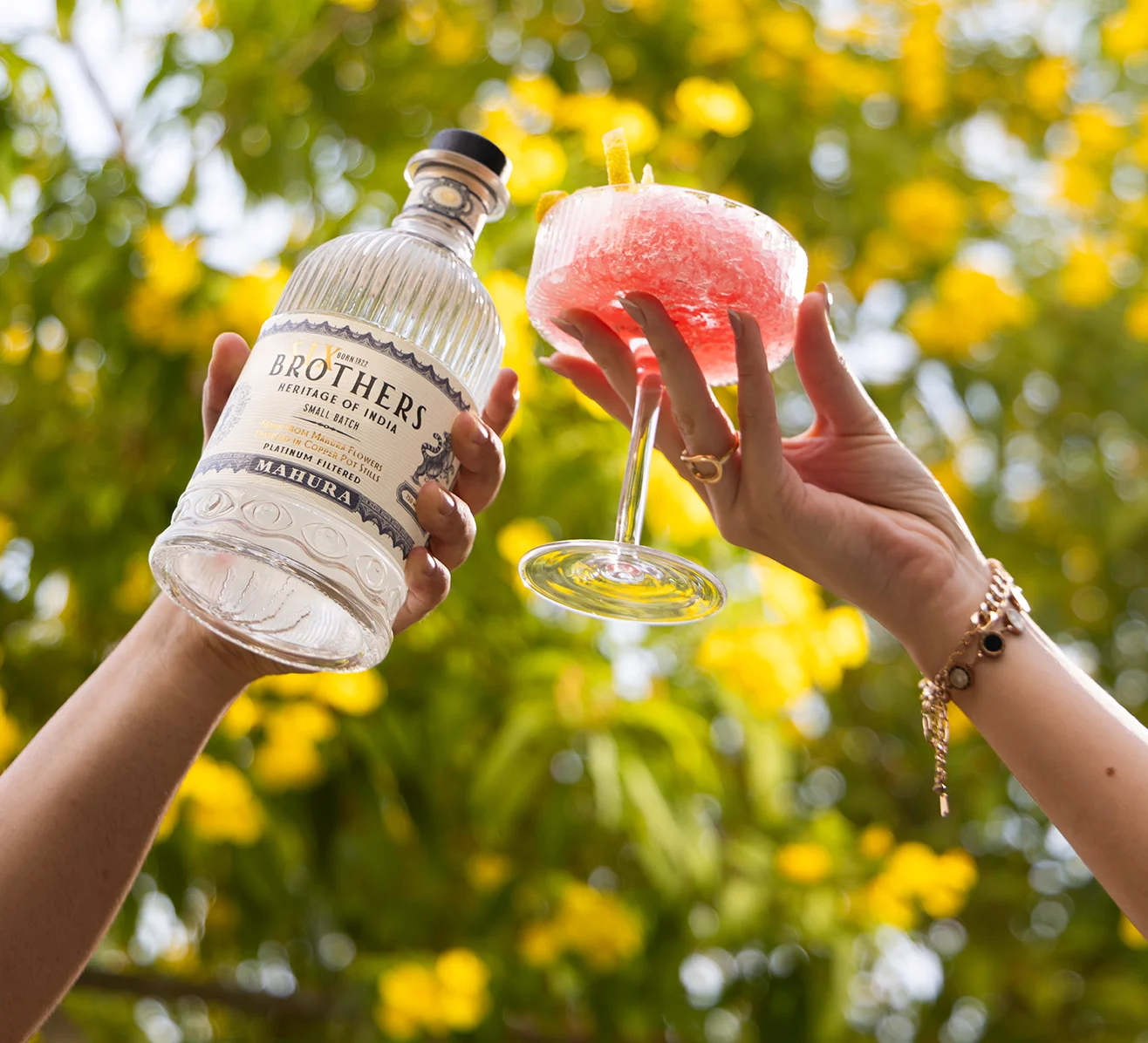
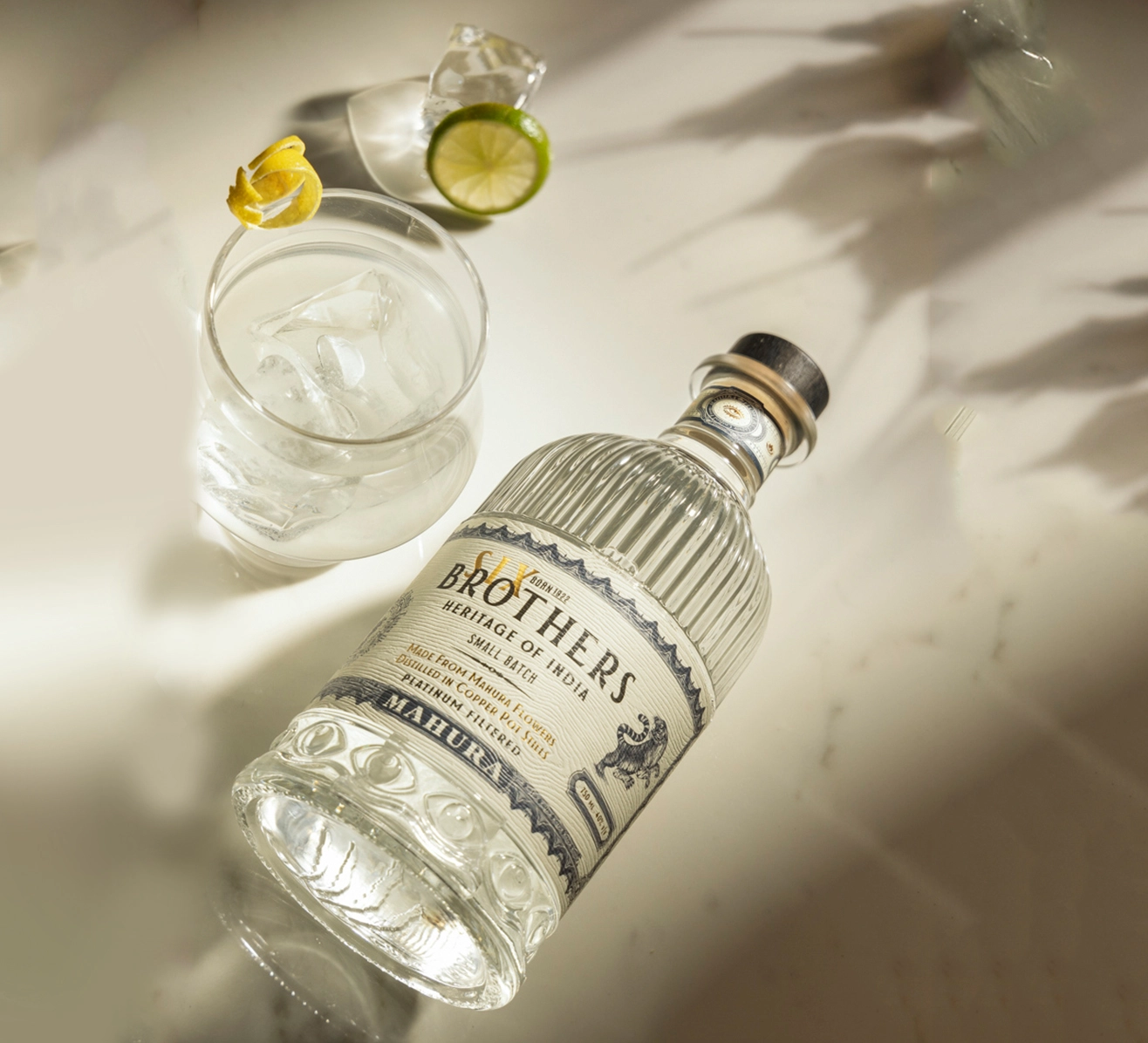
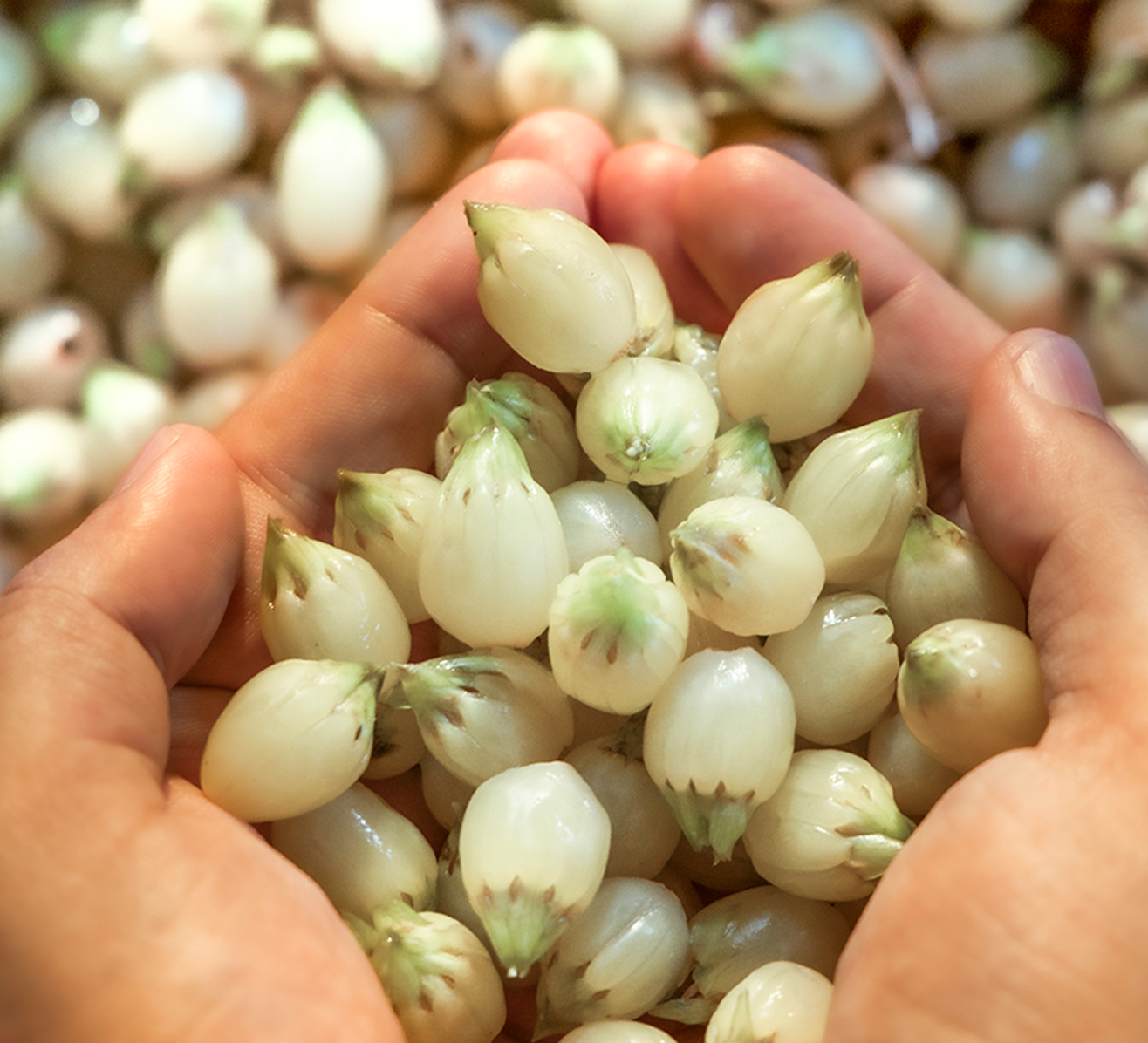
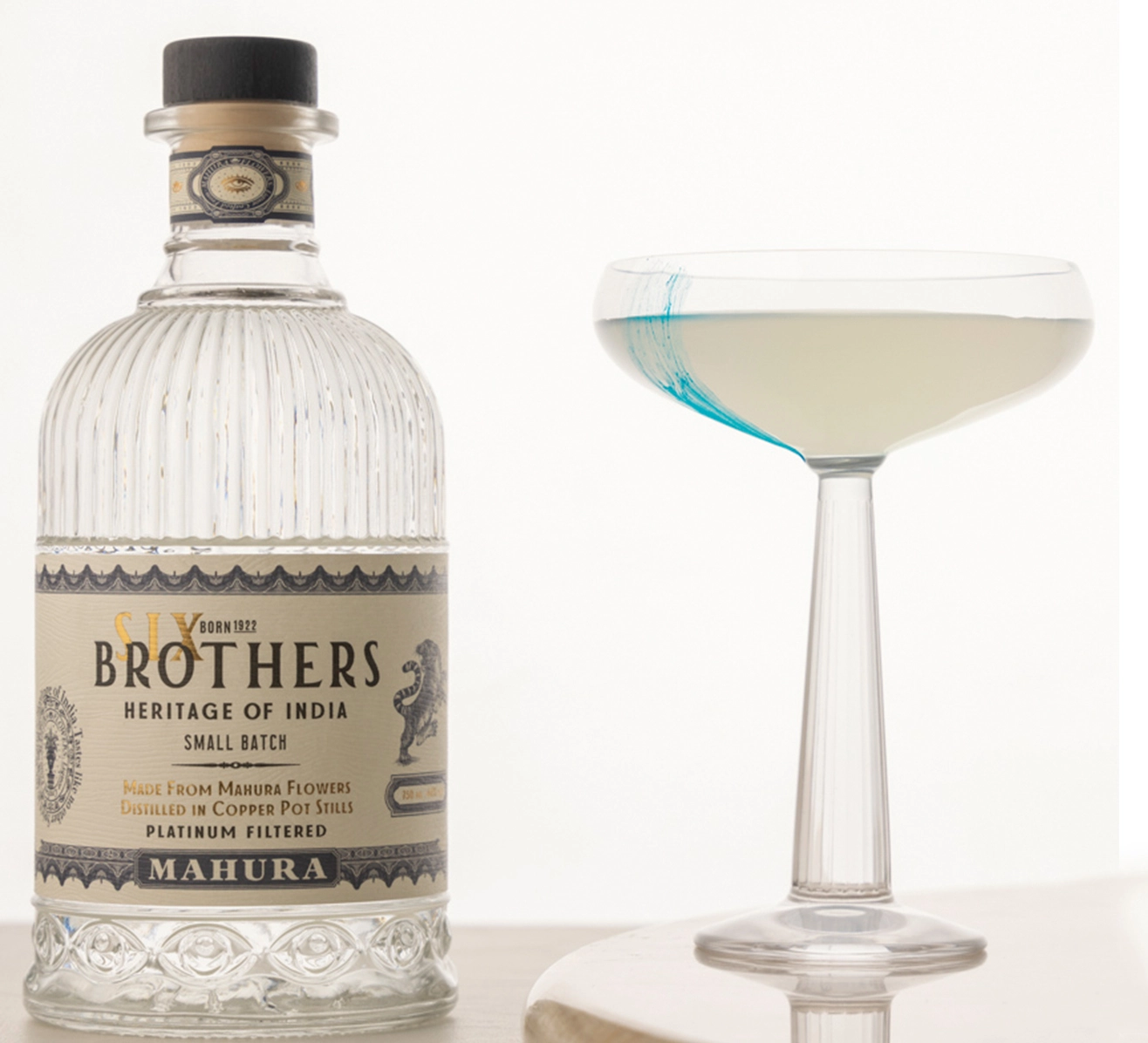
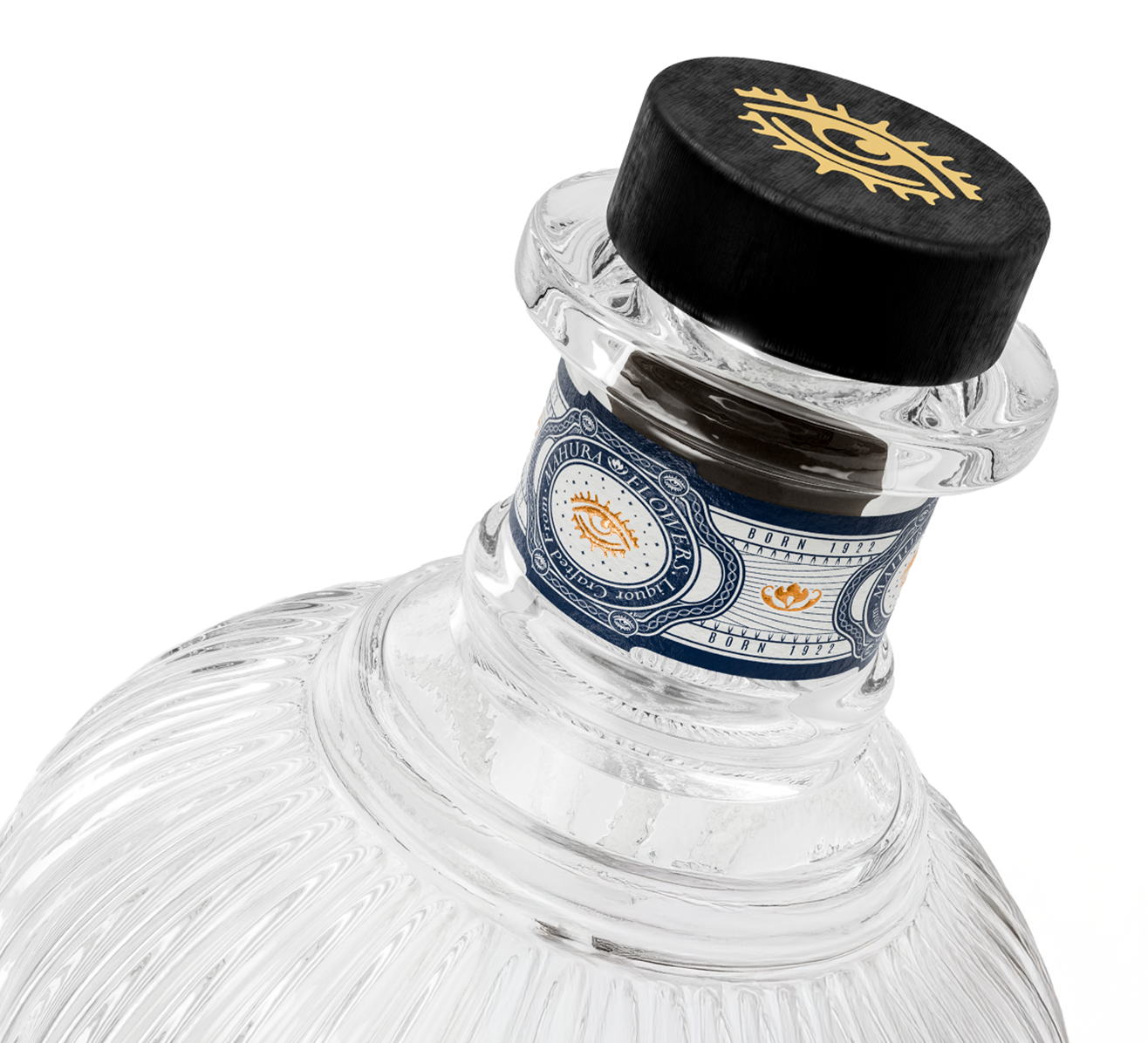
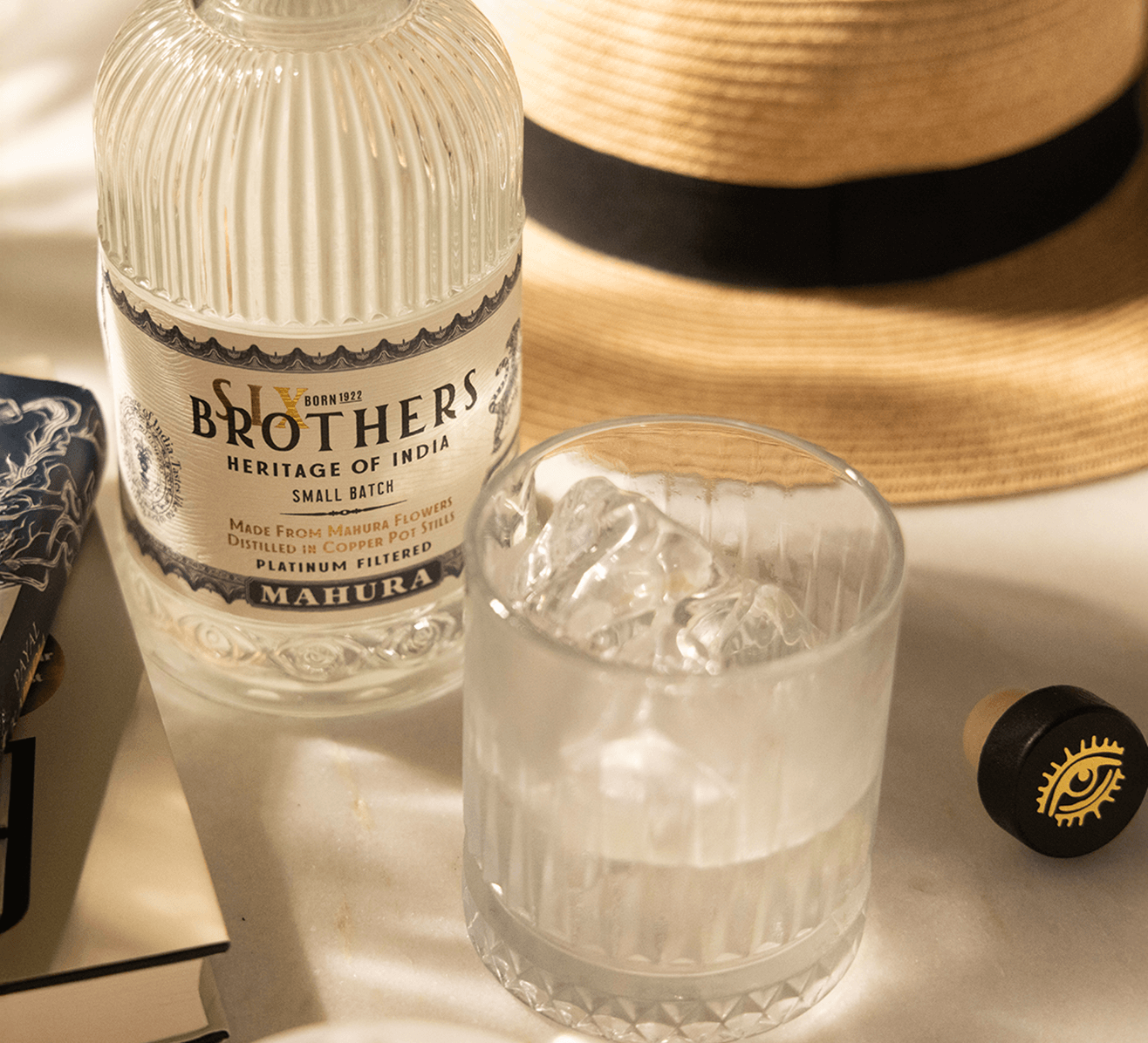
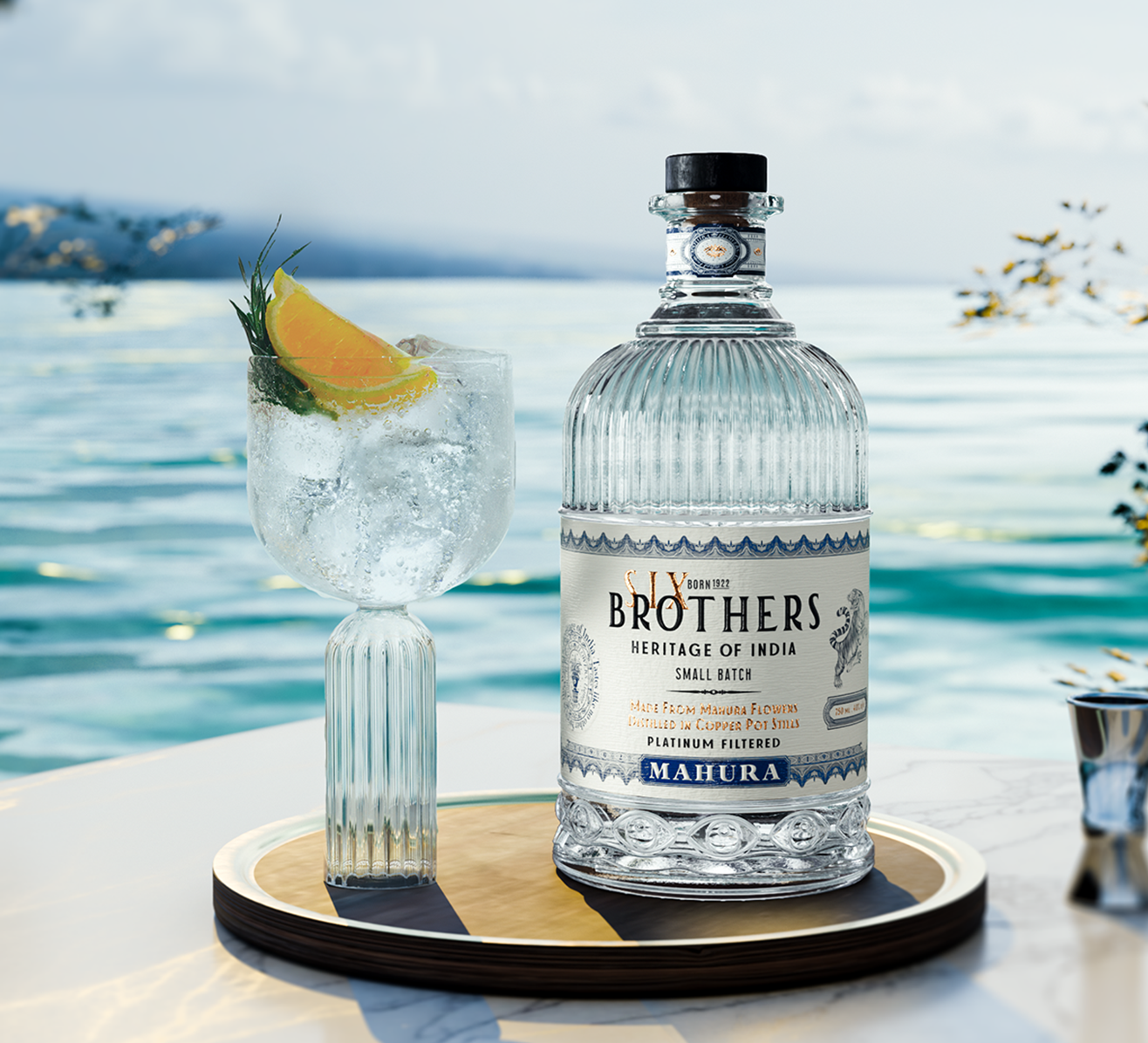
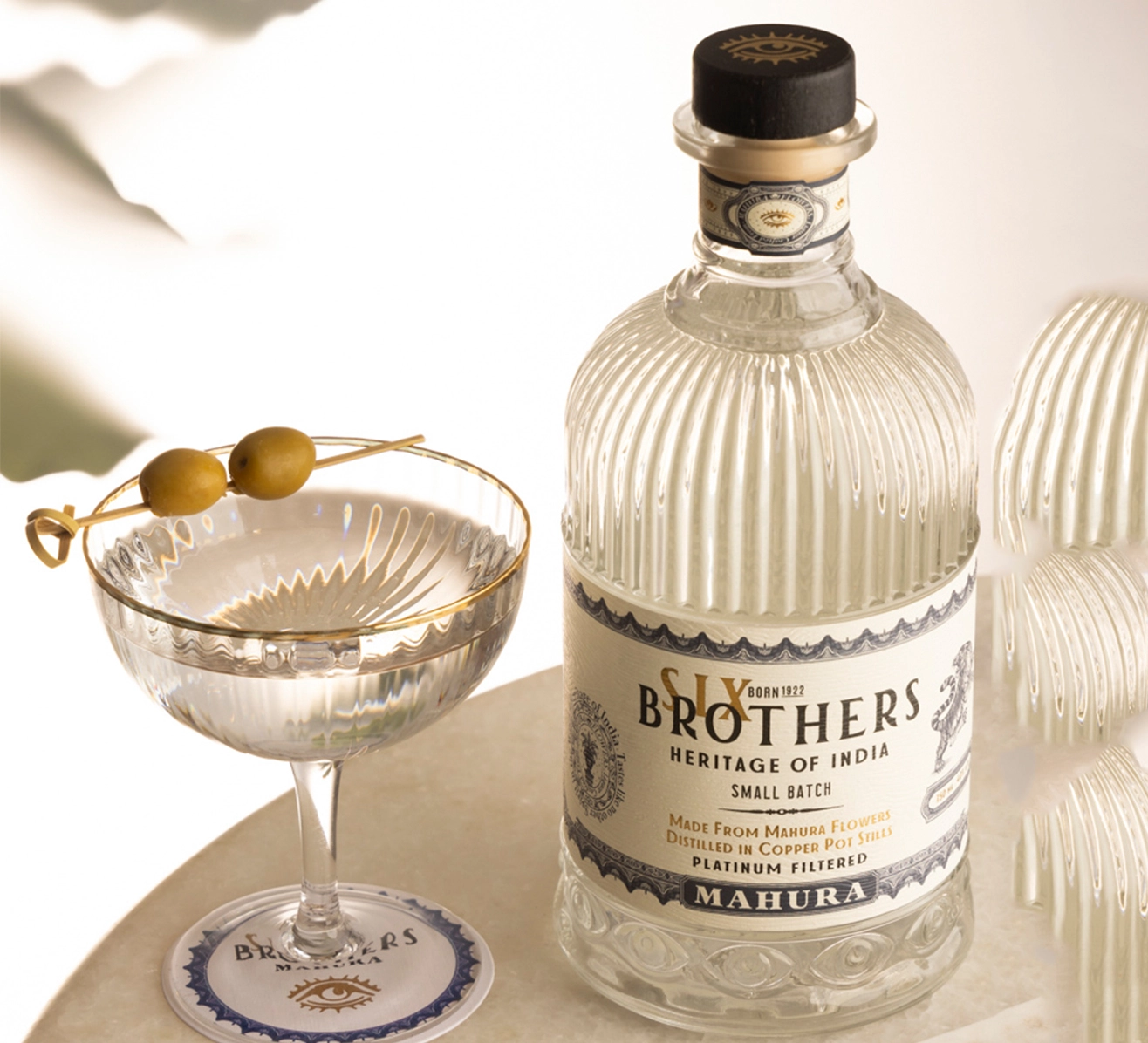
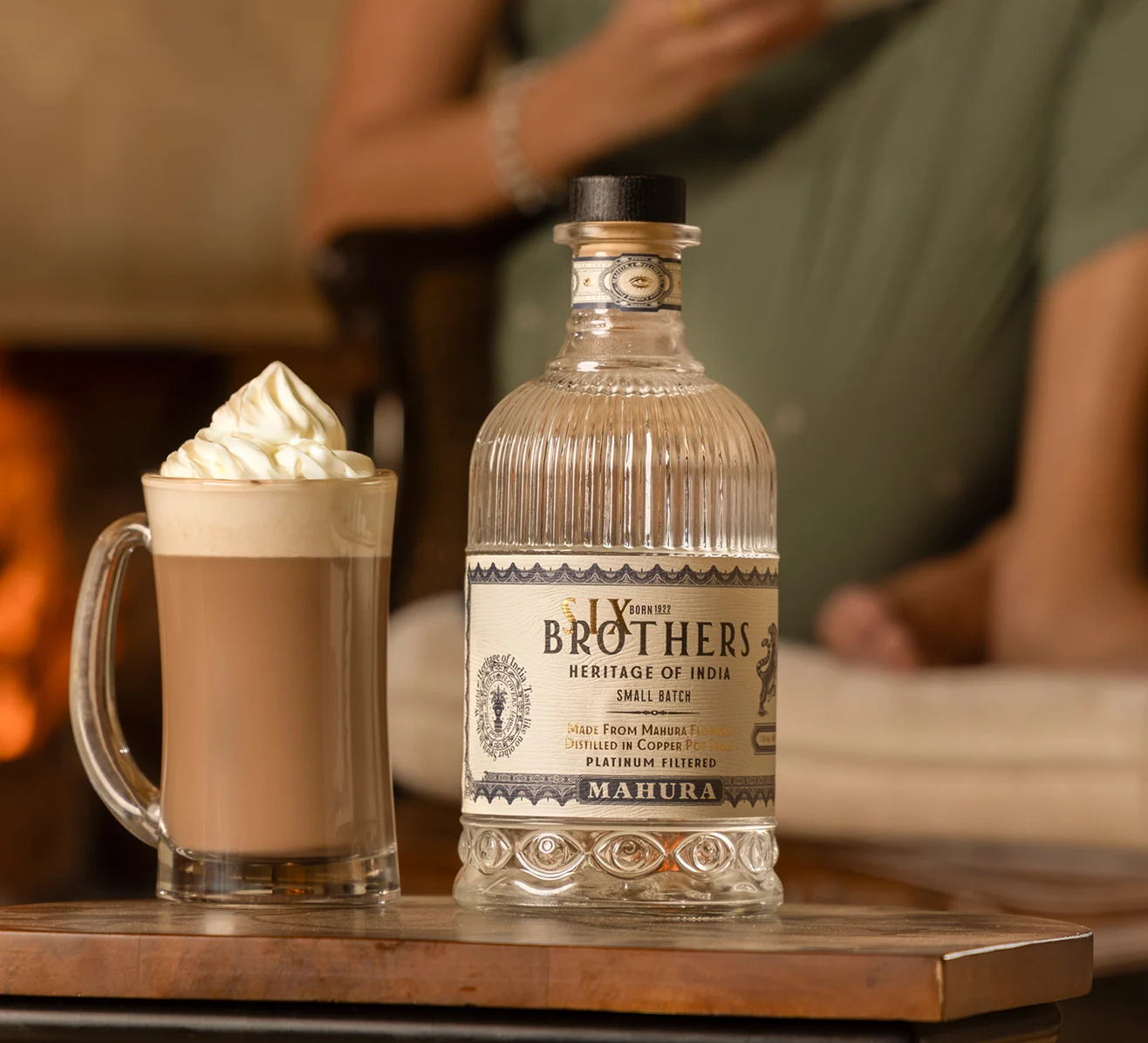
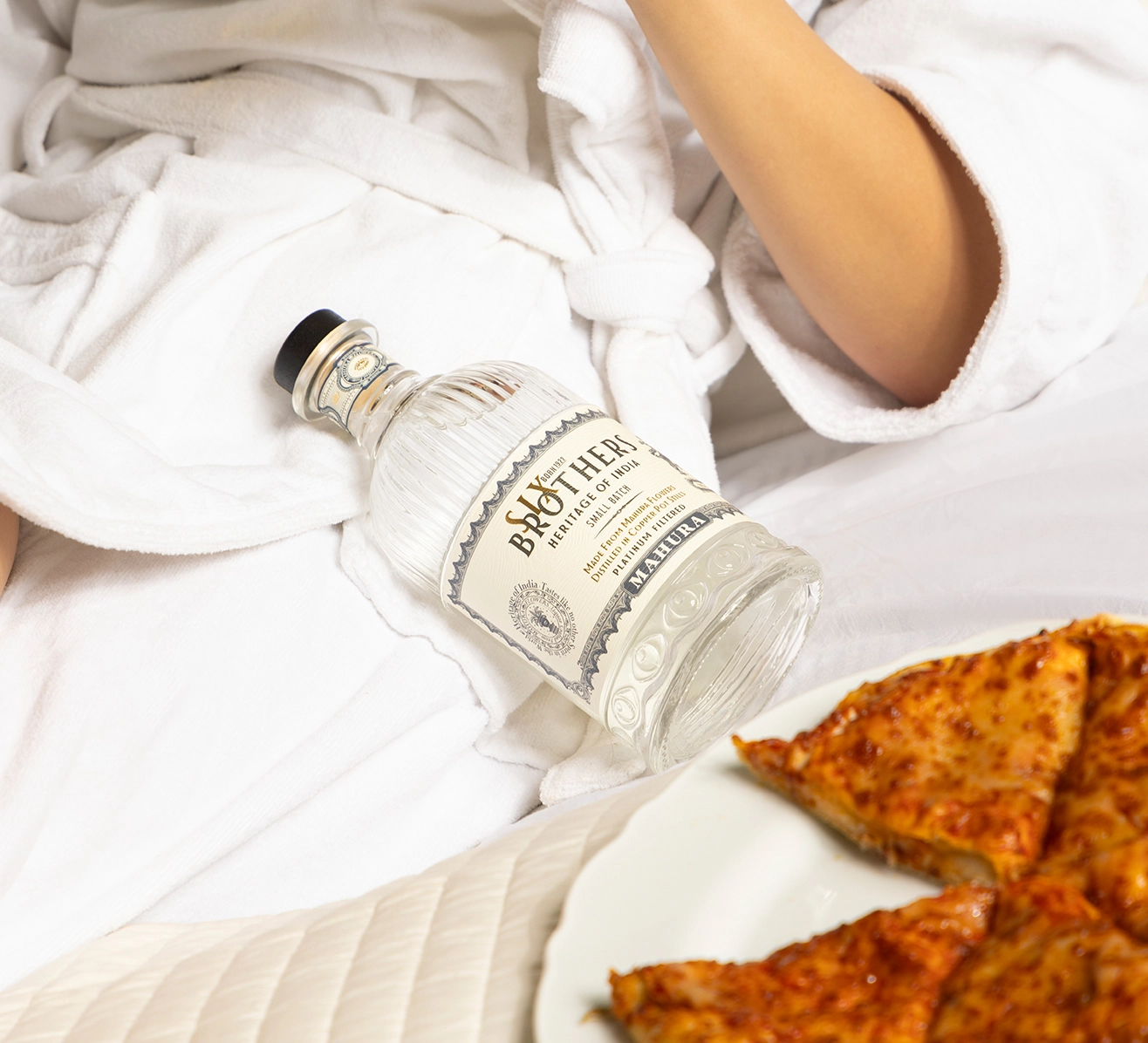
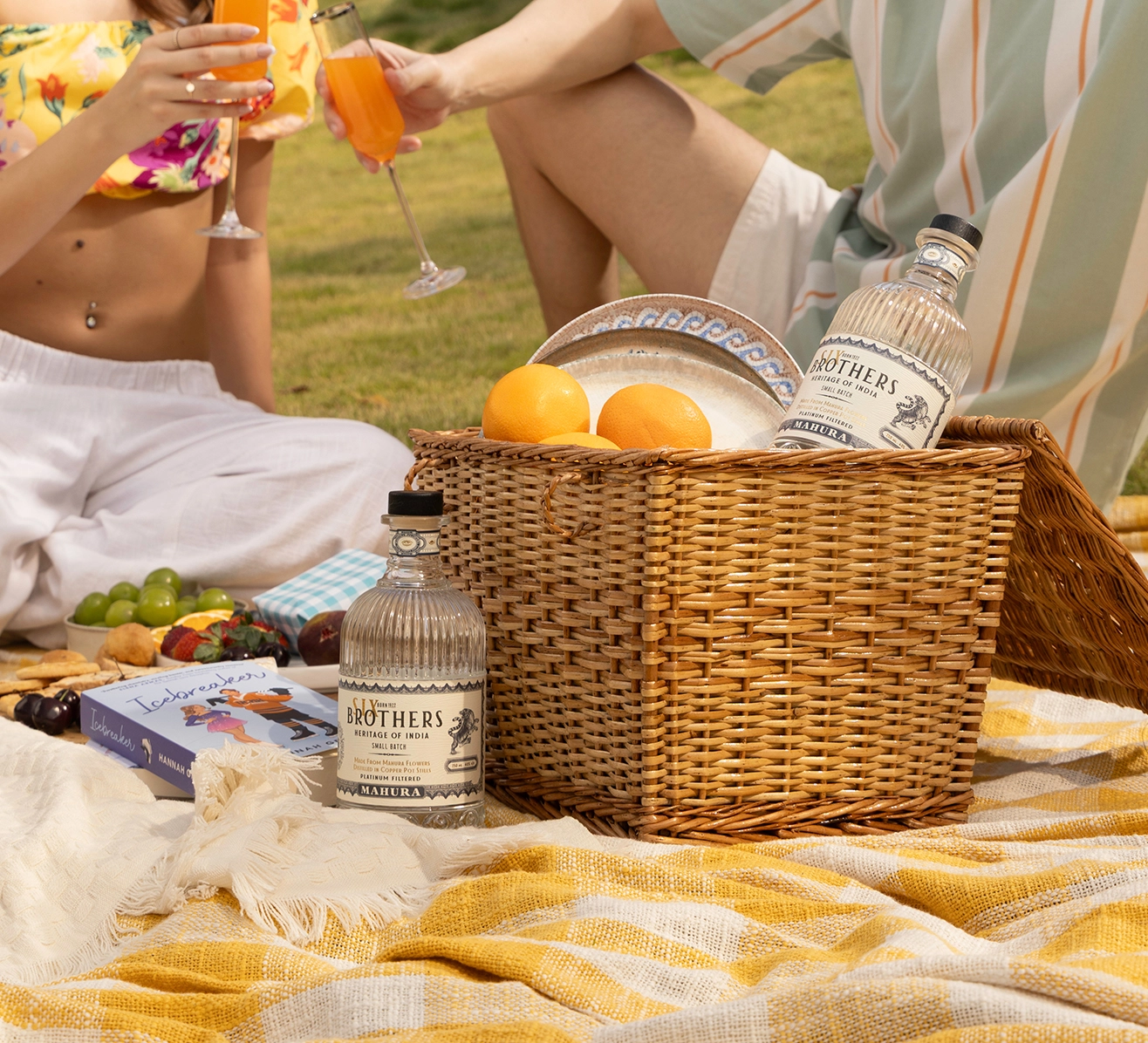
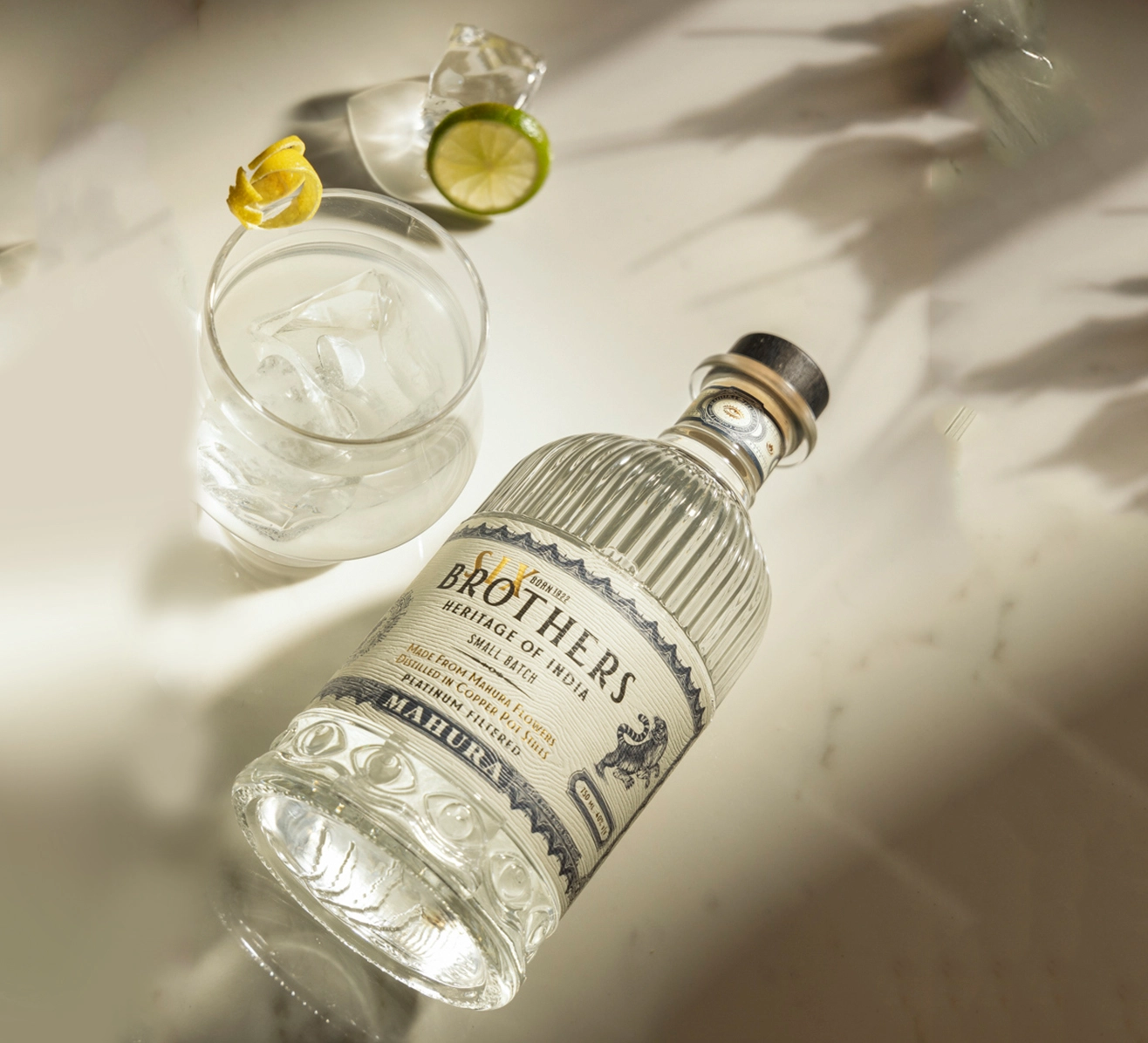
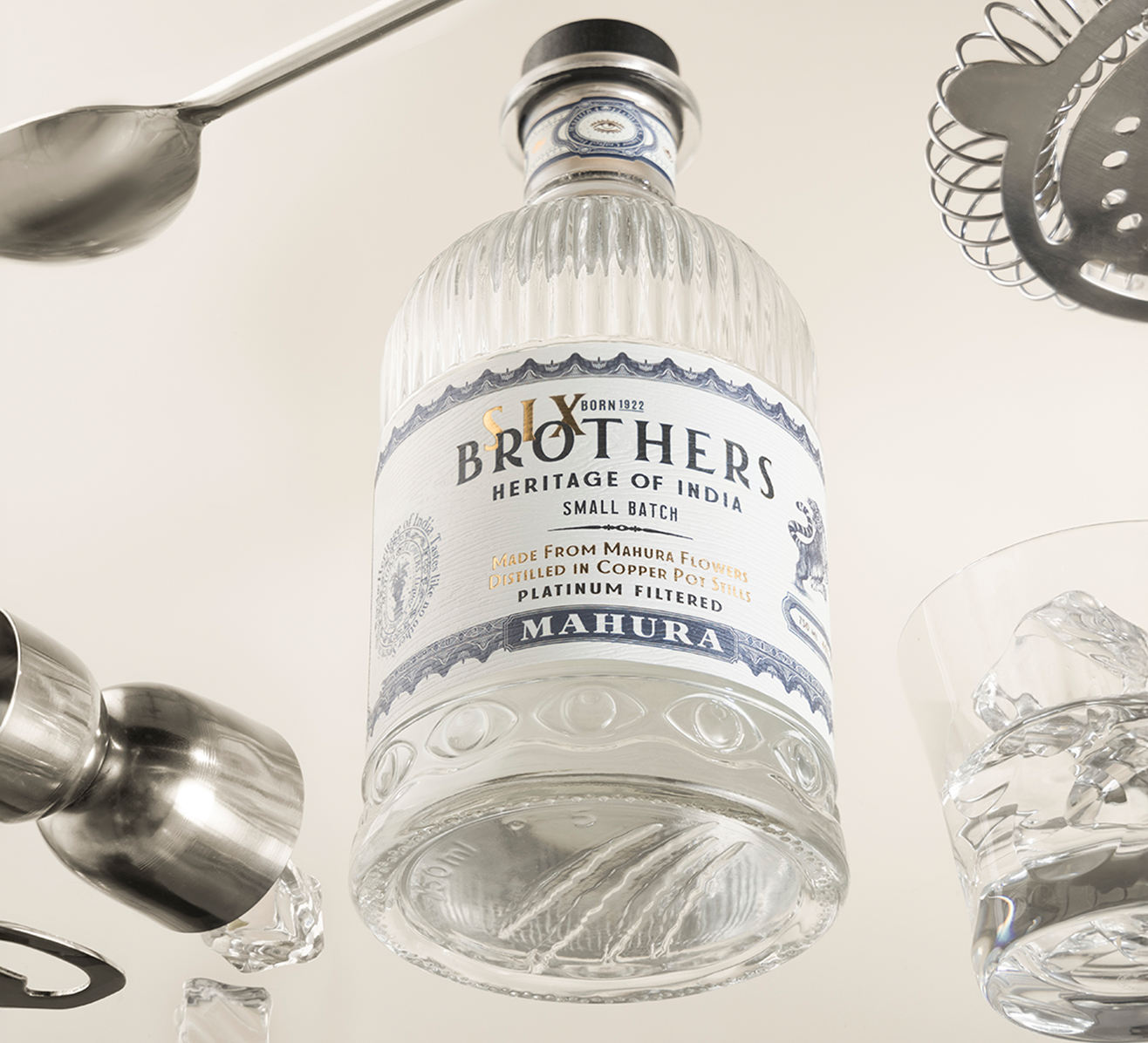
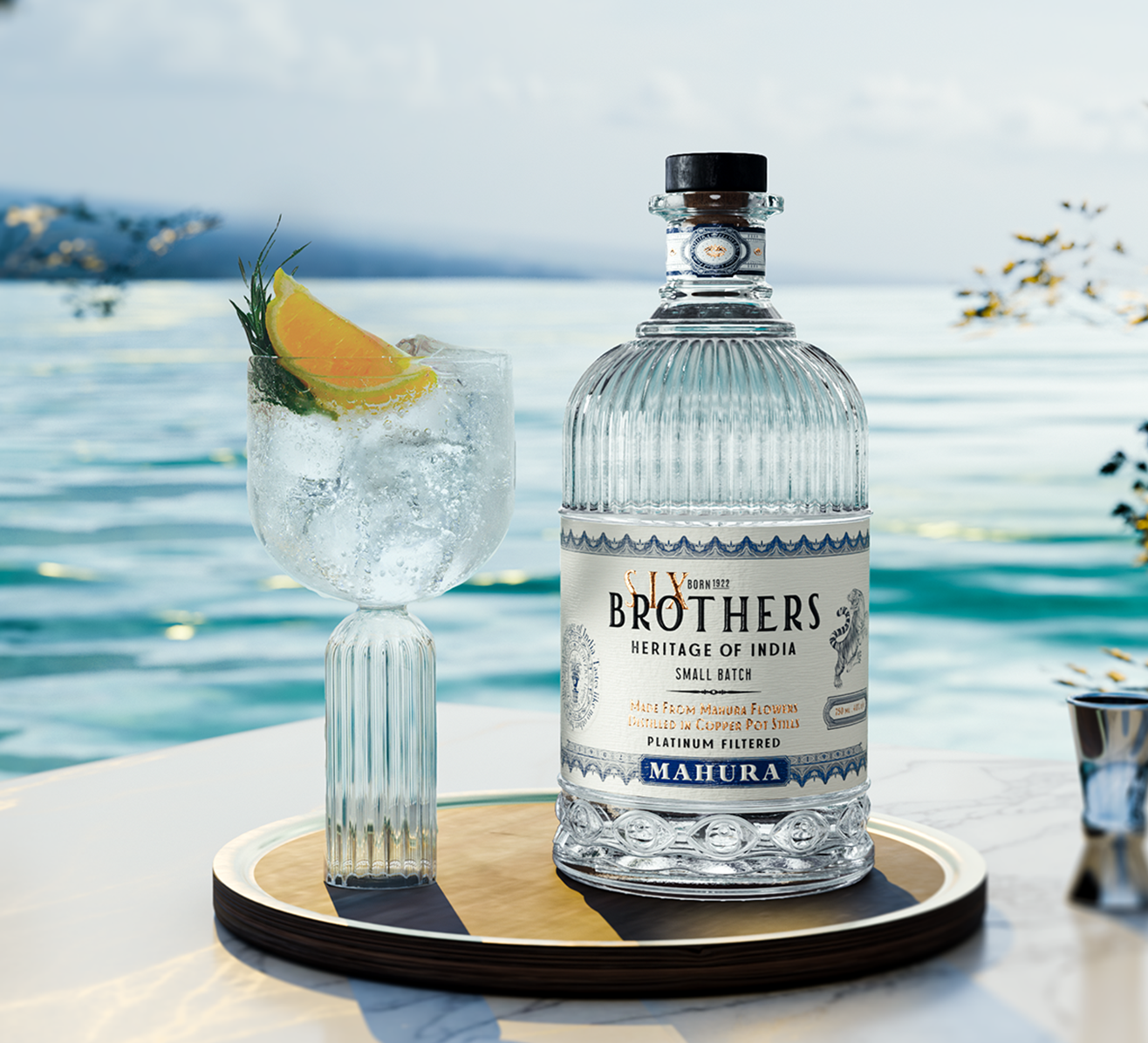
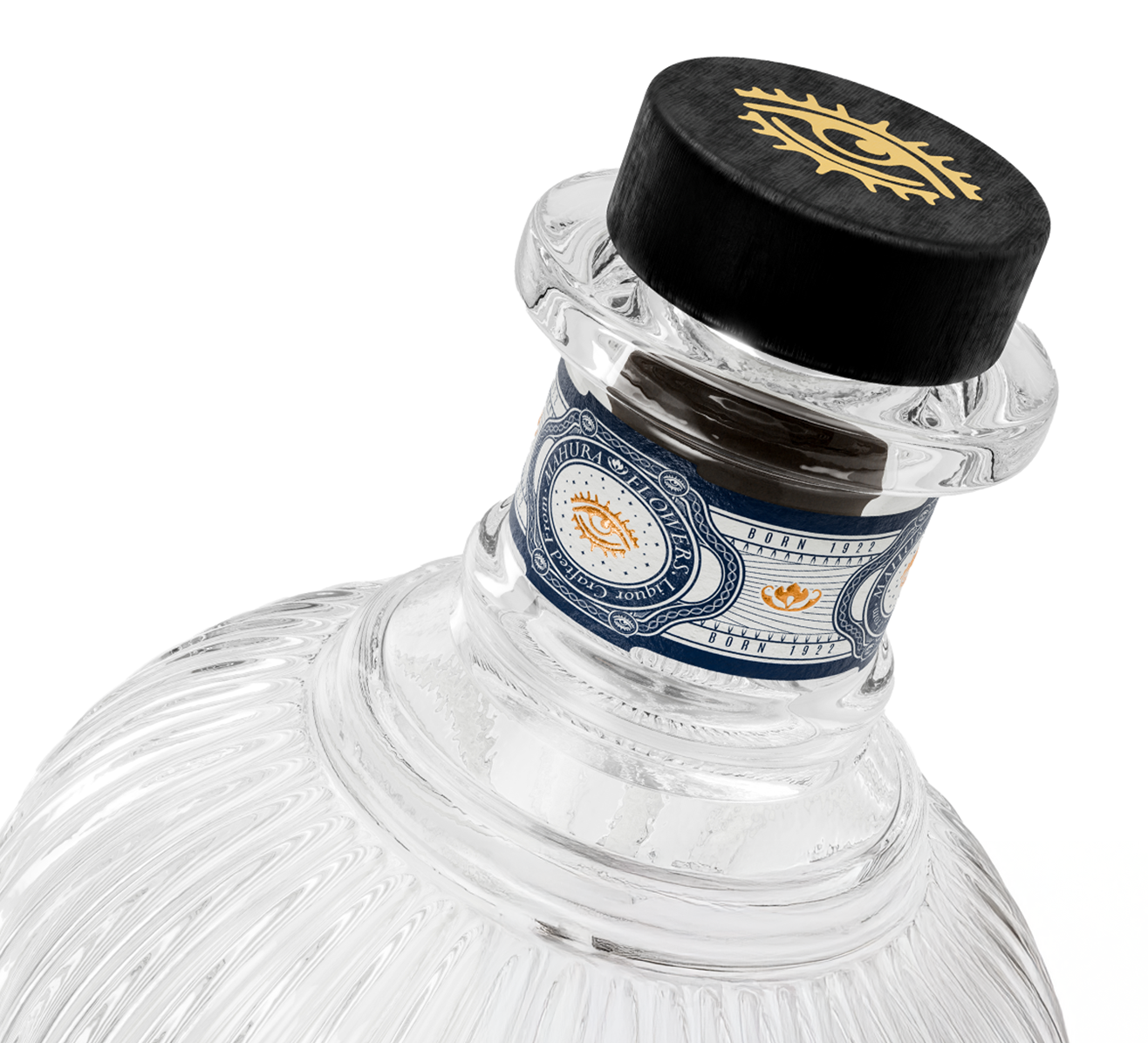
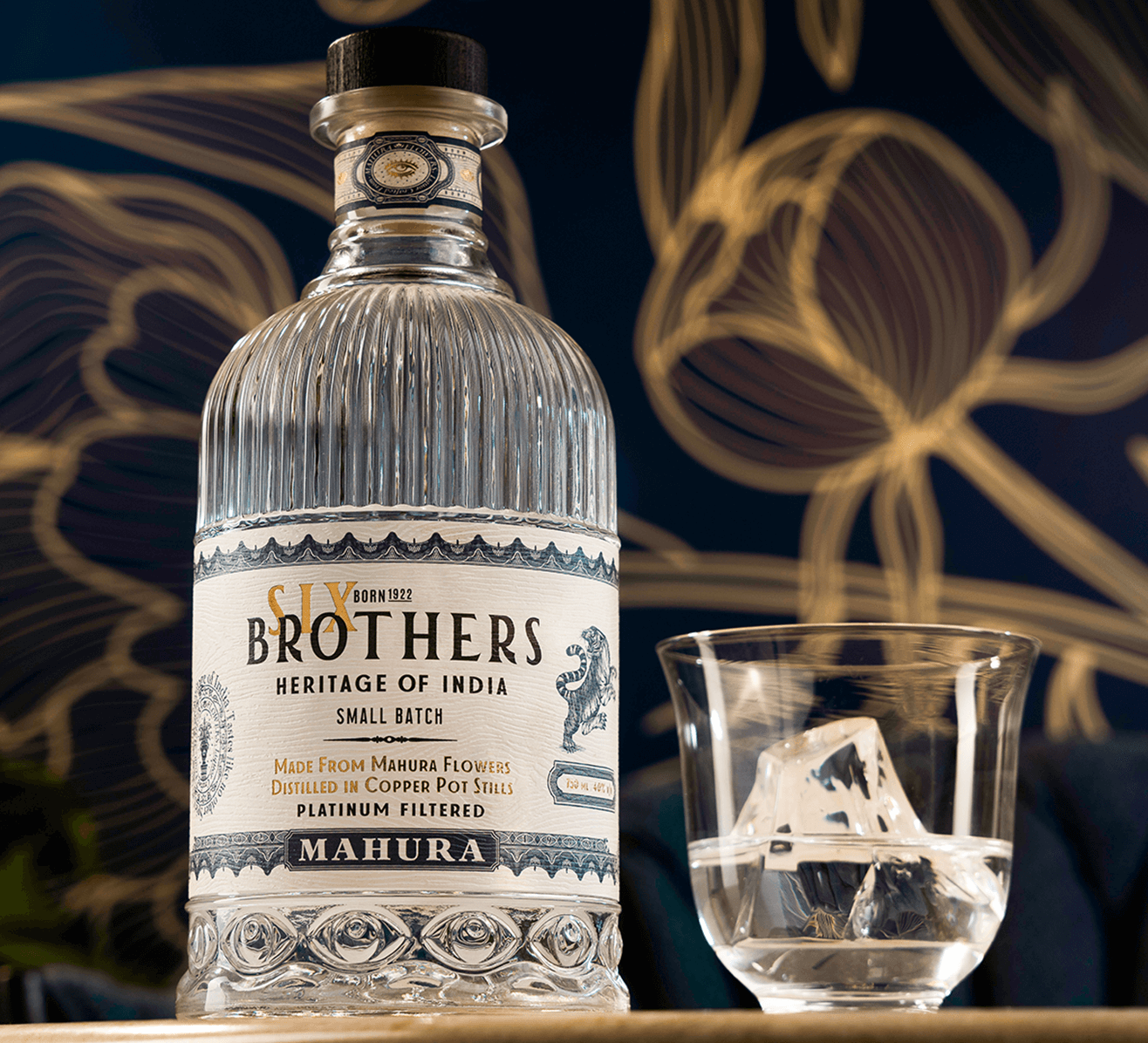
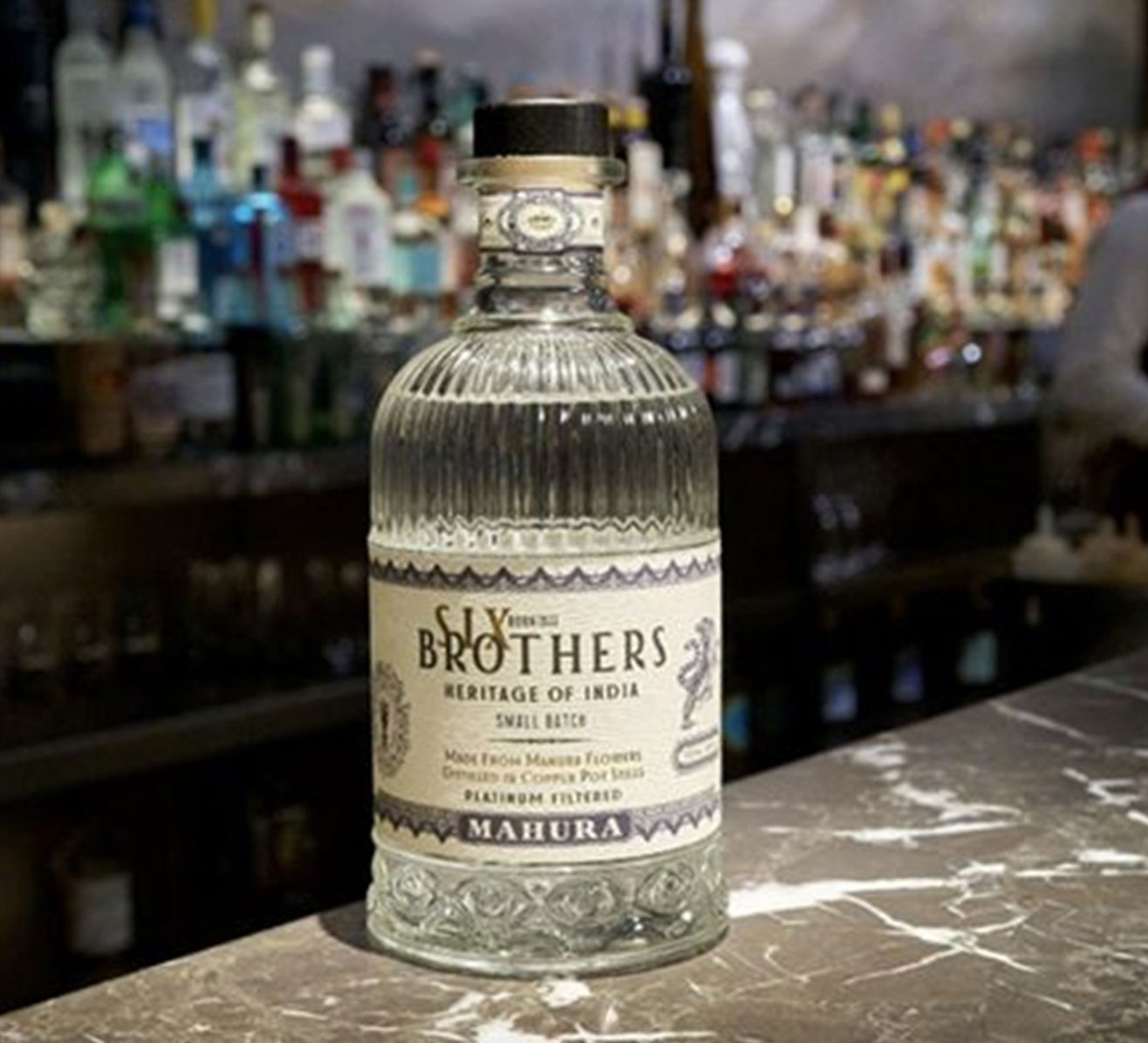
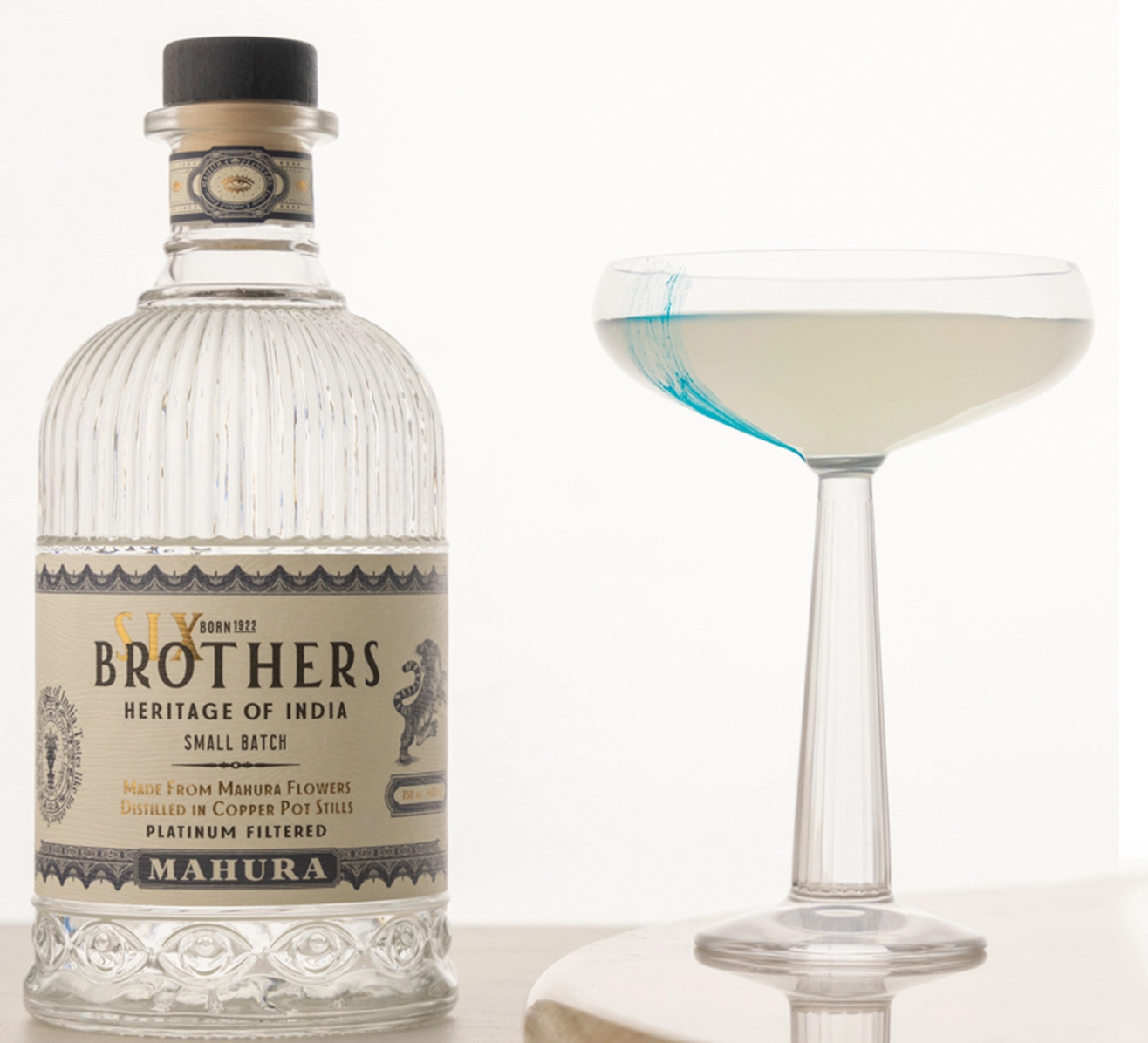
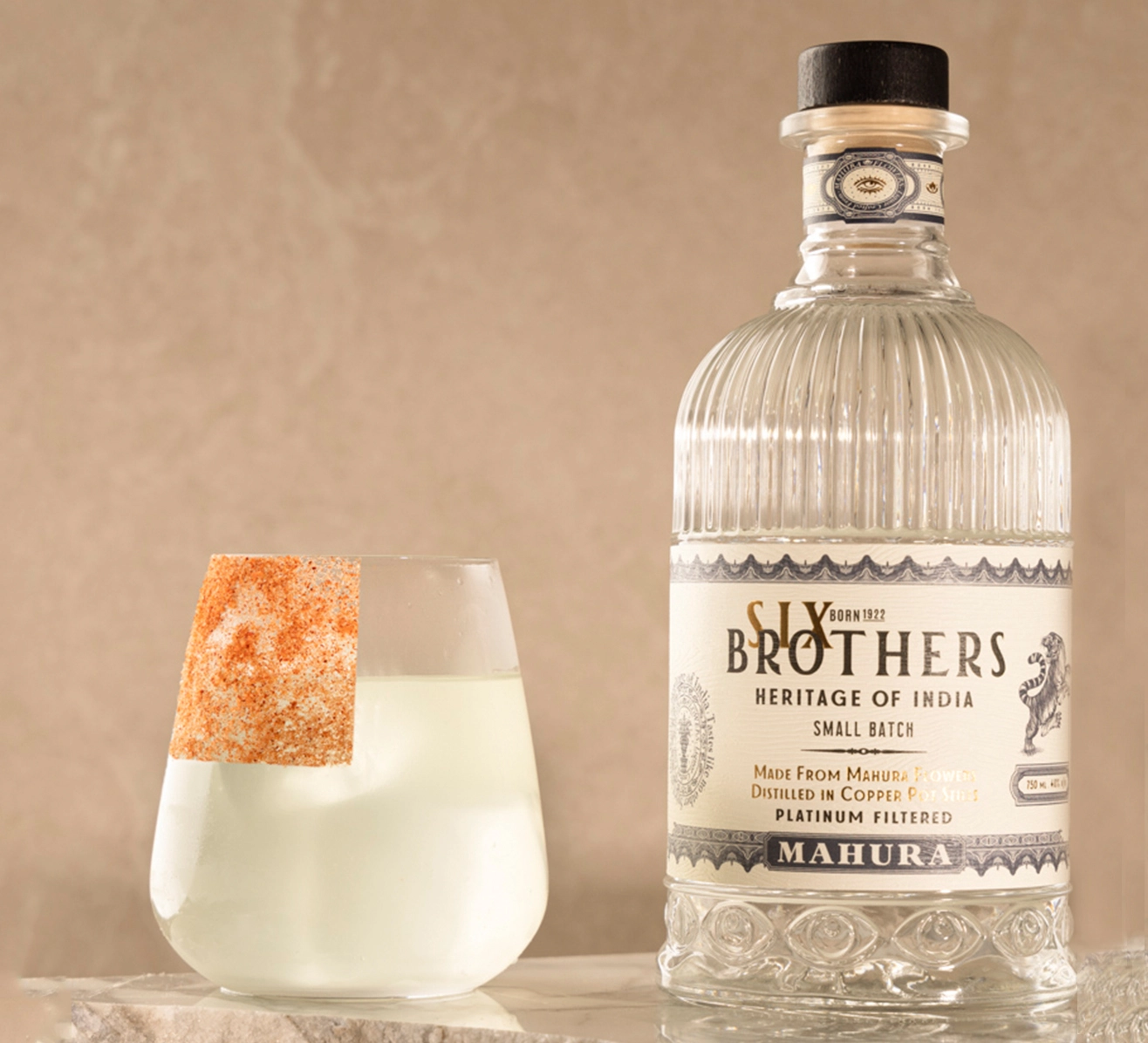
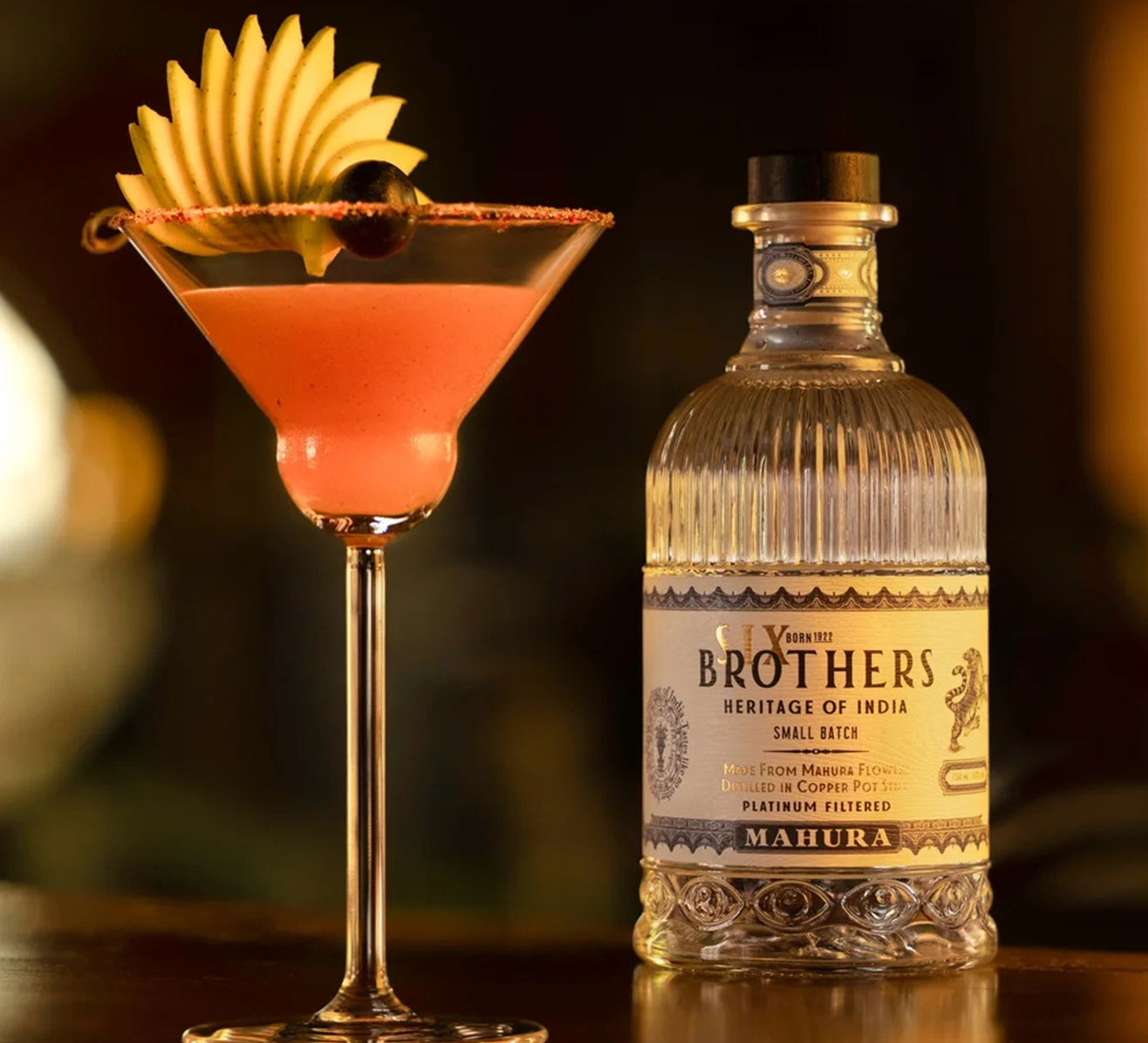
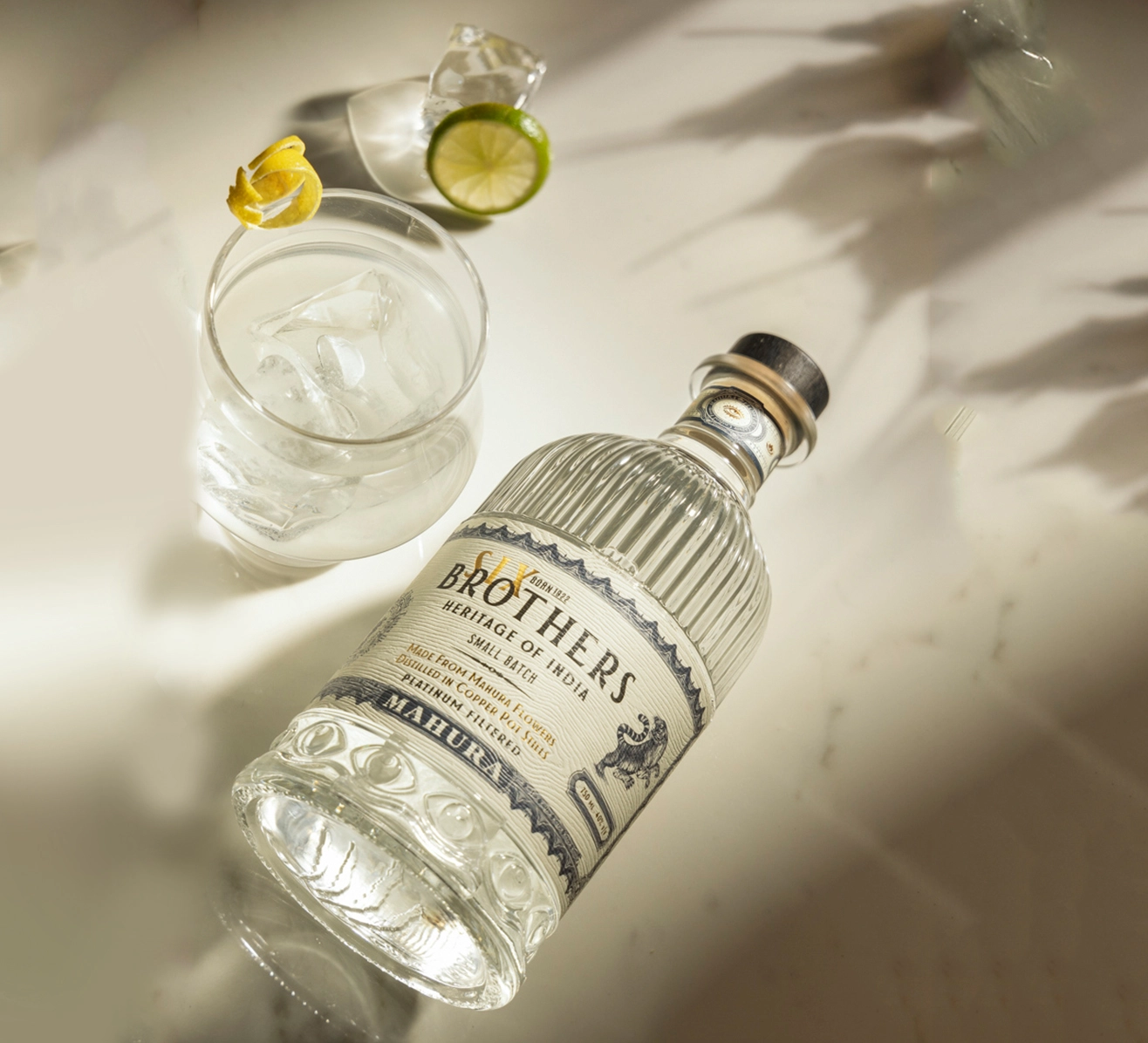
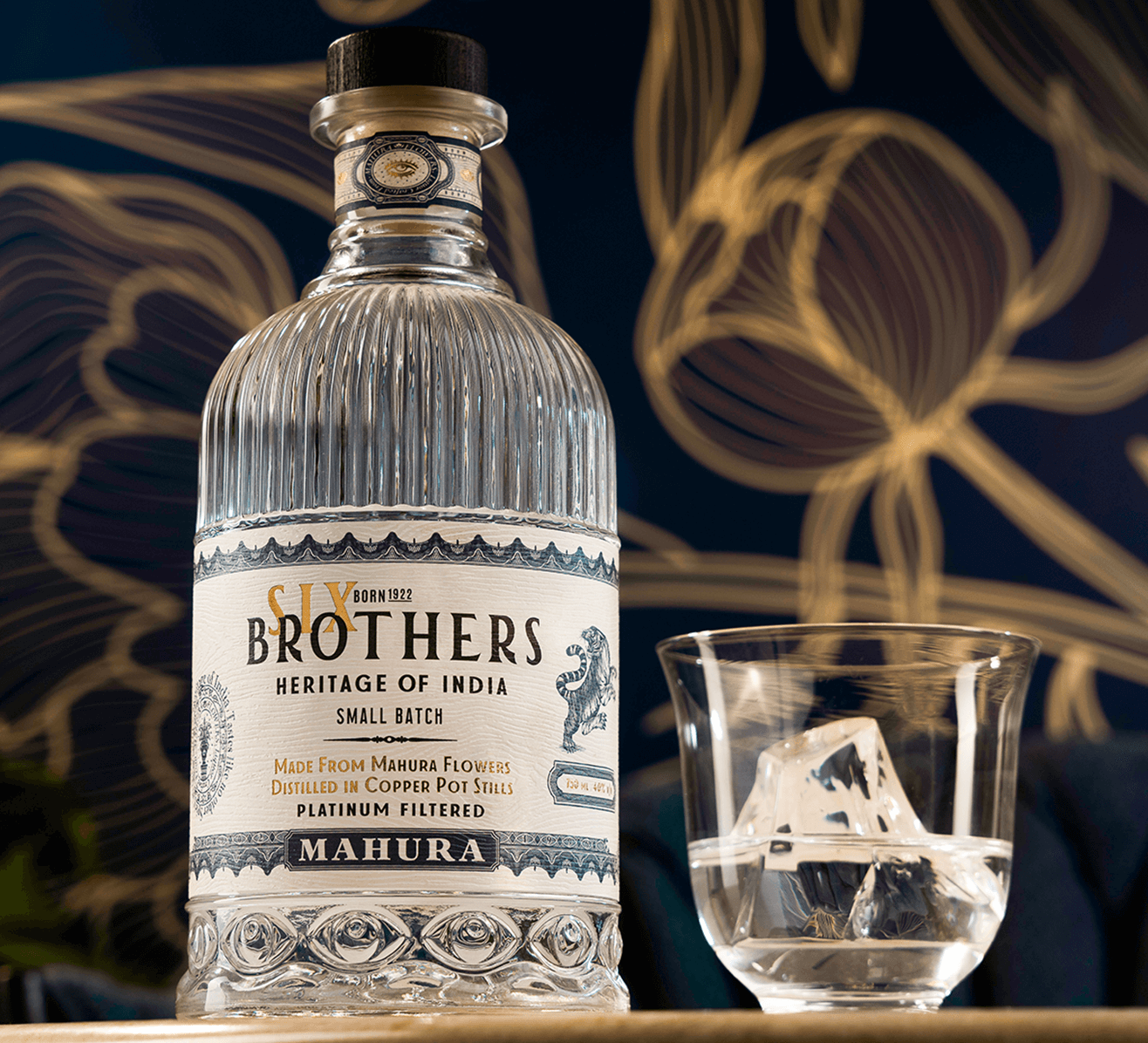
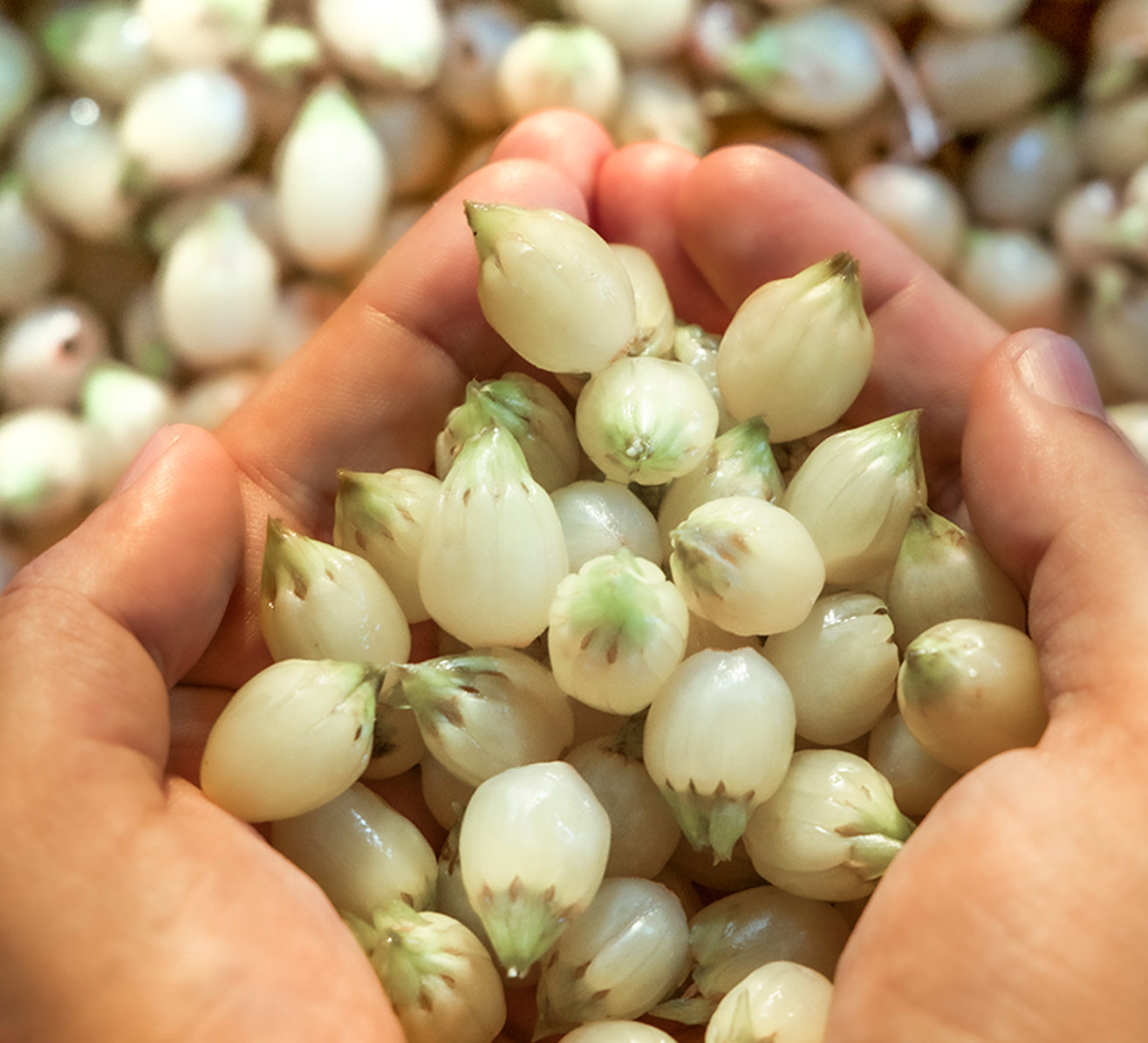
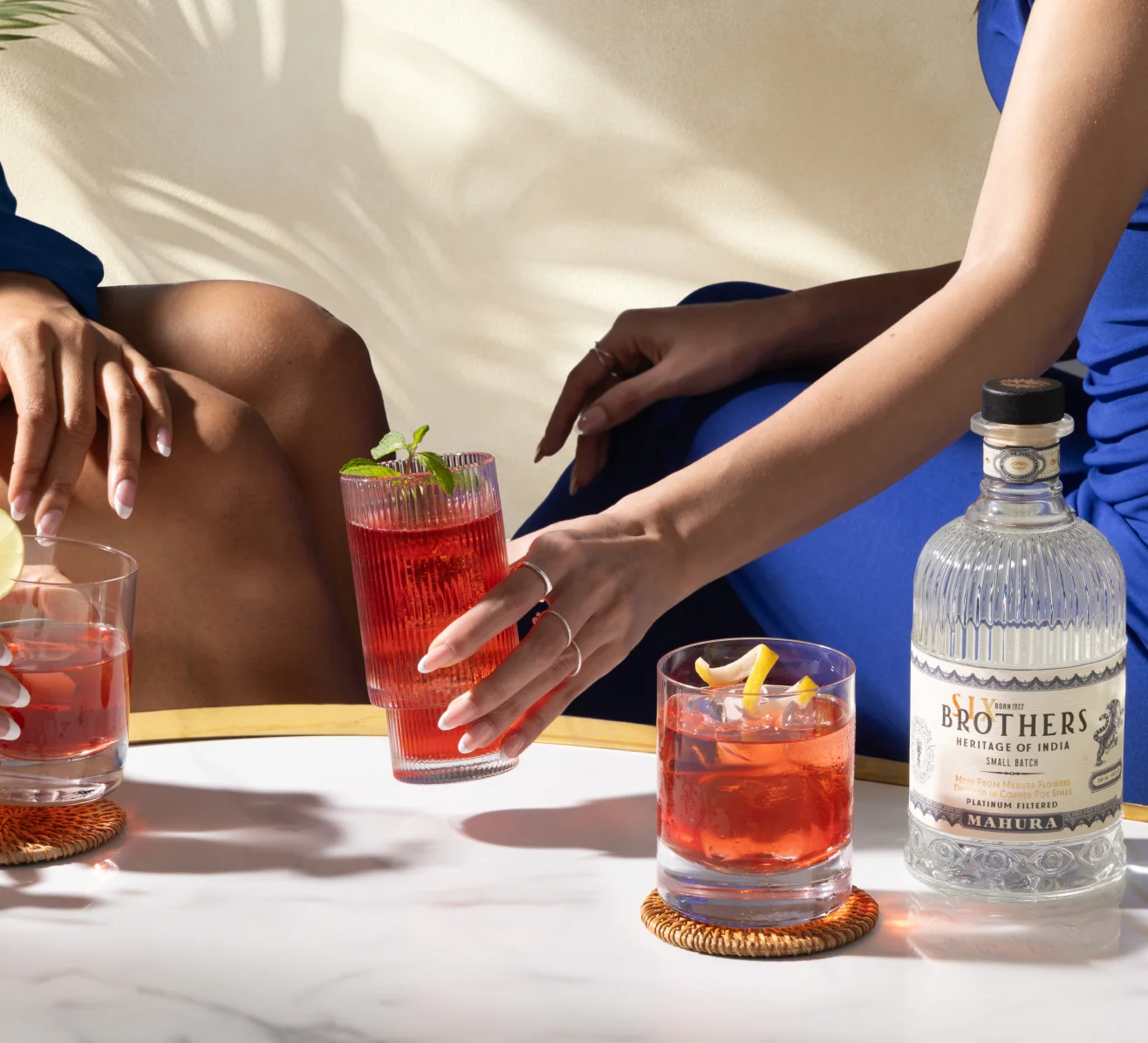
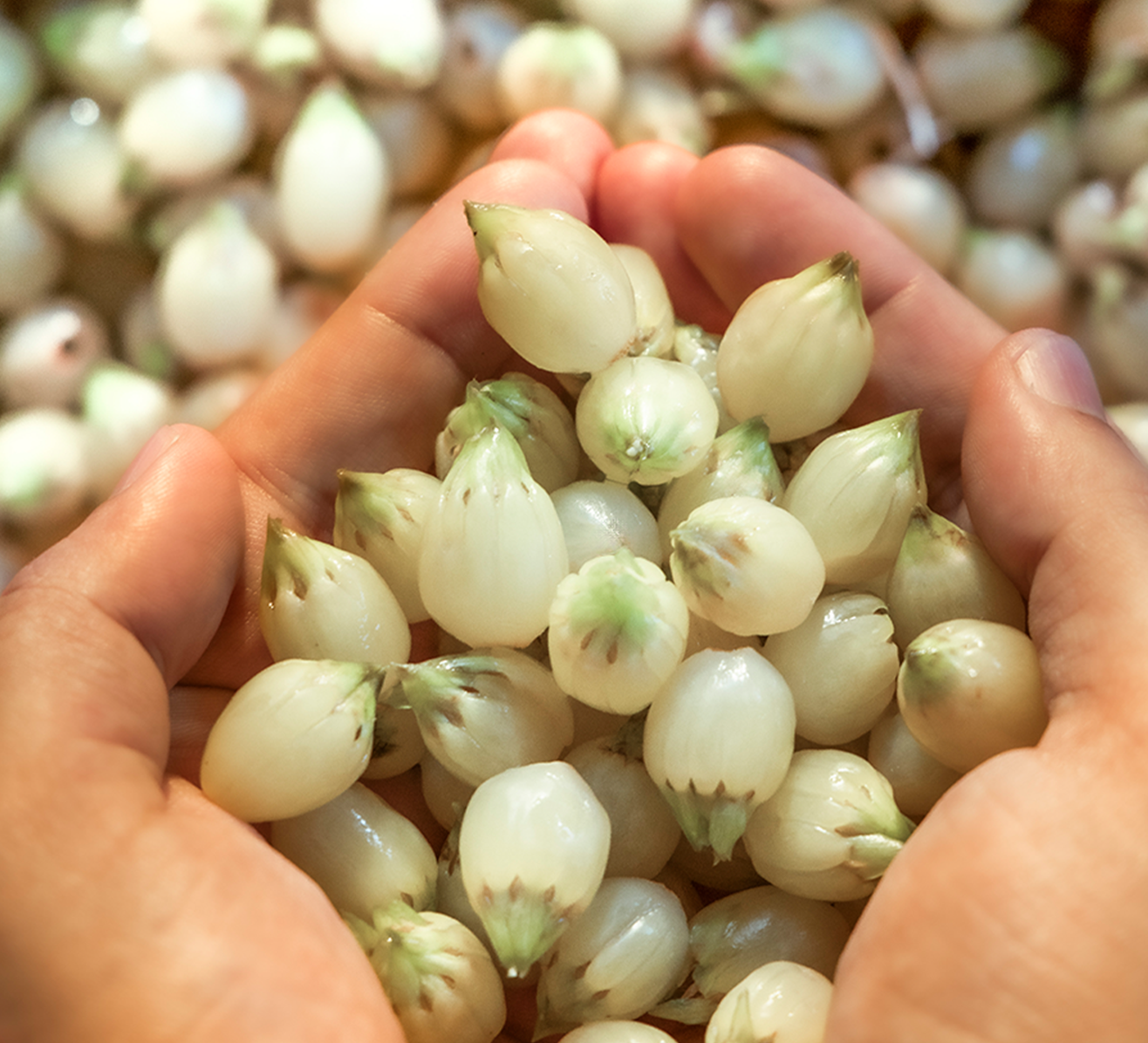
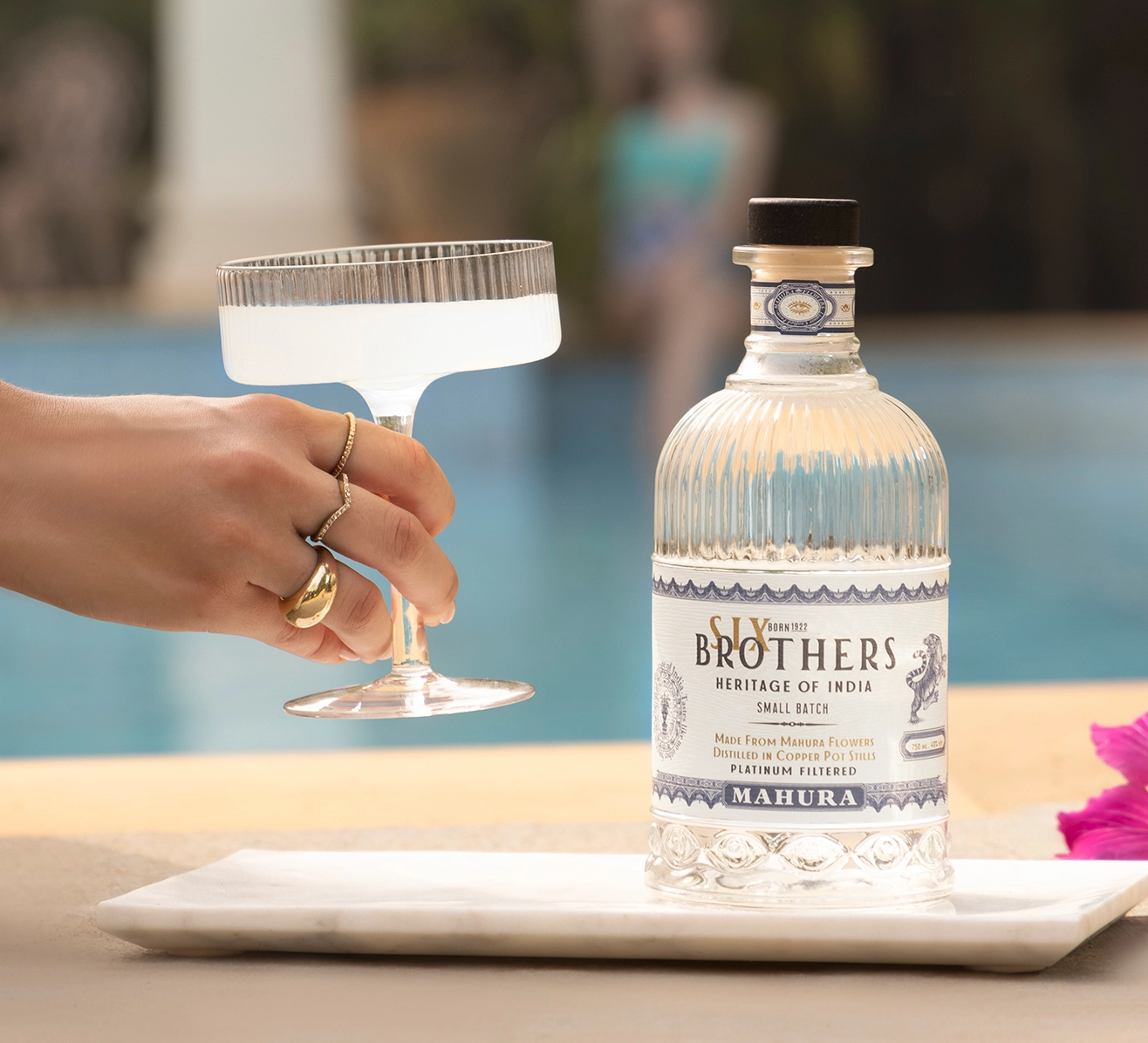
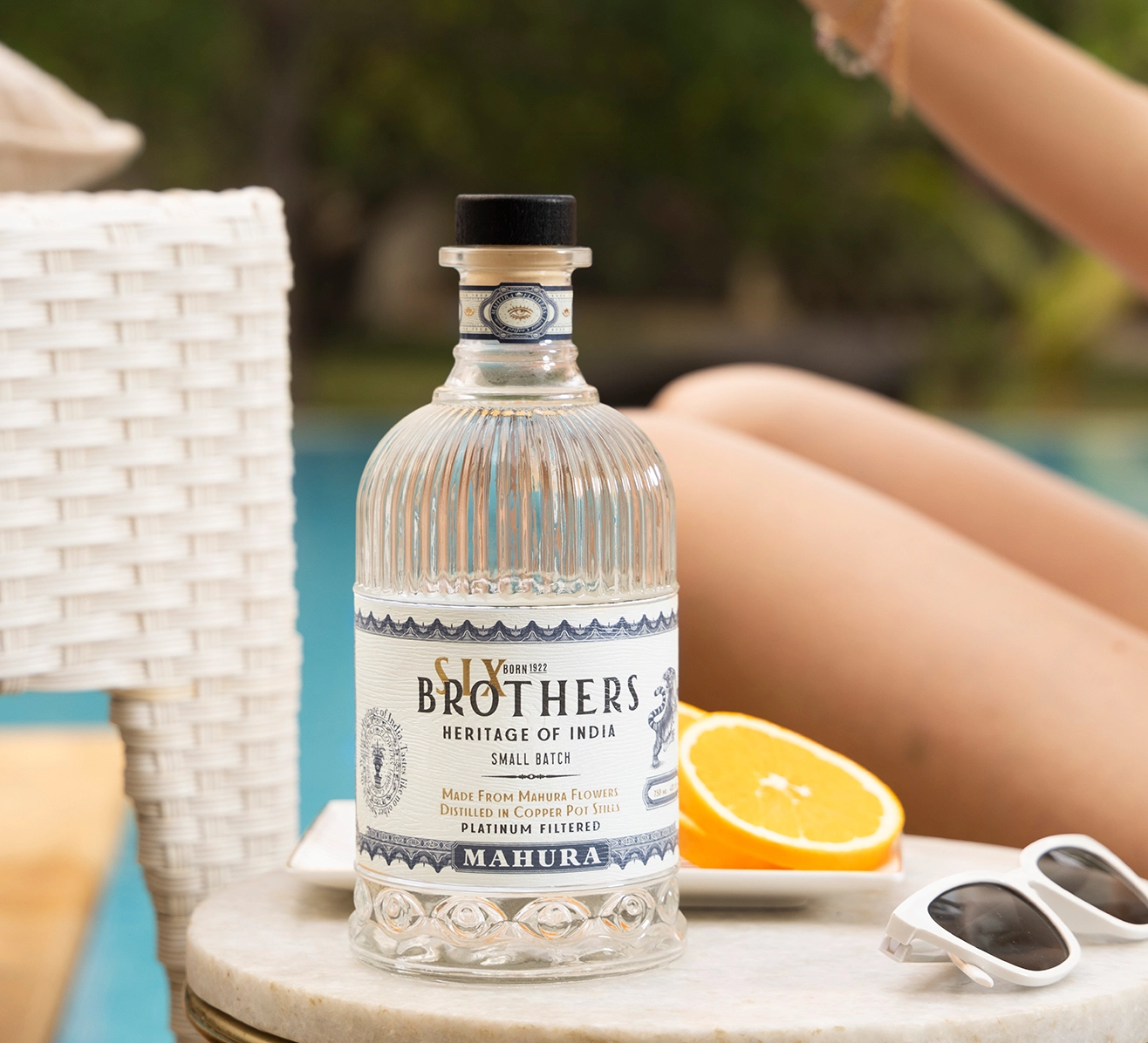
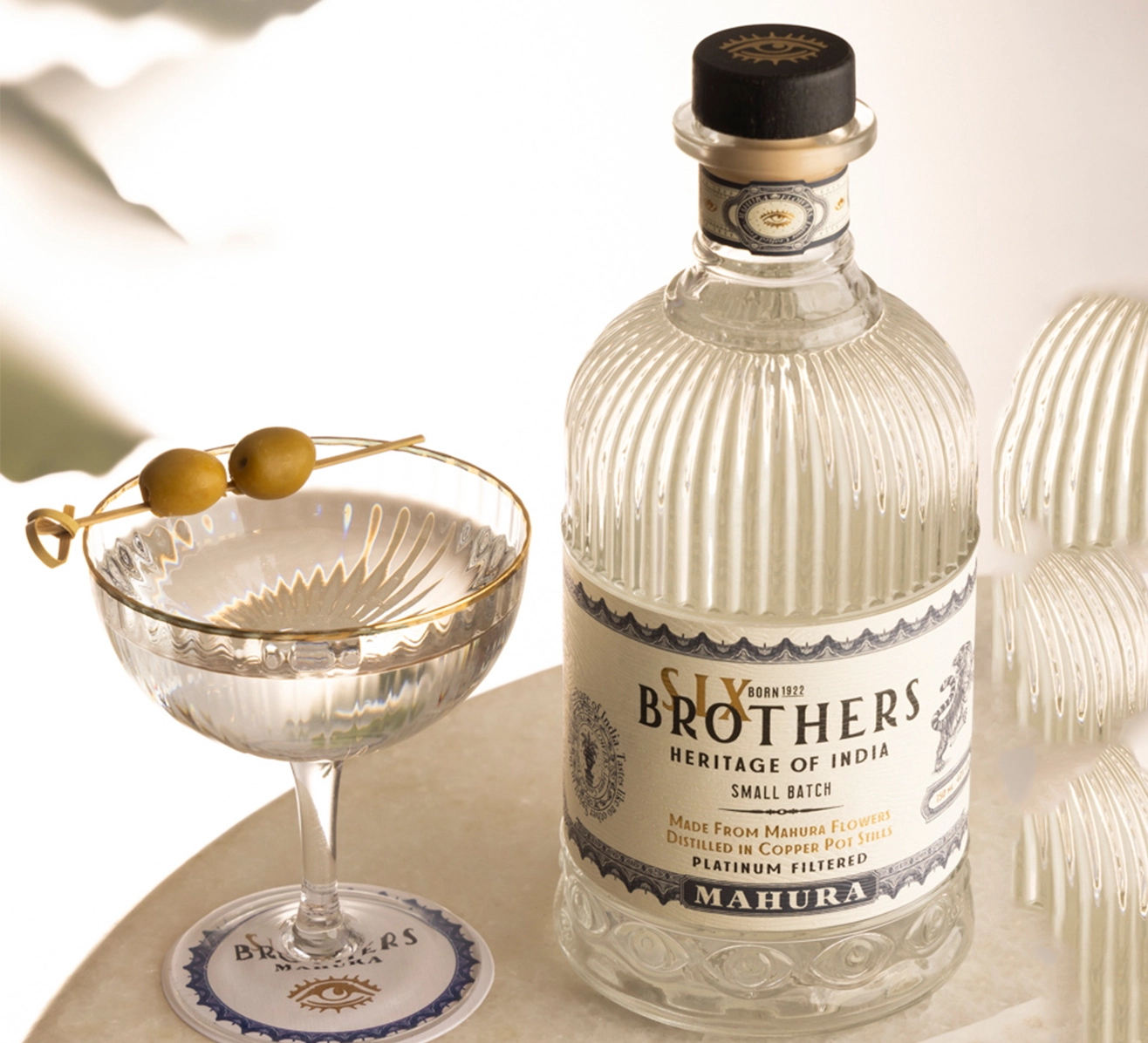
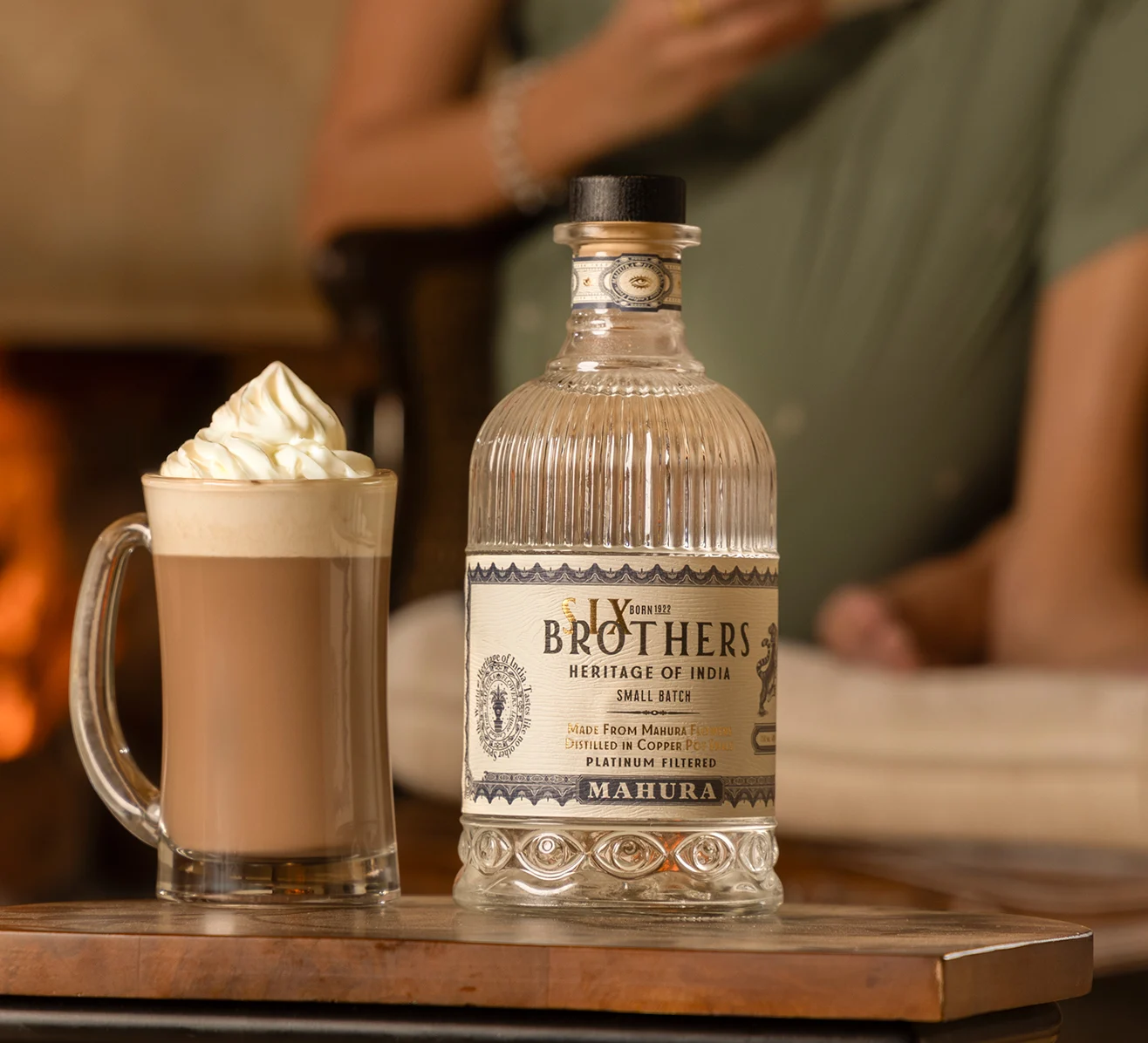
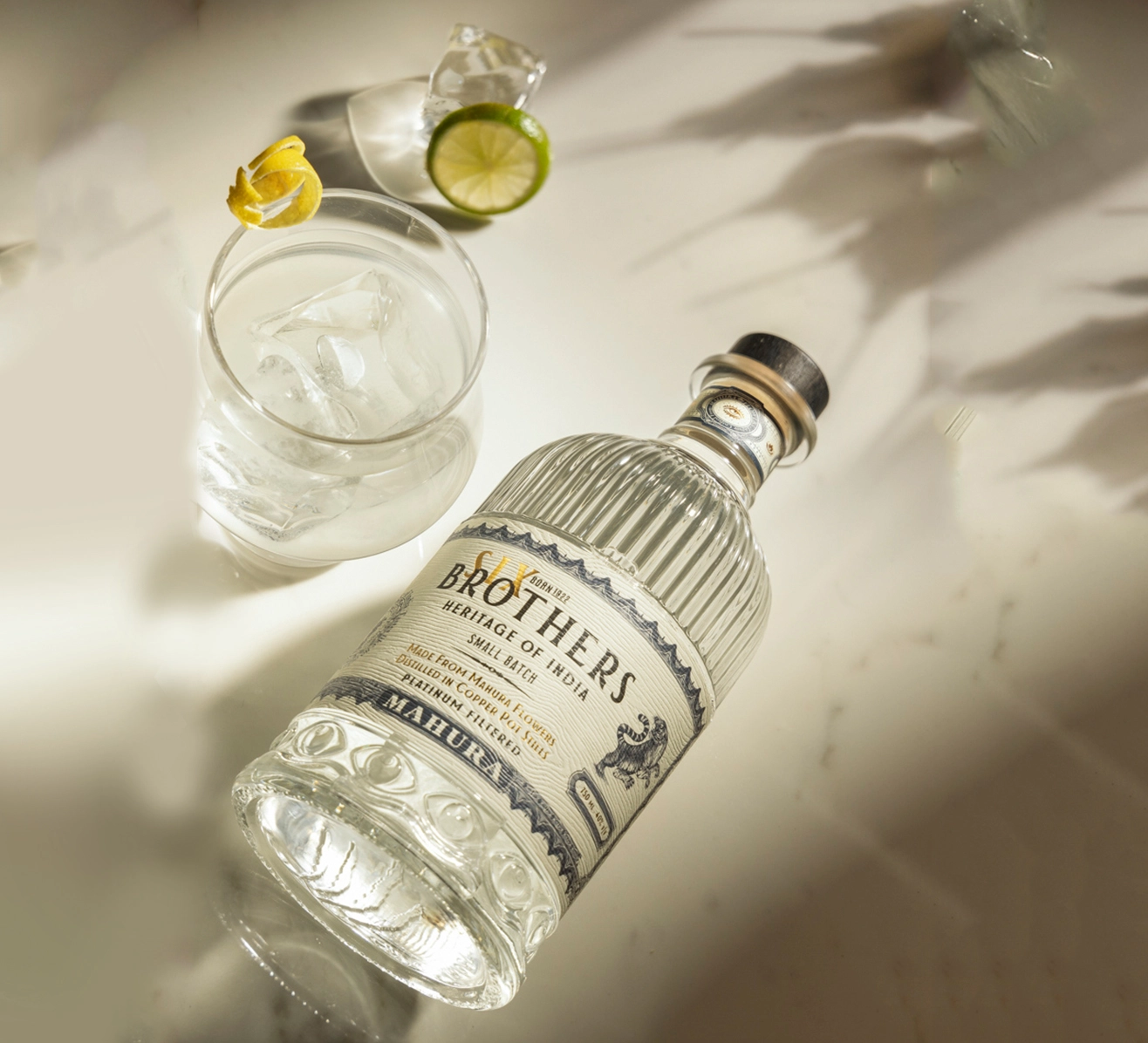
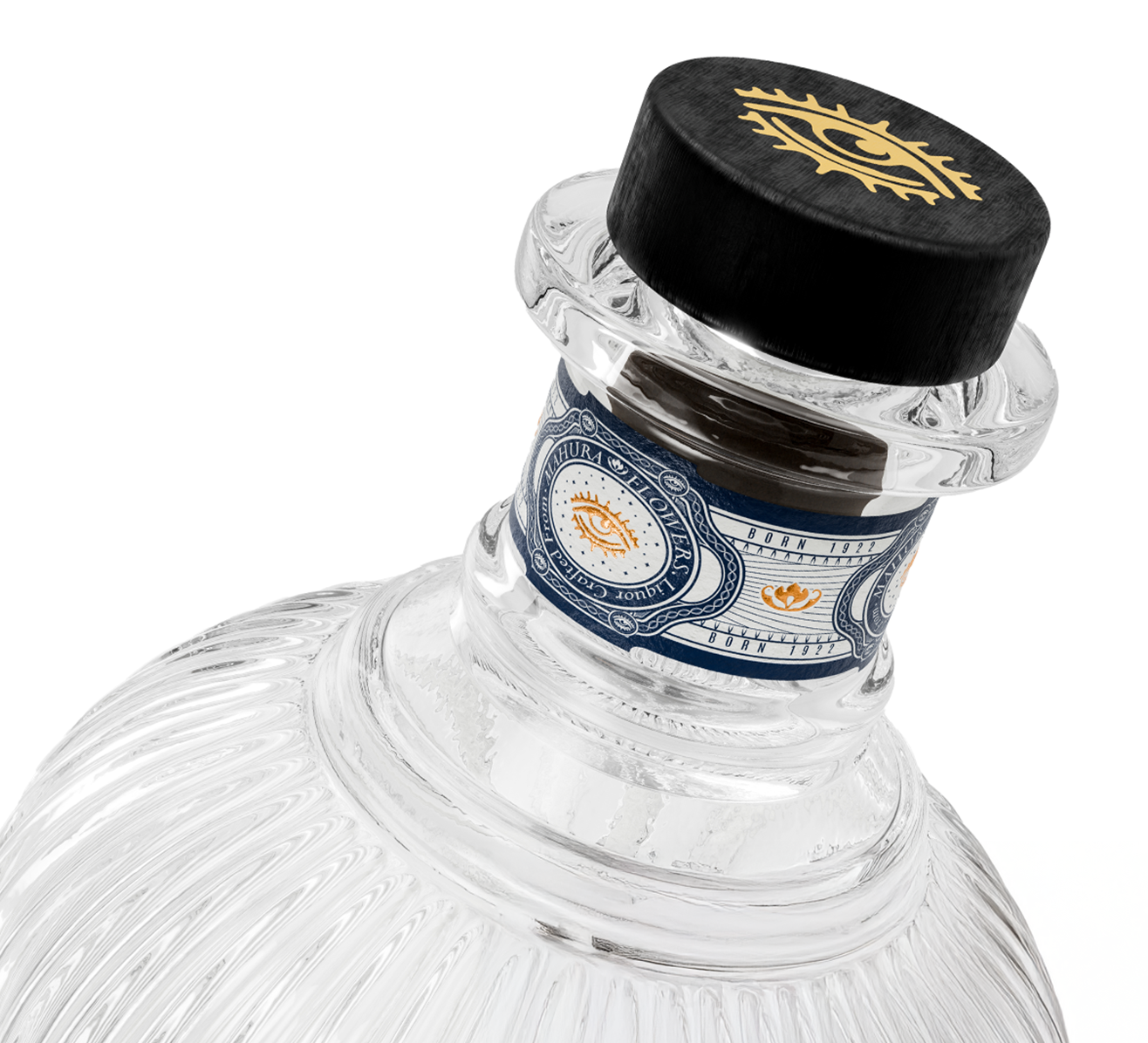
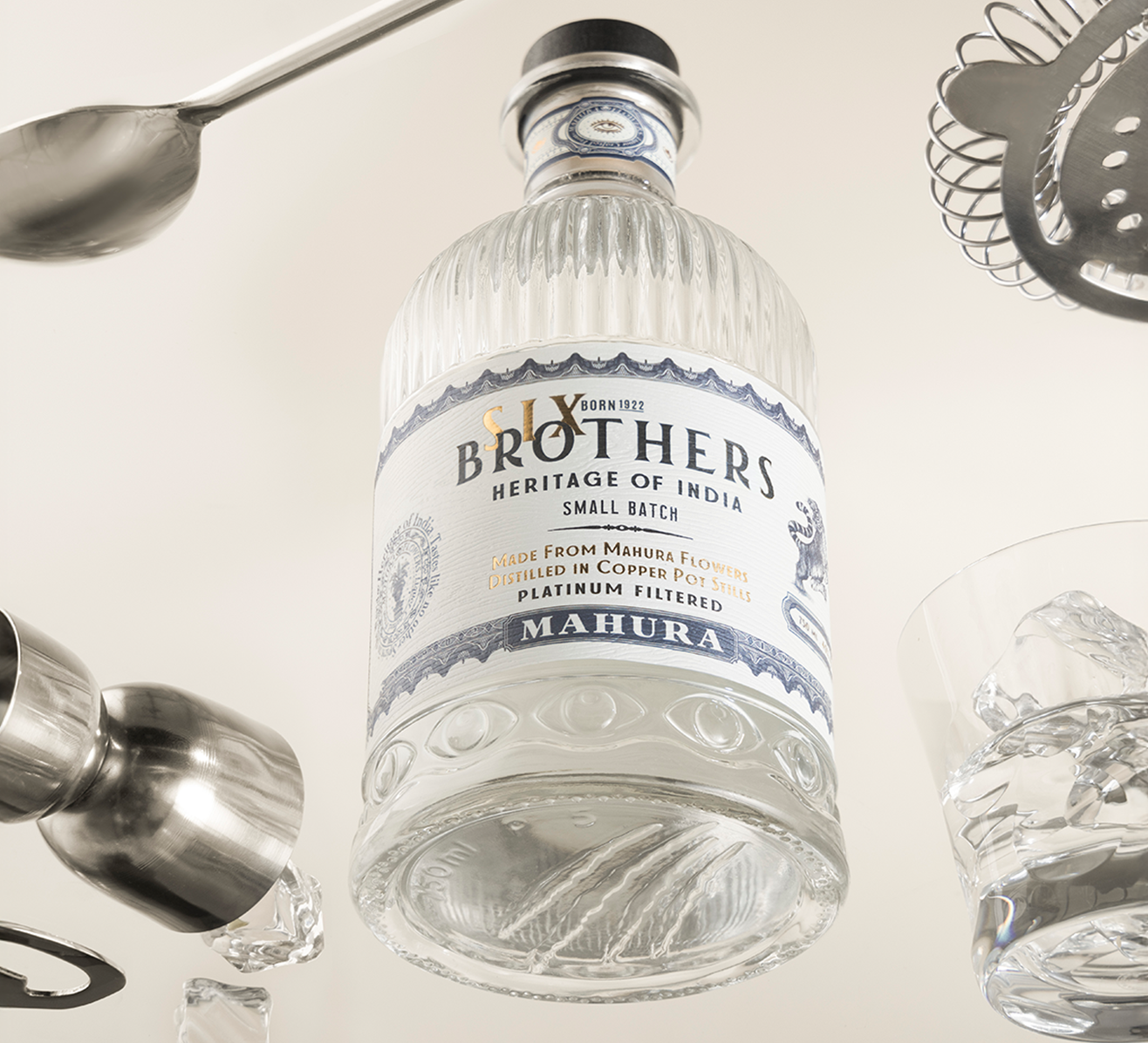
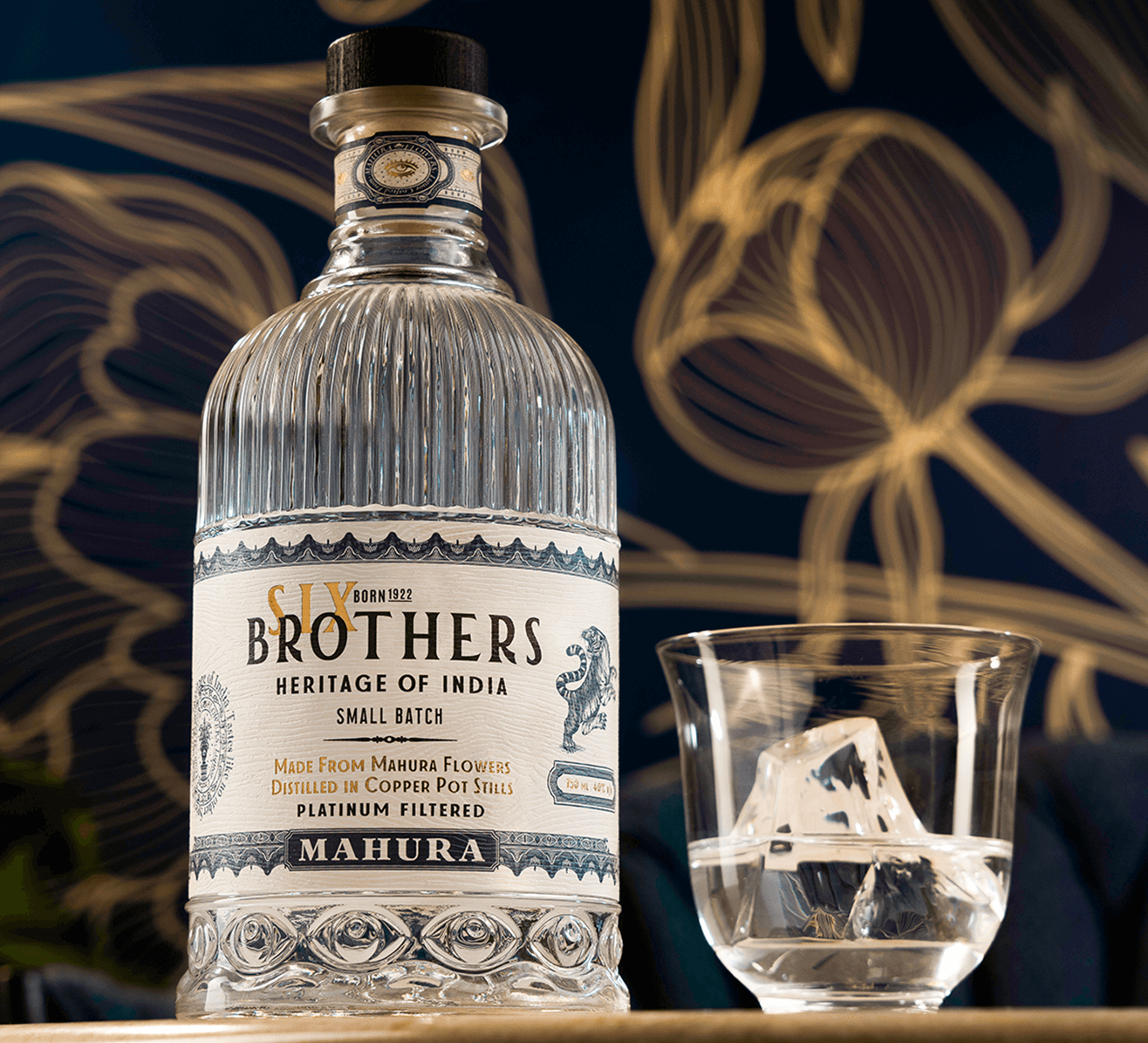
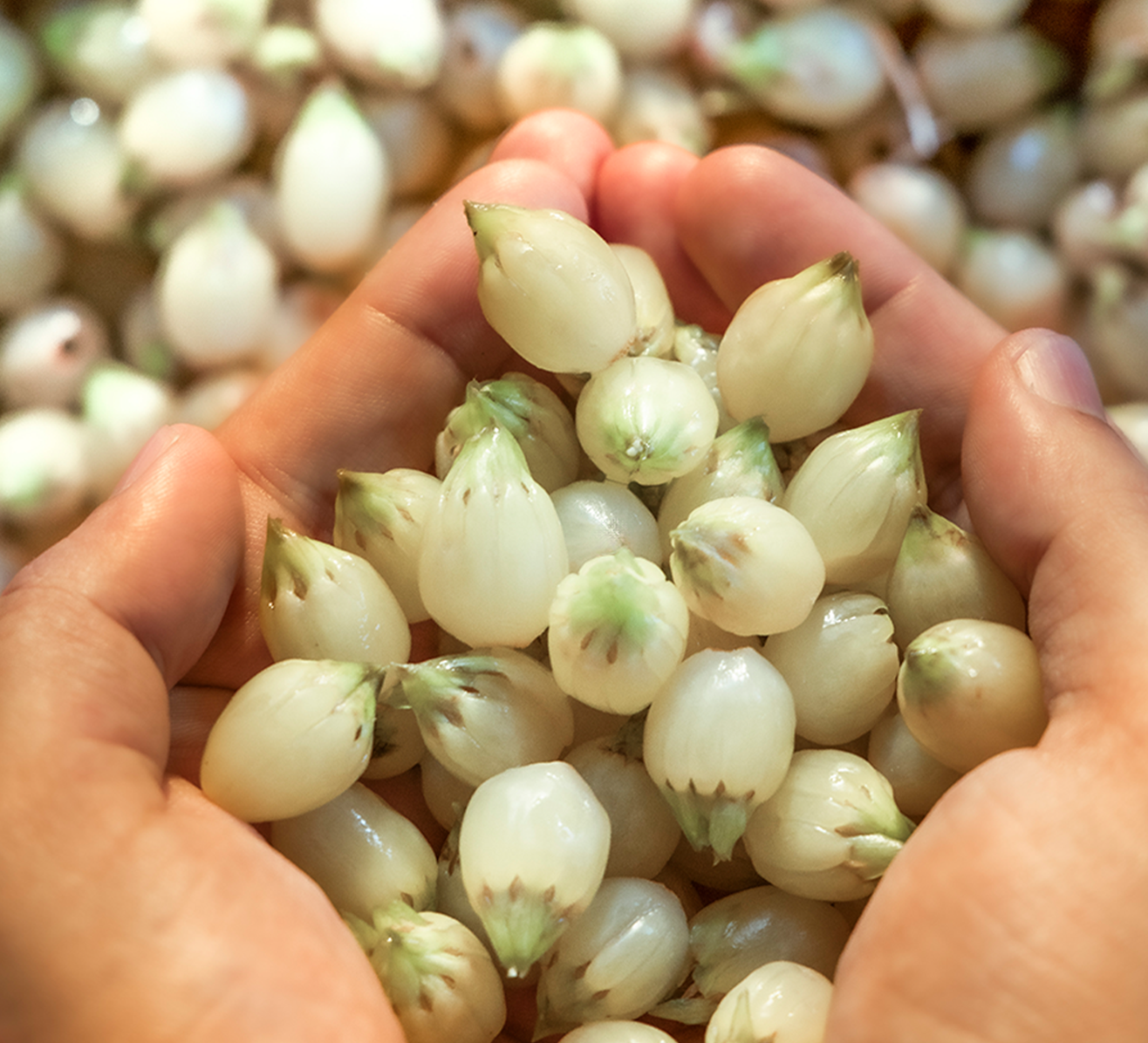
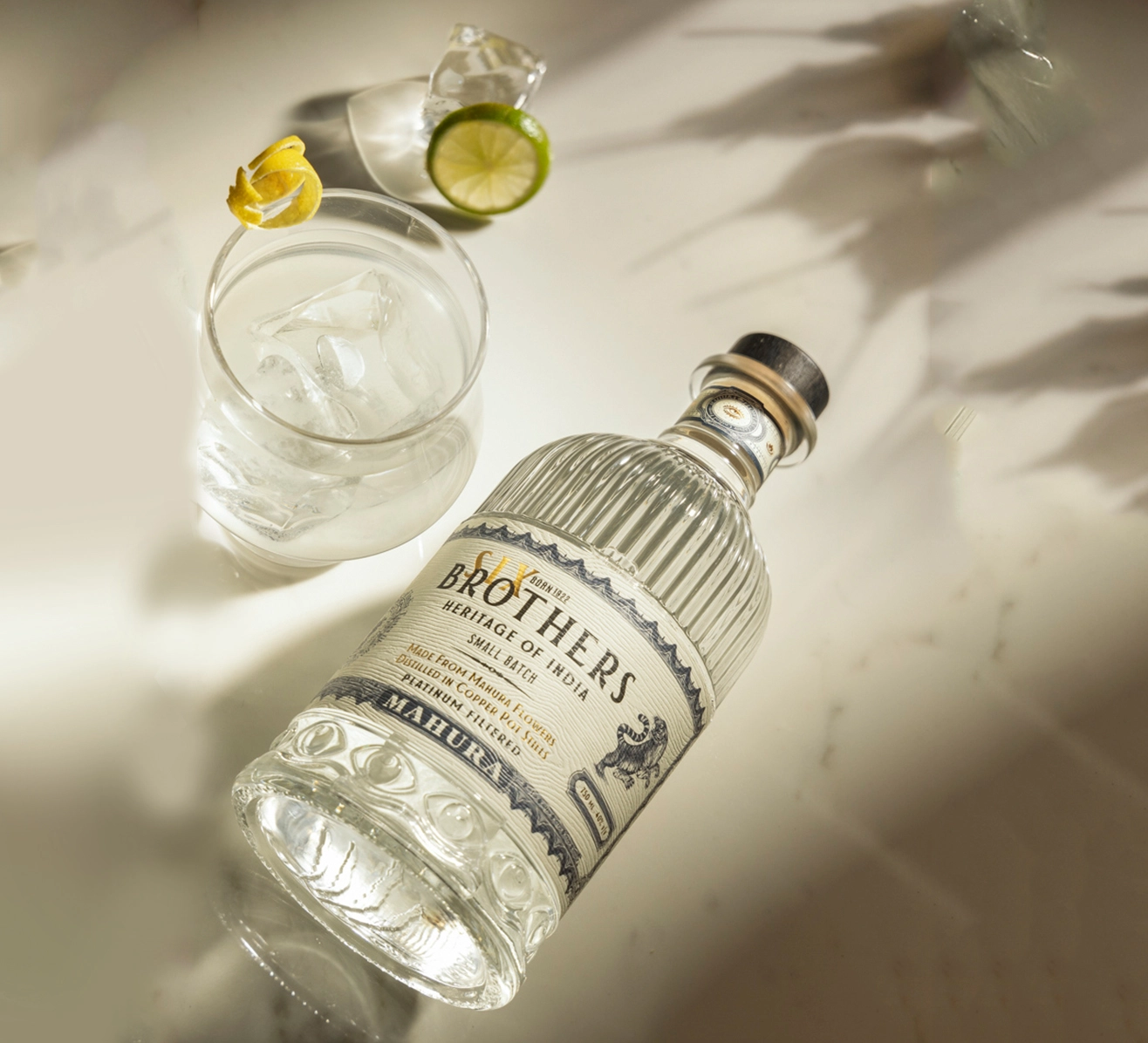
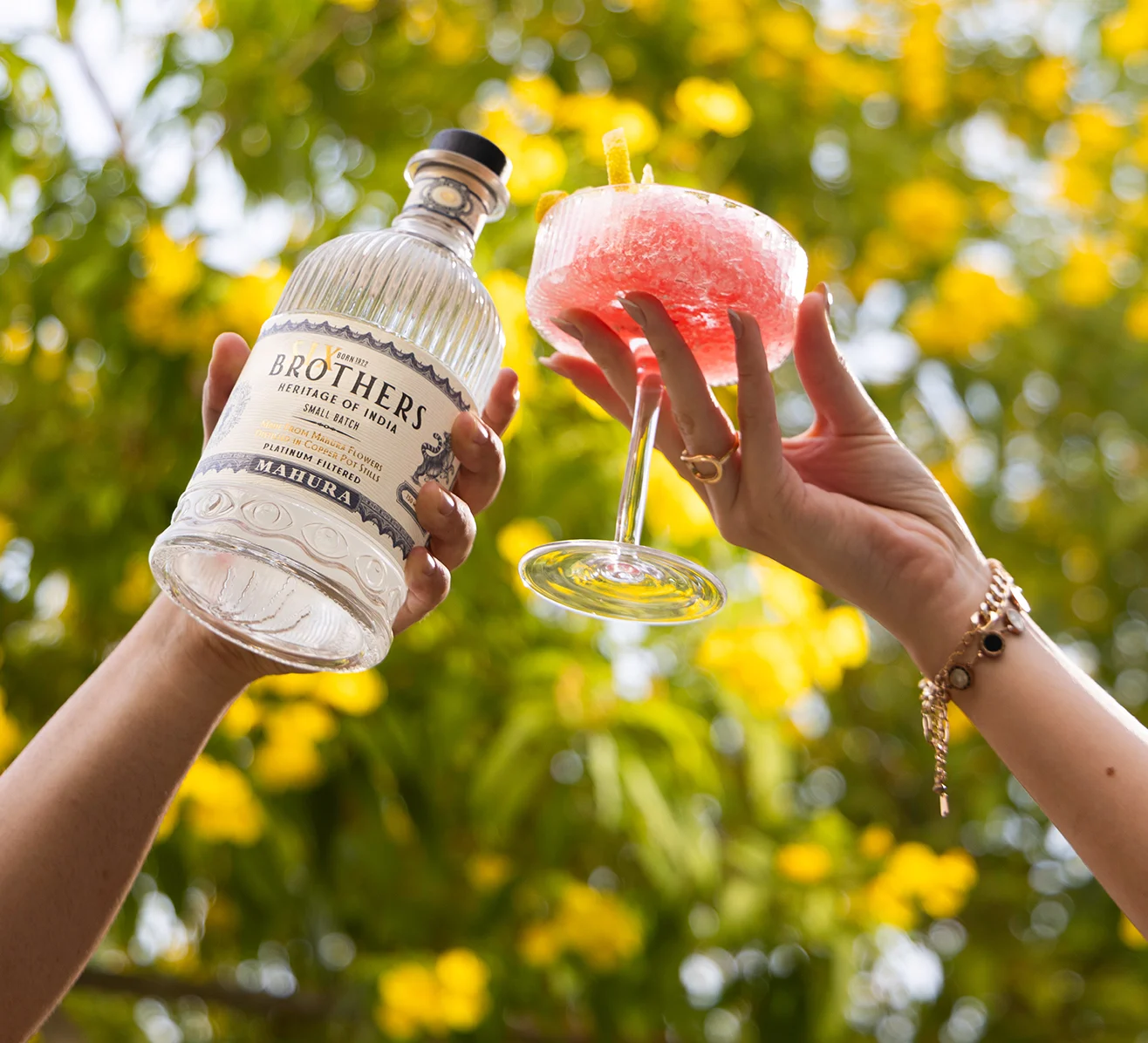
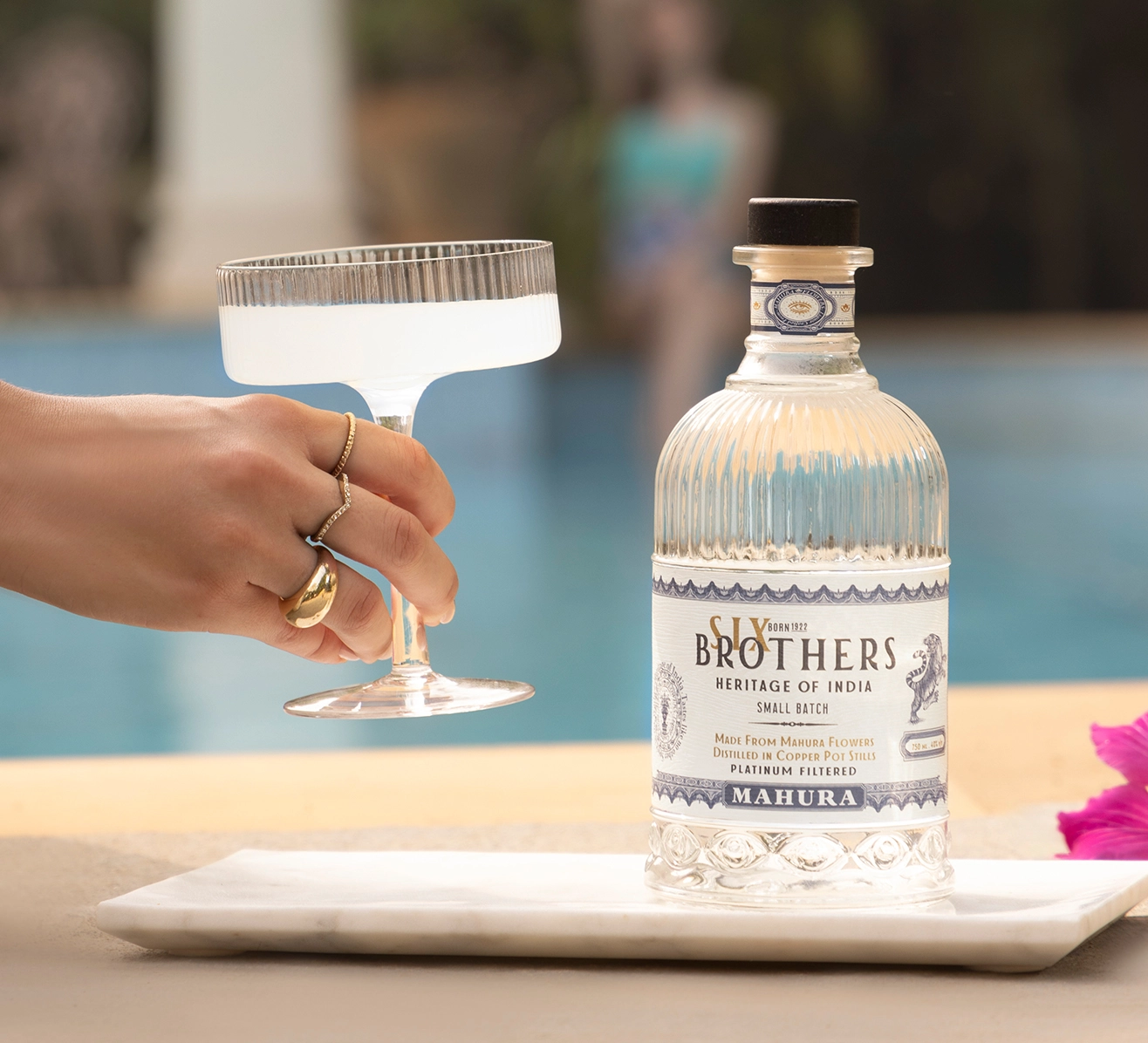
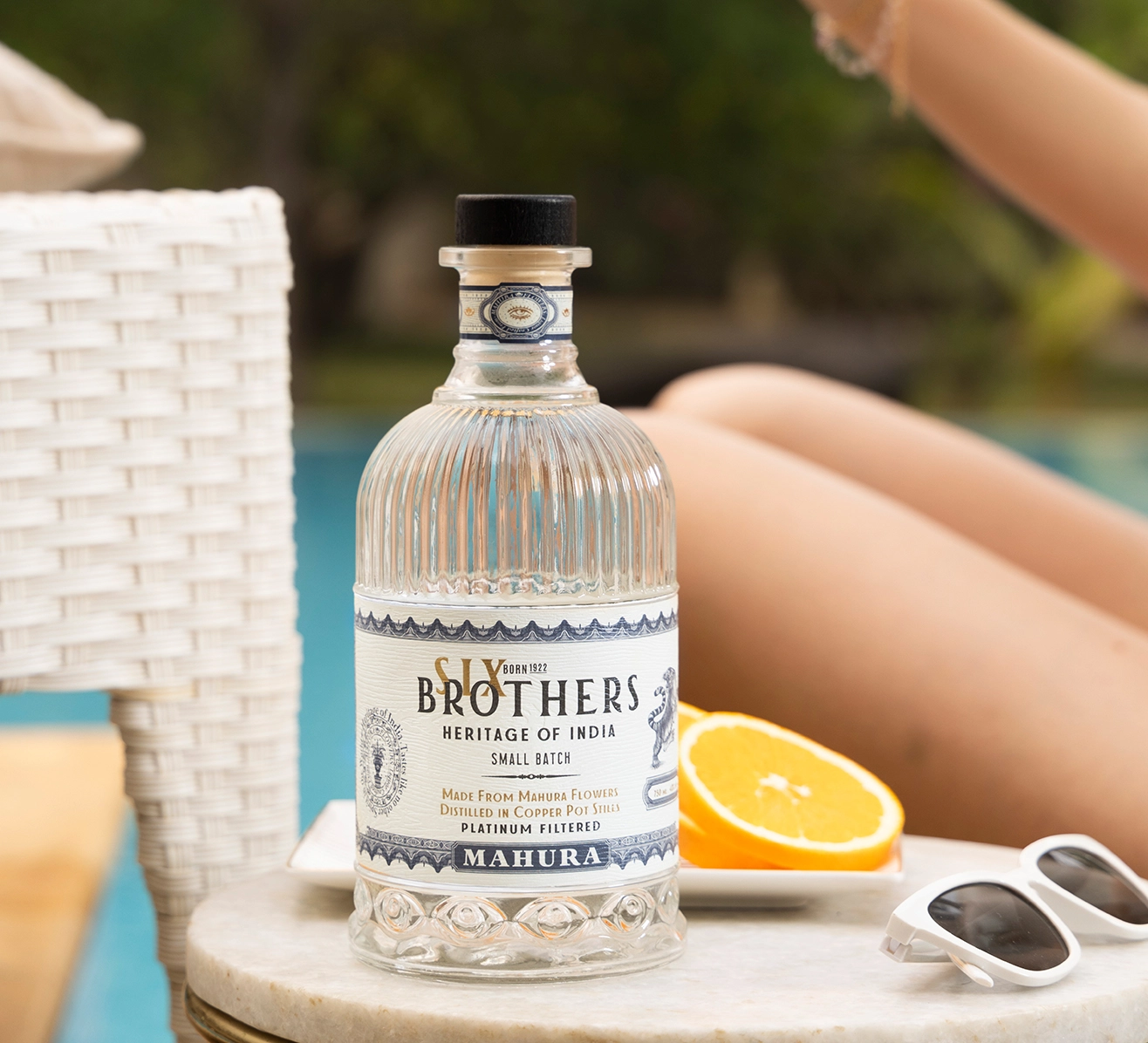
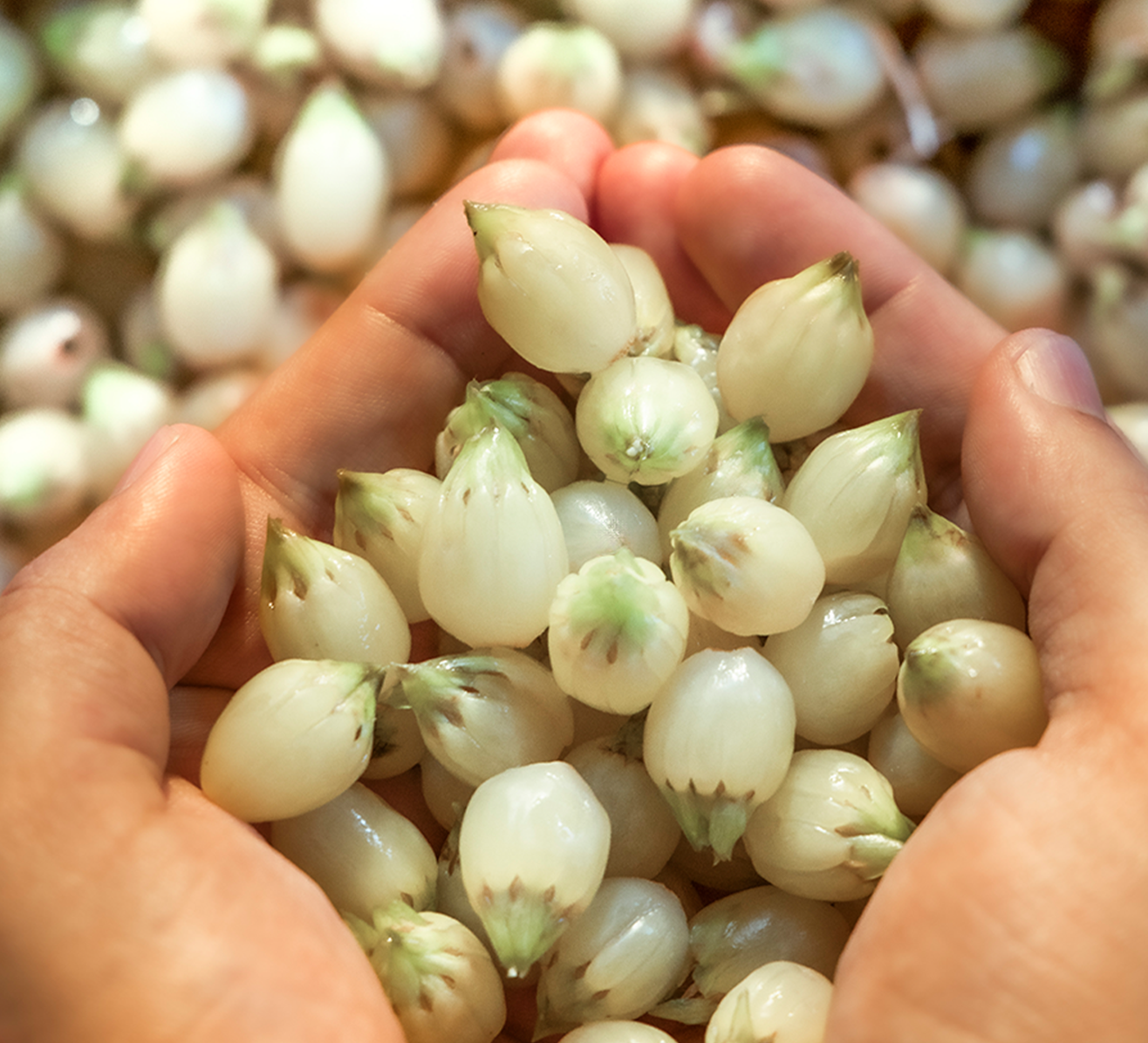
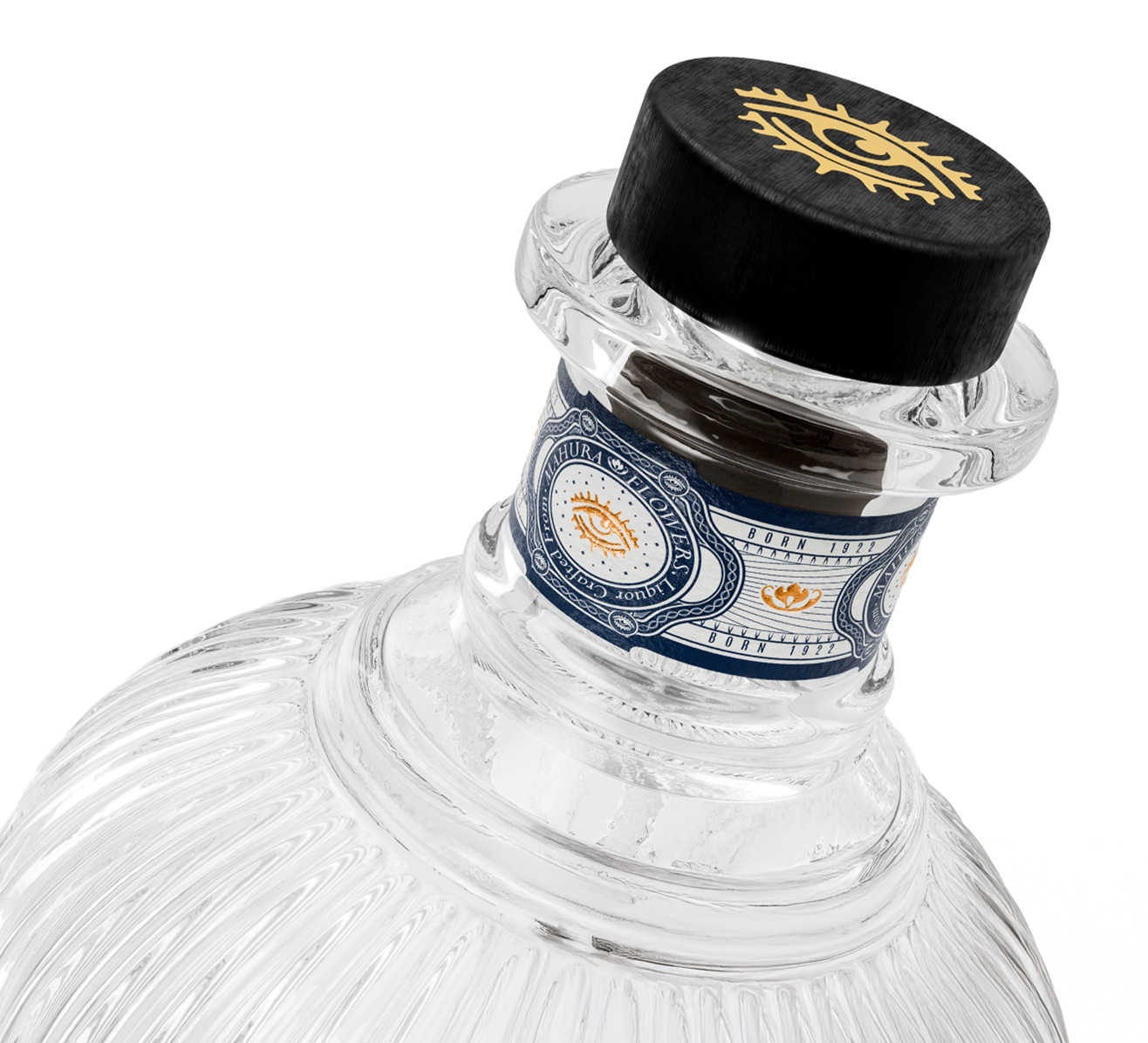
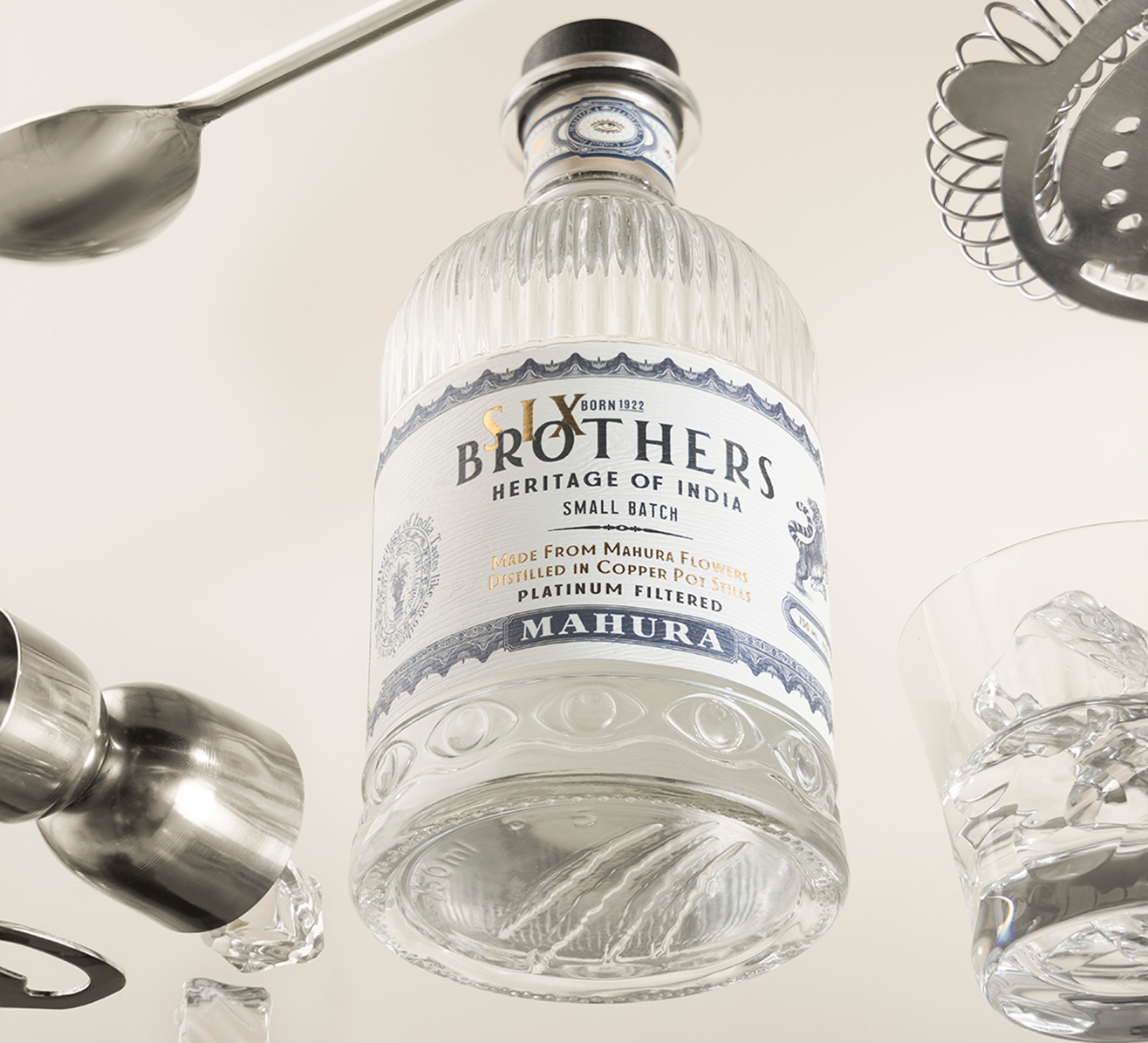
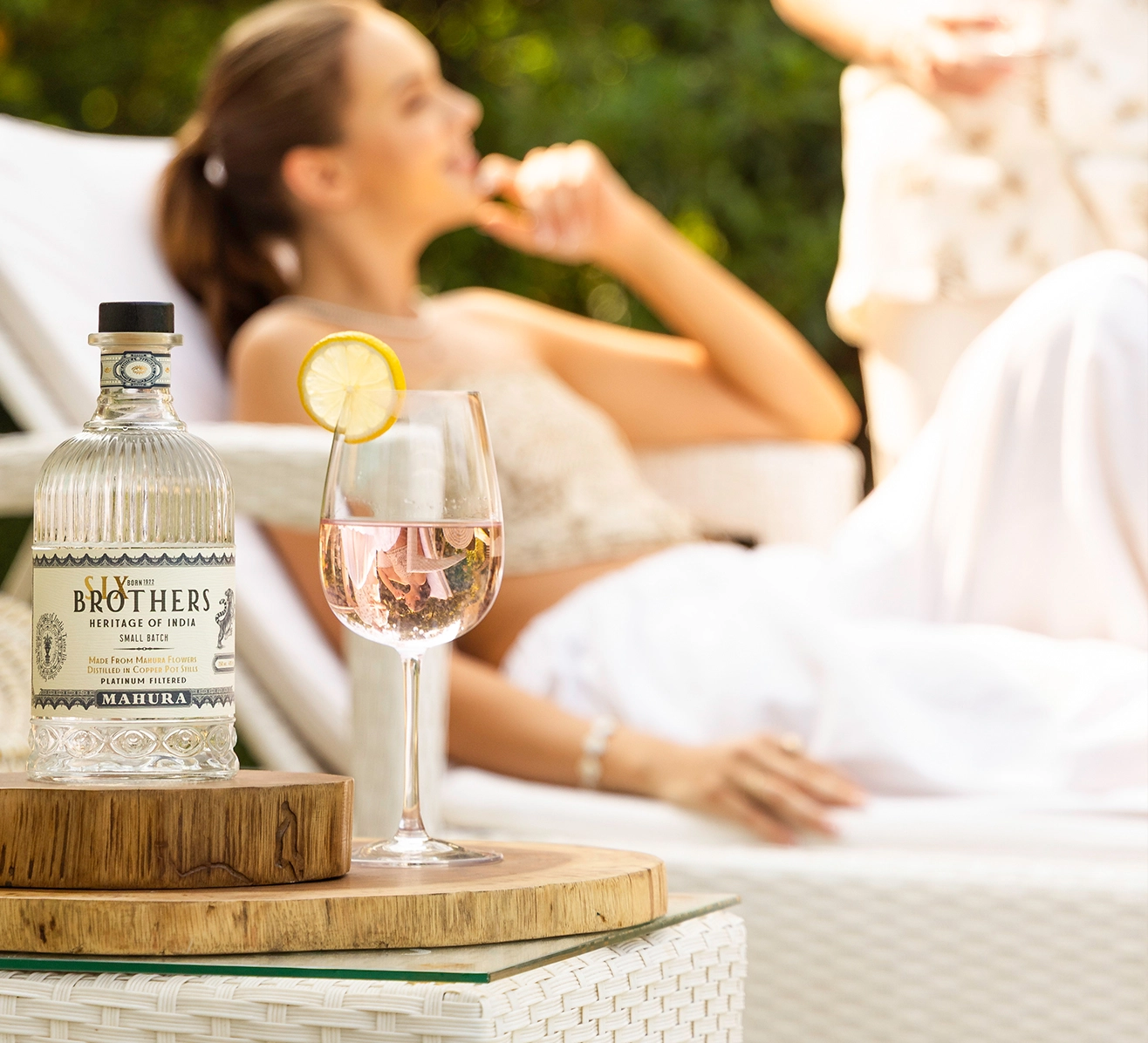
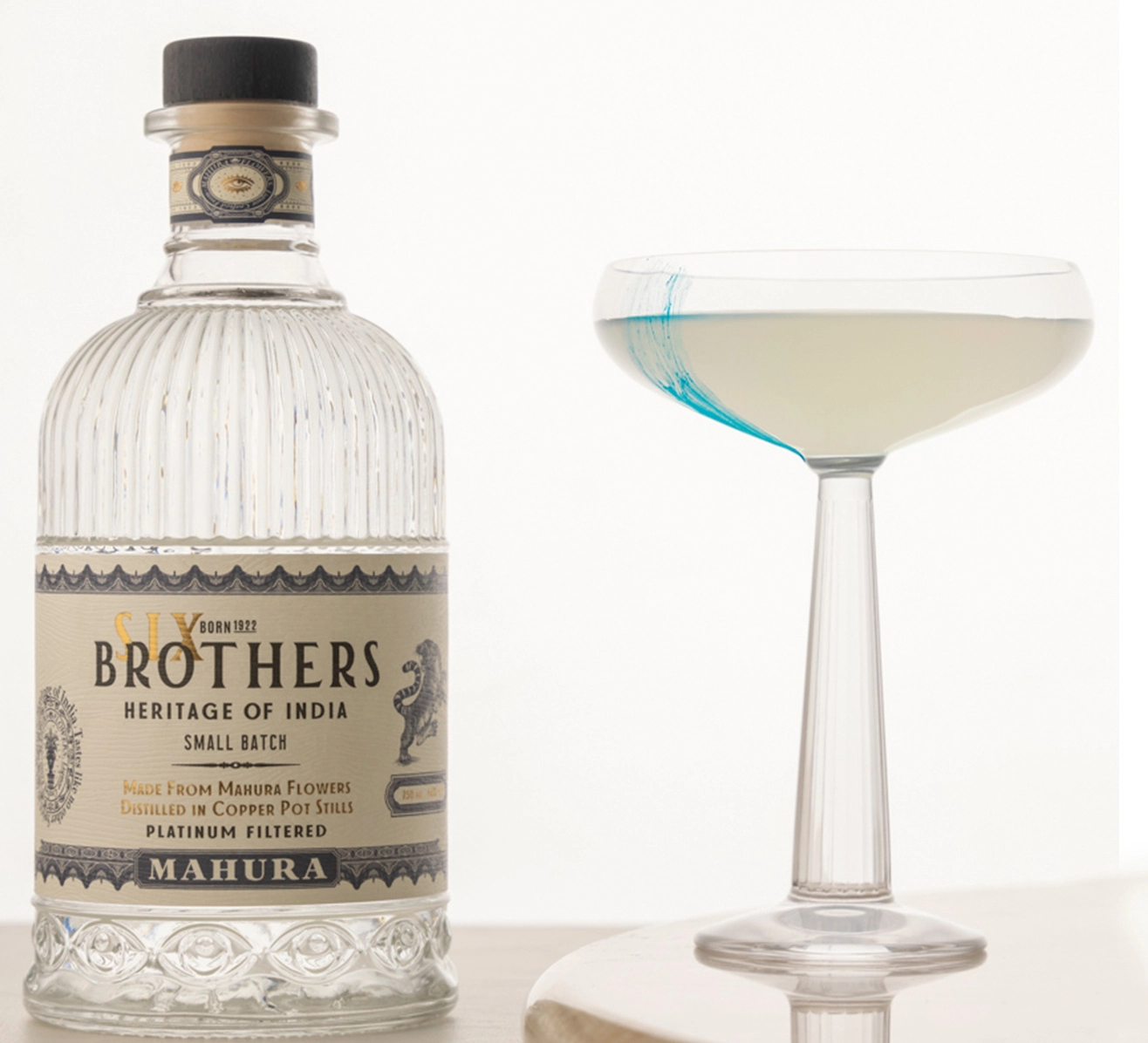
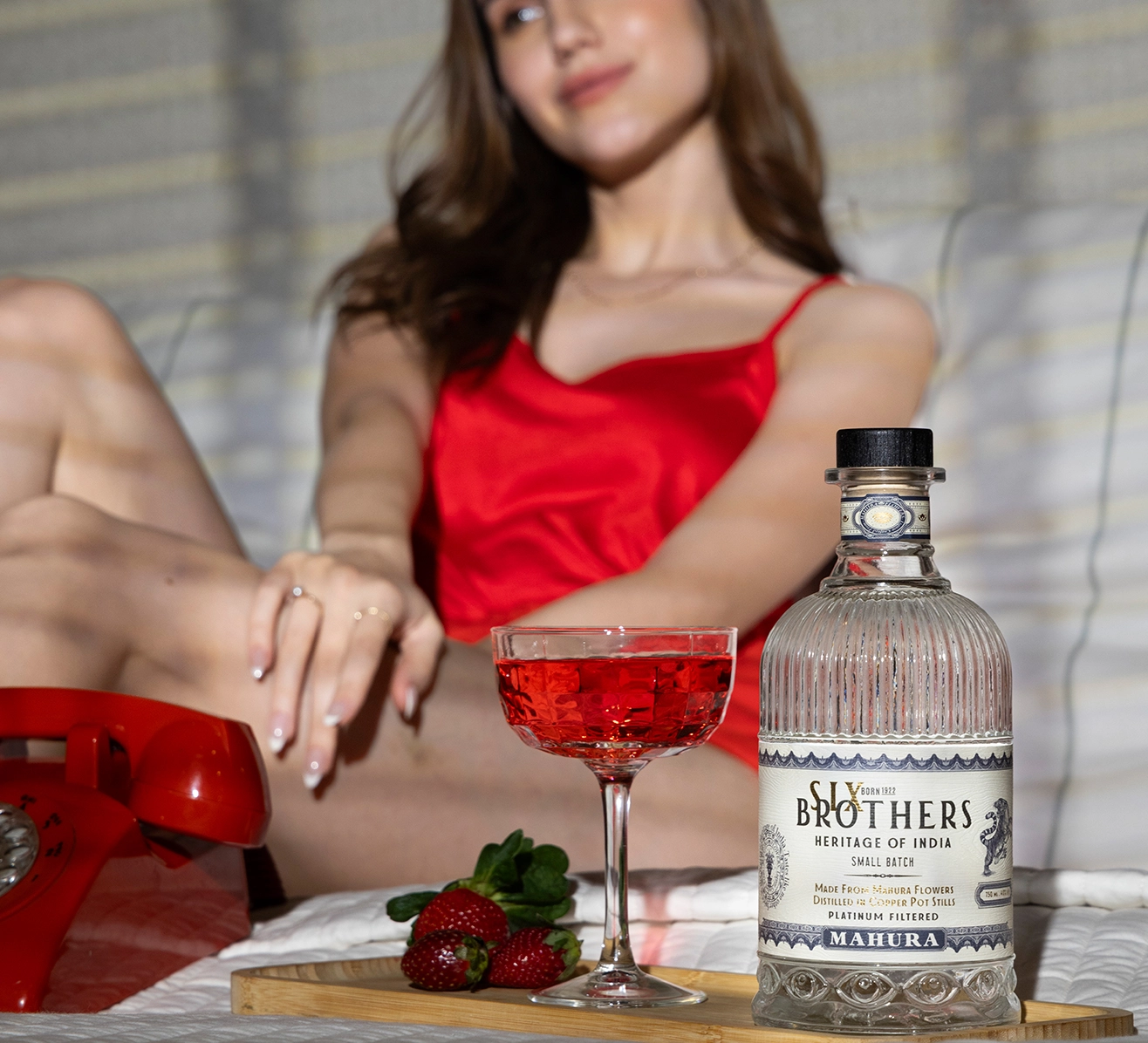
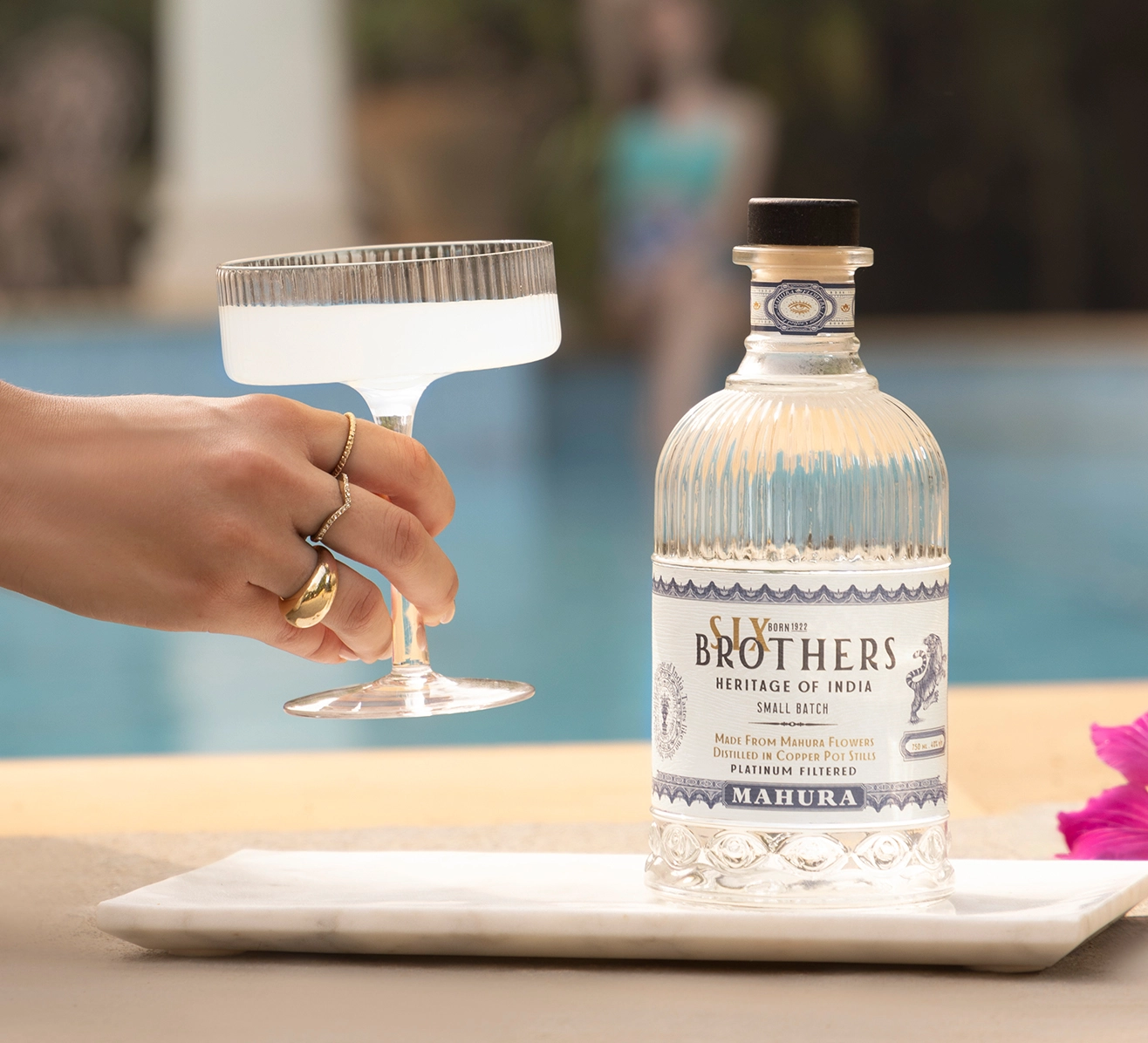
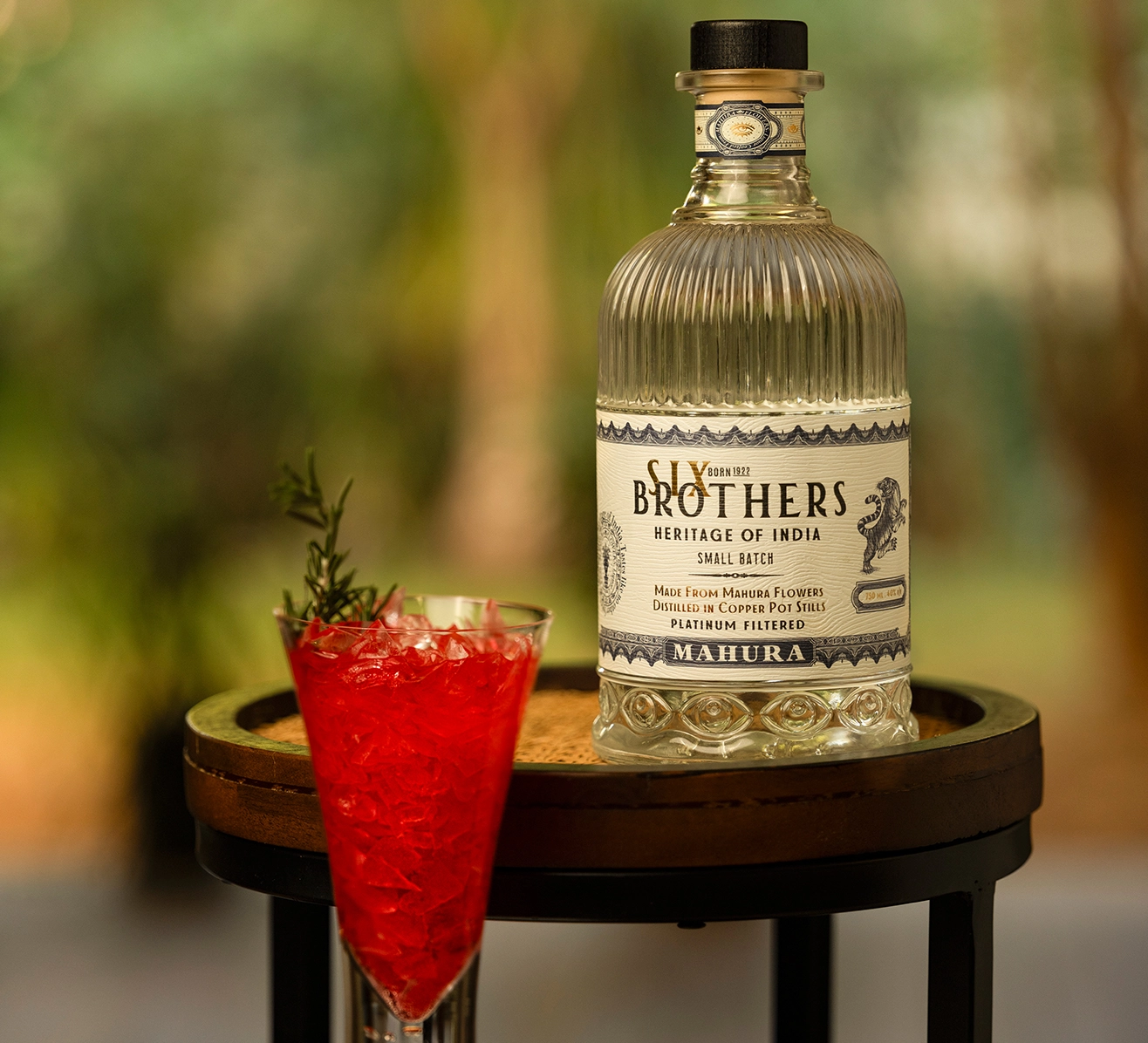
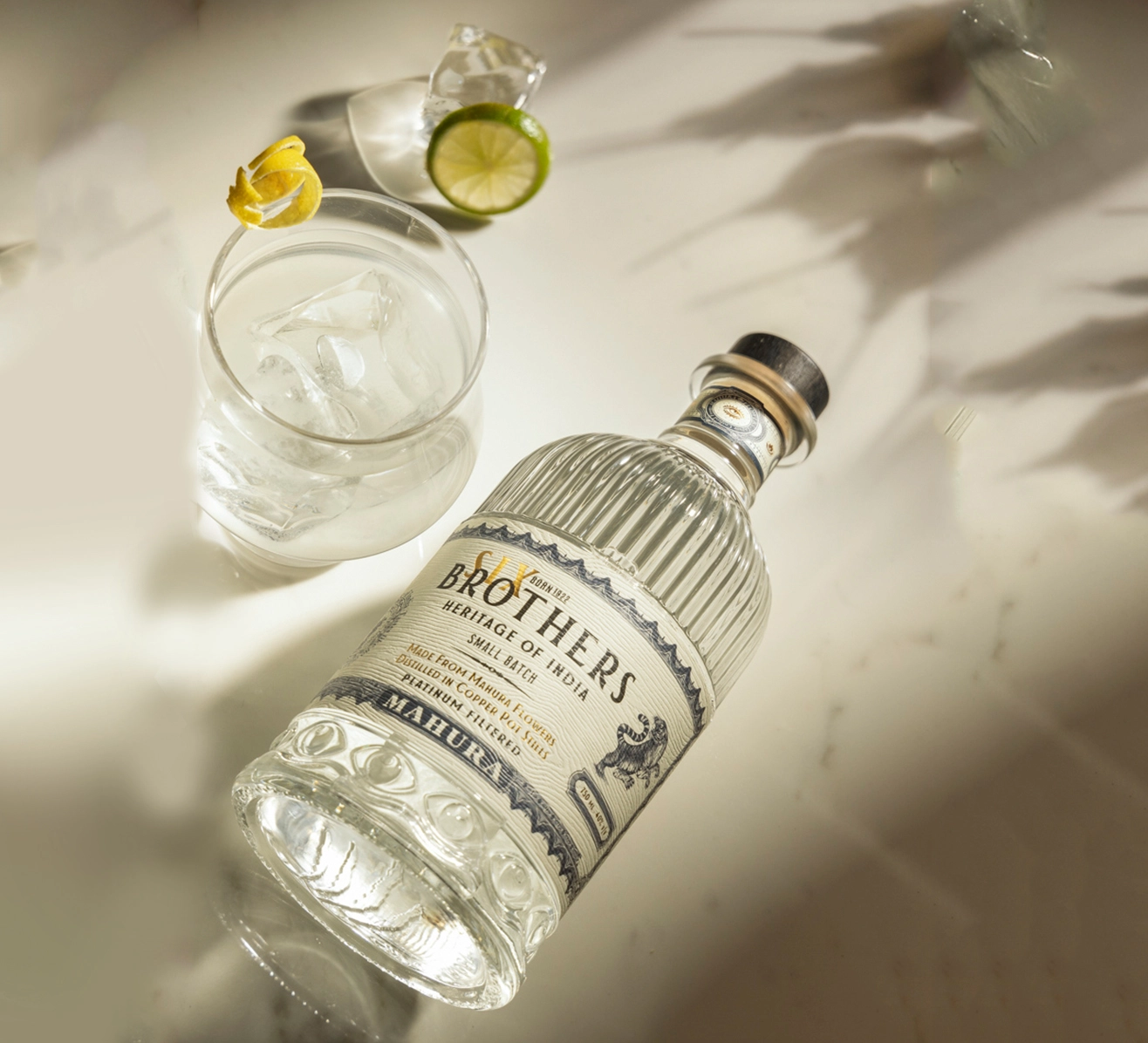
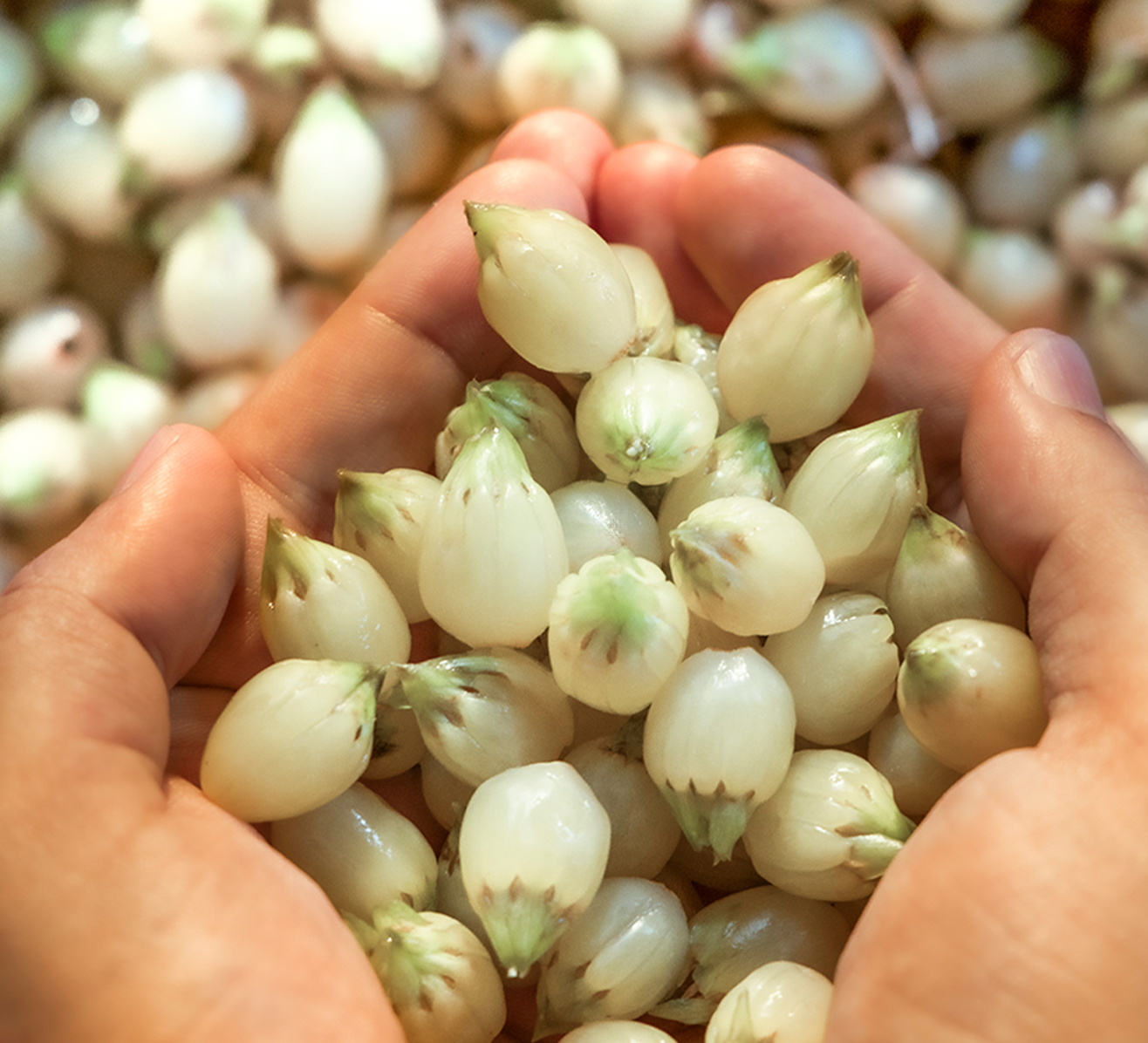
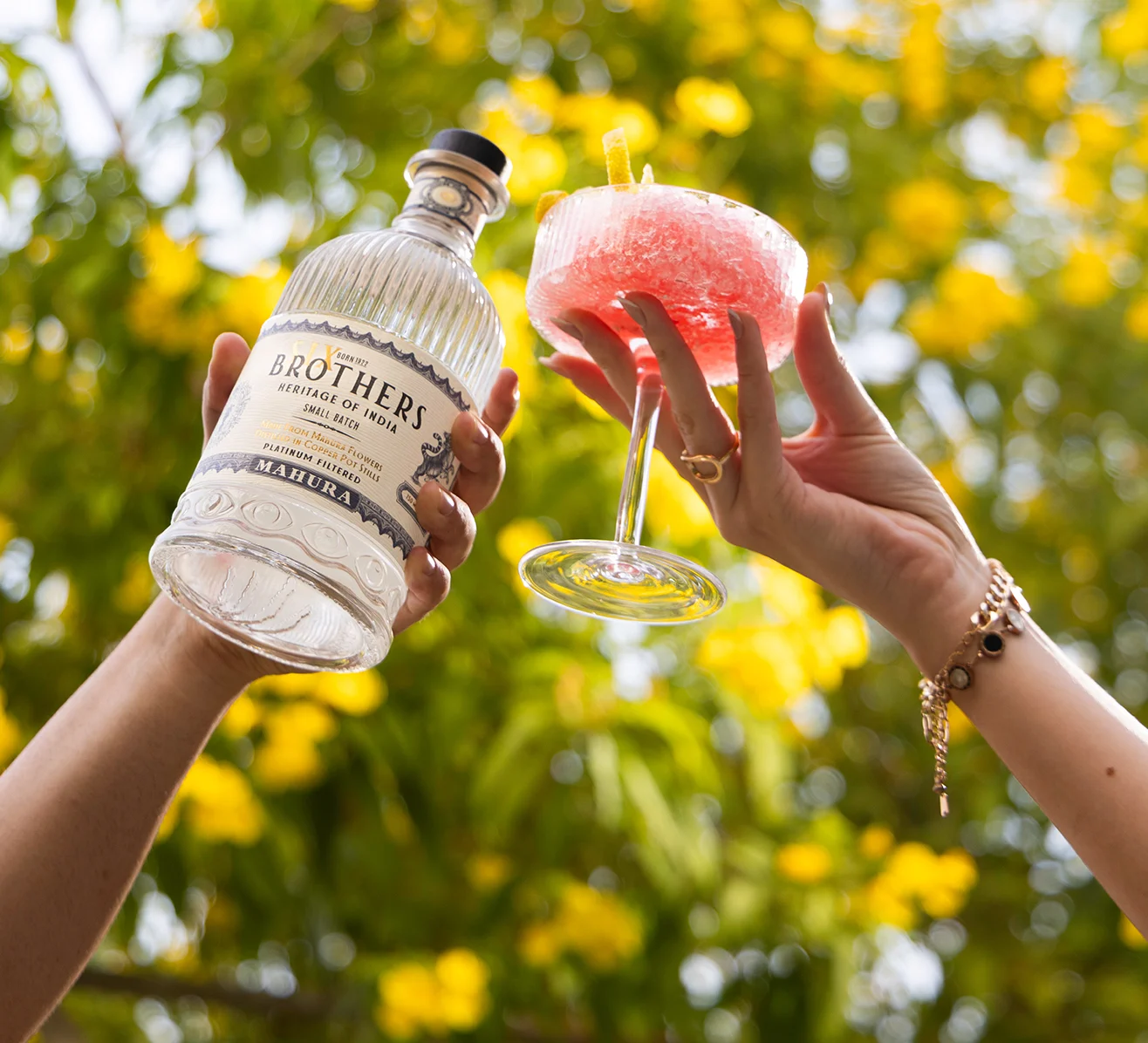
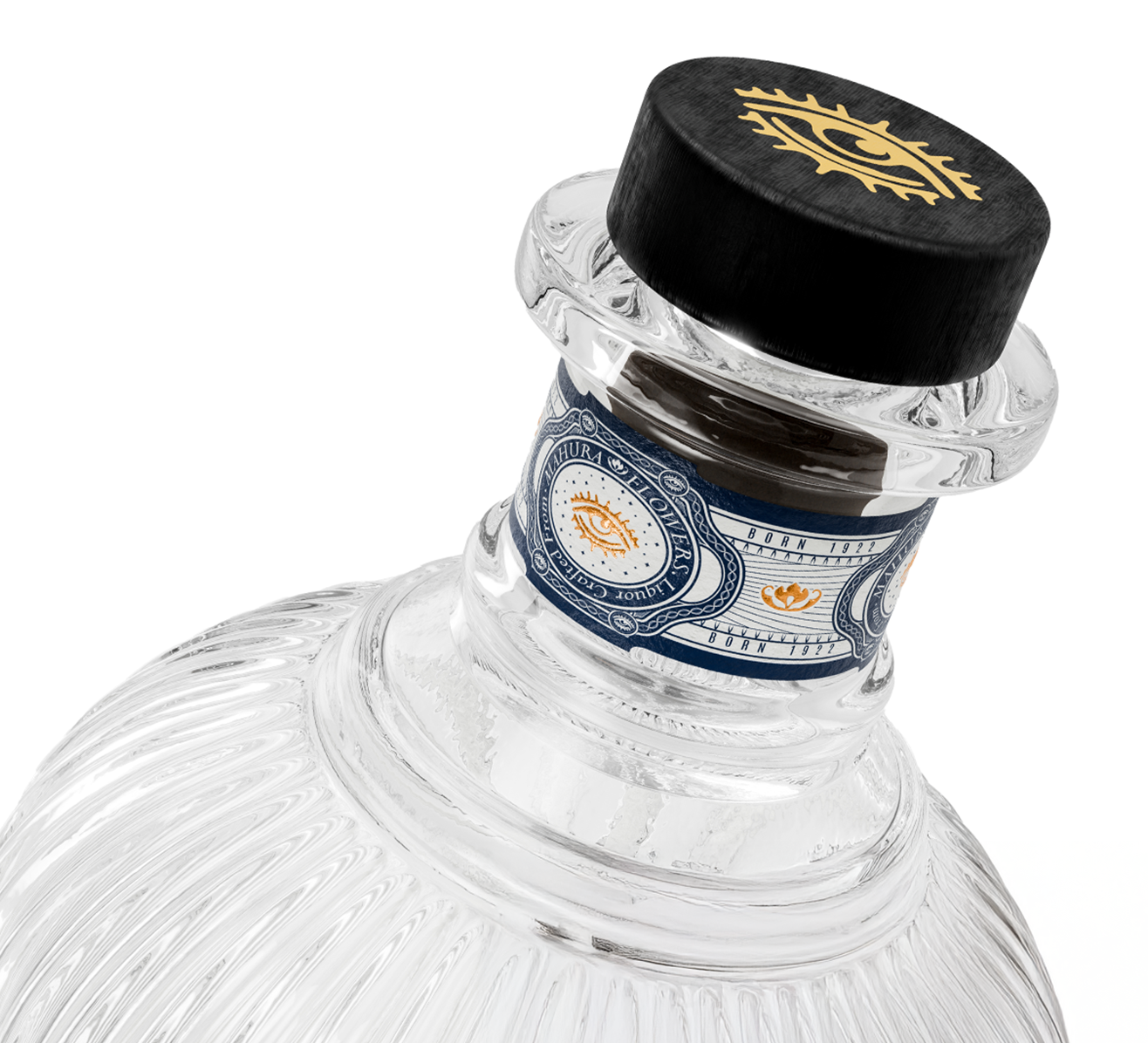
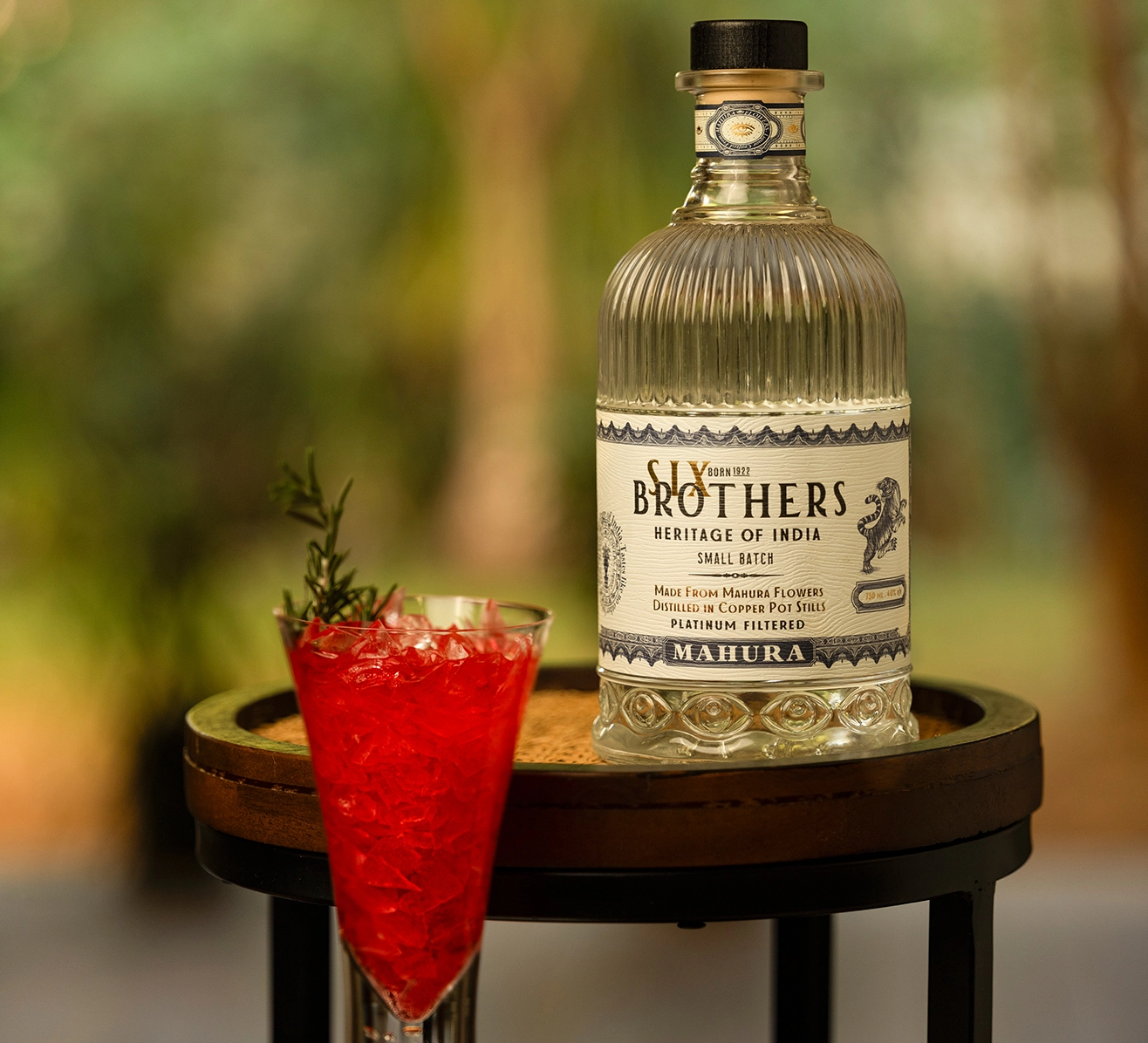
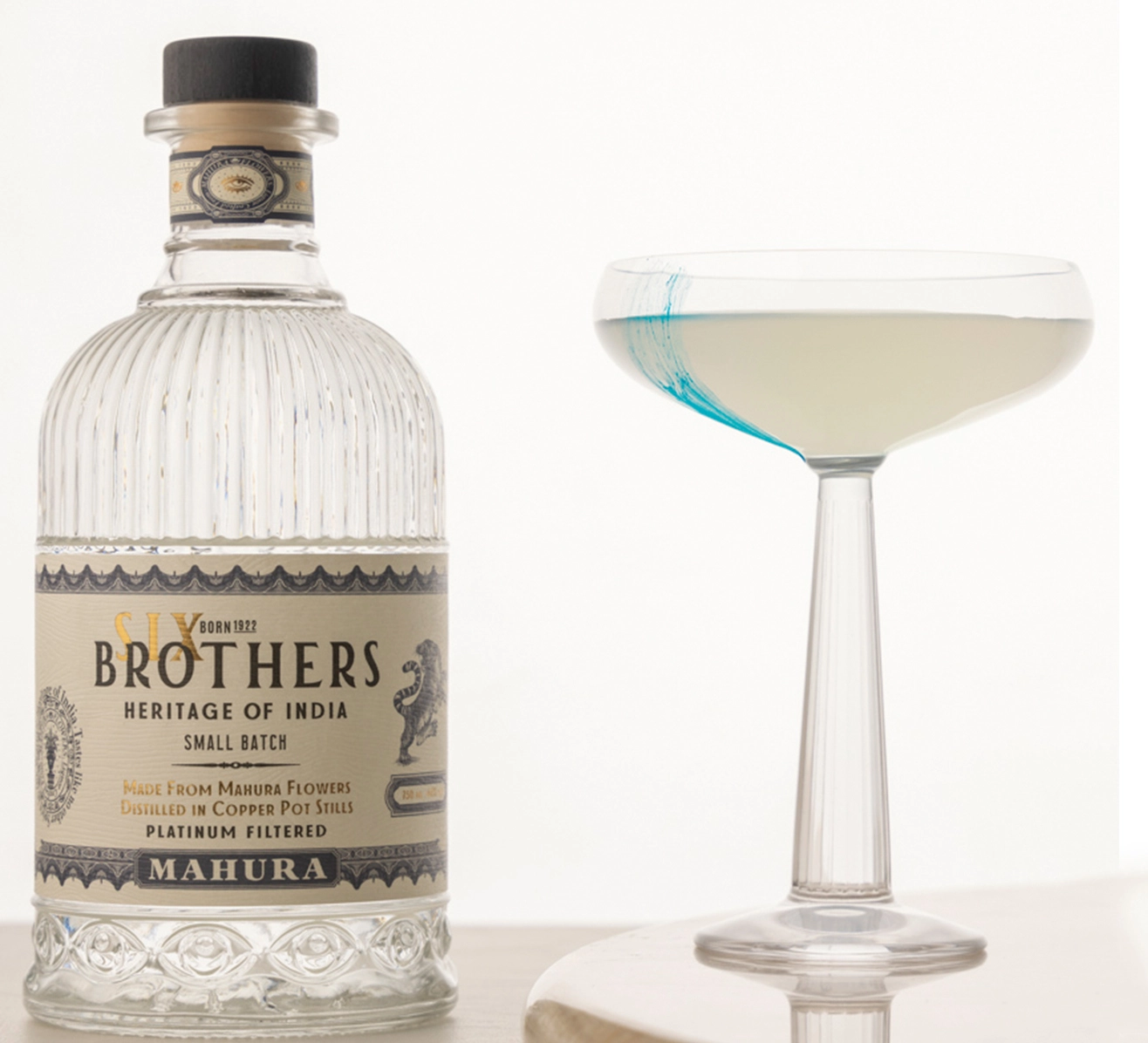
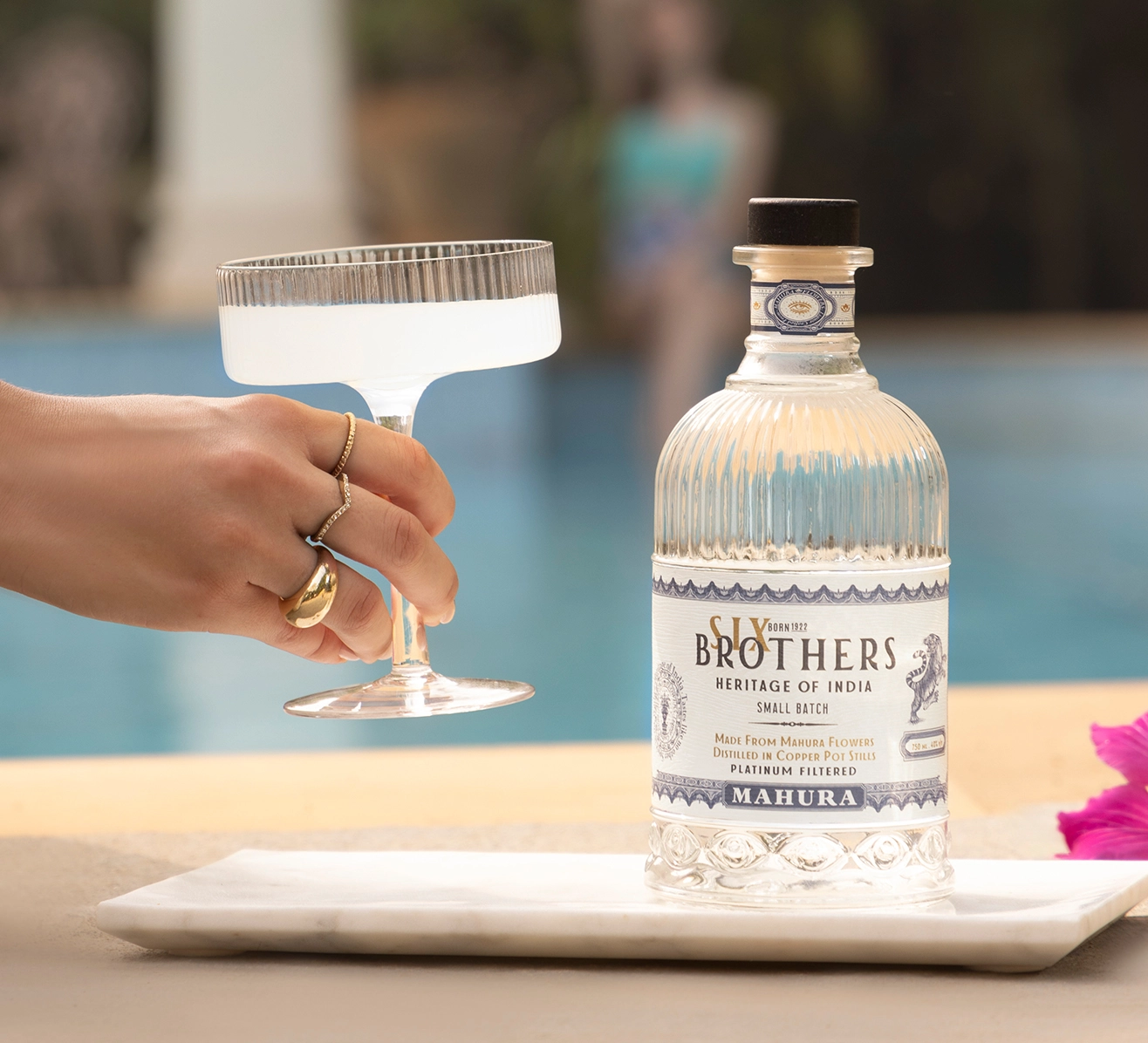
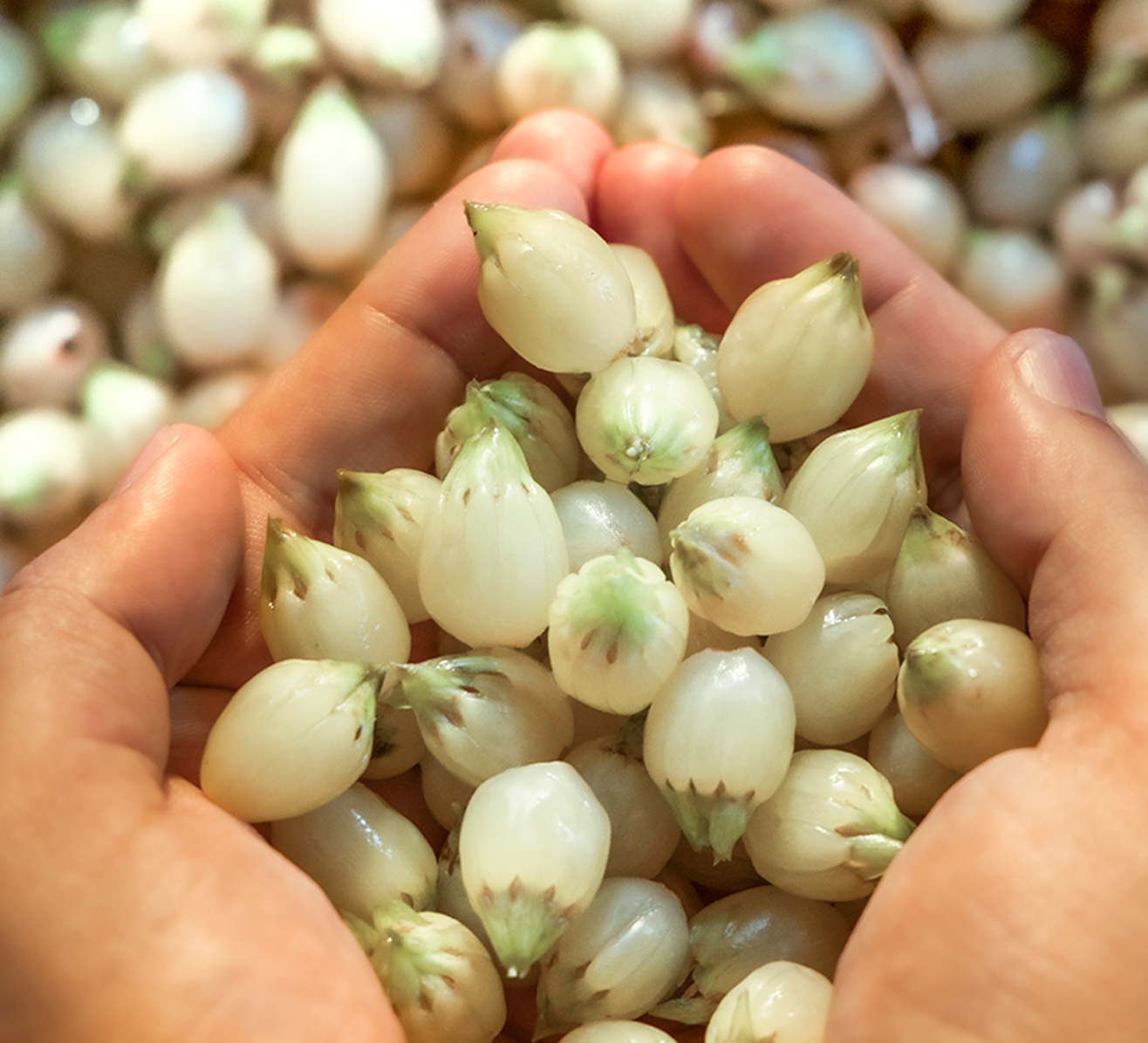
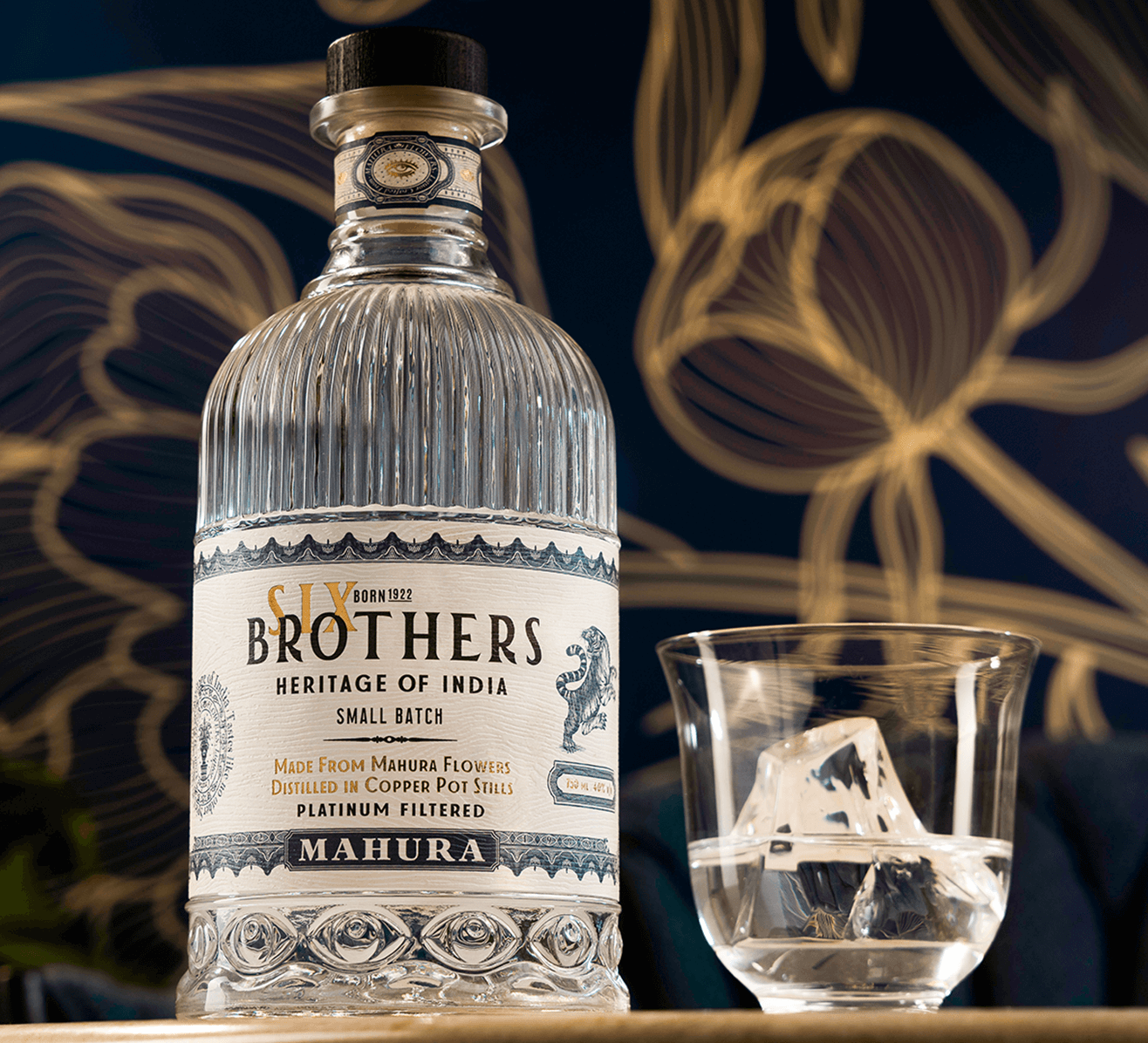
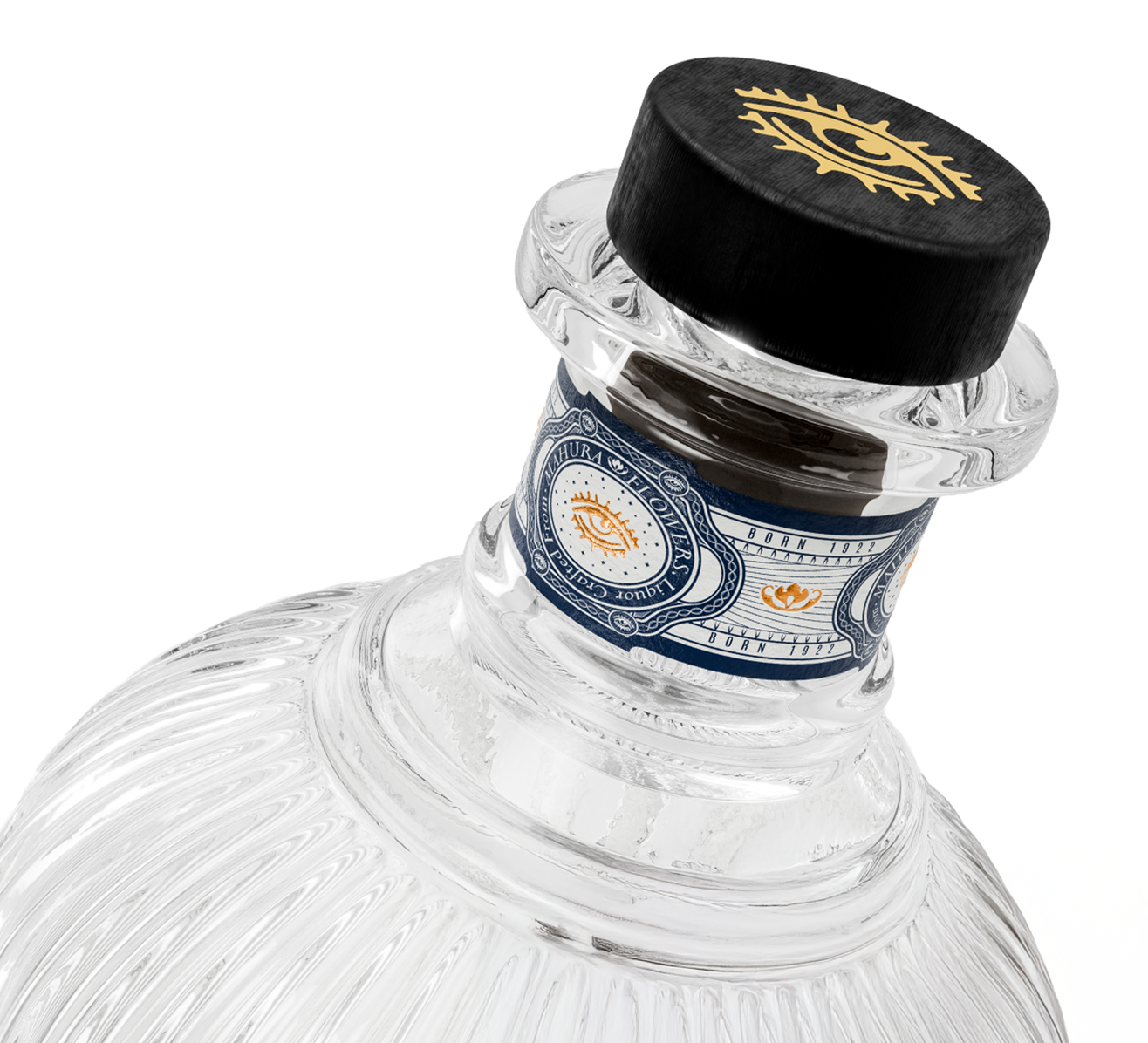
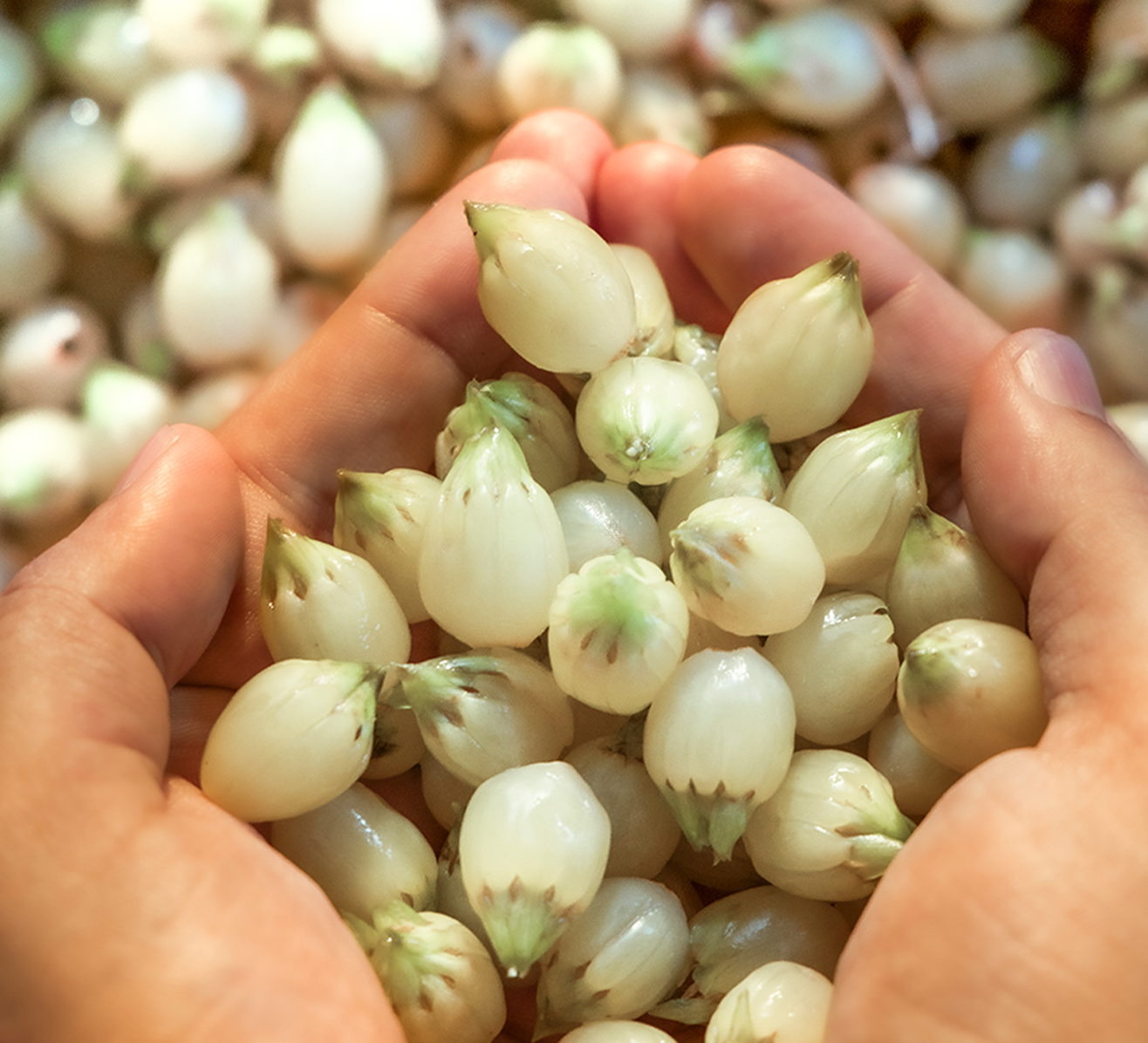
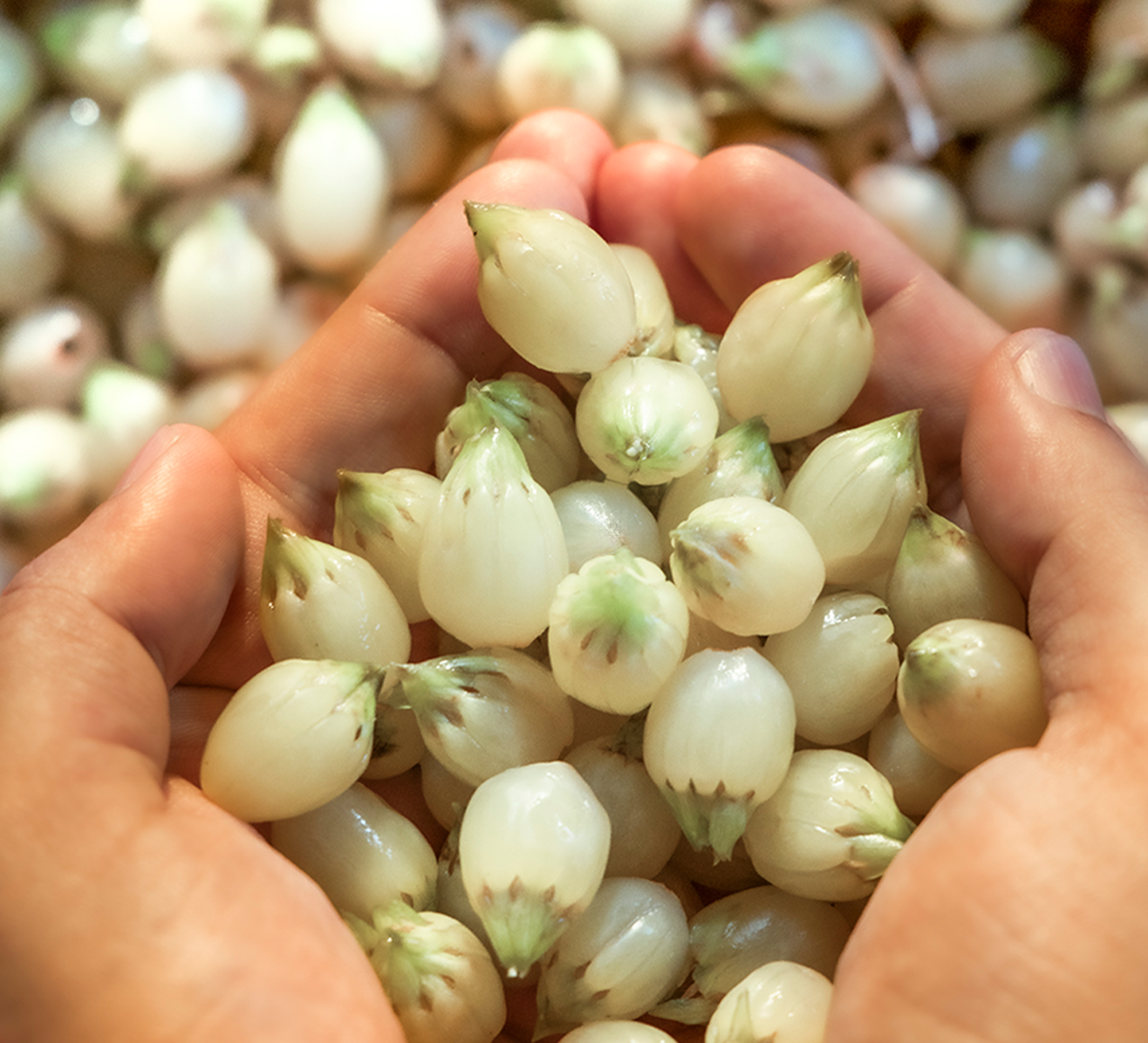
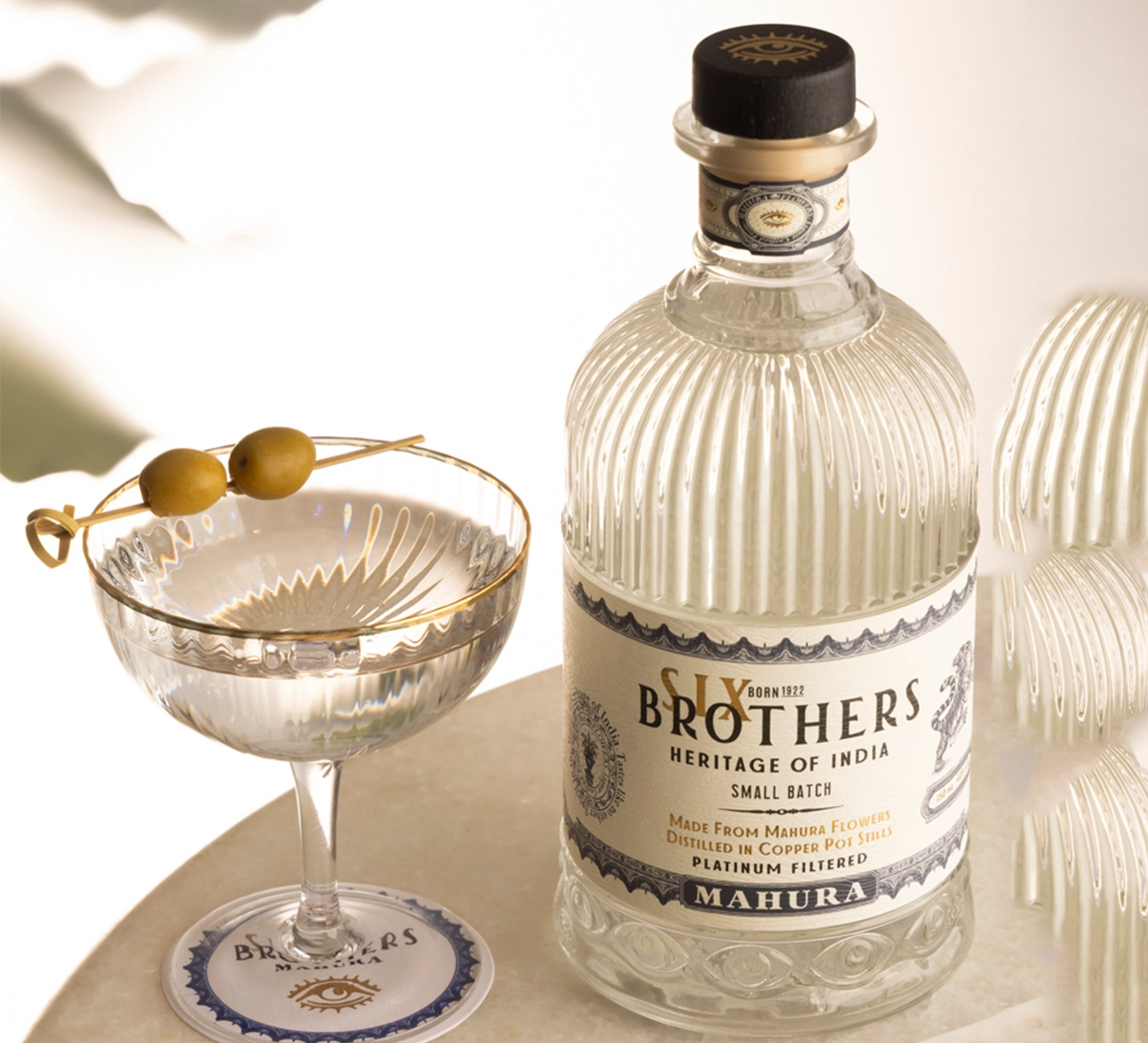
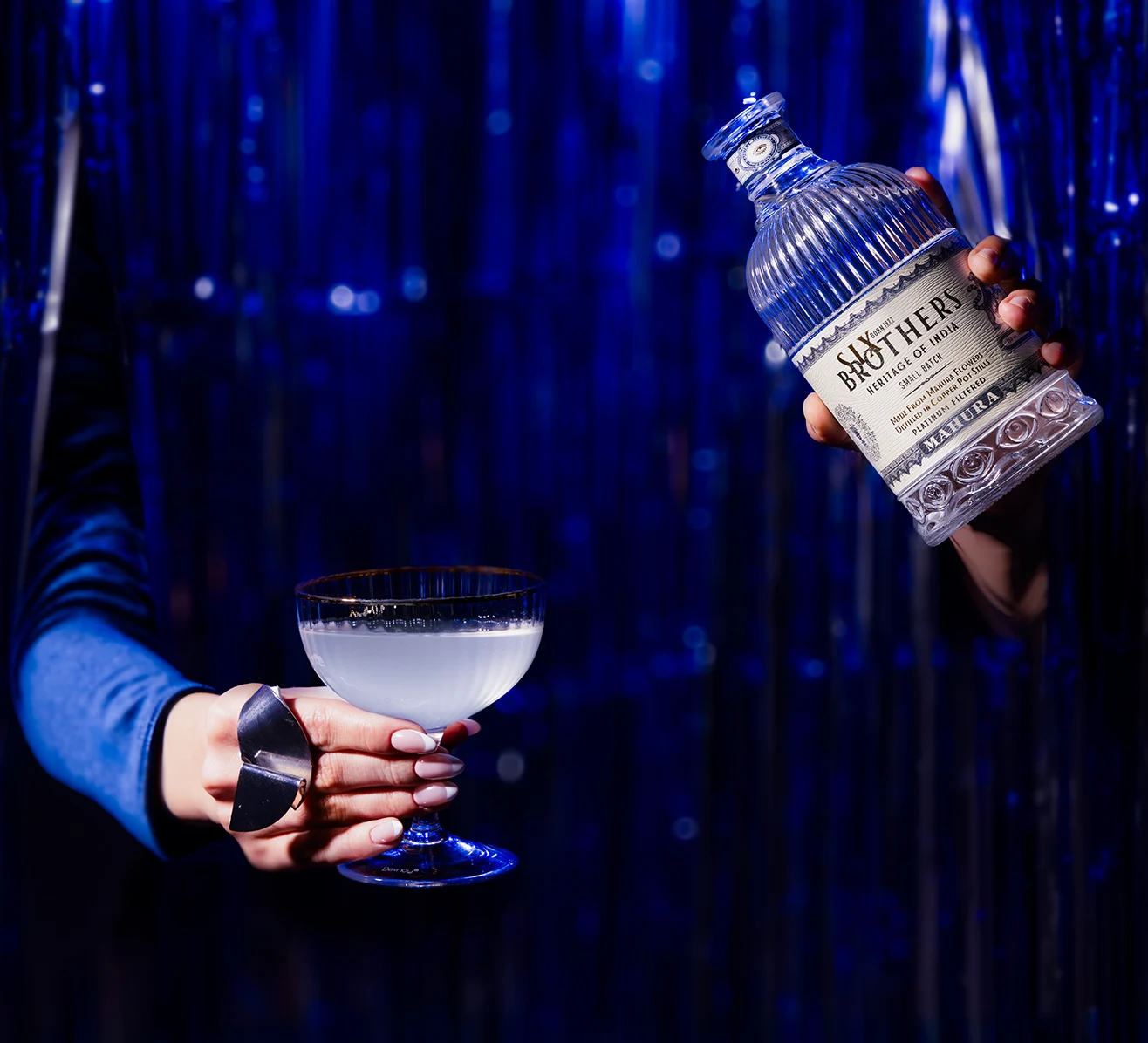
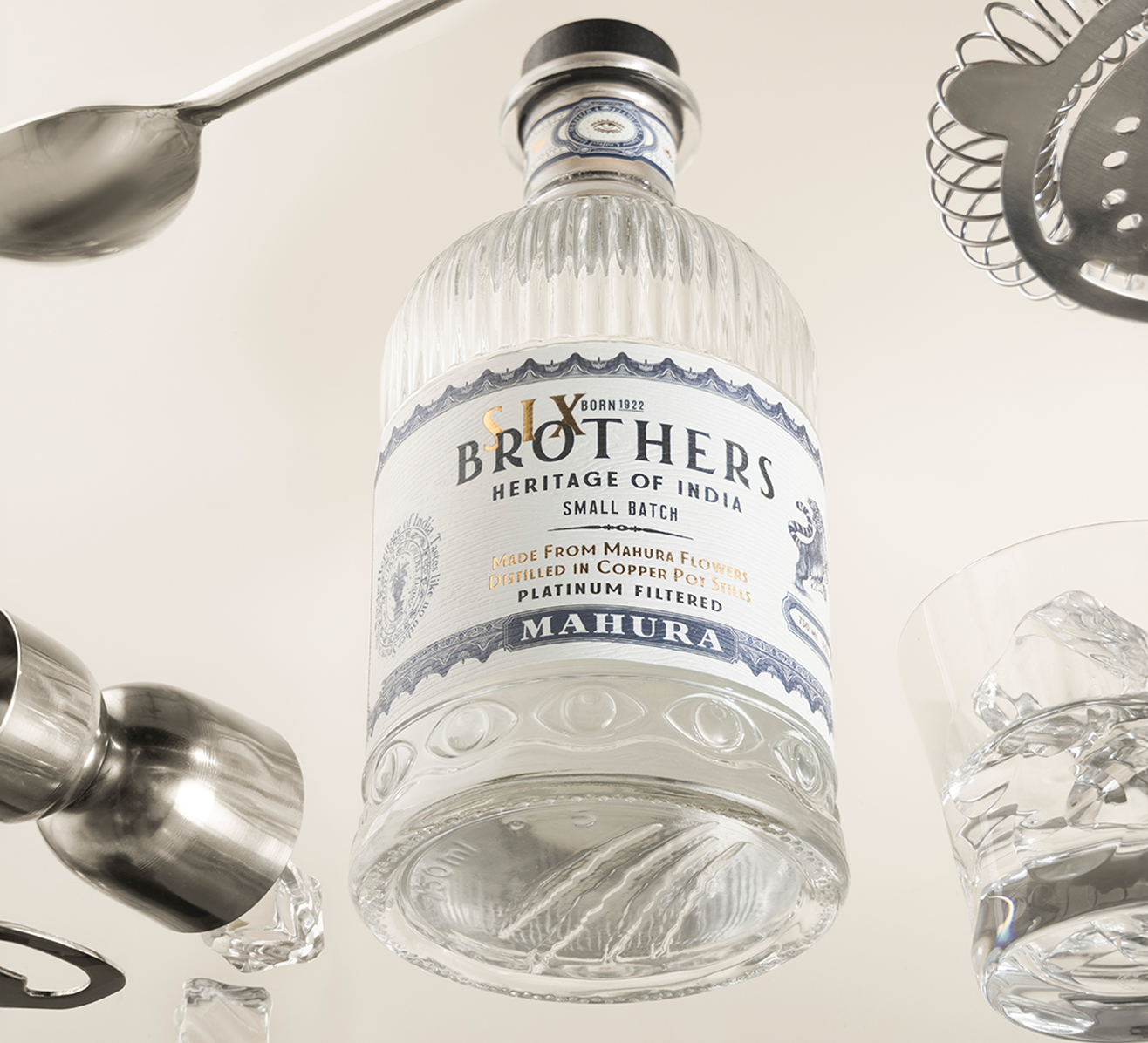
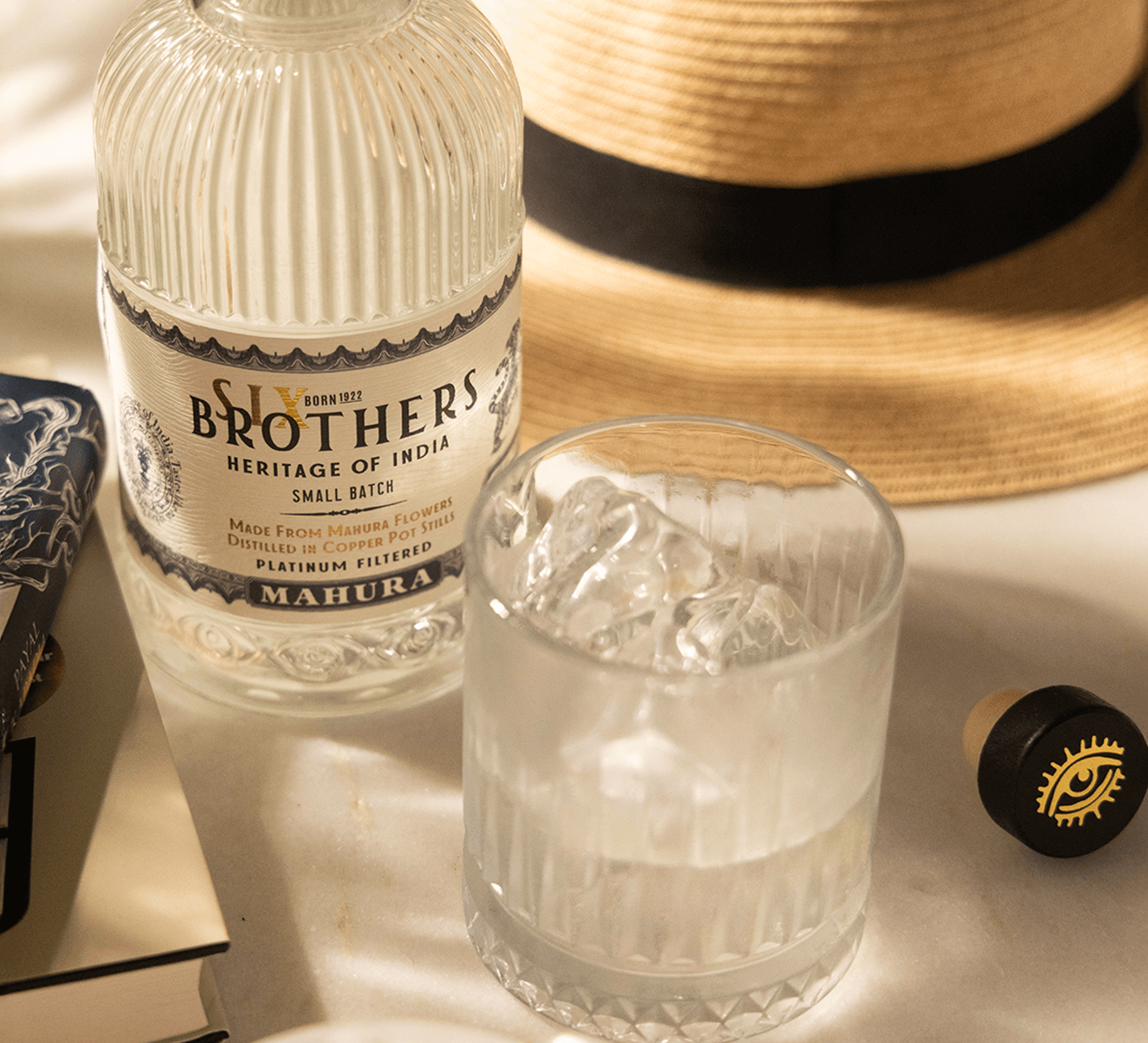
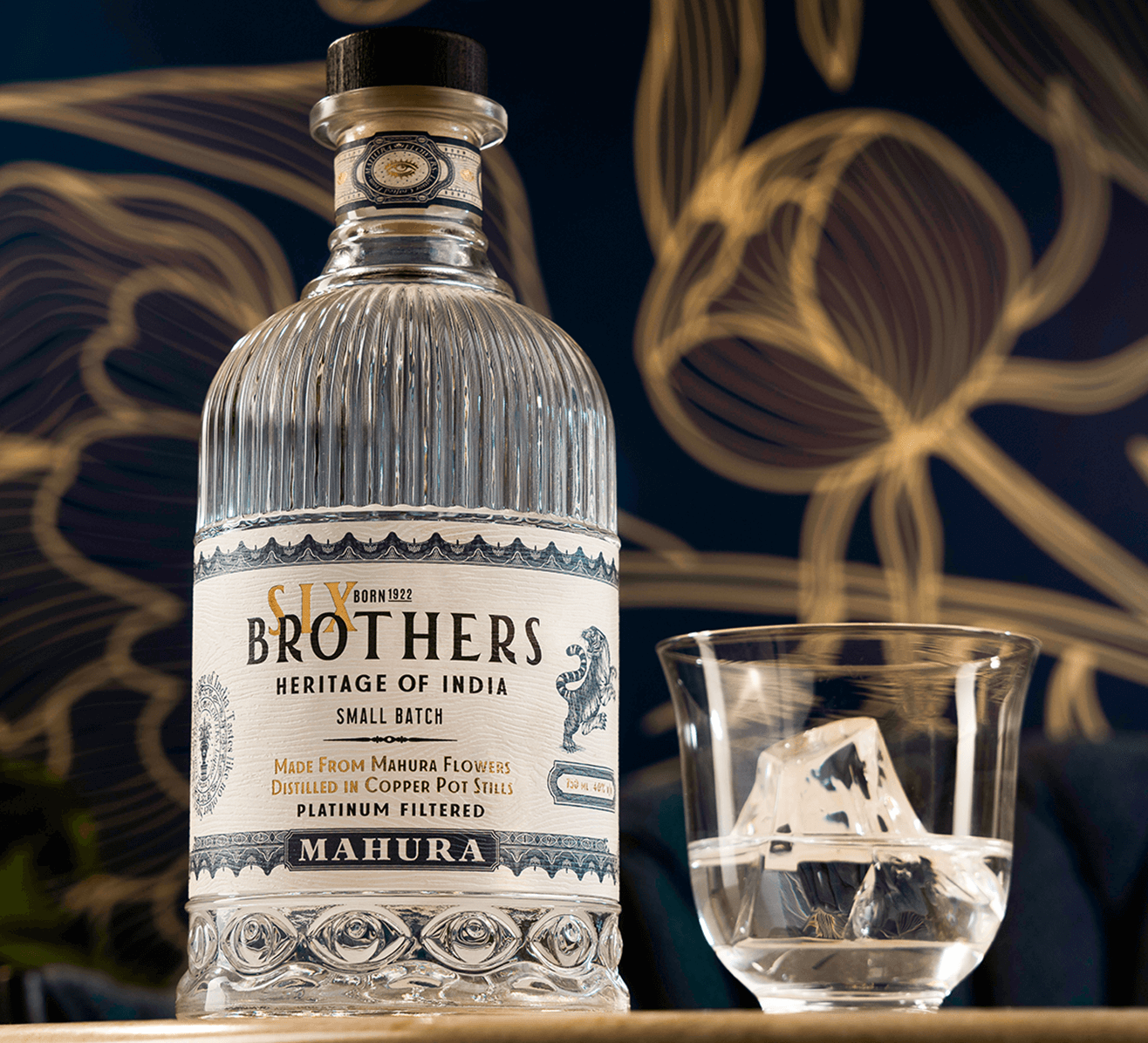
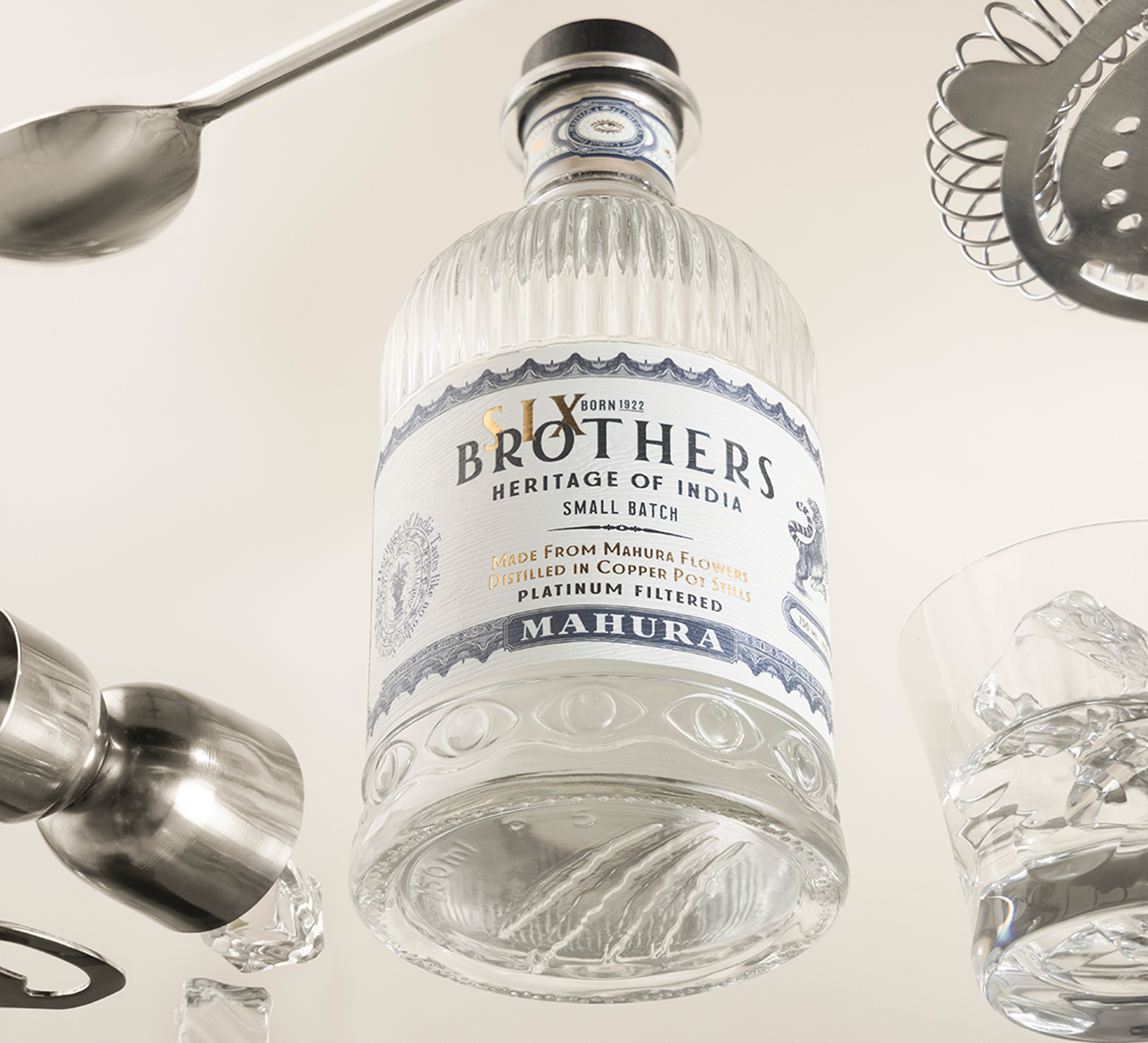
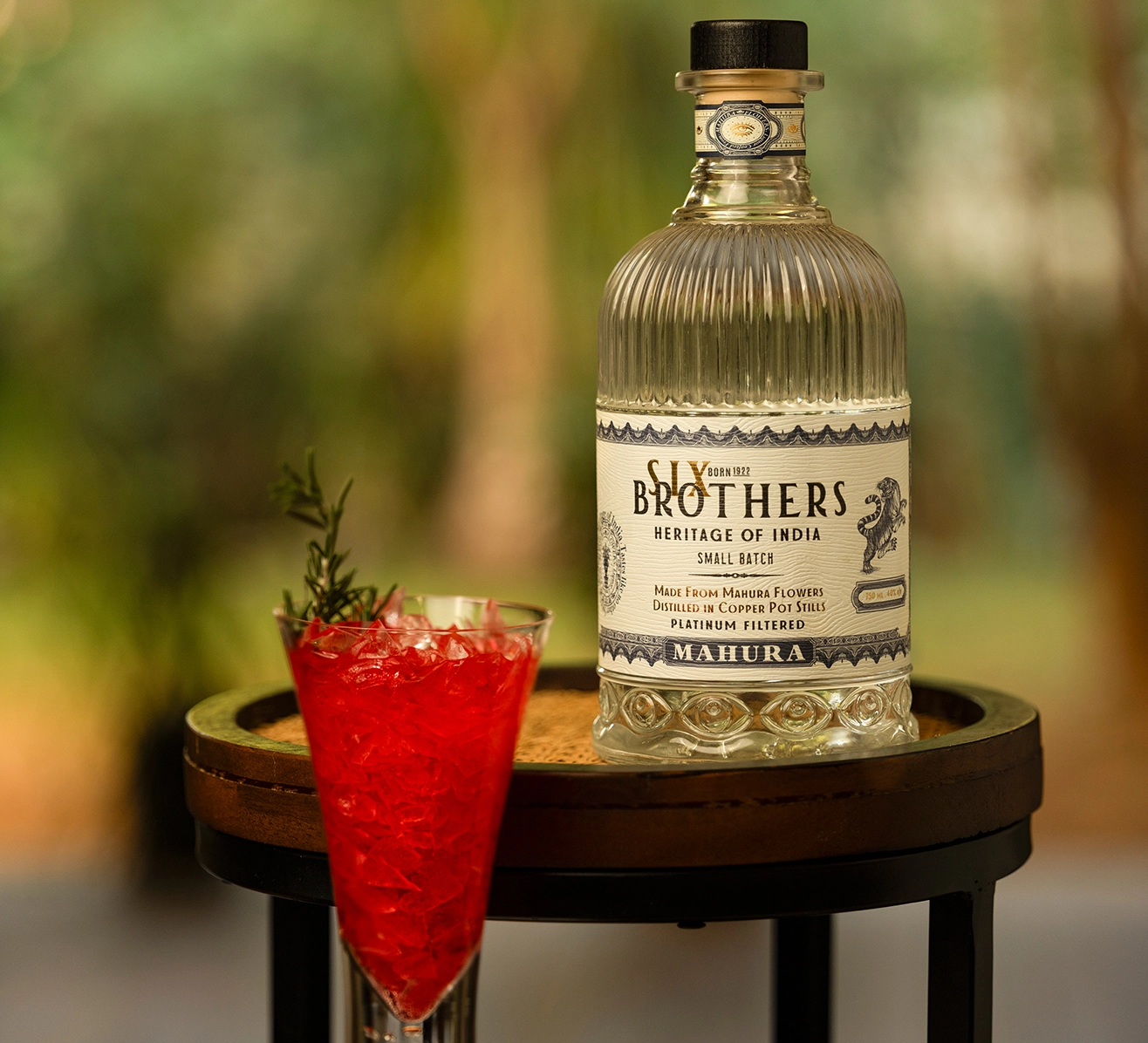
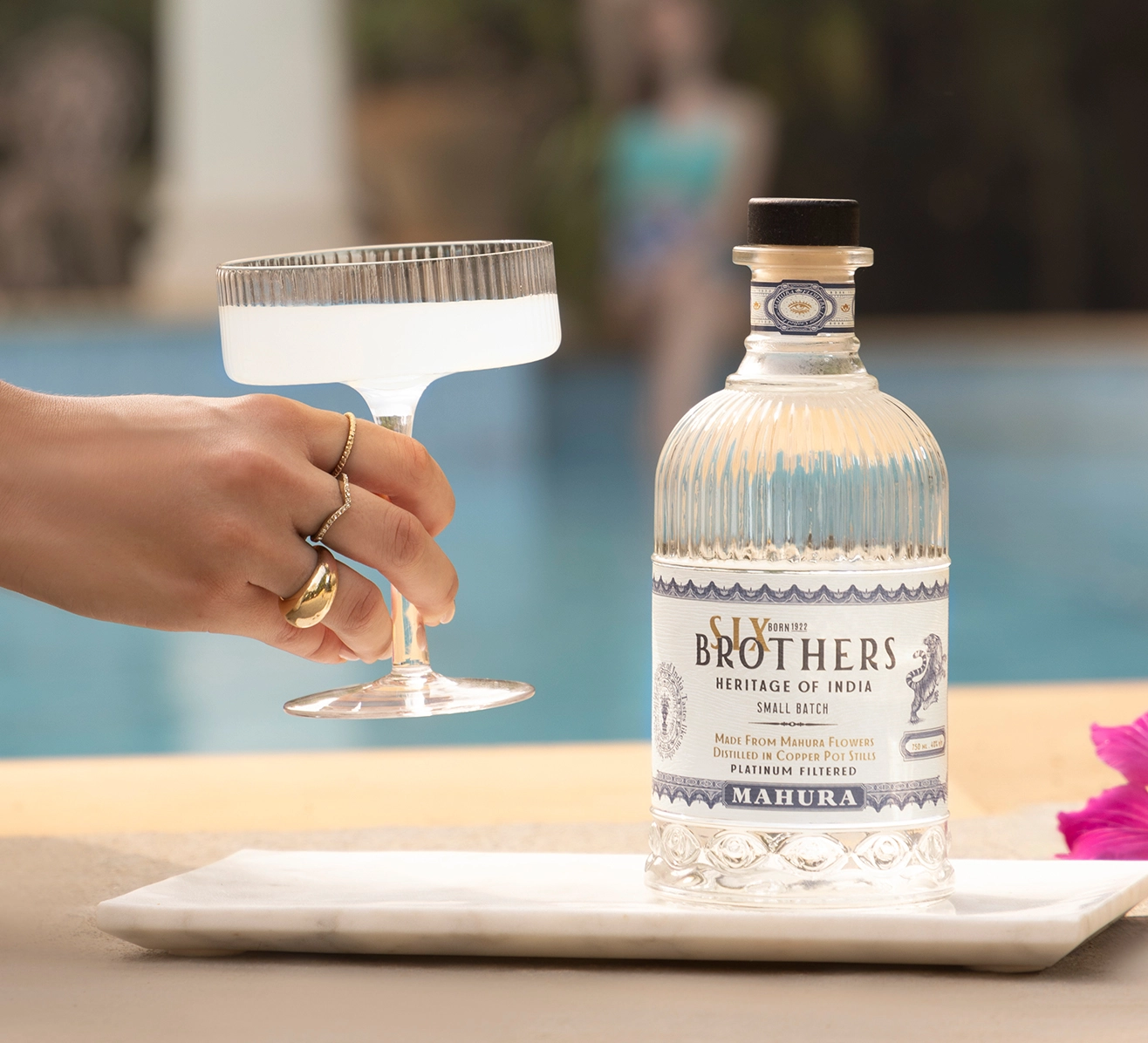
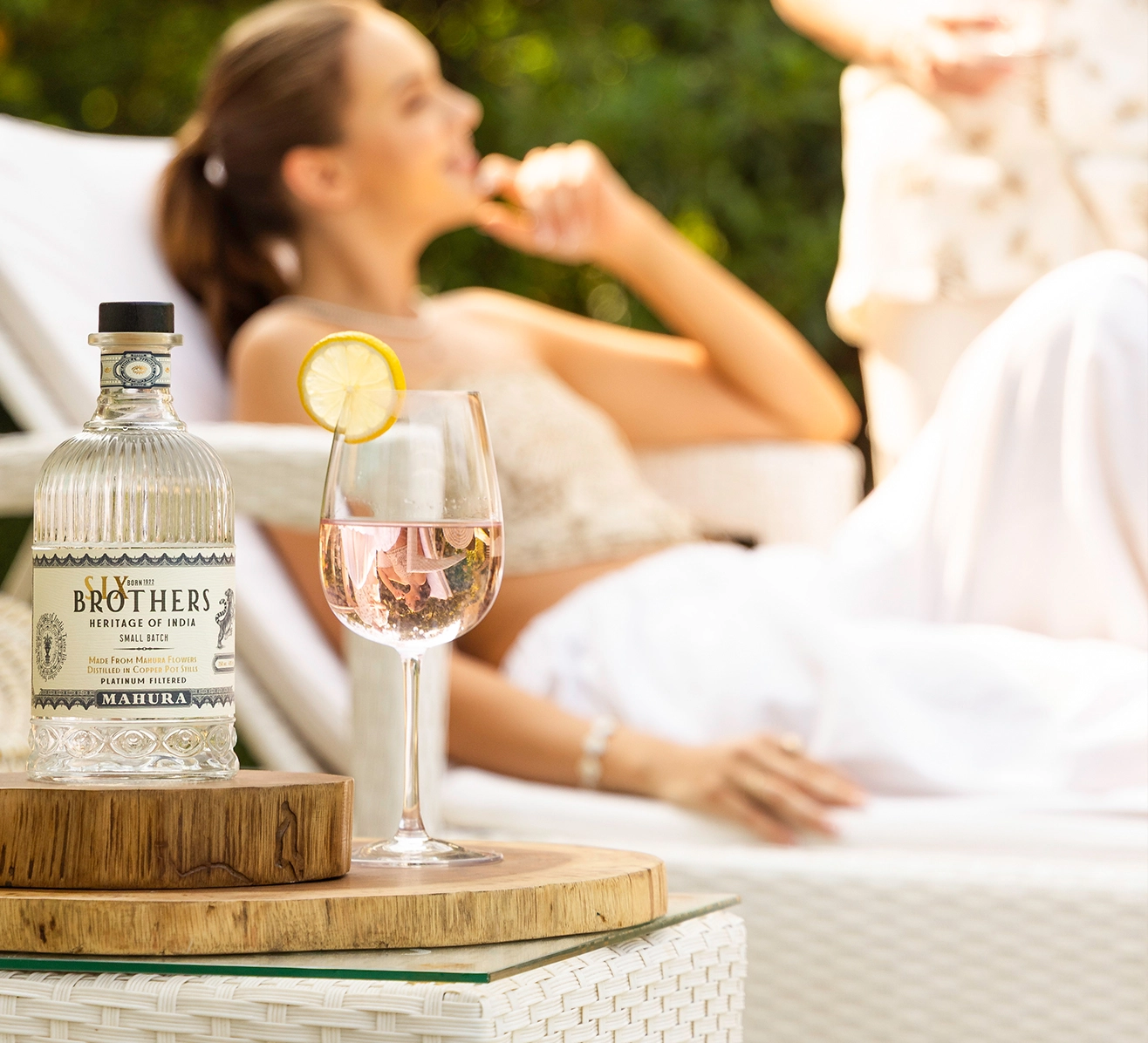
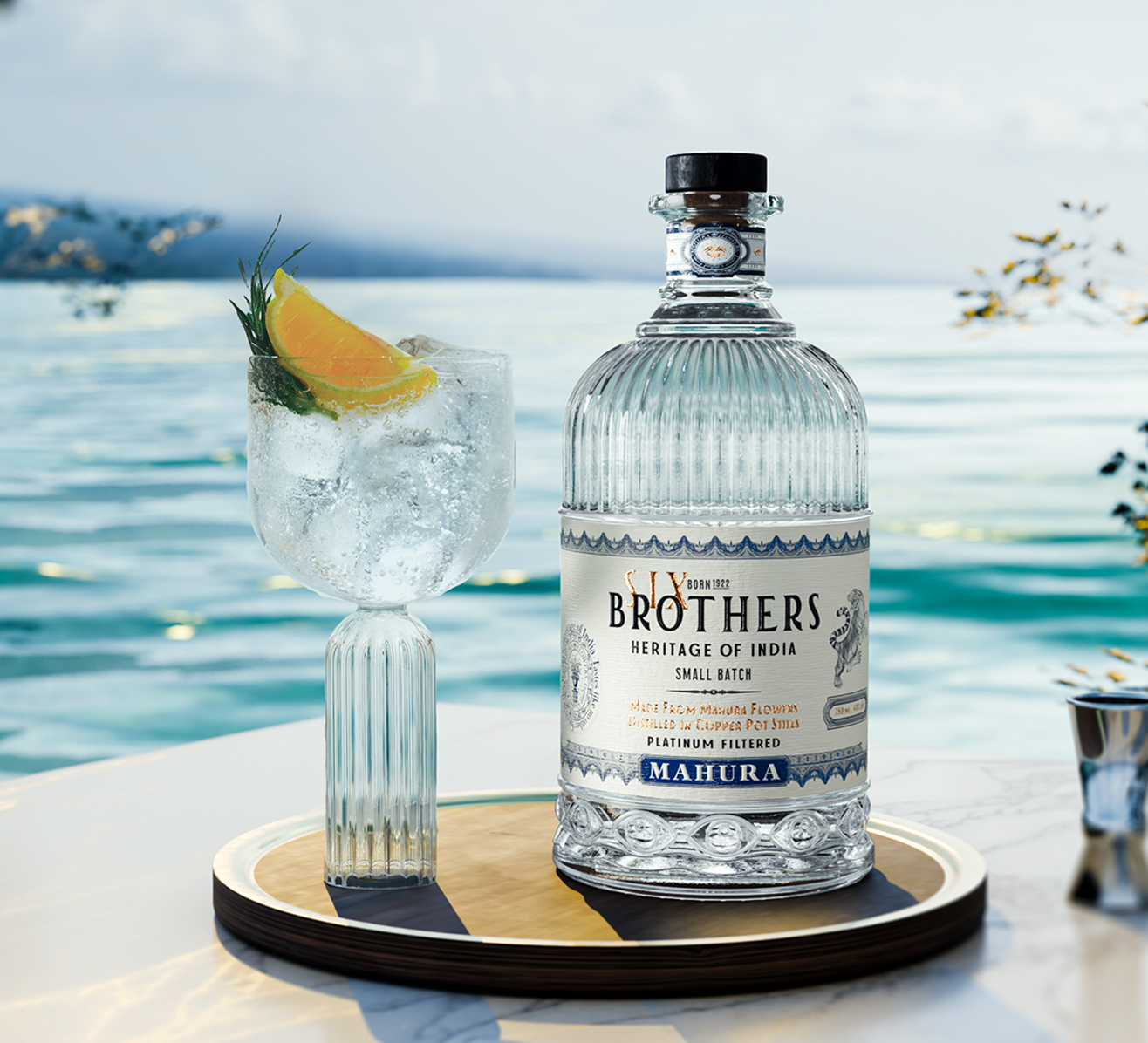
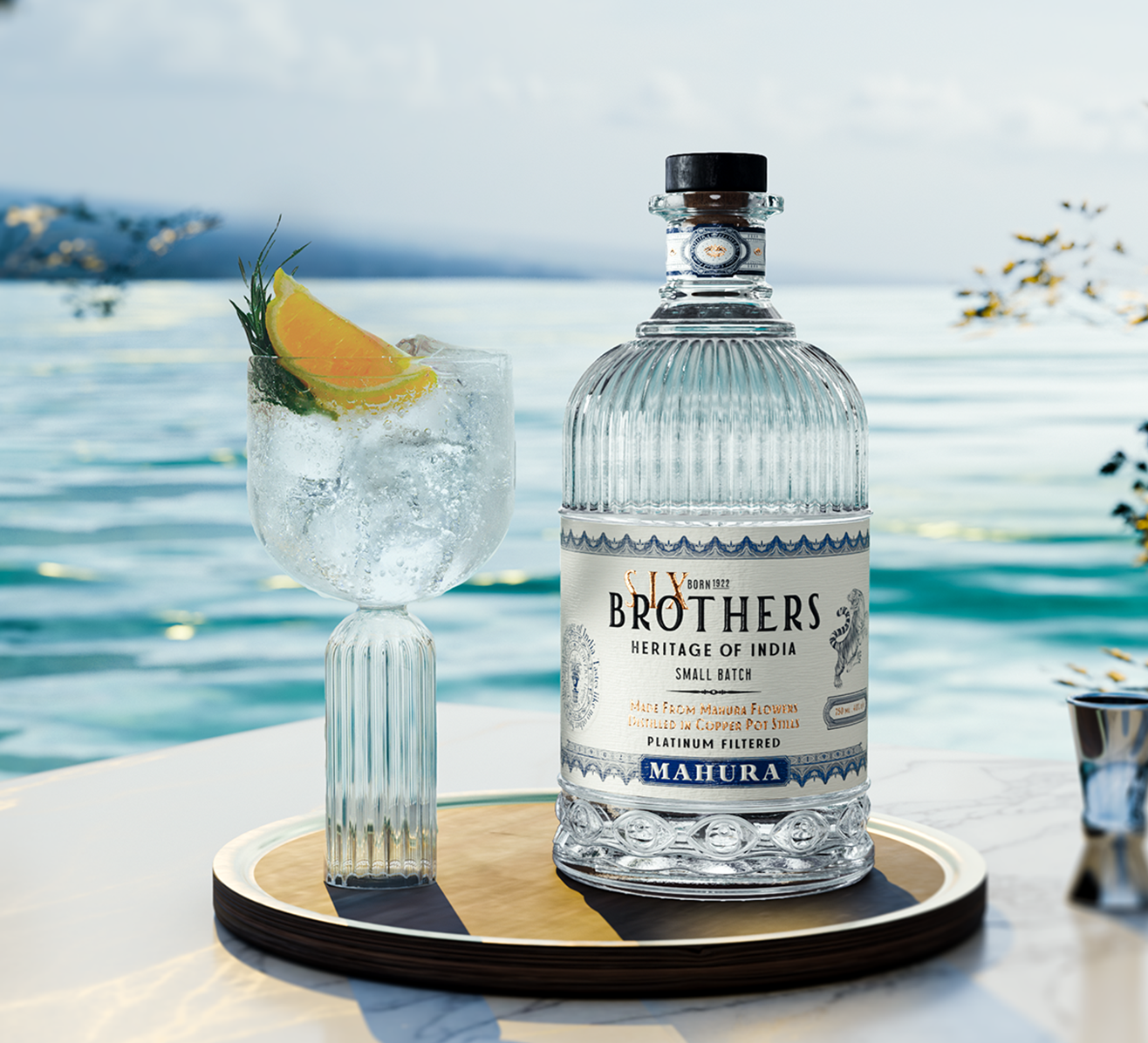
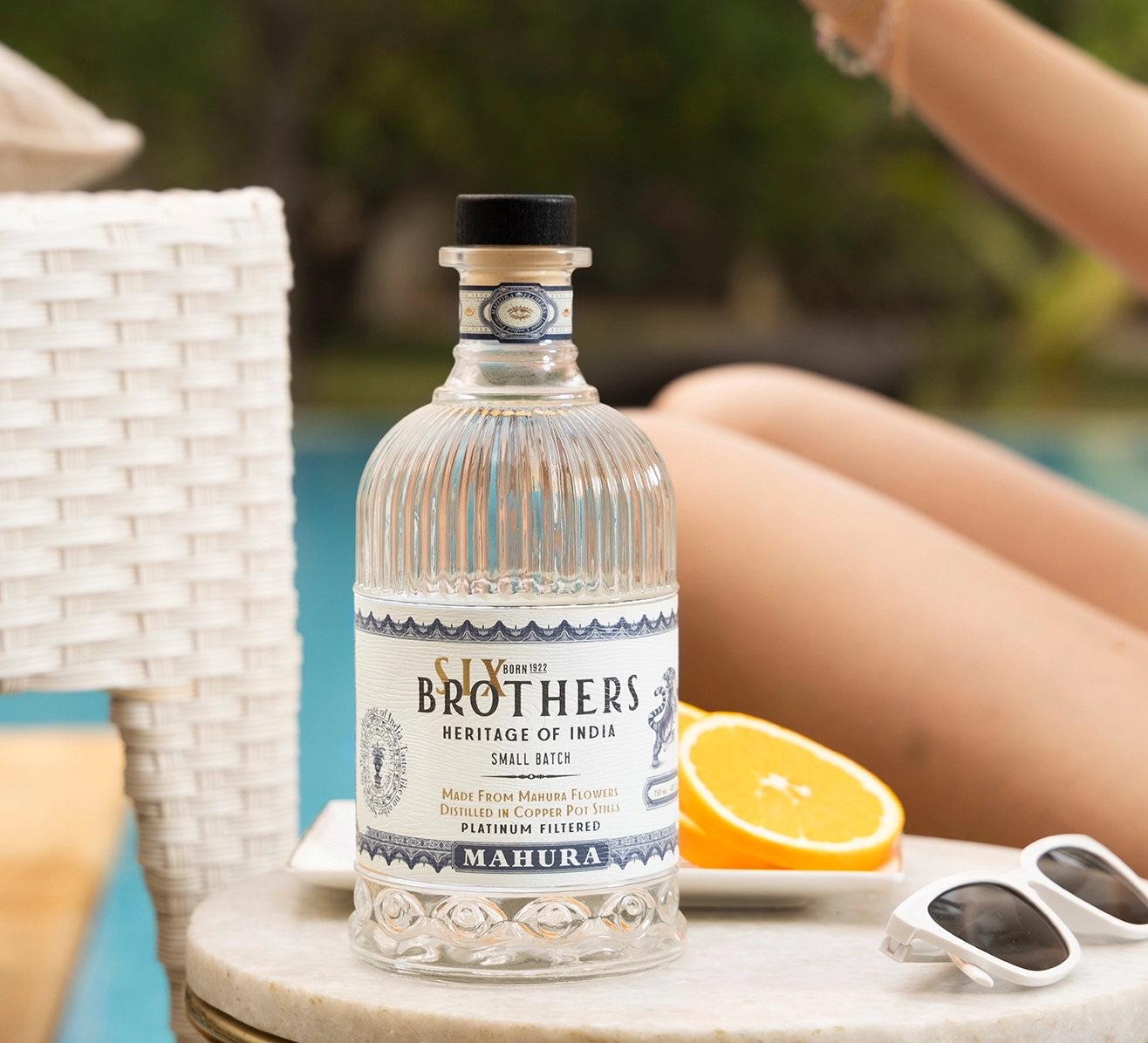
In this changing environment, Mahua is beginning to find its place. Derived from the Mahua flower of the Madhuca longifolia tree, and also known as Mahuva and Mahuwa, Mahua spirit represents India’s oldest spirit—now poised for rediscovery.
Modern Indian consumers are moving toward:
This shift is redefining how spirits are evaluated, moving beyond brand recognition to deeper meaning.
Earlier, premium consumption was associated with:
Today, this is evolving into:
The rise of Indian single malt whisky demonstrates how a category can evolve:
This journey has reshaped perceptions of single malt whisky and single malt whiskey in India.
The growth of single malt provides key insights:
These principles are directly relevant for Mahua spirit.
Mahua, also known as Mahuva or Mahuwa, has long been part of India’s cultural fabric. As India’s oldest spirit, Mahua alcohol is:
This gives Mahua spirit a level of authenticity that few spirits can match.
Unlike many modern spirits, Mahua offers:
This identity becomes a key differentiator in a crowded market.
Urban consumers today are seeking:
Indigenous spirits like Mahua naturally align with this demand.
Globally, there is a rise in:
This positions Mahua alcohol within a broader global movement, not just a local revival.
Historically, Mahua spirit has been:
Today, it has the opportunity to:
Mahua does not need to replace existing spirits. Instead, it can:
For Mahua spirit to scale, it must be repositioned as:
This involves:
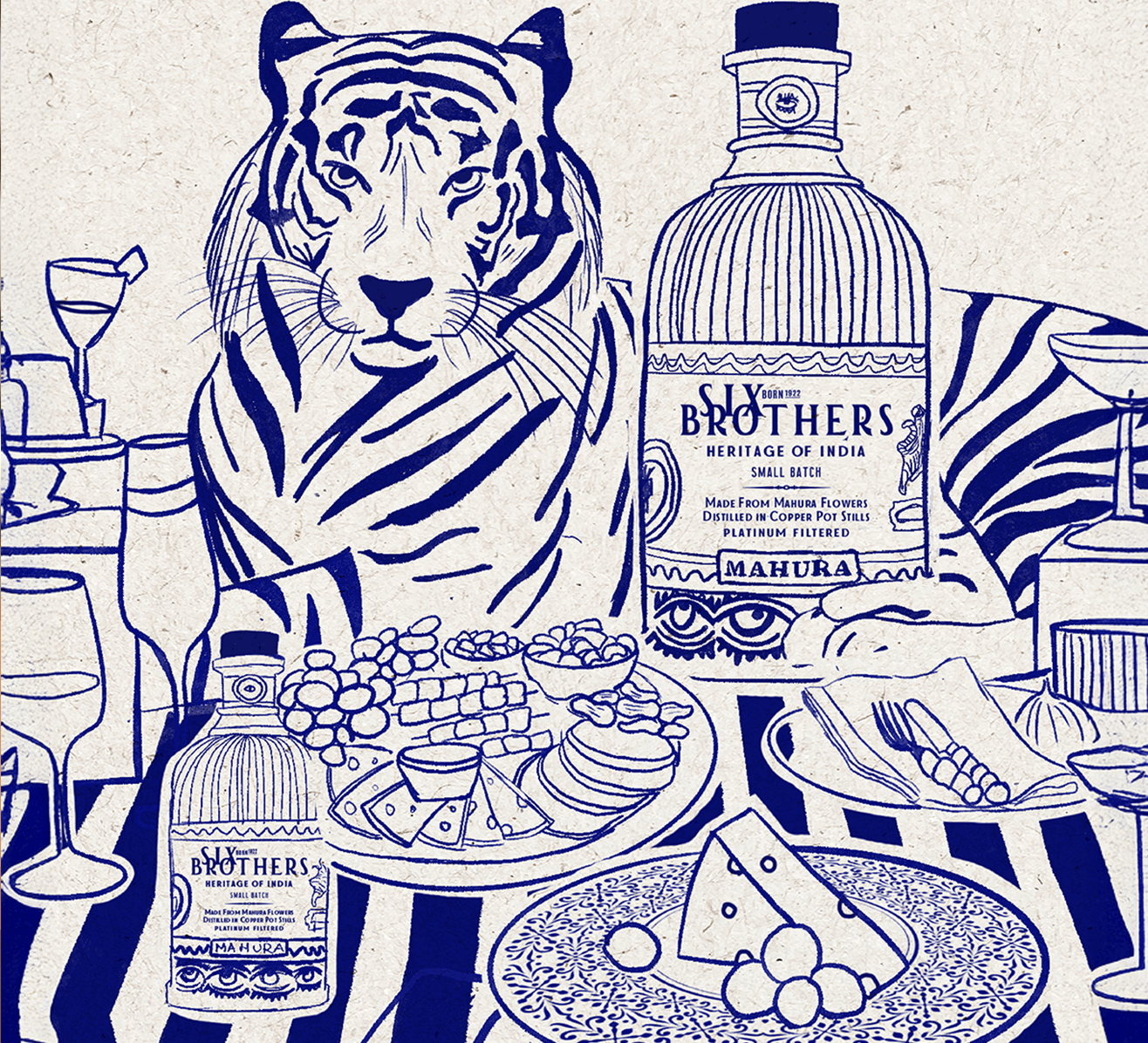
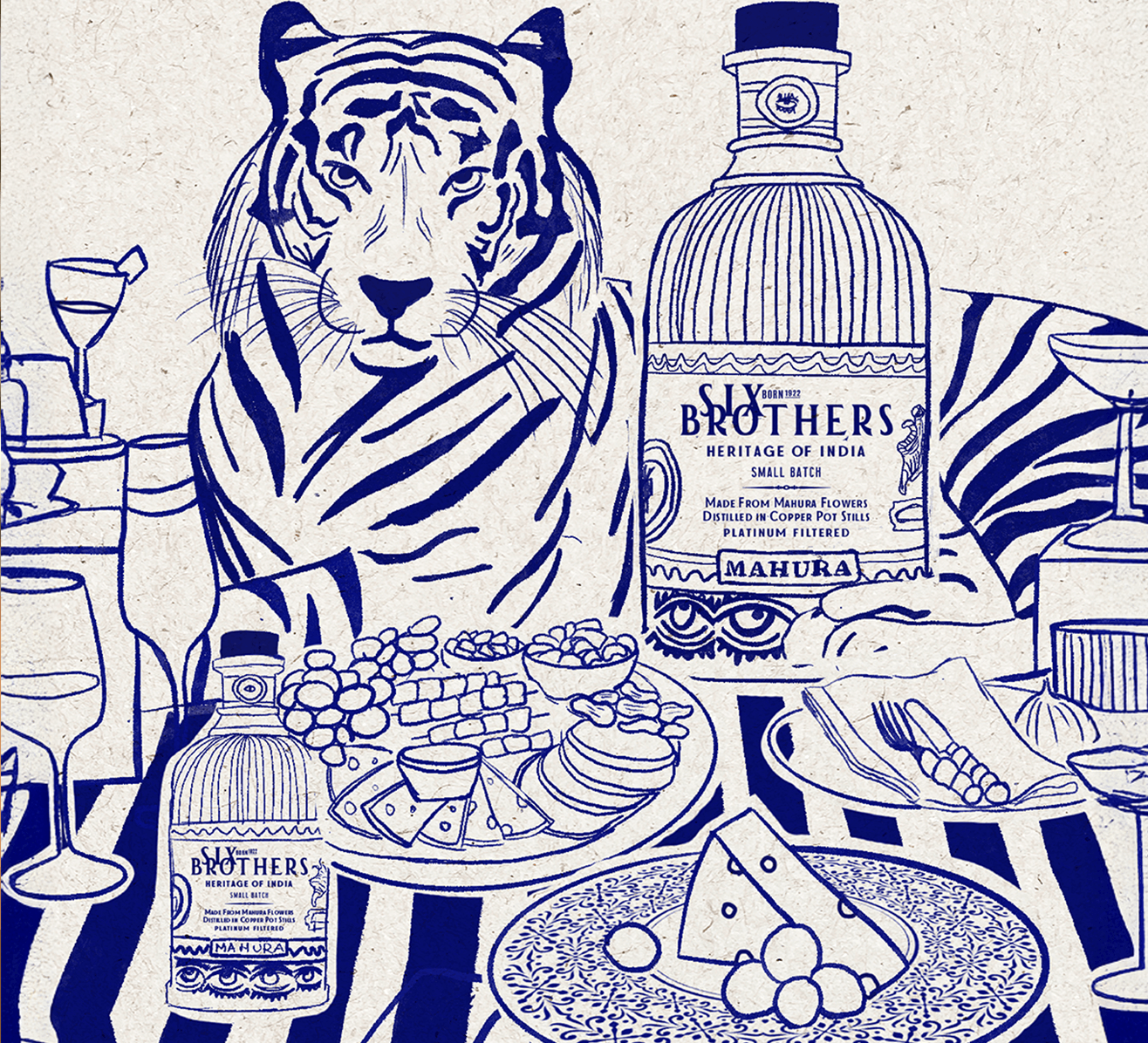
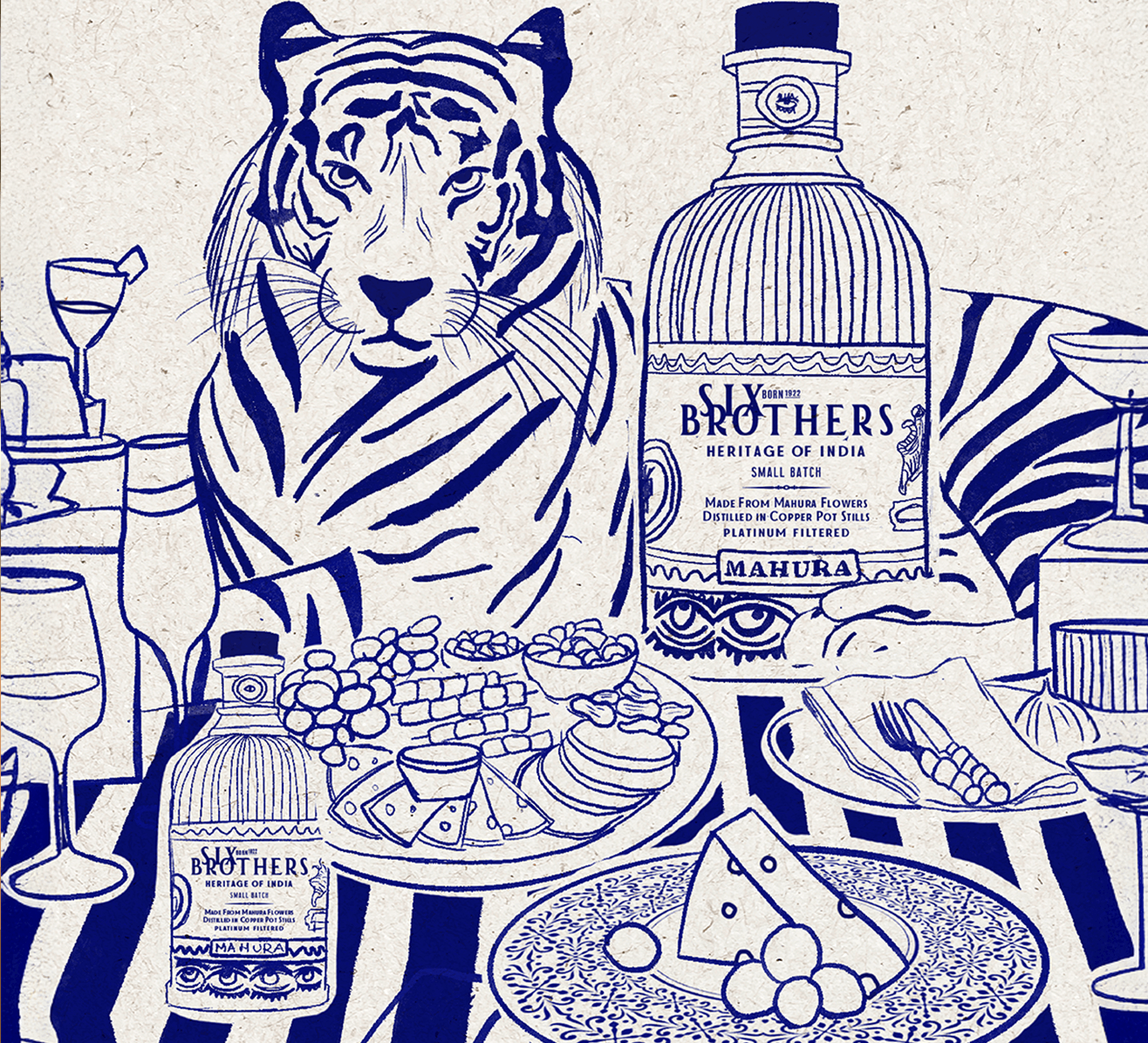
Mahua’s story is one of its strongest assets. It includes:
This narrative must be clearly communicated to urban consumers.
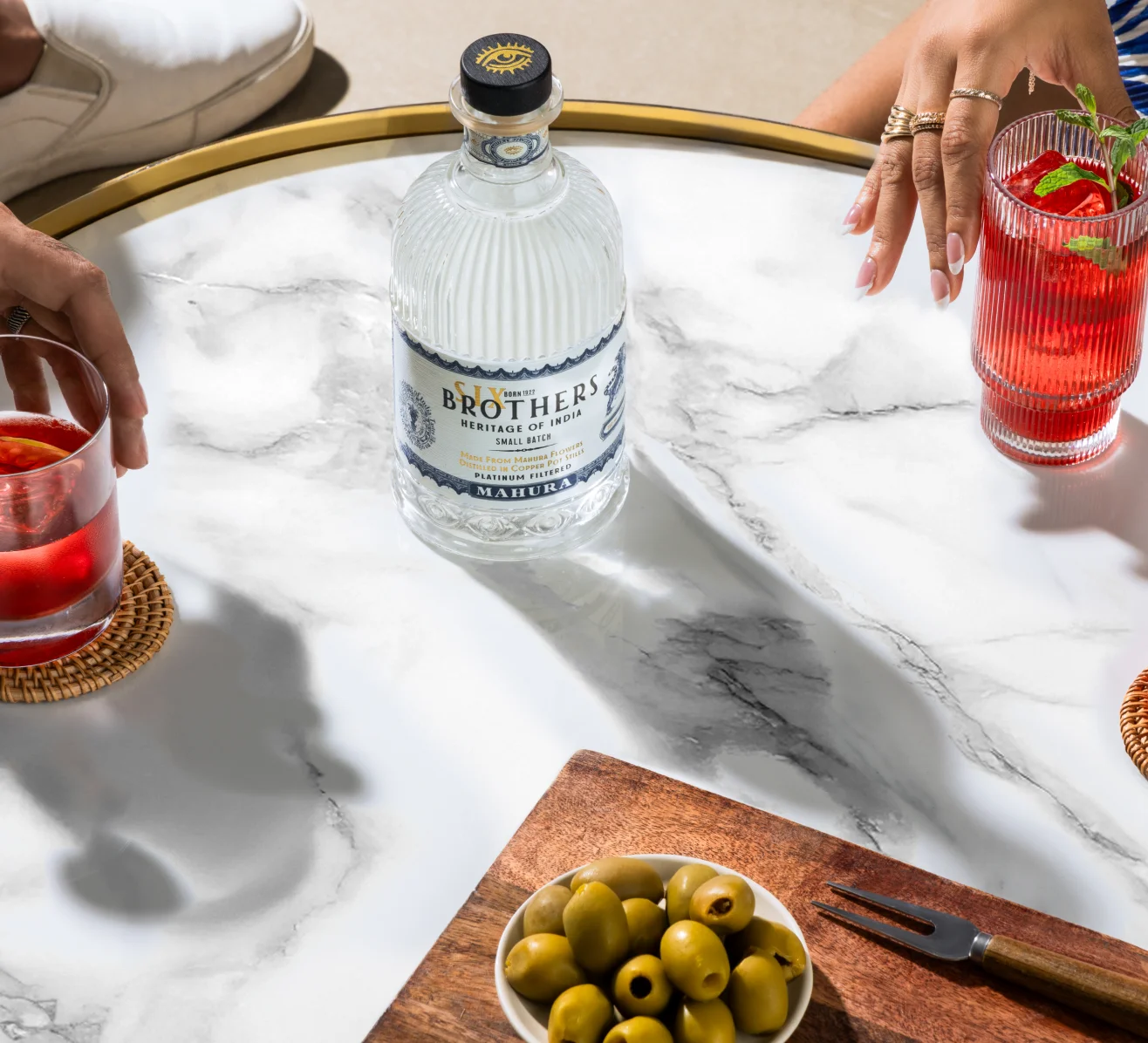
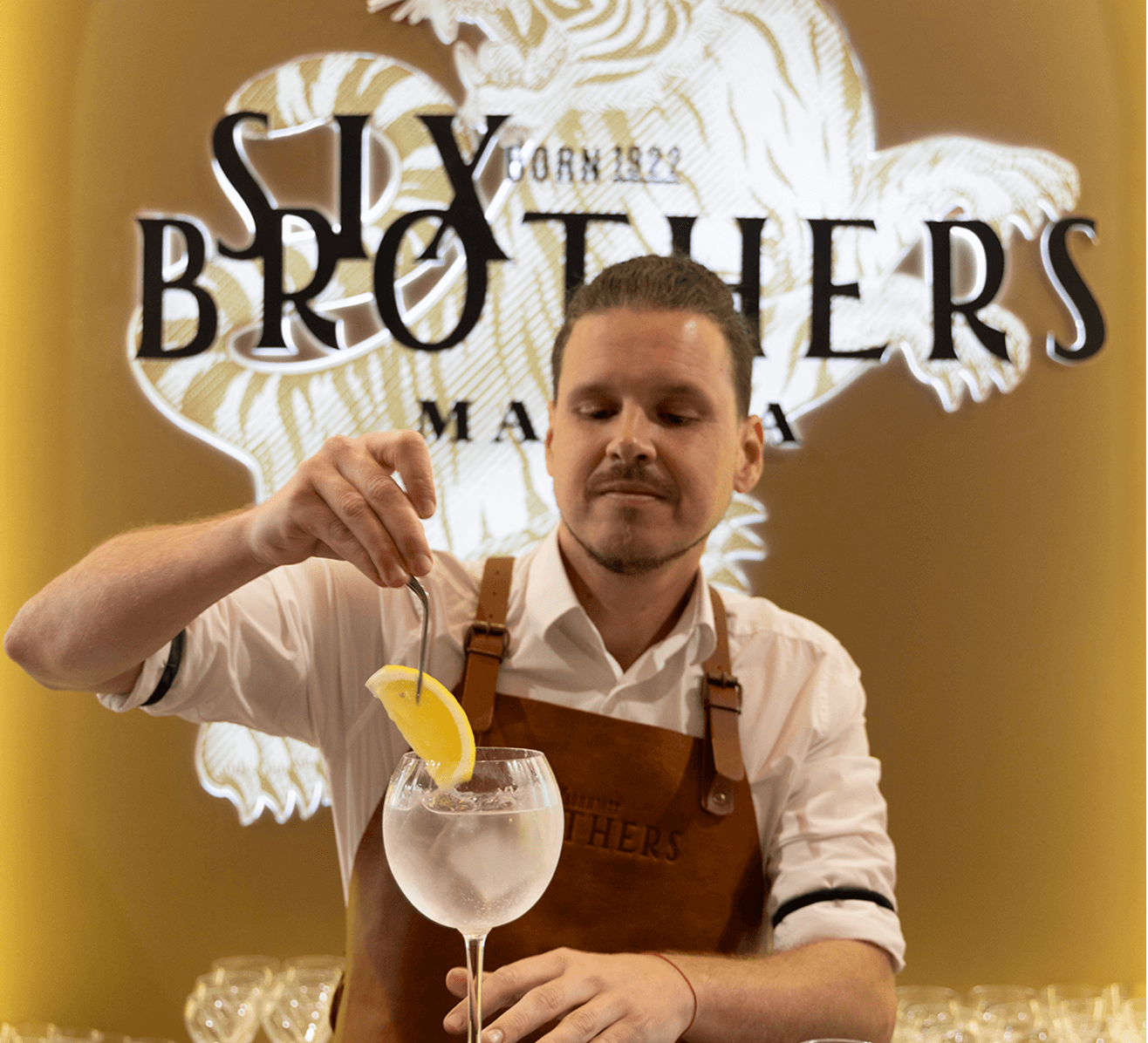
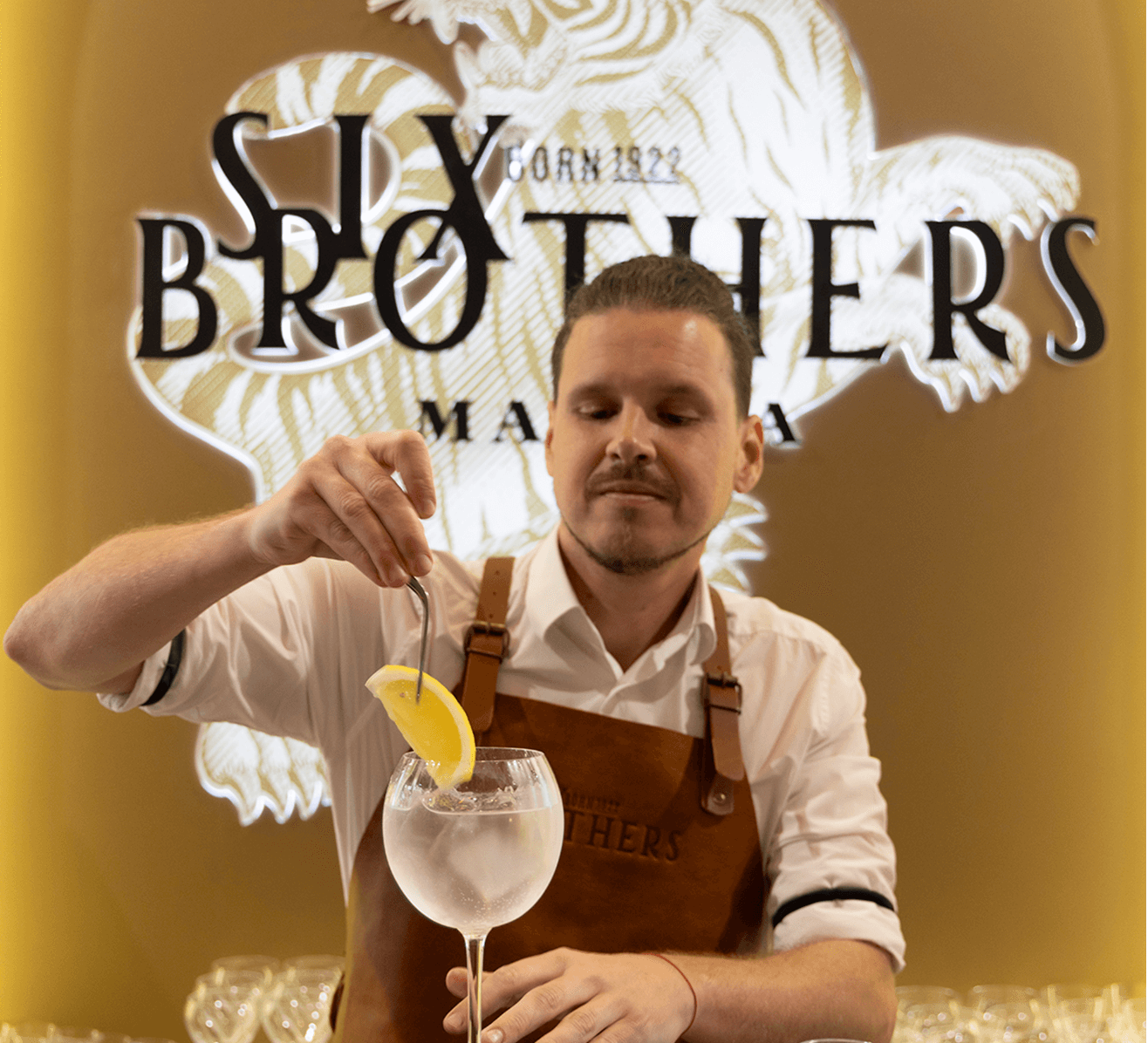
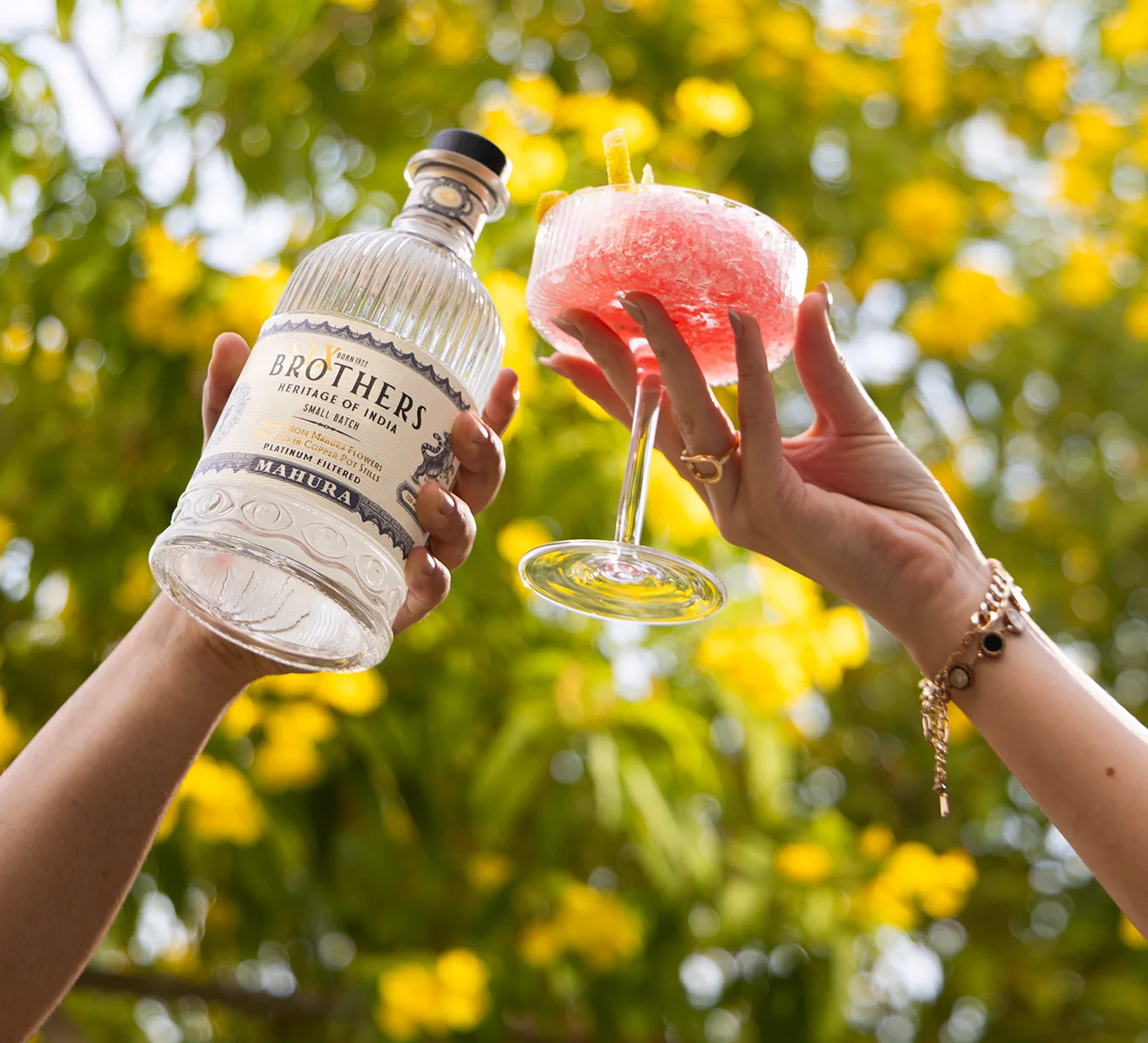
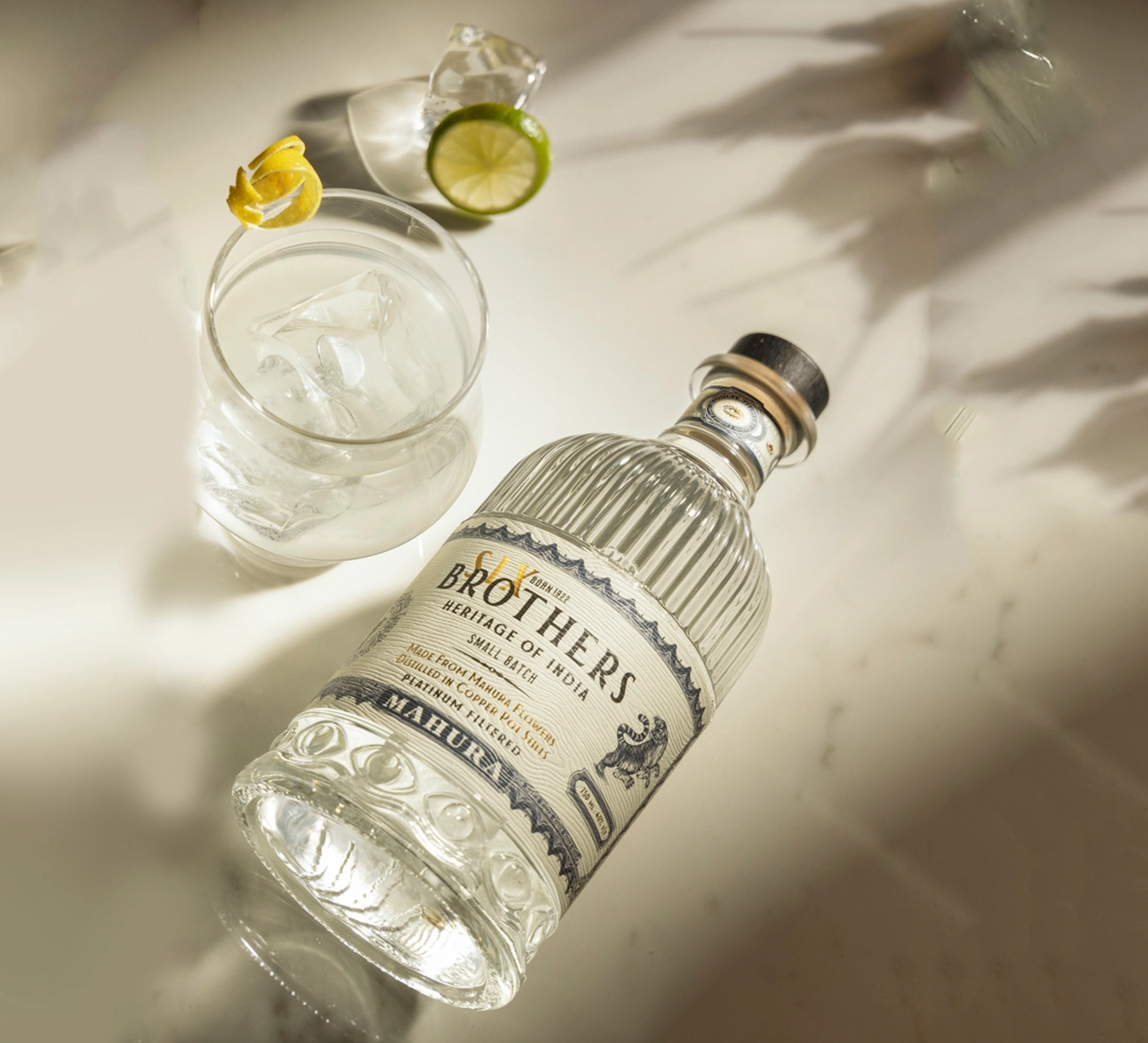
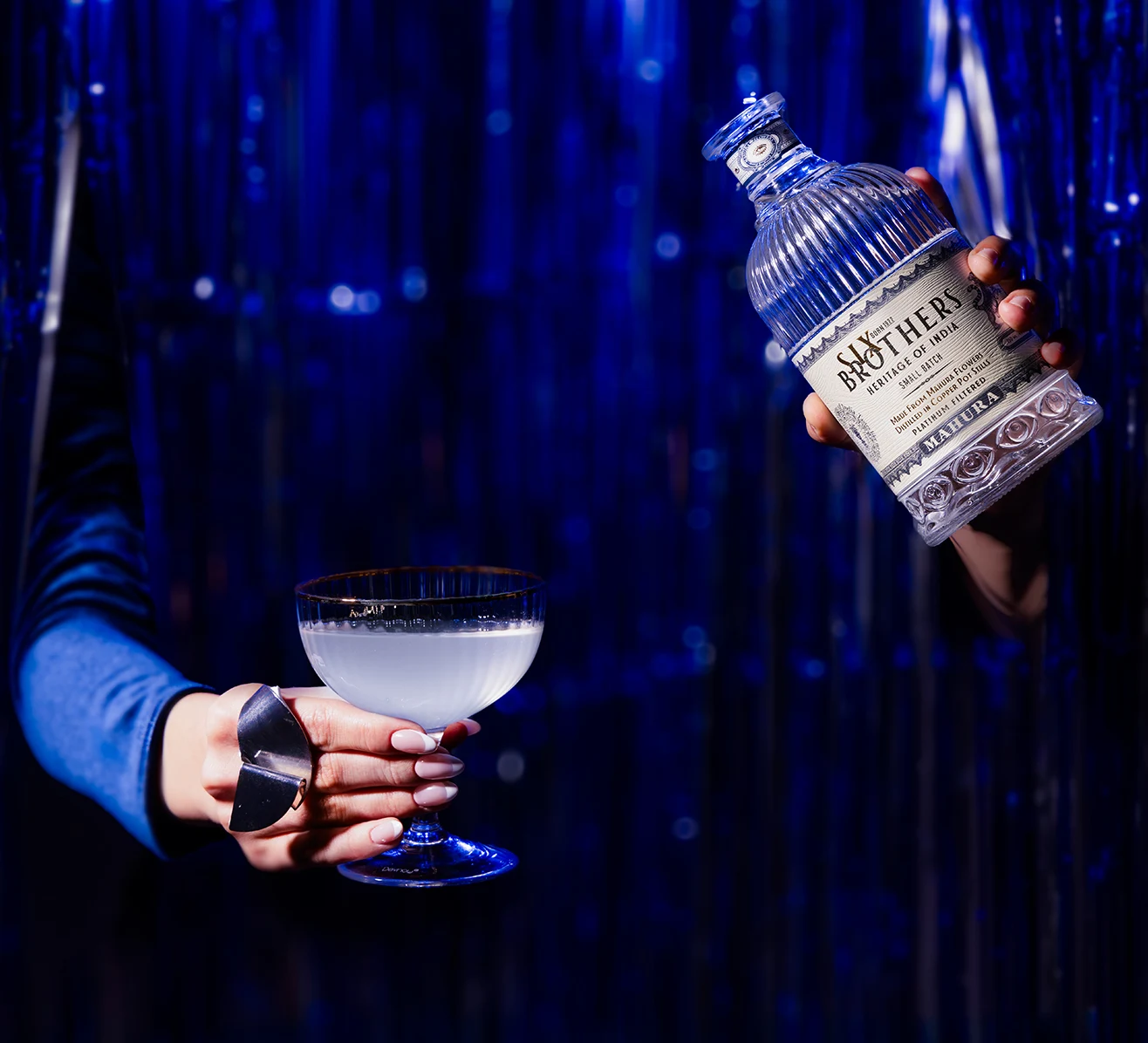
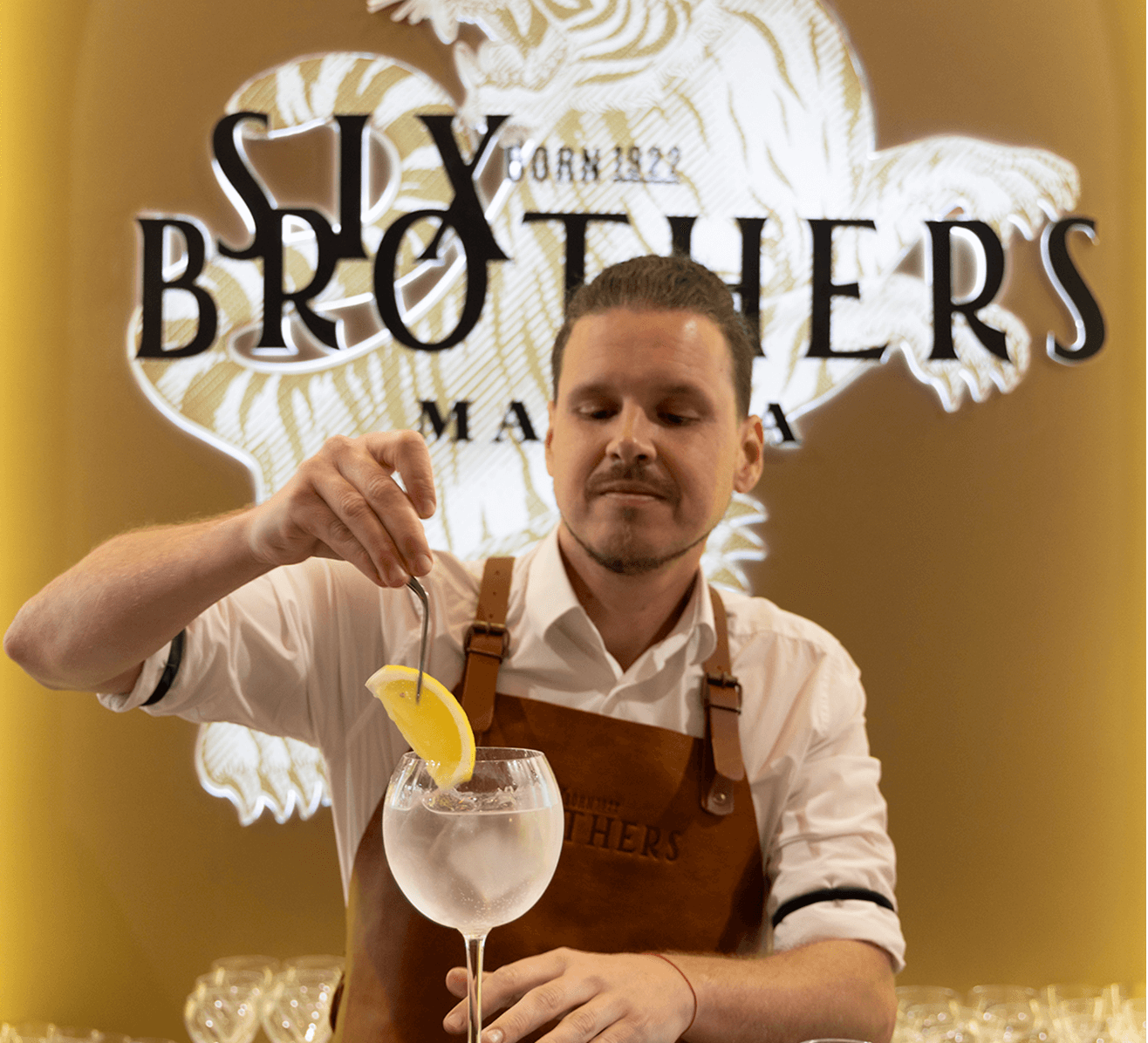
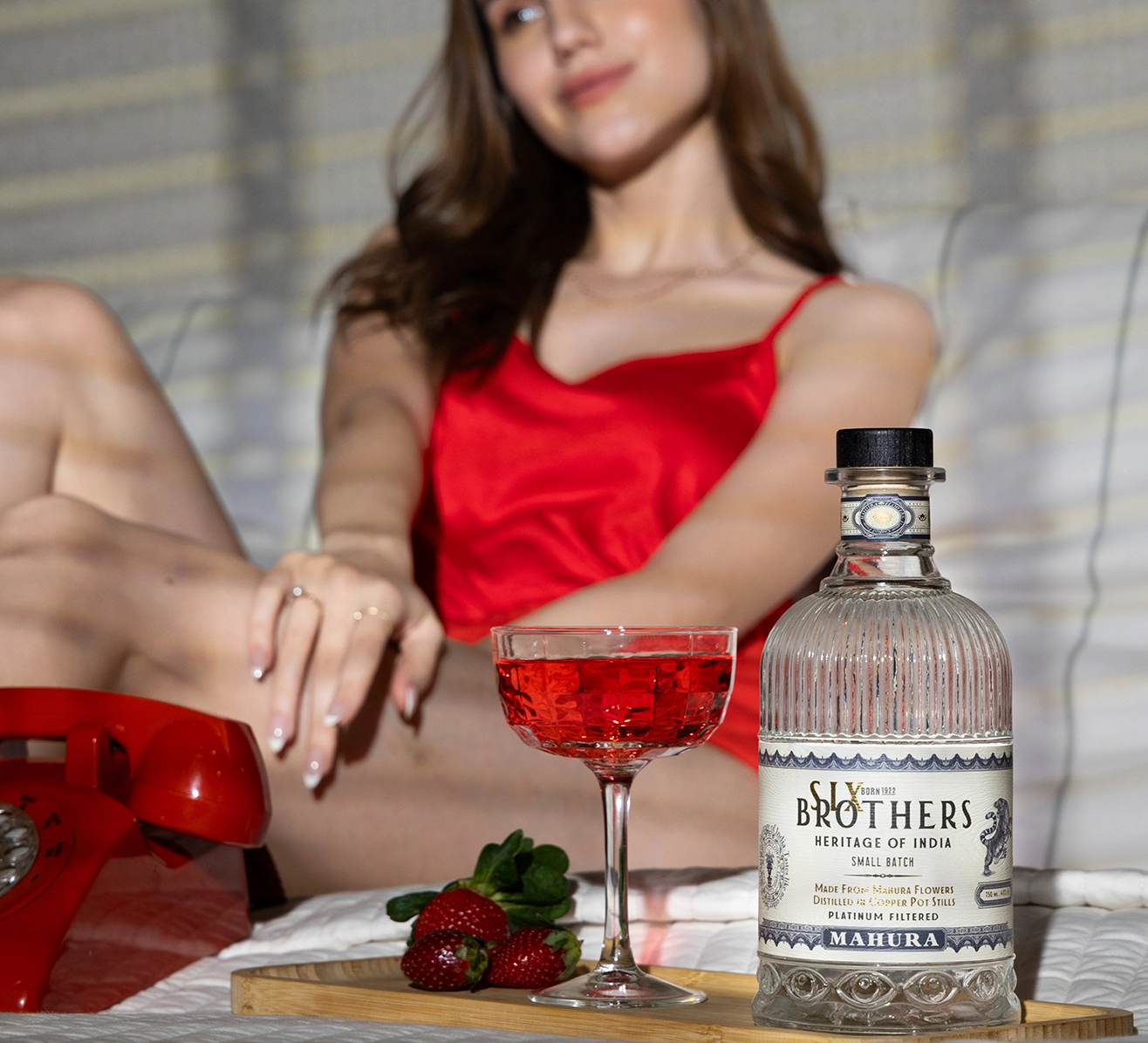
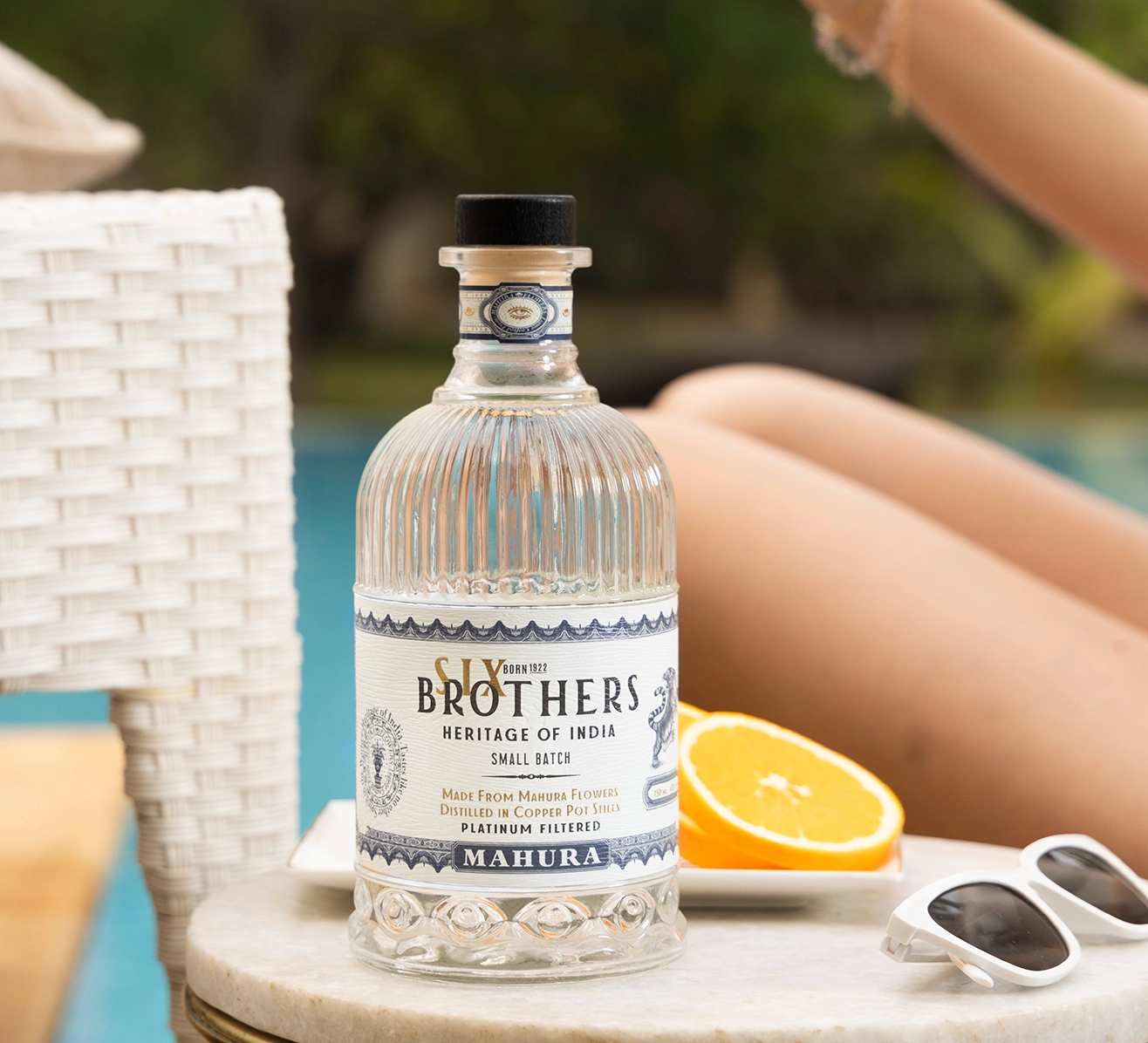
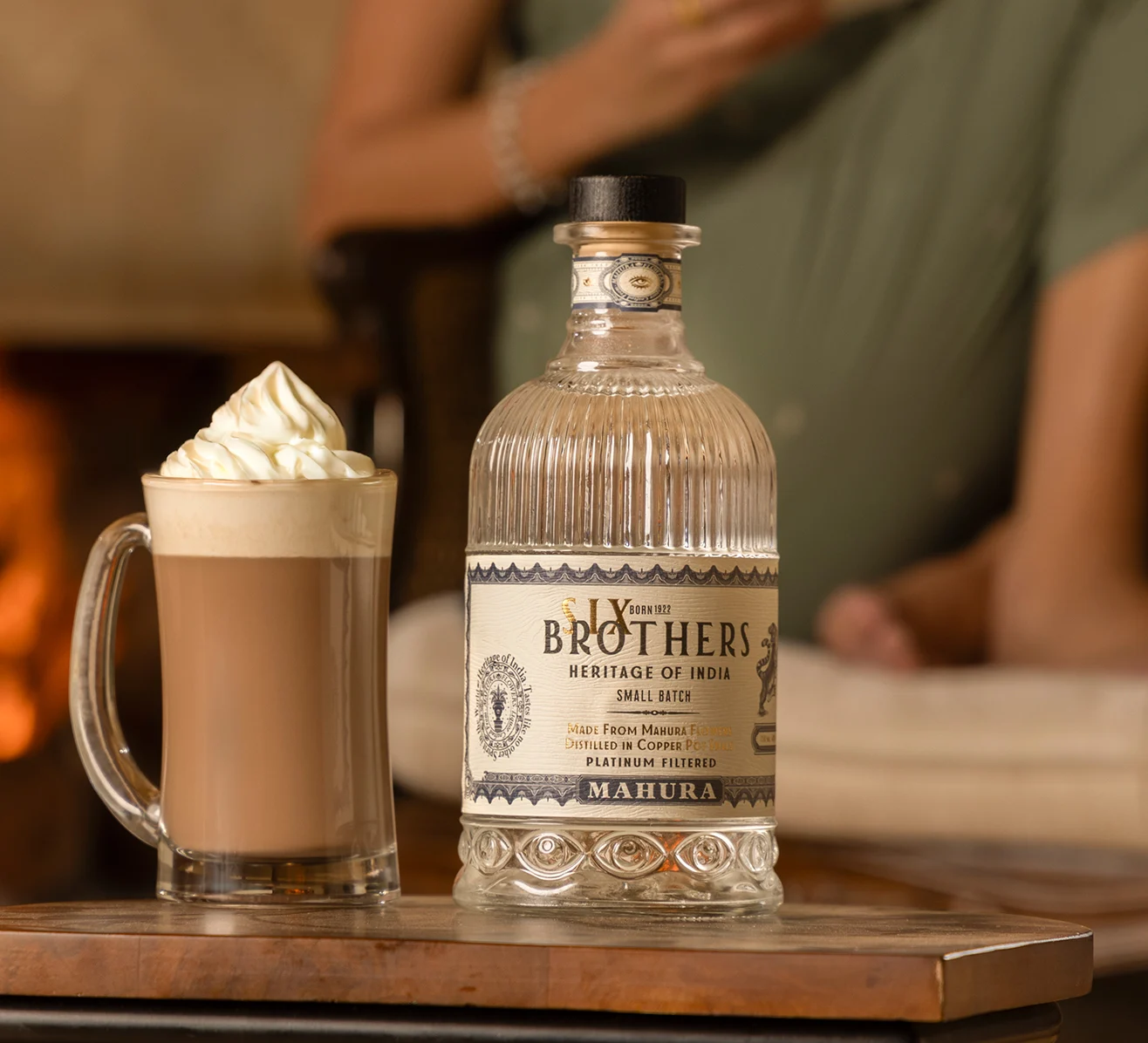
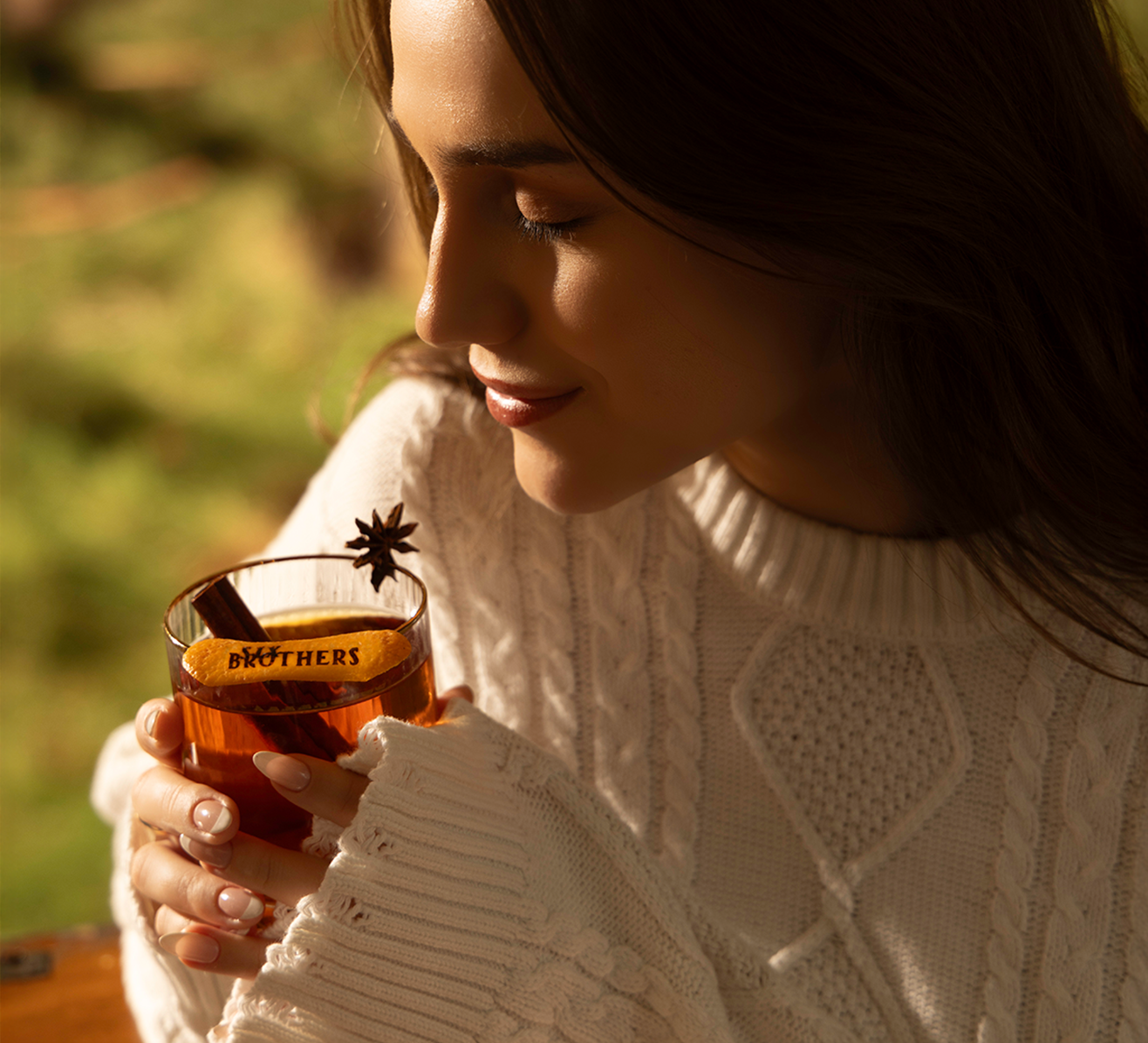
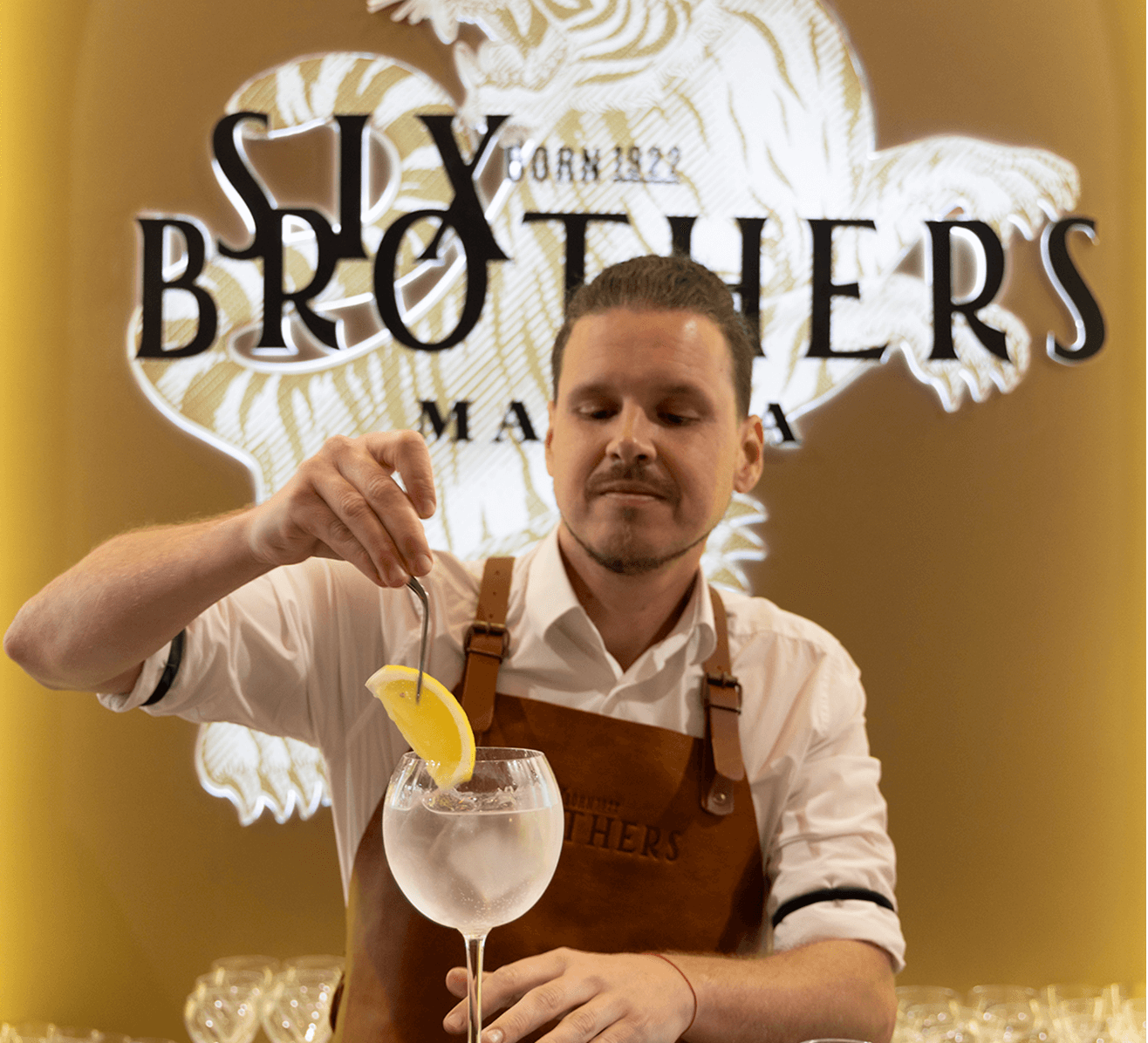
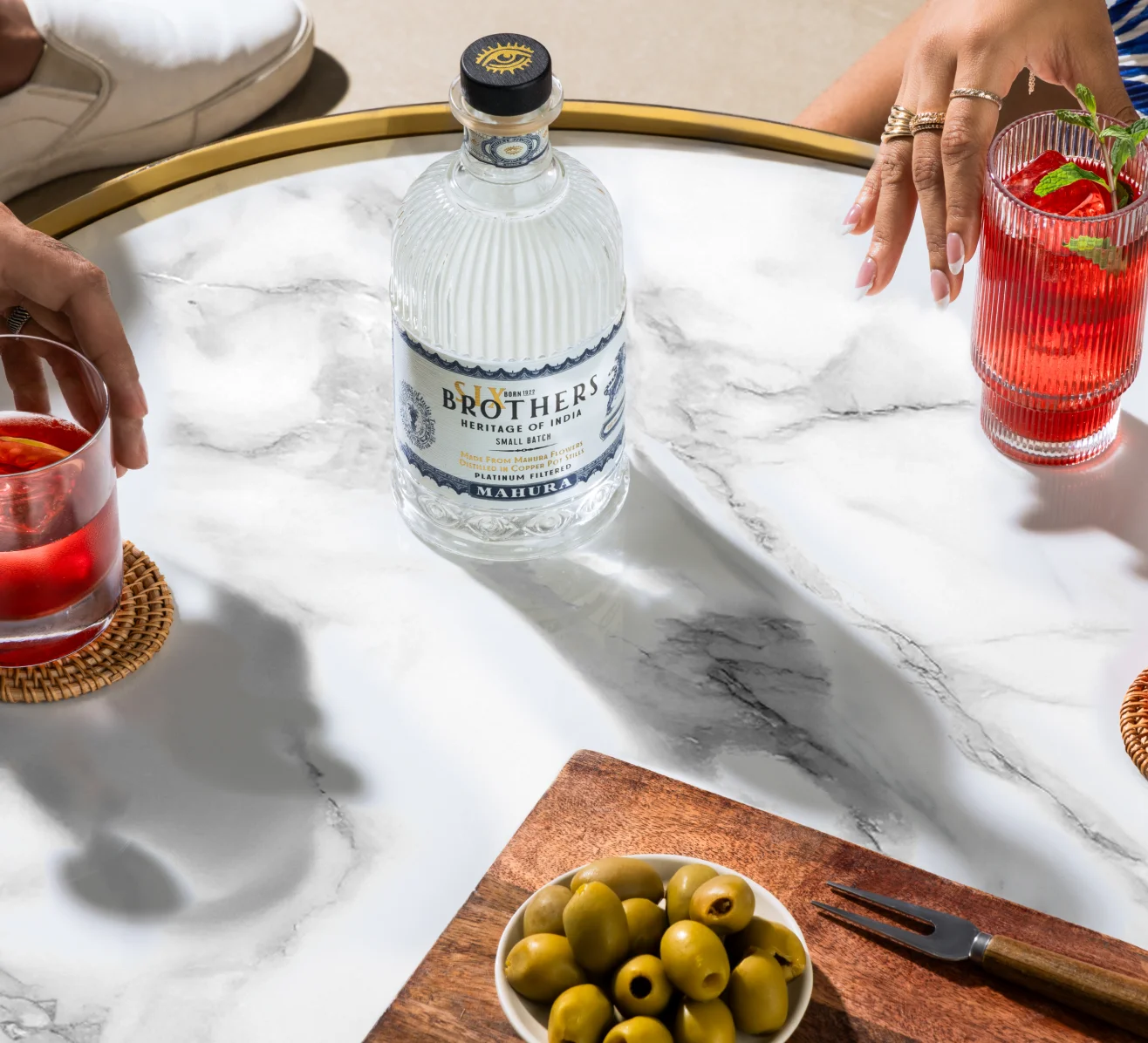
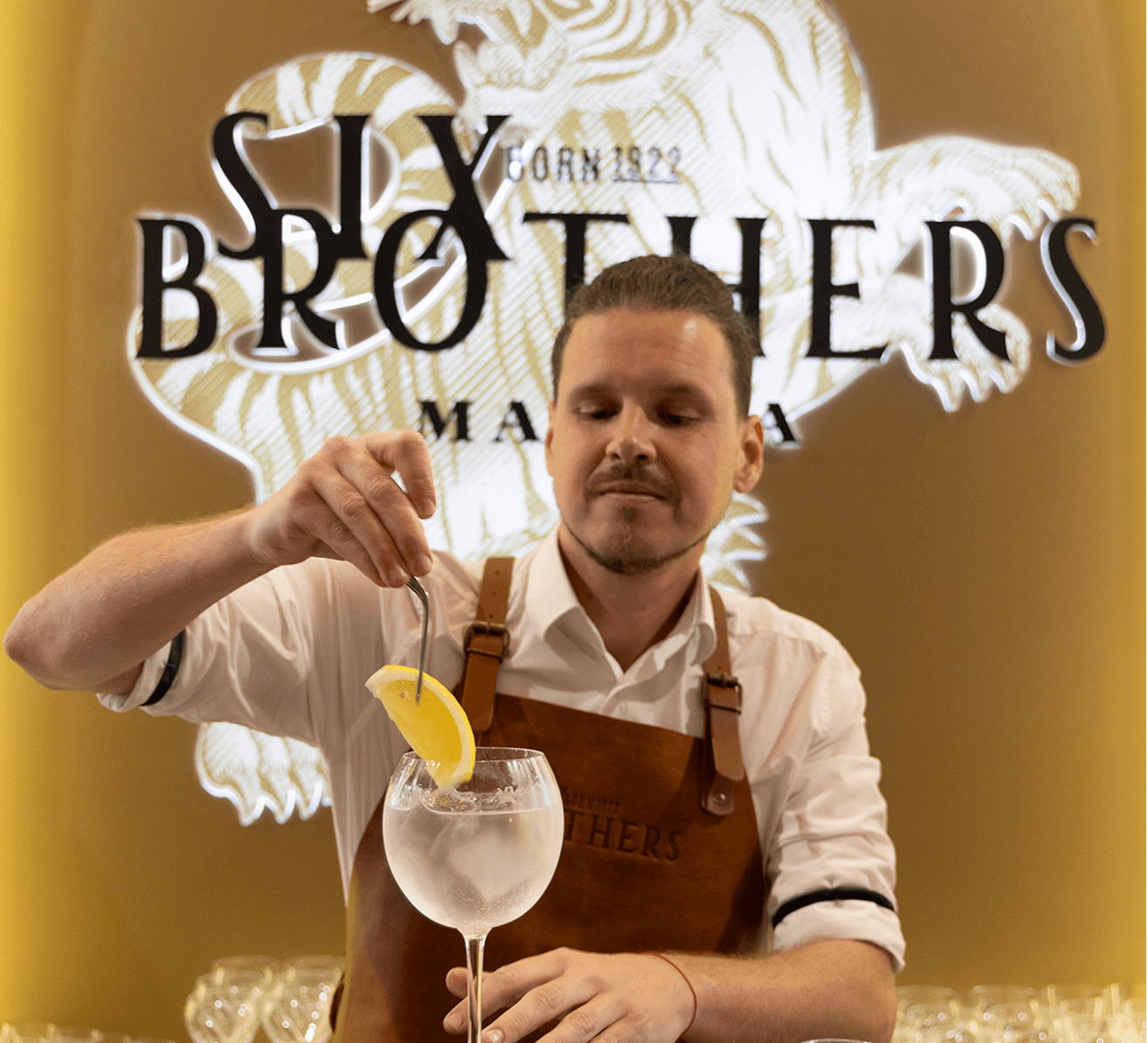
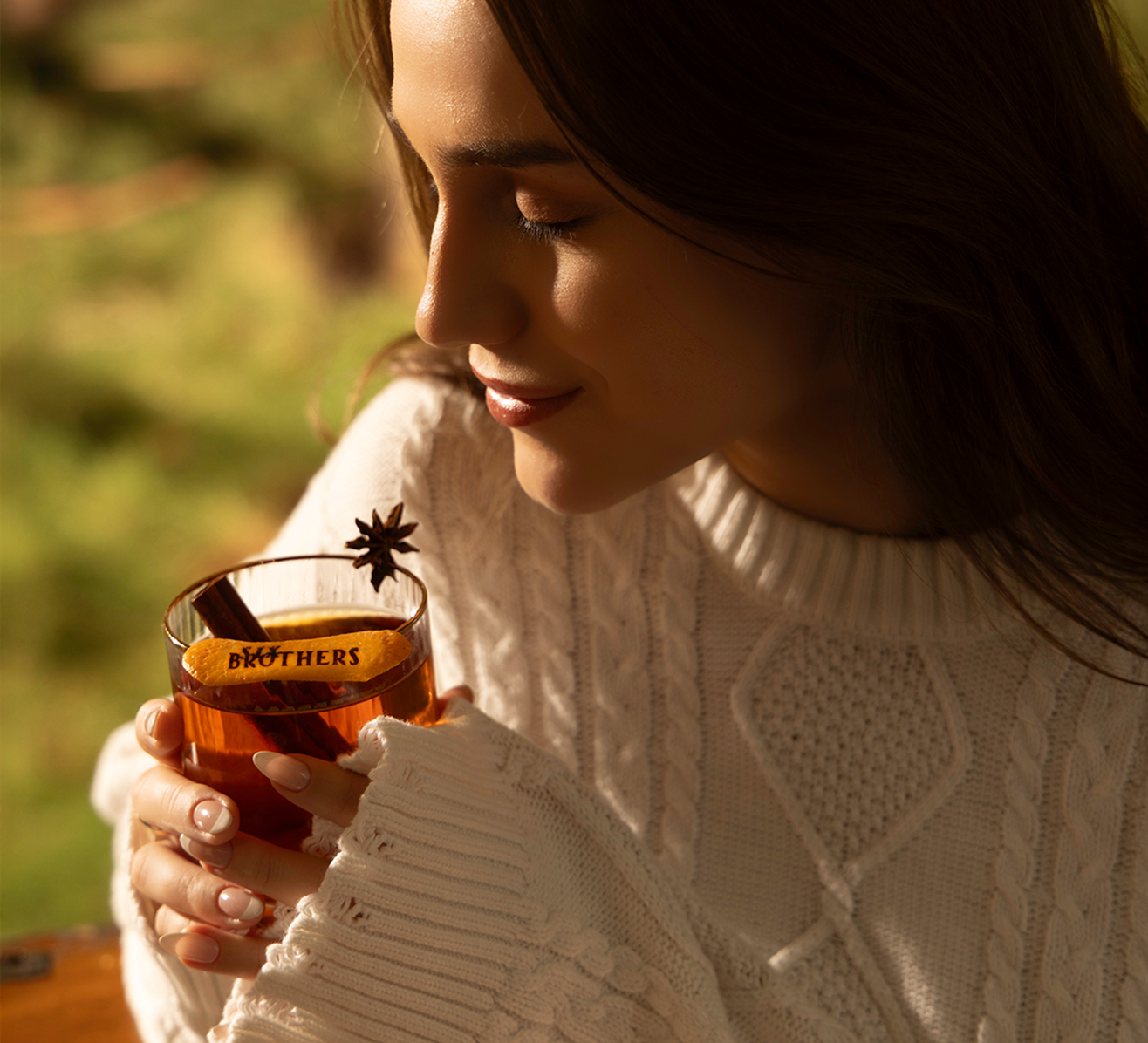
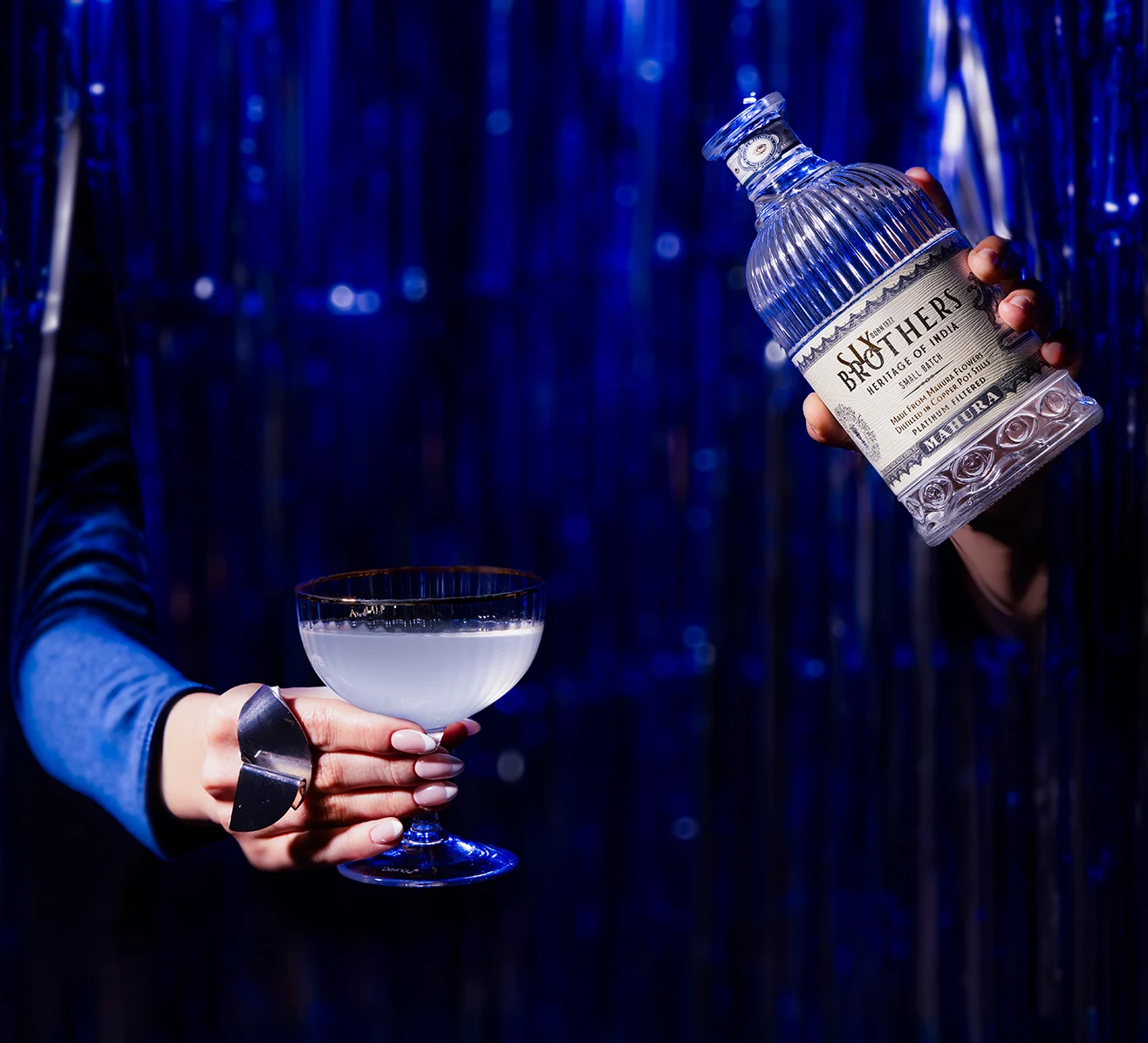
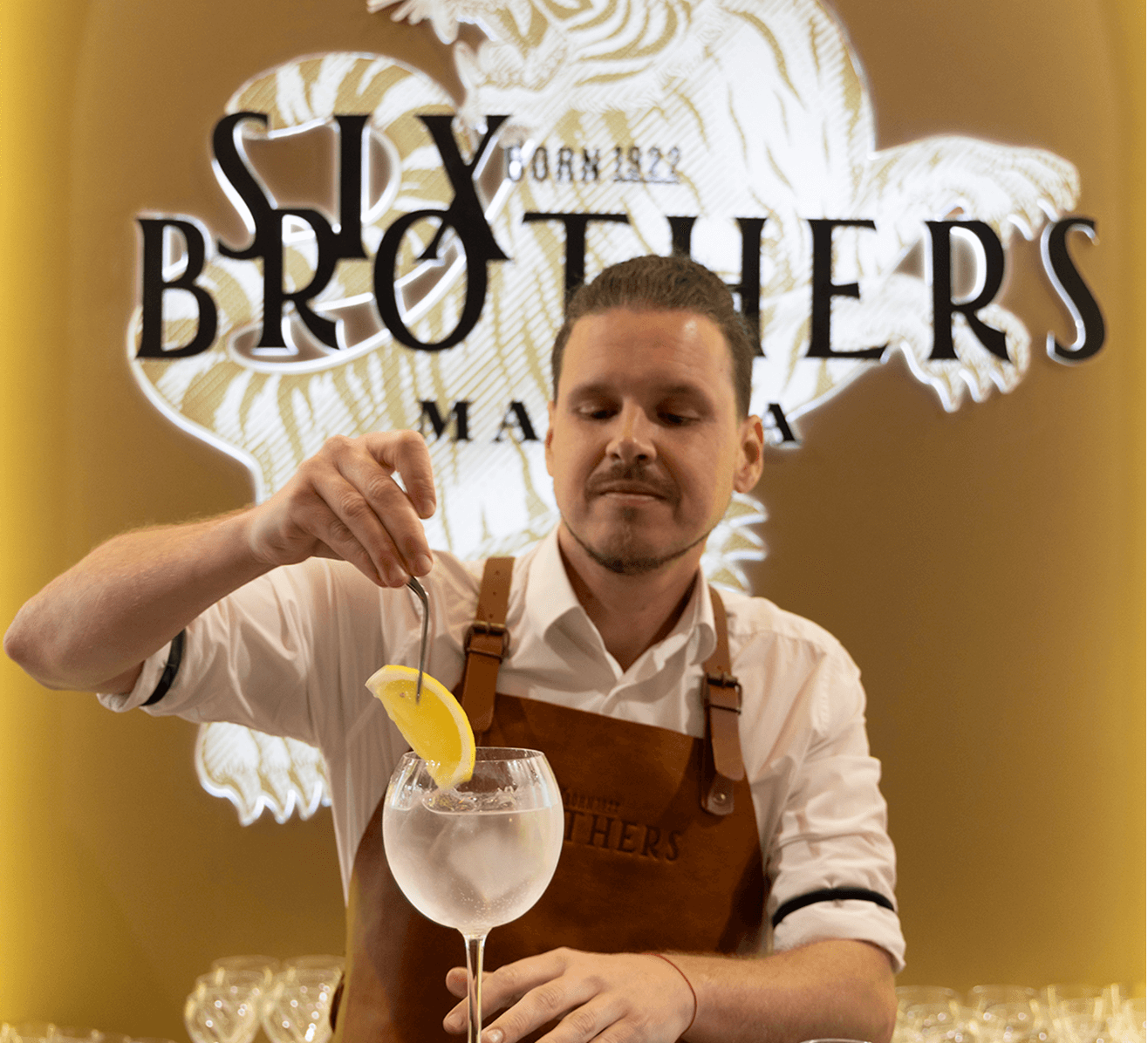
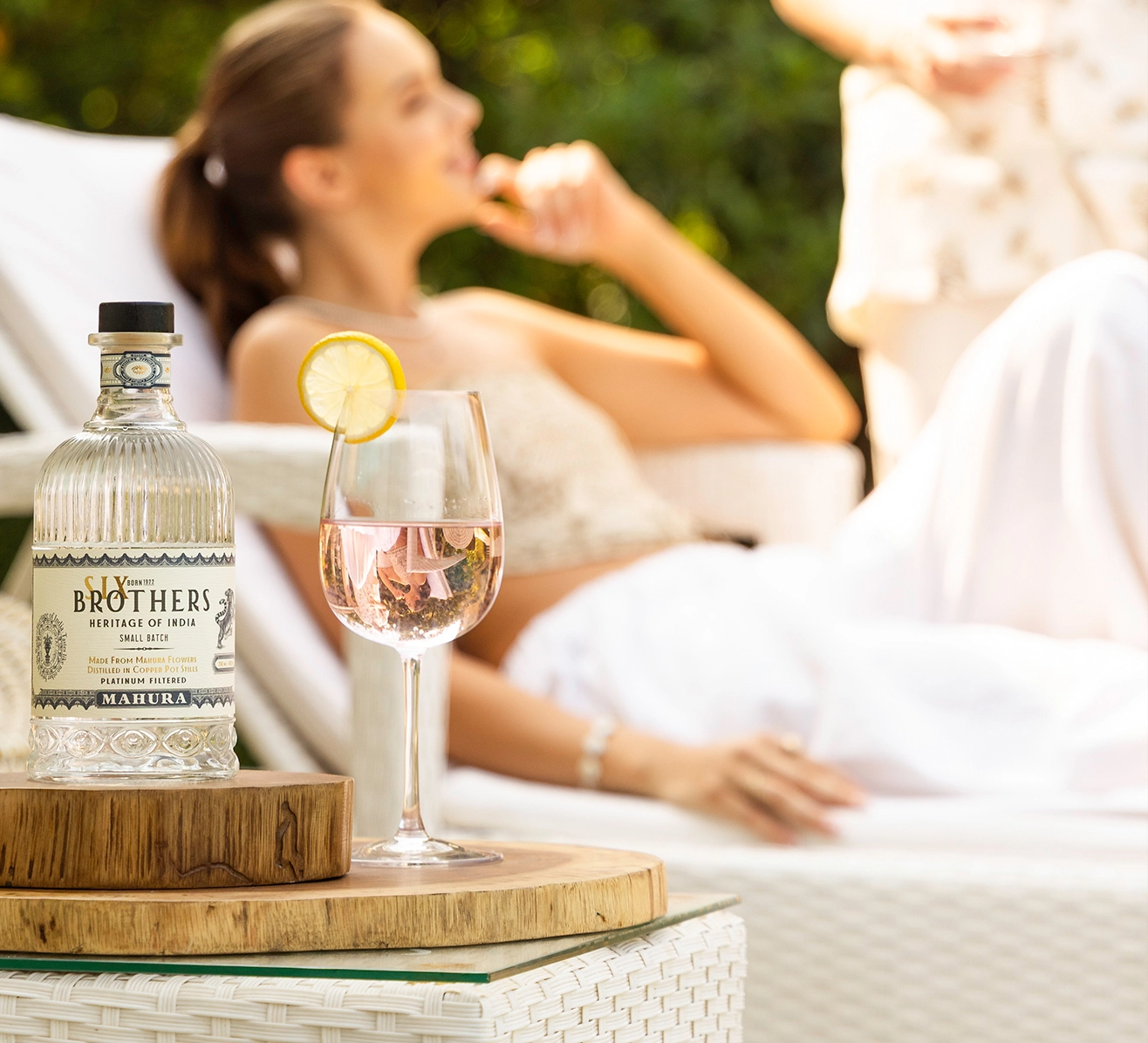
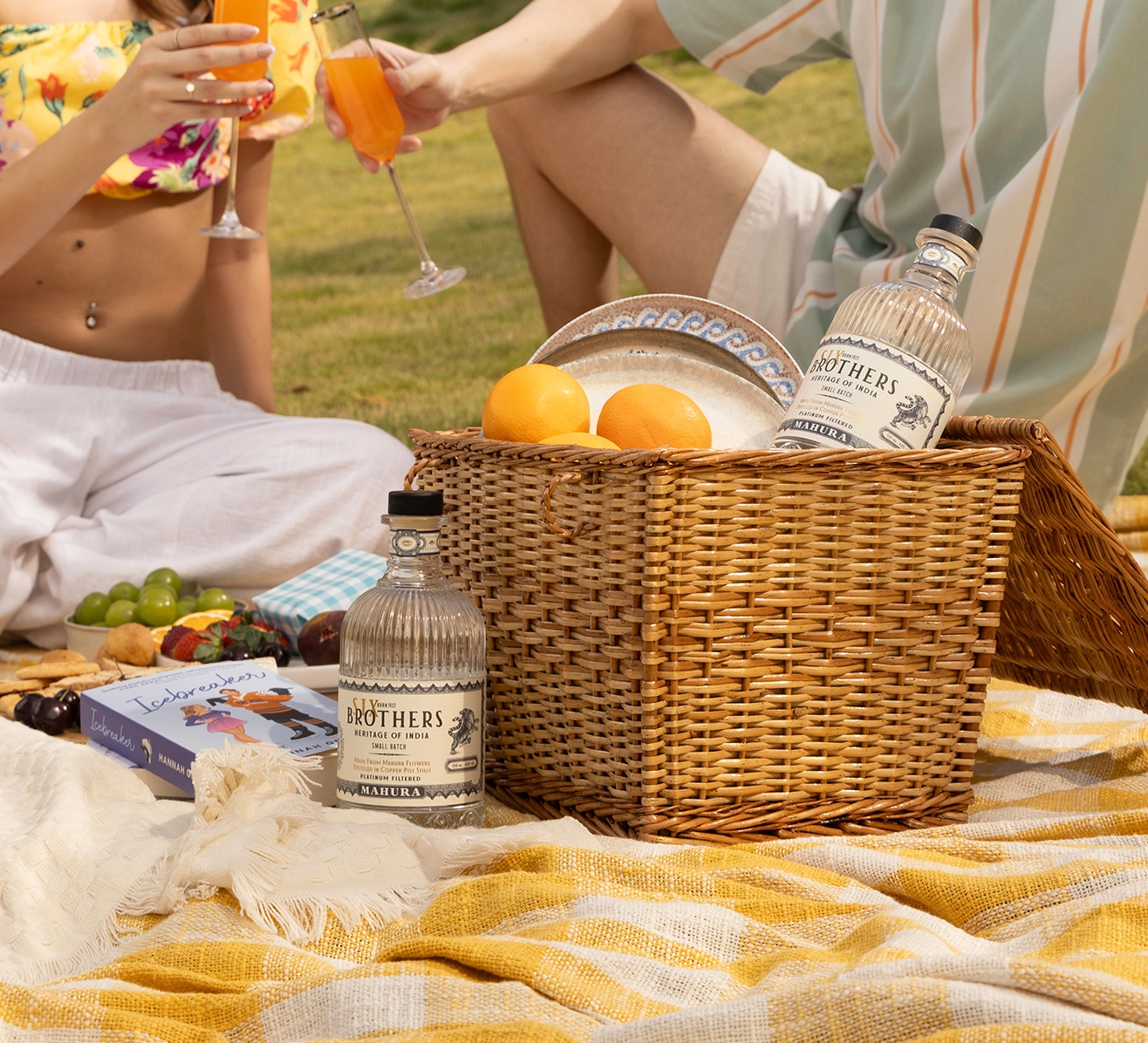
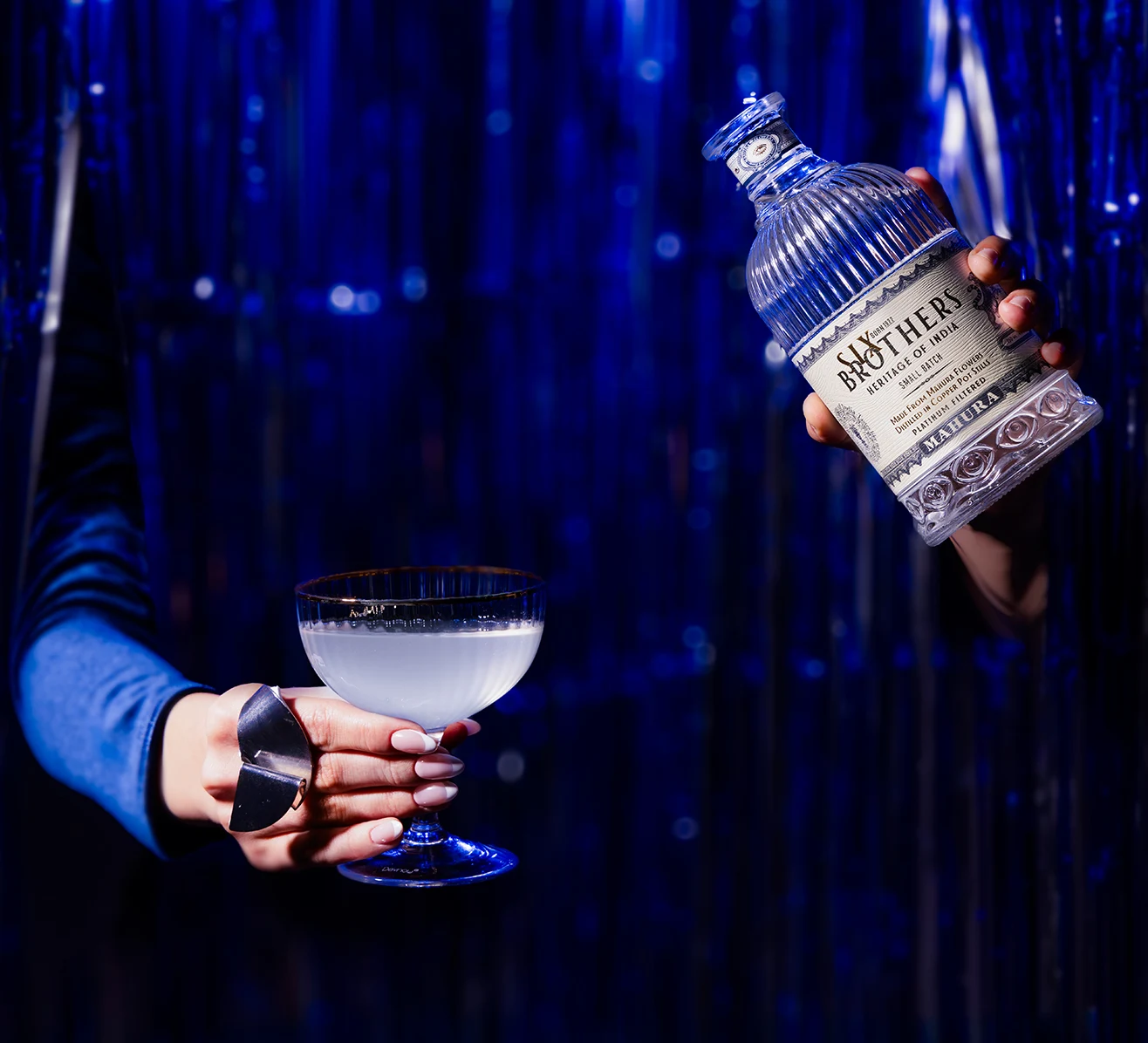
Bars, restaurants, and hotels can introduce Mahua spirit through:
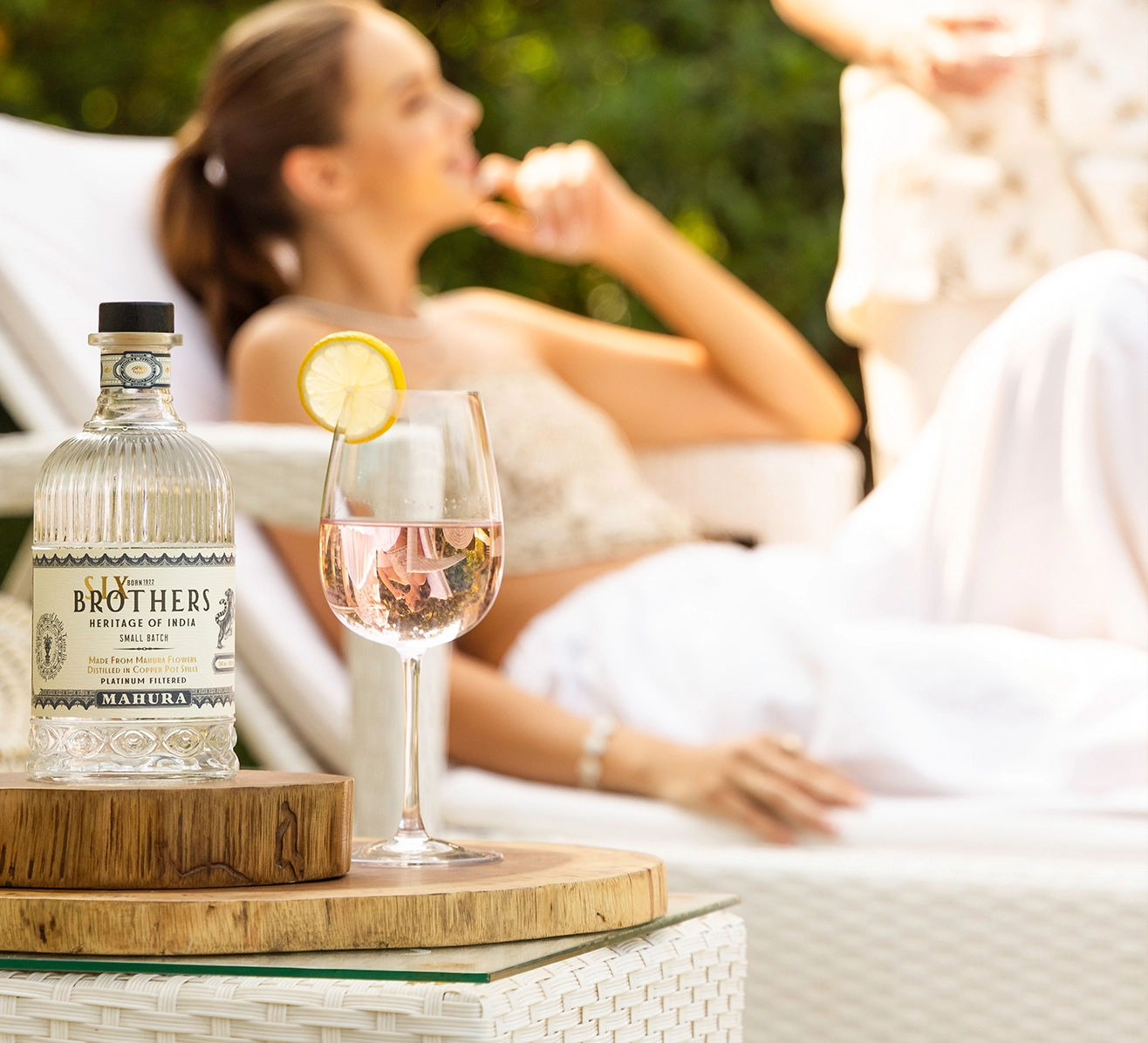
This helps consumers engage with the product in a premium context.
Retail plays a key role by:
Mahua alcohol faces challenges such as:
To succeed, Mahua spirit must:
Without this, mainstream adoption will remain limited.
The conditions for Mahua’s growth are strong:
With the right approach, Mahua can:
Like Indian single malt, it has the potential to redefine its own space in the market.
The rise of indigenous spirits in India is not a trend—it is a shift in how consumers define value and authenticity.
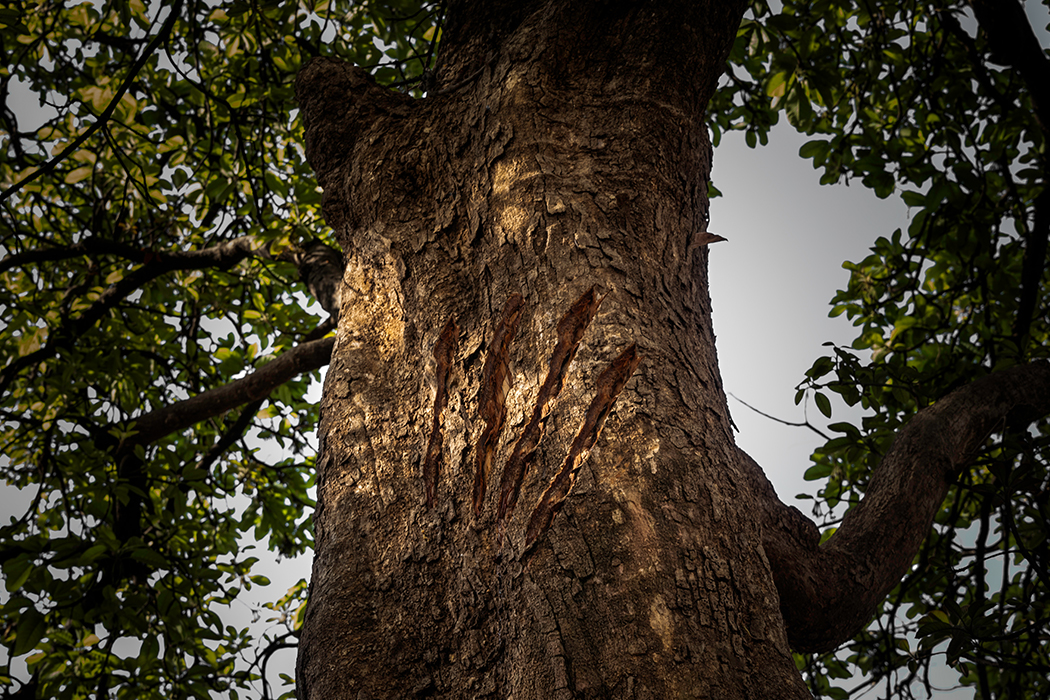
From its origin in the Mahua flower to its deep connection with the Madhuca longifolia tree, Mahua spirit represents heritage, identity, and untapped potential.
As India’s oldest spirit, Mahua alcohol is uniquely positioned to benefit from this shift. Much like Indian single malt transformed perceptions of single malt whisky and single malt whiskey, Mahua now has the opportunity to move from niche to mainstream.
Because in today’s market, the future belongs to spirits that tell a story—and Mahua tells one that is both timeless and relevant.