
Posted on 13 Aug 2026
The premium spirits industry has traditionally been built around familiar ingredients: grain, grapes, sugarcane, agave, and botanicals that have already become globally recognised.
But a new generation of producers is looking closer to home.
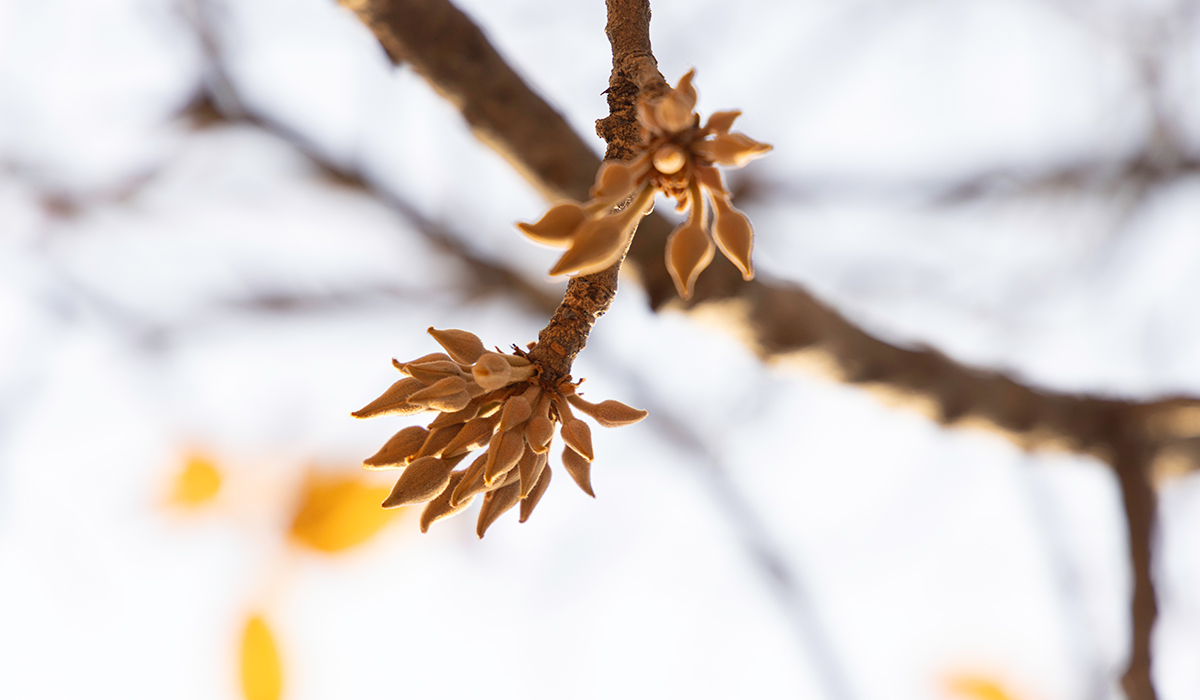
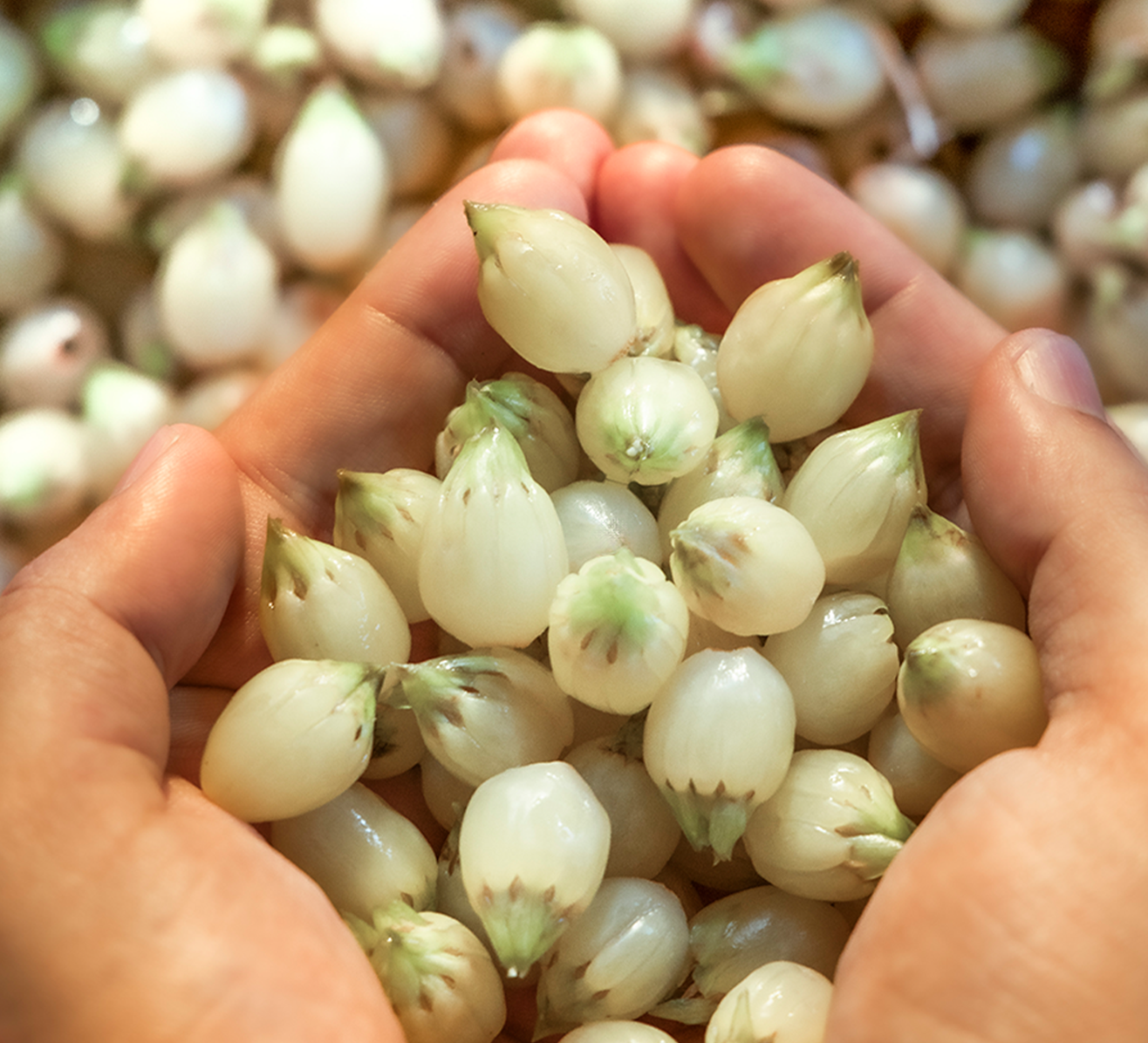
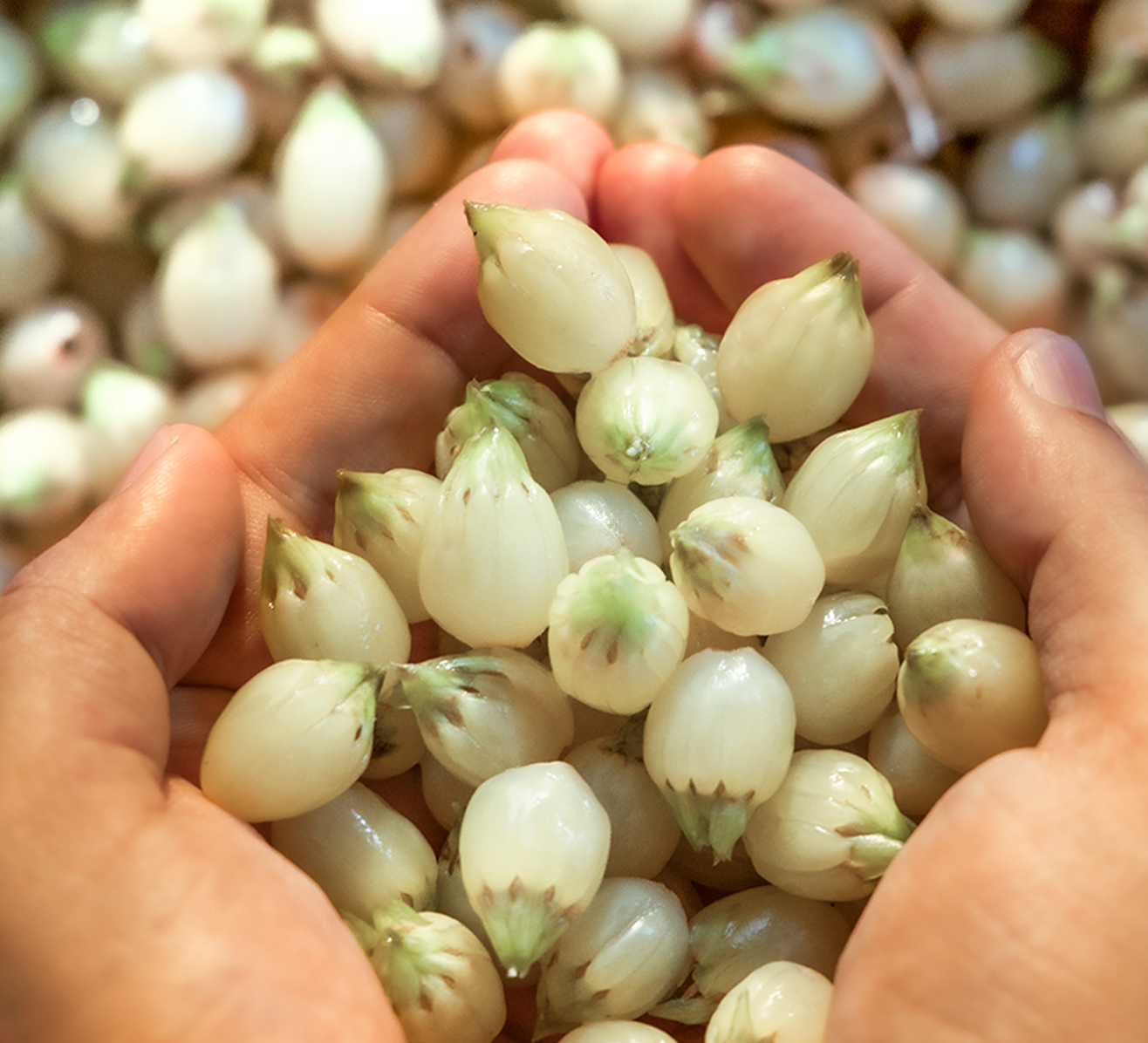
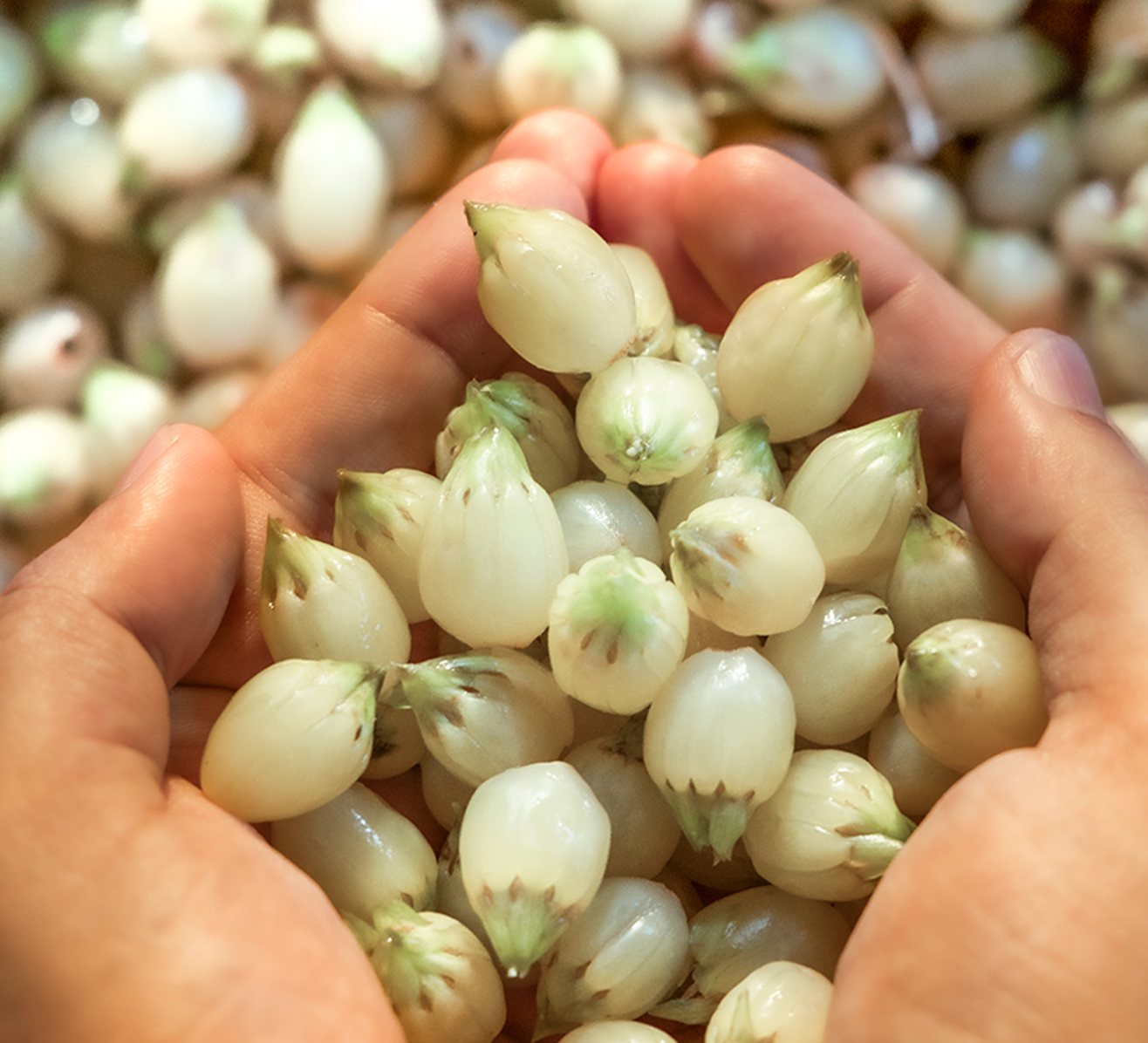
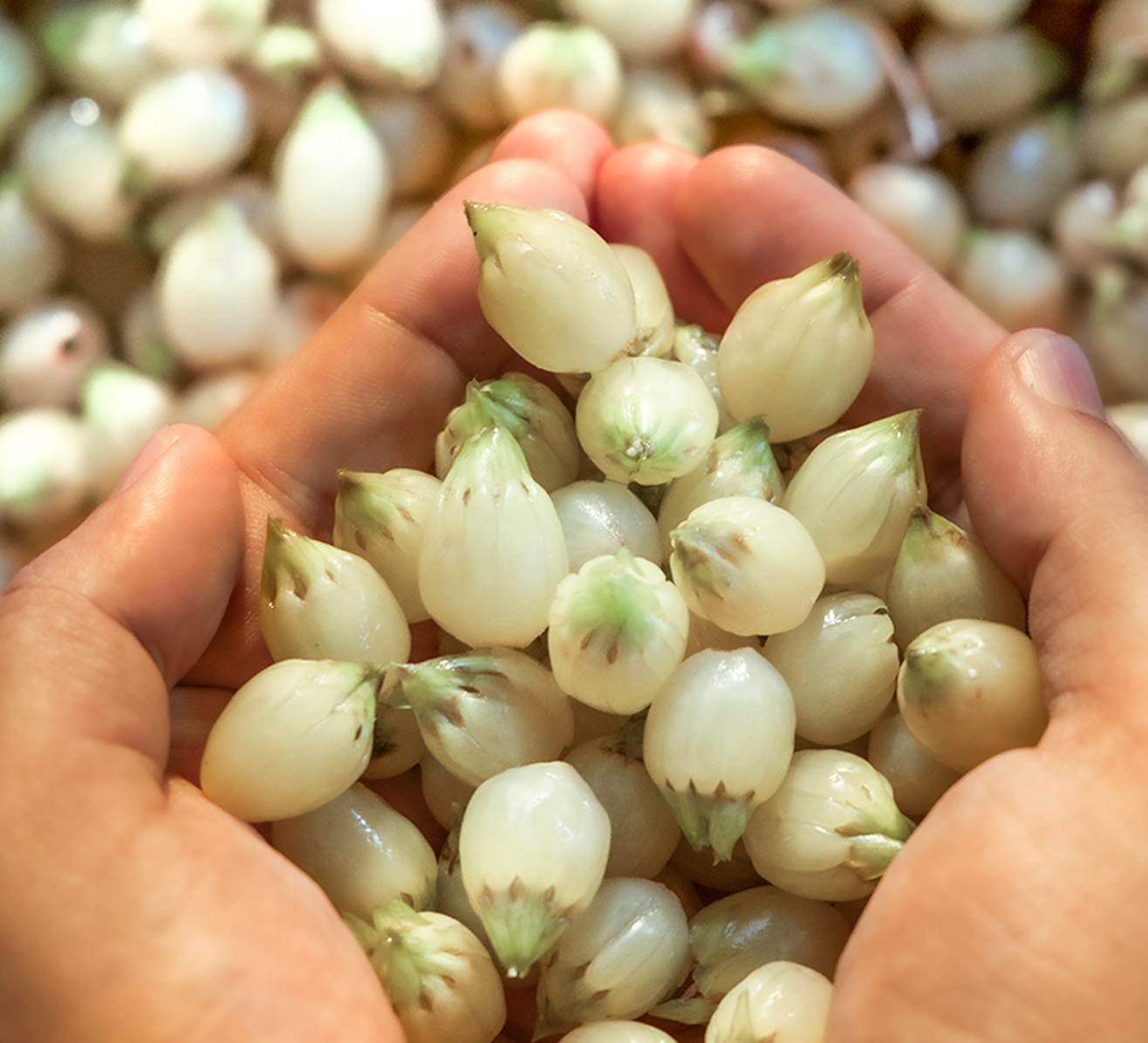
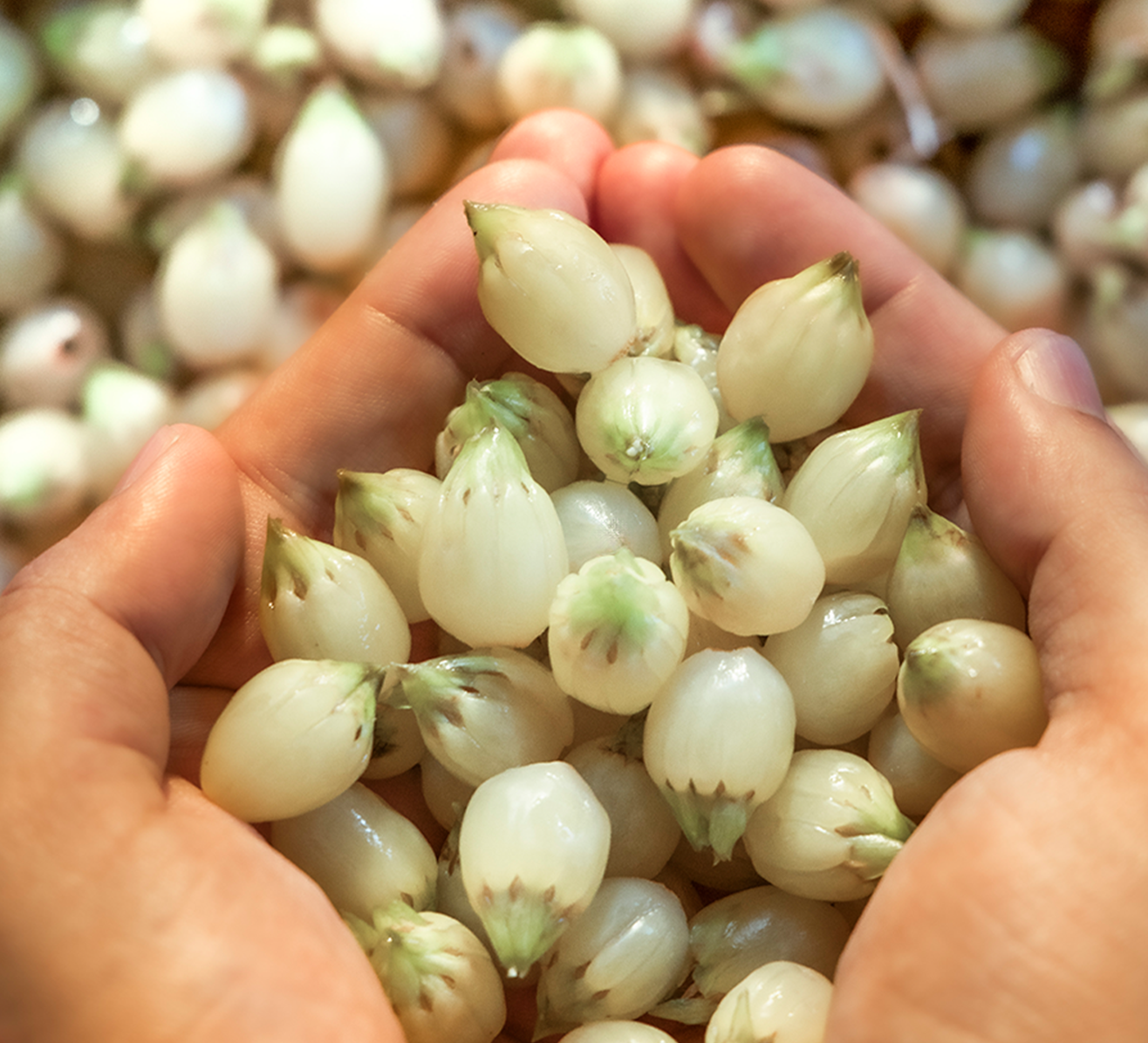
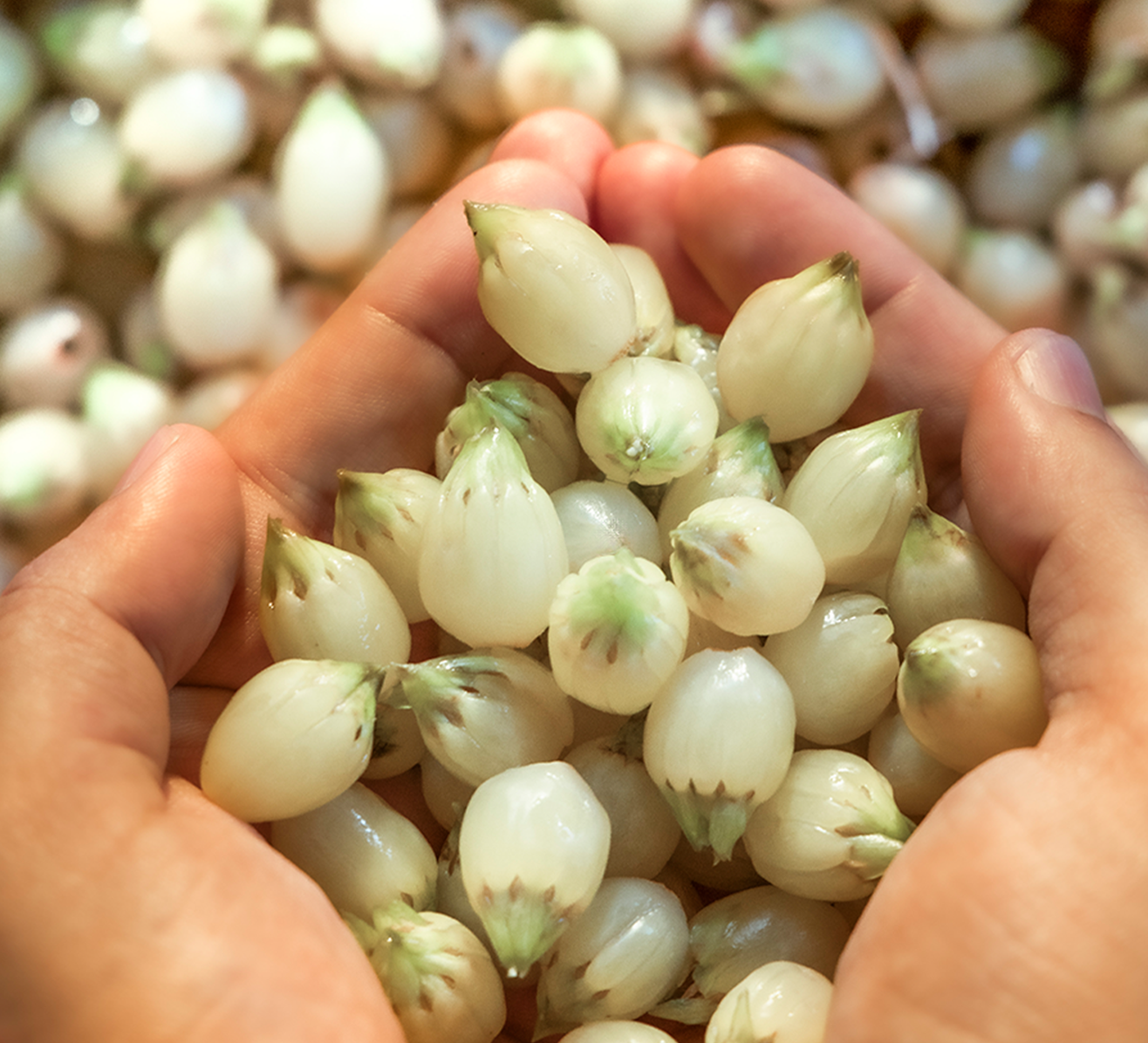
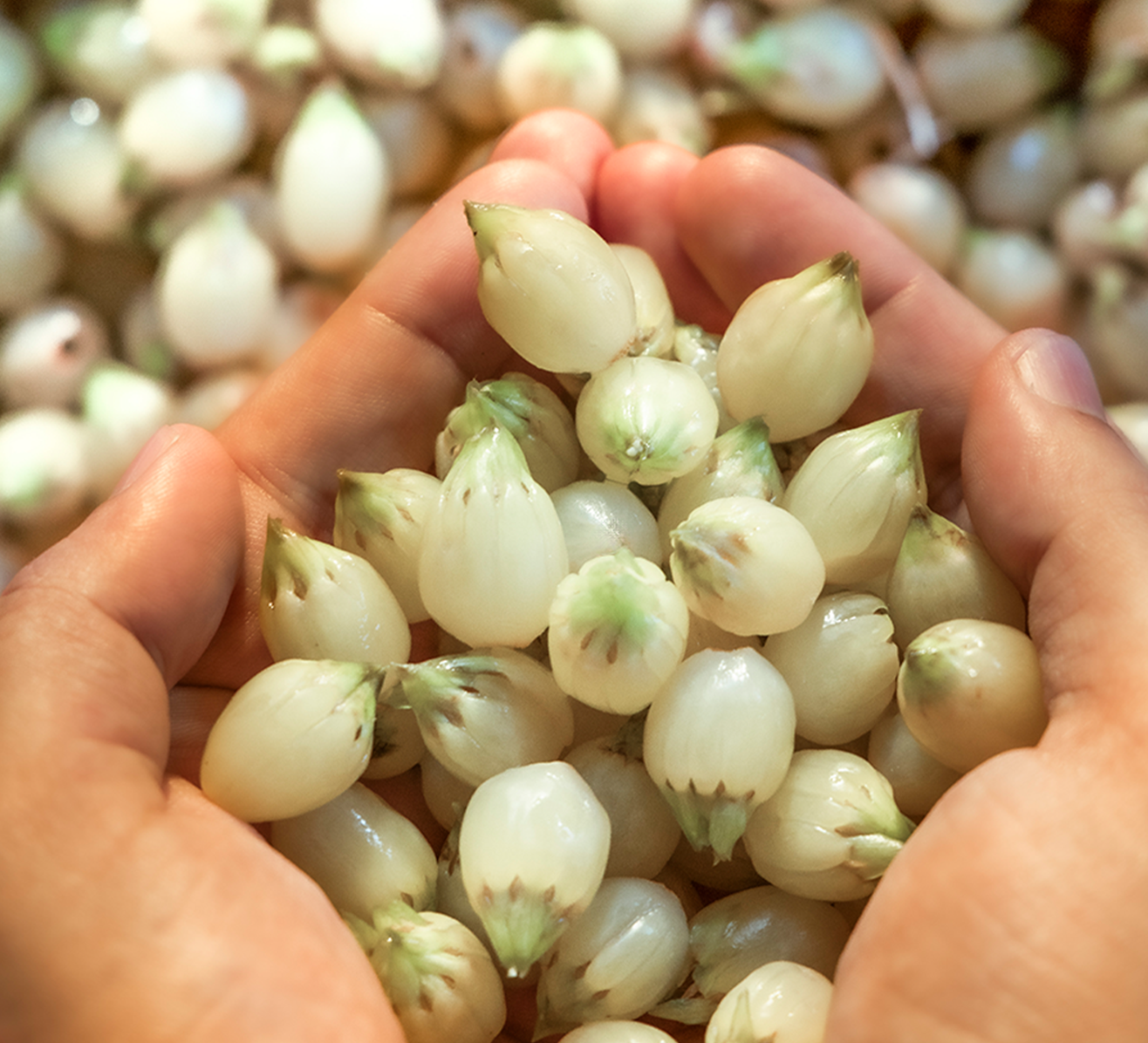
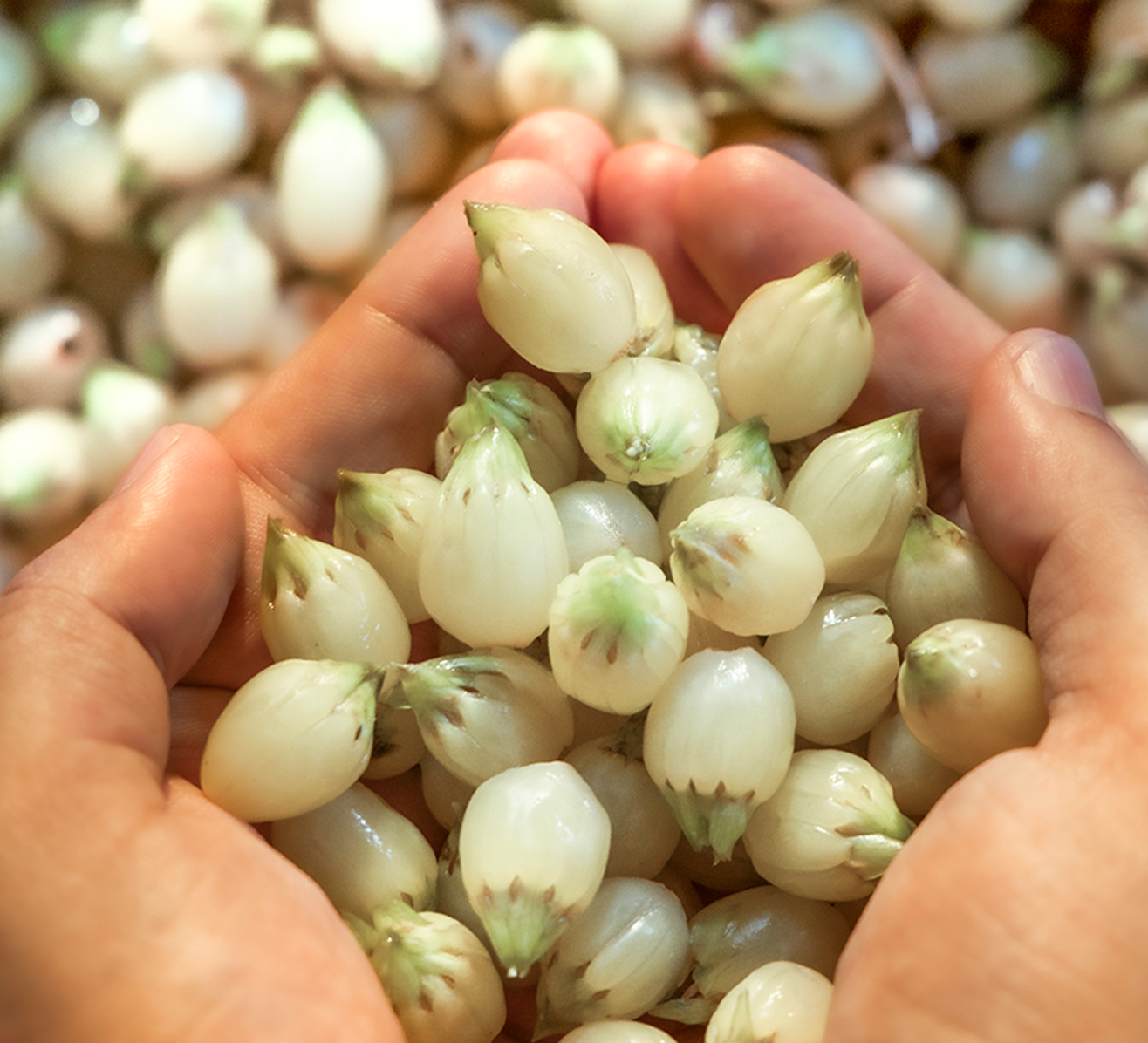
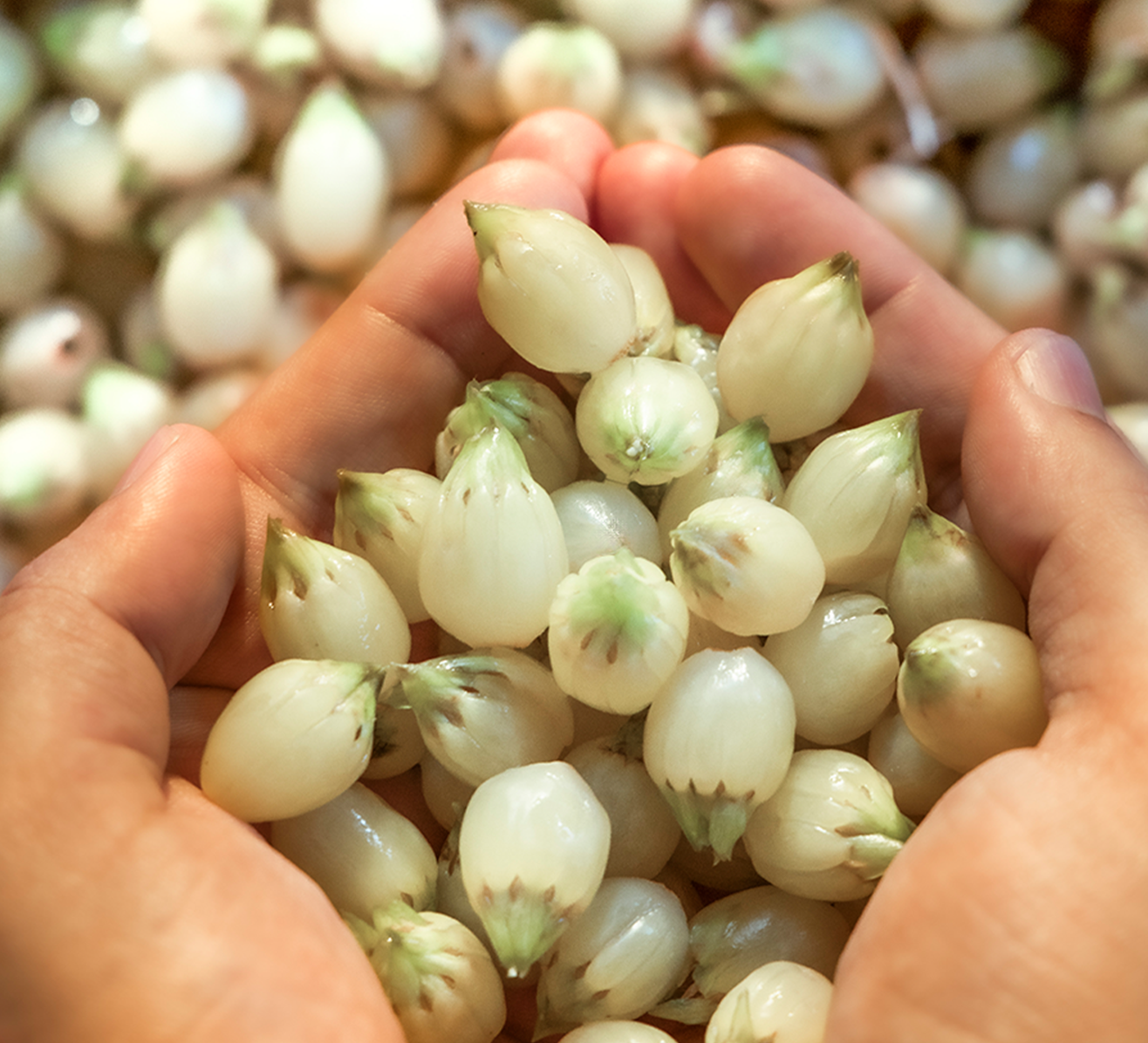
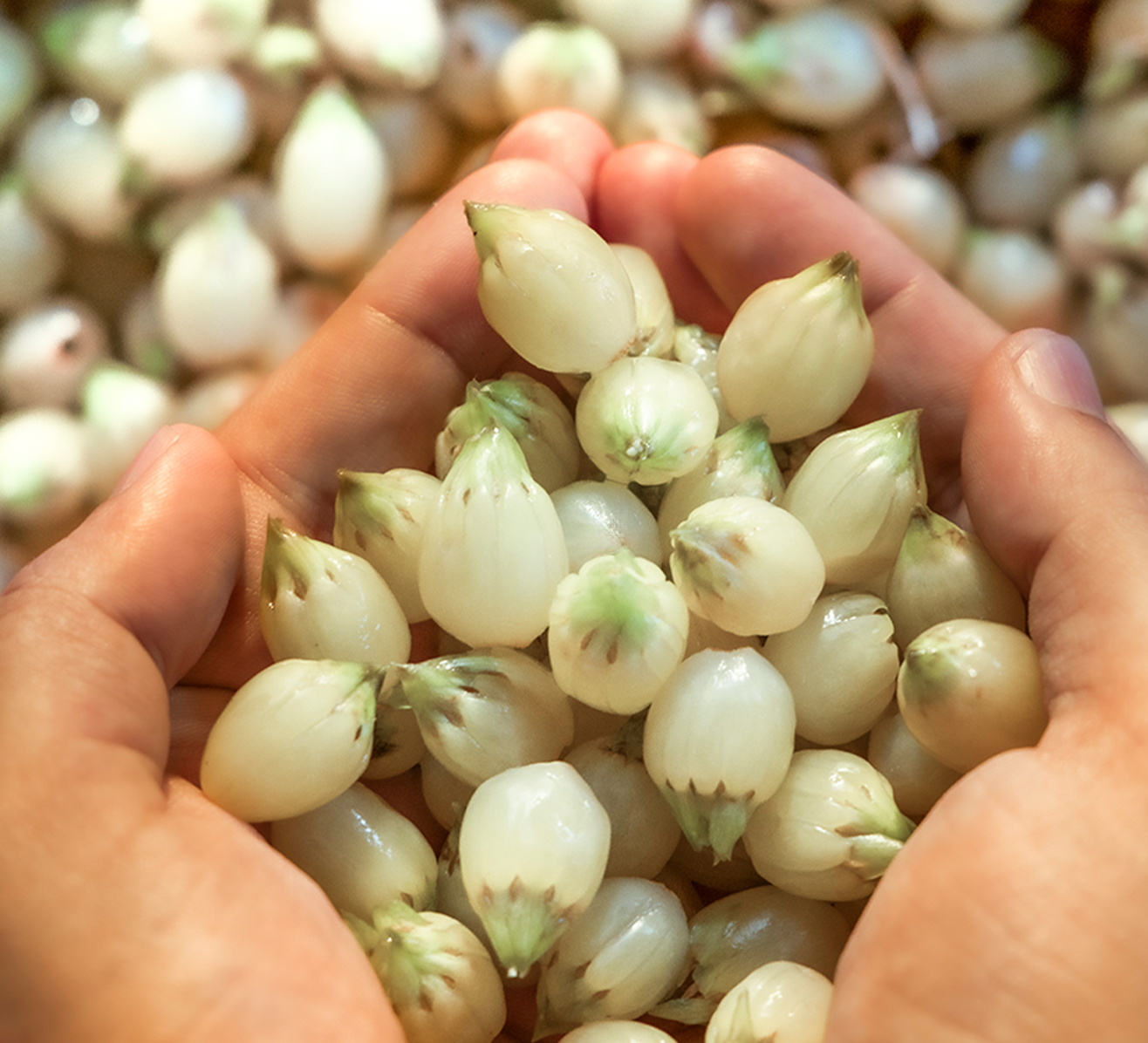
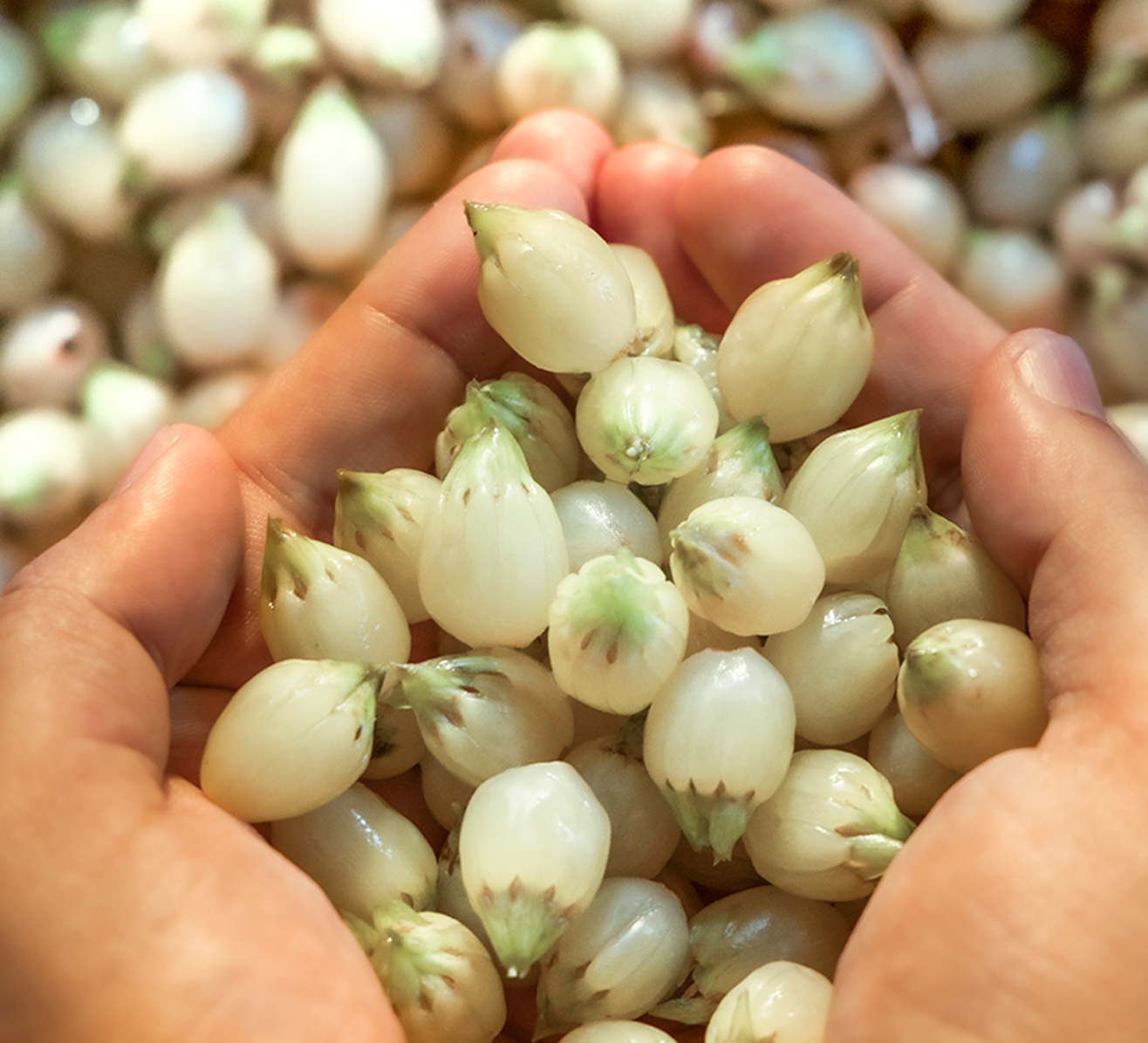
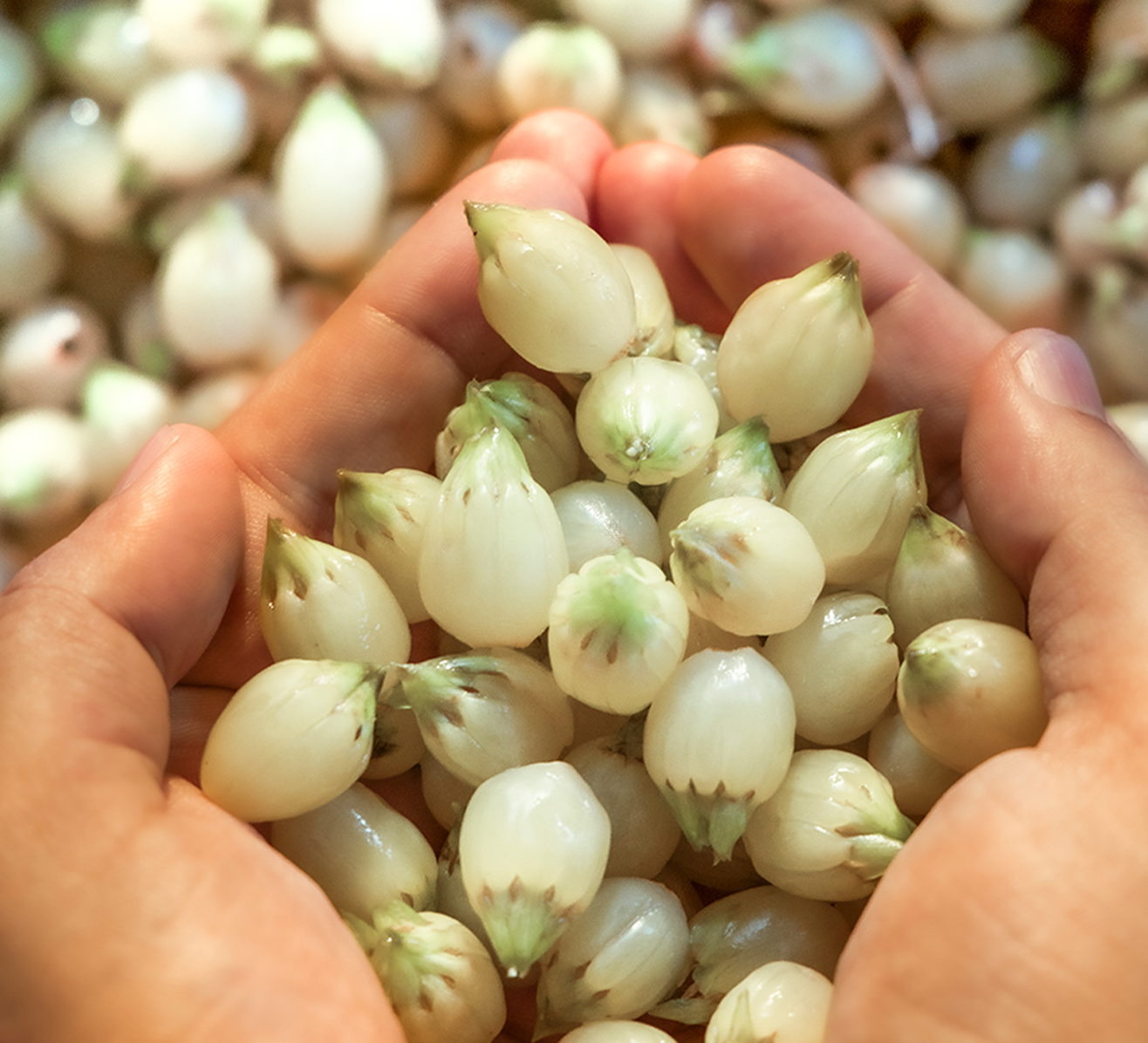
Across India, forests contain an extraordinary range of indigenous ingredients with distinctive aromas, flavours, and cultural histories. Among them, the Mahua flower stands out as one of the most intriguing.
Its journey into premium spirits shows how forest botanicals could become an important part of India's next generation of Indian craft spirits.
Forest botanicals are naturally occurring plants, flowers, fruits, seeds, and other ingredients associated with forest ecosystems.
They can offer premium spirits something increasingly valuable: a genuine sense of origin.
Forest-derived ingredients can contribute:
For premium Indian spirits, these characteristics can create differentiation in an increasingly competitive market.
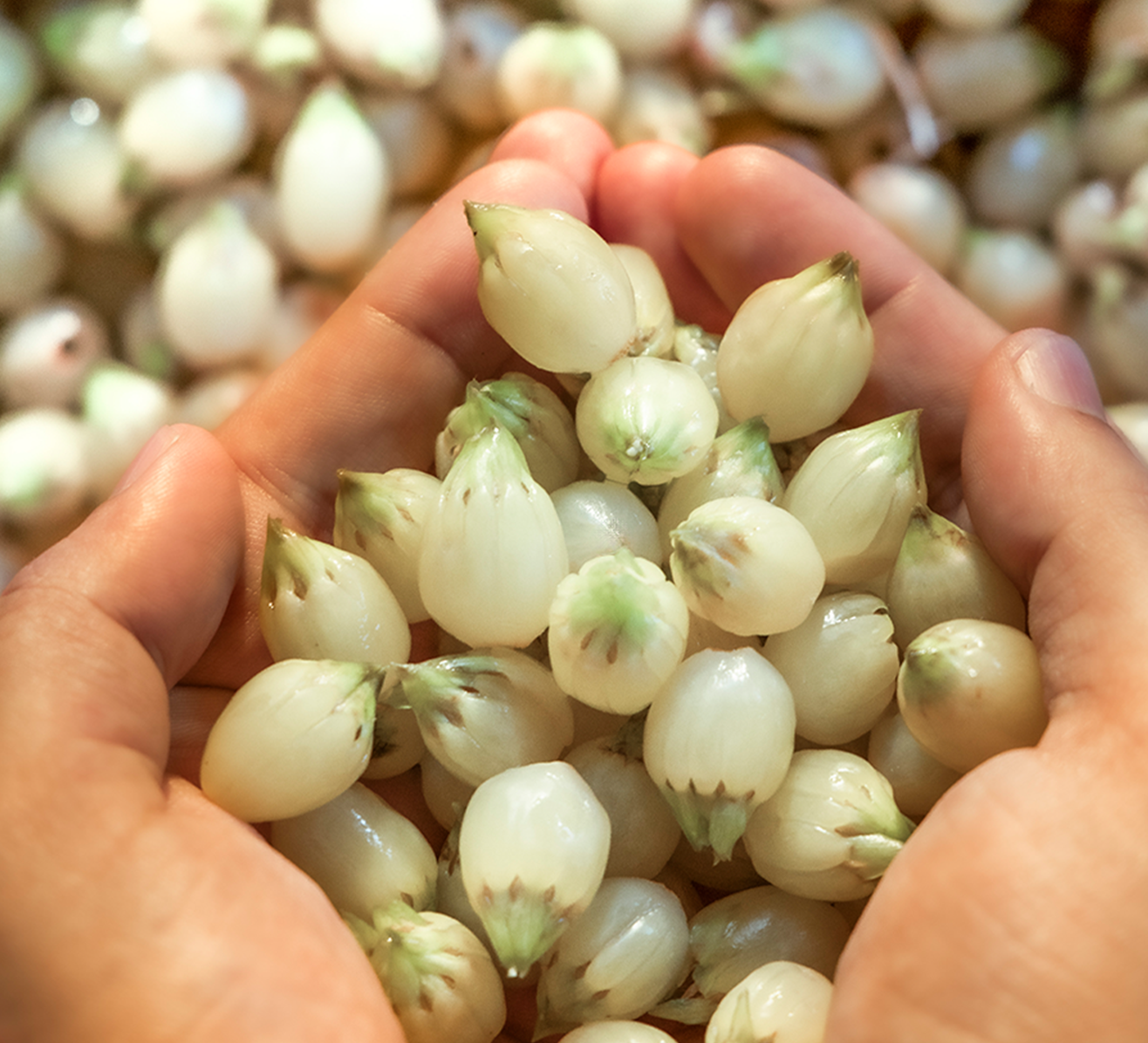
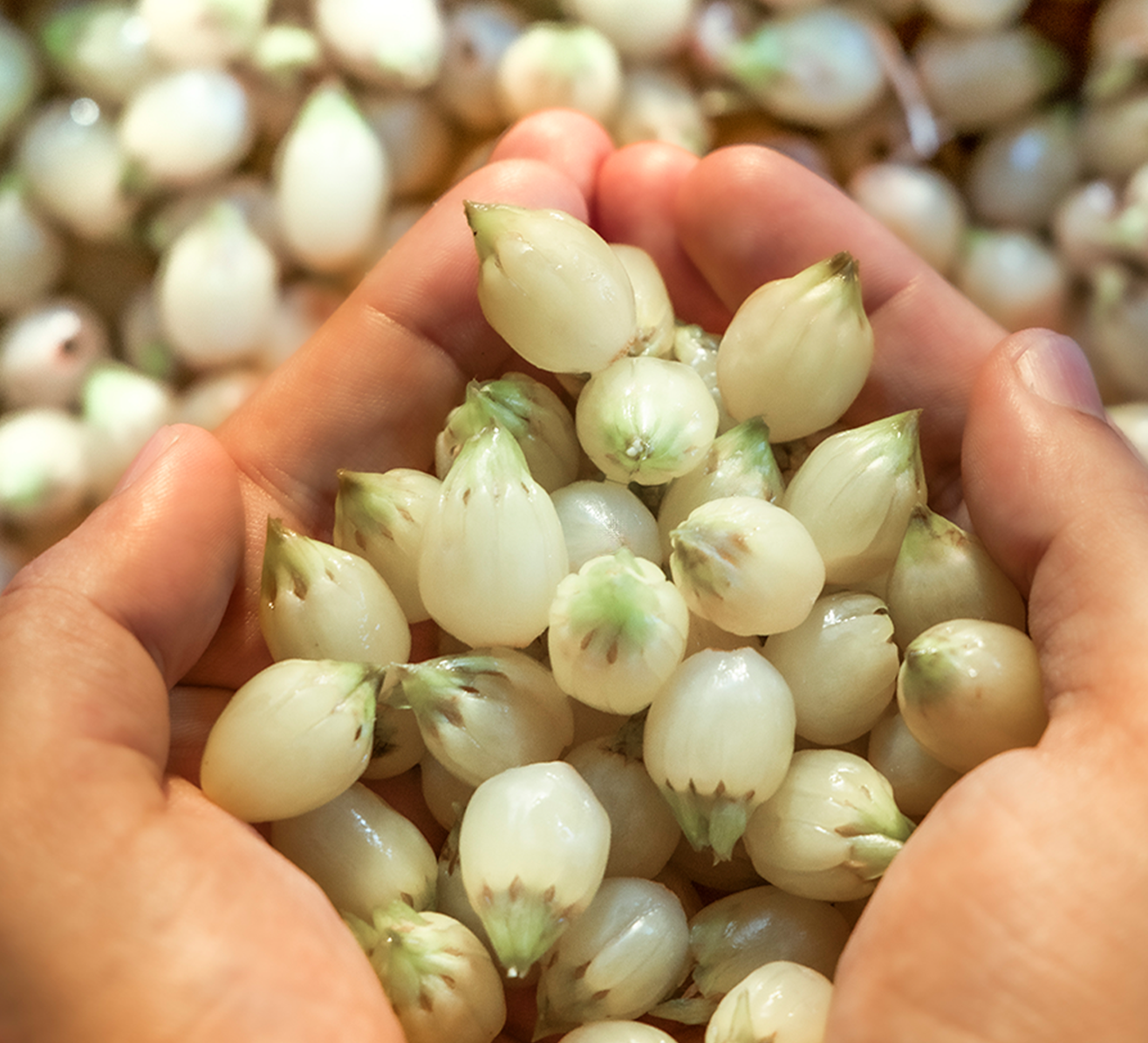
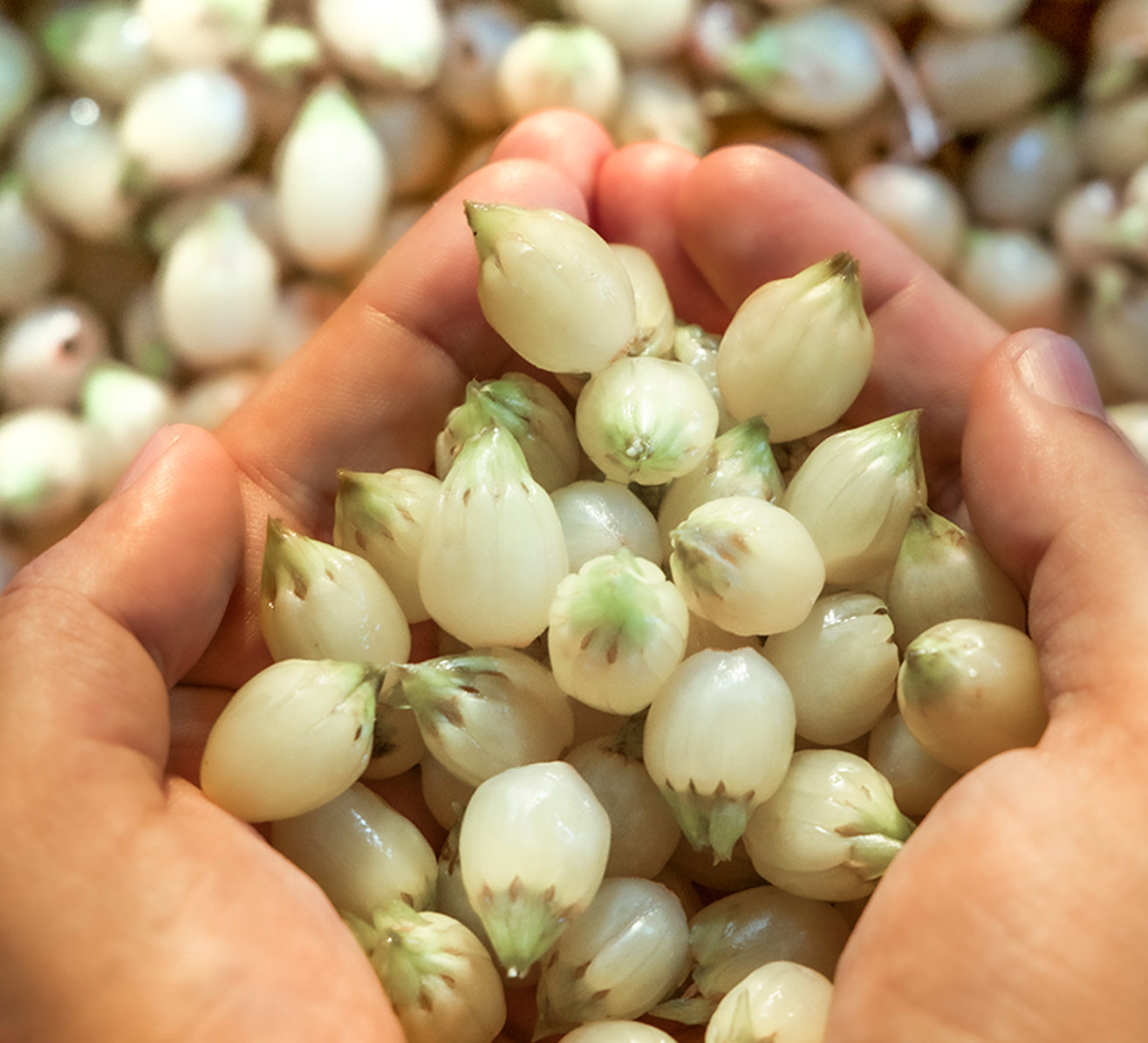
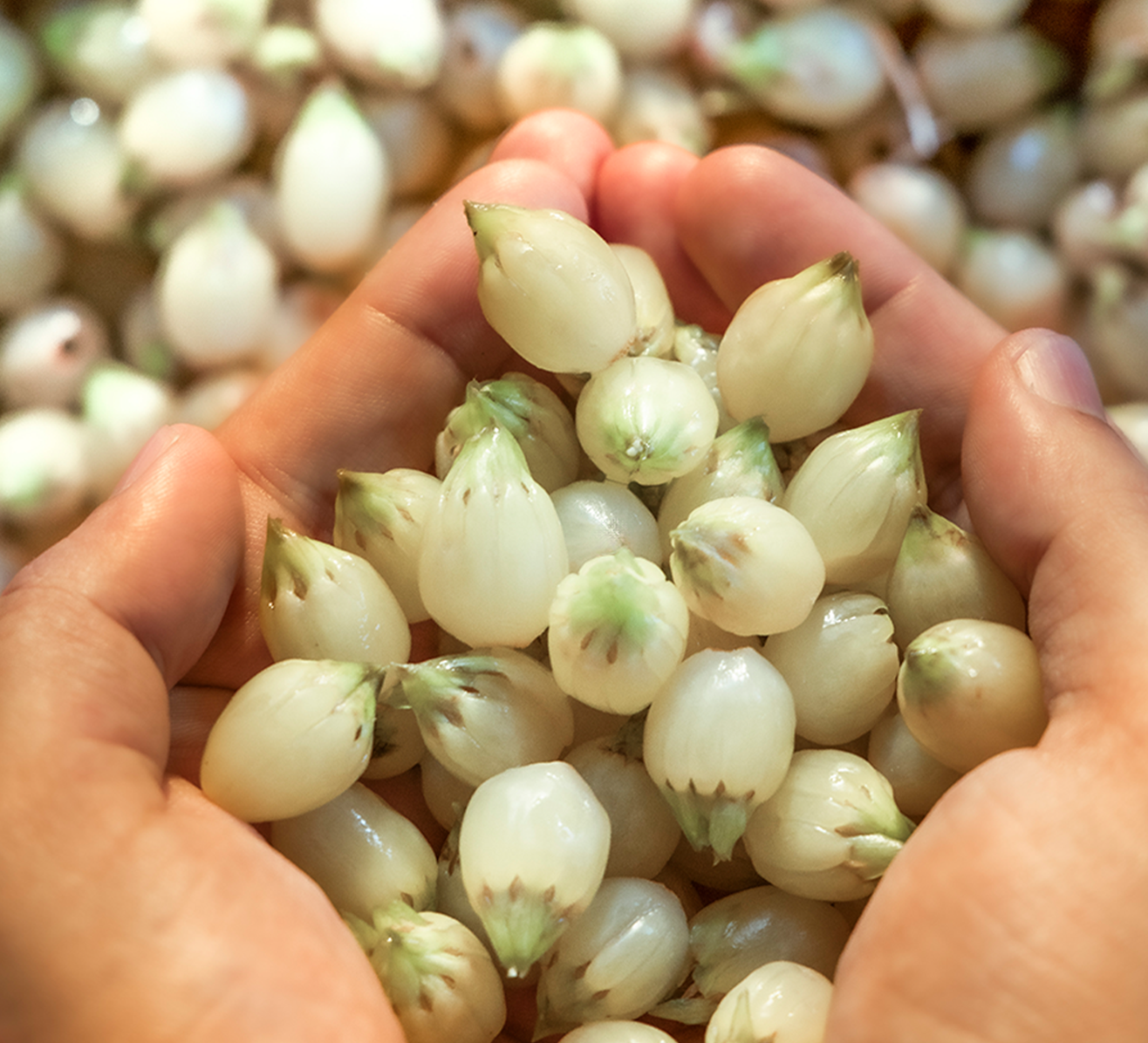
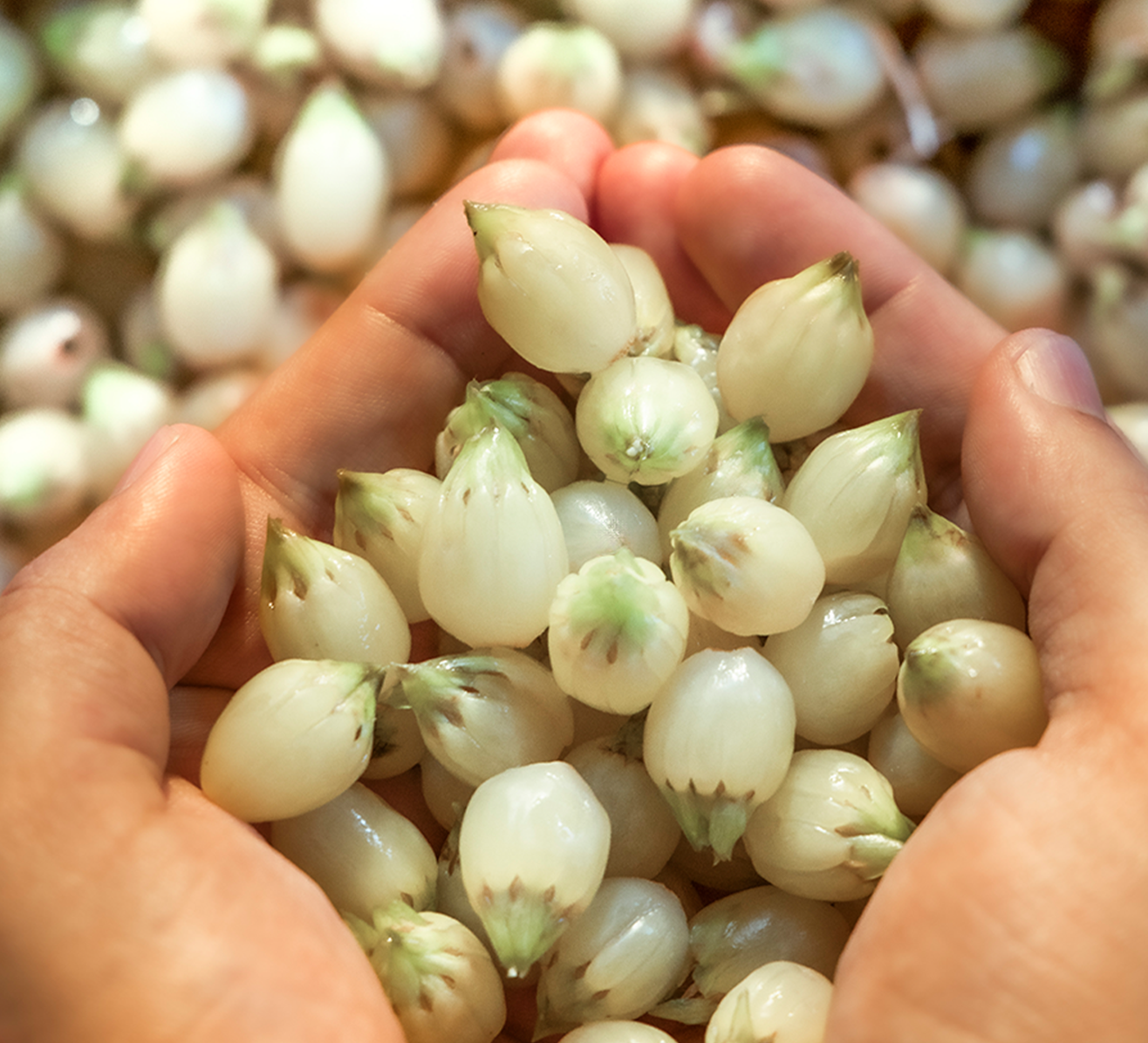
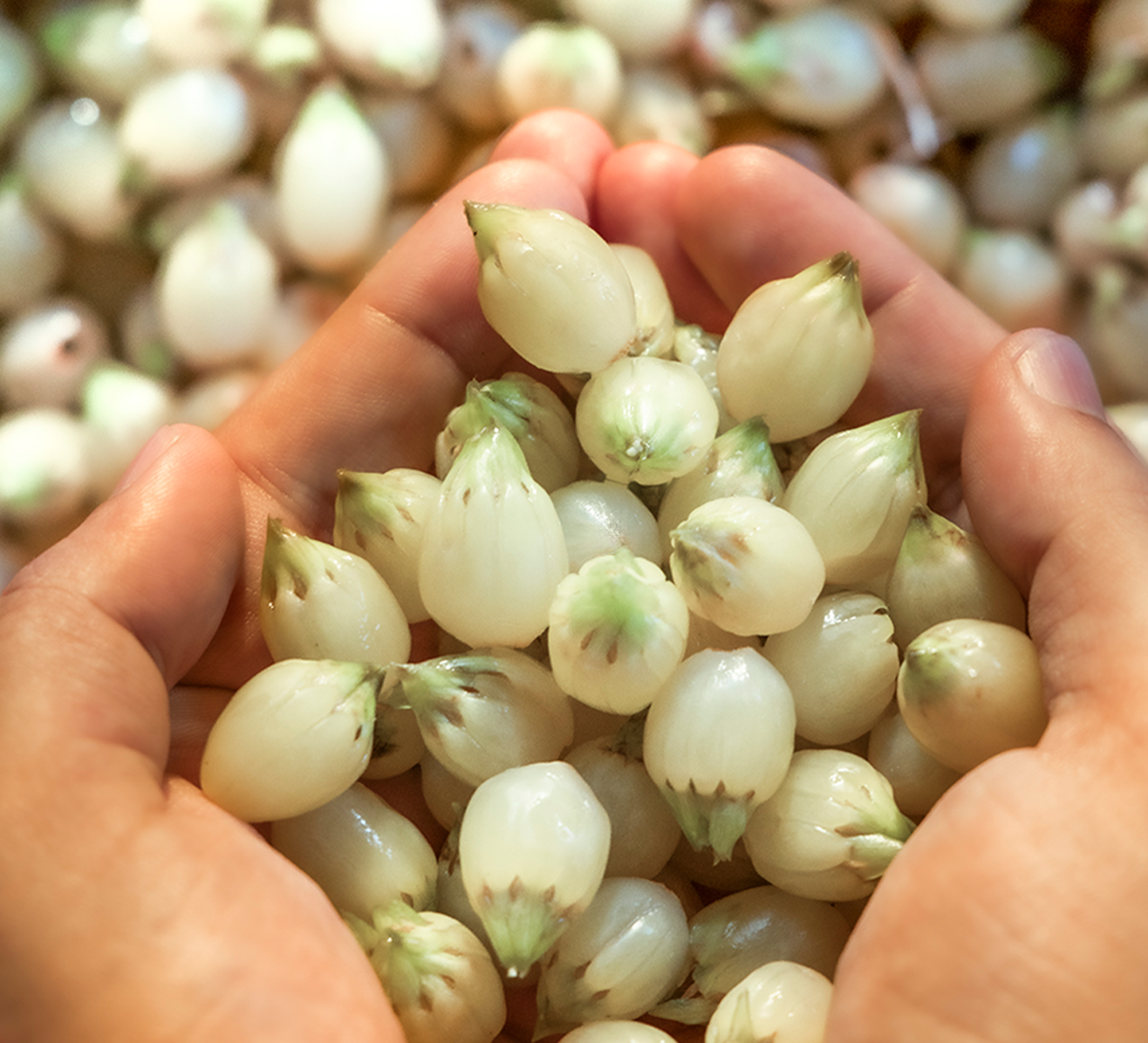
The Mahua flower is deeply connected to India's natural and cultural landscape.
For generations, communities have understood the seasonal behaviour, collection, and traditional uses of the Mahua tree.
That knowledge gives Mahua spirit a story that goes beyond its production process.
It connects the finished spirit to:
This combination makes premium Mahua spirit particularly relevant to the growing interest in authentic ingredients.
Turning a forest botanical into a sophisticated spirit requires careful craftsmanship.
The process must consider:
Modern production can bring precision to ingredients that have traditionally been understood through experience and observation.
This creates an interesting meeting point between indigenous knowledge and modern Indian craft spirits.
Today's premium drinkers are increasingly curious about spirits with a clear sense of identity.
Instead of simply asking whether a spirit is expensive, consumers may also consider:
Forest botanicals can answer many of these questions naturally.
For indigenous Indian spirits, this creates an opportunity to move from niche curiosity to premium category.
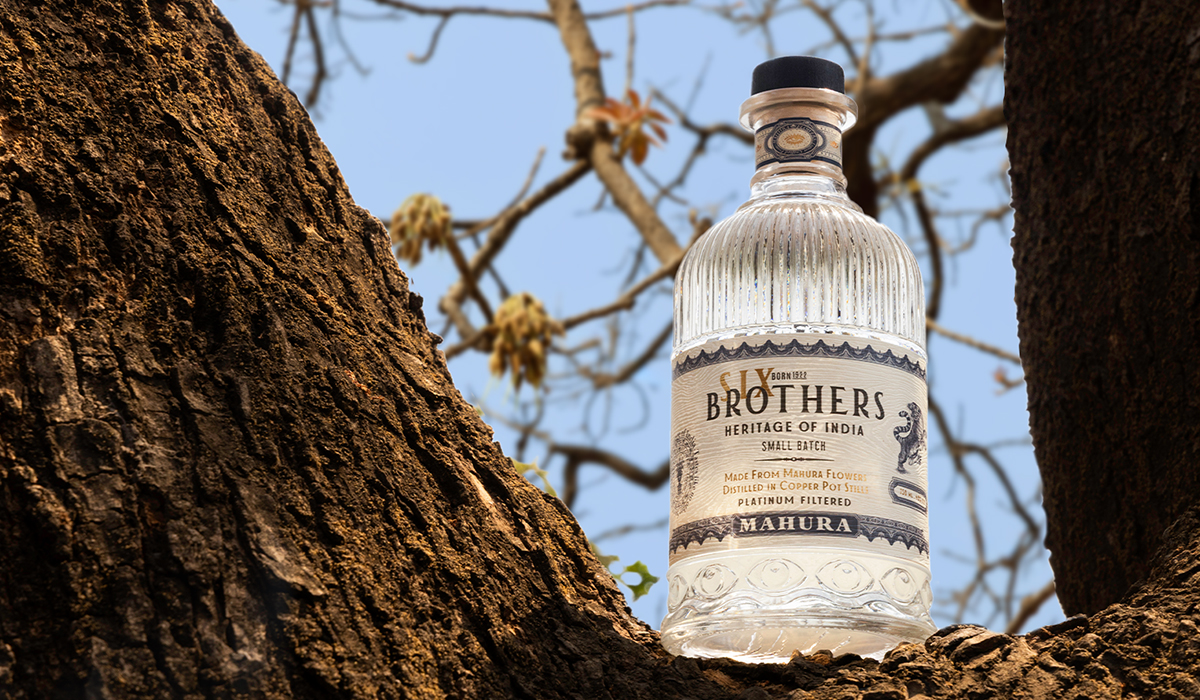
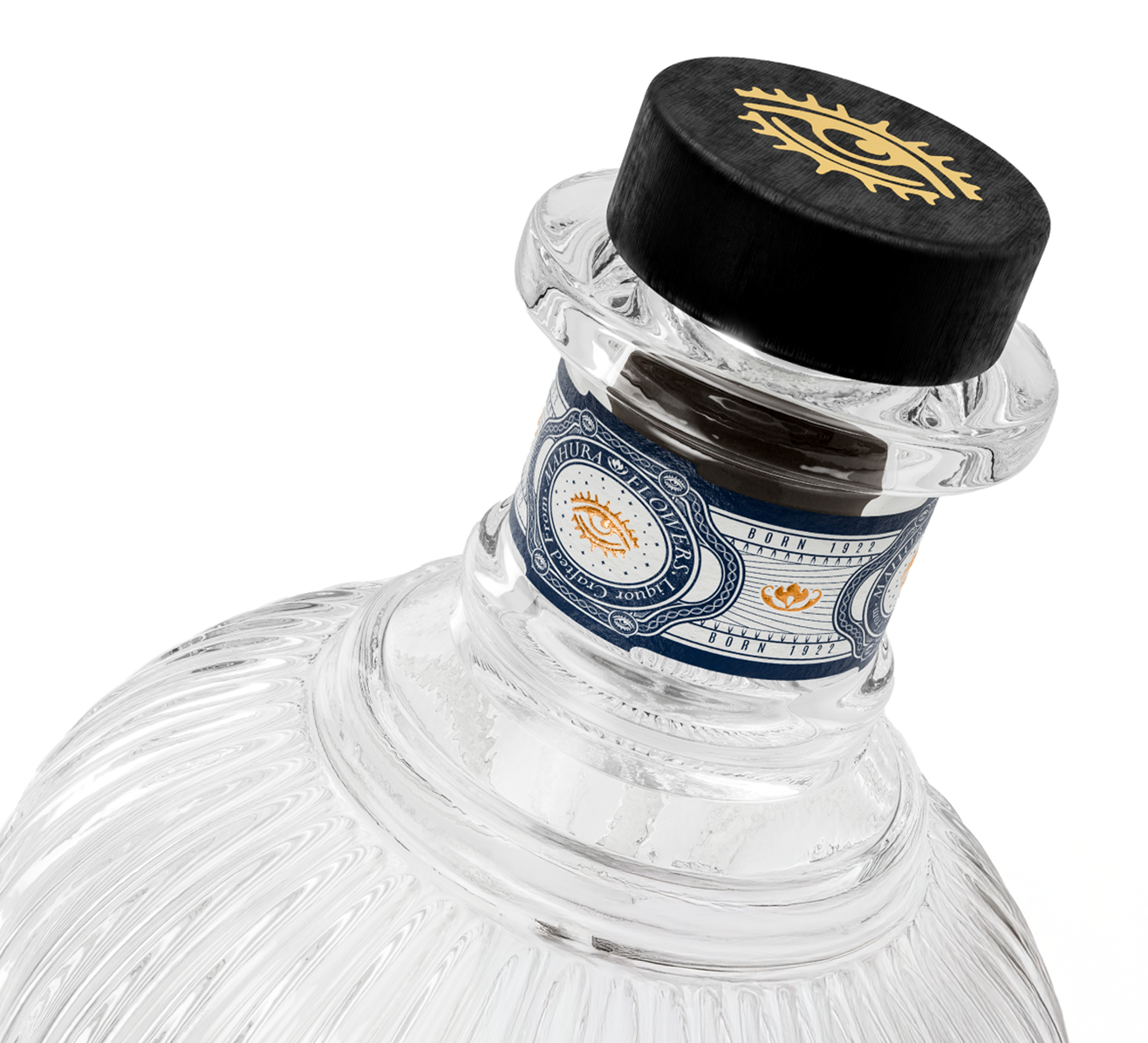
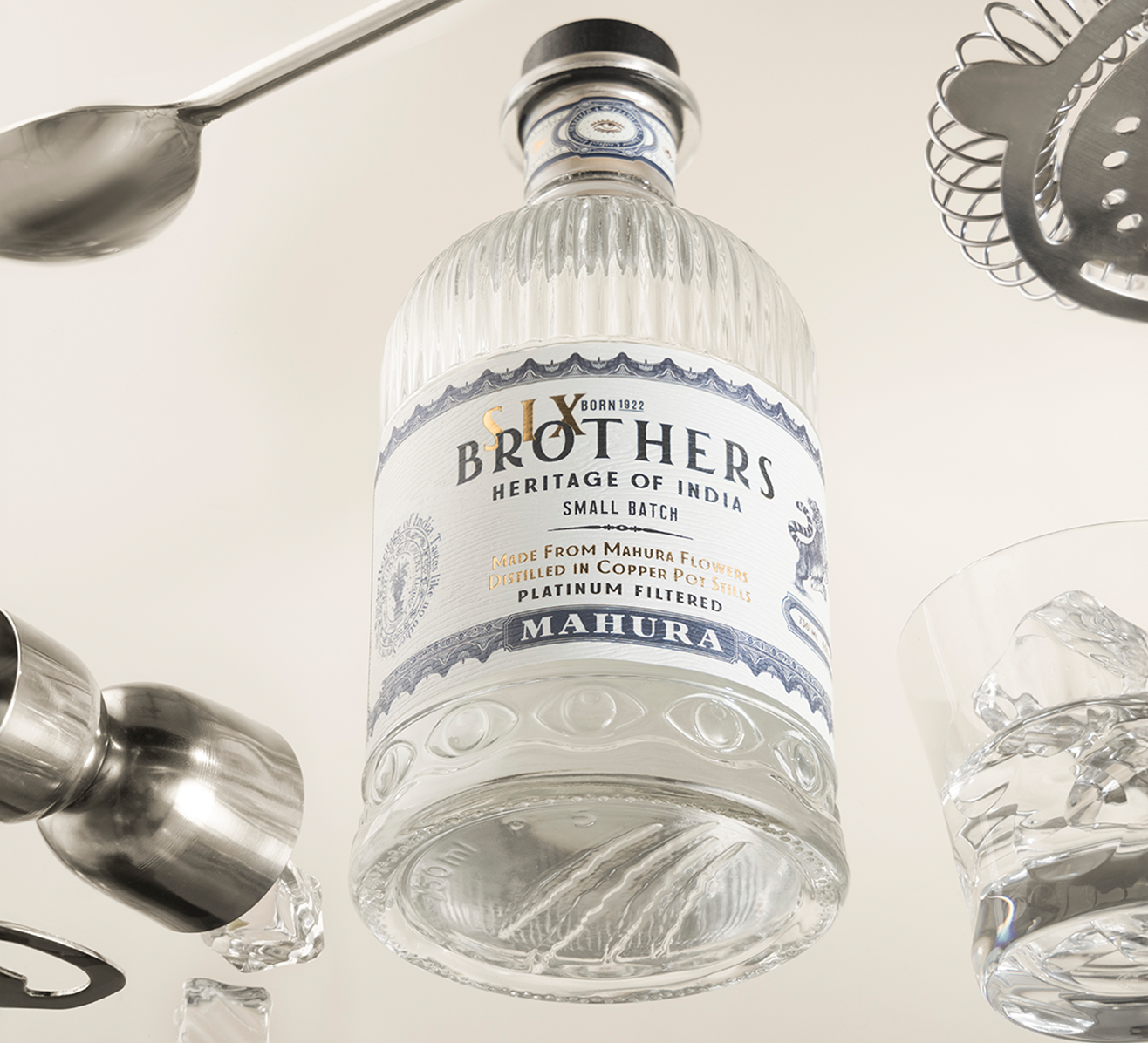
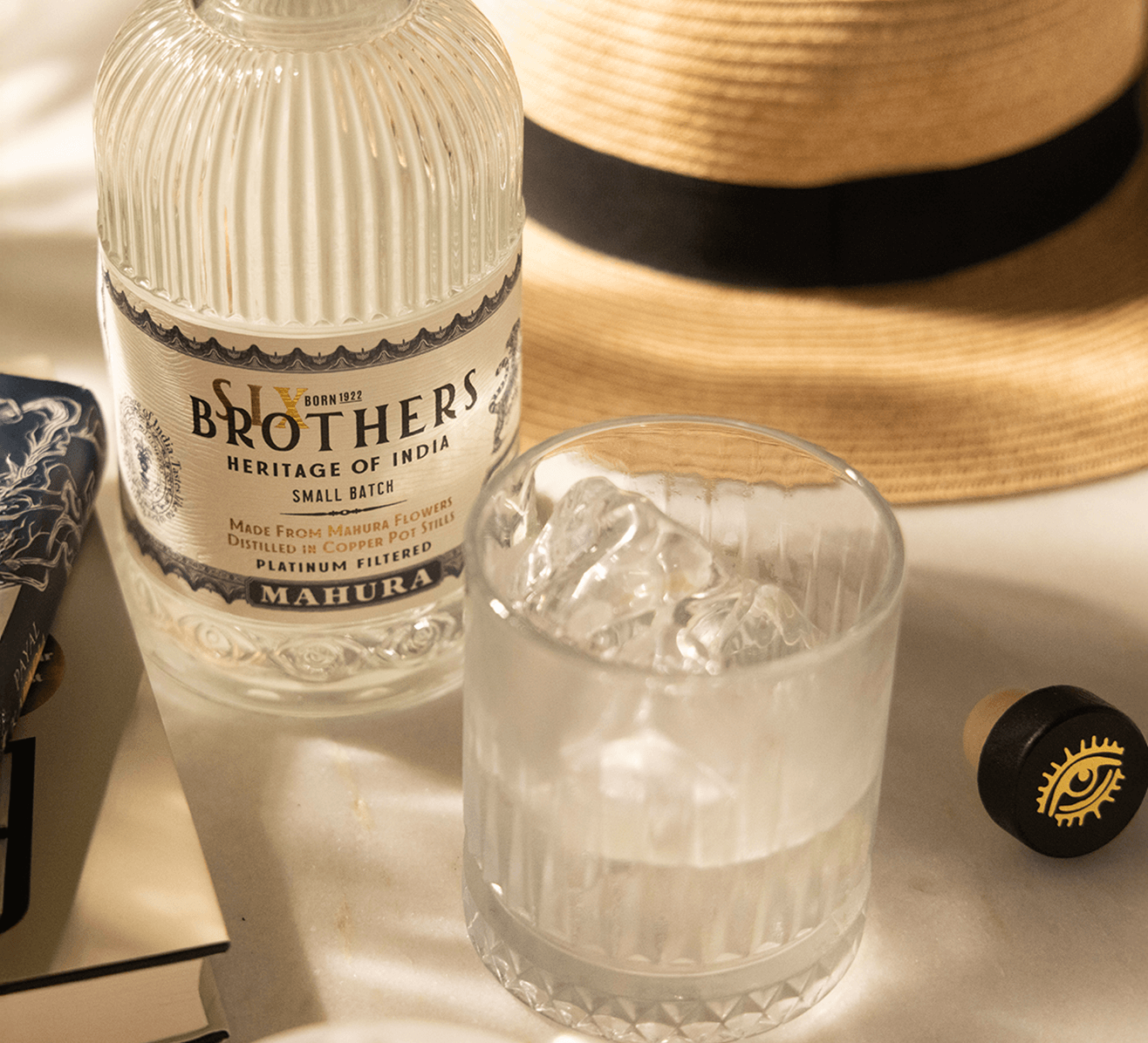
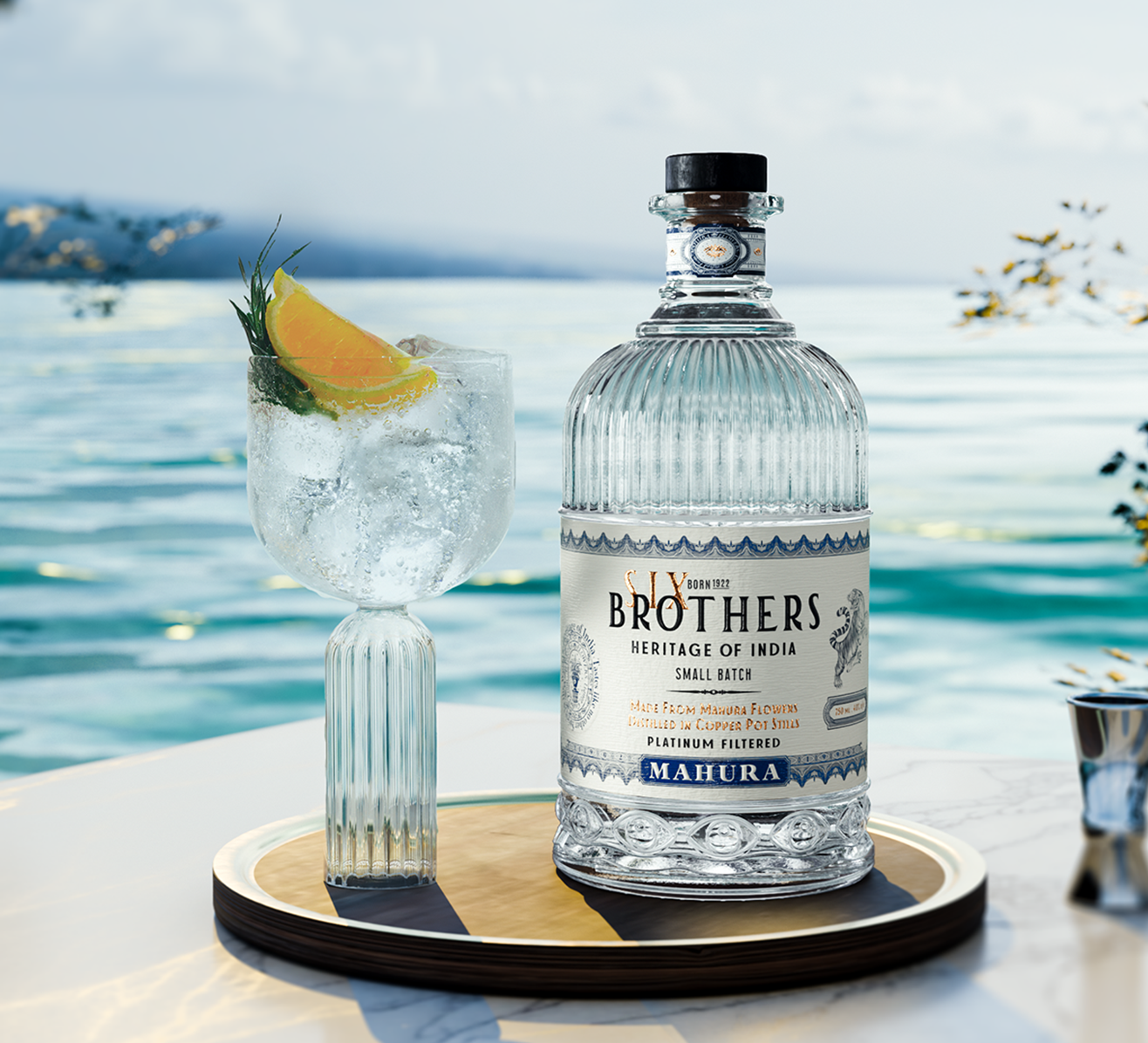
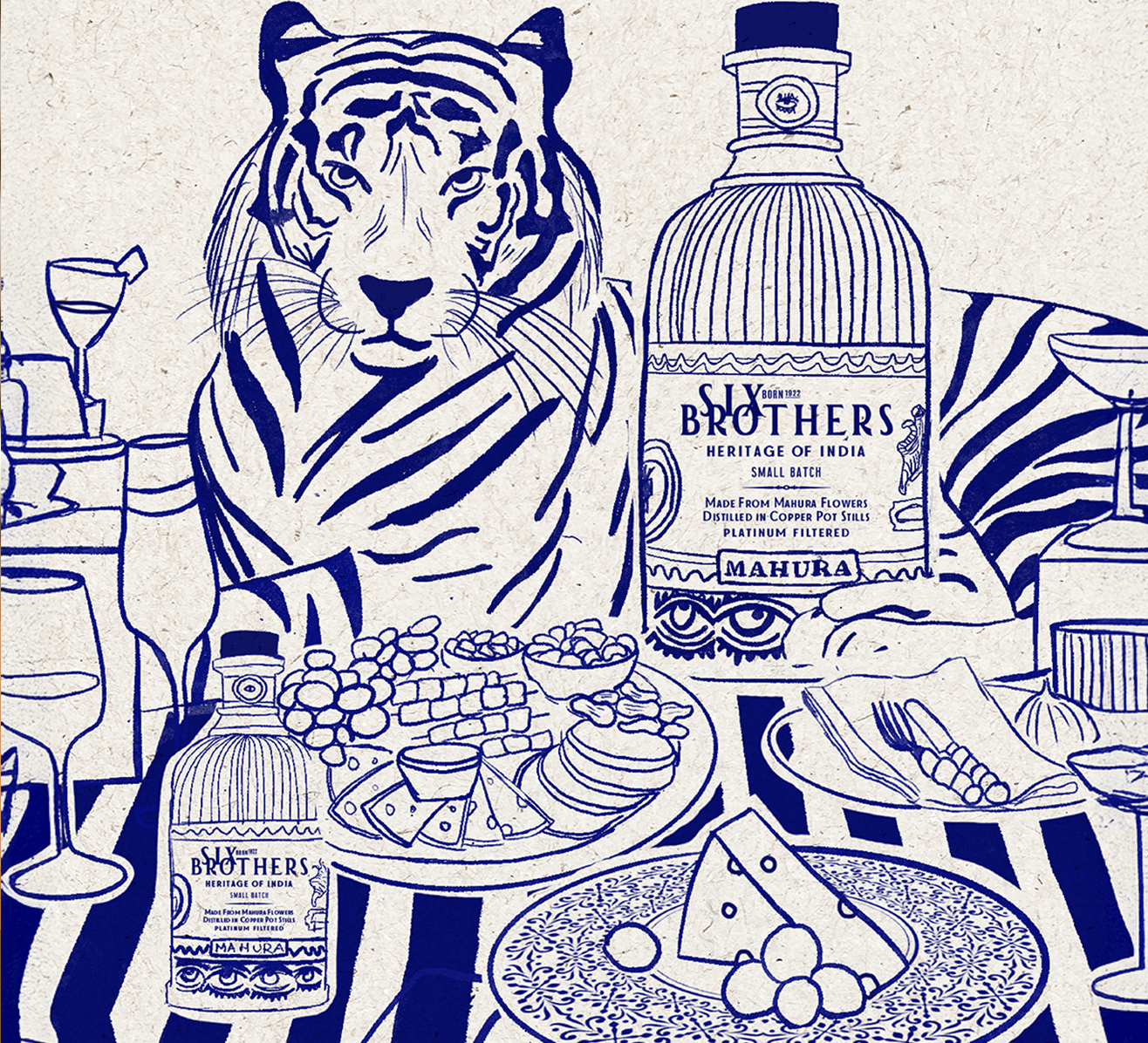
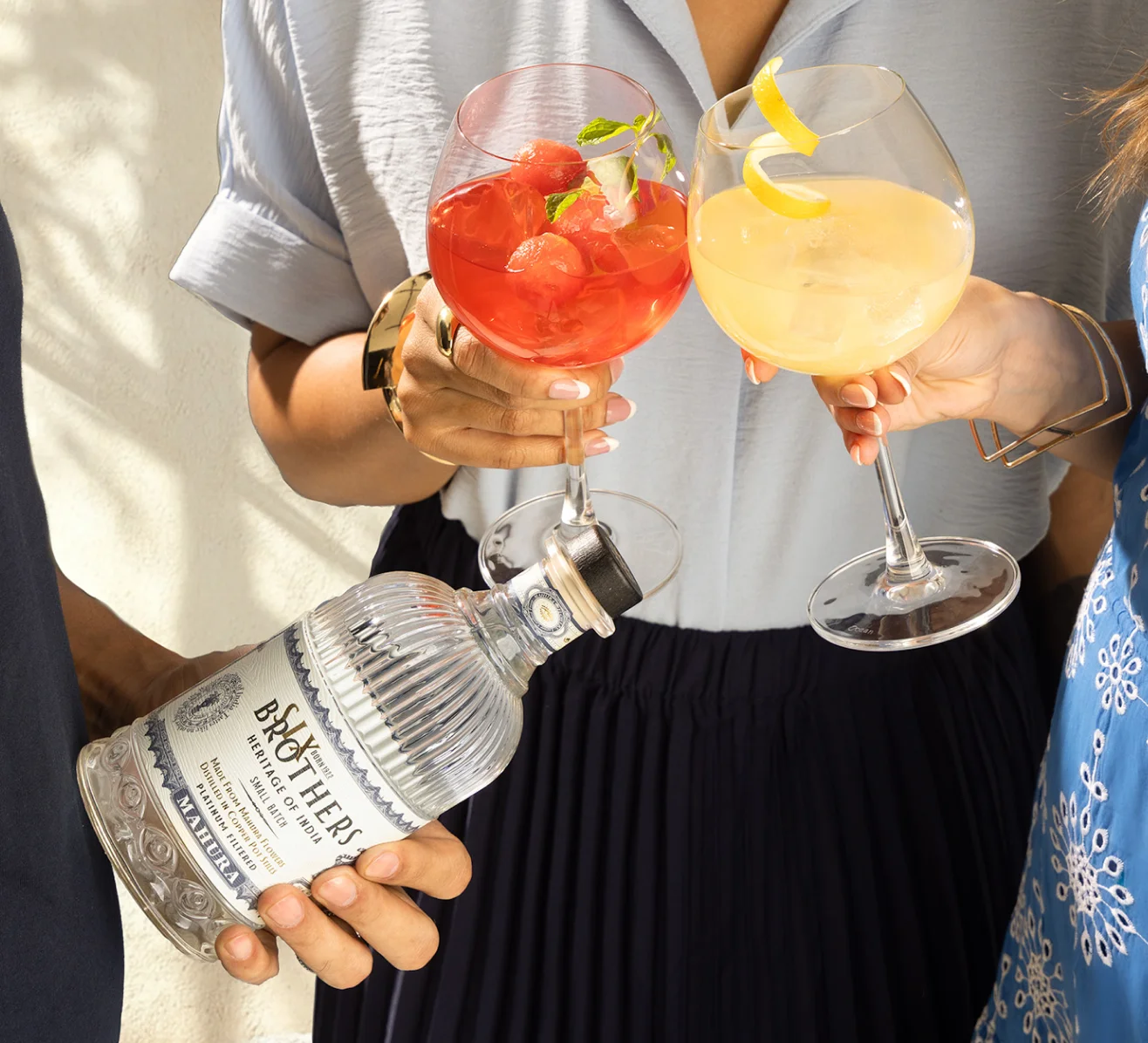
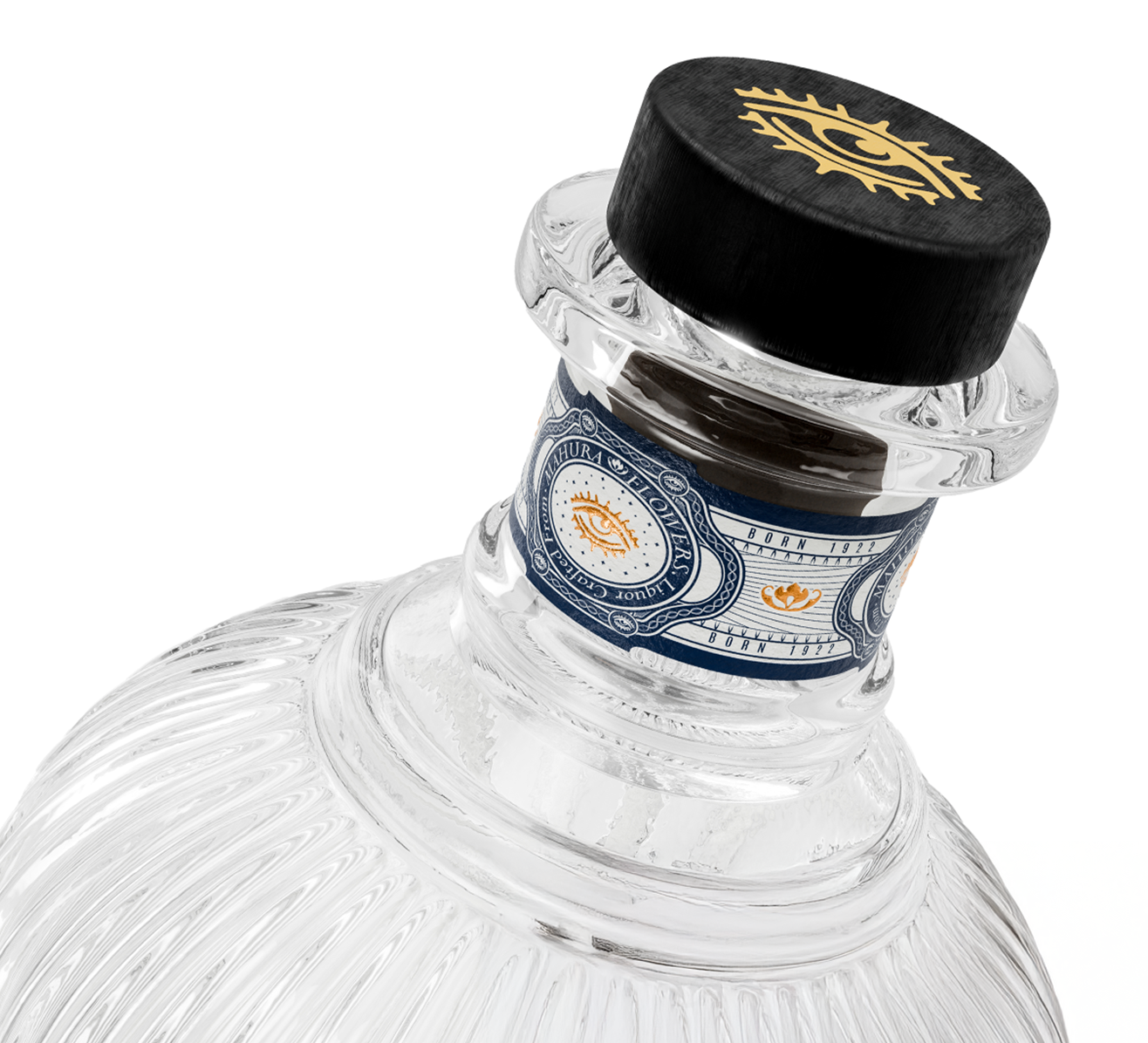
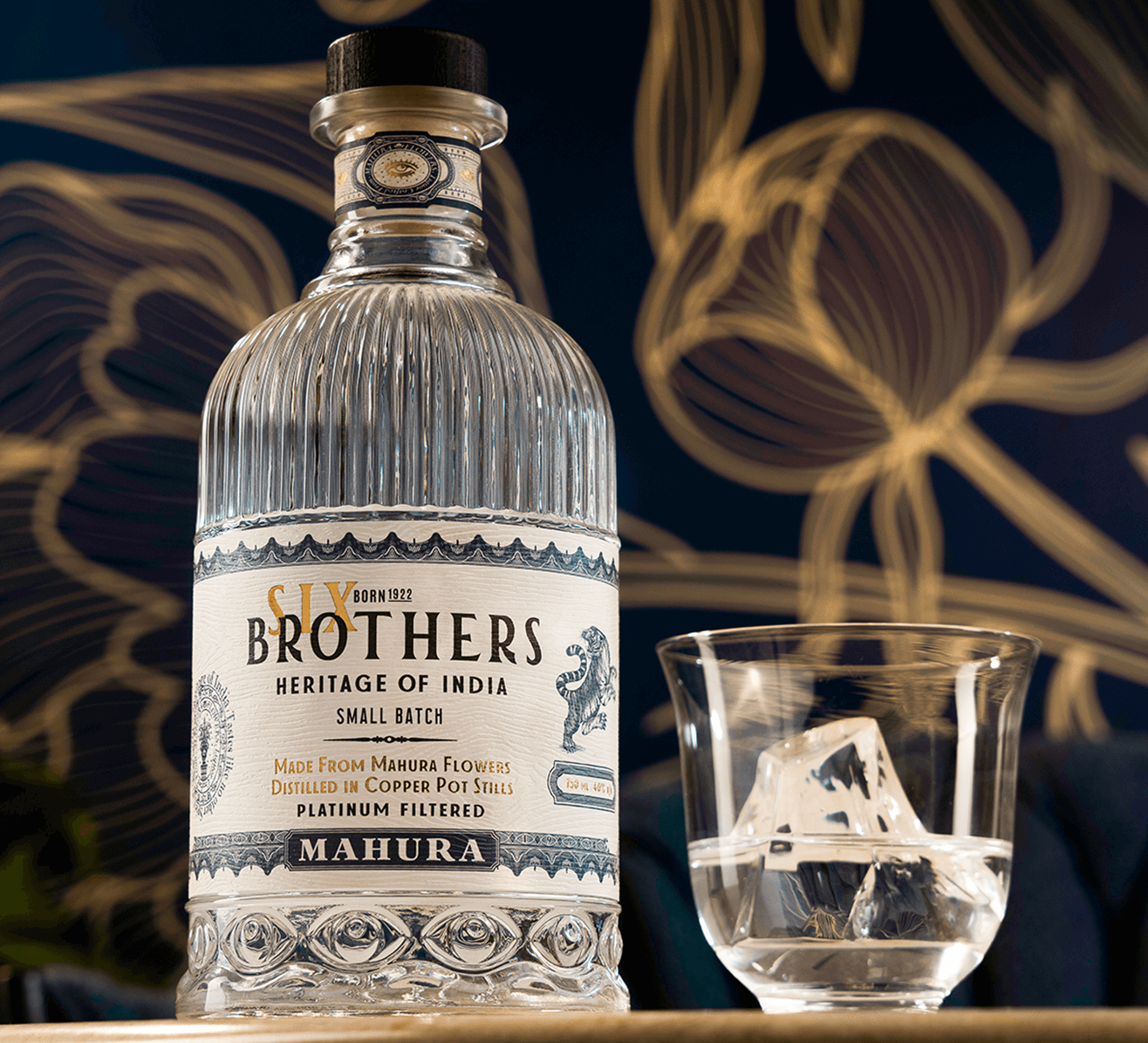
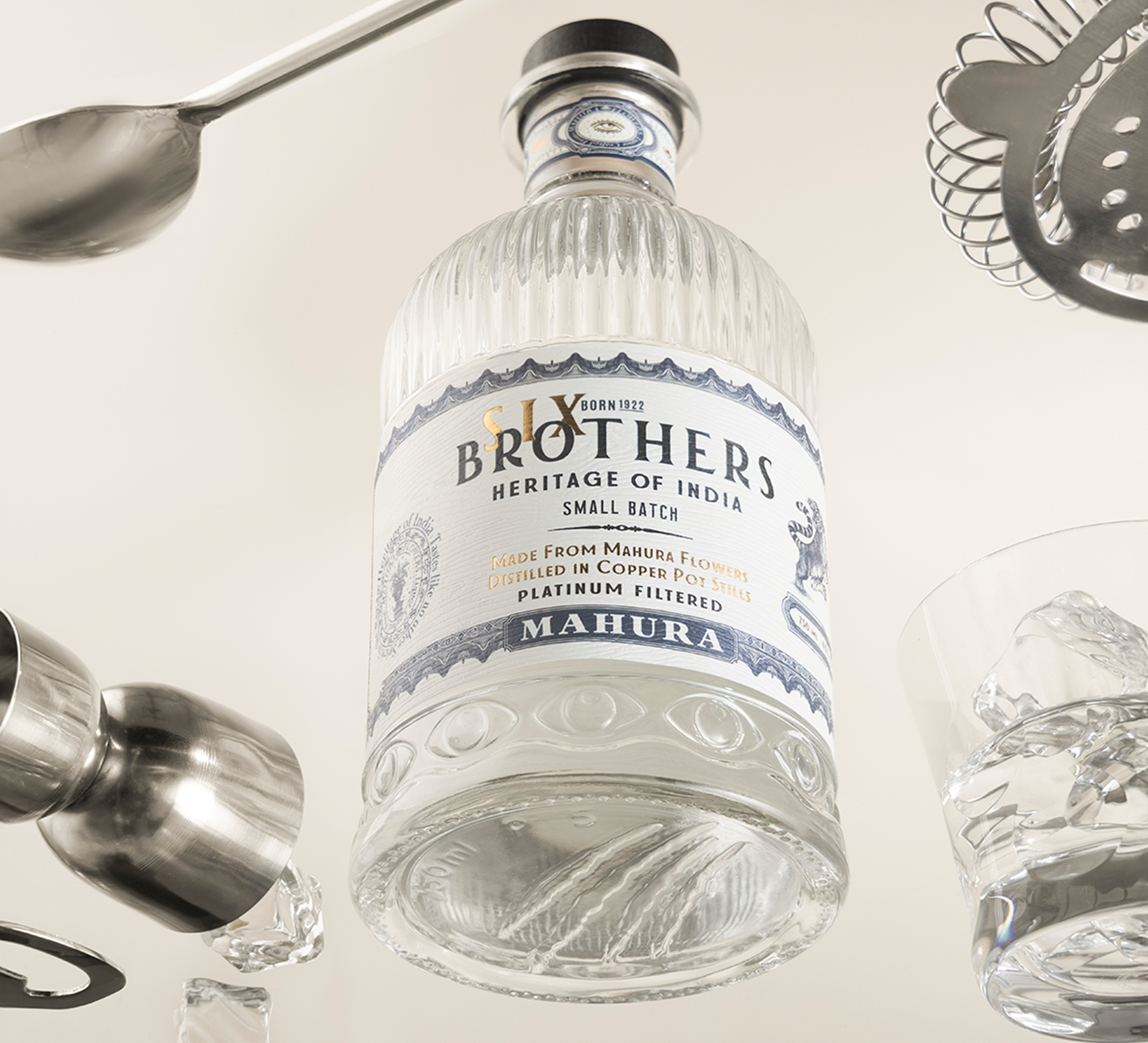
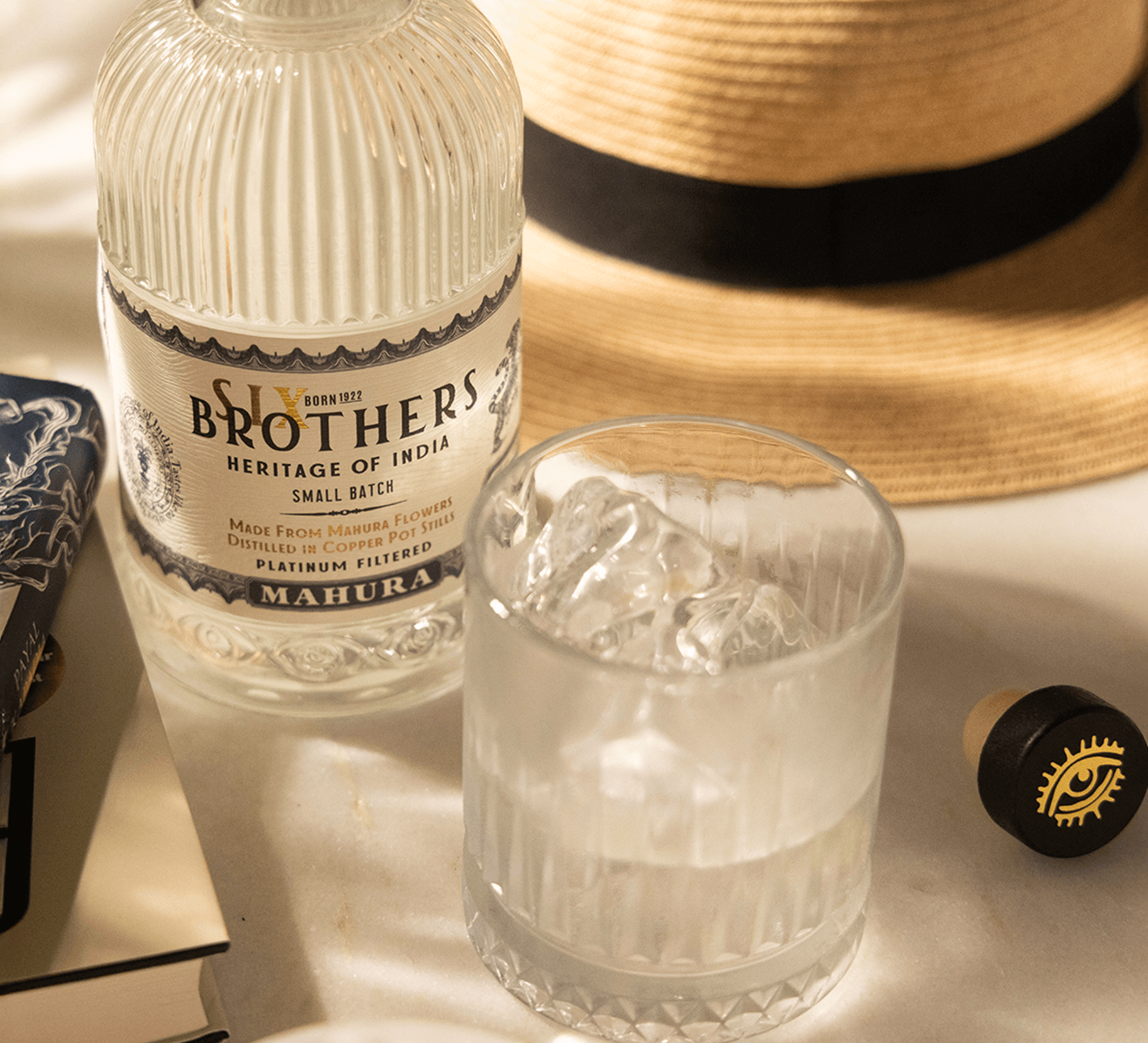
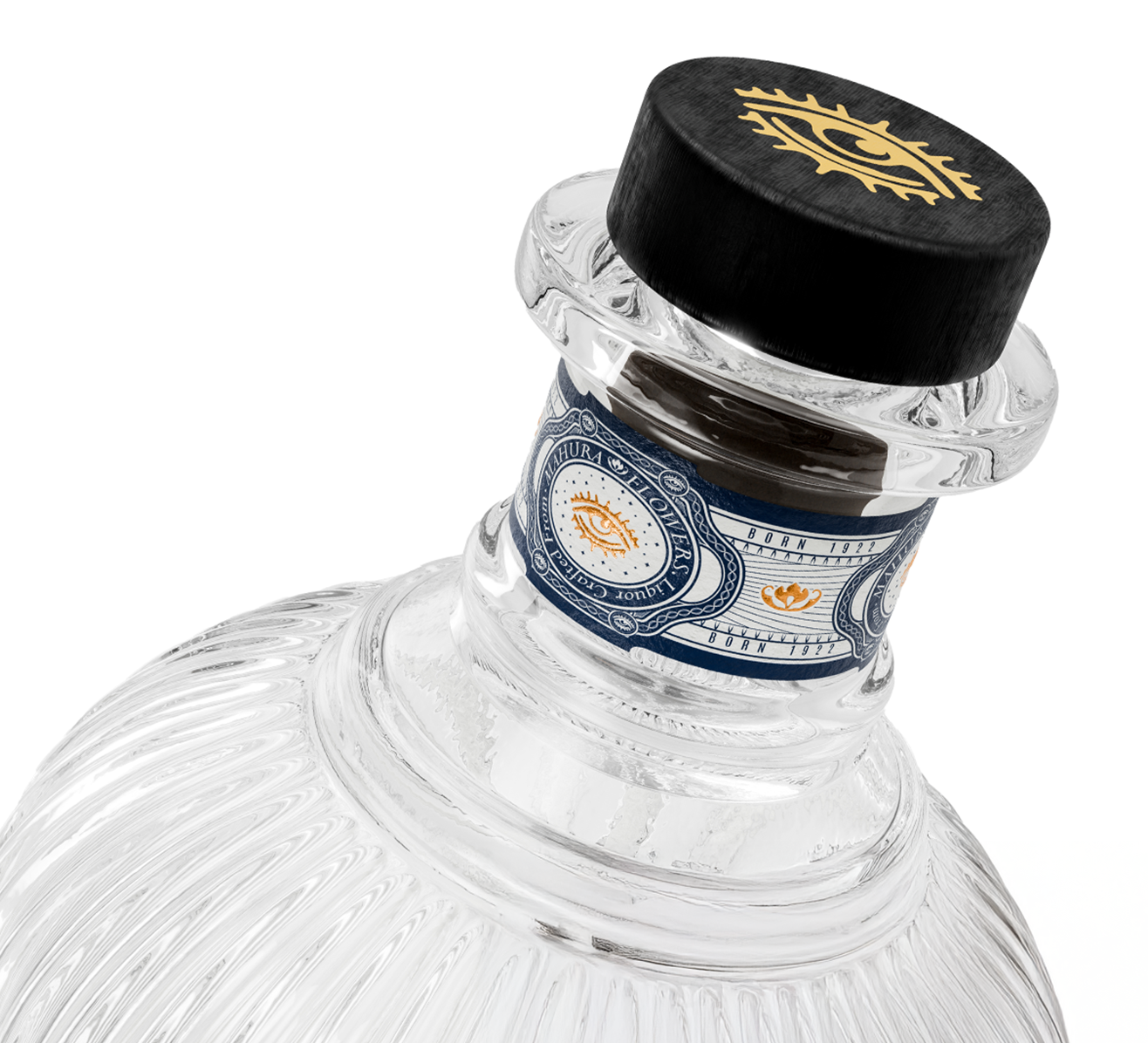
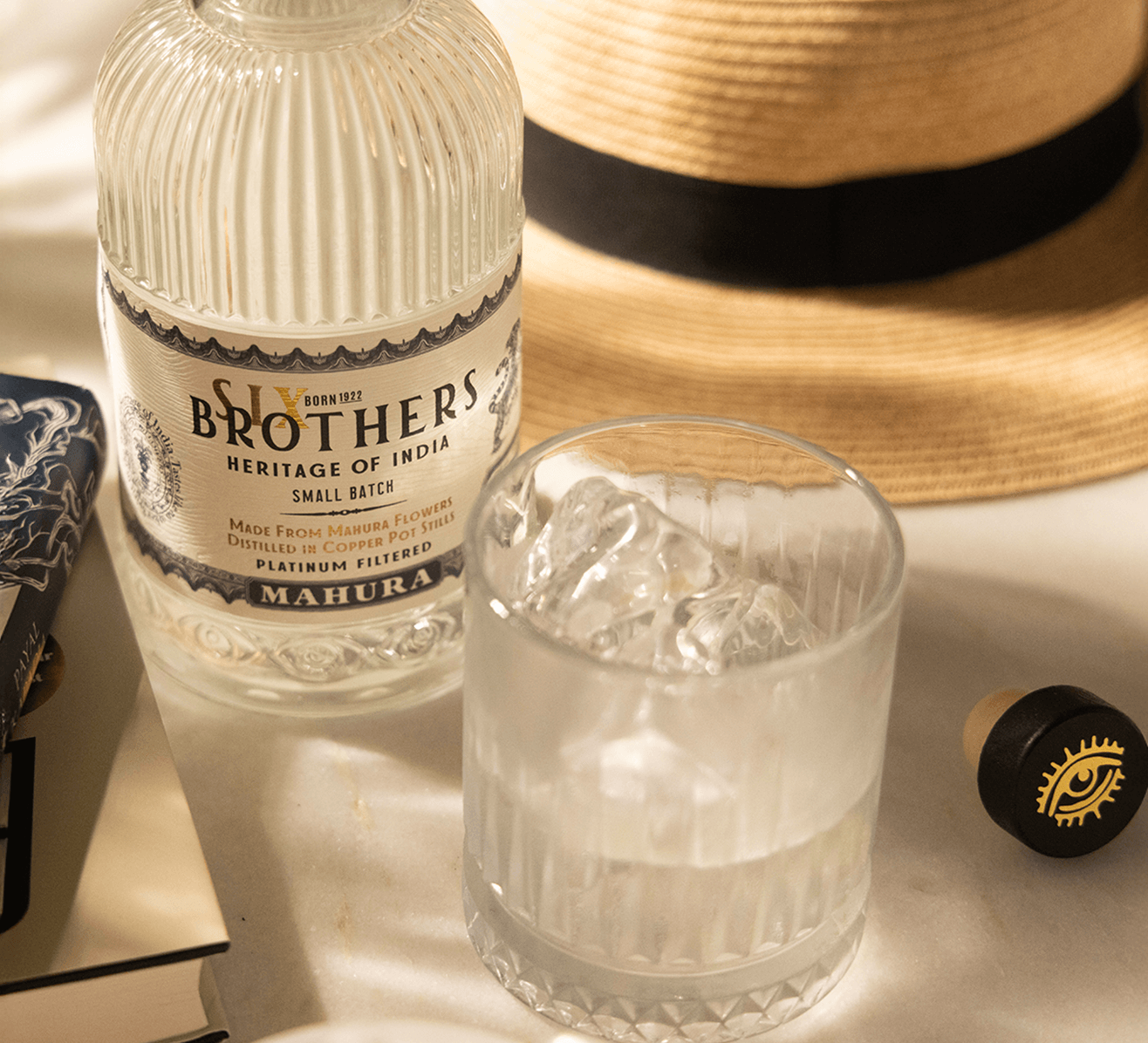
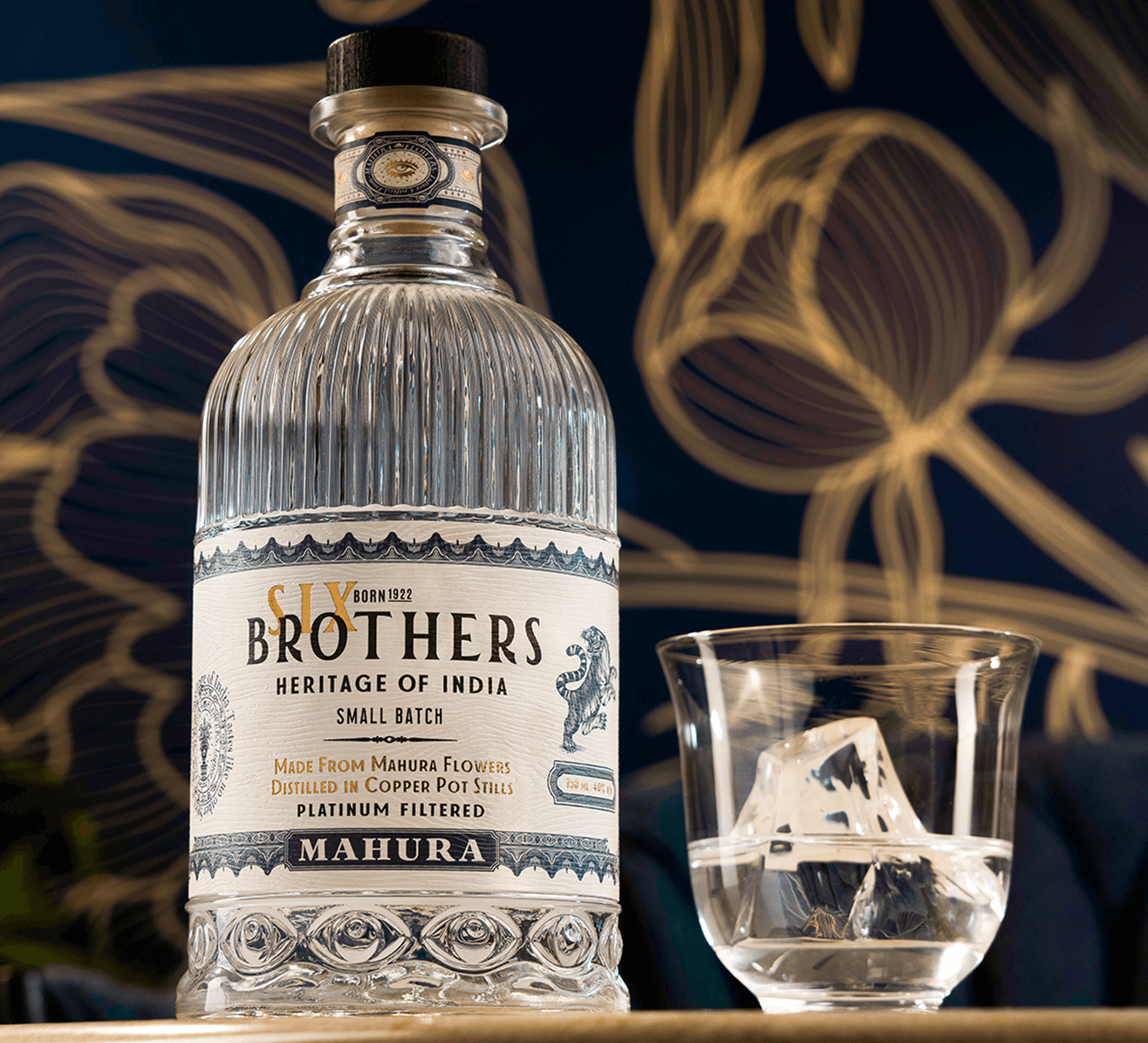
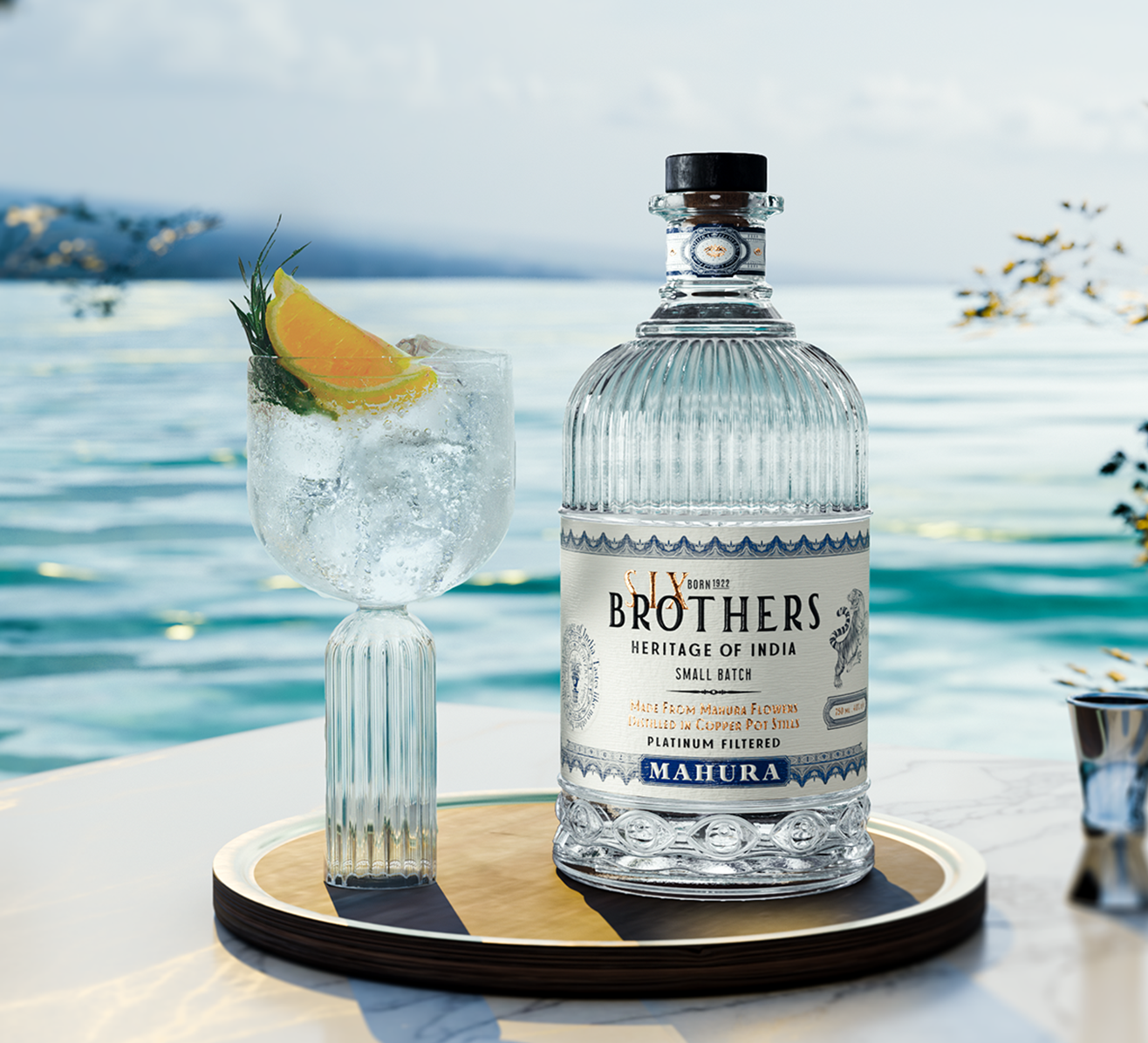
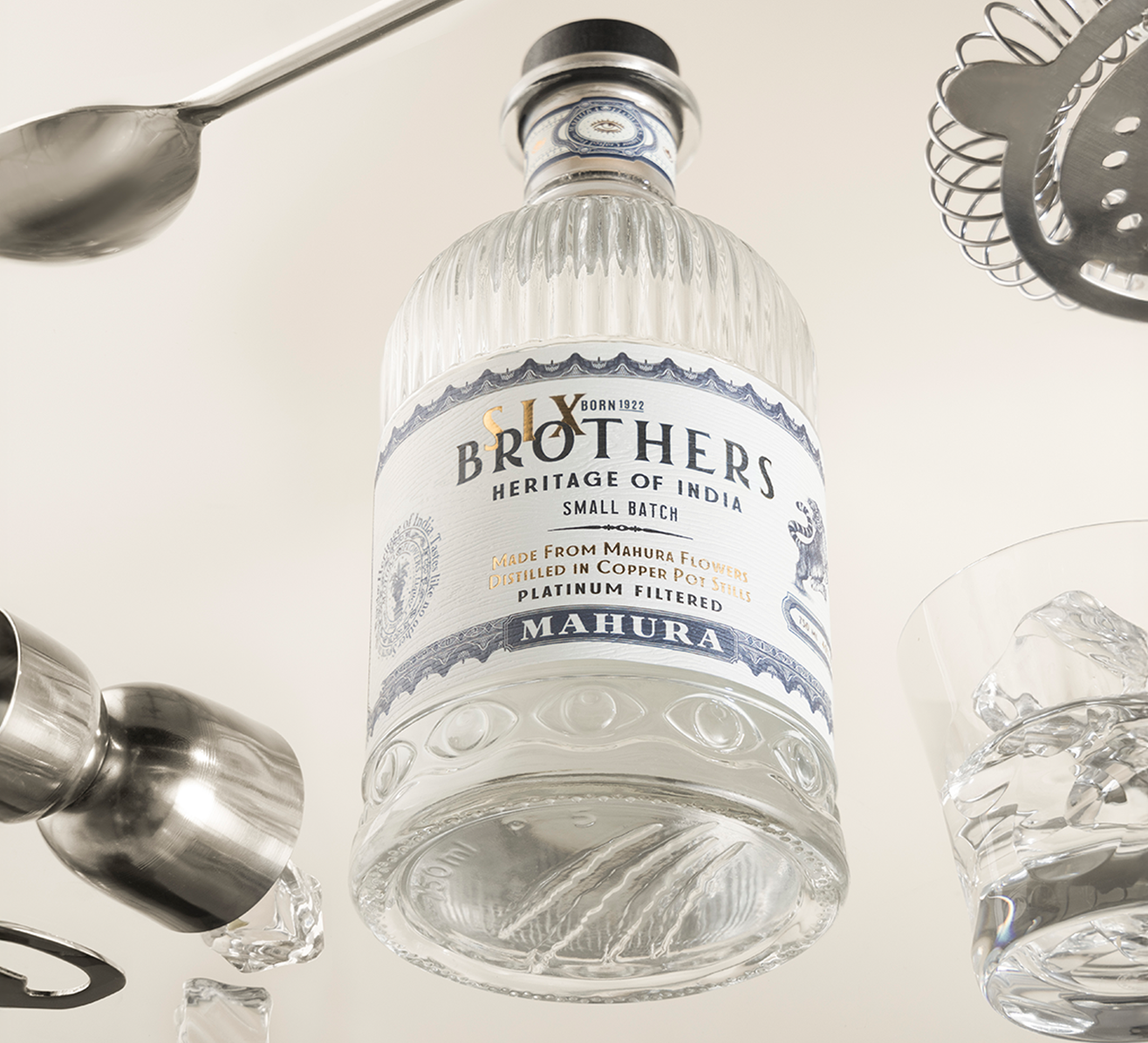
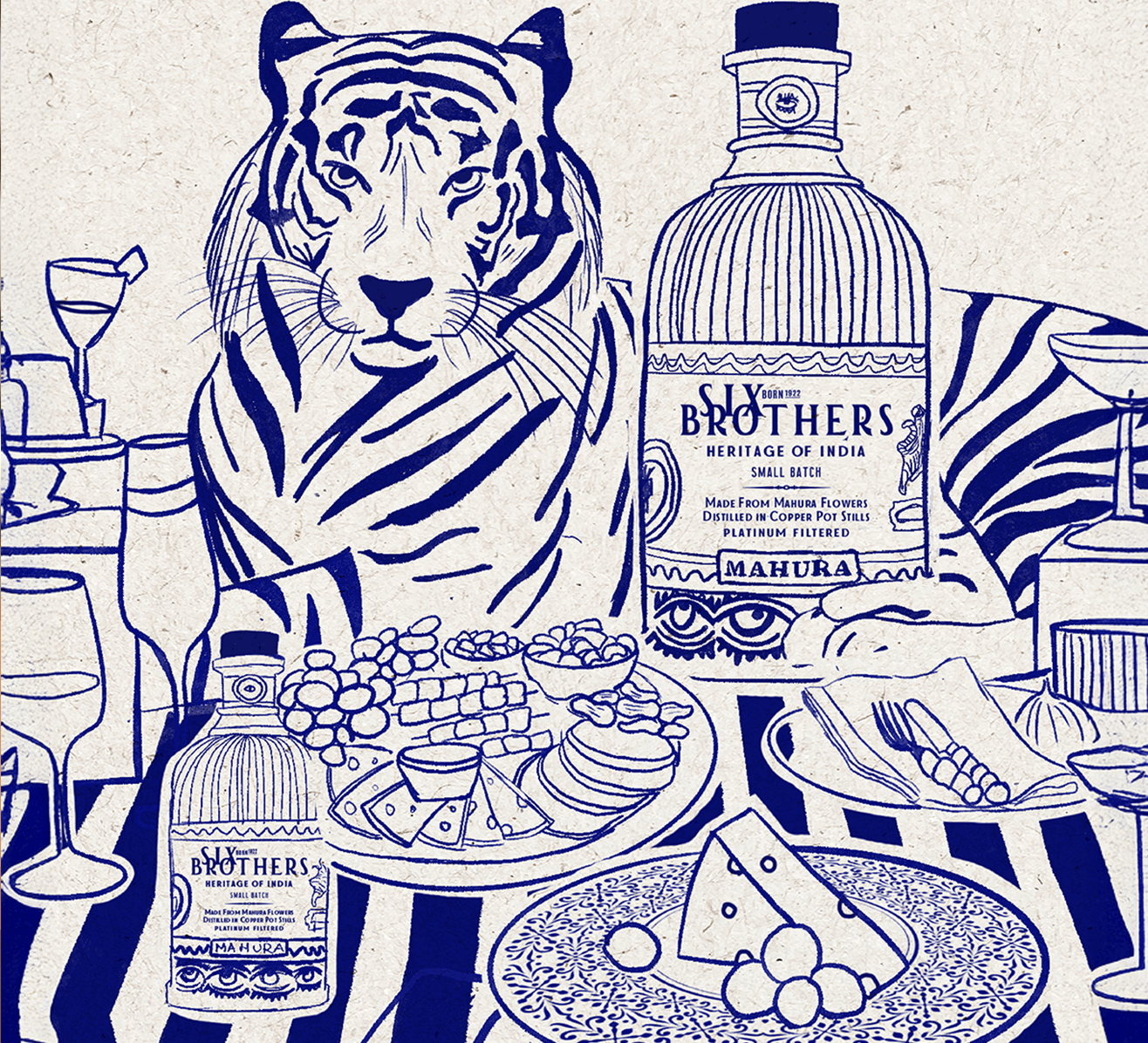
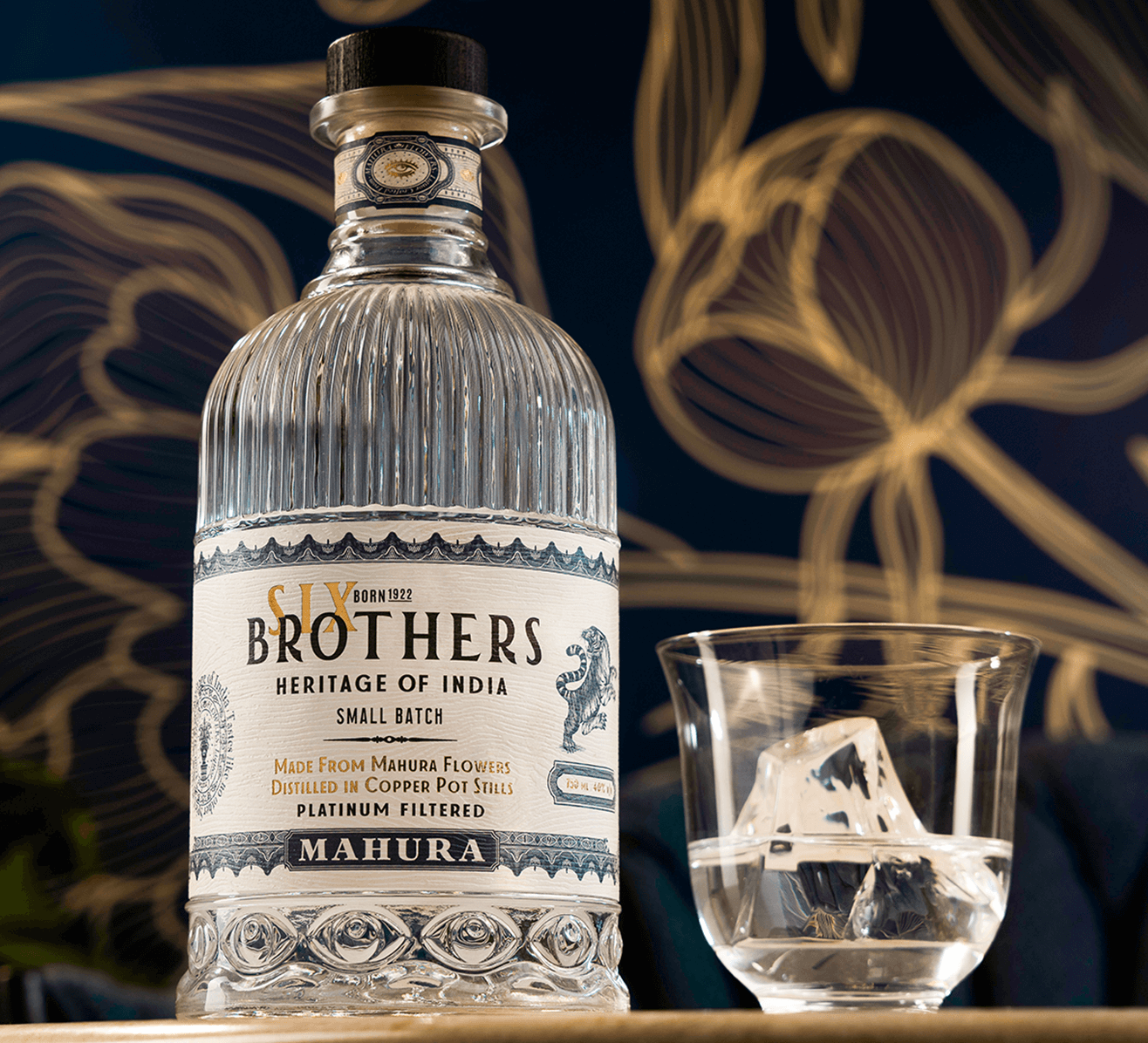
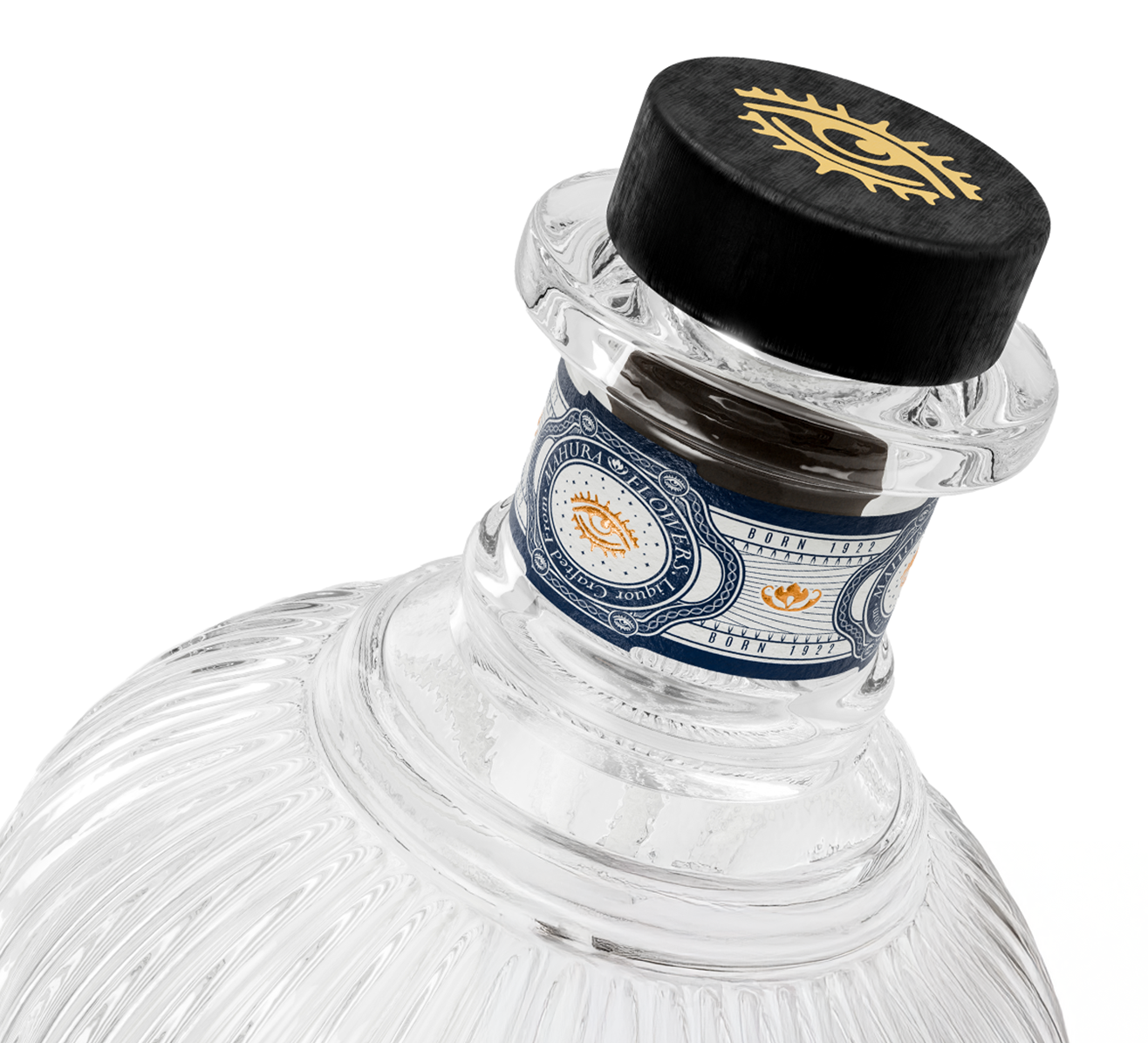
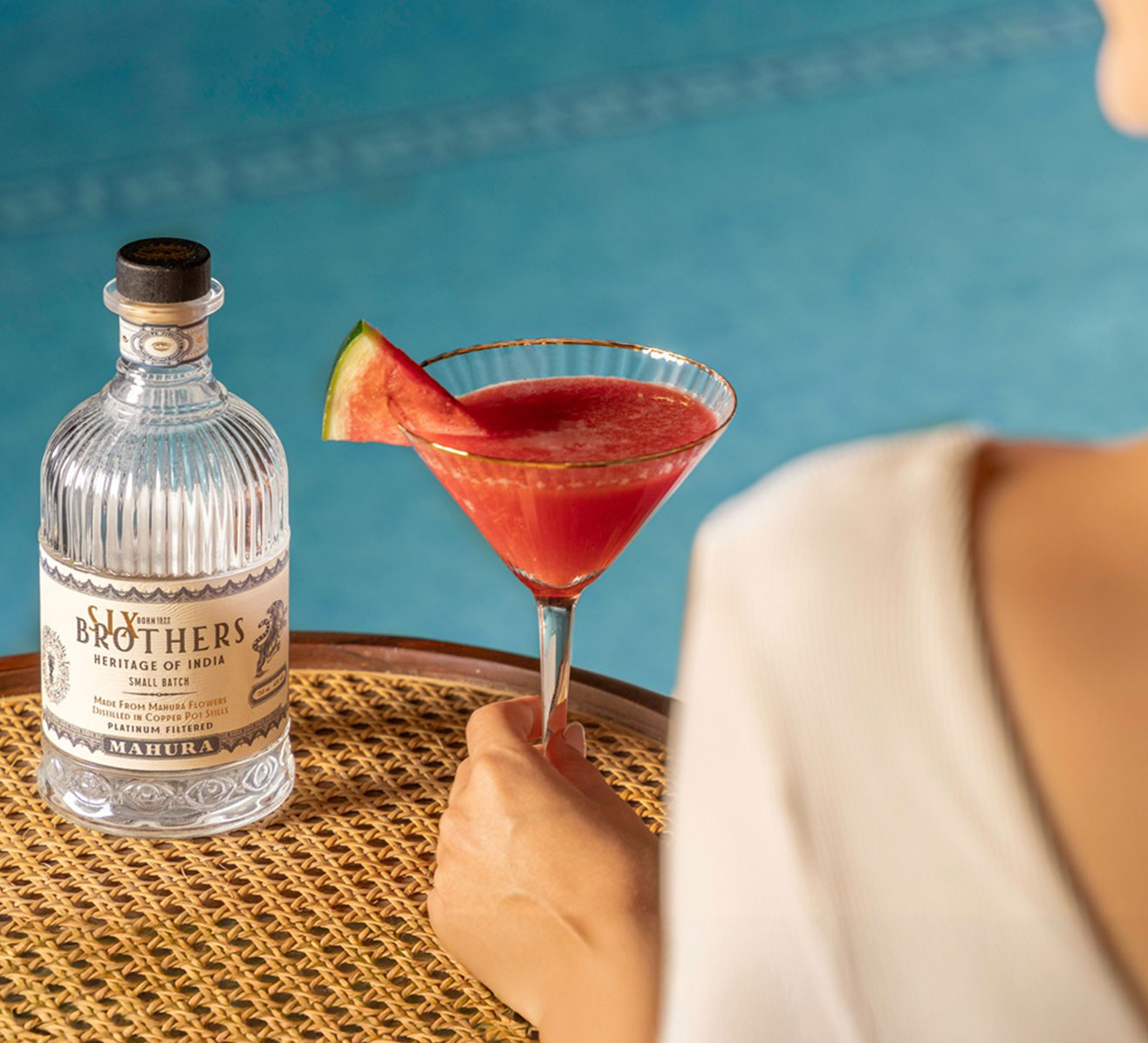
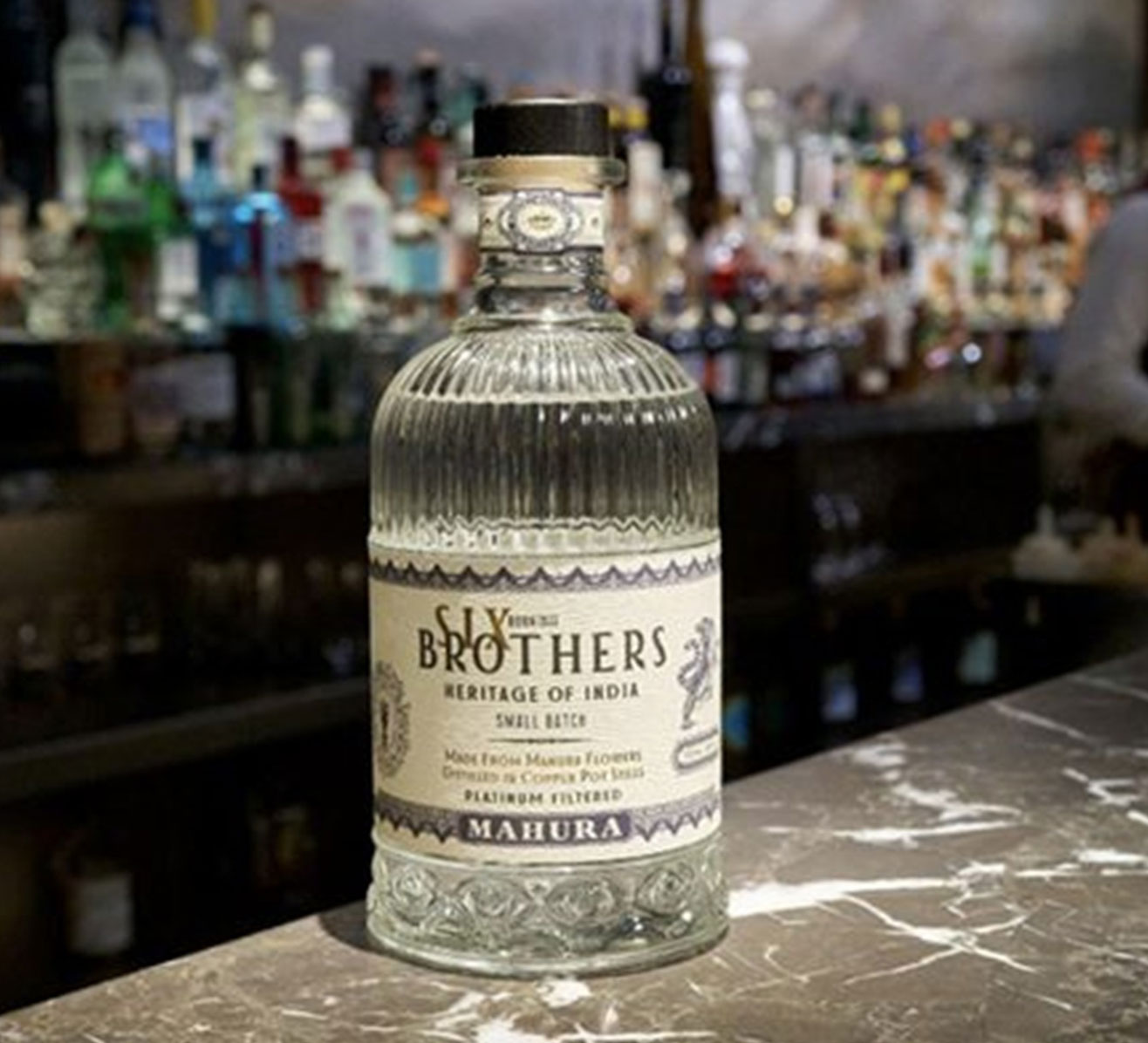
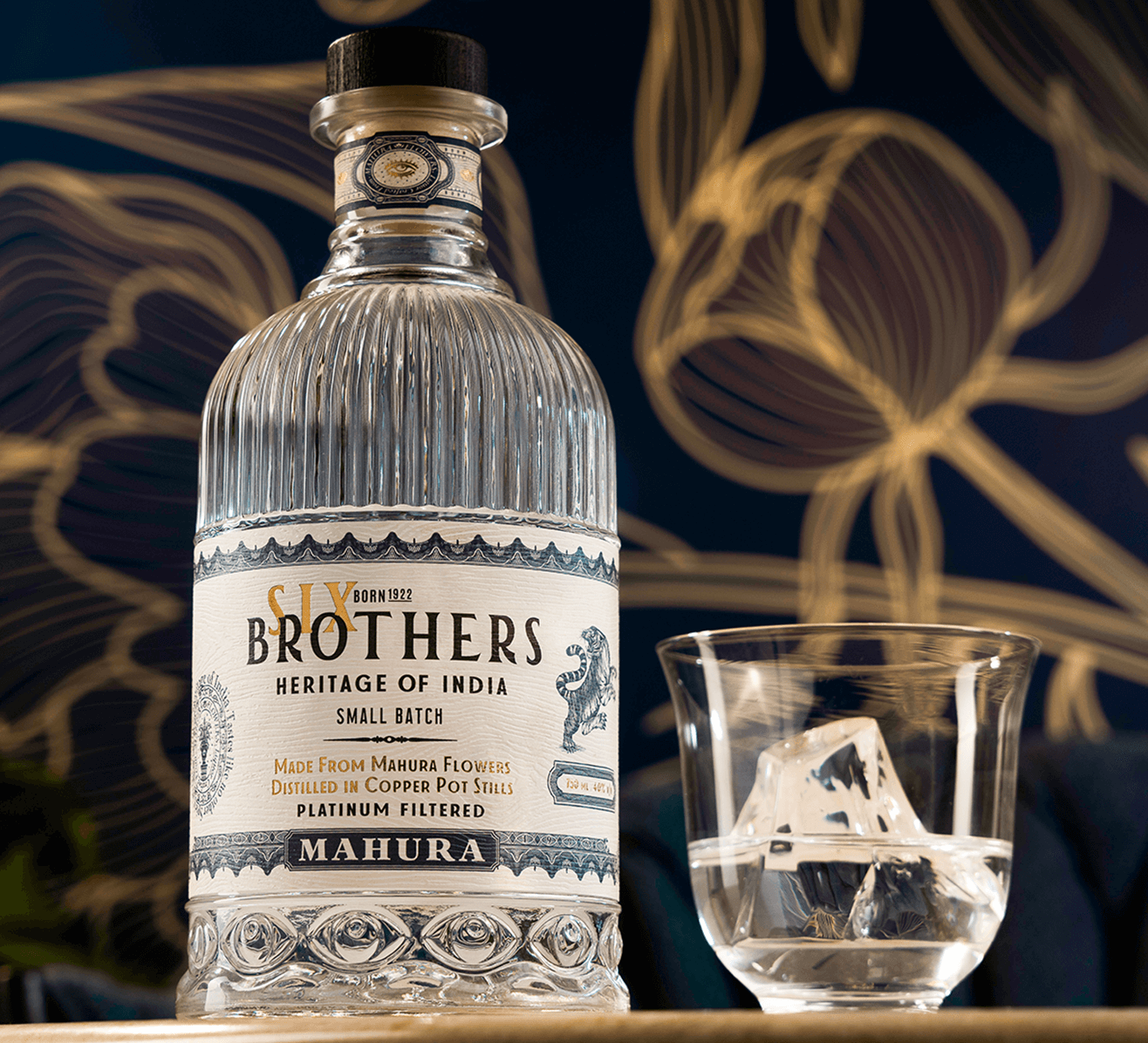
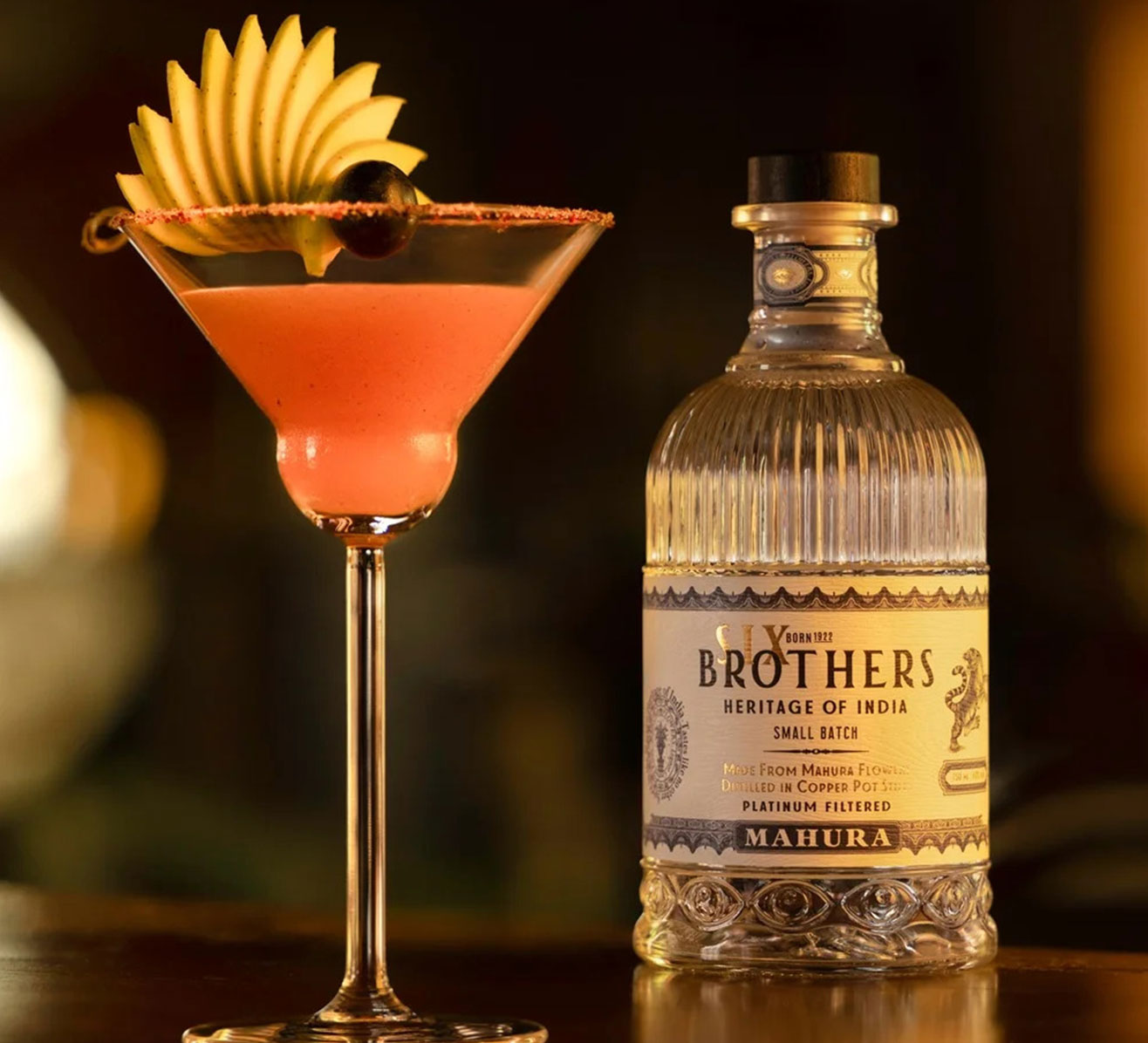
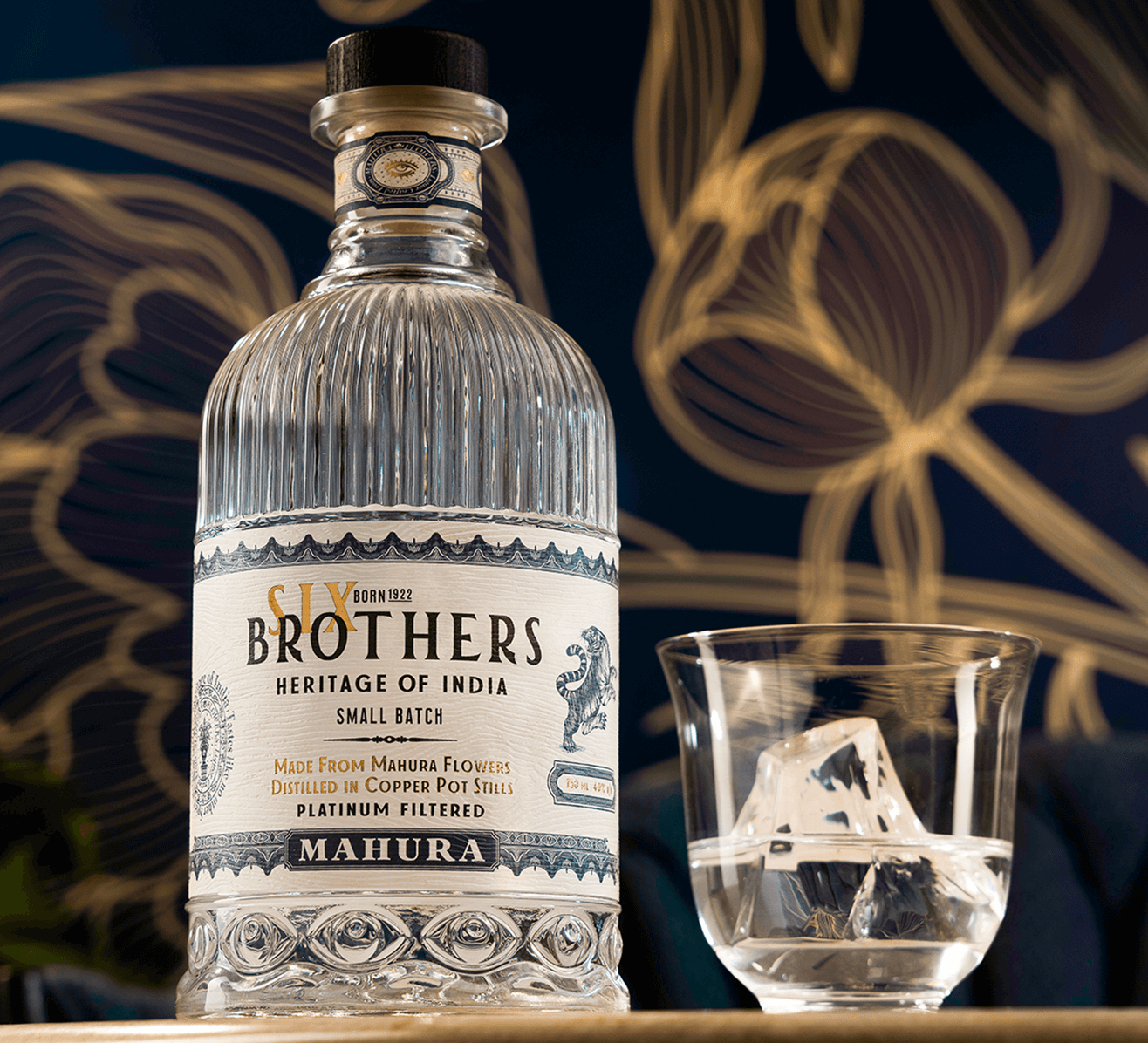
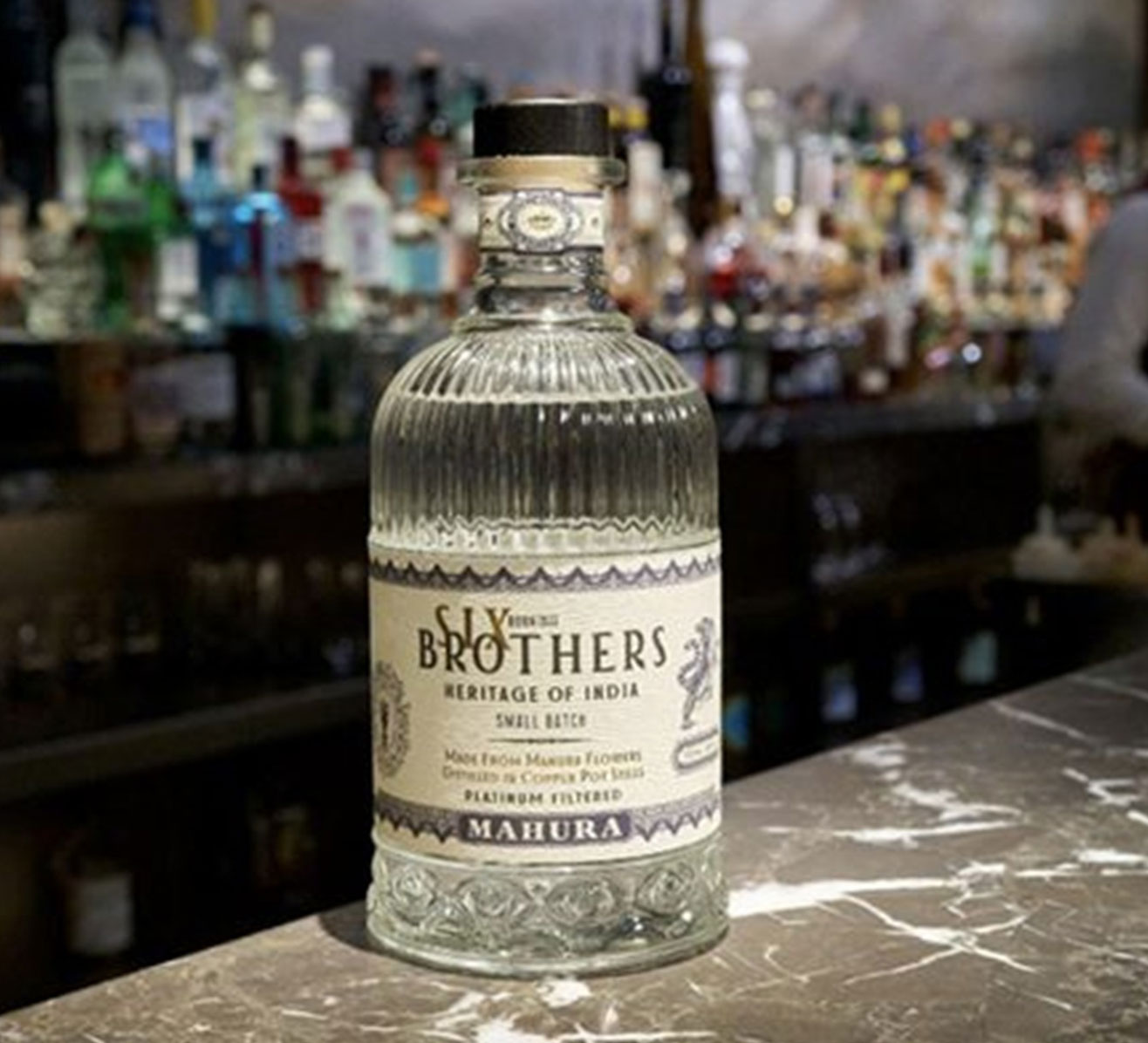
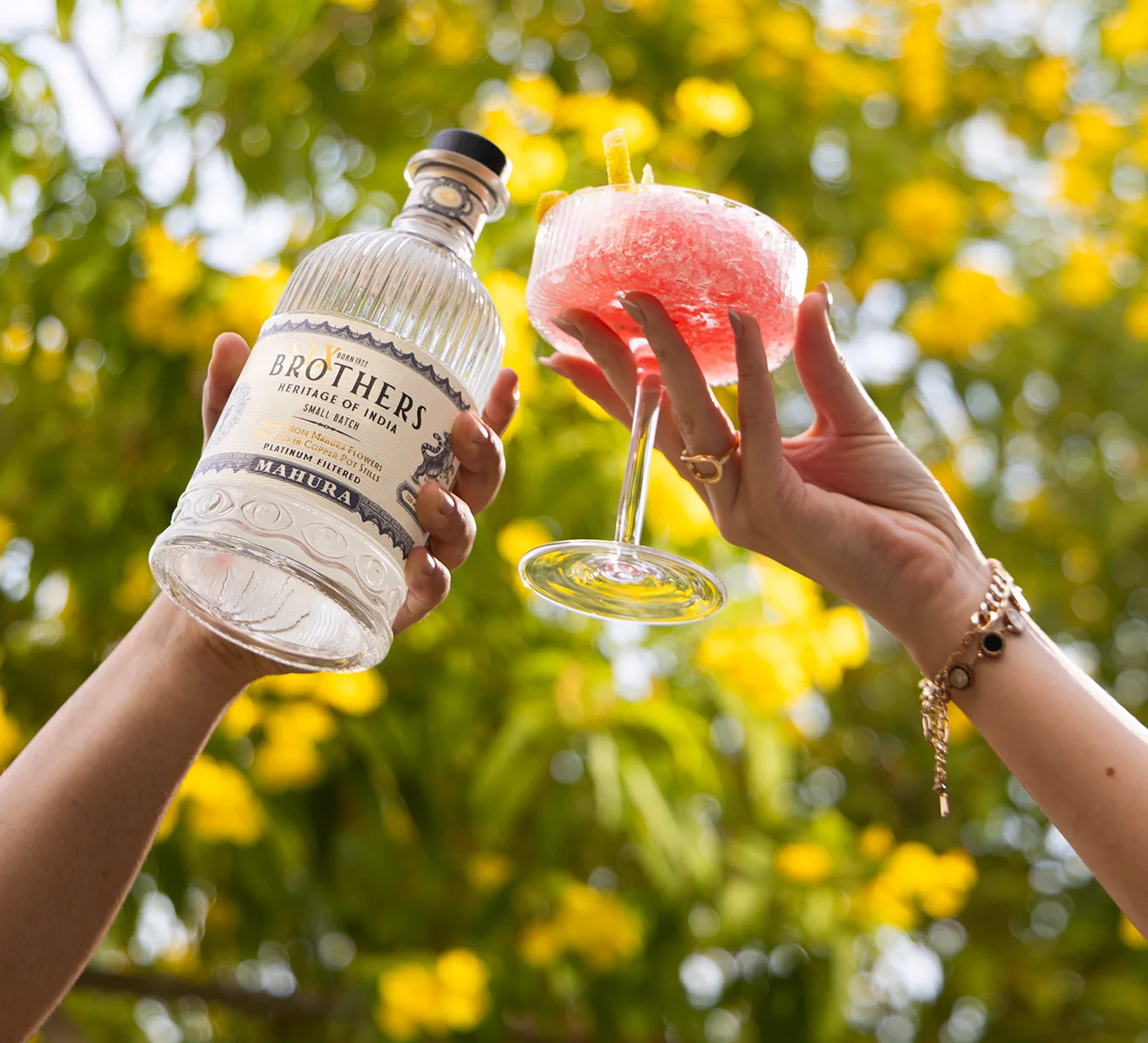
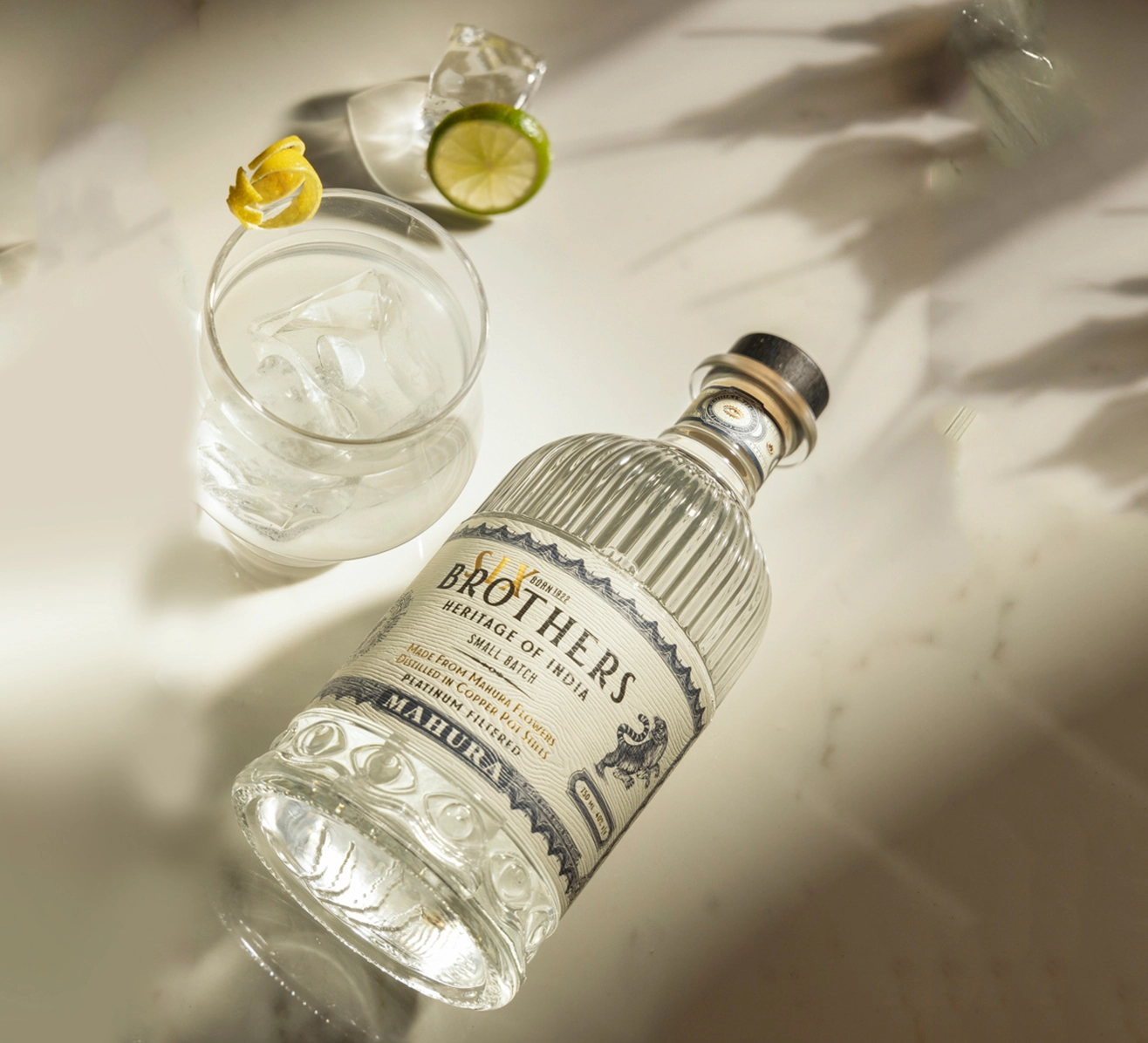
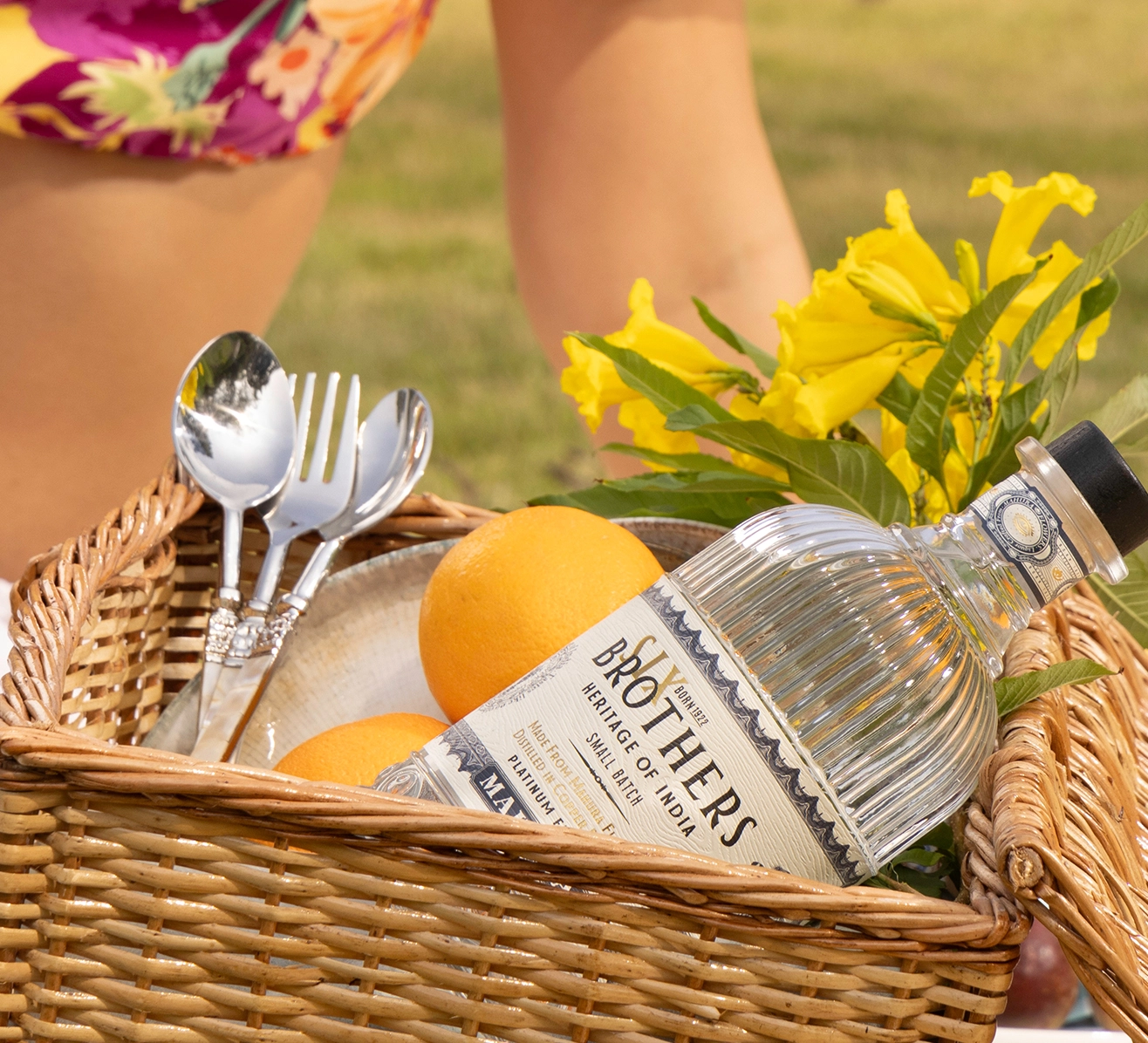
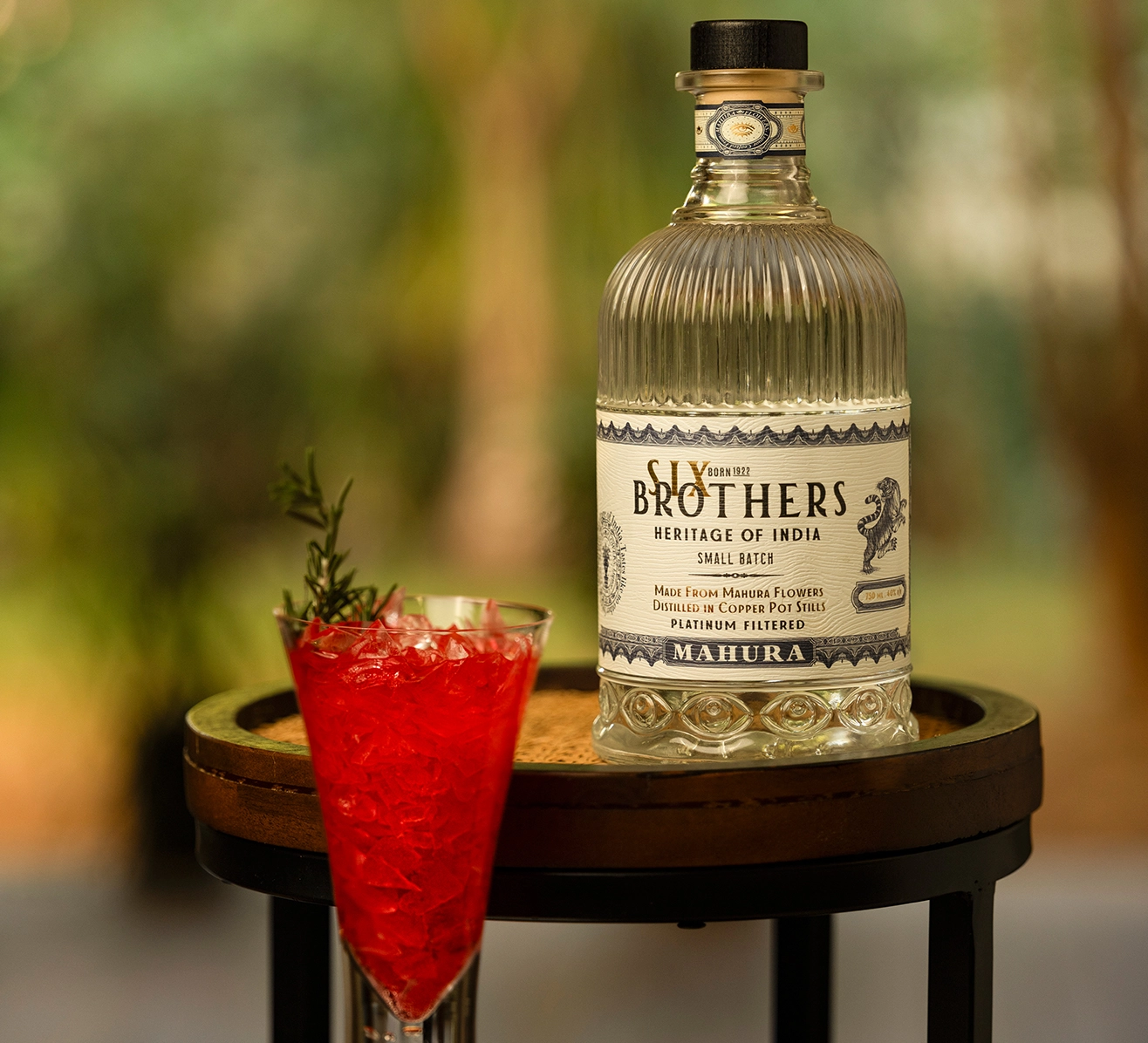
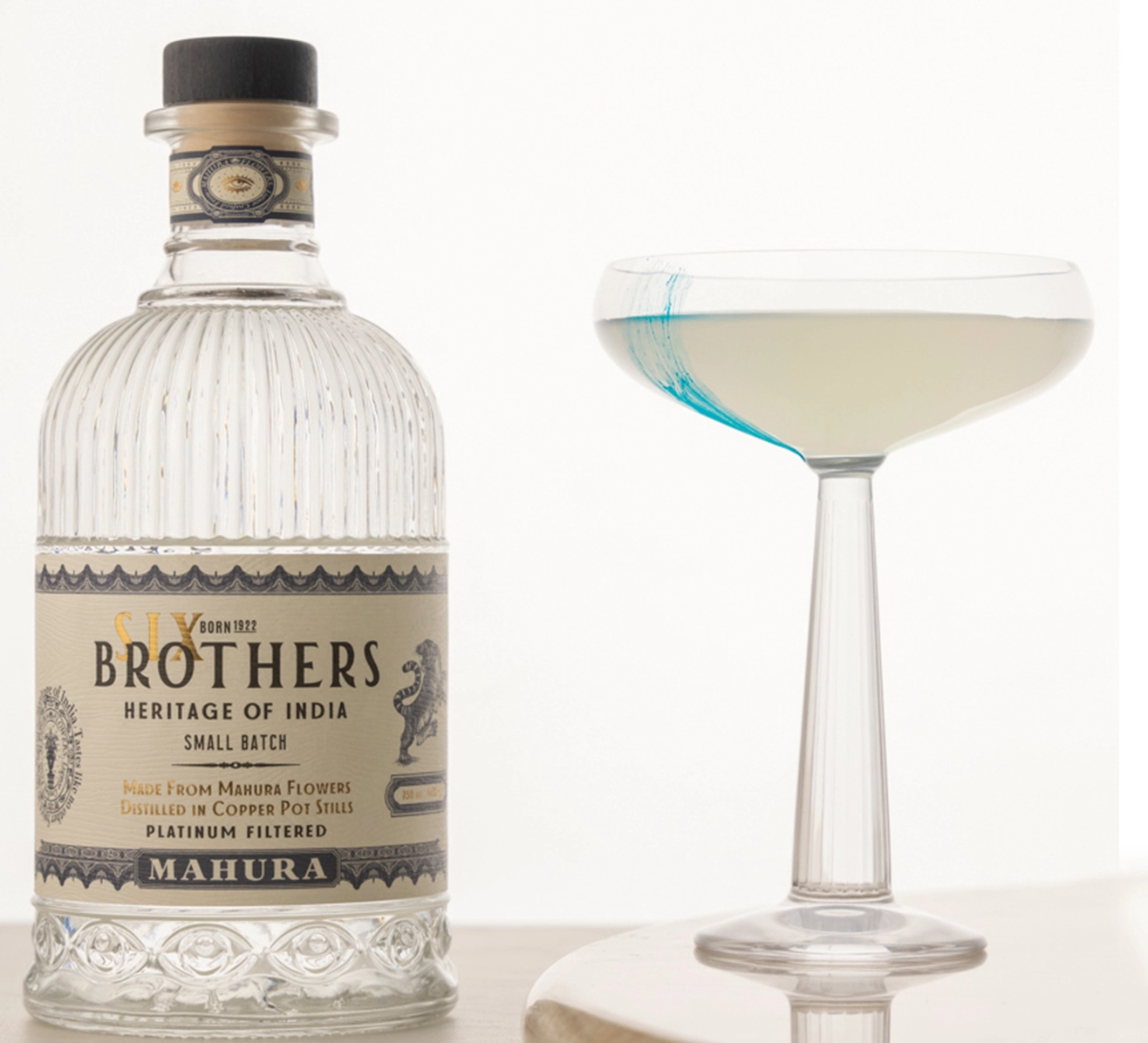
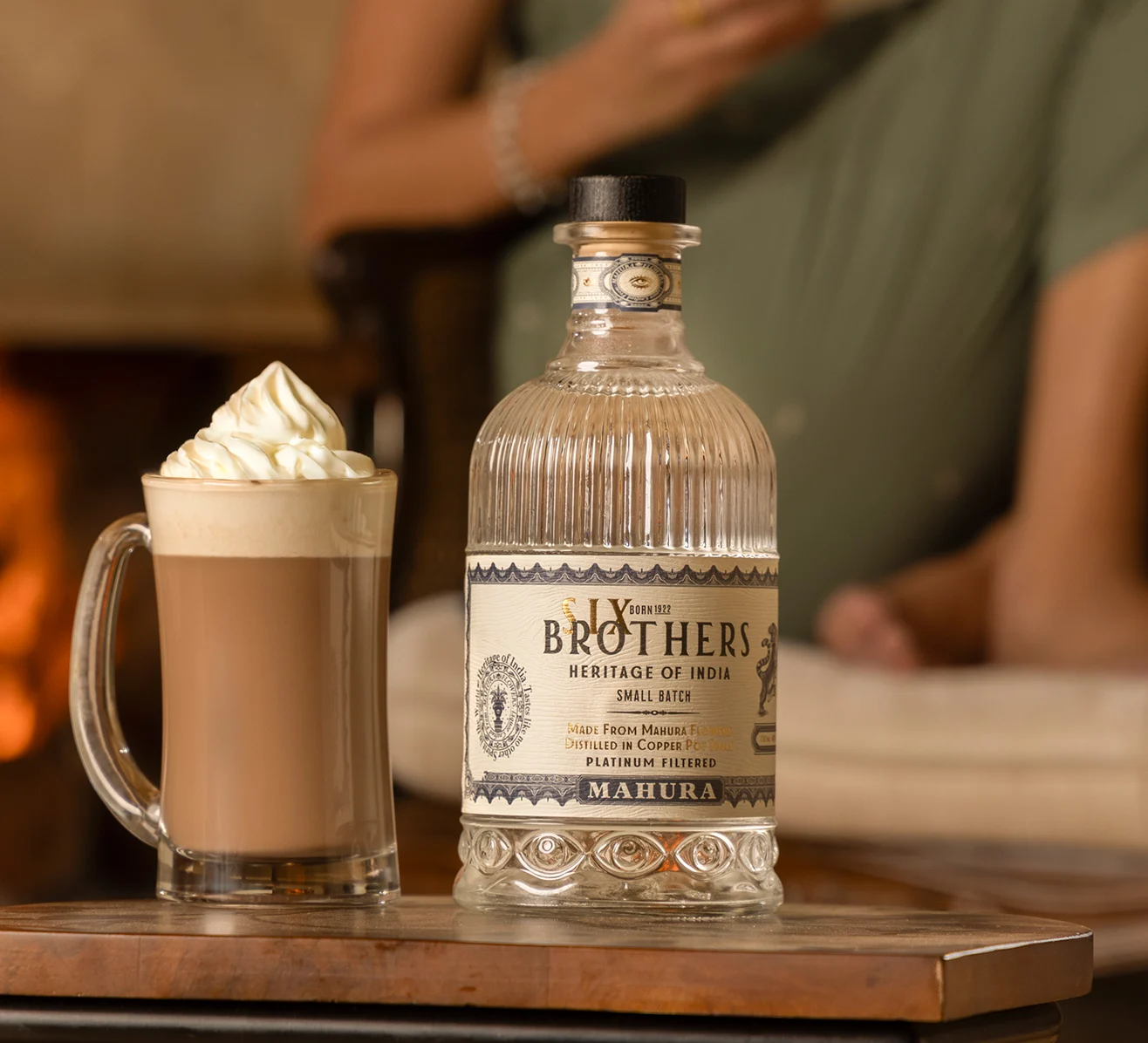
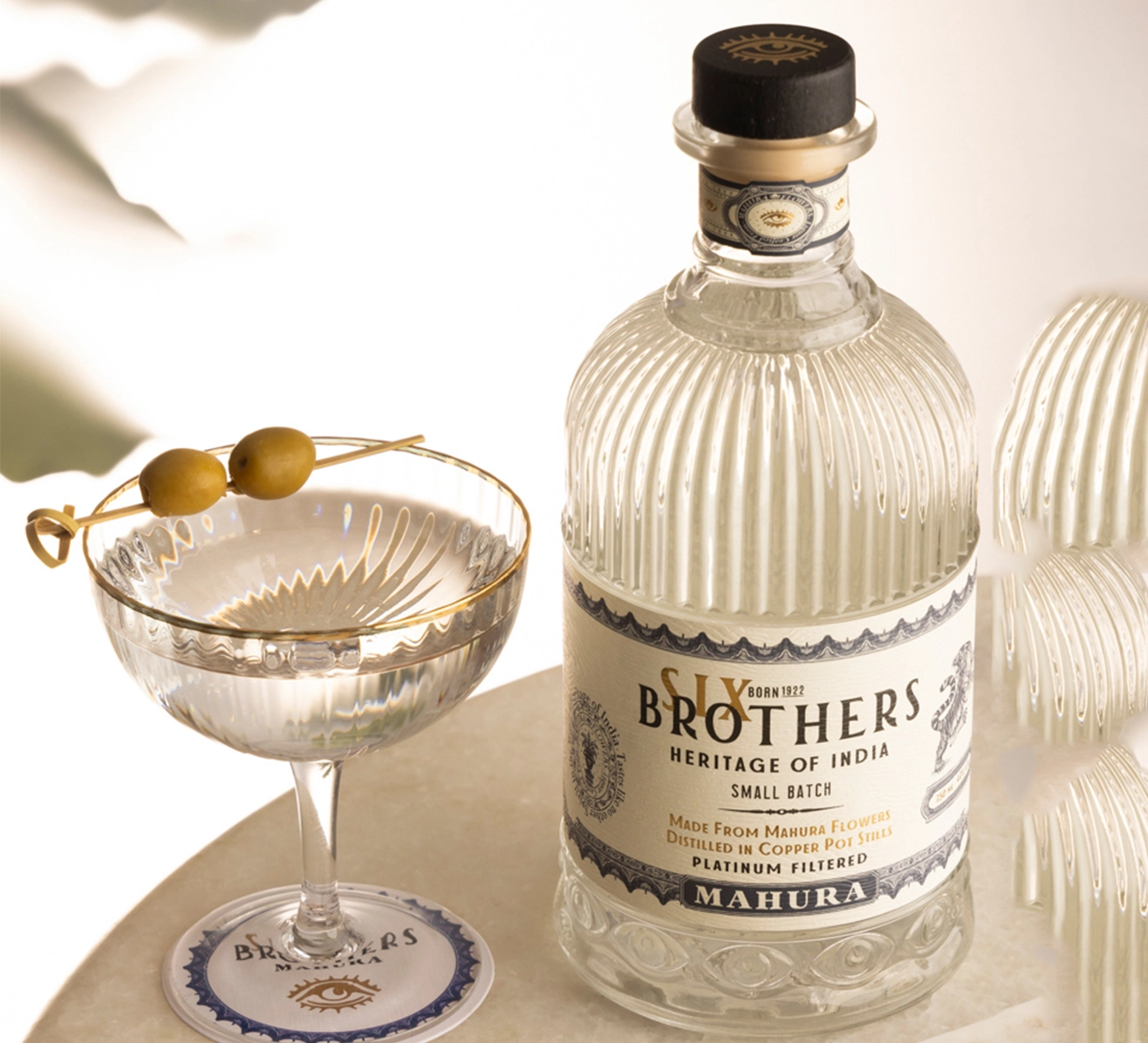
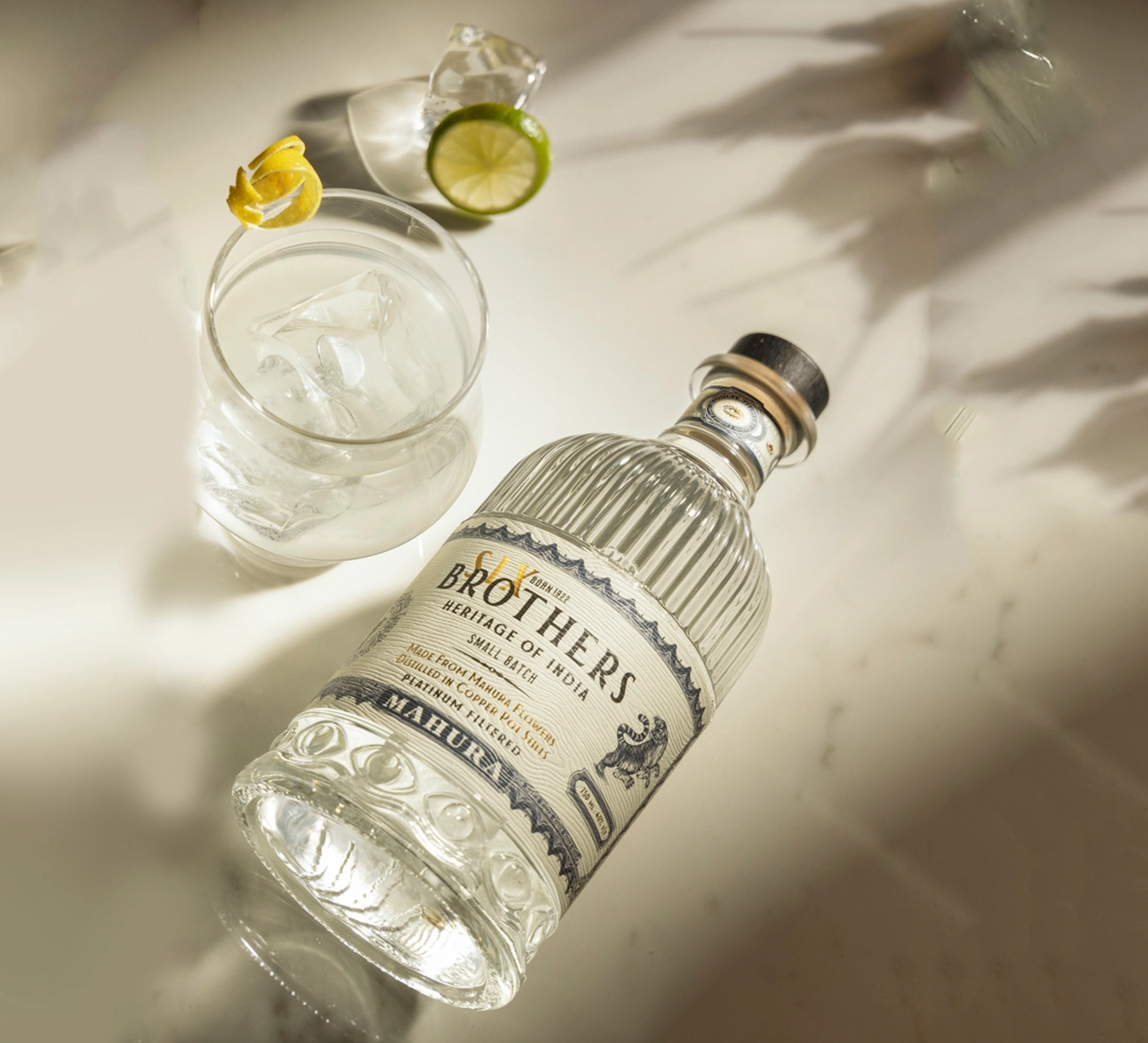
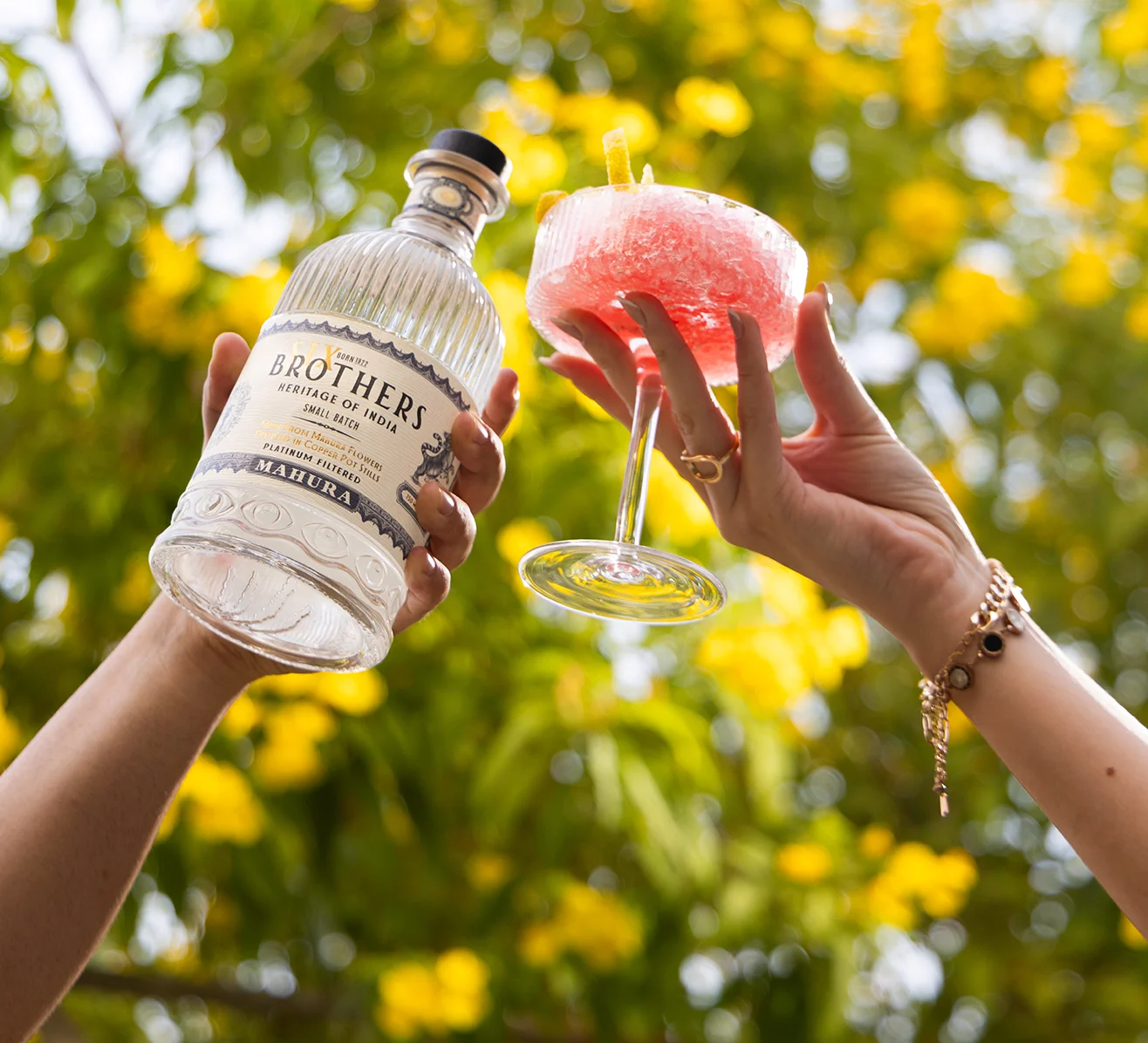
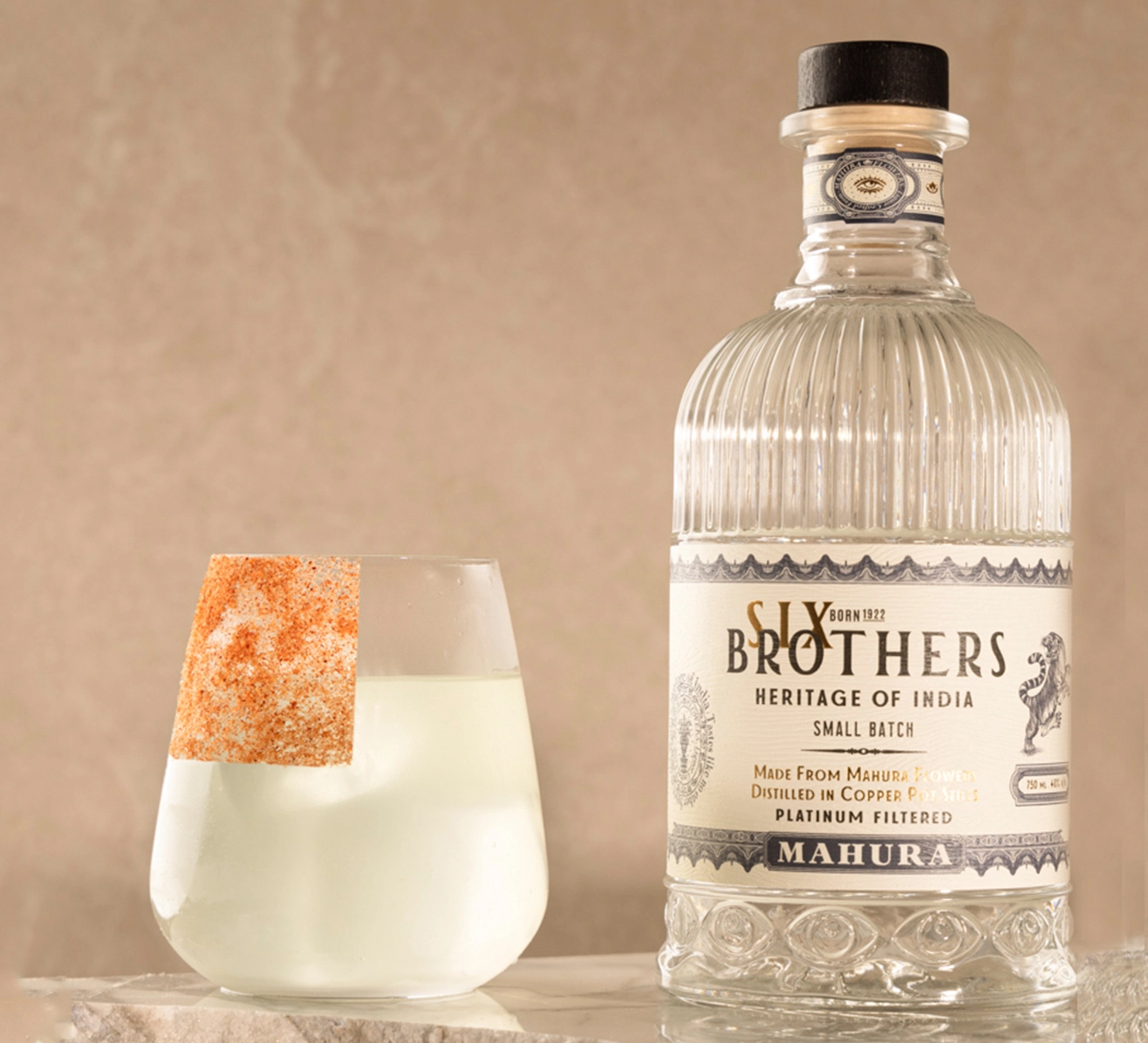
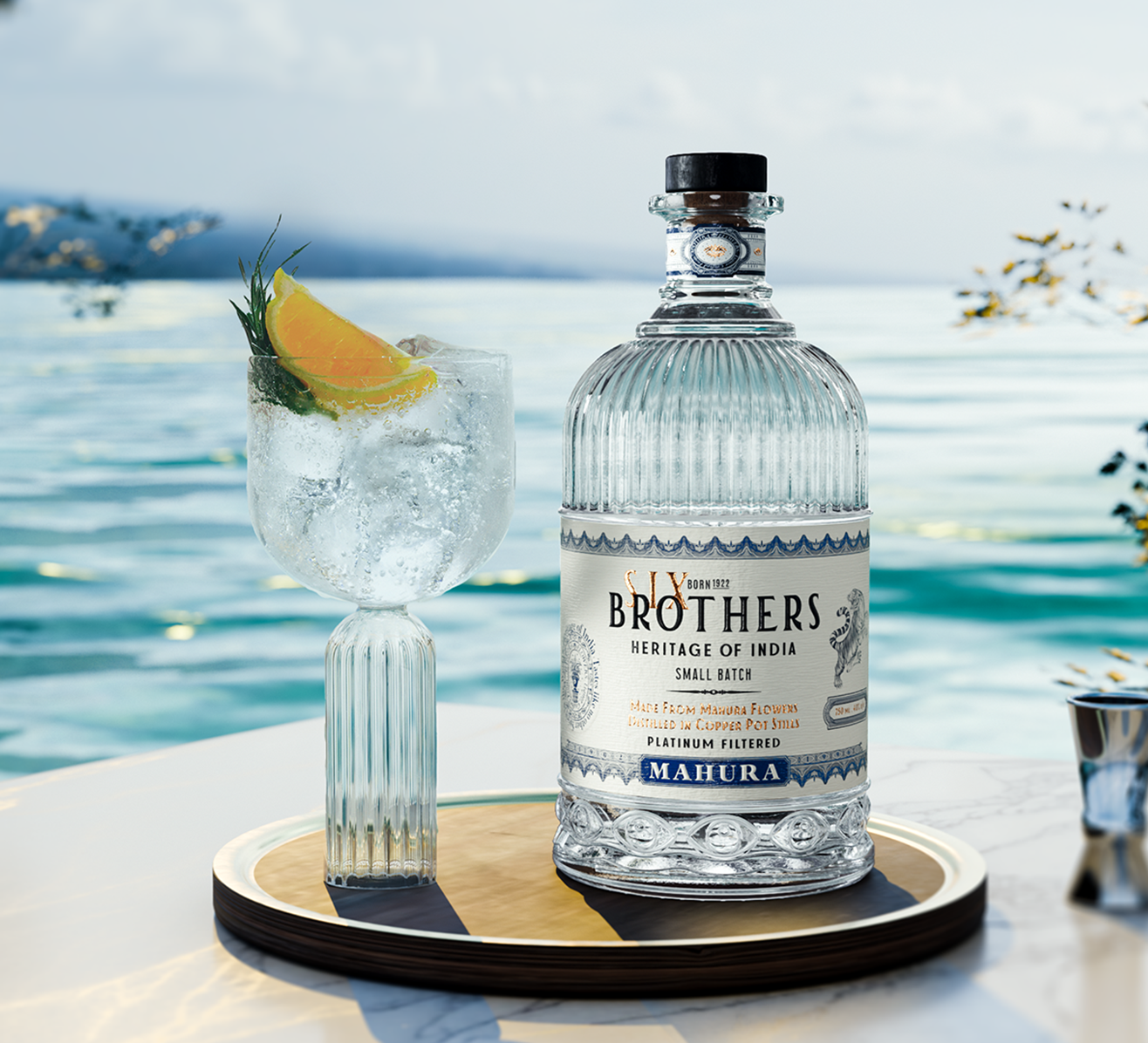
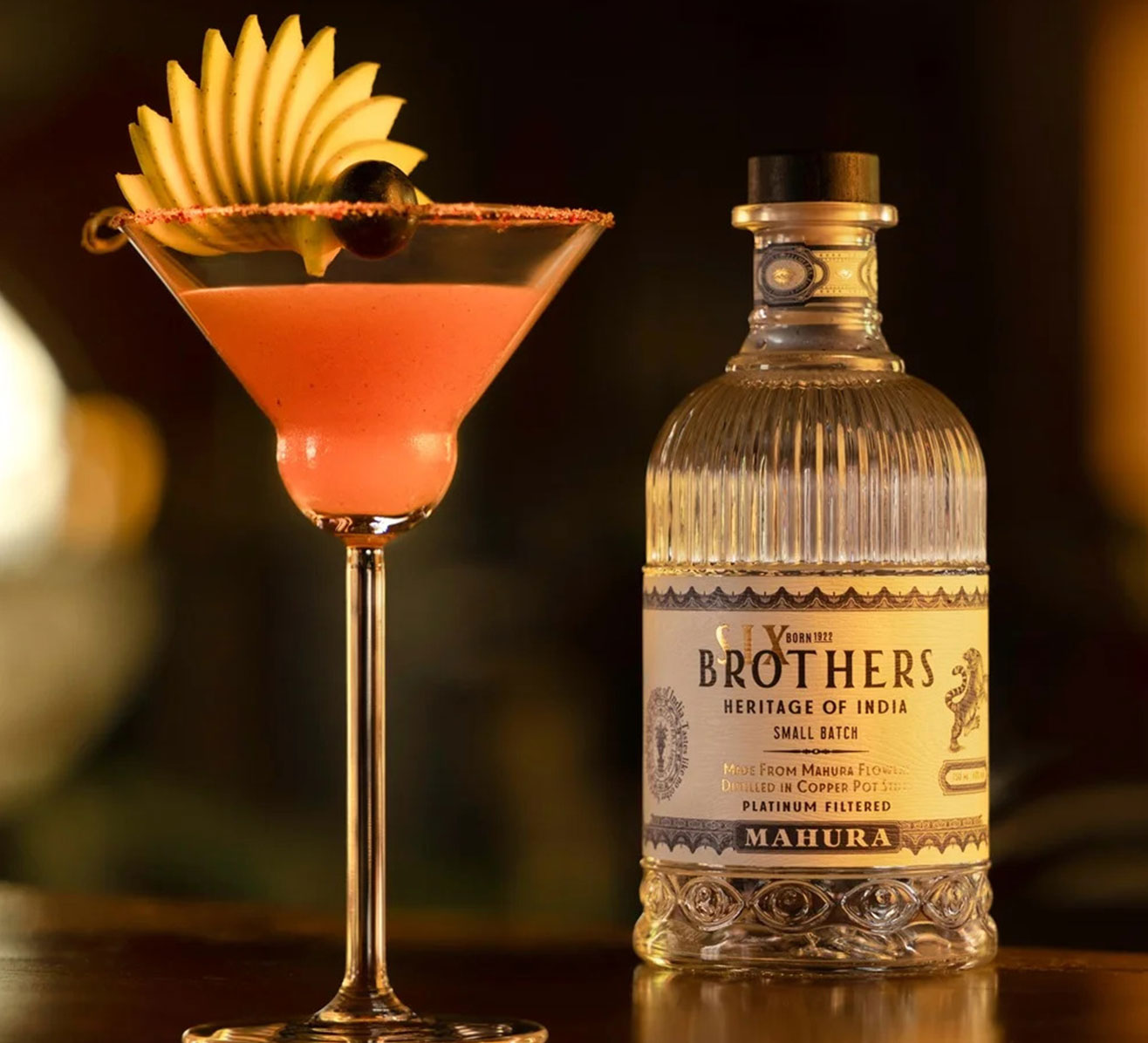
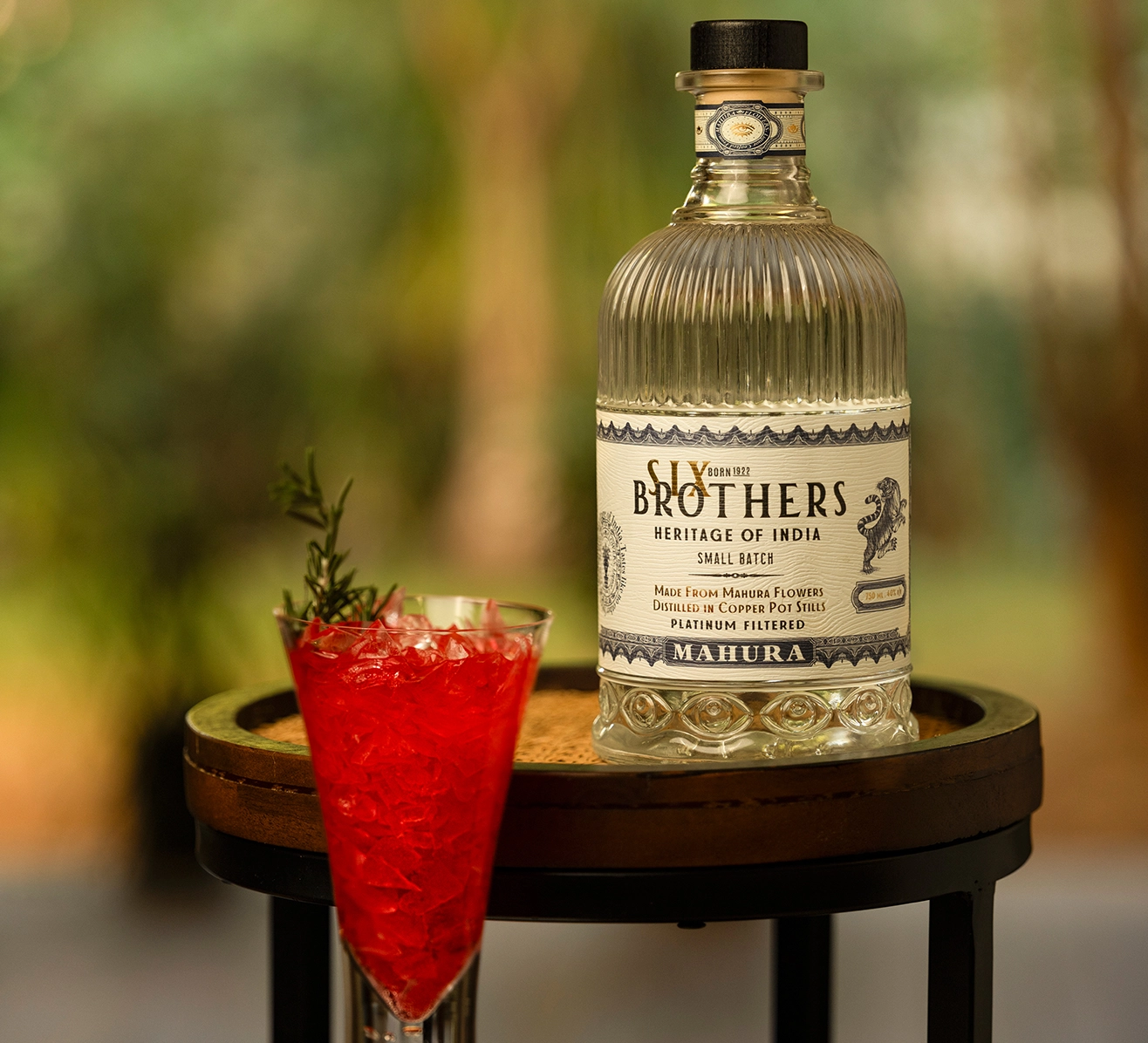
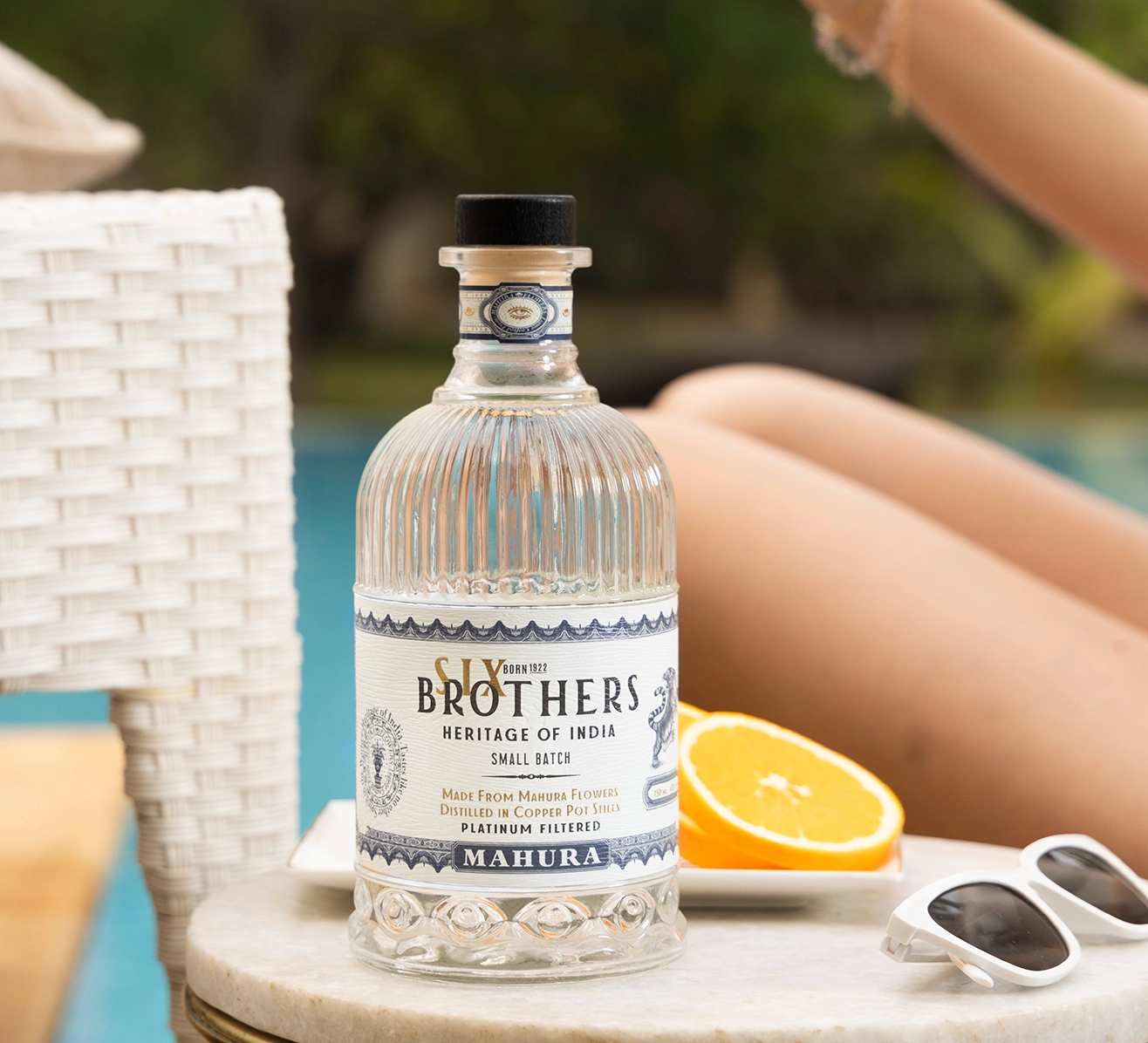
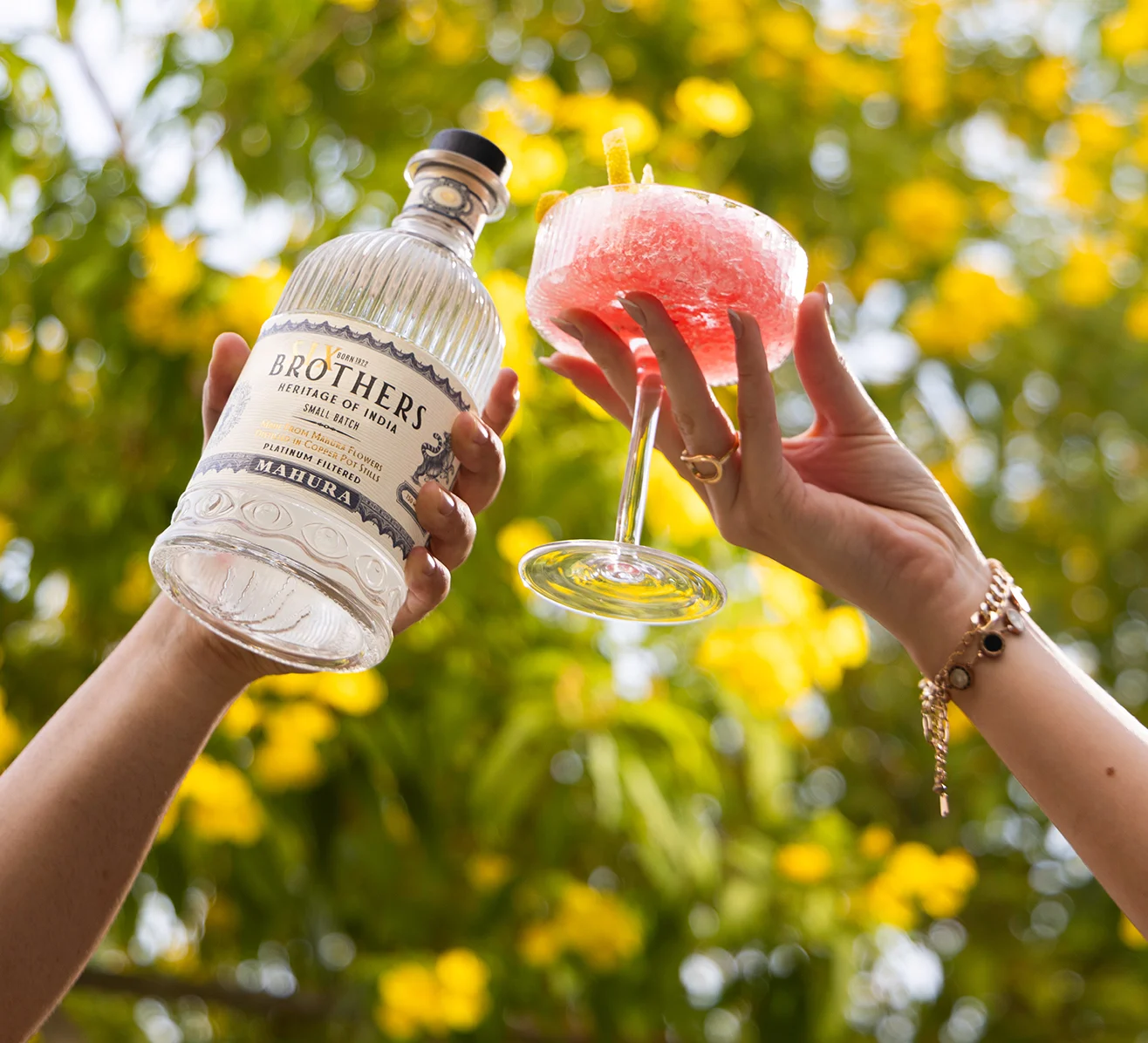
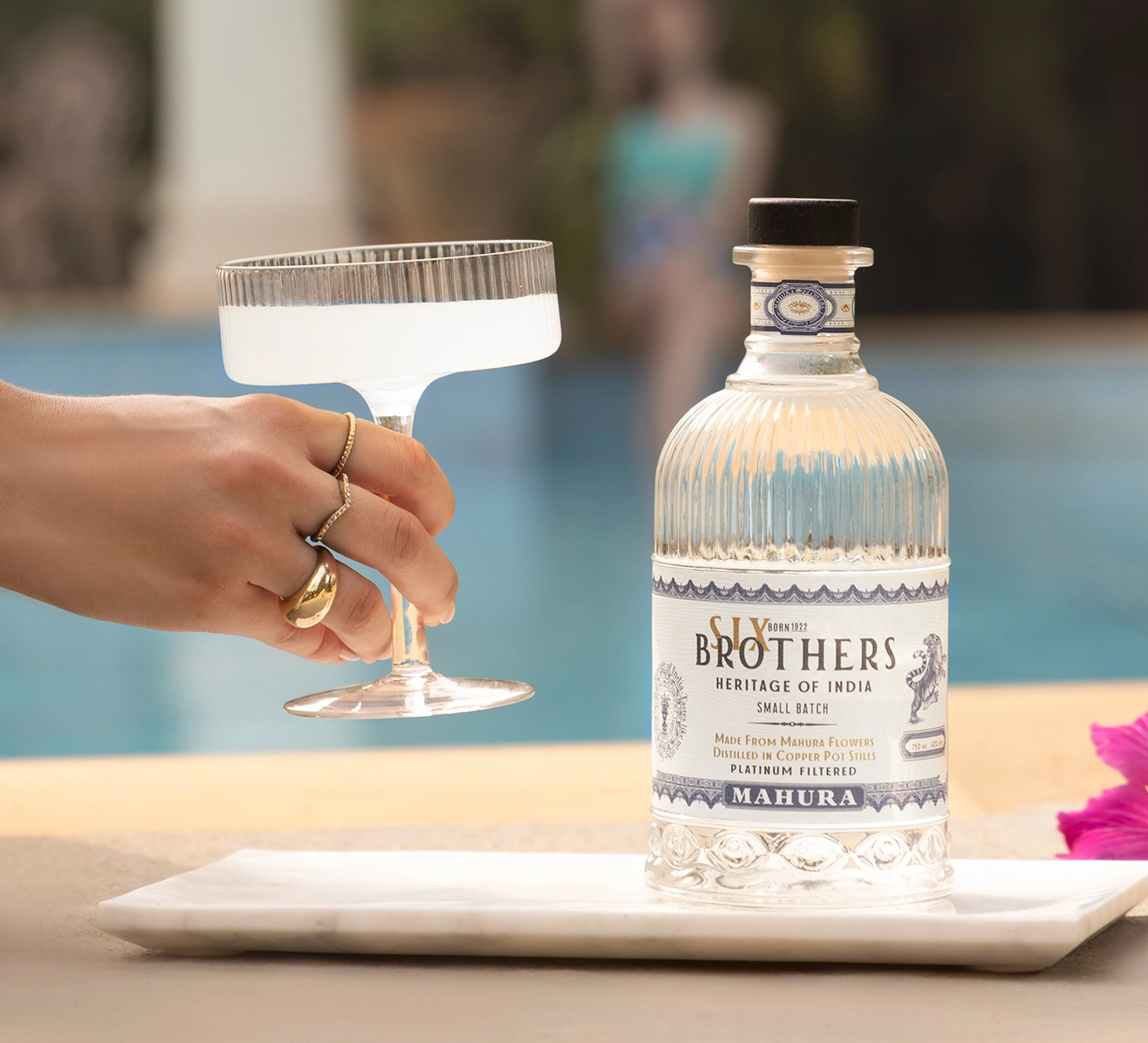
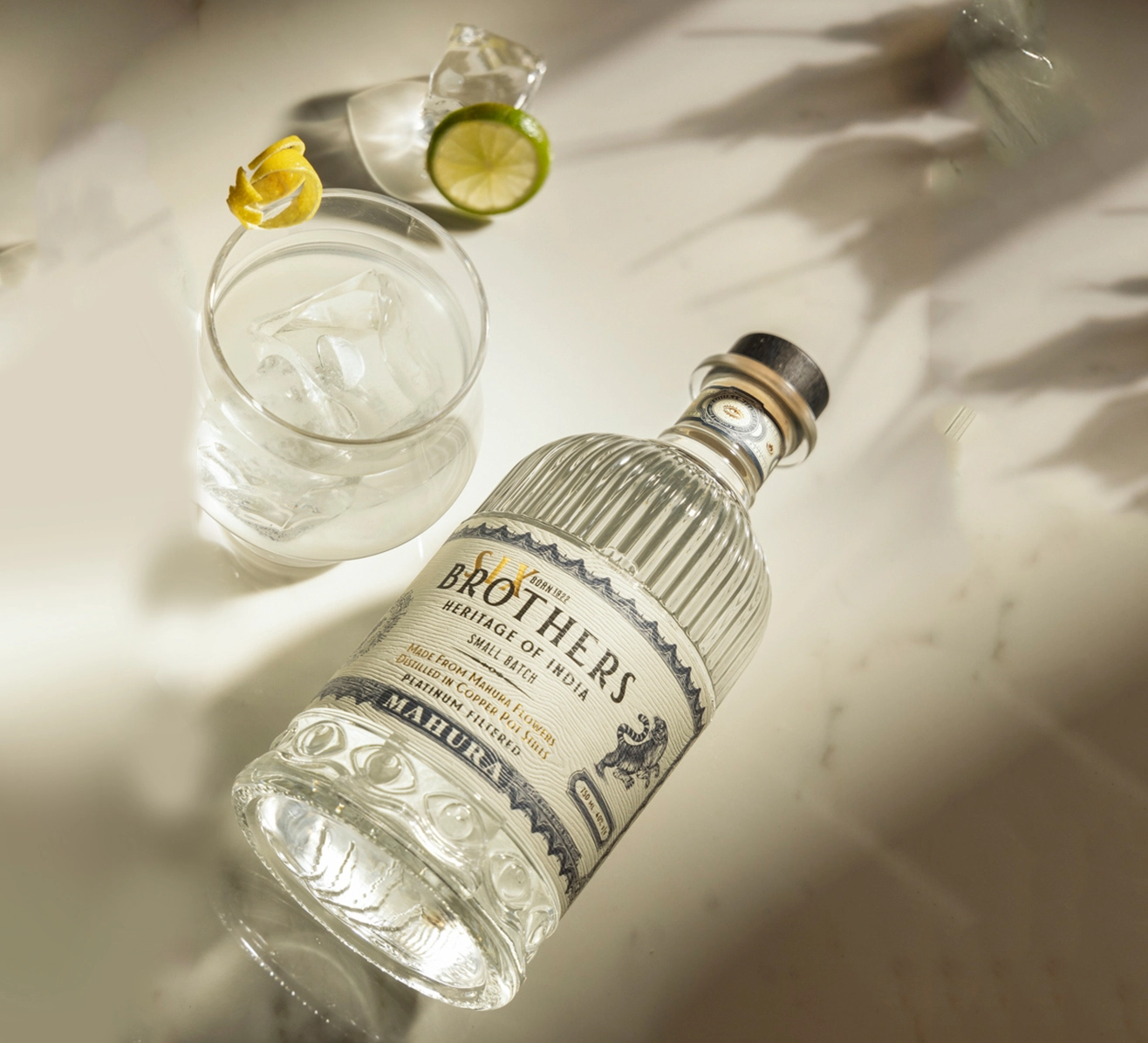
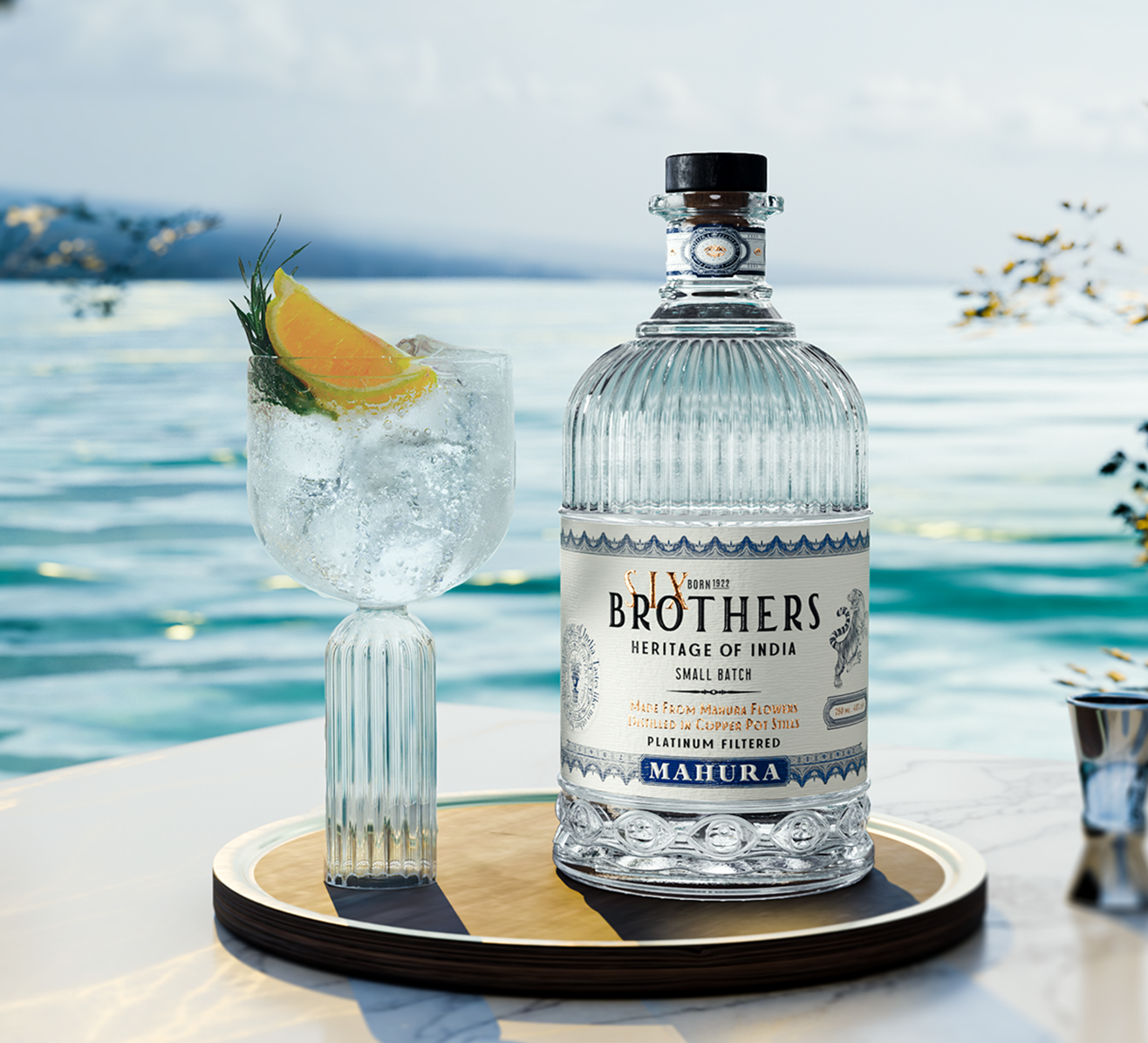
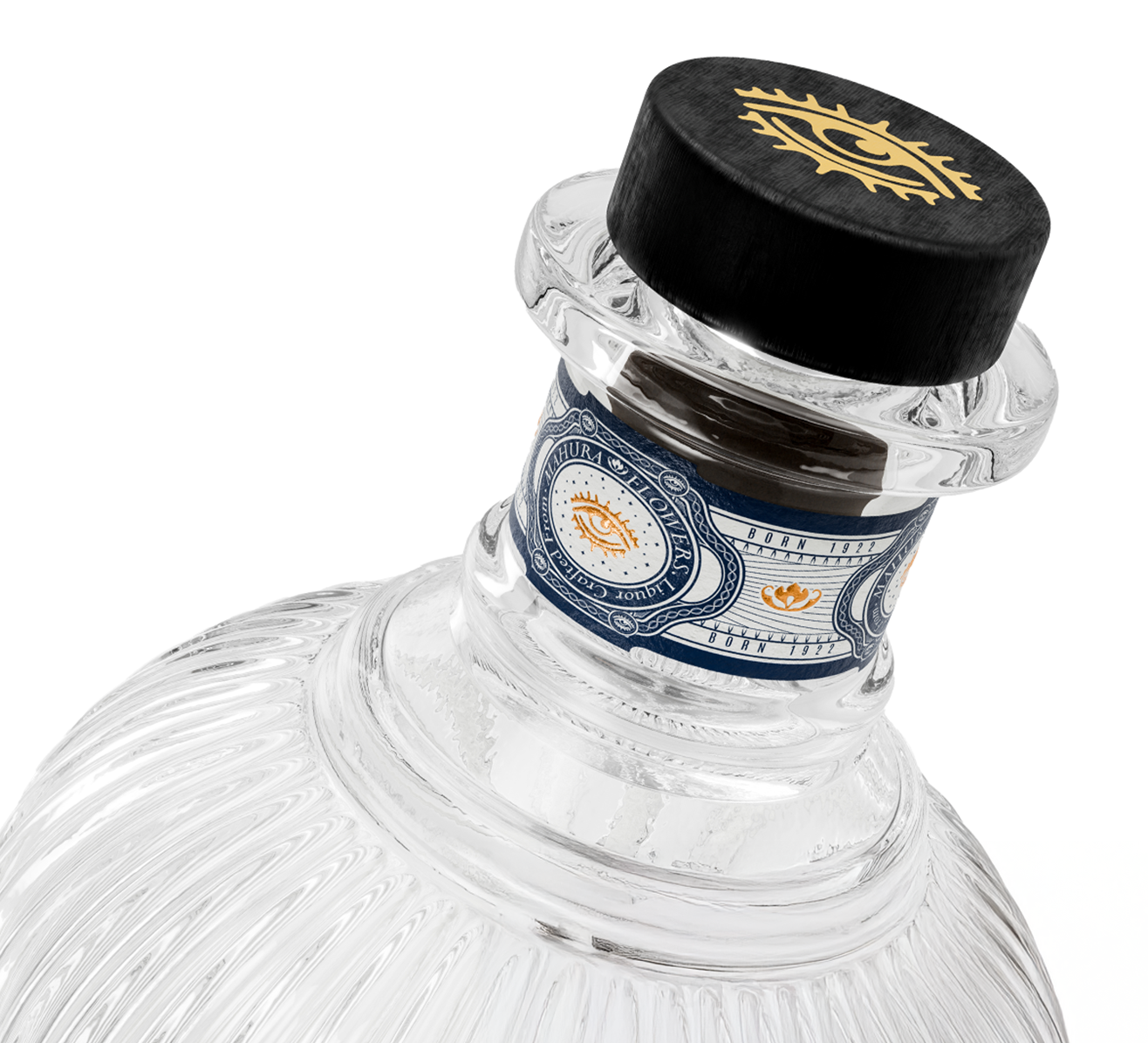
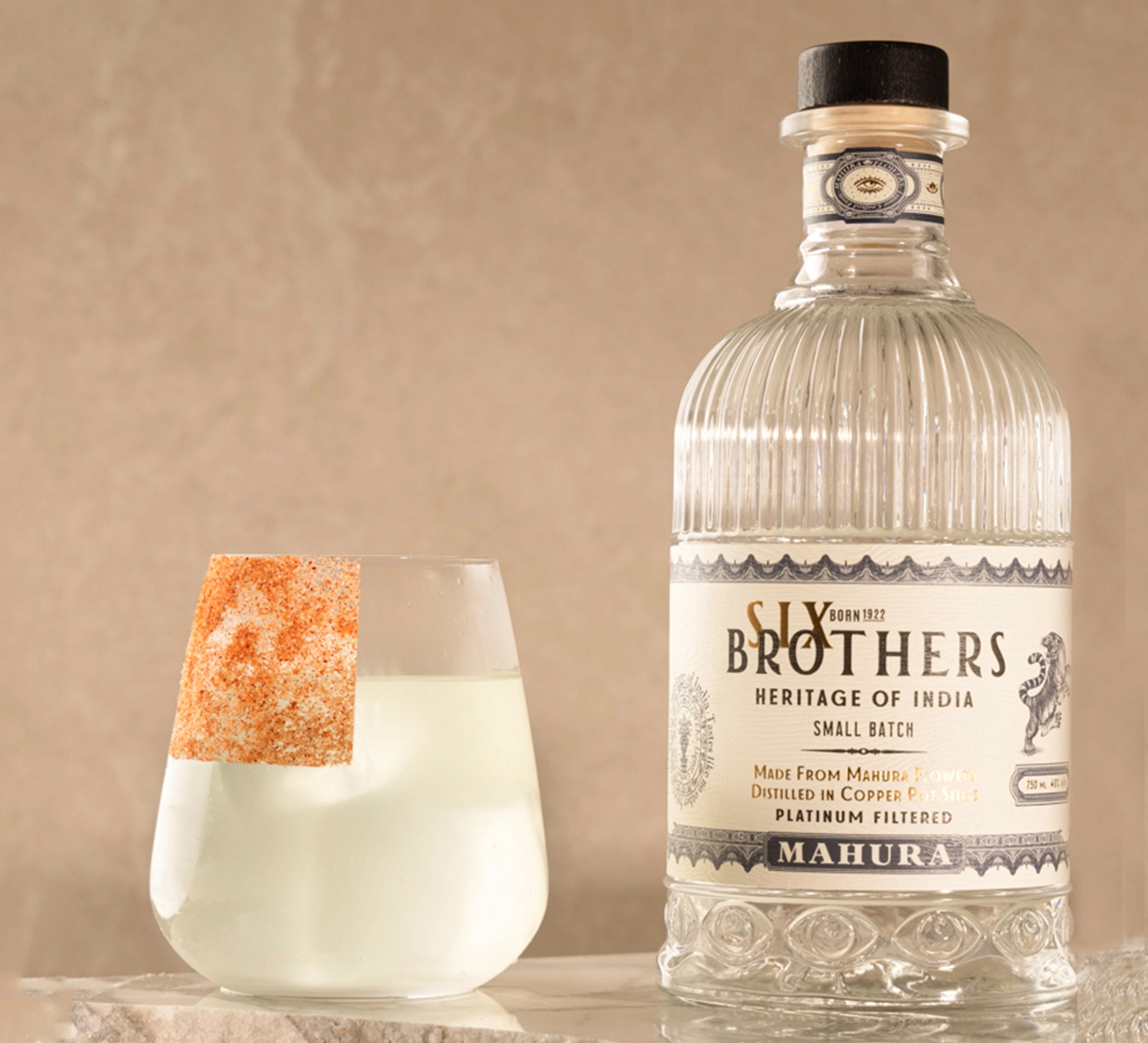
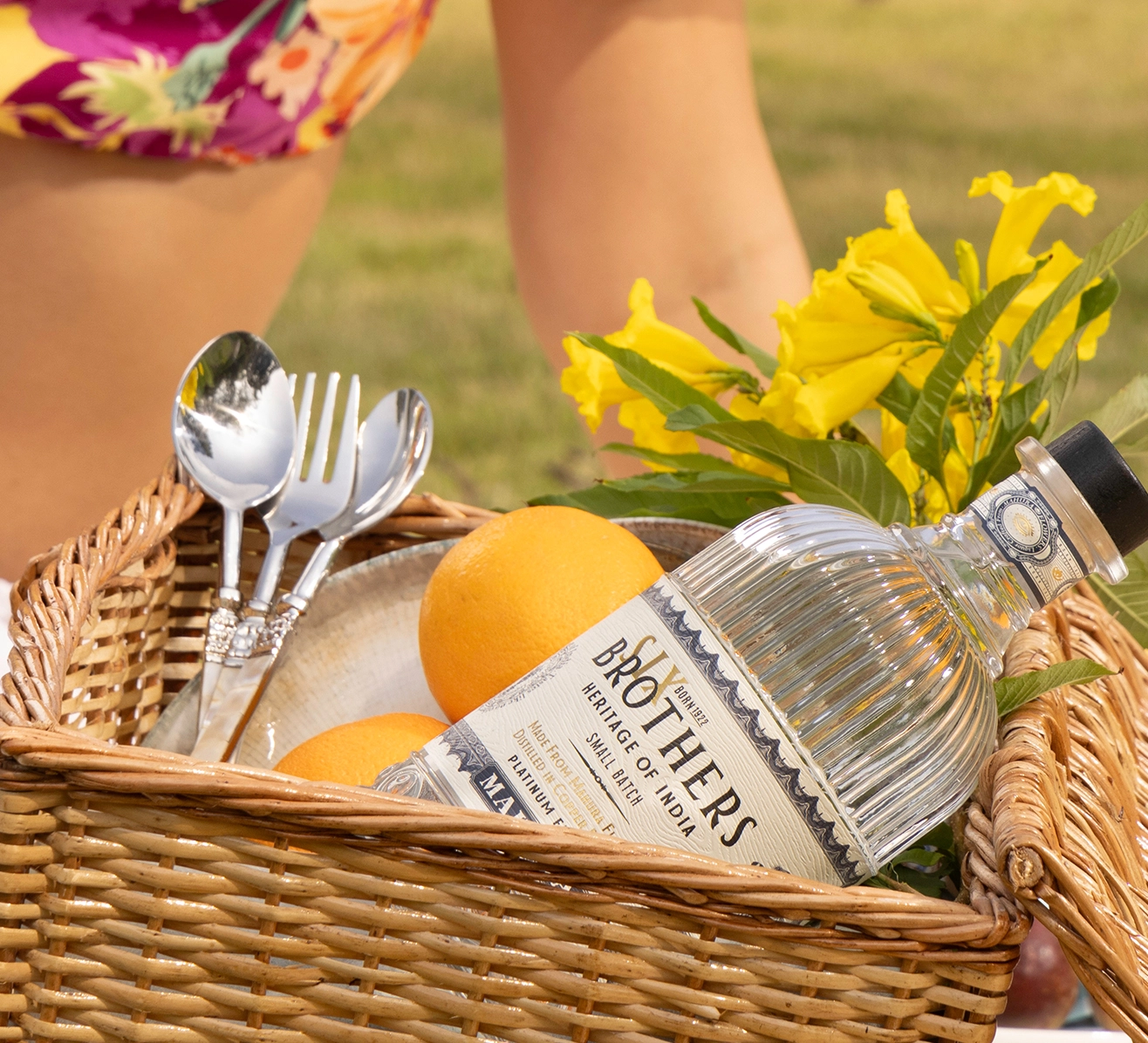
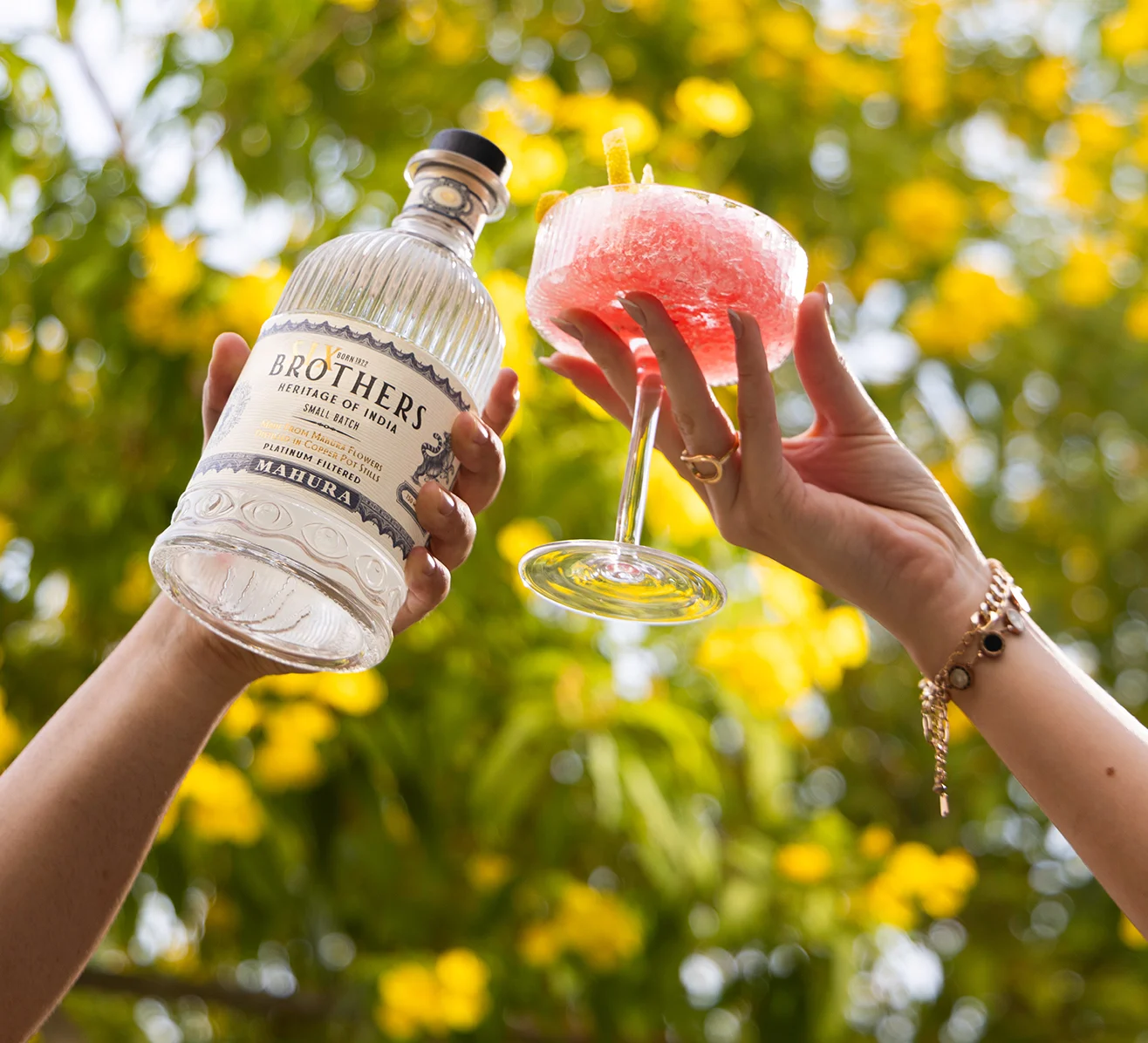
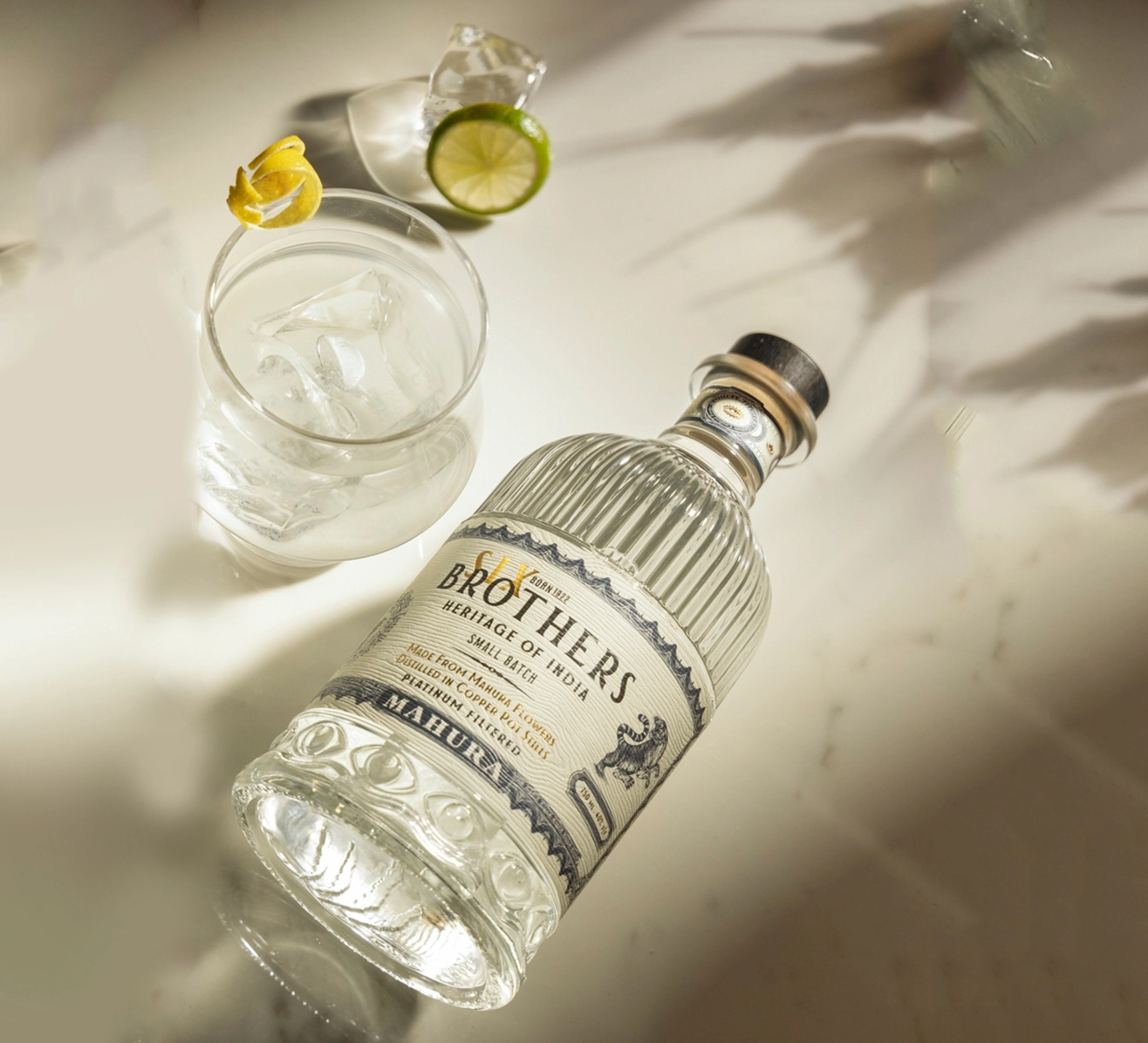
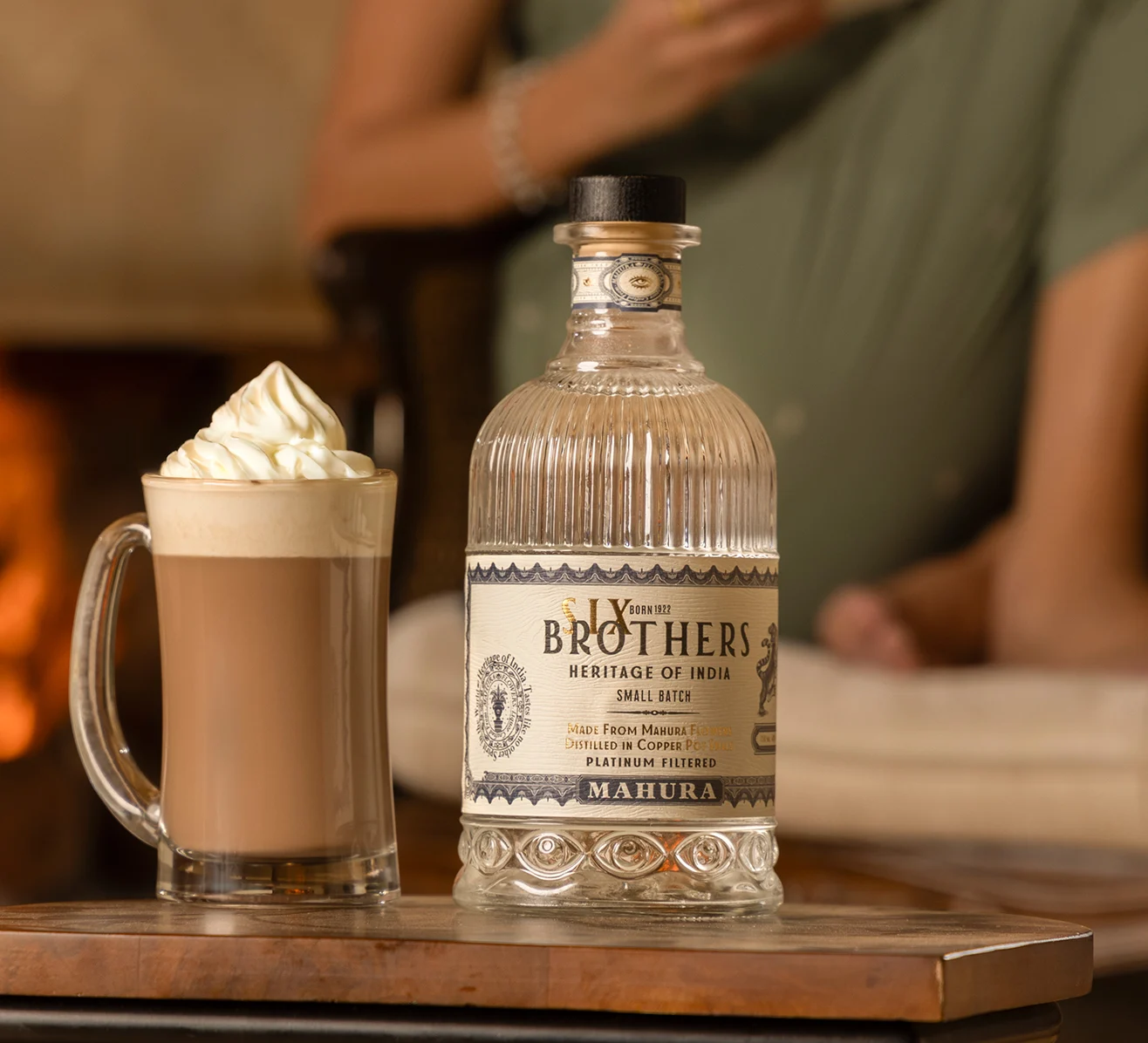
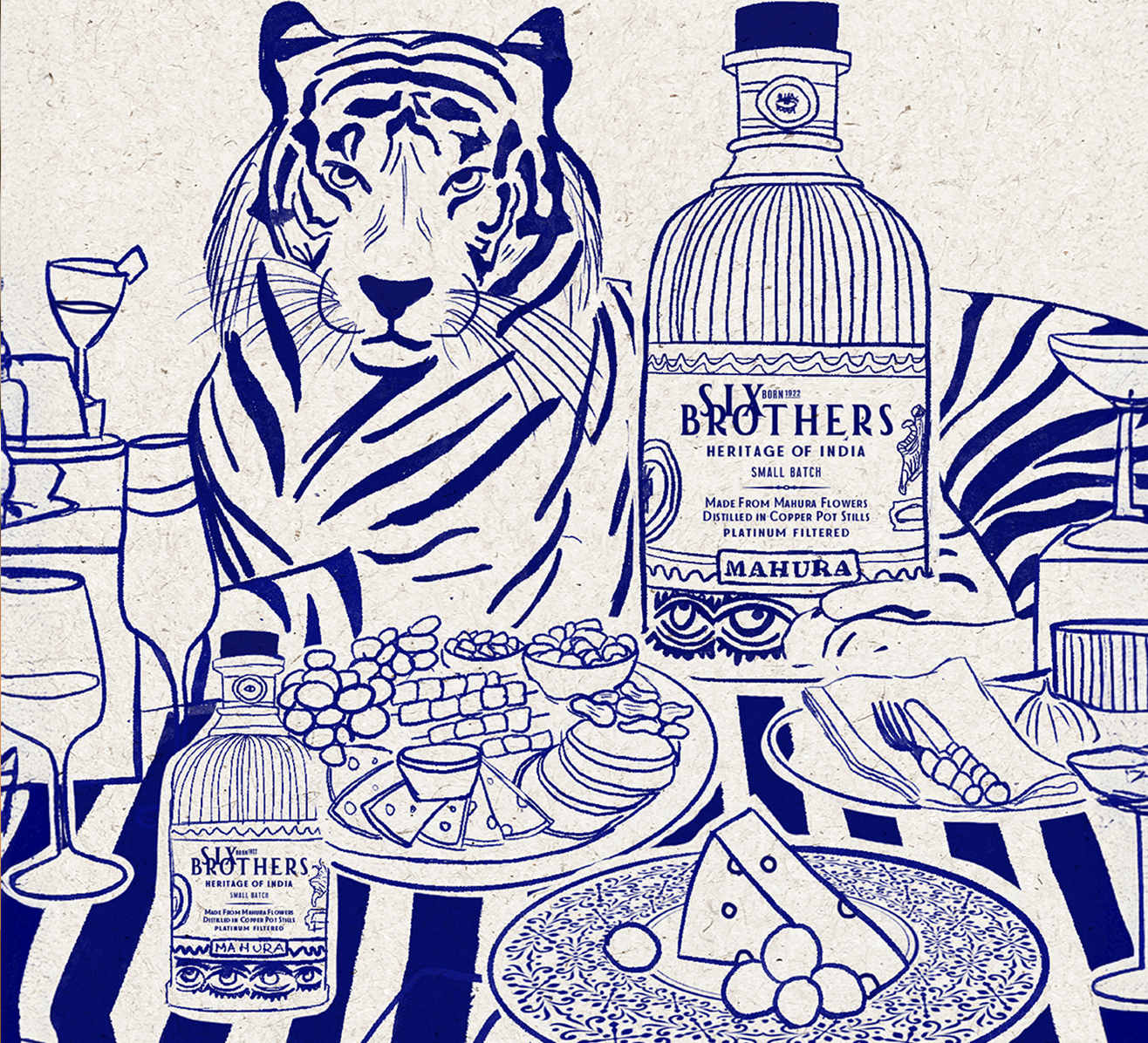
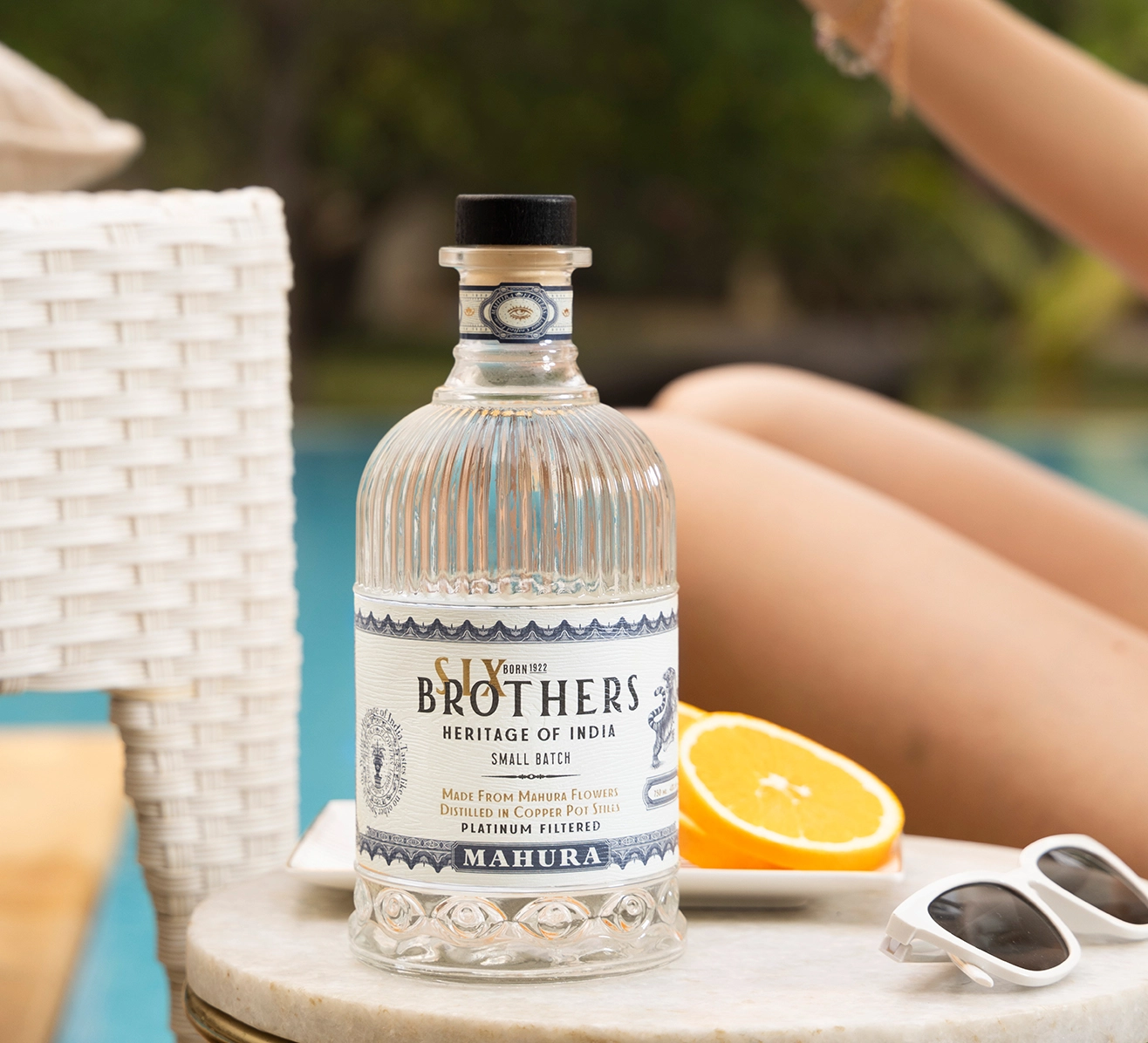
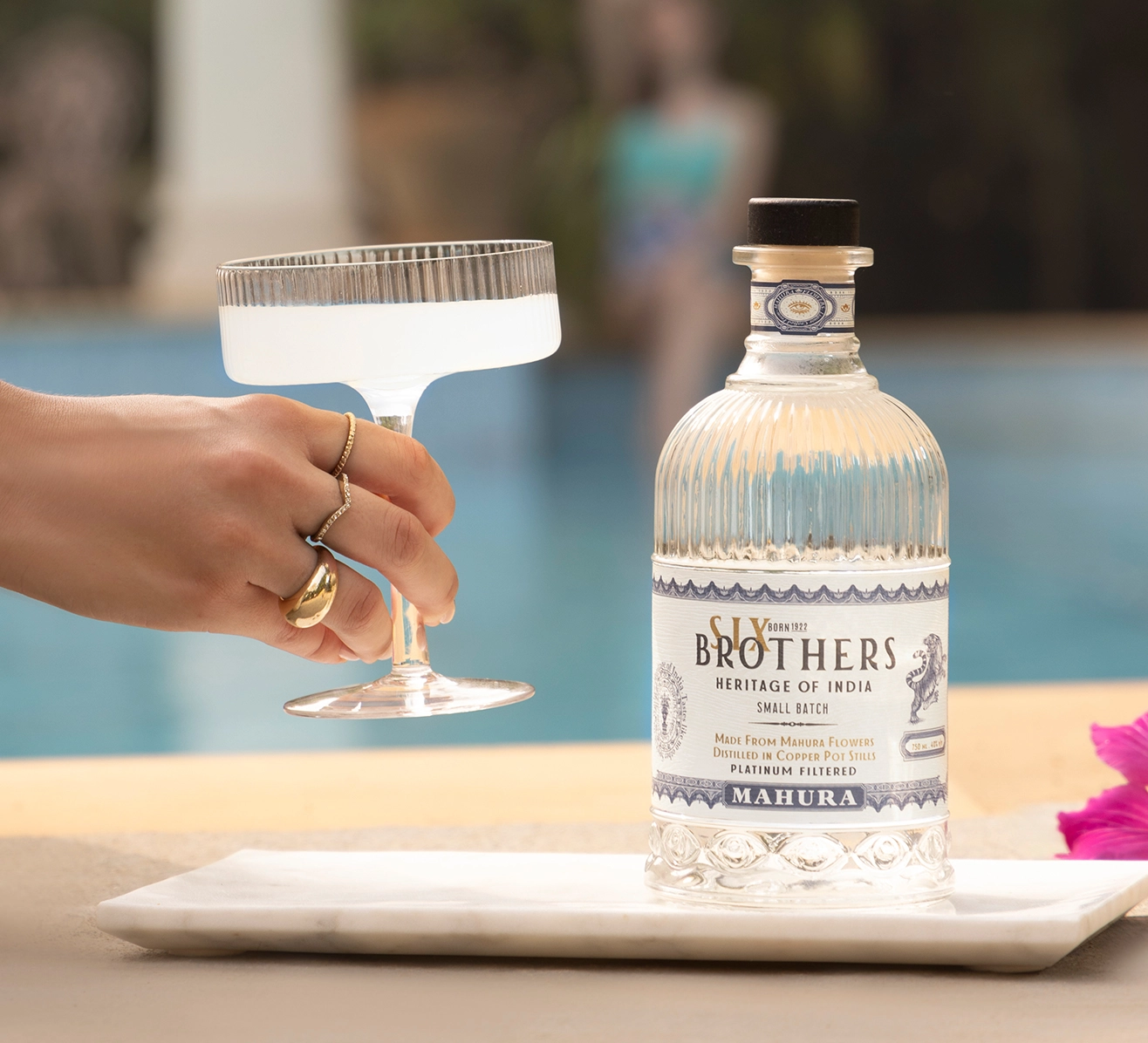
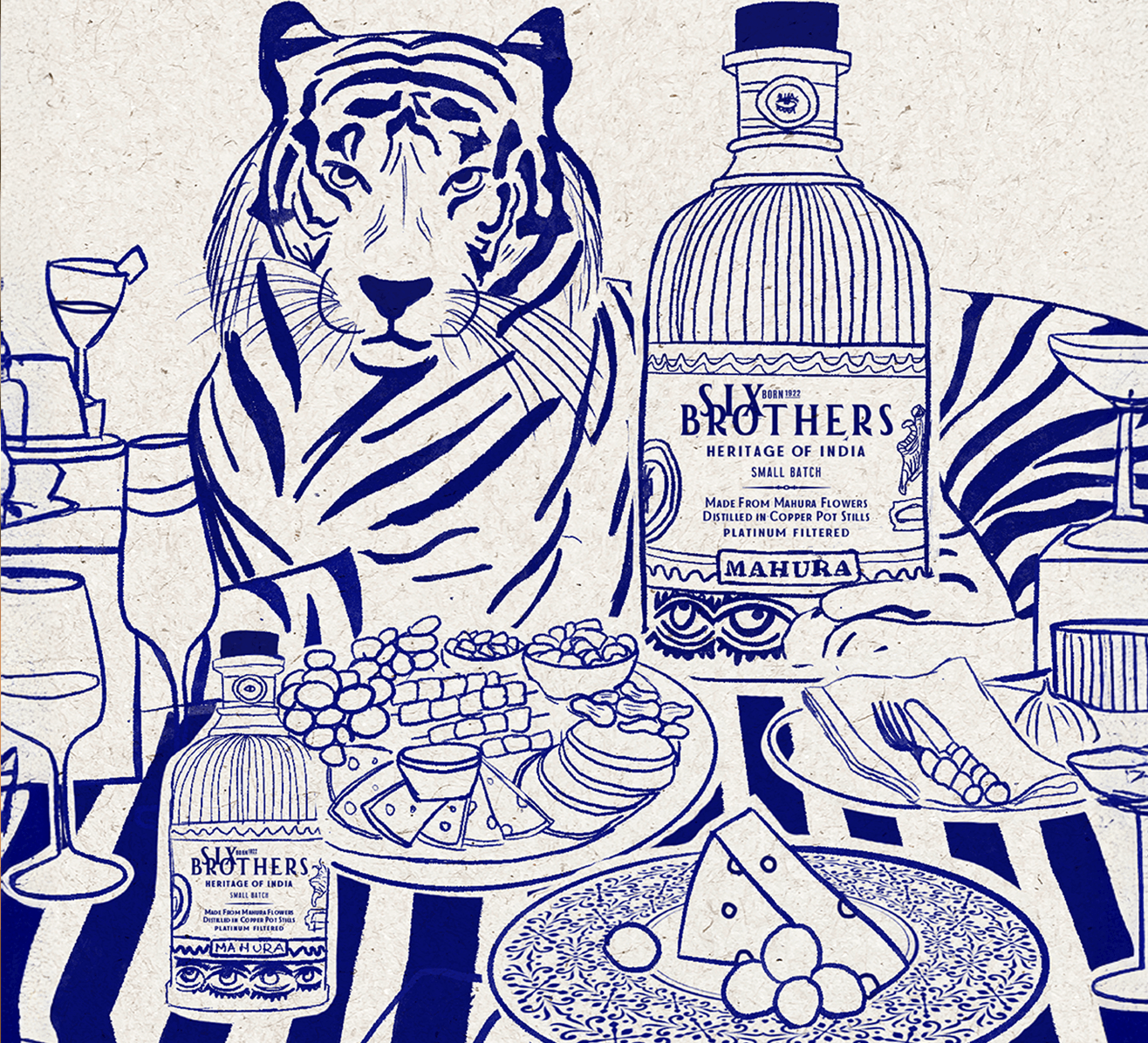
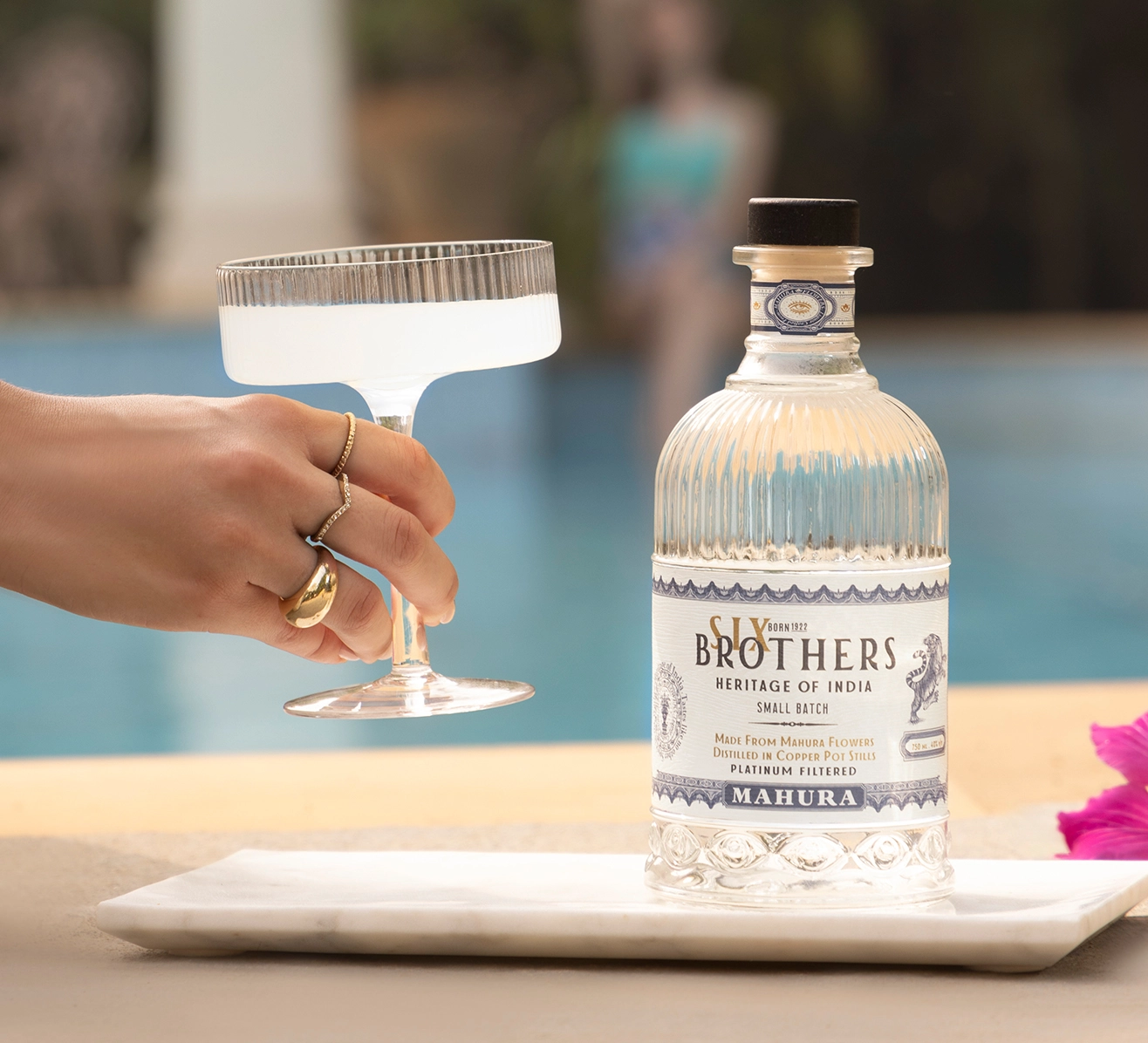
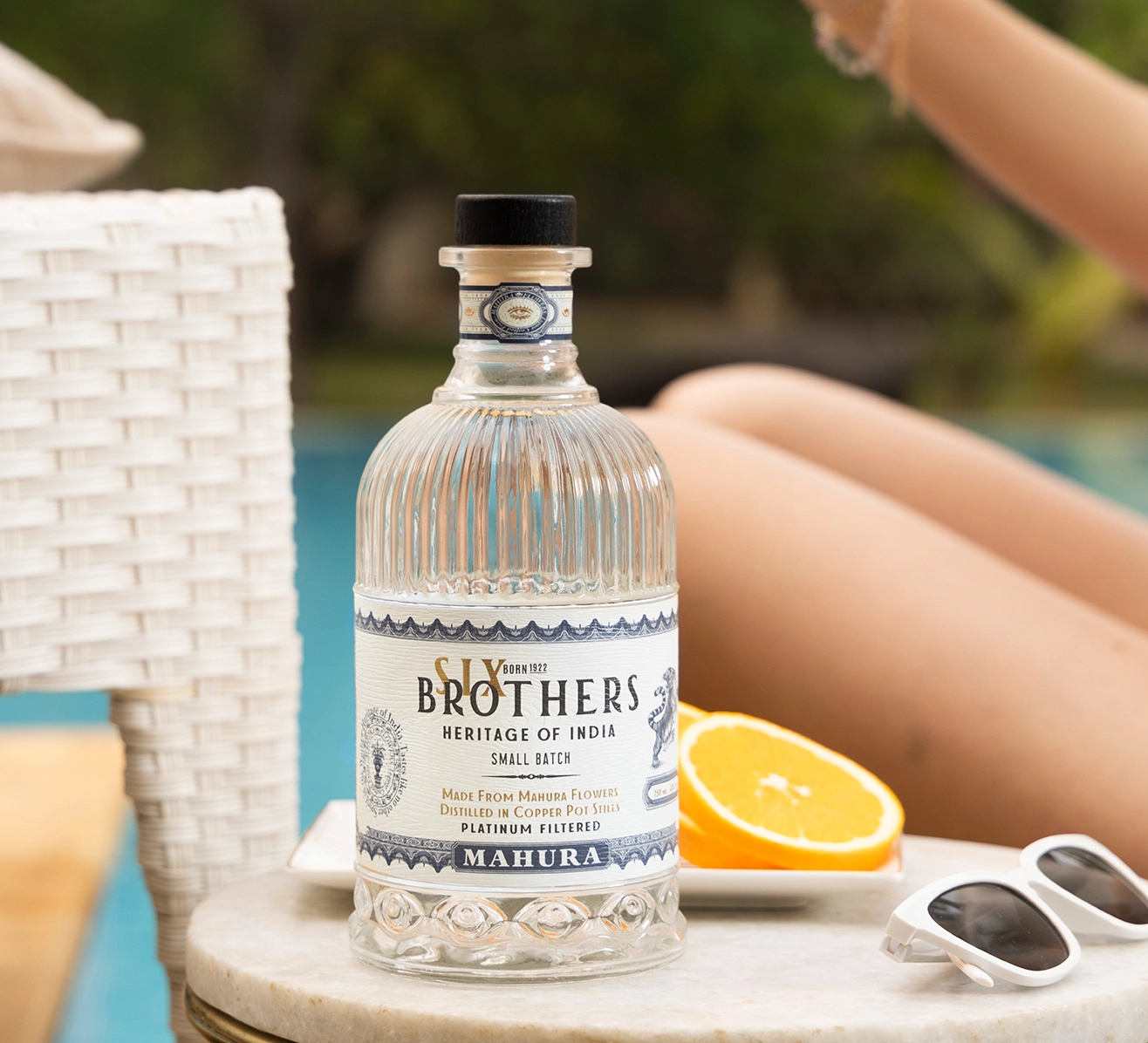
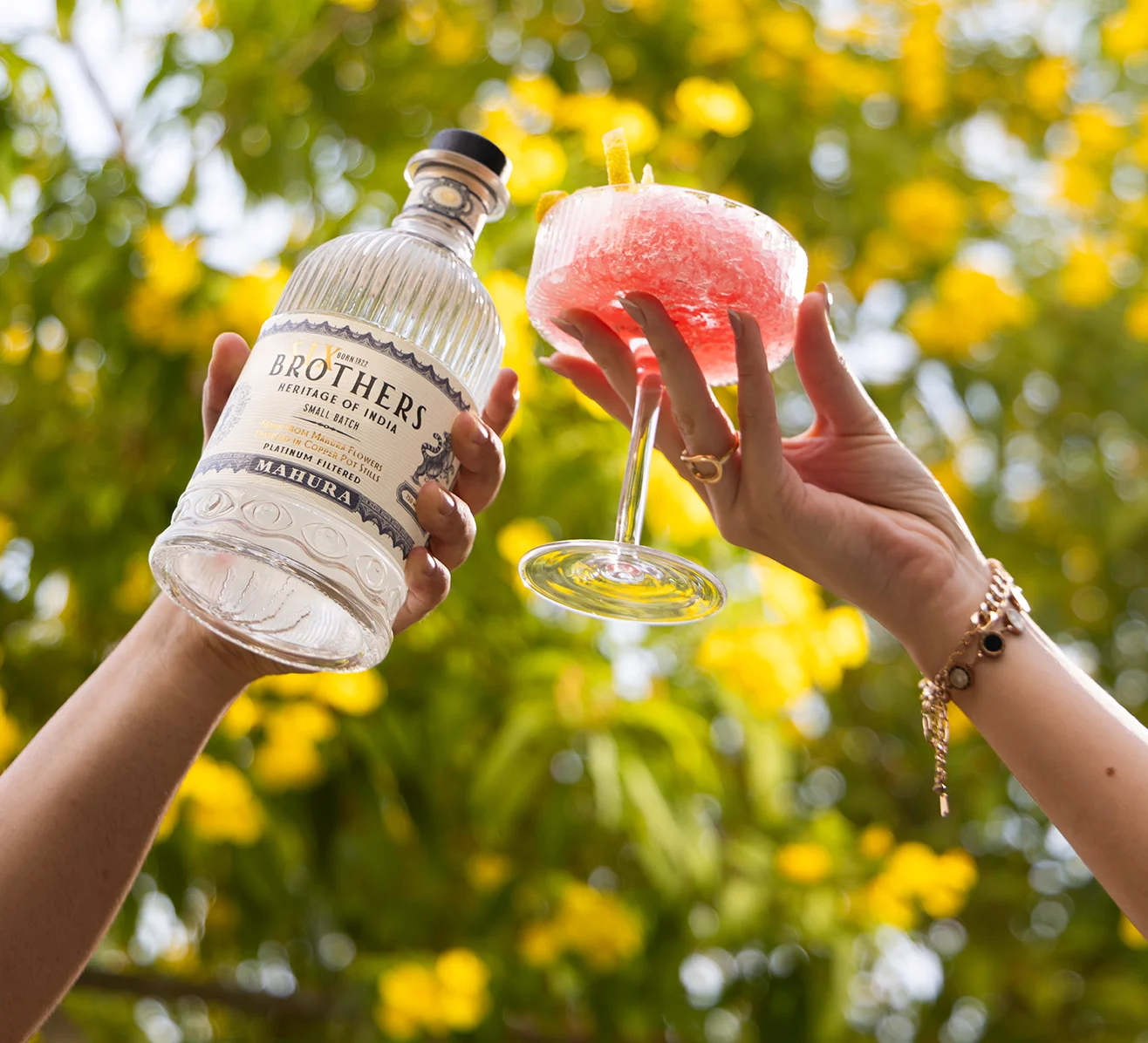
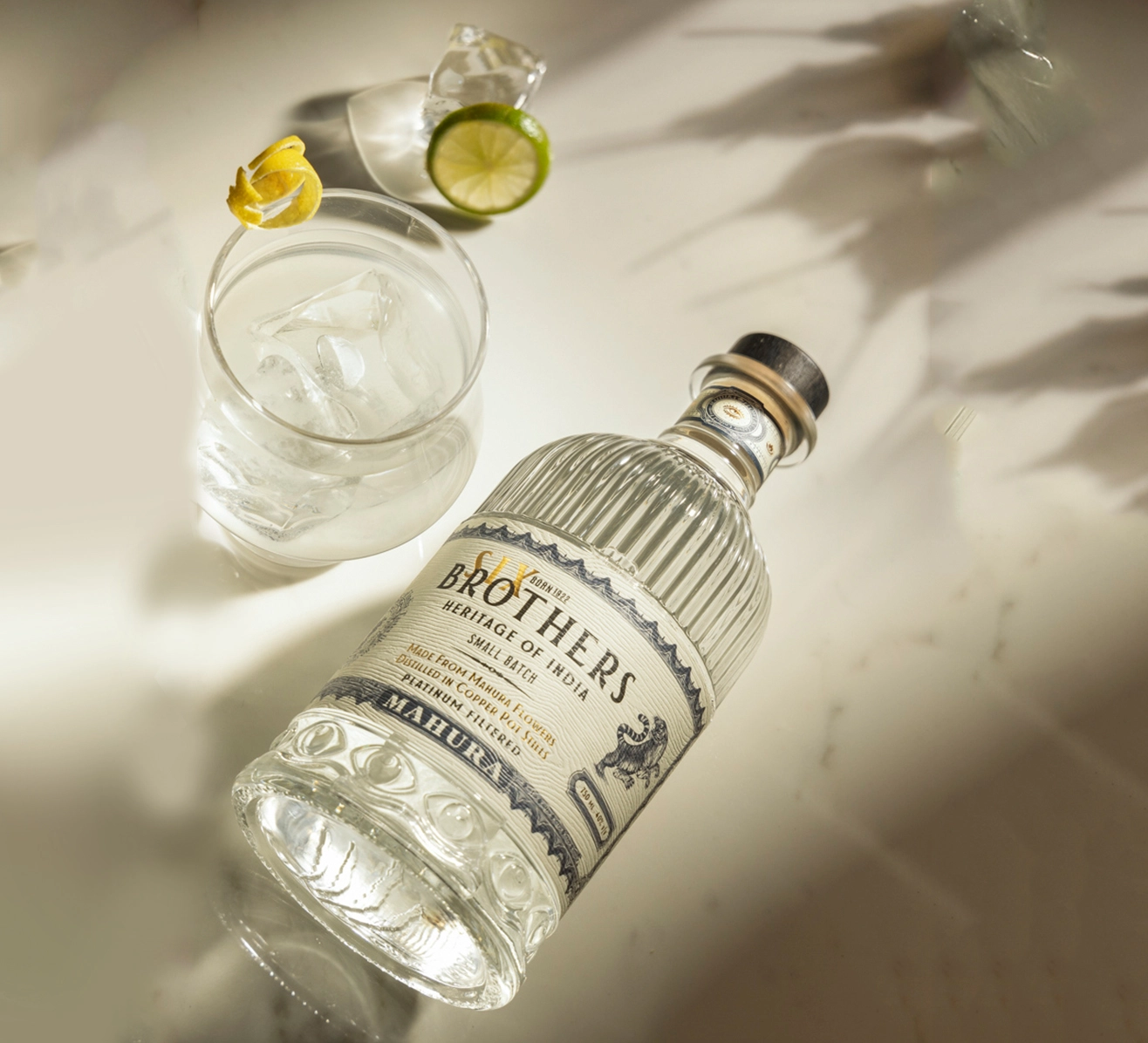
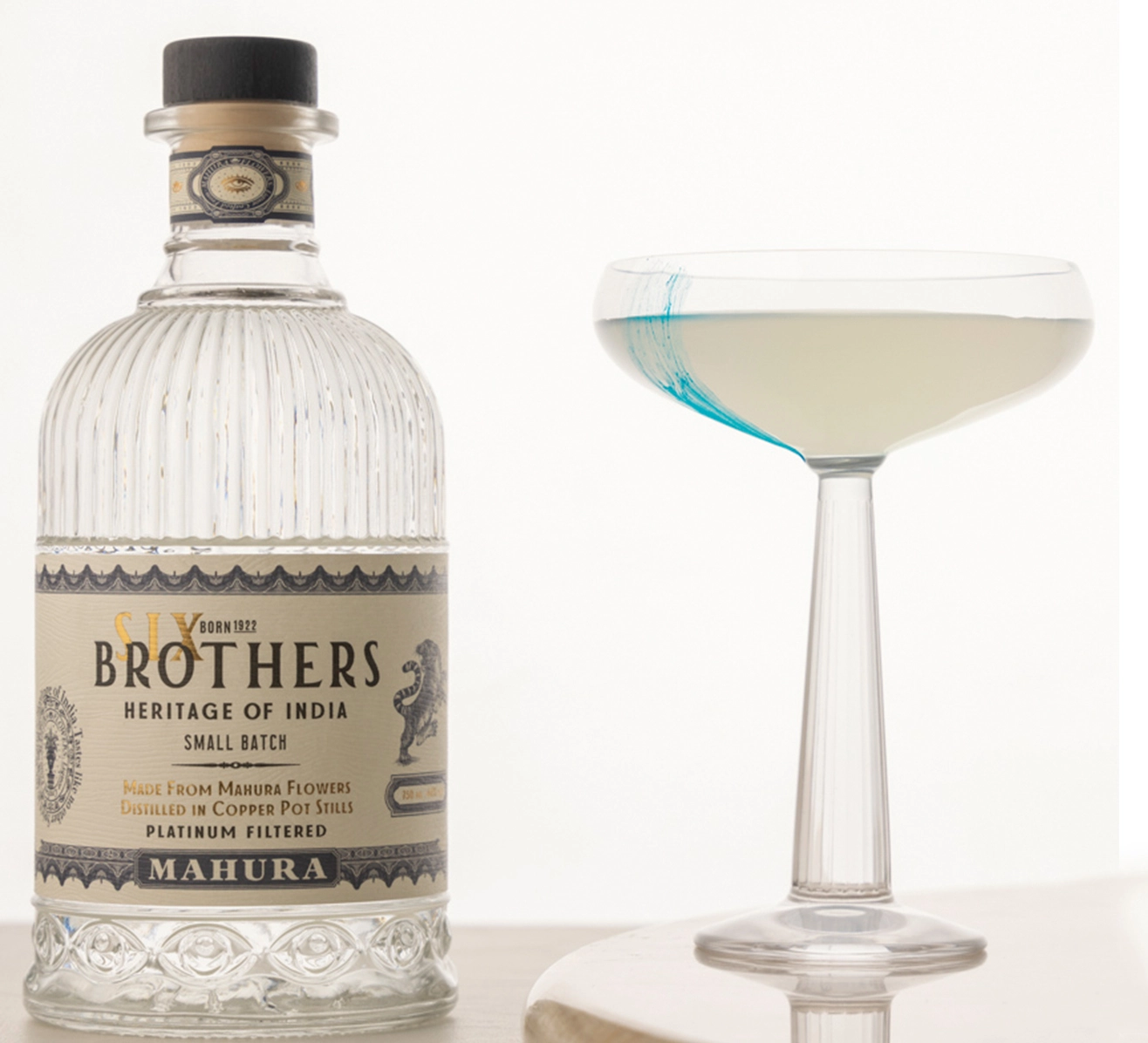
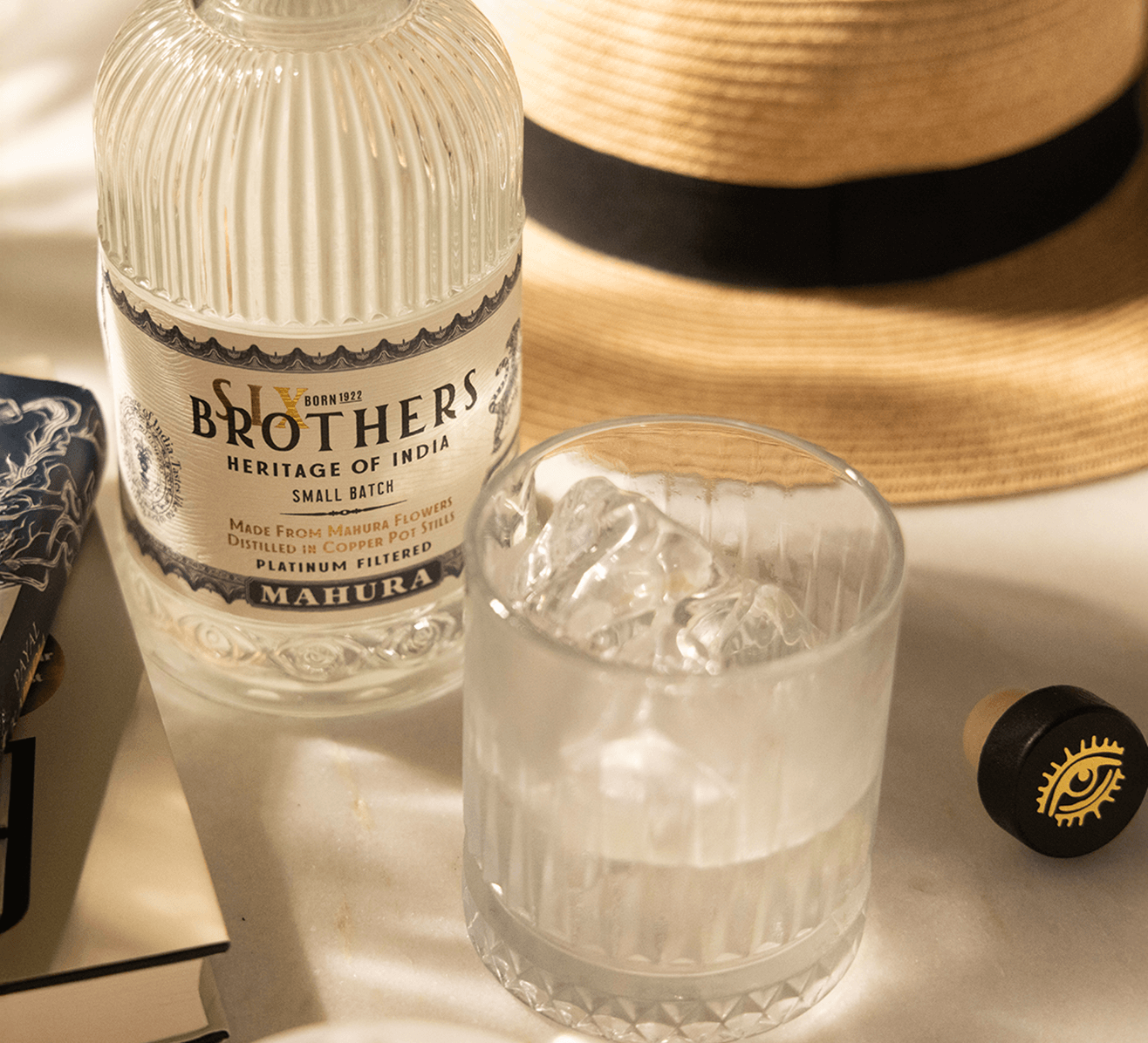
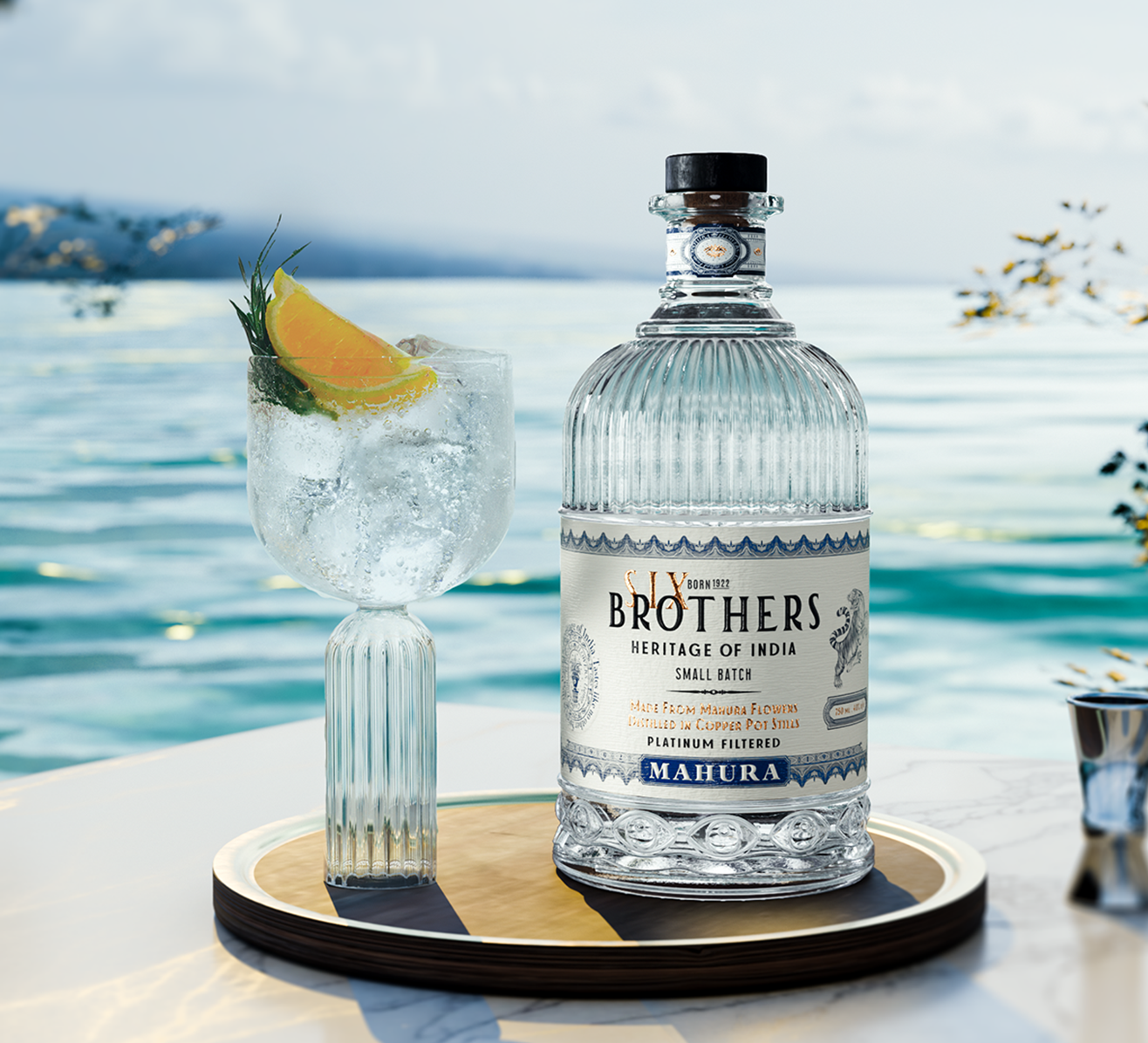
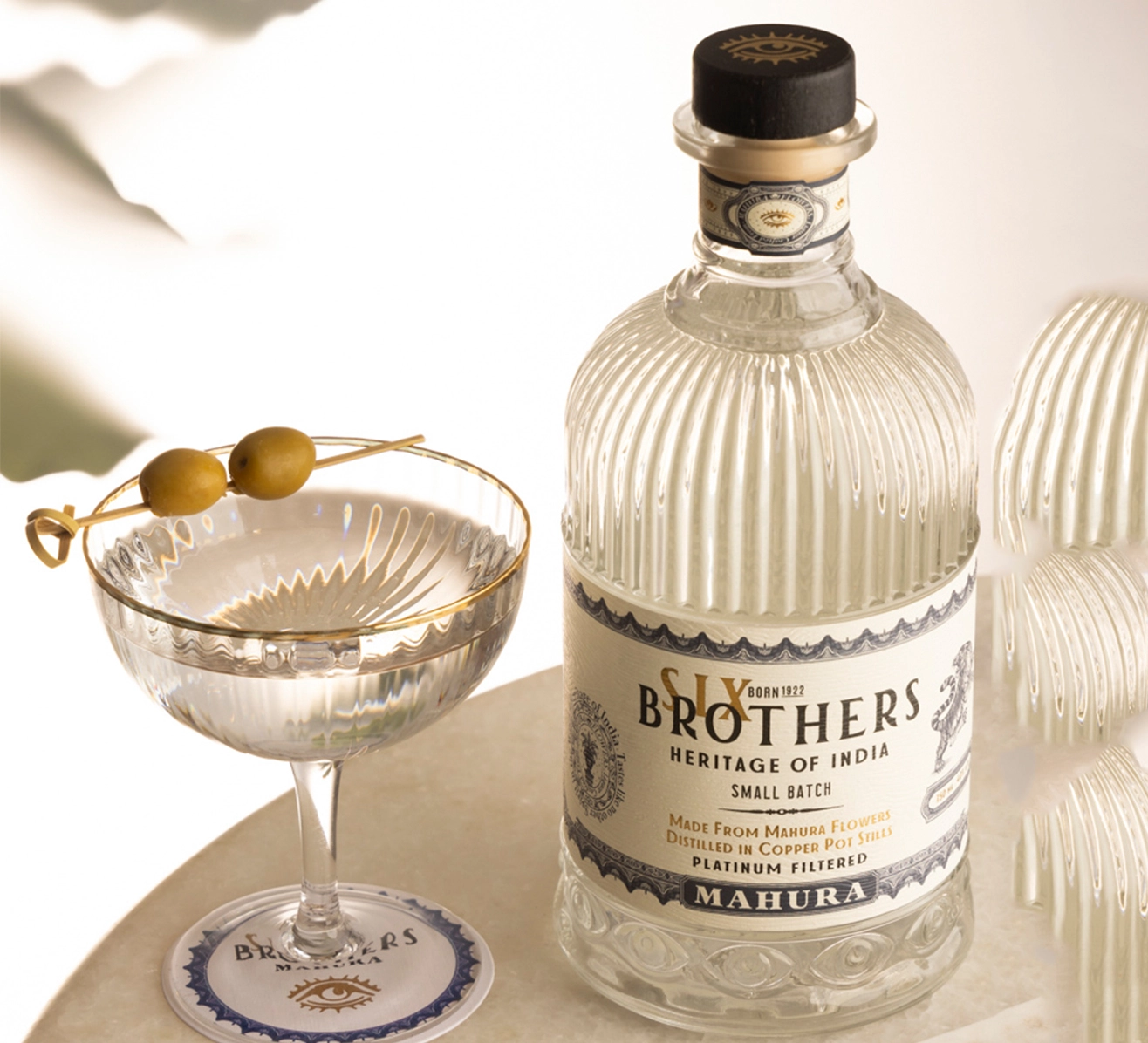
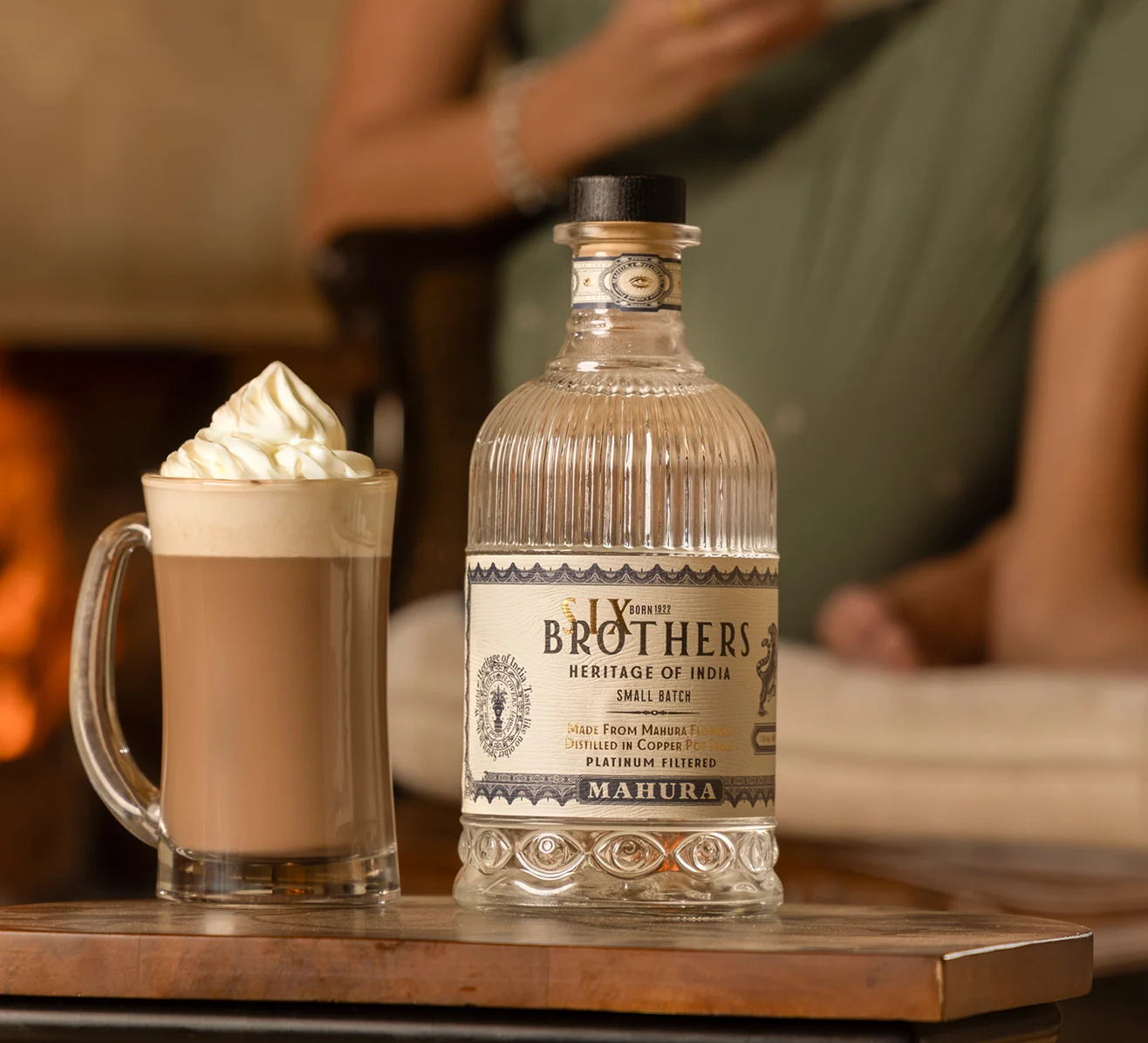
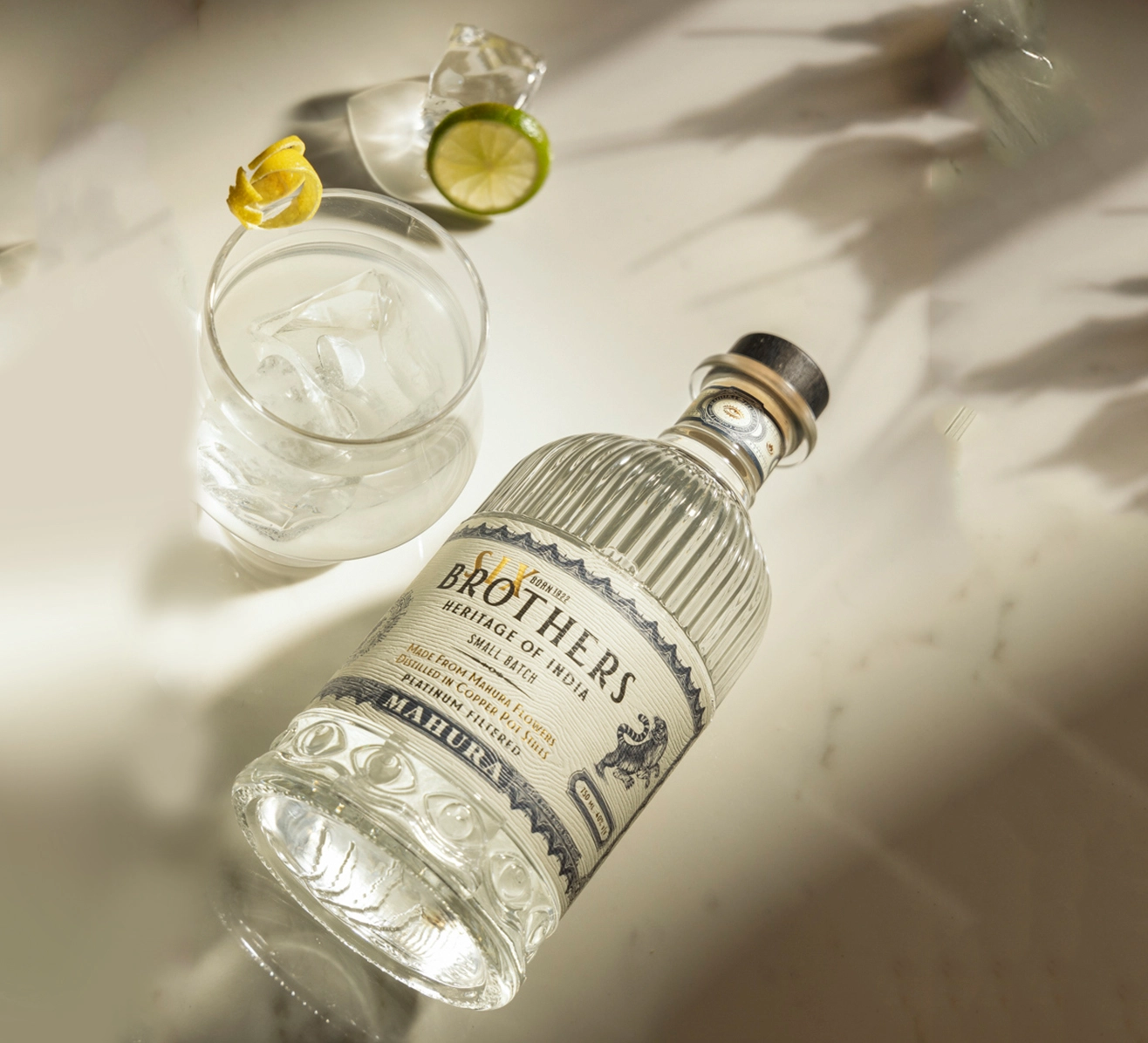
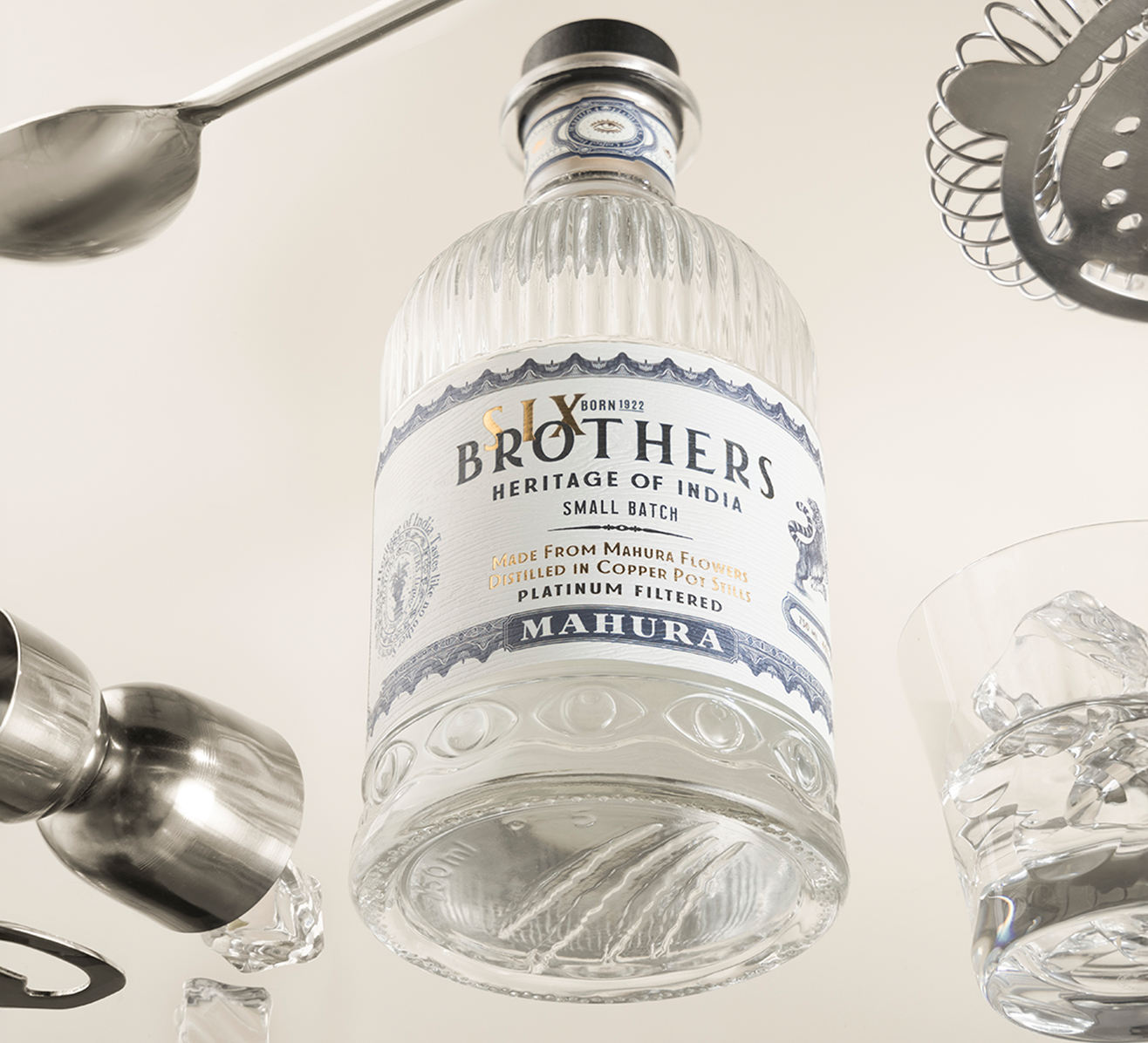
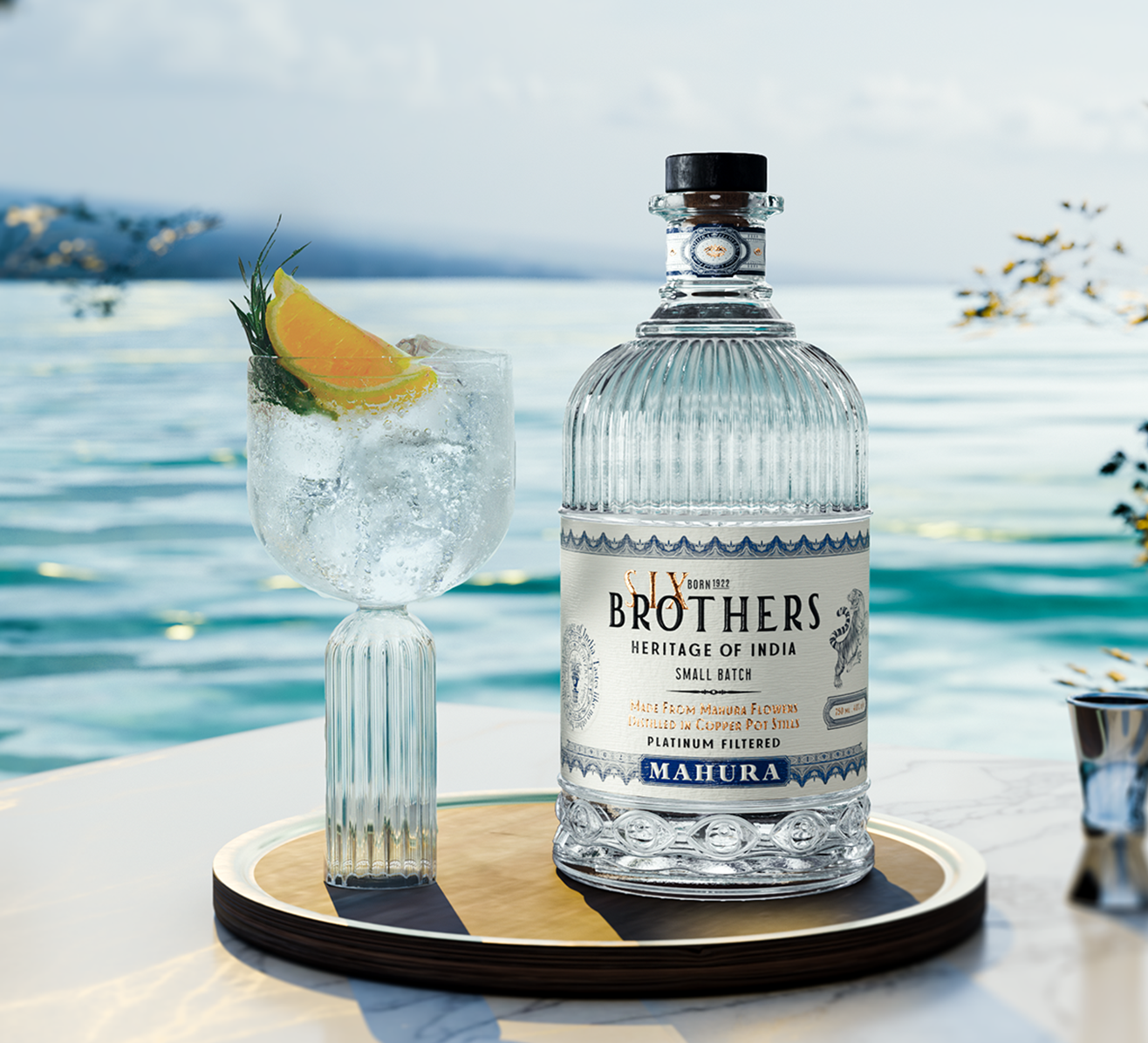
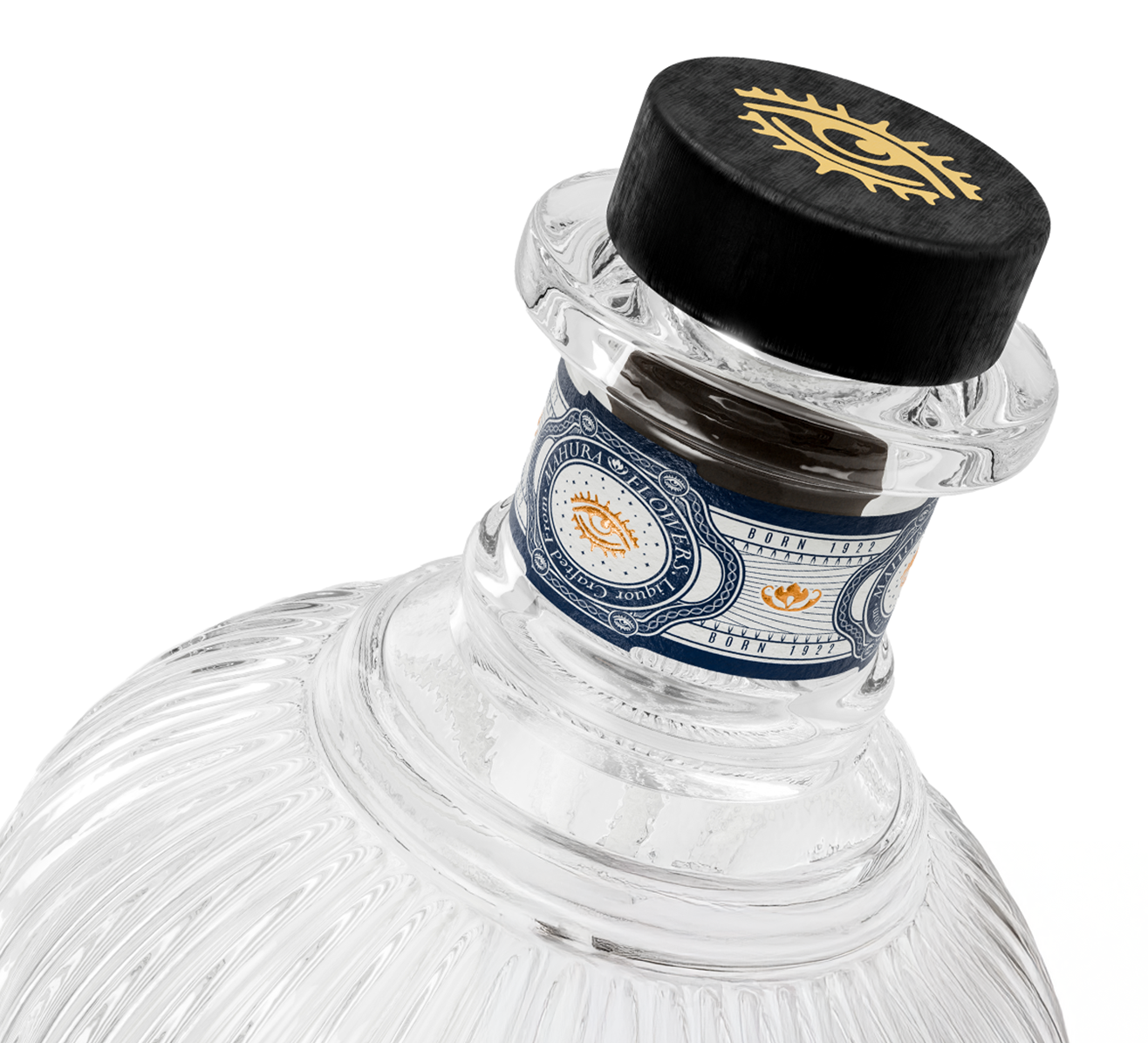
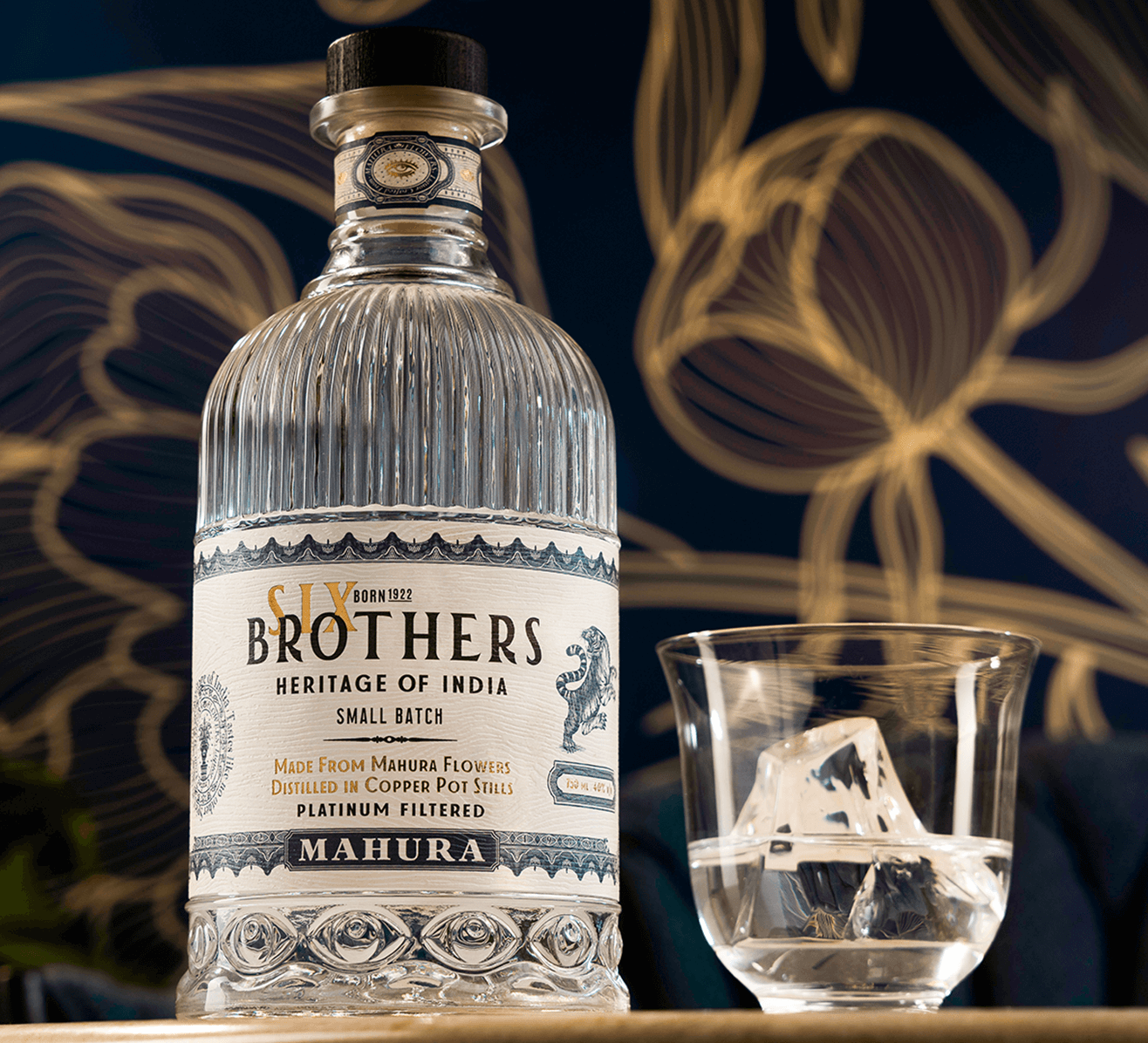
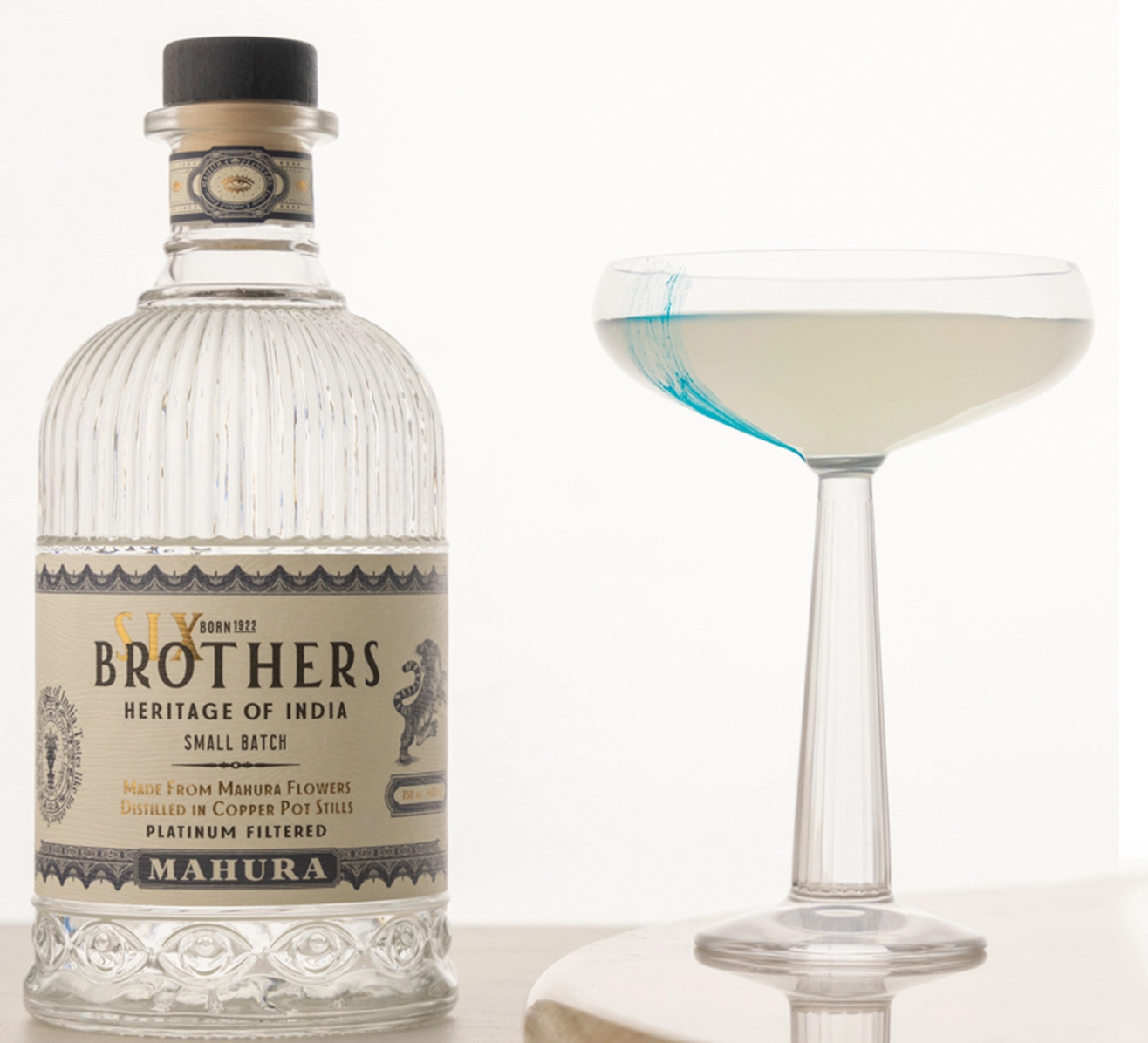
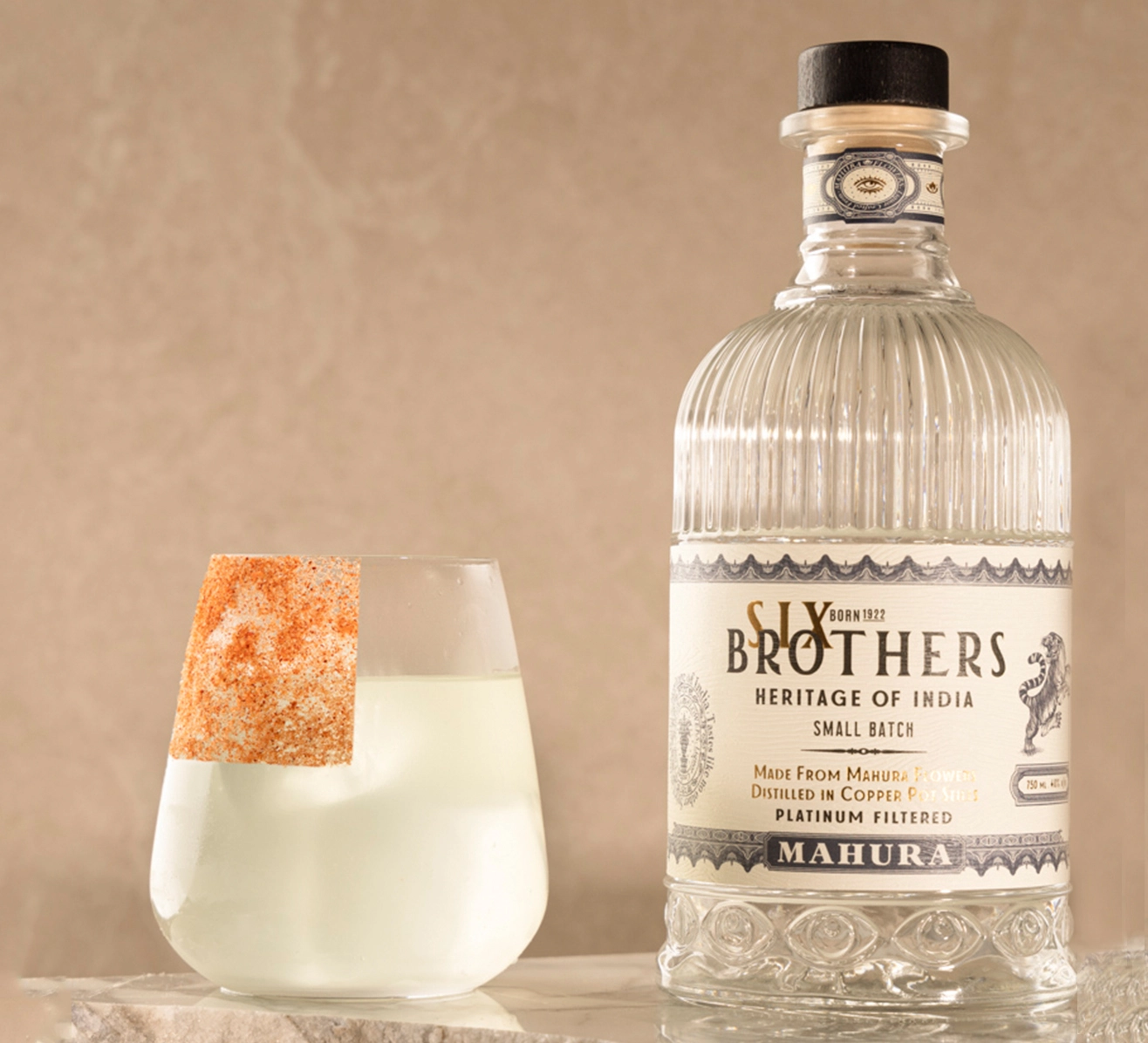
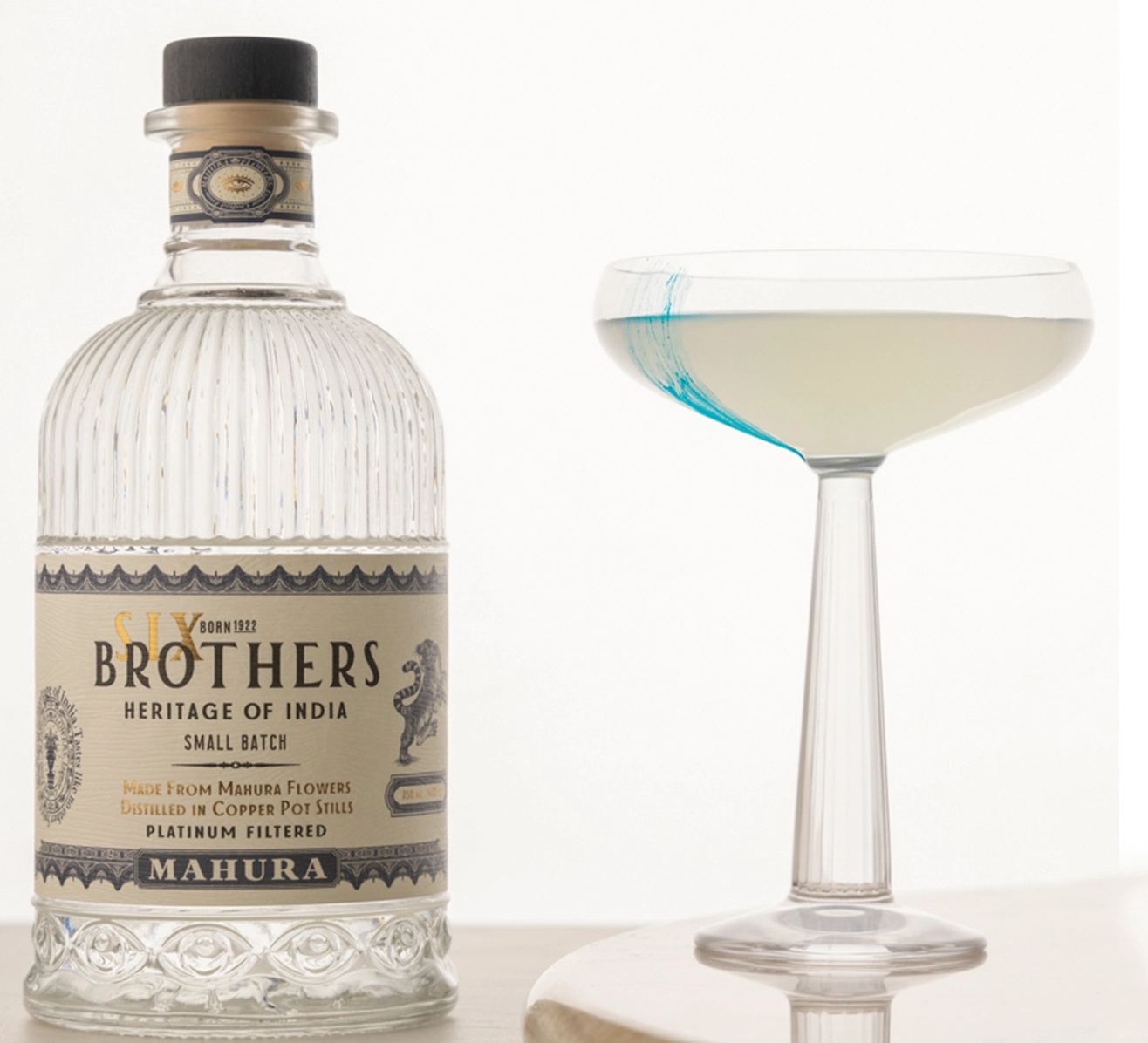
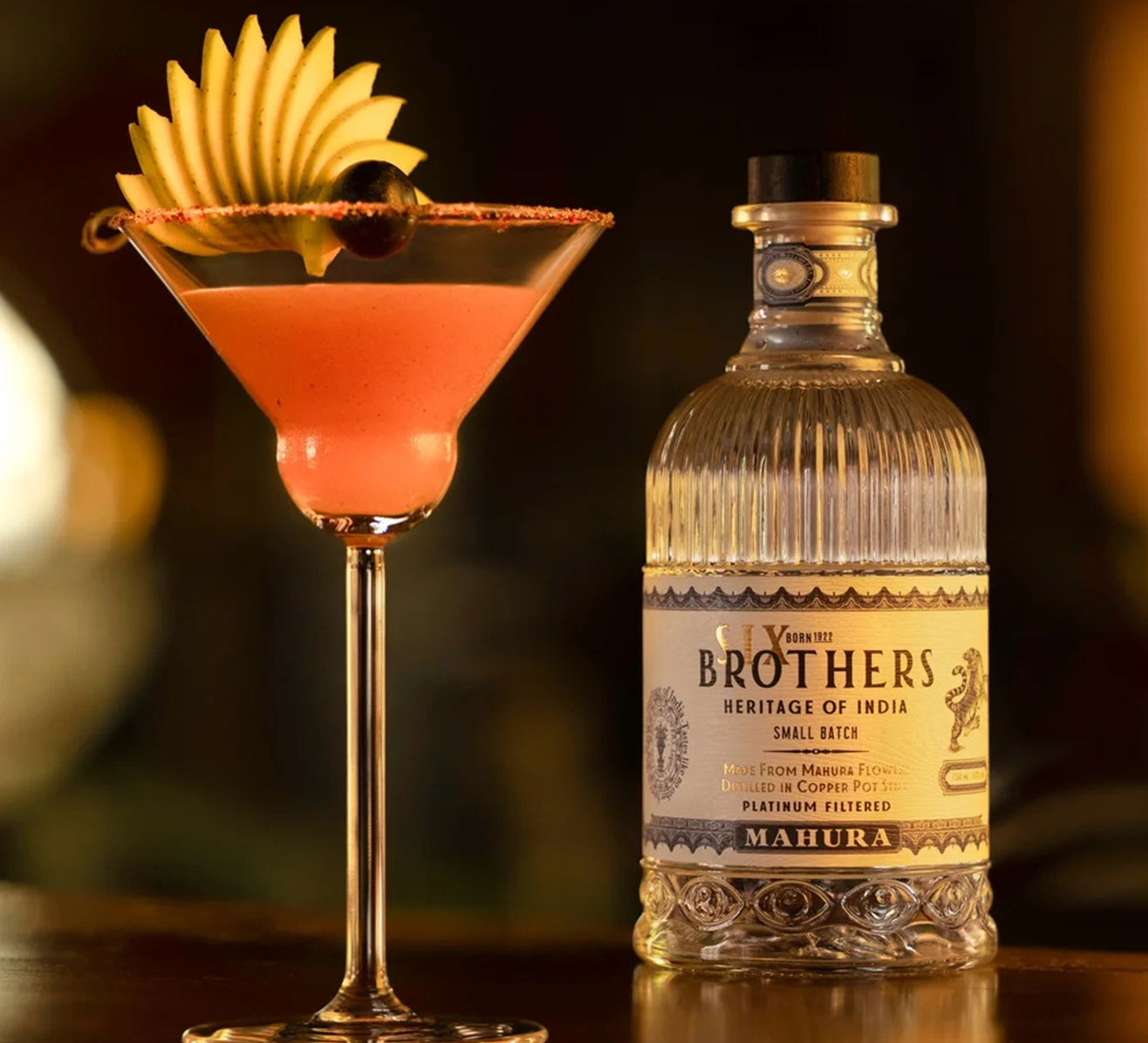
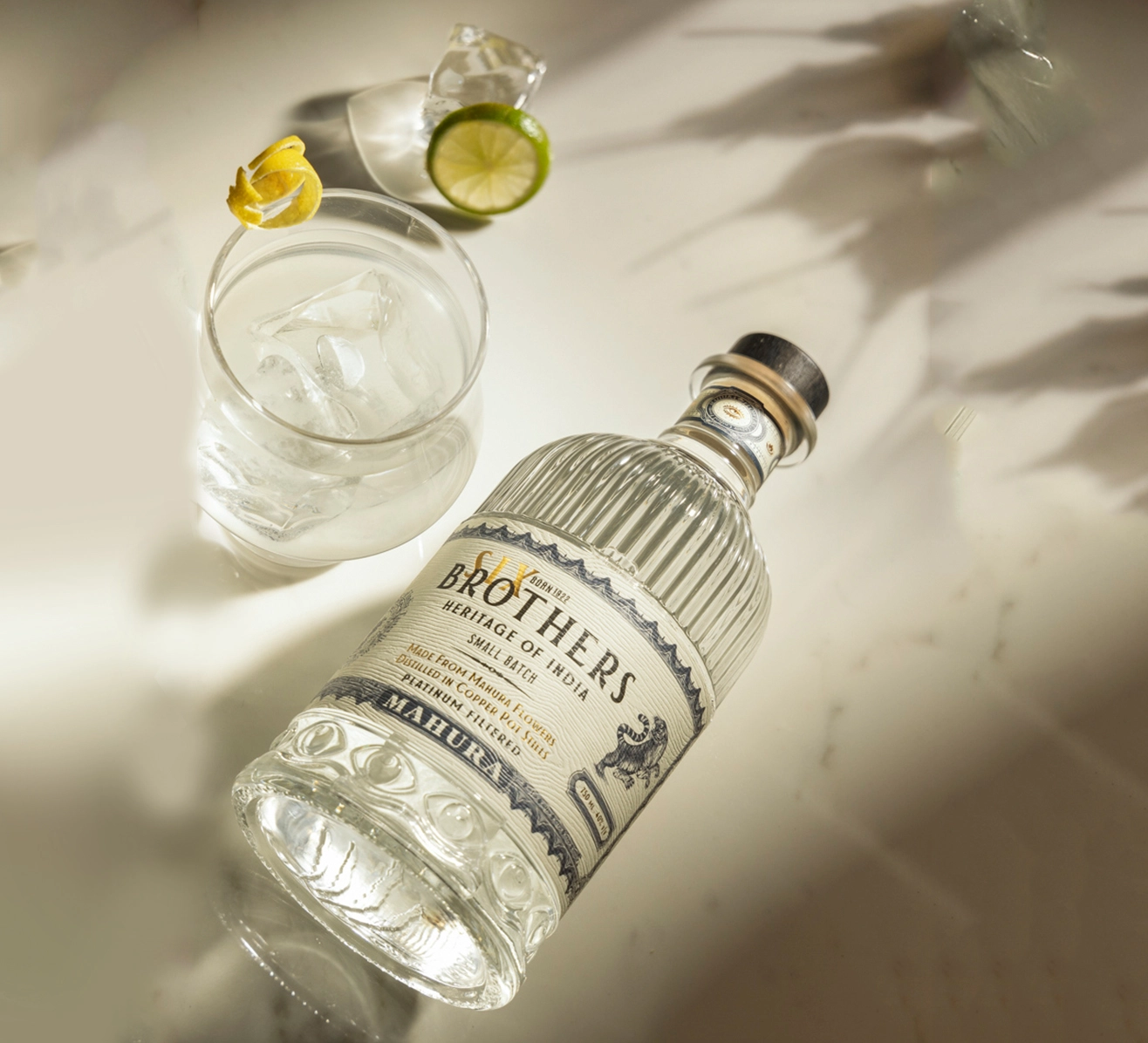
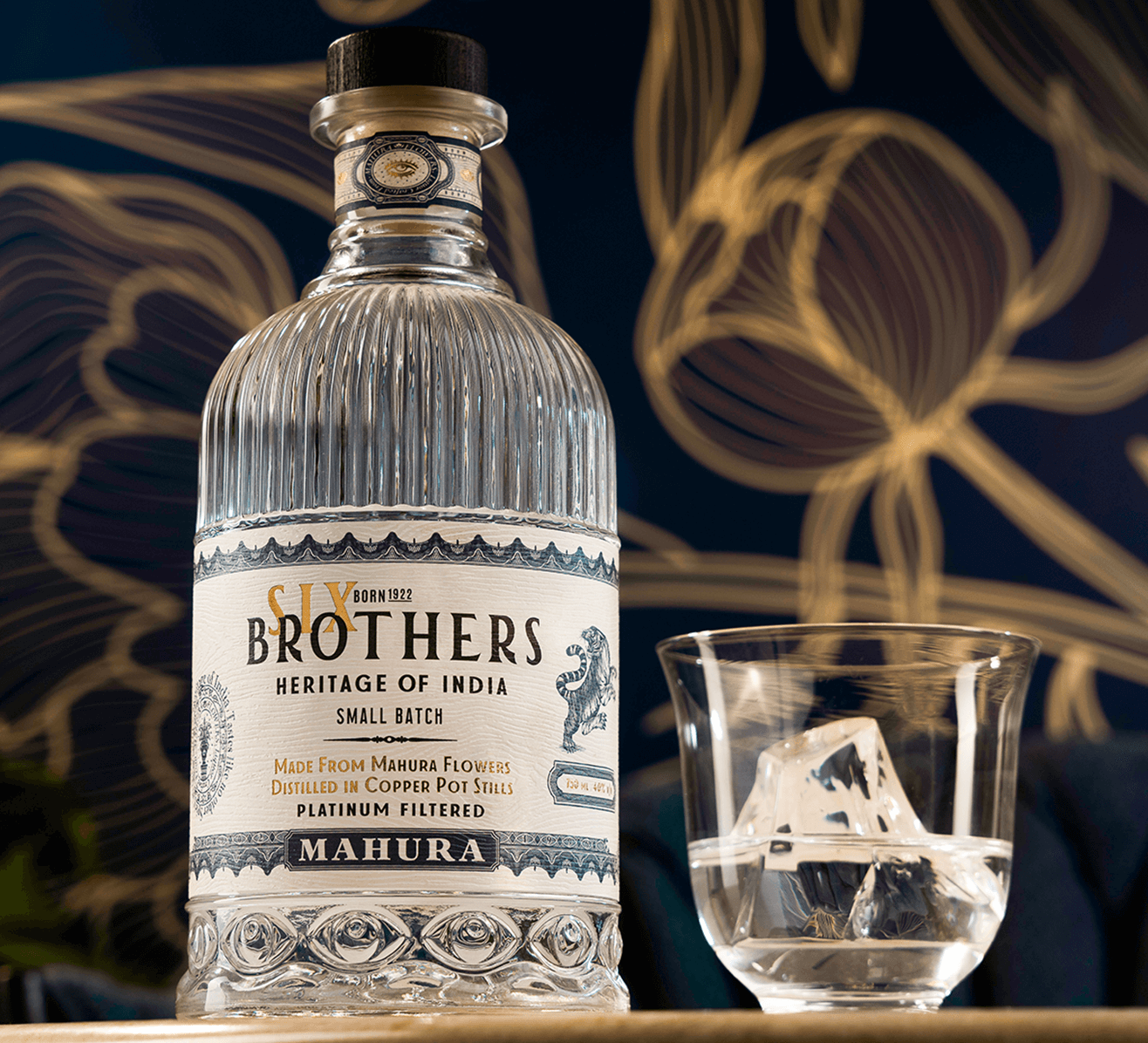
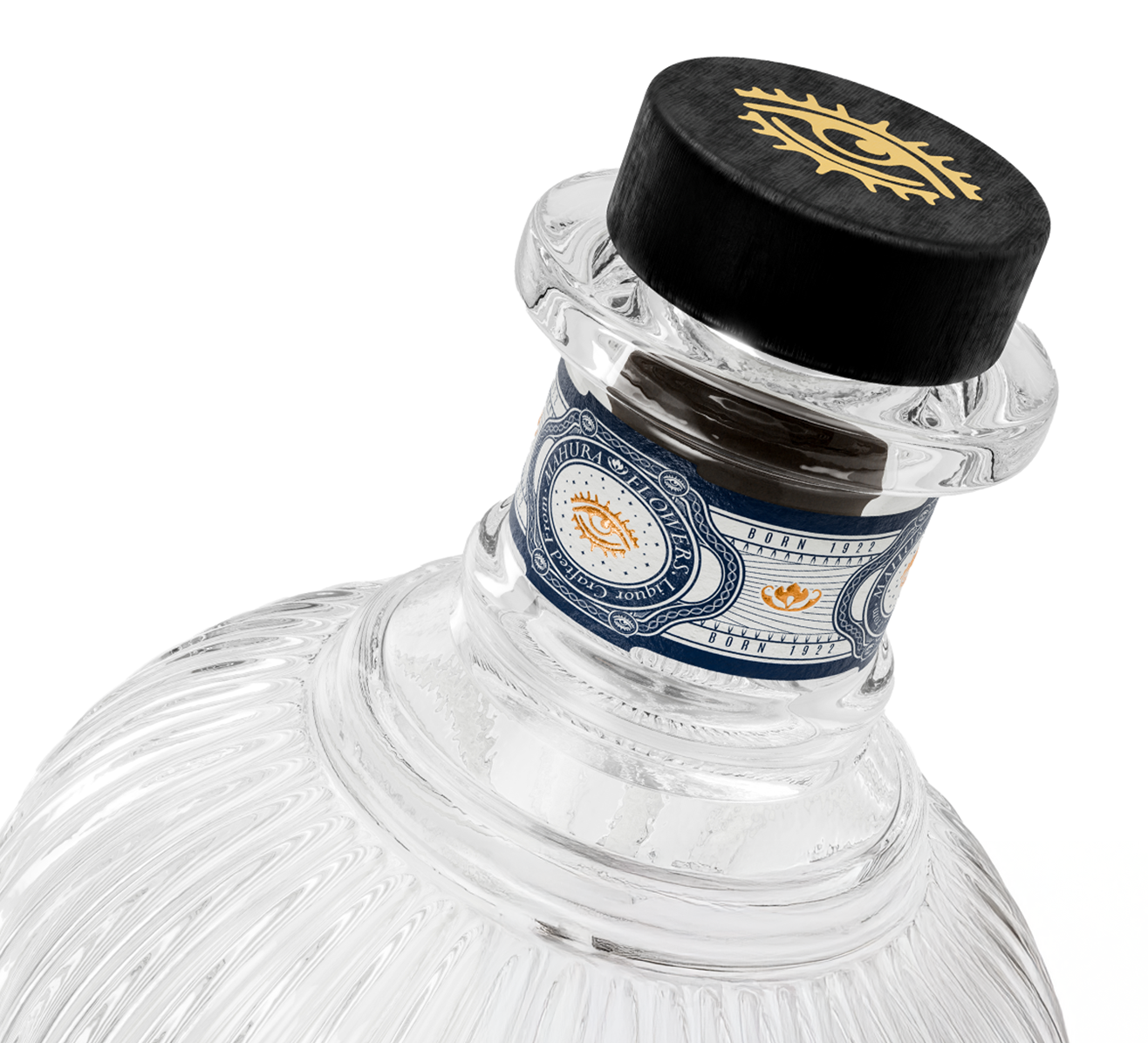
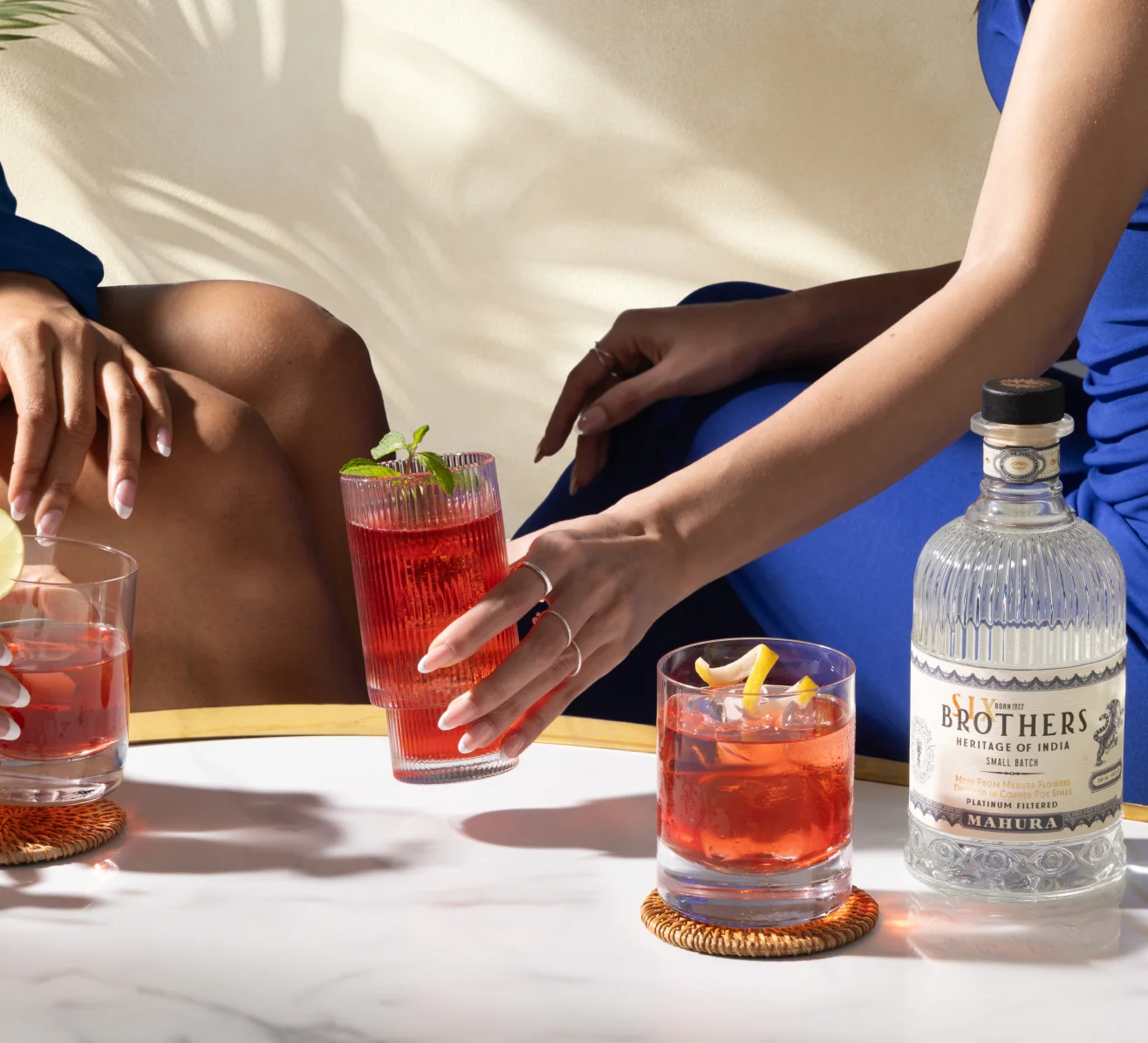
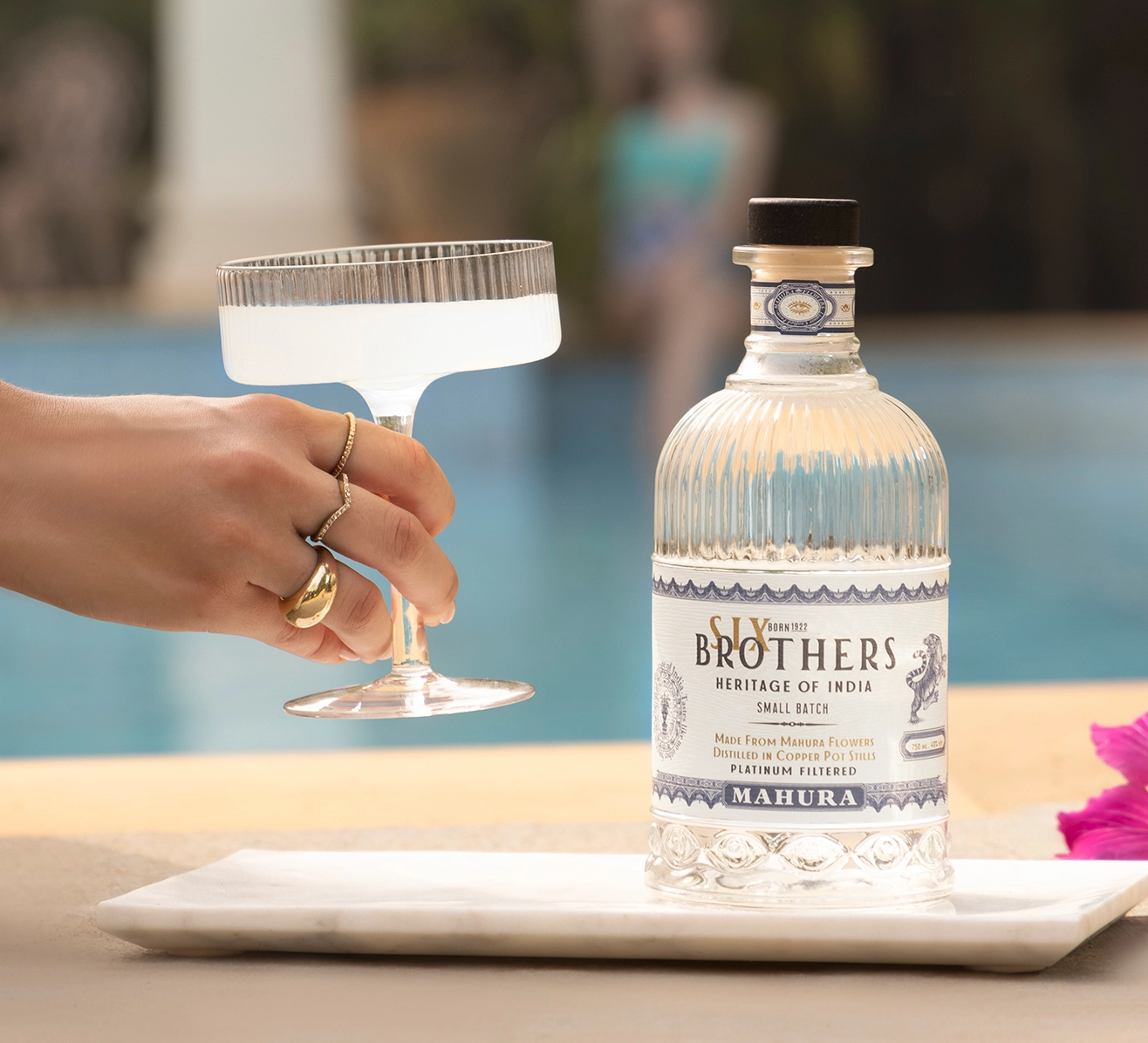
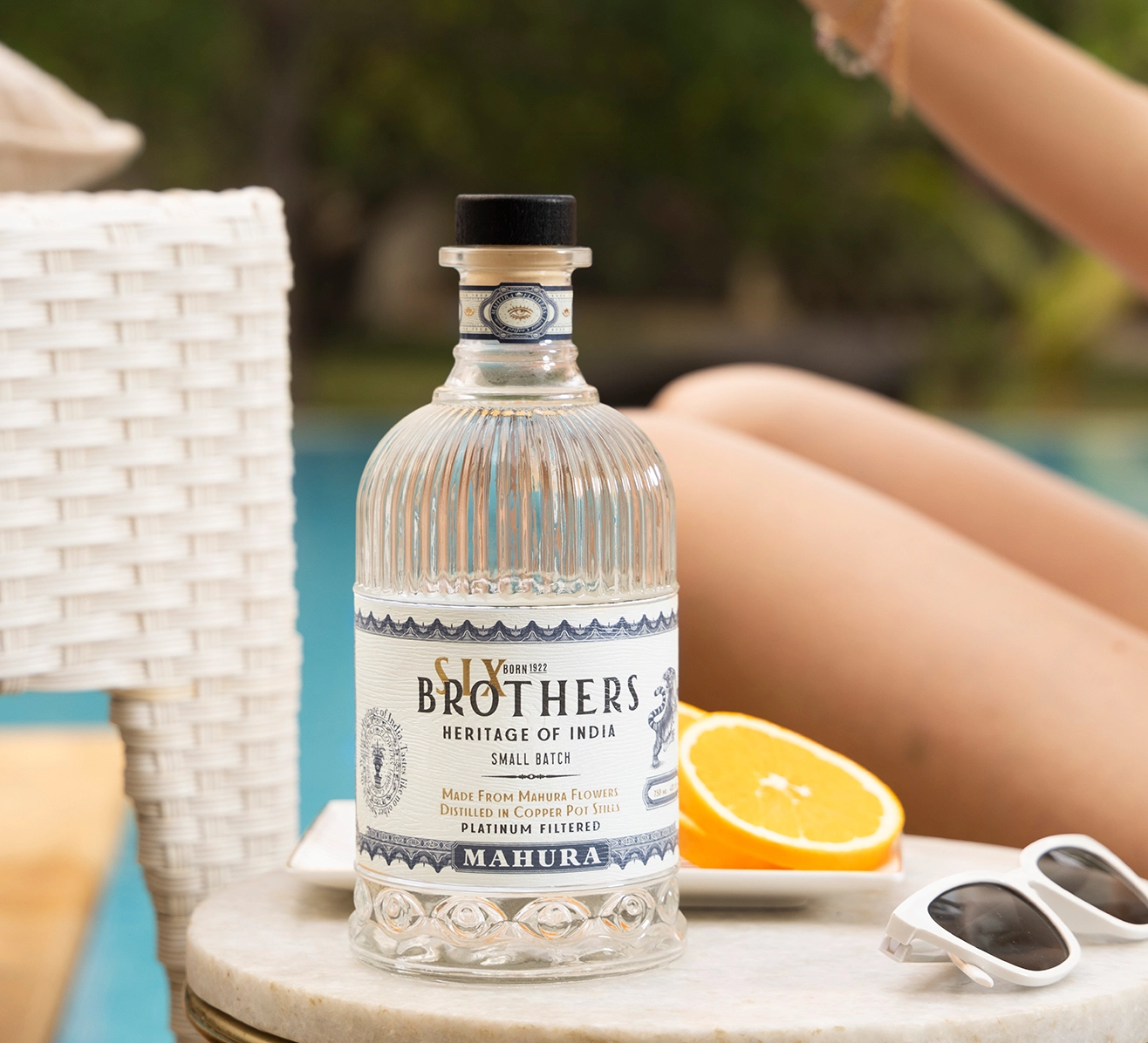
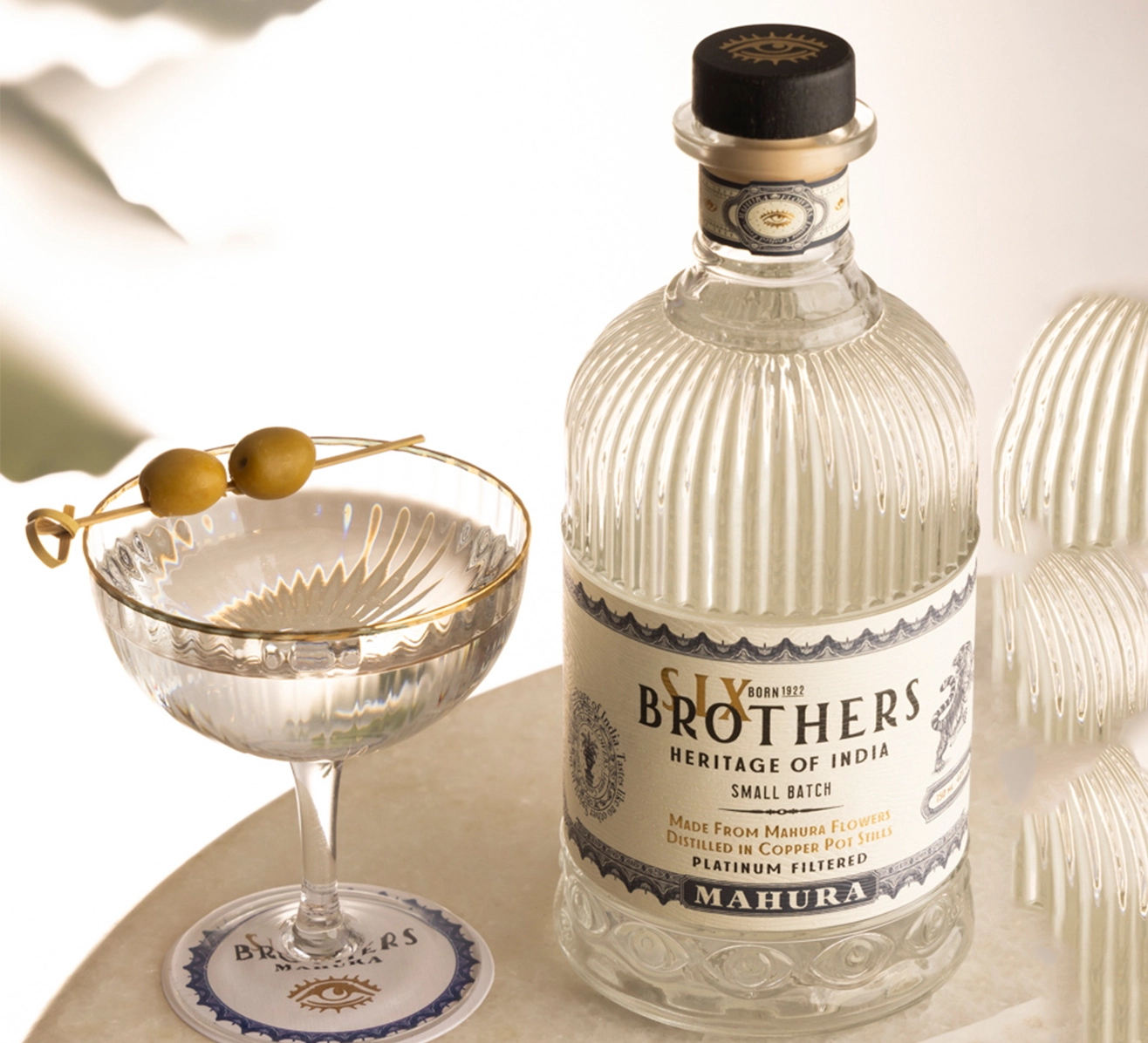
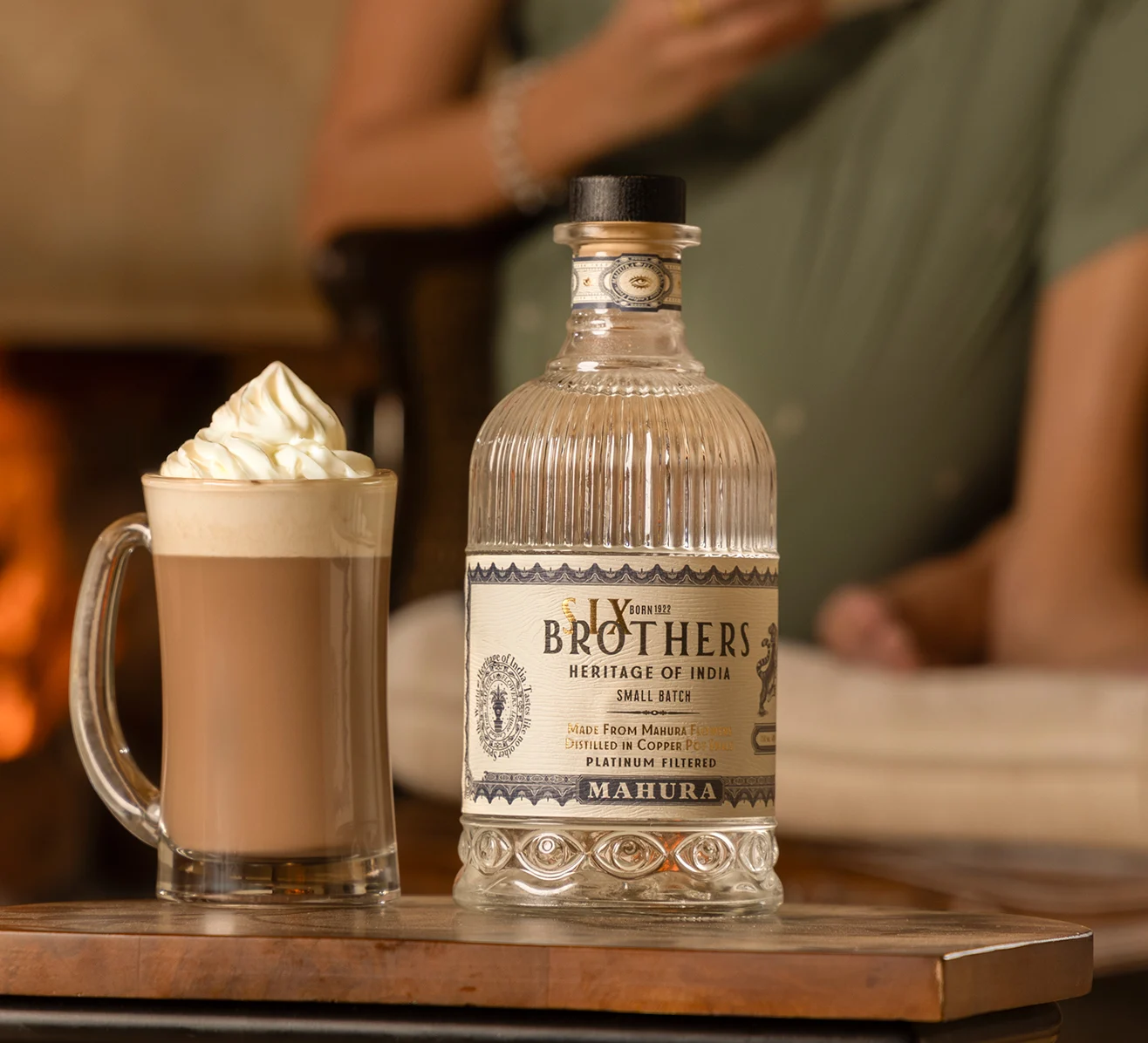
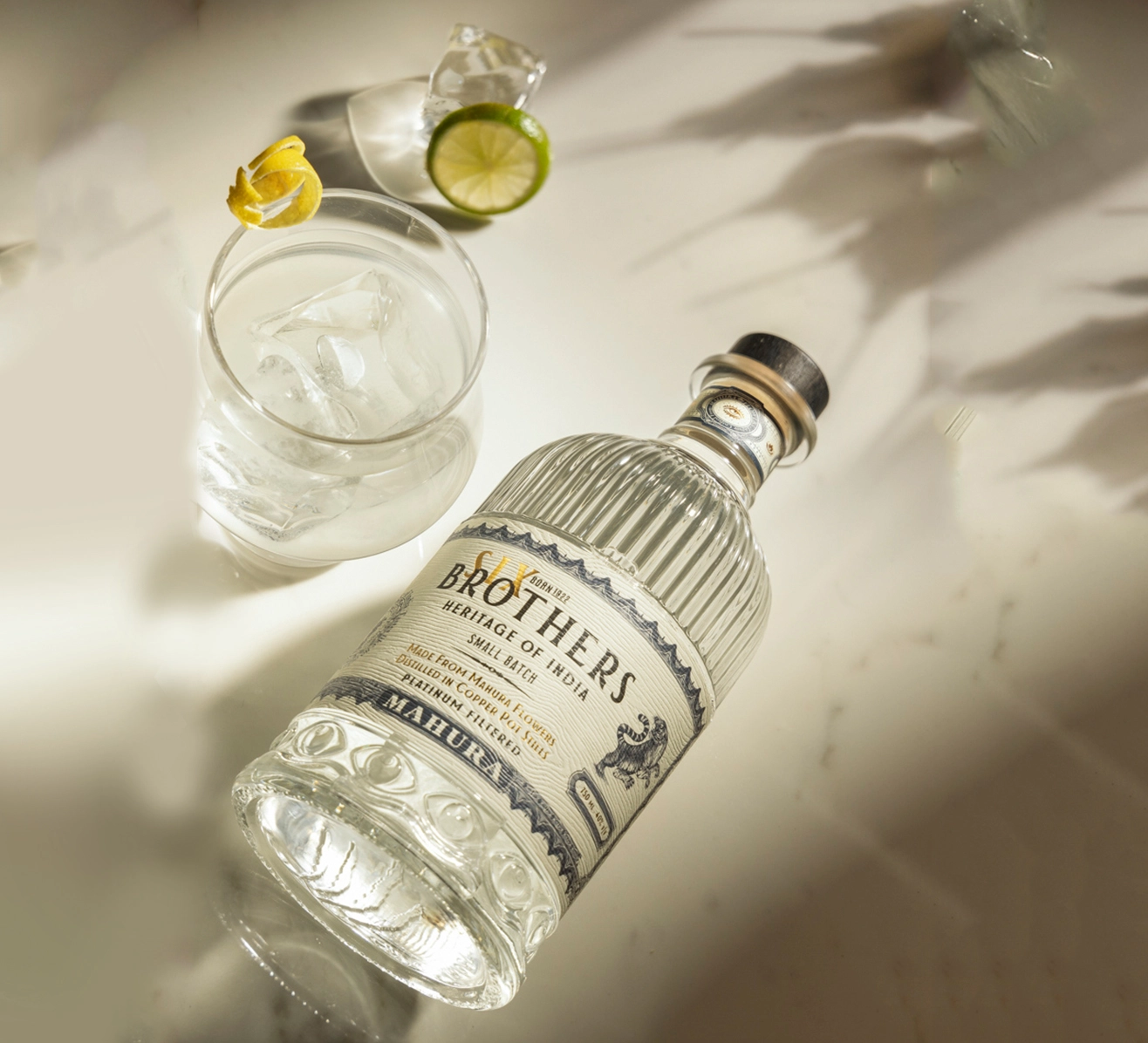
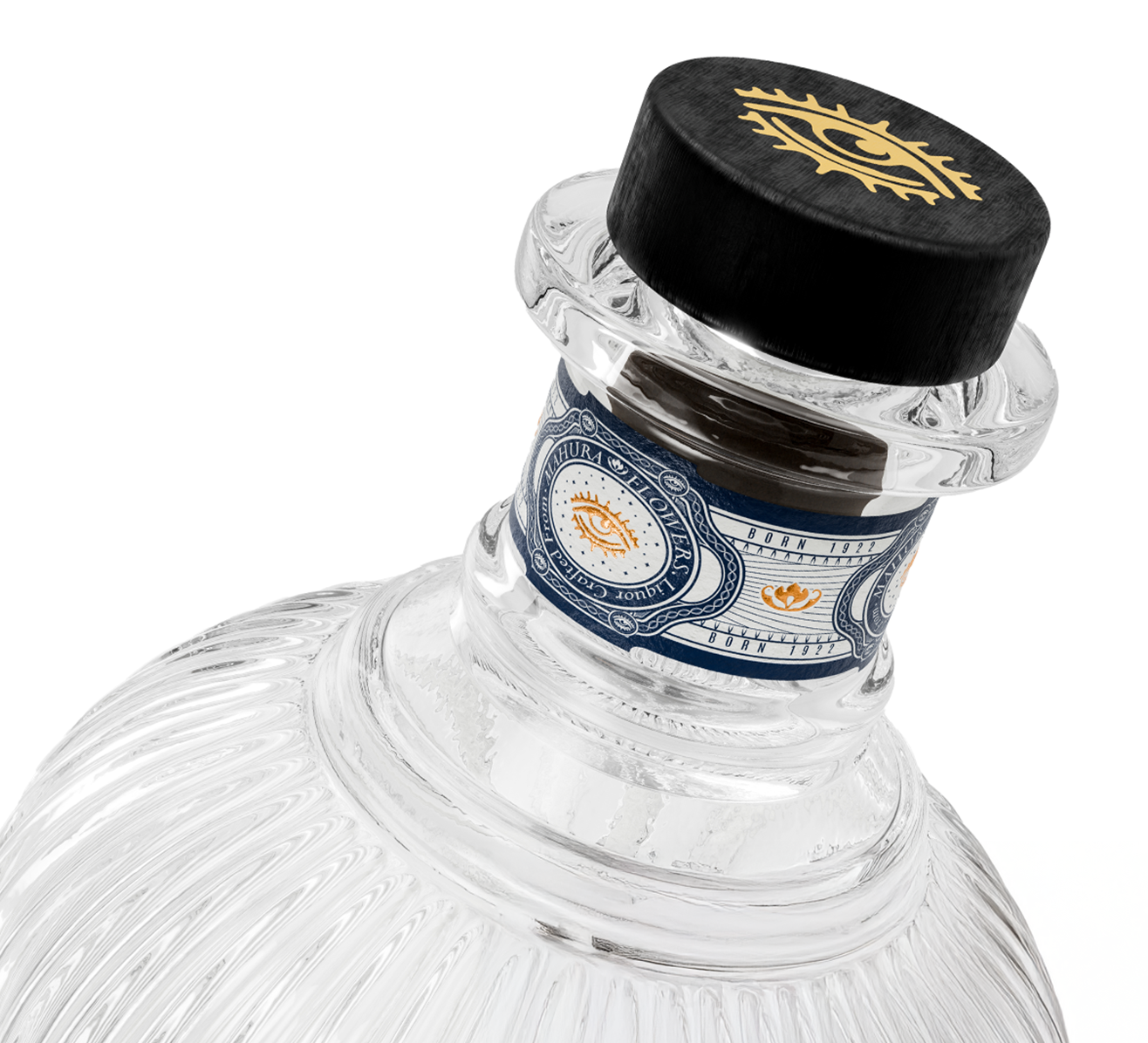
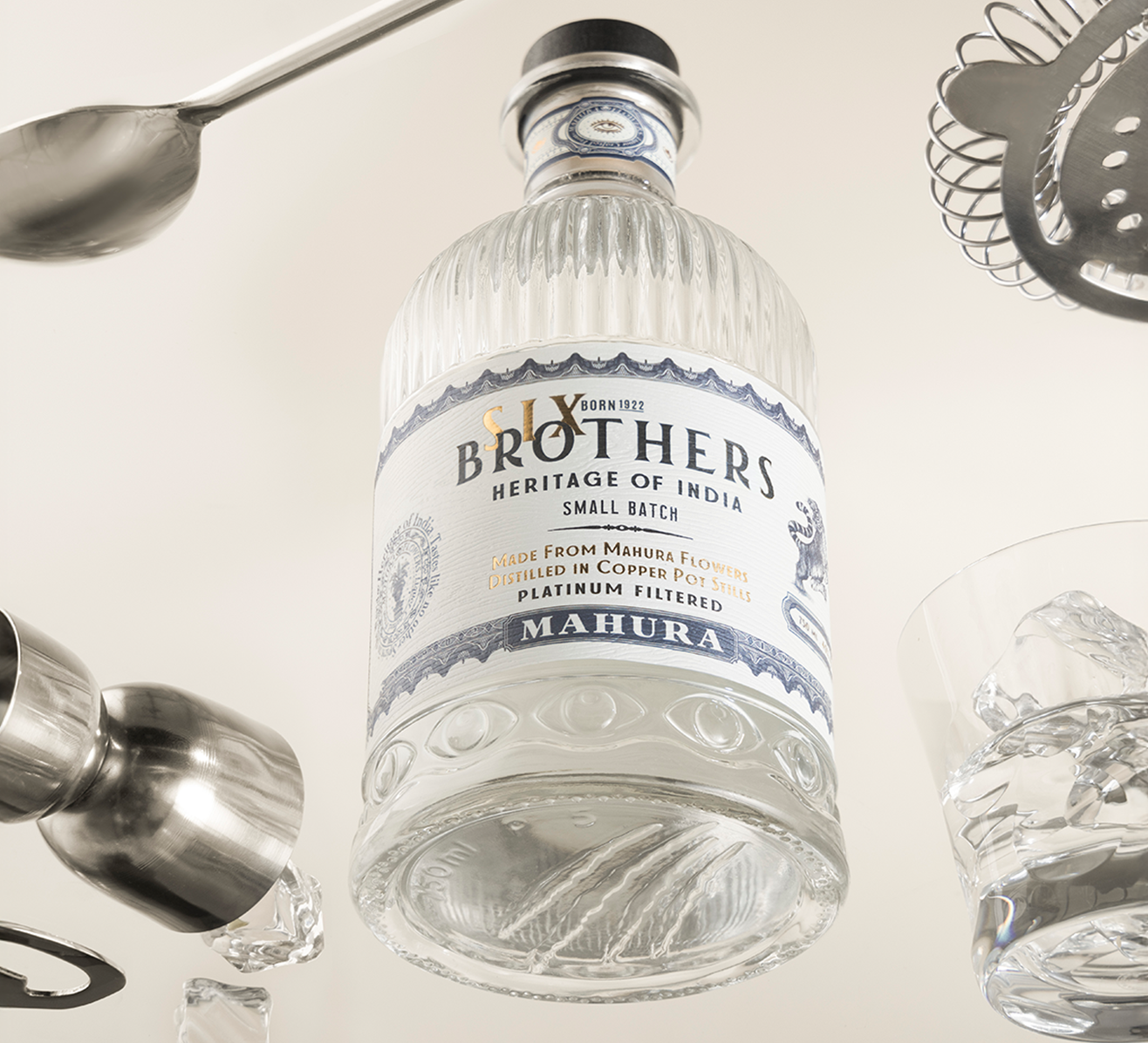
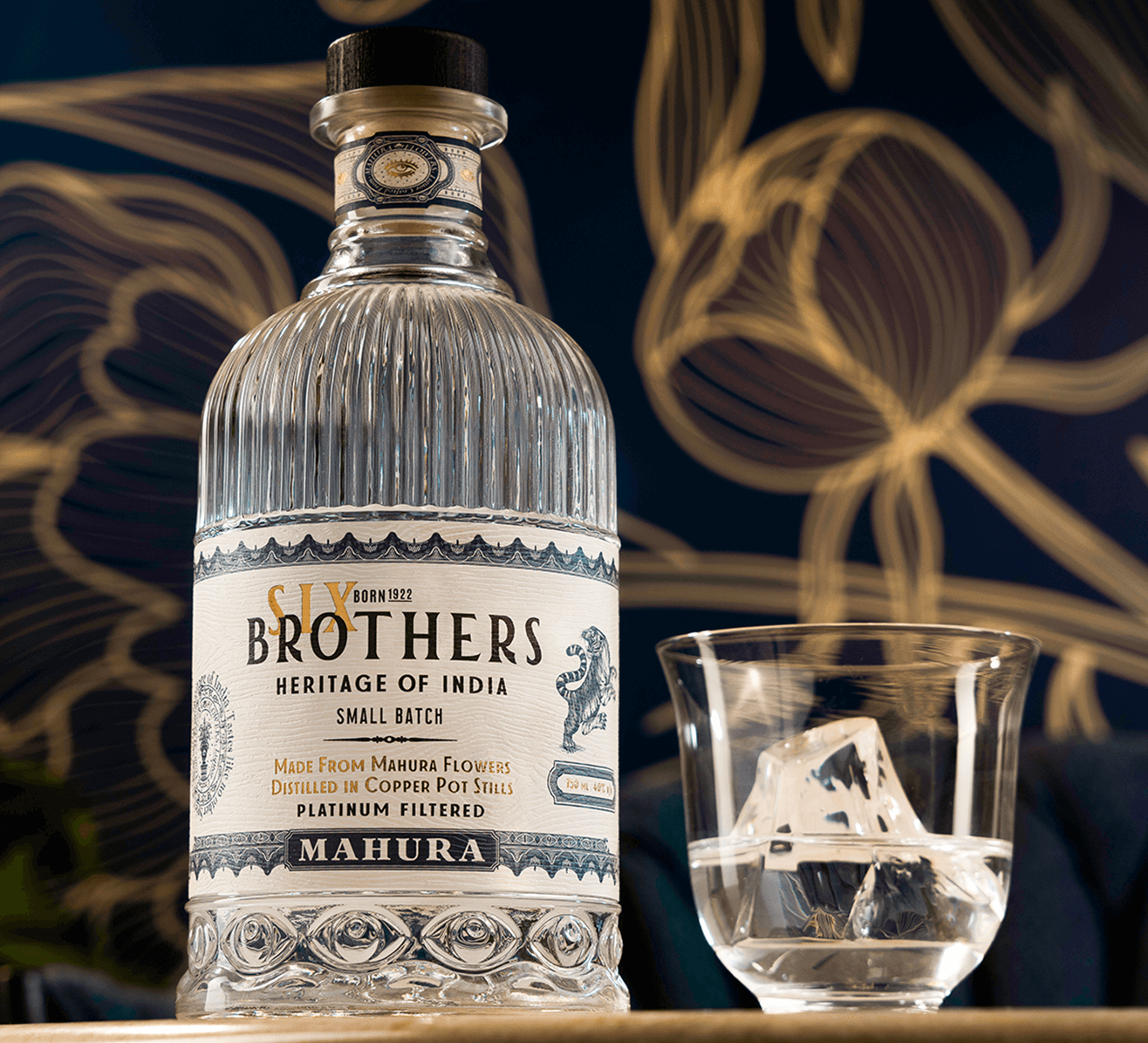
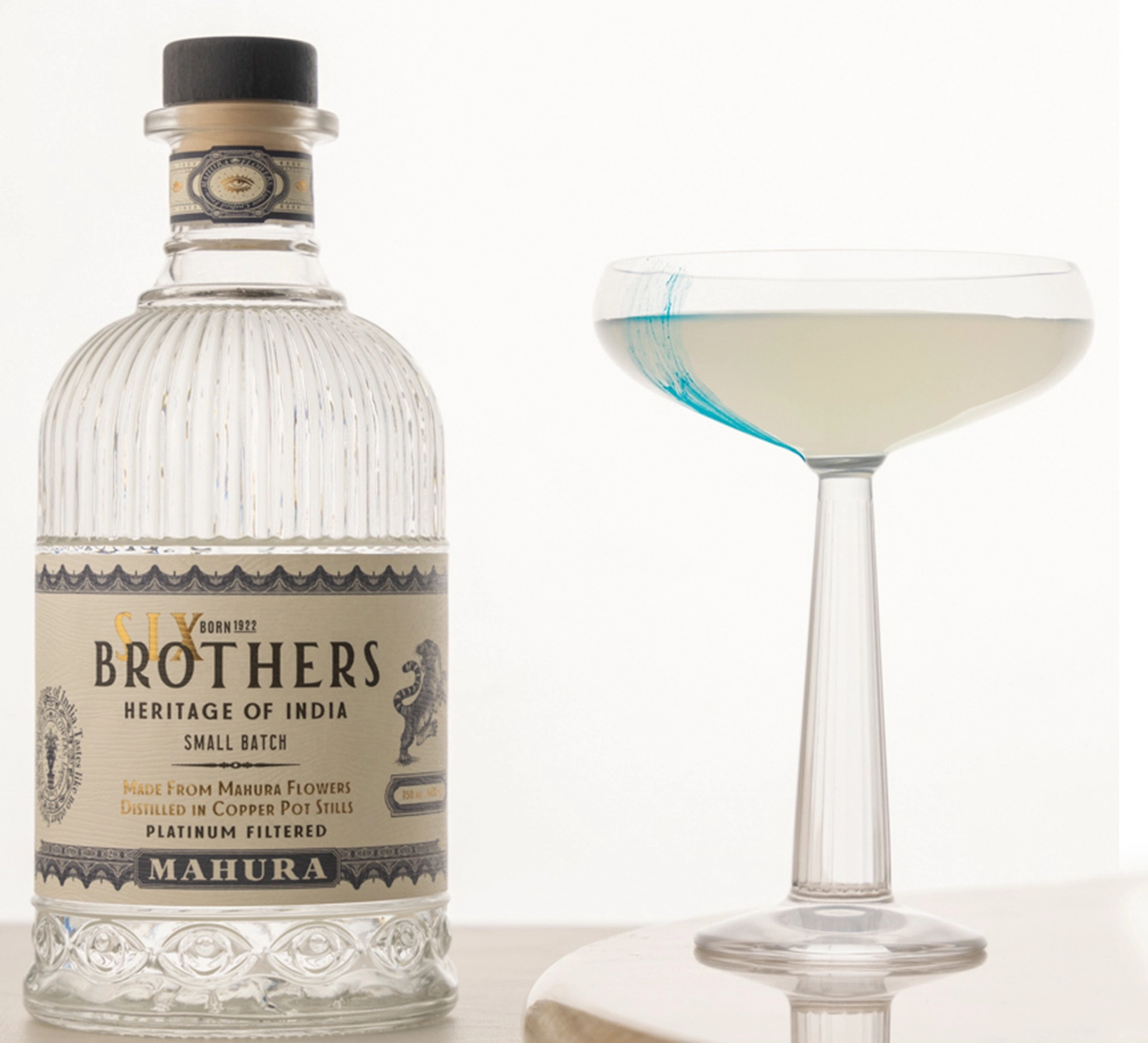
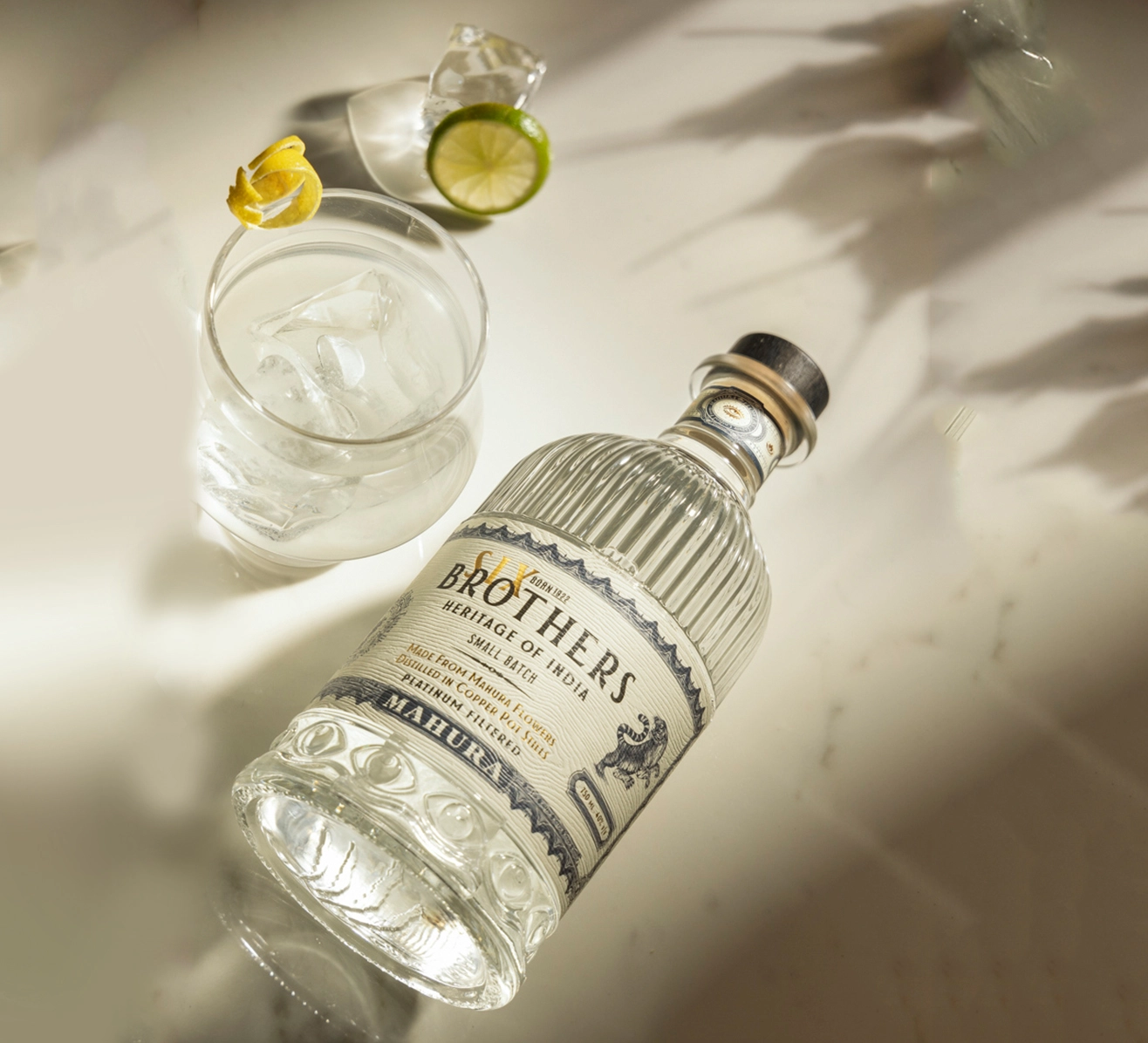
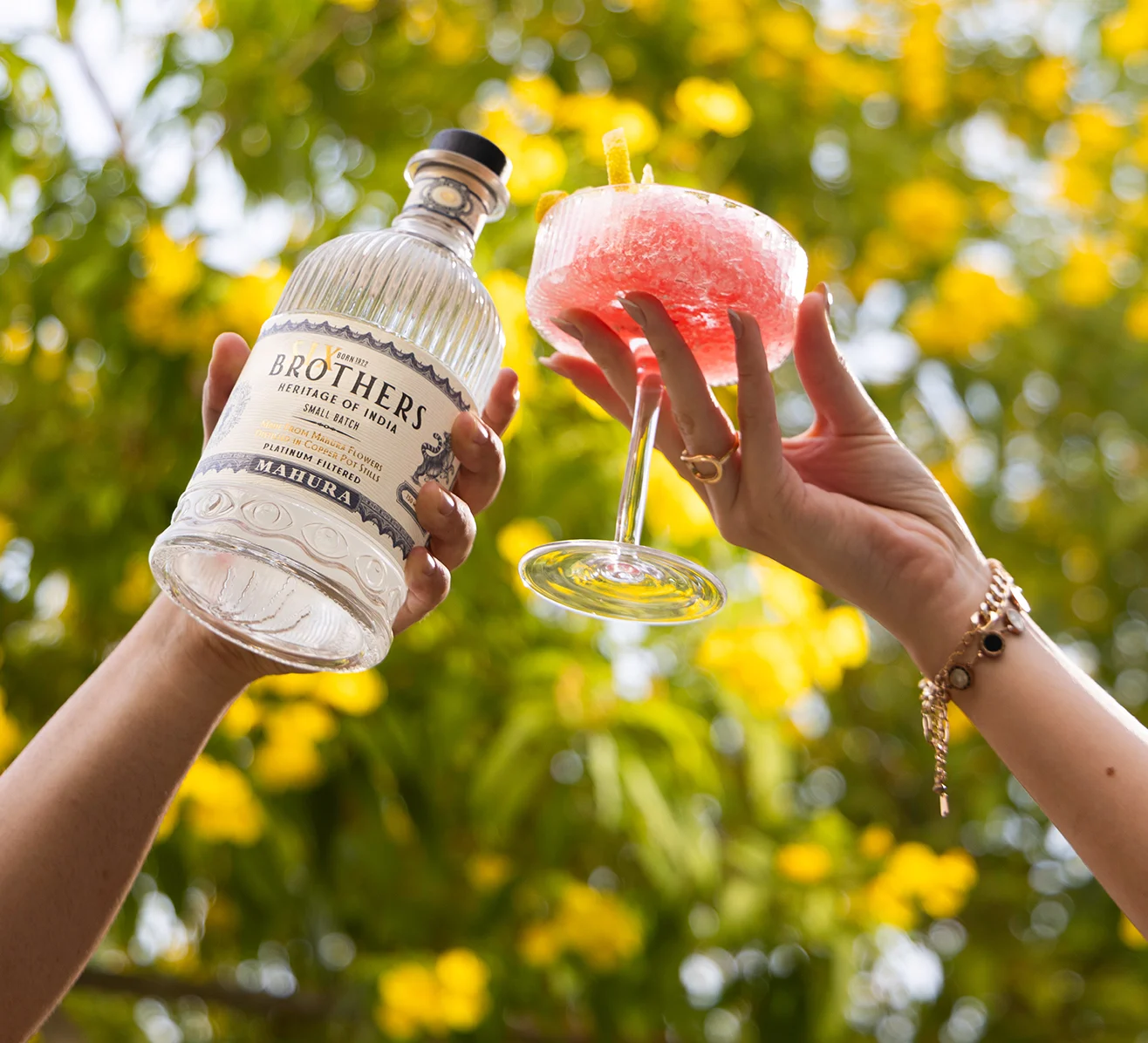
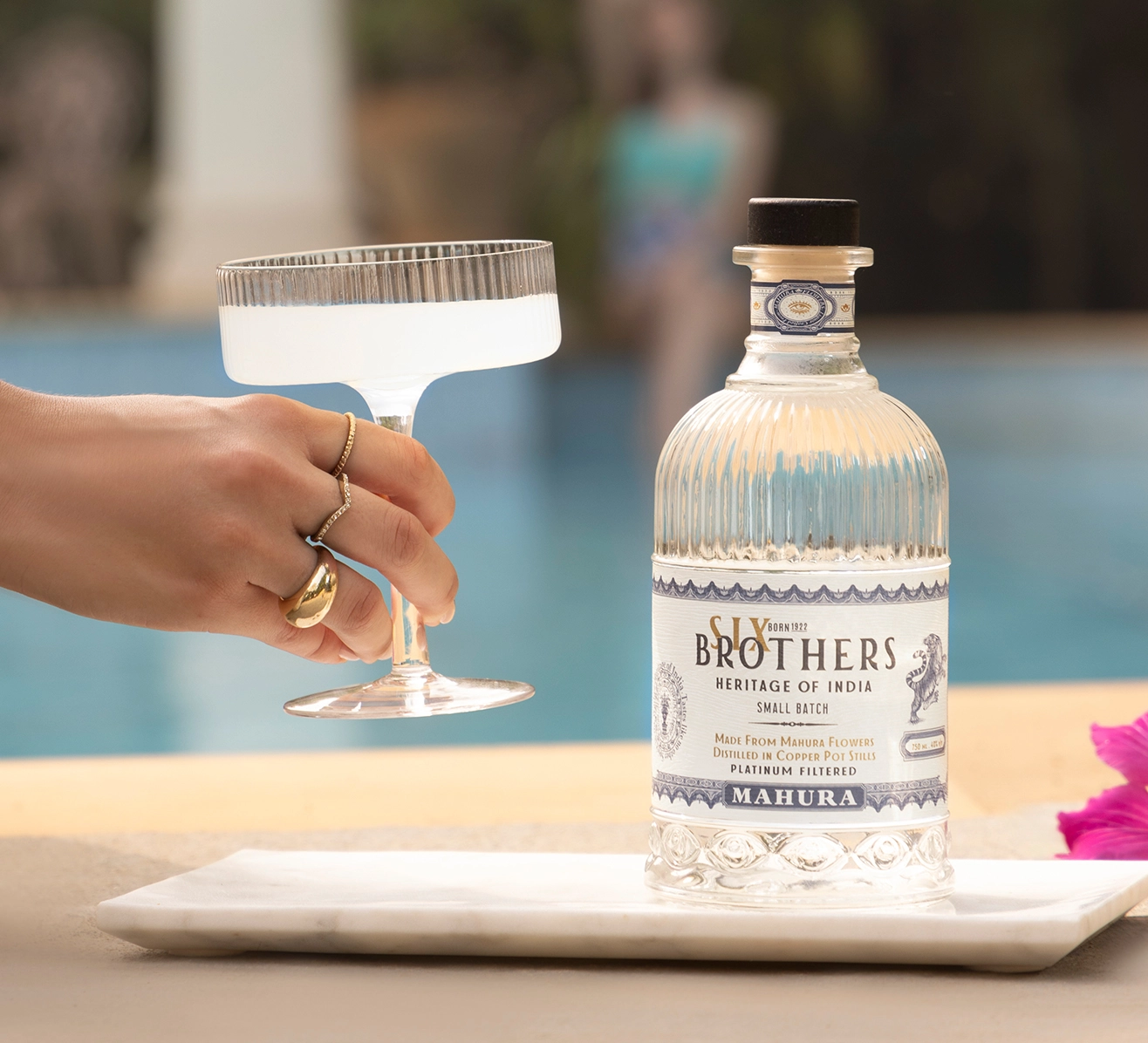
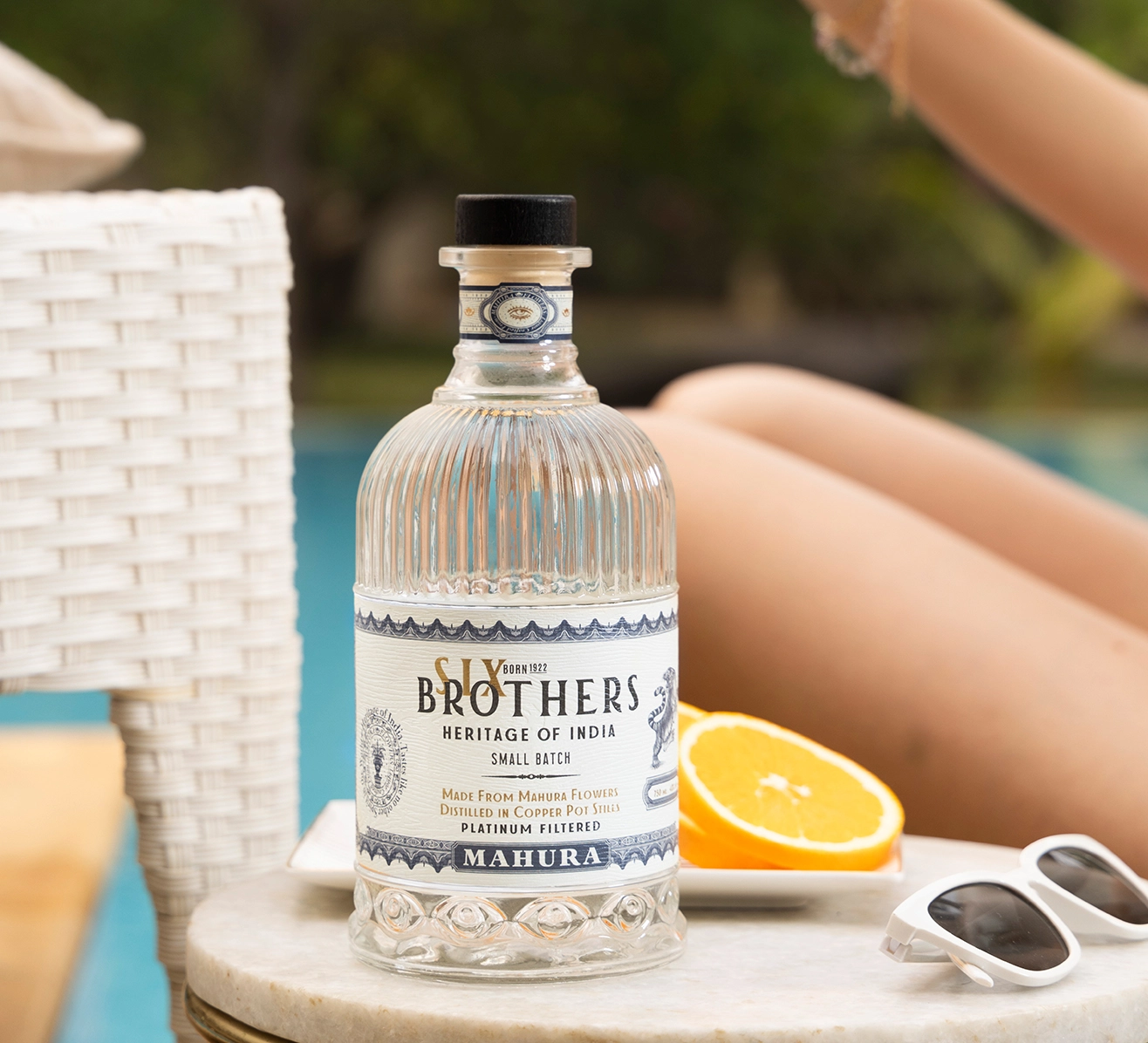
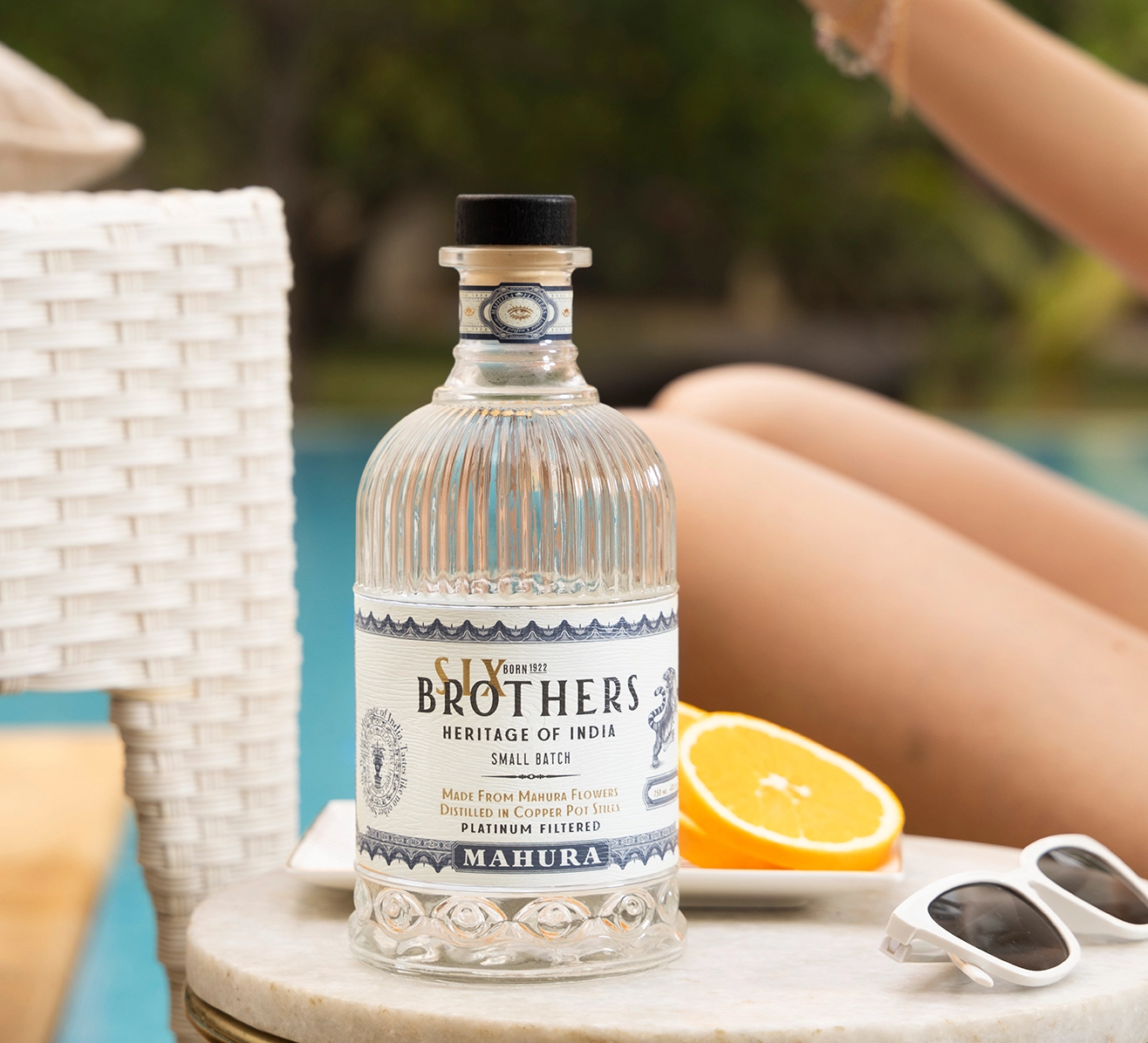
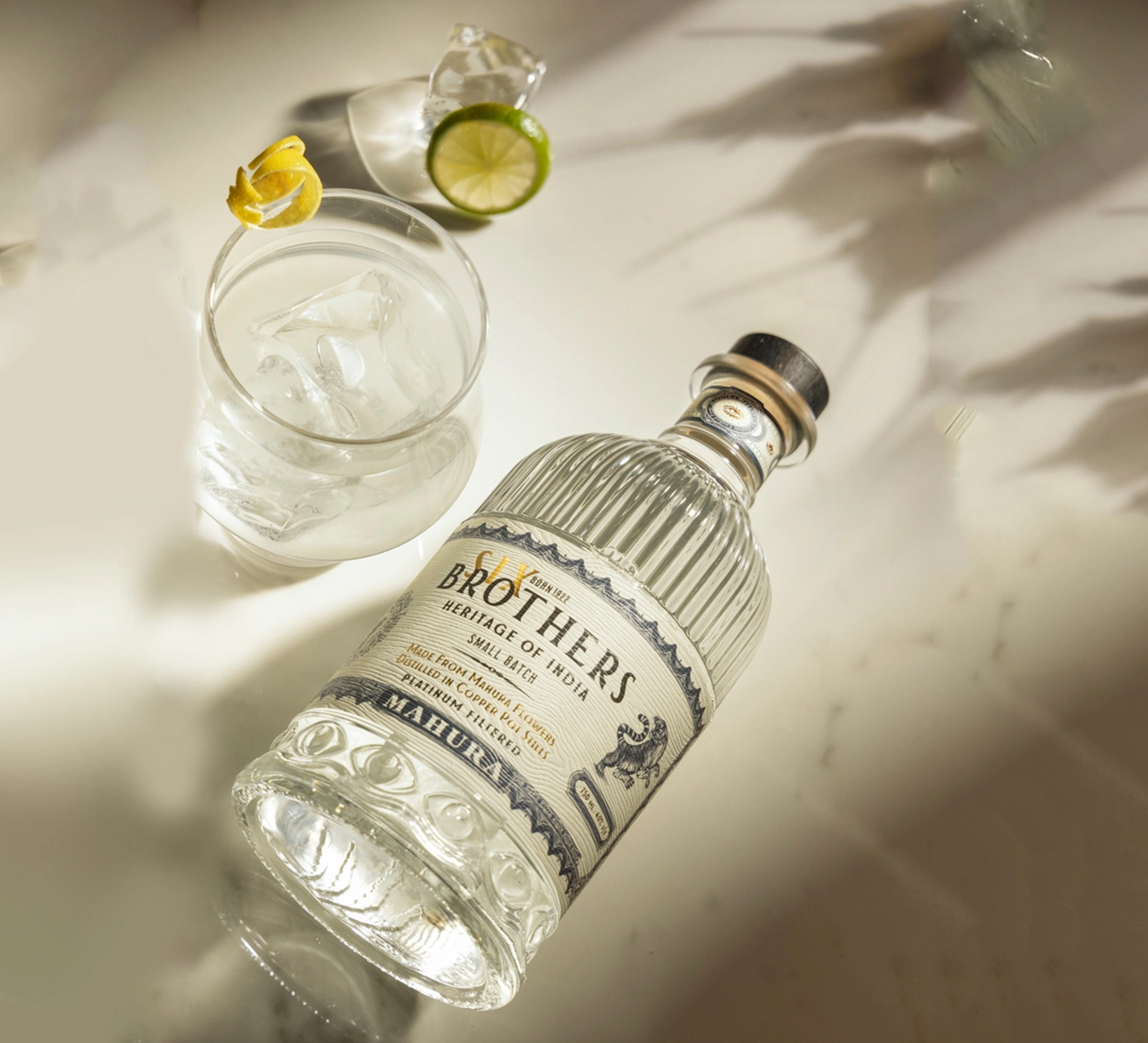
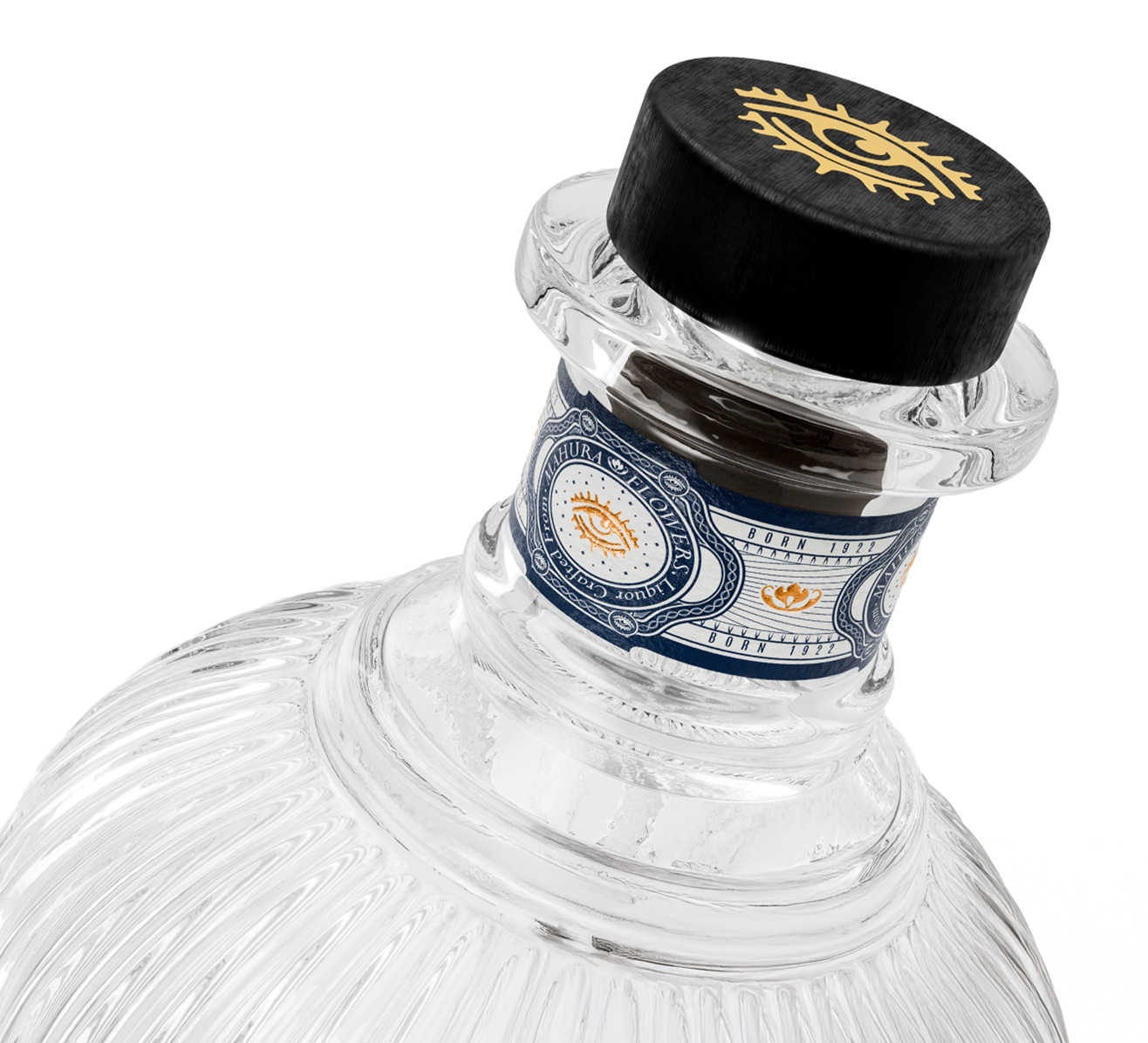
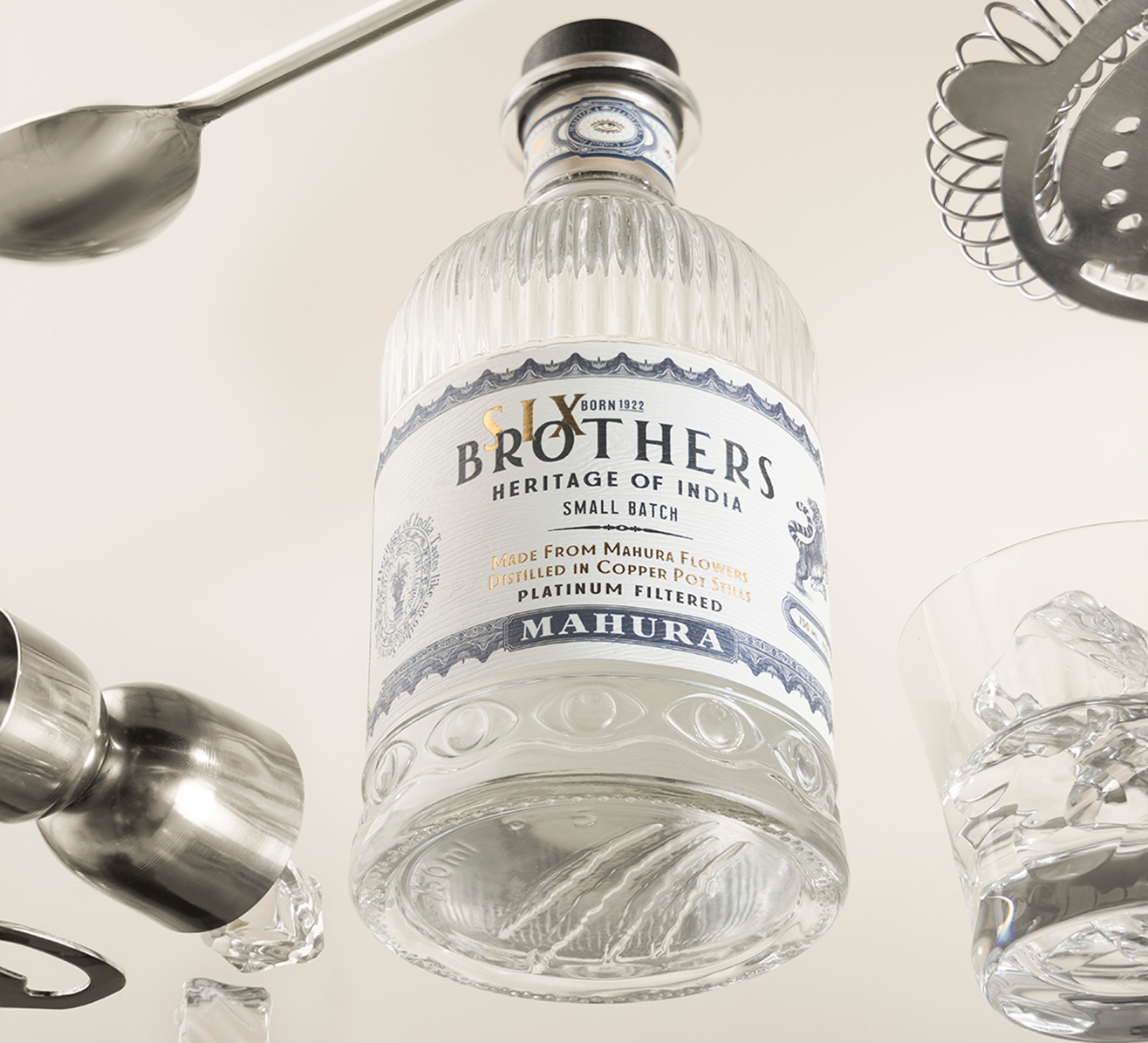
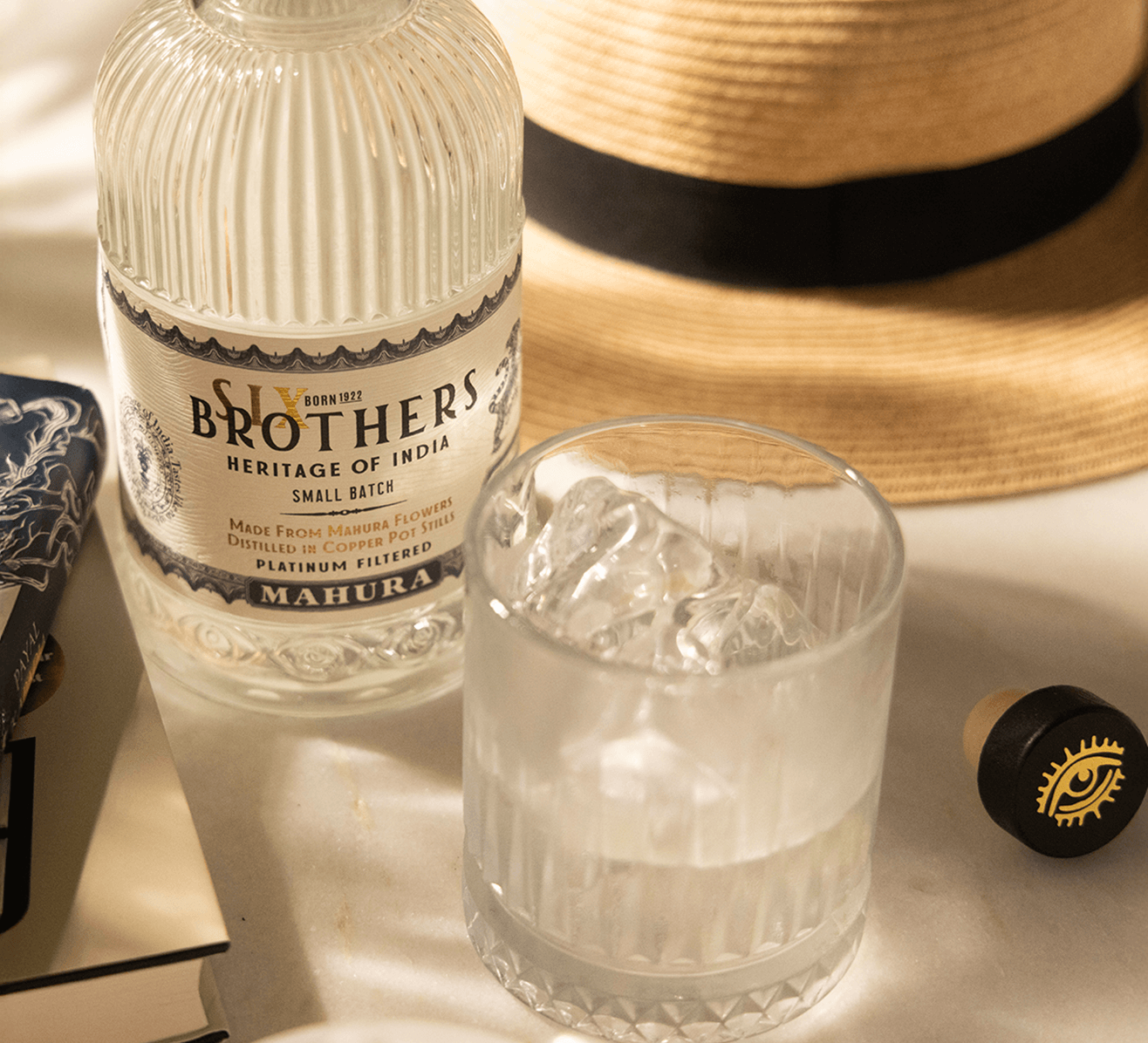
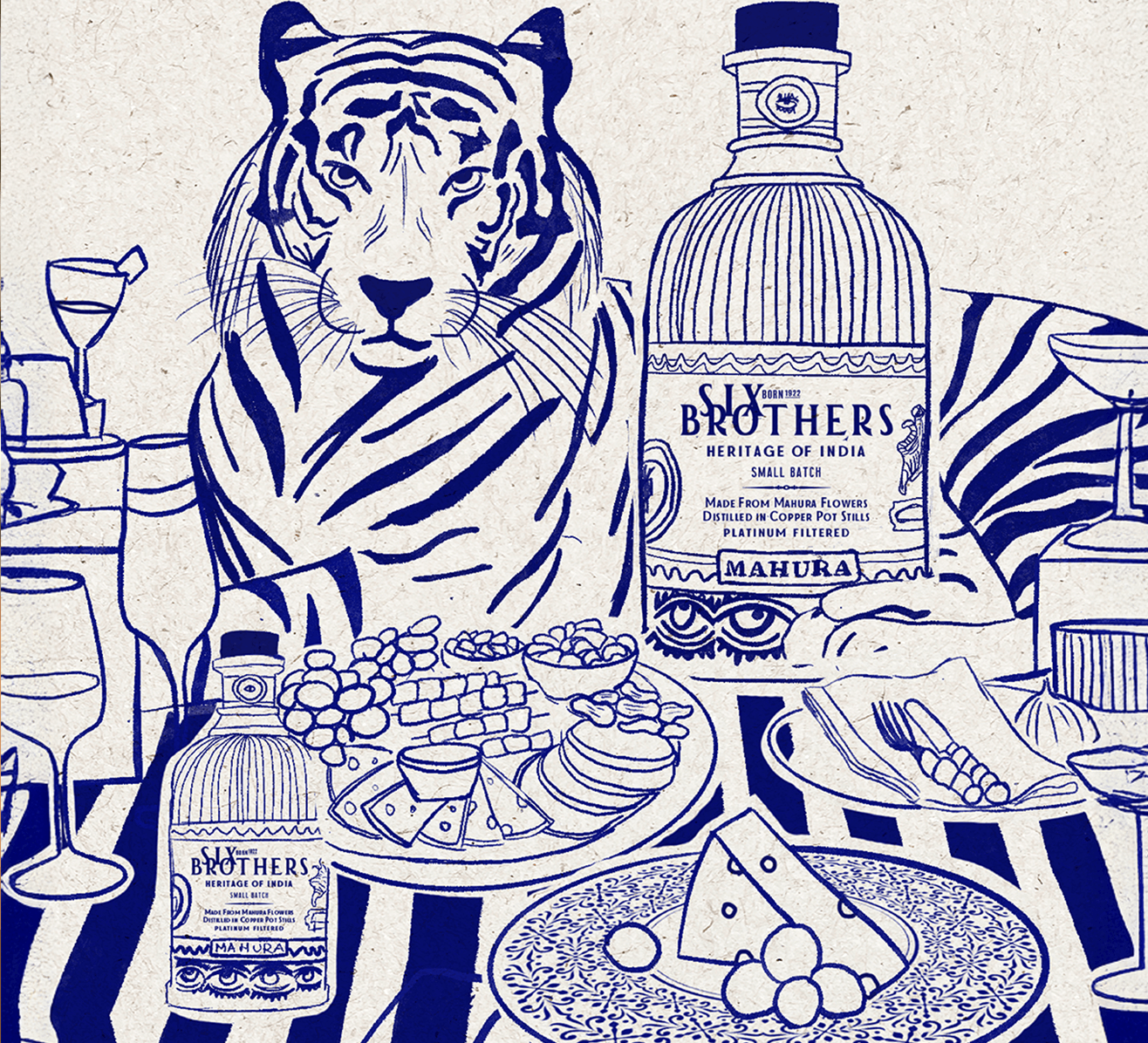
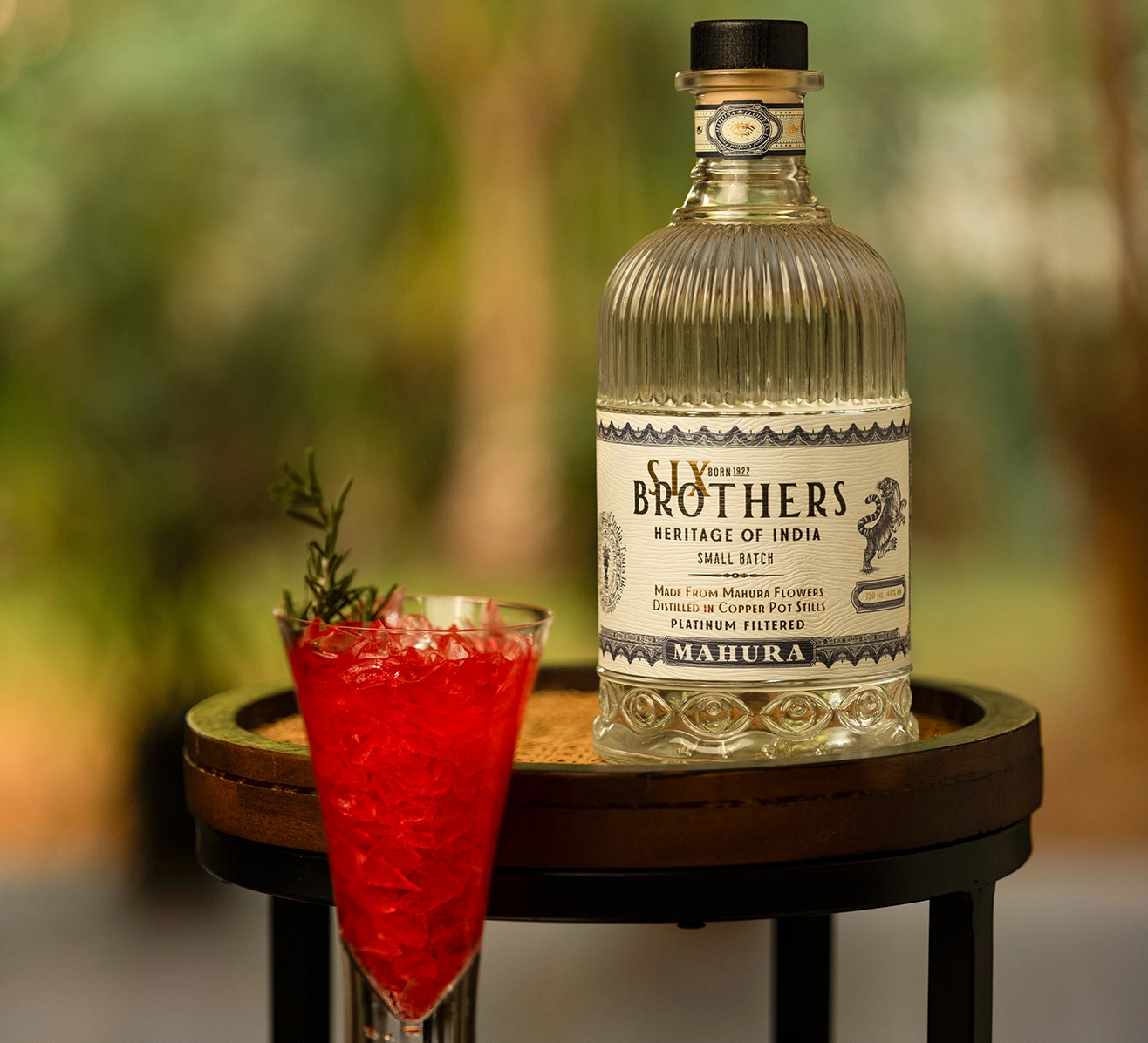
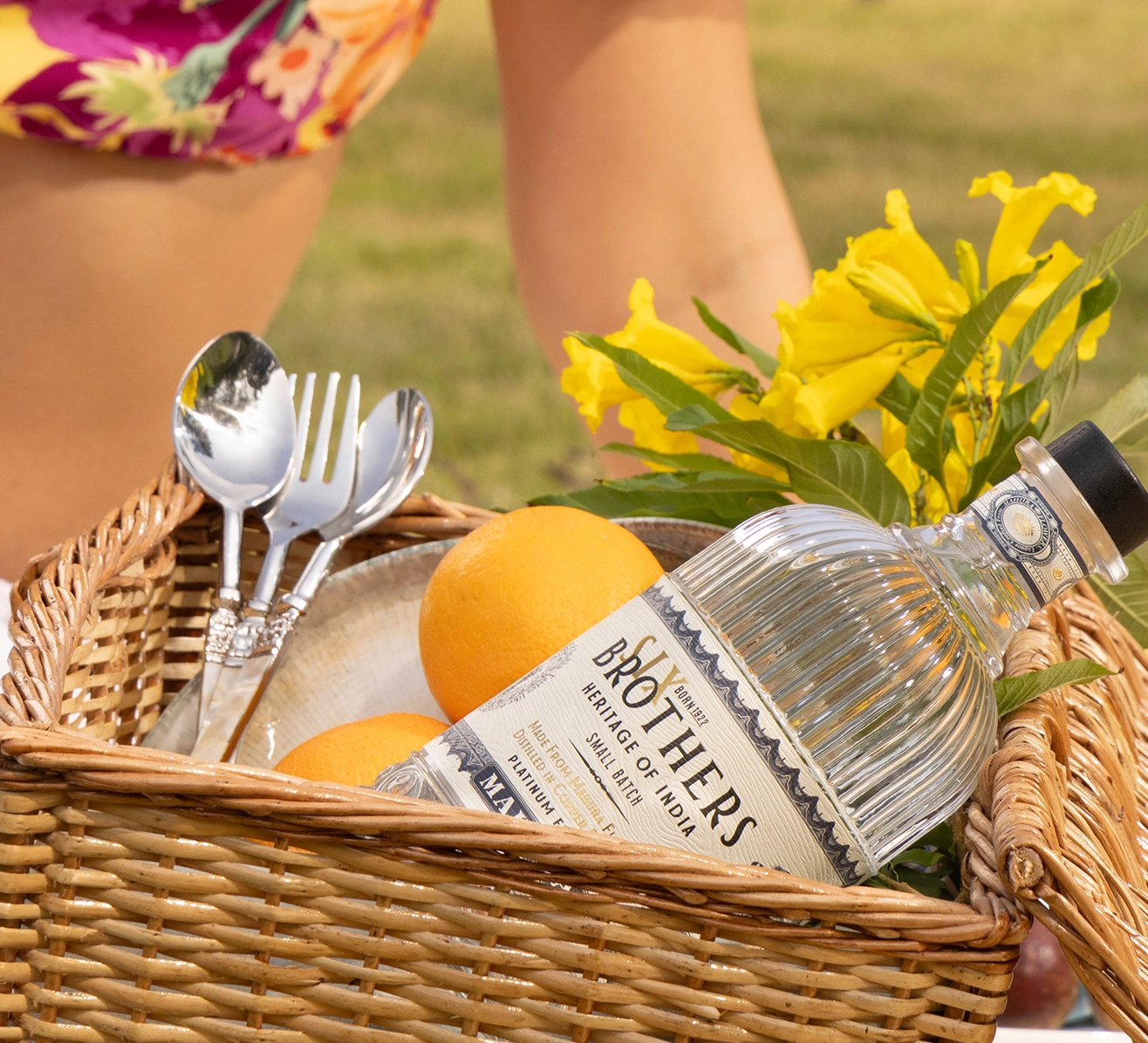
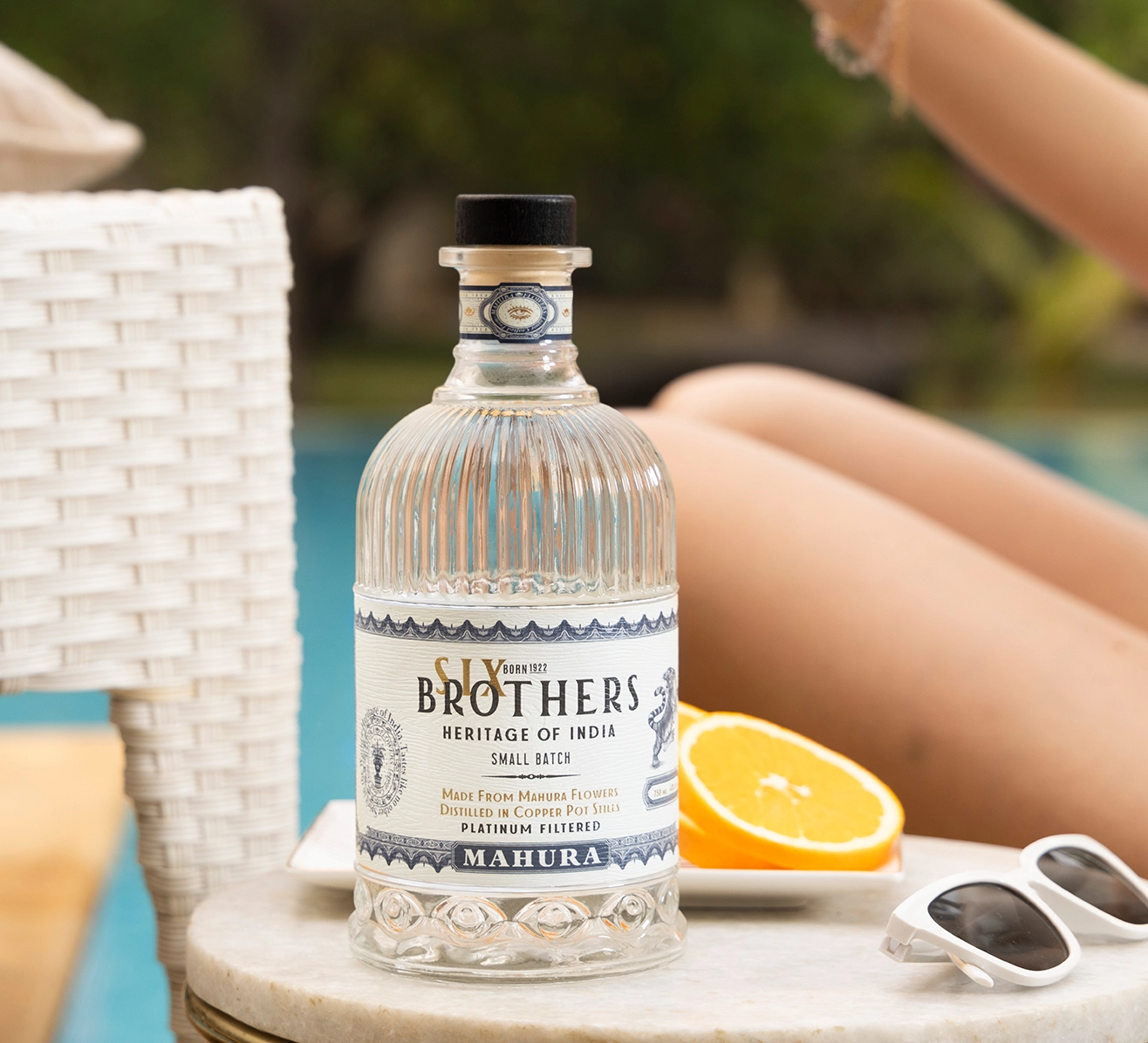
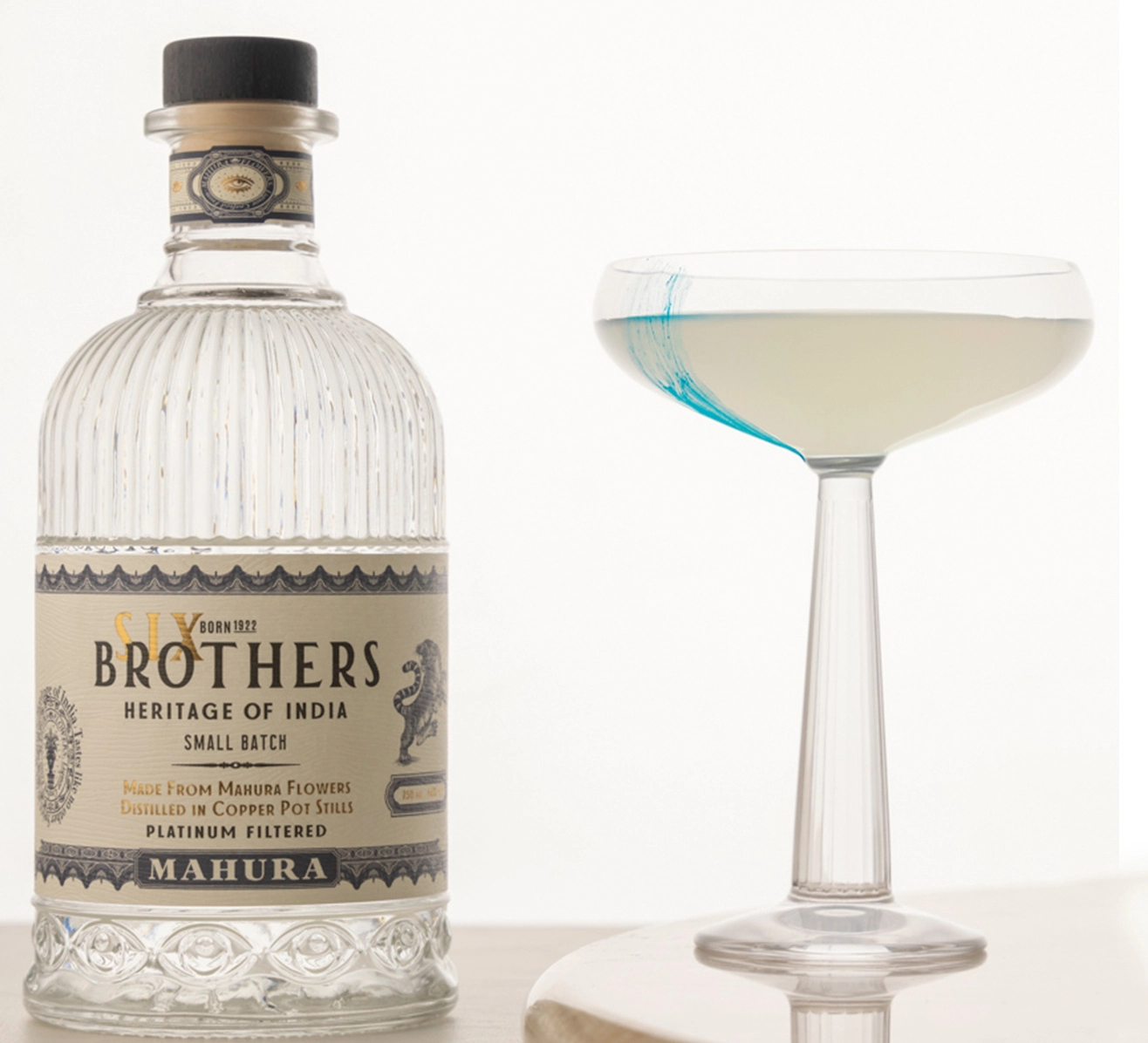
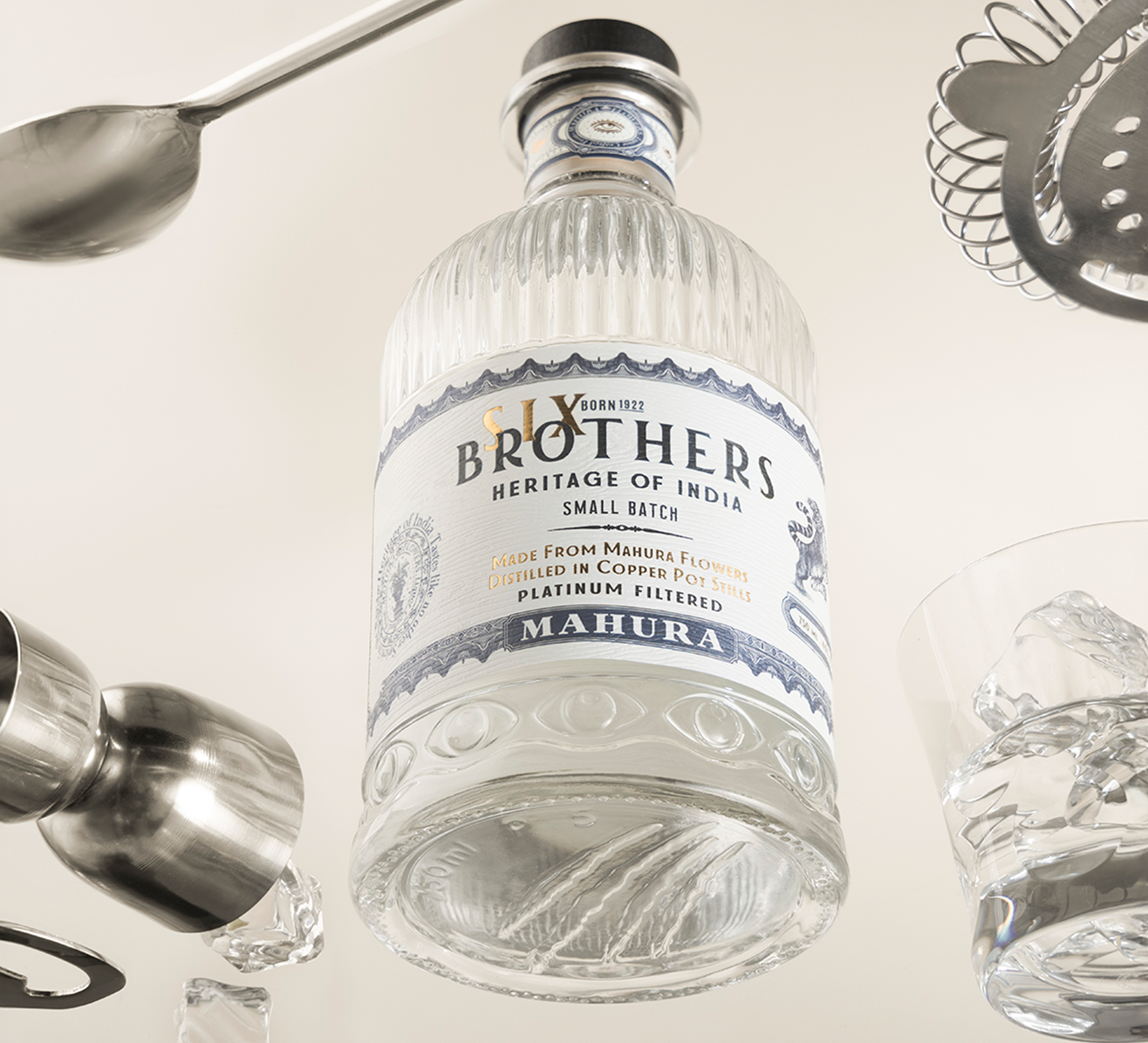
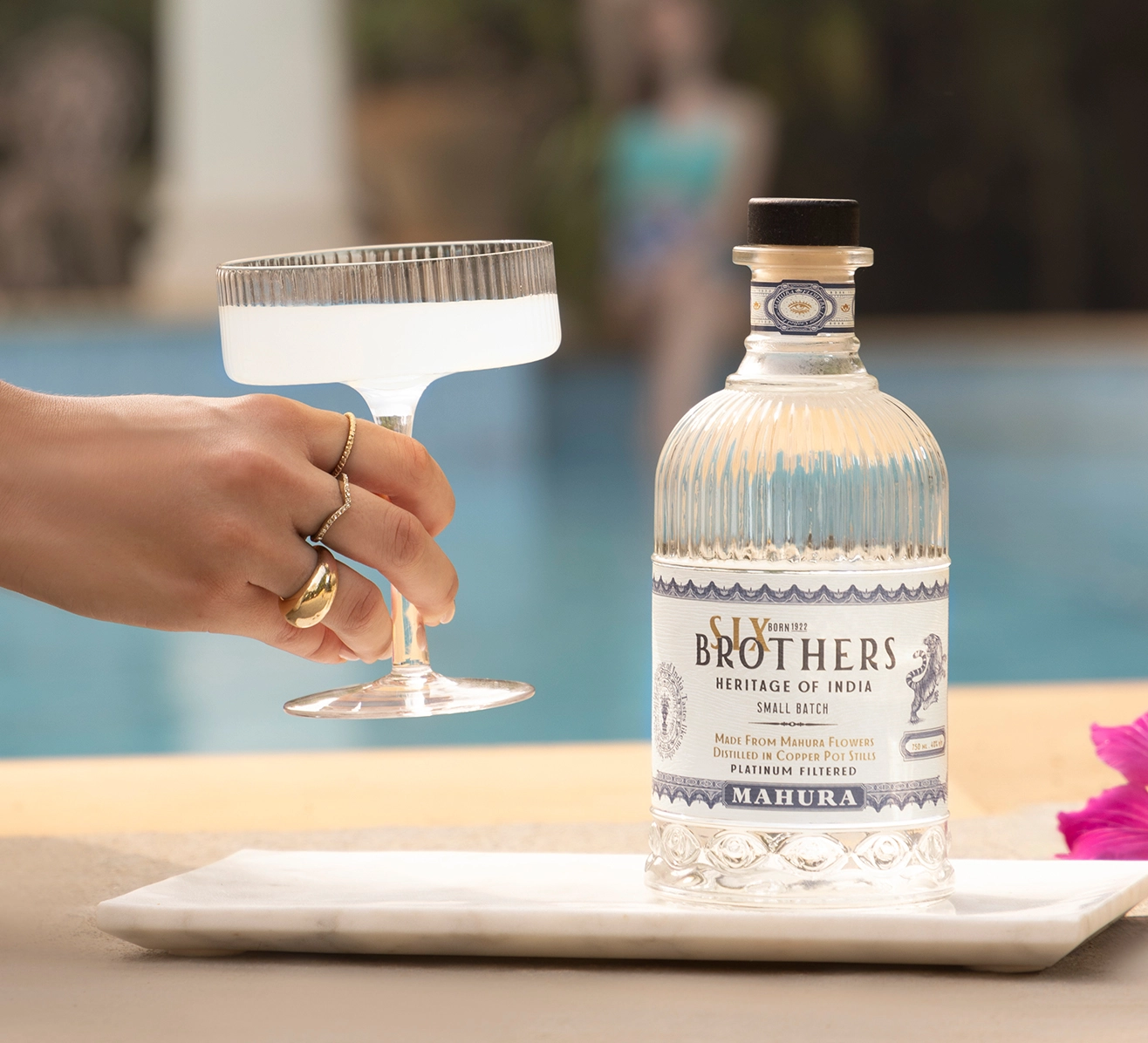
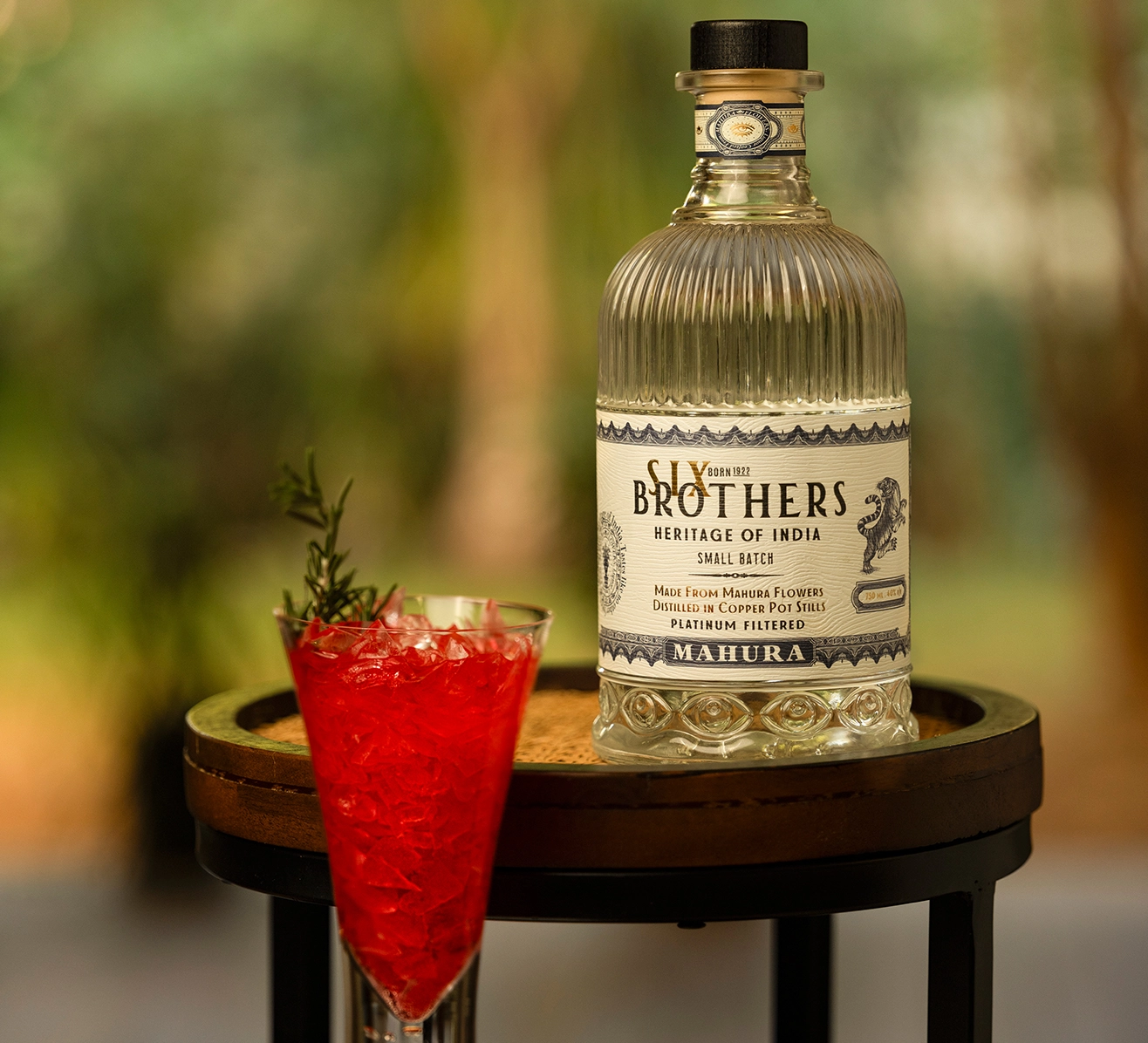
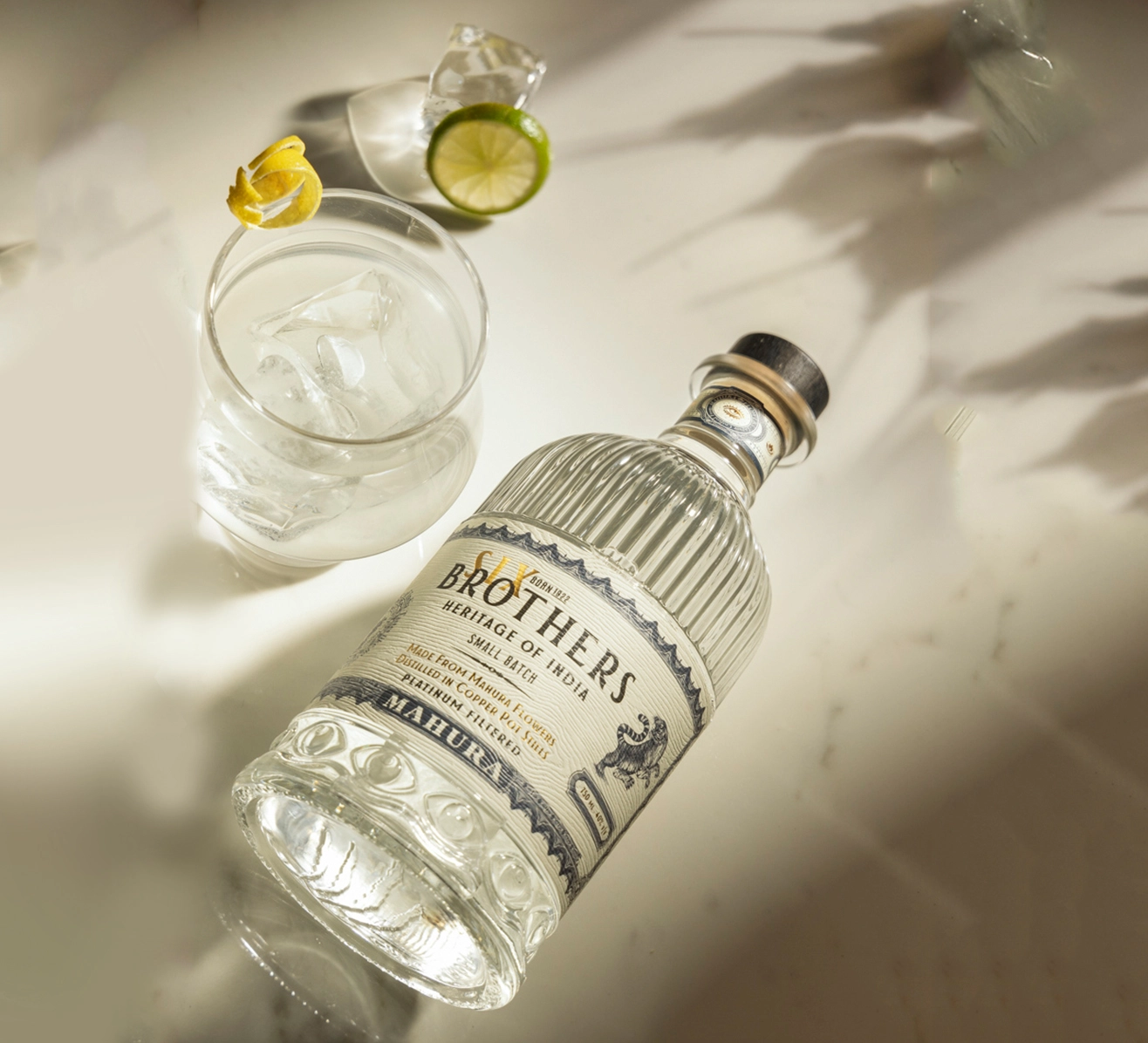
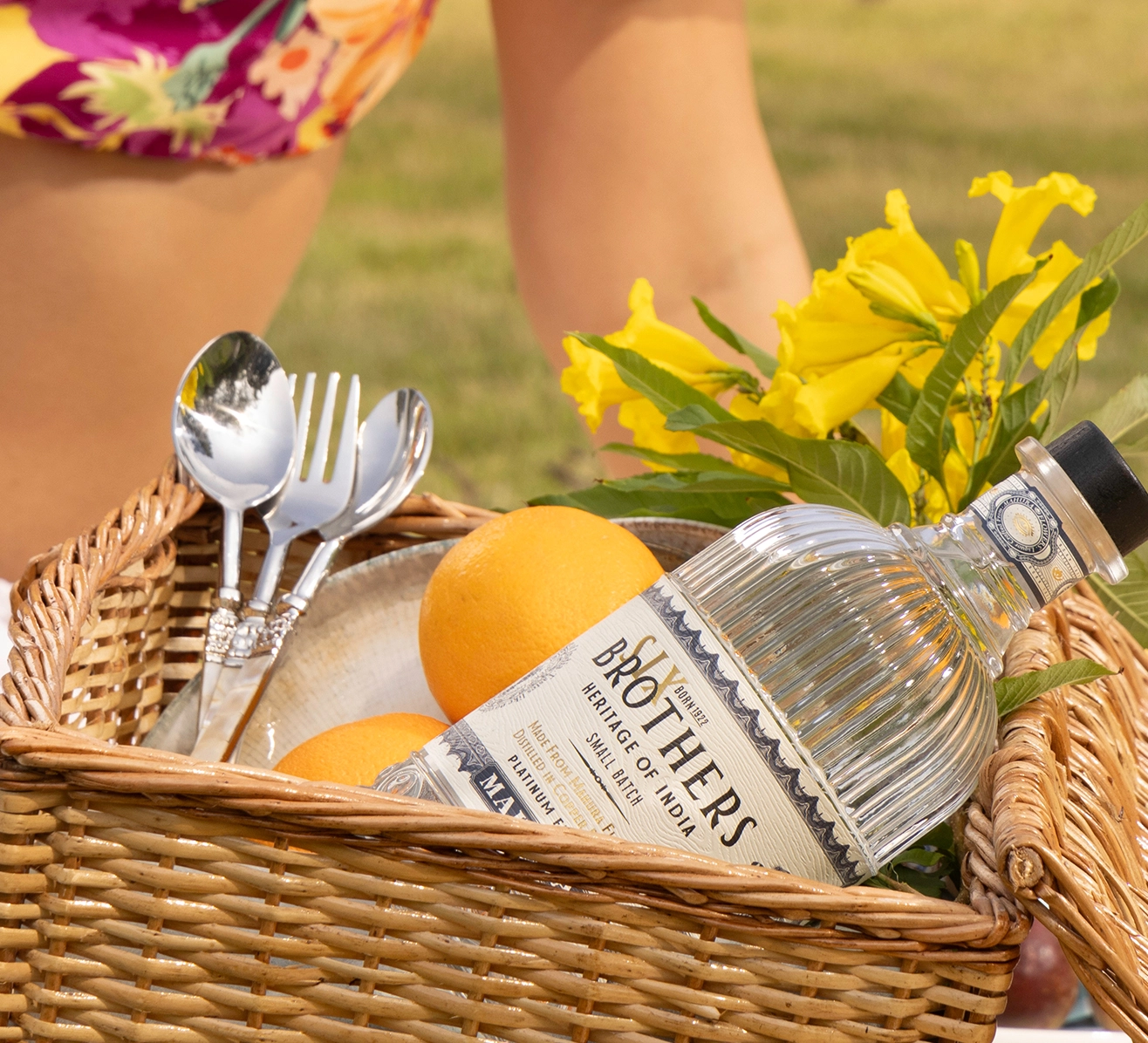
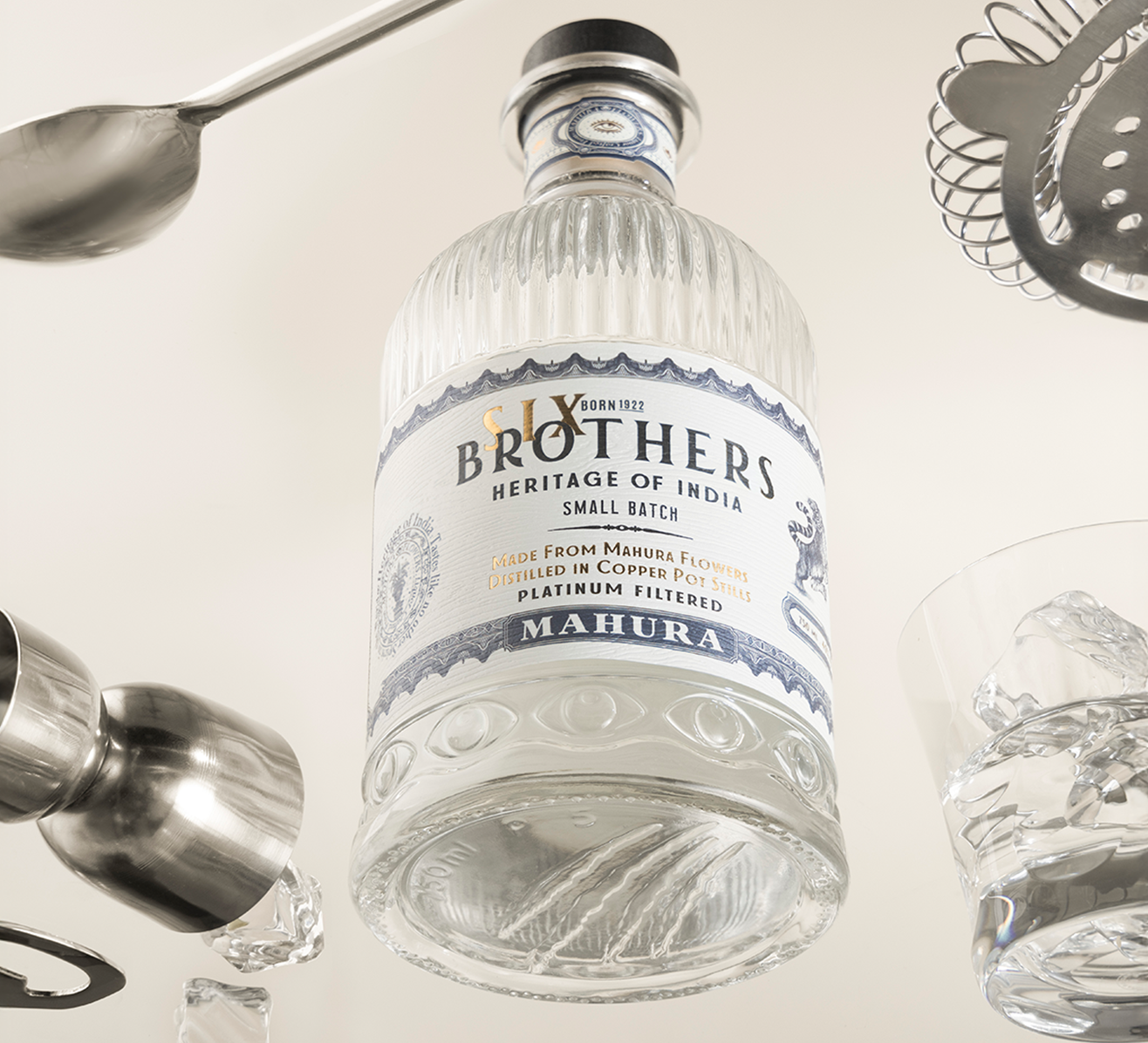
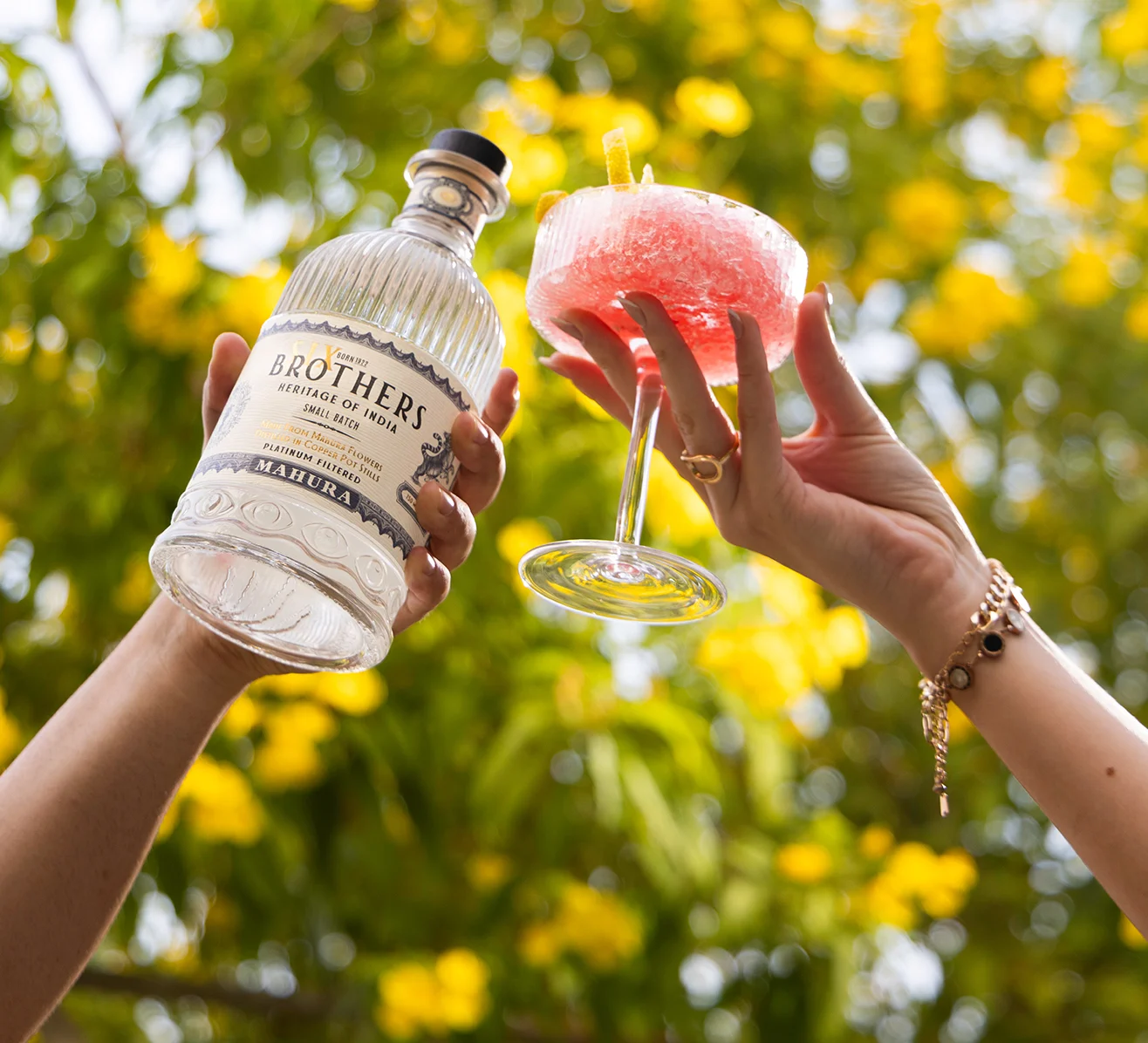
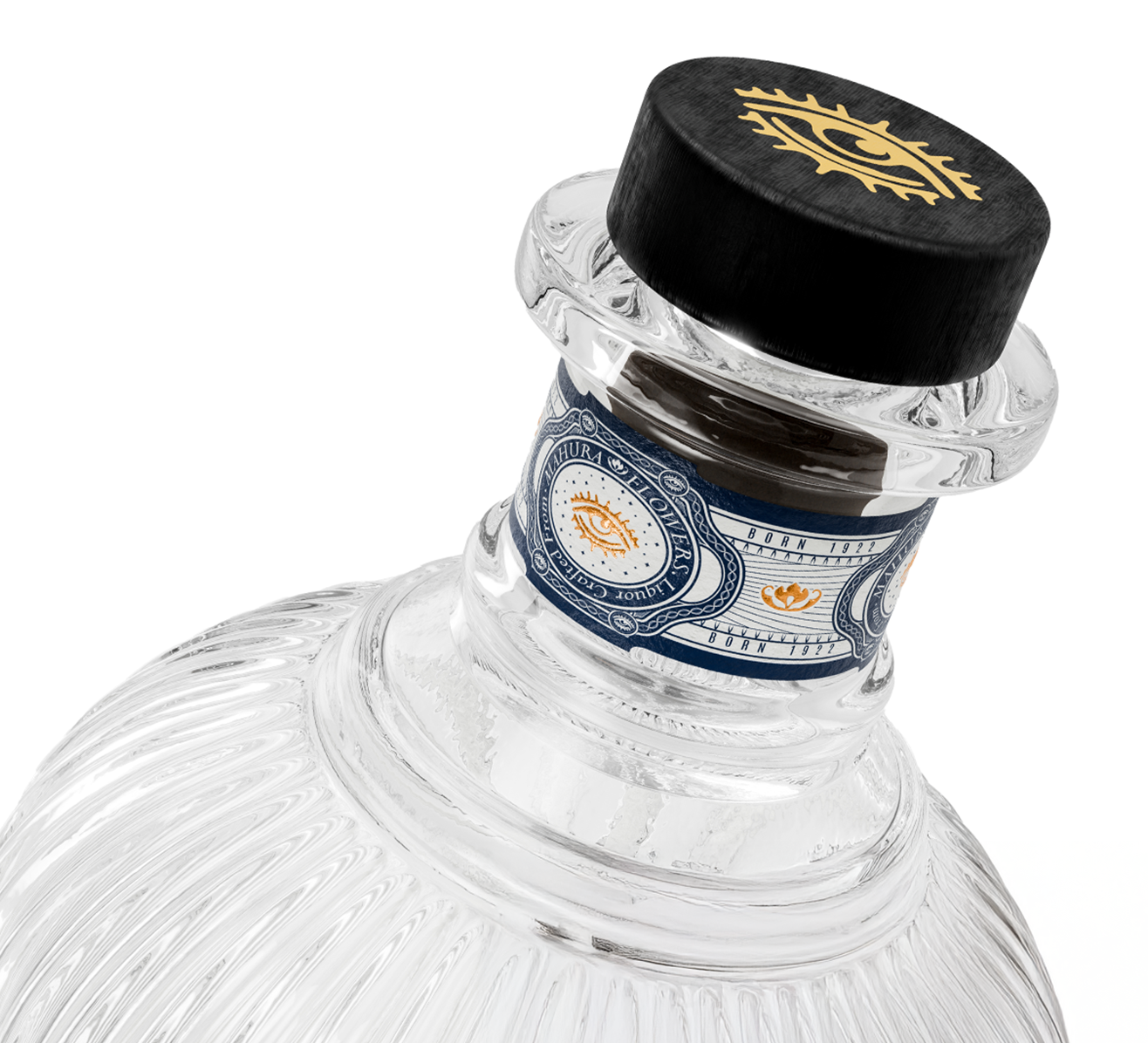
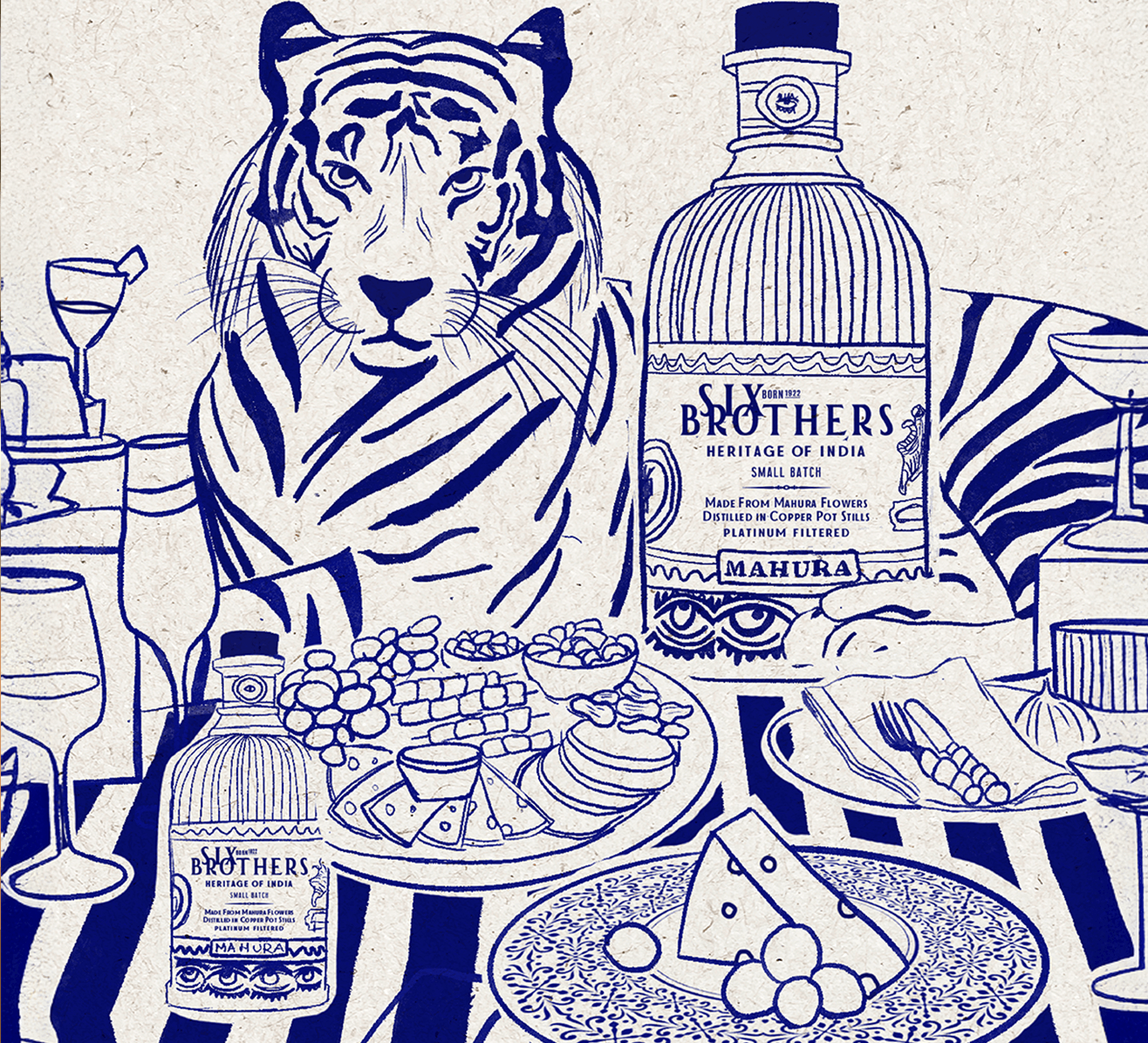
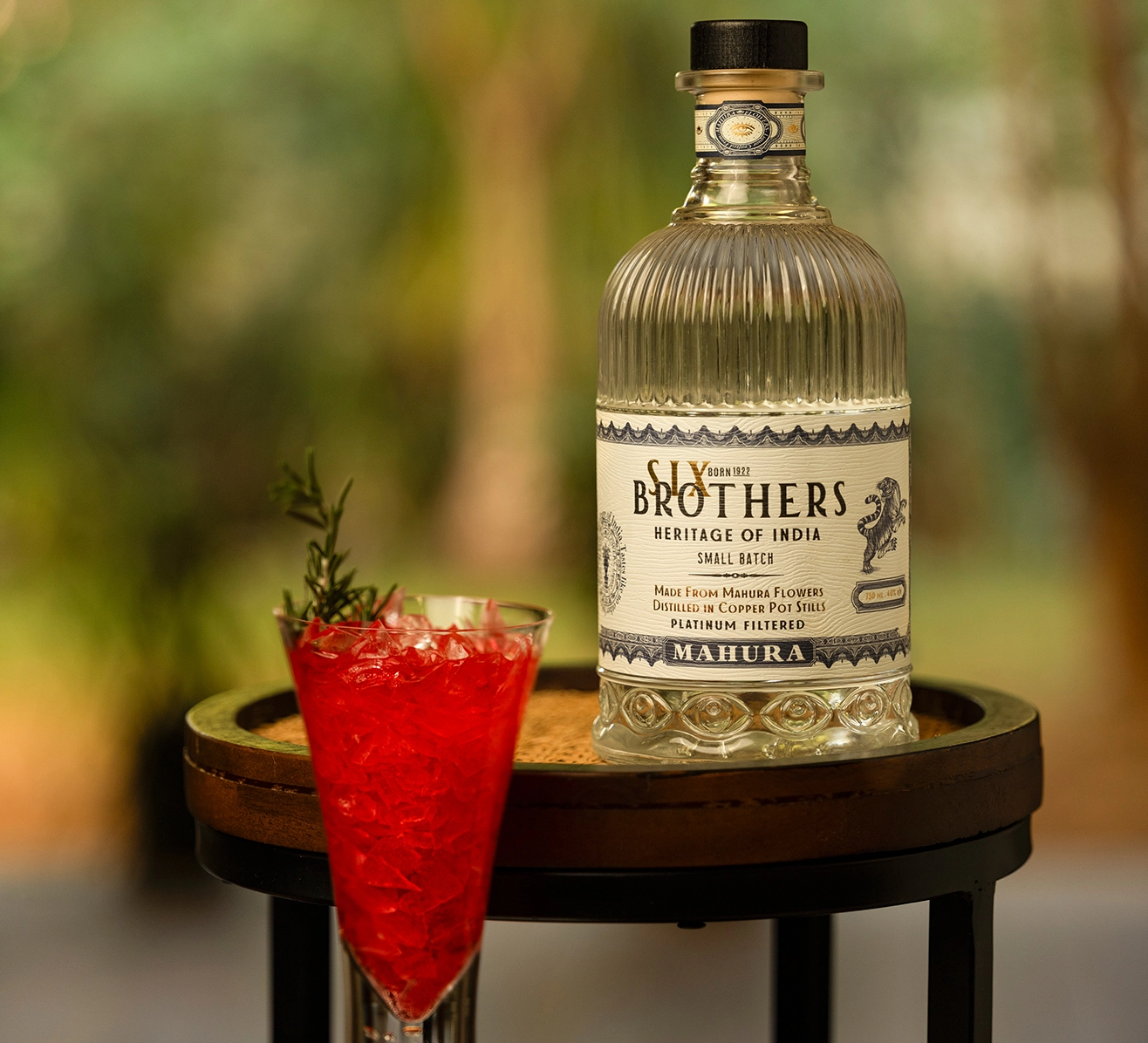
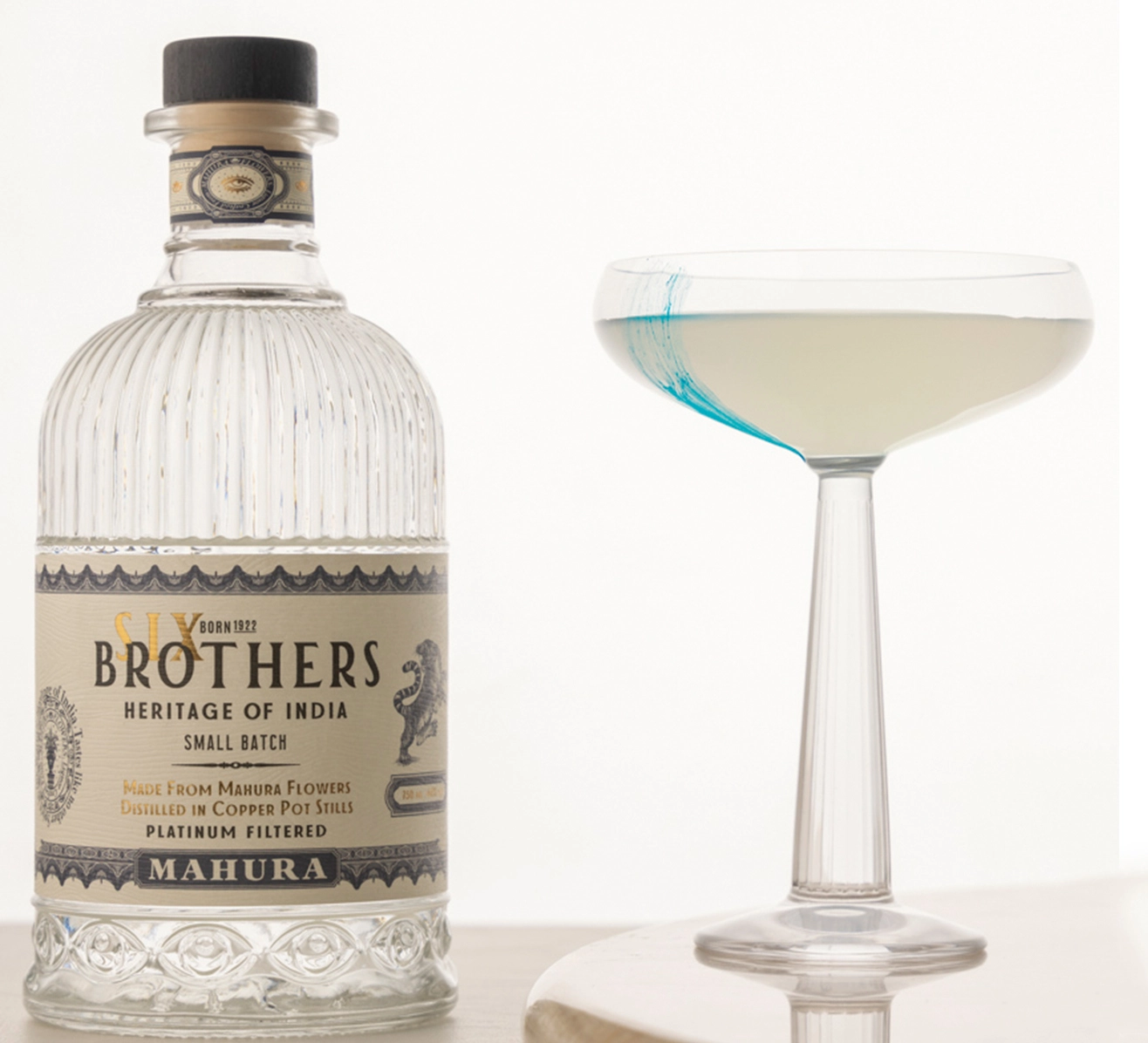
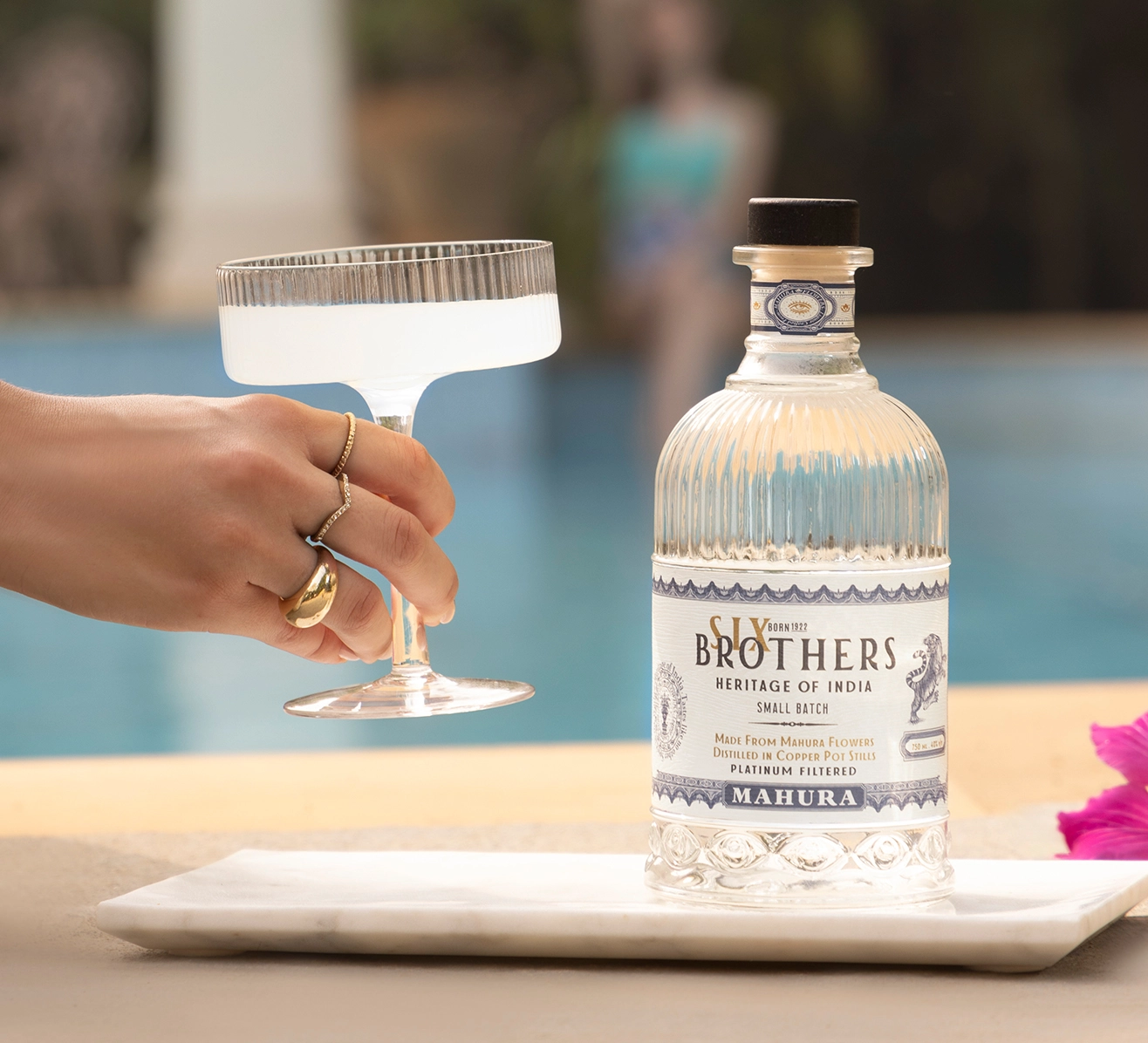
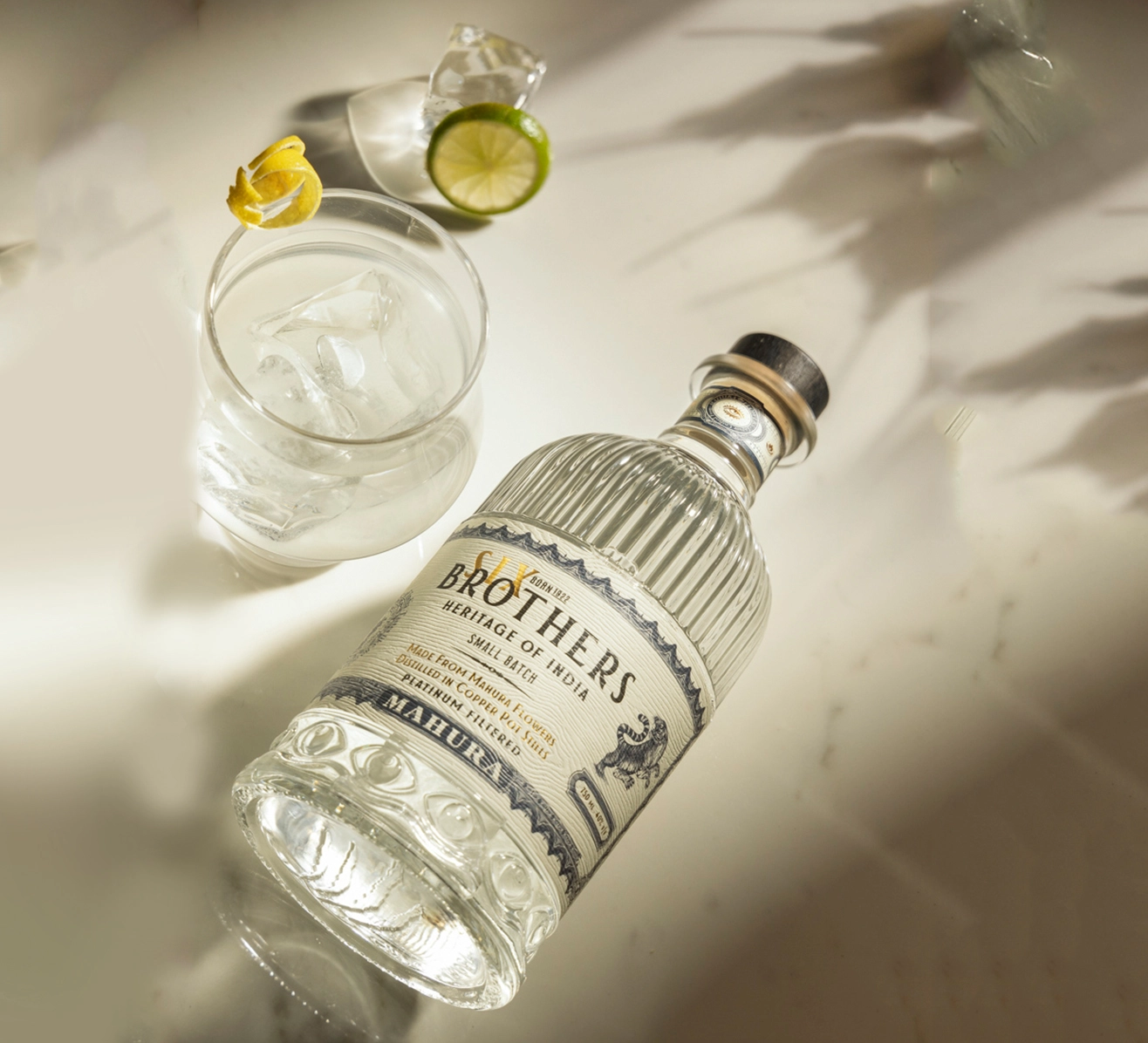
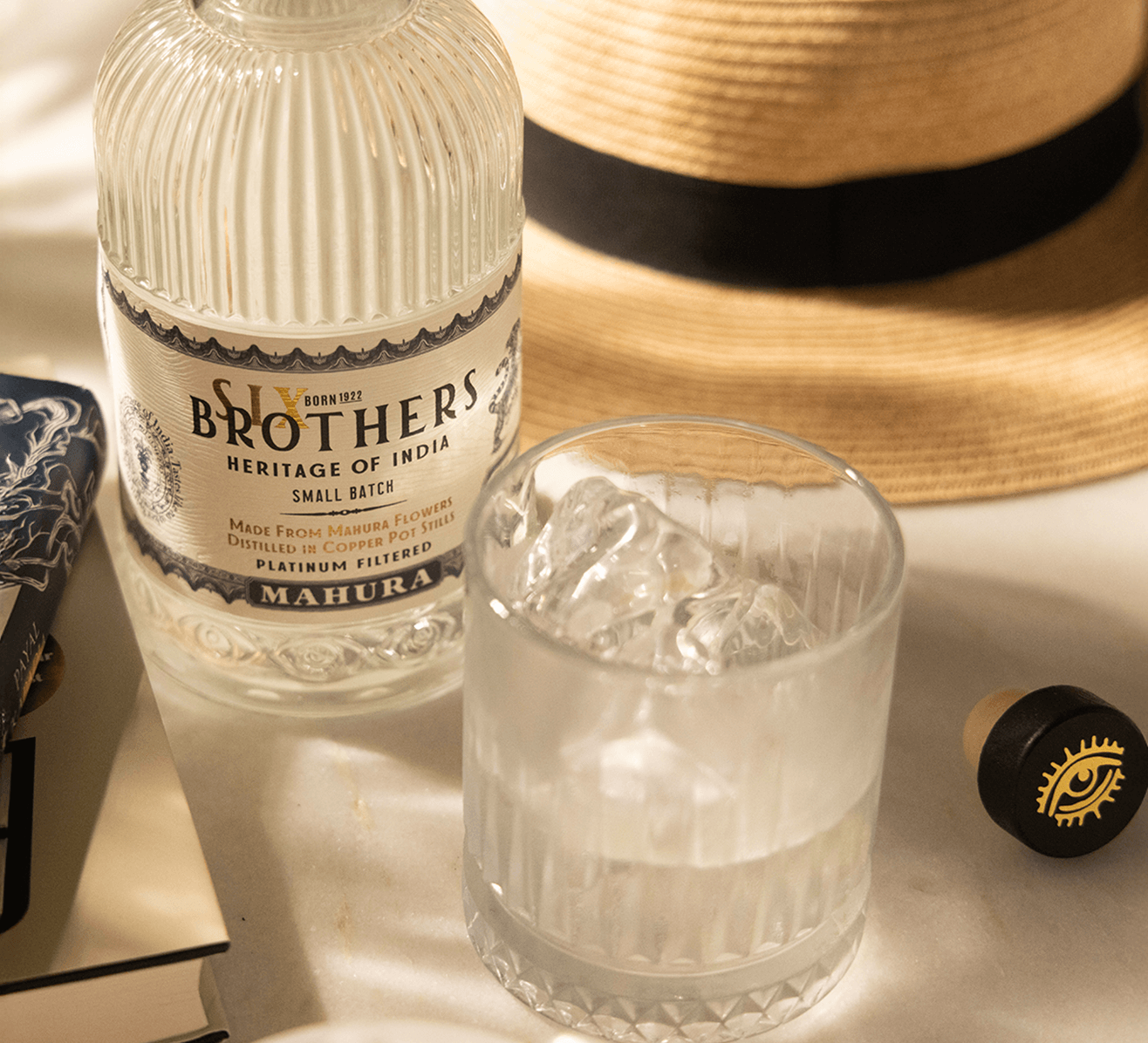
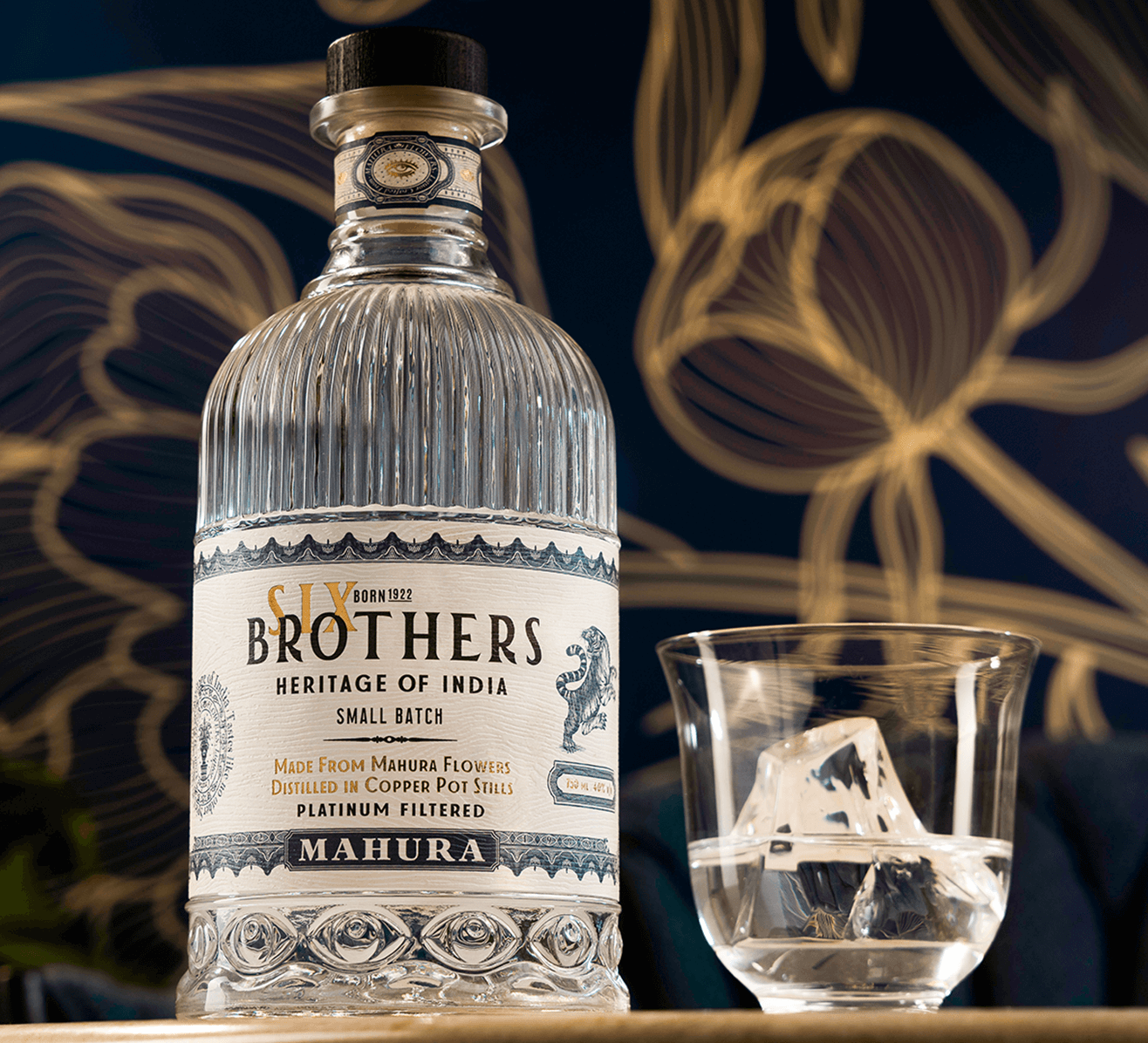
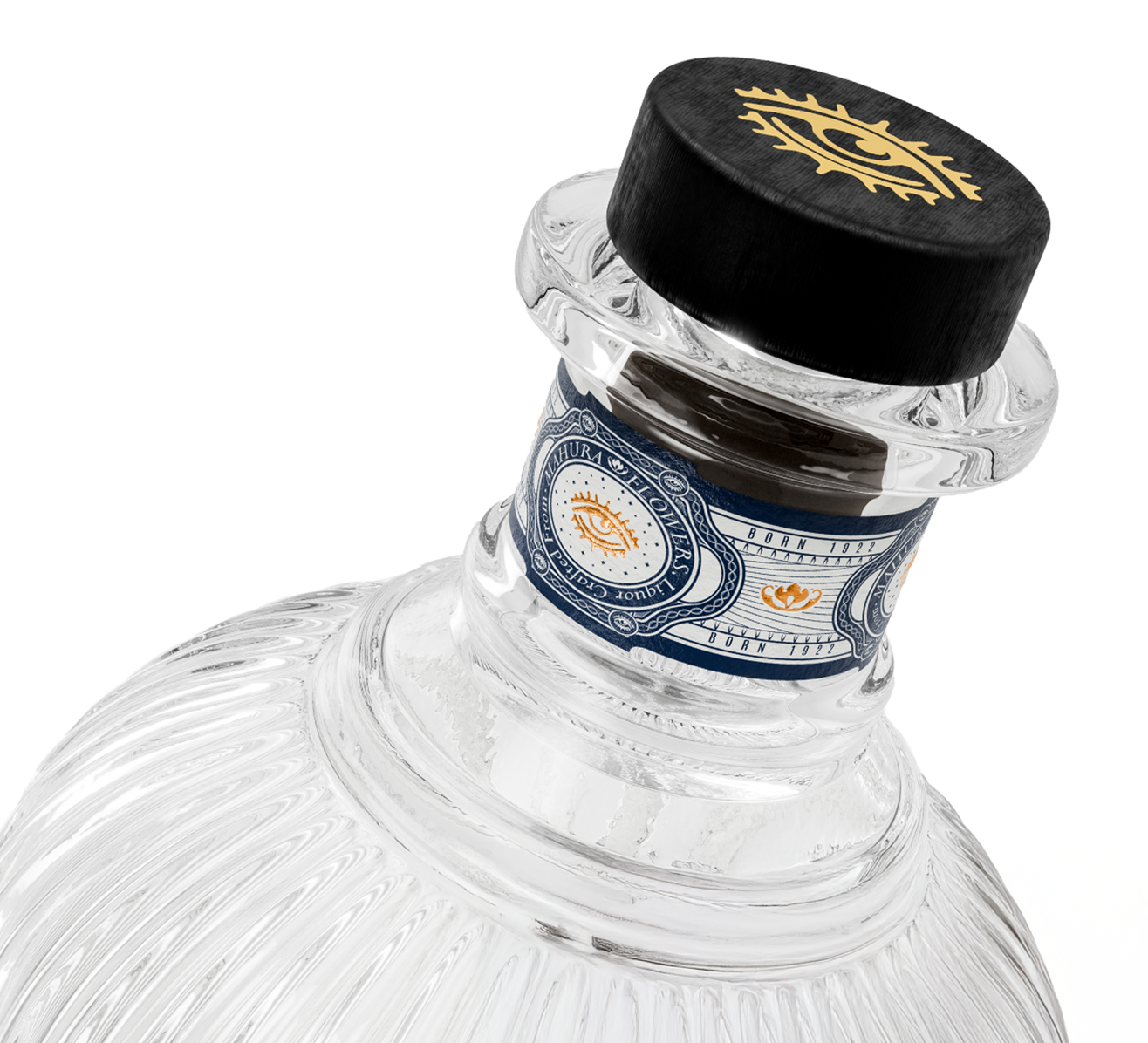
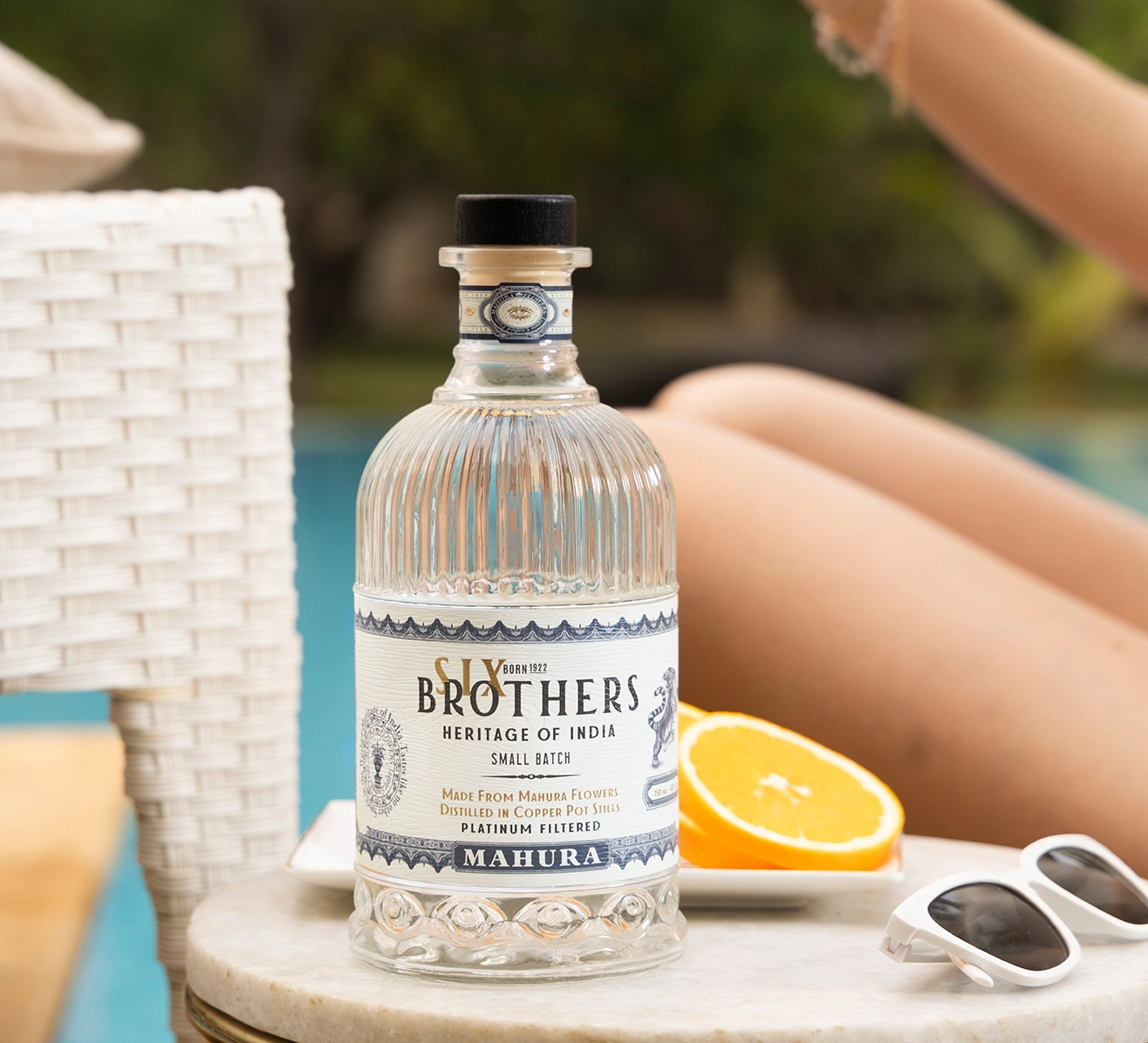
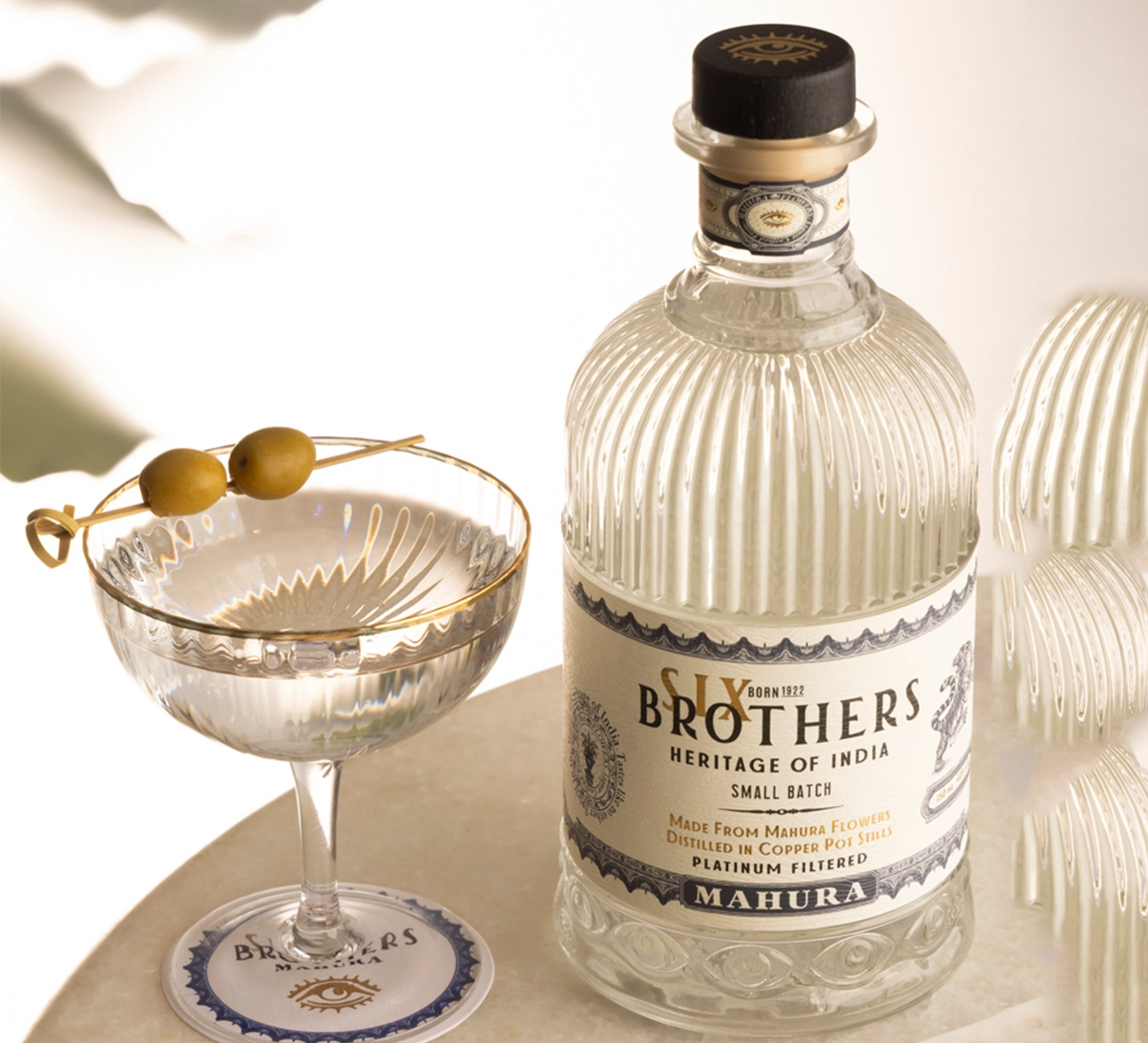
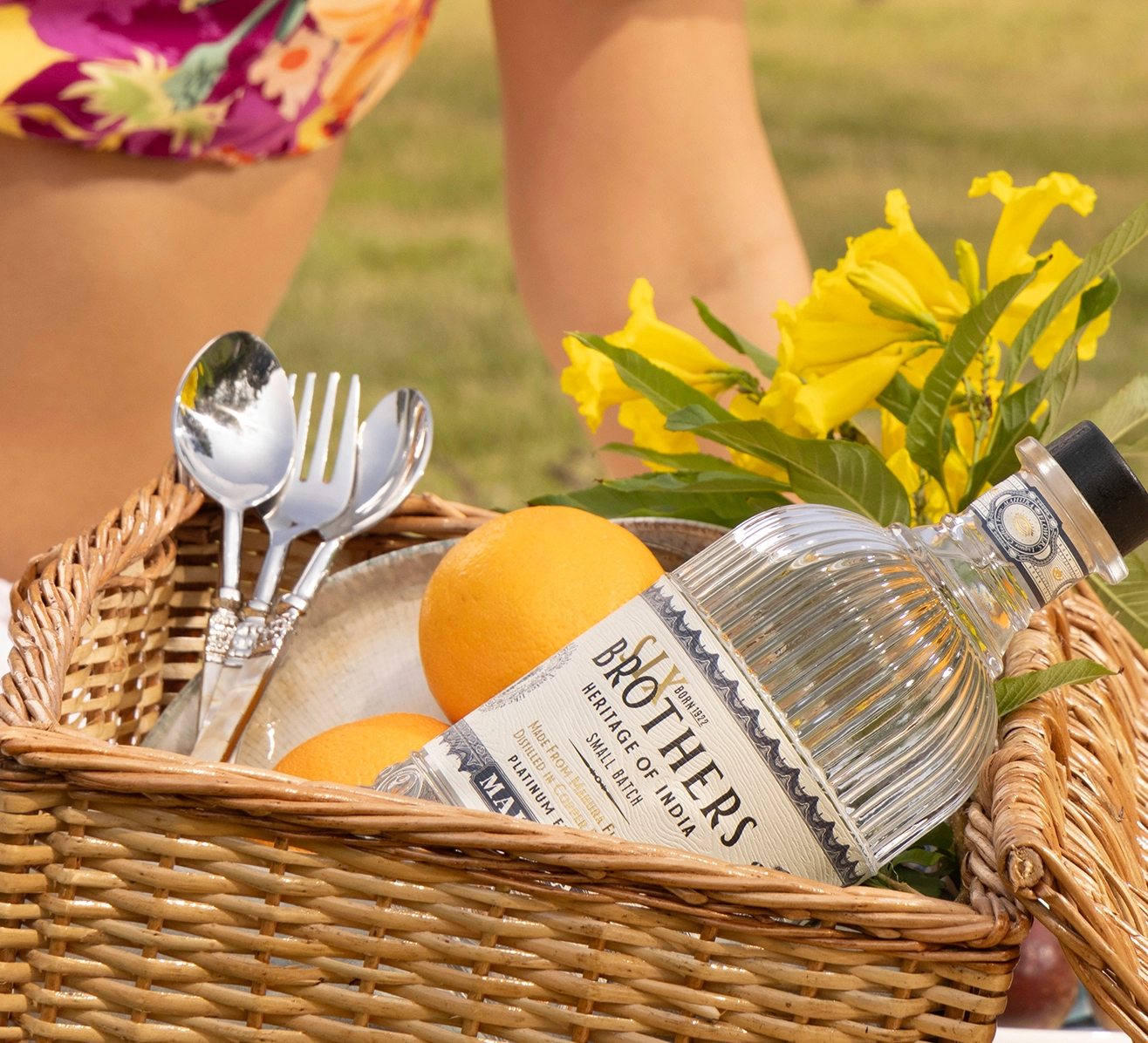
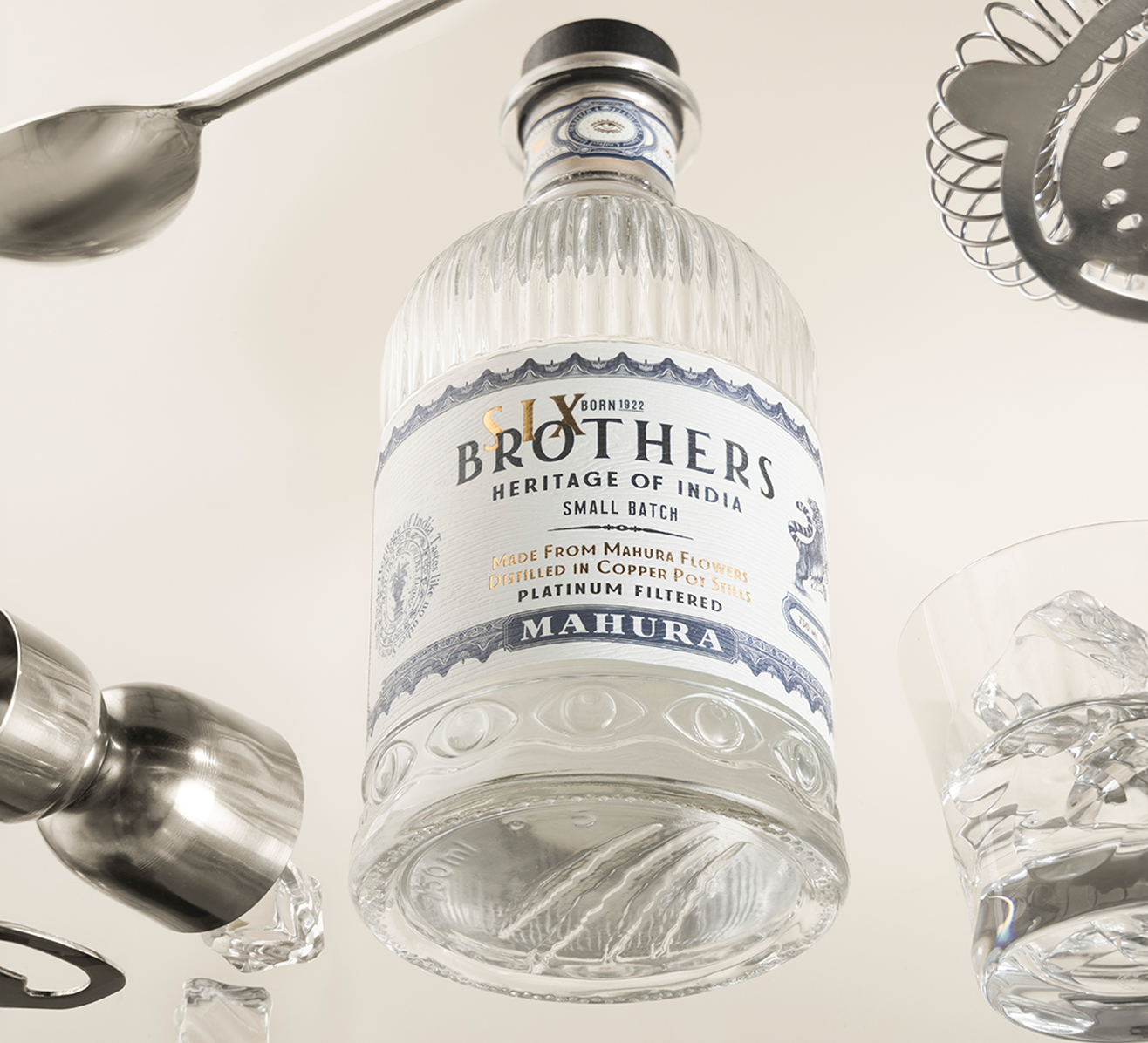
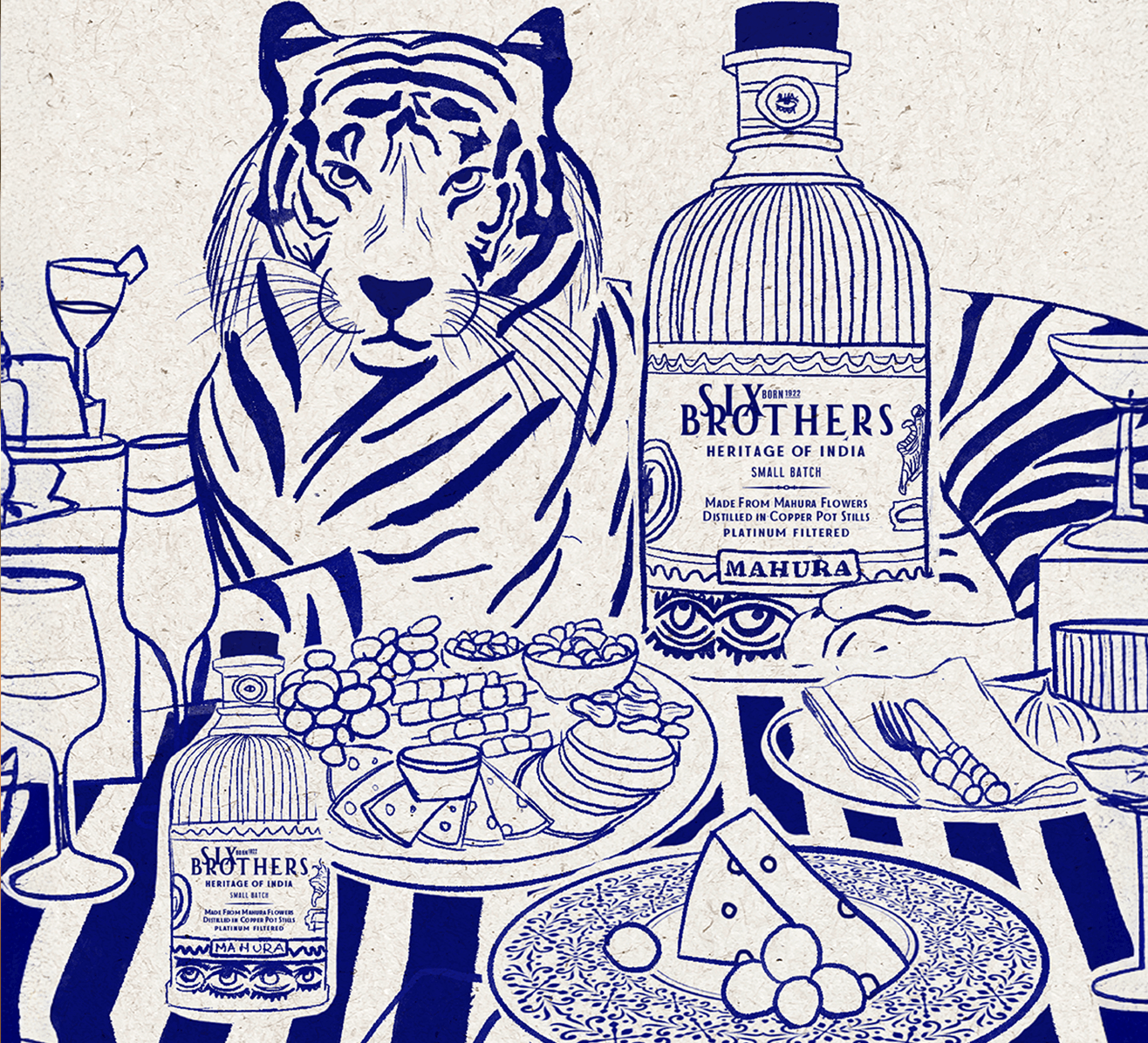
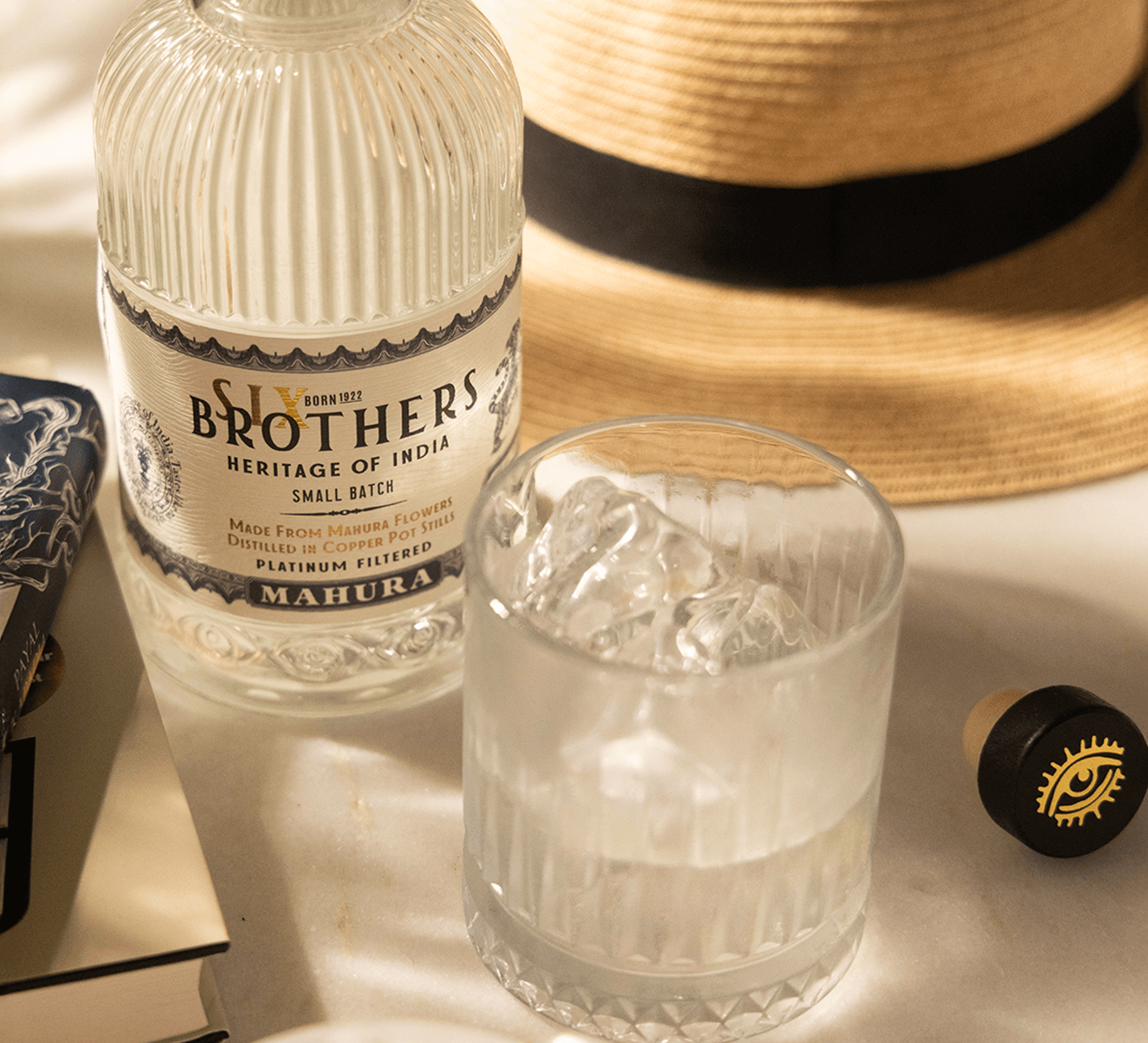
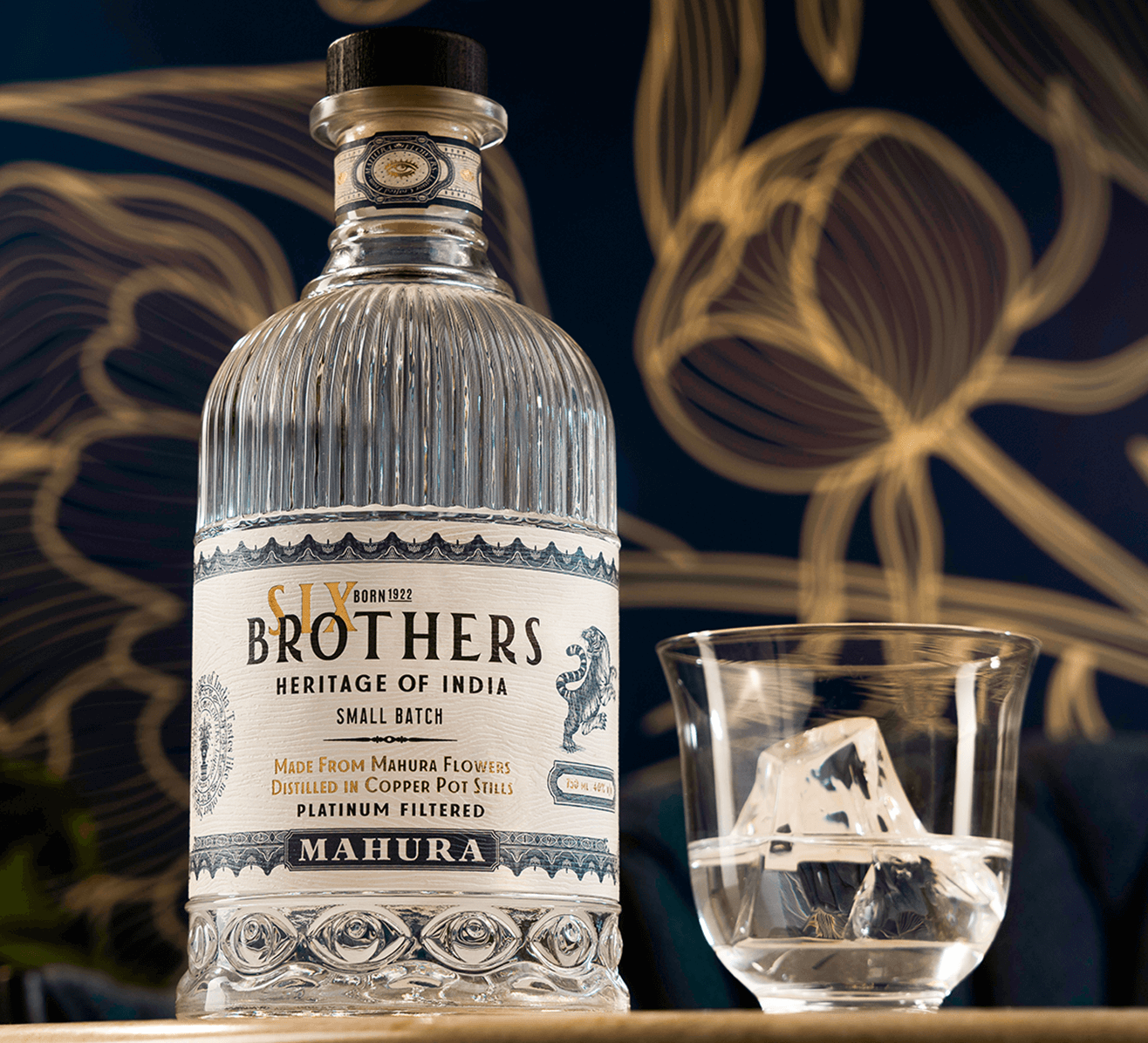
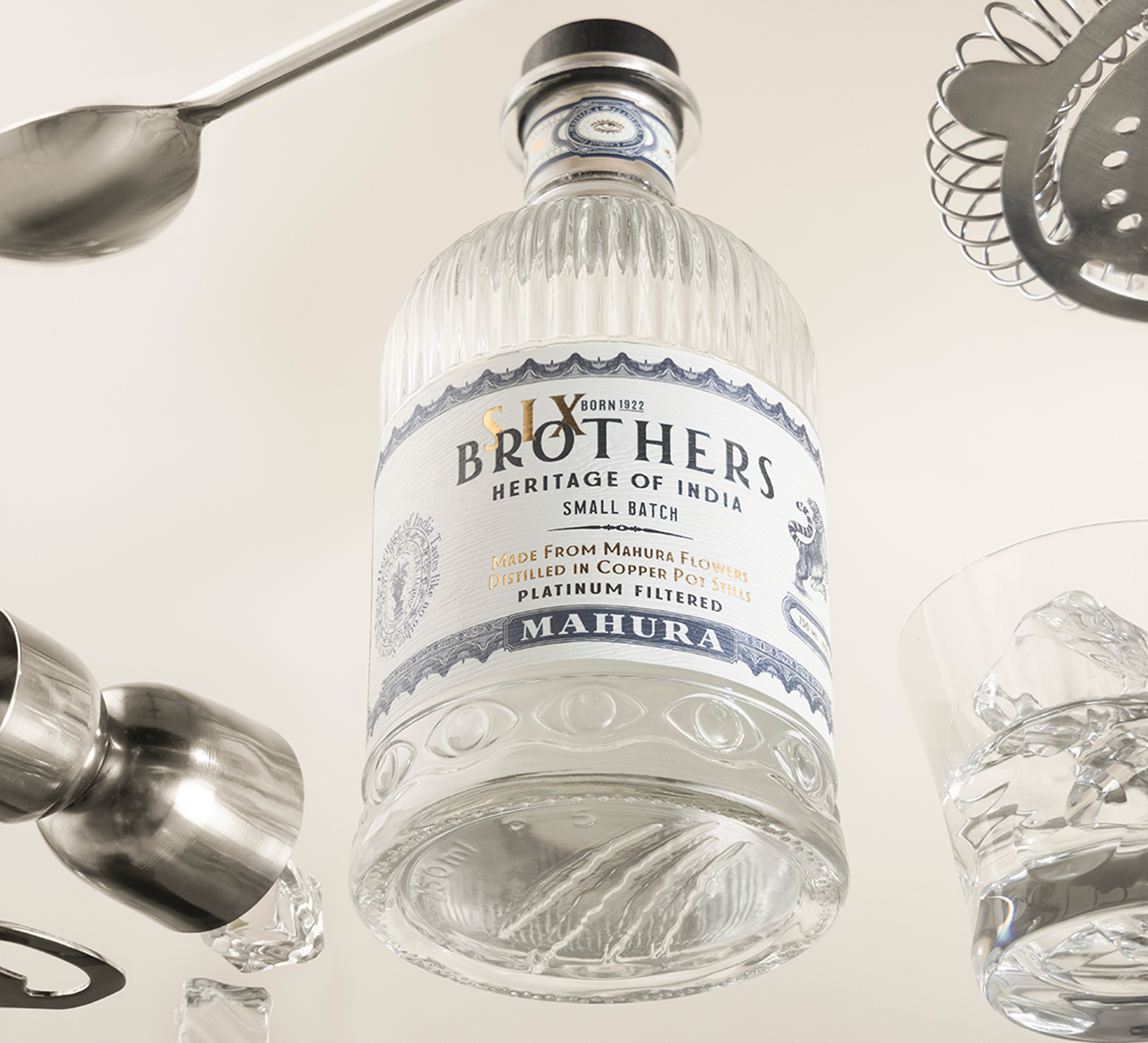
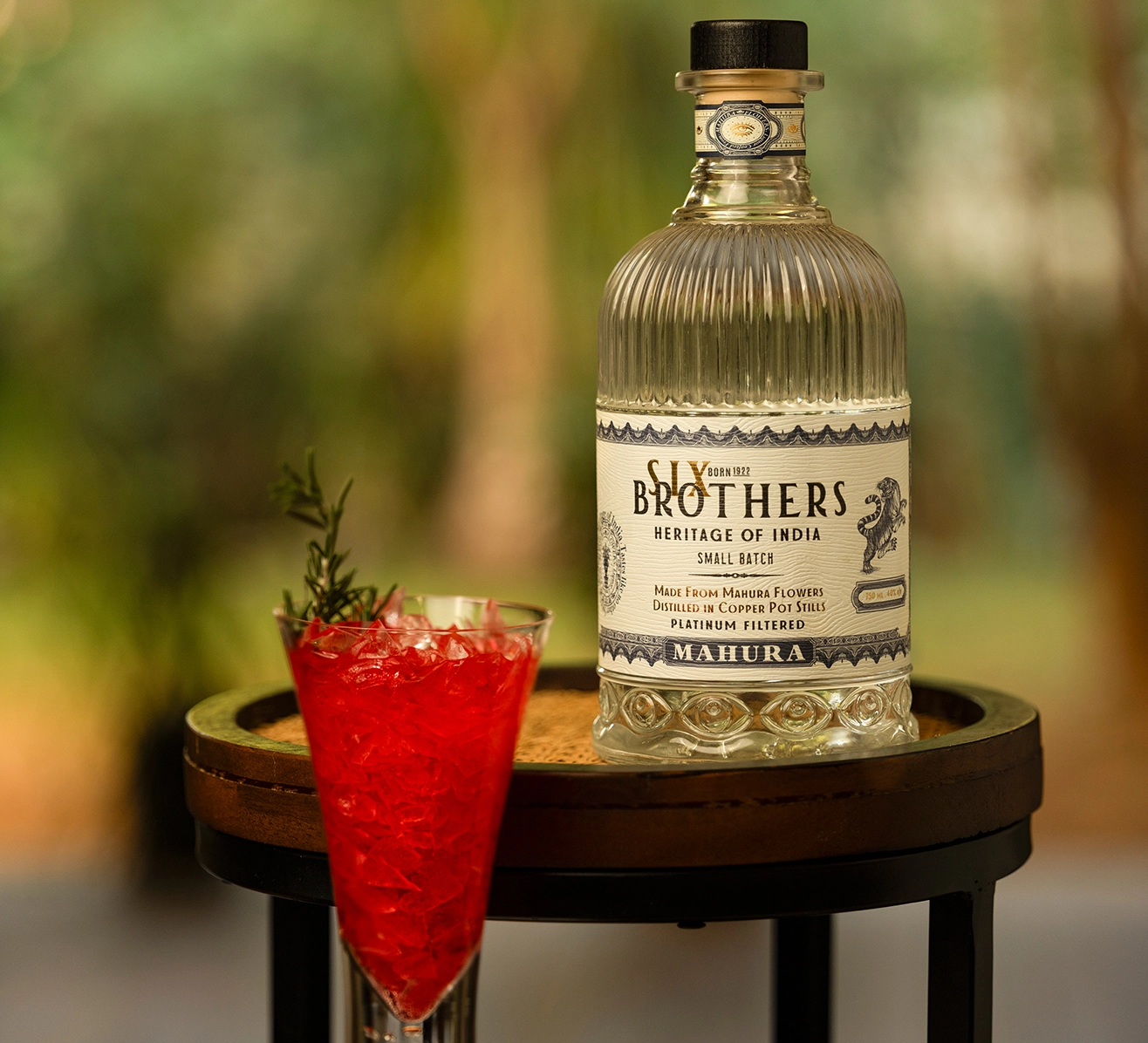
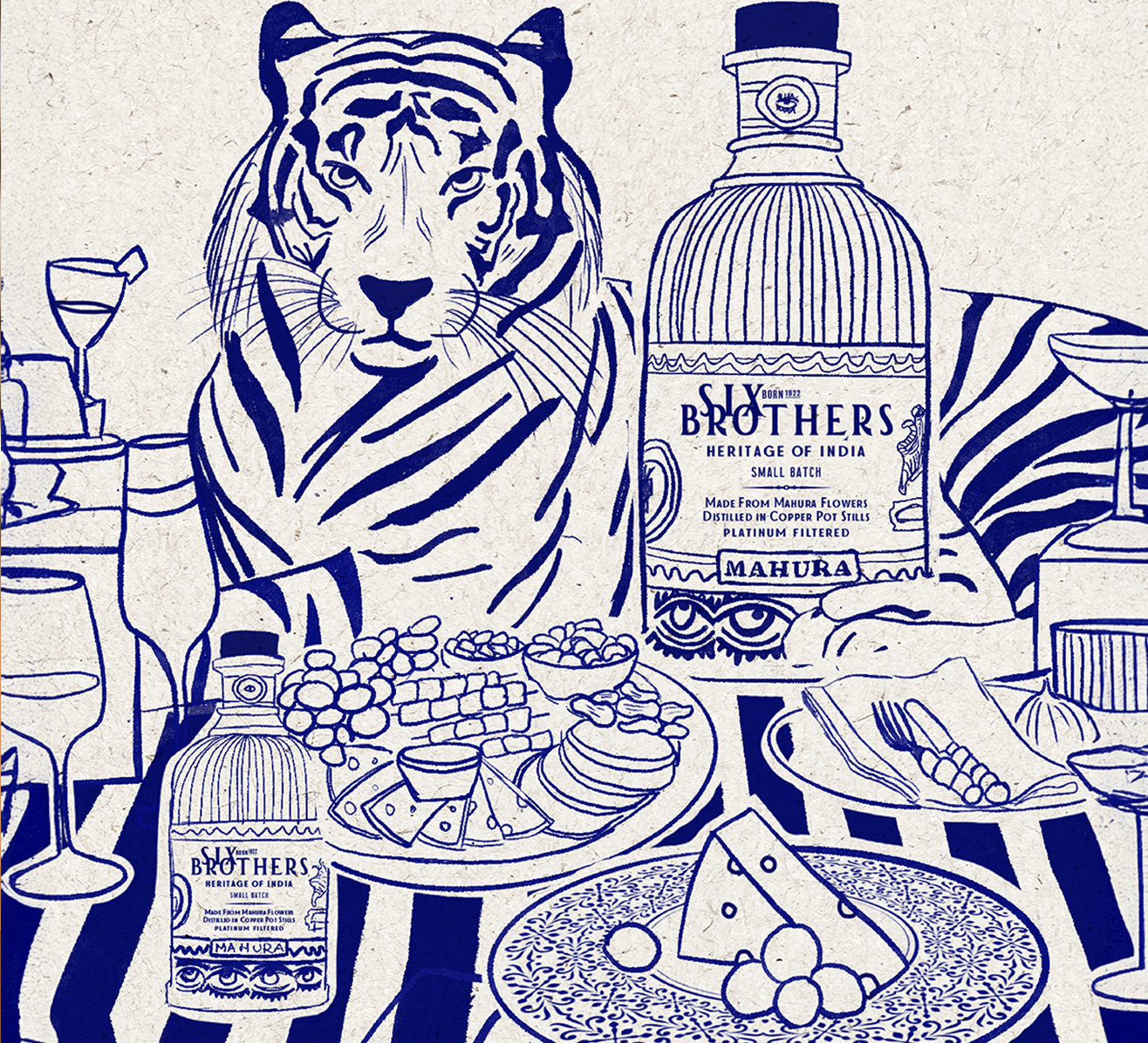
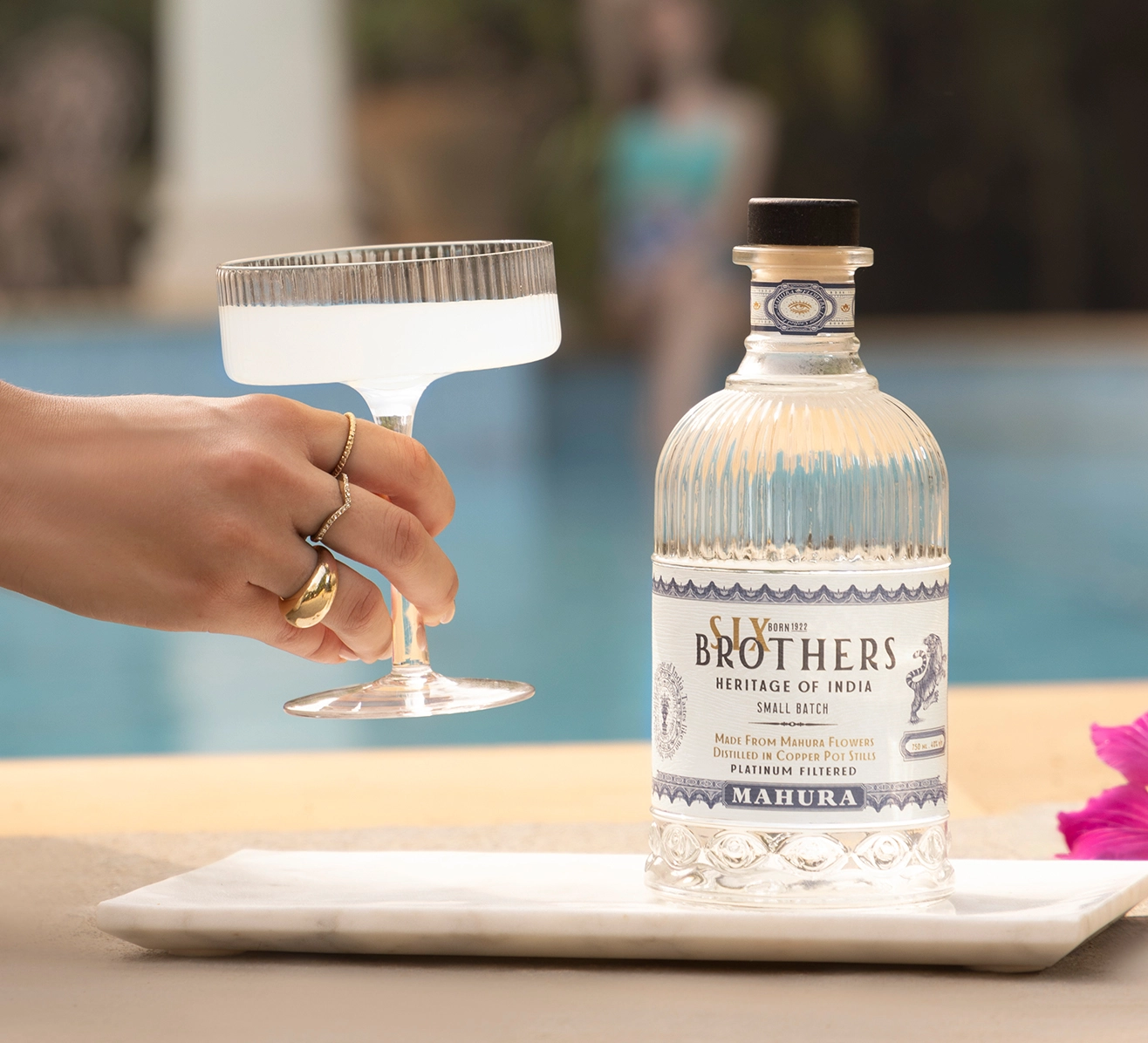
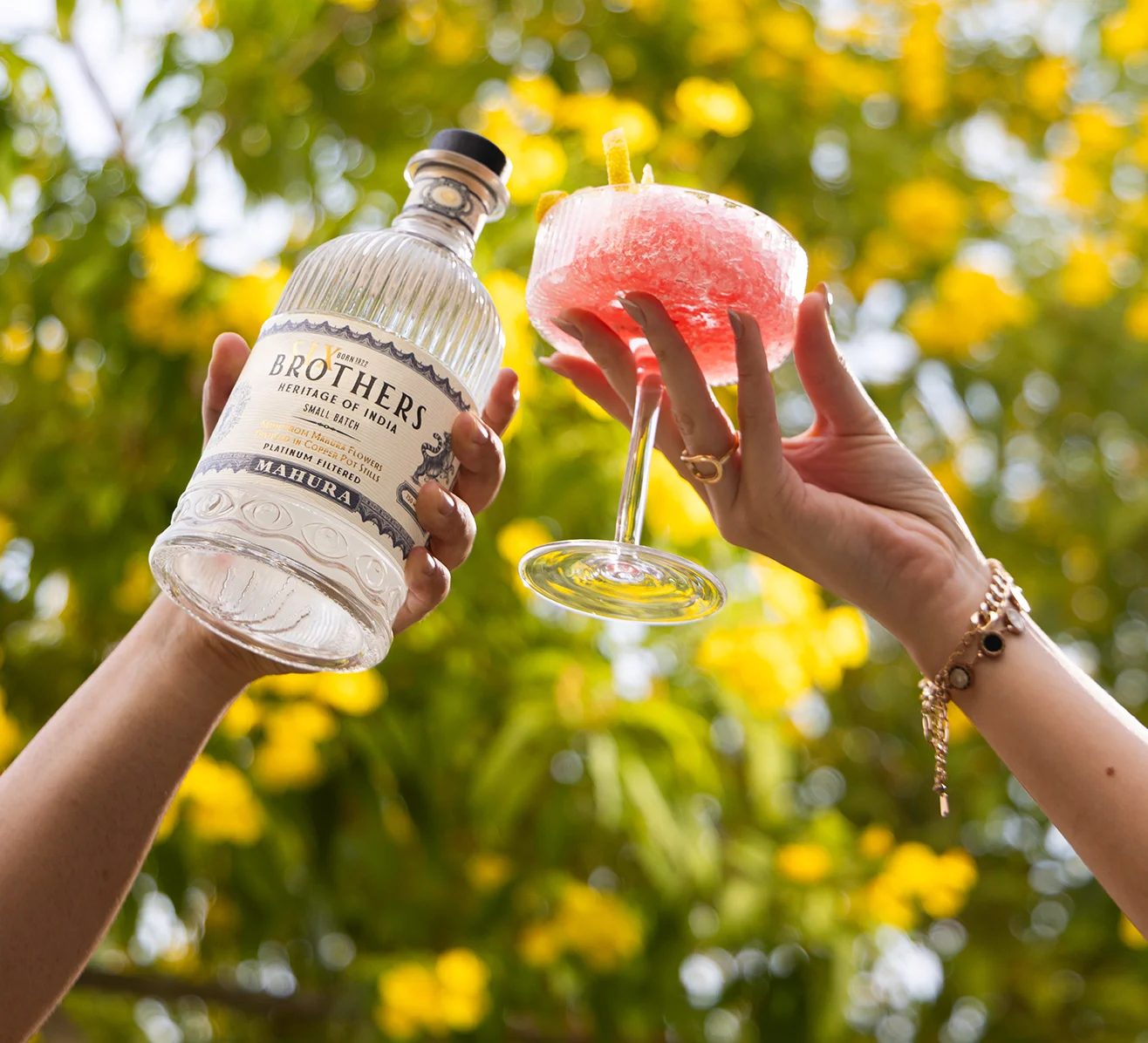
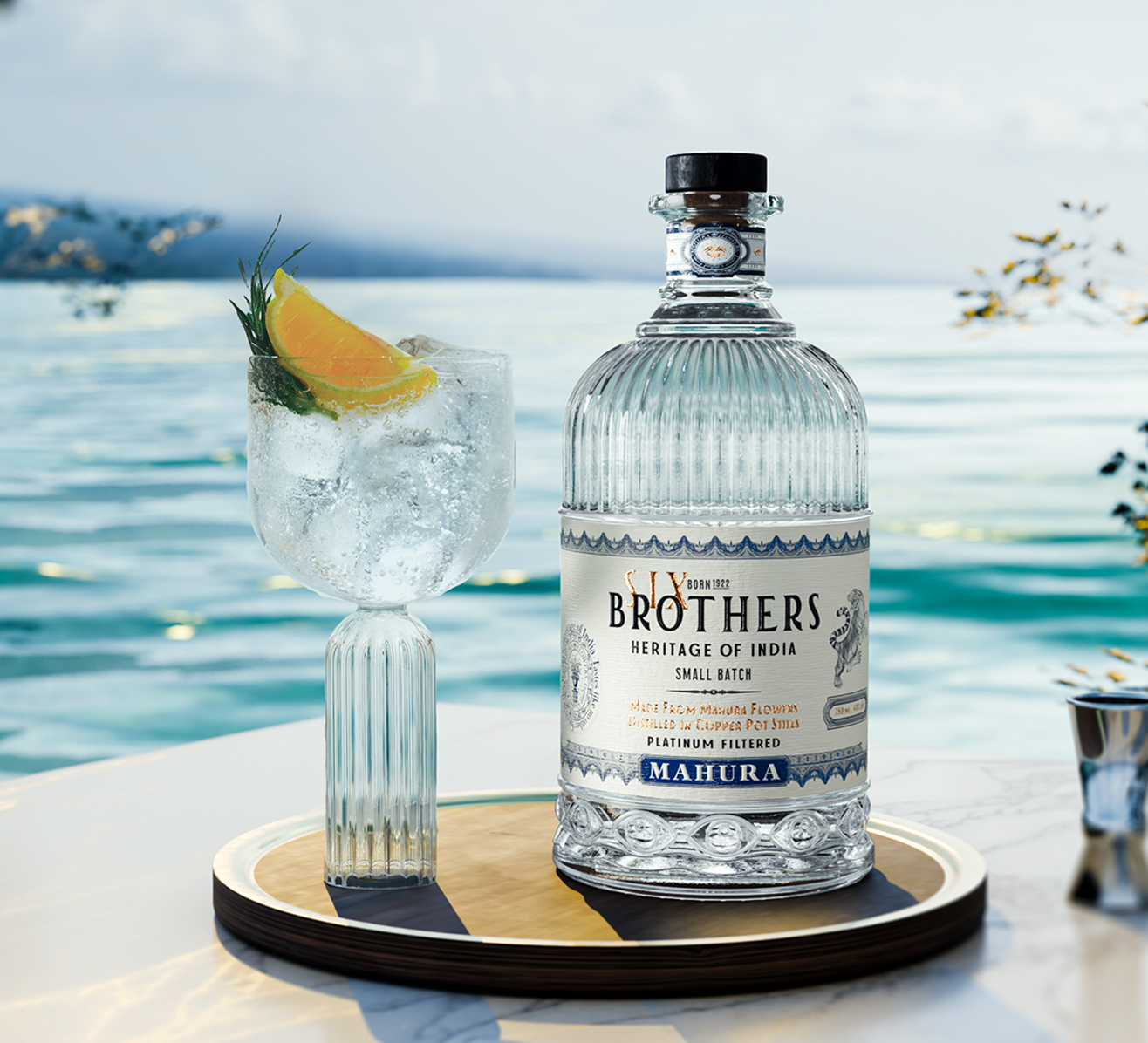
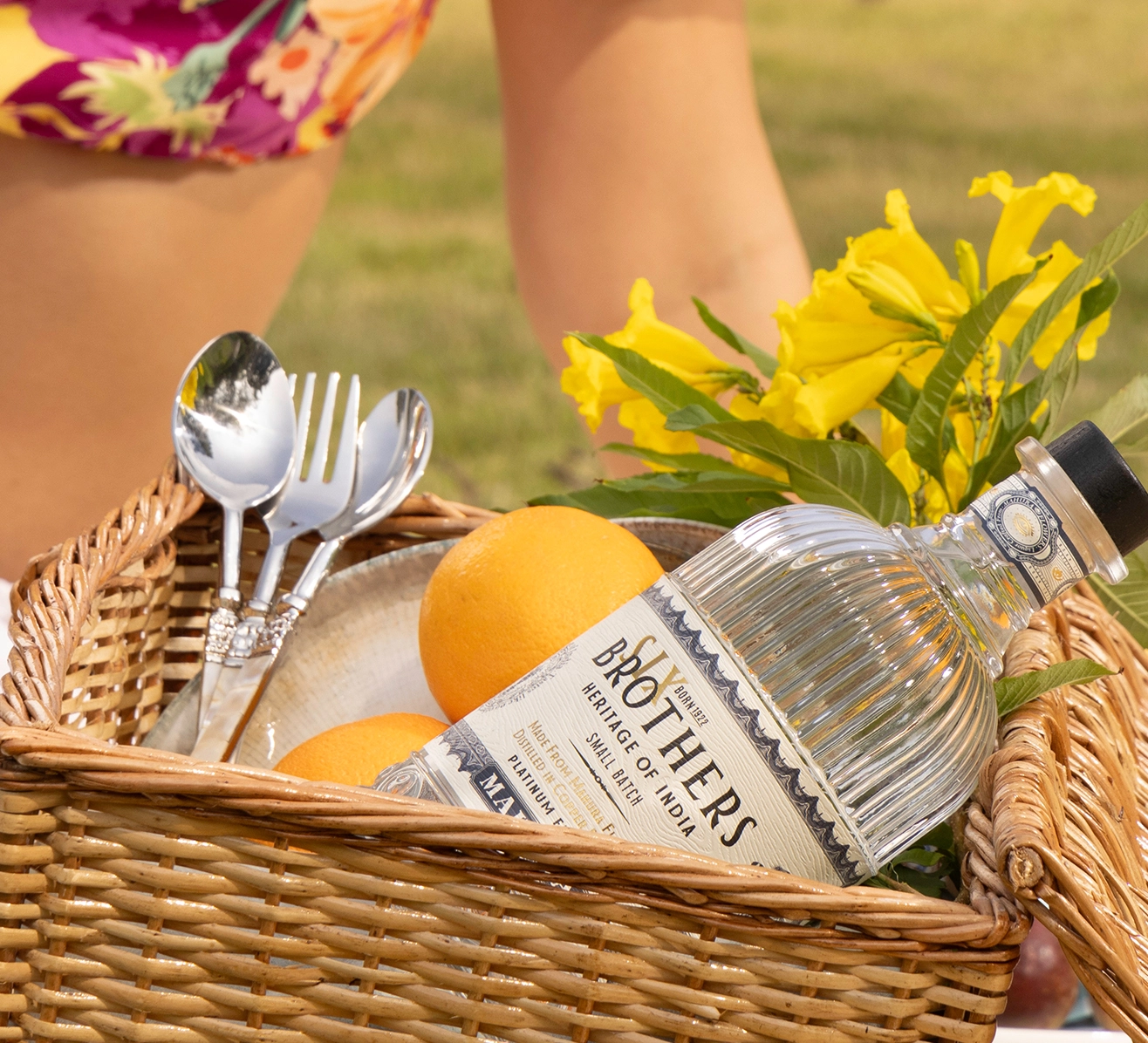
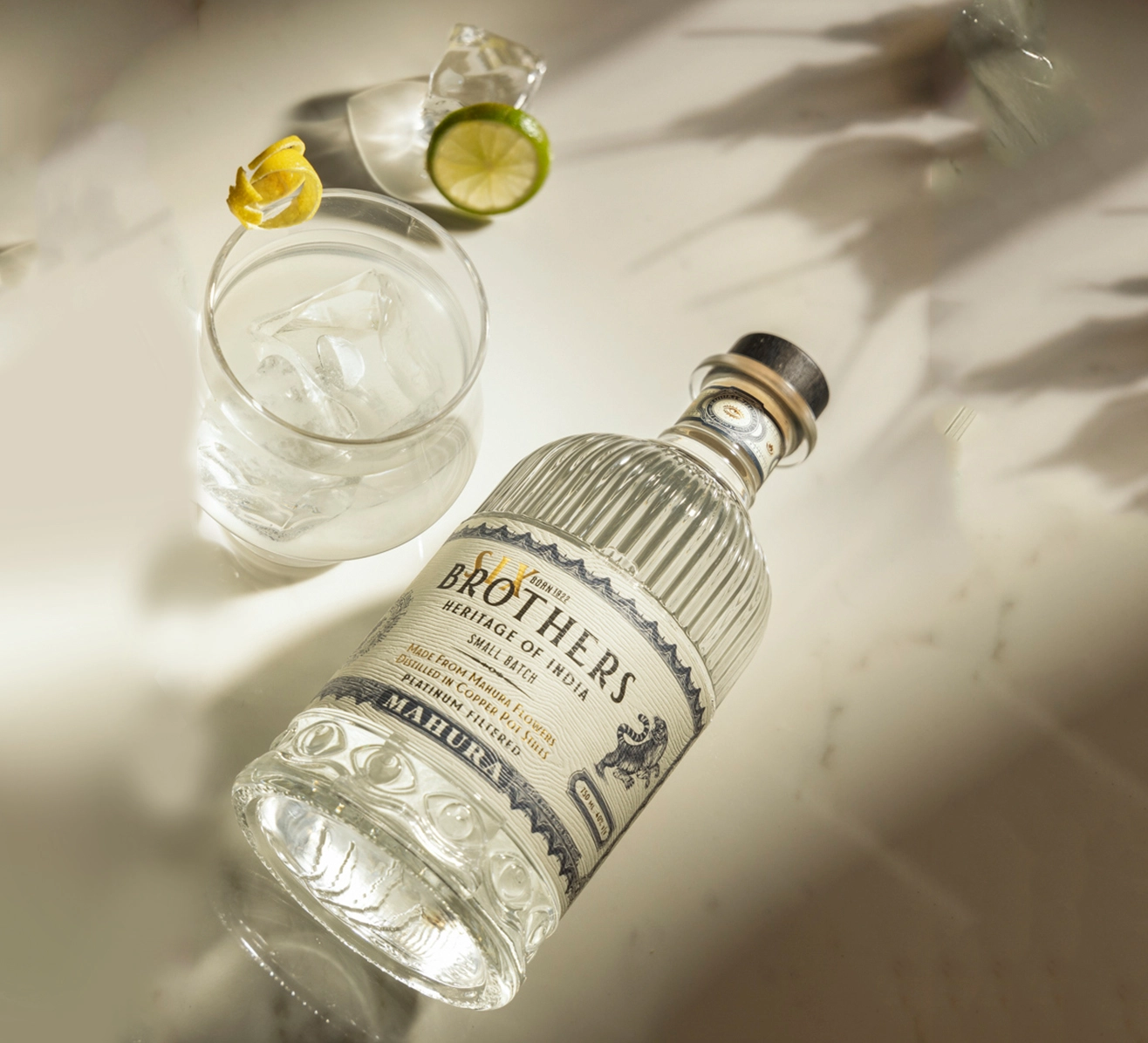
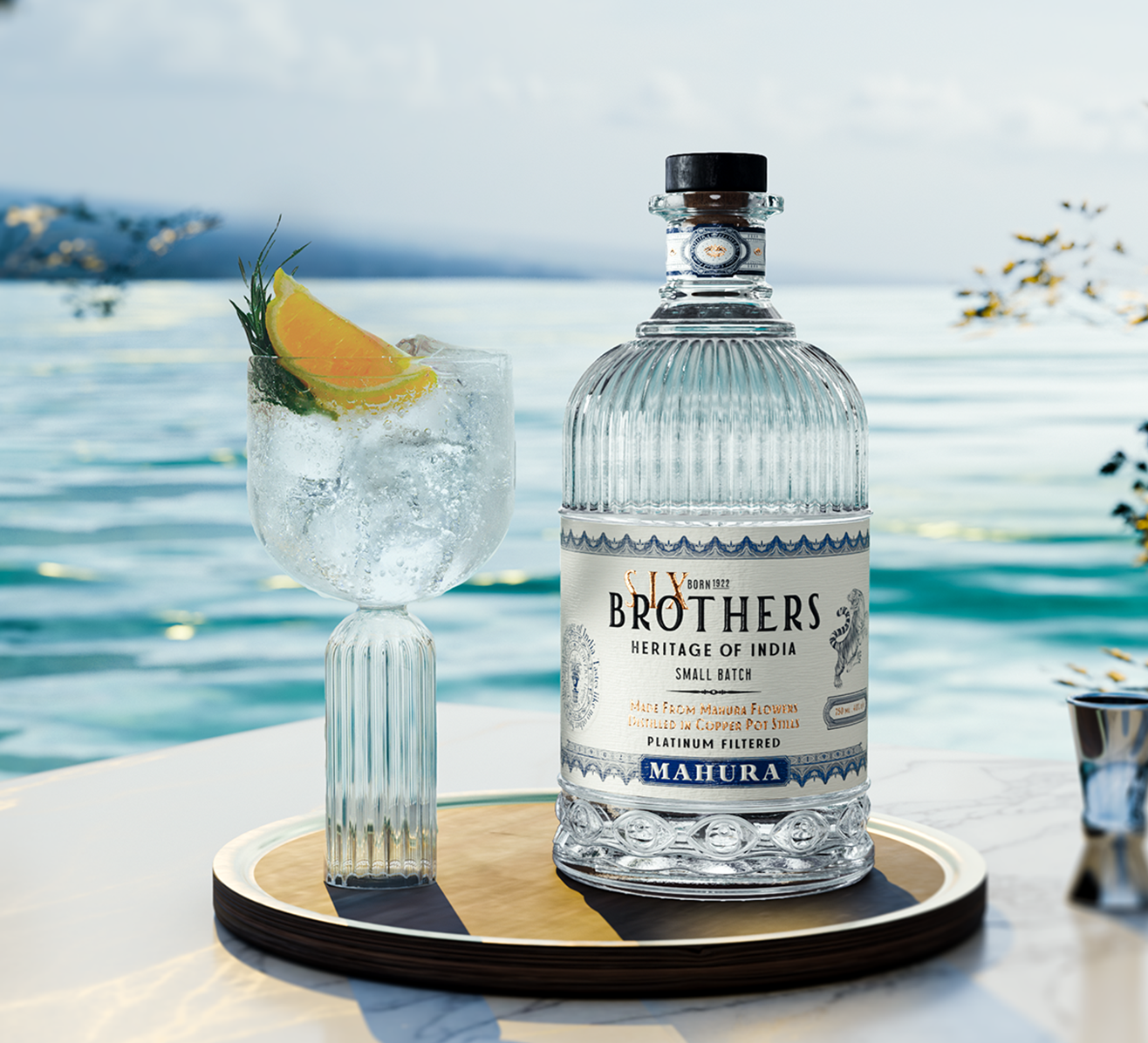
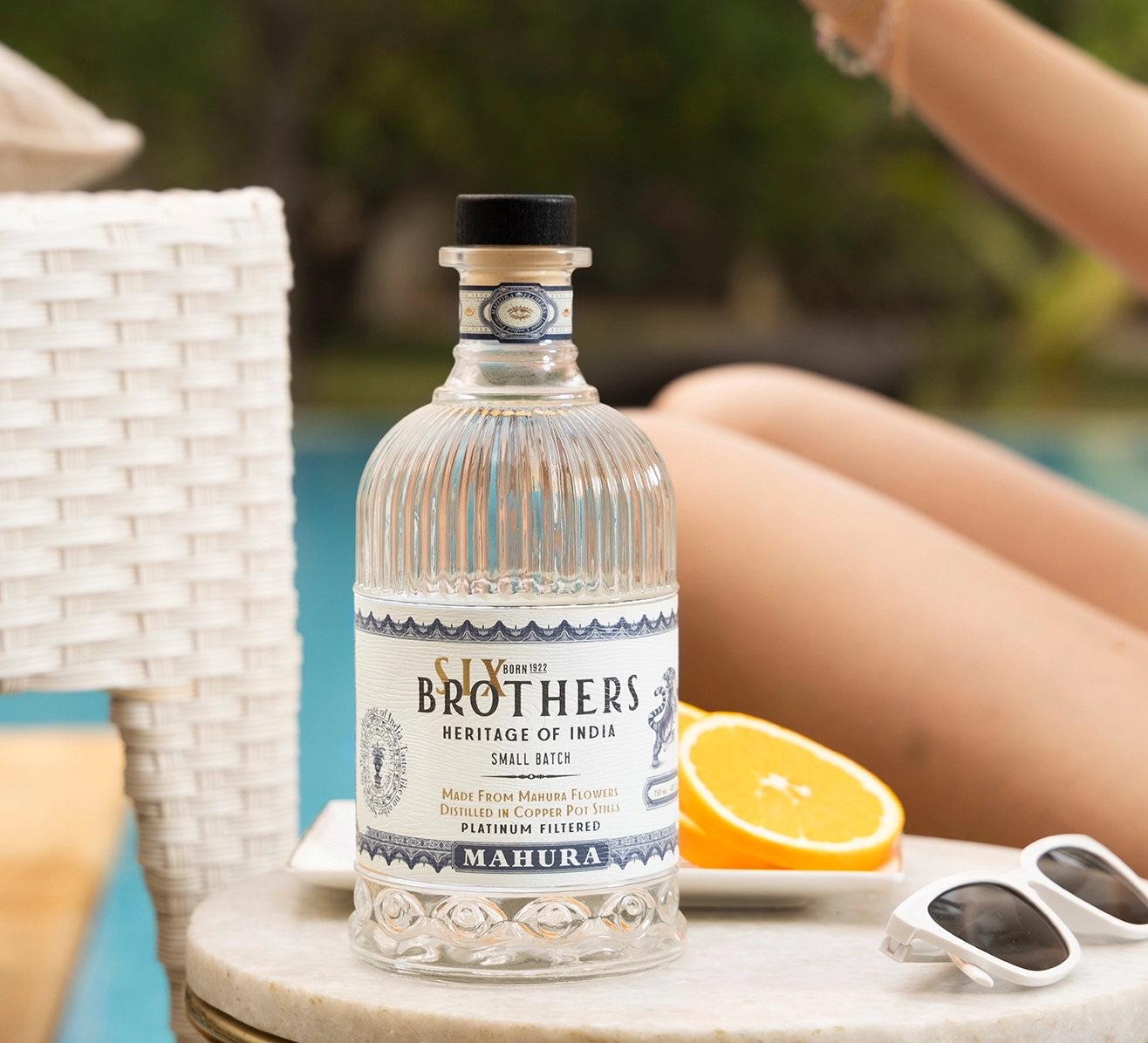
Six Brothers Mahura demonstrates how the Mahua flower can move from its traditional context into contemporary premium drinking culture.
The spirit brings together:
This is important because the future of Mahua spirit does not depend on distancing itself from its origins.
Its origins are part of its value.
Mahua could be only the beginning.
India's diverse landscapes offer potential for other indigenous ingredients to become part of Indian craft spirits.
Future exploration could include:
The challenge will be developing these ingredients responsibly while maintaining quality and respecting the ecosystems and communities connected to them.
The growth of forest botanicals must be approached carefully.
Premium production should consider:
The value of a botanical should never come at the expense of the environment that produces it.
For Mahua spirit, this relationship between nature, people, and production is particularly important.
The future of premium Indian spirits may not be found only in established categories.
It could also emerge from India's forests.
The Mahua flower demonstrates how an indigenous ingredient can become the foundation for a refined, contemporary spirit while retaining its cultural and natural identity.
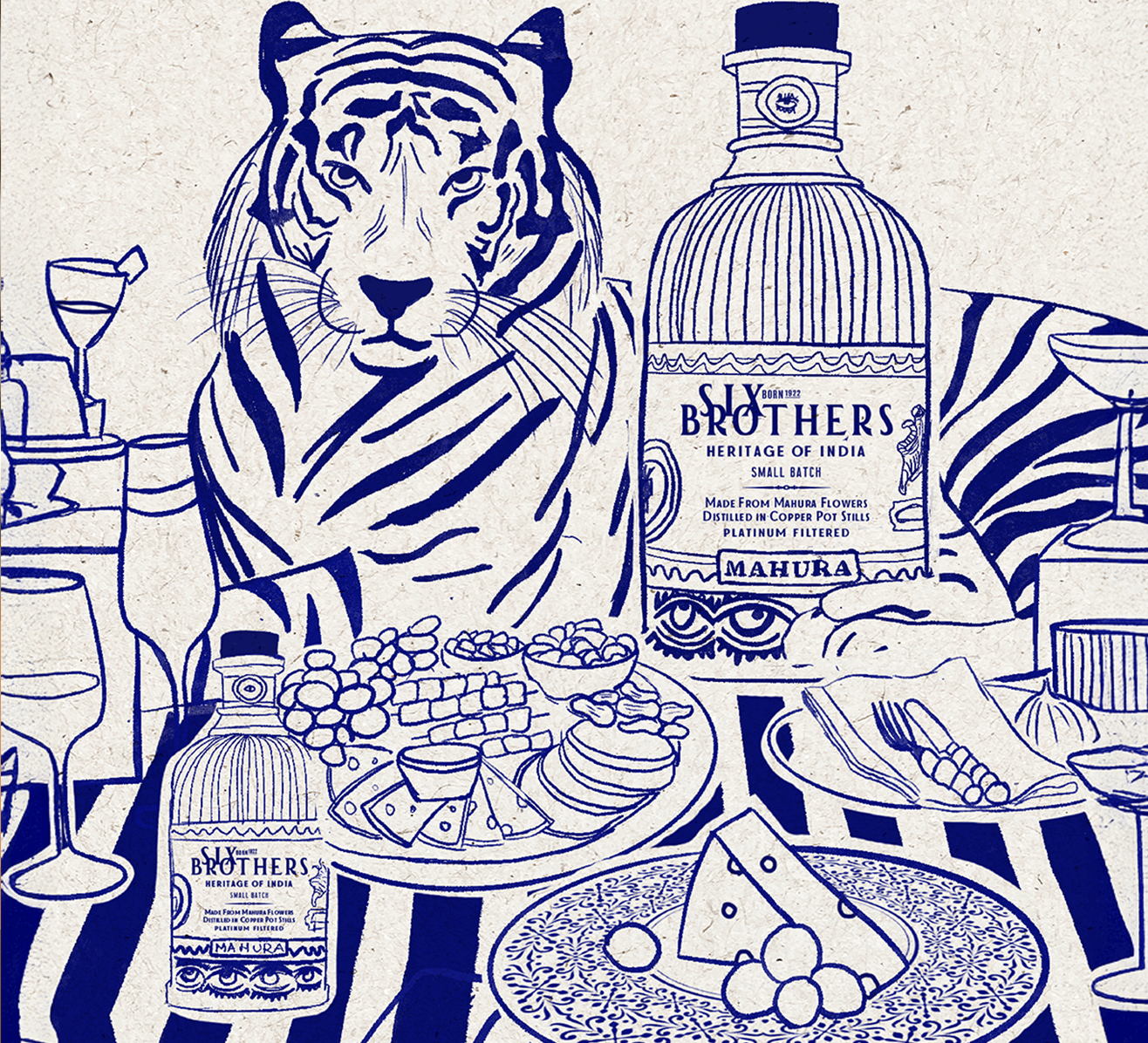
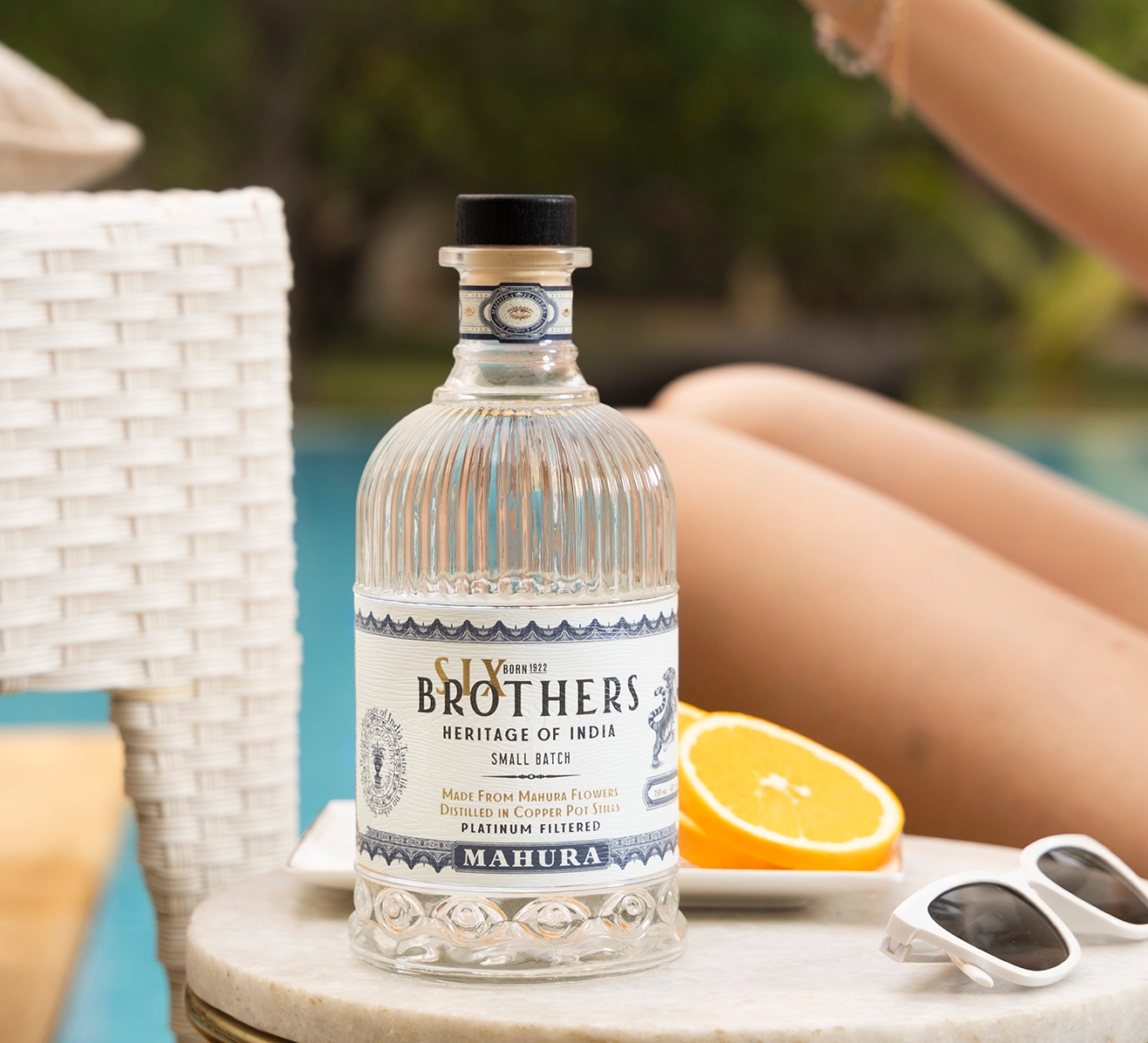
For Six Brothers Mahura, that creates a larger story: showing how forest botanicals, indigenous Indian spirits, and modern craftsmanship can come together to create something distinctly Indian.
The real opportunity is not simply discovering new ingredients.
It is discovering new ways to tell India's story through spirits.