
Posted on 13 Aug 2026
India has already established itself on the global spirits stage through categories such as whisky and gin. The next opportunity could come from something much more deeply rooted in the country itself: Mahua spirit.
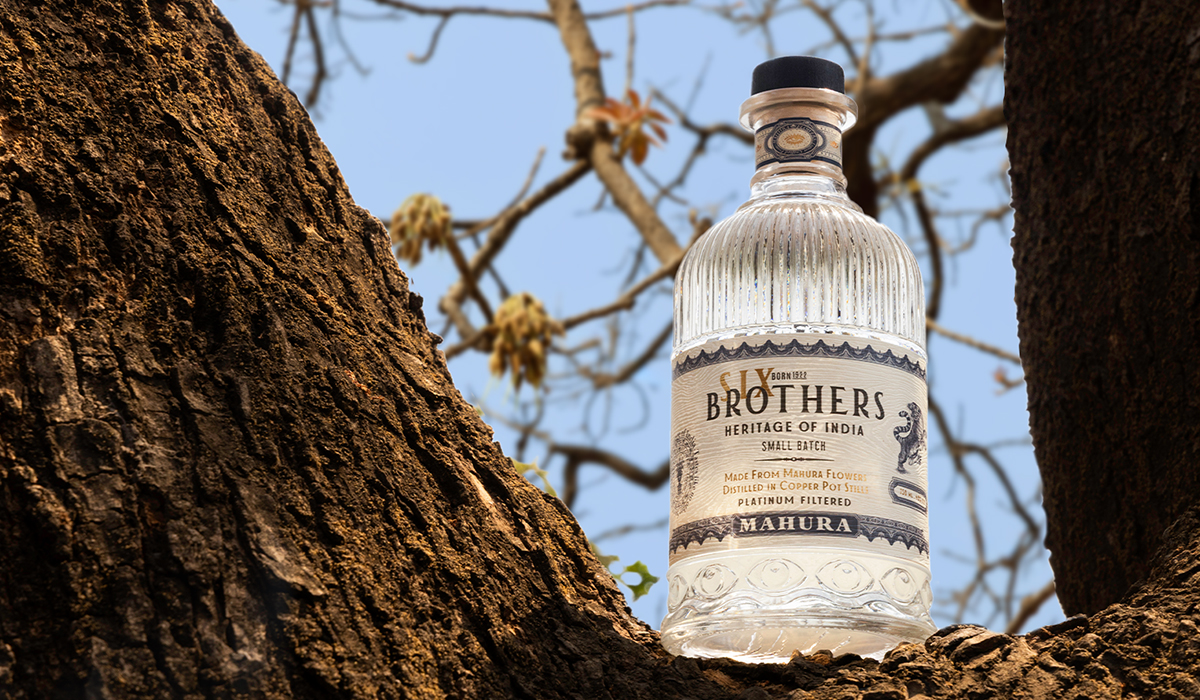
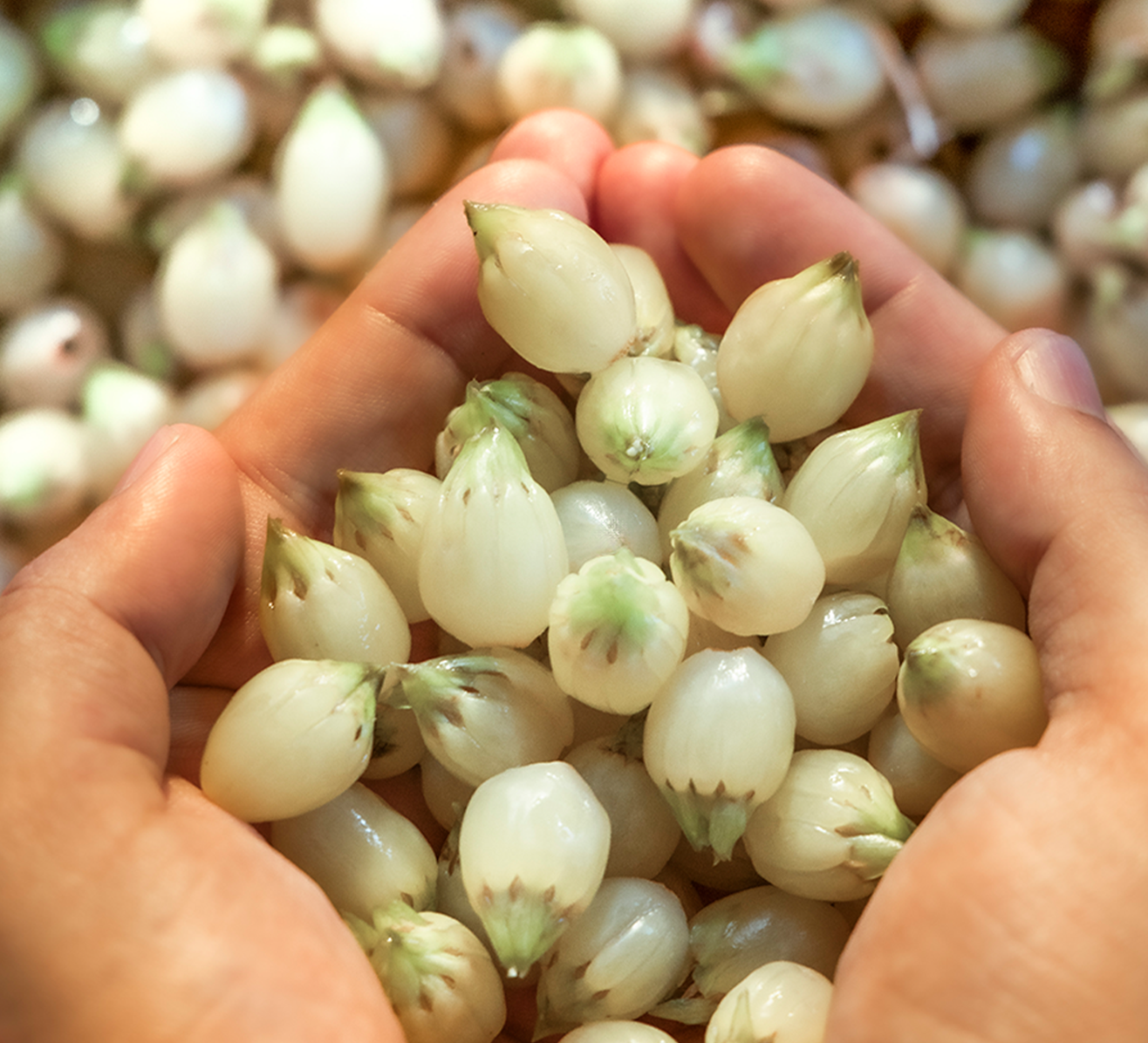
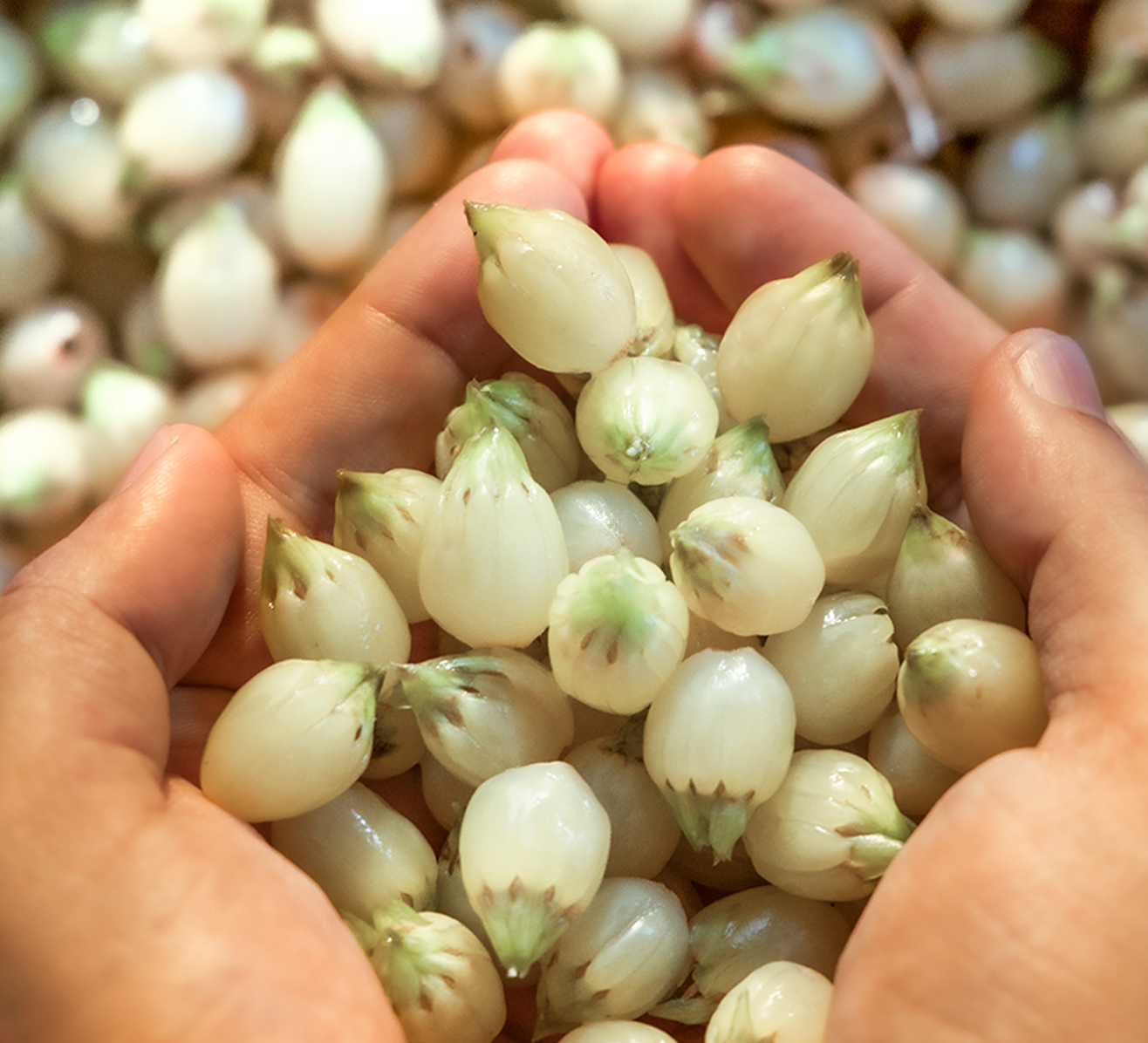
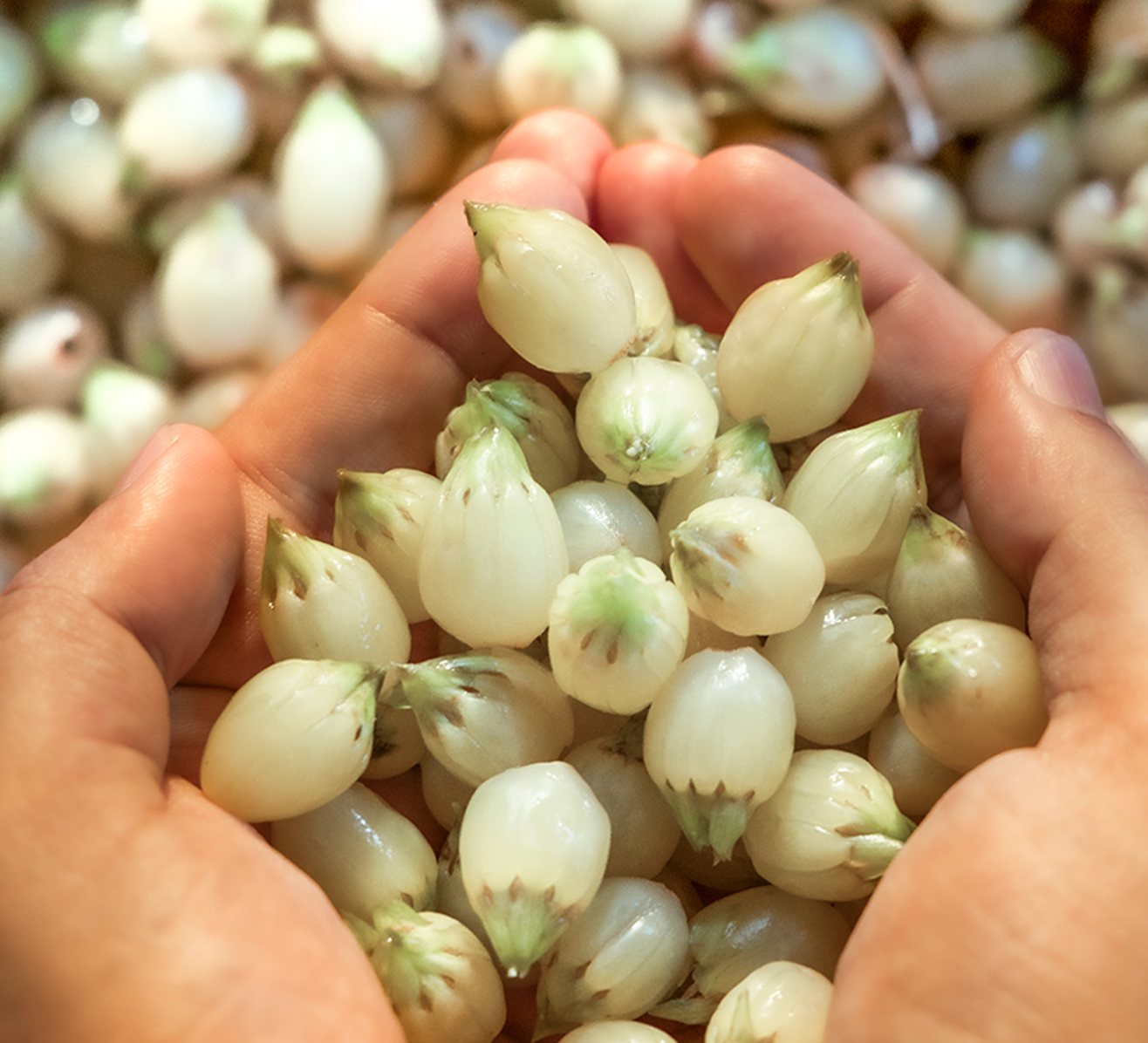
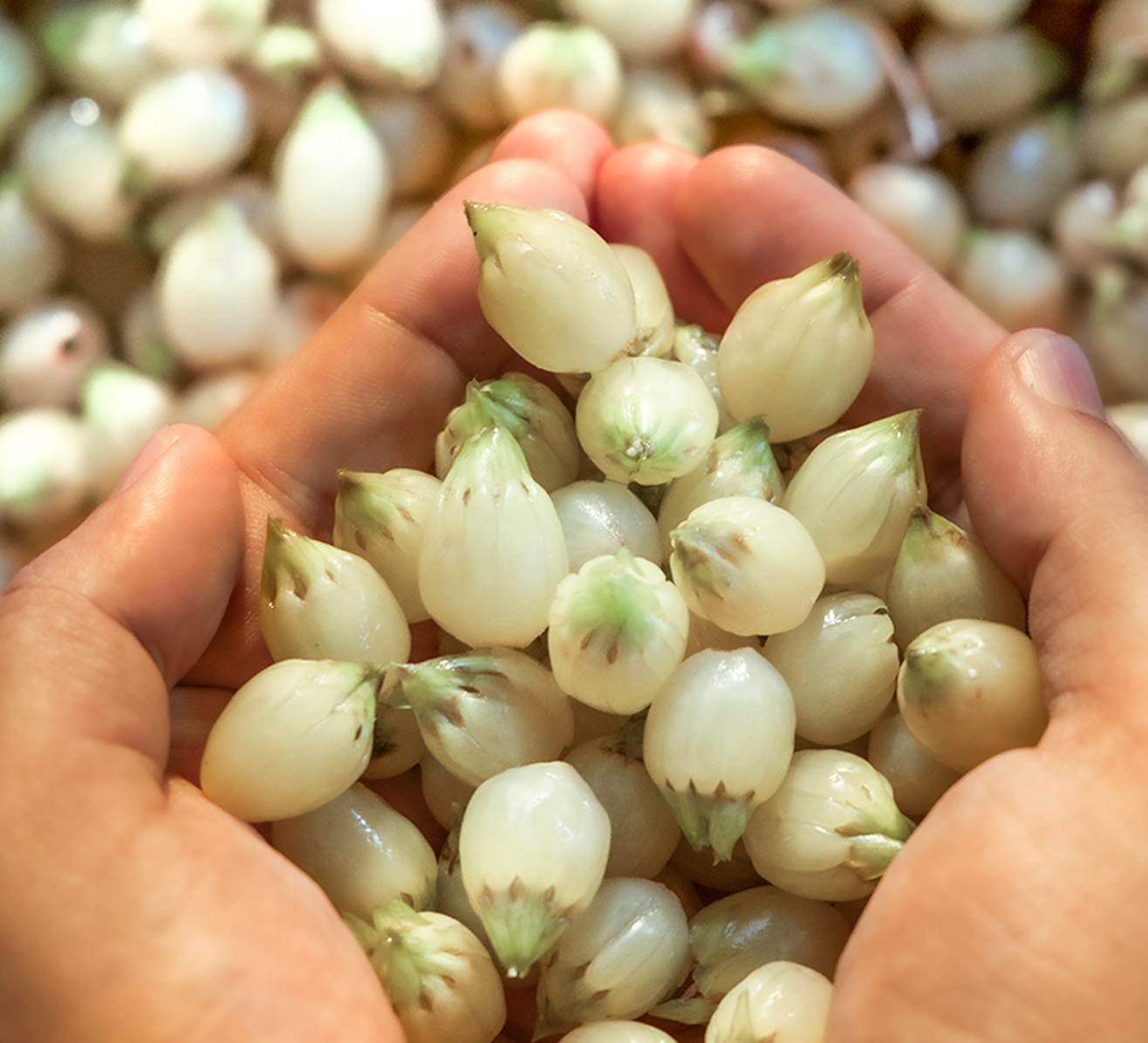
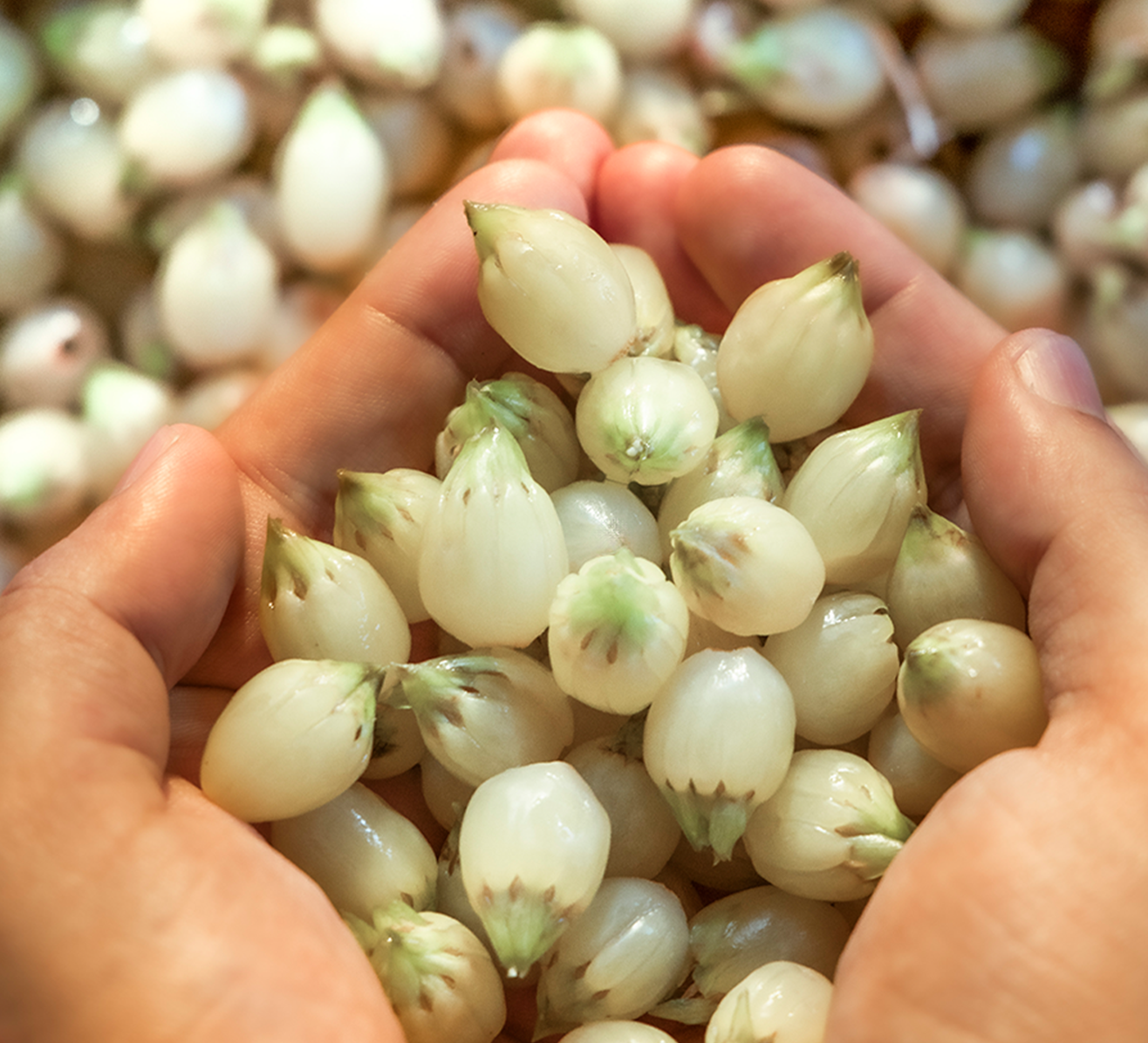
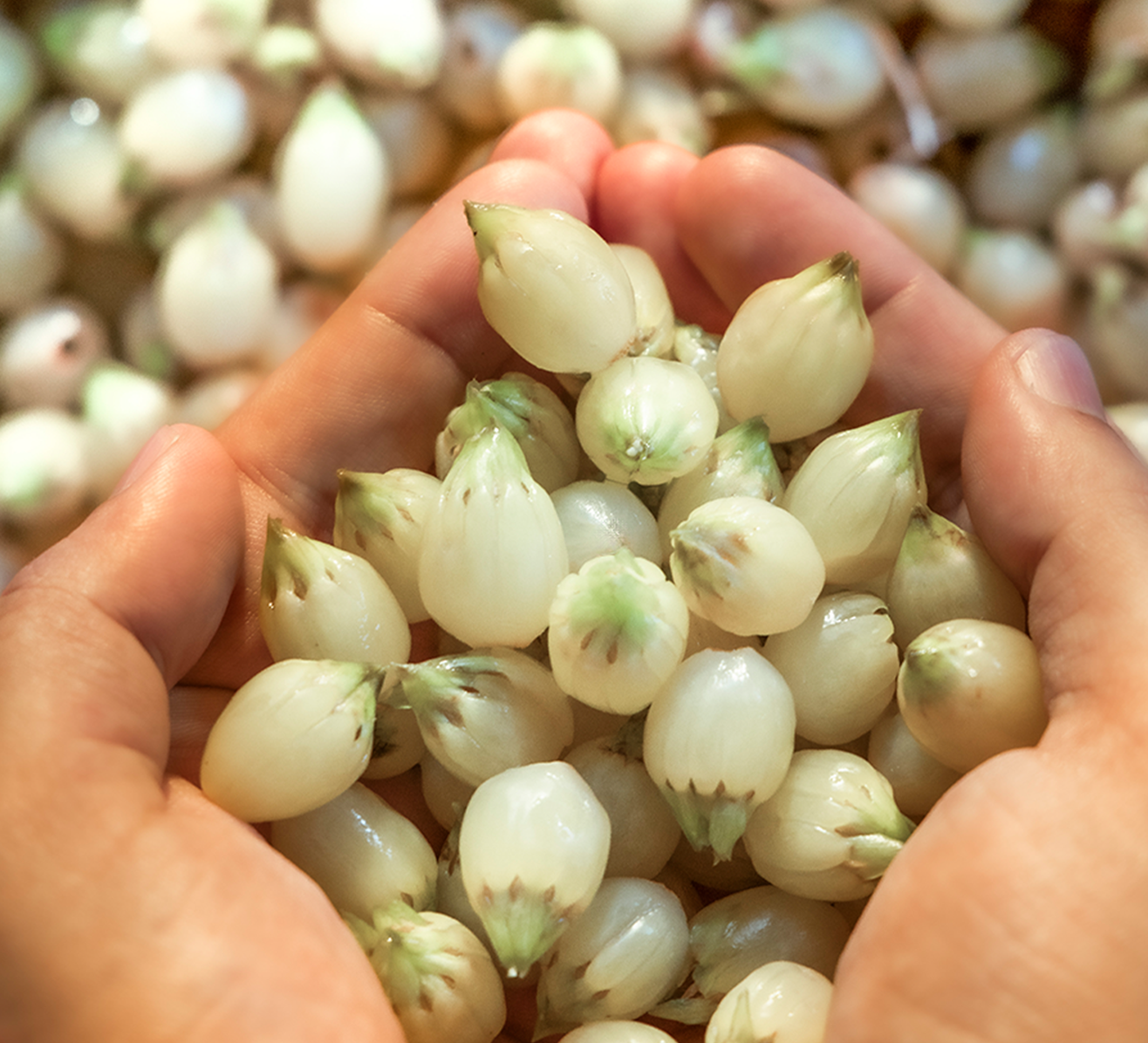
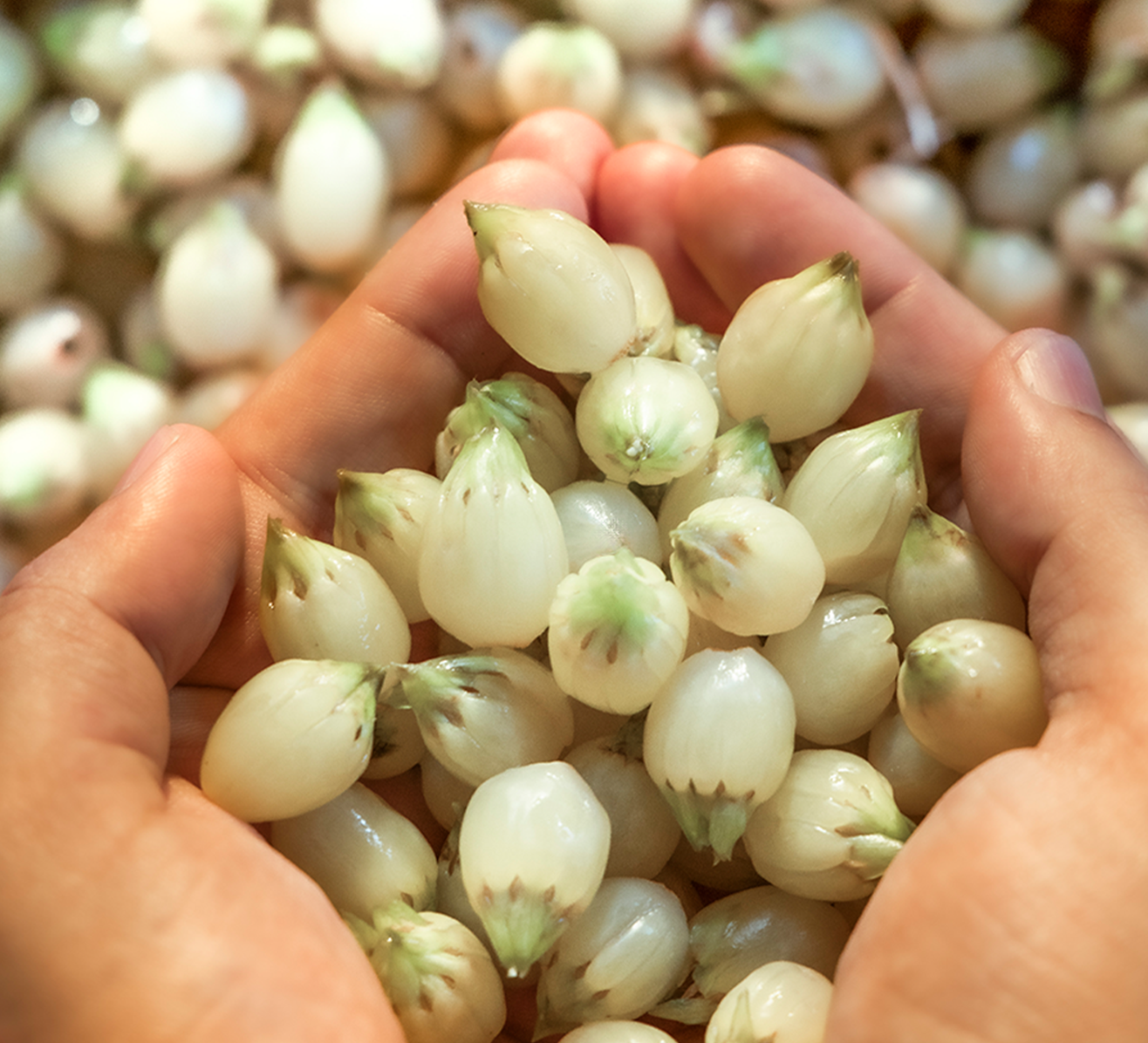
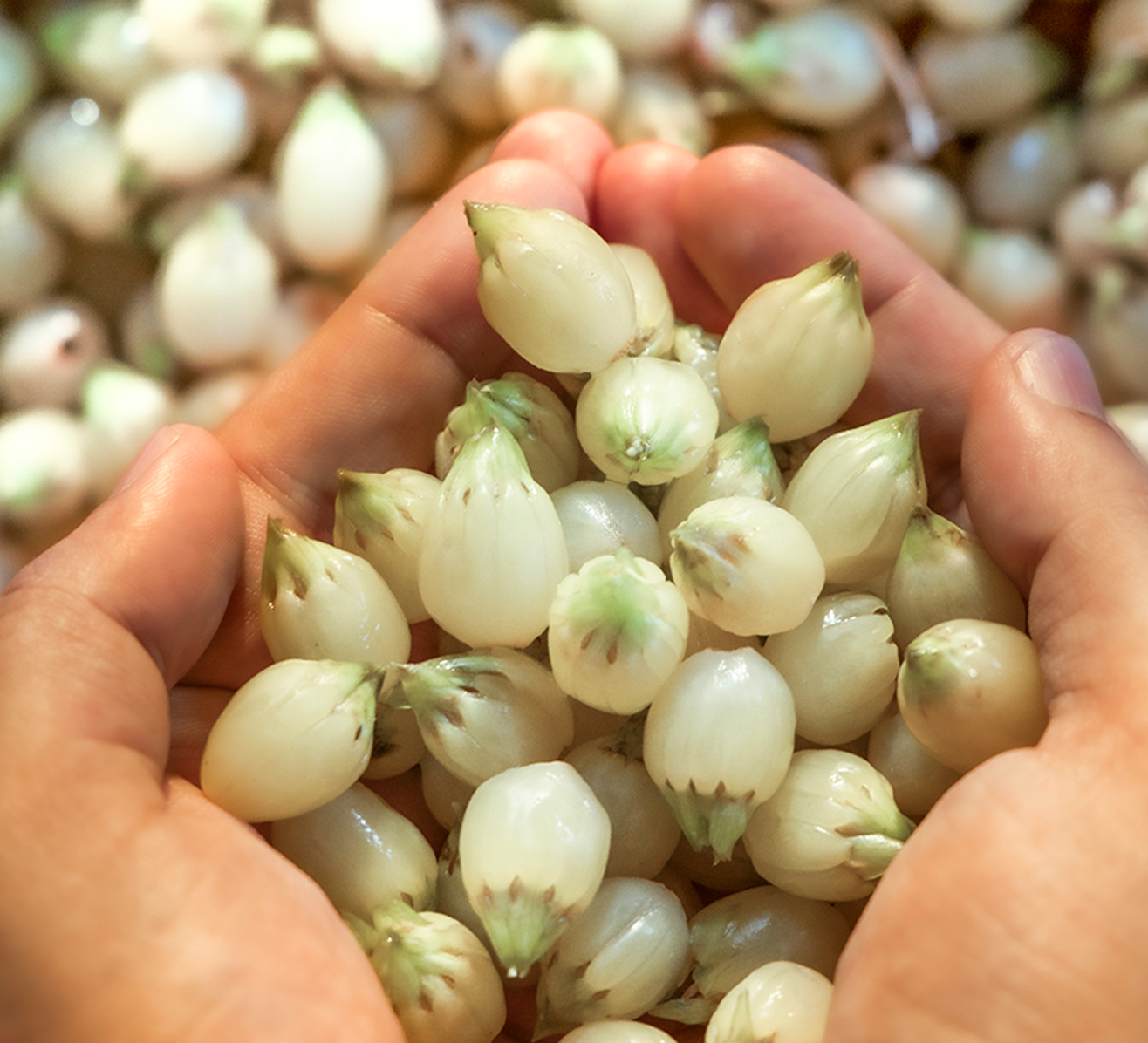
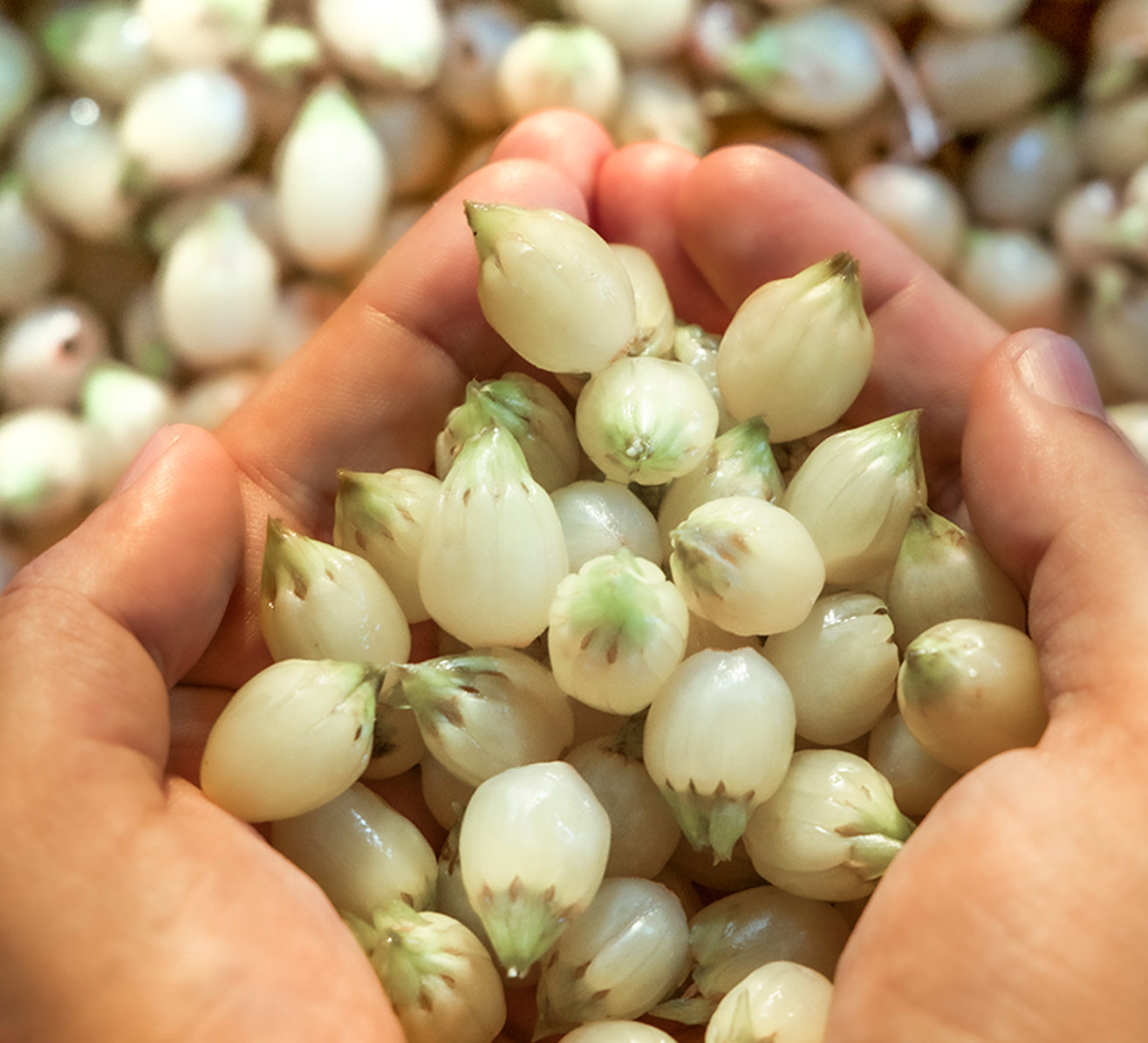
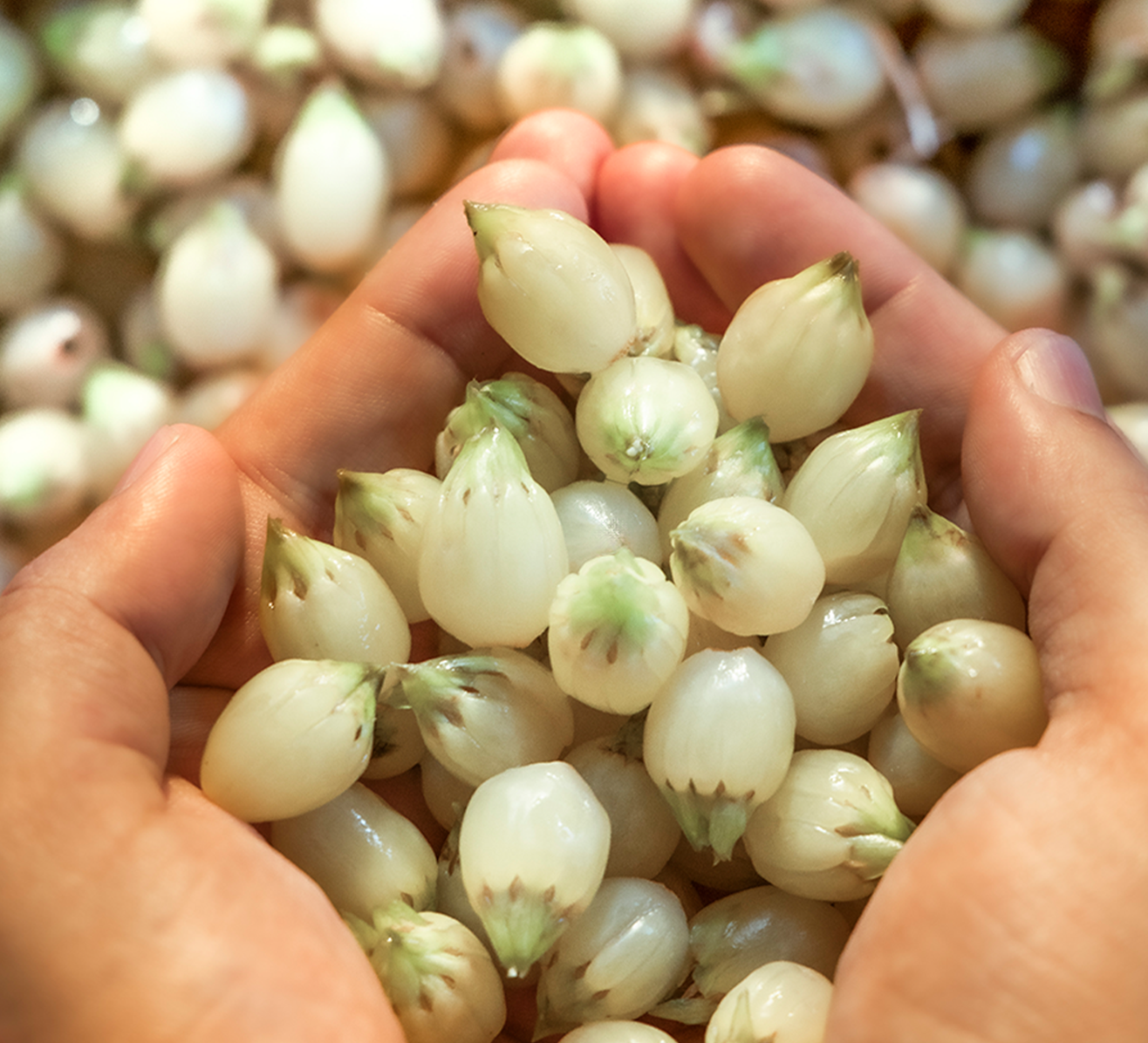
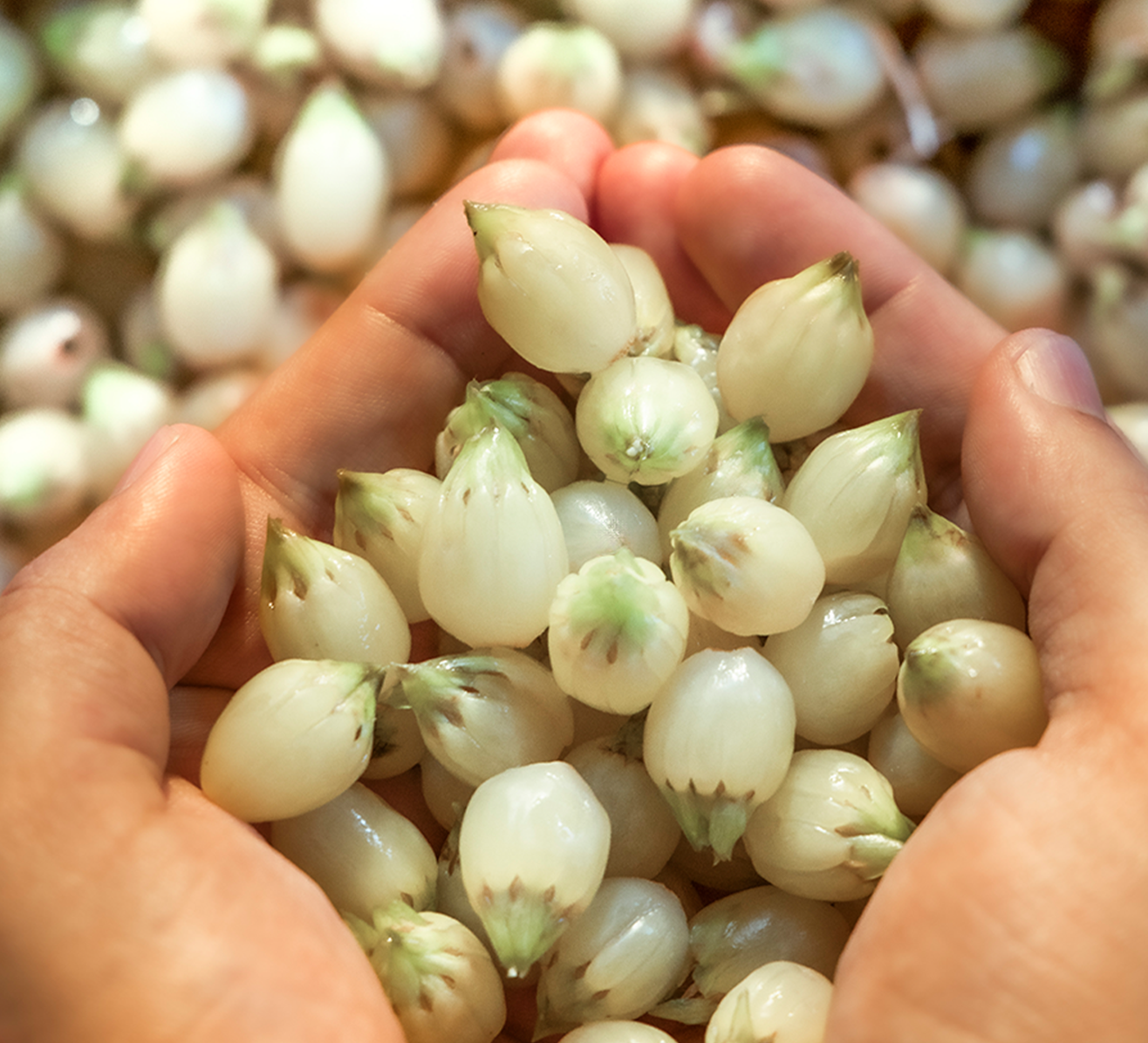
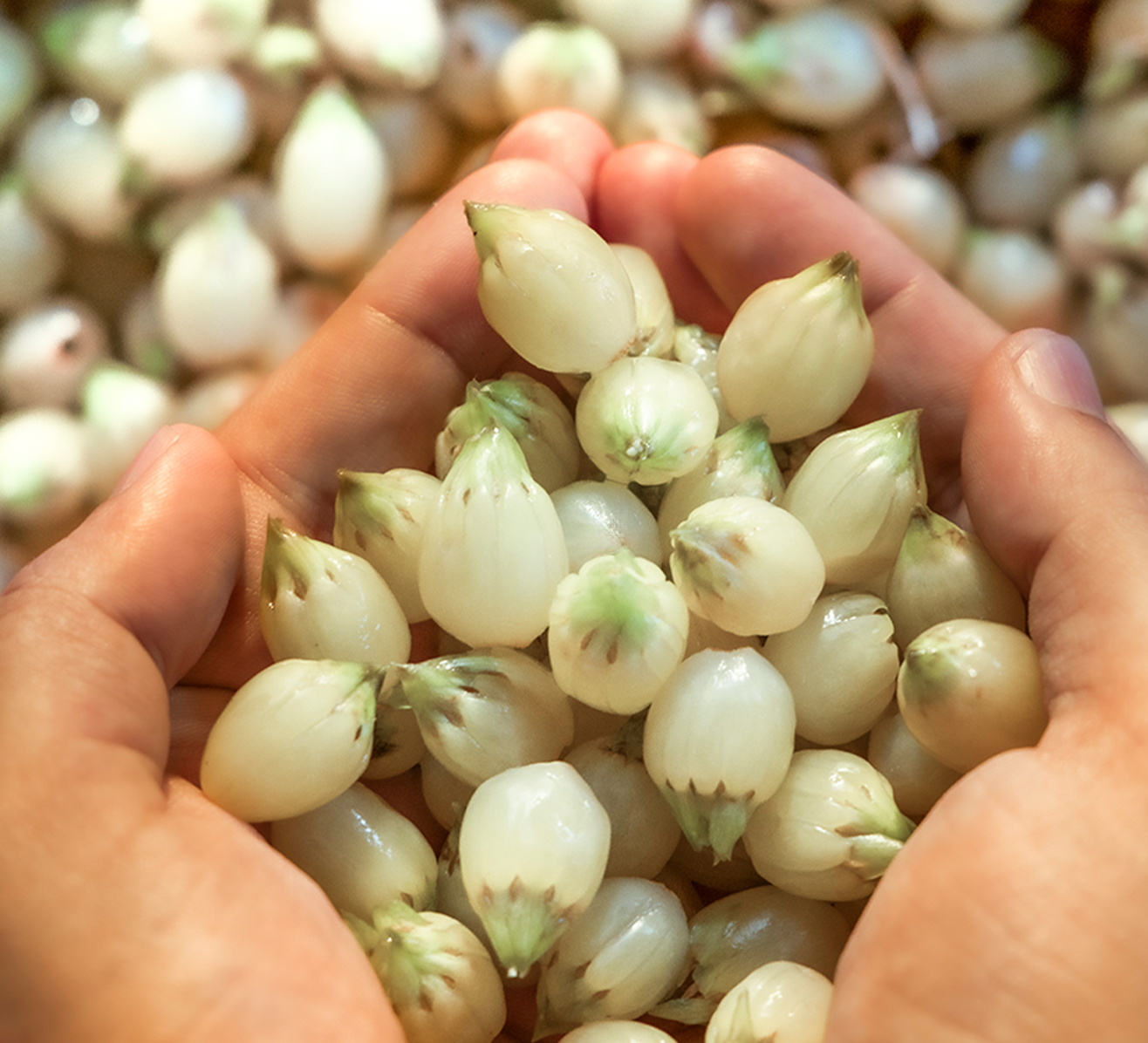
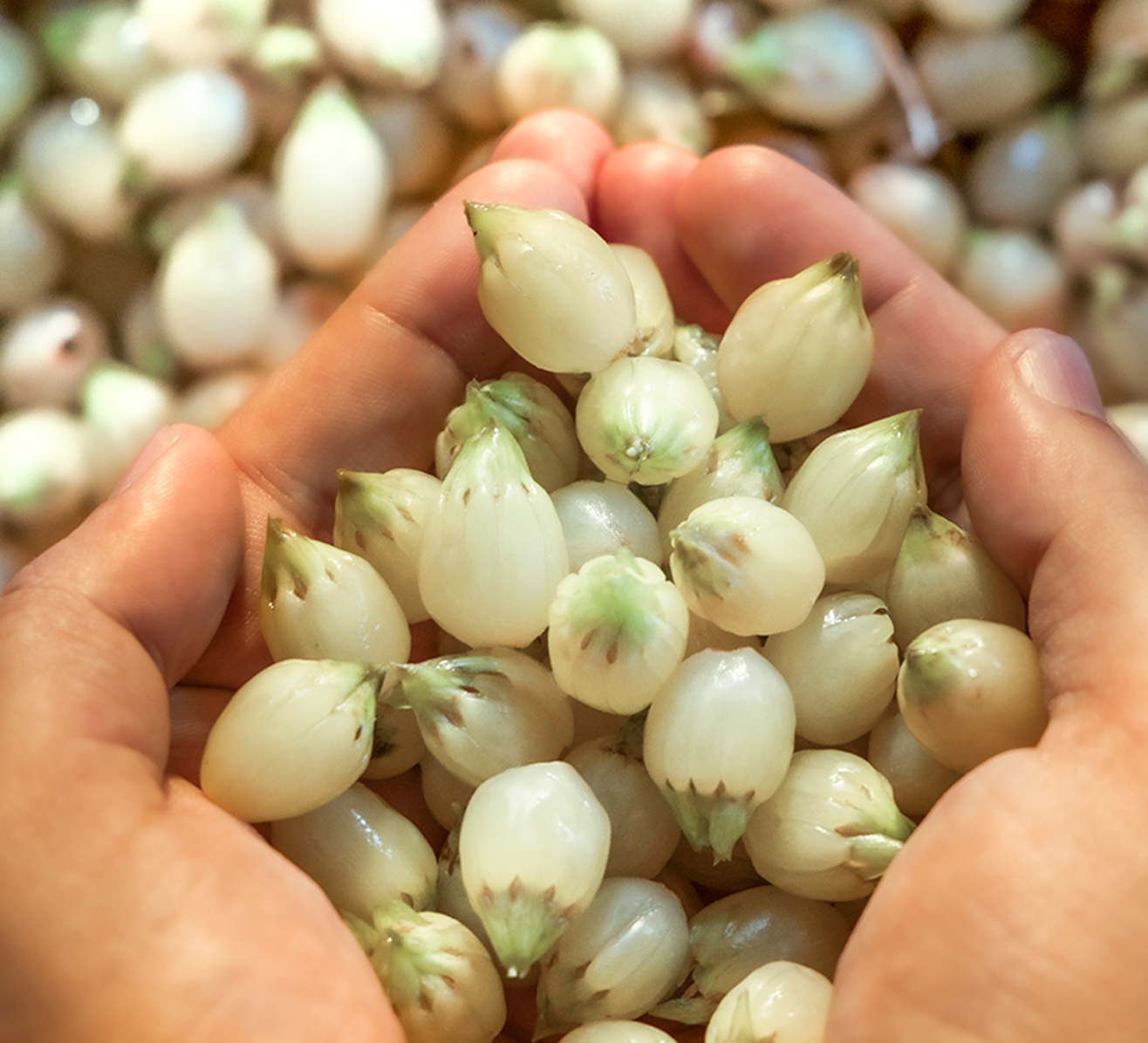
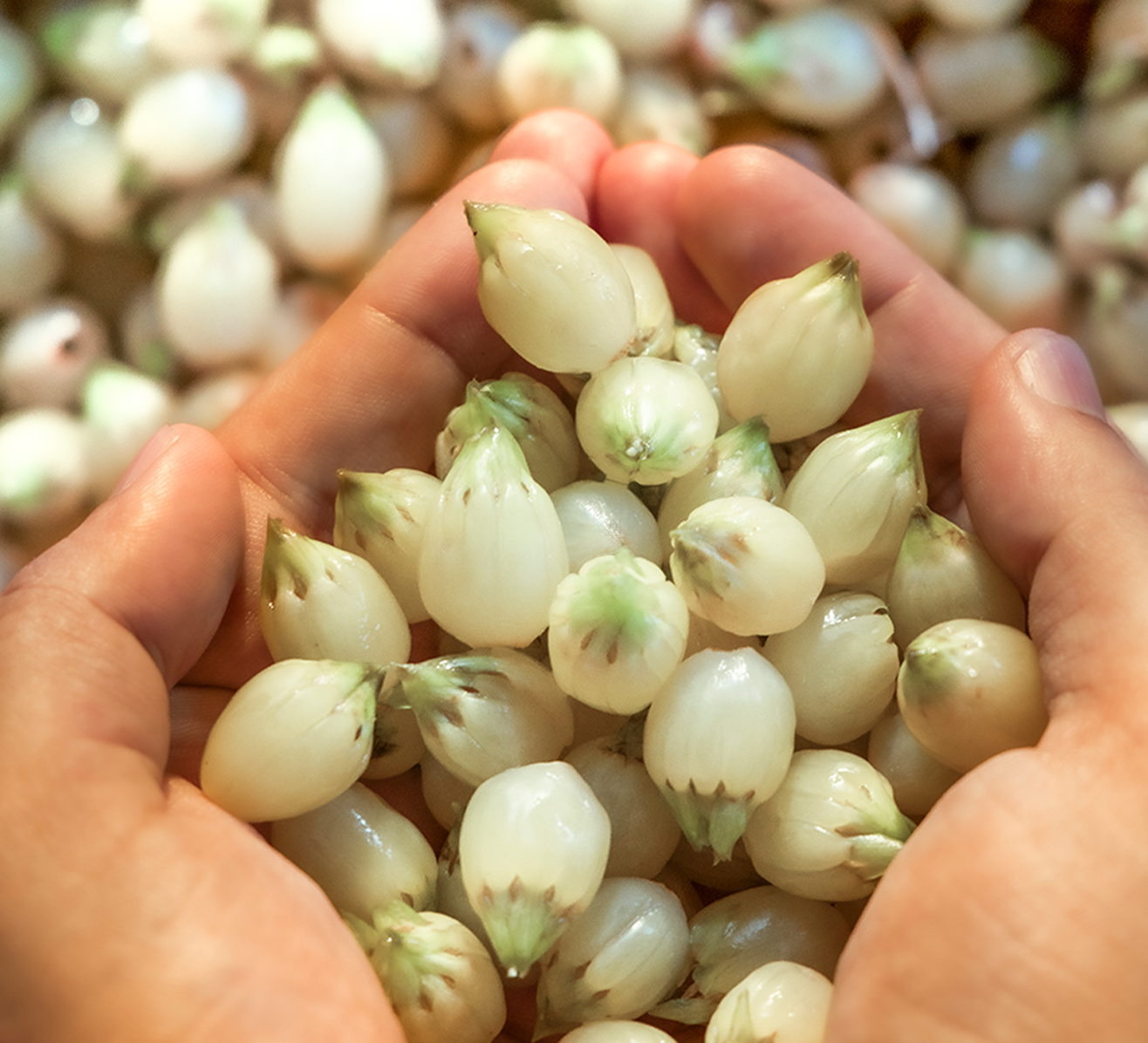
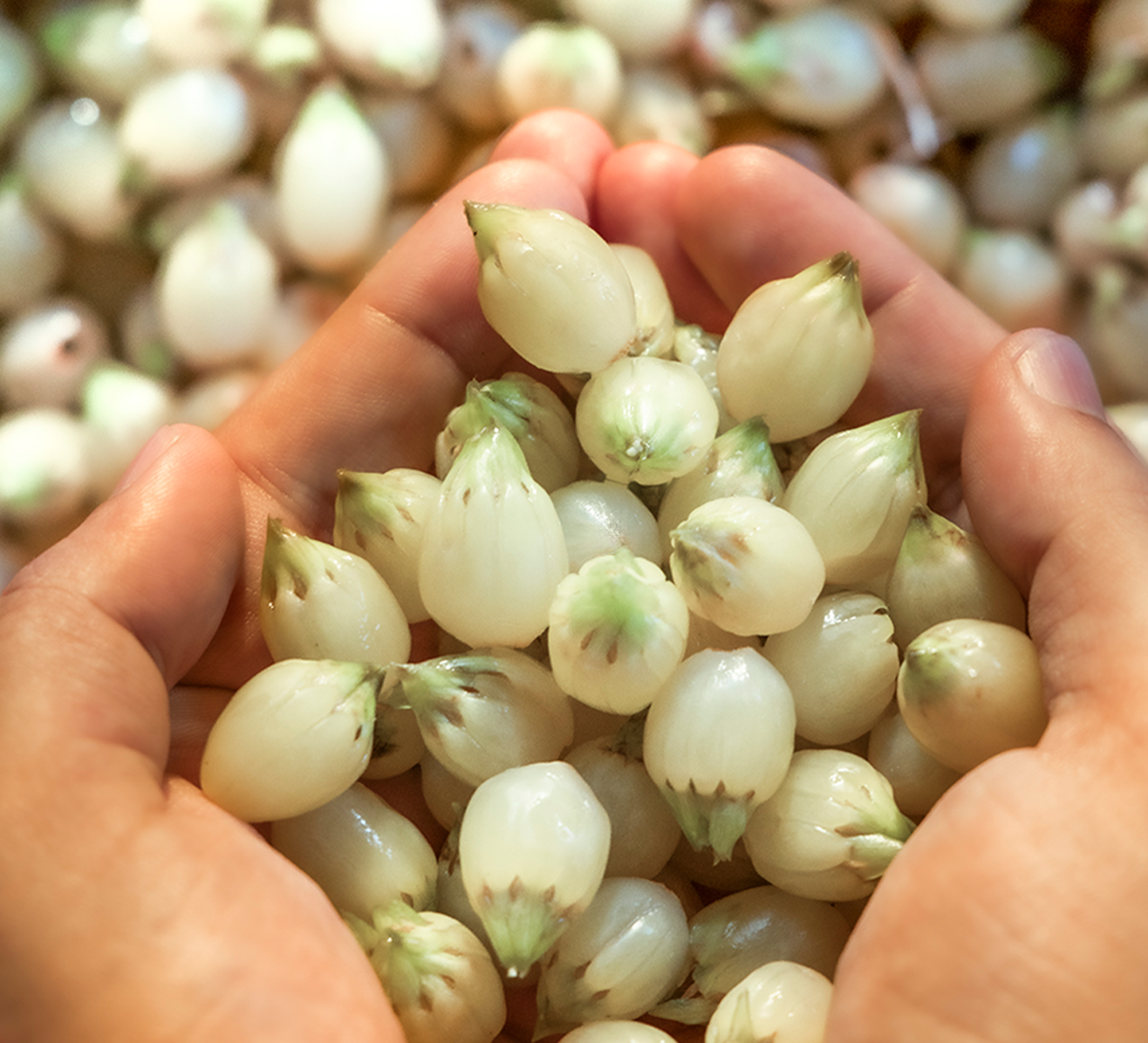
Made from the Mahua flower, this distinctive spirit carries a story connected to India's forests, communities, traditions, and indigenous knowledge.
The question is no longer whether India has a native spirit worth discovering. It is whether Mahua can become India's first globally recognized native spirit.
Successful native spirits usually have three things in common:
Mahua has all three.
Its identity comes directly from India, giving Mahua spirit an opportunity to become more than a regional speciality.
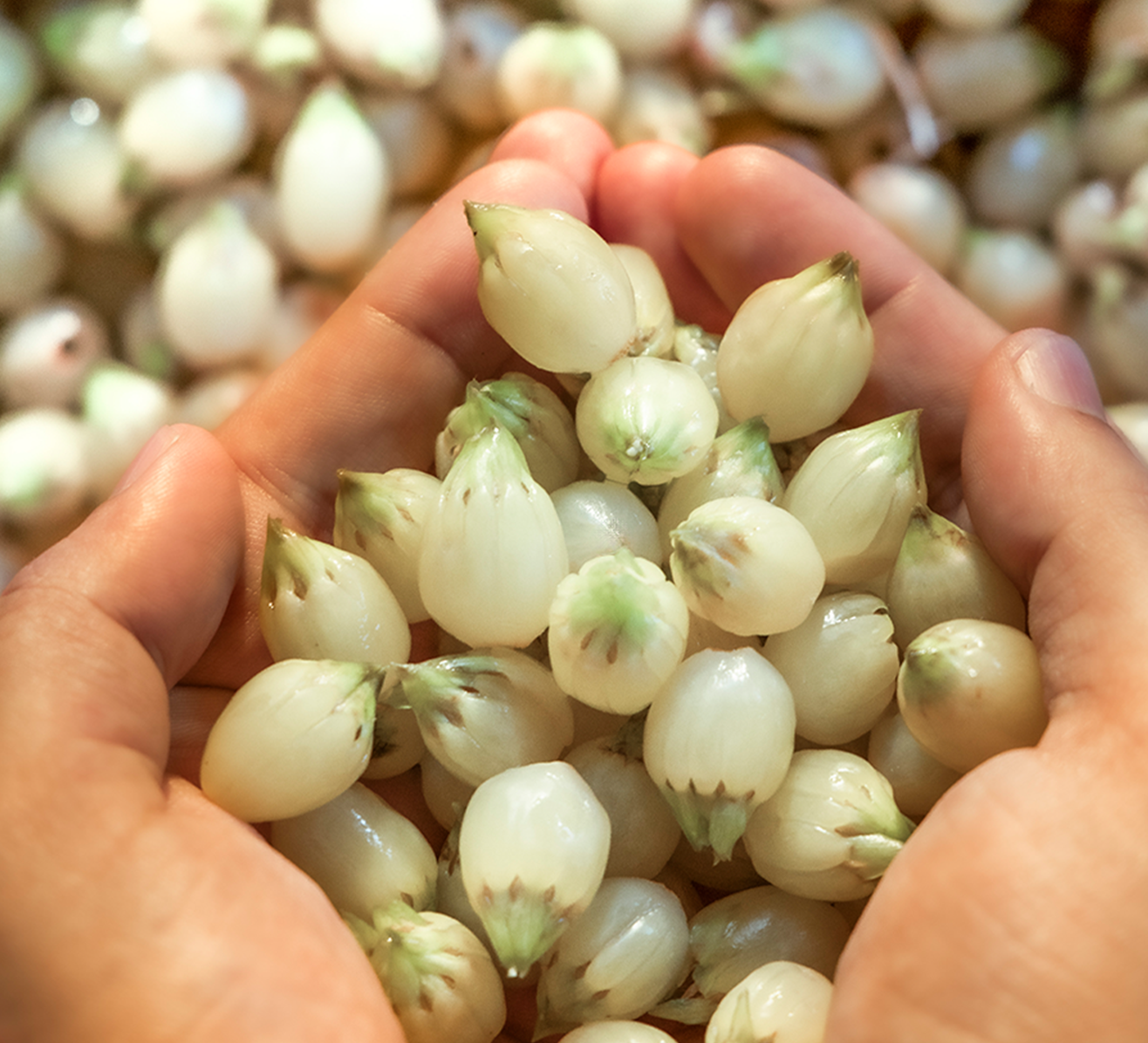
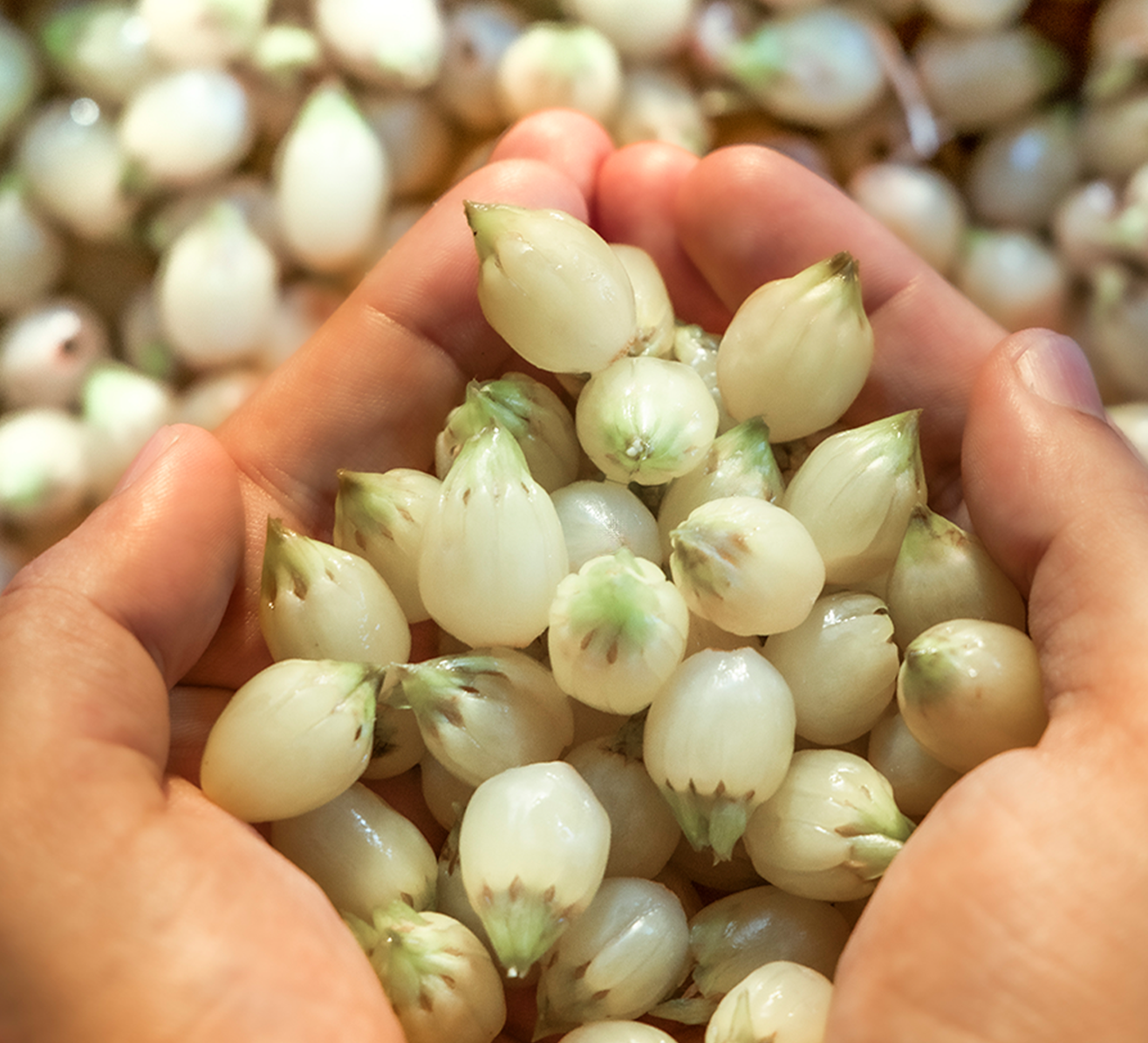
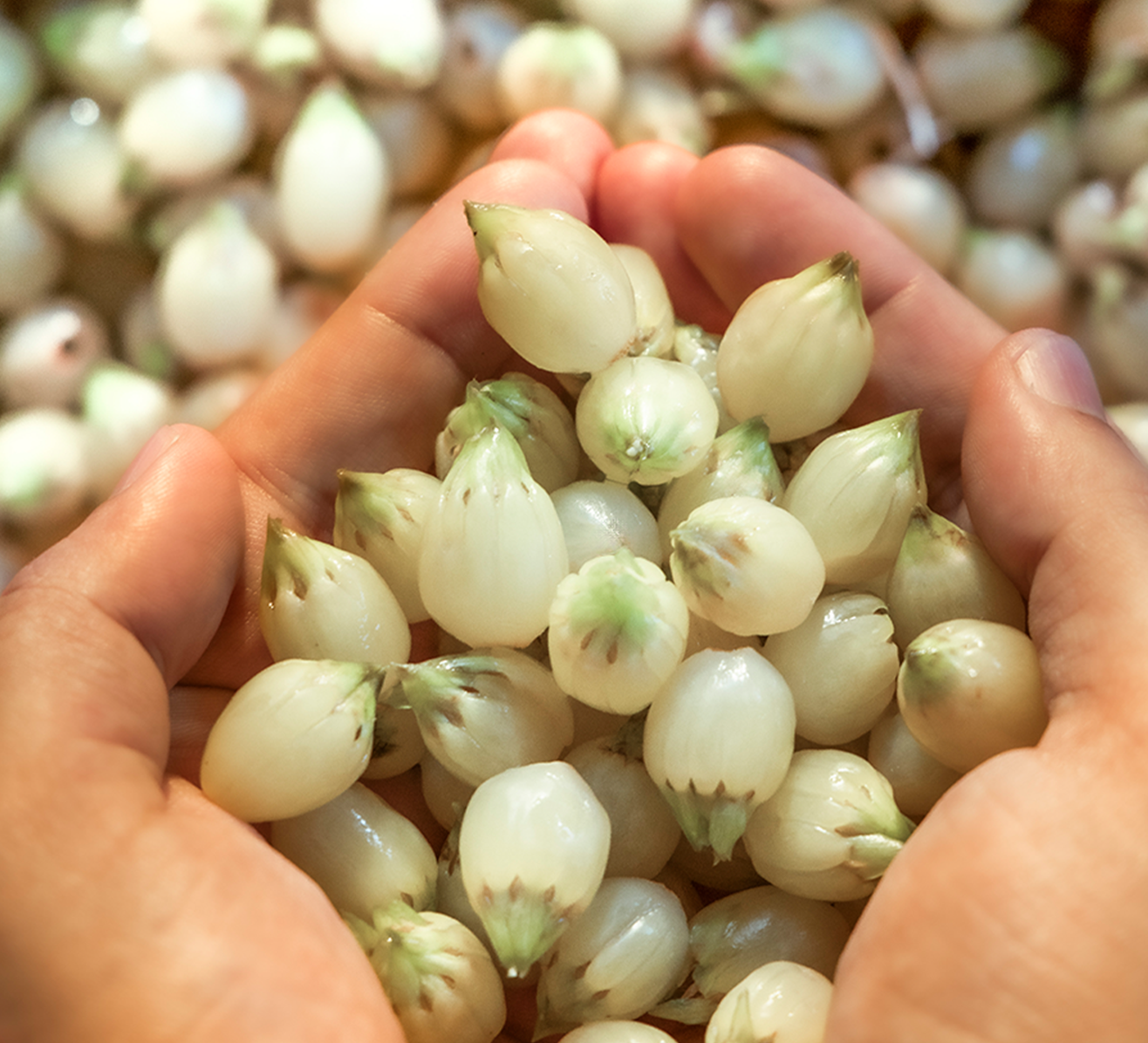
The Mahua flower is unlike the grains, grapes, agave, or sugarcane associated with many famous international spirits.
Its character gives premium Mahua spirit an opportunity to establish its own sensory identity.
The ingredient brings together:
This distinctiveness is essential if Mahua spirit is going to stand alongside established global categories.
A globally successful spirit needs more than an interesting flavour.
It needs a story.
Mahua's story connects to:
This gives indigenous Indian spirits something increasingly valuable in premium markets: authenticity.
The story is not something created after the product. It already exists.
For Mahua to gain international recognition, its traditional roots need to work alongside modern craftsmanship.
Contemporary production can focus on:
This allows traditional Mahua to enter the world of Indian craft spirits without losing its identity.
The goal isn't to make Mahua resemble whisky, Cognac, or tequila.
Its opportunity lies in becoming recognisable as Mahua.
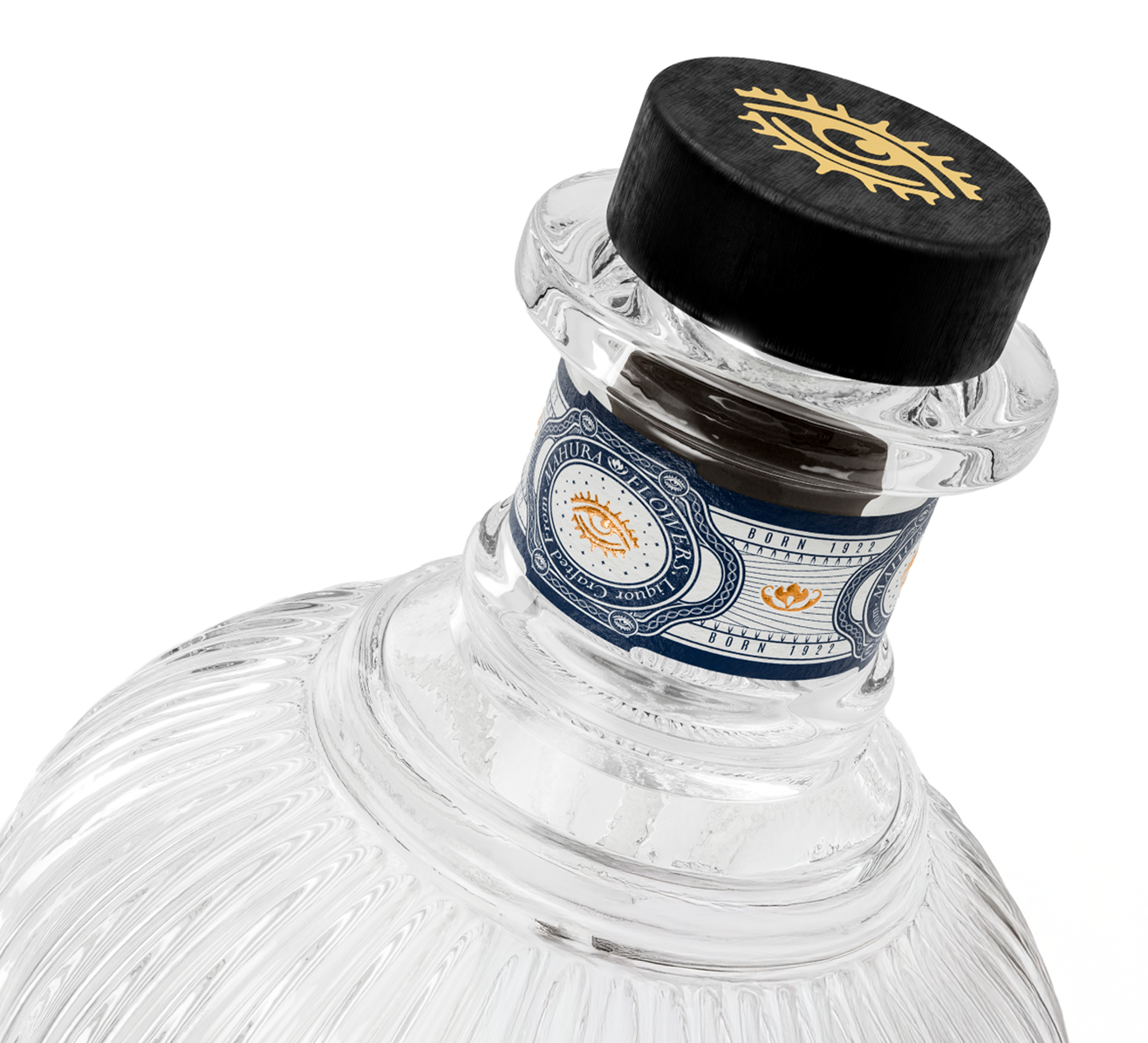
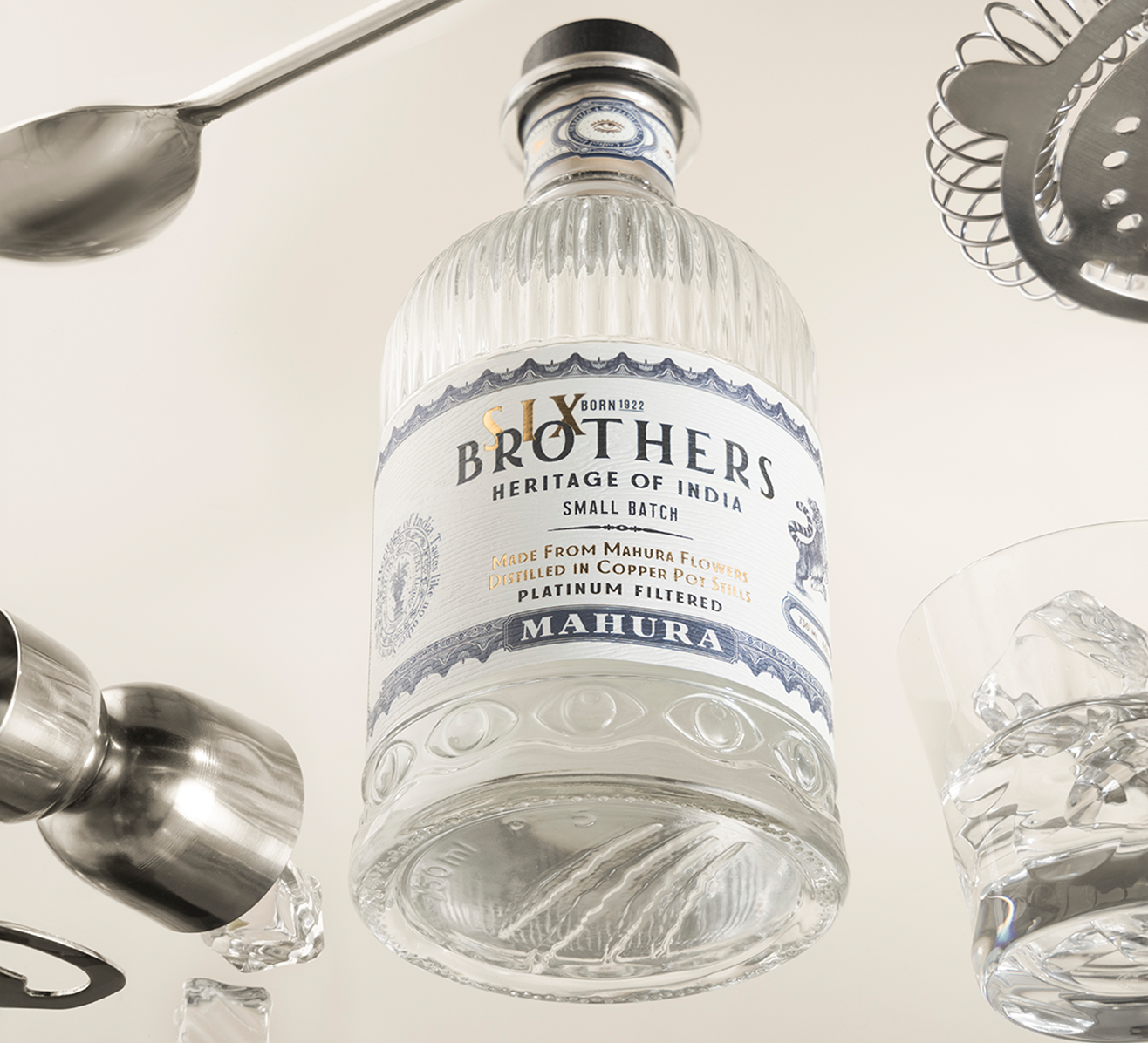
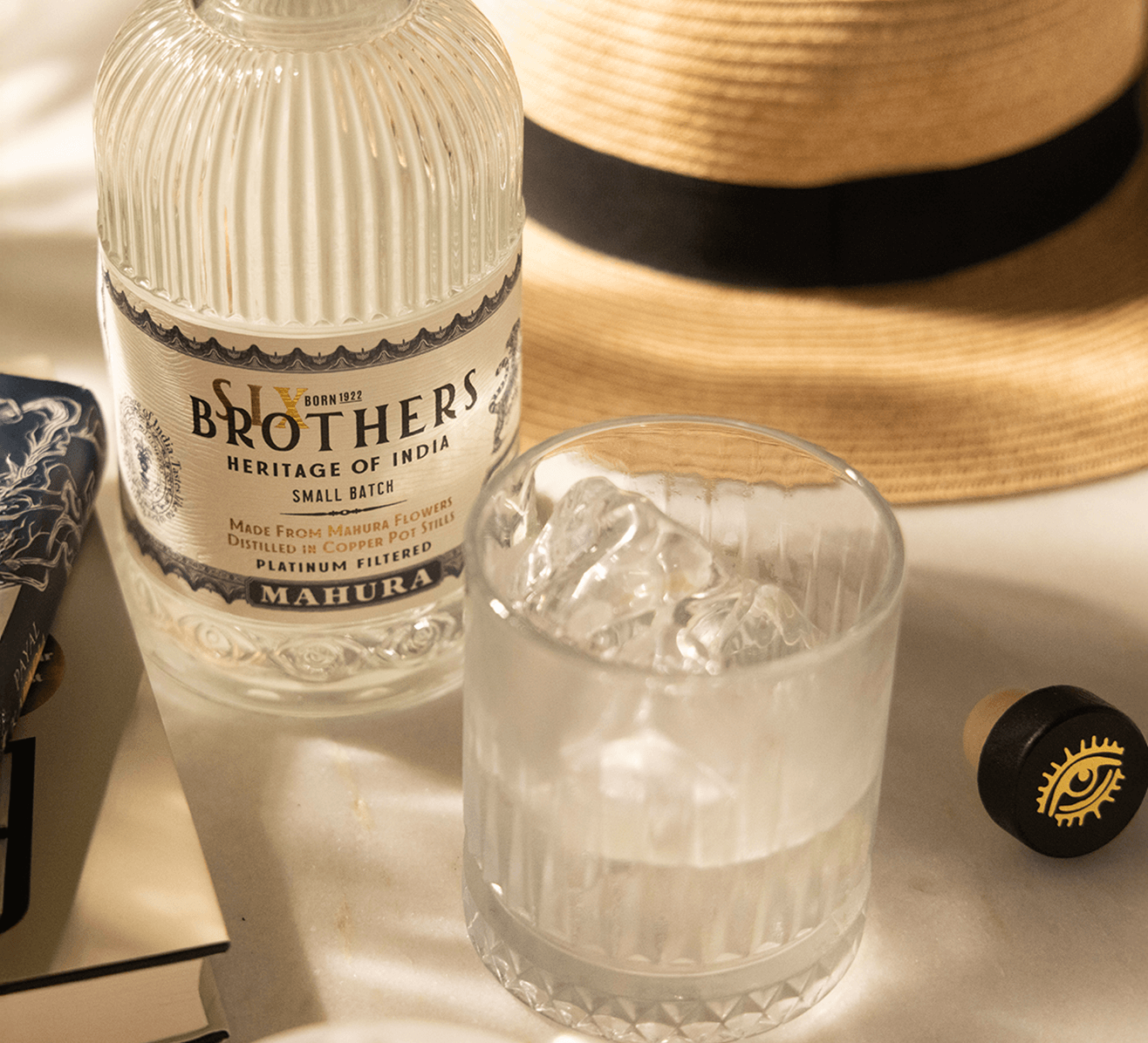
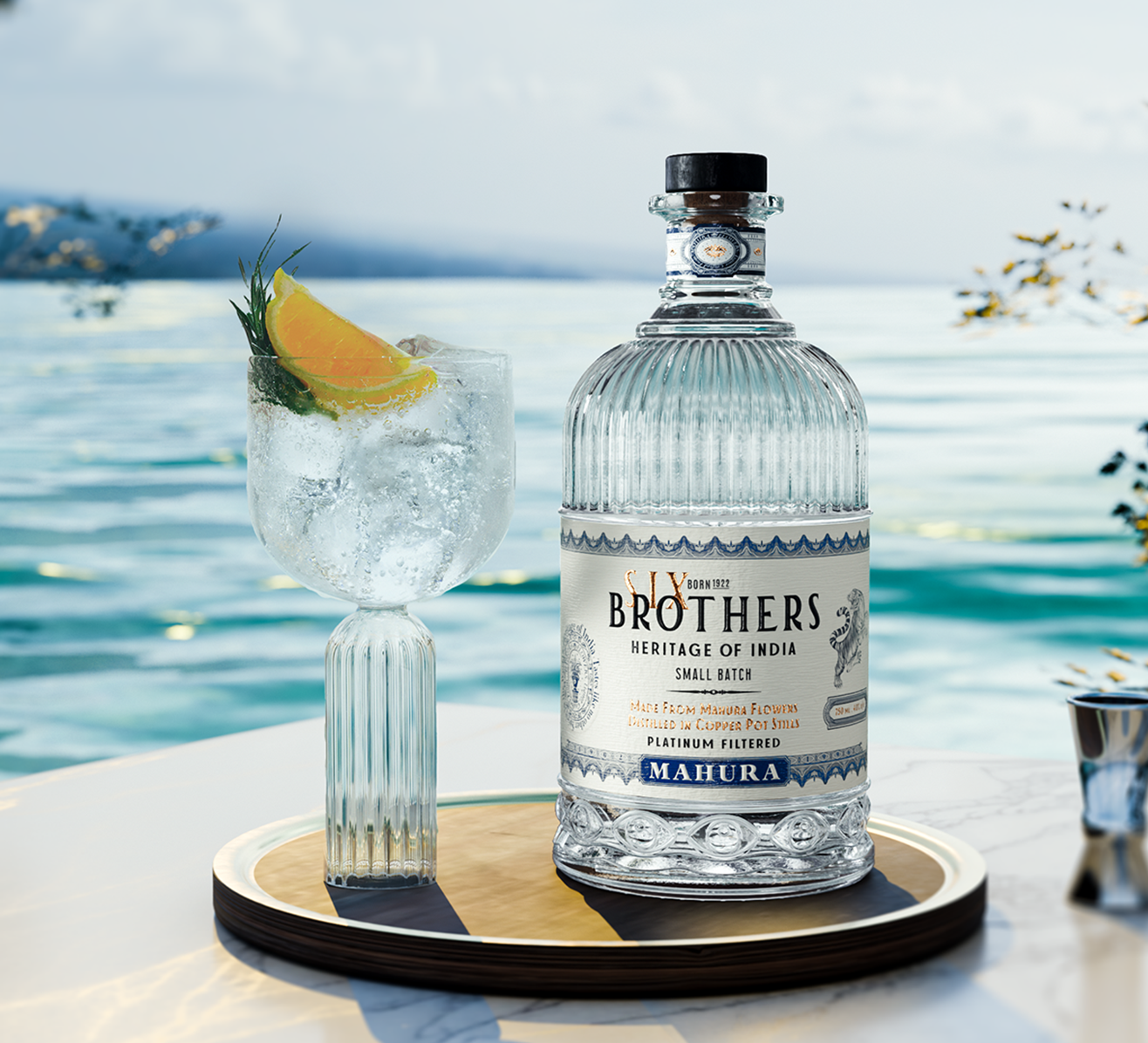
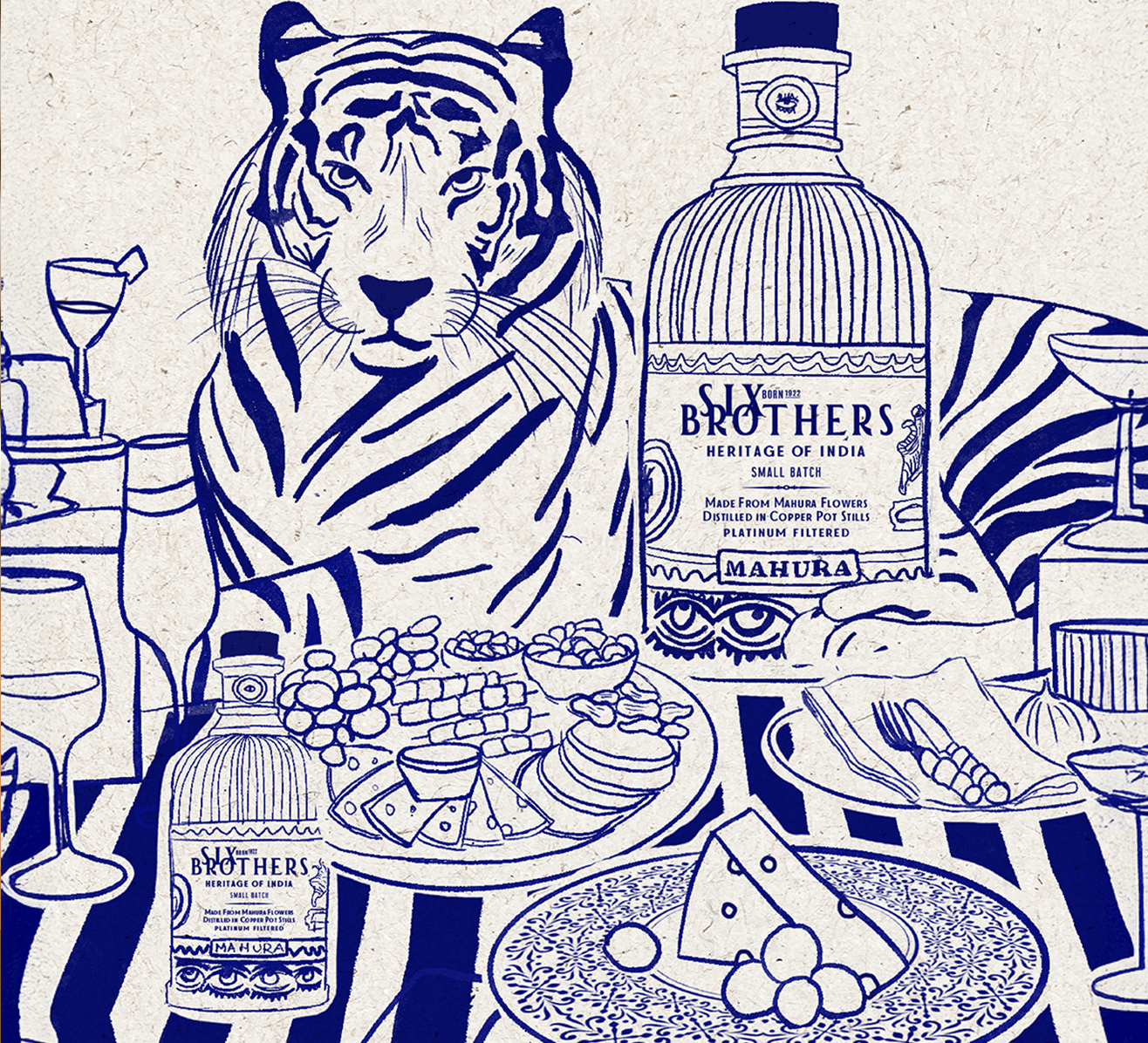
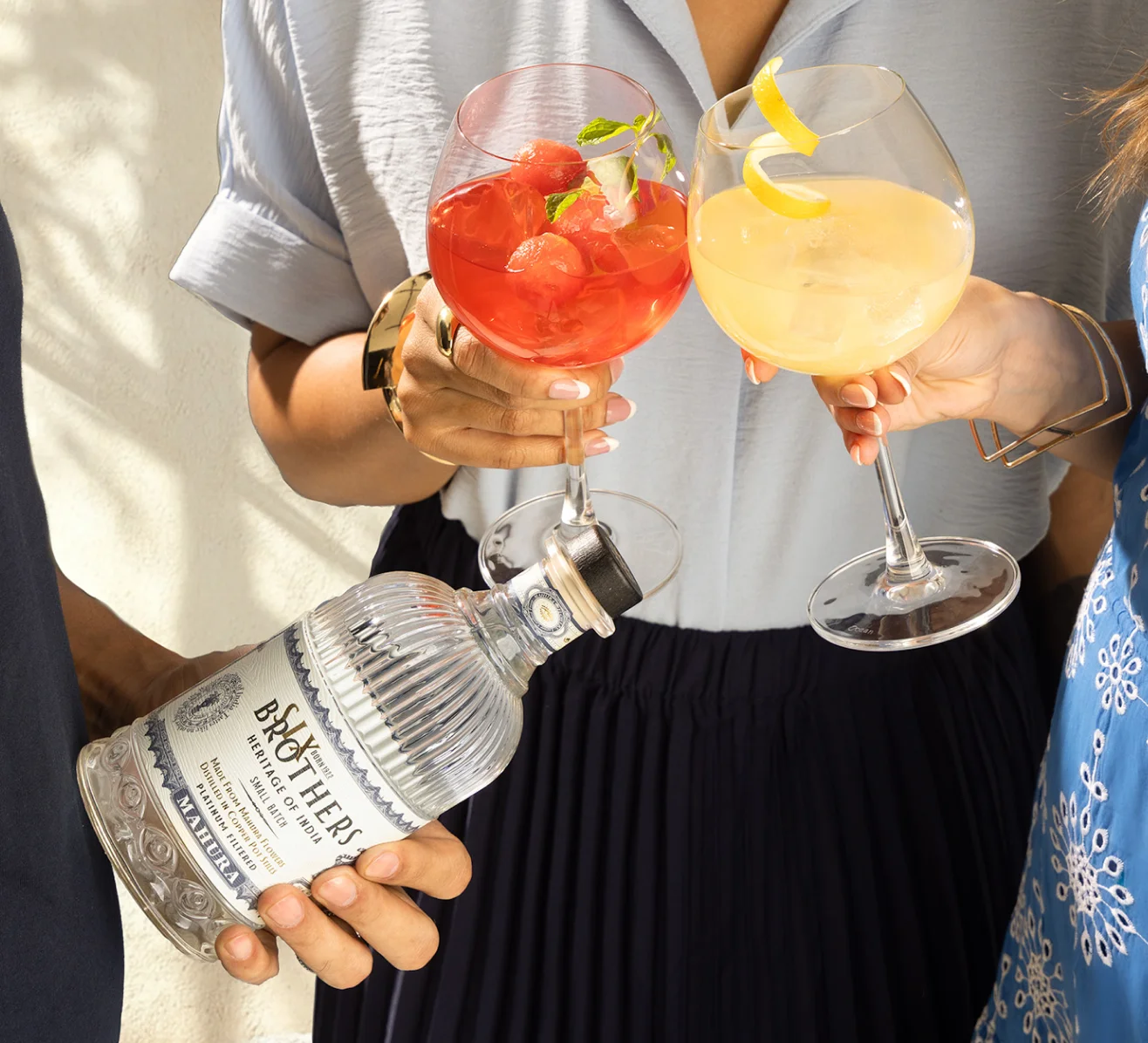
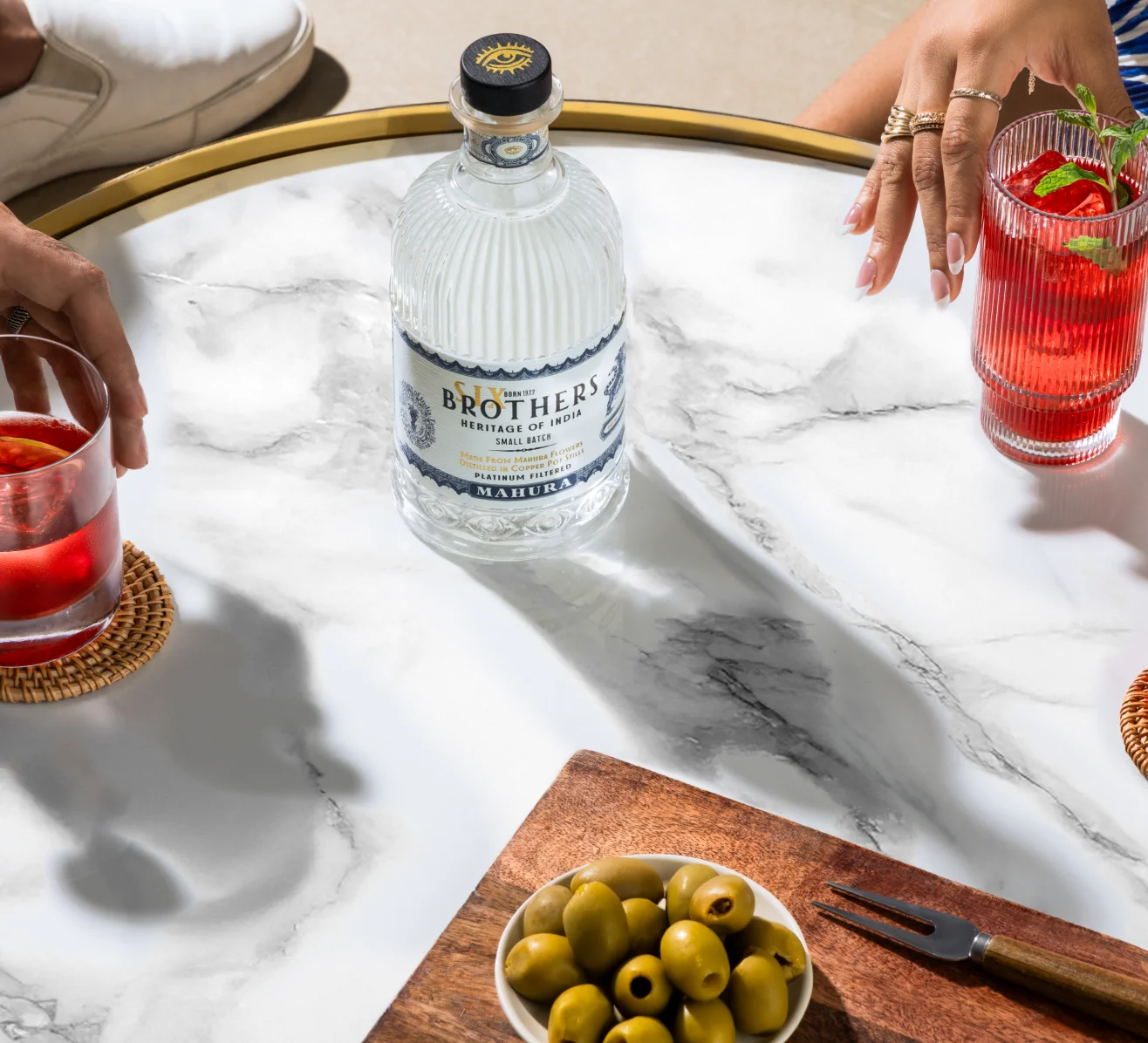
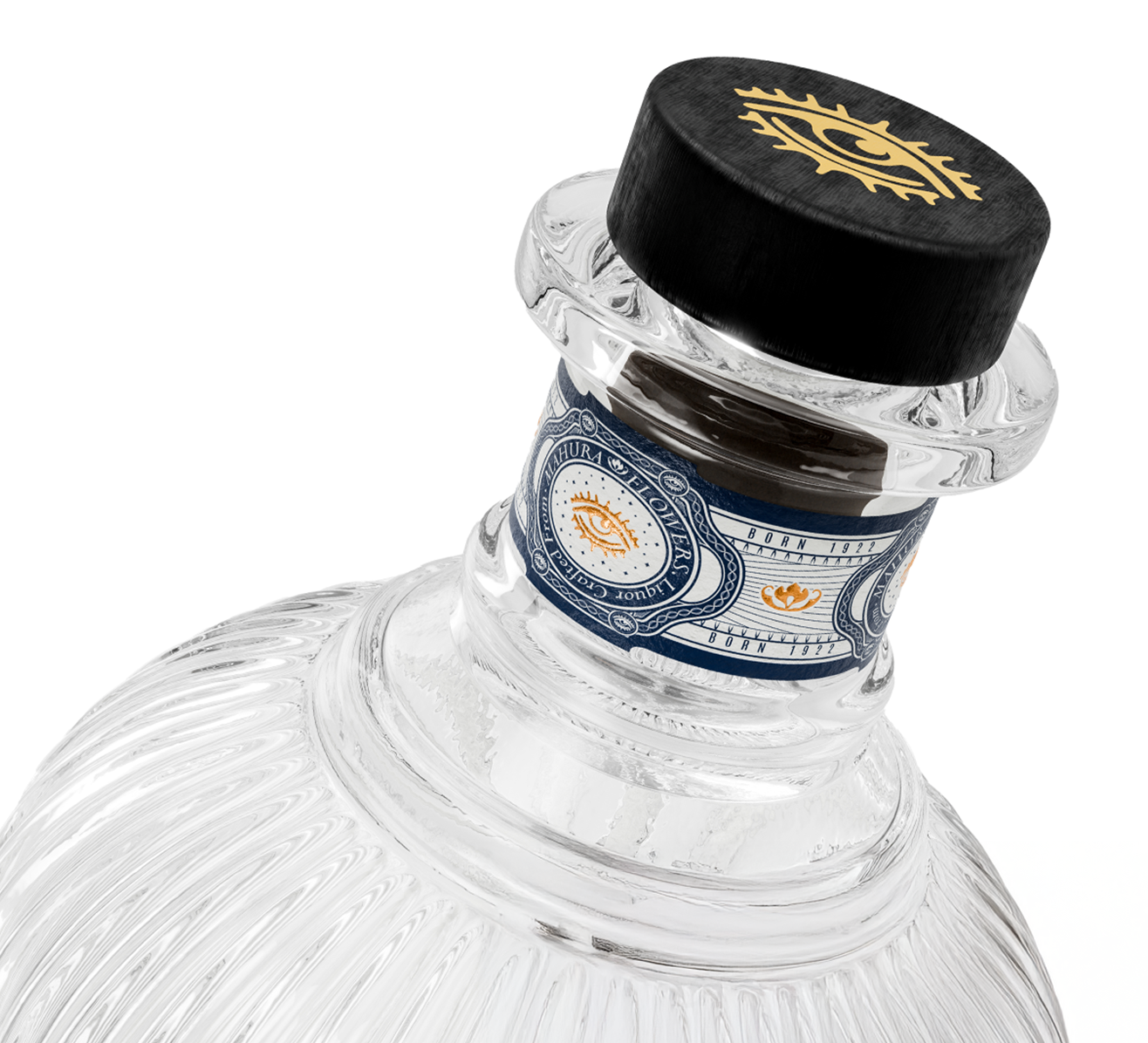
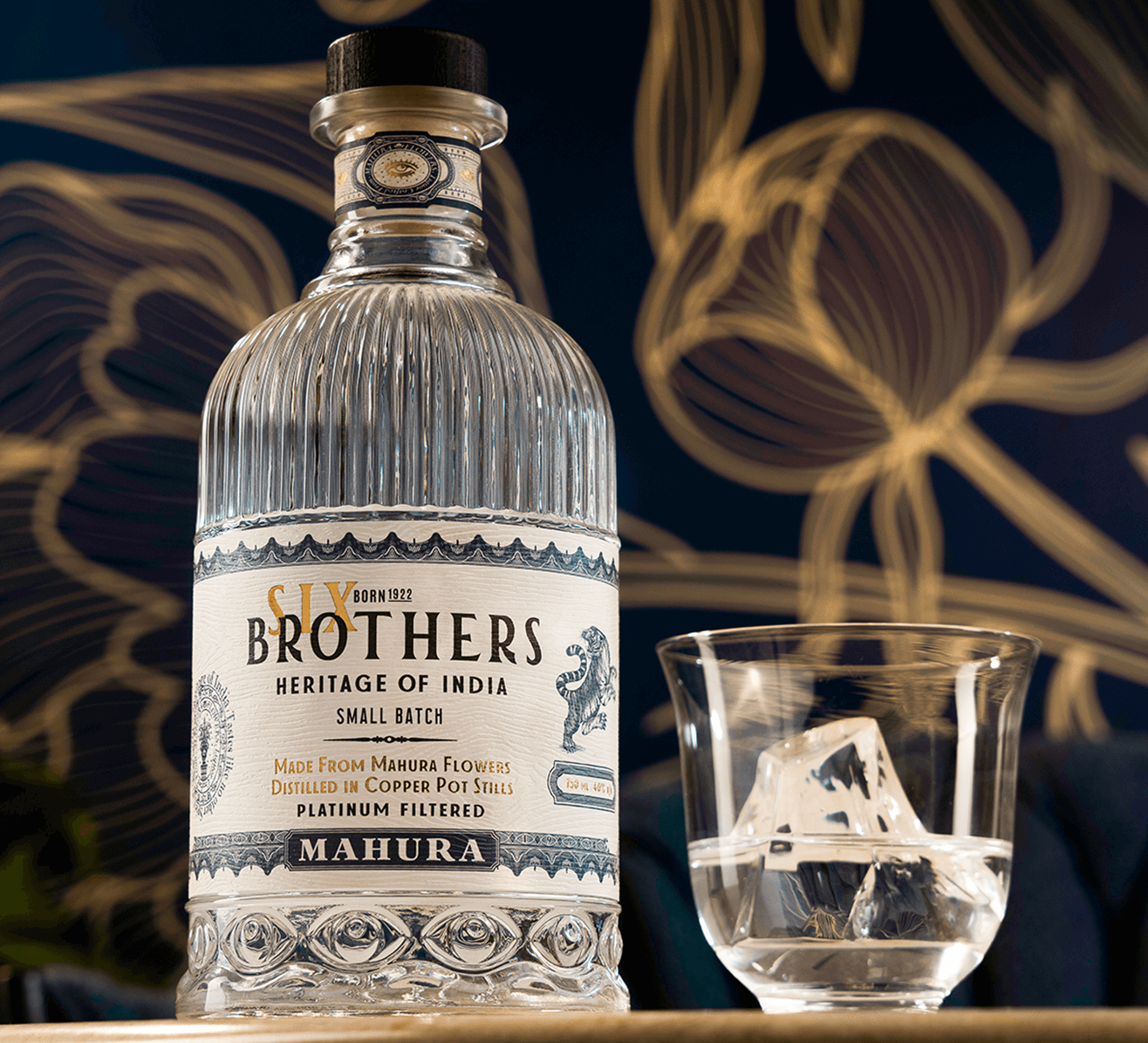
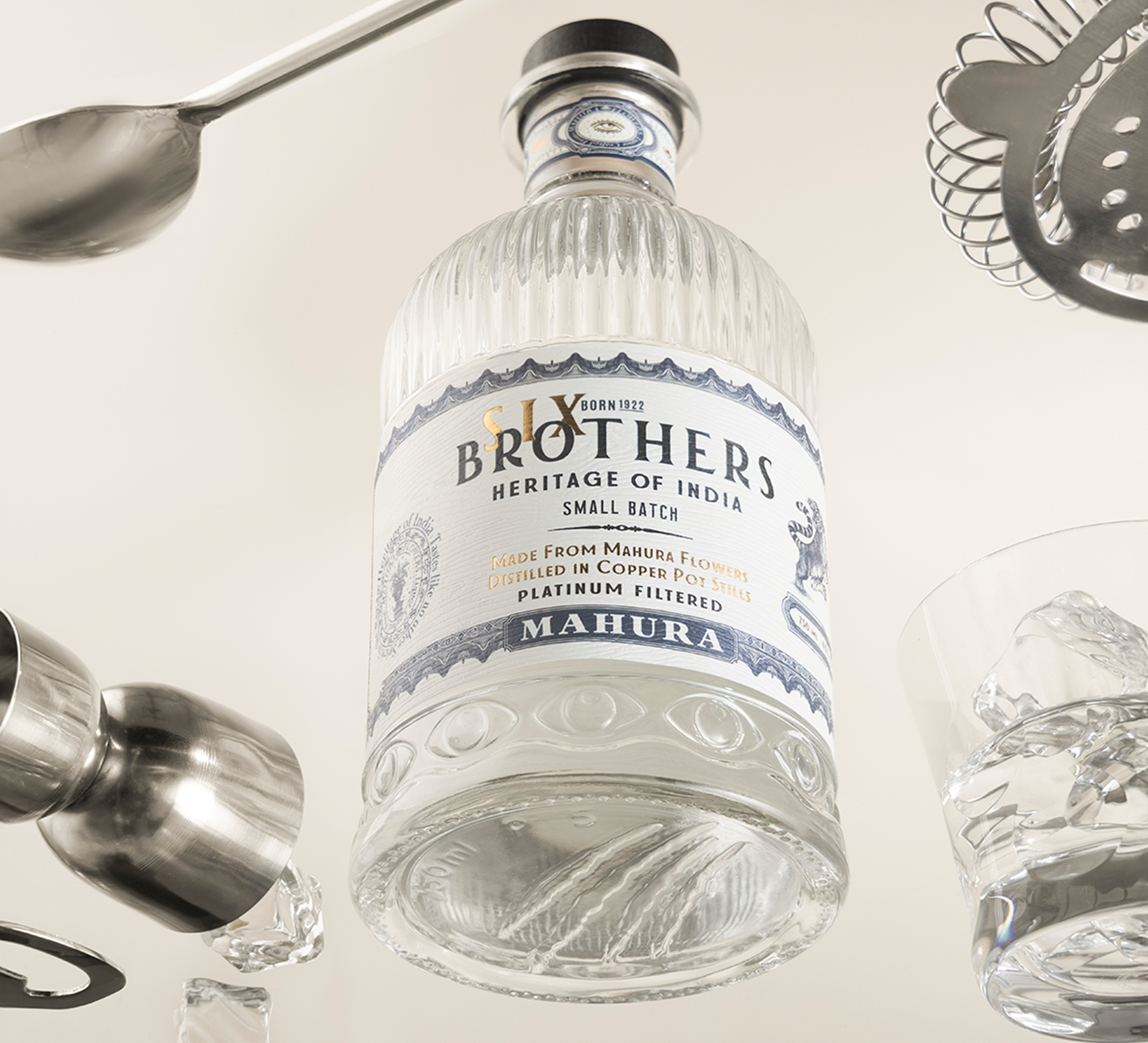
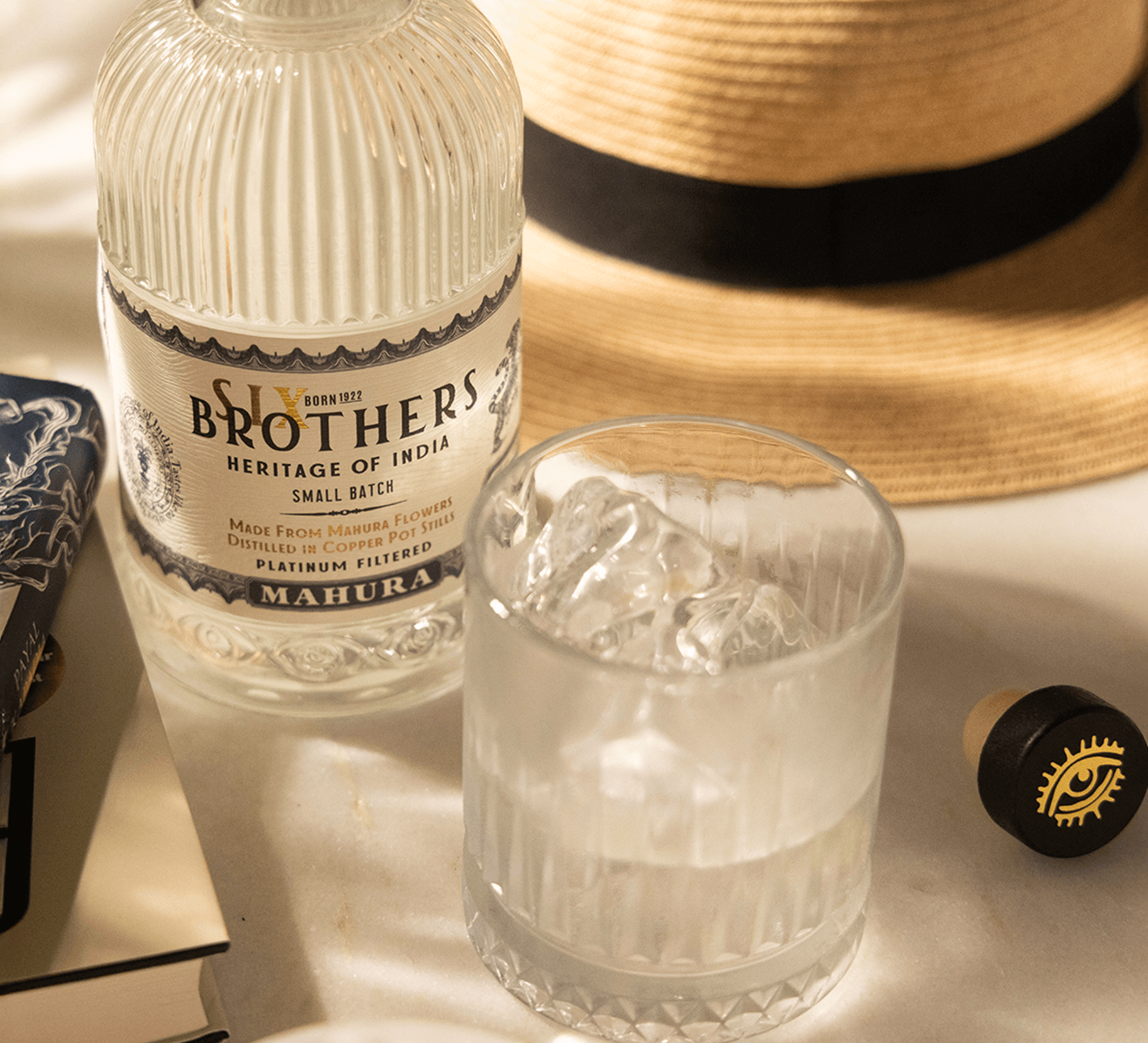
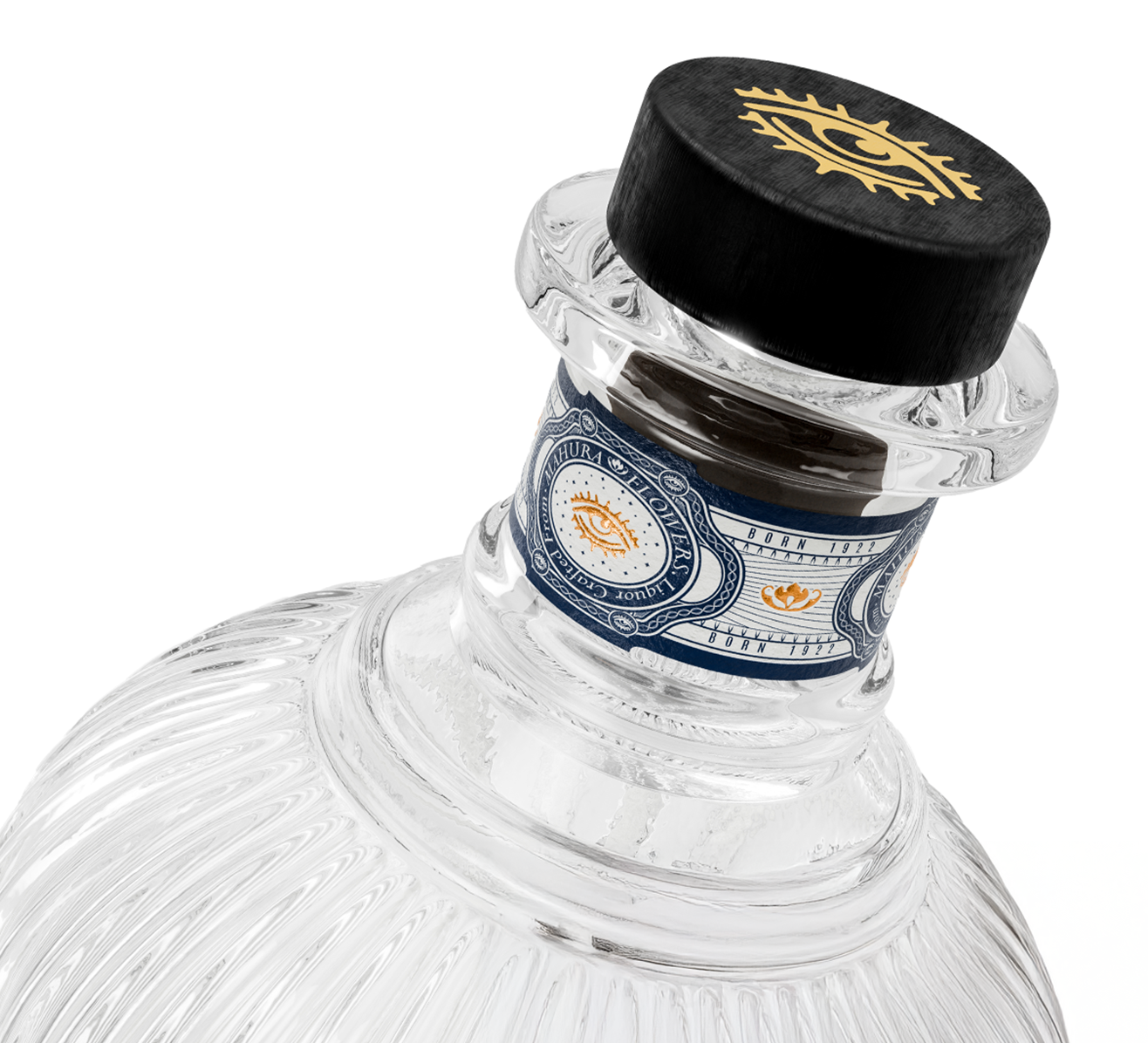
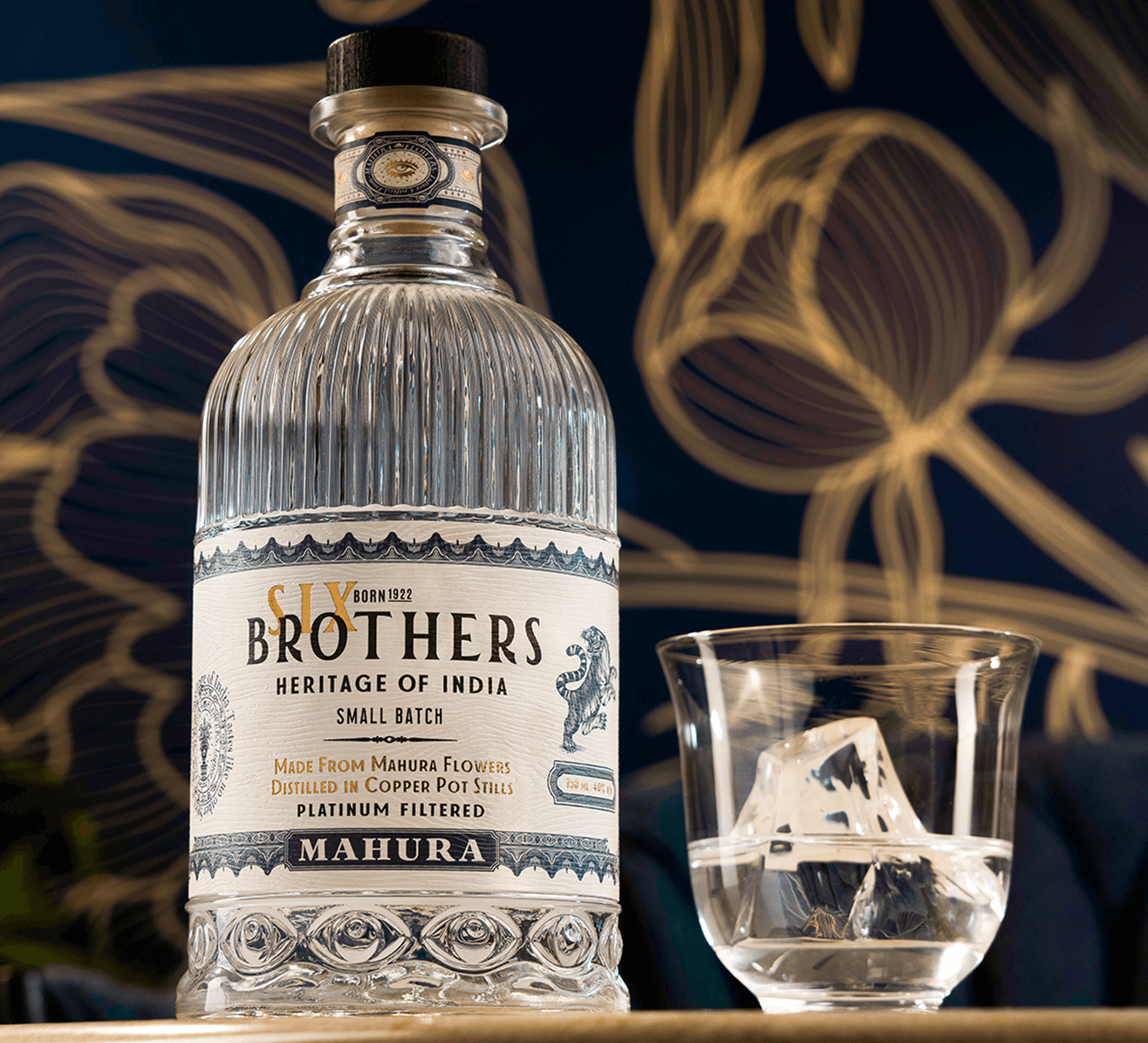
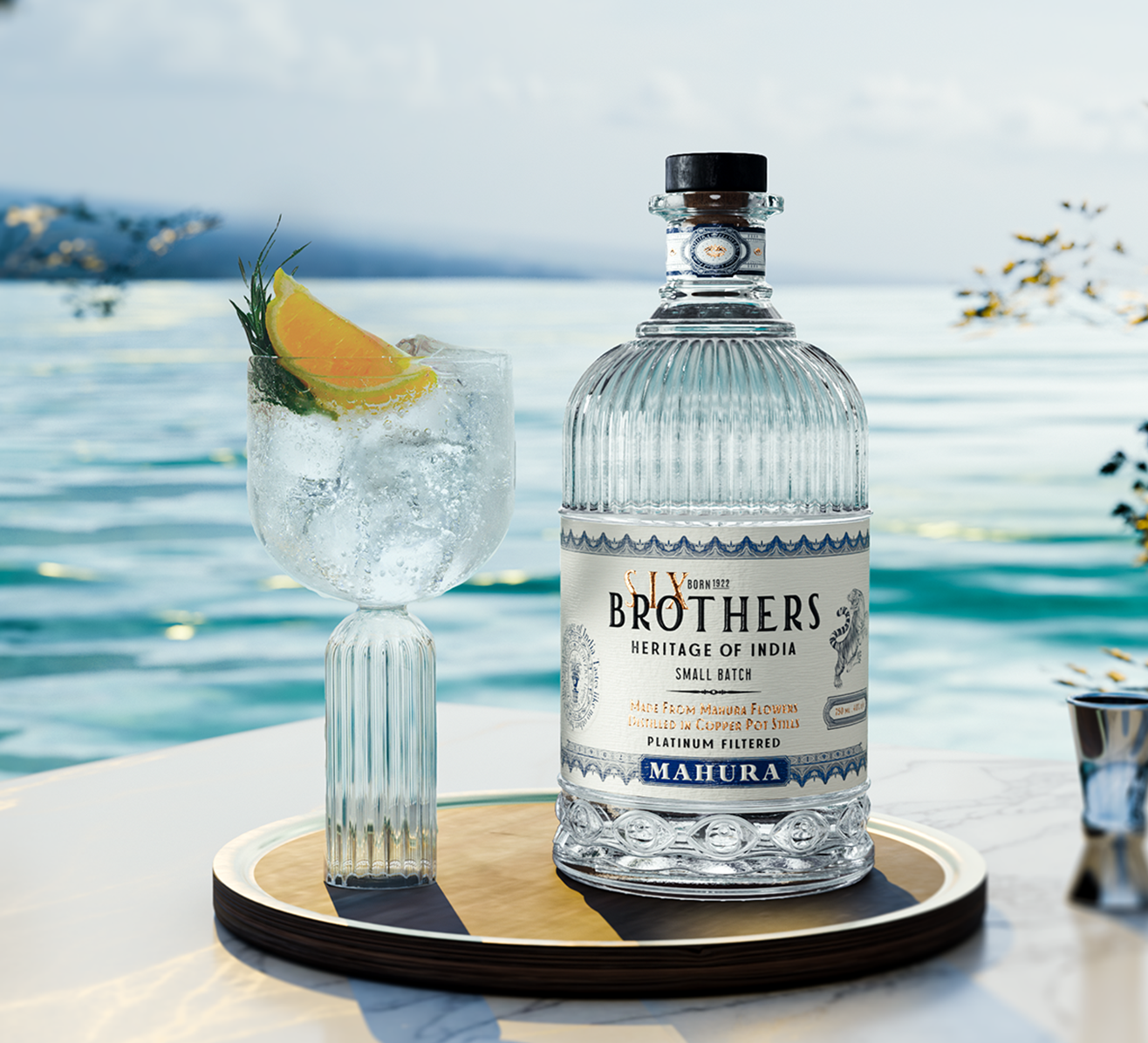
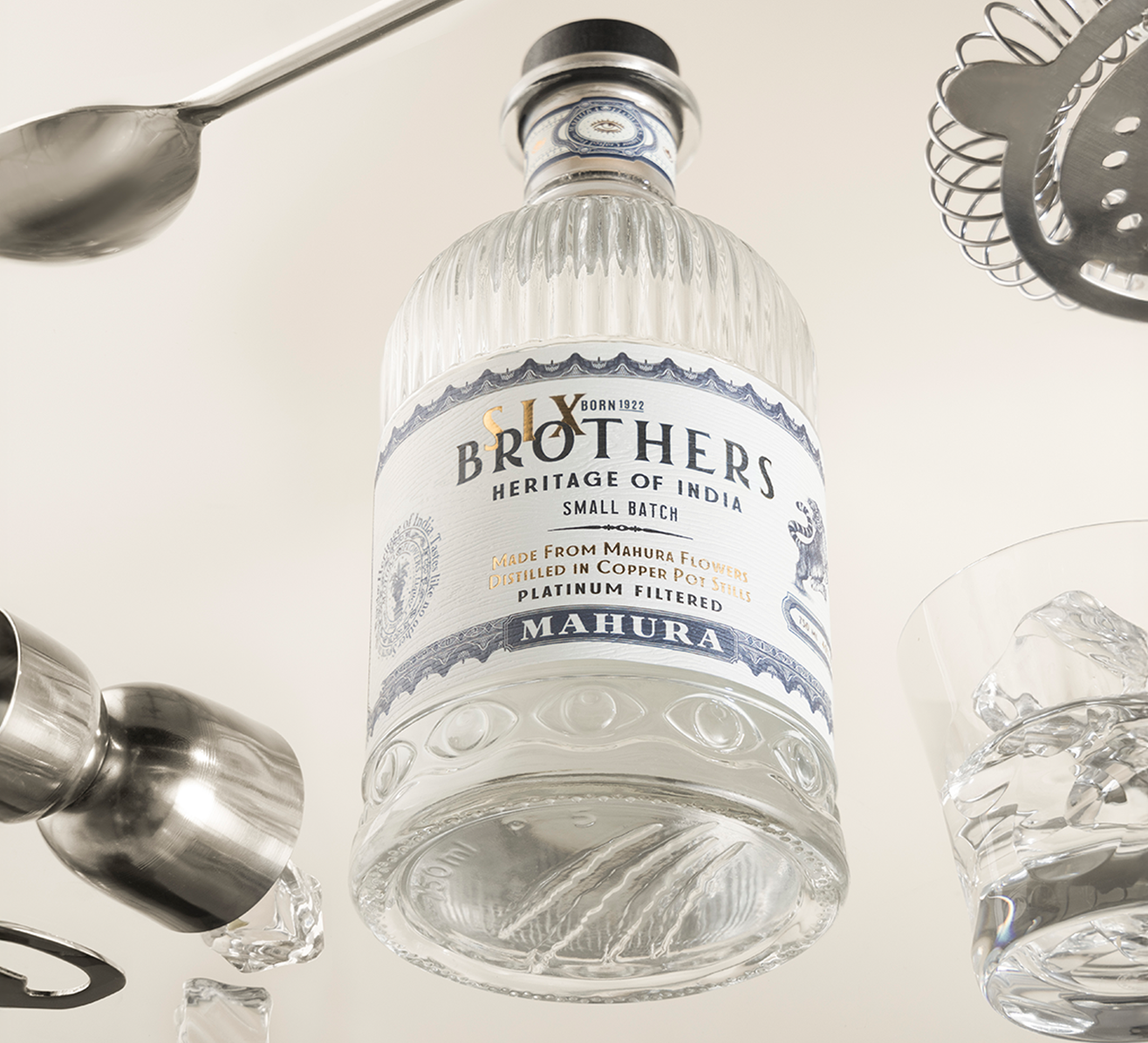
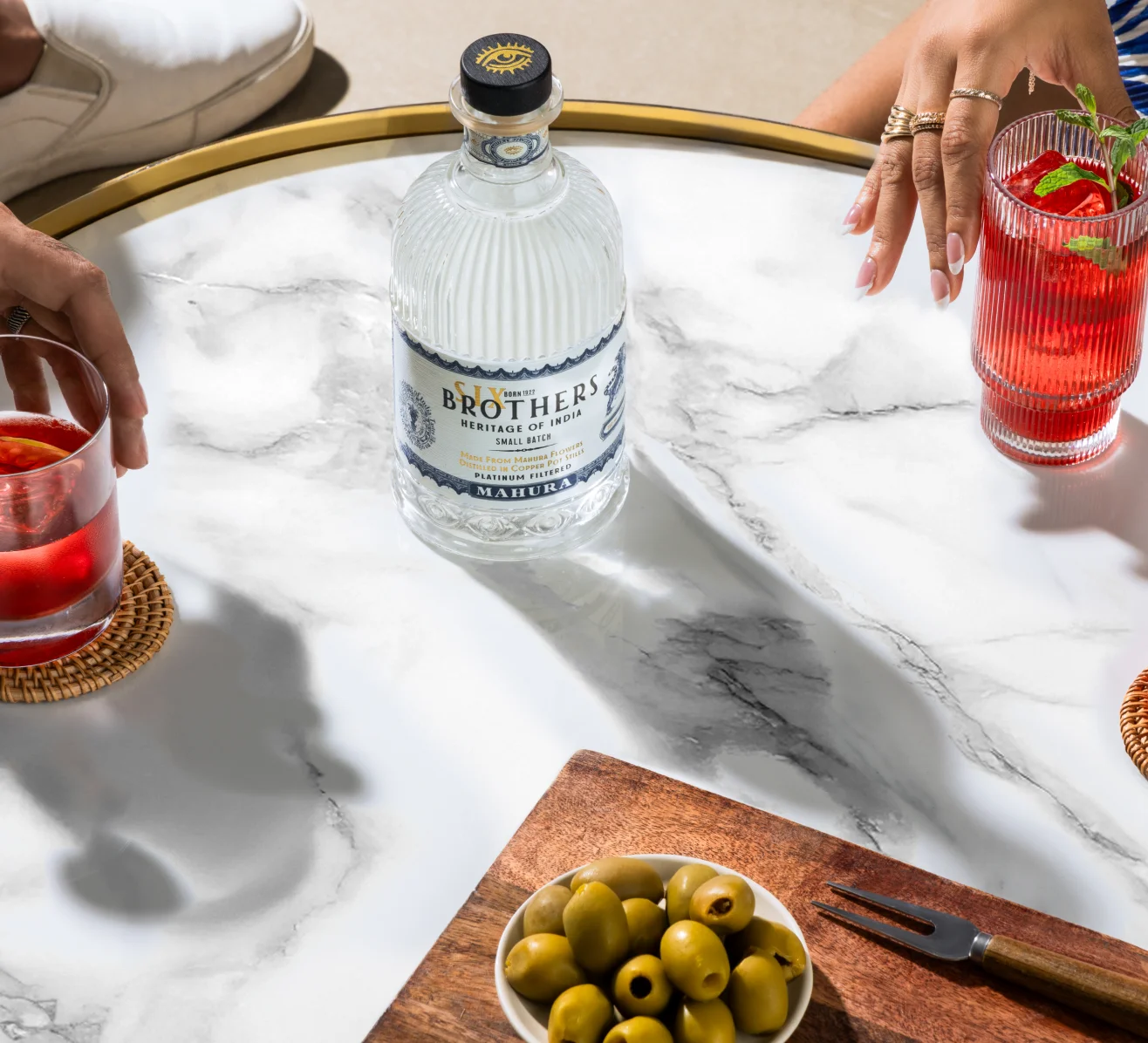
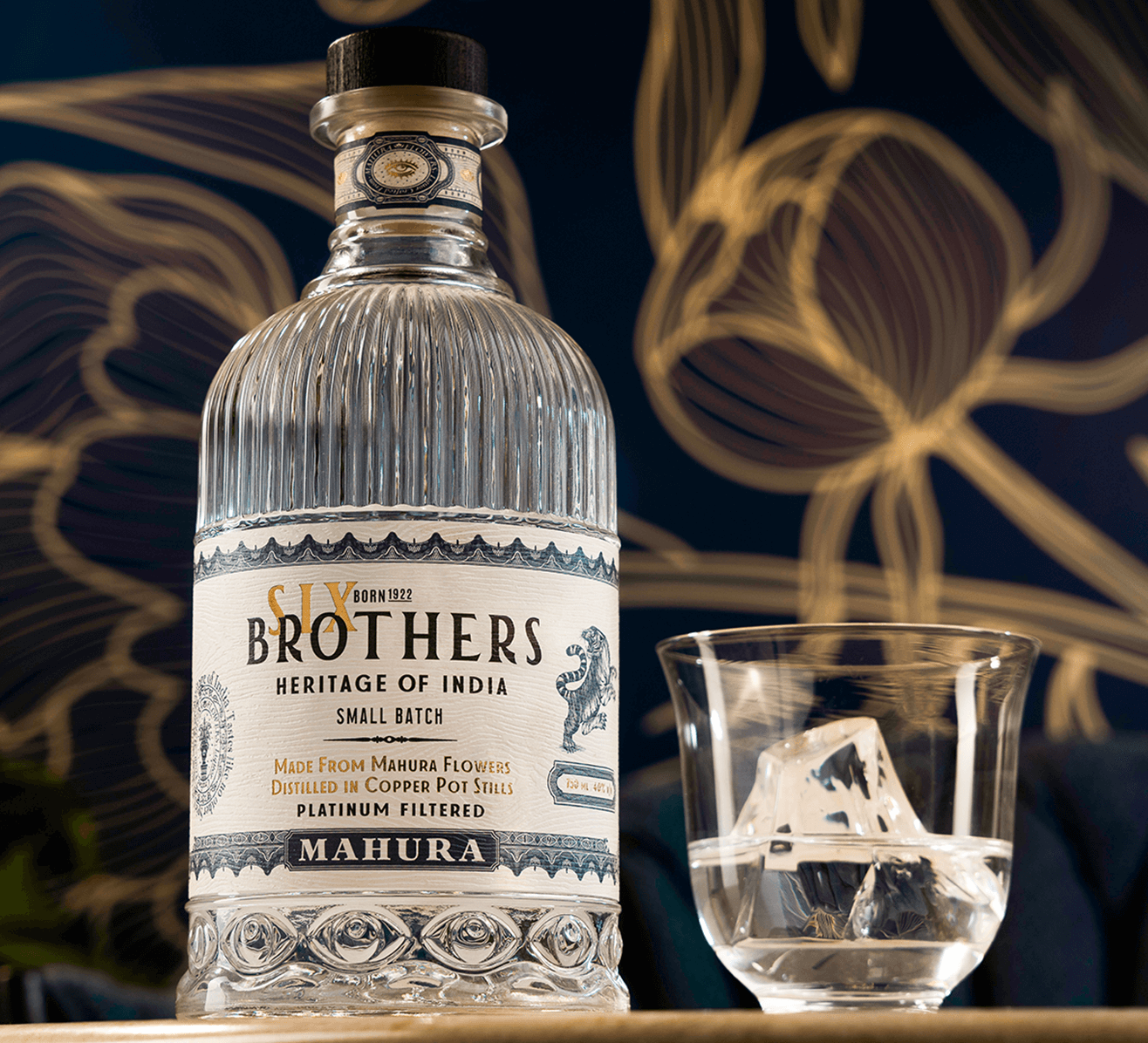
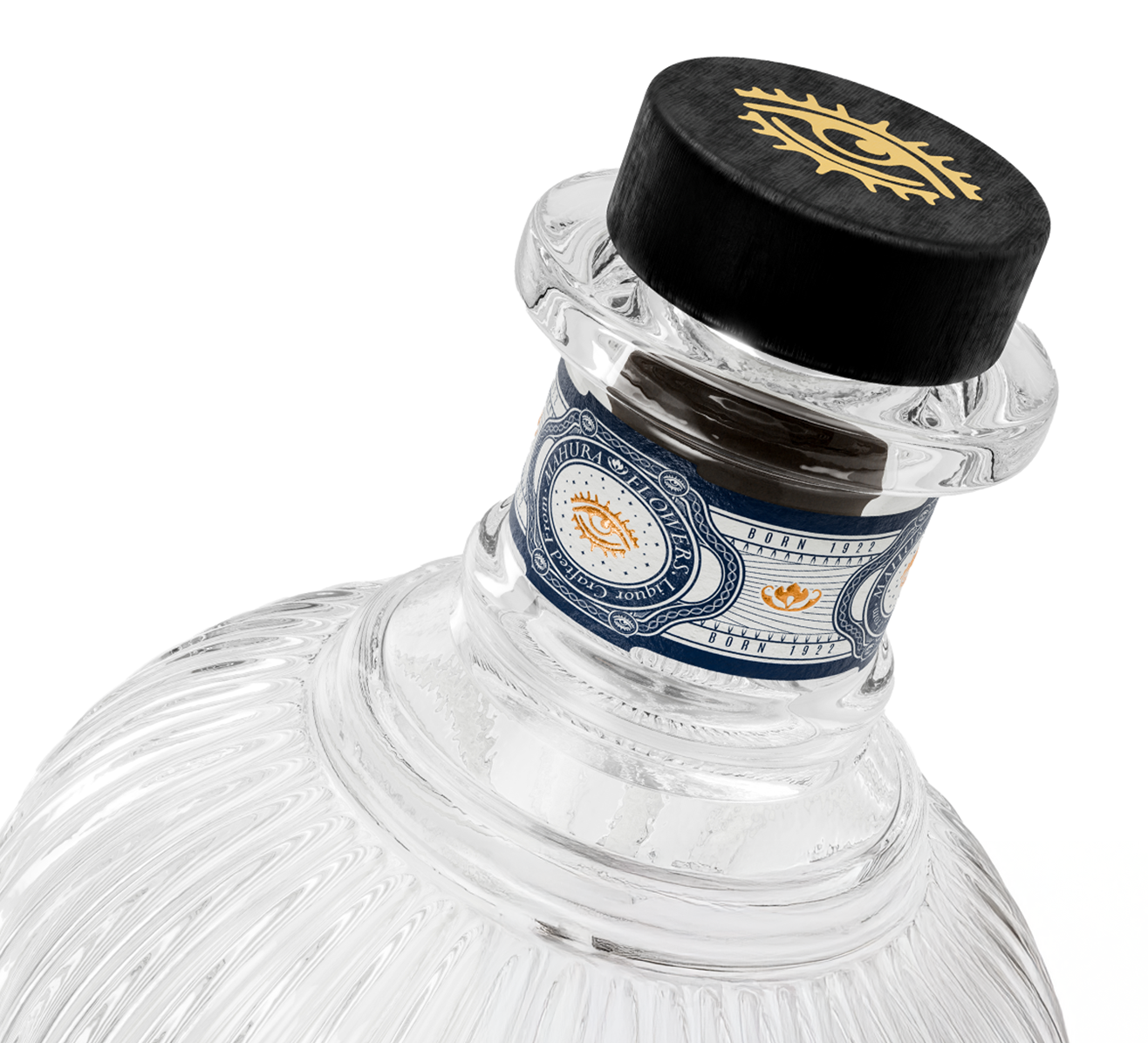
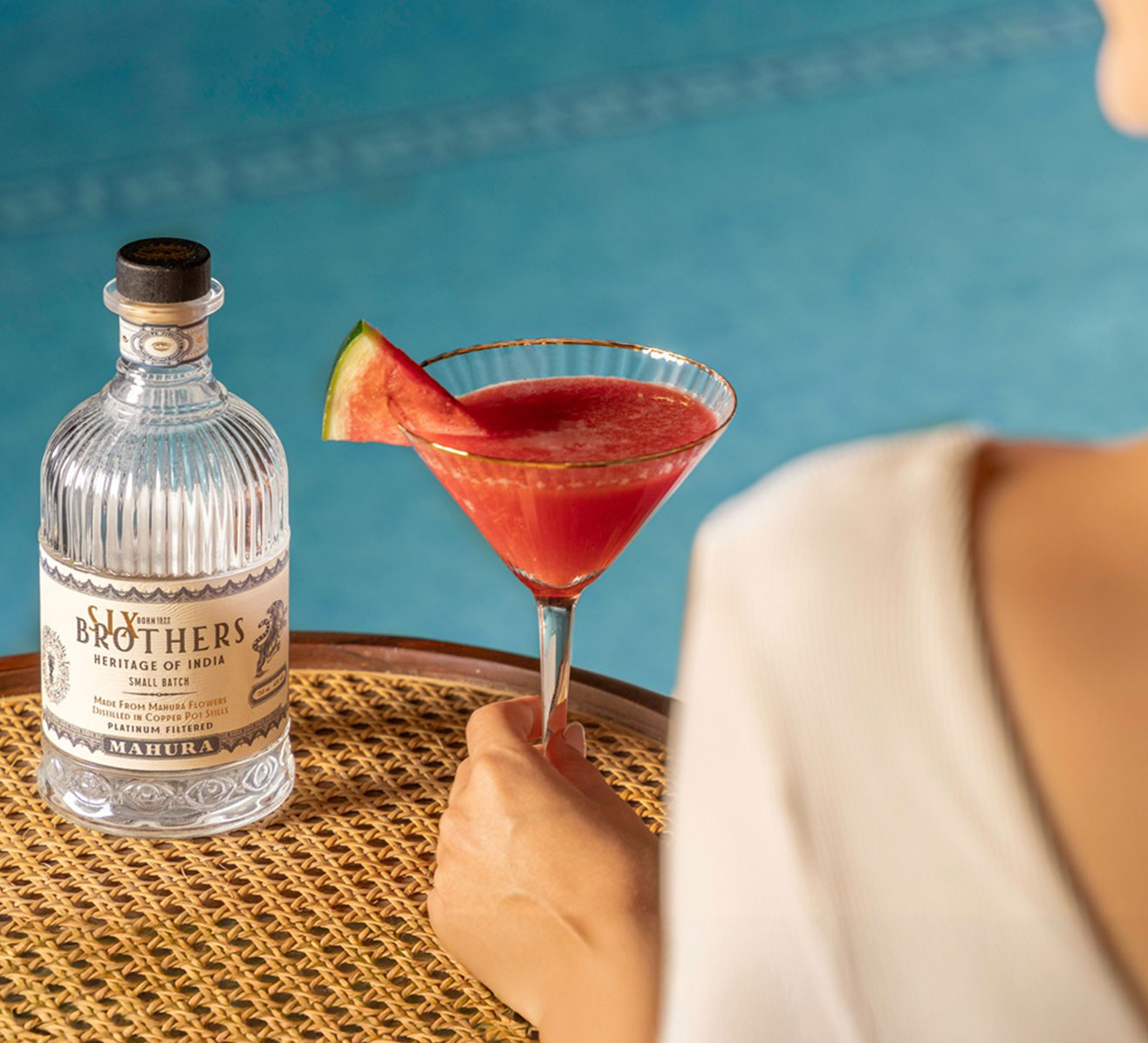
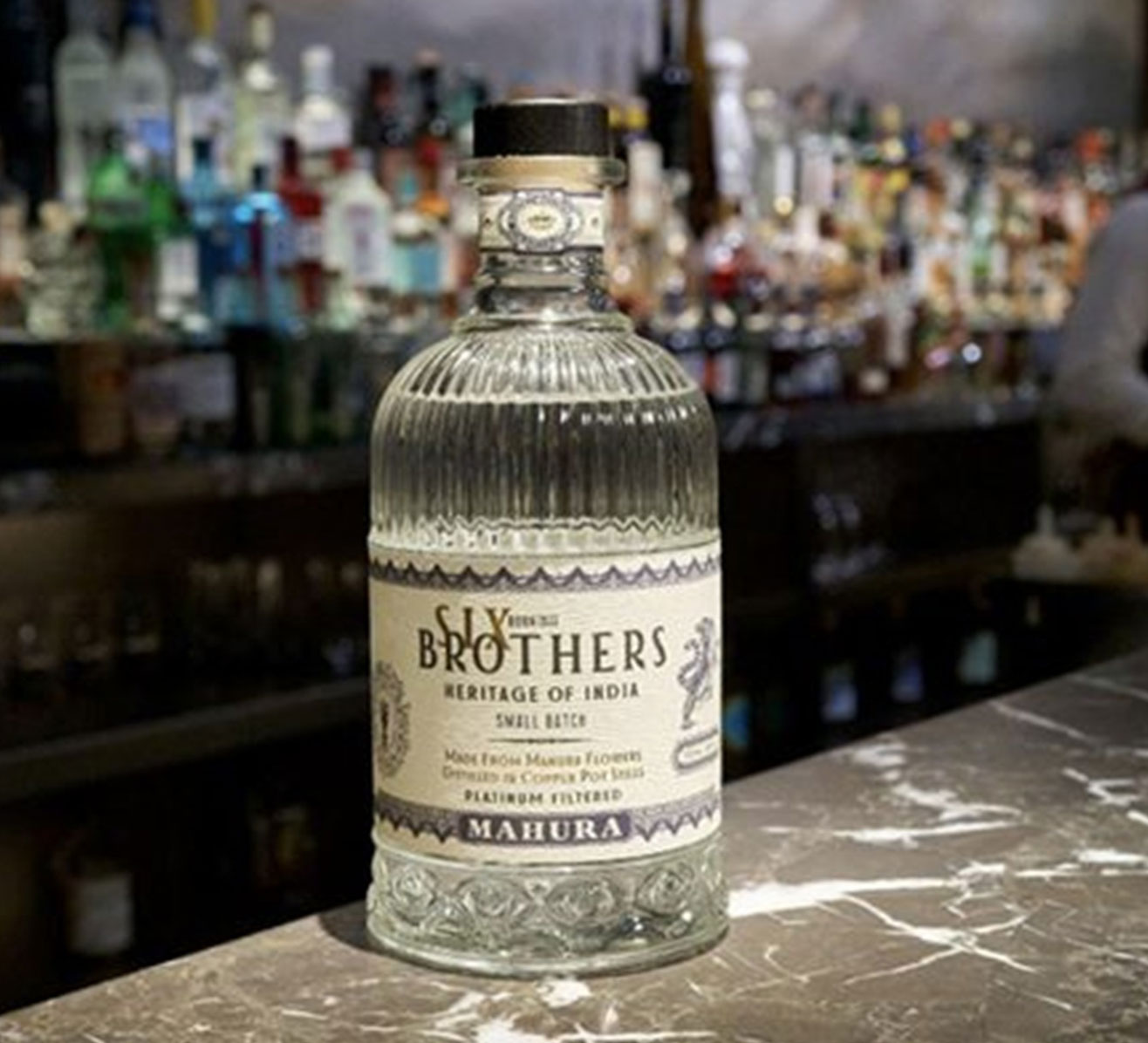
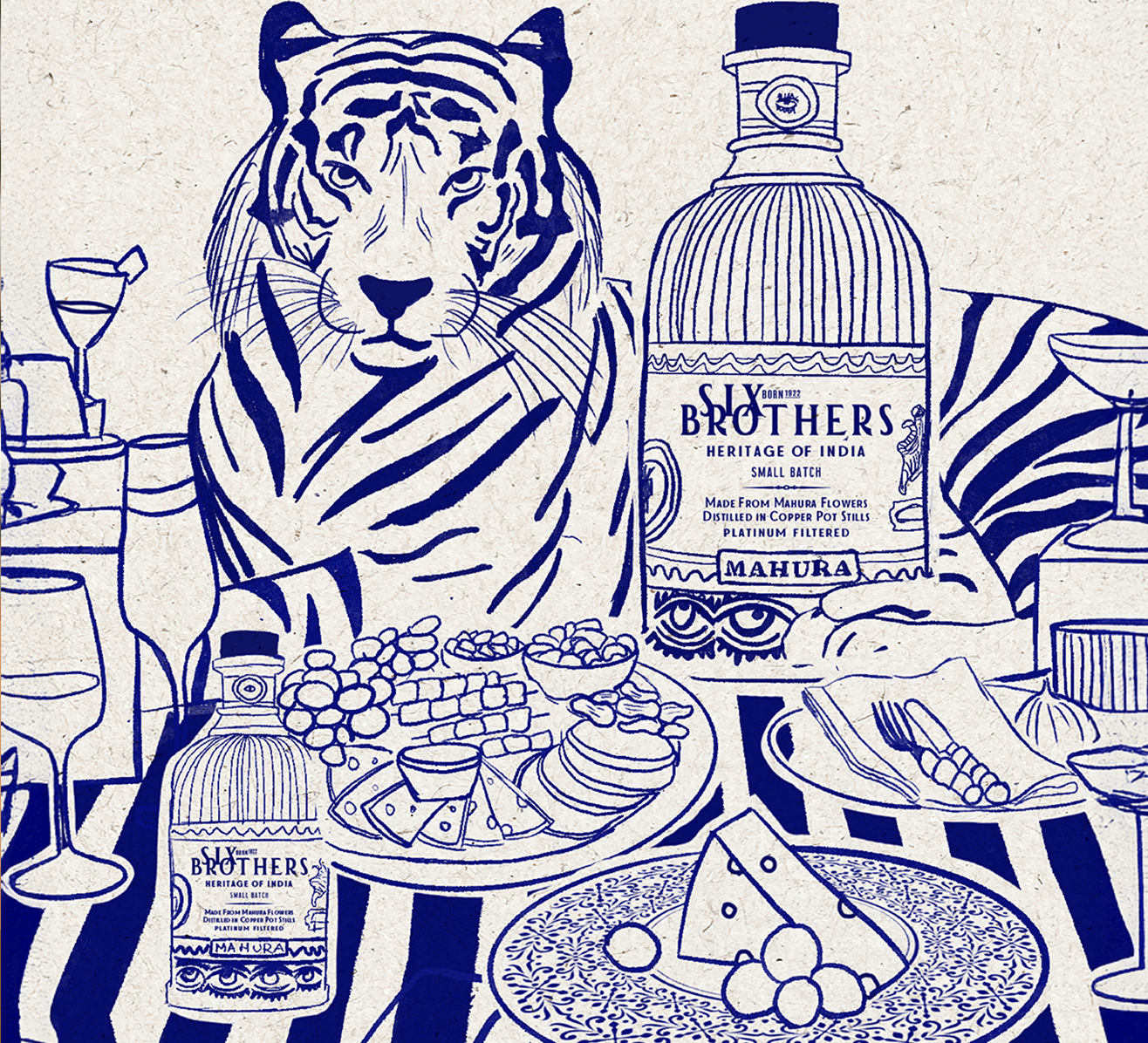
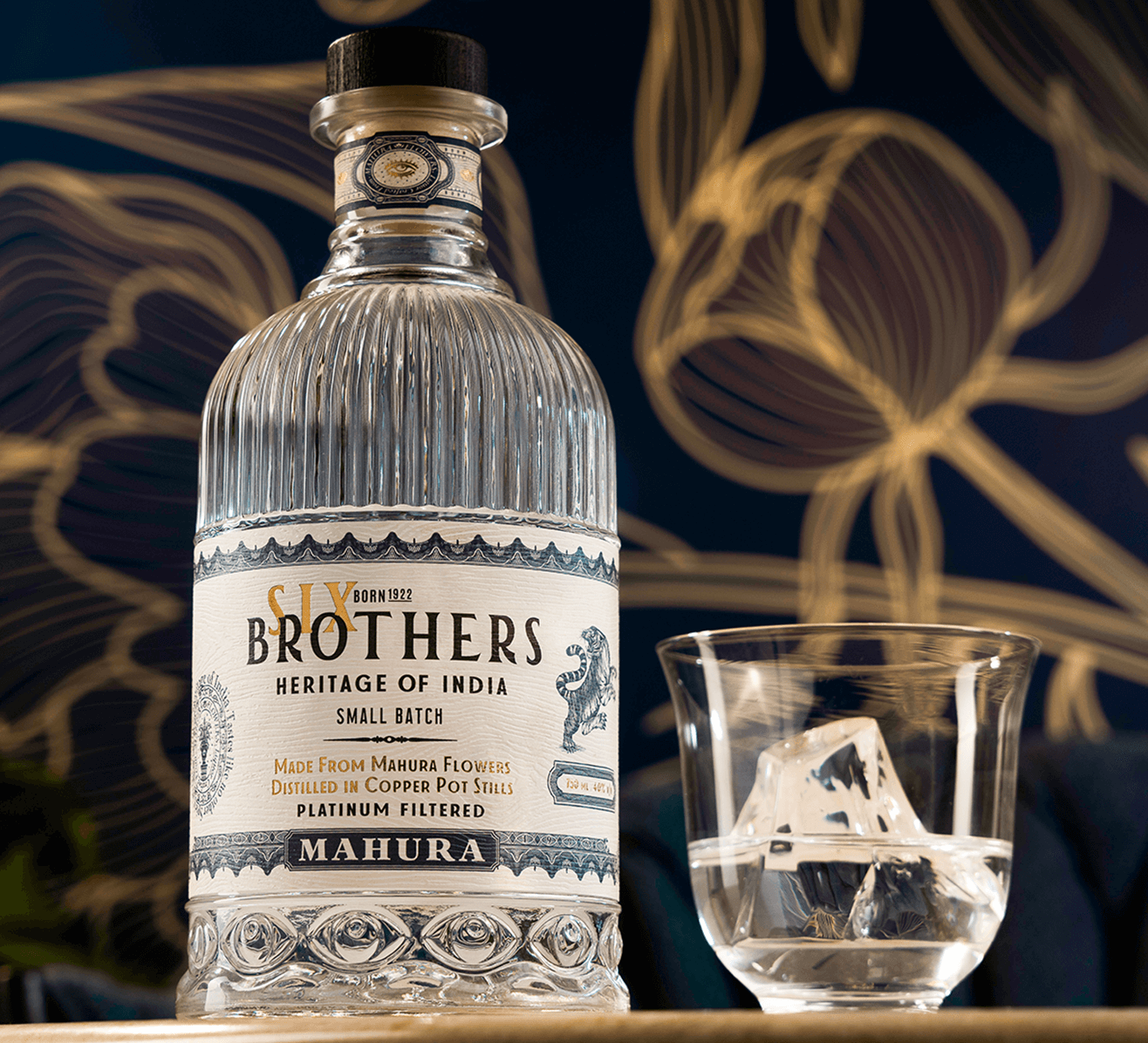
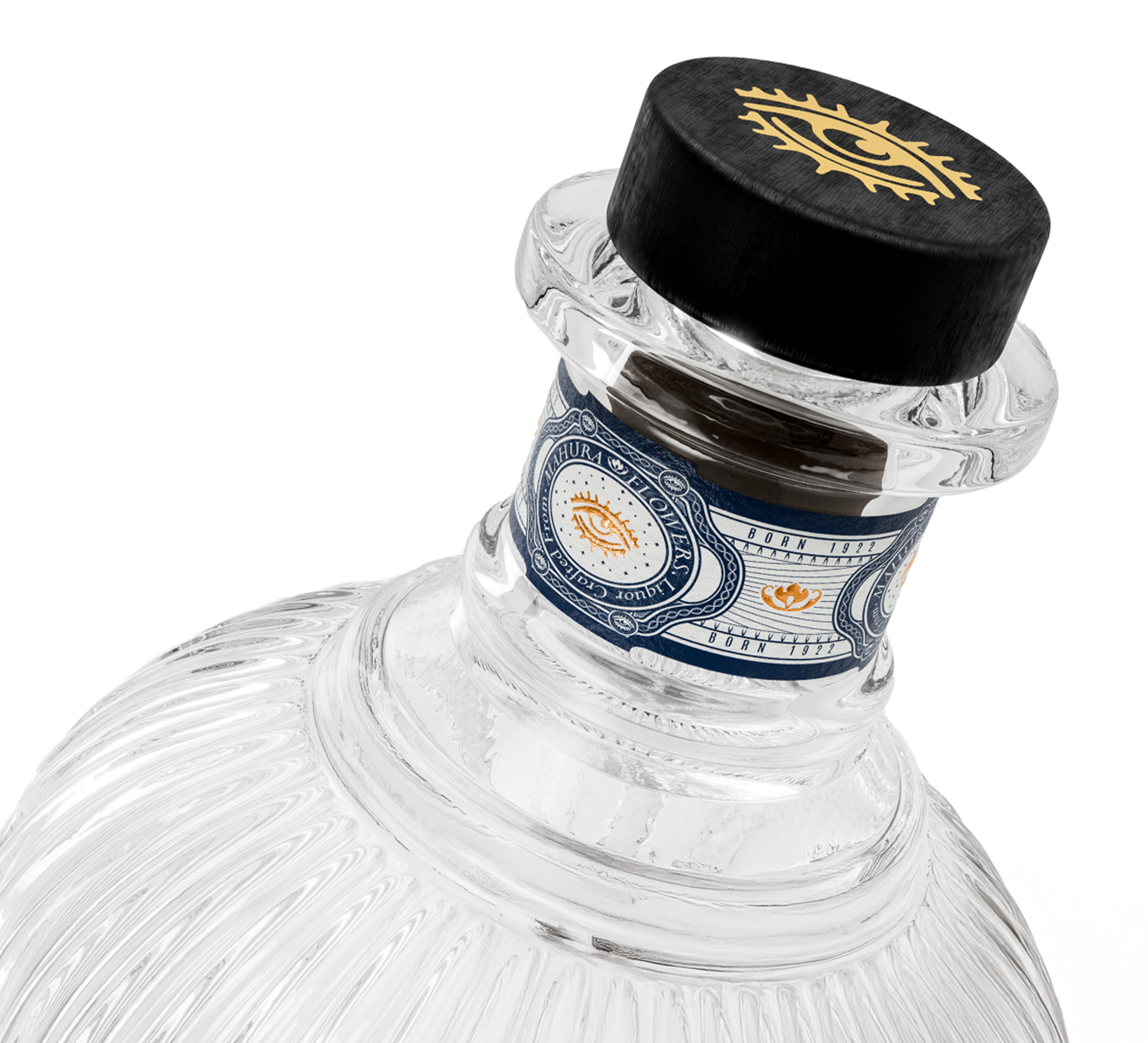
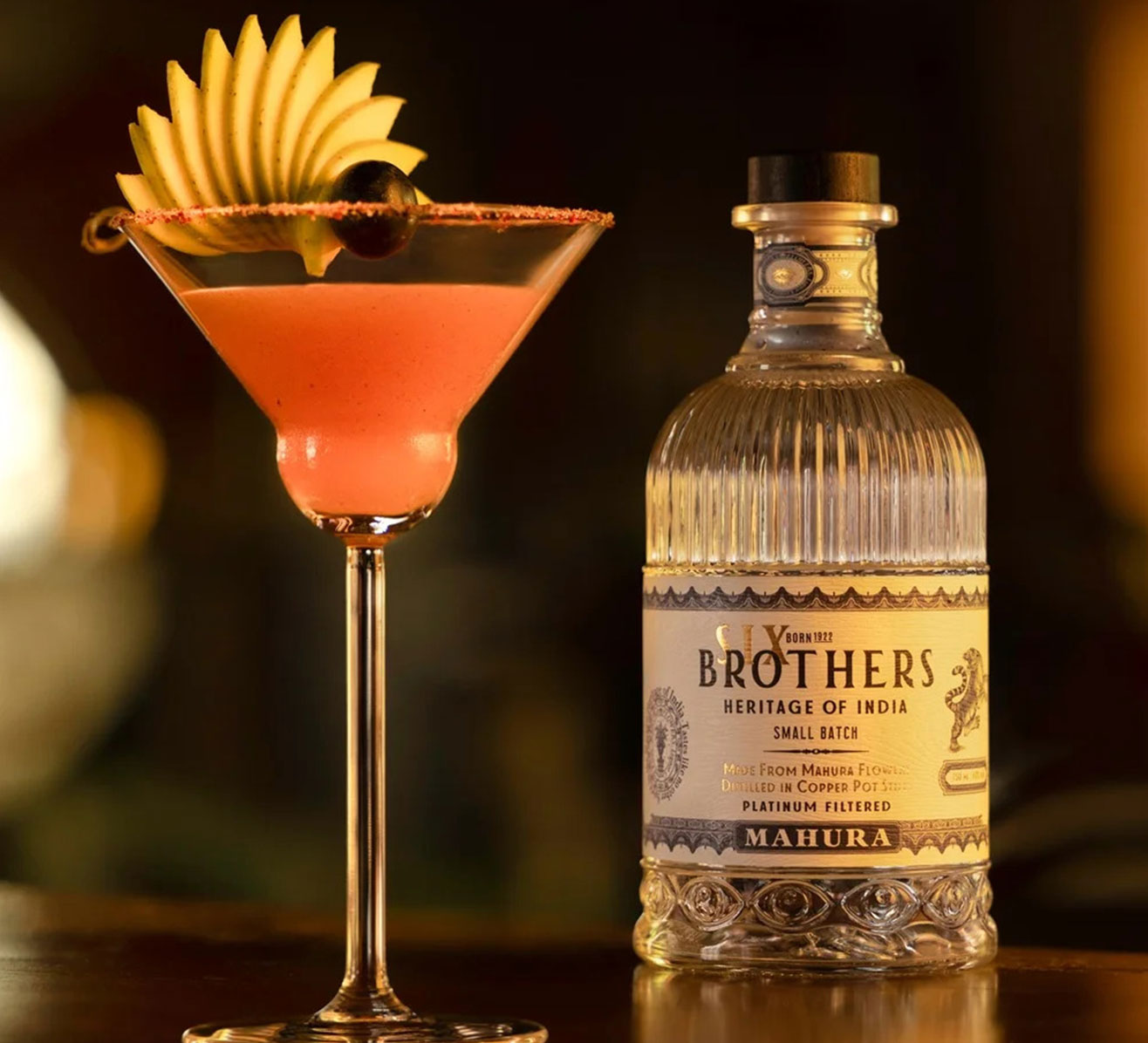
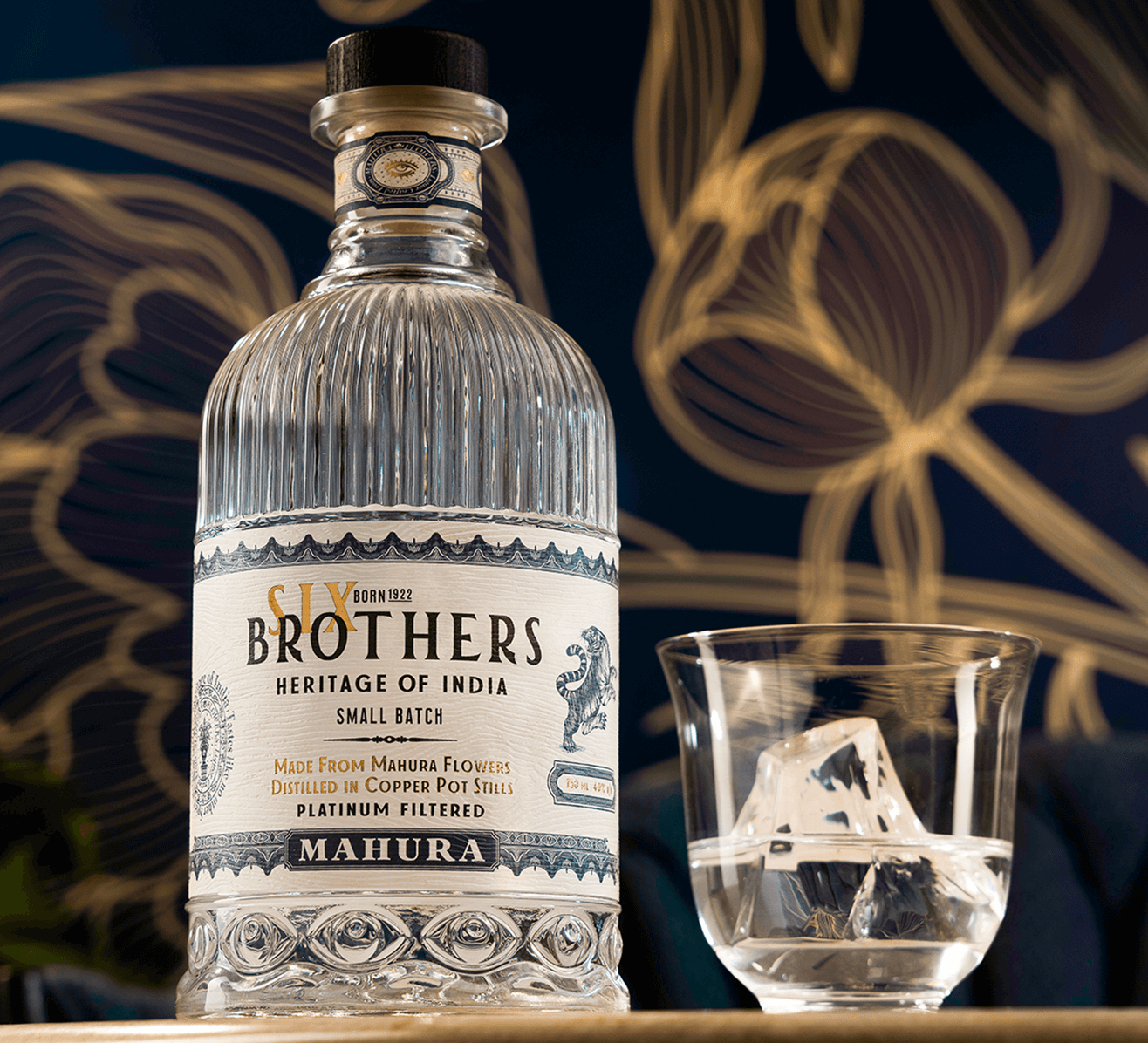
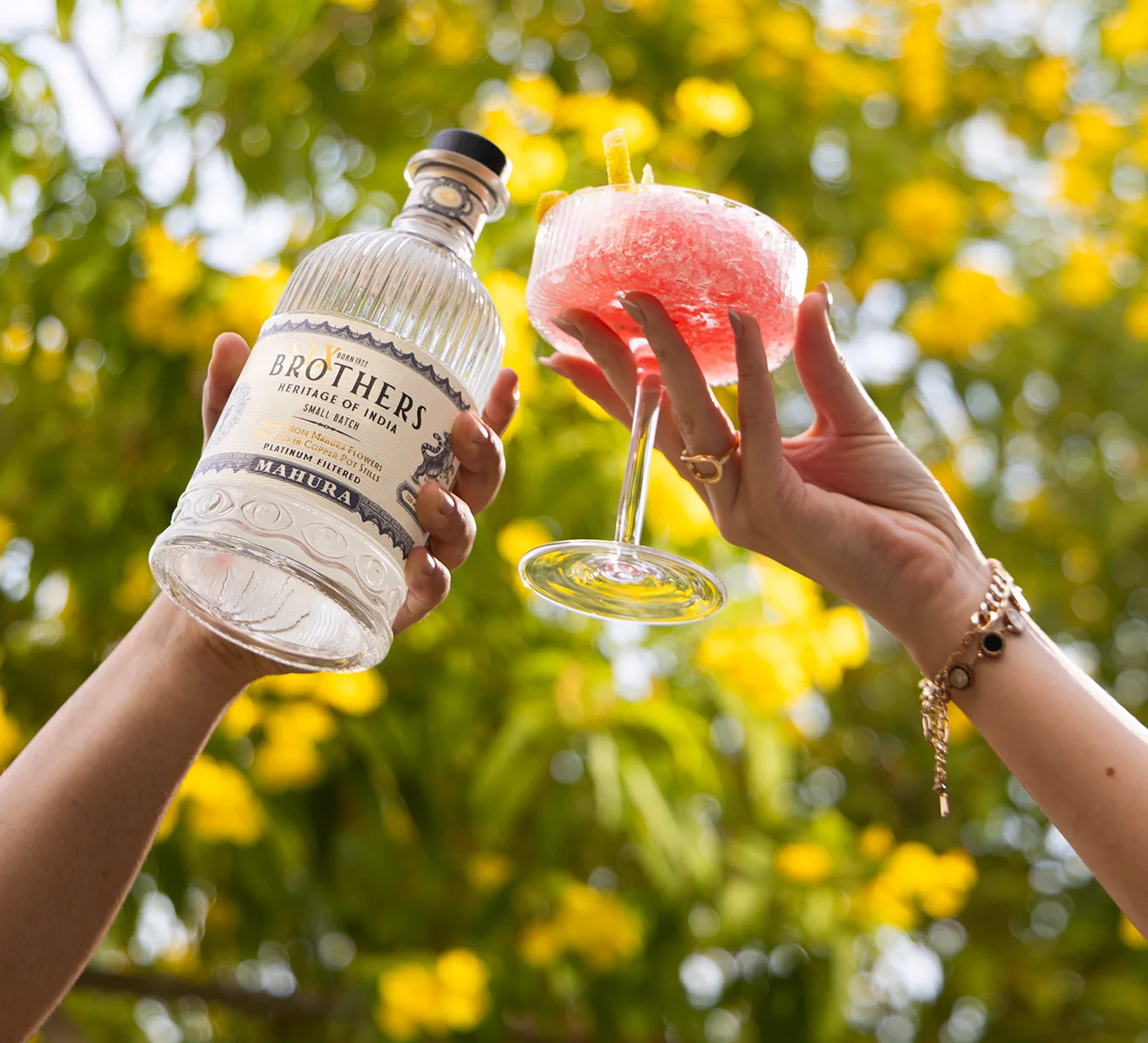
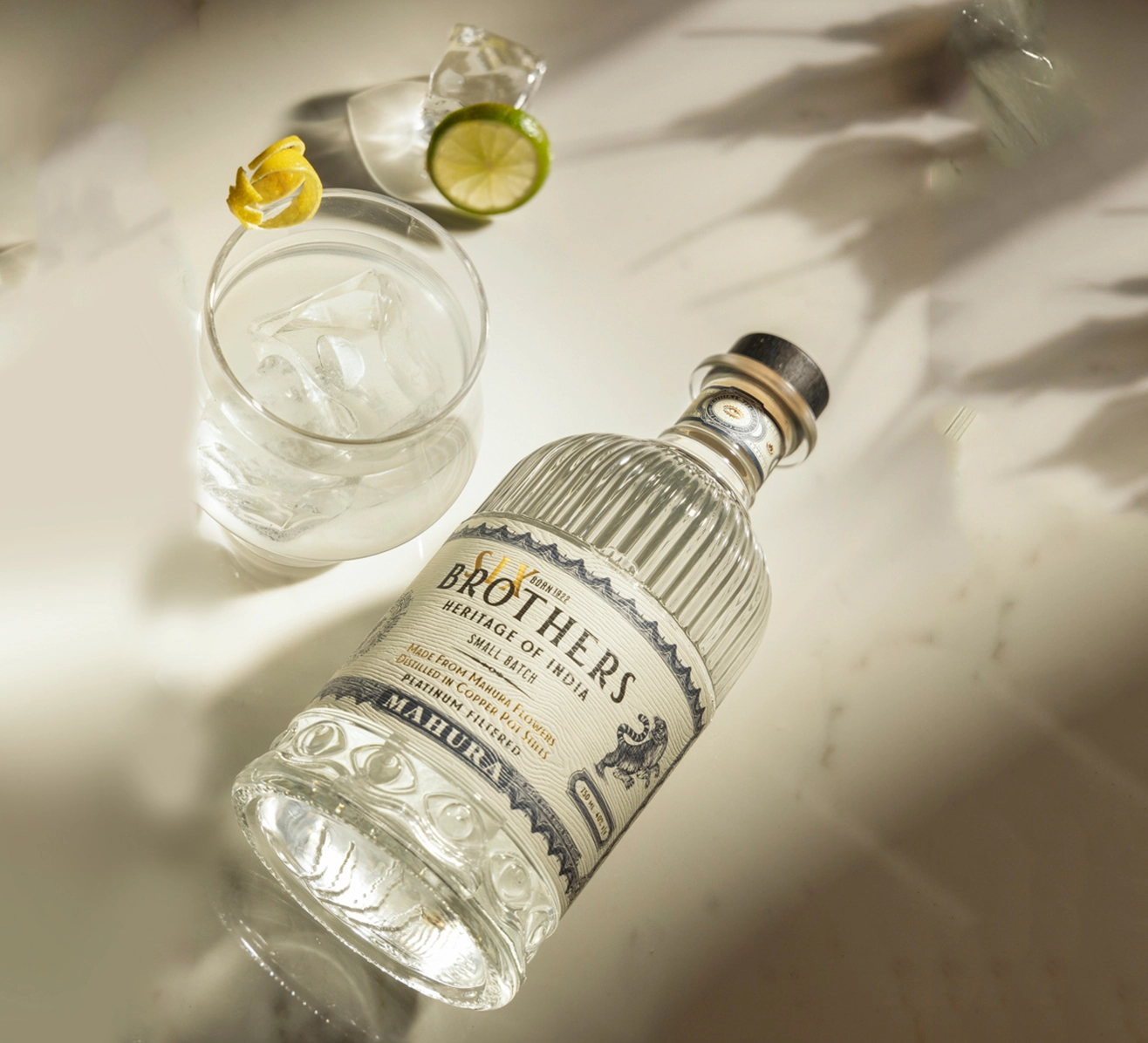
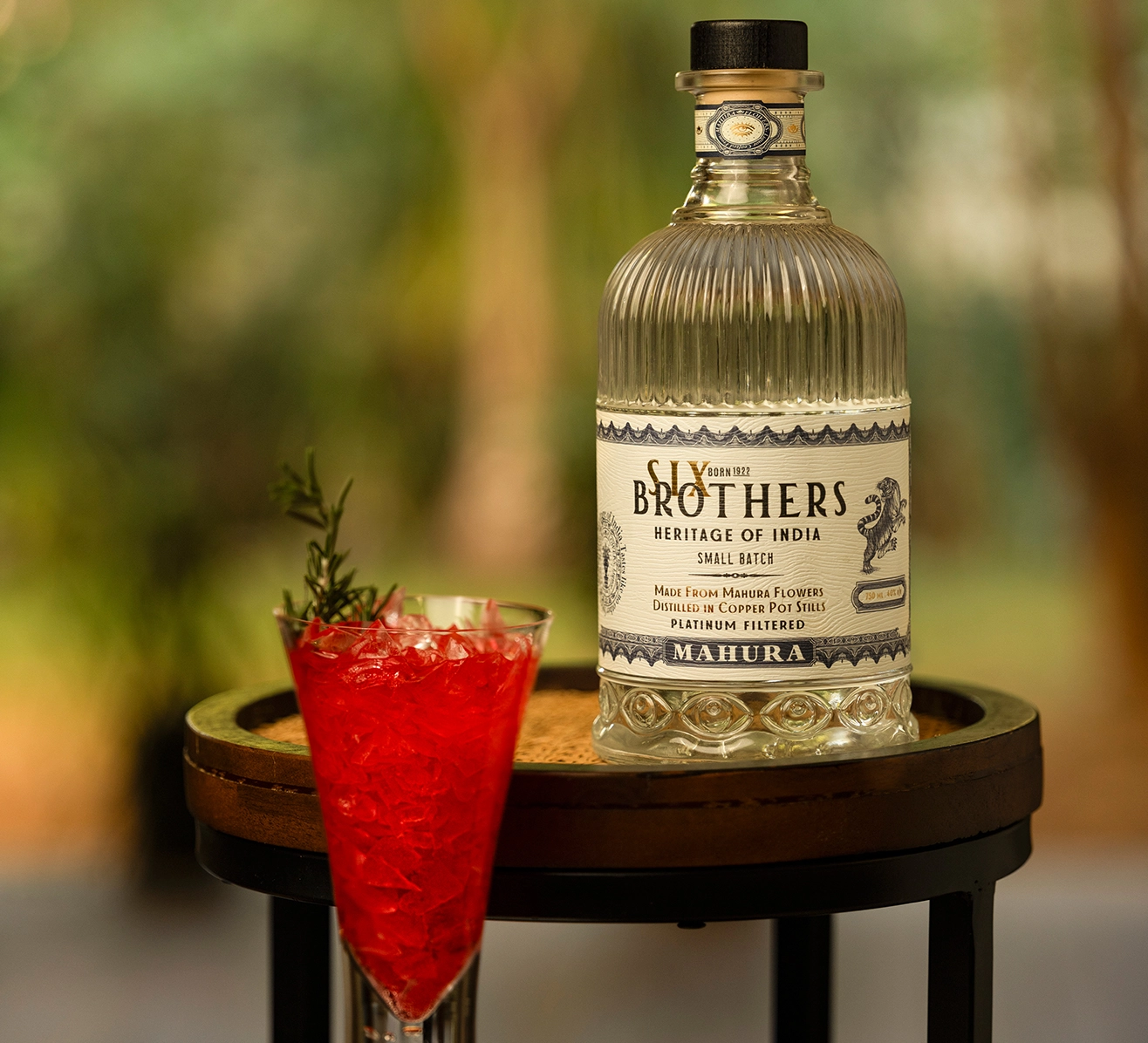
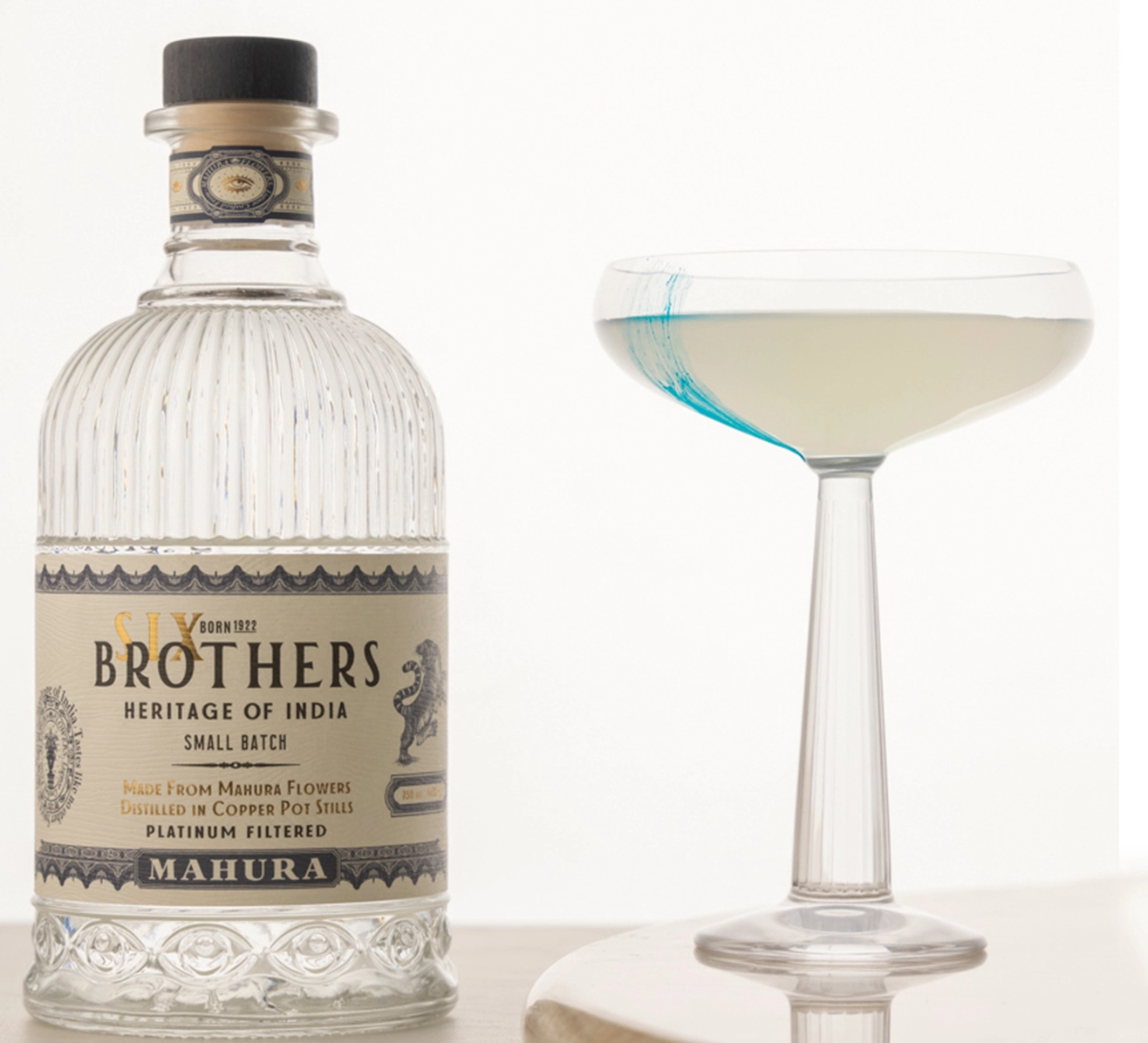
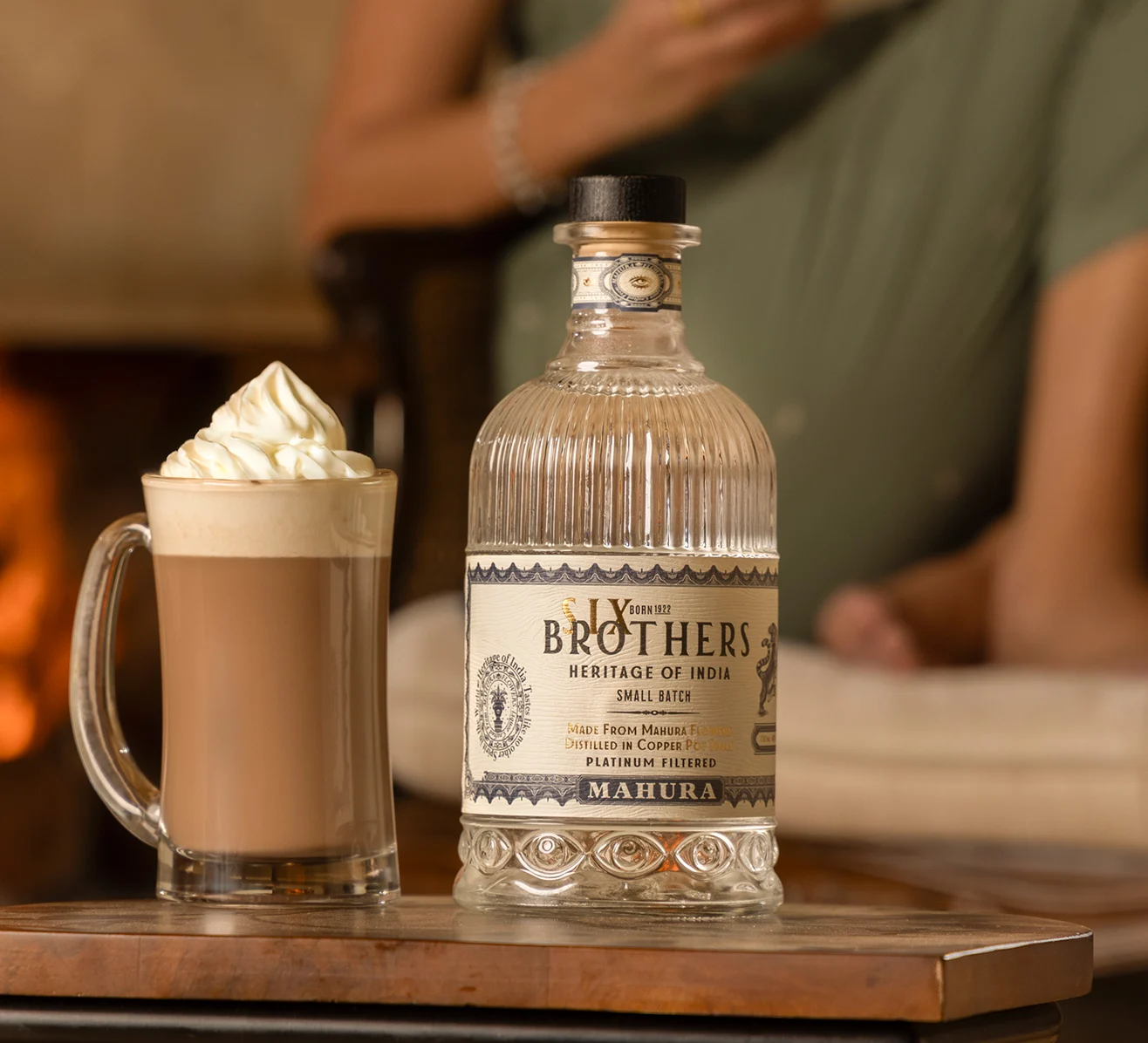
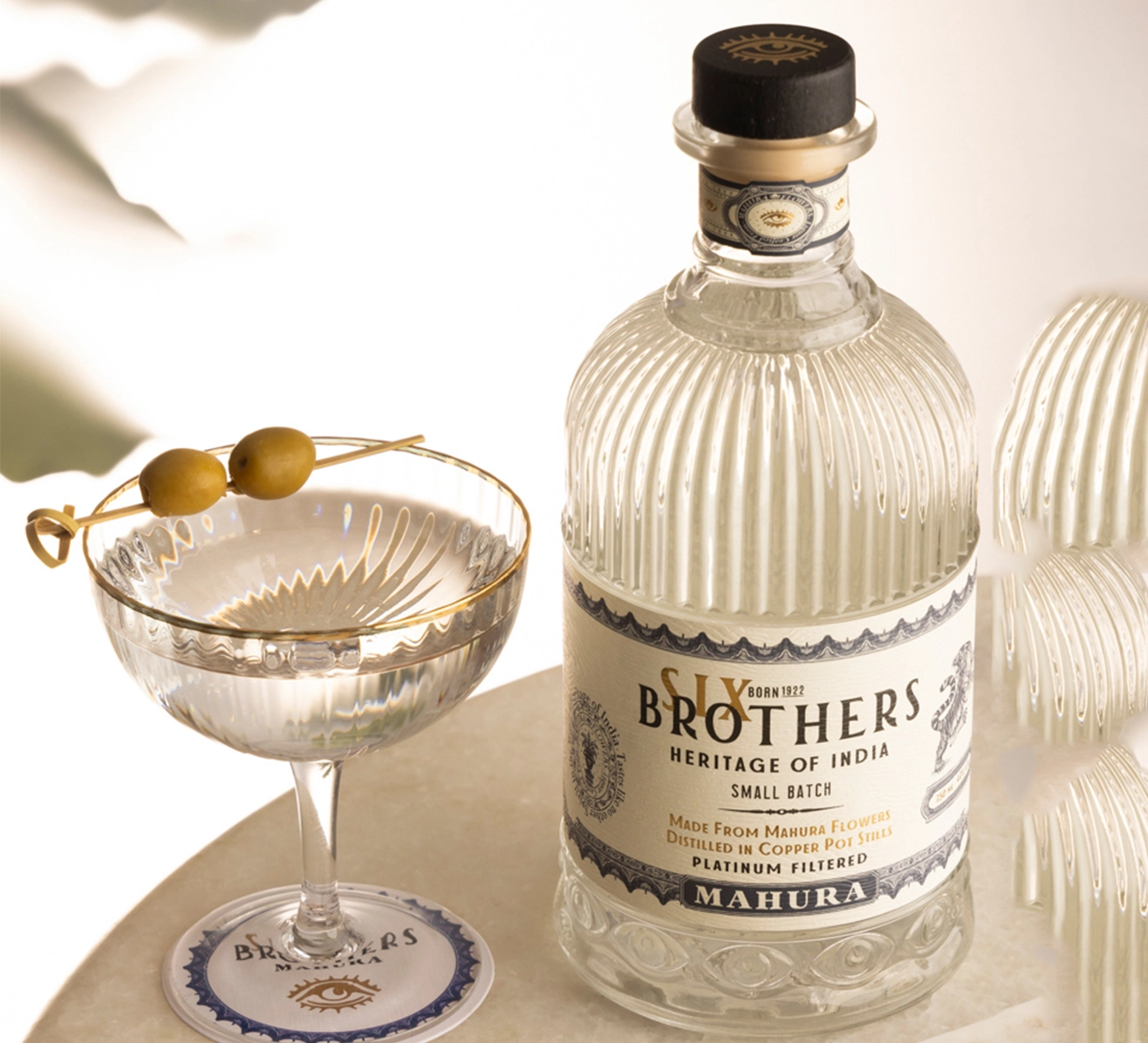
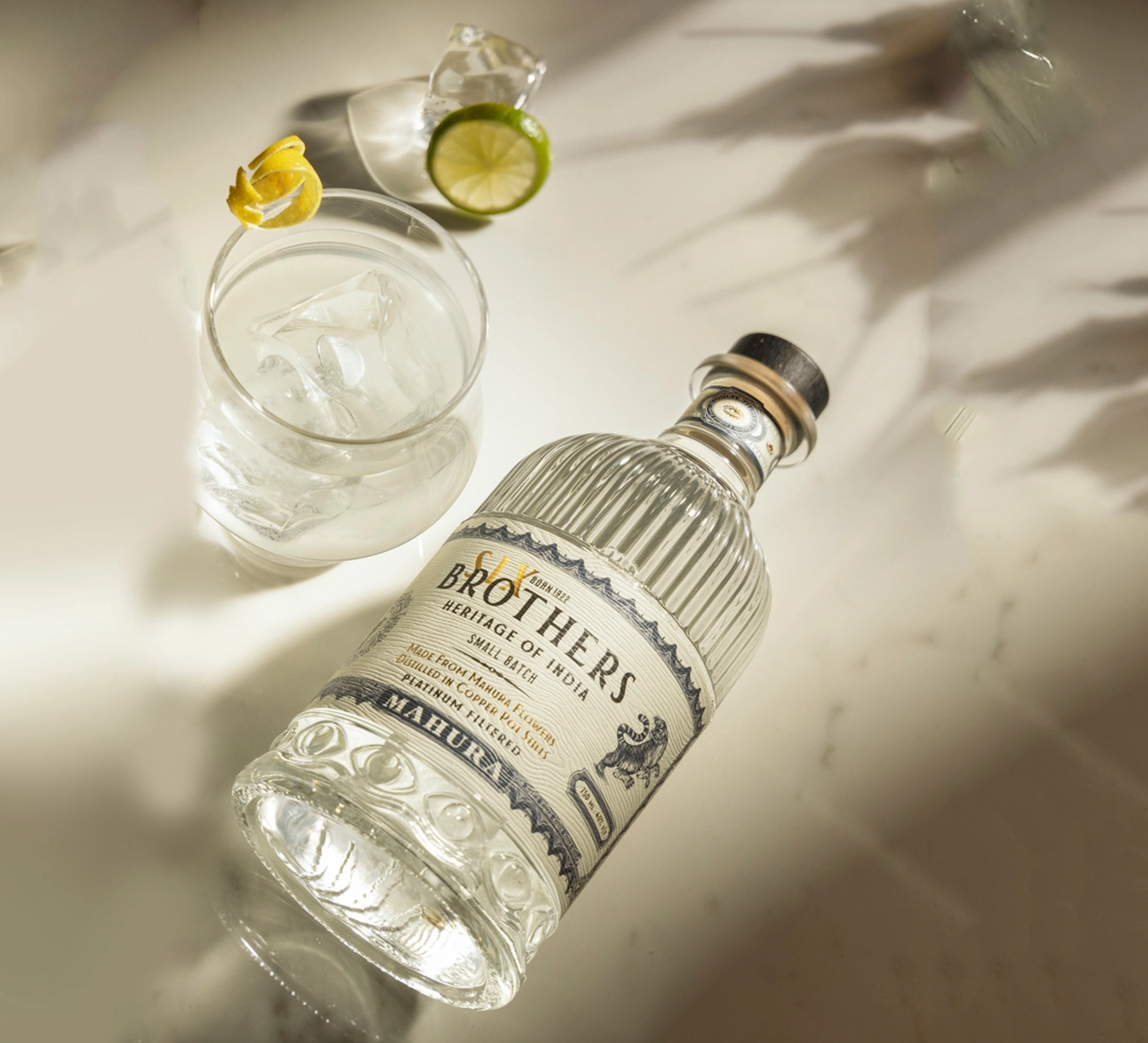
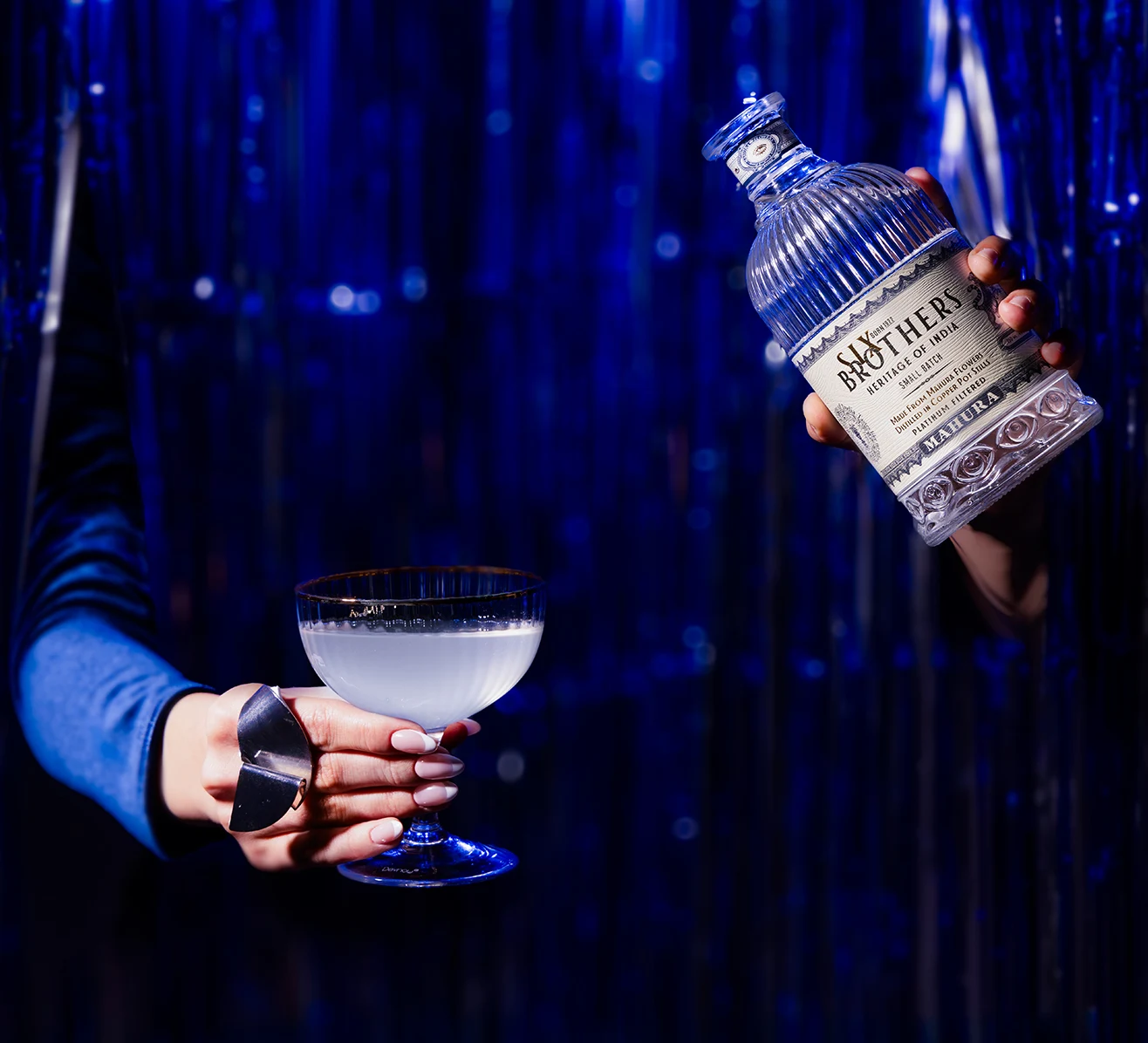
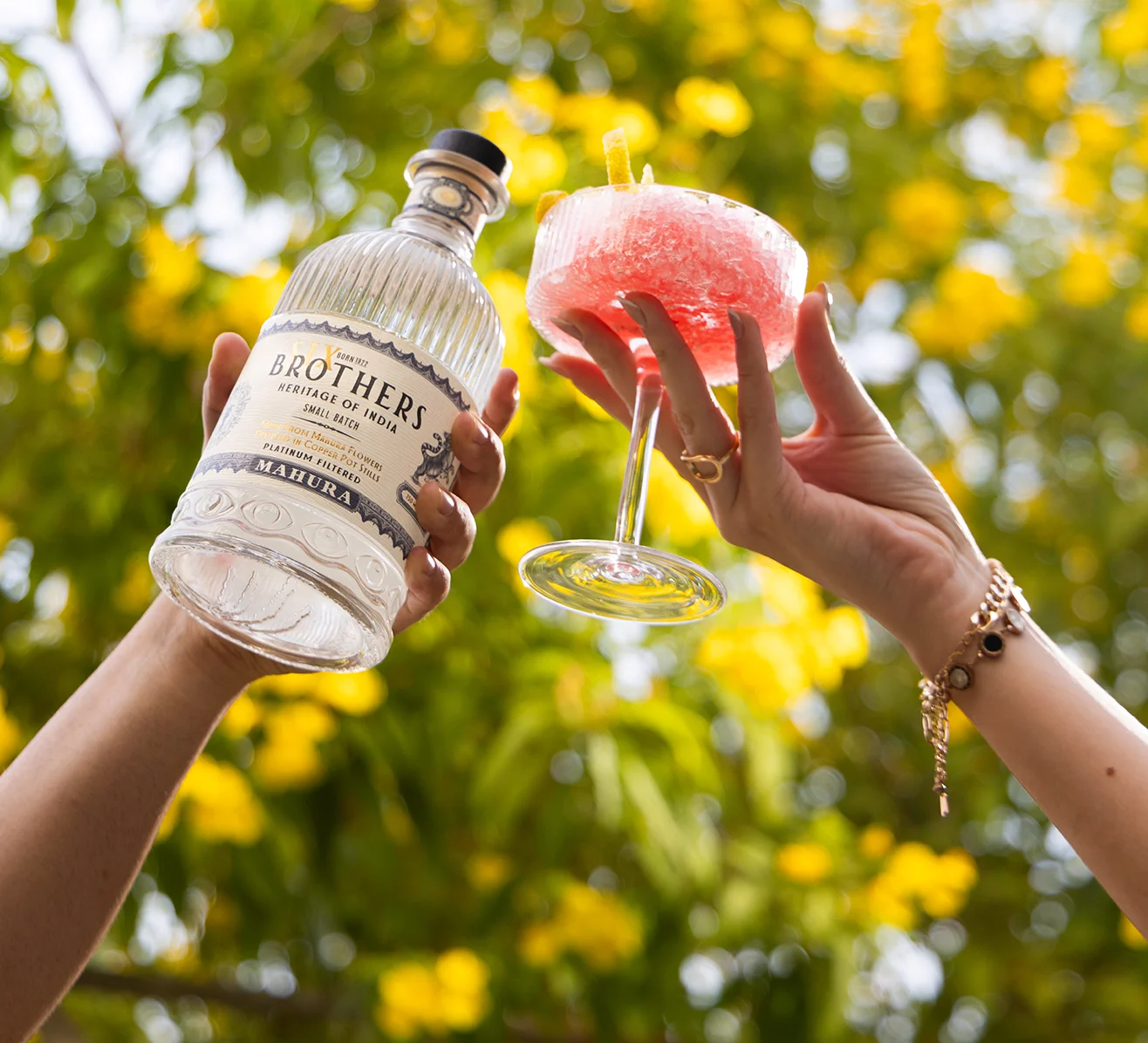
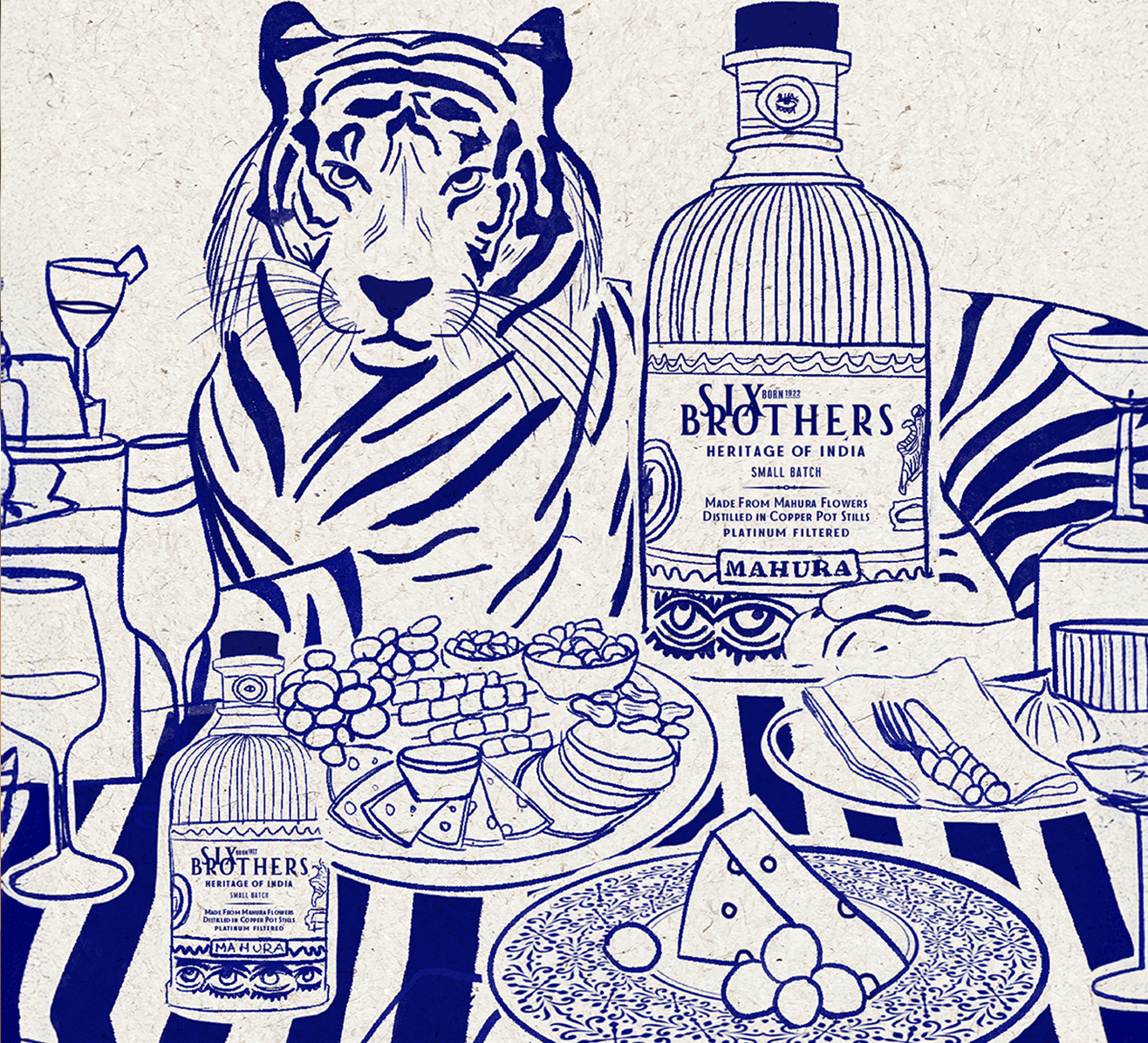
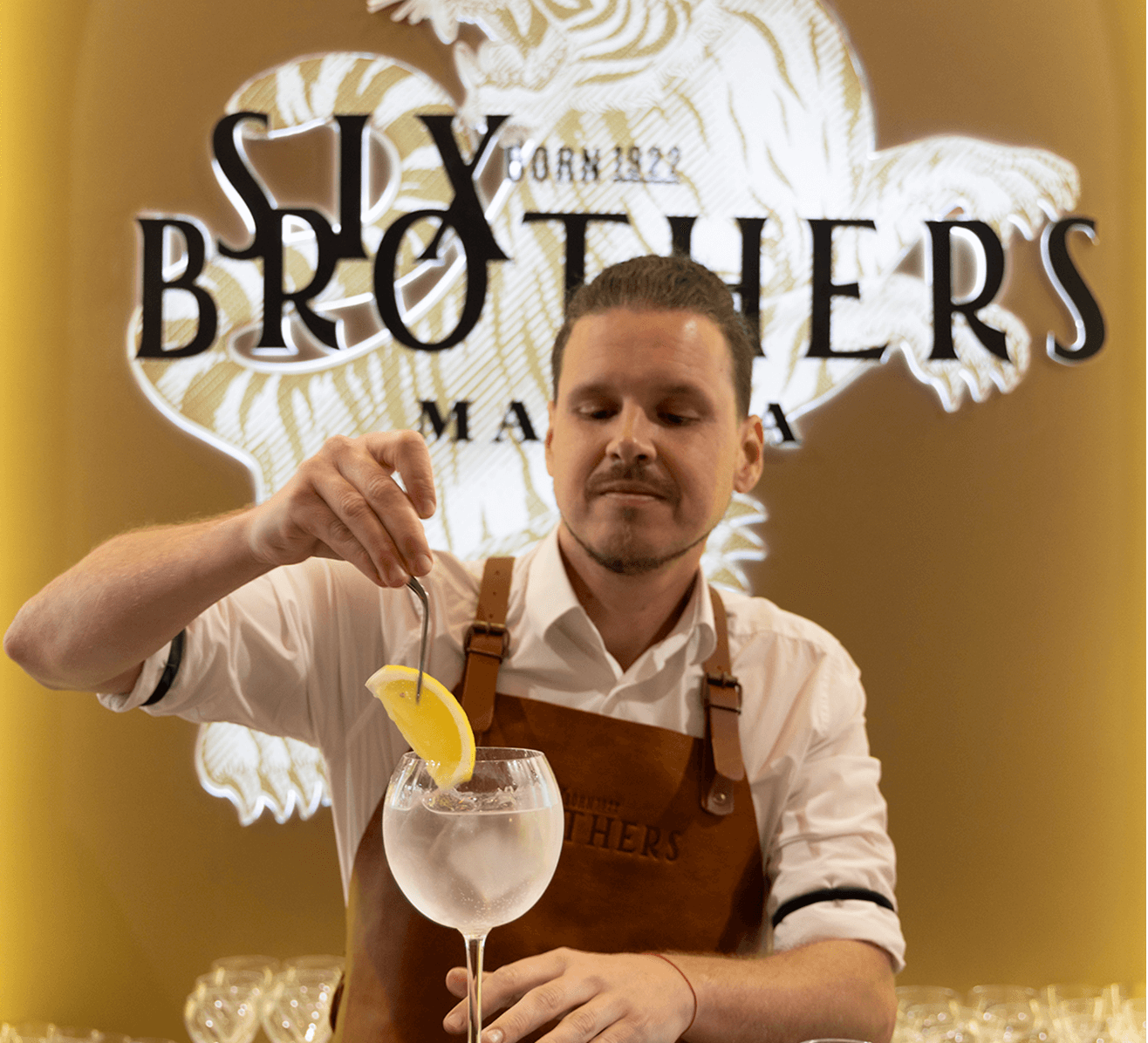
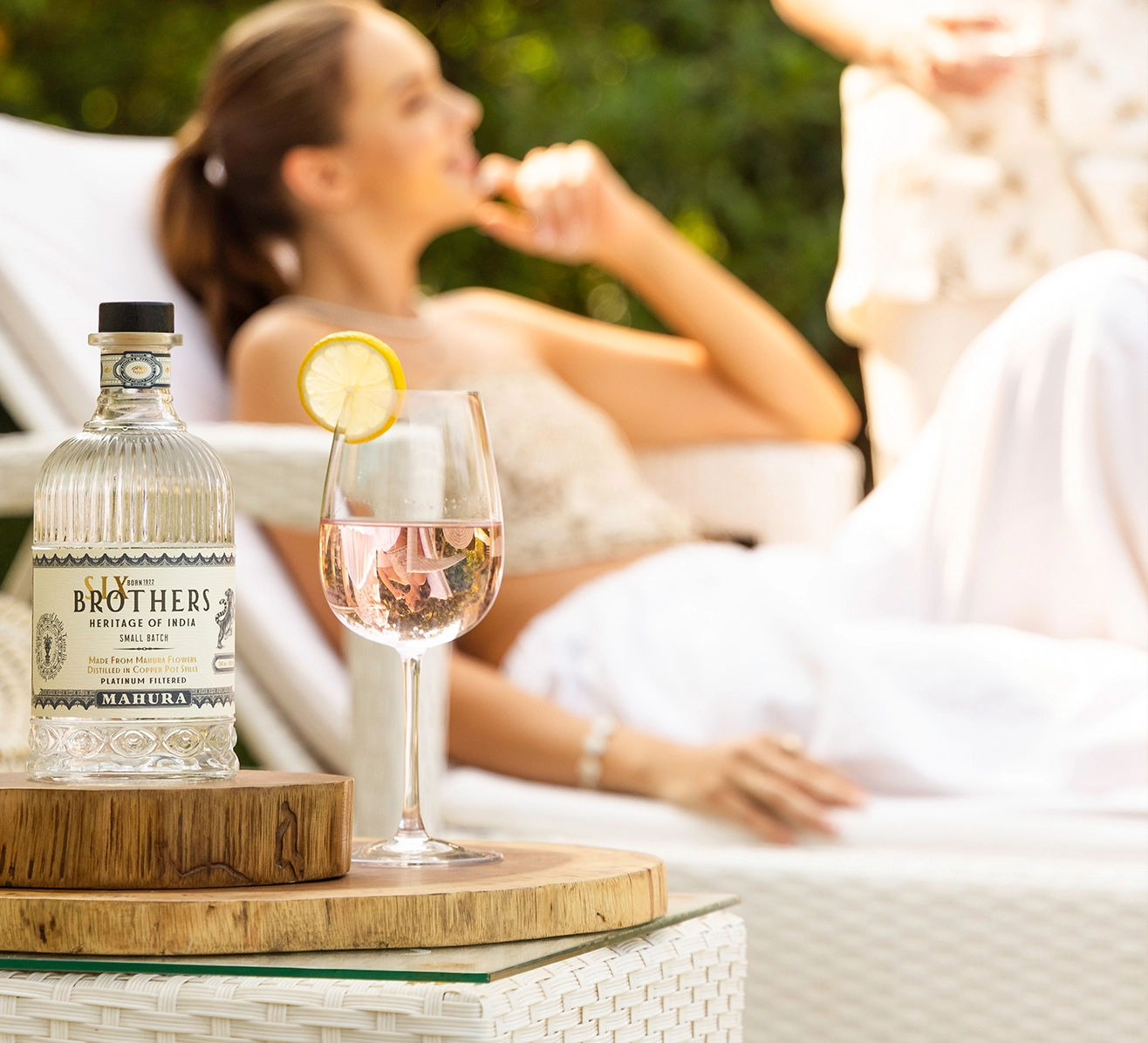
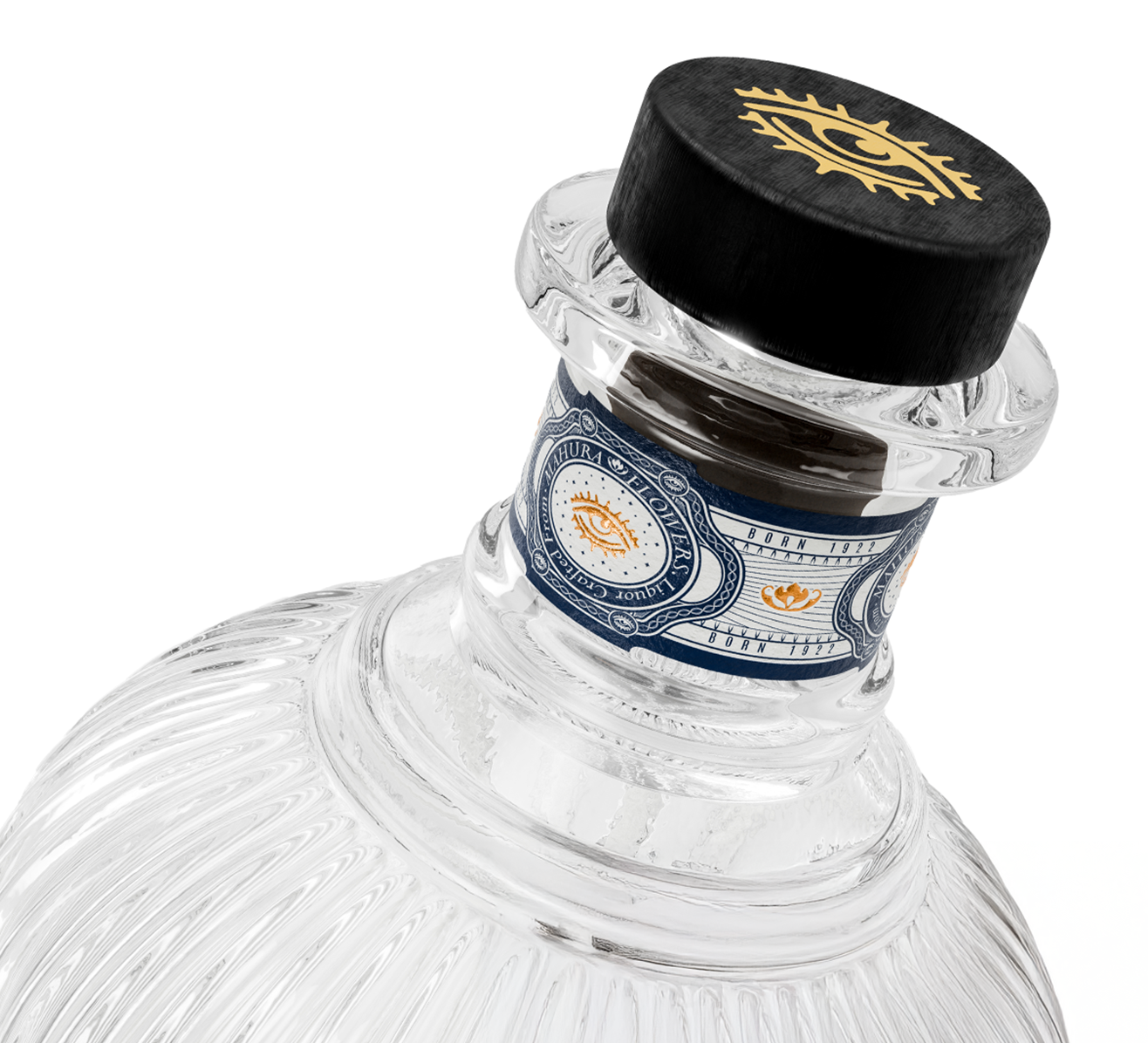
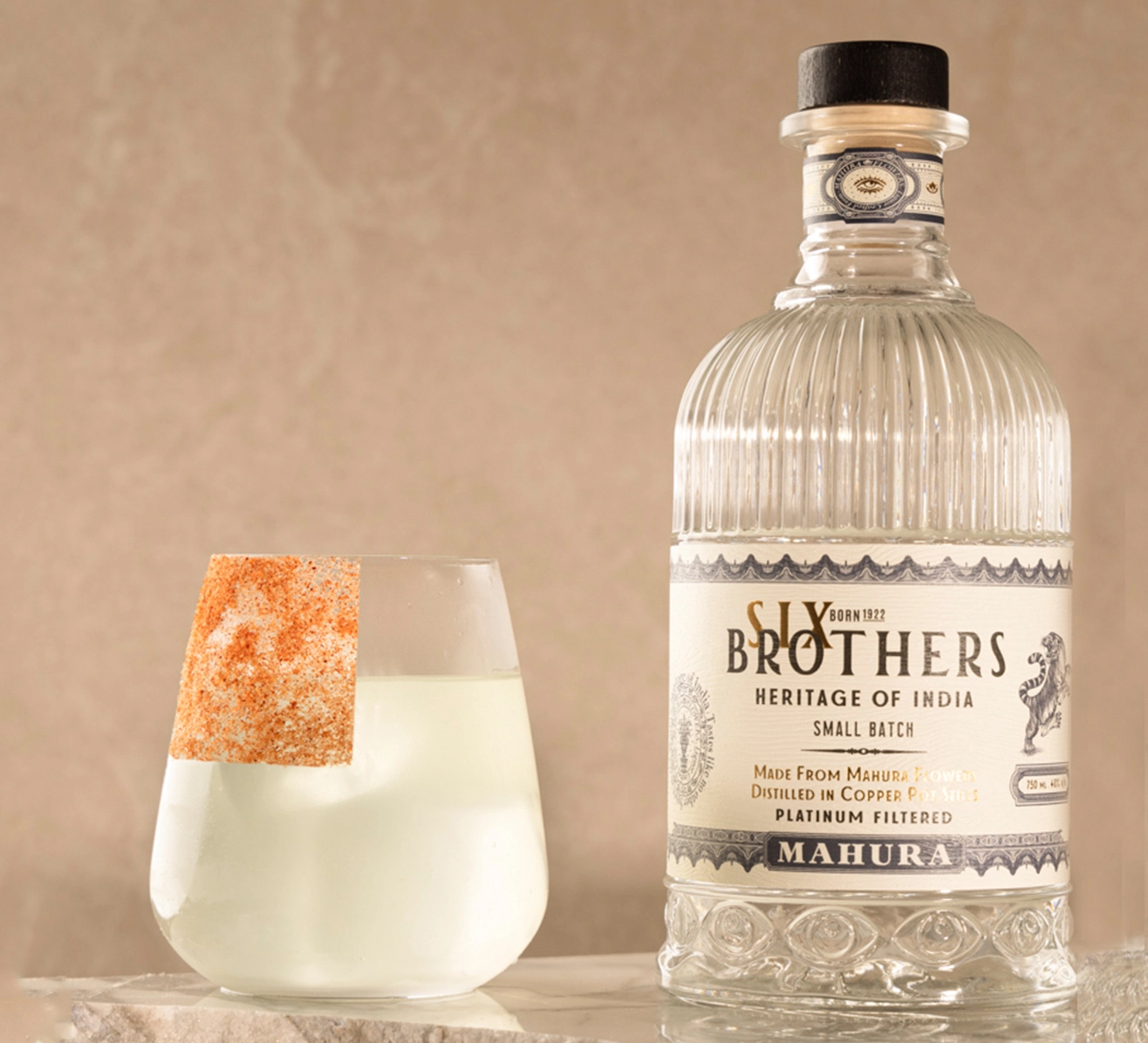
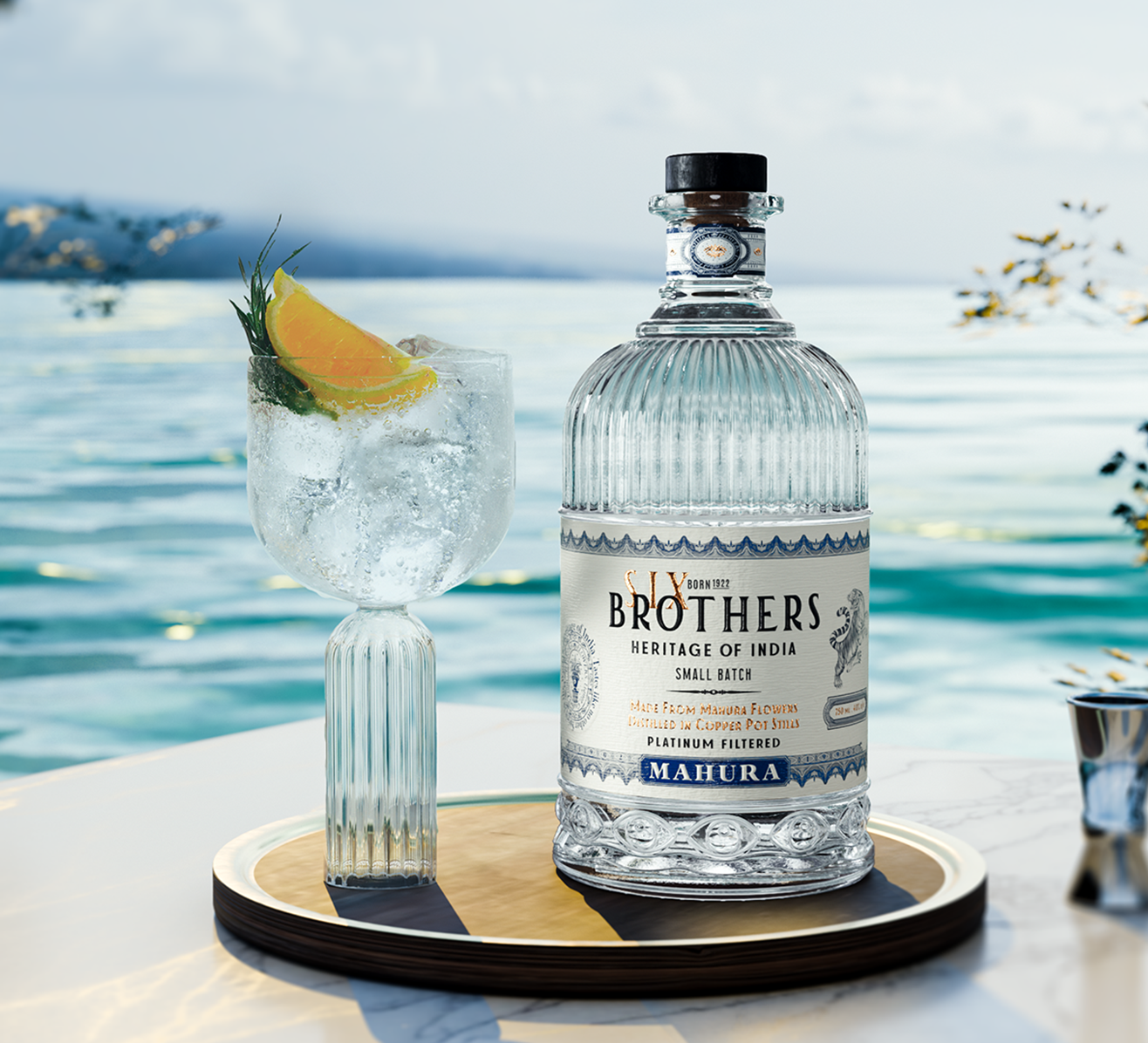
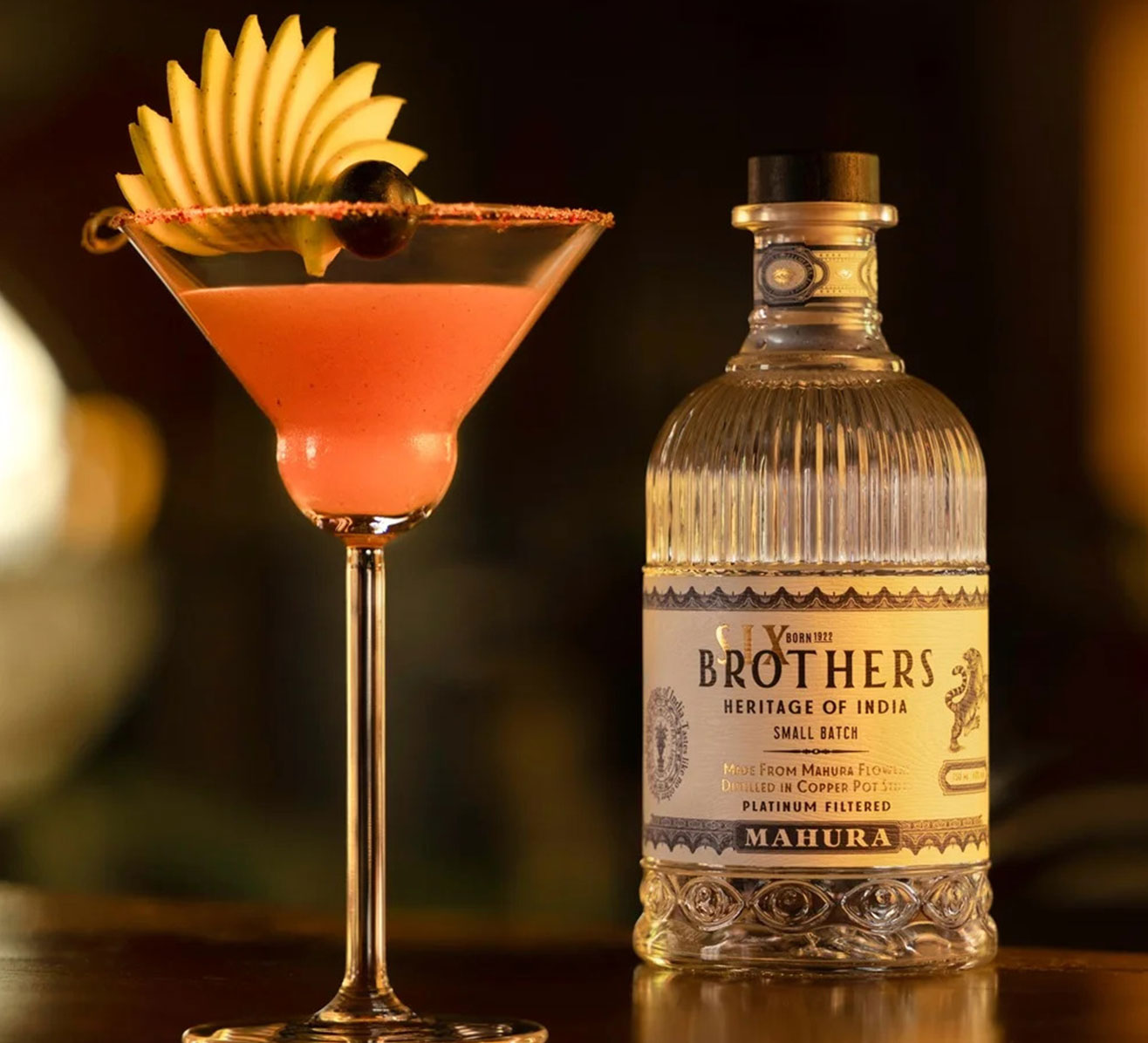
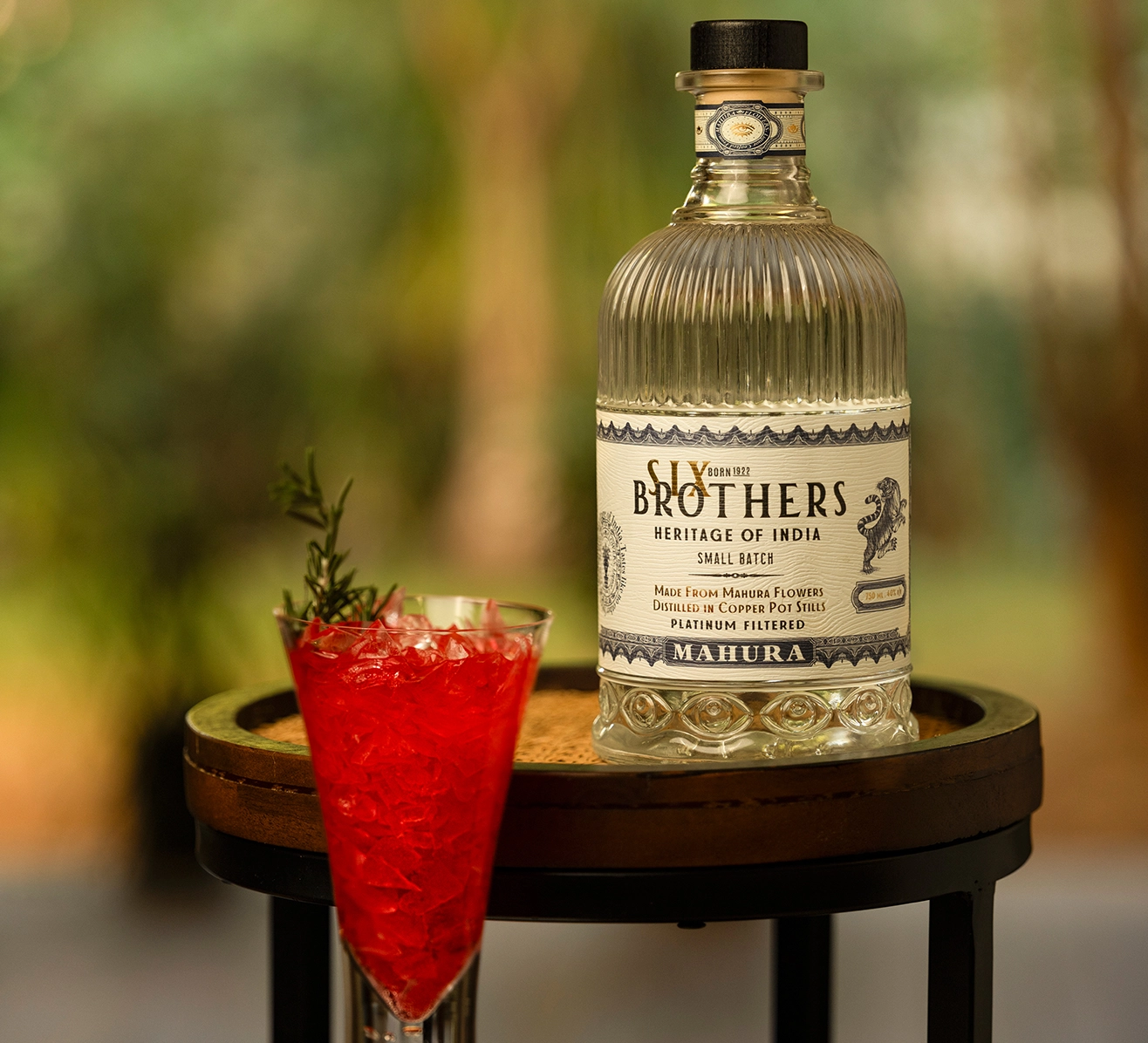
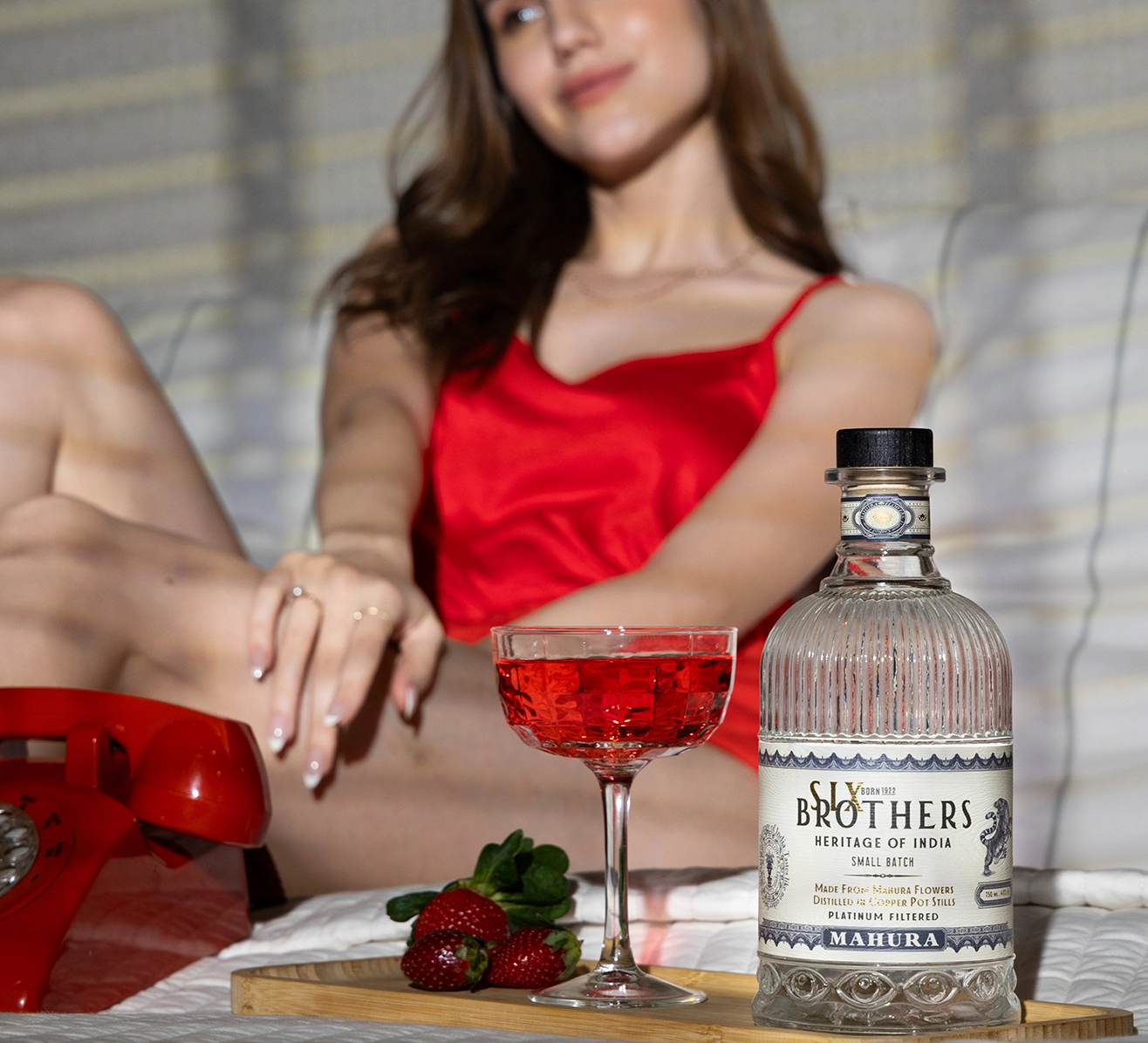
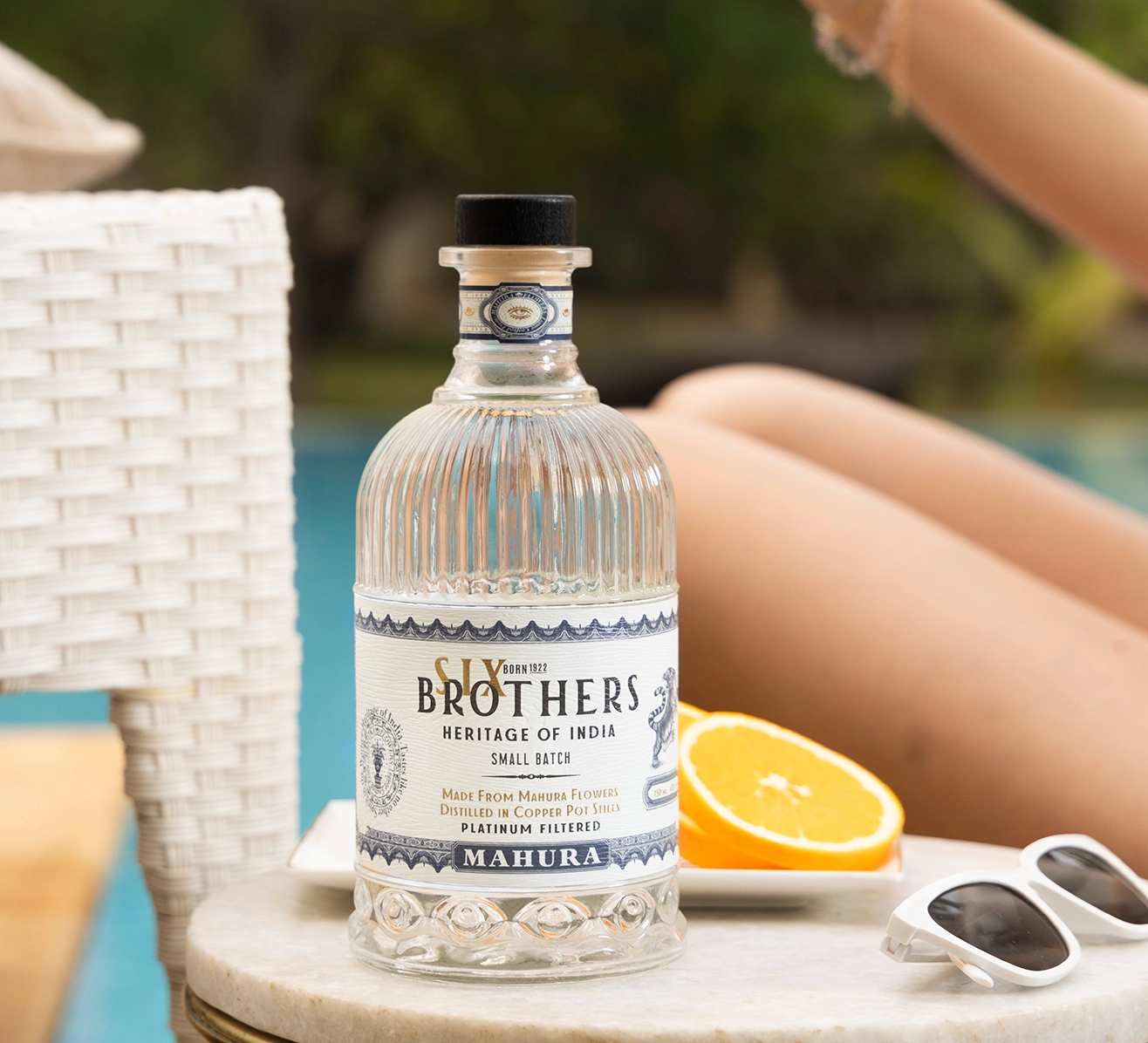
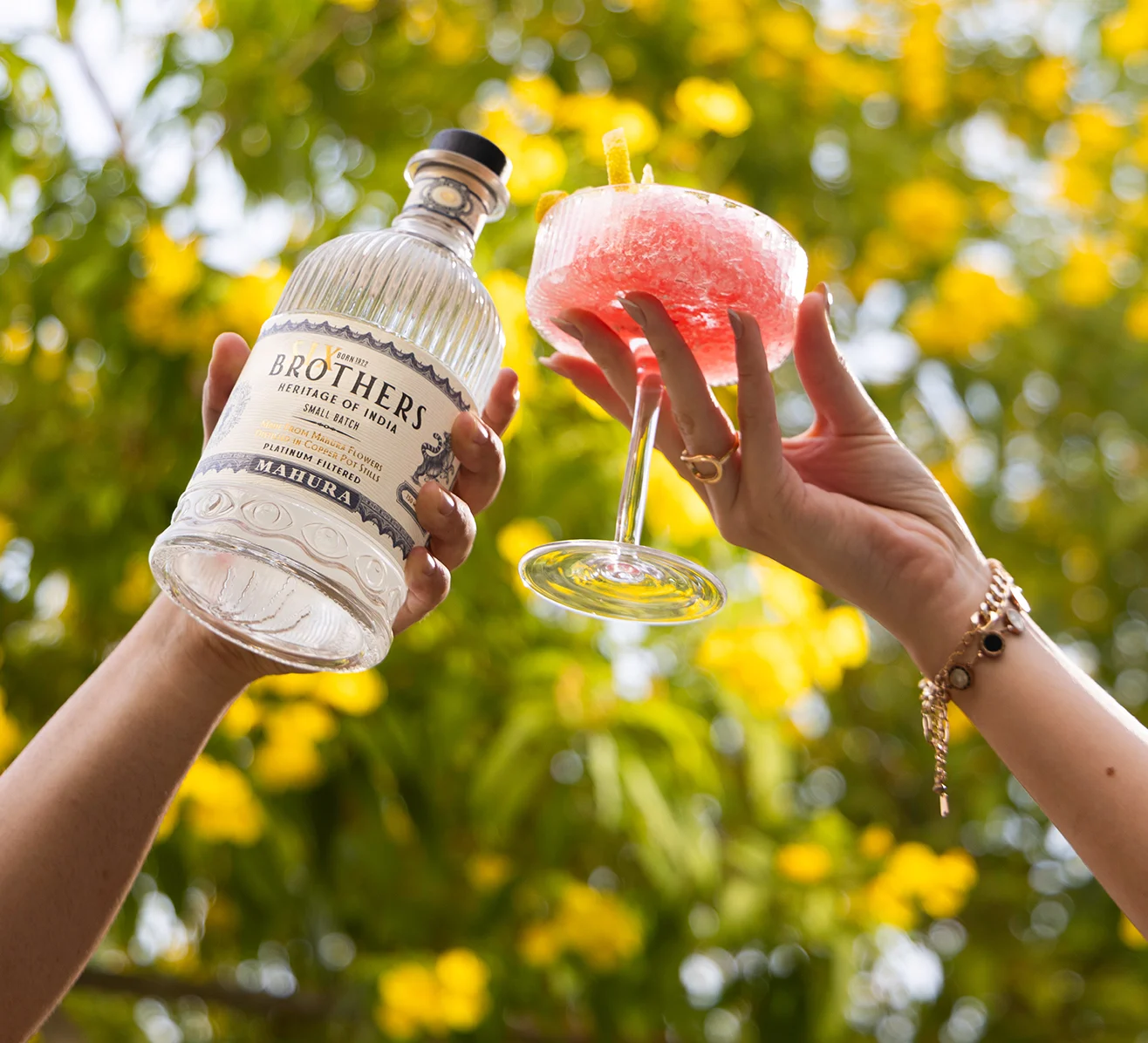
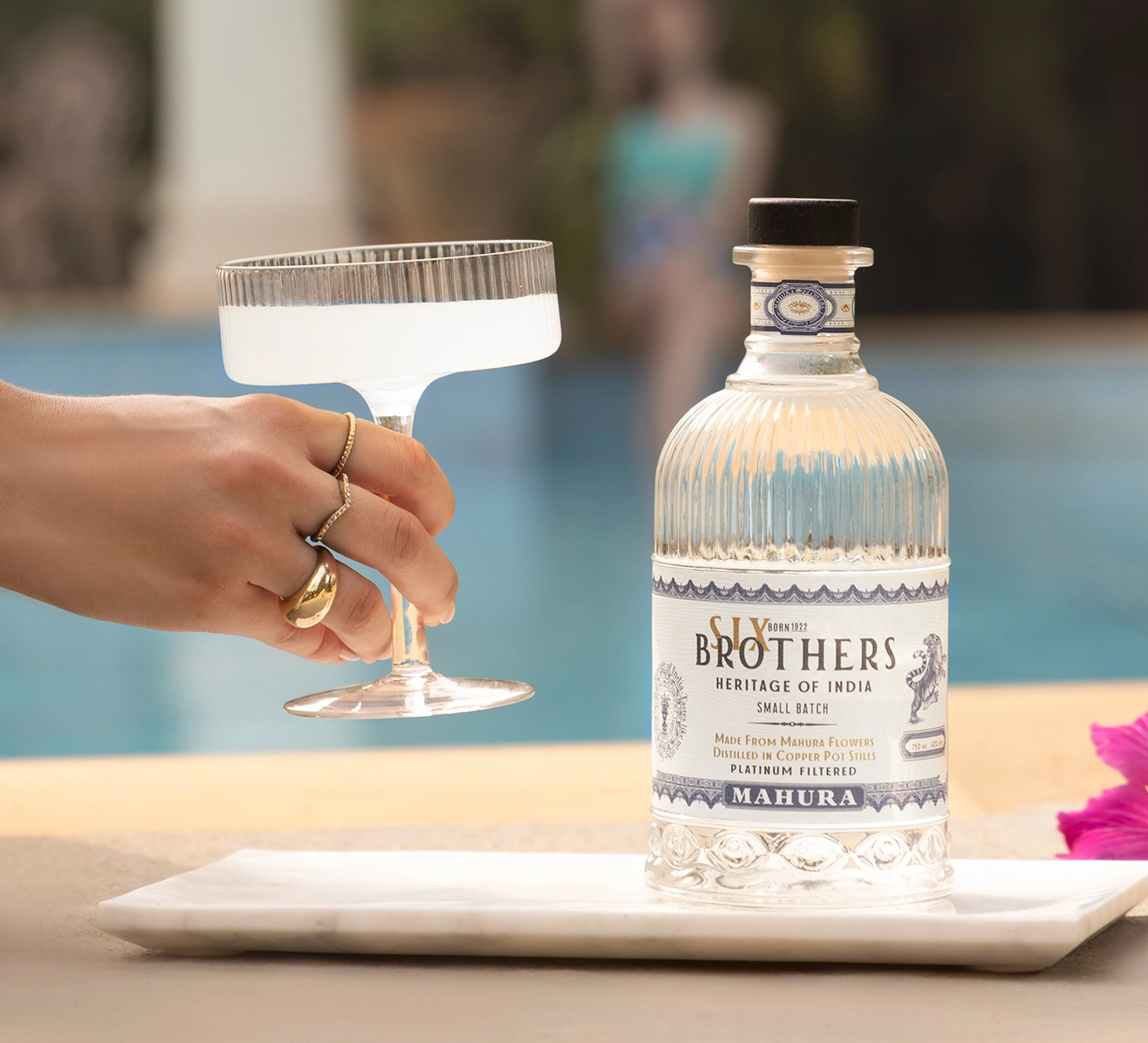
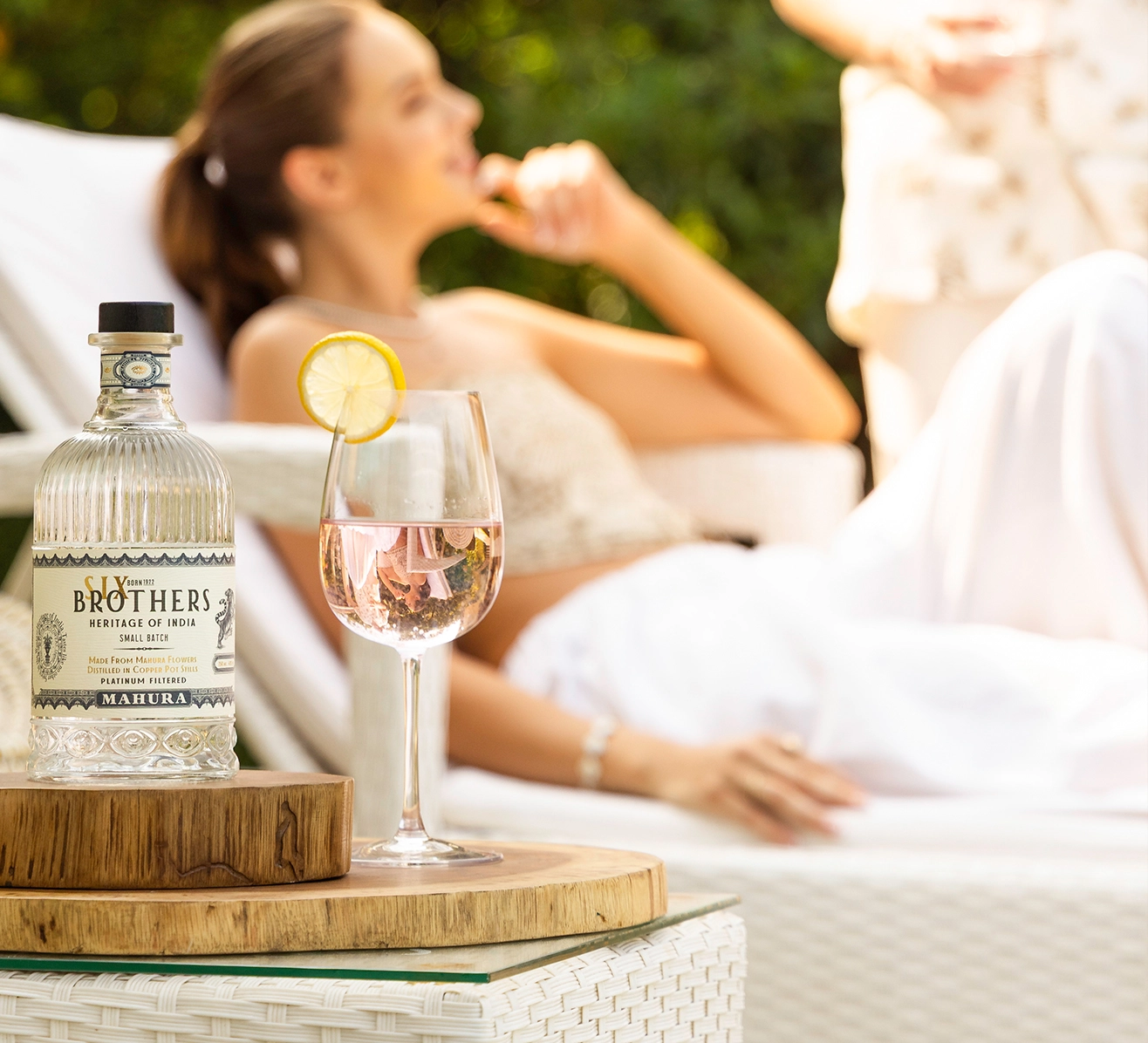
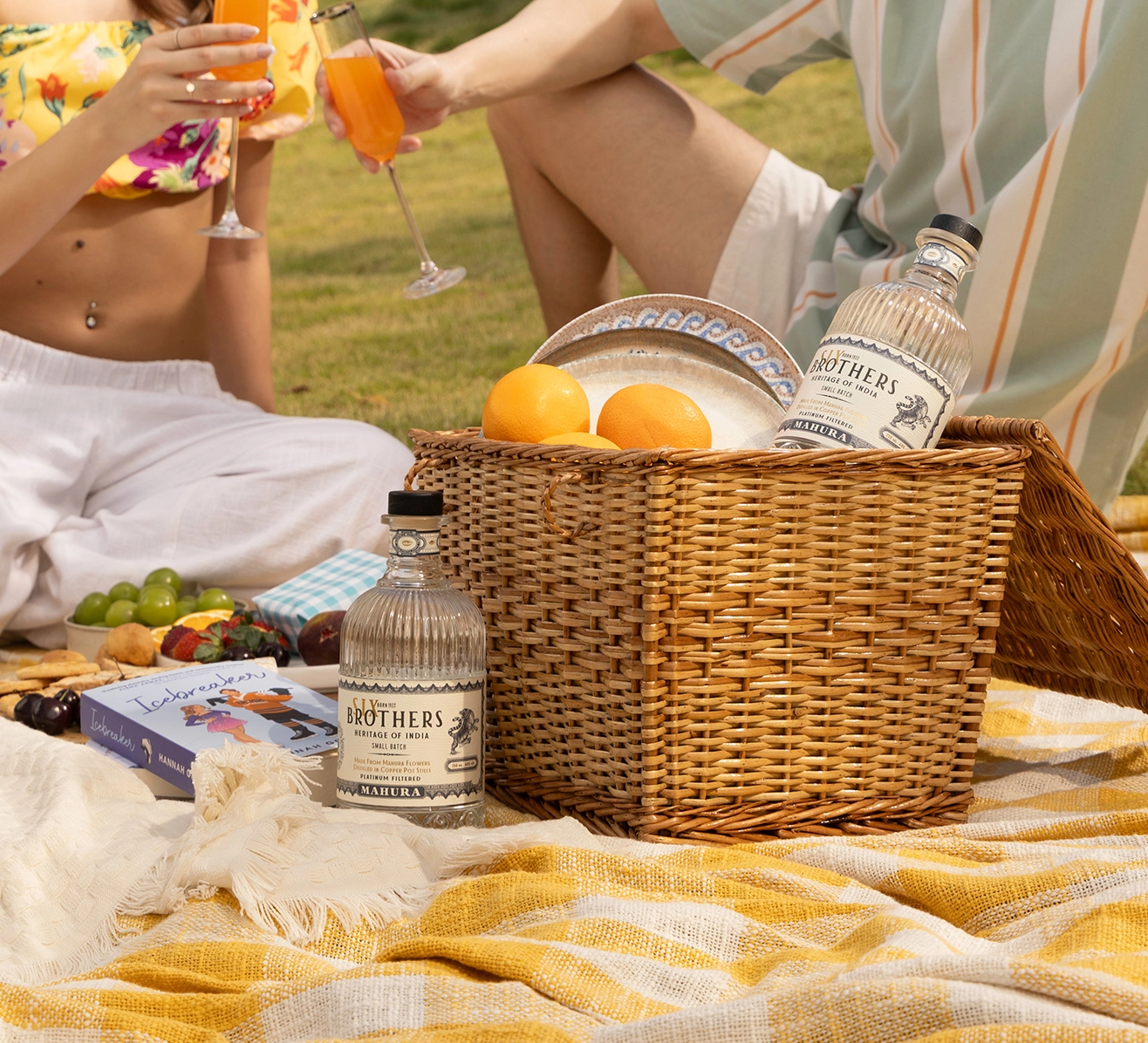
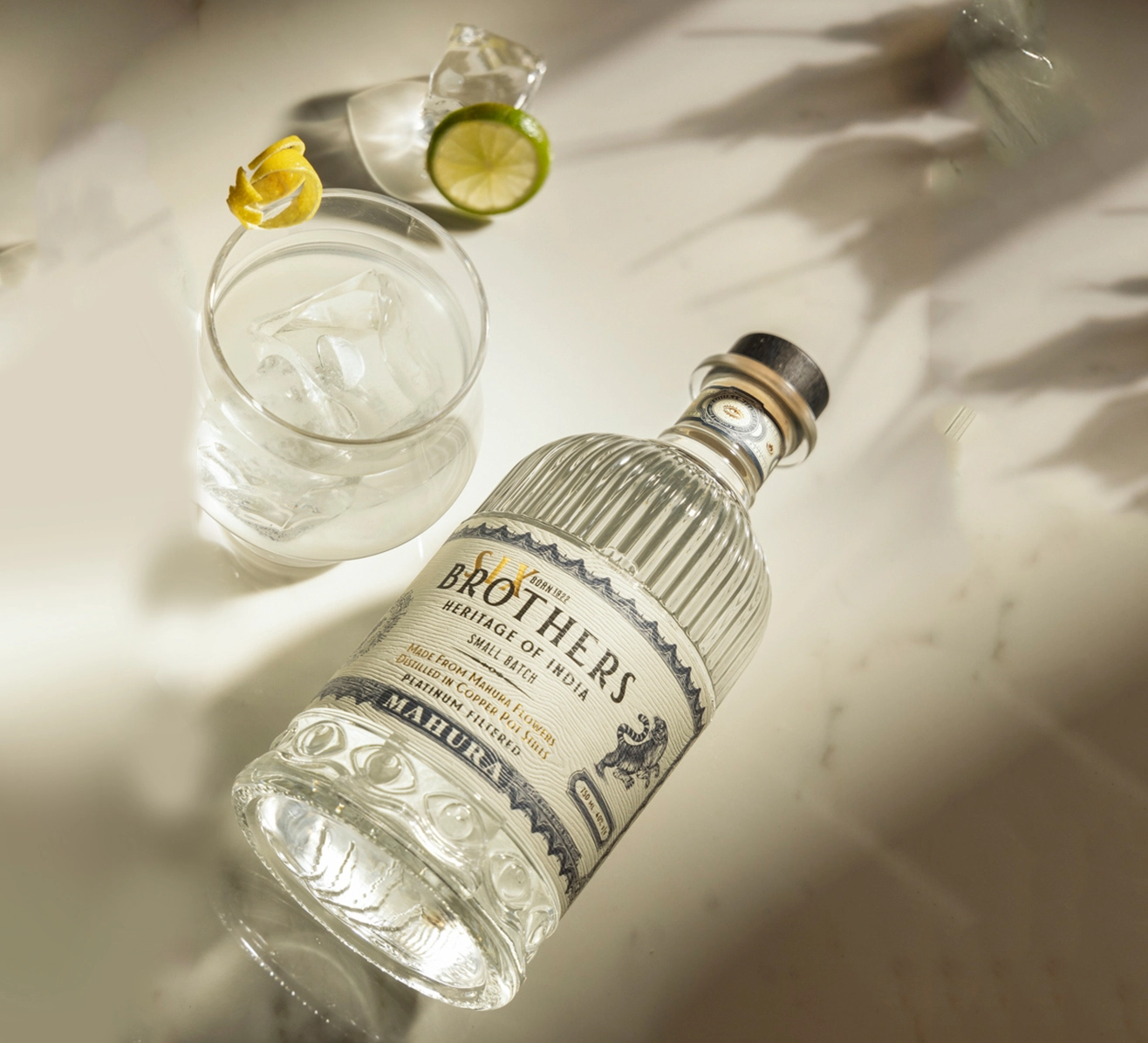
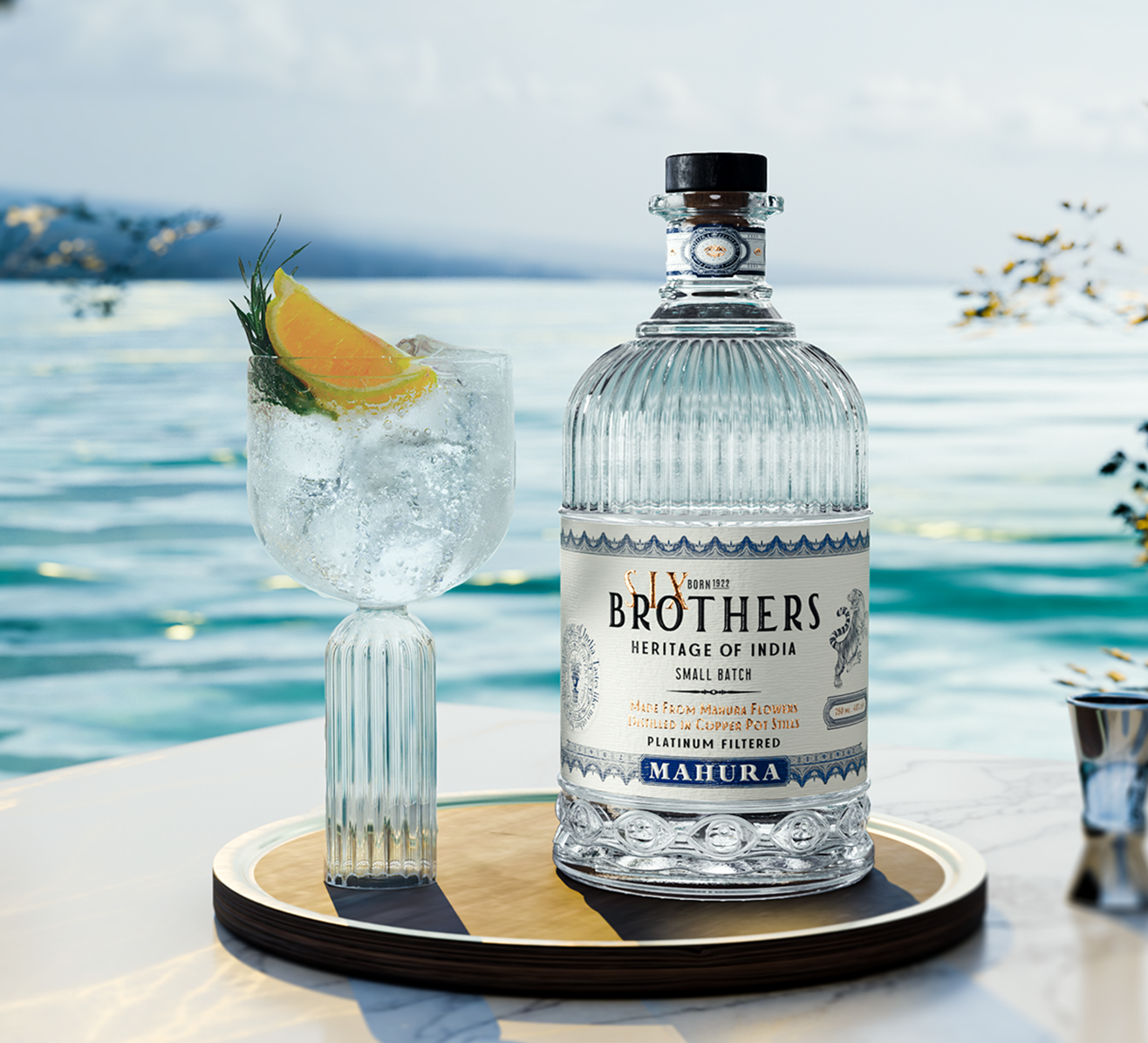
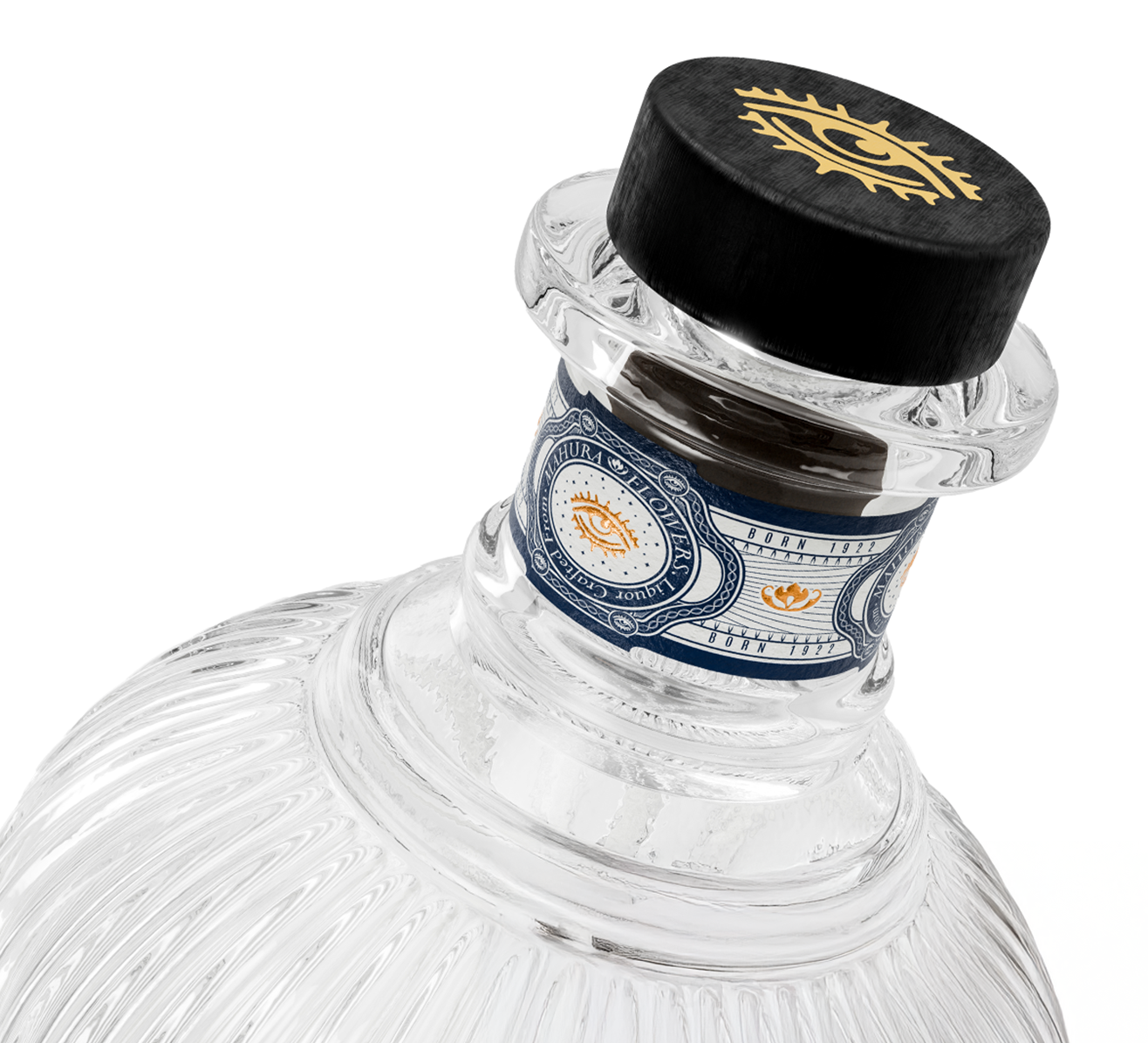
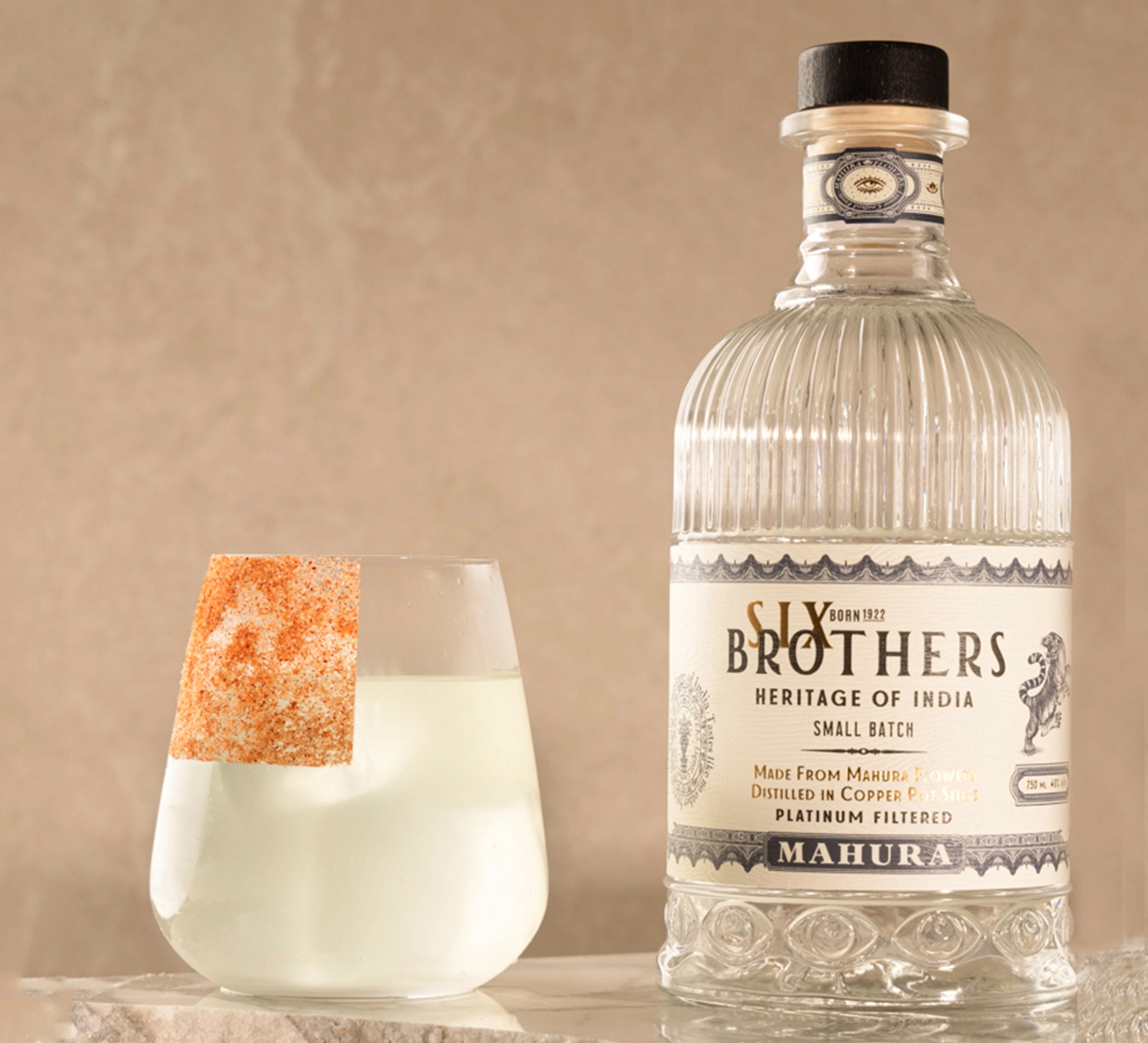
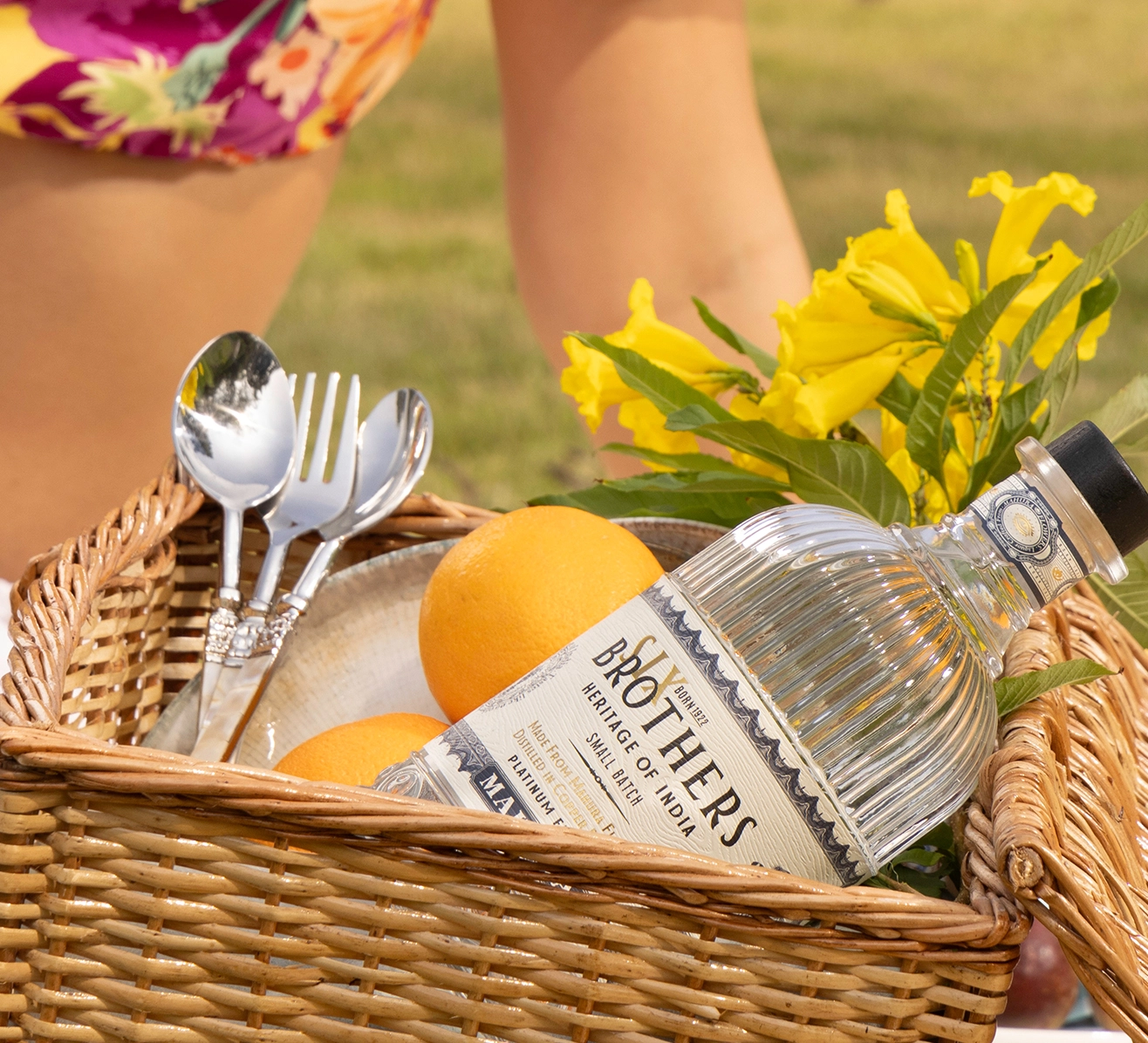
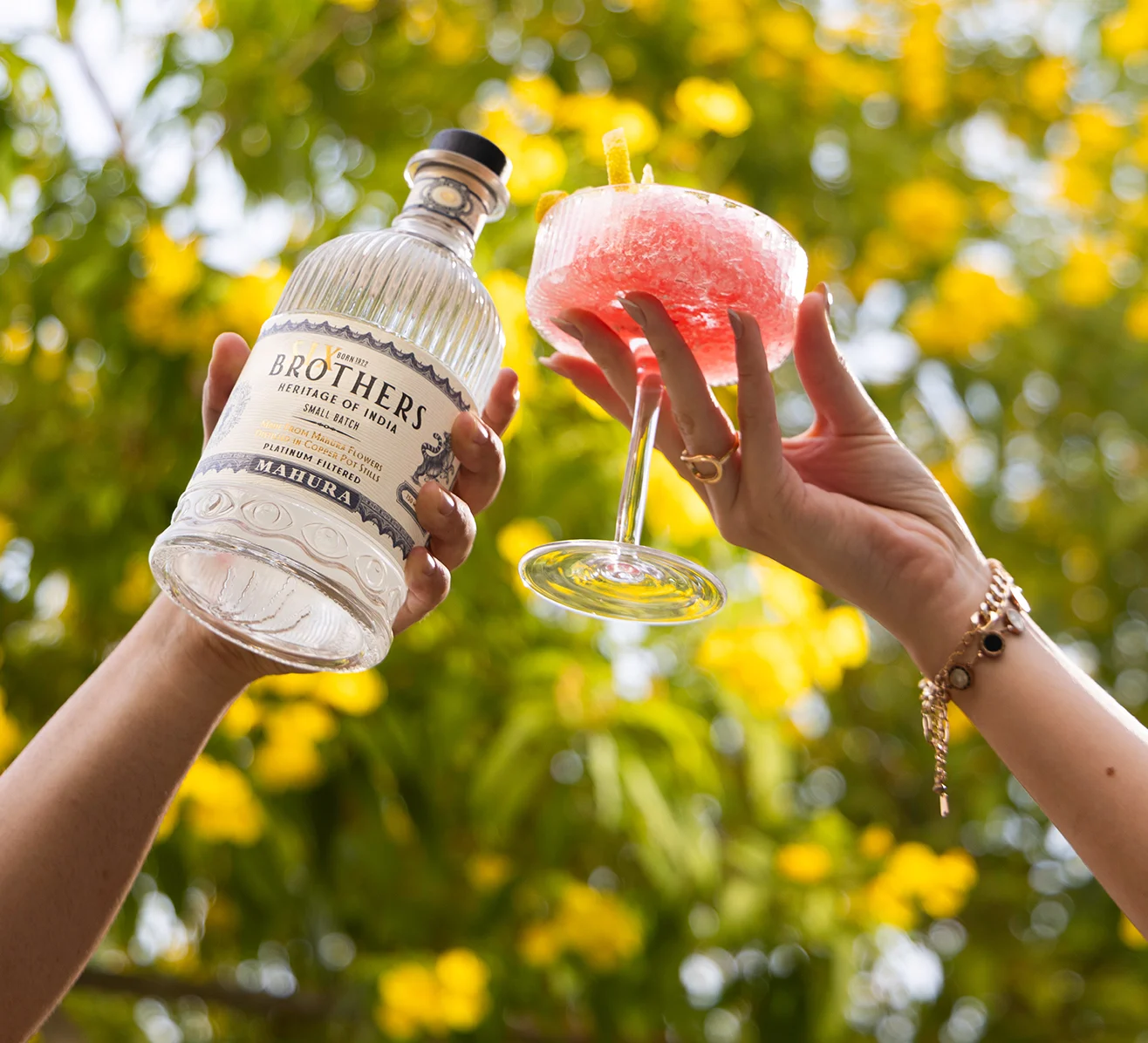
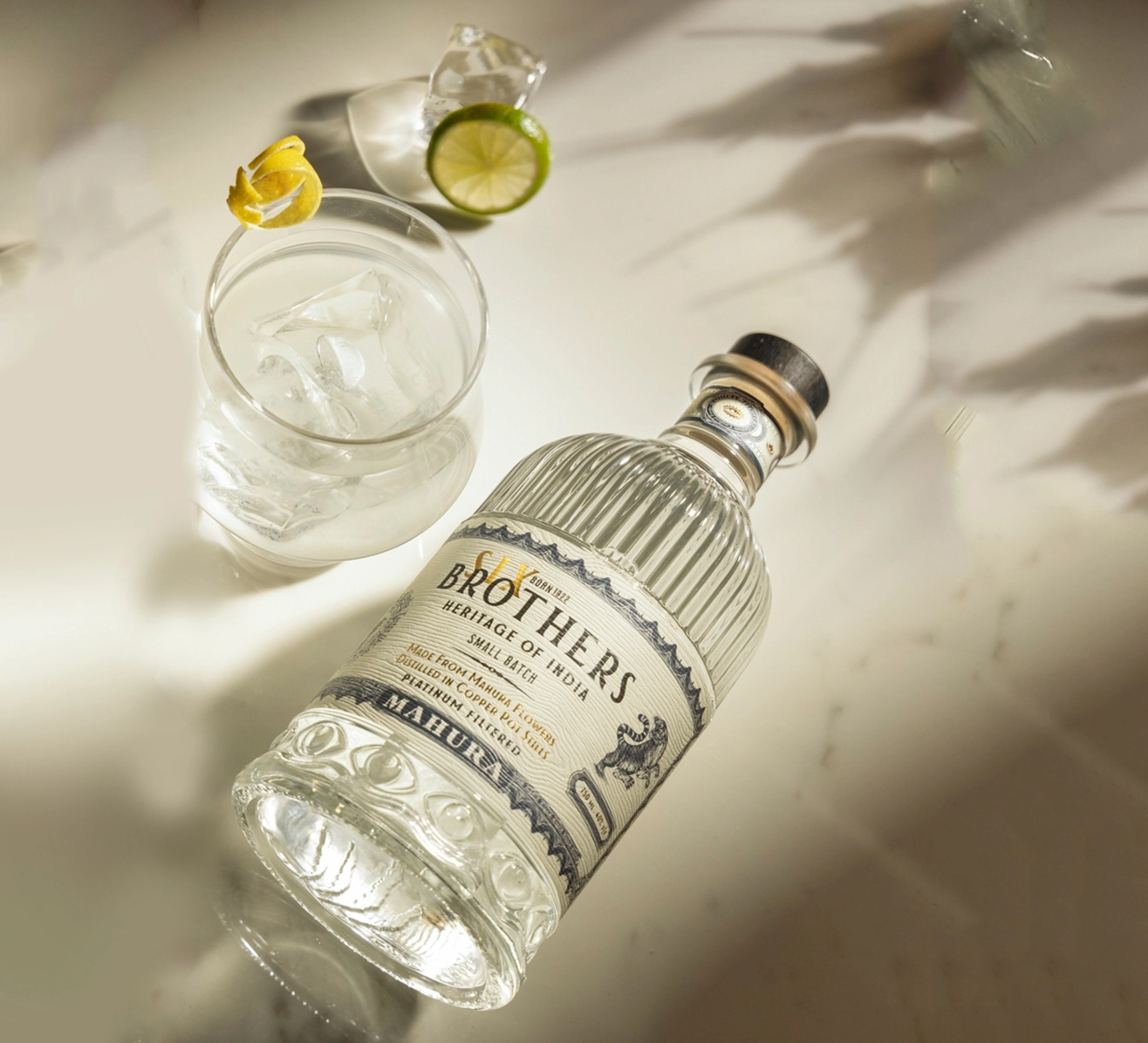
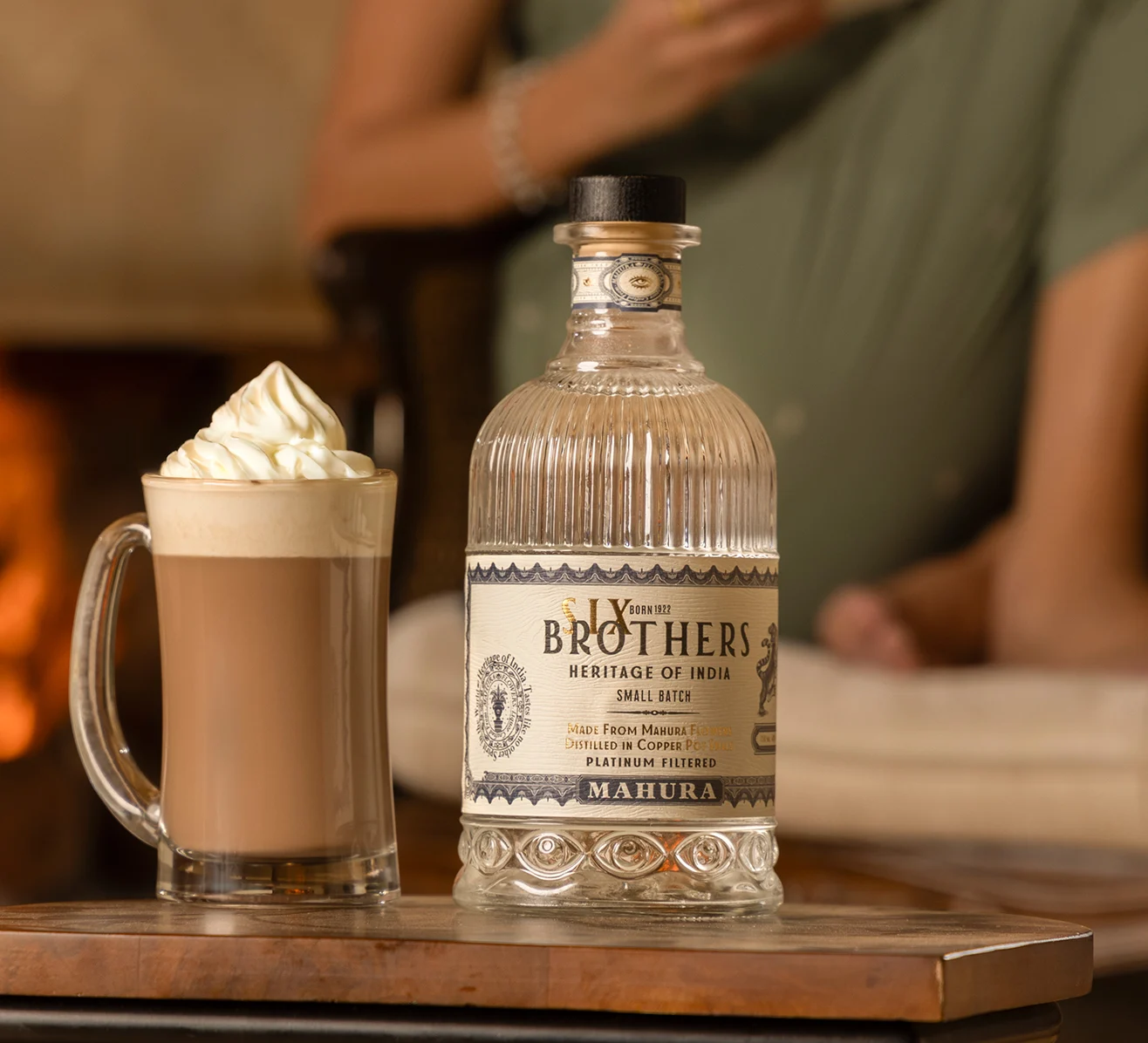
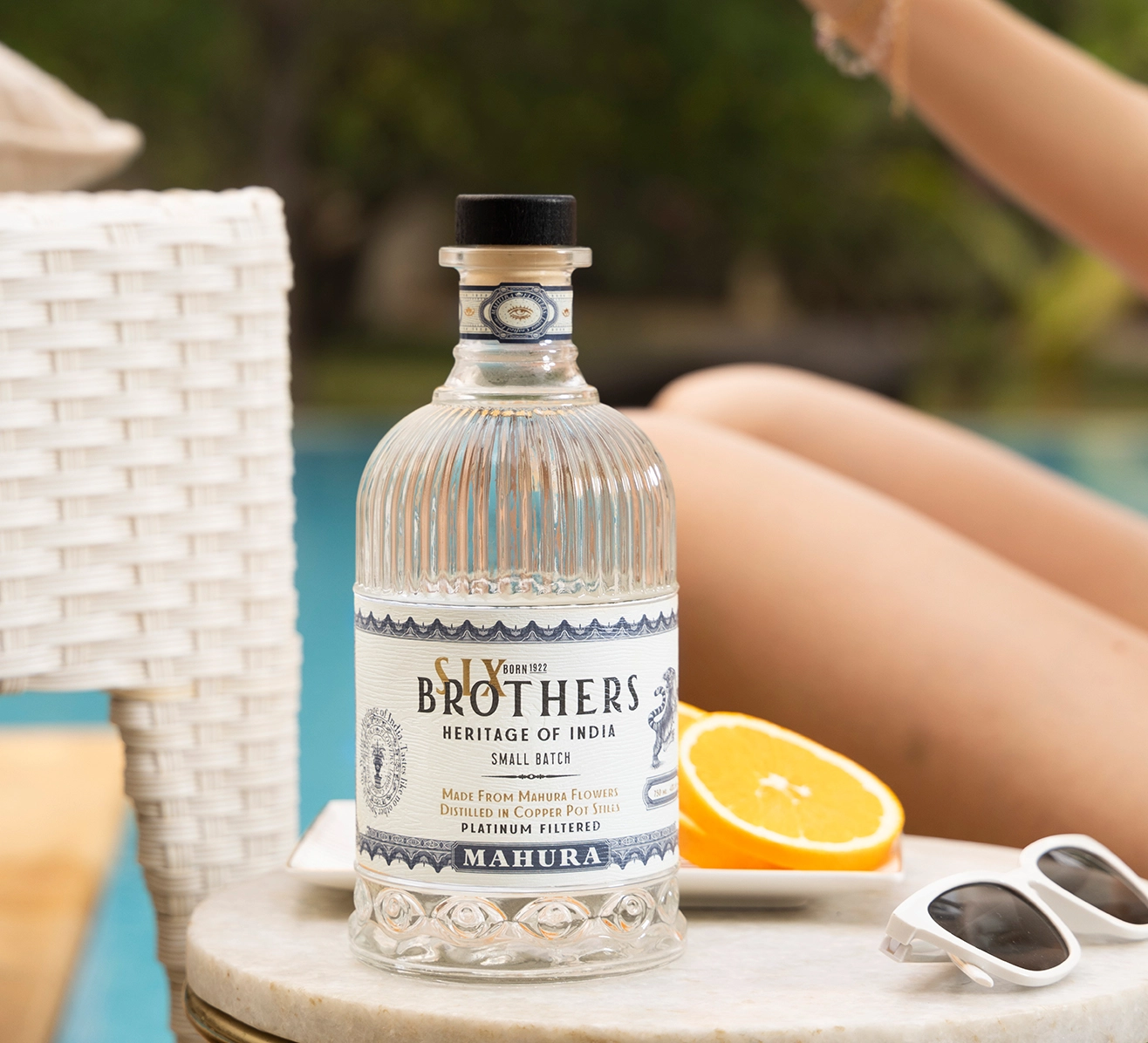
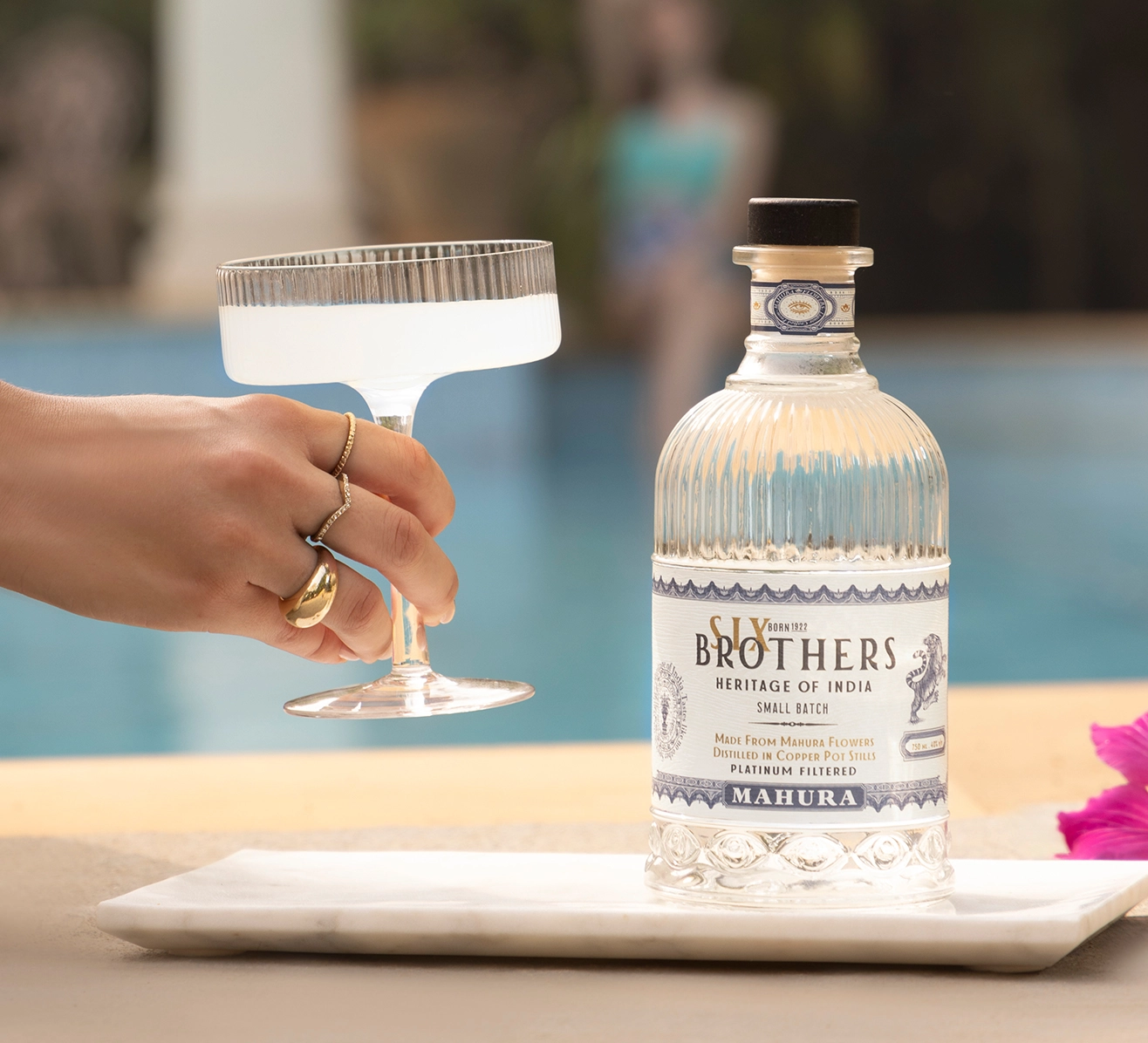
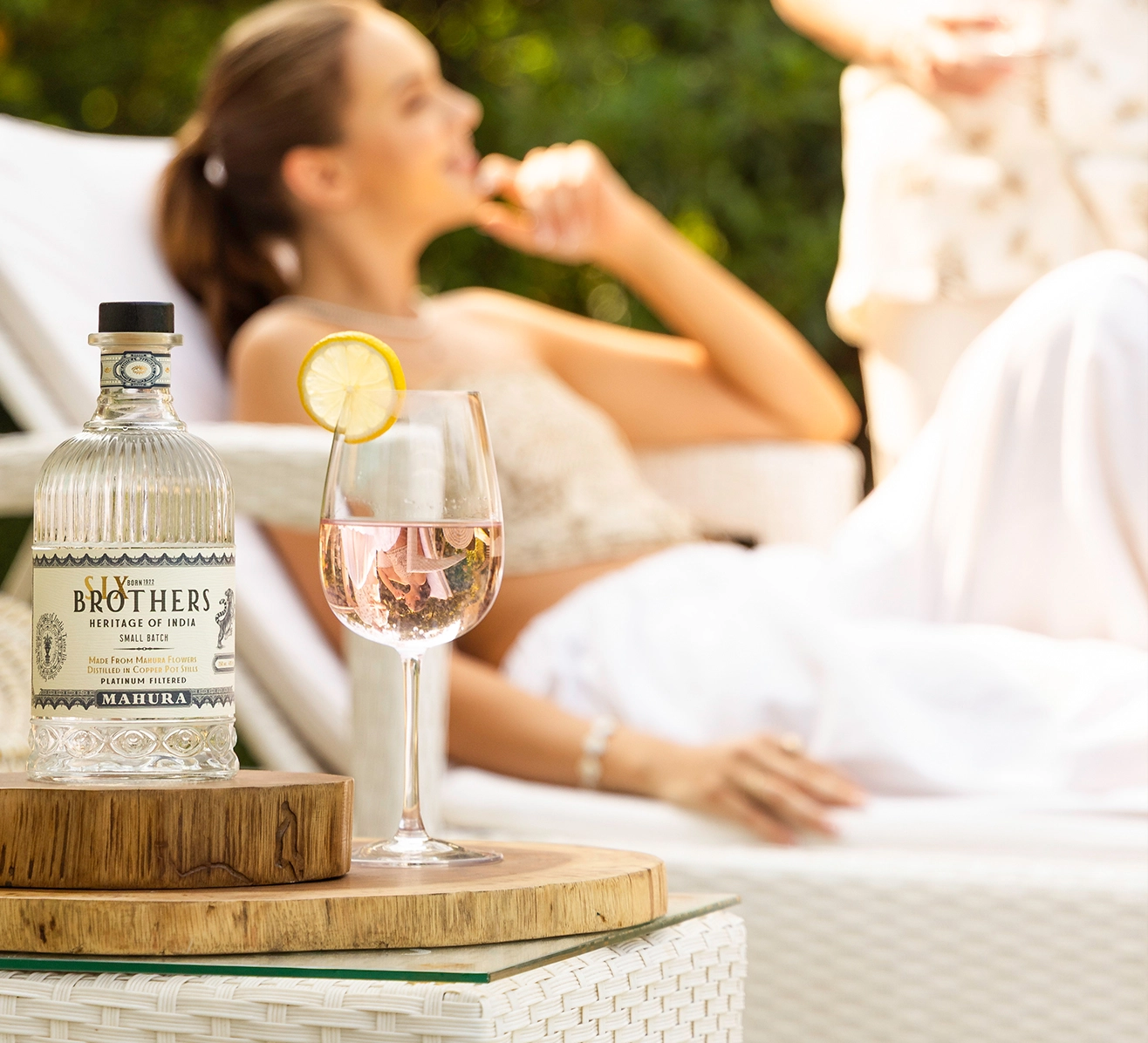
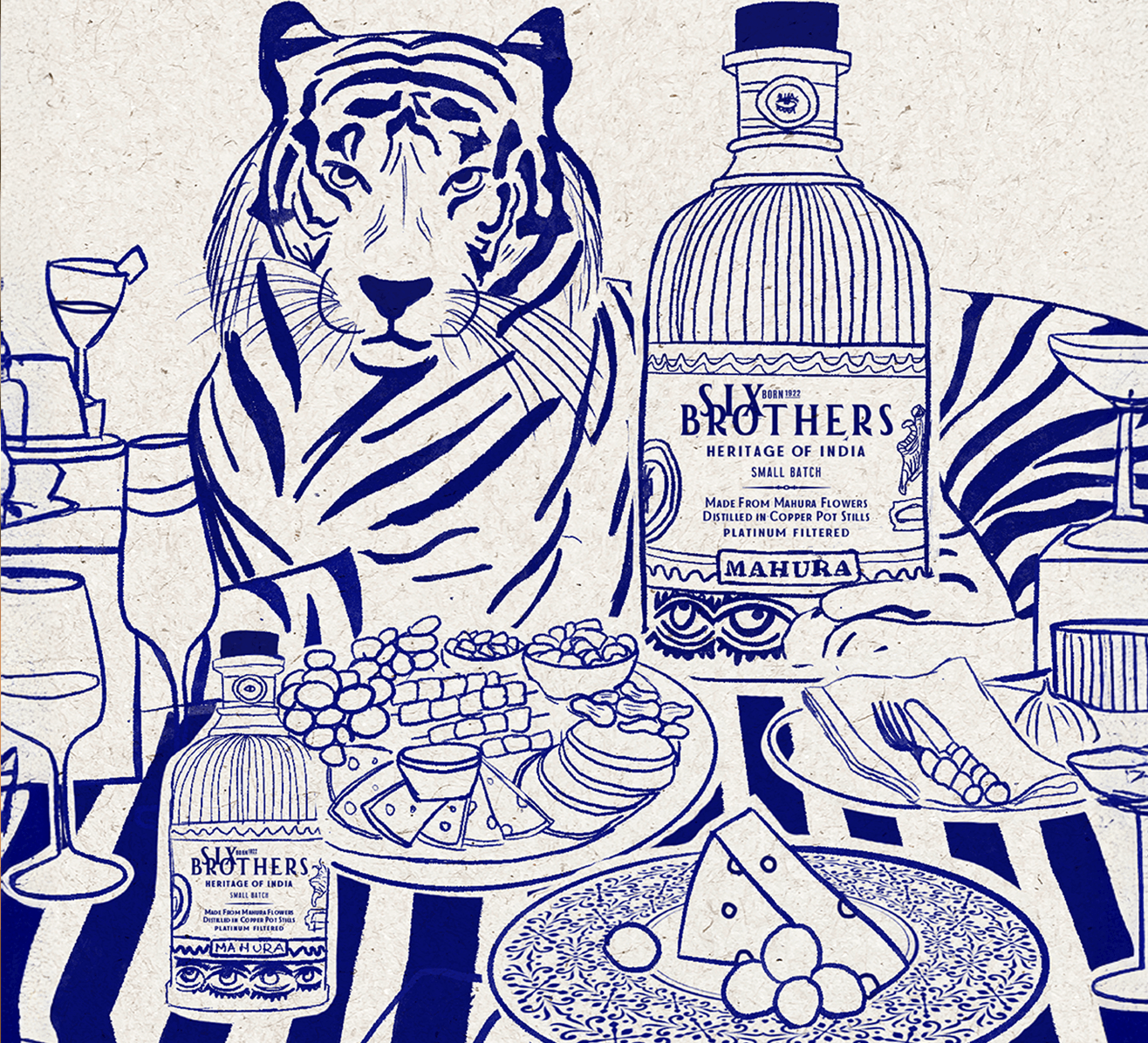
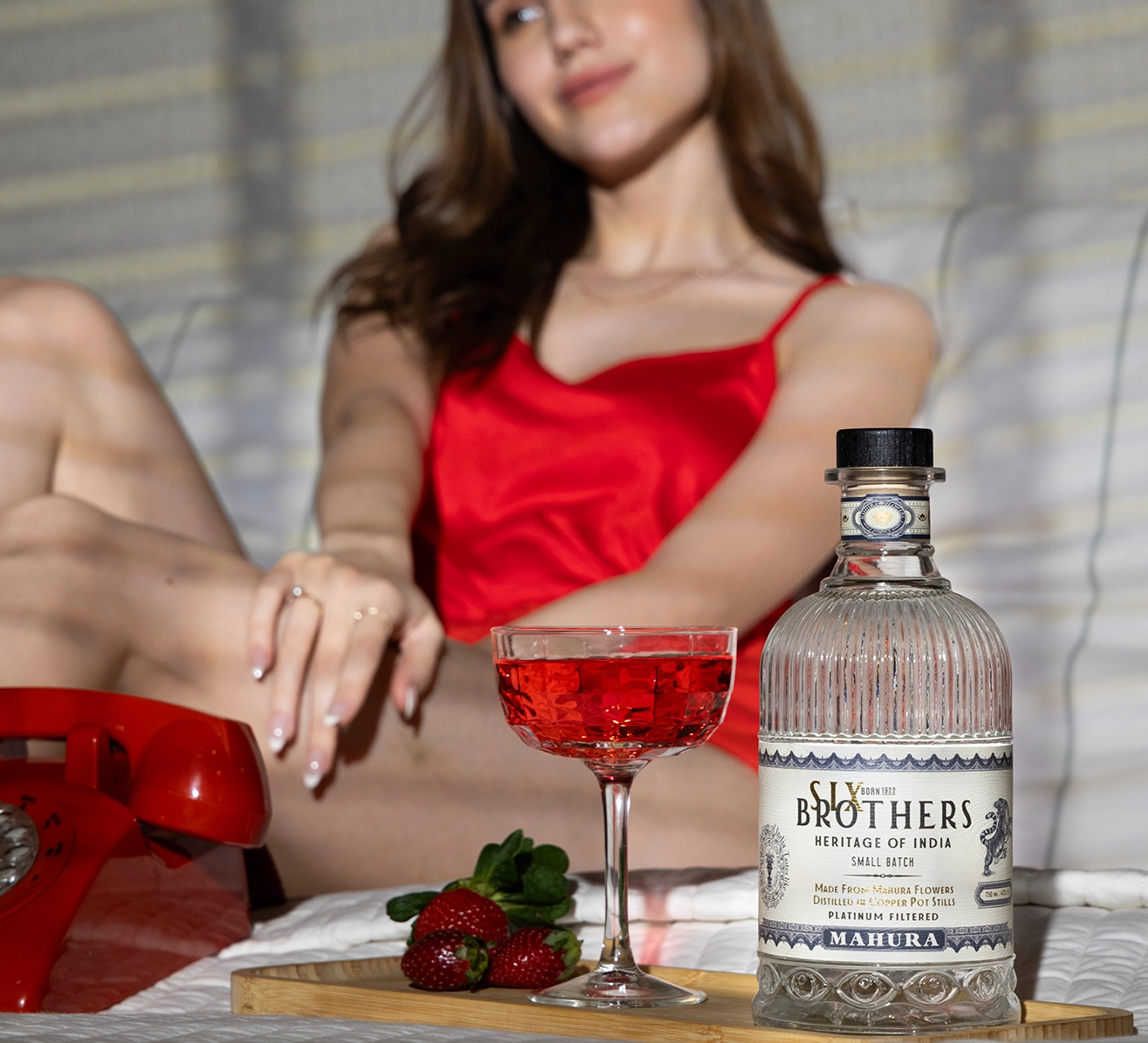
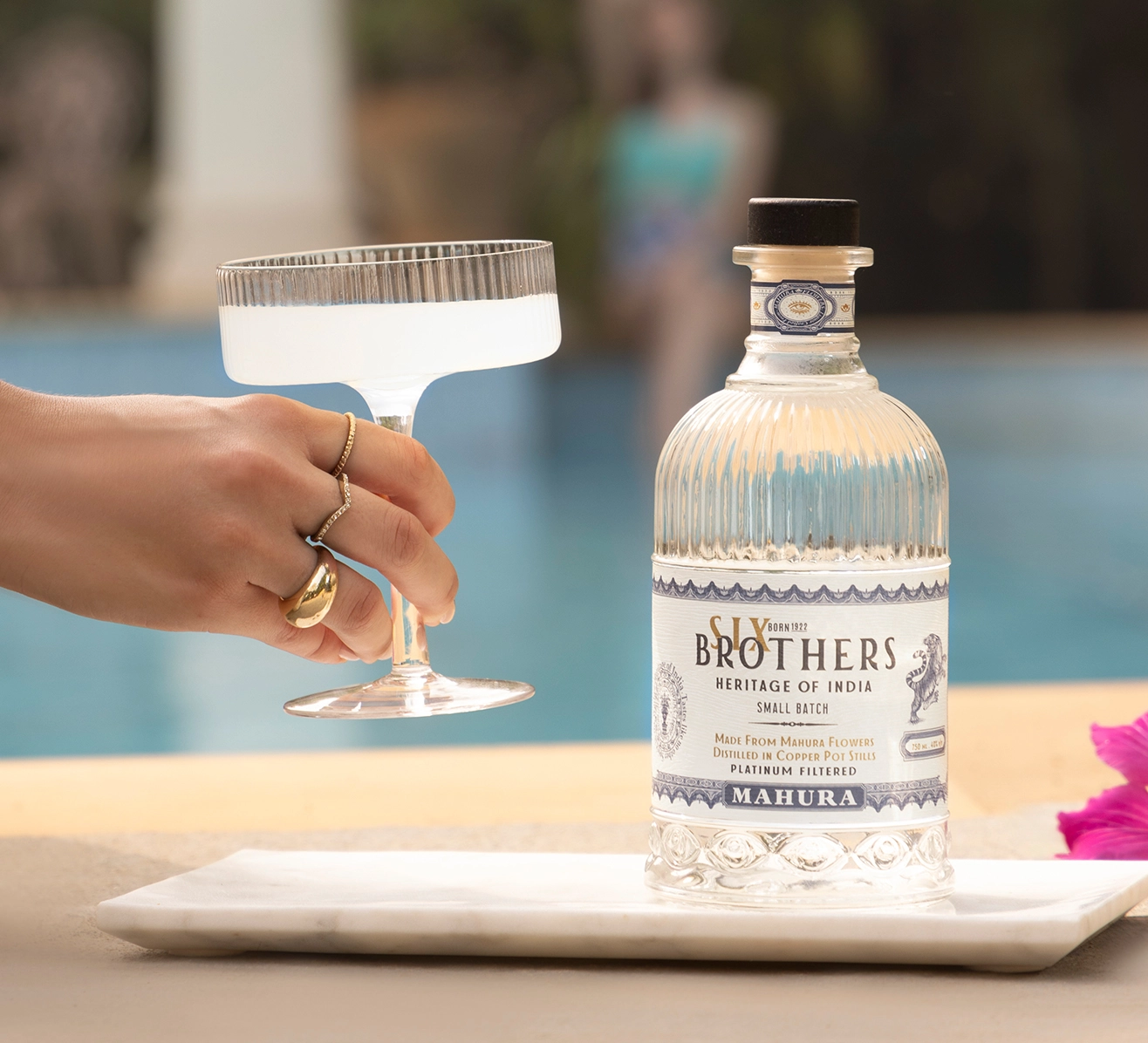
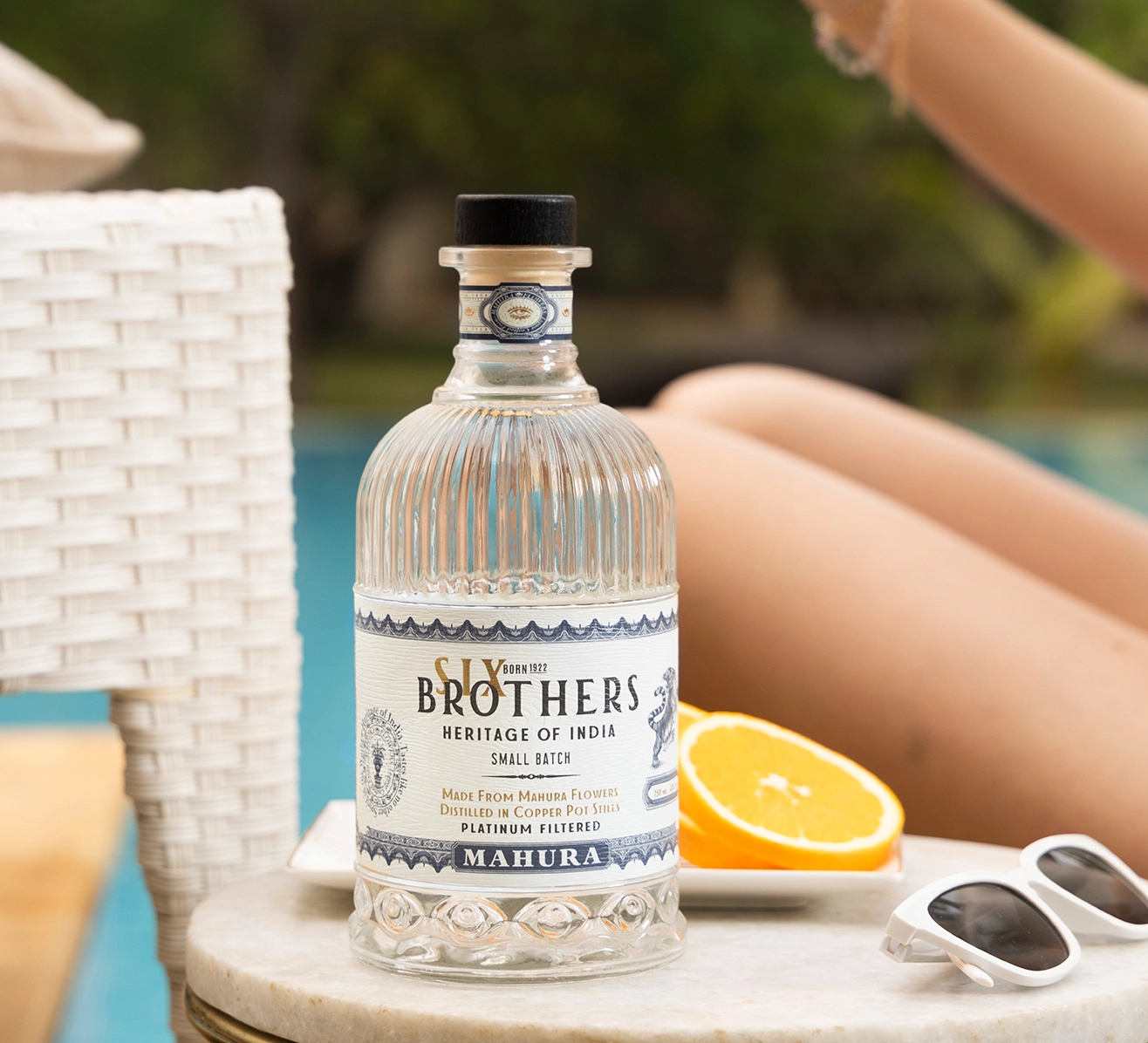
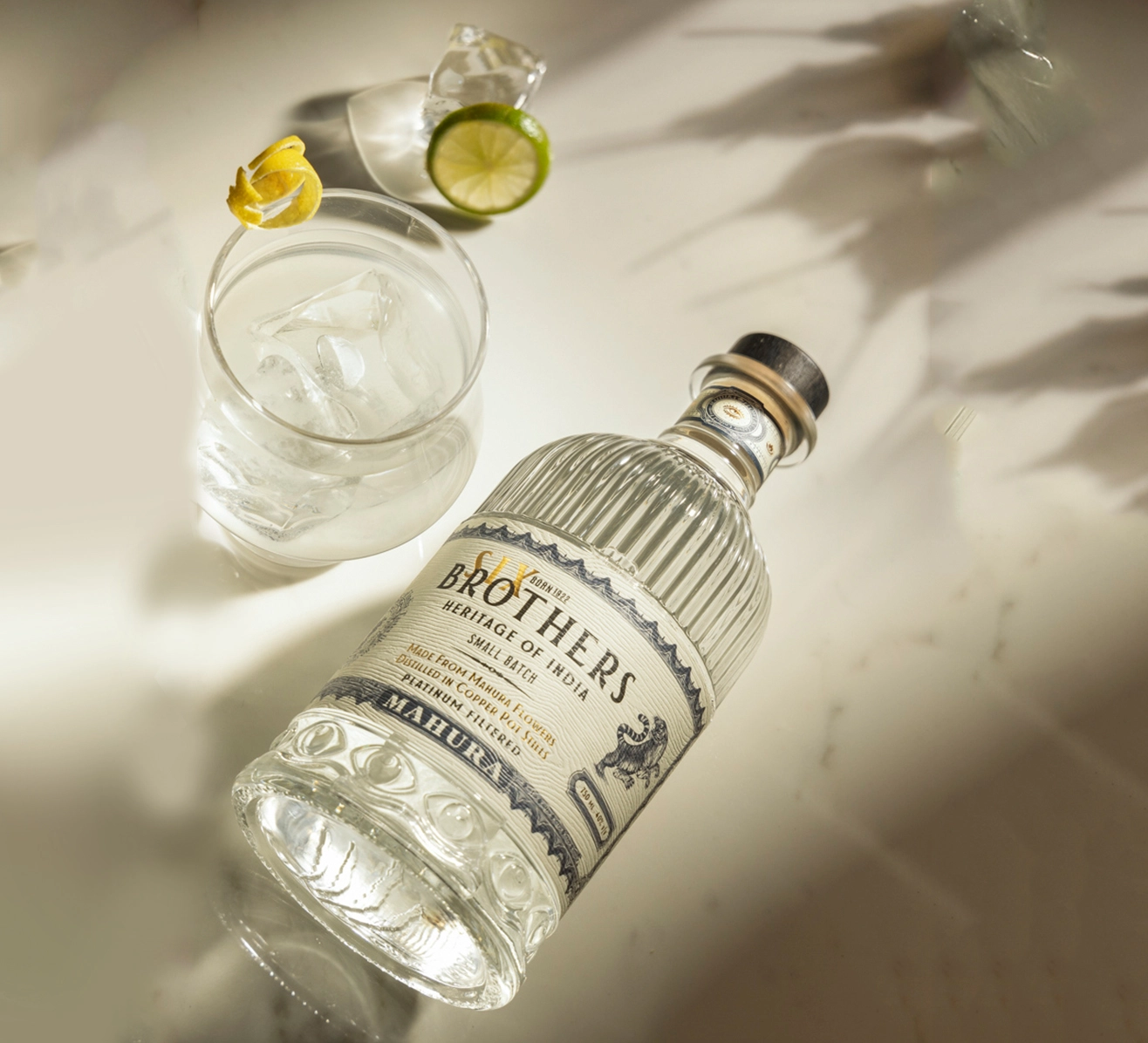
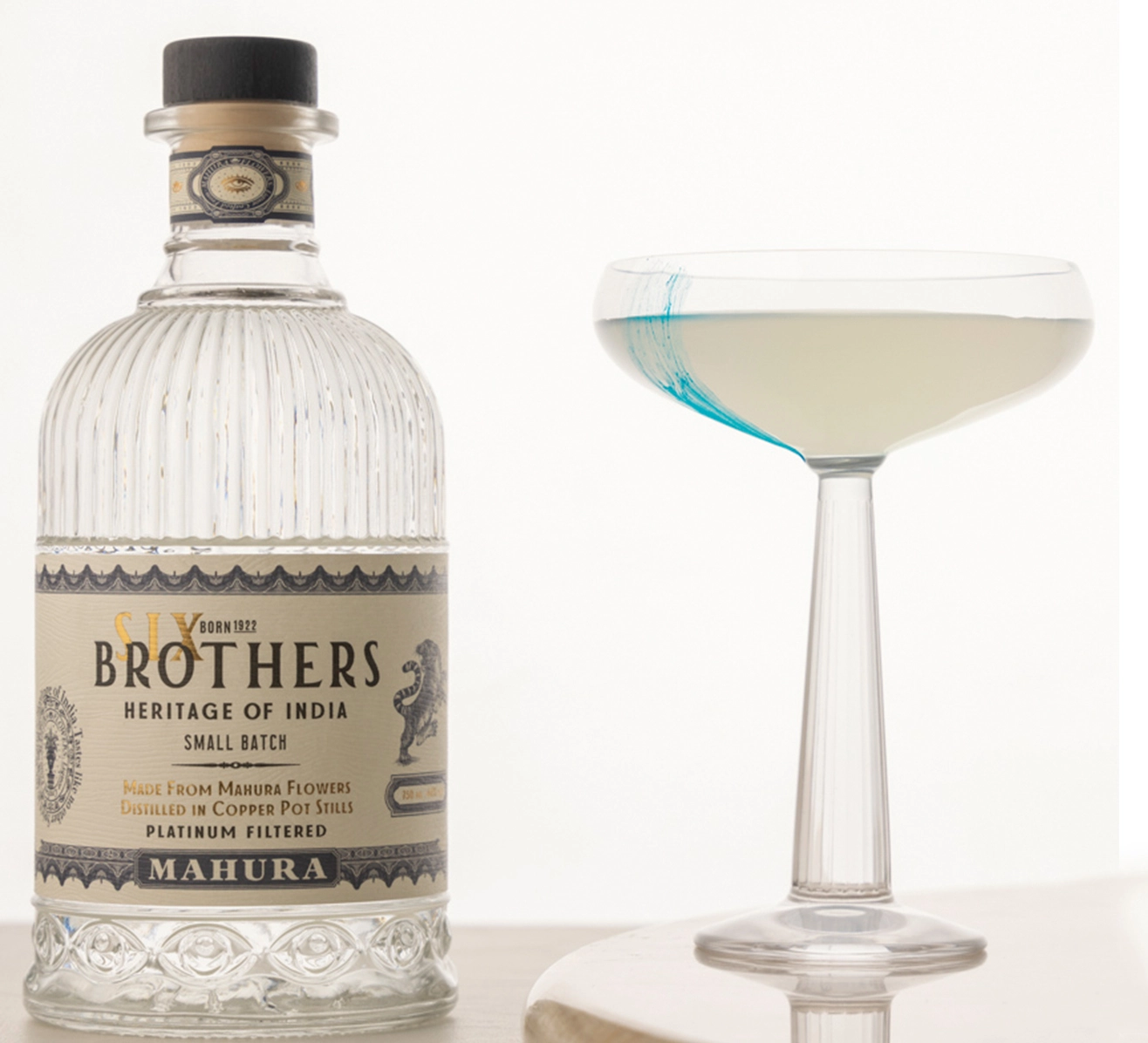
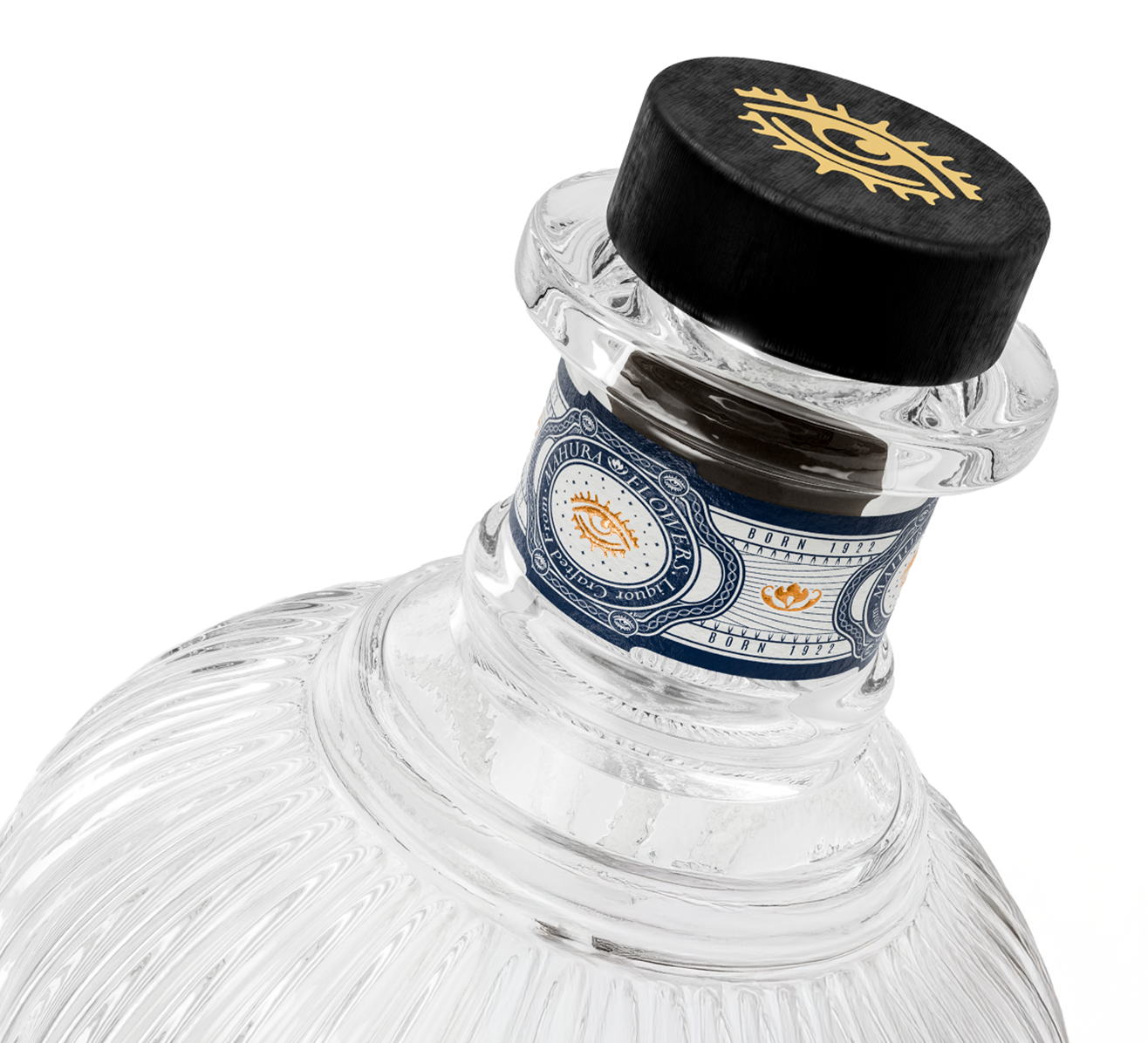
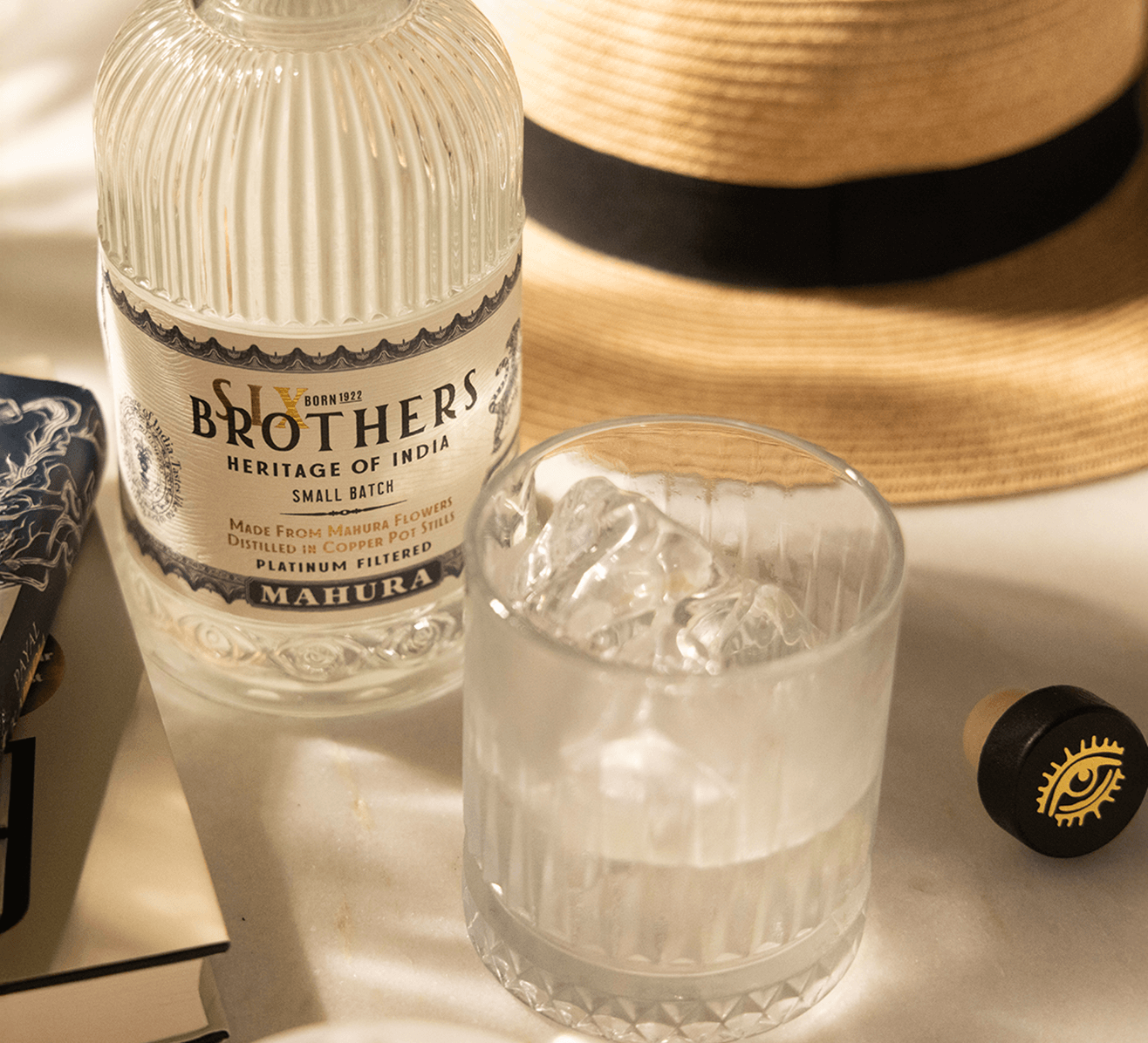
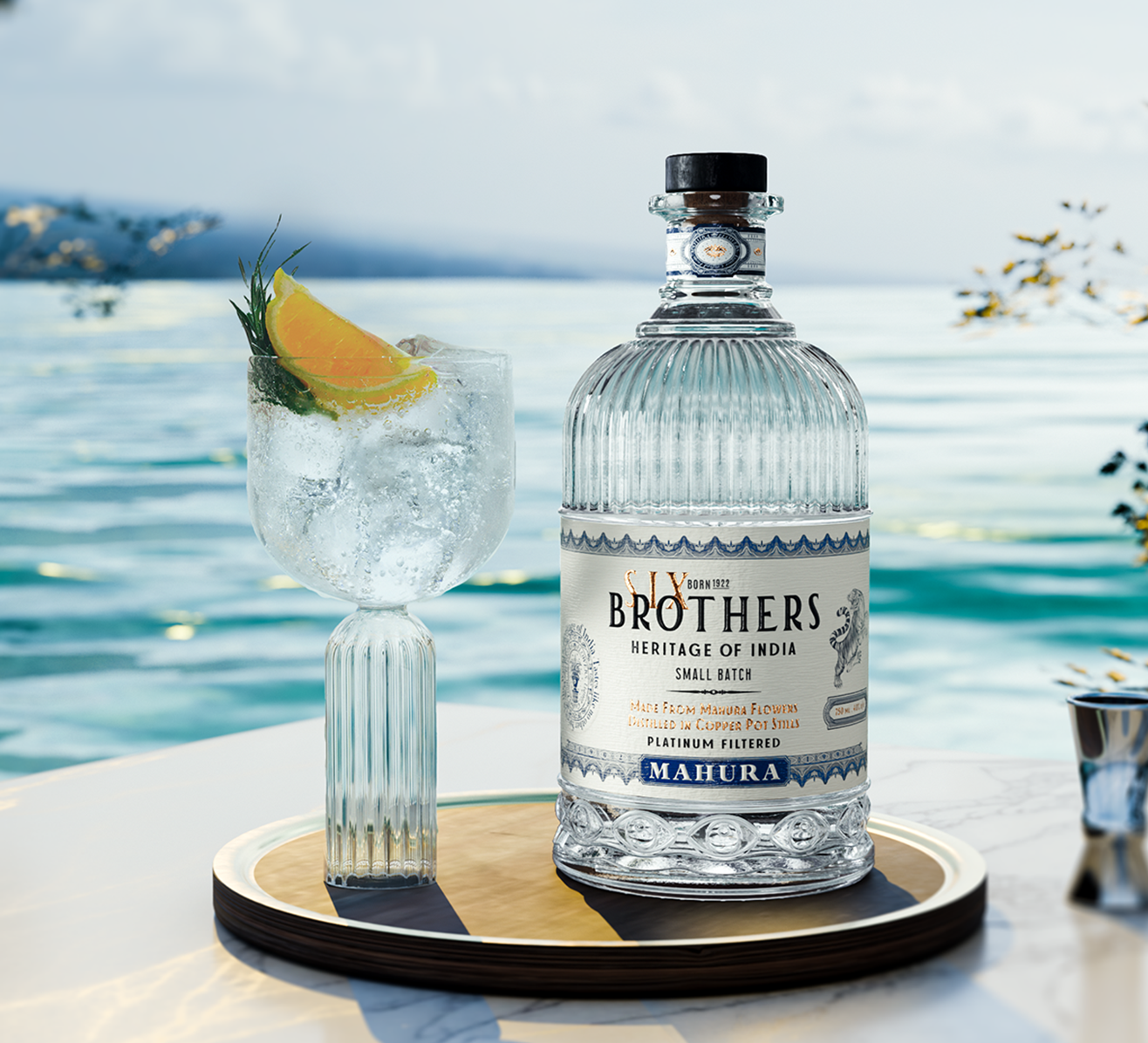
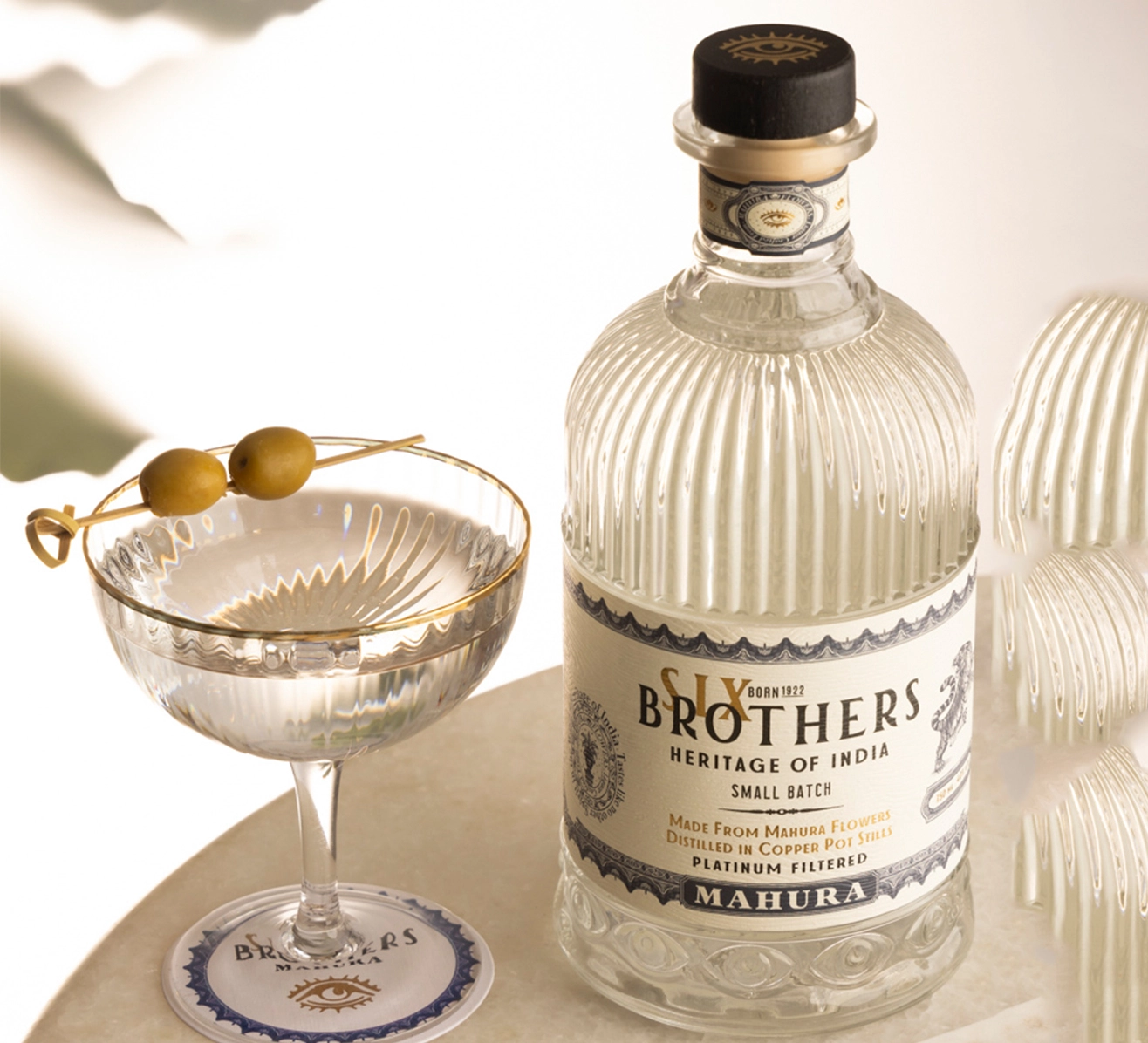
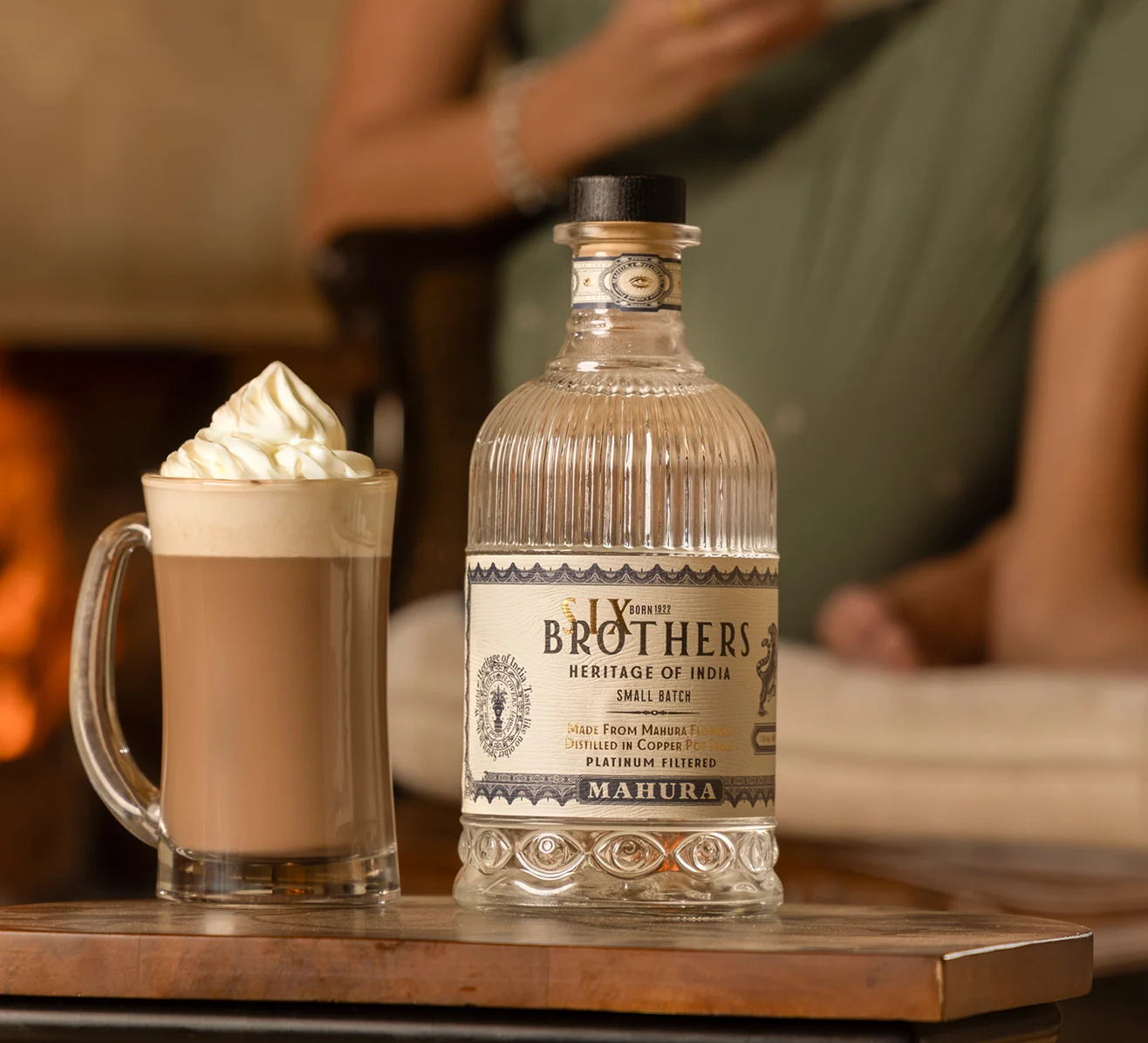
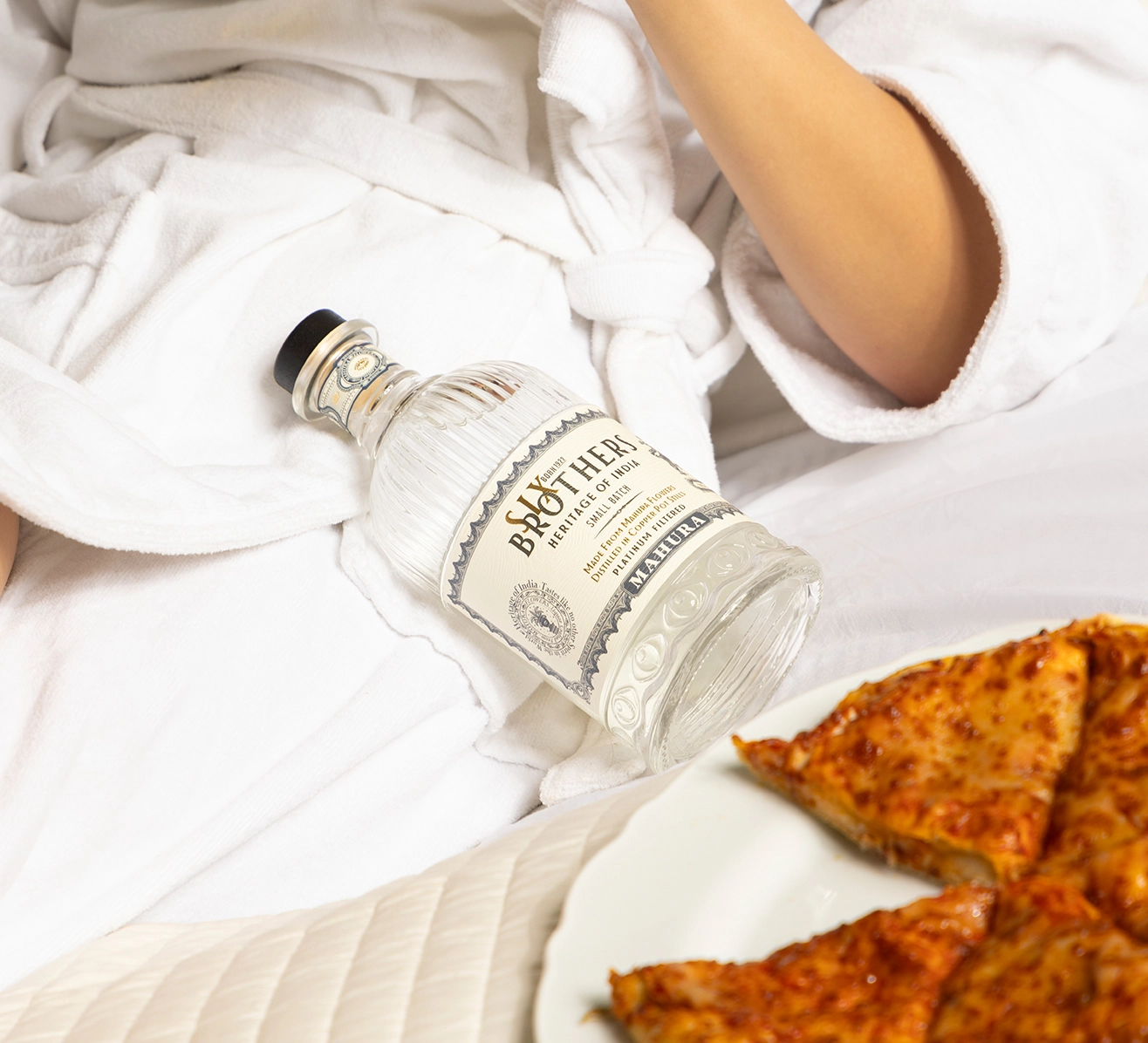
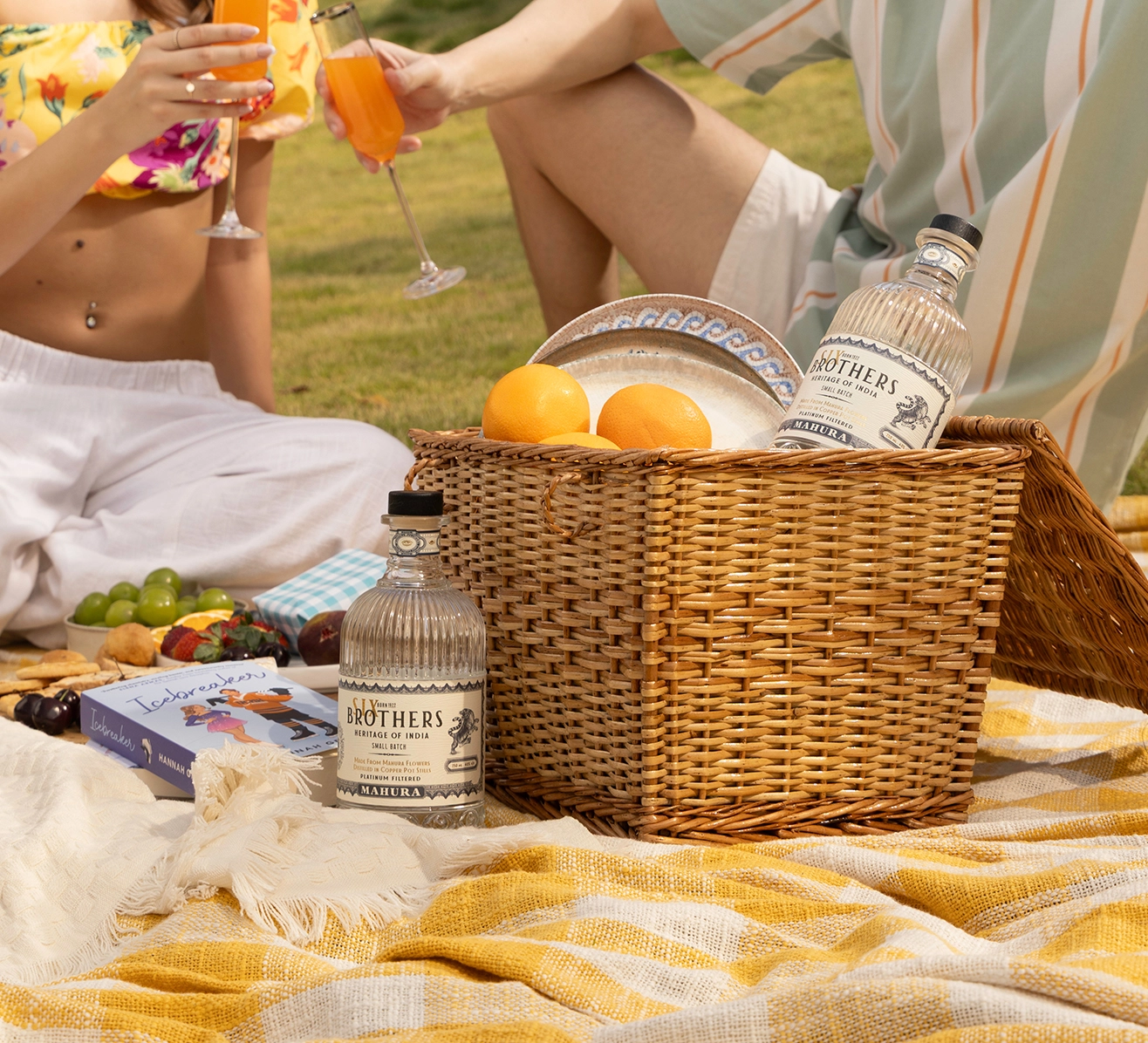
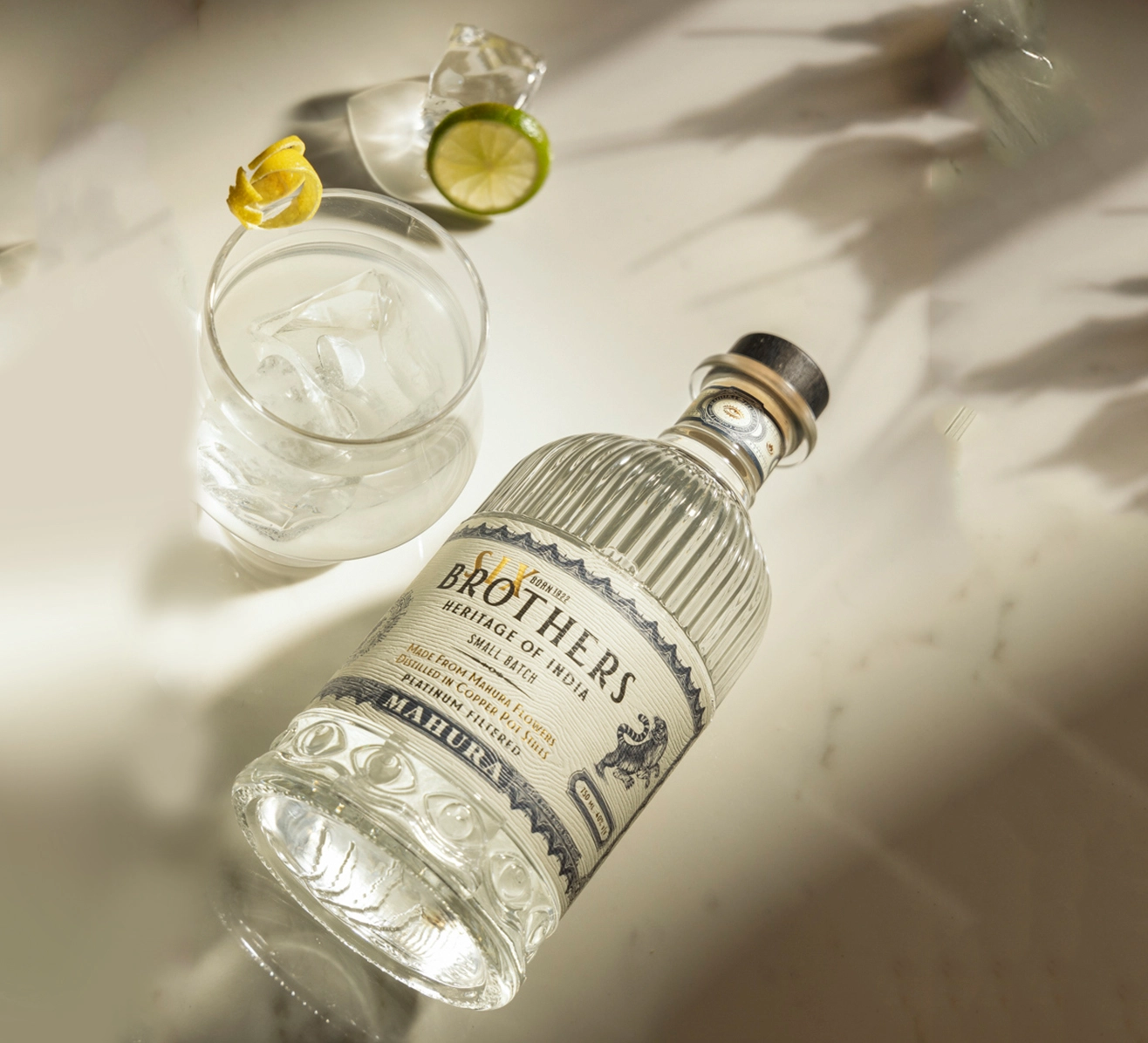
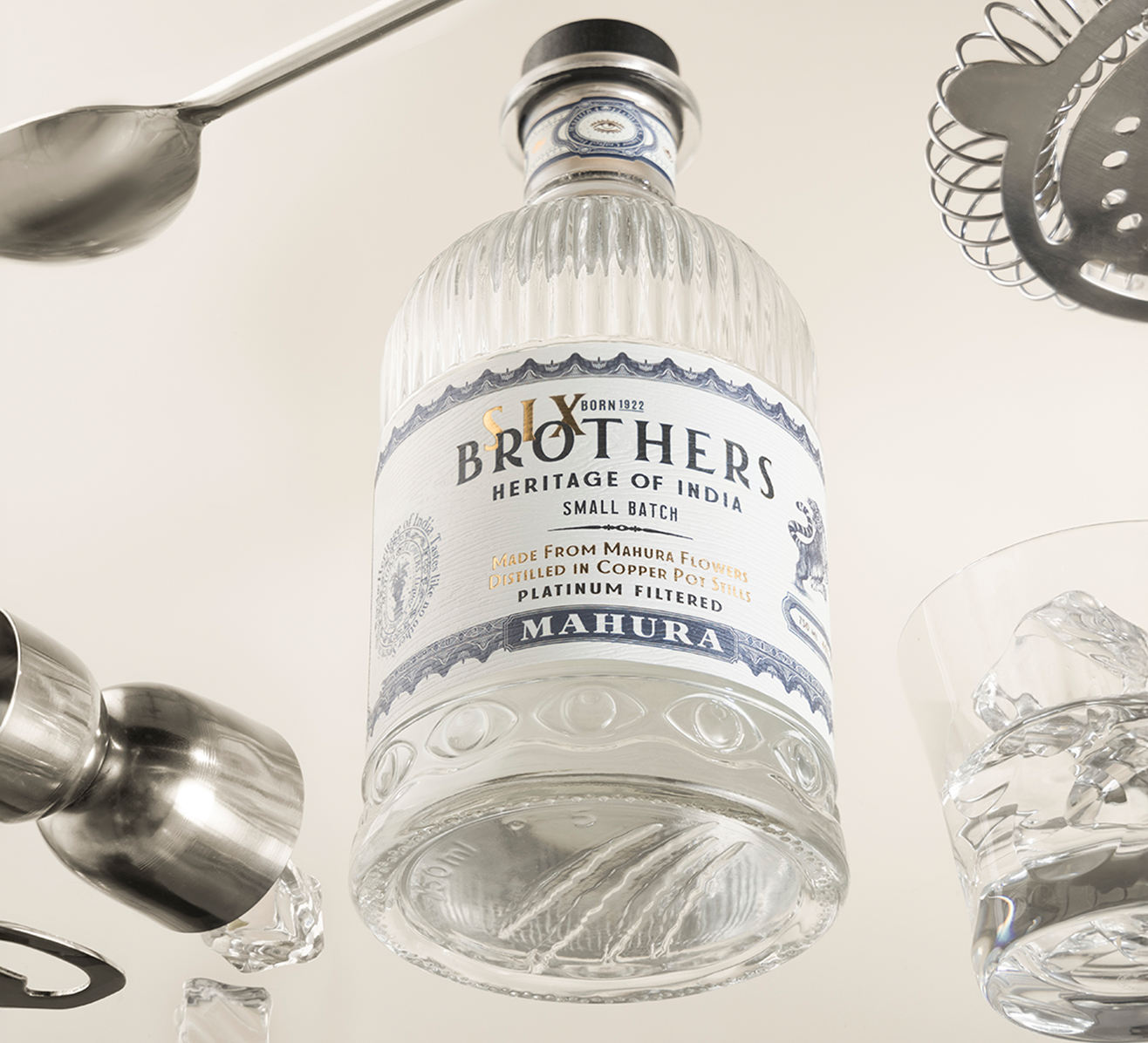
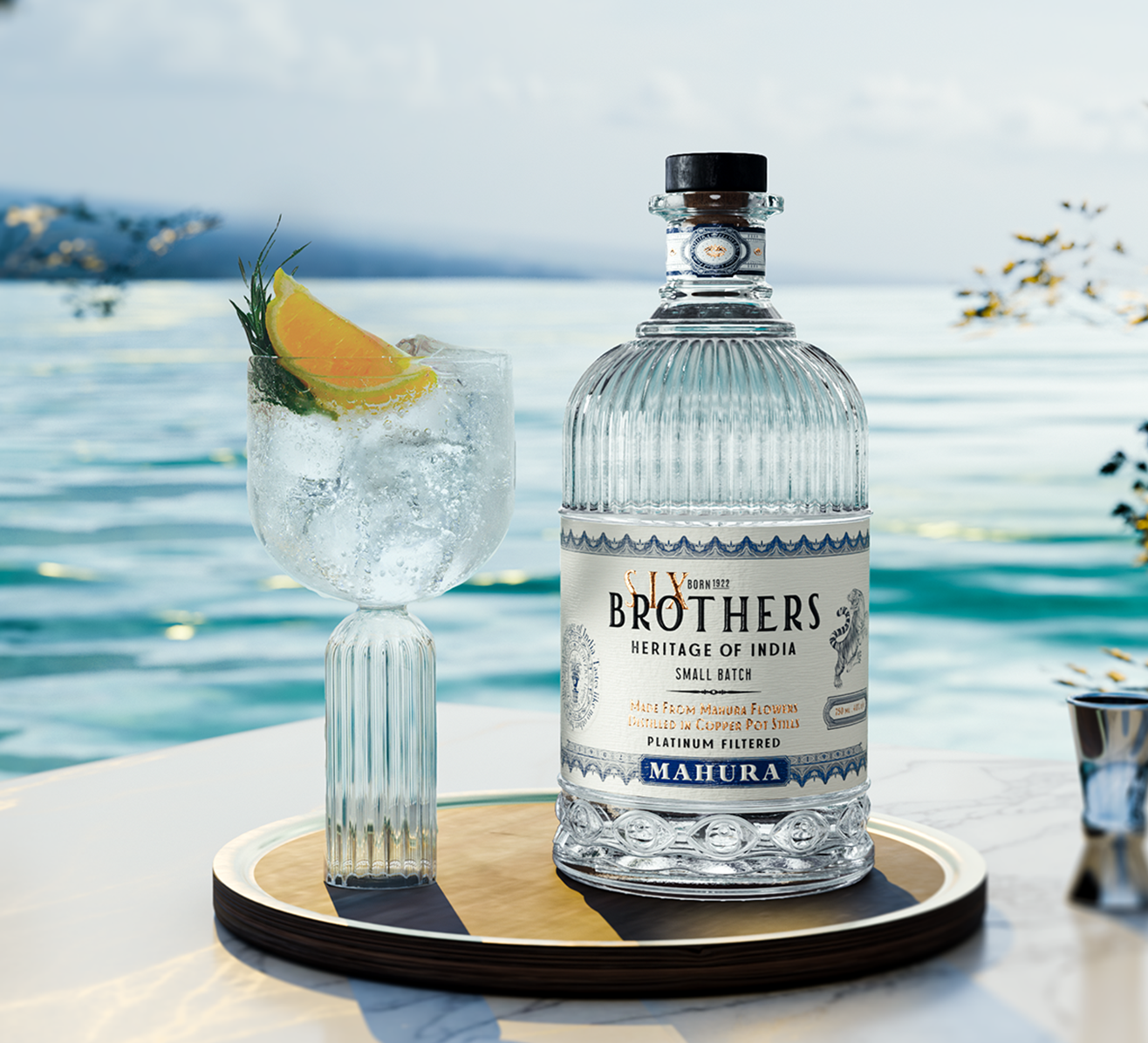
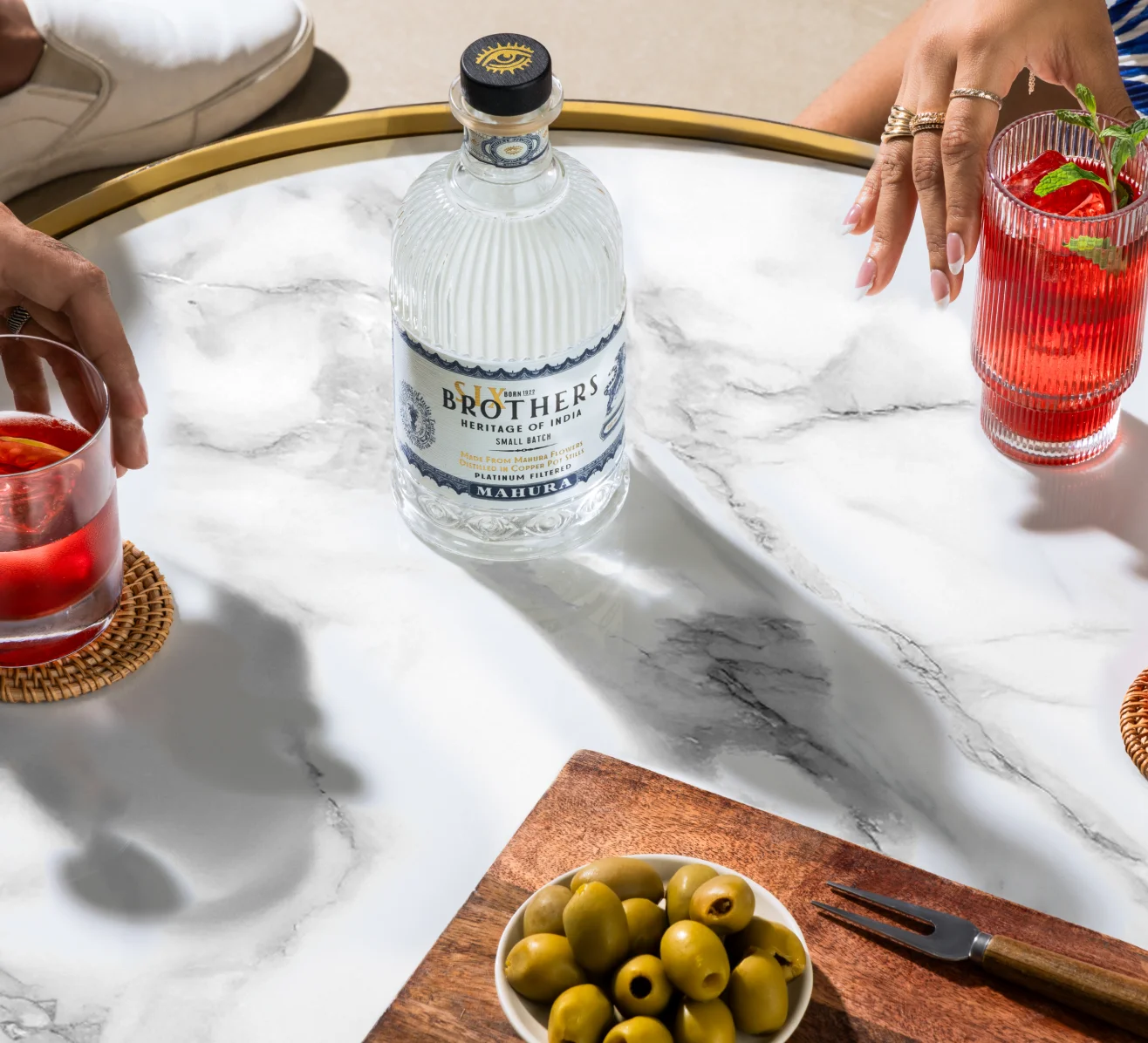
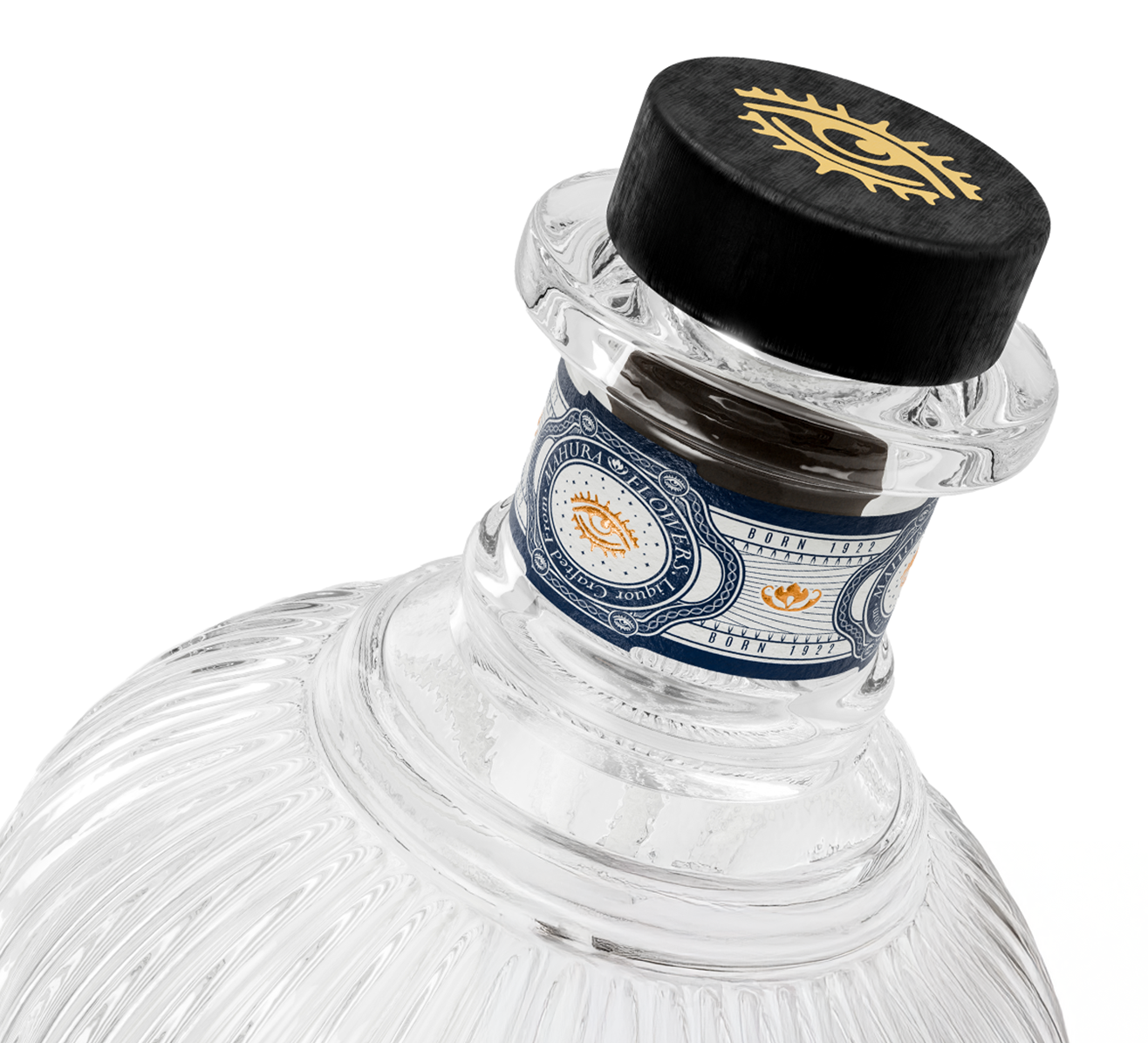
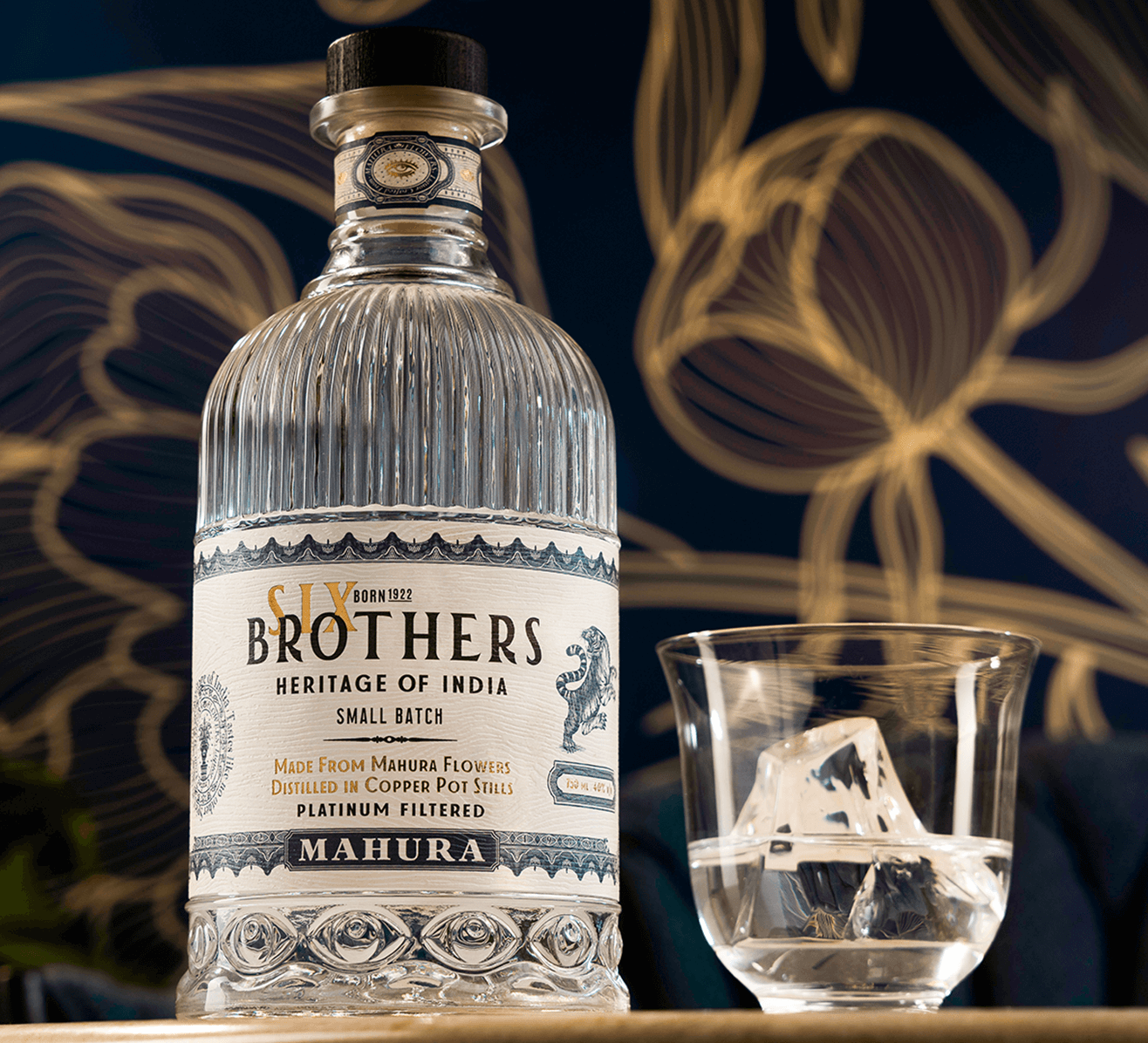
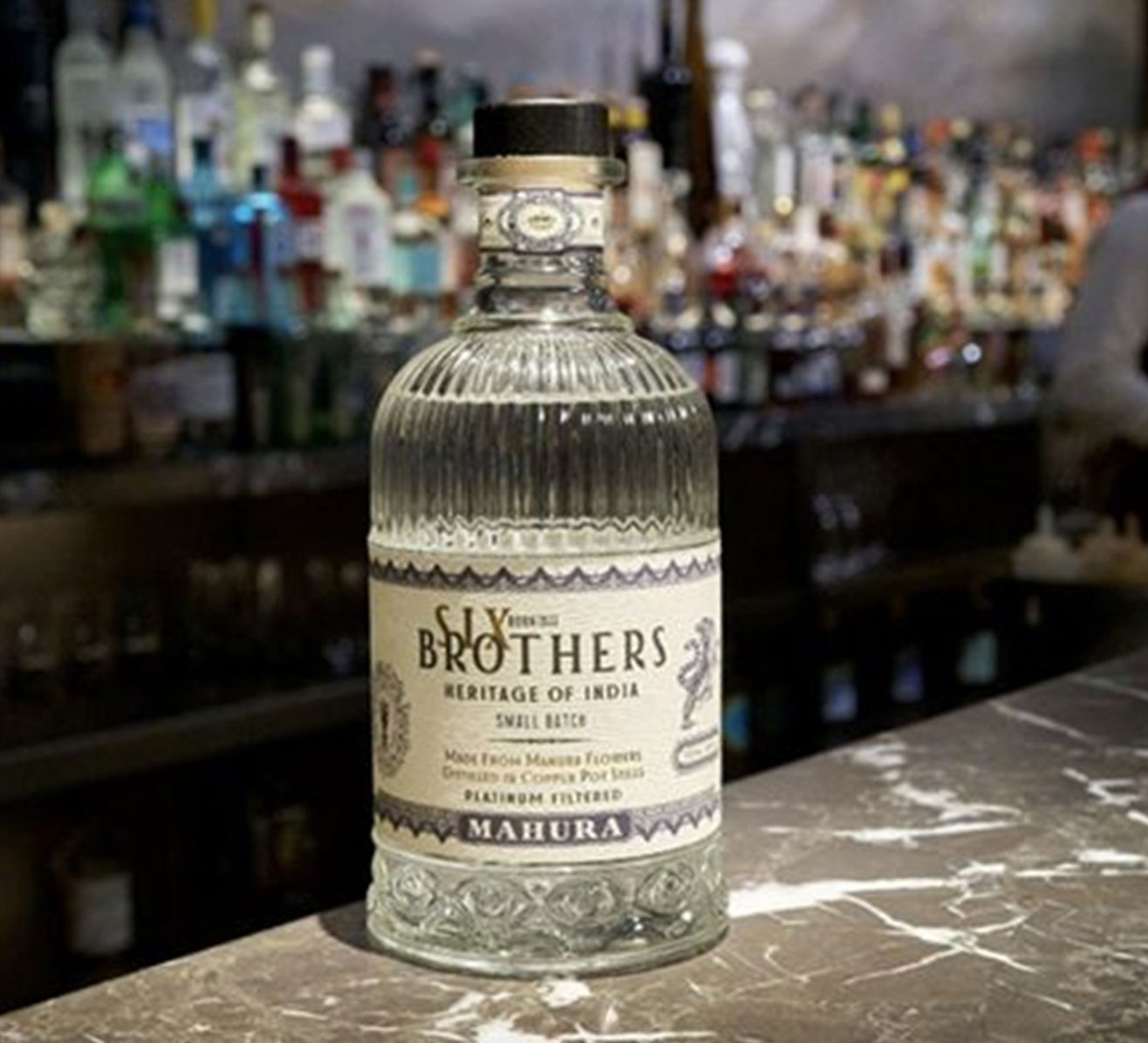
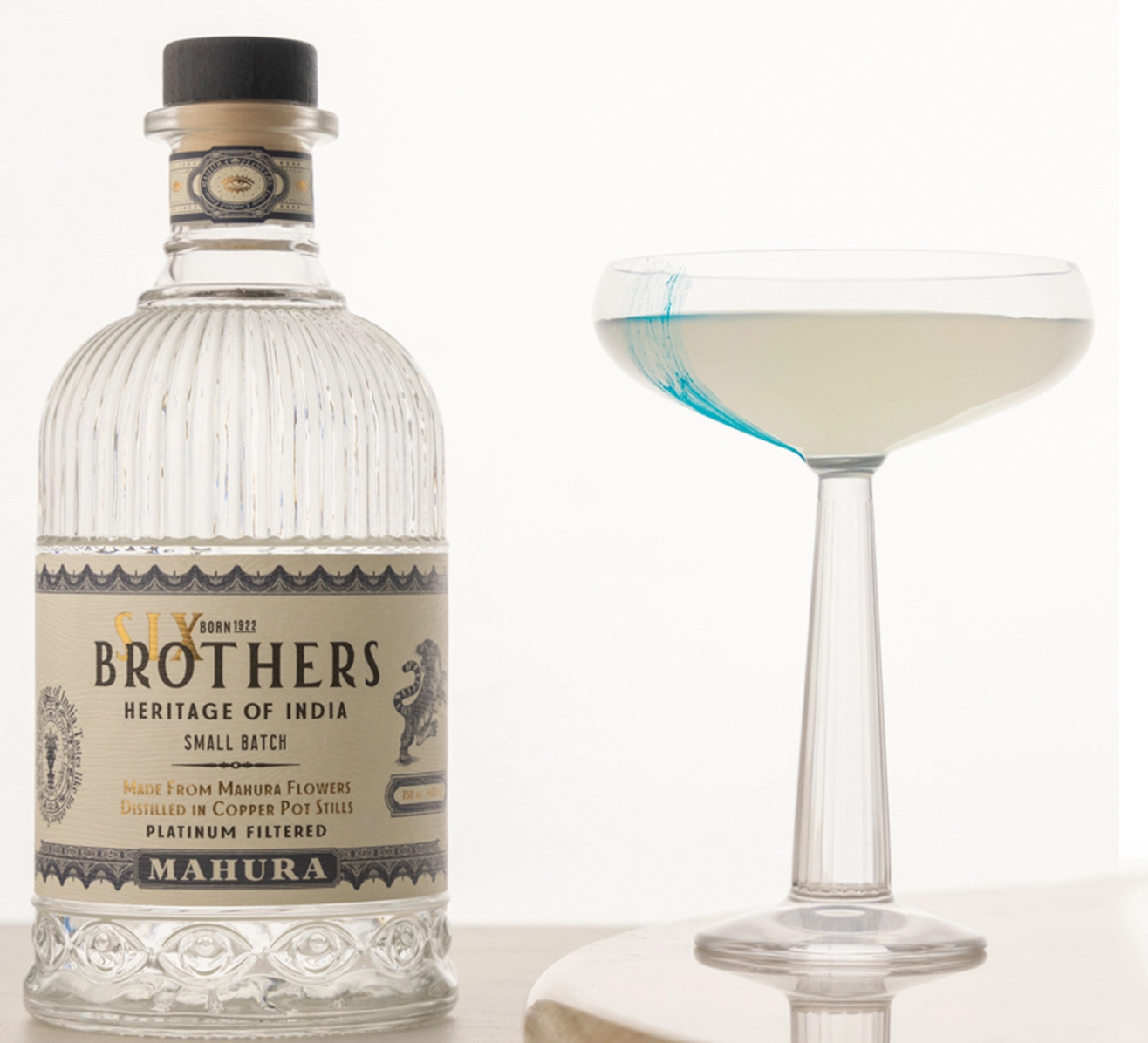
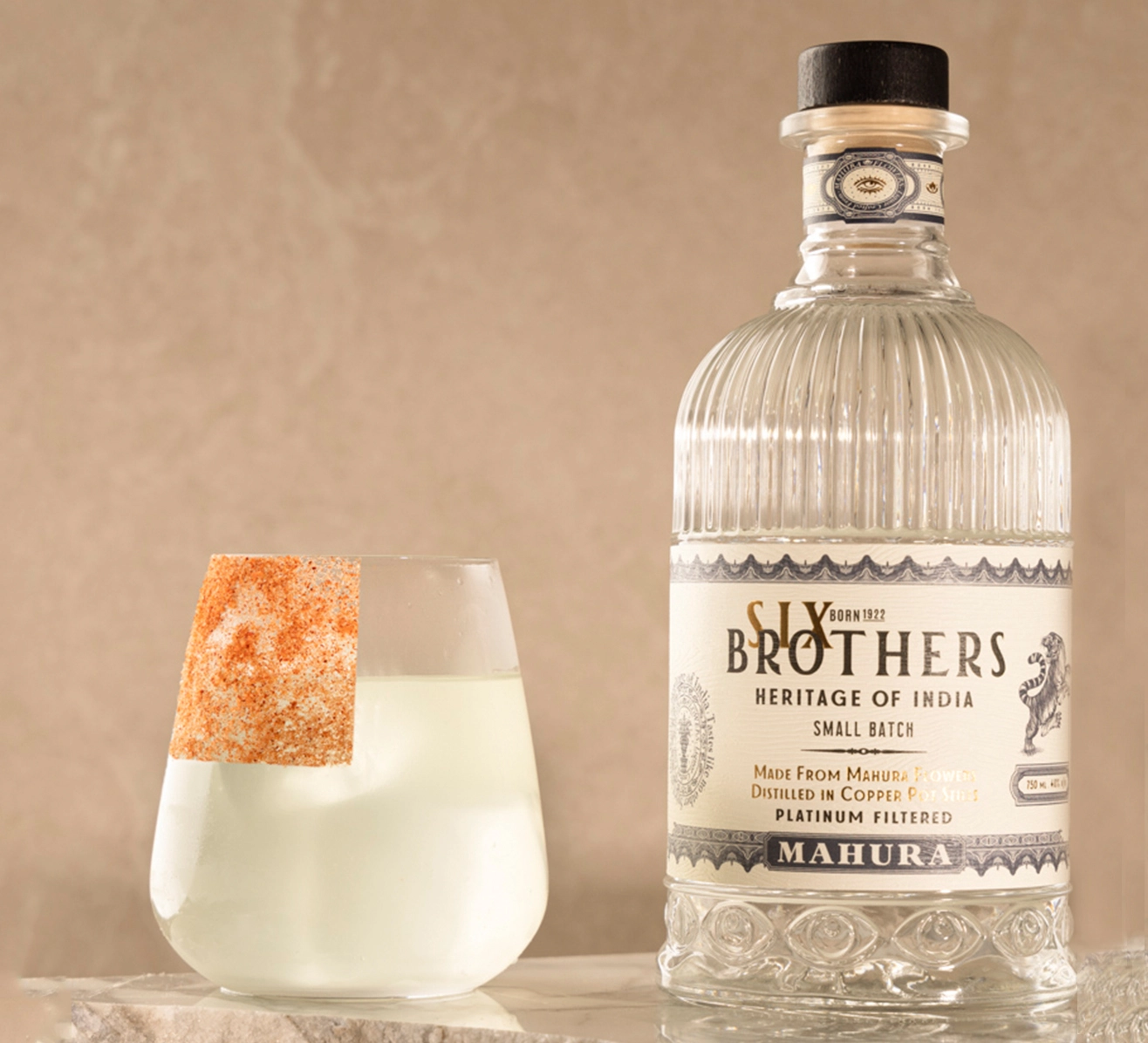
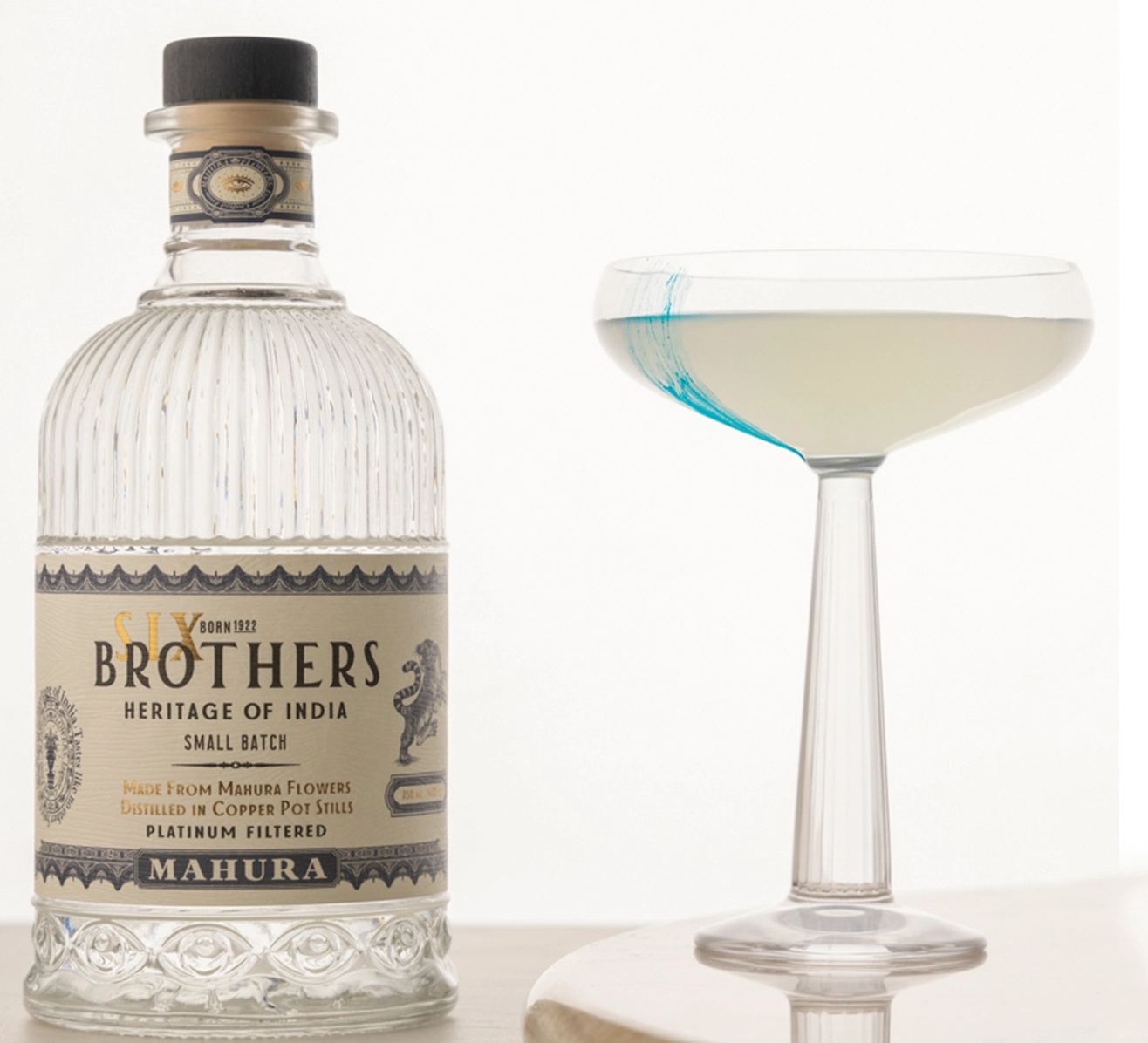
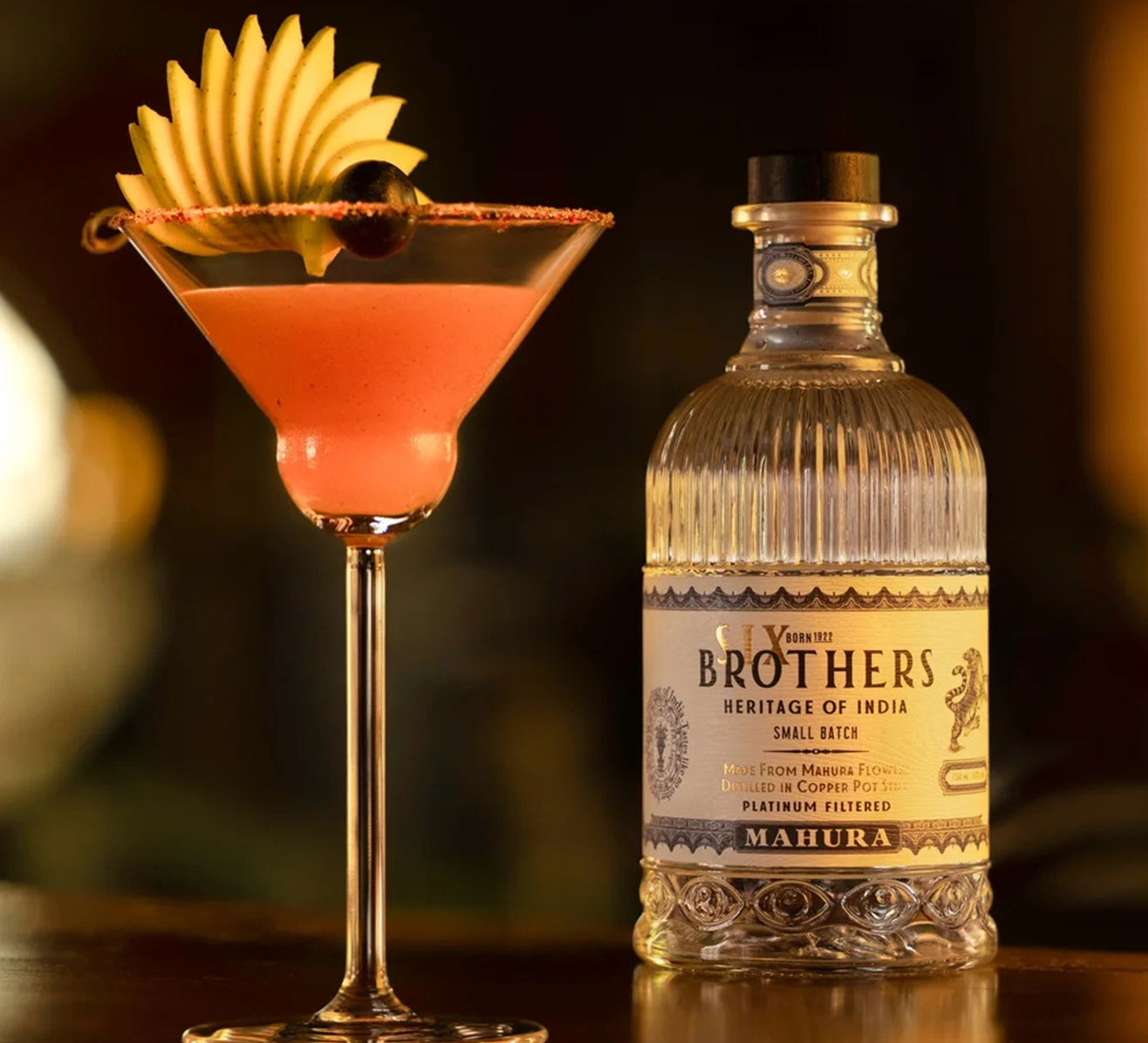
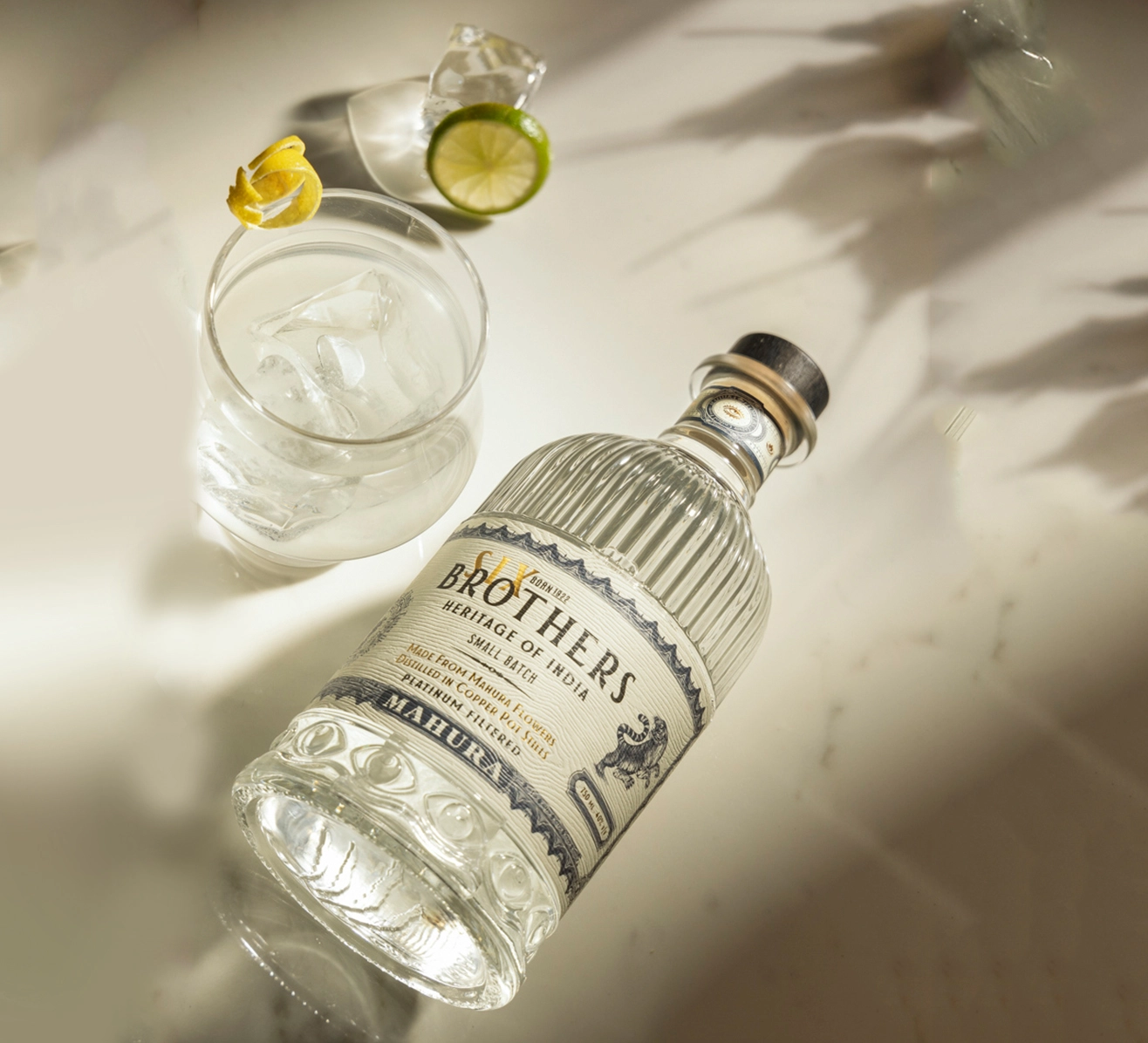
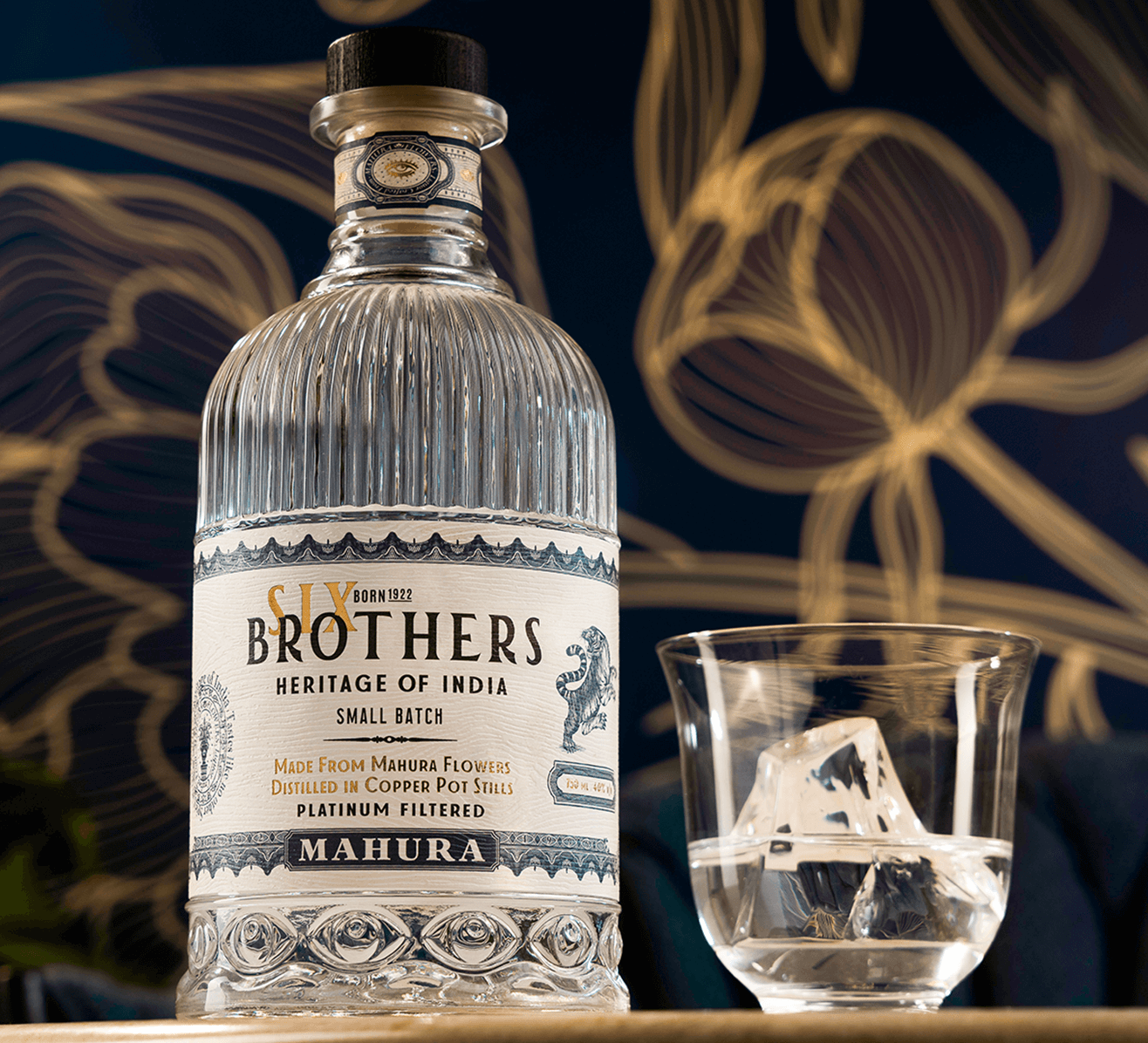
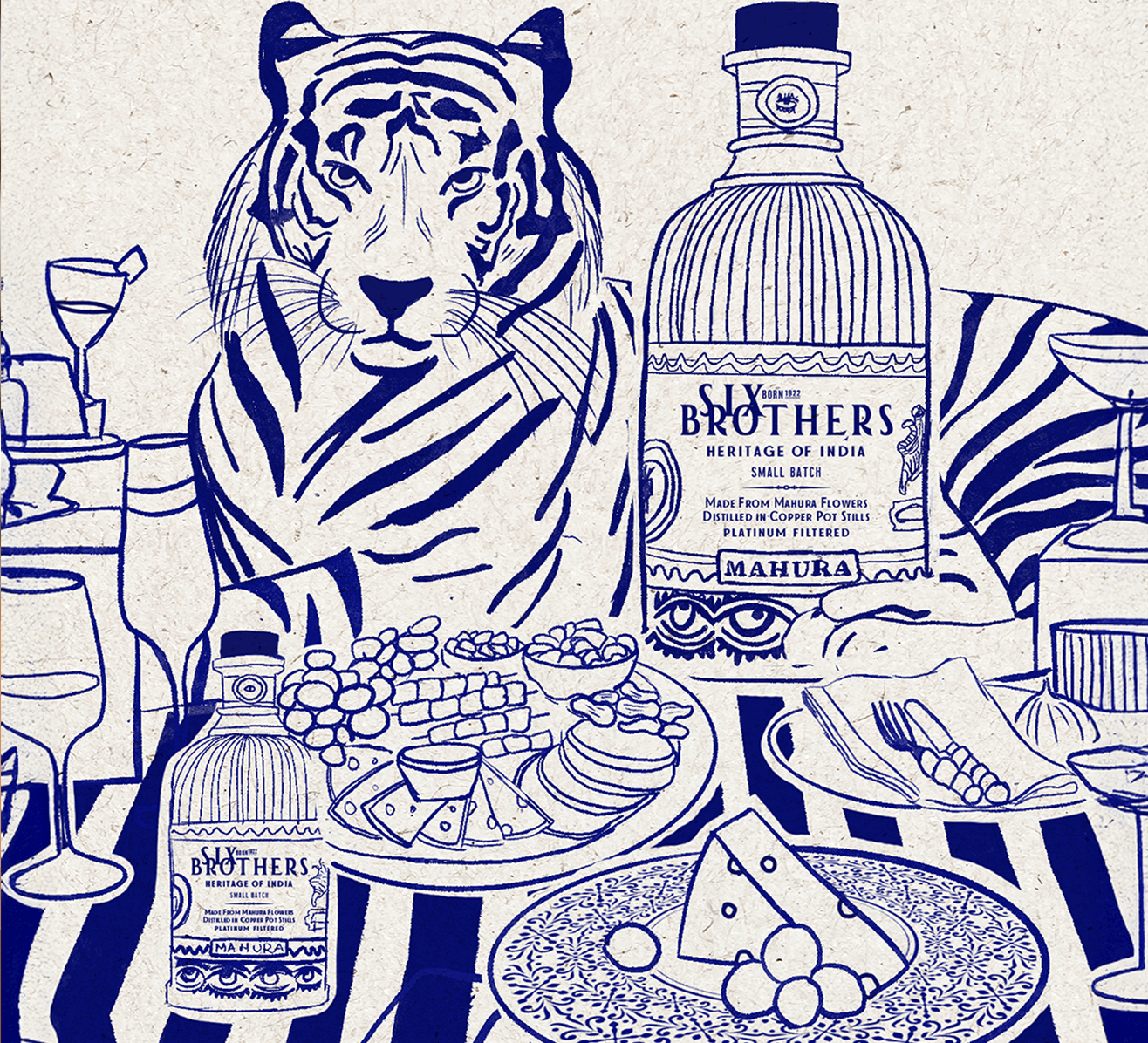
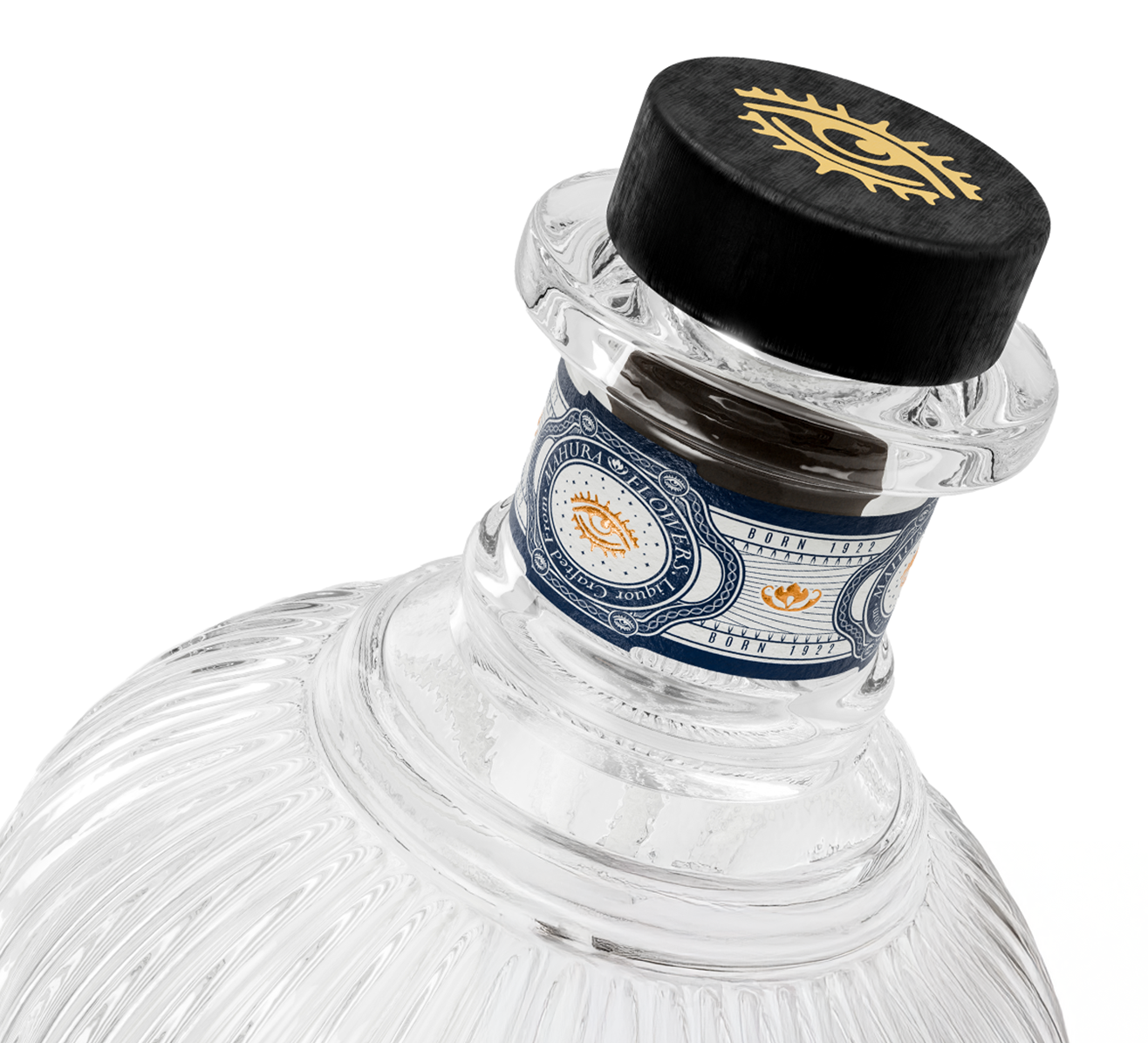
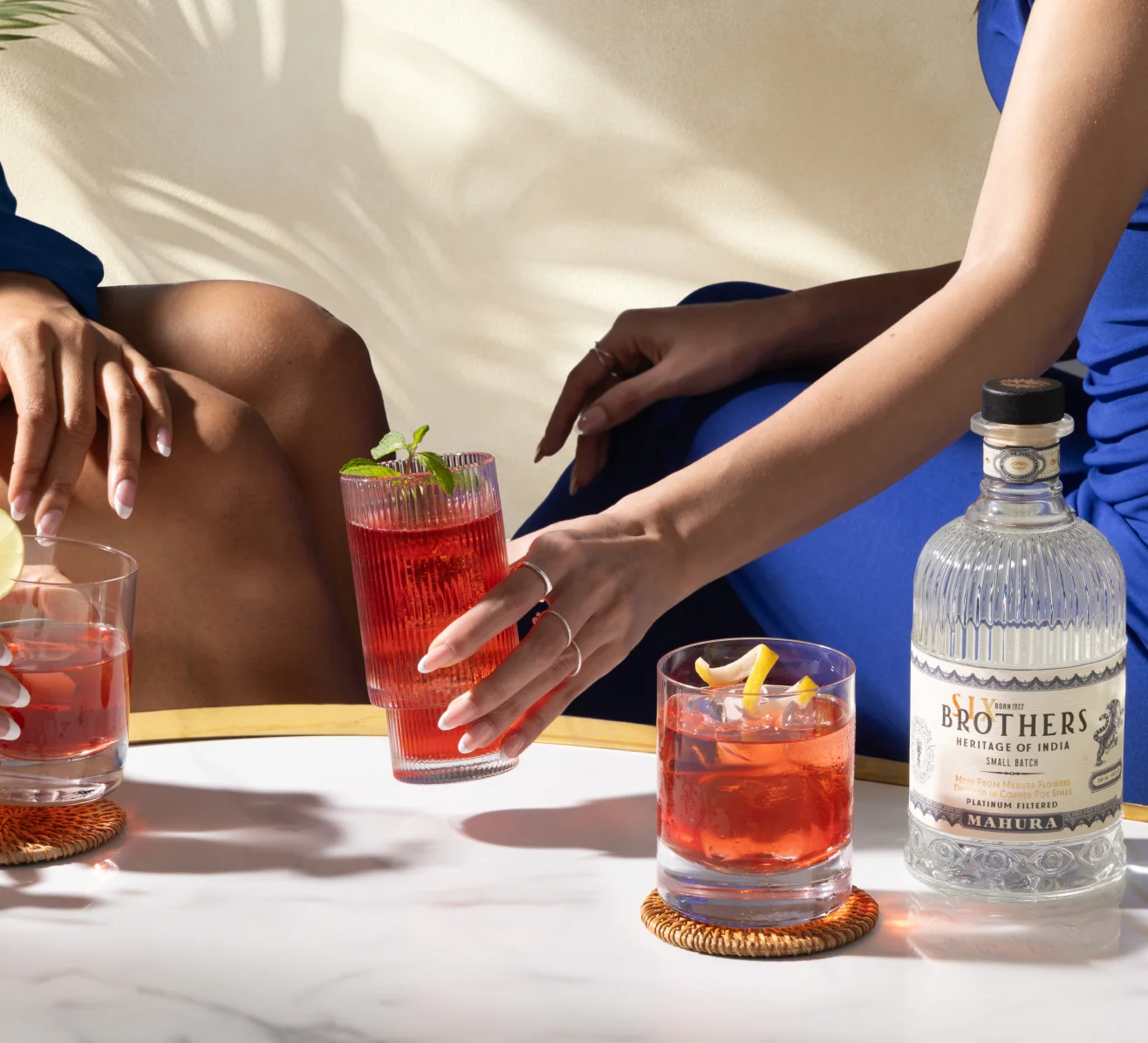
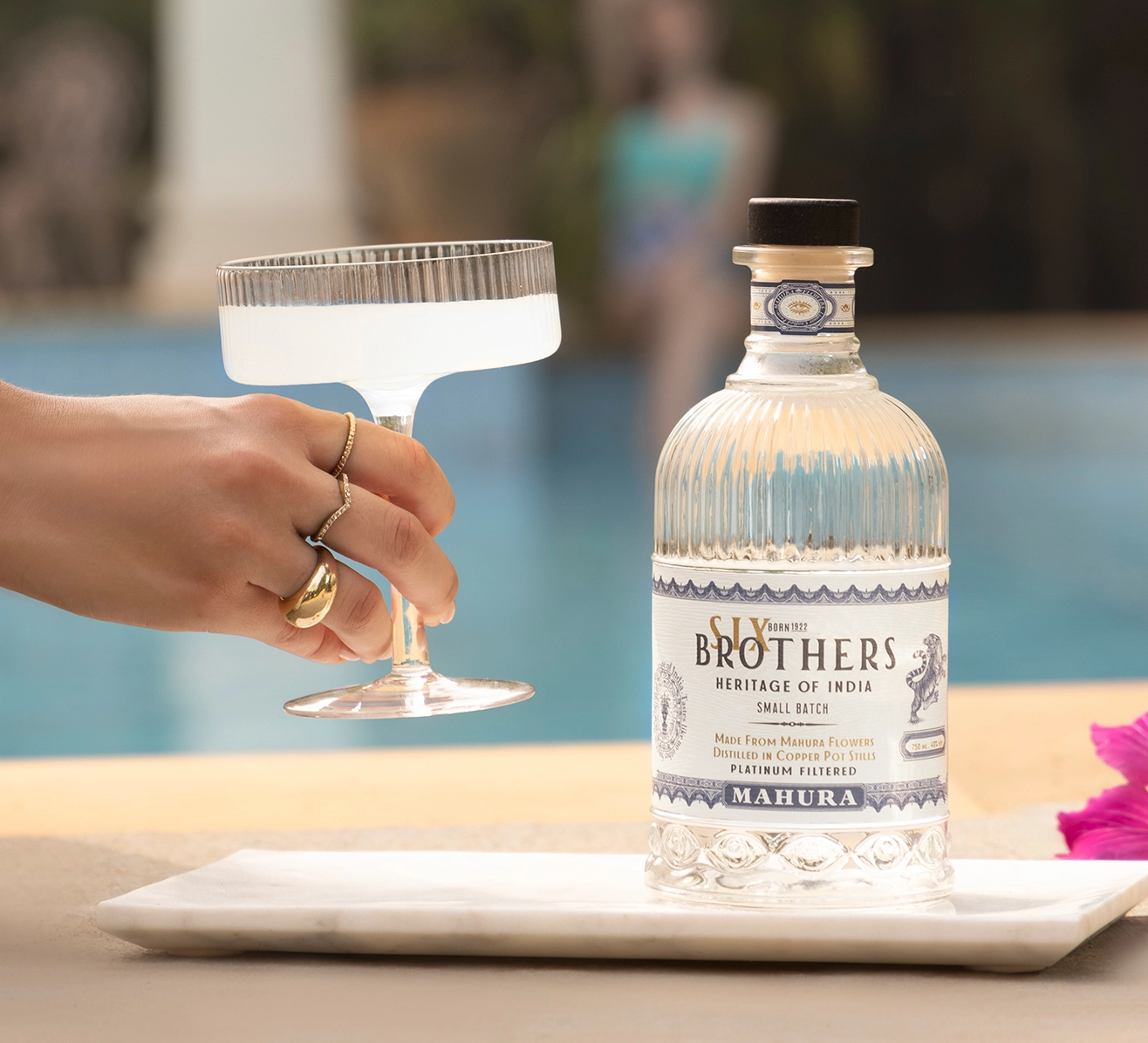
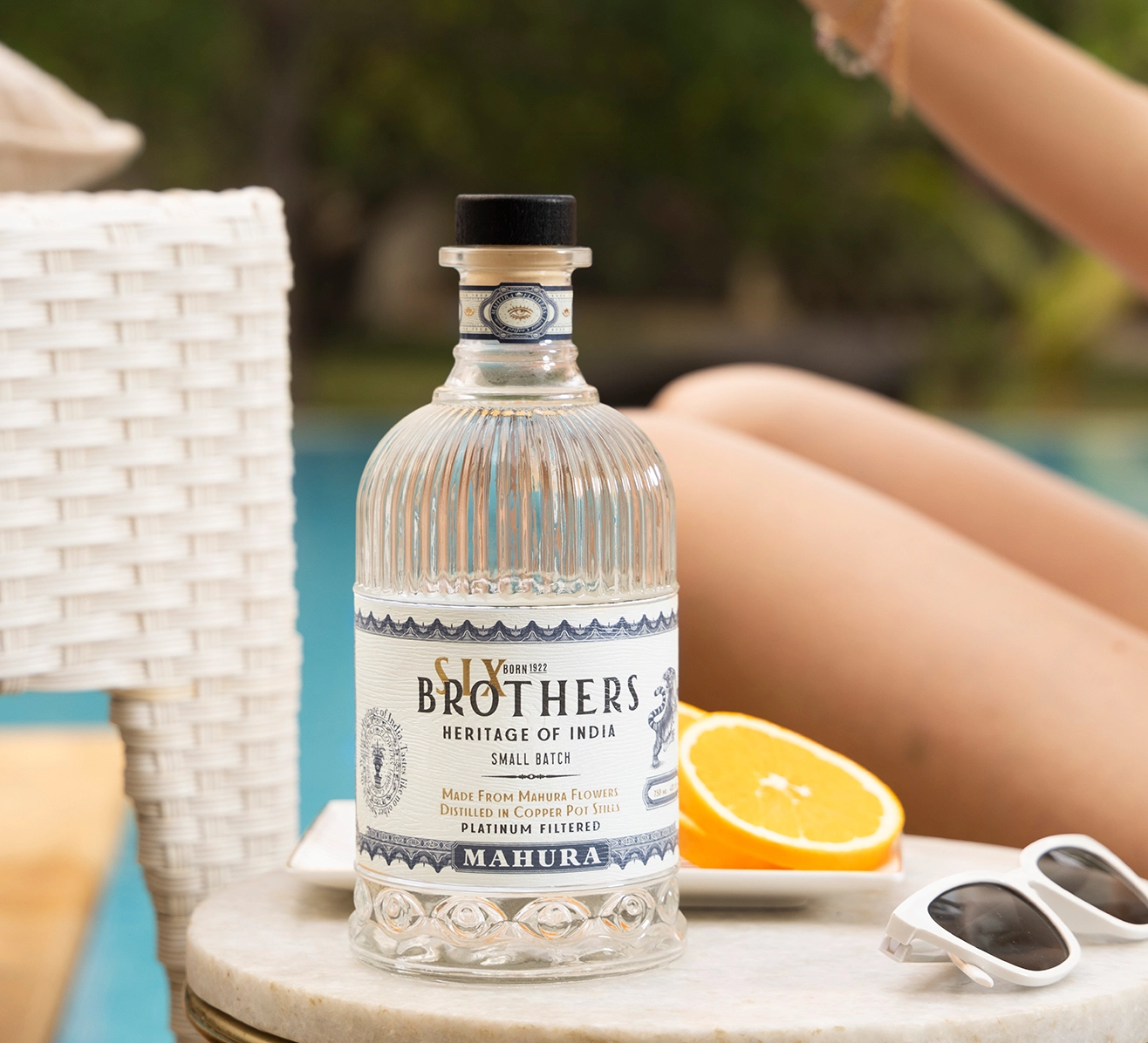
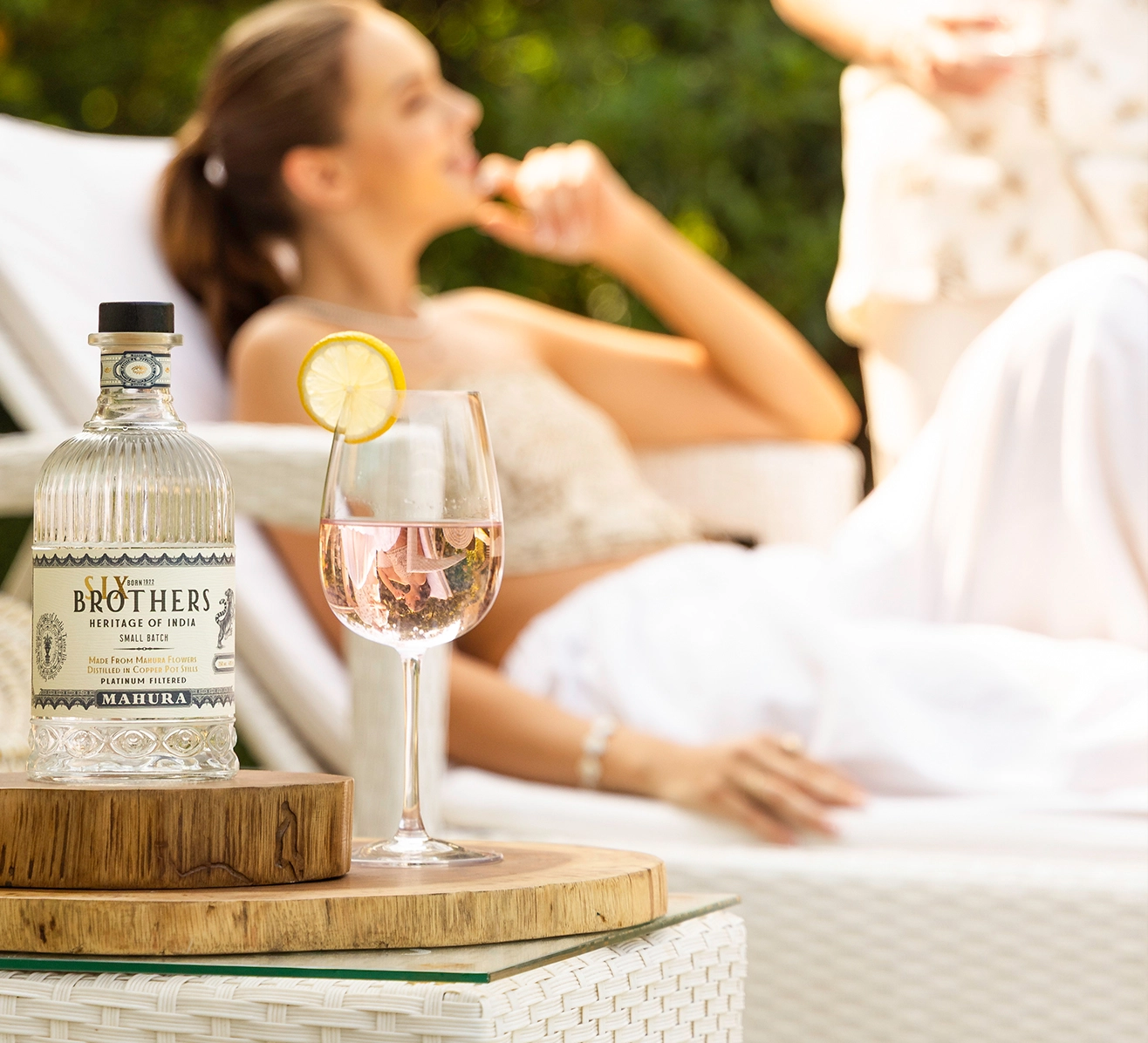
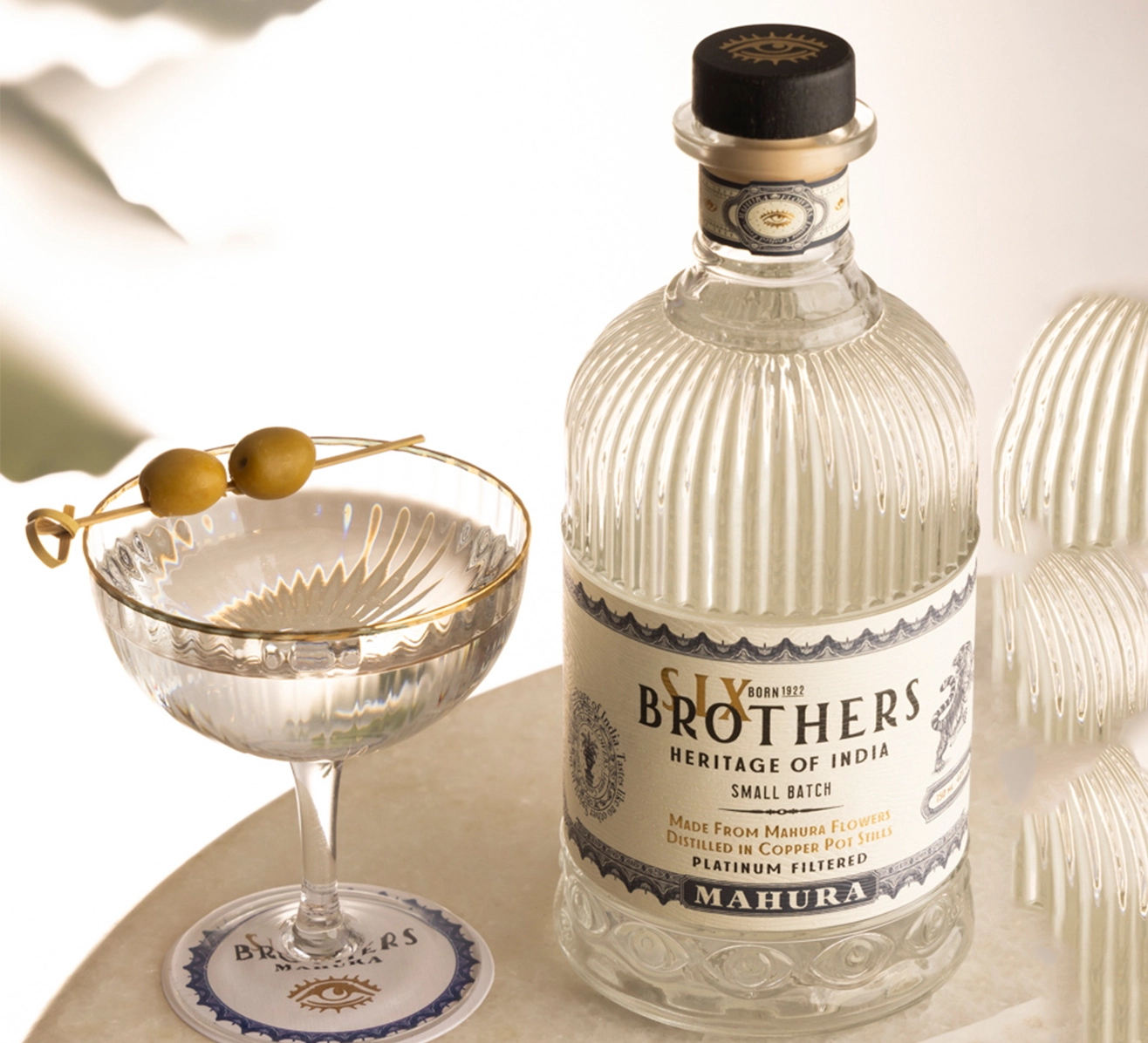
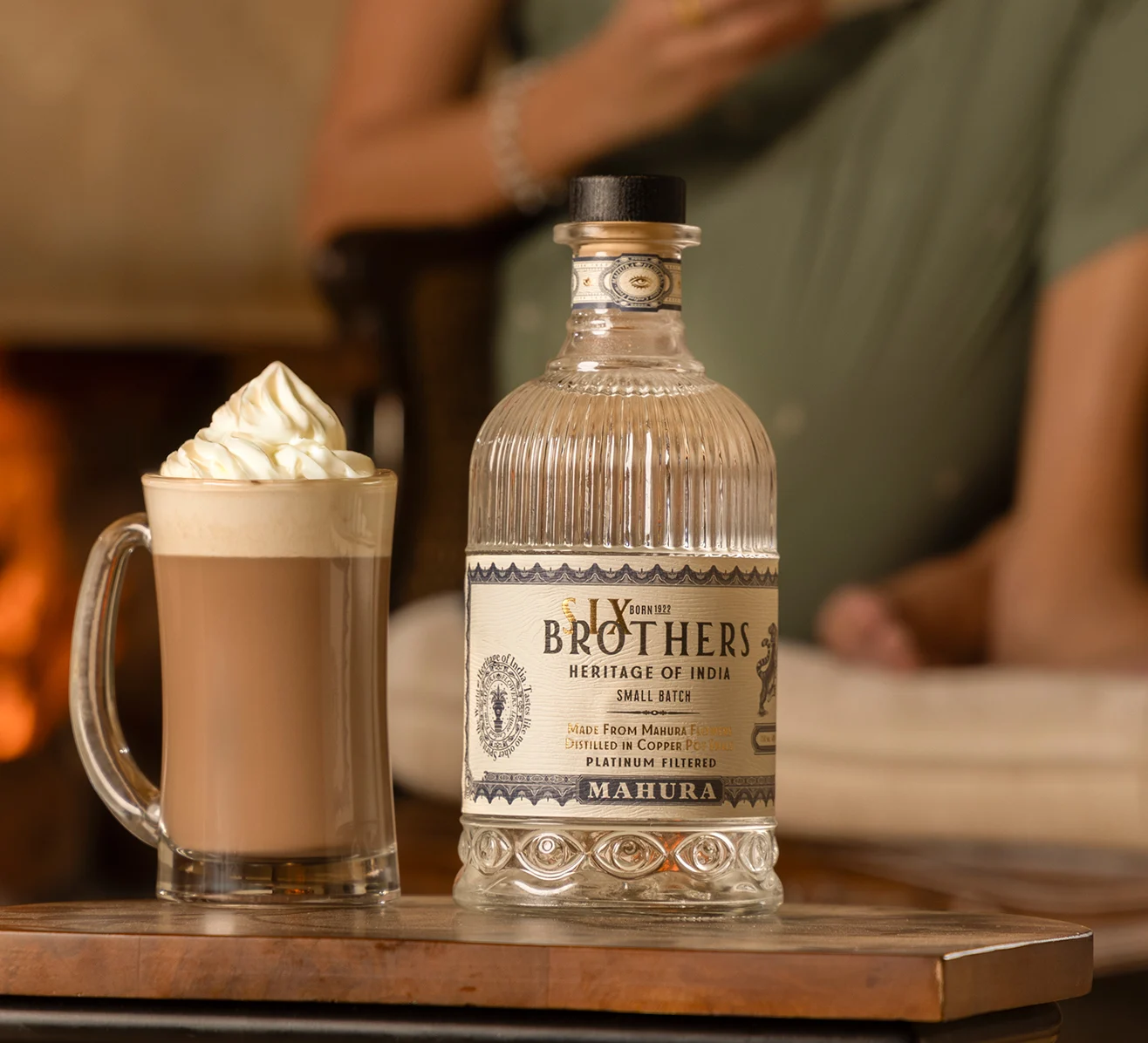
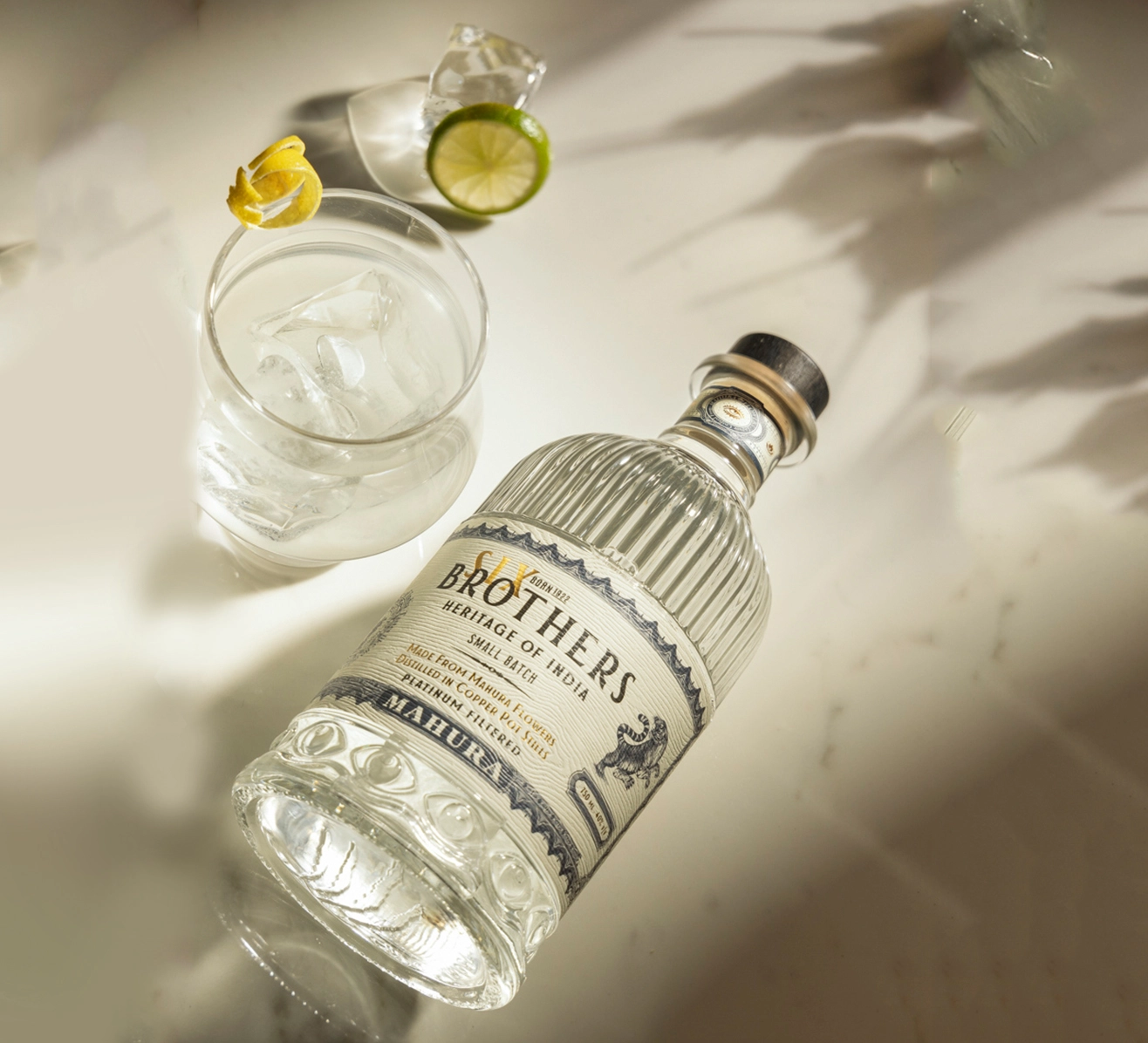
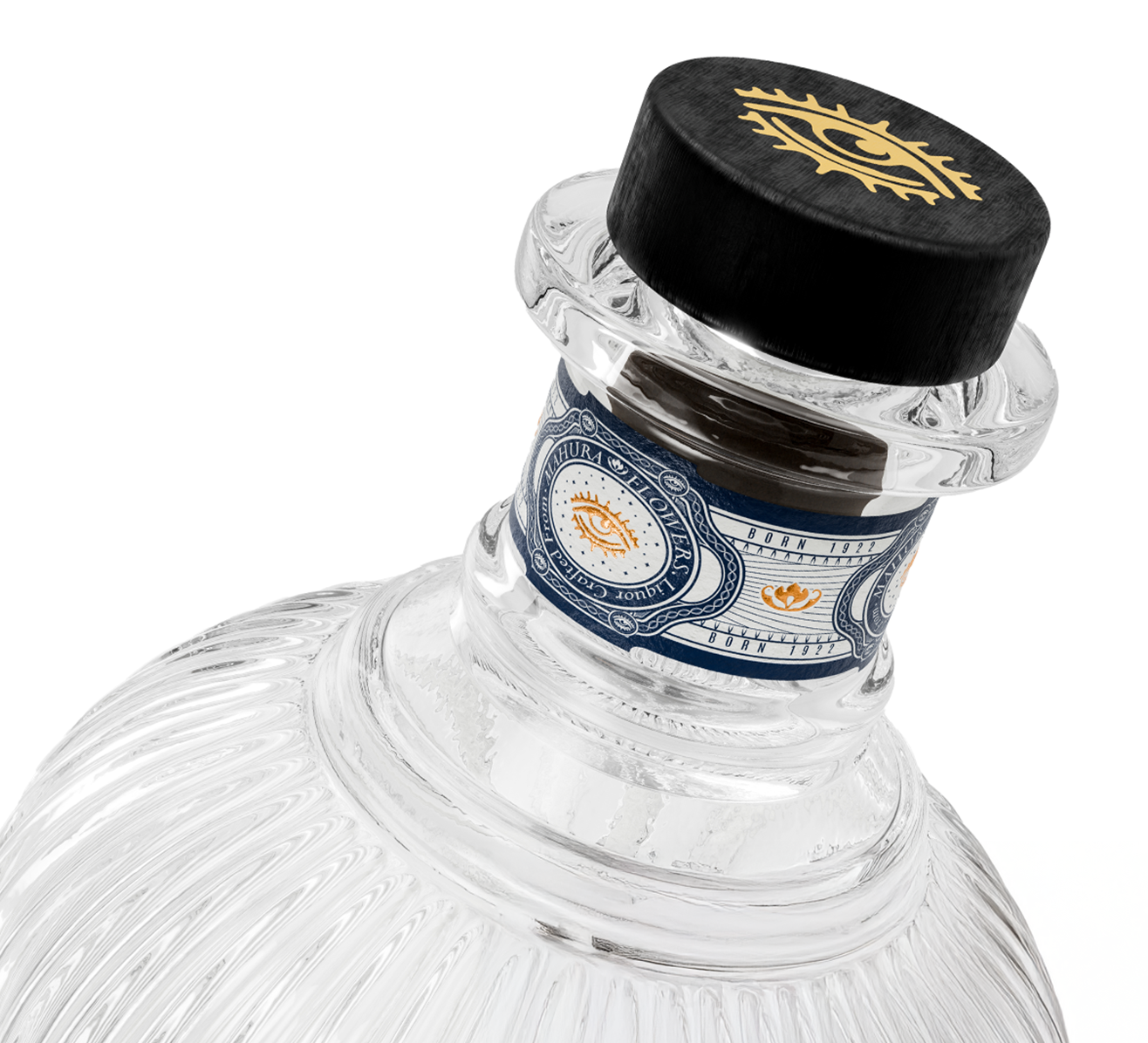
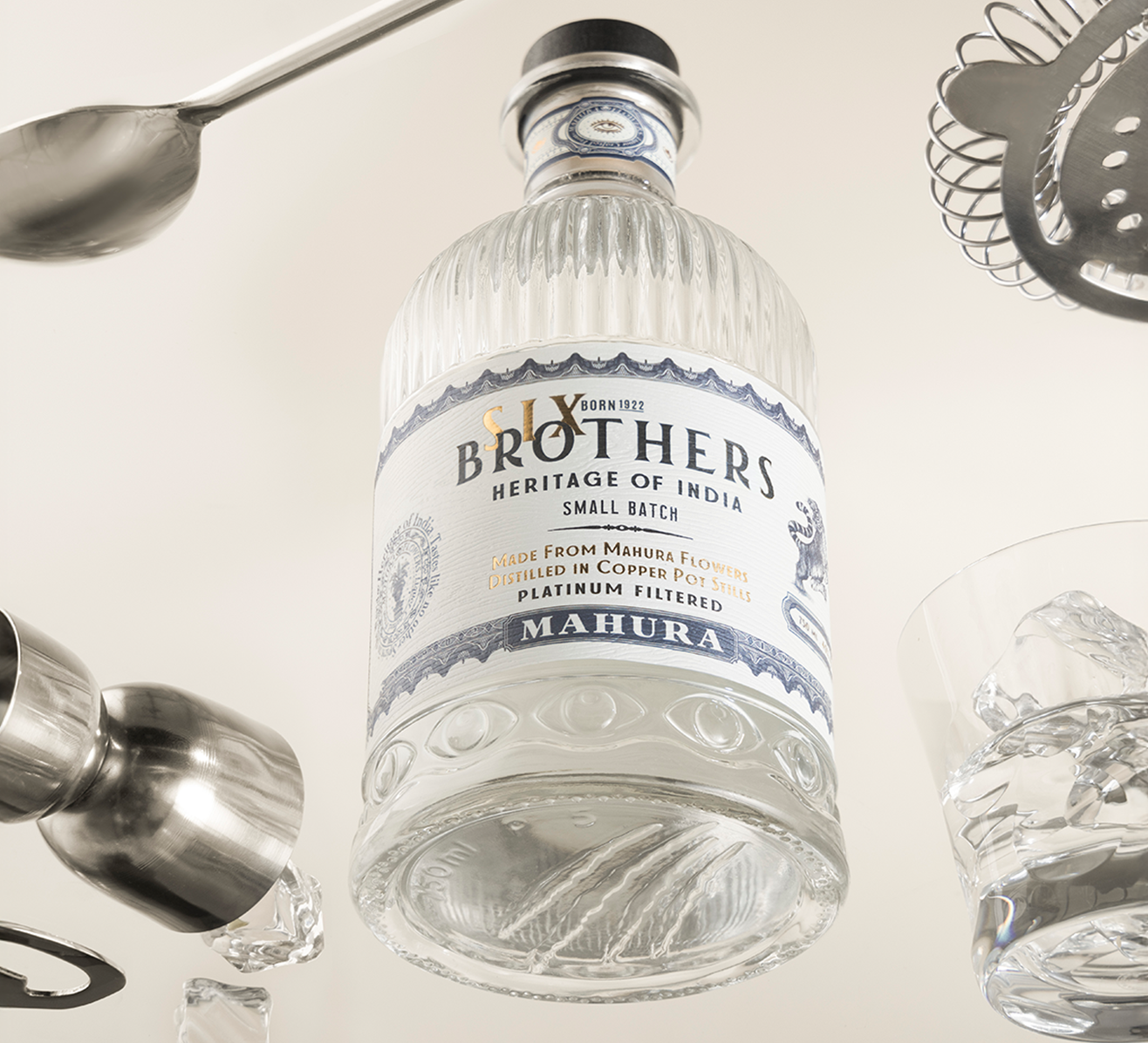
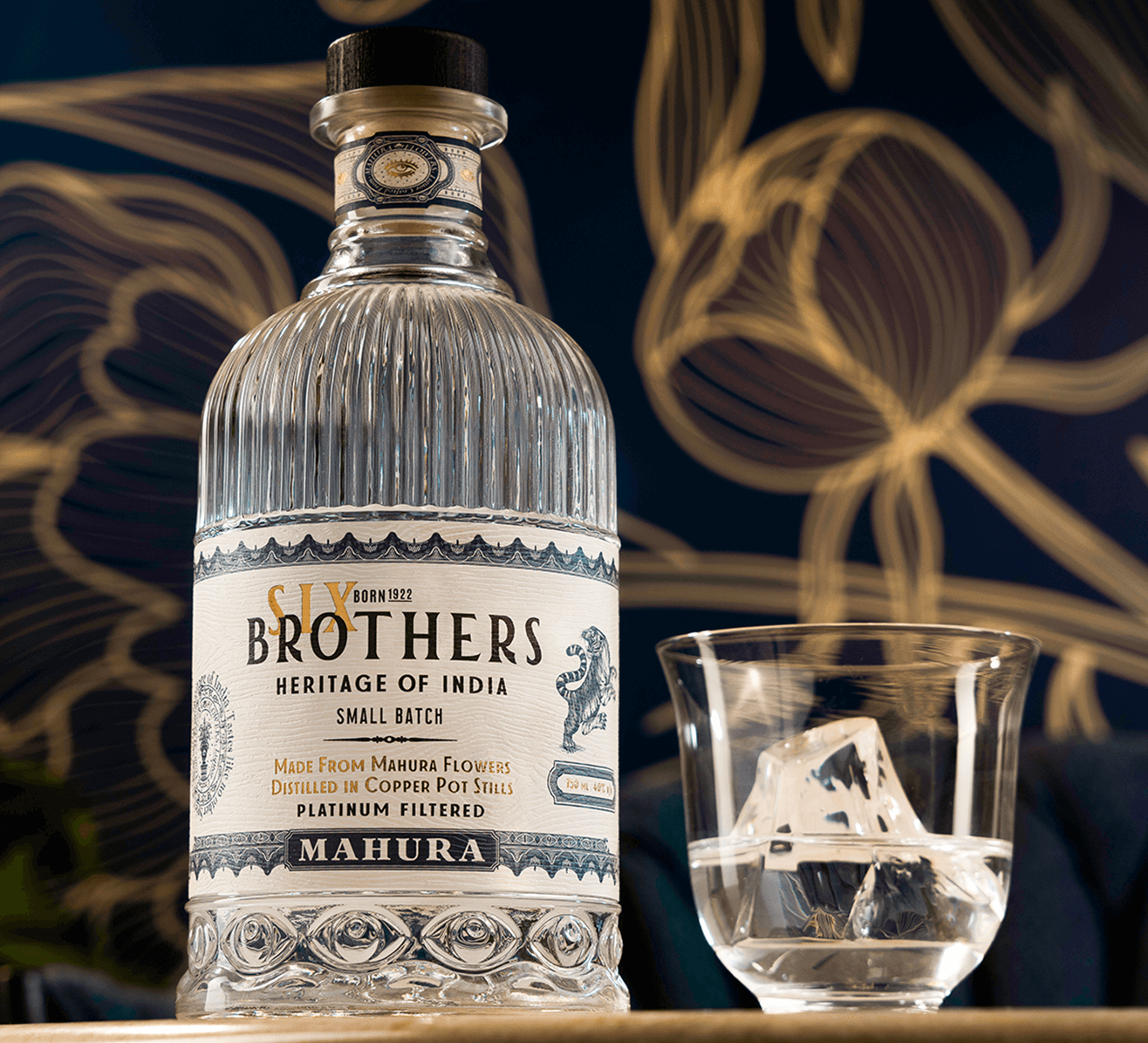
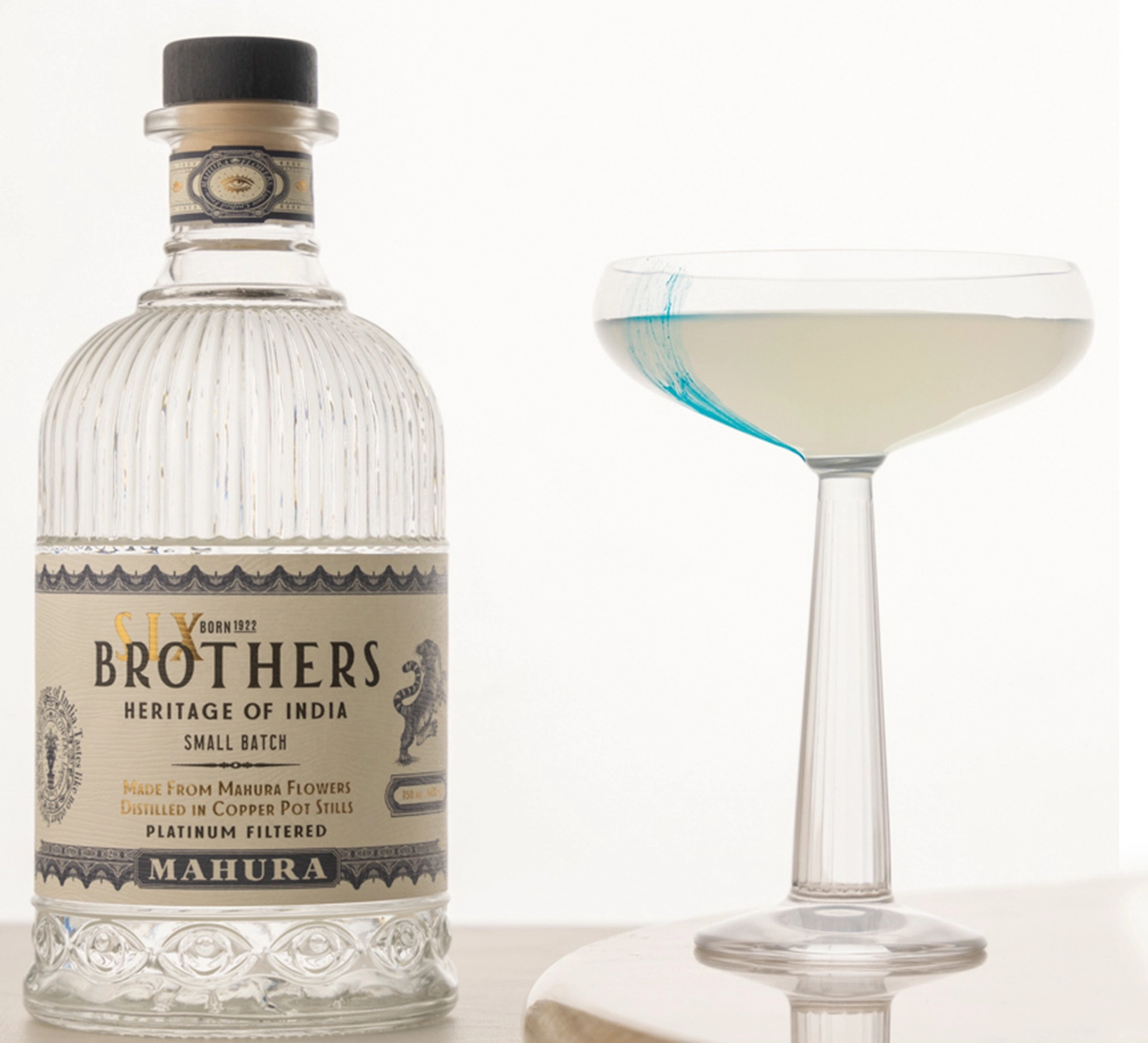
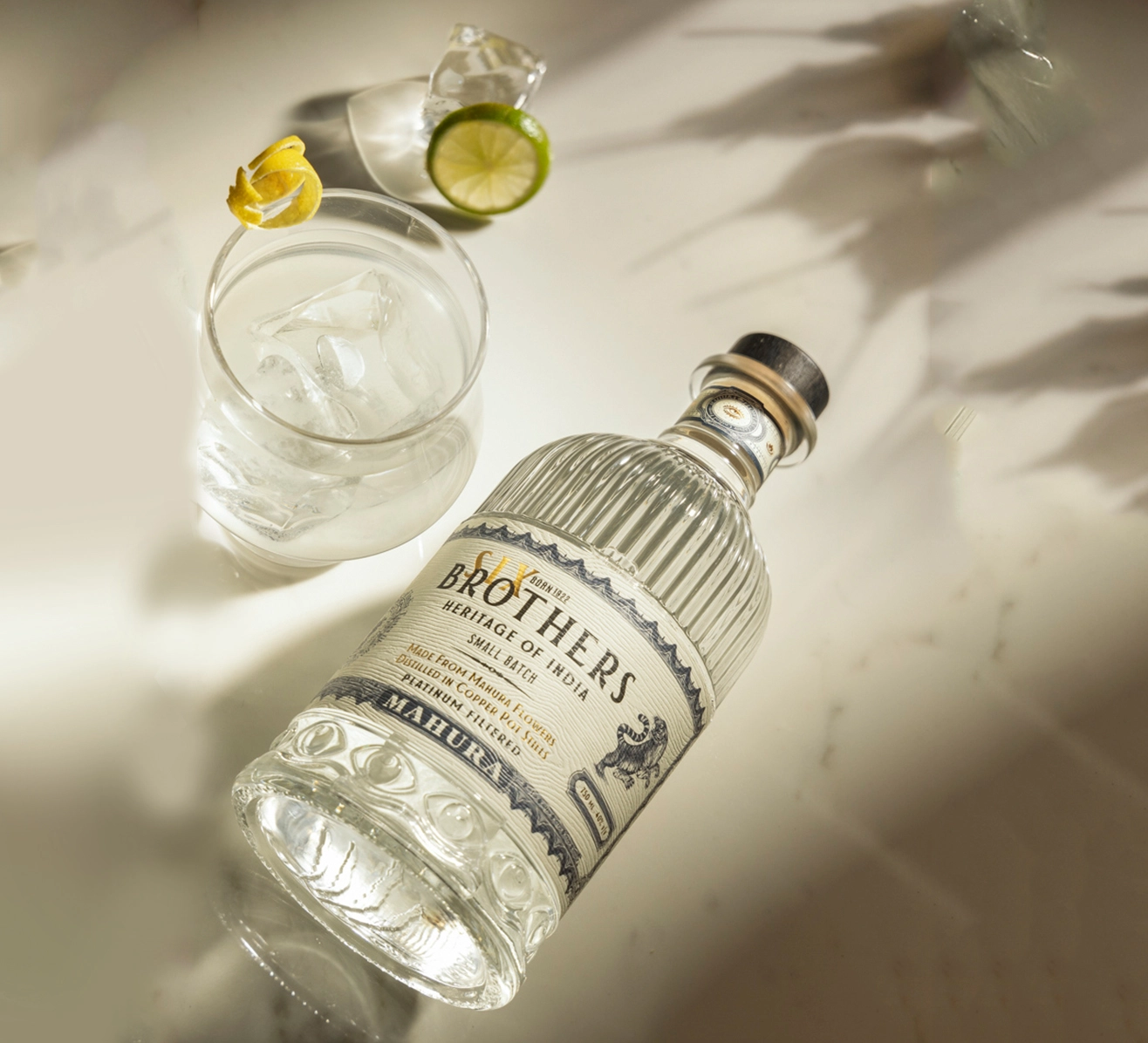
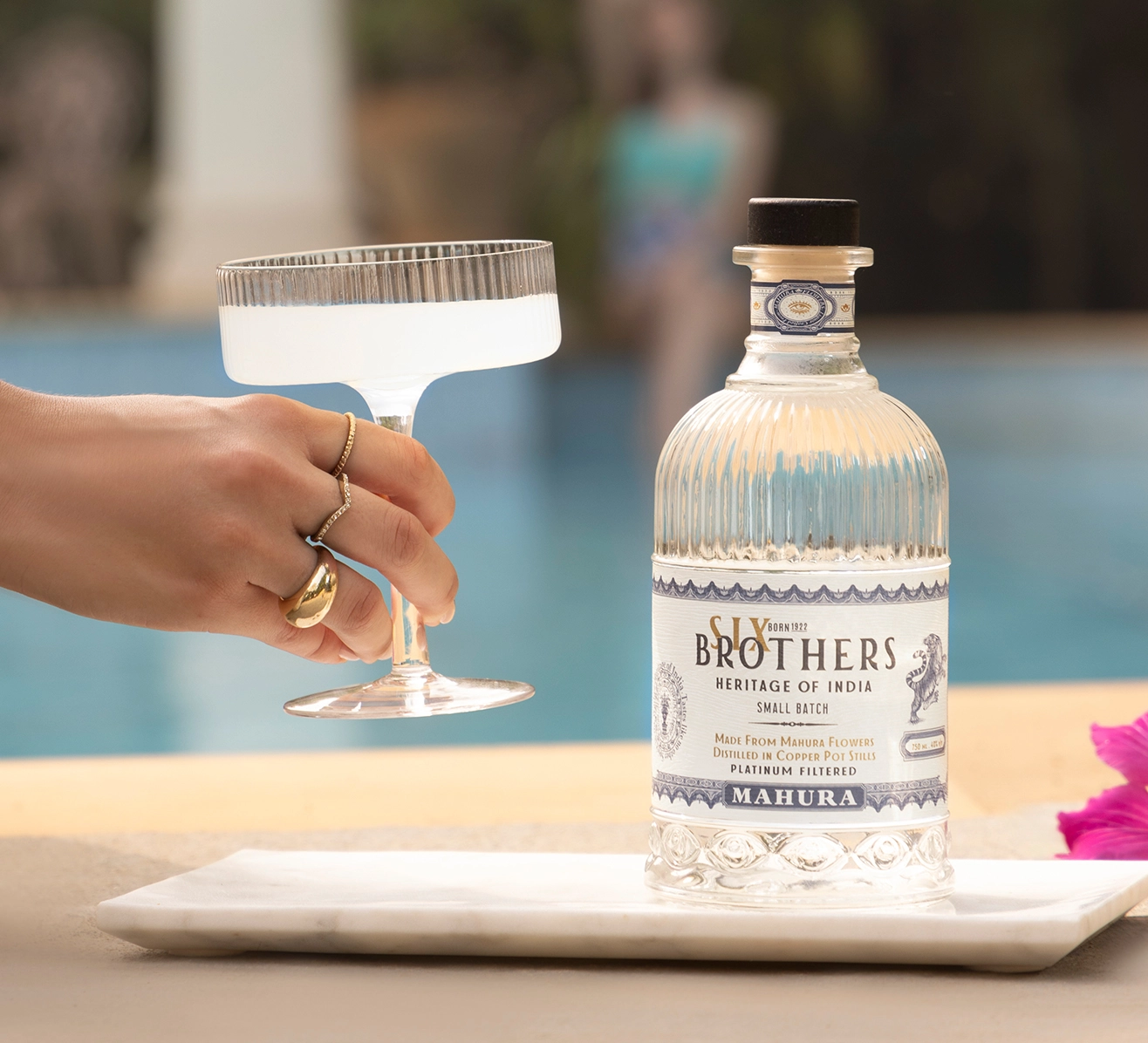
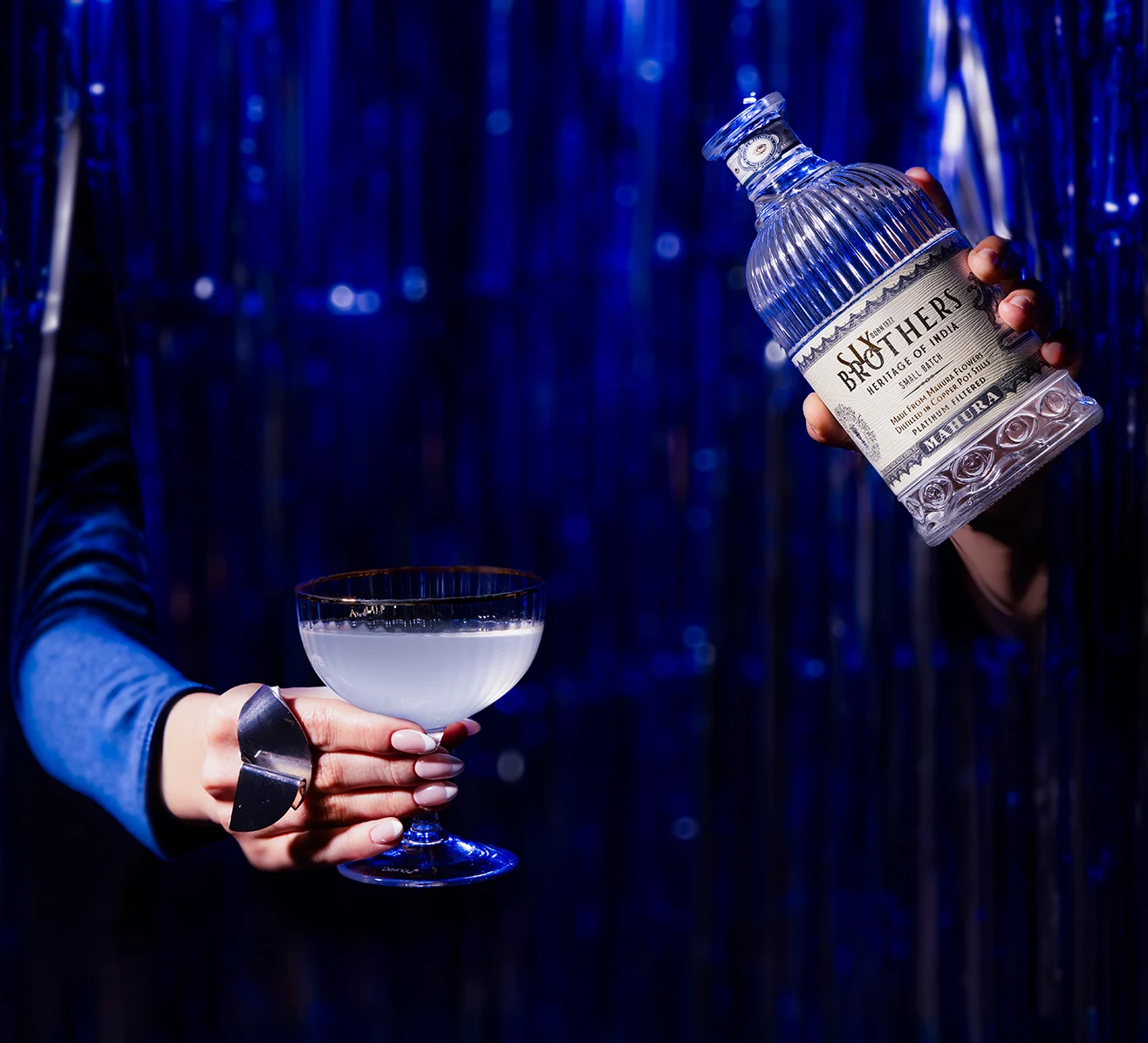
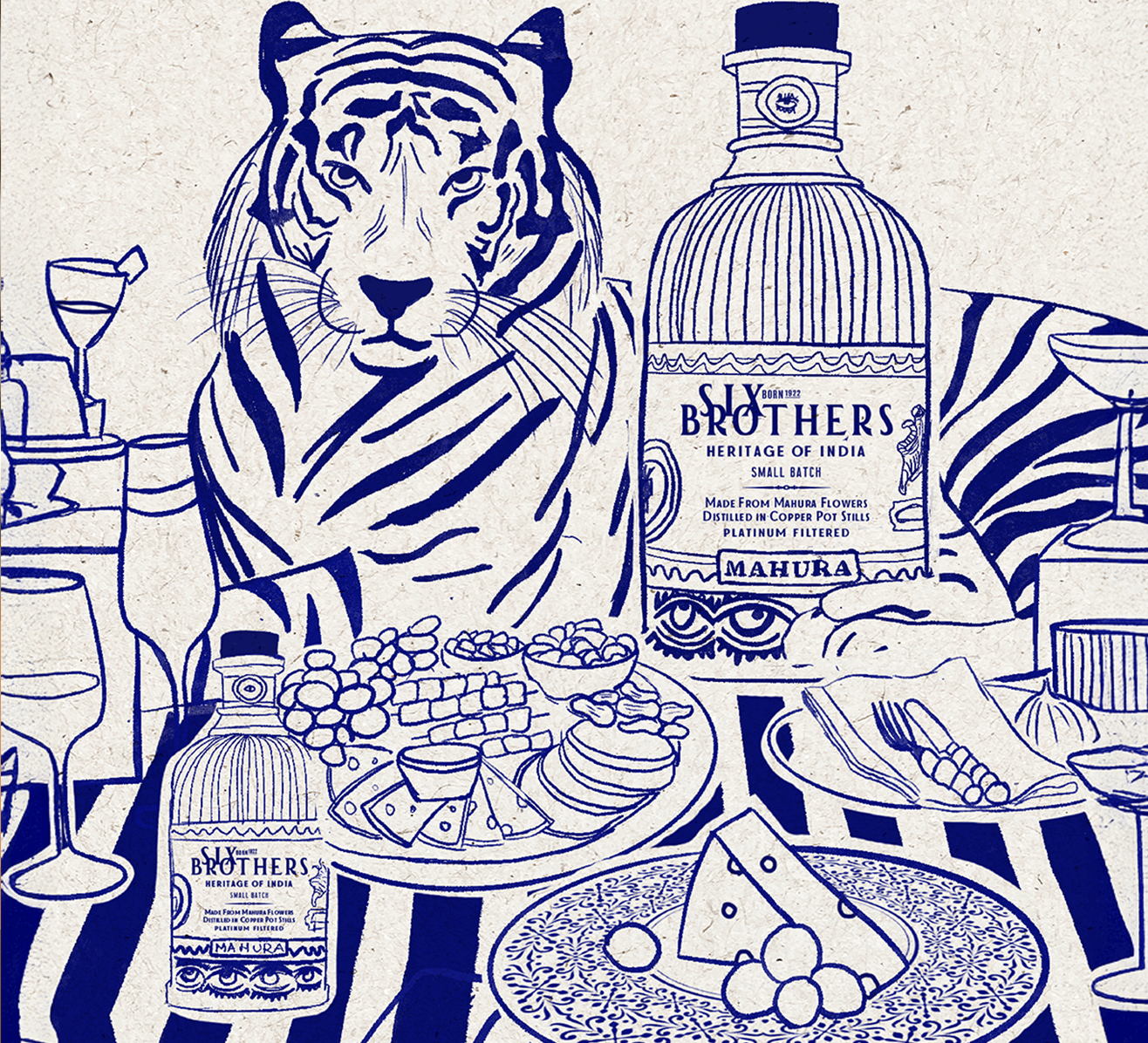
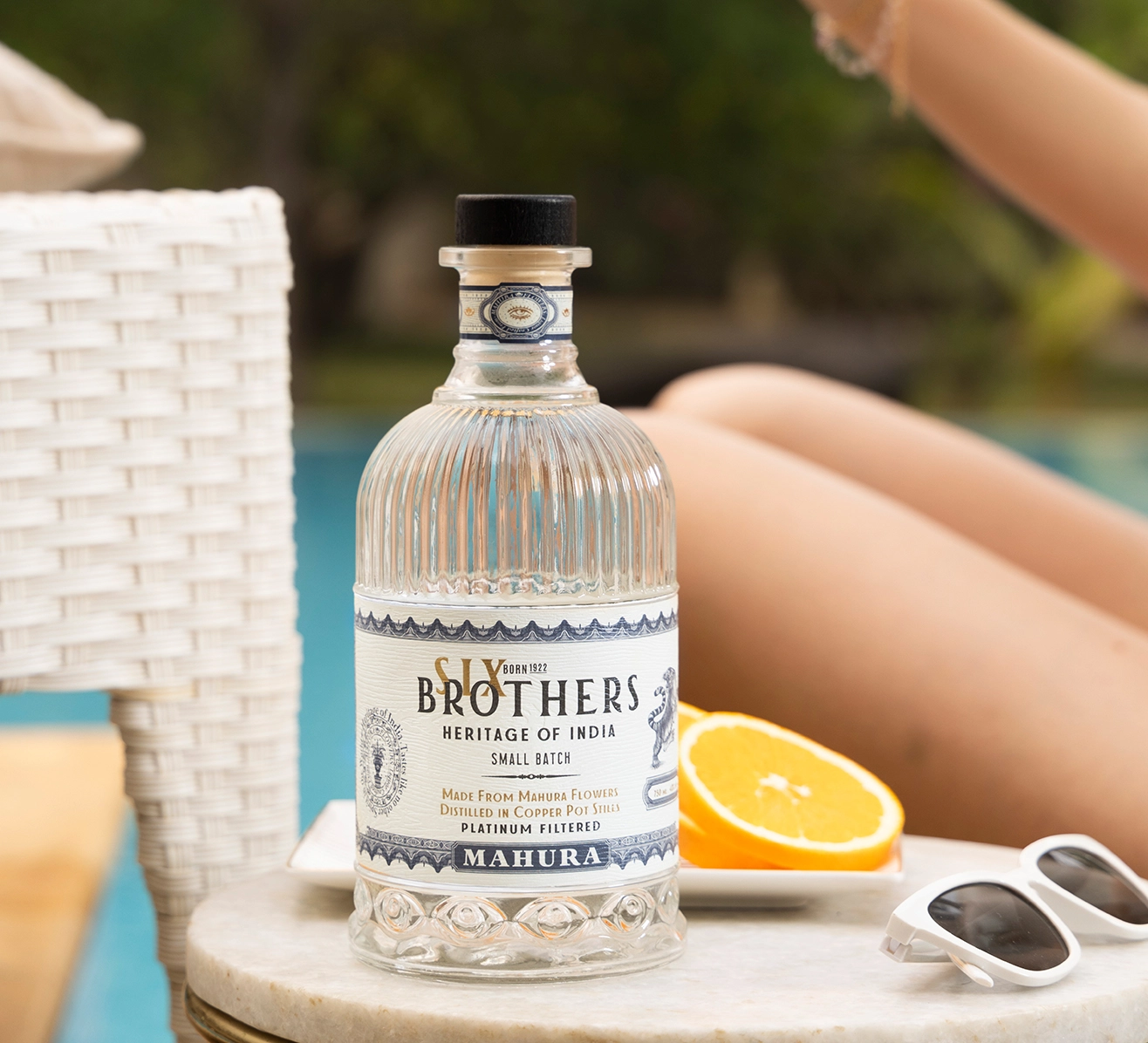
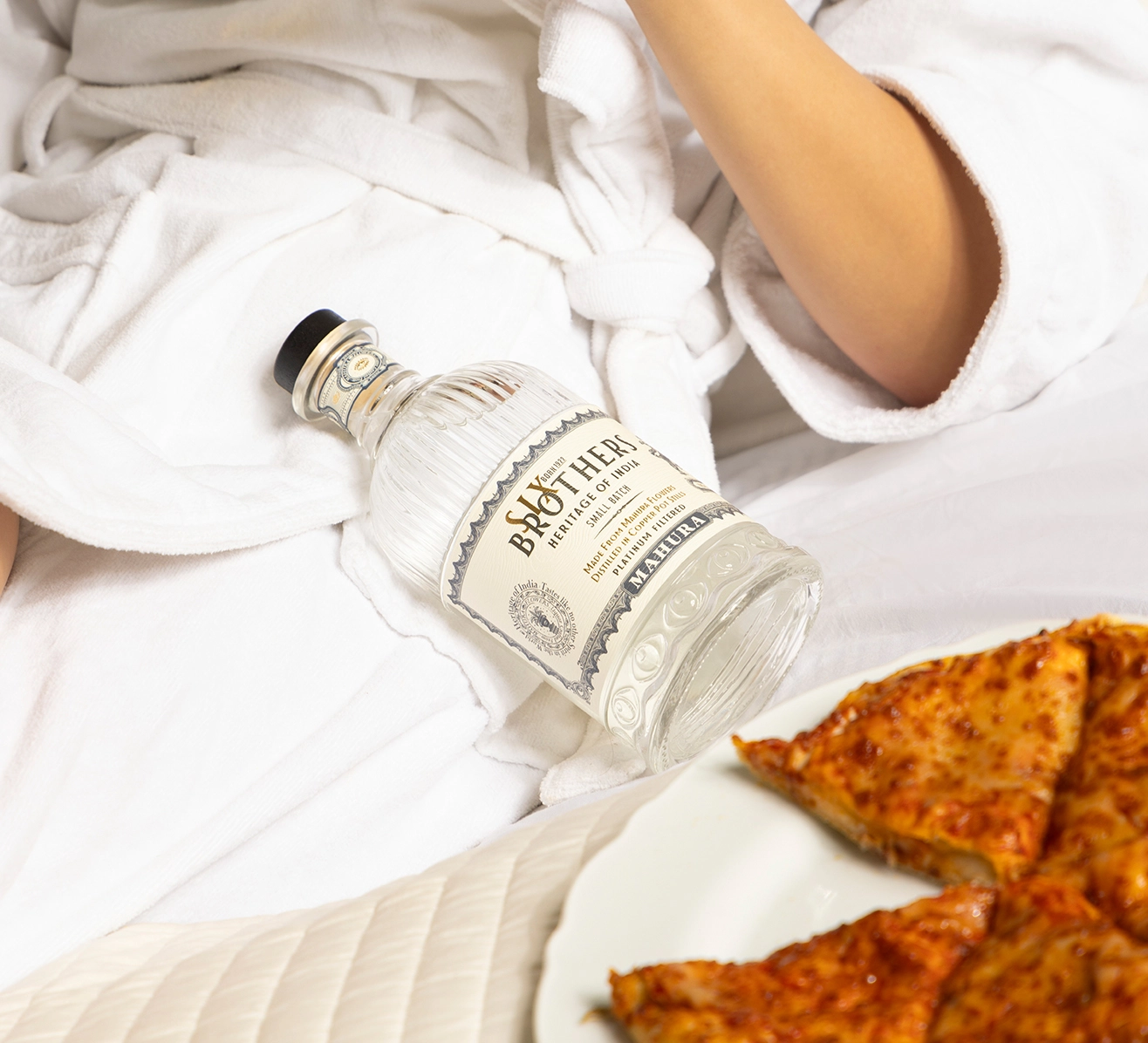
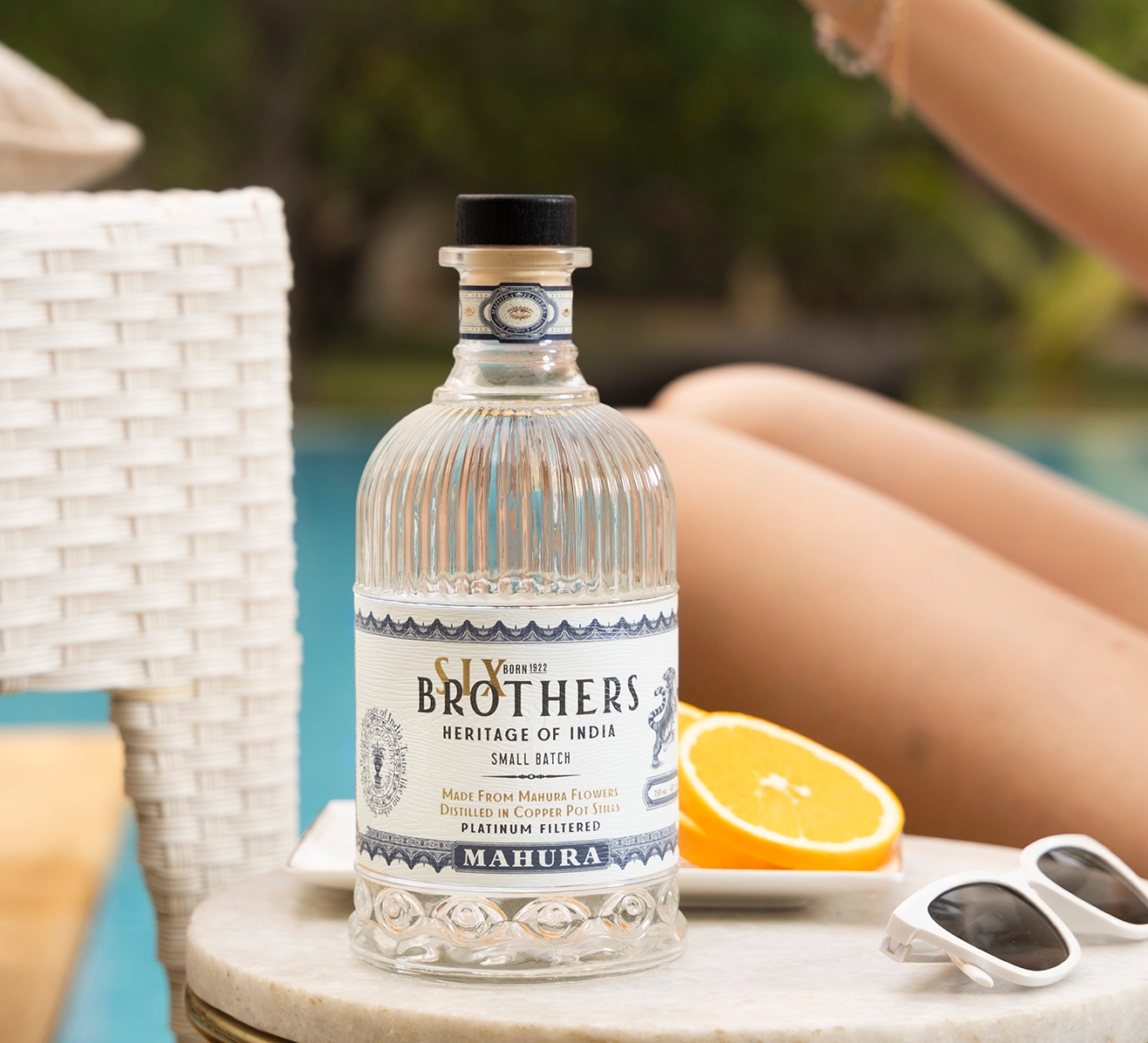
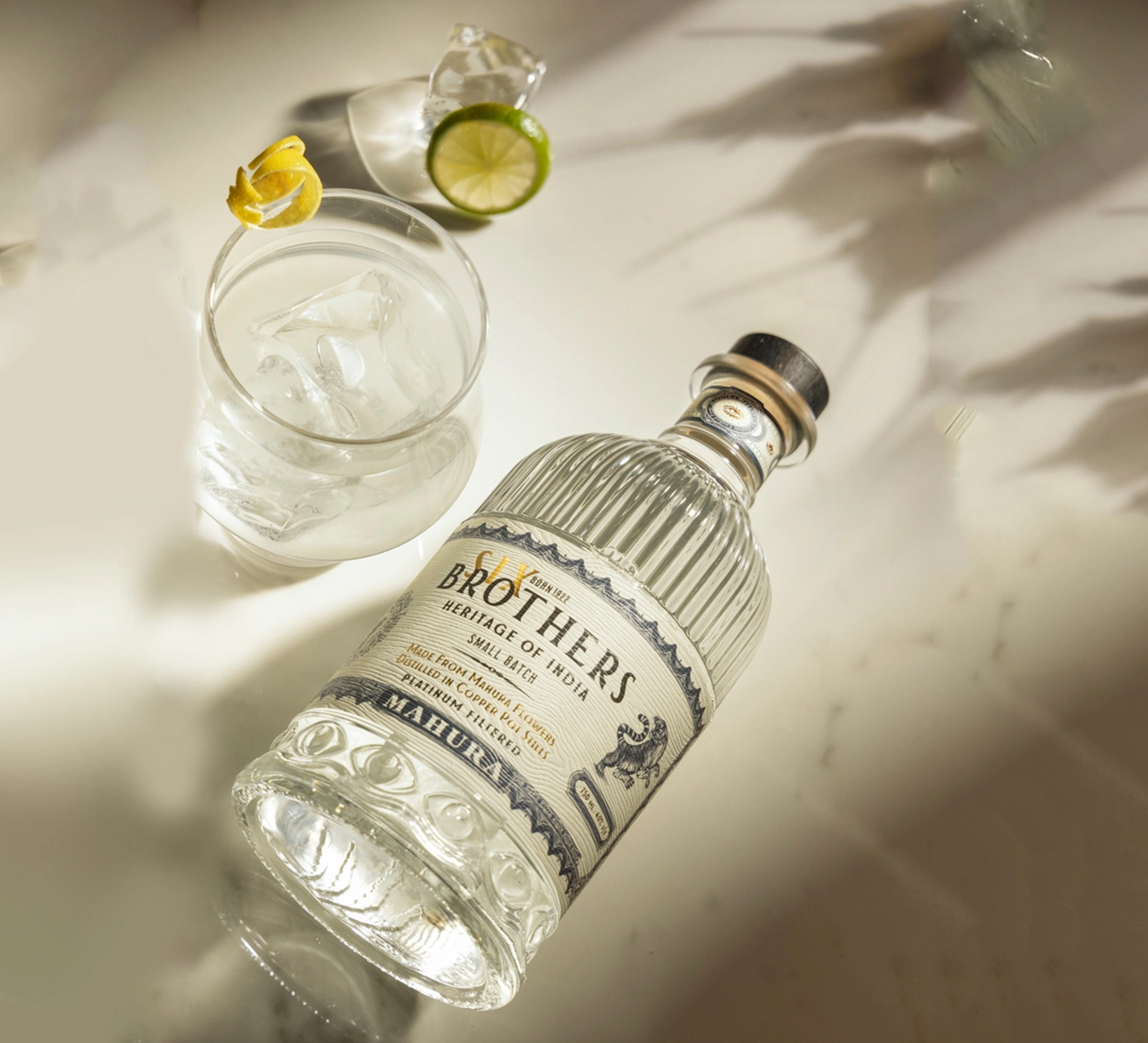
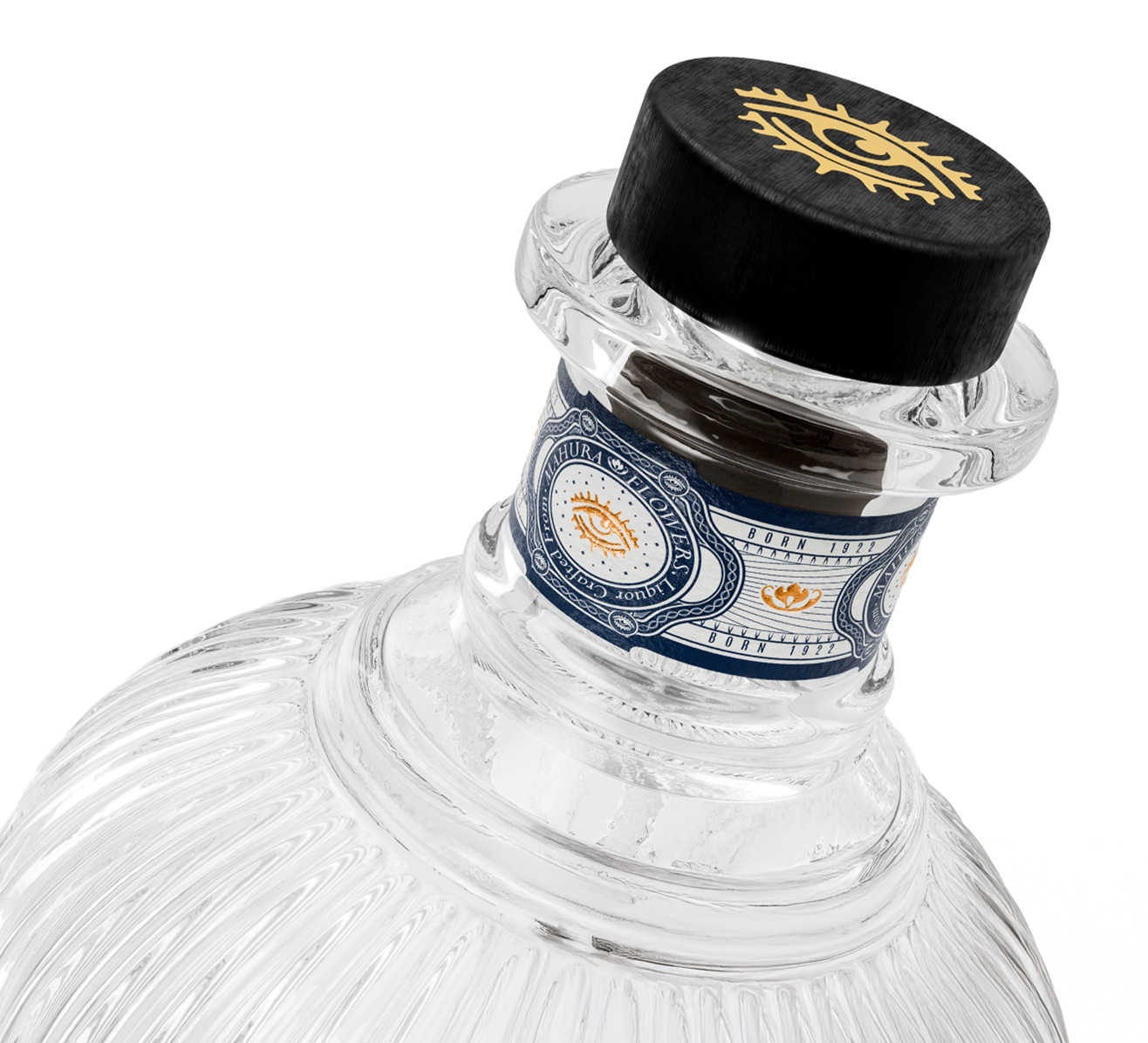
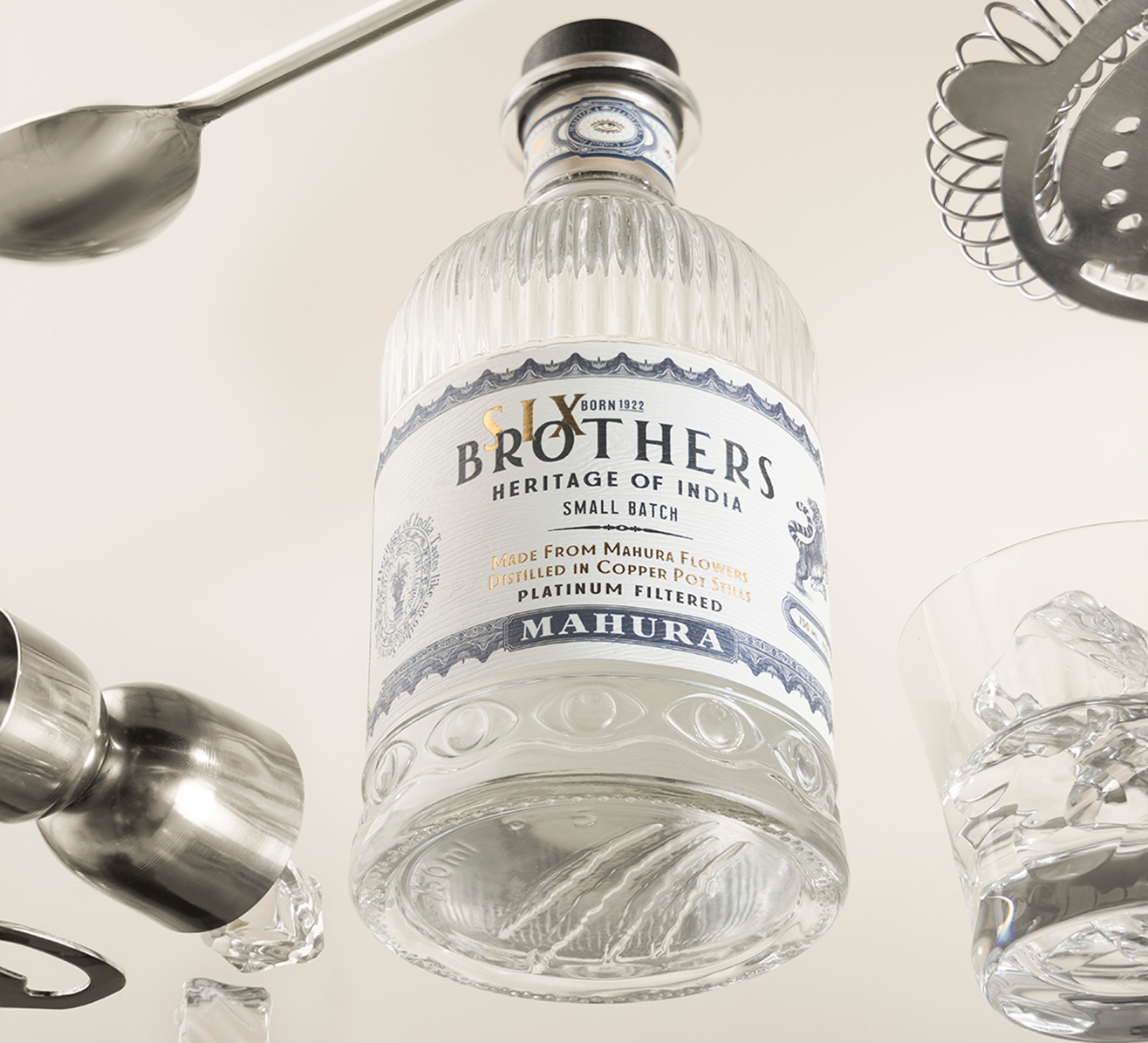
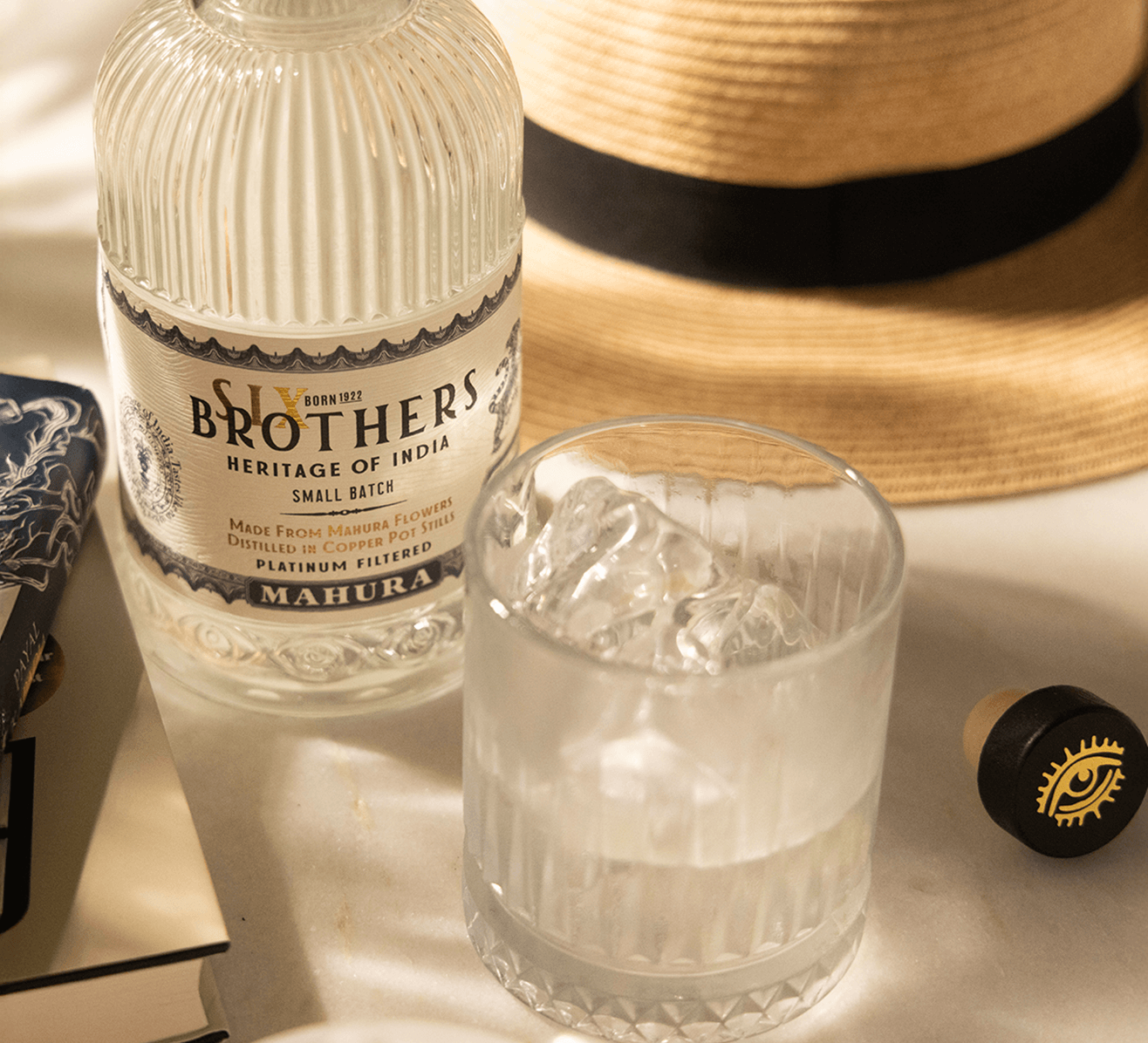
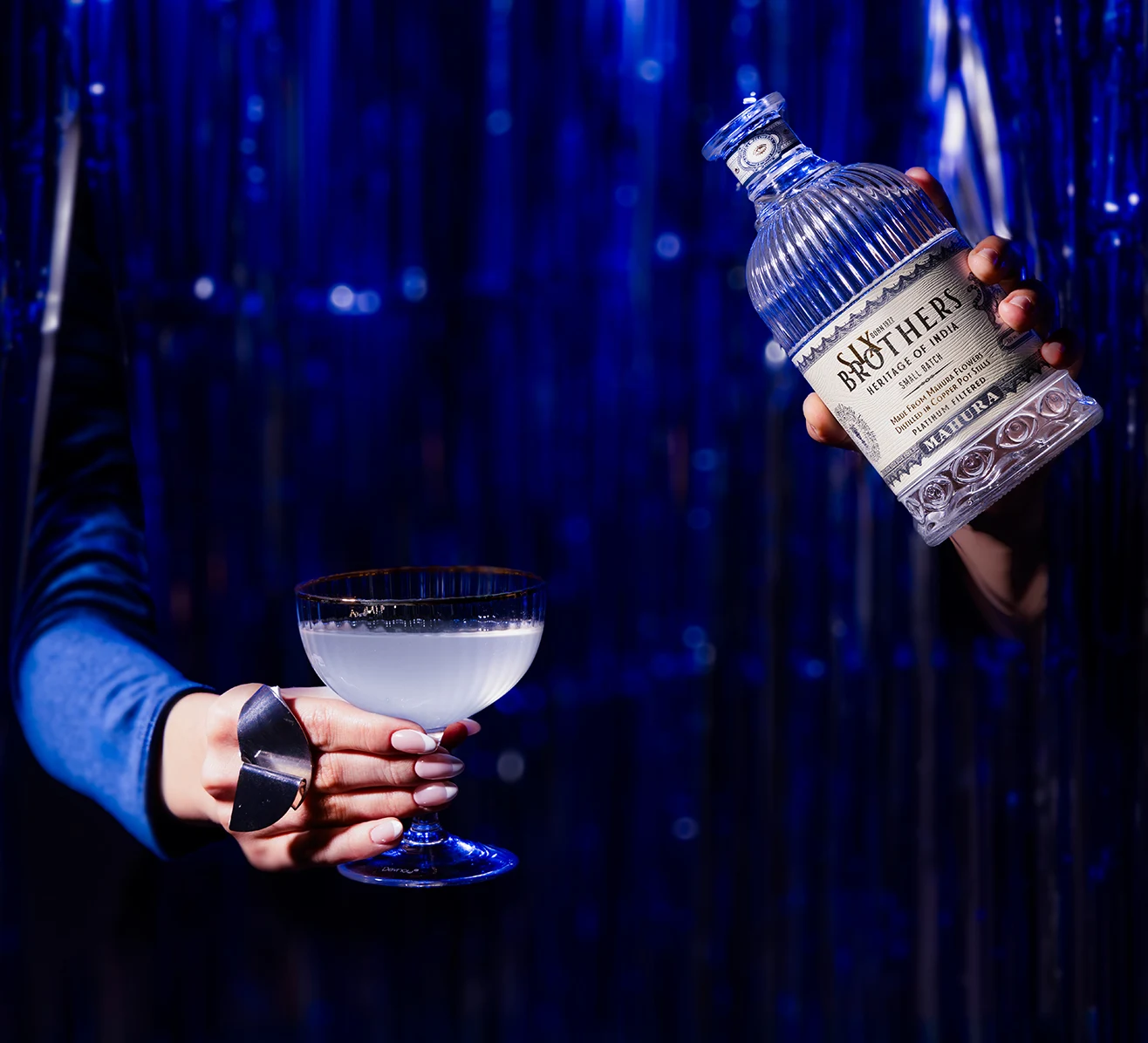
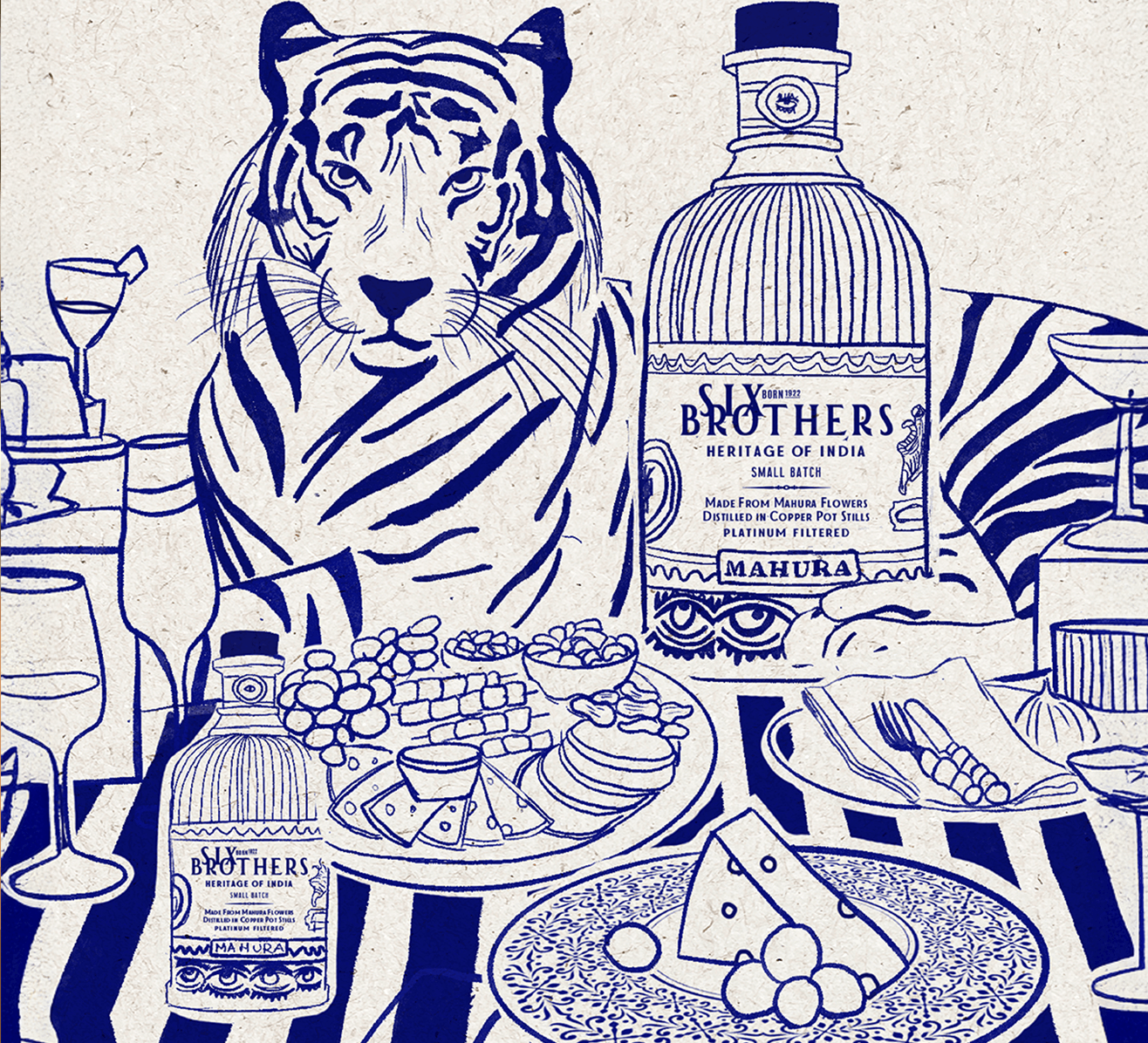
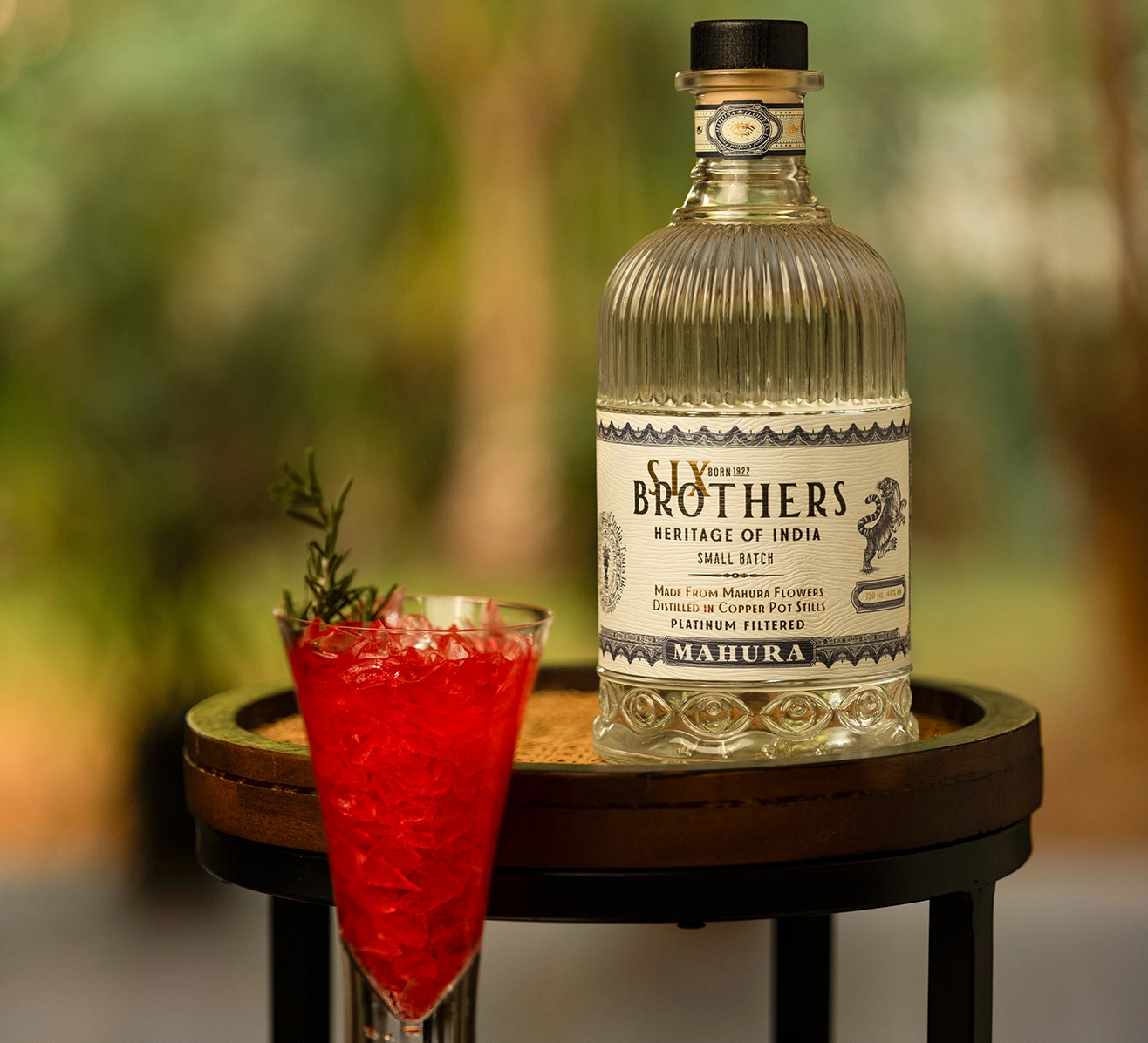
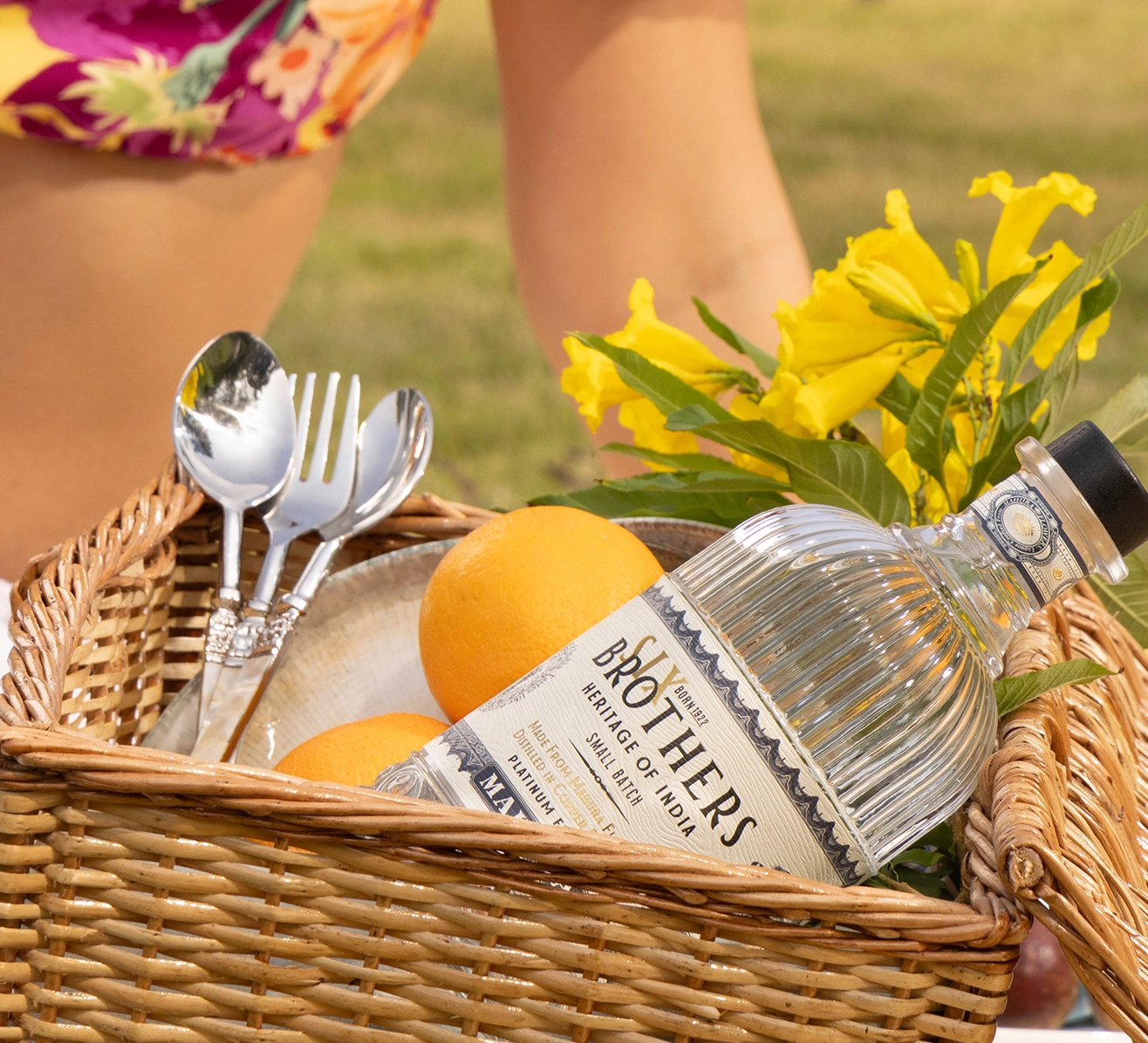
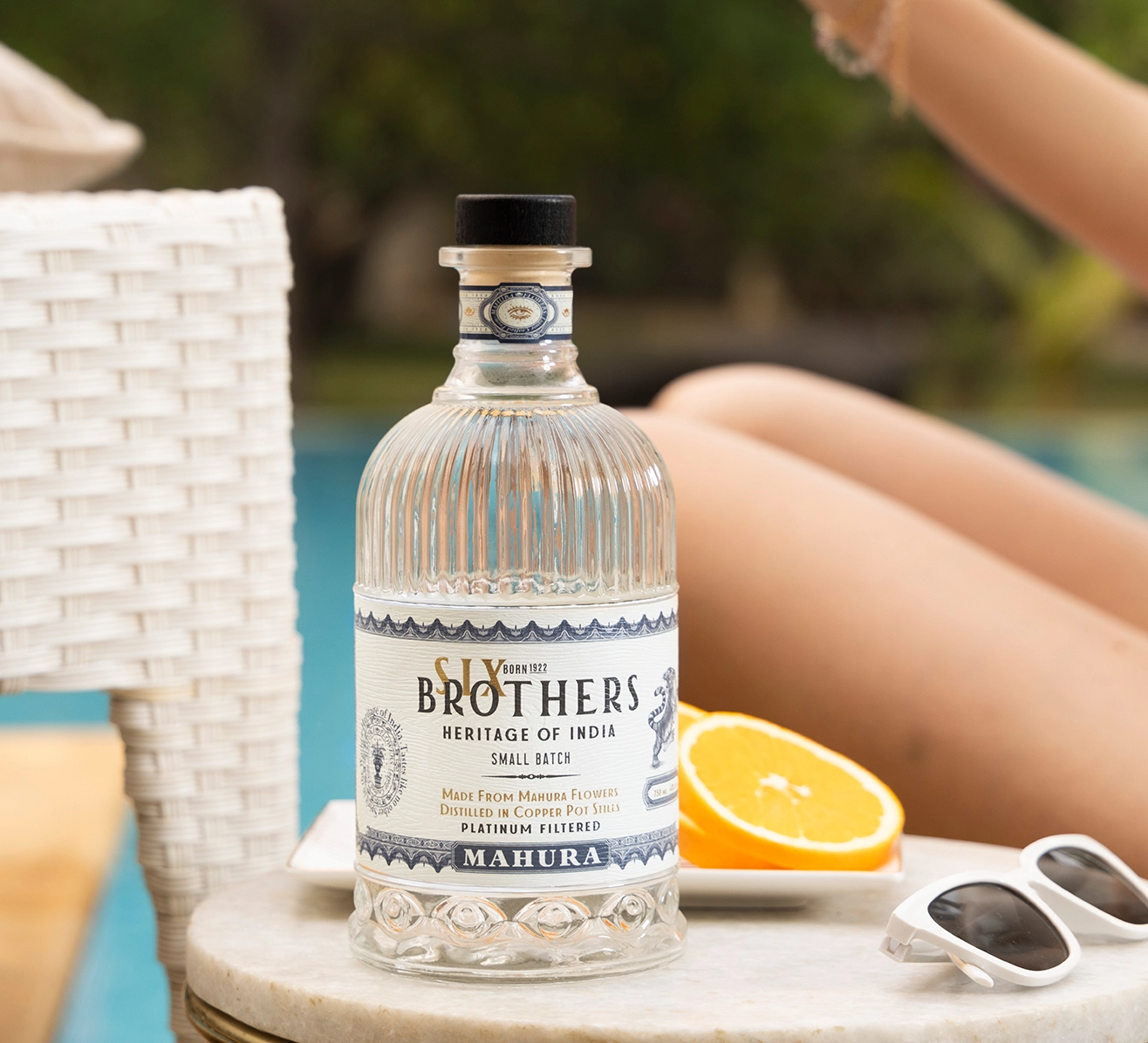
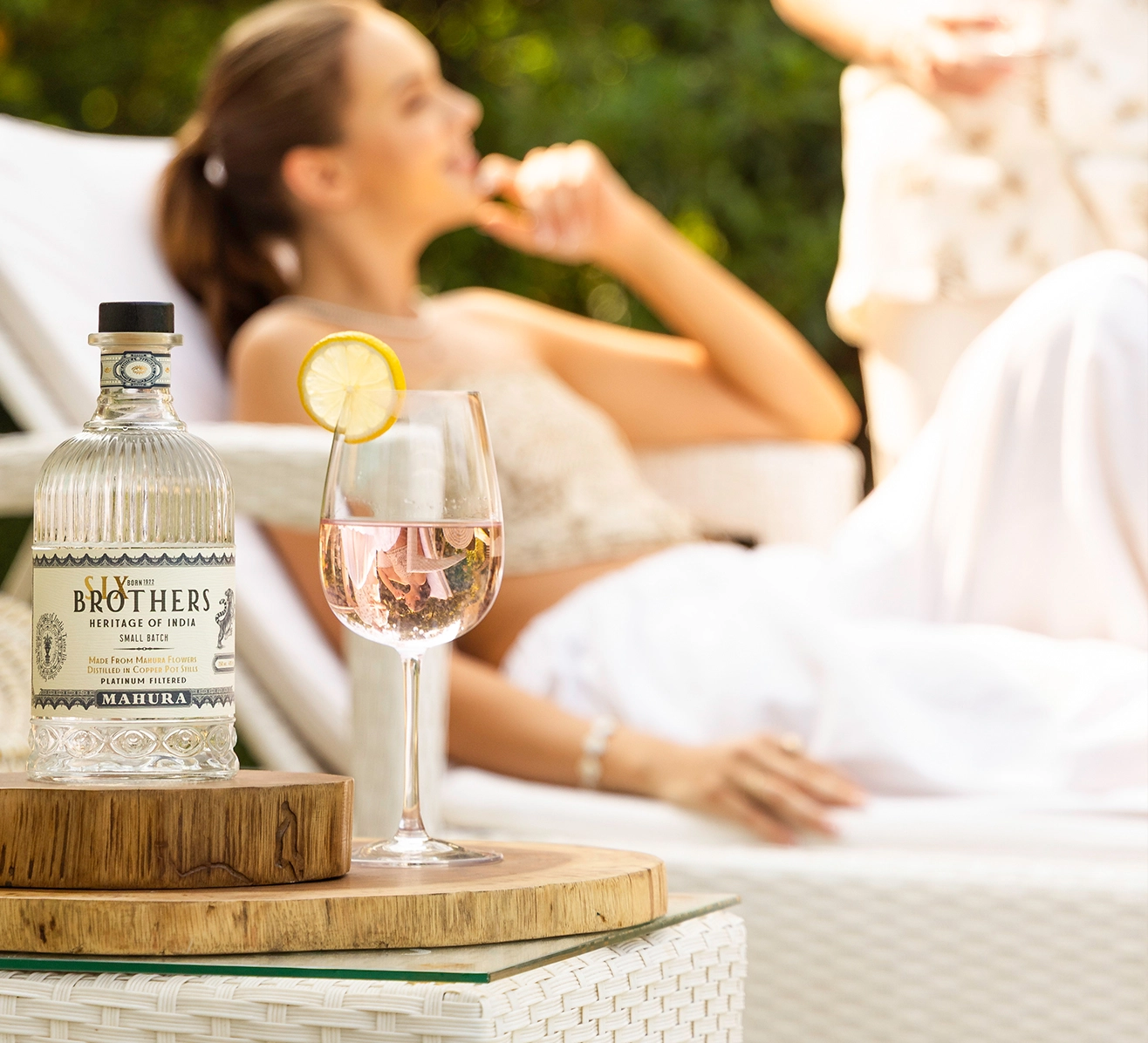
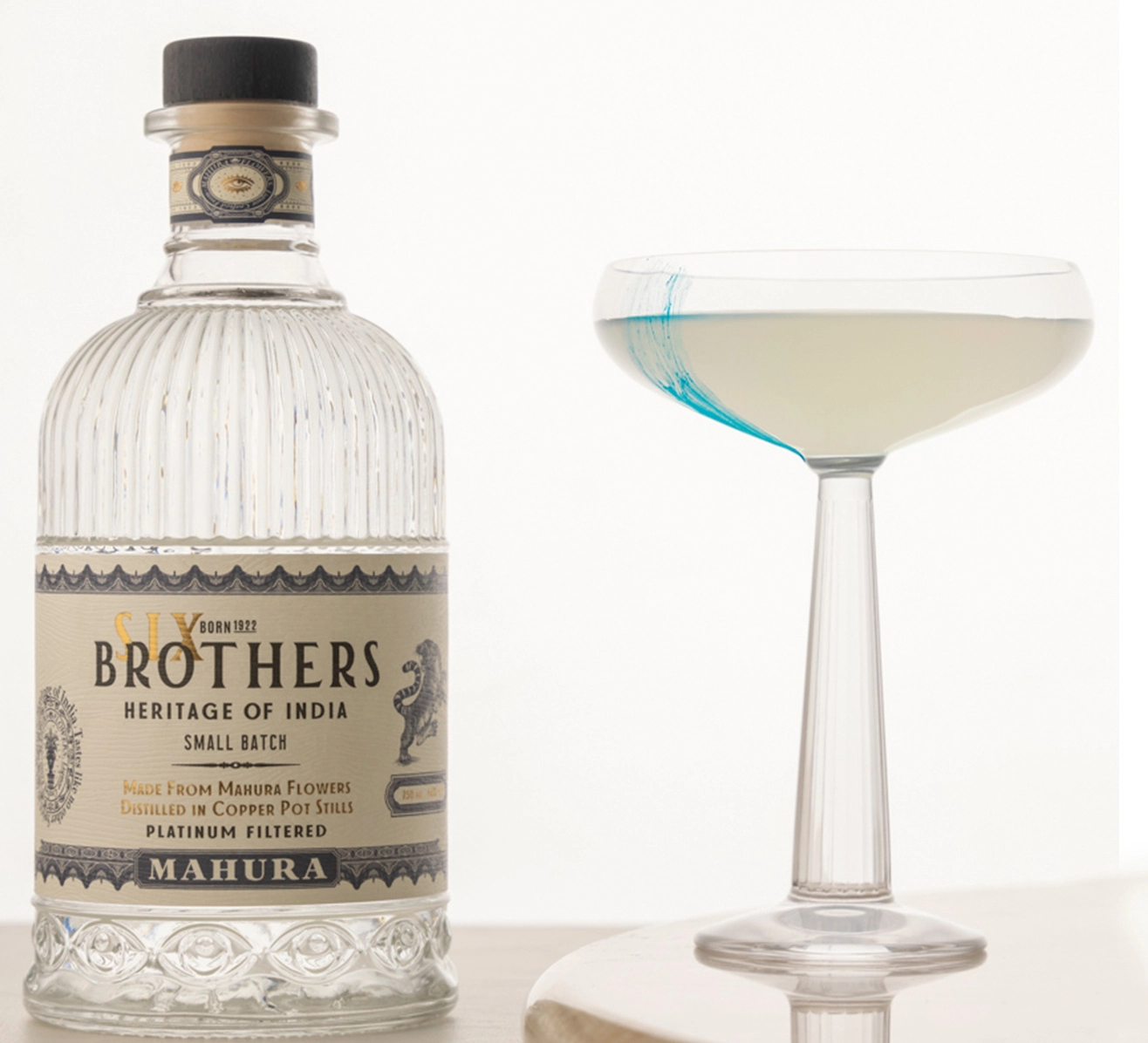
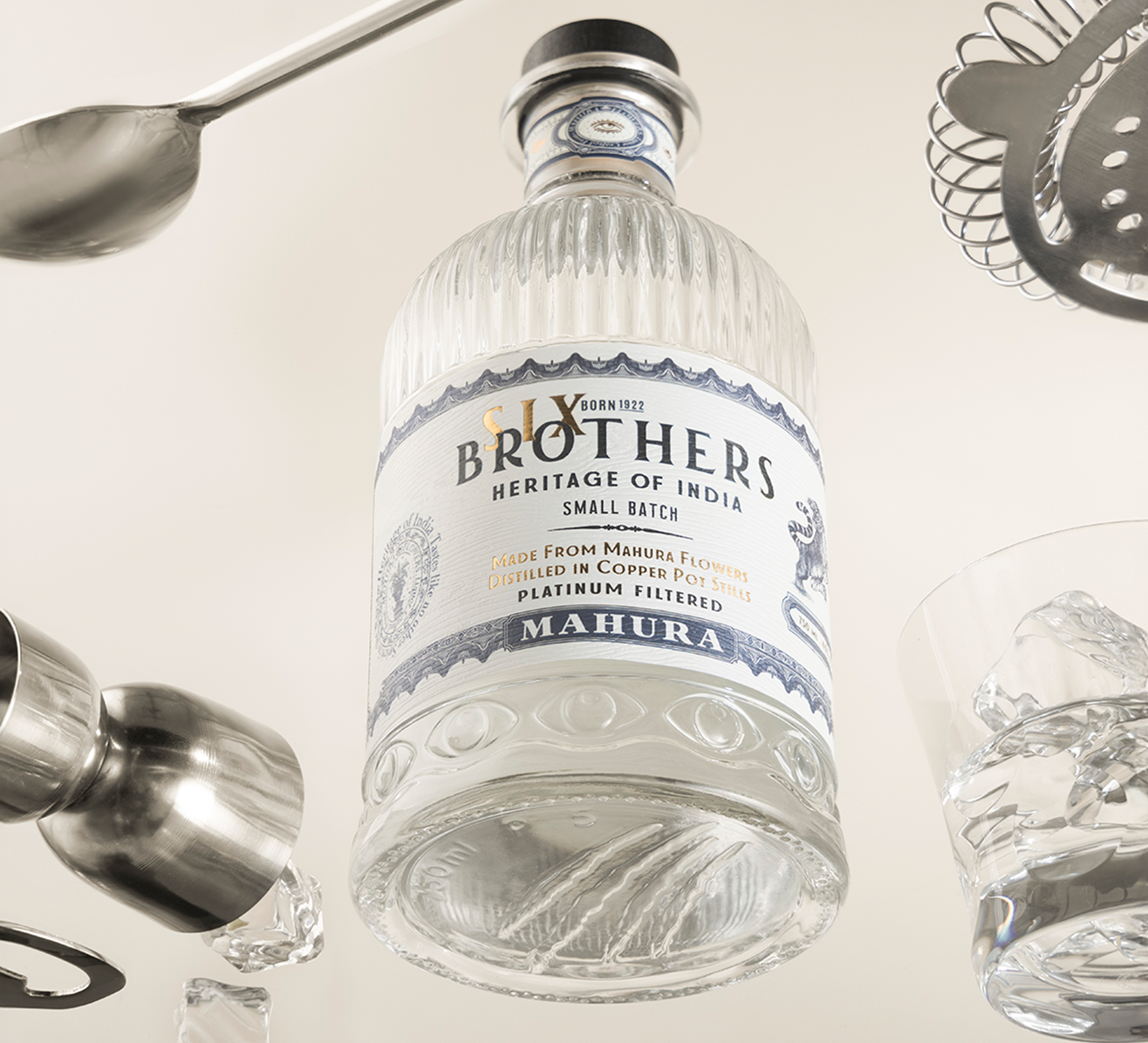
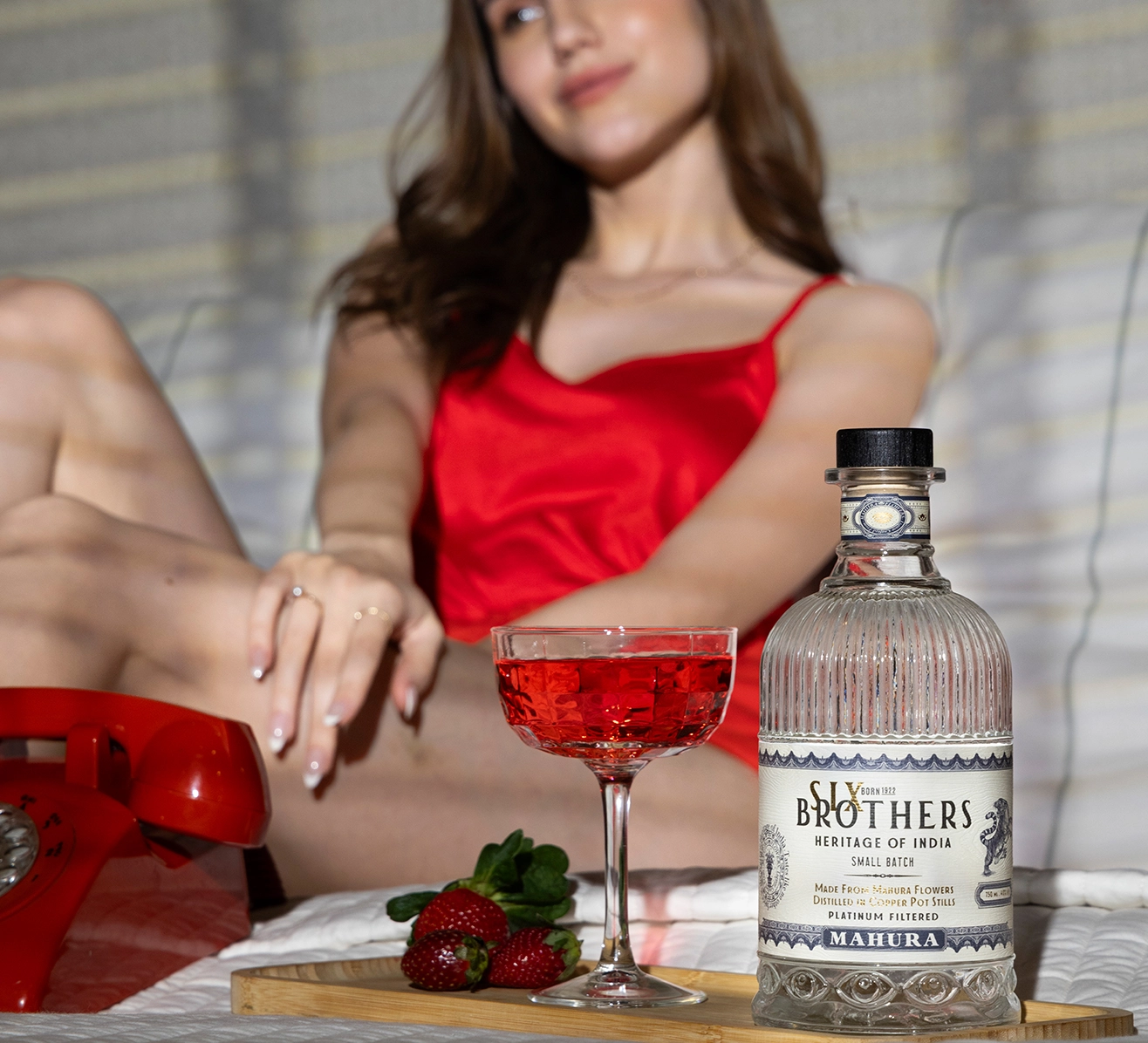
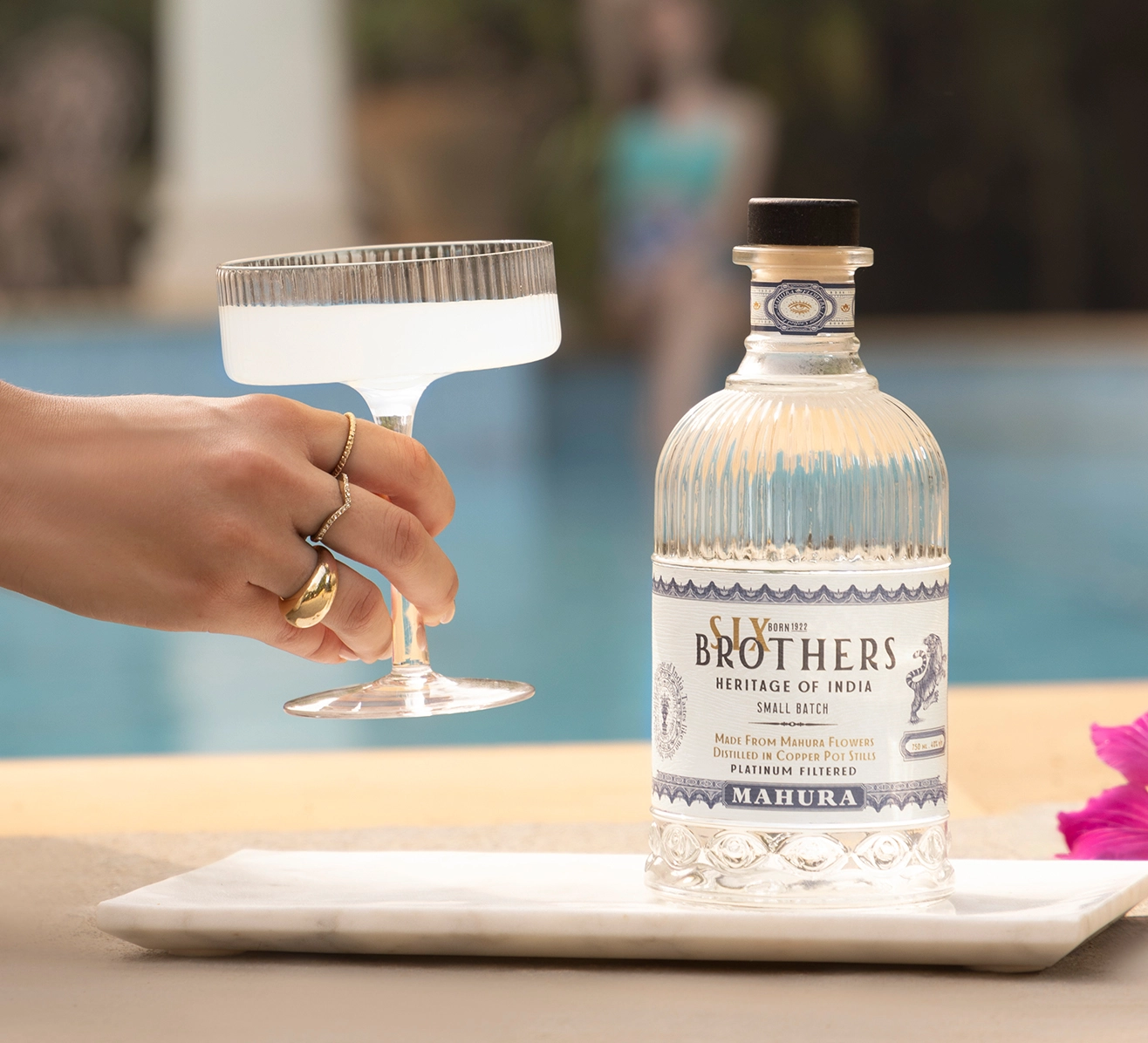
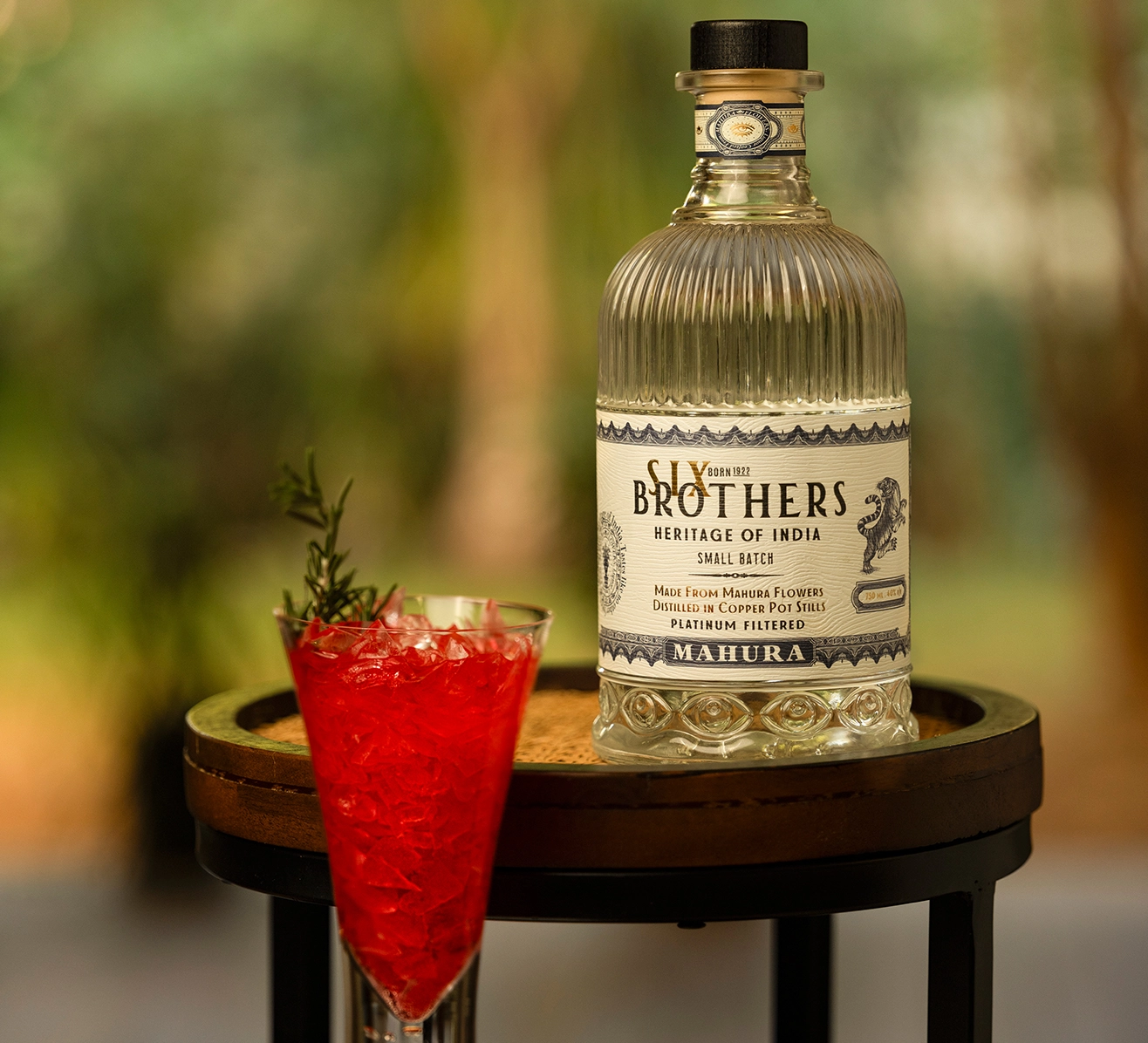
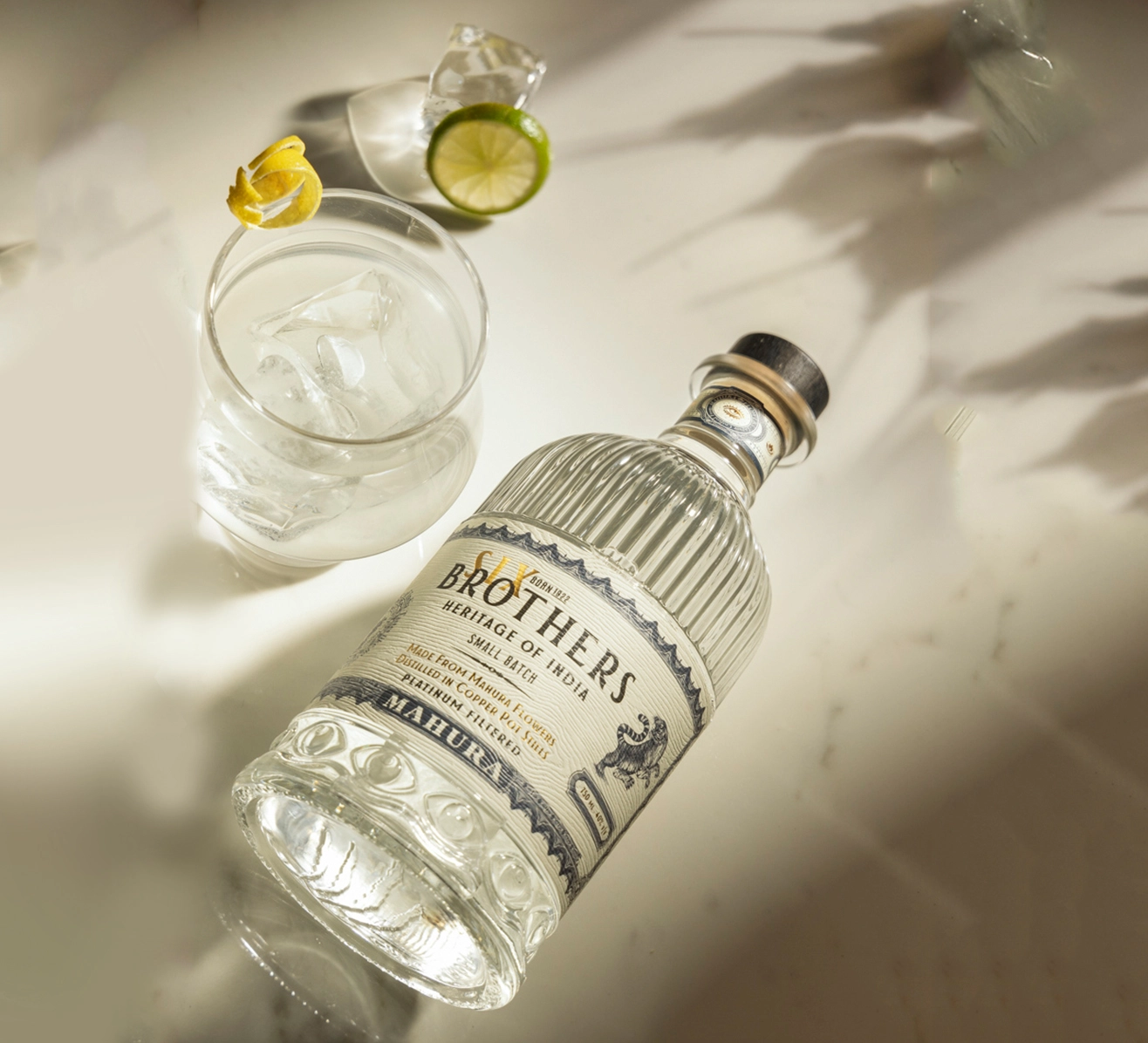
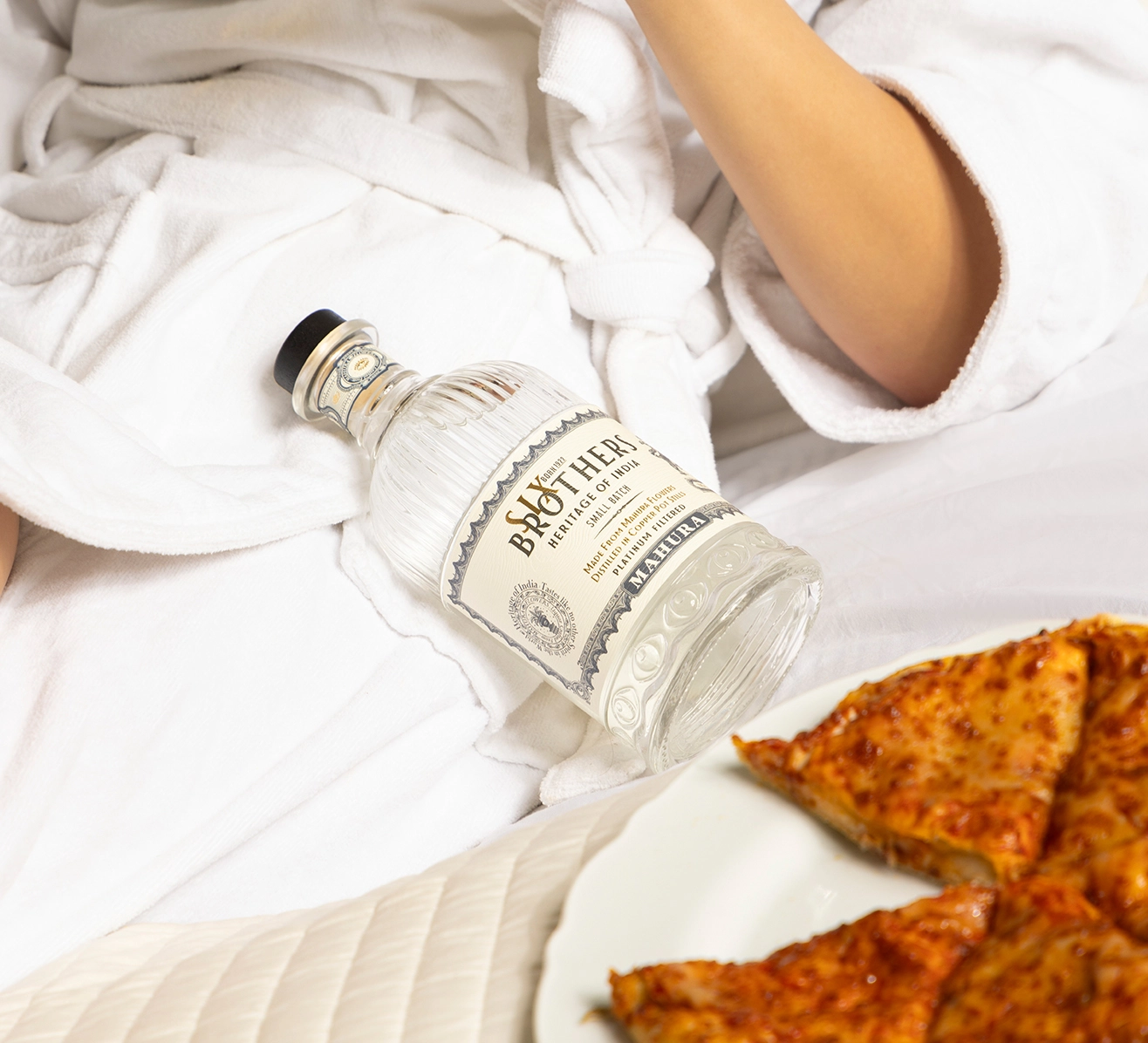
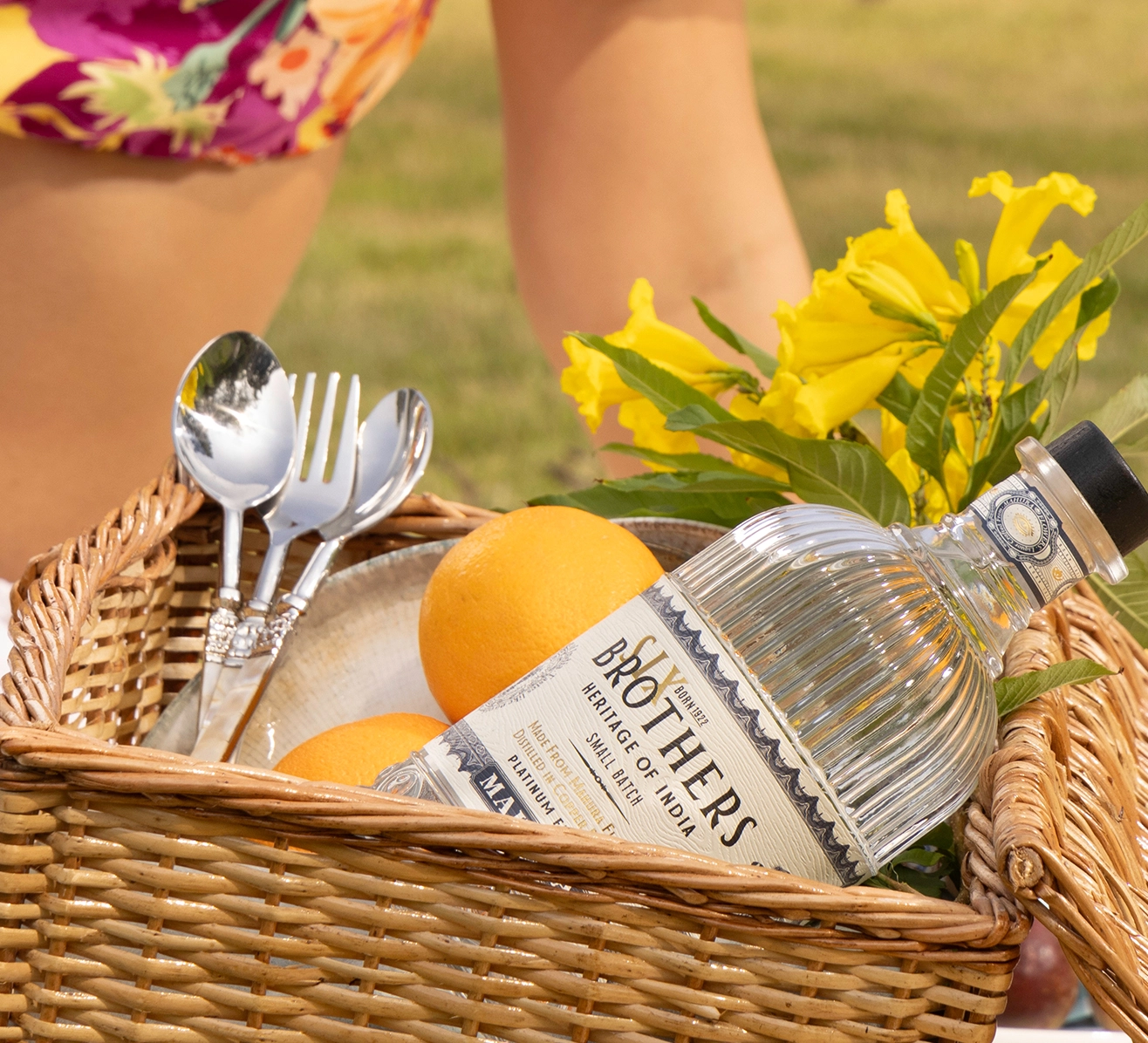
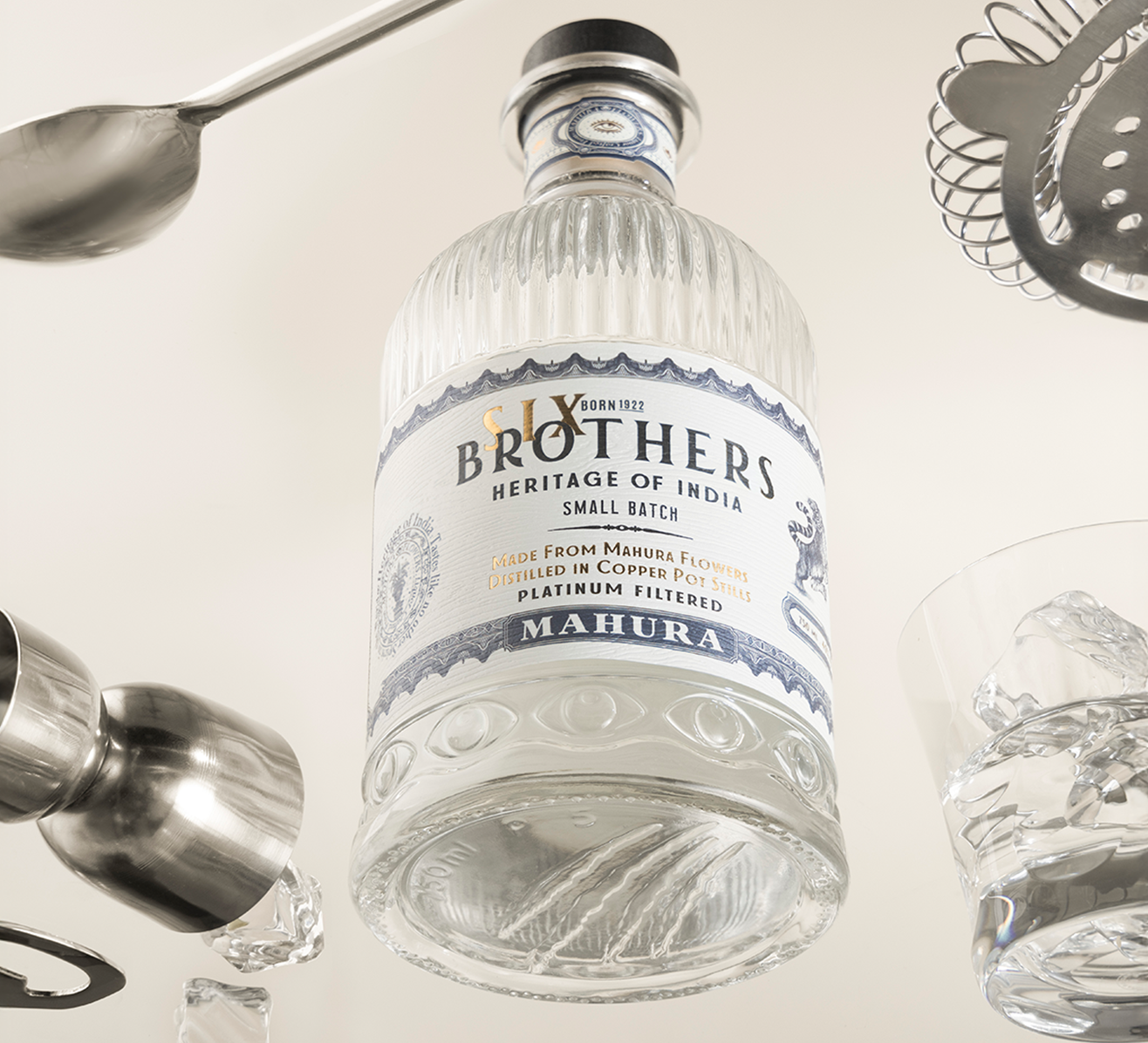
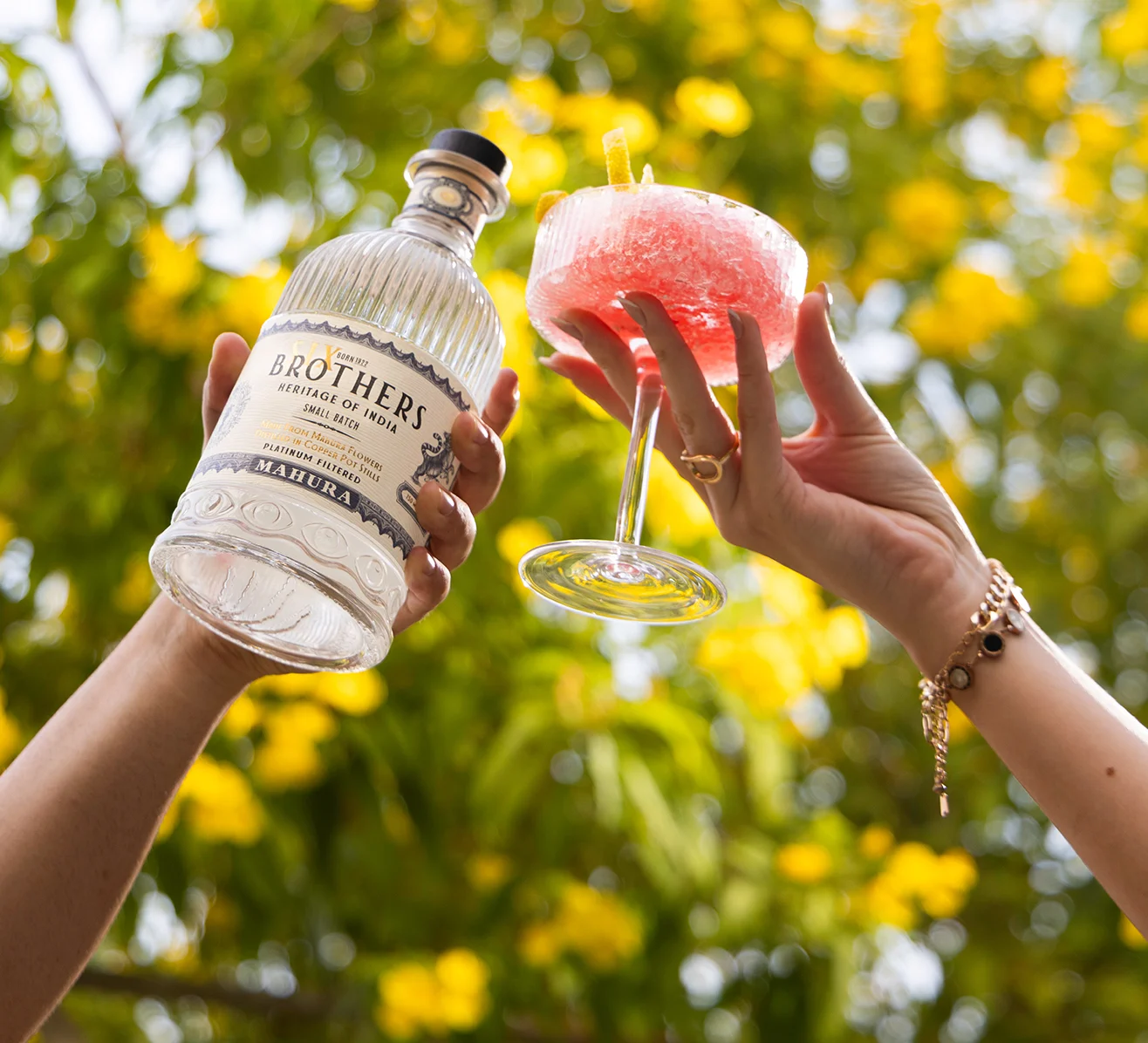
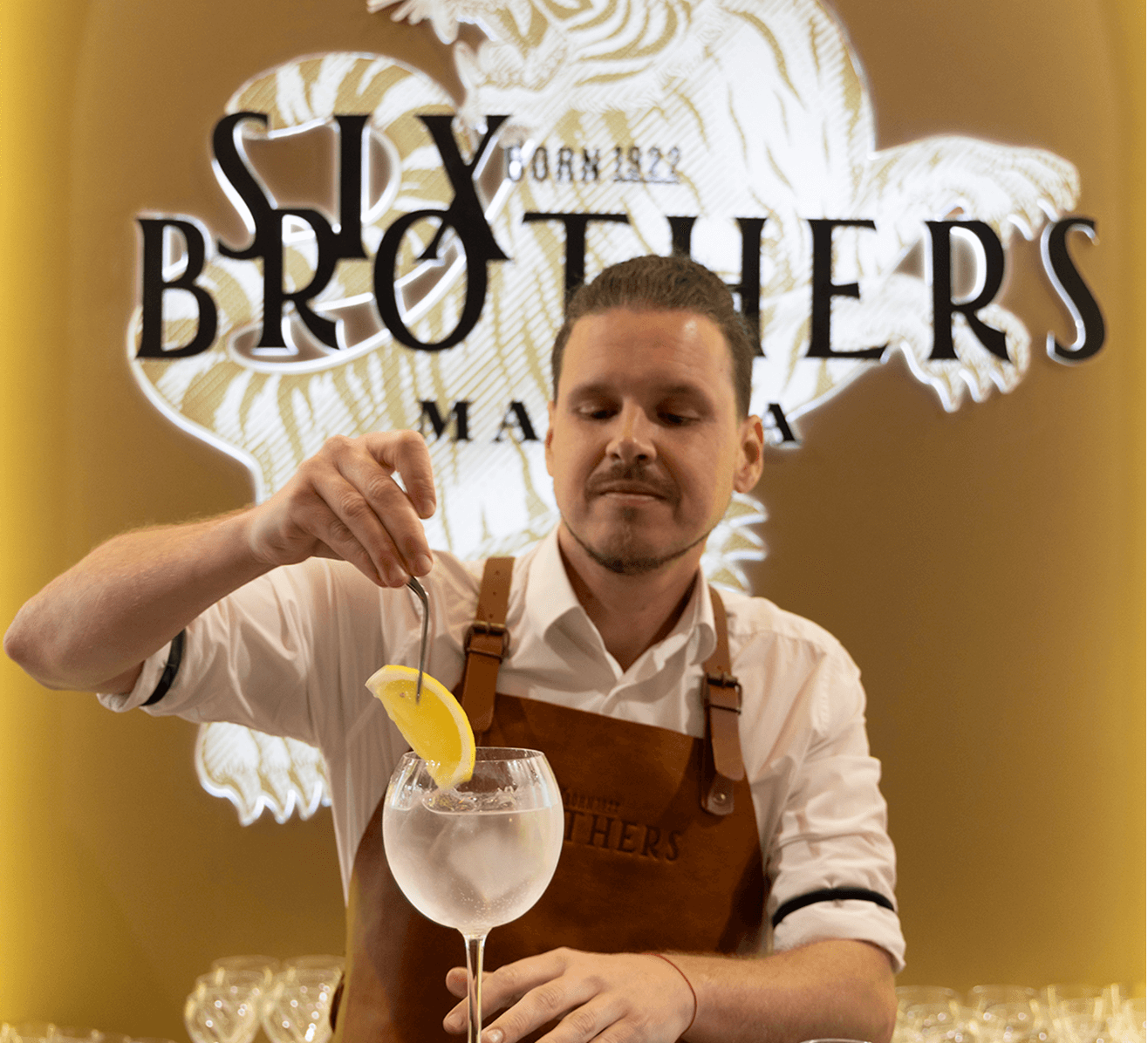
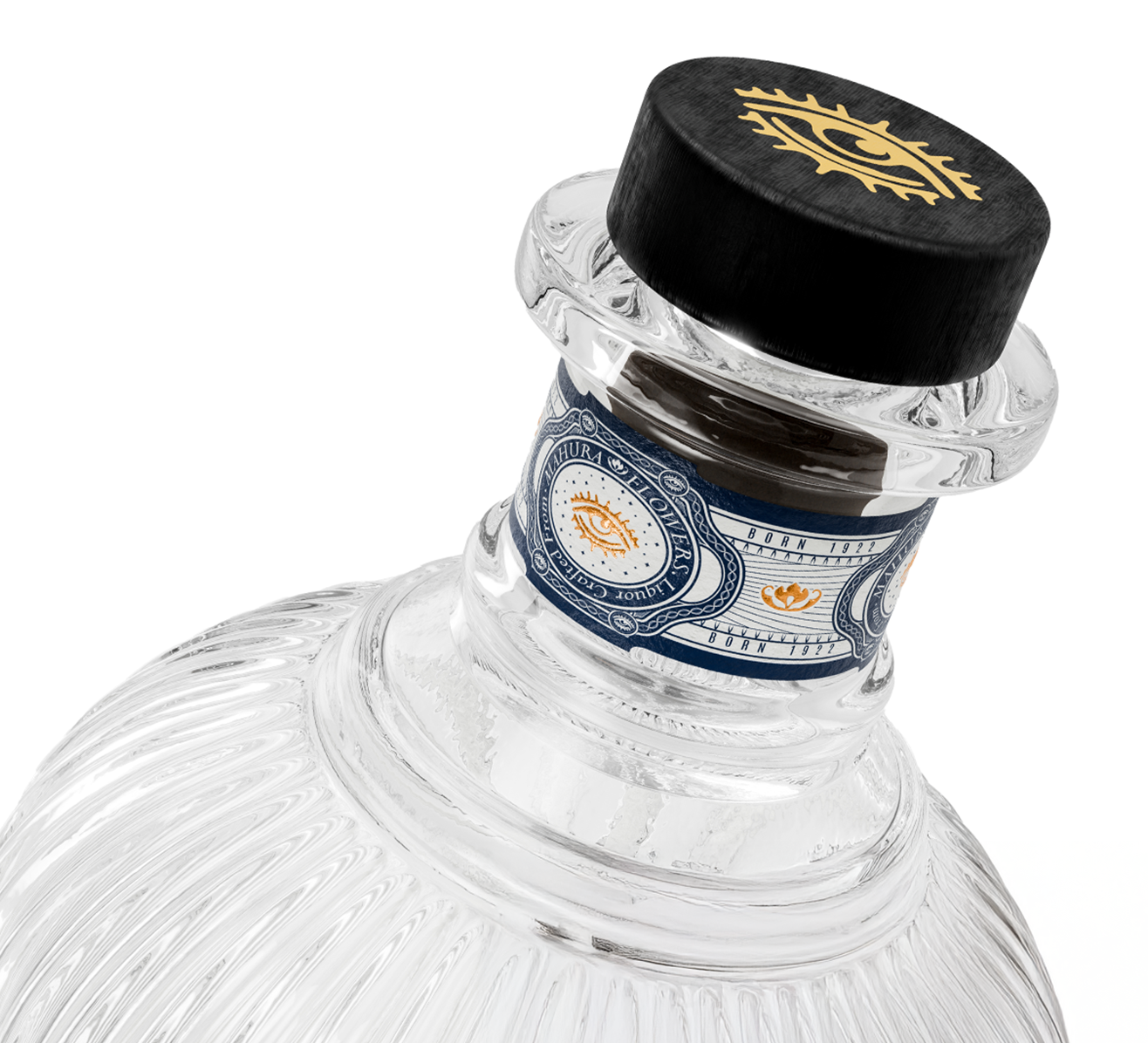
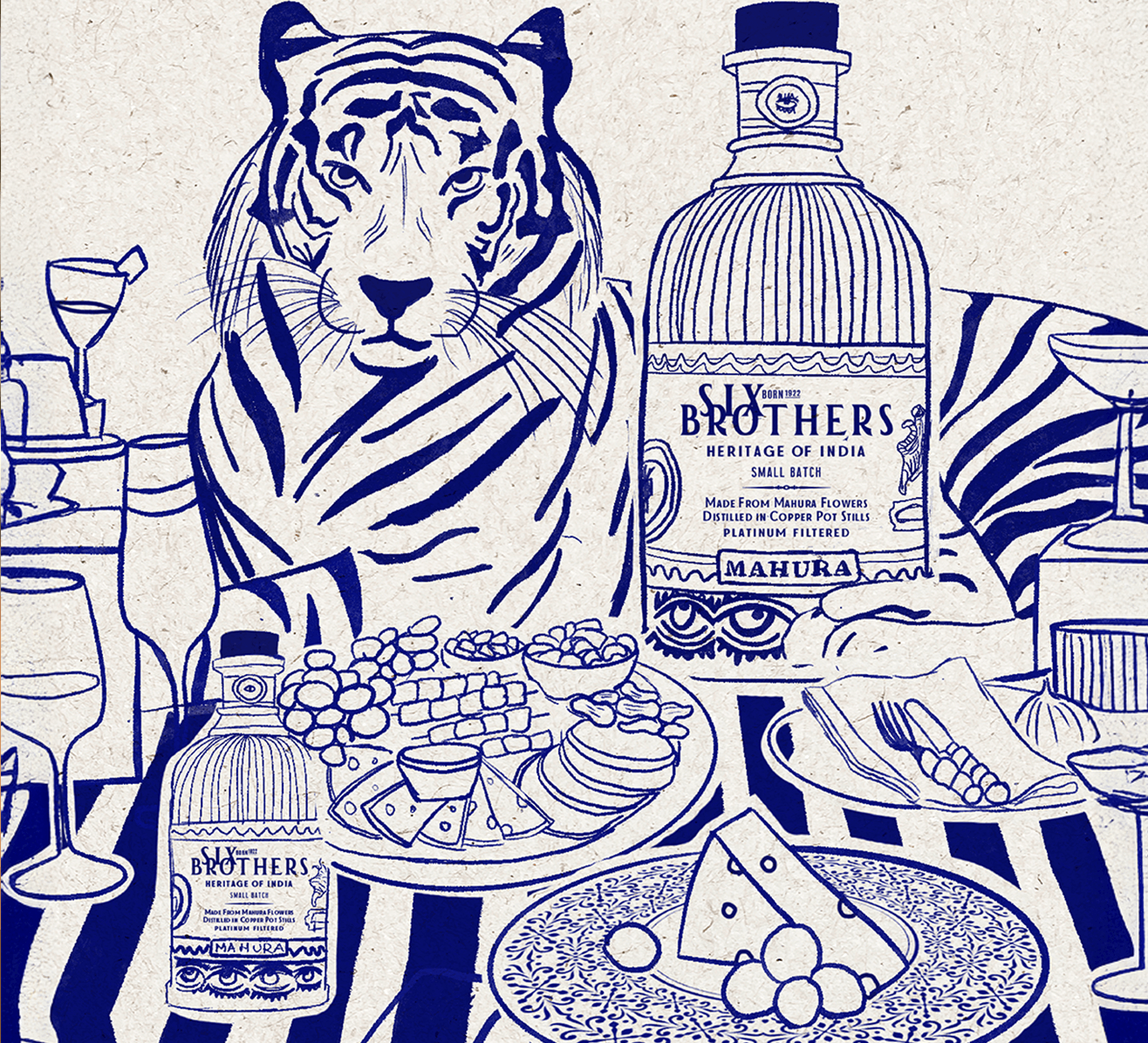
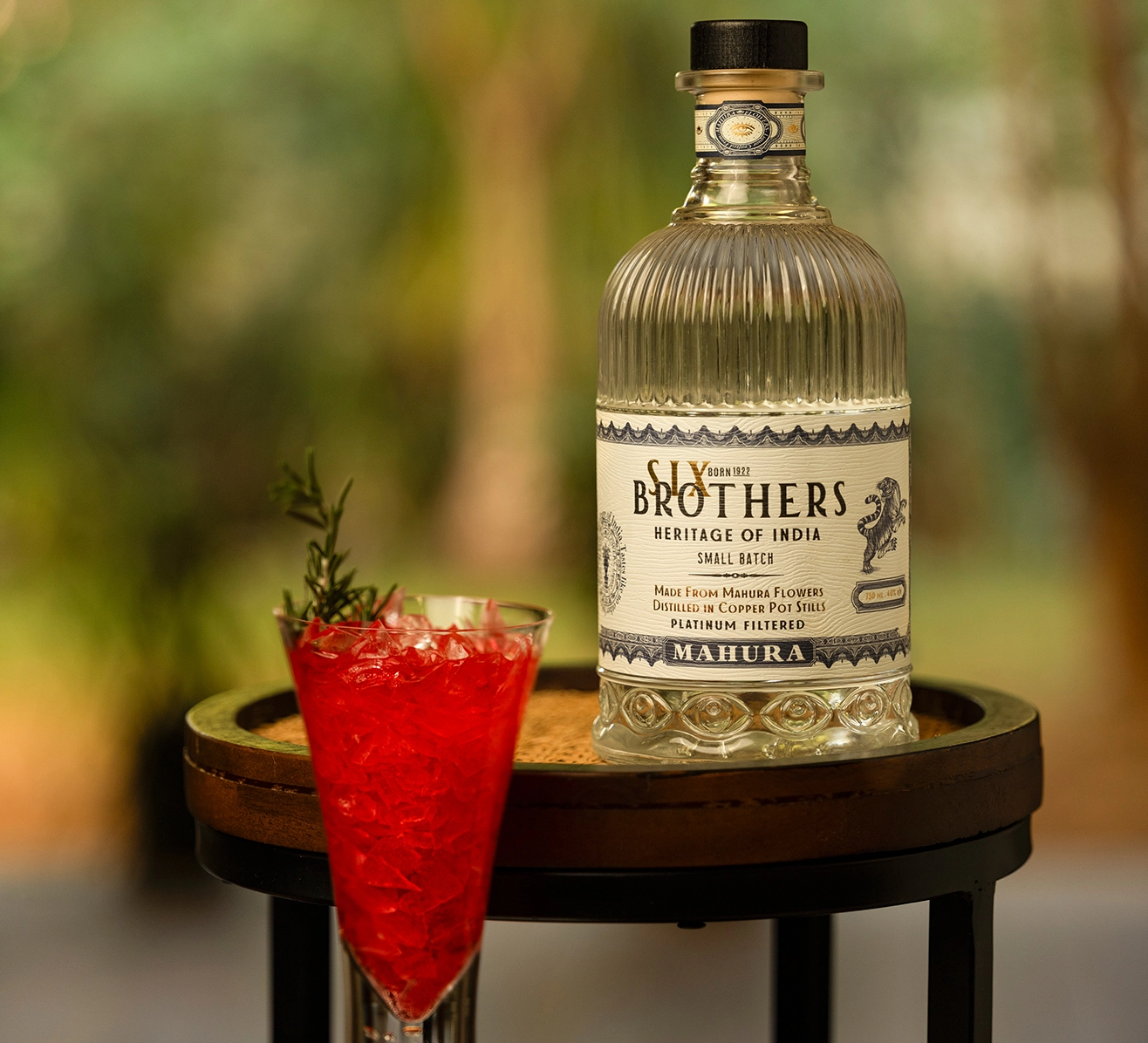
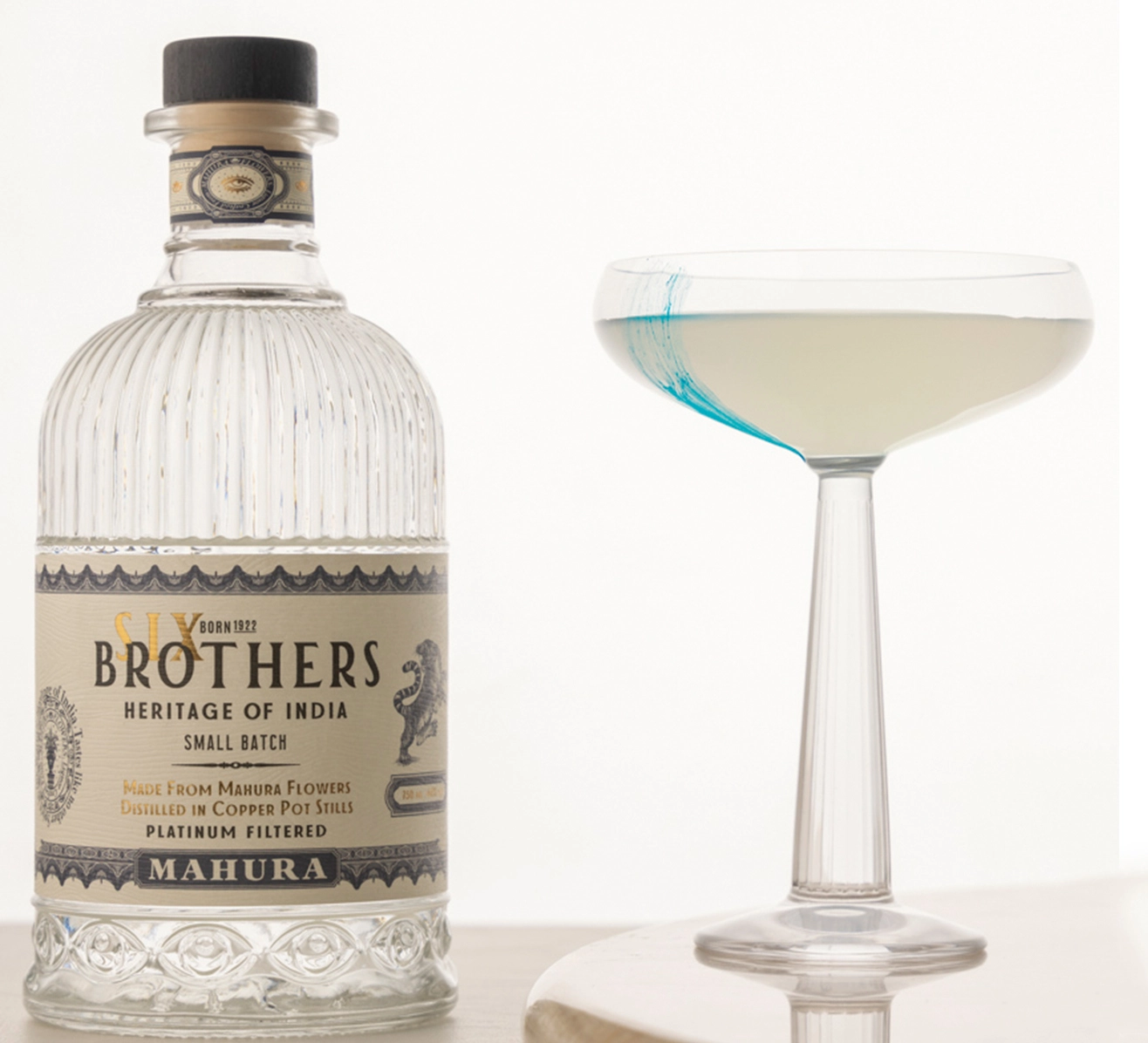
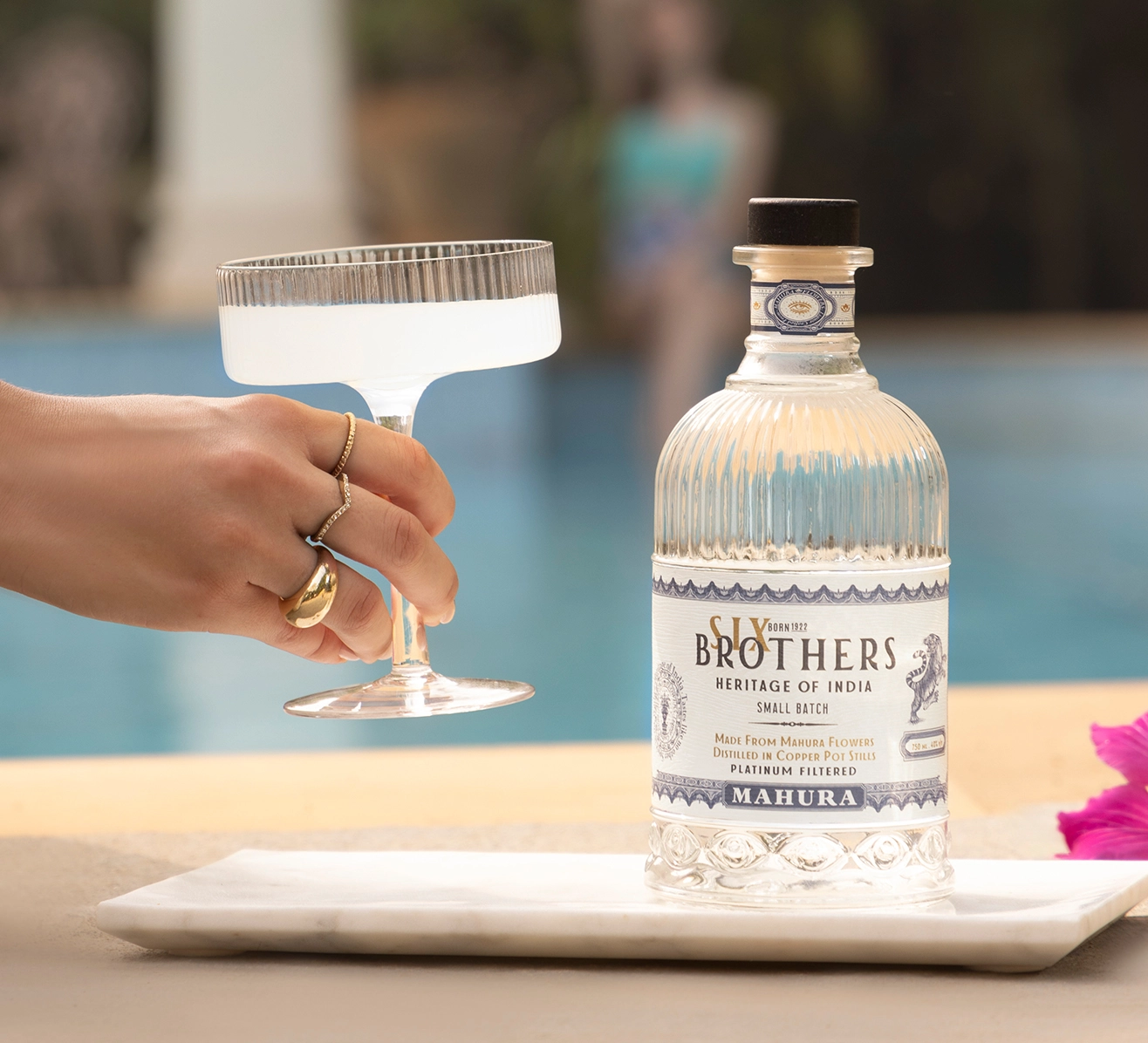
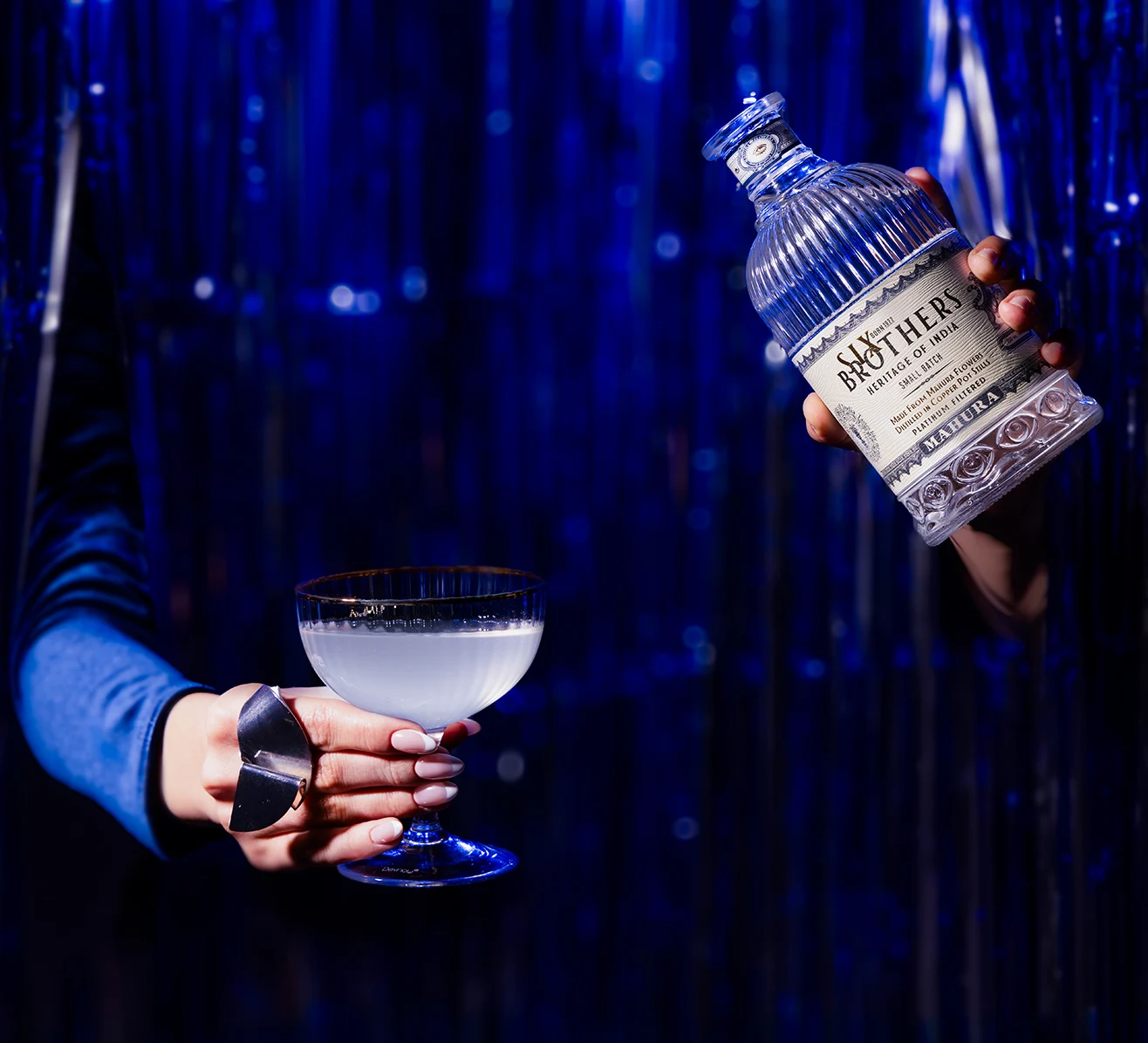
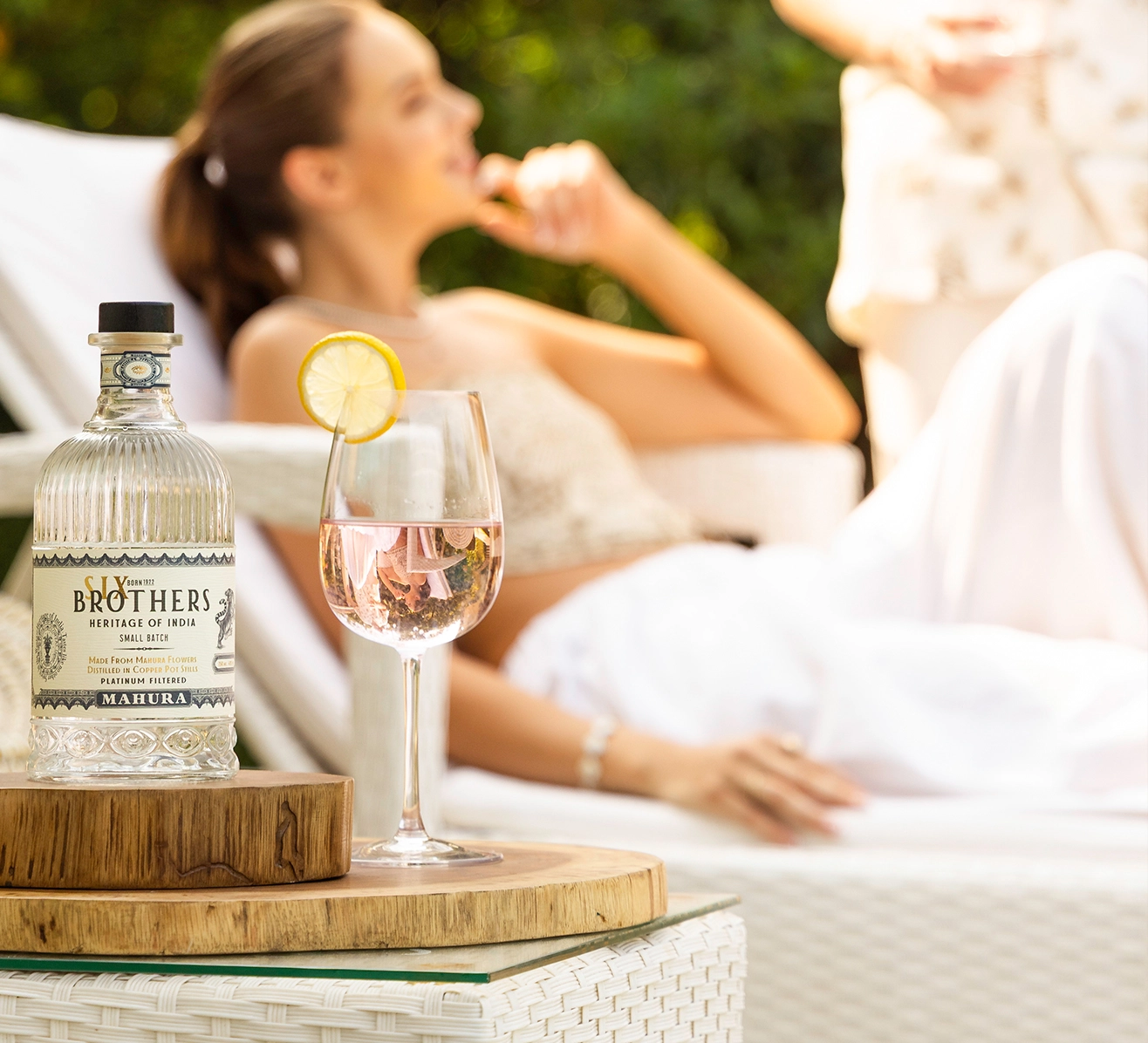
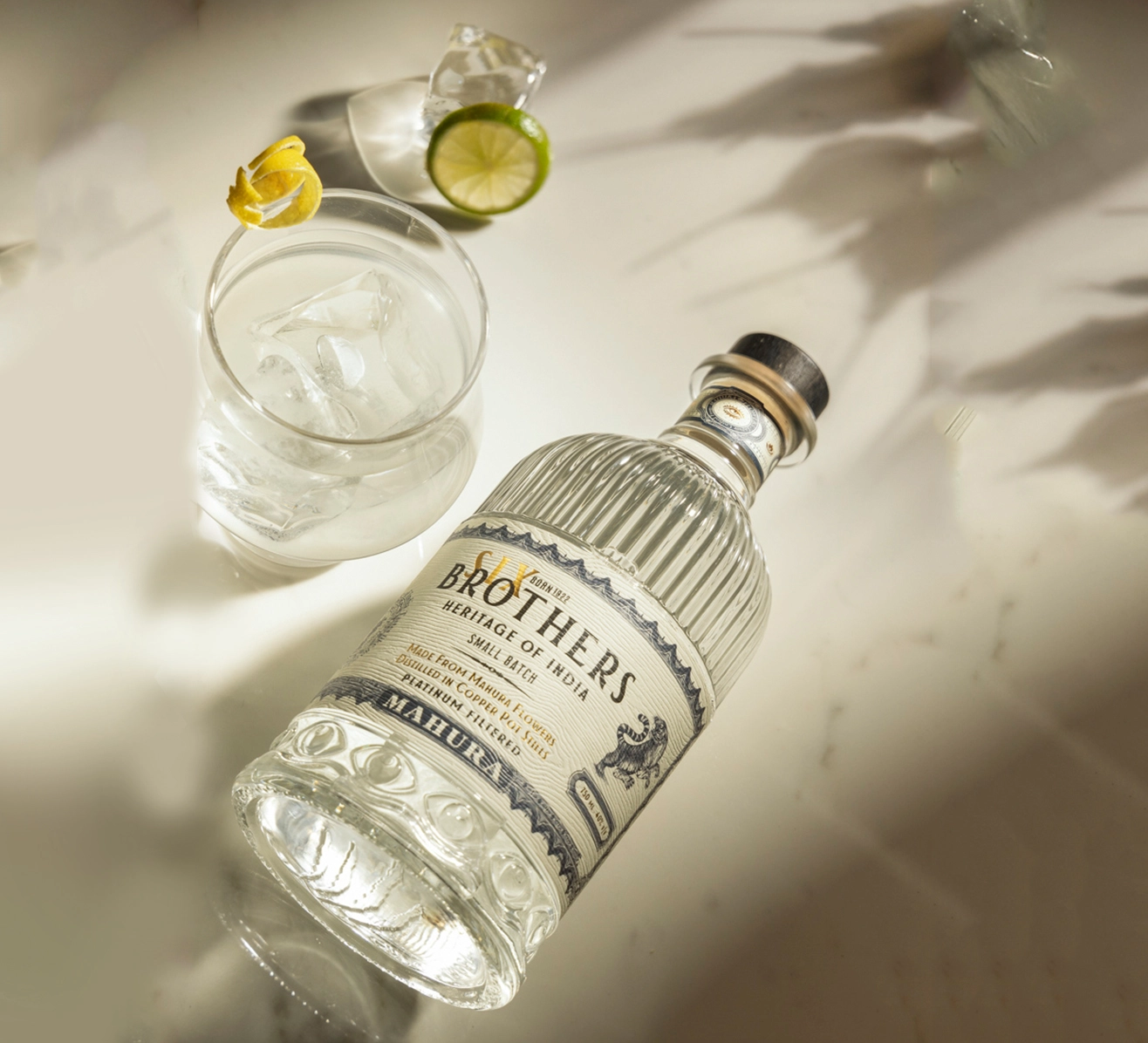
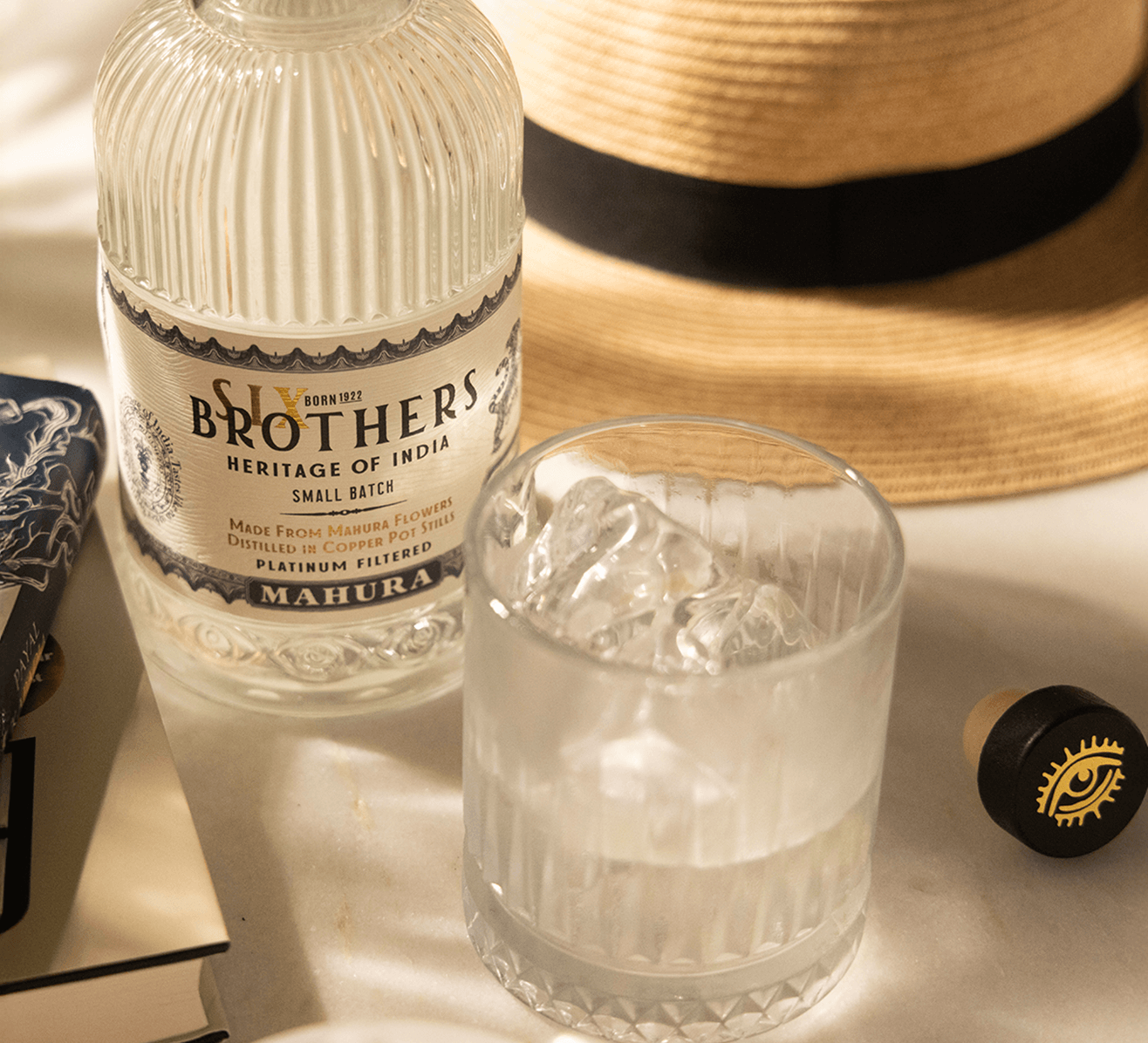
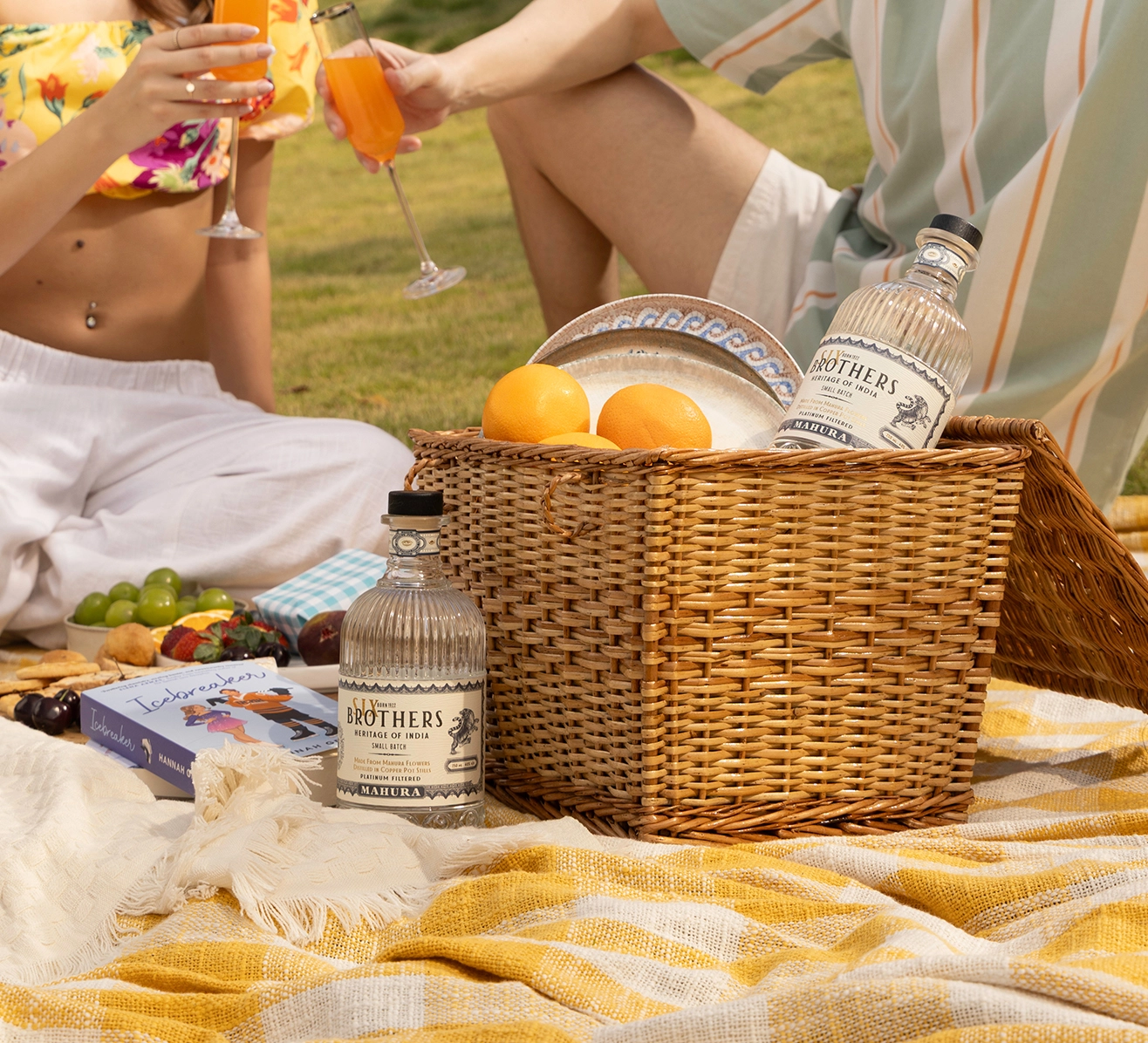
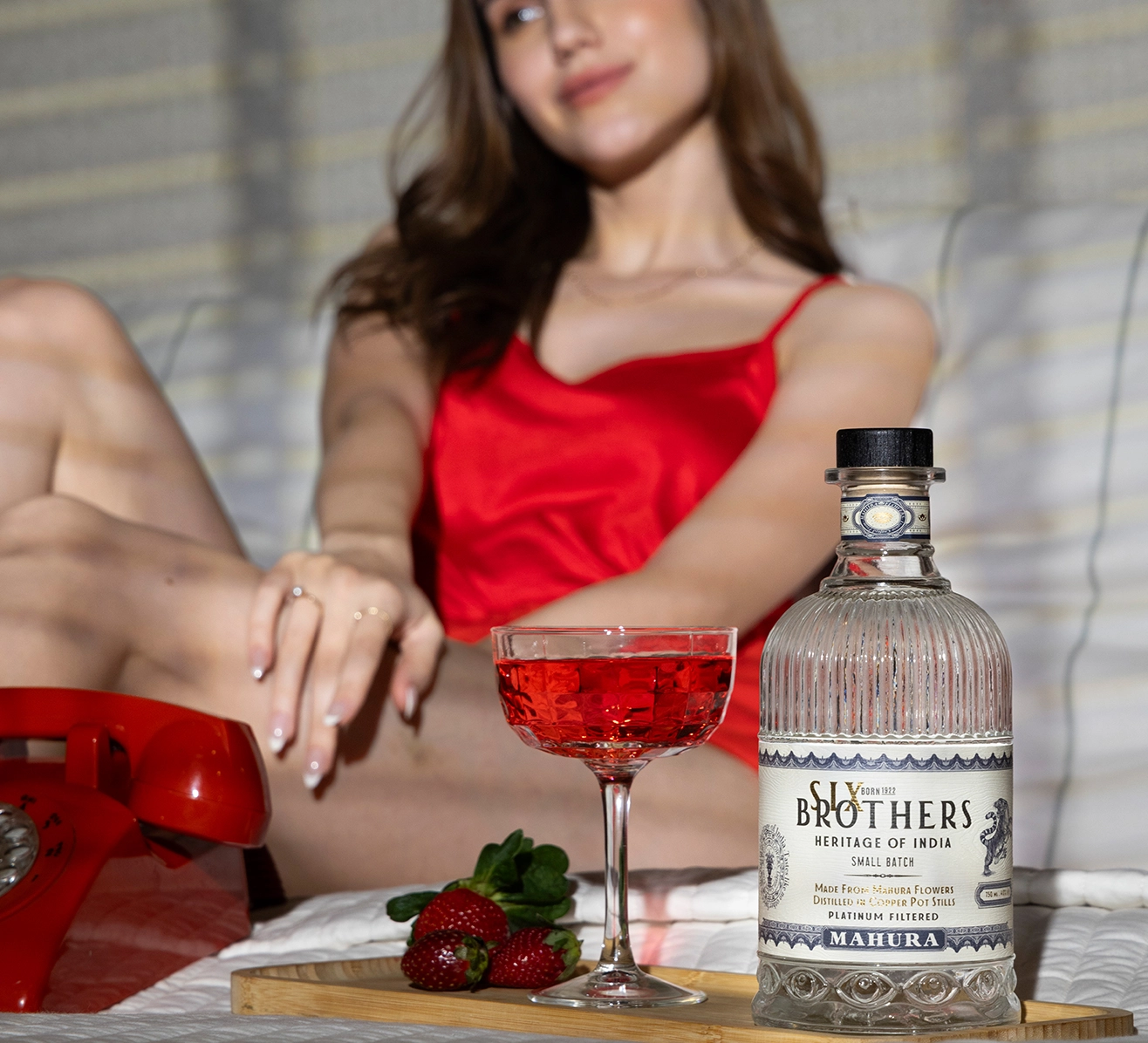
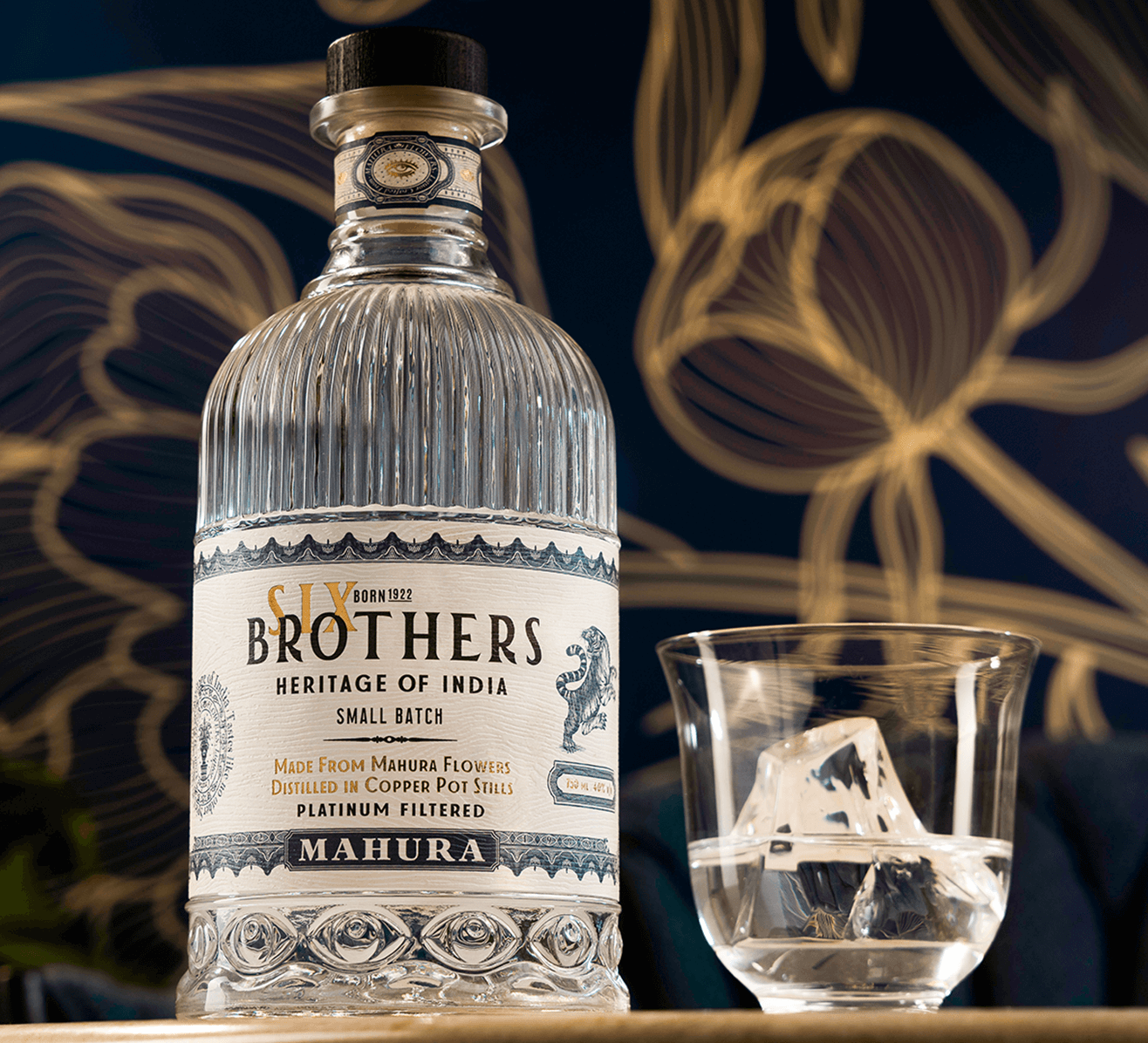
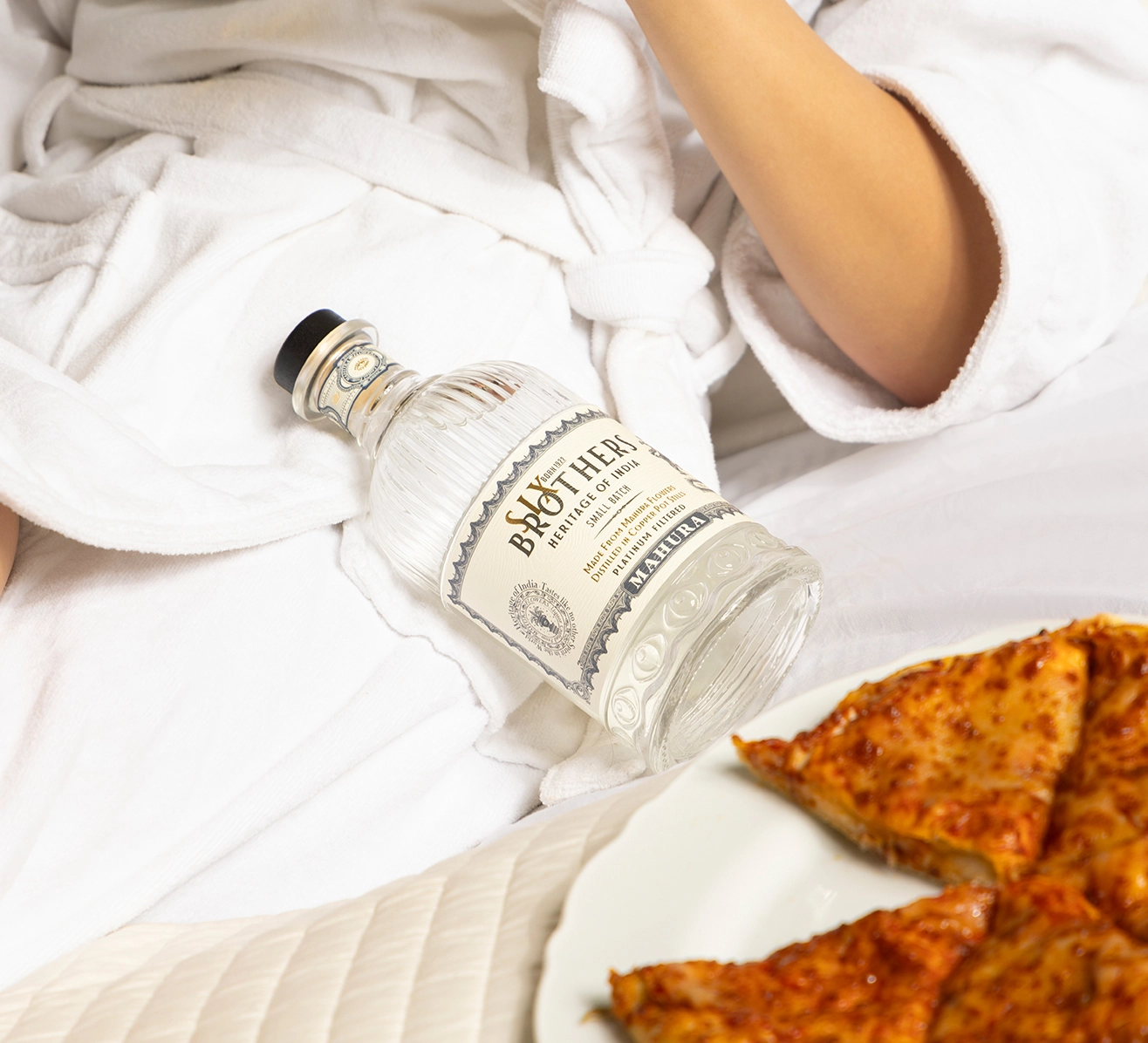
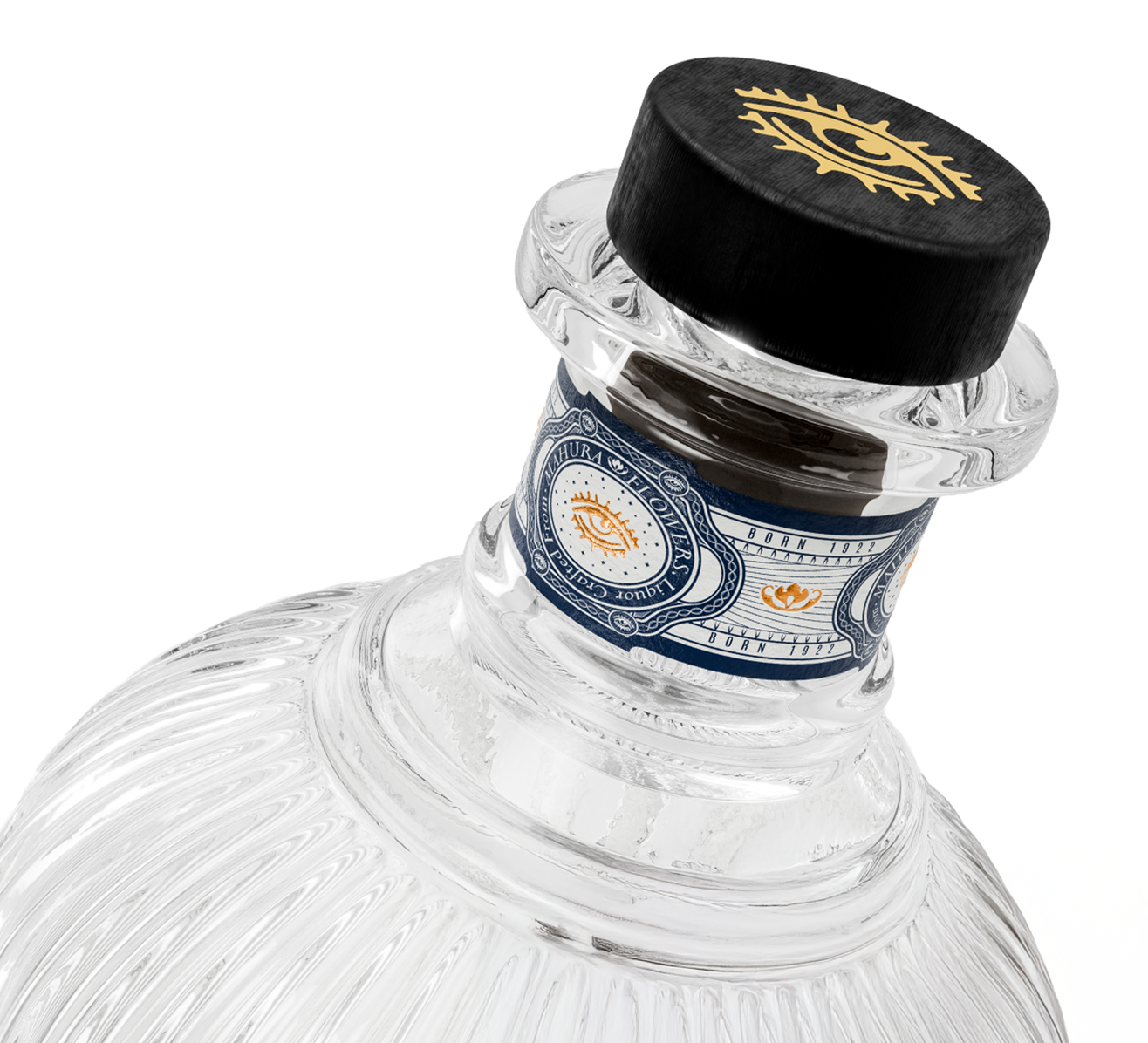
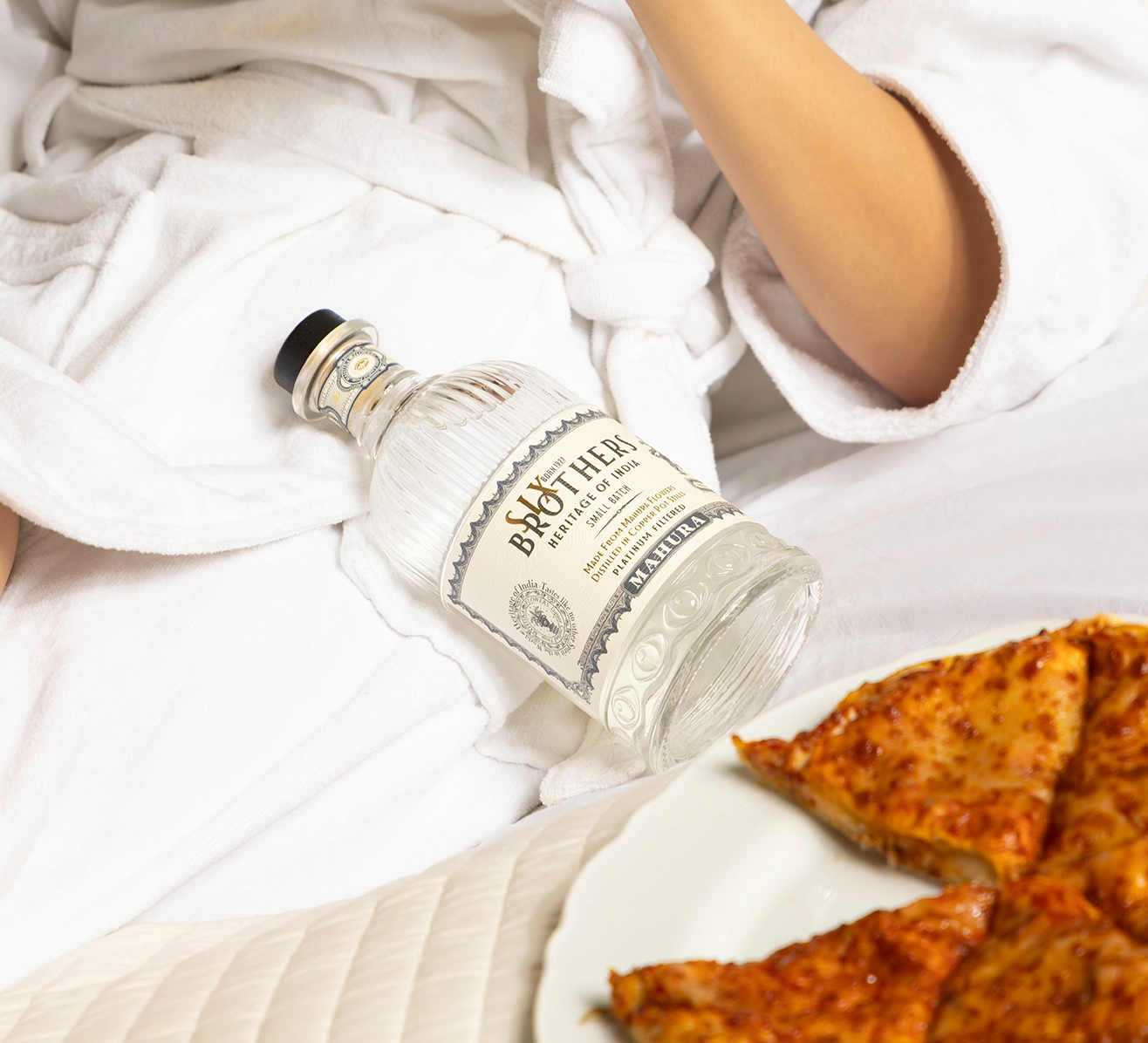
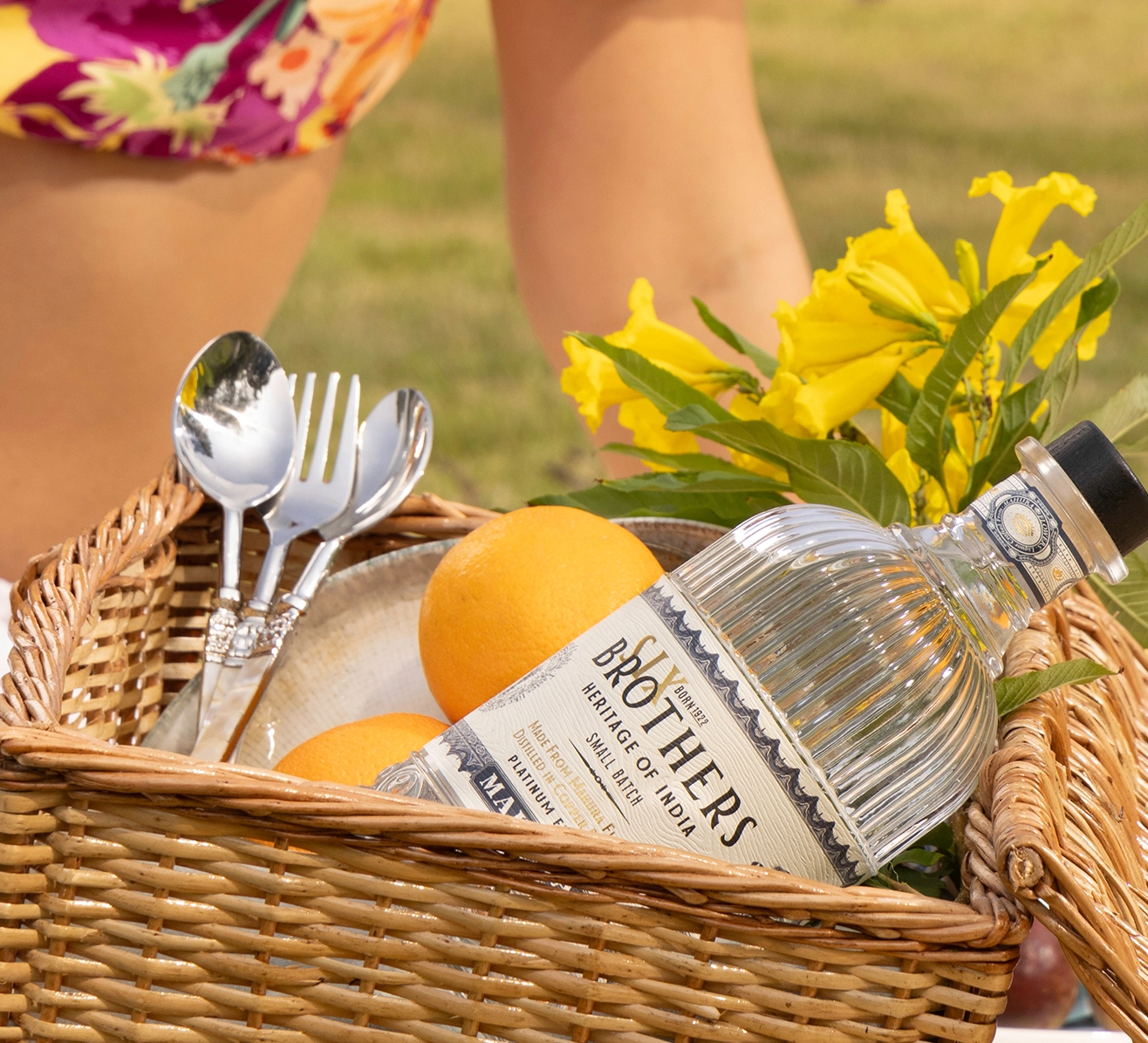
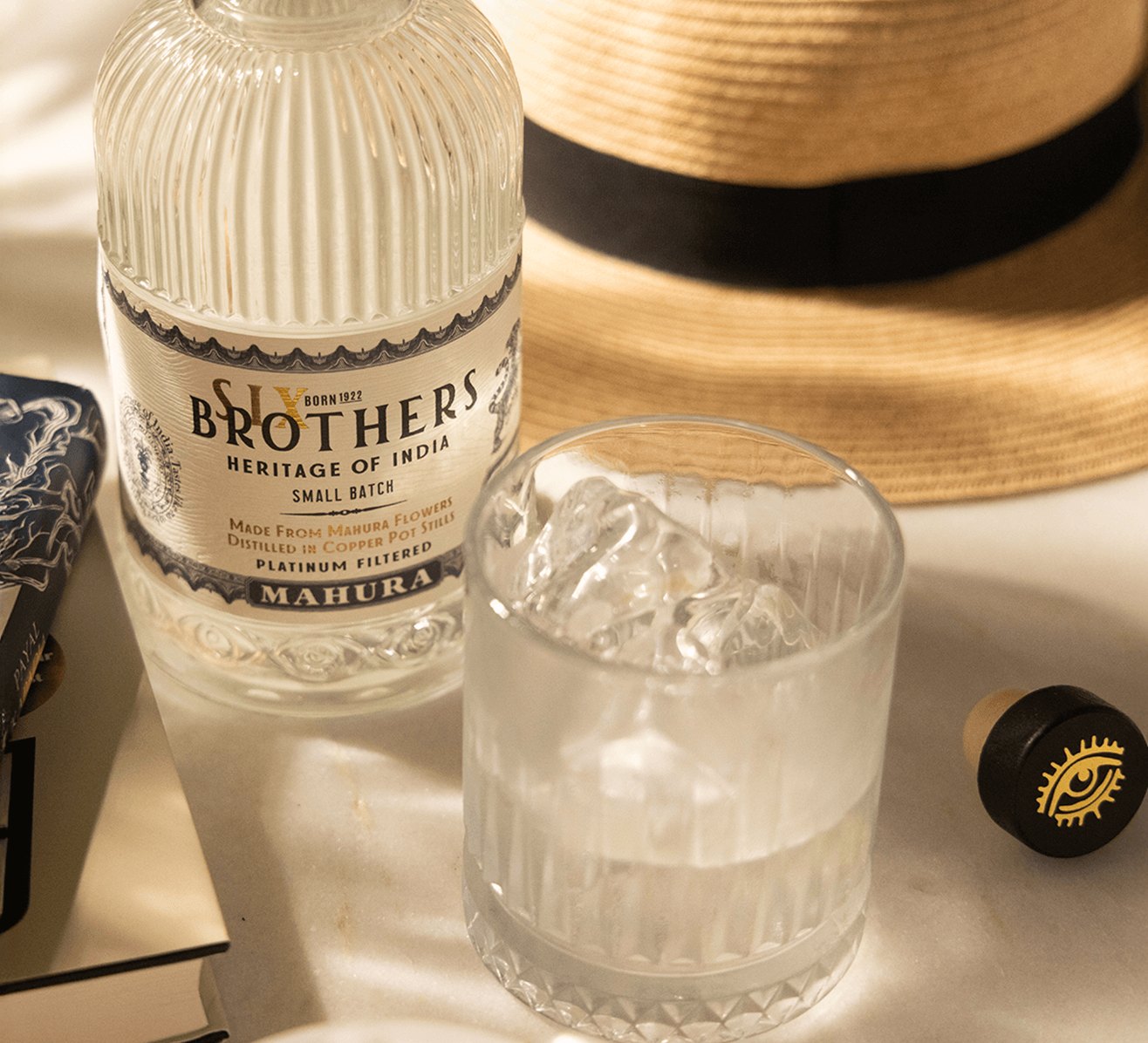
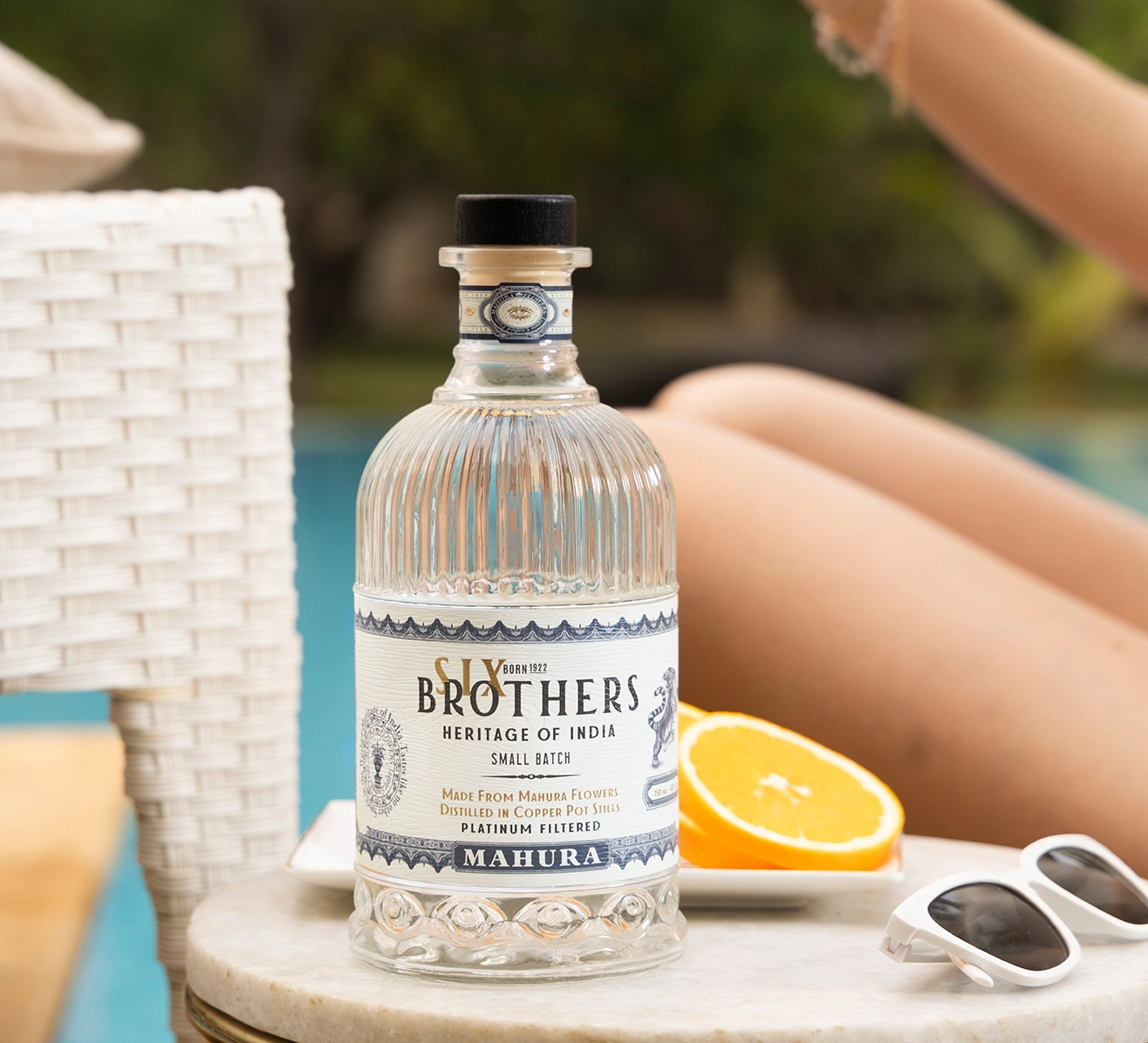
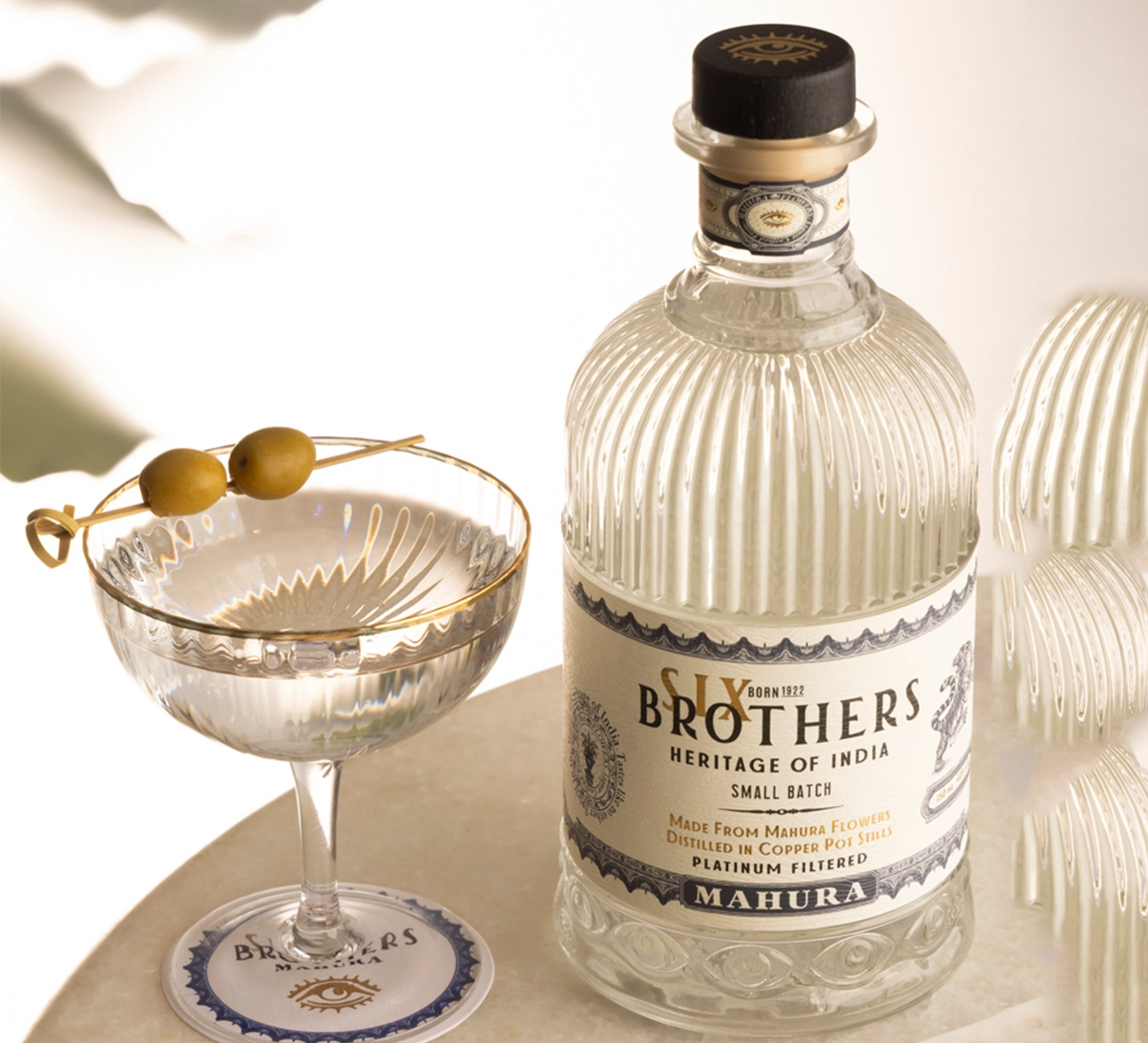
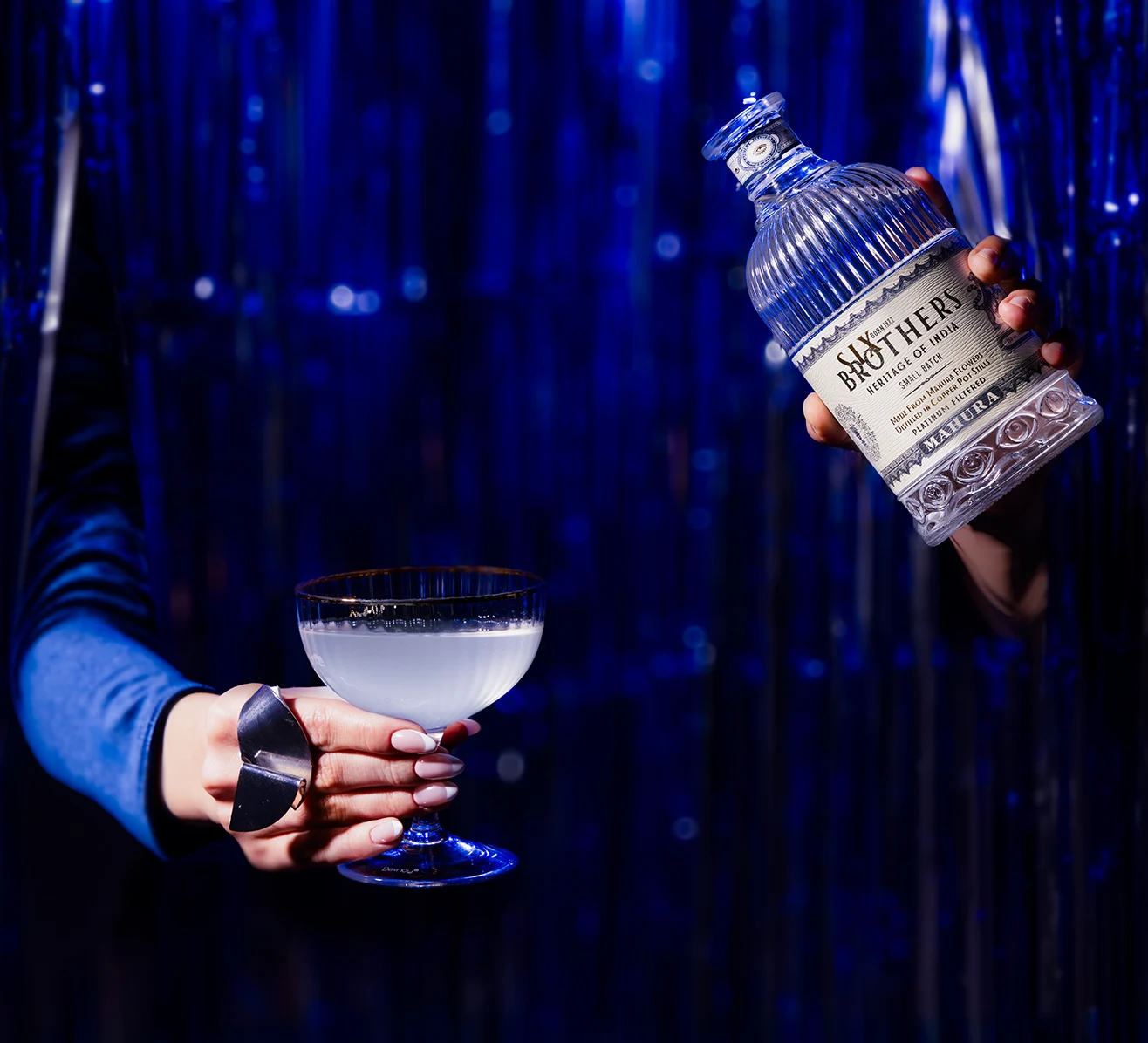
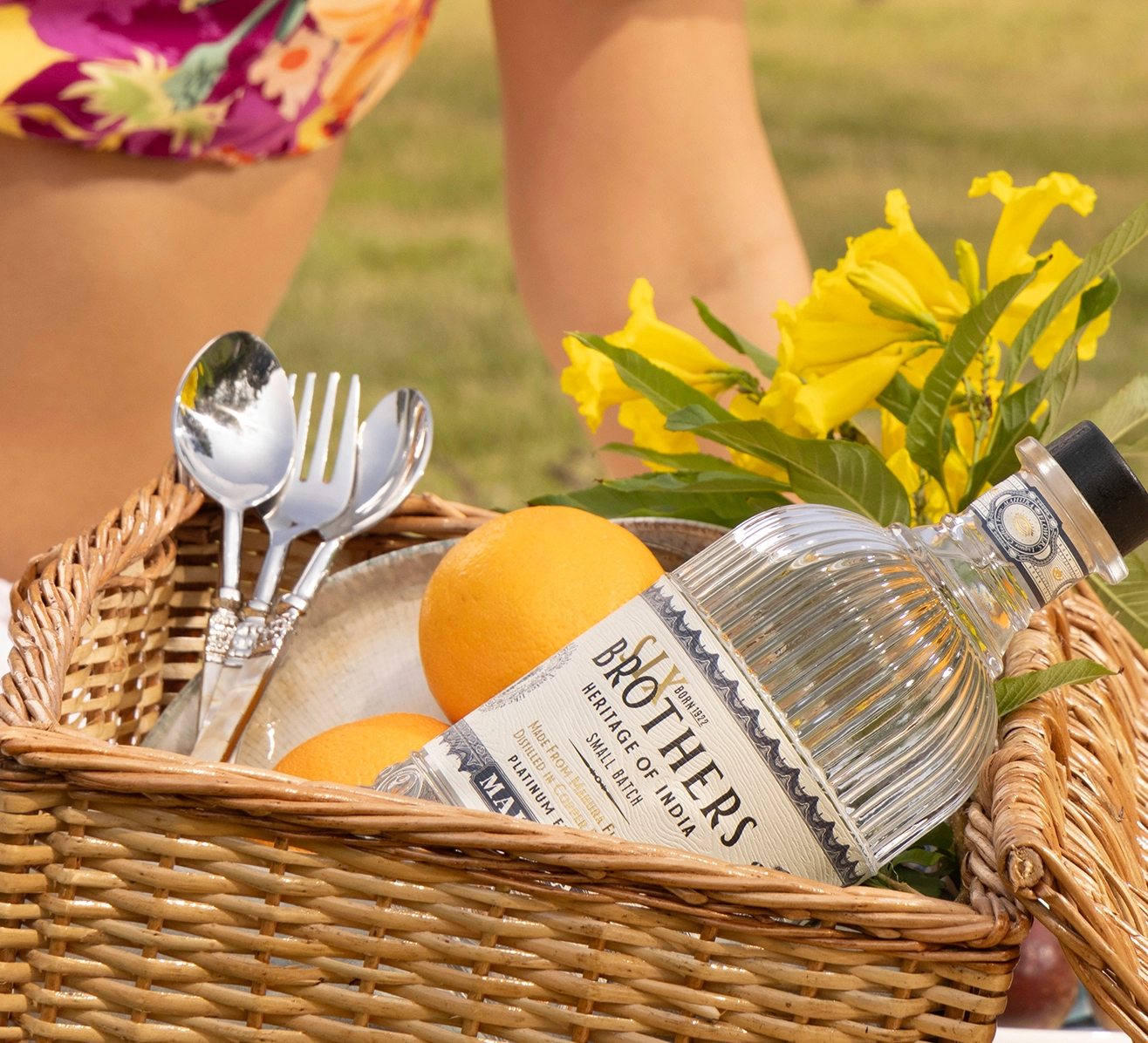
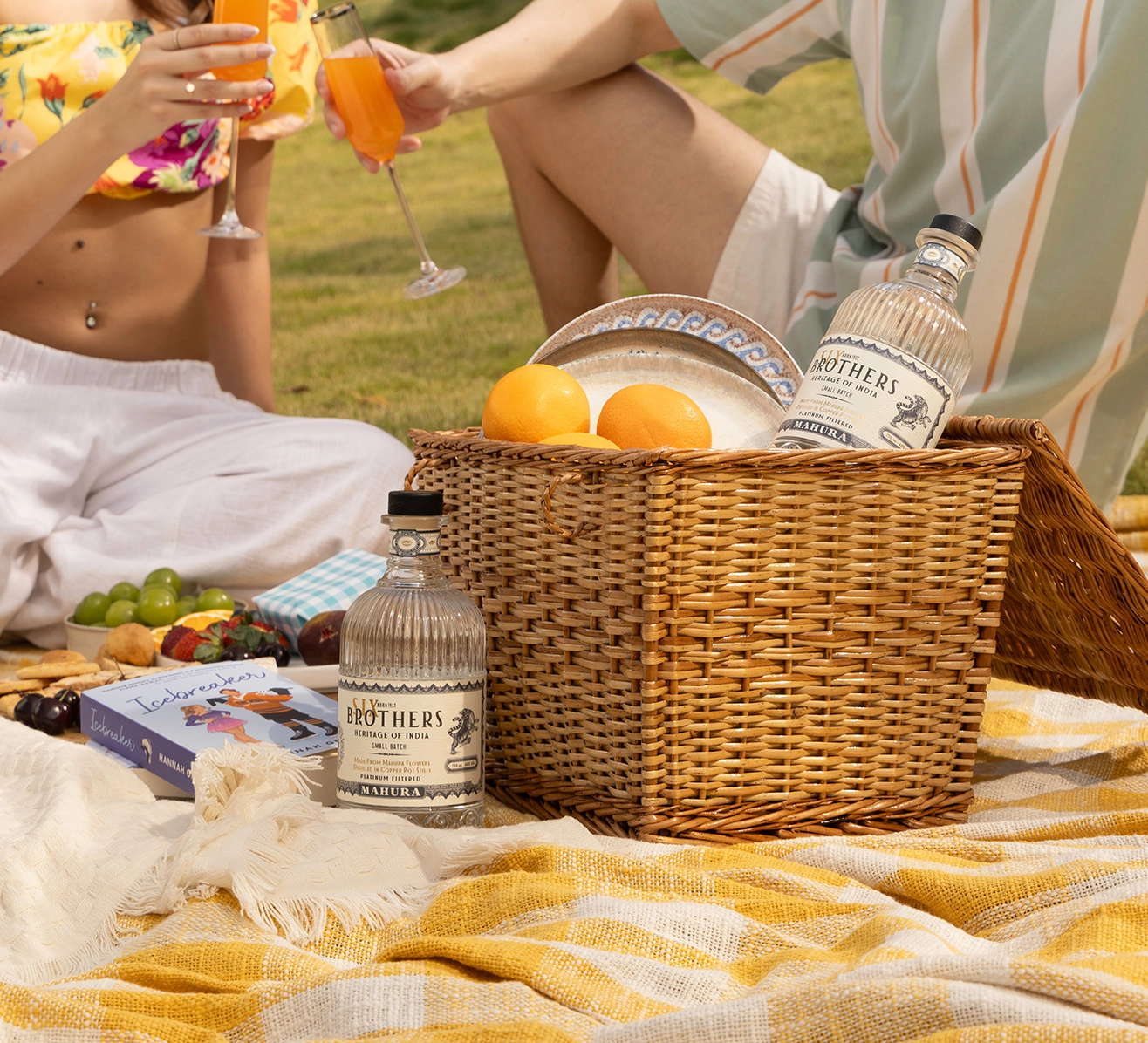
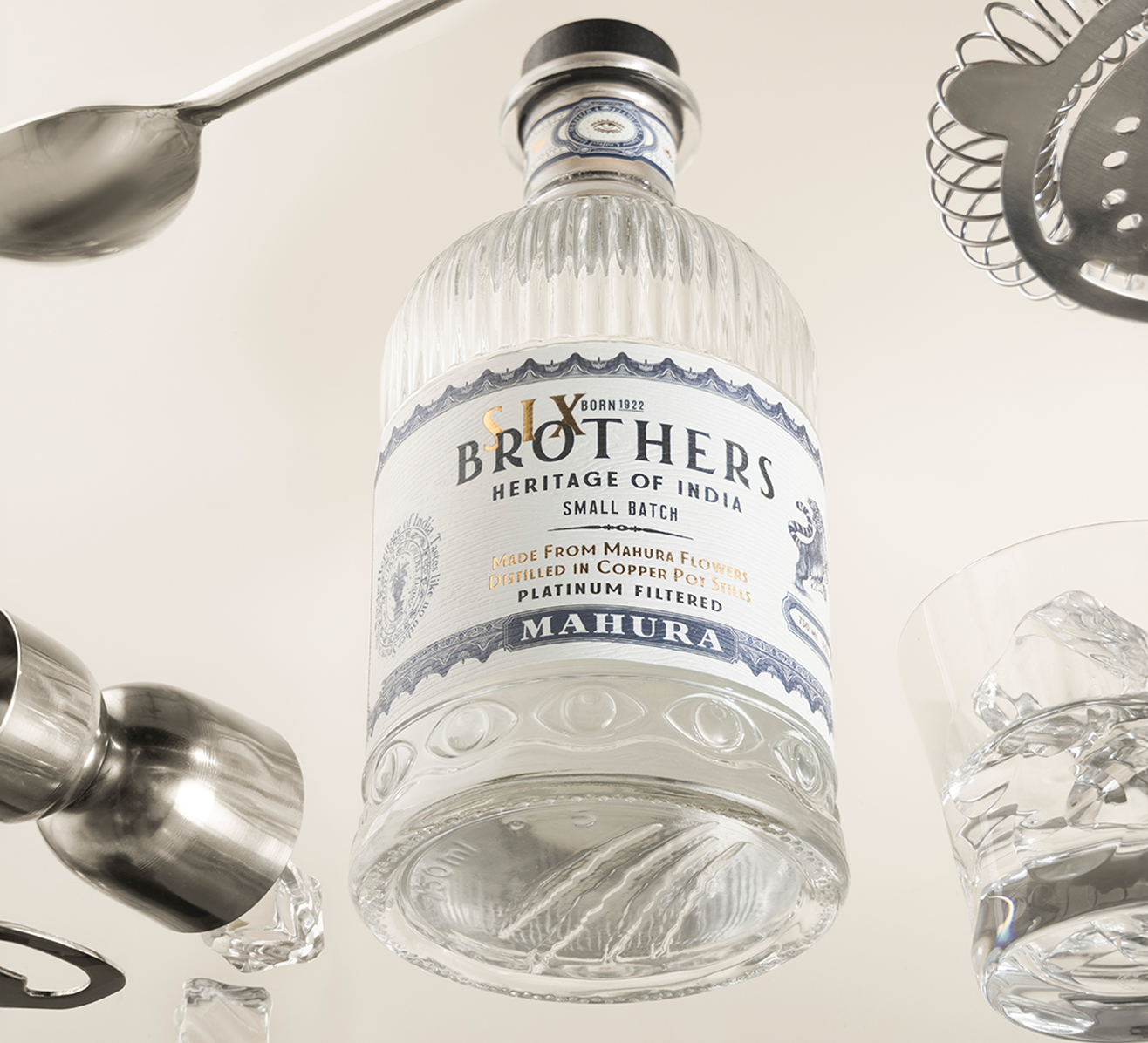
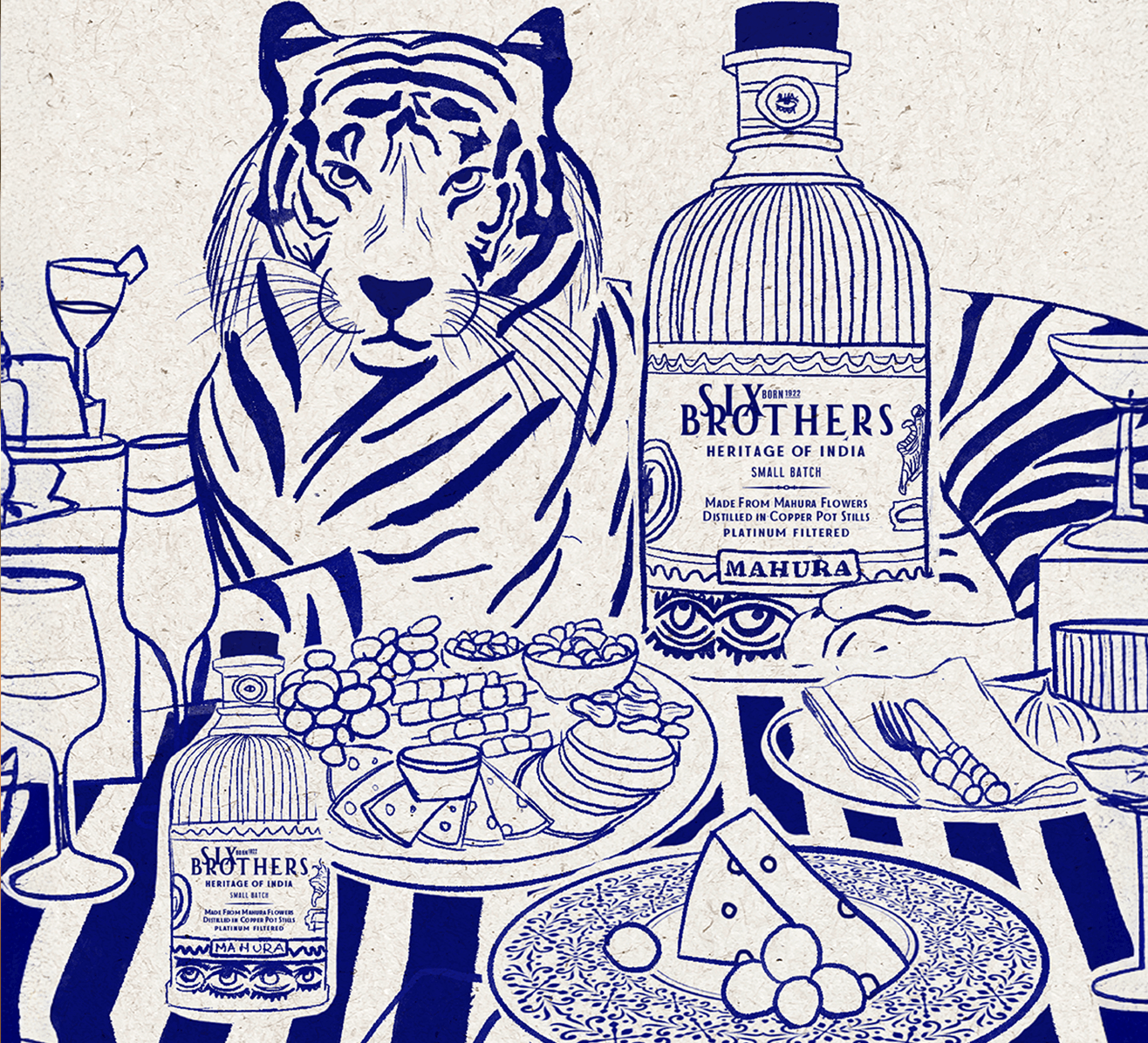
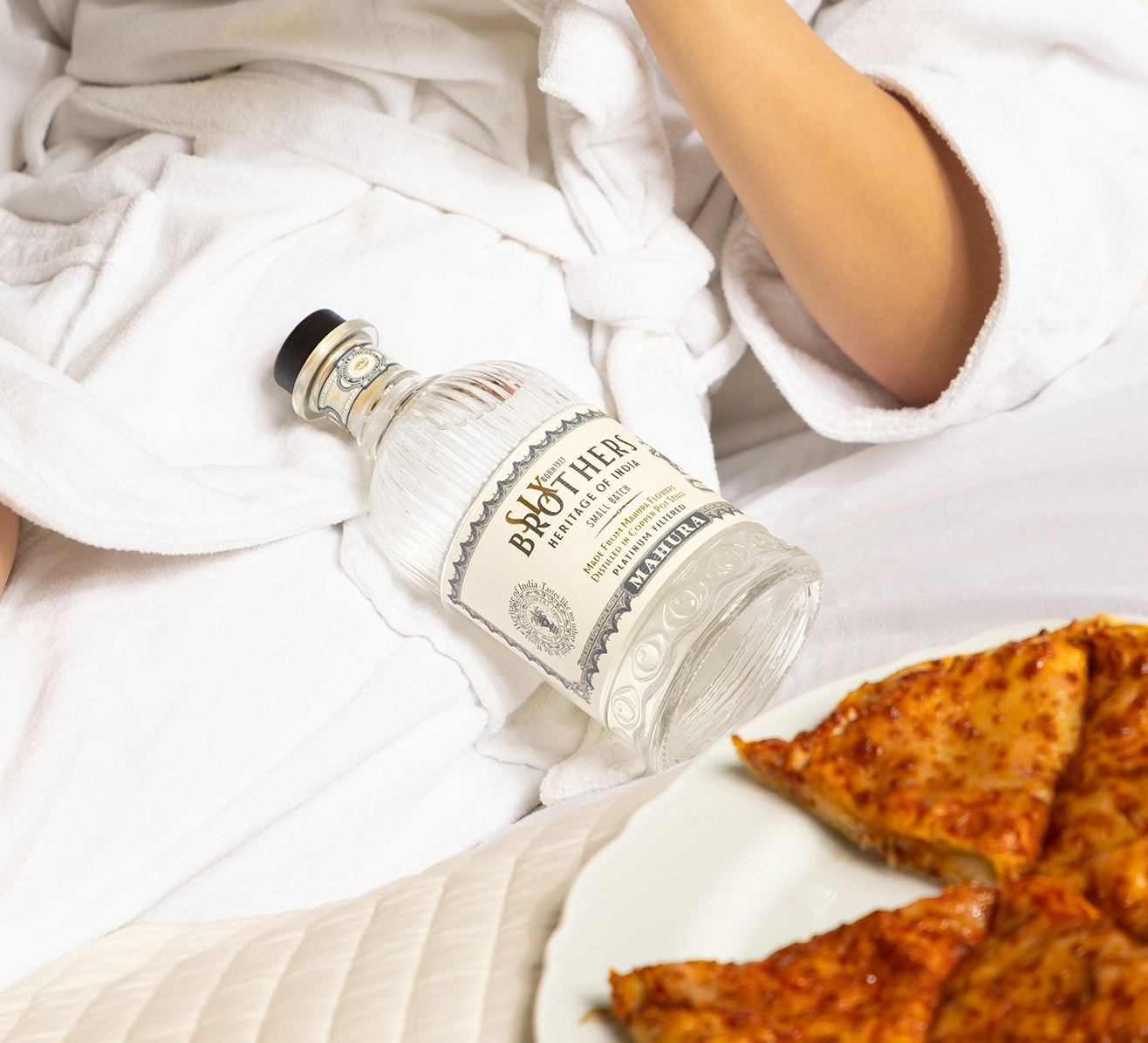
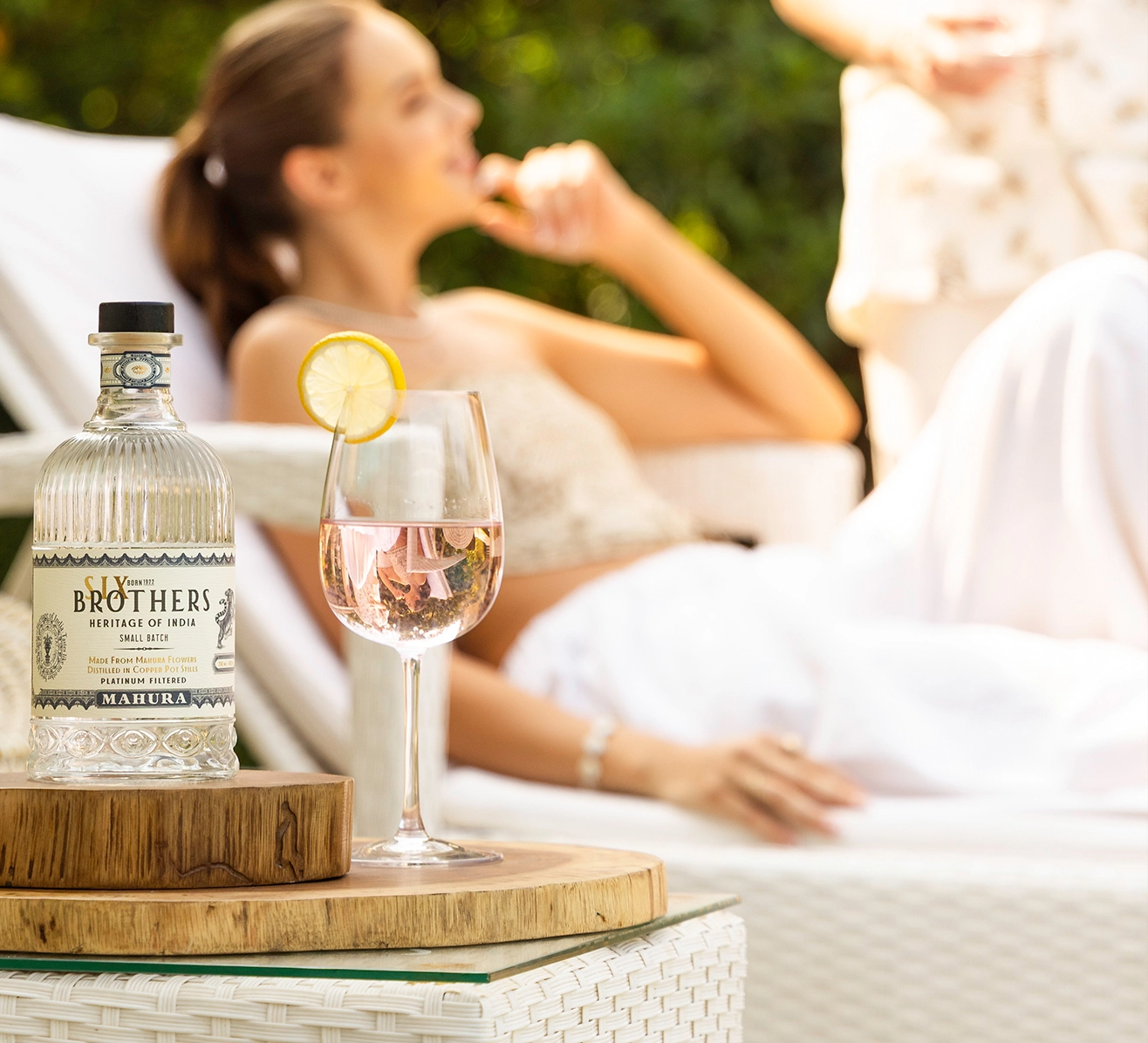
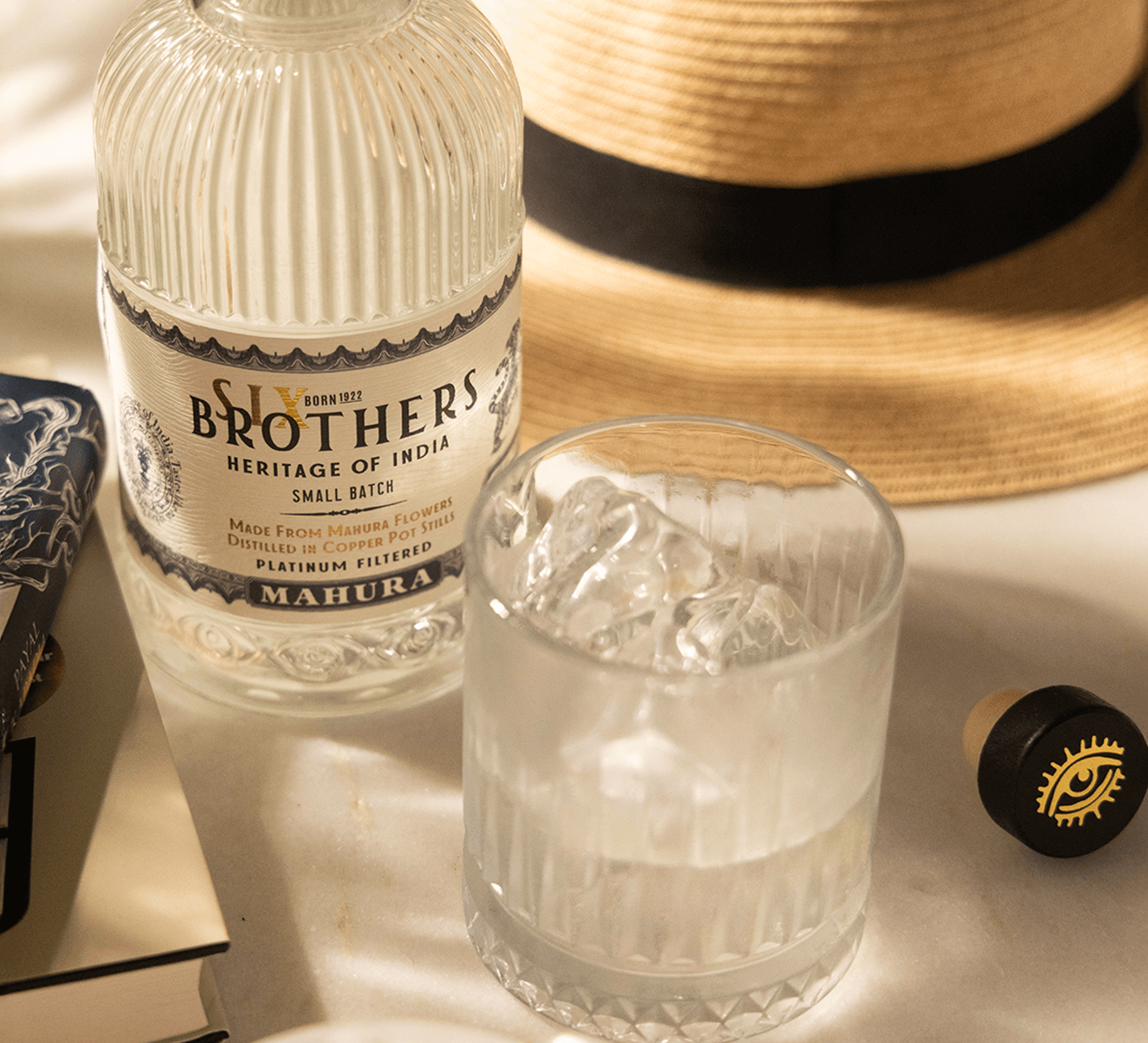
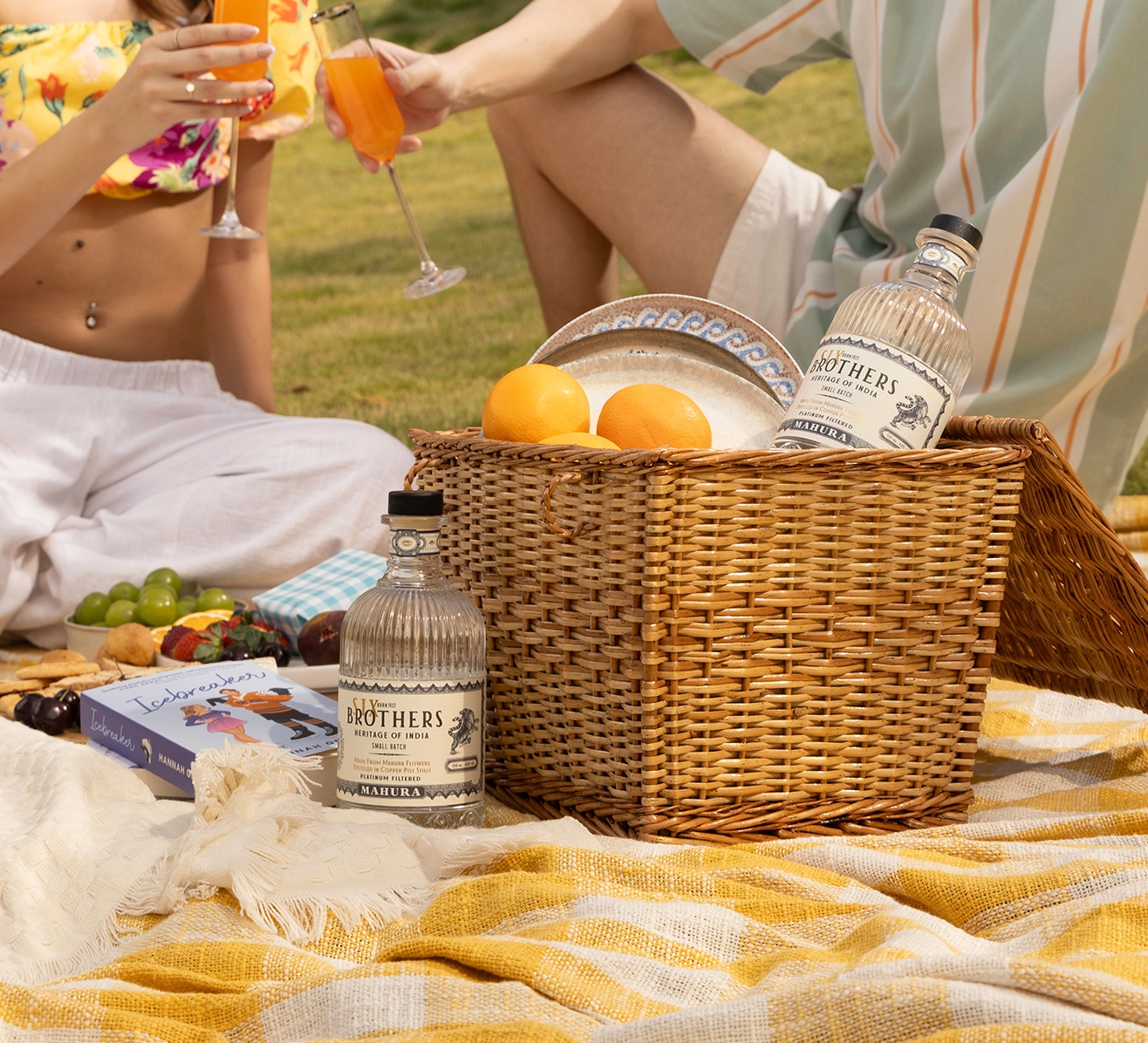
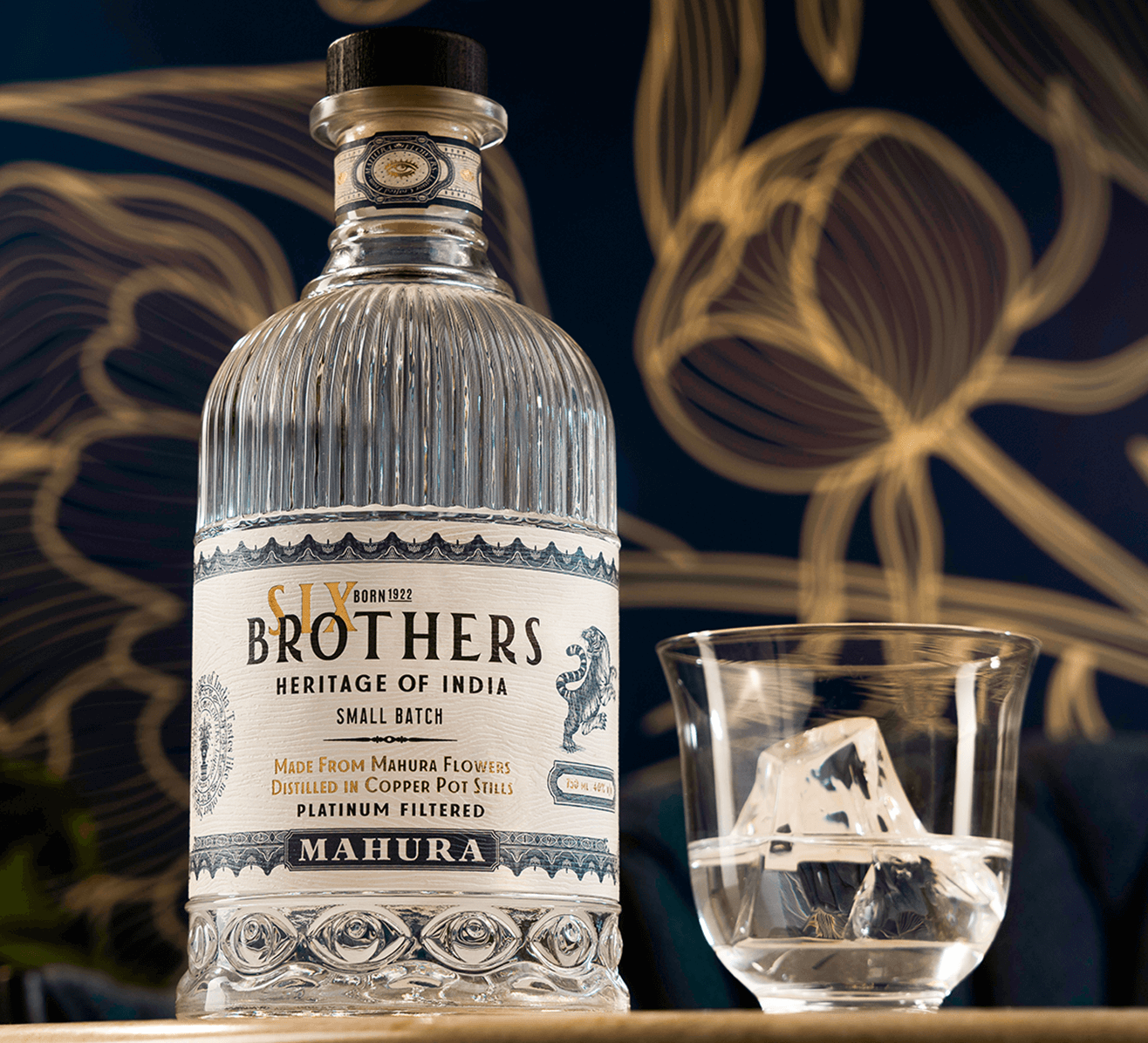
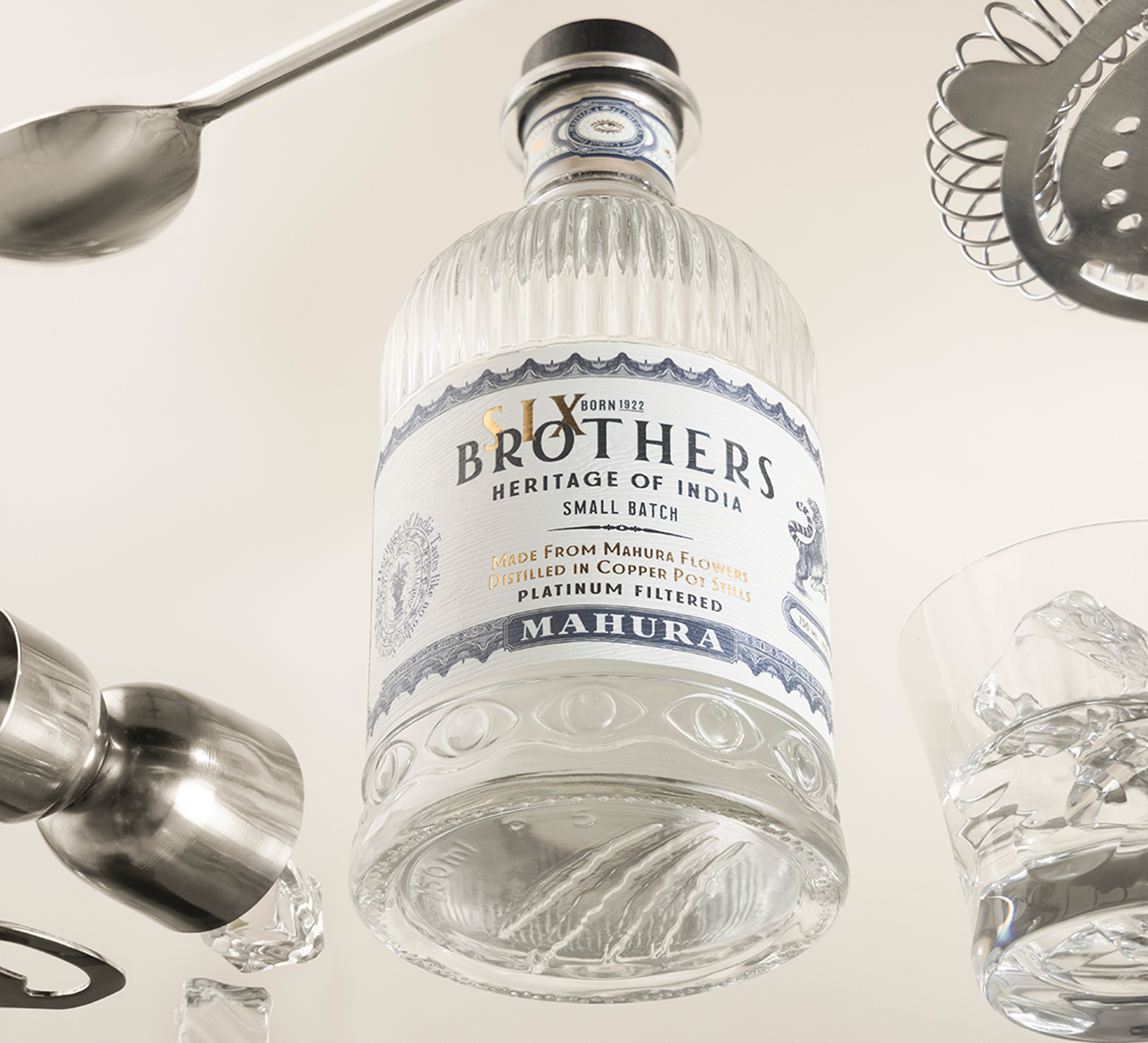
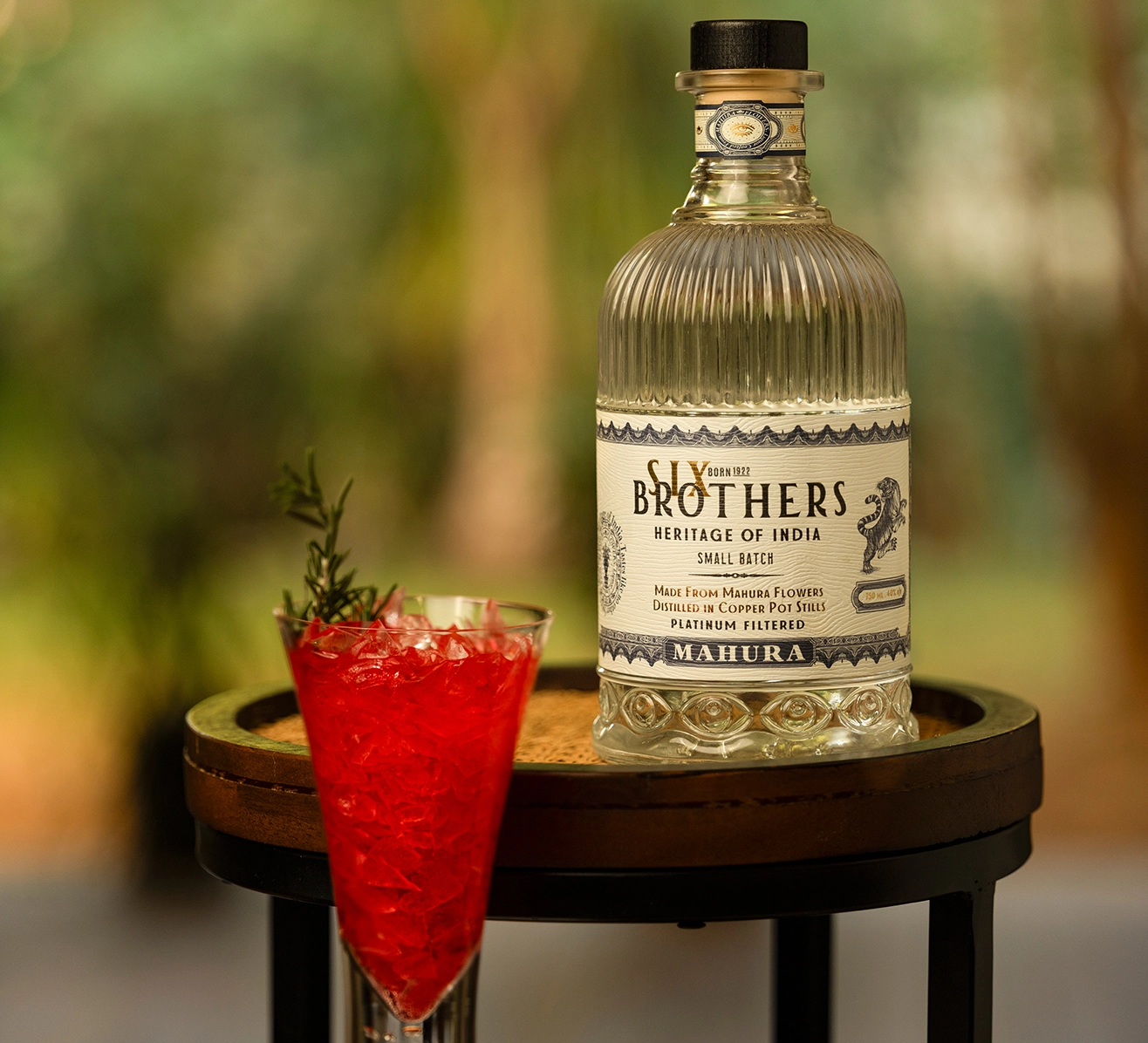
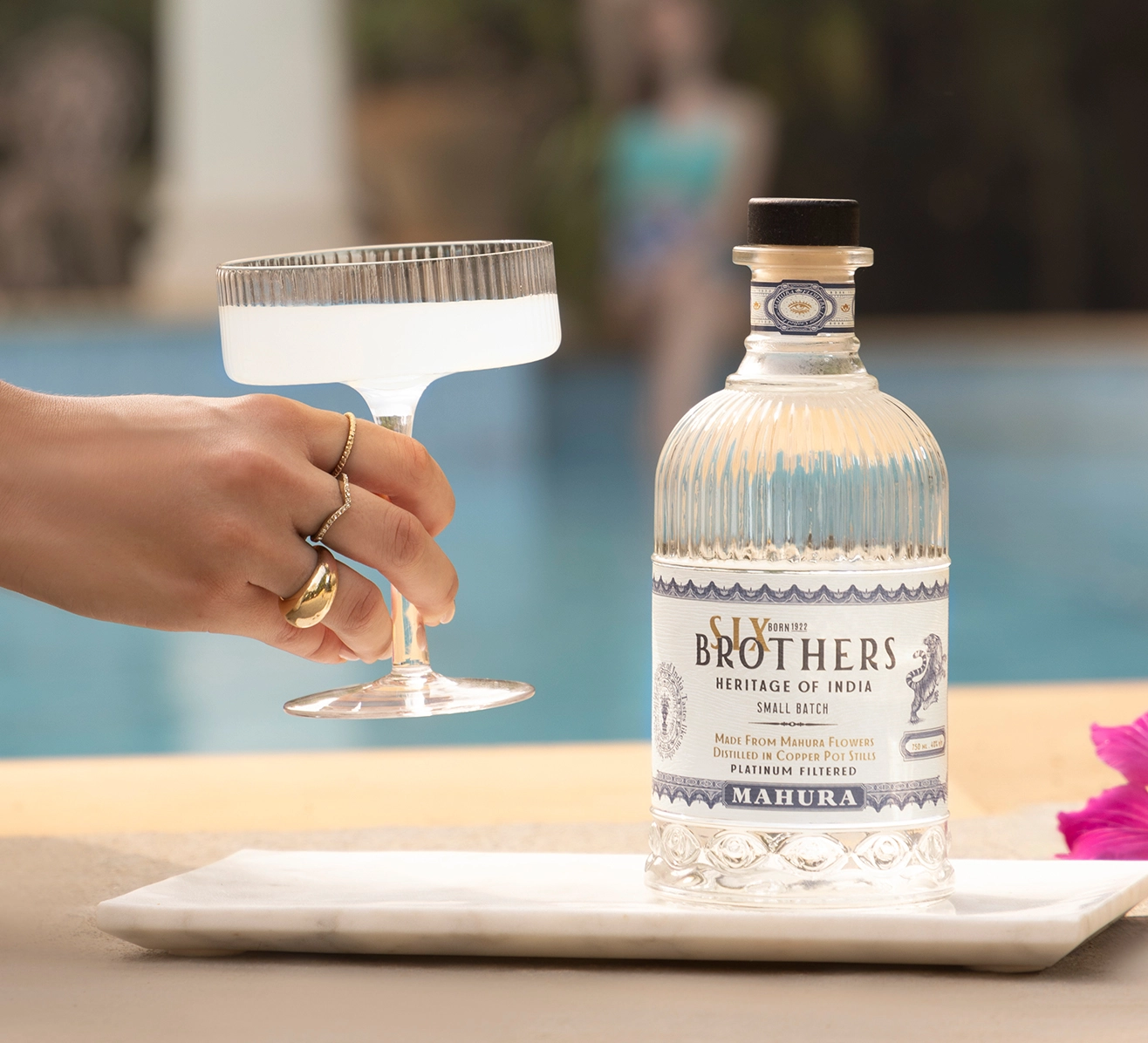
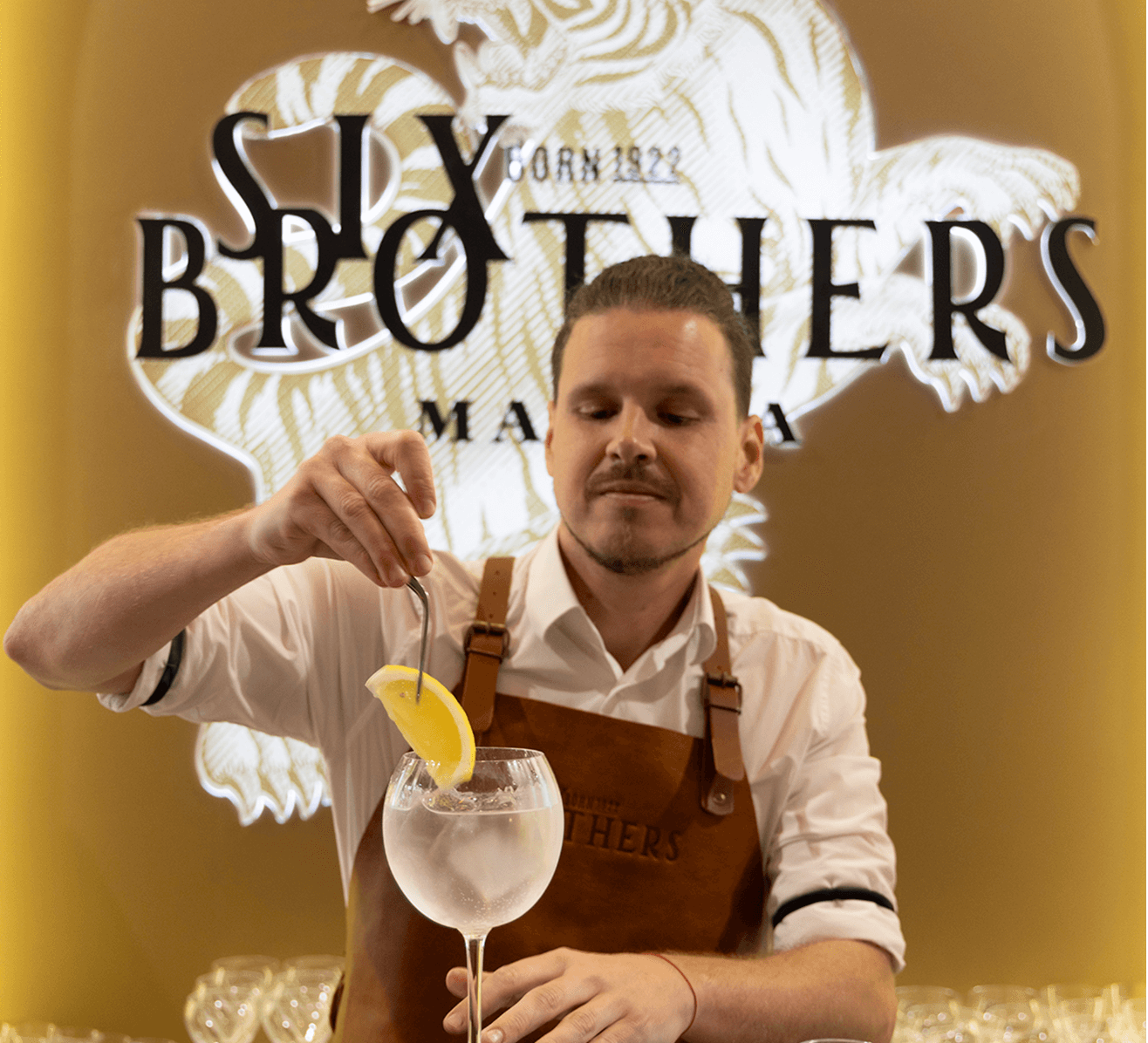
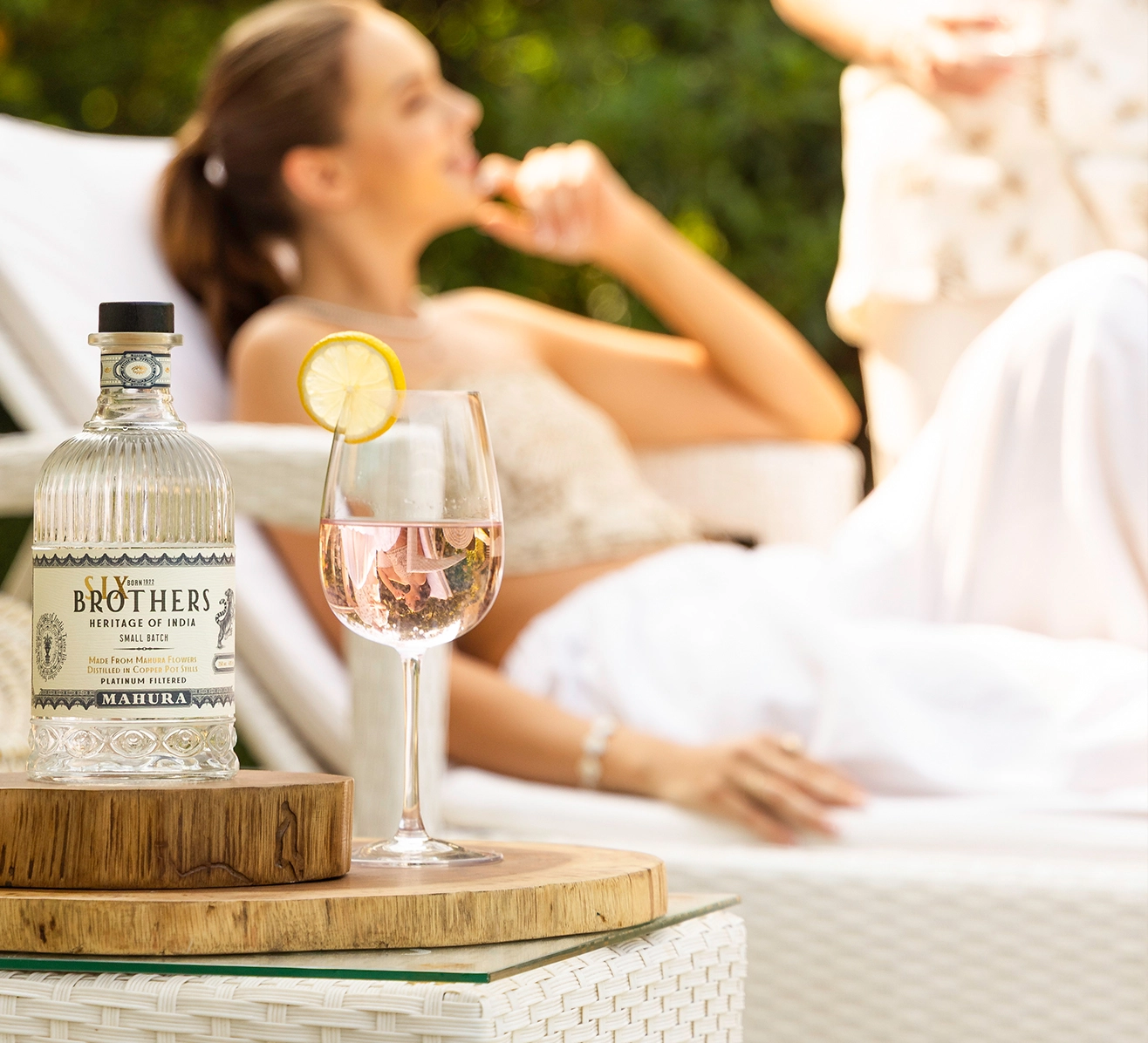
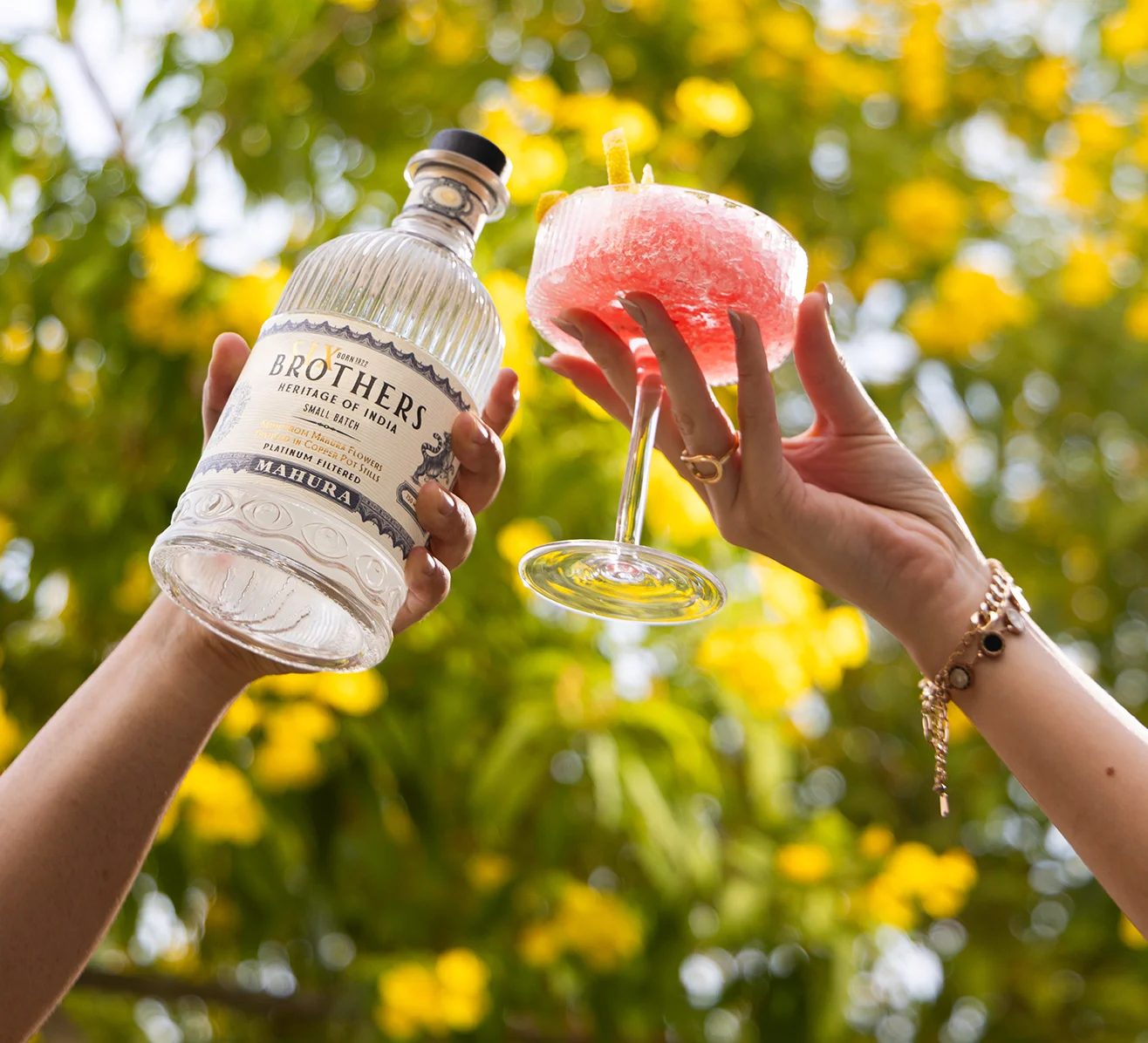
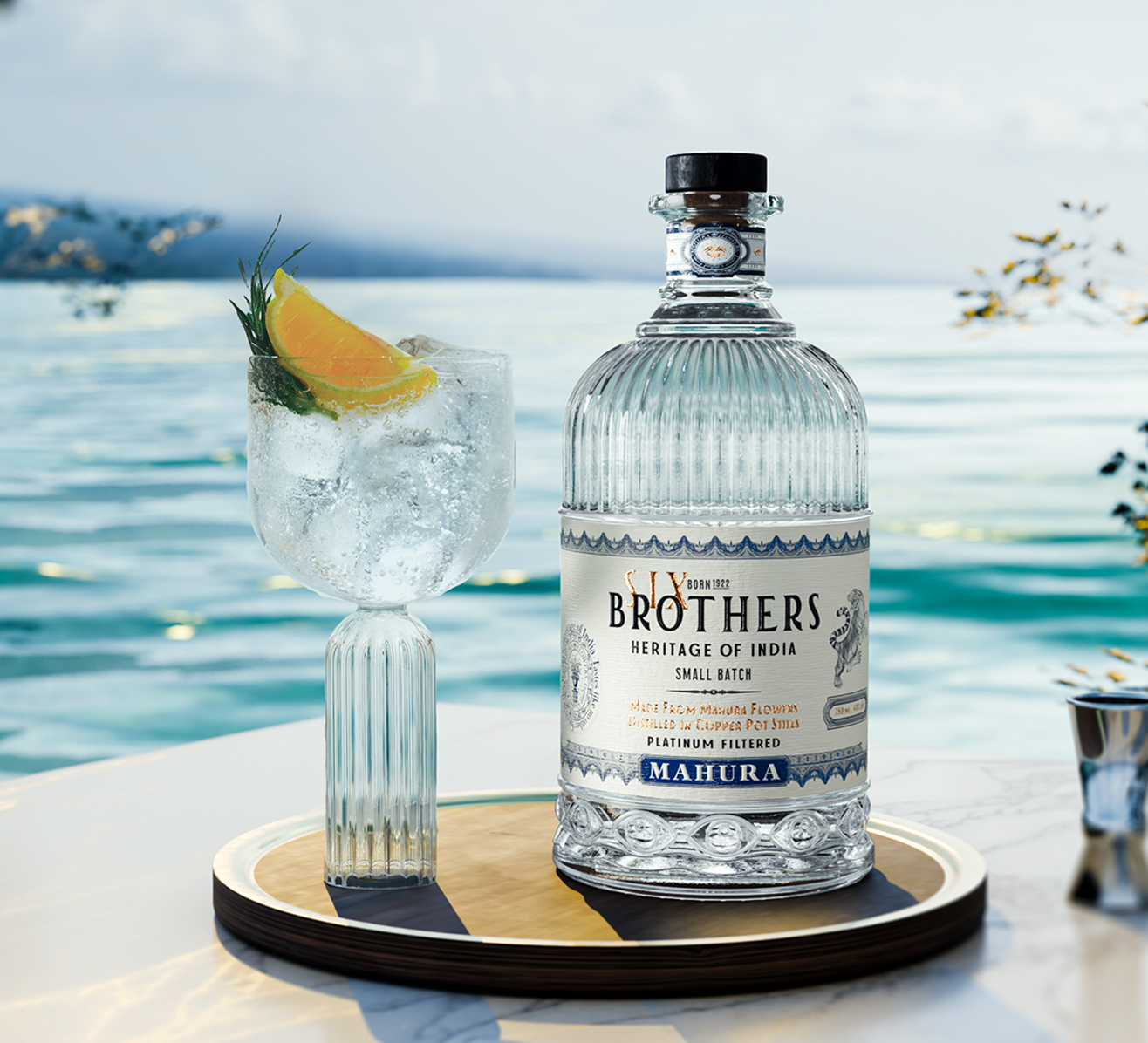
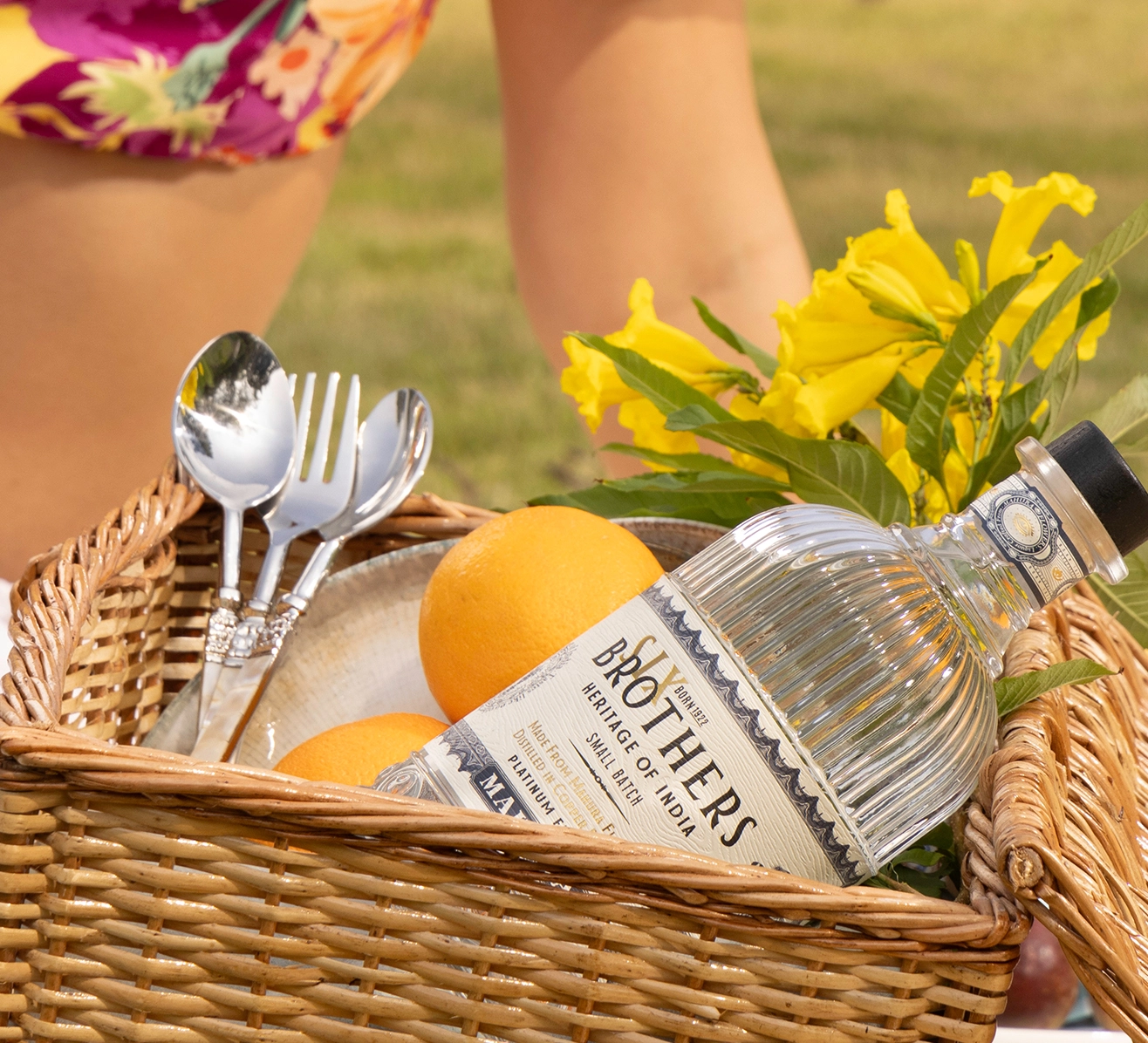
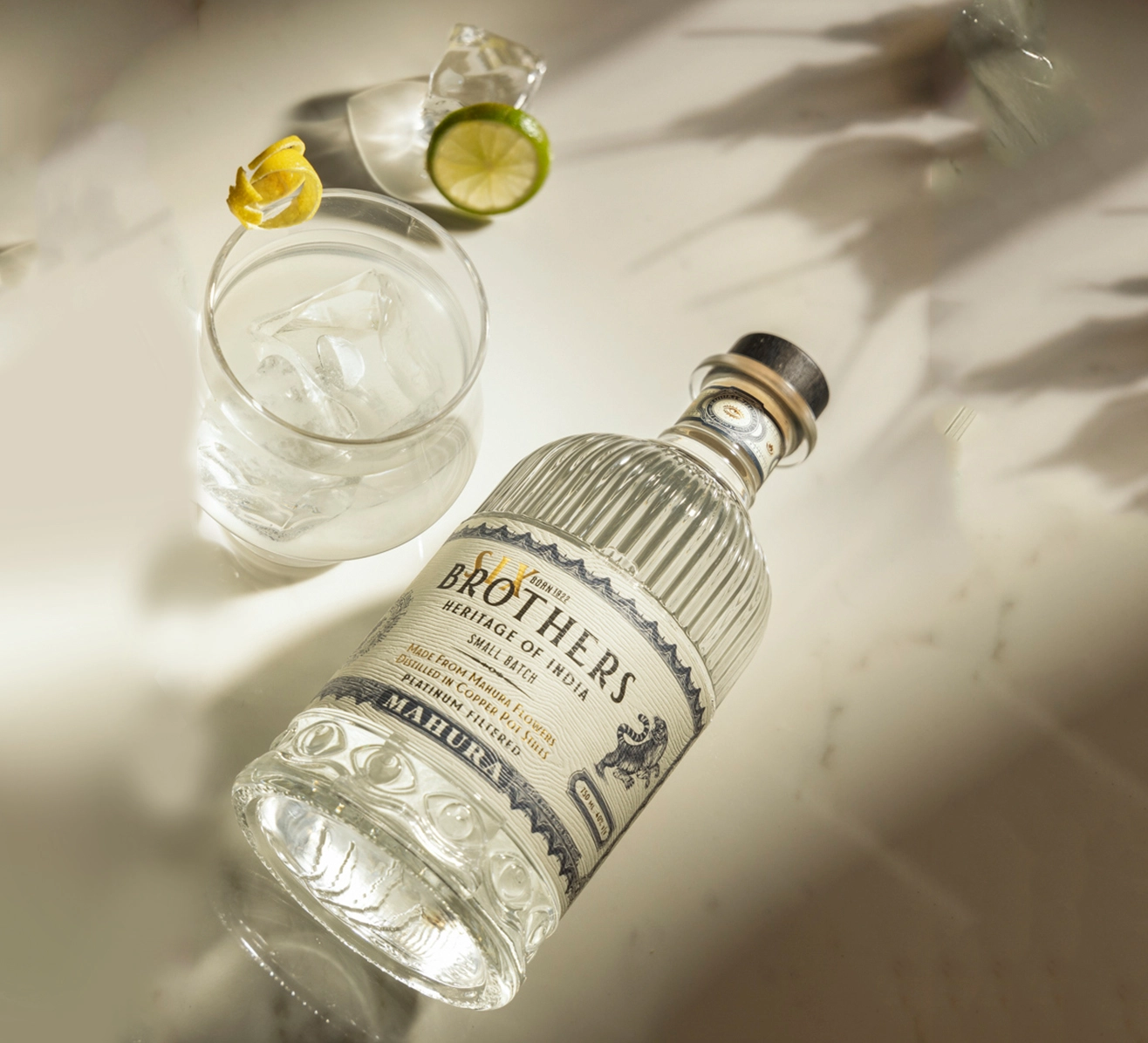
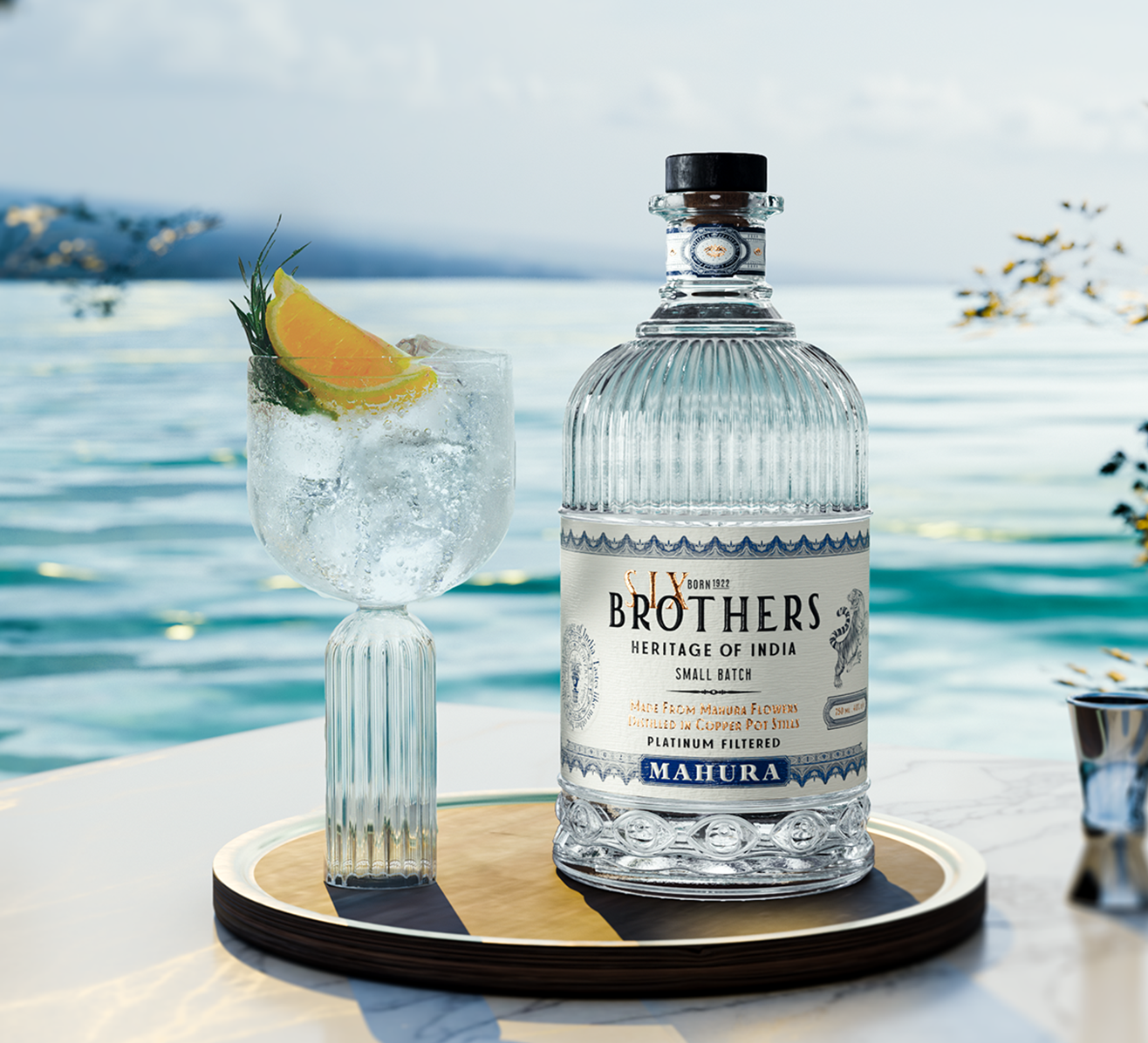
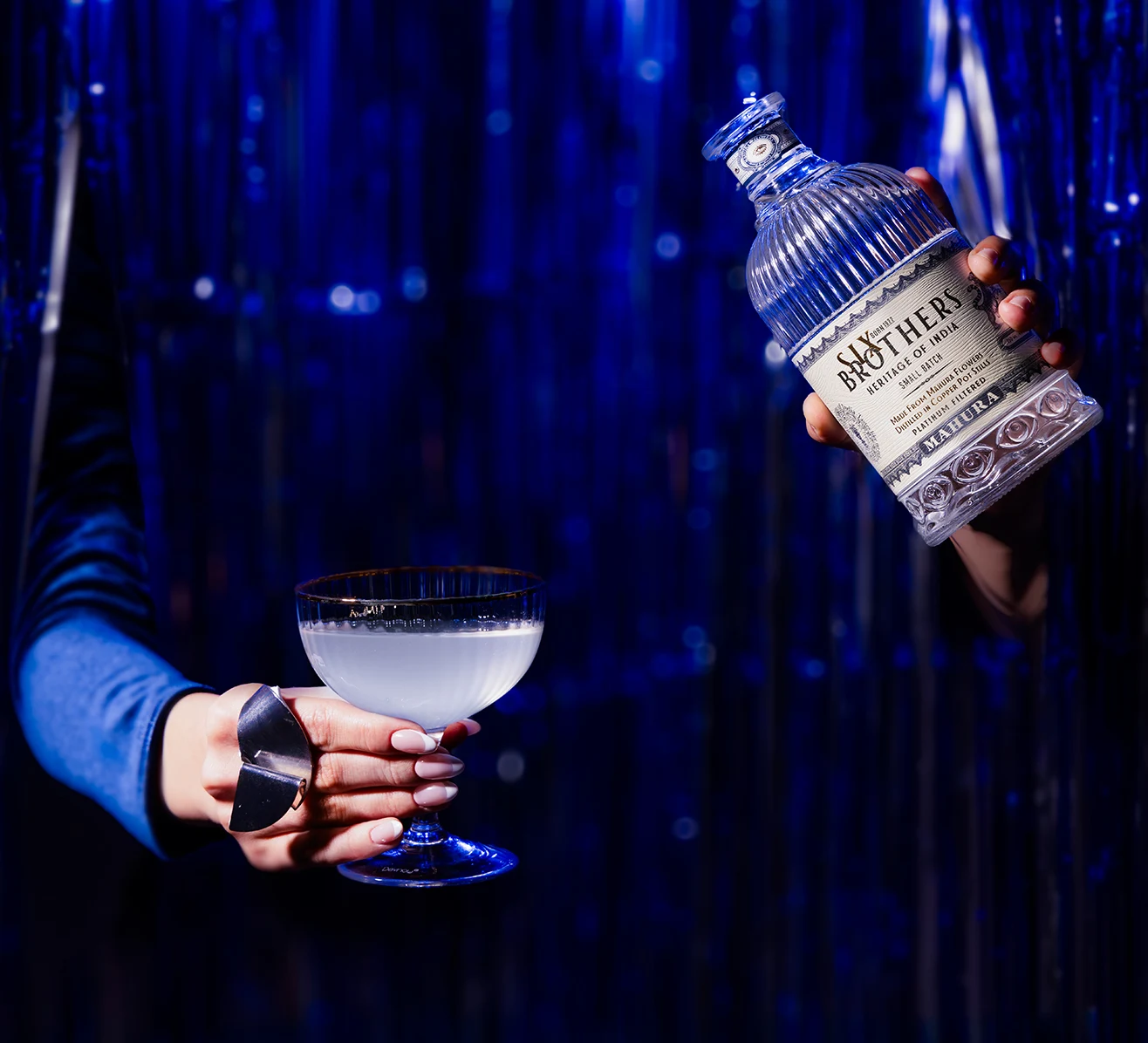
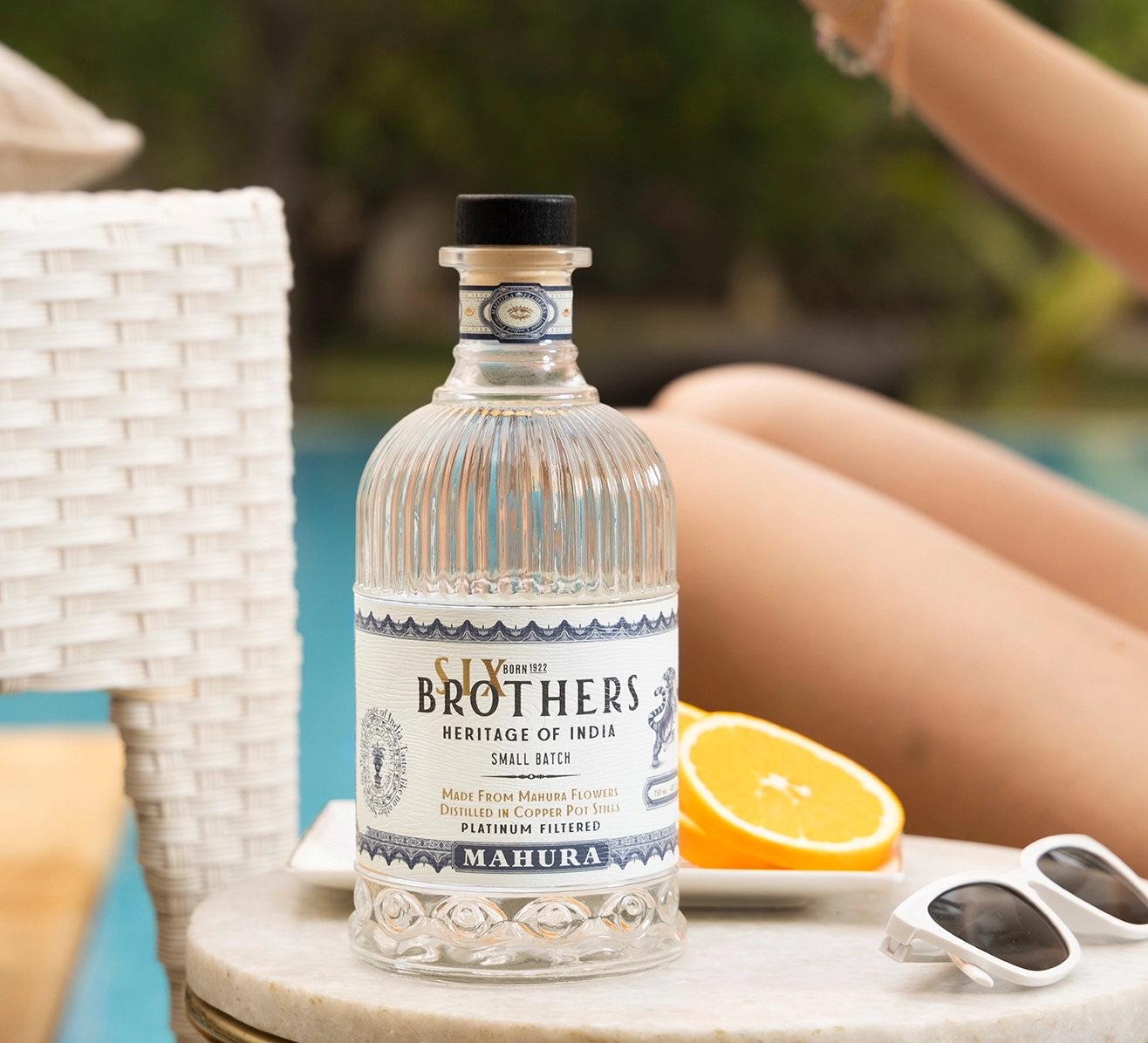
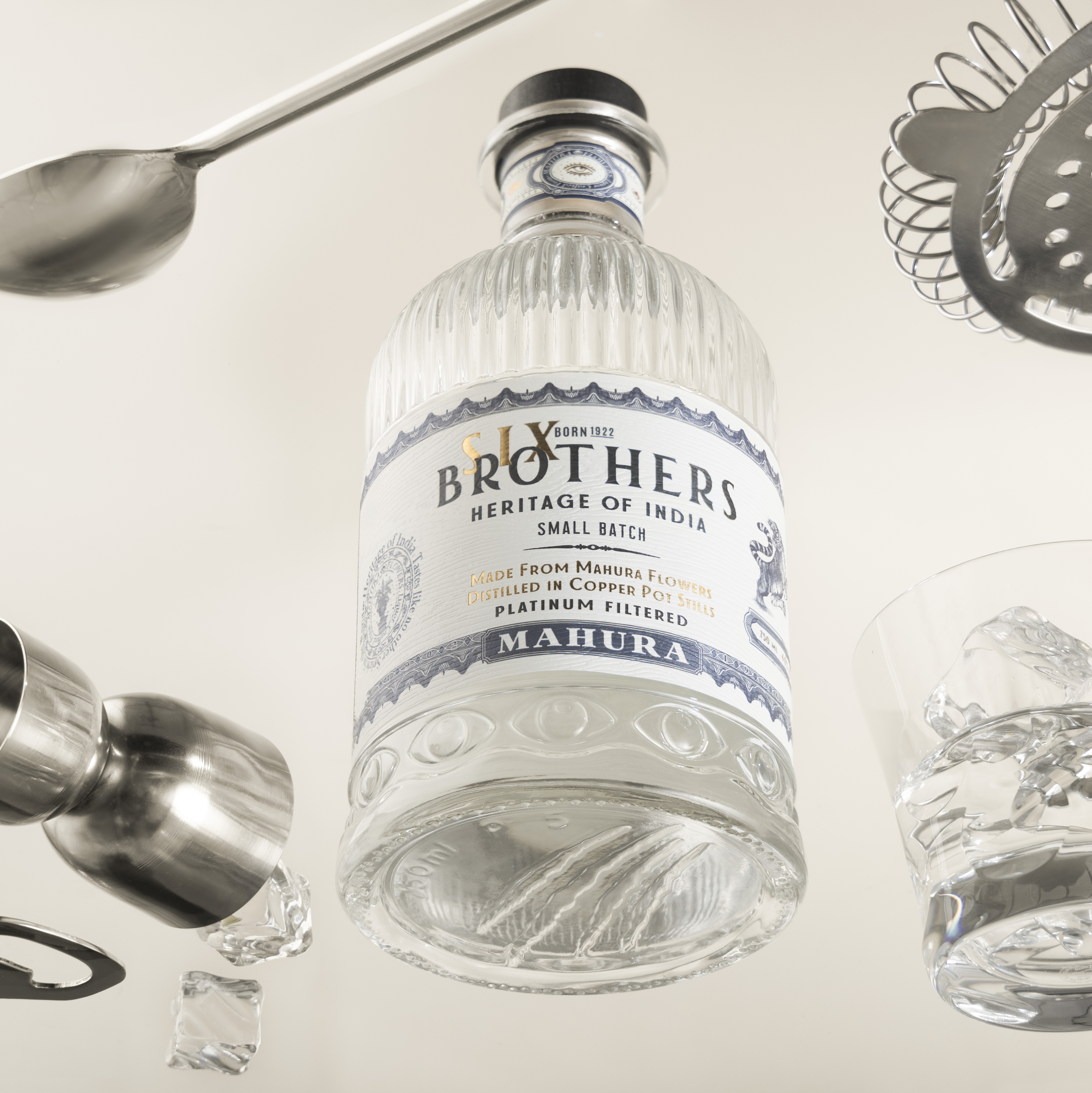
Six Brothers Mahura represents how an indigenous Indian ingredient can be presented through a modern premium spirits lens.
The spirit brings together:
For international consumers, this creates an opportunity to discover something genuinely unfamiliar rather than another interpretation of an established category.
For Mahua spirit to become a globally recognised native spirit, several things will matter.
Consumers need to understand what Mahua is and why it is different.
A growing category needs reliable production and a recognisable quality standard.
The story of Indian native spirits needs to be communicated in a way that audiences outside India can immediately understand.
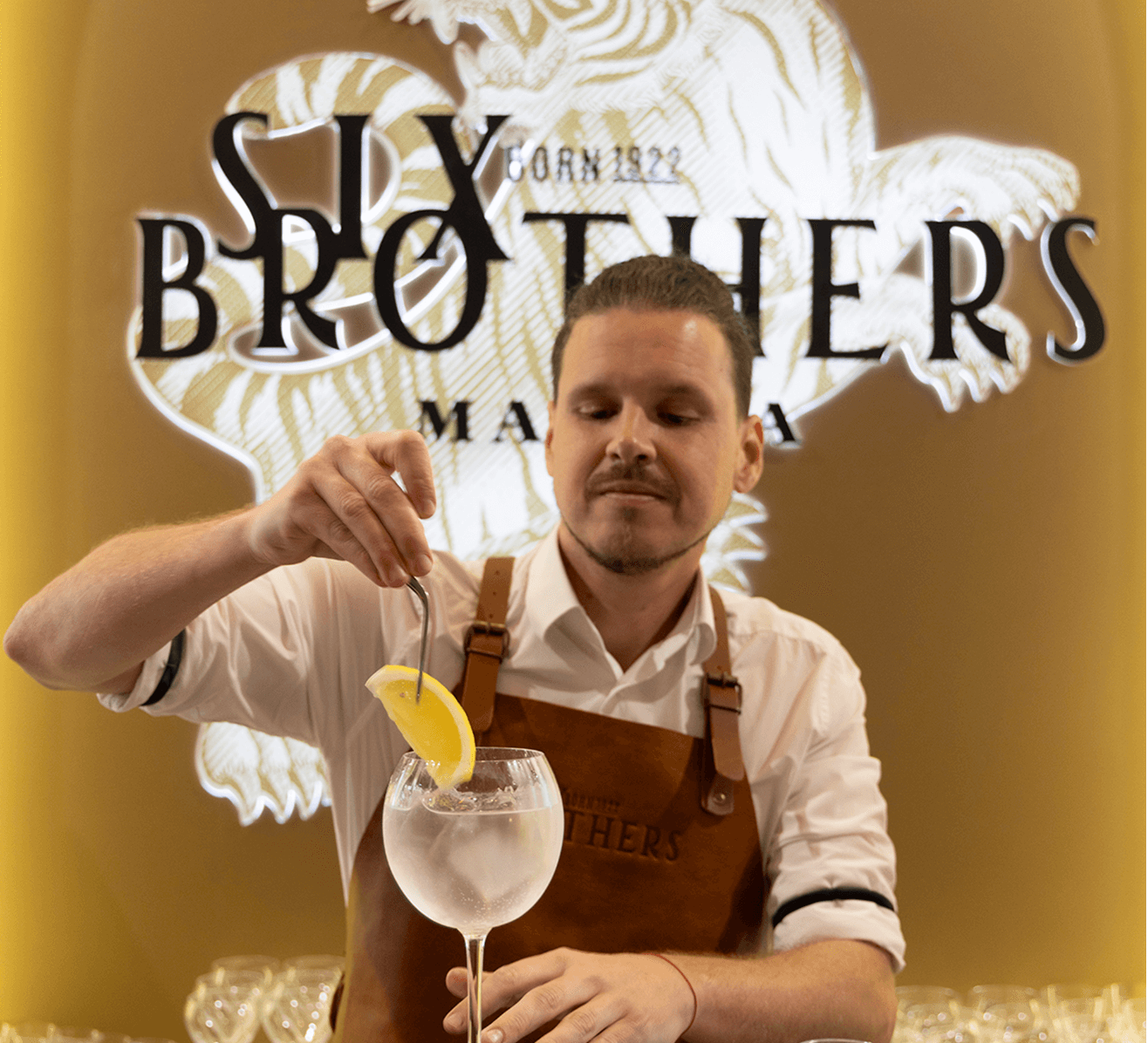
Mahua needs visibility in:
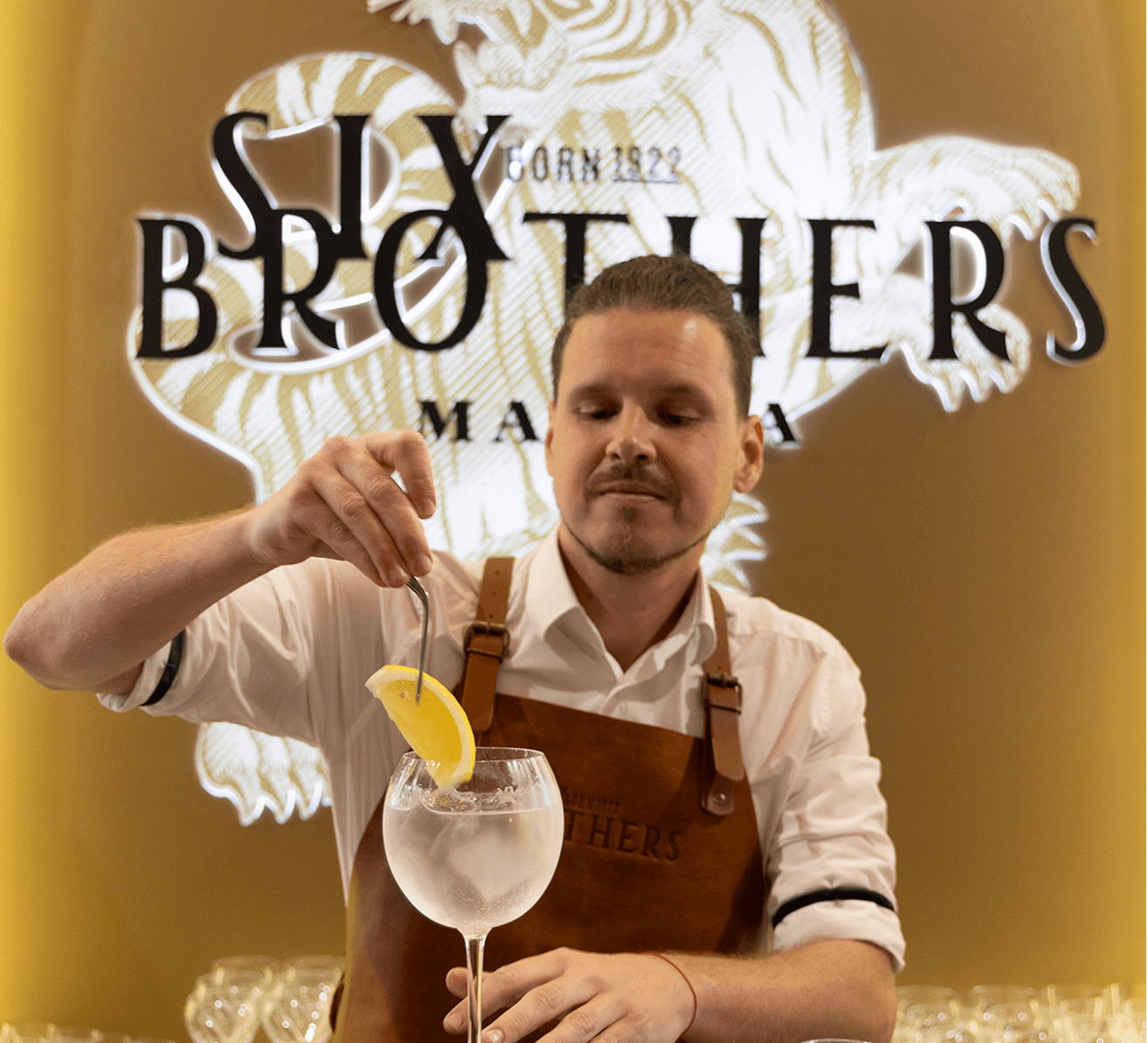
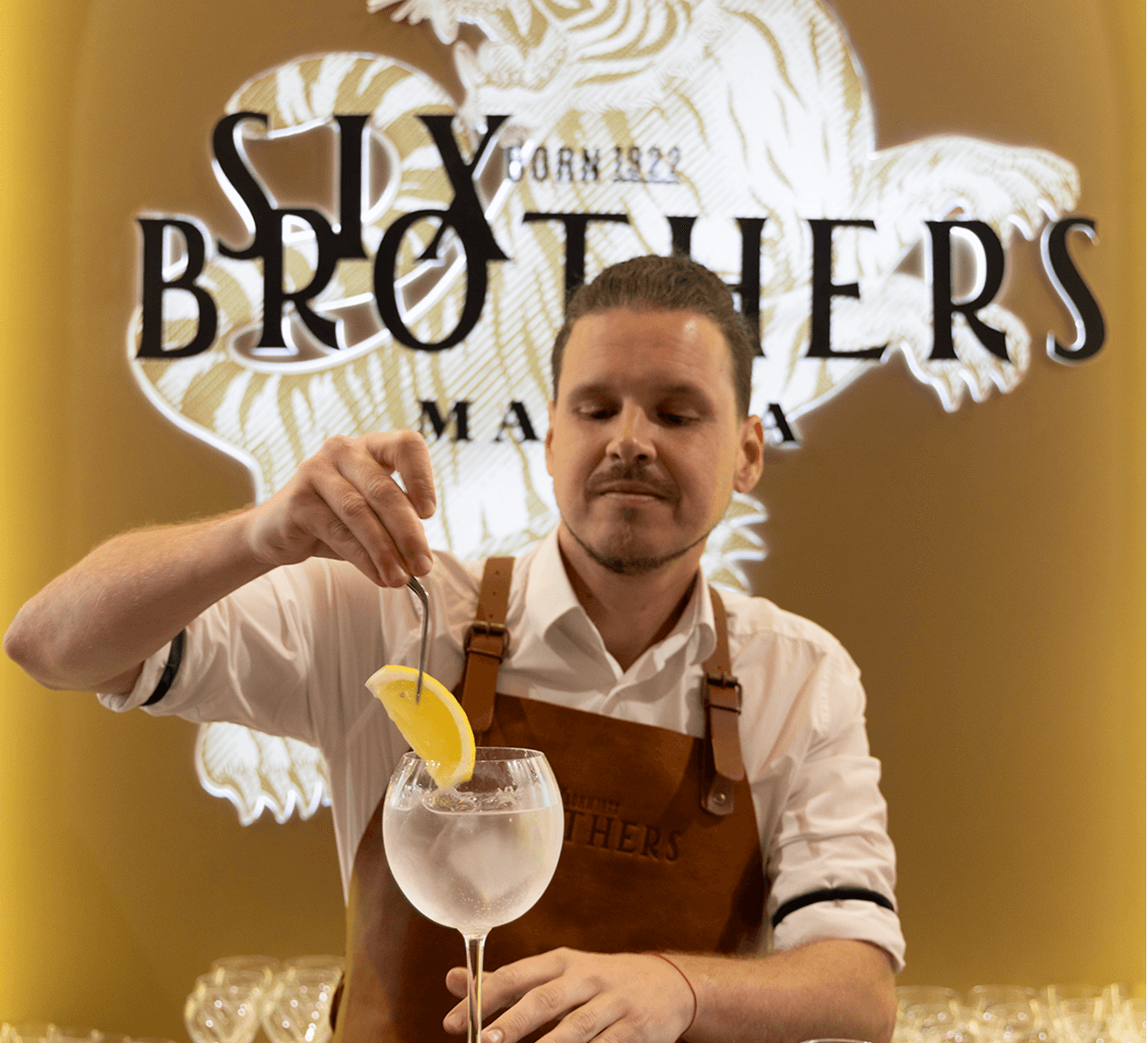
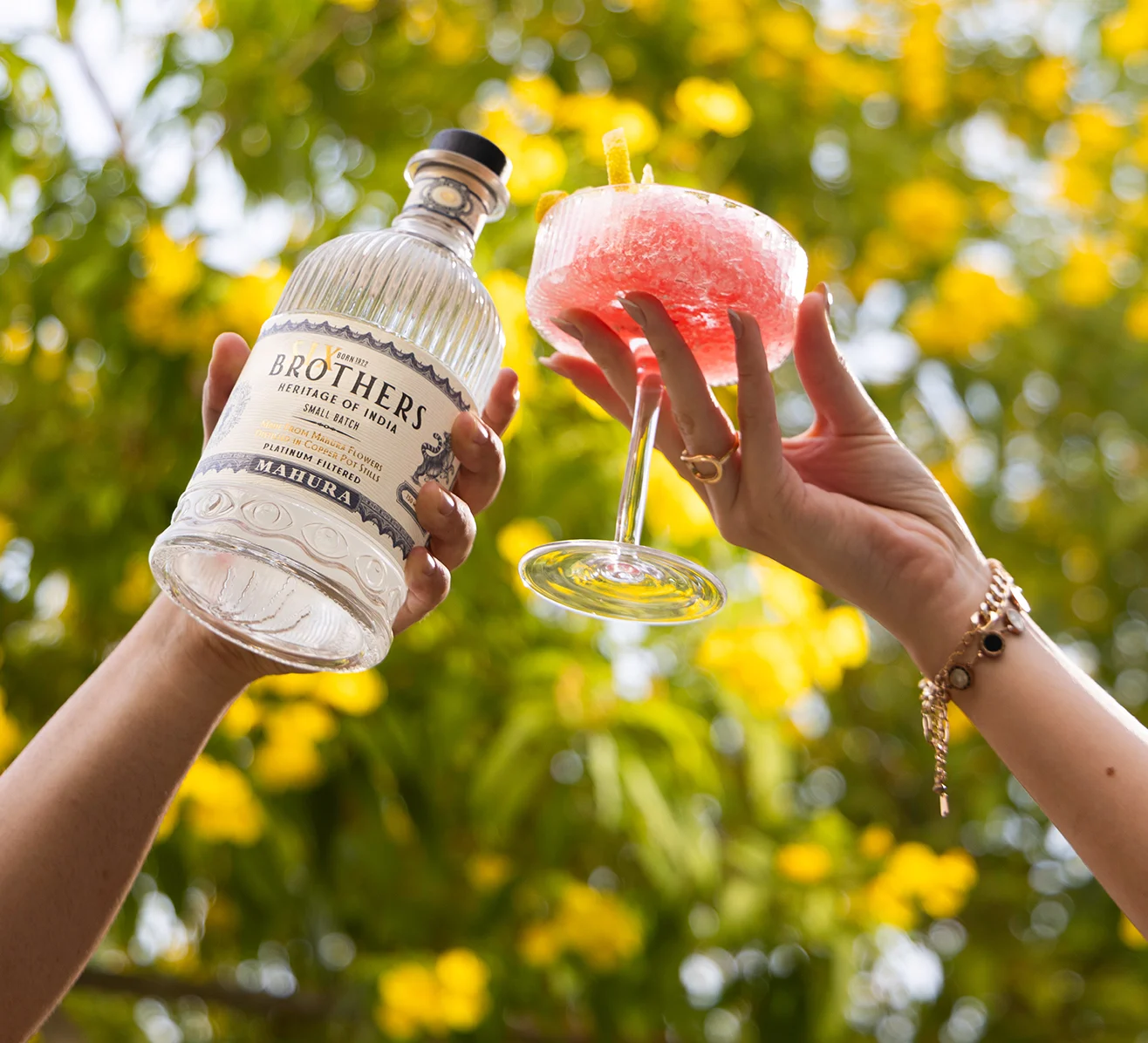
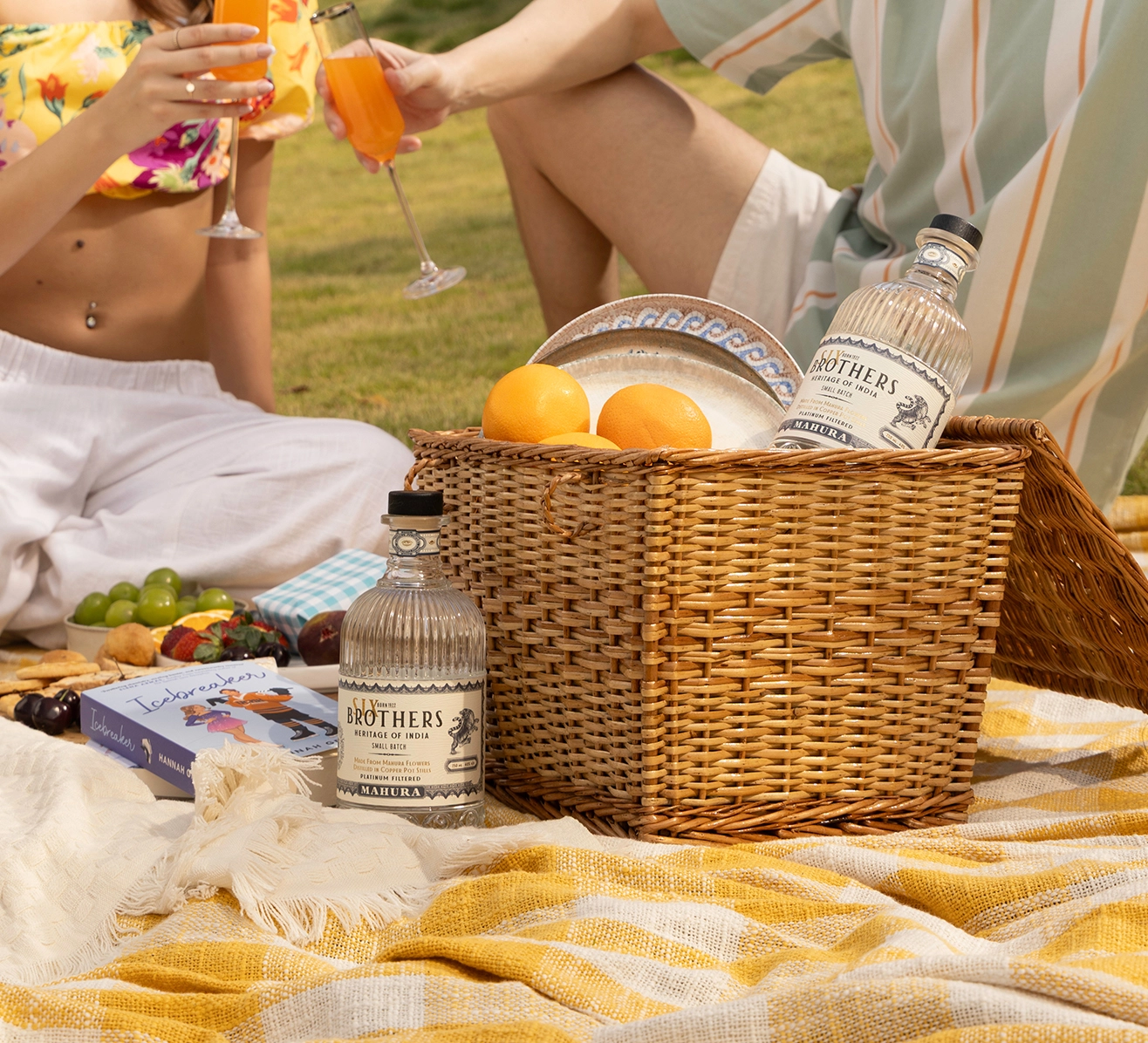
These environments can introduce premium Mahua spirit to curious drinkers around the world.
The biggest opportunity may not be for Mahua to compete directly with whisky or Cognac.
It could create a category of its own.
That would allow Mahua spirit to become associated with:
This is how a regional ingredient can become a global reference point.
India's global spirits identity does not have to end with whisky and gin.
Mahua spirit offers the possibility of something different: a premium category built around an ingredient that is genuinely Indian.
The Mahua flower, indigenous knowledge, cultural heritage, and modern craftsmanship give Six Brothers Mahura the foundations to participate in that story.
Whether Mahua becomes India's first globally recognised native spirit will depend on quality, storytelling, category-building, and international curiosity.
But the potential is already there.