Posted on 30 Jun 2026
India’s alcohol industry is undergoing a noticeable shift. Consumers are moving beyond familiarity and exploring new categories that offer identity, origin, and a more considered drinking experience. While Indian single malt and single malt whisky have already established a strong presence, the broader space of Indian spirits is still expanding.
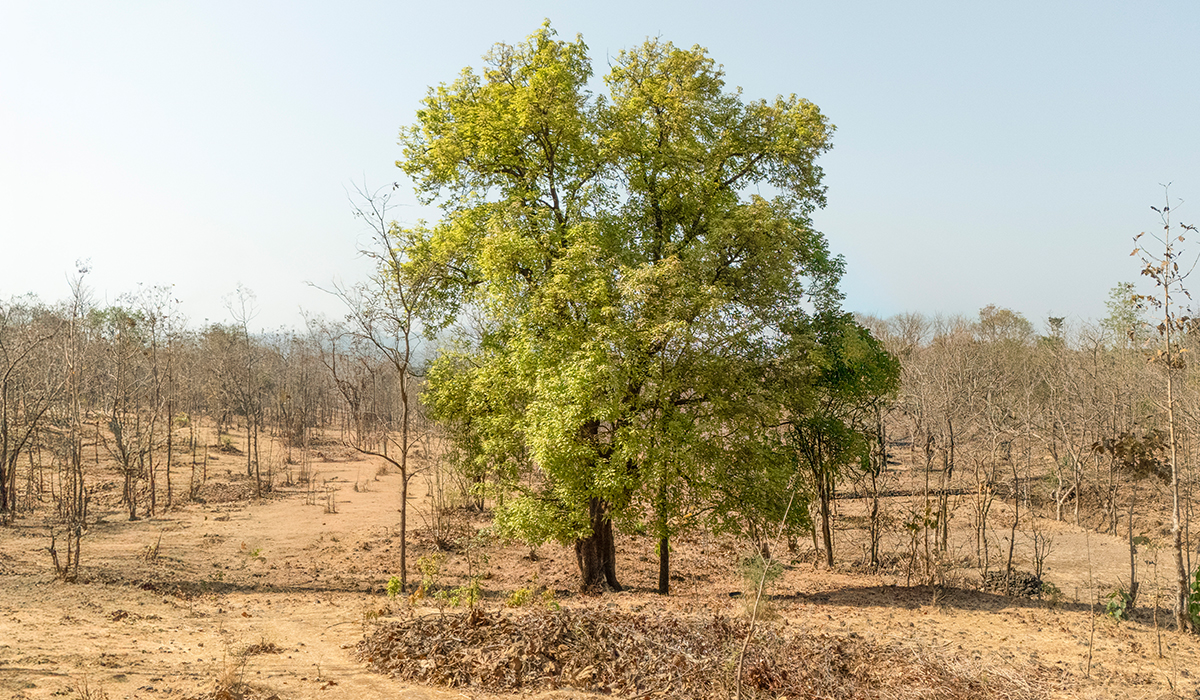
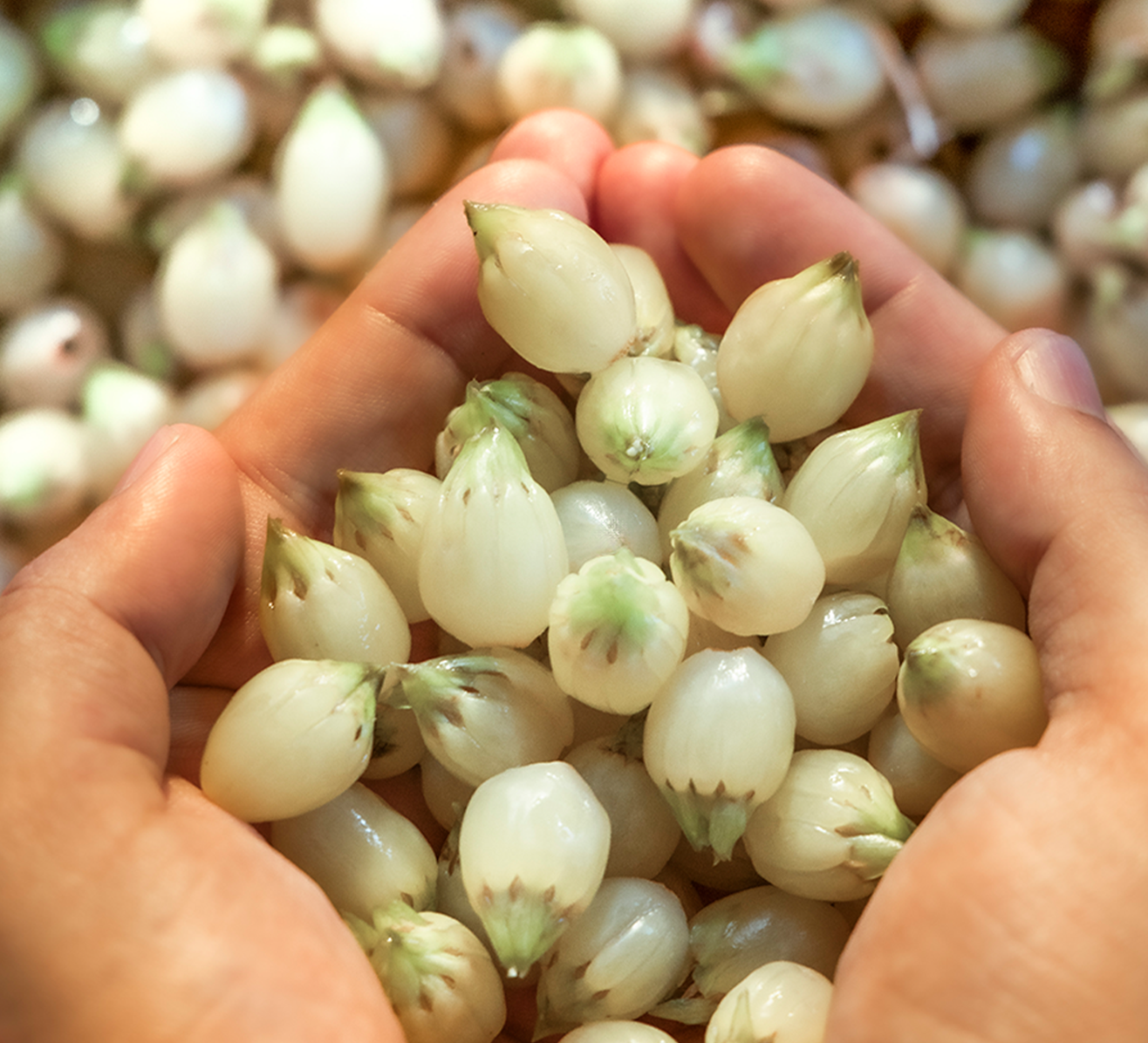
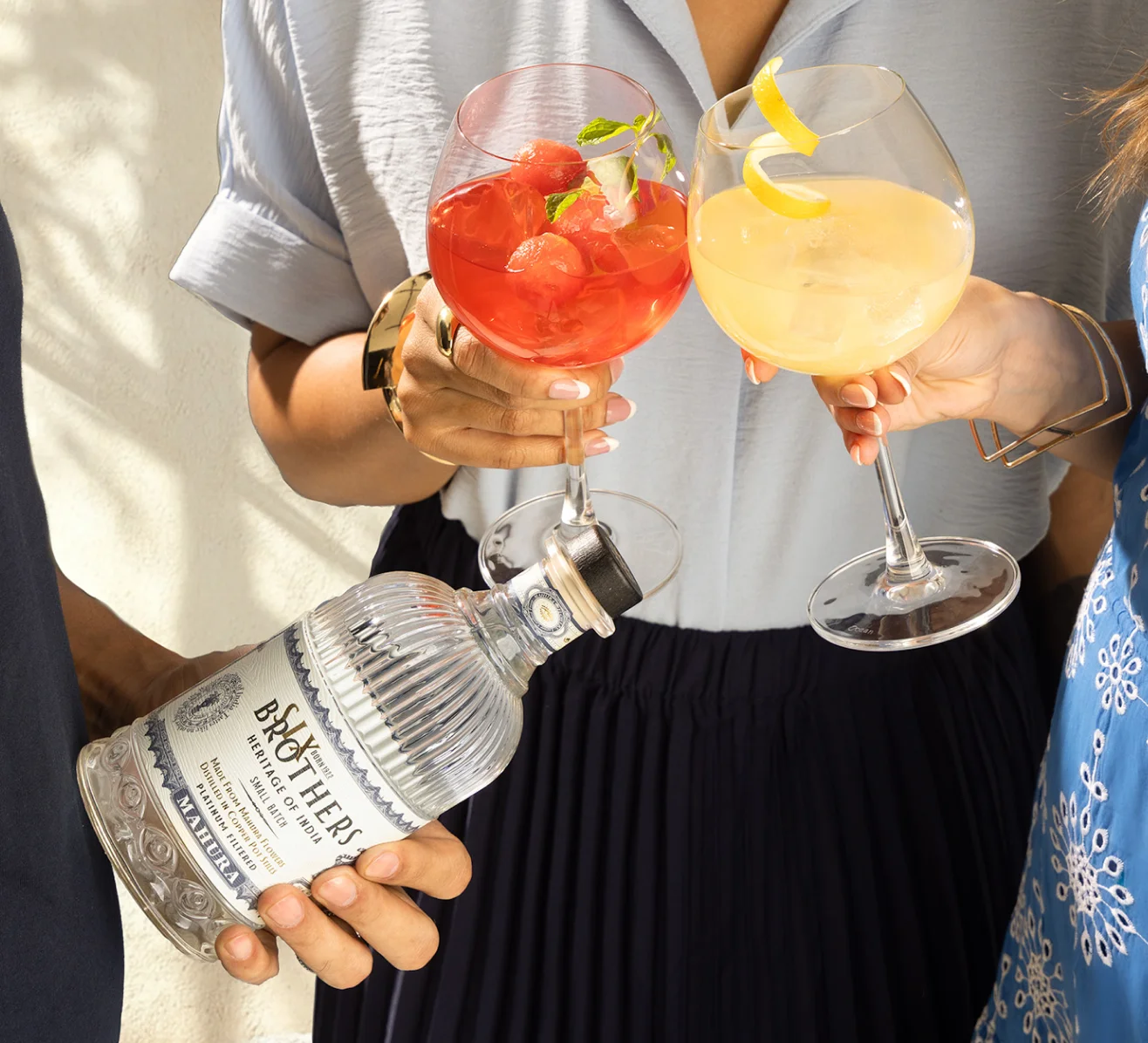
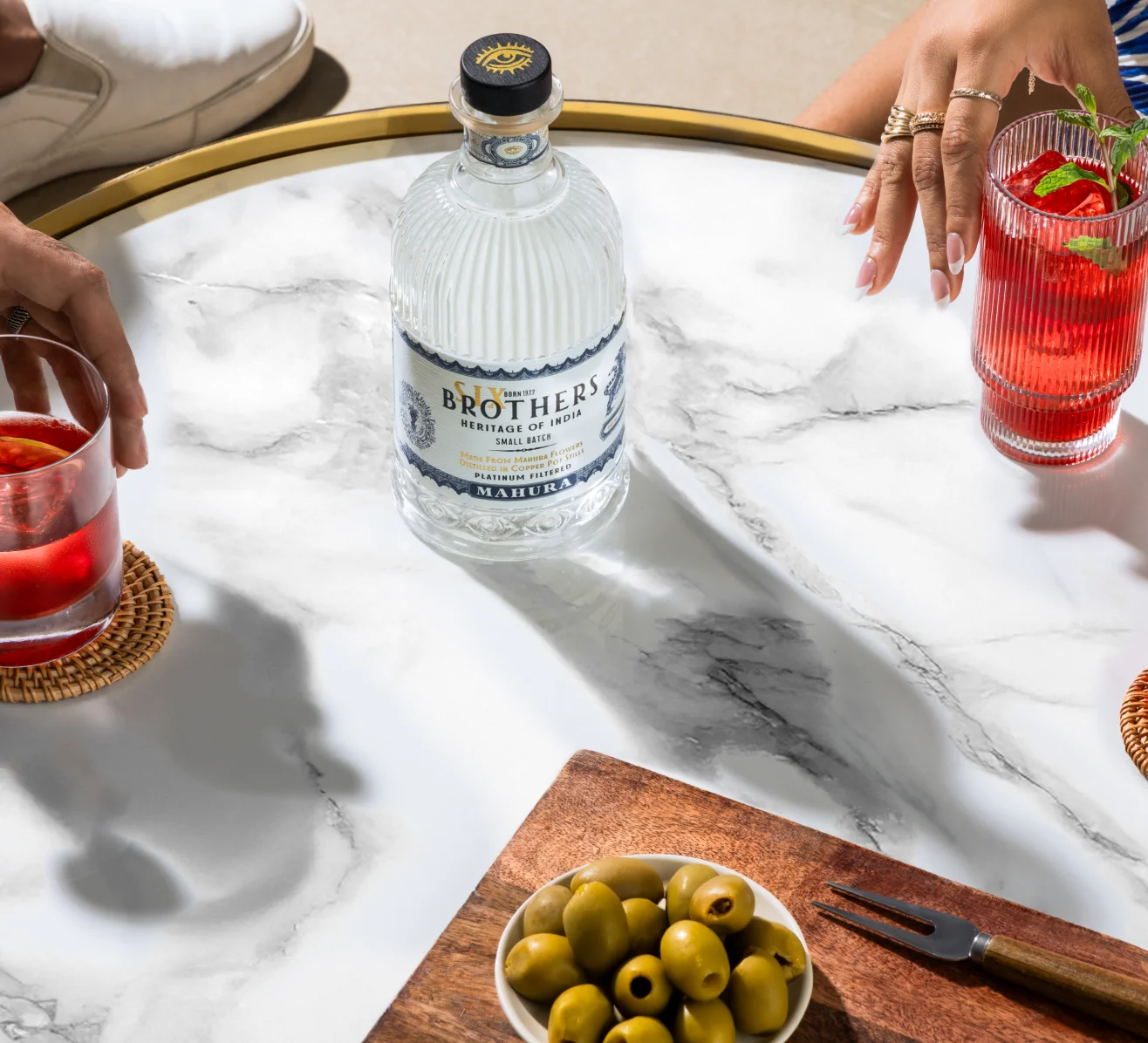
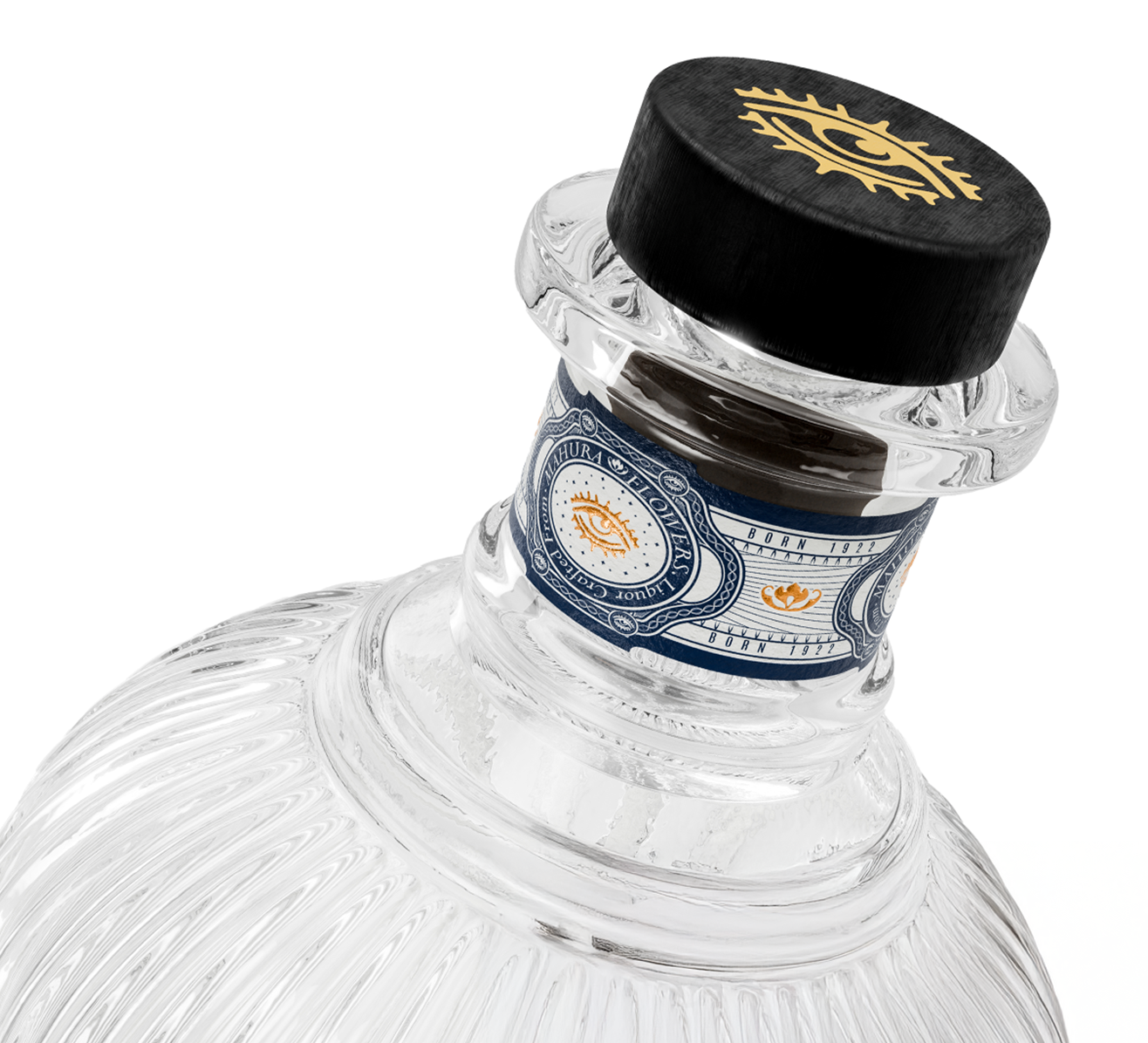
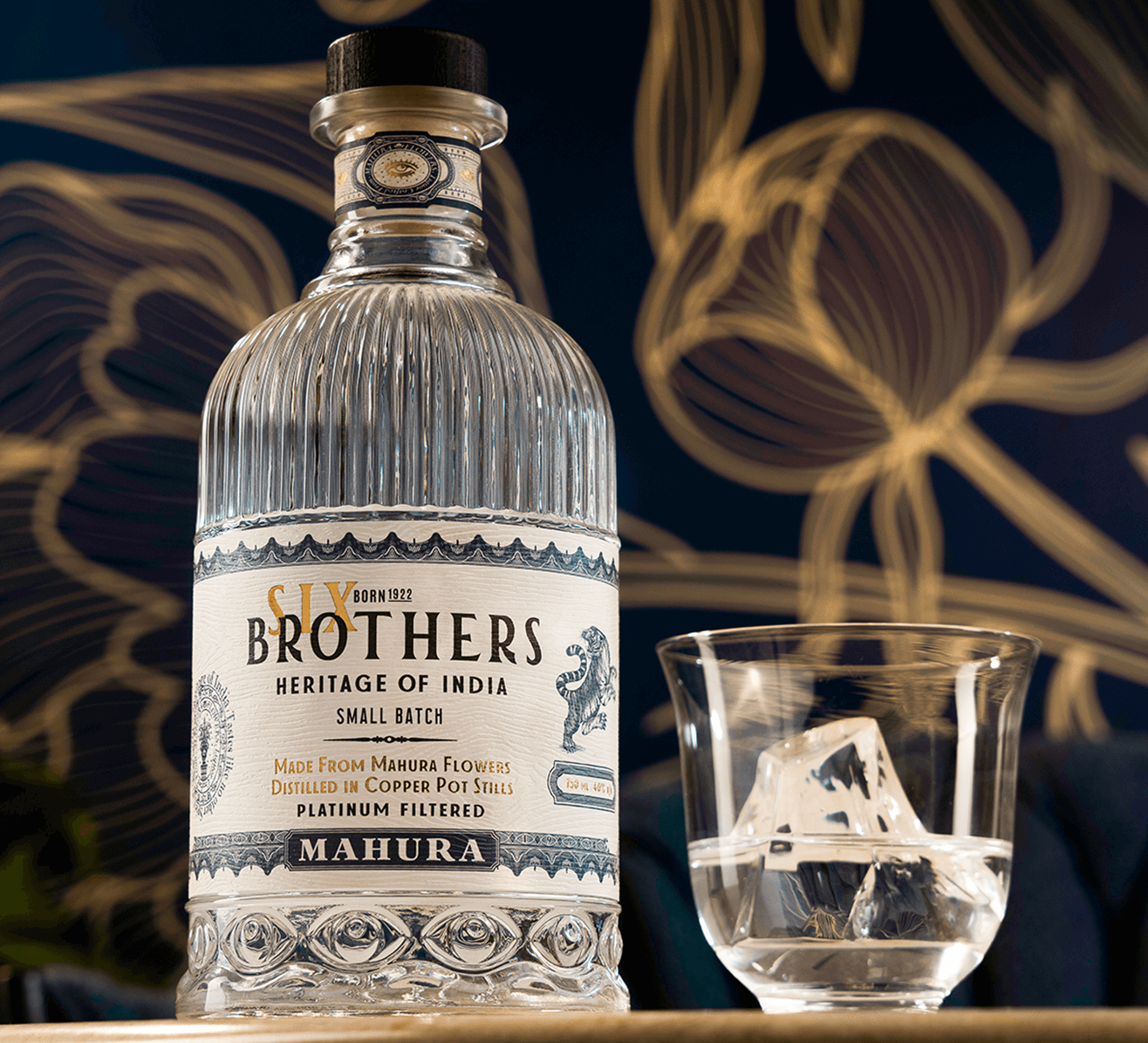
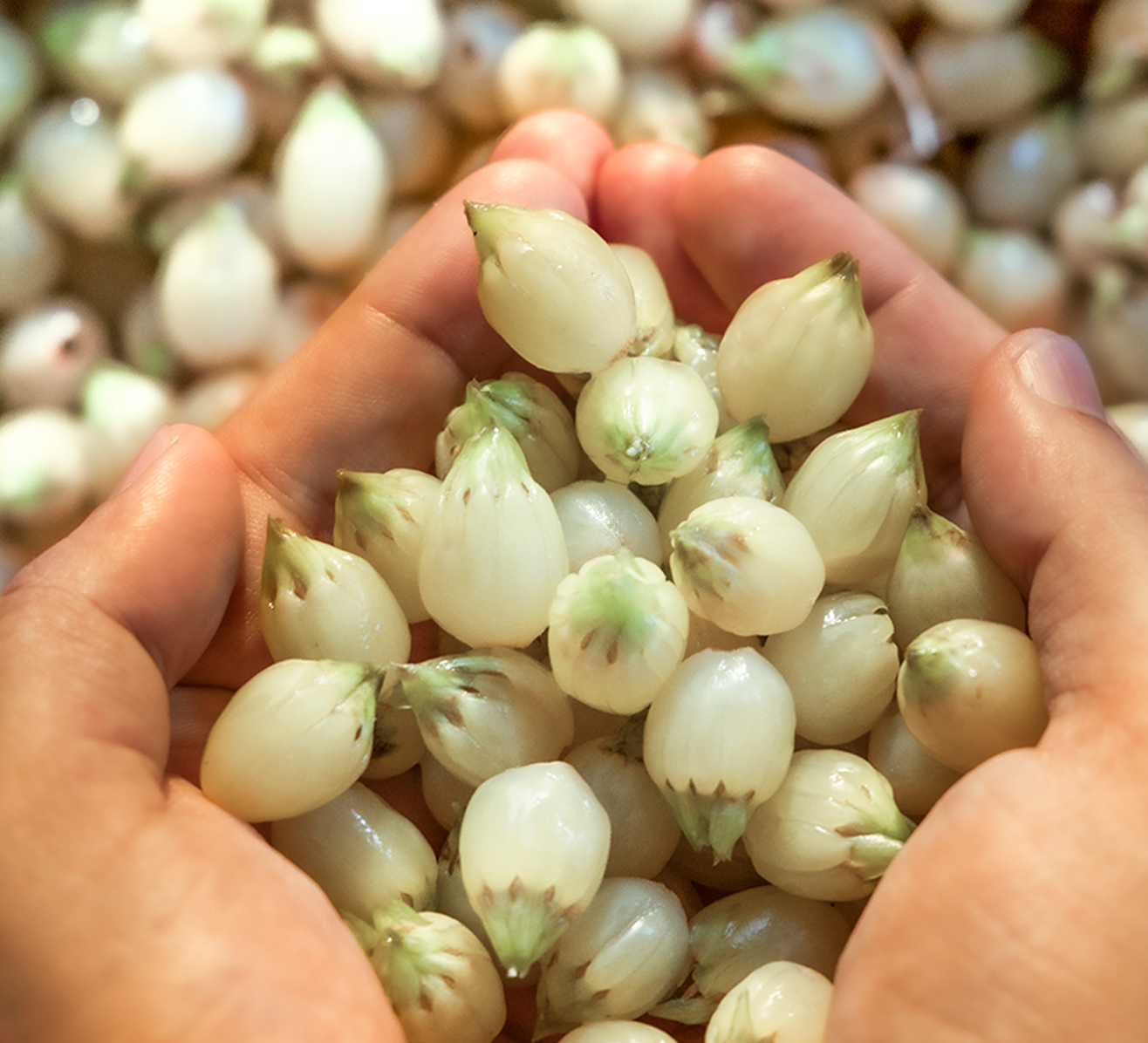
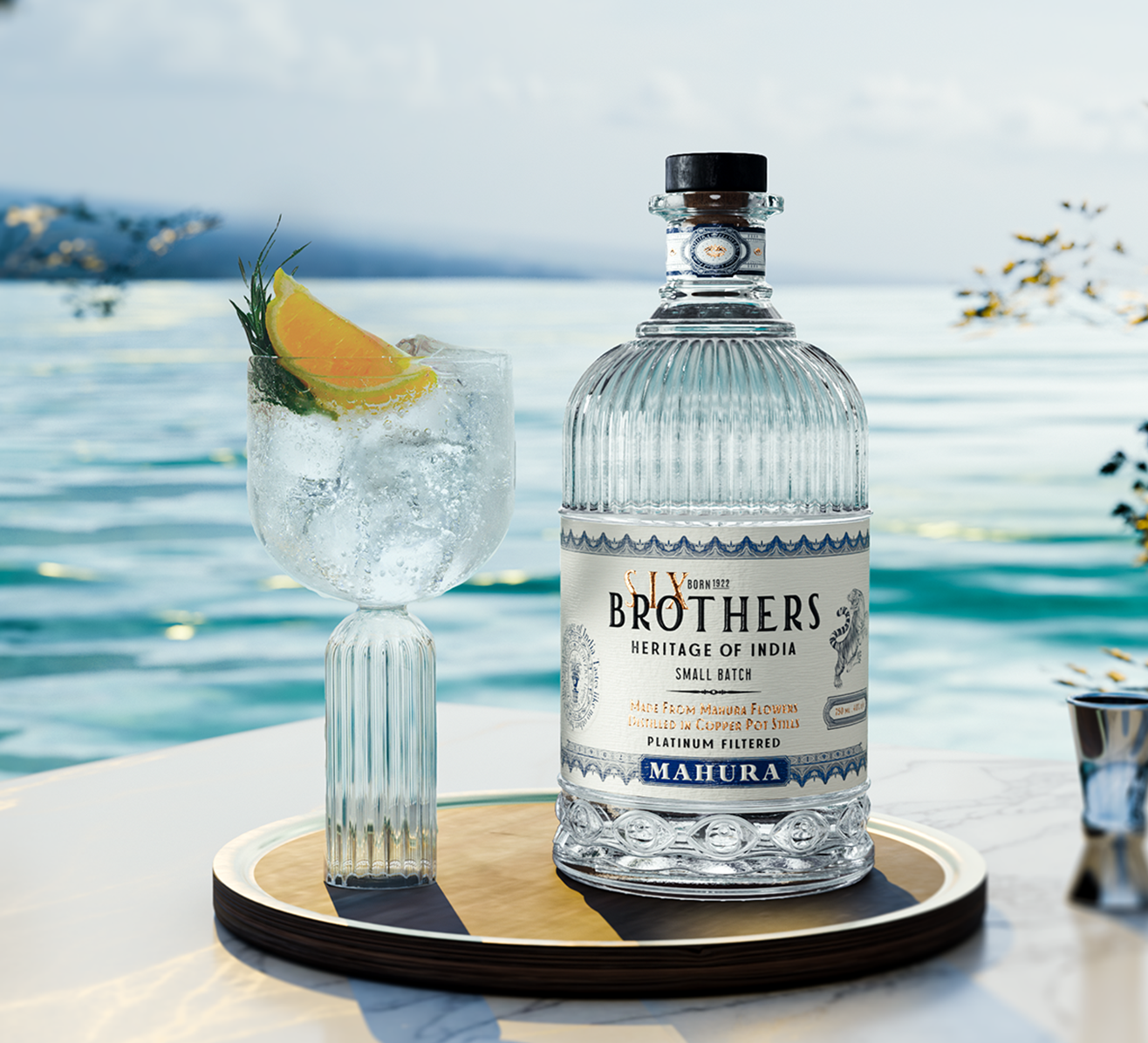
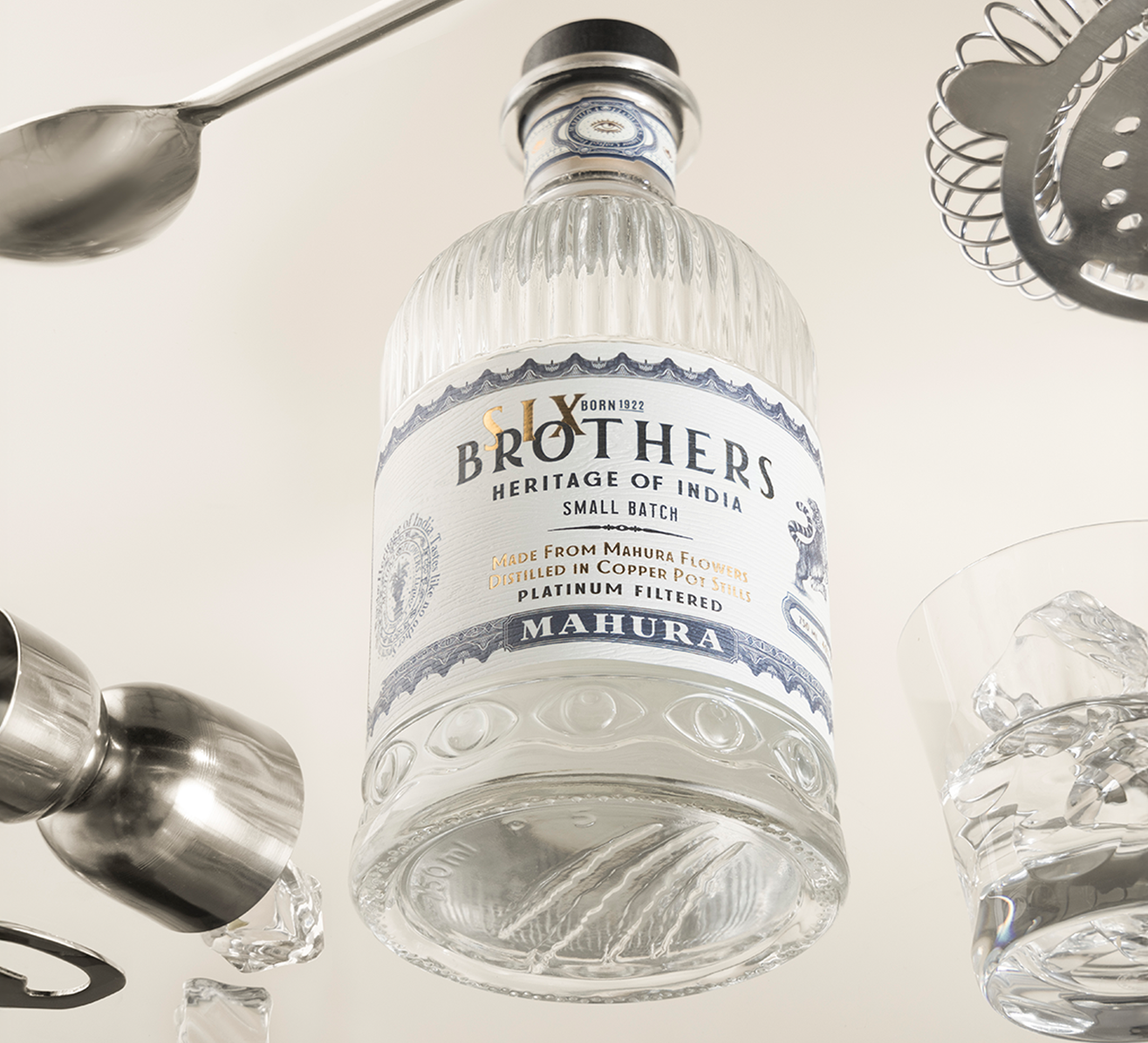
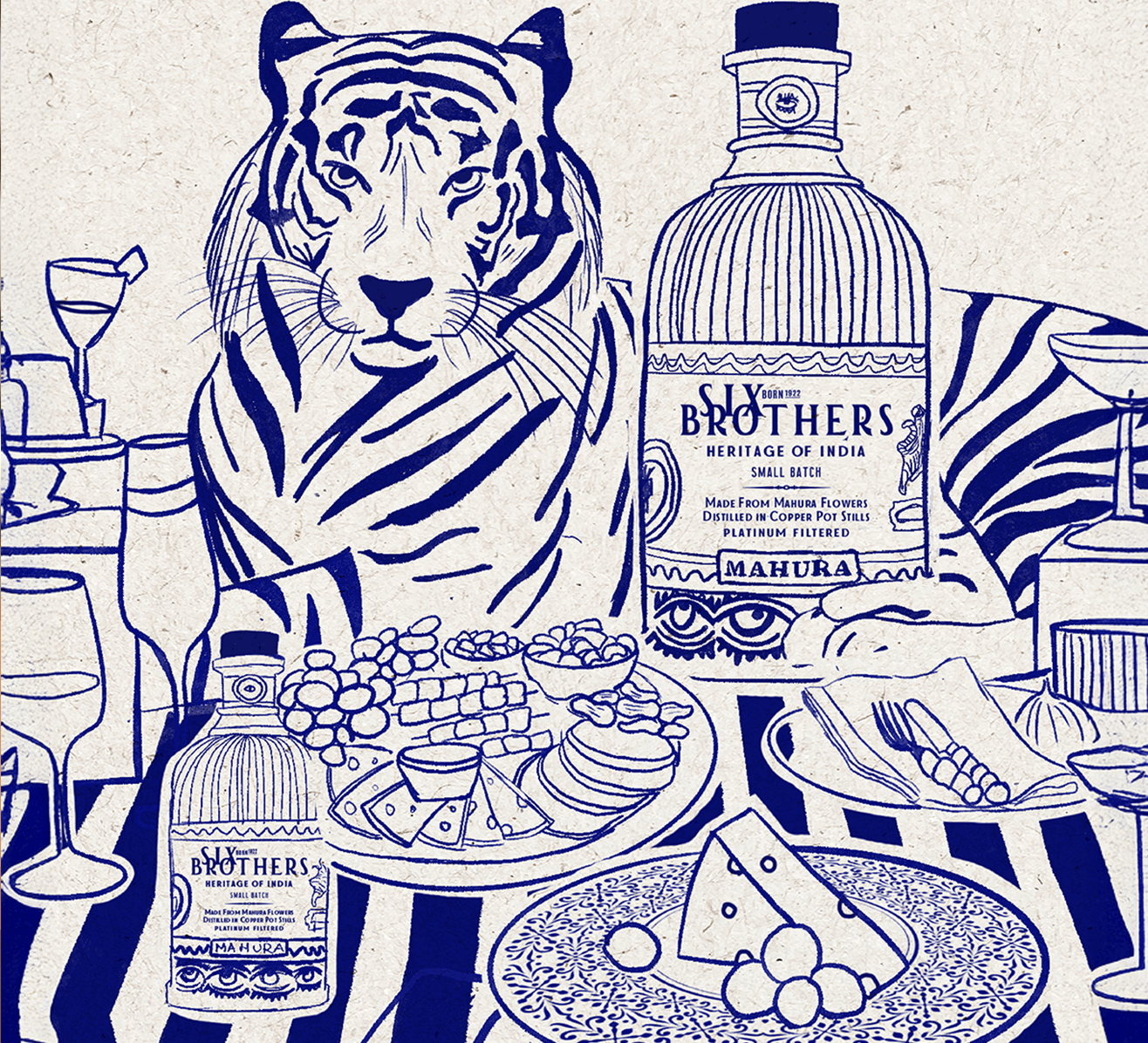
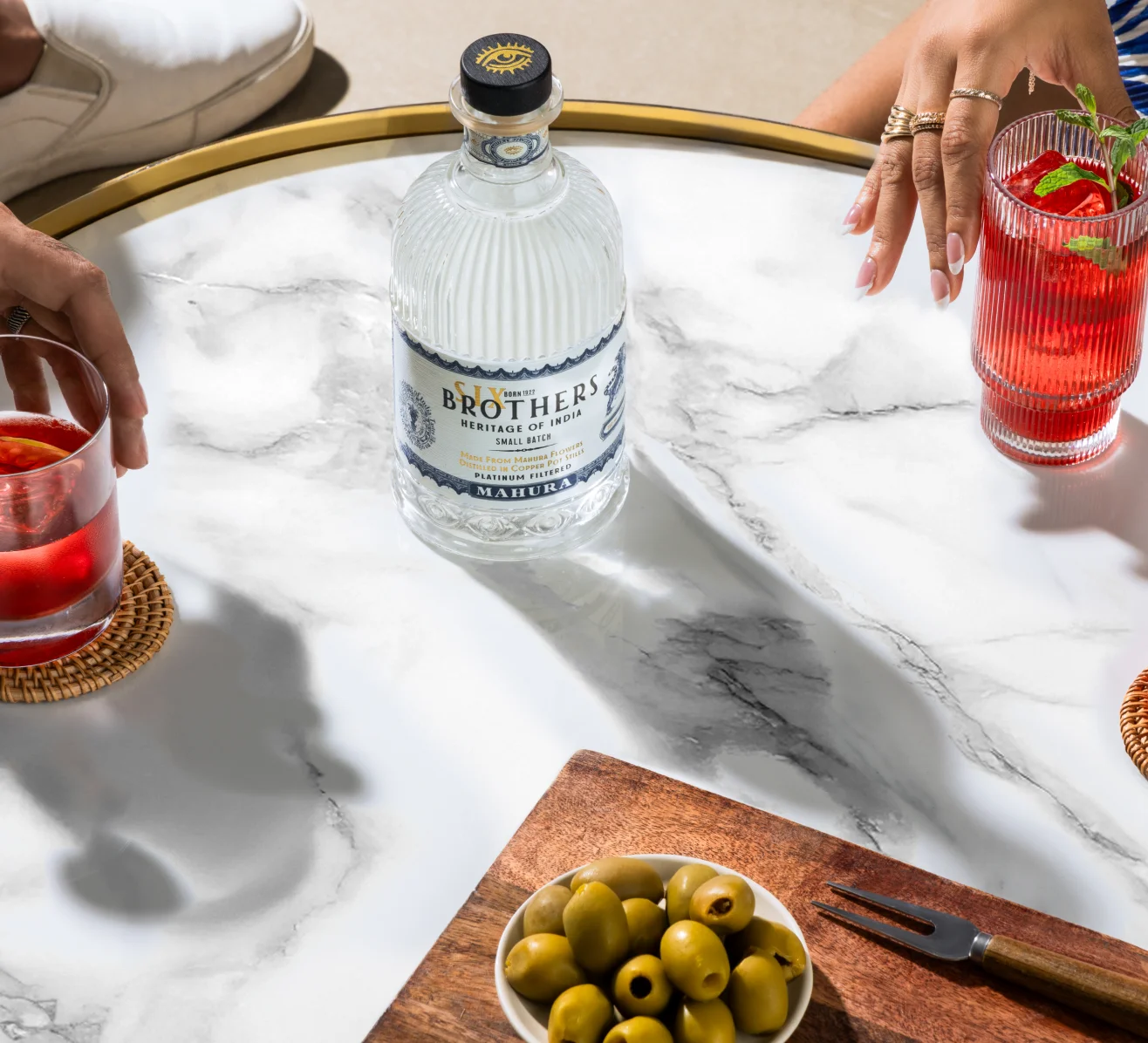
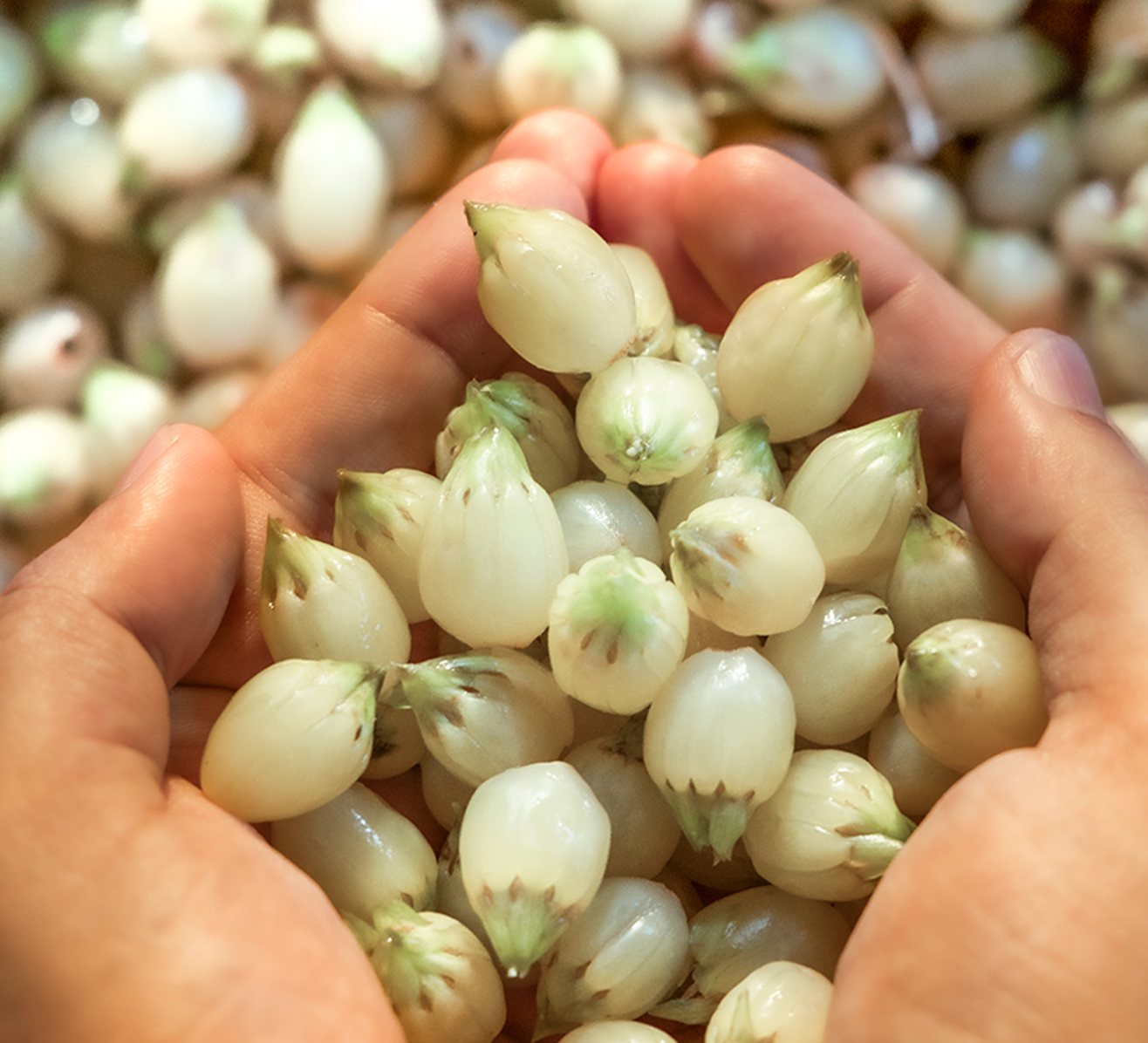
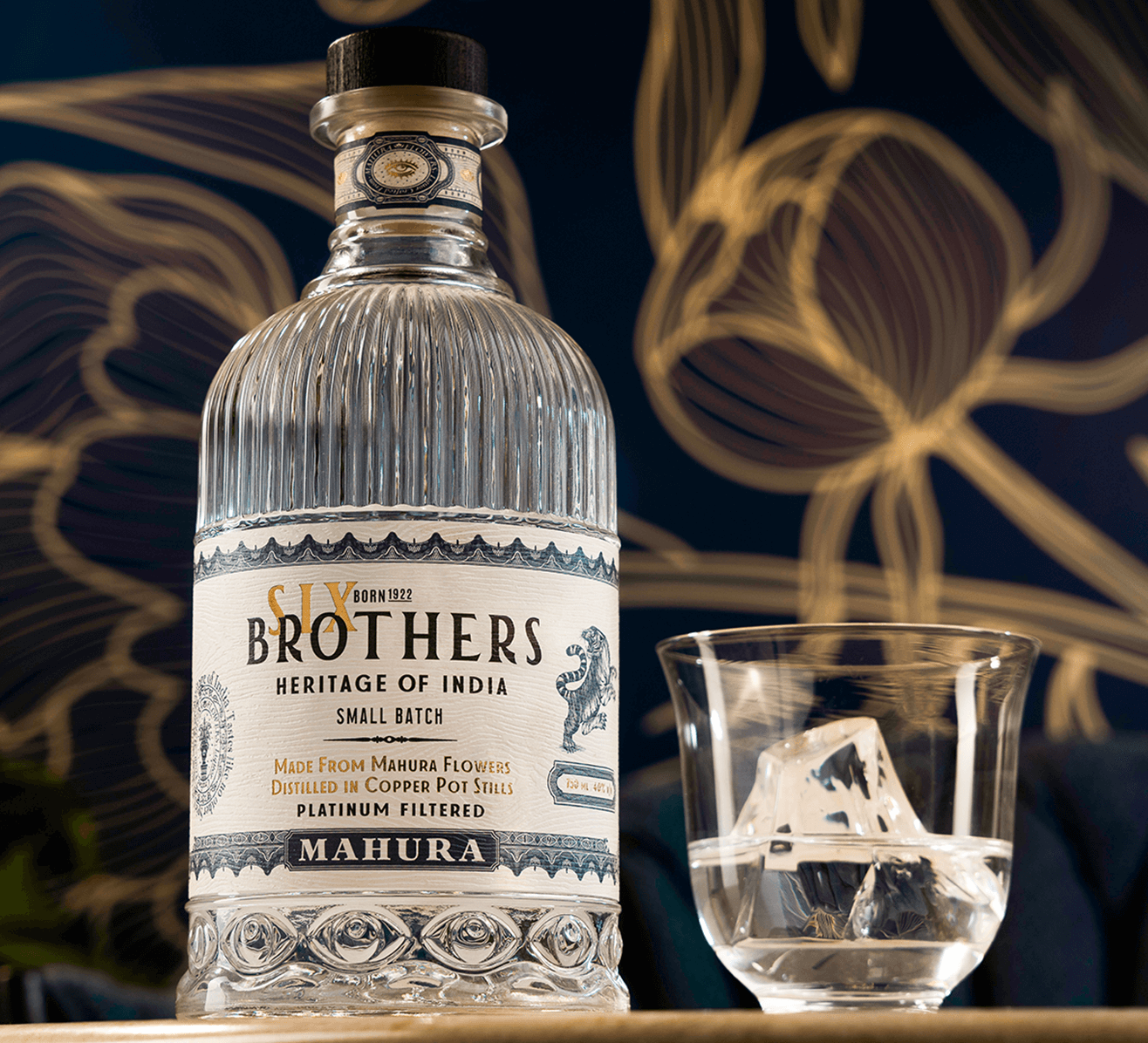
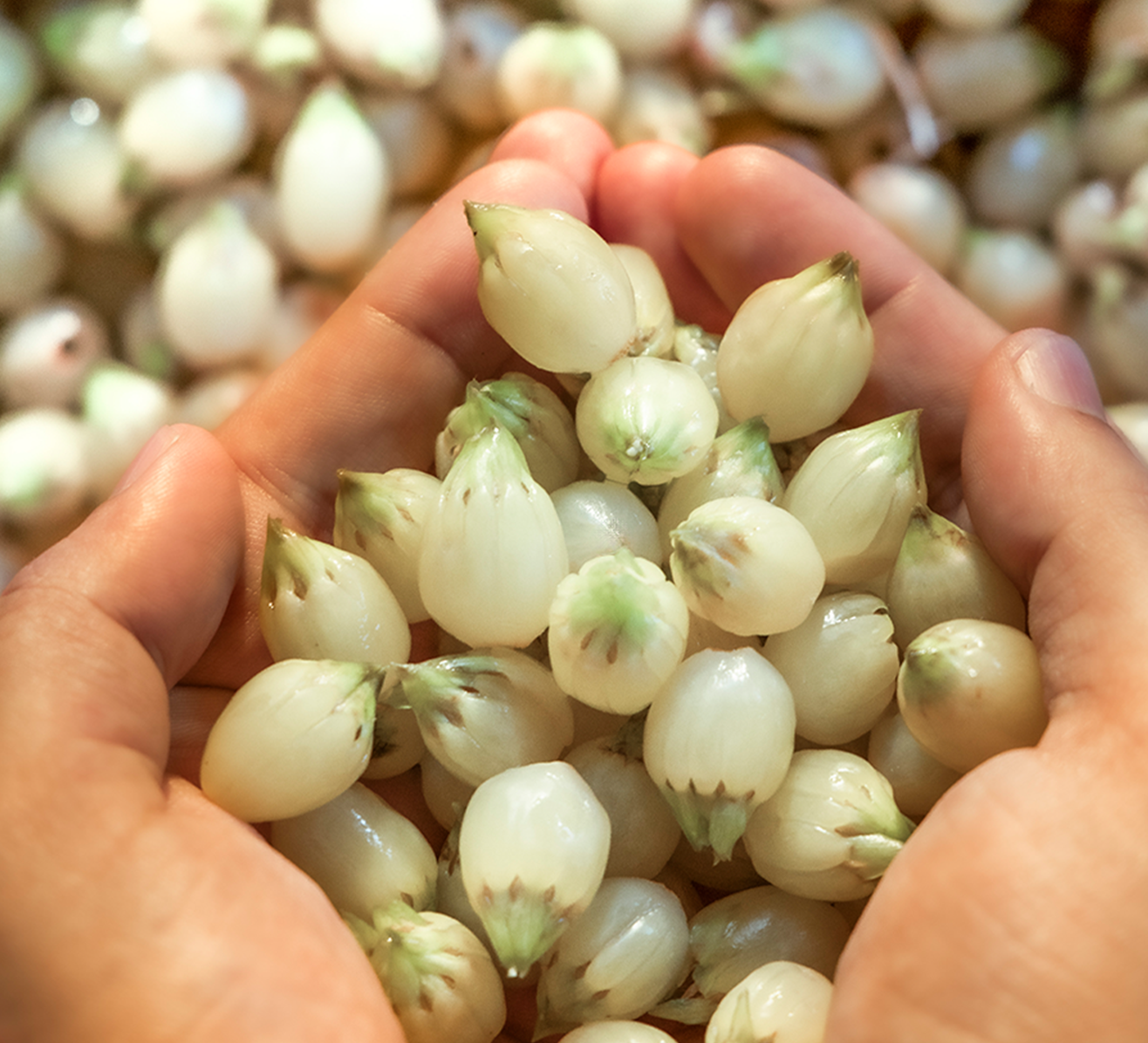
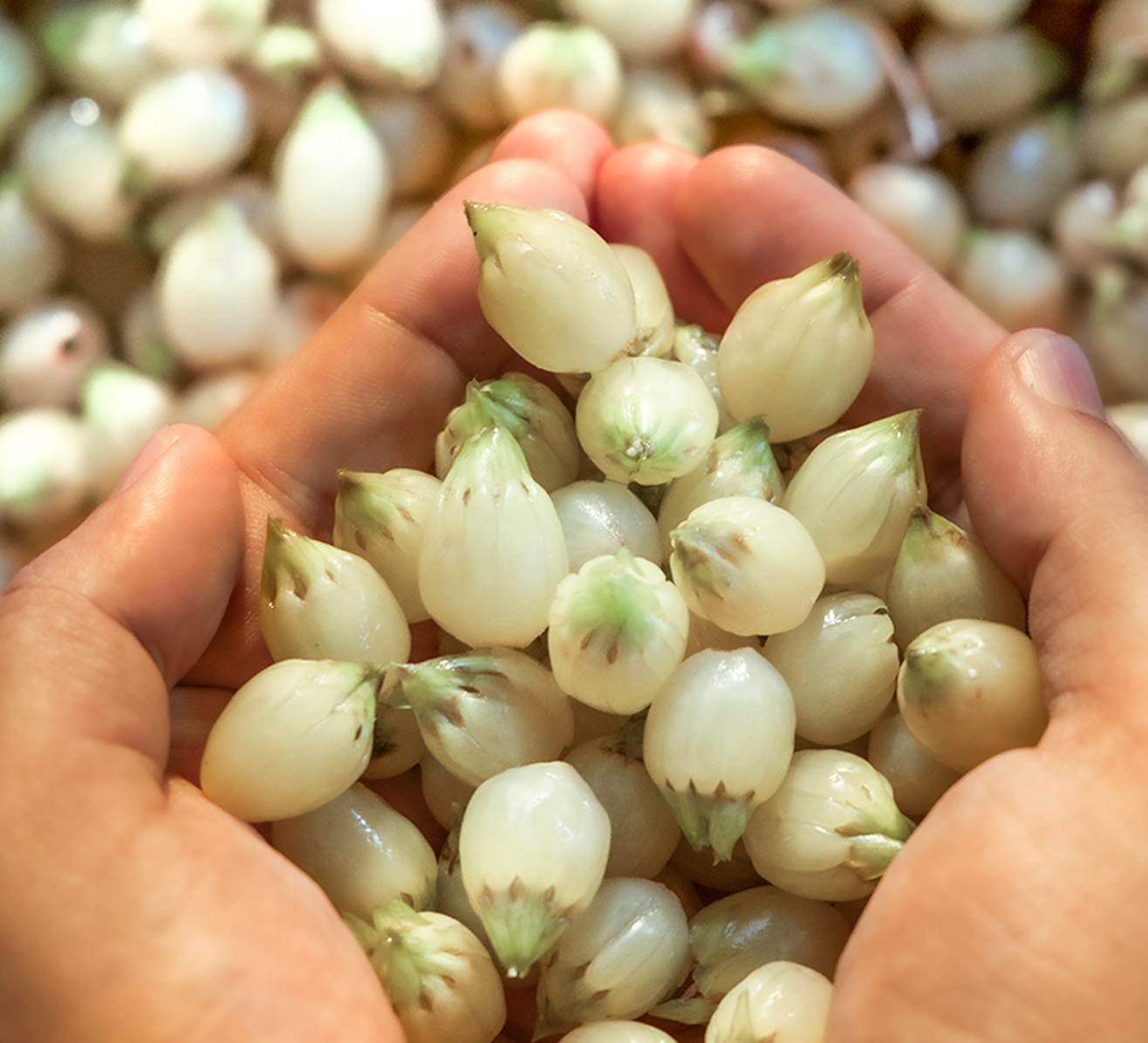
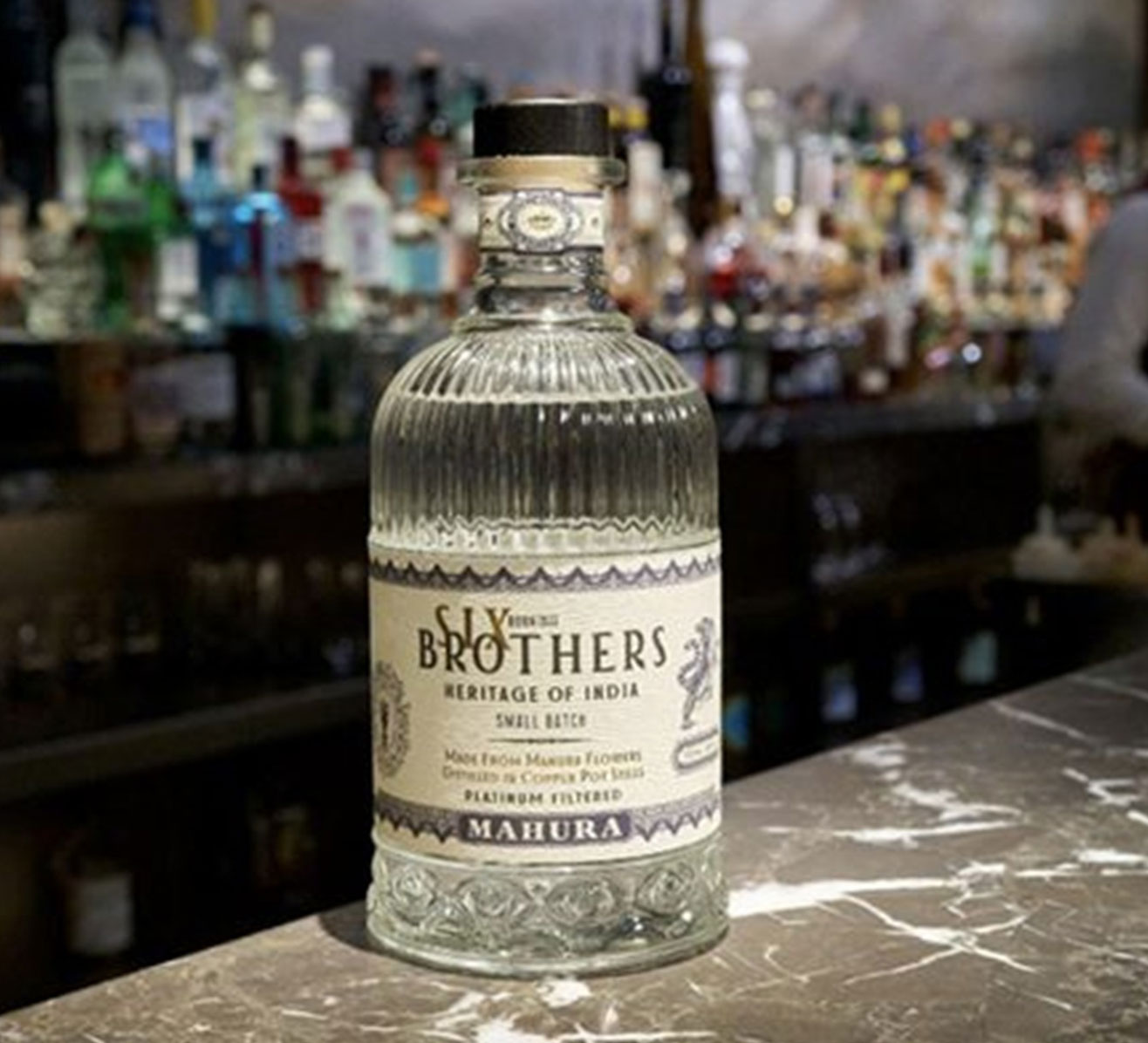
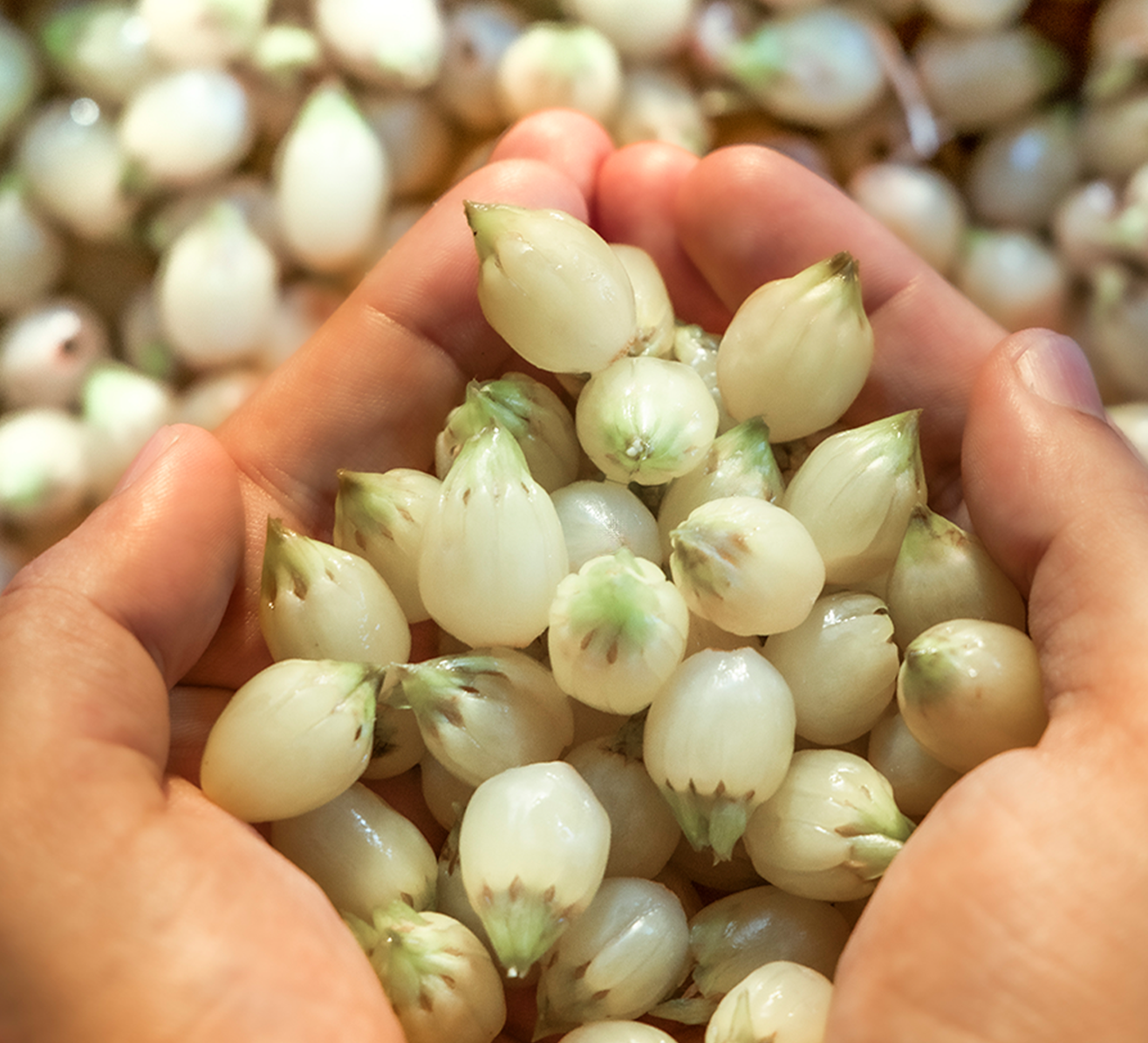
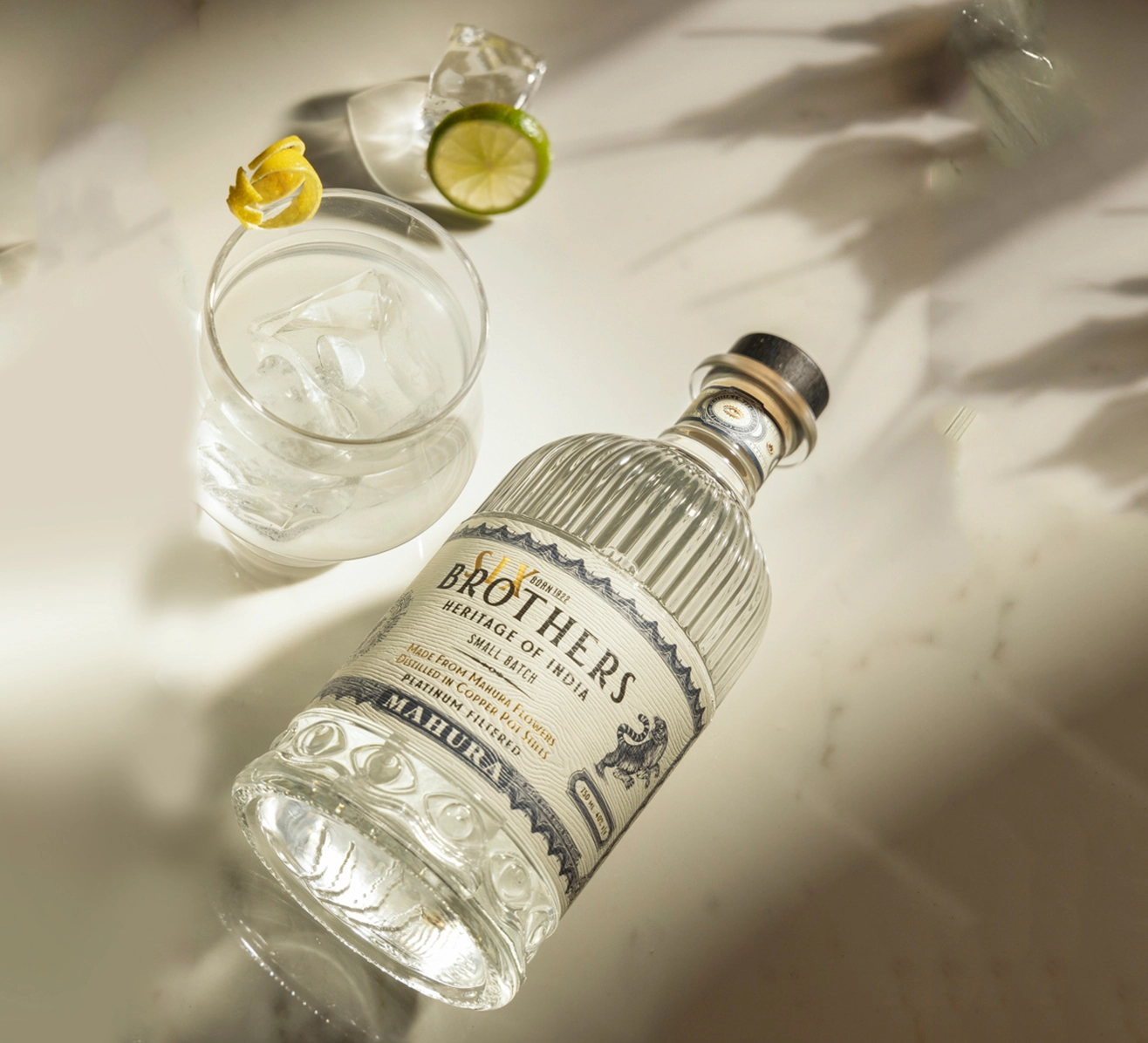
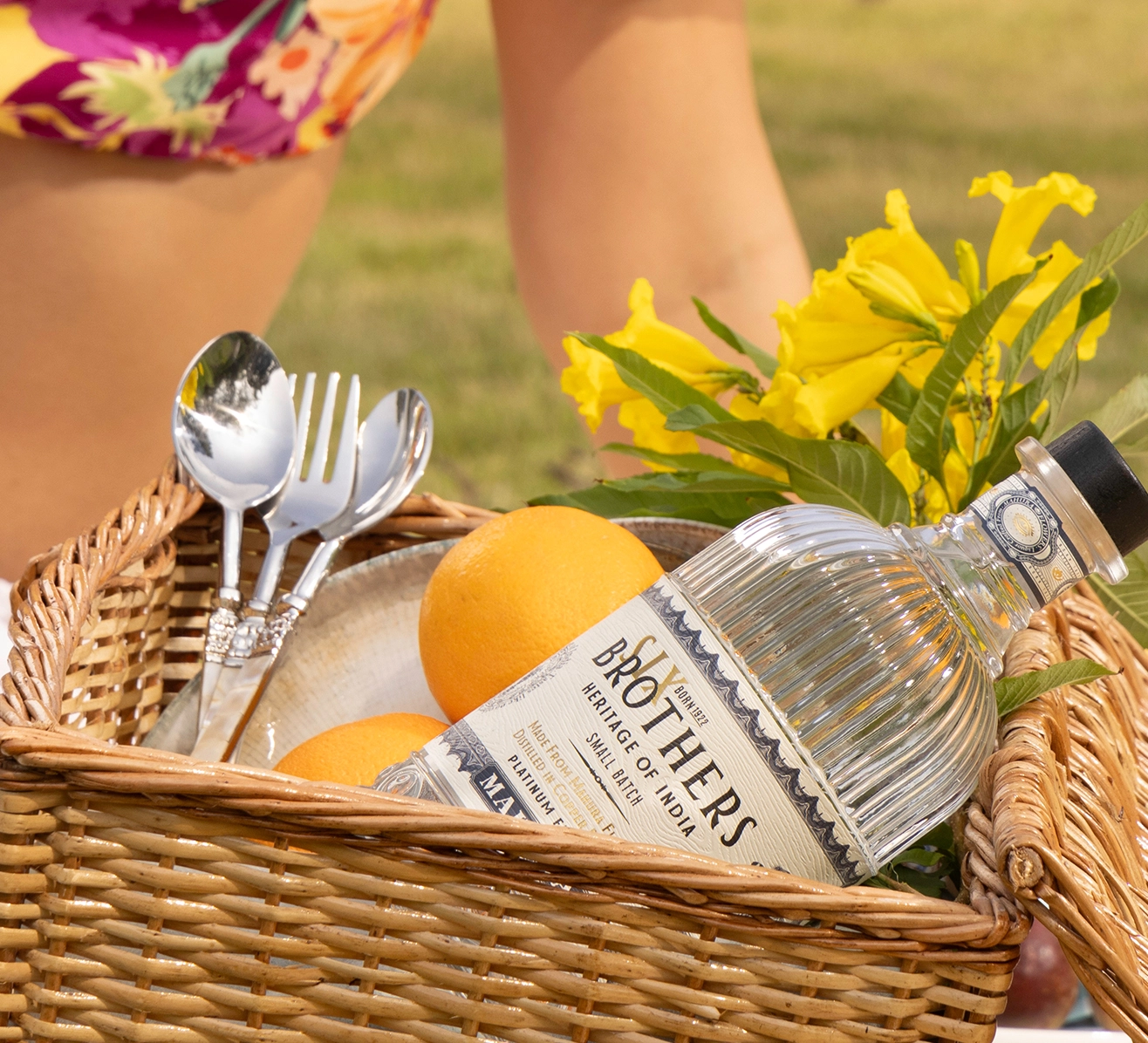
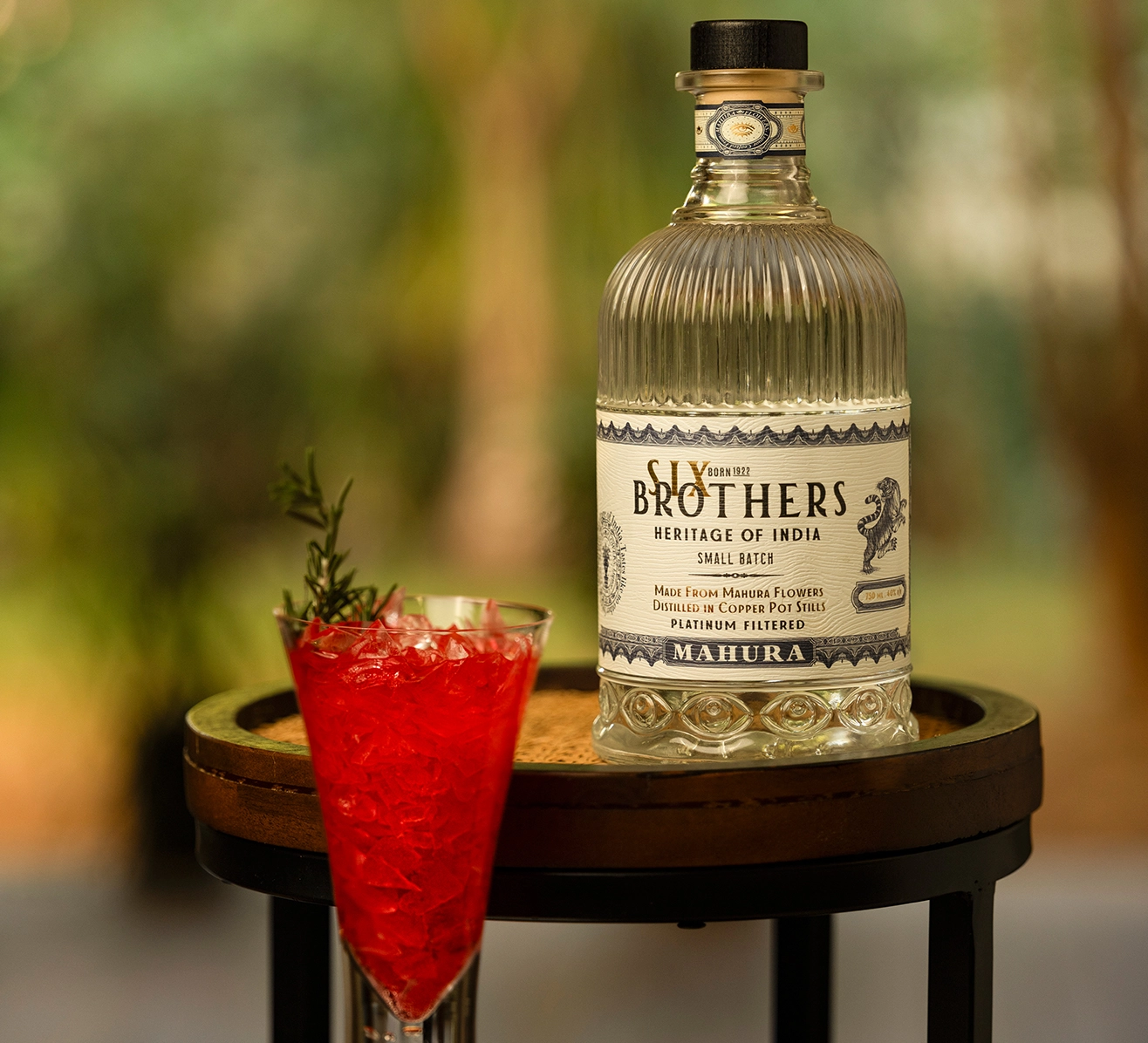
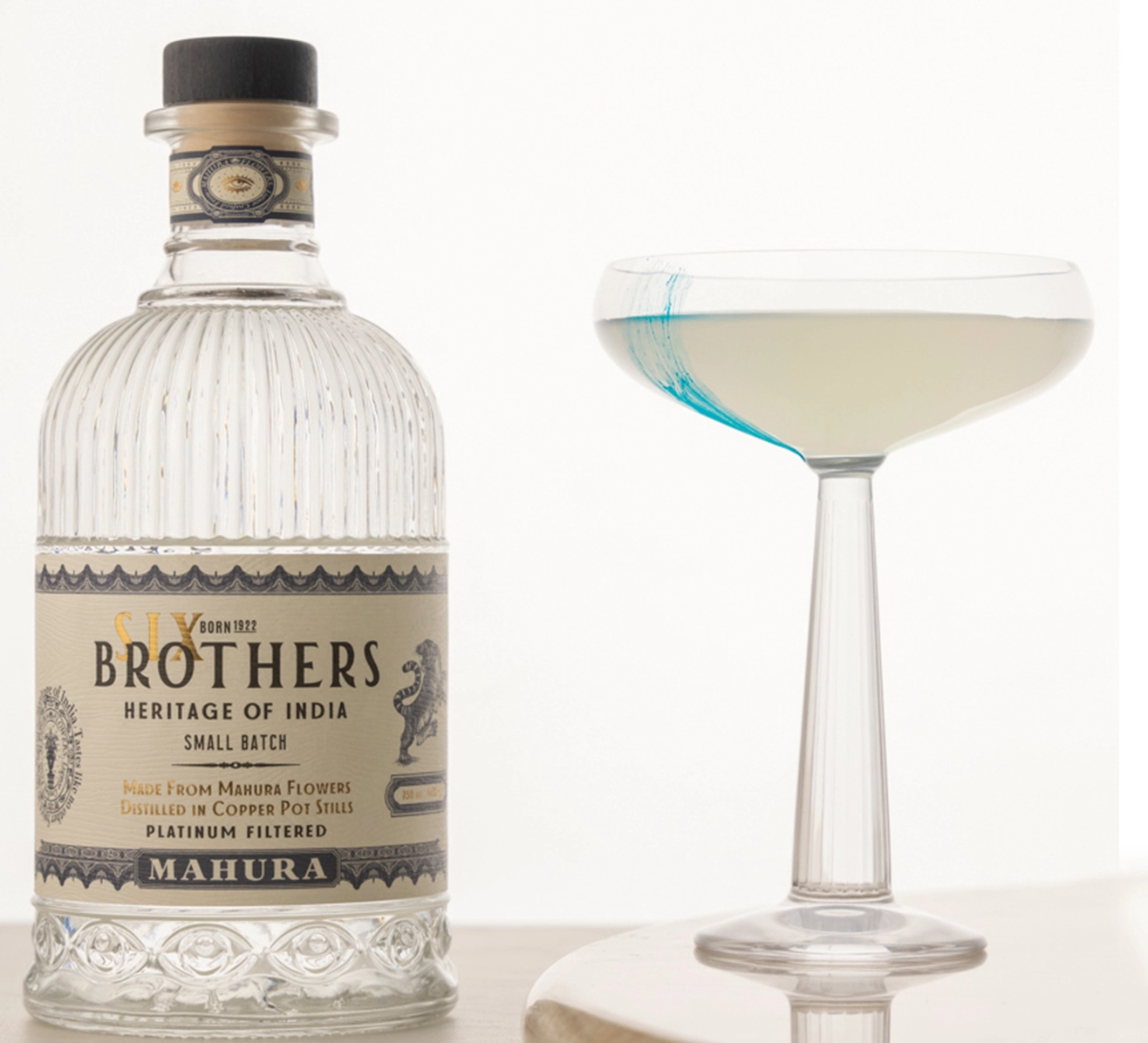
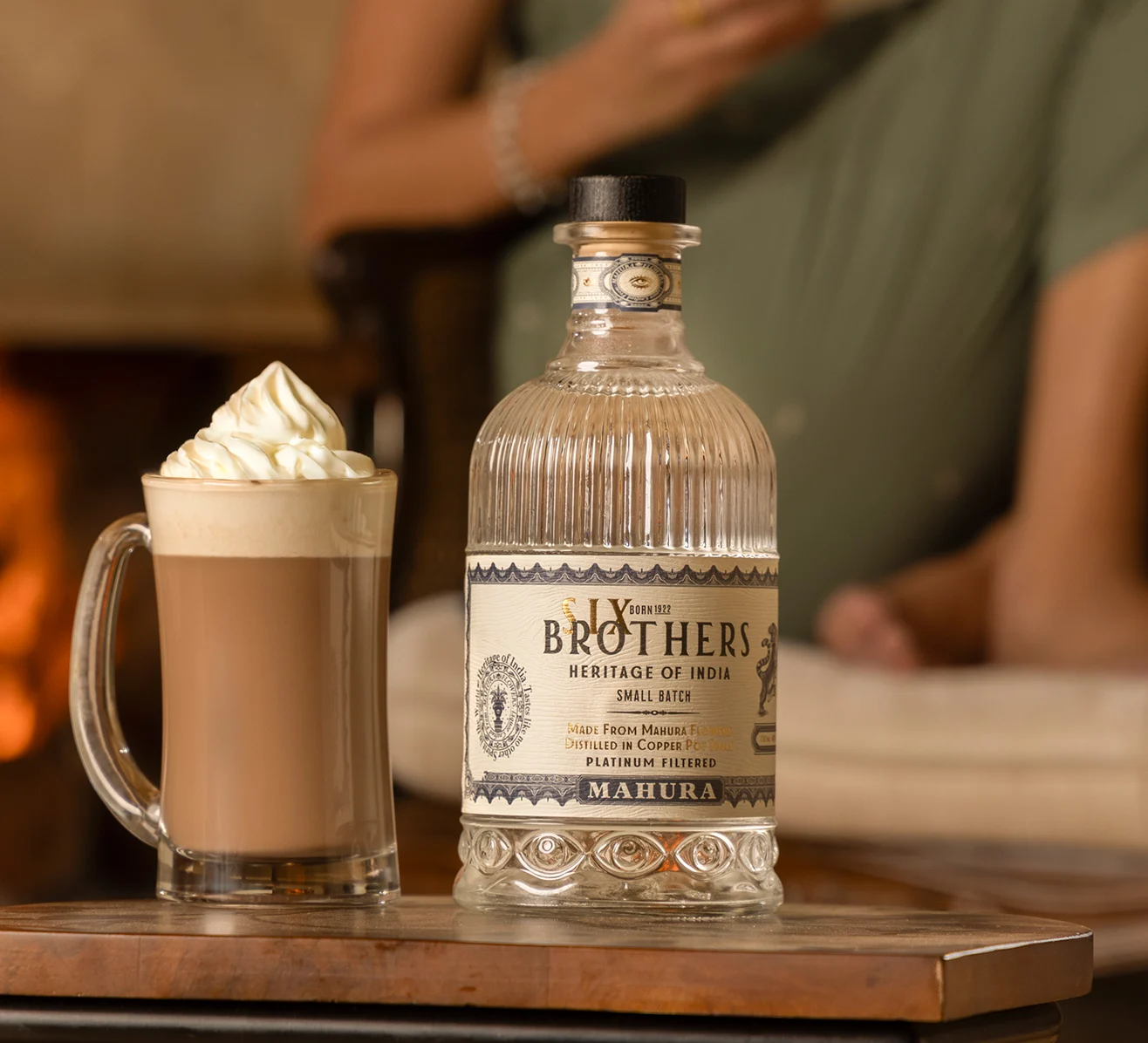
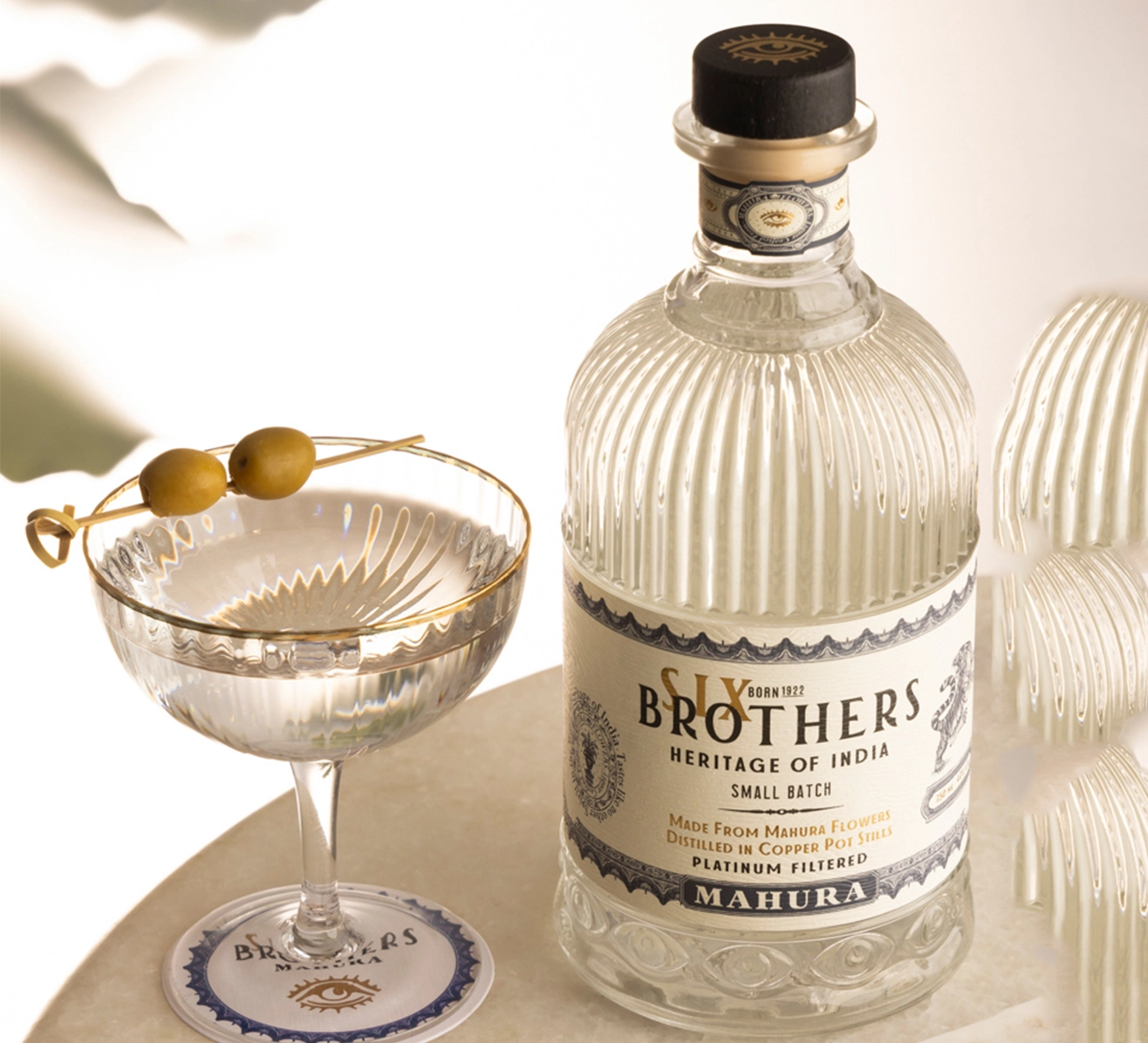
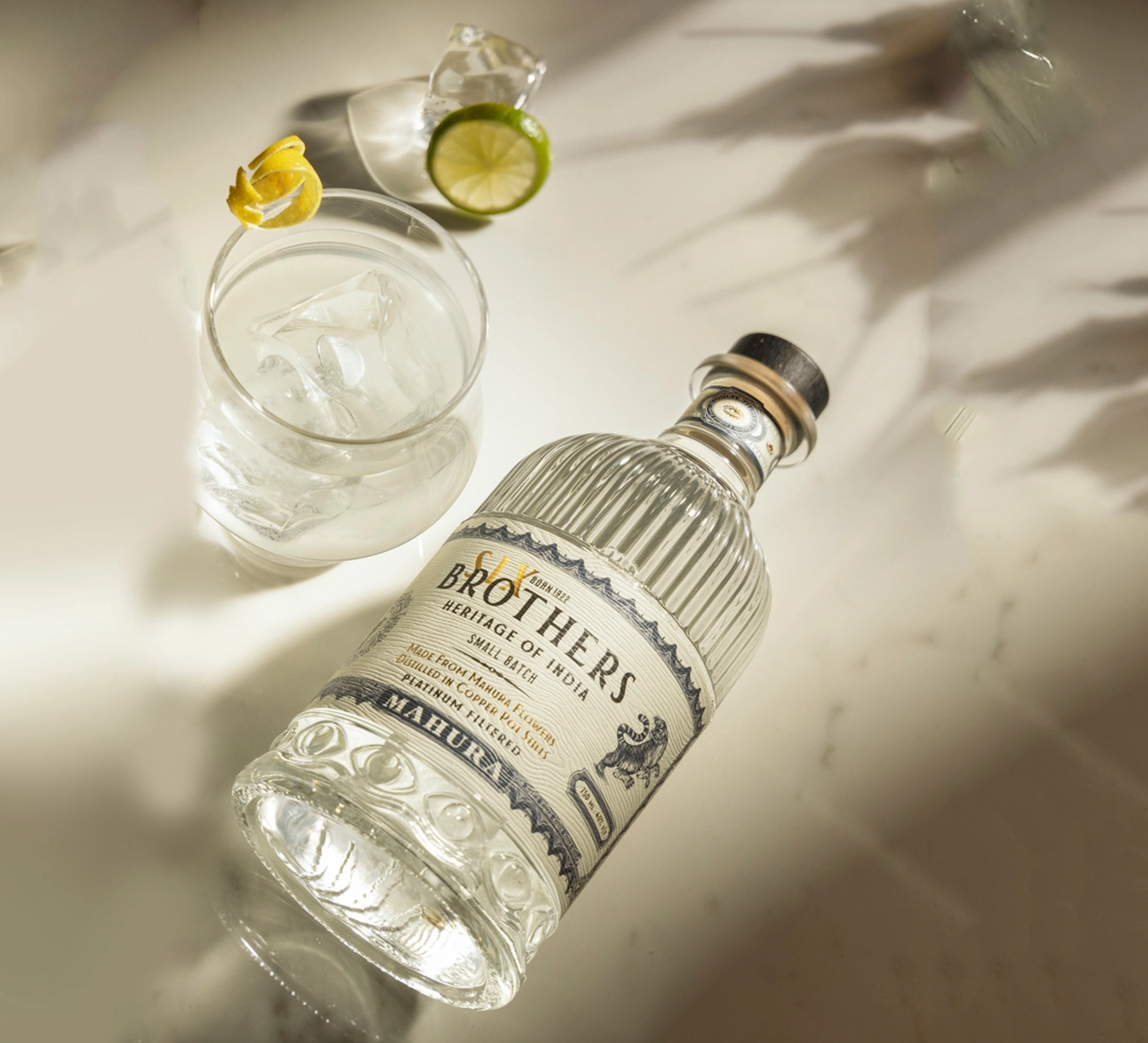
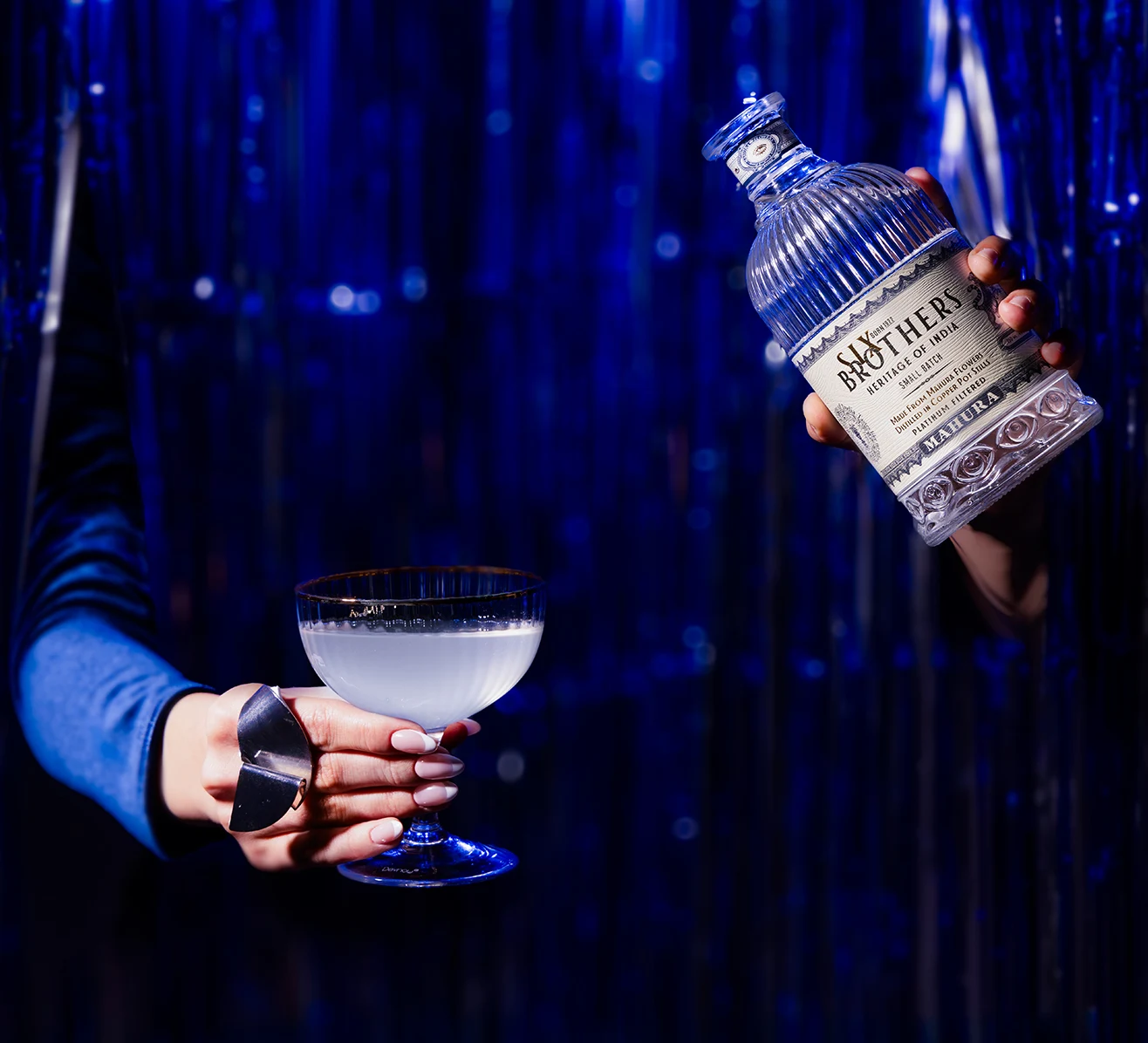
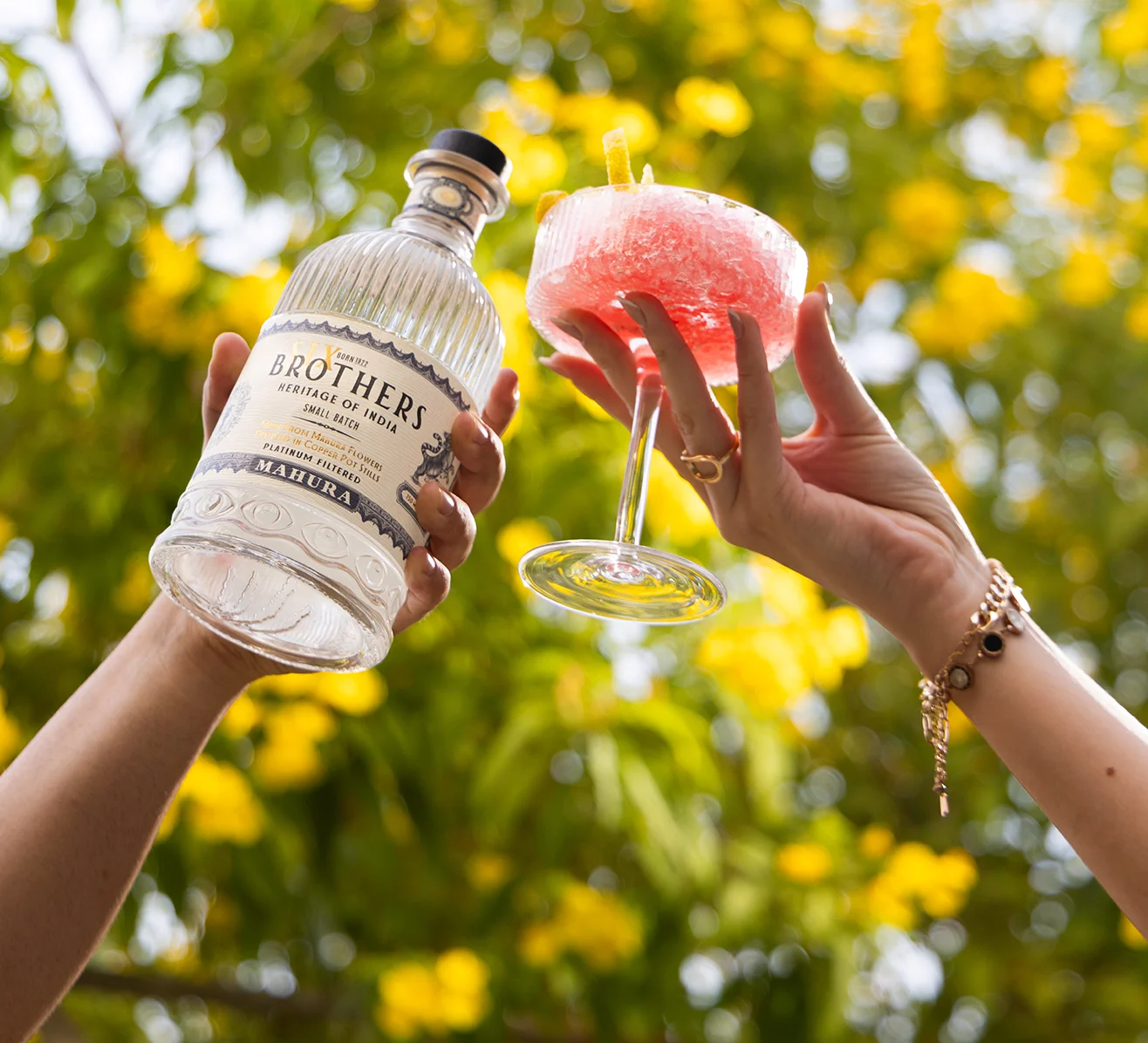
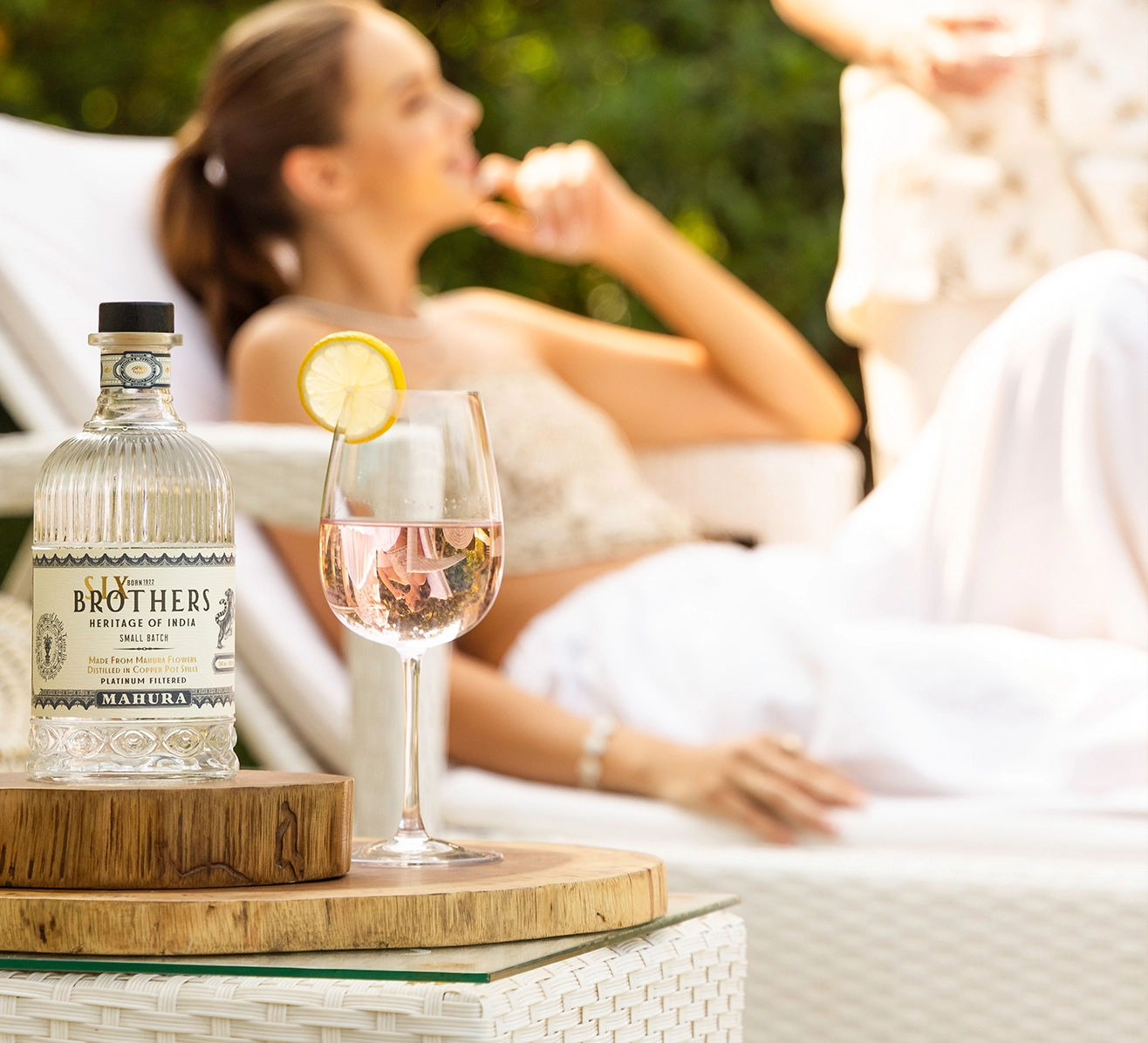
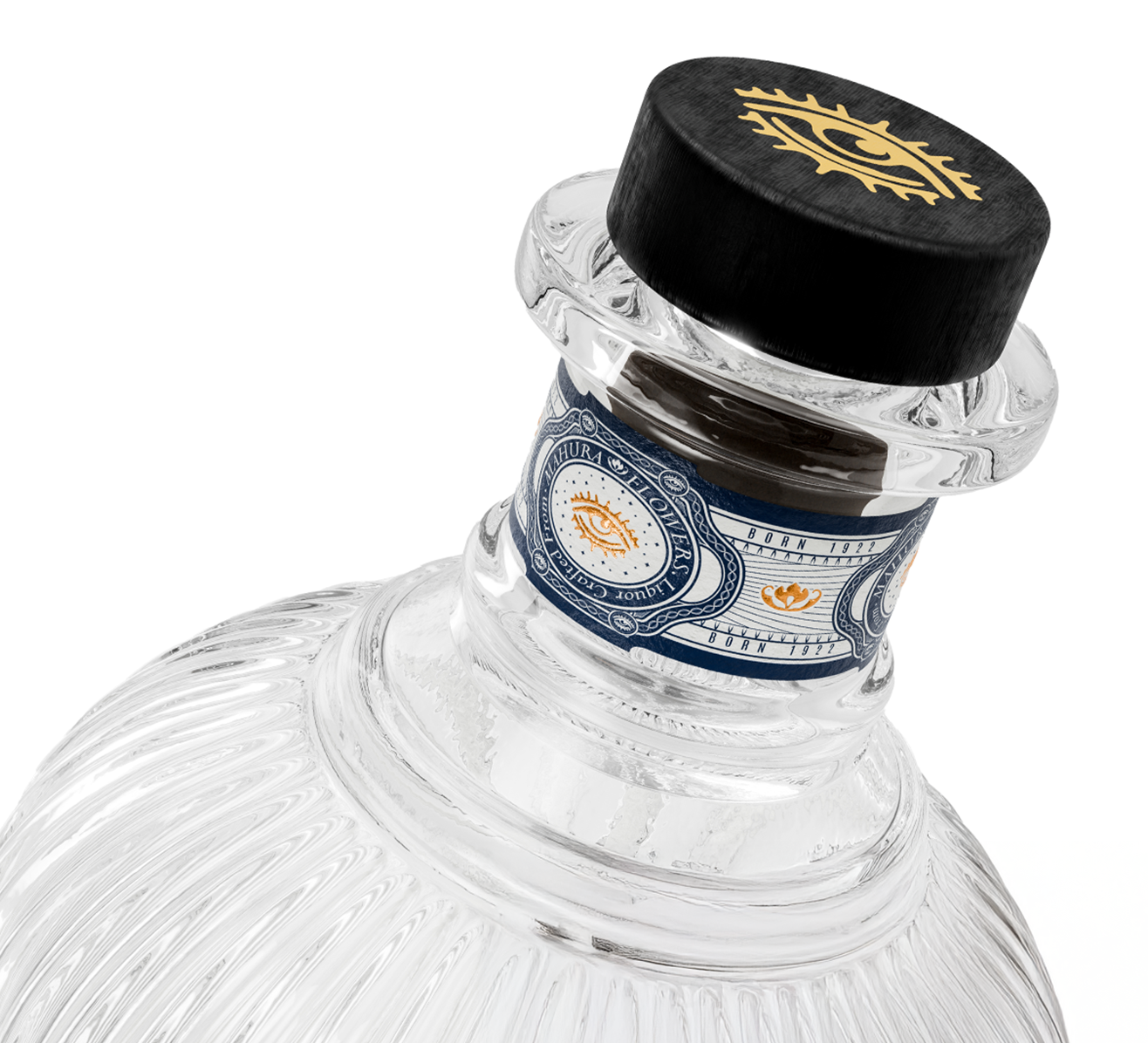
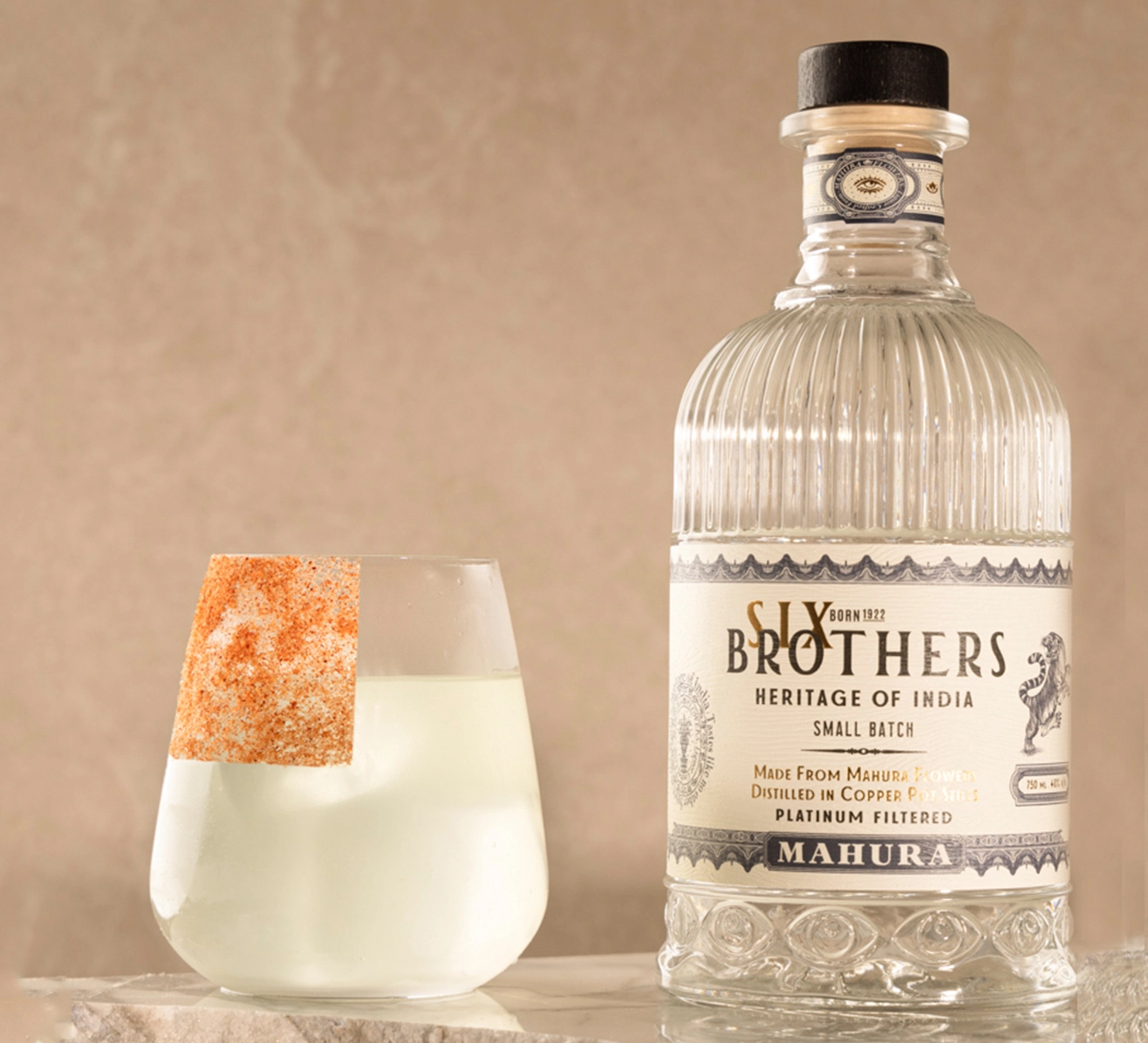
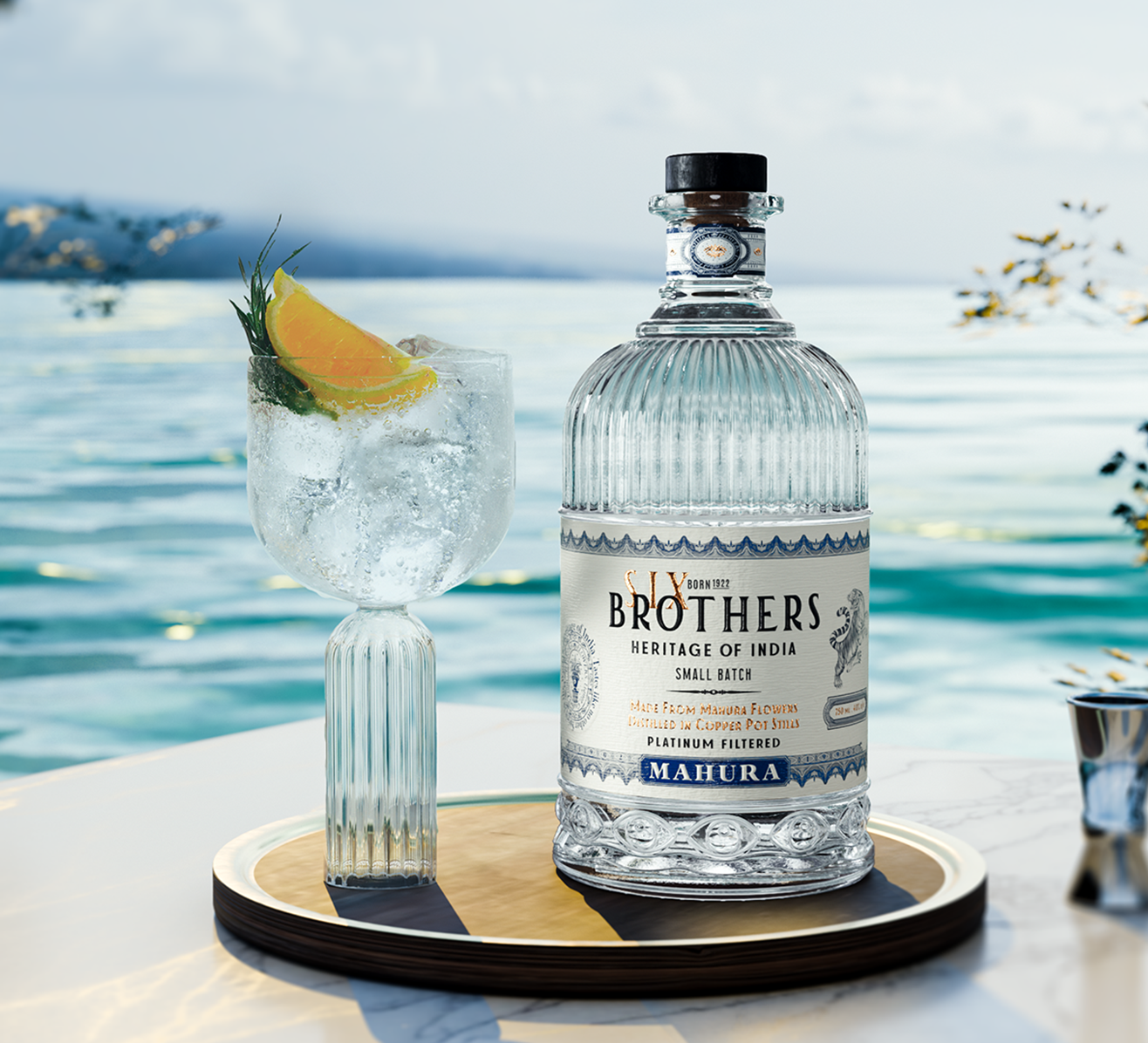
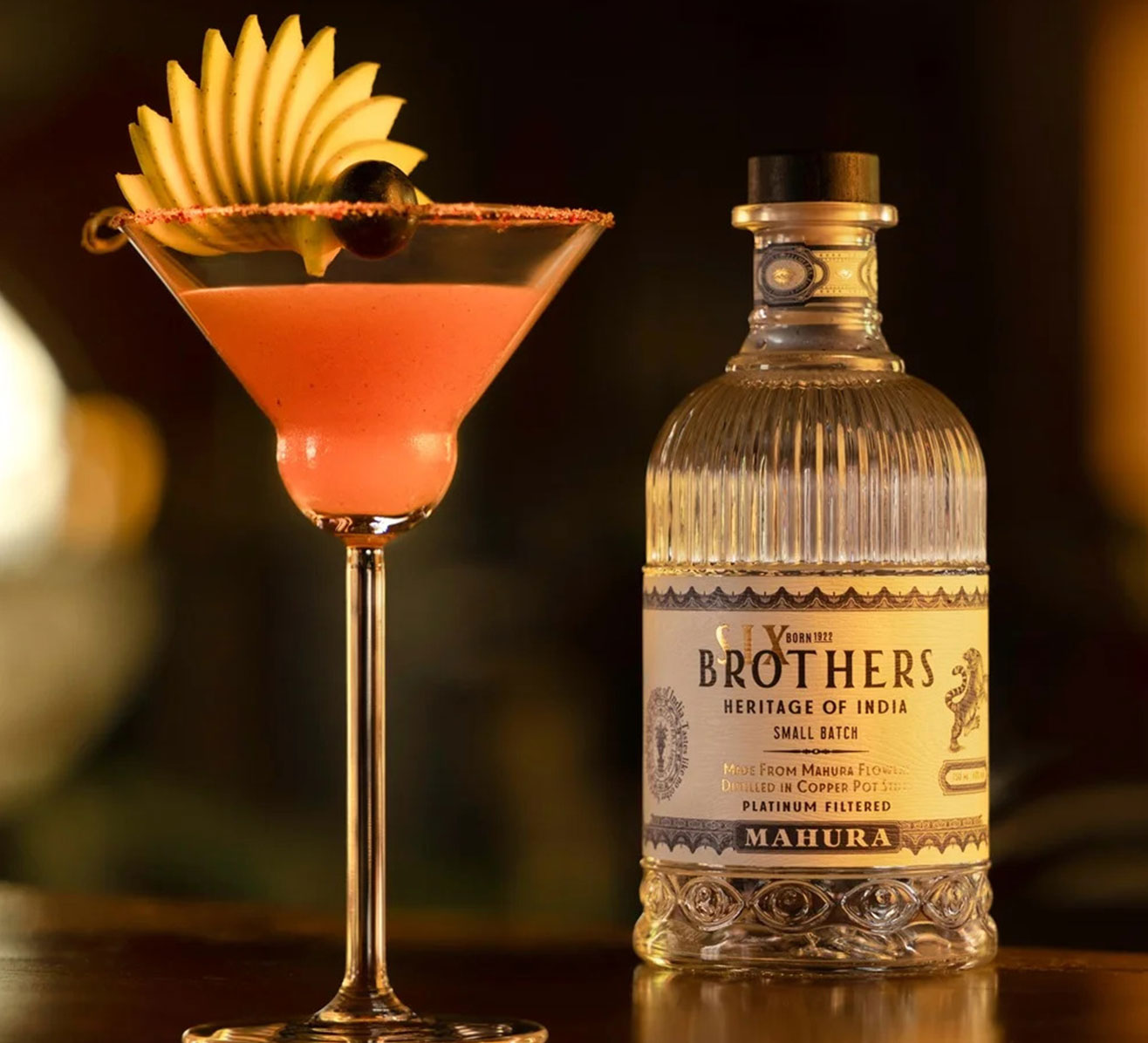
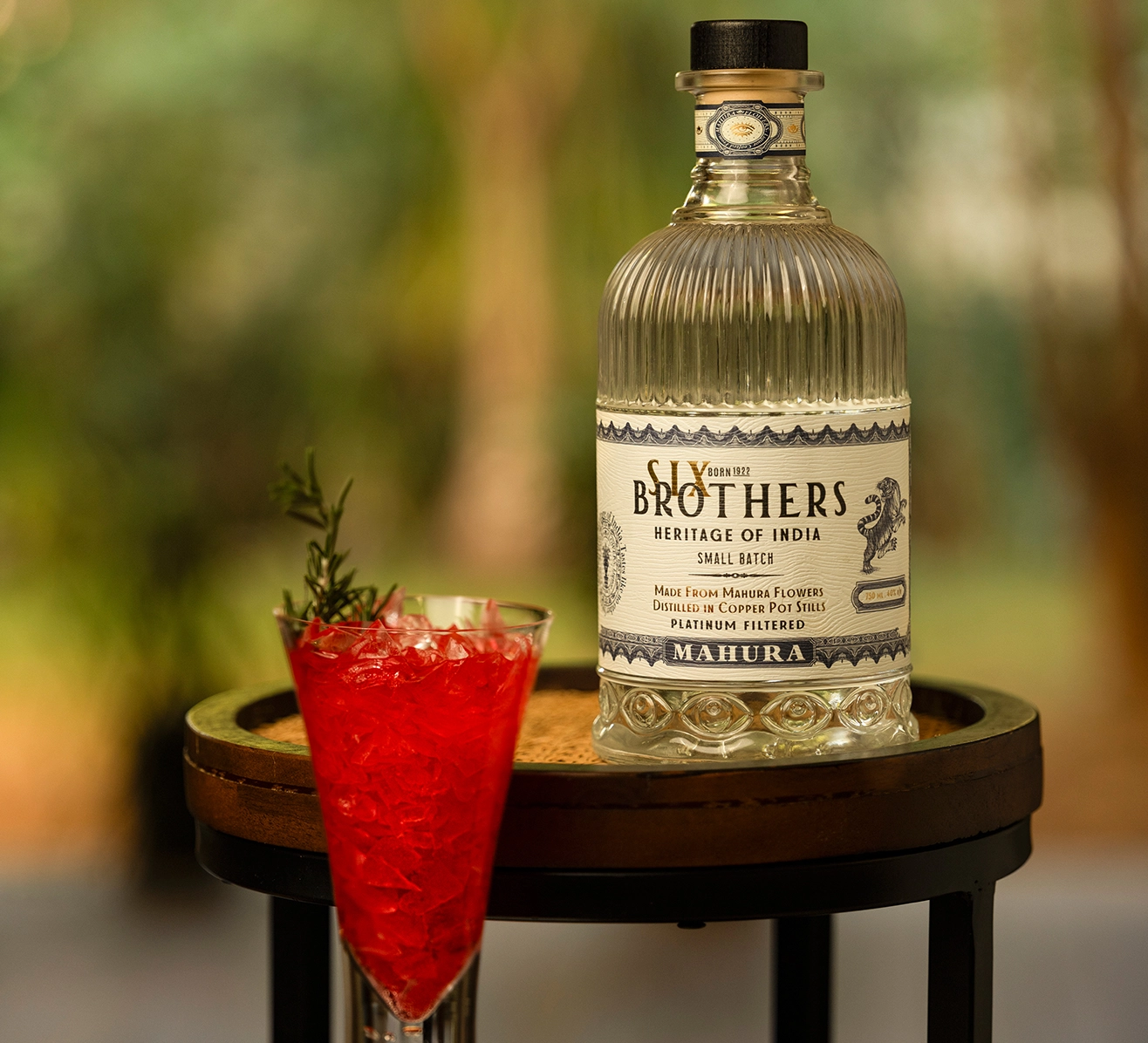
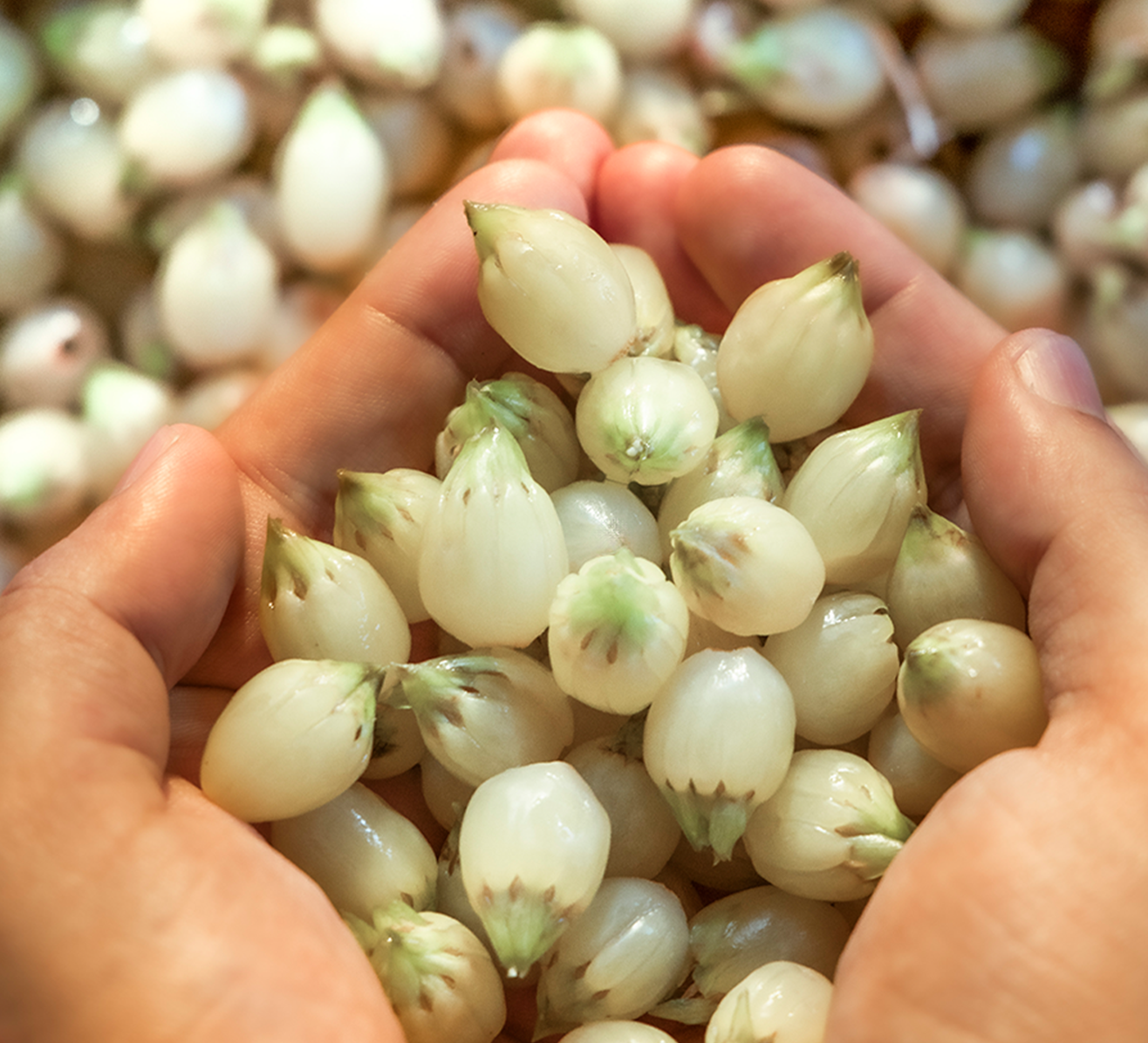
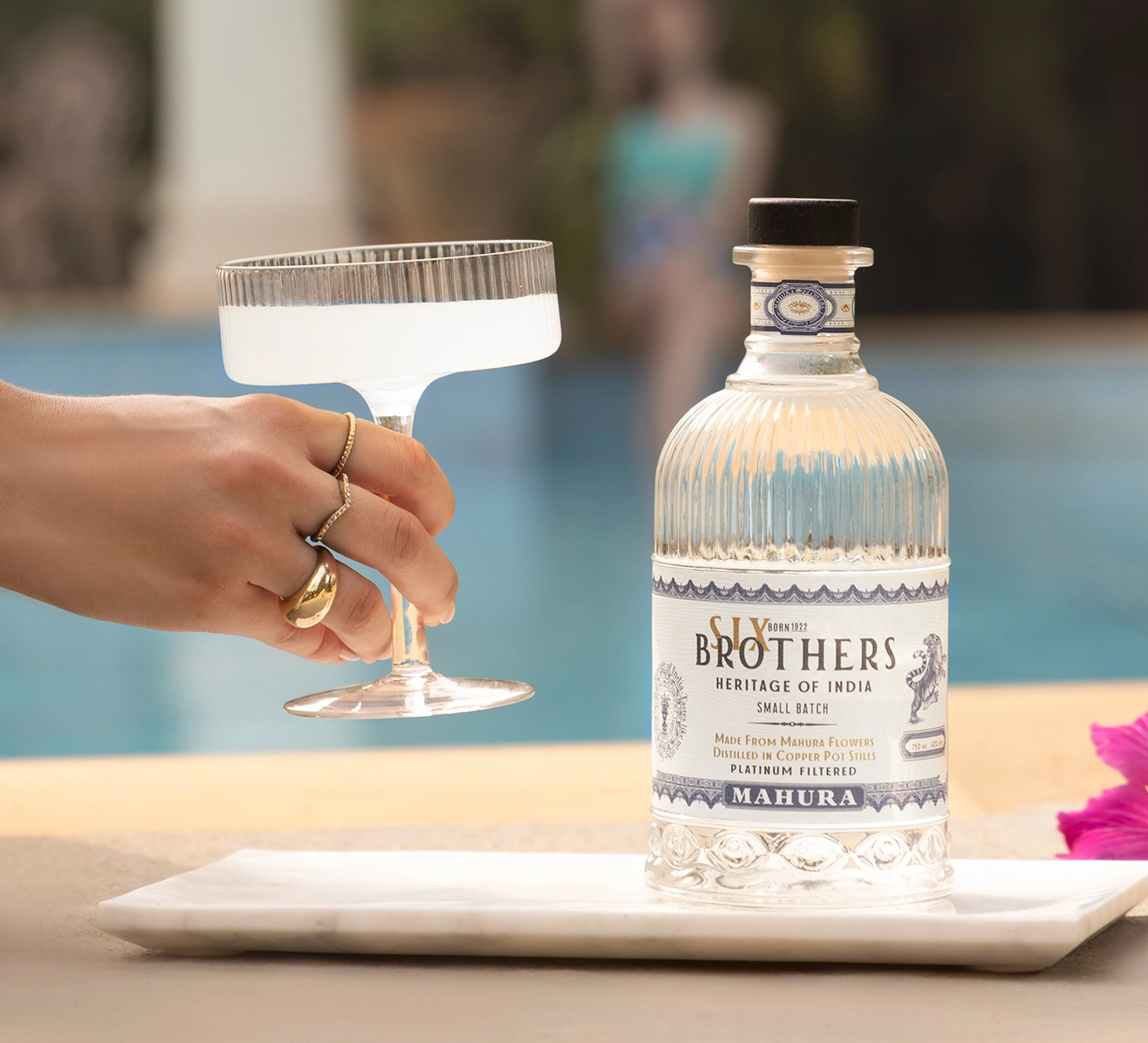
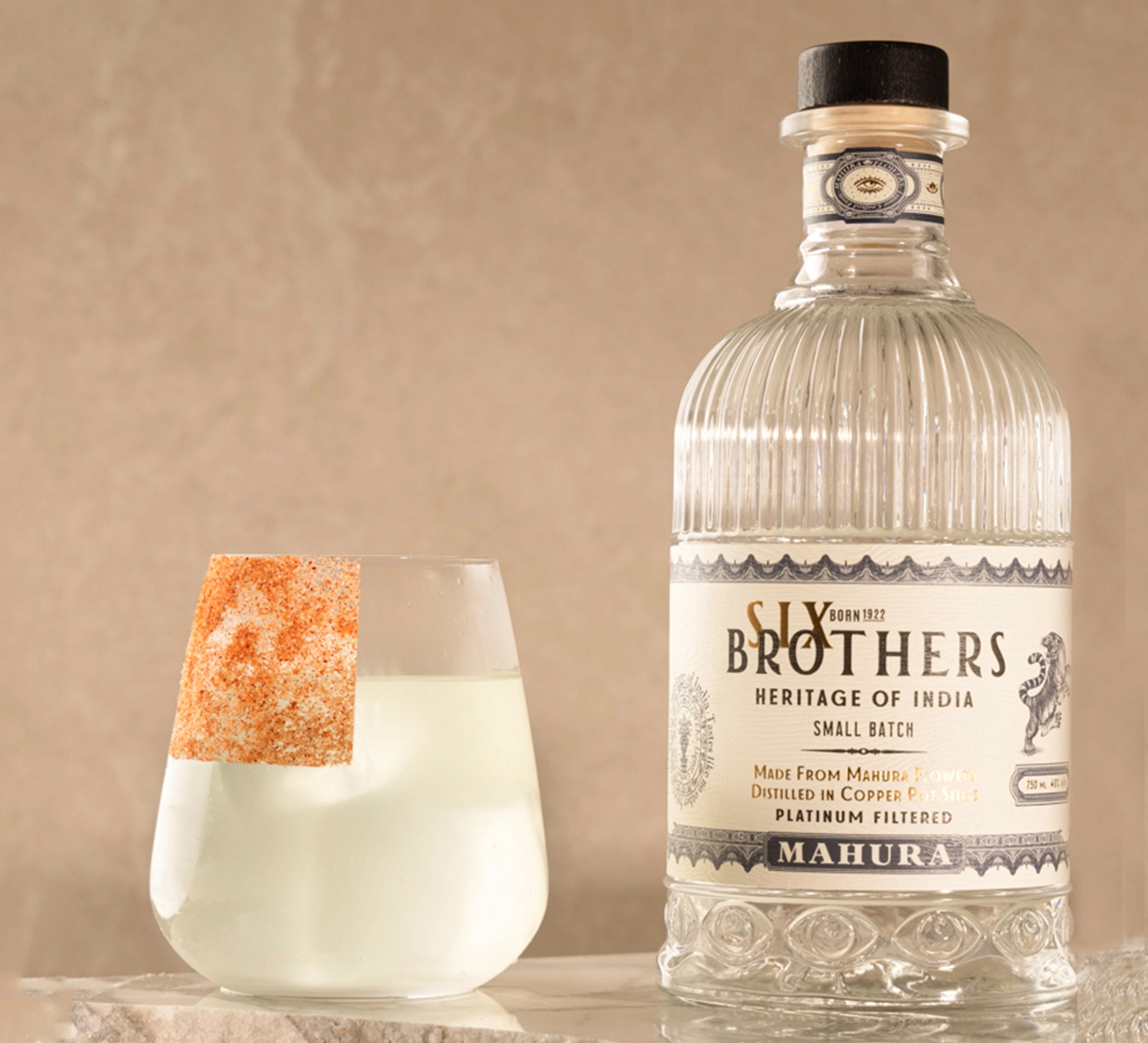
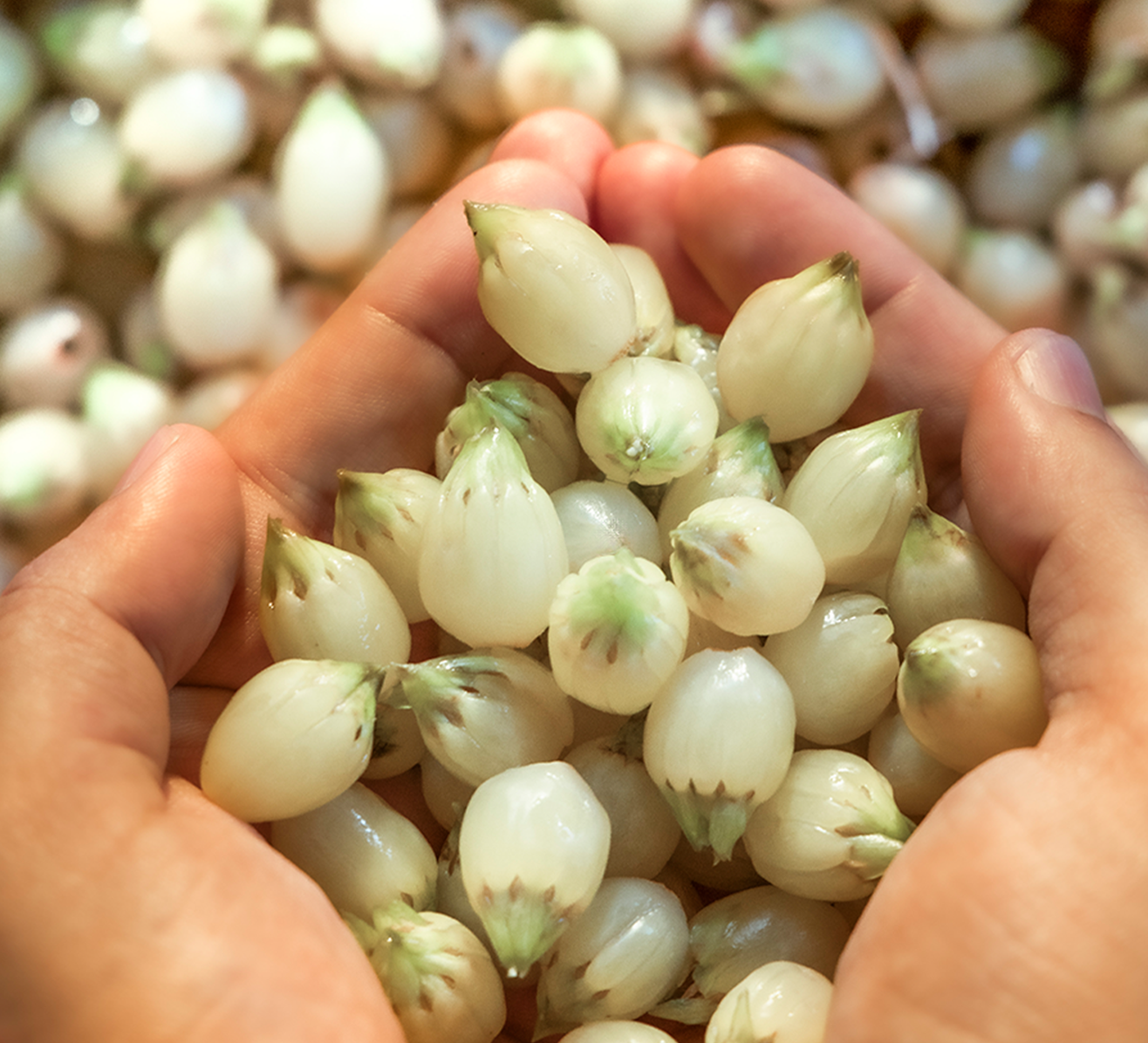
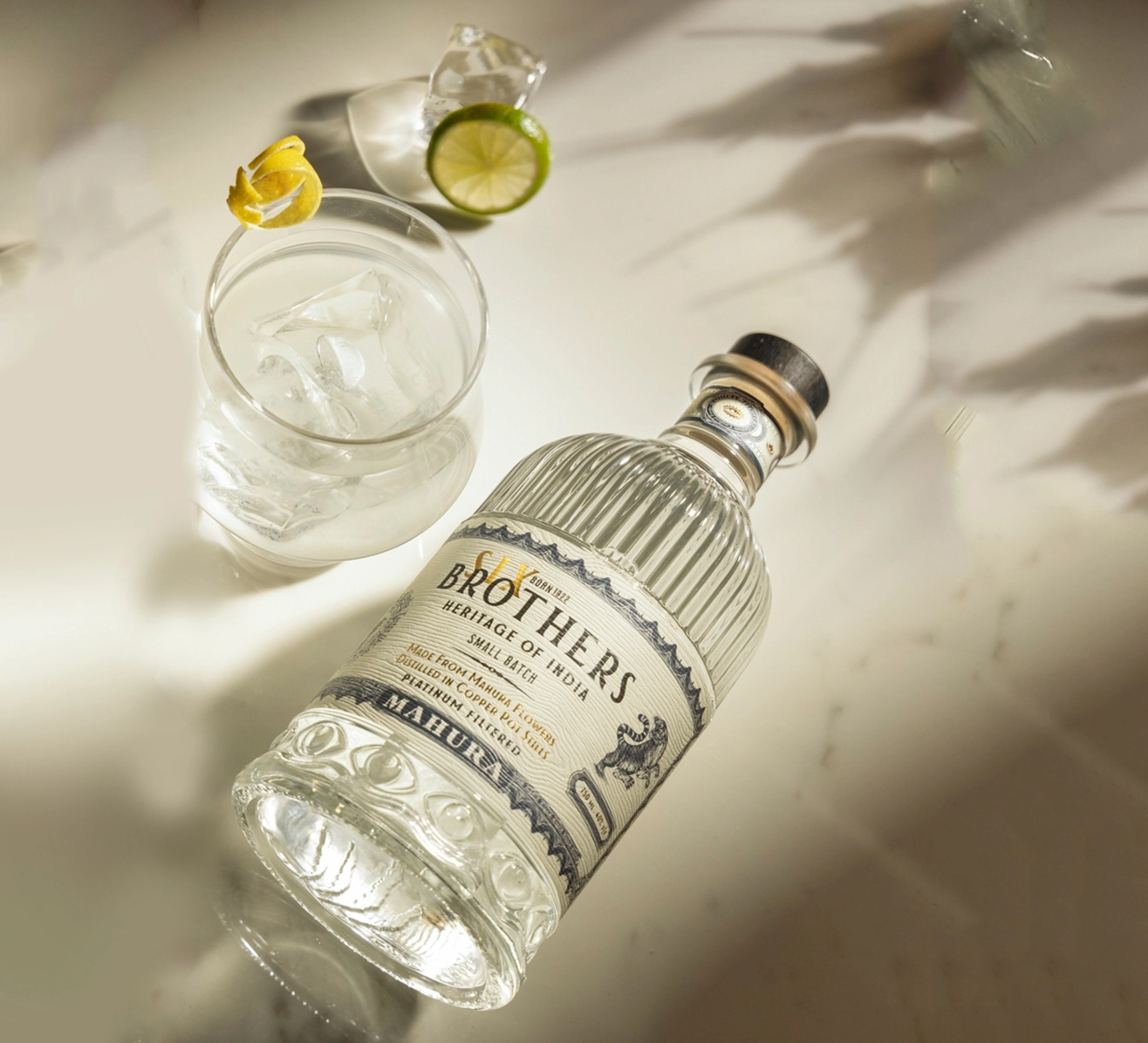
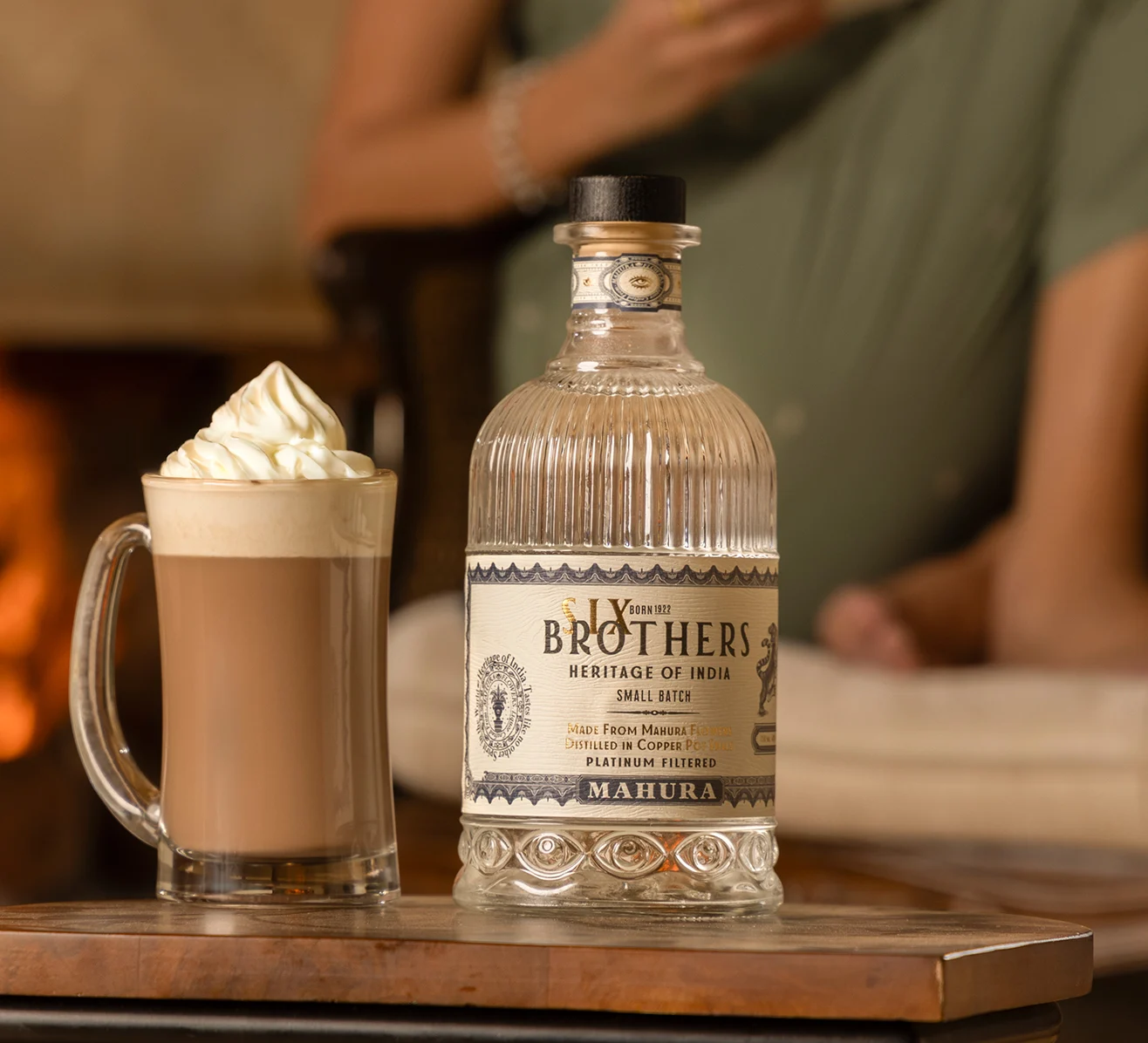
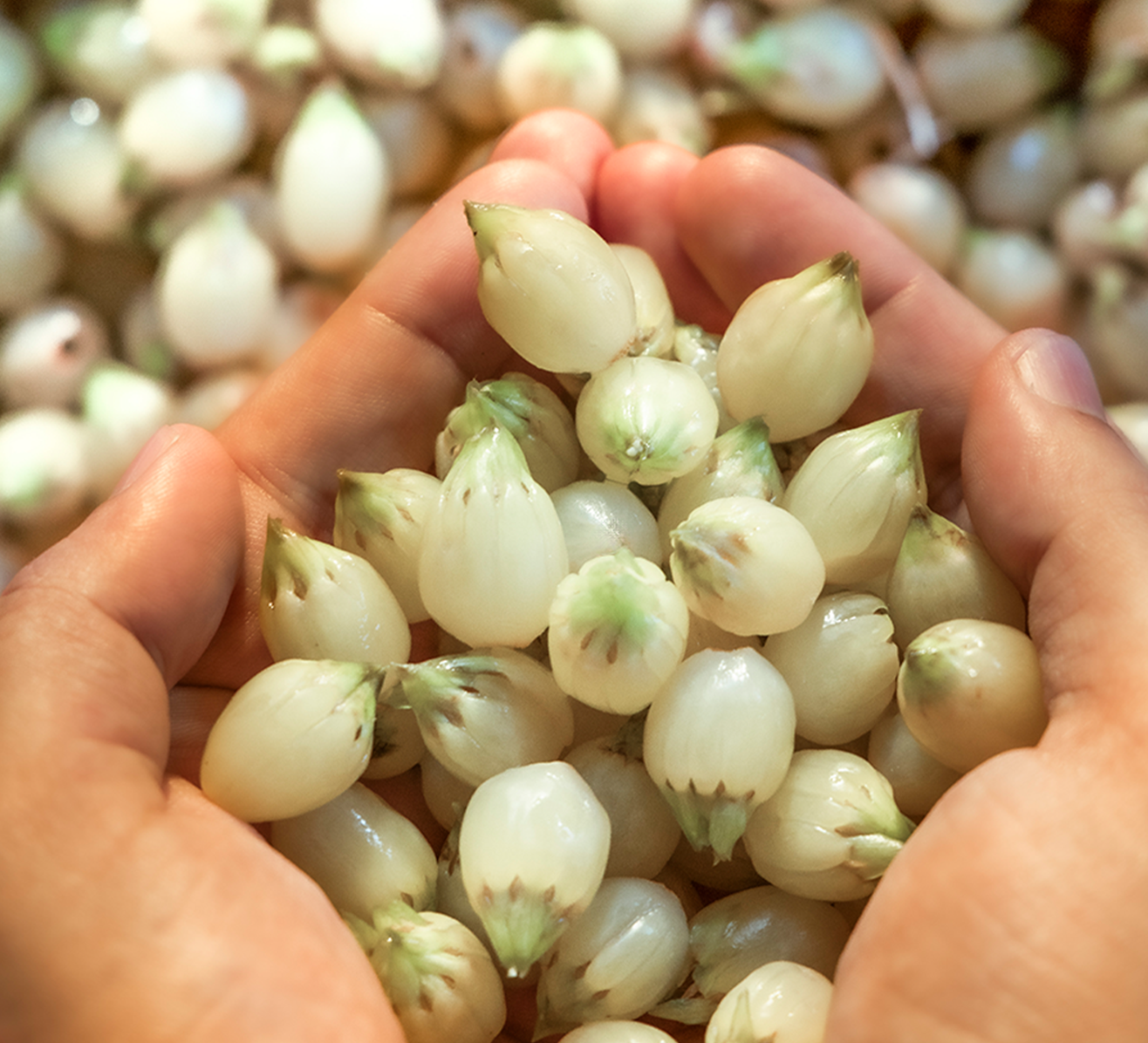
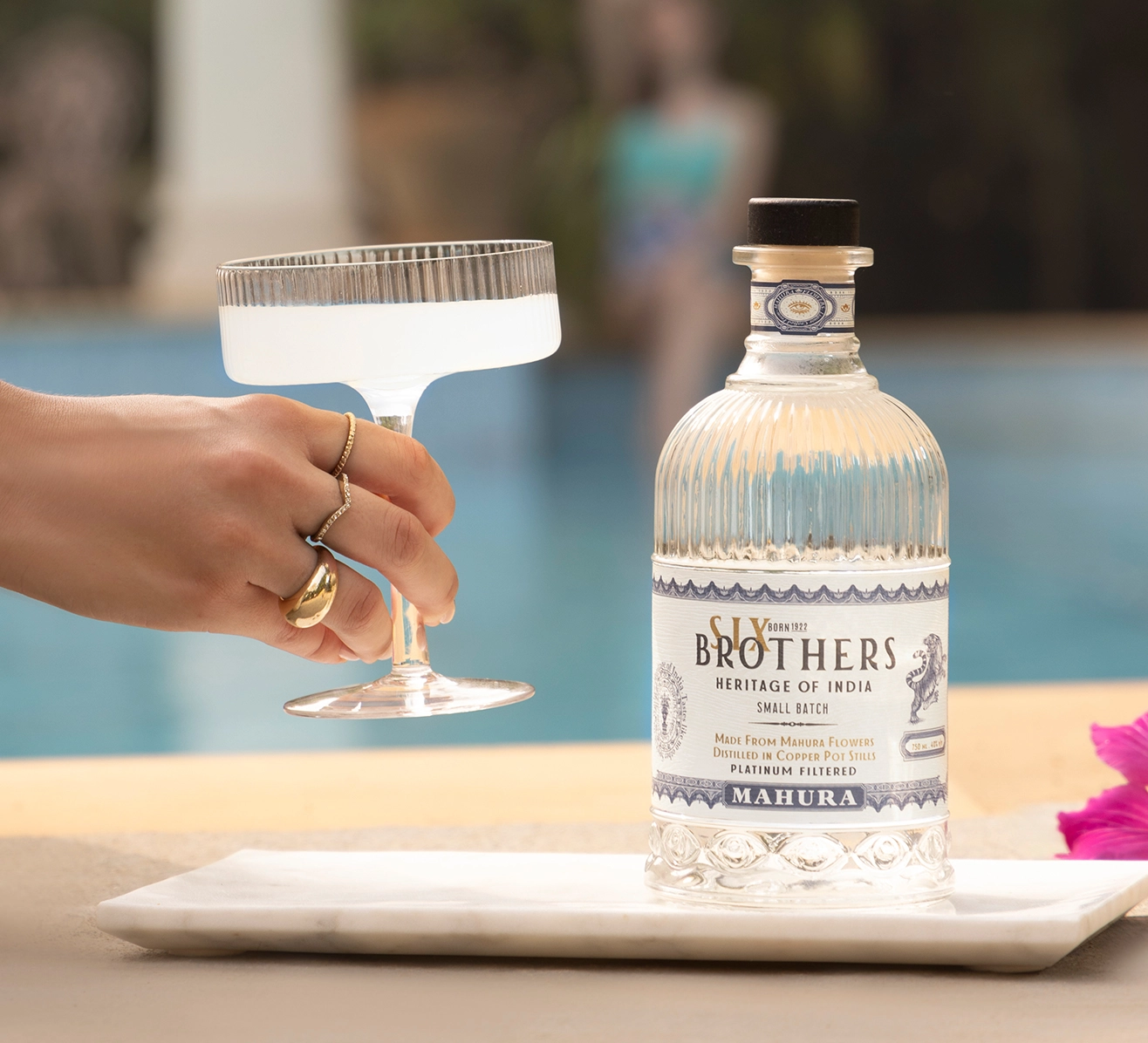
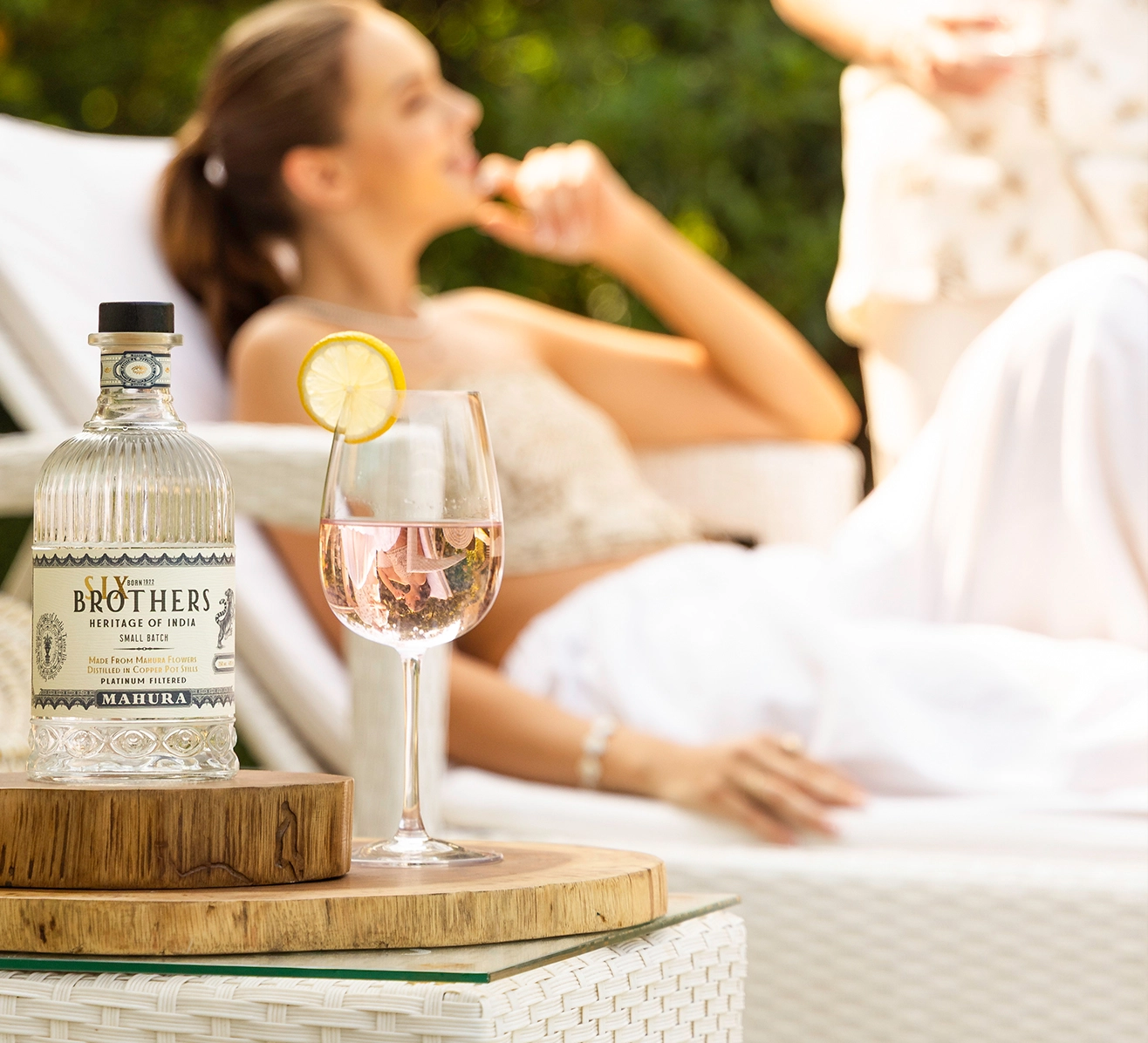
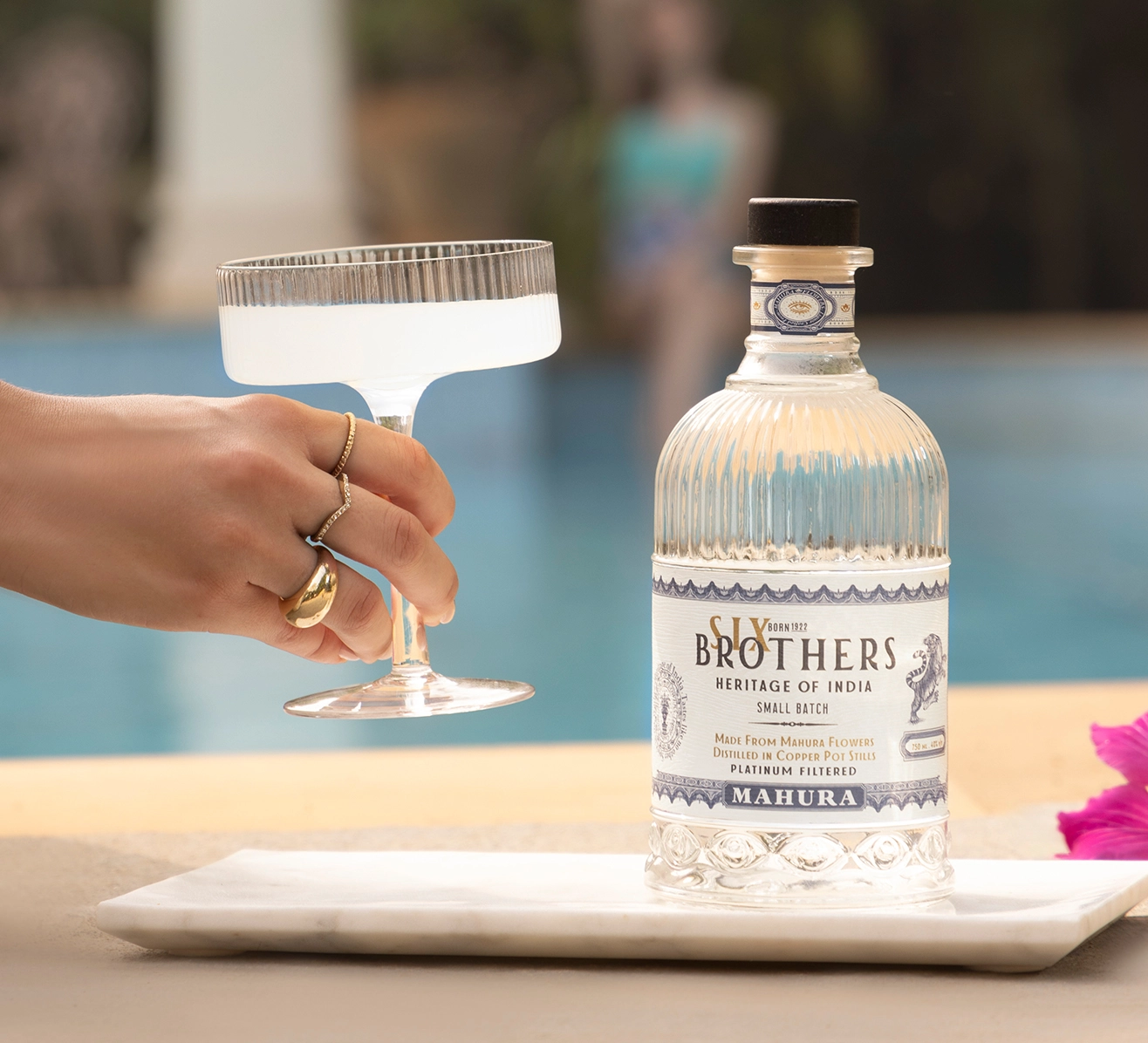
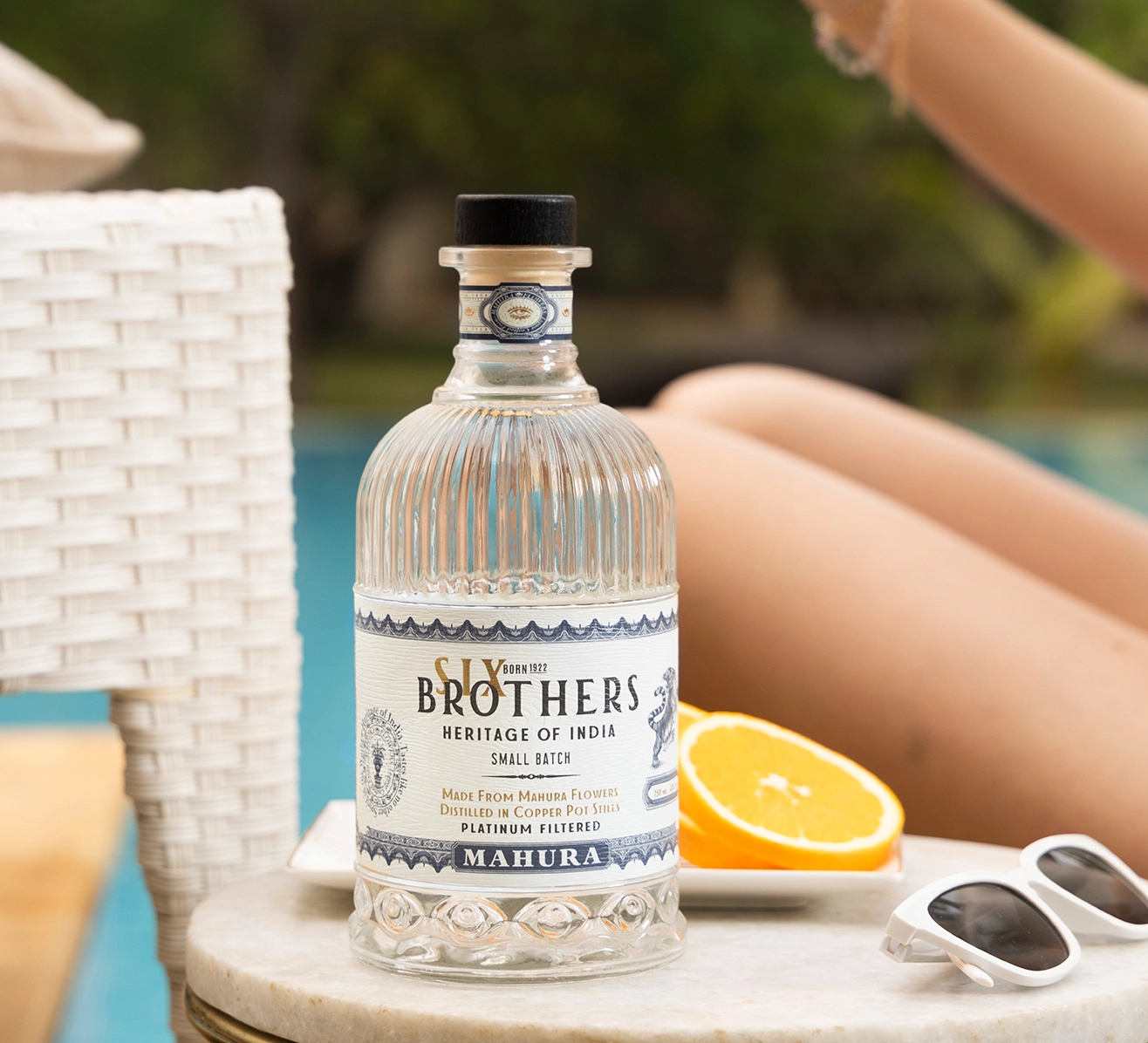
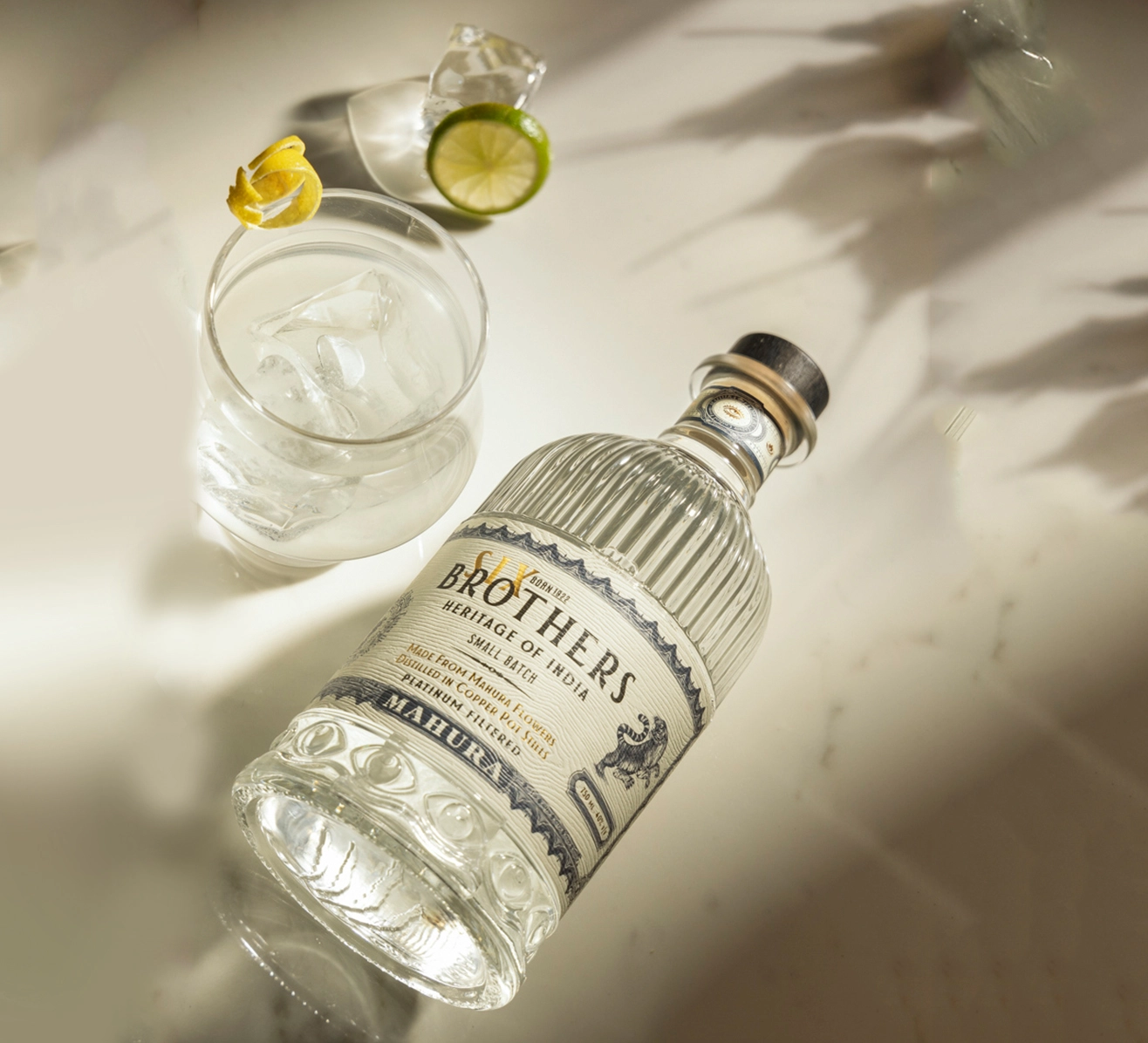
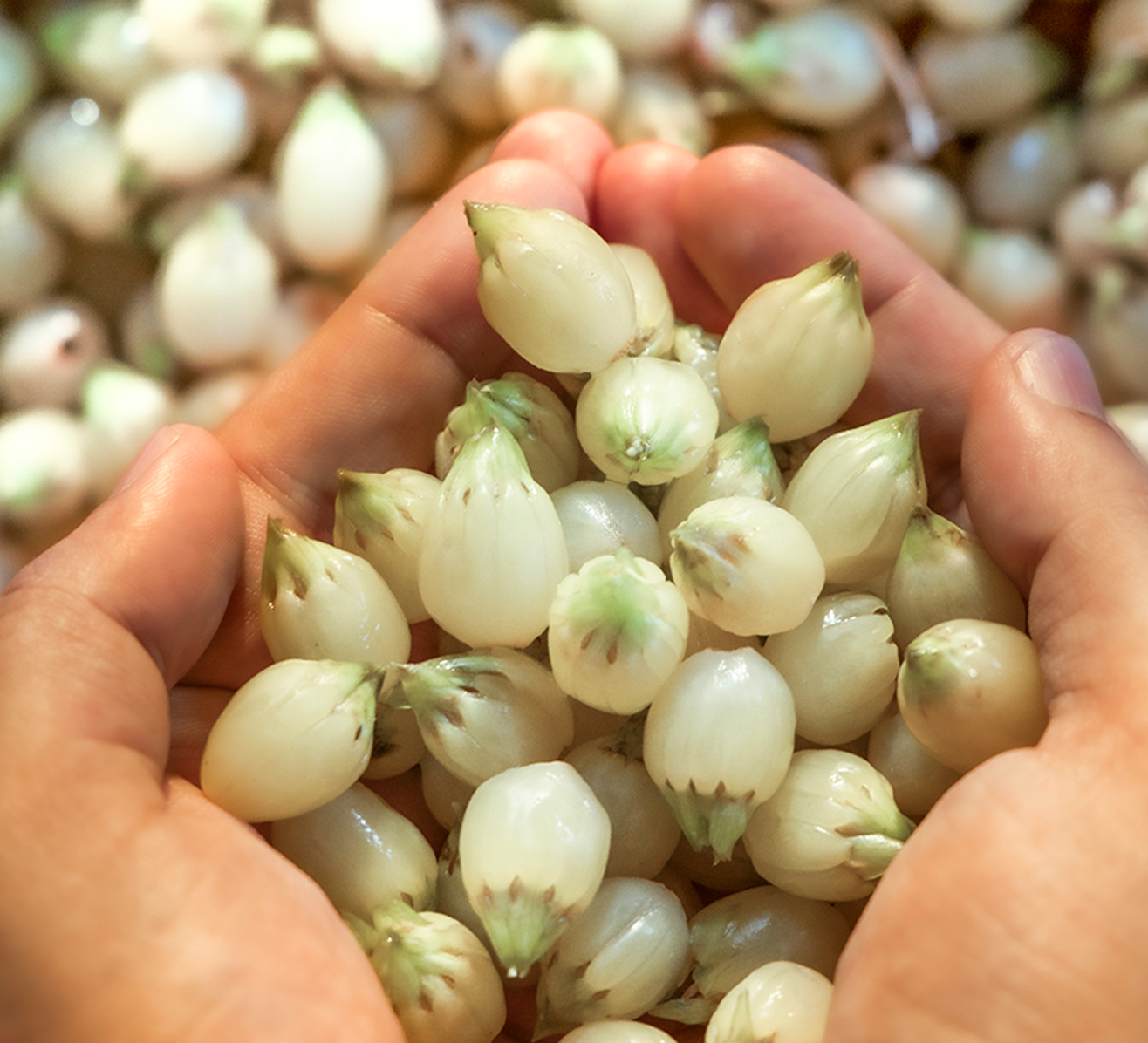
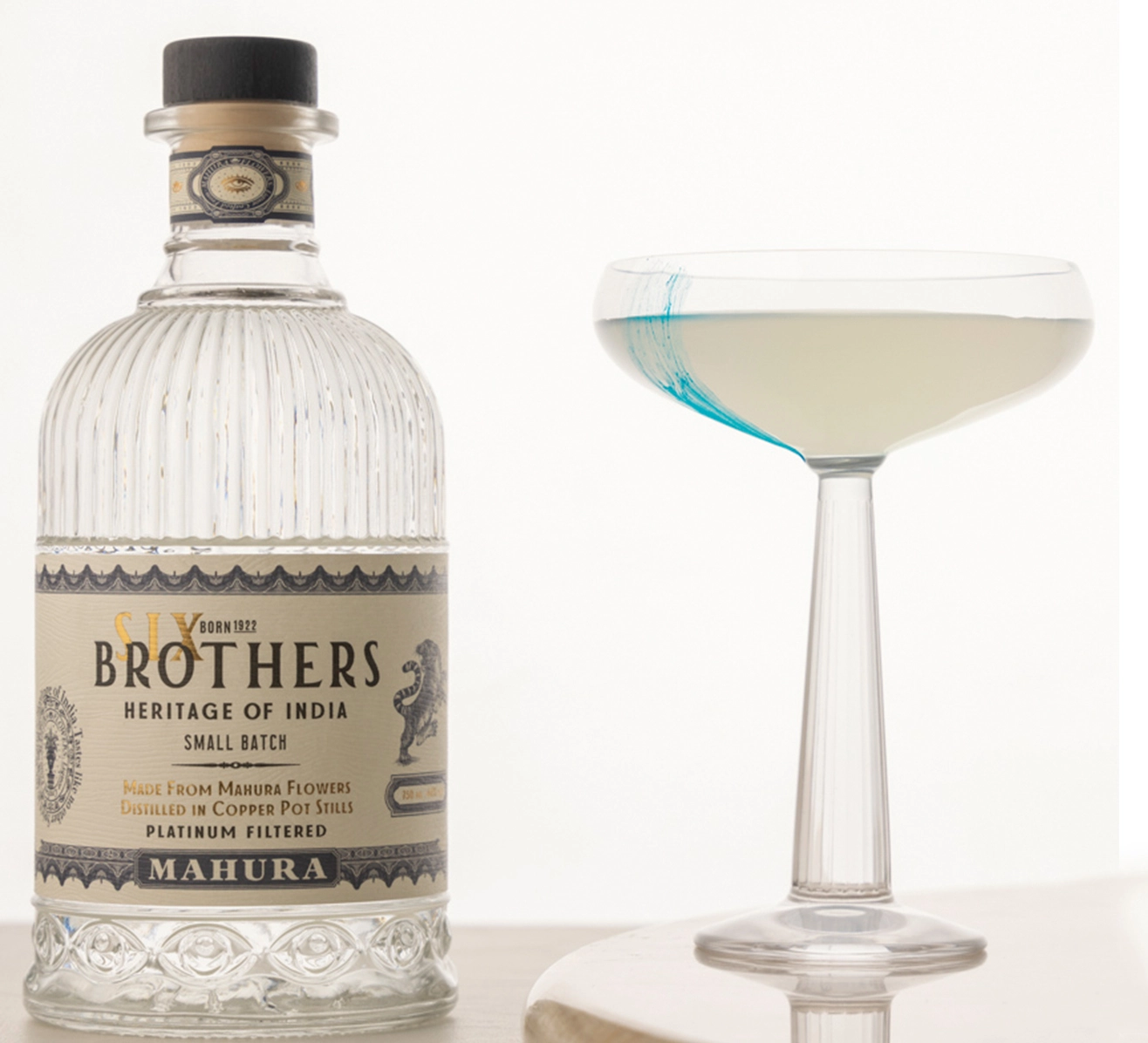
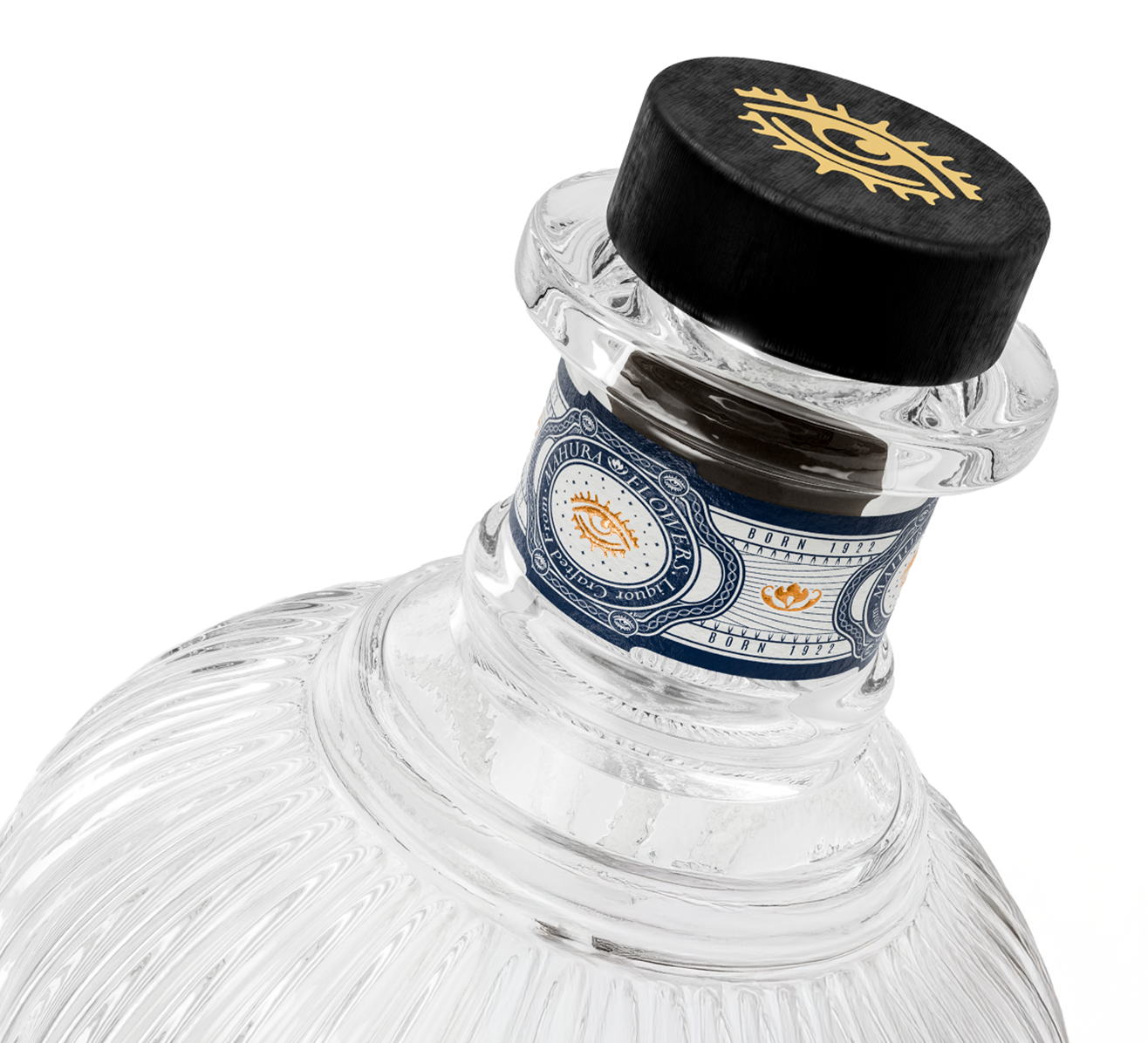
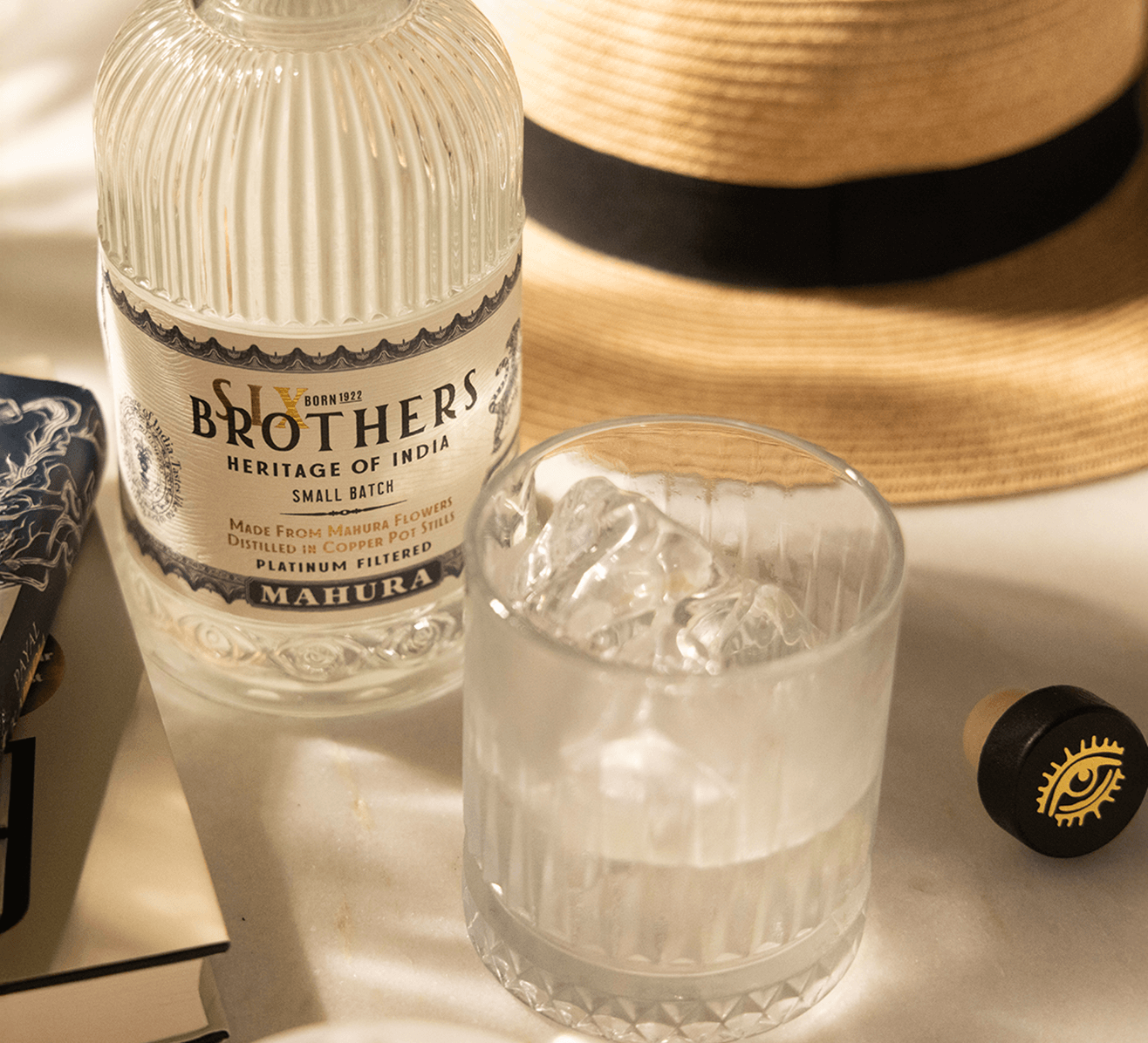
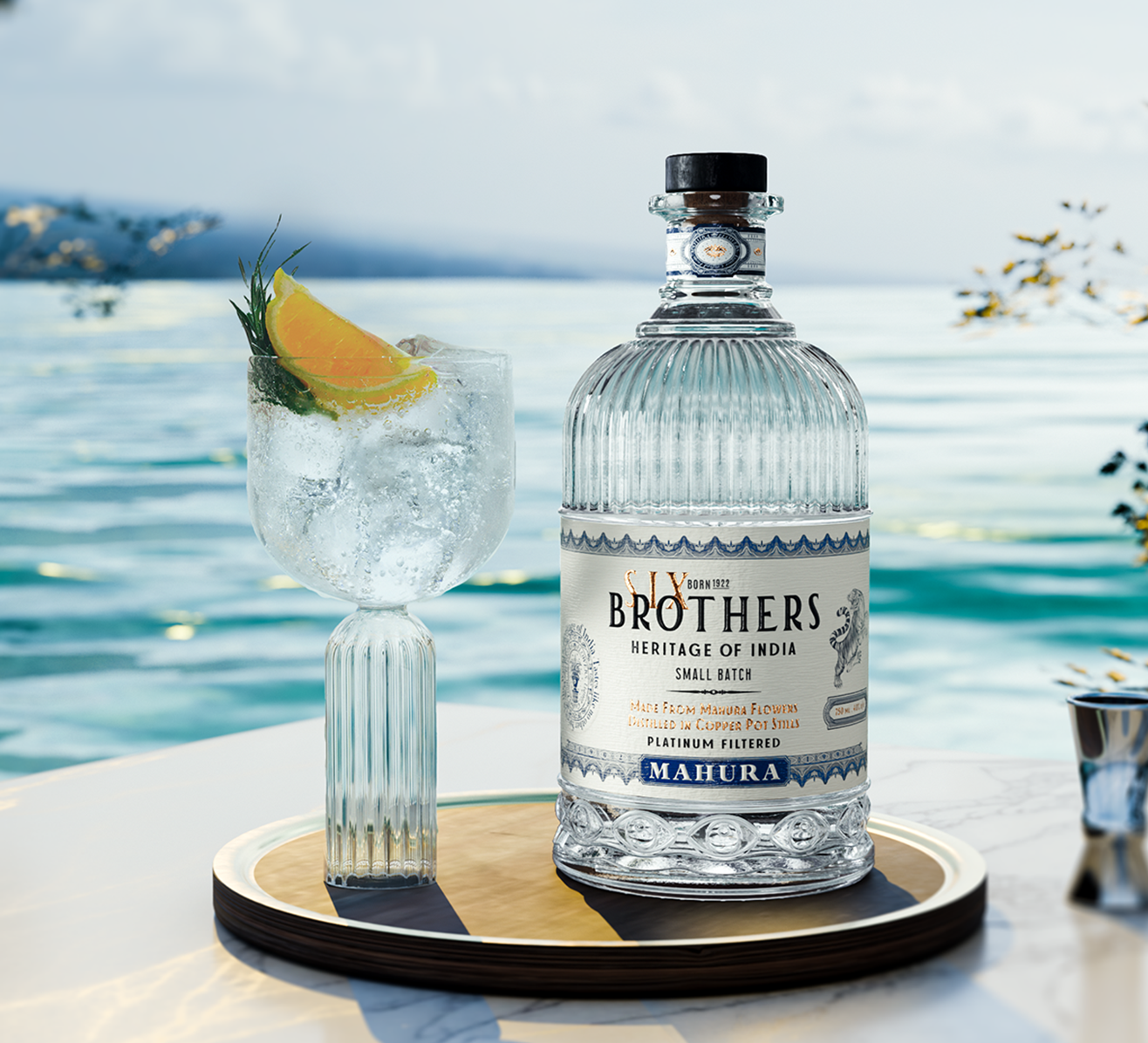
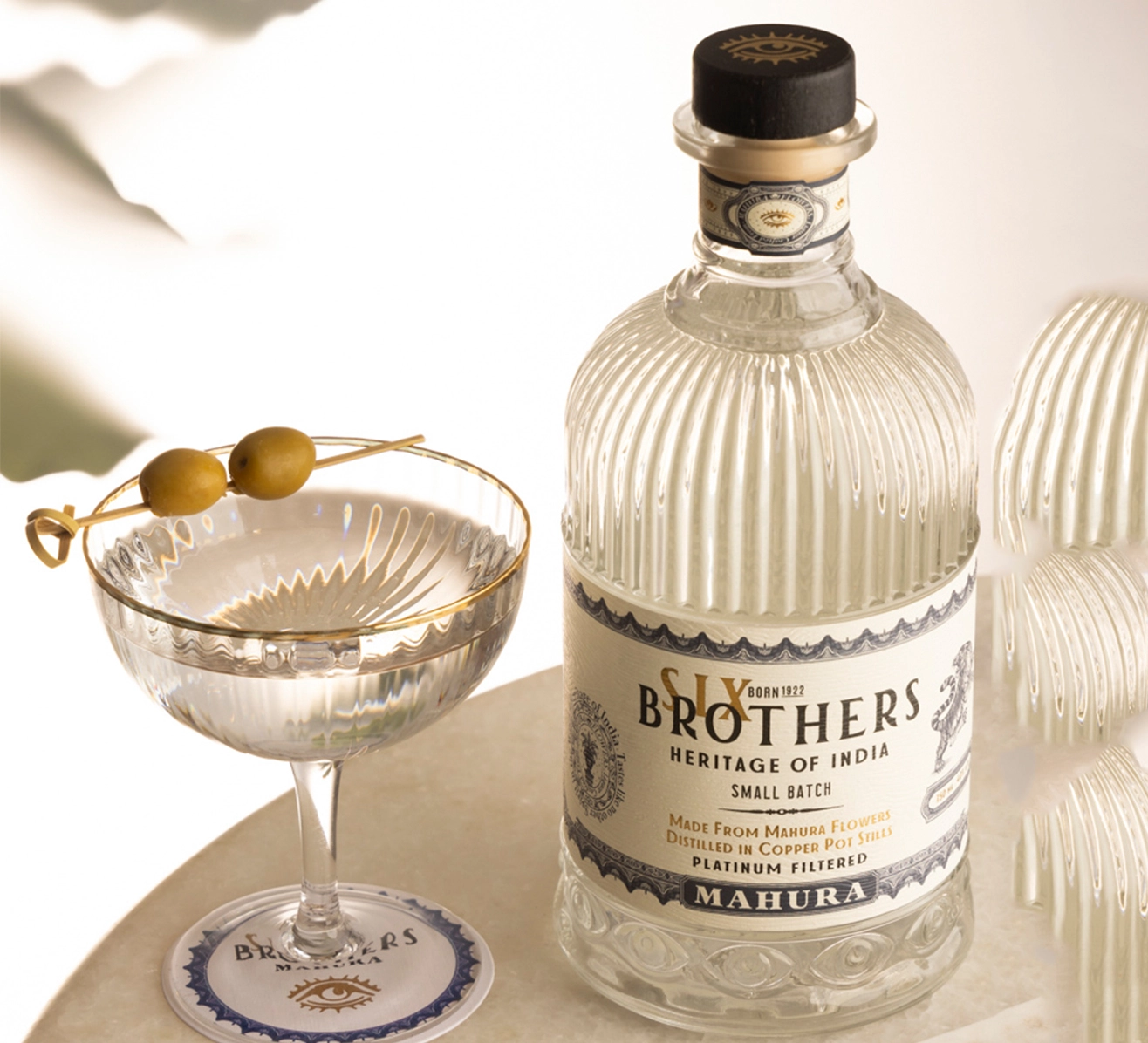
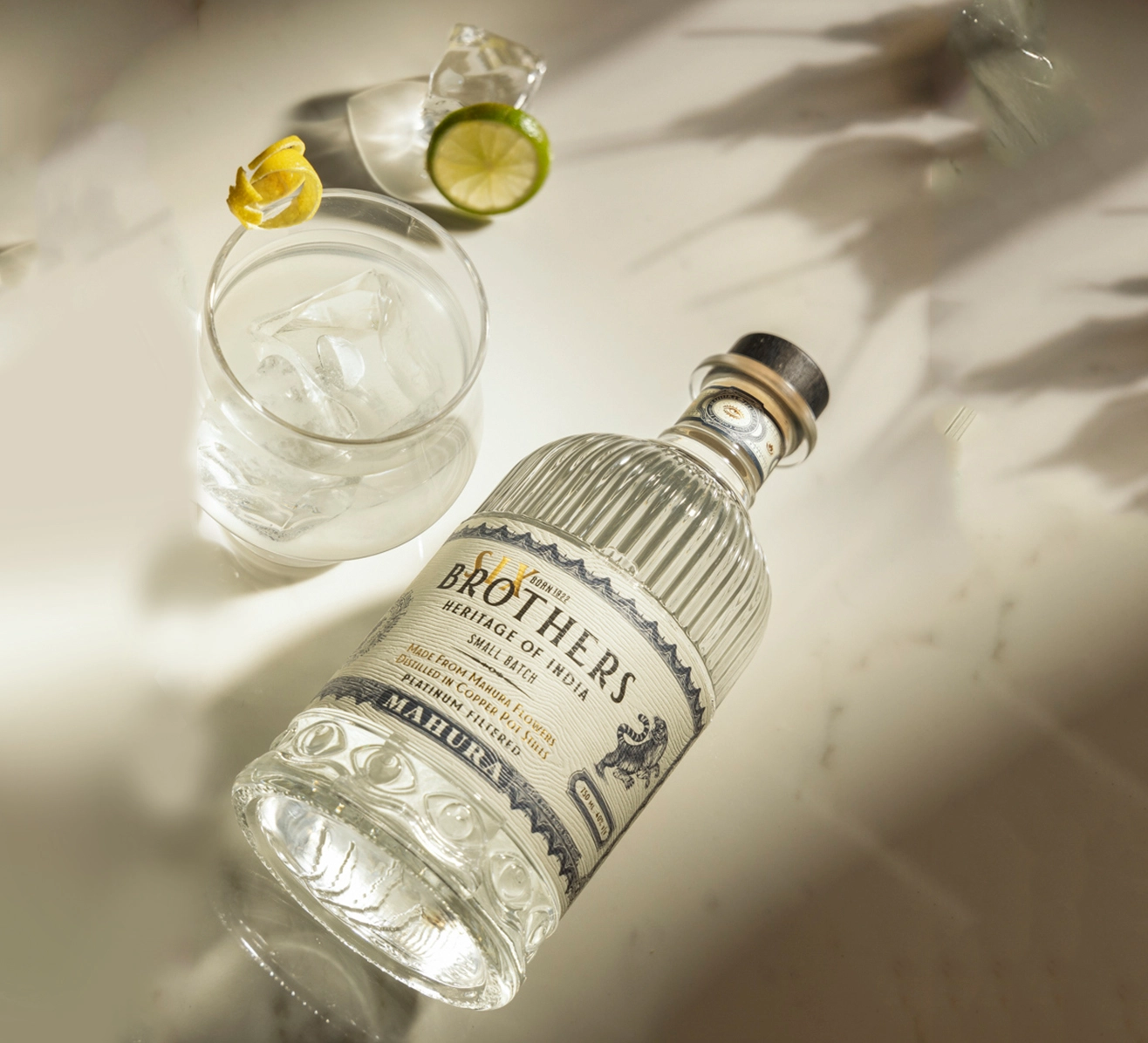
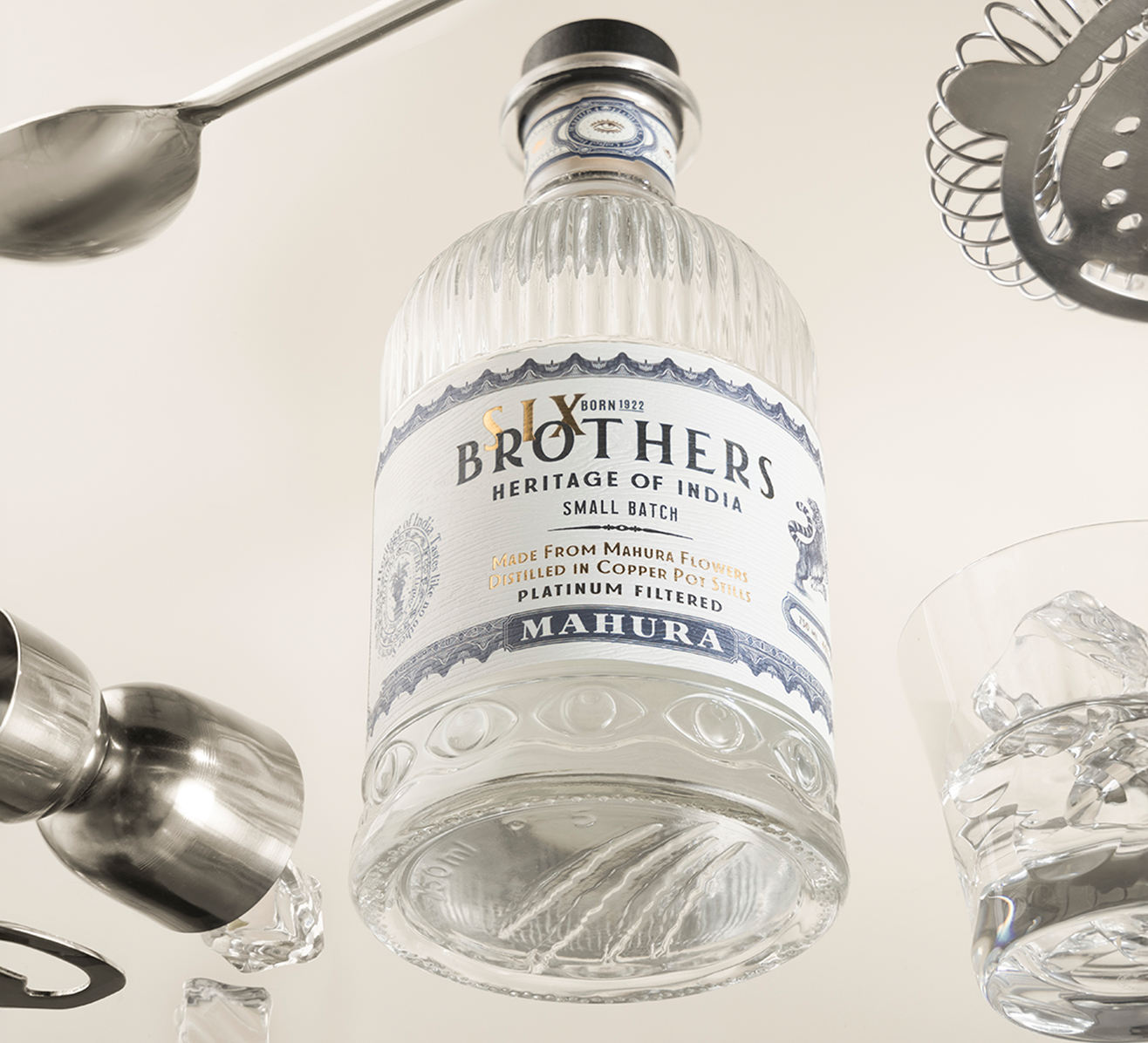
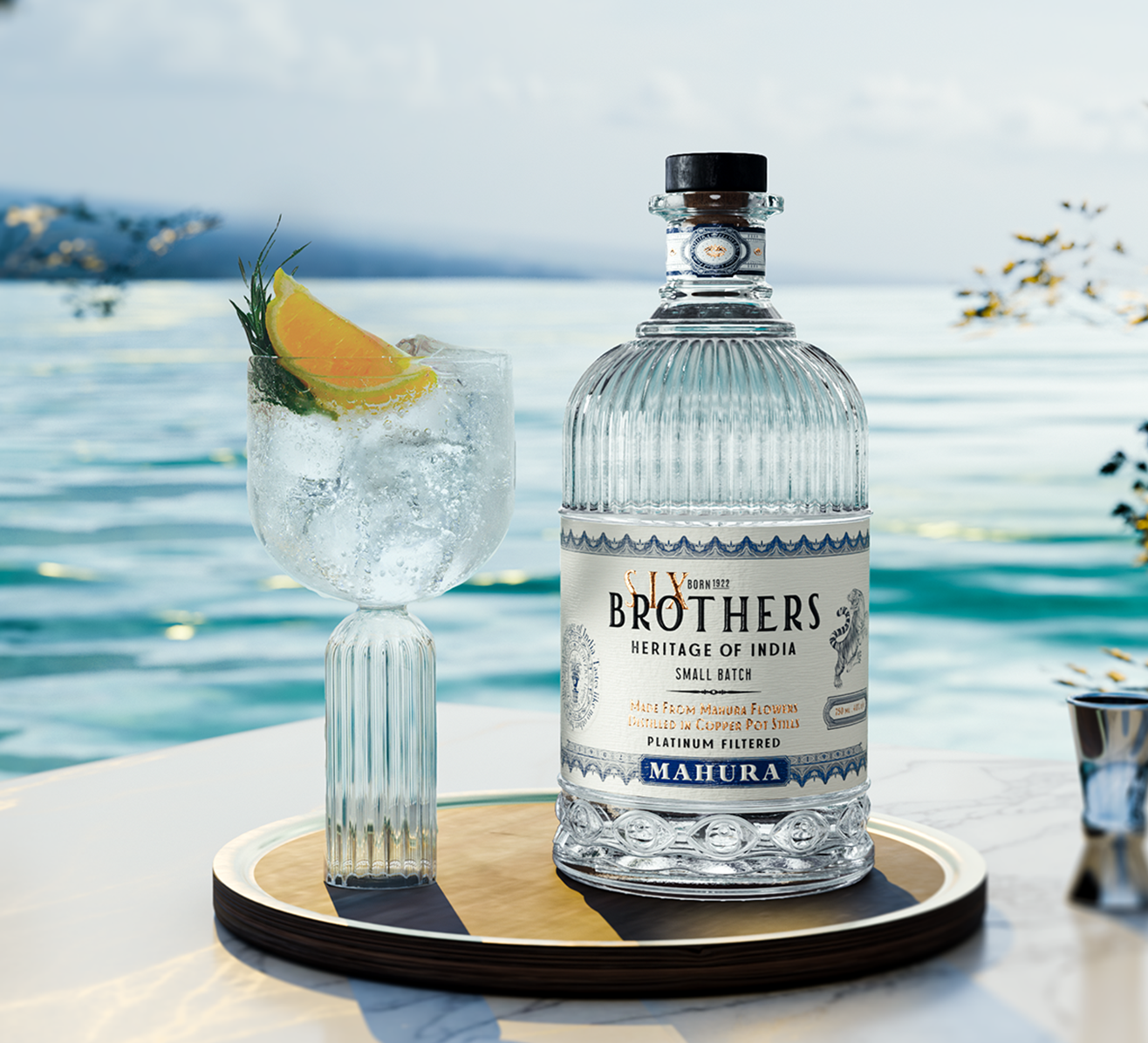
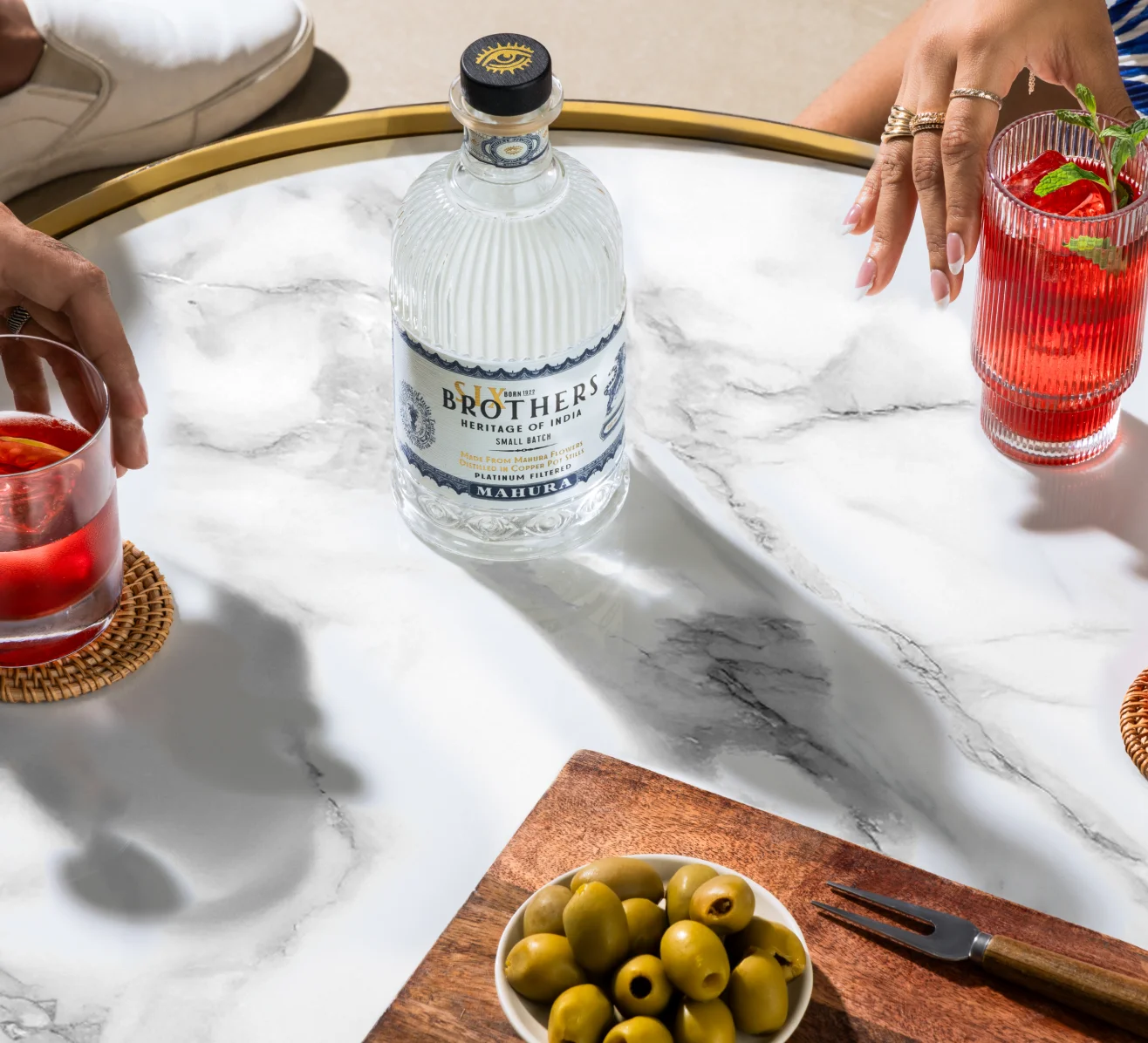
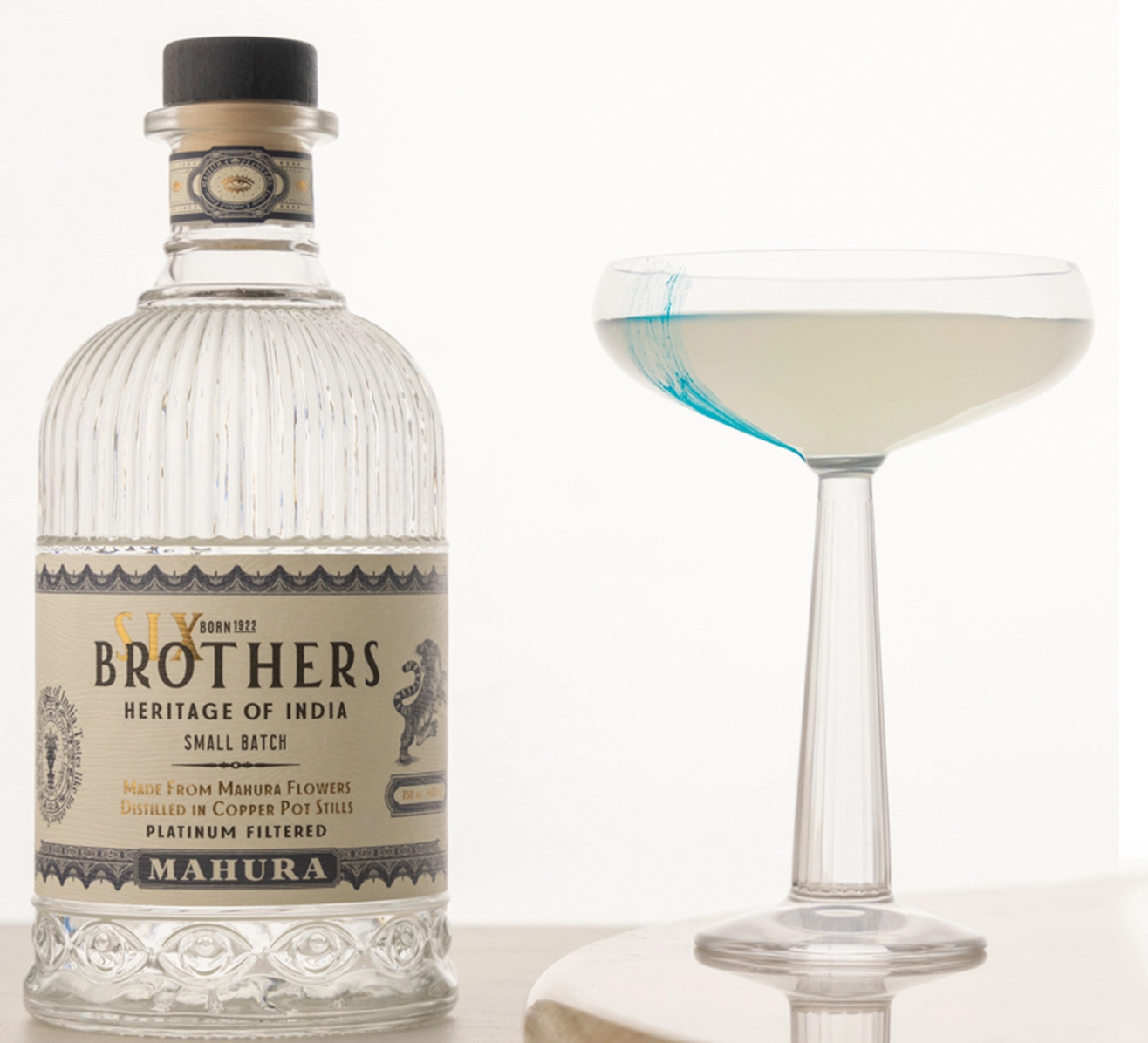
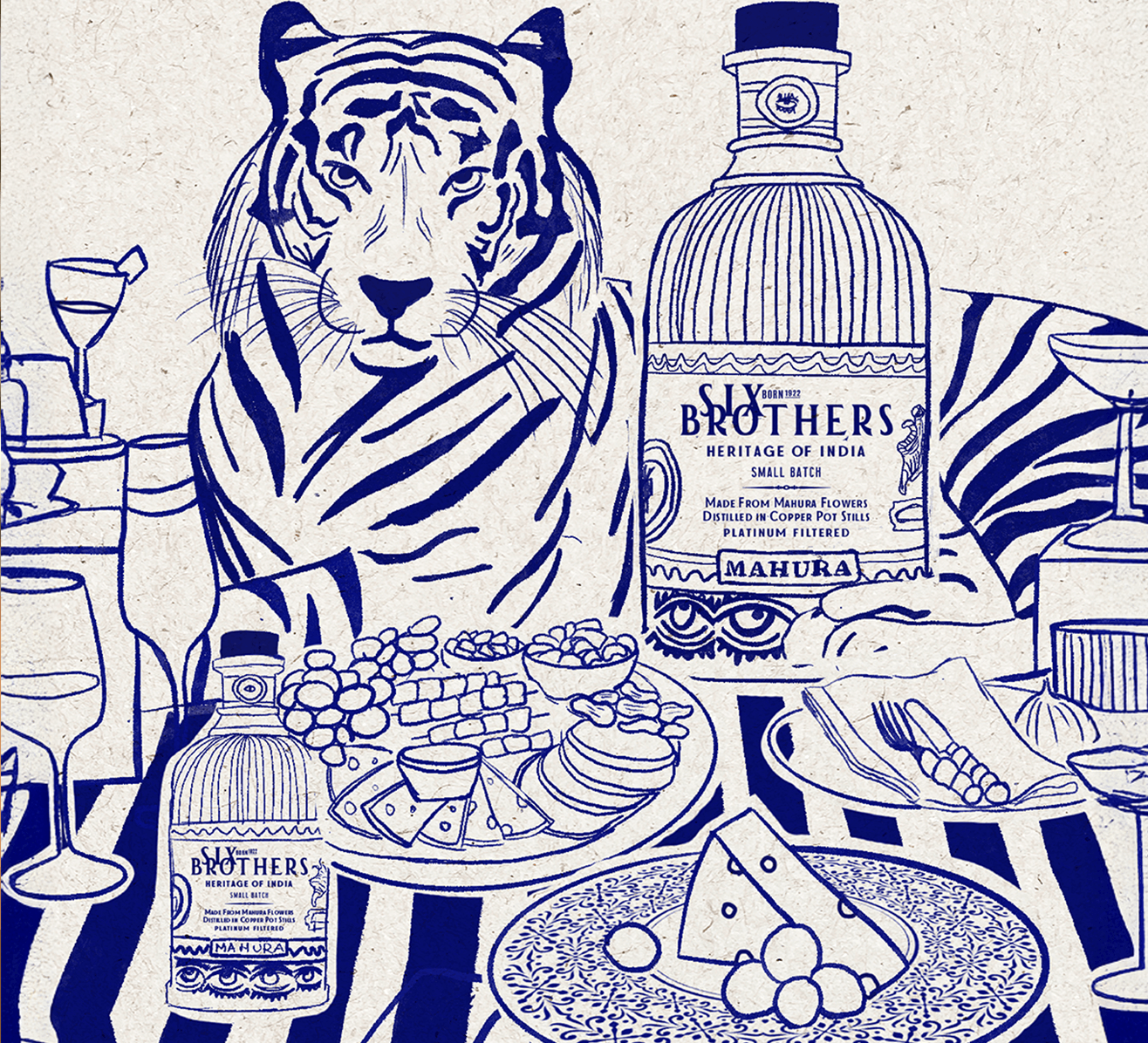
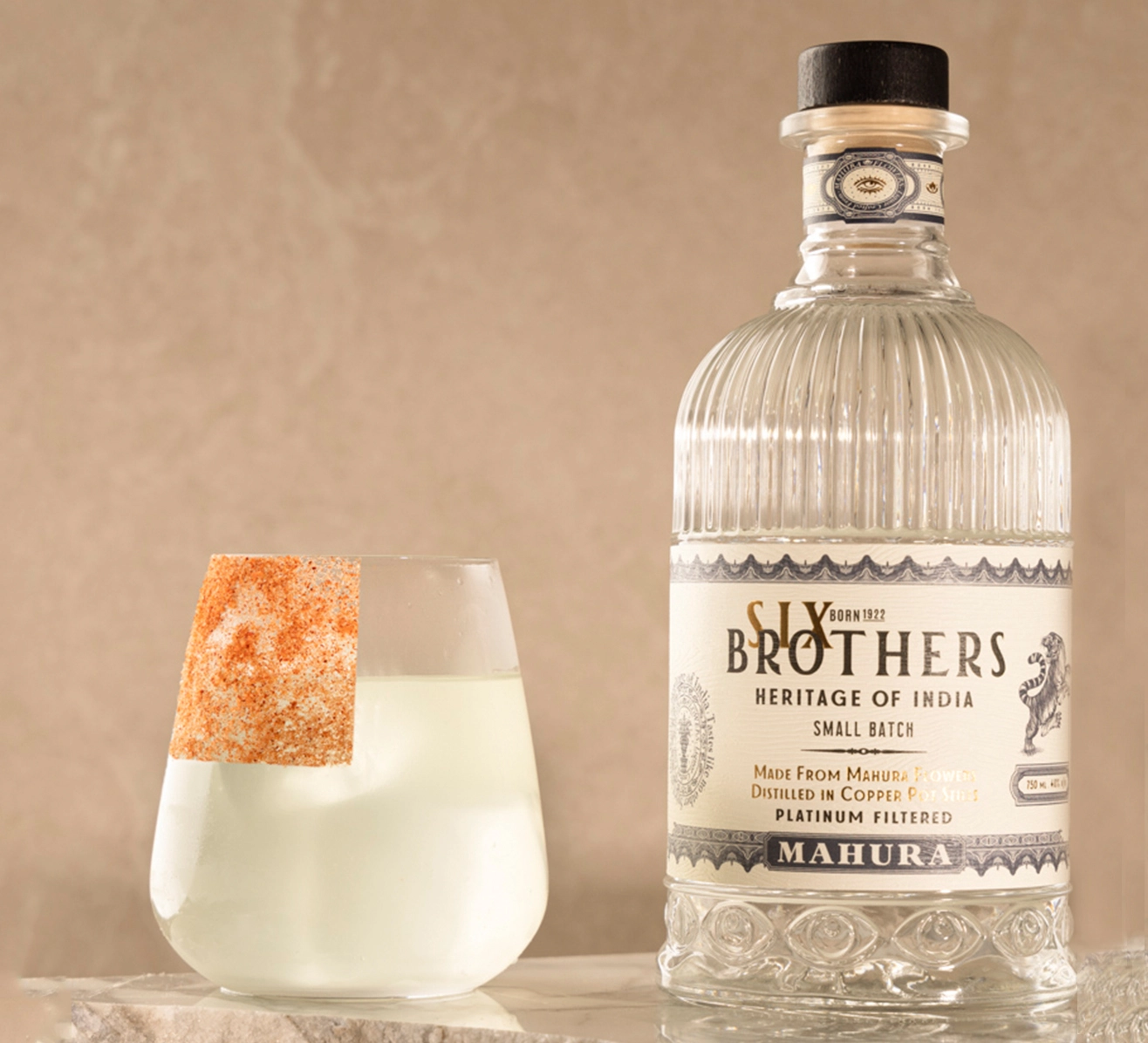
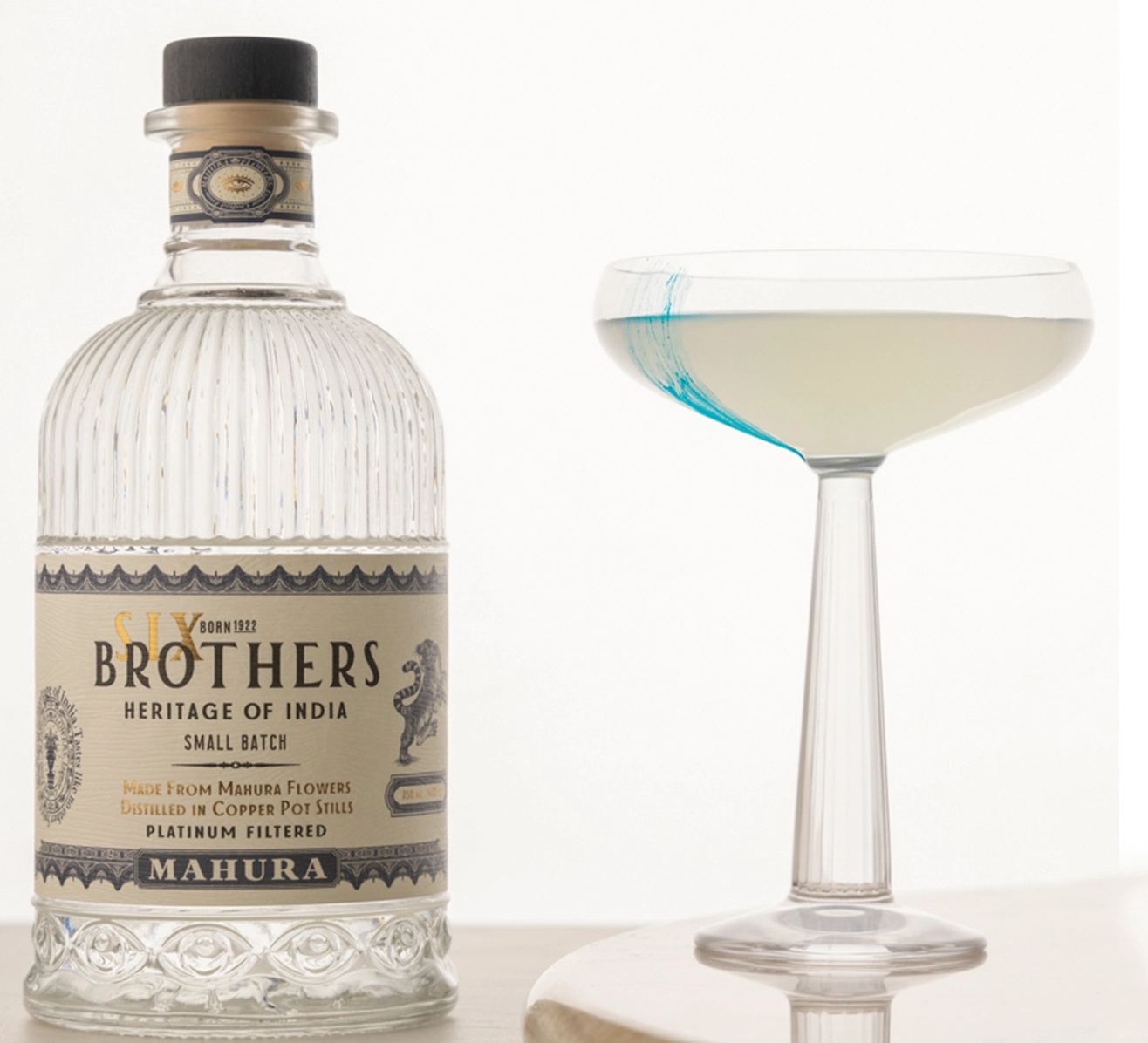
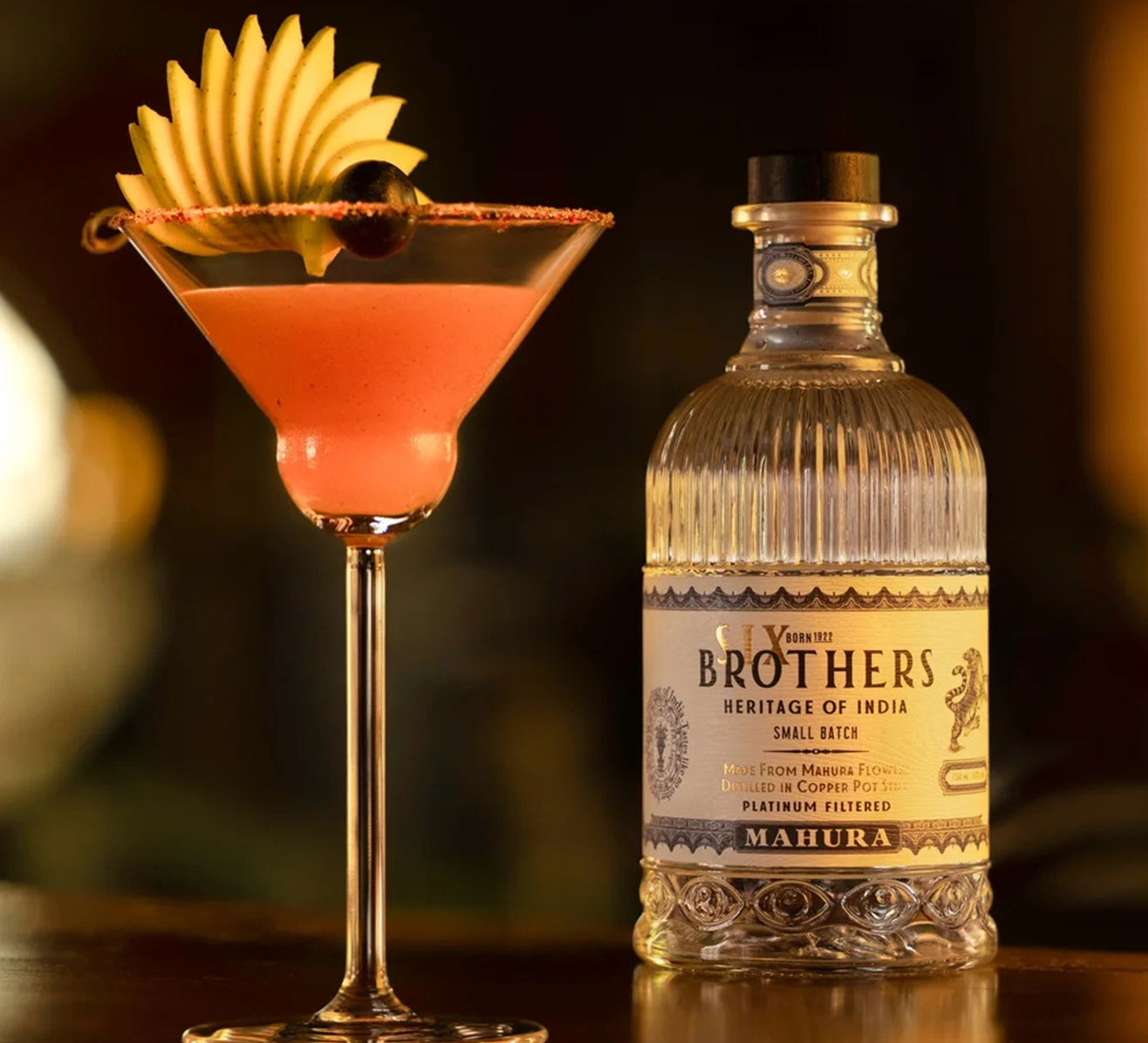
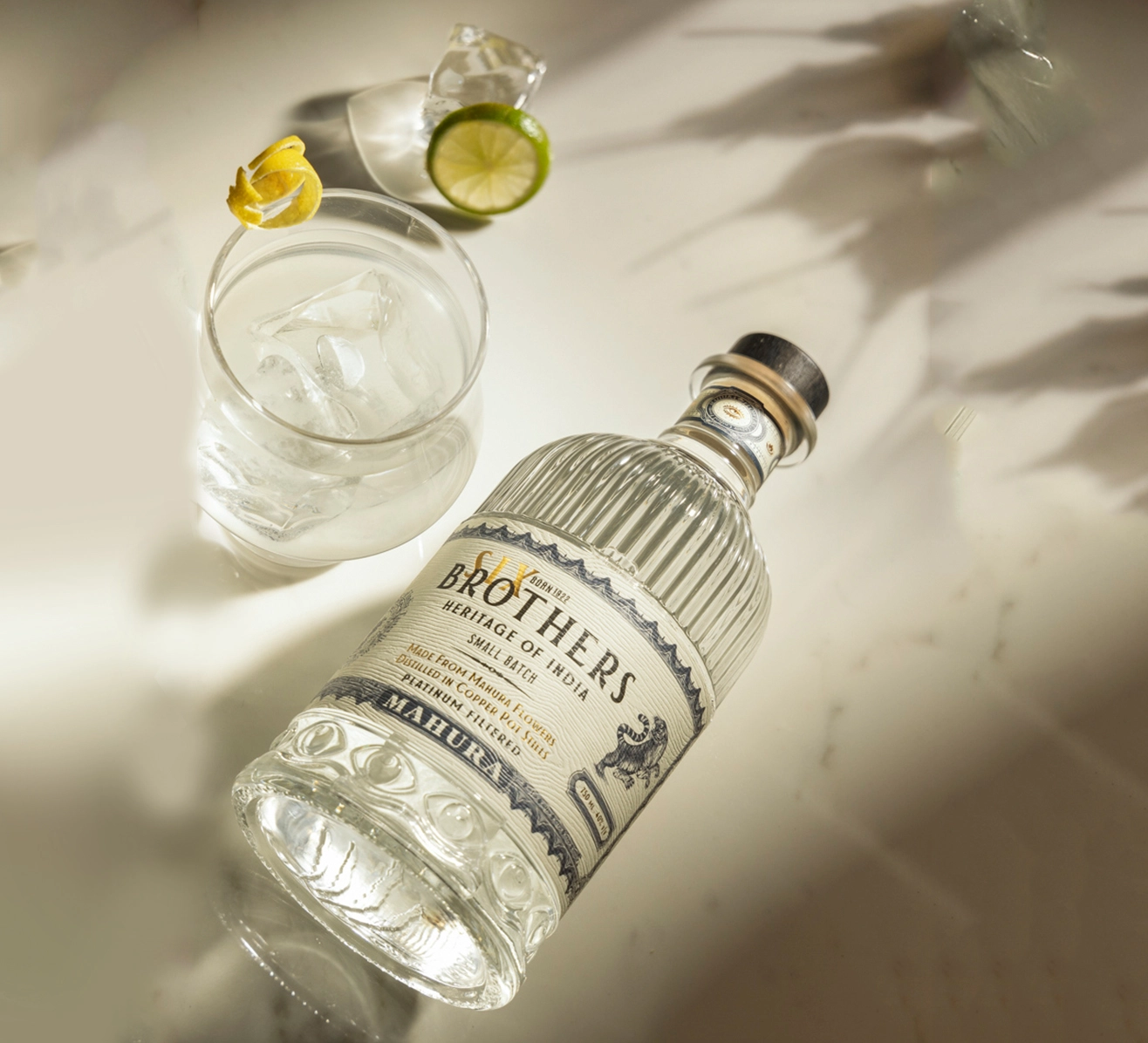
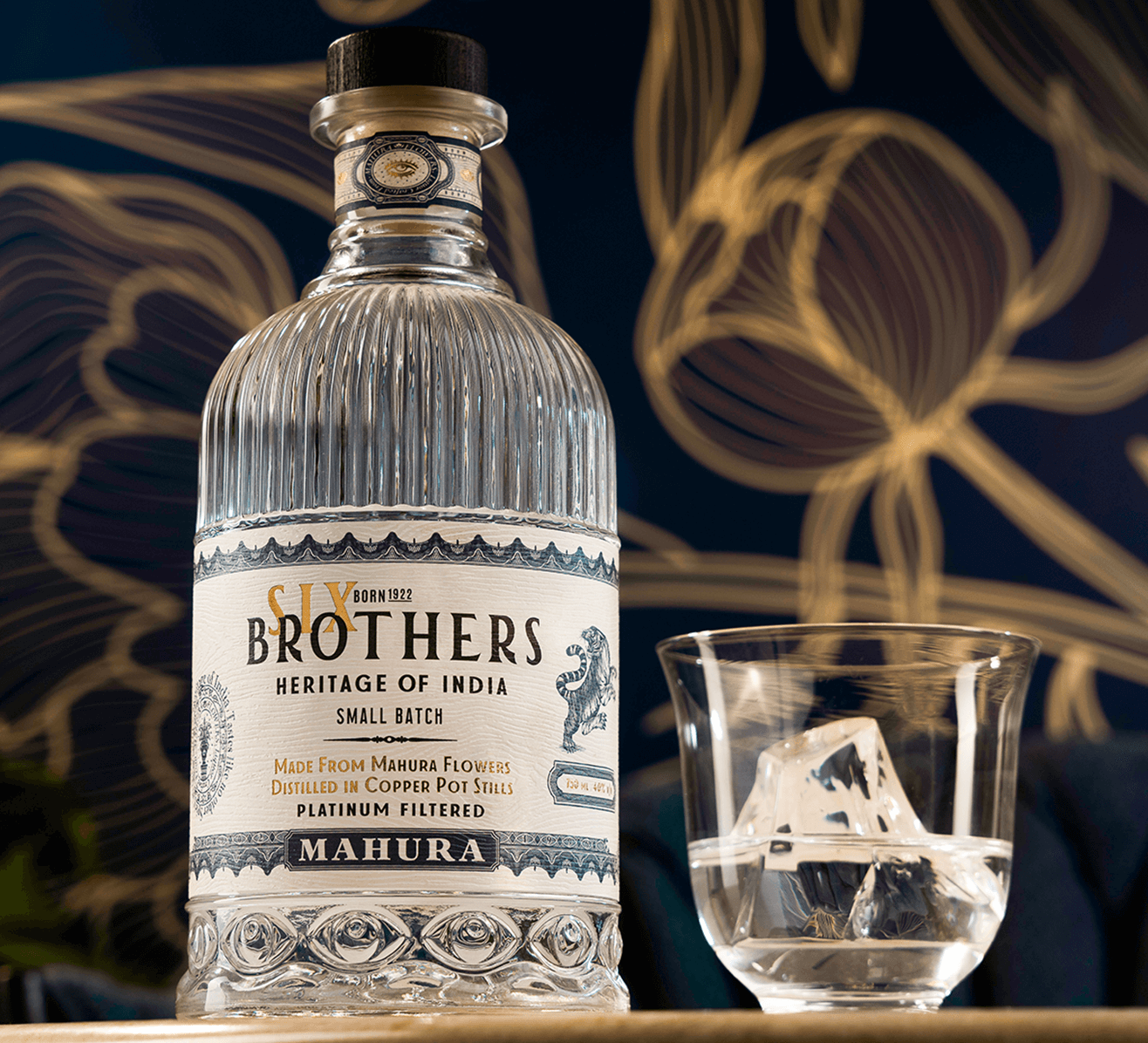
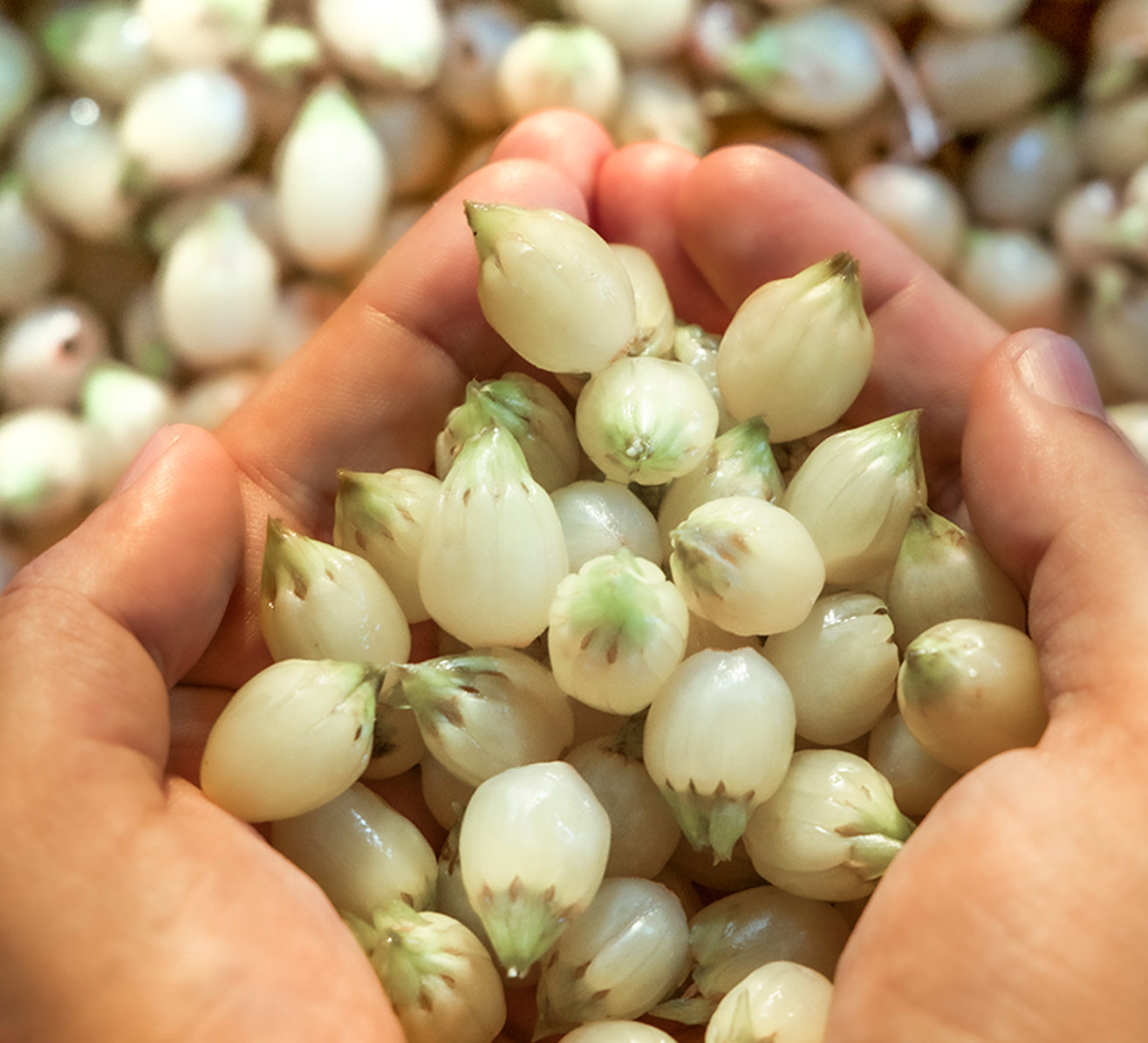
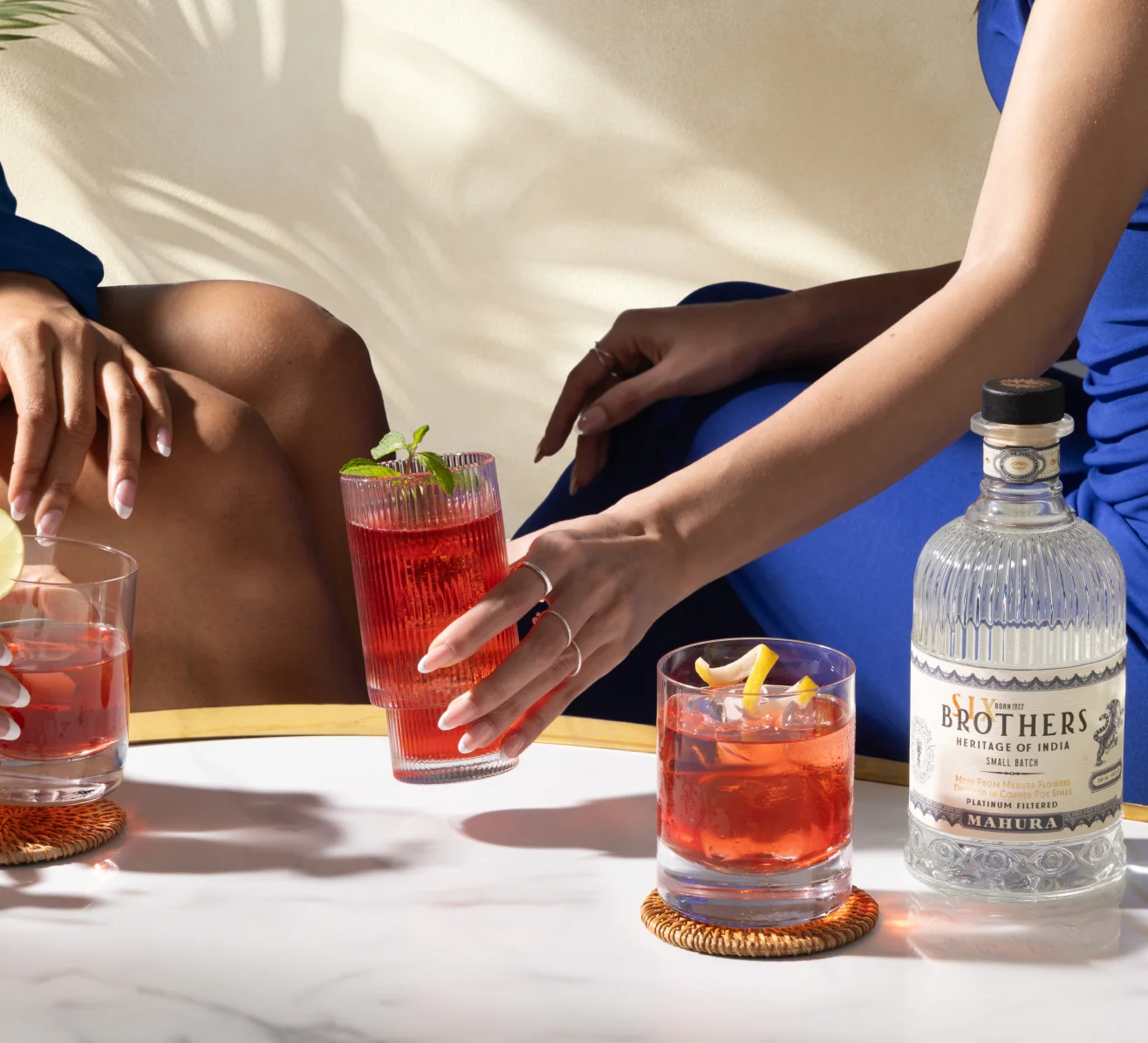
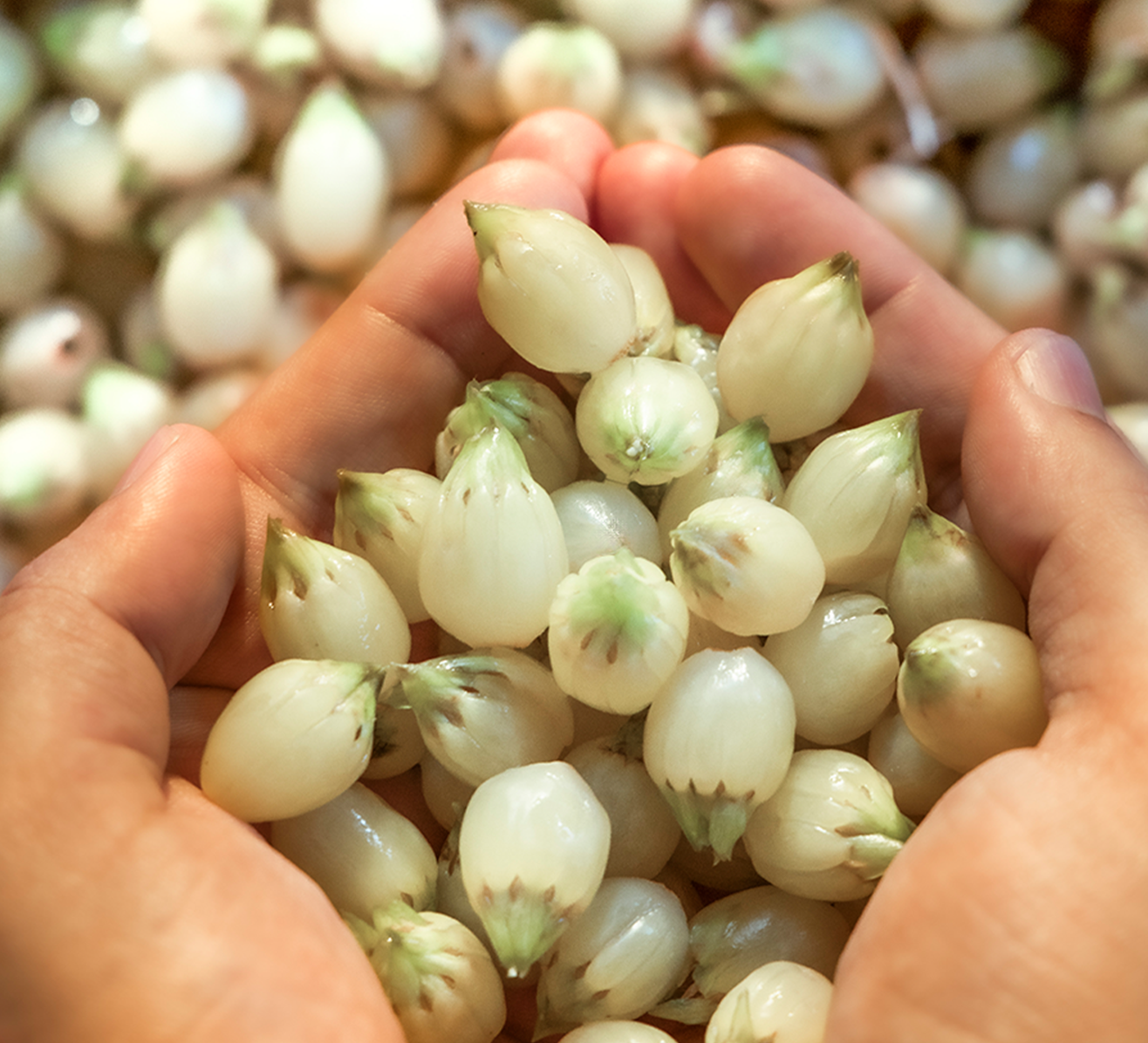
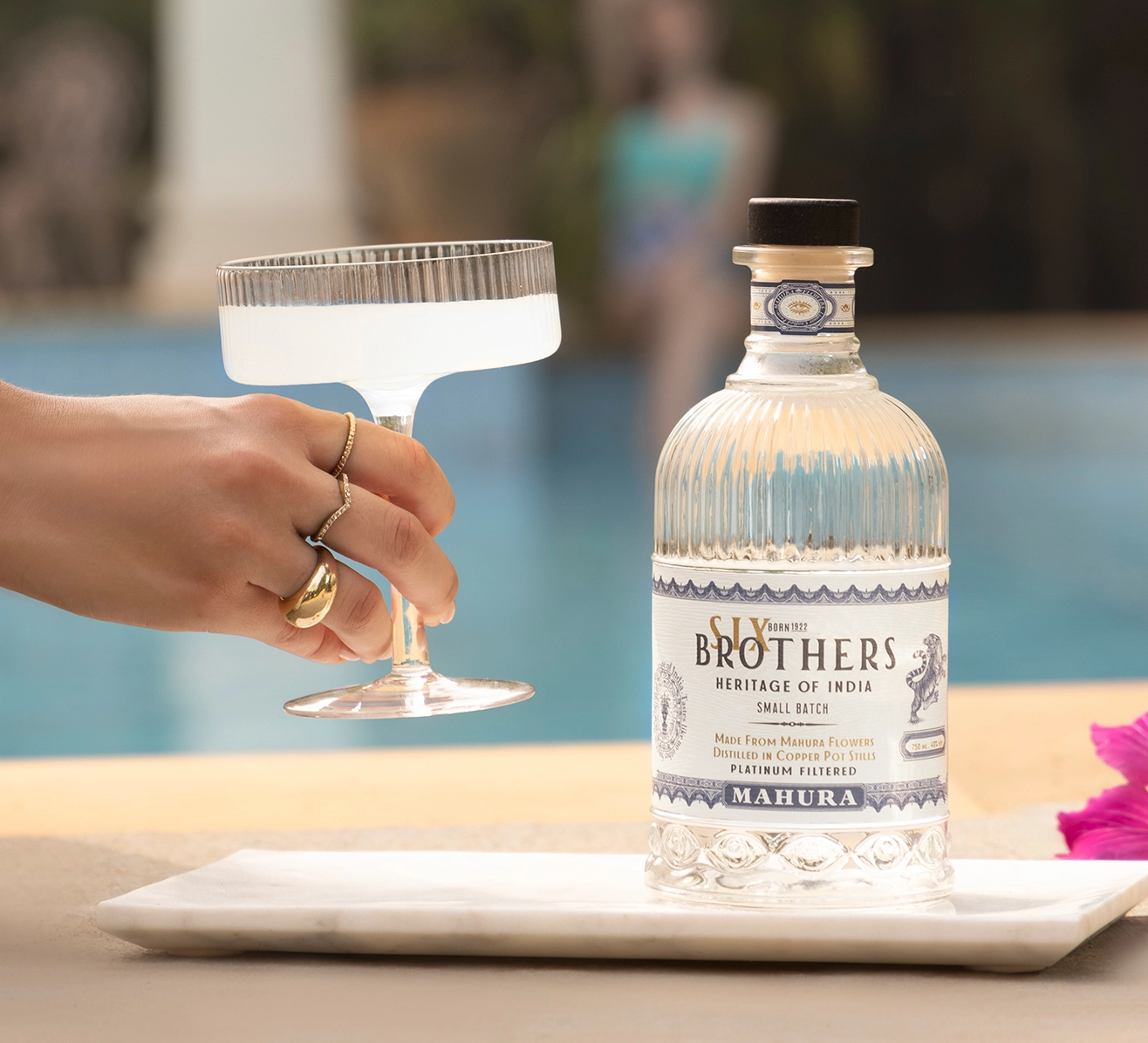
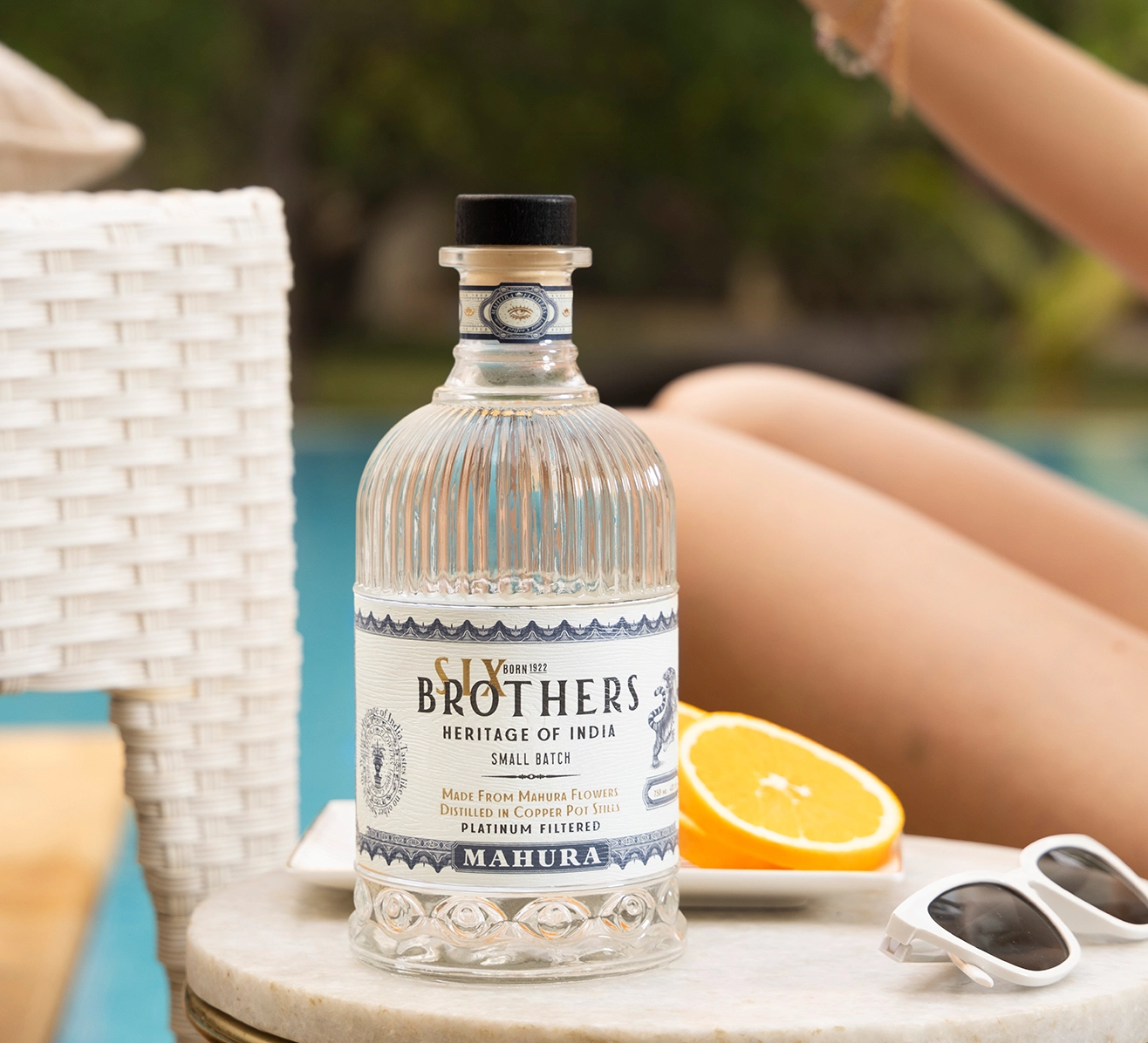
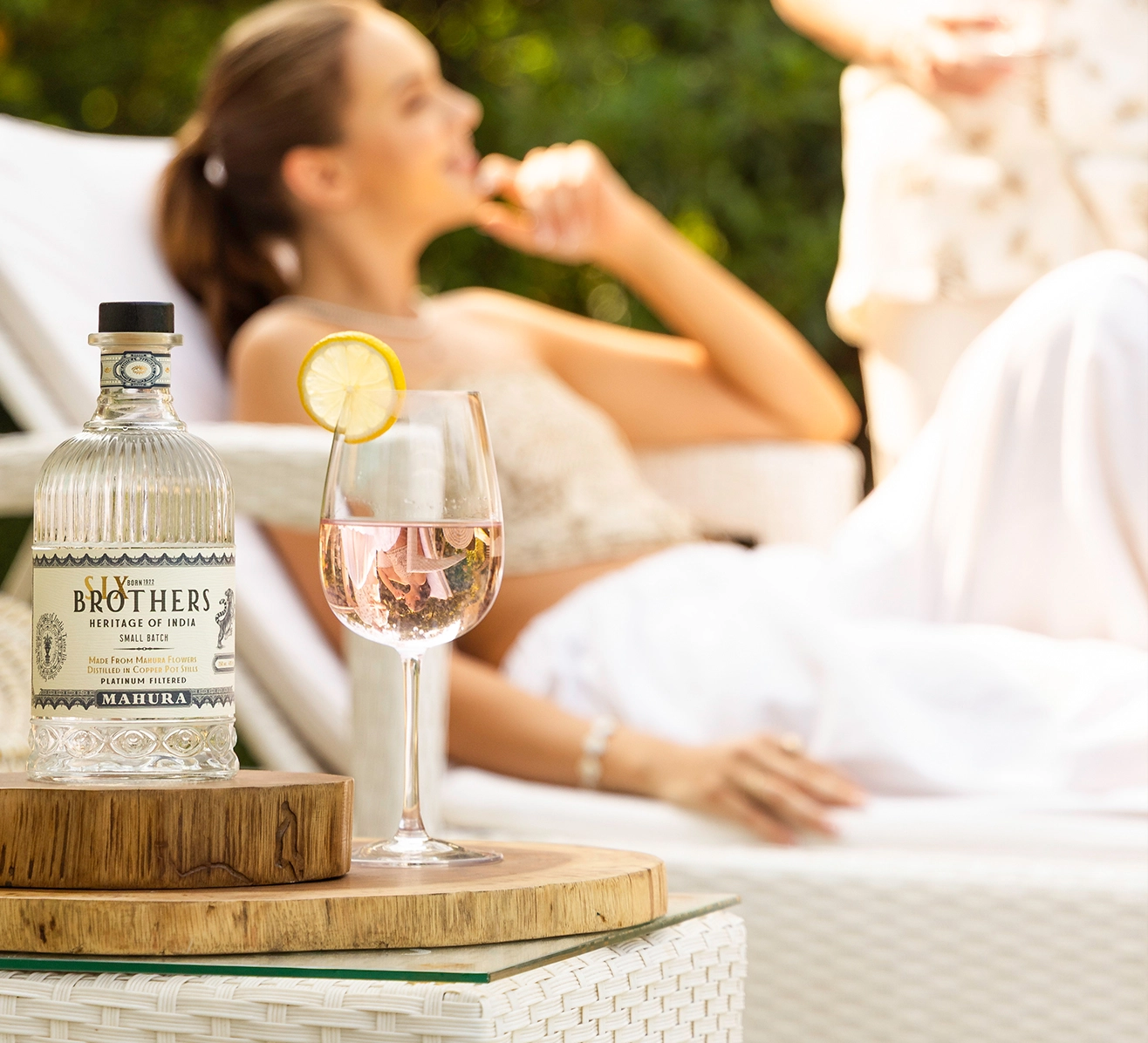
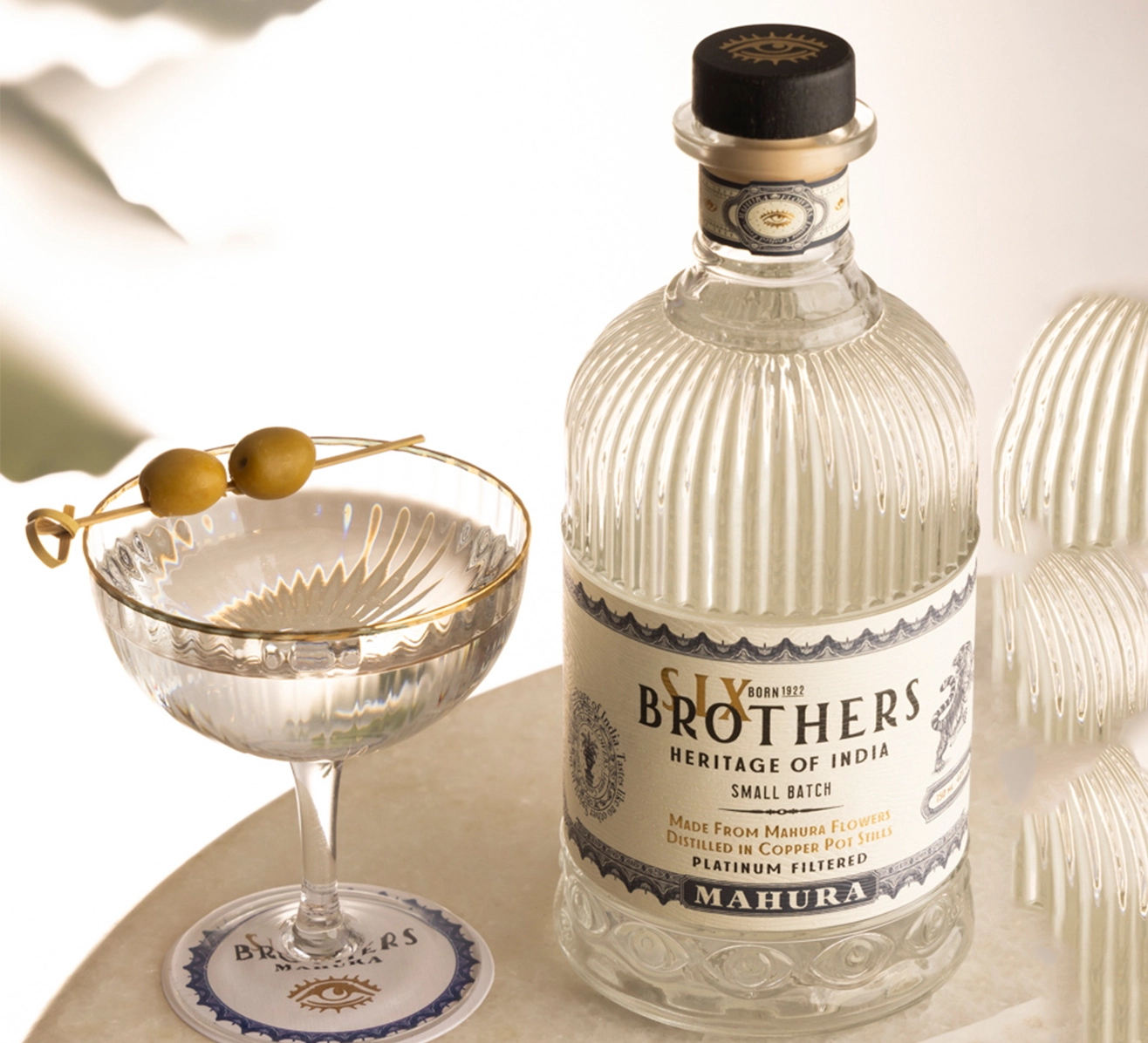
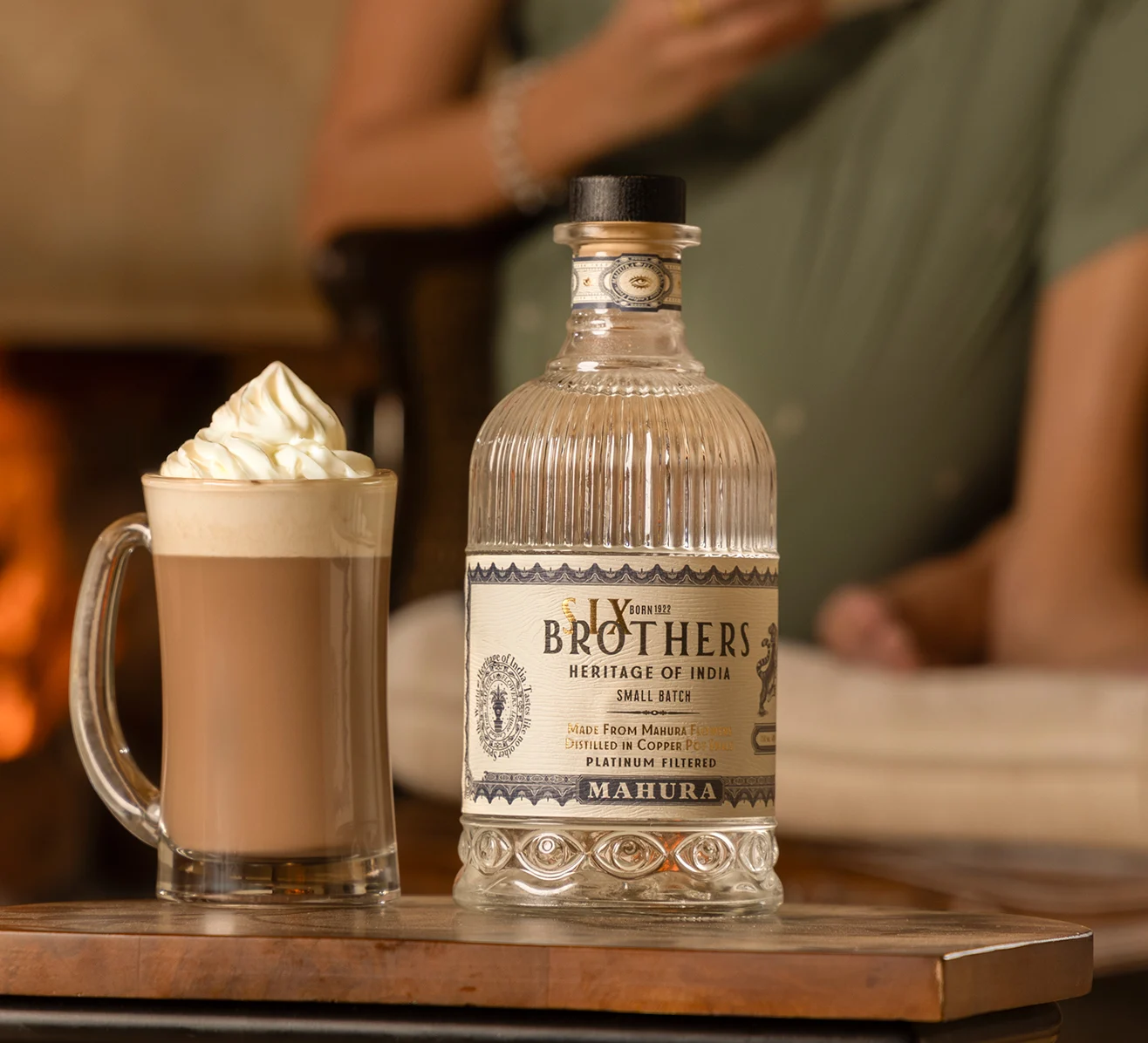
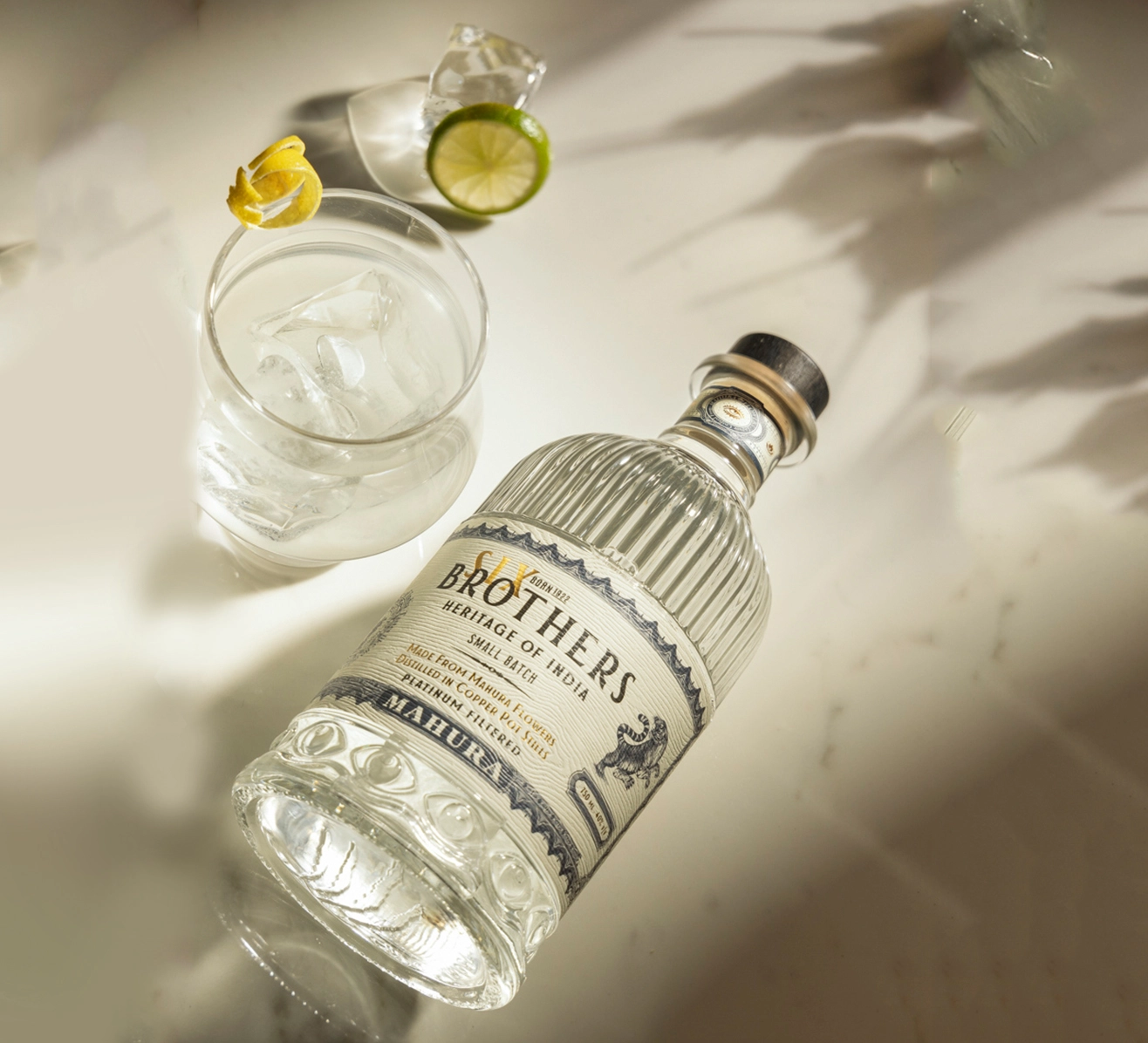
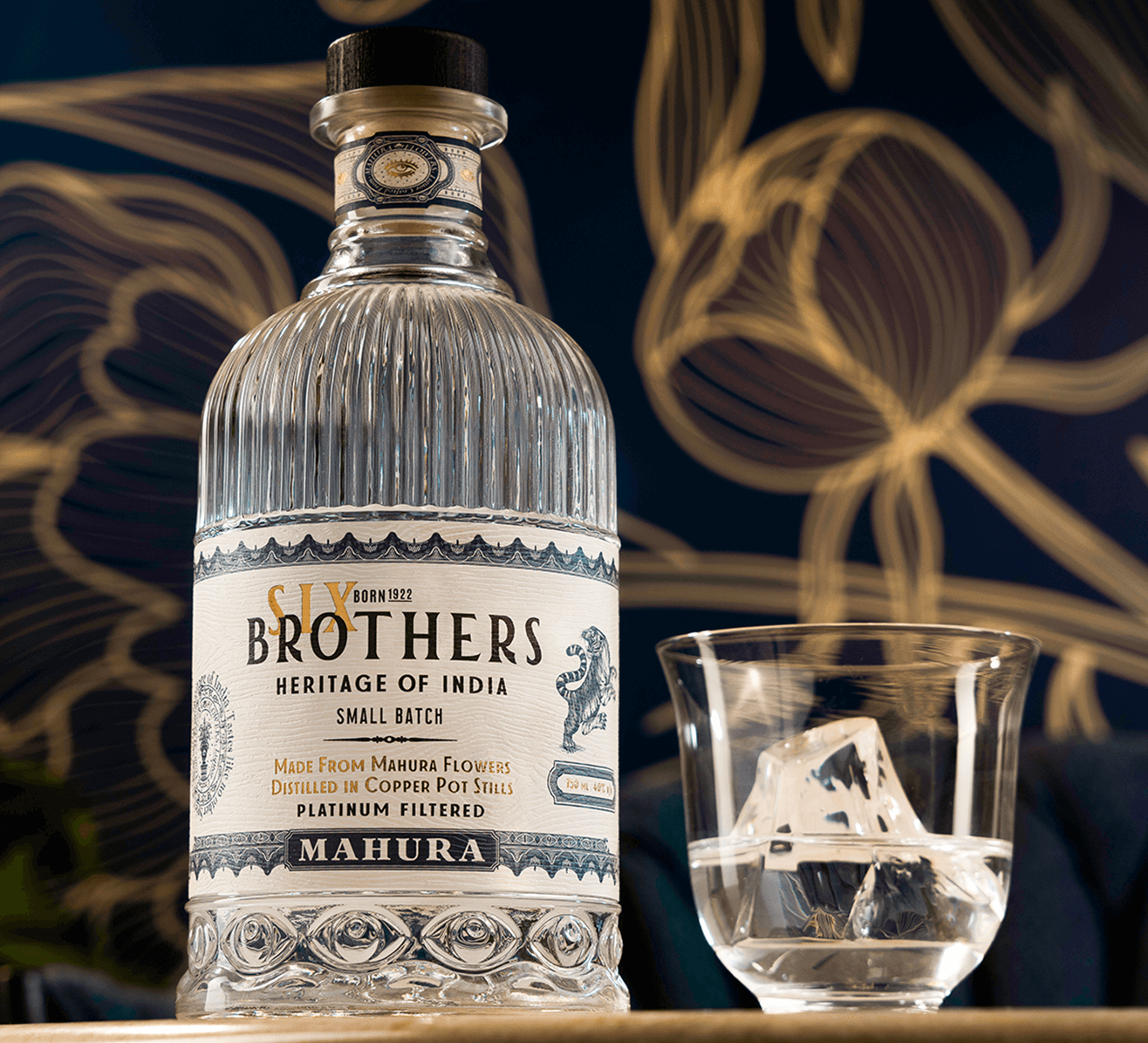
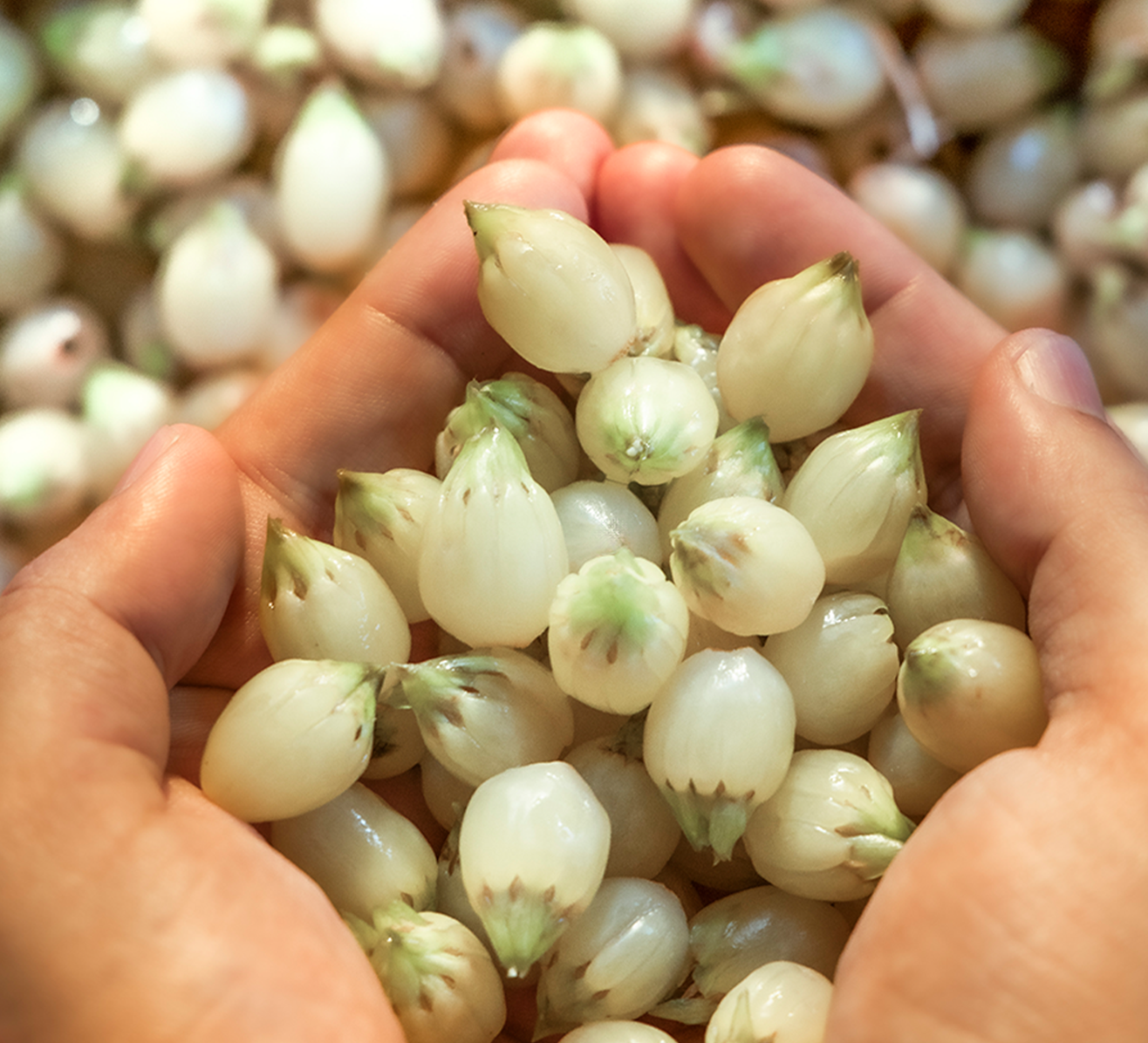
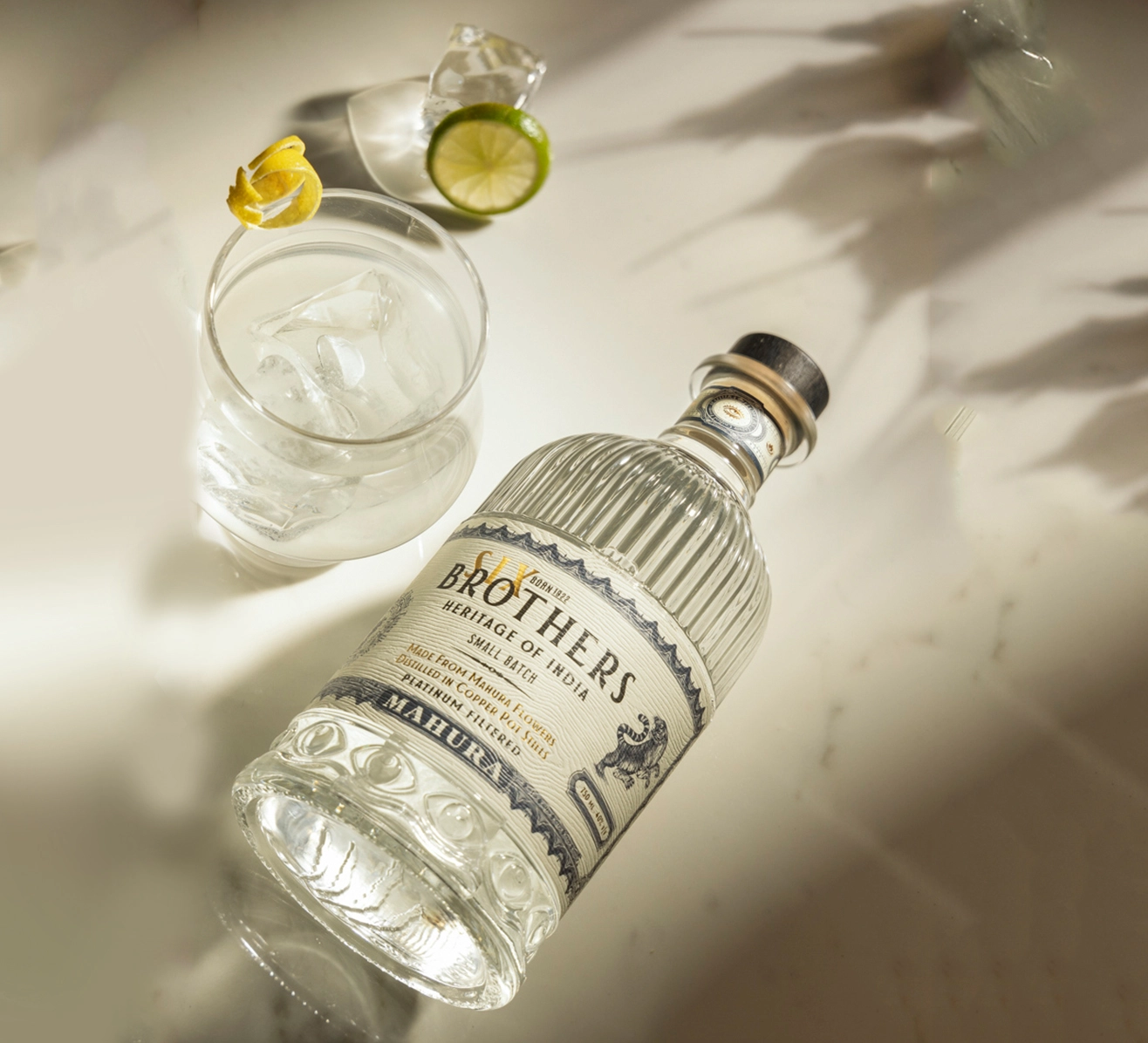
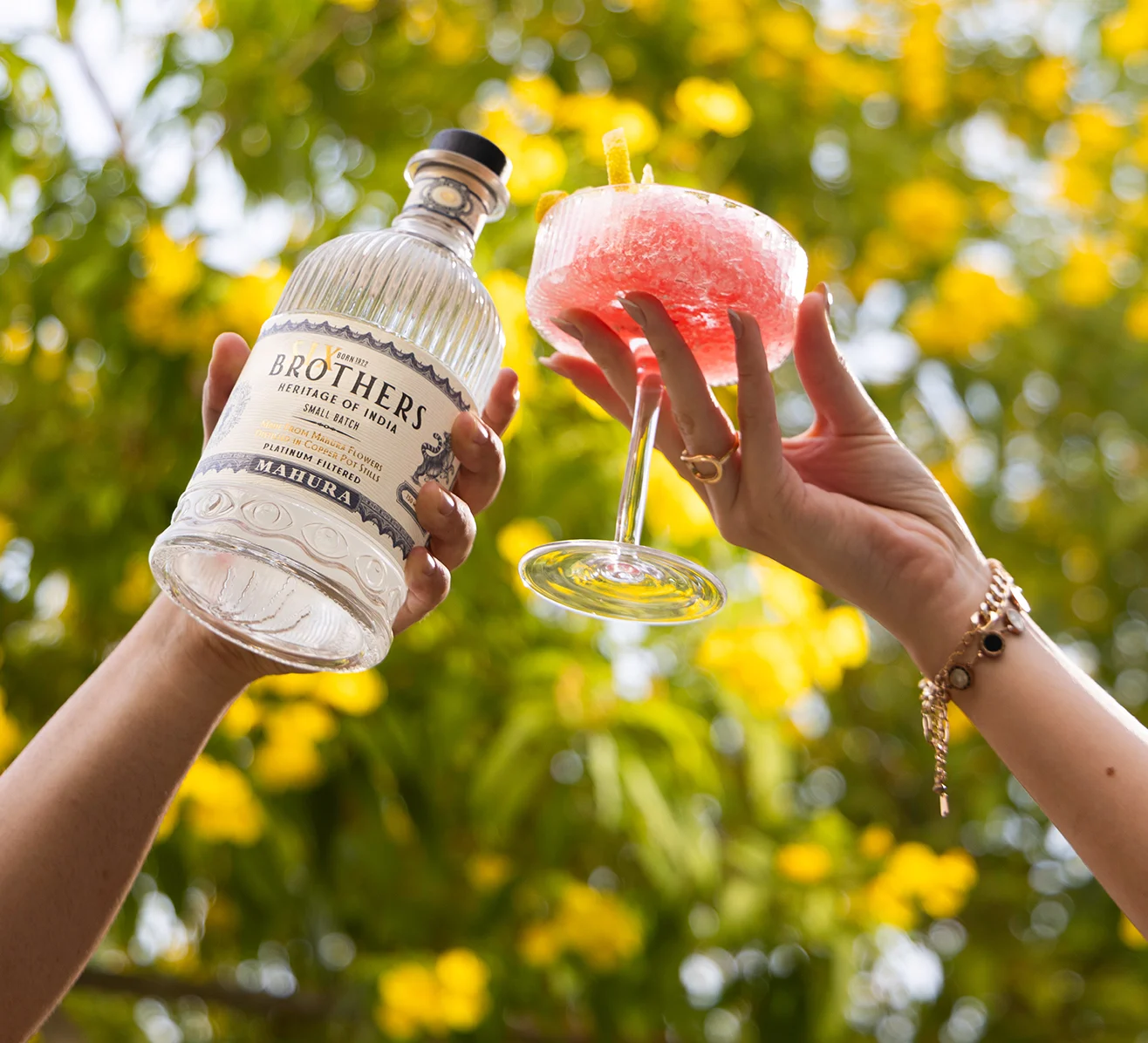
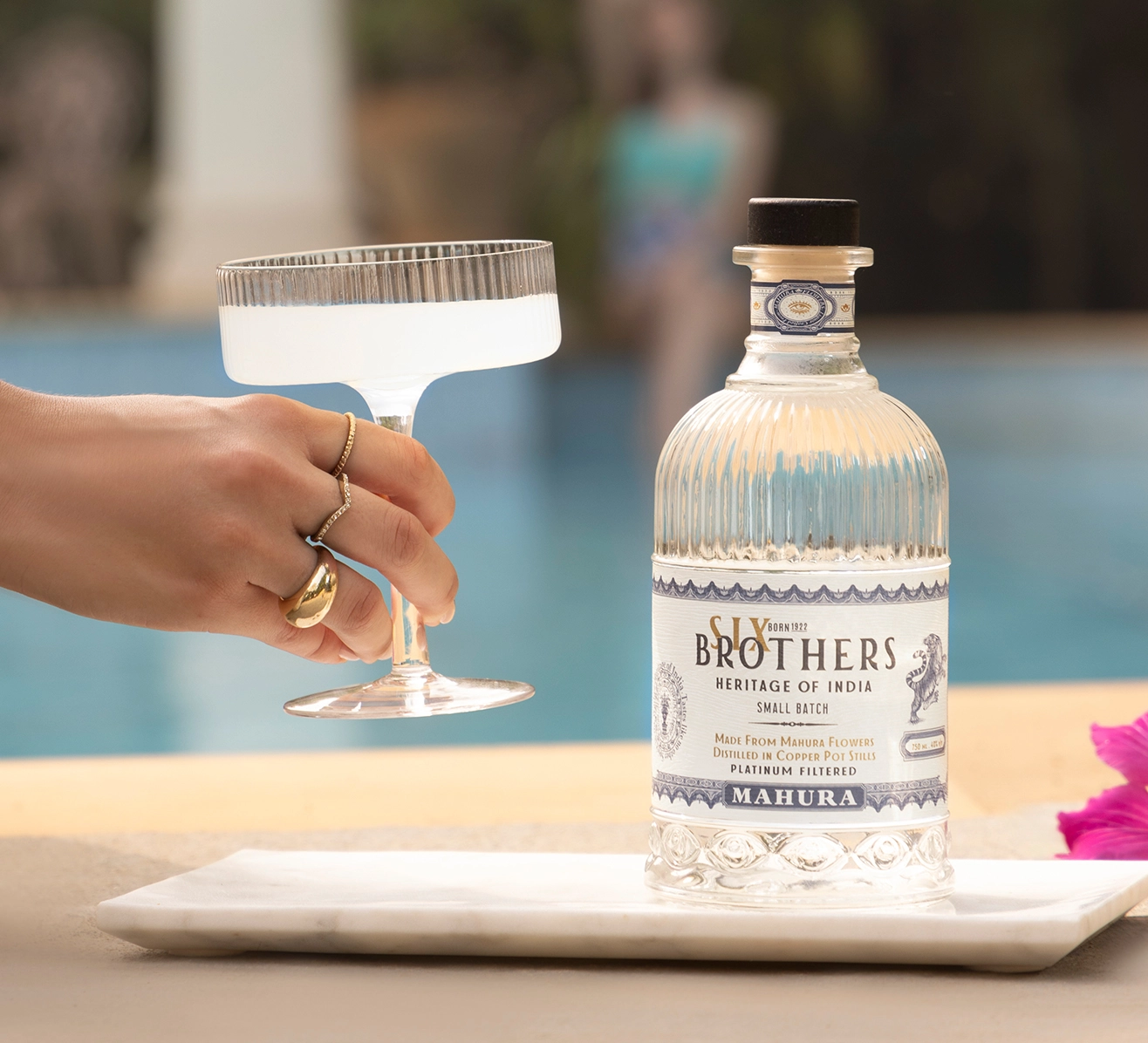
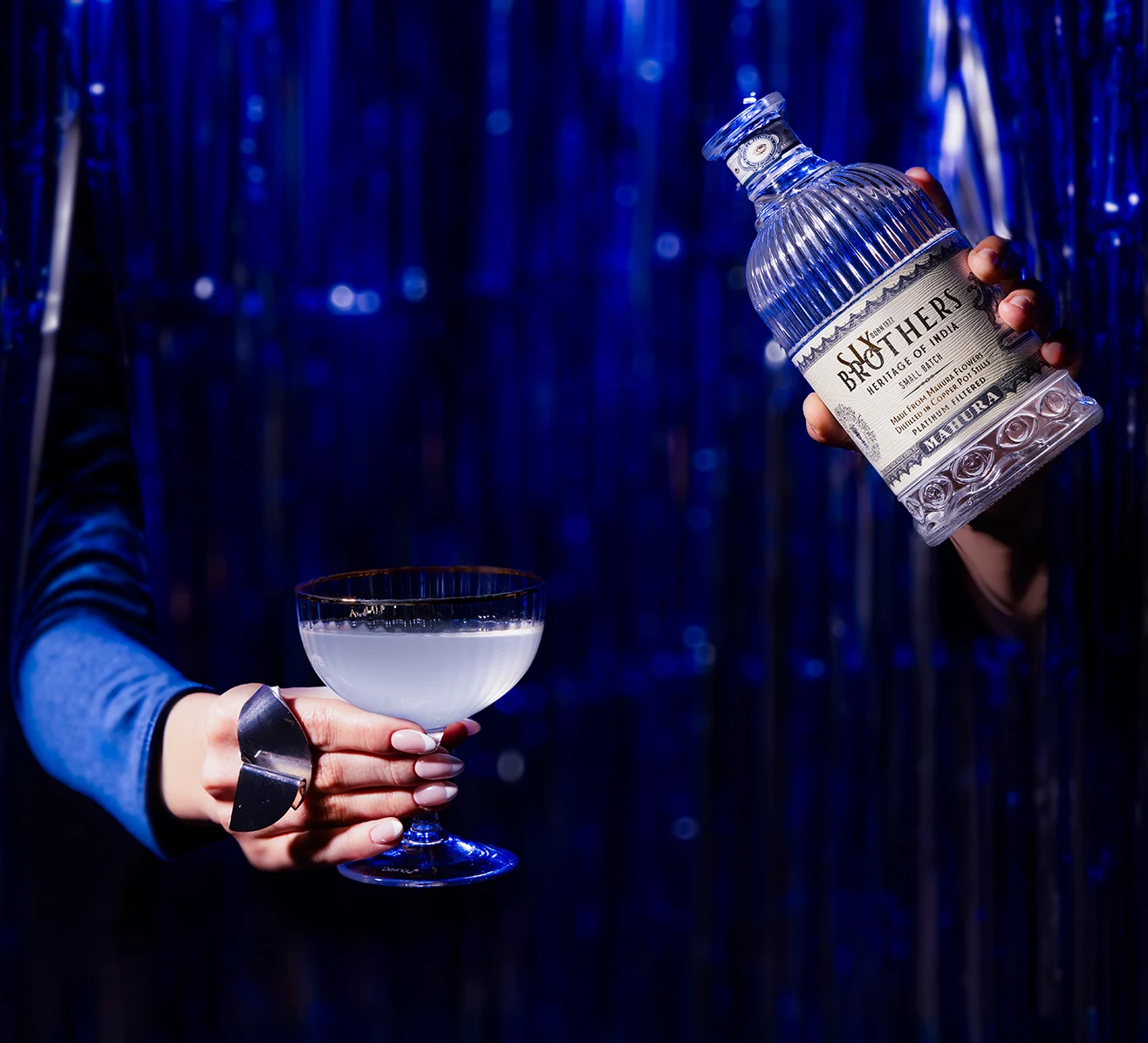
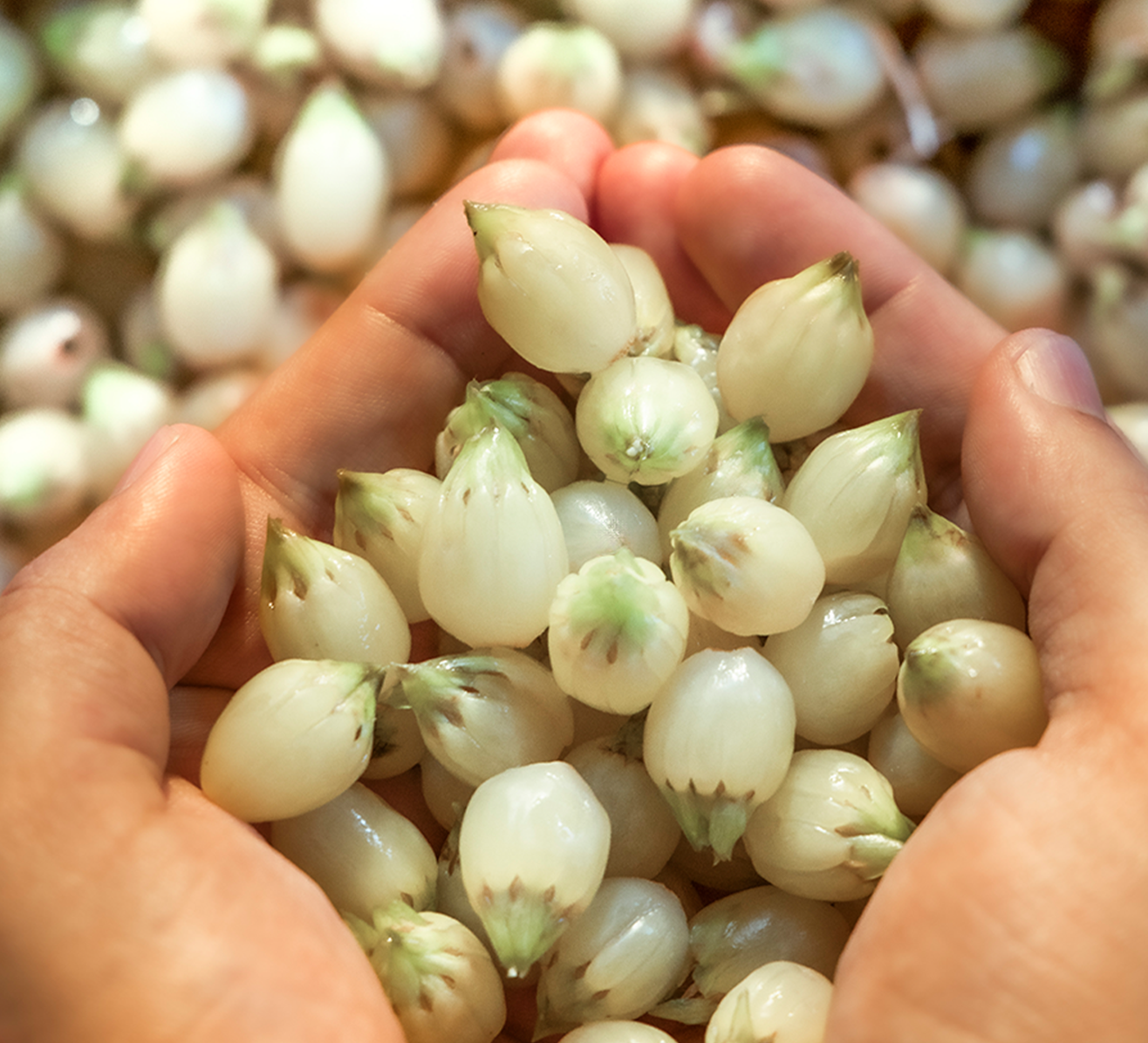
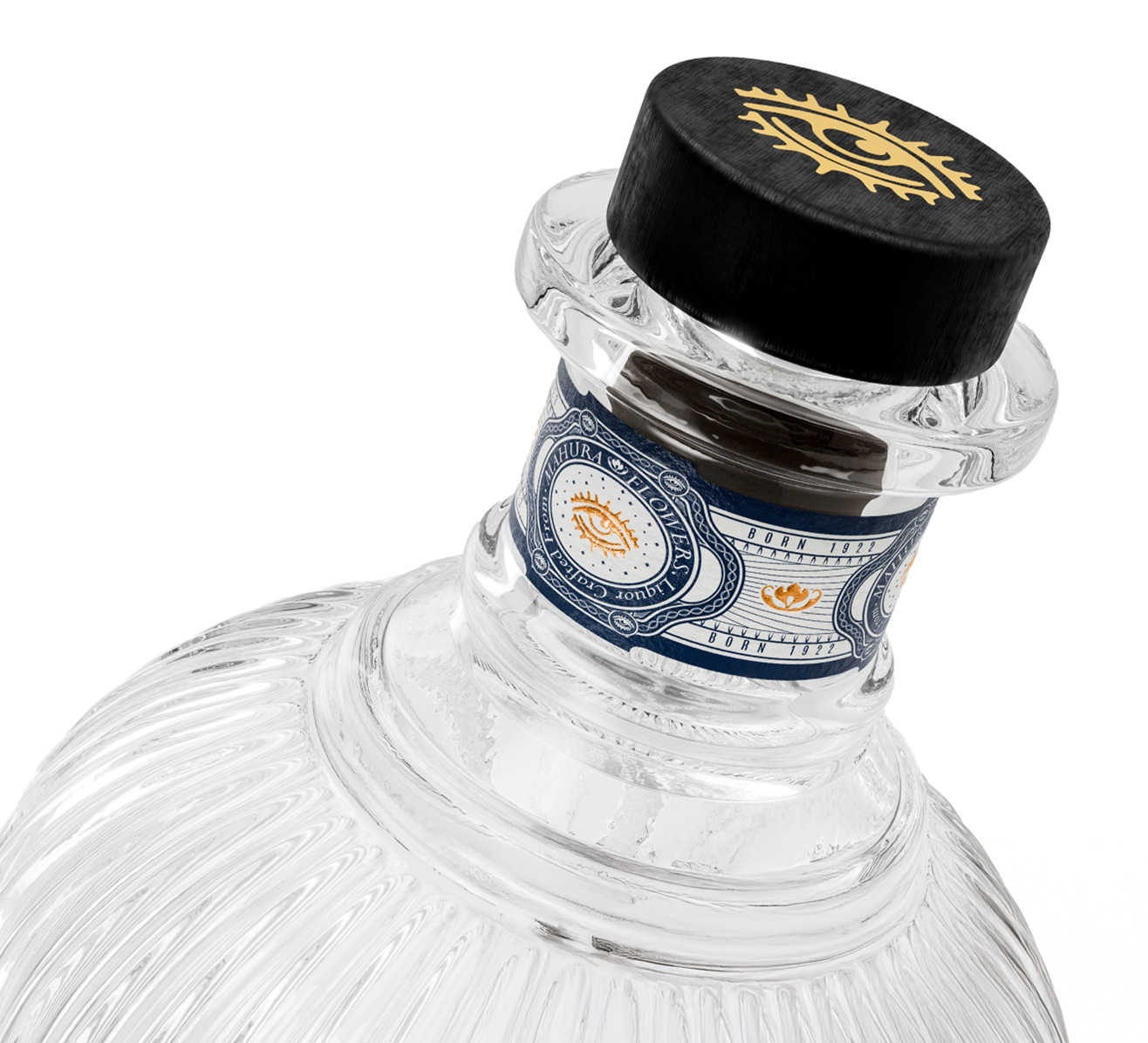
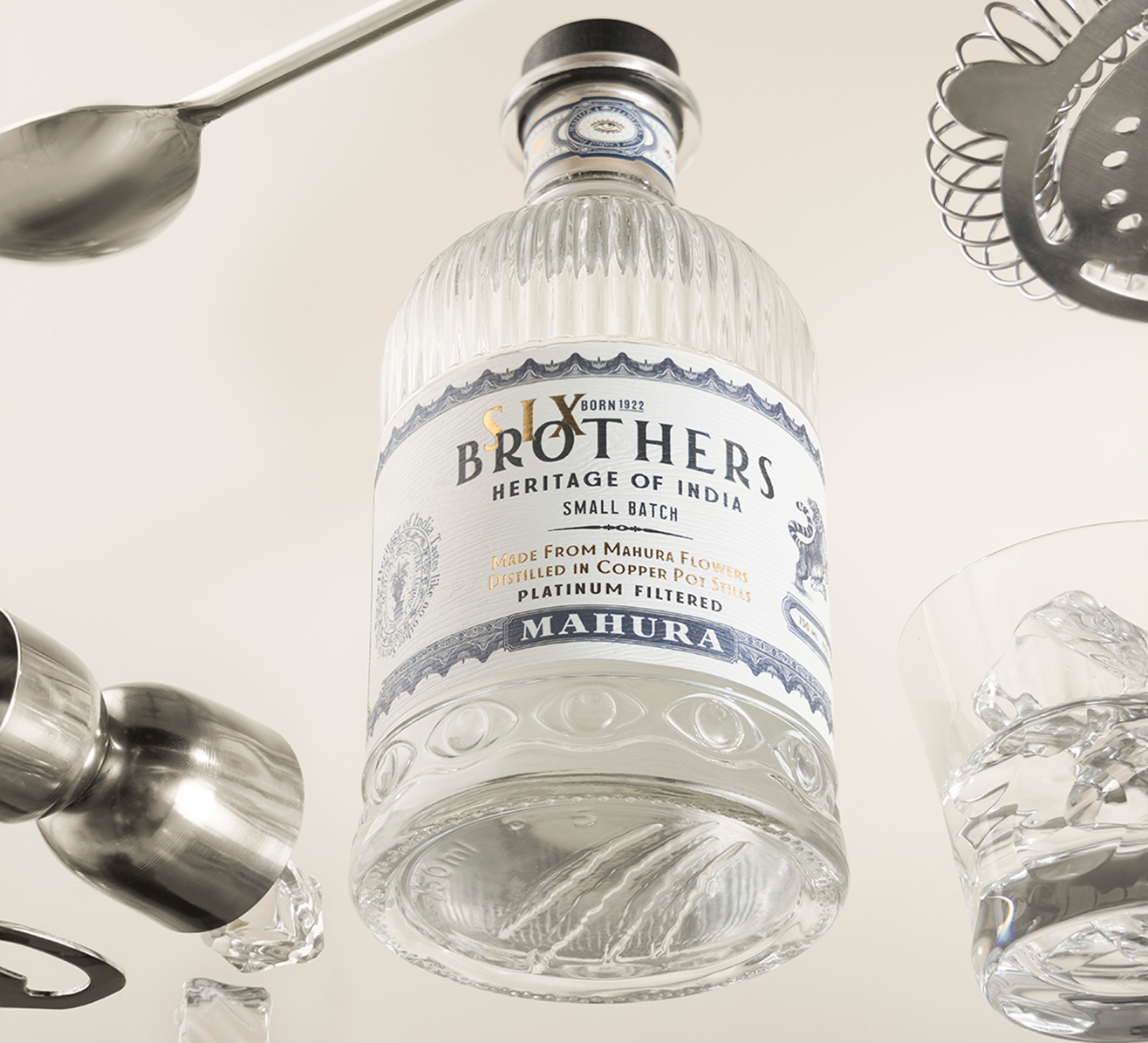
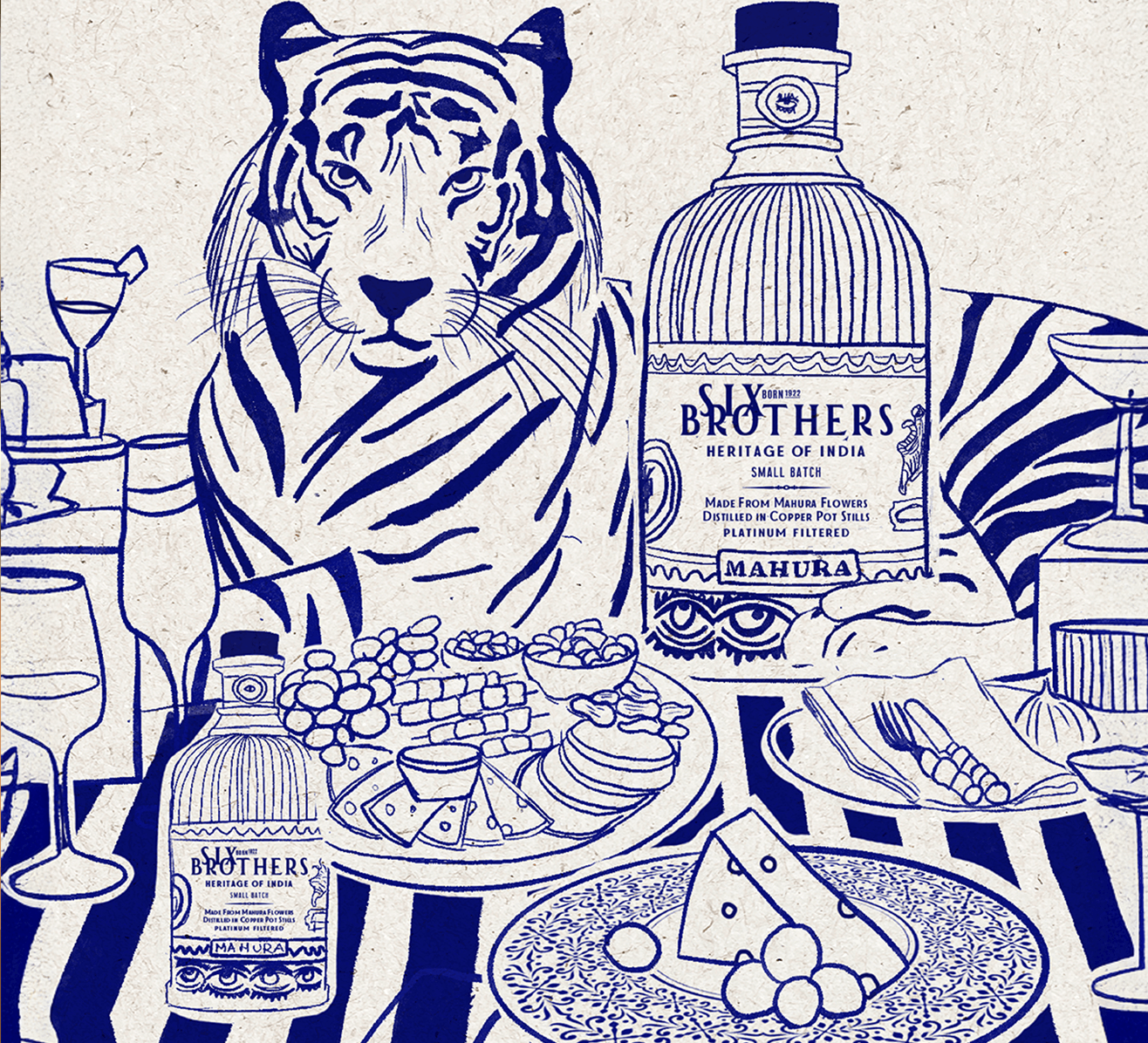
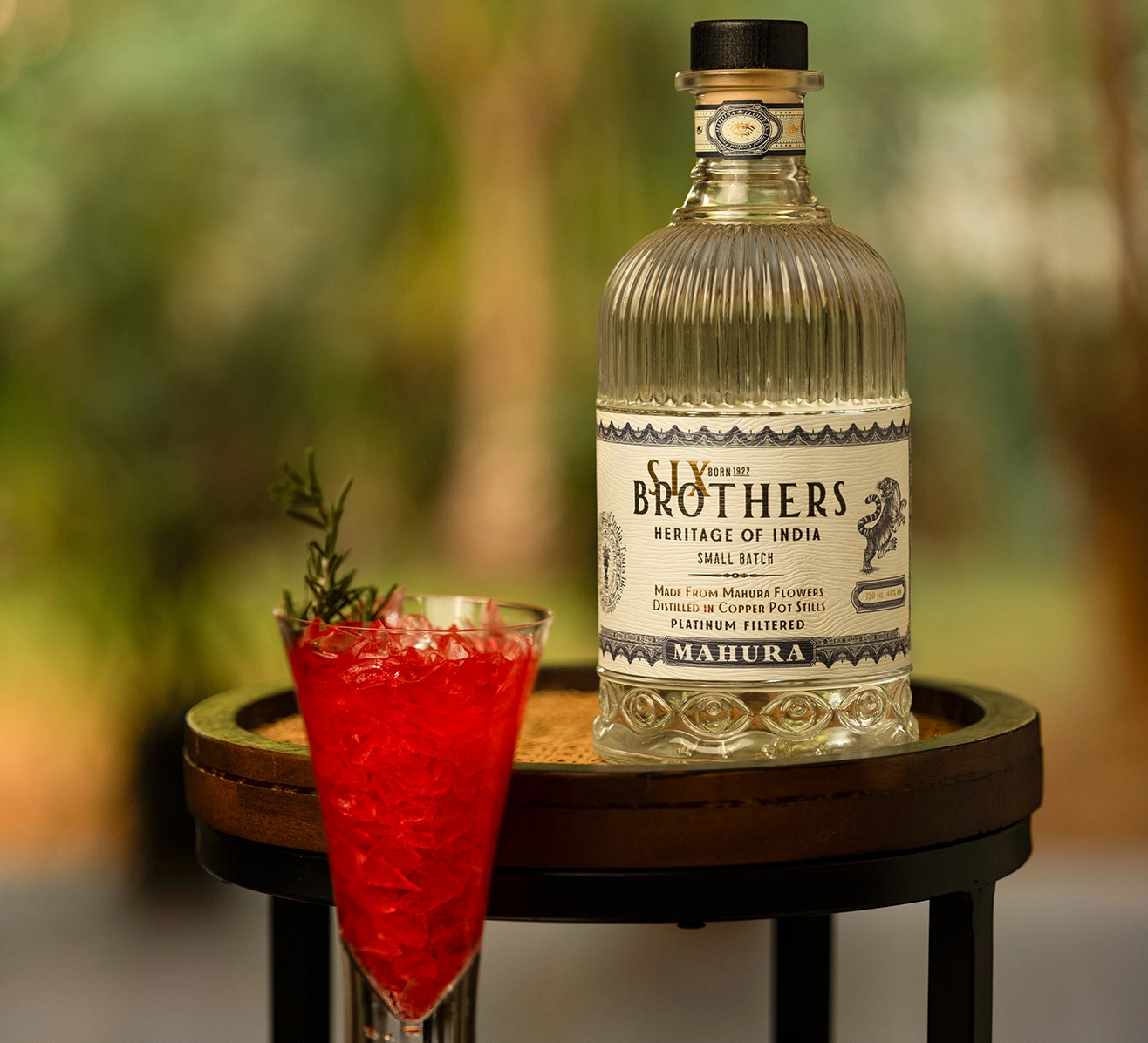
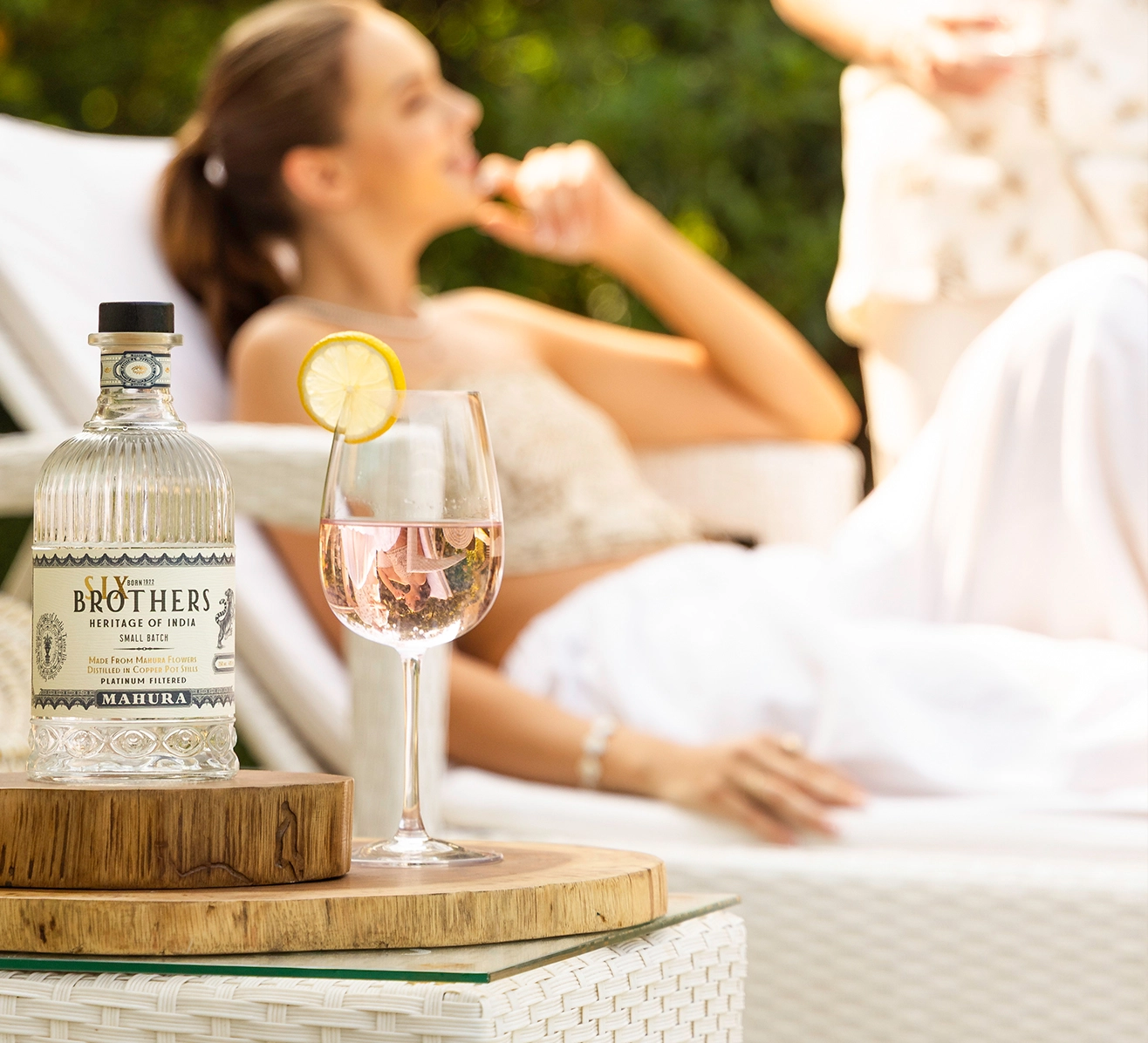
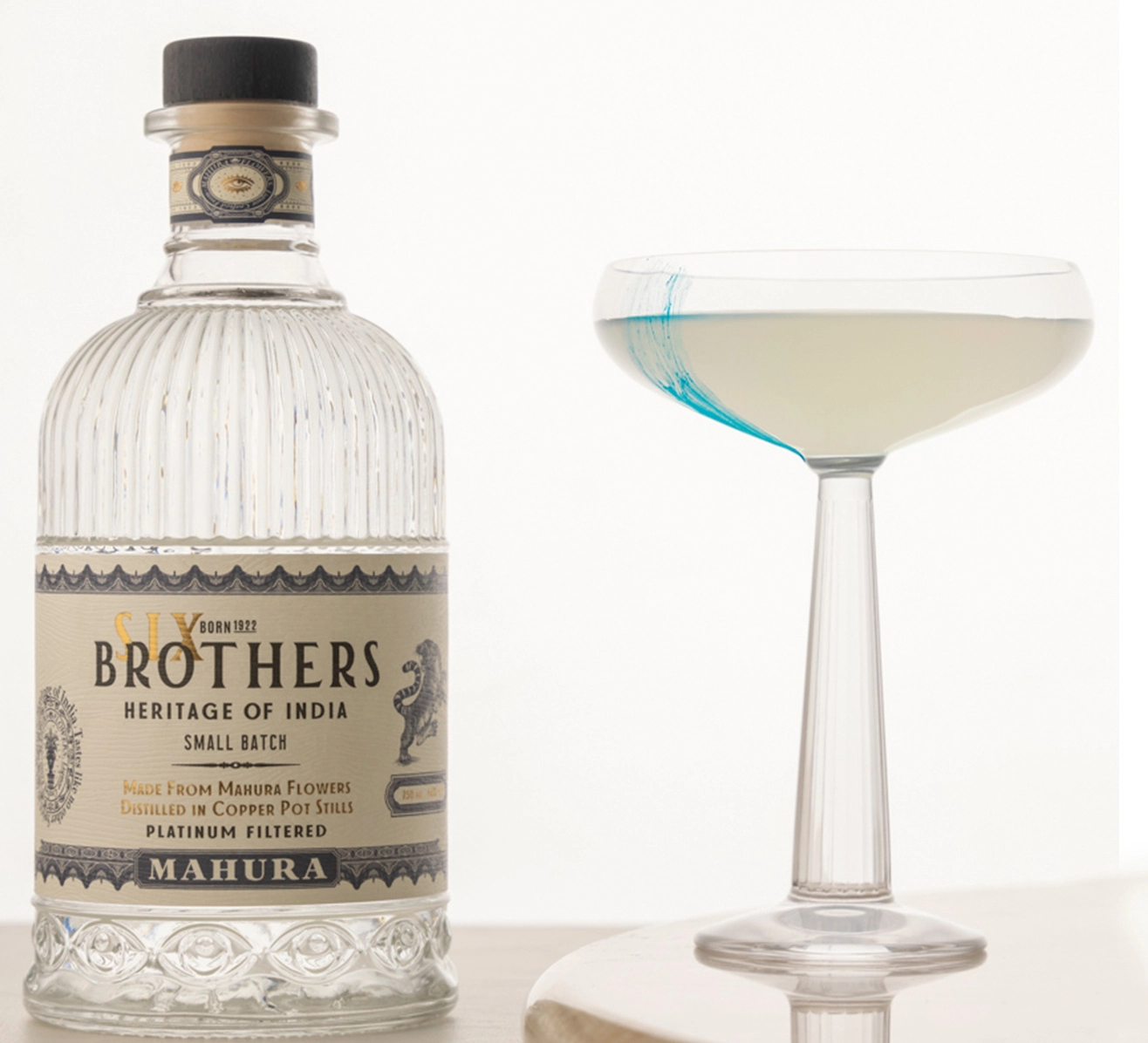
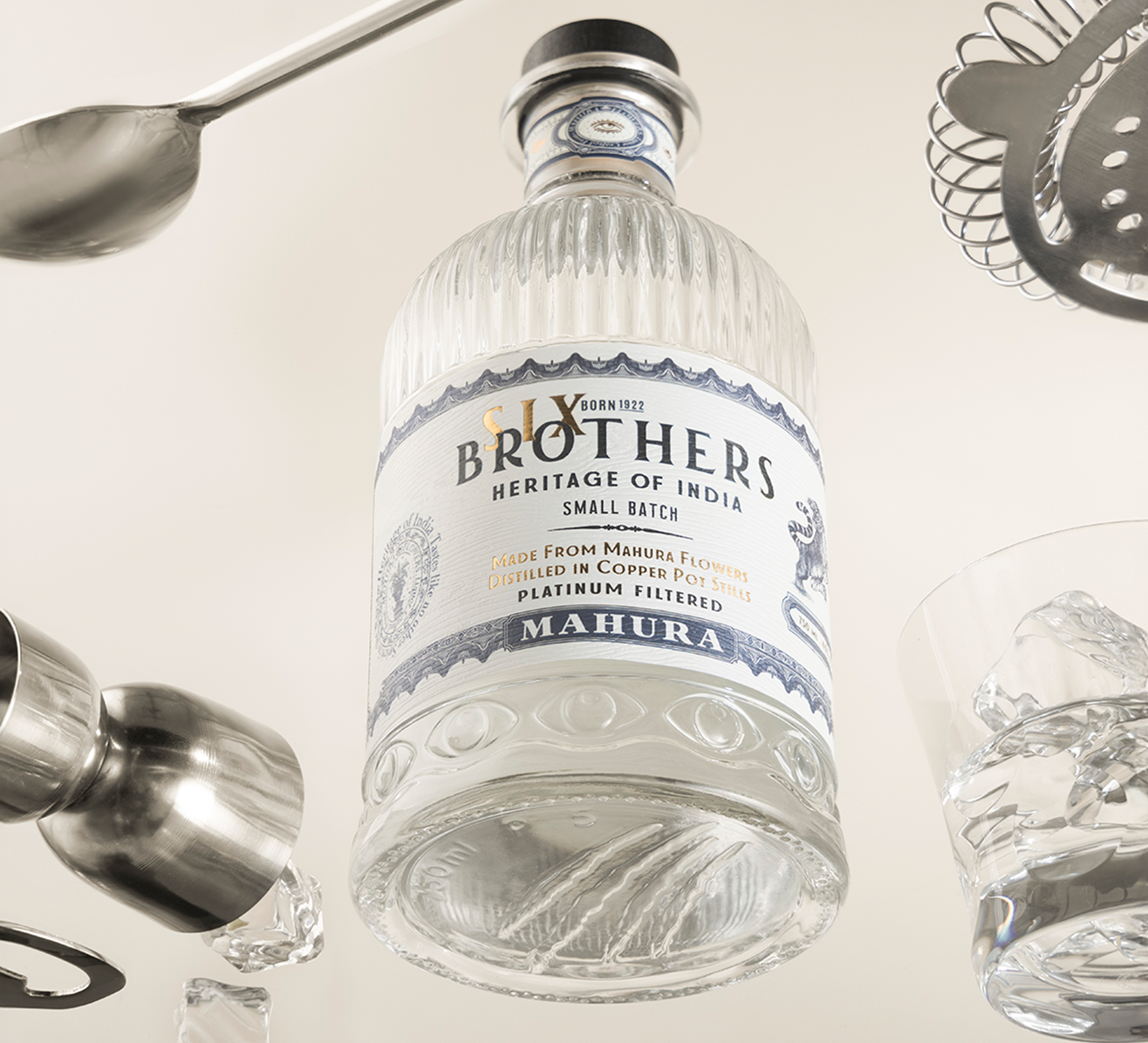
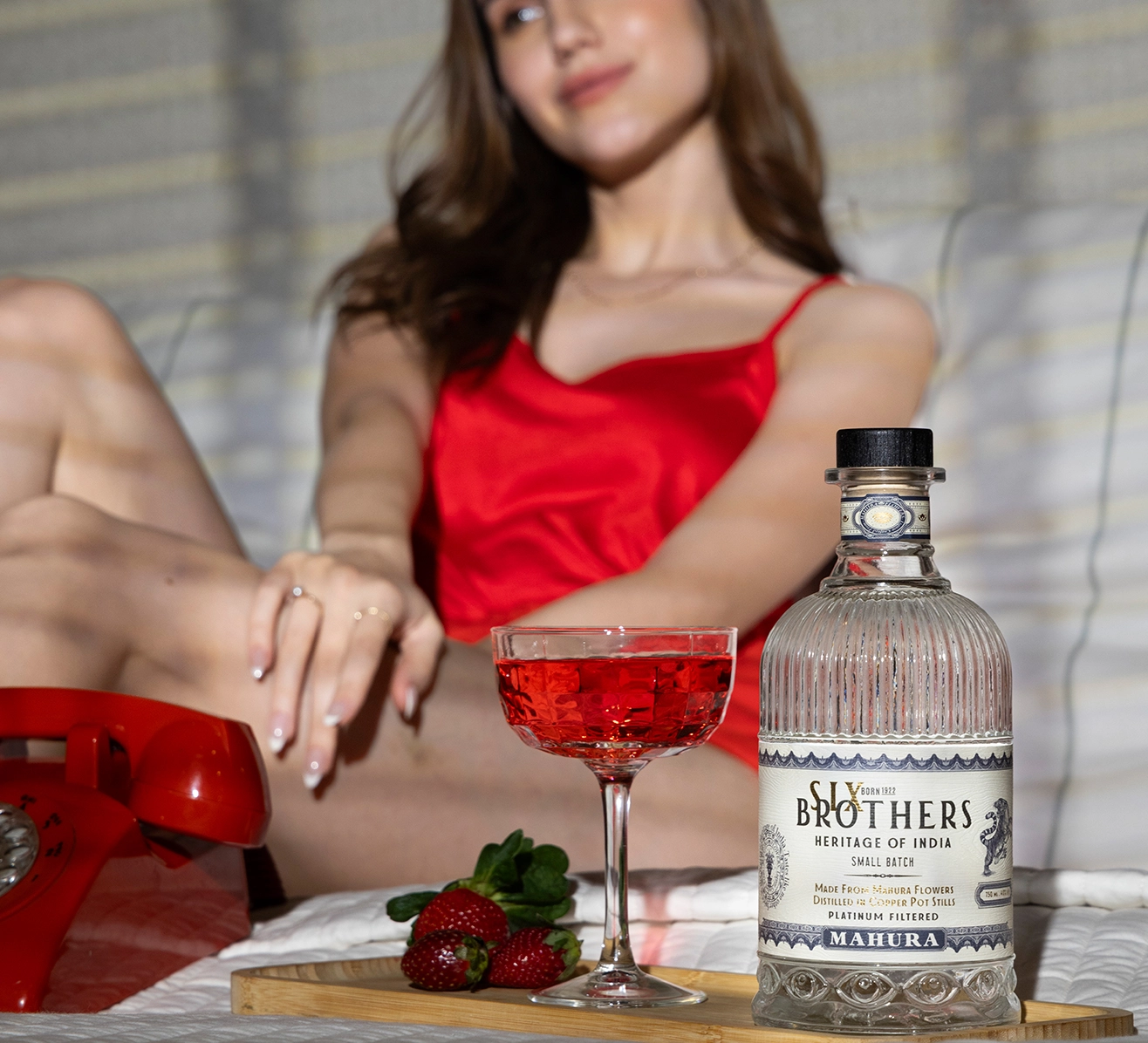
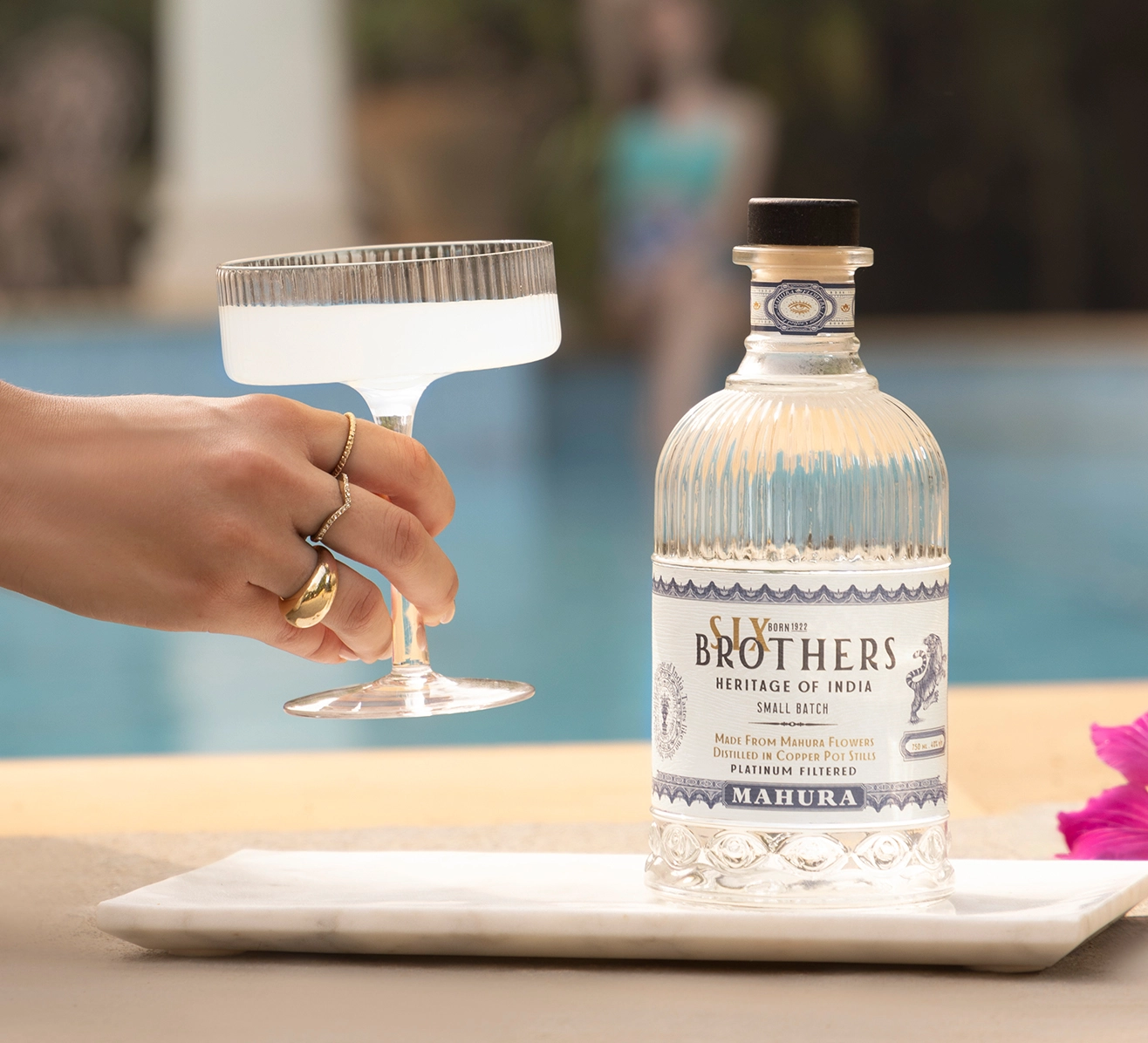
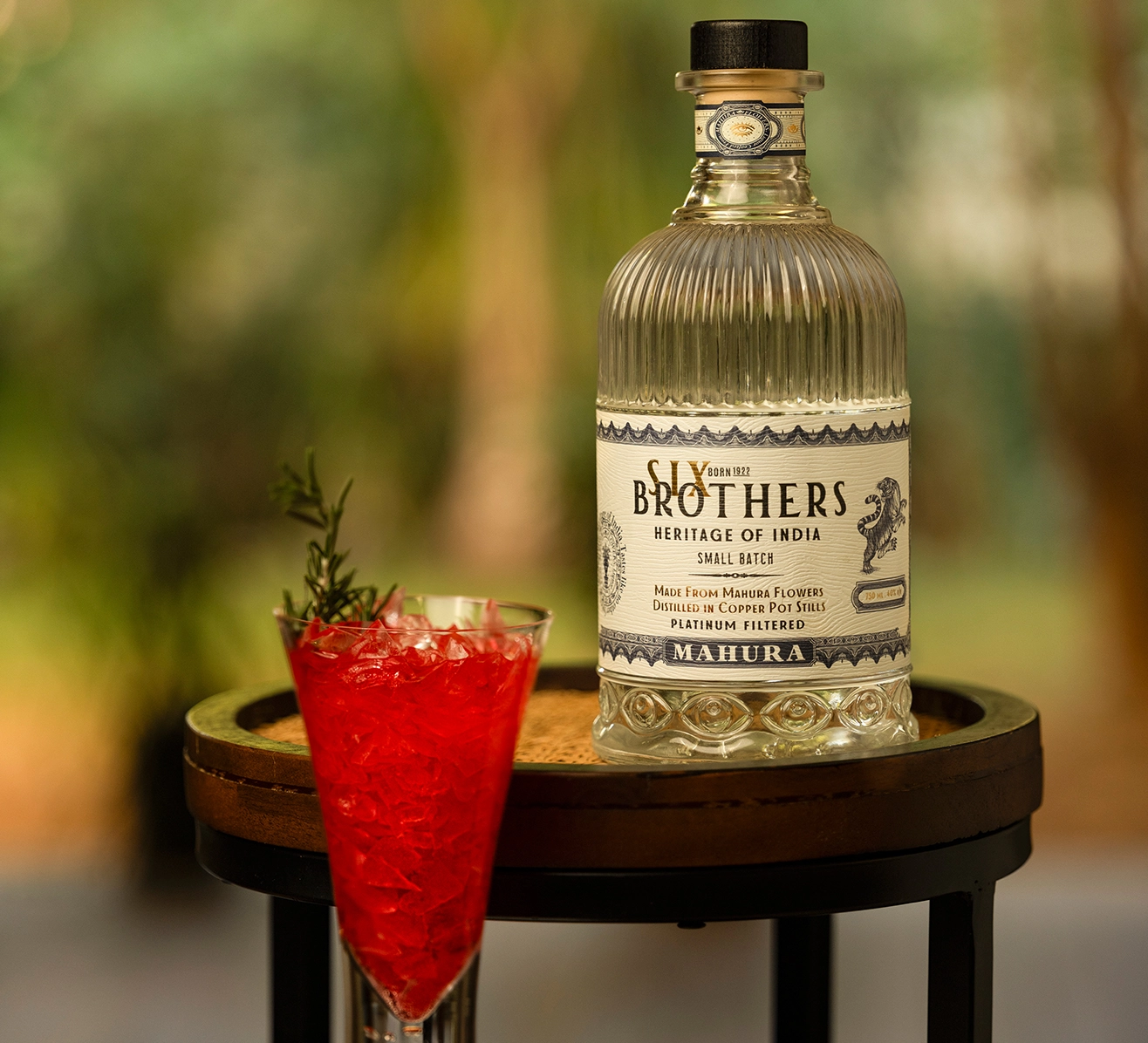
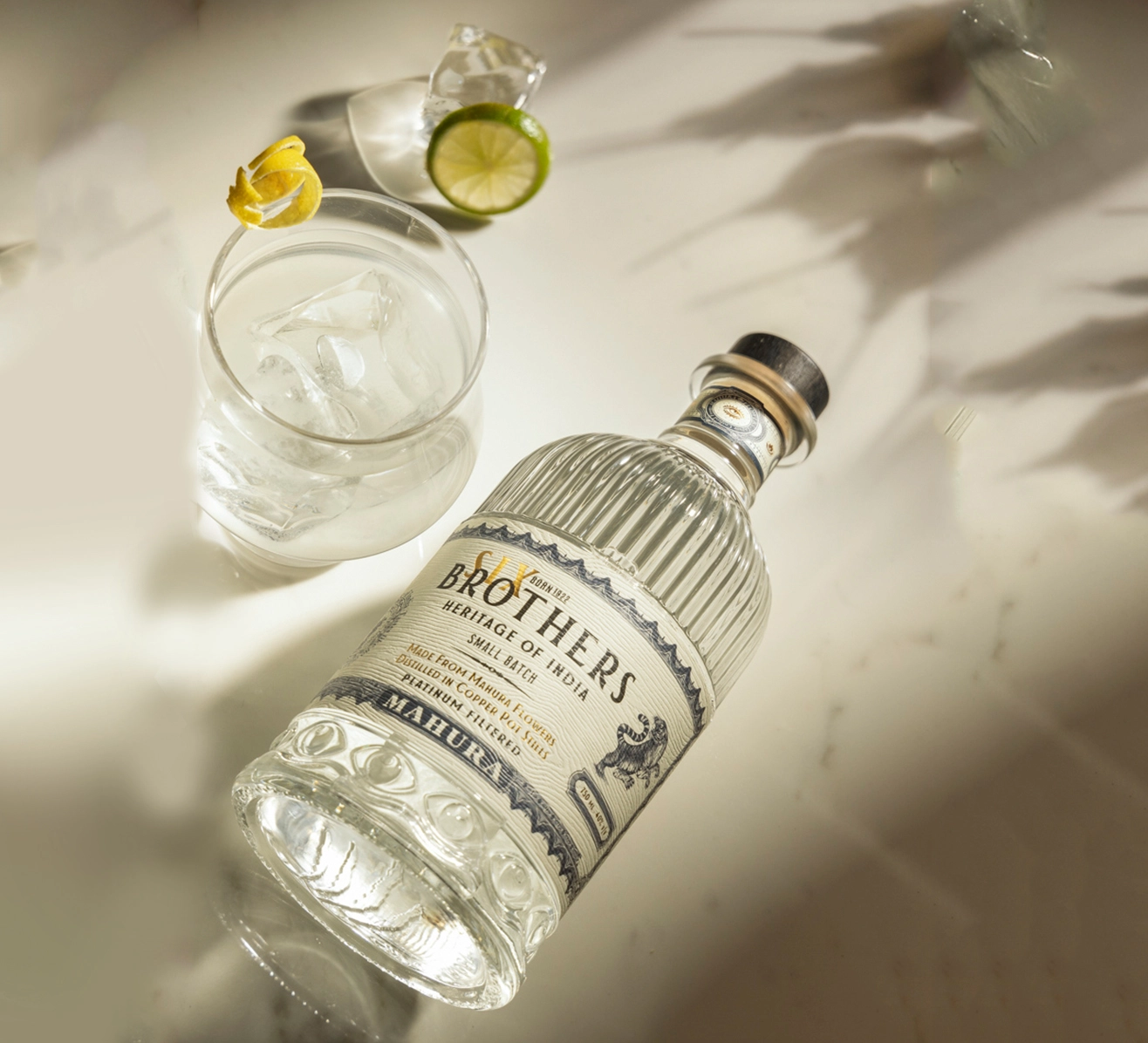
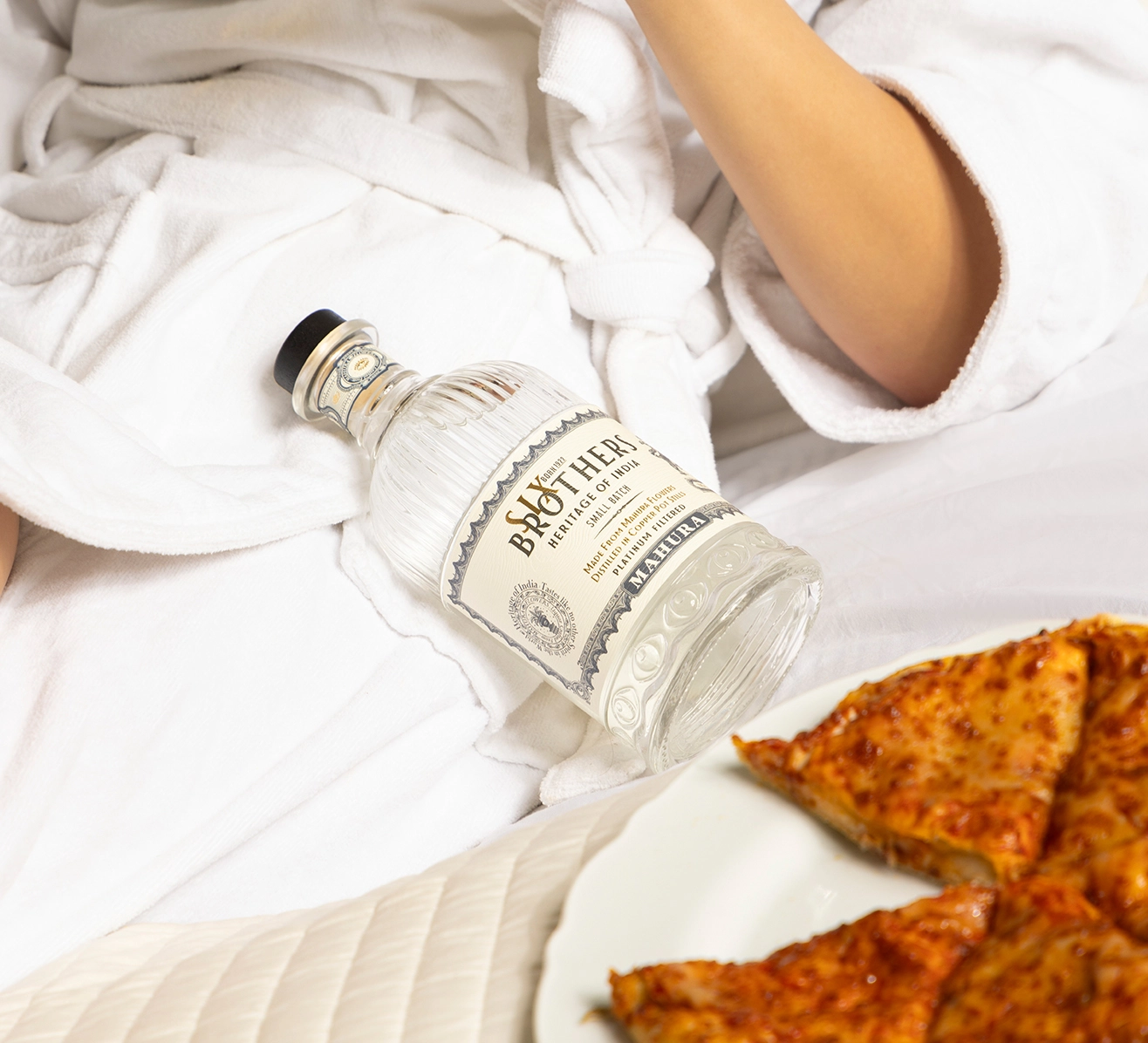
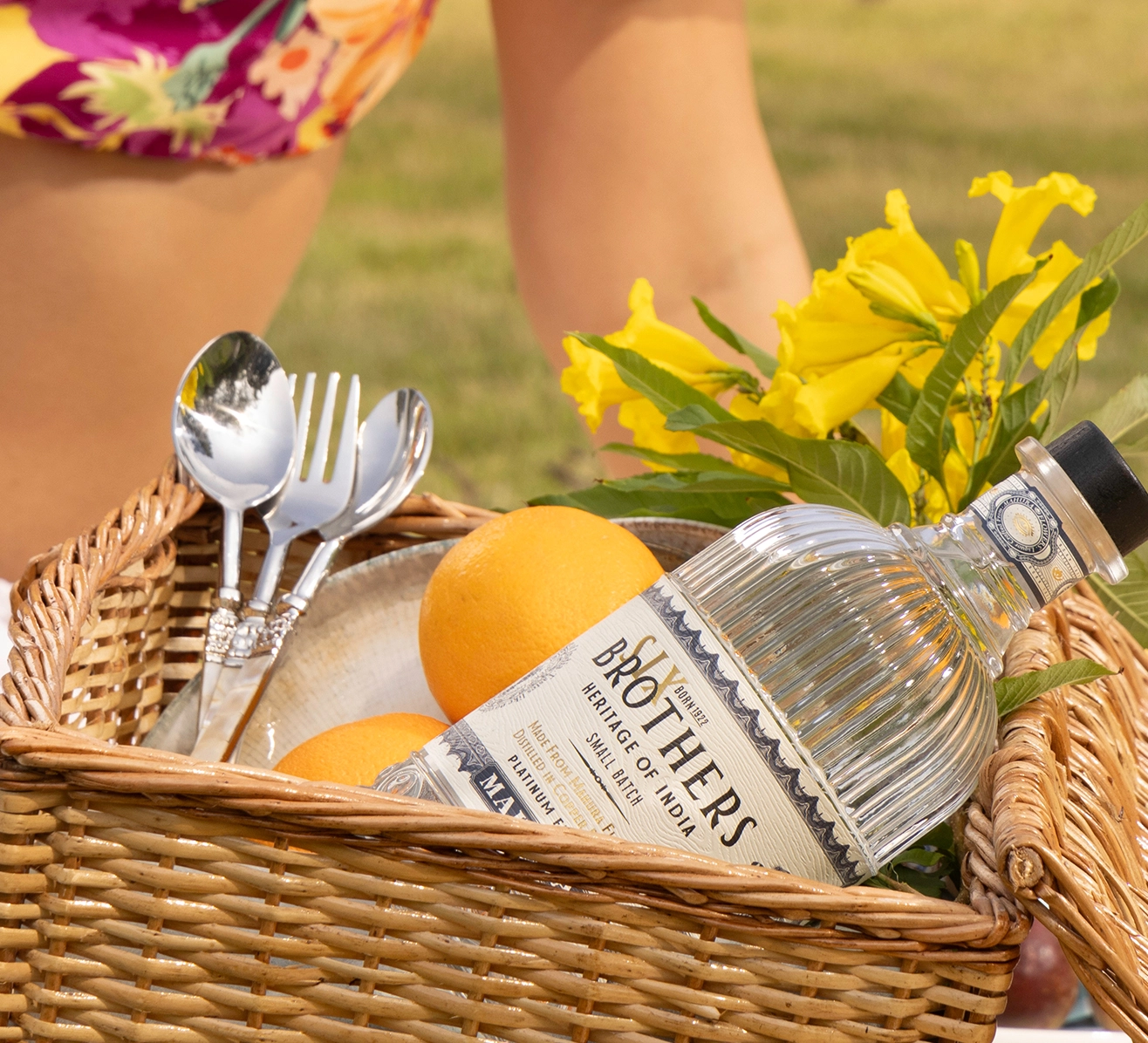
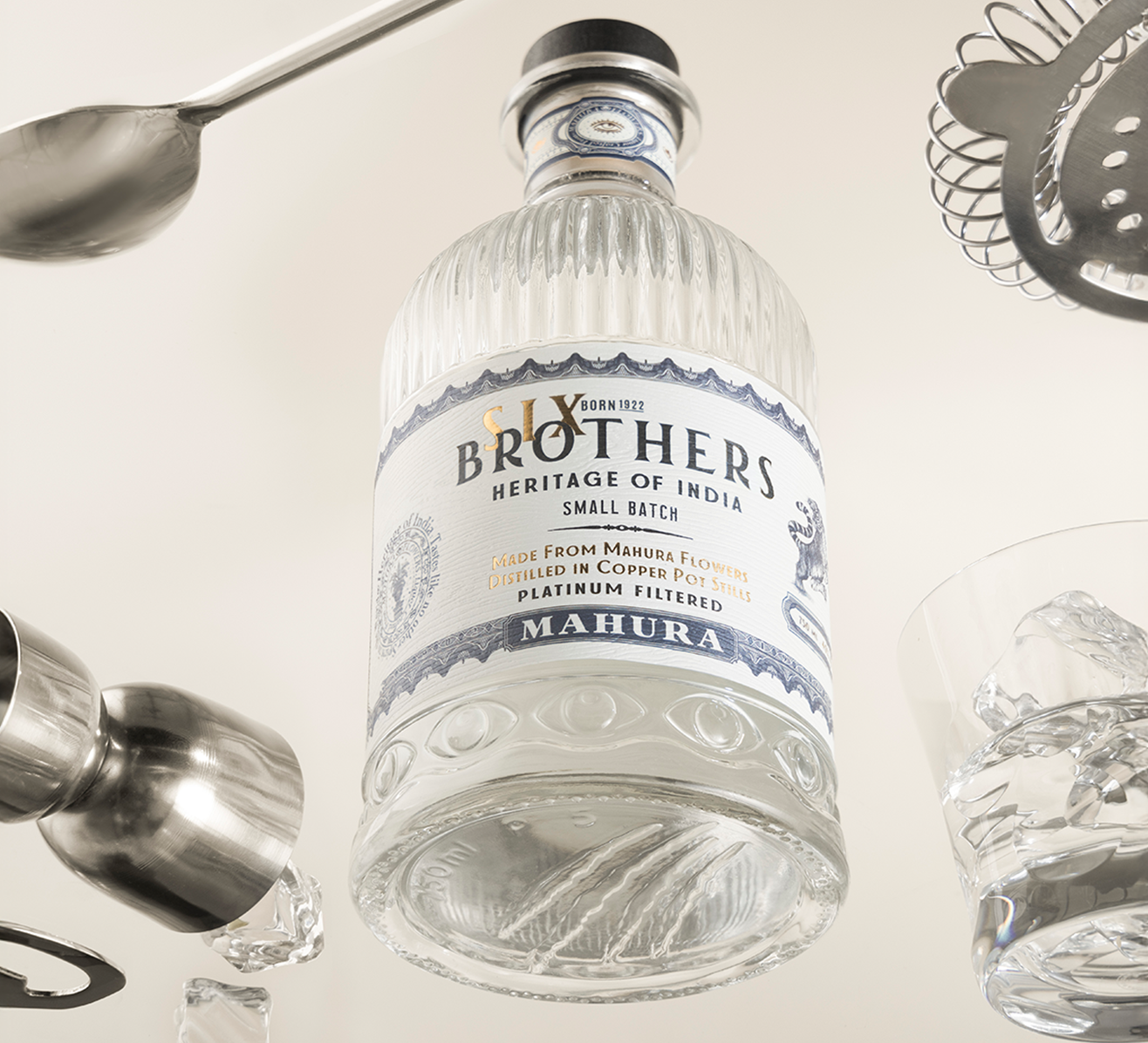
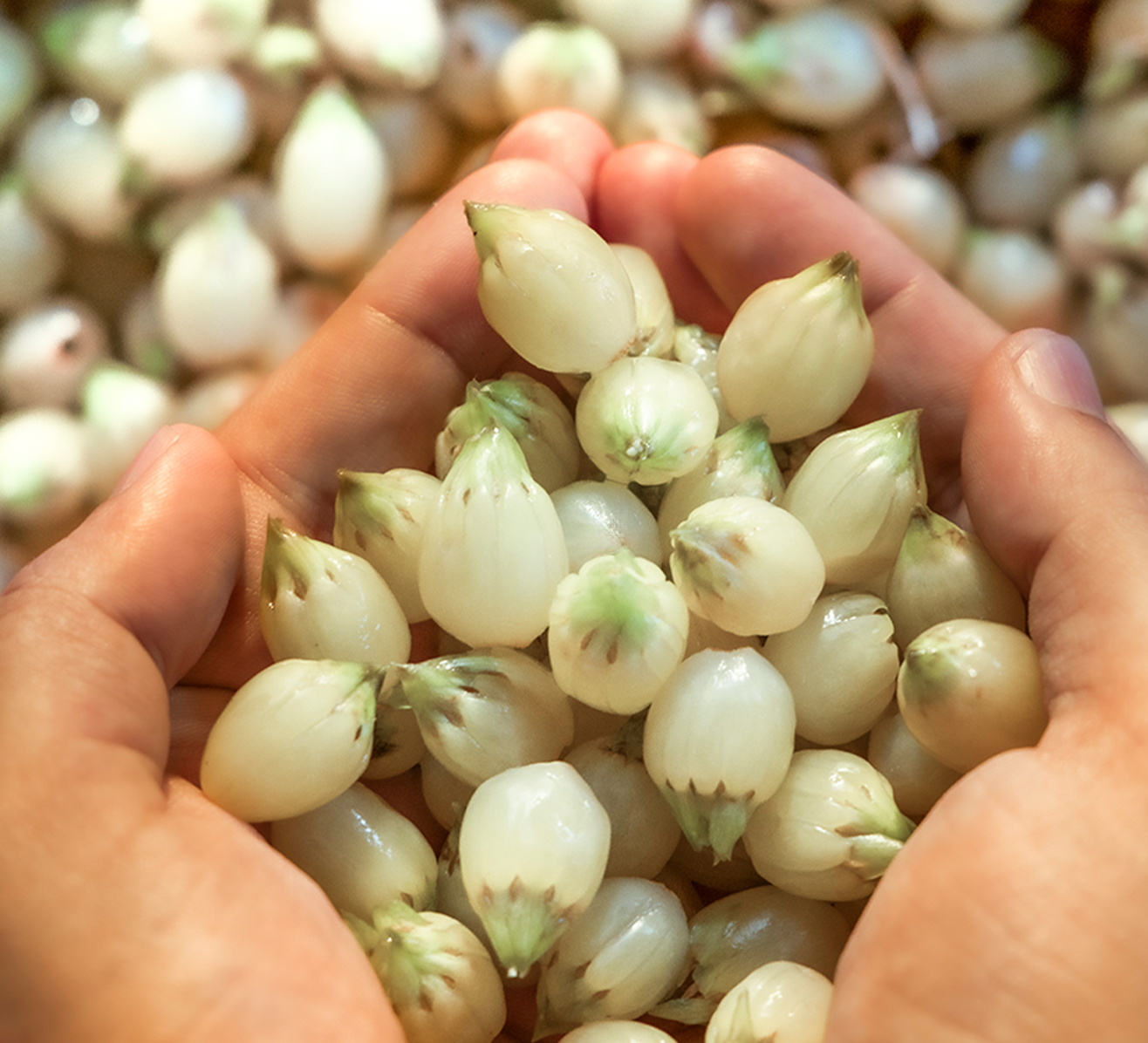
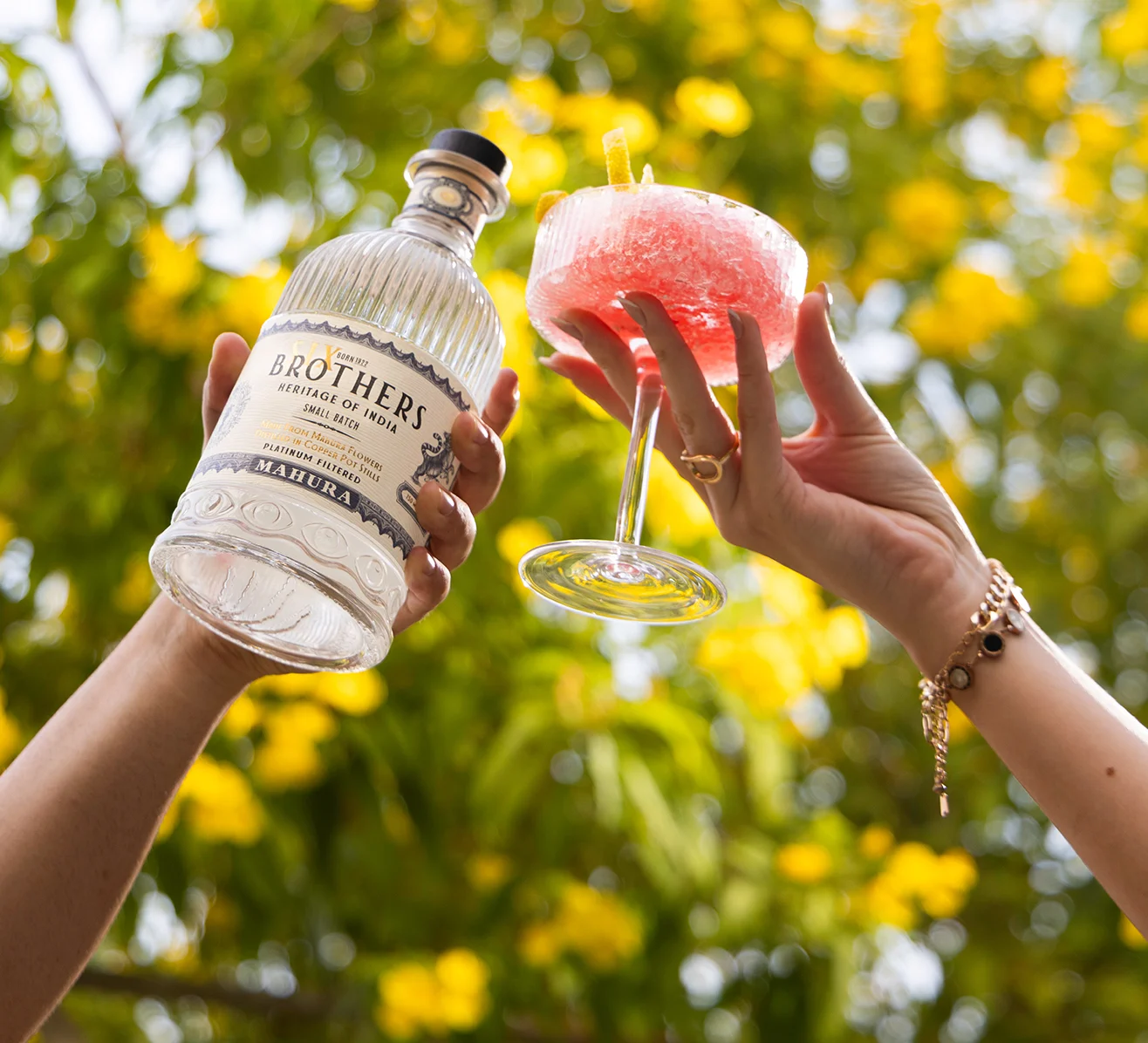
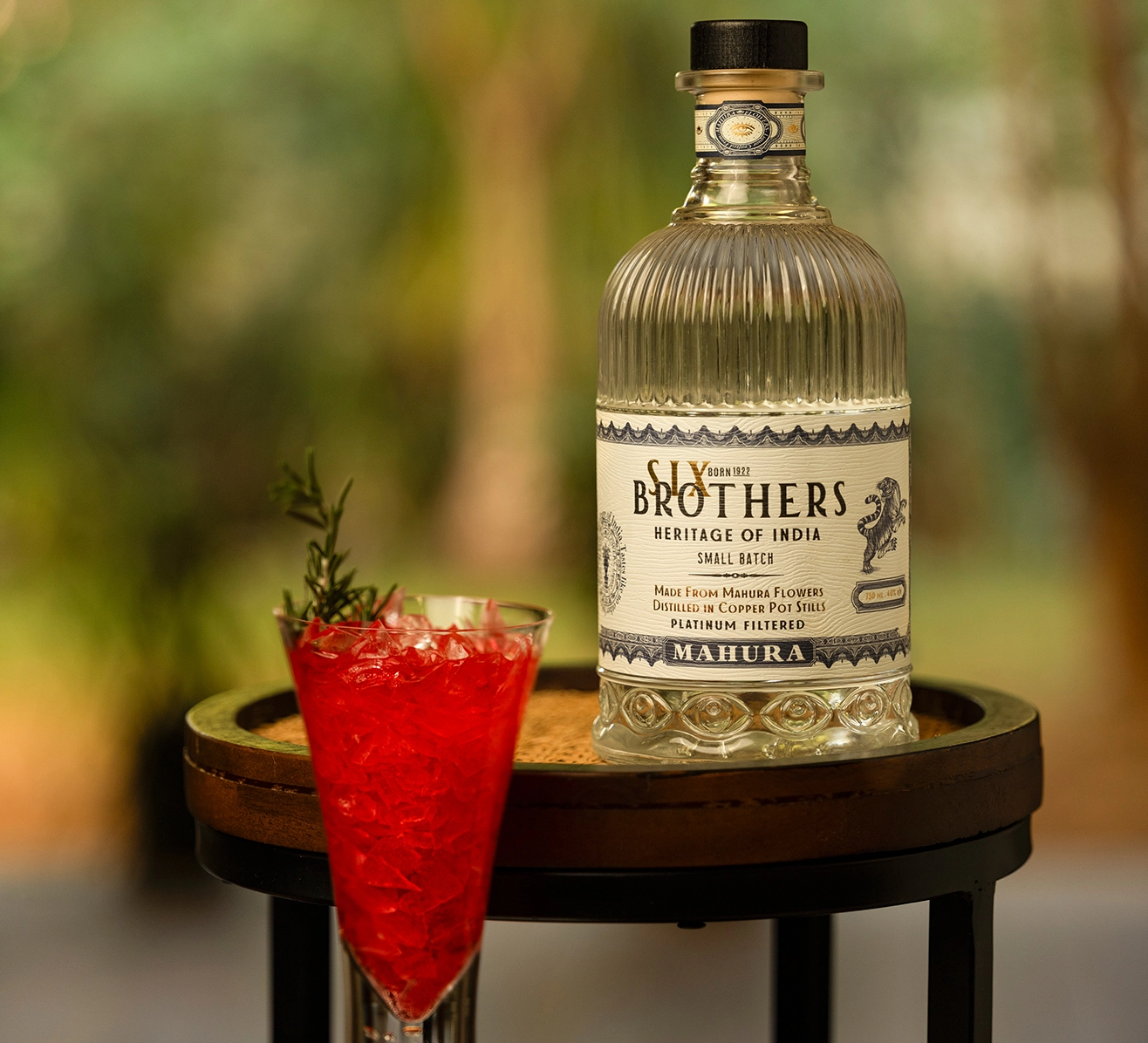
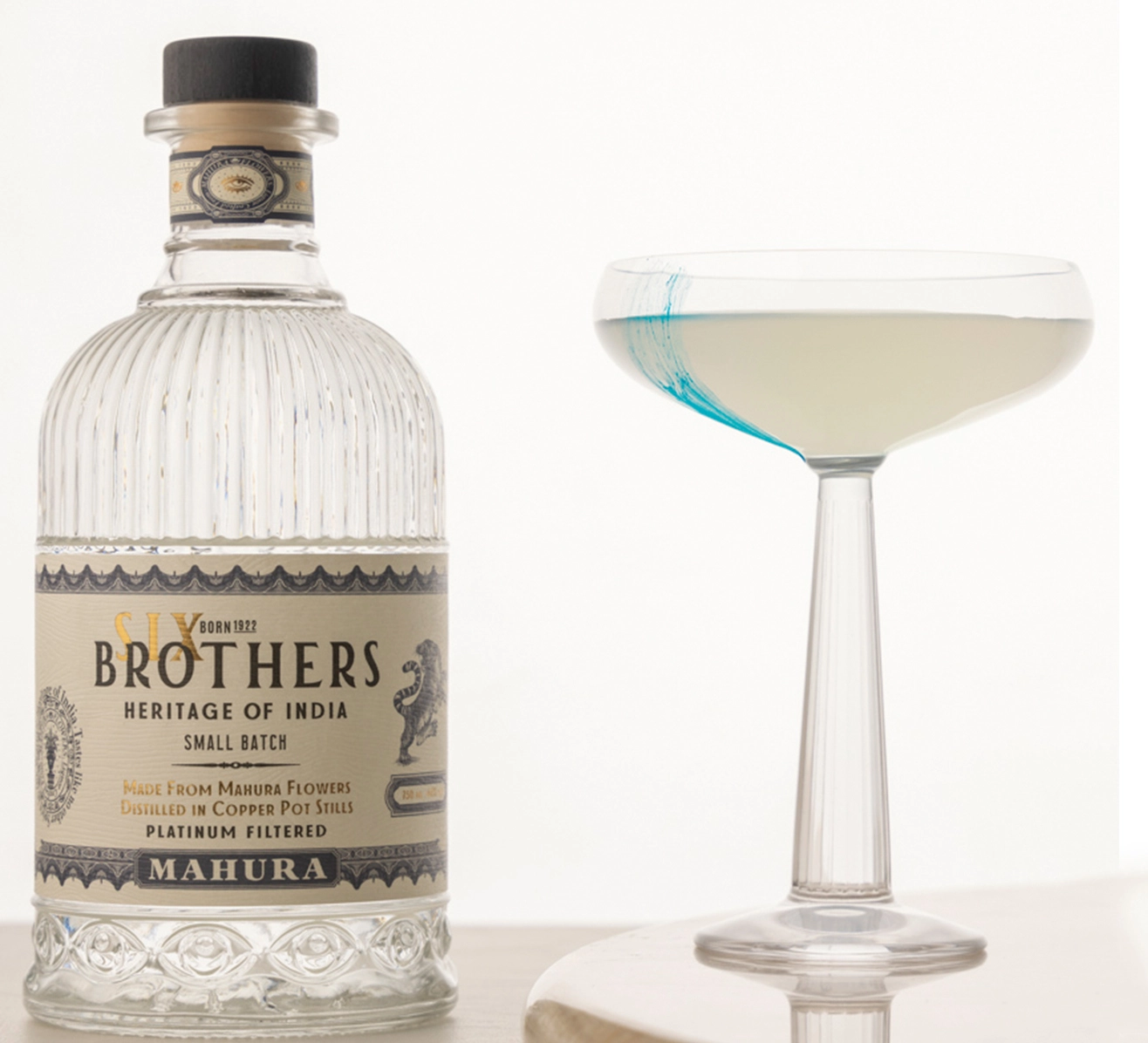
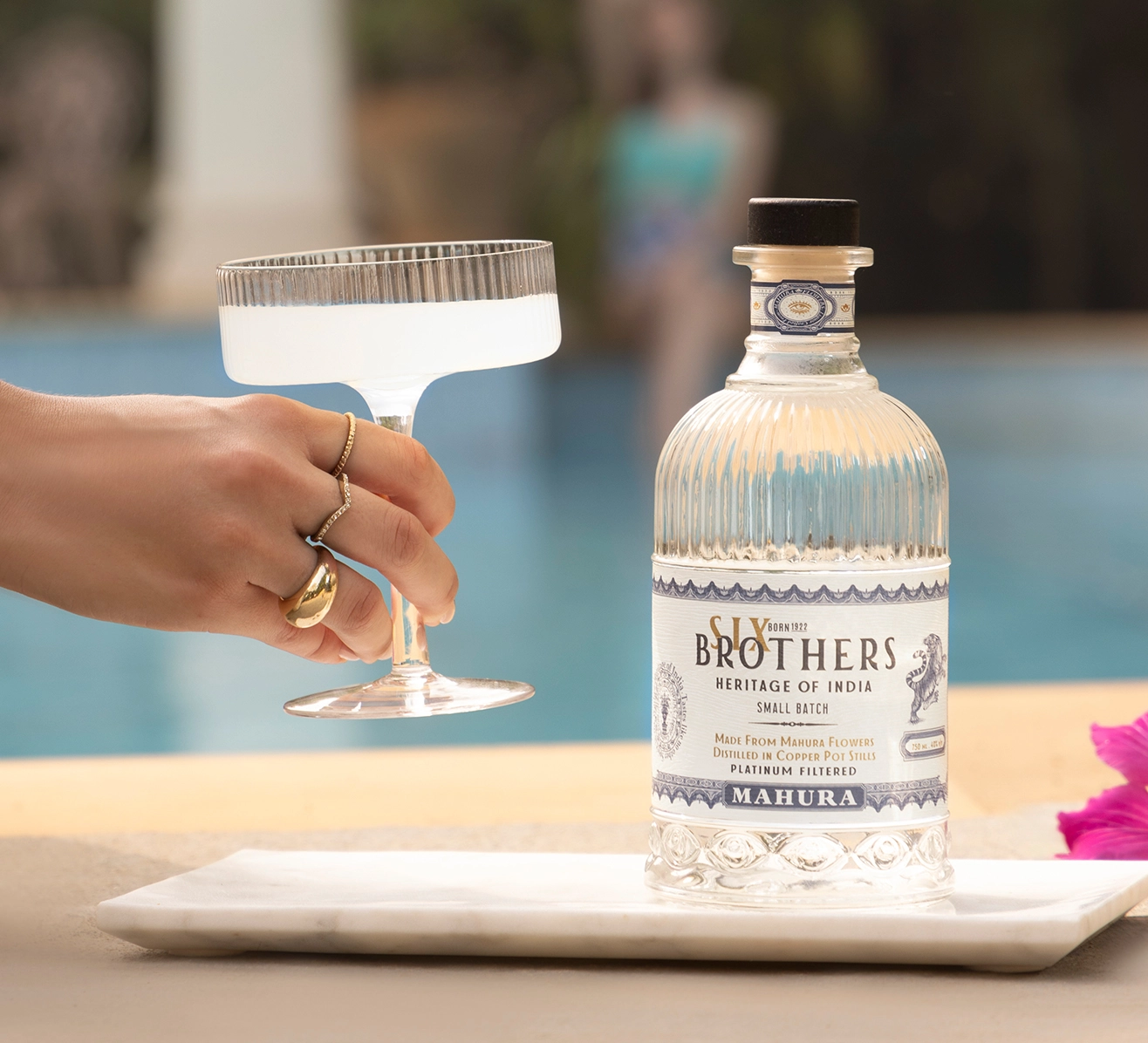
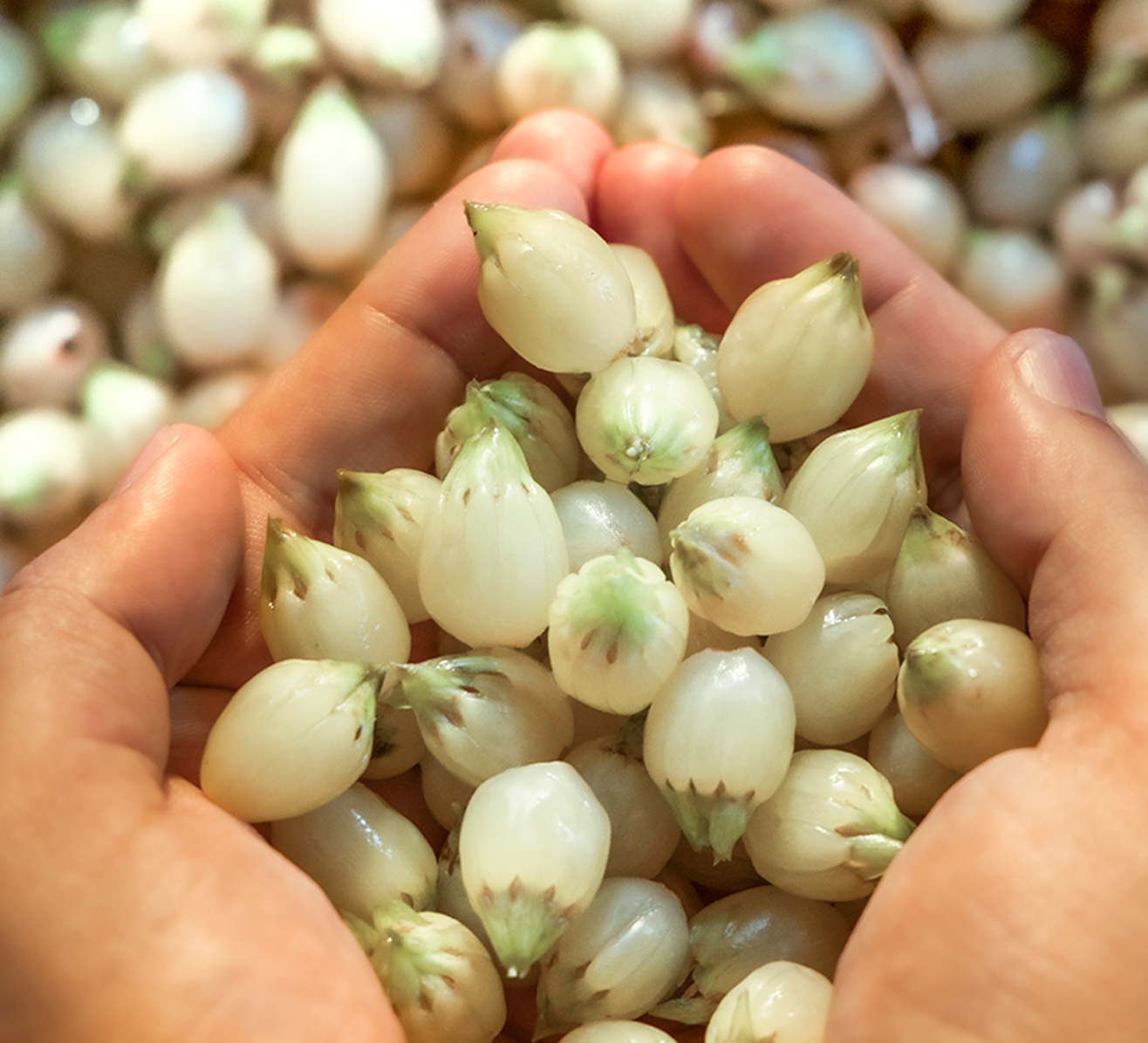
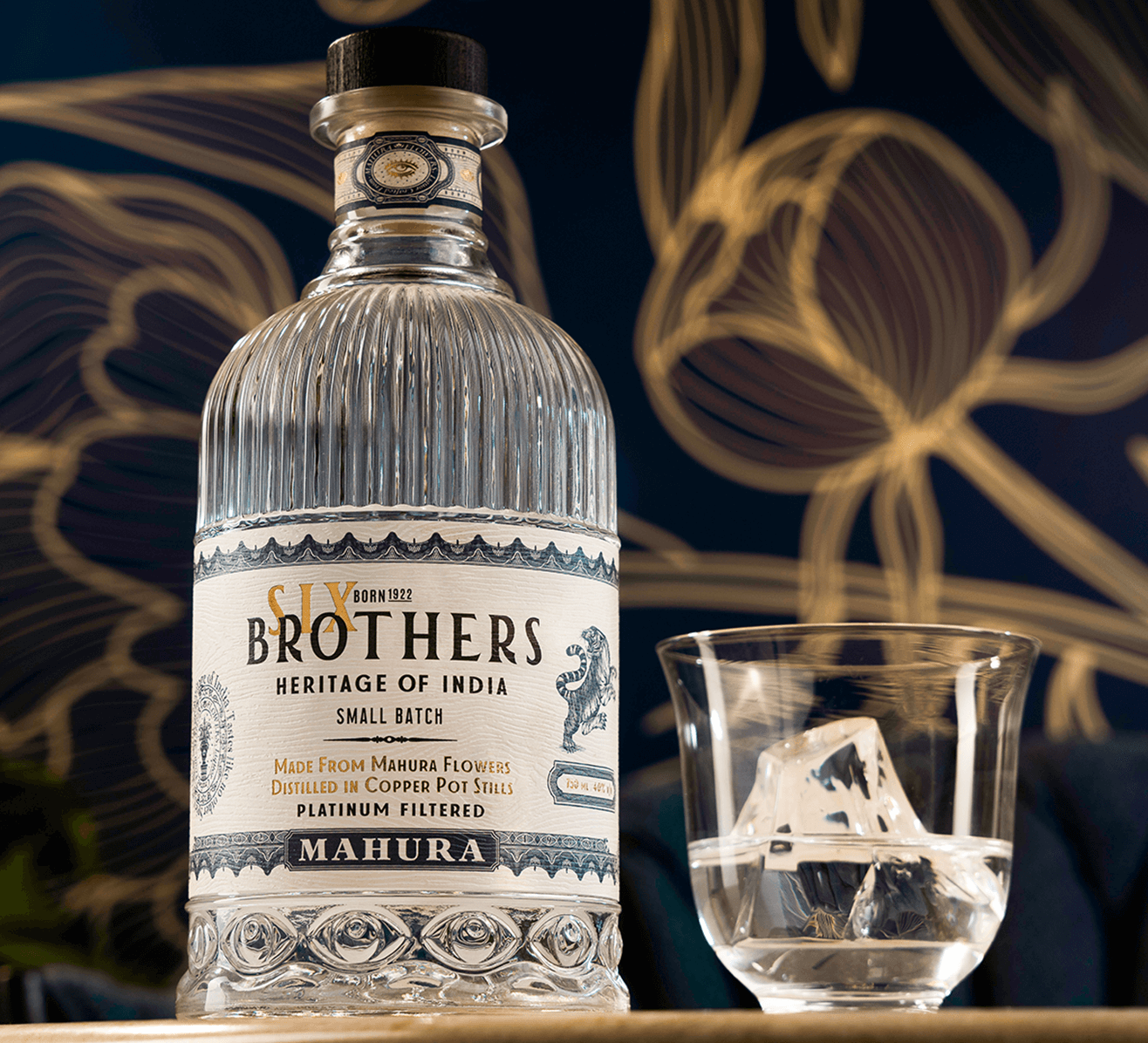
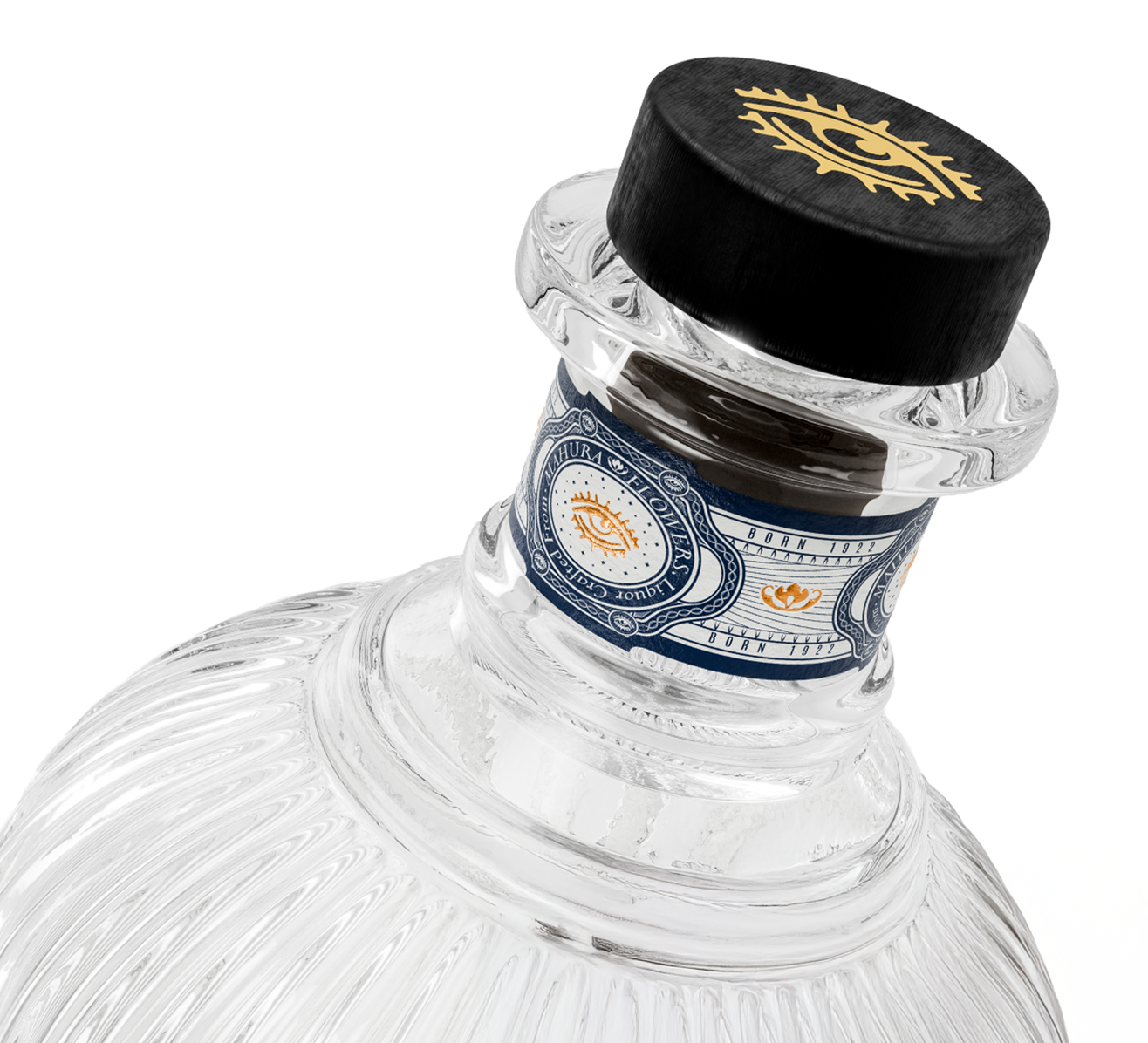
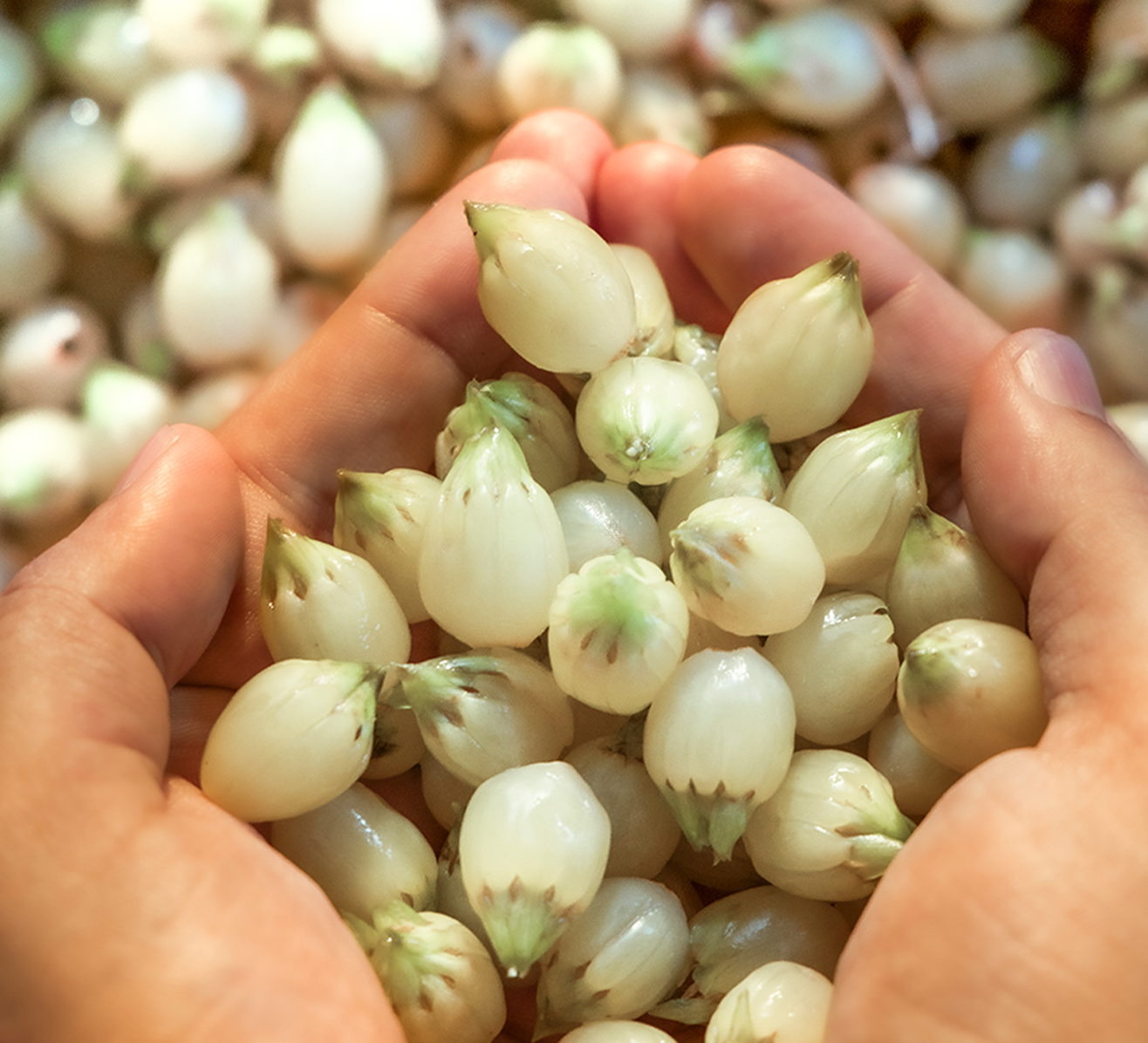
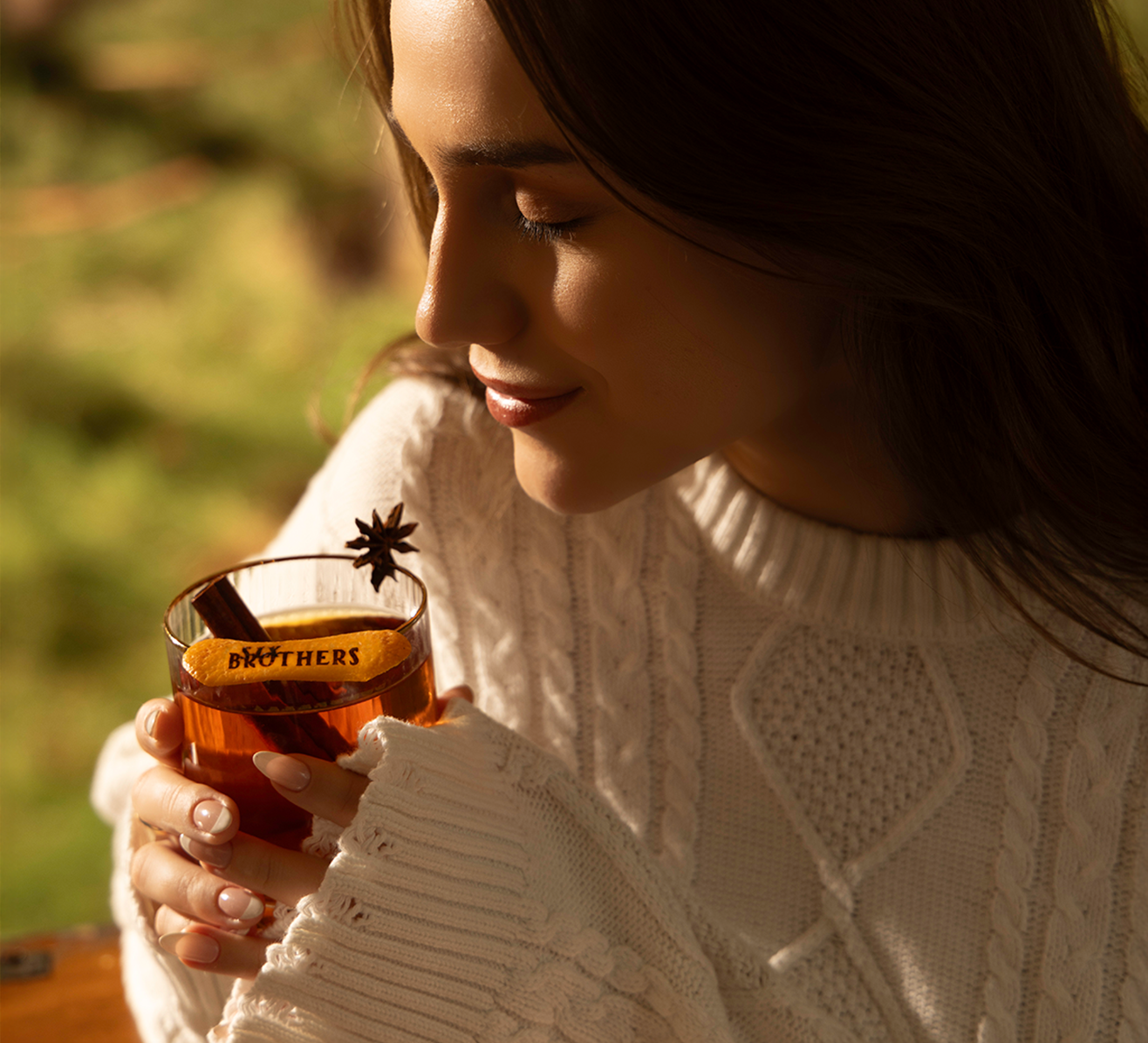
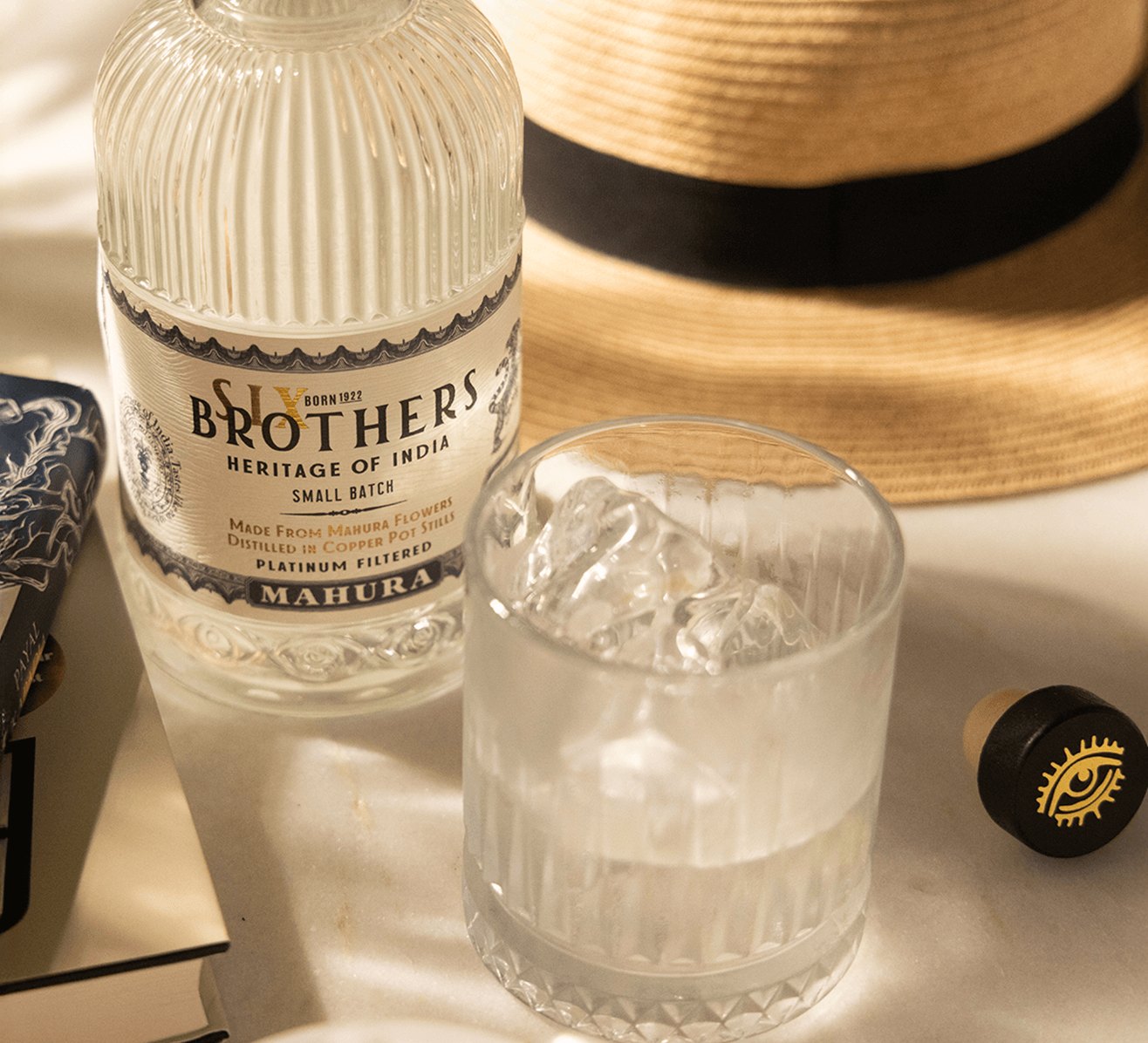
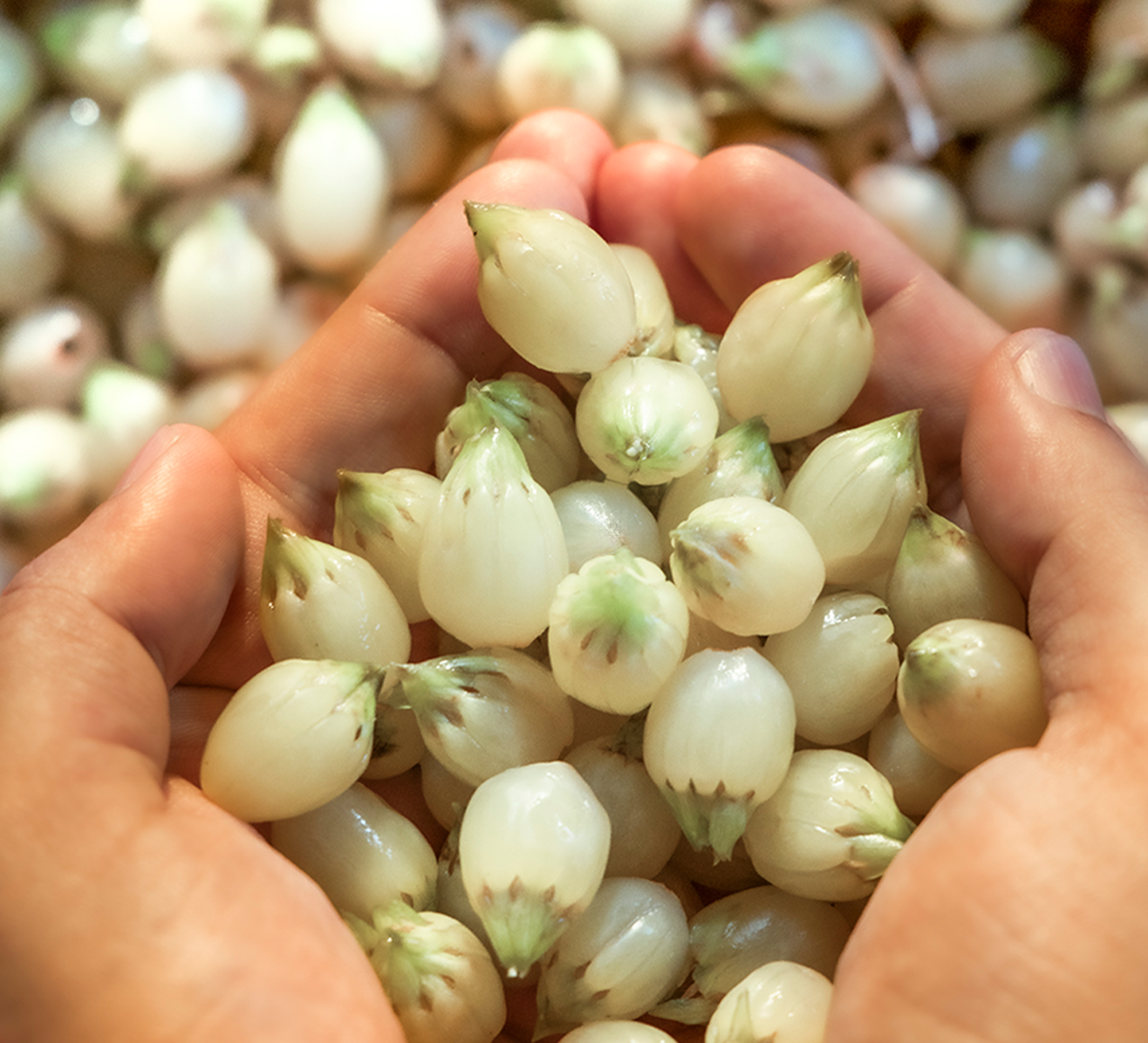
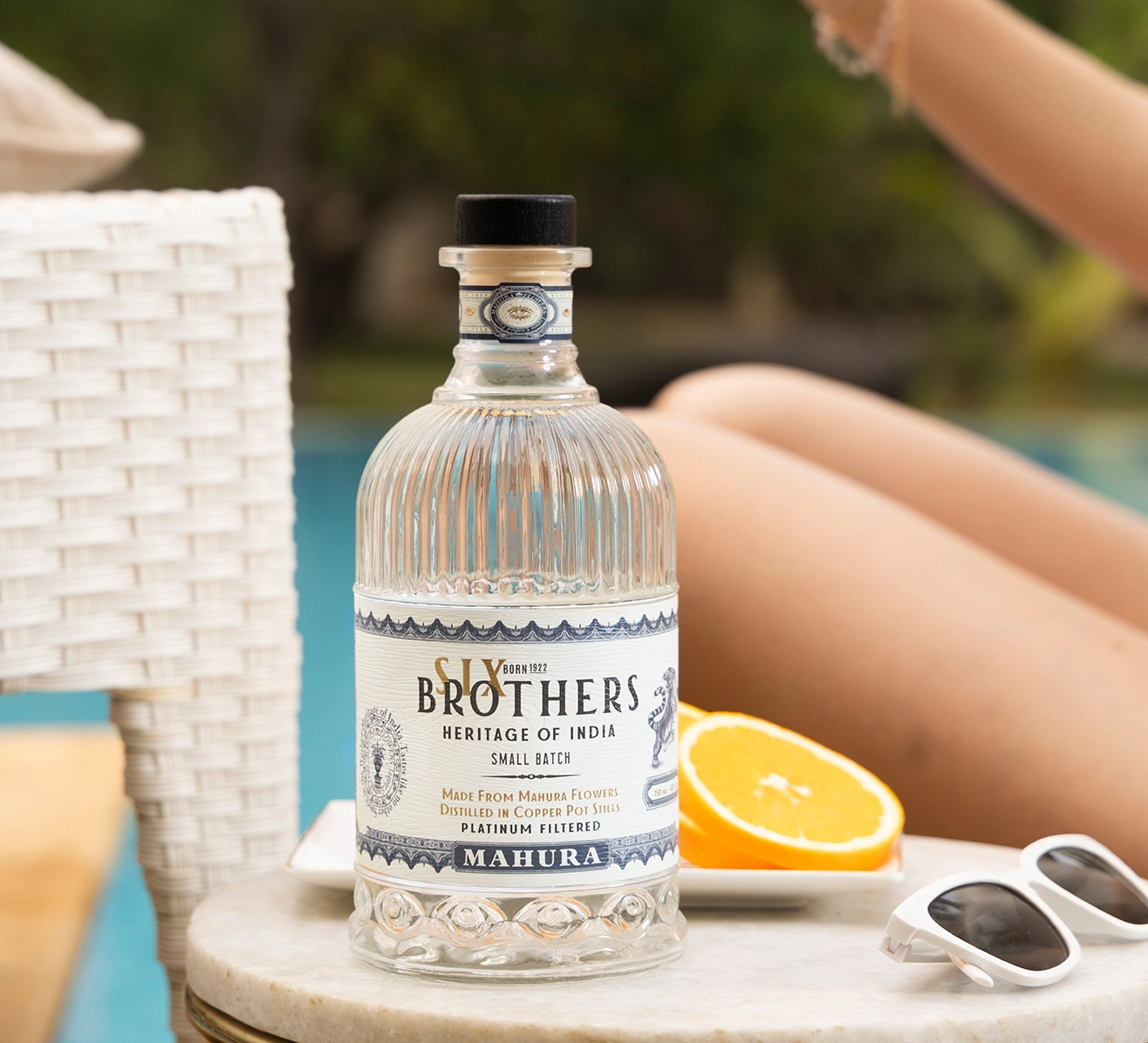
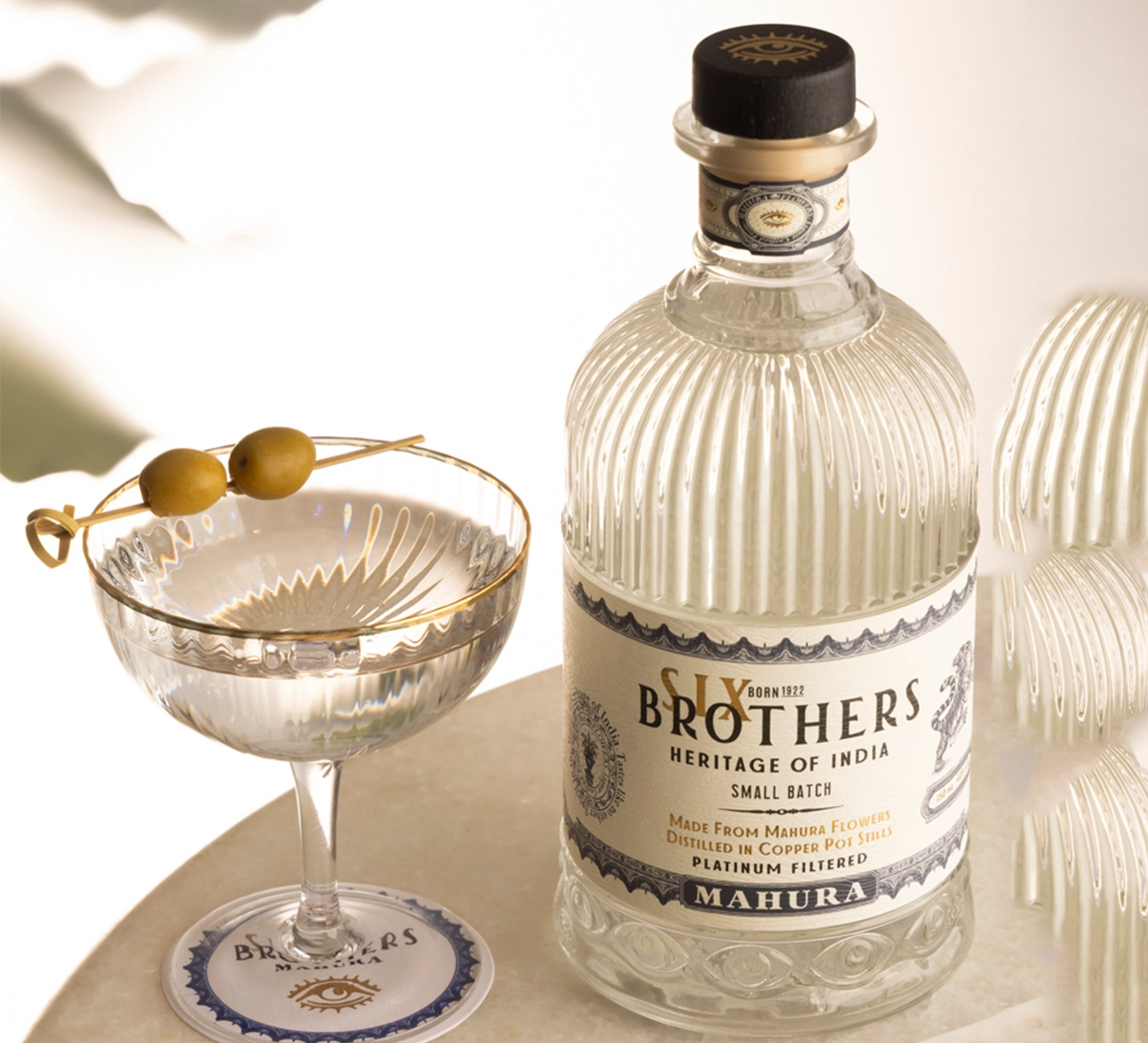
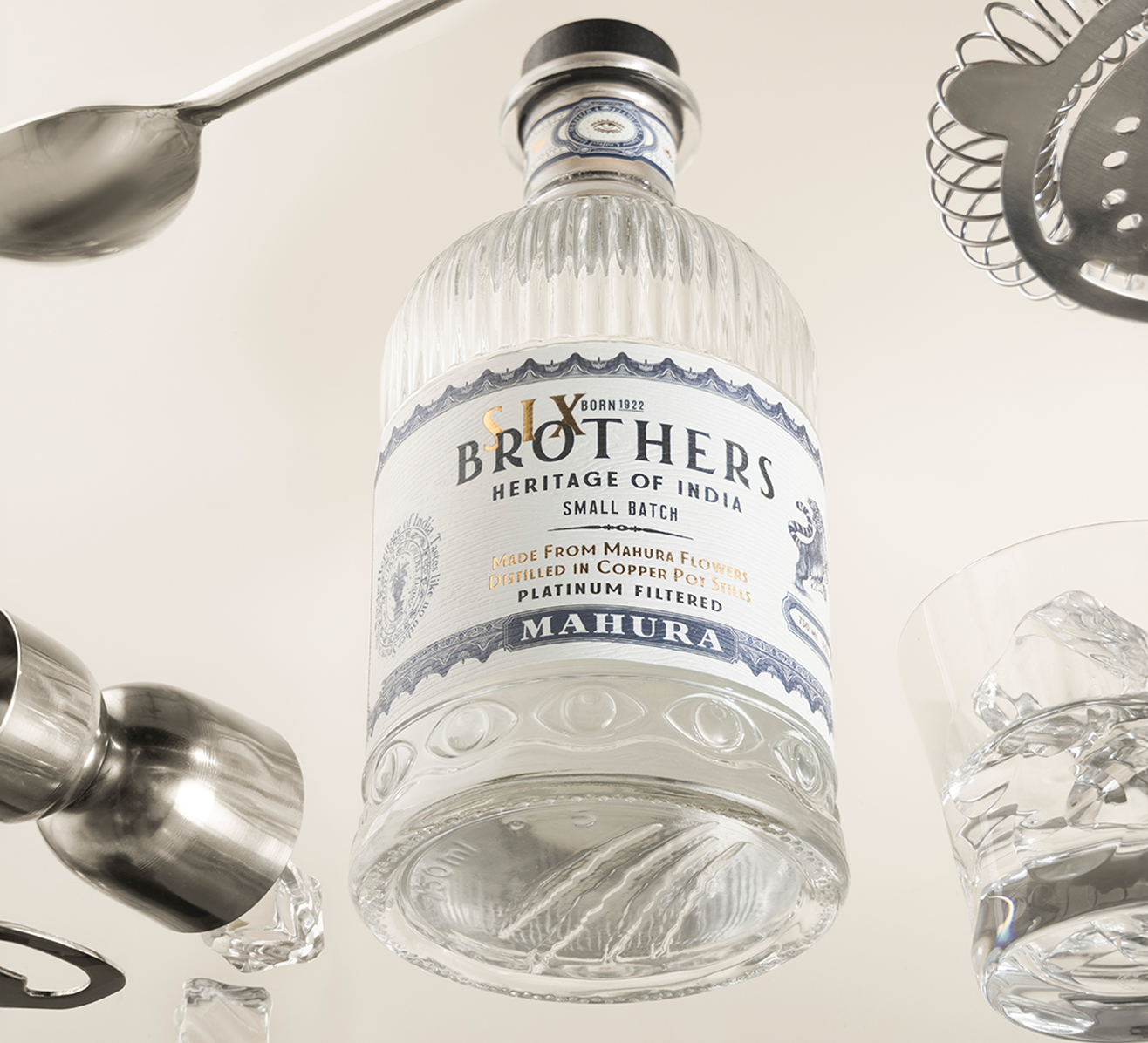
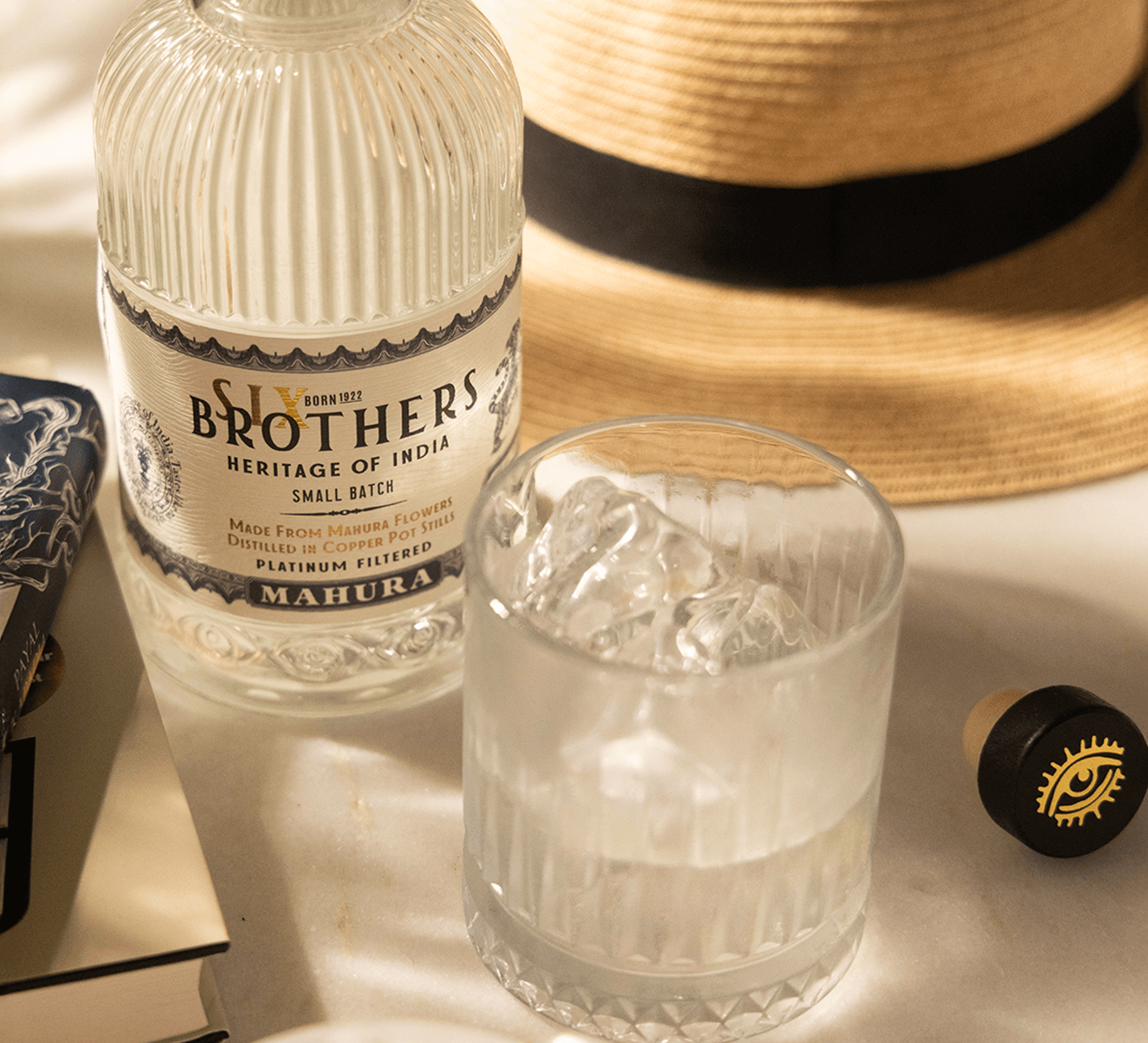
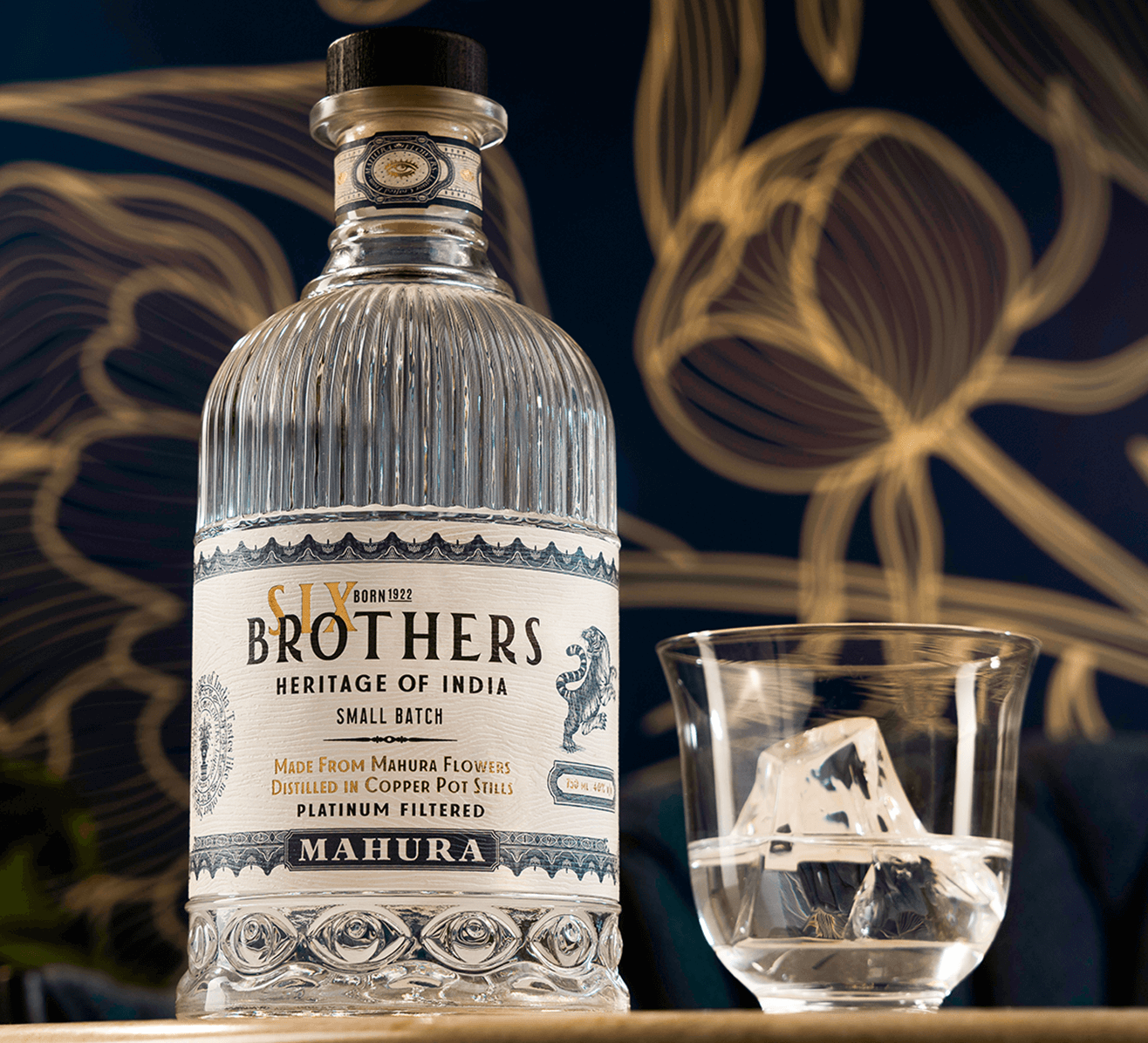
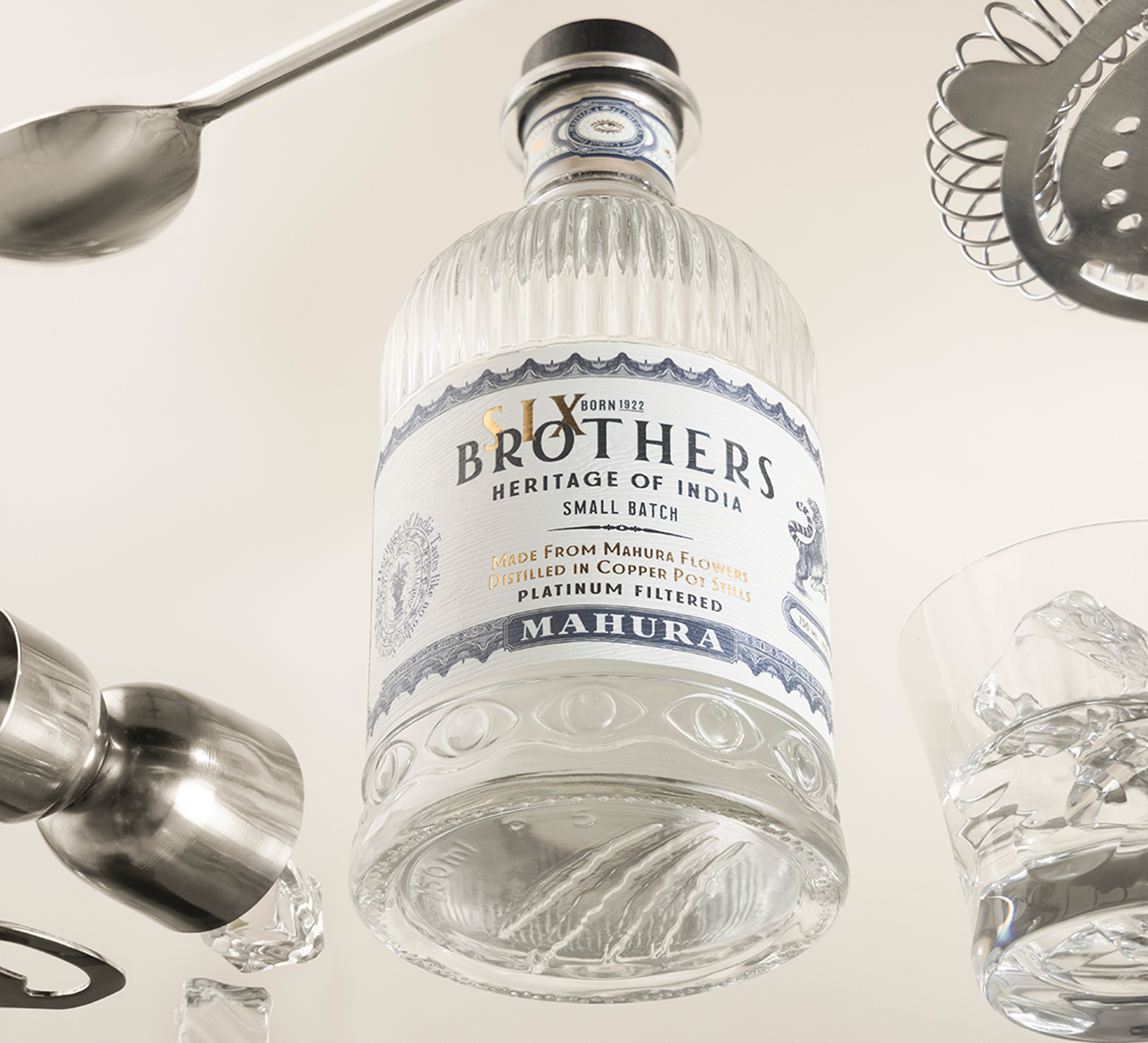
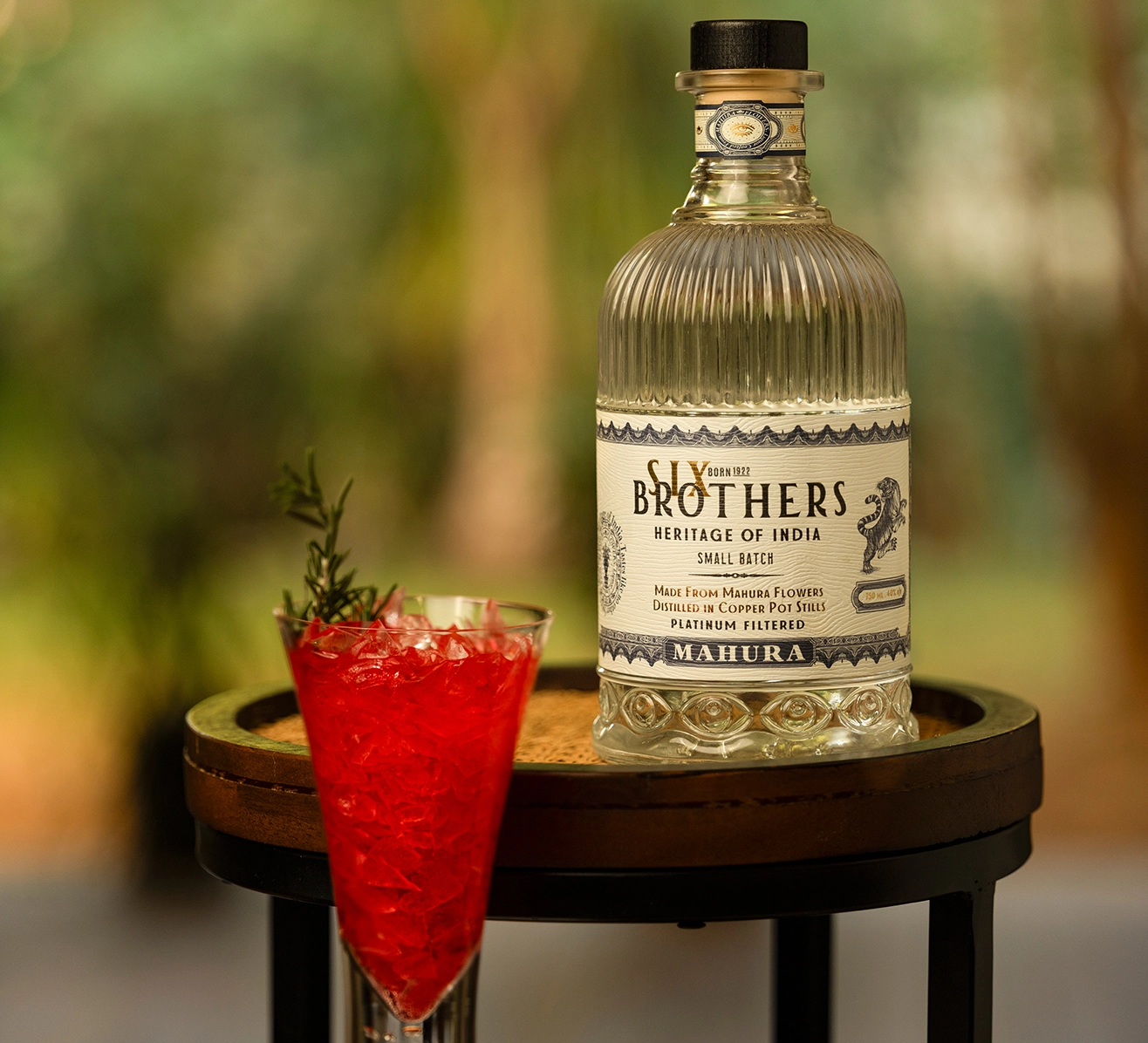
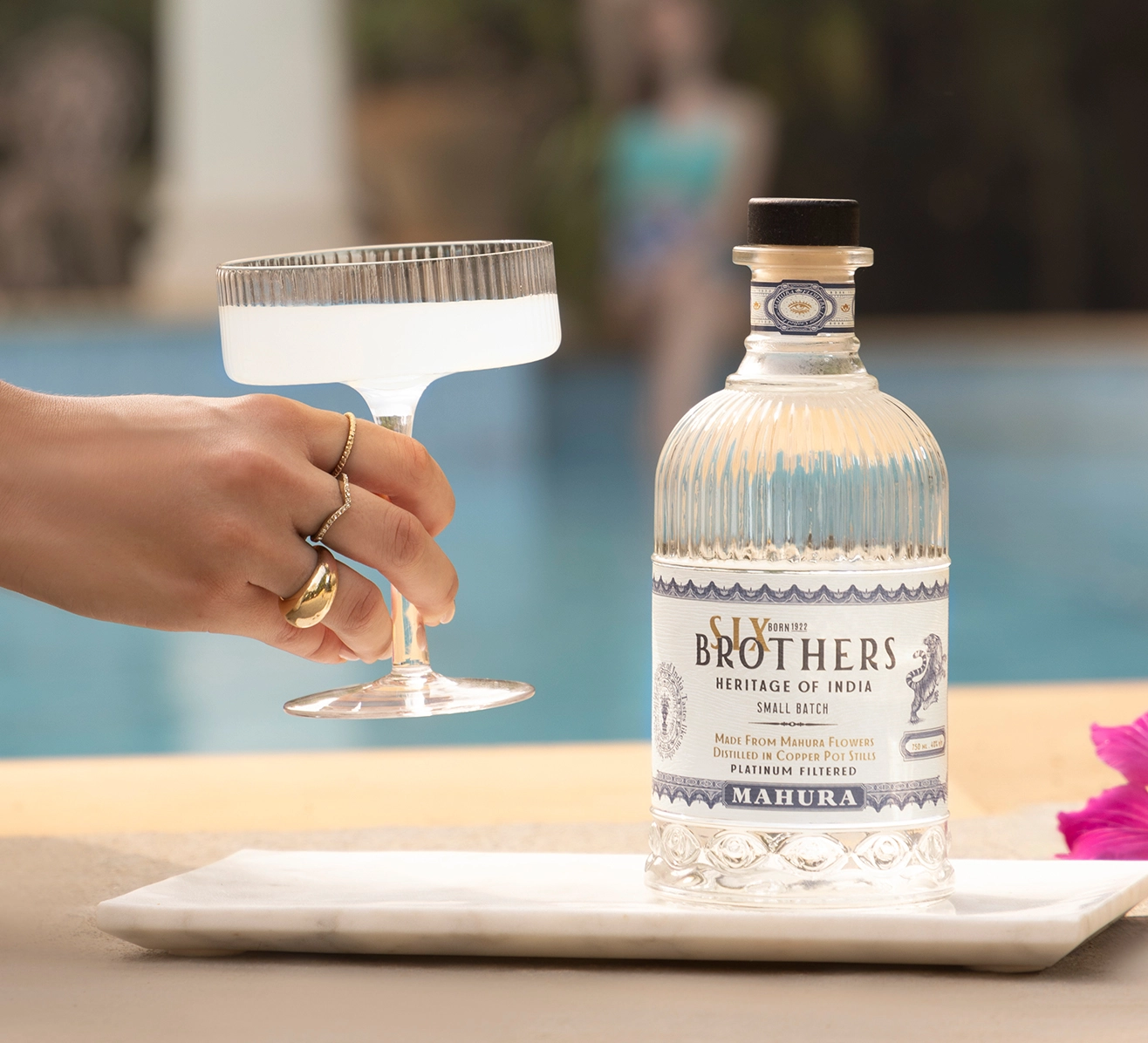
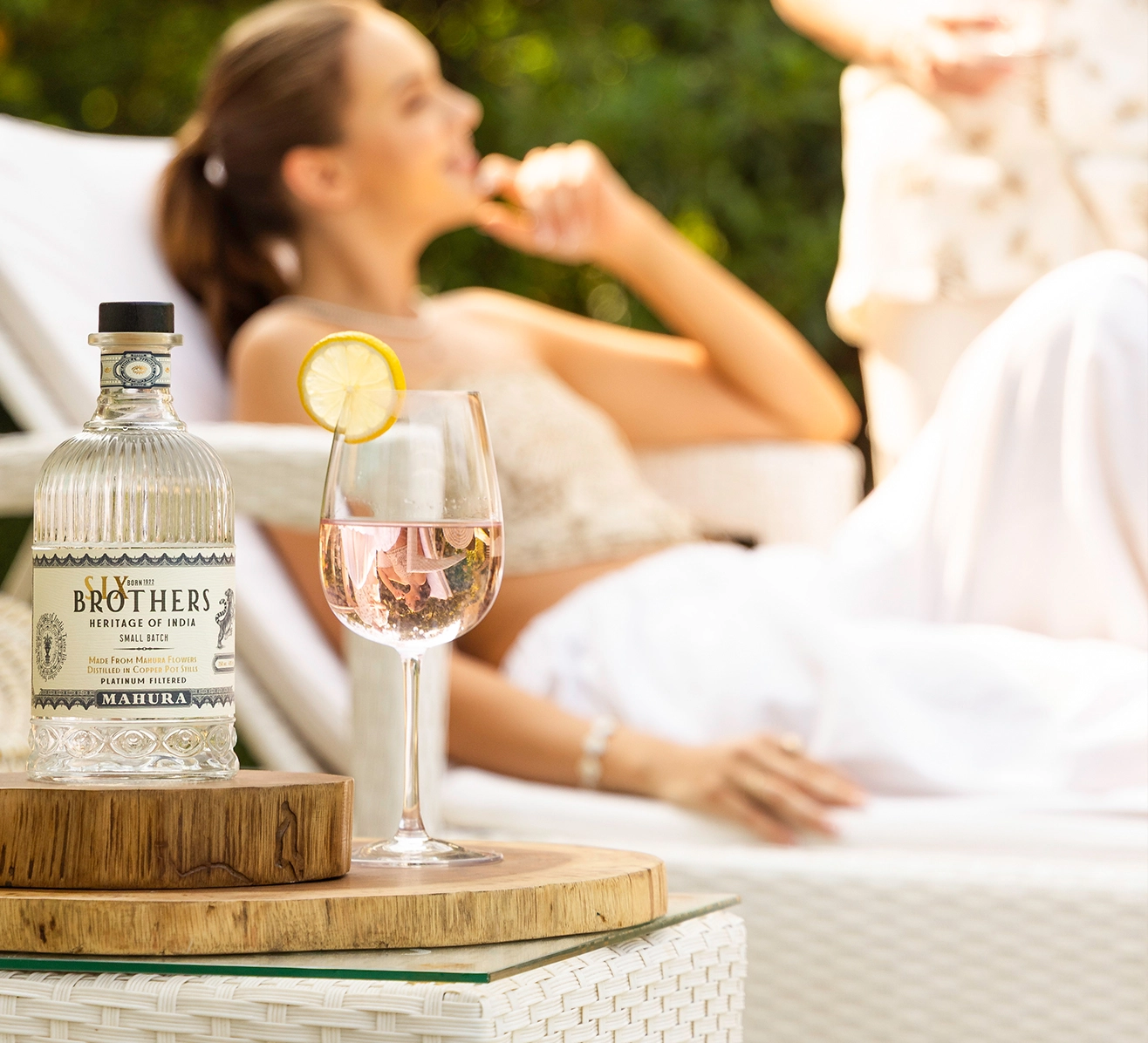
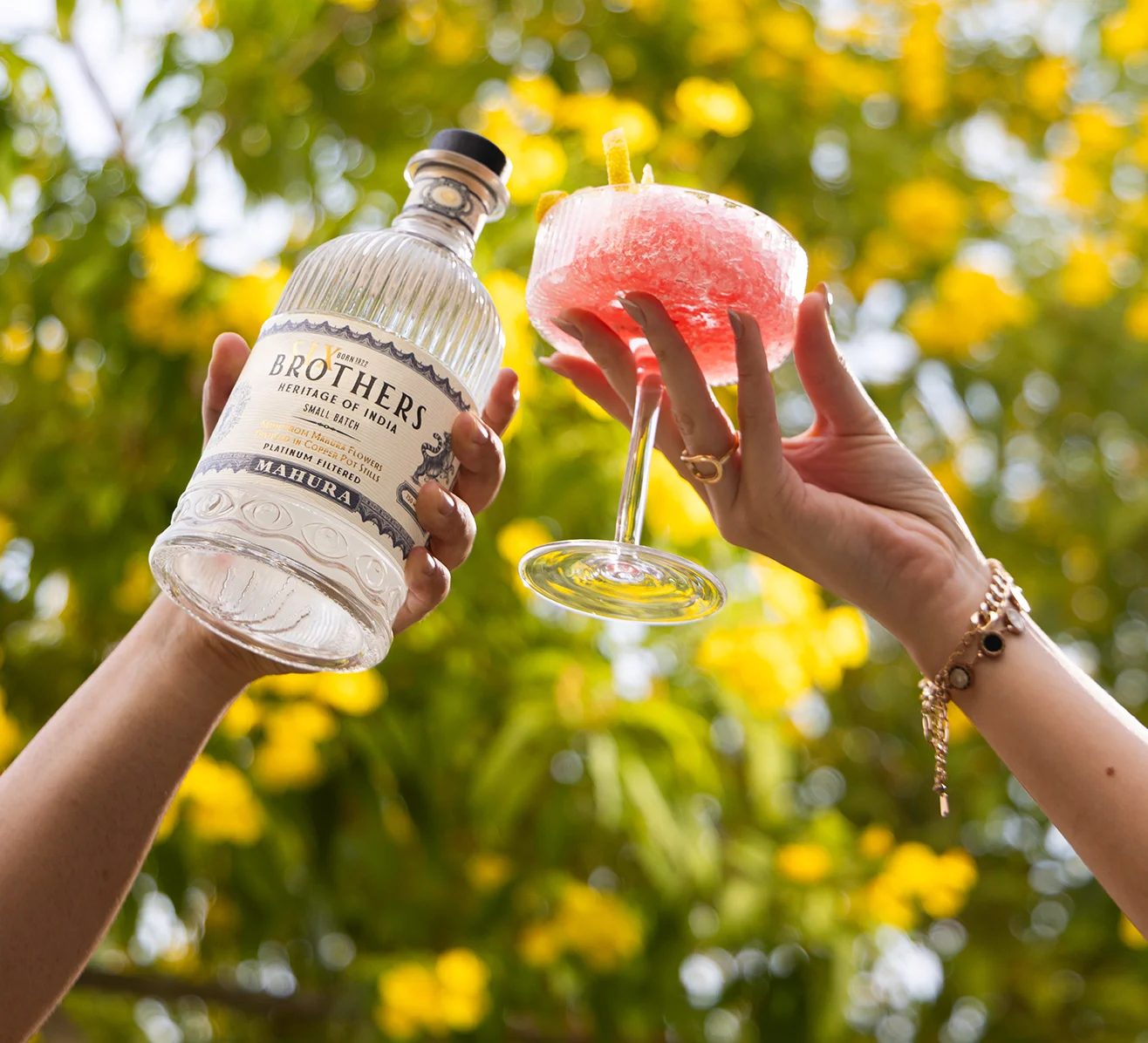
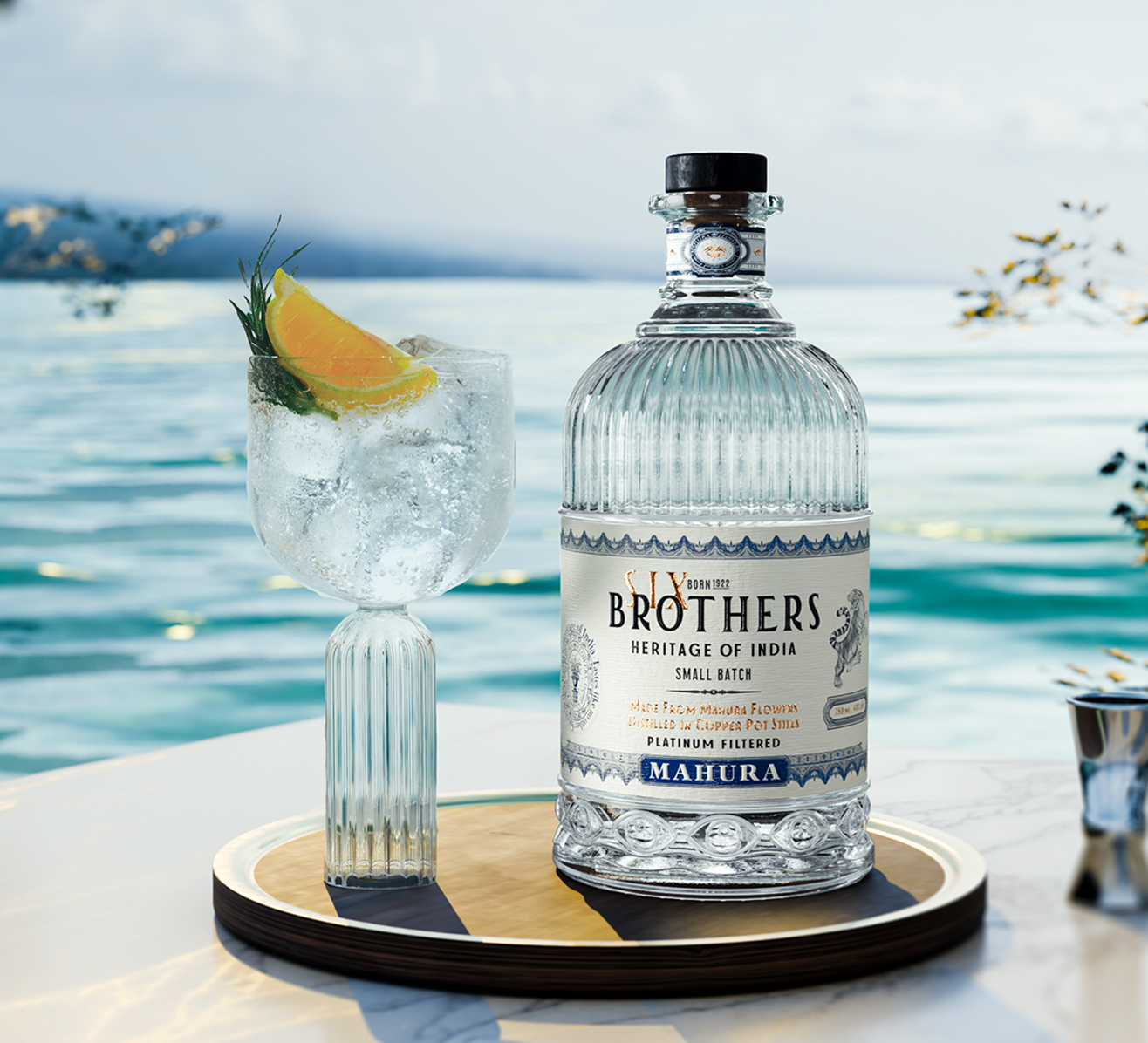
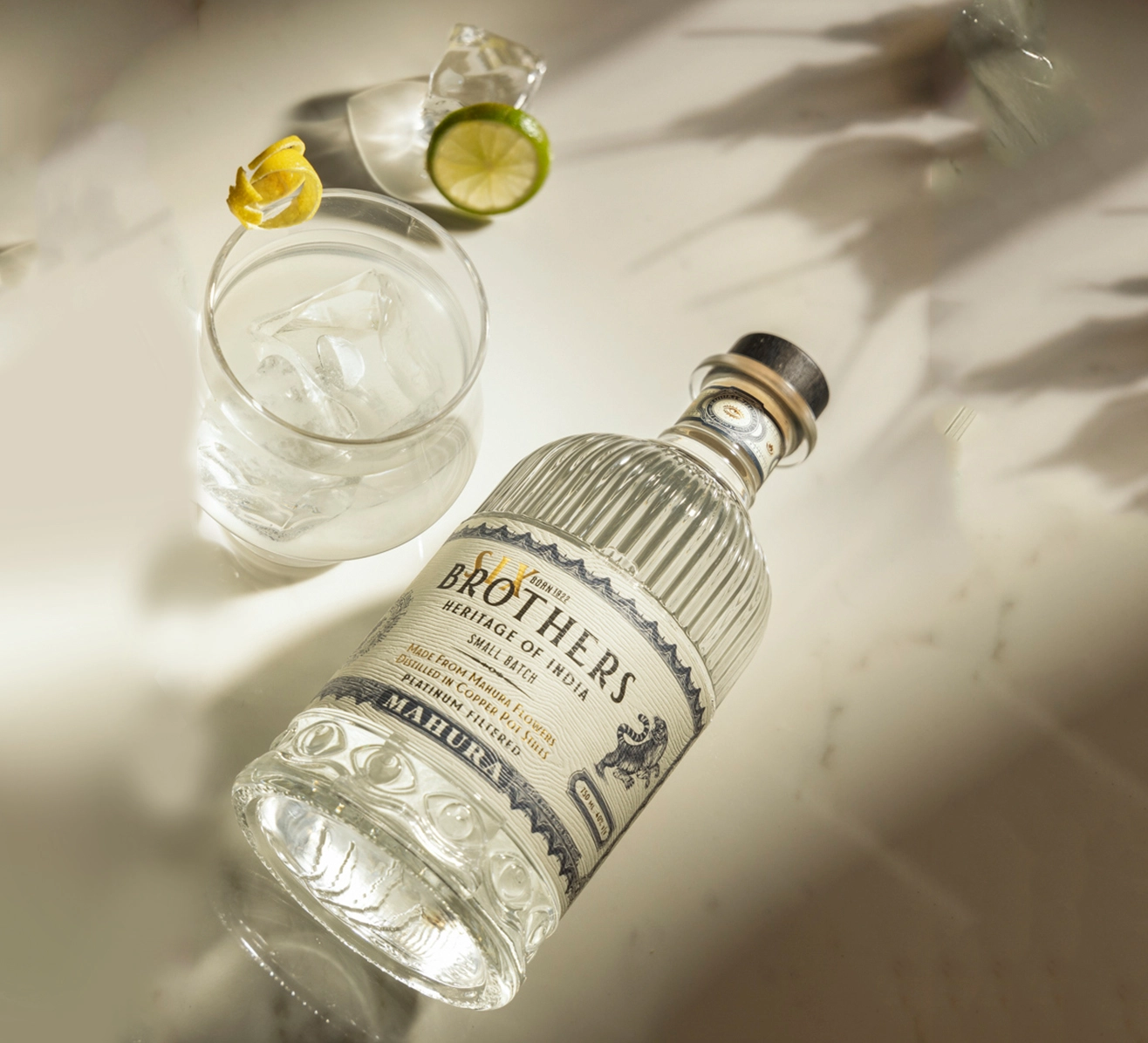
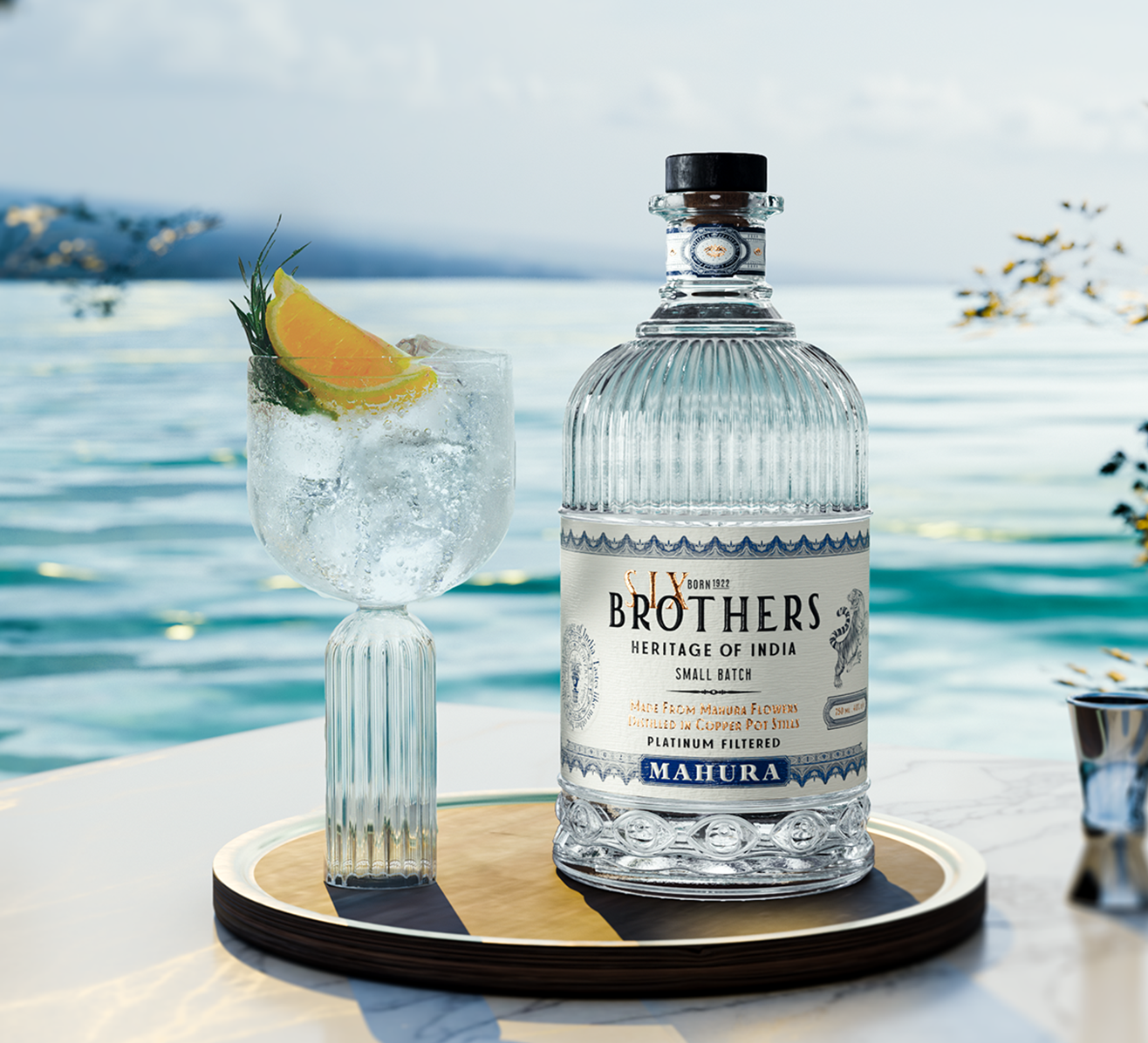
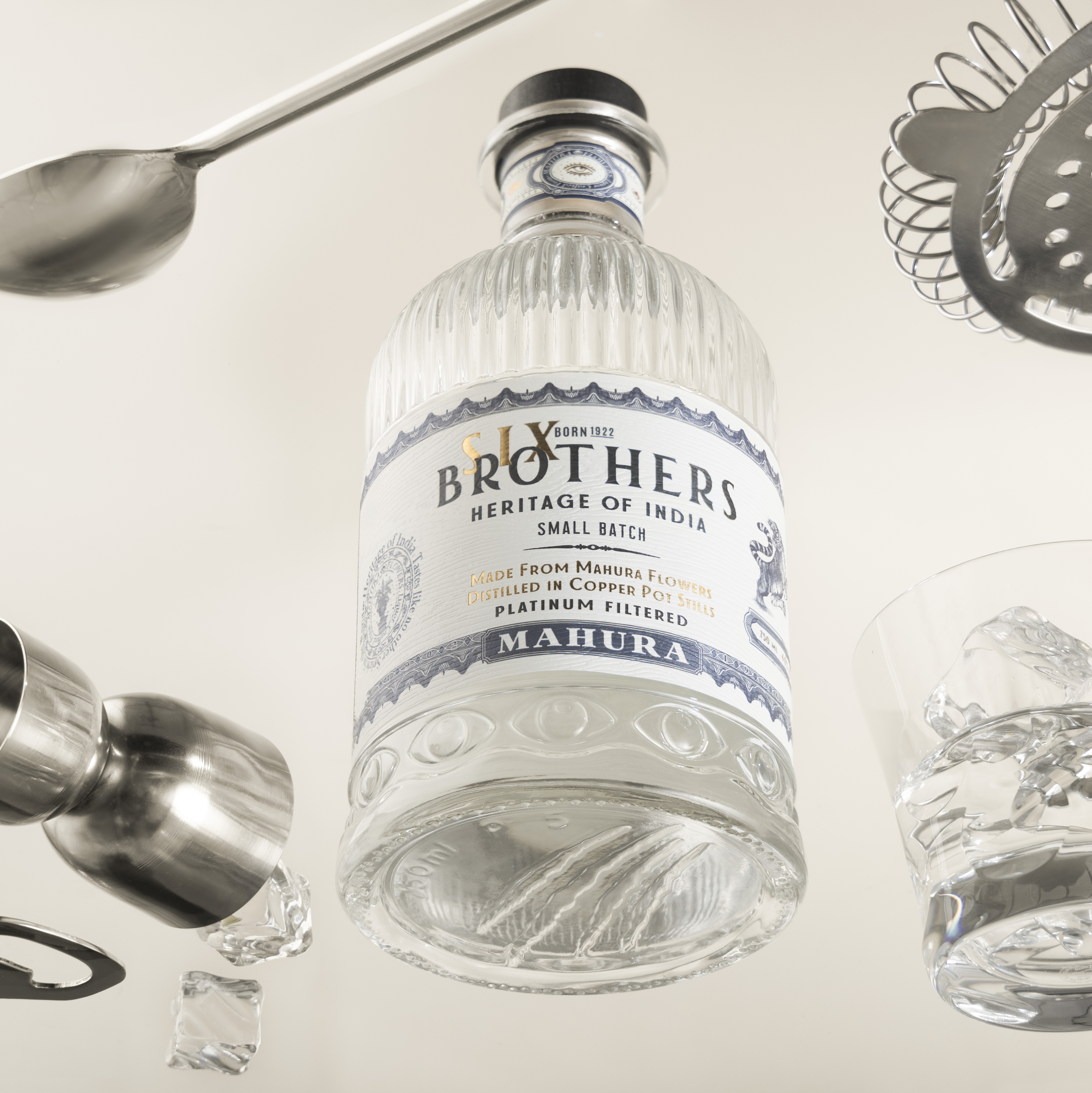
In this evolving landscape, Mahua spirit is beginning to stand out. Derived from the Mahua flower of the Madhuca longifolia tree, also known as Mahuva or Mahuwa, Mahua alcohol represents a different approach to spirit production.
As India’s oldest spirit, Mahua drink has the potential to influence not just consumption patterns, but the overall direction of craft alcohol in India.
For years, the focus of Indian craft alcohol has been on categories similar to global benchmarks. However, Mahua spirit introduces:
This expands the definition of craft.
By gaining visibility, Mahua alcohol can:
This strengthens the category.
Modern consumers are increasingly:
This aligns with Mahua drink.
As exposure grows, Mahua liquor can influence expectations by:
This reshapes consumption.
The rise of Mahua spirit encourages producers to explore:
This pushes boundaries.
As Mahua alcohol gains attention, it may lead to:
This supports long-term growth.
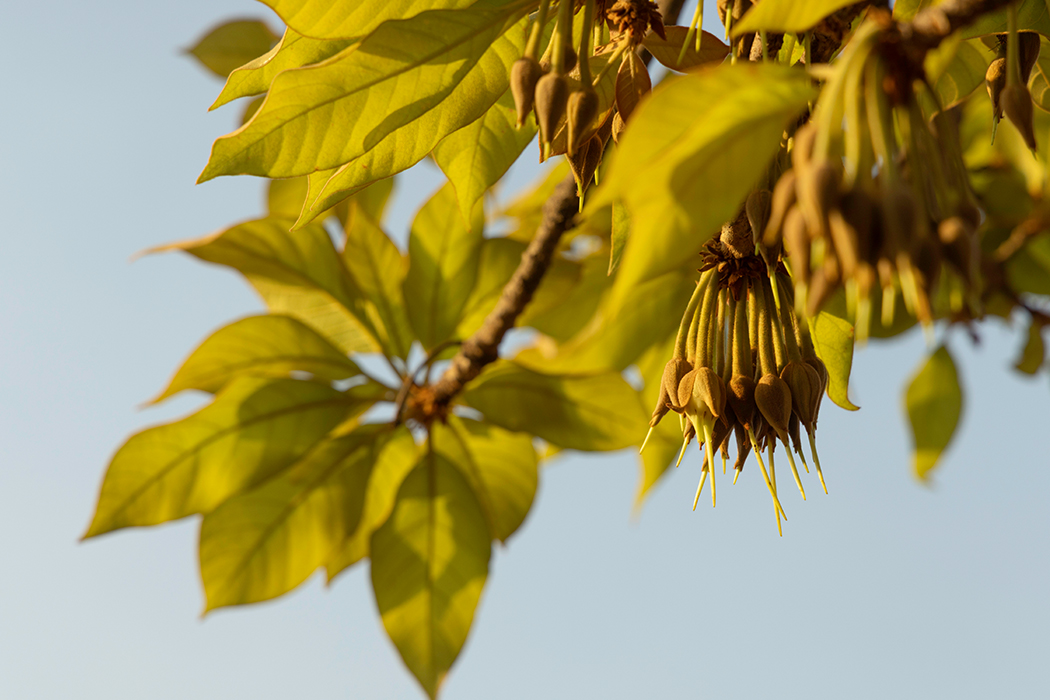
The use of the Mahua flower highlights the potential of local ingredients, encouraging:
This strengthens identity.
With its connection to the Madhuca longifolia tree, Mahua drink:
This enhances positioning.
While Indian single malt and single malt whiskey continue to grow, Mahua spirit:
This creates balance.
Rather than relying on a single category, Indian spirits can benefit from:
This strengthens India’s position.
As global interest in craft spirits increases, Mahua alcohol can:
This expands reach.
Alongside single malt whisky, Mahua drink can:
This creates distinction.
For Mahua spirit to influence the future, it must overcome:
These are key hurdles.
As demand grows, Mahua liquor must ensure:
This builds trust.
Mahua spirit has the potential to play a defining role in the future of Indian craft alcohol.
From the character of the Mahua flower to its connection with the Madhuca longifolia tree, Mahua alcohol offers a distinct identity that aligns with changing consumer preferences. As India’s oldest spirit, it complements the growth of Indian single malt, single malt whisky, and single malt whiskey, while opening new directions for Indian spirits.
Because the future of craft alcohol in India will not be shaped by one category alone—but by diversity, innovation, and identity—and Mahua drink is set to be a key part of that evolution.