
Posted on 22 Jun 2026
Temperature is one of the most critical yet often overlooked factors in spirit production. It influences how ingredients behave, how reactions occur, and ultimately how the final product tastes and feels.
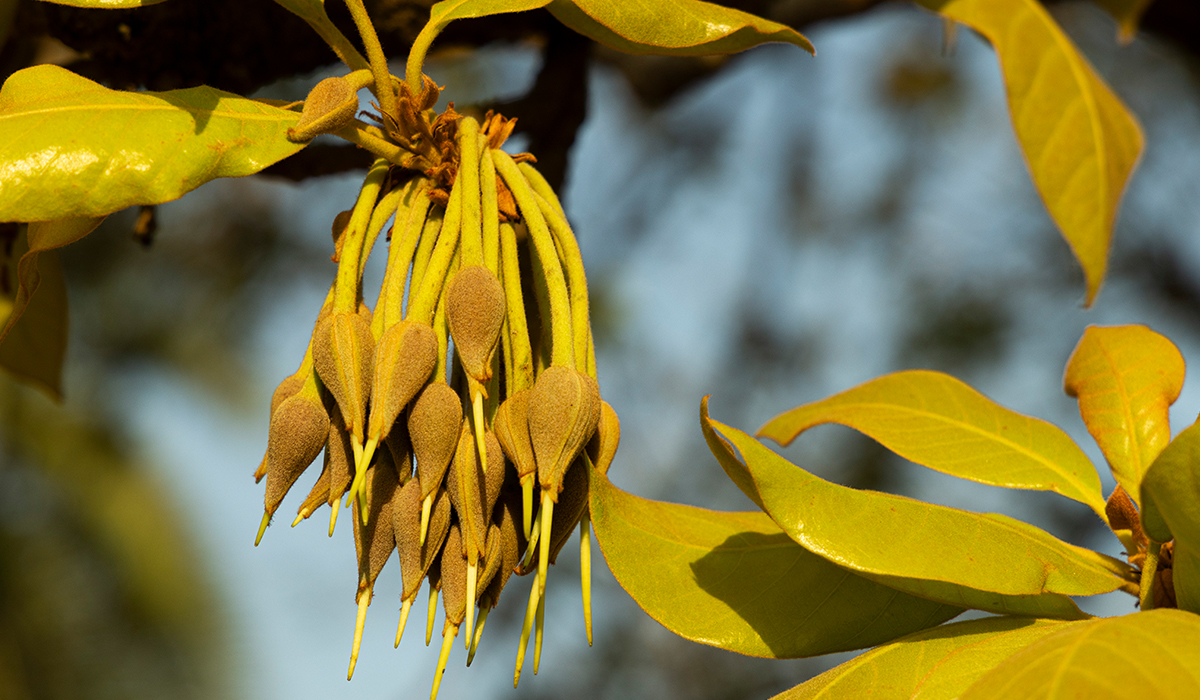
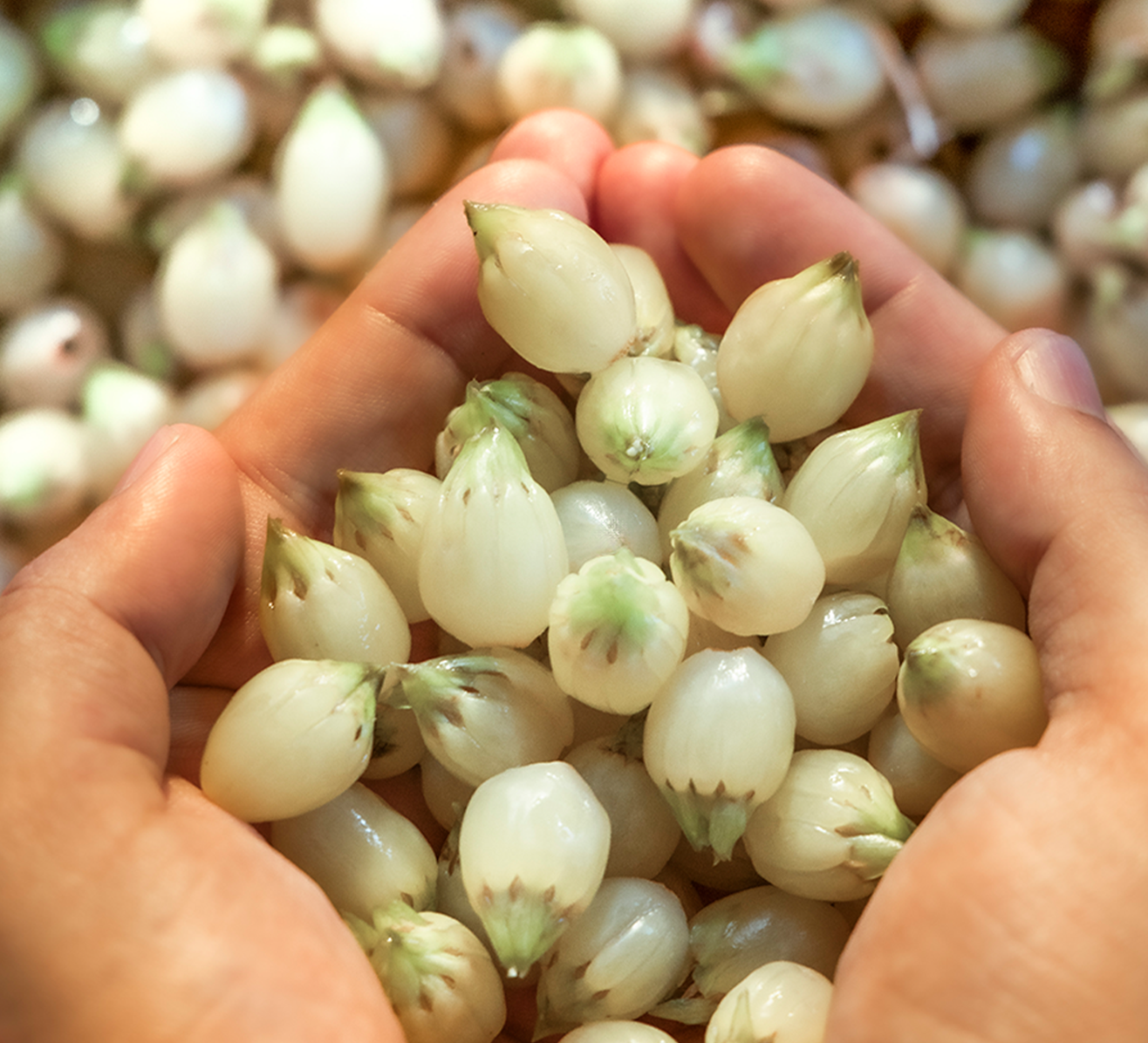
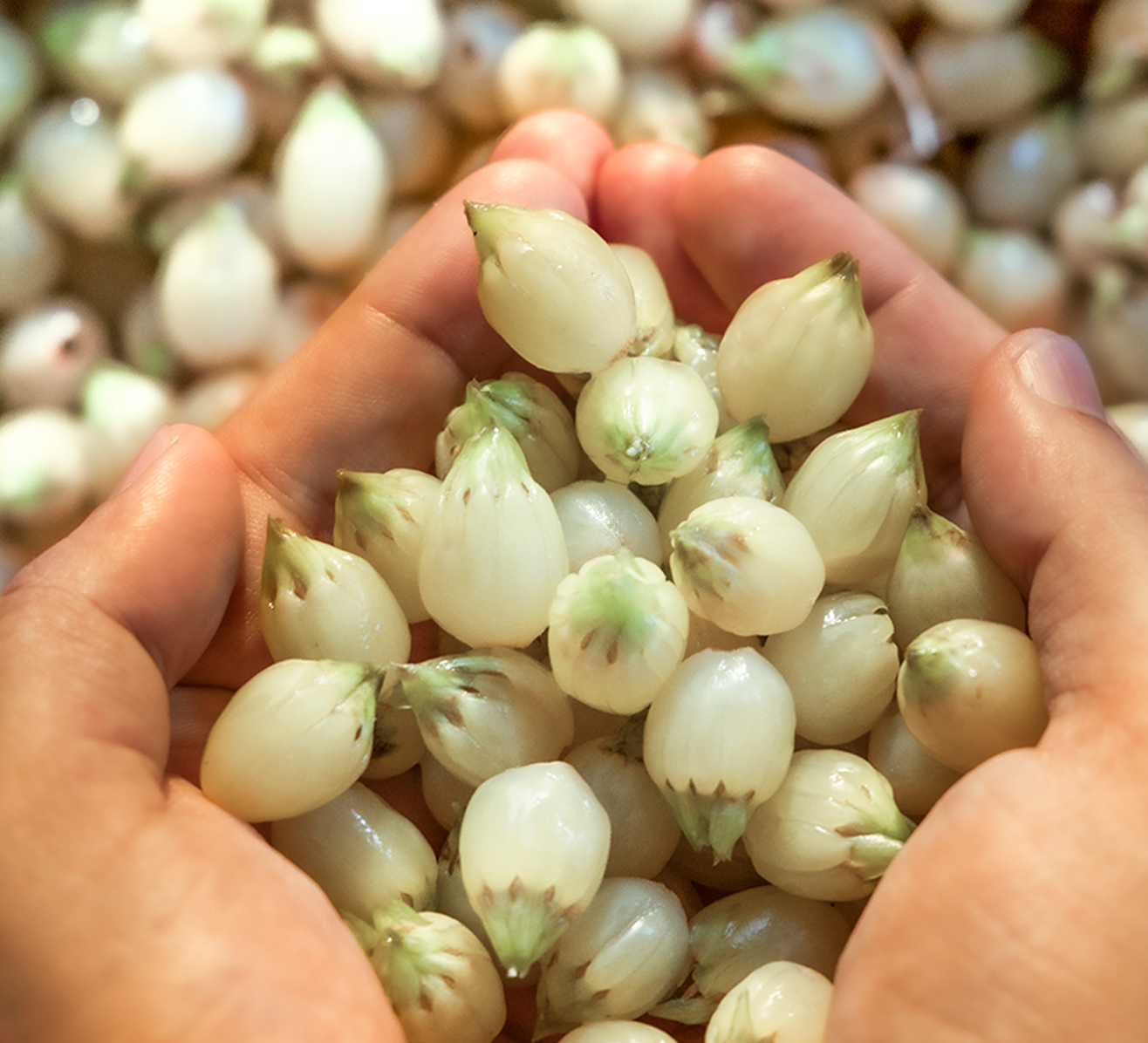
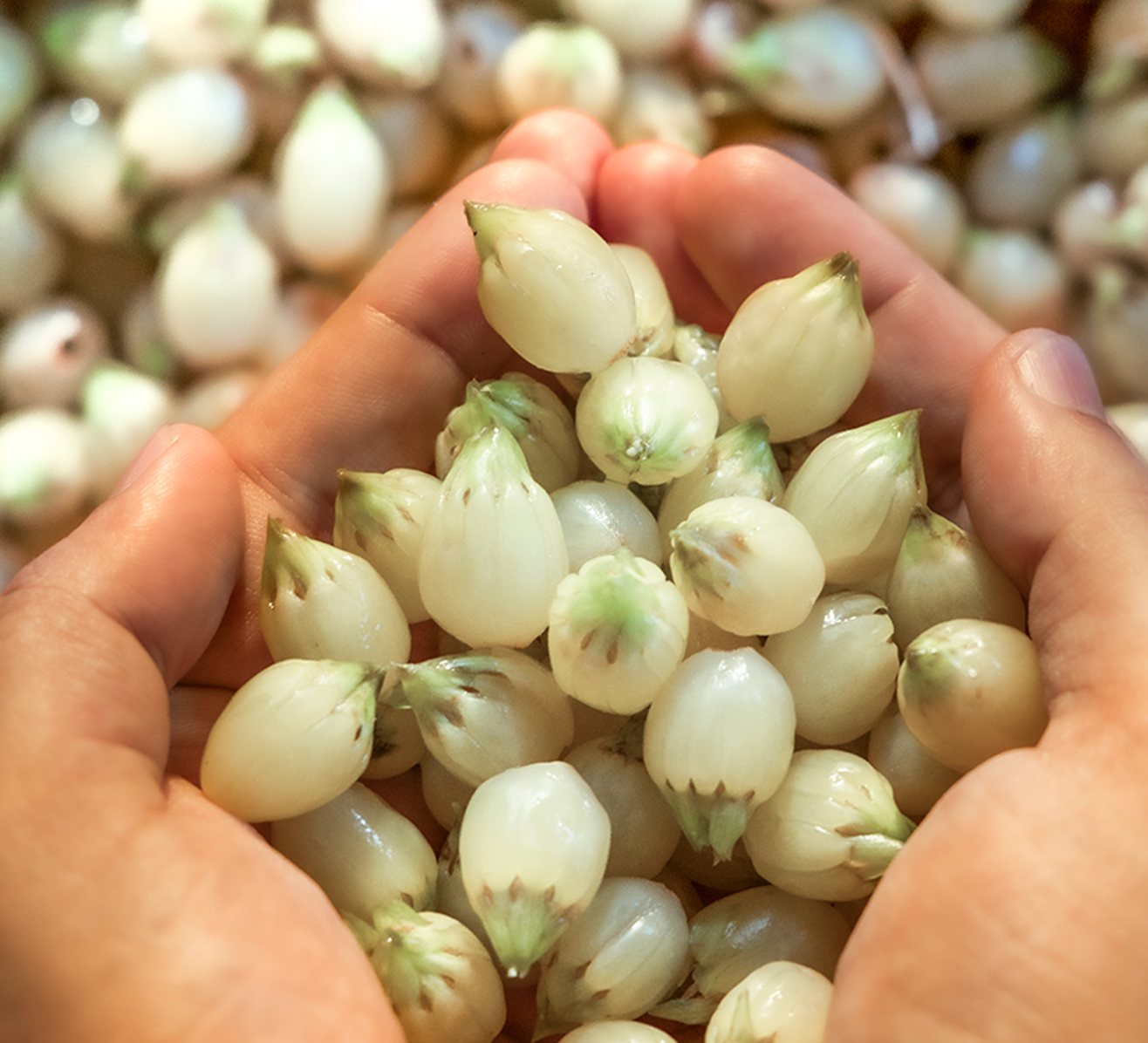
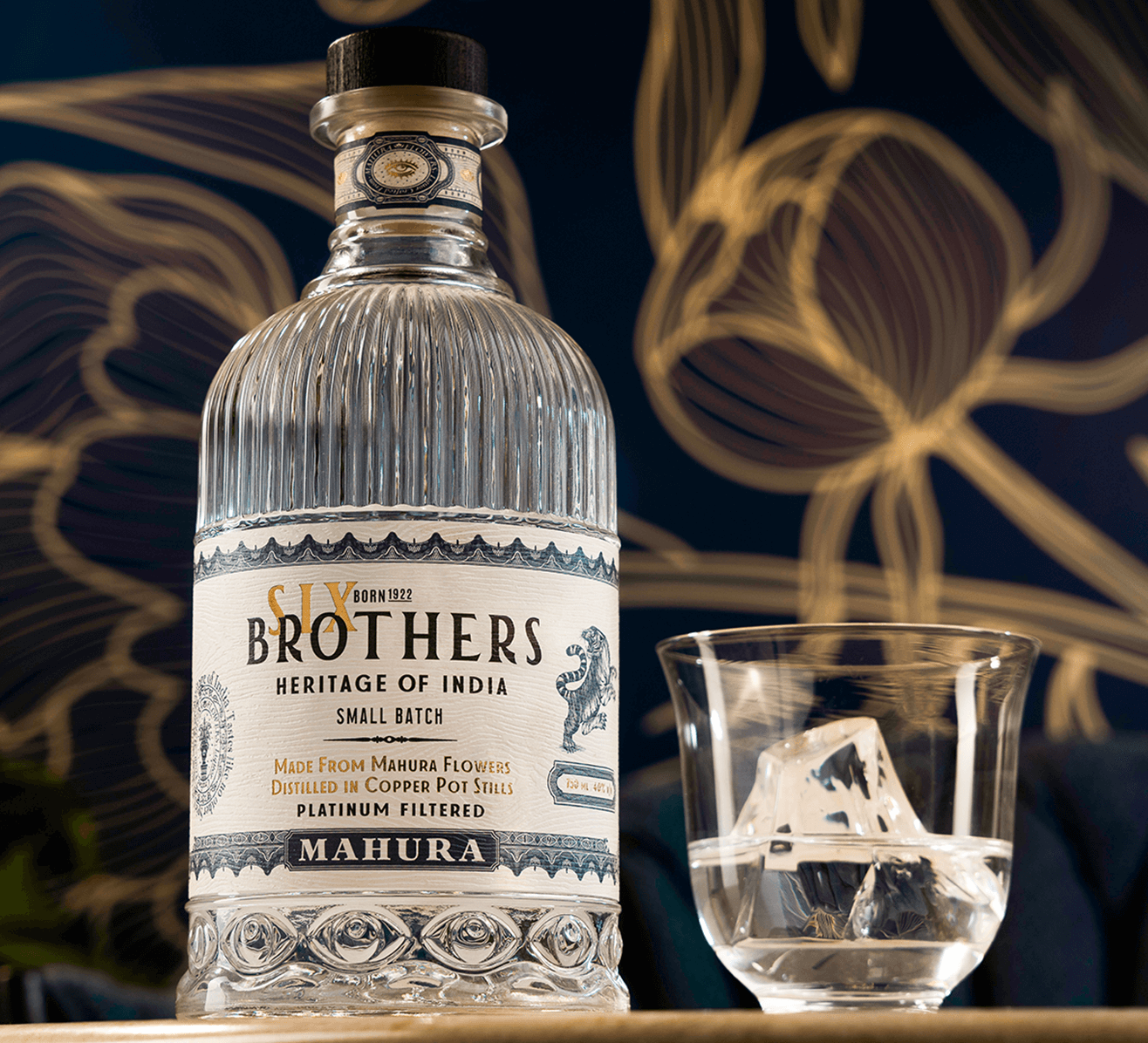
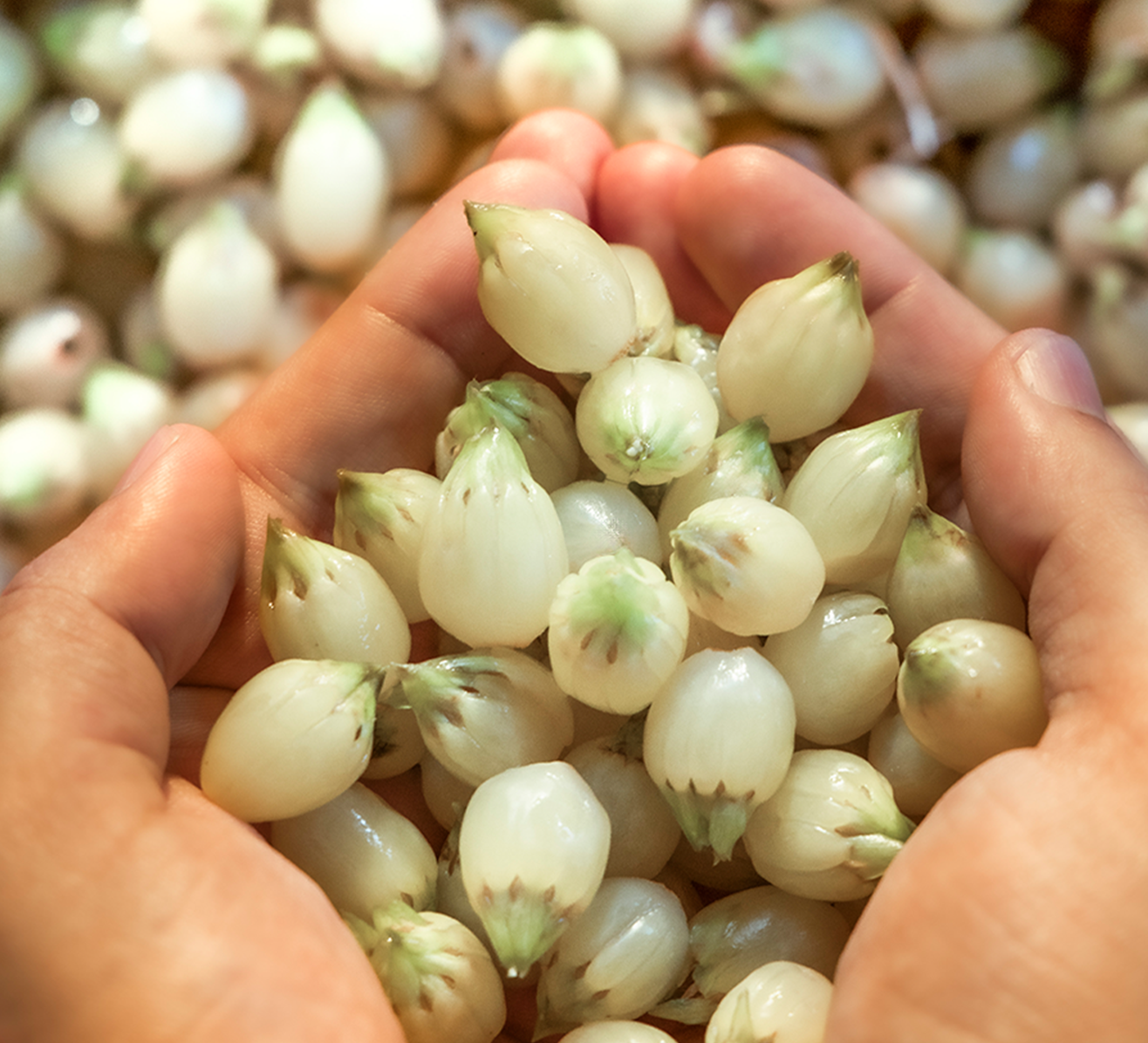
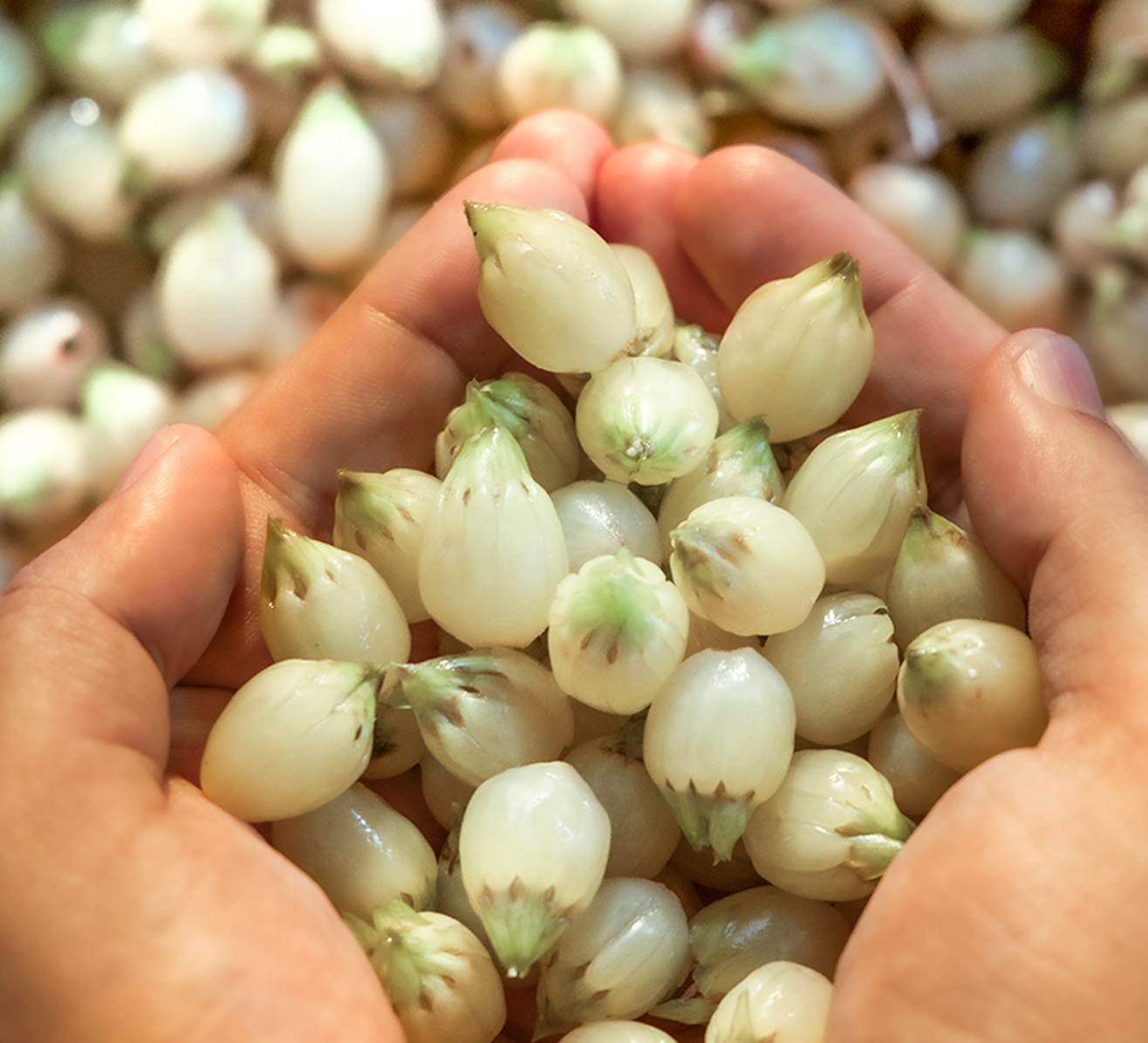
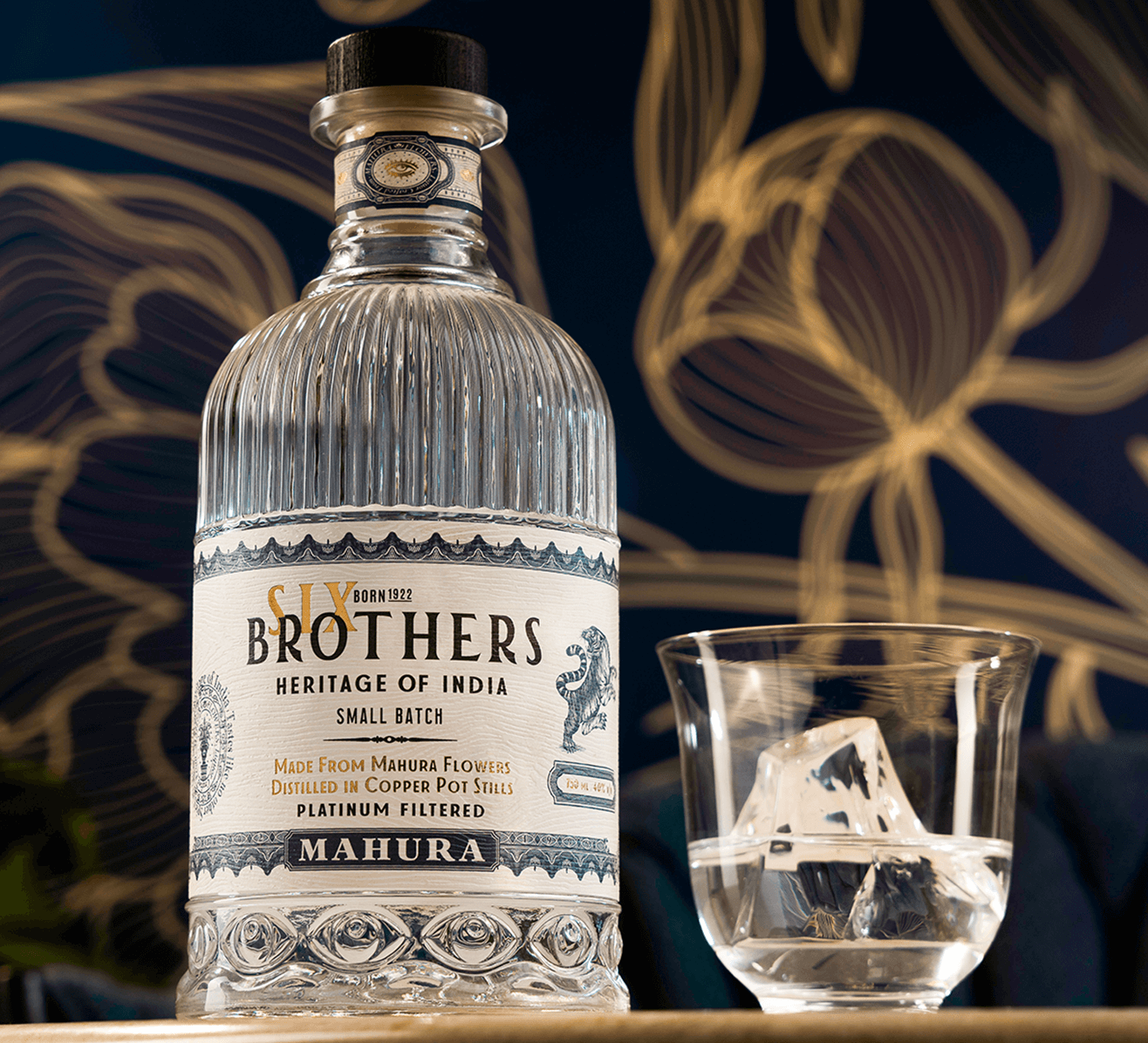
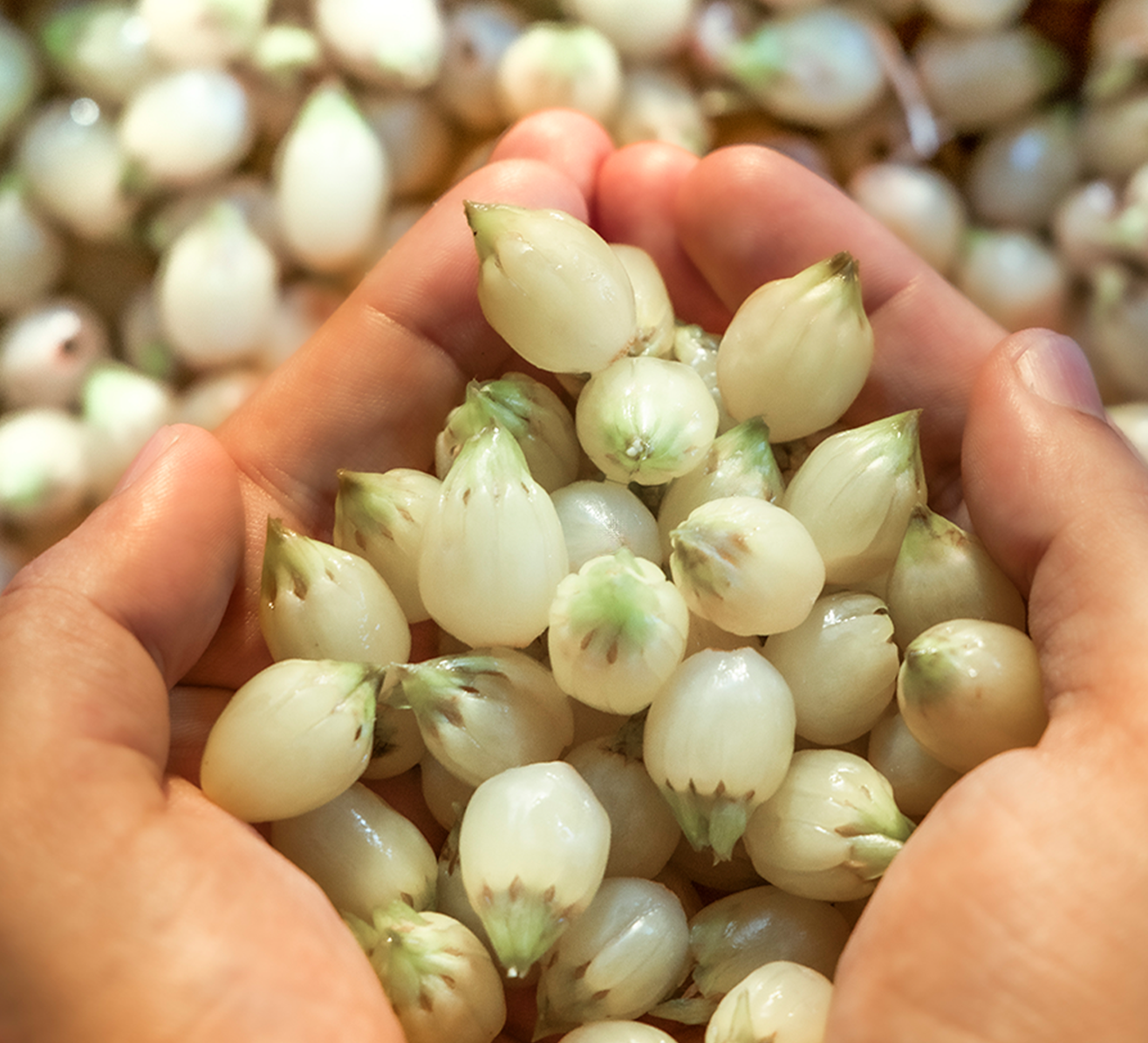
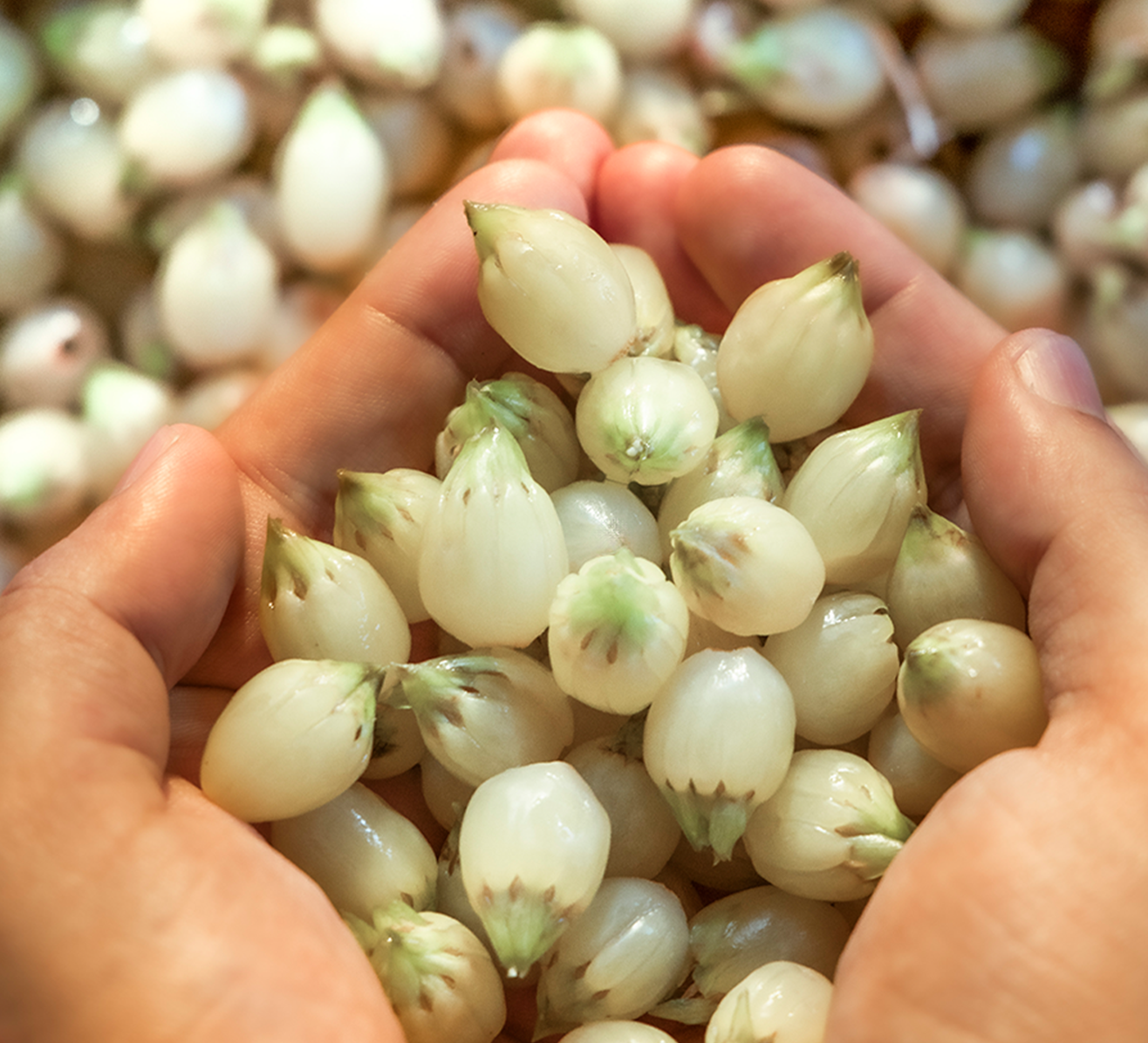
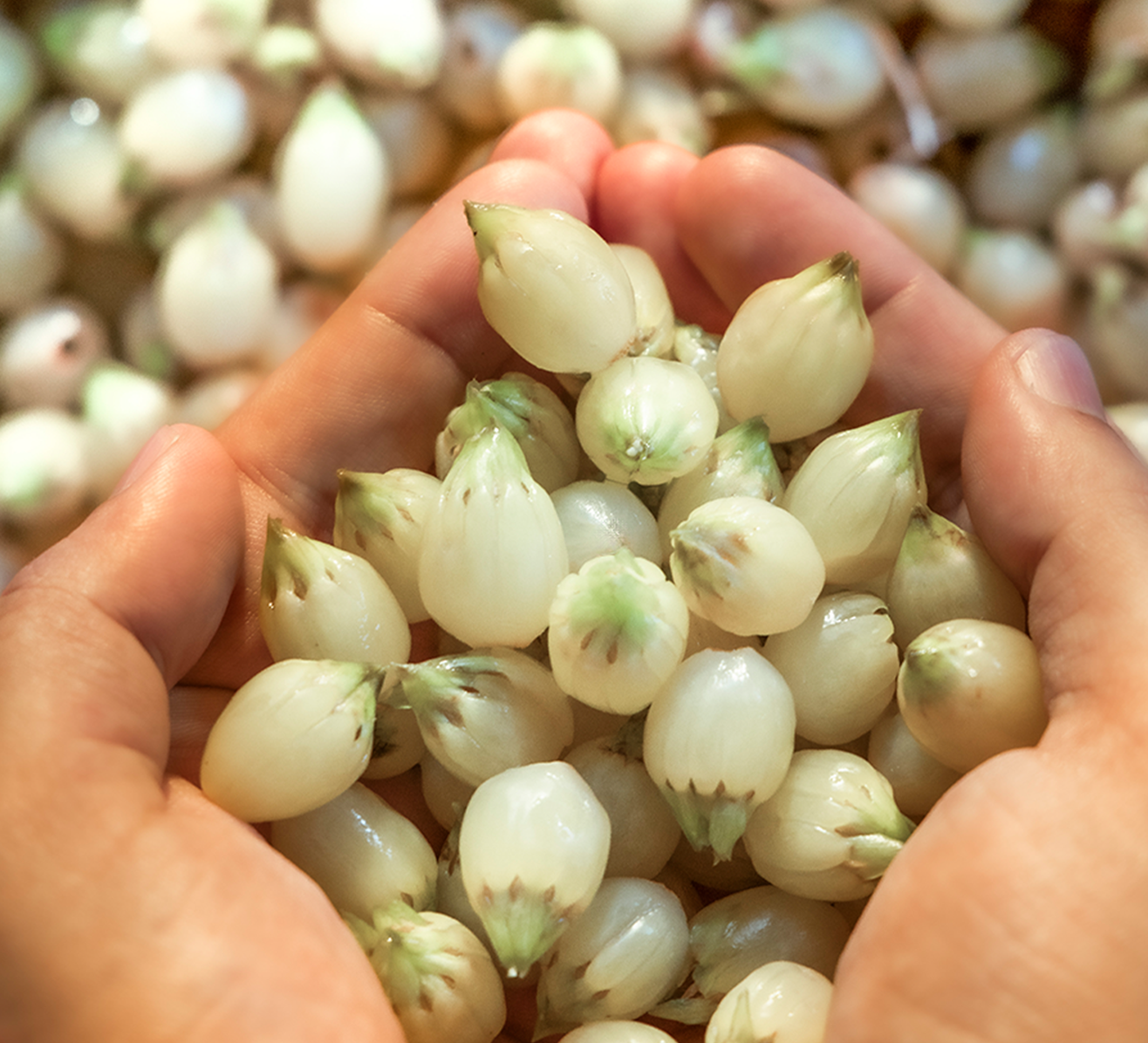
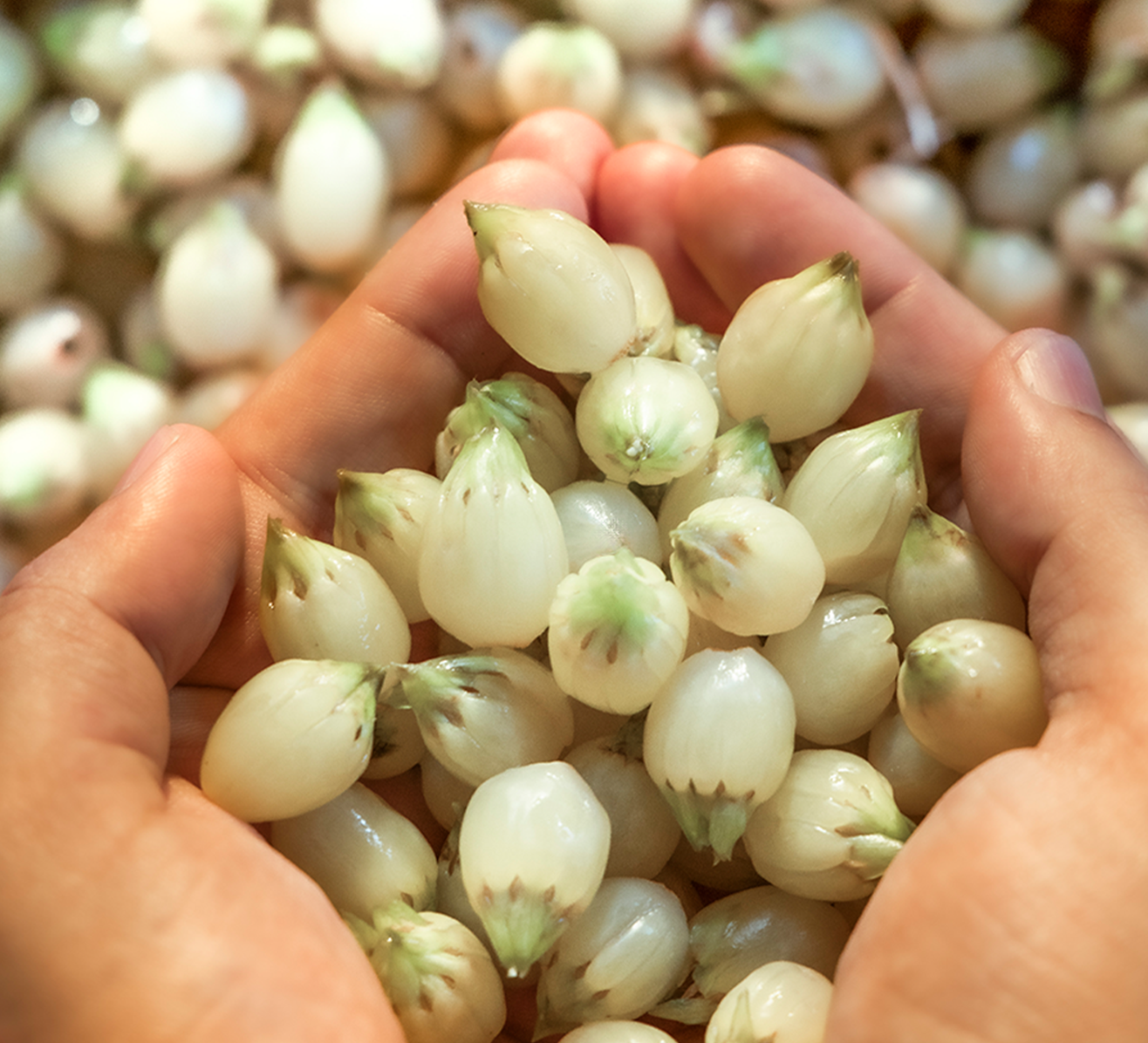
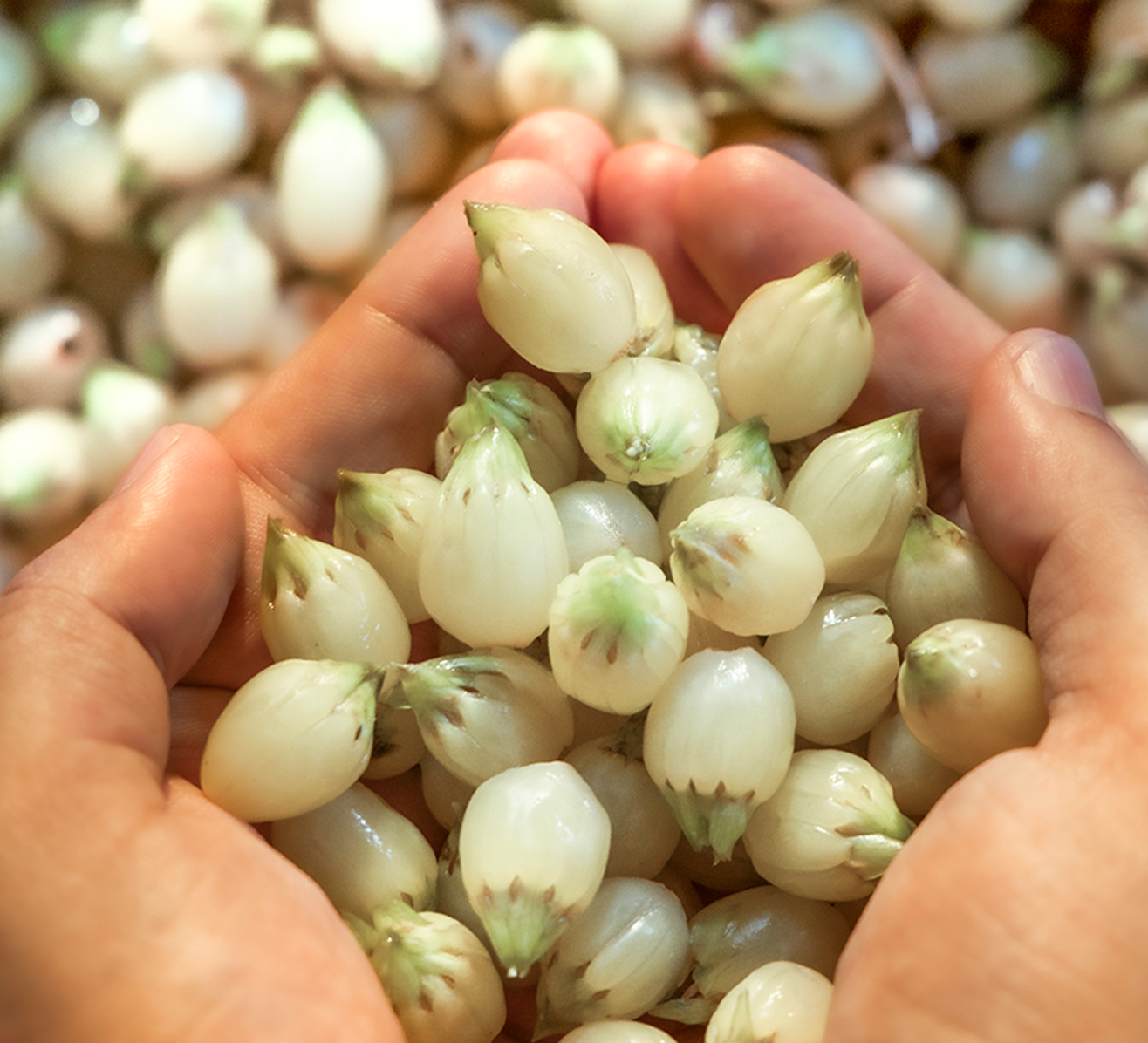
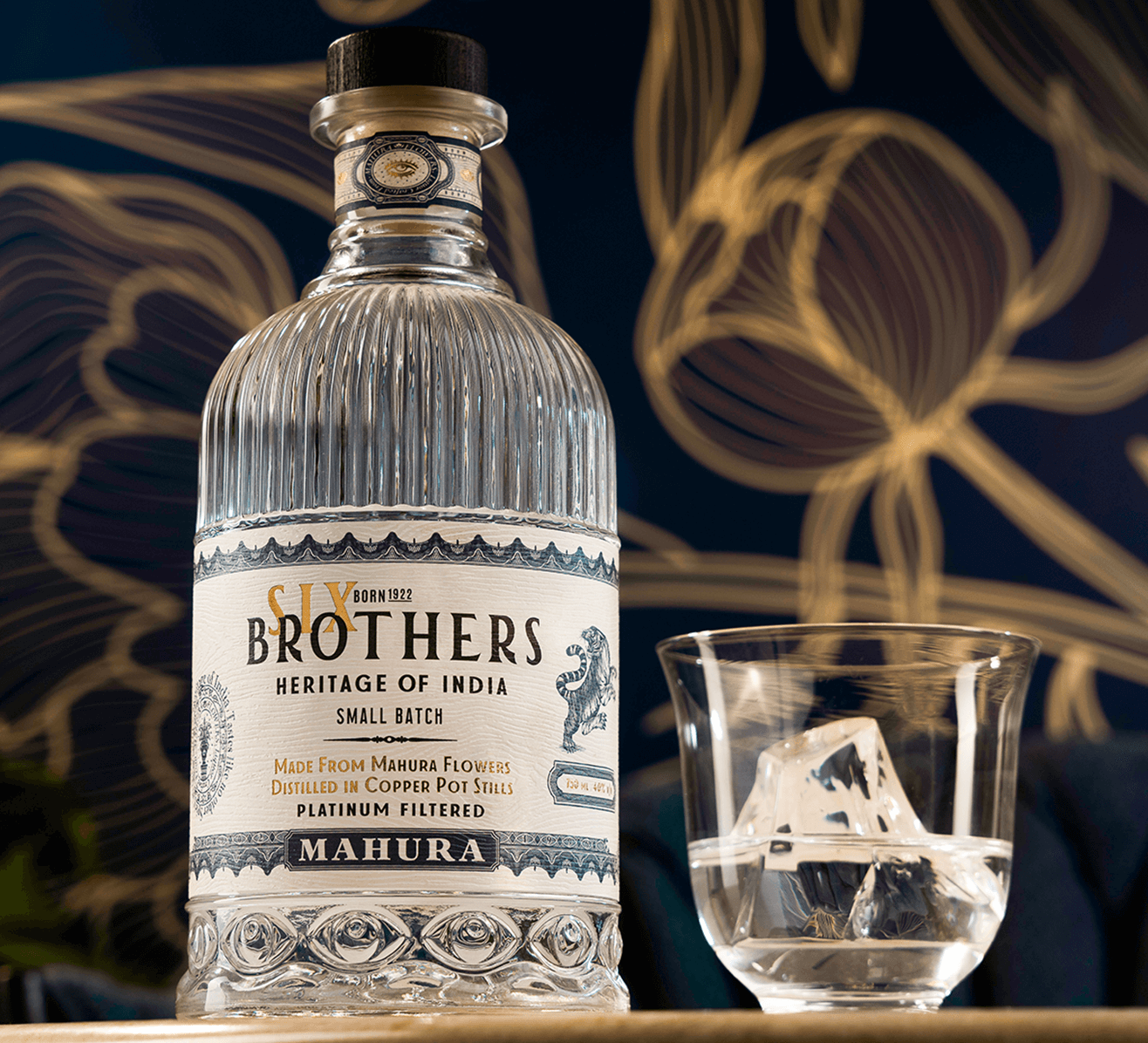
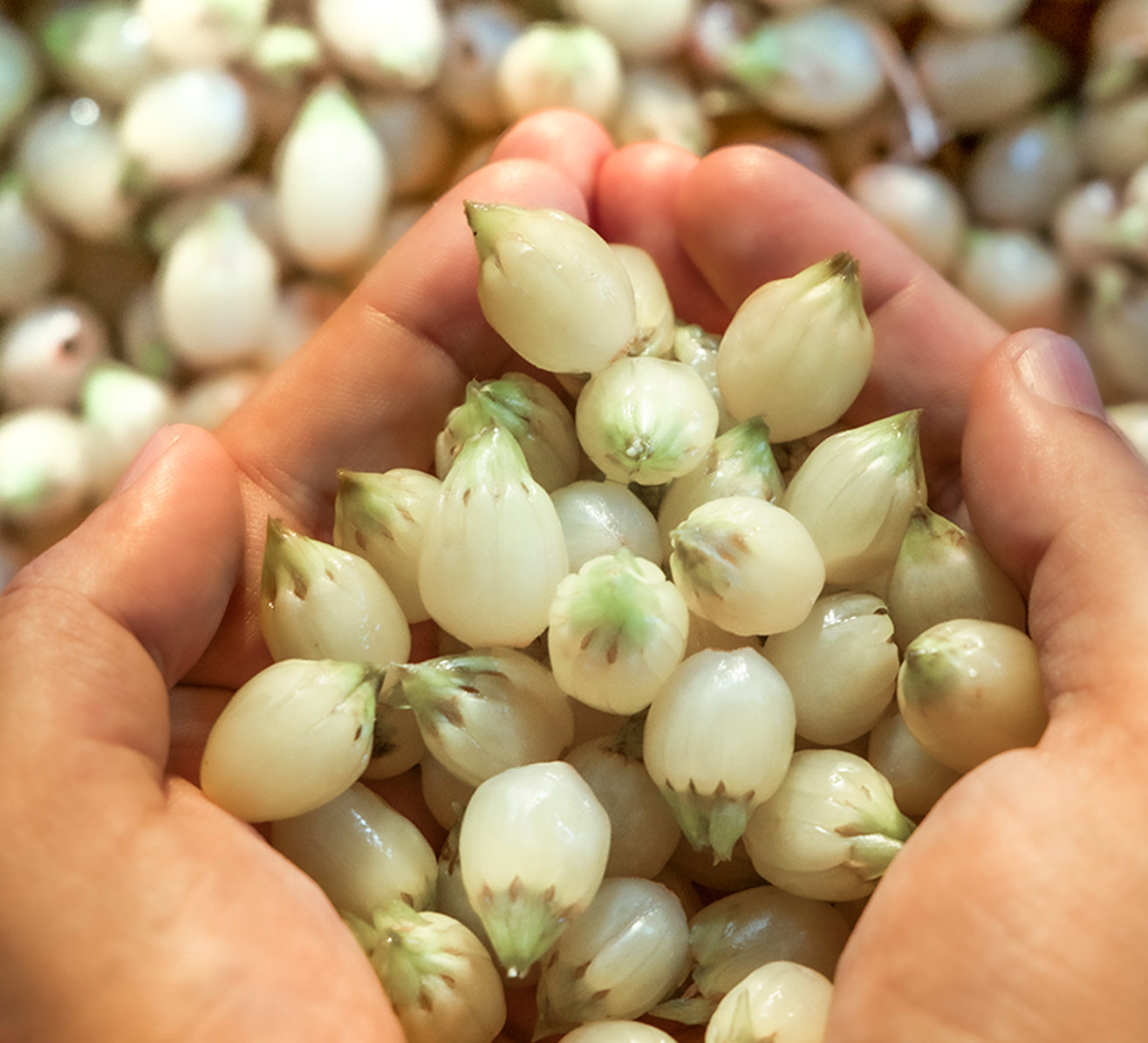
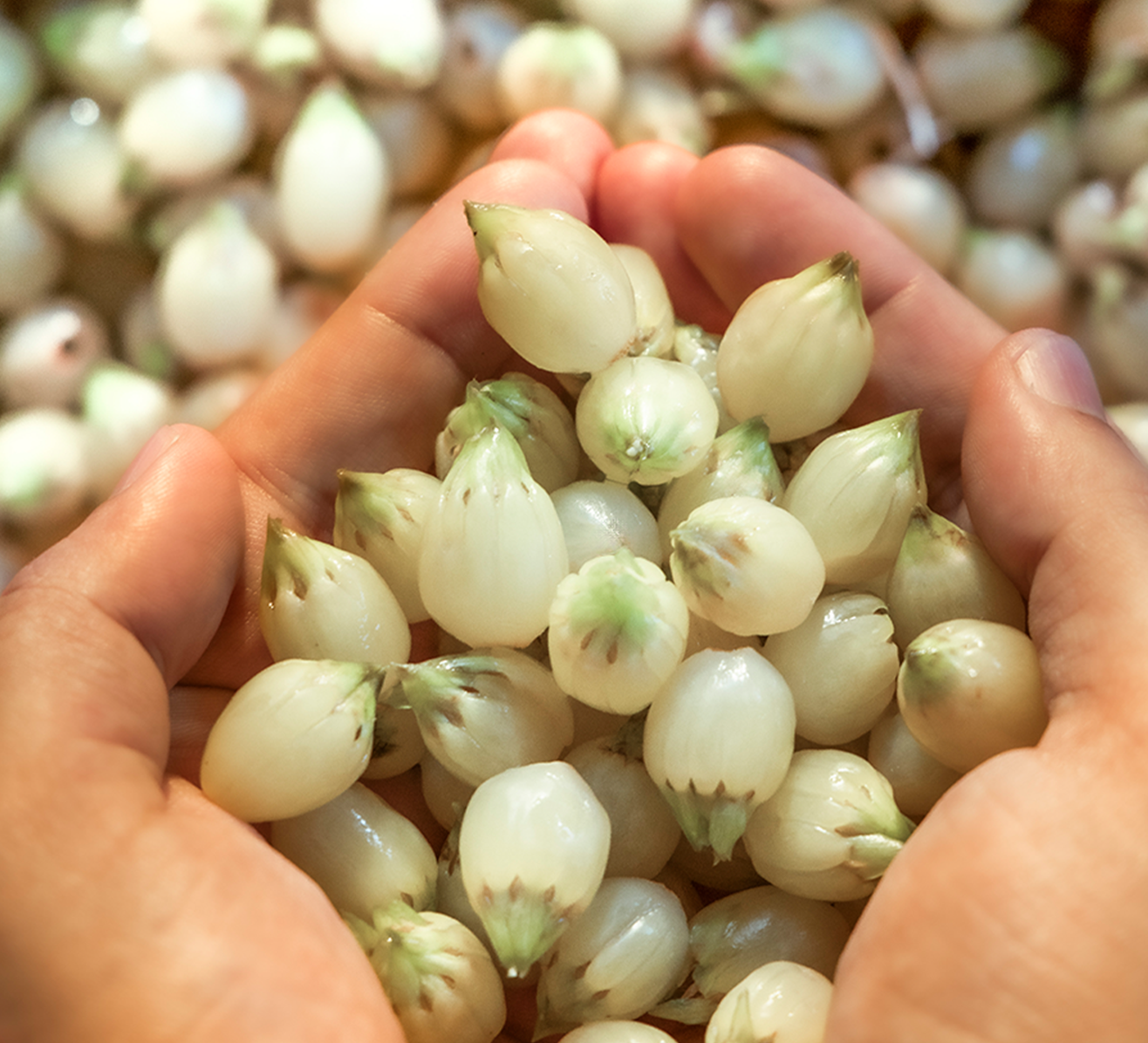
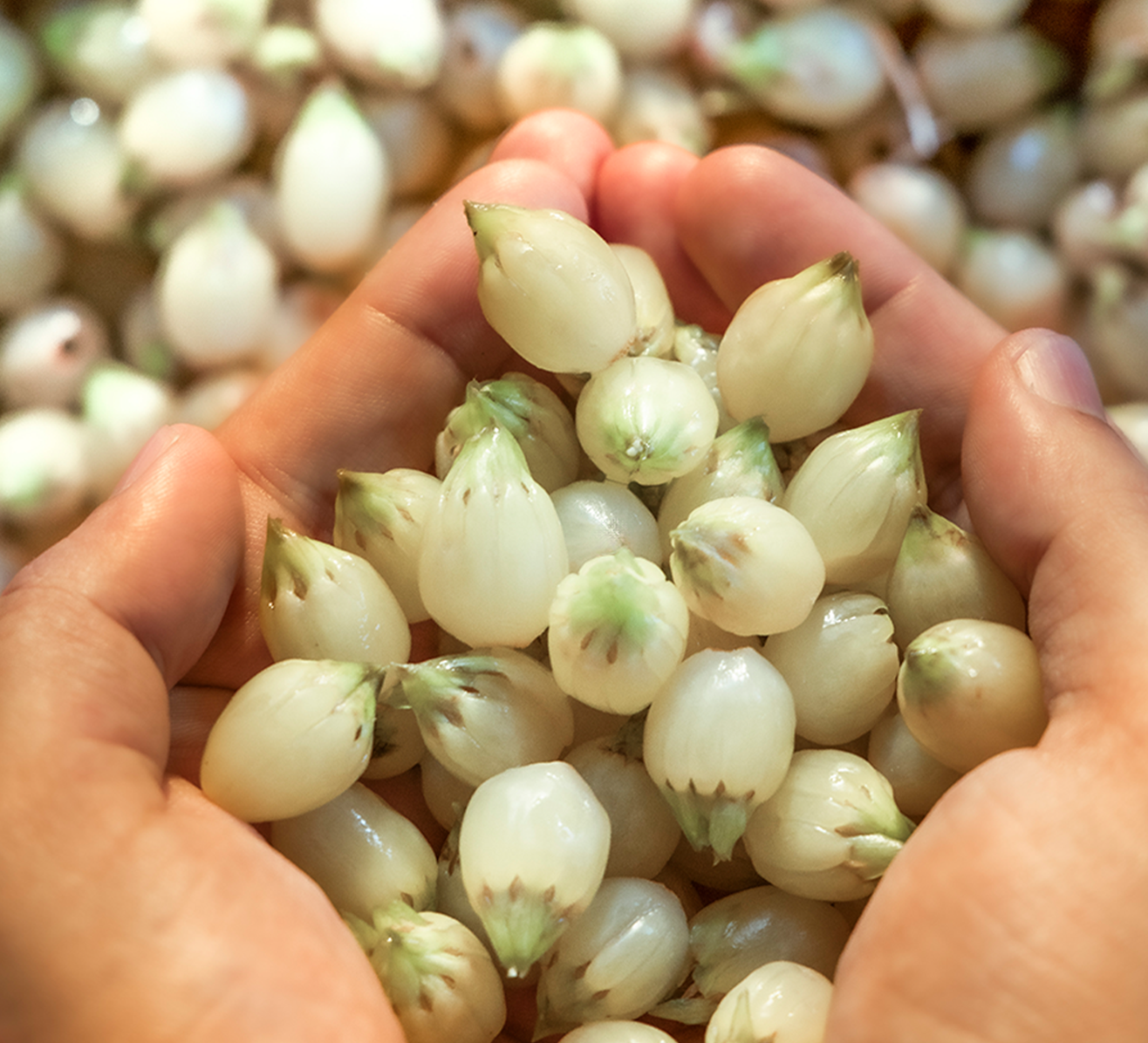
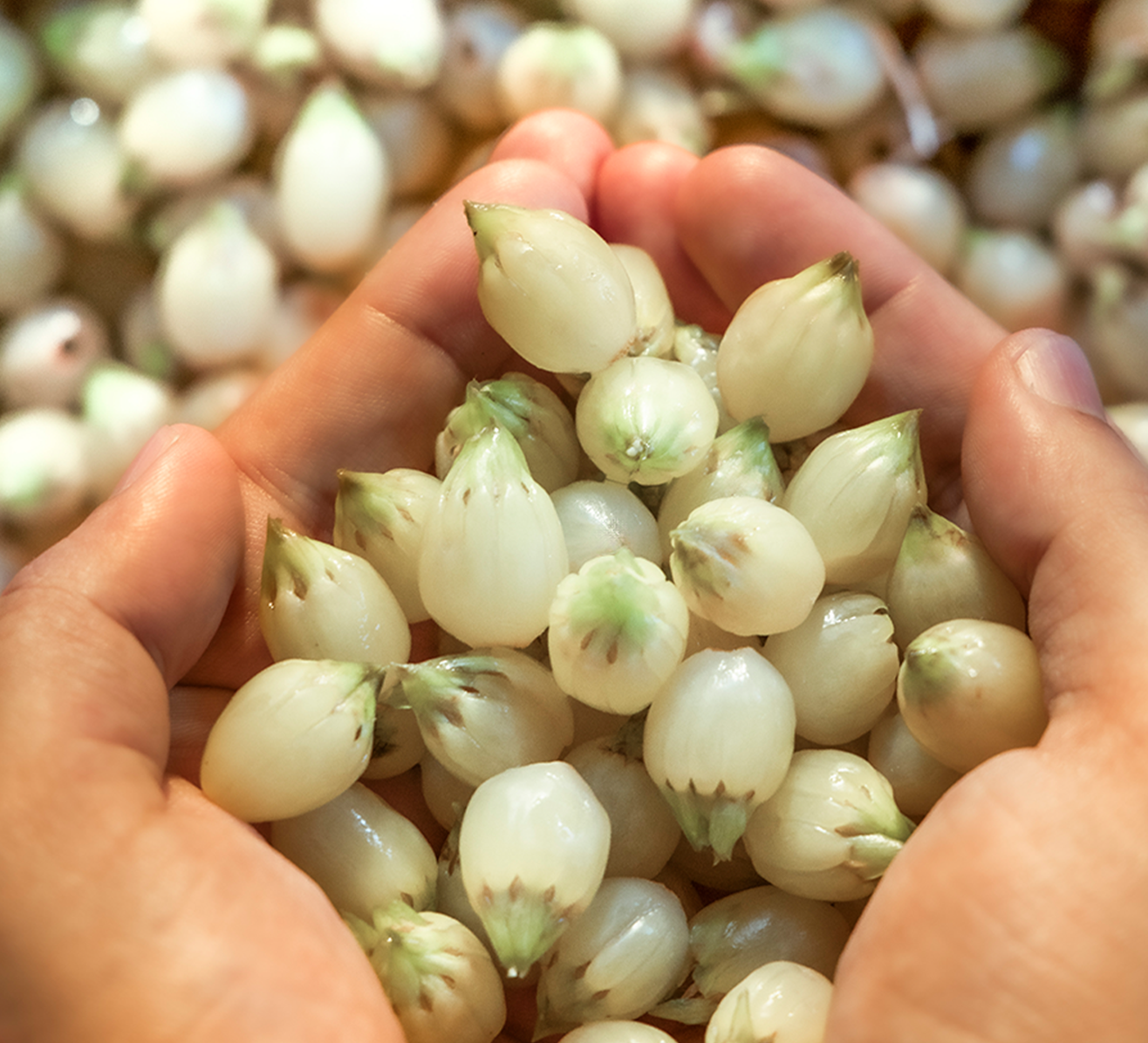
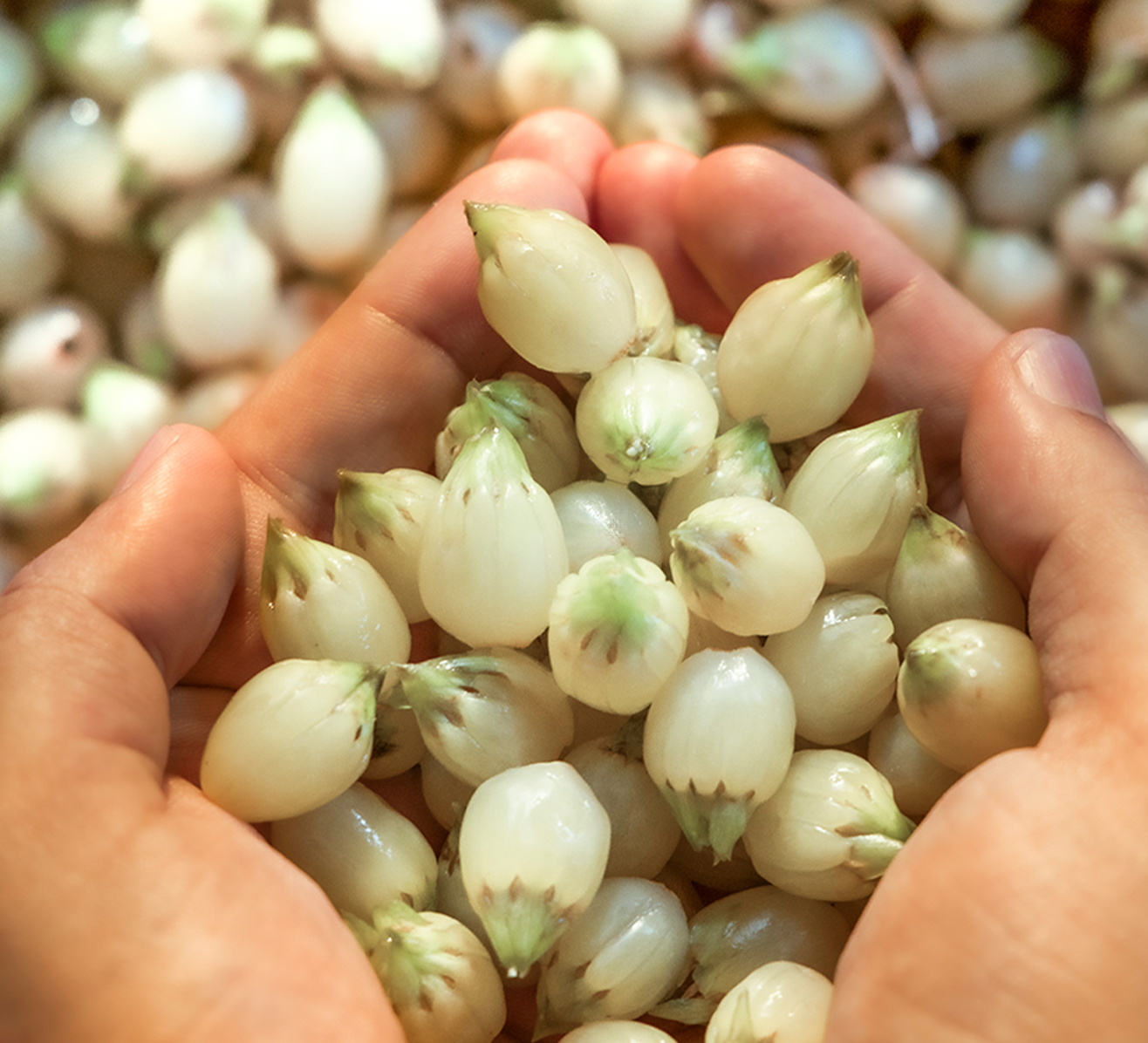
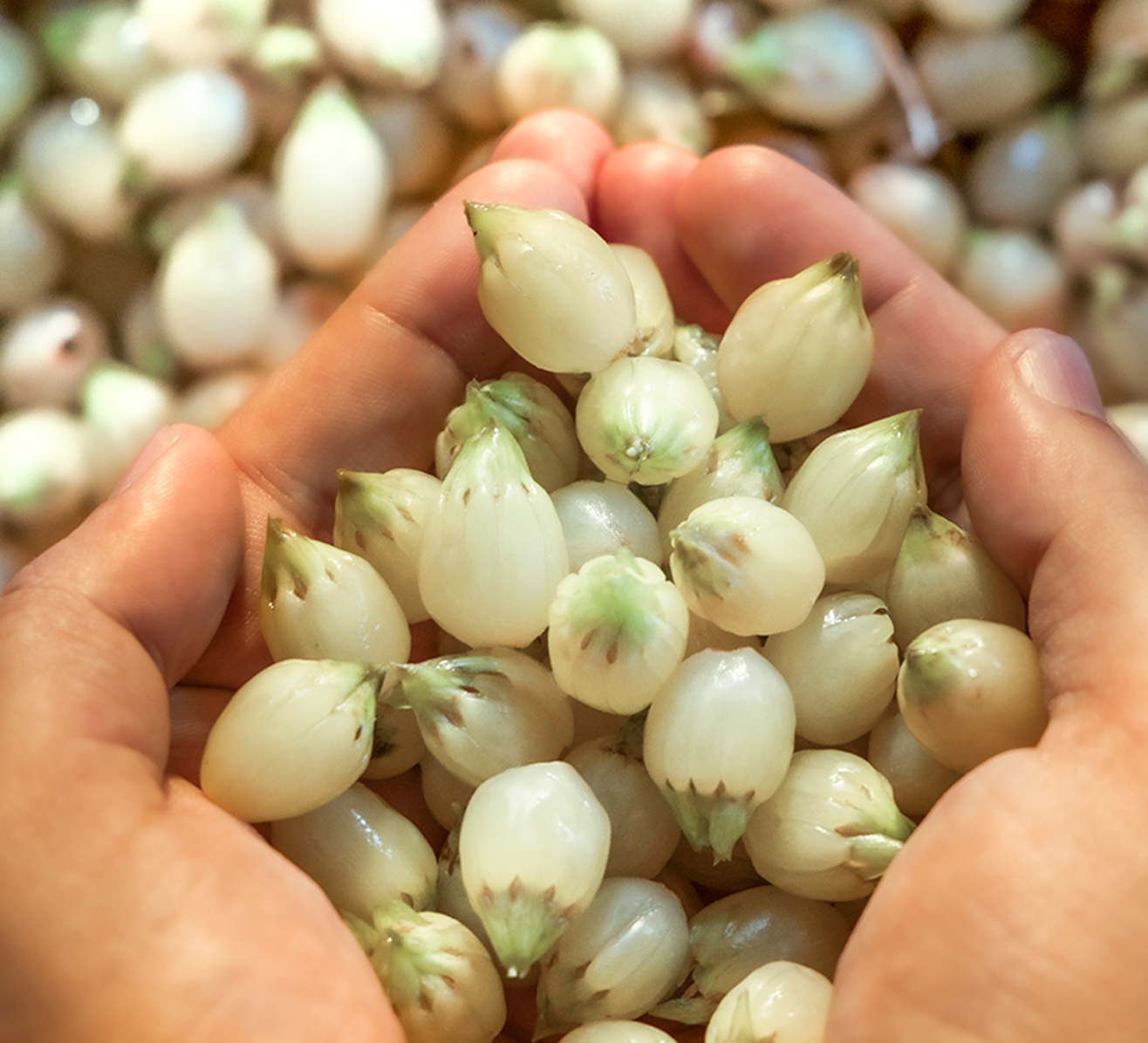
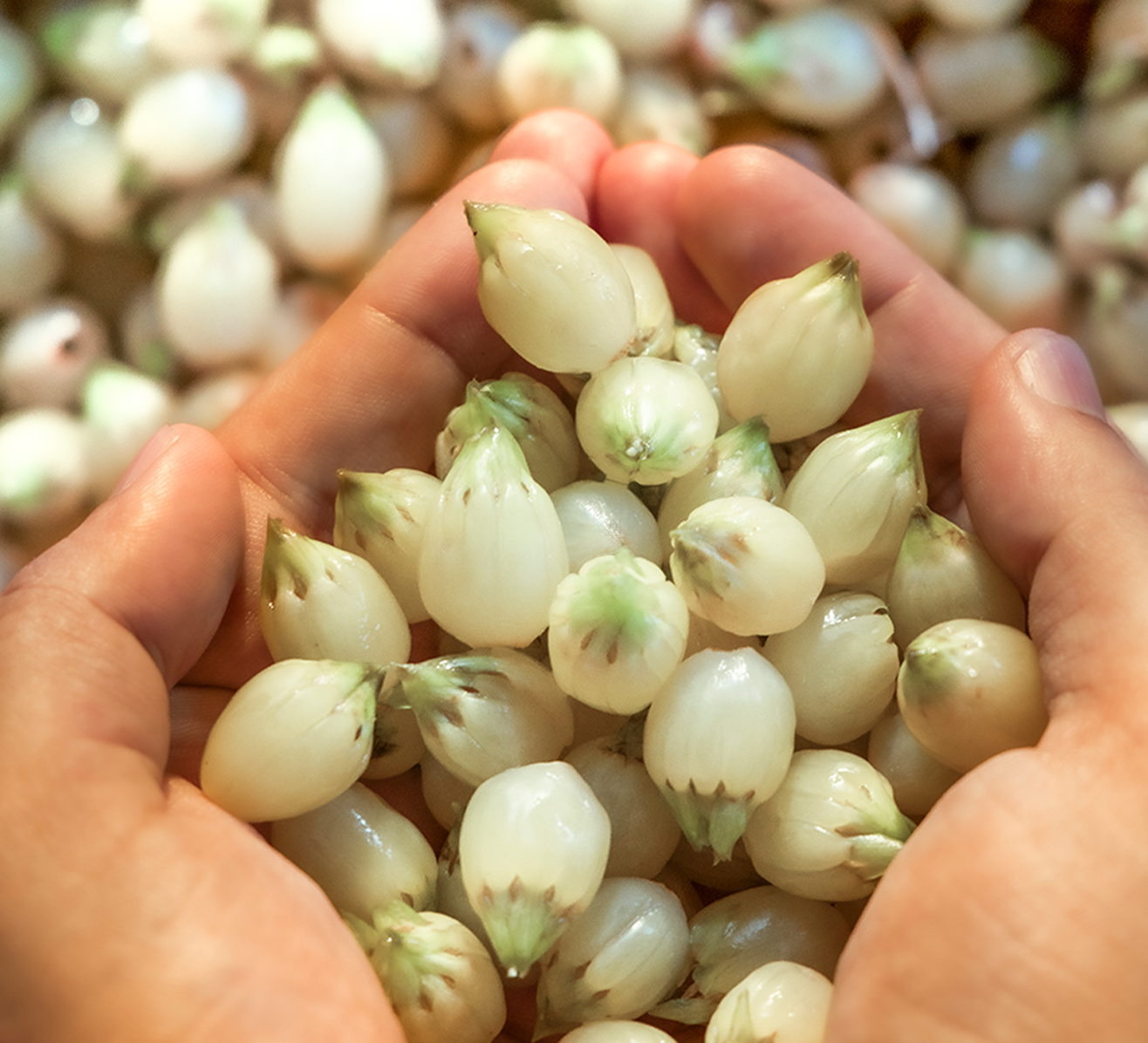
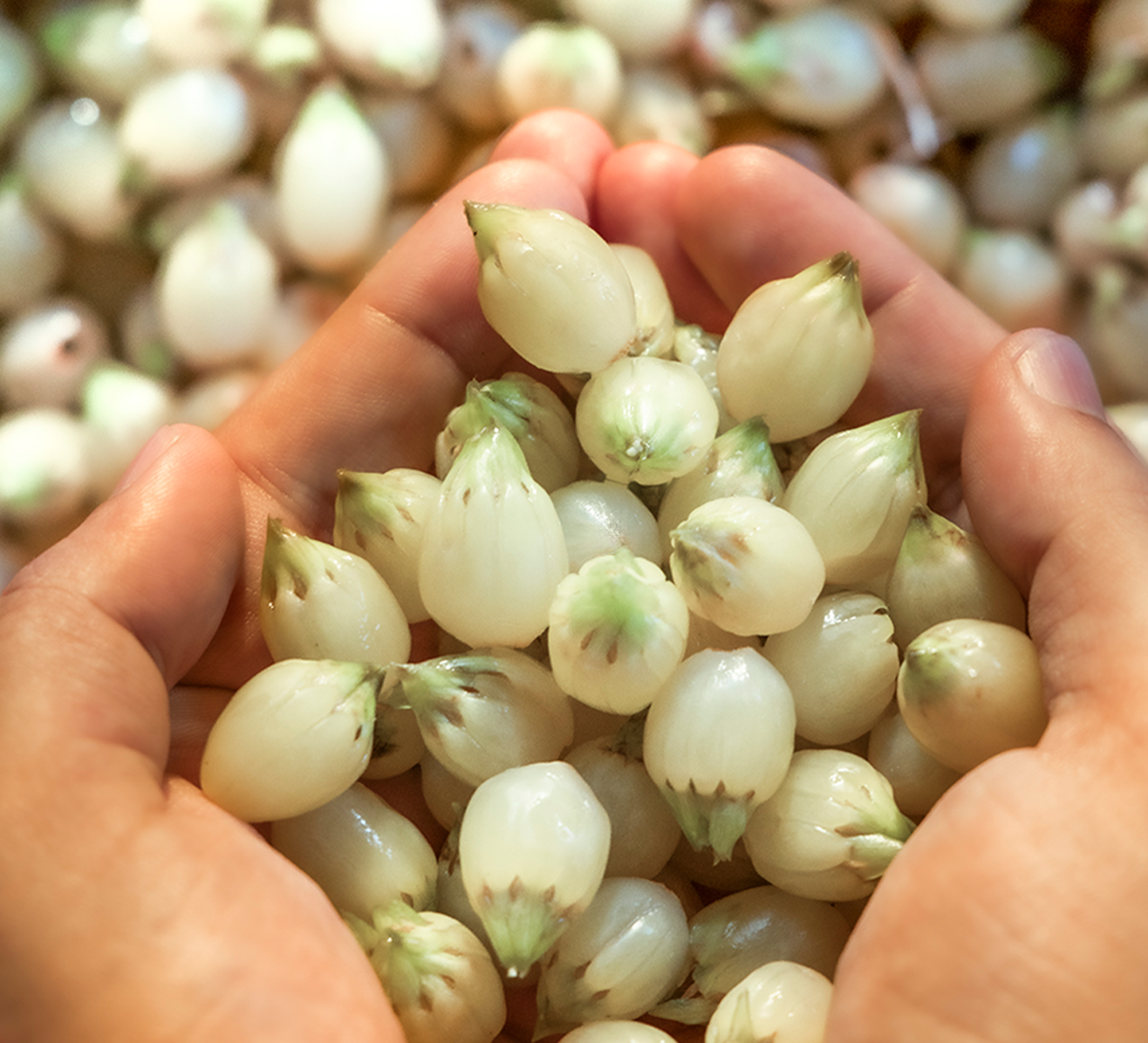
For Mahua spirit, temperature plays a defining role across every stage—from fermentation to distillation. Derived from the Mahua flower of the Madhuca longifolia tree, and also known as Mahuva or Mahuwa, Mahua alcohol relies heavily on controlled conditions to preserve its unique characteristics.
As India’s oldest spirit, the relationship between temperature and process is essential to understanding how Mahua drink develops within the wider world of Indian spirits.
Fermentation depends on yeast activity, which is highly sensitive to temperature. In Mahua liquor, maintaining the right range ensures:
This stage sets the foundation for the spirit.
If temperatures are not controlled, Mahua alcohol can face:
This directly affects quality.
Temperature influences how flavour compounds are formed during fermentation. In Mahua spirit, proper control helps:
This shapes the overall profile.
Because Mahua drink is derived from a delicate ingredient, temperature management ensures that:
This enhances its identity.
Distillation involves heating the fermented liquid to separate alcohol. In Mahua liquor, temperature must be carefully controlled to:
This requires precision.
Excessive heat can damage the finer characteristics of Mahua alcohol, leading to:
Controlled heating ensures balance.
Temperature directly affects when different fractions—heads, hearts, and tails—are collected. For Mahua spirit, this determines:
Accurate temperature control allows Mahua drink to:
This is essential for reliability.
Careful temperature management helps Mahua liquor:
This contributes to a smoother finish.
By controlling heat, Mahua alcohol achieves:
This defines its appeal.
Ambient conditions also impact production. Since Mahua spirit is closely tied to natural ingredients, factors such as:
Can influence the process.
Producers of Mahua drink must adjust their methods to:
This ensures stability.
Compared to many Indian spirits, Mahua alcohol requires greater sensitivity to temperature because:
This sets it apart.
The importance of temperature reinforces that Mahua liquor is shaped not just by ingredients, but by:
This defines its production.
Controlling temperature across stages can be challenging due to:
These factors affect Mahua spirit.
To maintain quality, producers of Mahua alcohol must:
This supports reliability.
As awareness of Indian spirits grows, there is greater focus on:
This benefits Mahua drink.
Temperature control will continue to influence:
This reinforces its evolution.
Temperature may not always be visible, but it plays a defining role in shaping Mahua spirit.

From fermentation to distillation, every stage depends on controlled conditions to preserve the essence of the Mahua flower and maintain balance. Rooted in the Madhuca longifolia tree and recognised as India’s oldest spirit, Mahua alcohol reflects the importance of precision in process.
As consumers continue to explore Indian spirits, understanding the role of temperature highlights why Mahua drink offers such a refined and consistent experience.
Because in the end, even the smallest variables can shape the biggest outcomes—and in Mahua spirit, temperature is one of the most important.