
Posted on 17 Aug 2026
Every great spirits category develops its own vocabulary.
Whisky enthusiasts talk about peat, oak, malt, smoke, spice, and finish. Wine has an equally detailed language built around fruit, acidity, tannins, and terroir.
But what happens when you encounter a spirit that doesn't fit neatly into those existing frameworks?
Mahua spirit deserves exactly that consideration.
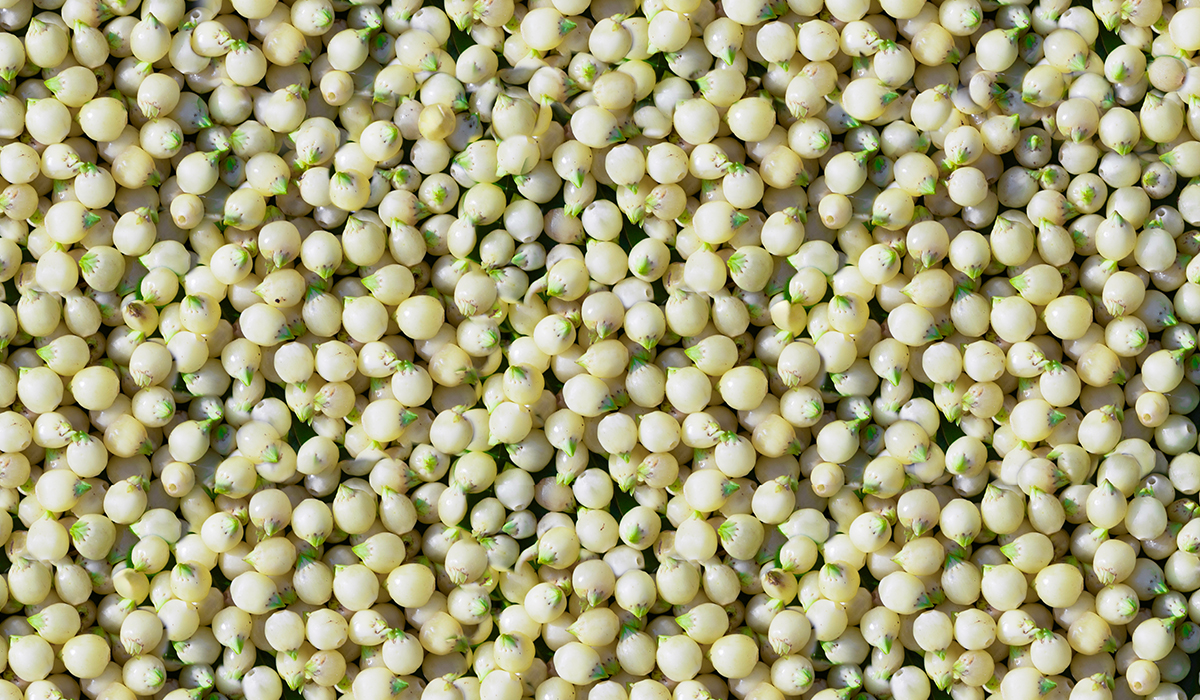
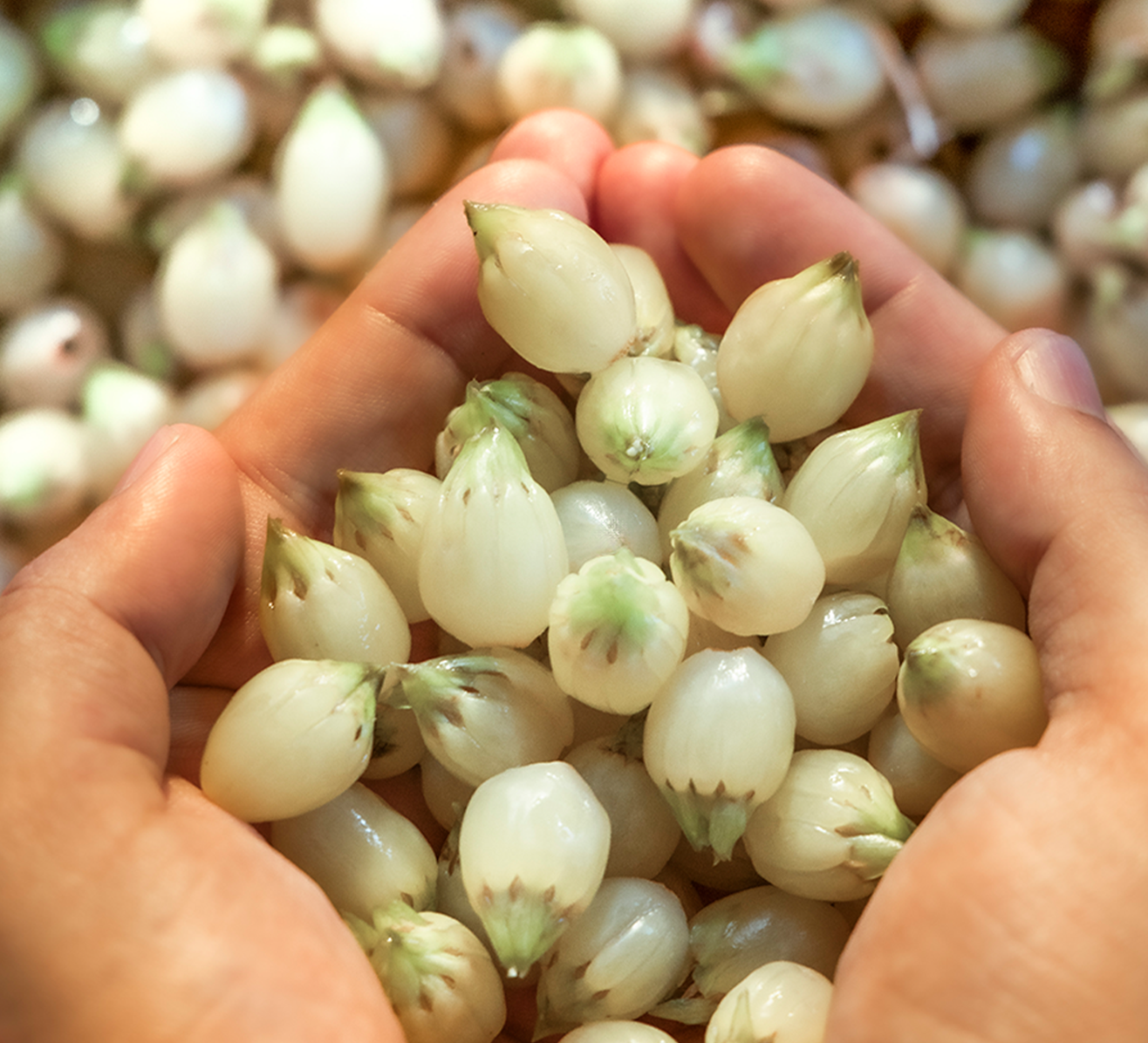
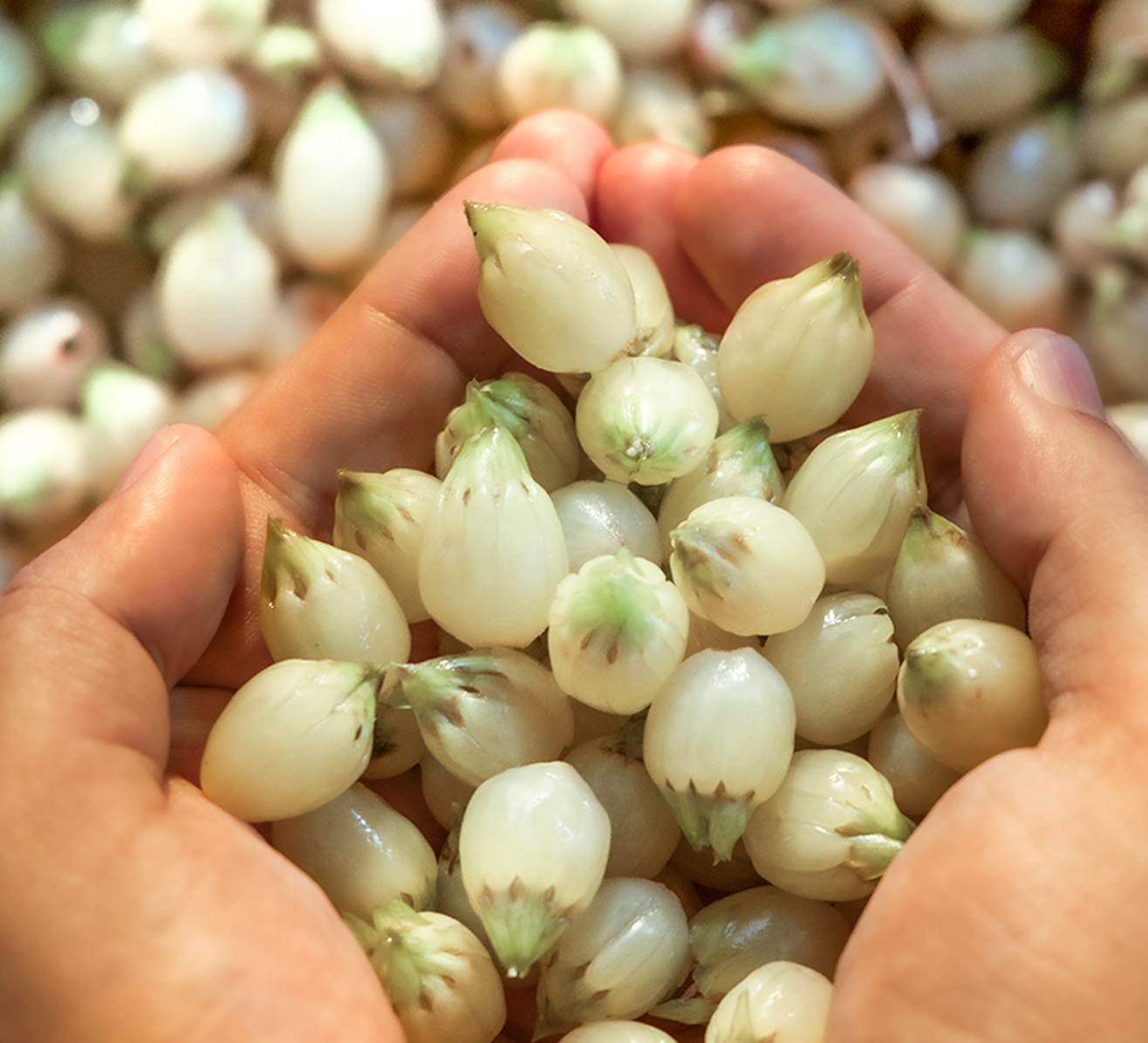
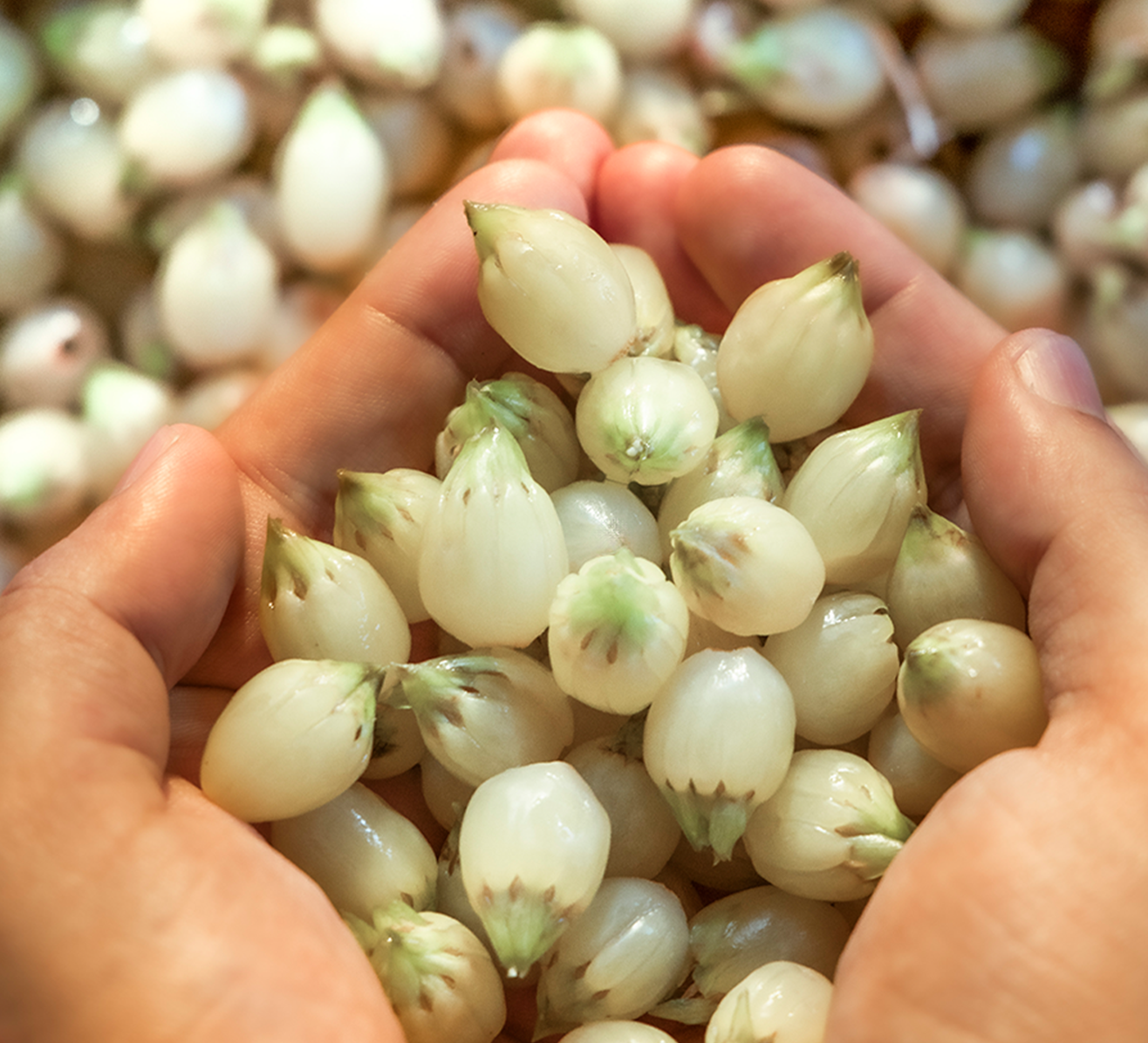
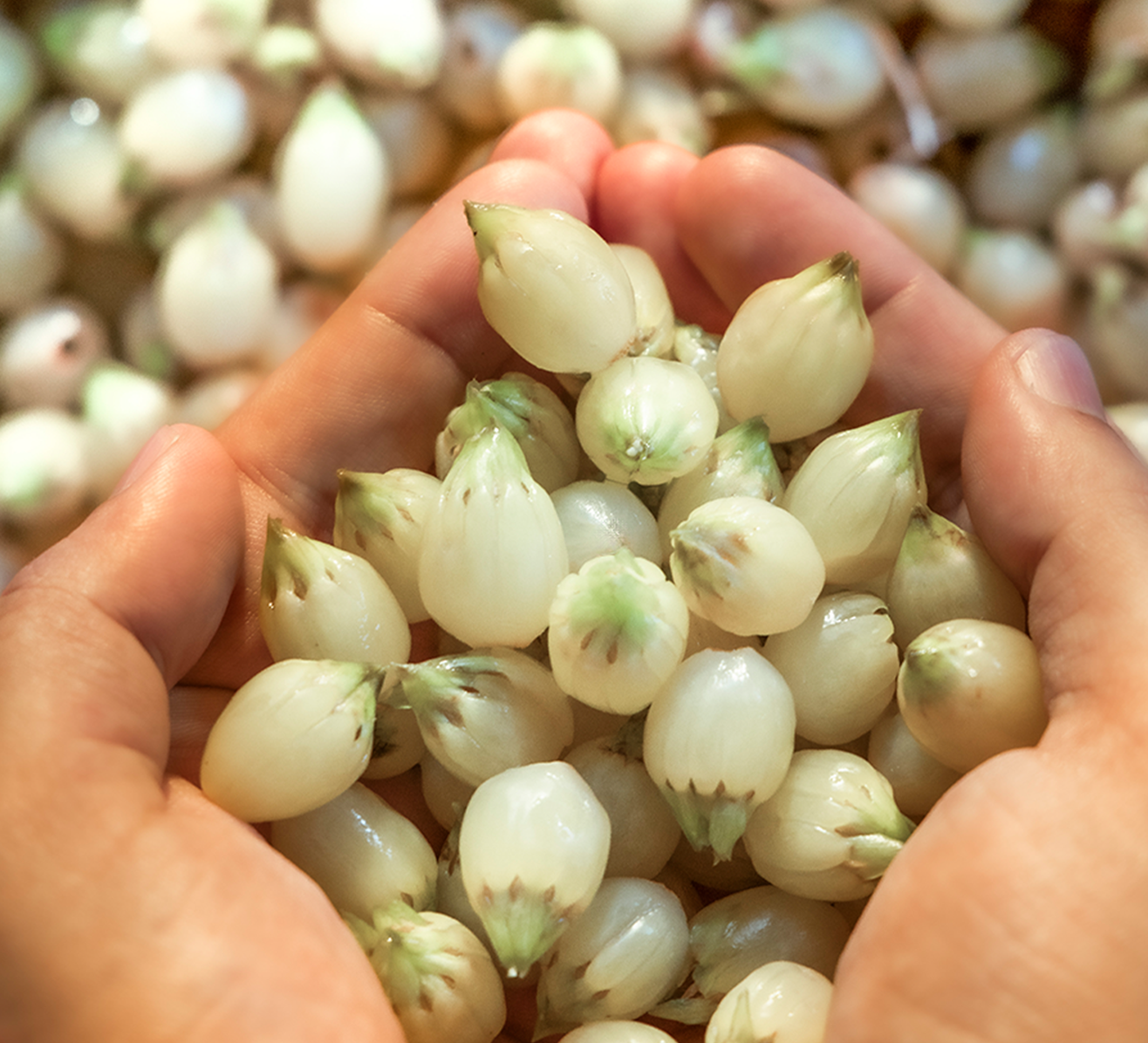
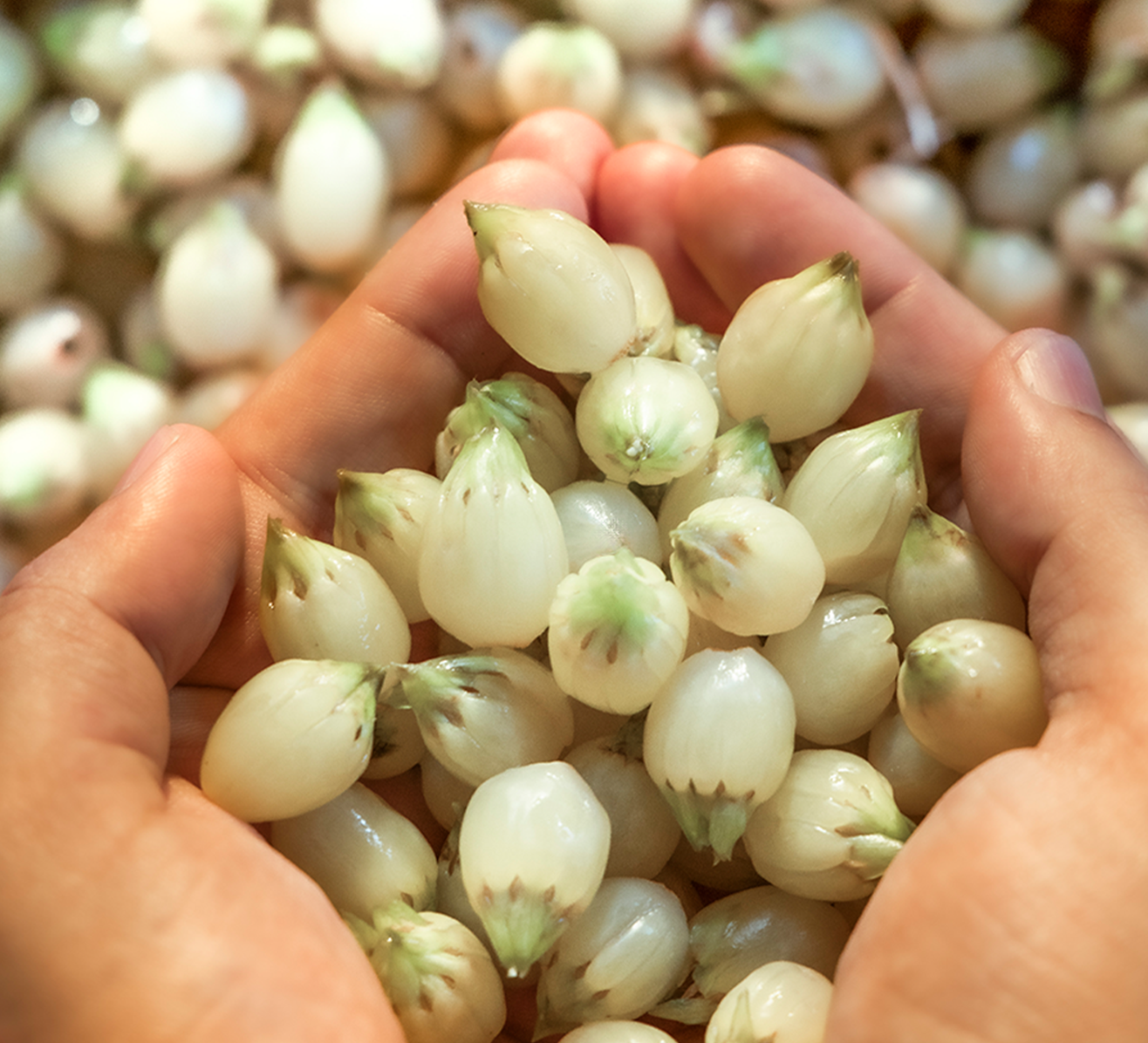
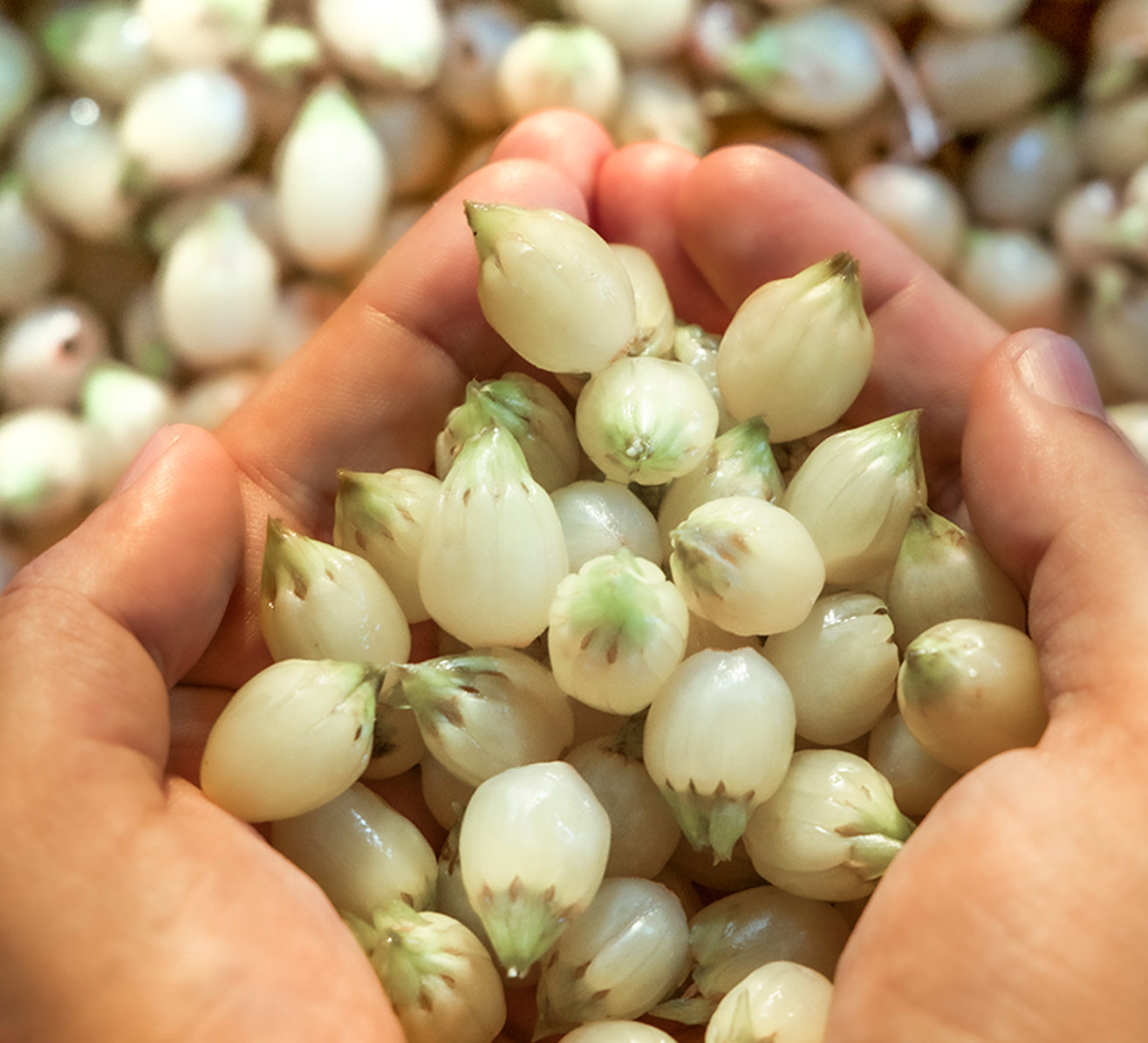
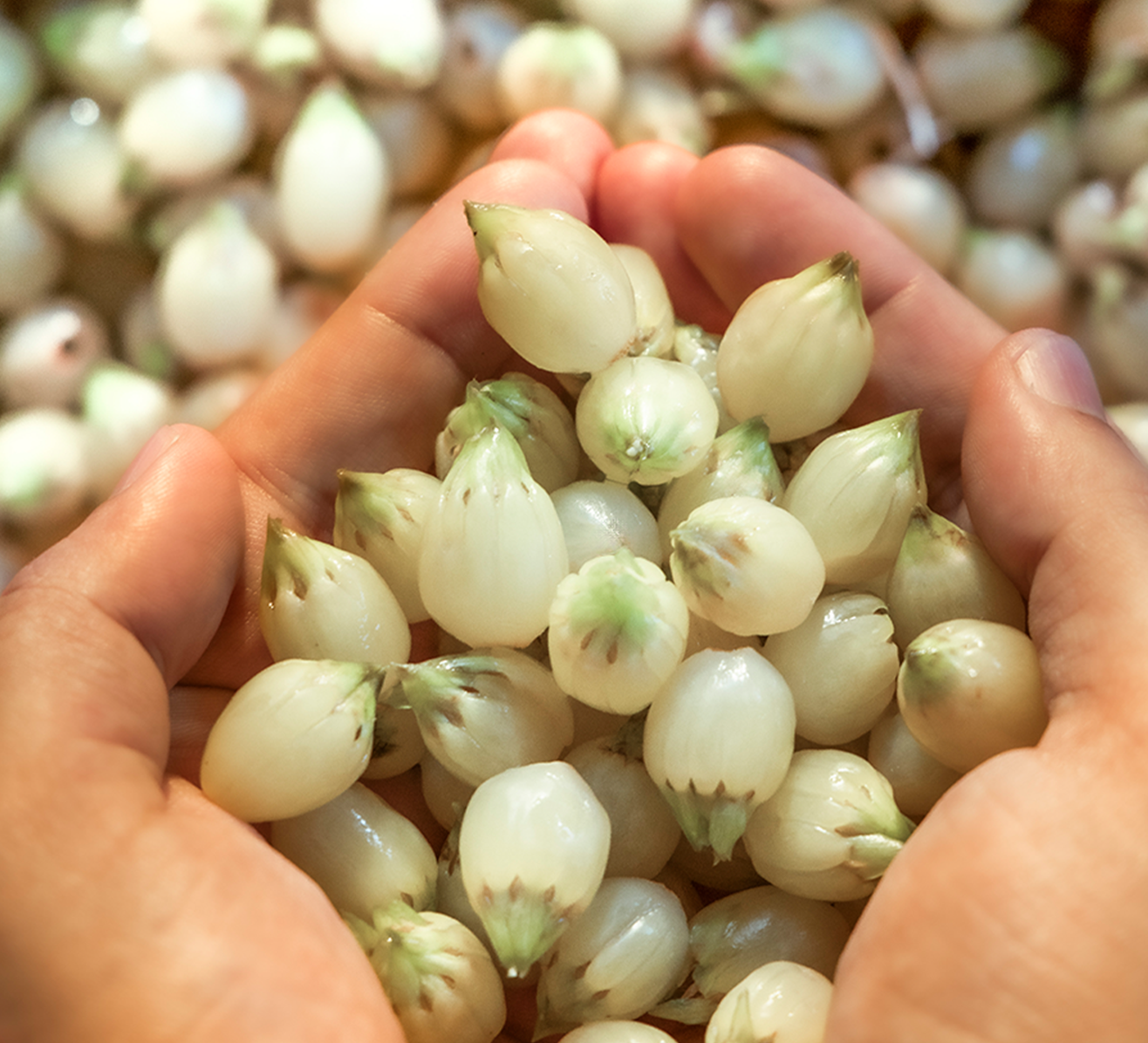
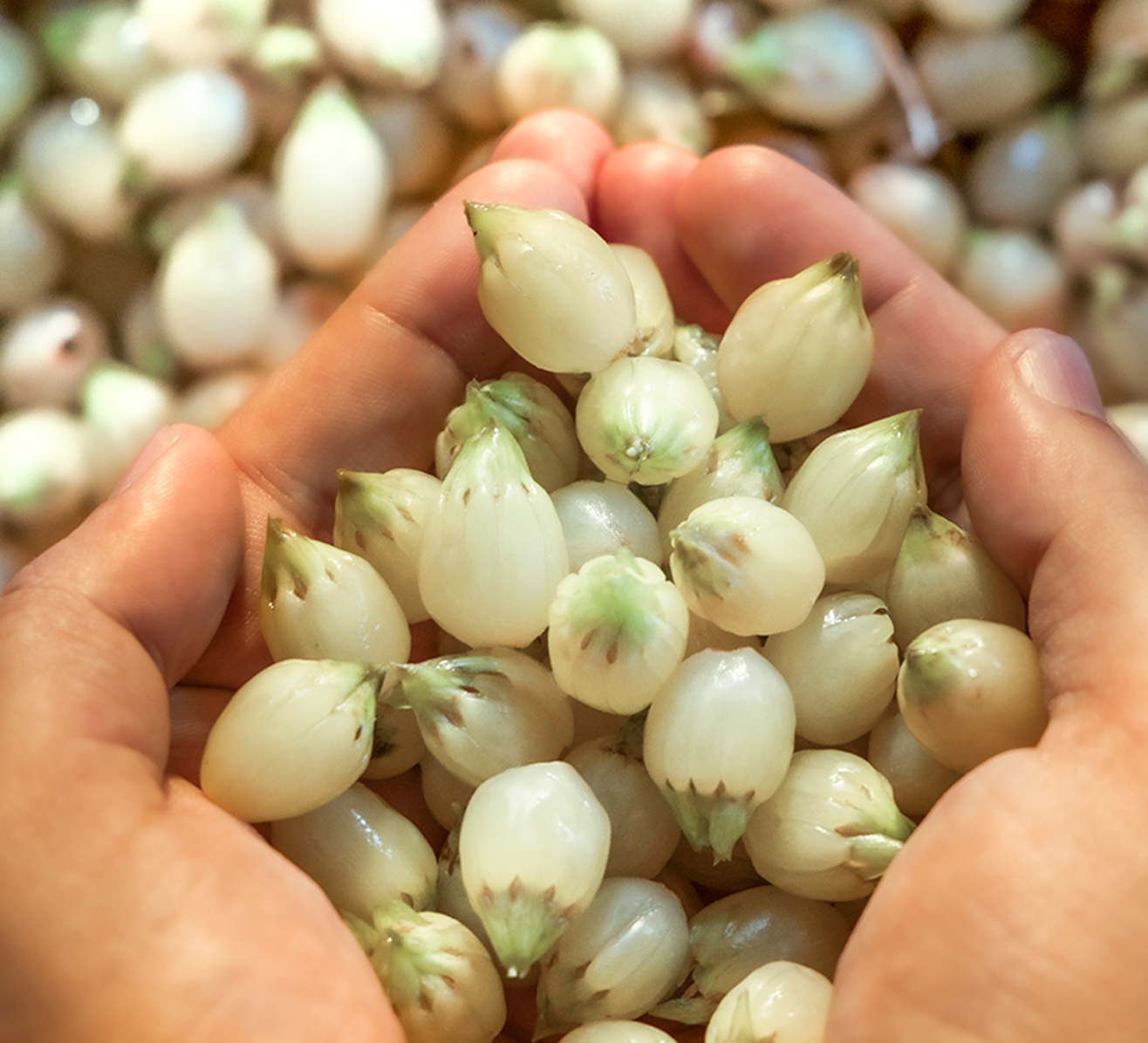
Made from the Mahua flower, this distinctive Indian spirit has a sensory identity shaped by its botanical origin, production, and heritage. Understanding it properly may require a tasting language that reflects what makes Mahua different.
Many consumers discovering Mahua spirit for the first time naturally compare it with familiar categories.
They may look for:
These comparisons can help beginners, but they can also limit how we understand Mahua.
A premium Mahua spirit should ultimately be appreciated for what it brings to the glass—not simply for how closely it resembles another category.
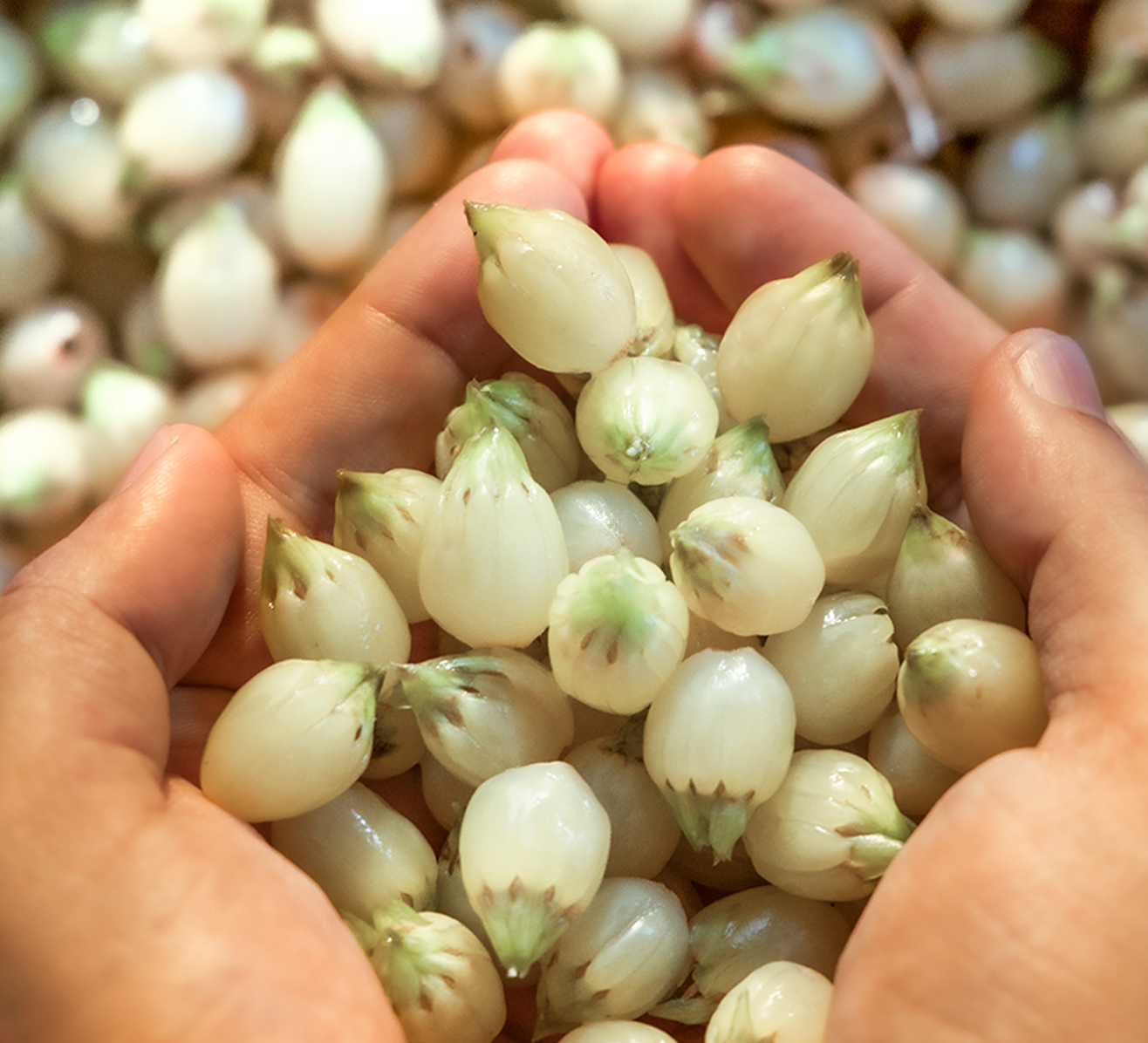
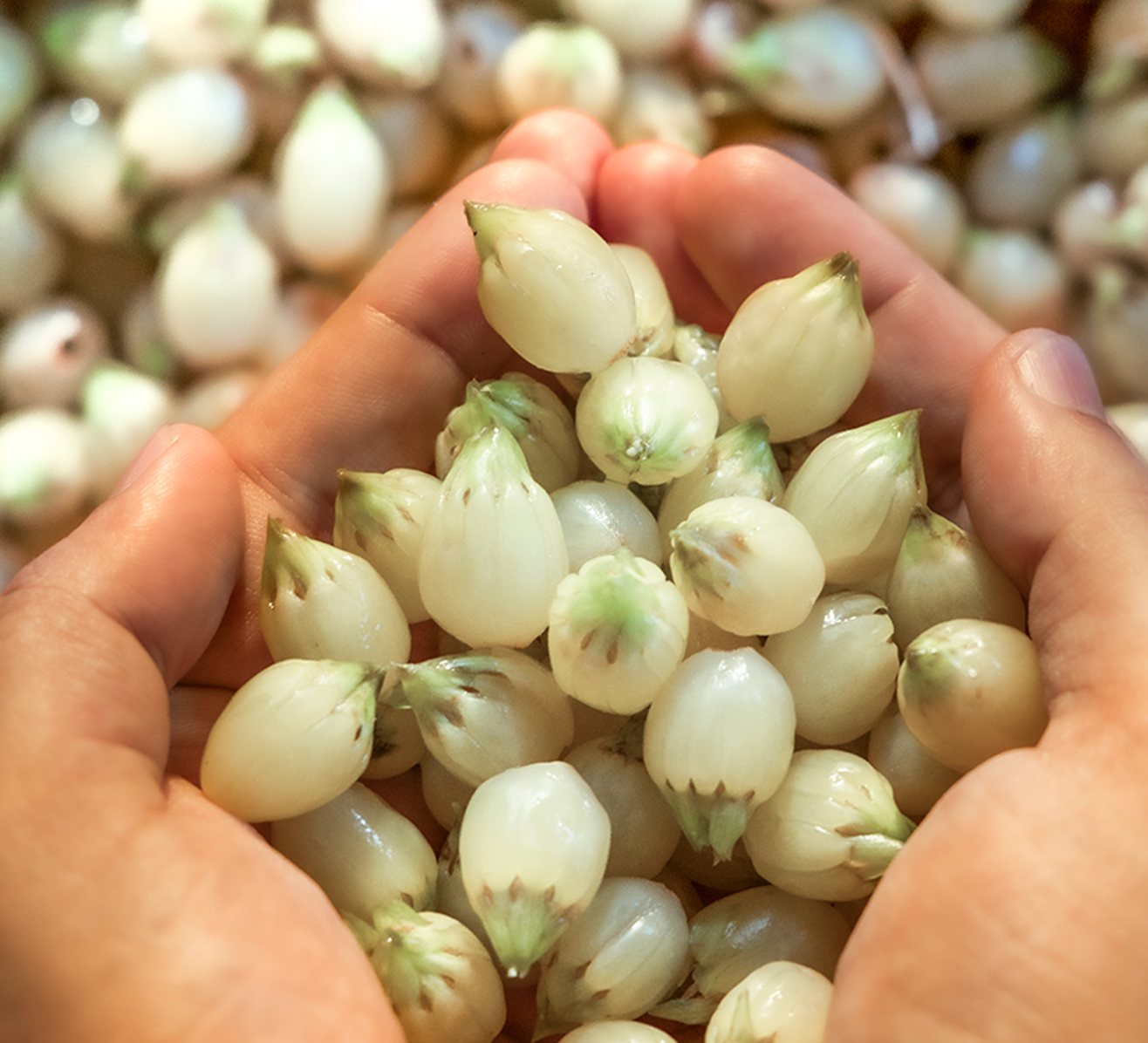
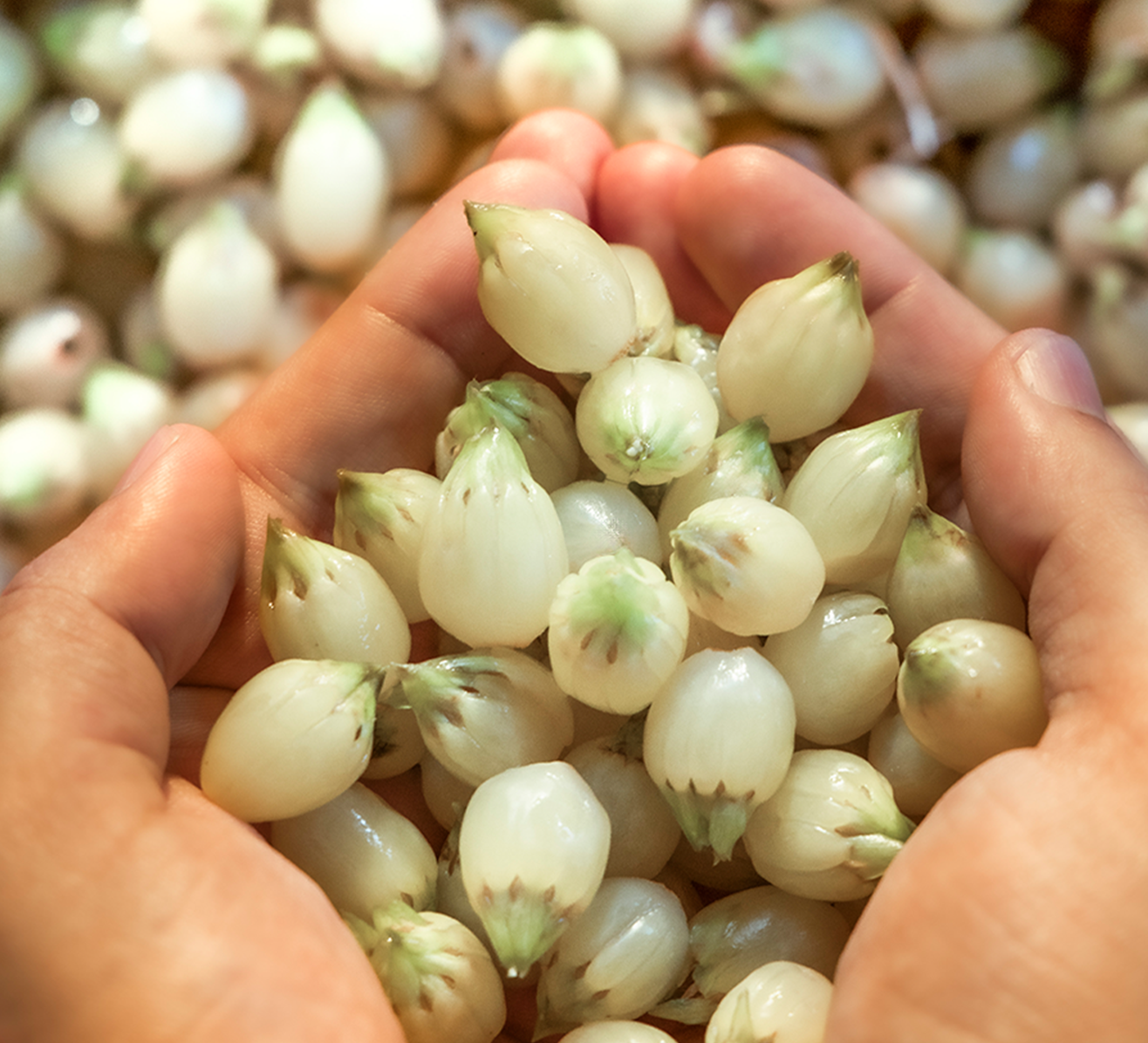
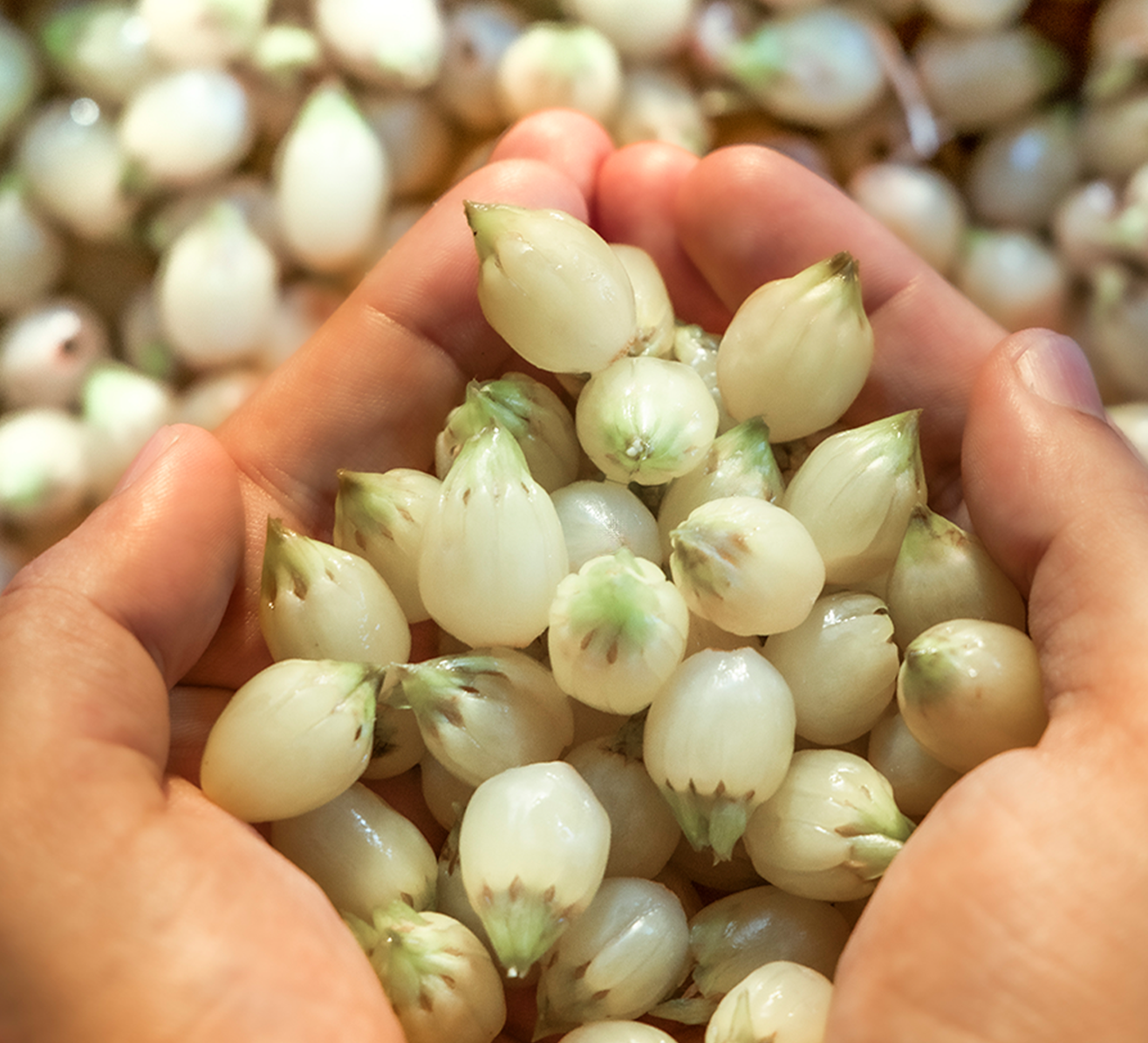
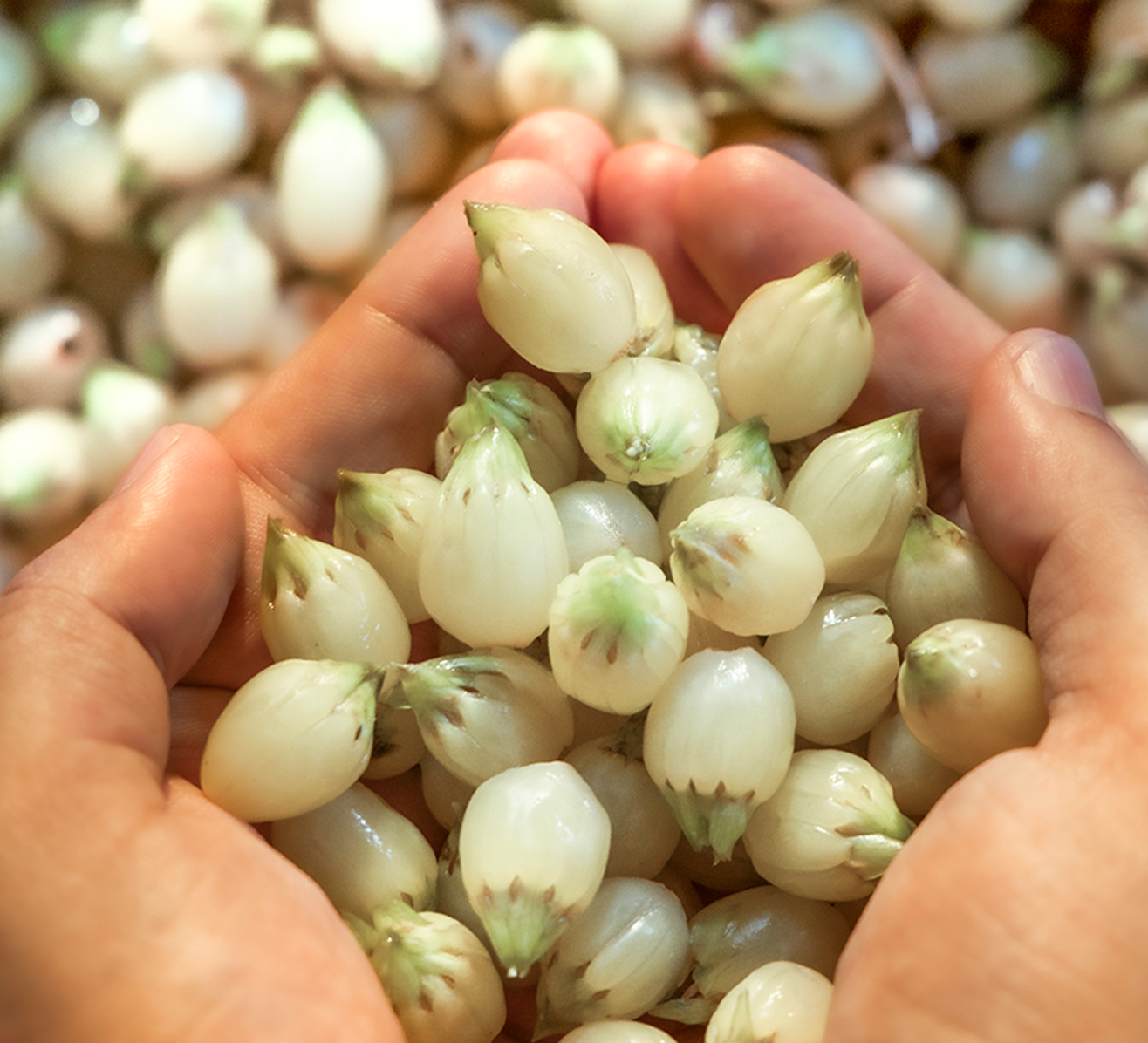
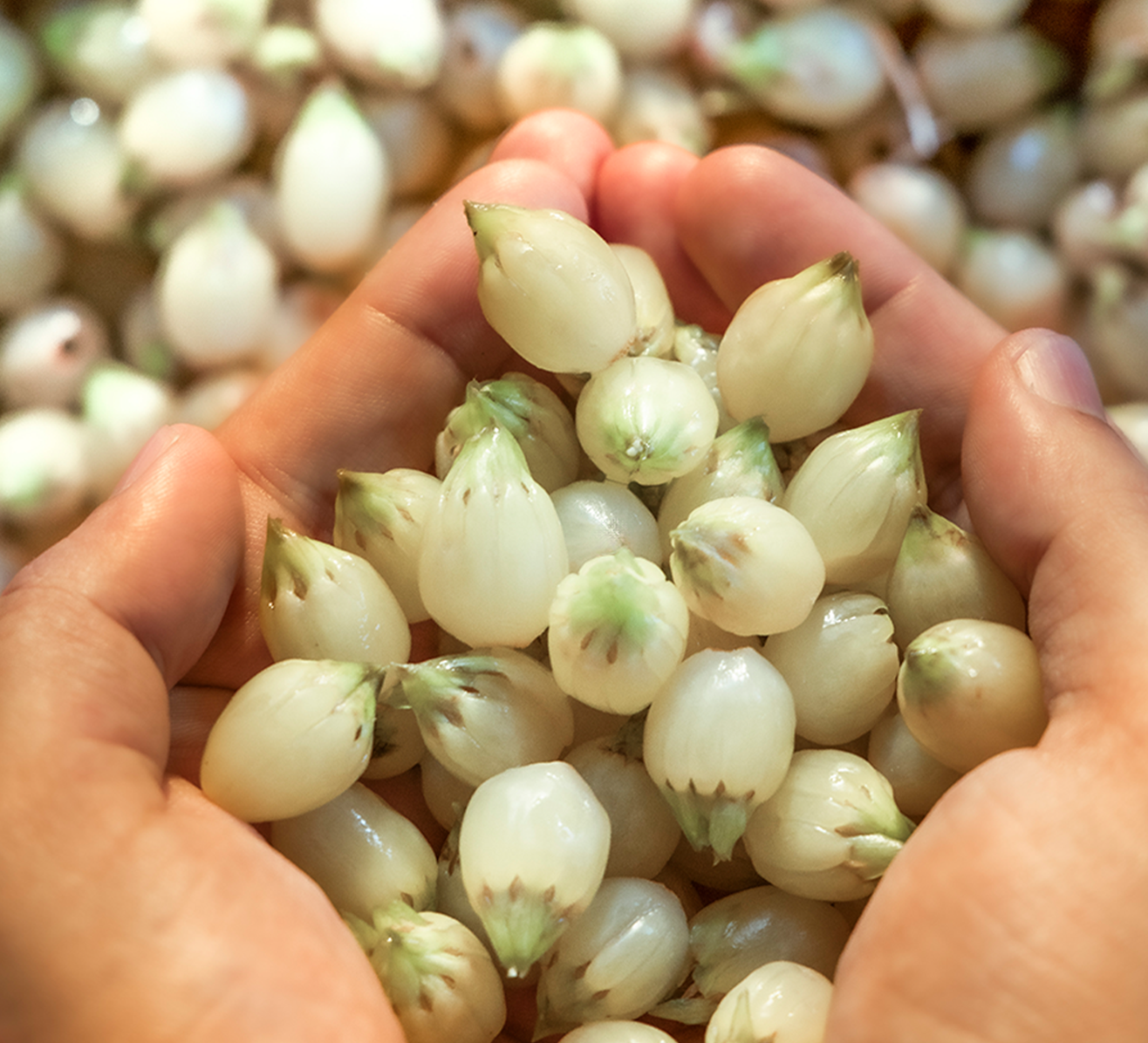
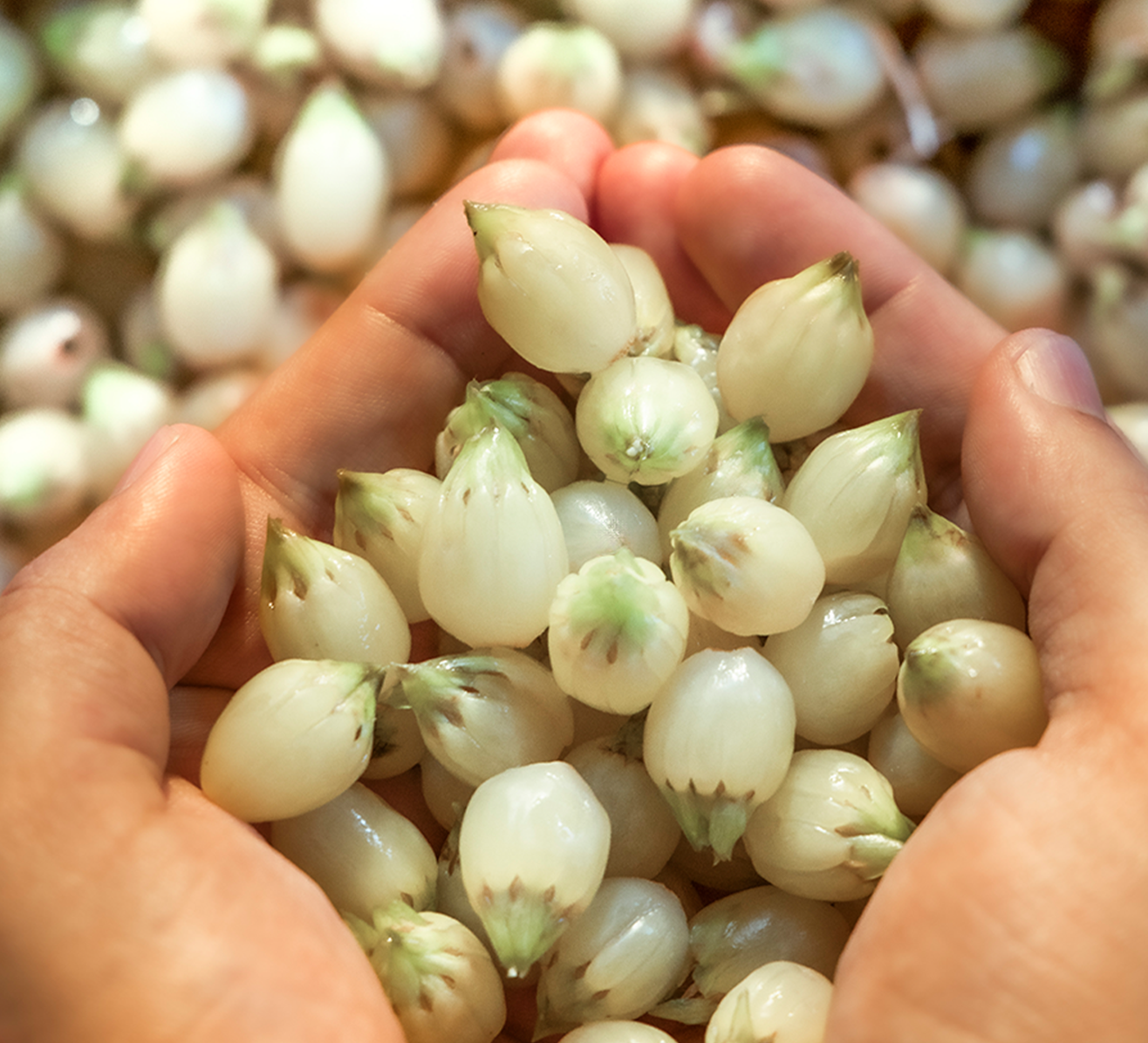
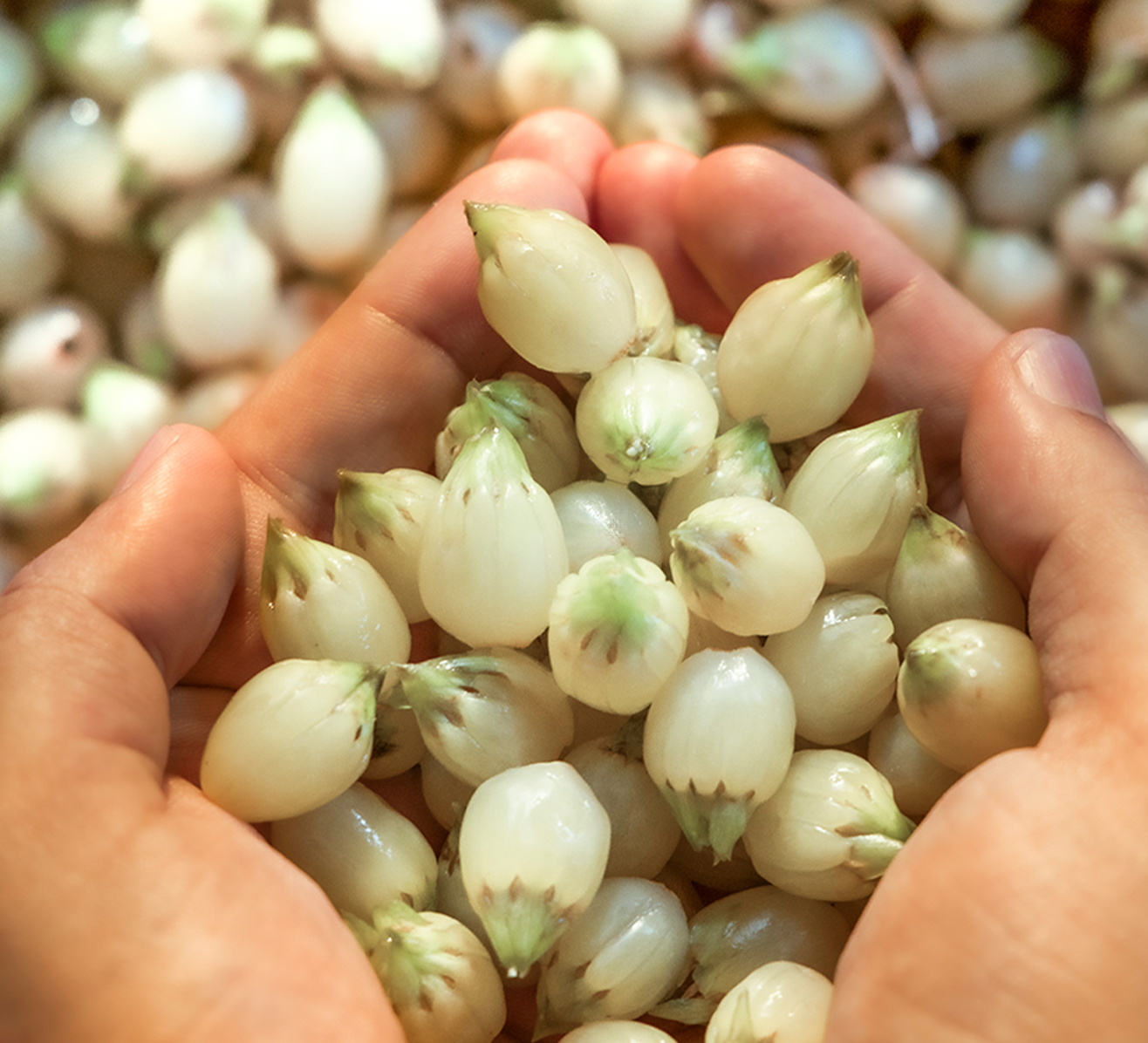
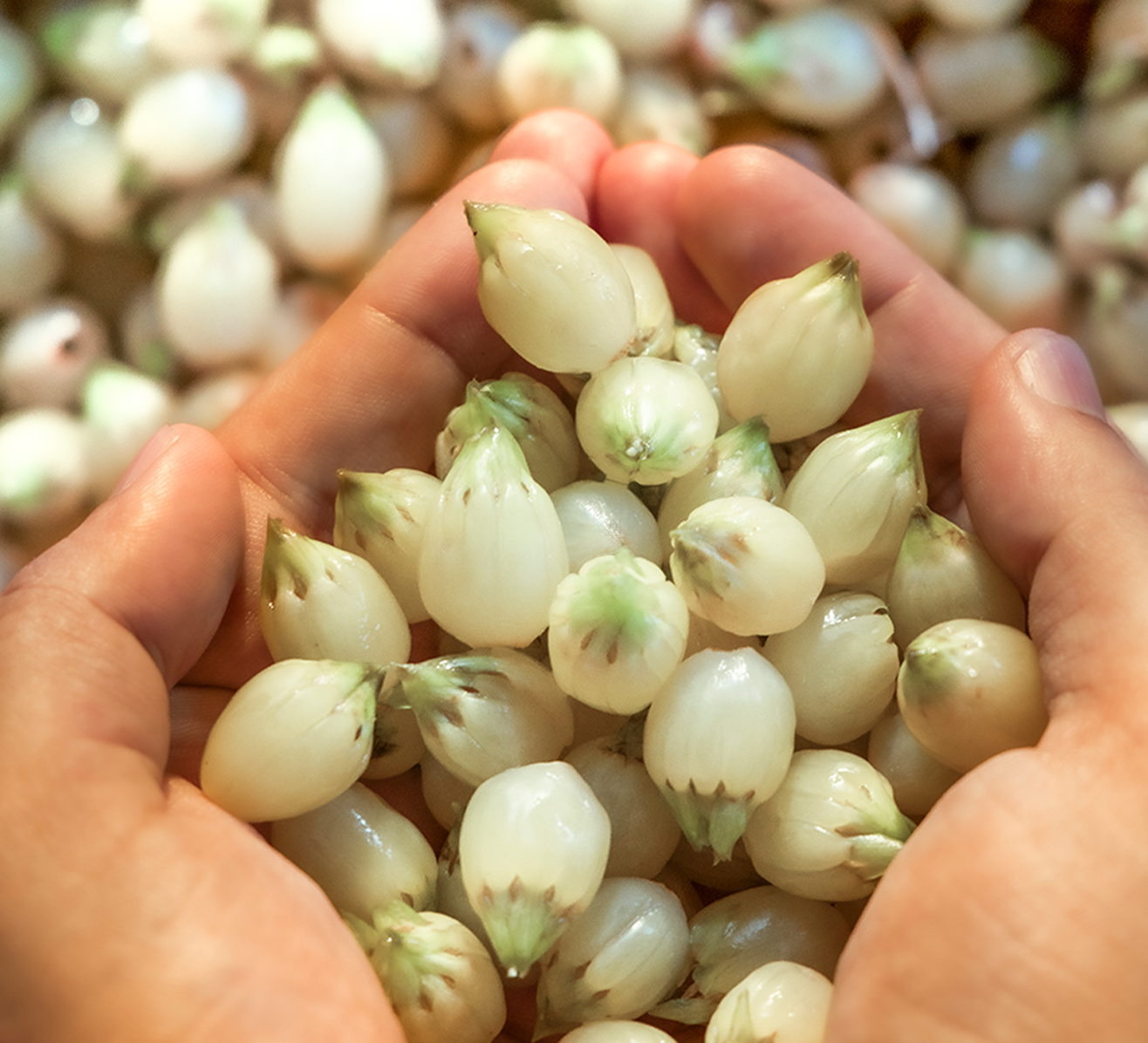
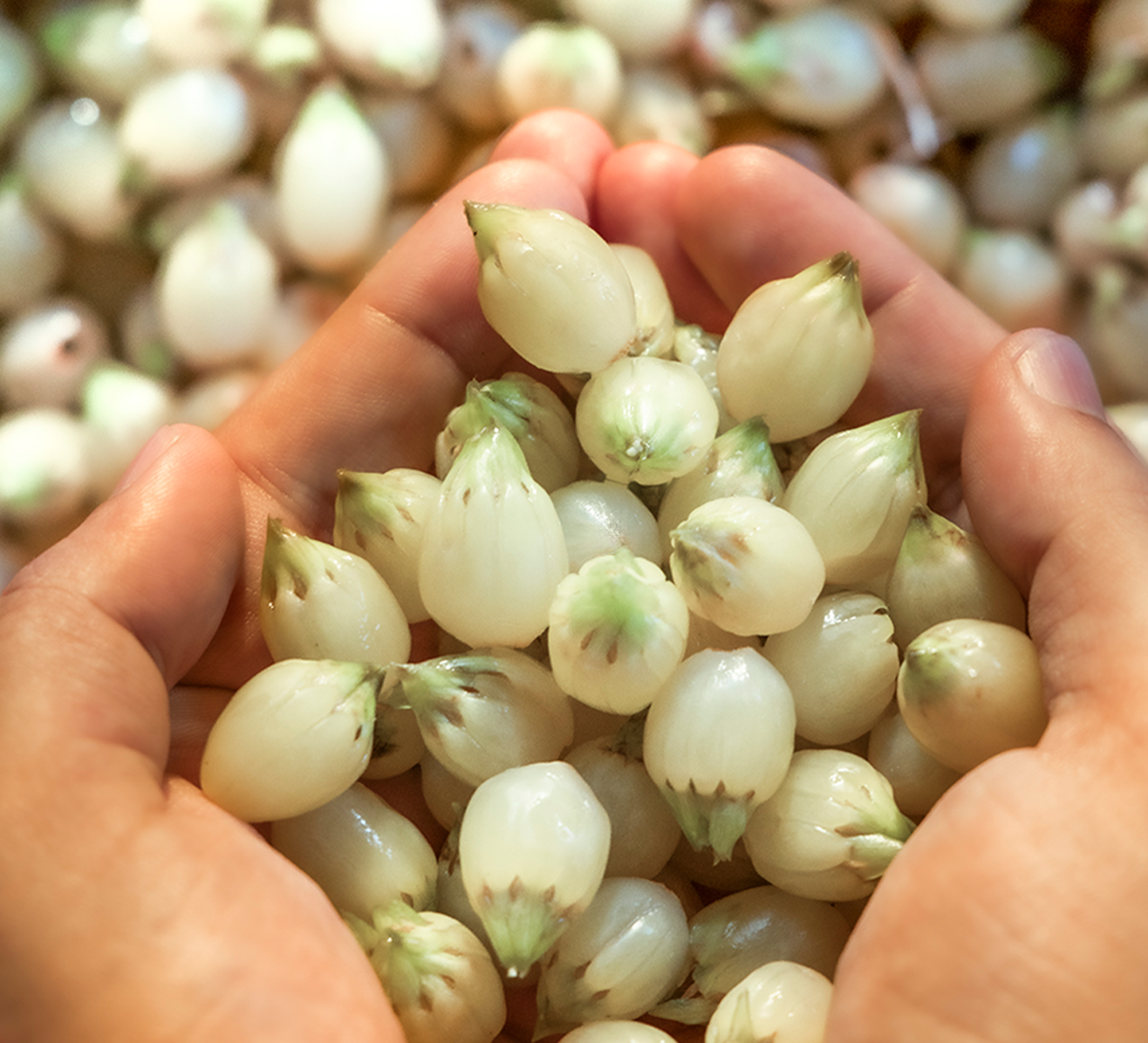
The Mahua flower is central to the identity of Mahua spirit.
Its botanical origins make aroma an important part of the tasting experience.
When tasting, consider:
Rather than immediately searching for familiar whisky terminology, tasters can begin by asking a simpler question:
What does Mahua actually smell like?
That curiosity can become the foundation of a new tasting vocabulary.
A tasting language should describe more than aroma.
When evaluating premium Mahua spirit, consider:
The aim isn't to find one perfect descriptor.
It is to understand how the spirit develops from the first contact with the palate through to the finish.
A useful Mahua tasting framework could follow three stages:
This approach helps beginners understand Mahua spirit without needing an extensive knowledge of traditional spirits.
The growth of indigenous Indian spirits depends partly on consumers learning how to appreciate them independently.
If every new spirit is described only through comparisons with whisky, gin, or Cognac, its own identity can easily get lost.
Mahua offers an opportunity to develop terminology around:
Over time, these descriptions can become part of a broader Indian craft spirits vocabulary.
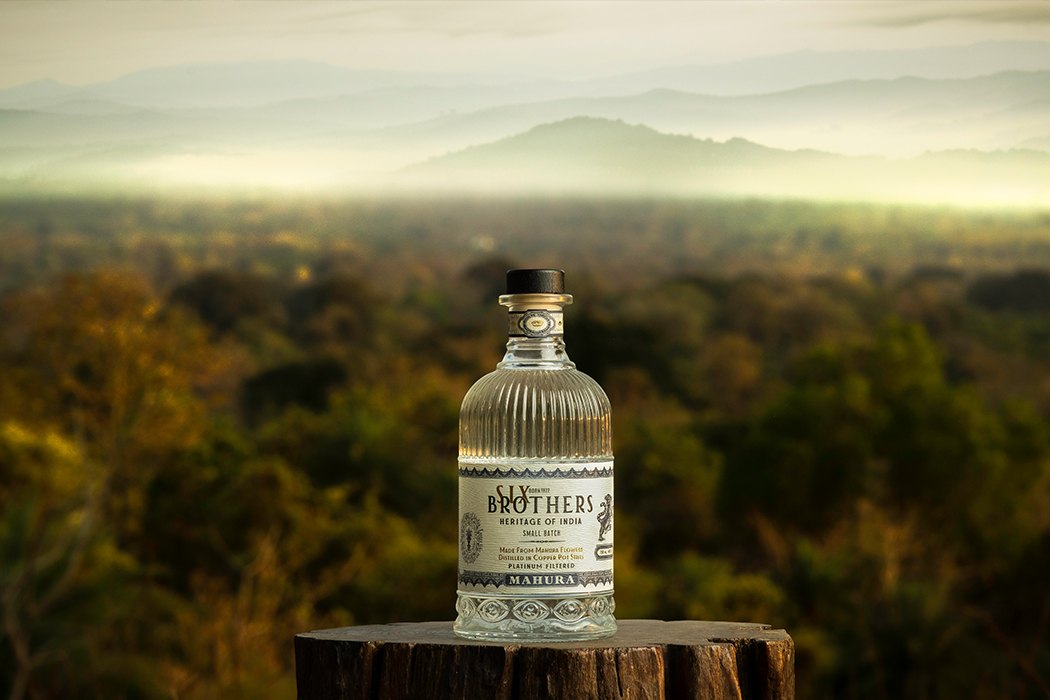
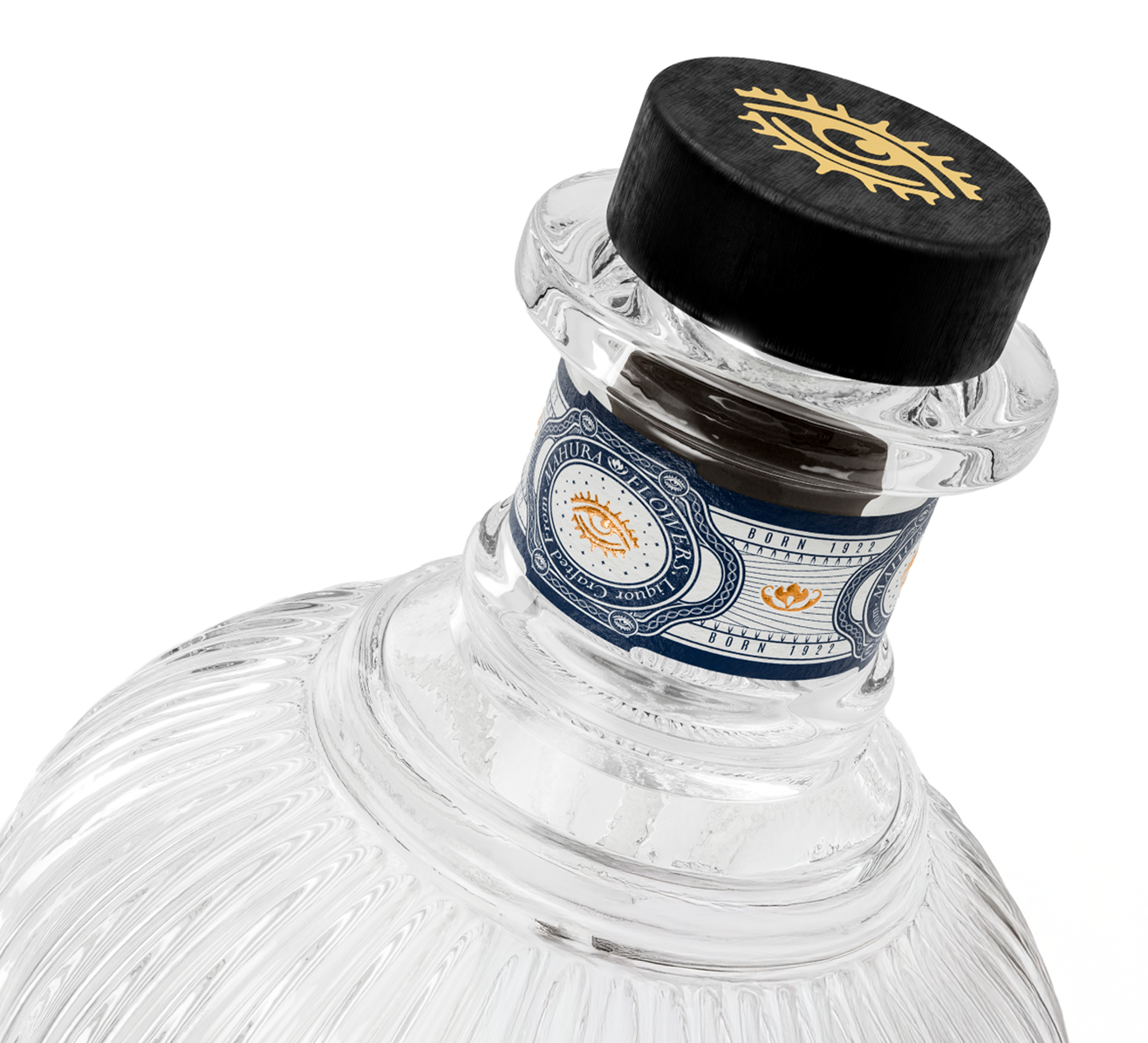
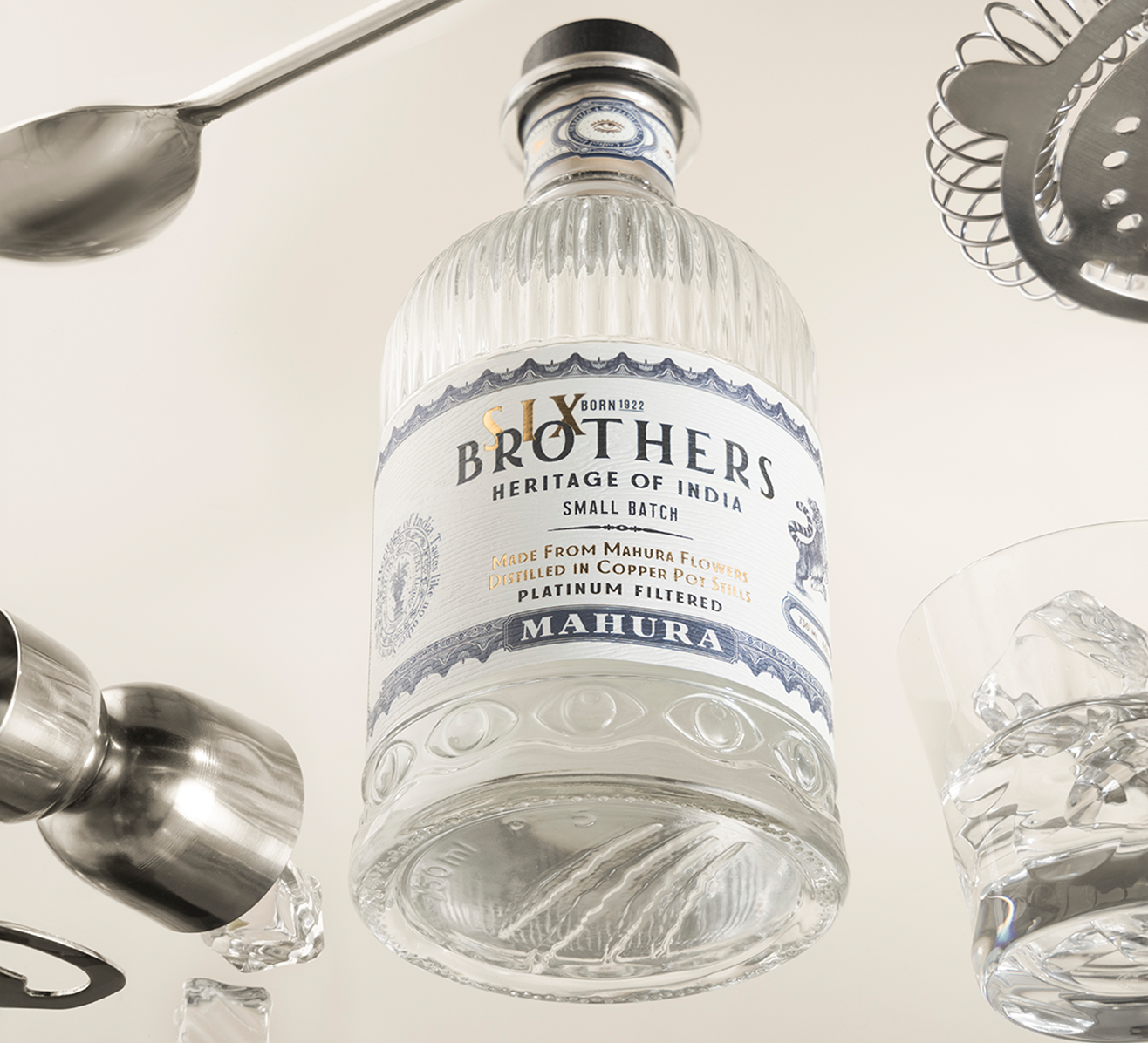
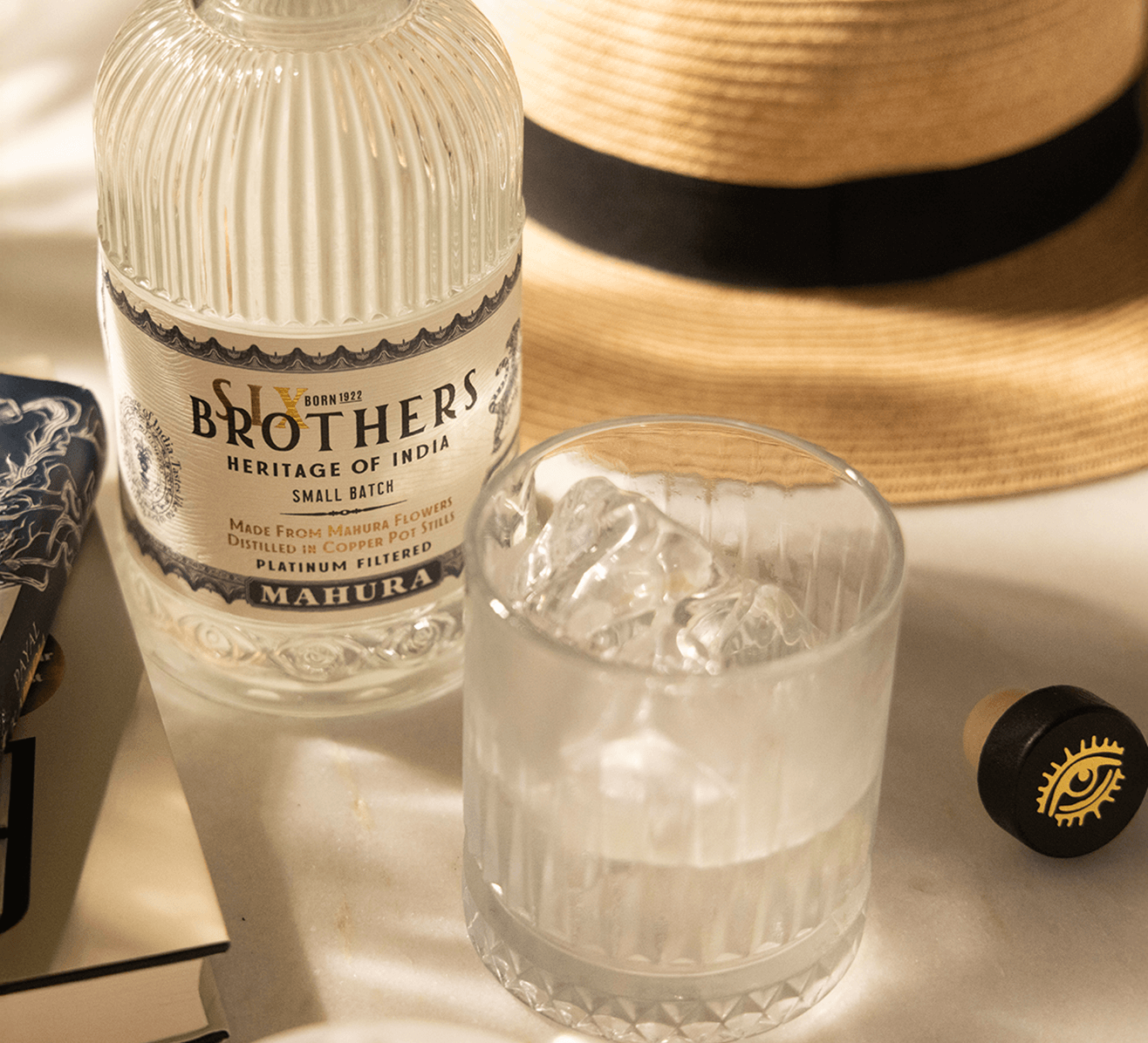
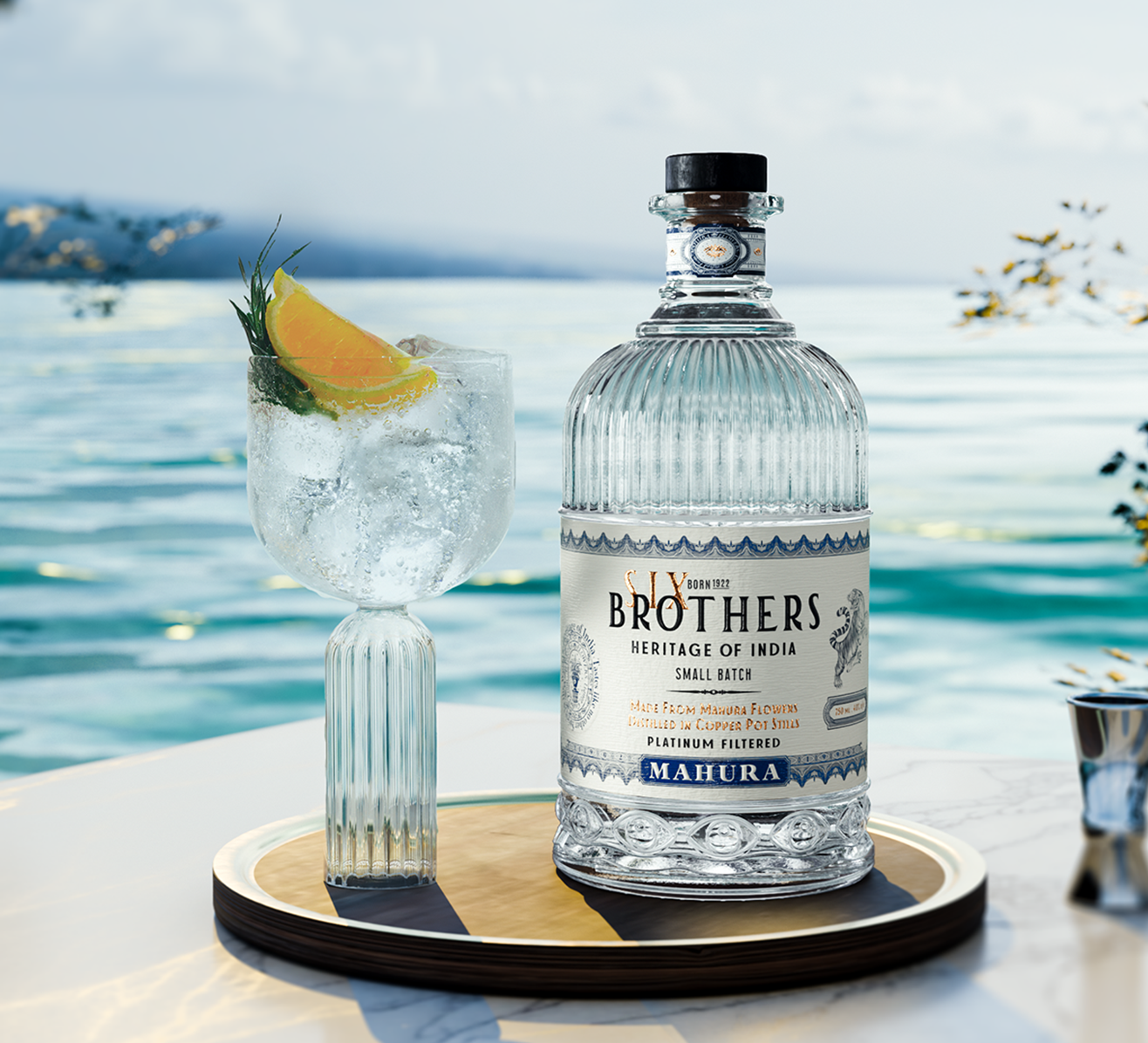
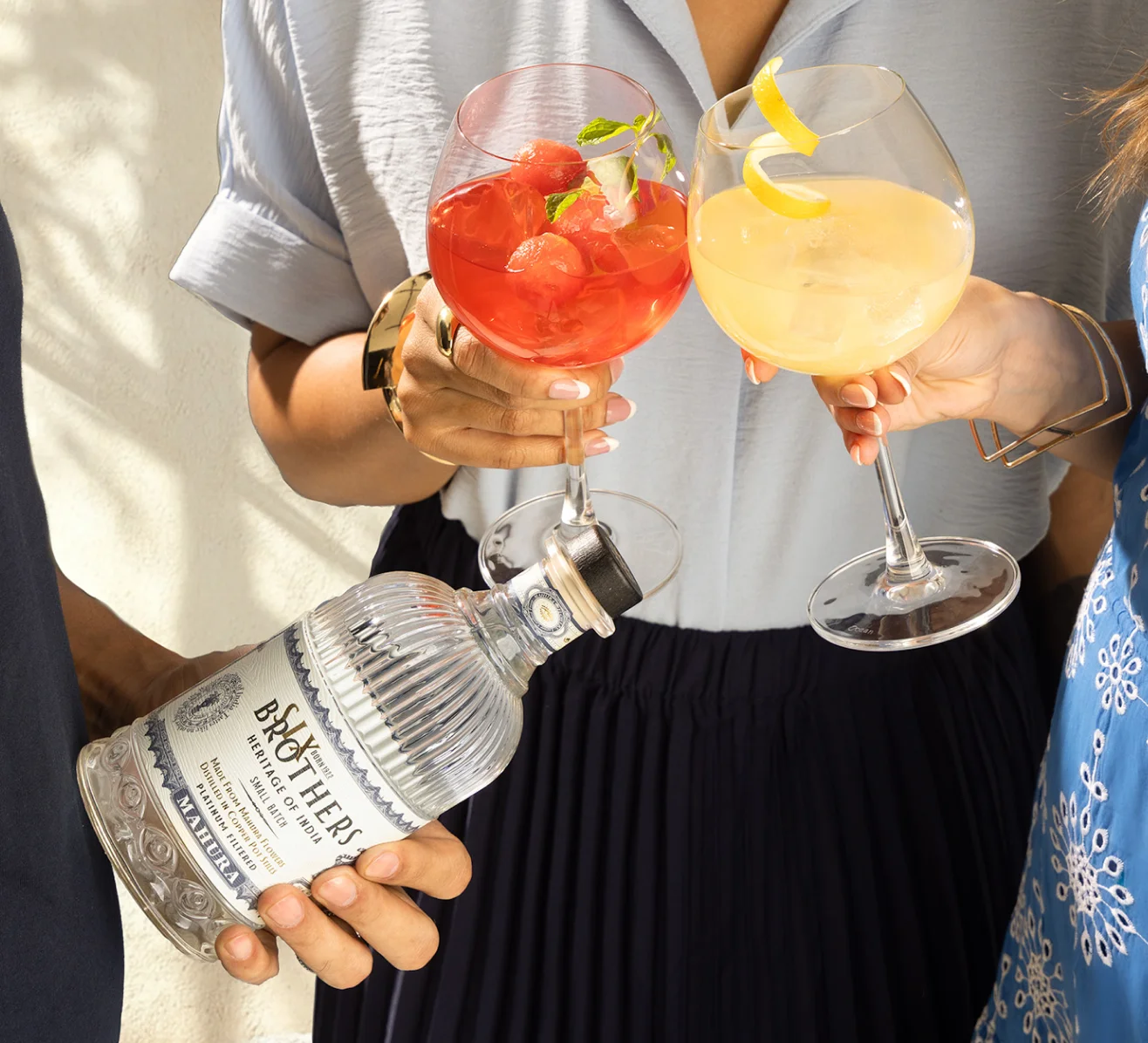
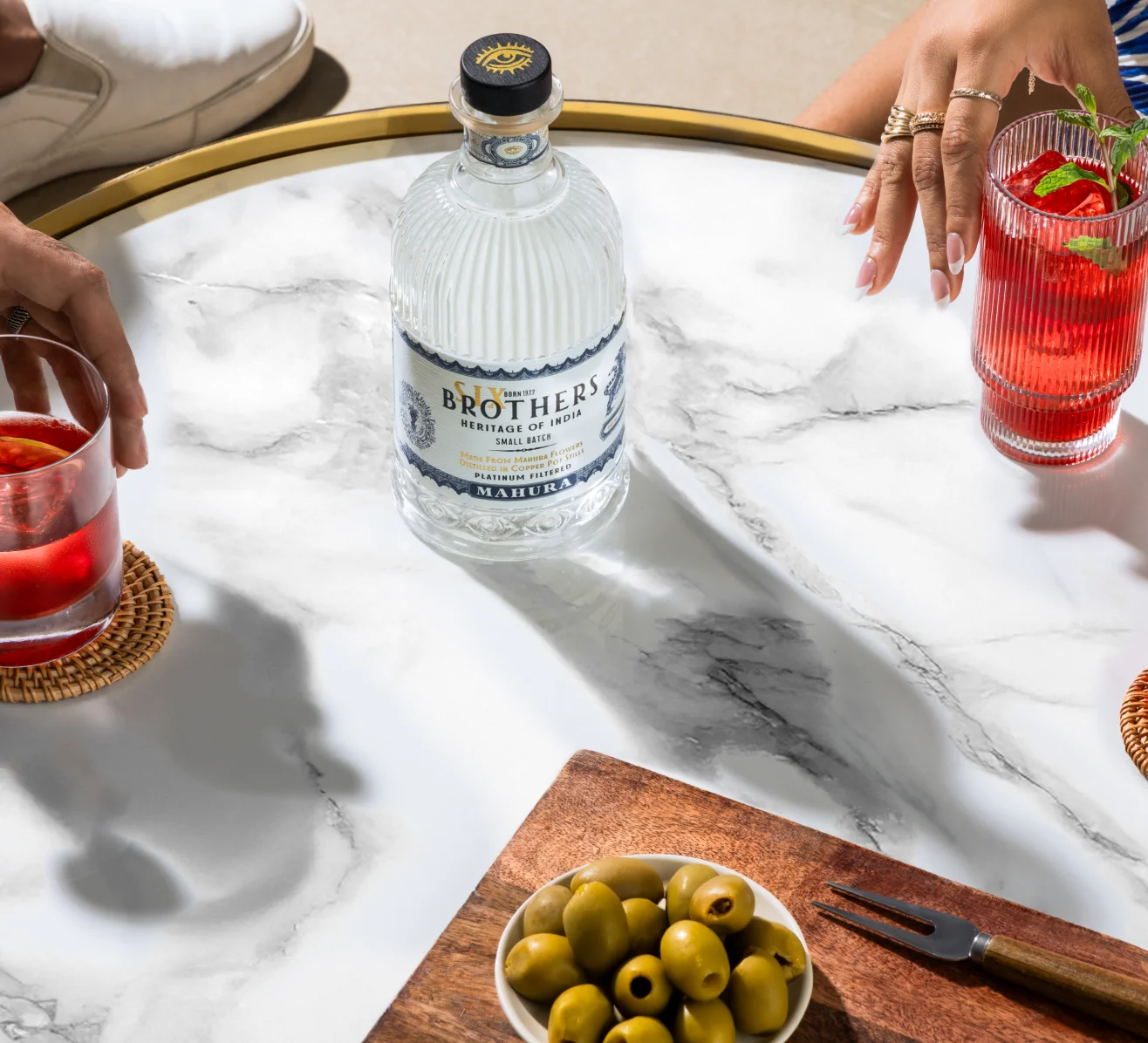
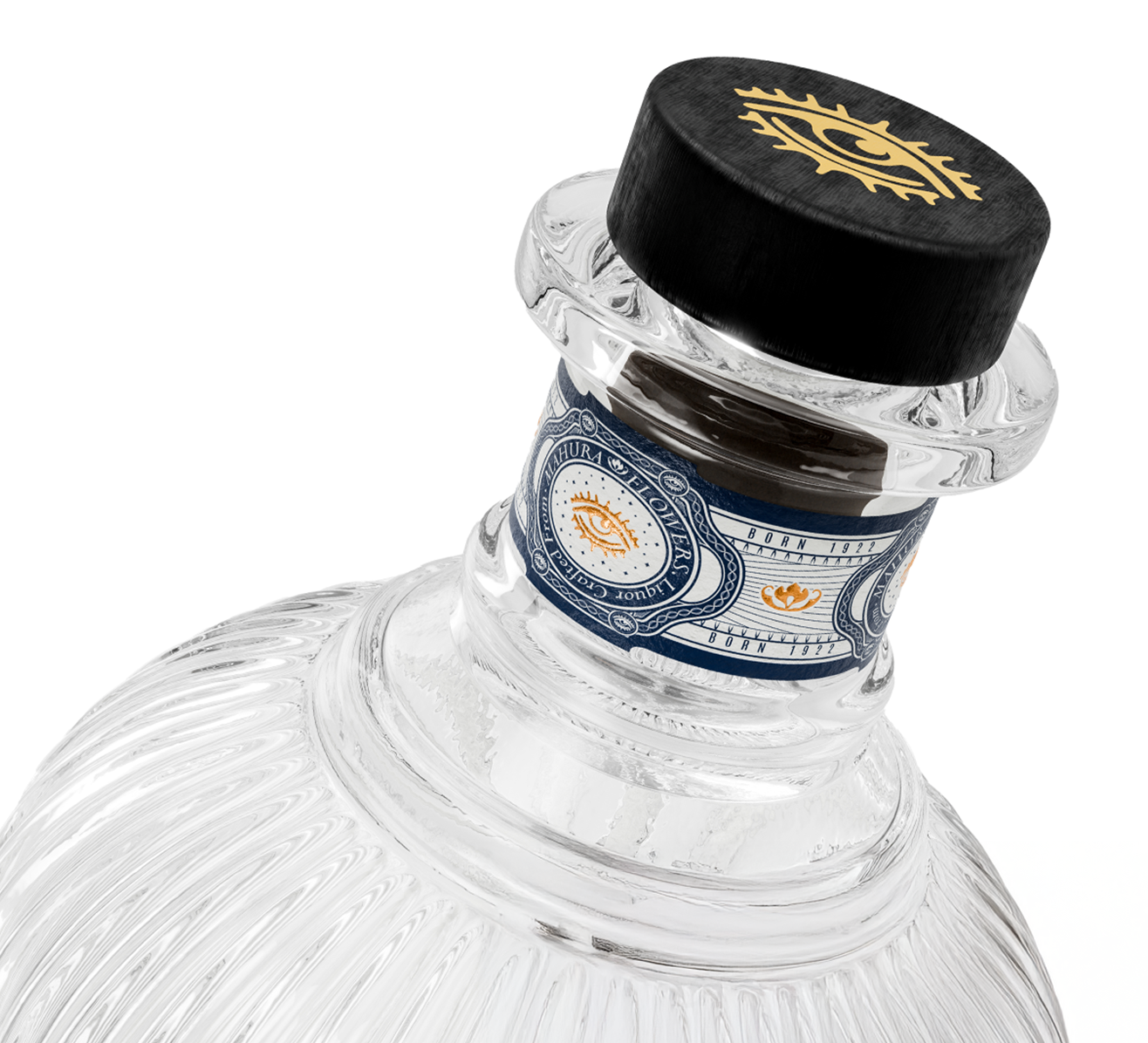
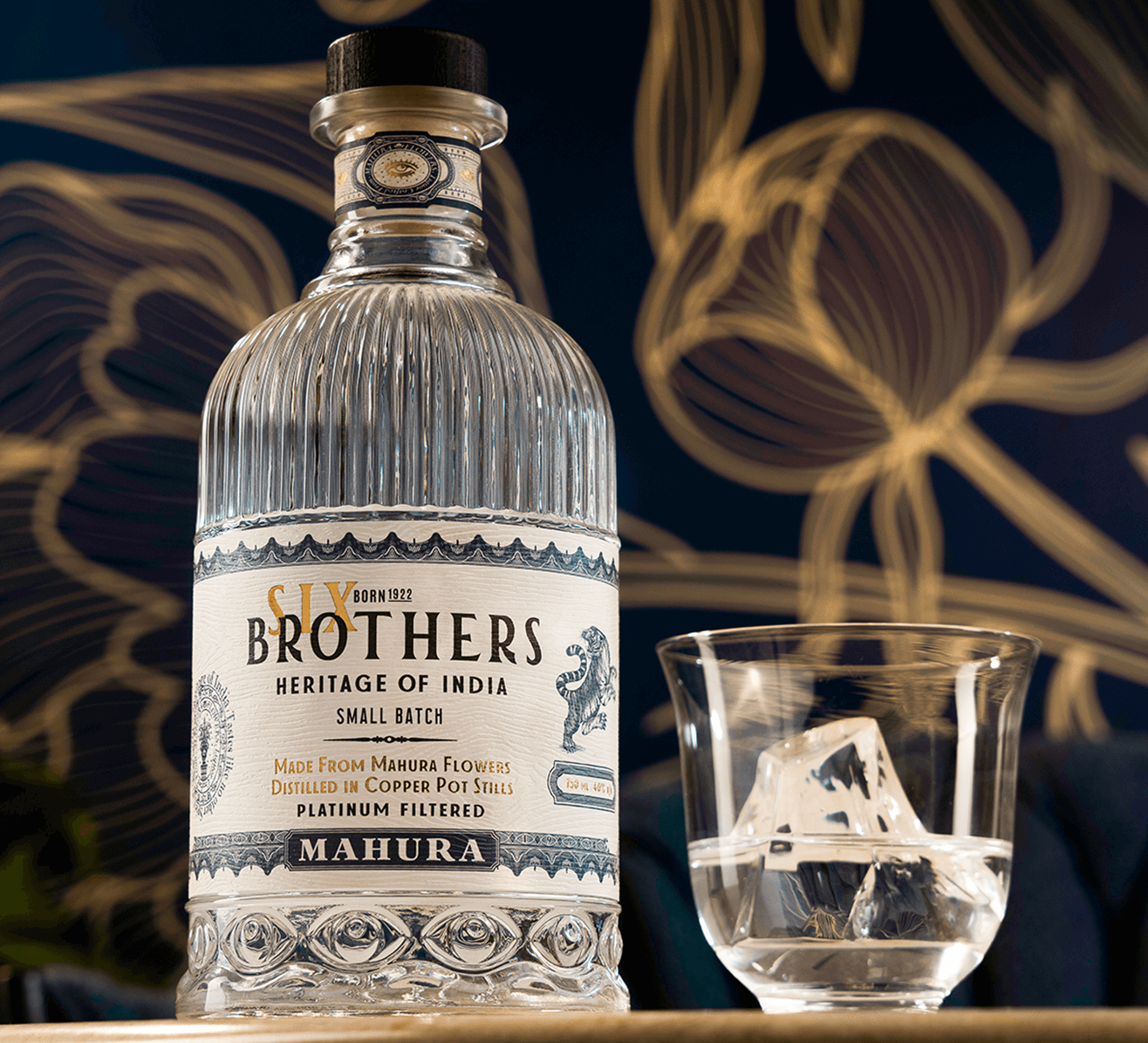
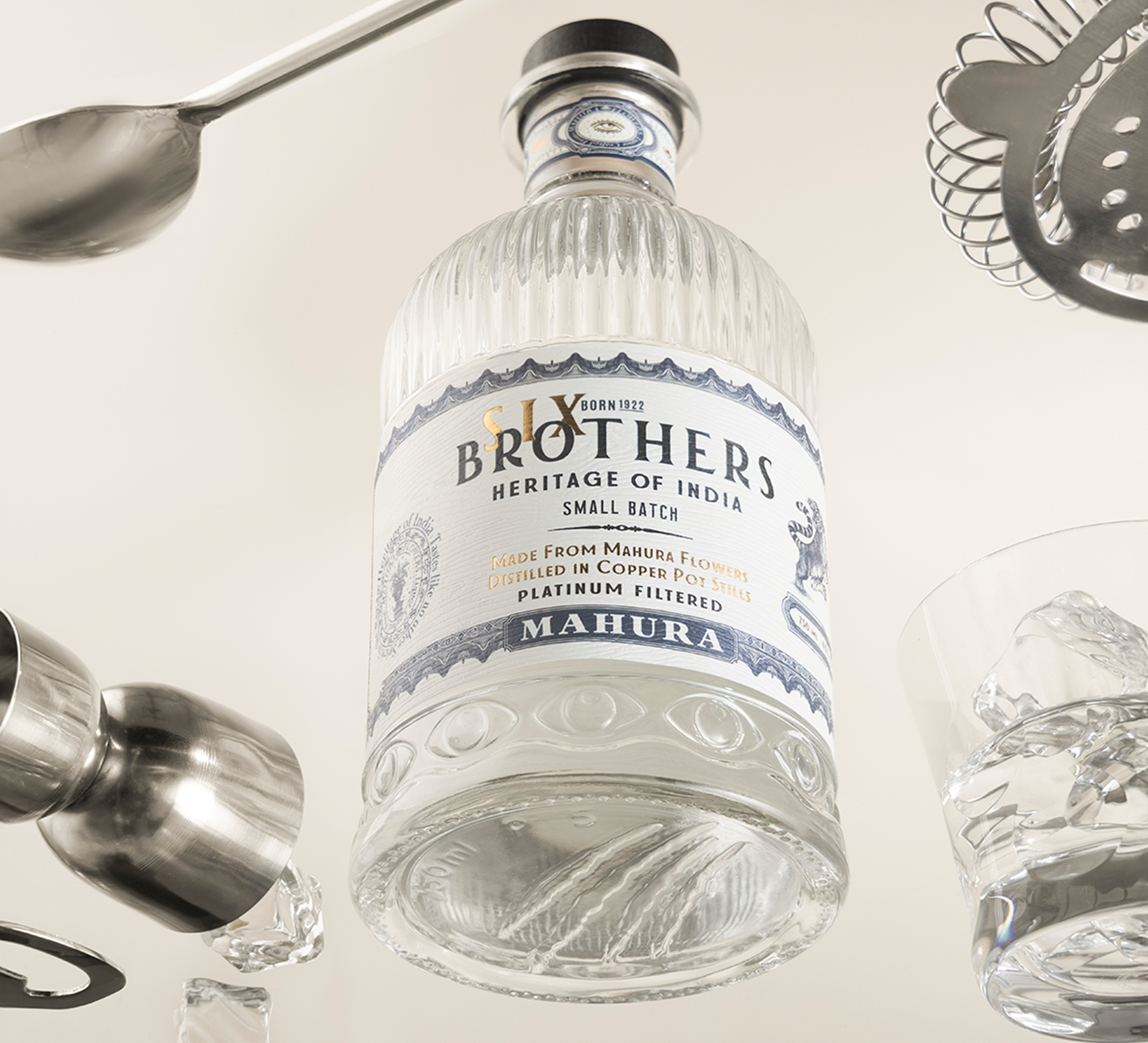
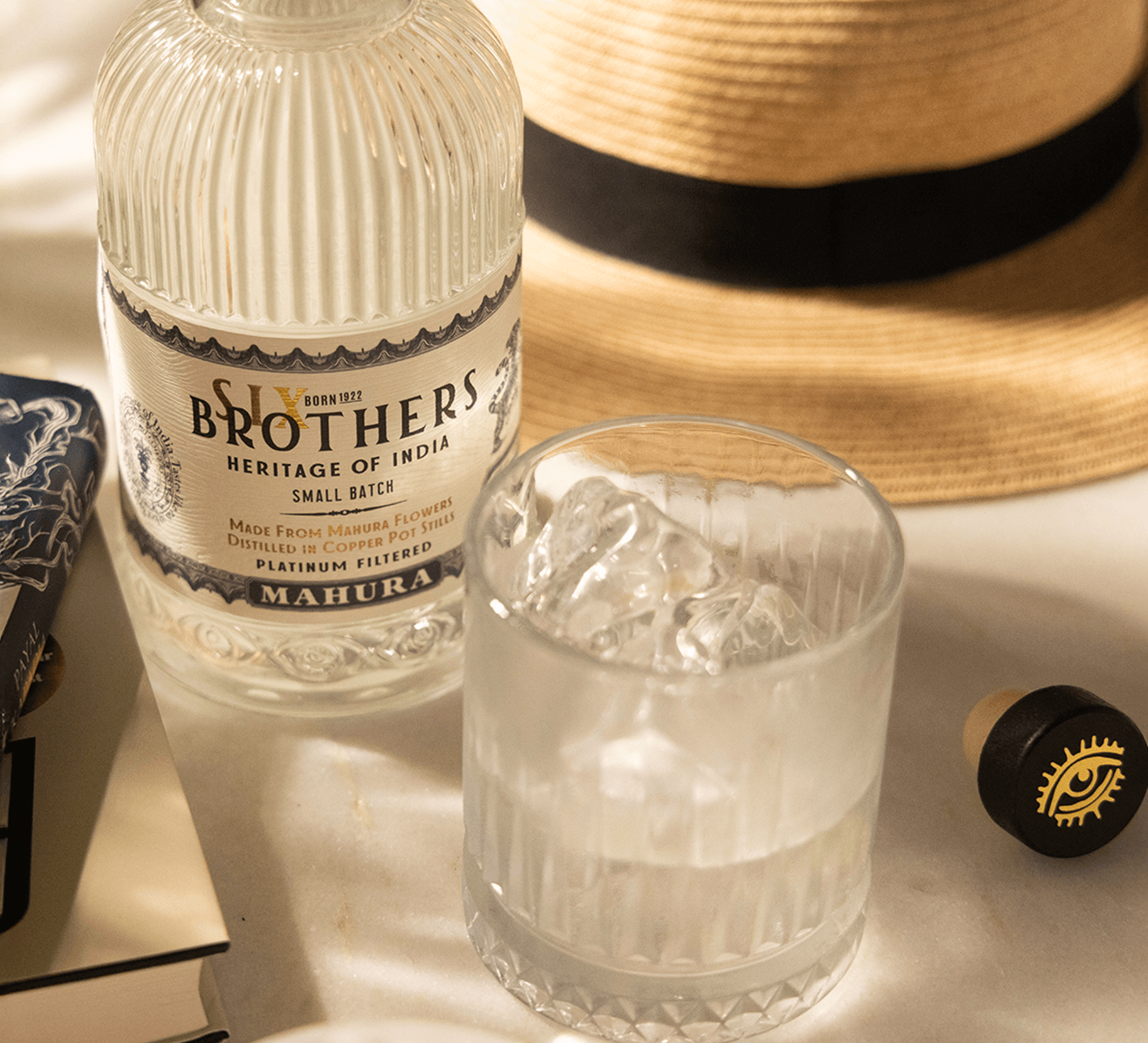
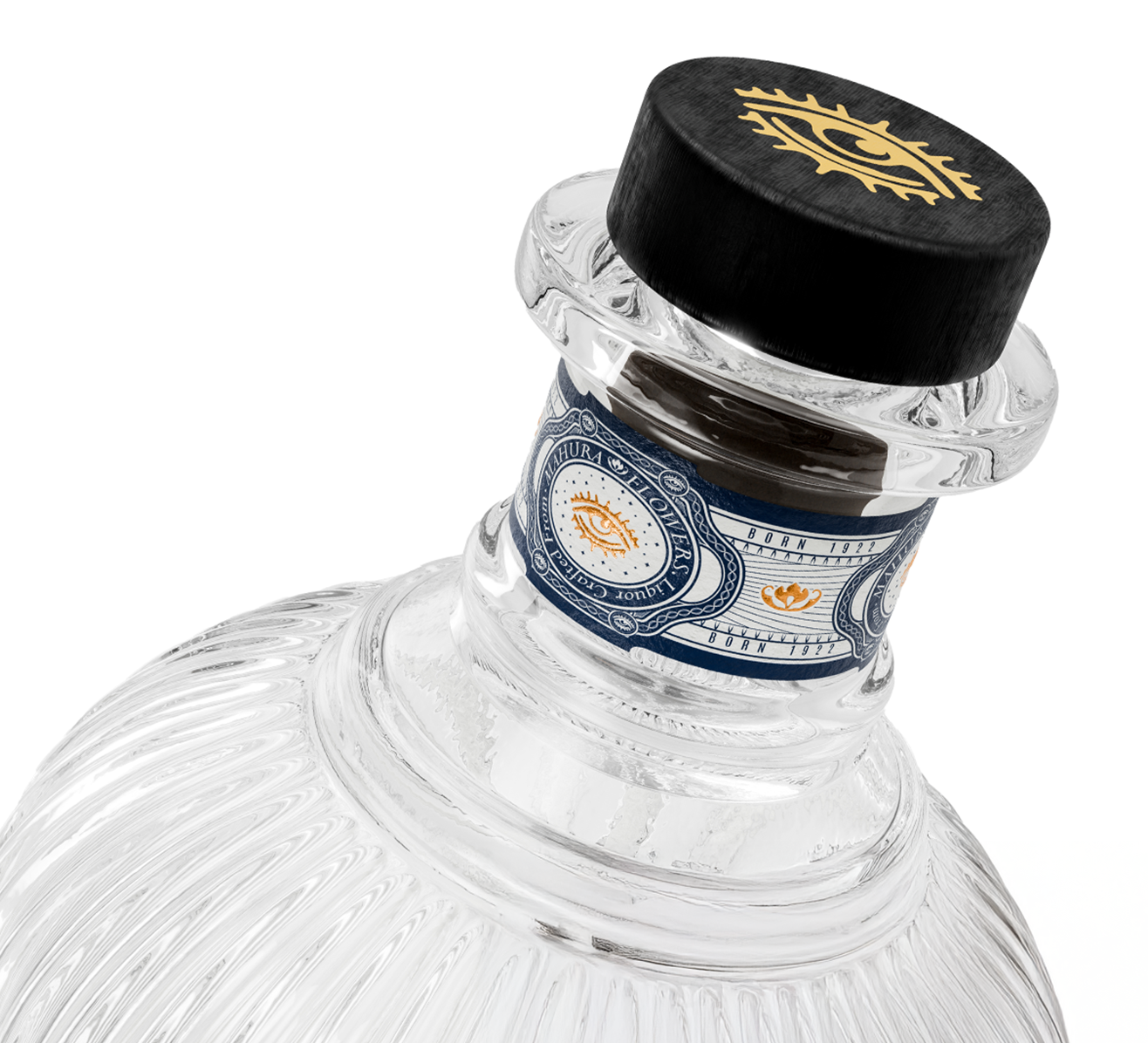
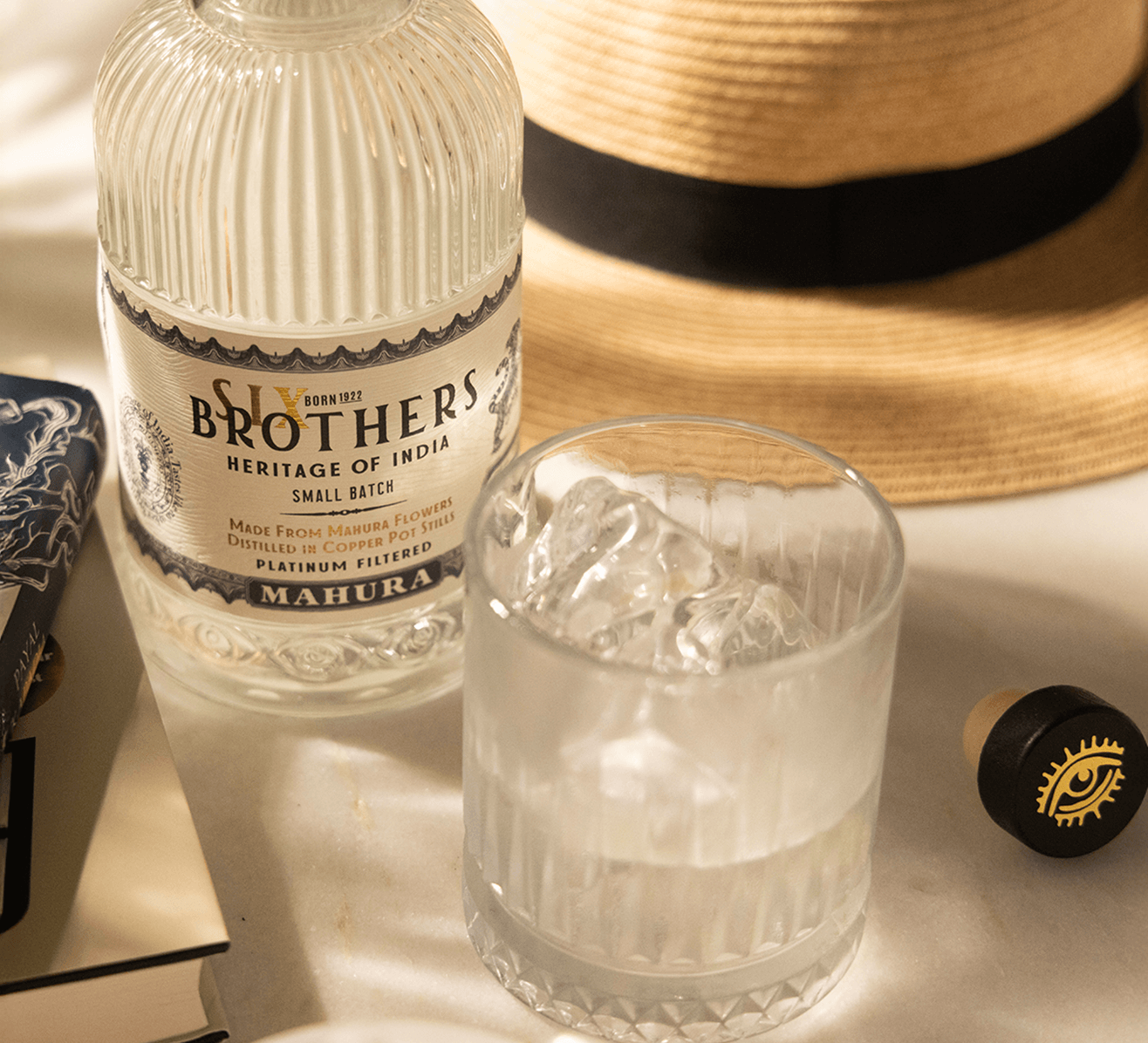
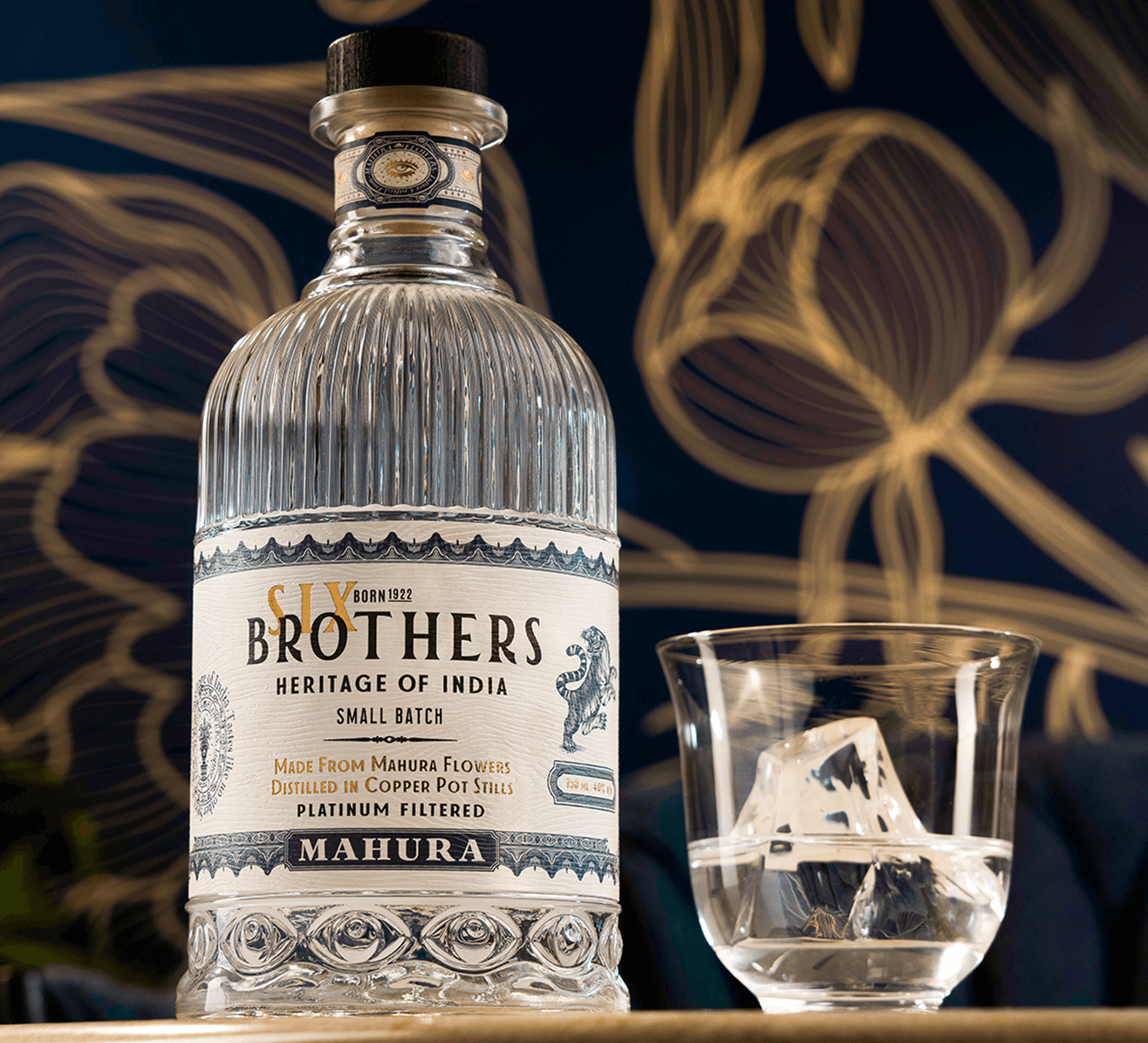
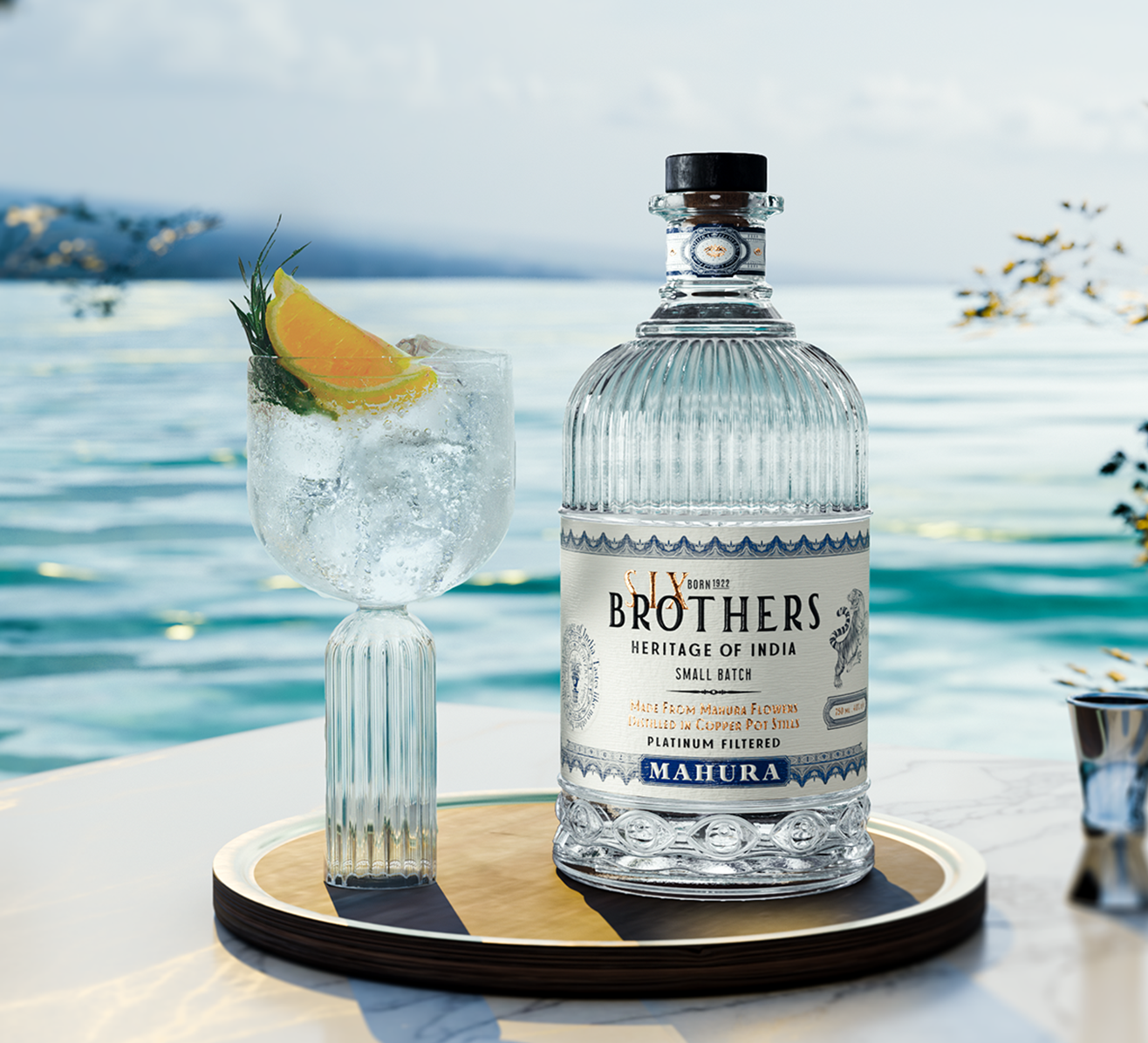
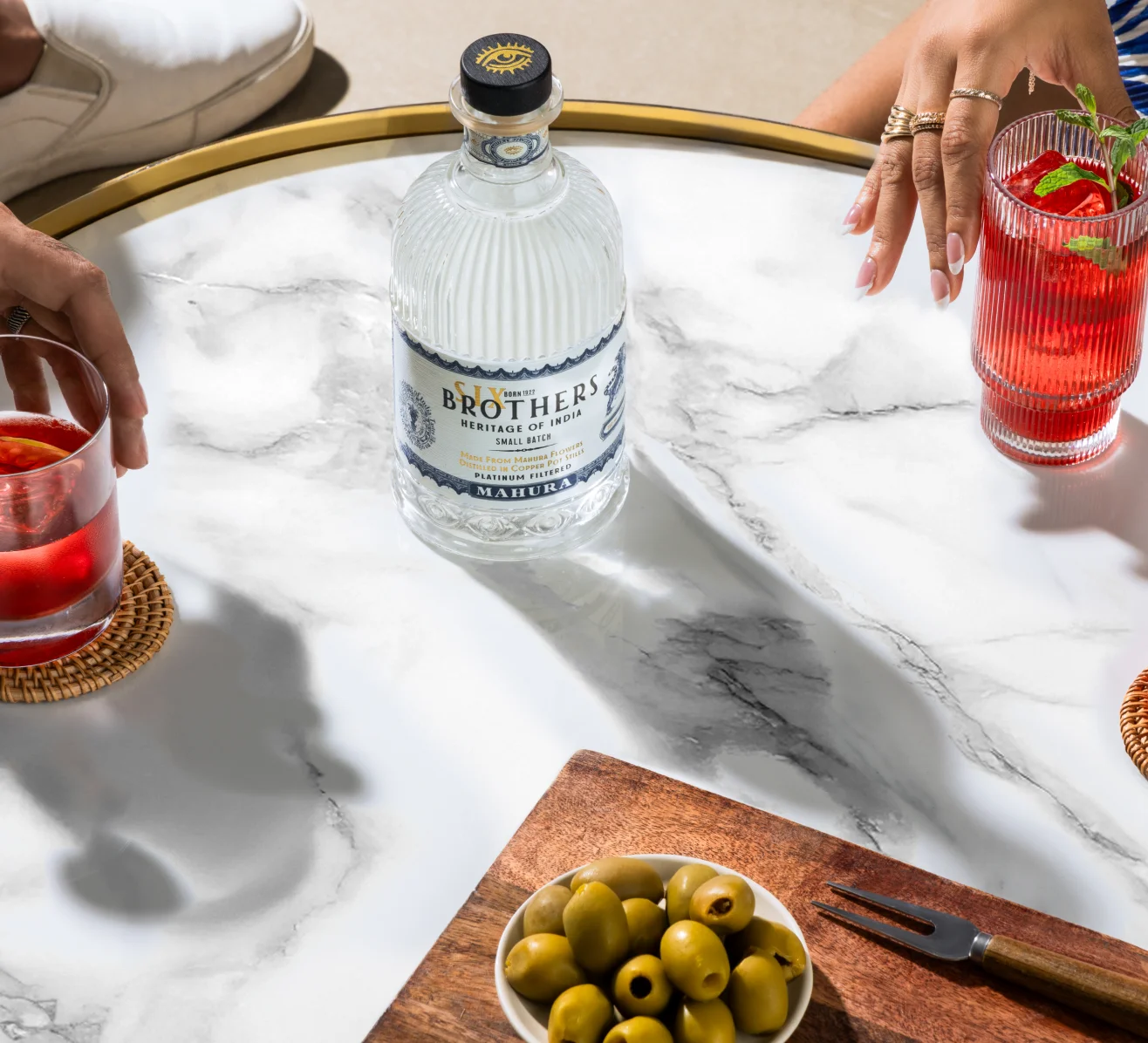
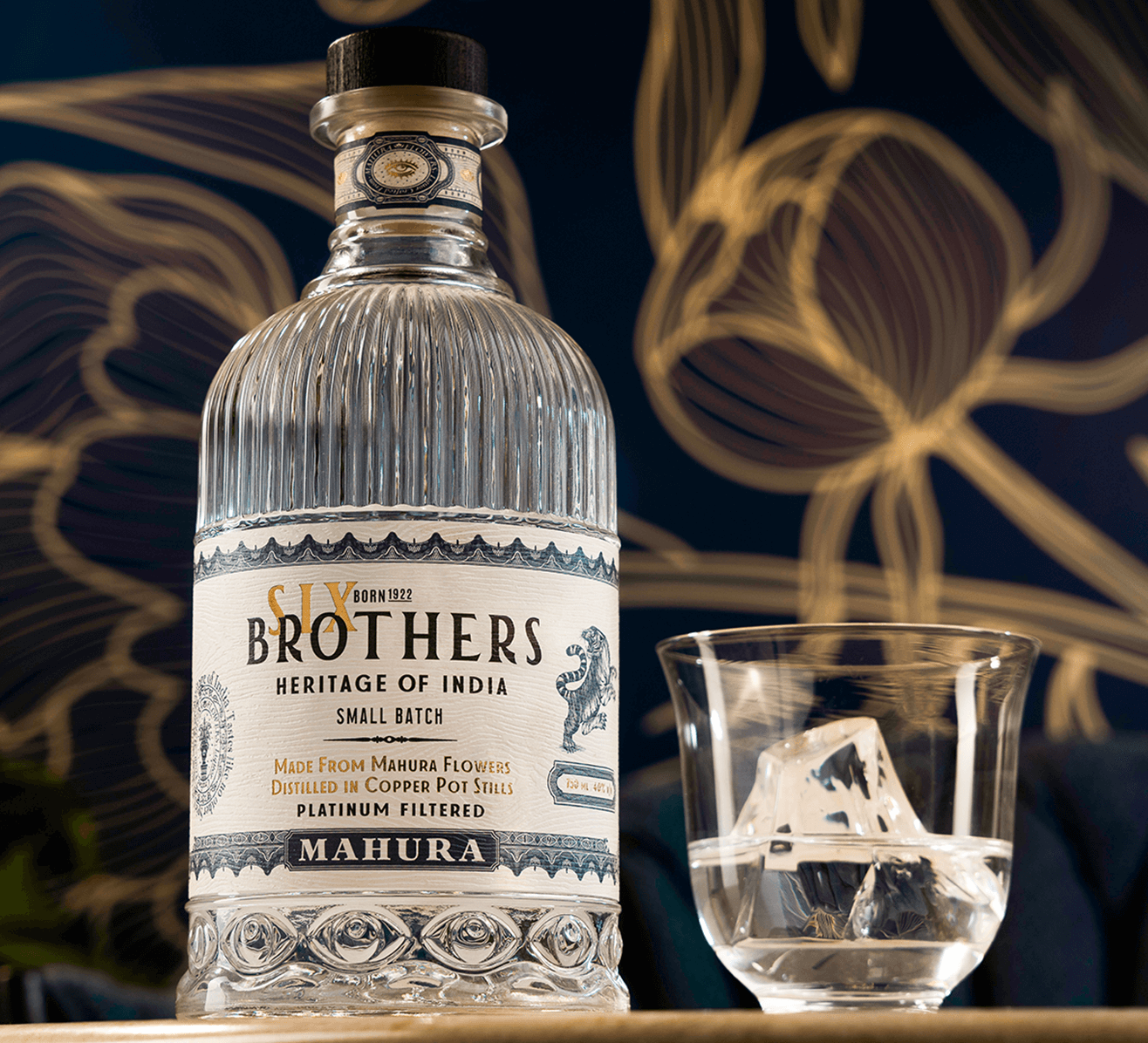
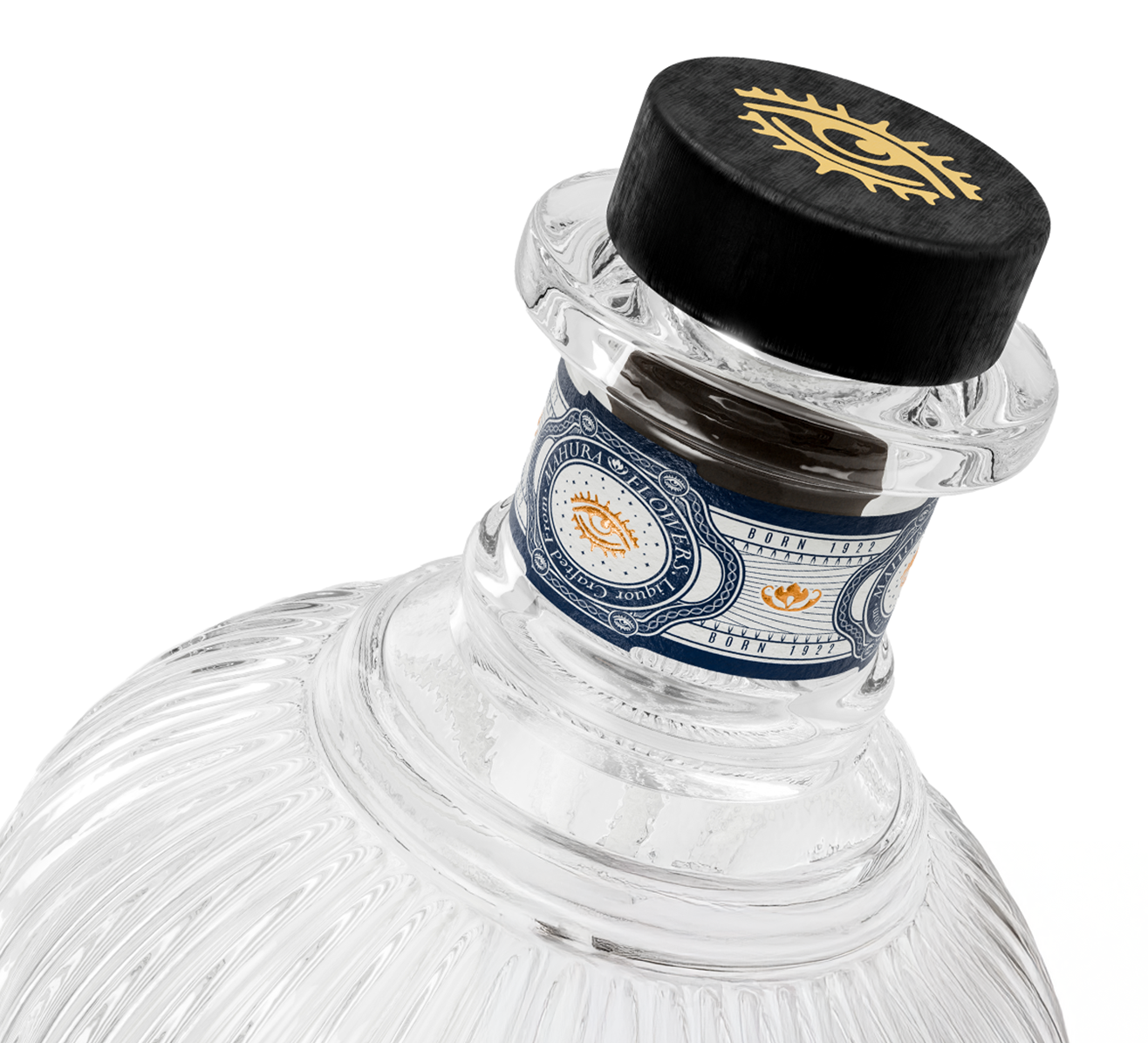
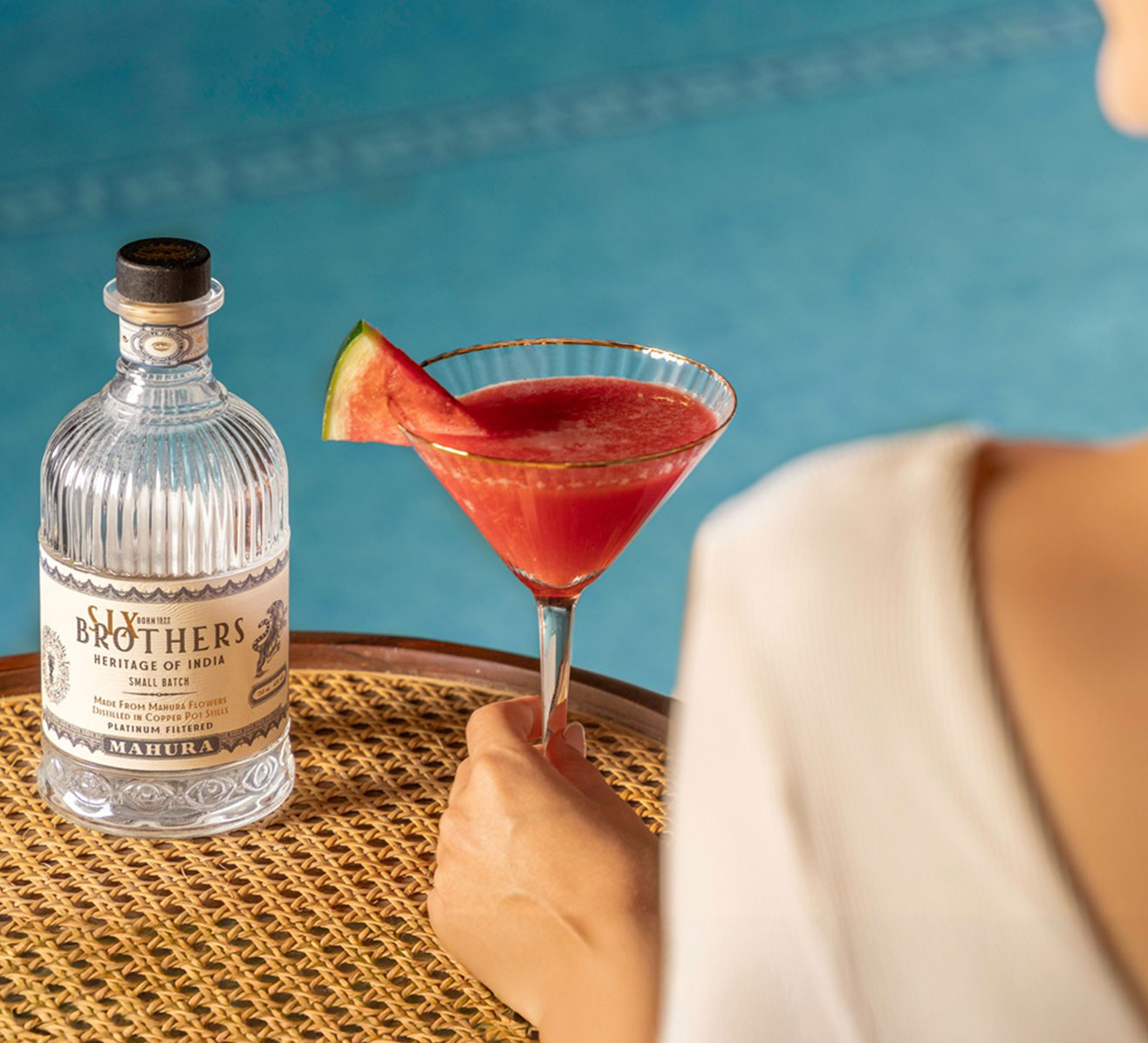
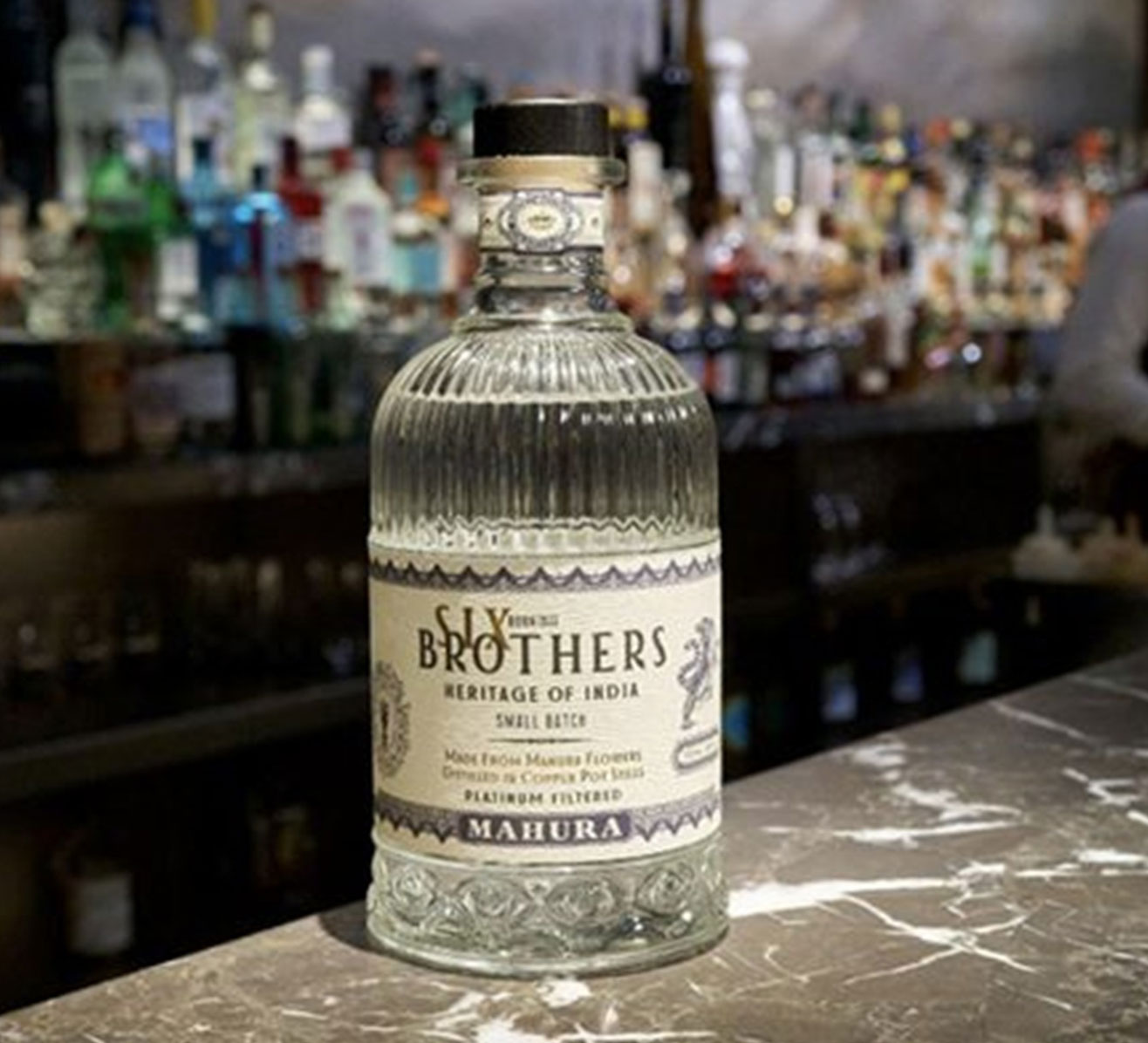
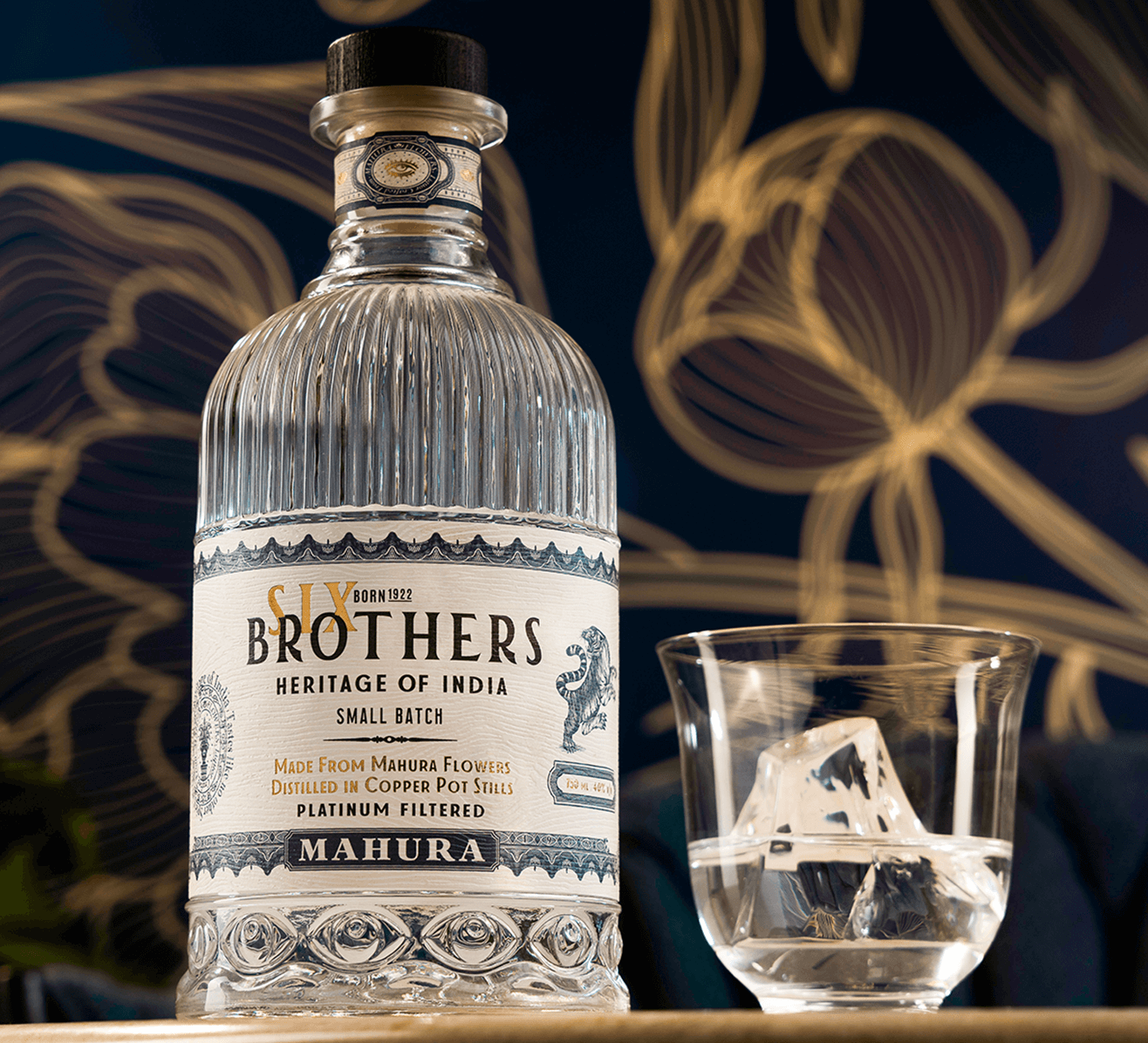
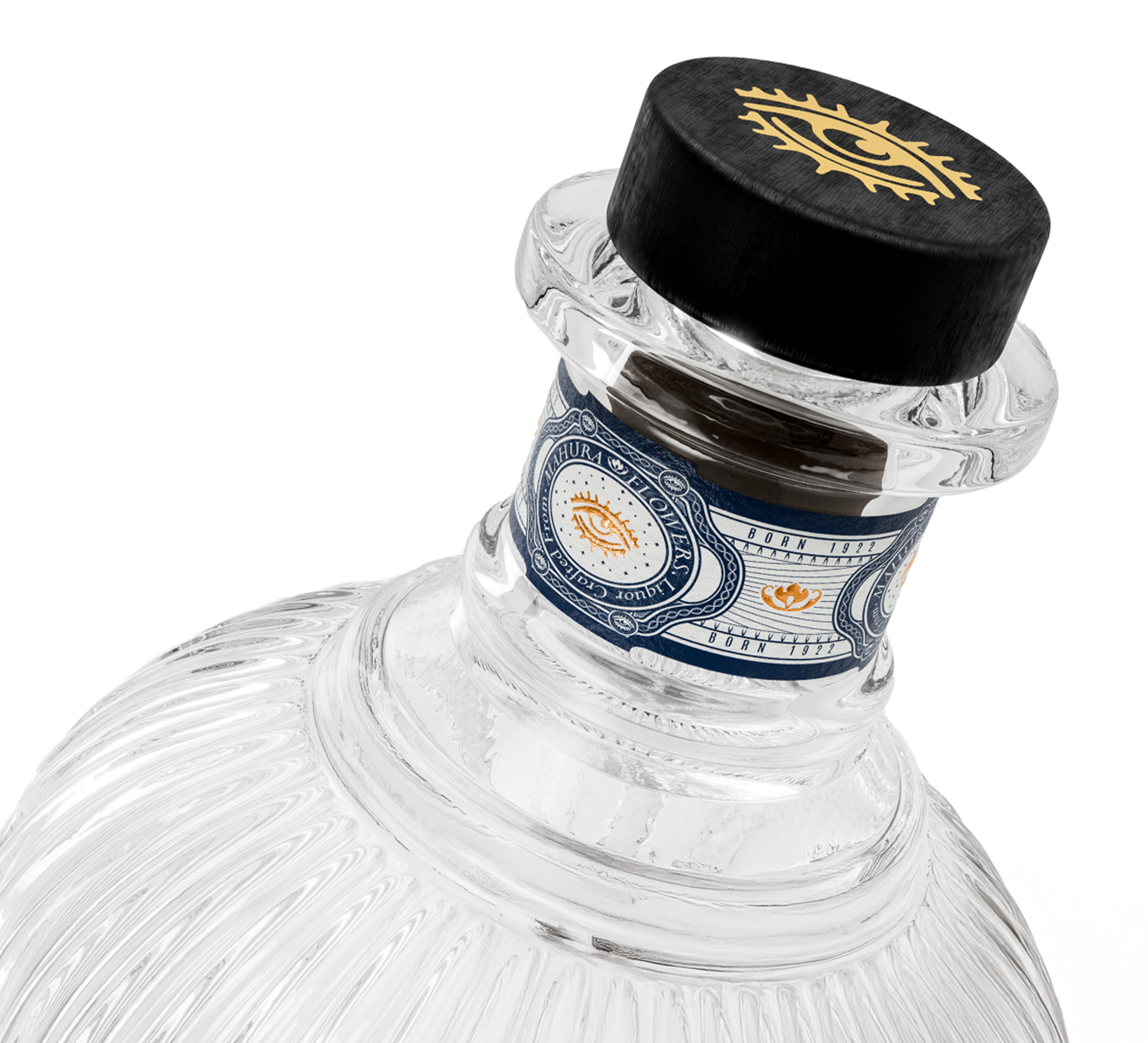
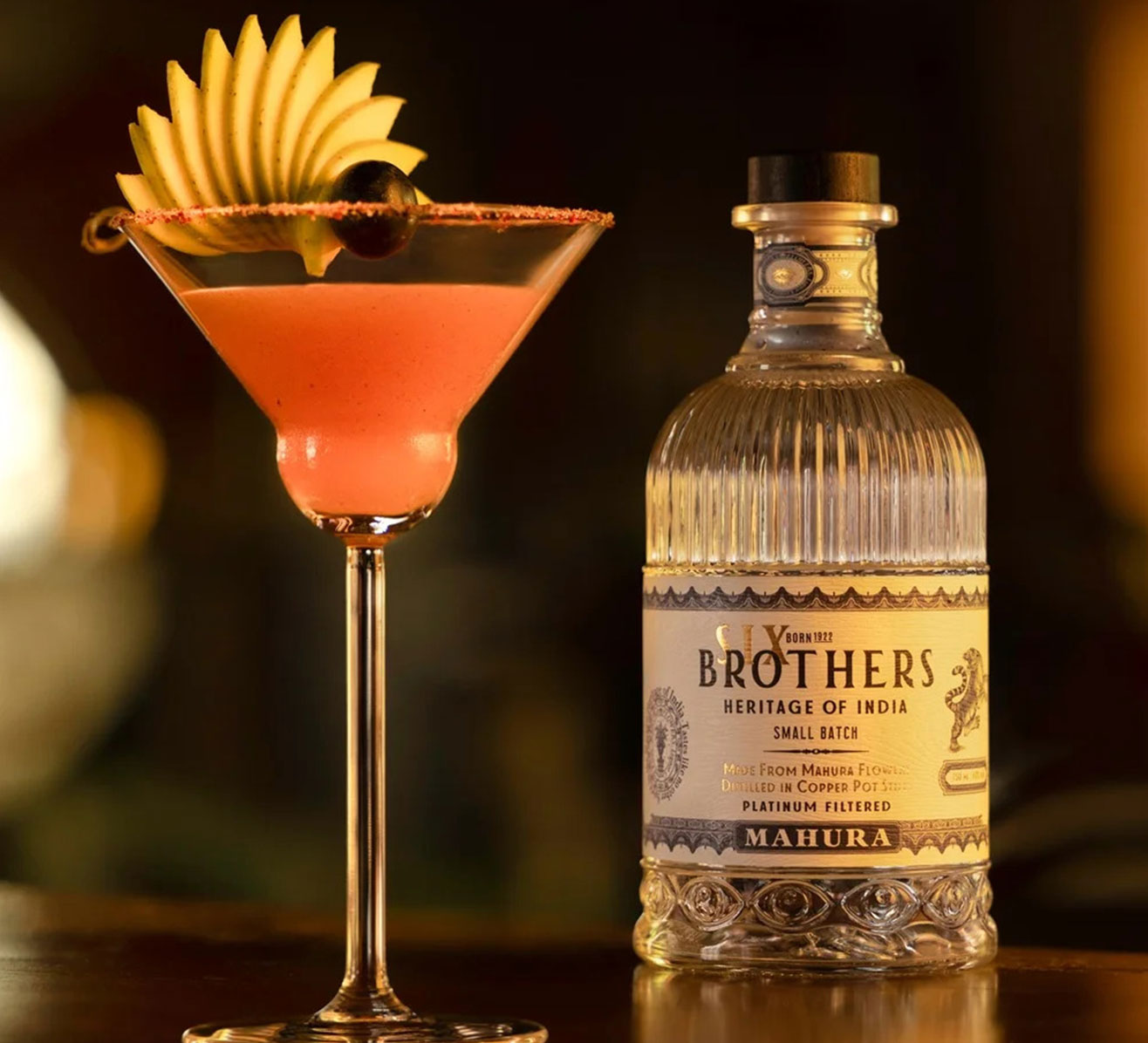
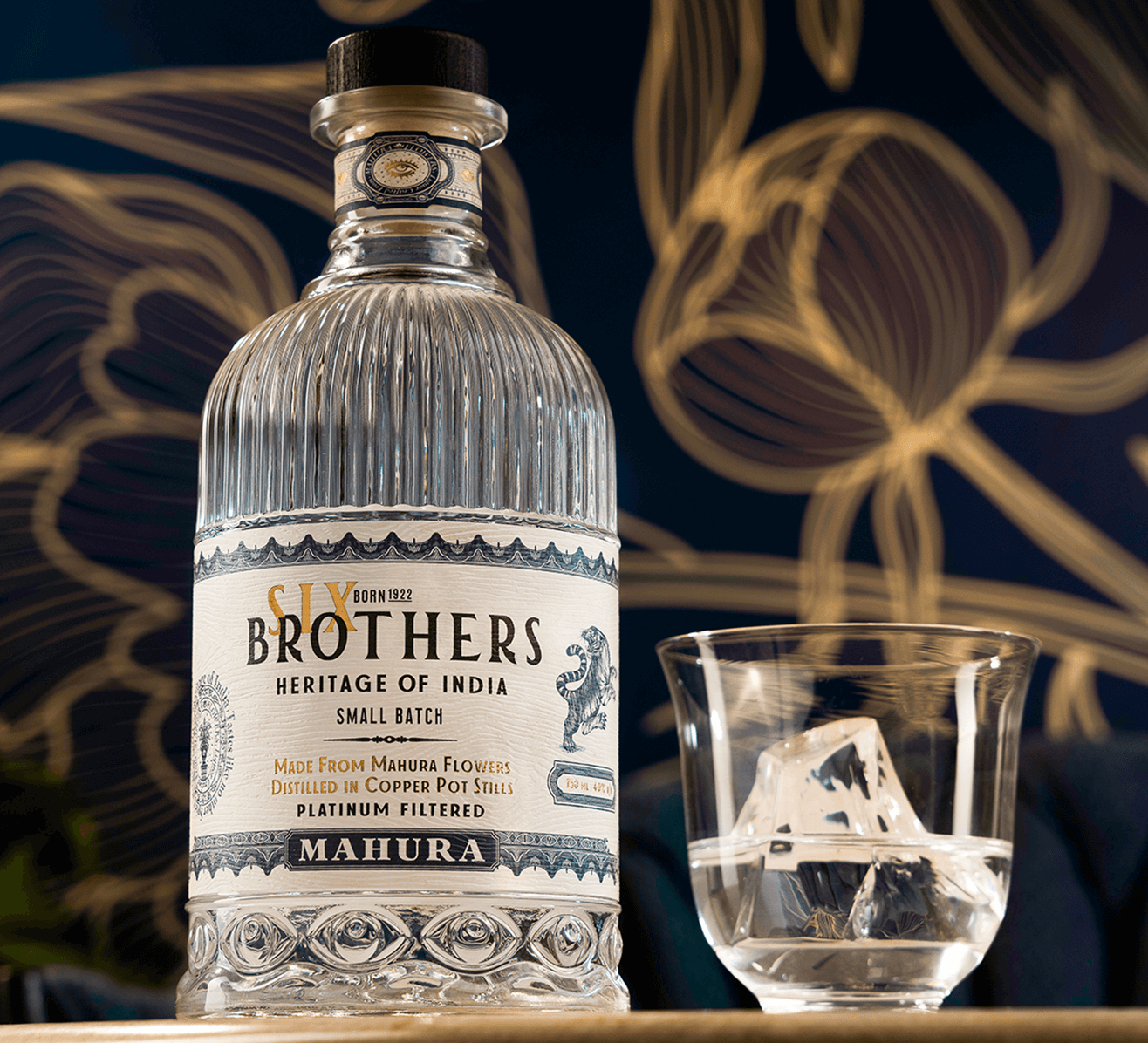
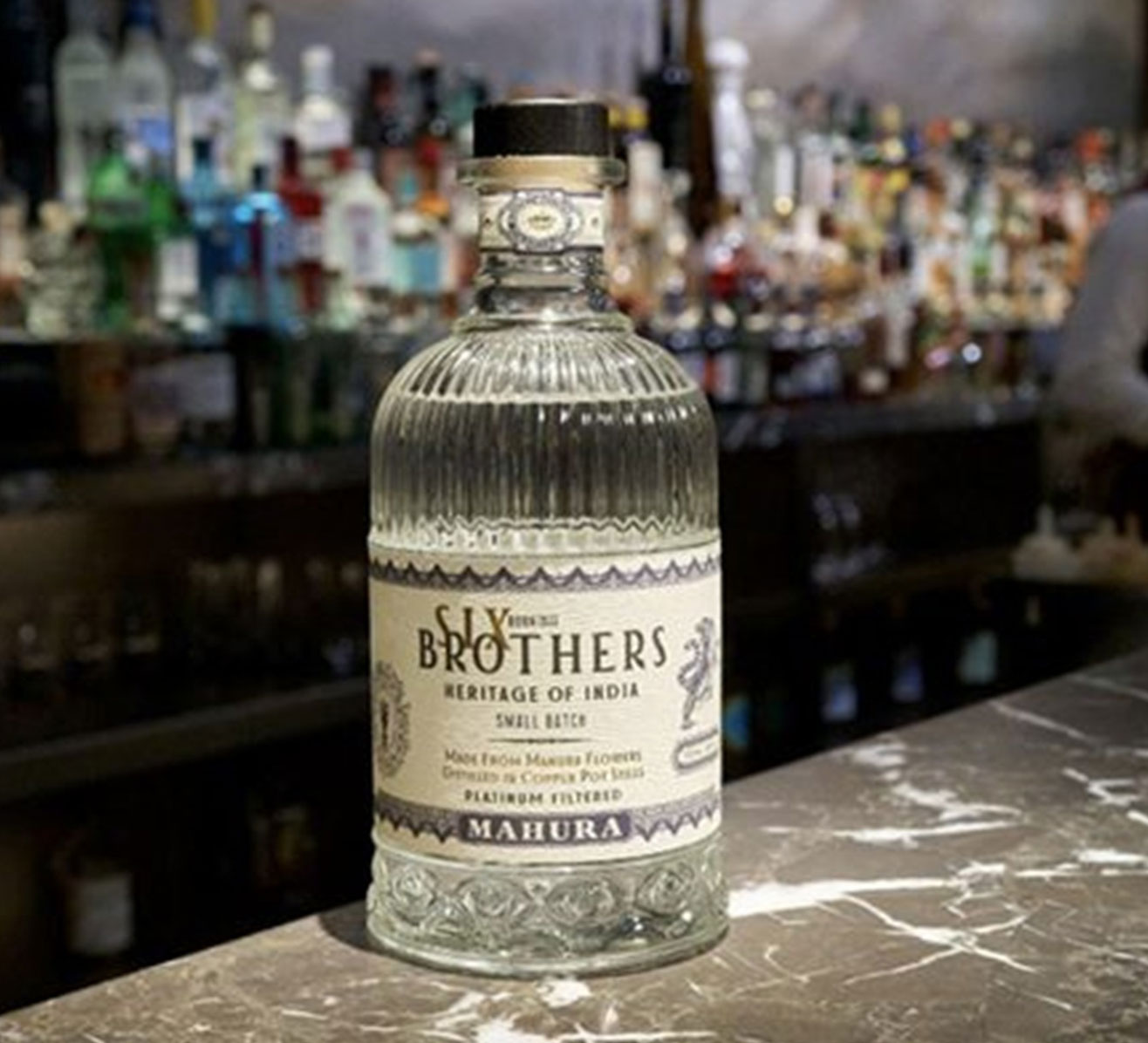
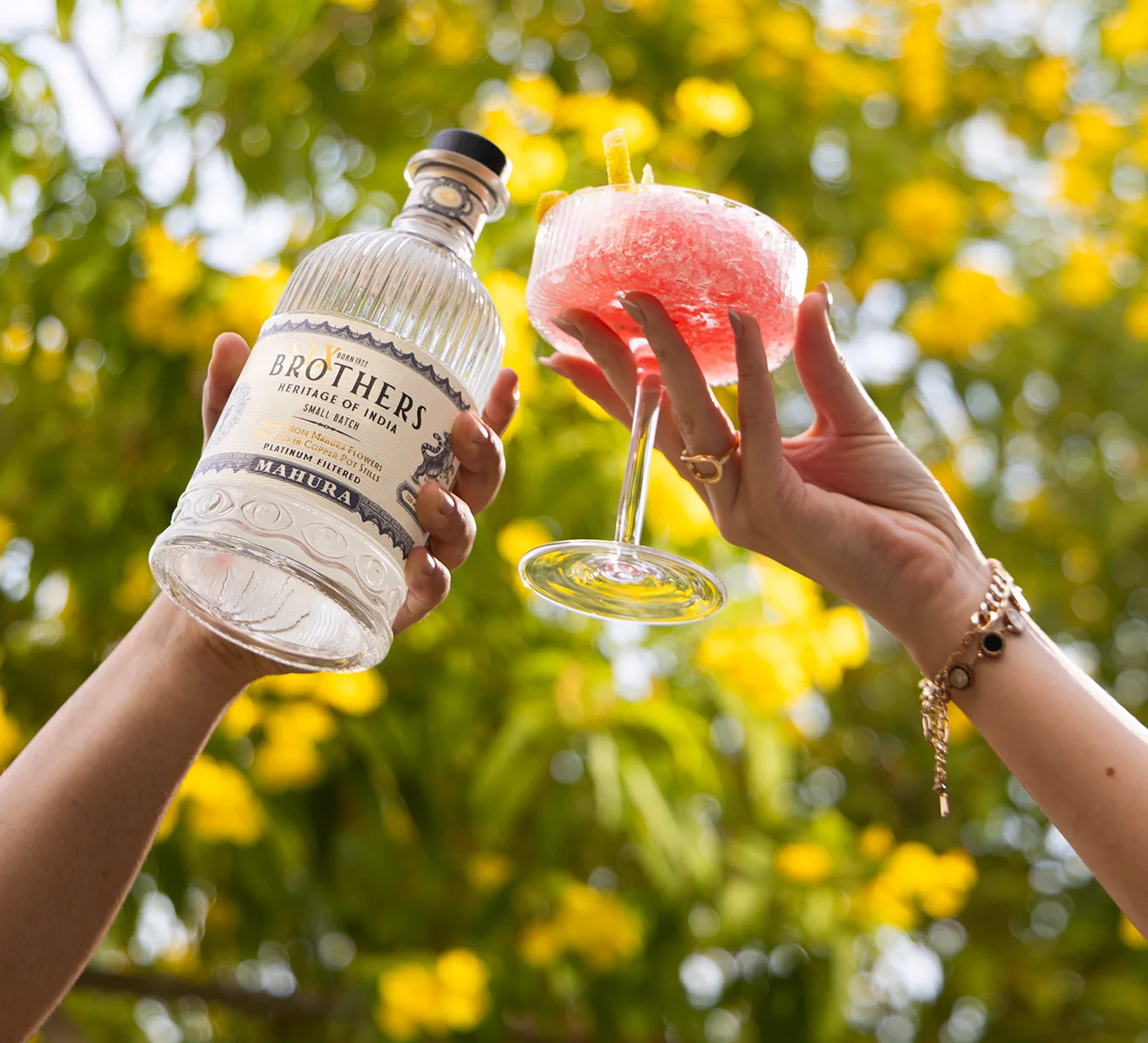
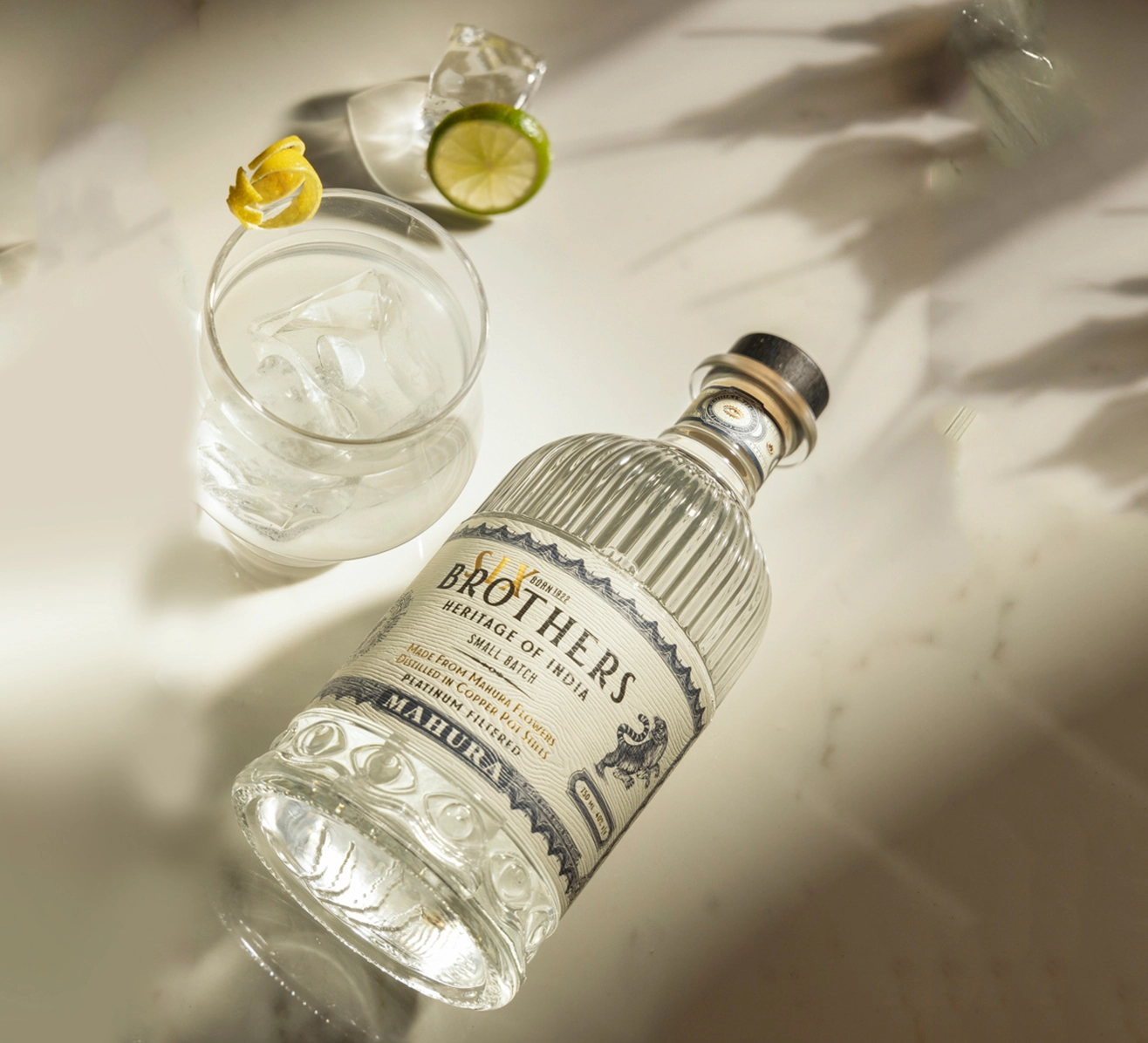
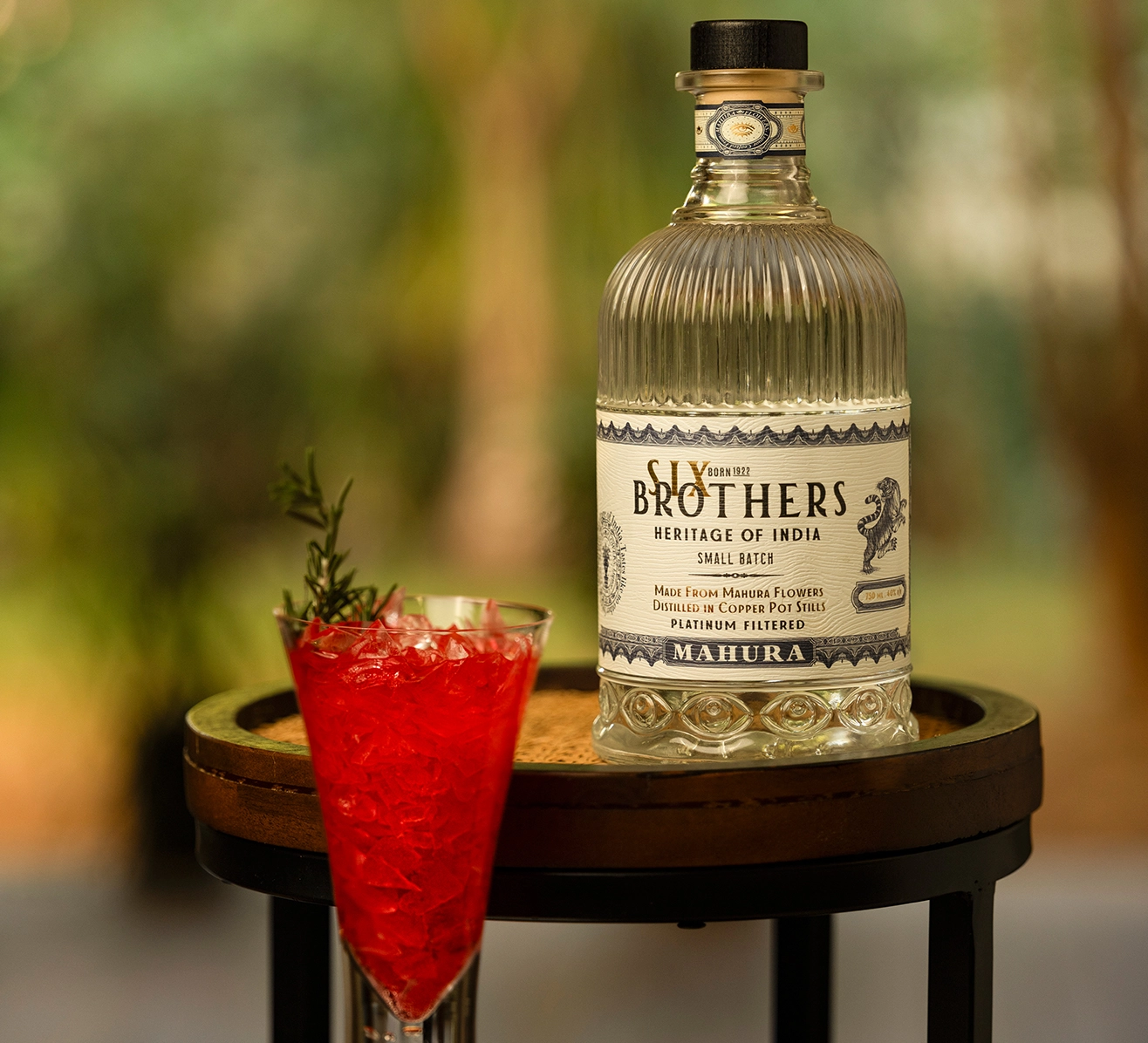
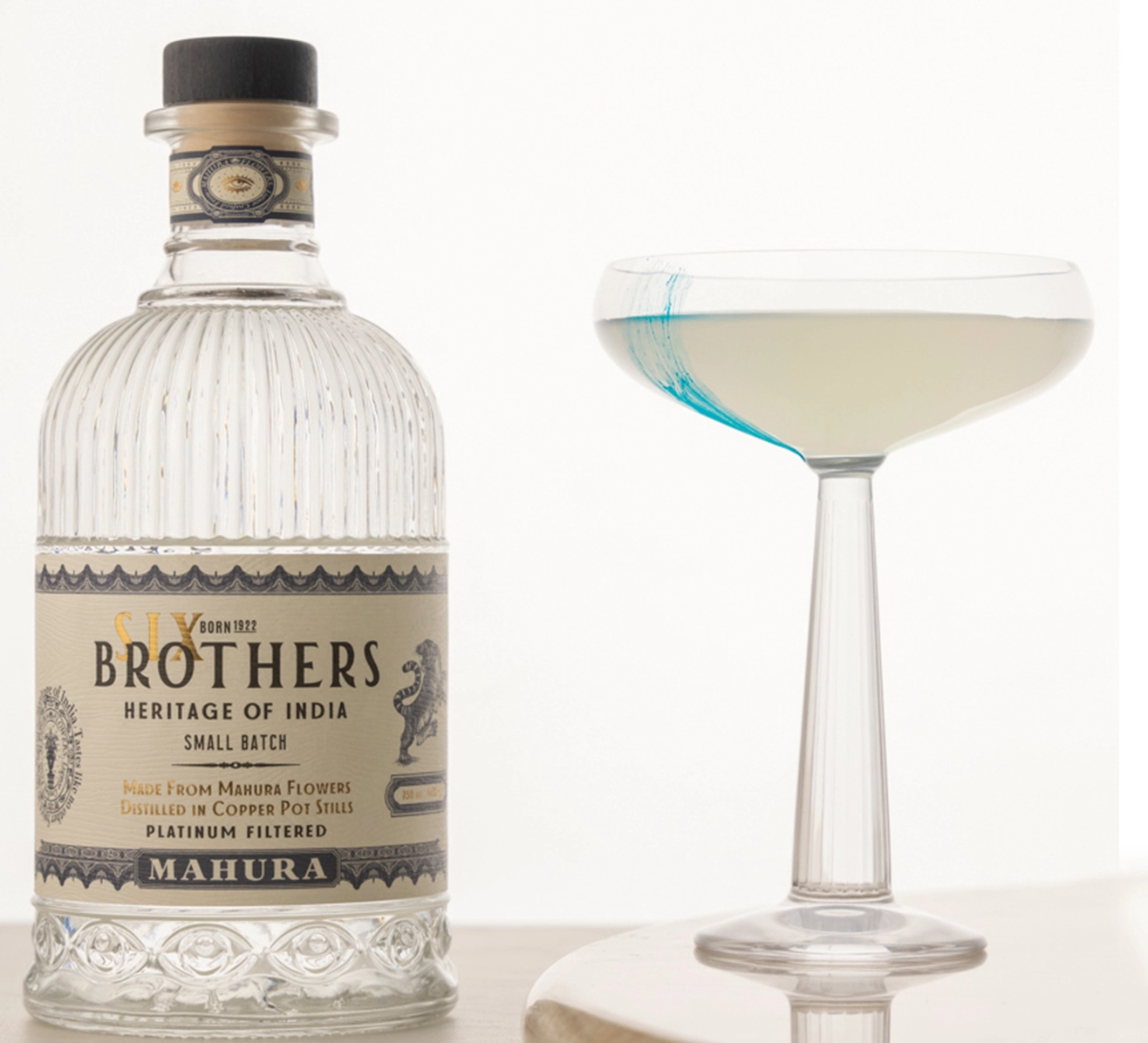
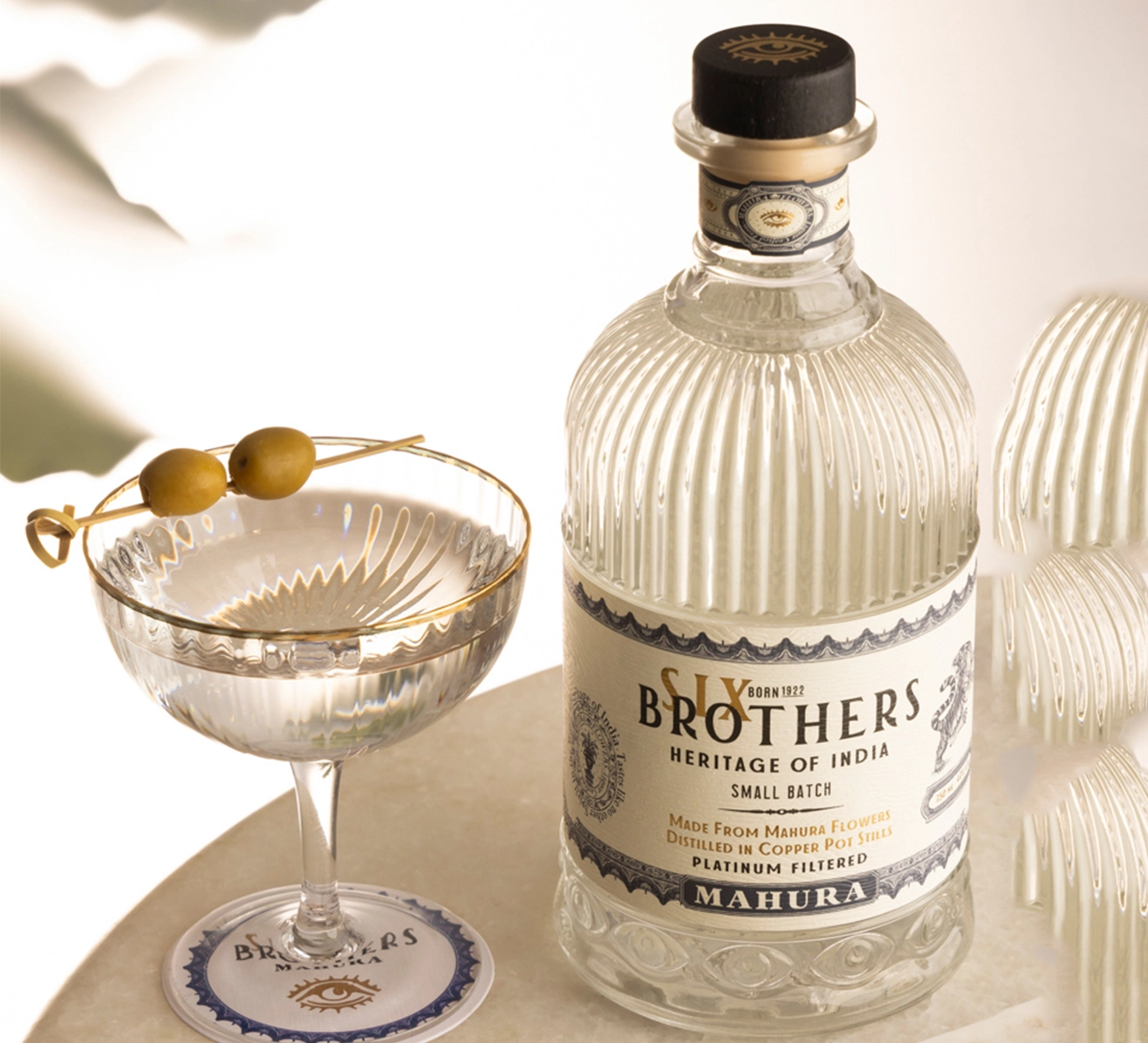
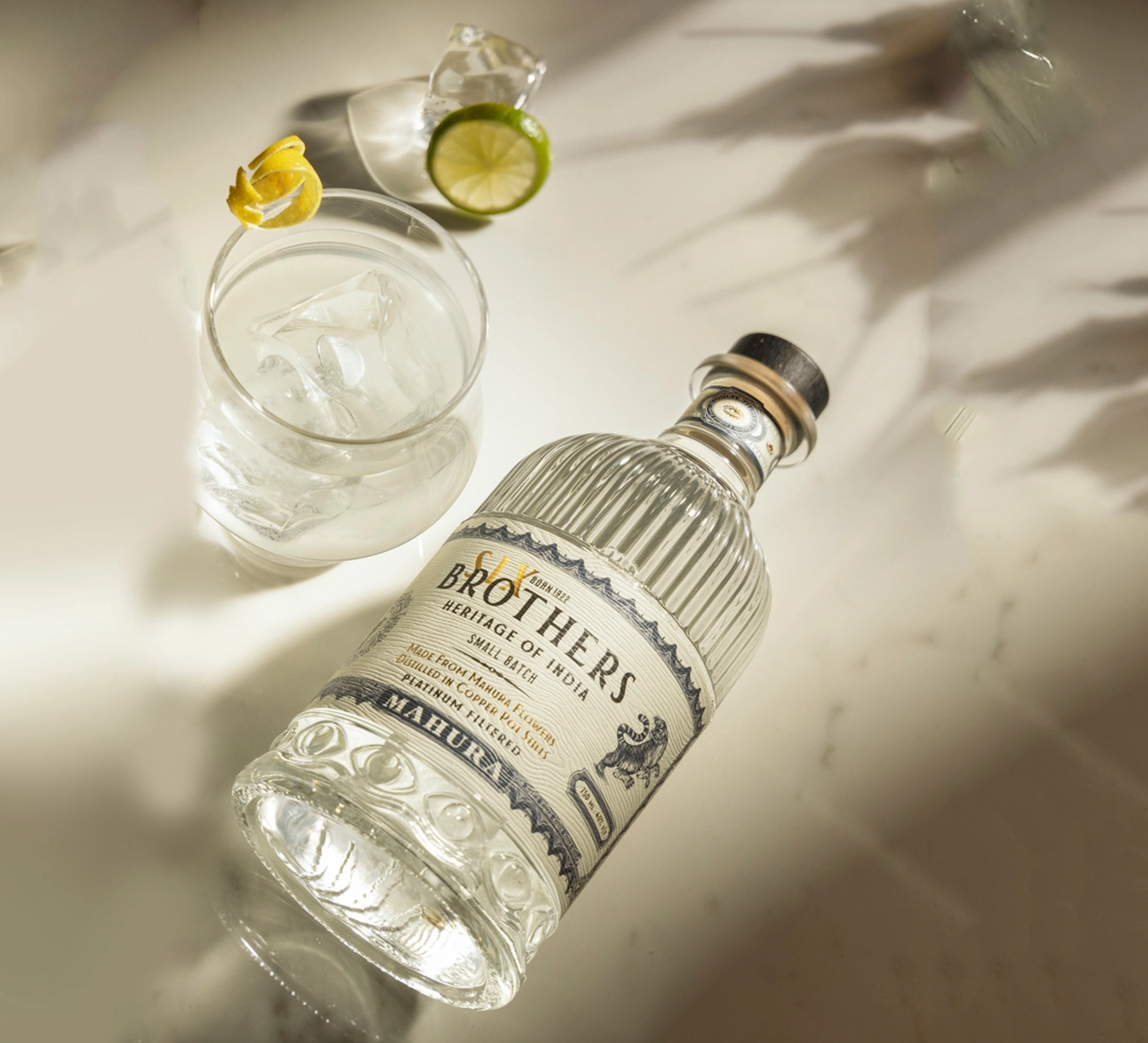
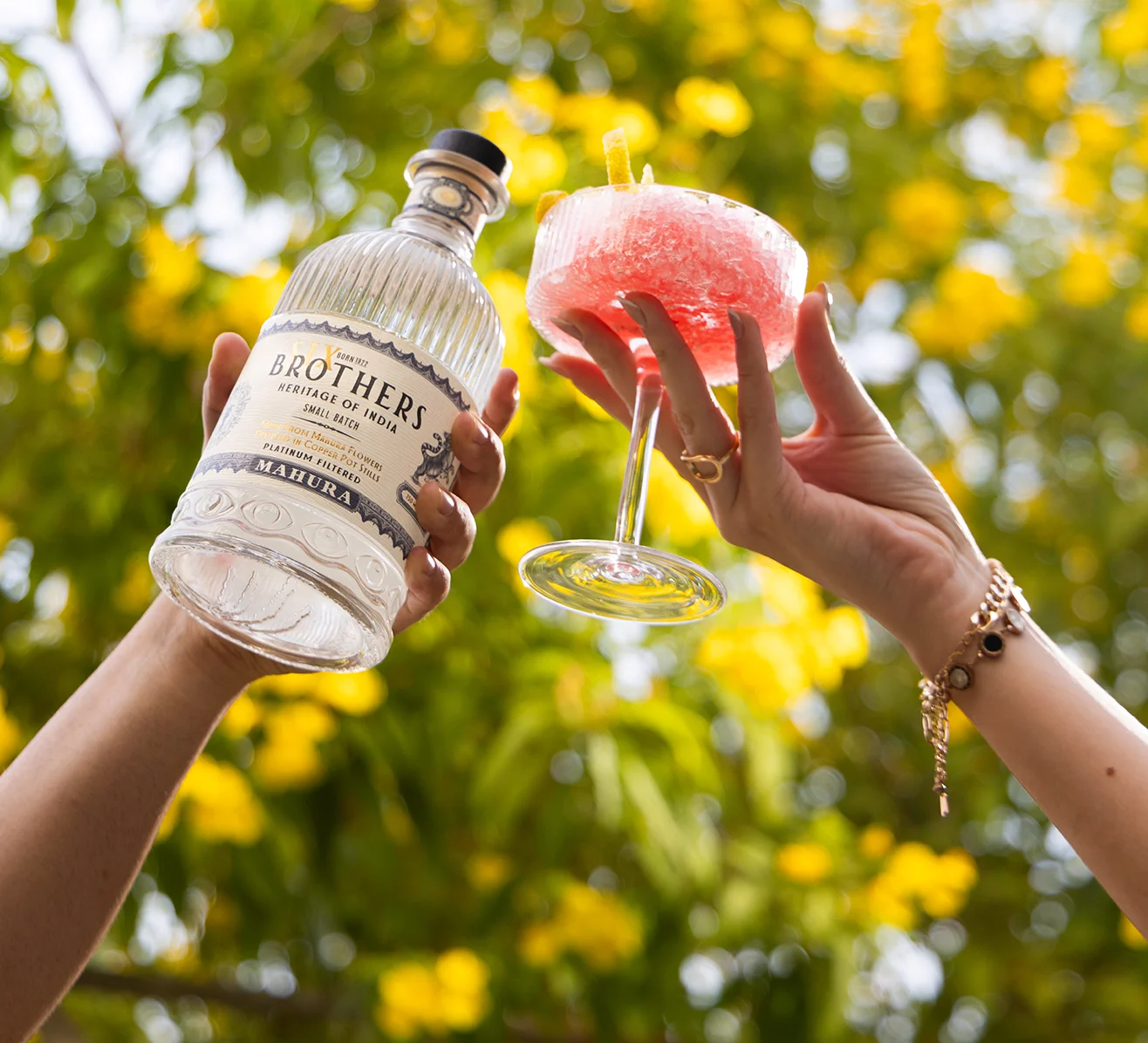
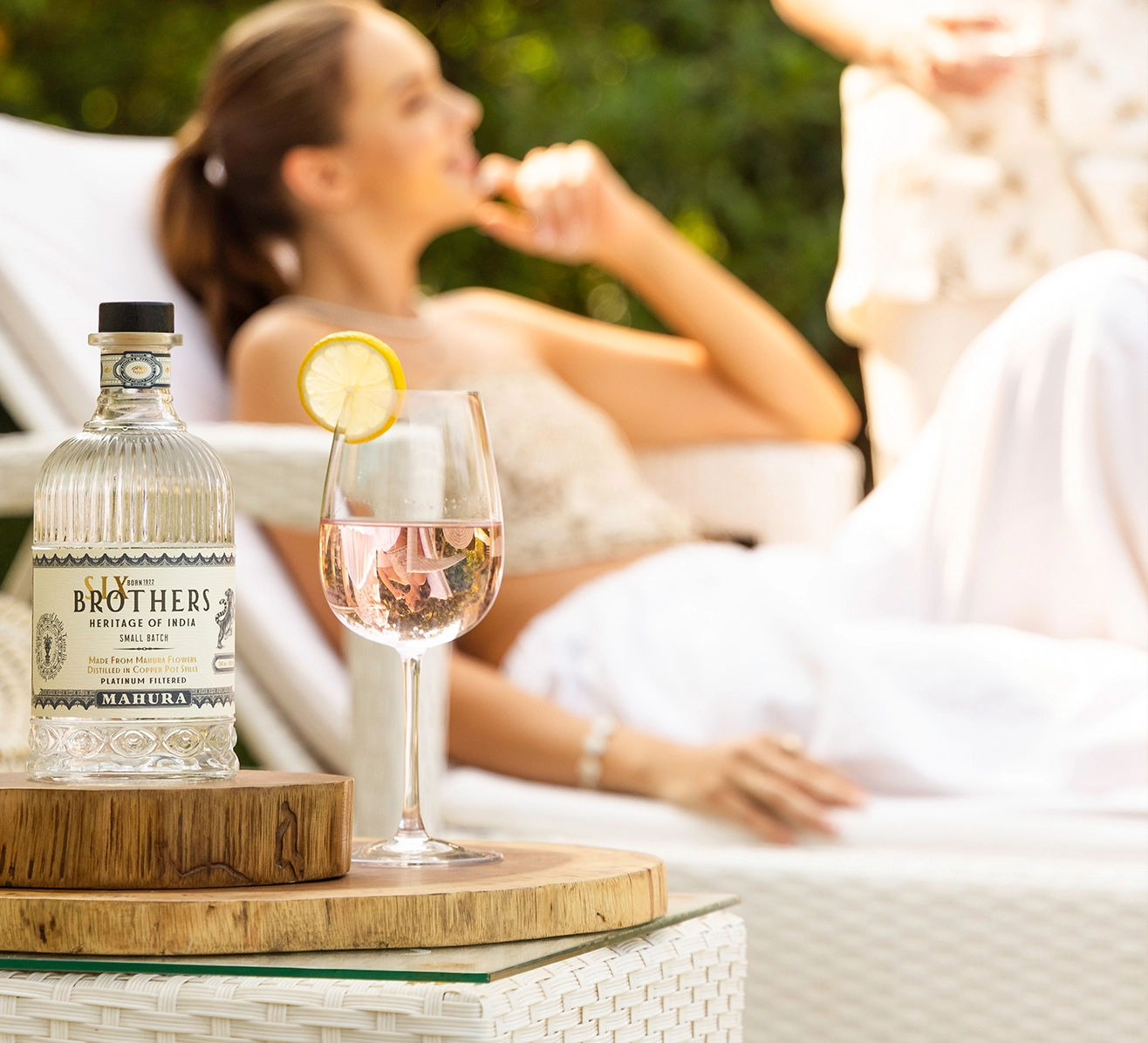
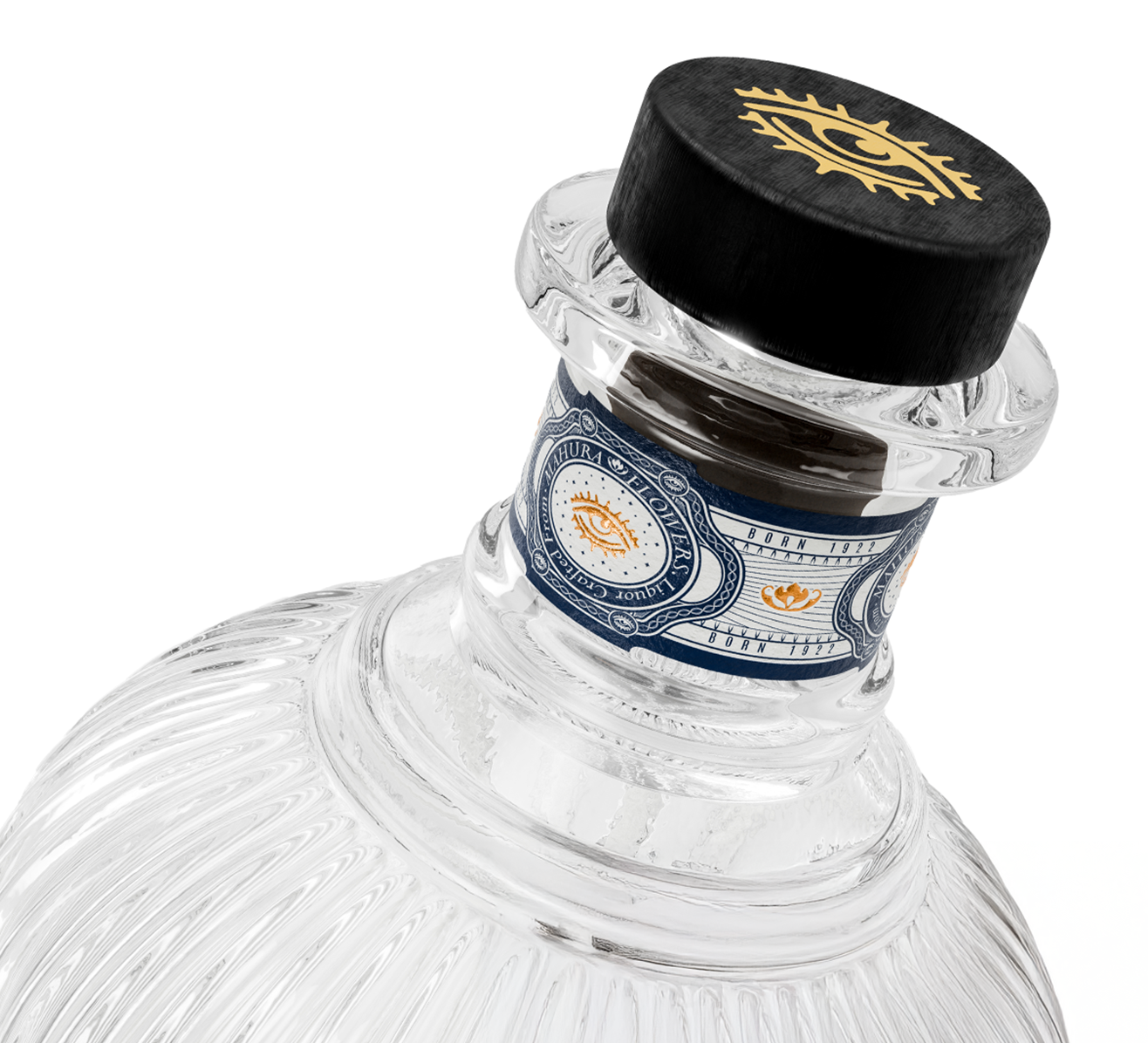
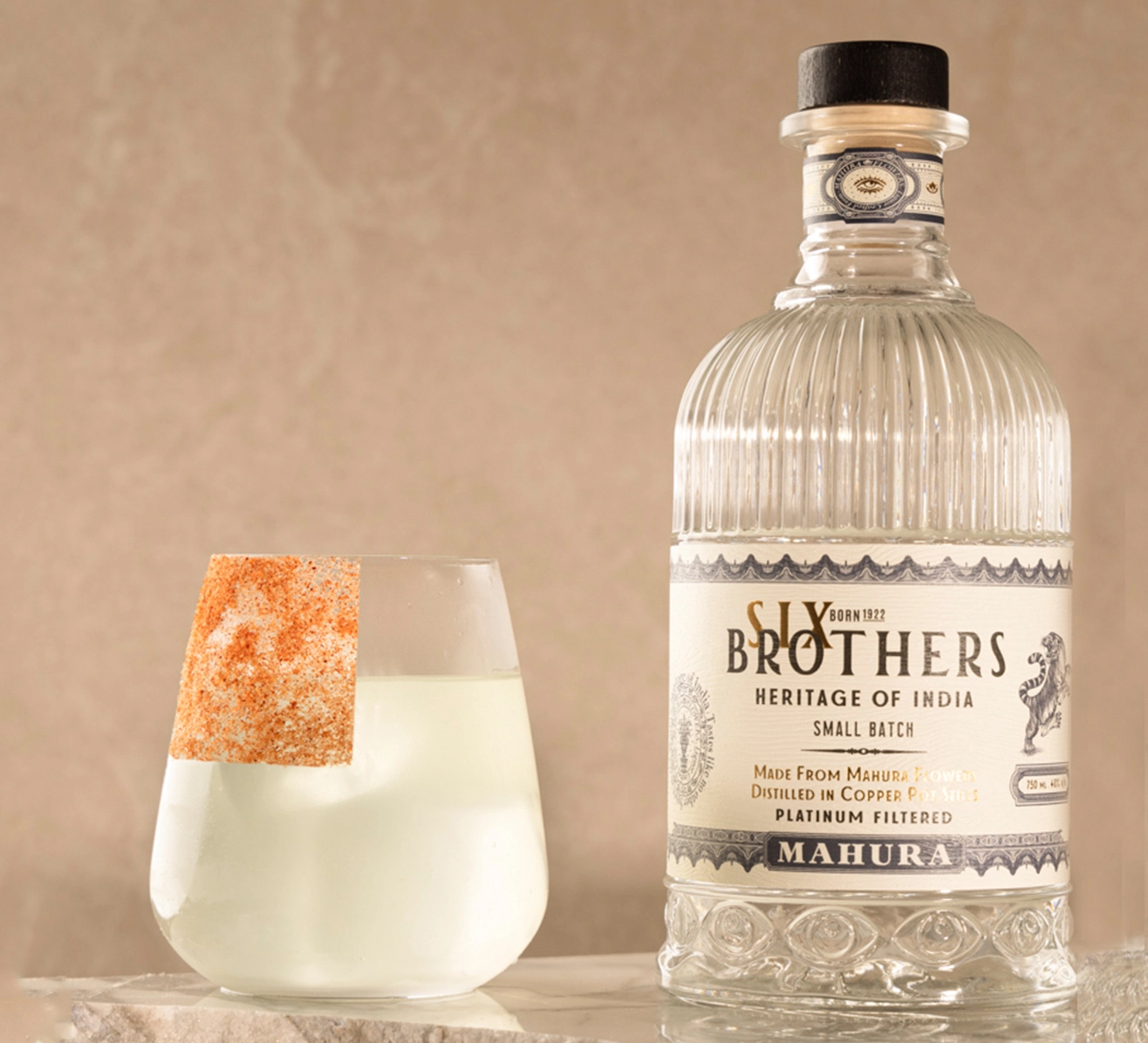
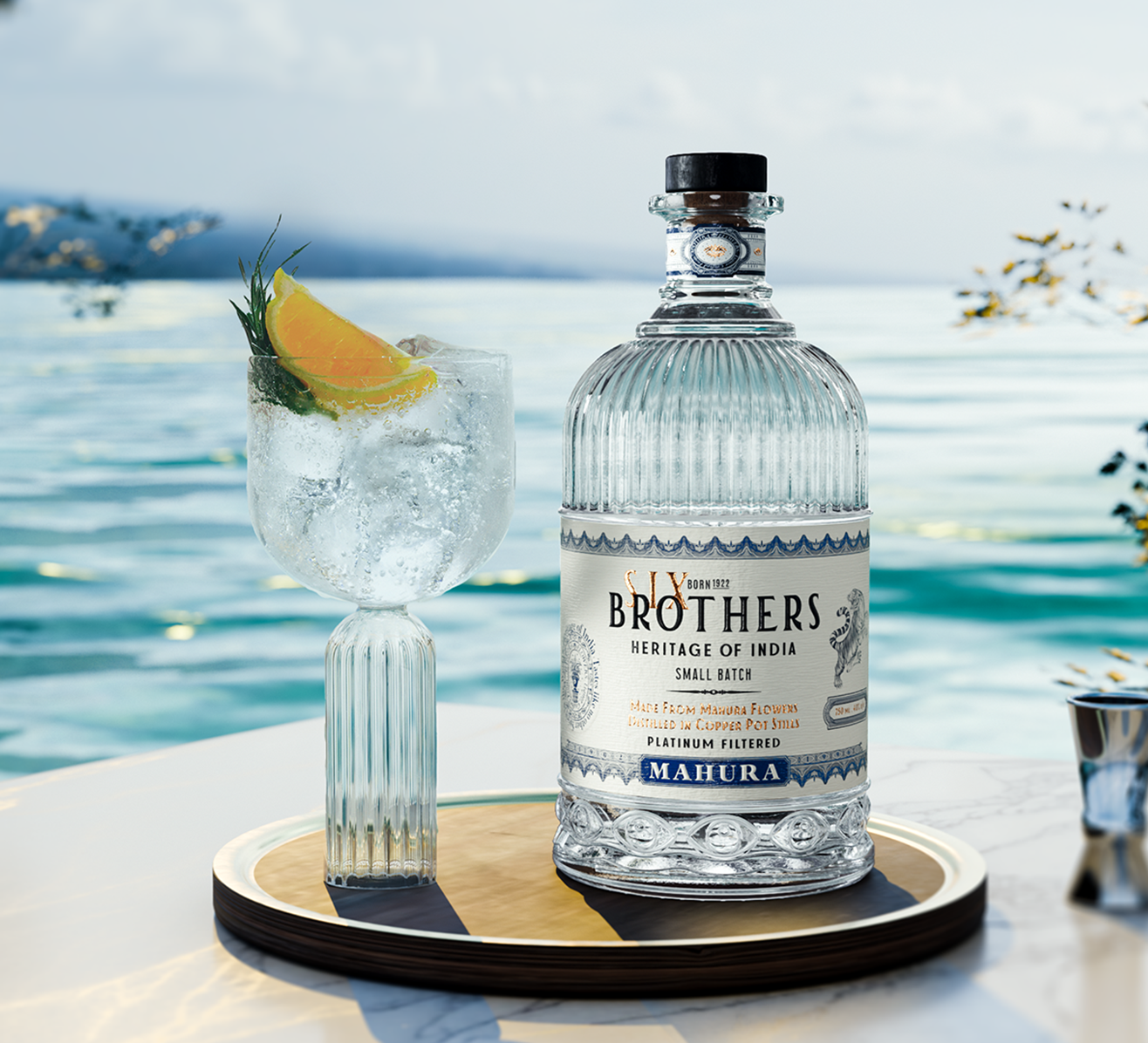
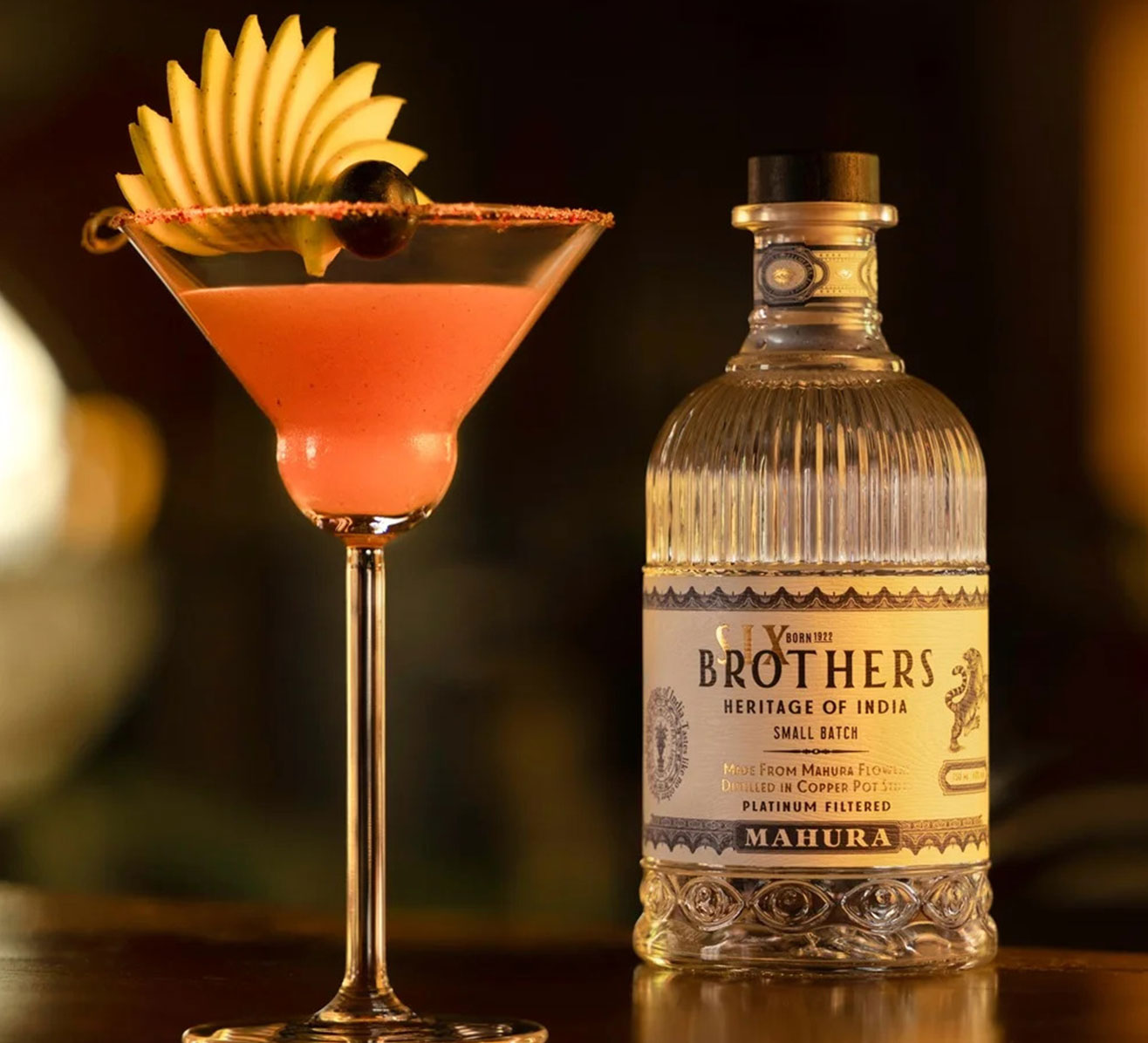
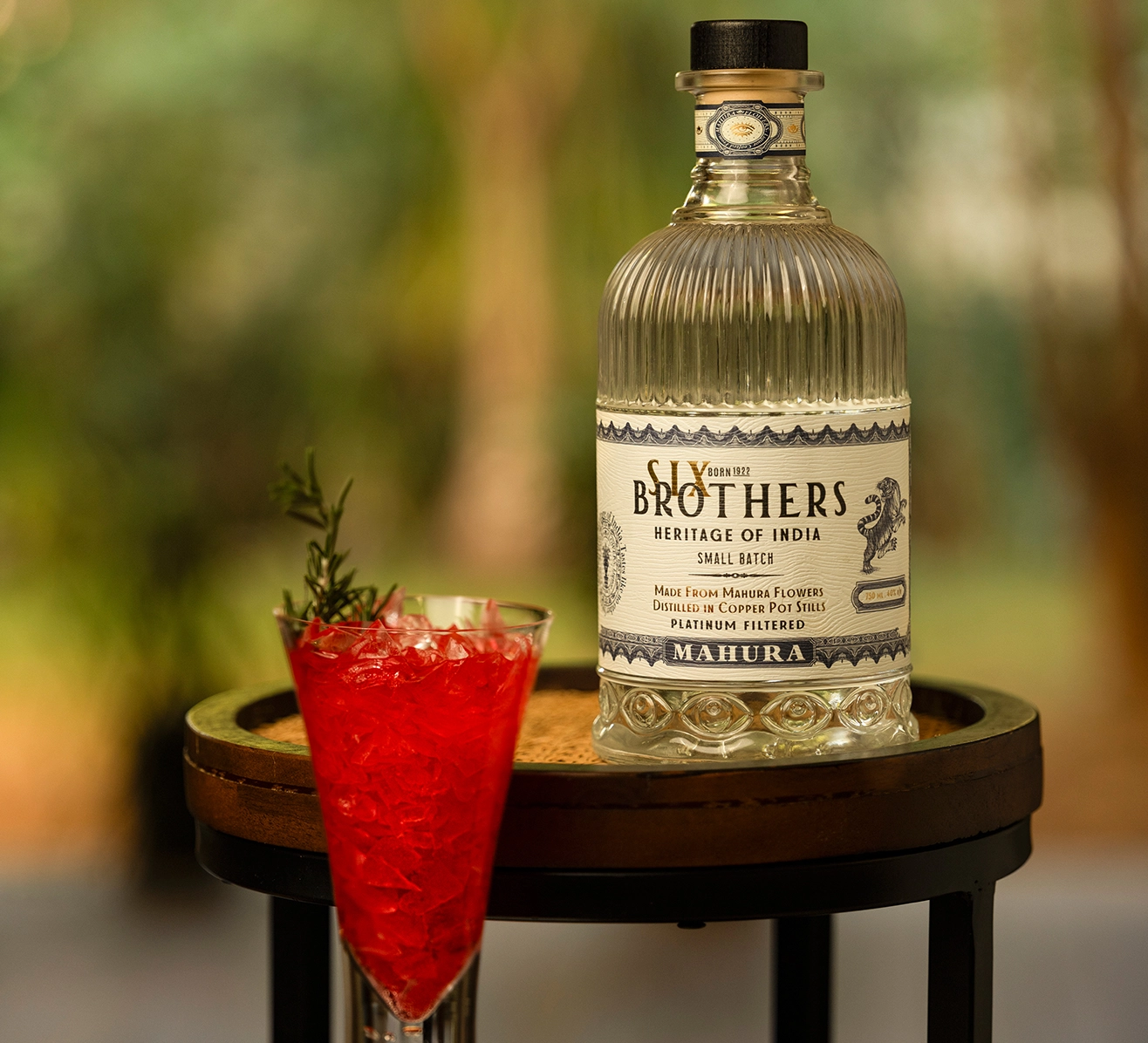
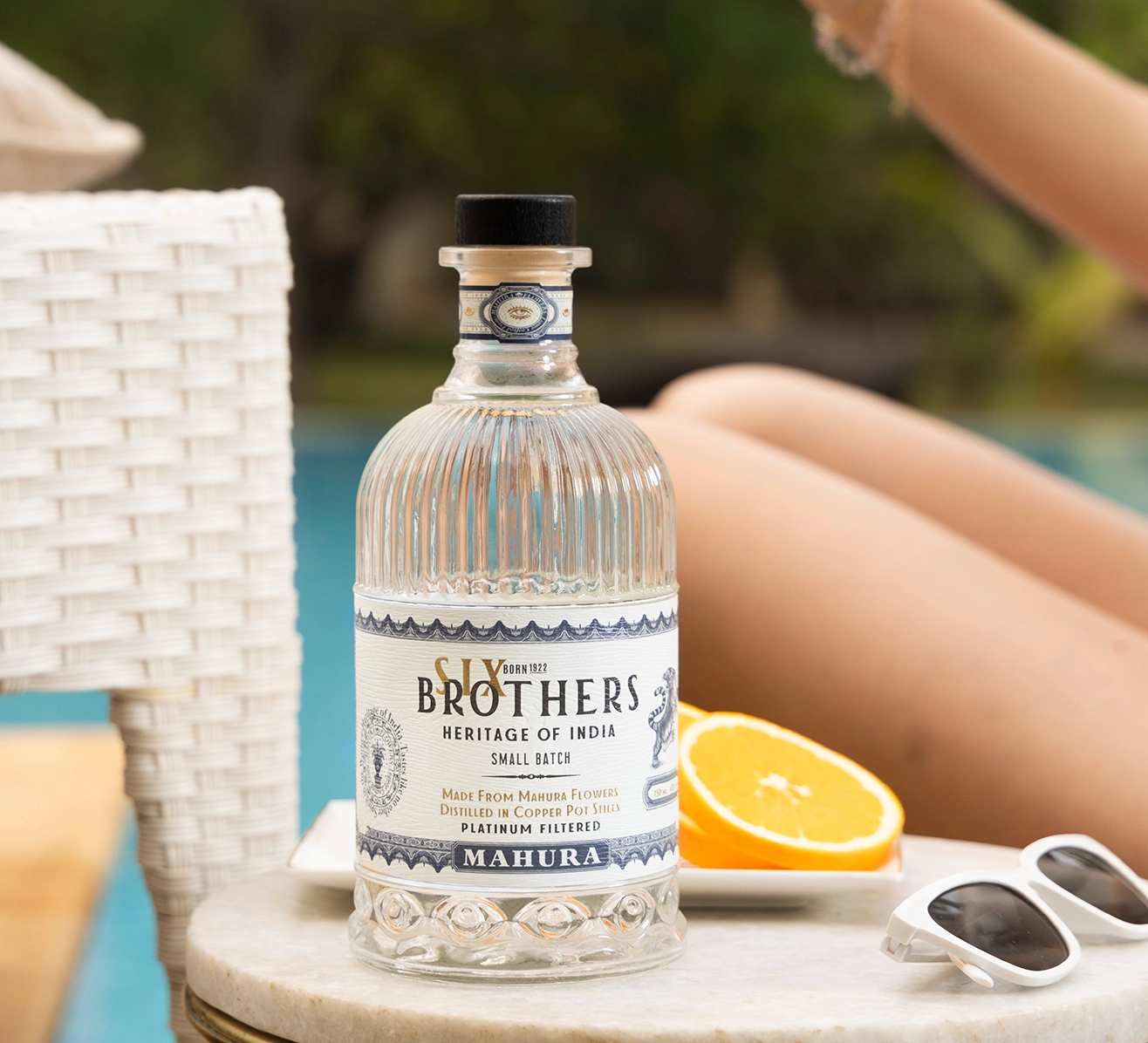
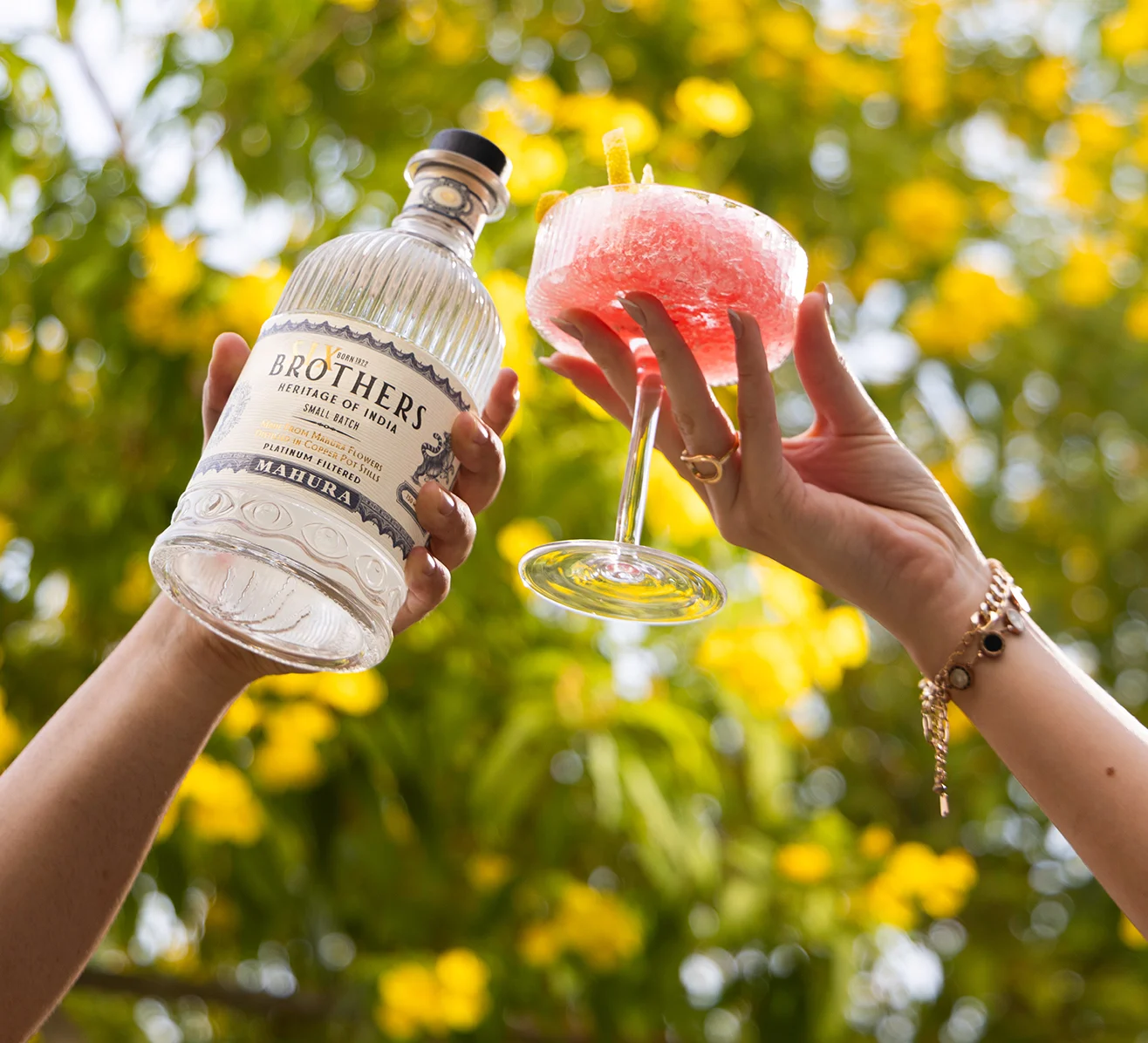
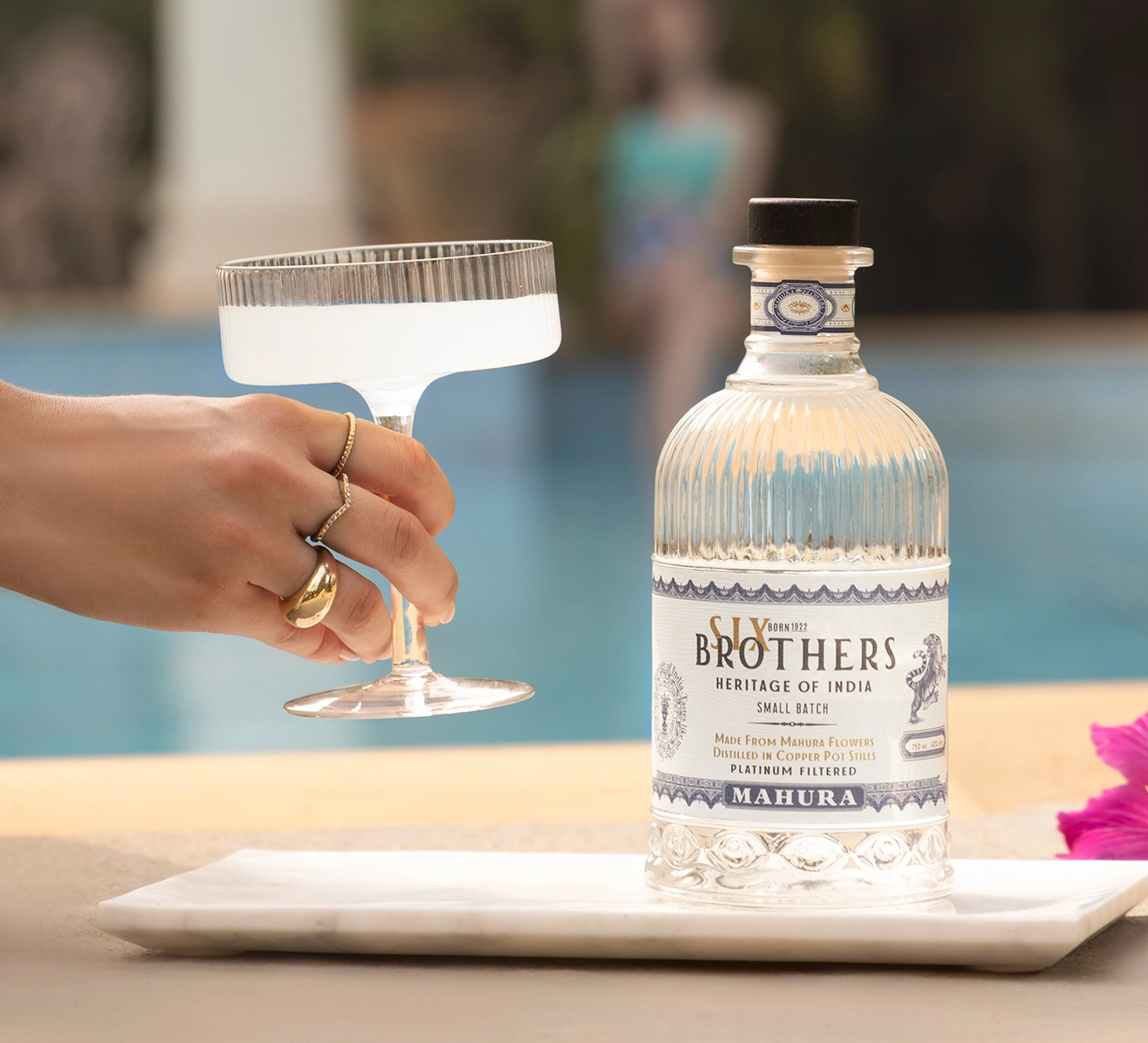
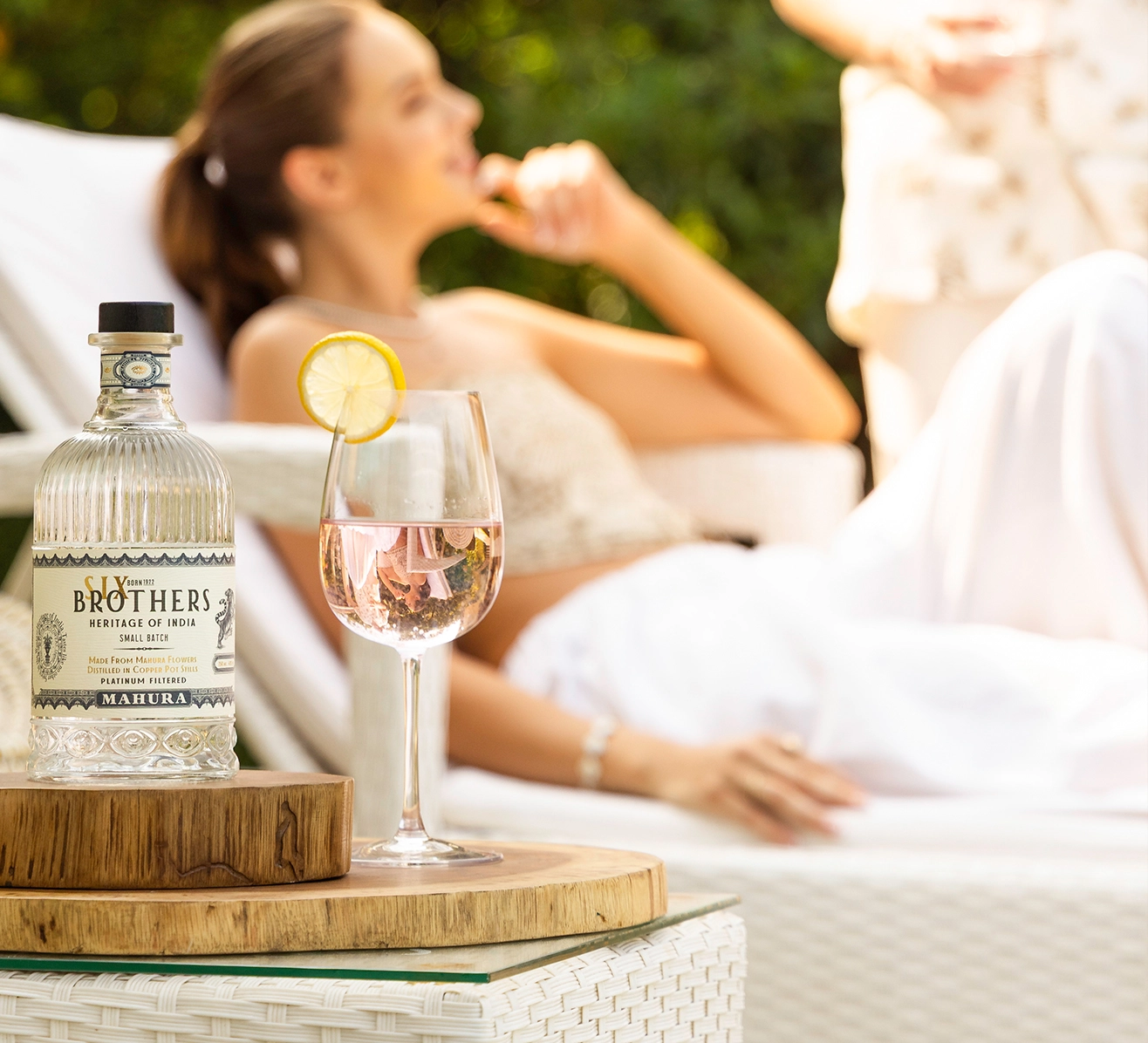
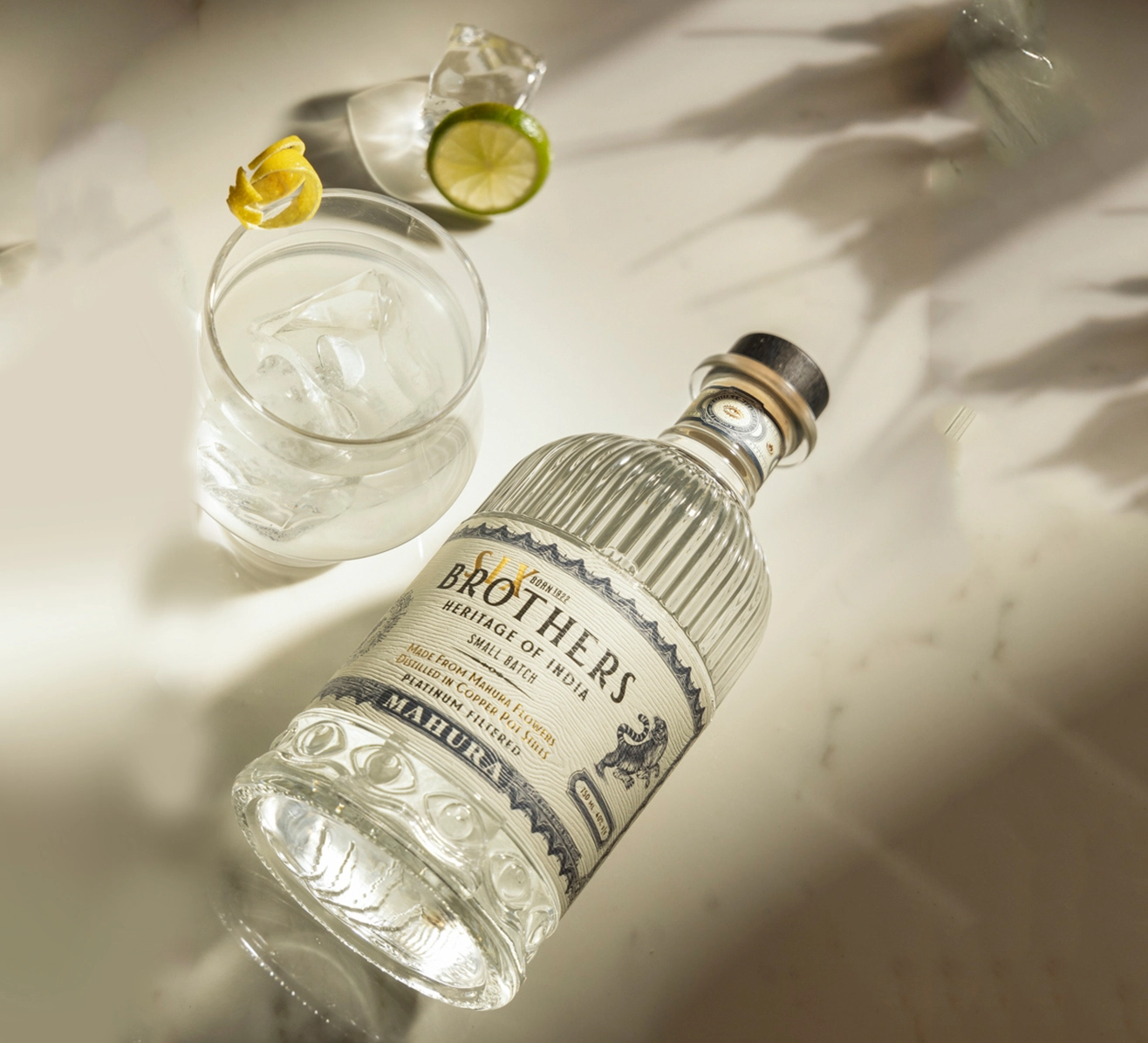
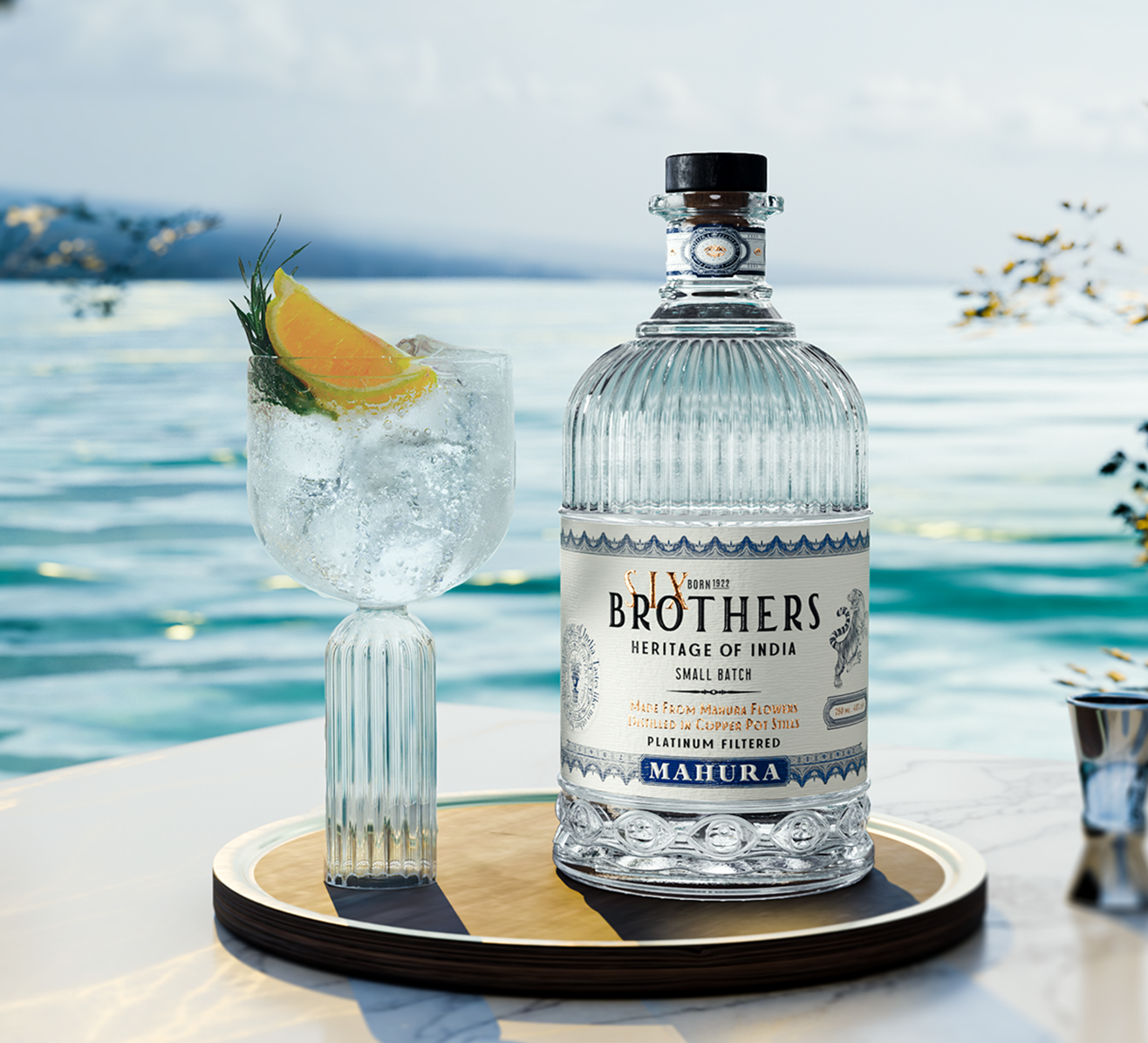
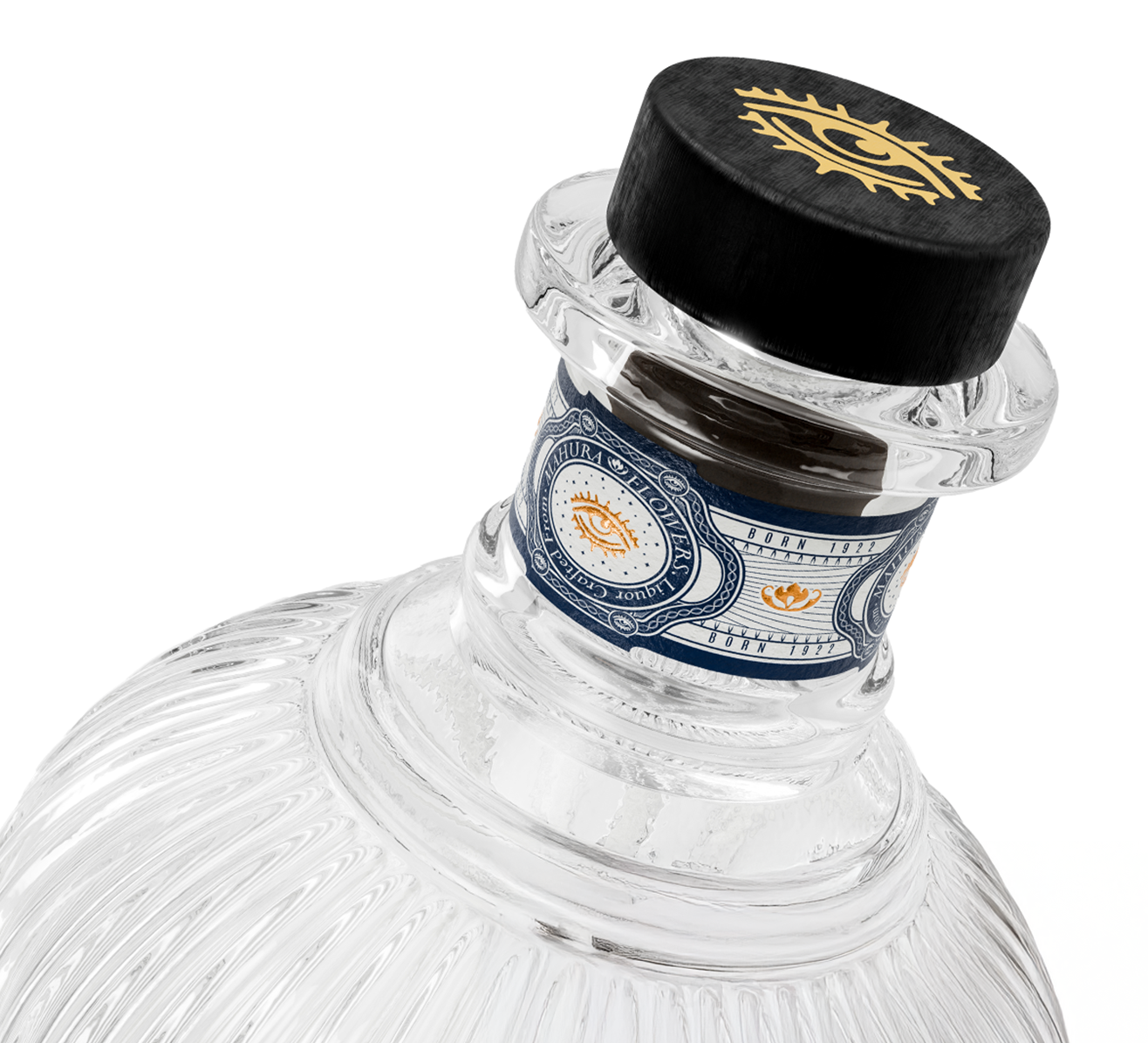
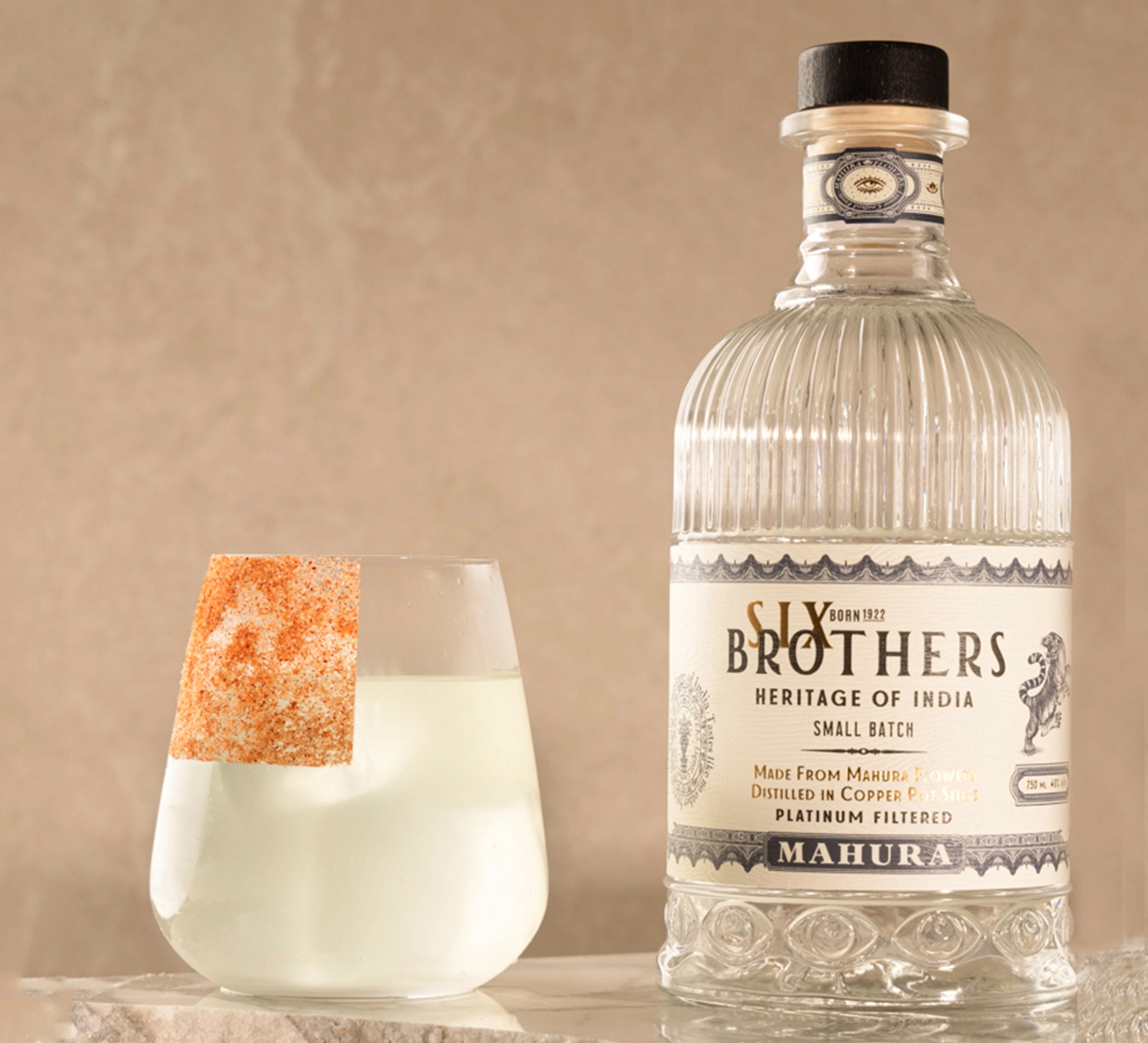
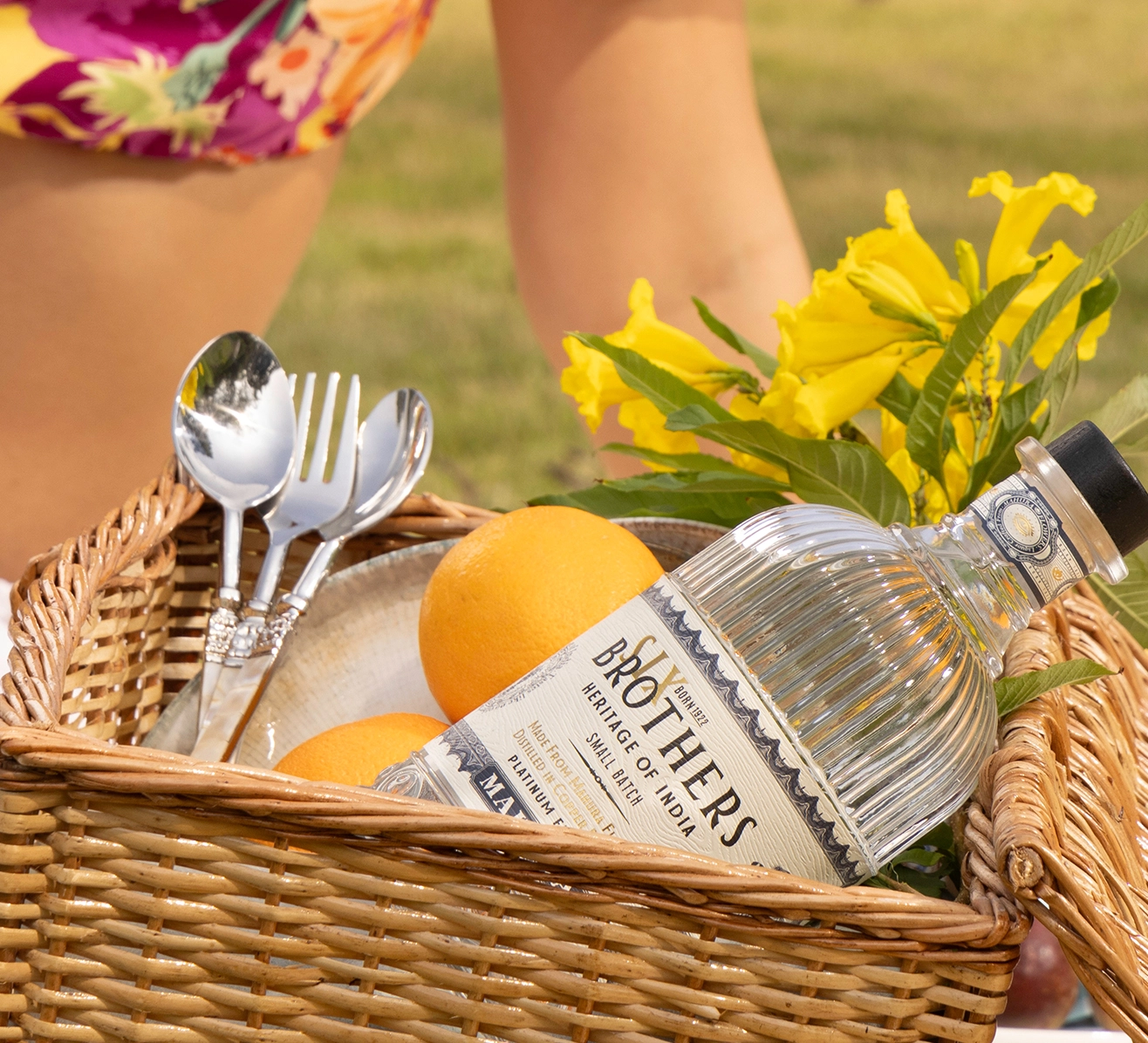
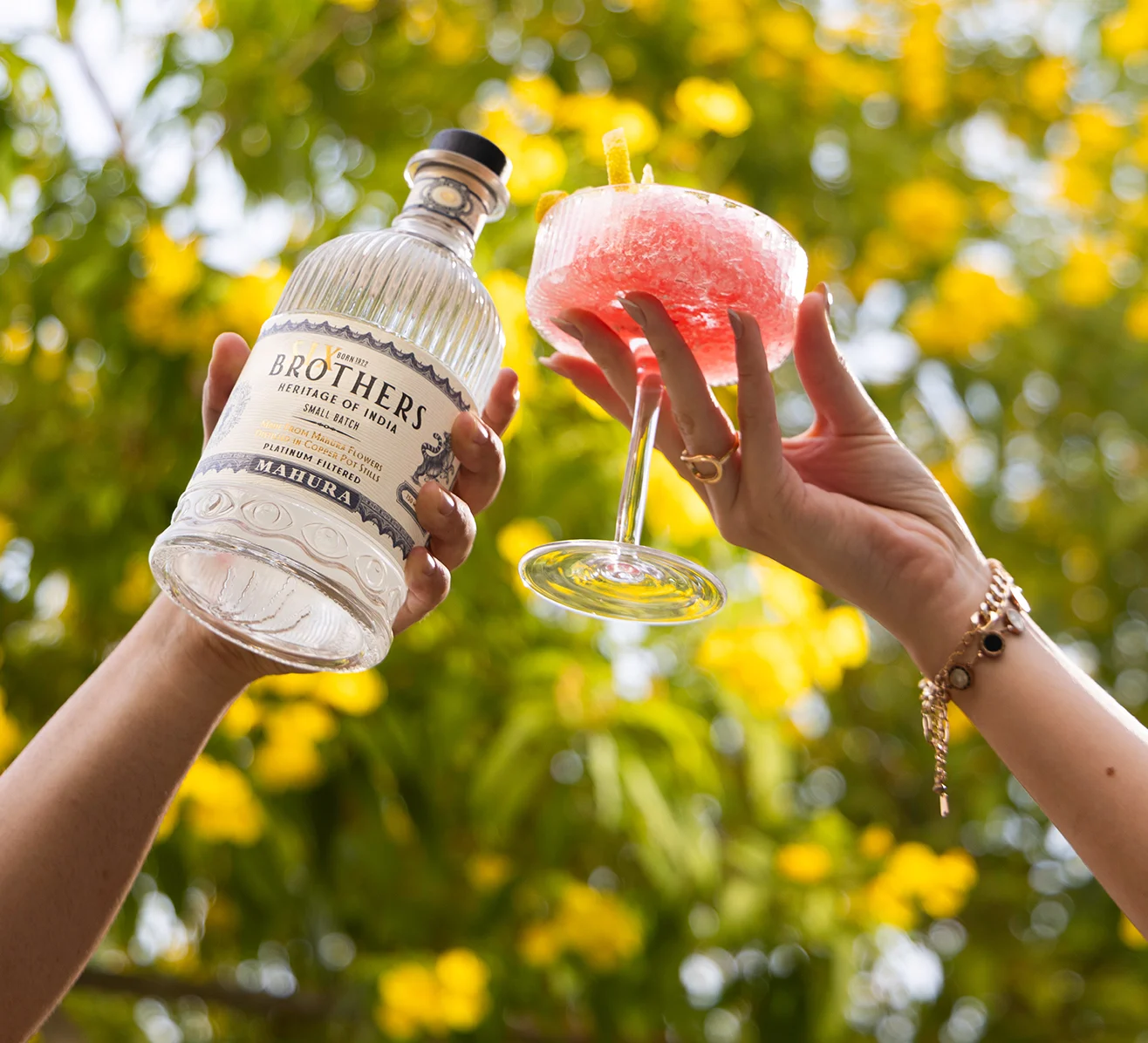
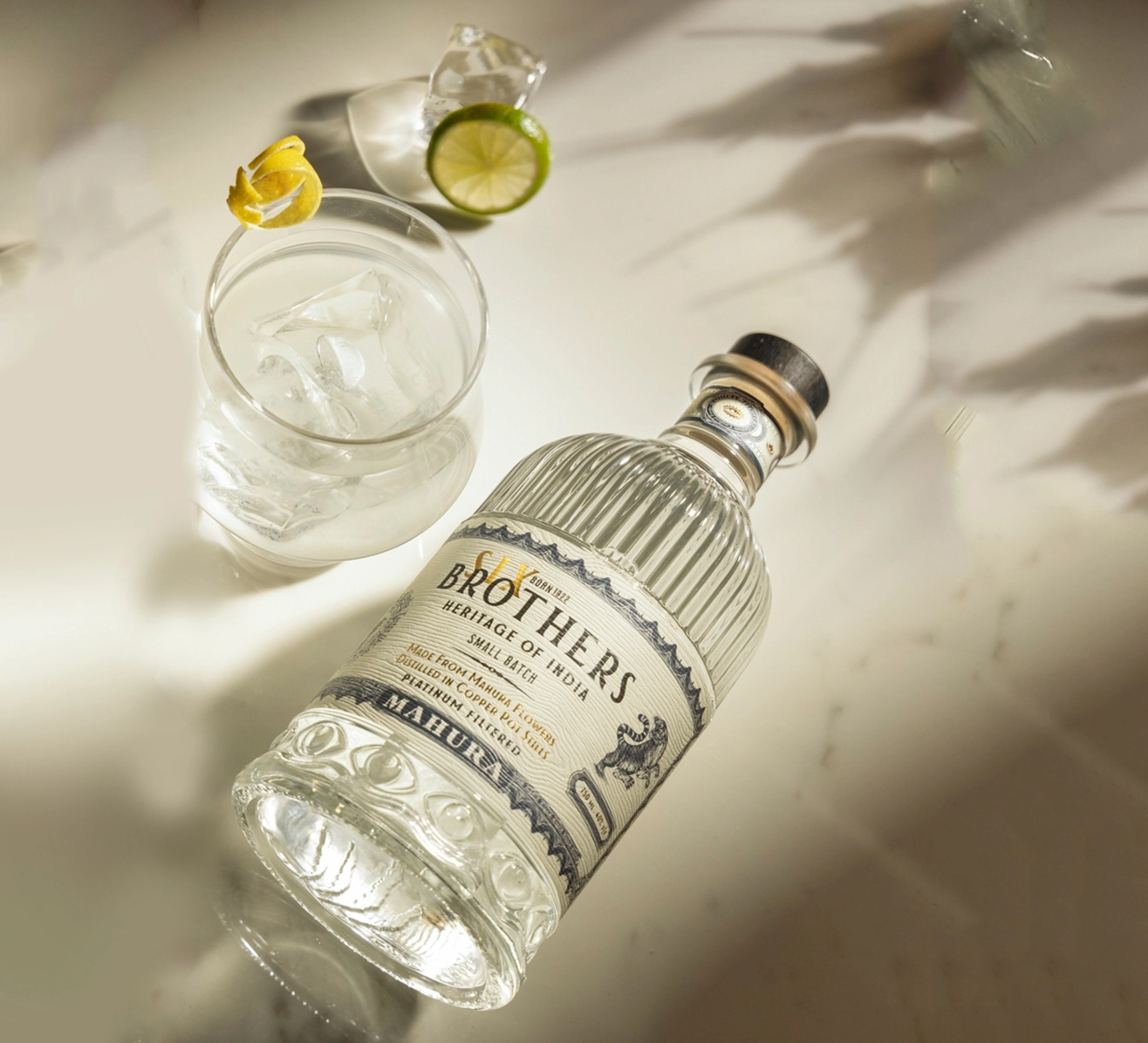
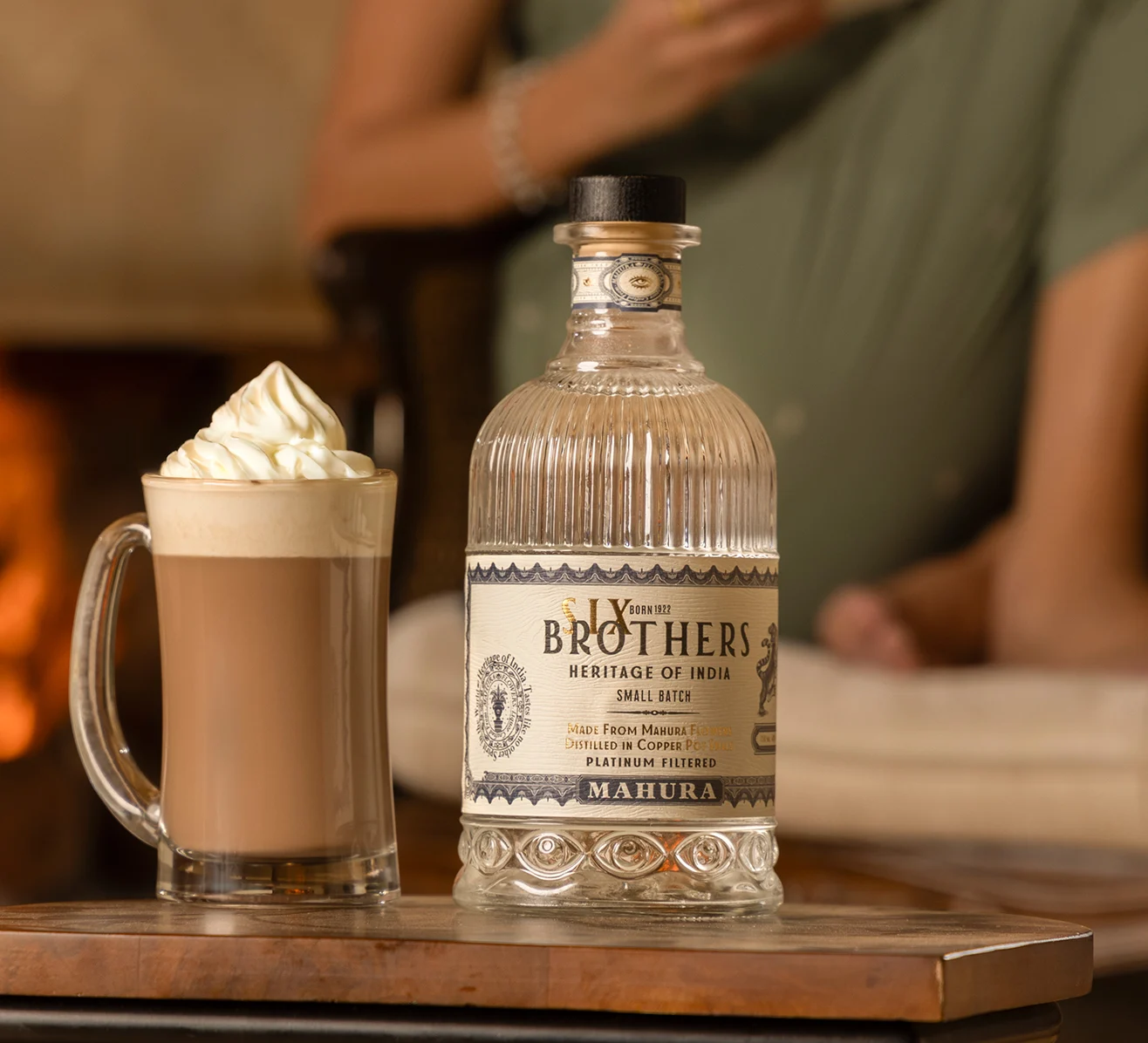
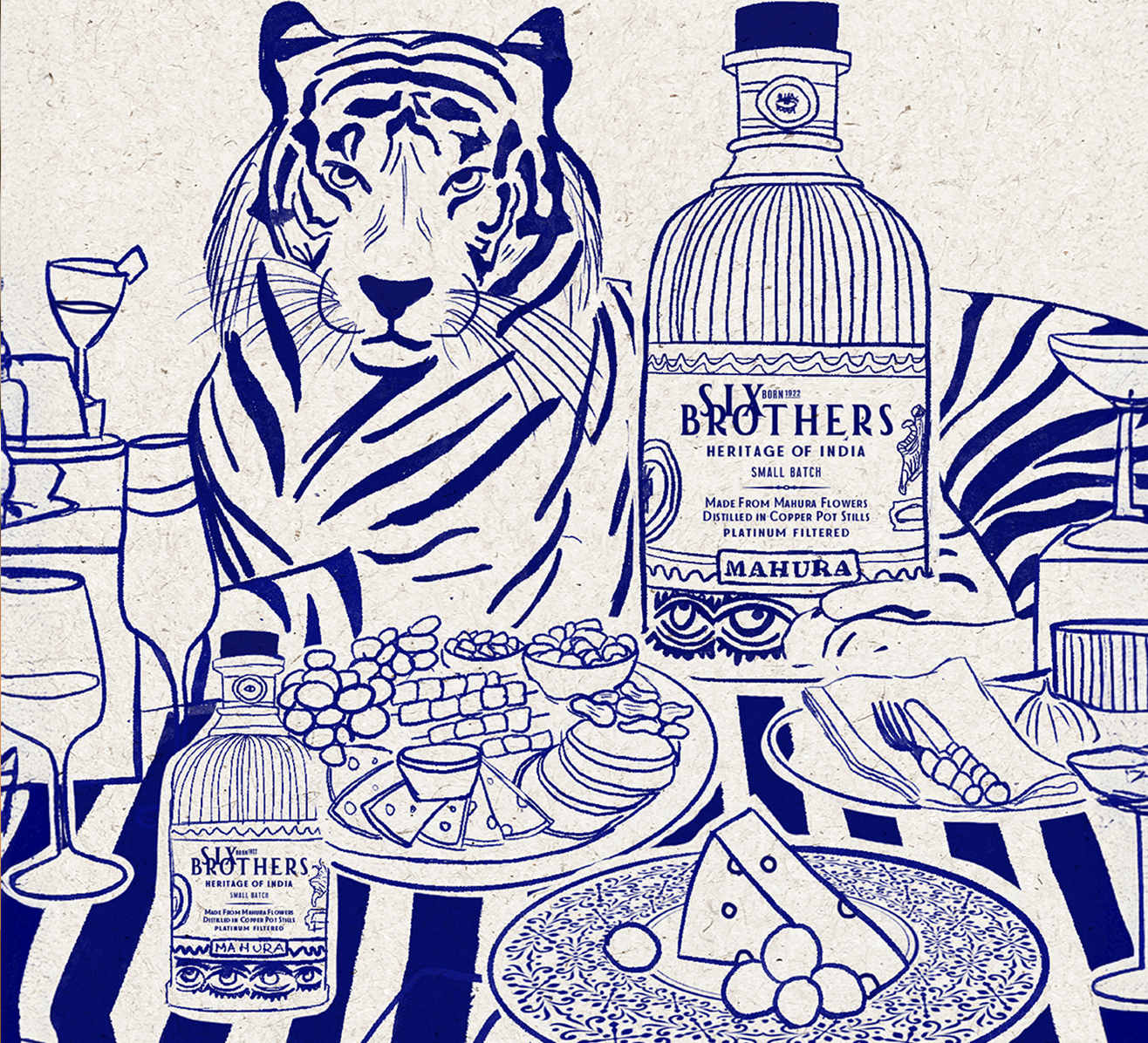
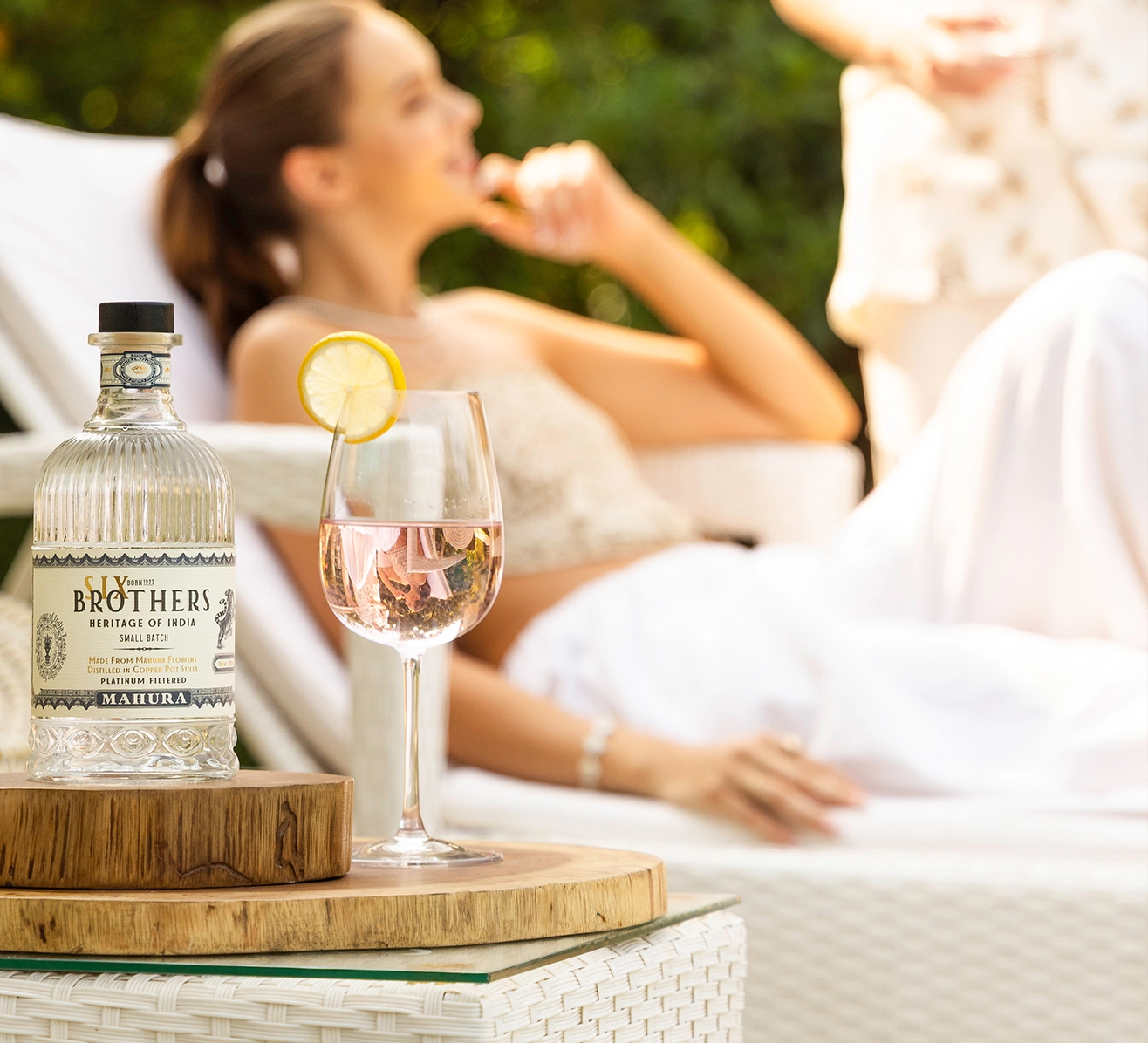
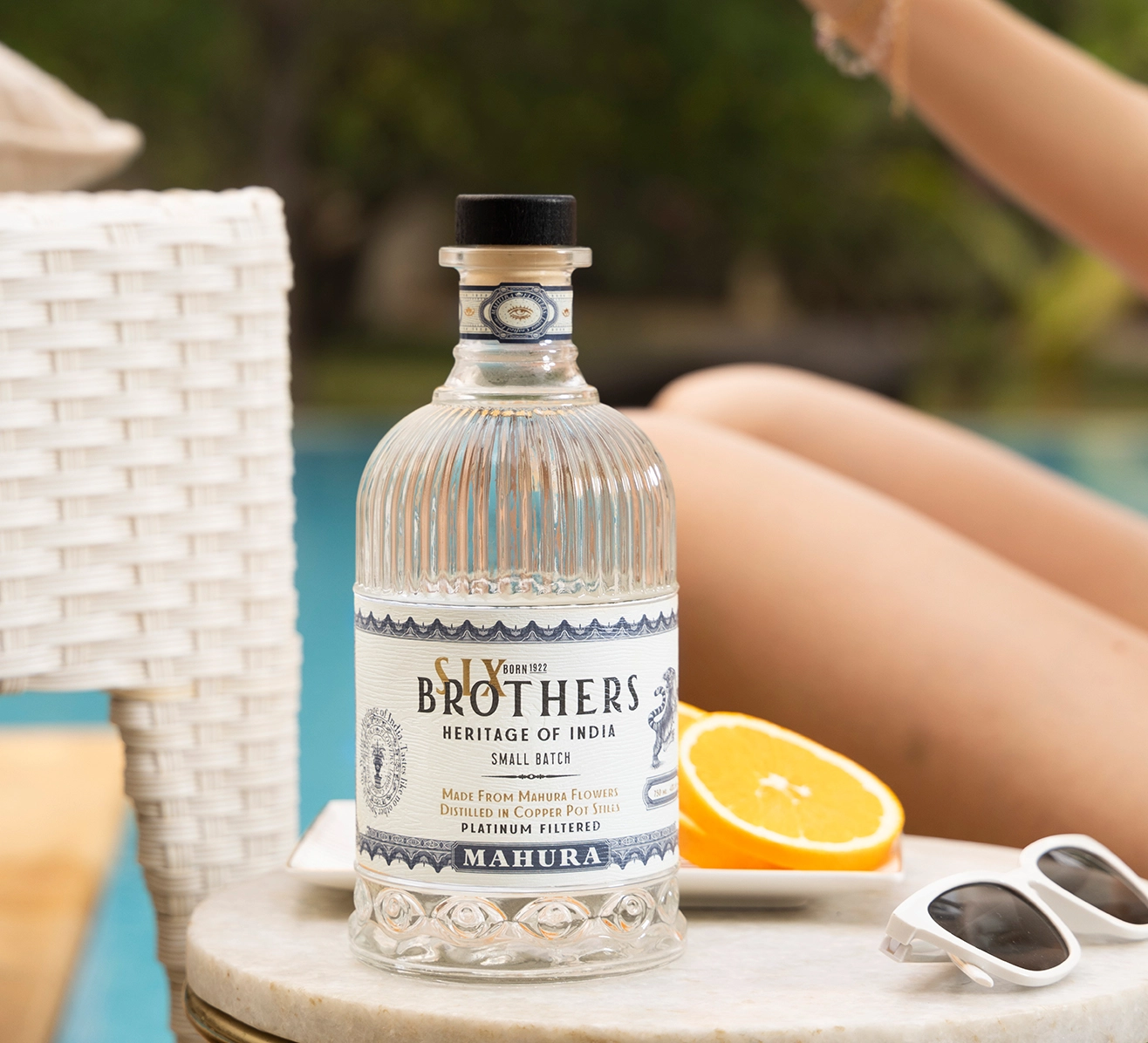
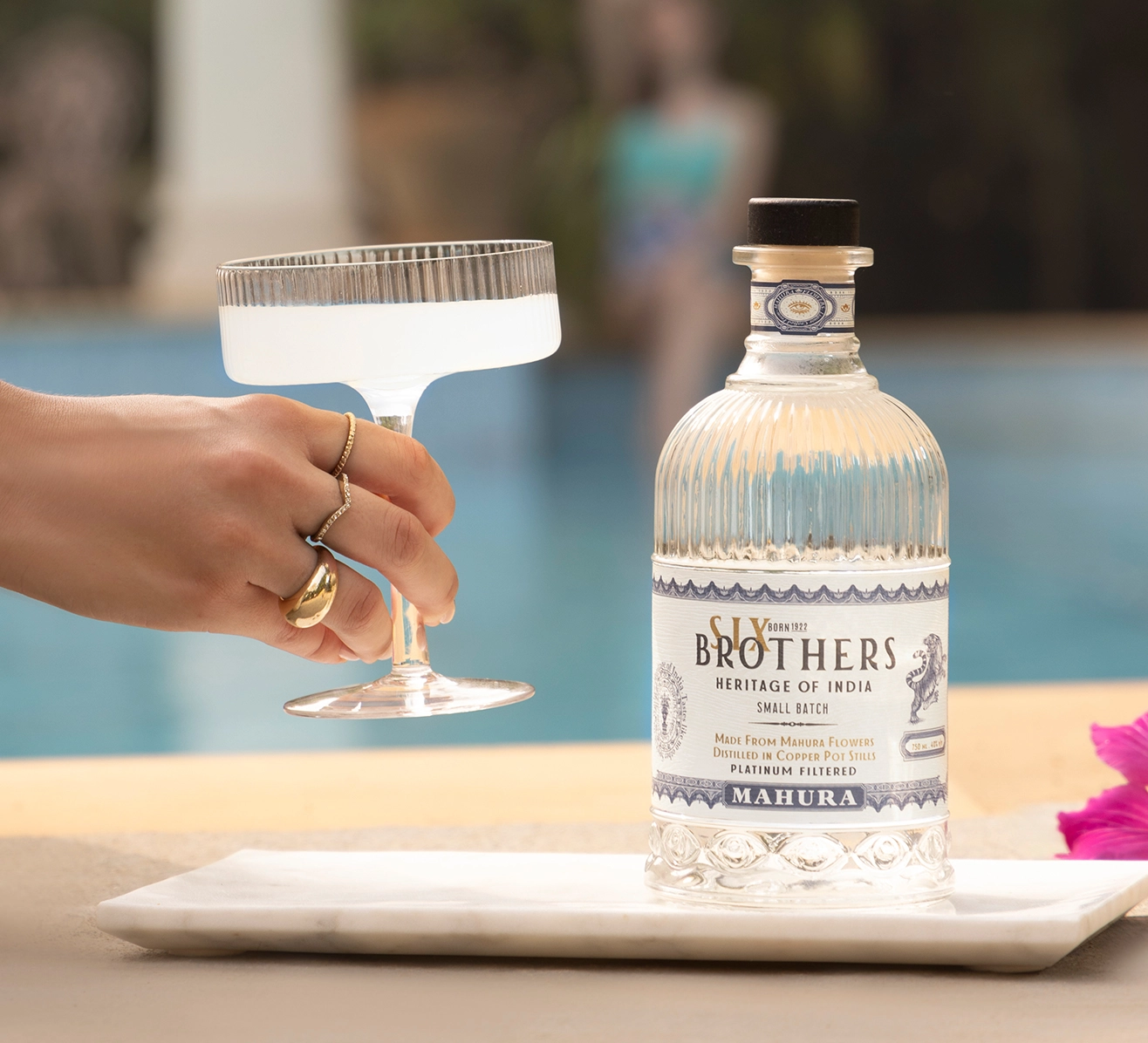
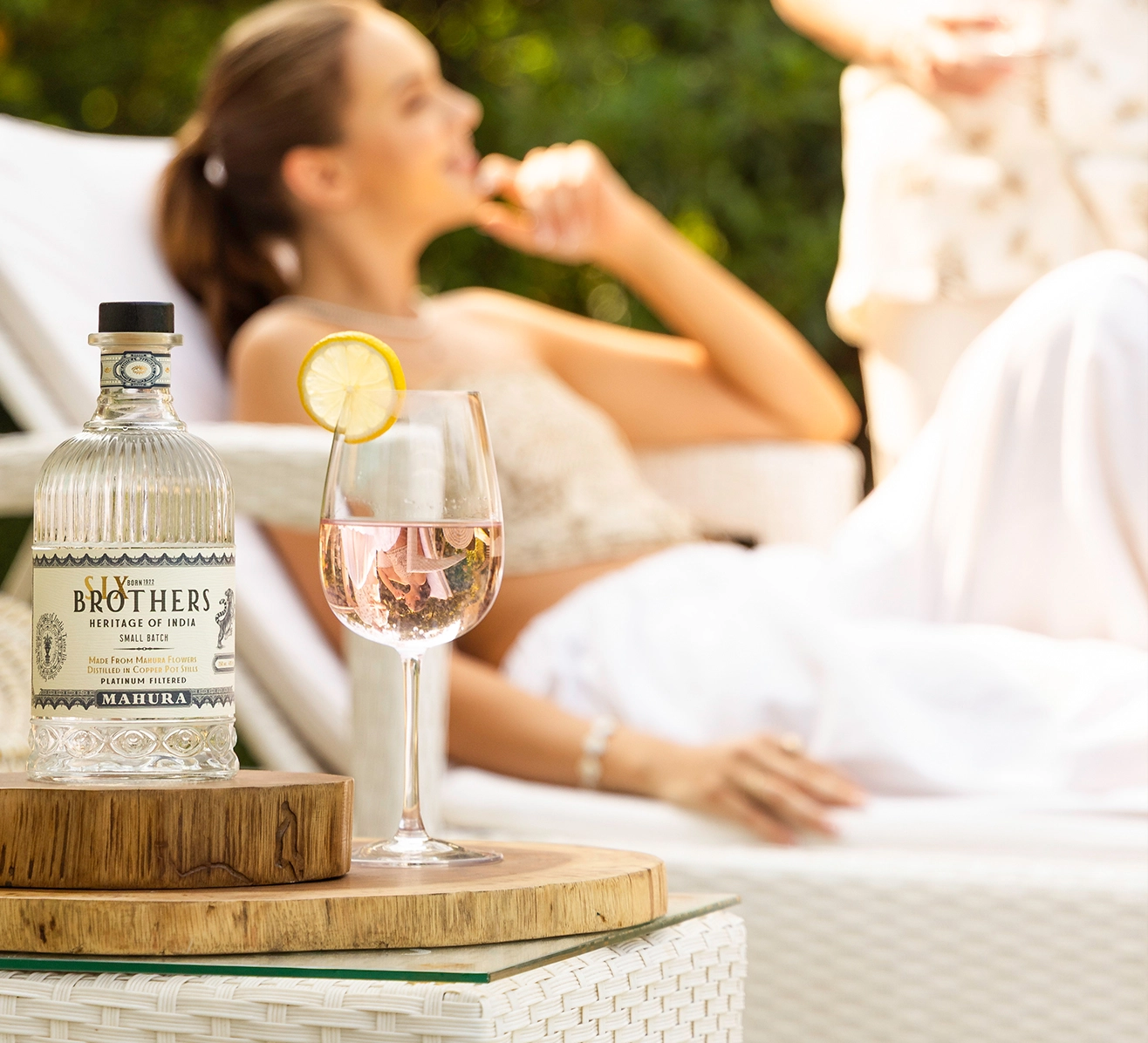
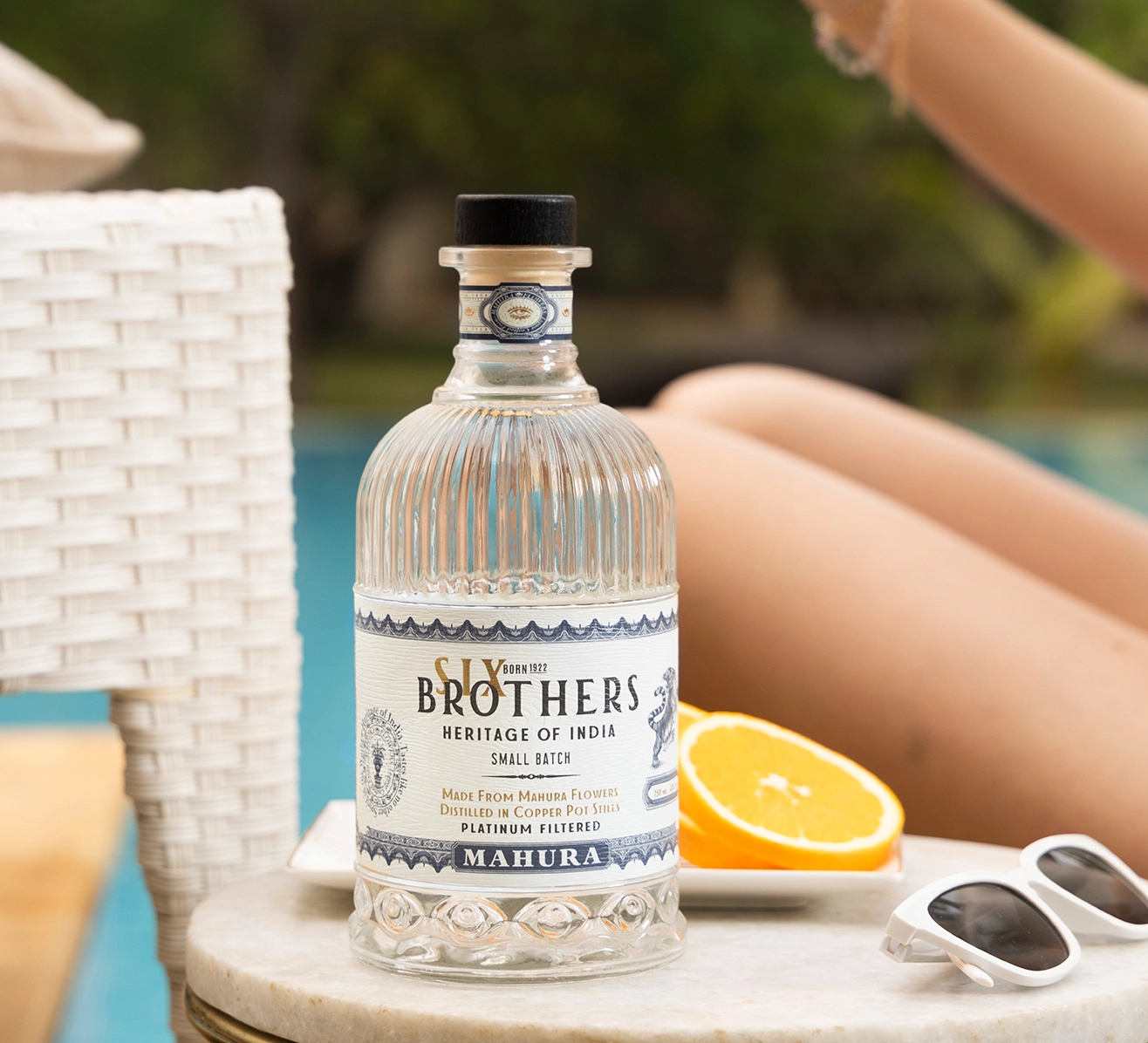
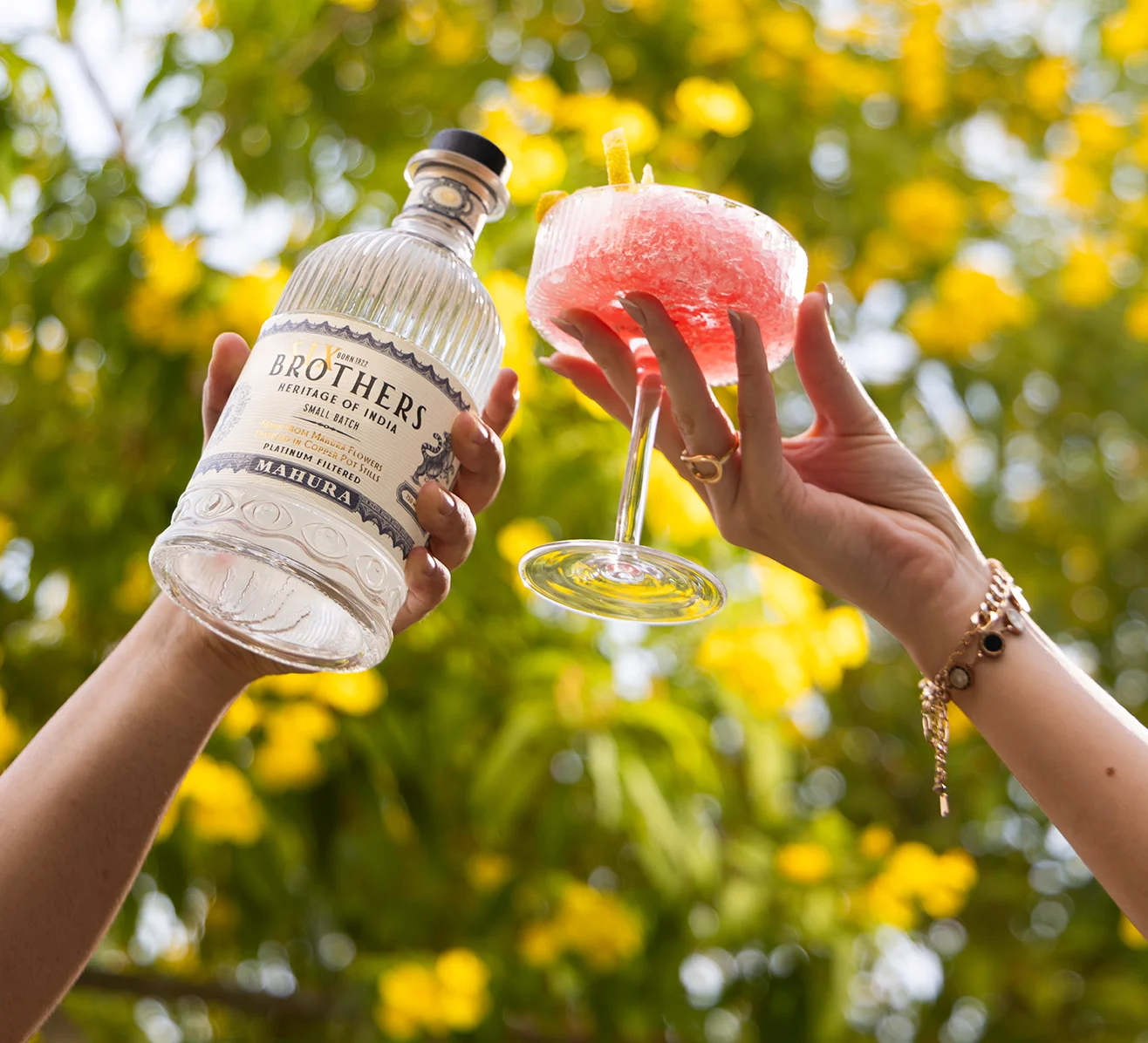
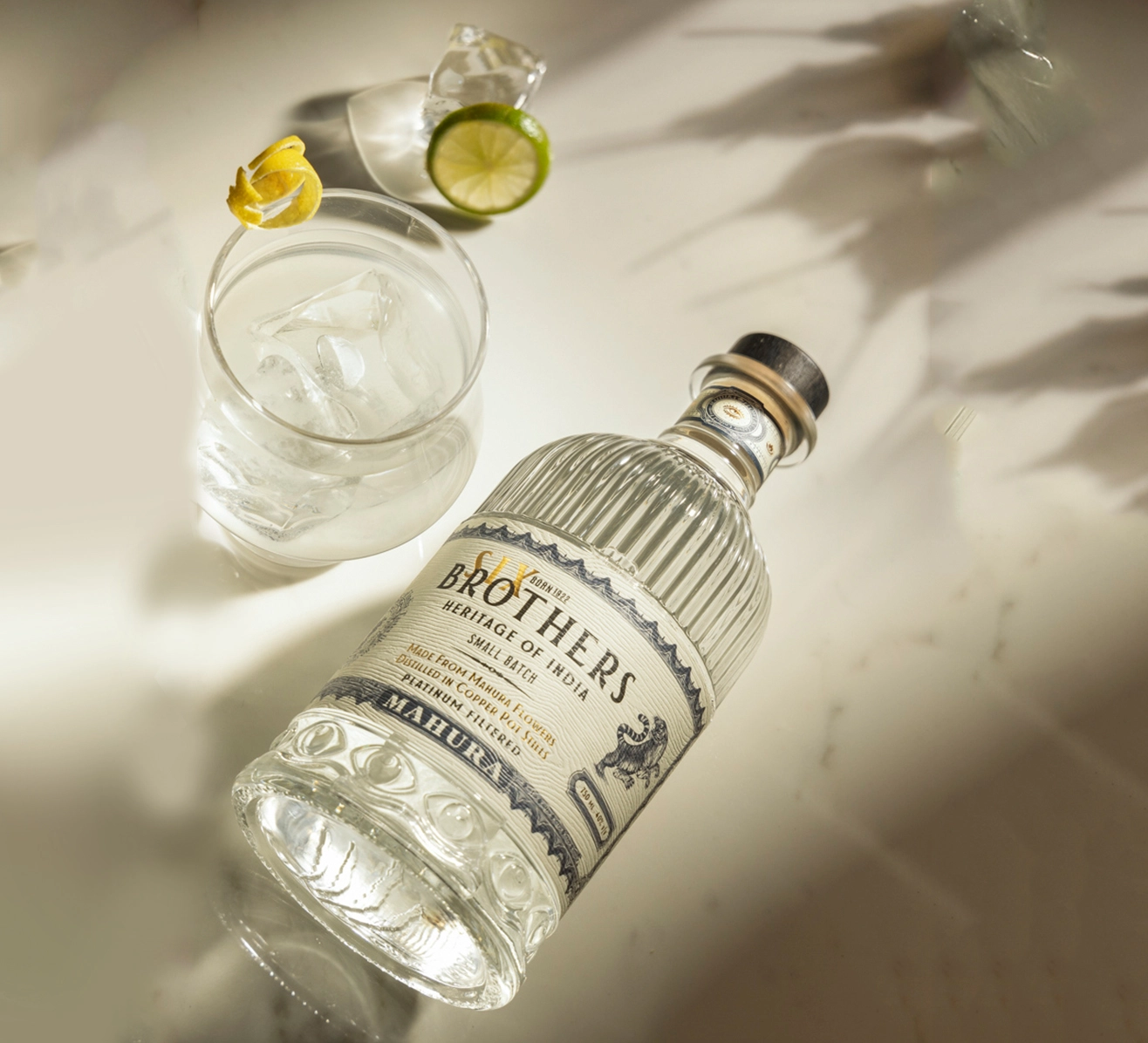
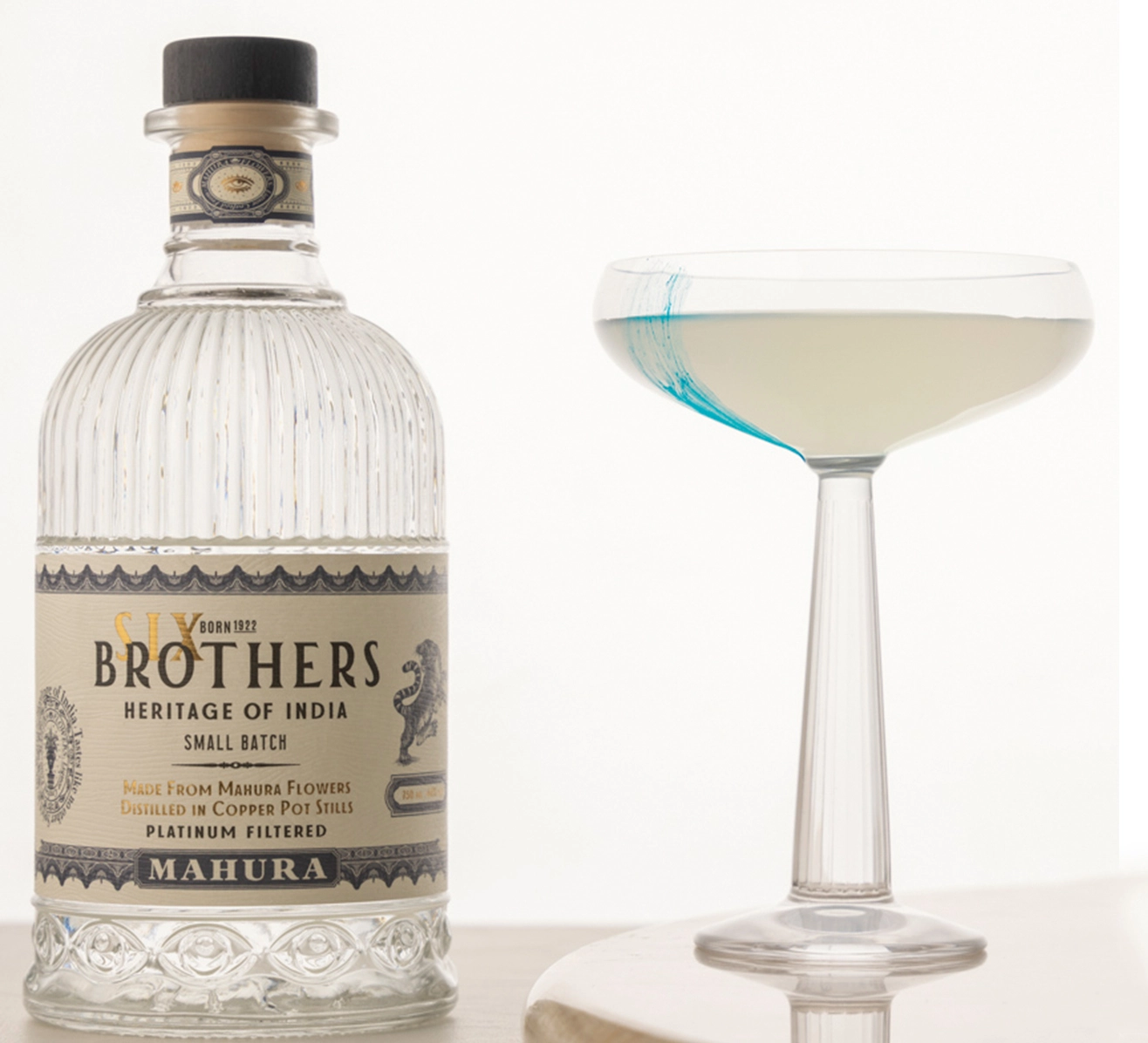
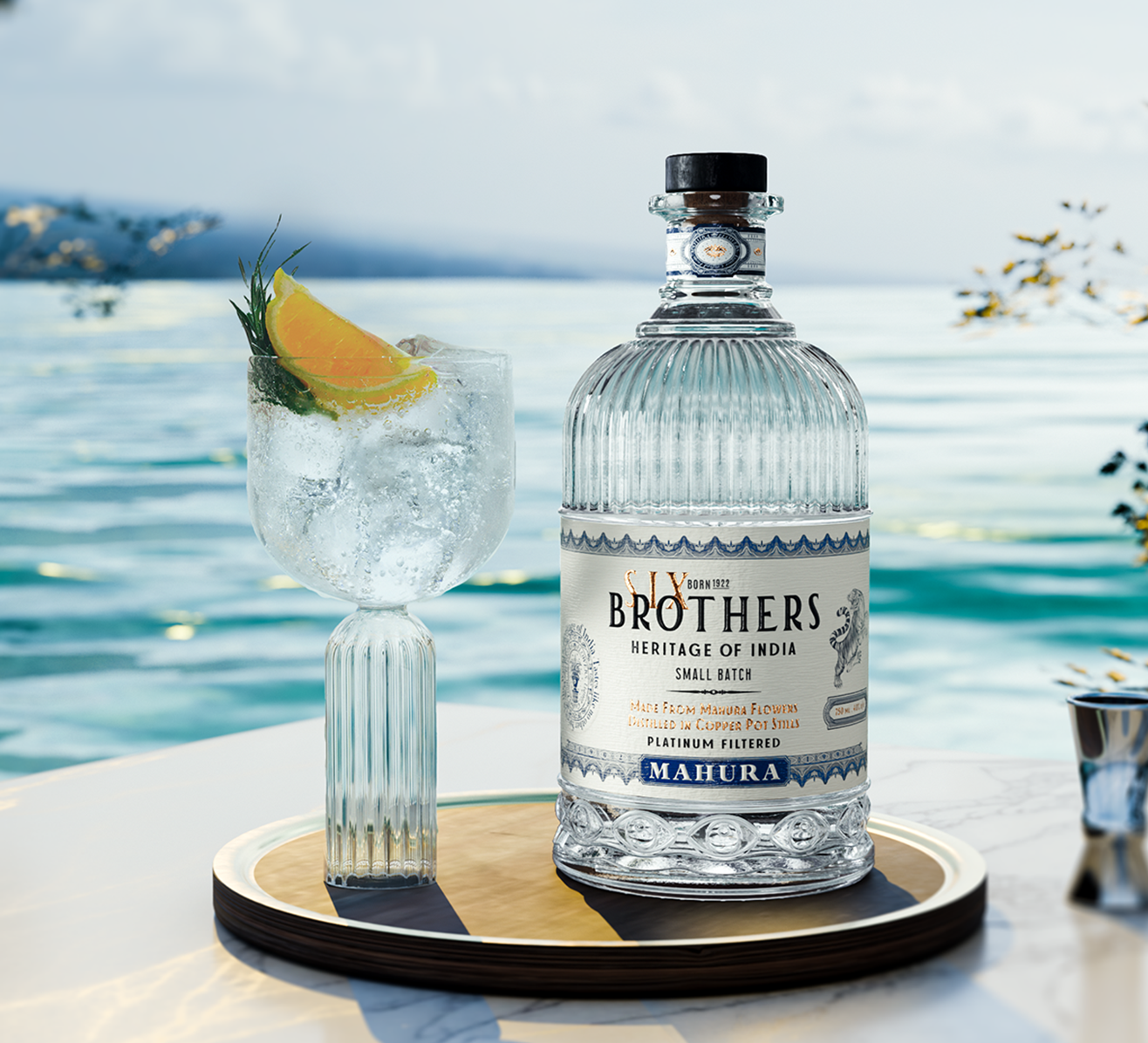
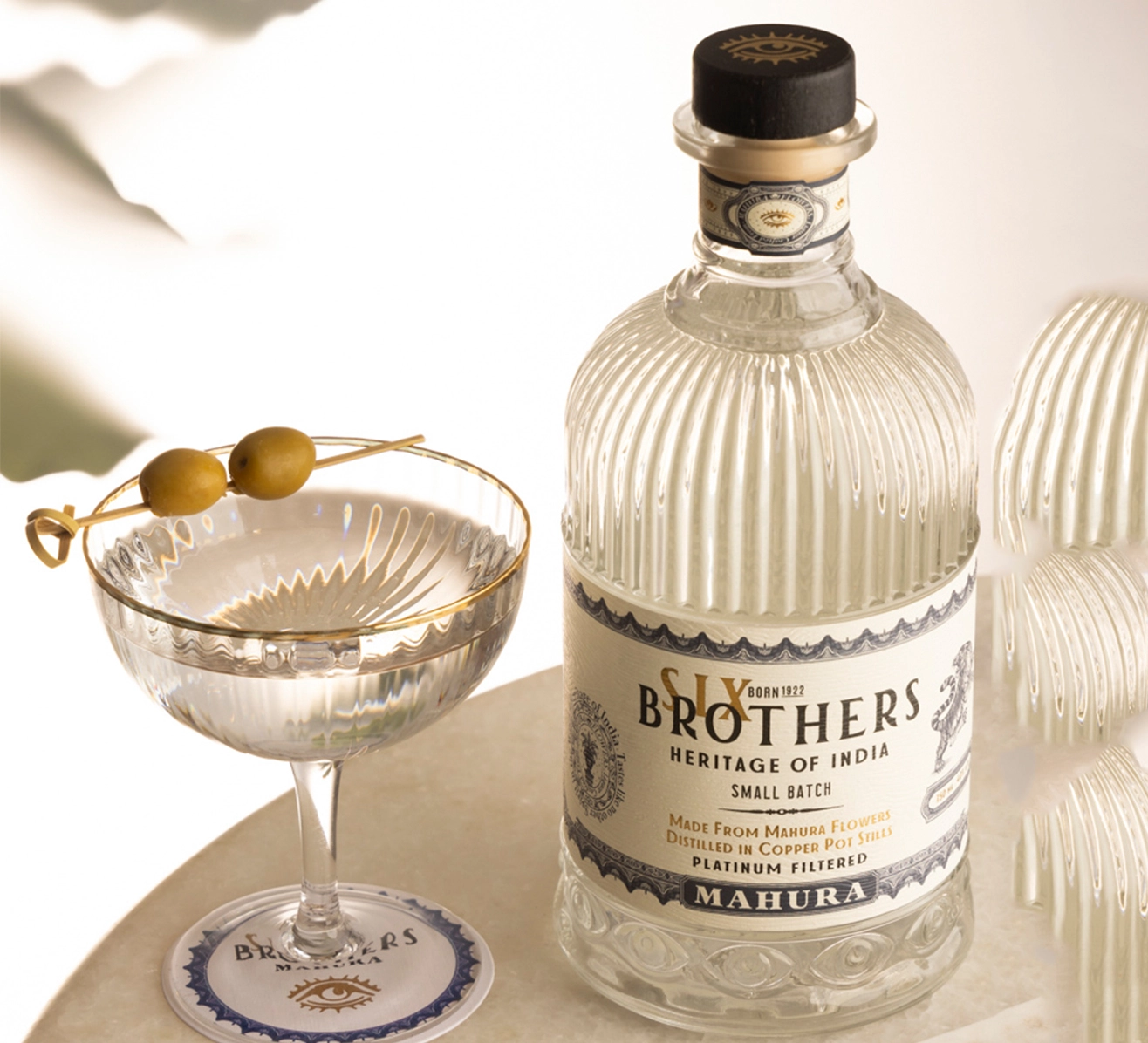
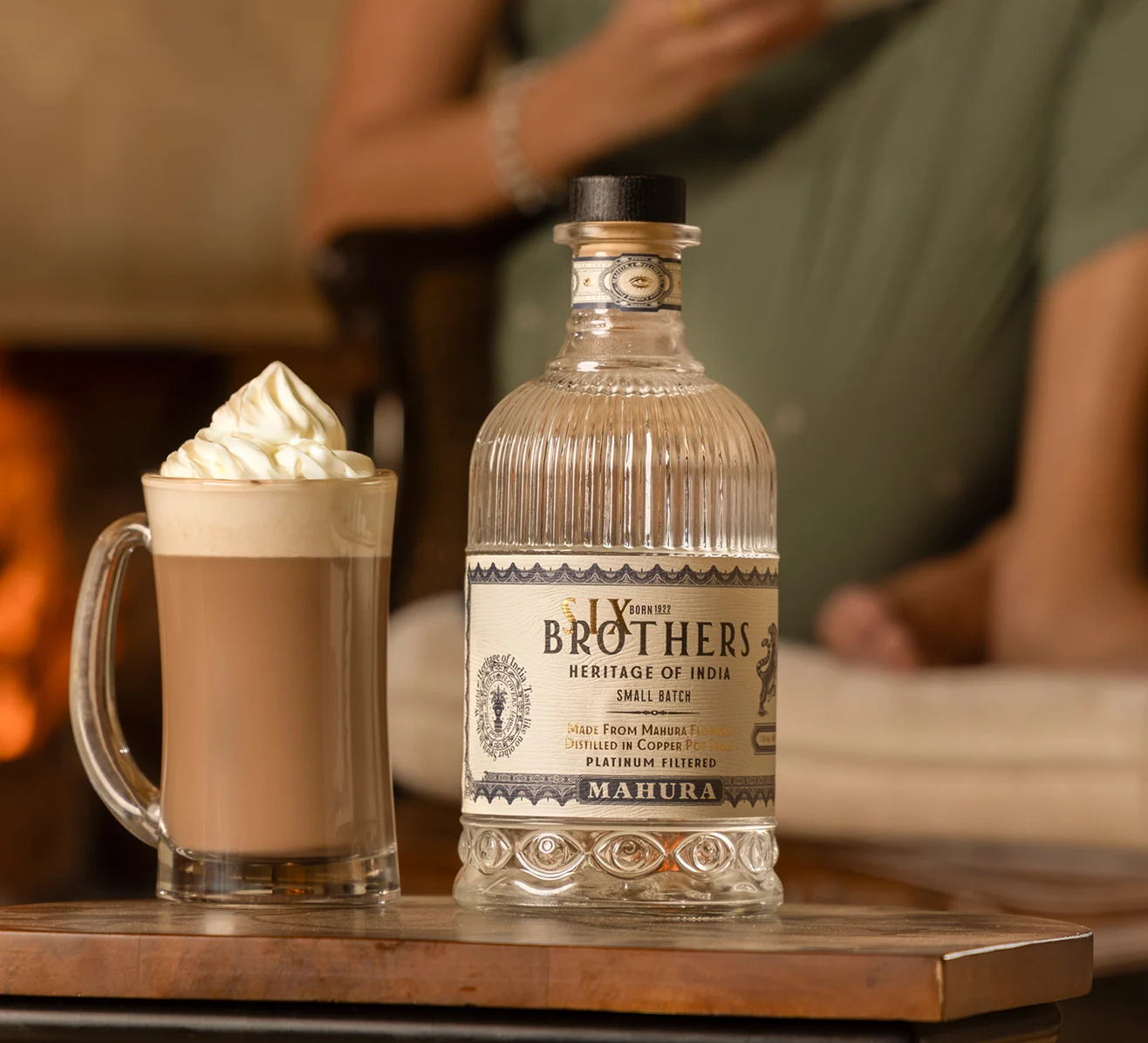
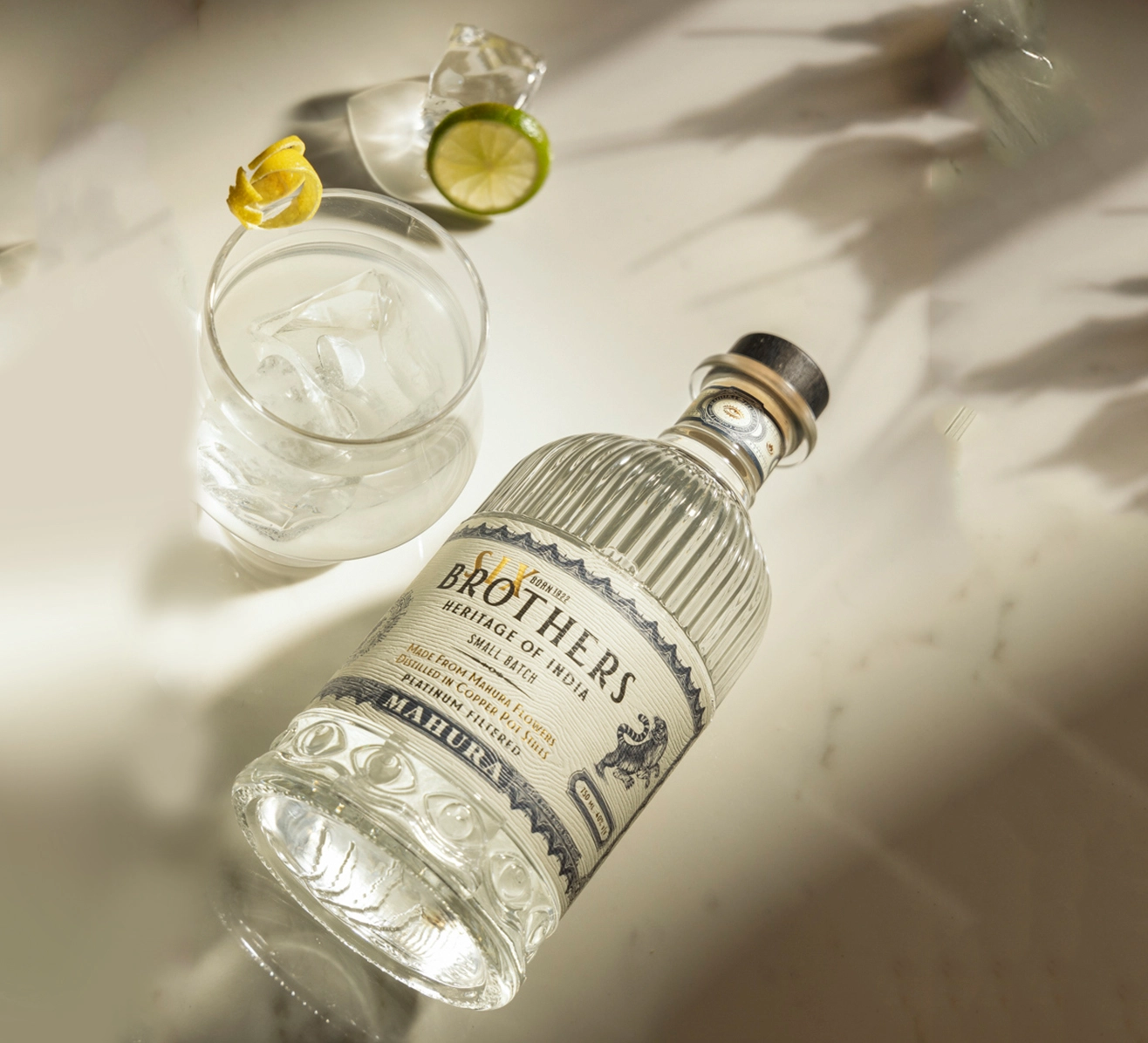
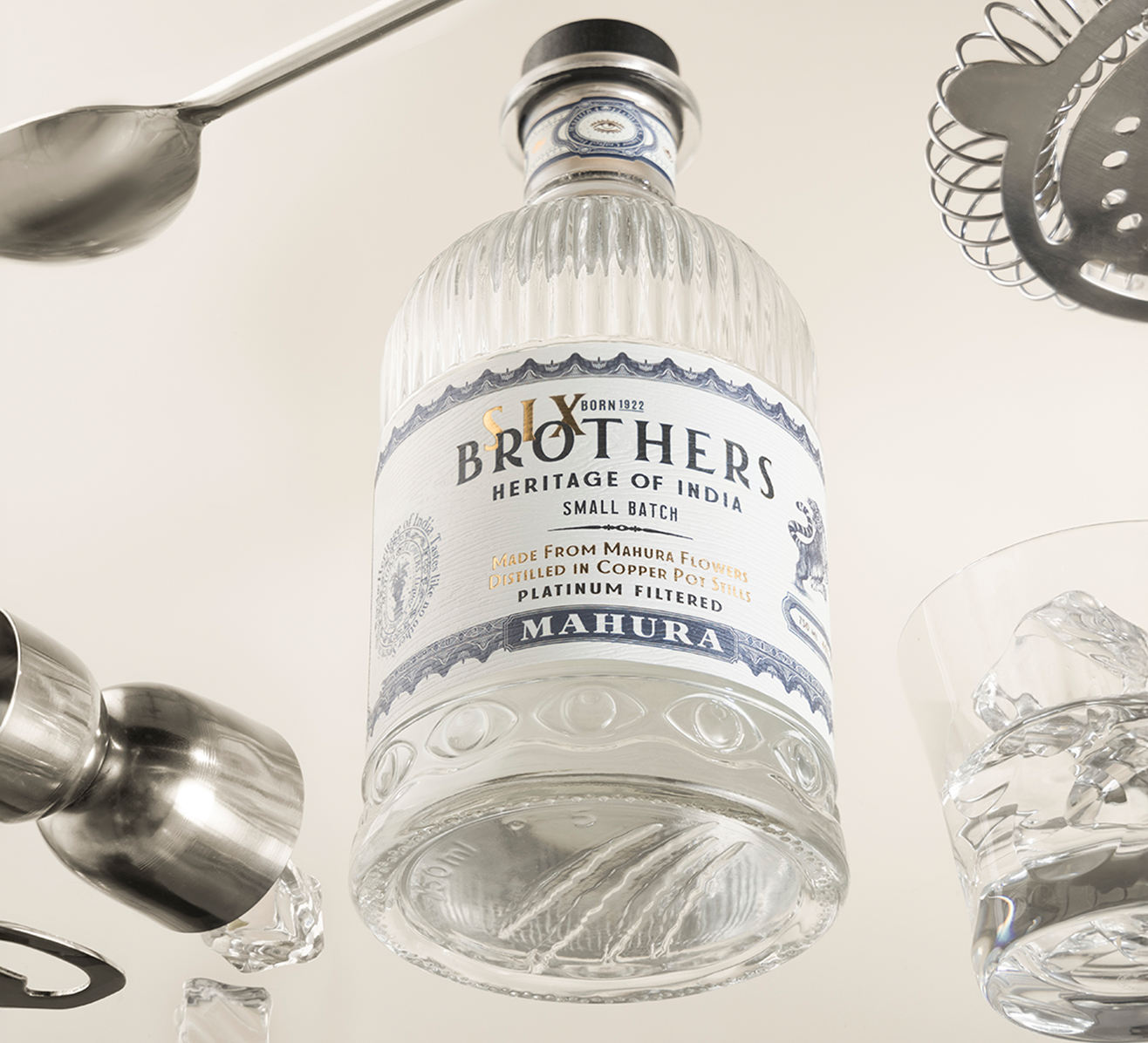
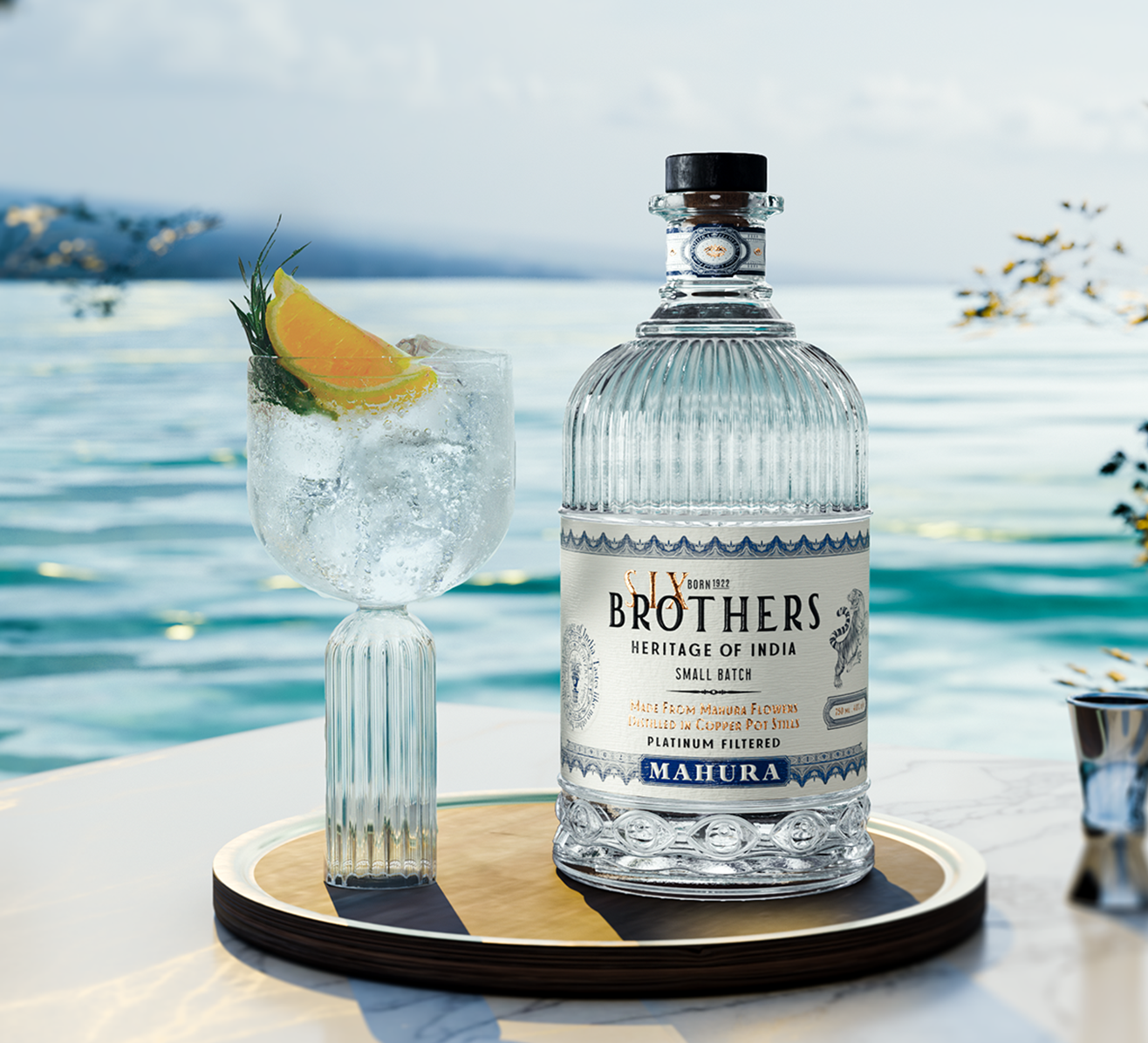
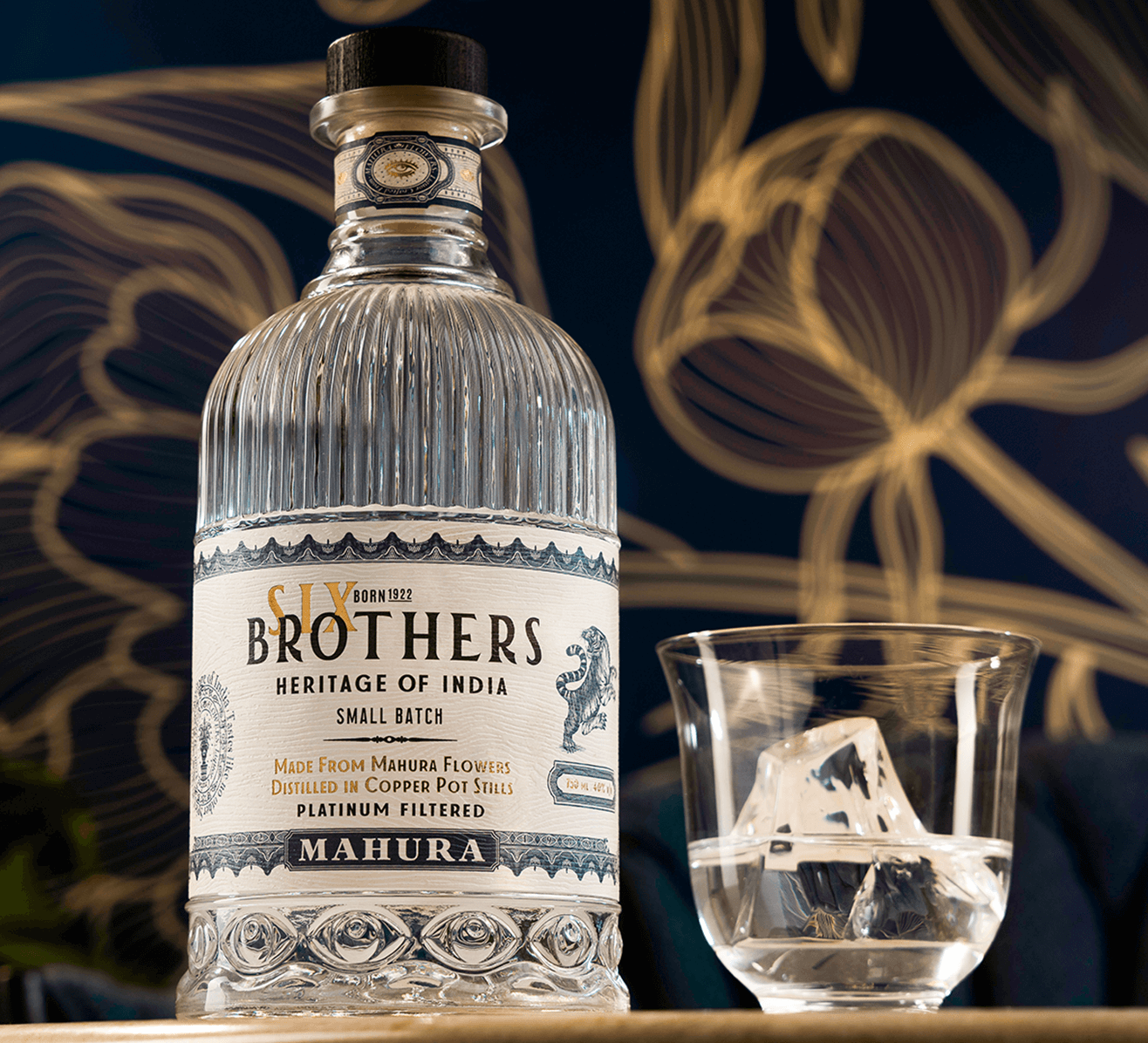
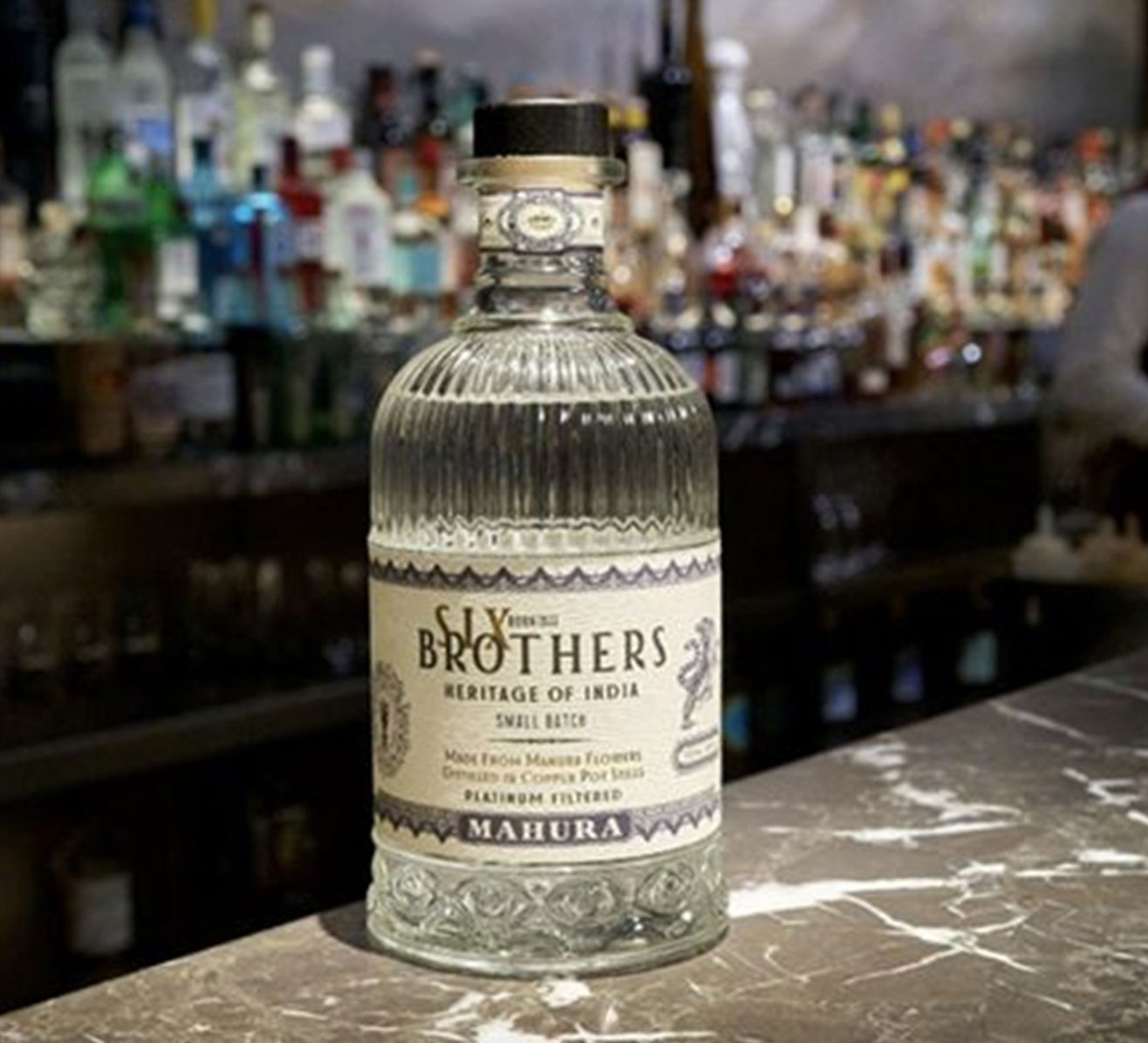
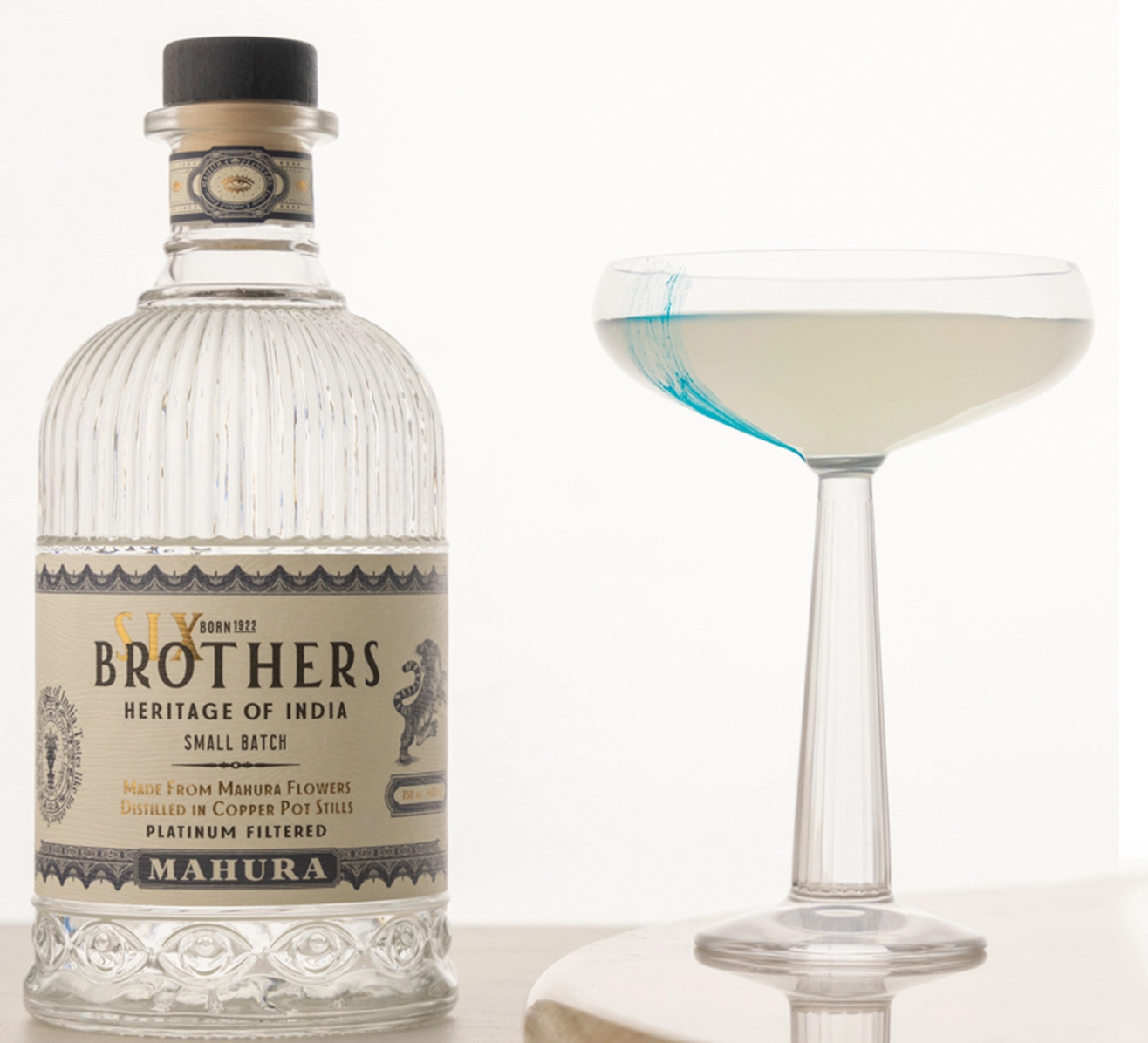
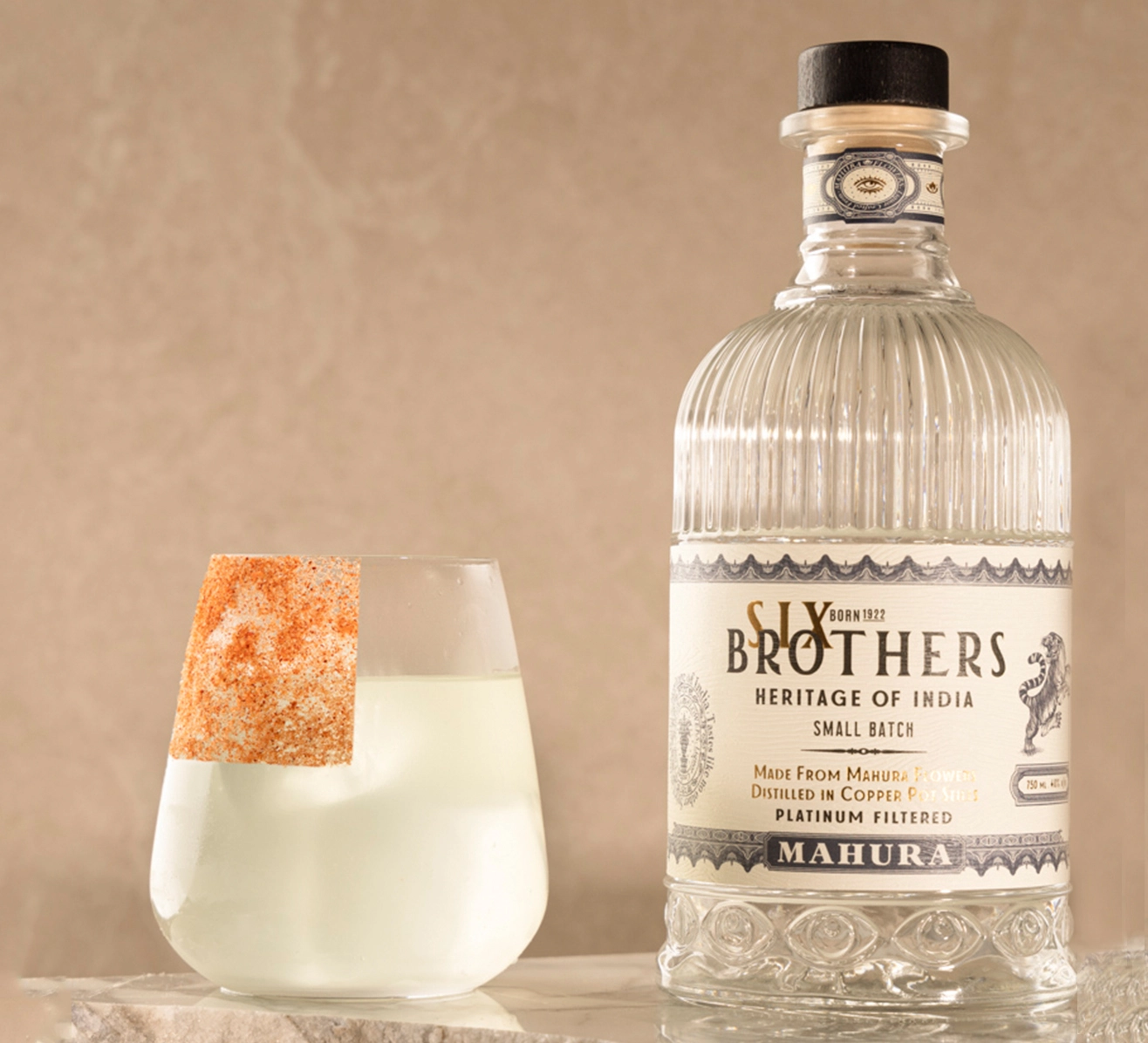
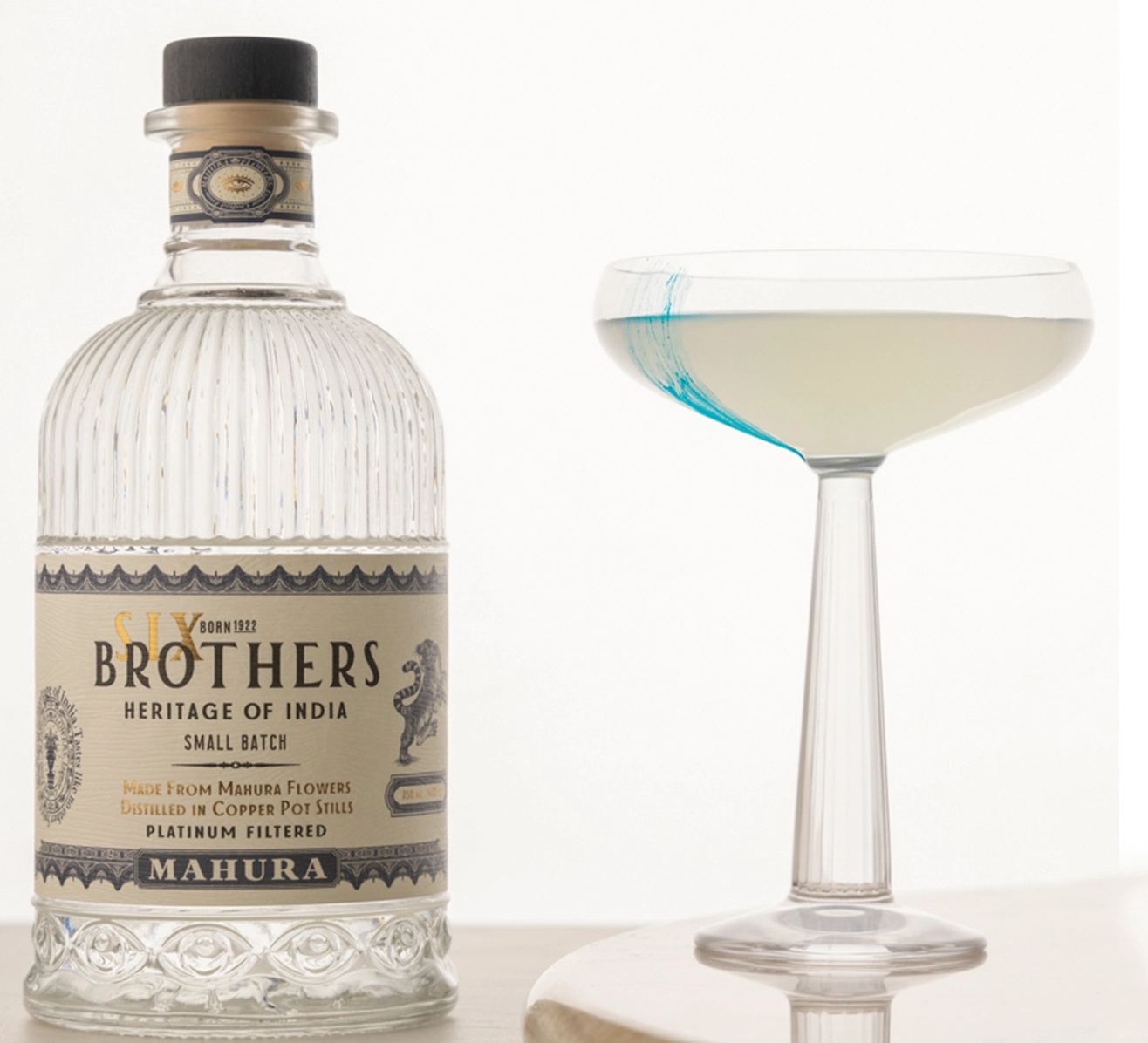
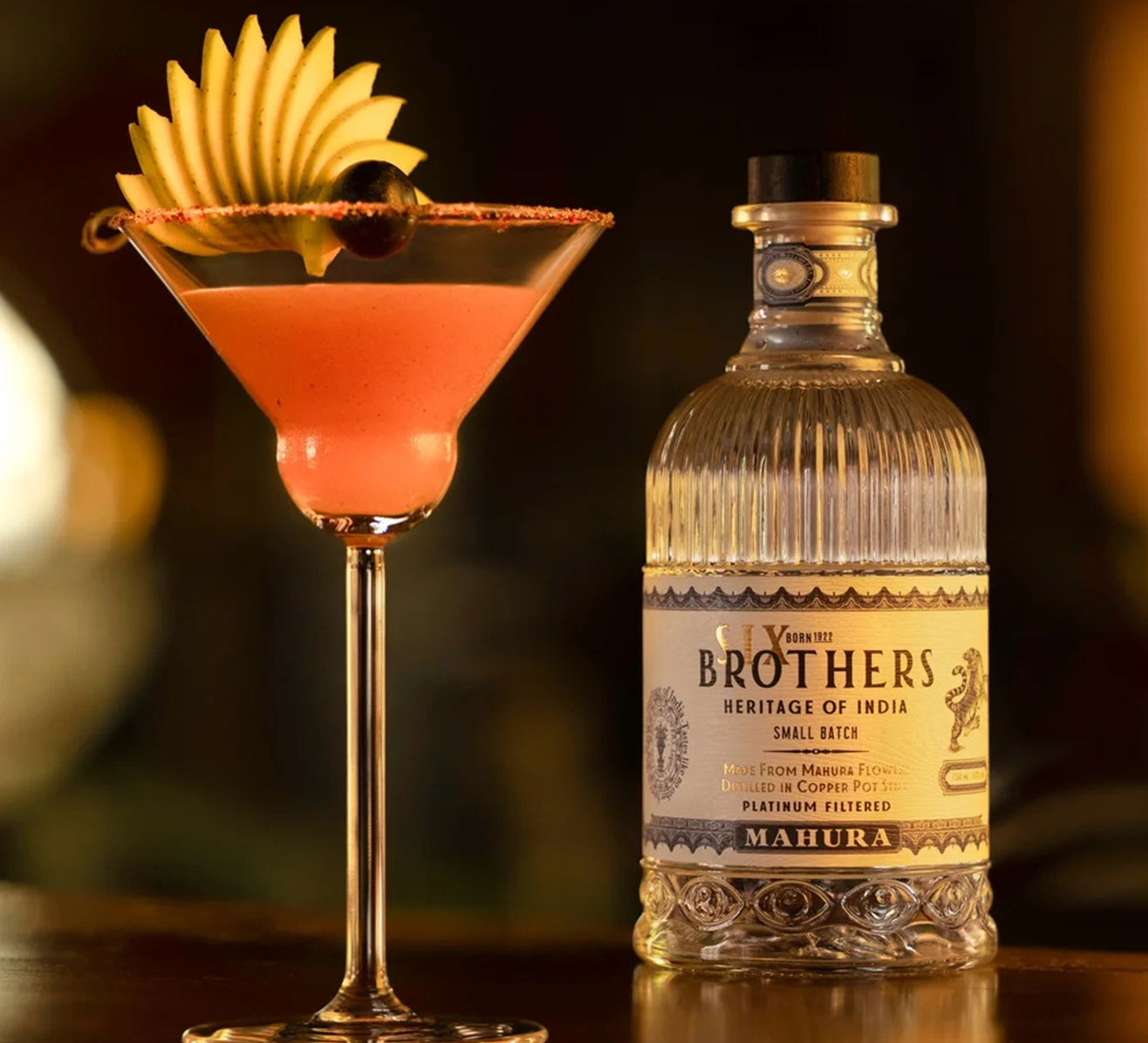
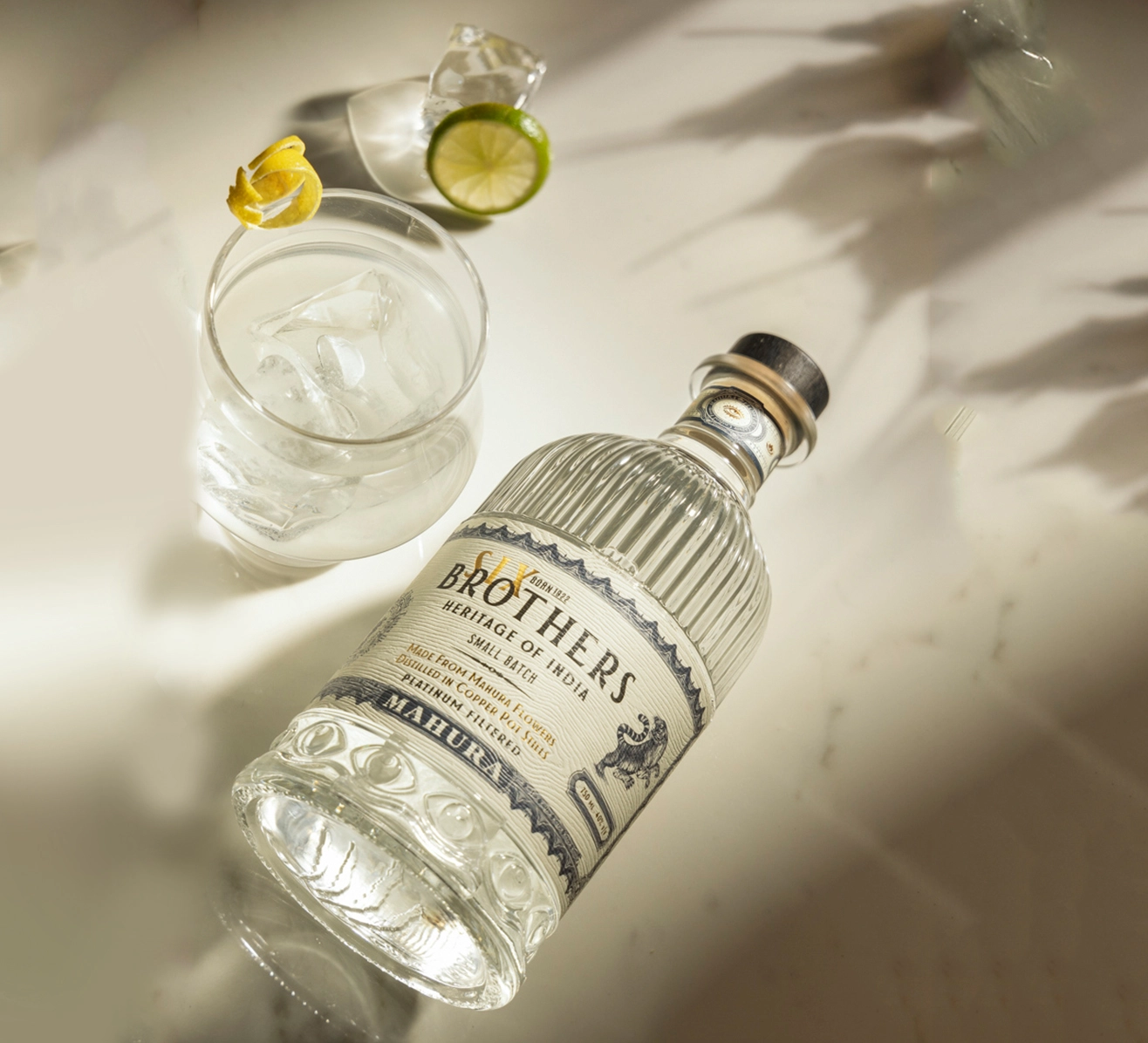
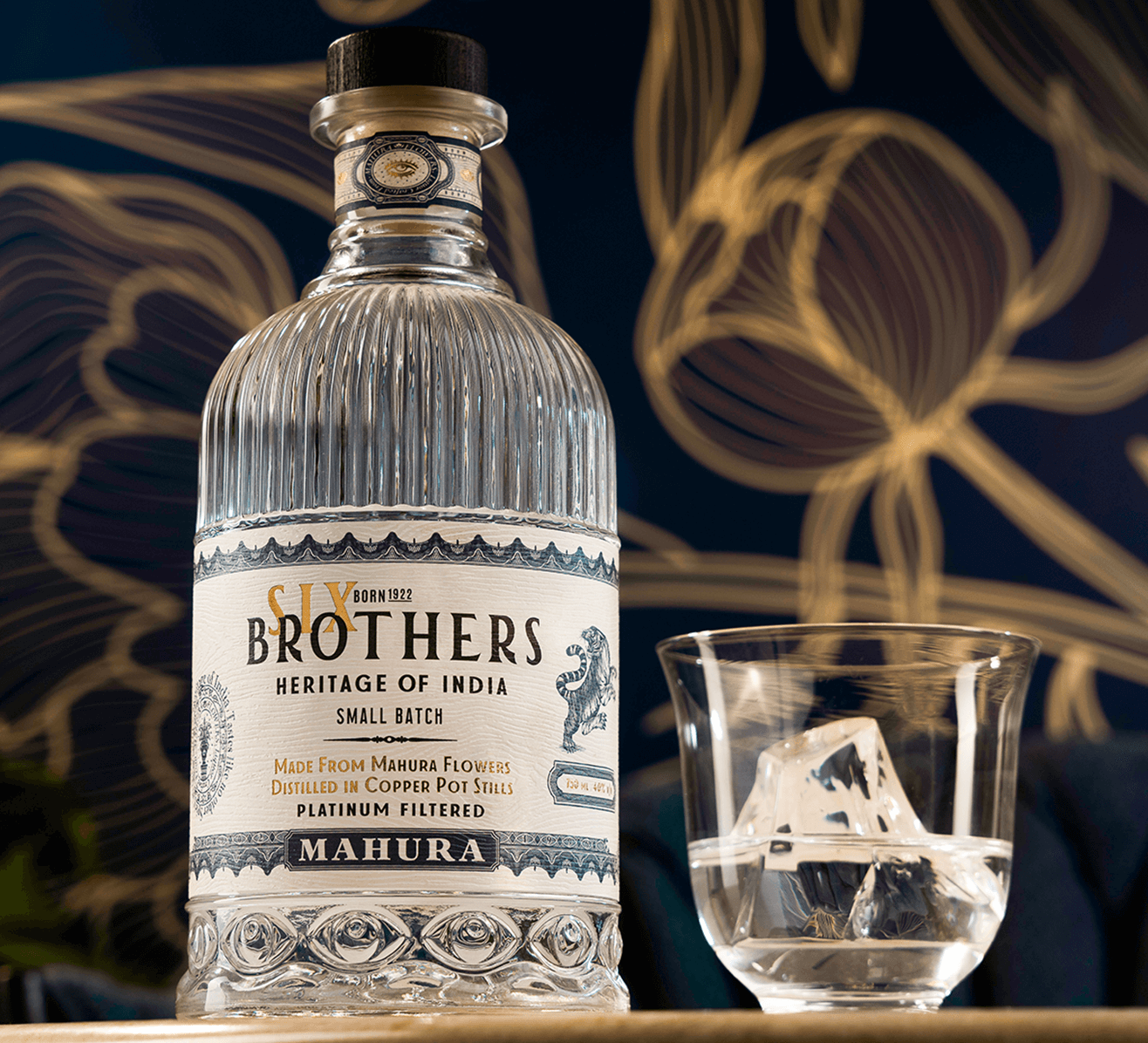
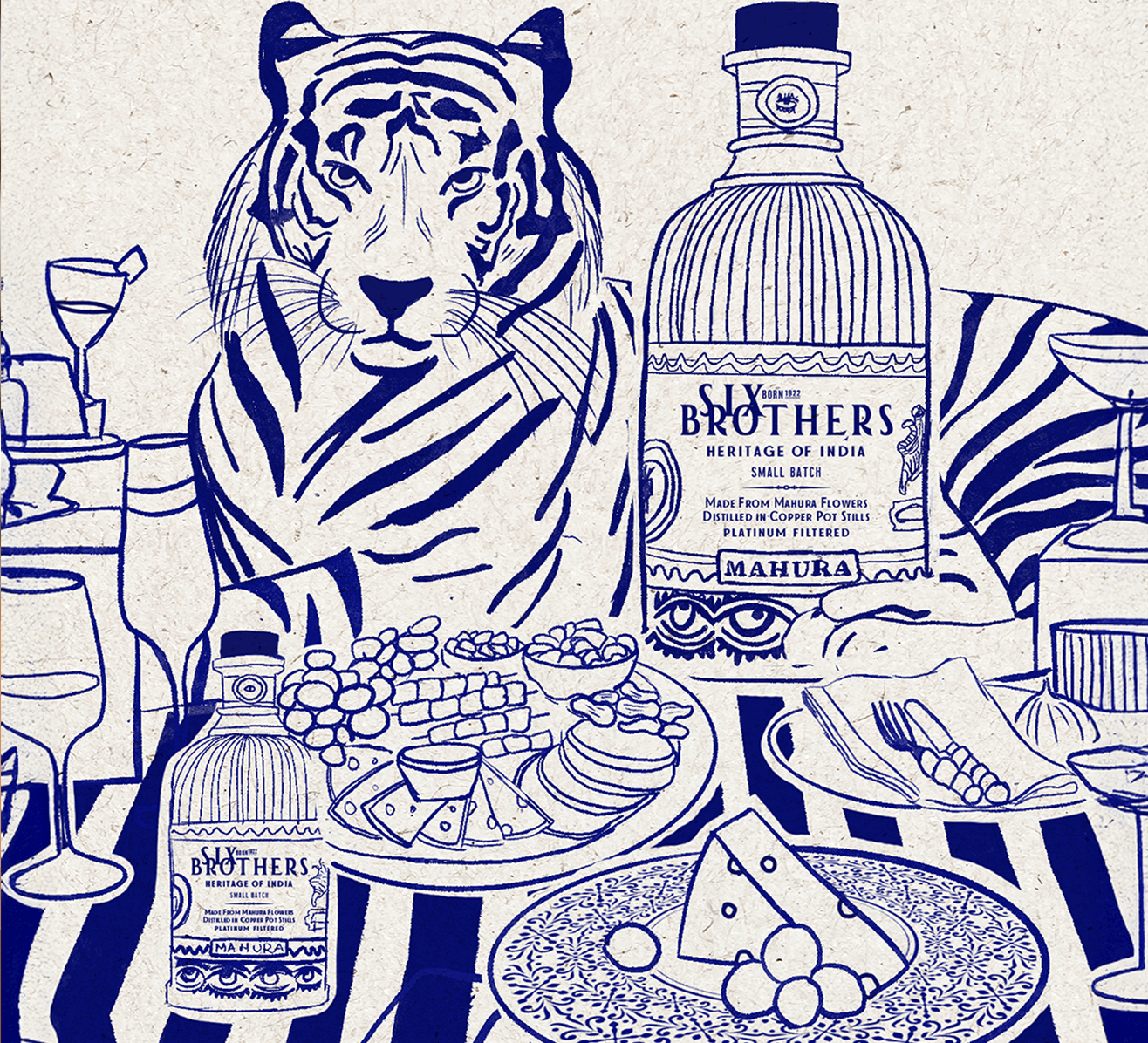
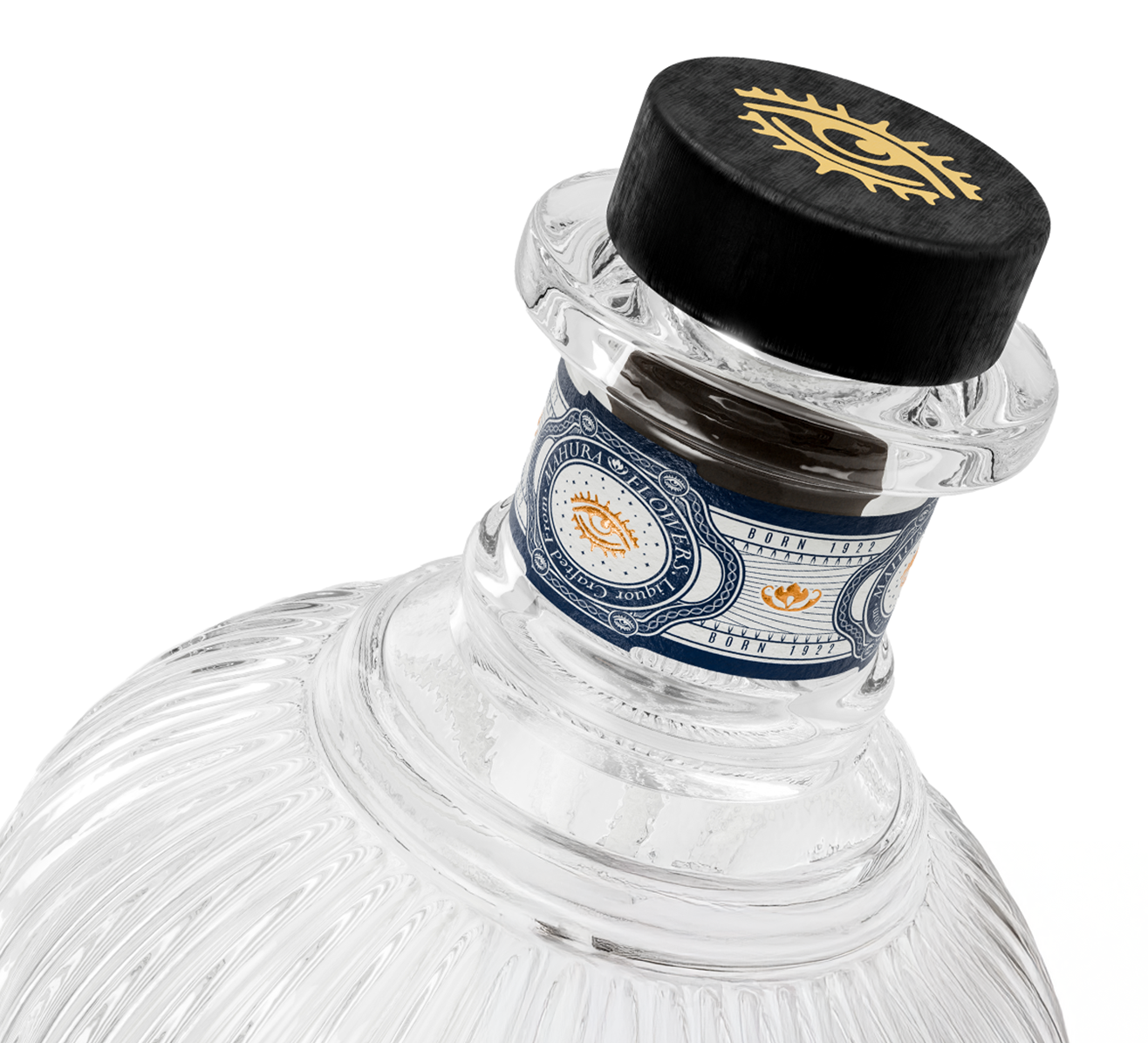
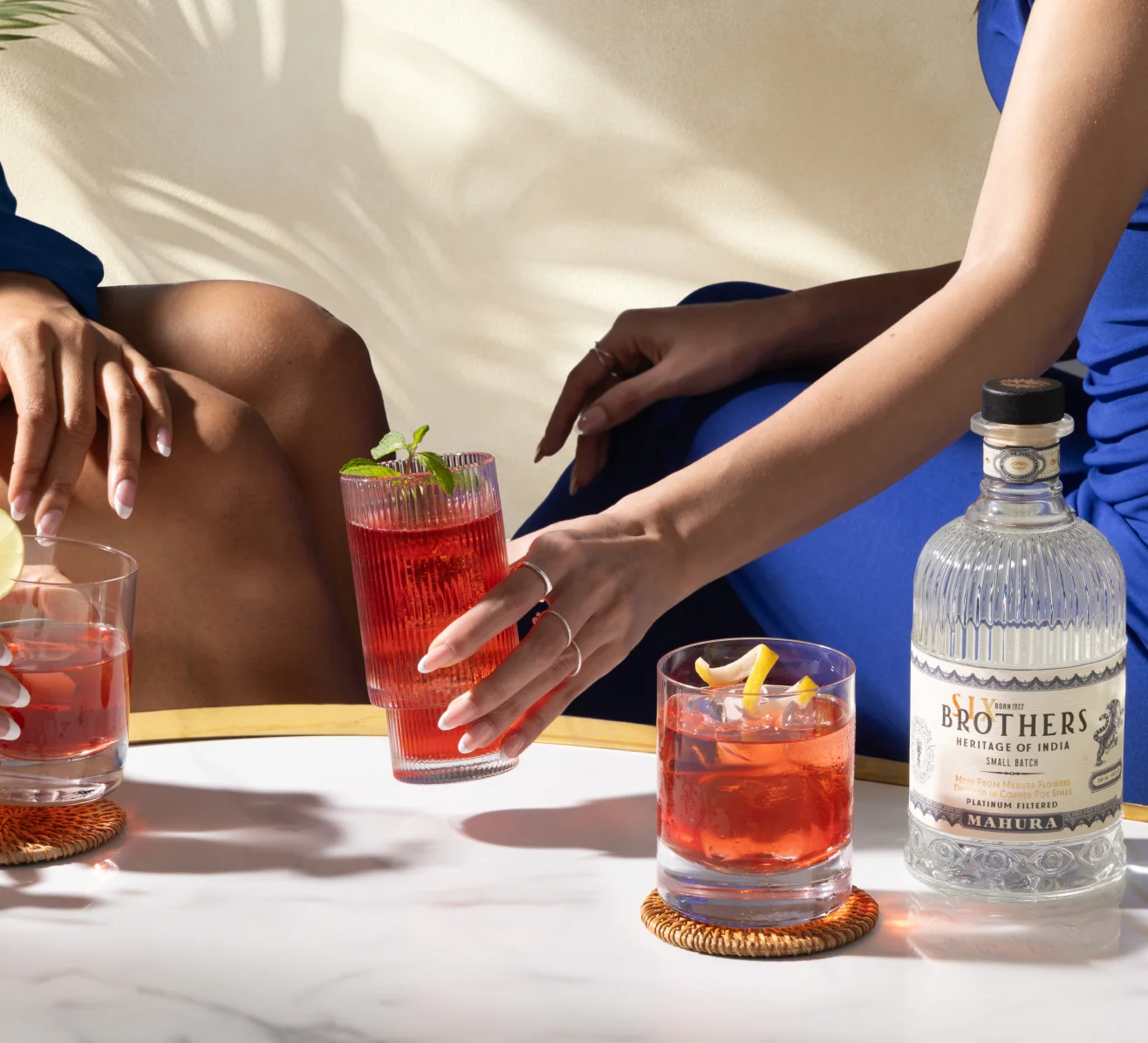
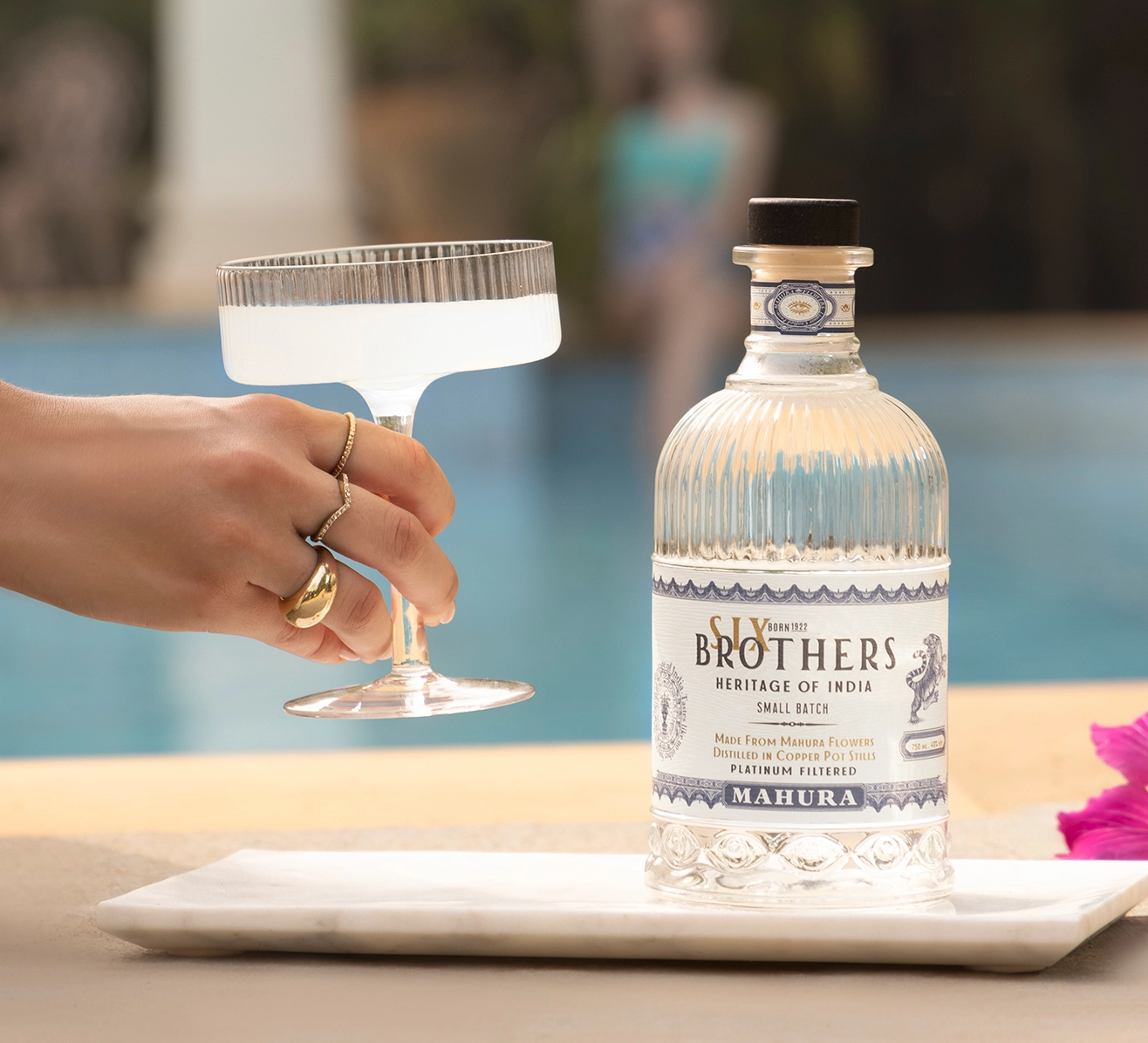
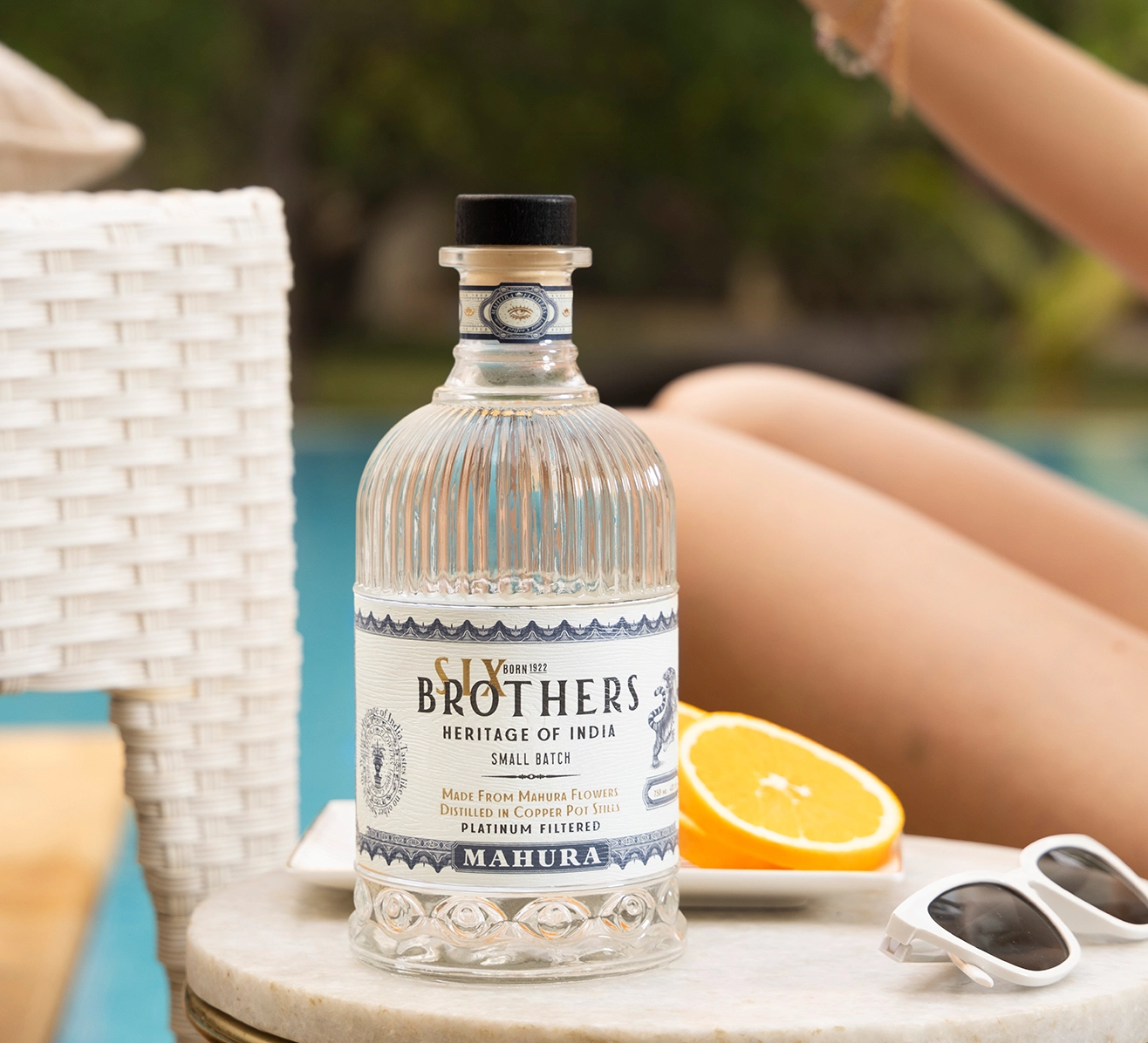
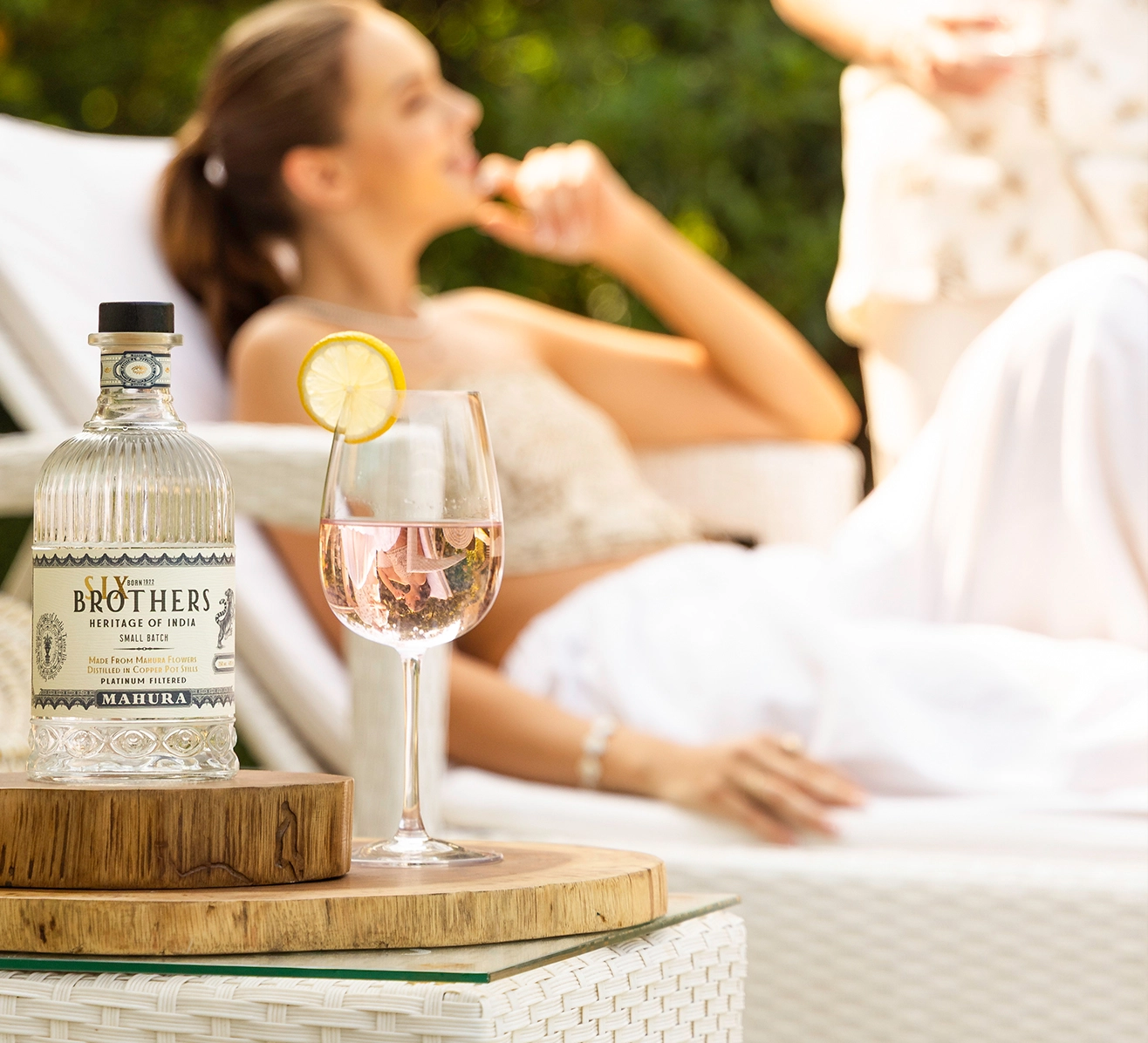
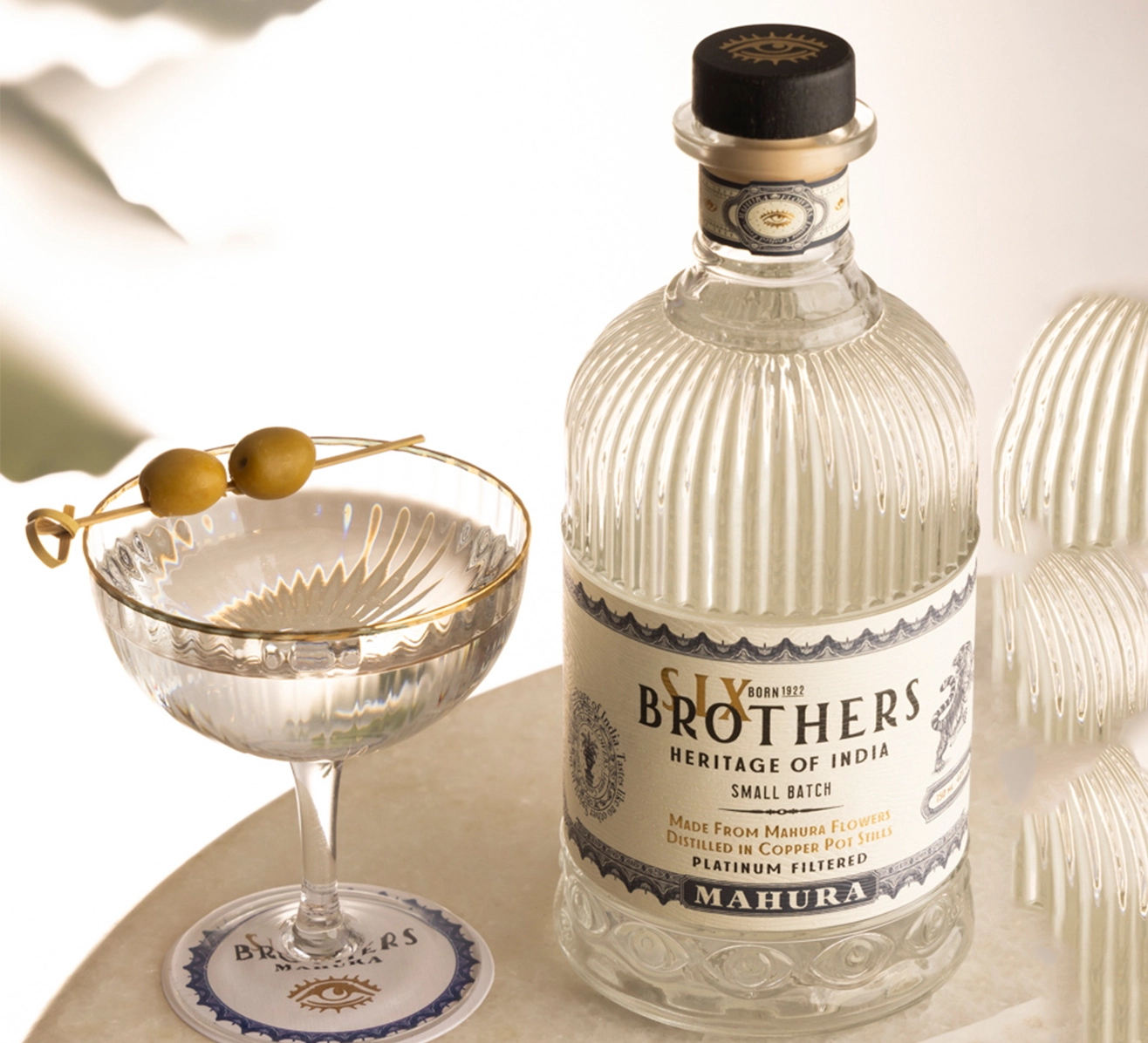
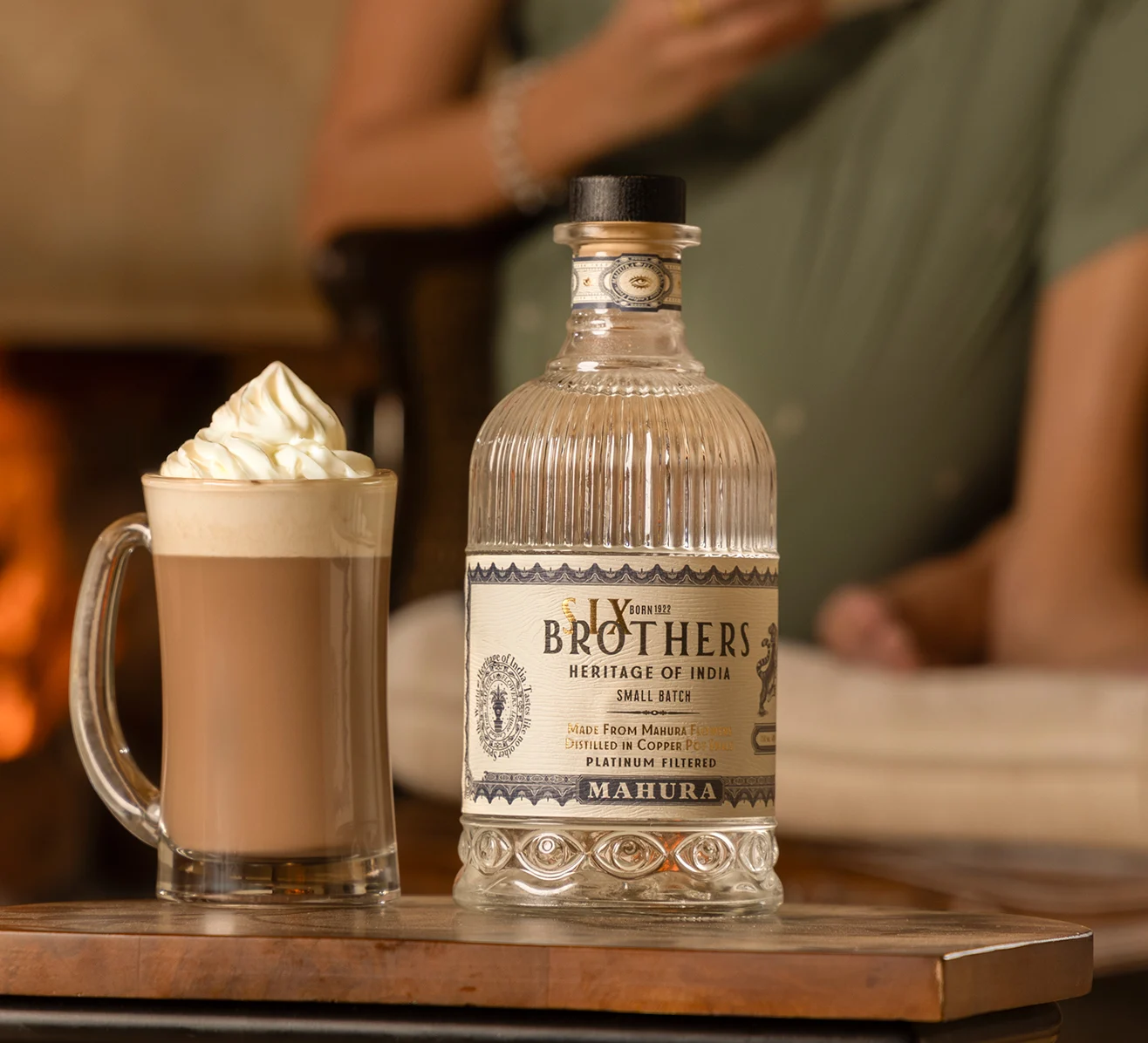
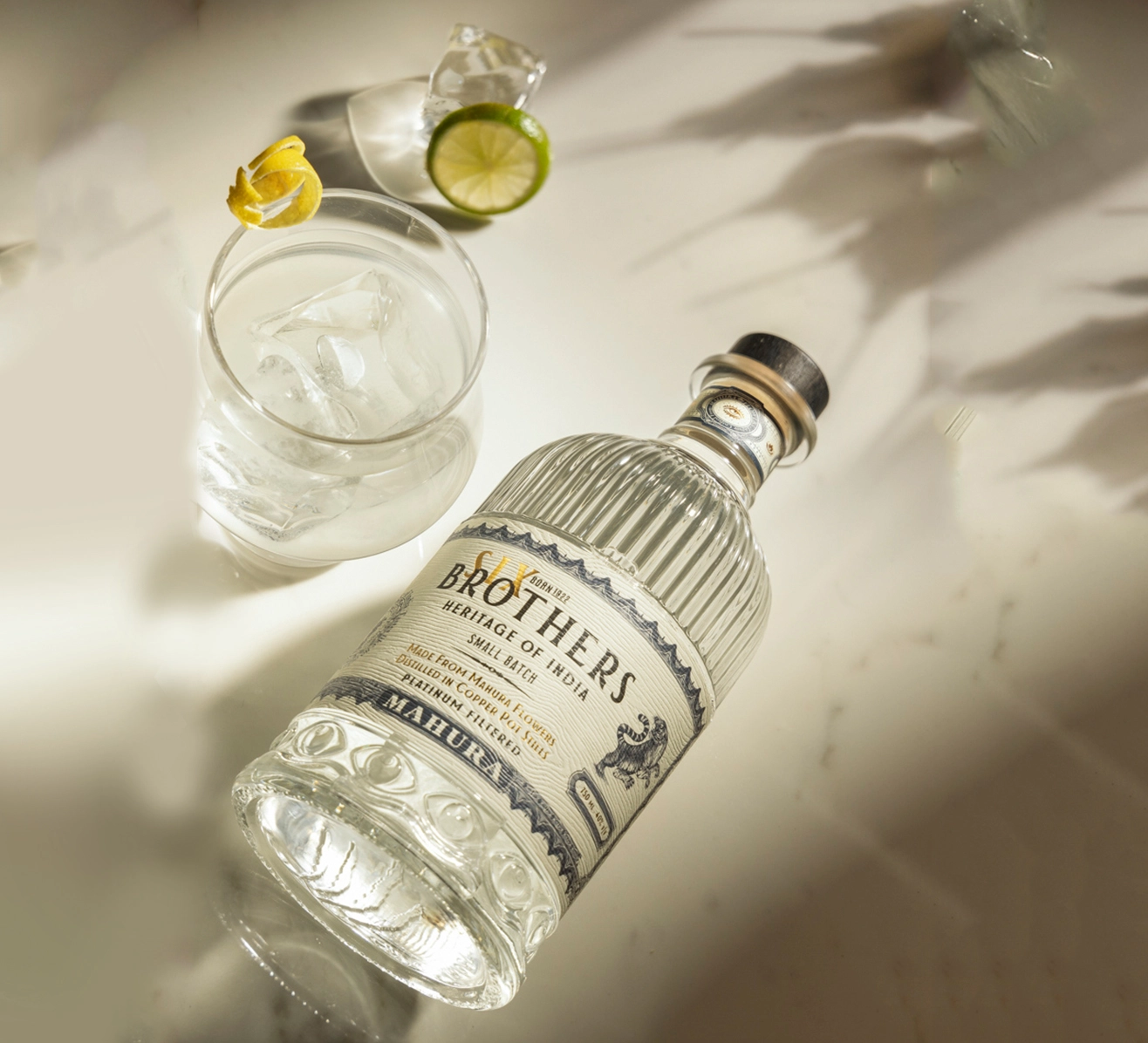
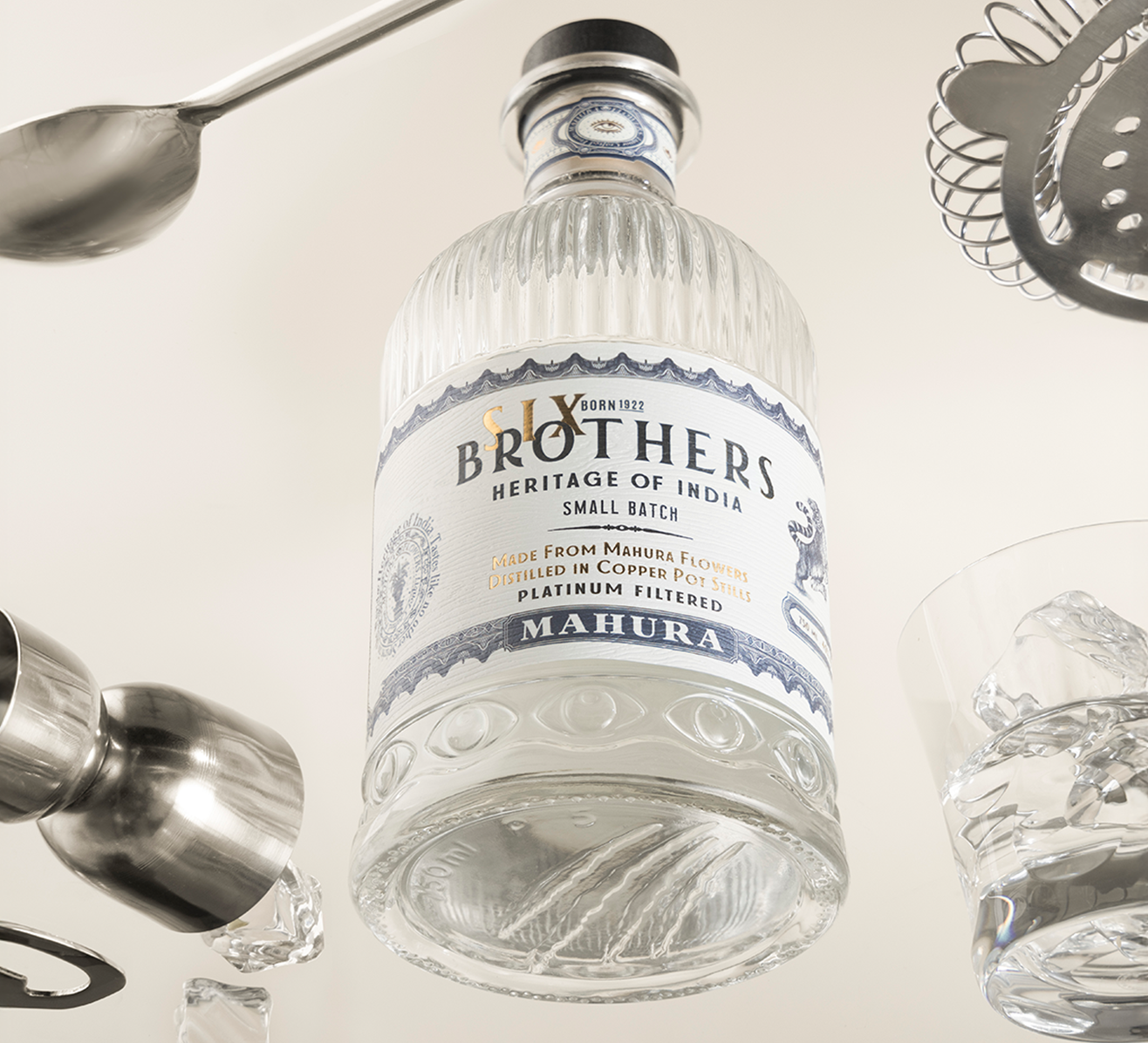
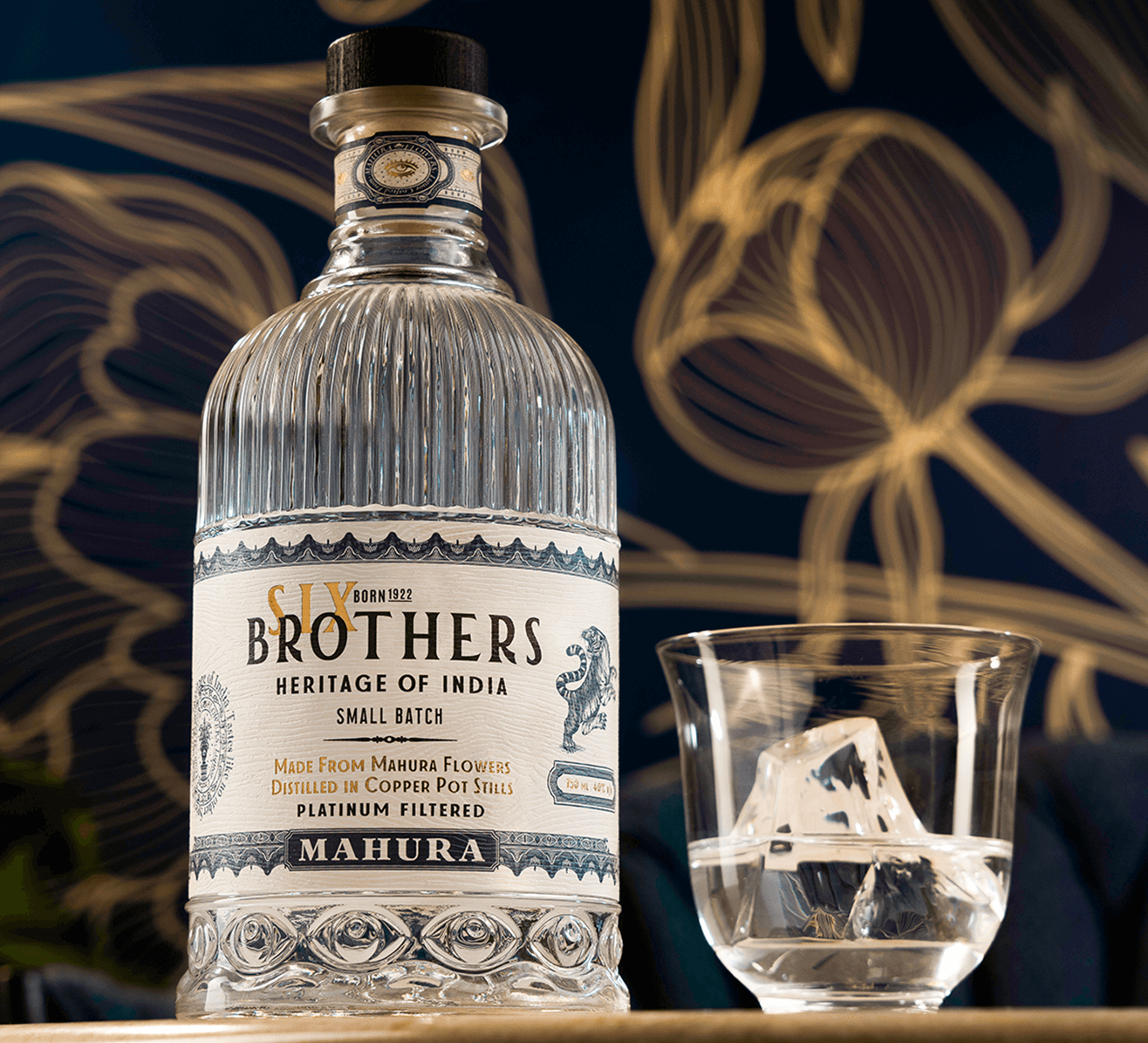
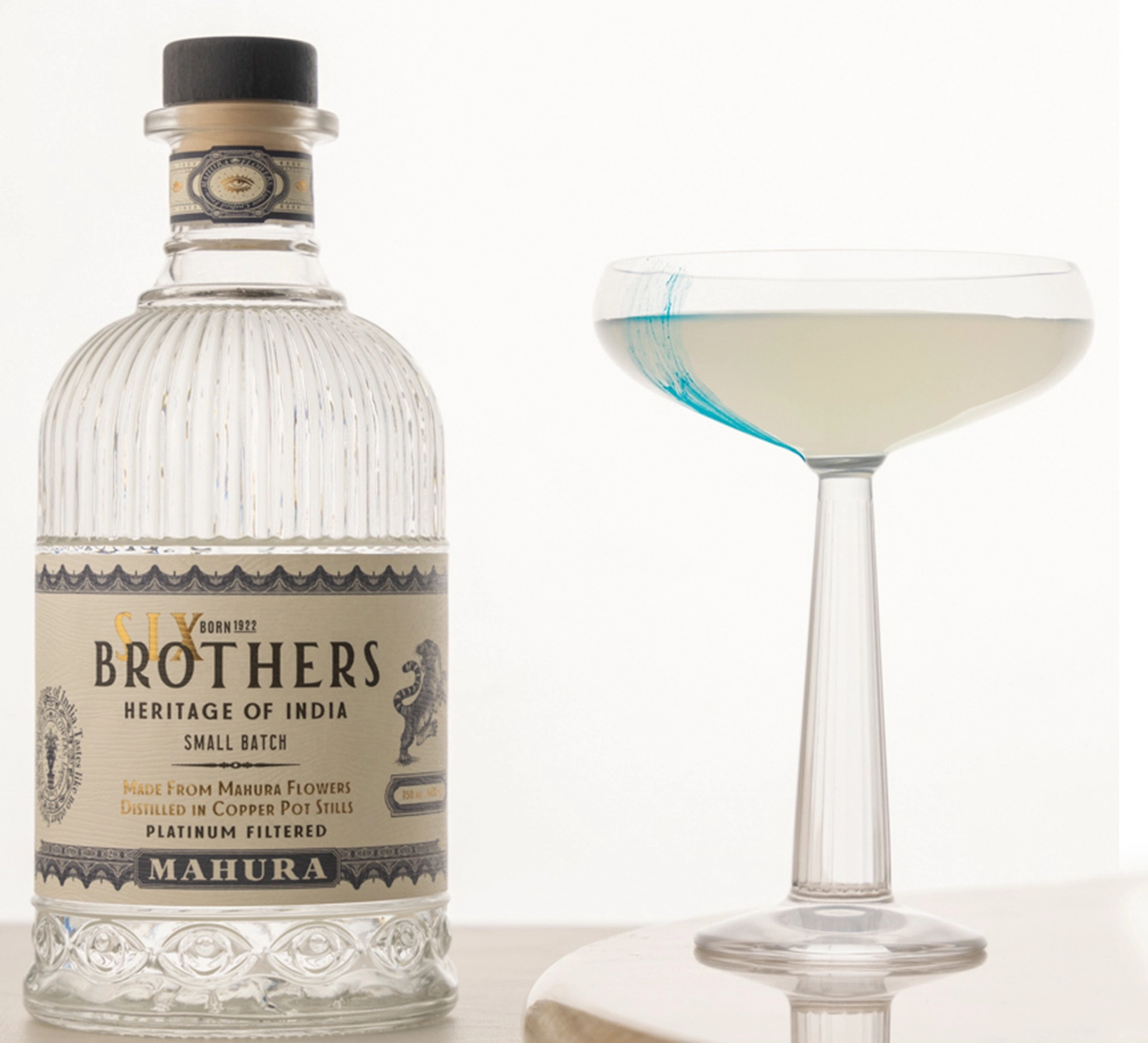
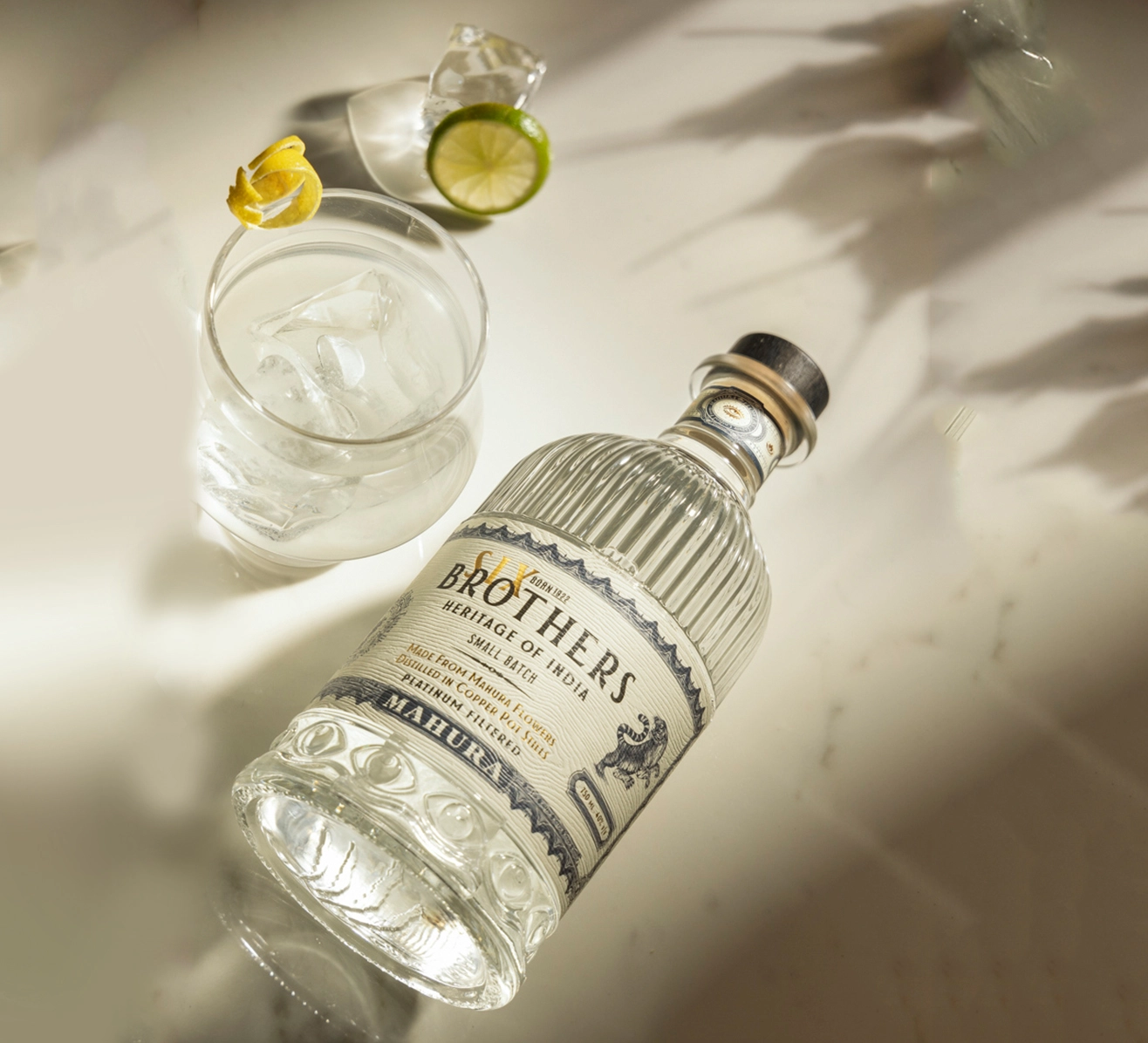
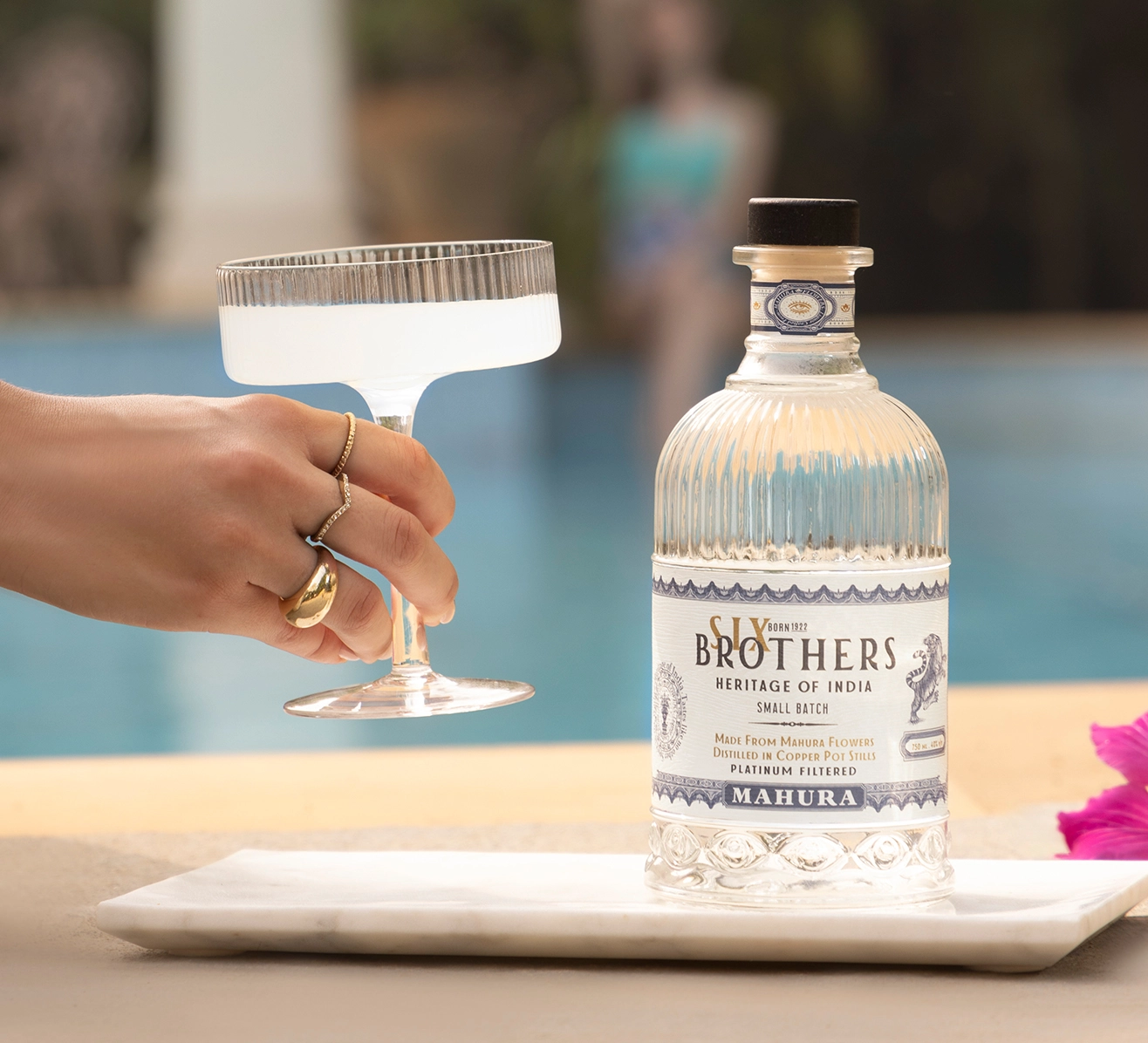
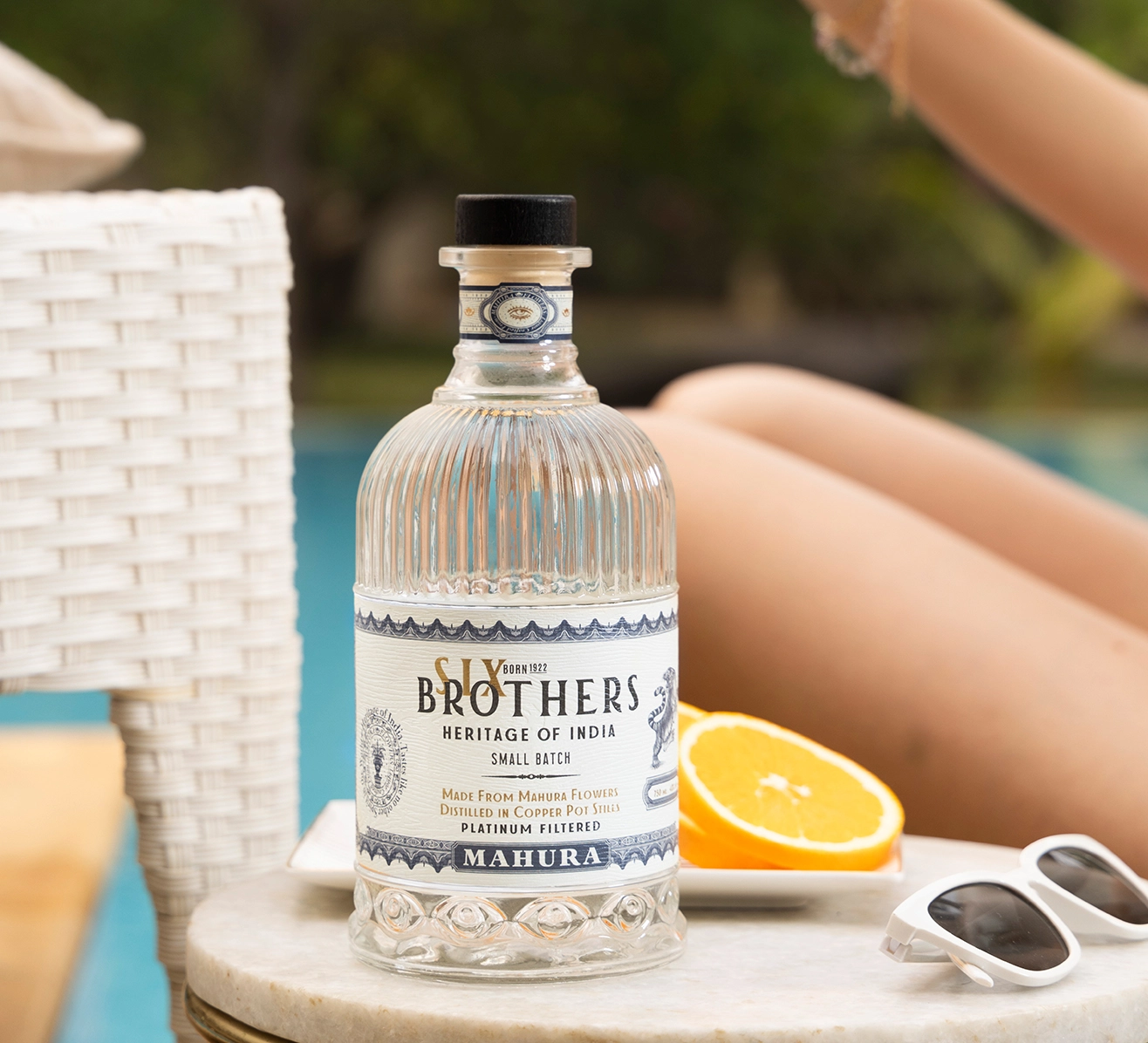
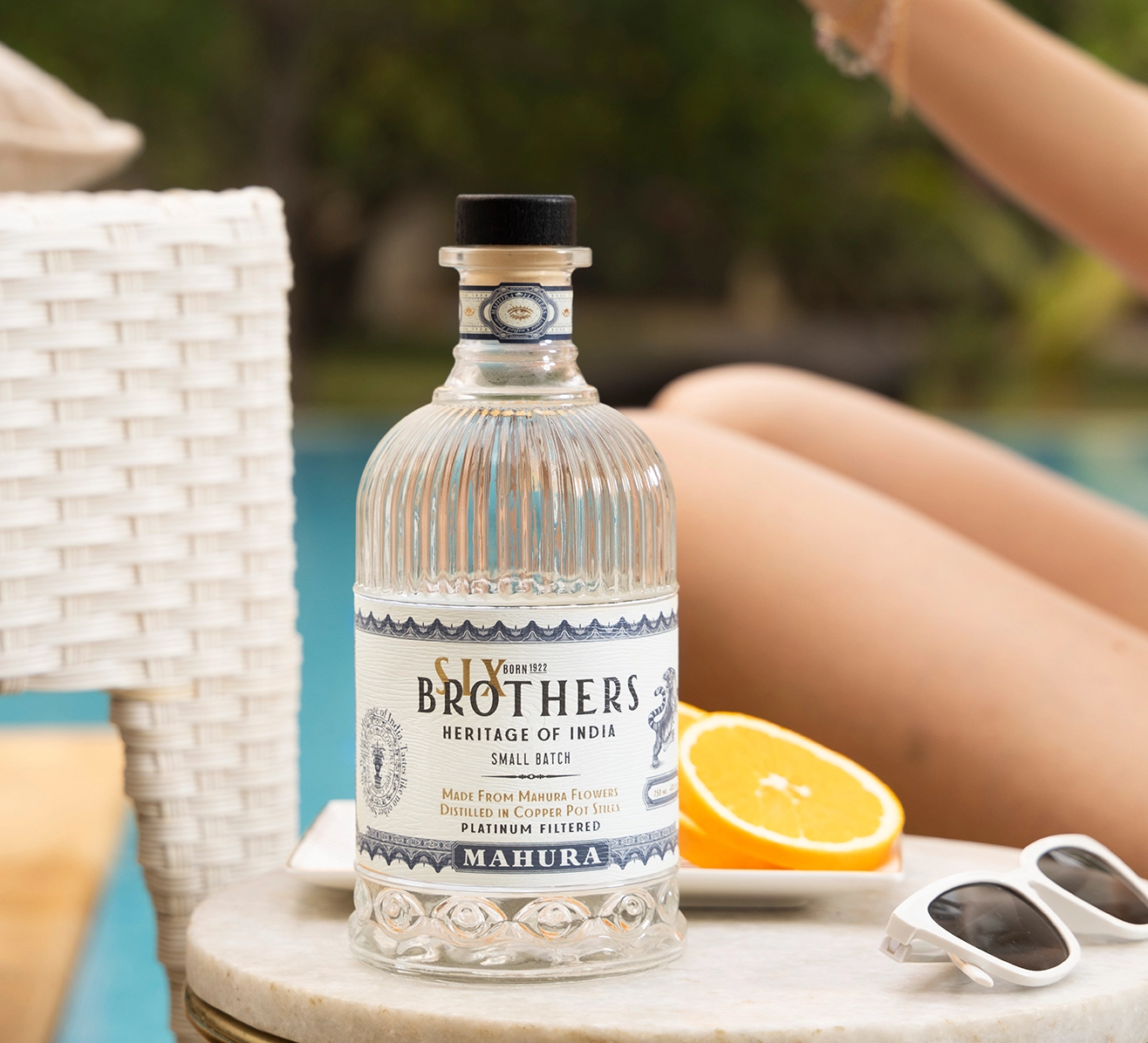
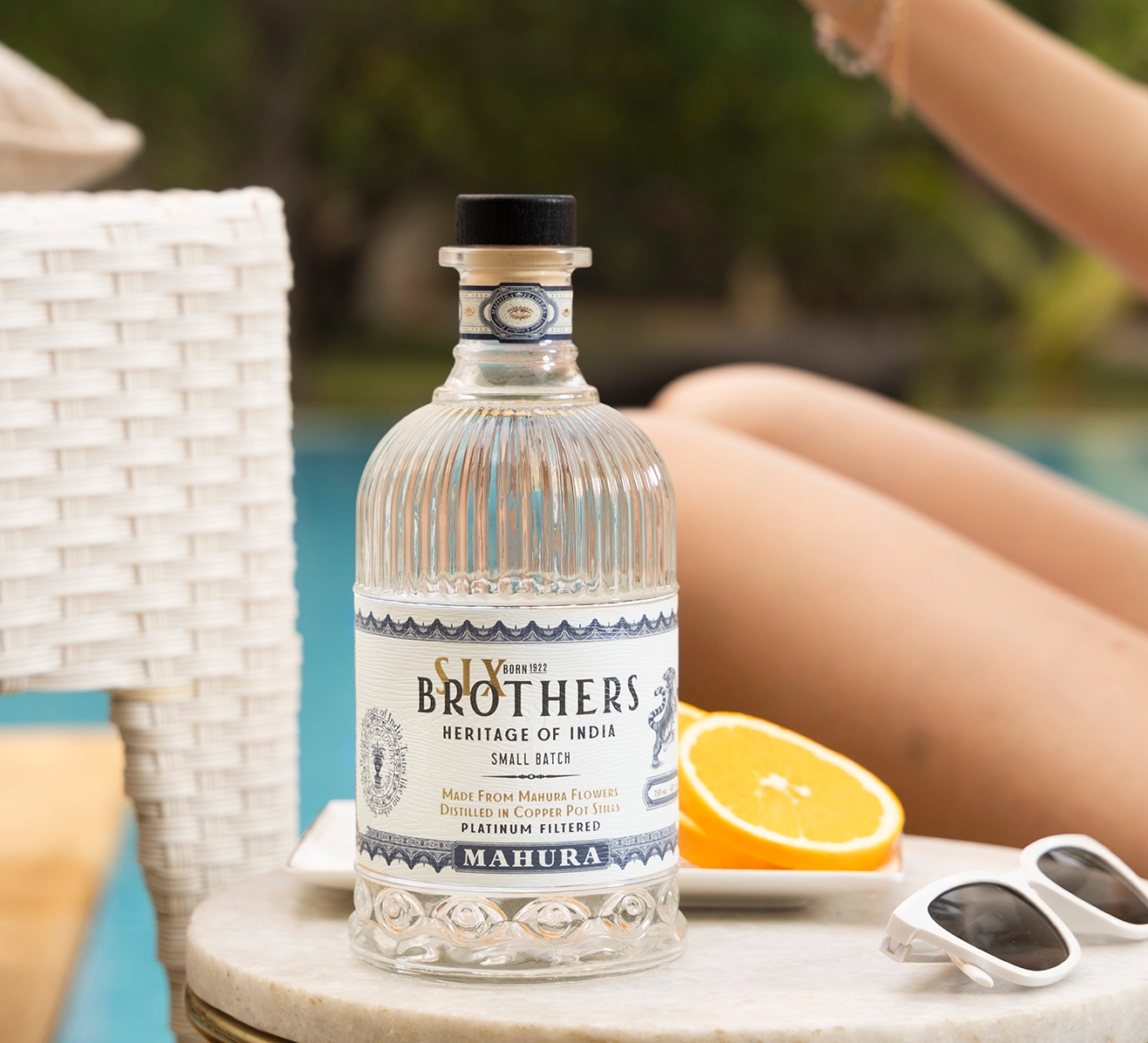
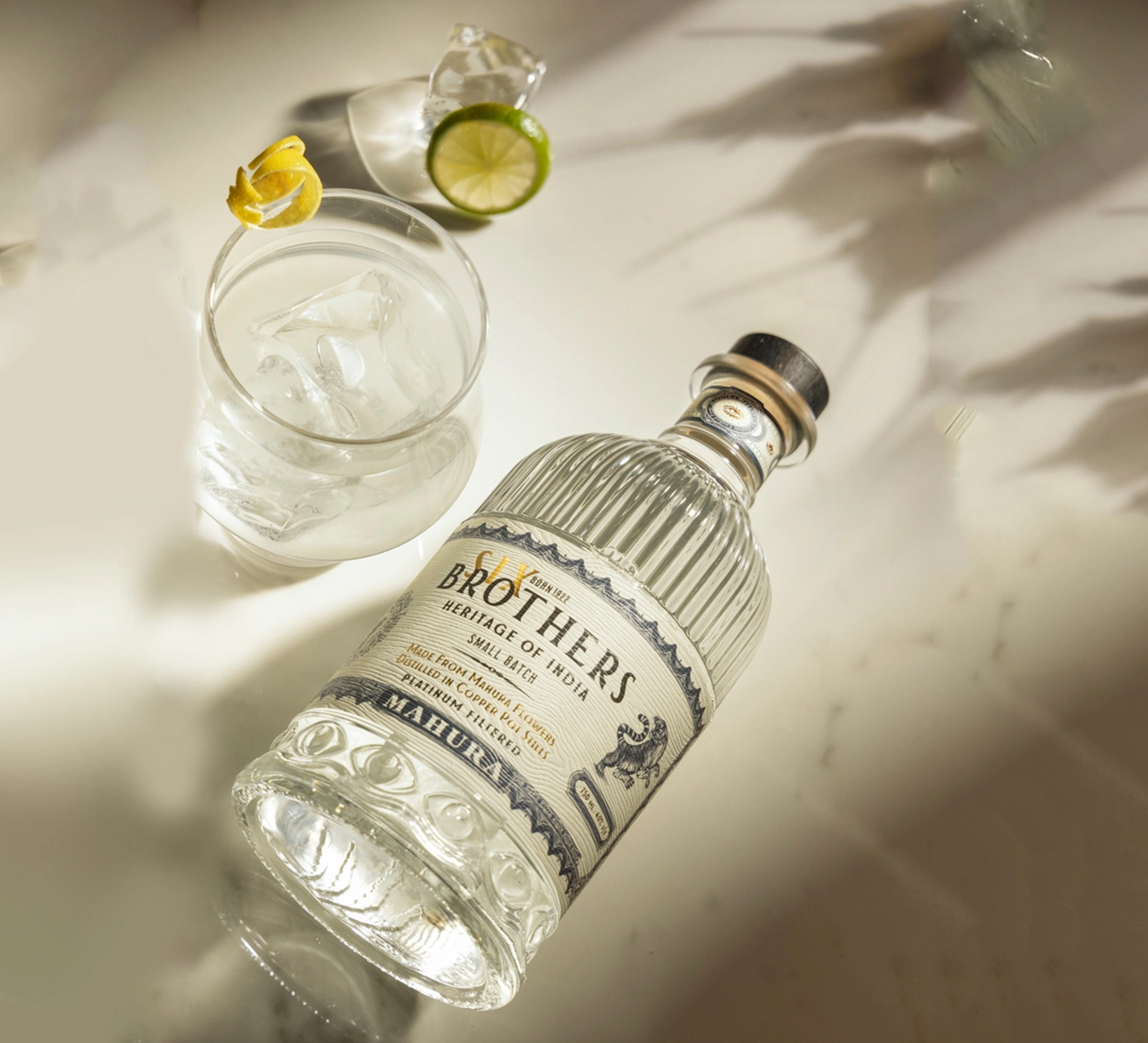
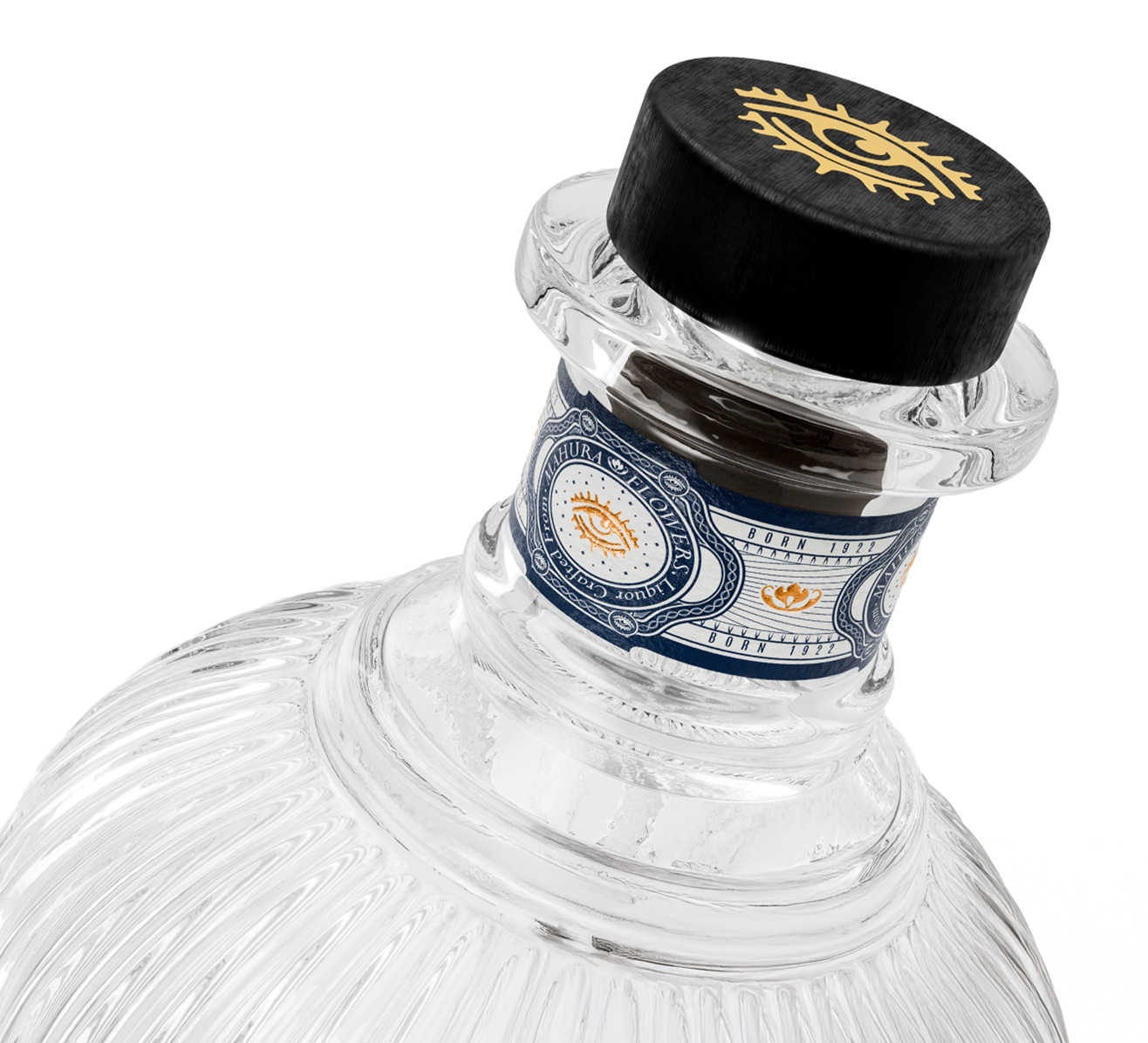
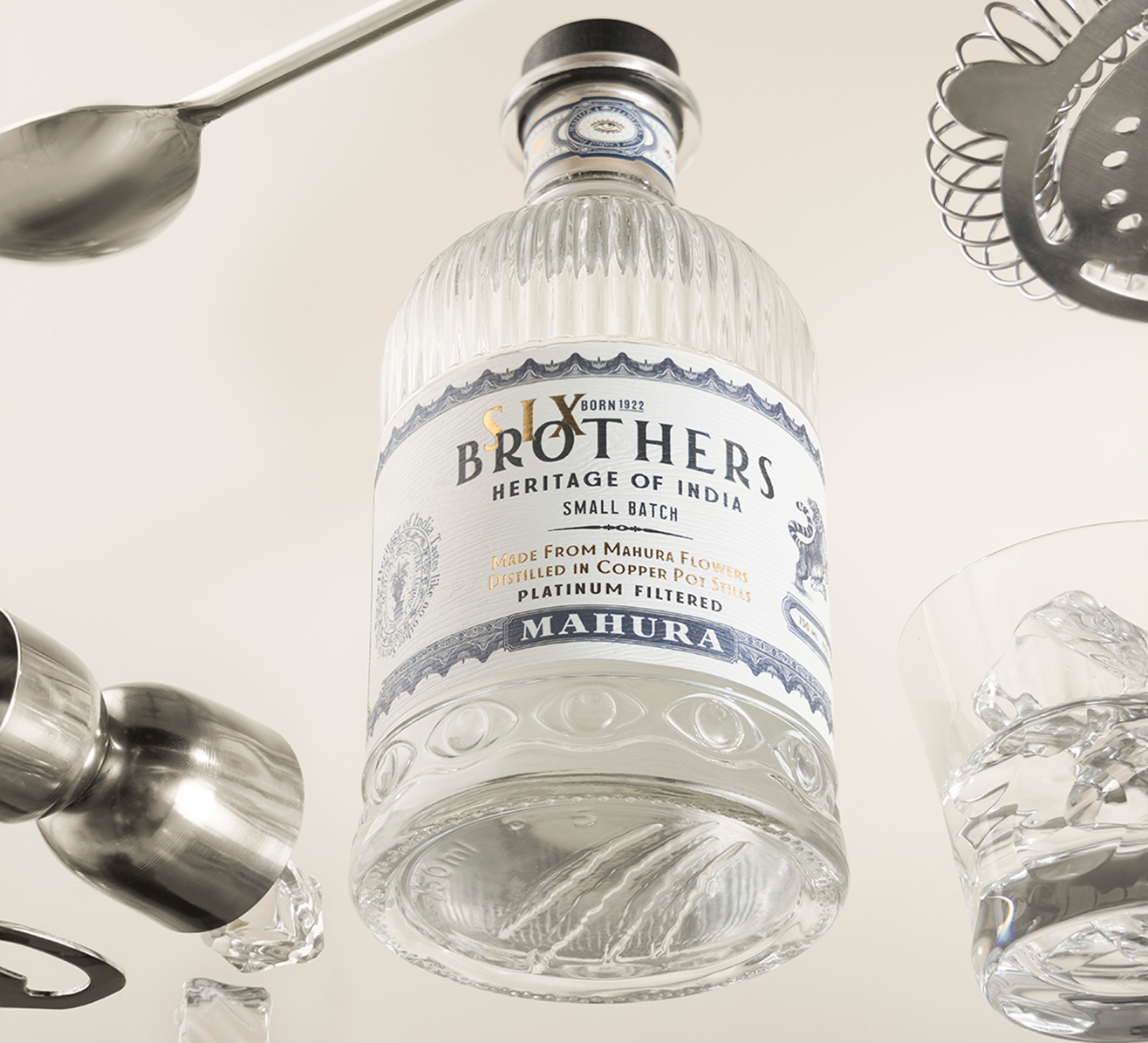
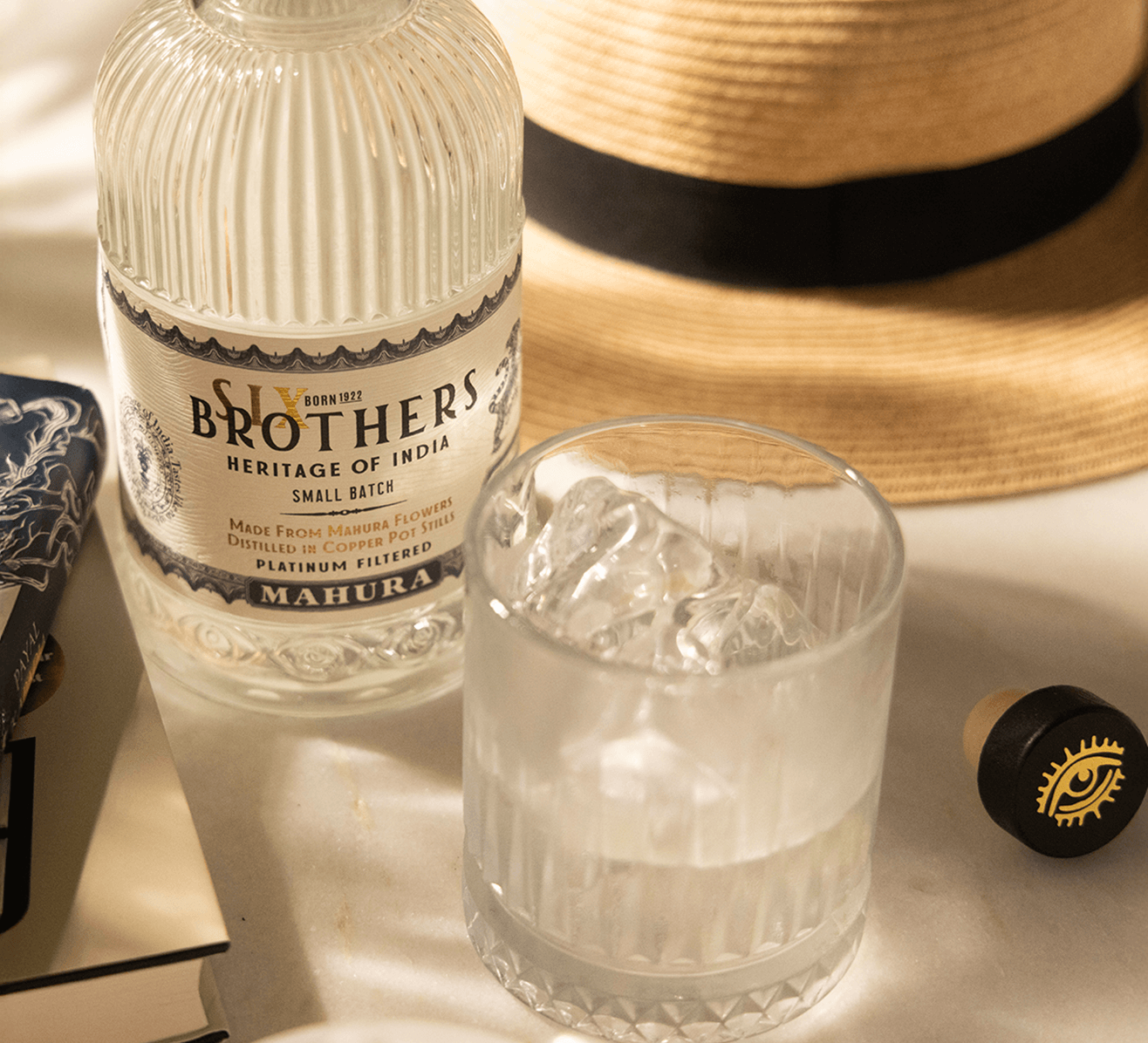
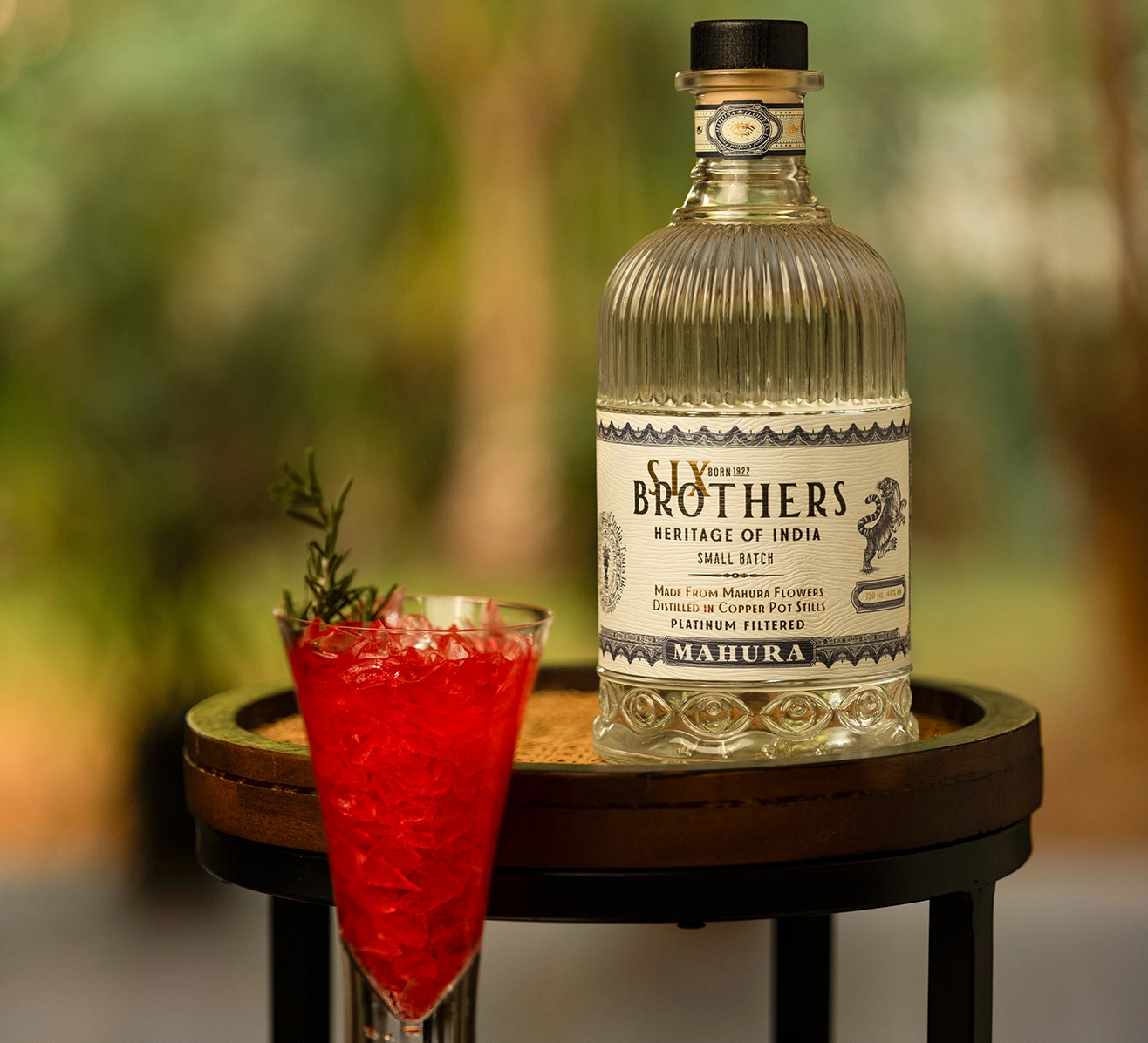
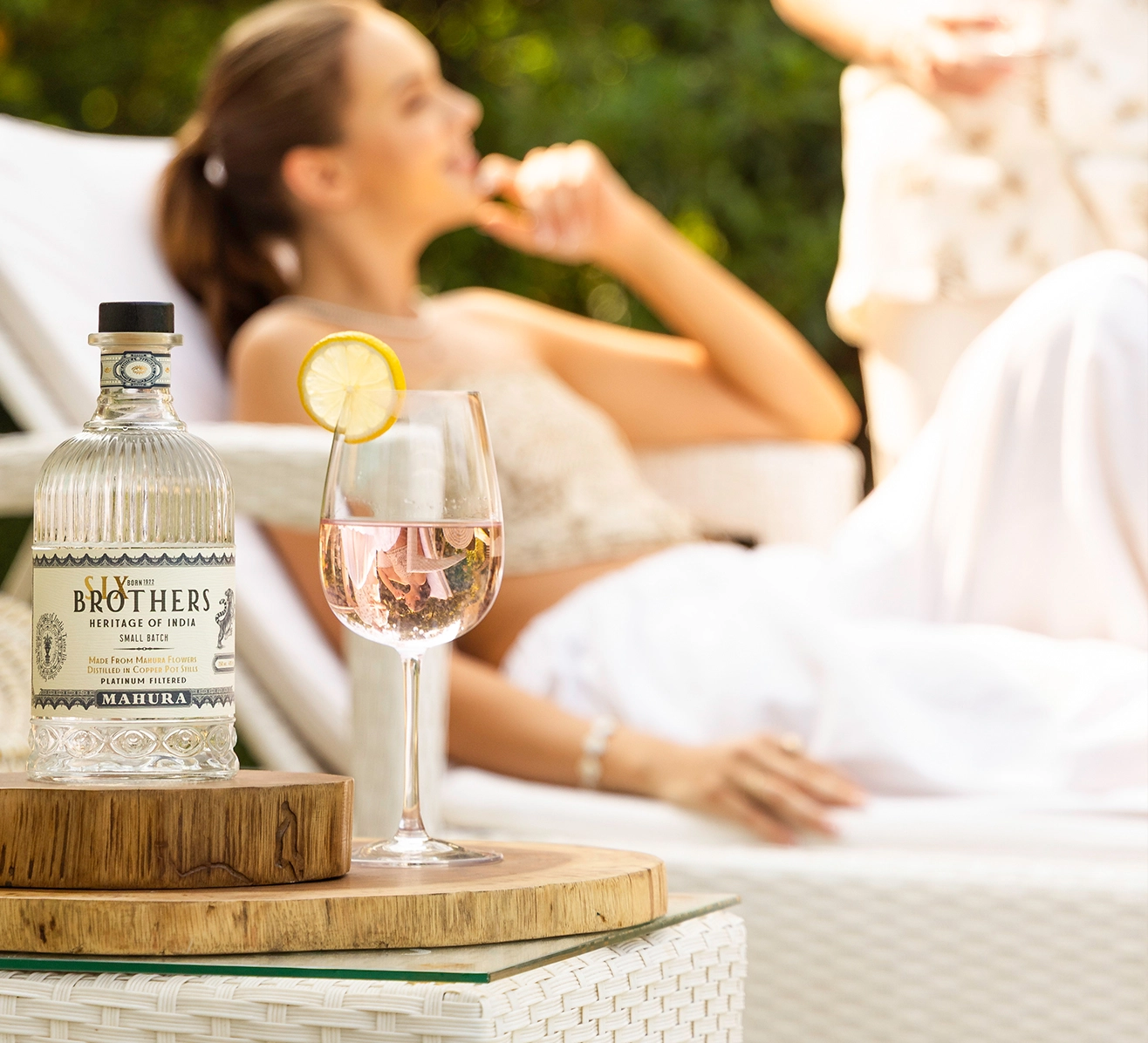
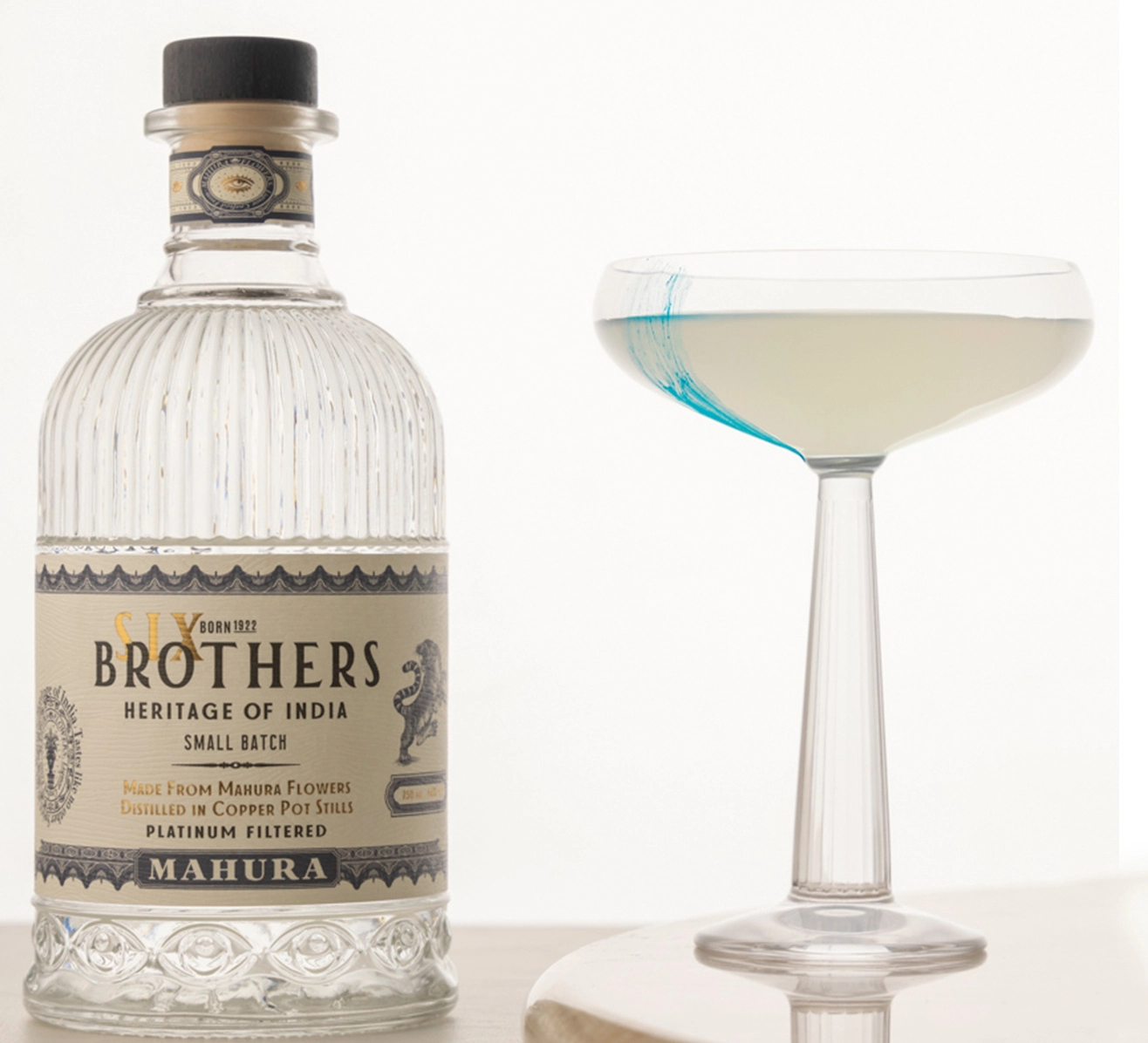
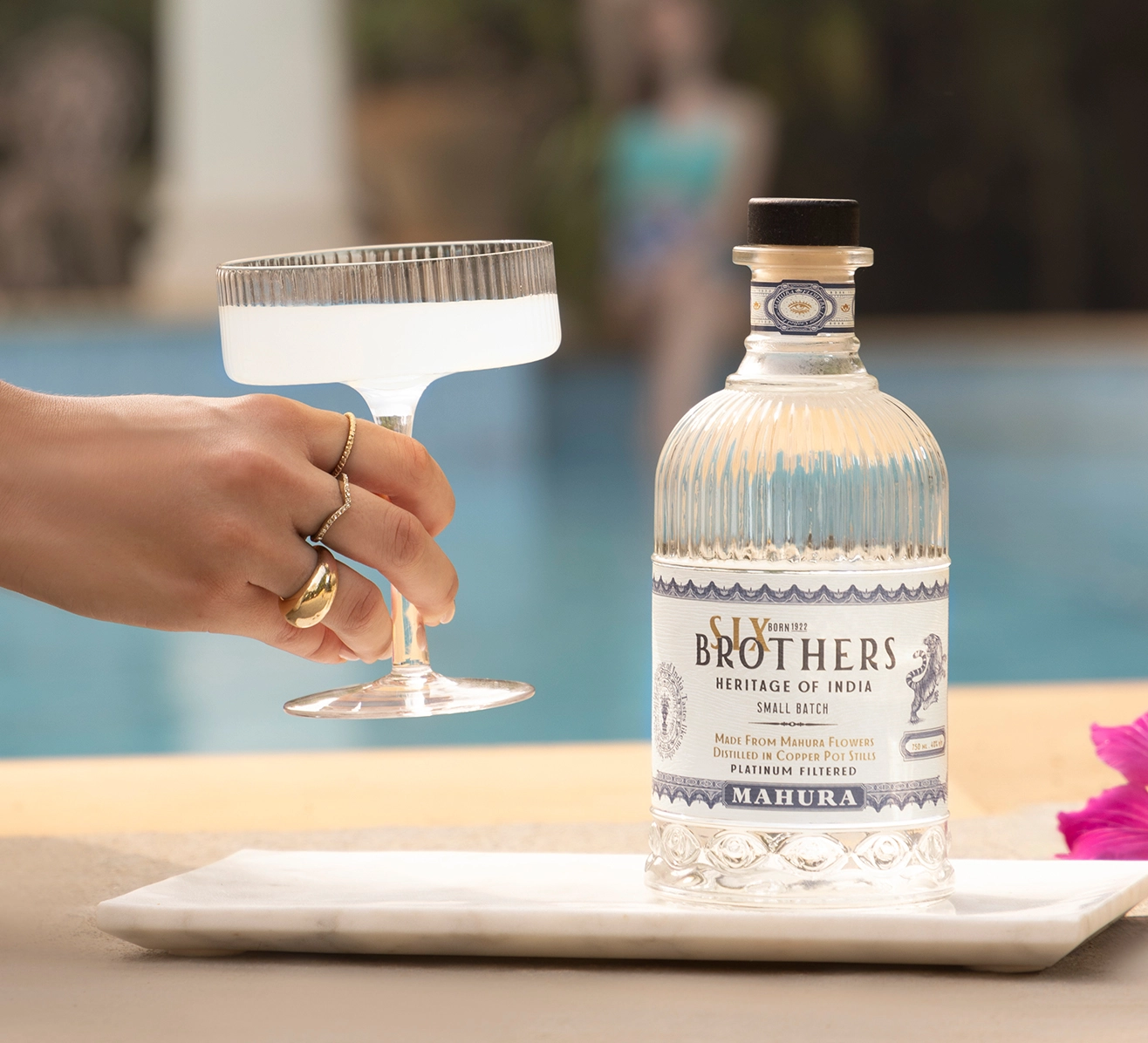
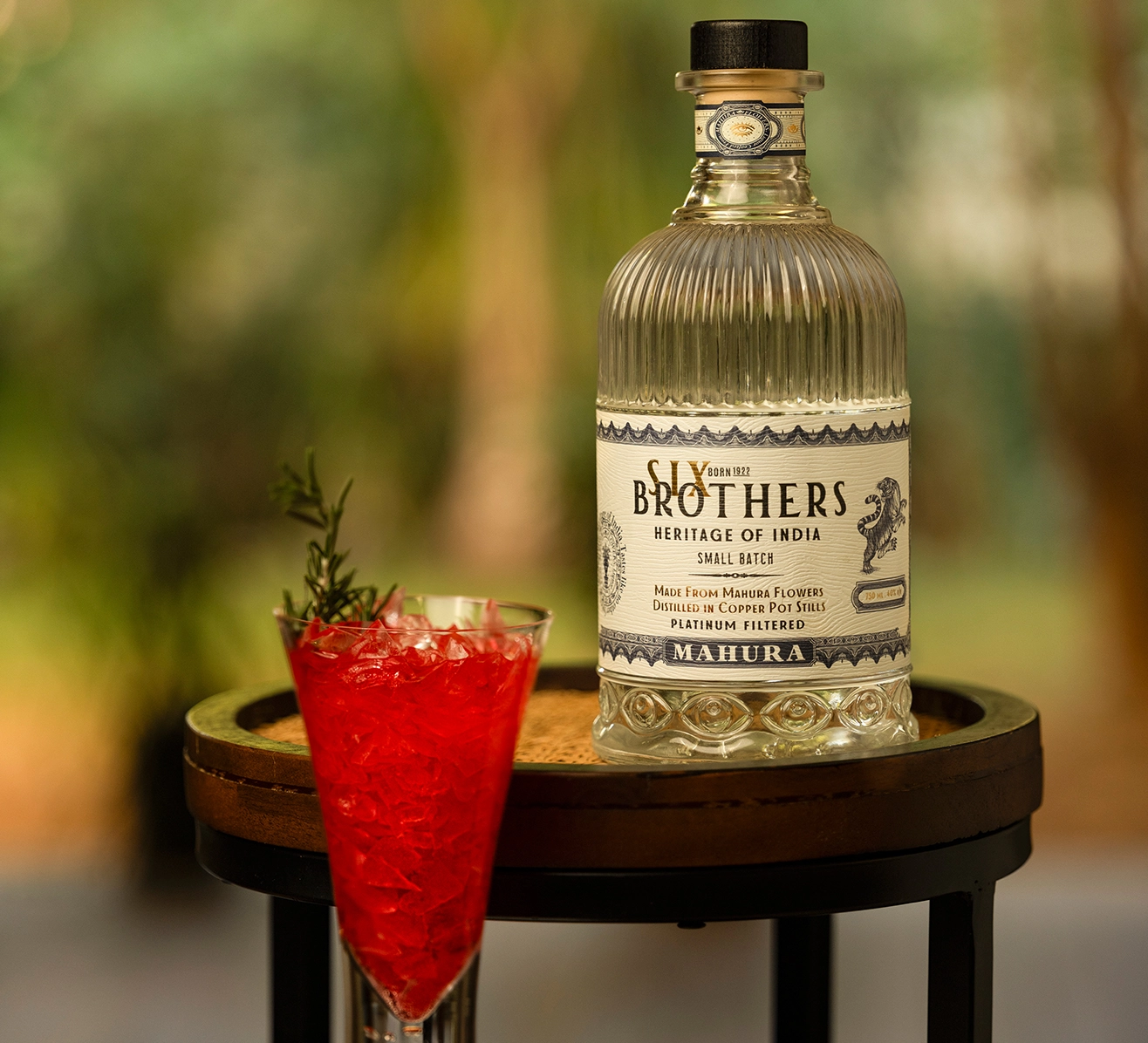
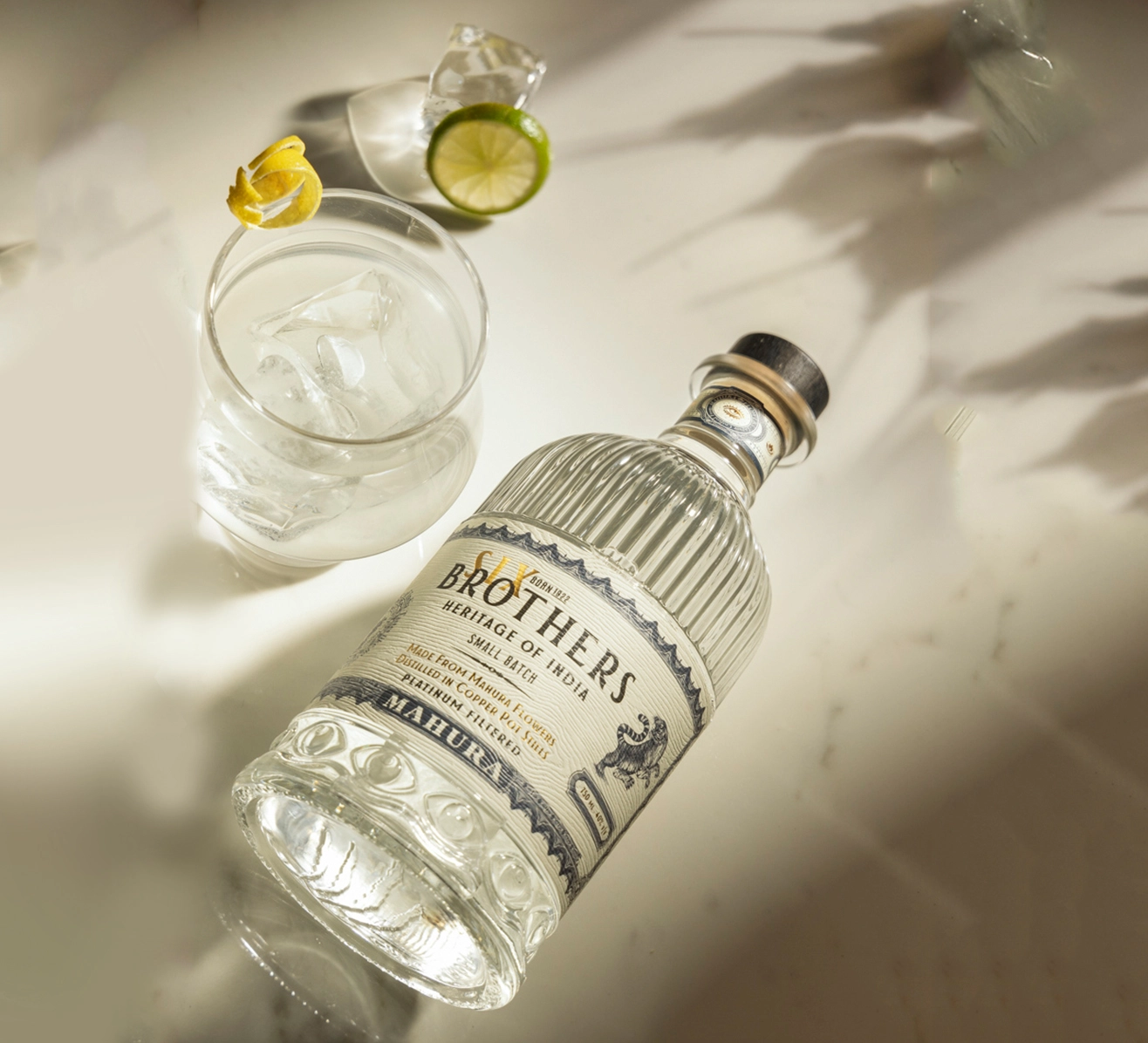
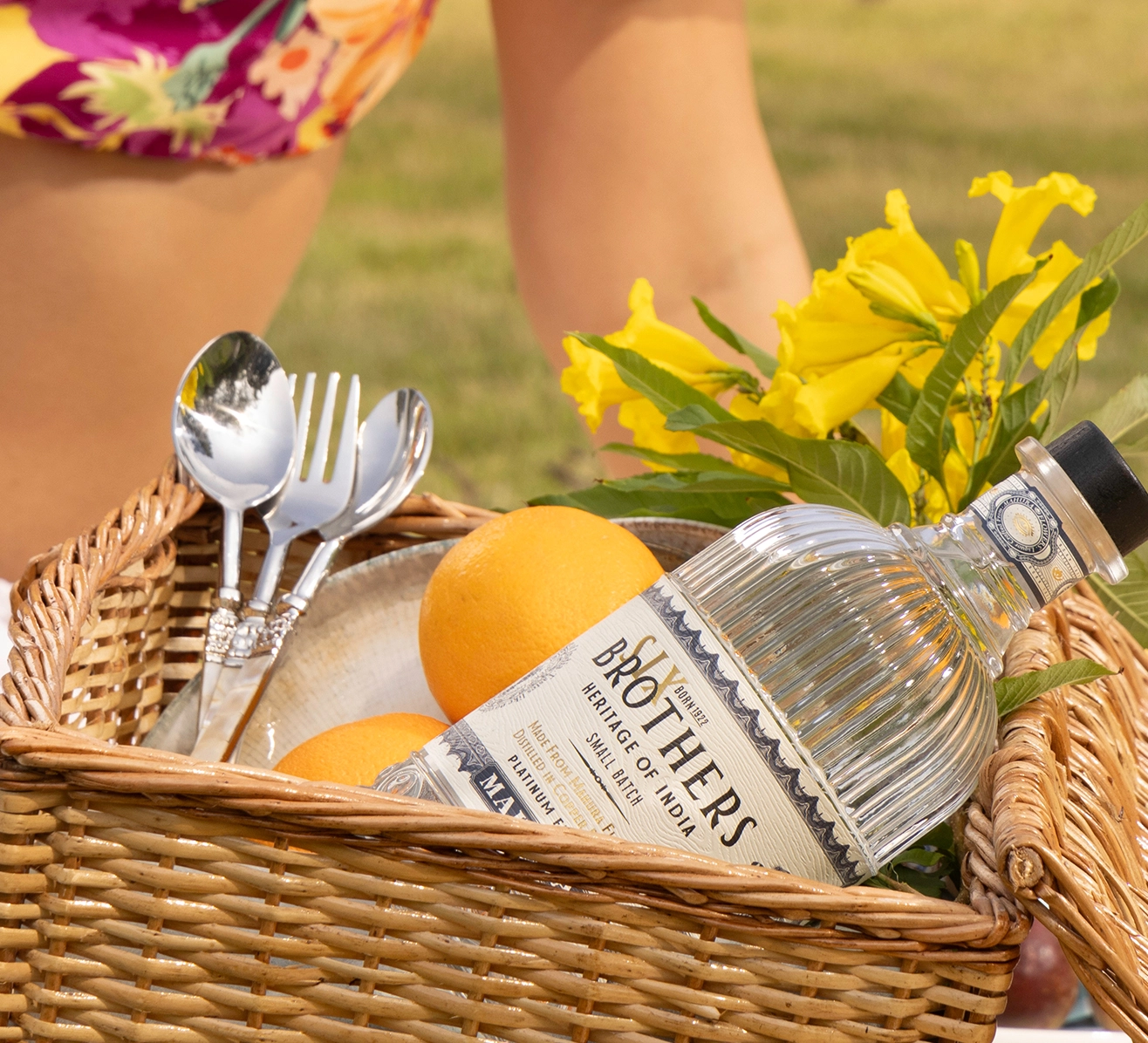
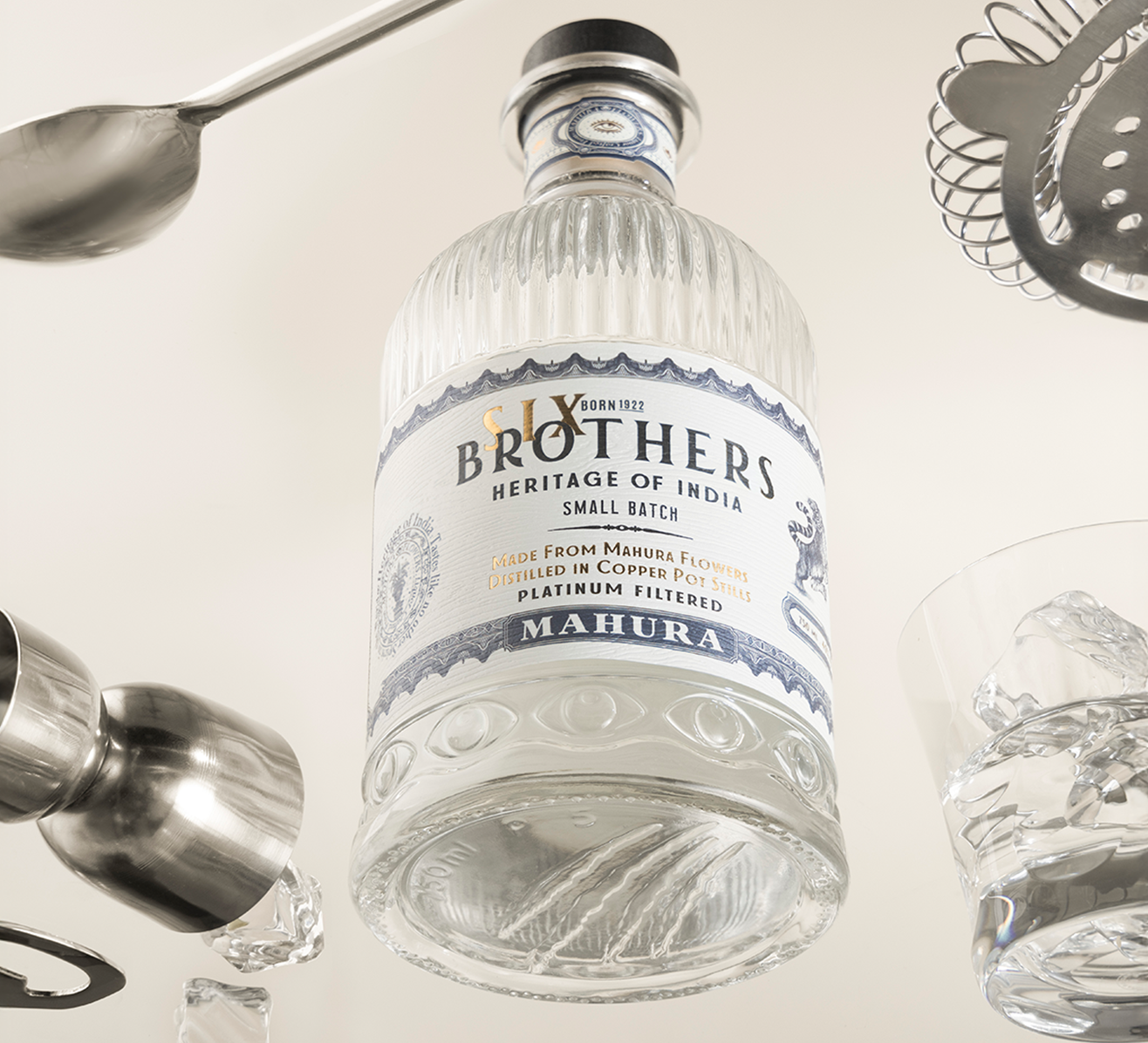
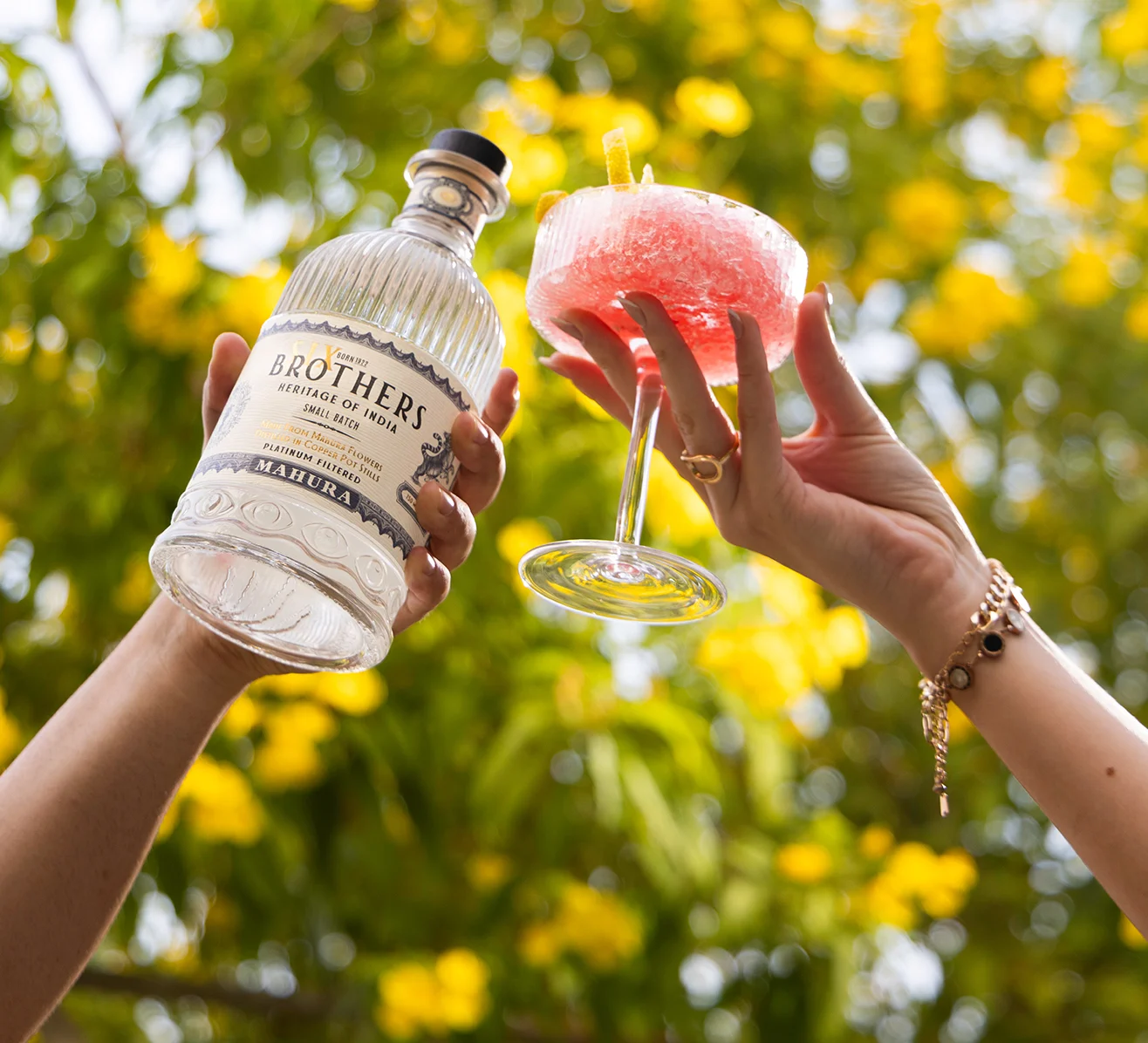
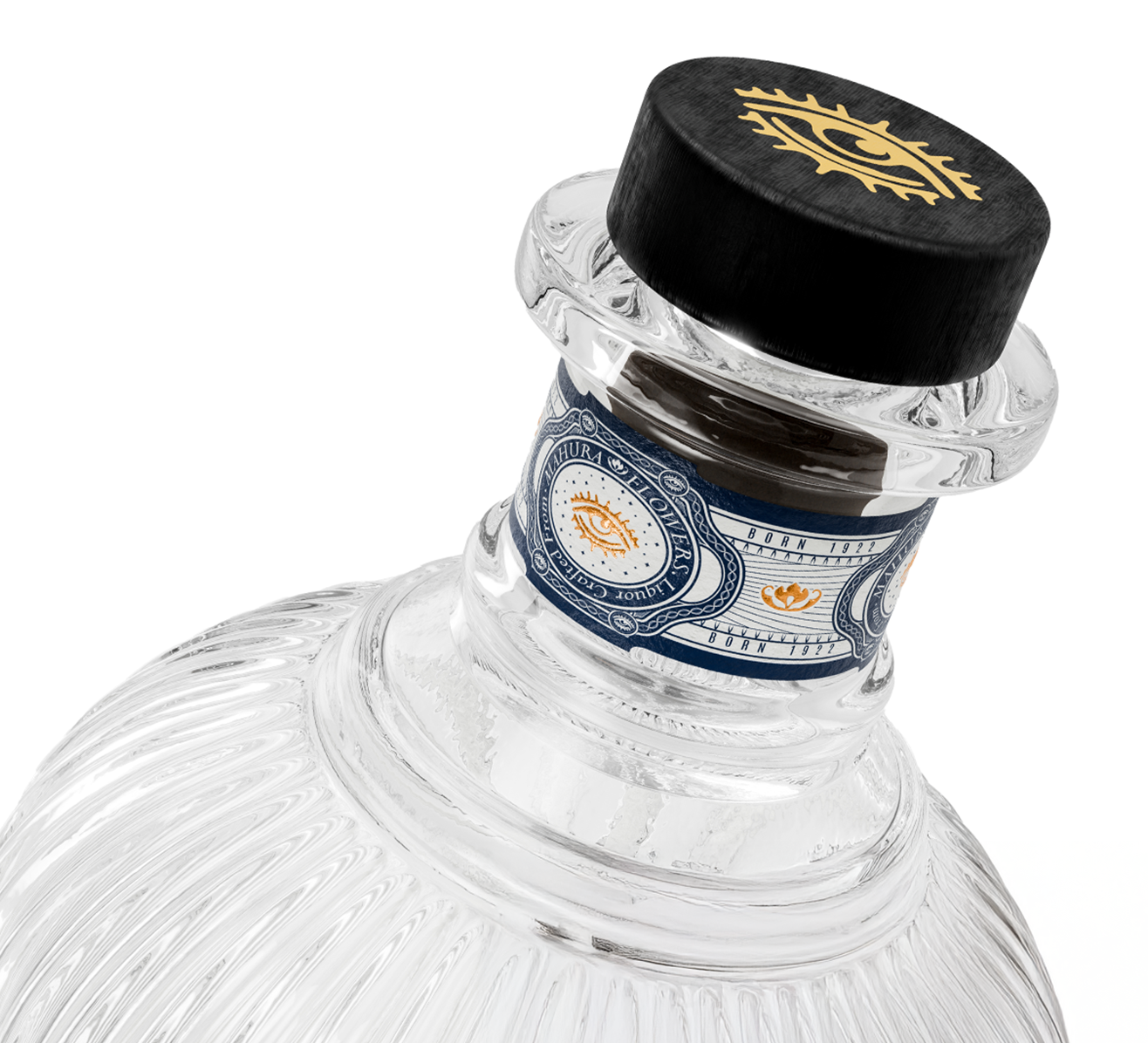
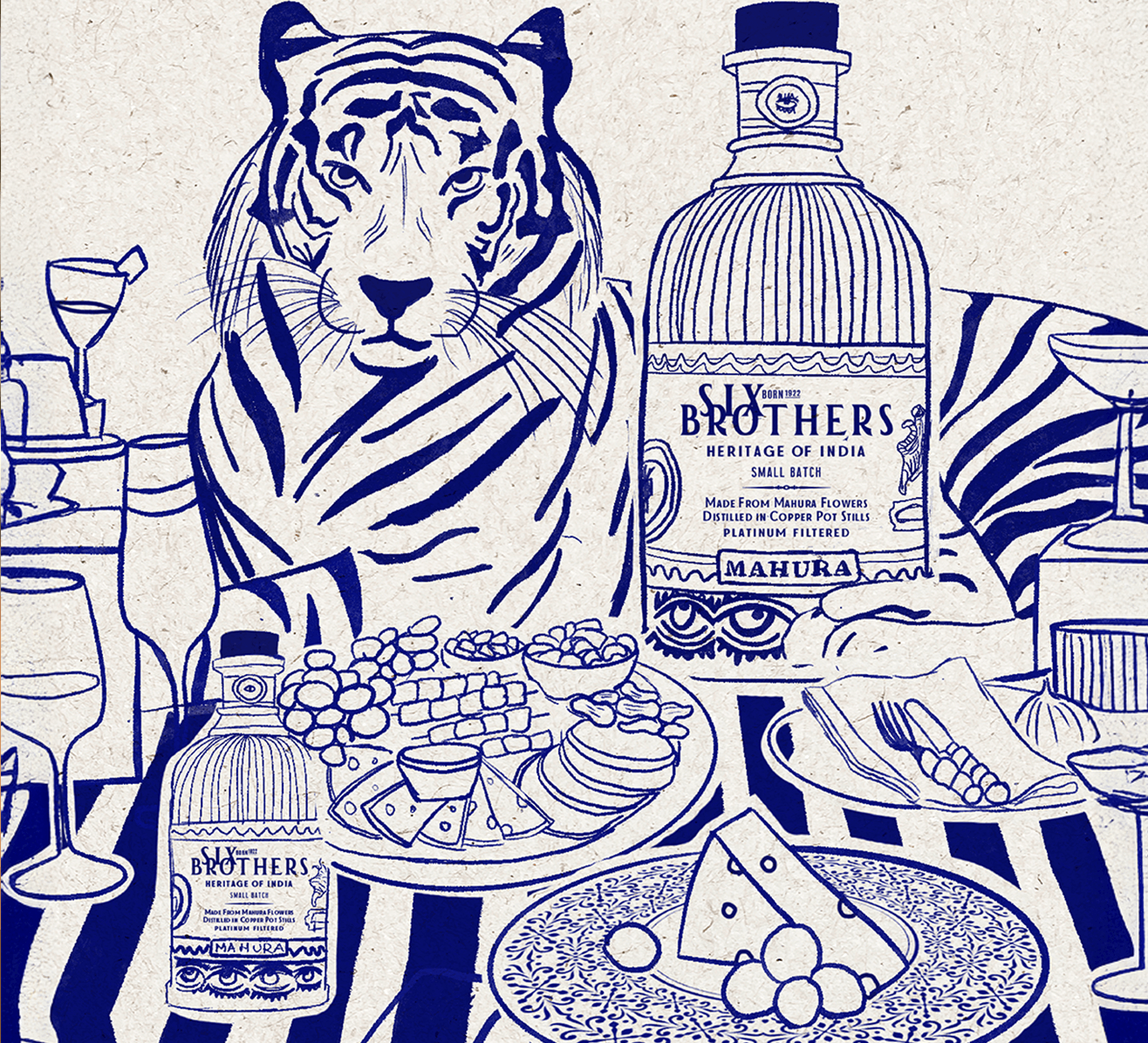
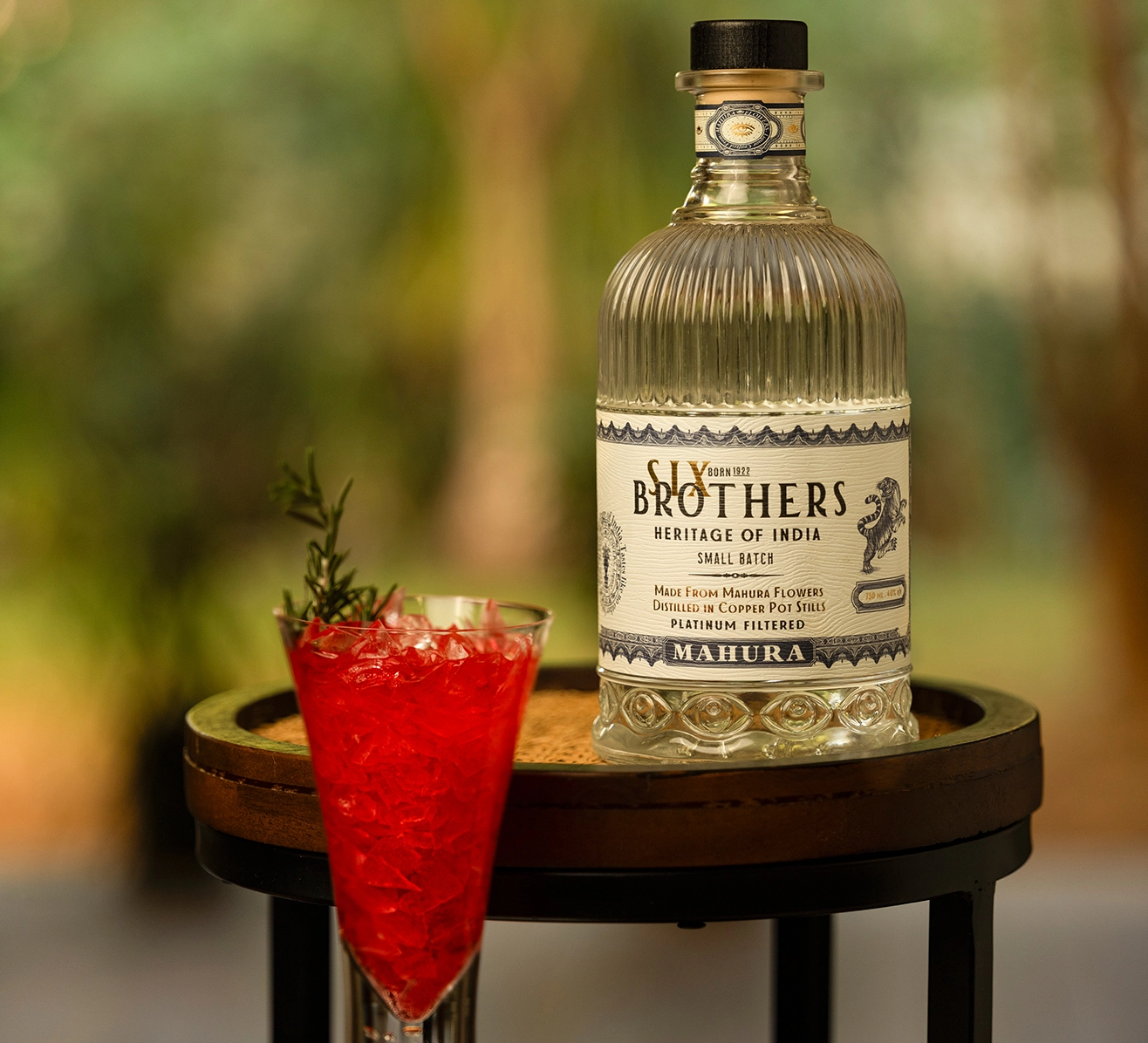
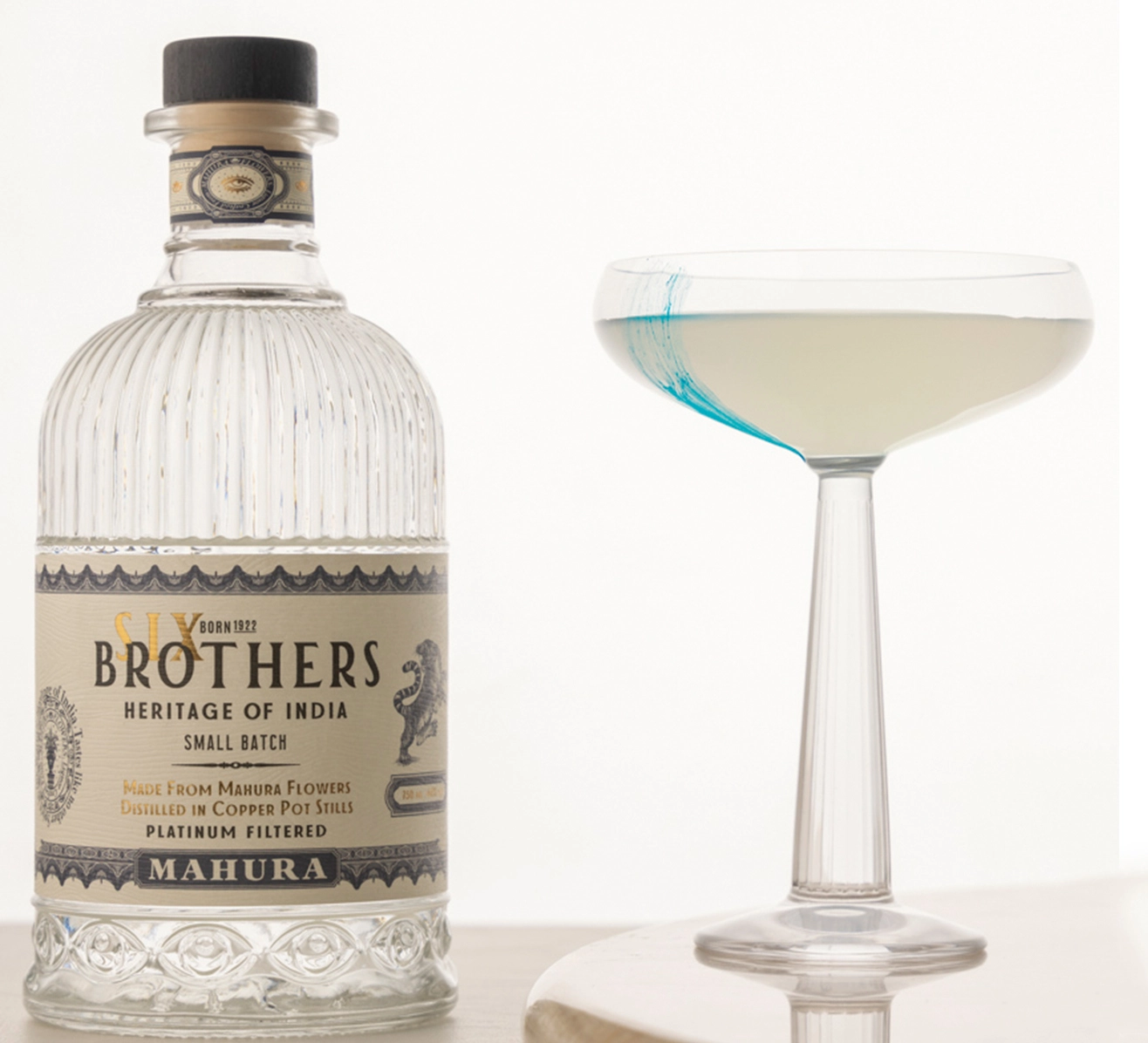
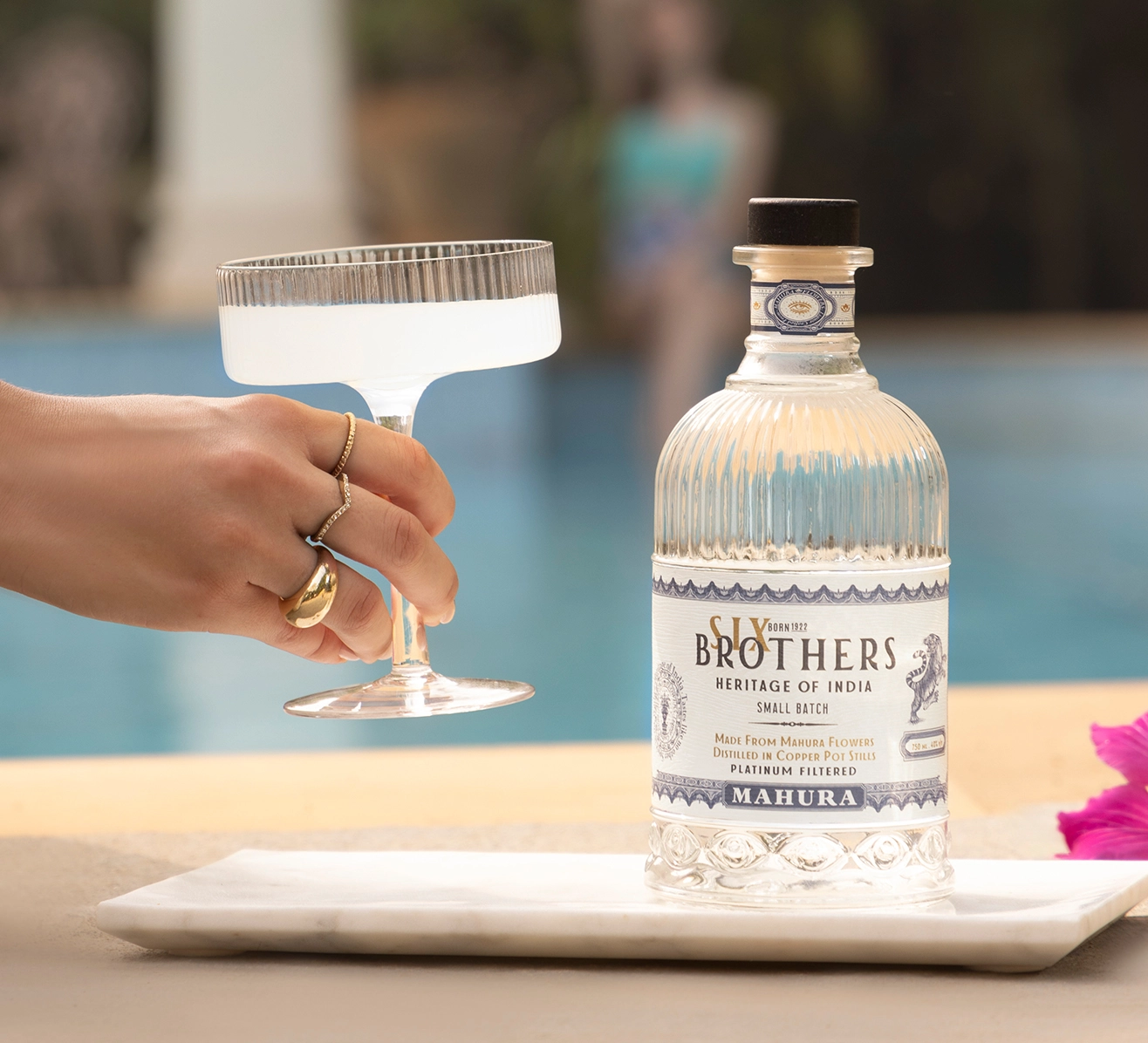
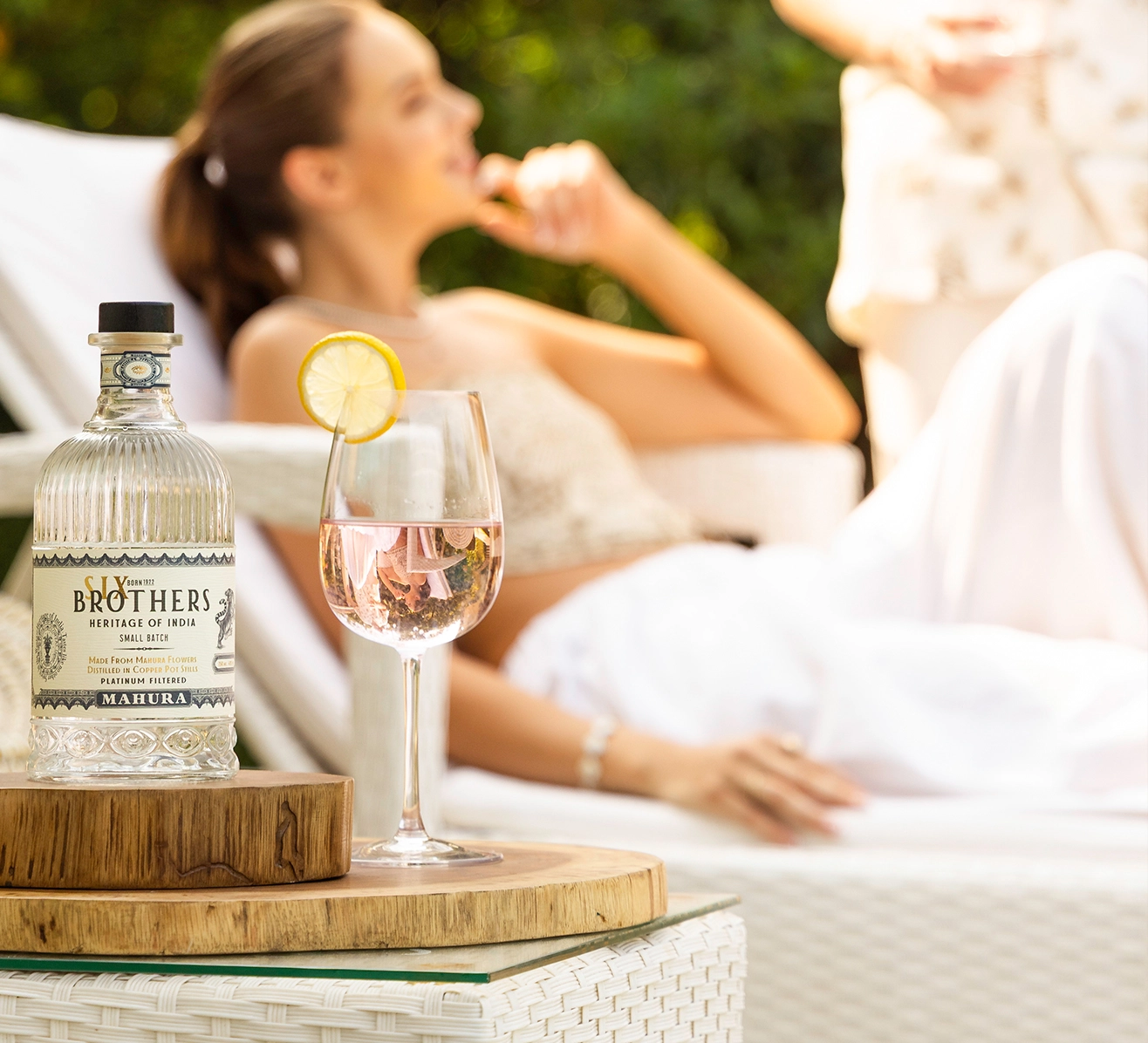
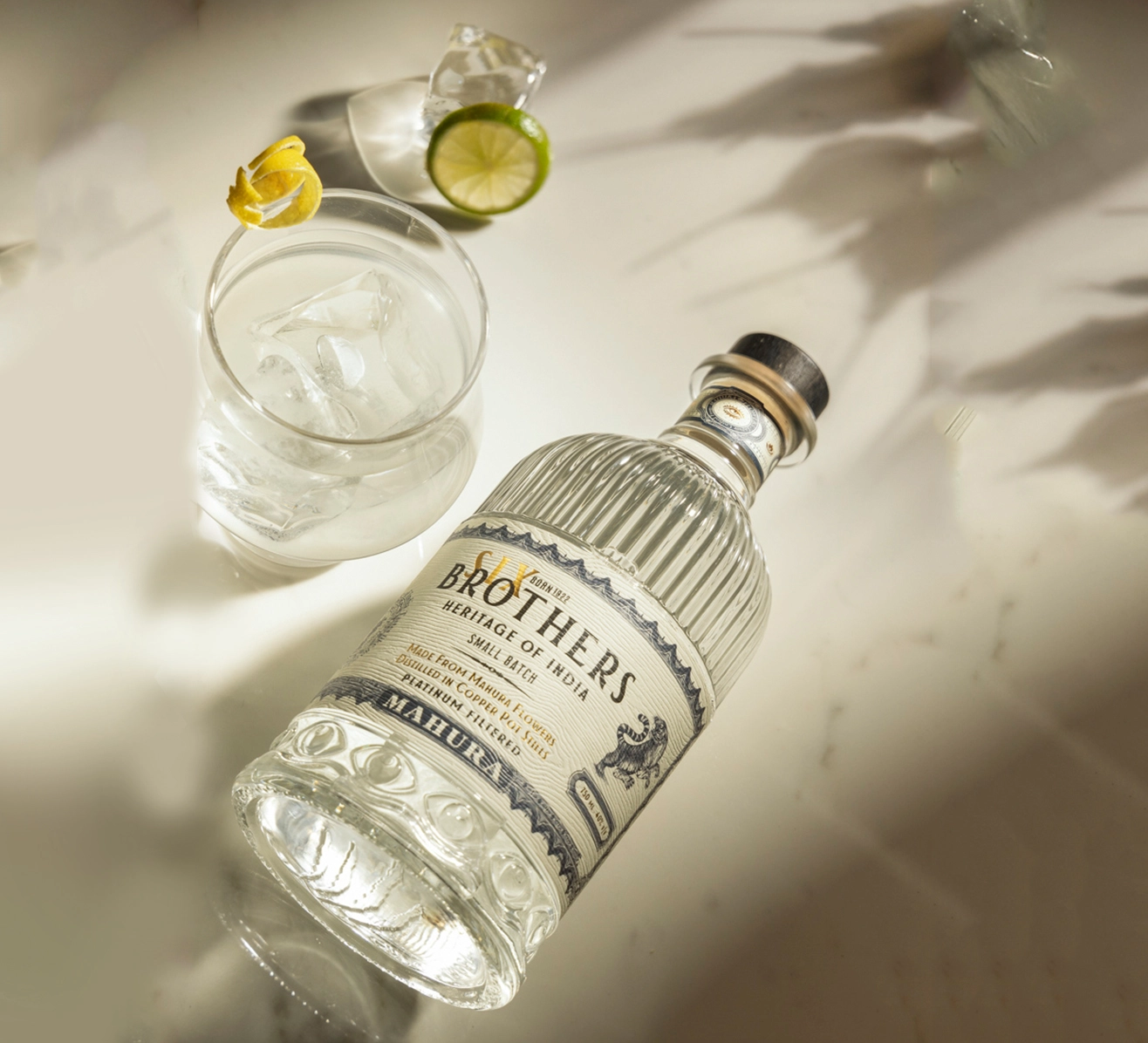
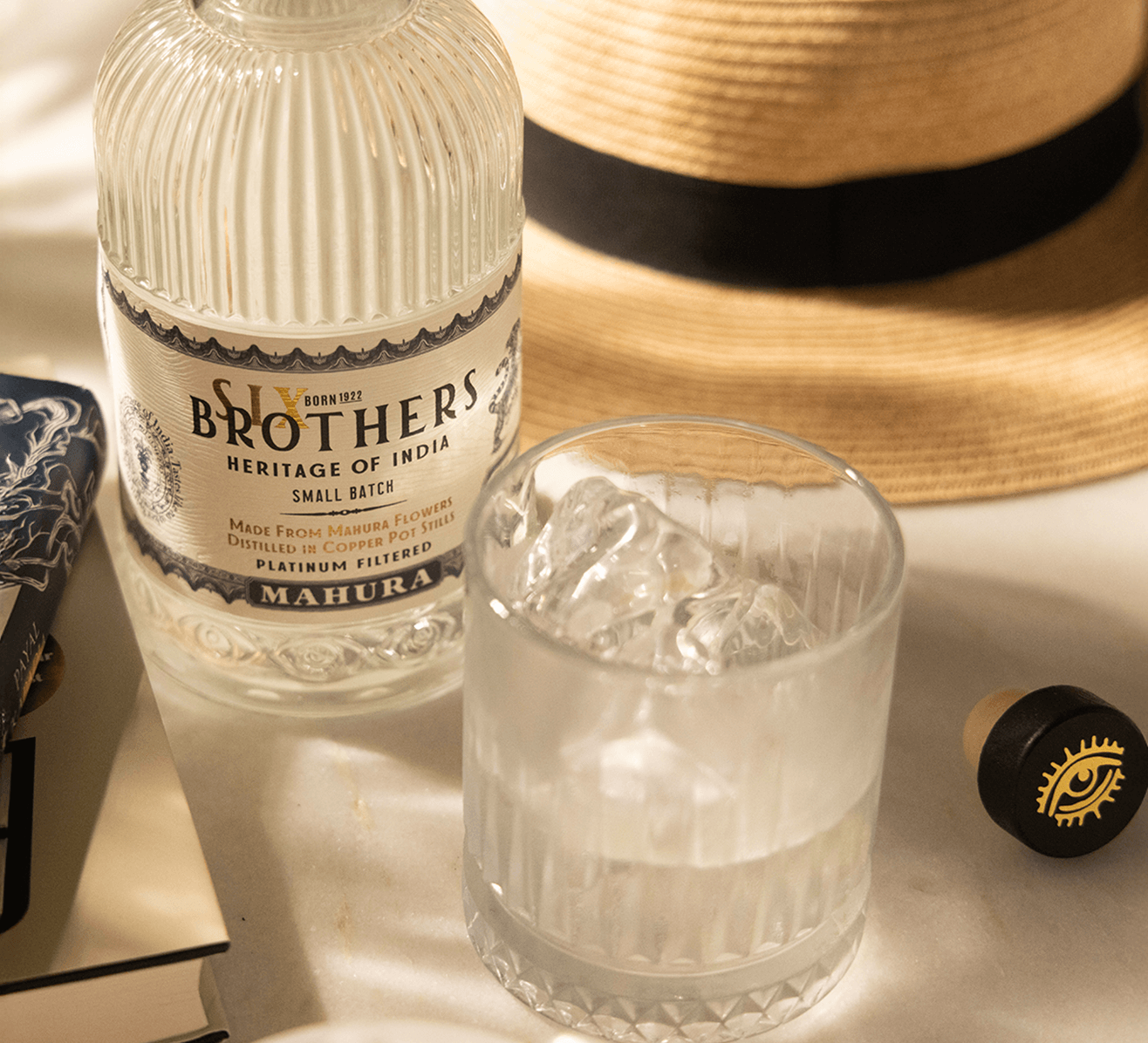
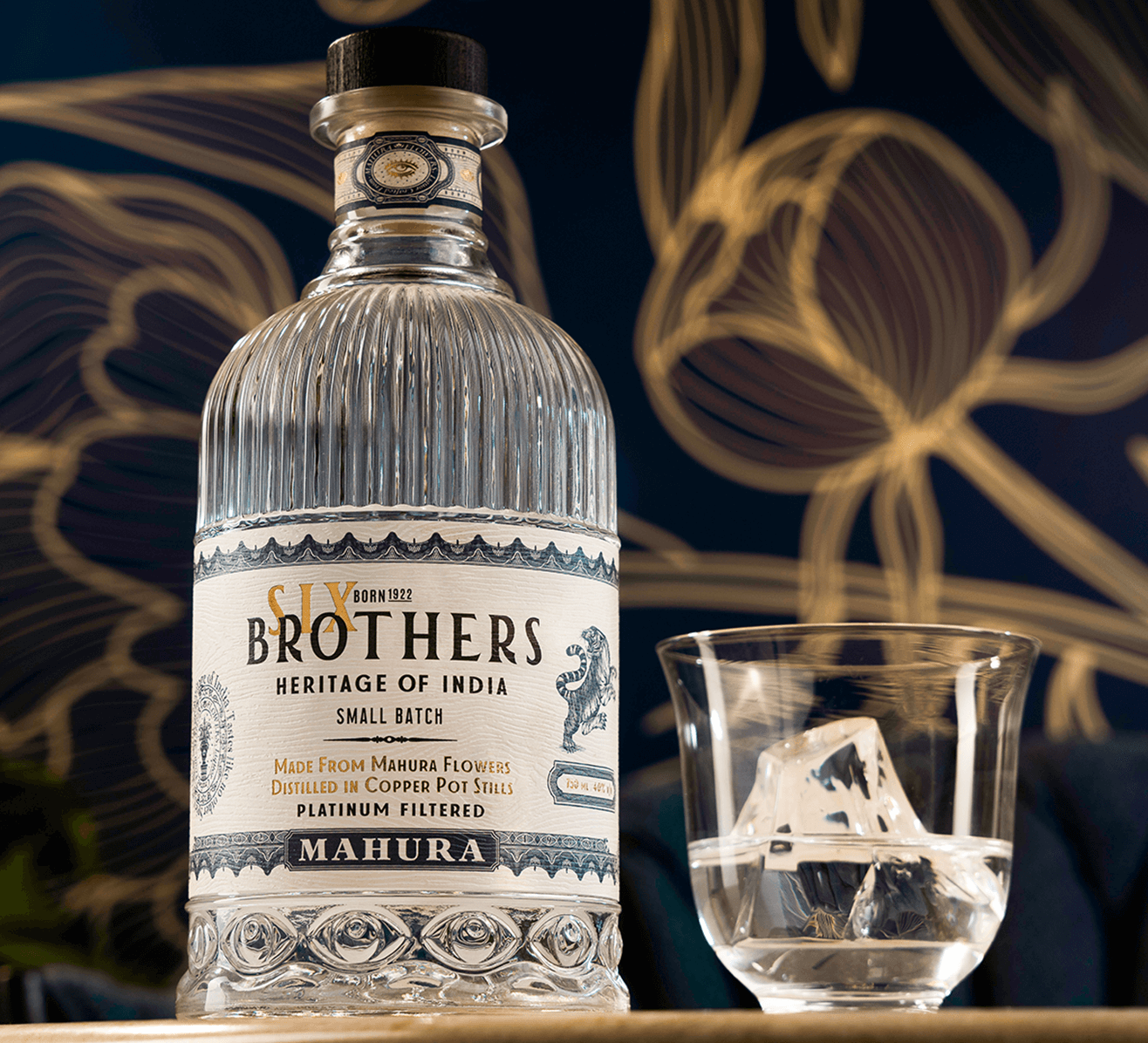
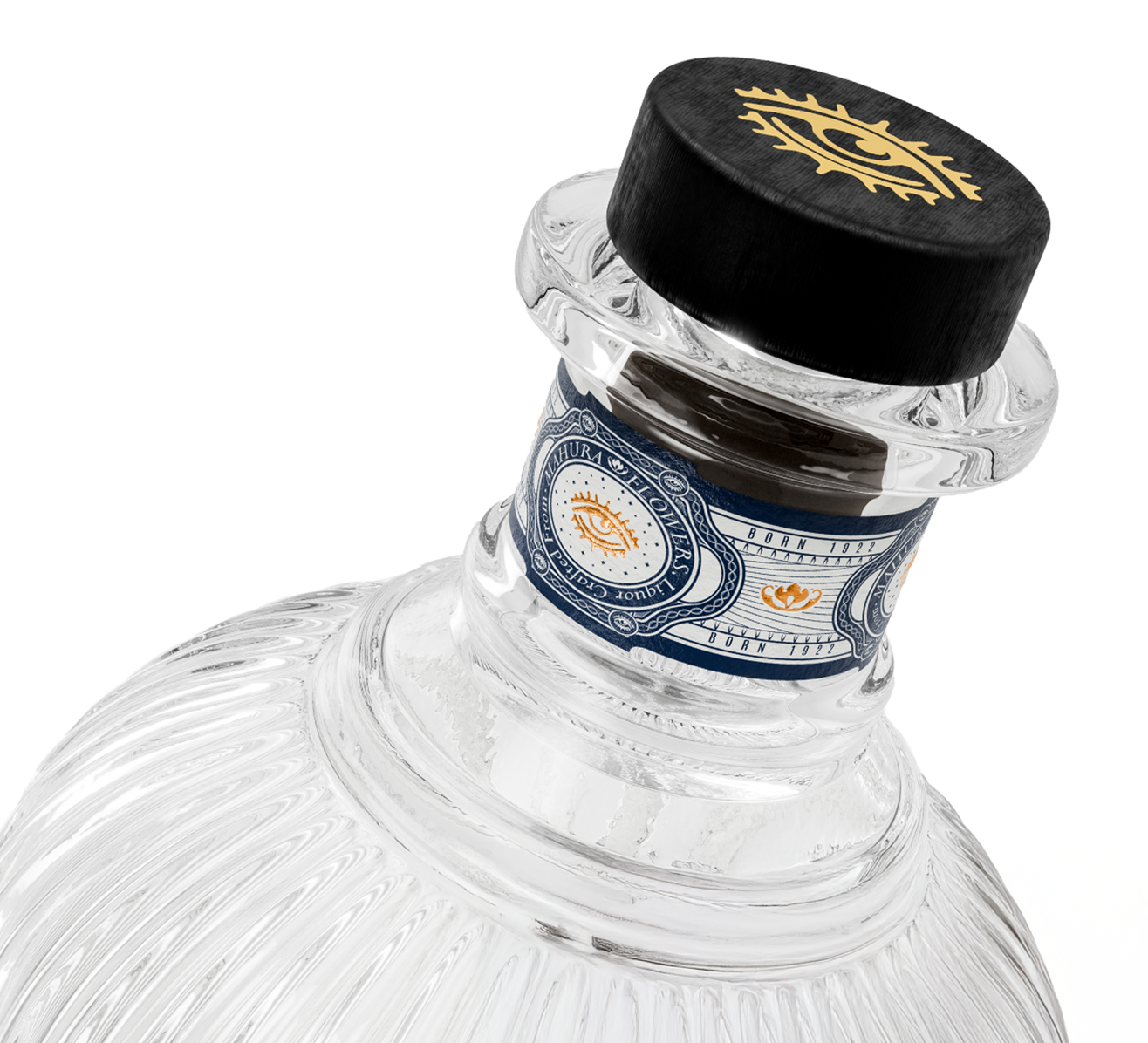
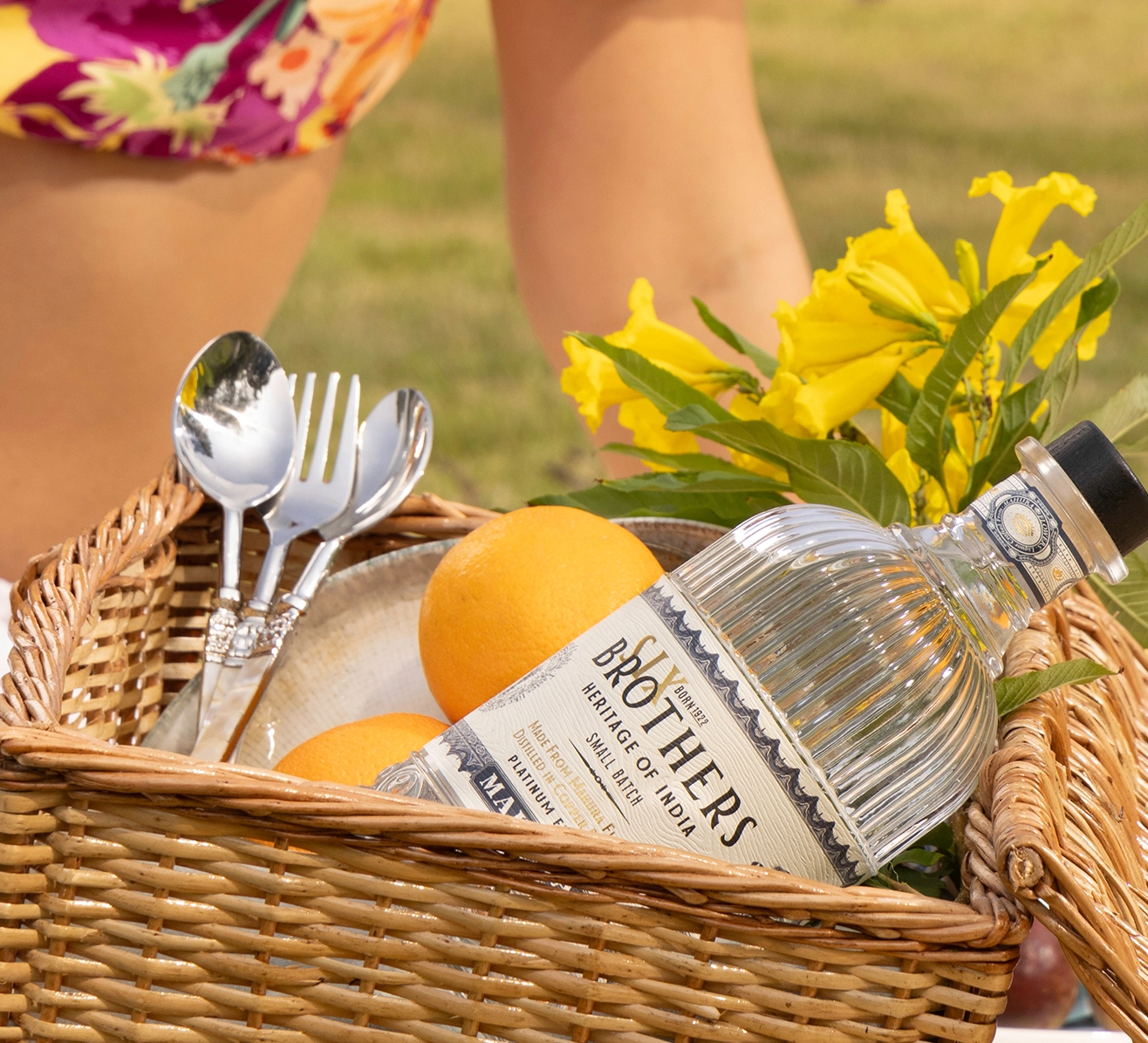
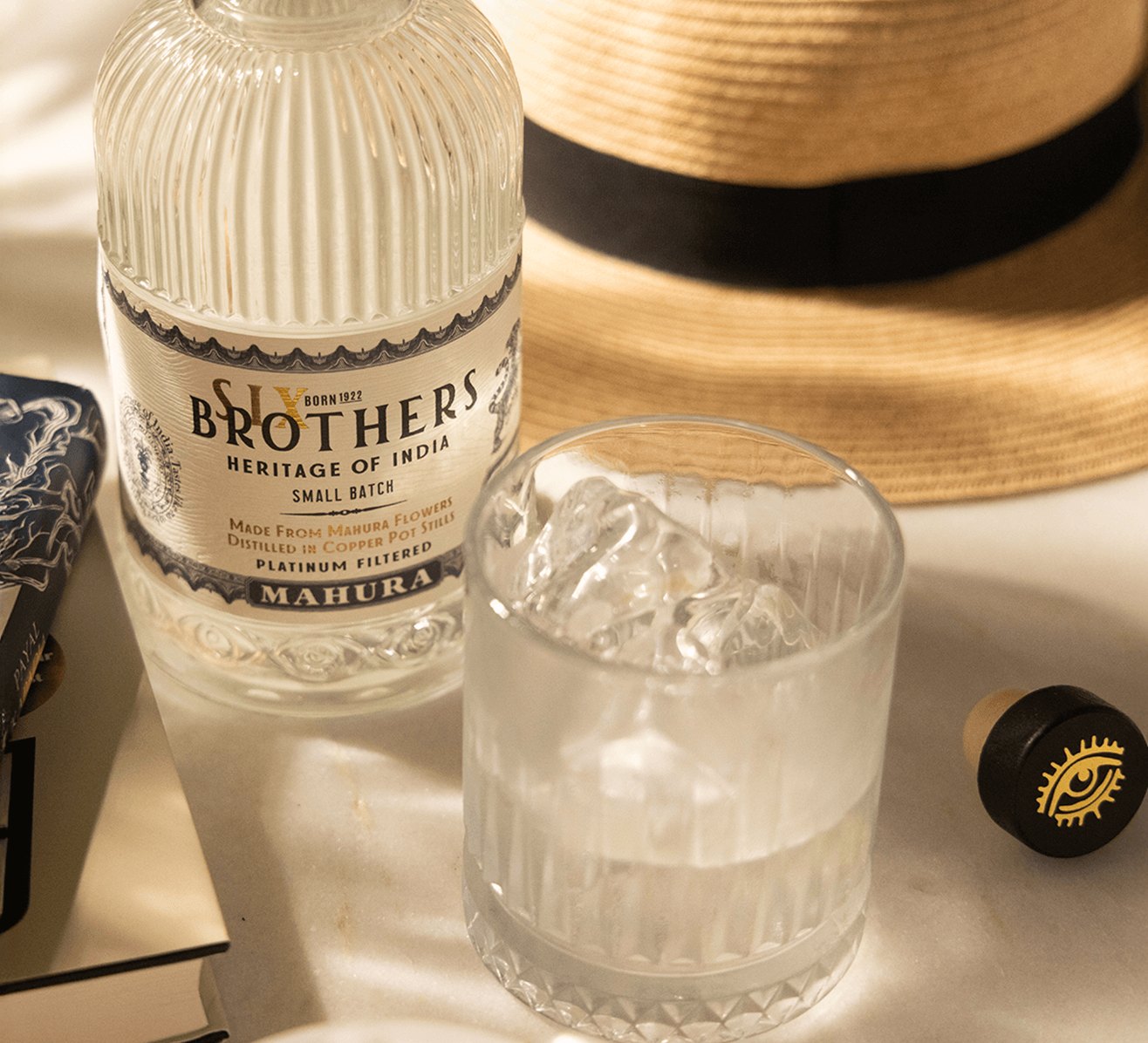
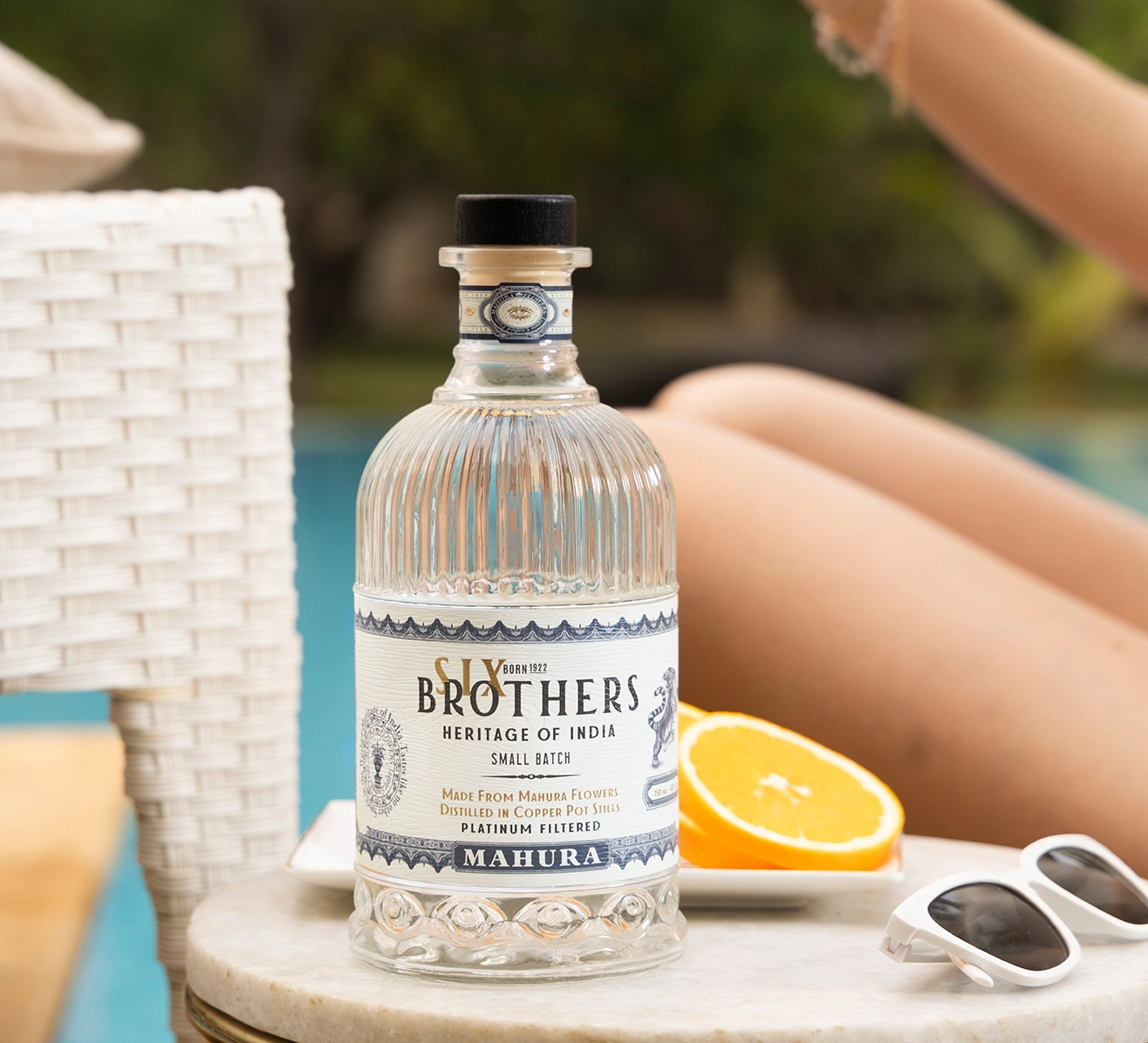
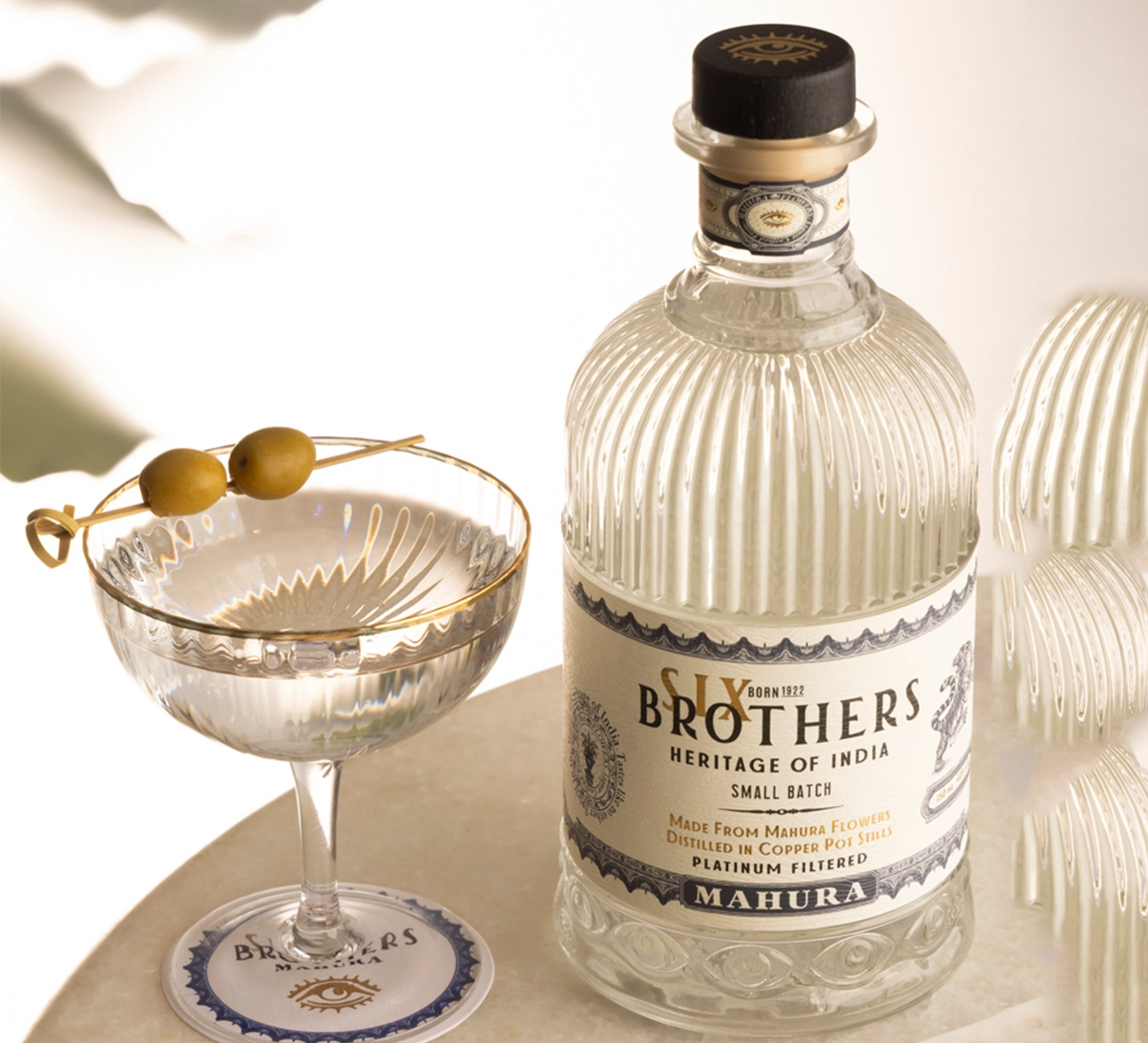
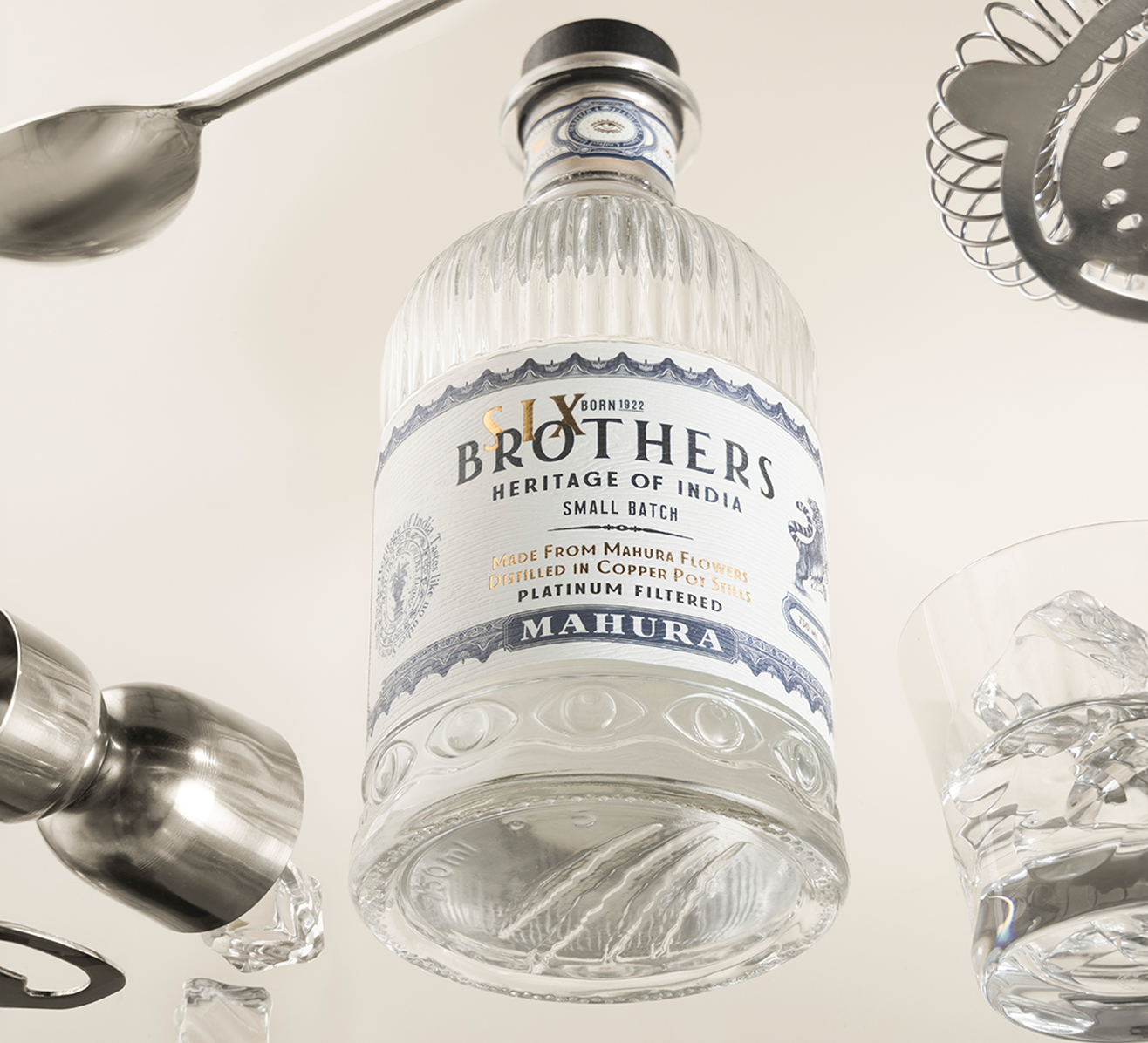
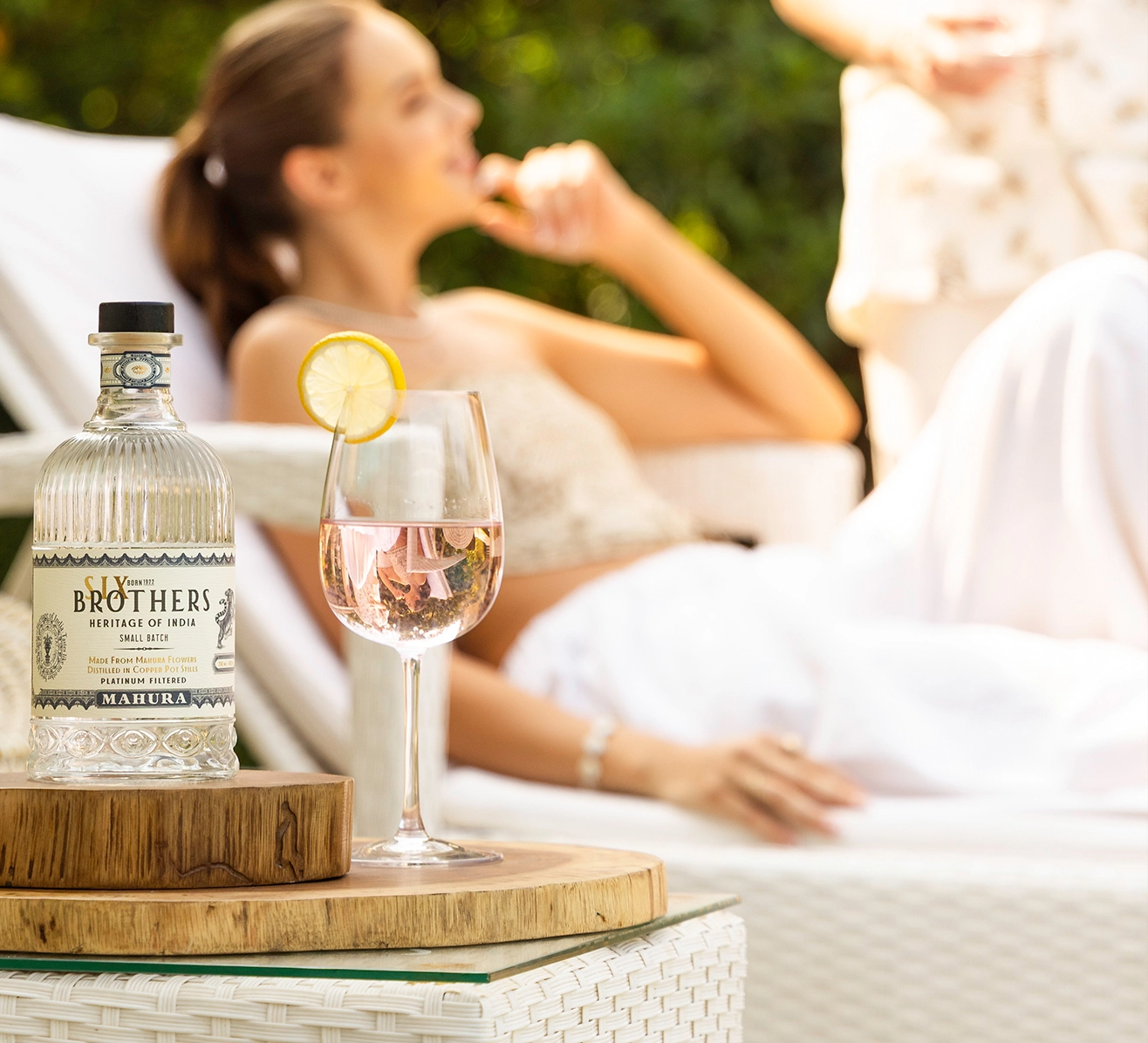
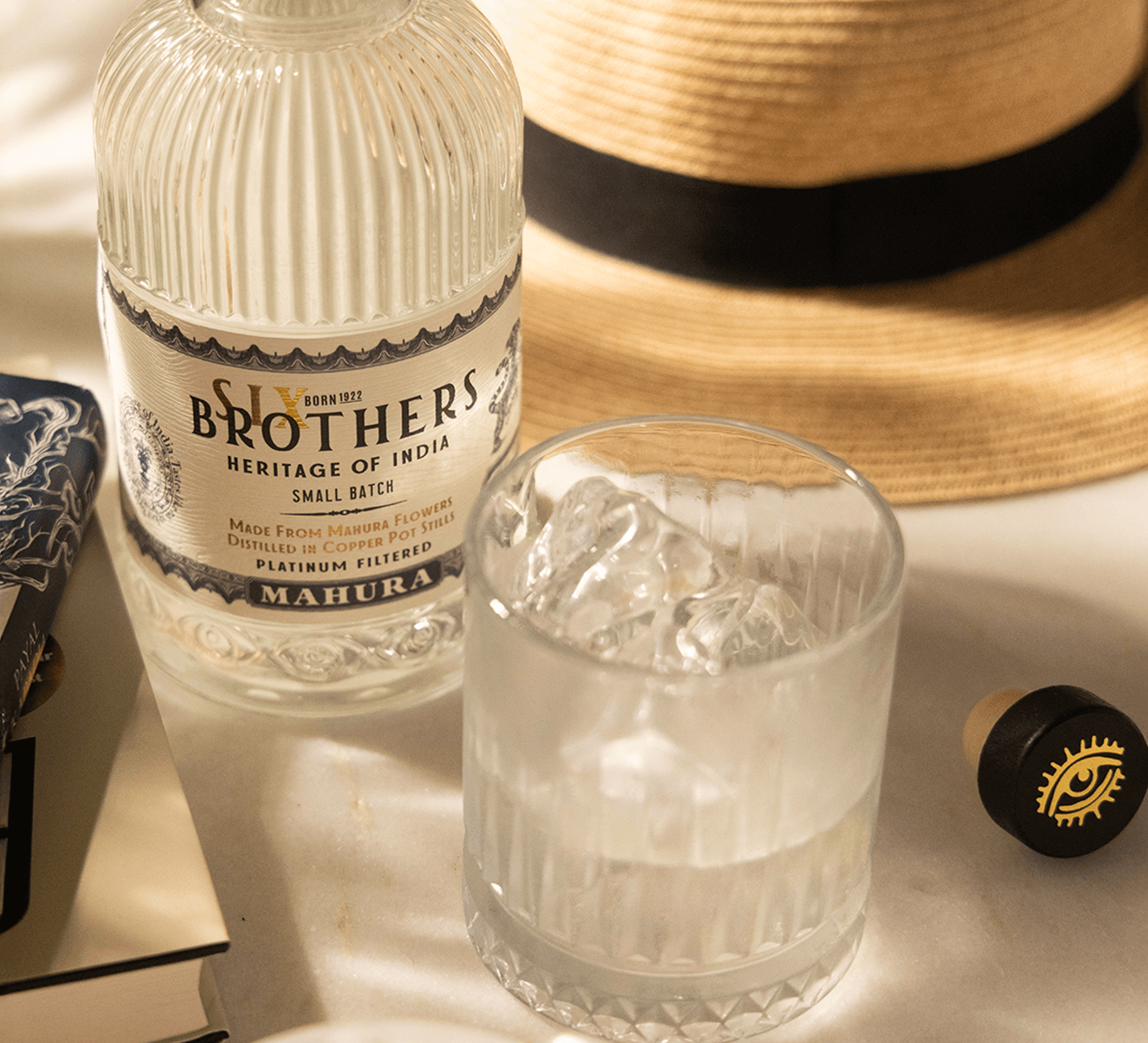
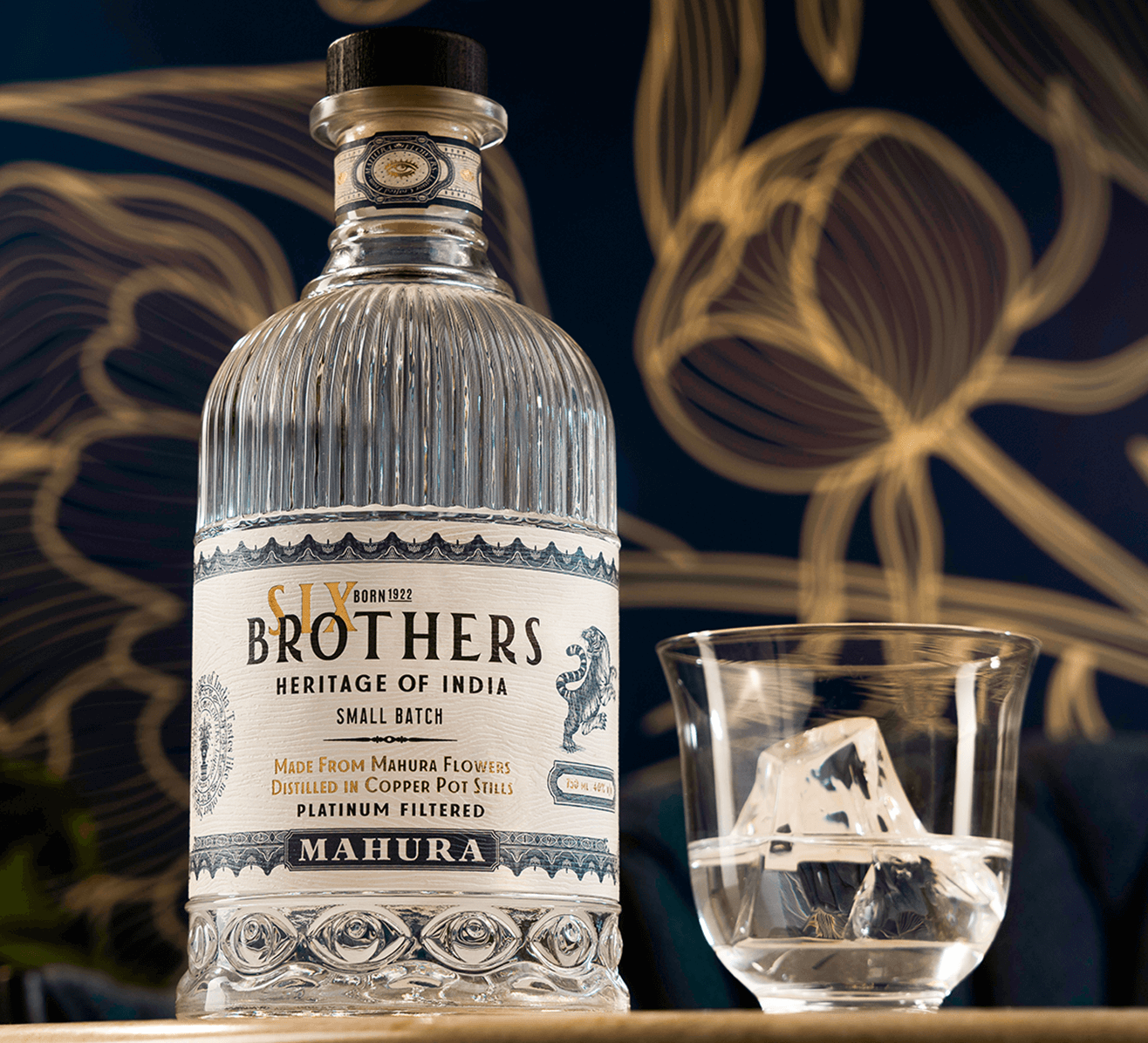
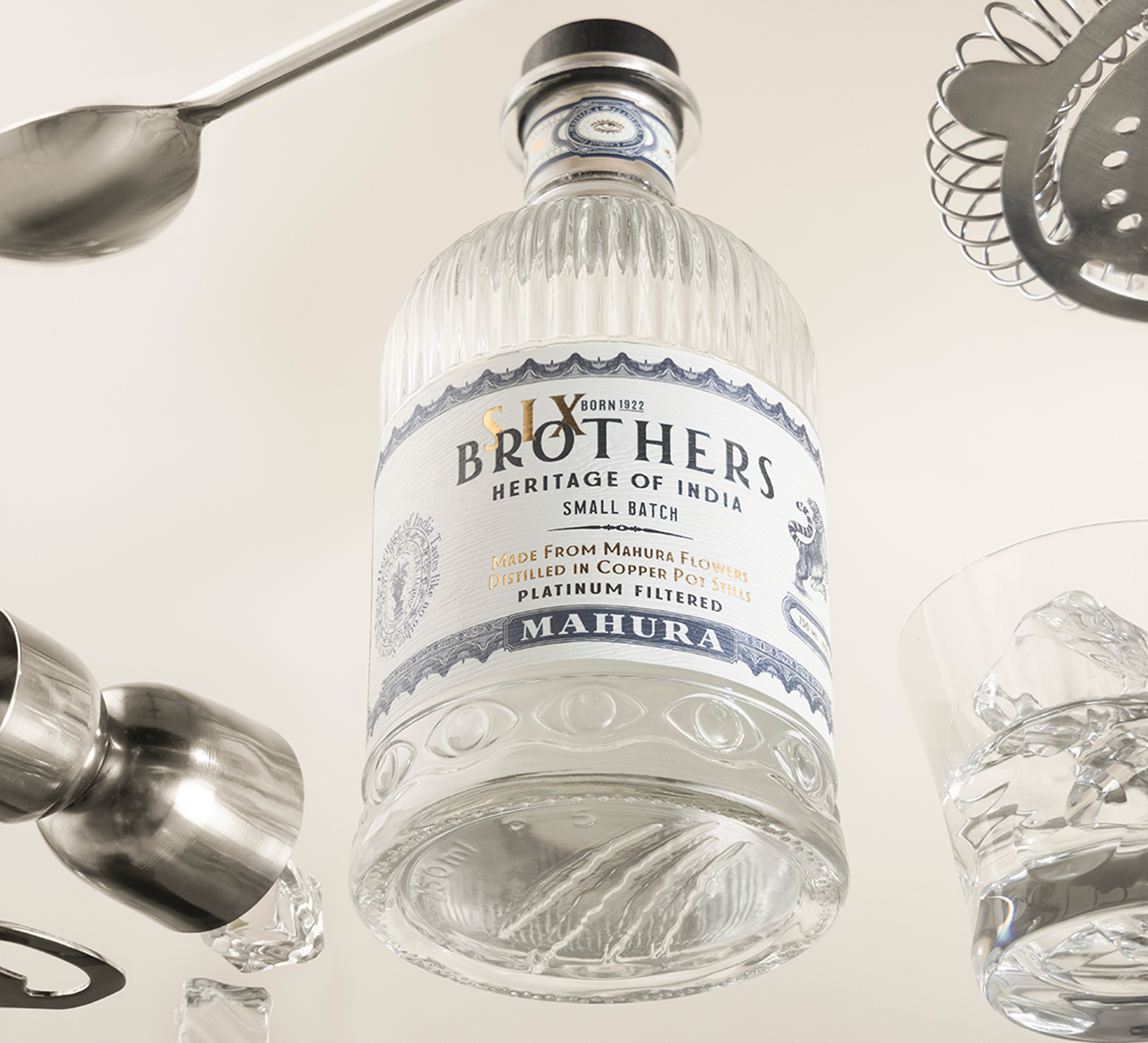
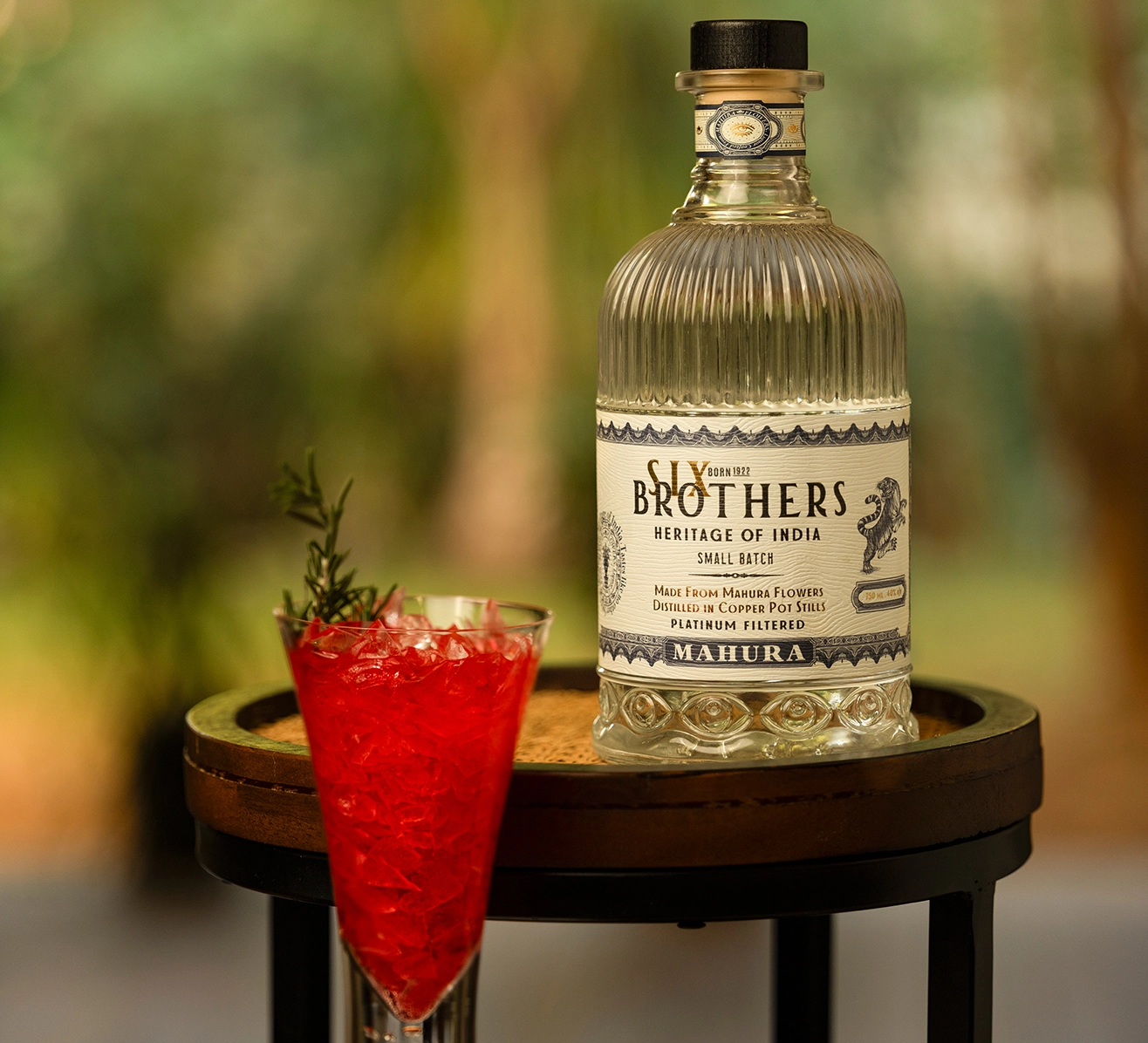
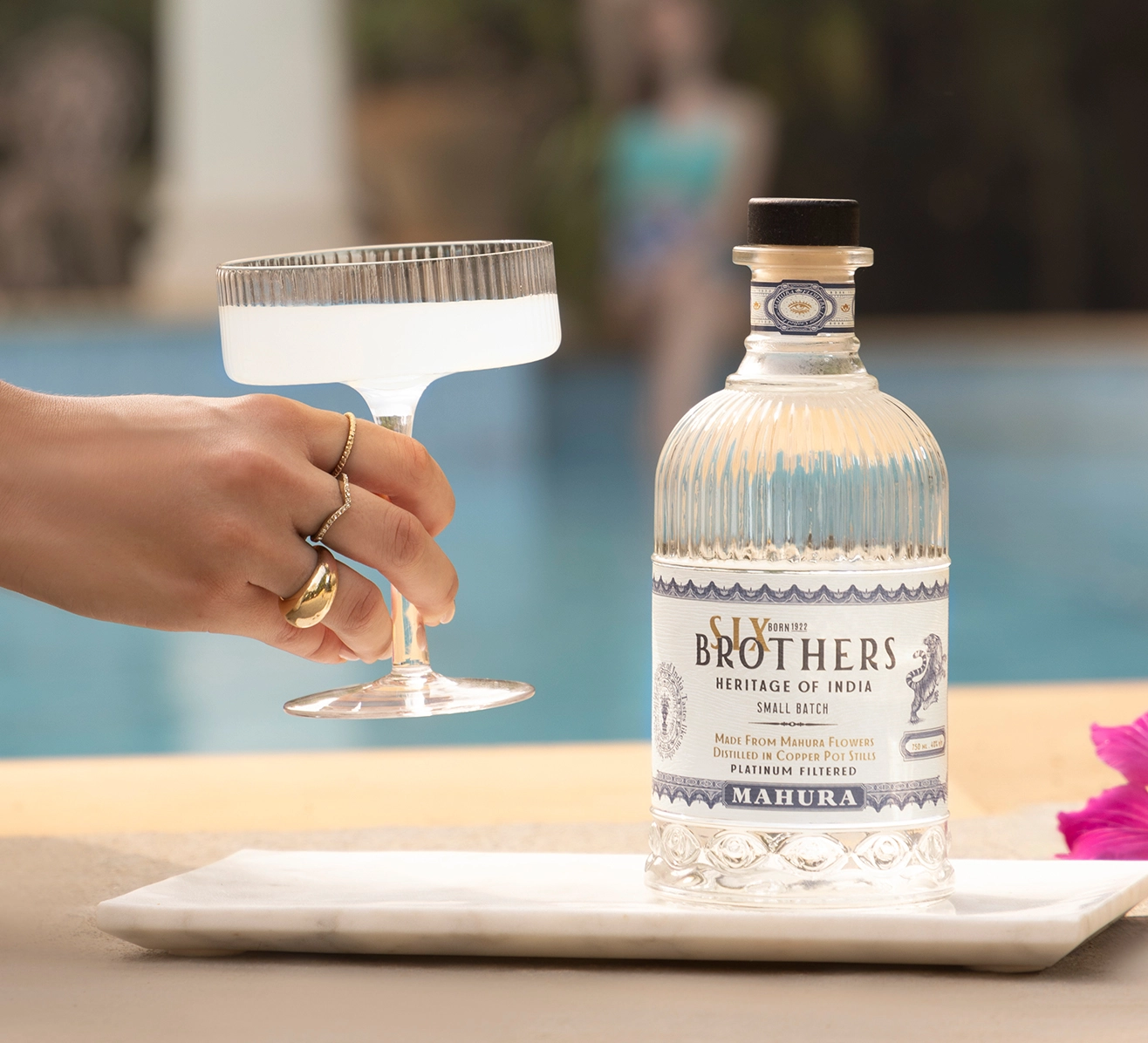
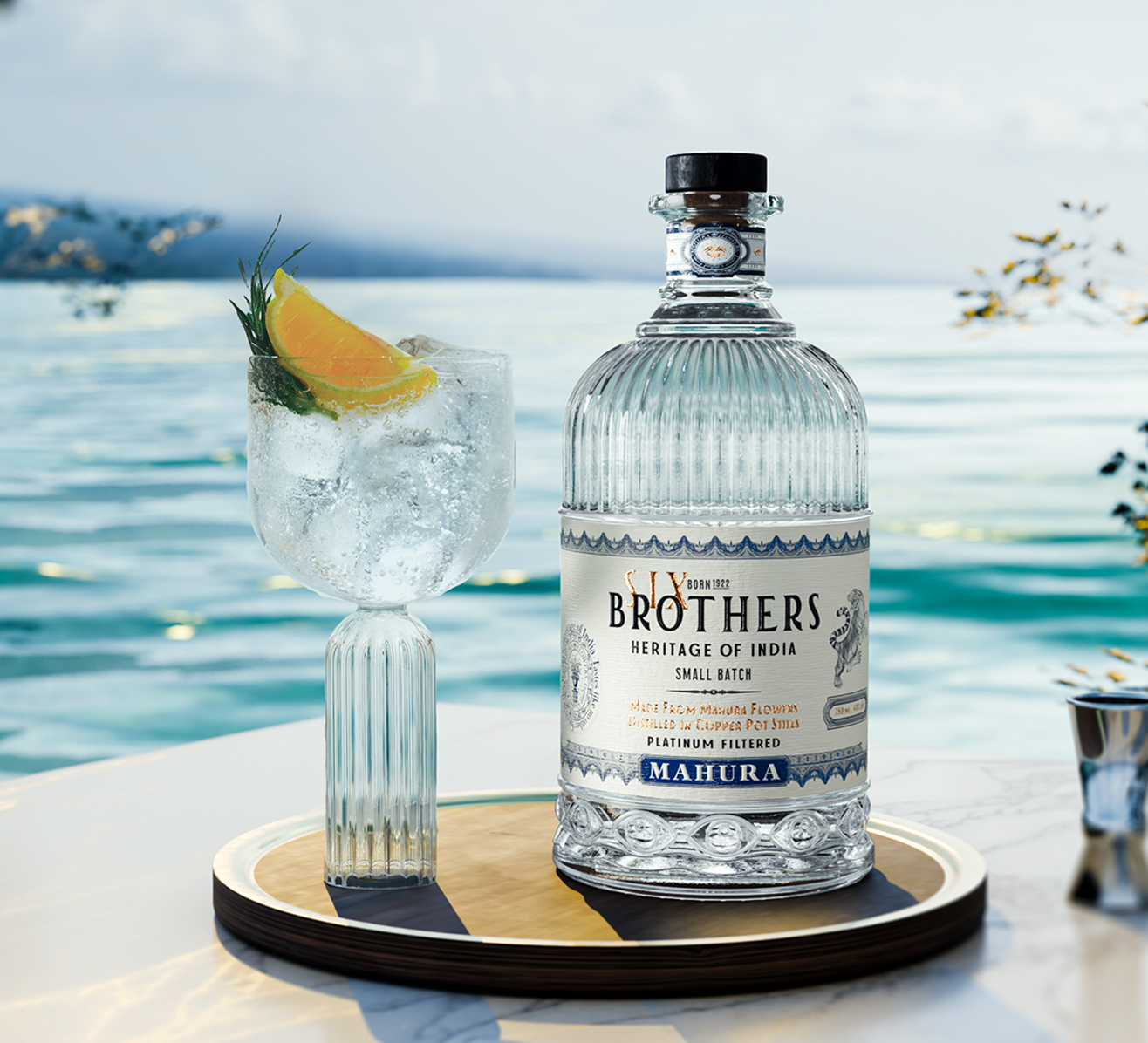
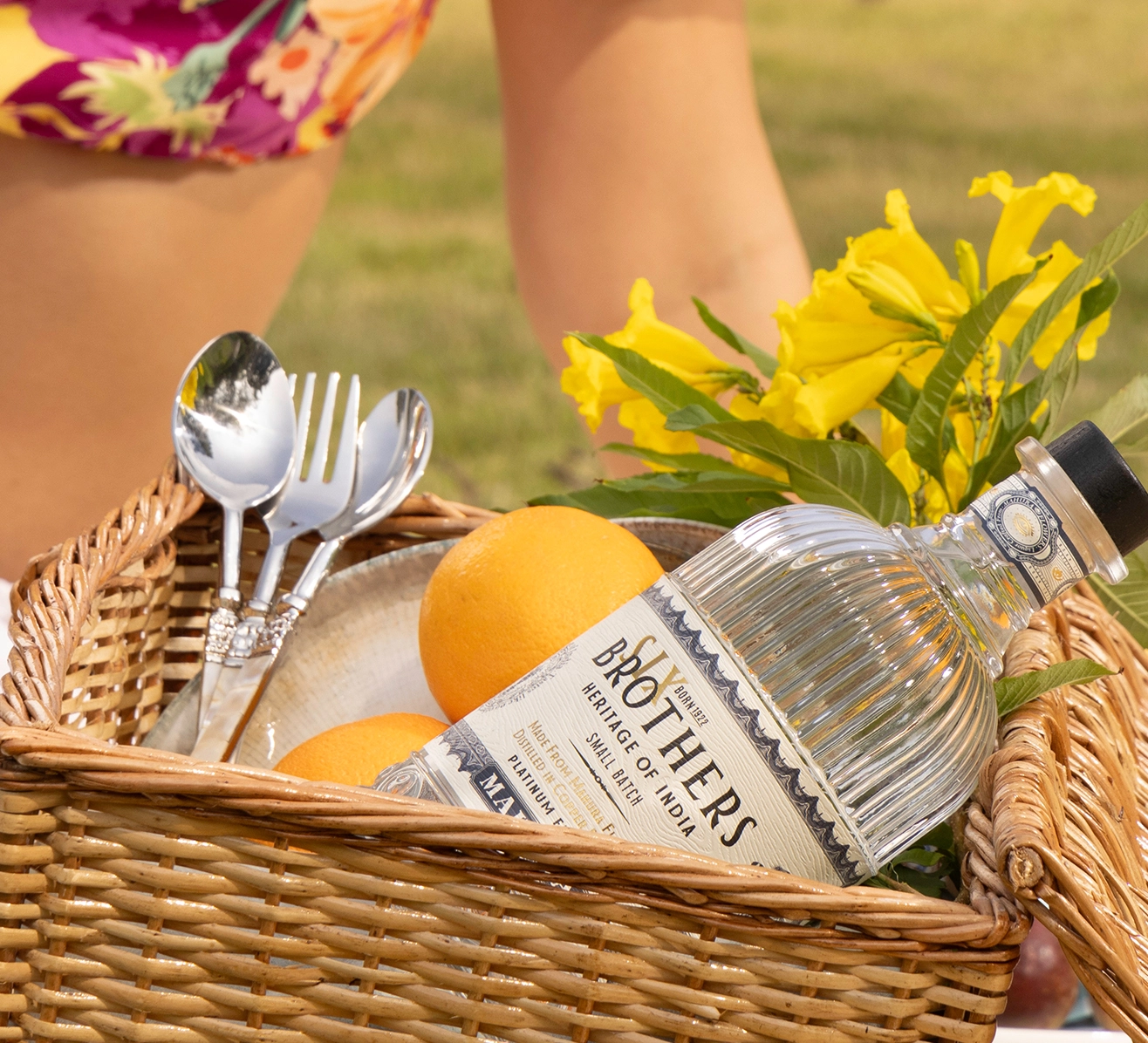
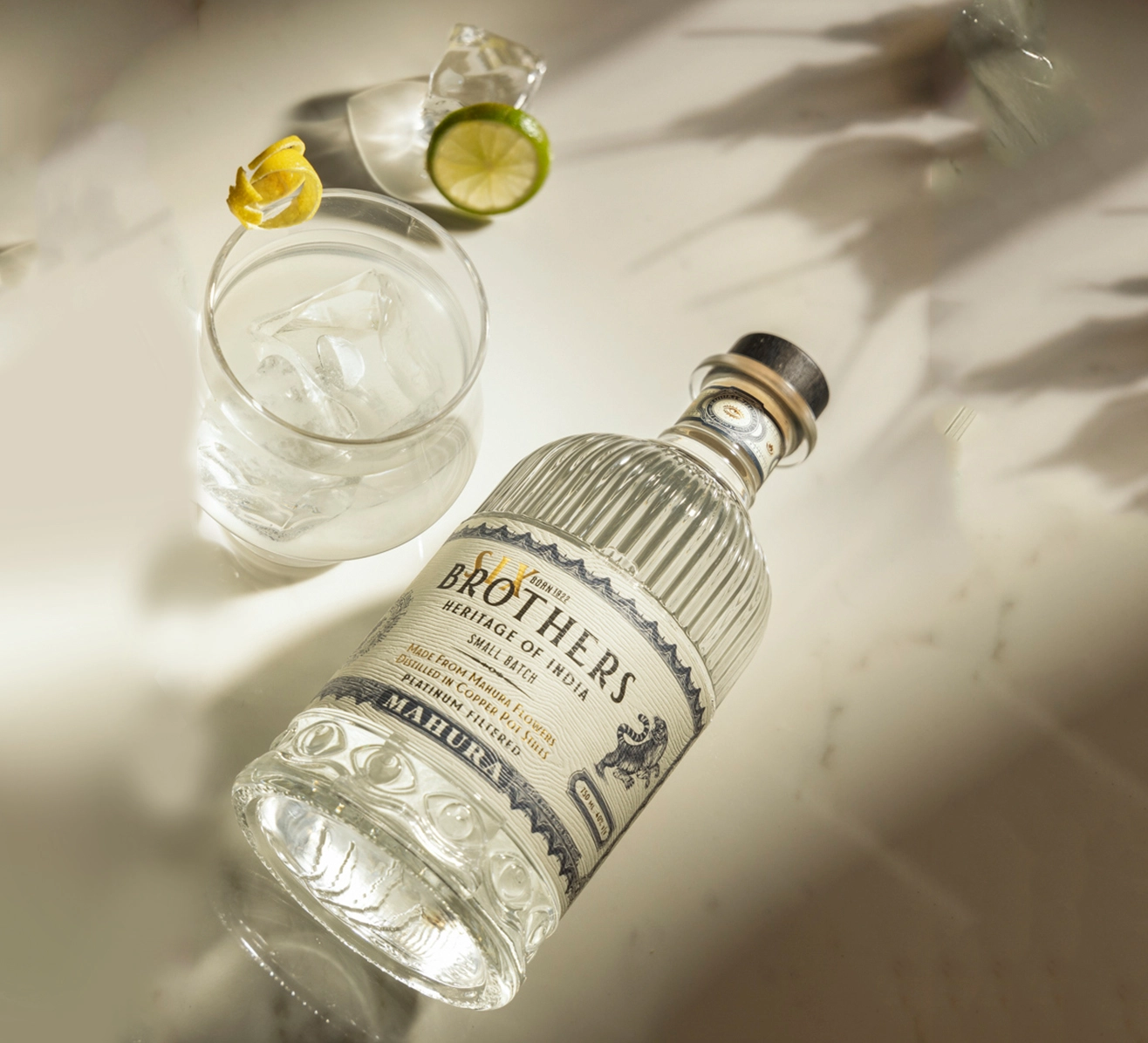
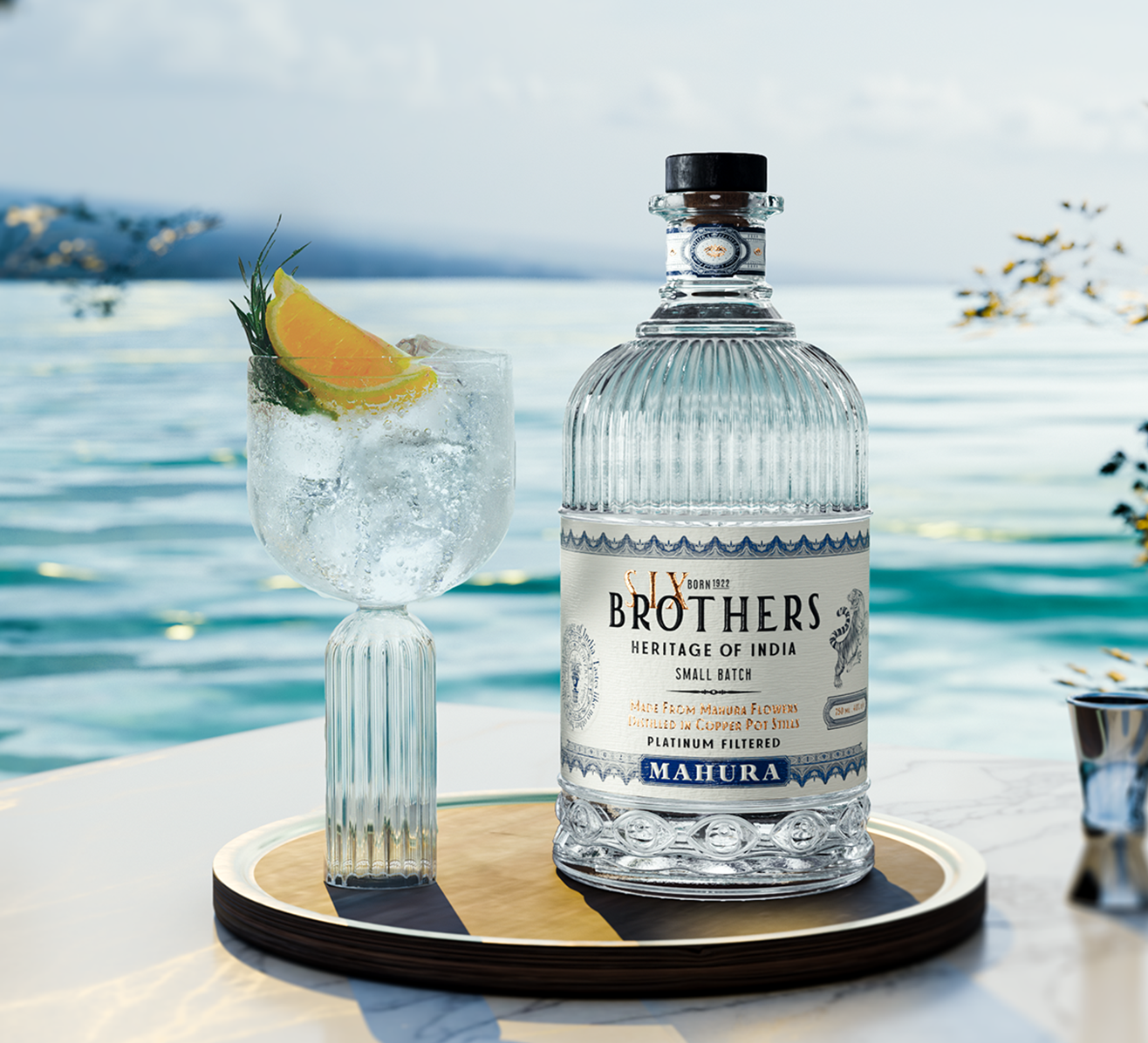
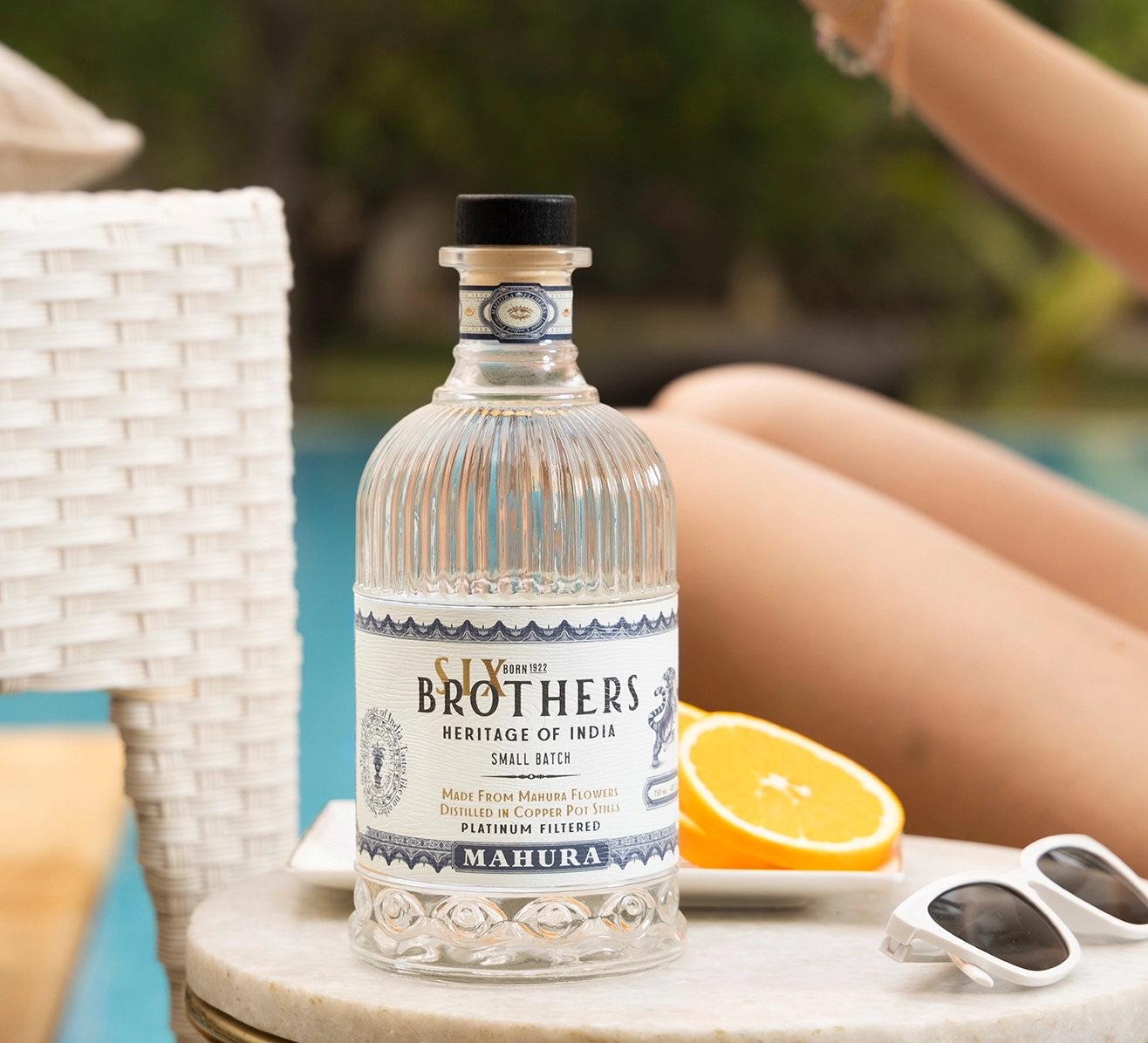
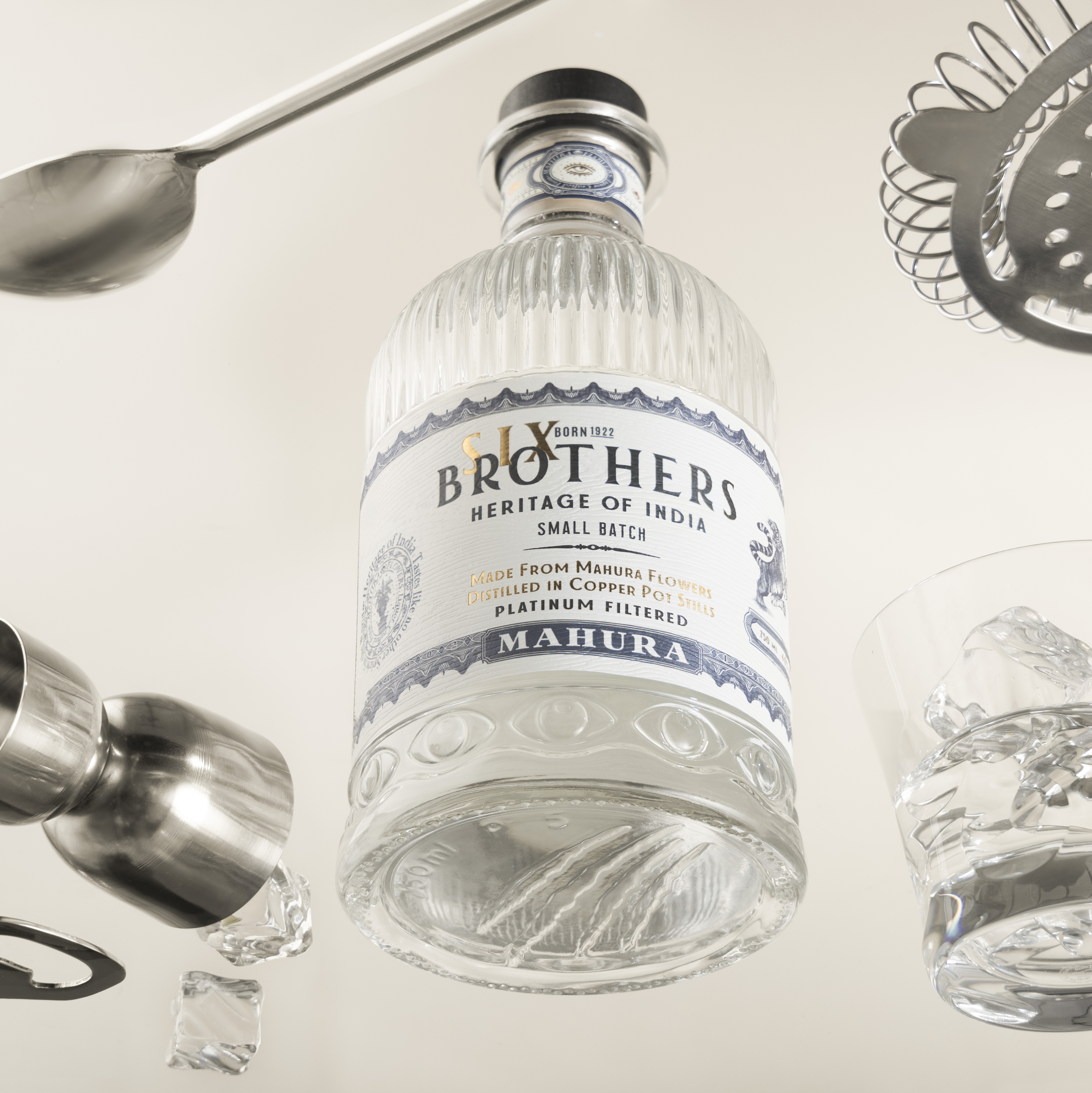
Six Brothers Mahura offers consumers an opportunity to experience the Mahua flower in a contemporary premium spirit.
A tasting session can focus on:
The objective is not to find the "correct" tasting note.
It is to become more observant.
That is what makes tasting a meaningful part of discovering premium Mahua spirit.
A dedicated tasting language can help a category grow.
It can make Mahua easier to:
It also gives bartenders, sommeliers, collectors, and enthusiasts a better way to communicate what makes Mahua spirit distinctive.
For Indian craft spirits, that kind of vocabulary can help turn curiosity into long-term appreciation.
Mahua does not need to borrow its entire identity from whisky, gin, or Cognac.
Its Mahua flower foundation gives it a starting point for developing a sensory vocabulary of its own.
As premium Mahua spirit reaches more consumers, a dedicated tasting language can help people recognise its aroma, texture, flavour, balance, and finish on their own terms.
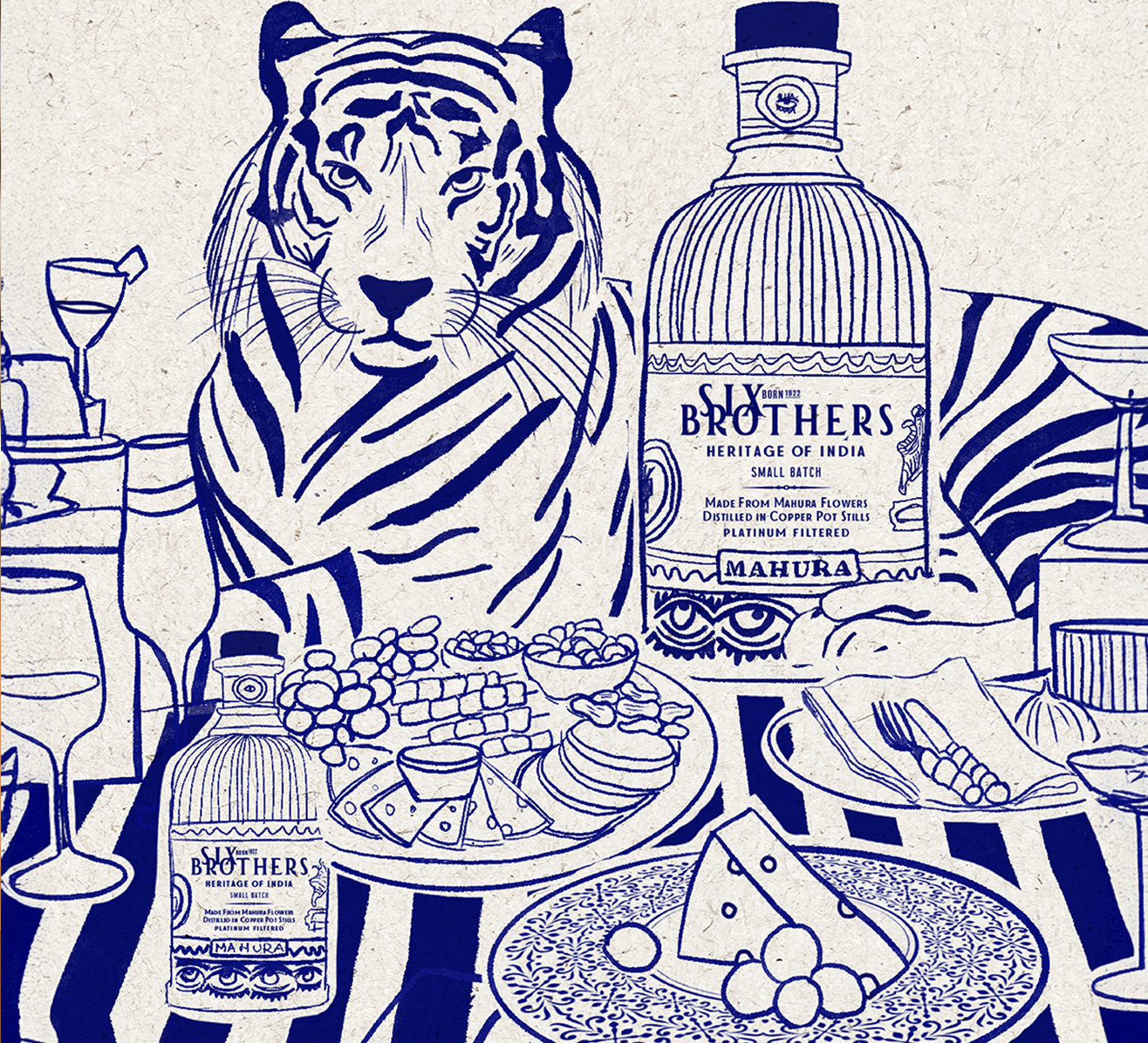
For Six Brothers Mahura, this is part of a much bigger opportunity: helping consumers discover not just a new drink, but a new way of understanding Indian spirits.