
Posted on 23 Jun 2026
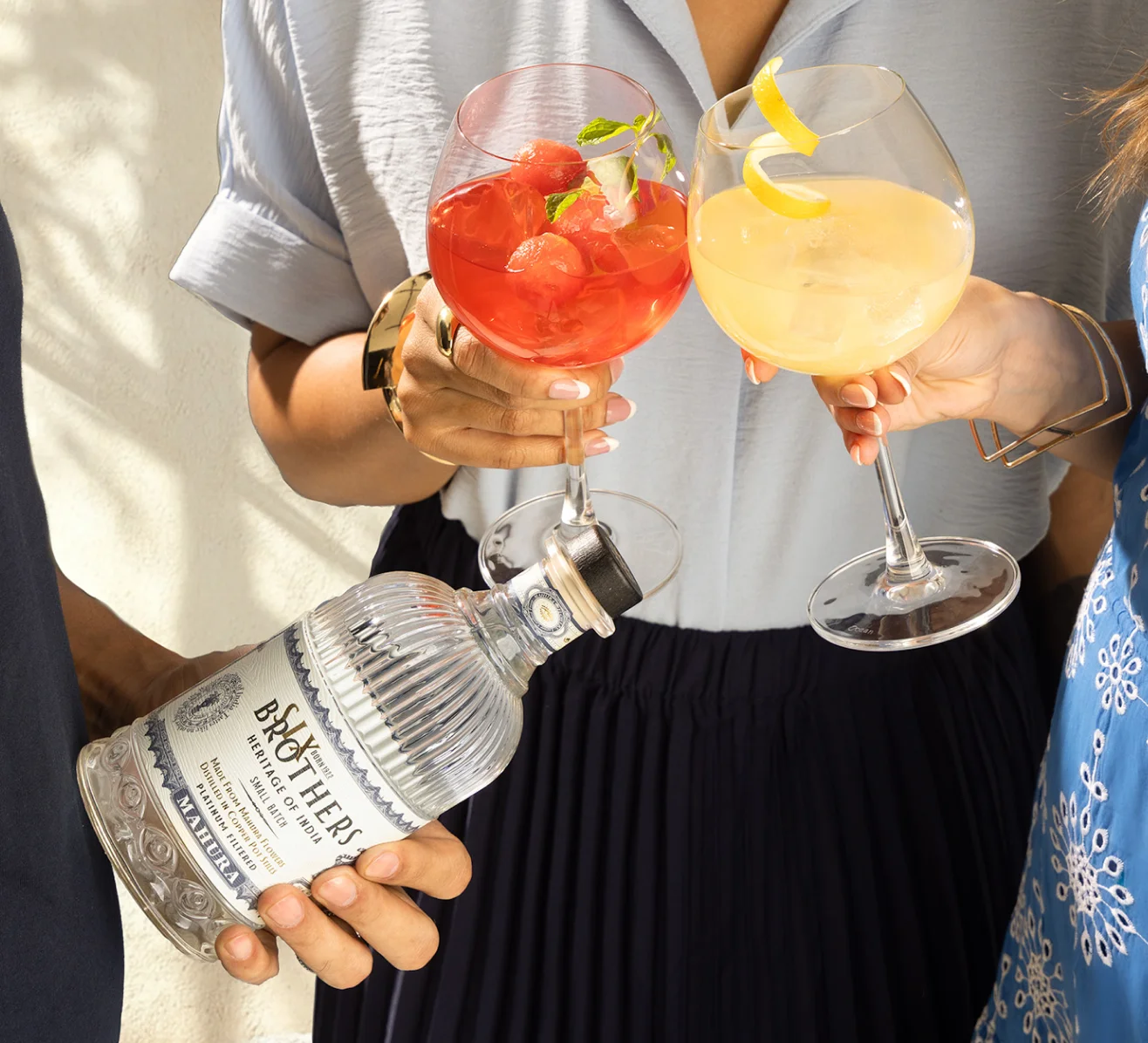
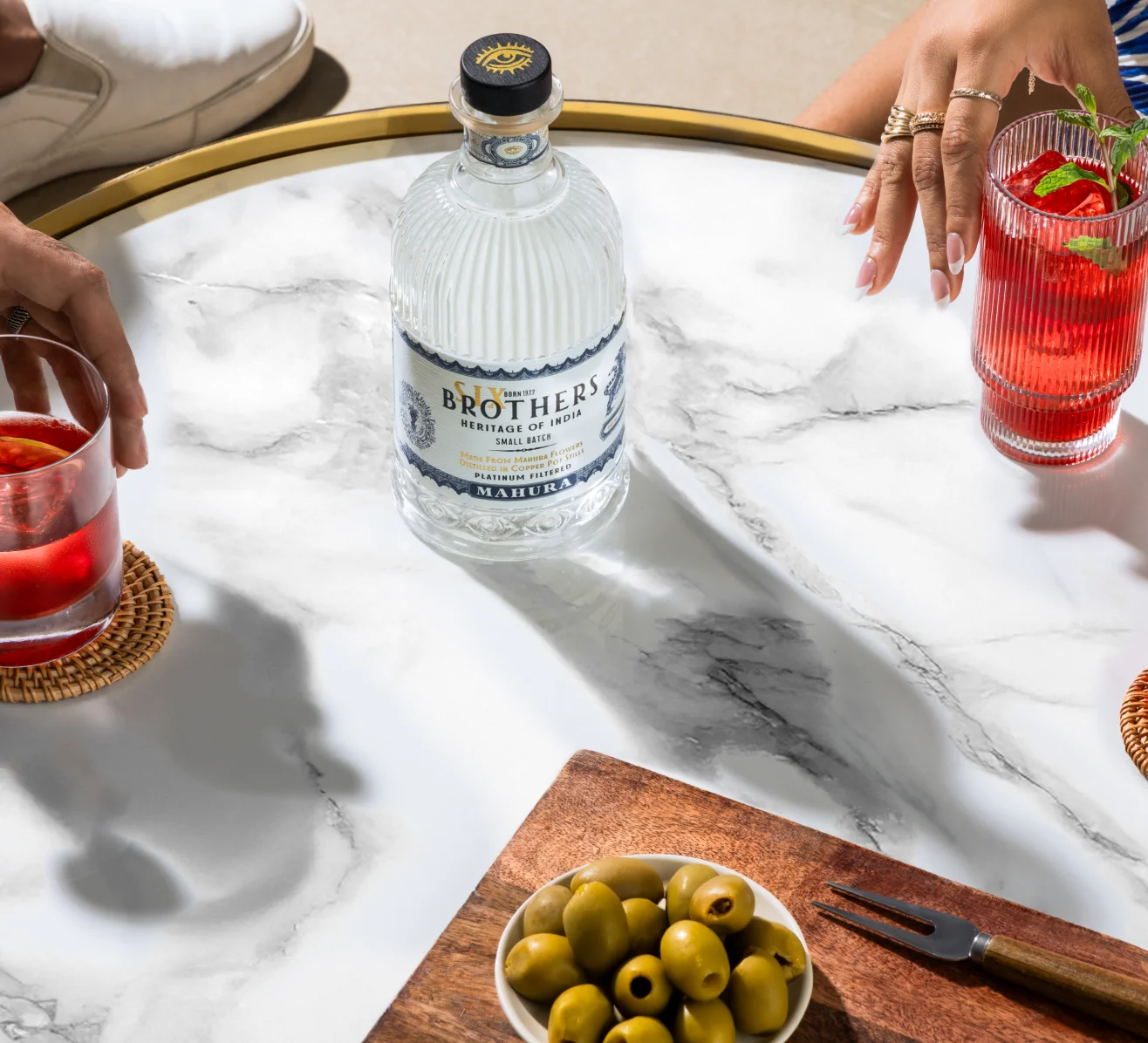
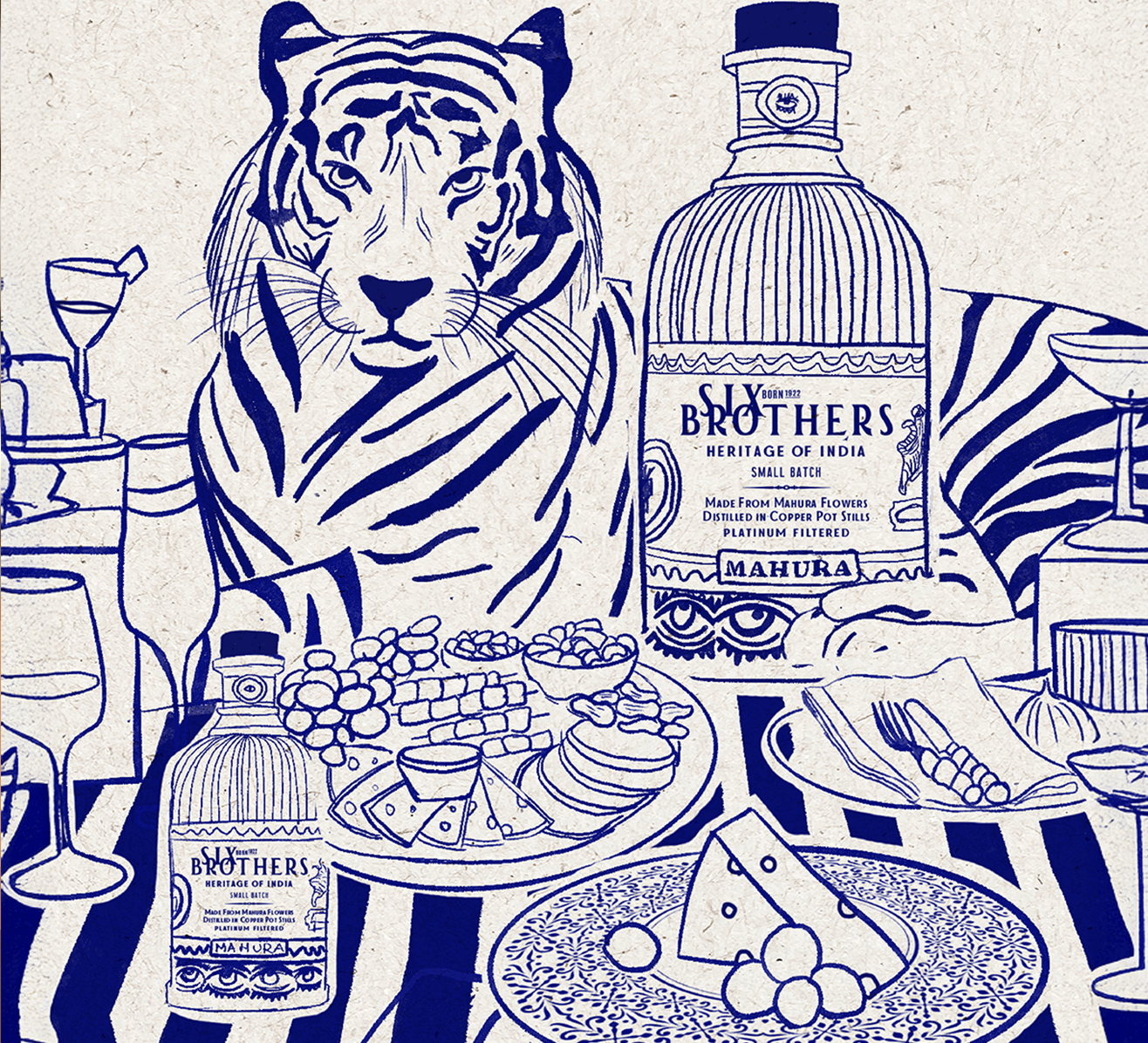
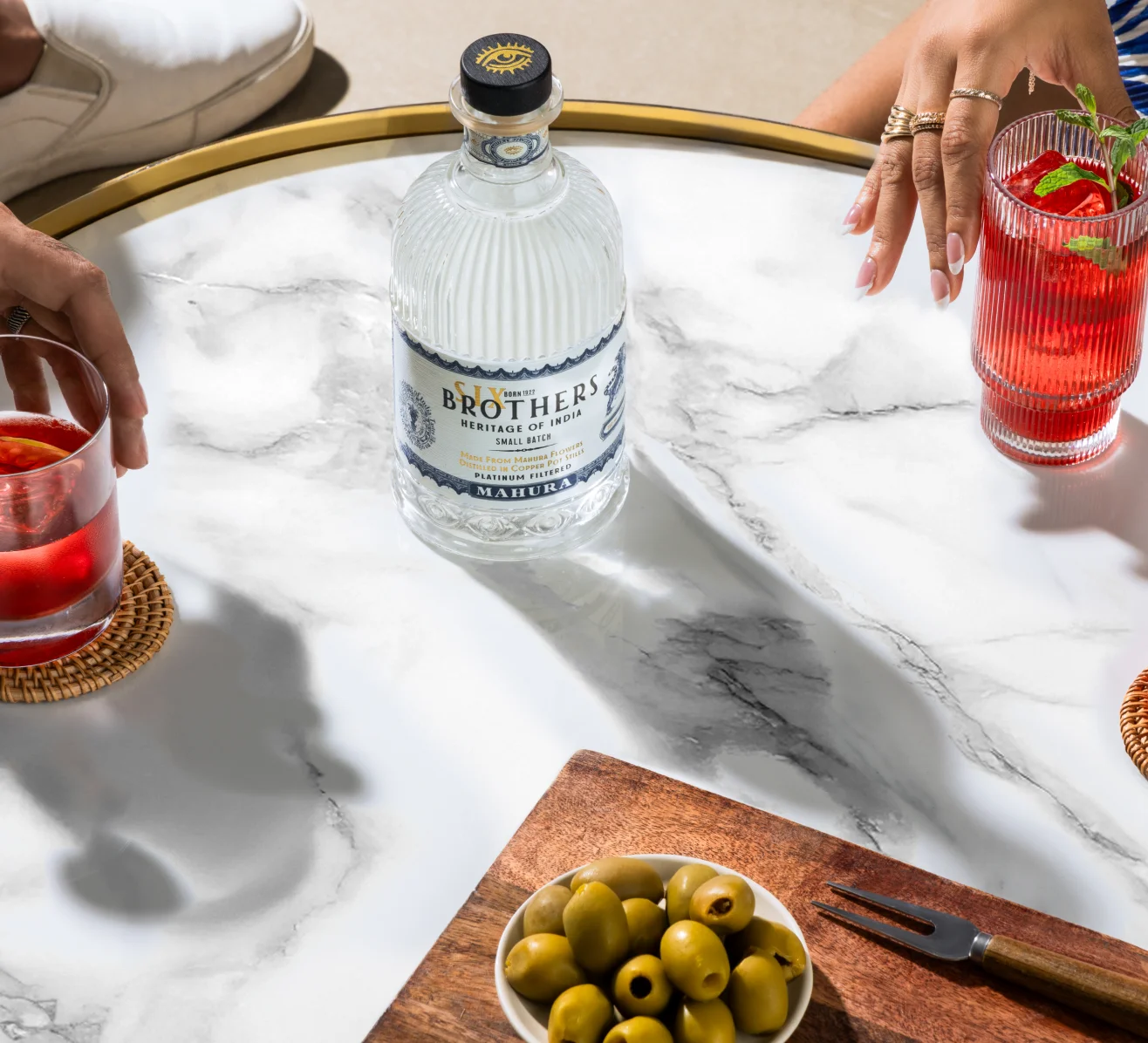
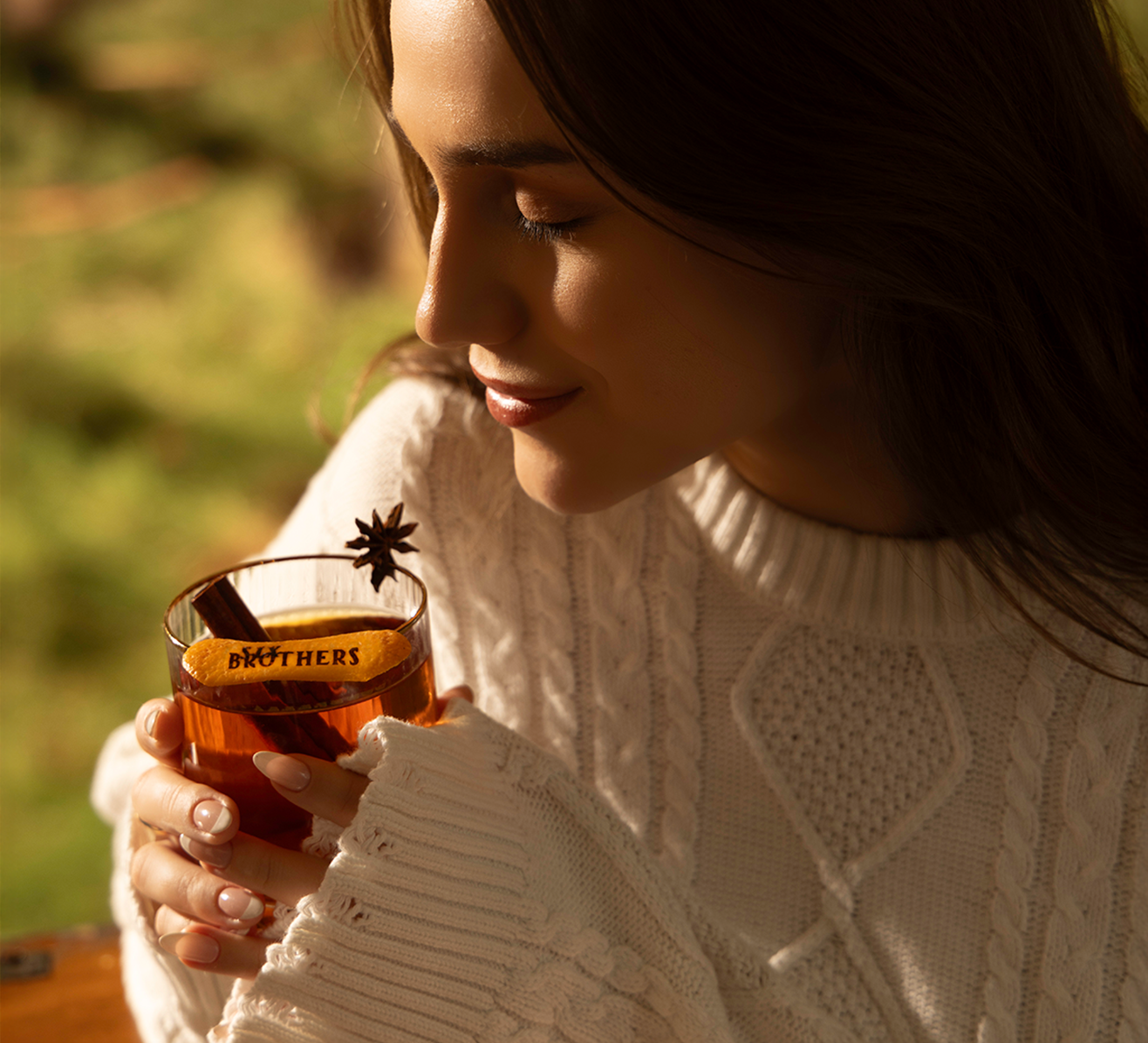
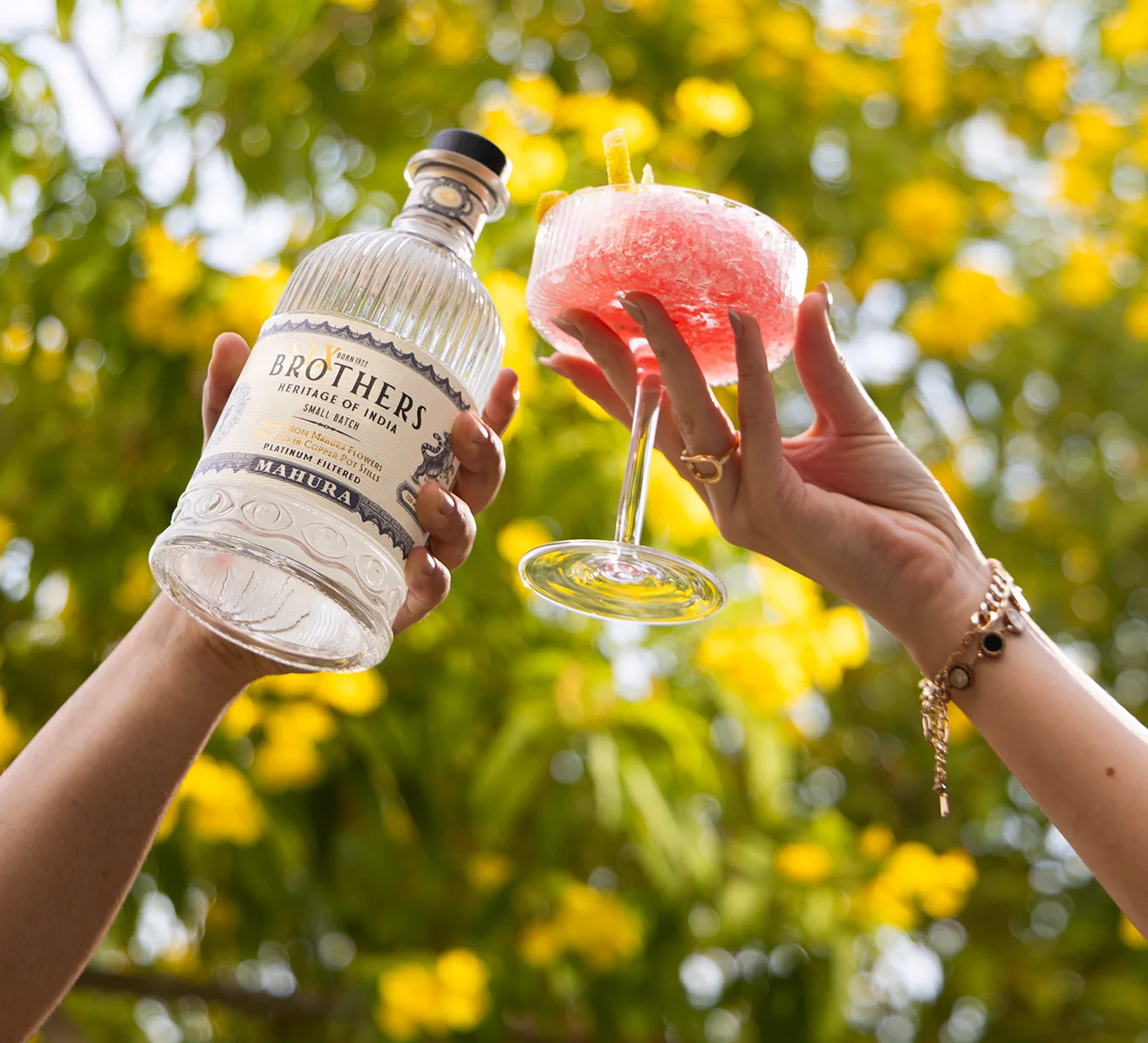
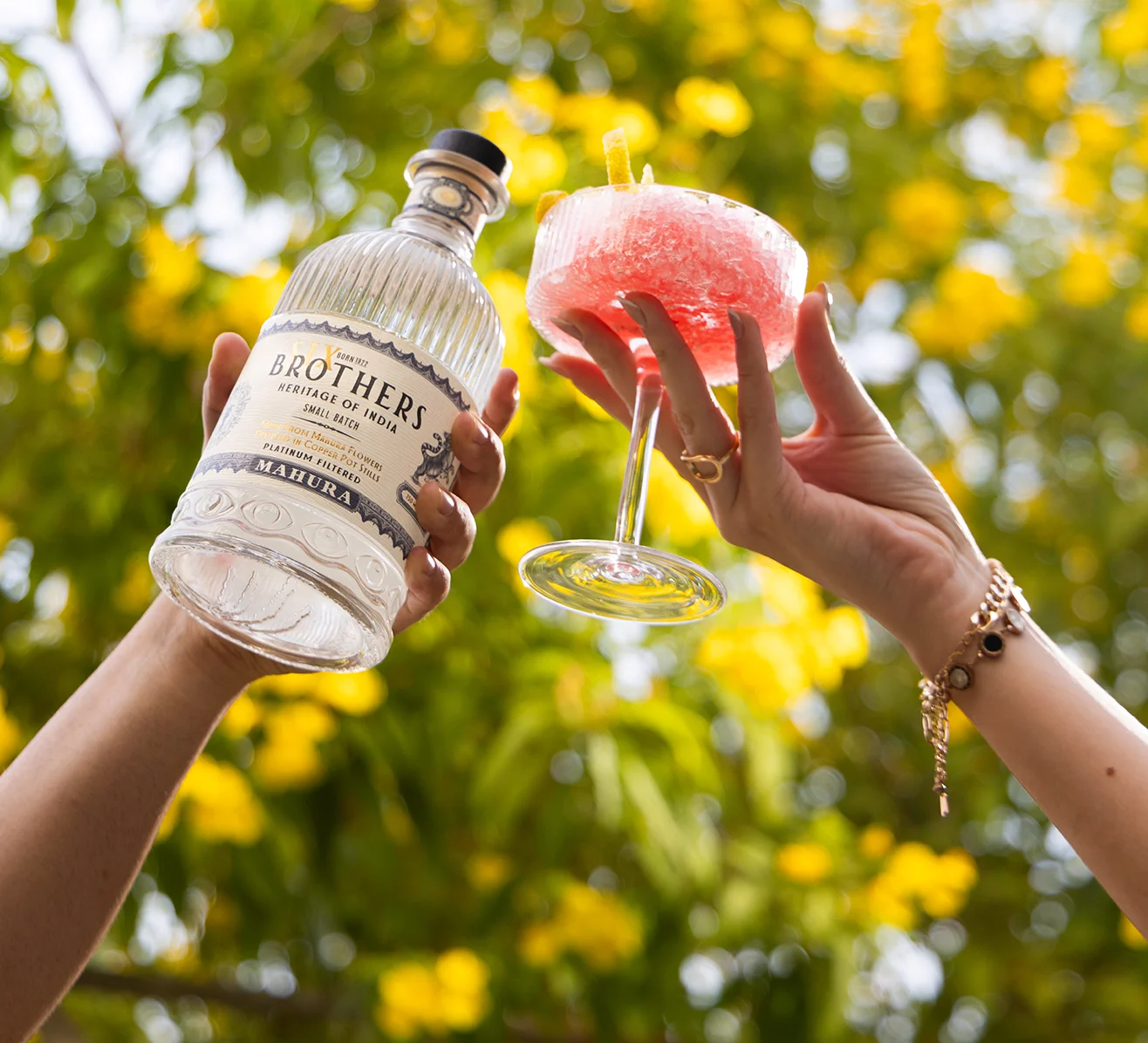
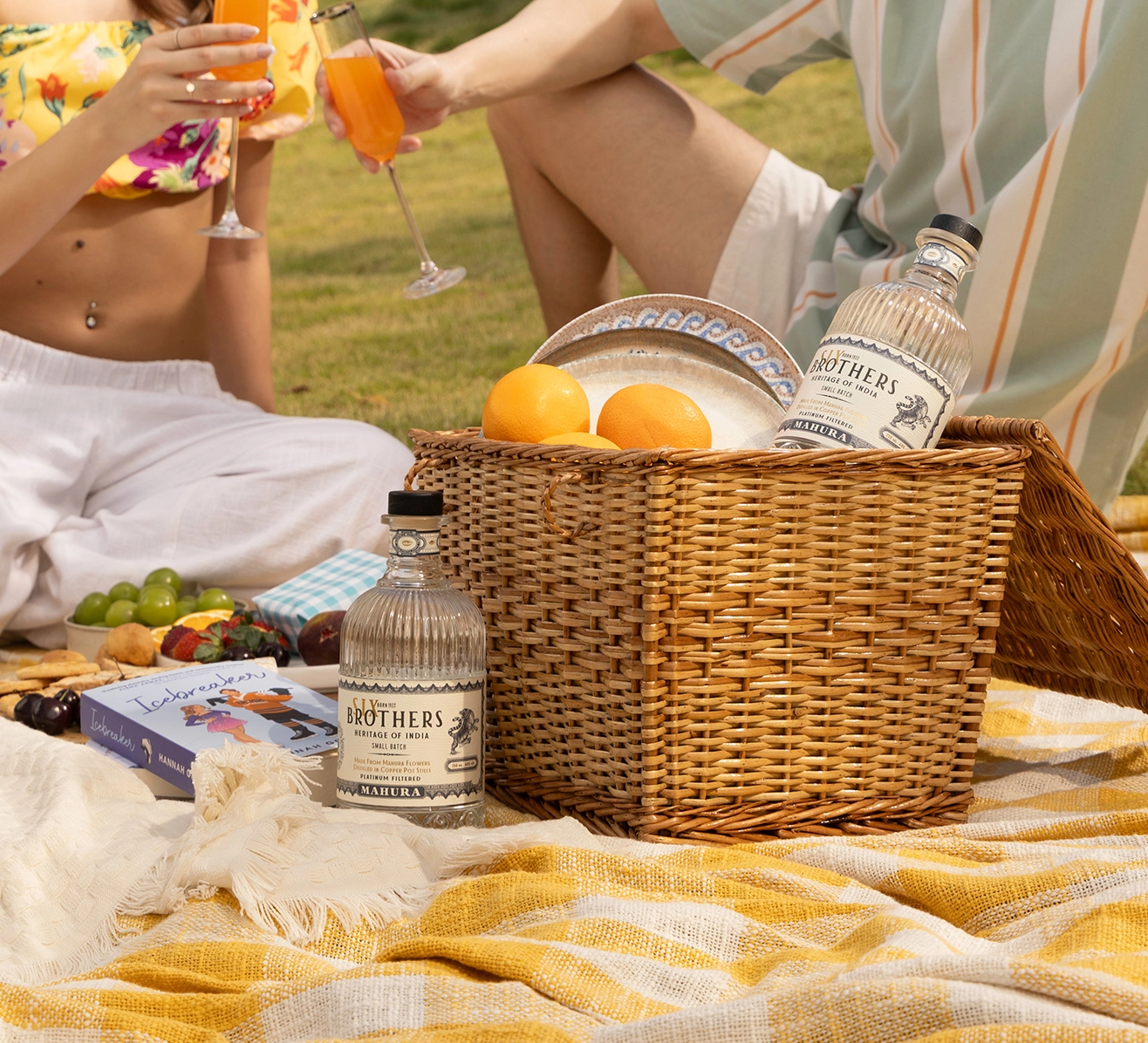
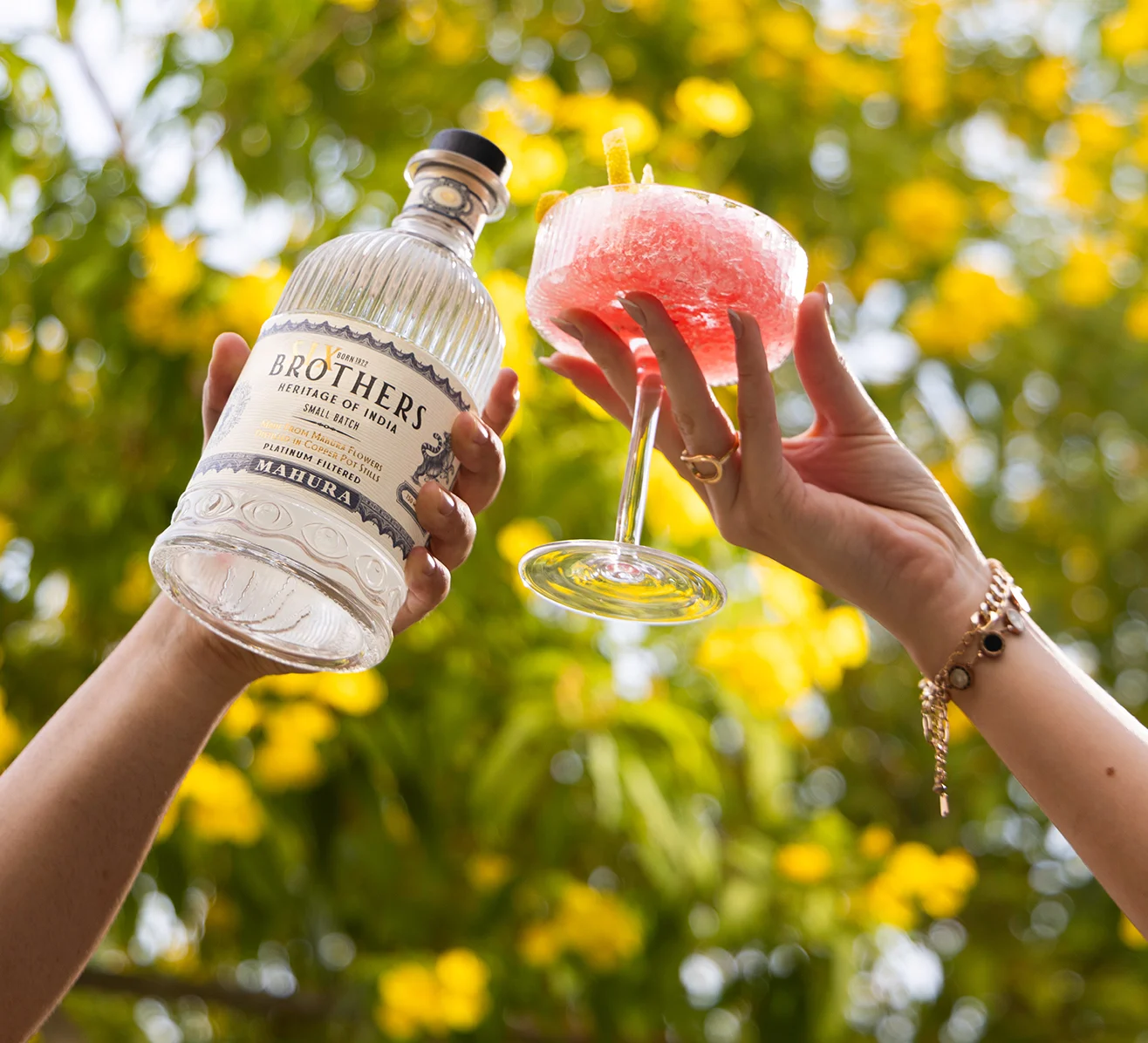
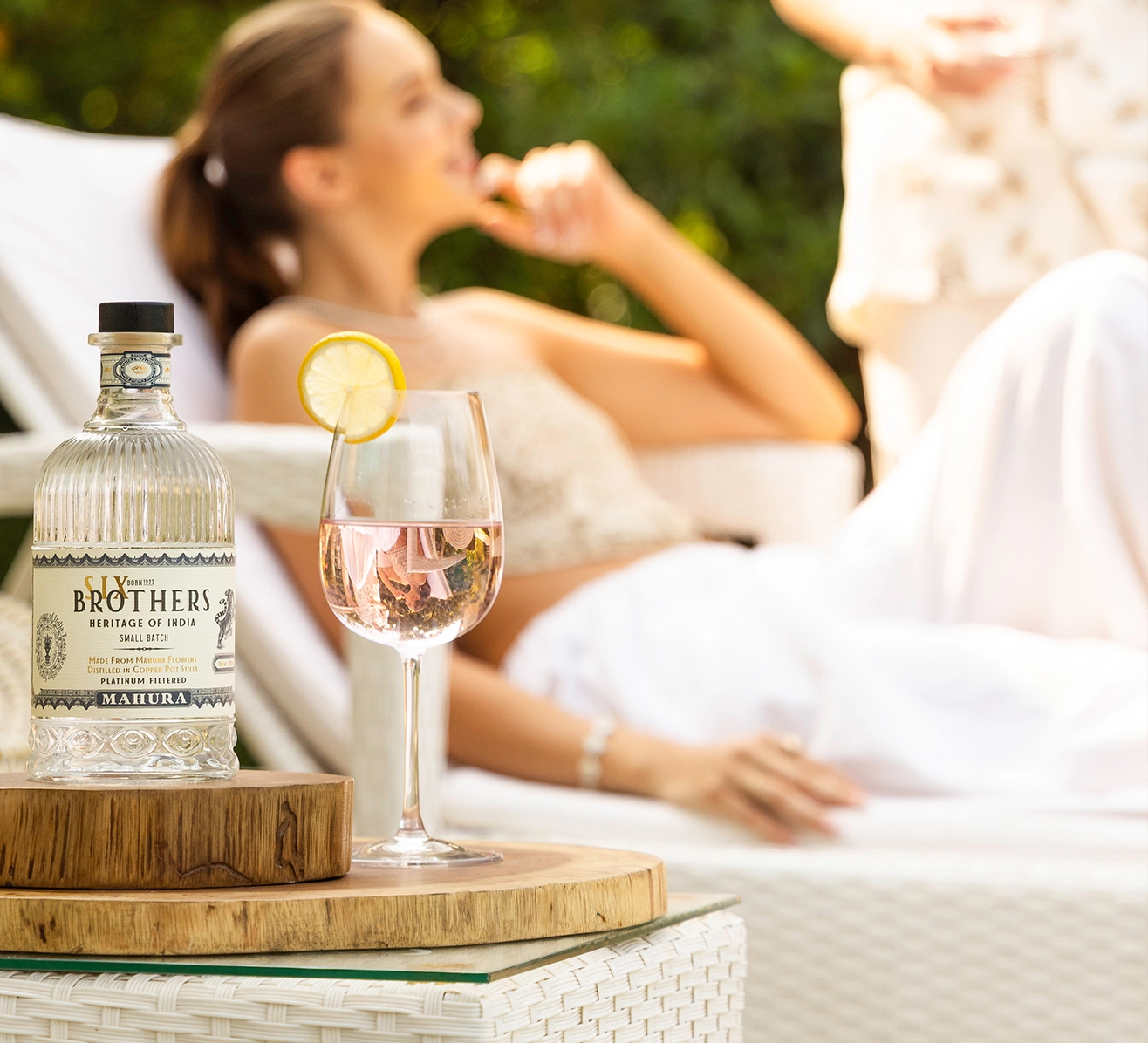
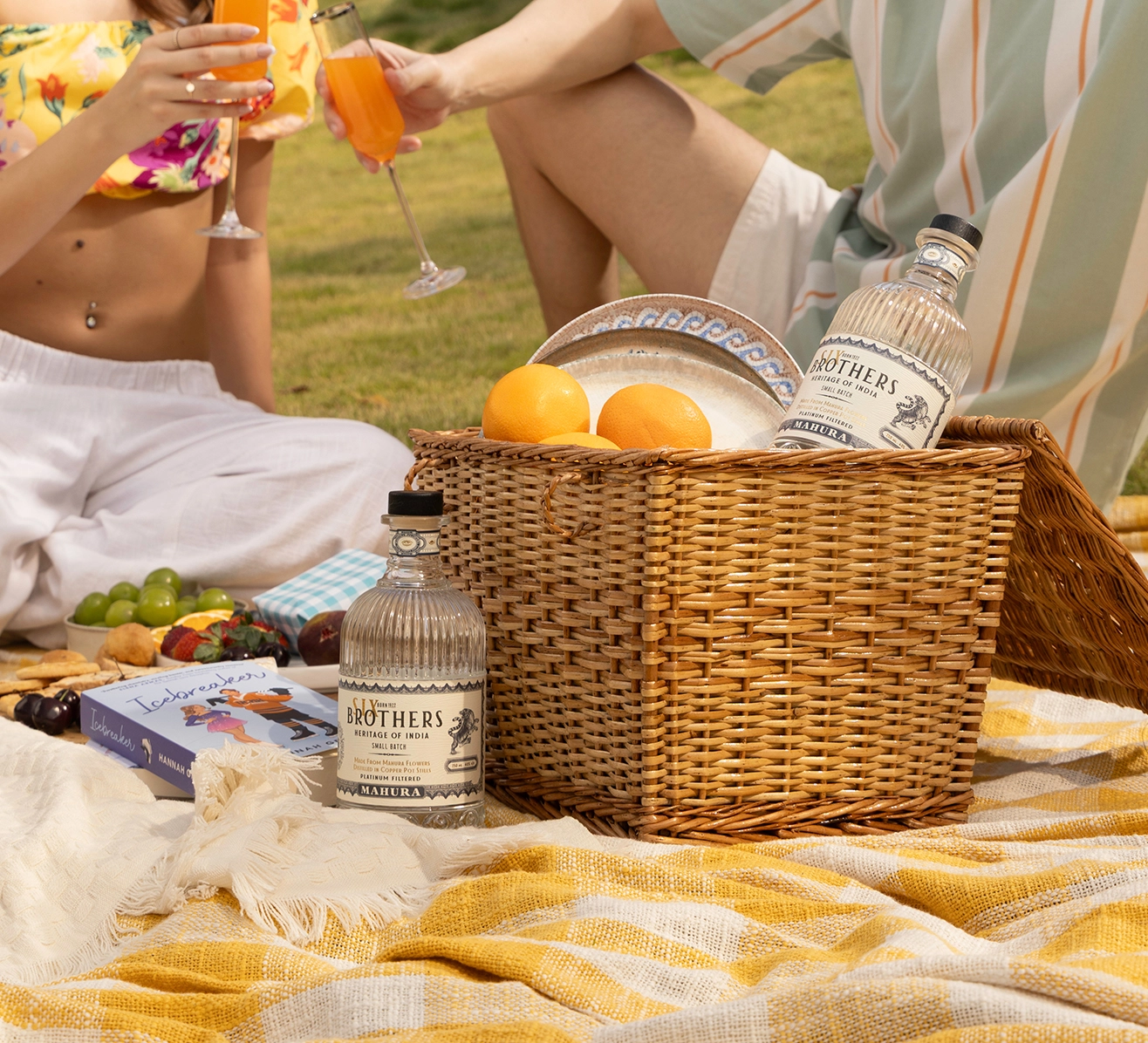
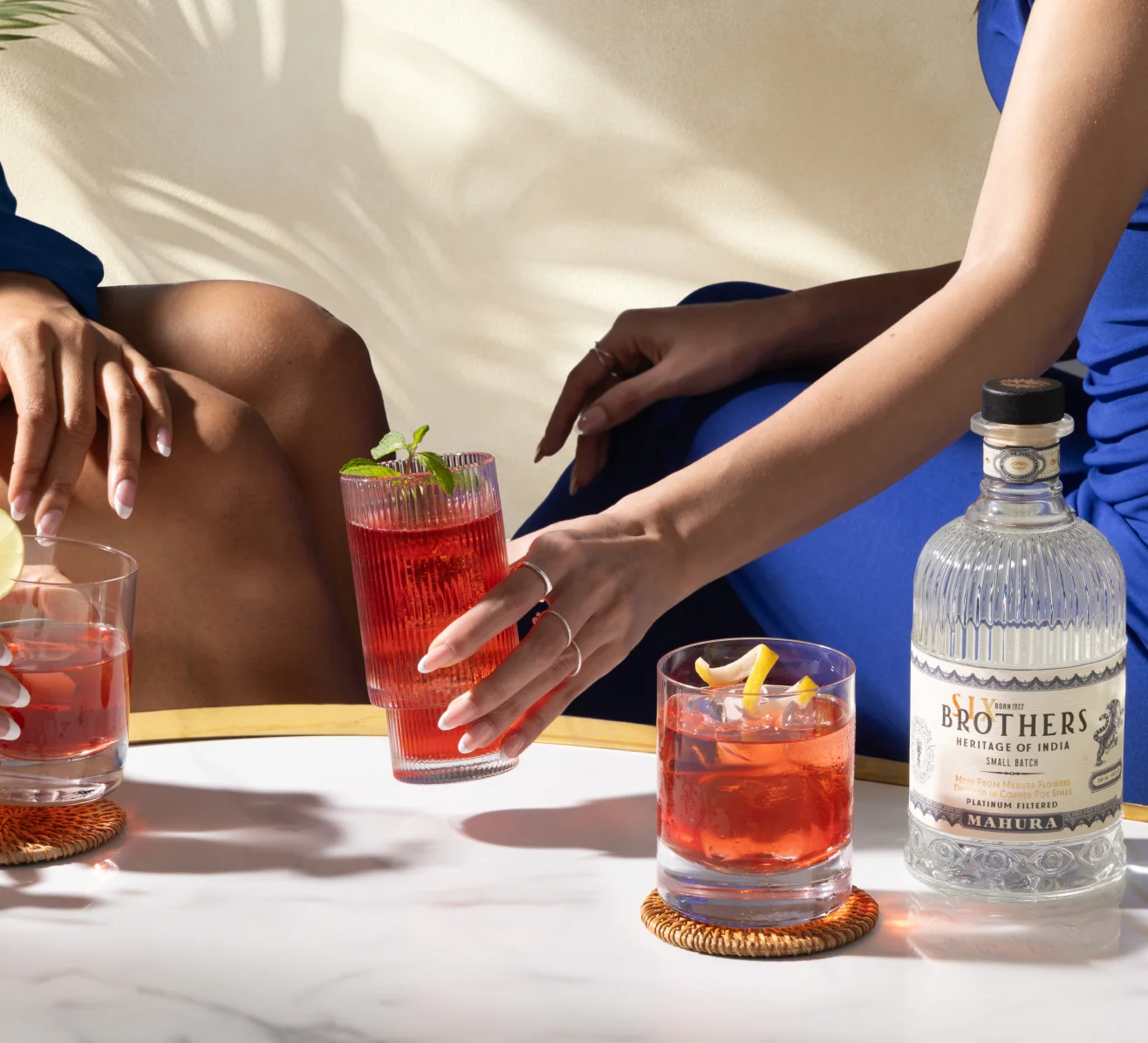
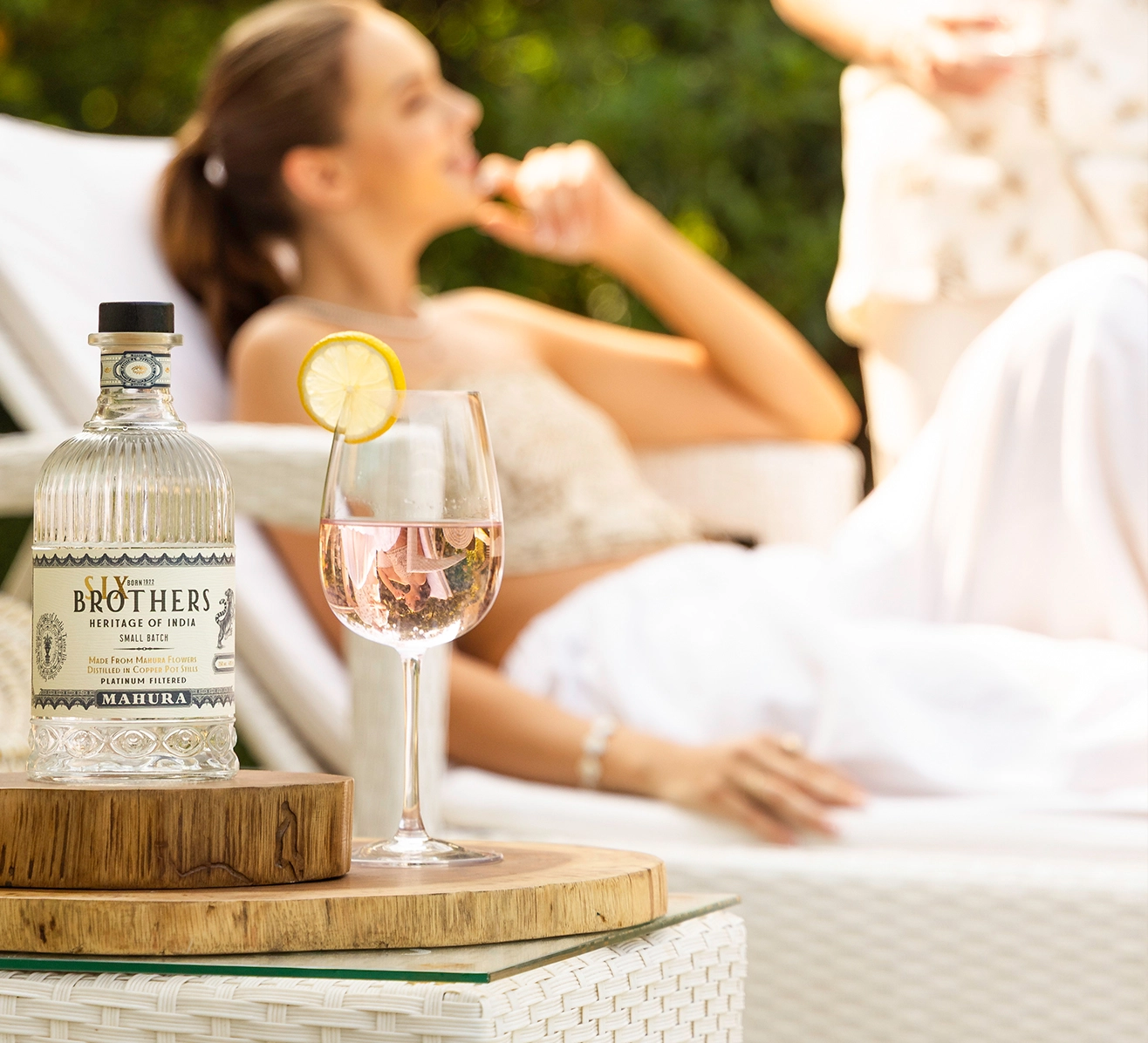
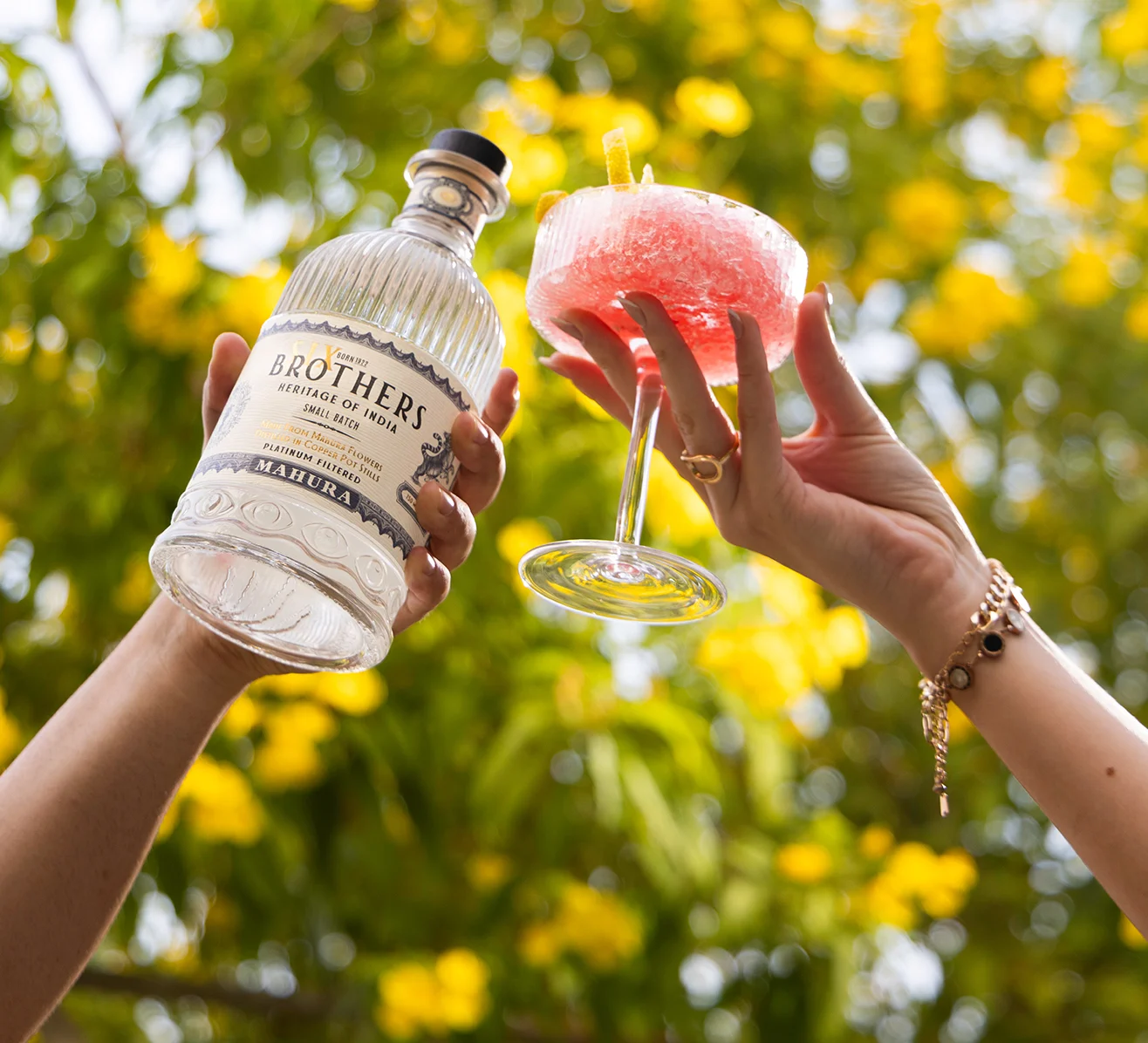
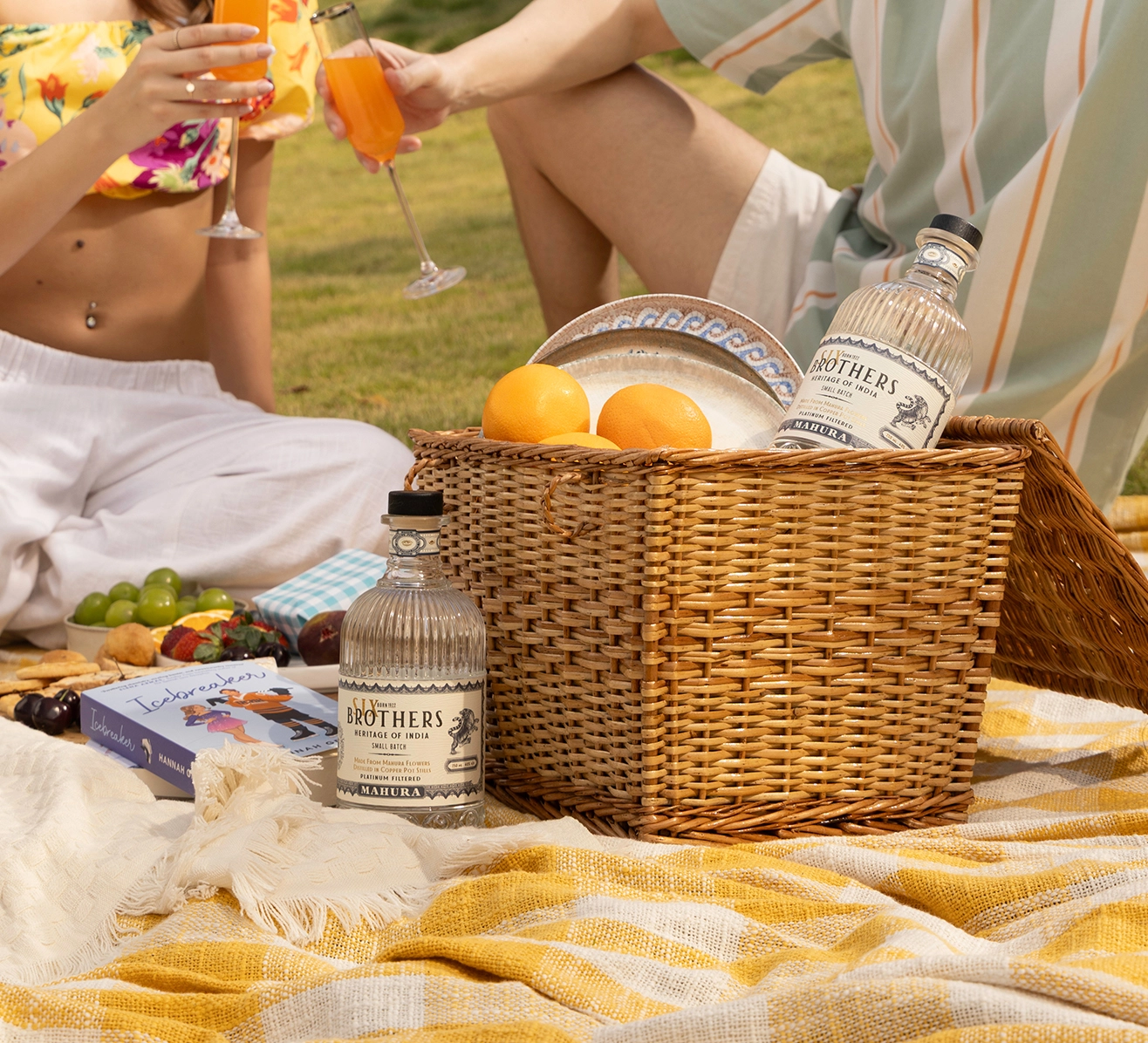
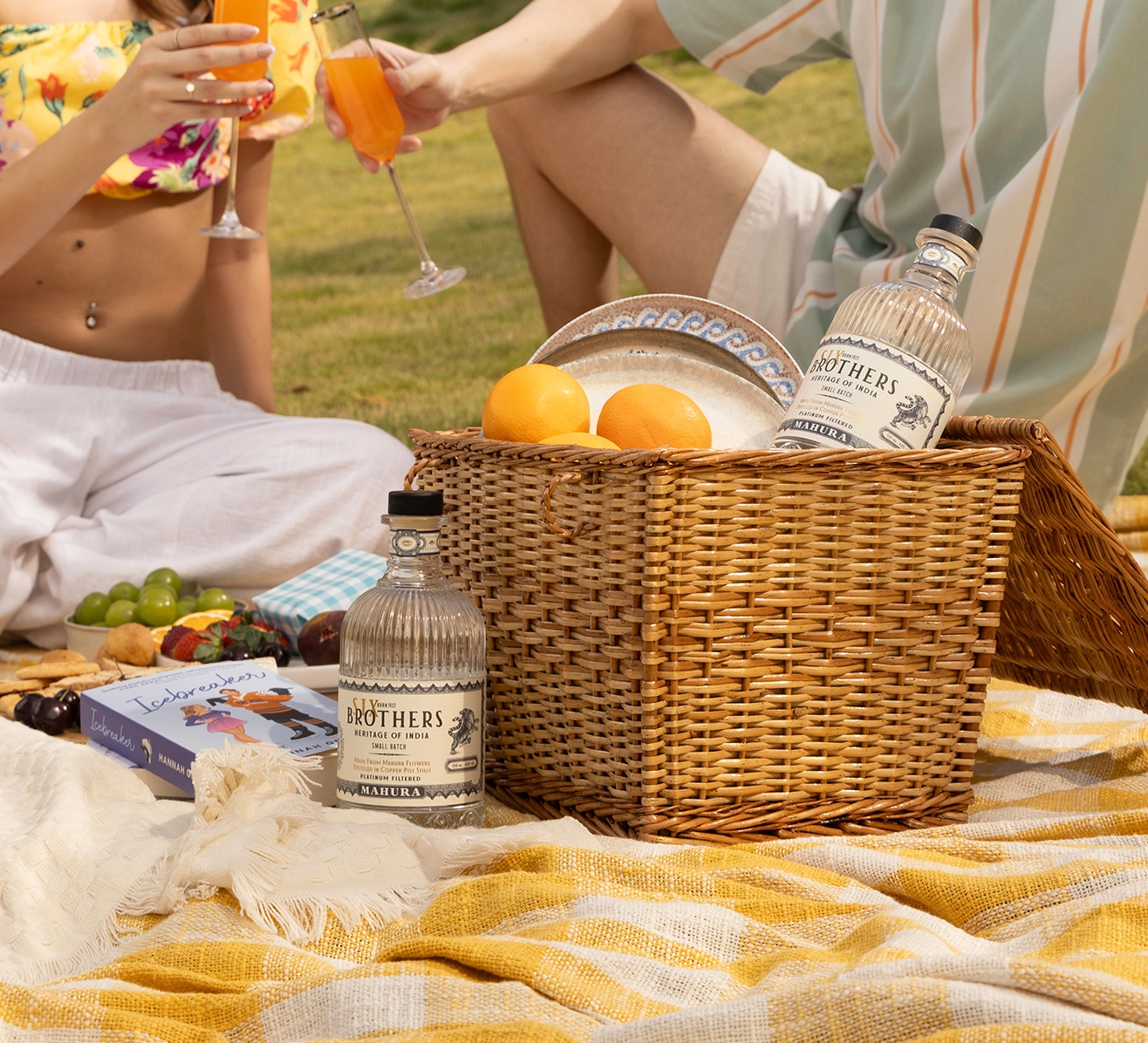
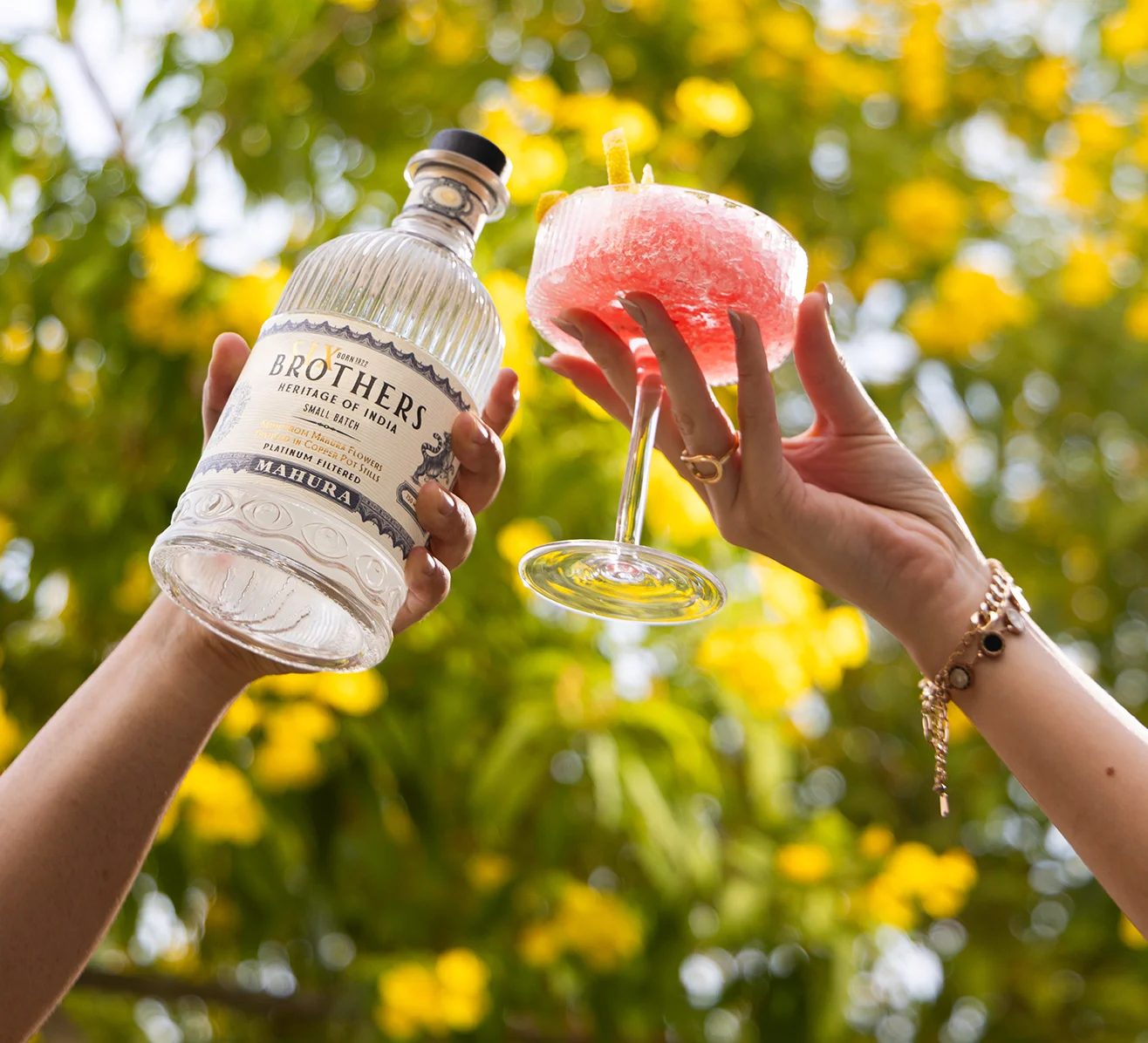
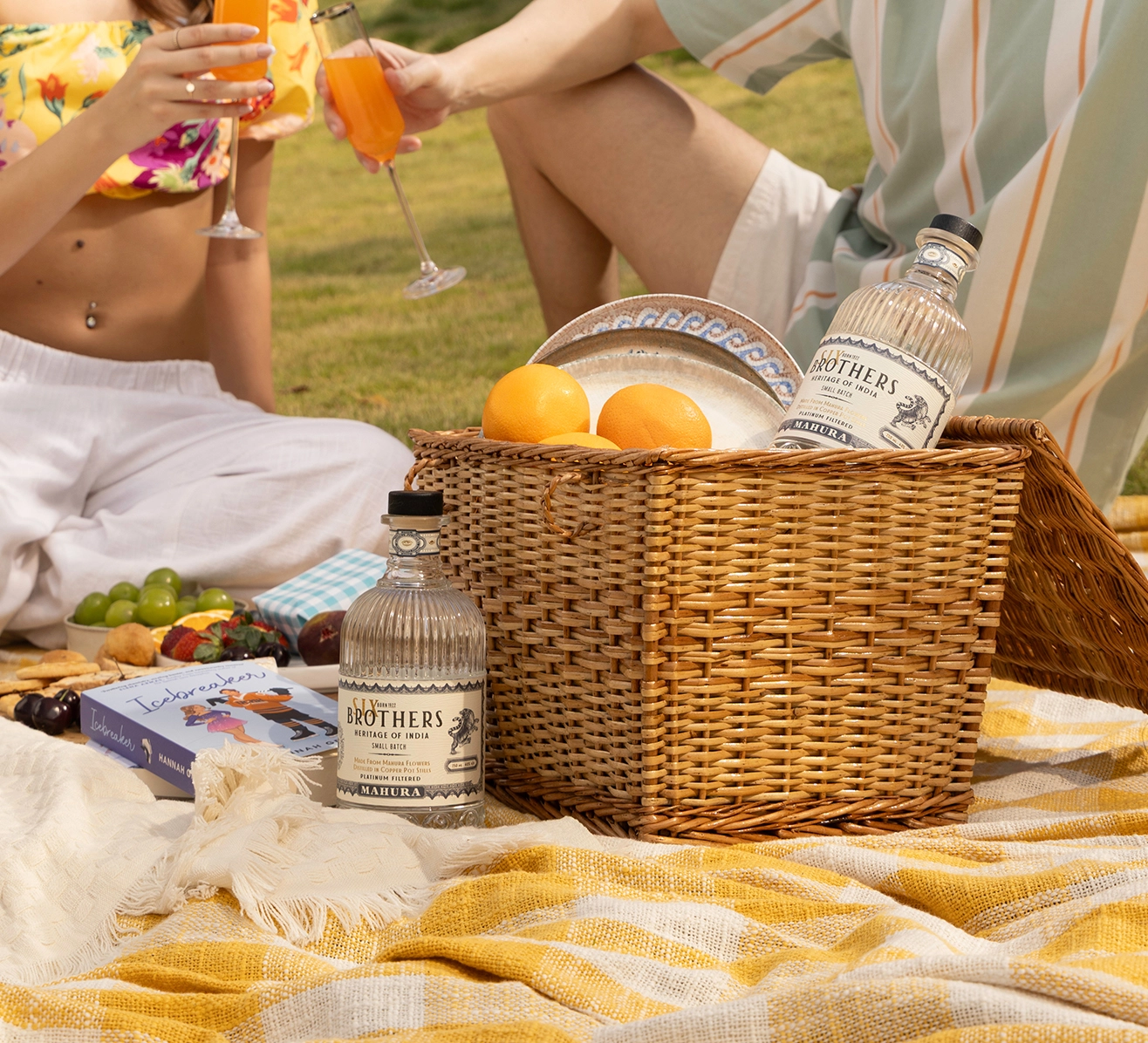
Across cultures, drinking has rarely been a solitary act. It is often tied to connection, conversation, and shared moments. In India, this idea of collective experience is deeply embedded in how certain spirits are consumed.

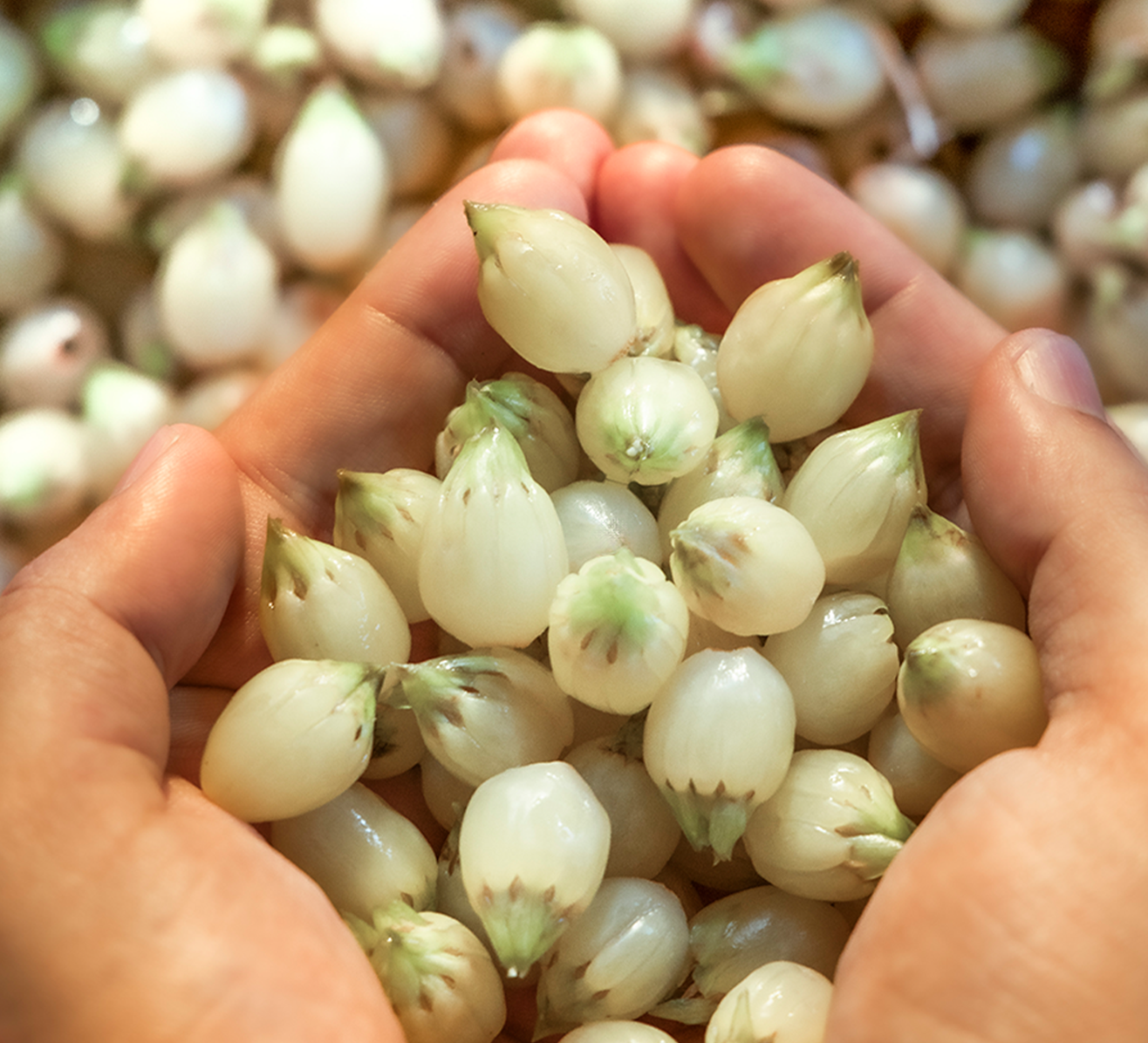
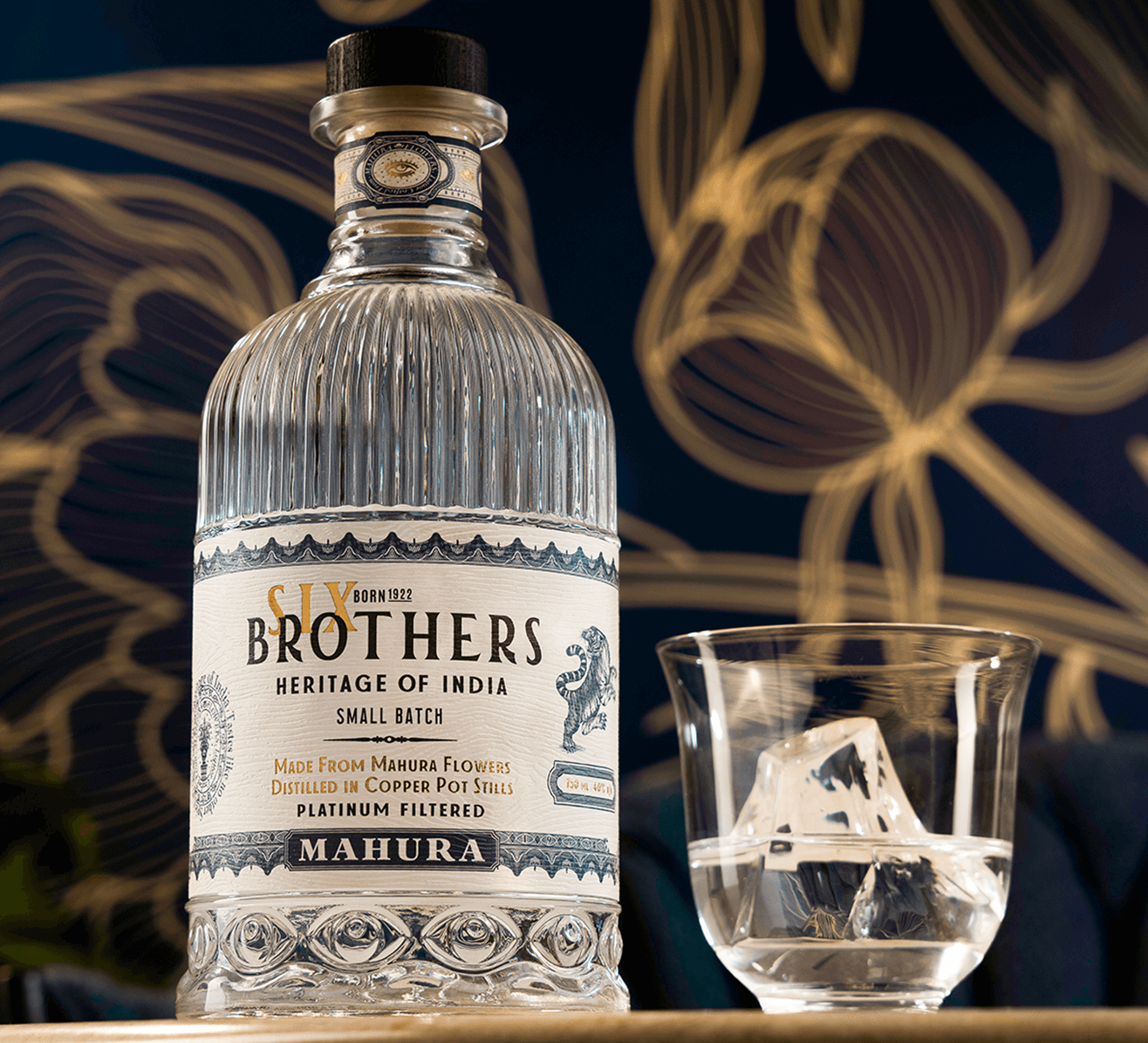
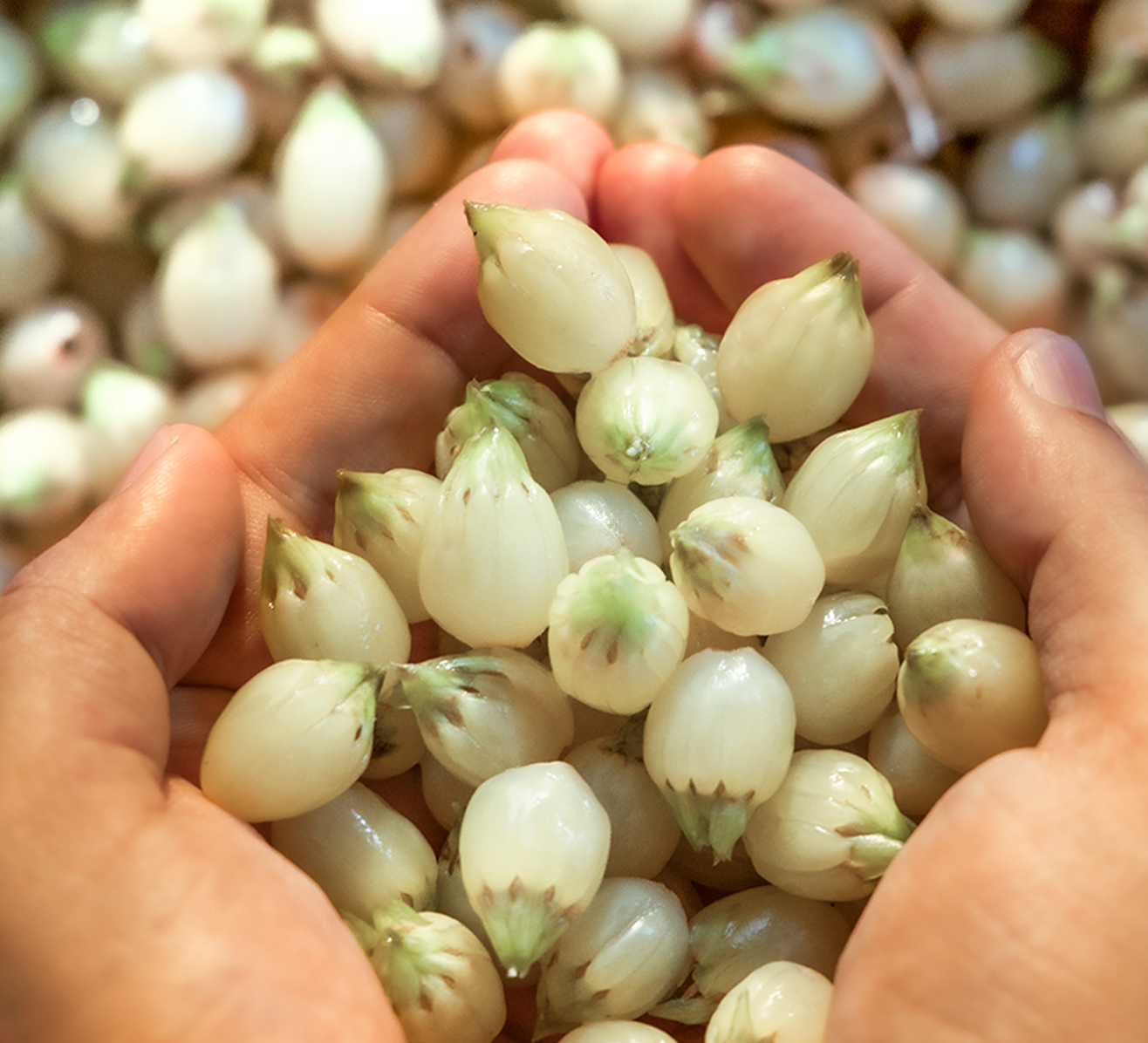
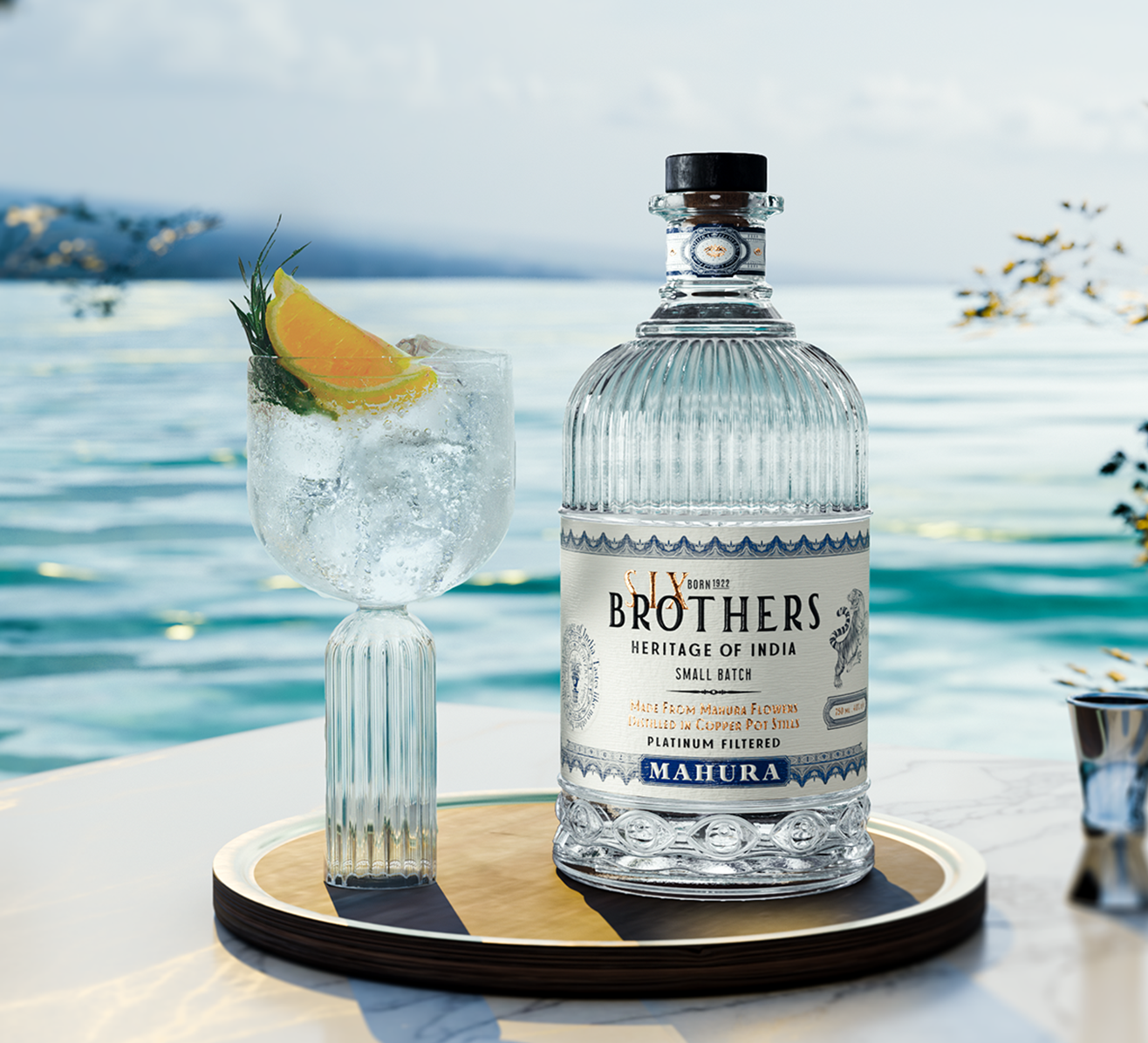
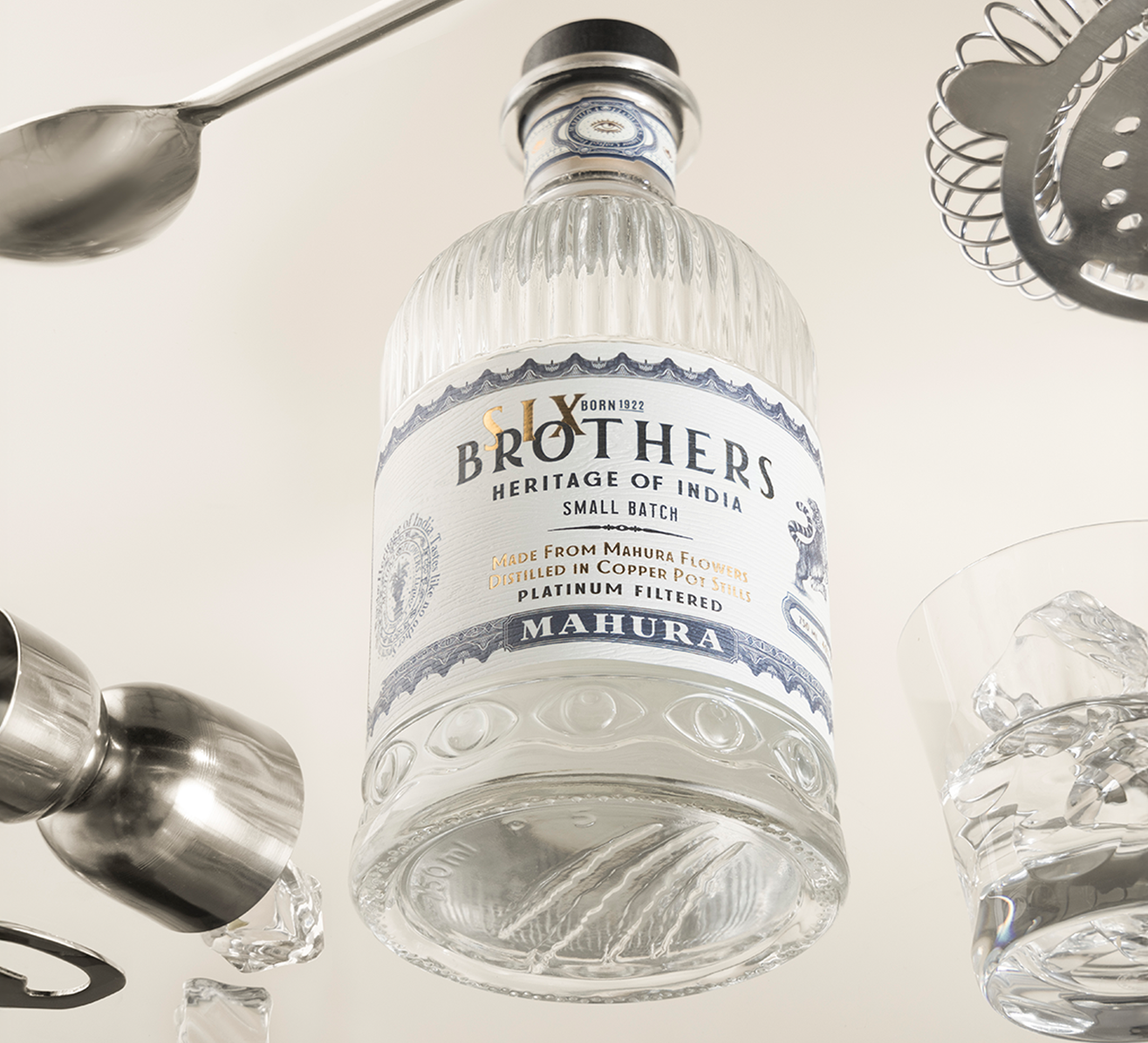
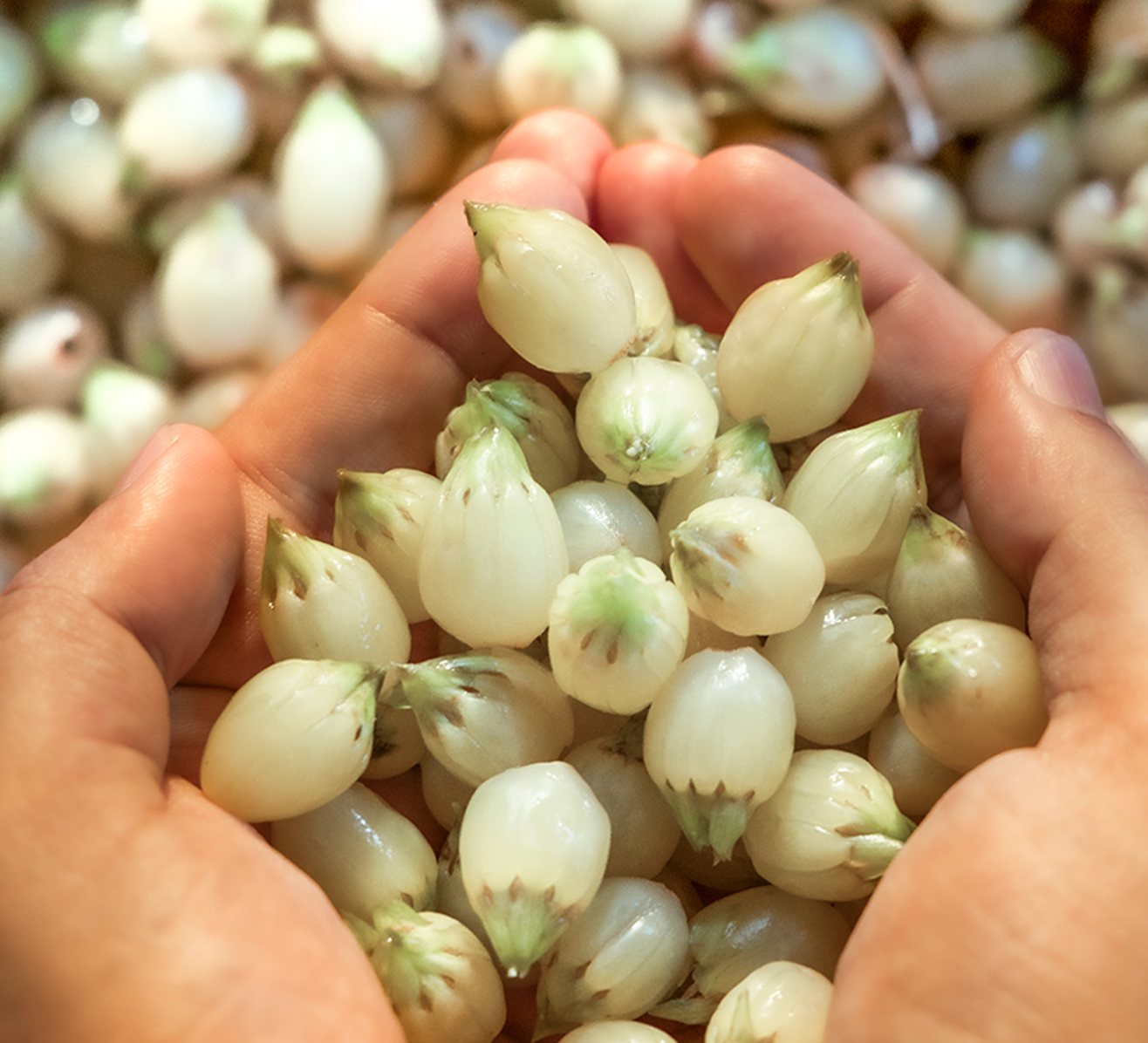
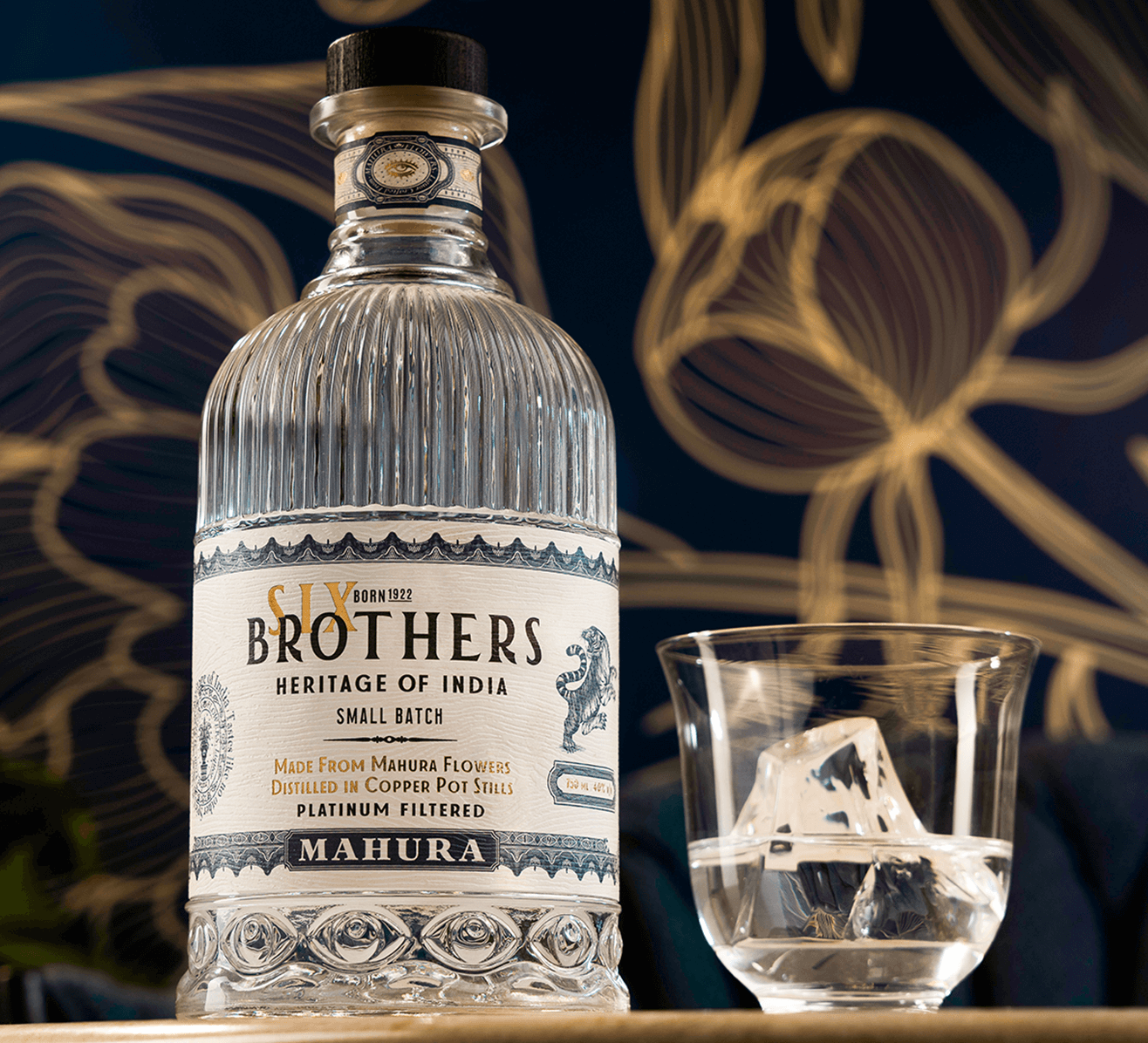
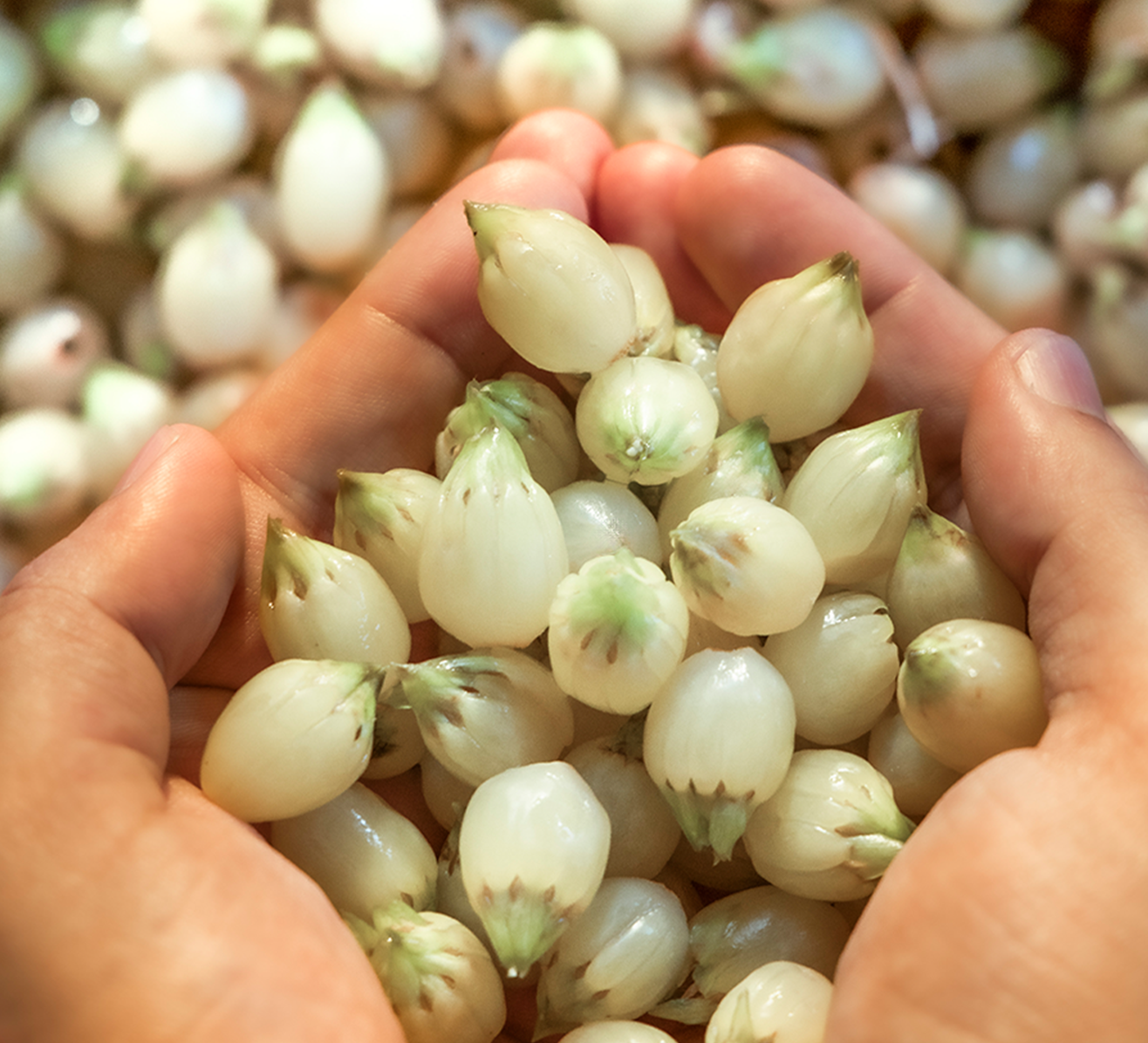
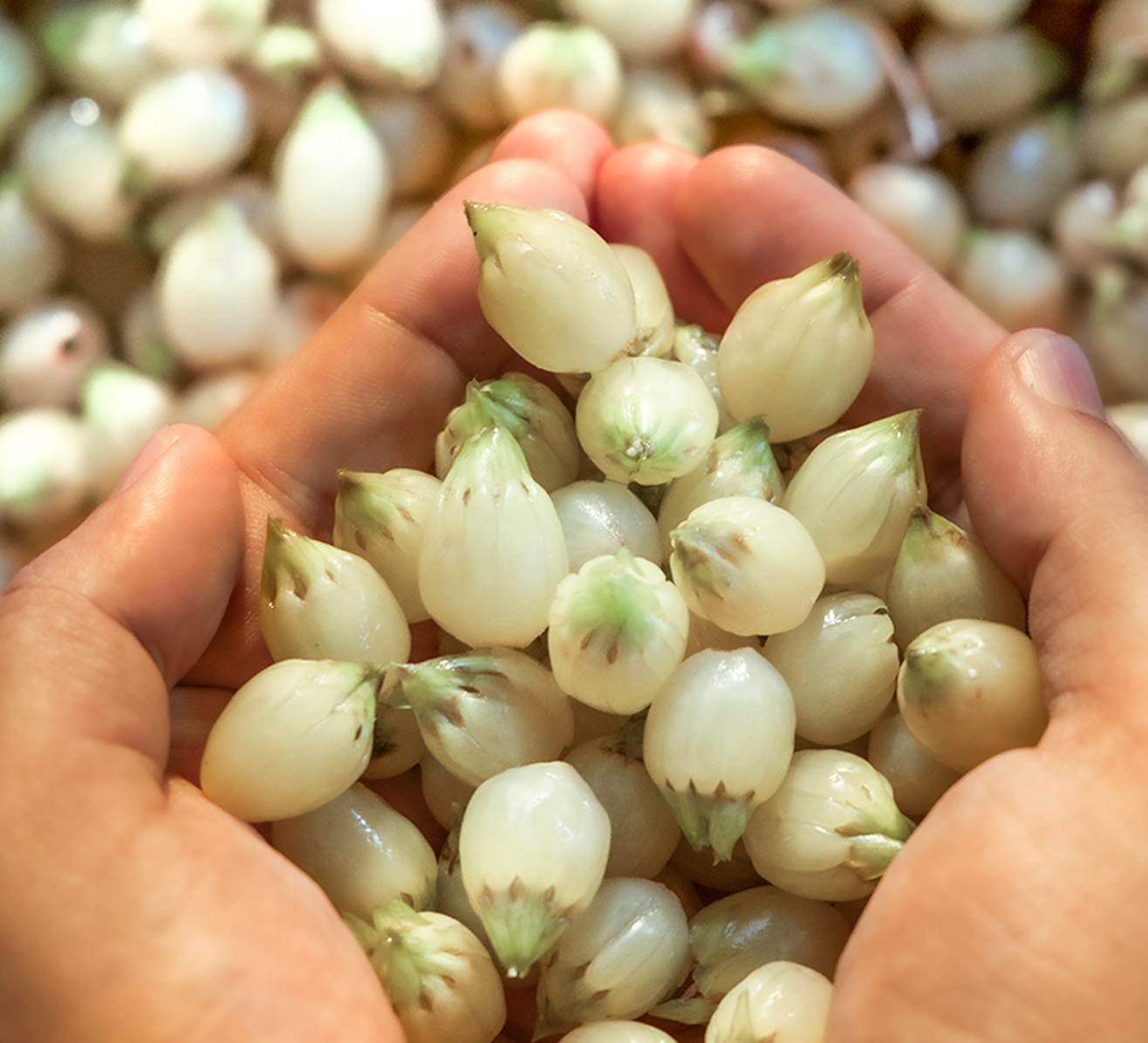
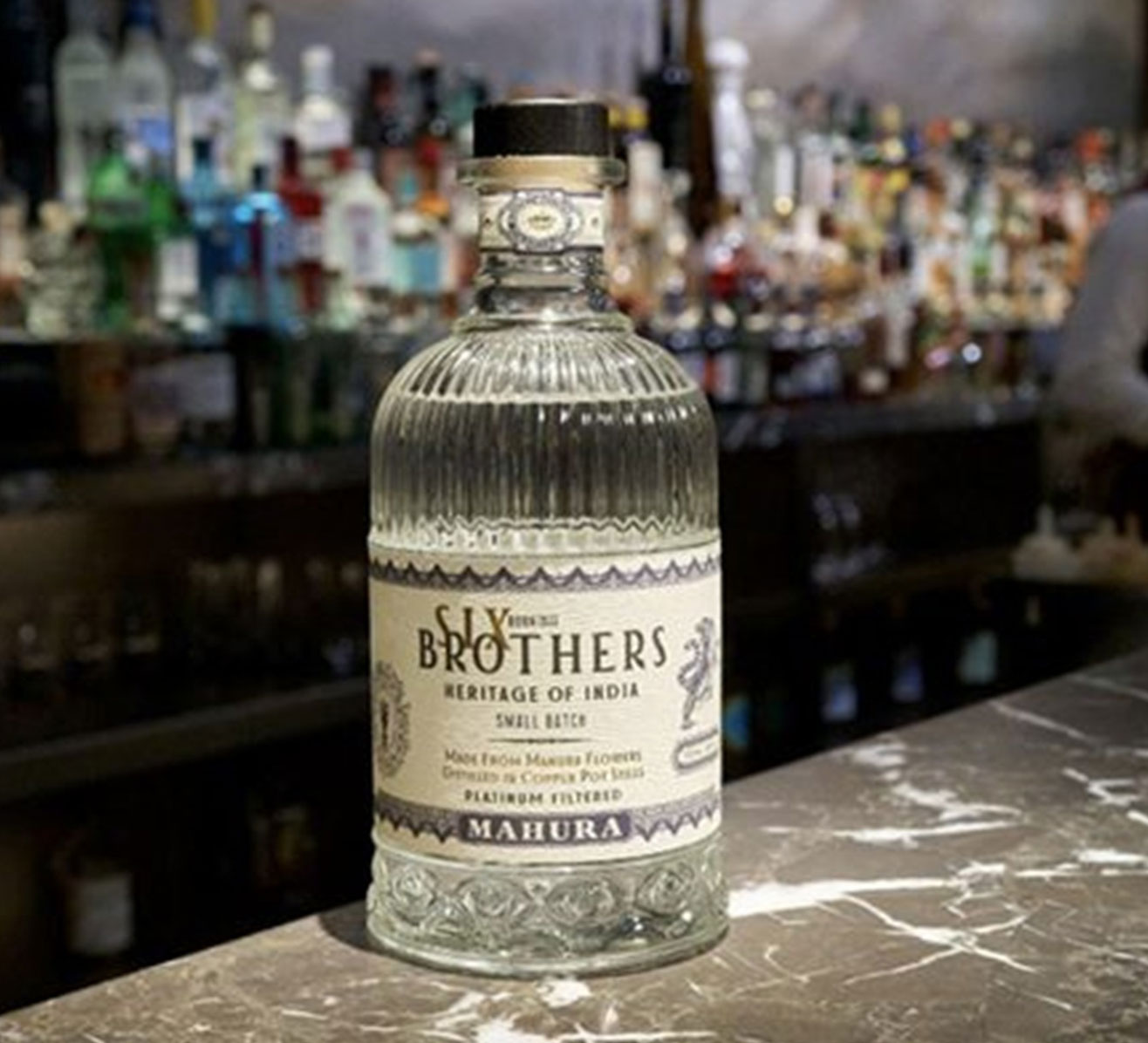
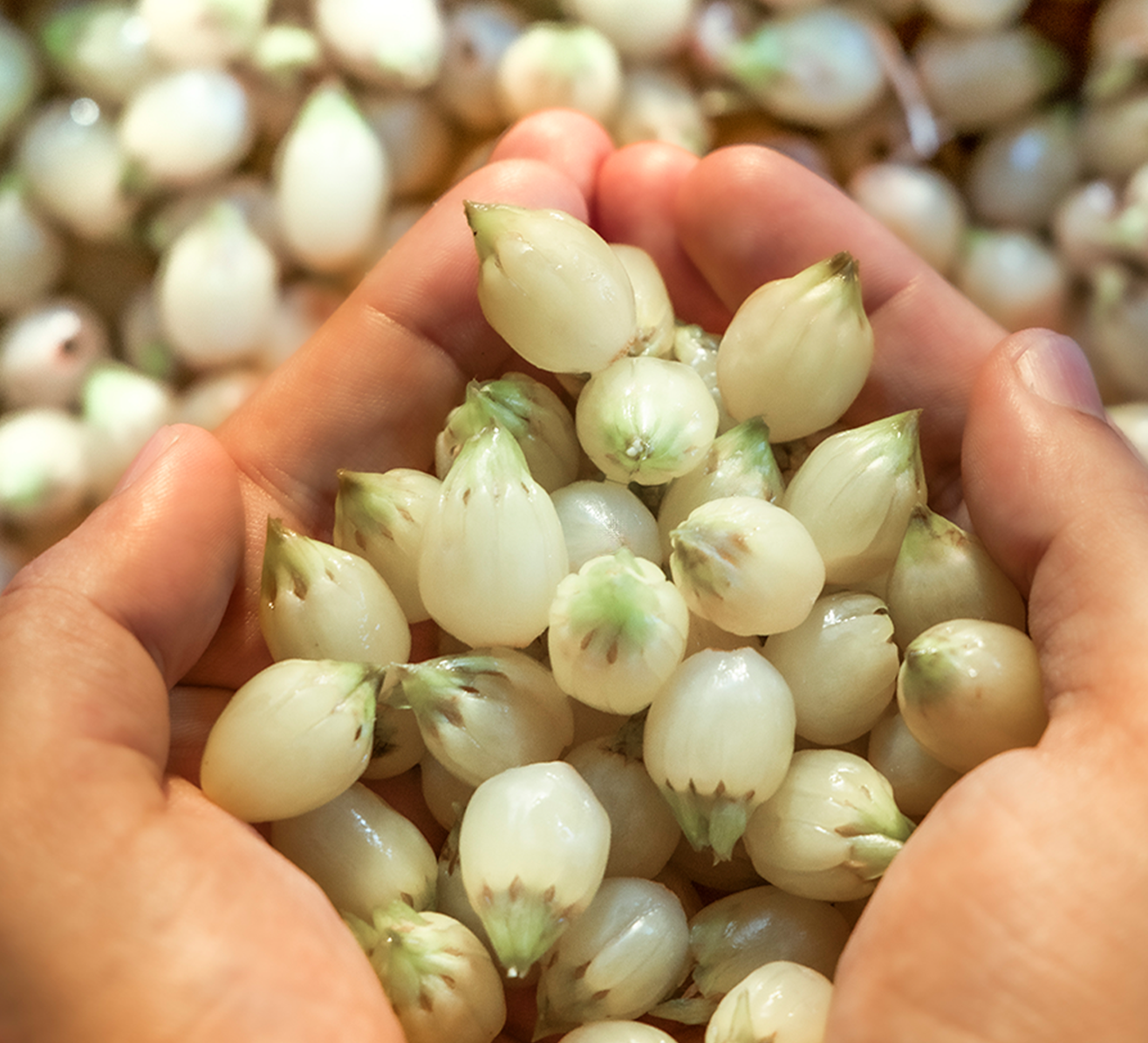
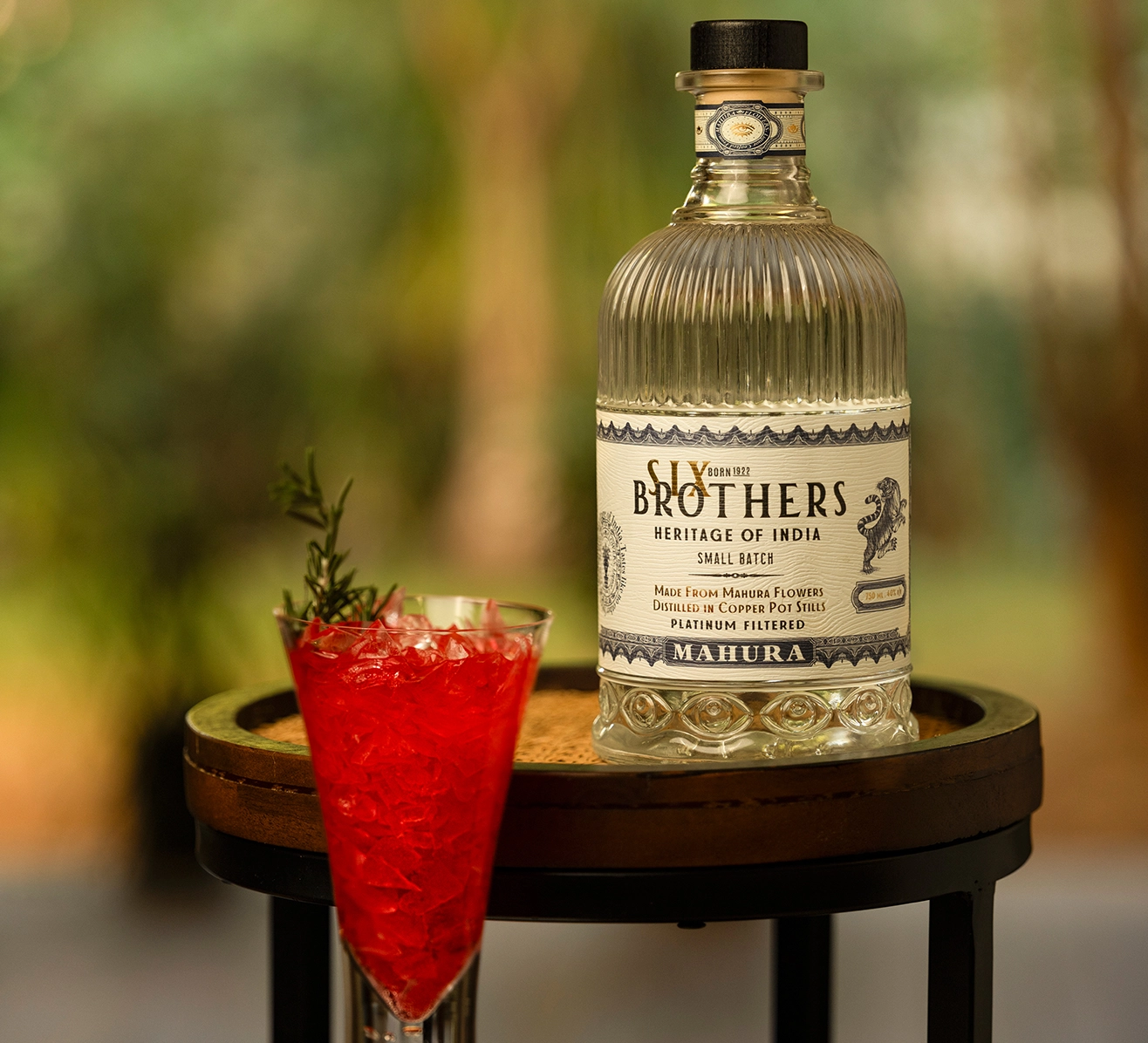
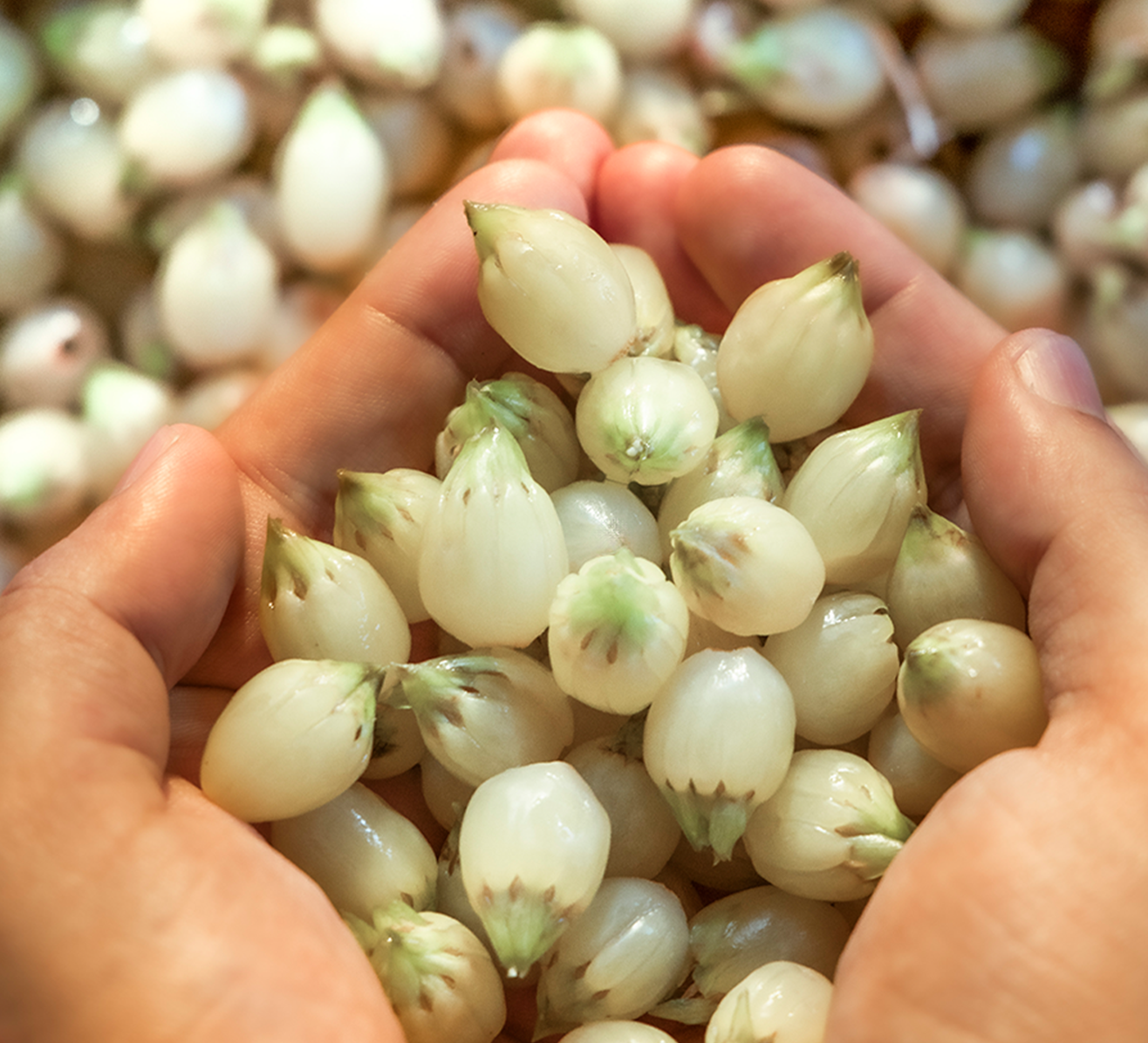
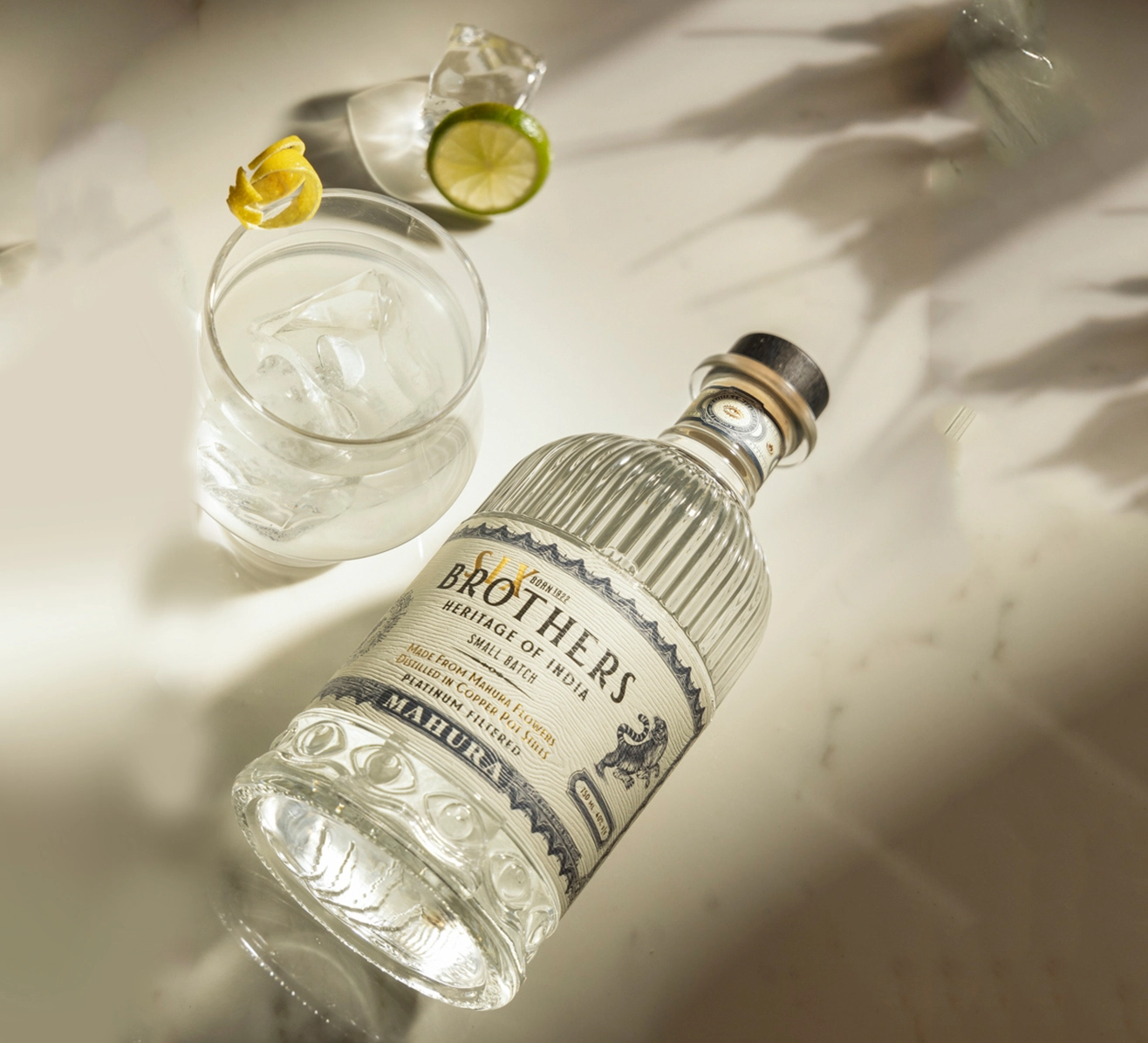
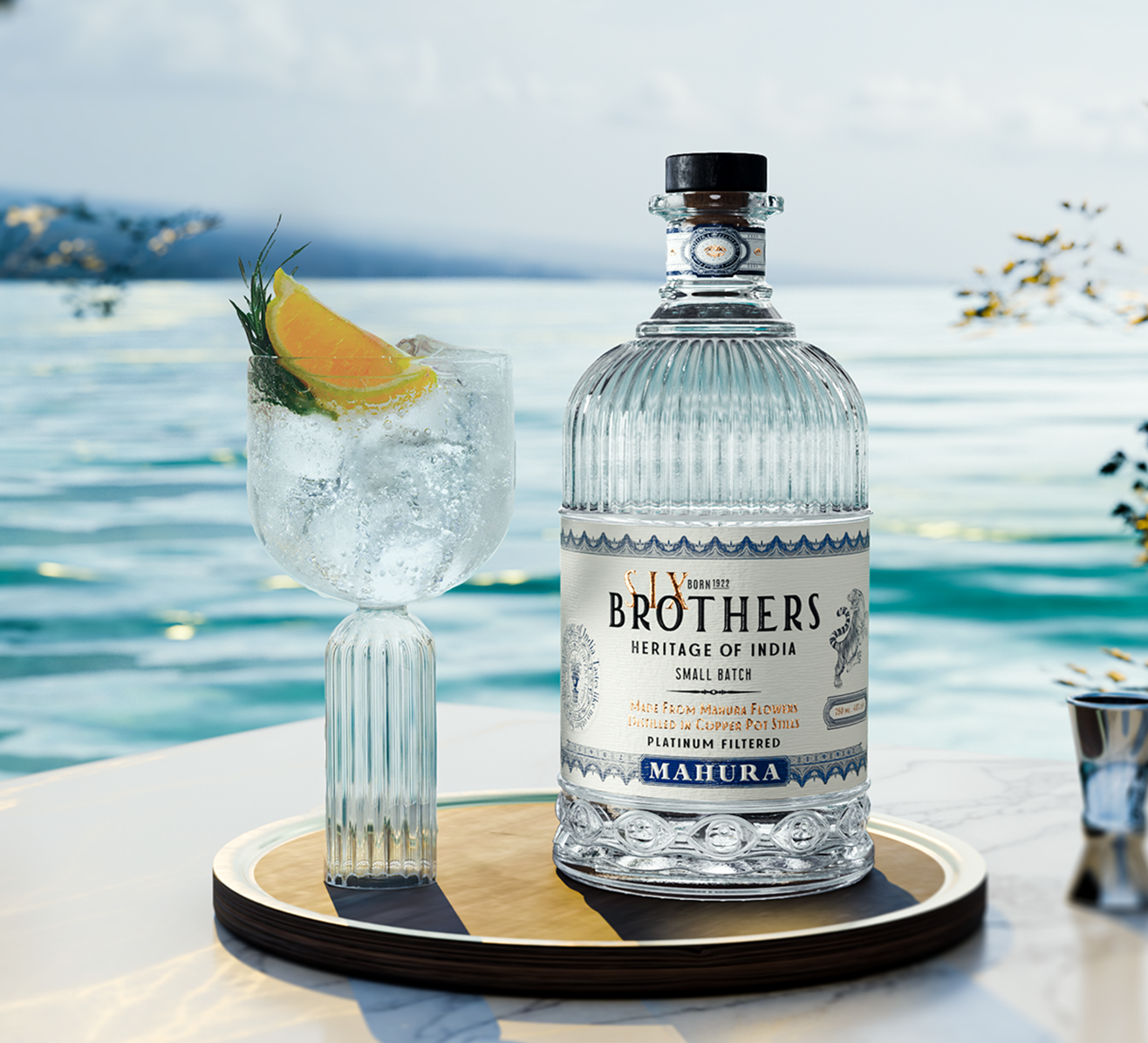
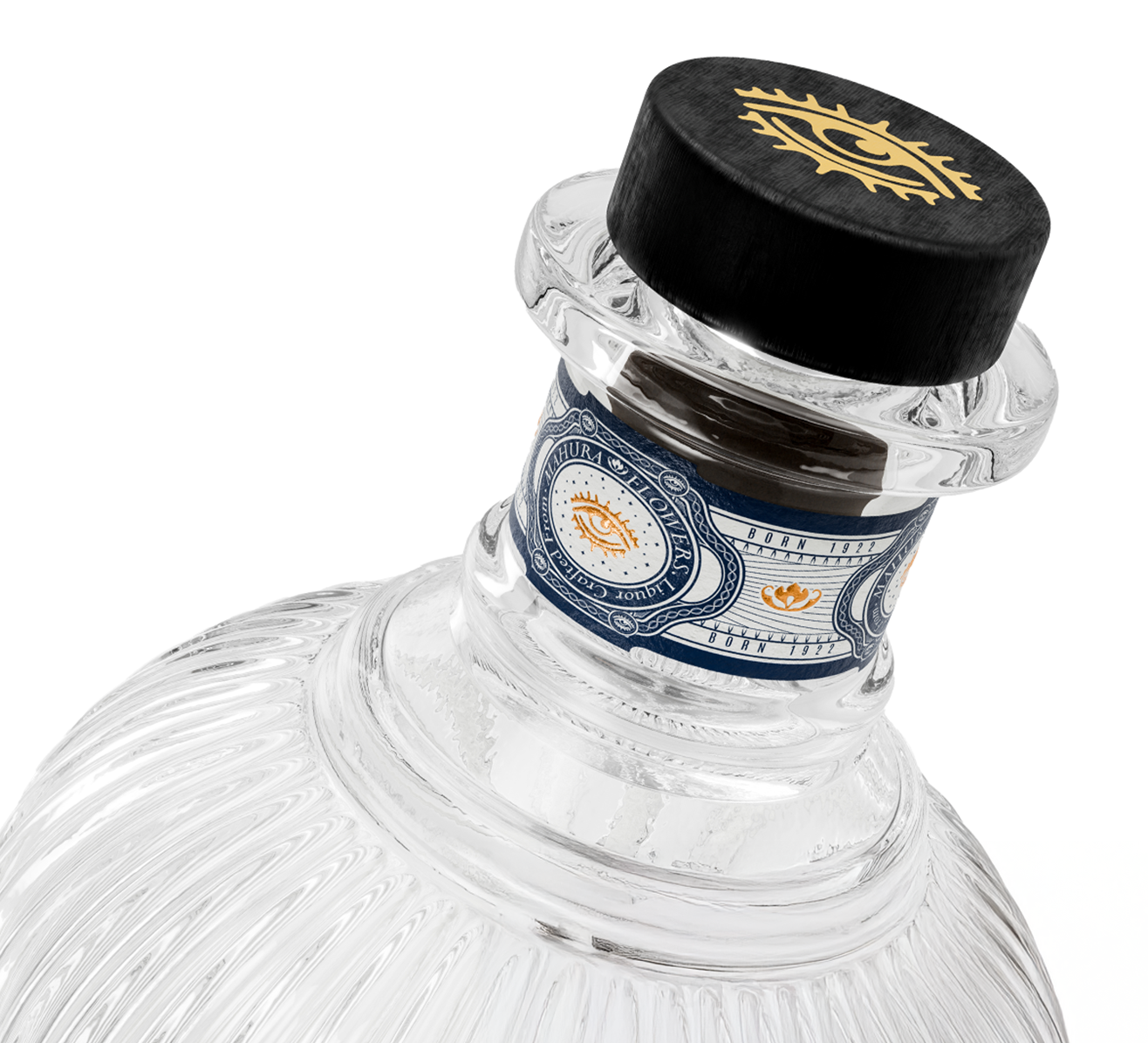
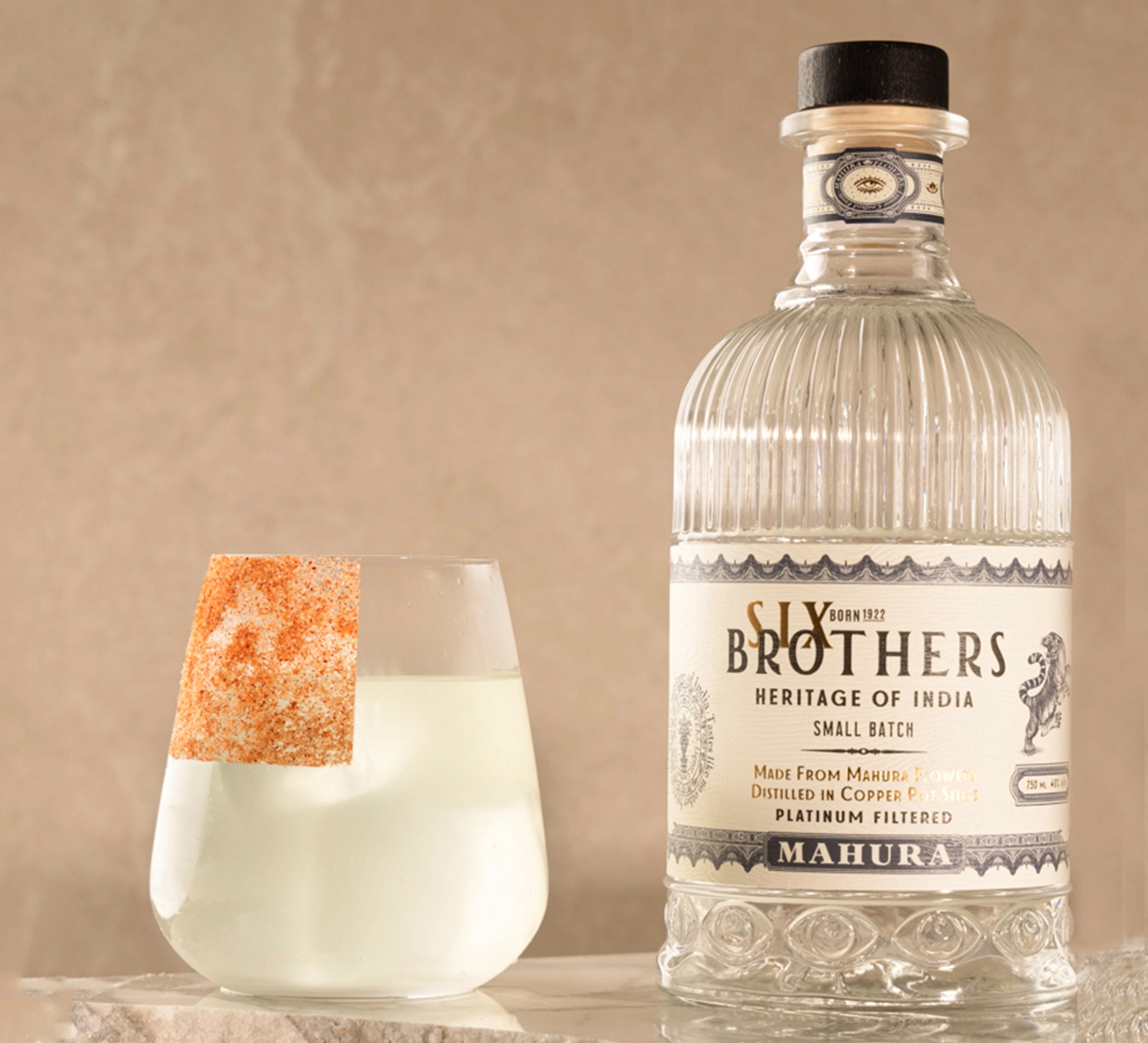
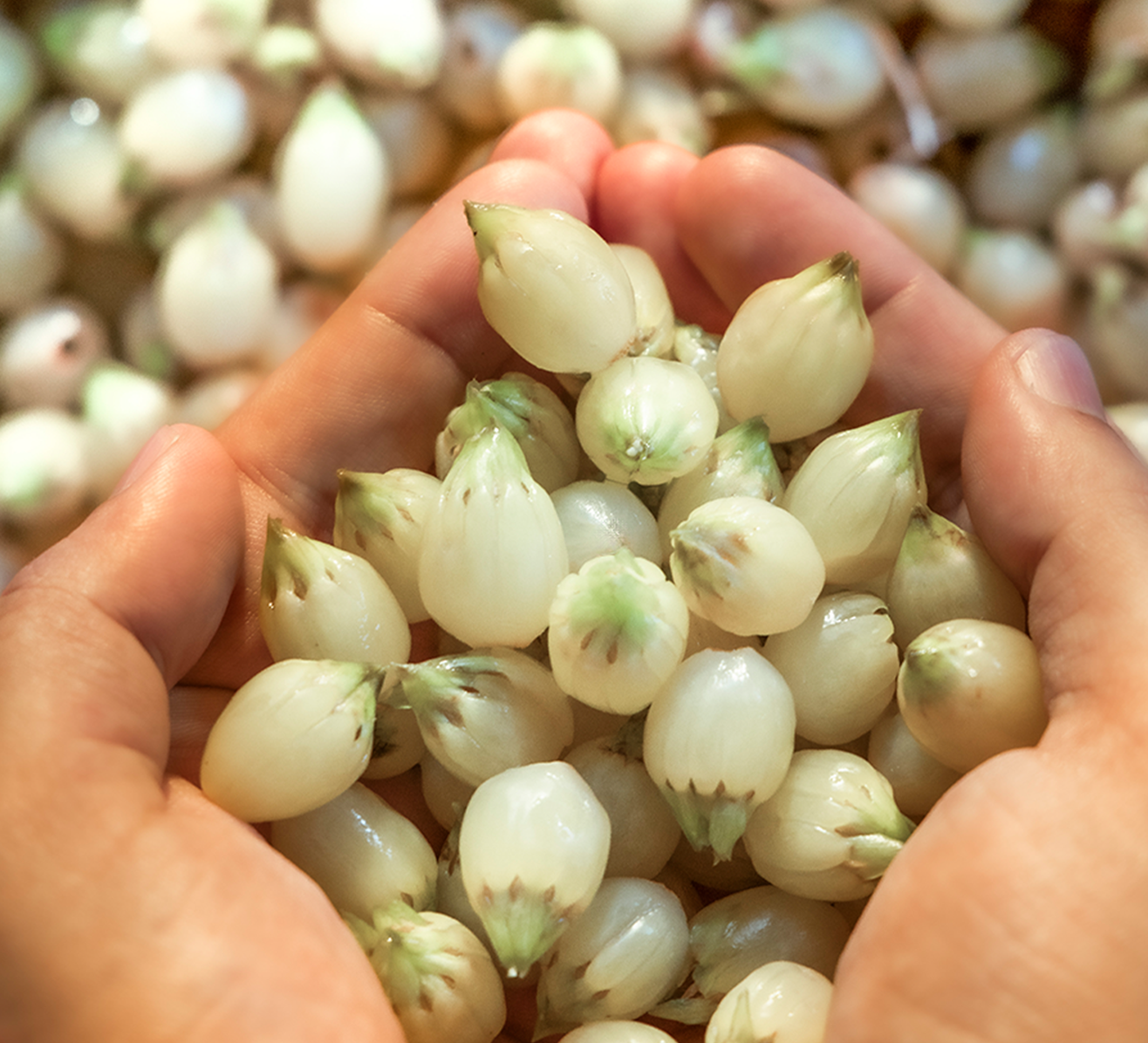
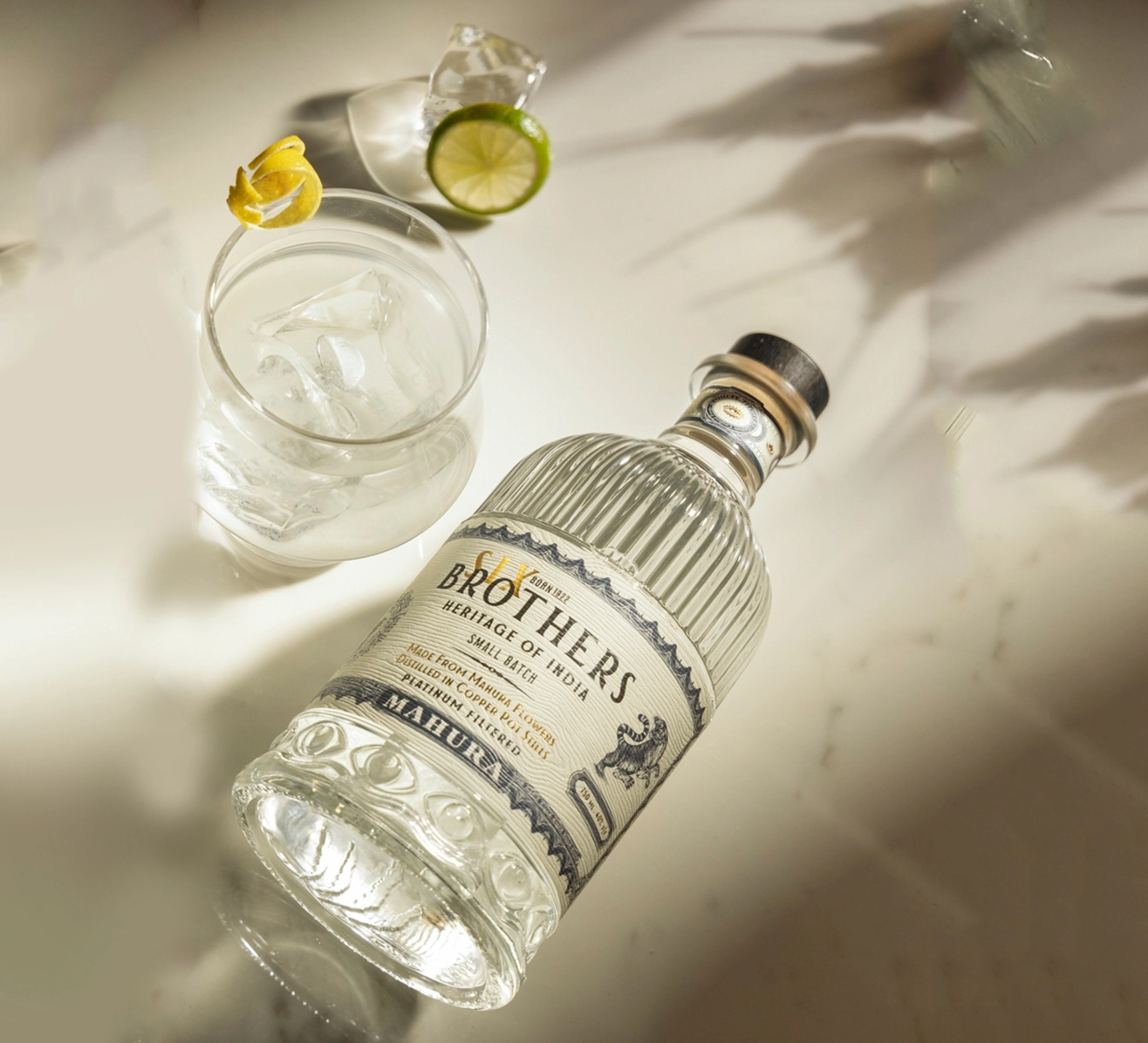
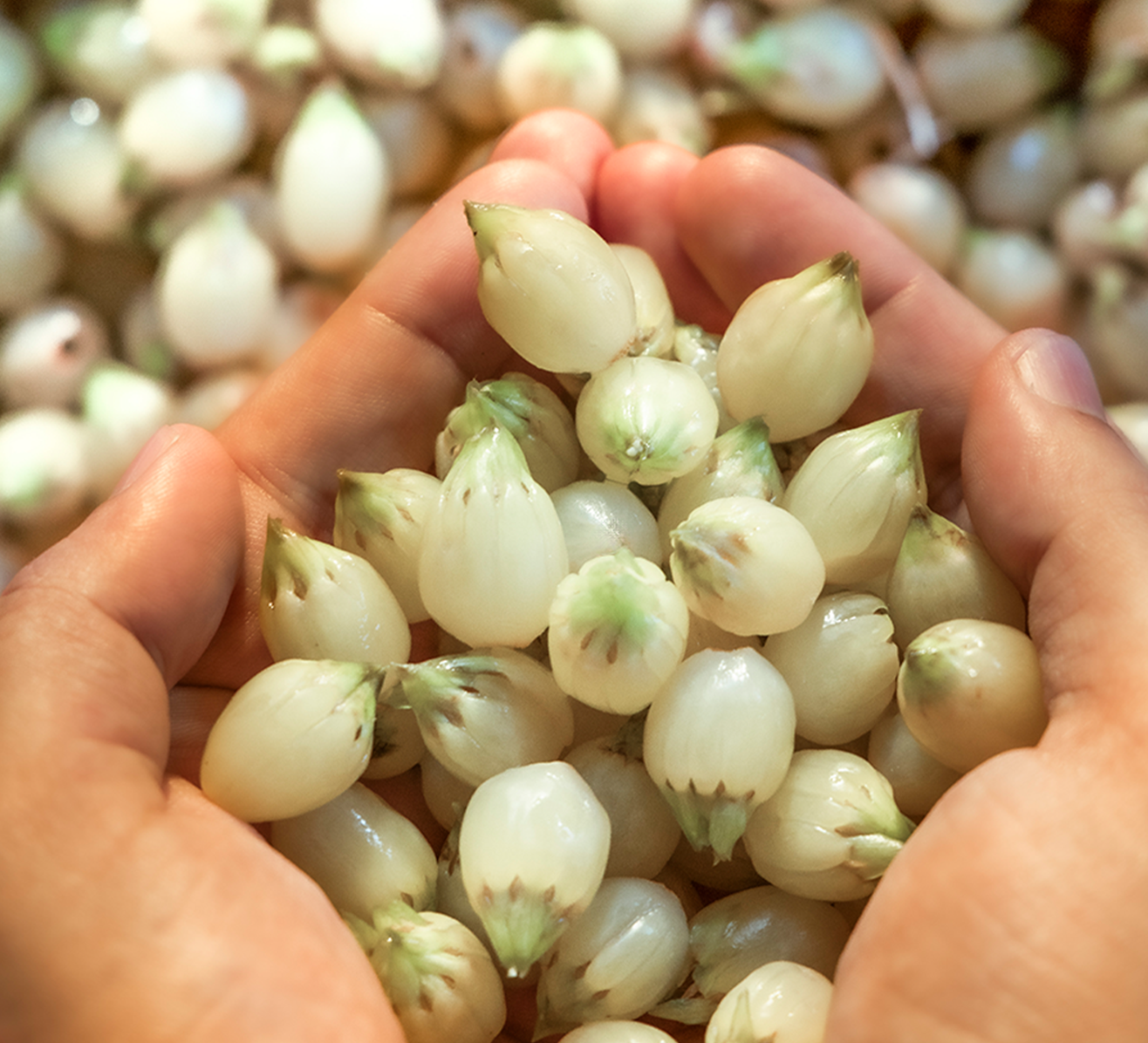
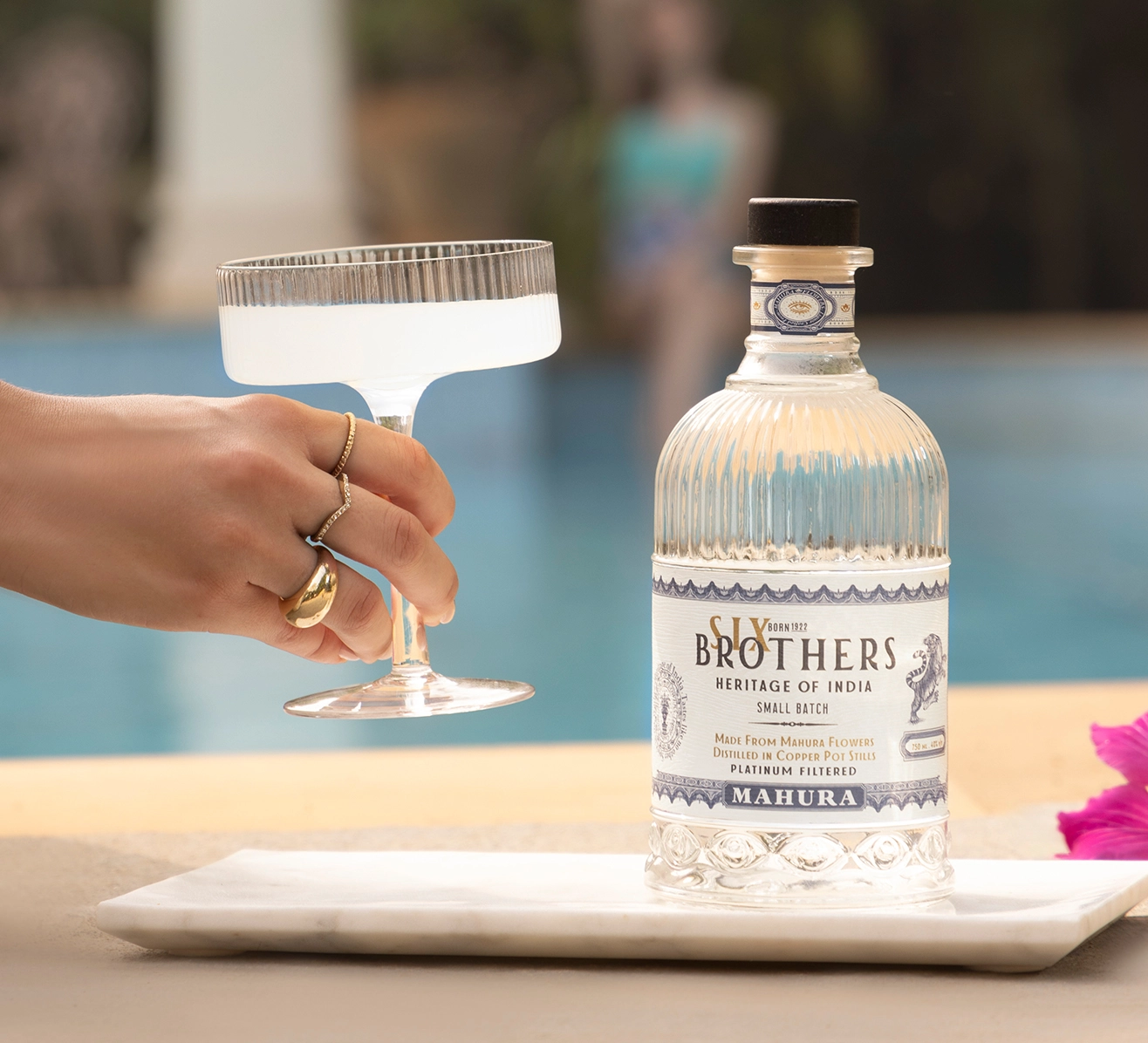
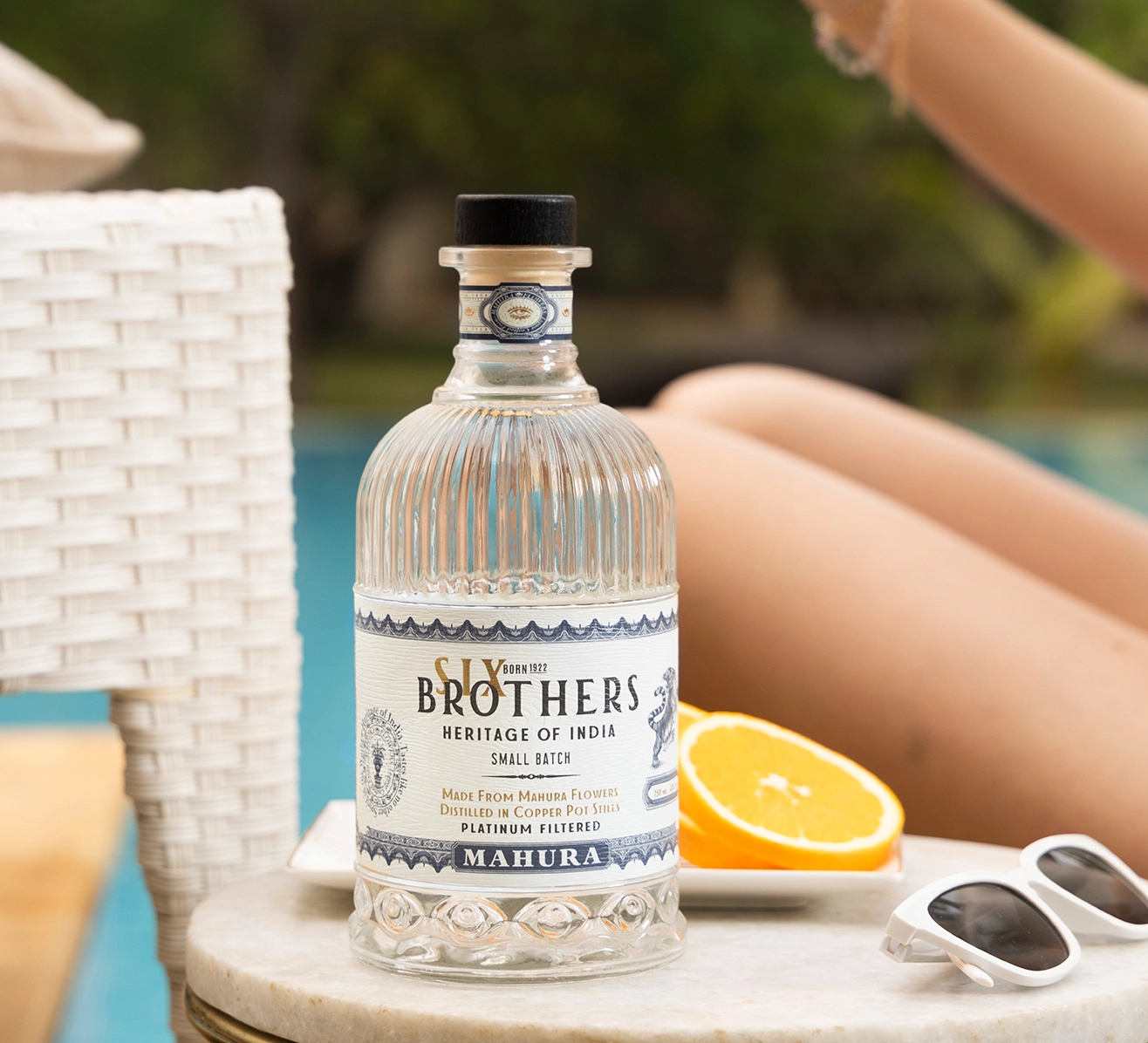
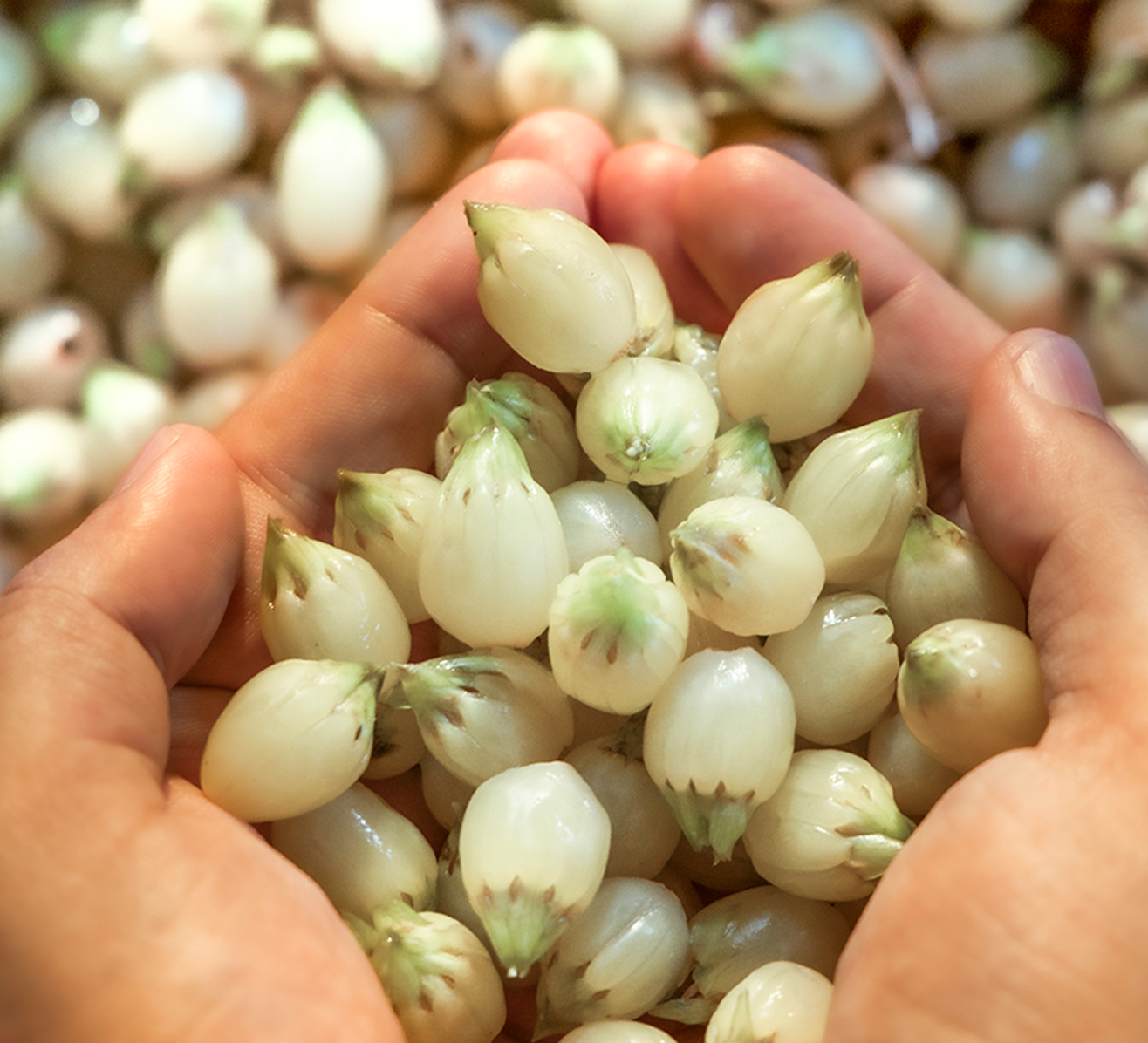
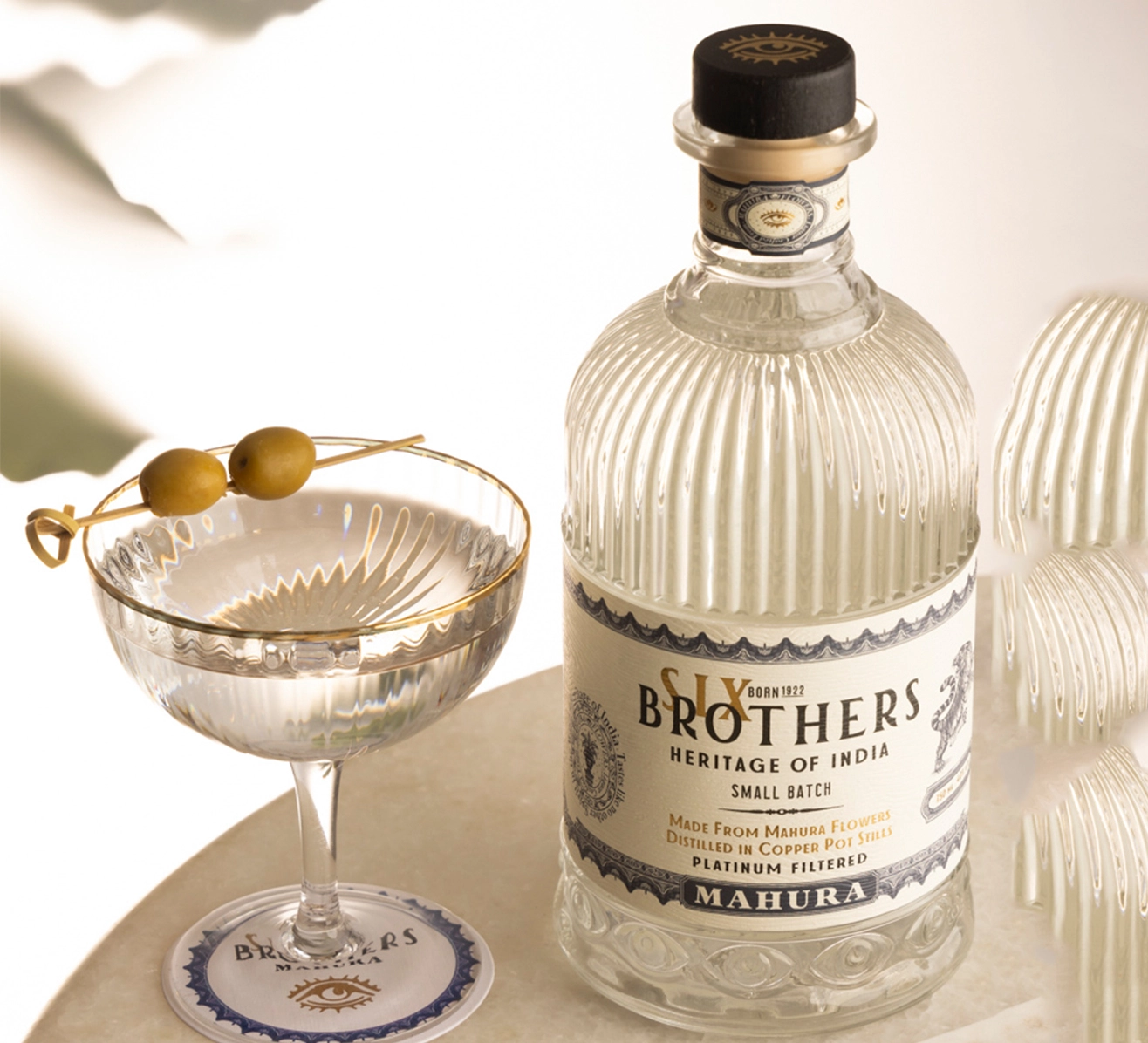
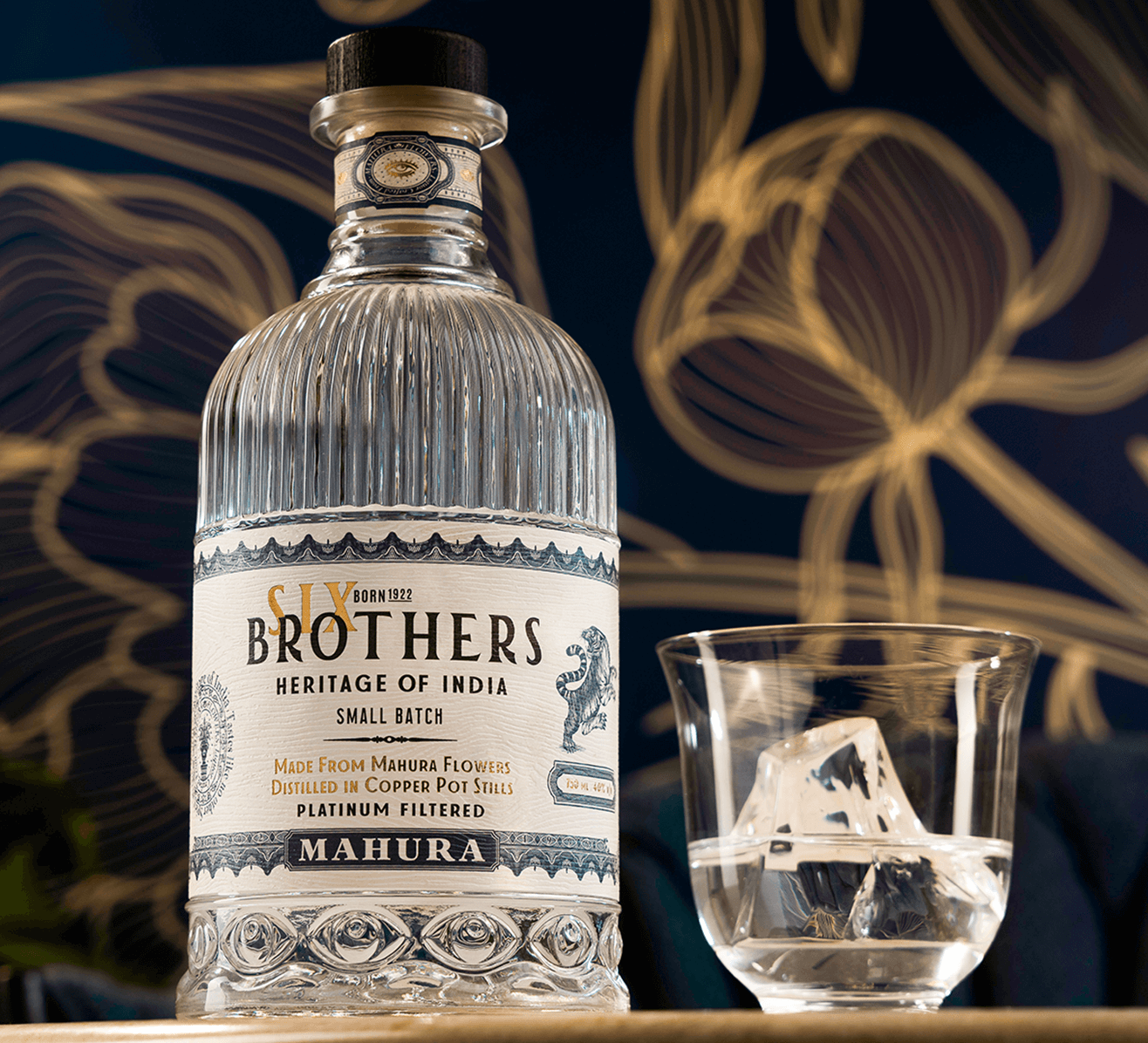
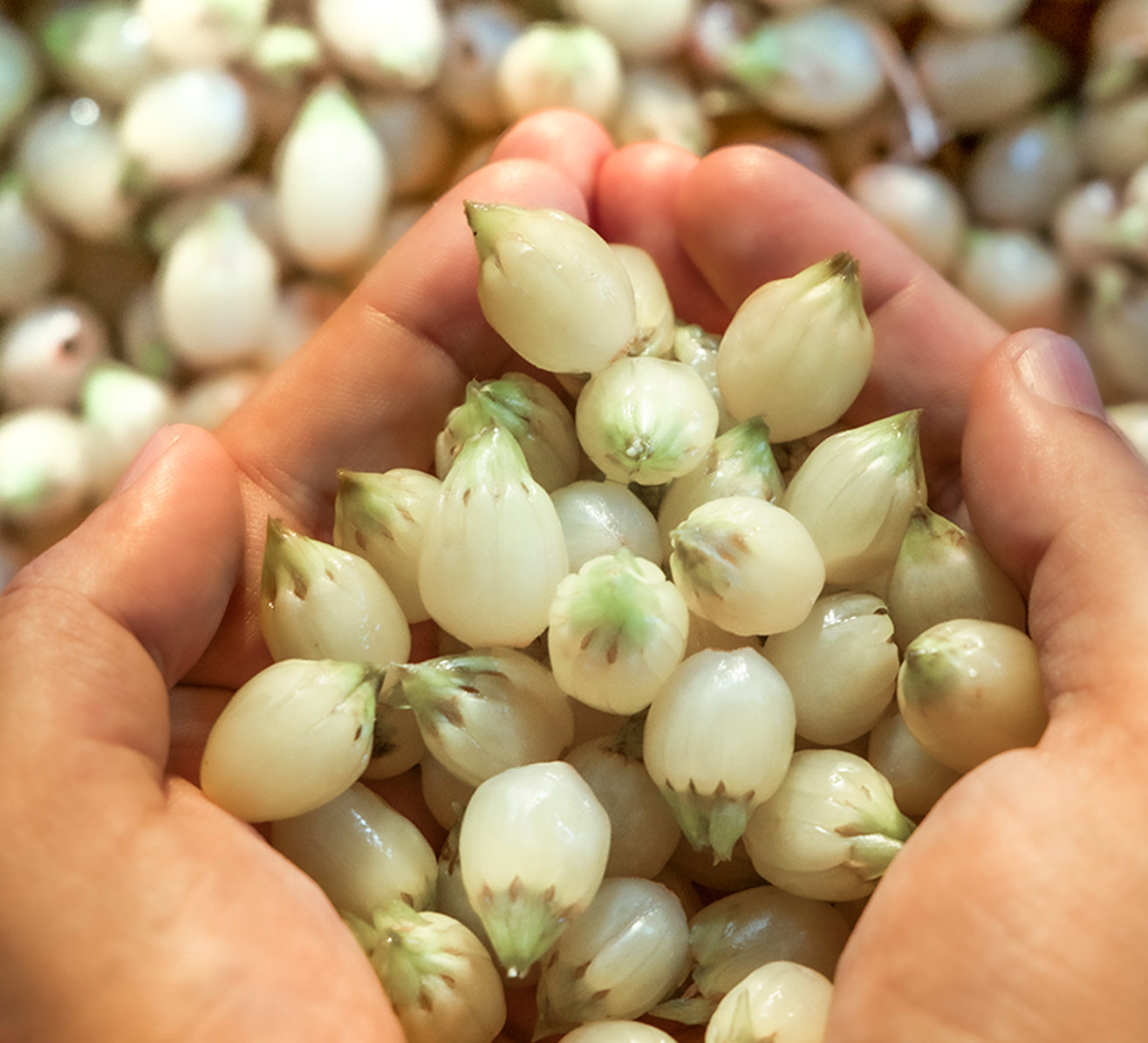
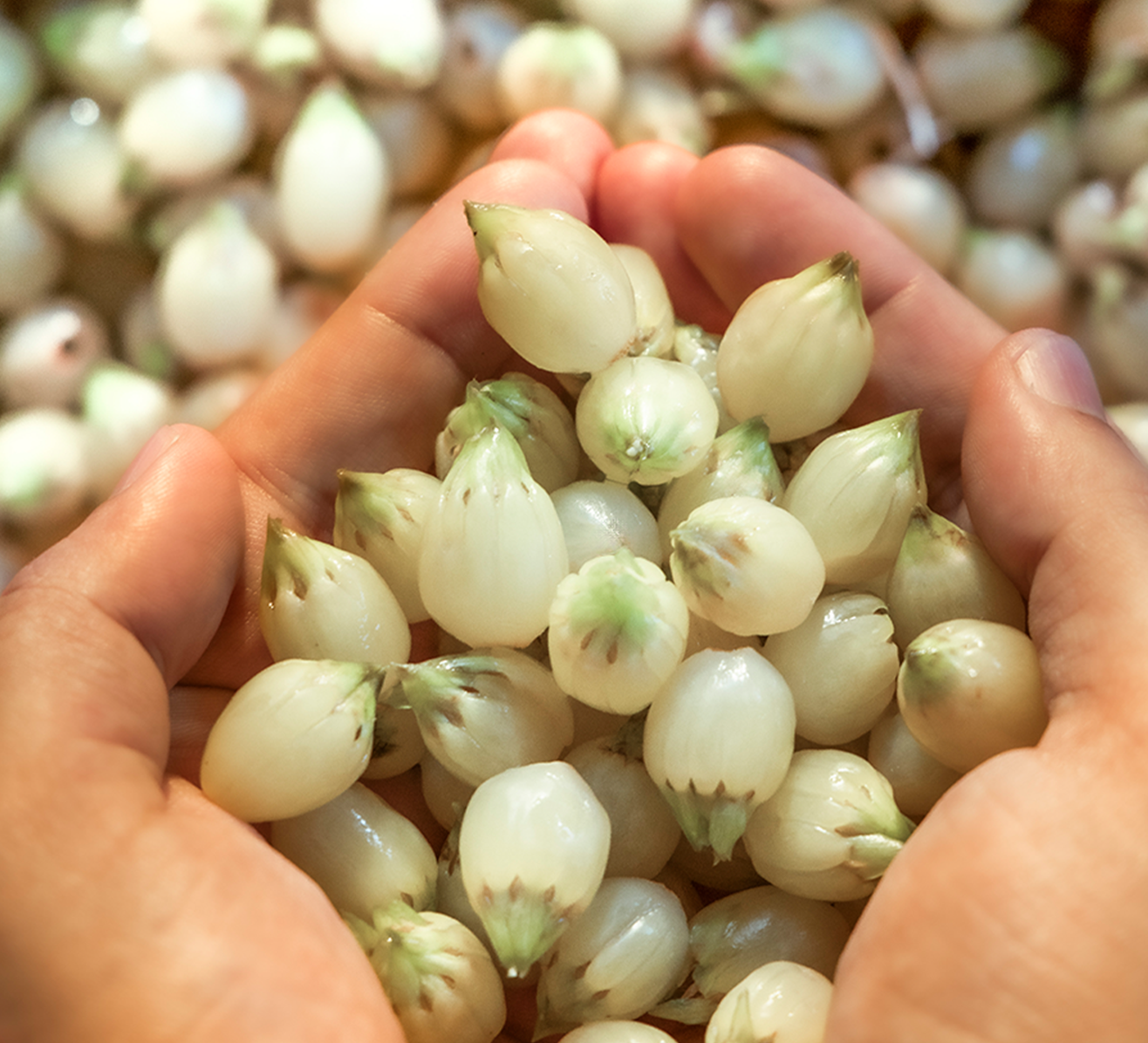
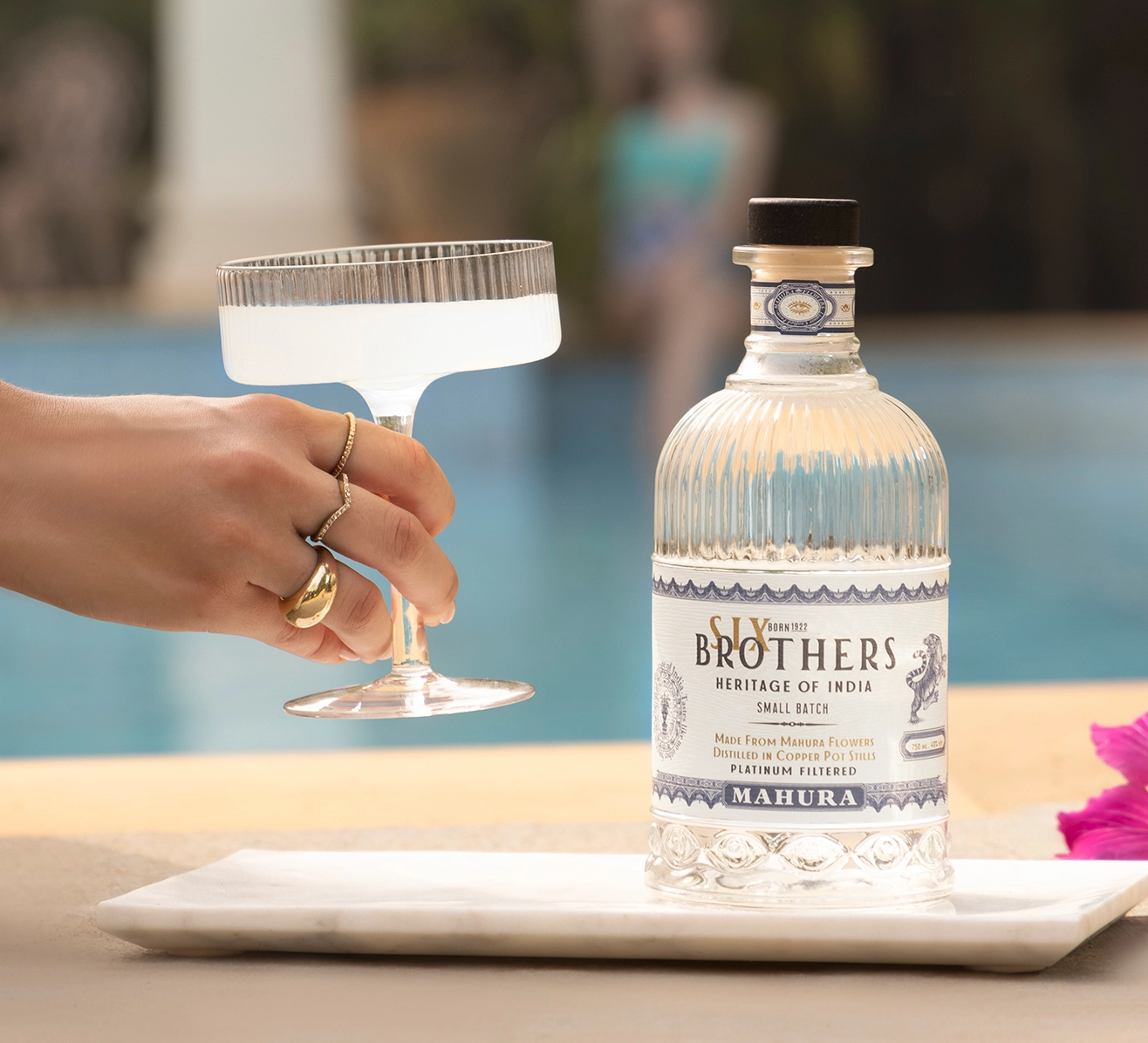
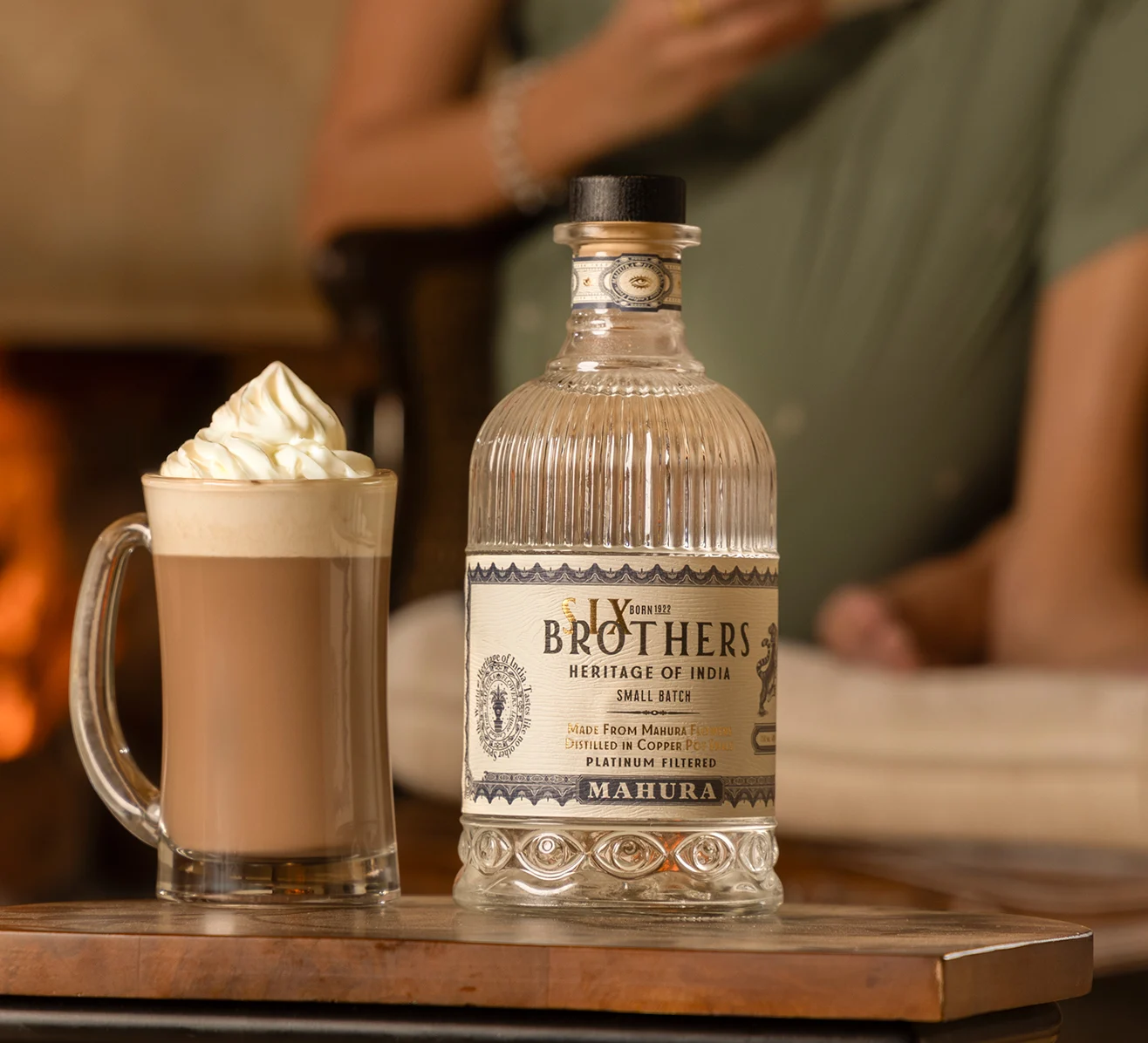
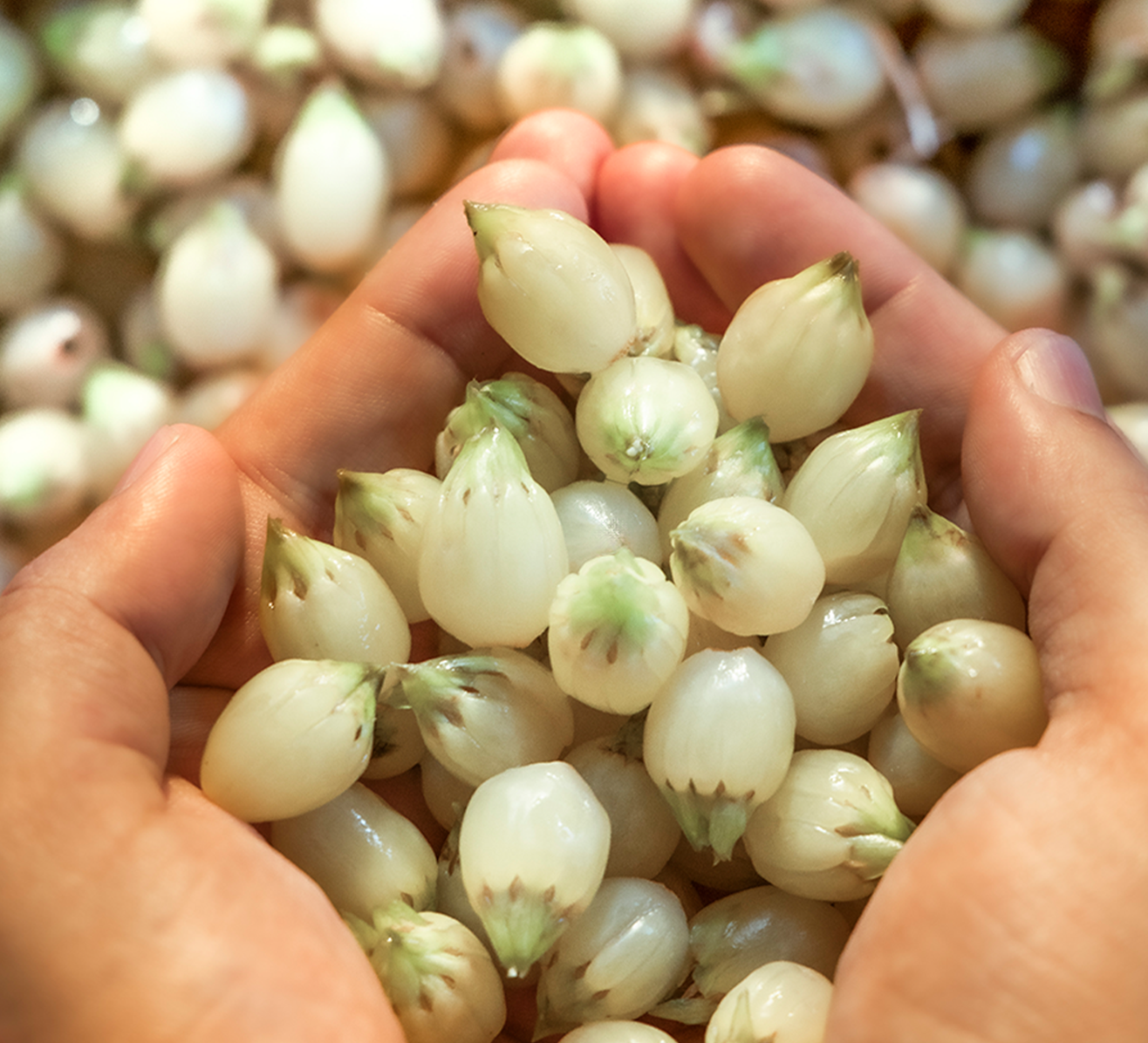
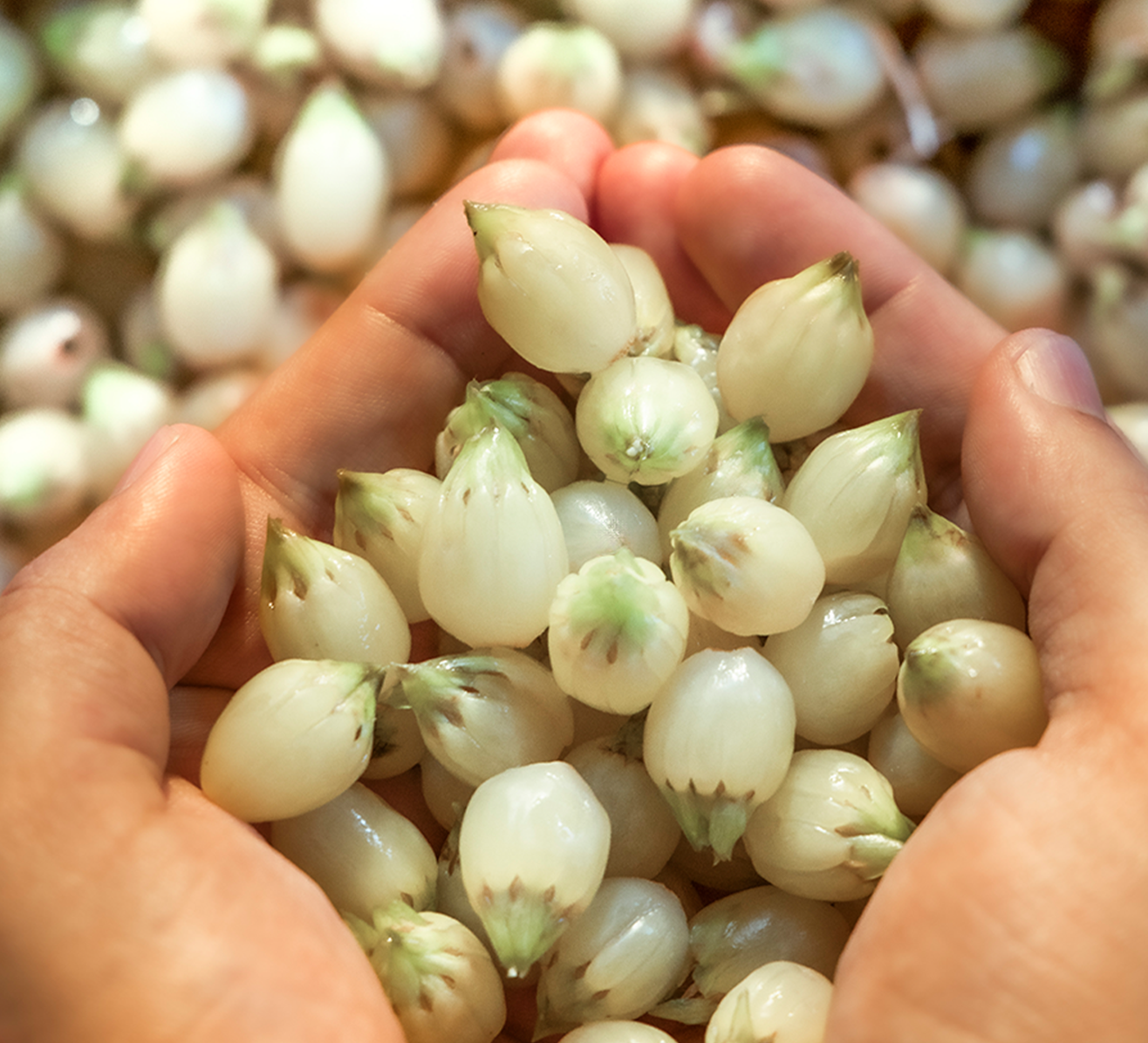
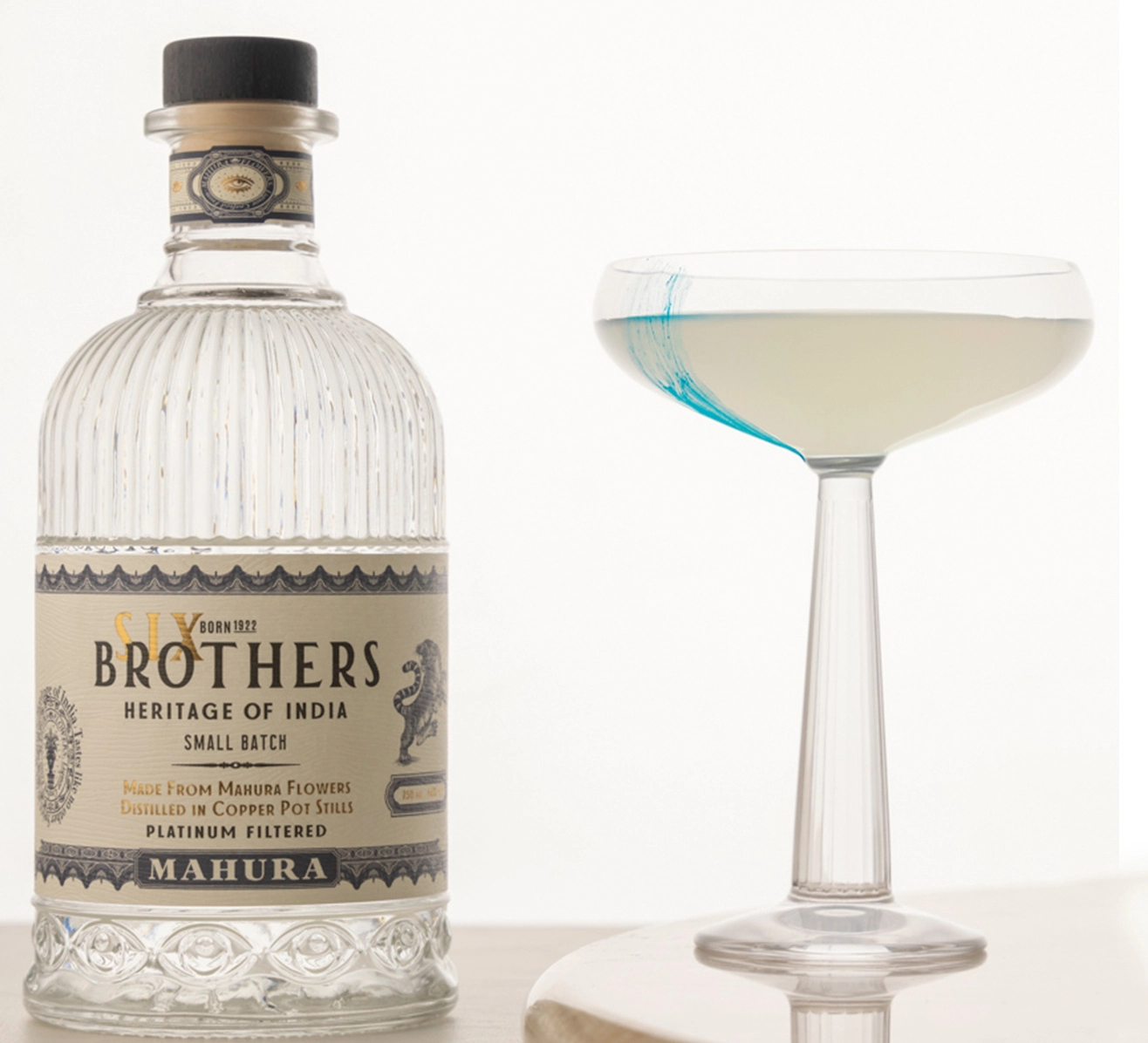
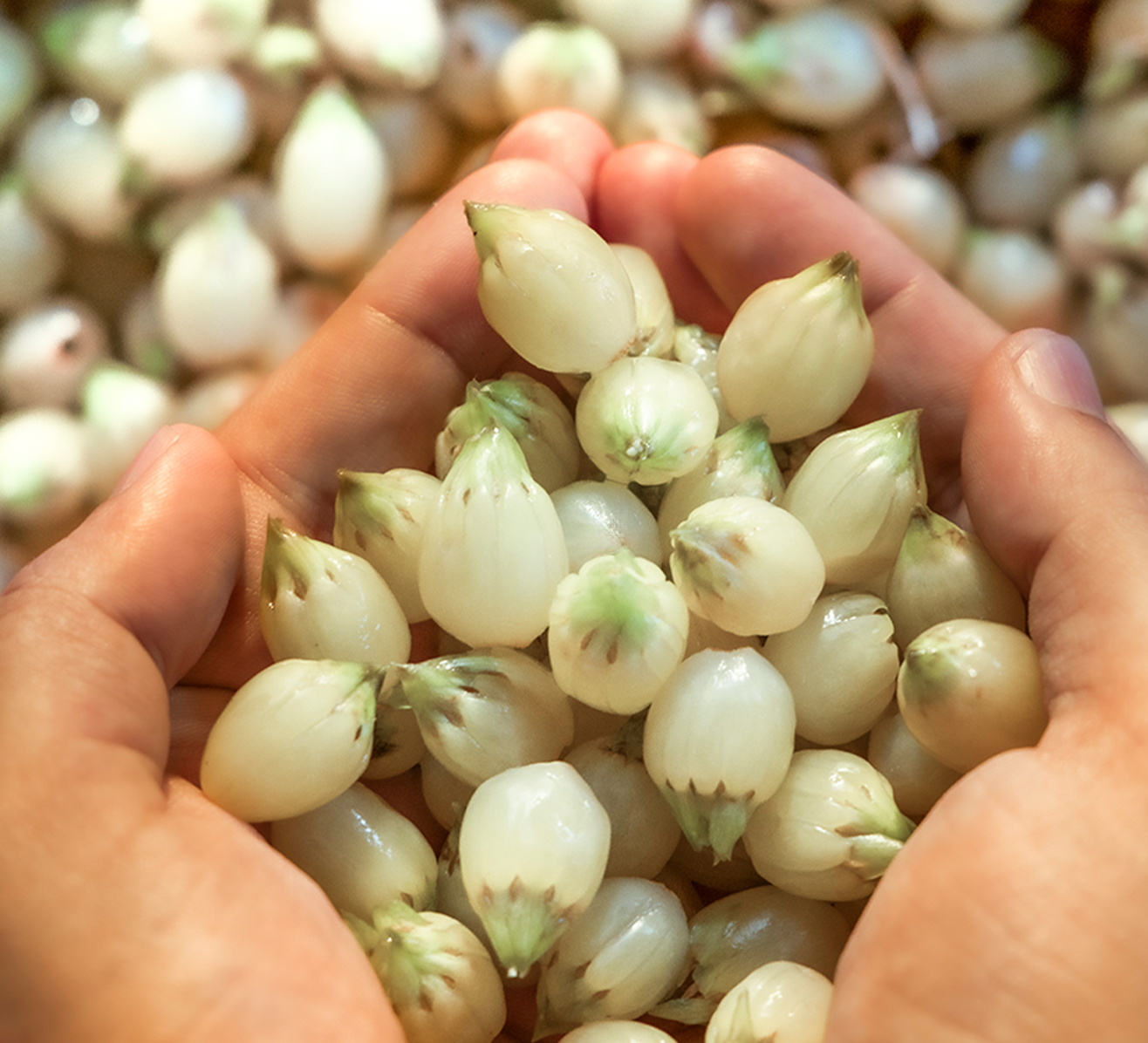
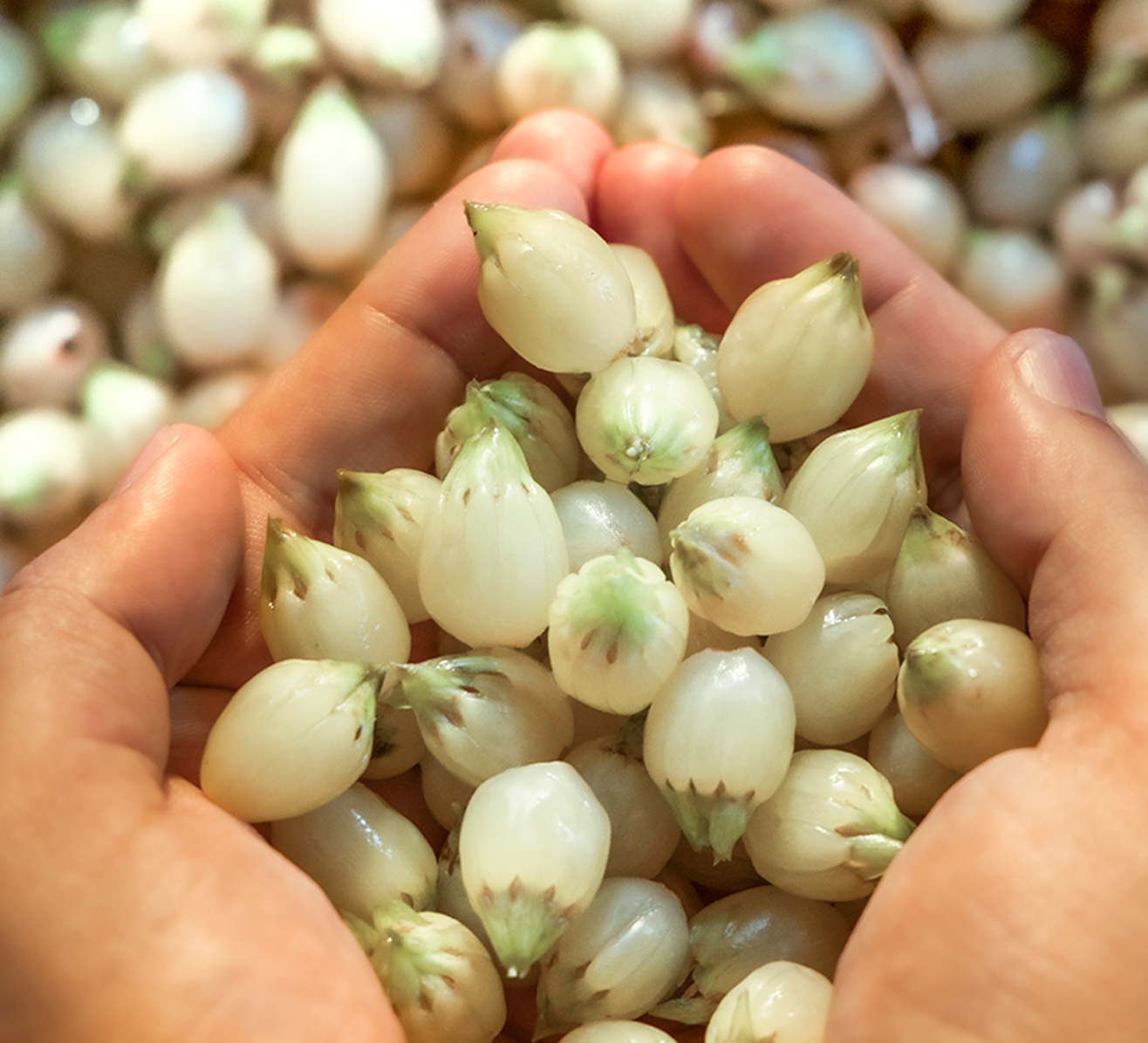
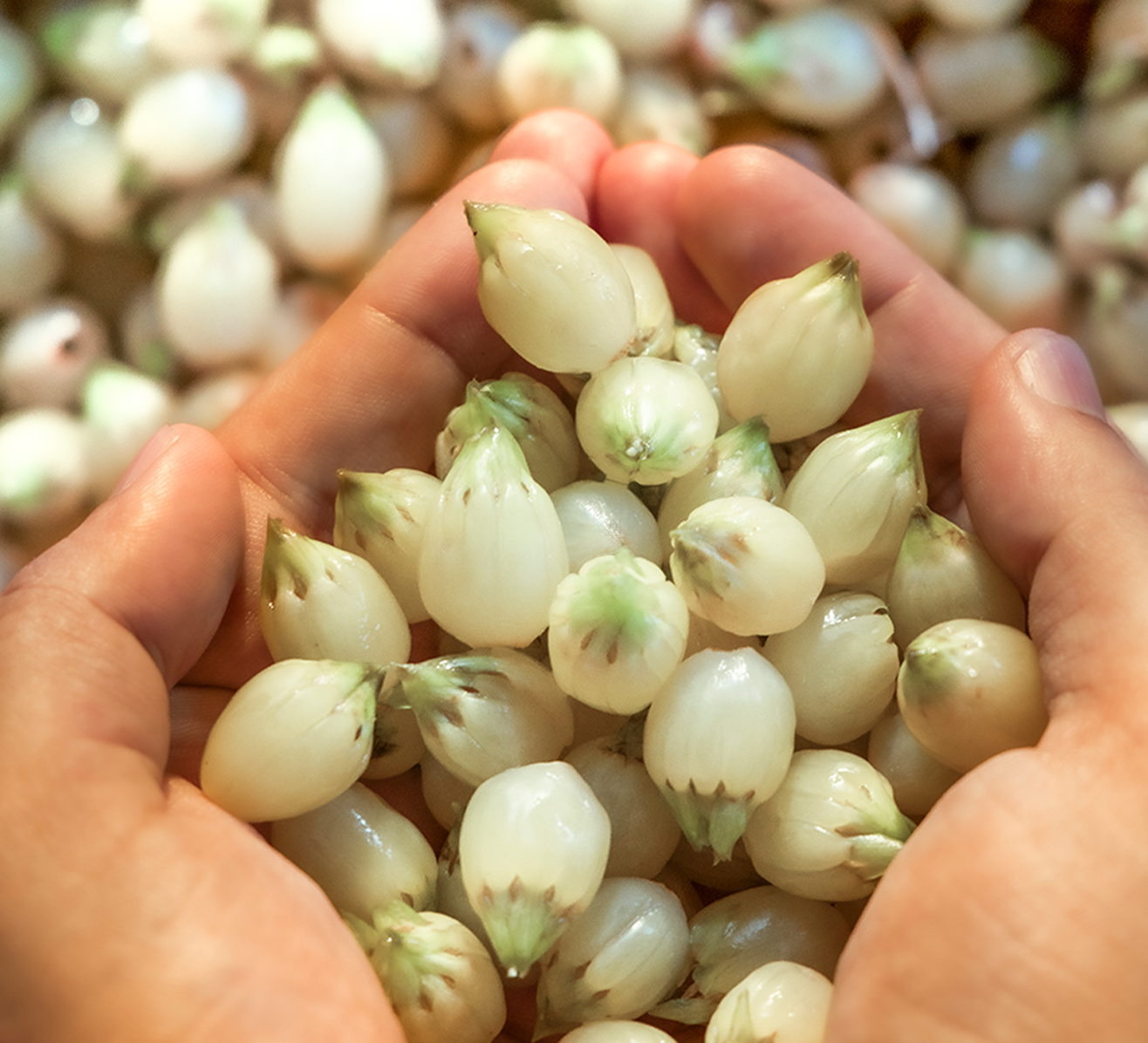
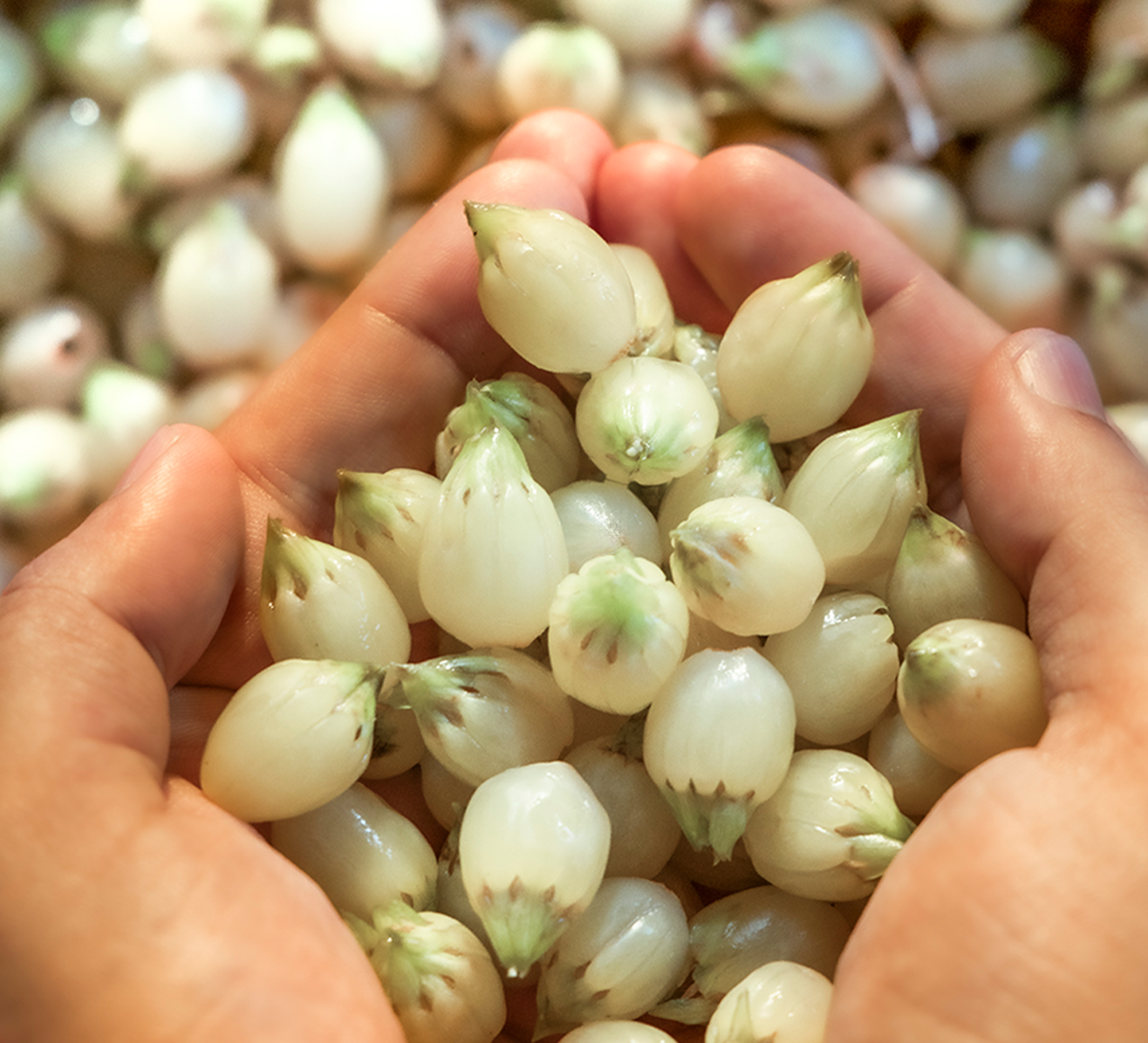
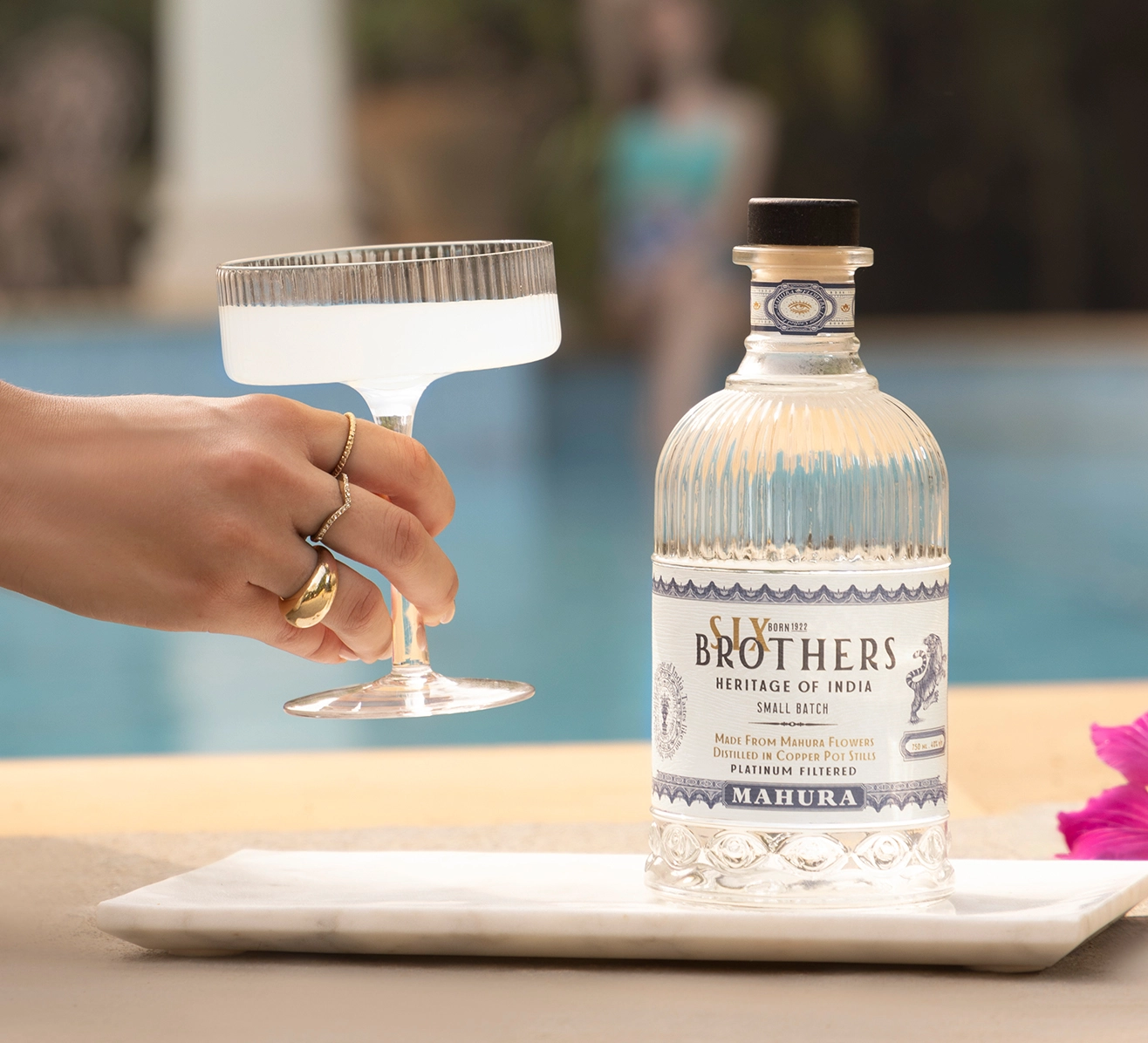
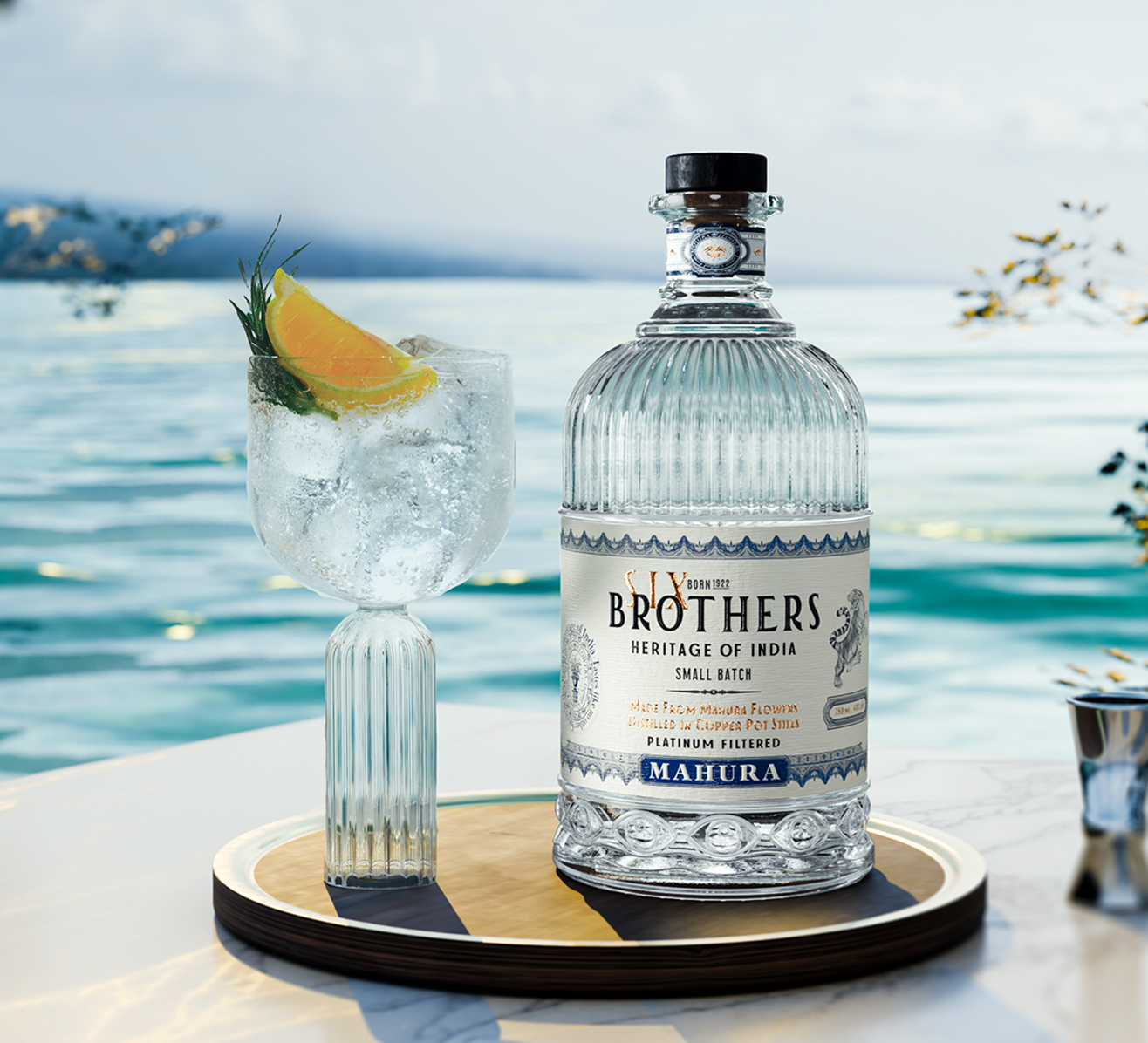
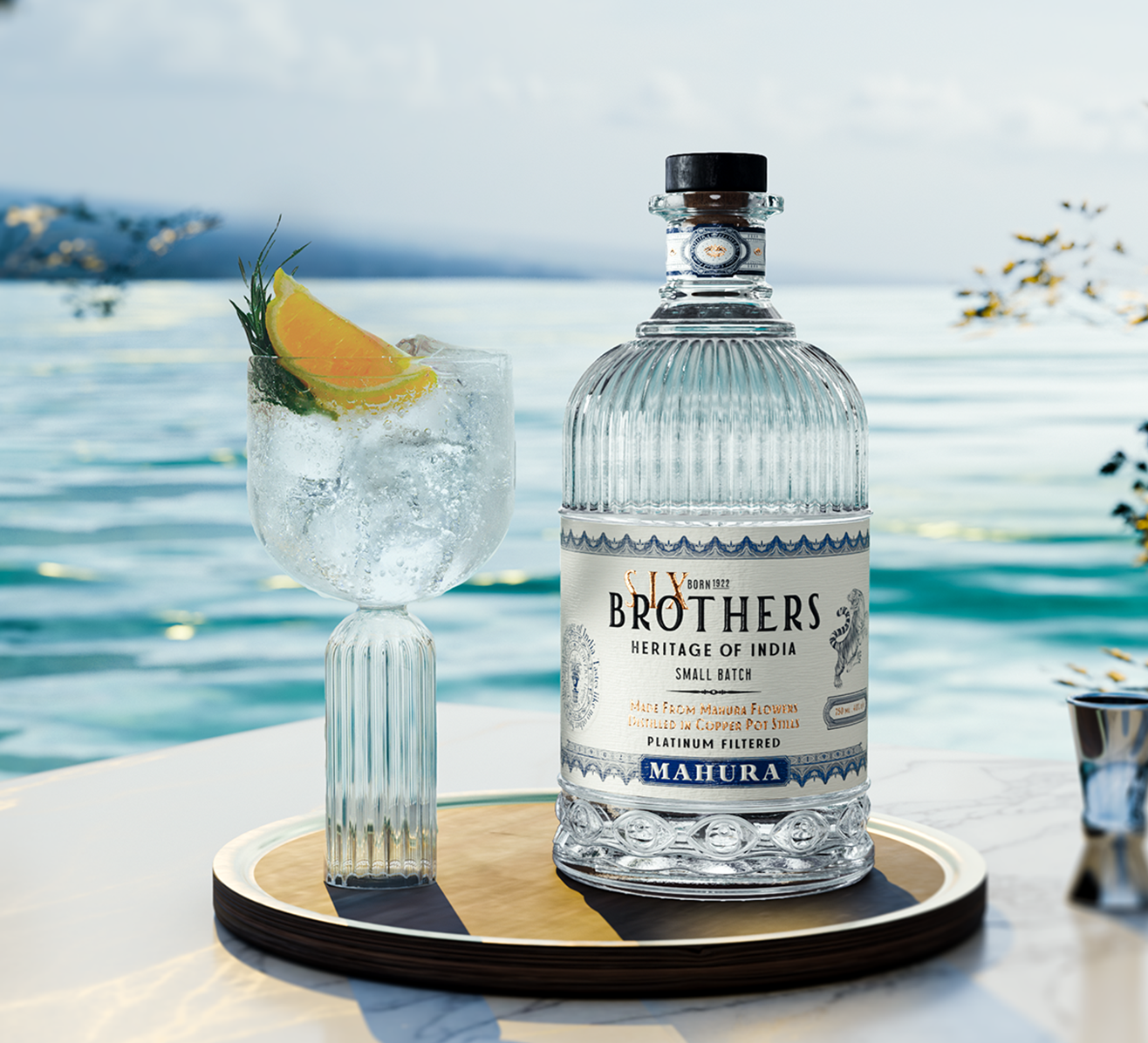
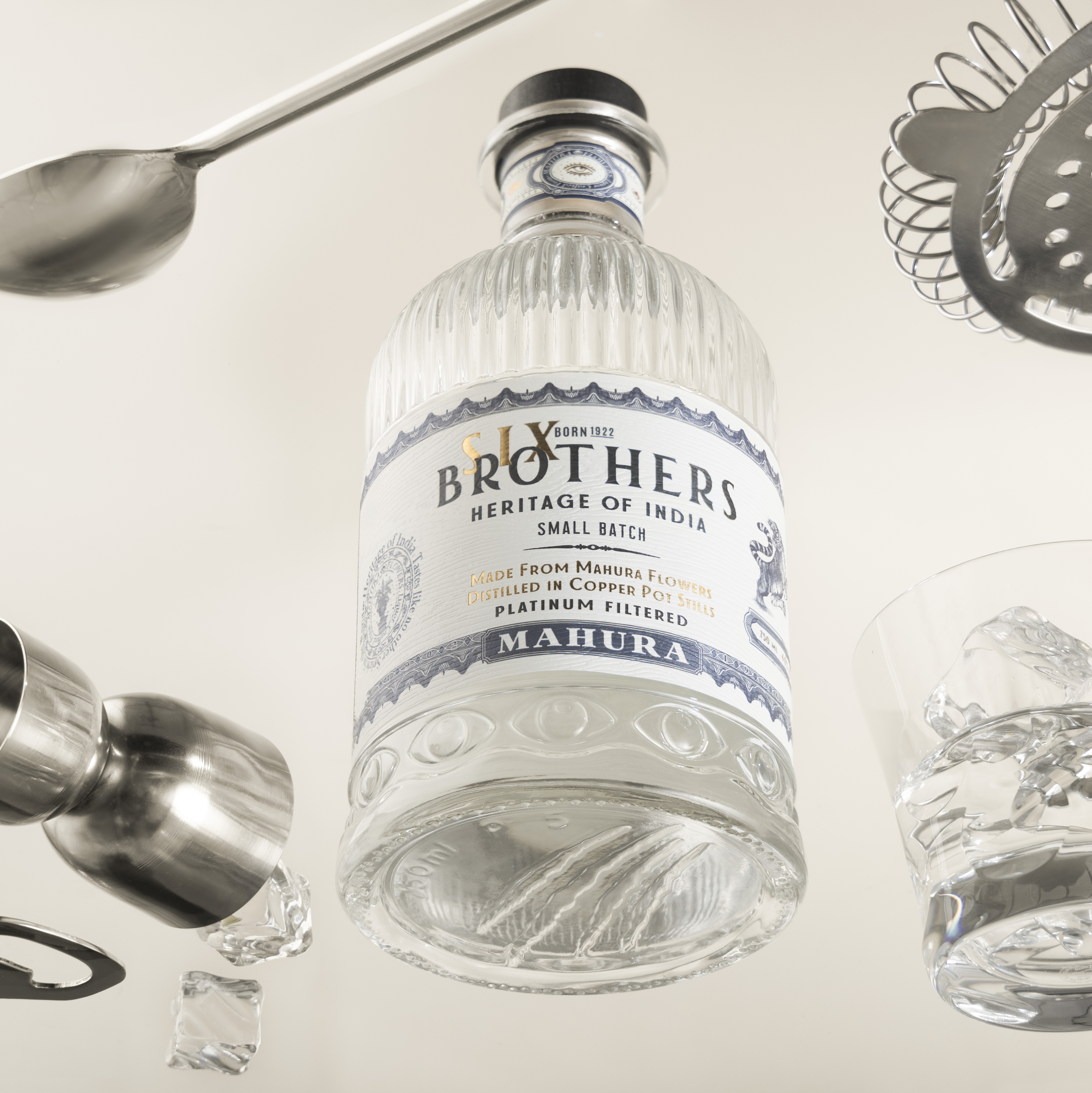
Mahua alcohol is a strong example of this. Derived from the Mahua flower of the Madhuca longifolia tree—also known as Mahuva or Mahuwa, Mahua spirit has traditionally been associated with gatherings rather than individual consumption.
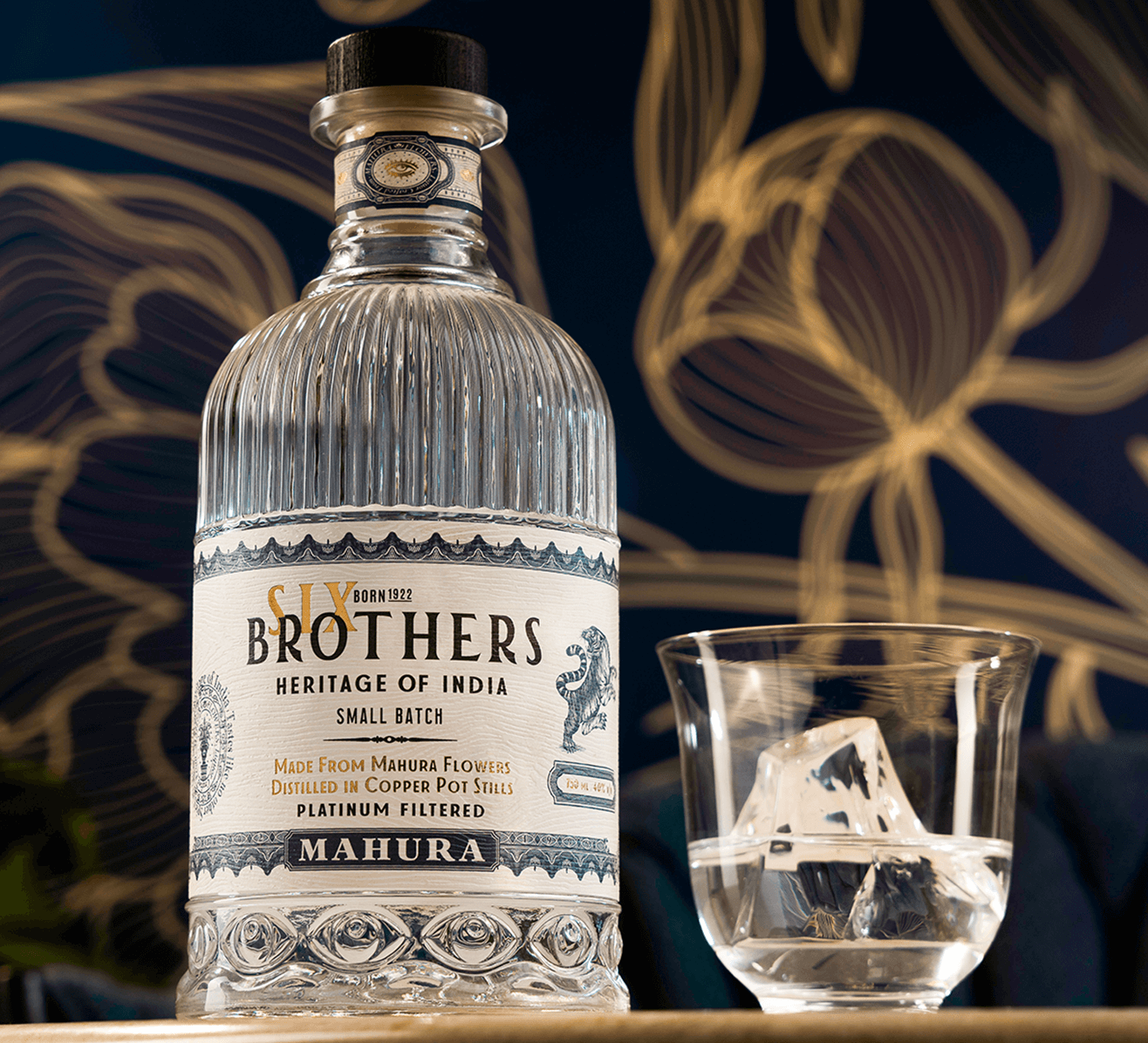
As India’s oldest spirit, Mahua drink reflects a way of drinking that is rooted in sharing, interaction, and social connection within the broader world of Indian spirits.
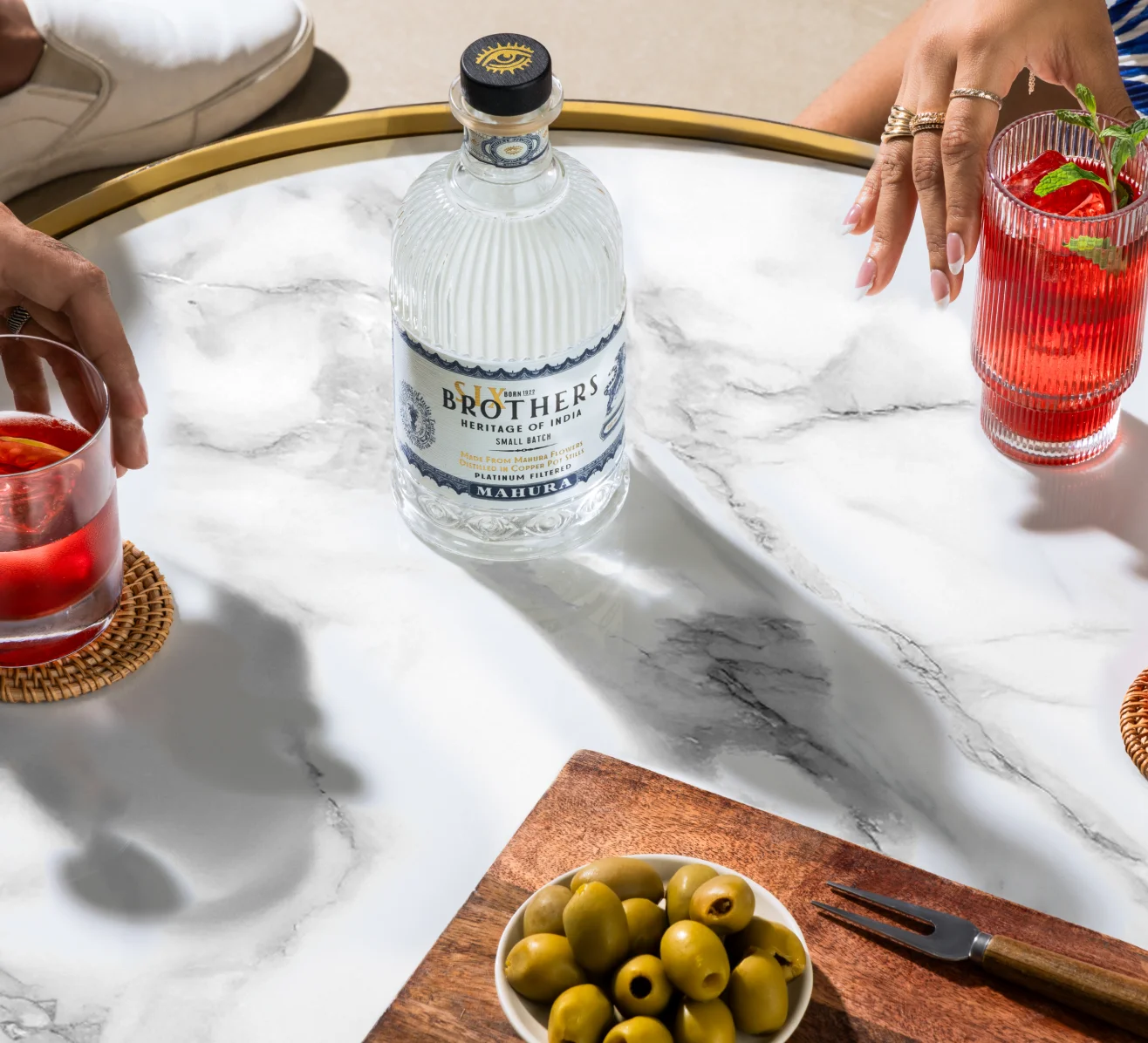
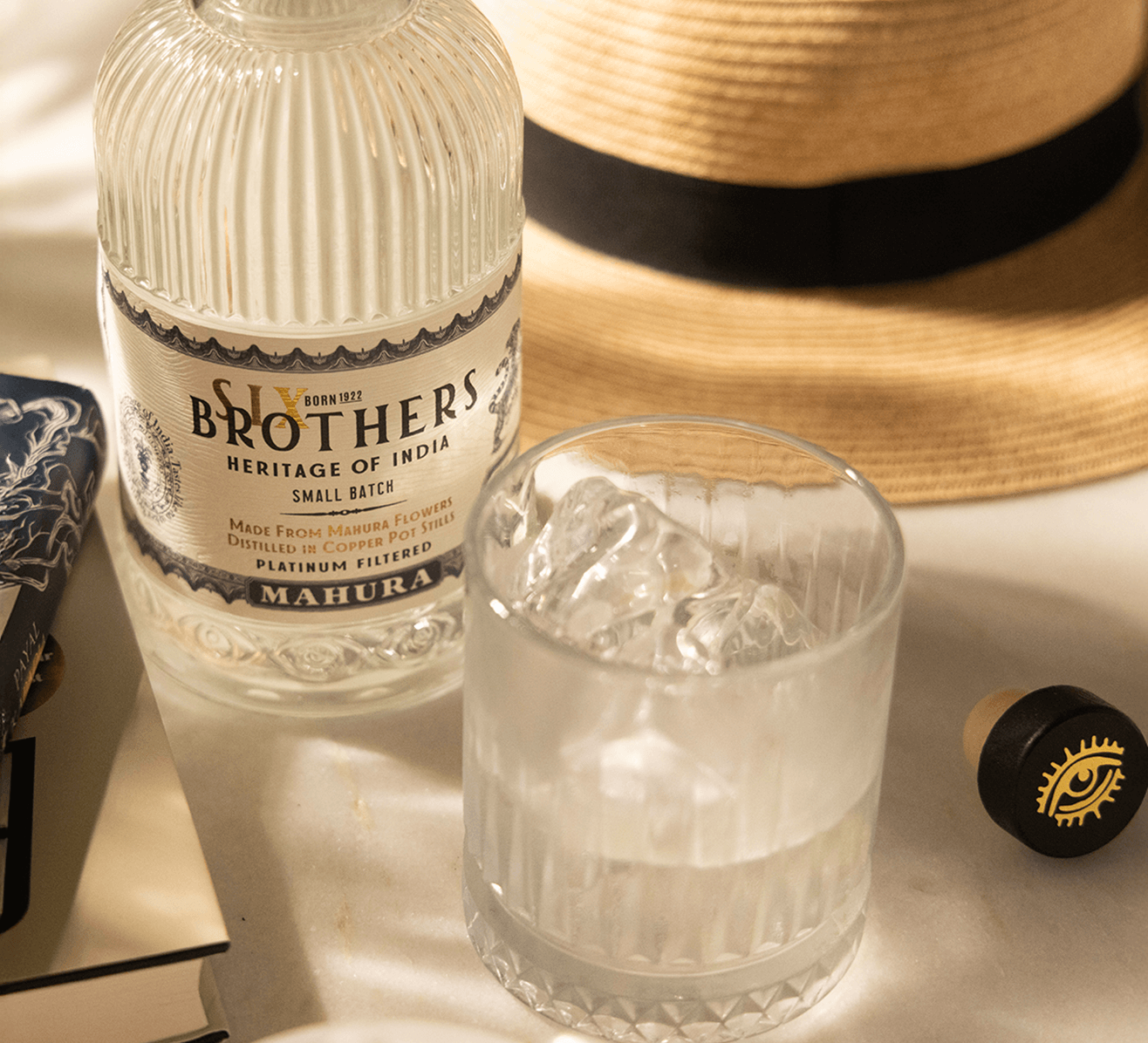
In many settings, Mahua liquor is not simply consumed—it is shared as part of a social ritual. This includes:
This creates a sense of togetherness.
Unlike fast-paced consumption, Mahua spirit is often associated with:
This makes the experience more immersive.
Sharing Mahua alcohol naturally encourages interaction. It allows people to:
This reinforces its social role.
Group consumption of Mahua drink often creates:
This makes it more than just a beverage.
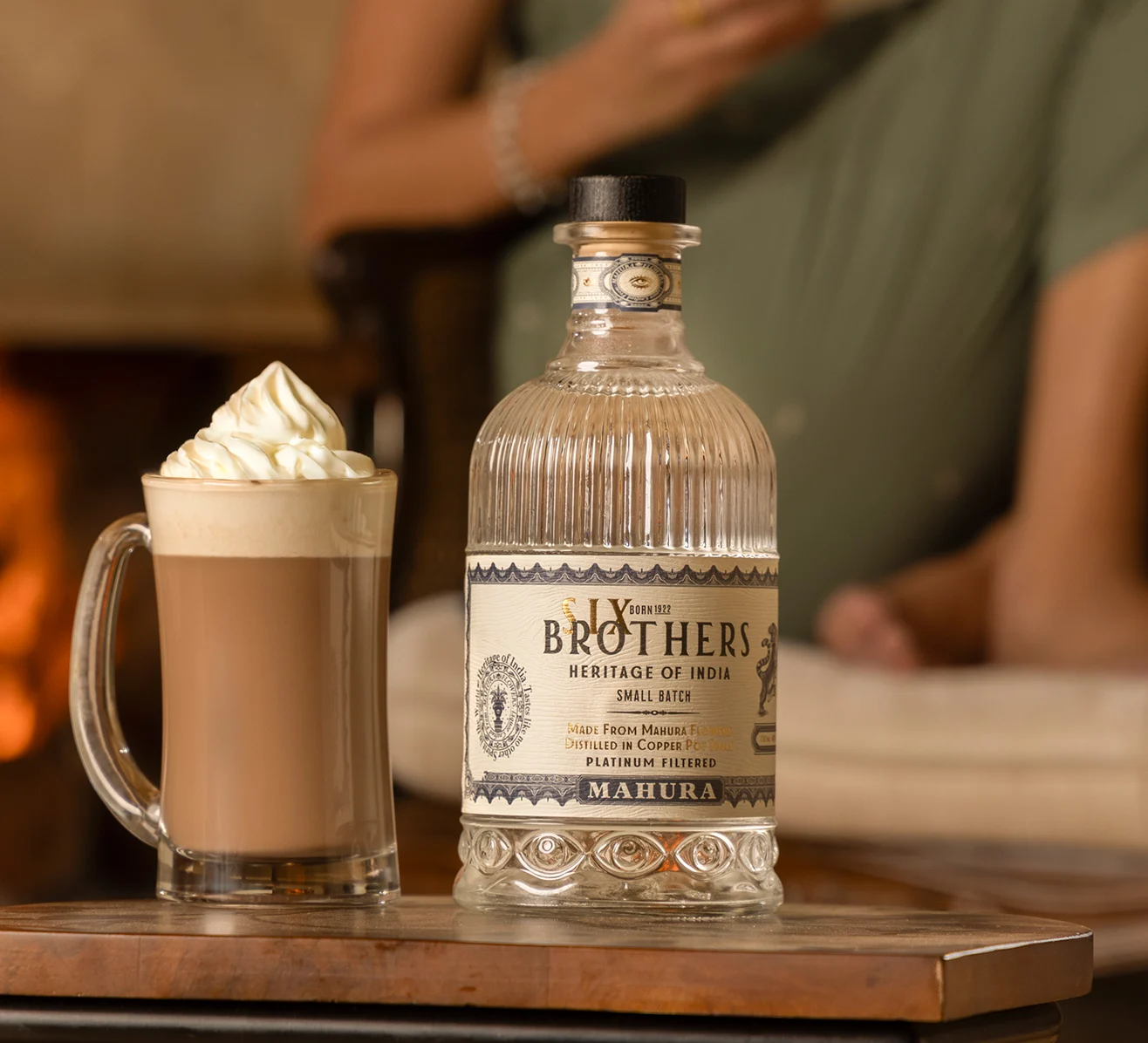
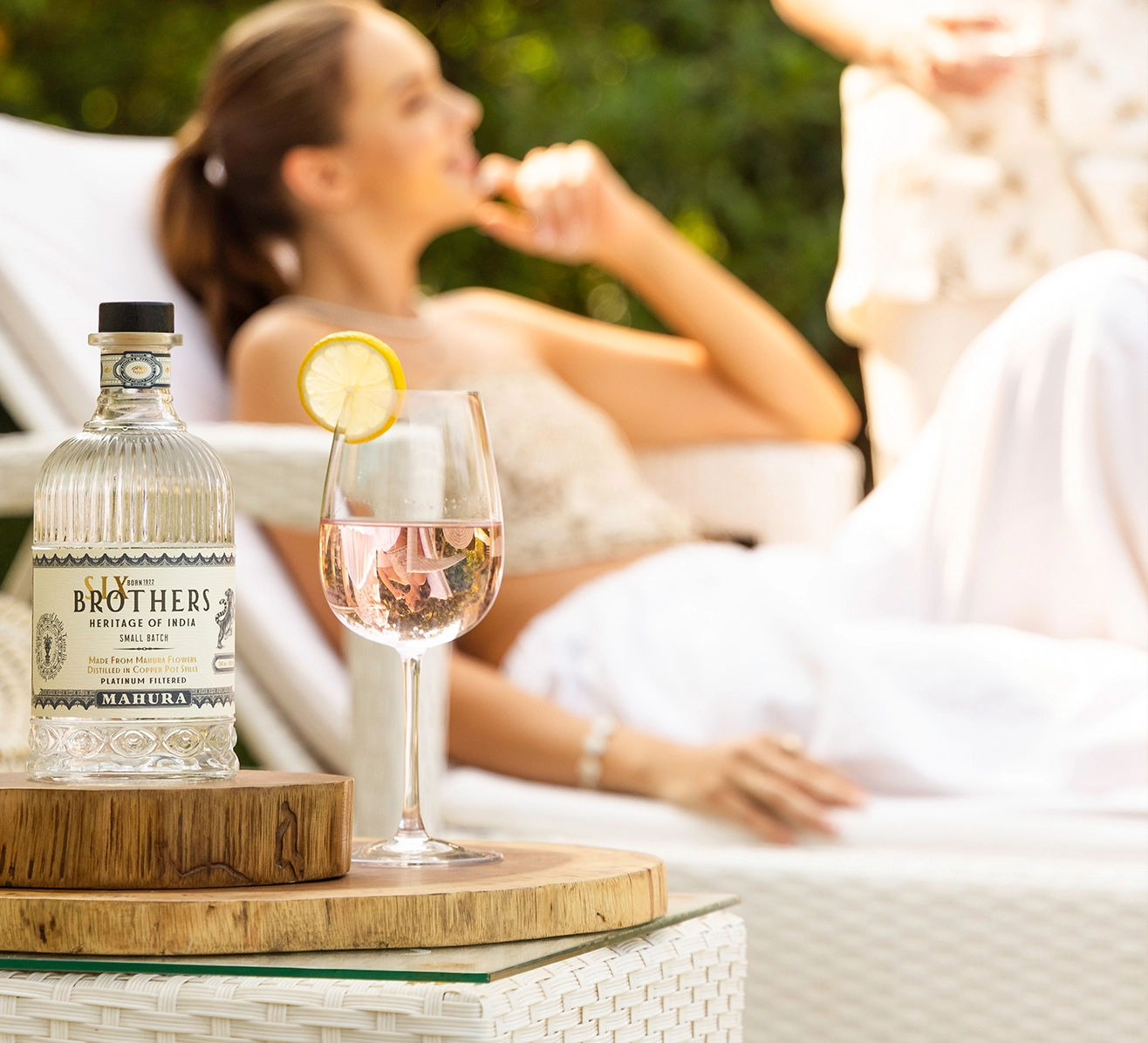
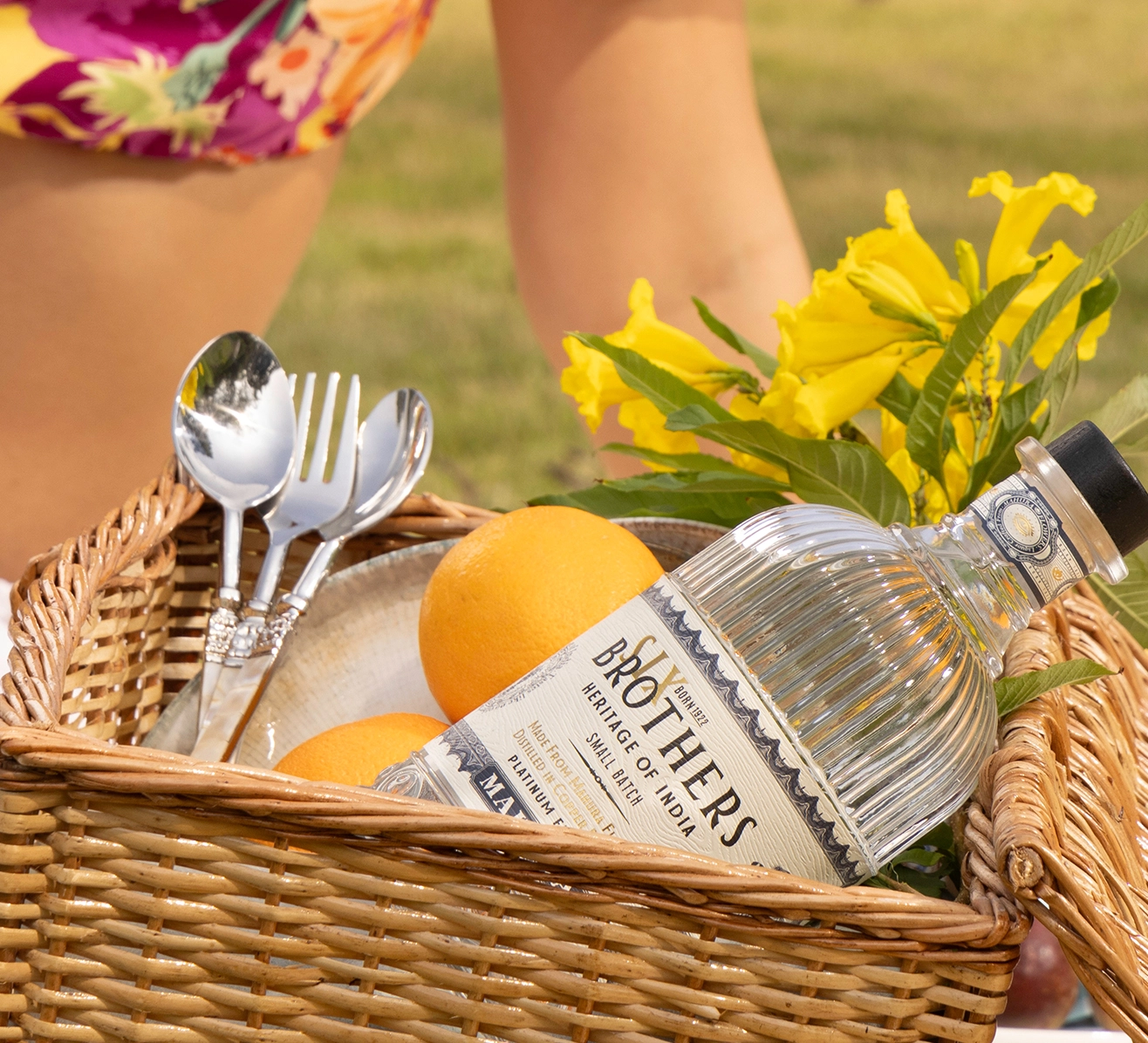
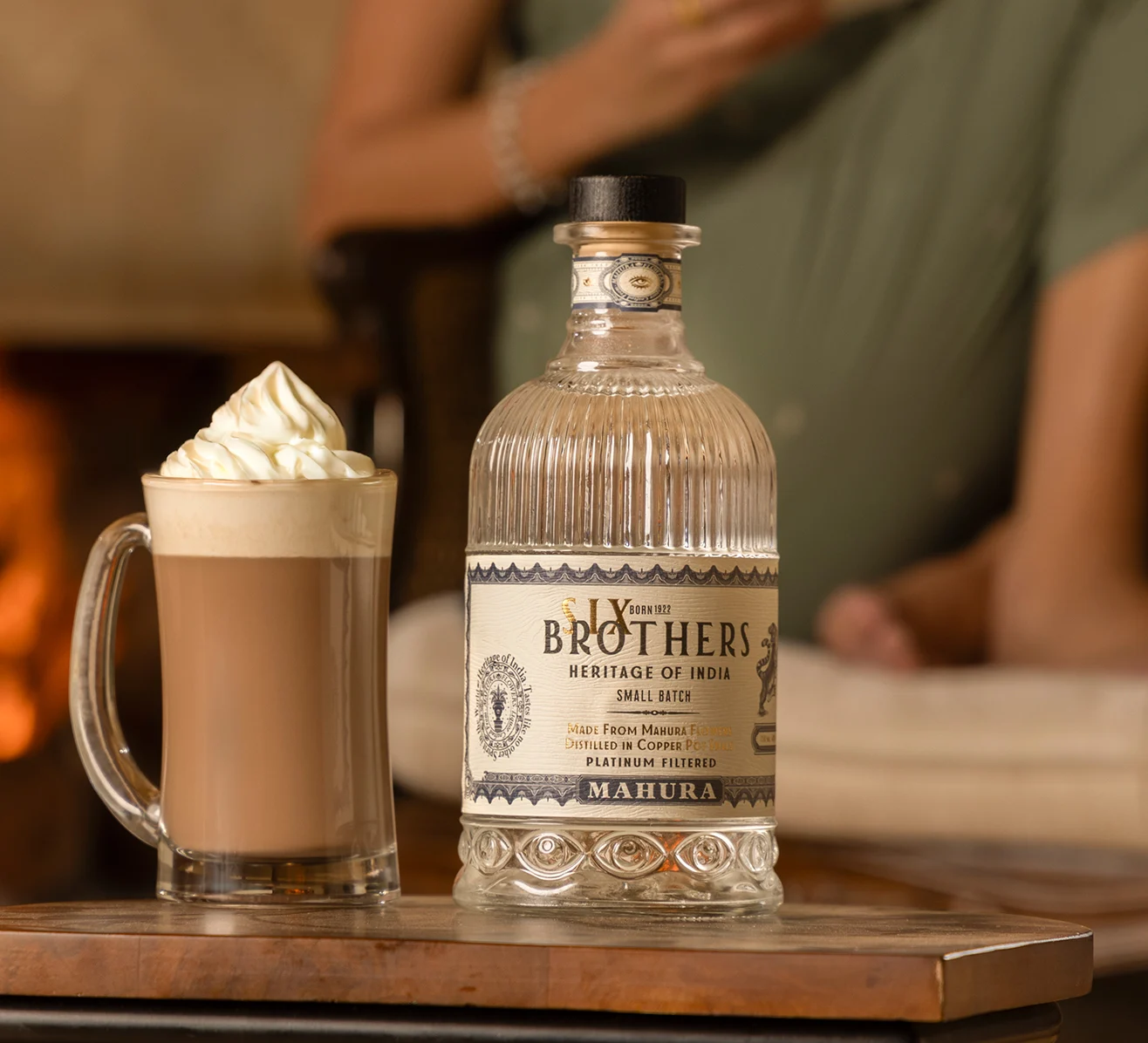
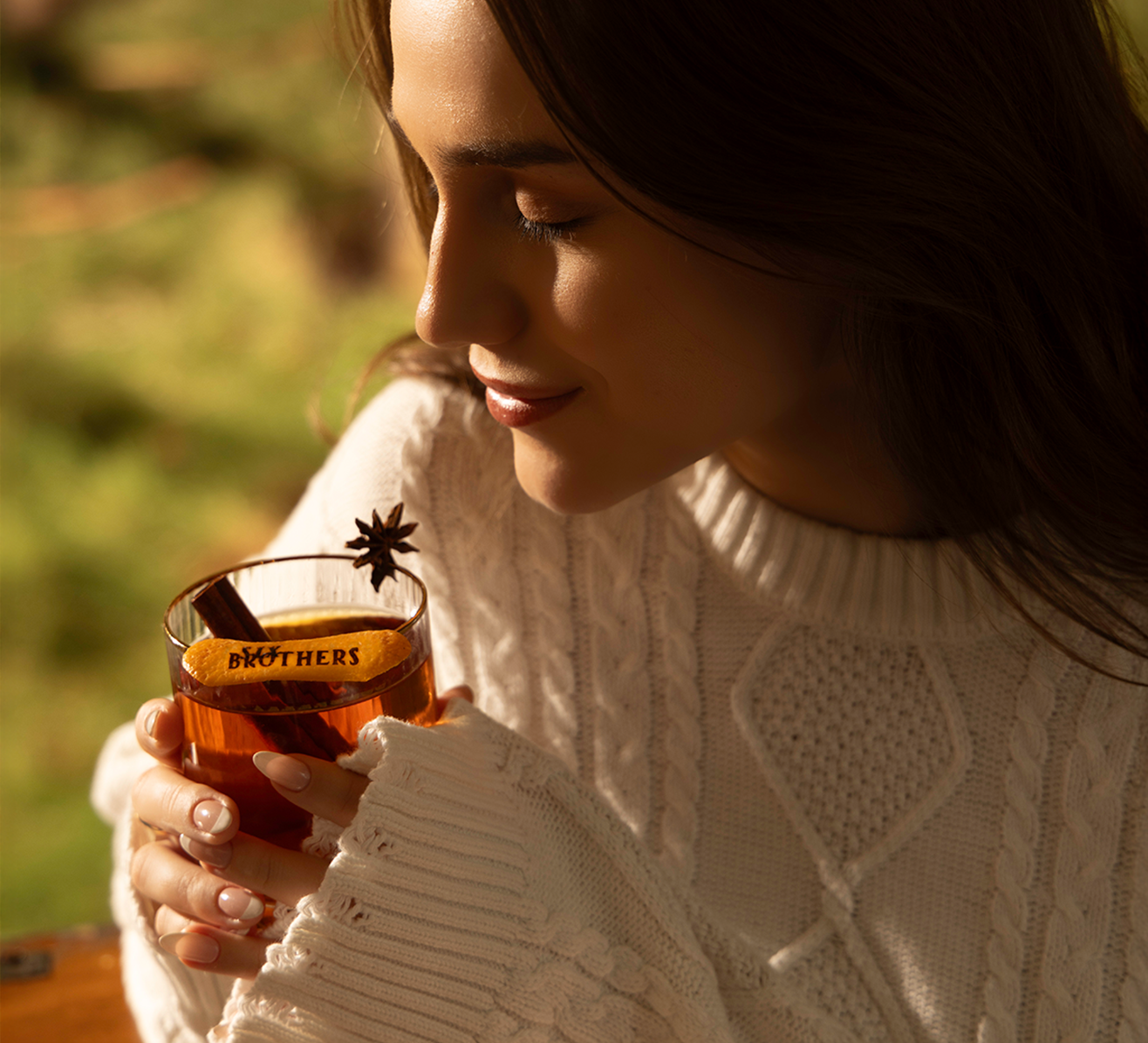
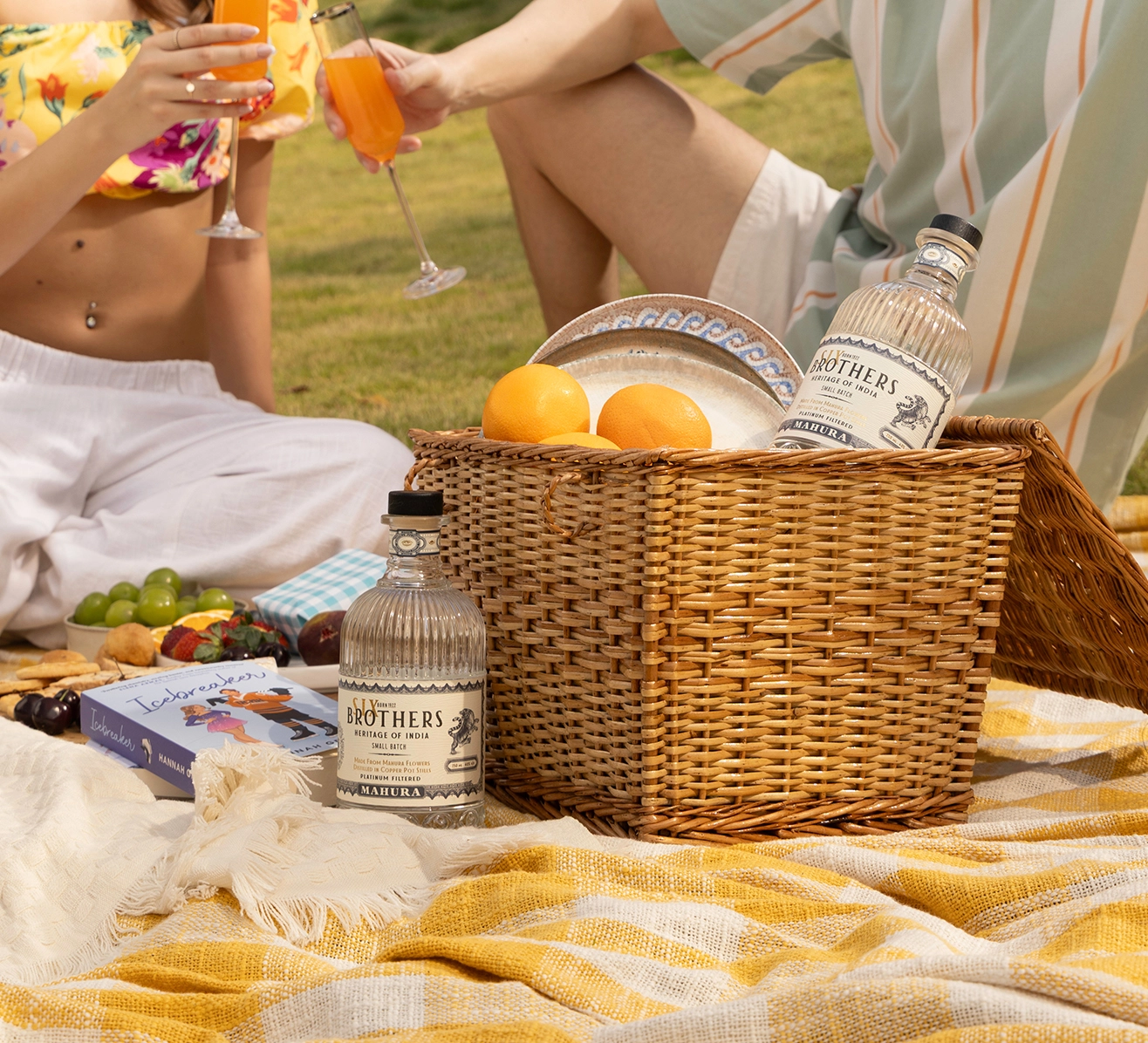
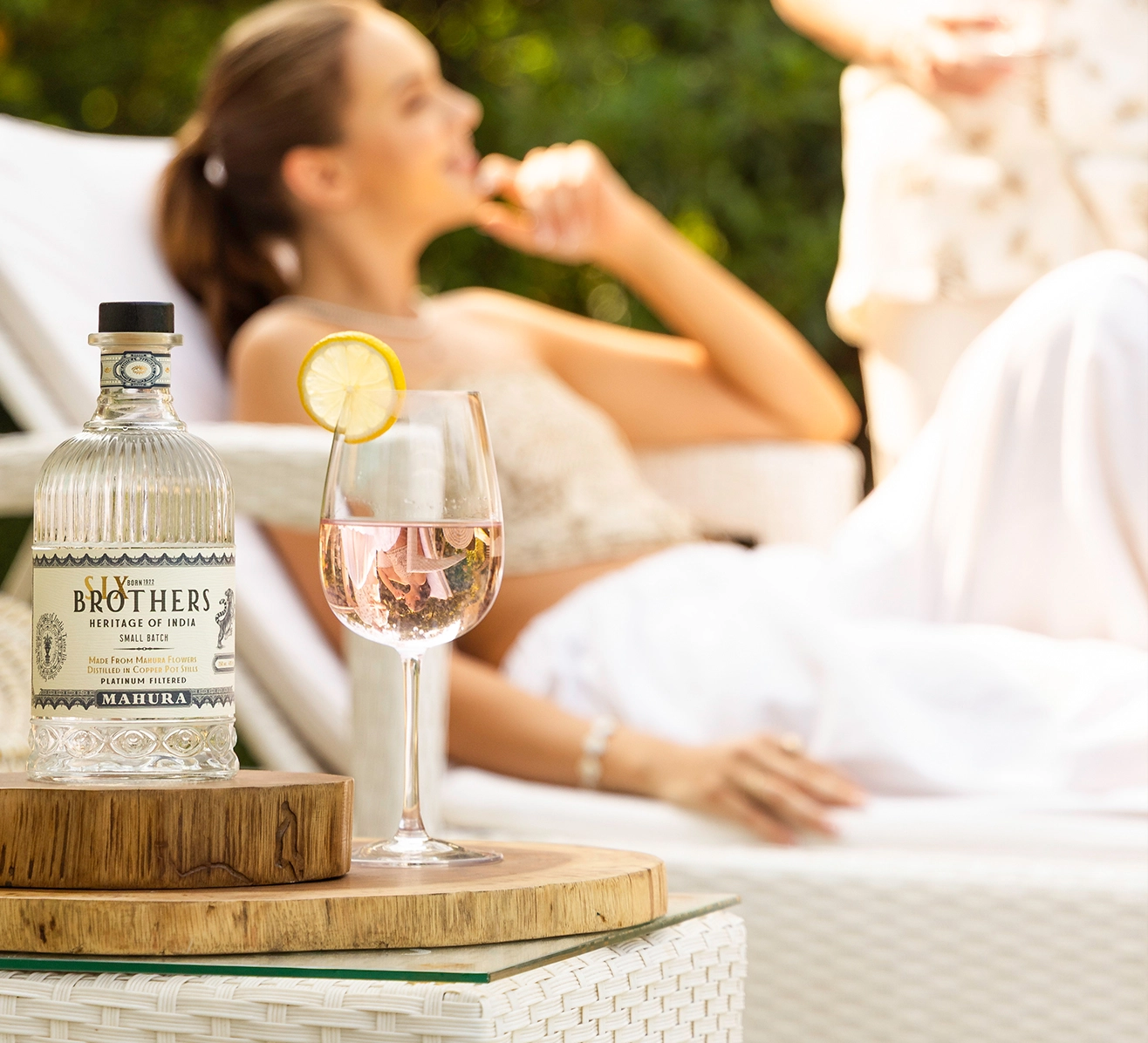
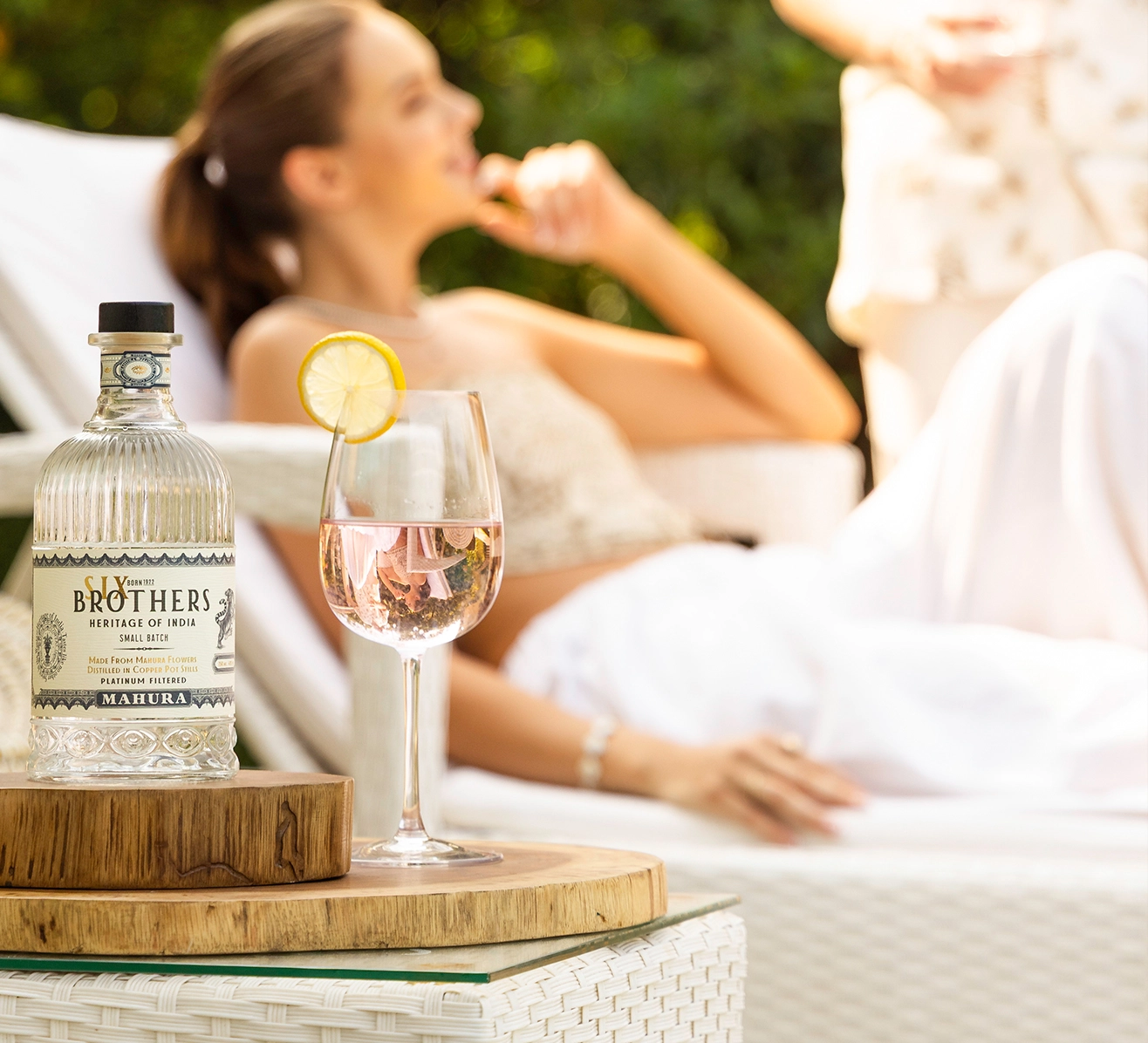
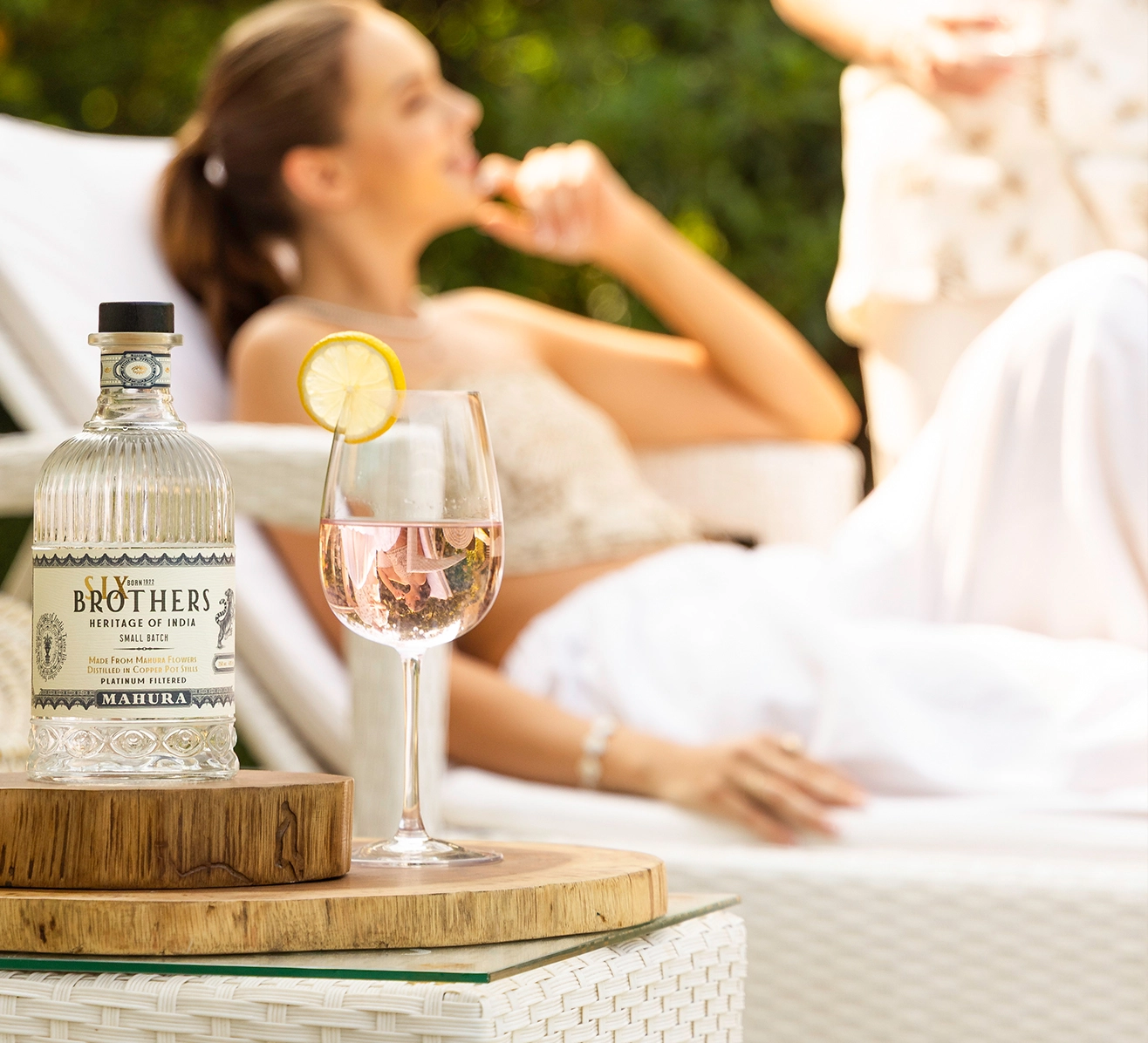
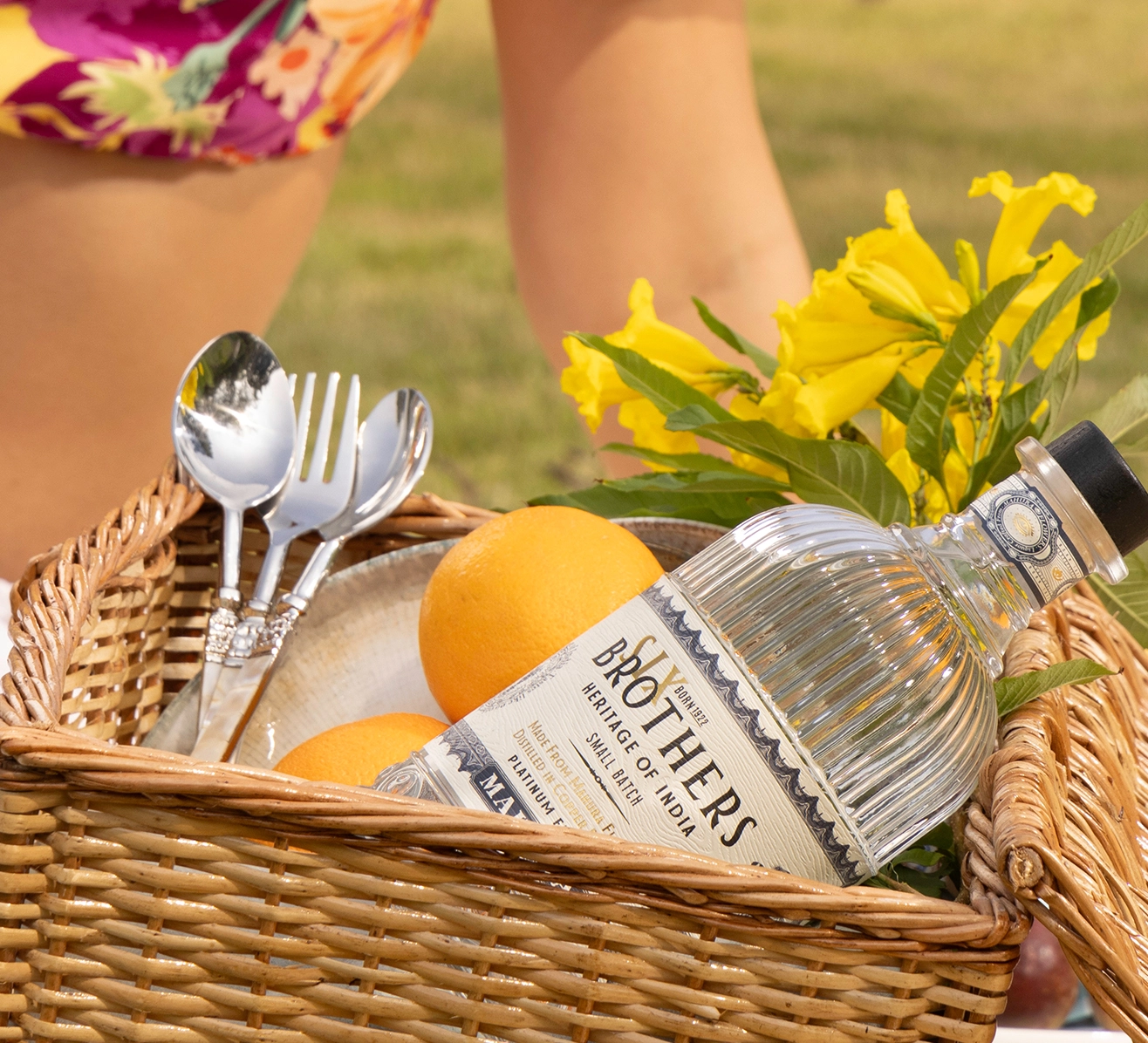
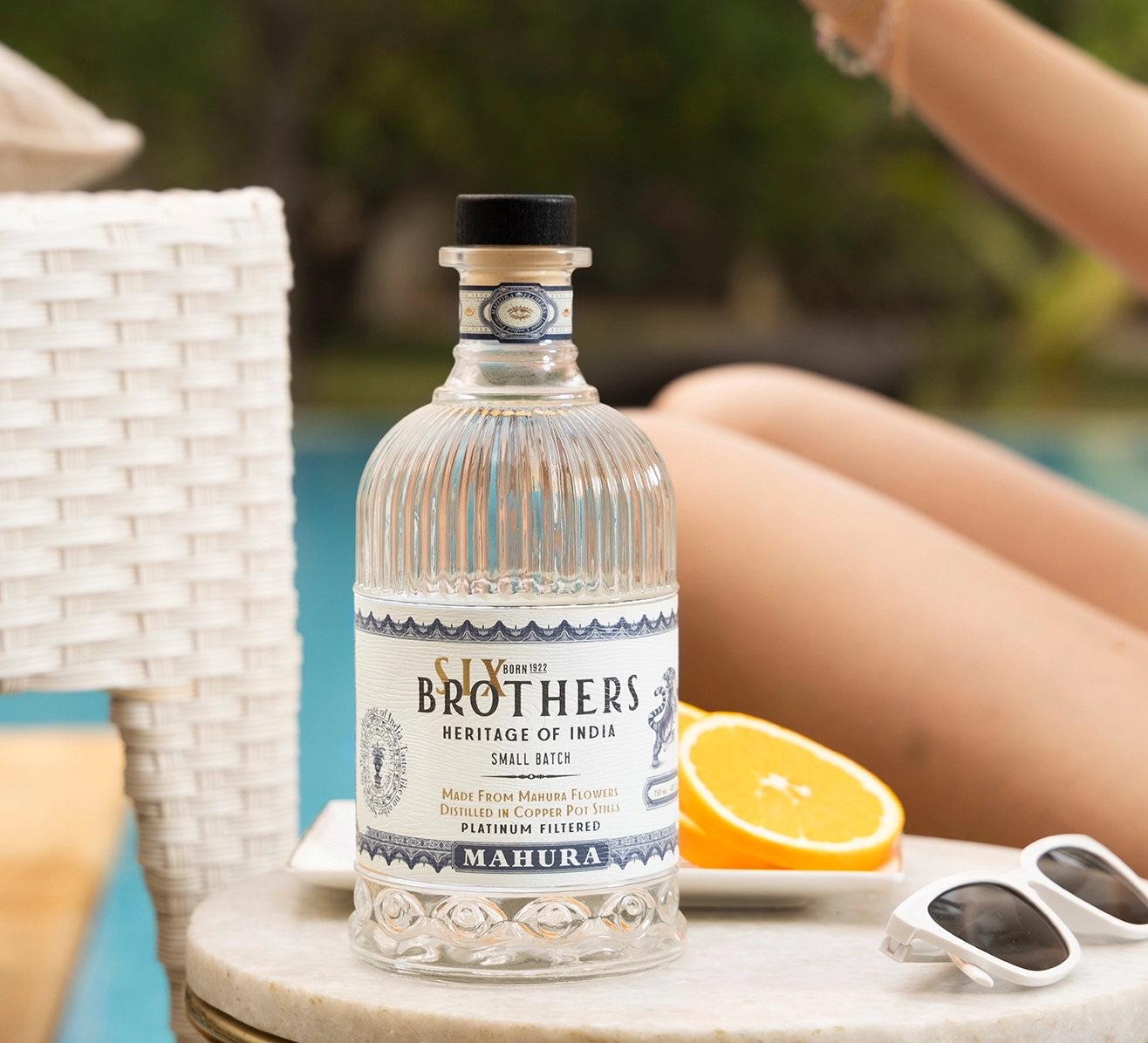
The way Mahua spirit is consumed is often shaped by the environment. It is commonly associated with:
This enhances comfort and openness.
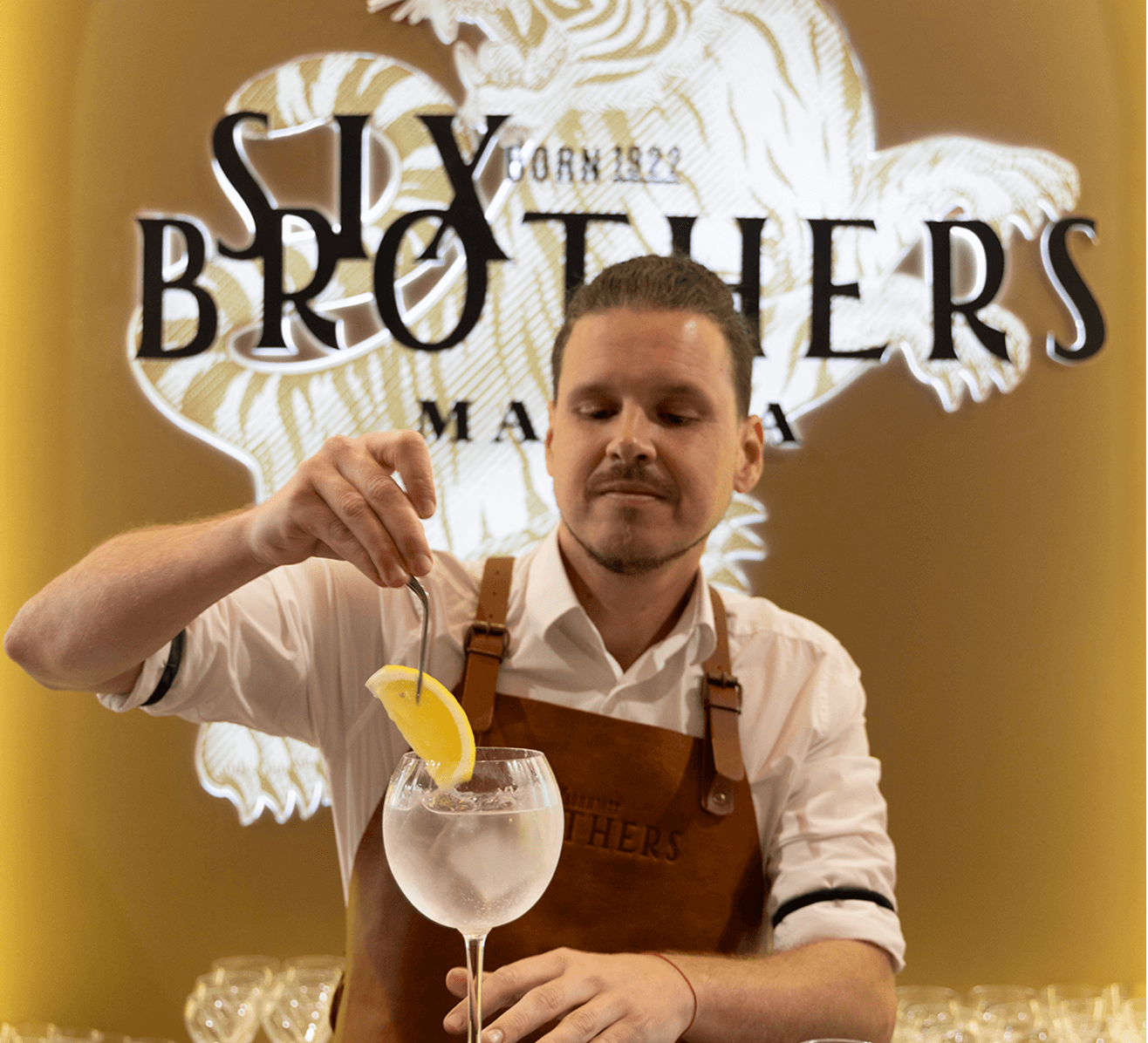
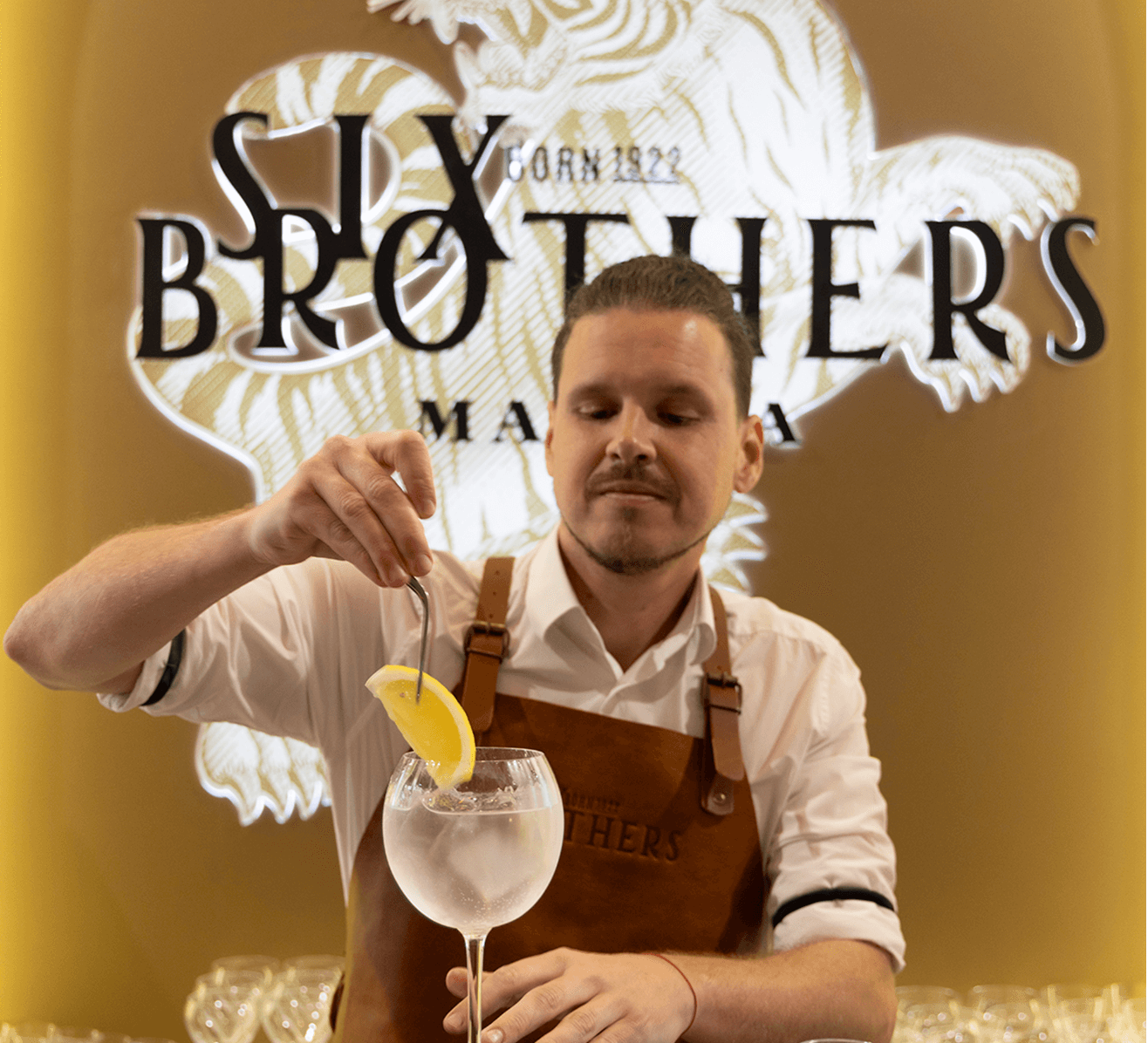
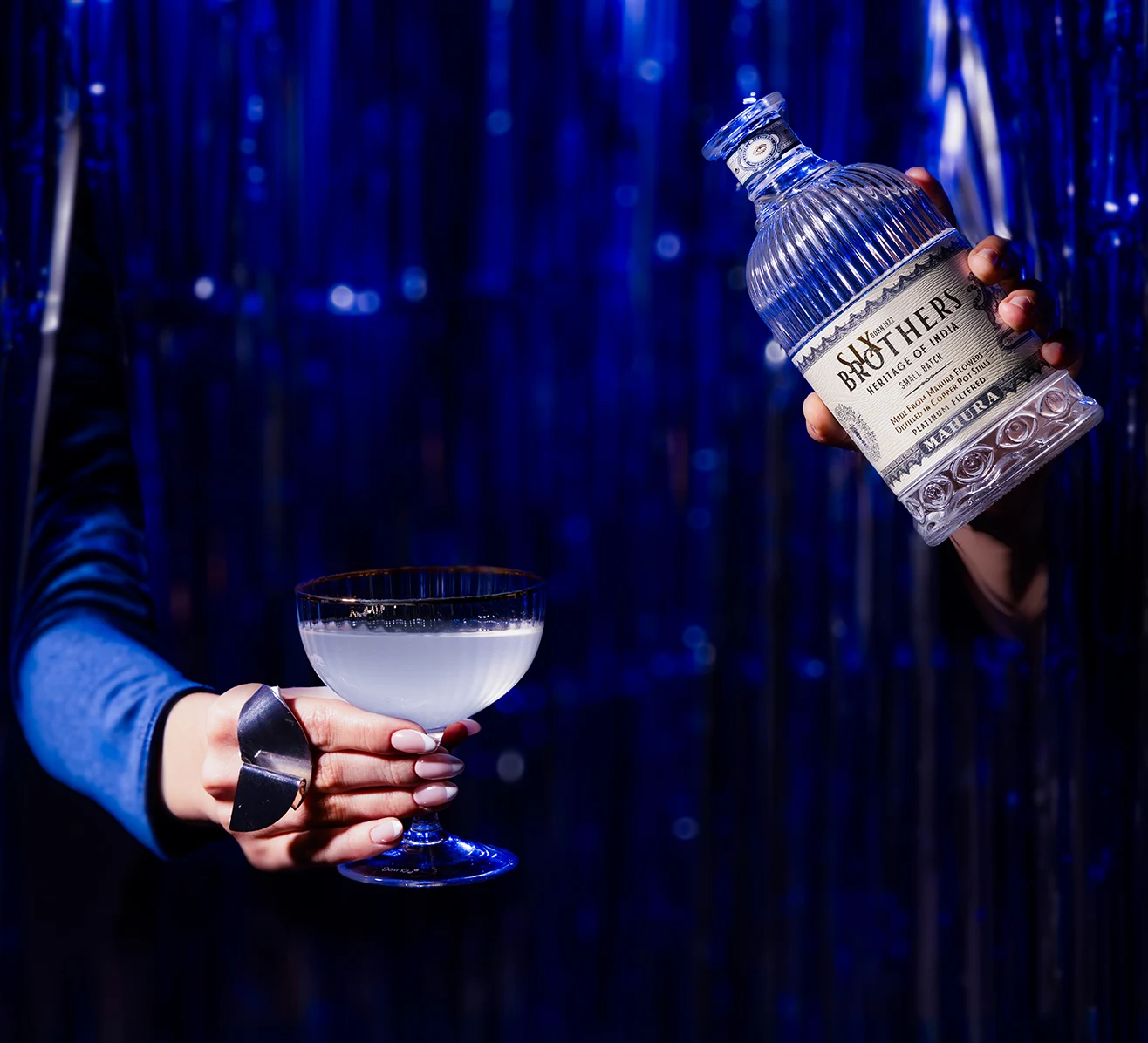
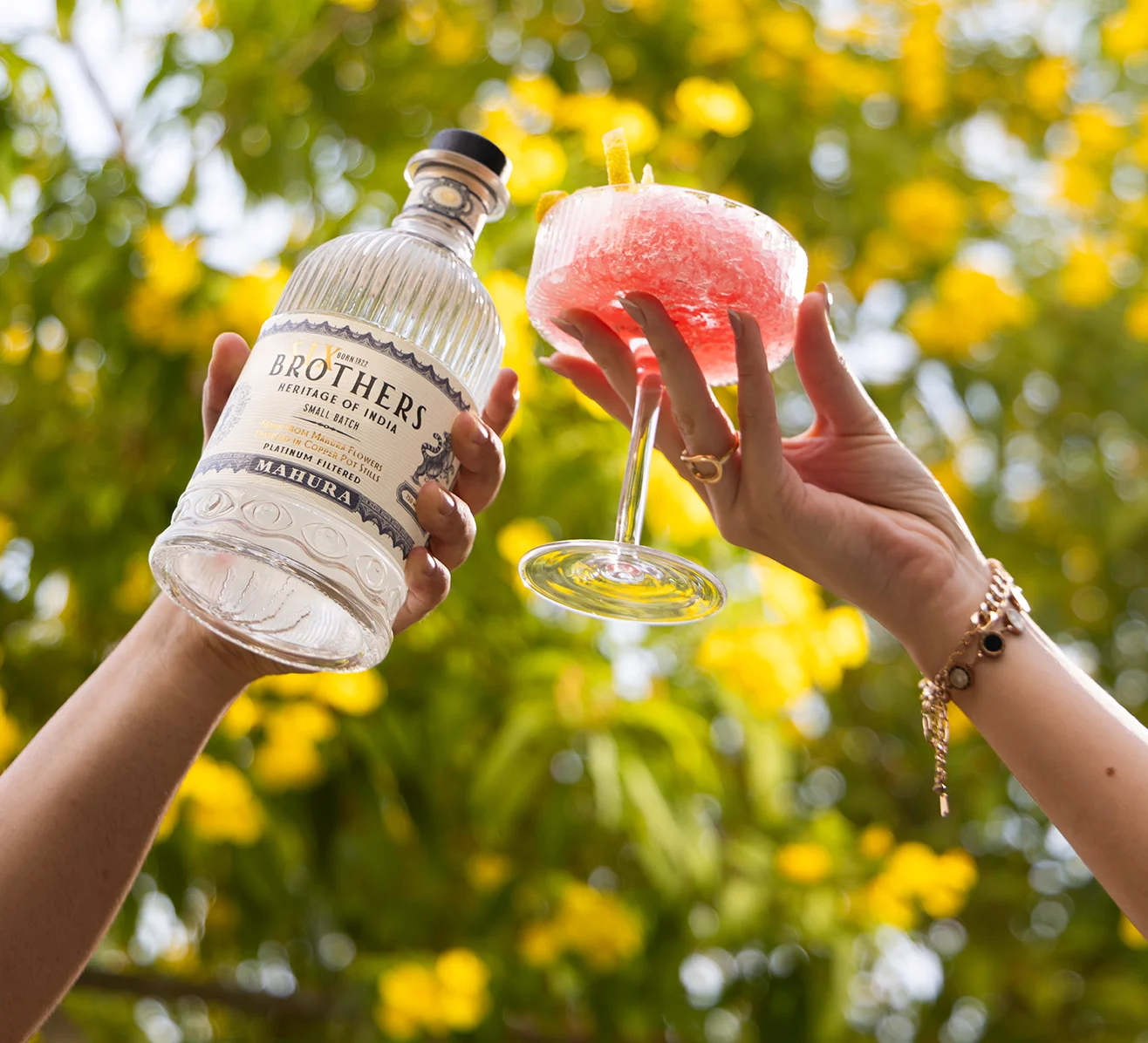
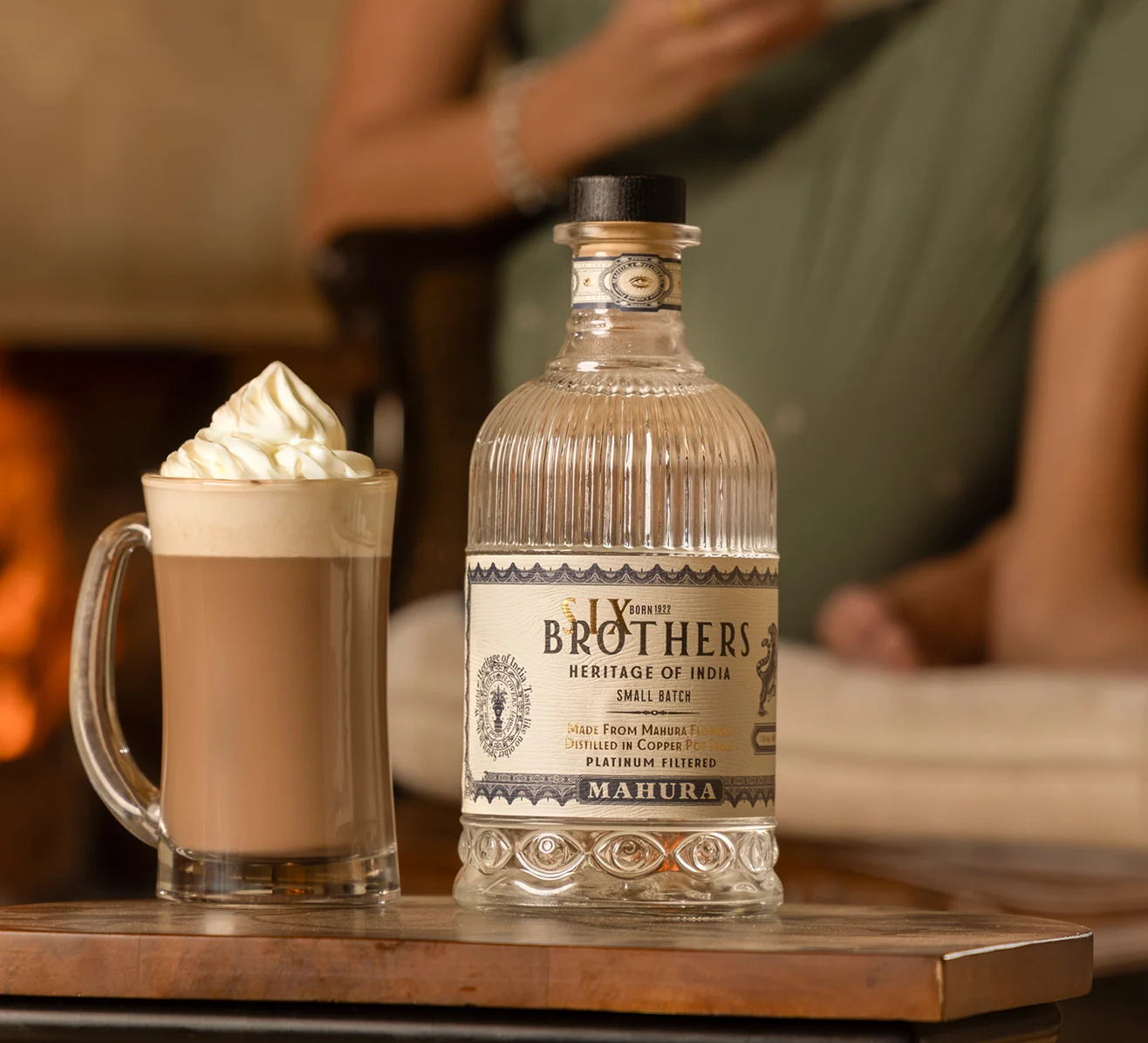
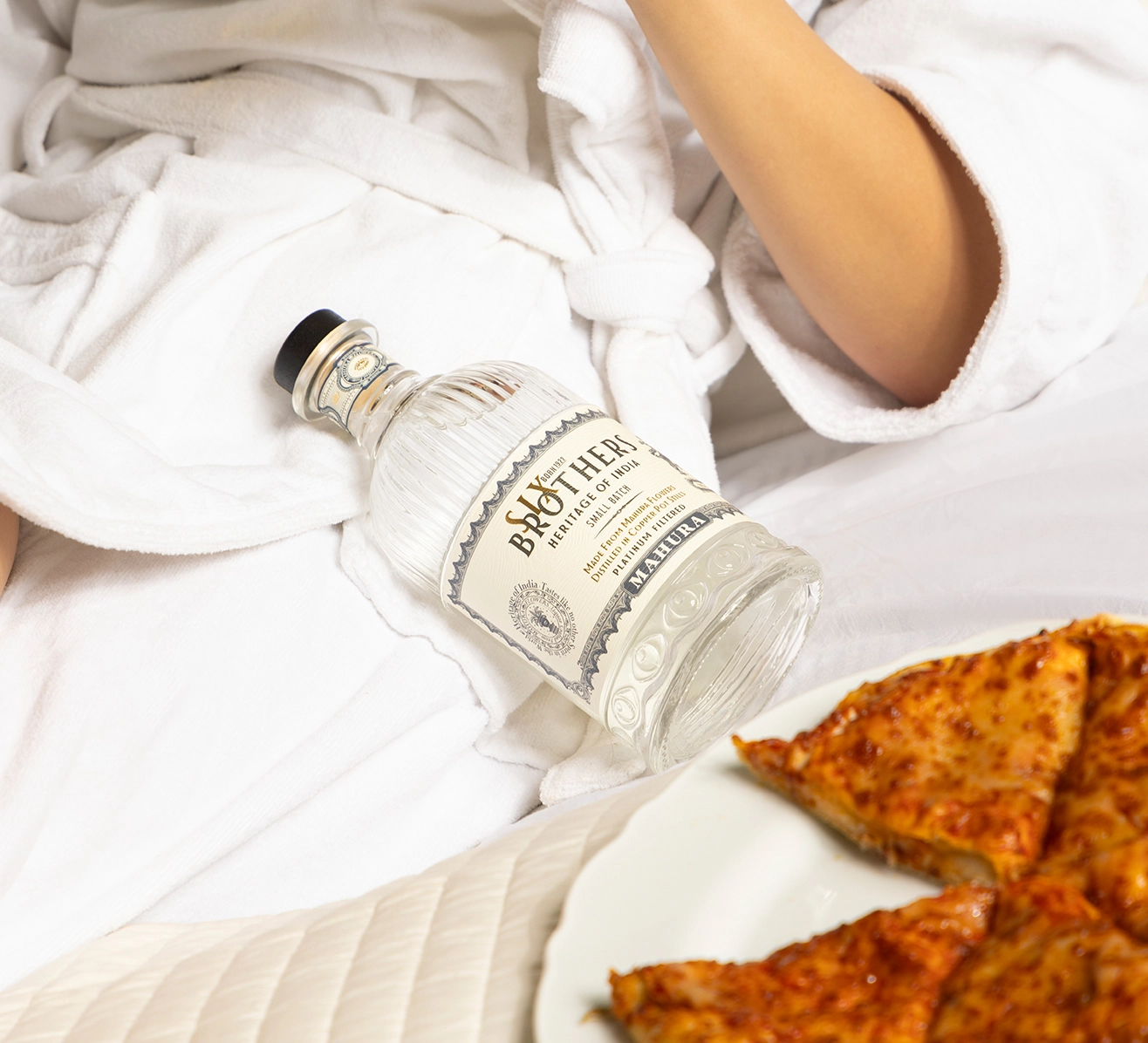
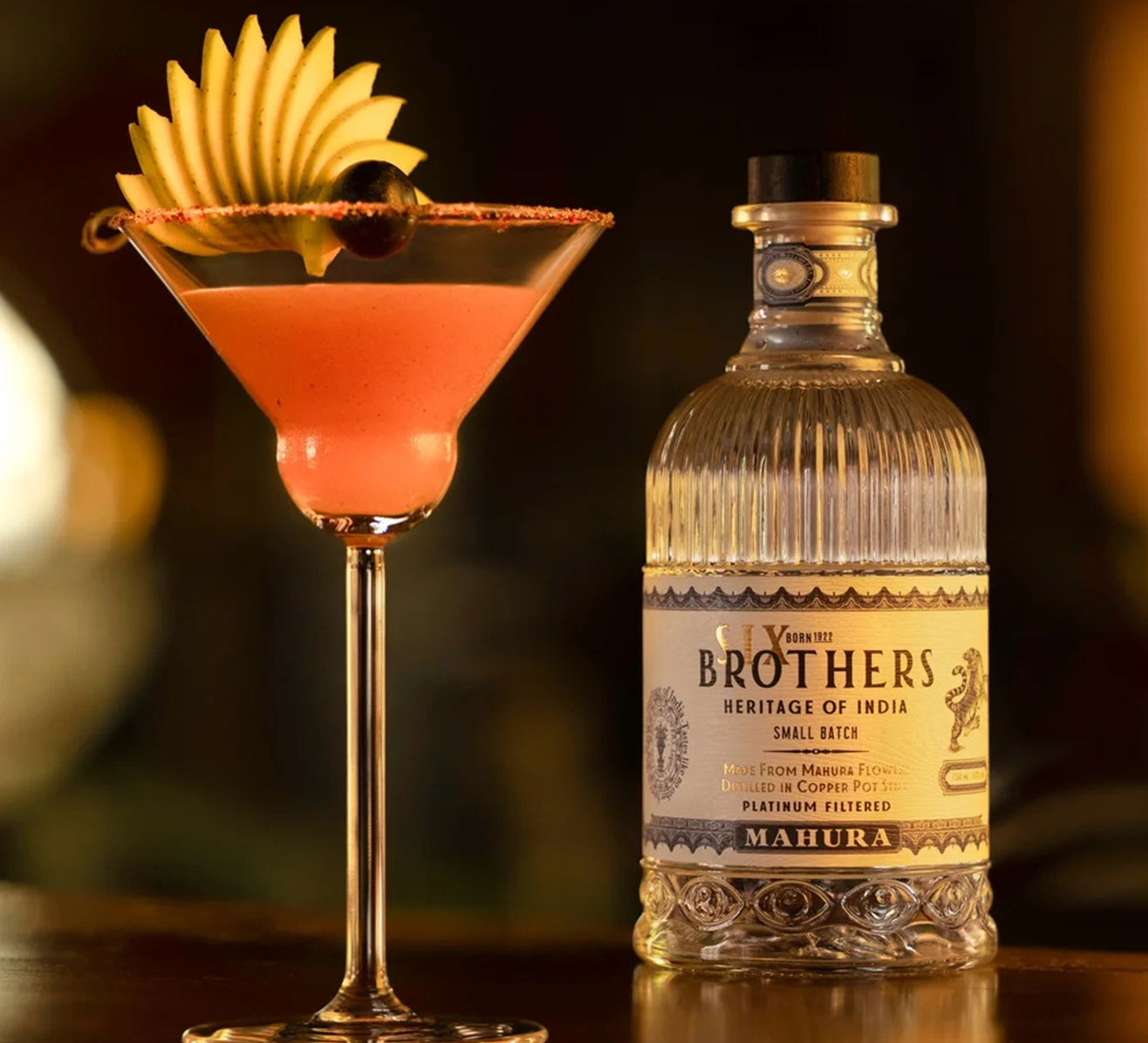
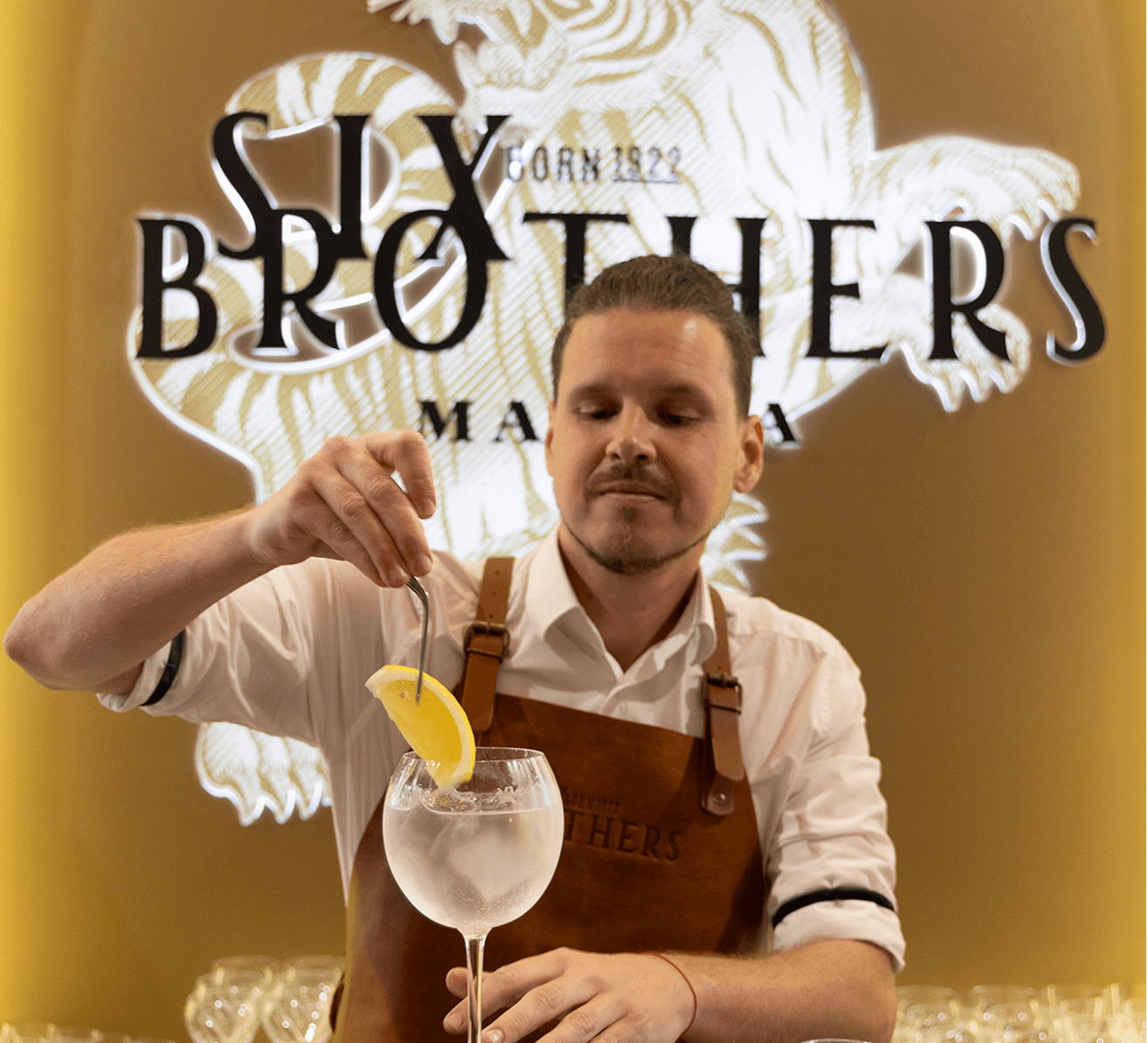
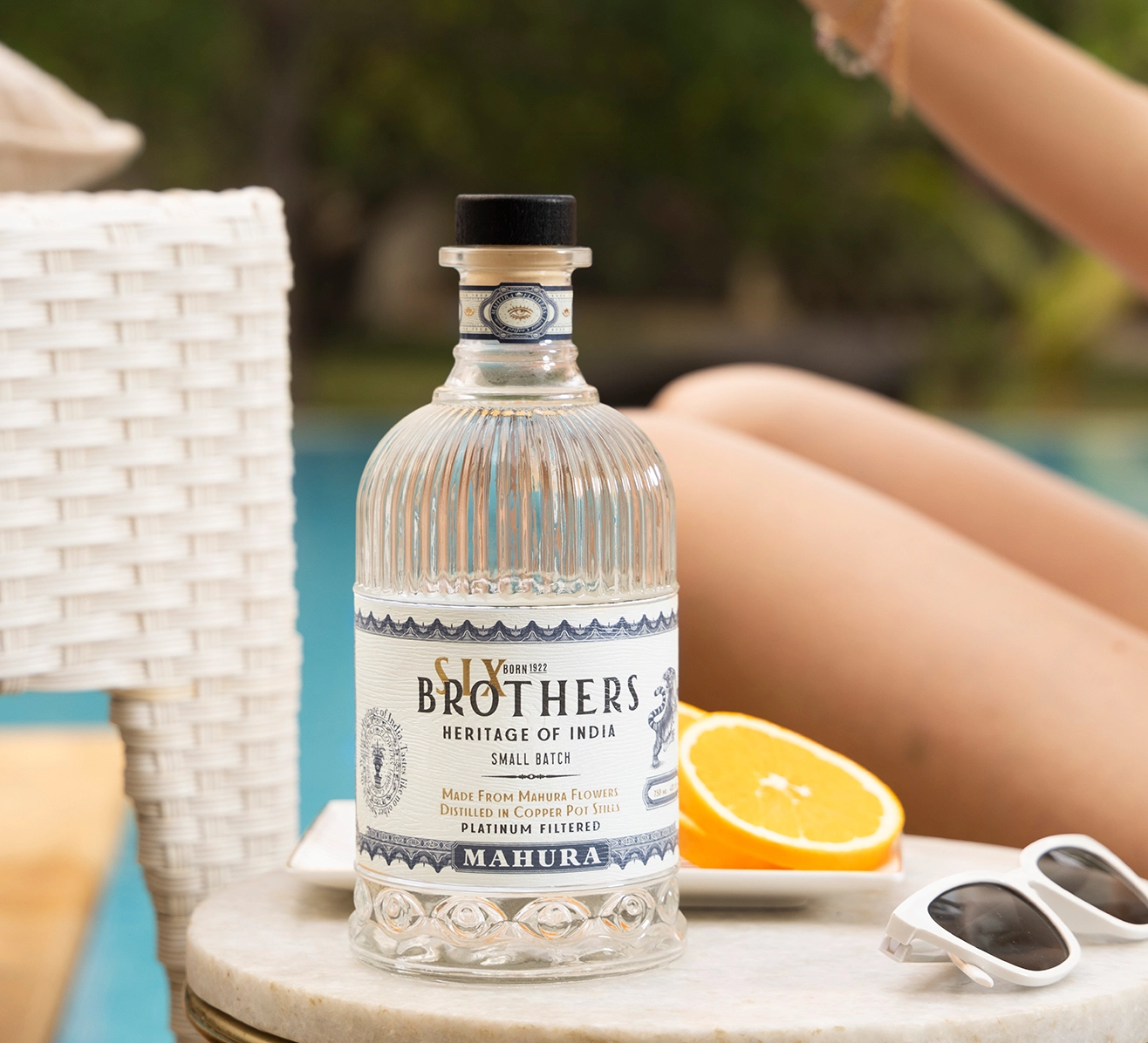
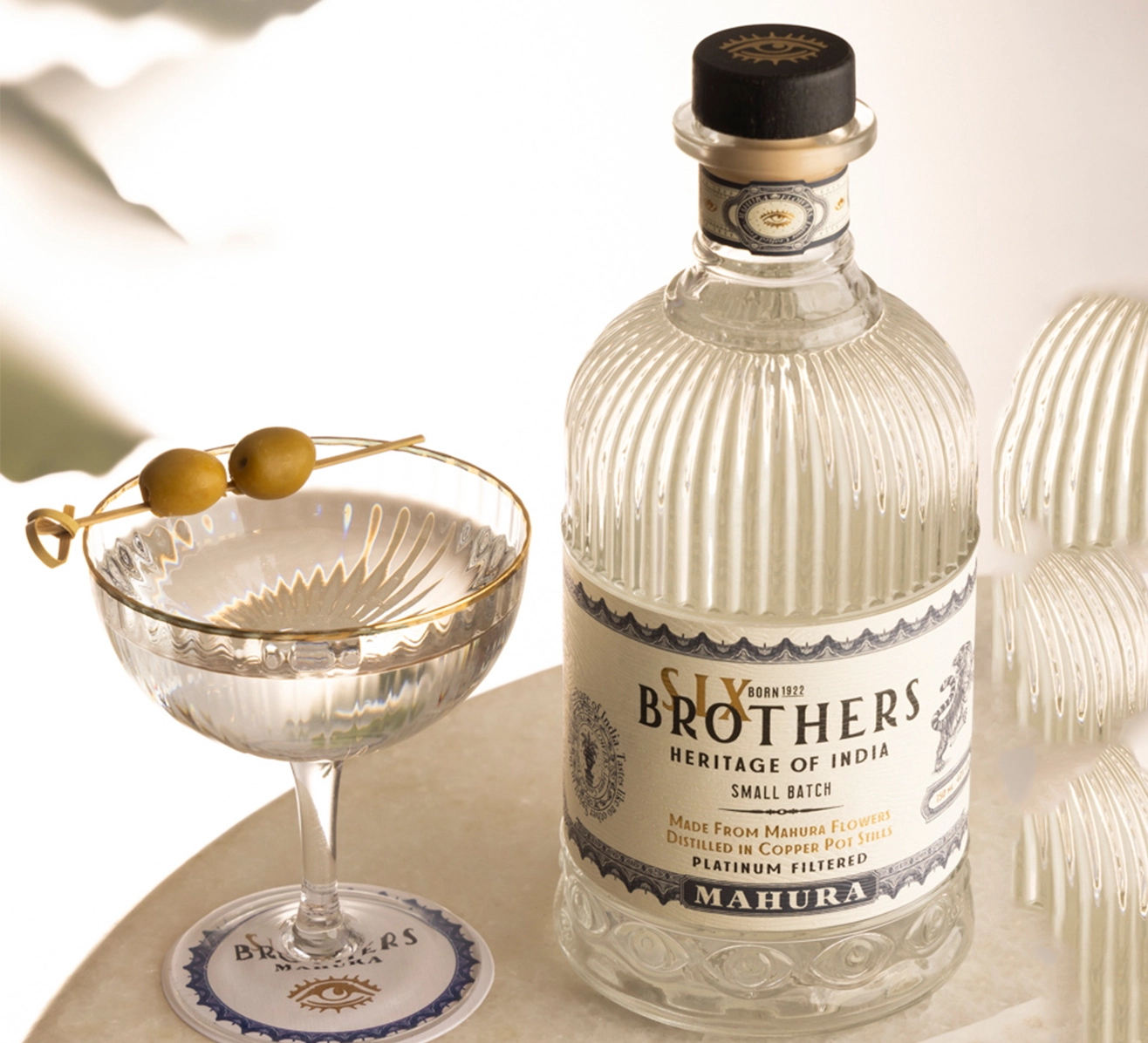
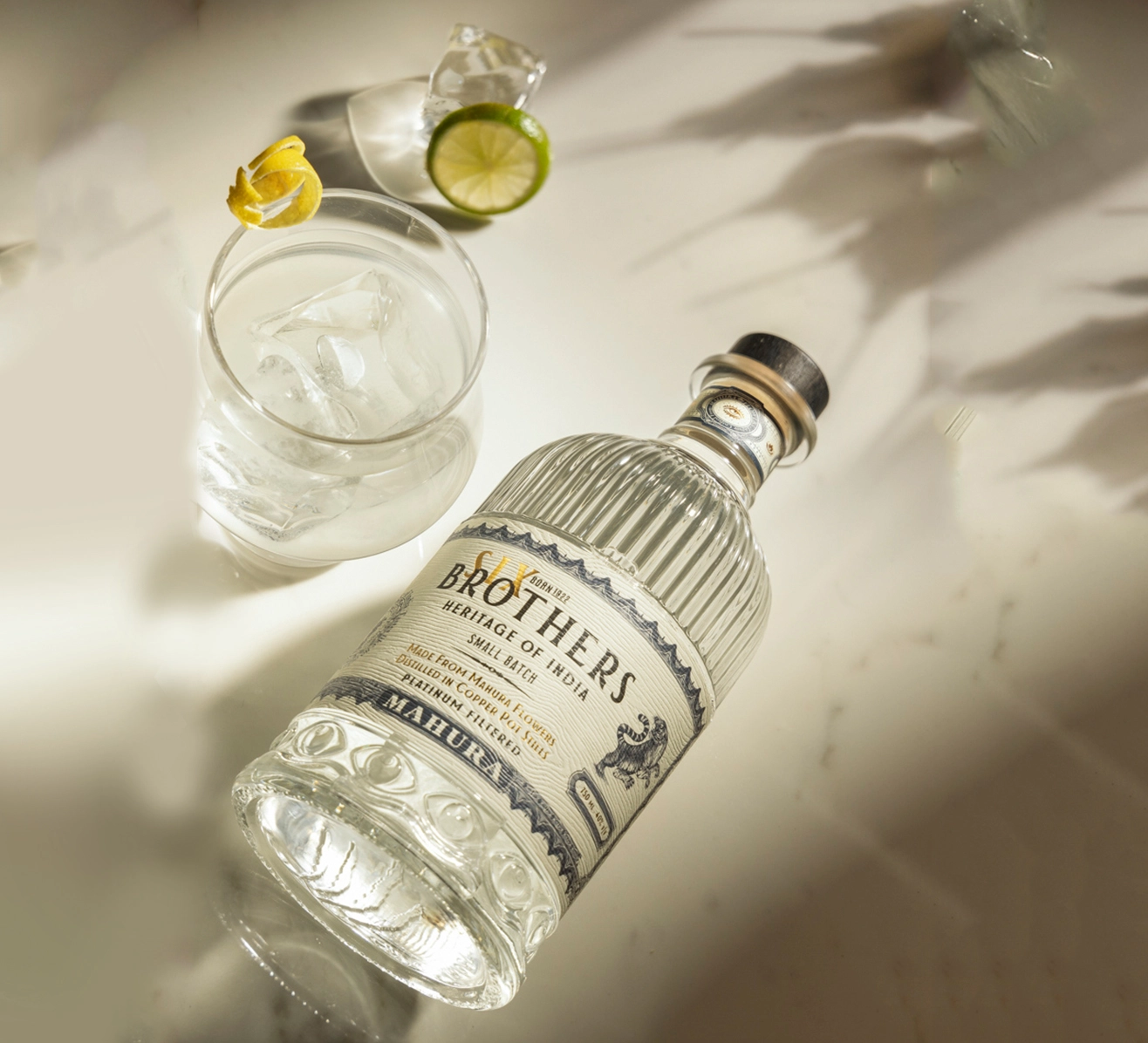
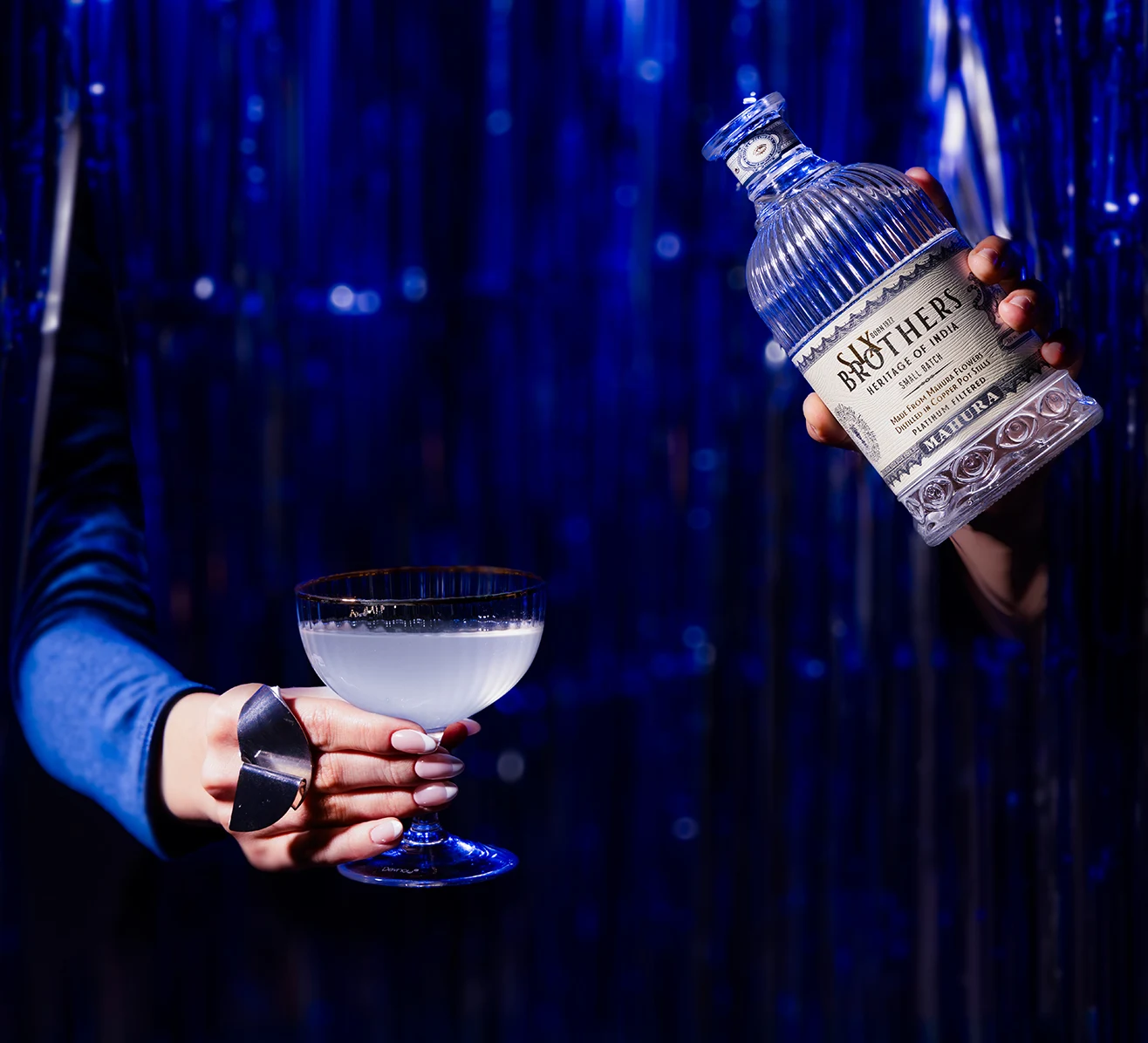
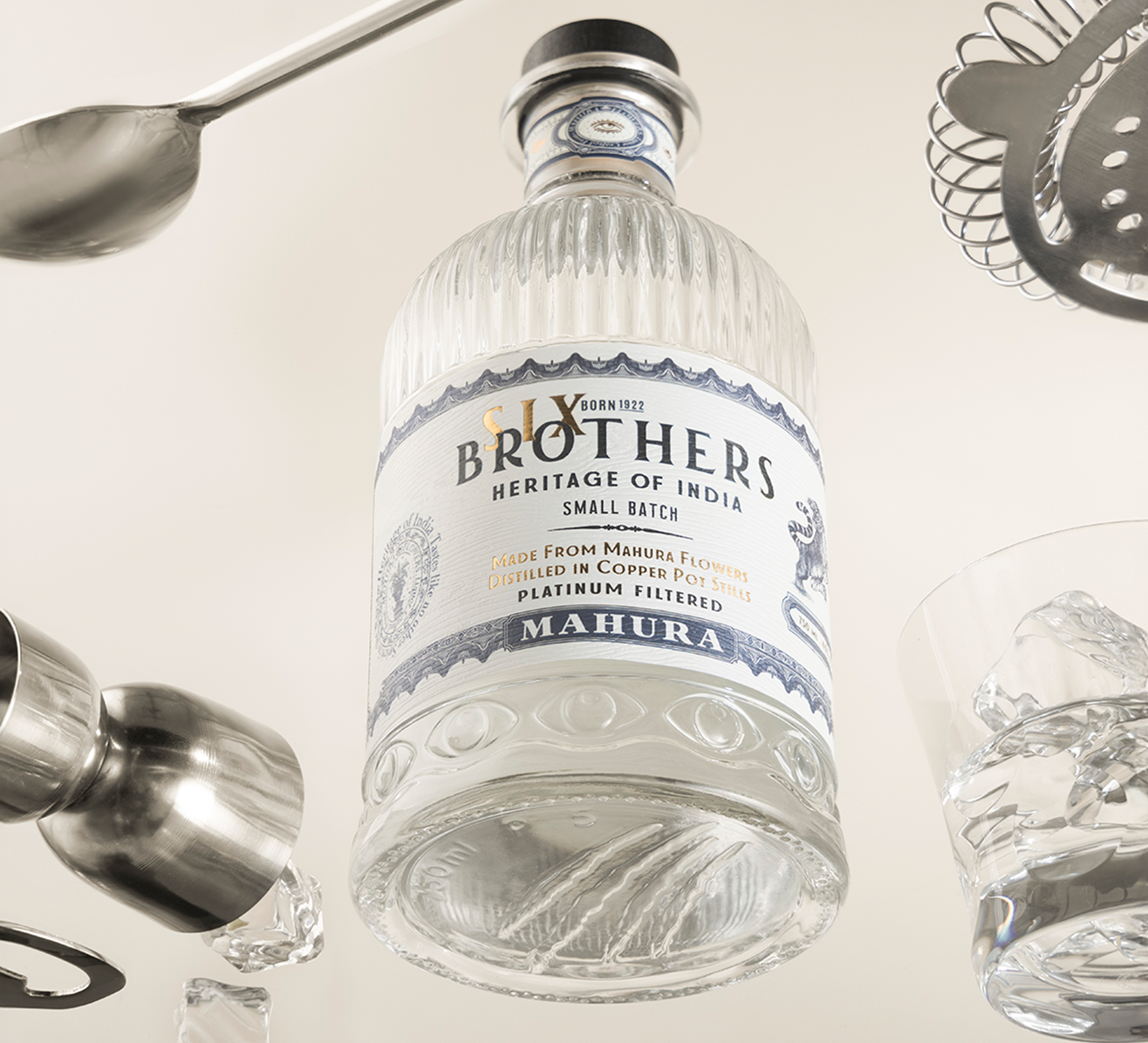
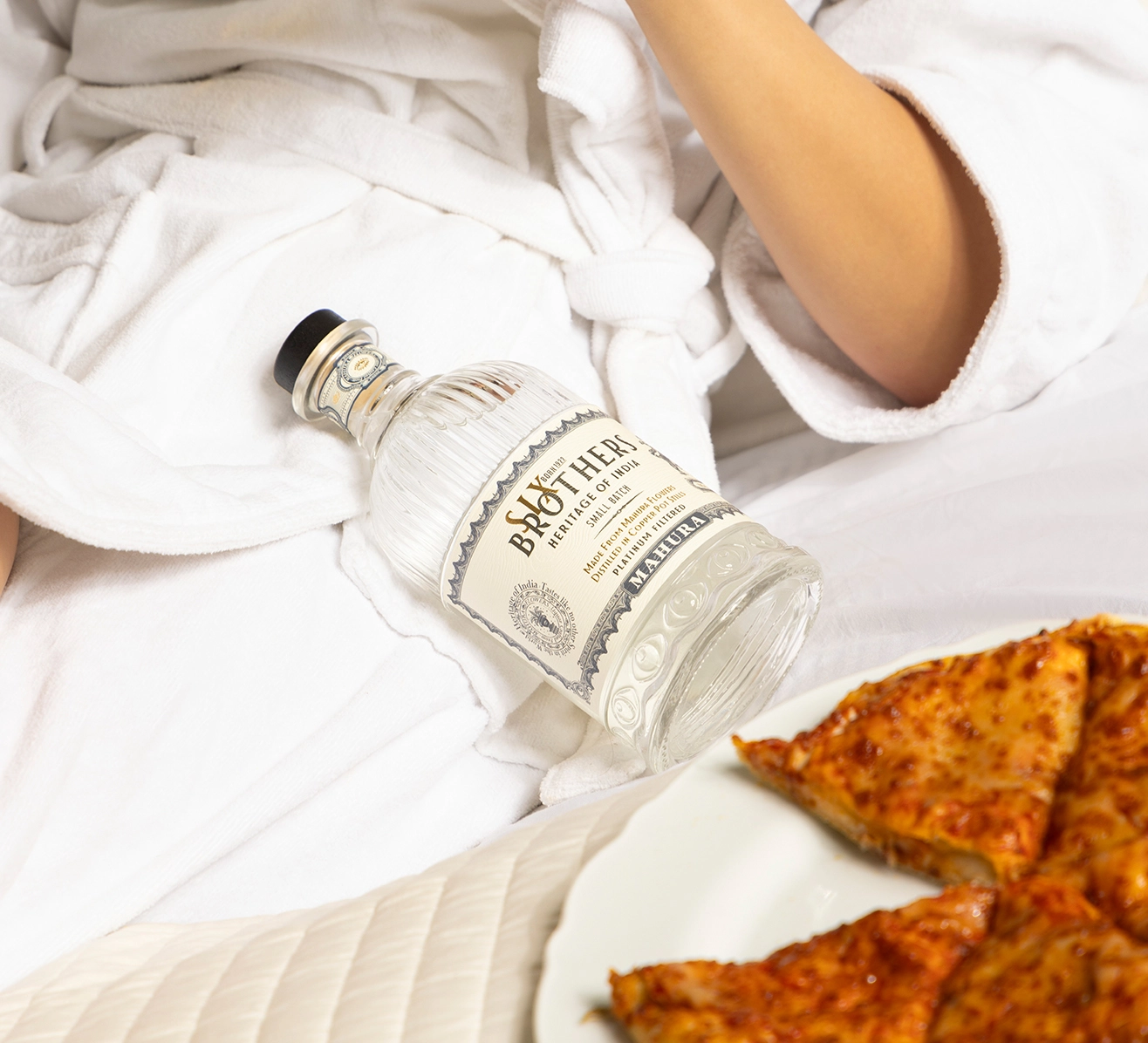
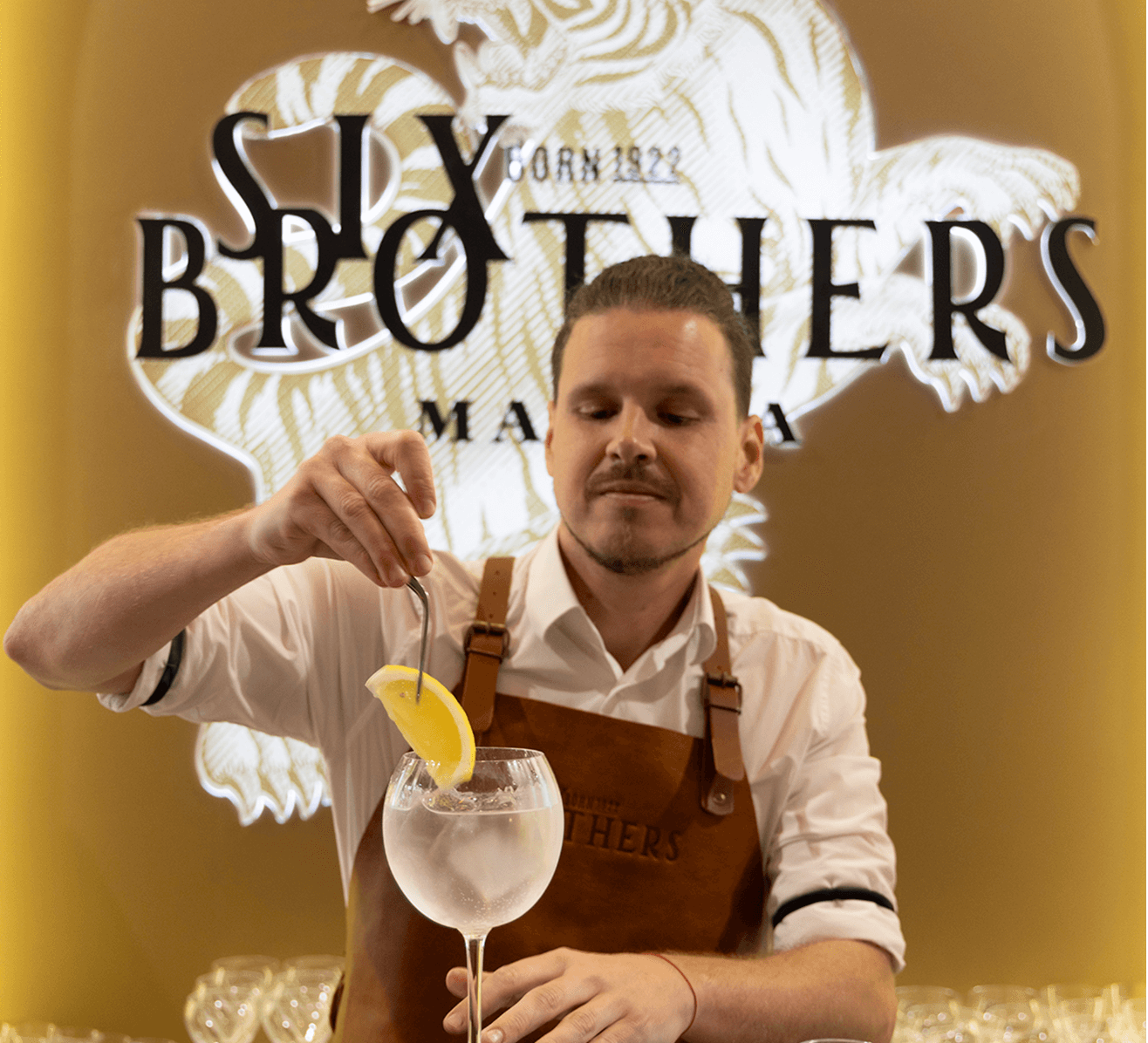
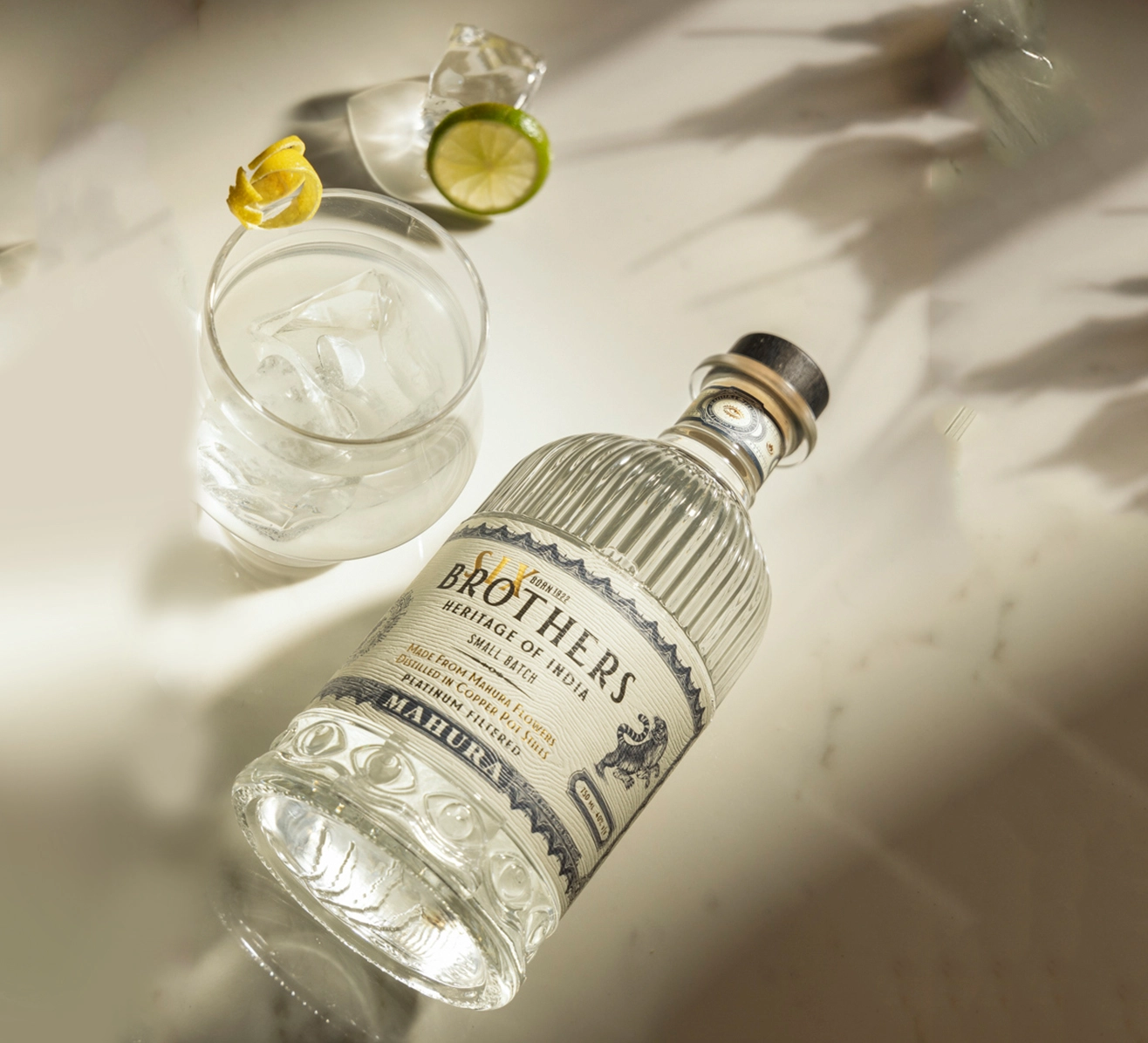
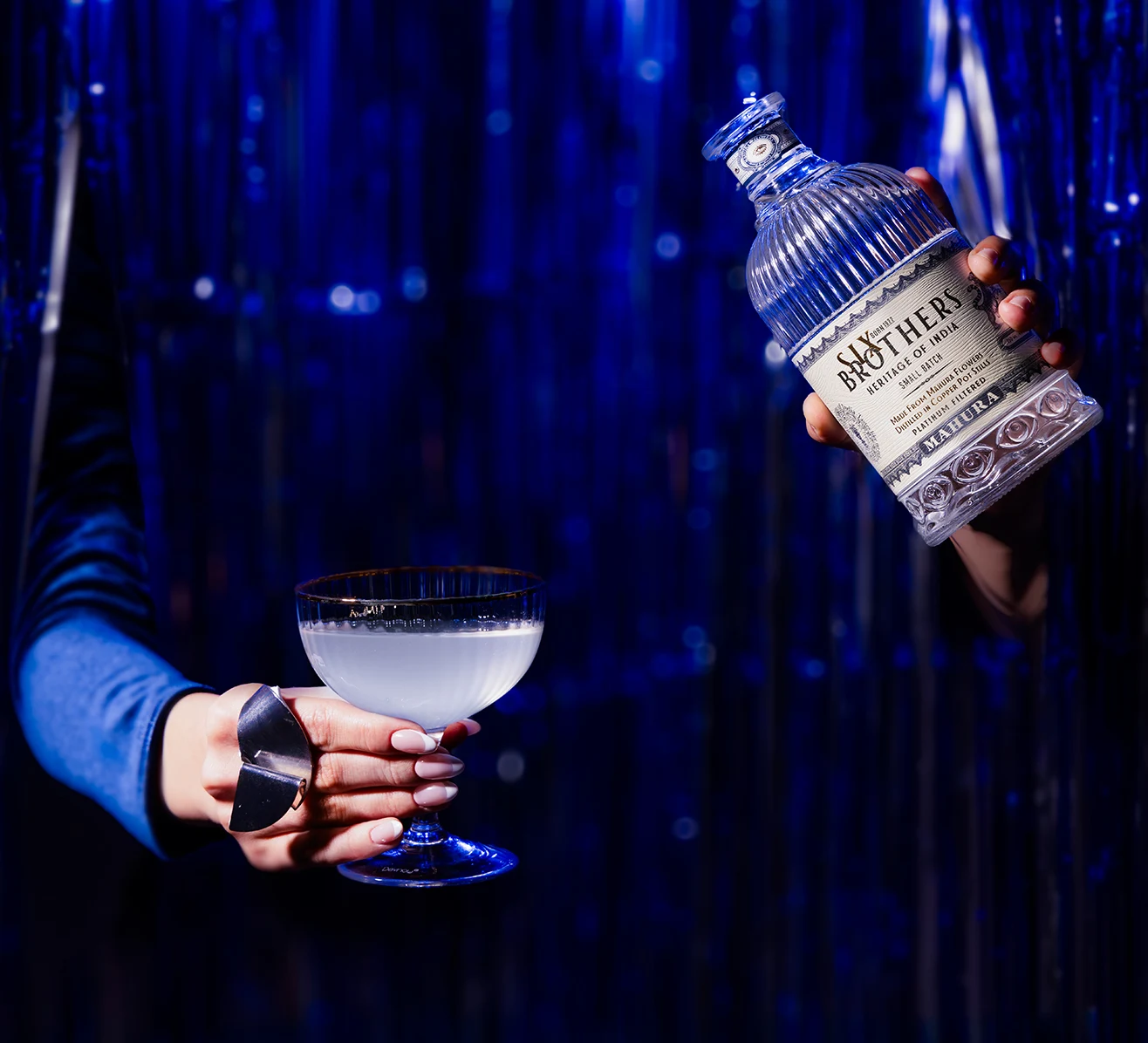
In urban environments, these rituals are evolving. Mahua liquor is now being:
This shows its adaptability.
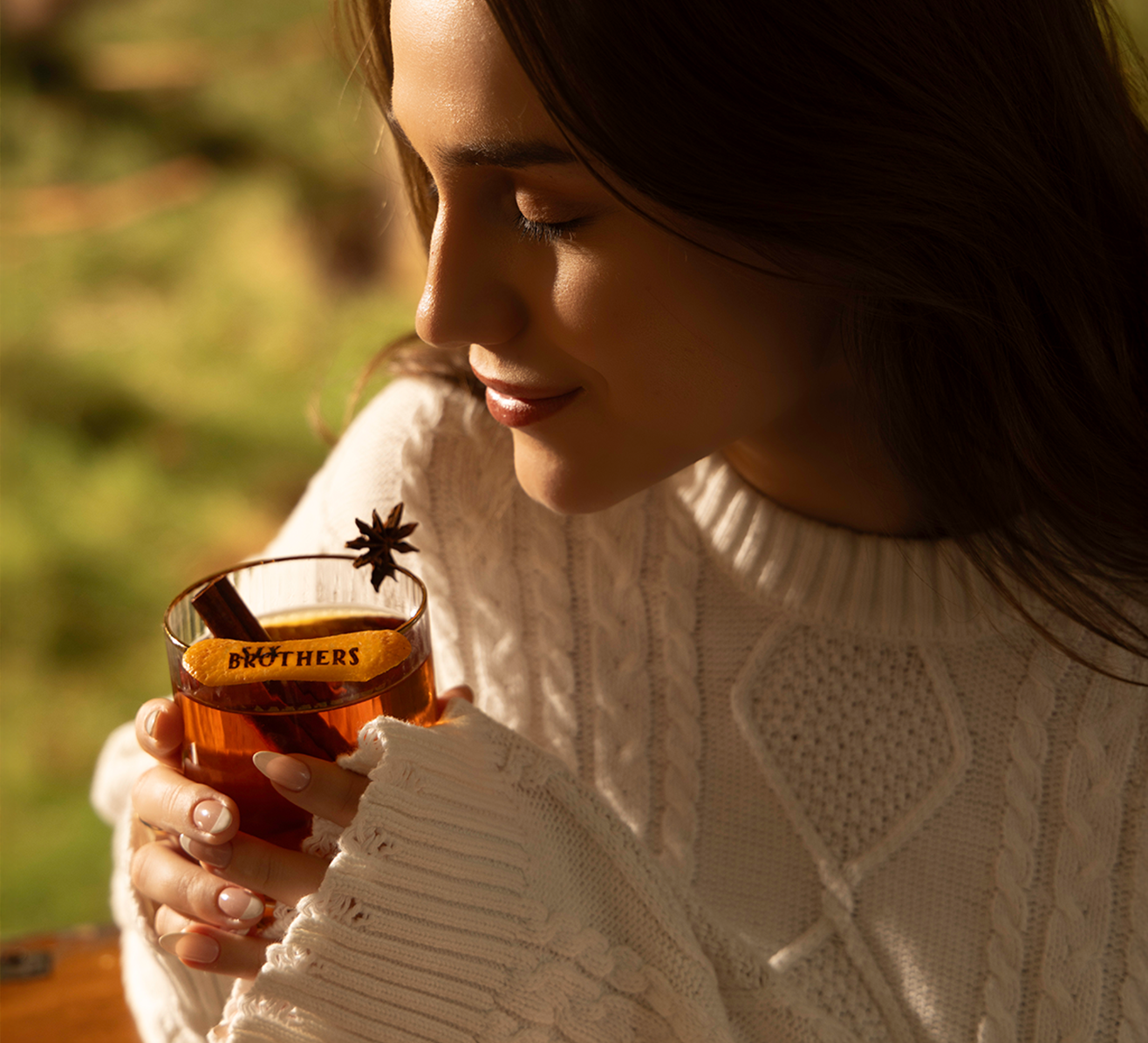
A key part of sharing Mahua alcohol is the role it plays in conversation. It often:
This enhances the overall experience.
Because of its distinct identity, Mahua drink often becomes:
This makes it memorable.
While many Indian spirits are consumed individually or in fast-paced settings, Mahua spirit stands out because:
This sets it apart.
The act of sharing Mahua liquor makes the experience:
This strengthens its social appeal.
Urban consumers are increasingly seeking:
This aligns with how Mahua alcohol is traditionally enjoyed.
For modern audiences, Mahua drink offers:
This makes it relevant today.
As drinking habits change, some traditional aspects of sharing Mahua spirit may be affected by:
These factors can influence how it is experienced.
To preserve its identity, Mahua liquor must continue to:
This ensures continuity.
Consumers are increasingly valuing:
This supports Mahua alcohol.
As it evolves, Mahua drink can:
This supports its growth.
The essence of Mahua spirit lies not just in its flavour, but in how it is experienced.
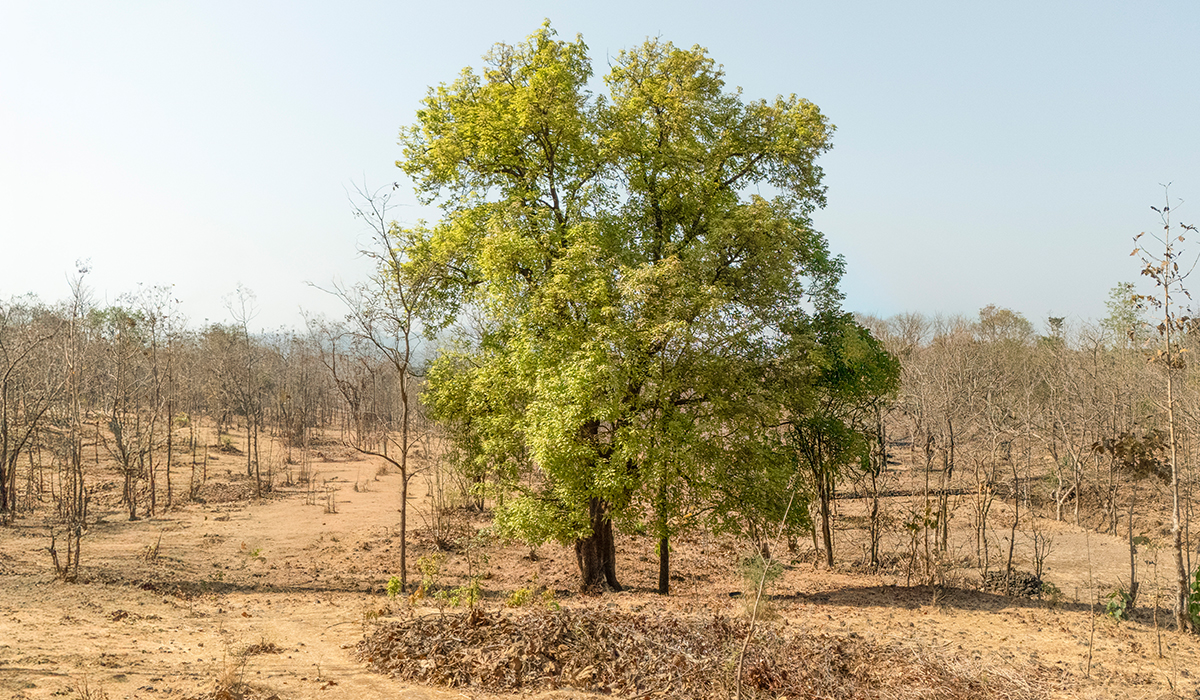
From its origins in the Mahua flower and the Madhuca longifolia tree to its role in social settings, Mahua alcohol represents a way of drinking that values connection and interaction. As India’s oldest spirit, it continues to reflect a shared experience within the evolving landscape of Indian spirits.
Because in the end, some drinks are not meant to be consumed alone—they are meant to be shared—and Mahua drink captures that idea perfectly.