
Posted on 17 Aug 2026
One of the most intriguing qualities of Mahua spirit is its distinctive balance of floral, fruity, and naturally sweet characteristics.
For people discovering the spirit for the first time, that sweetness can raise an interesting question: where does it actually come from?
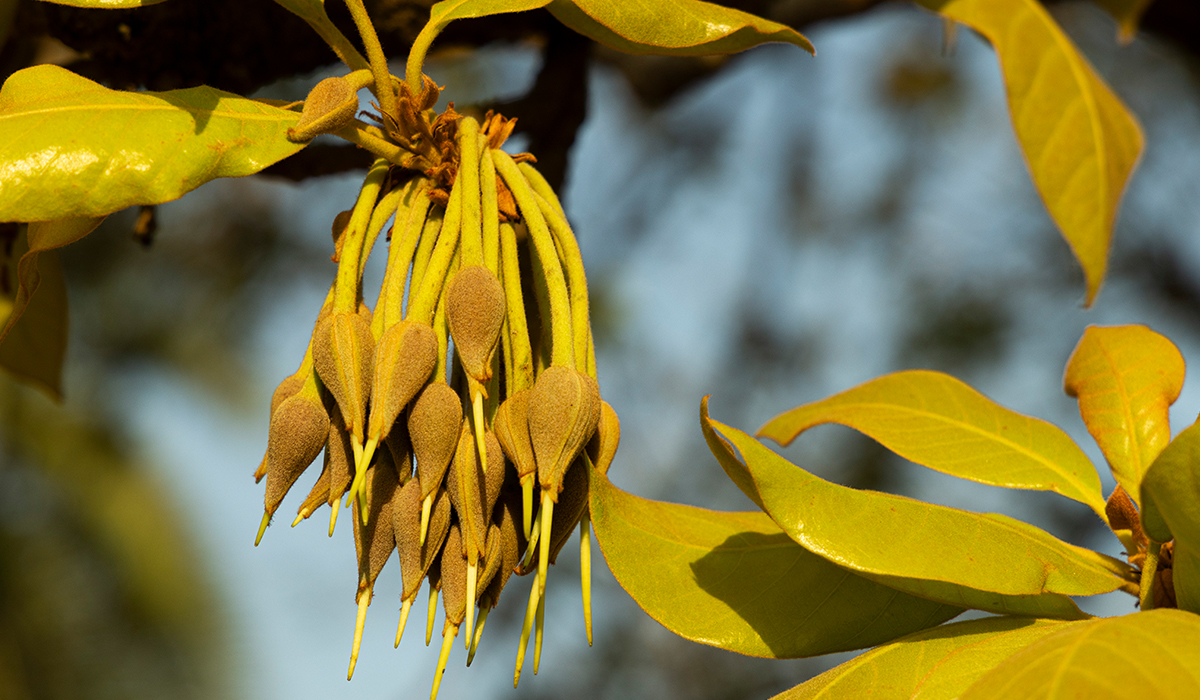
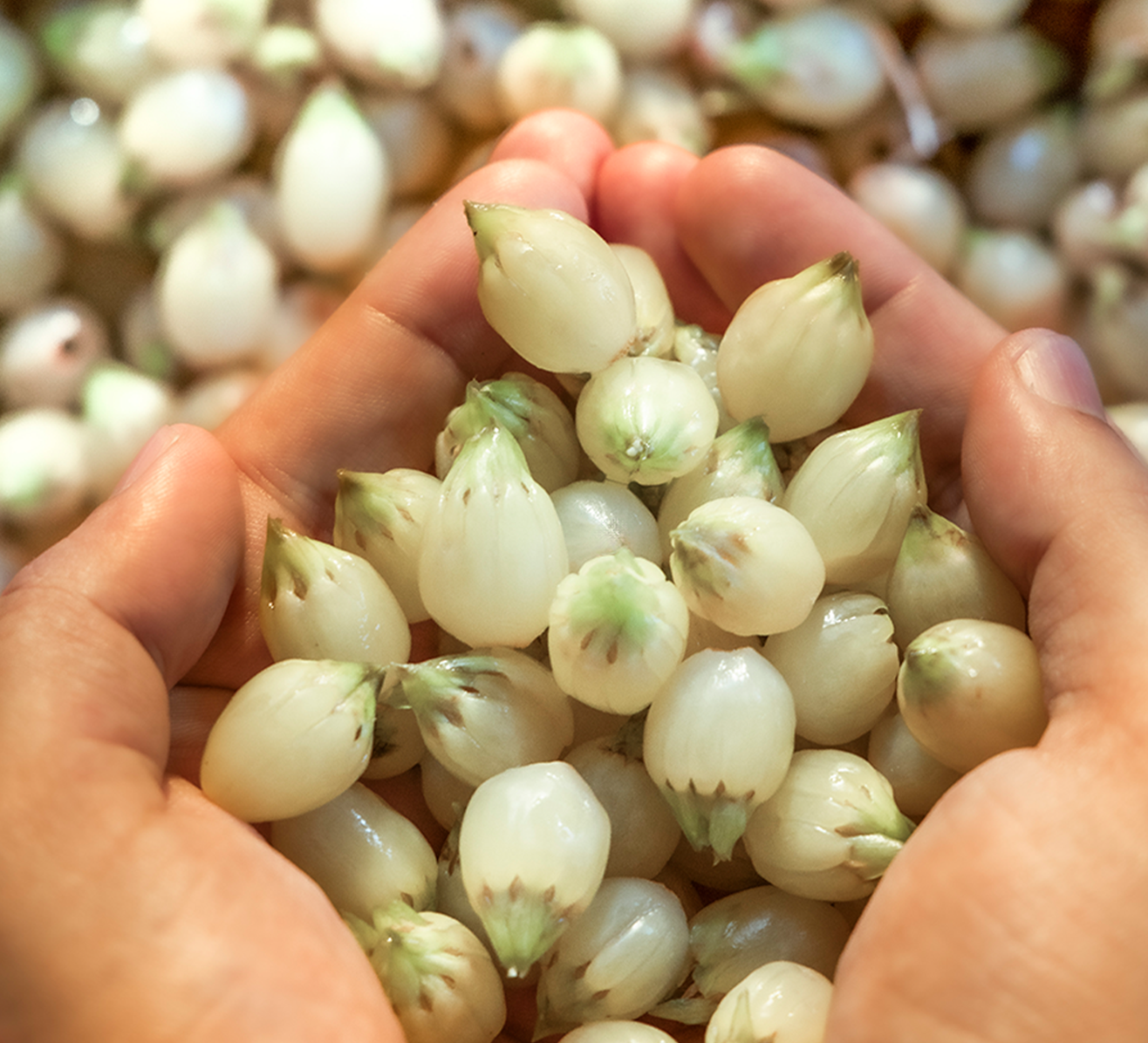
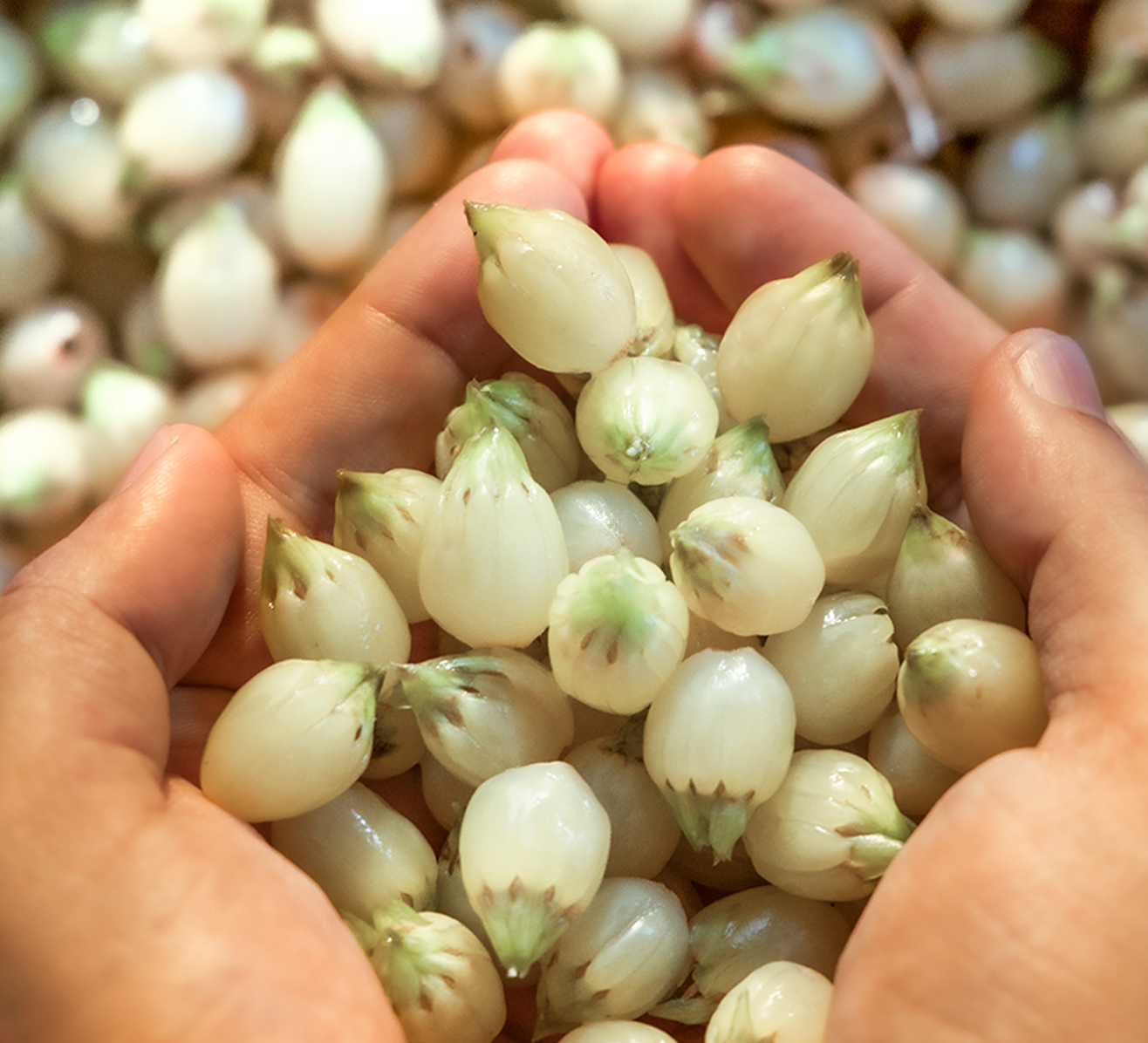
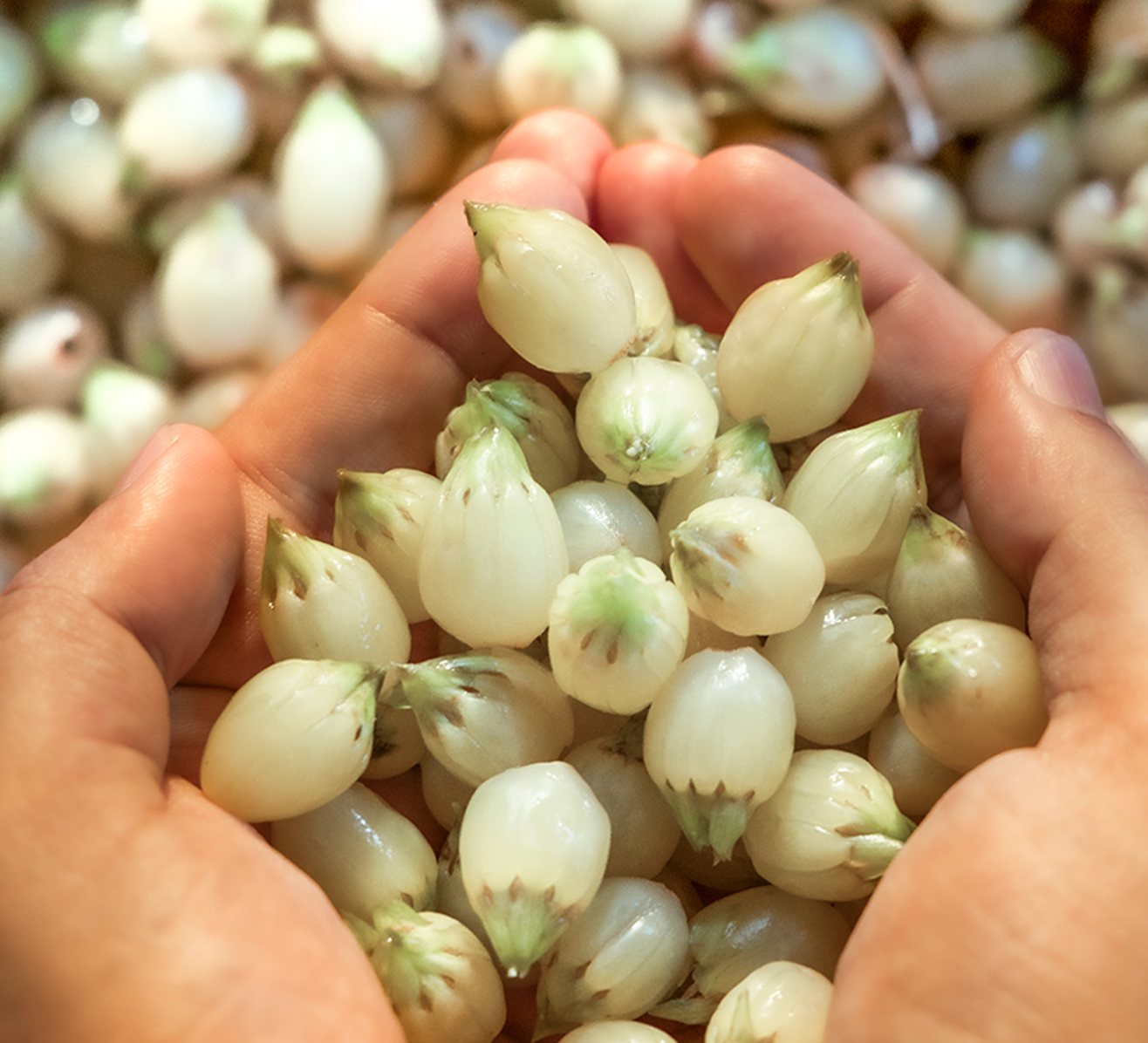
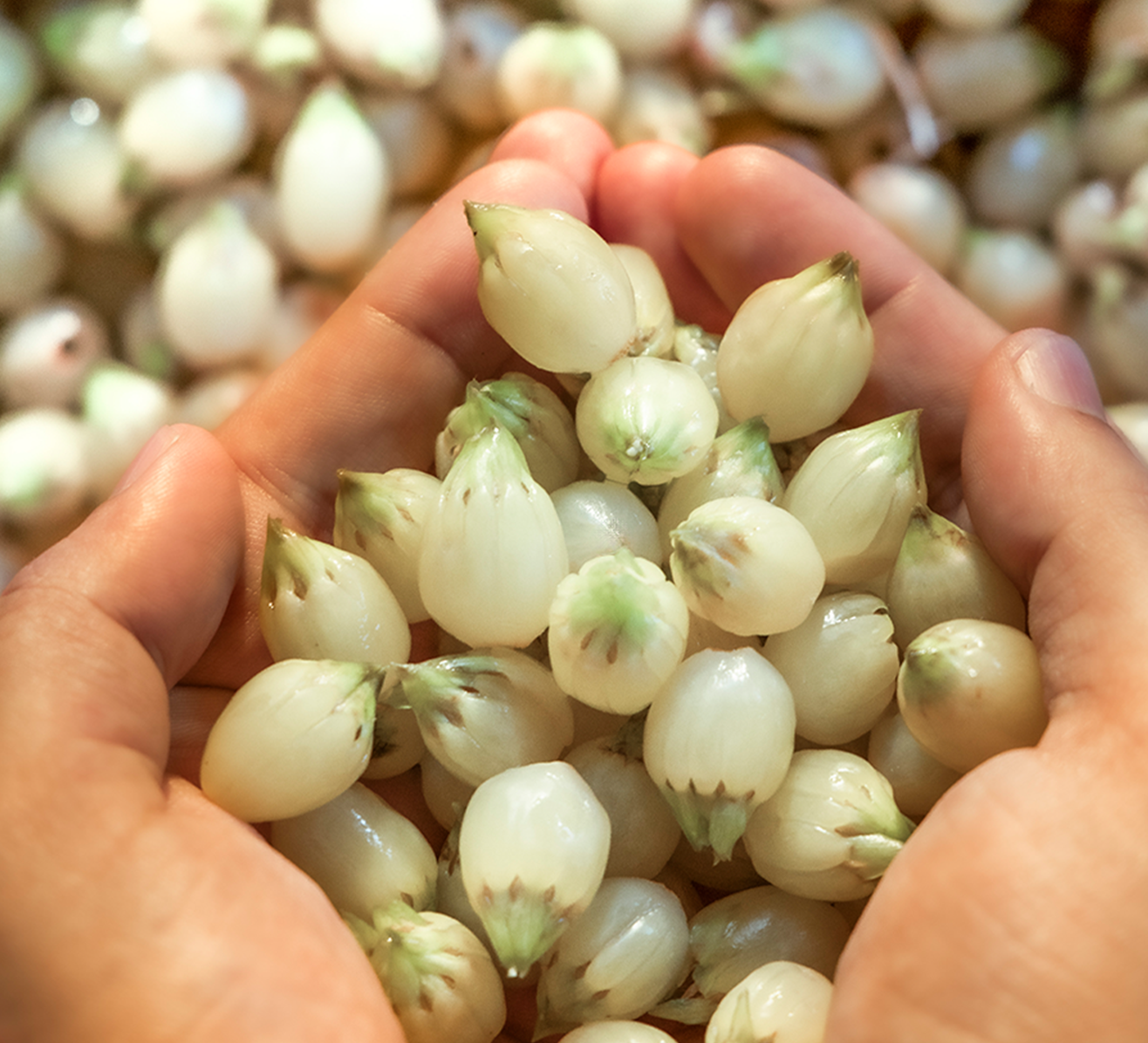
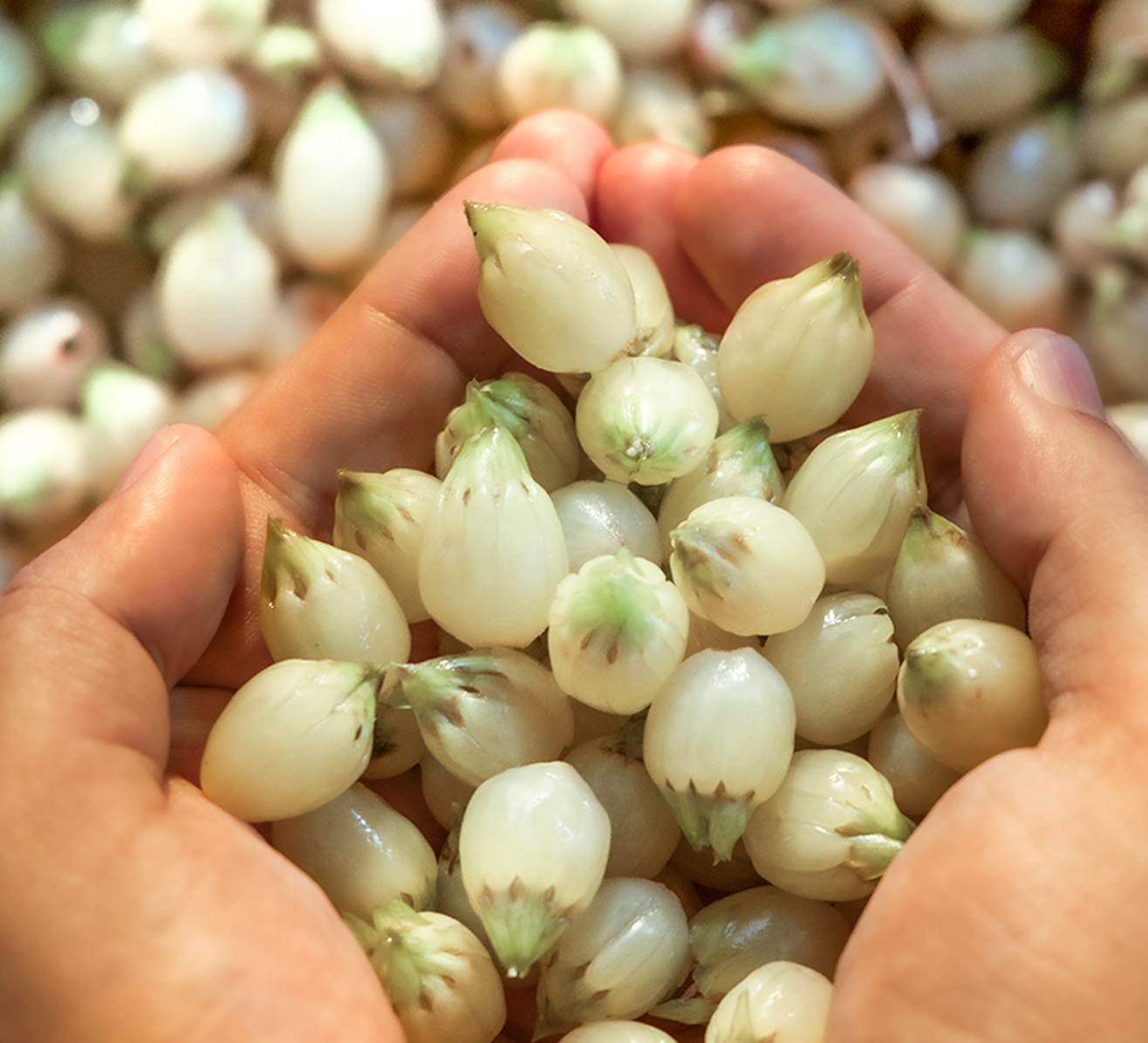
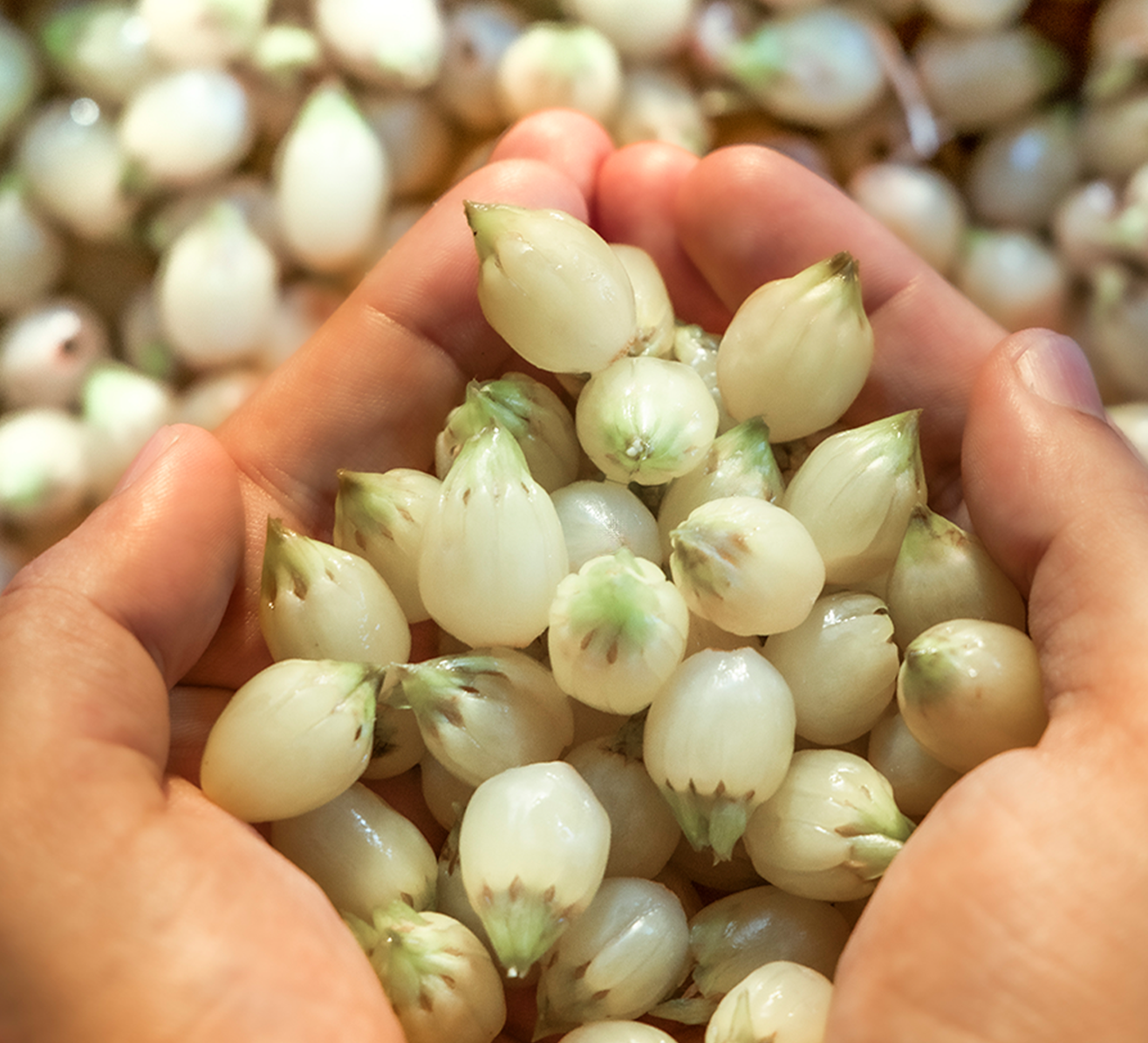
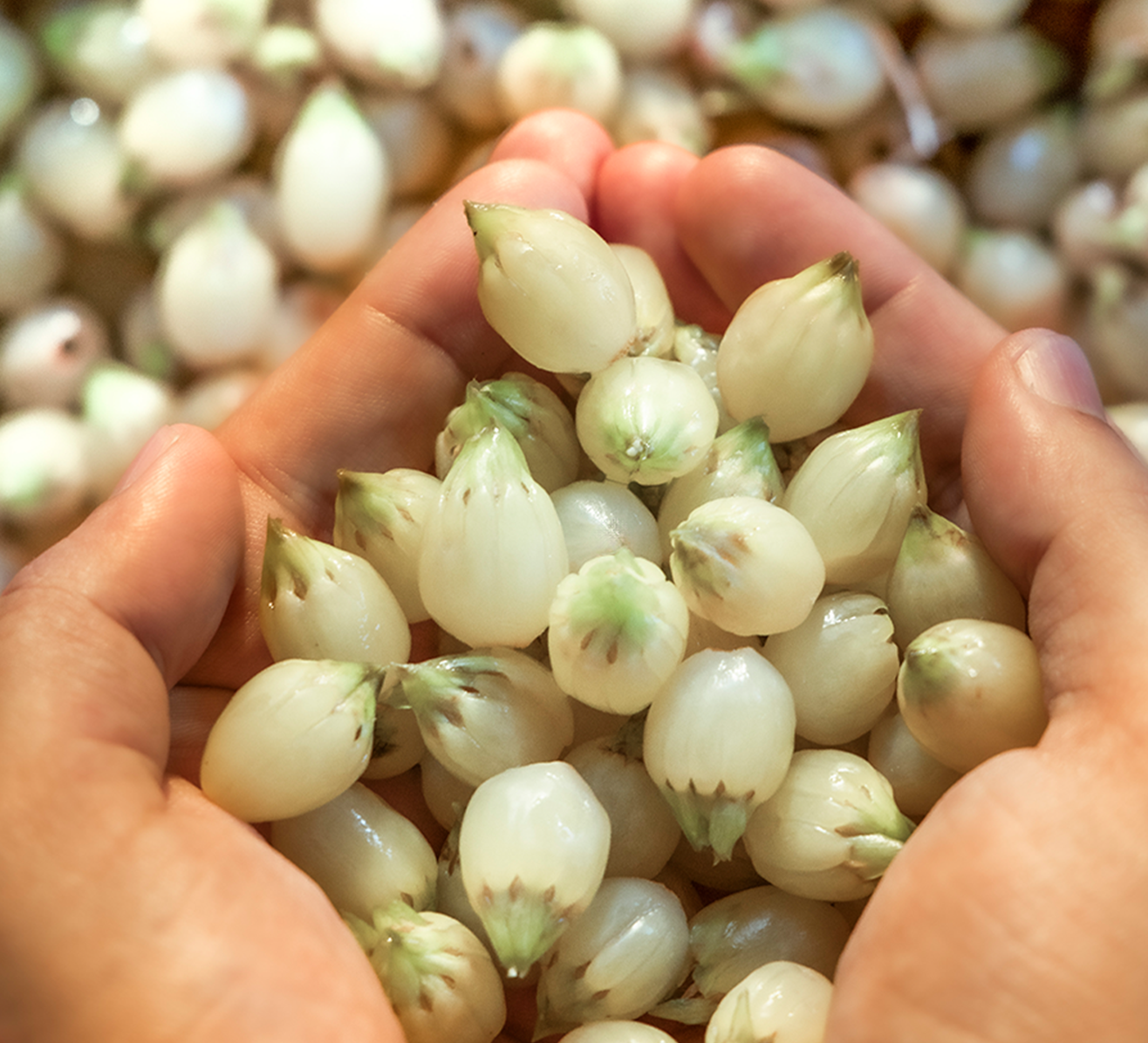
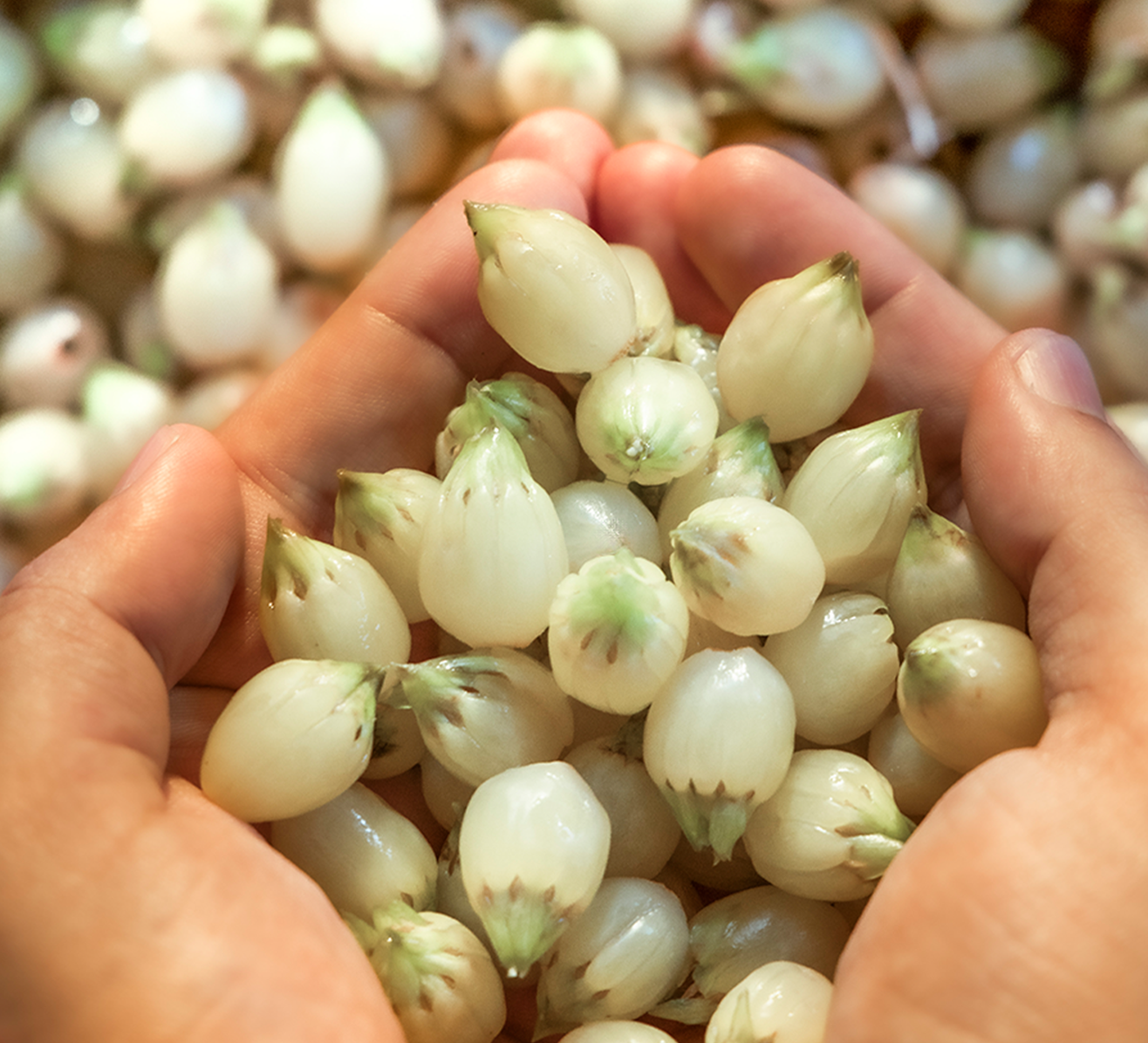
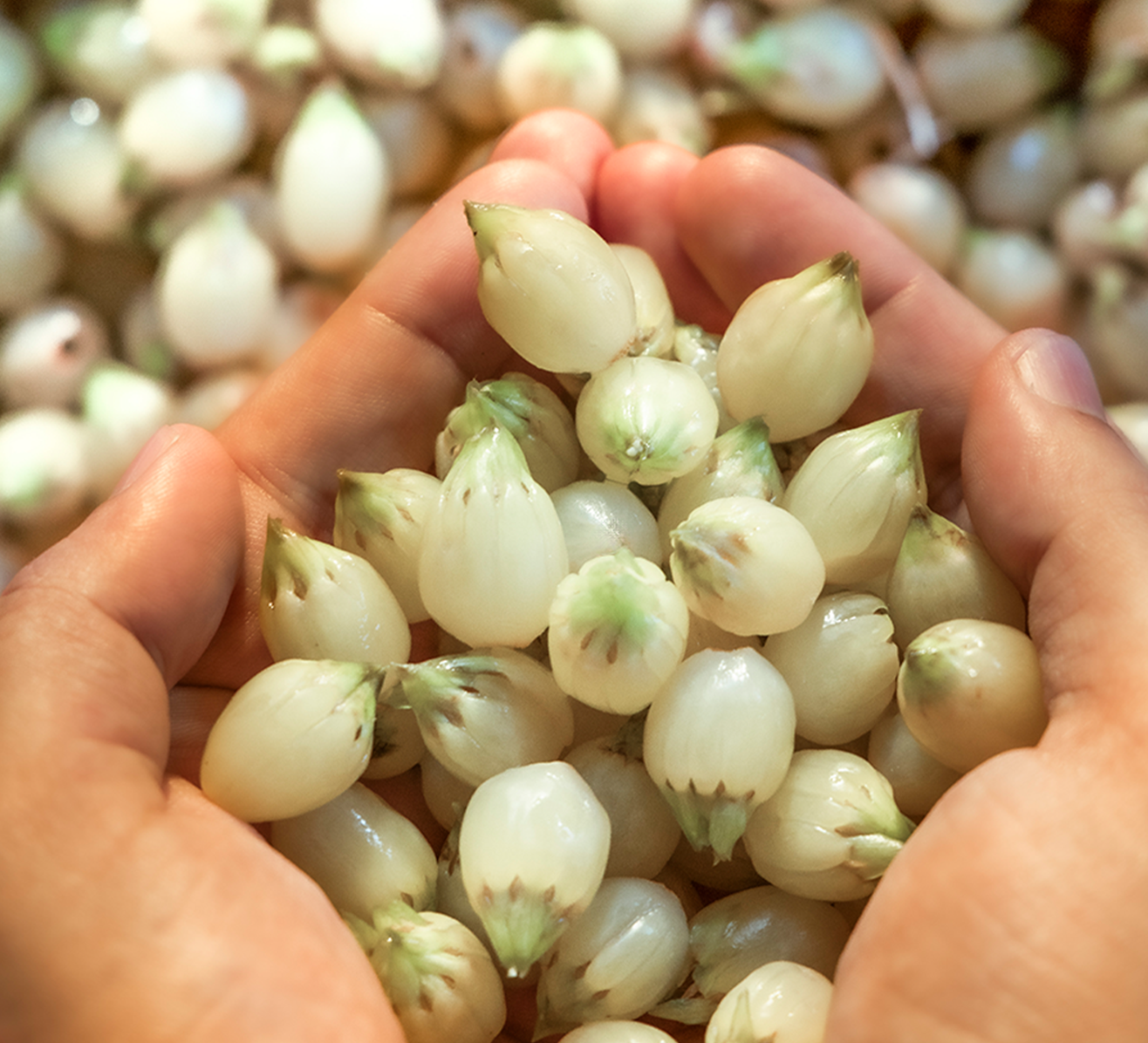
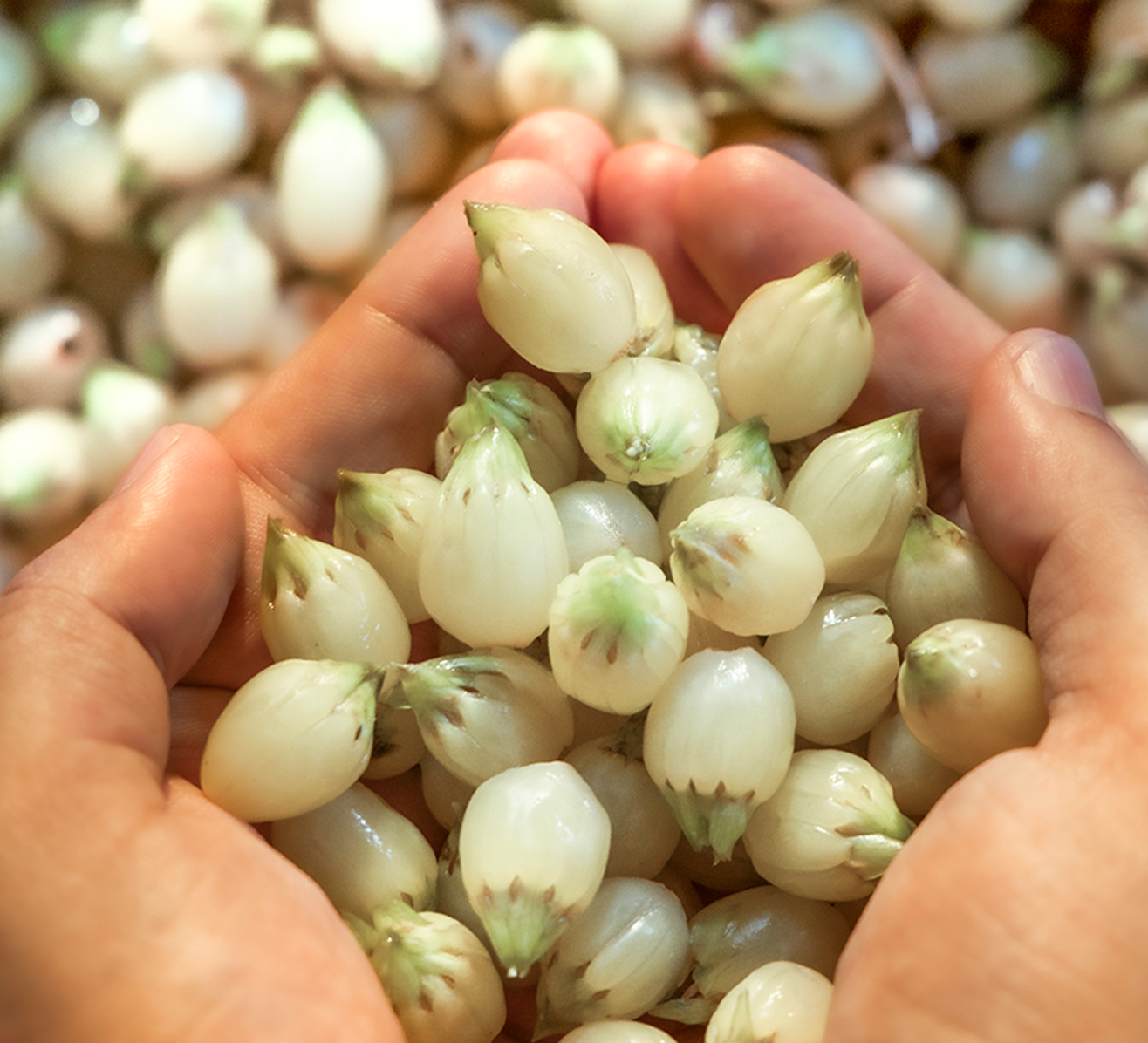
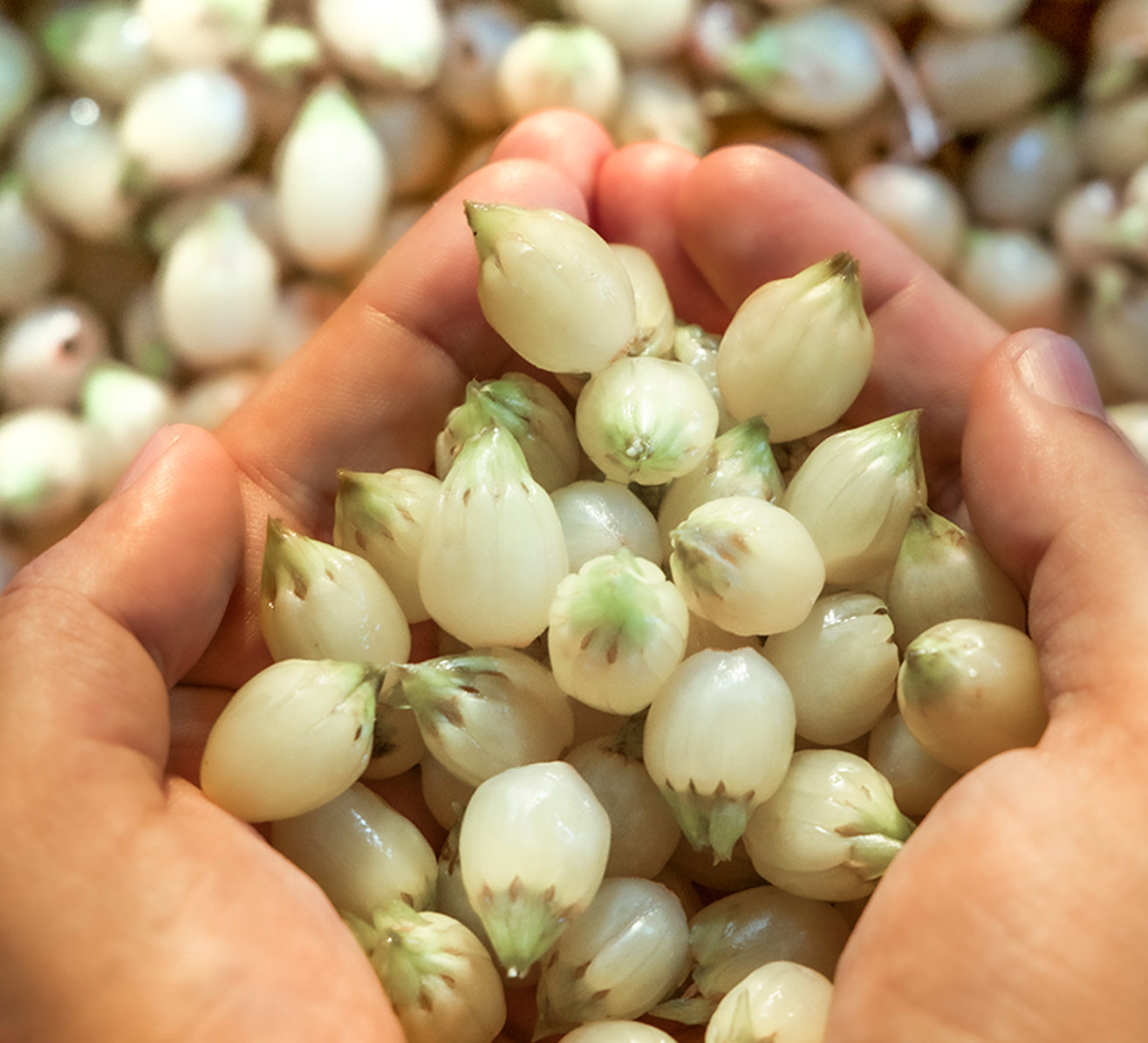
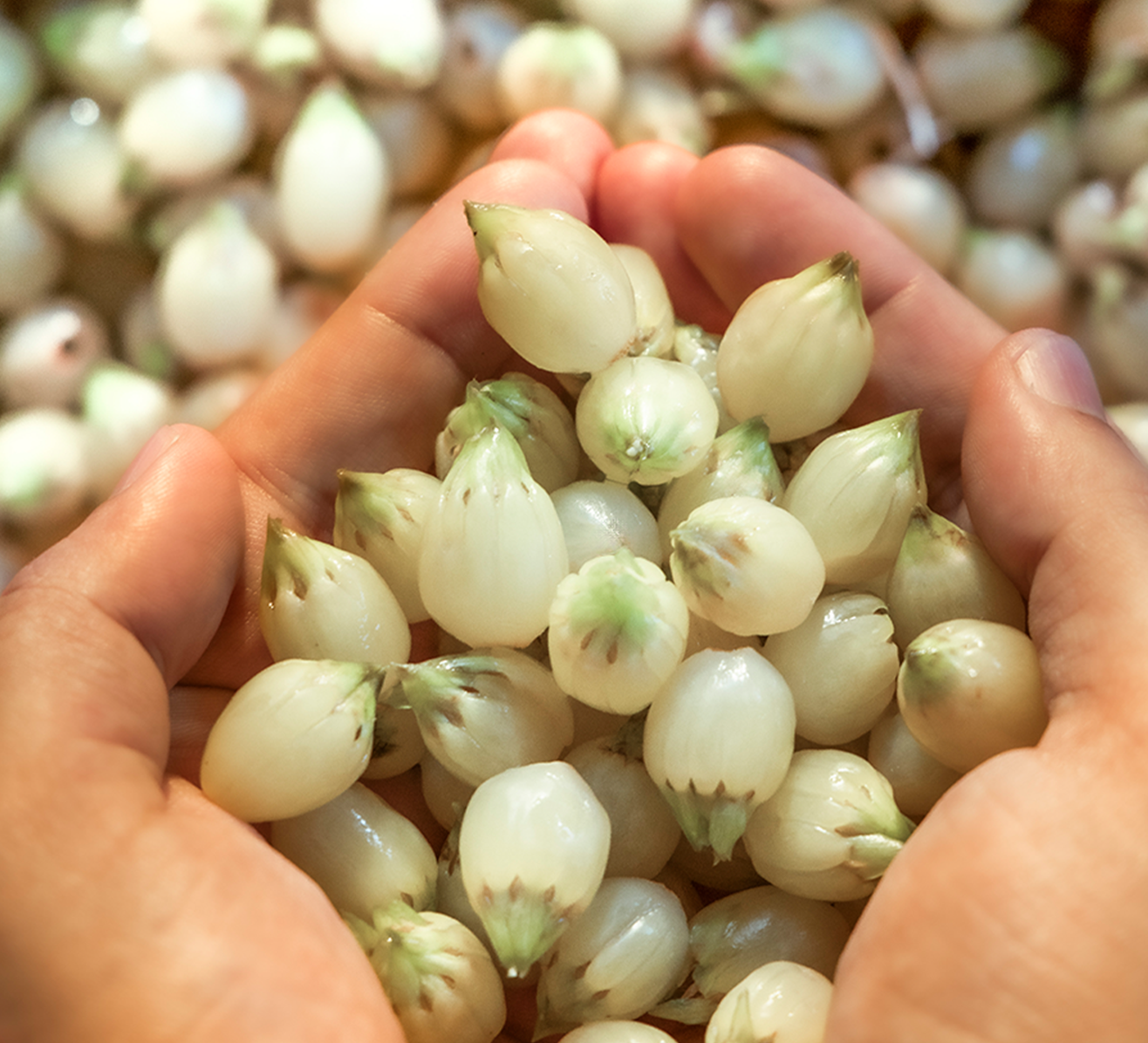
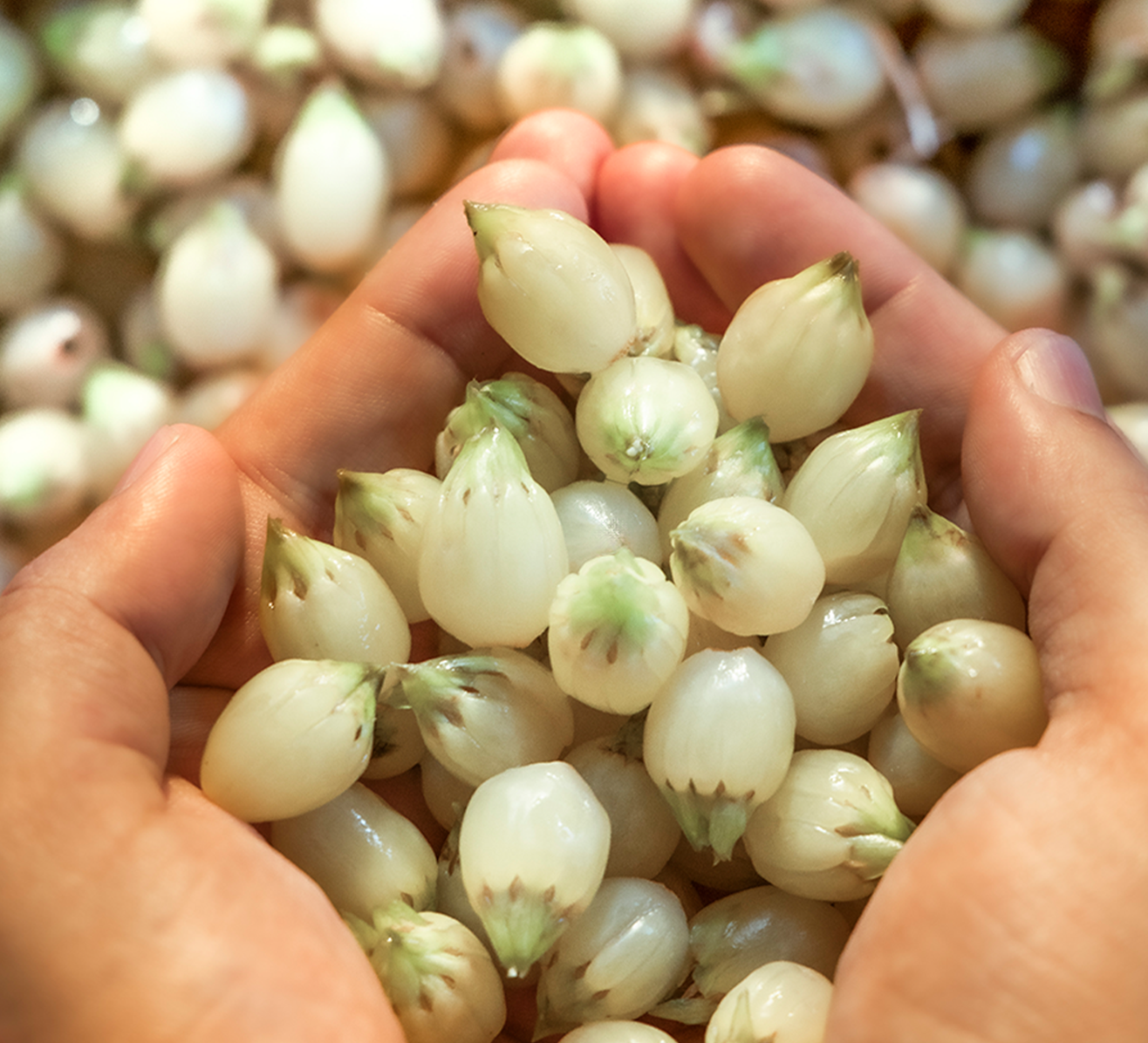
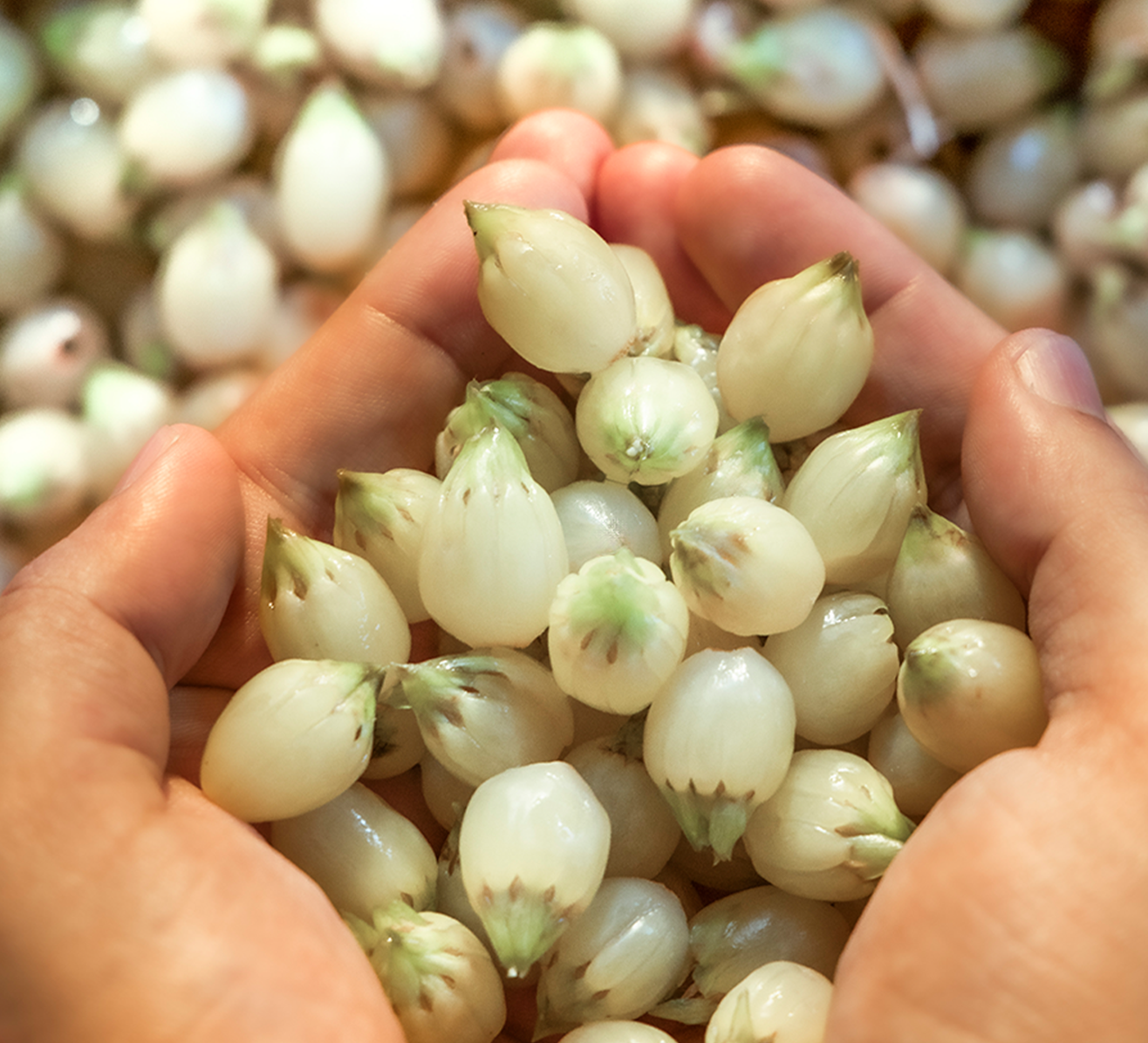
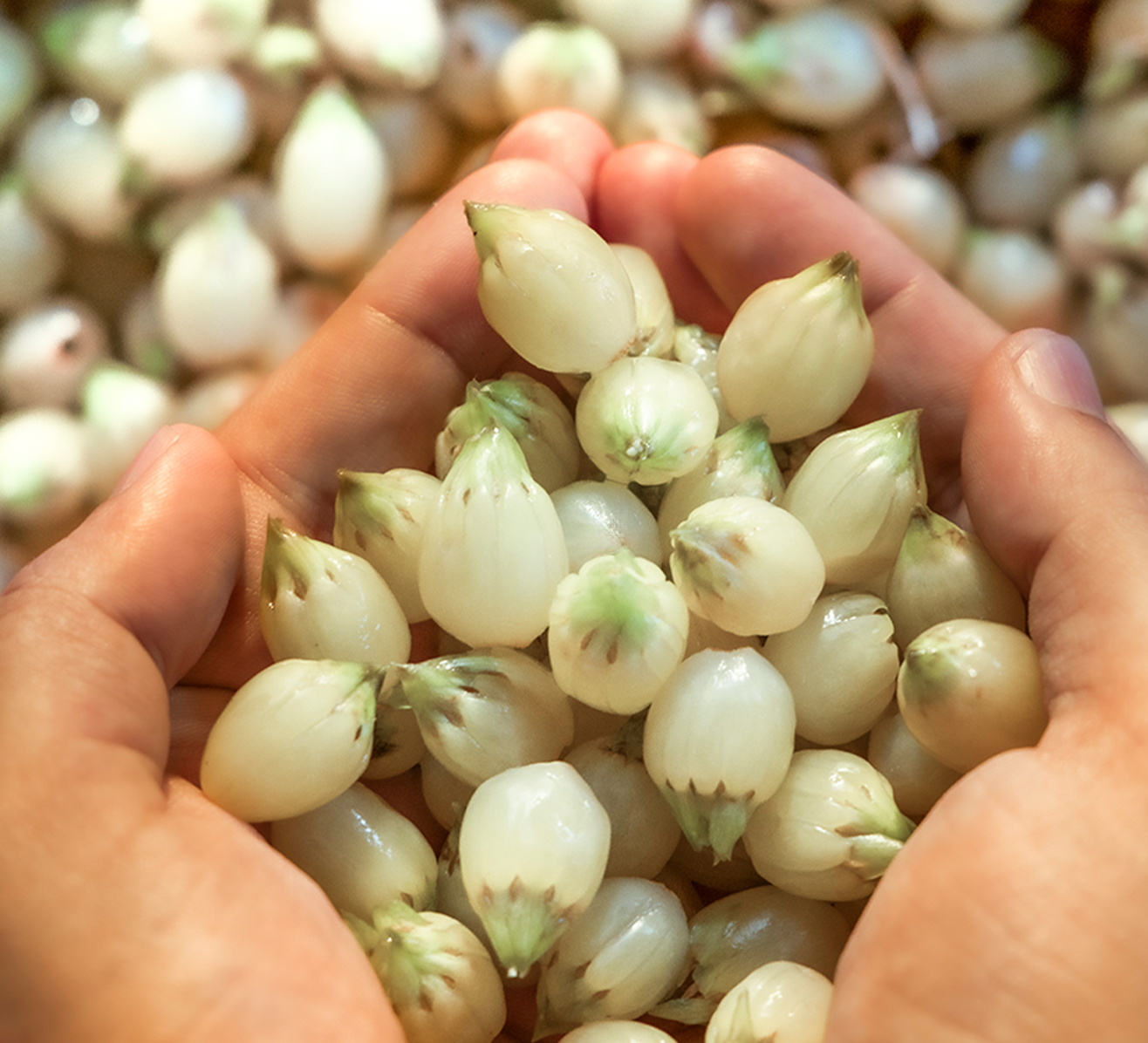
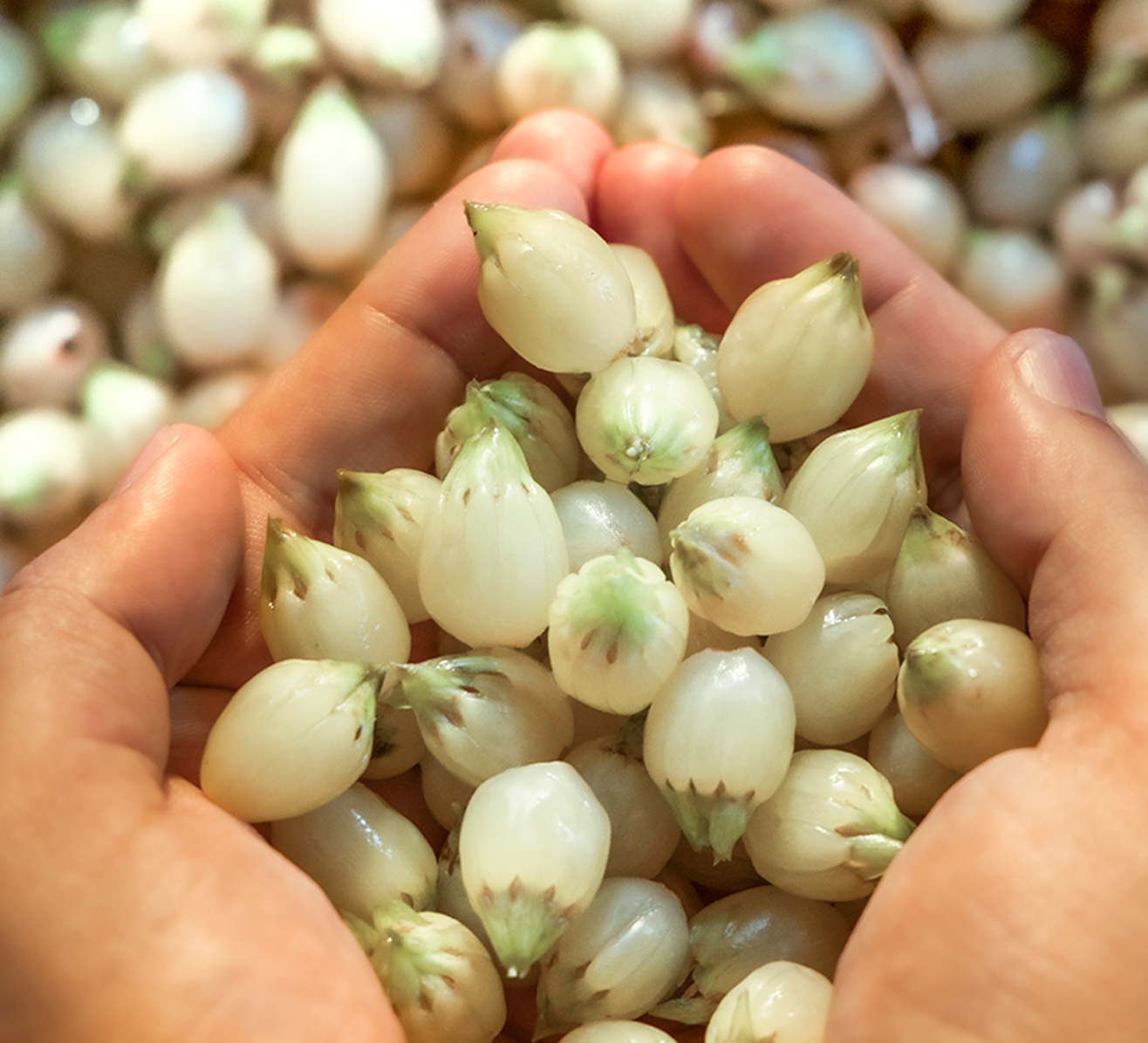
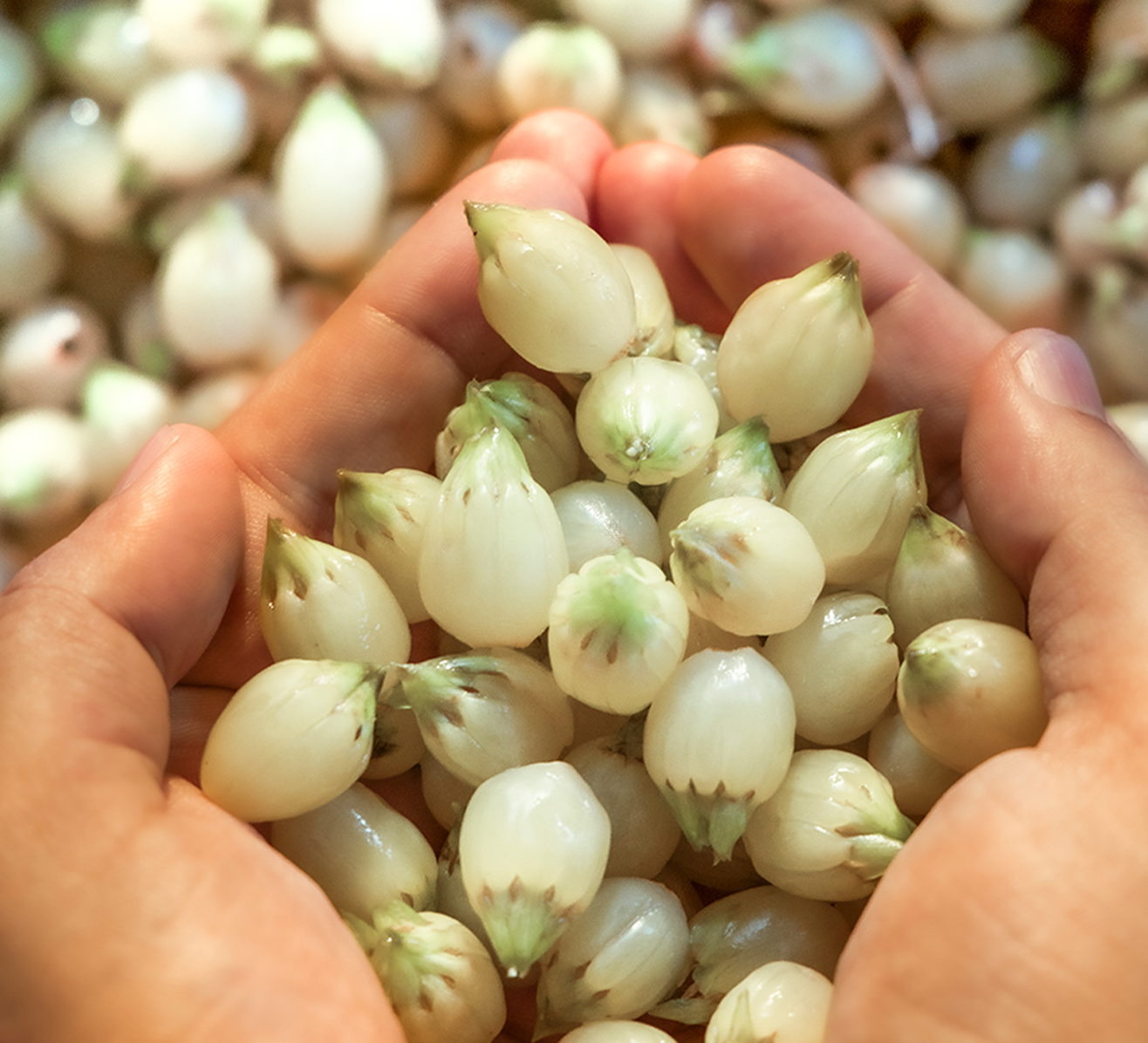
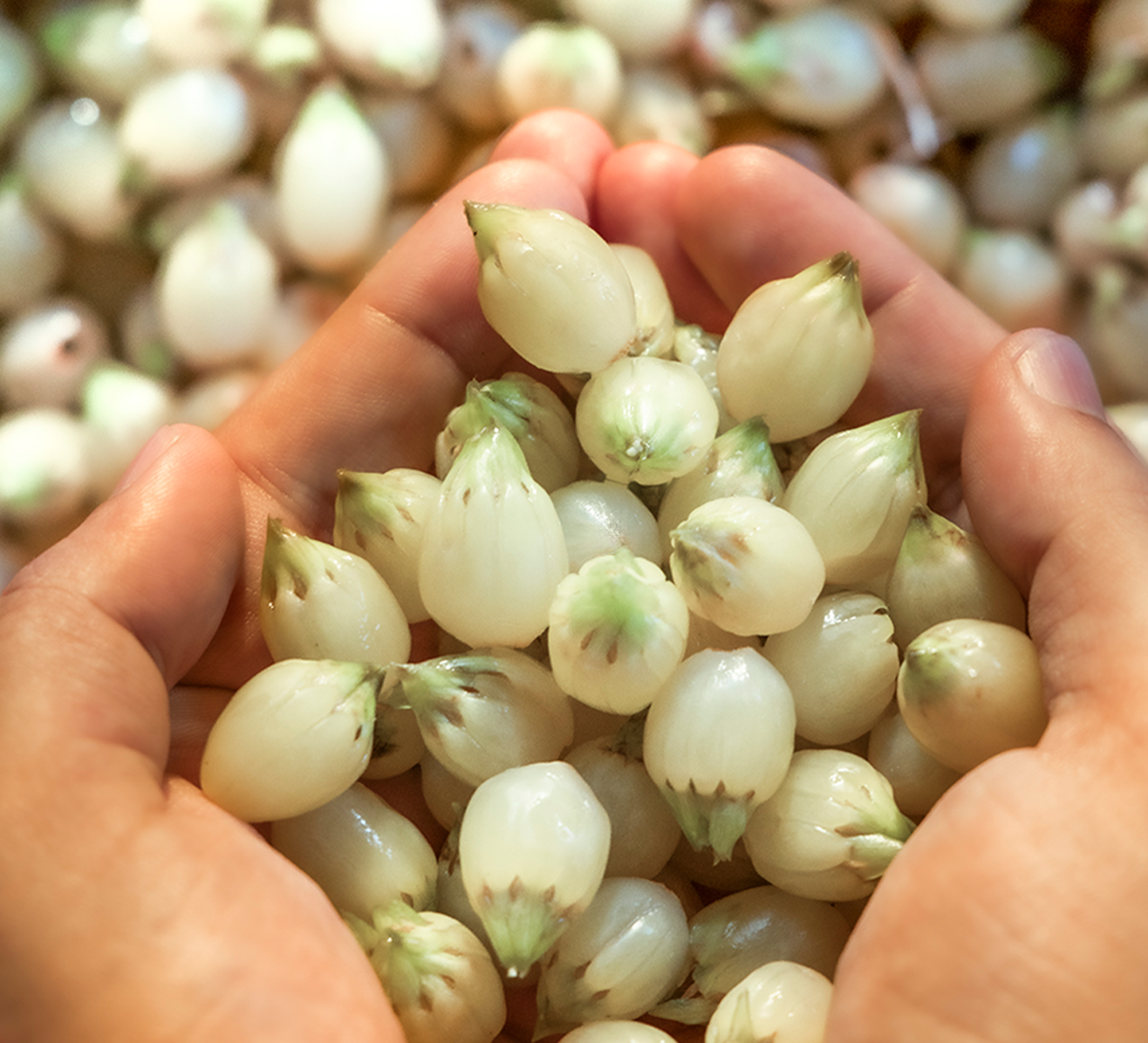
The answer begins with the Mahua flower itself.
Unlike spirits where sweetness is primarily associated with added flavouring or a finishing process, Mahua's character is closely connected to the natural composition of its botanical starting material and the way that material is fermented and distilled.
The Mahua flower comes from the Mahua tree and has long been valued across parts of India.
The flowers naturally contain fermentable sugars, which makes them particularly interesting for traditional spirit production.
This natural composition helps explain why Mahua has historically been associated with fermentation and alcohol production.
The journey can be understood through several stages:
The character of the final Mahua alcohol therefore begins well before the spirit reaches the still.
It is important to distinguish between sweetness and the perception of sweetness.
A distilled spirit does not necessarily taste sweet because it contains large amounts of sugar.
Instead, consumers can perceive sweetness through a combination of:
Our sense of smell plays an especially important role.
When a spirit has floral or fruity aromas, the brain can interpret those aromas as sweet even when the liquid itself is not heavily sugary.
Fermentation is a crucial part of the Mahua journey.
During fermentation, naturally occurring sugars are converted into alcohol and other flavour compounds.
This process can influence the eventual character of the spirit.
Depending on production conditions, fermentation can contribute characteristics that may be perceived as:
This is one reason Mahua spirit can have a character that feels naturally expressive rather than heavily flavoured.
Distillation changes the composition of the fermented liquid.
The objective is not simply to produce alcohol.
For a premium spirit, distillation is about separating and concentrating desirable components while managing unwanted compounds.
In Mahua distillation, precision can help preserve the qualities that make the original ingredient distinctive.
The distiller must consider:
Good distillation can create a cleaner spirit while retaining the character associated with the Mahua flower.
This is where terminology matters.
A spirit can taste or smell sweet without necessarily being a sugary drink.
Perceived sweetness can come from aromatic compounds and the interaction between aroma, alcohol, texture, and flavour.
That means when someone describes premium Mahua spirit as naturally sweet or gently sweet, they may be describing the overall sensory impression rather than literal sugar content.
The distinction is important when understanding the spirit scientifically.
The floral identity of Mahua contributes significantly to how the spirit is experienced.
Floral aromas can create impressions of:
These impressions can make Mahua particularly approachable for drinkers who are new to indigenous spirits.
The Mahua flower therefore contributes much more than an interesting name.
It forms part of the sensory identity of the final spirit.
Natural ingredients alone do not guarantee a premium spirit.
Quality depends on how carefully the raw material is handled and how precisely the spirit is produced.
Important factors include:
For Indian craft spirits, these details can determine whether the natural character of an ingredient becomes expressive or gets lost.
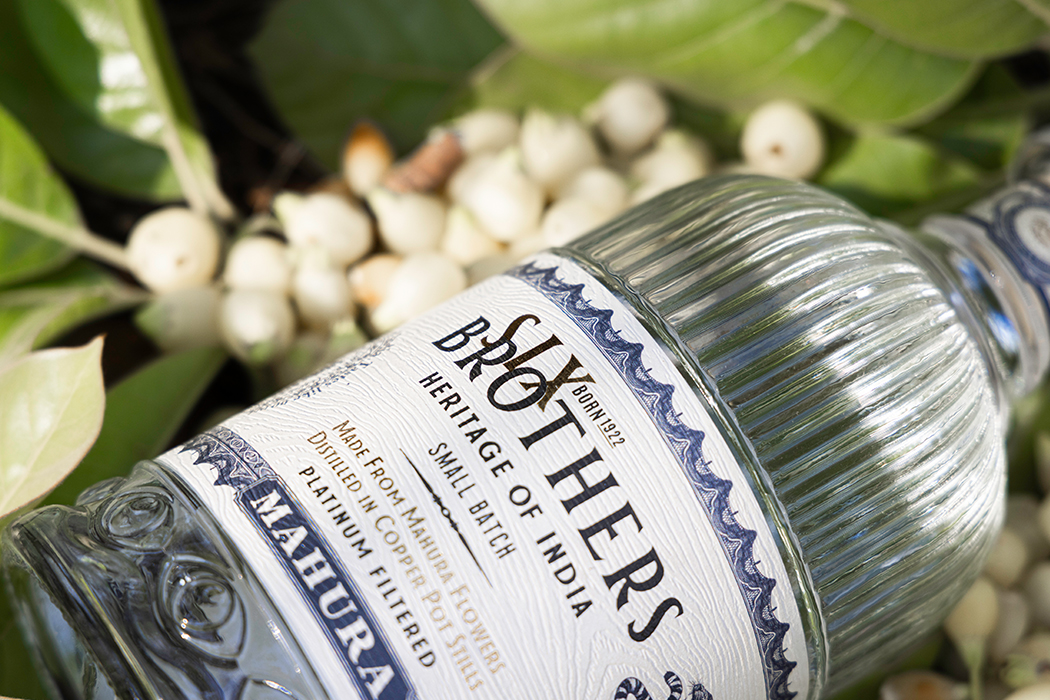
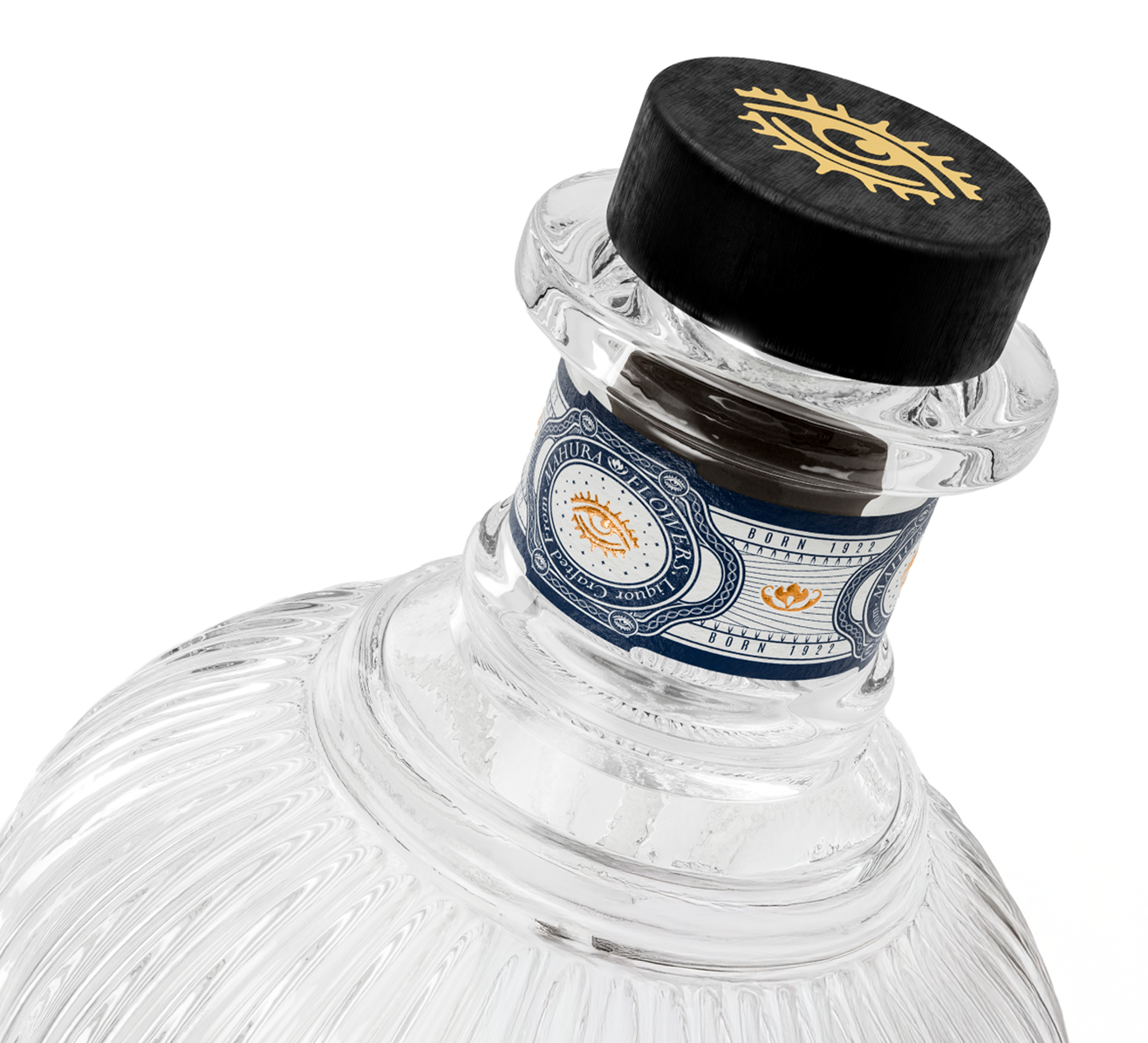
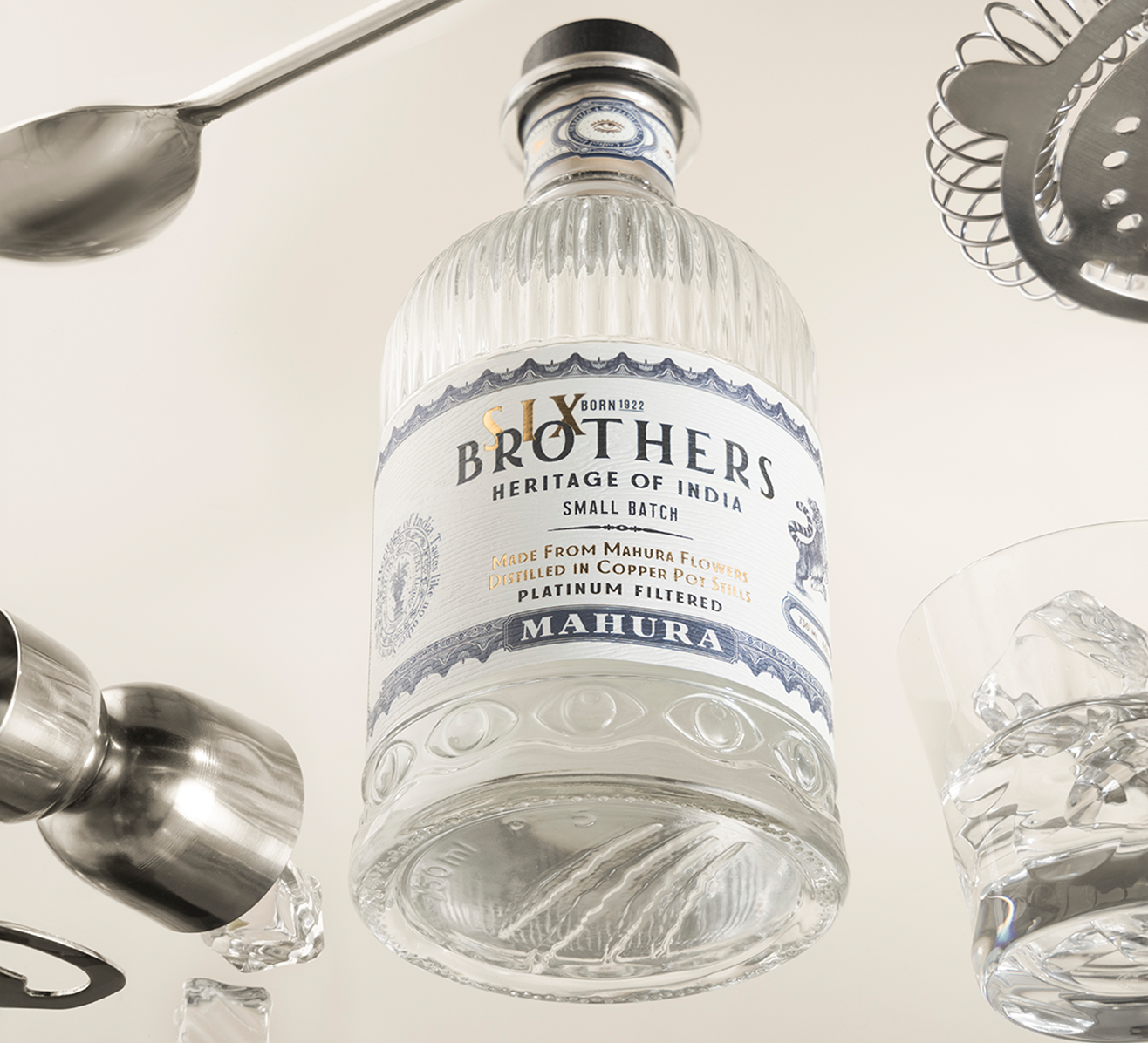
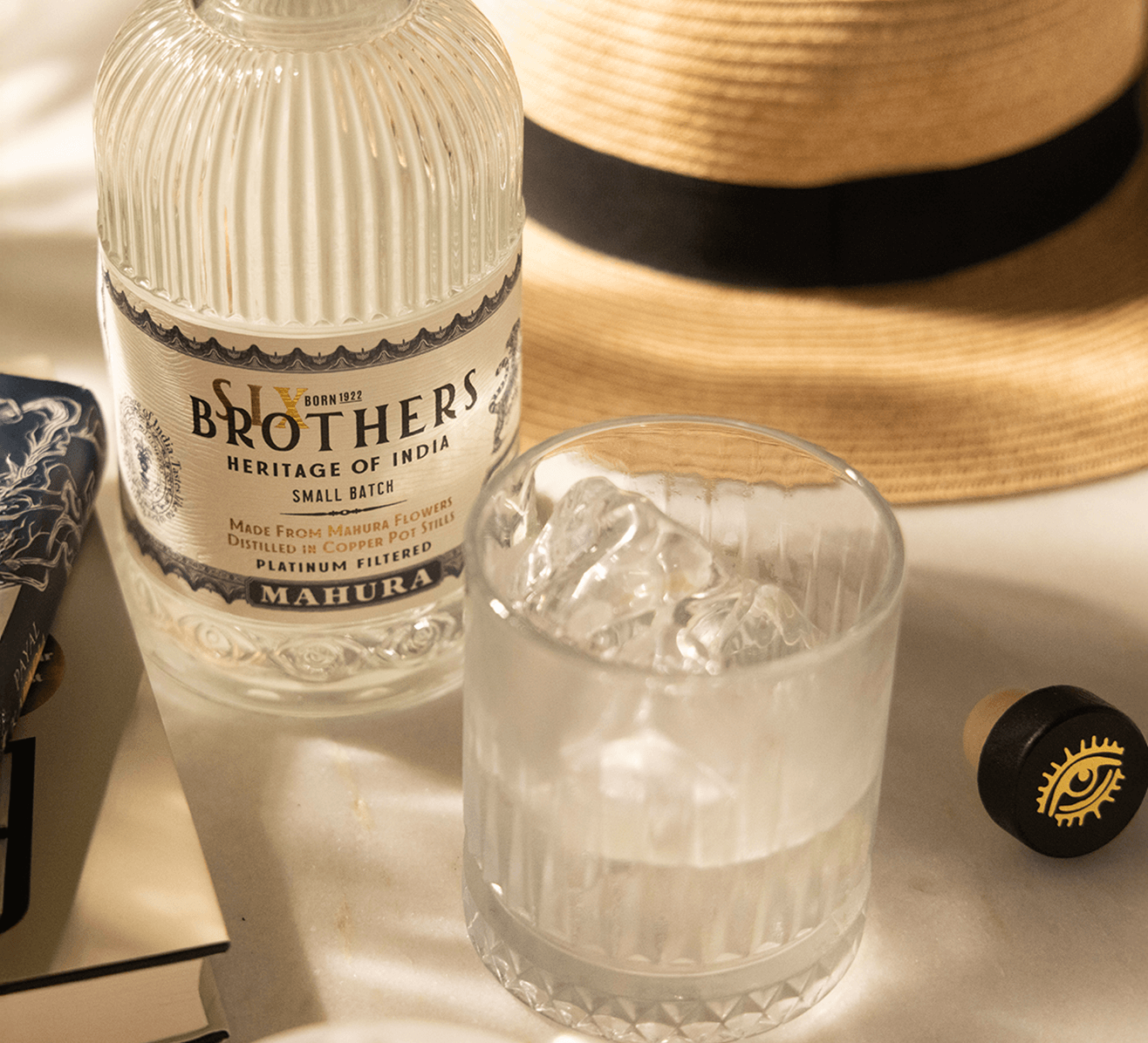
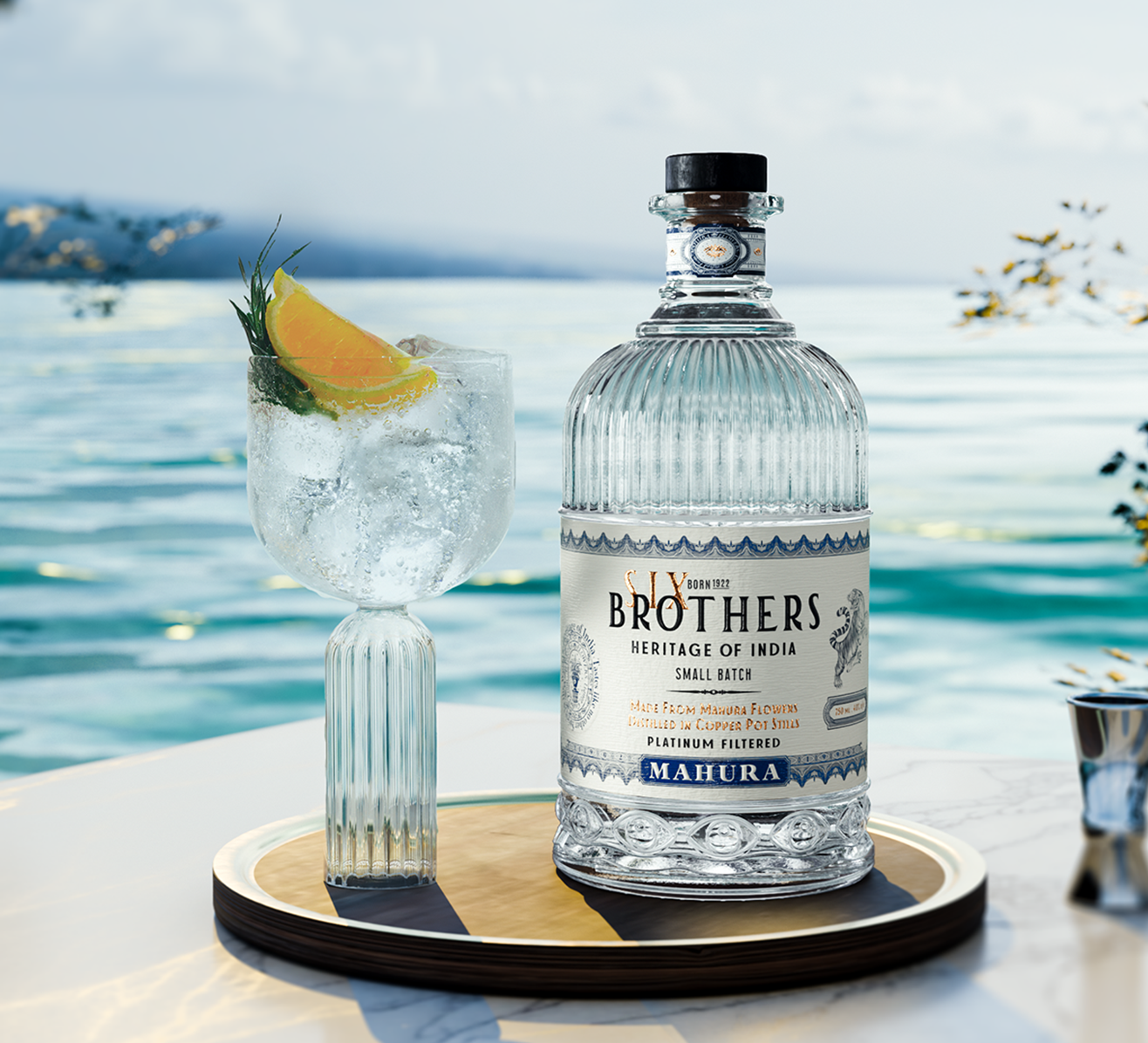
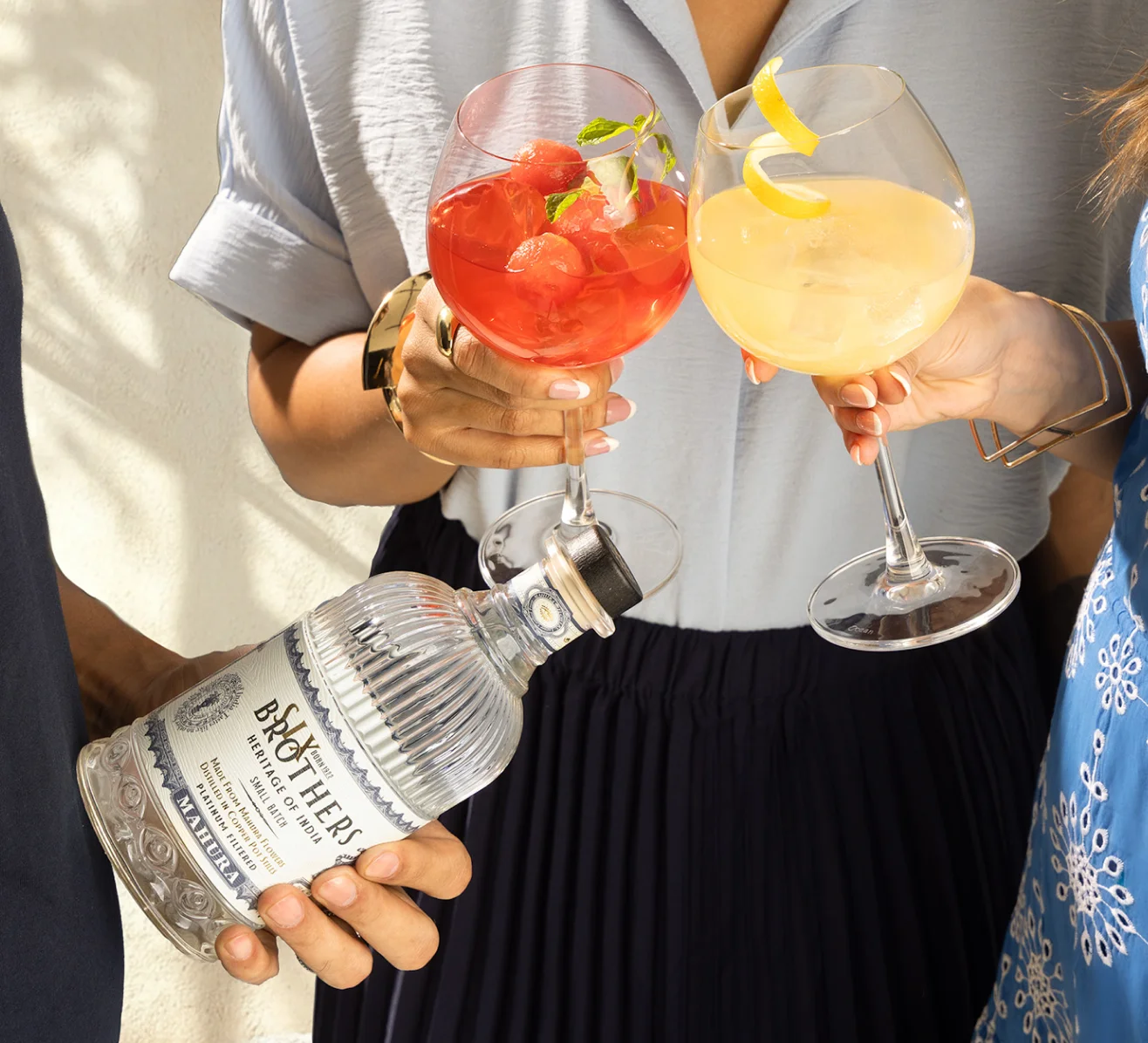
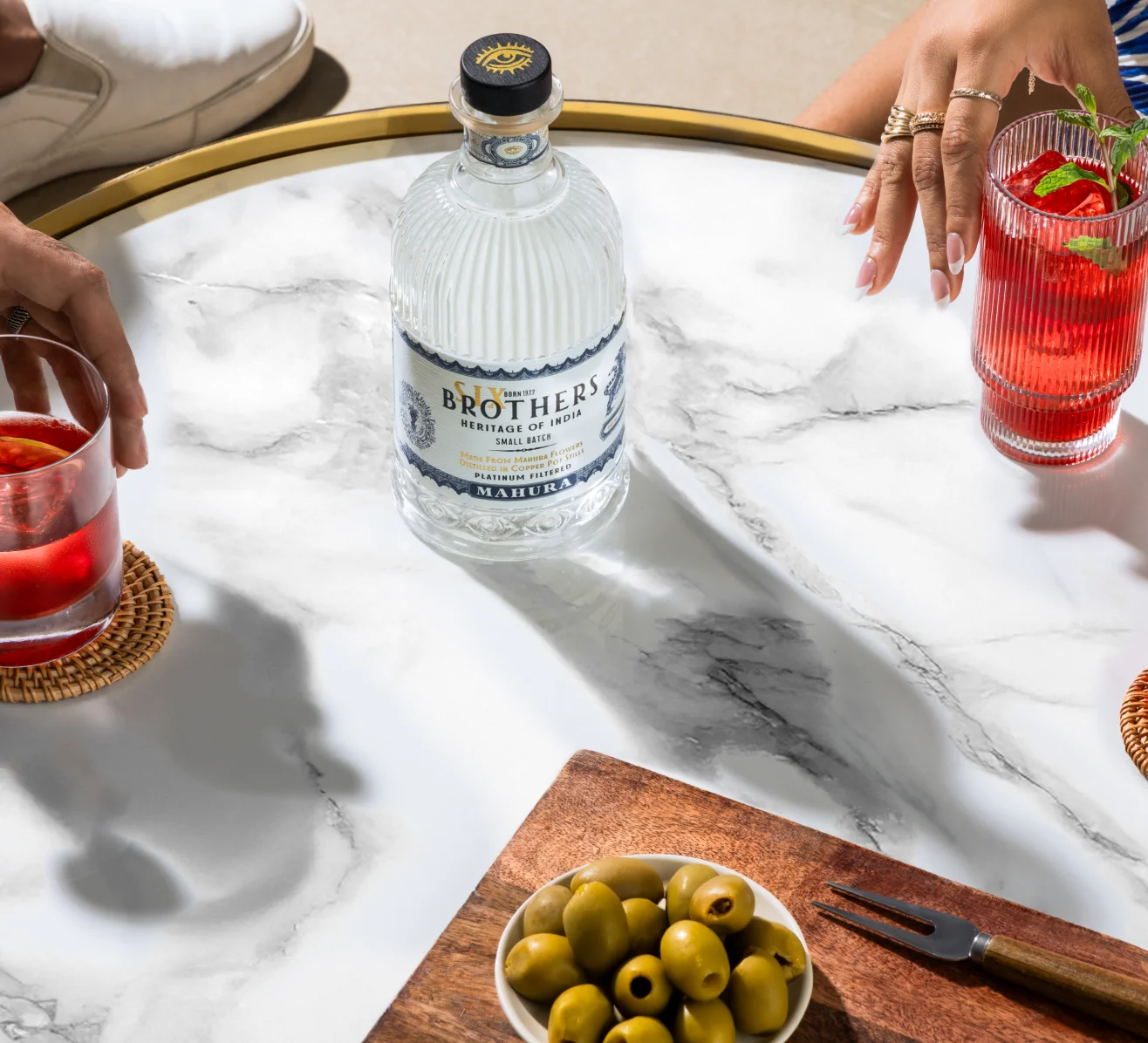
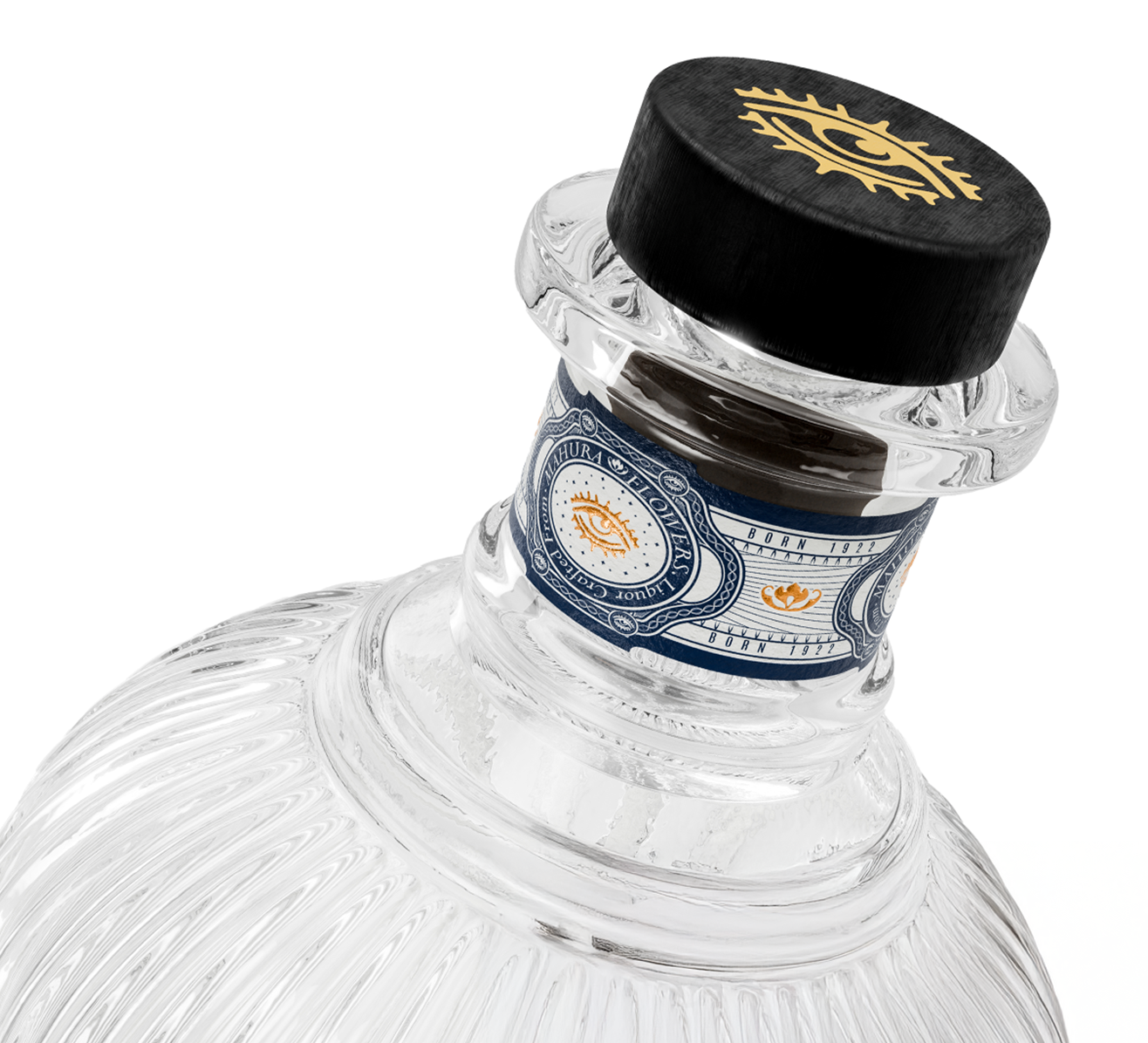
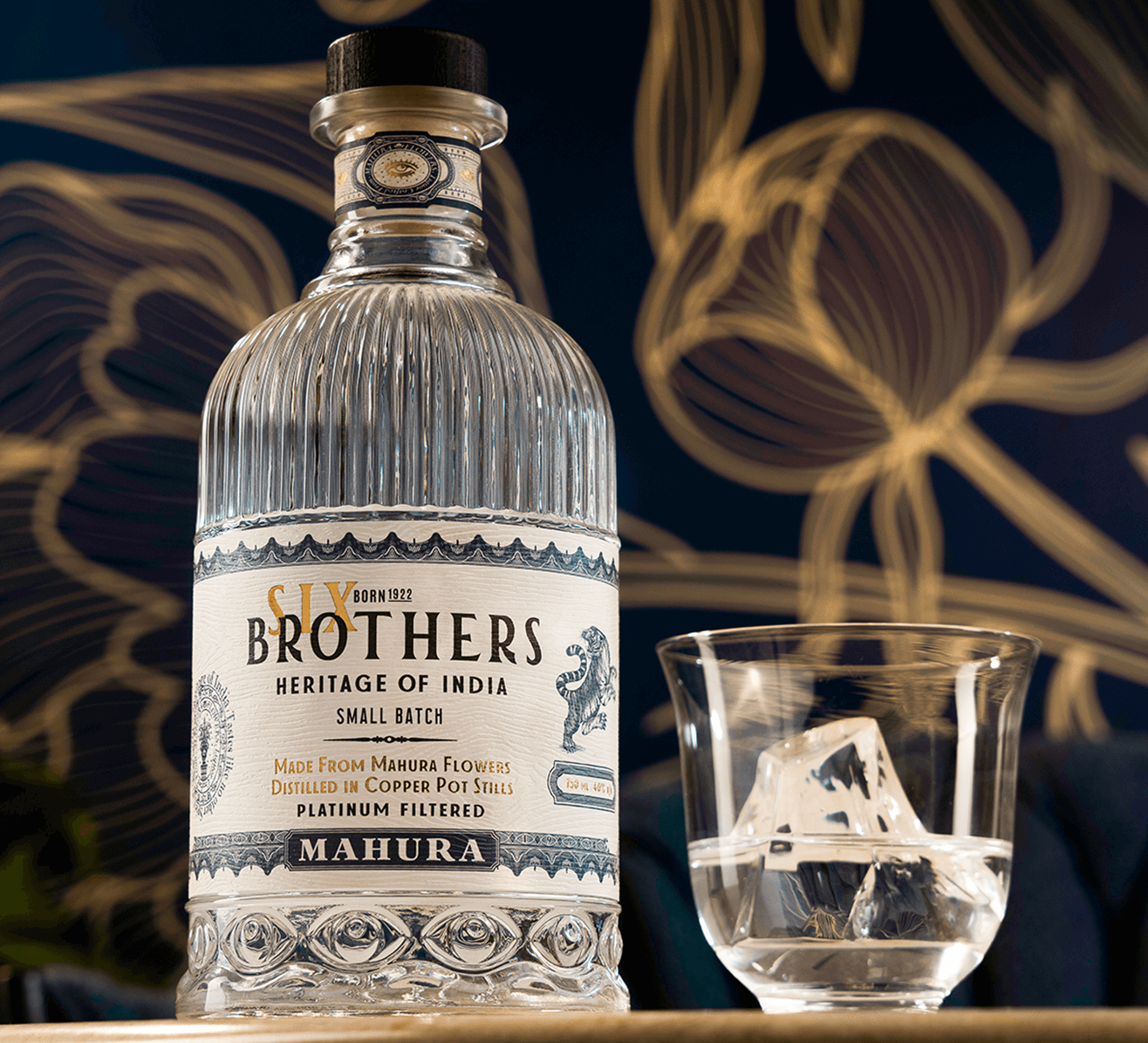
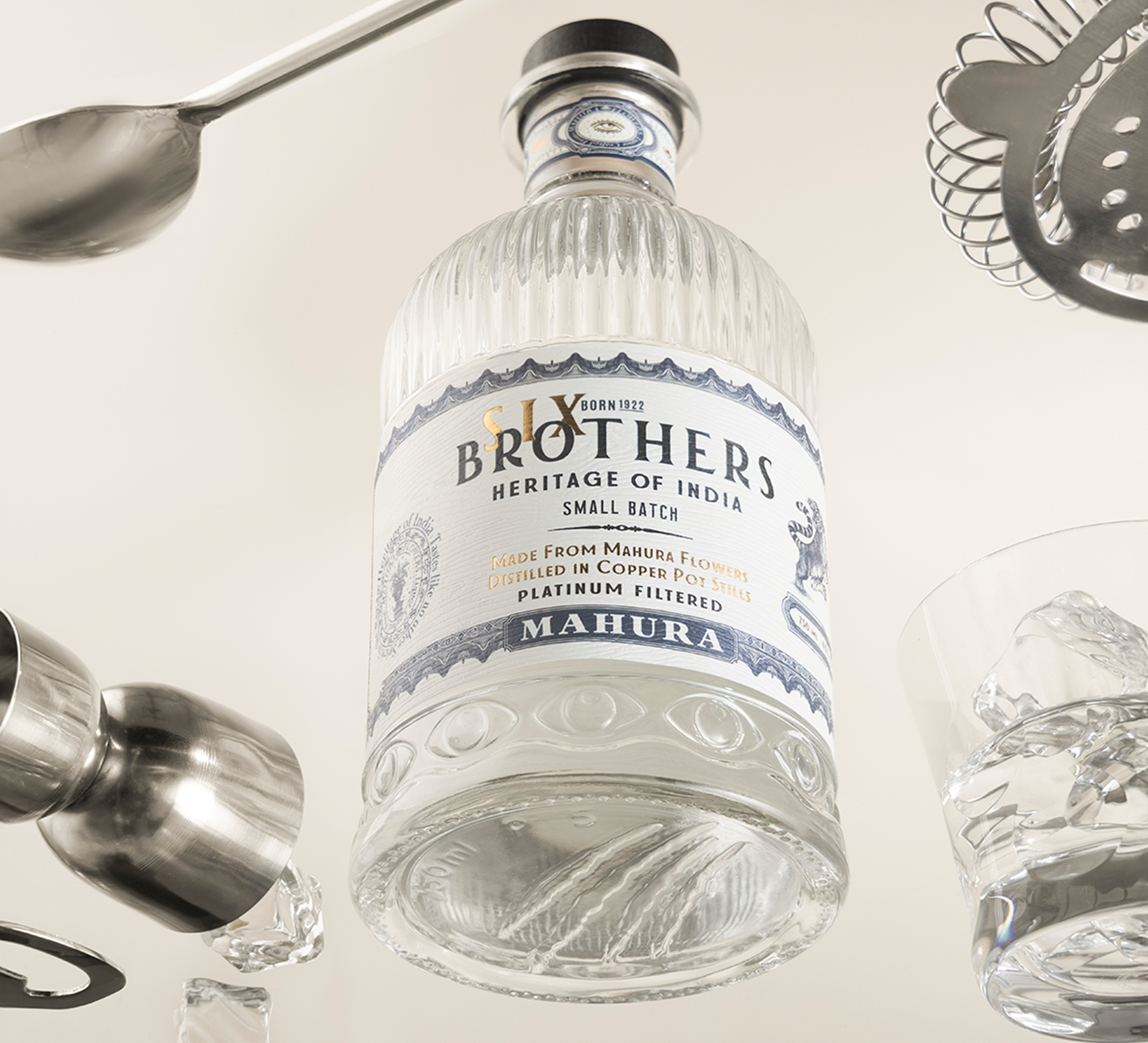
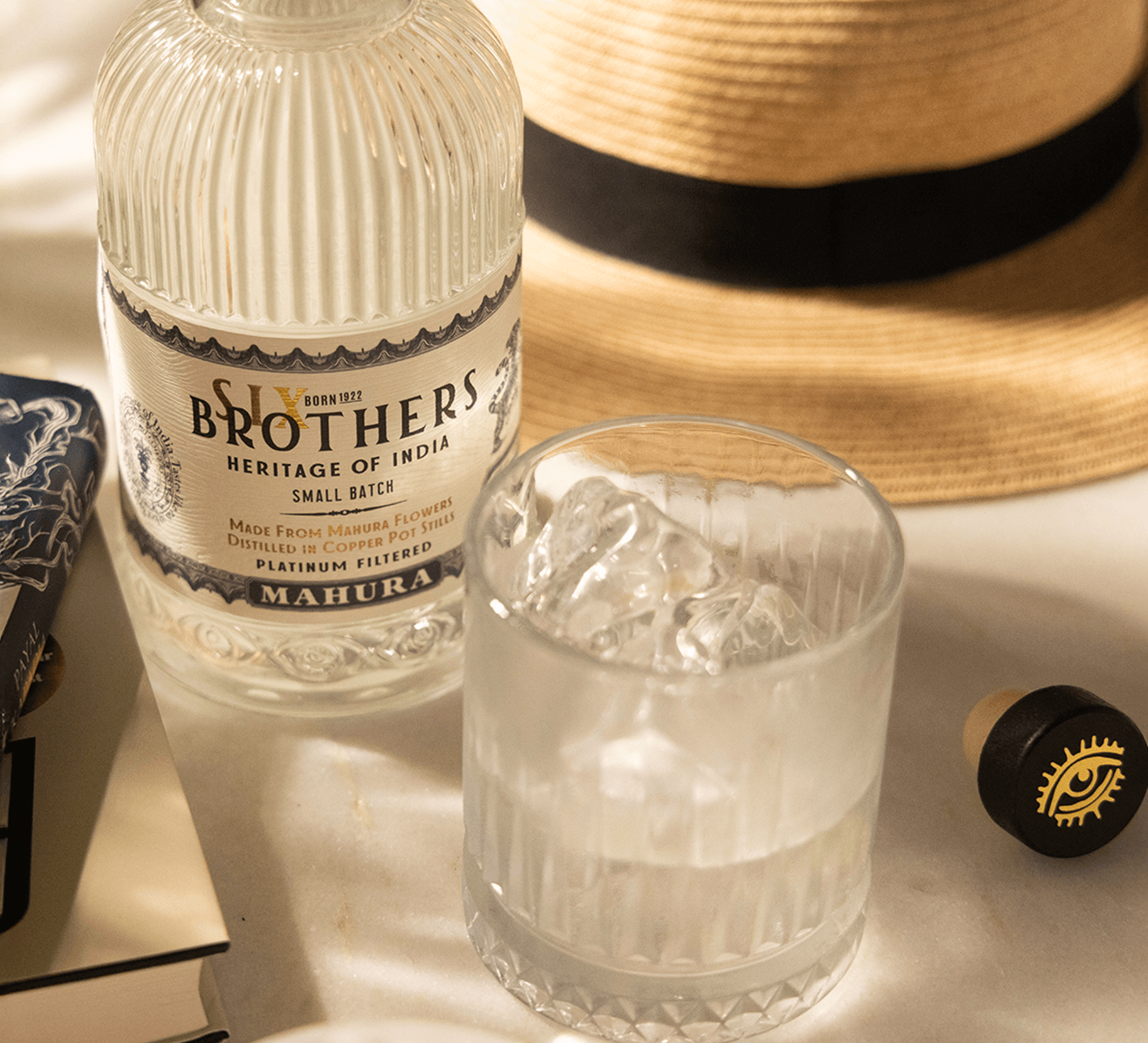
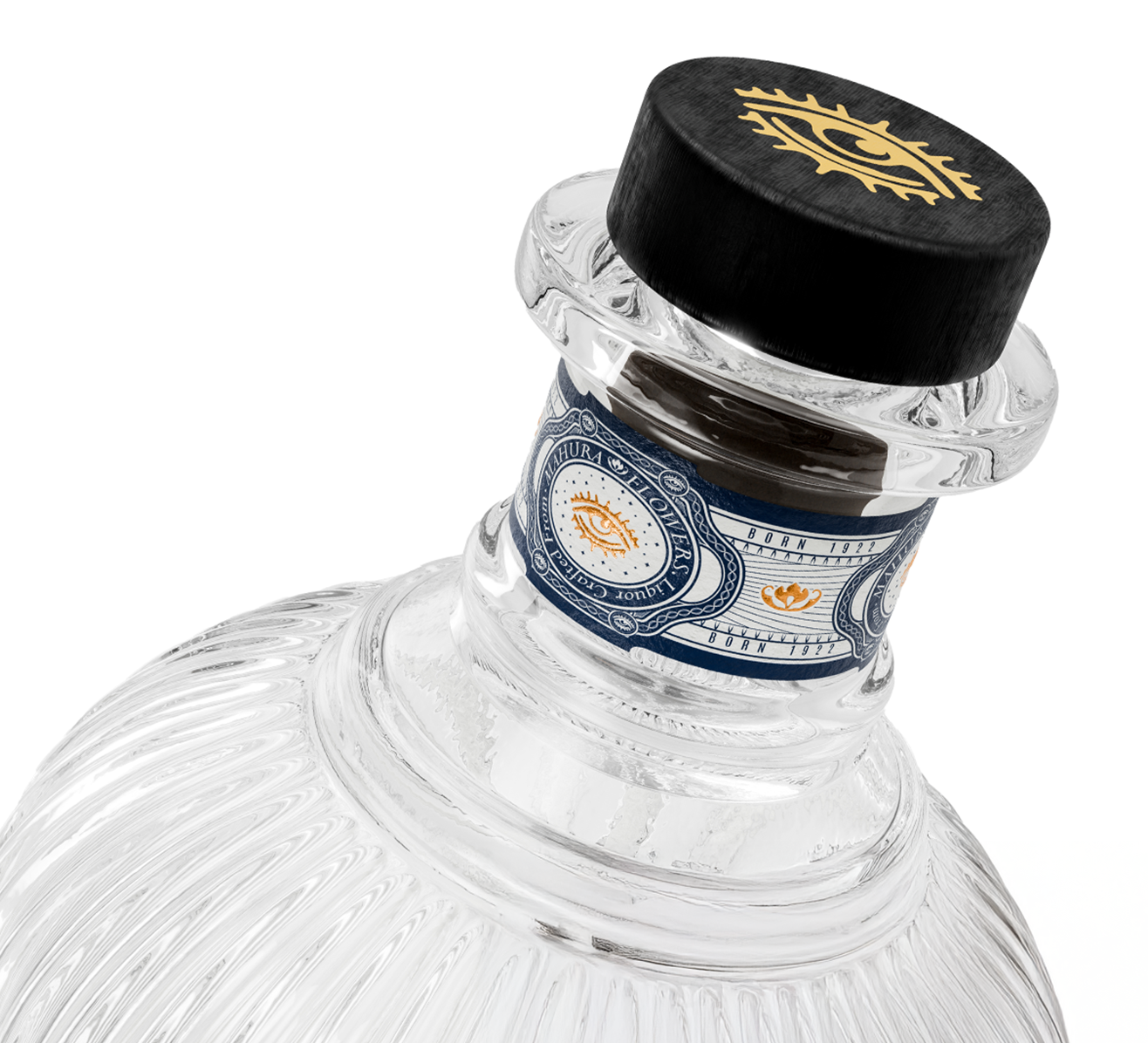
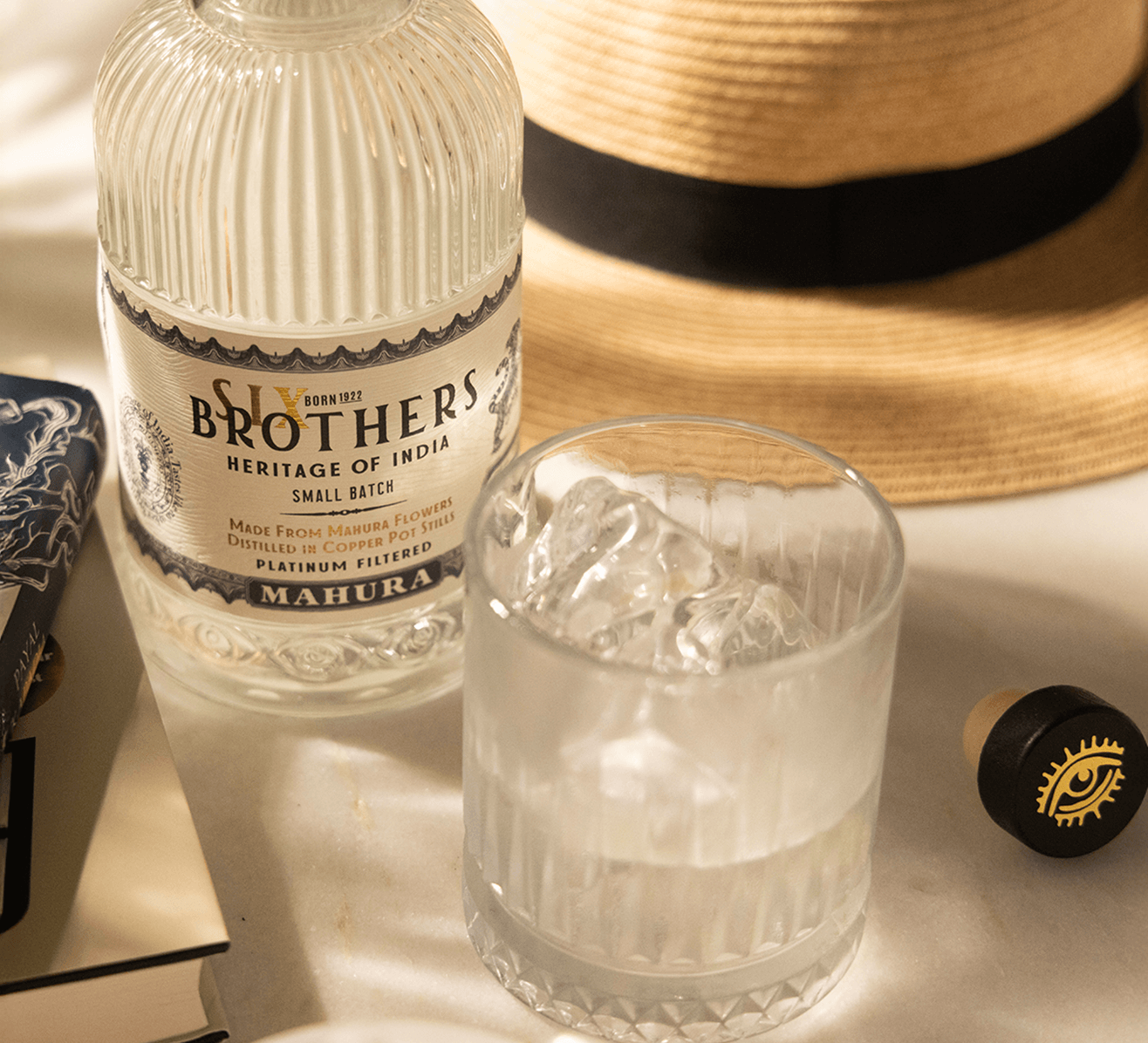
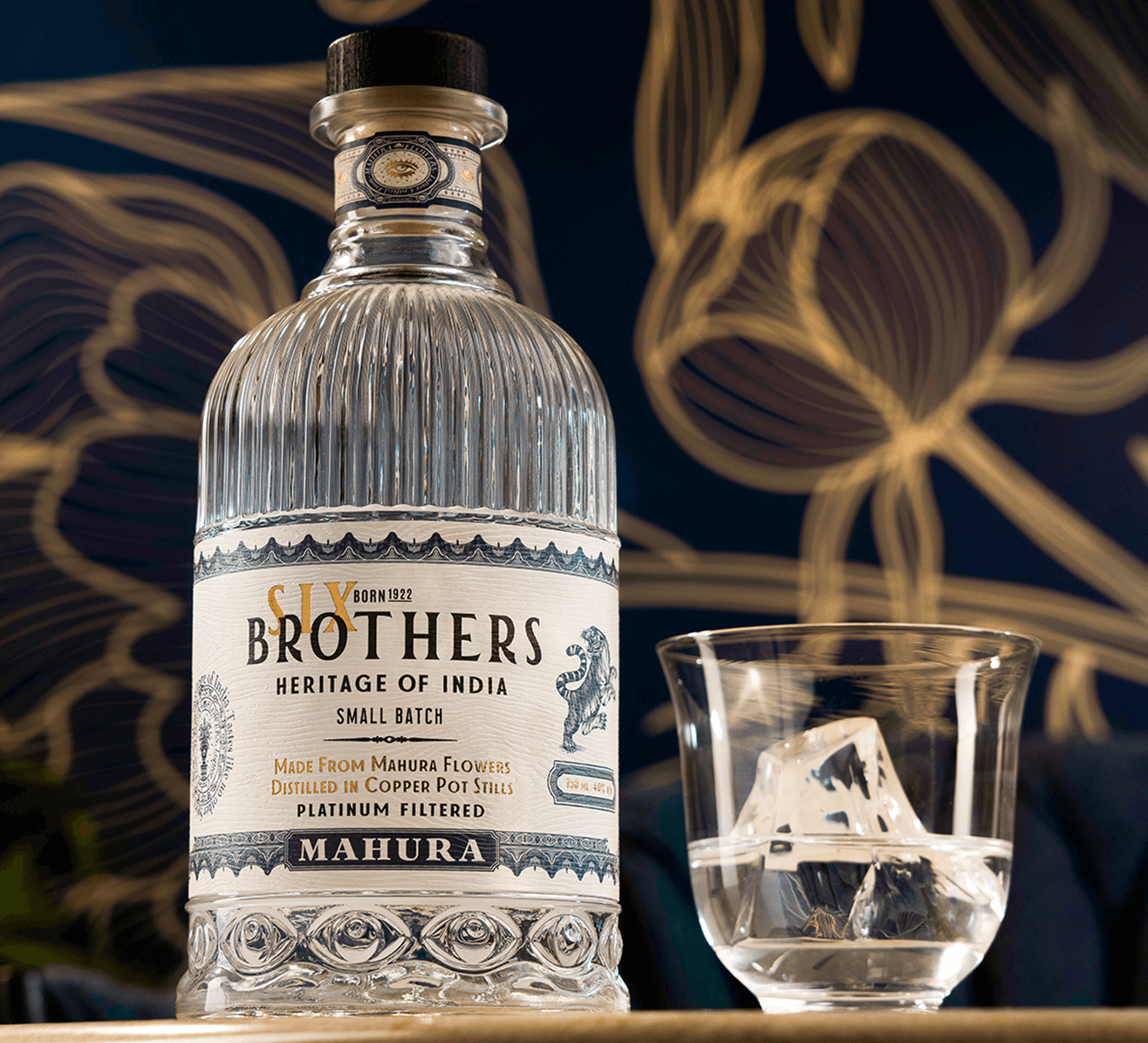
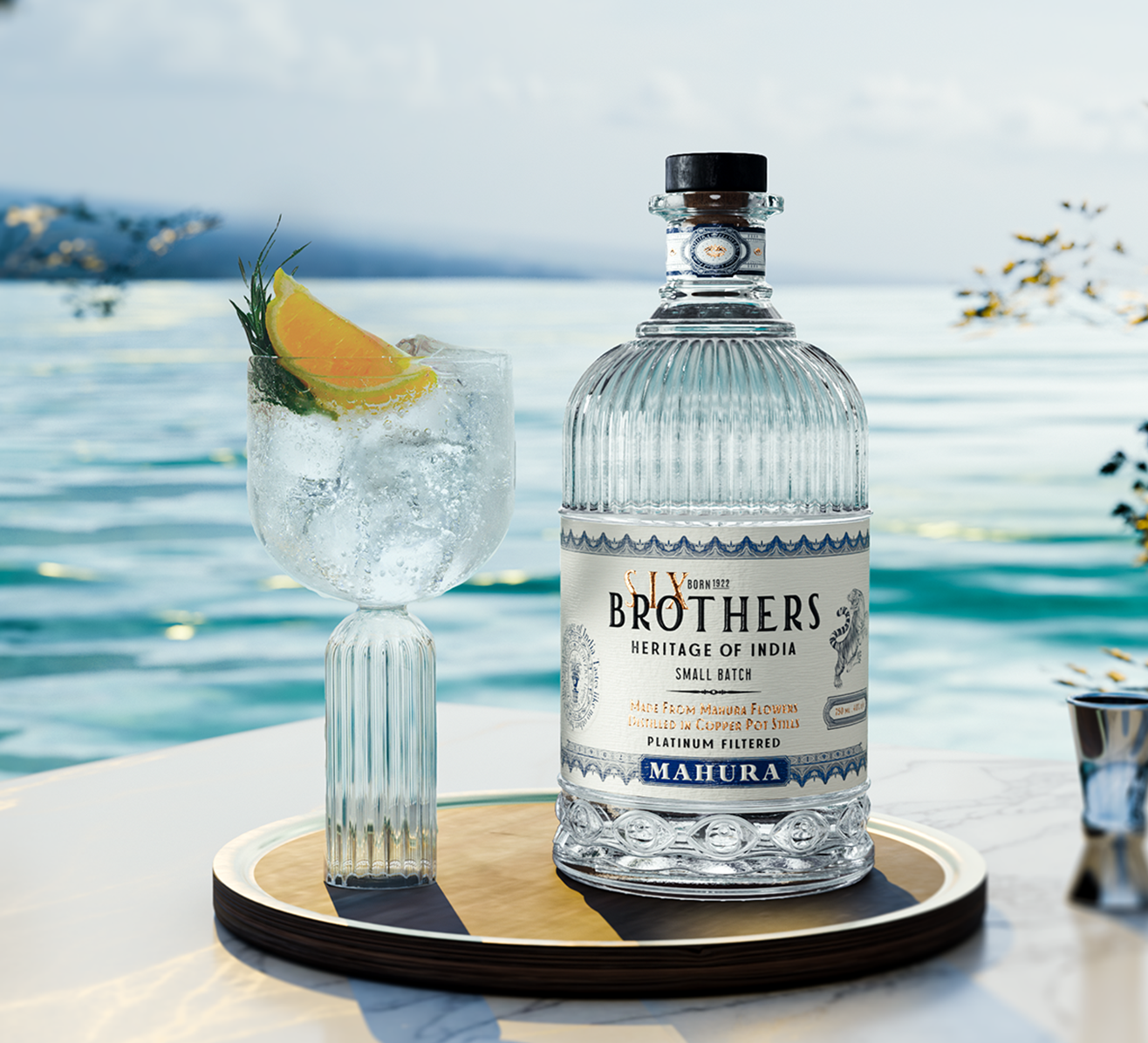
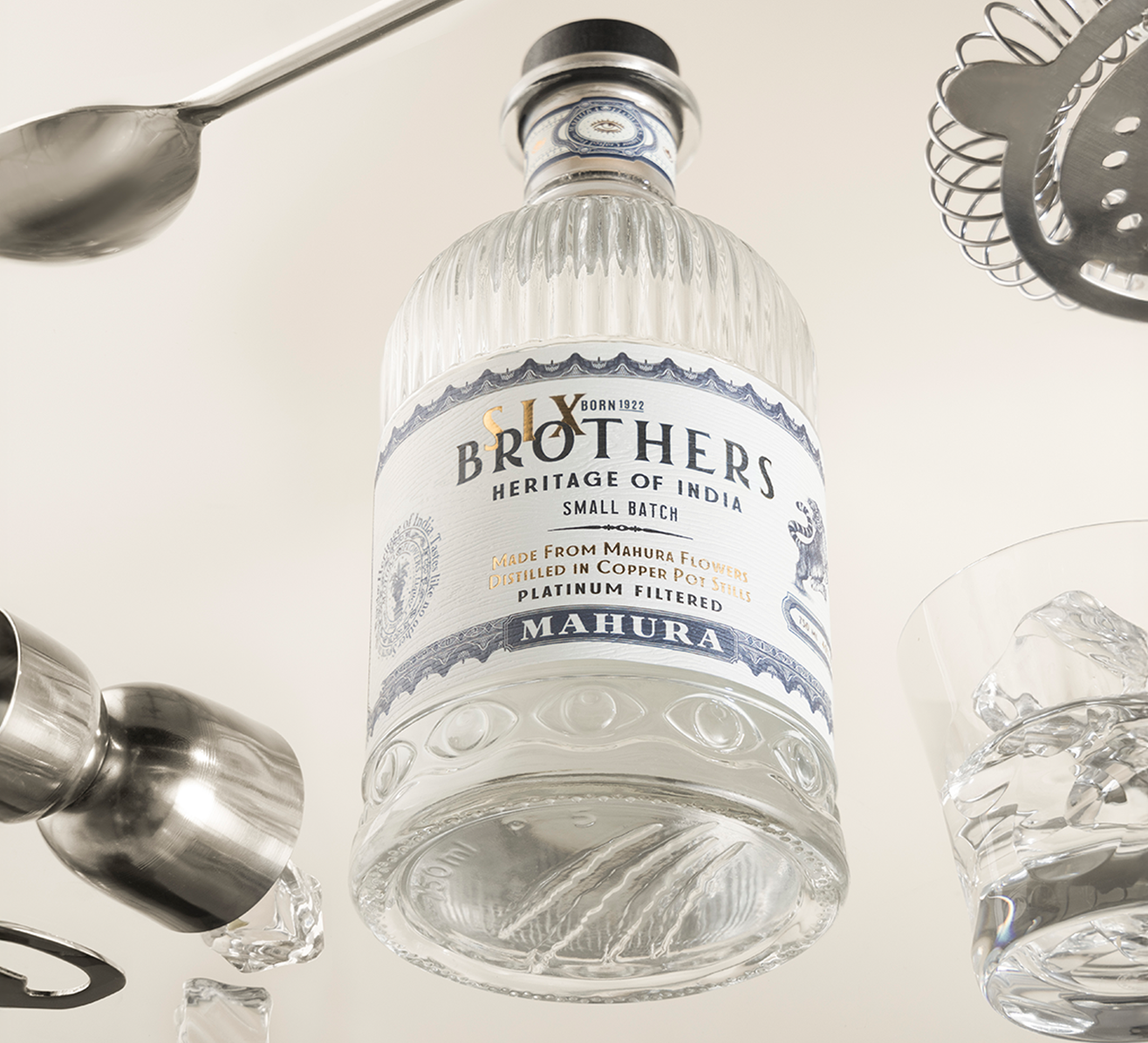
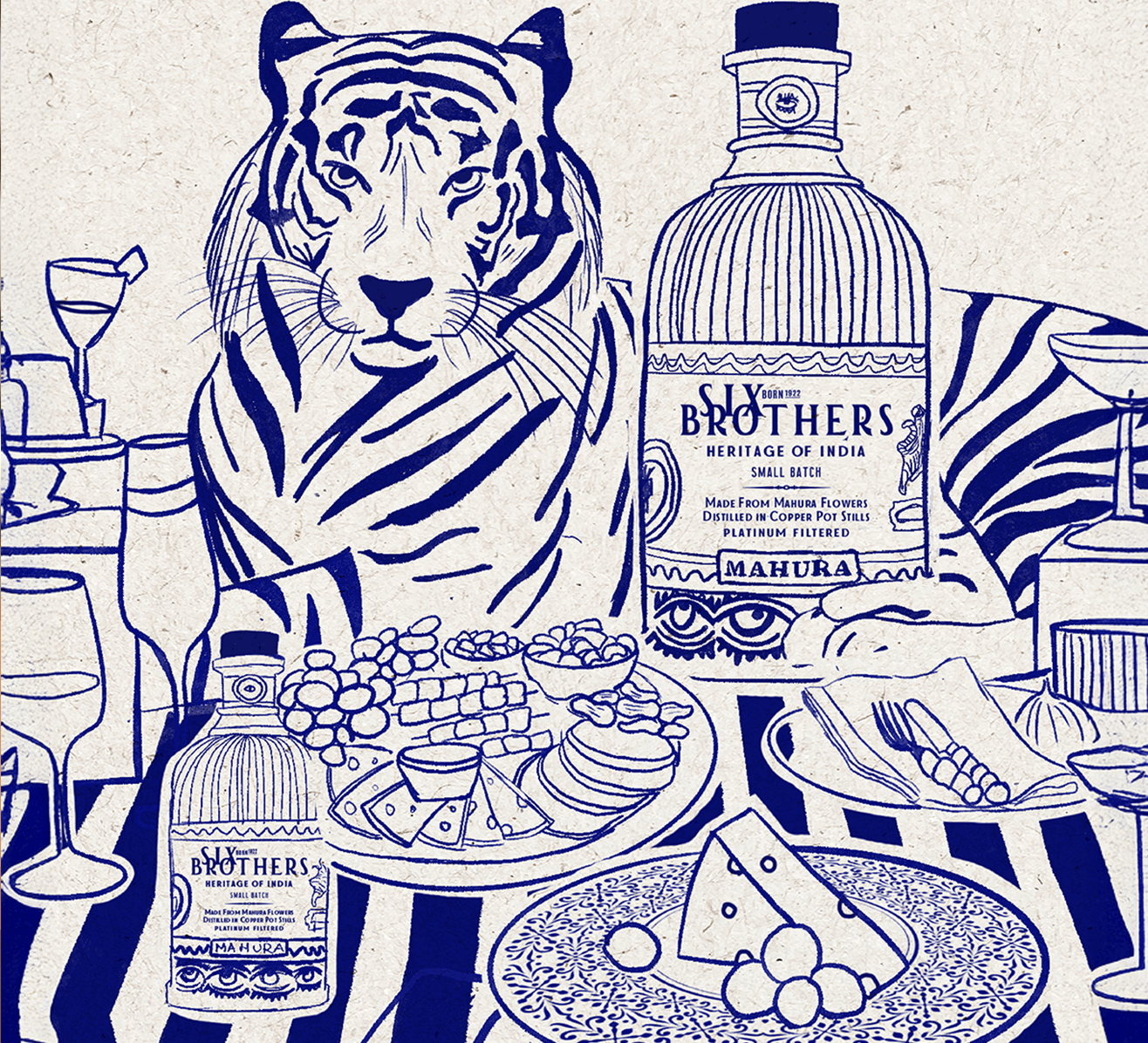
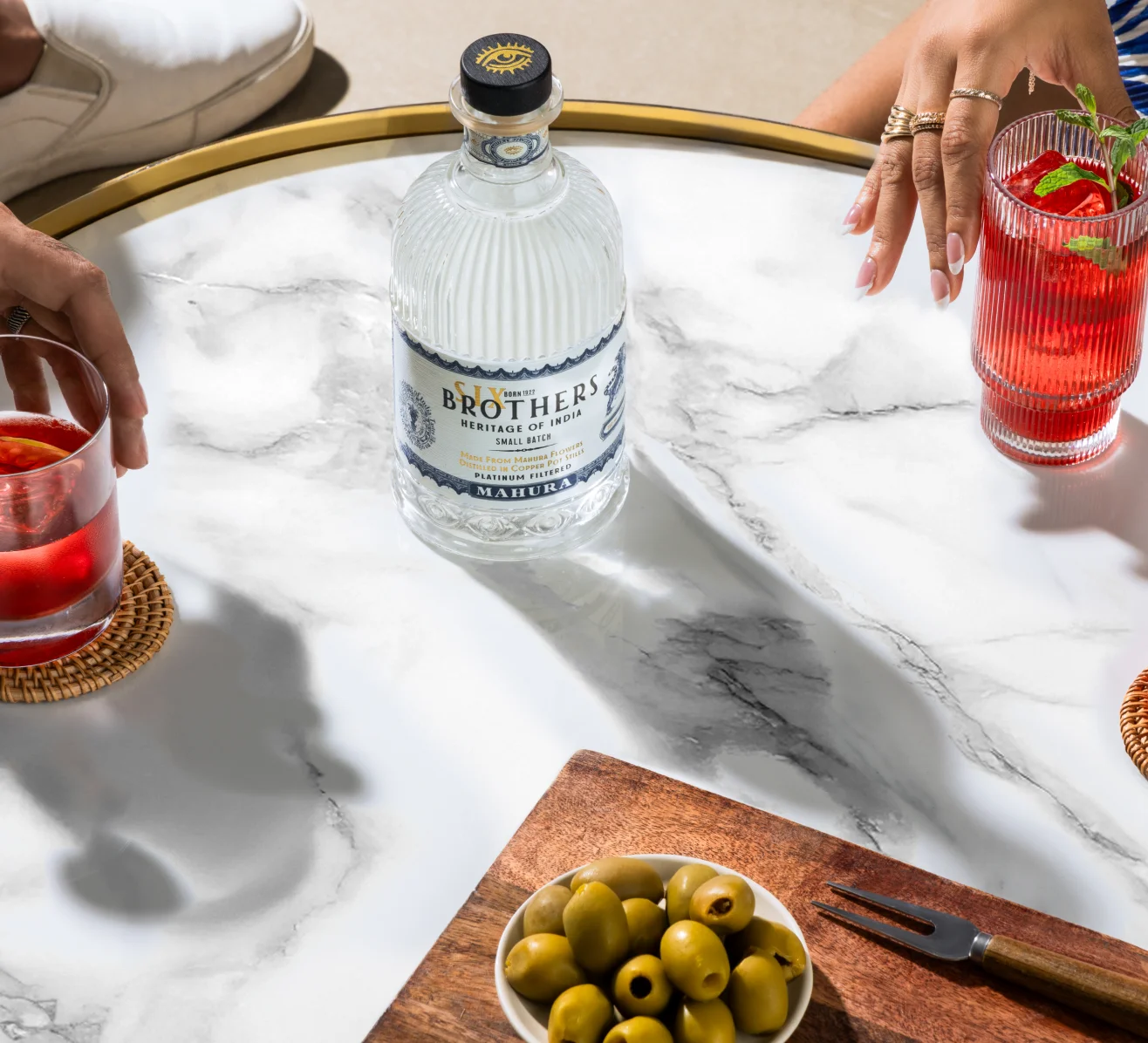
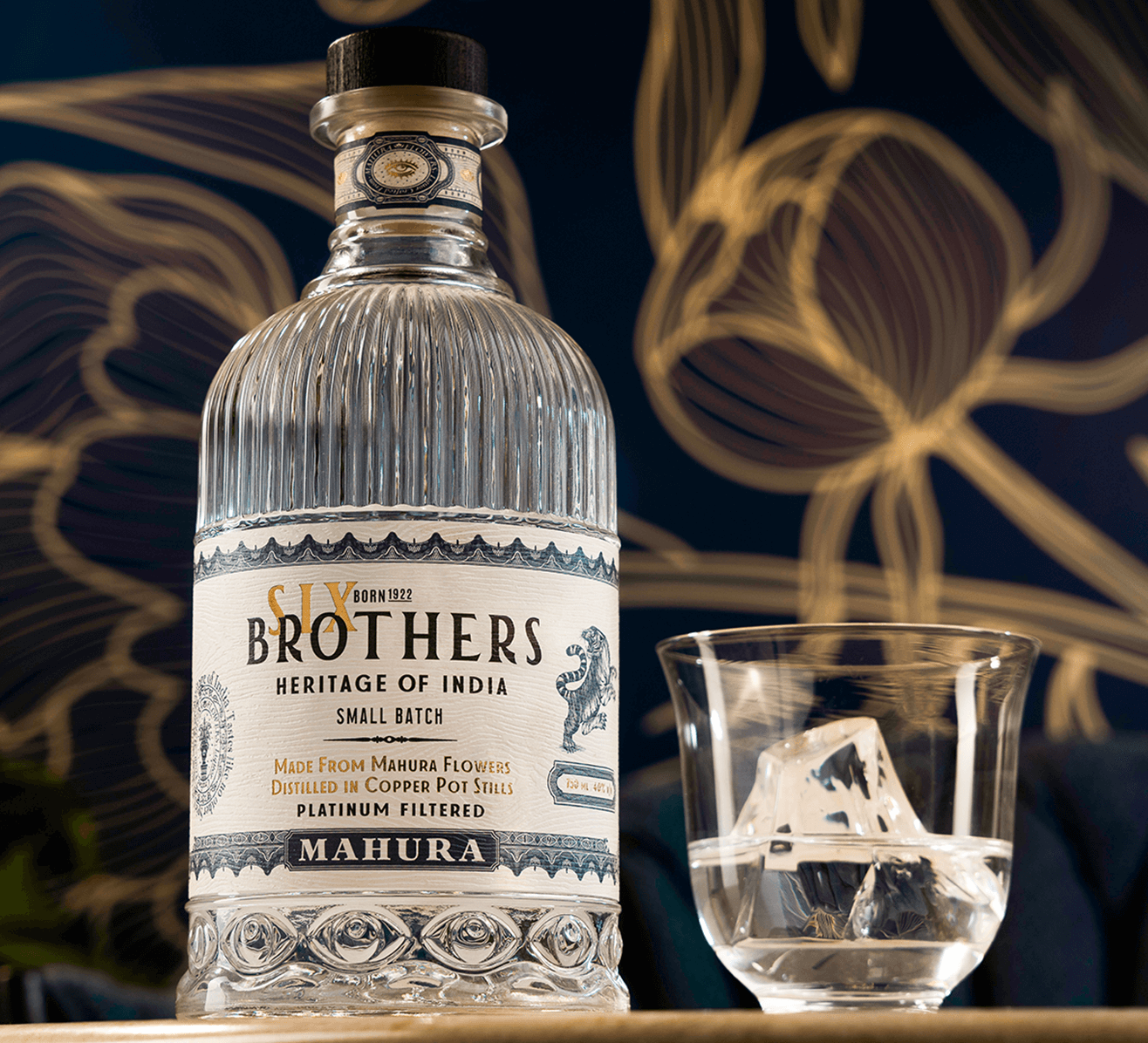
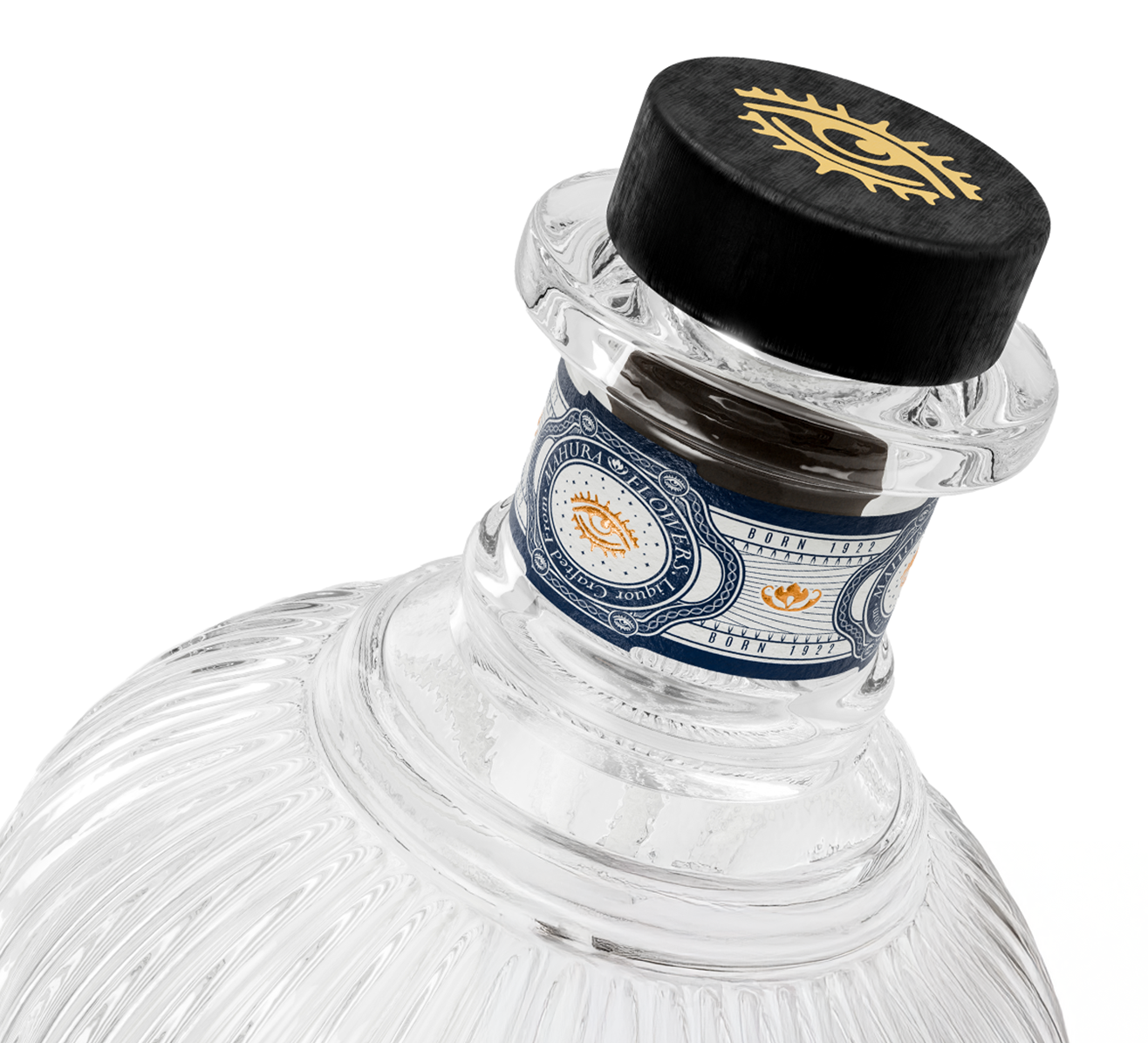
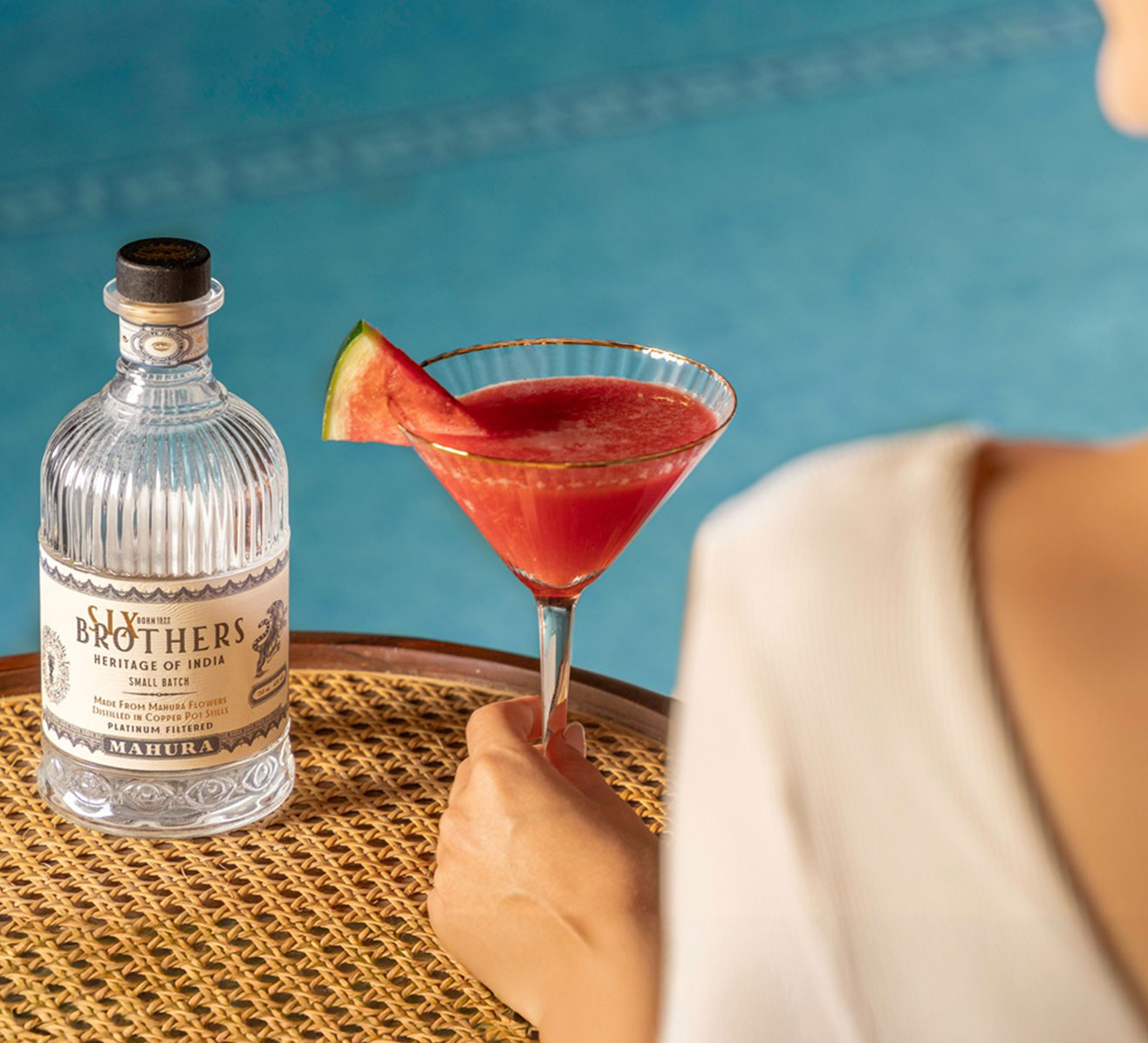
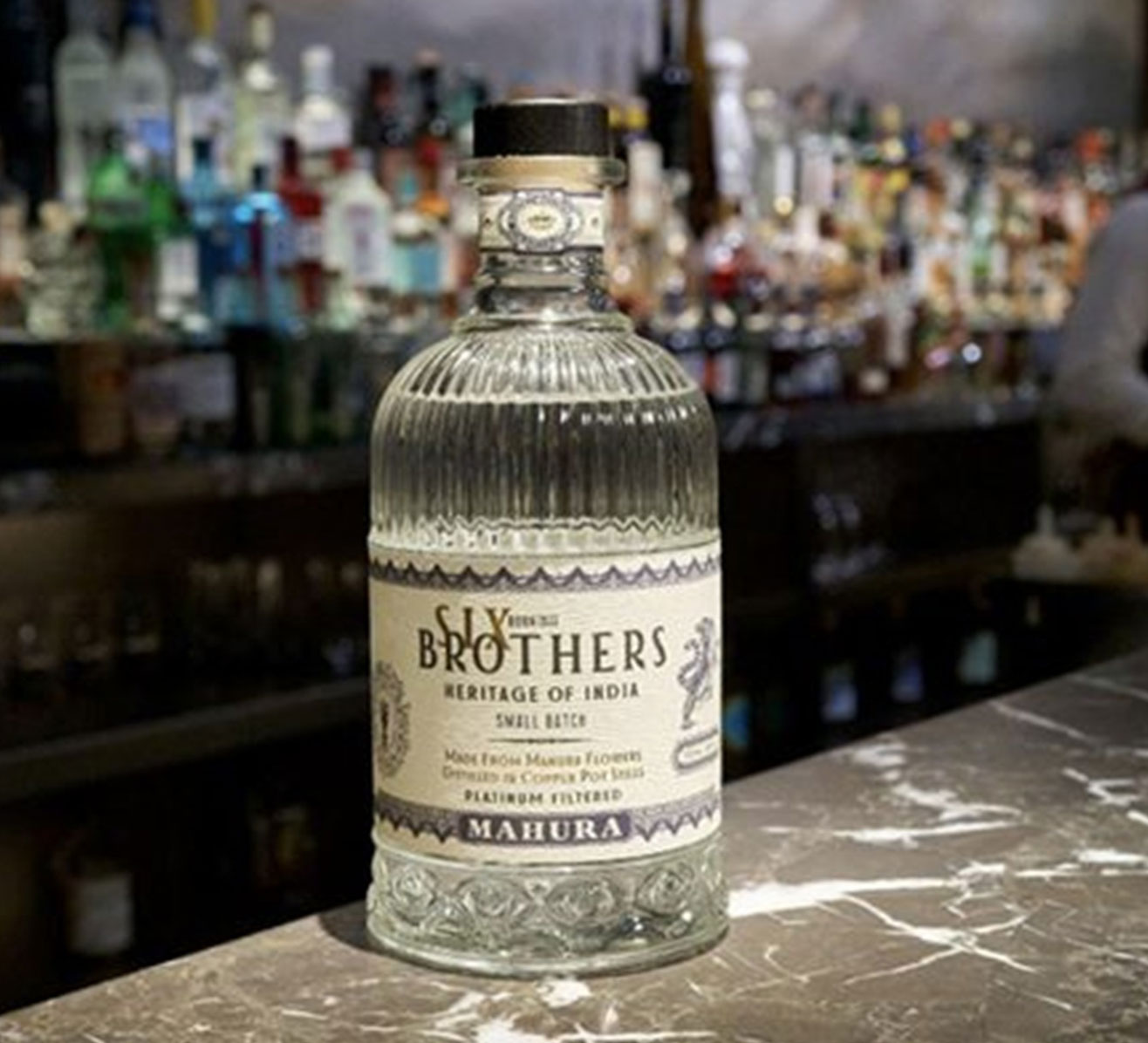
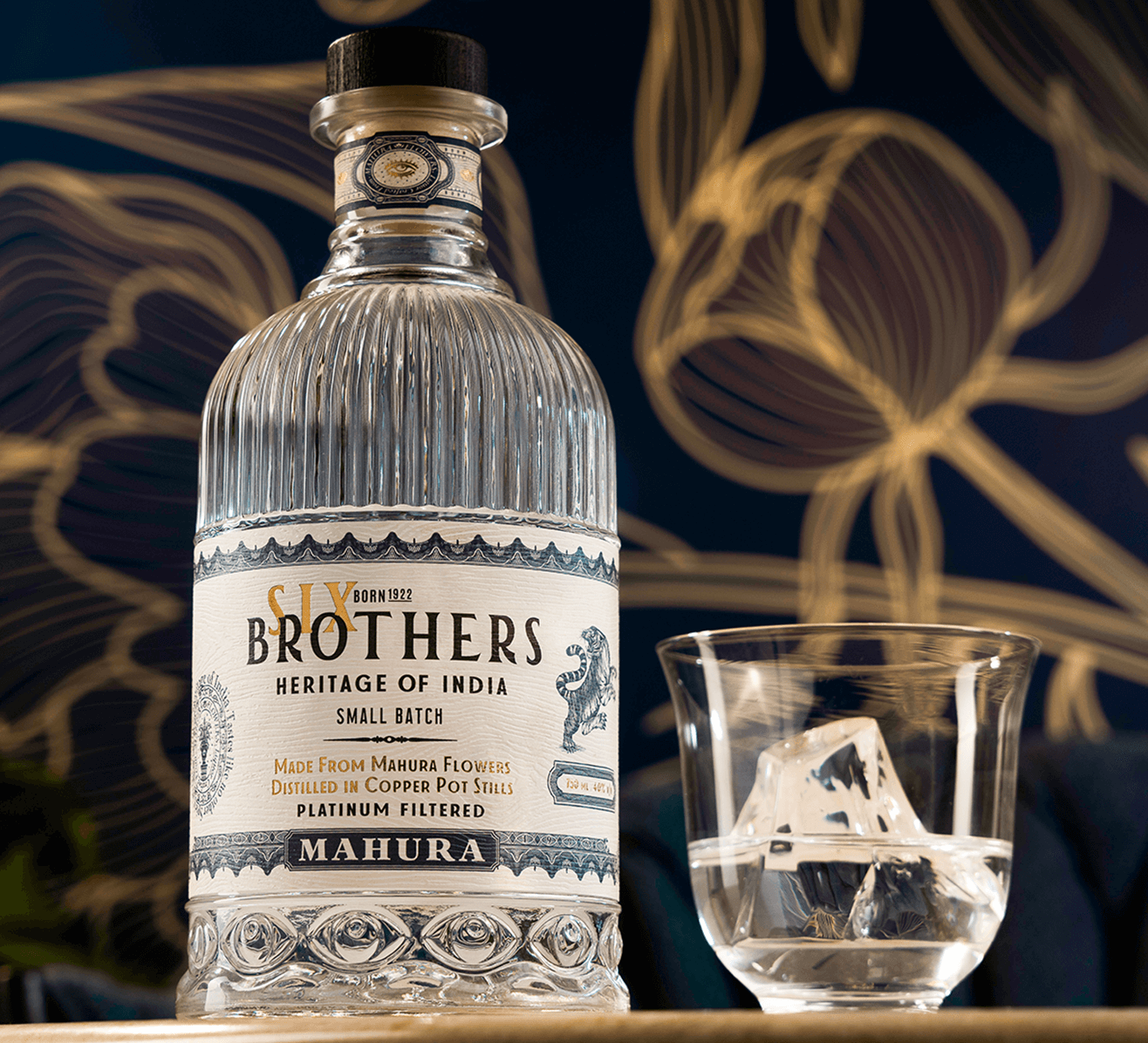
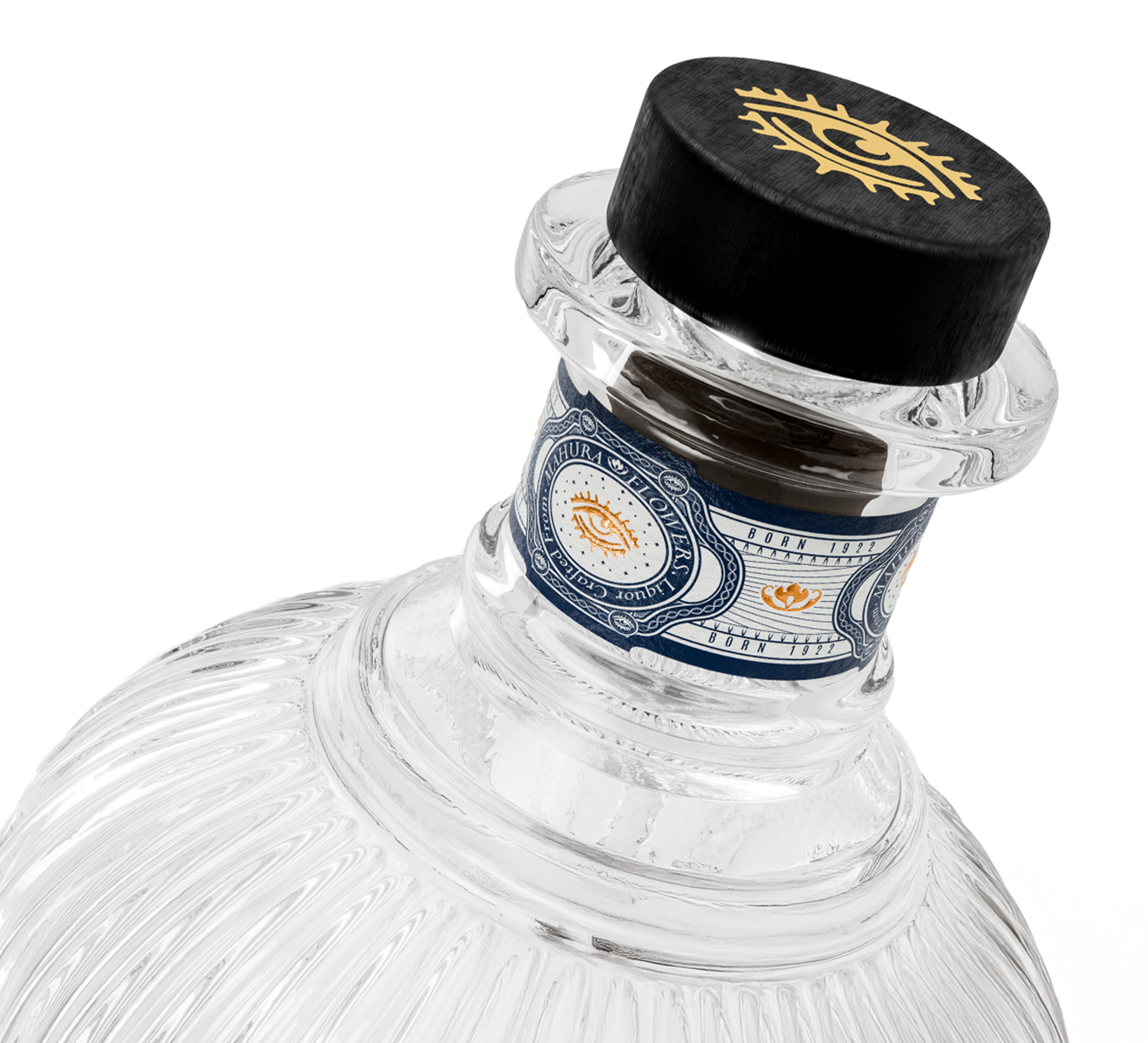
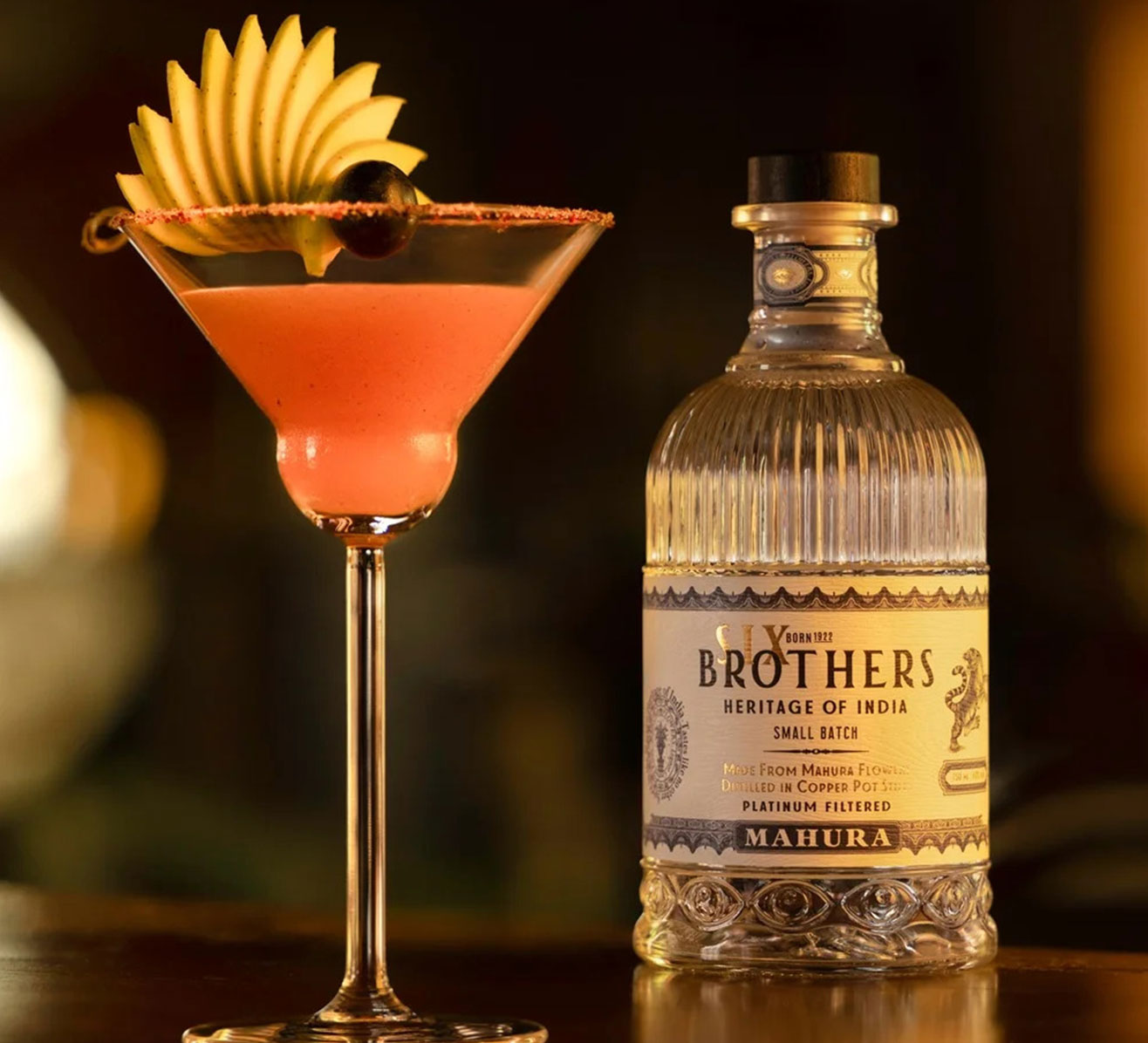
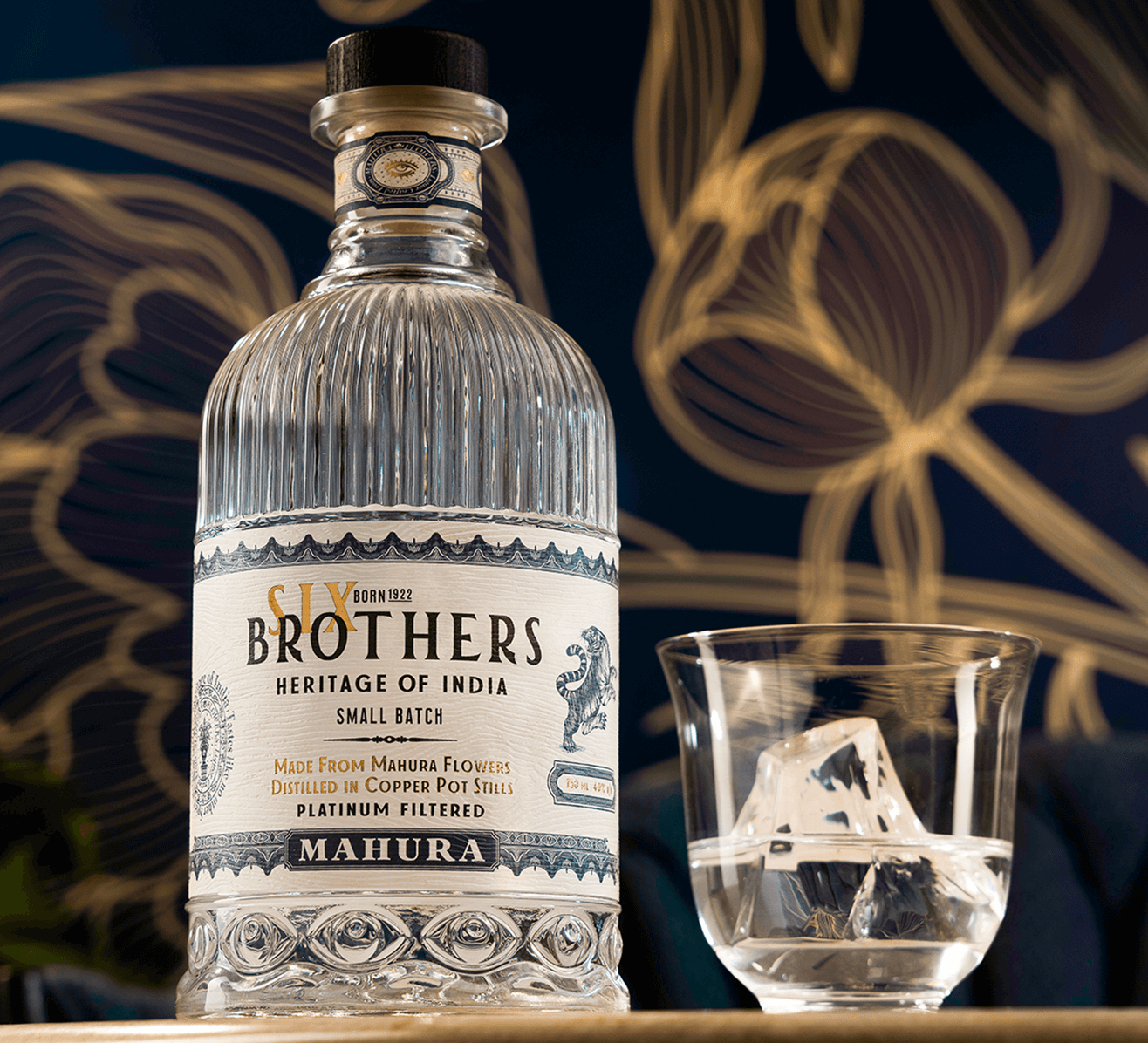
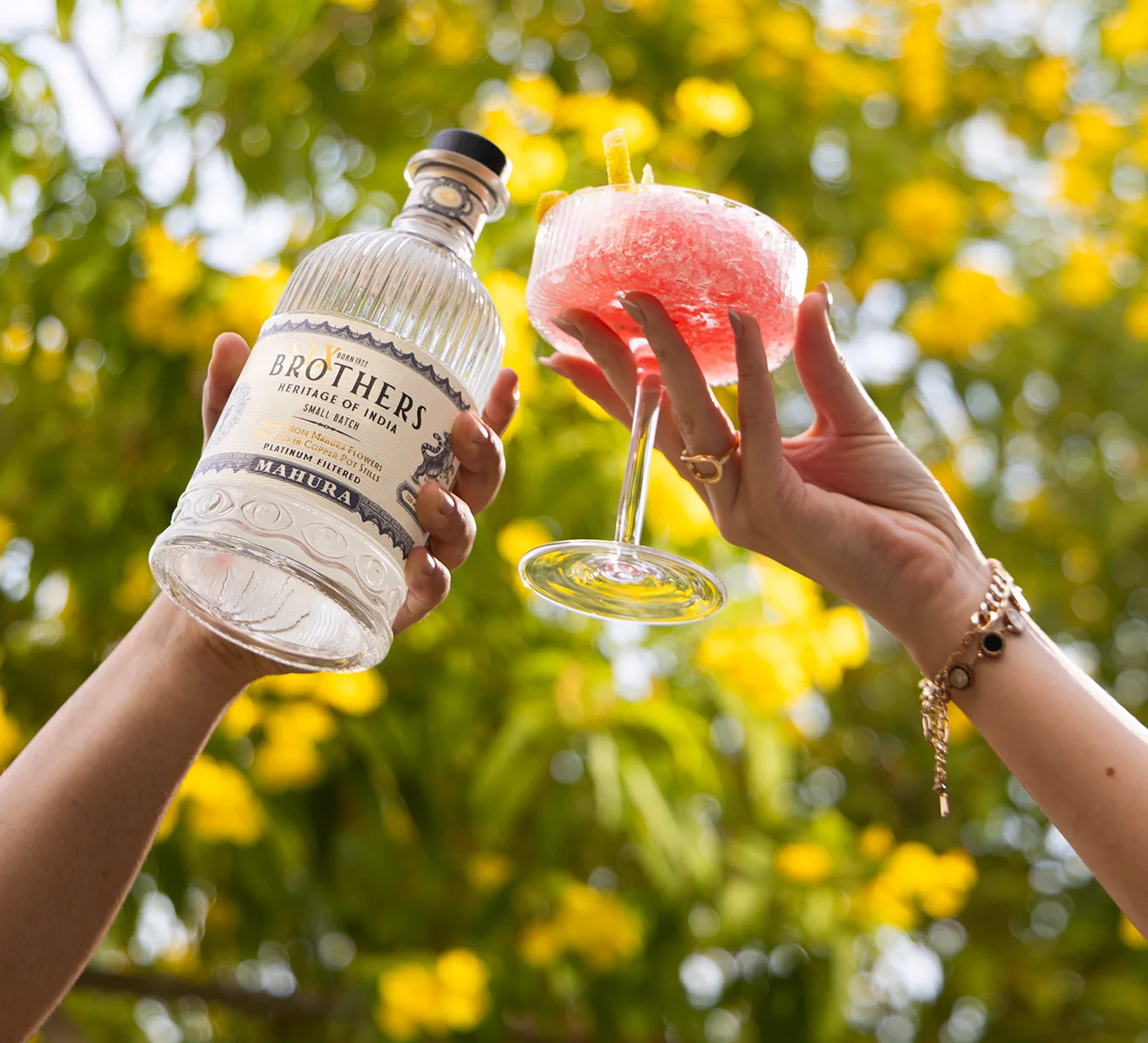
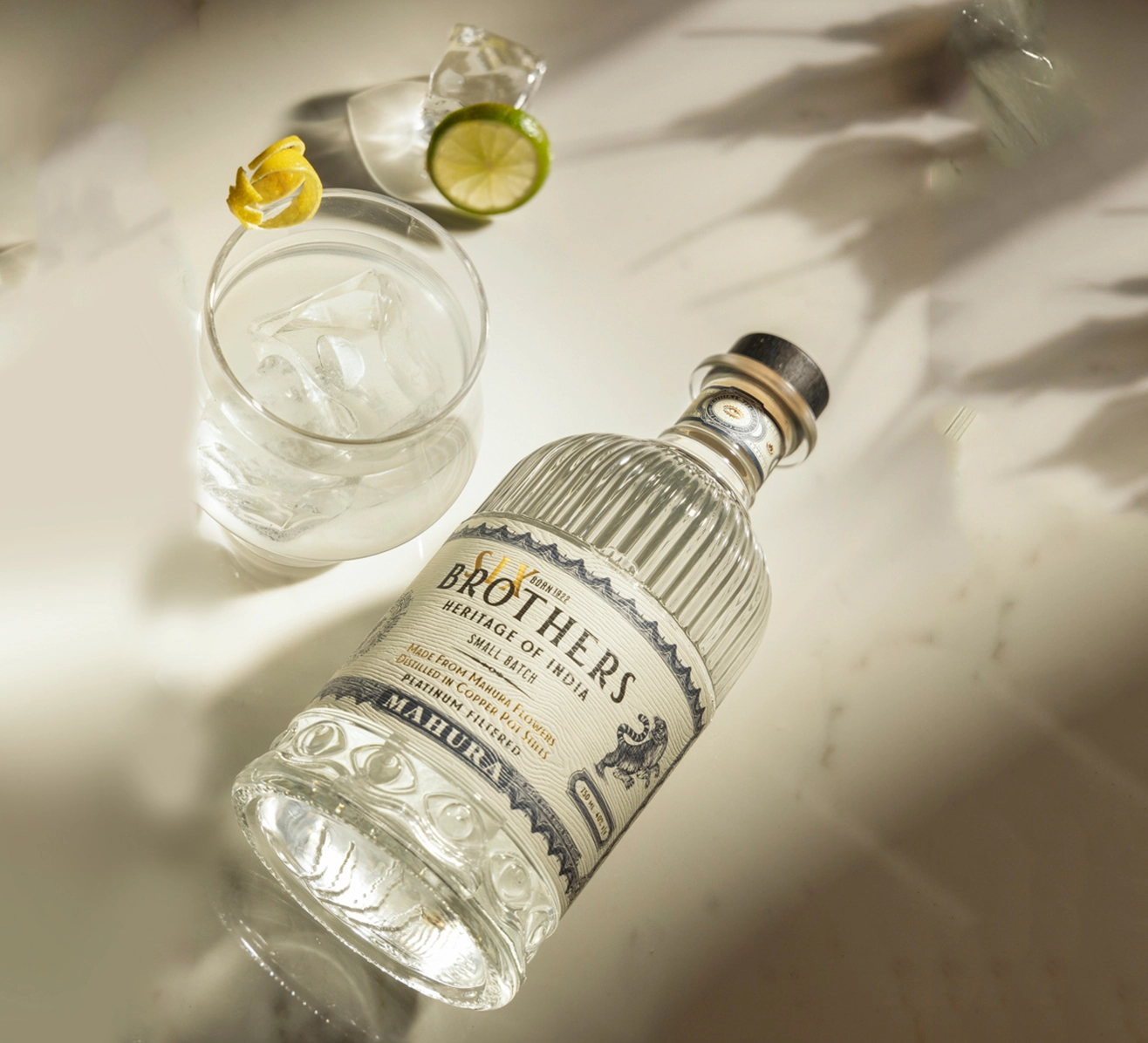
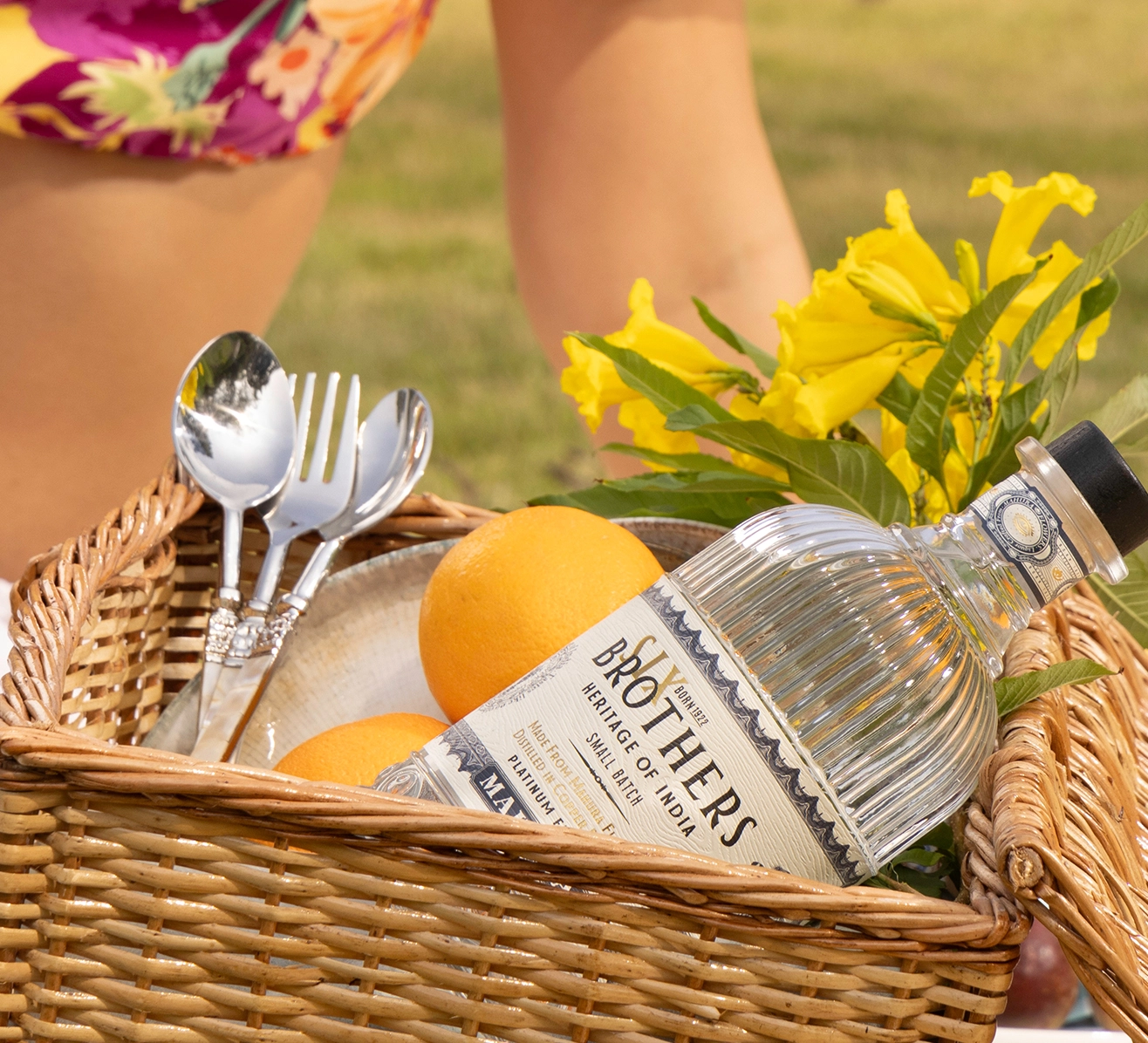
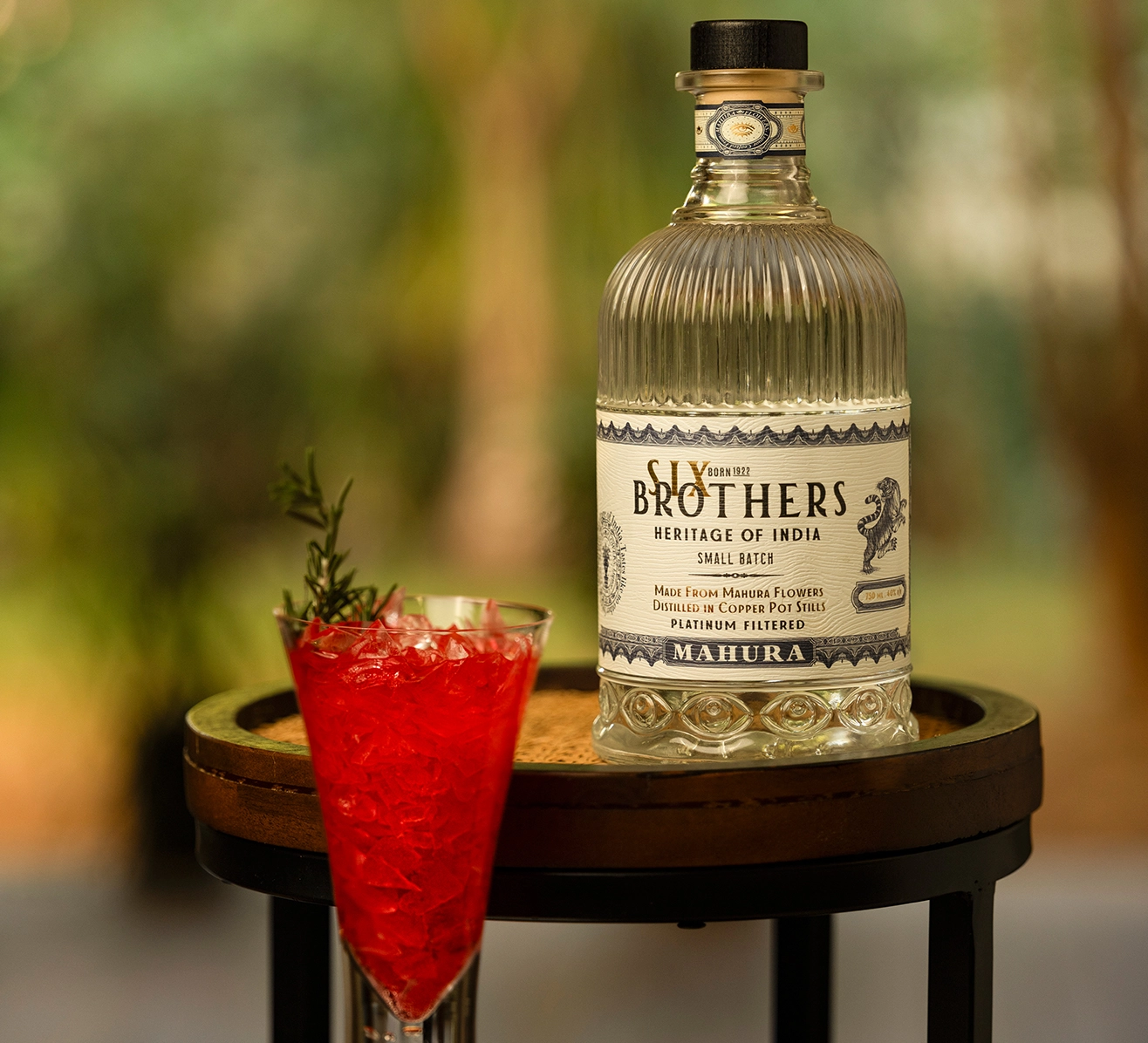
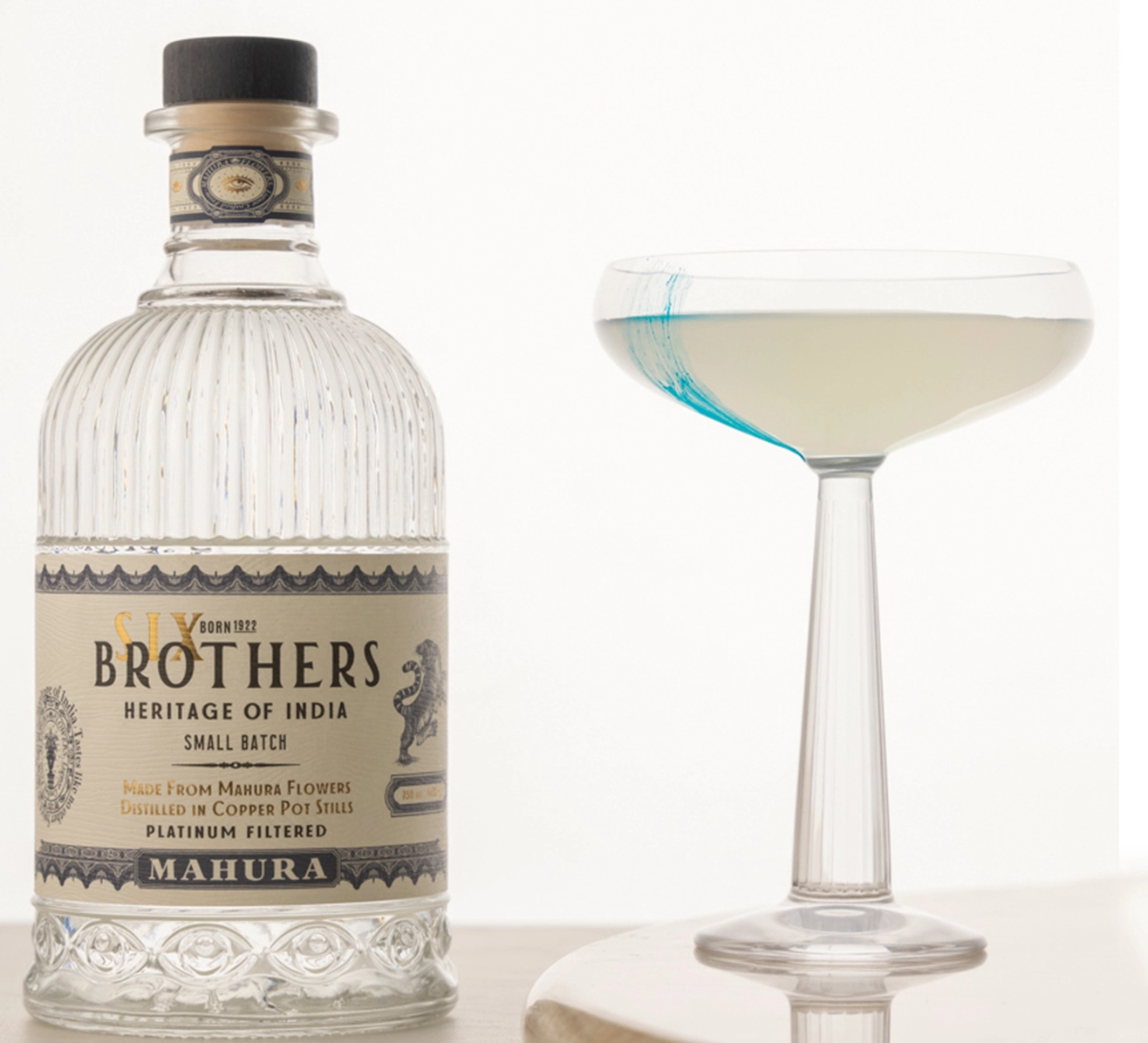
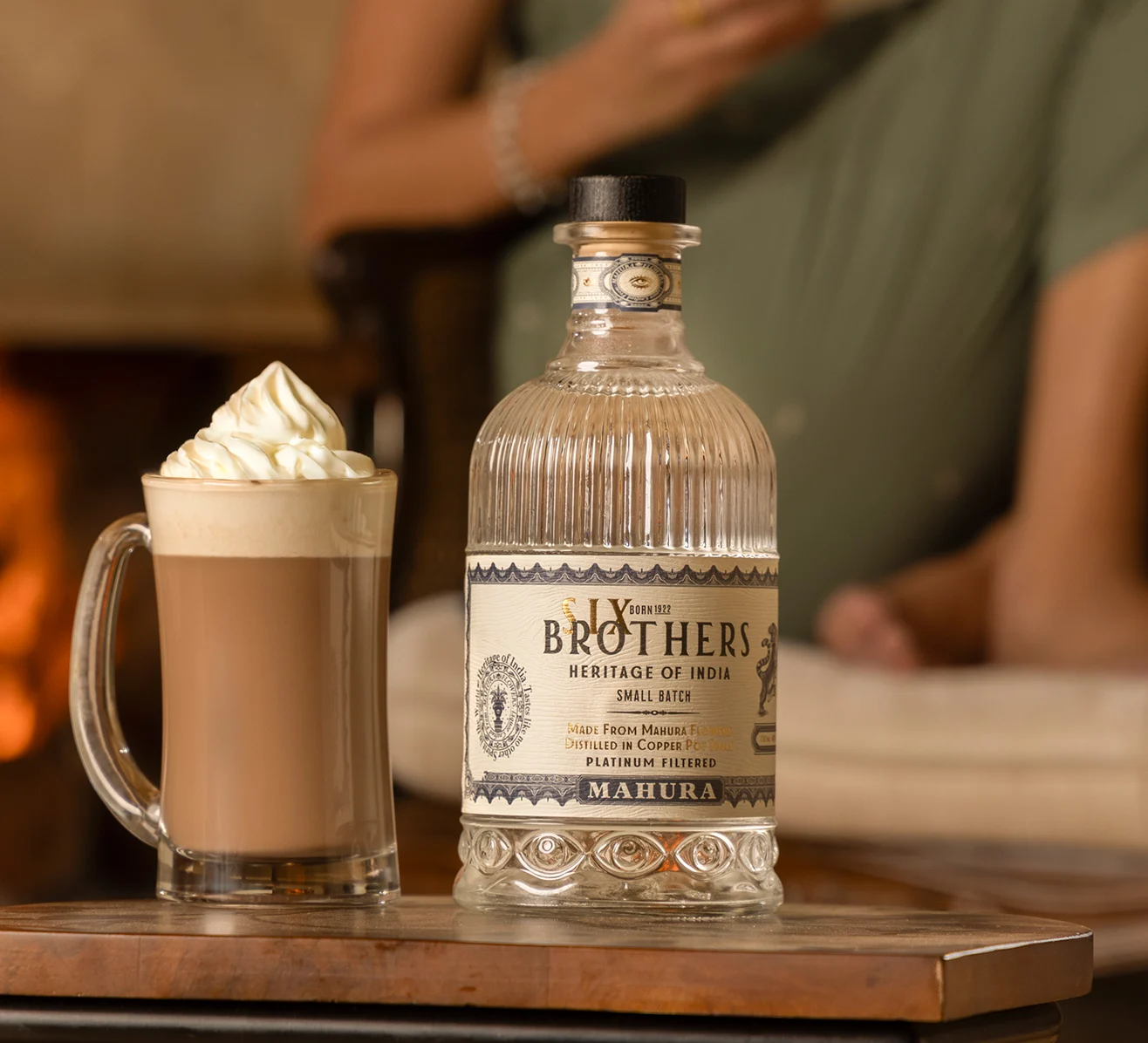
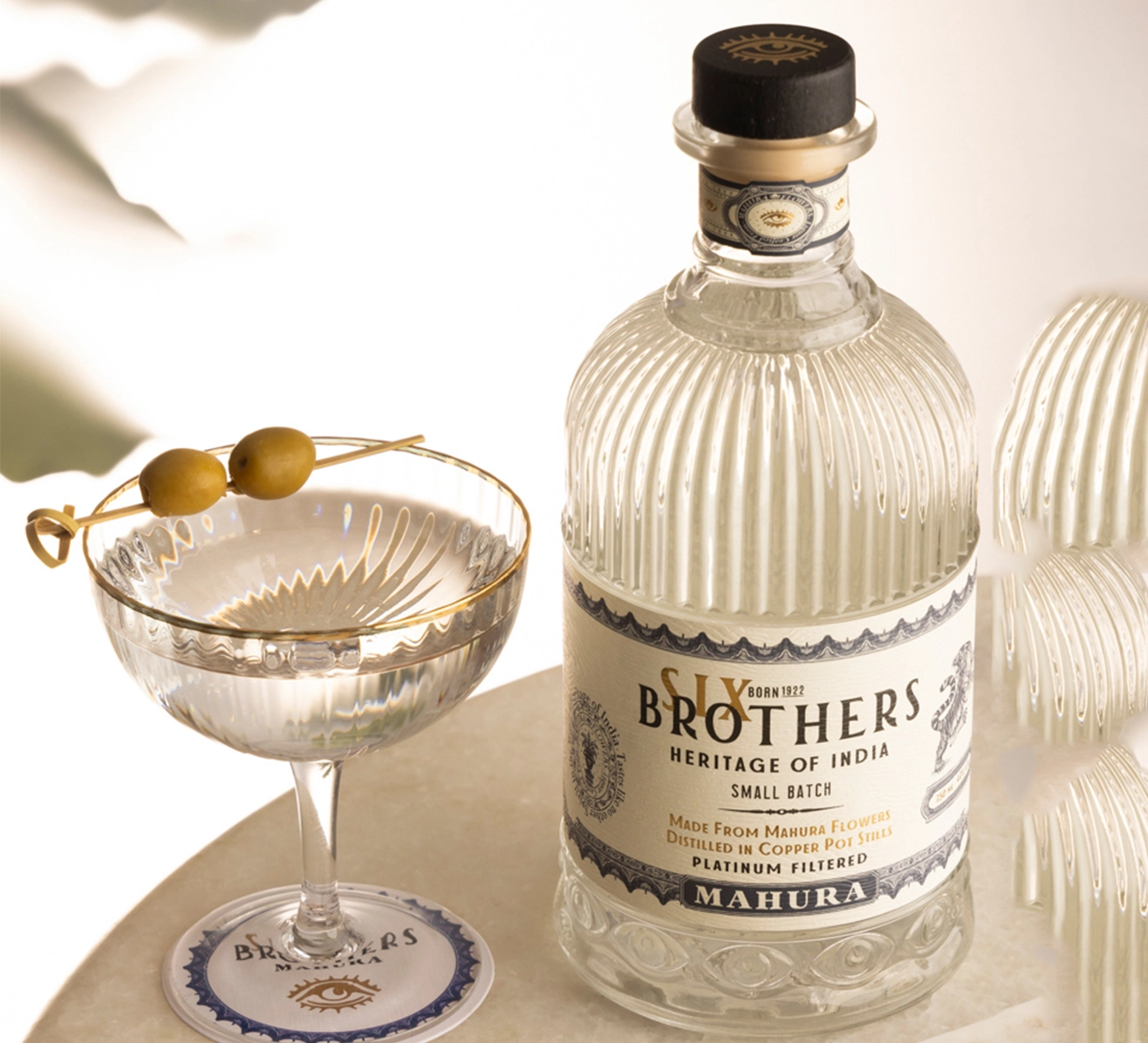
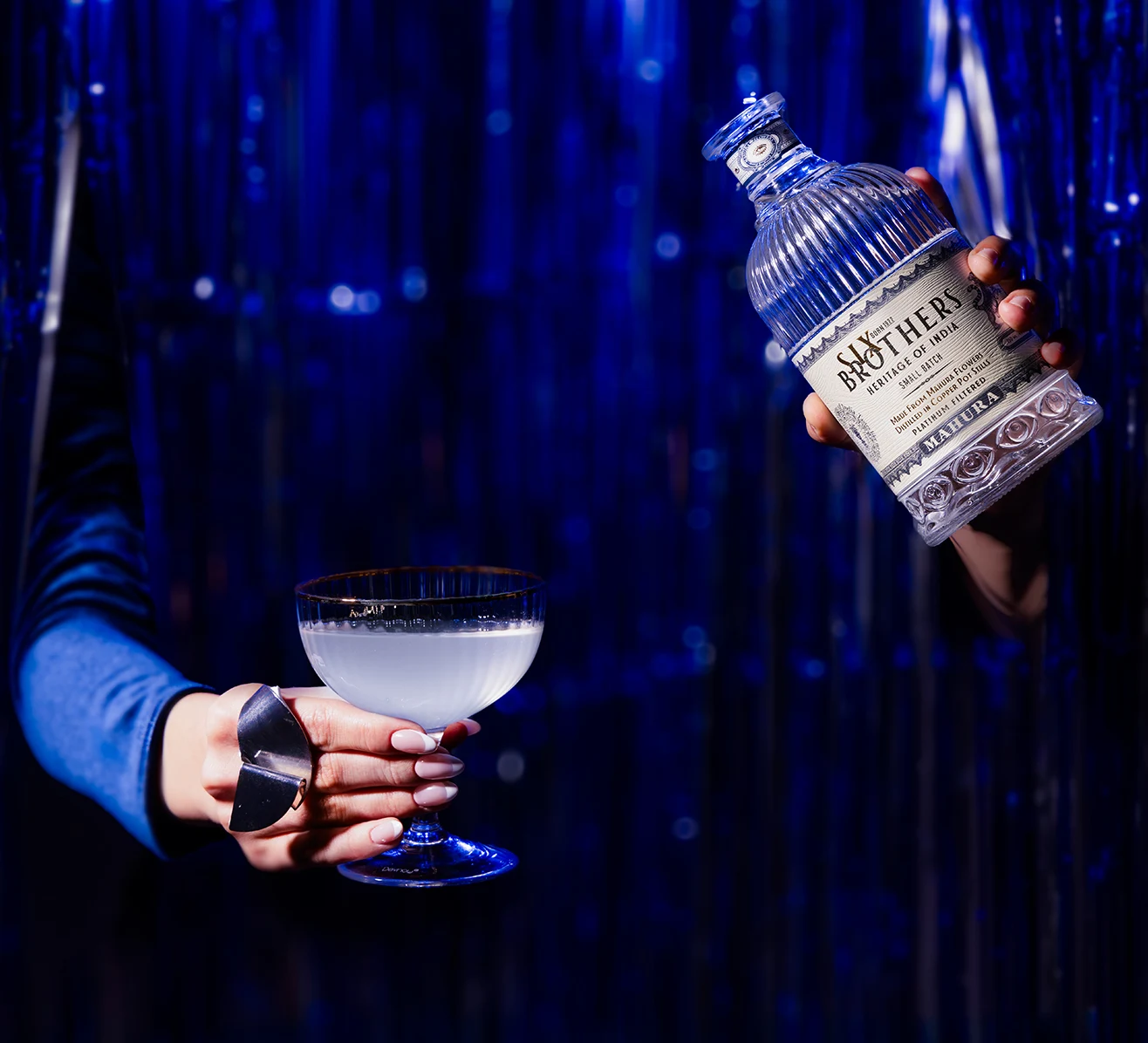
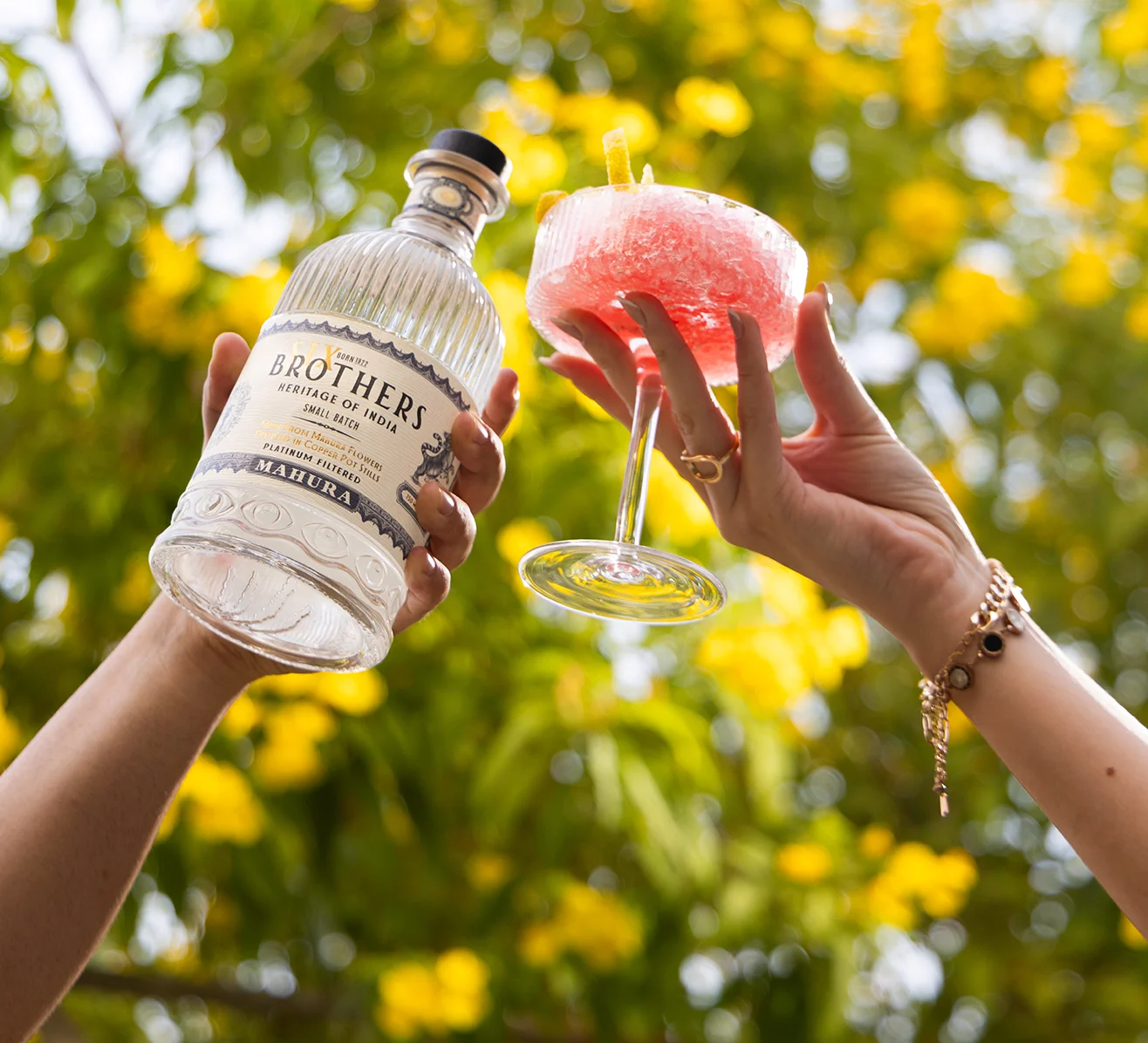
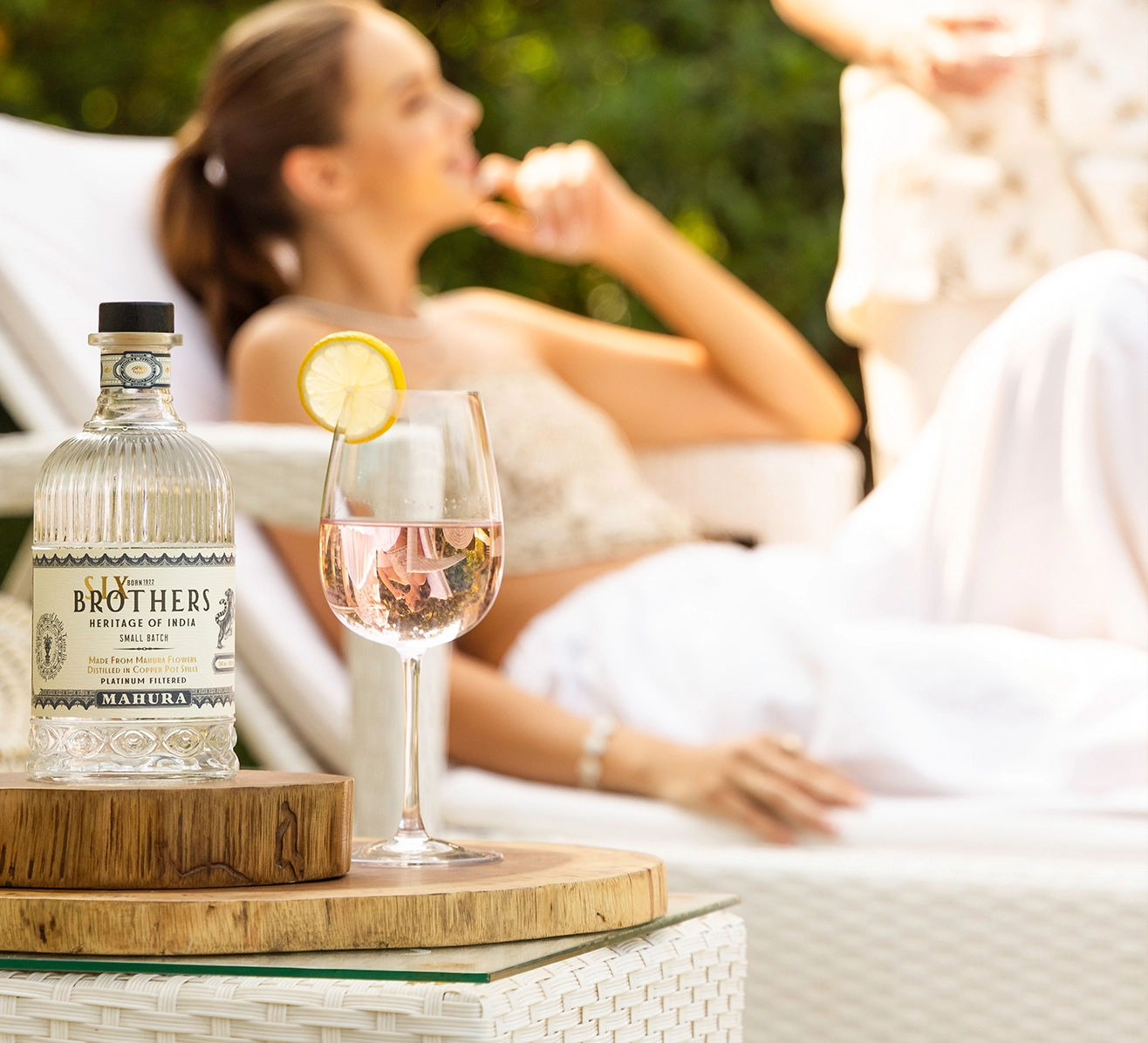
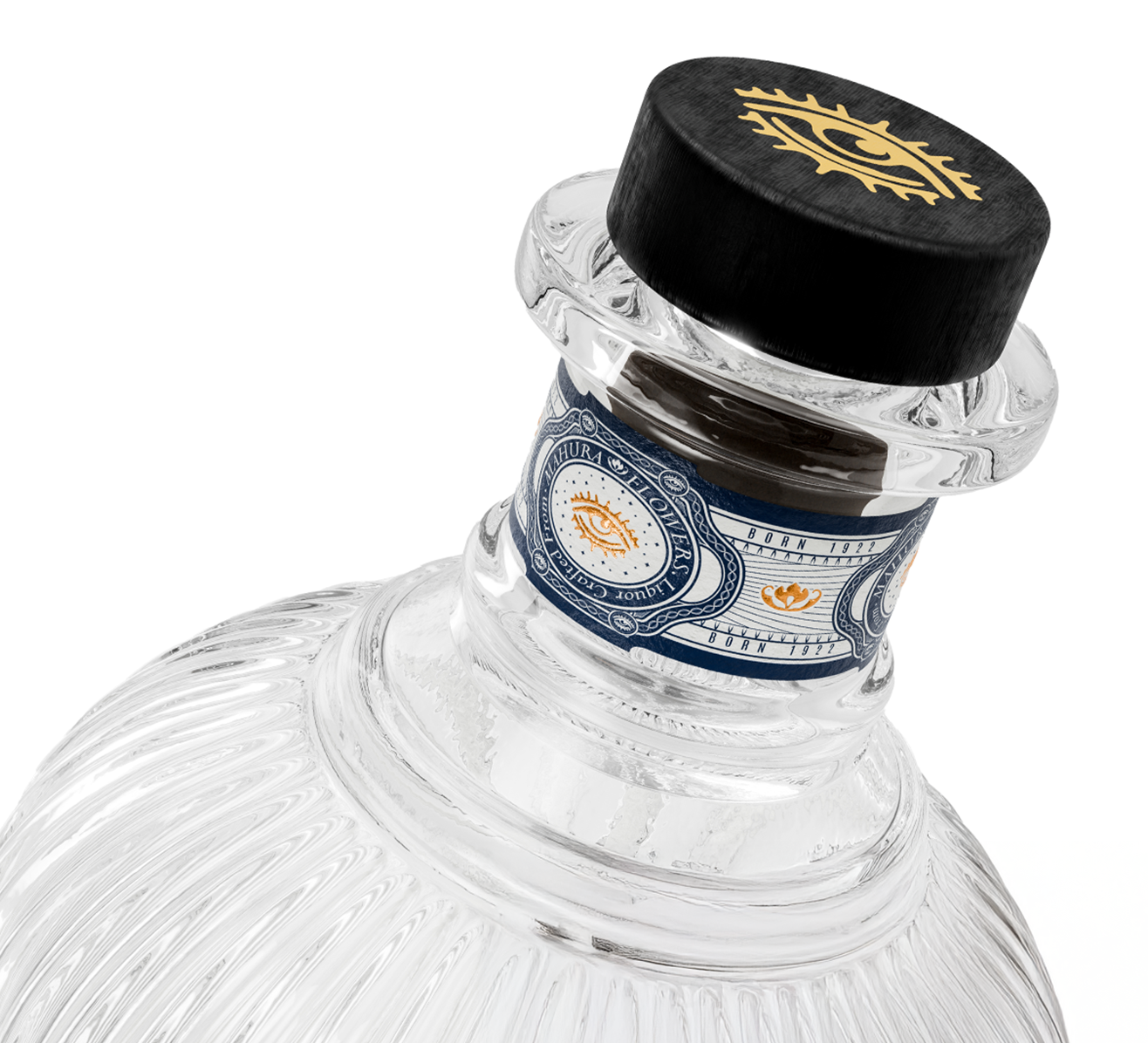
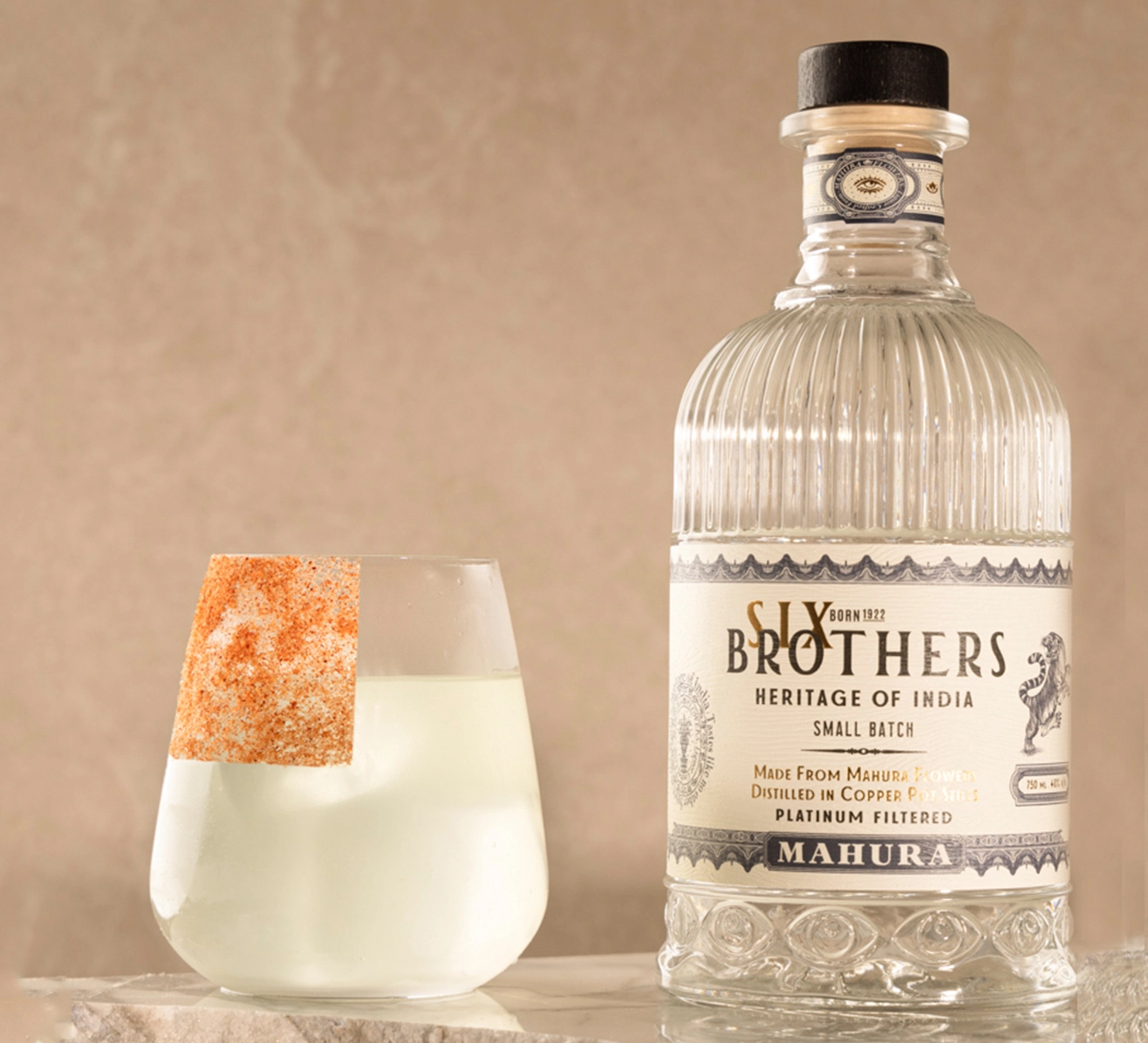
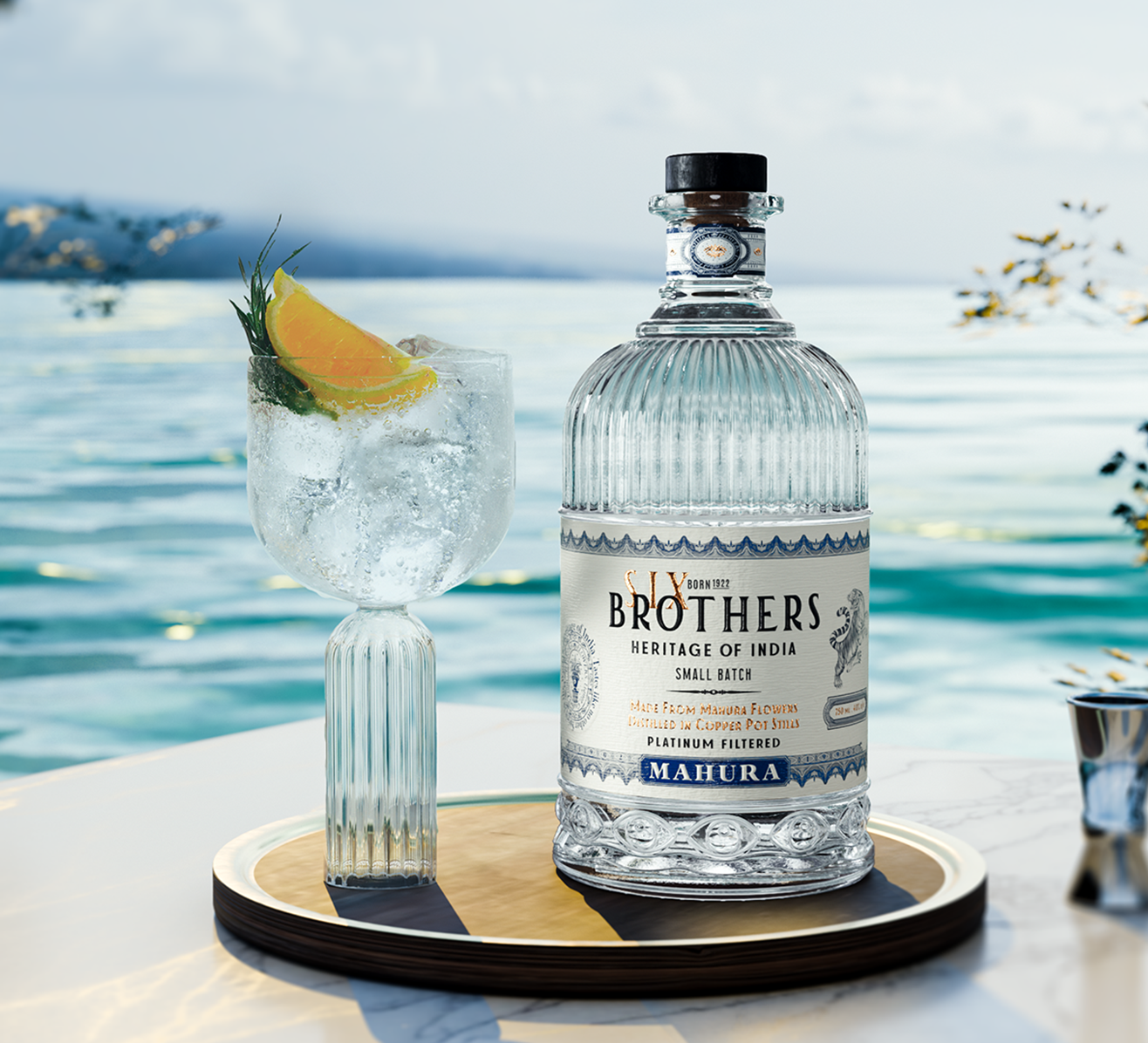
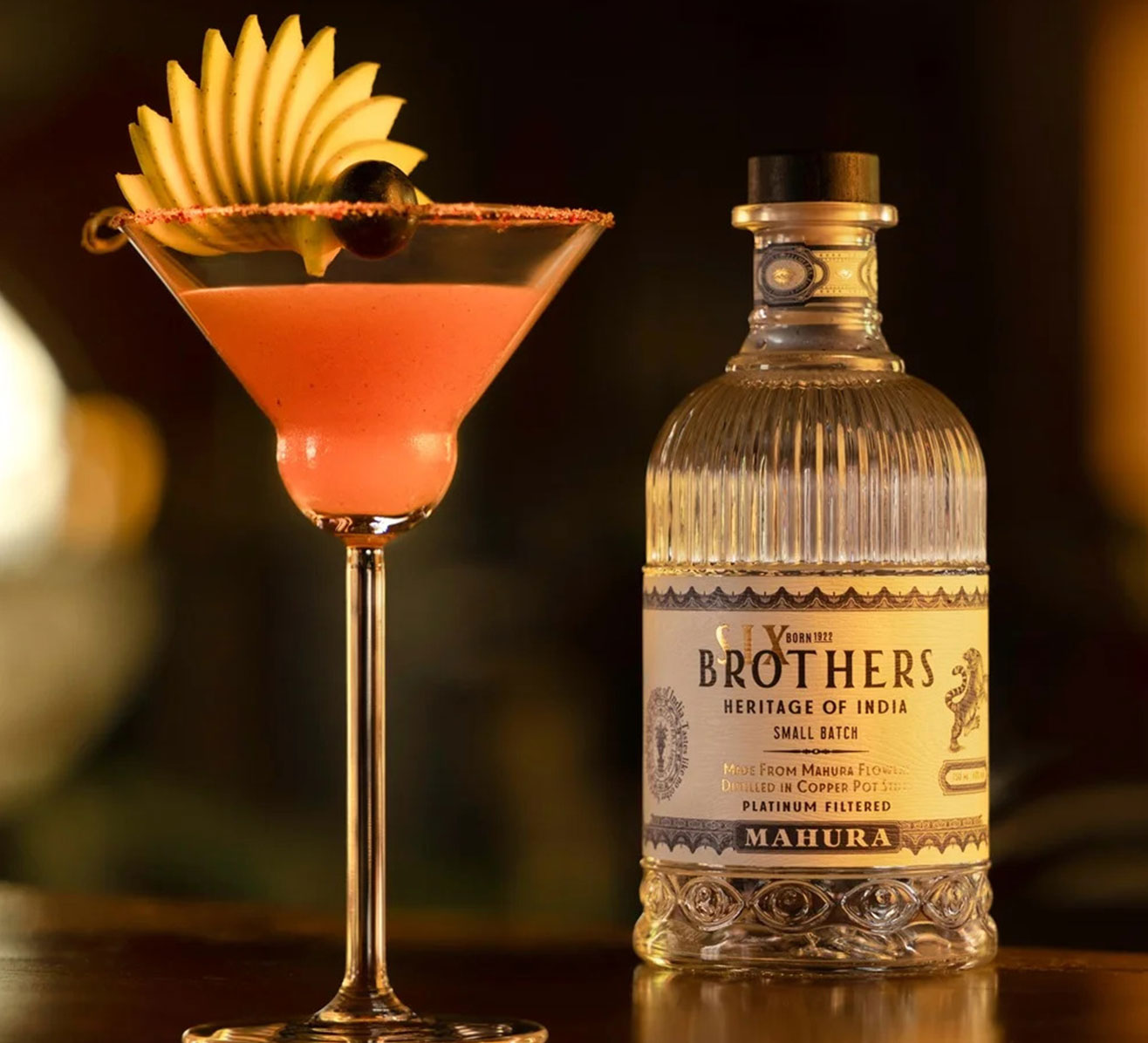
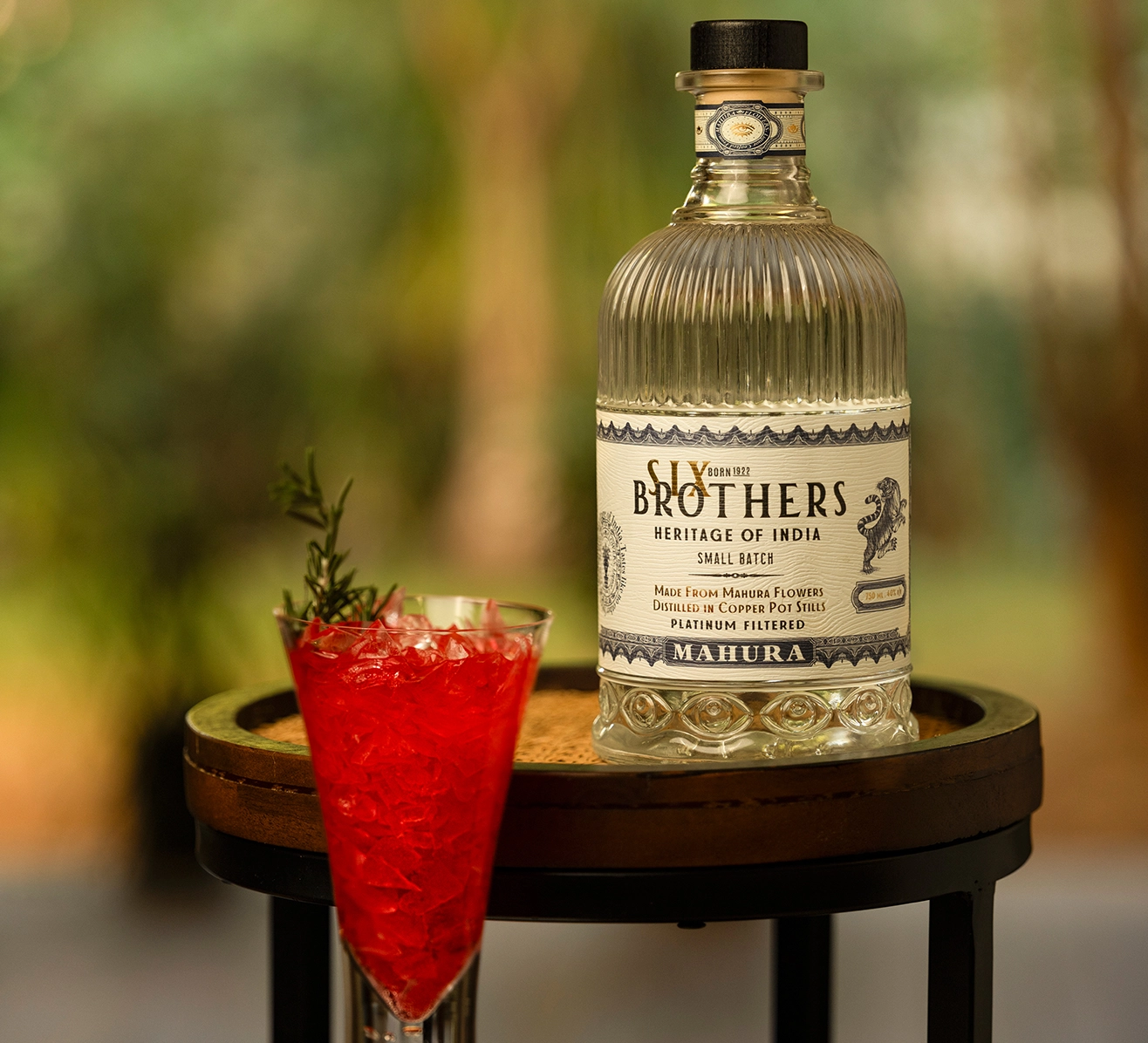
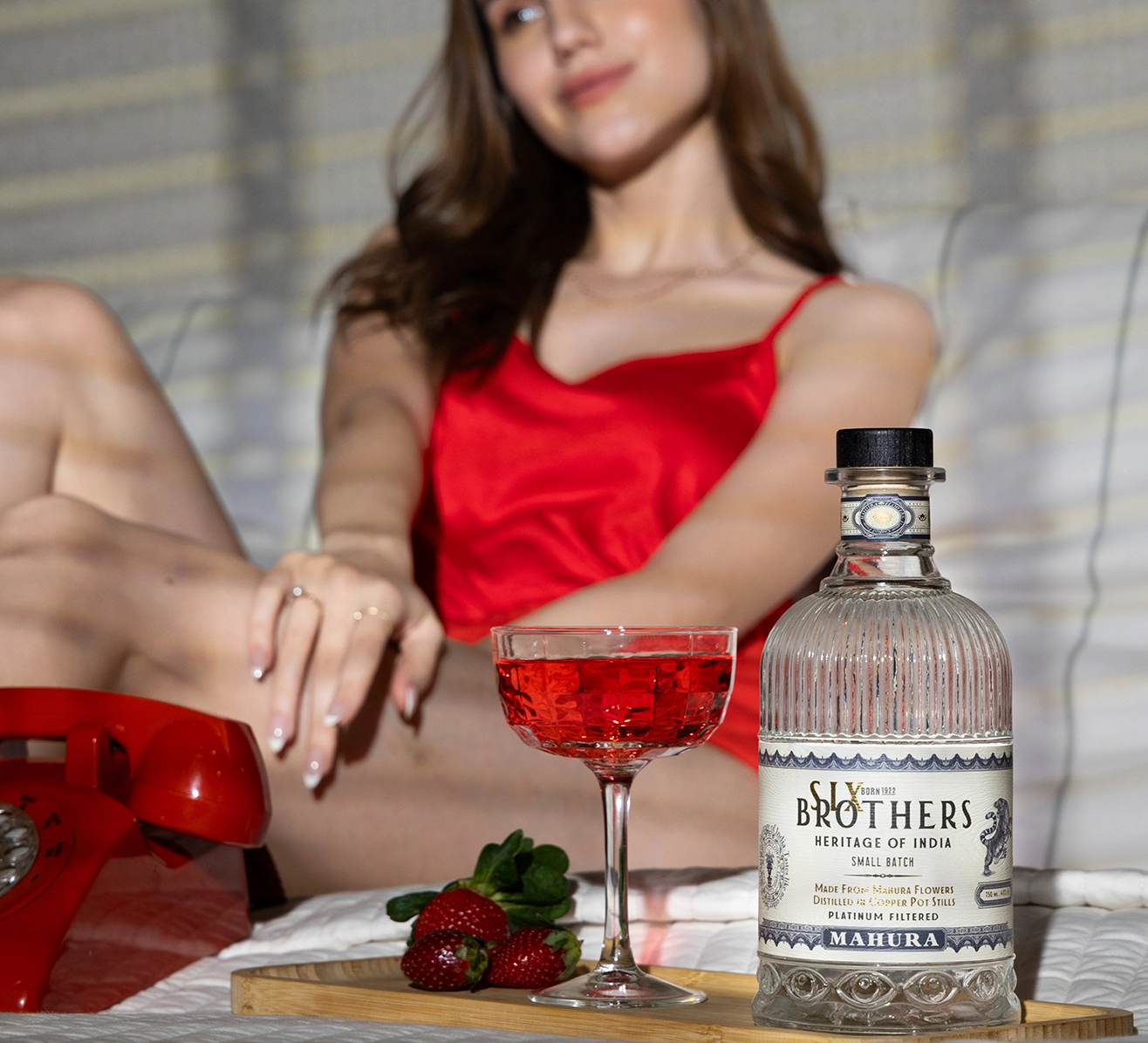
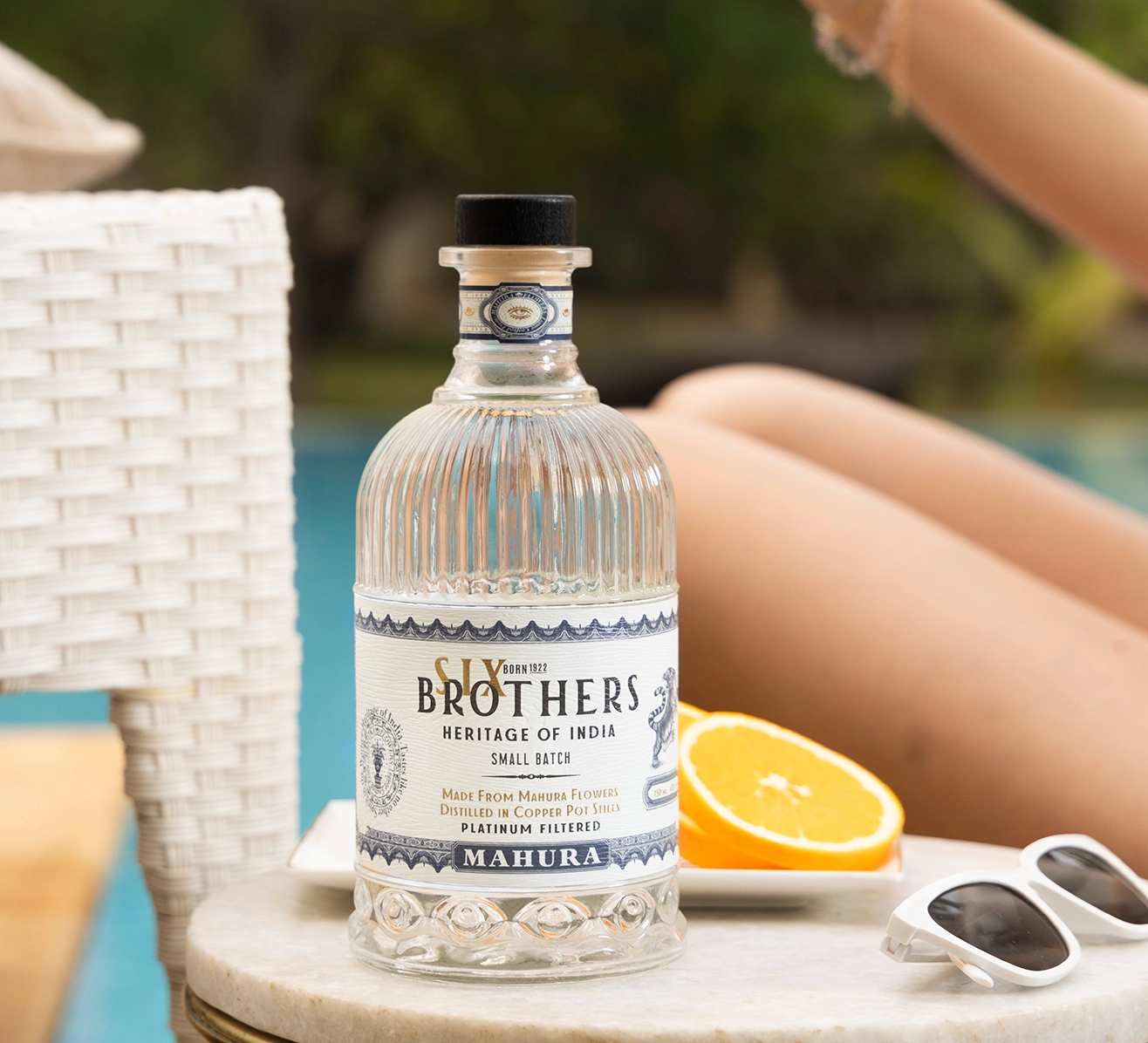
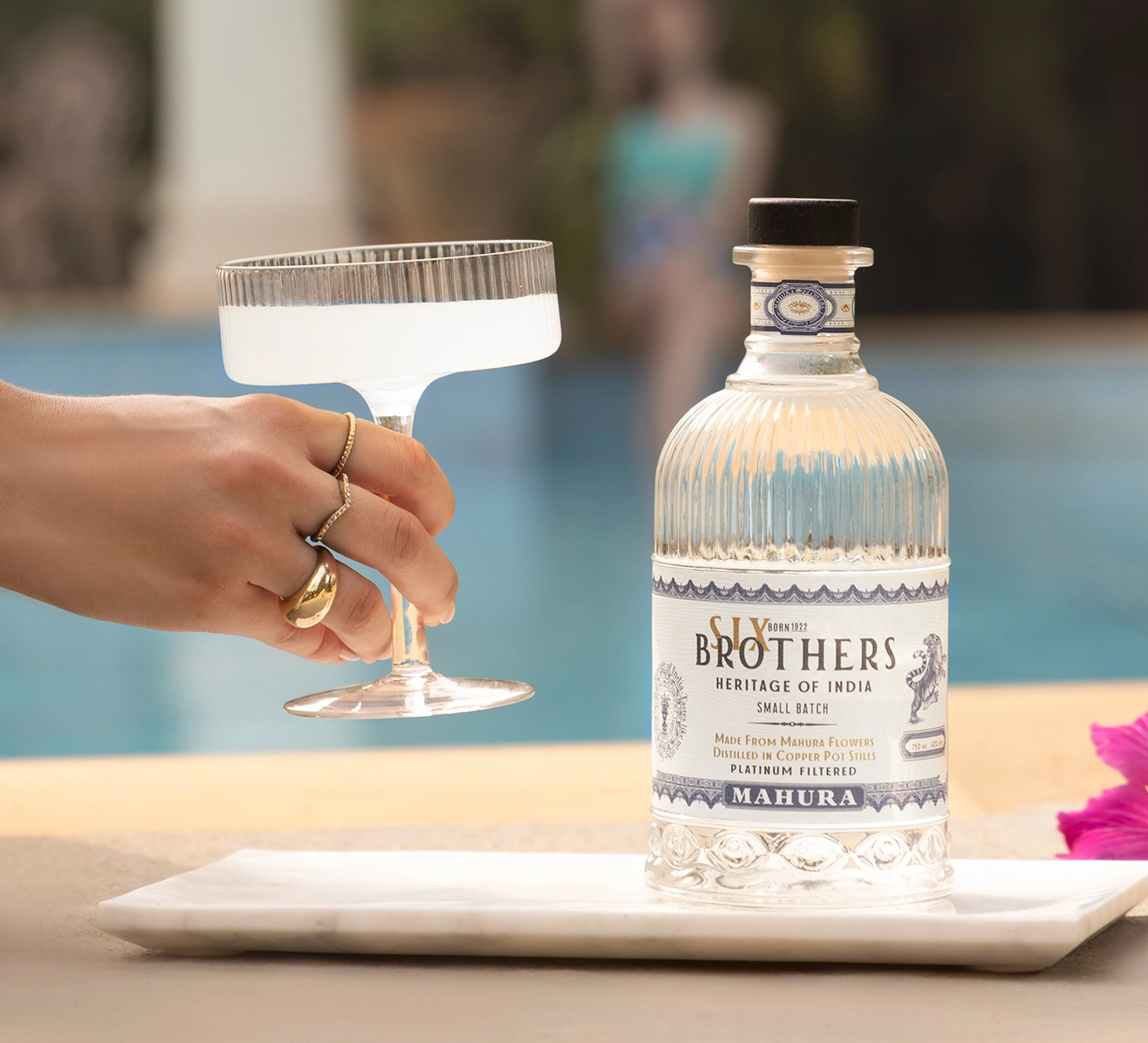
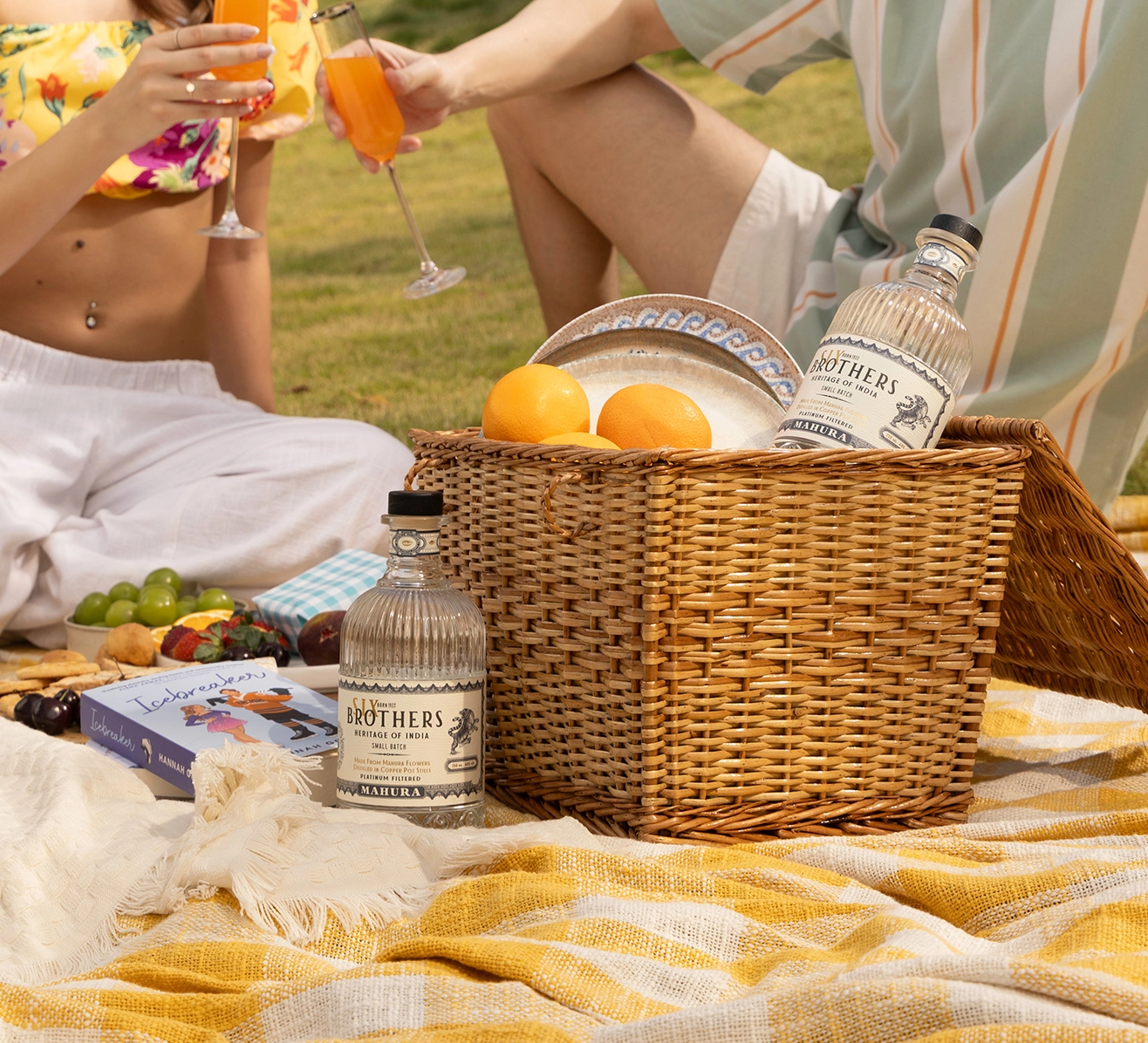
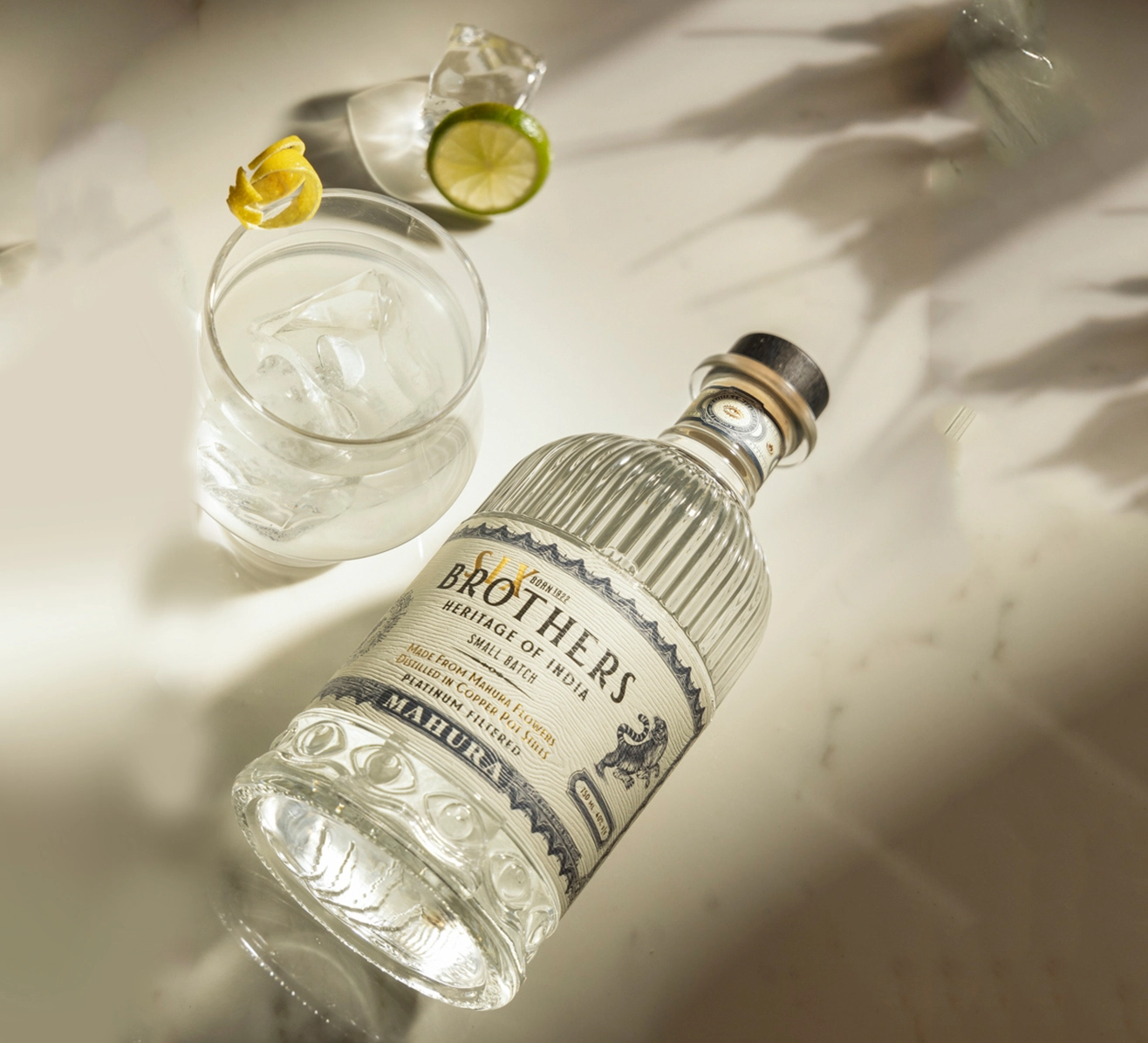
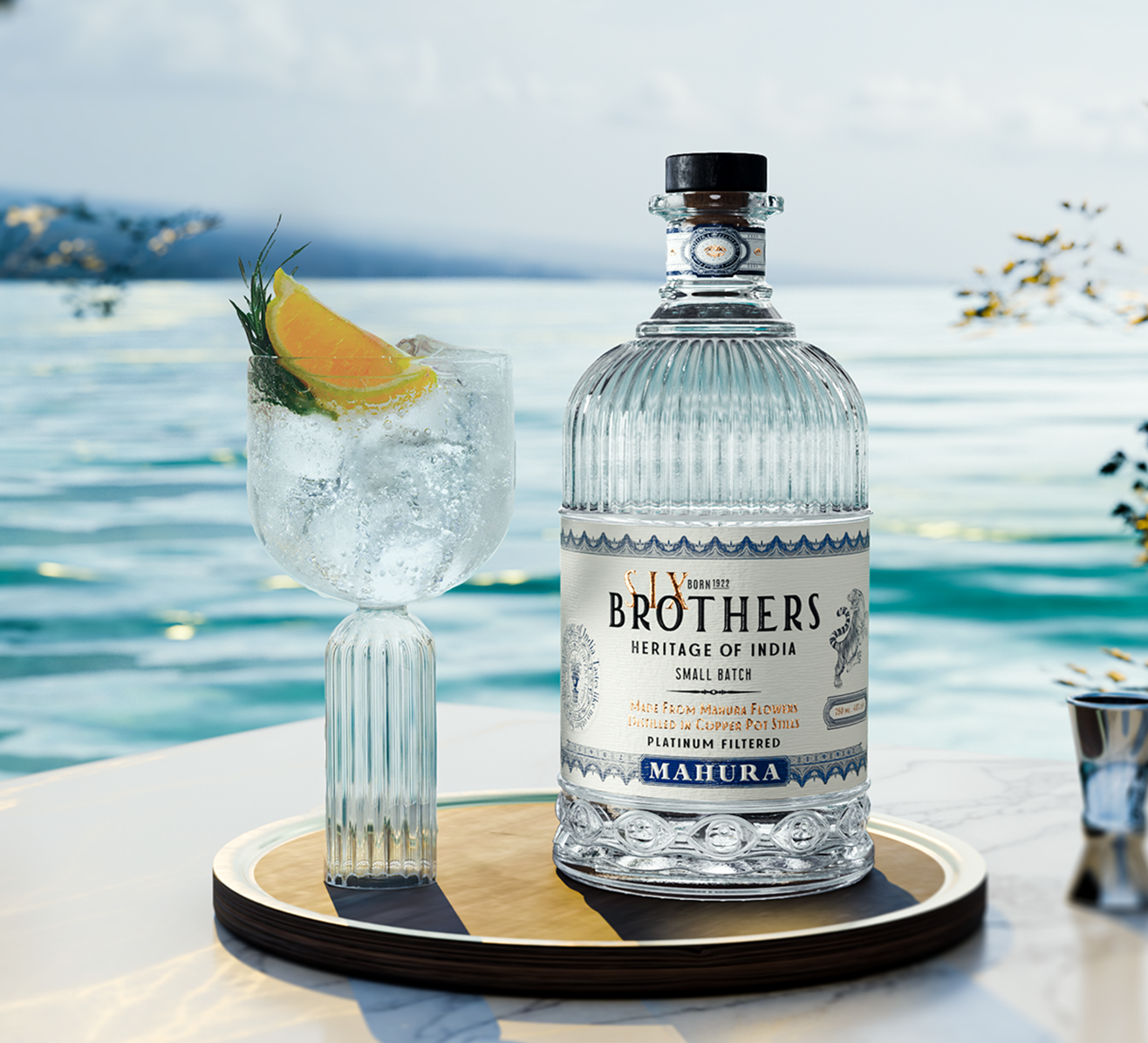
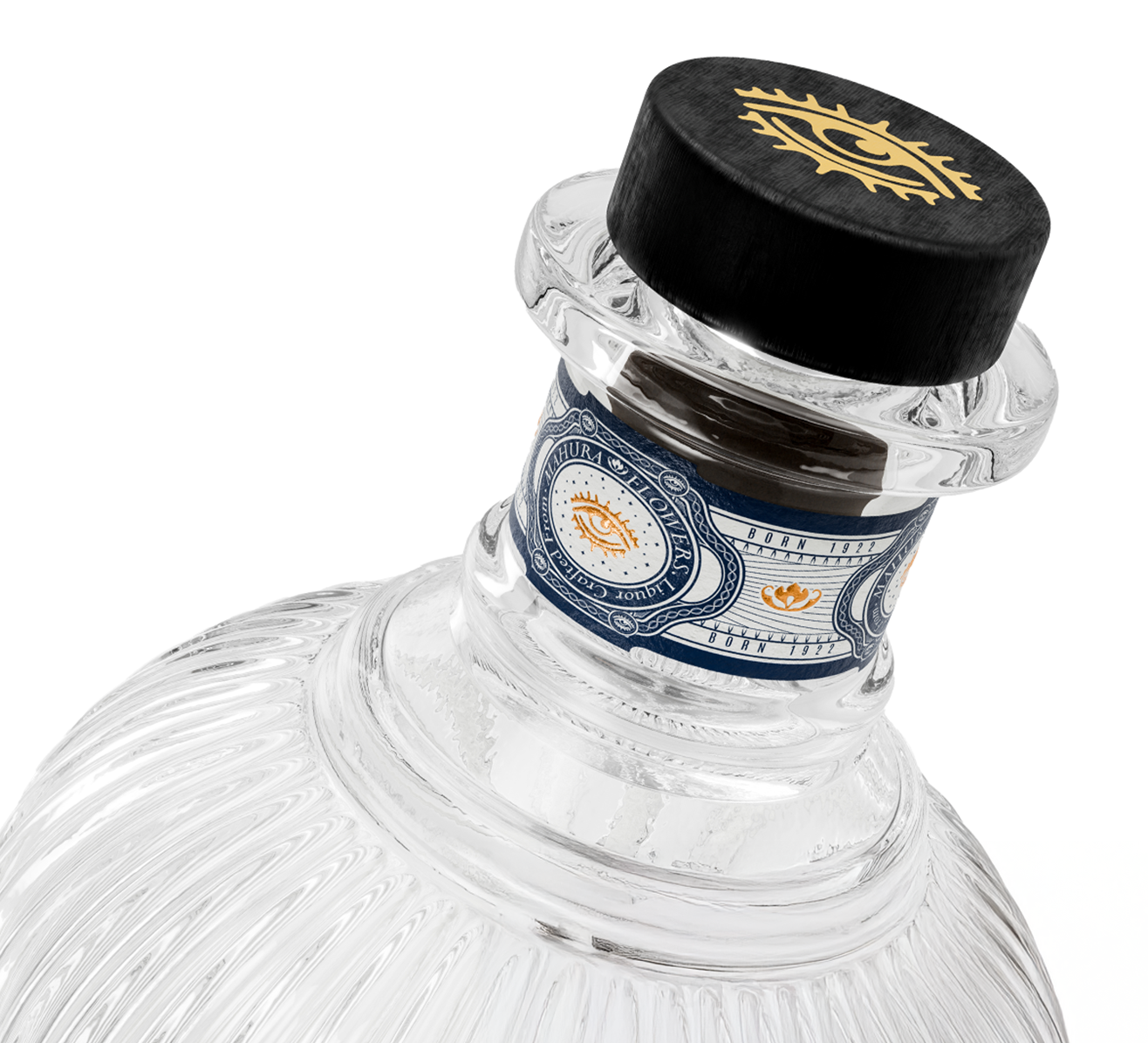
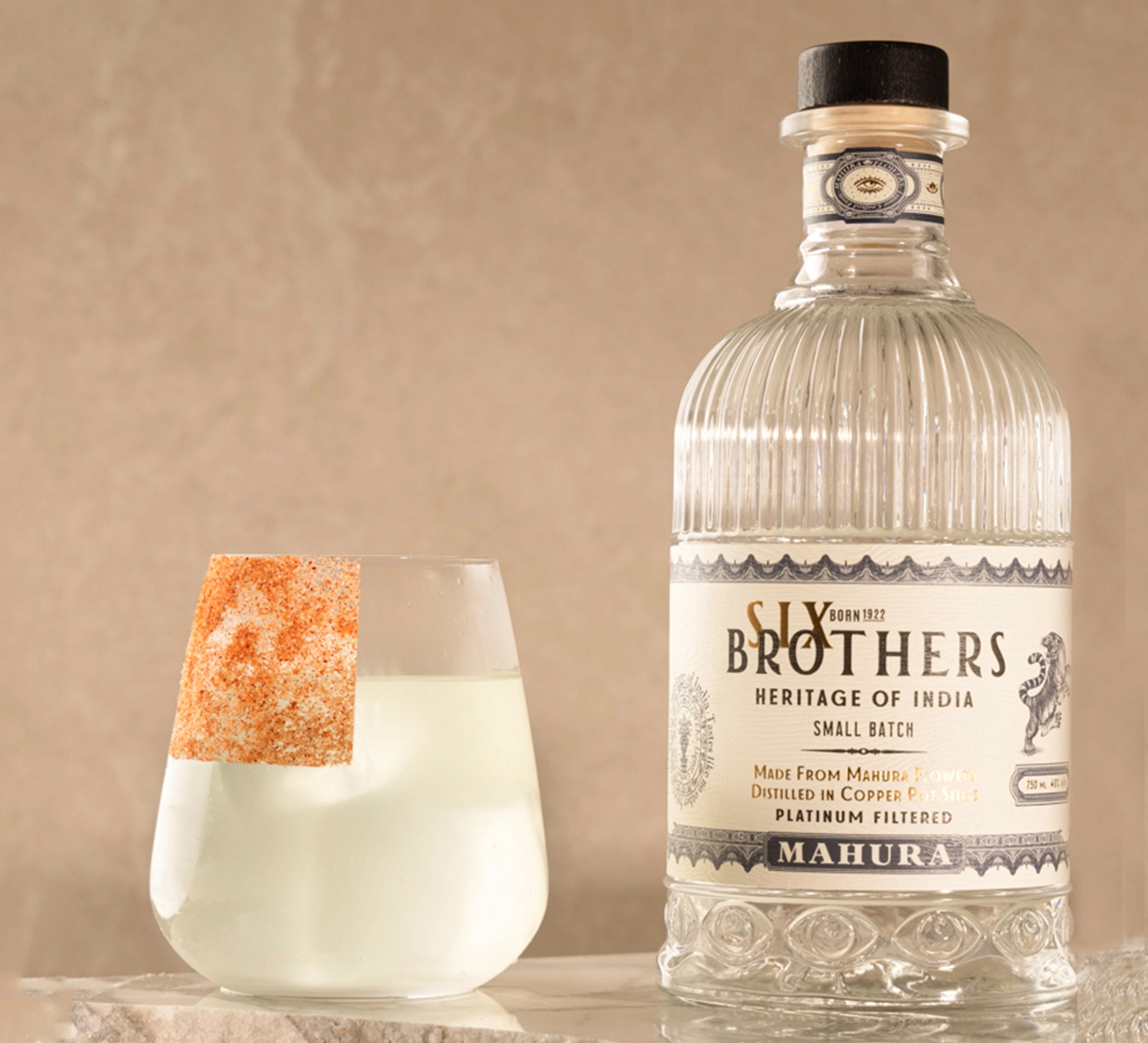
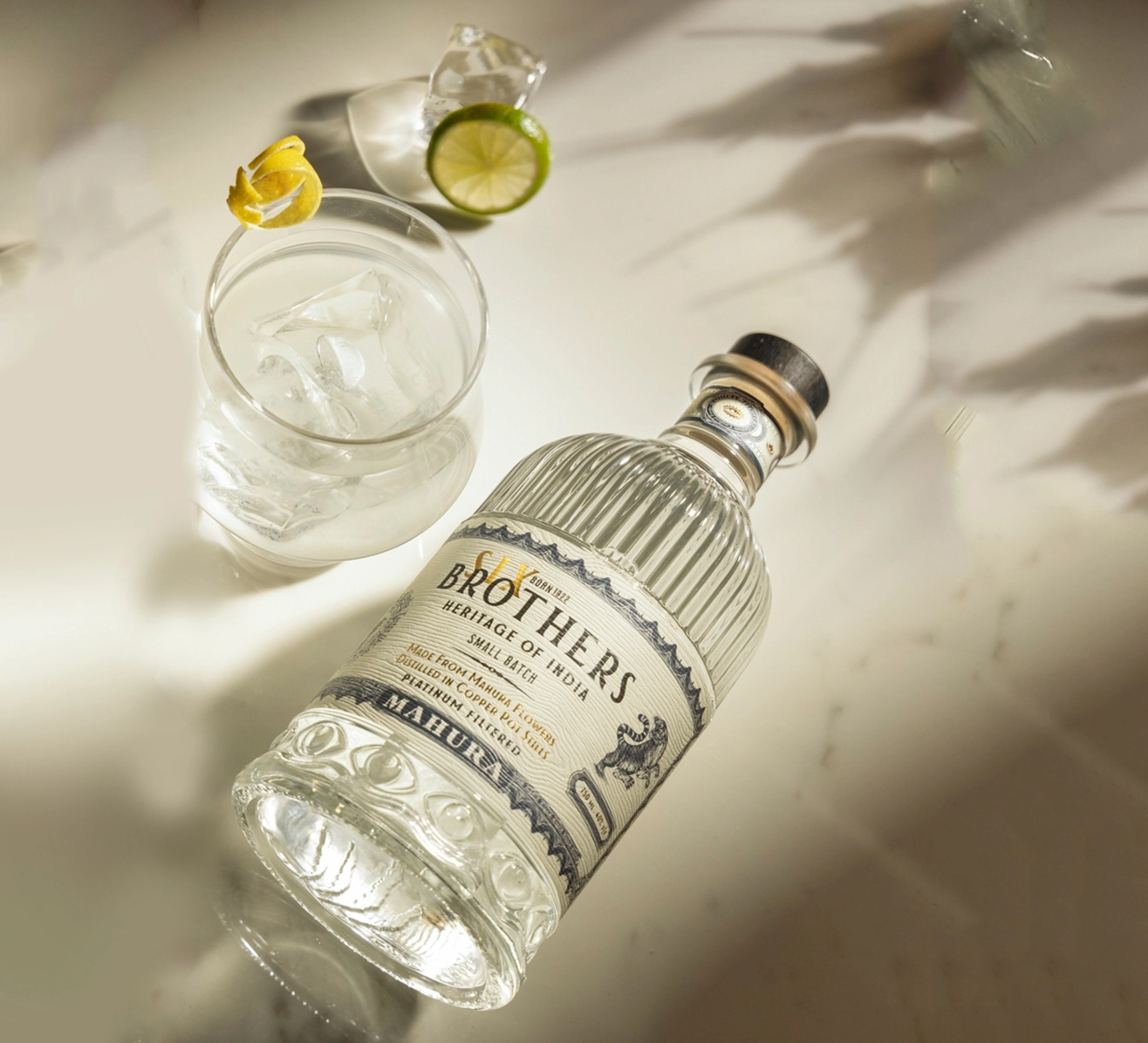
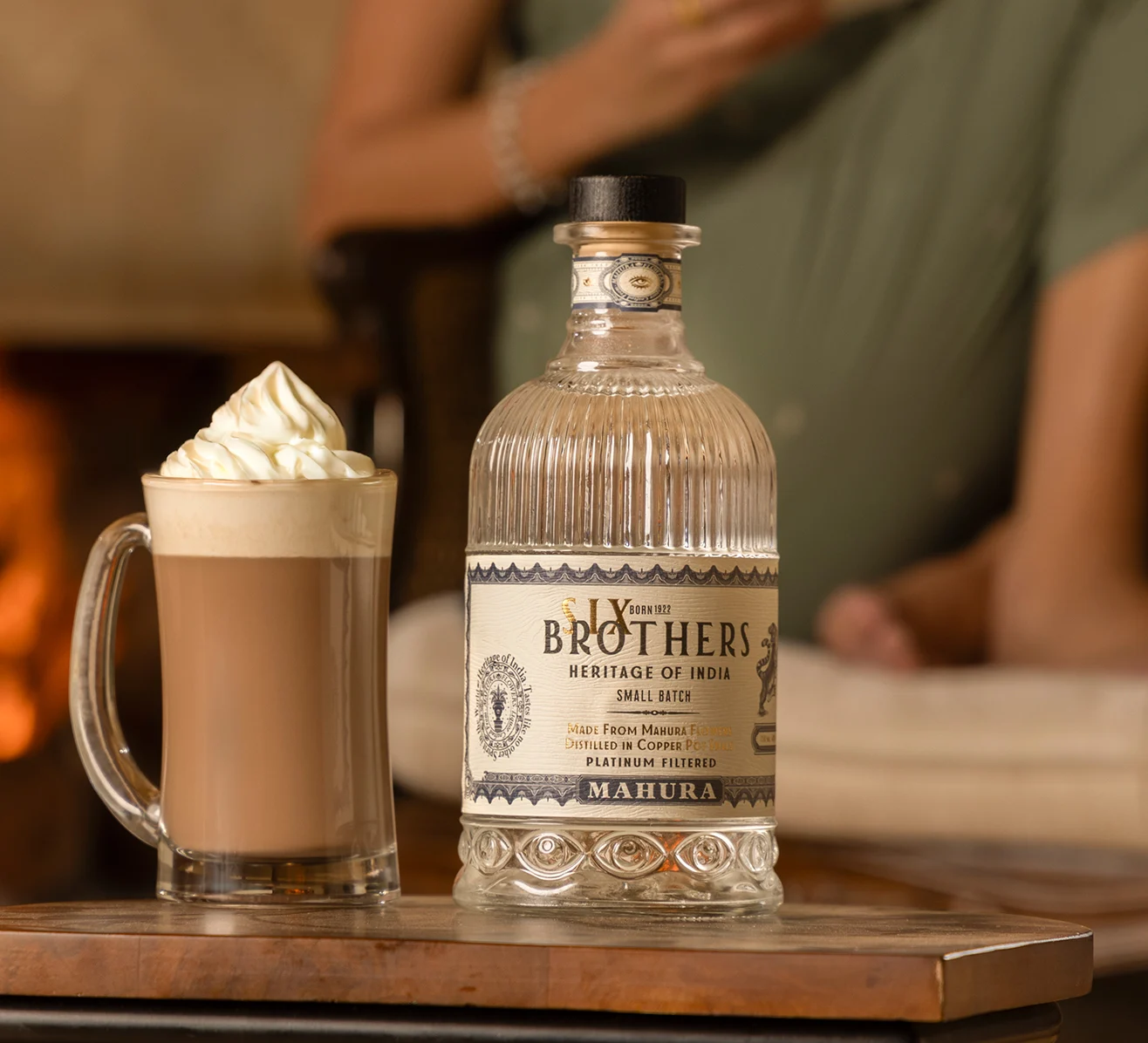
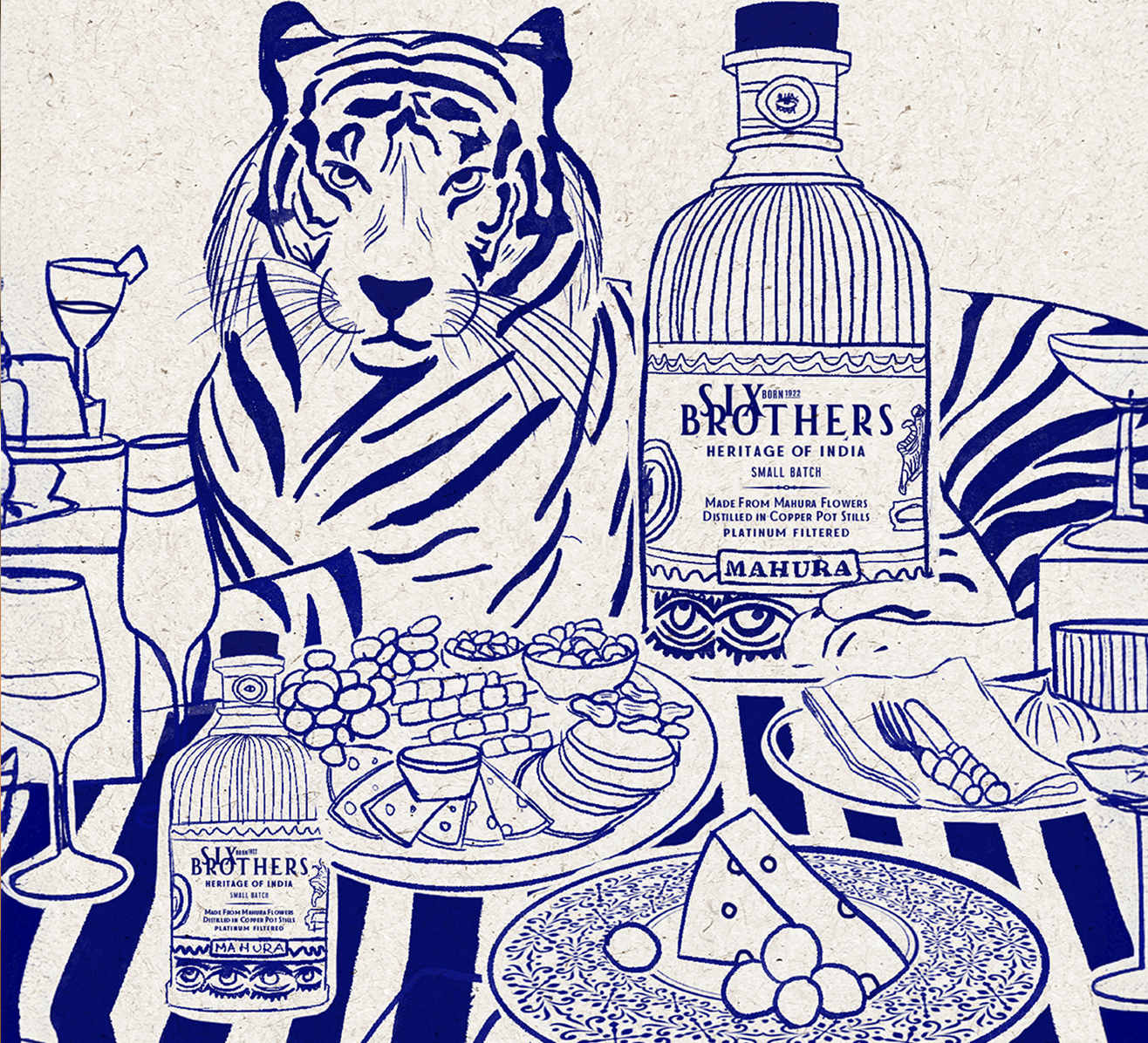
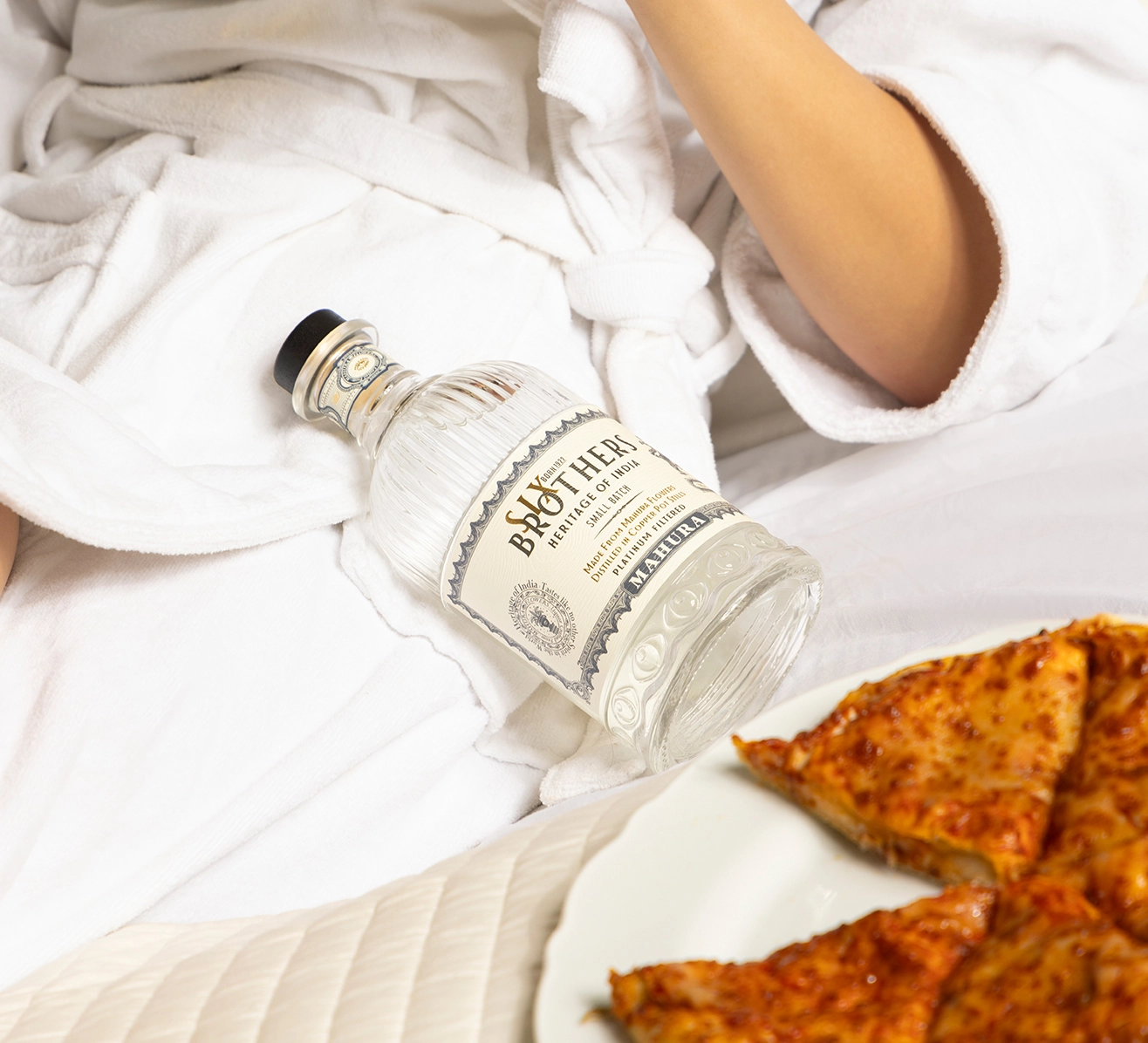
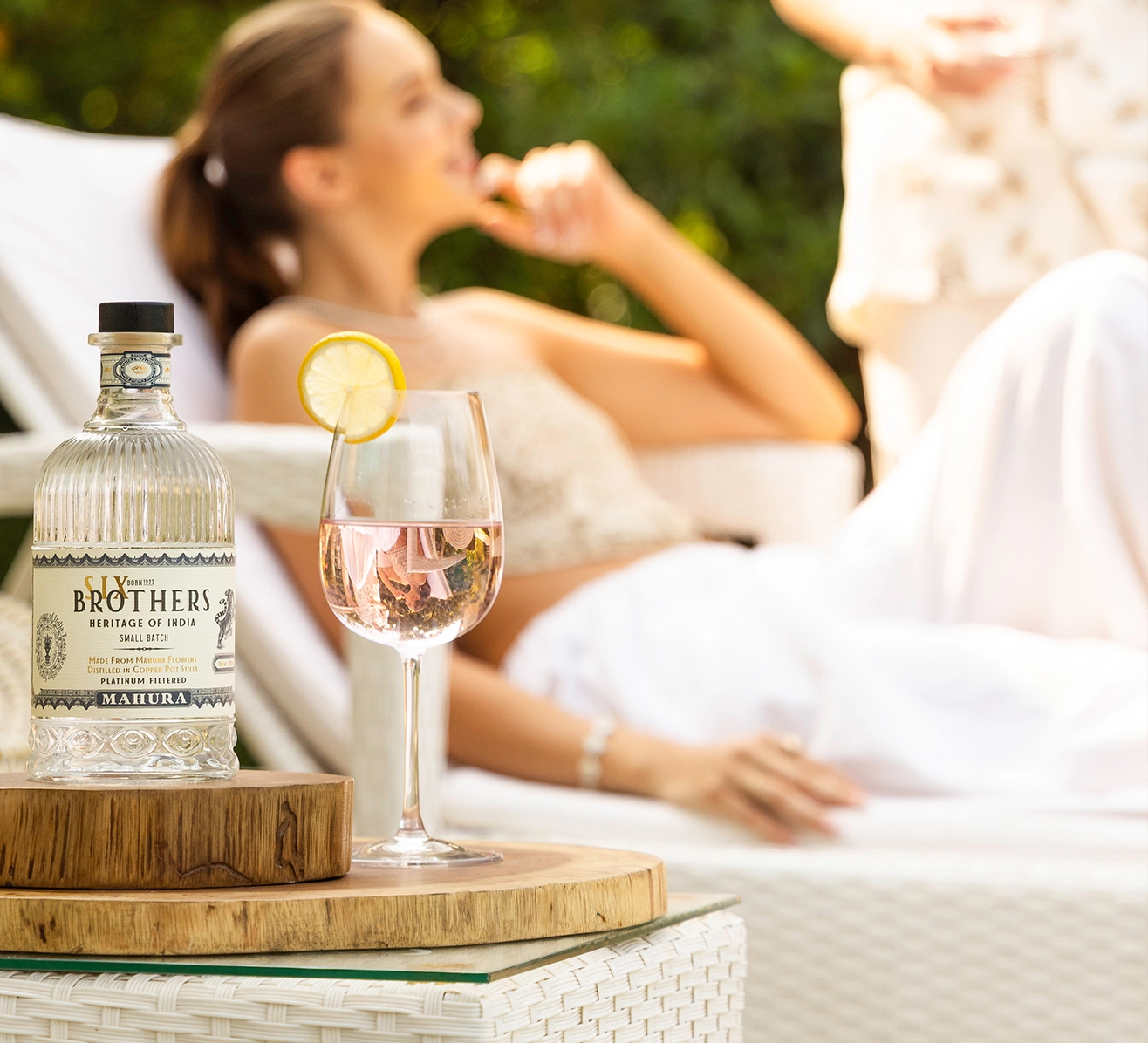
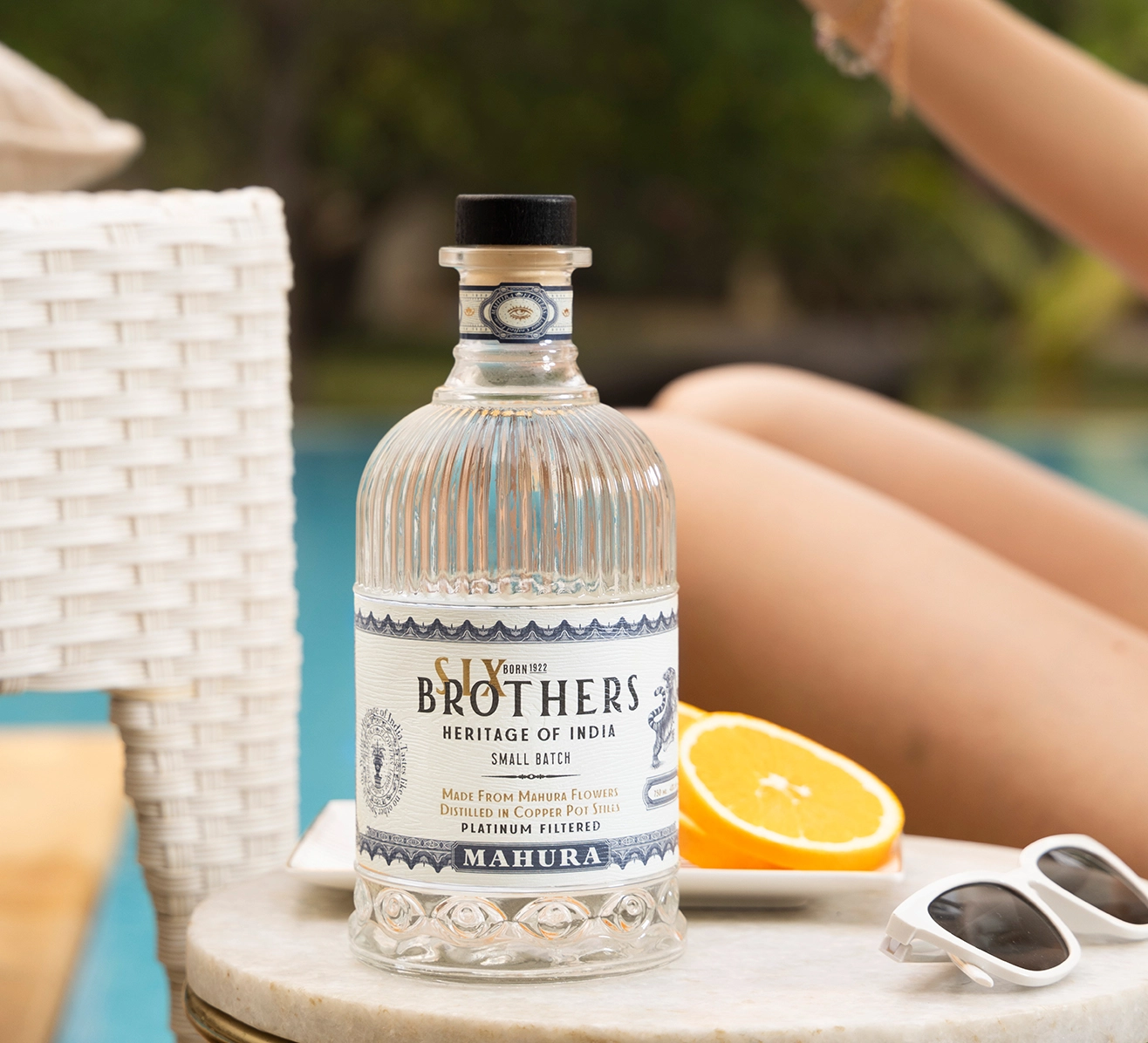
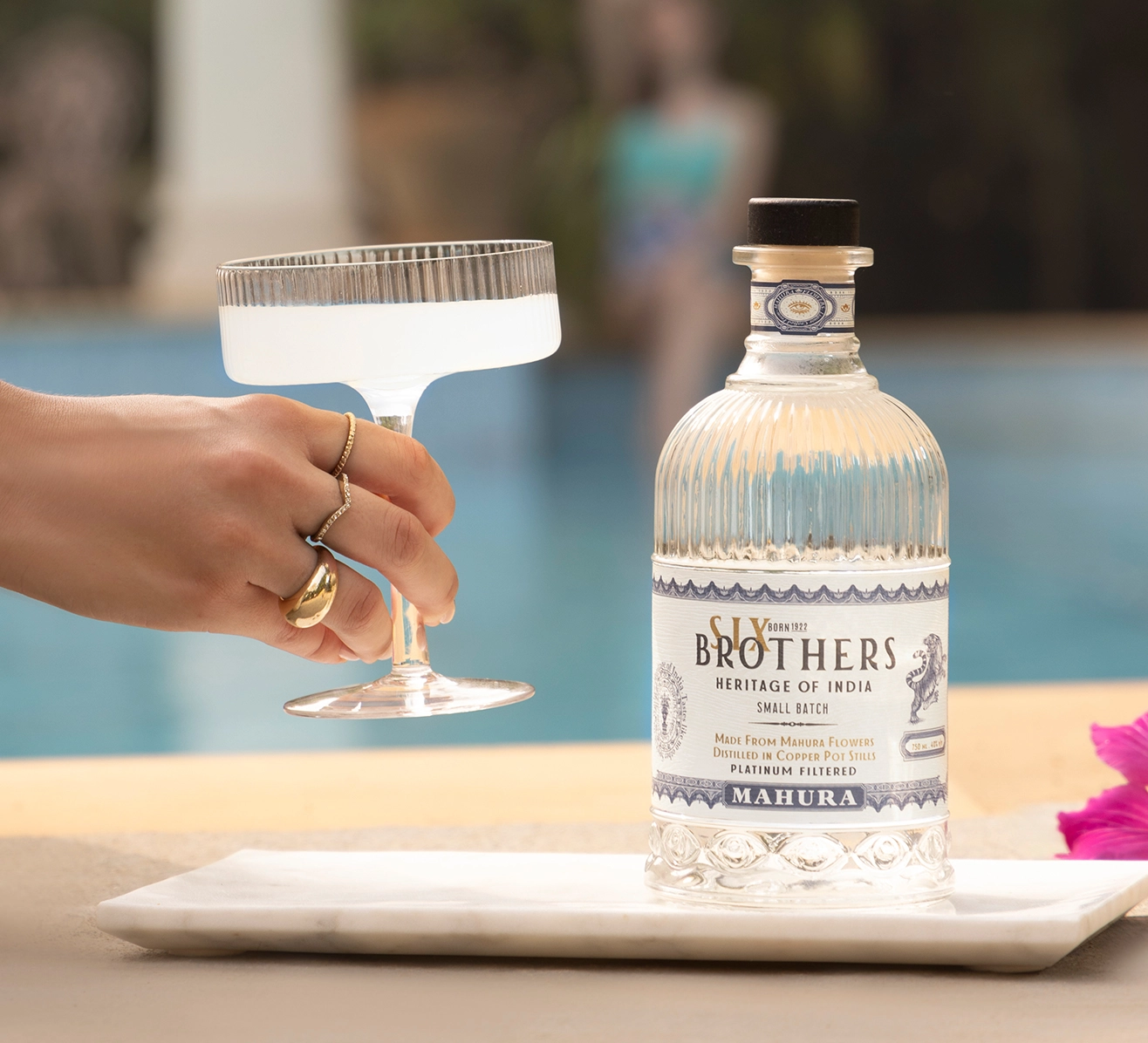
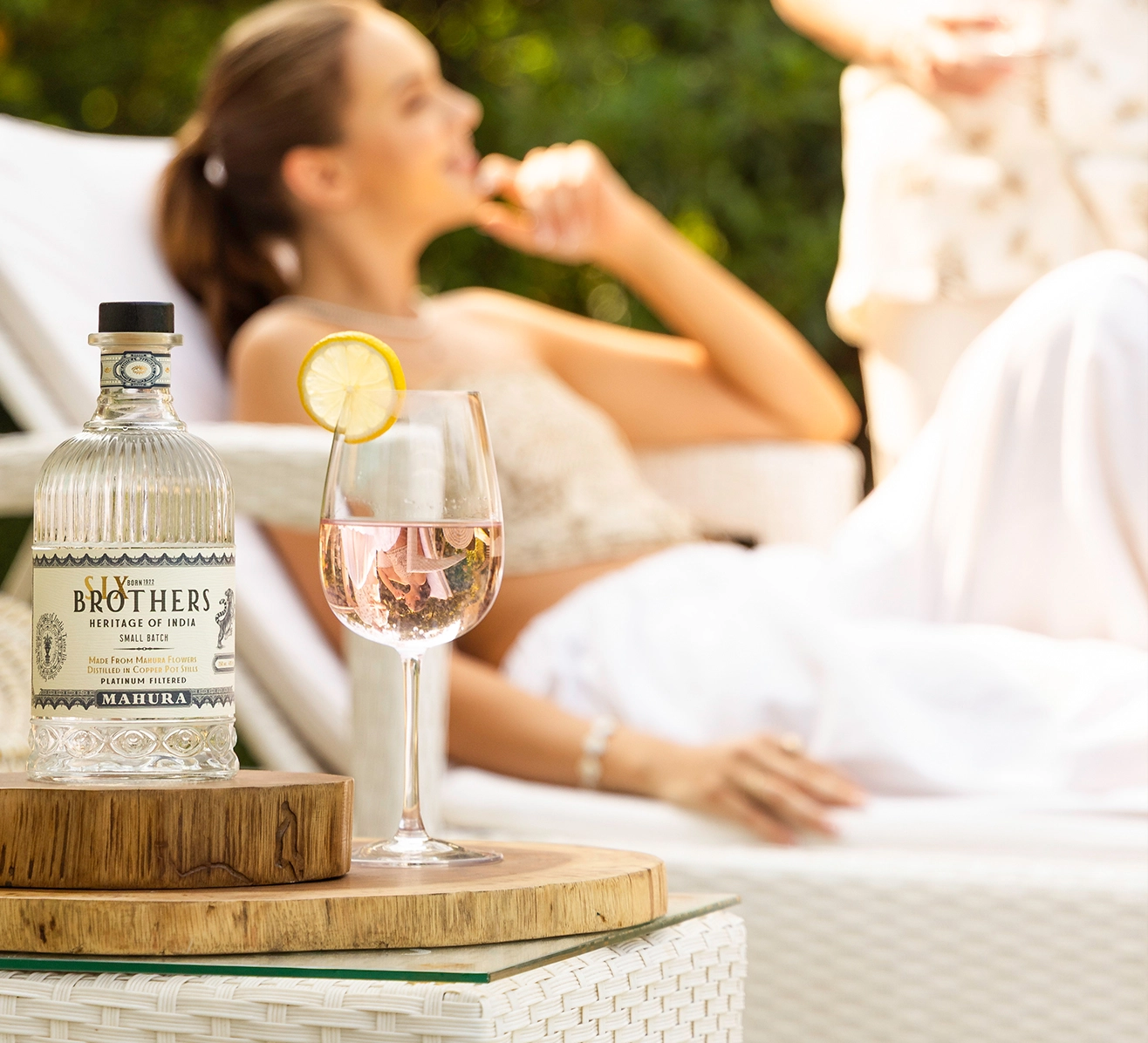
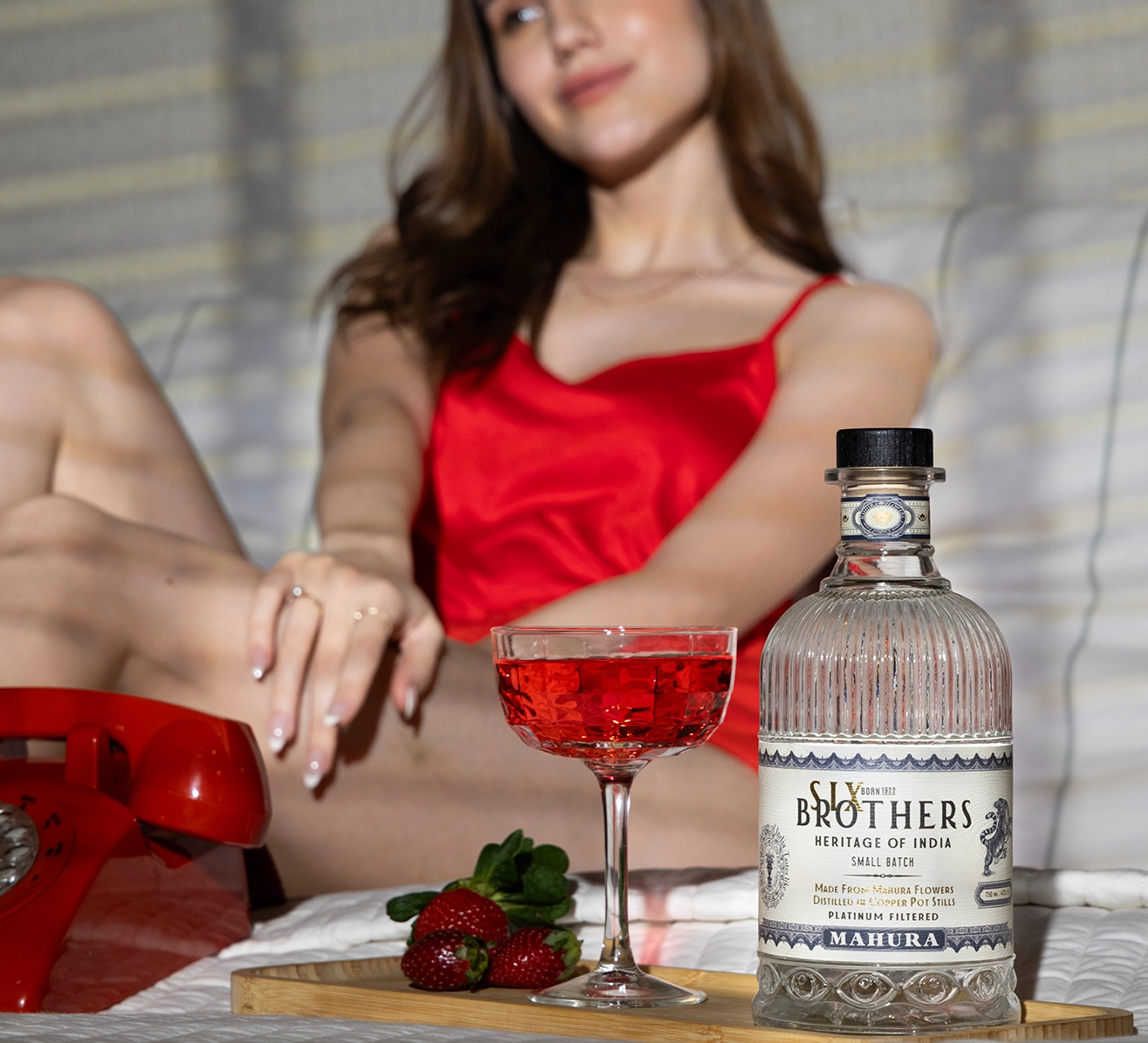
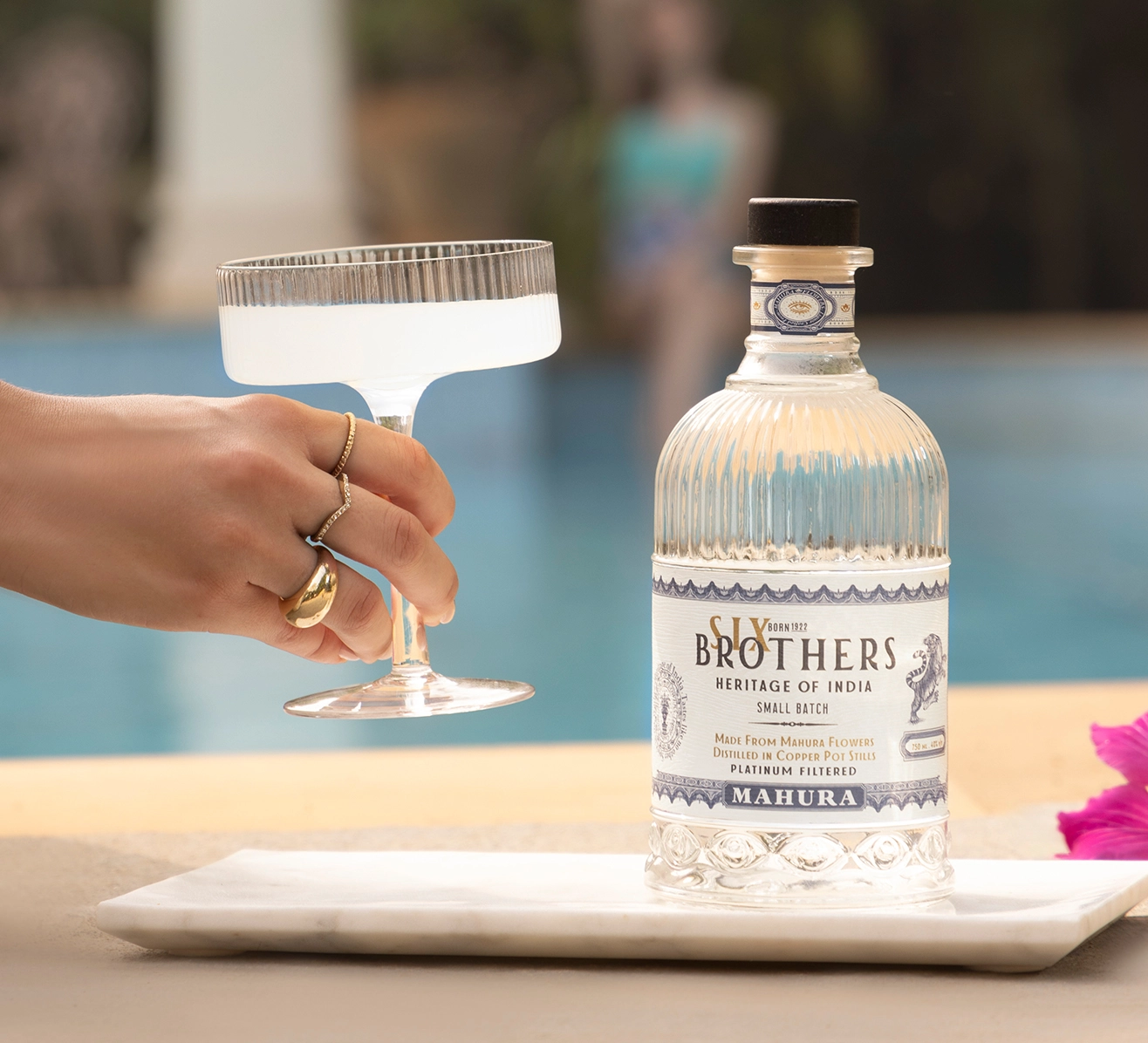
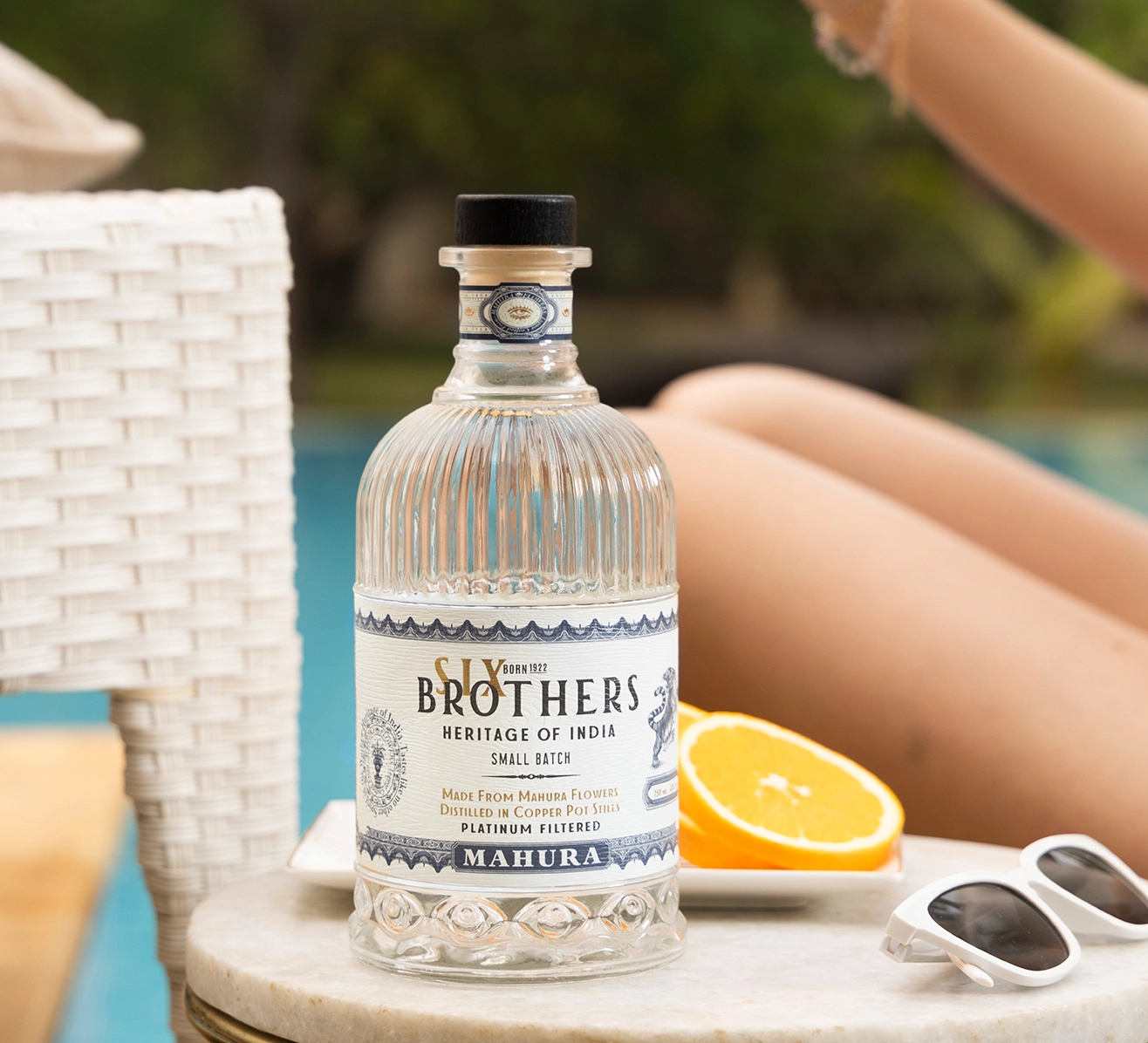
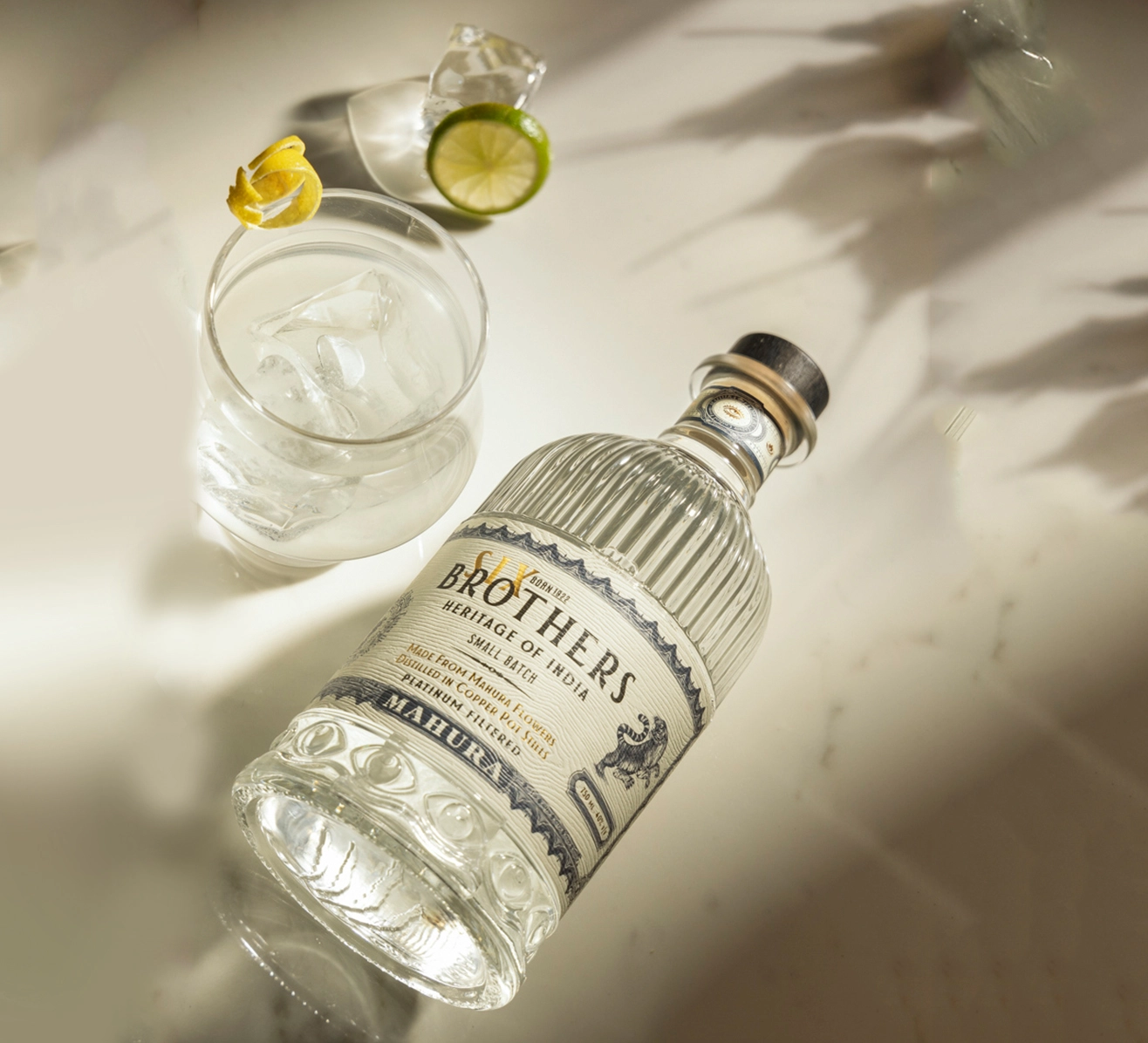
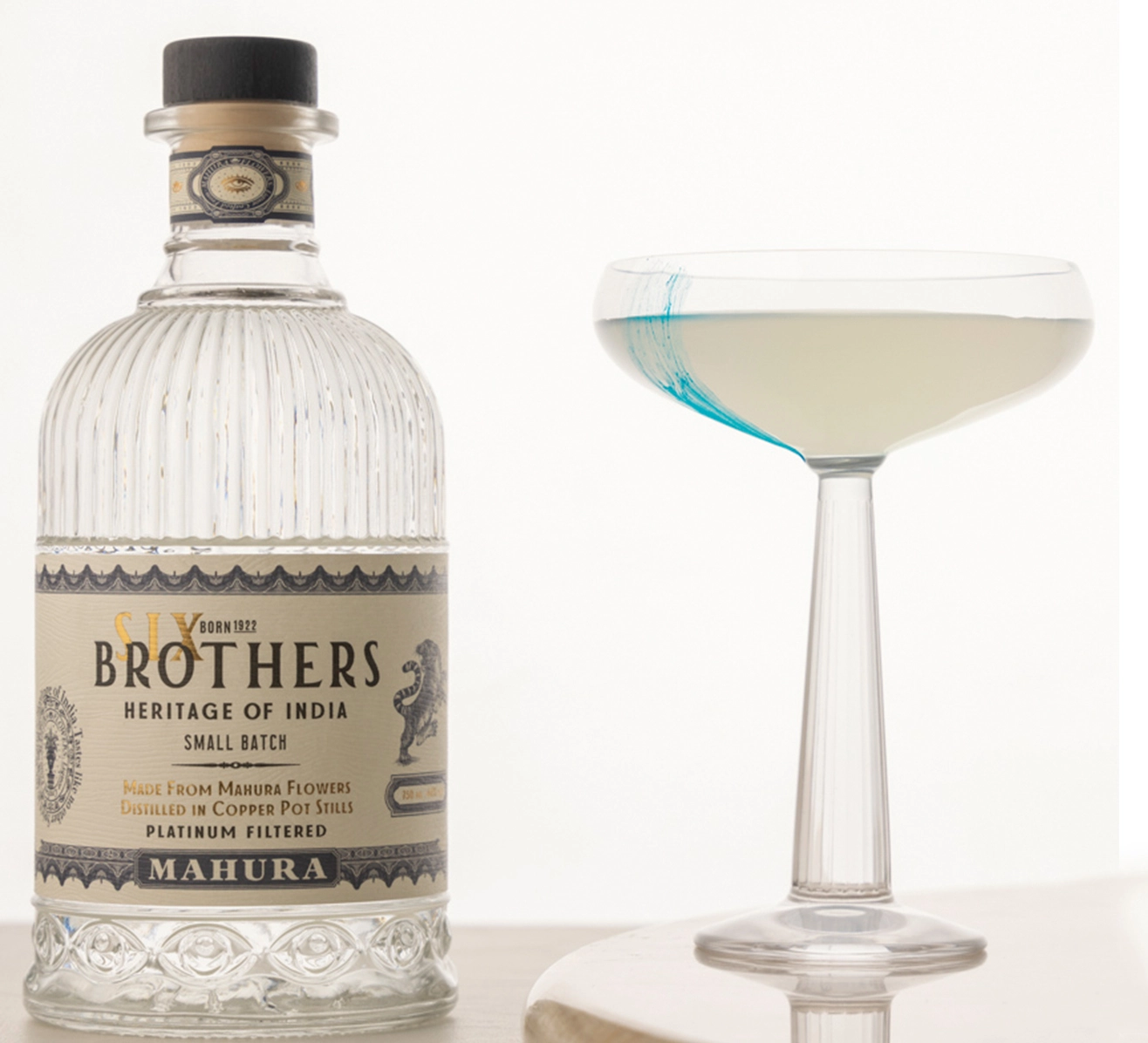
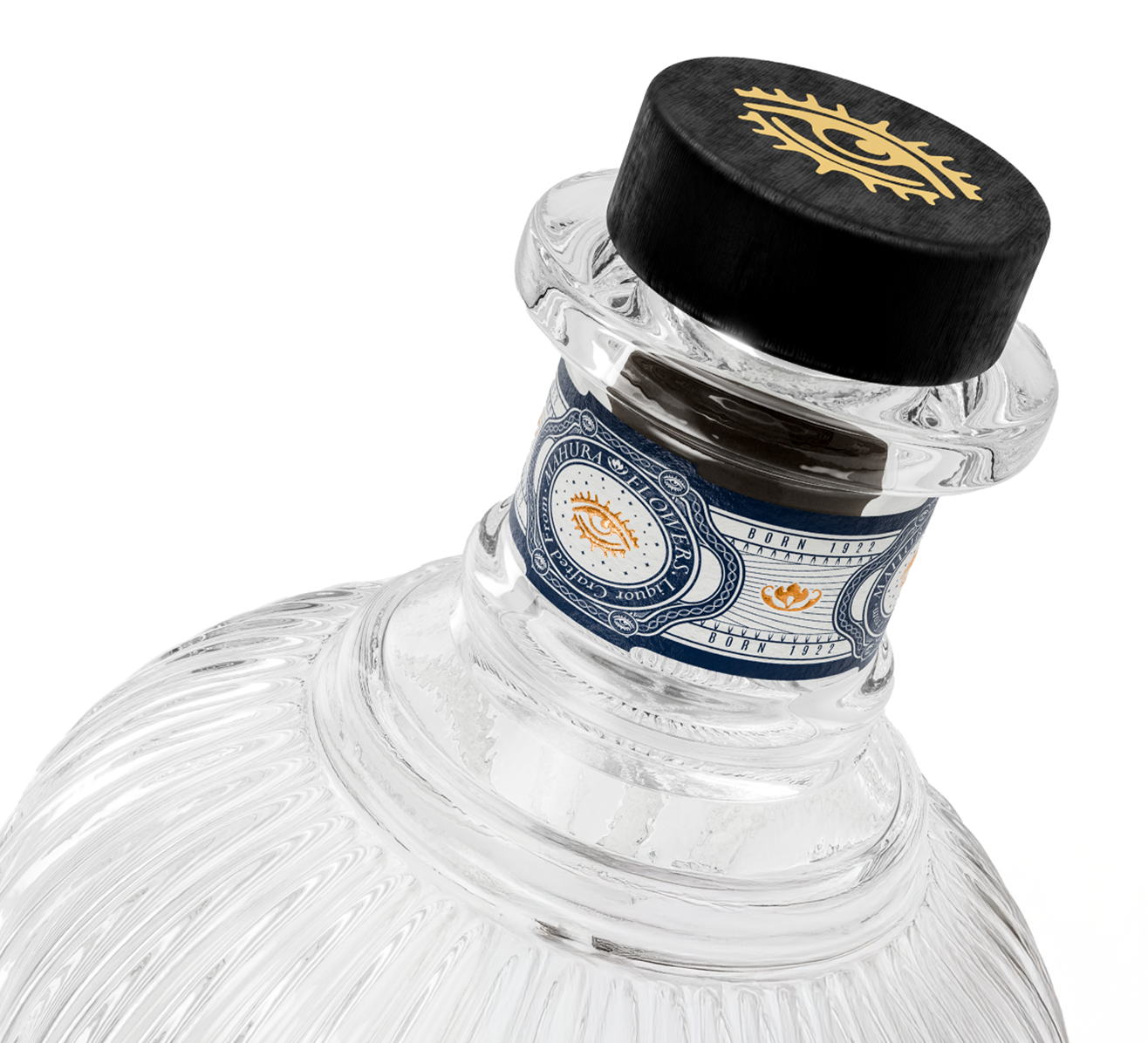
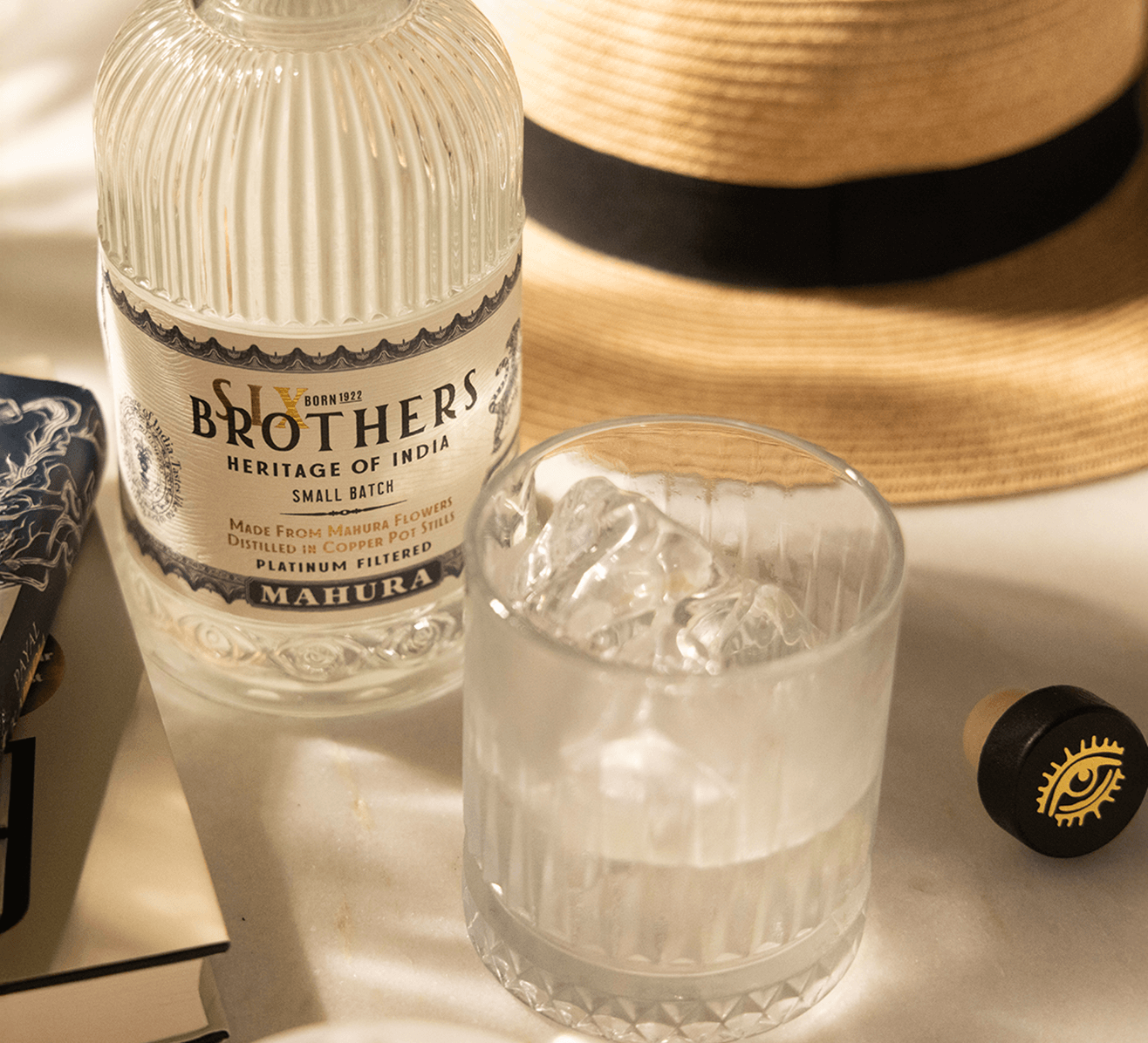
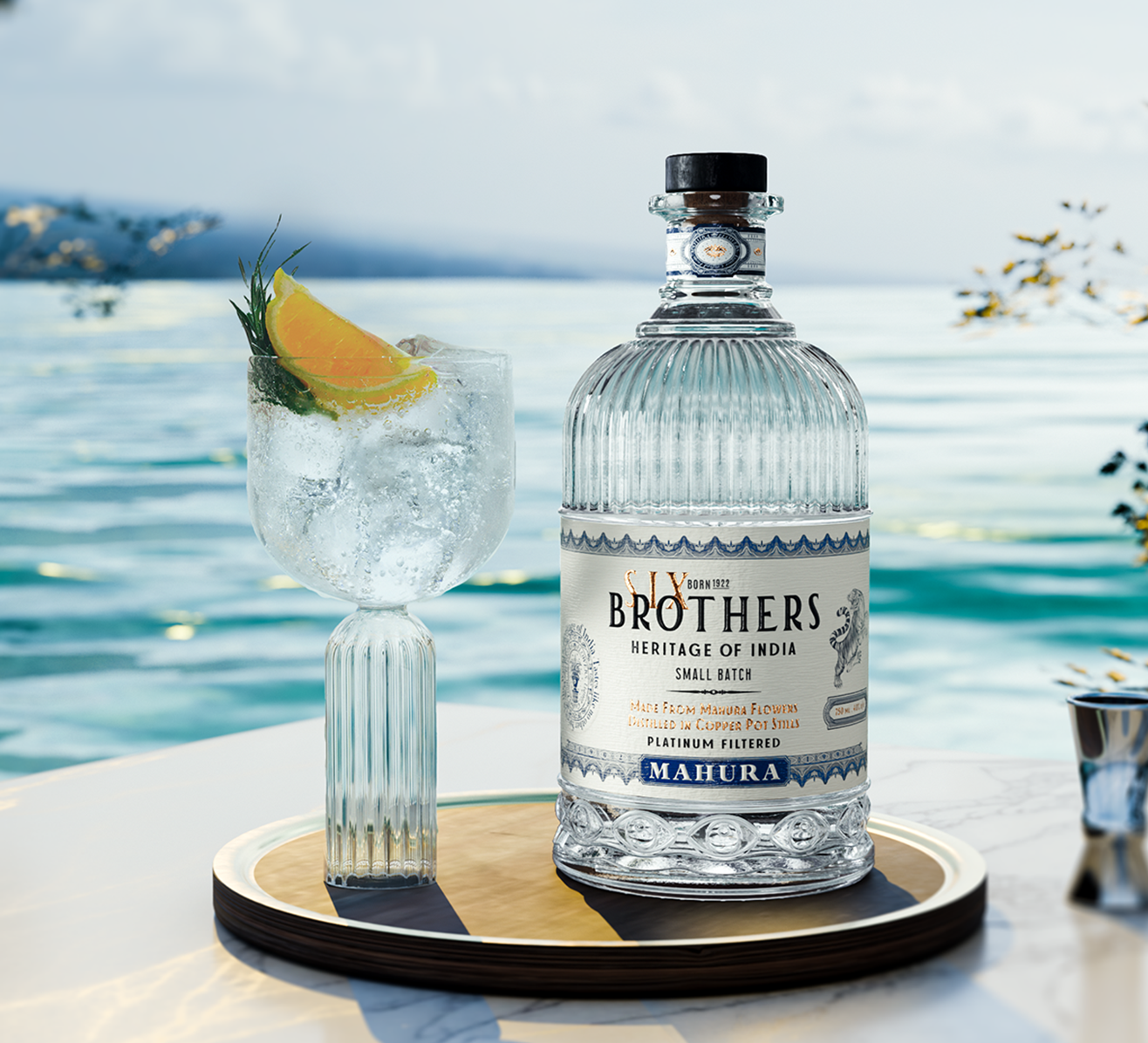
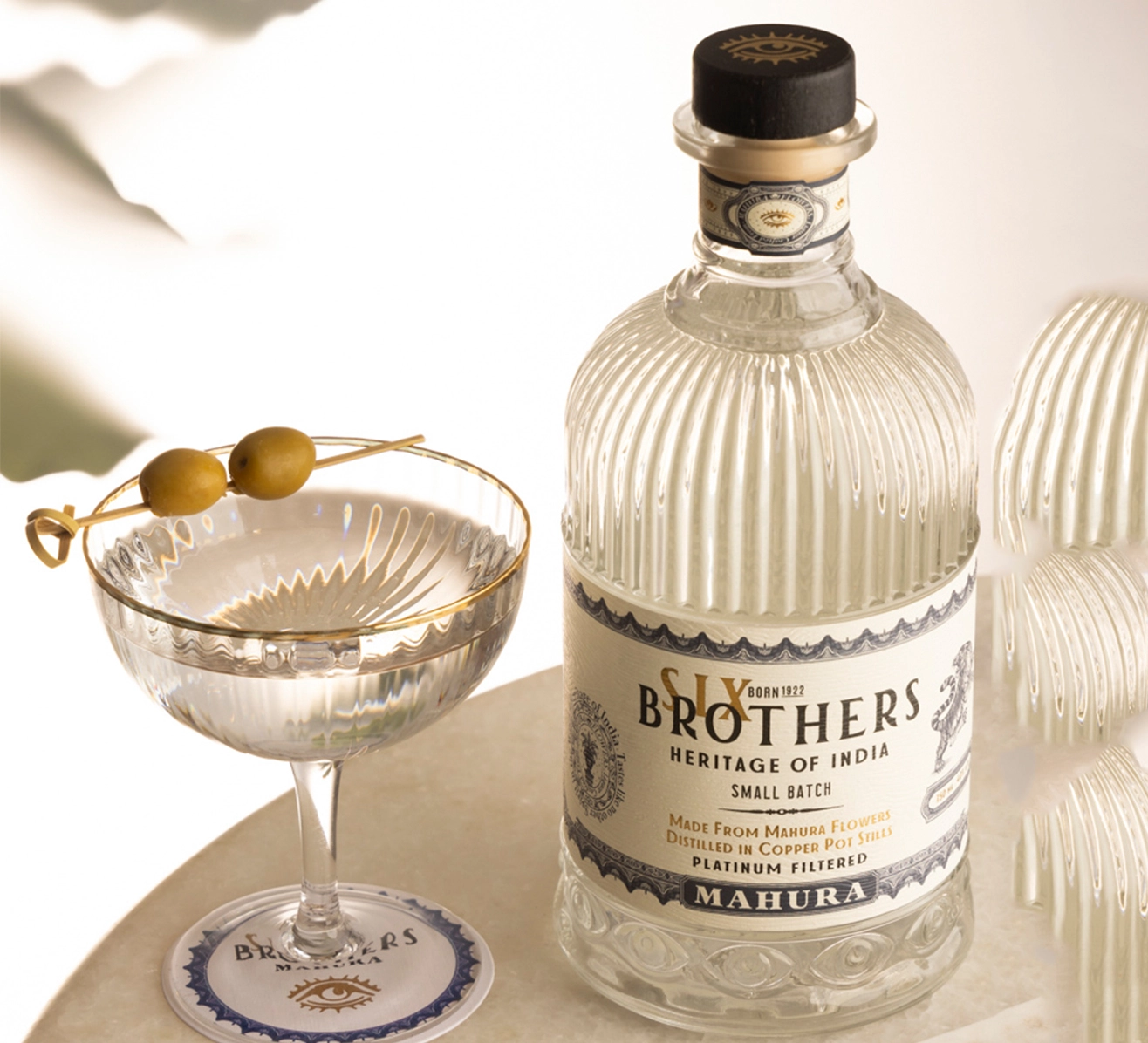
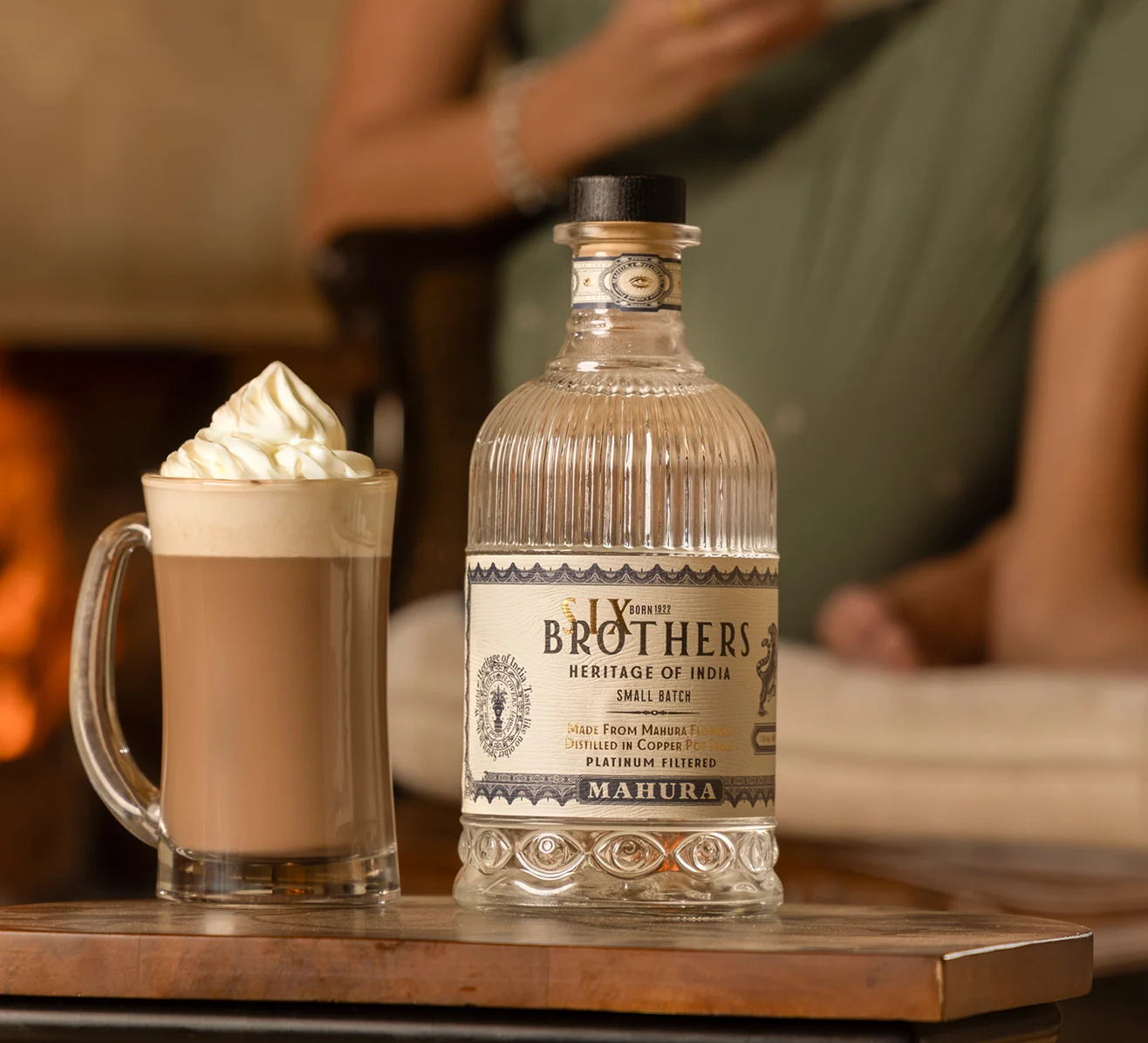
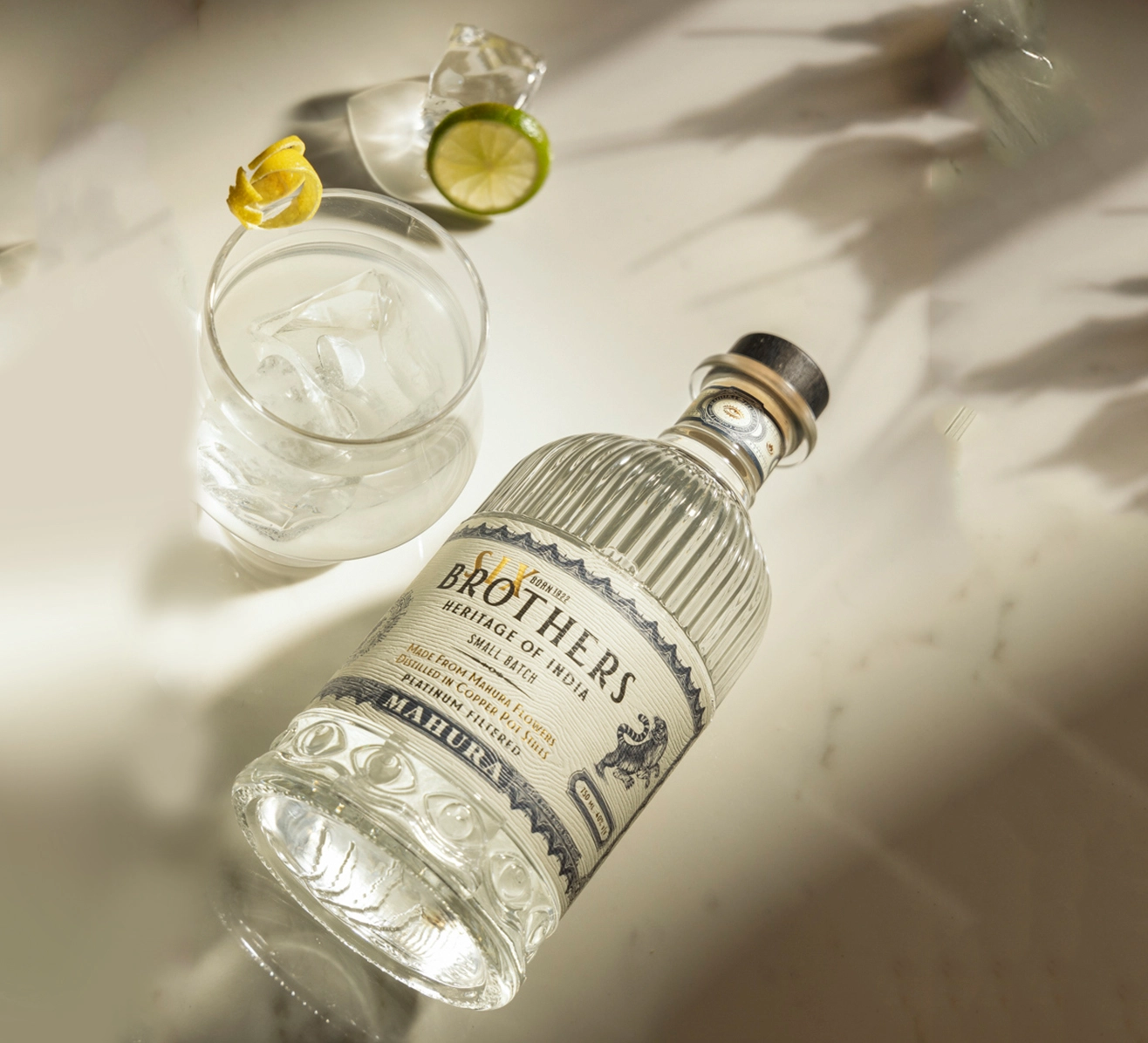
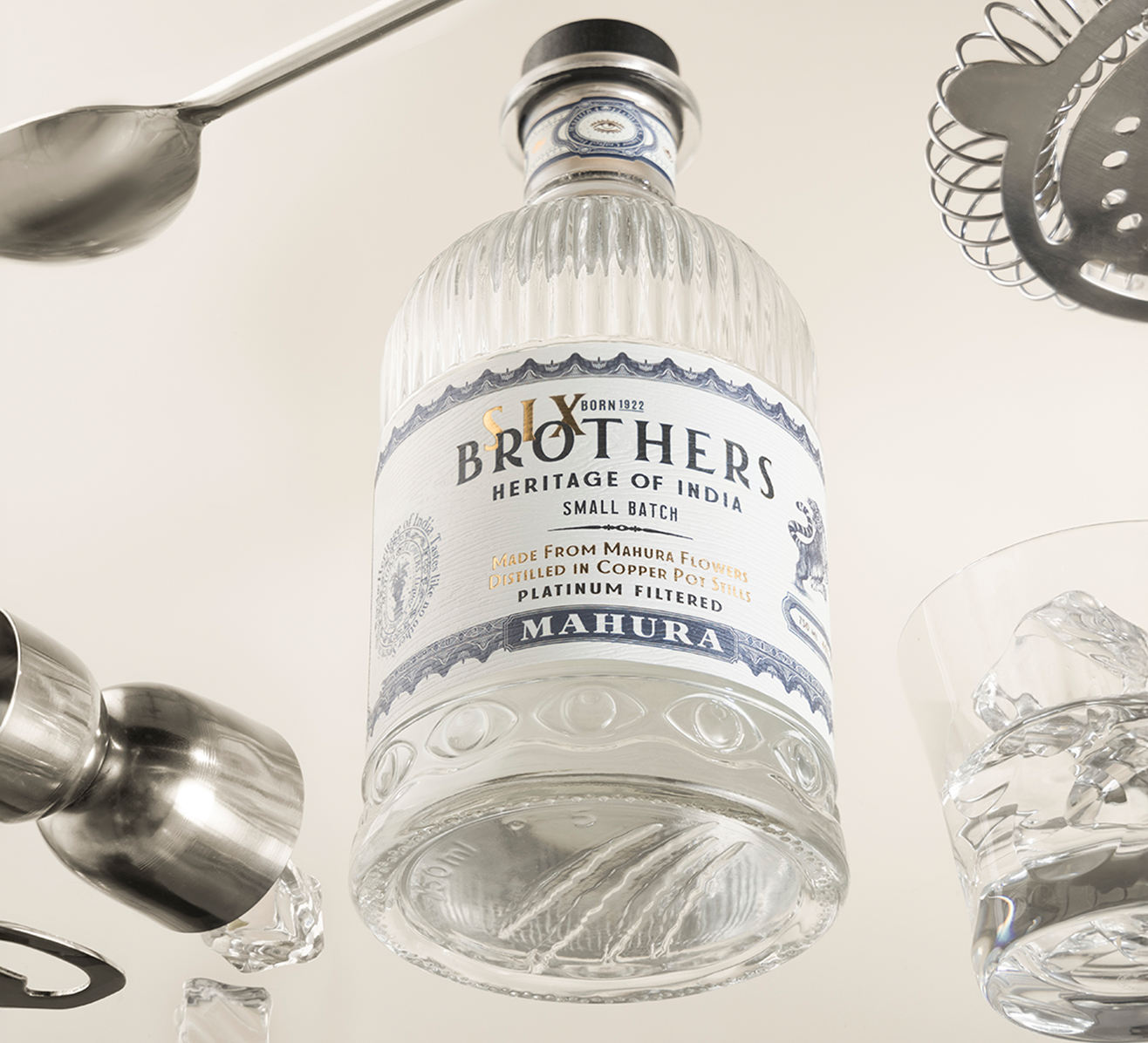
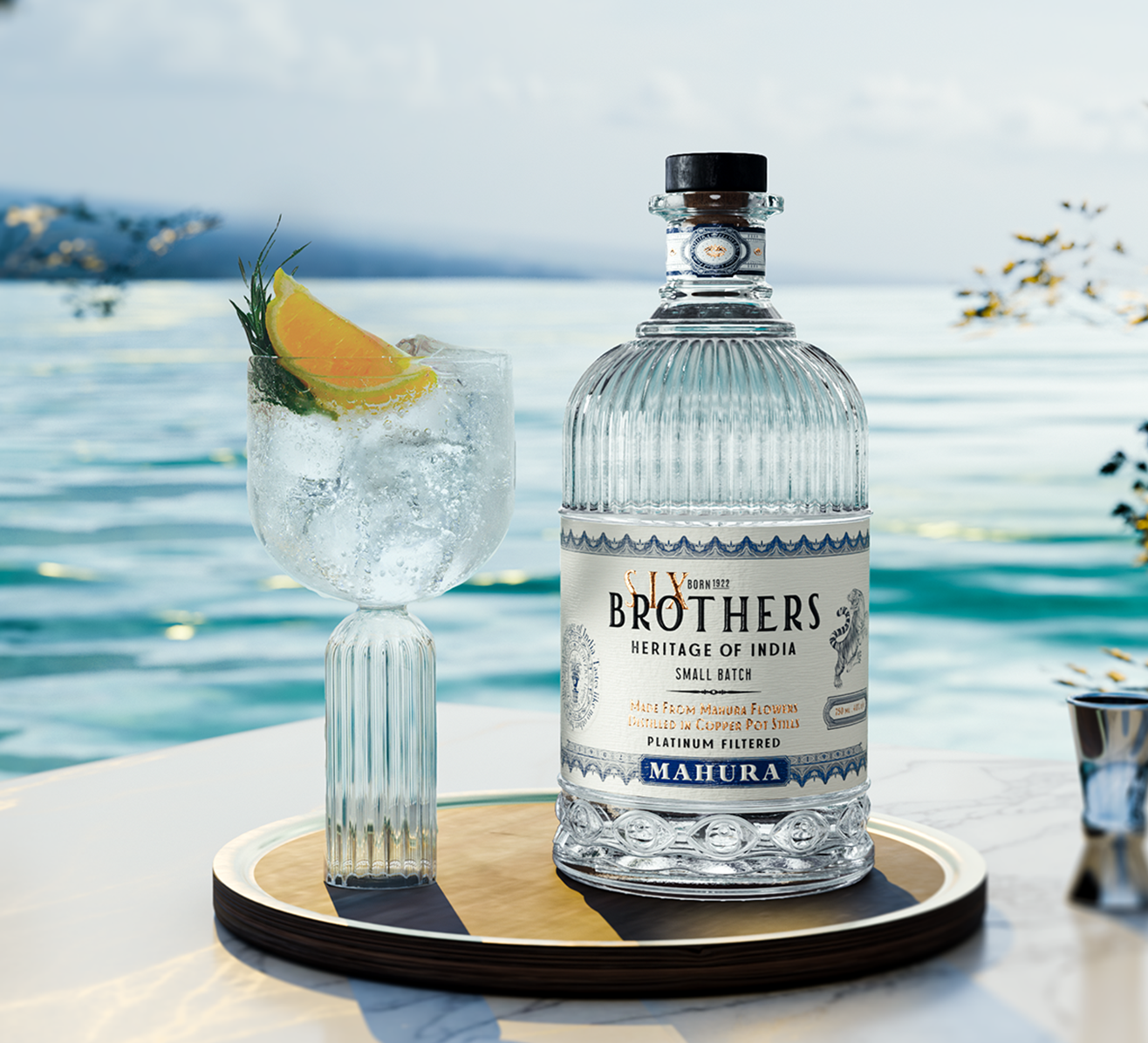
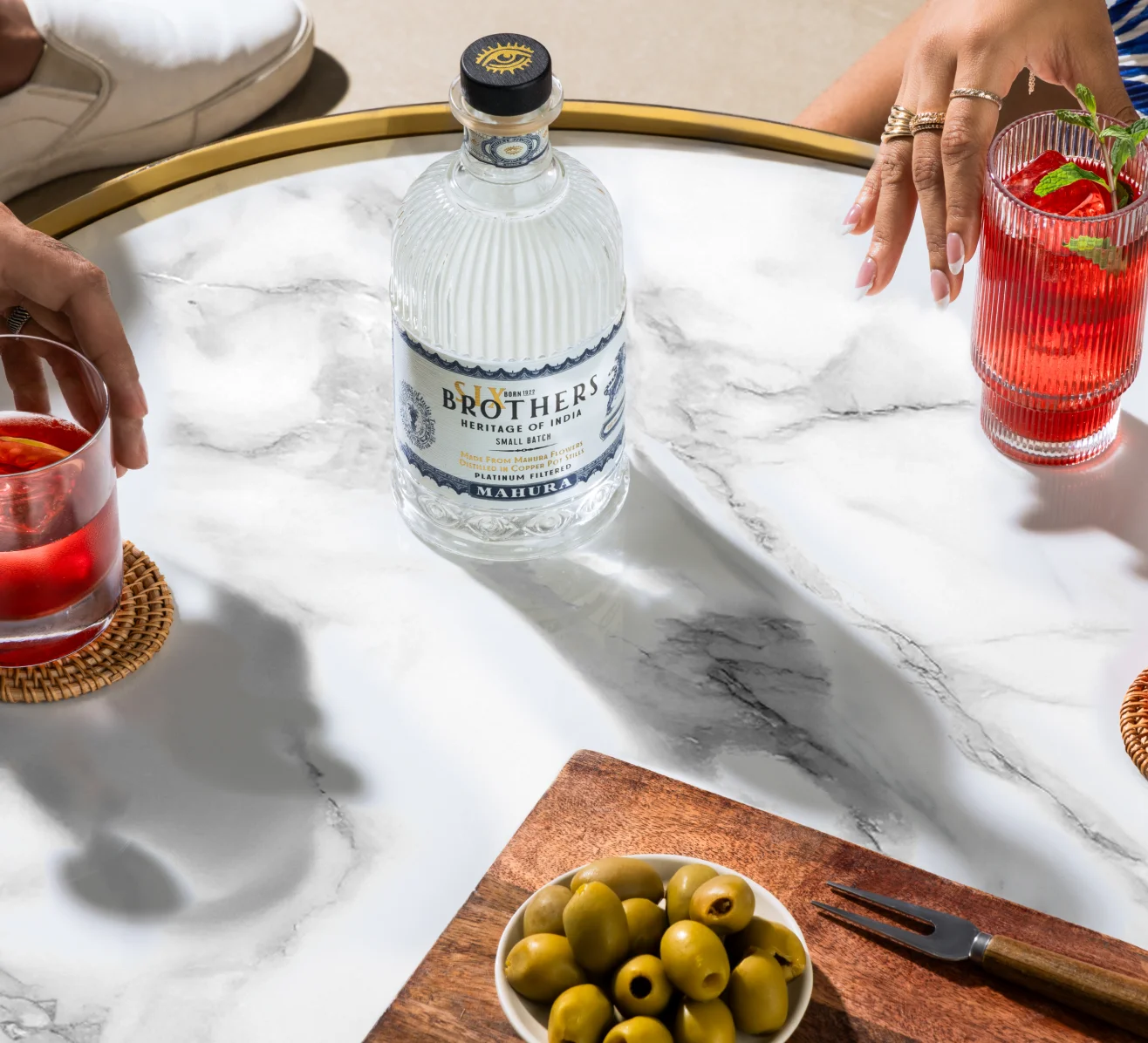
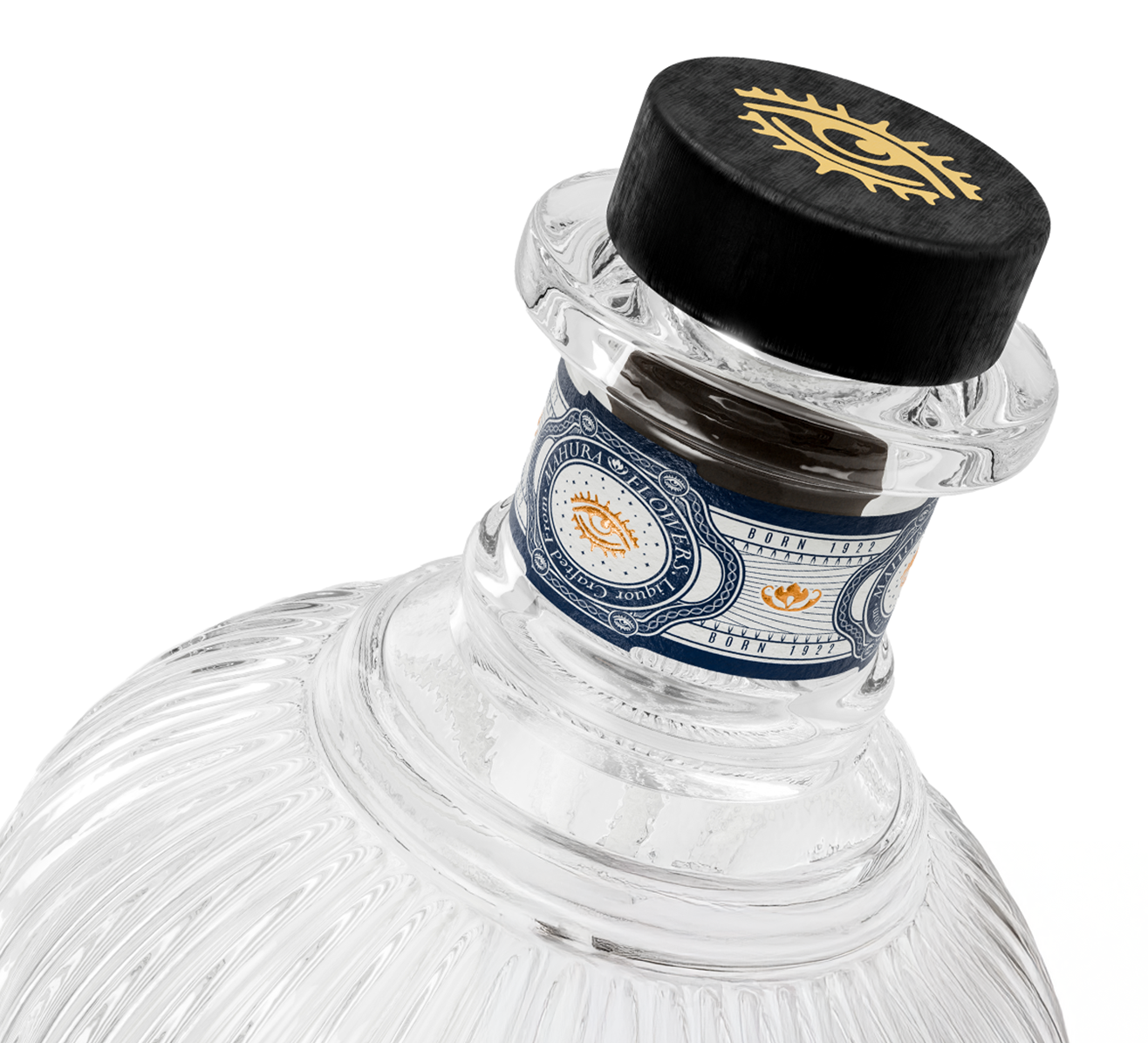
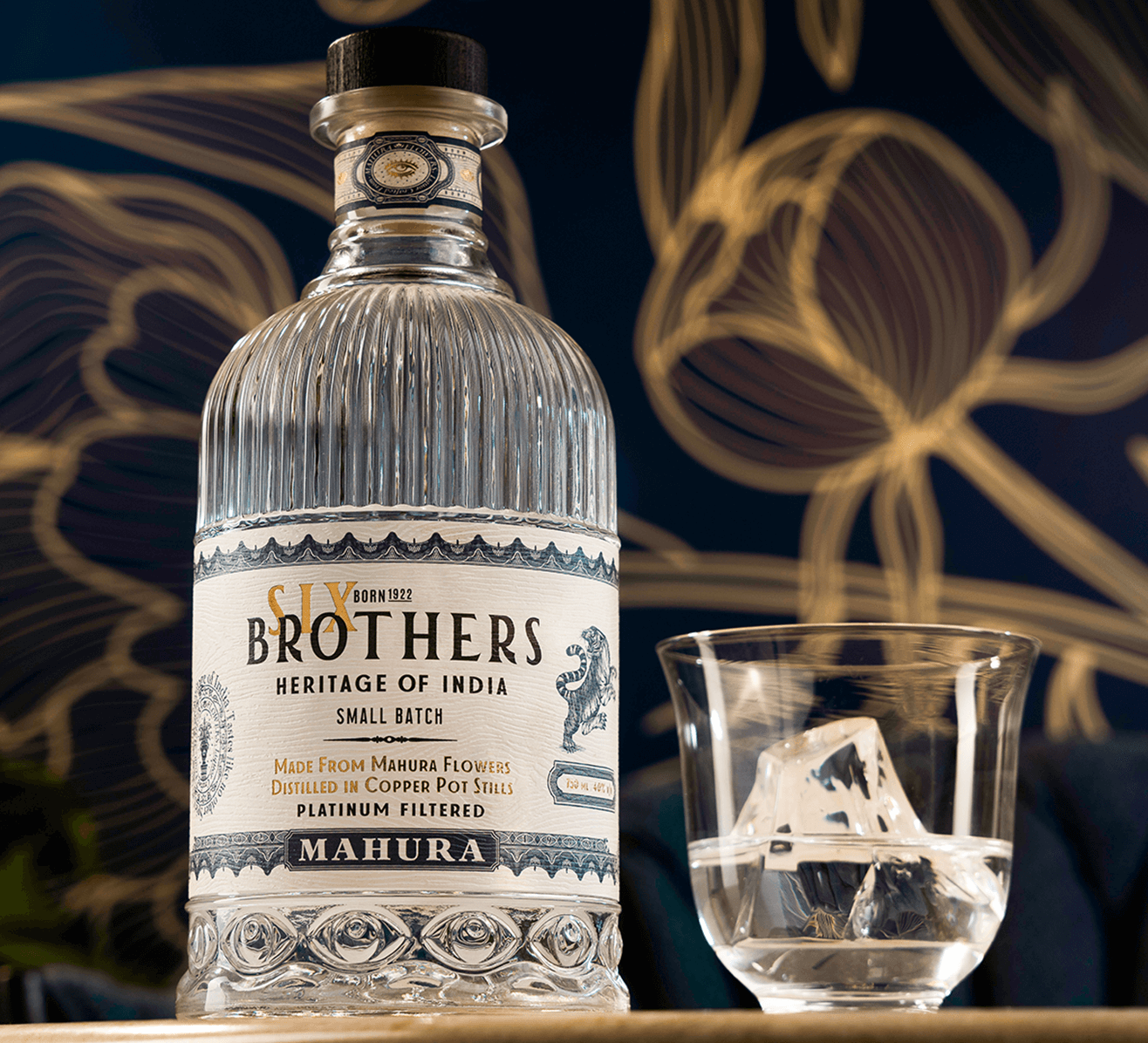
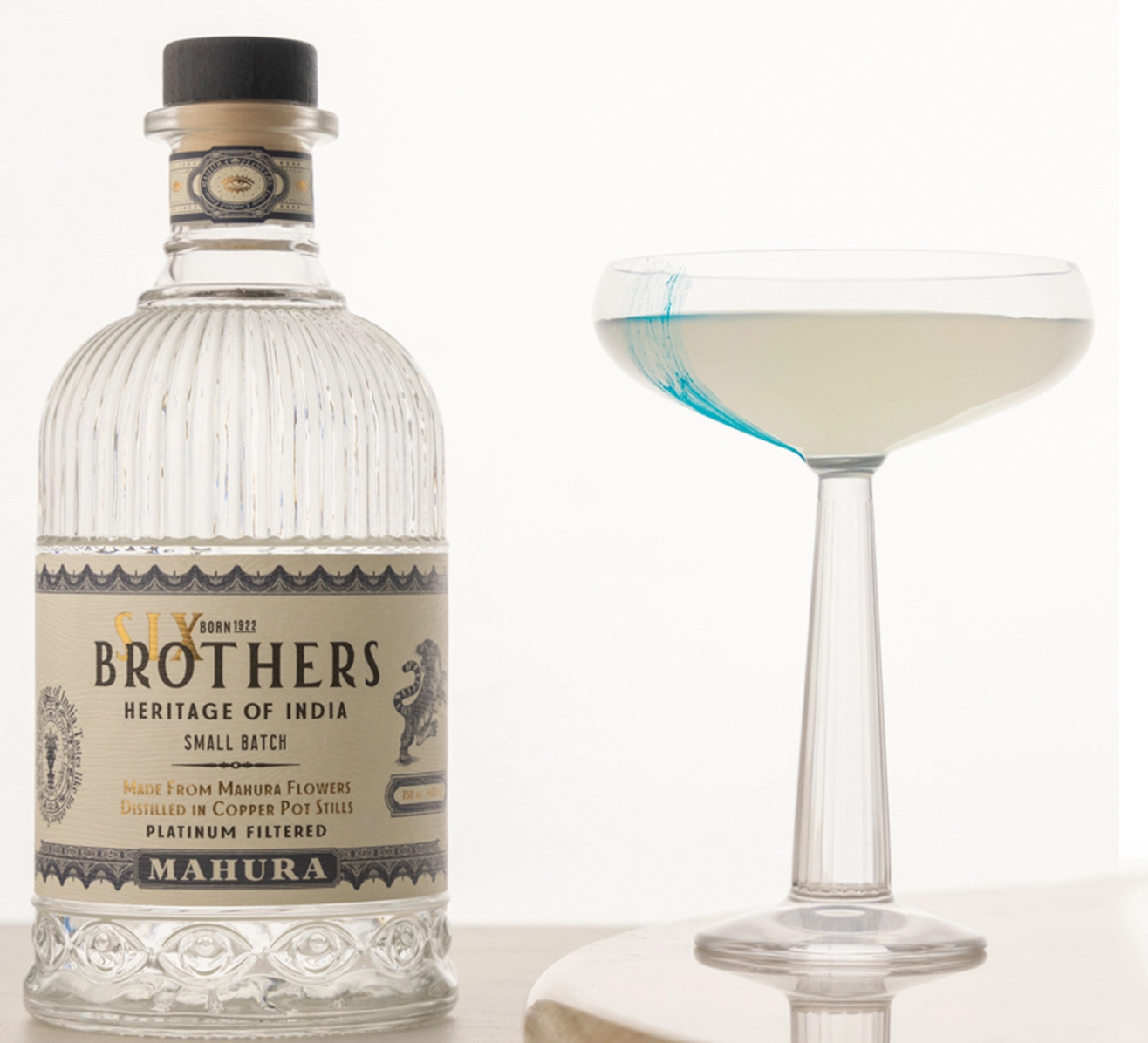
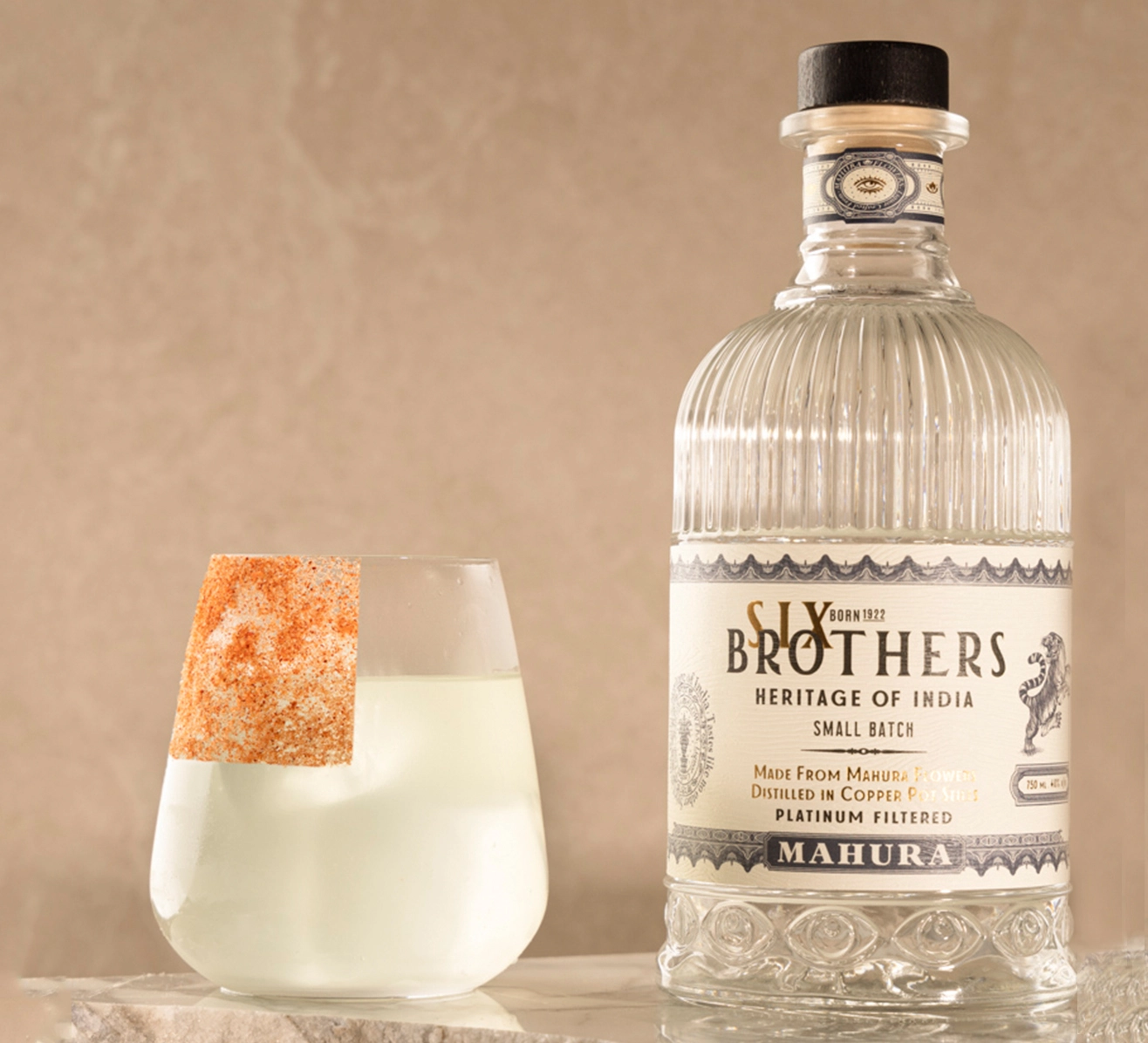
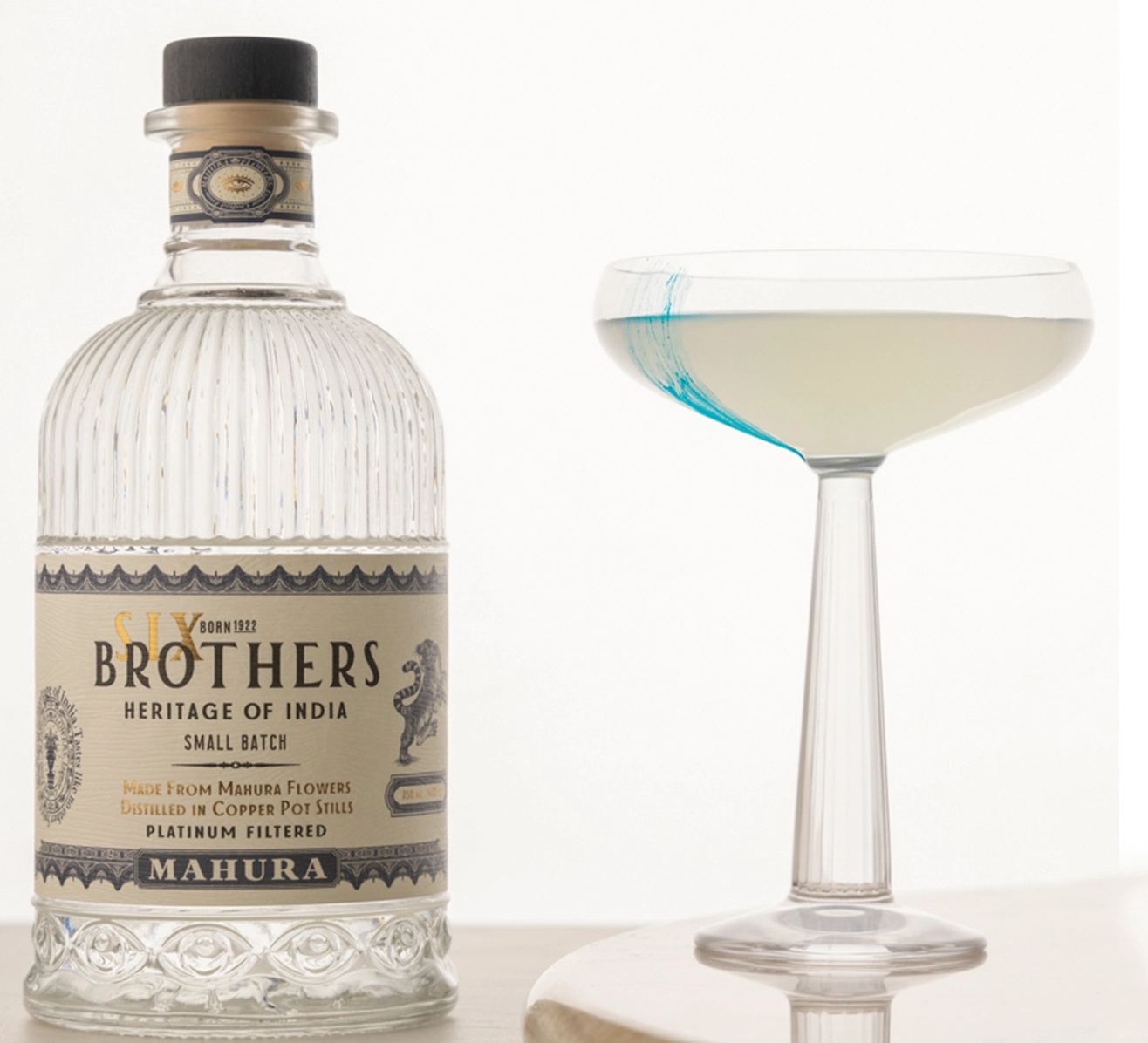
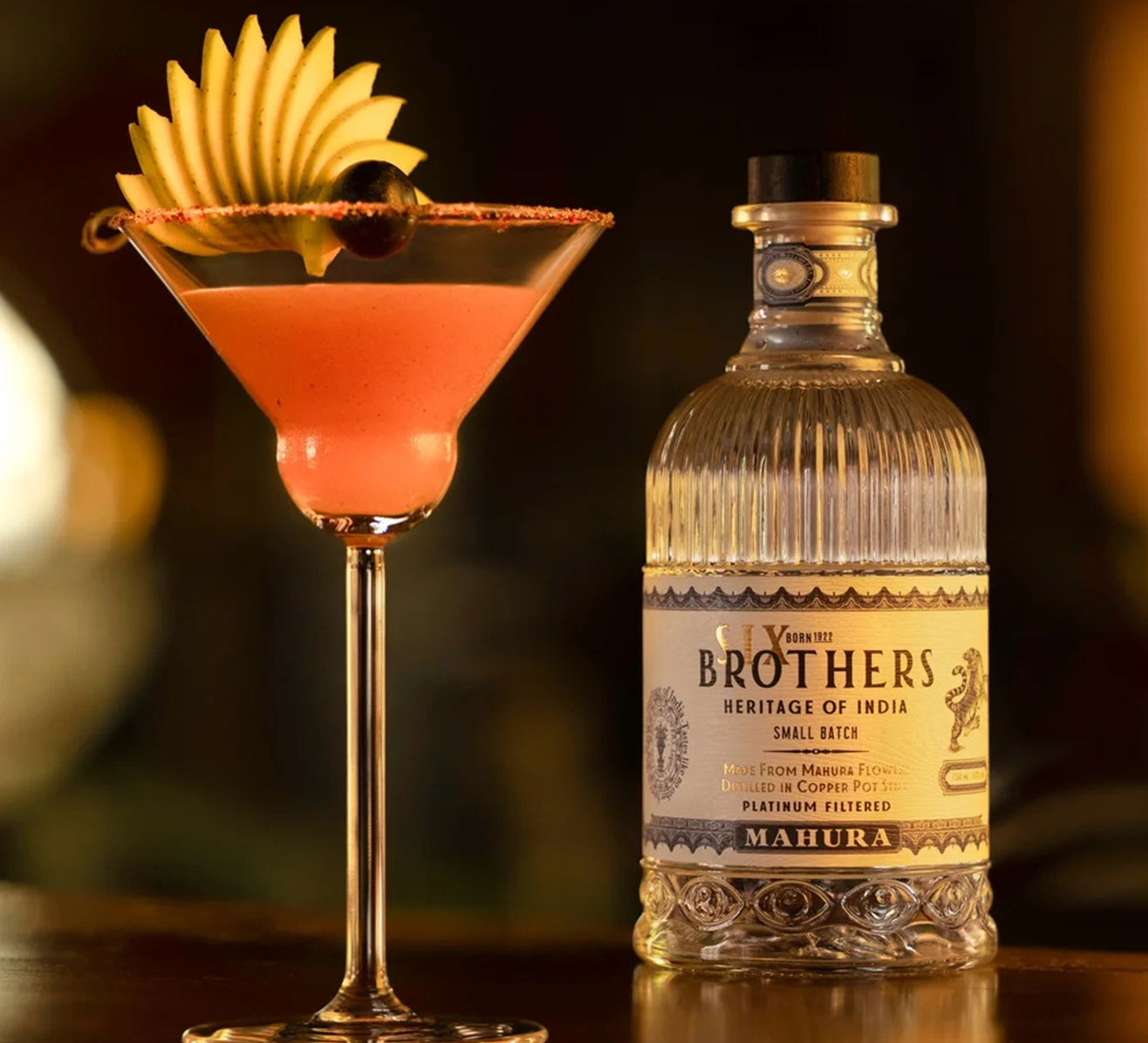
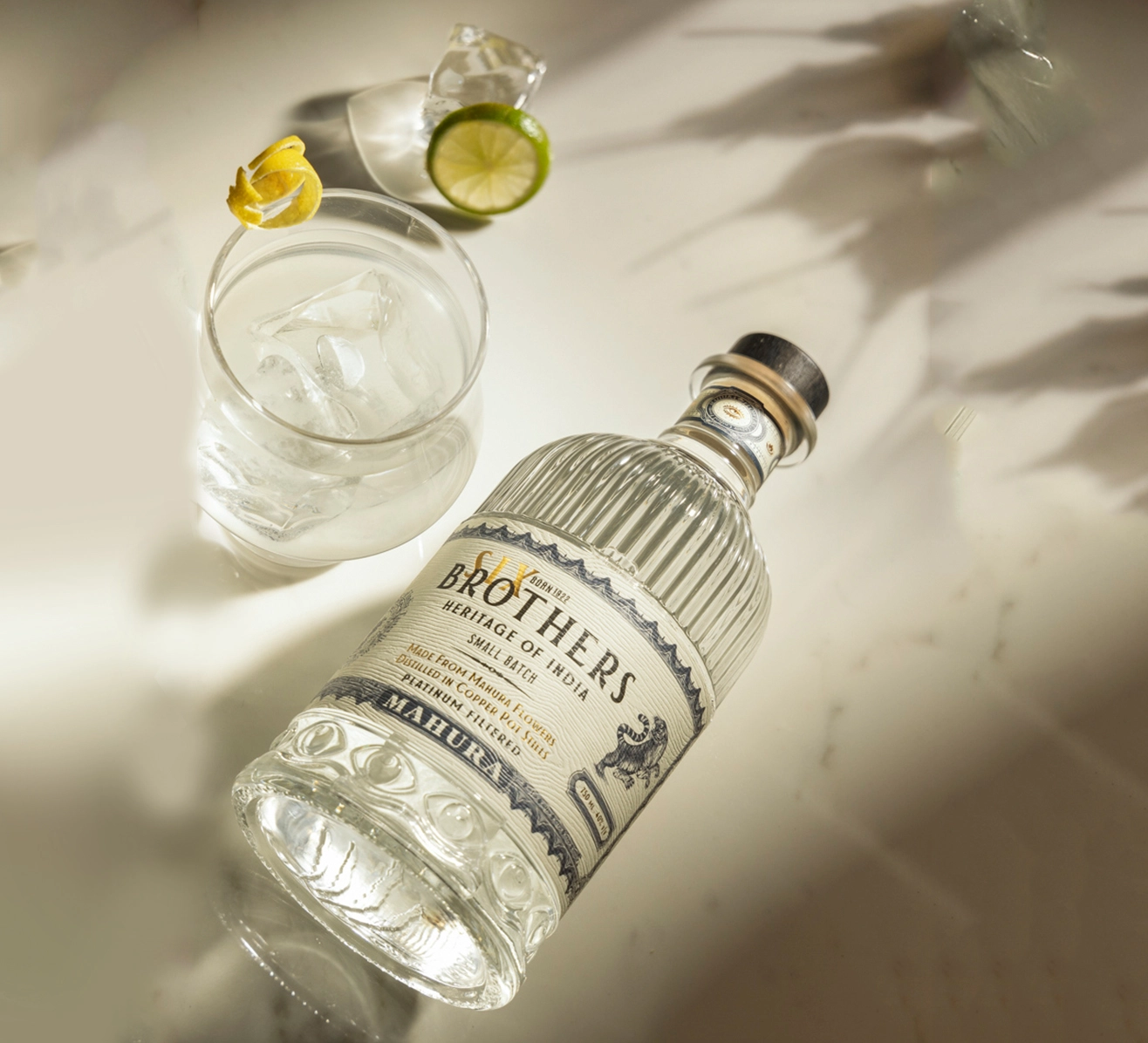
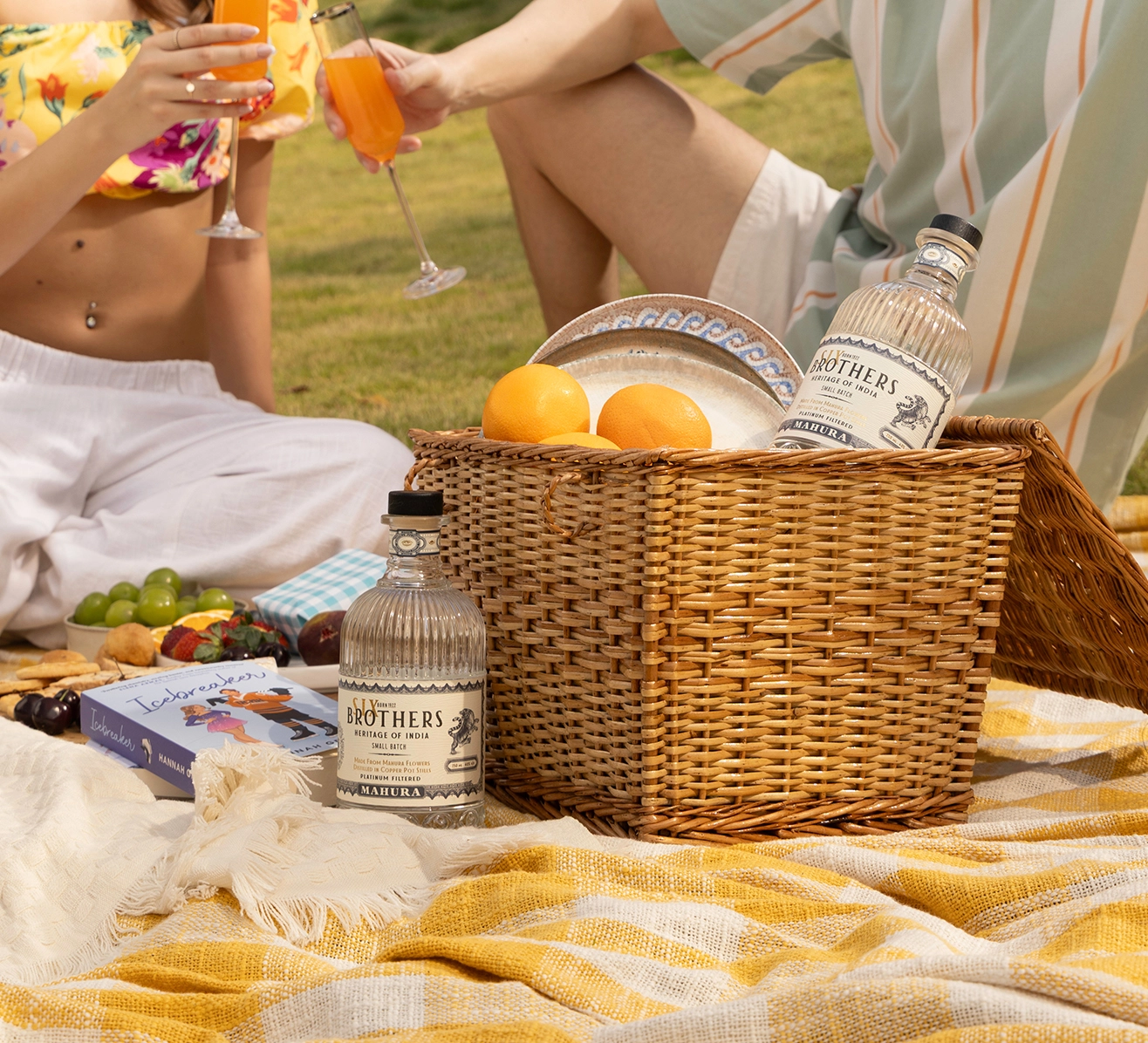
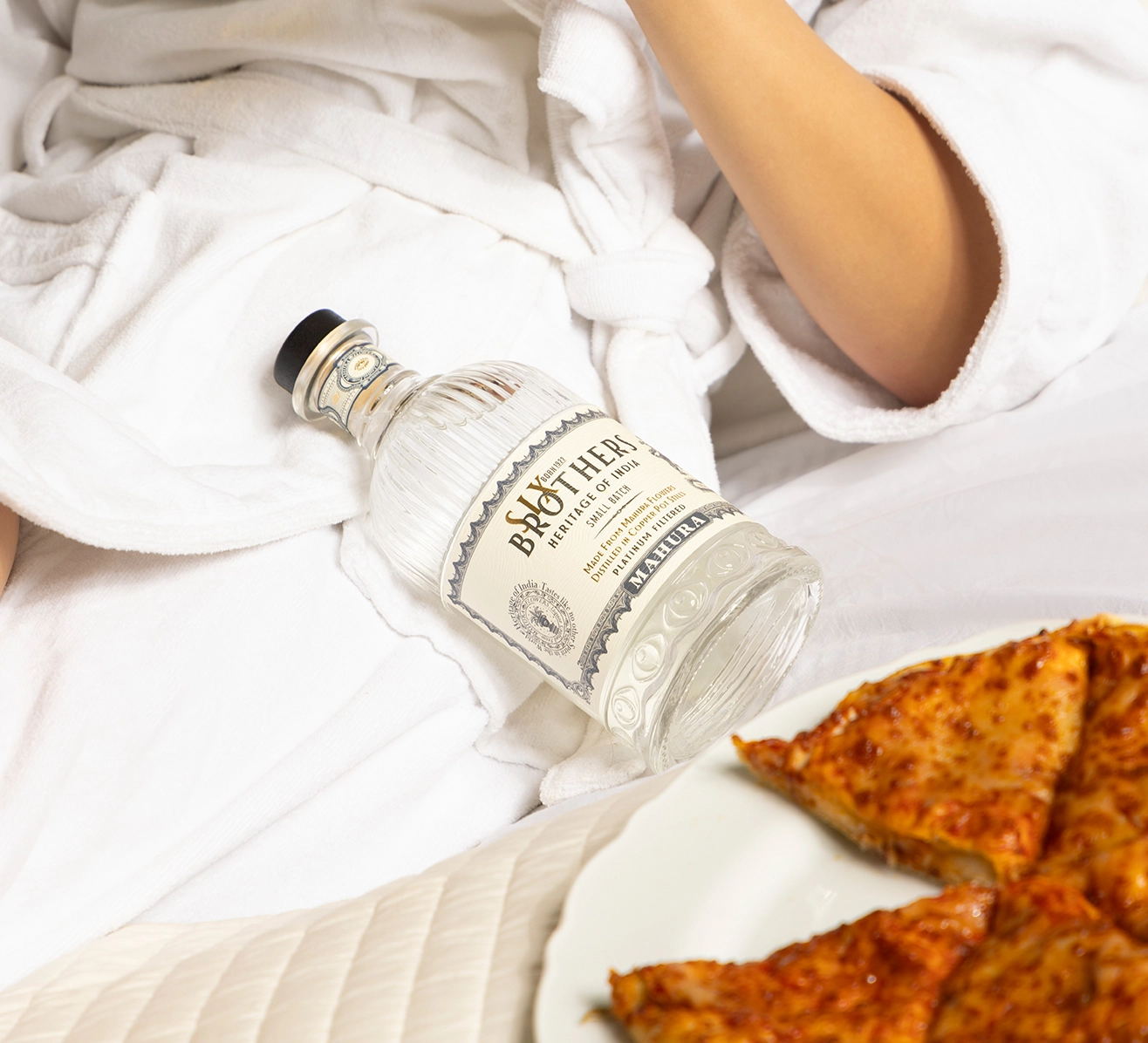
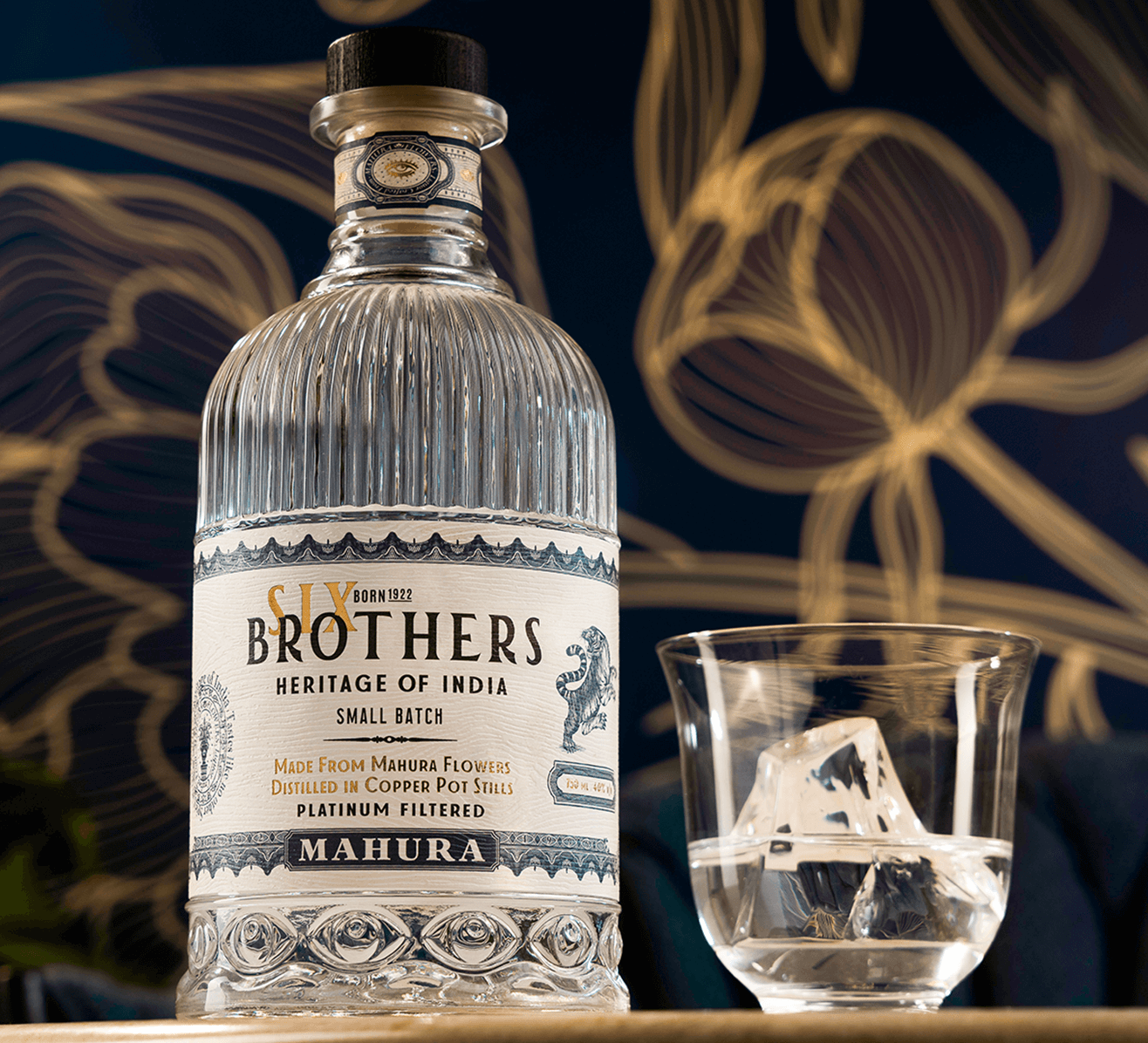
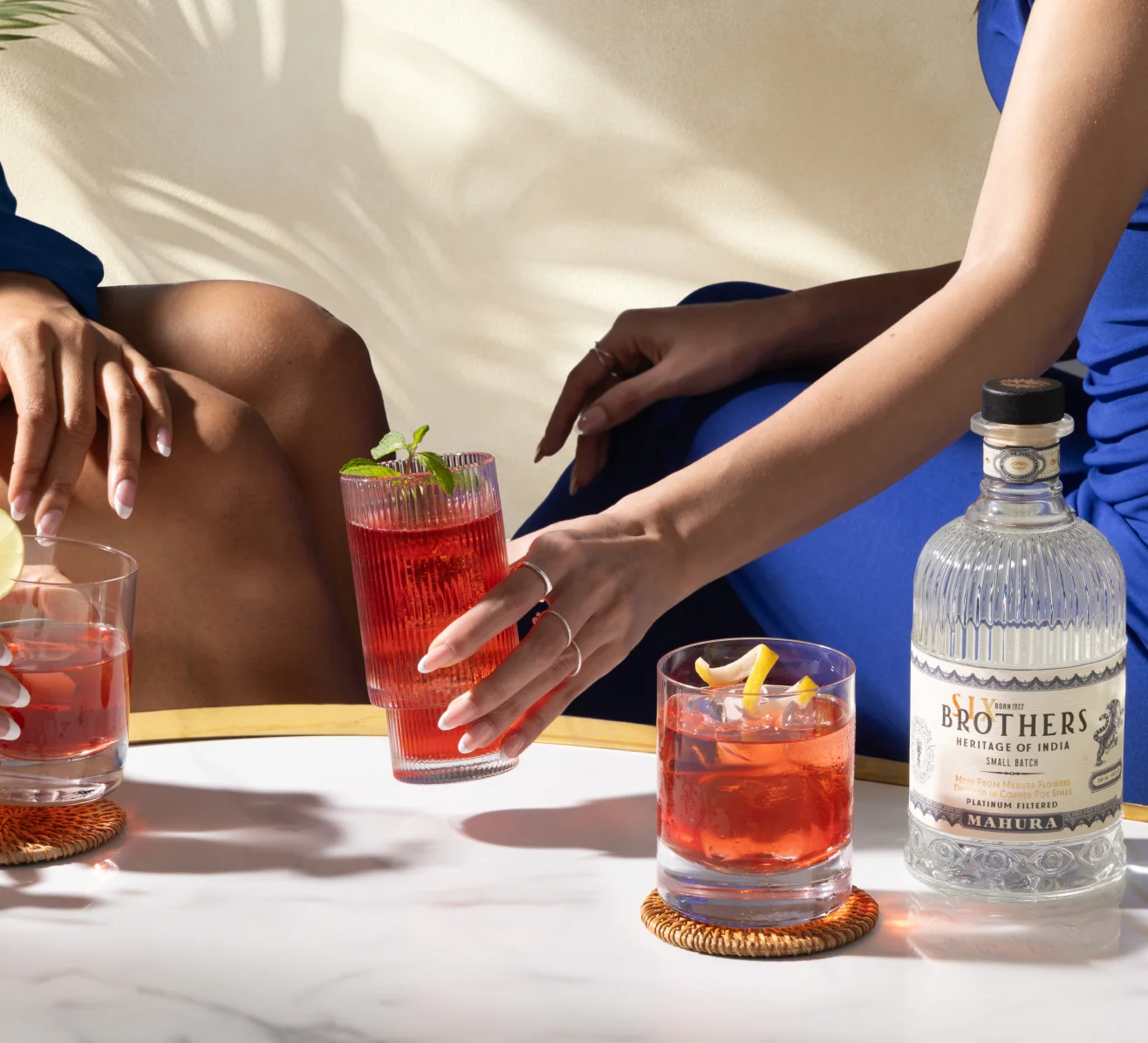
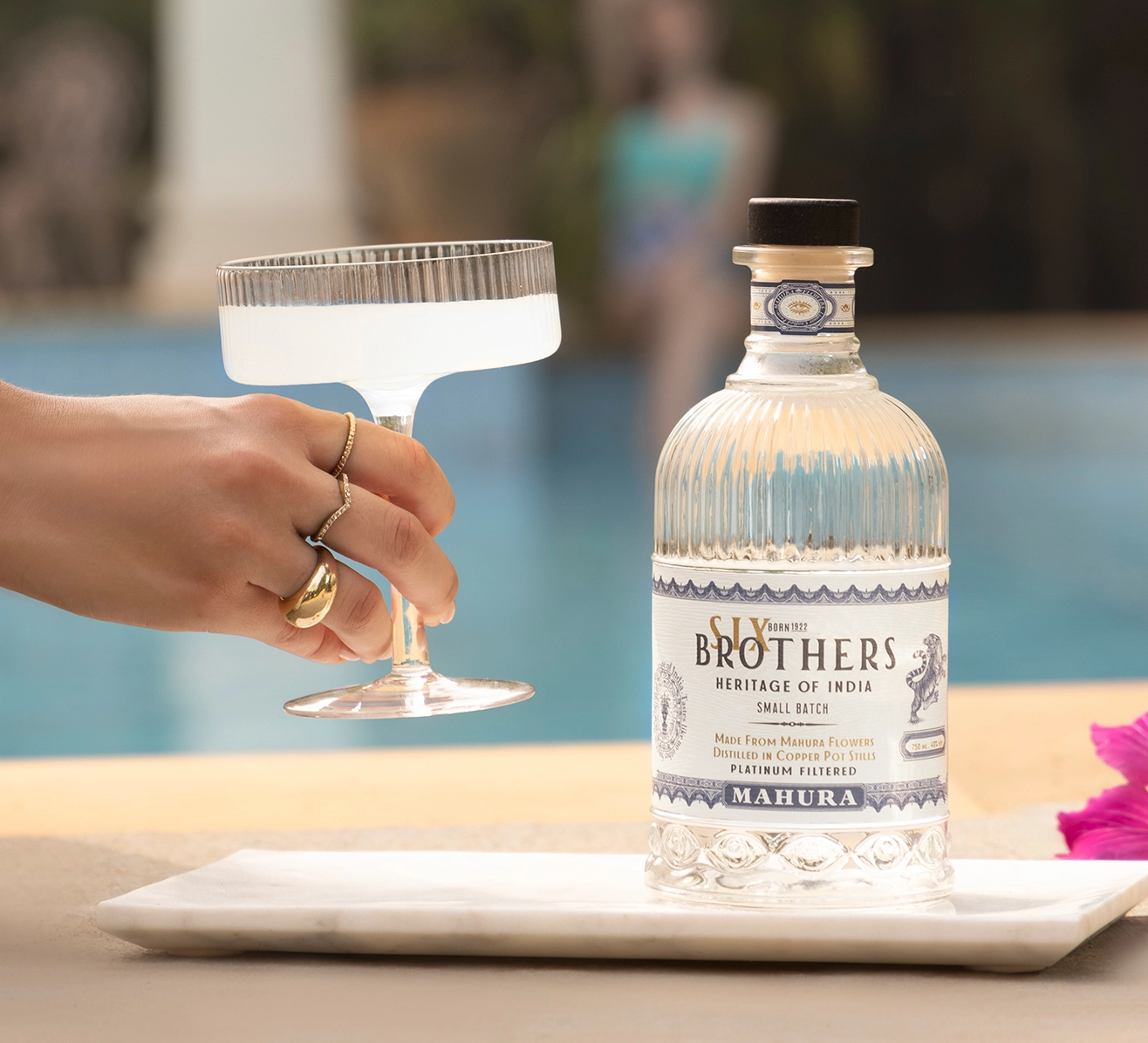
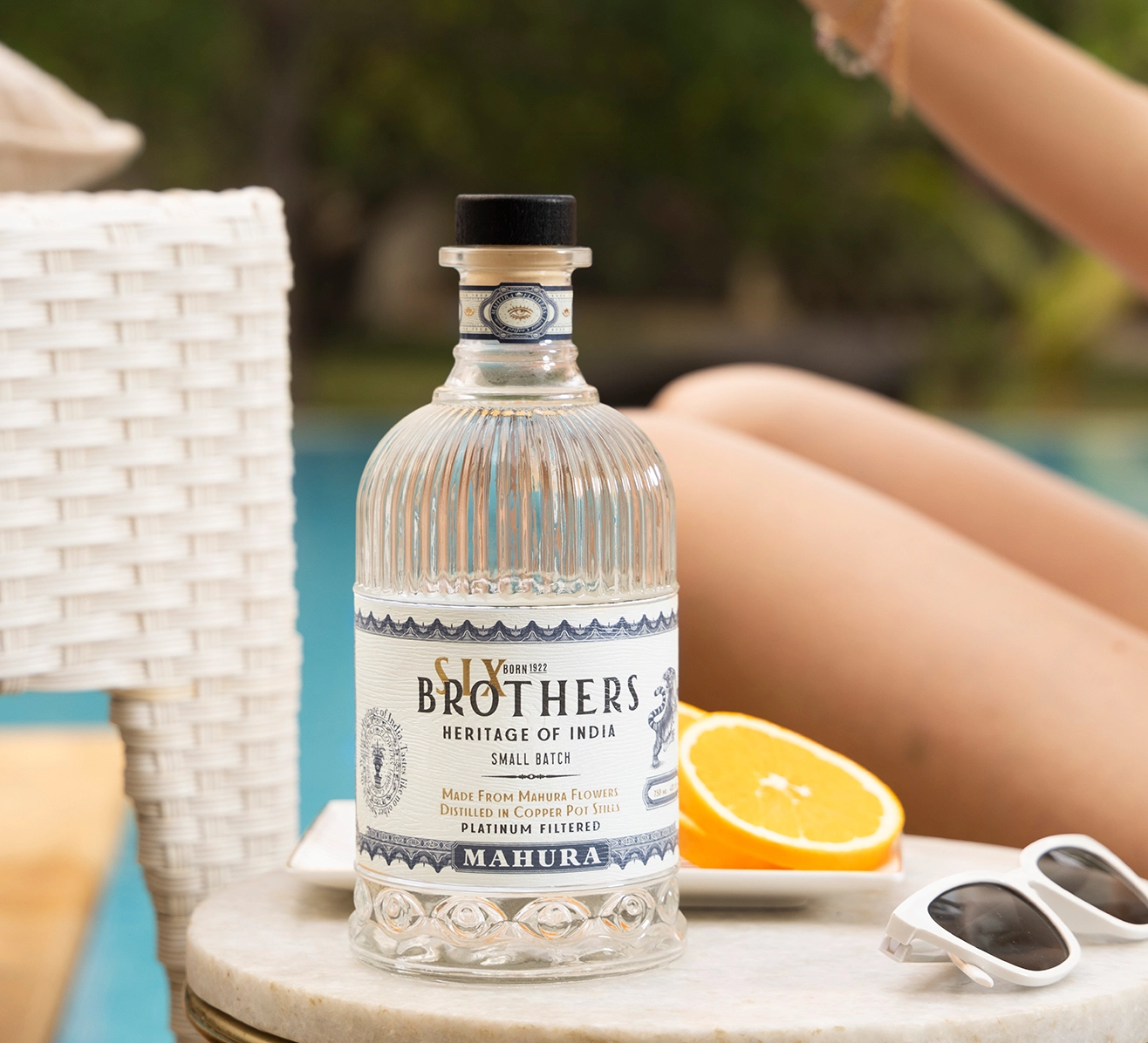
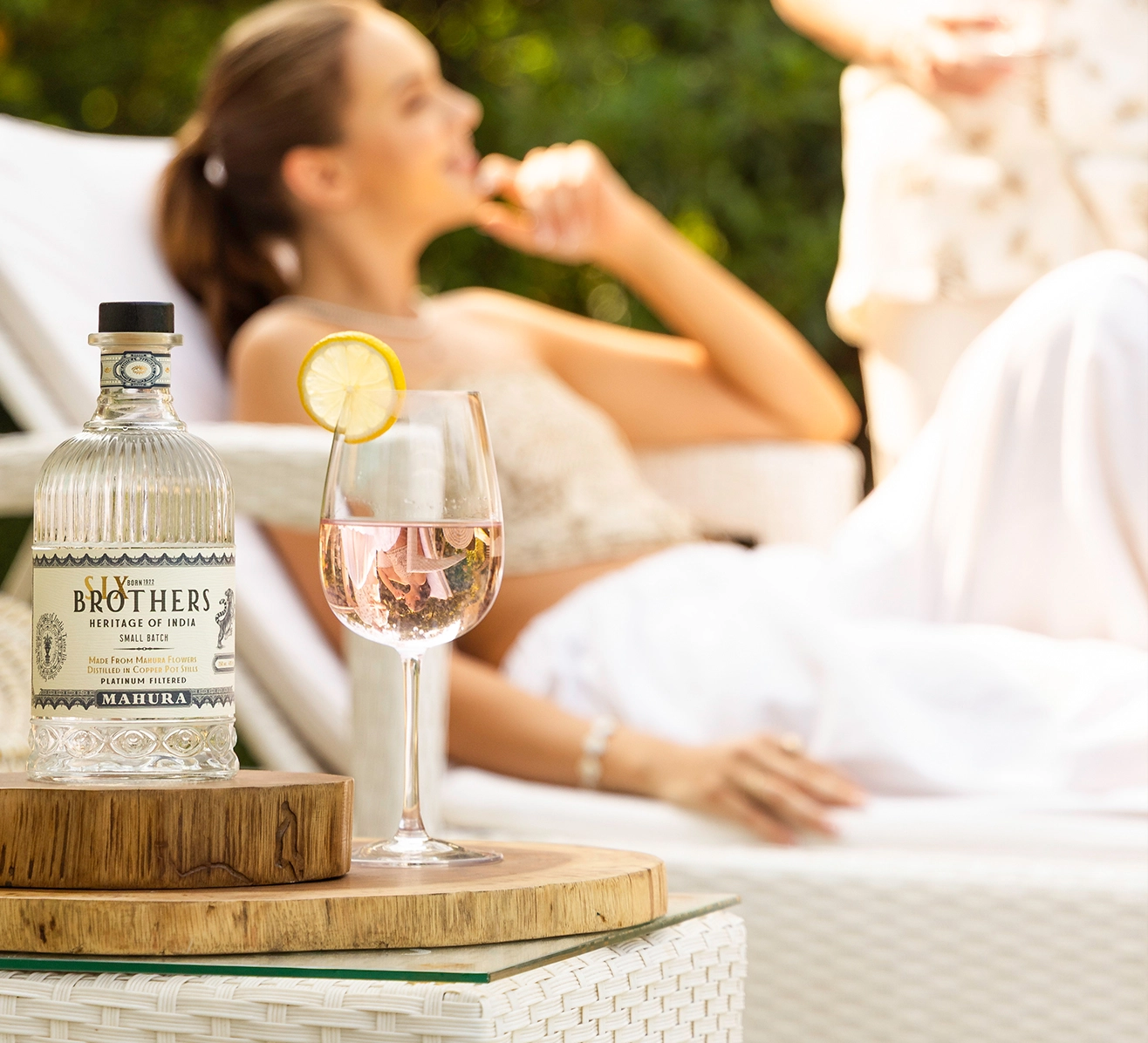
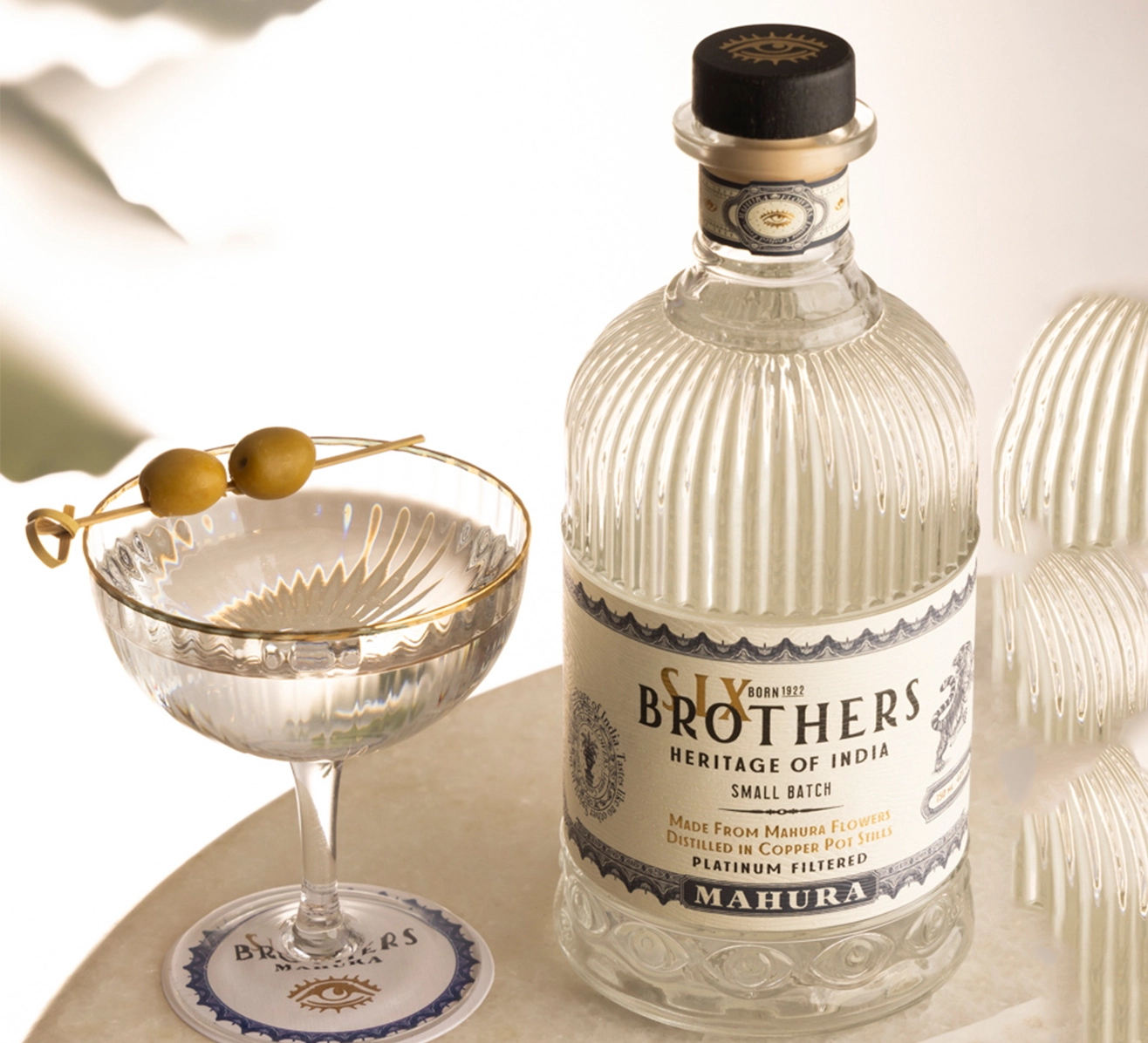
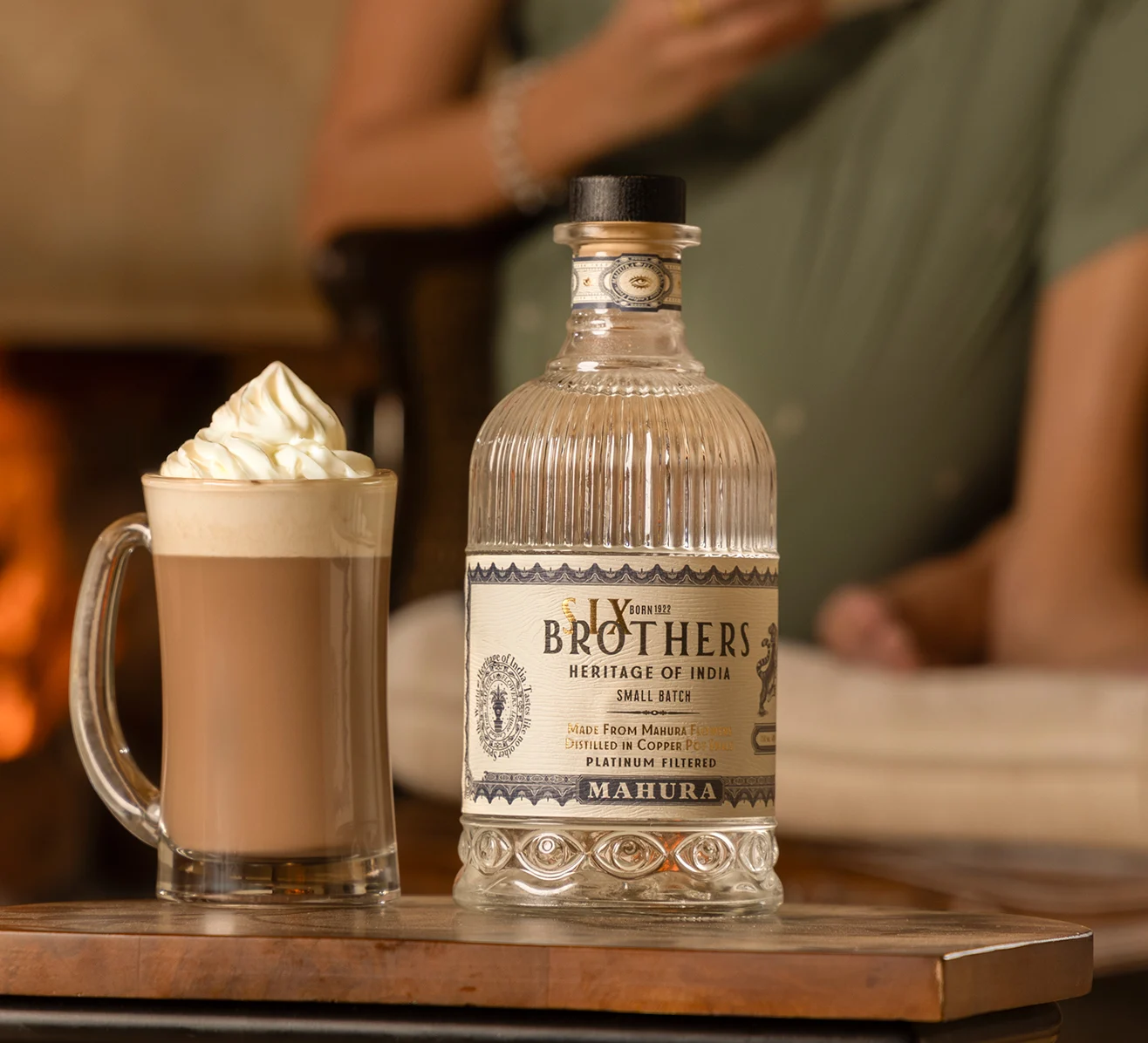
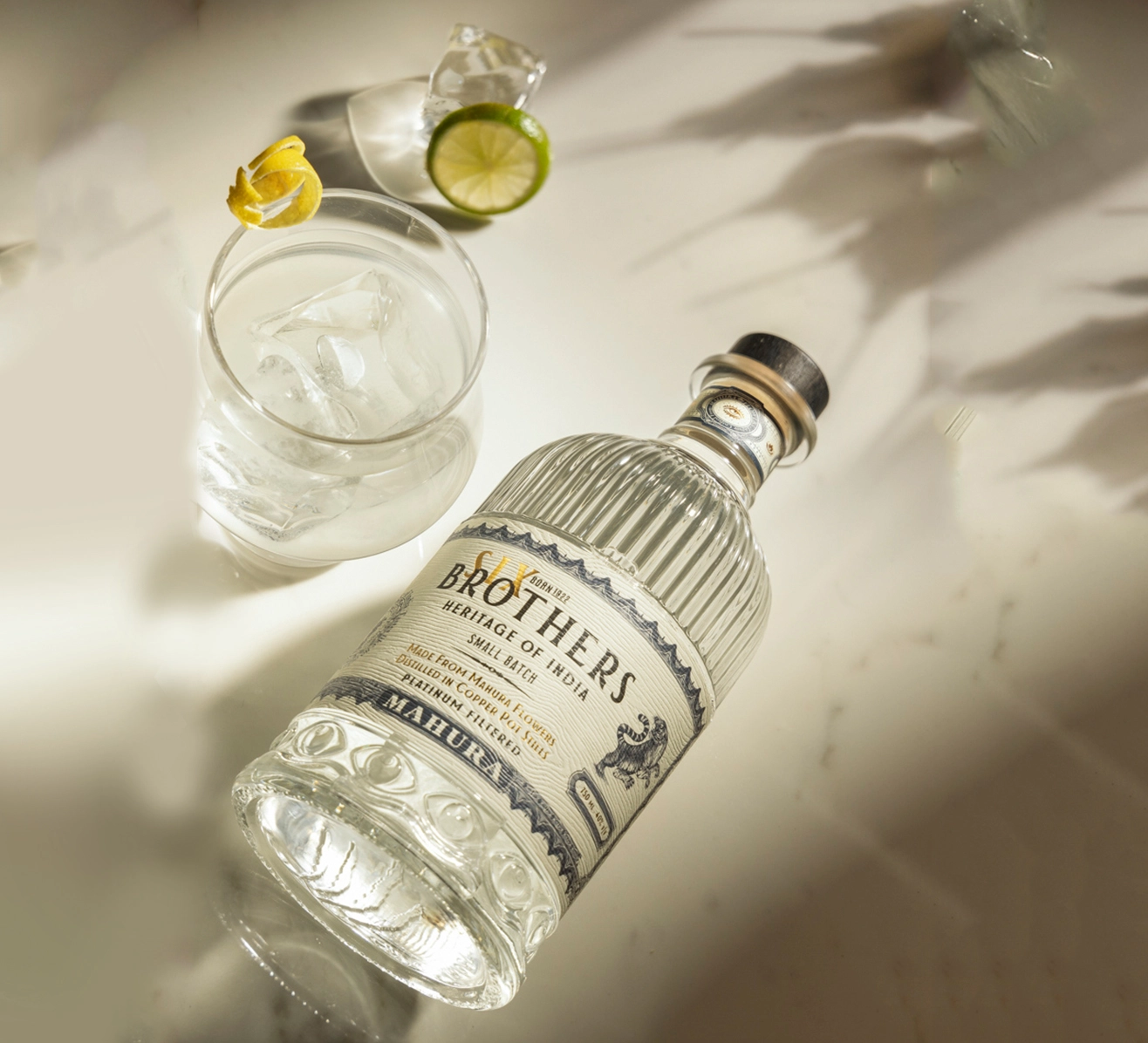
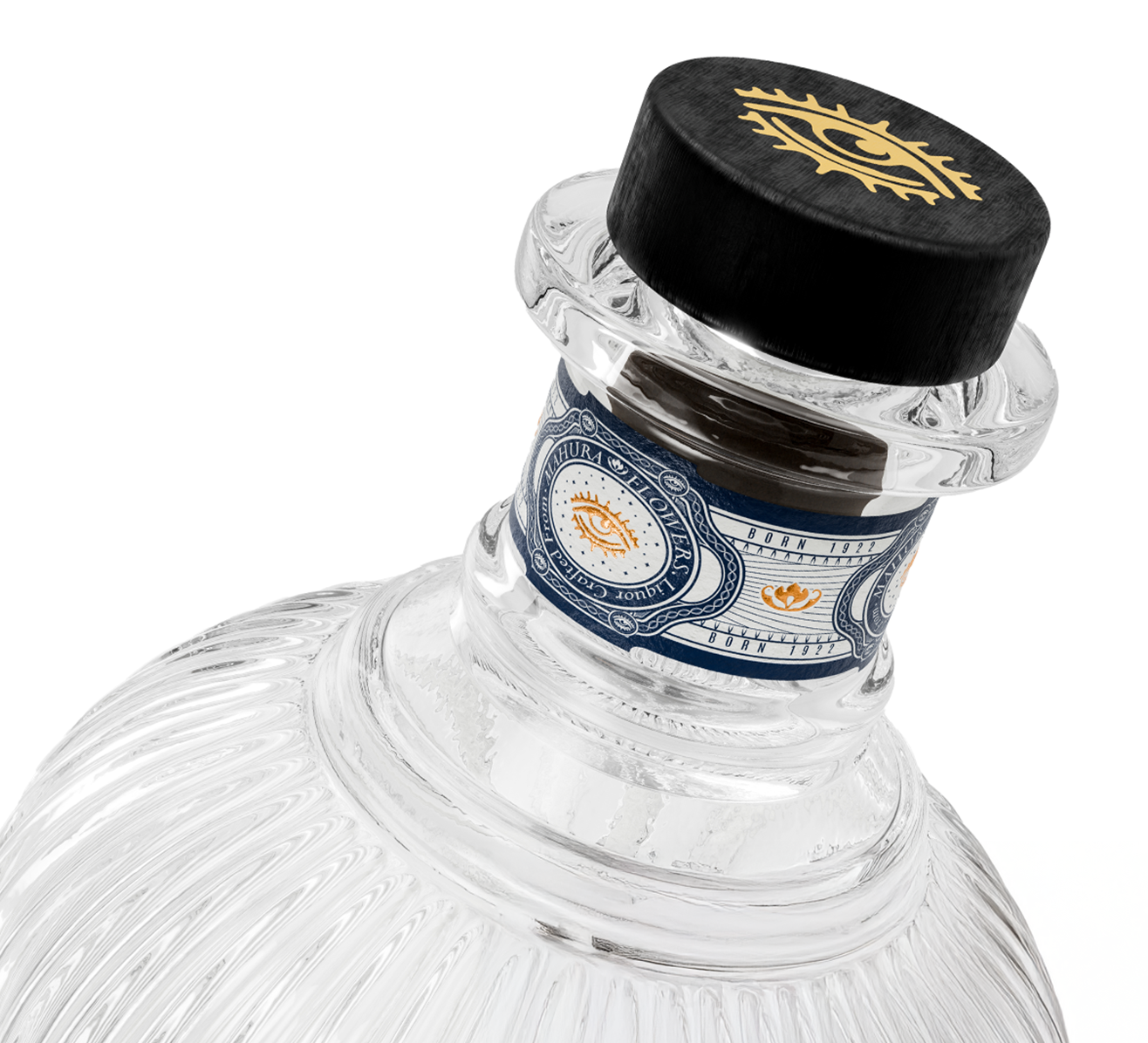
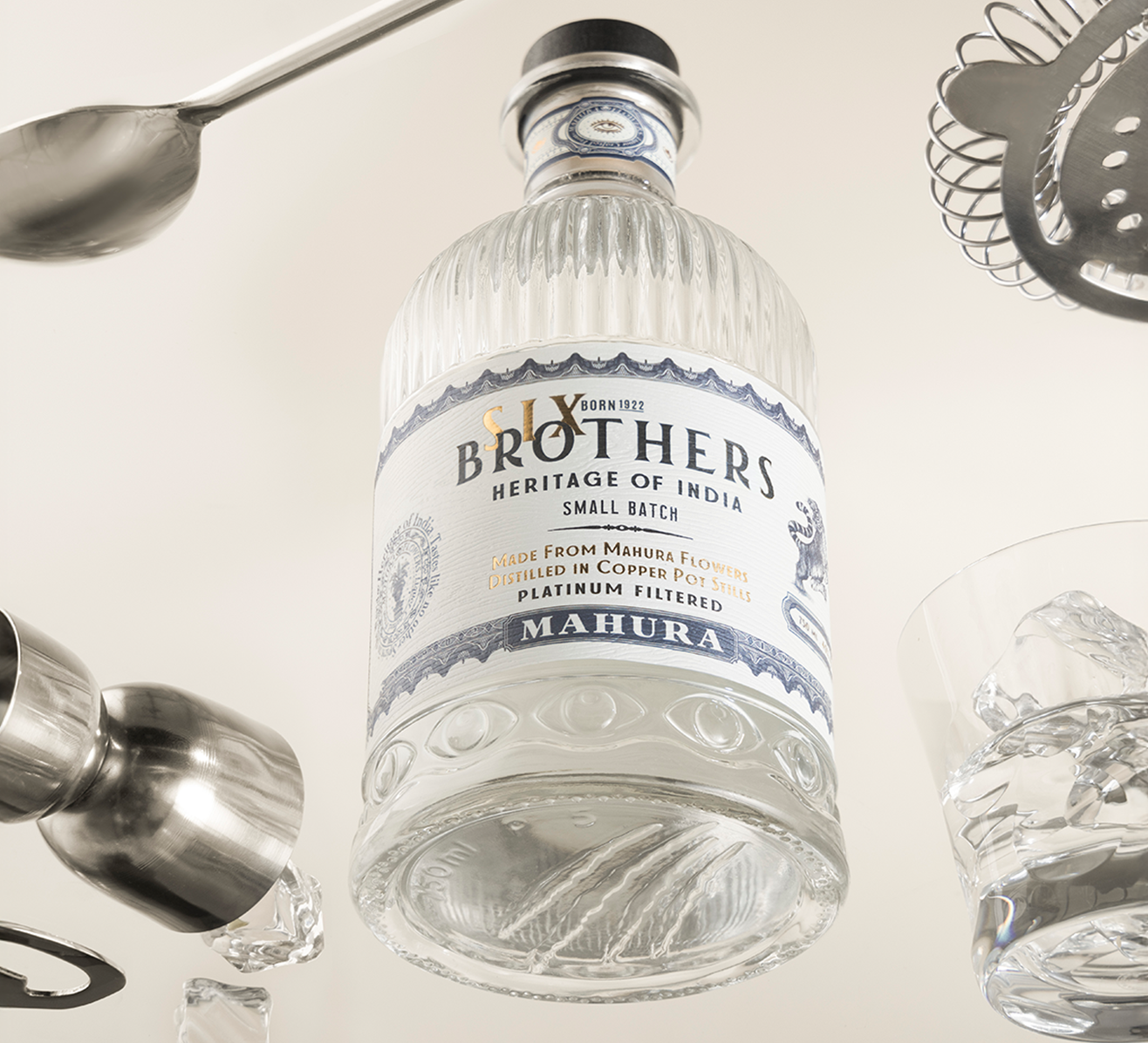
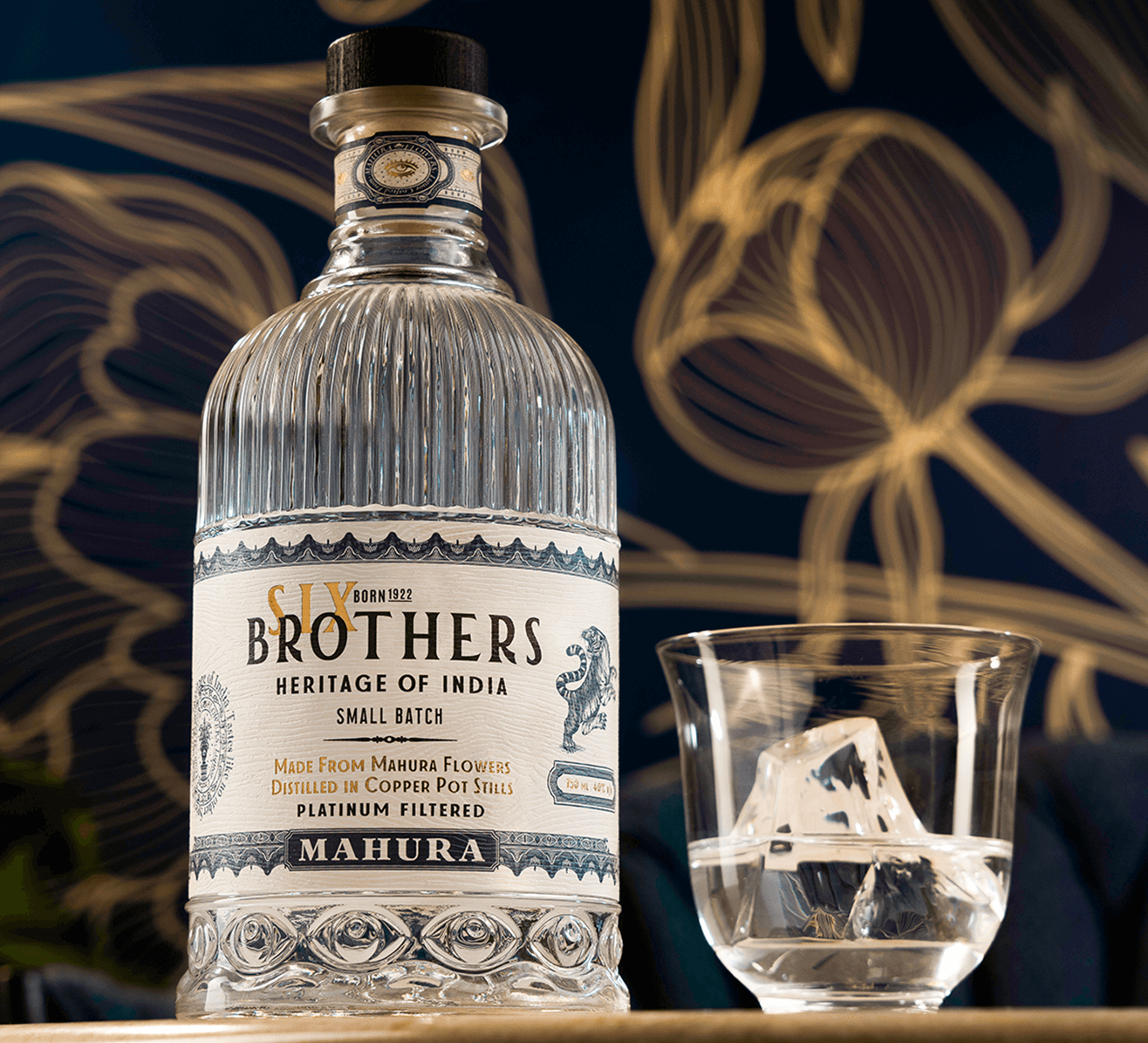
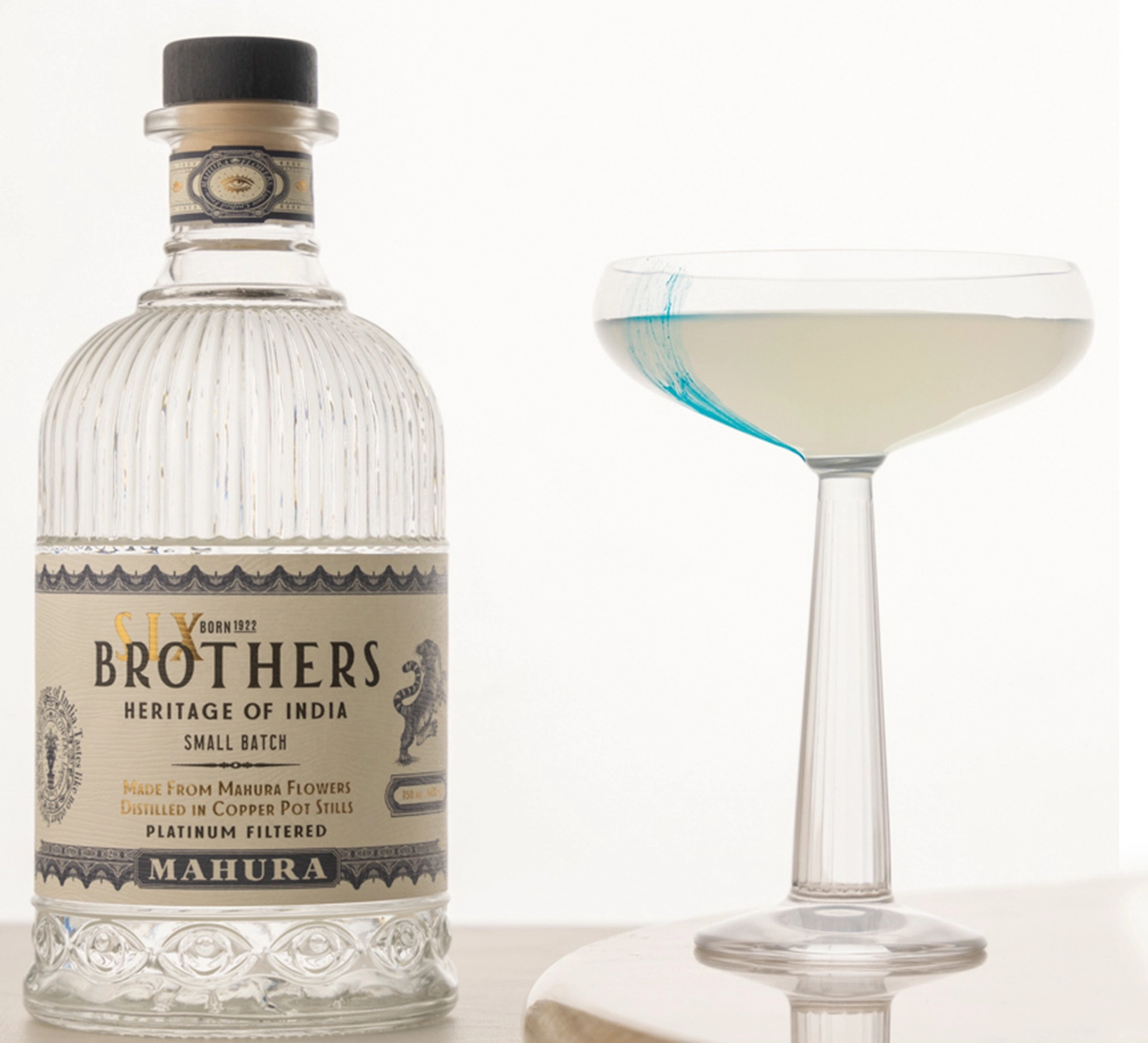
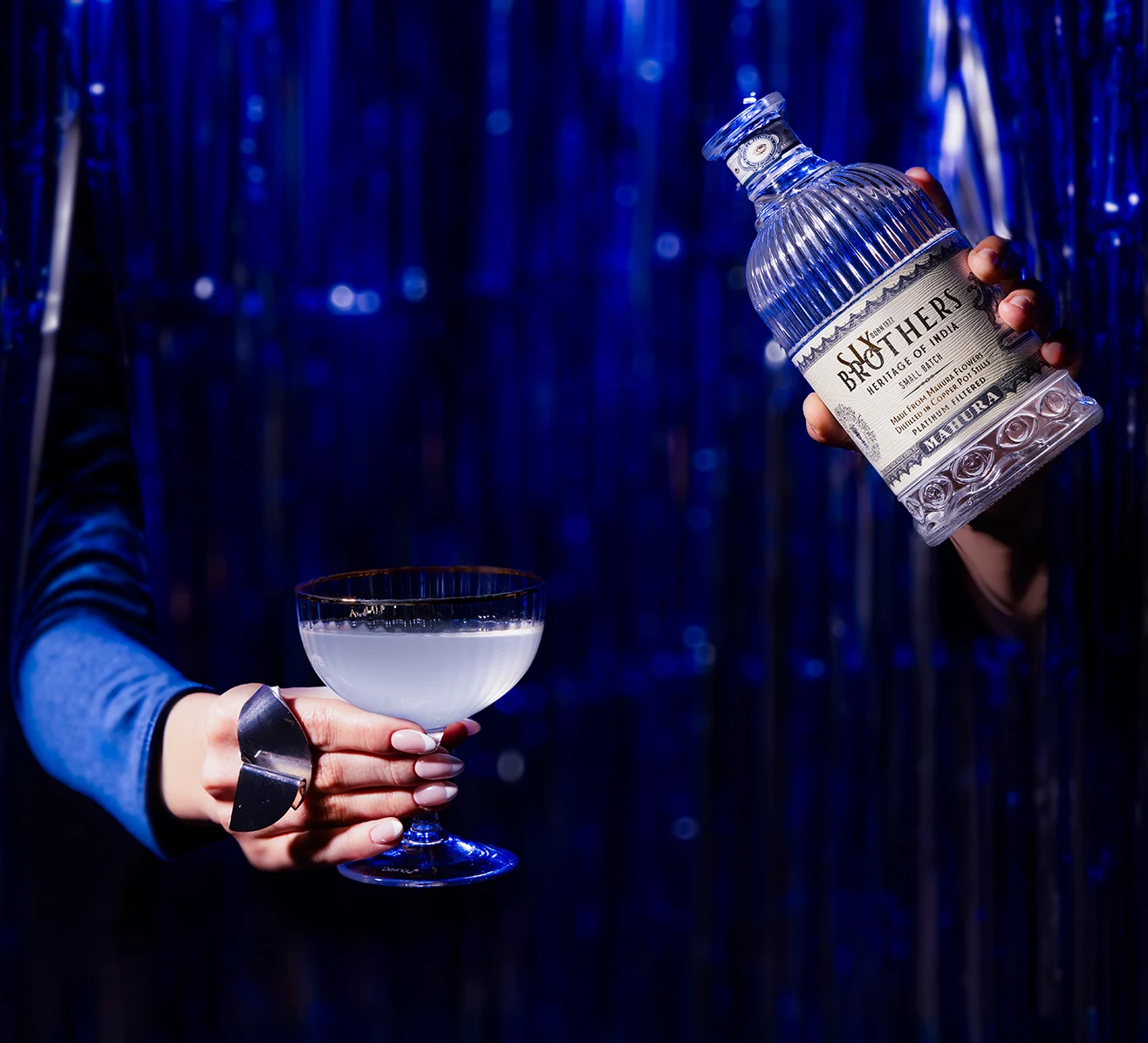
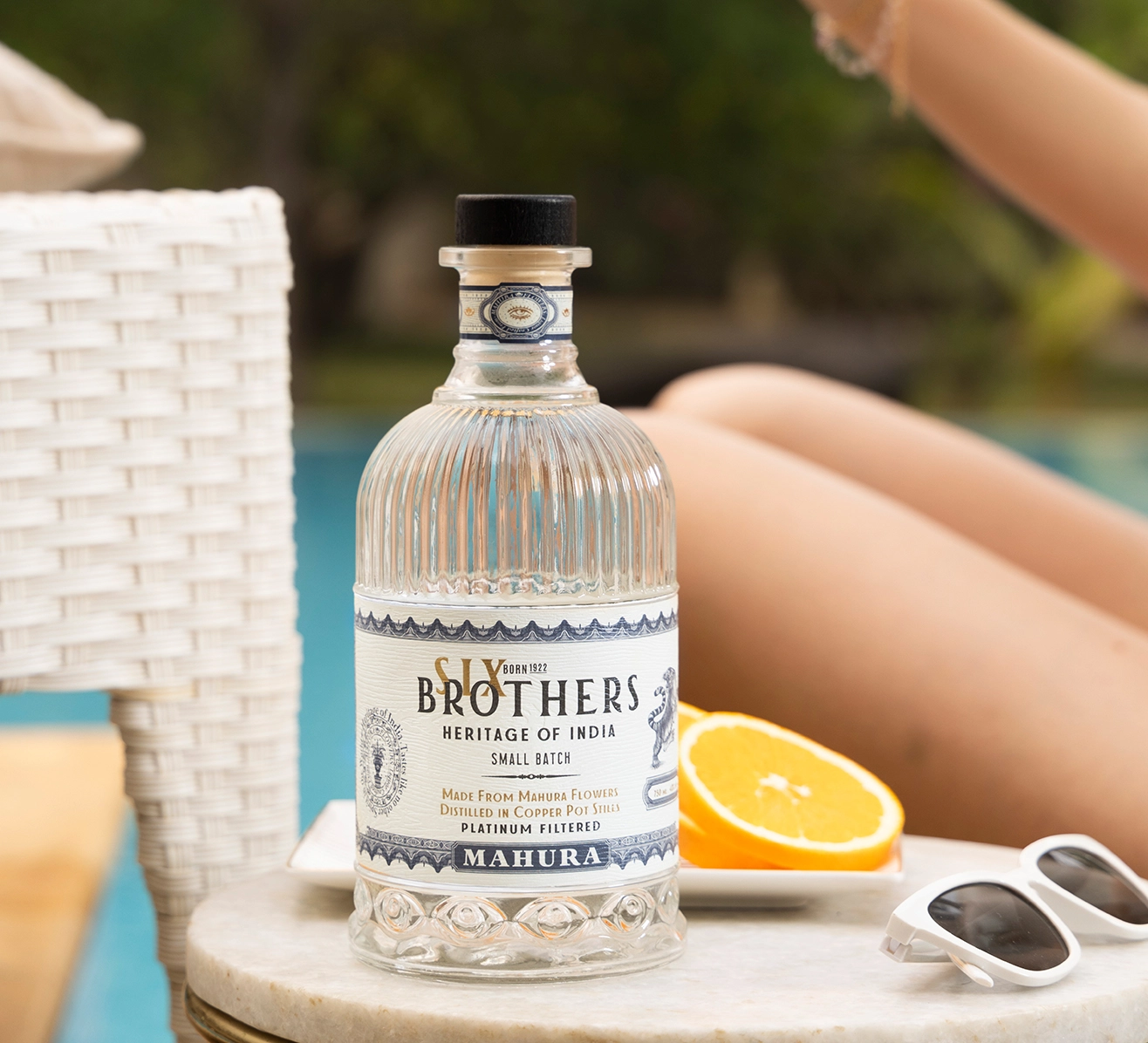
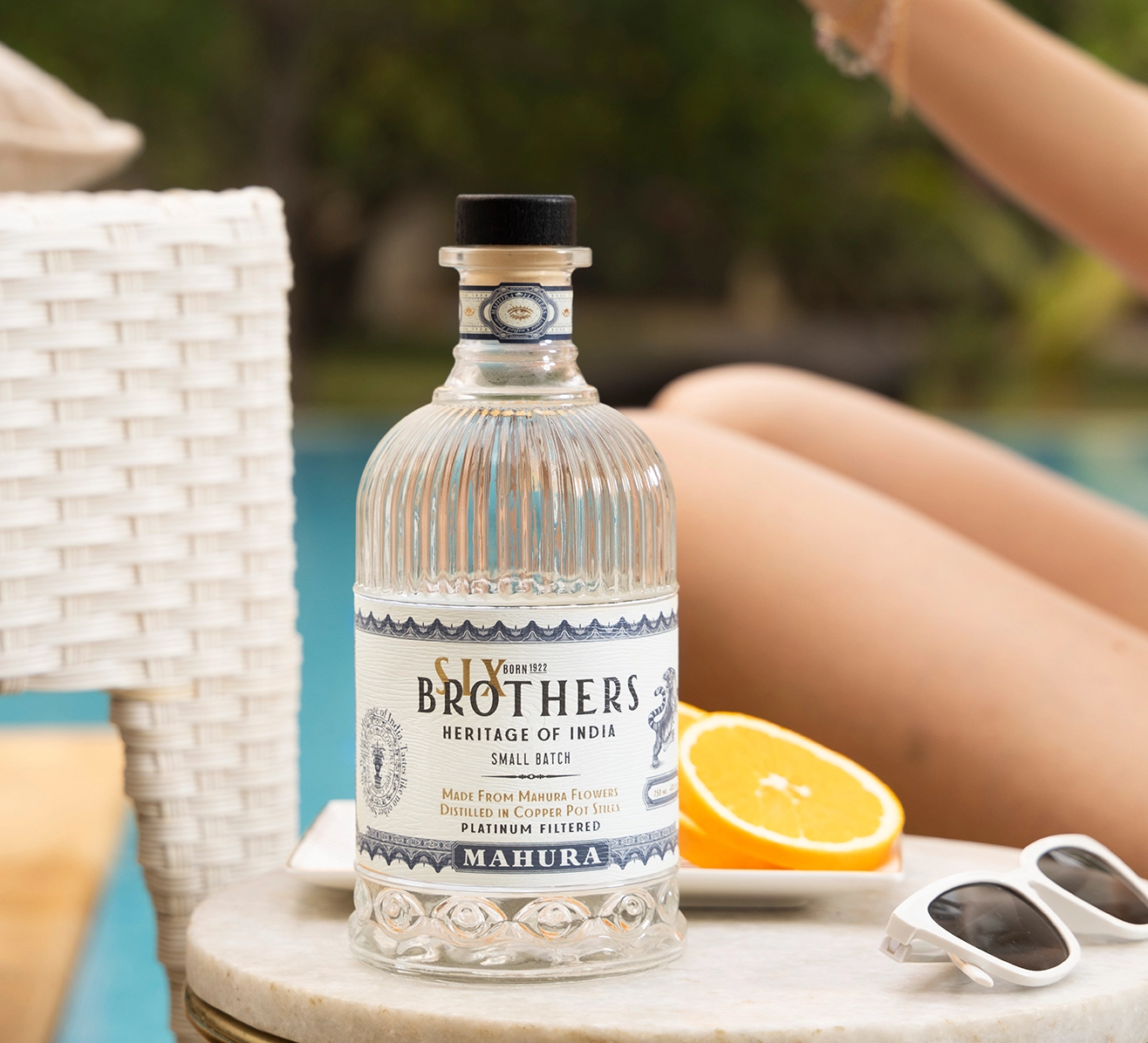
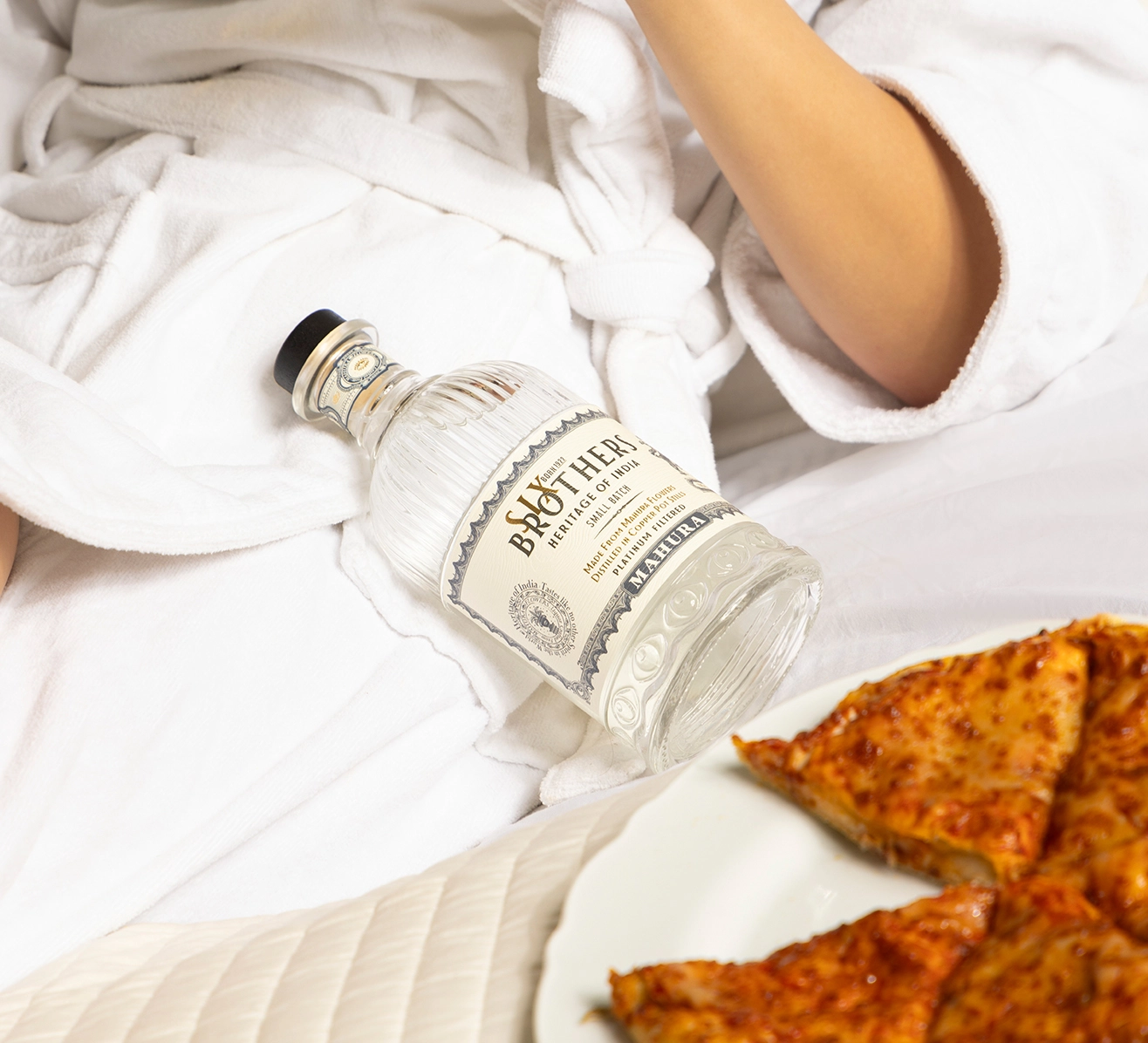
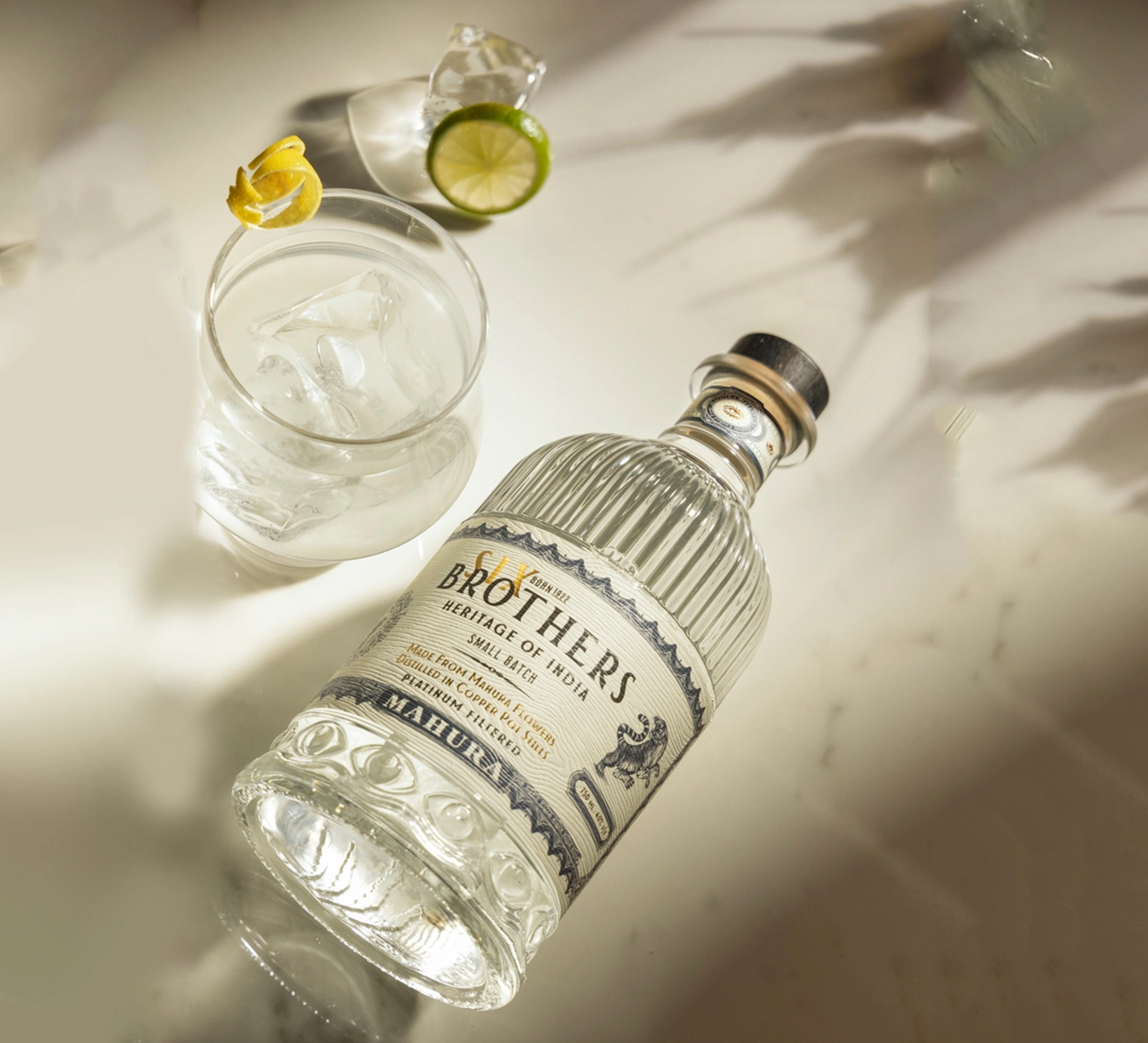
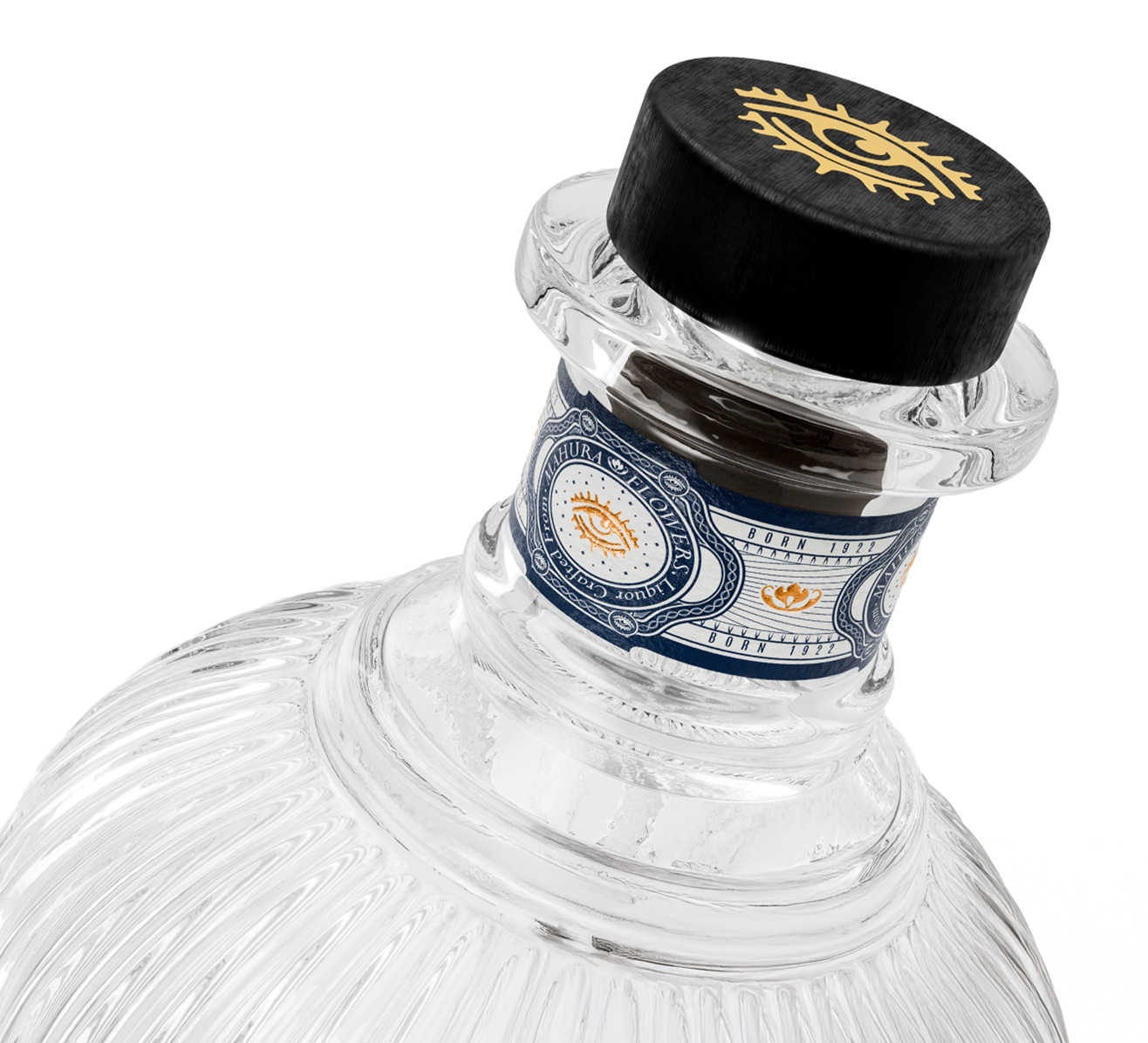
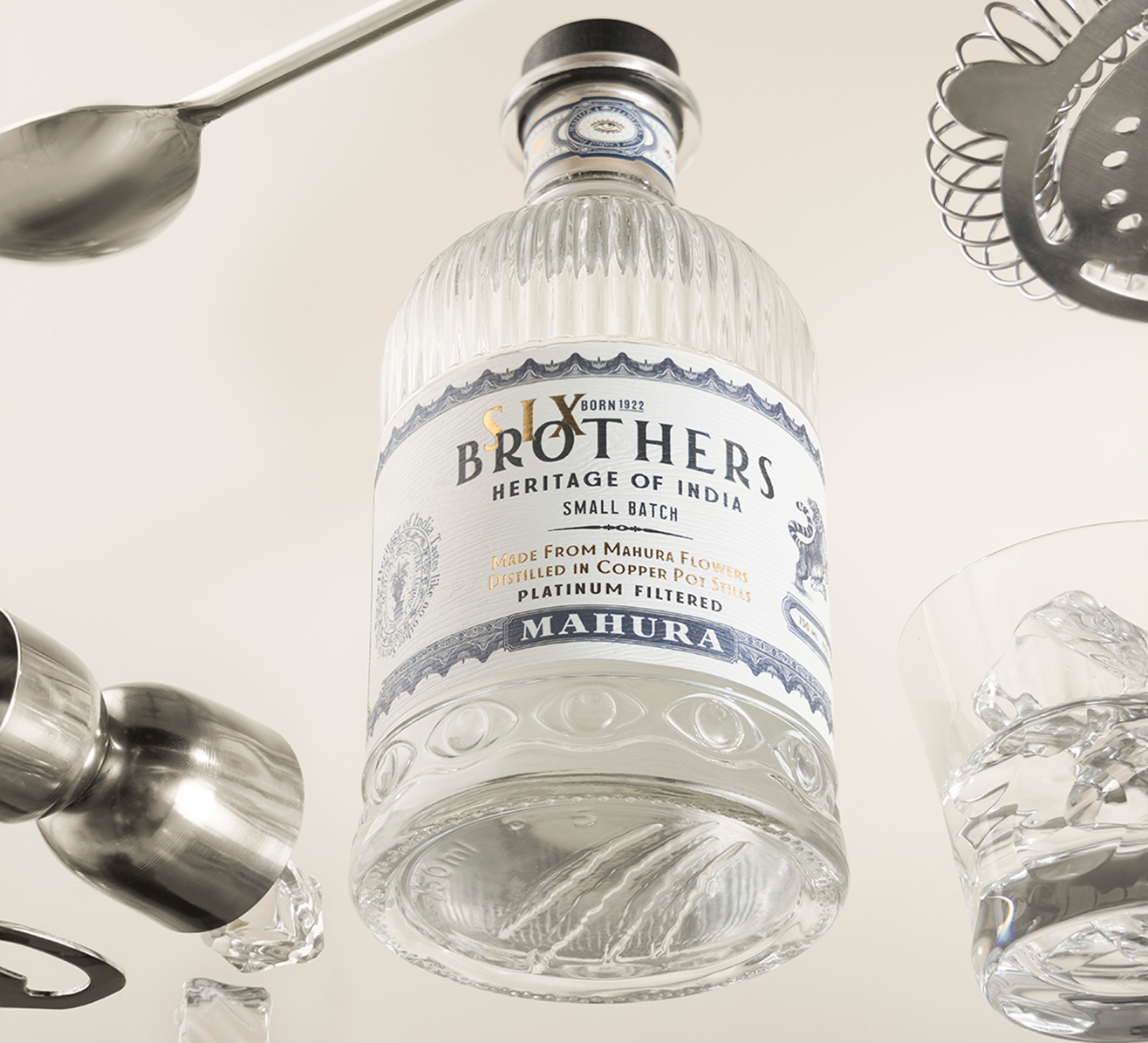
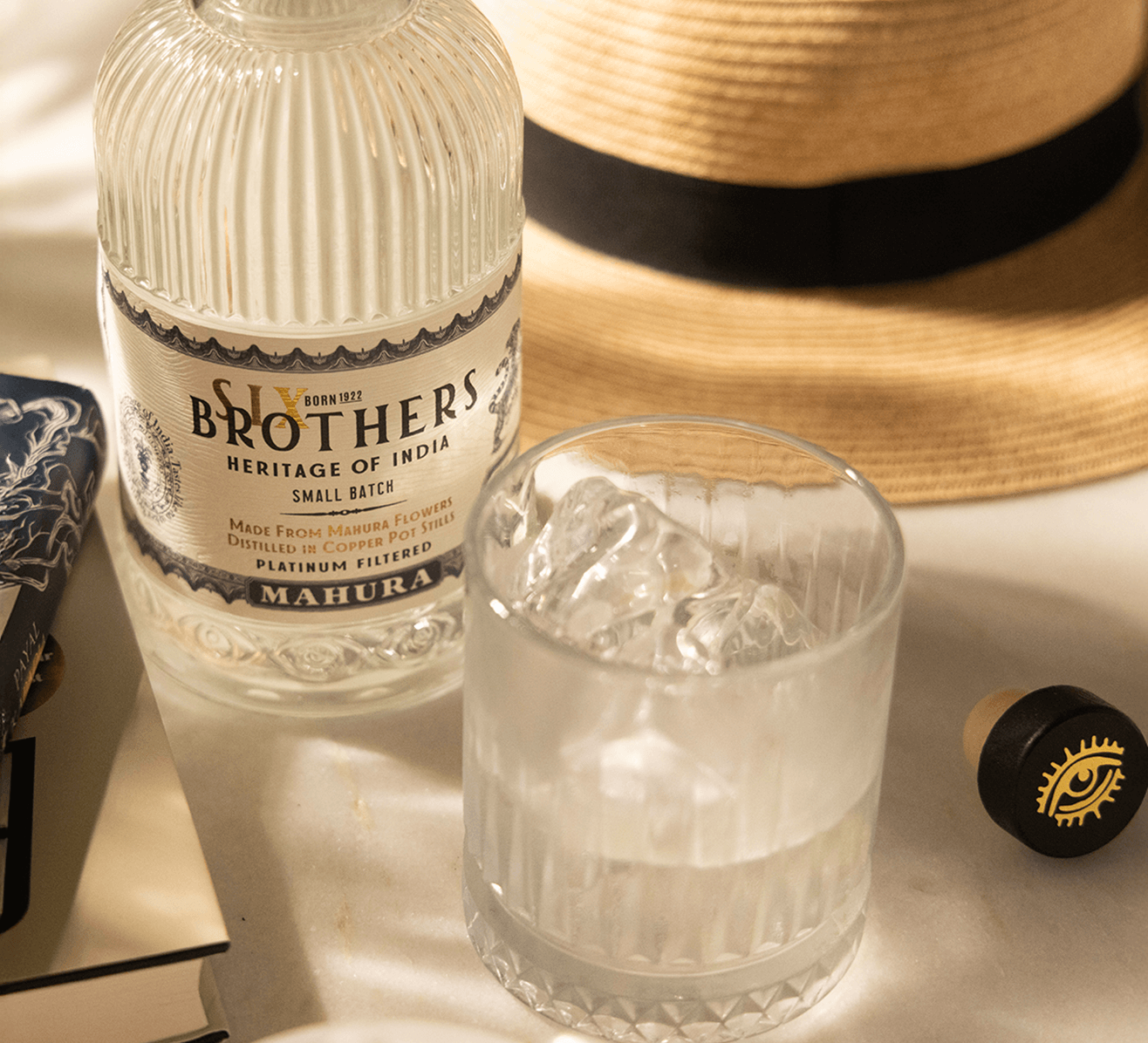
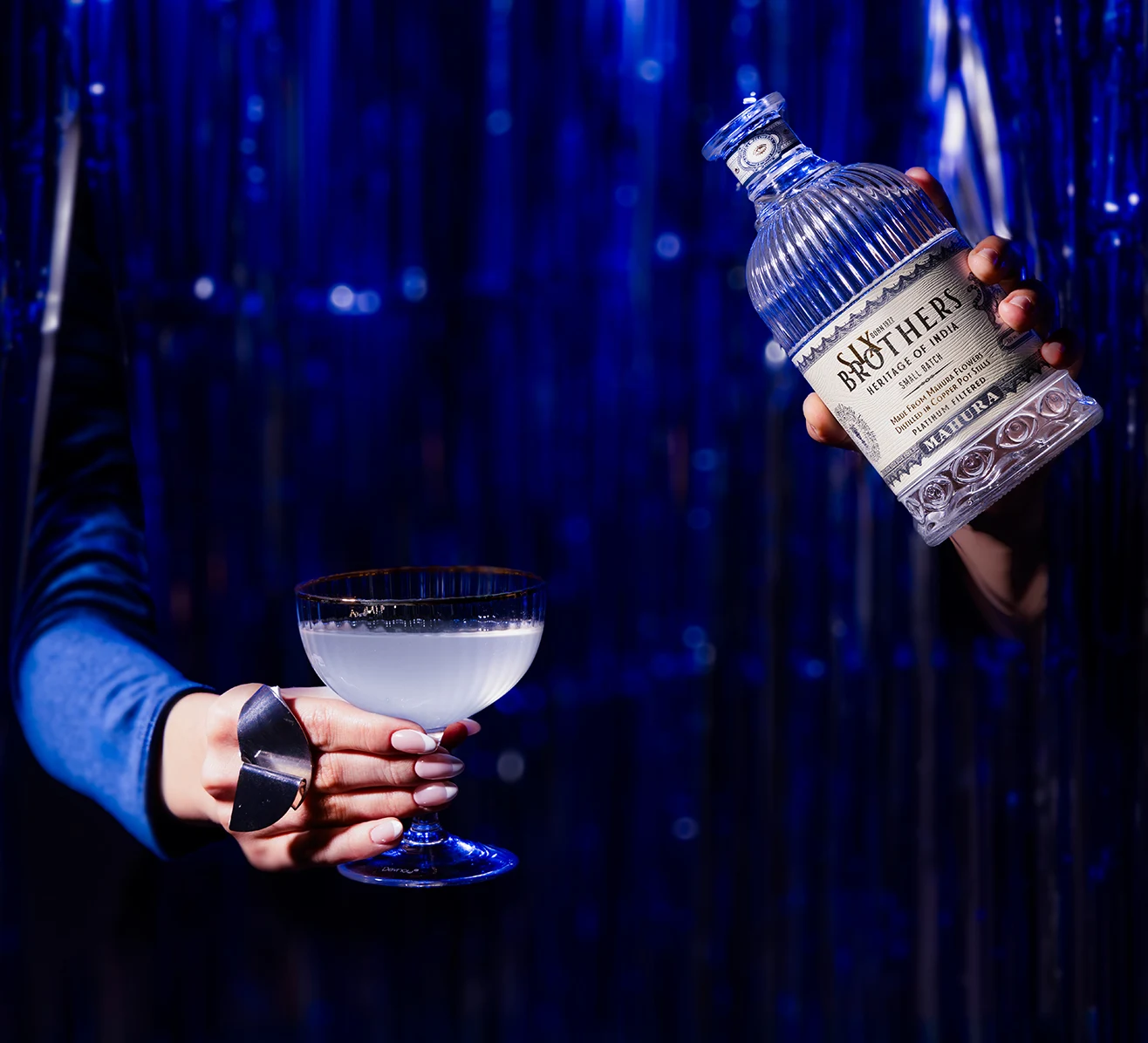
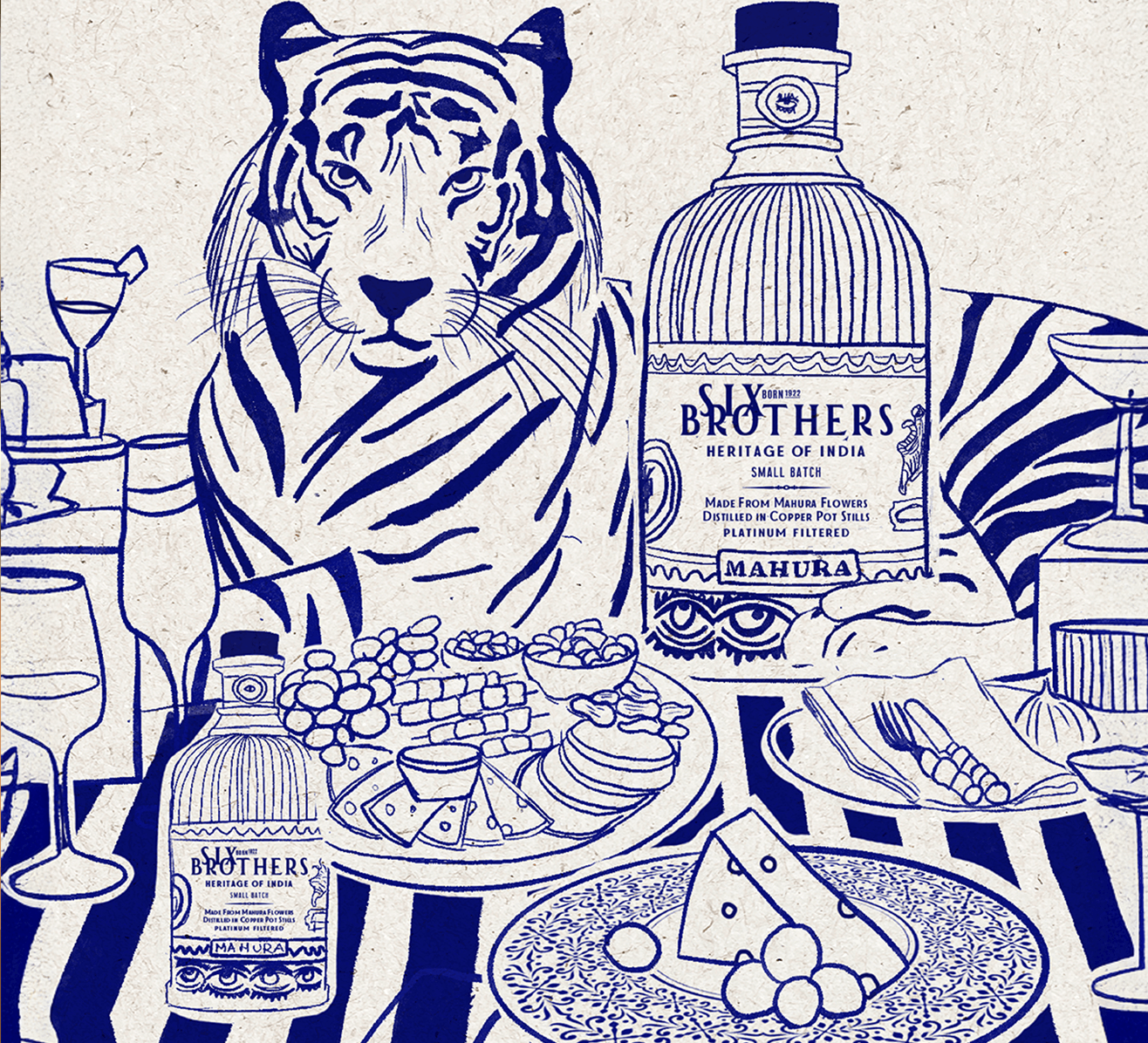
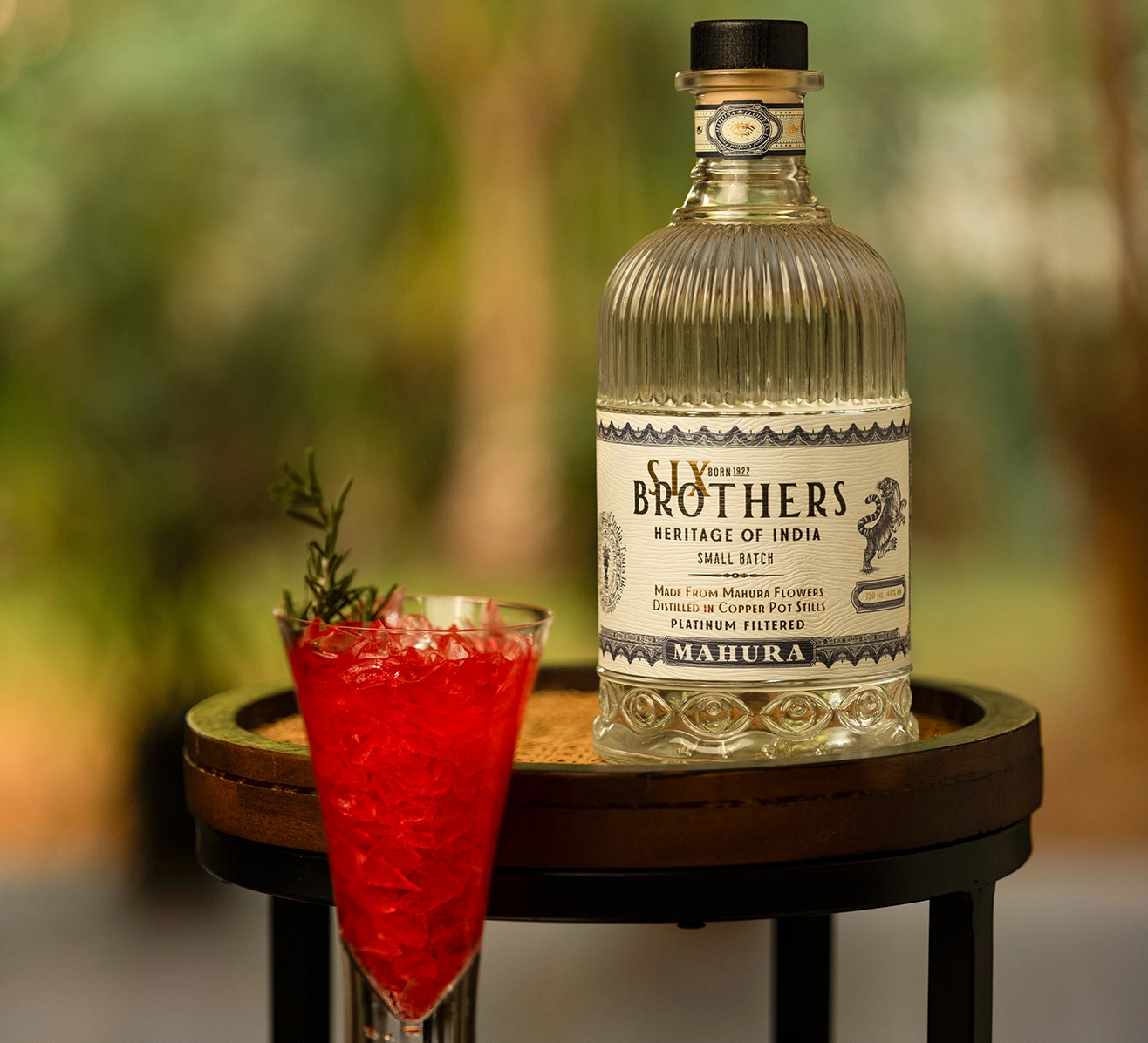
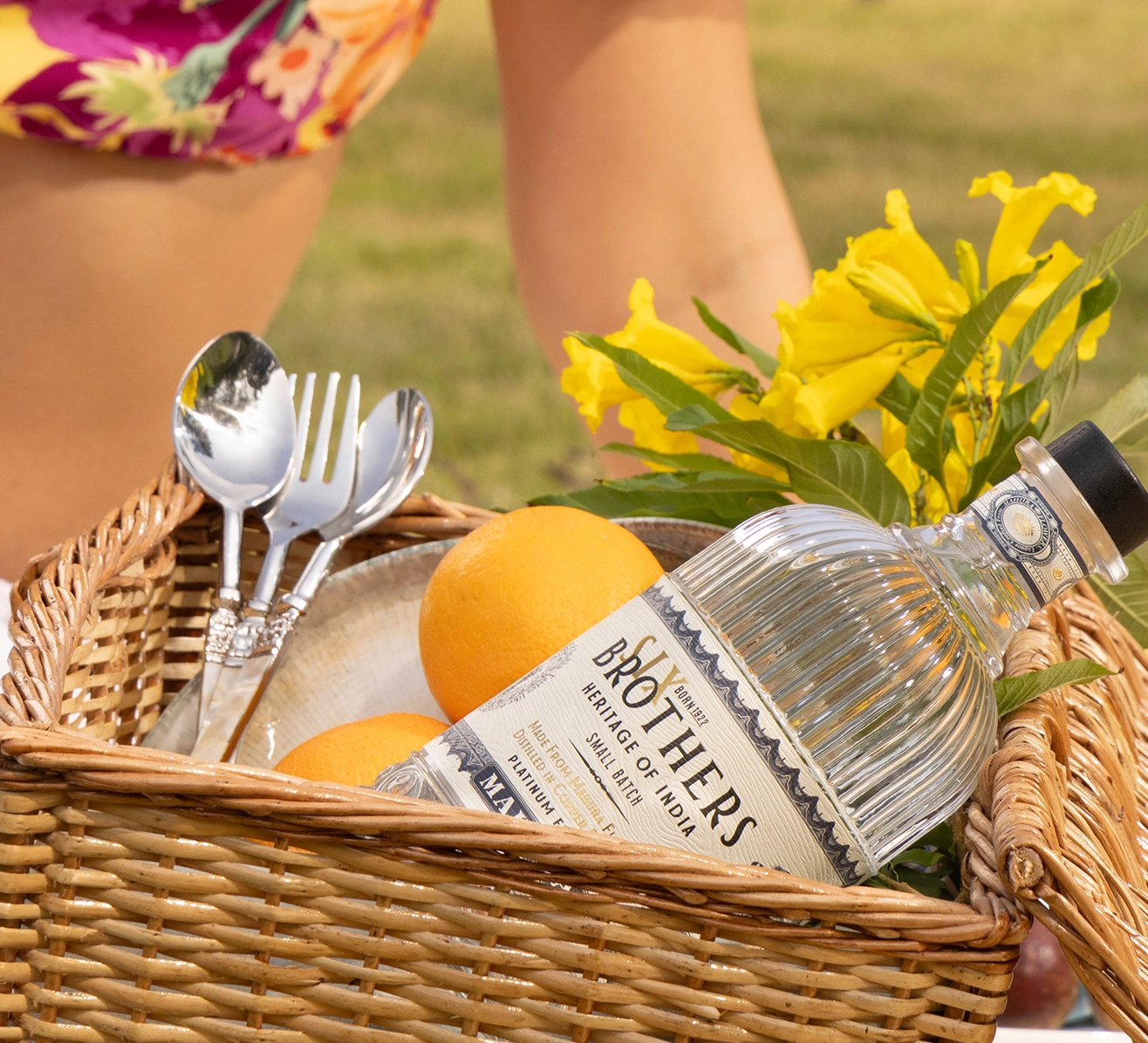
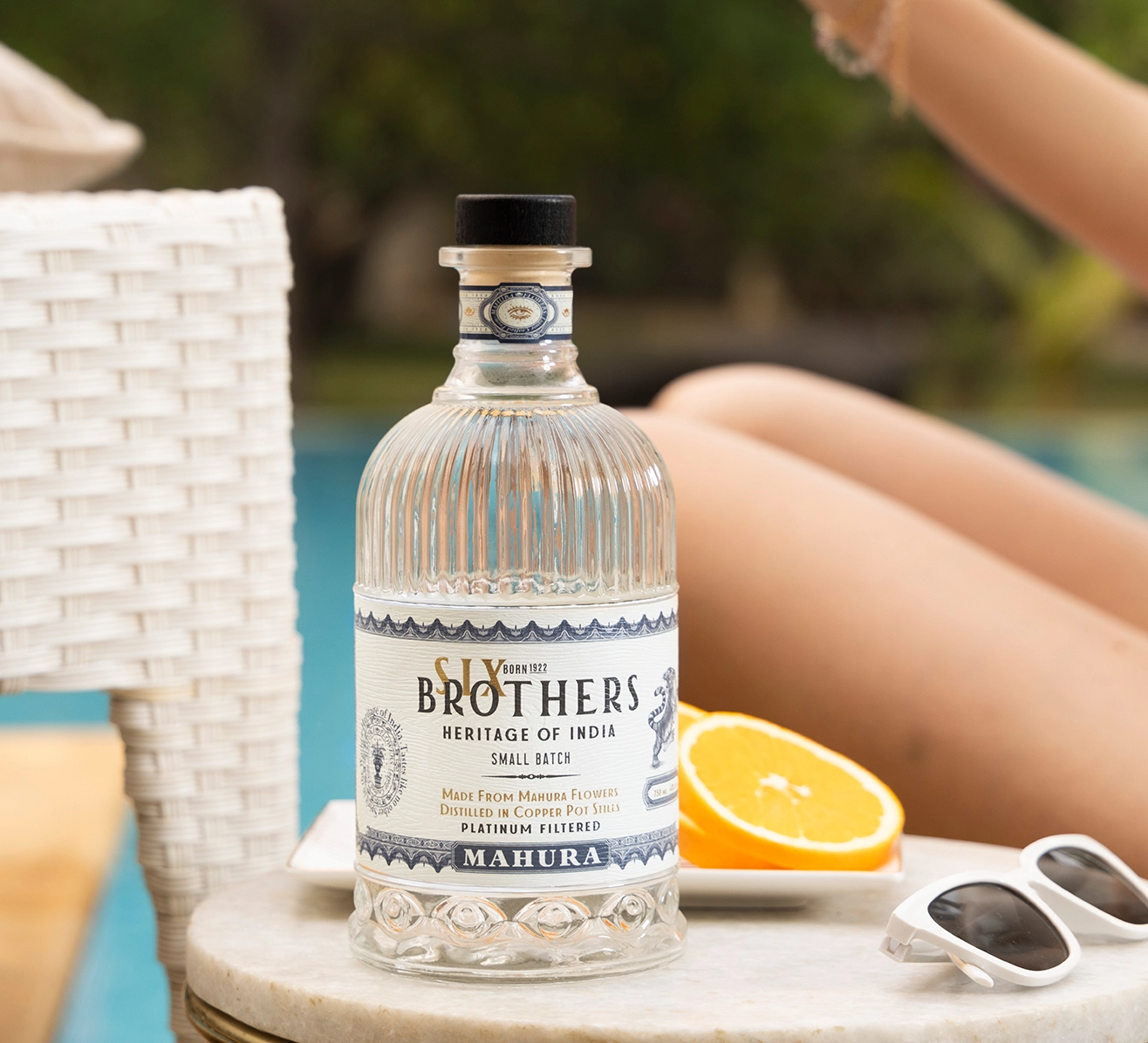
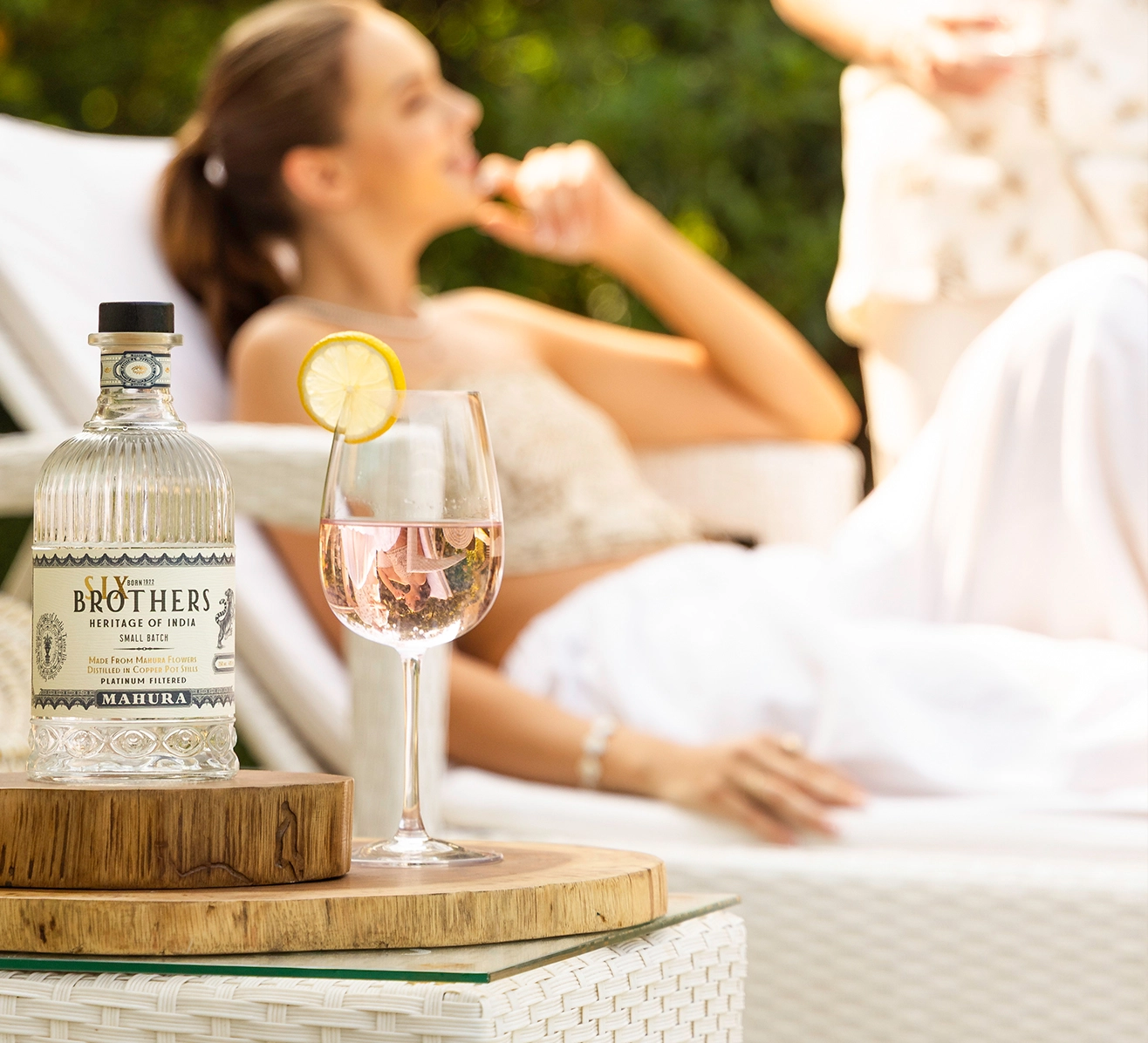
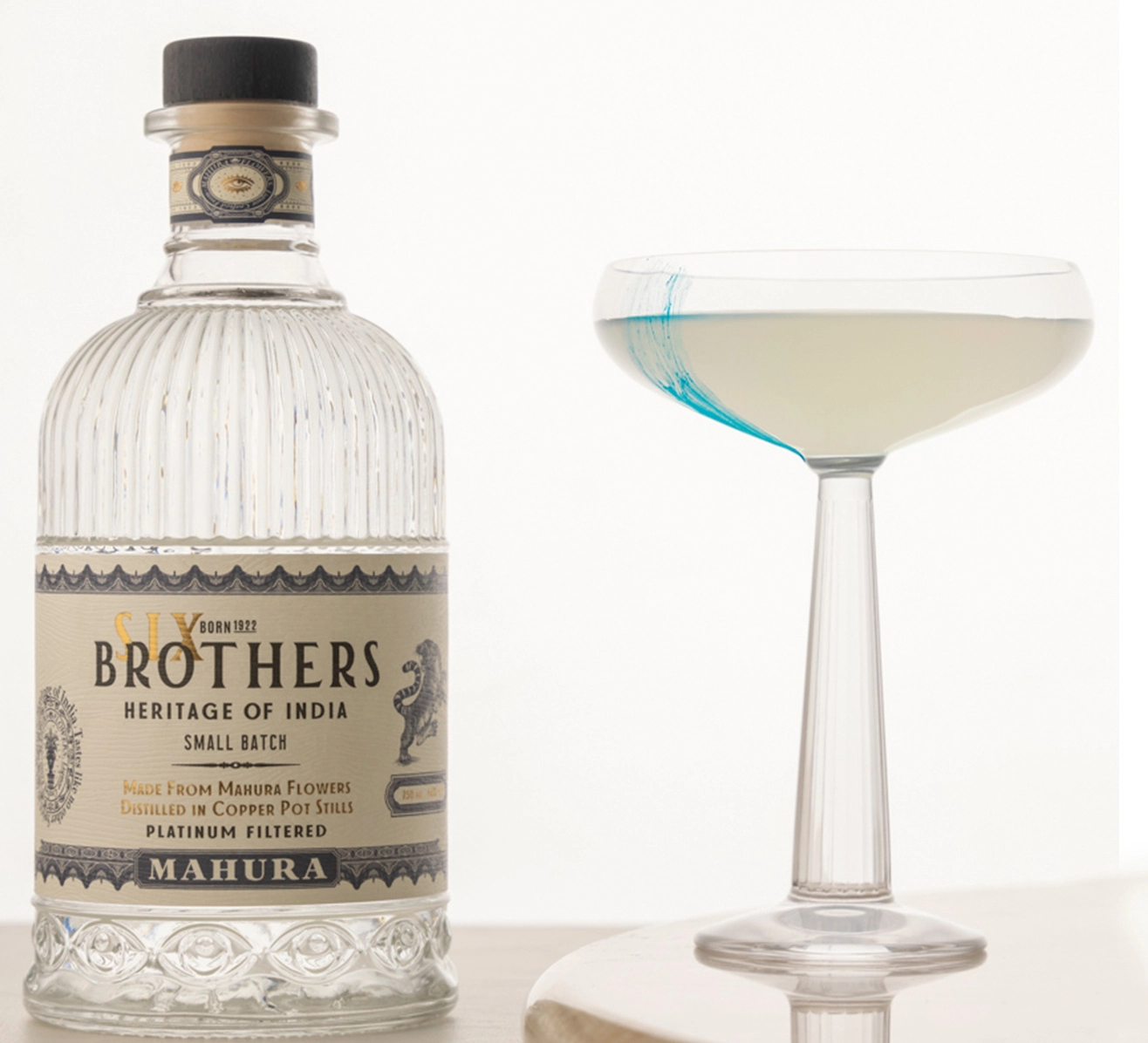
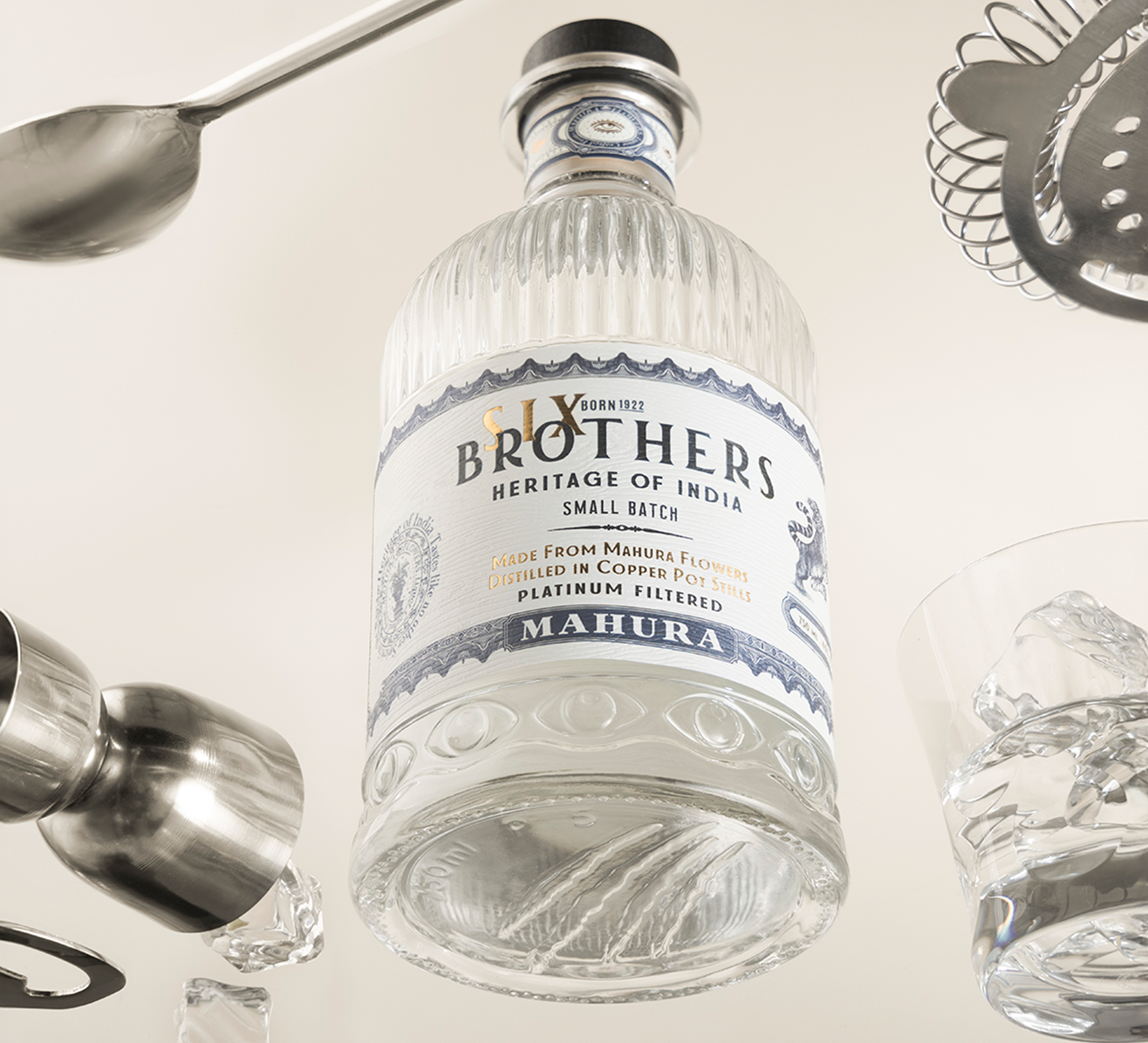
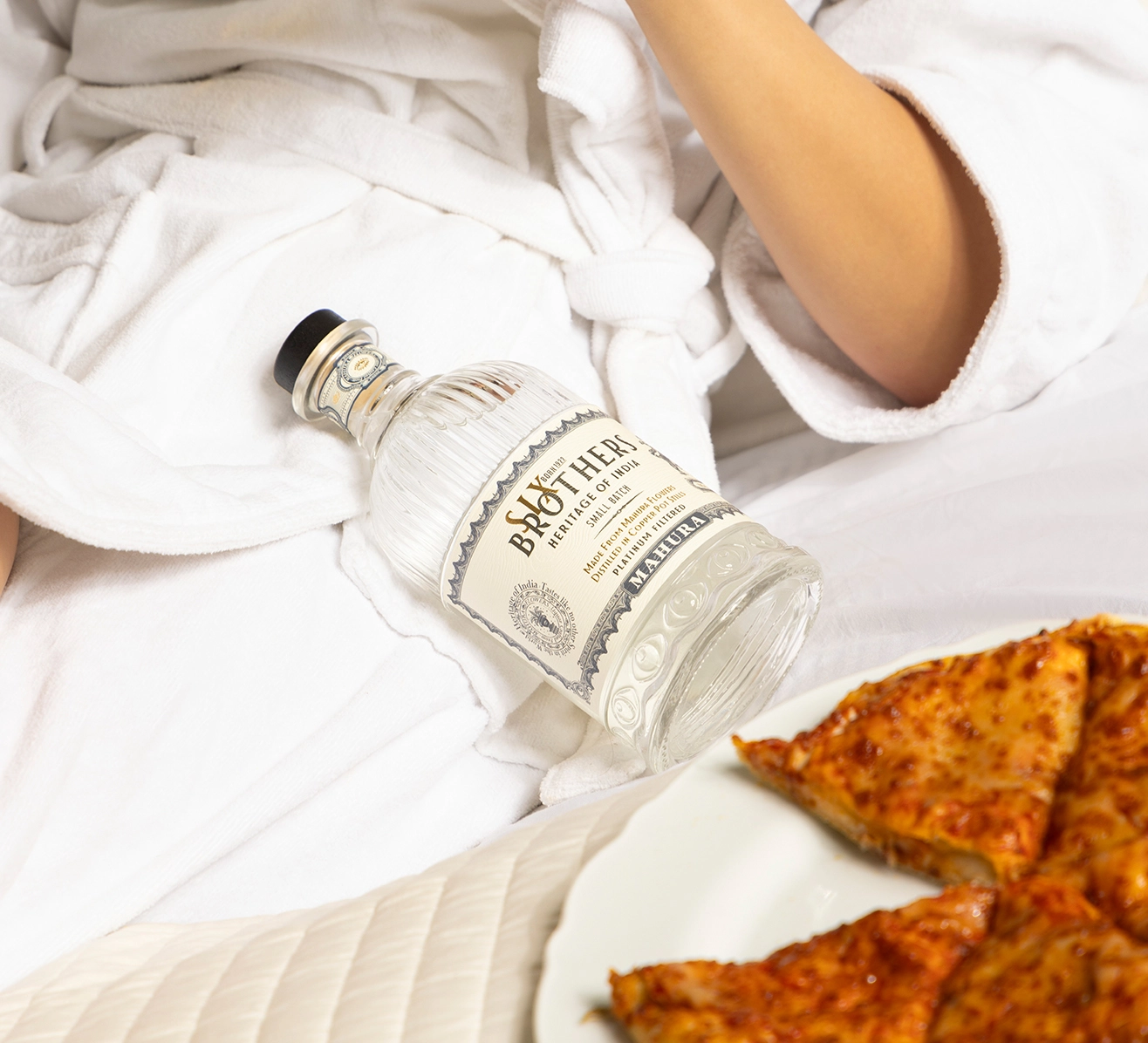
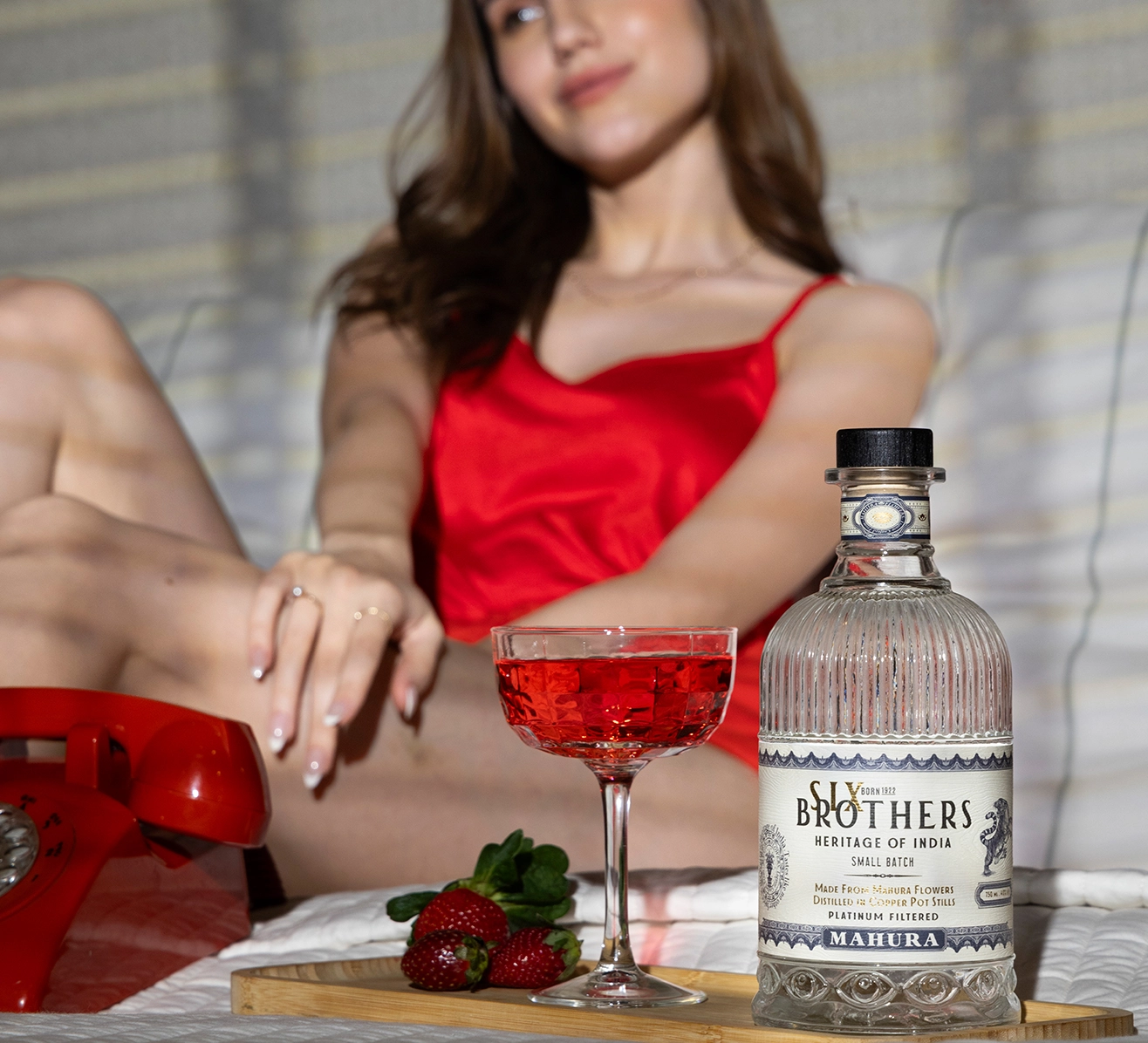
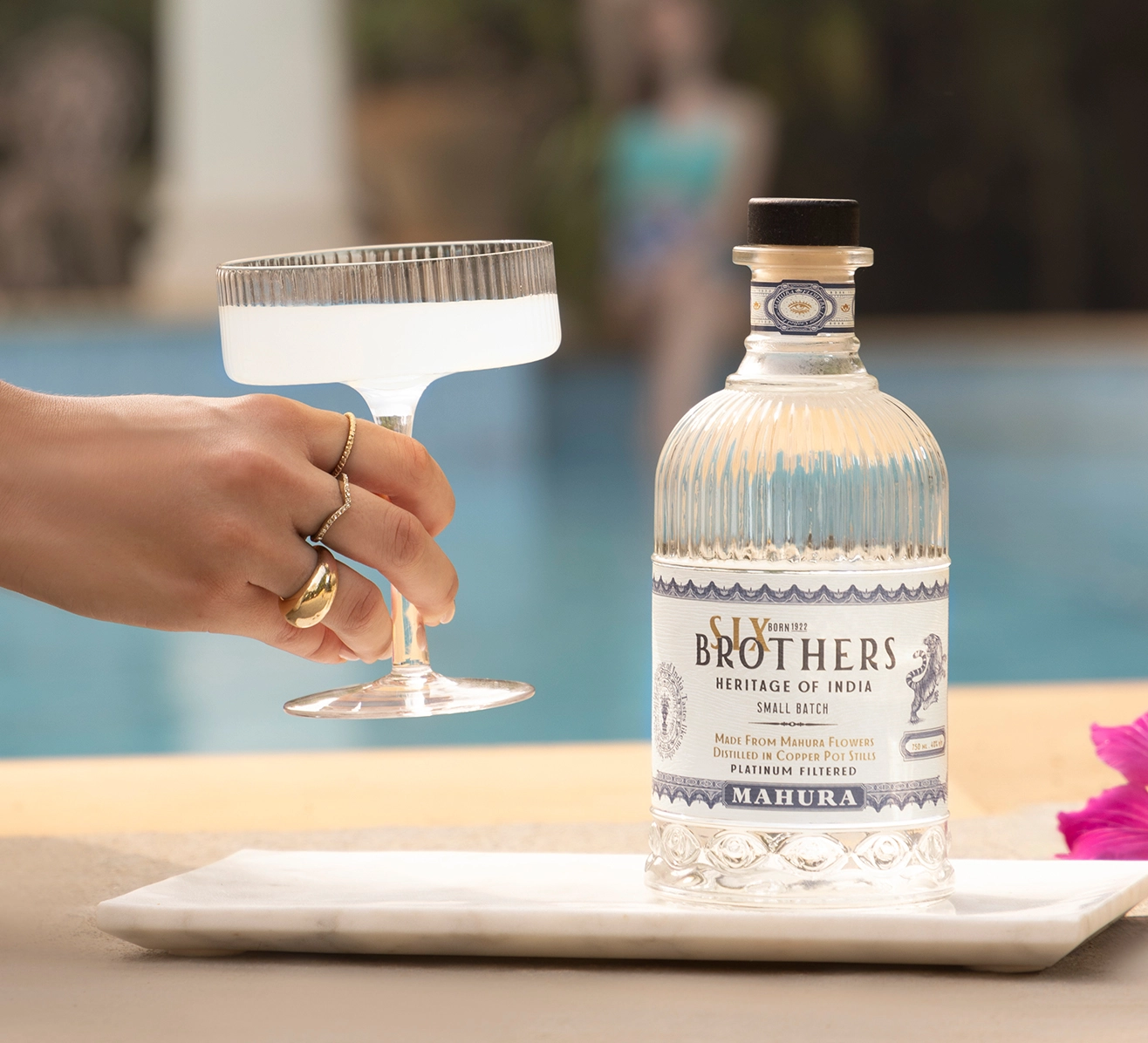
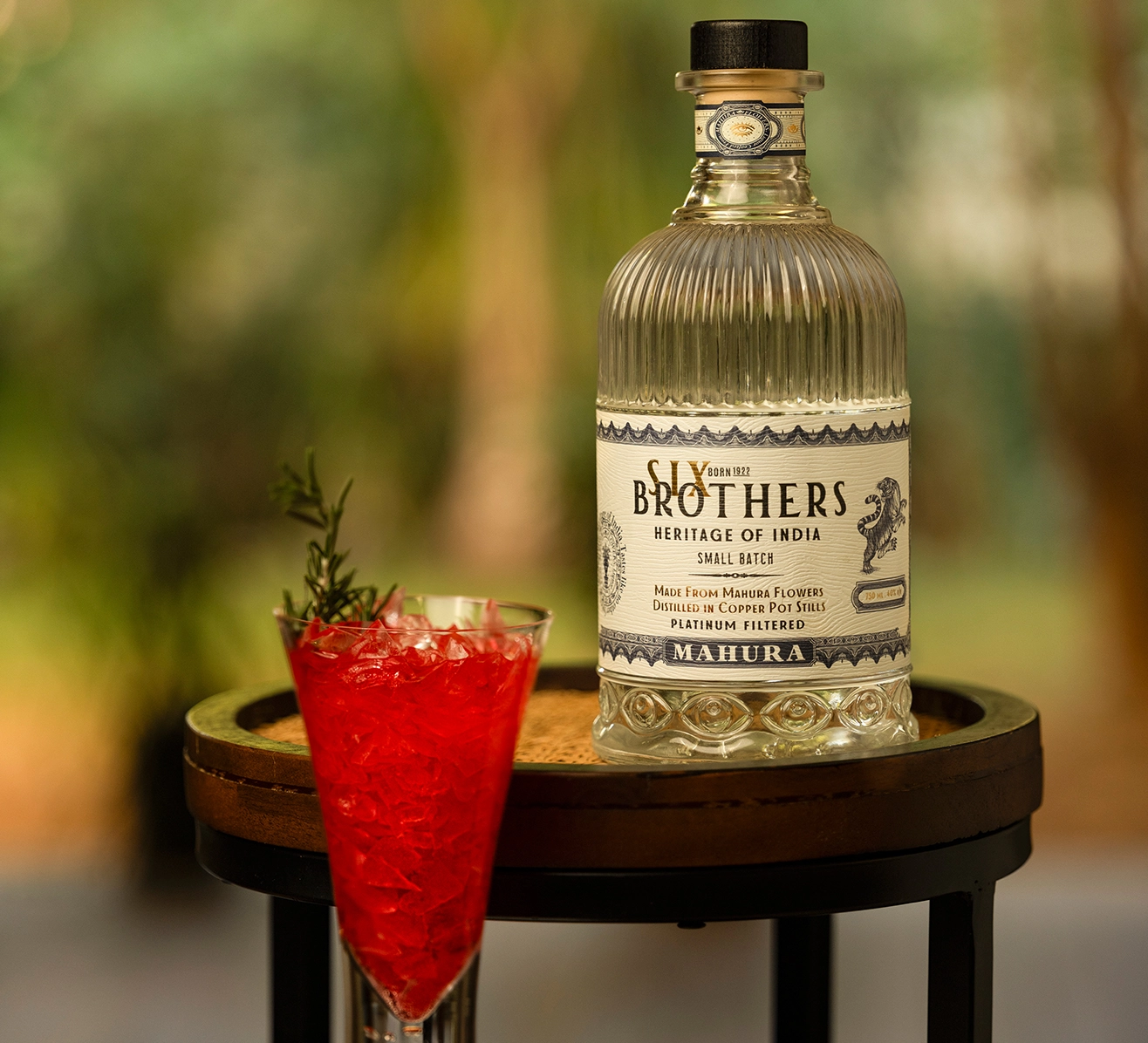
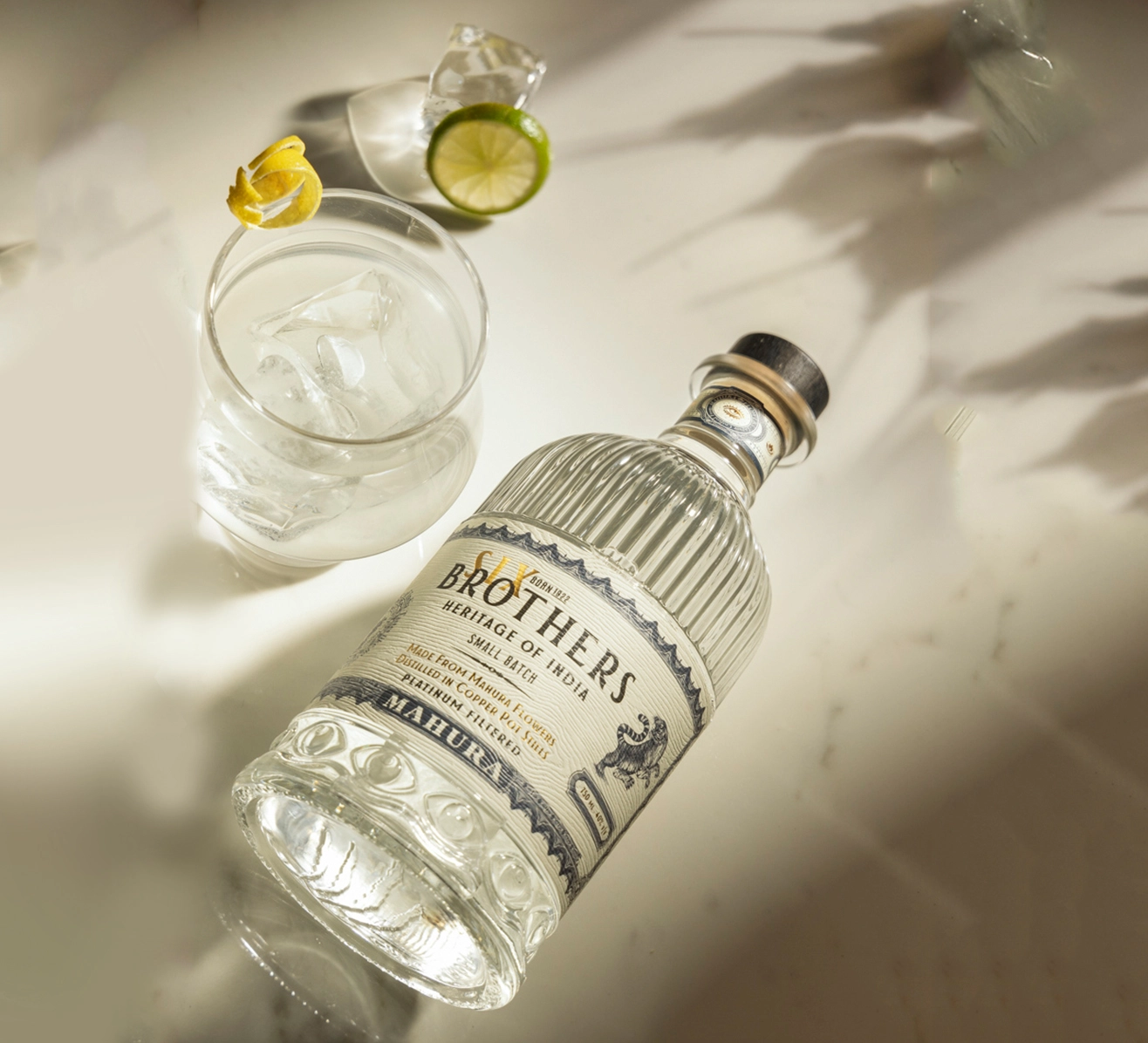
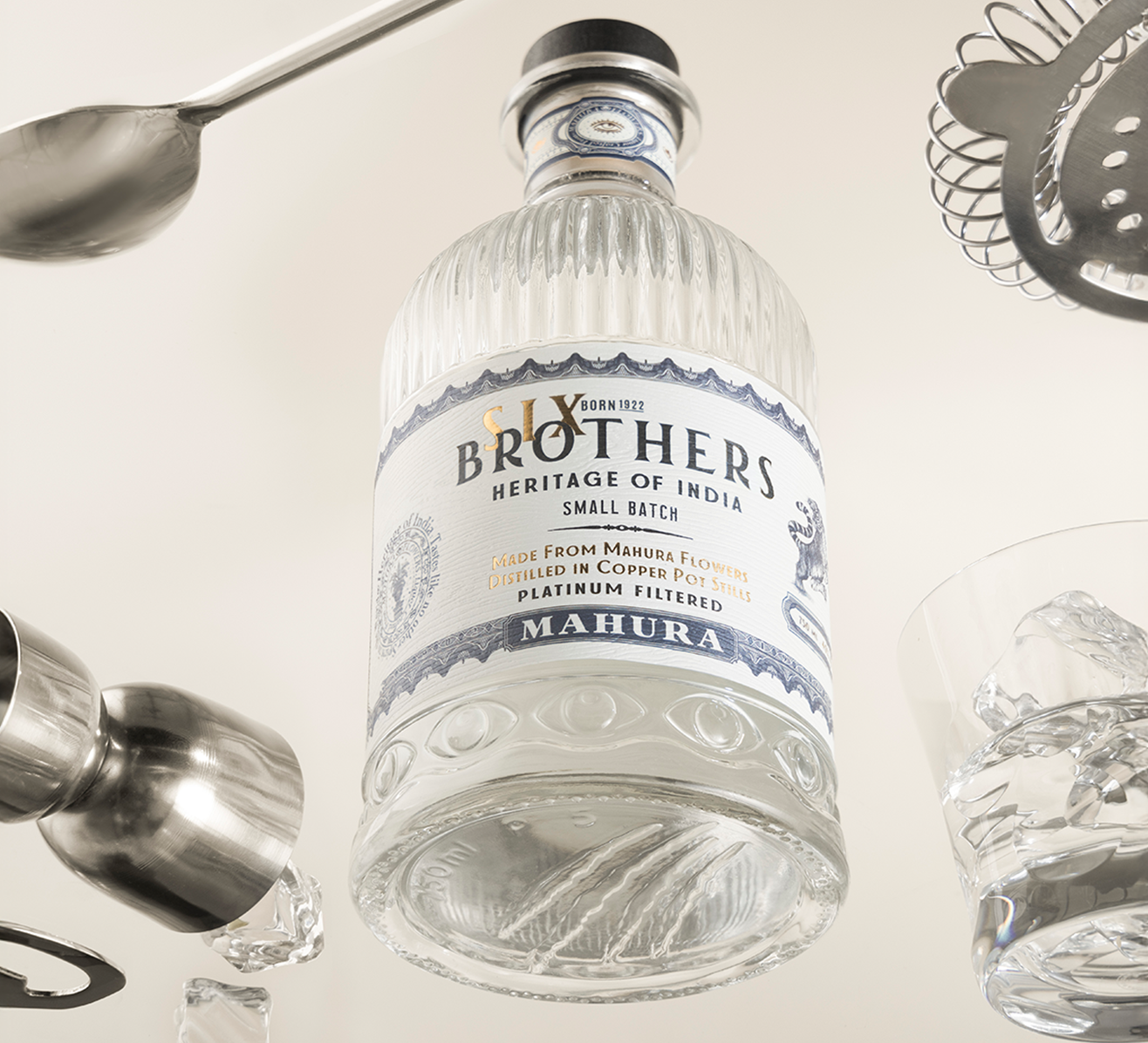
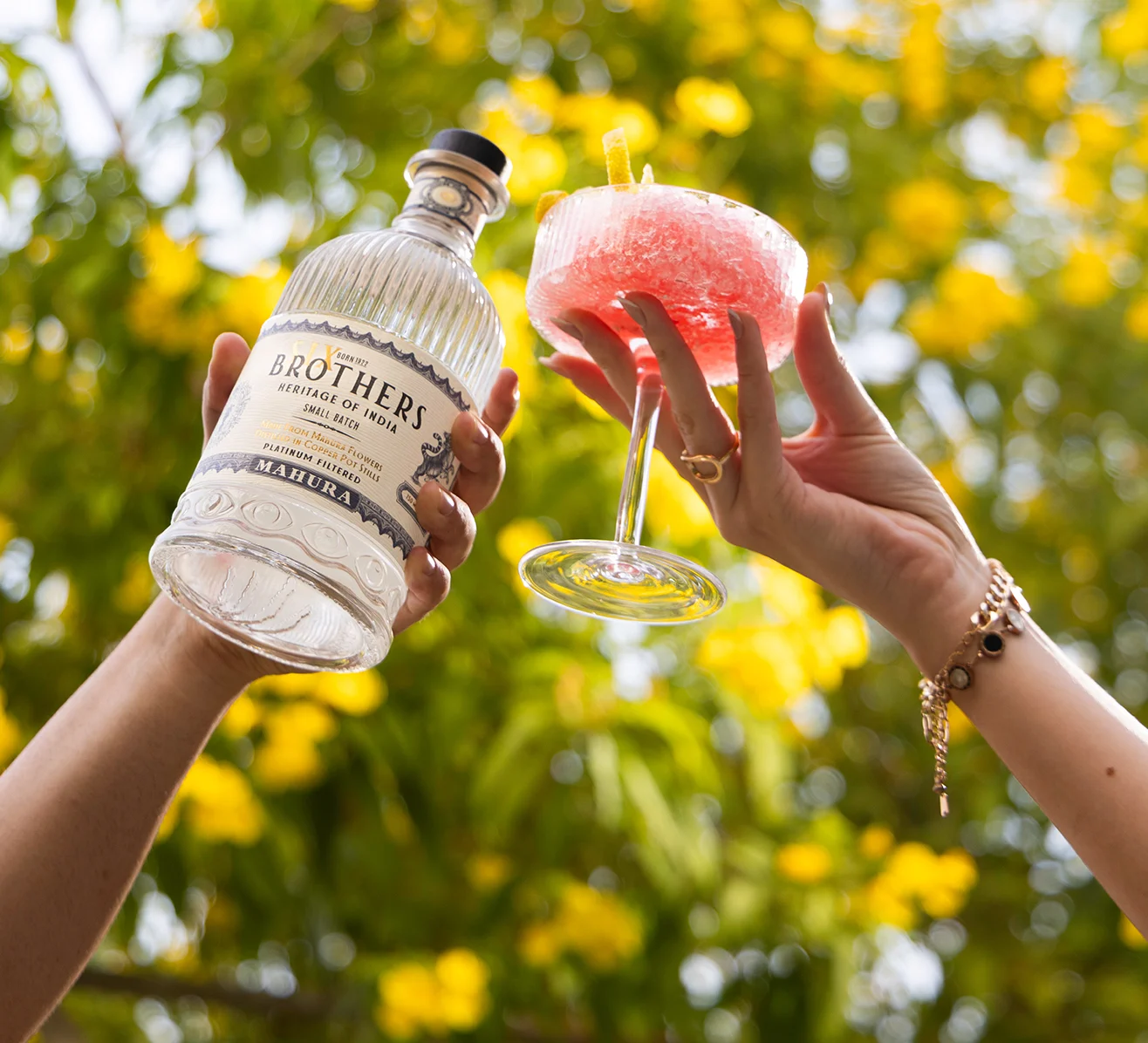
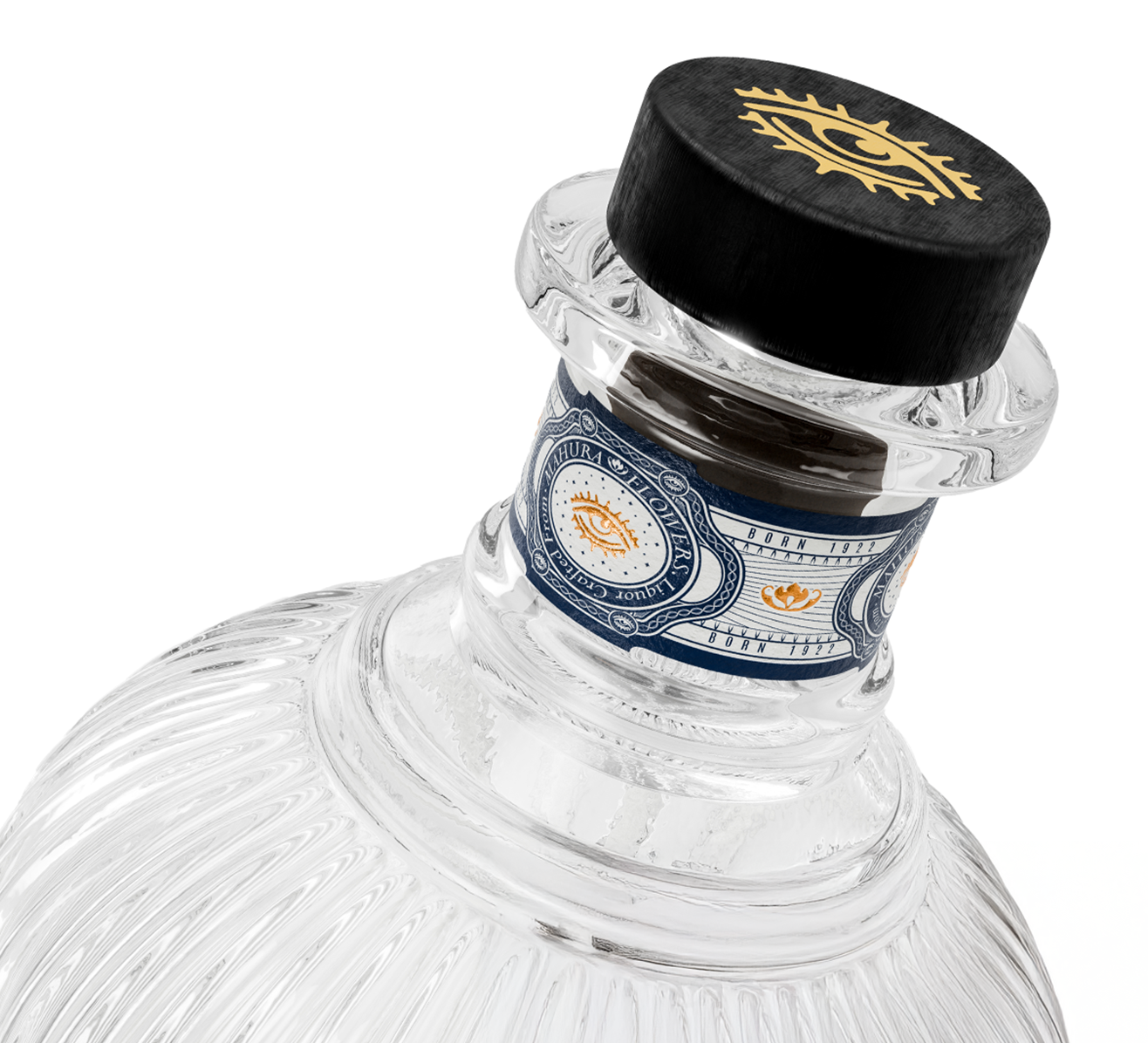
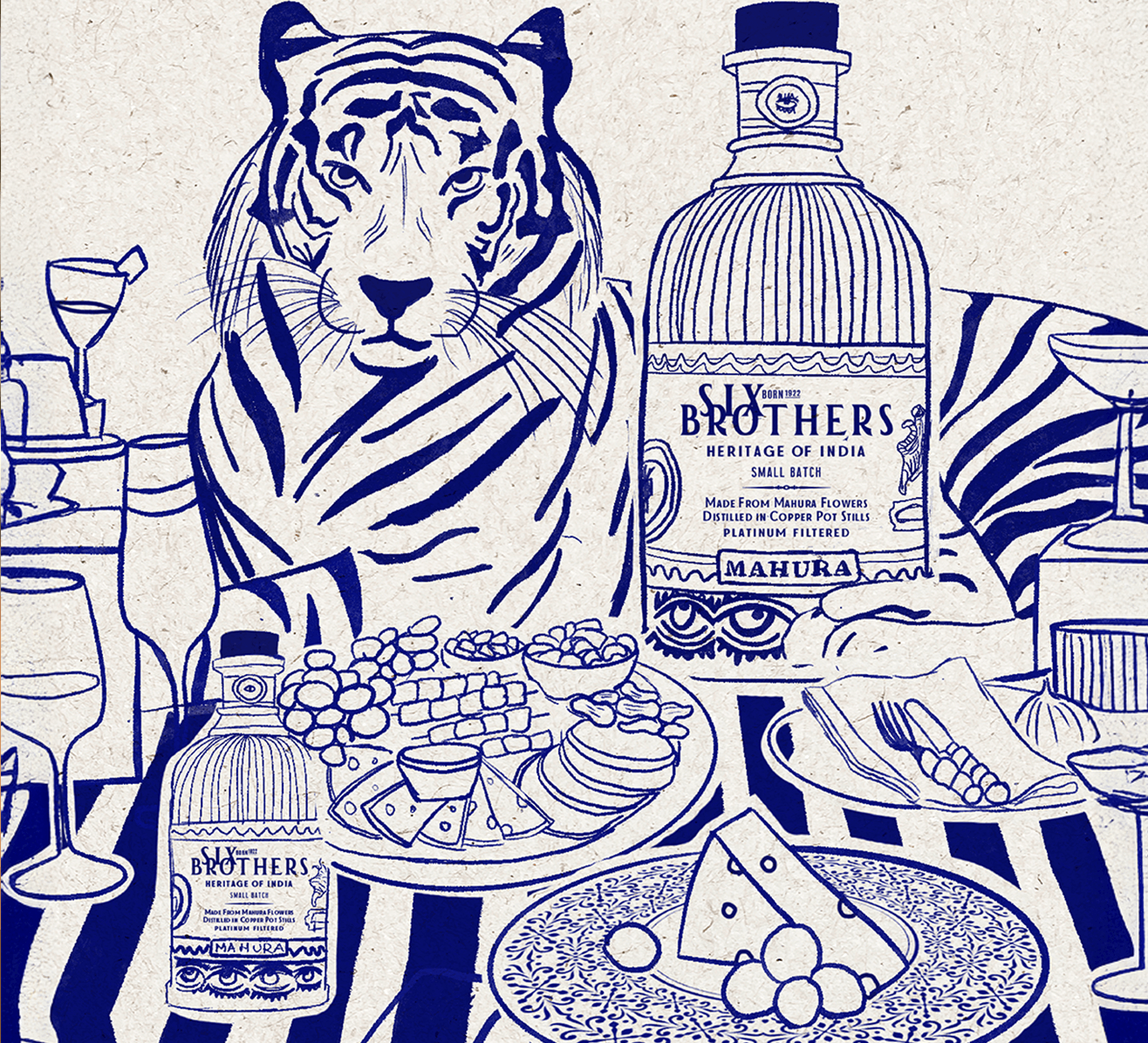
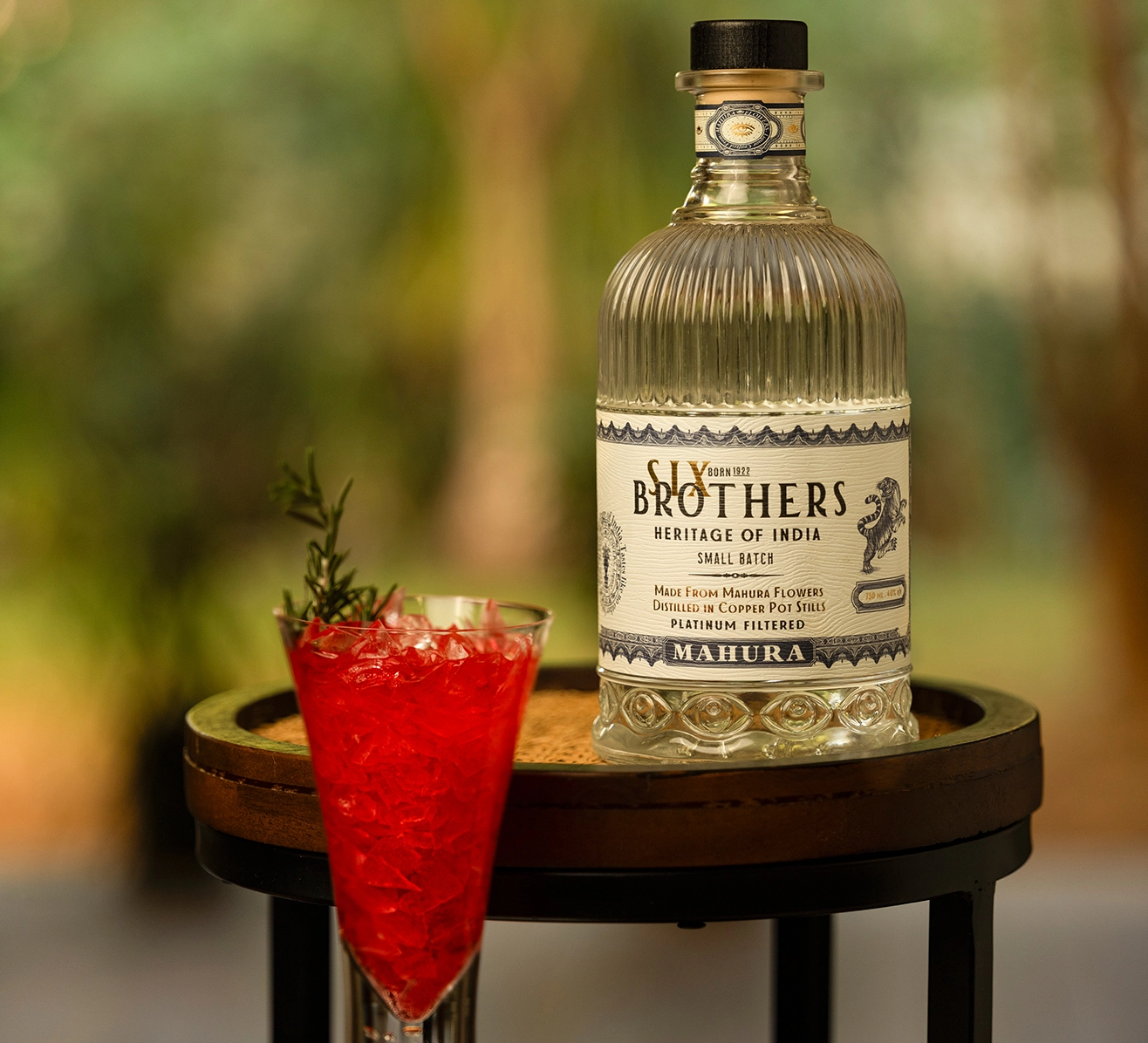
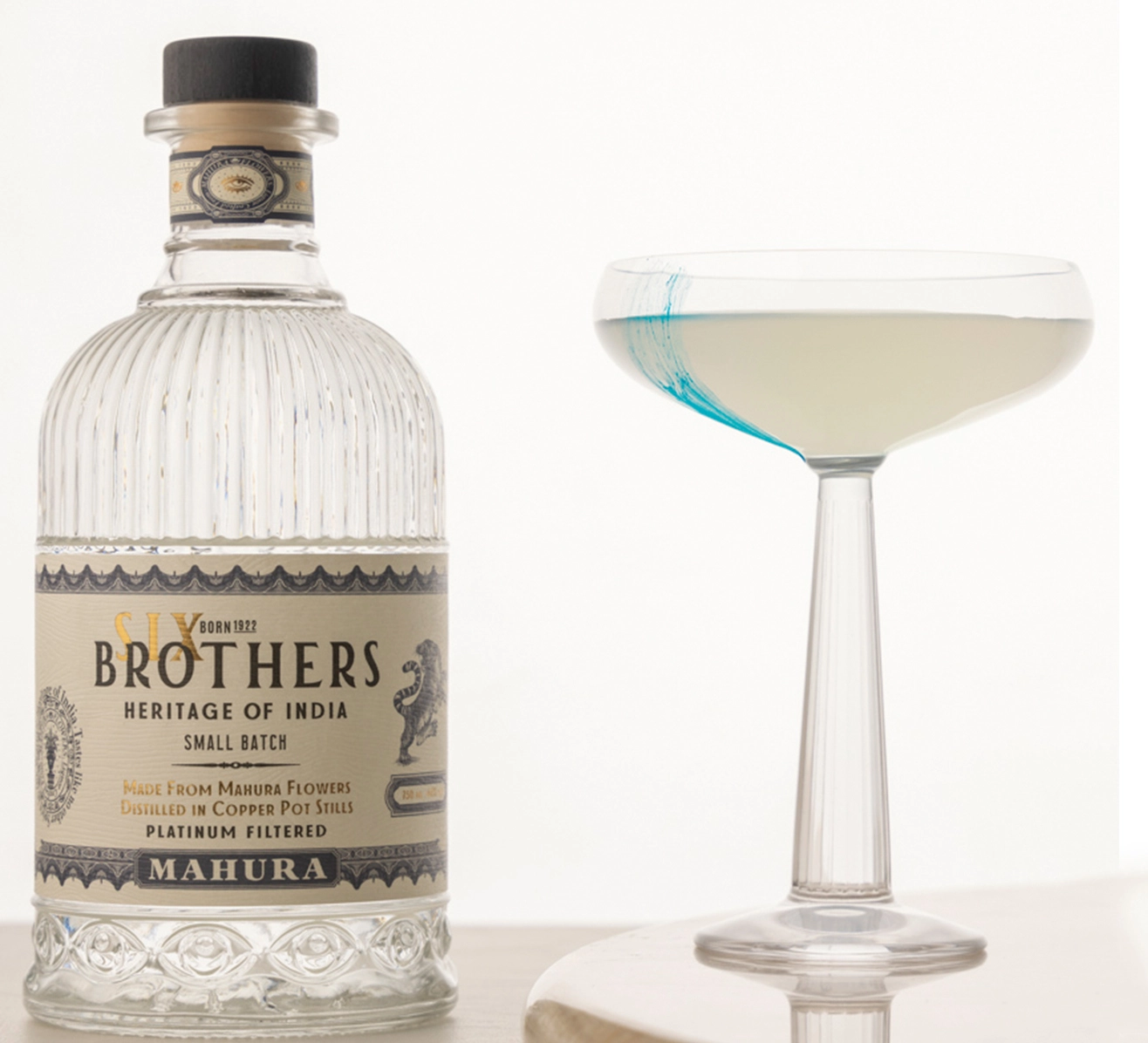
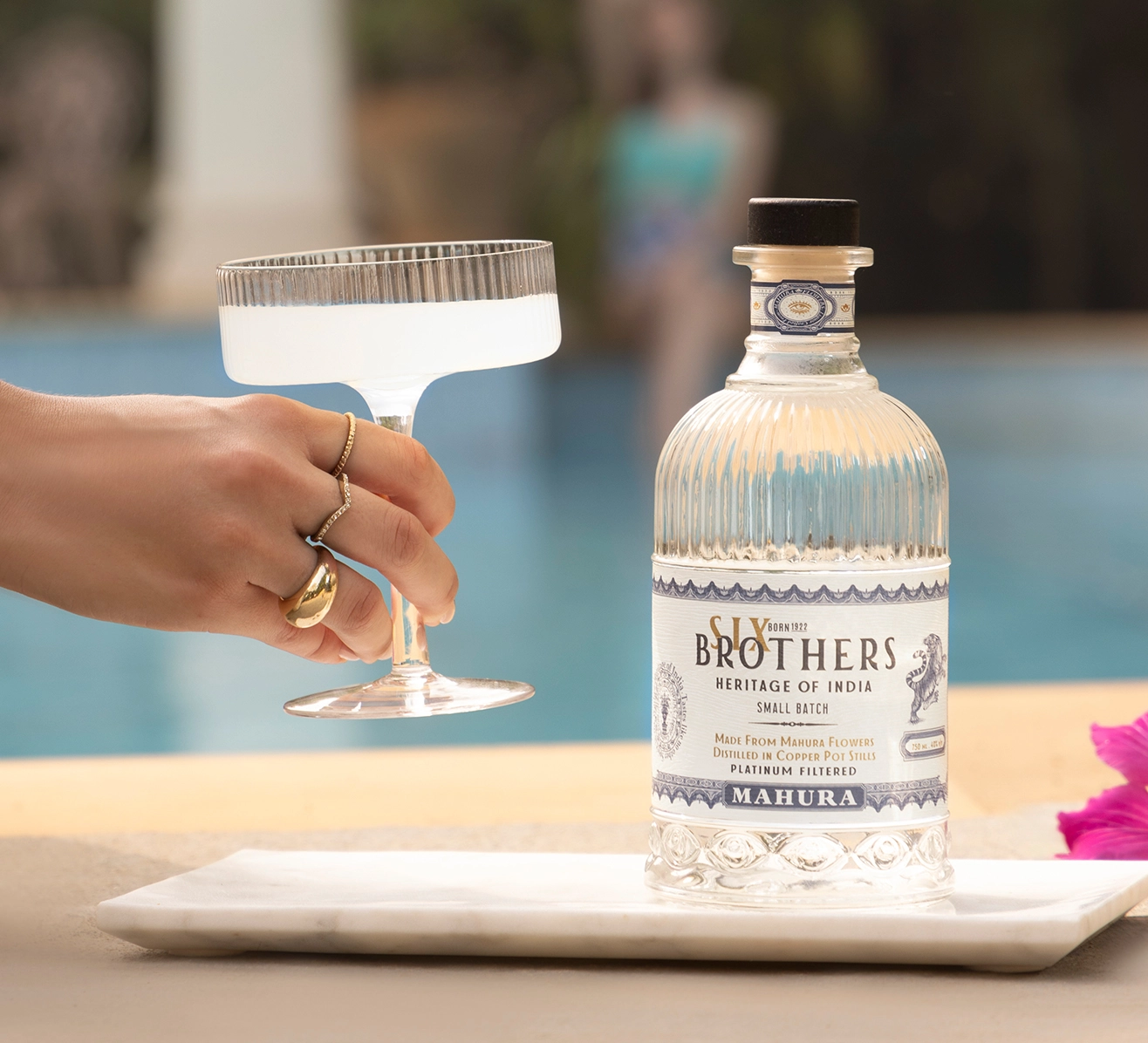
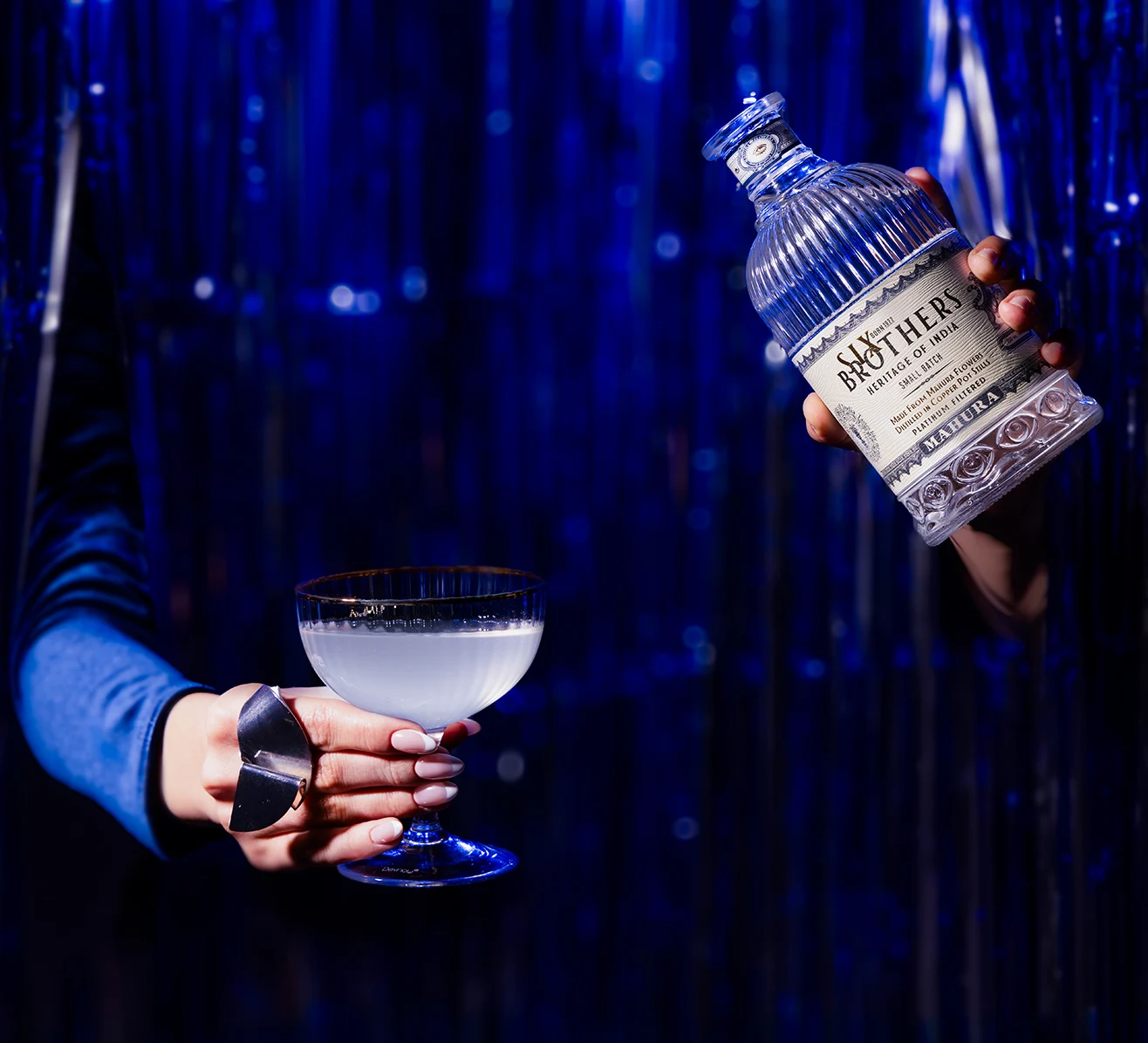
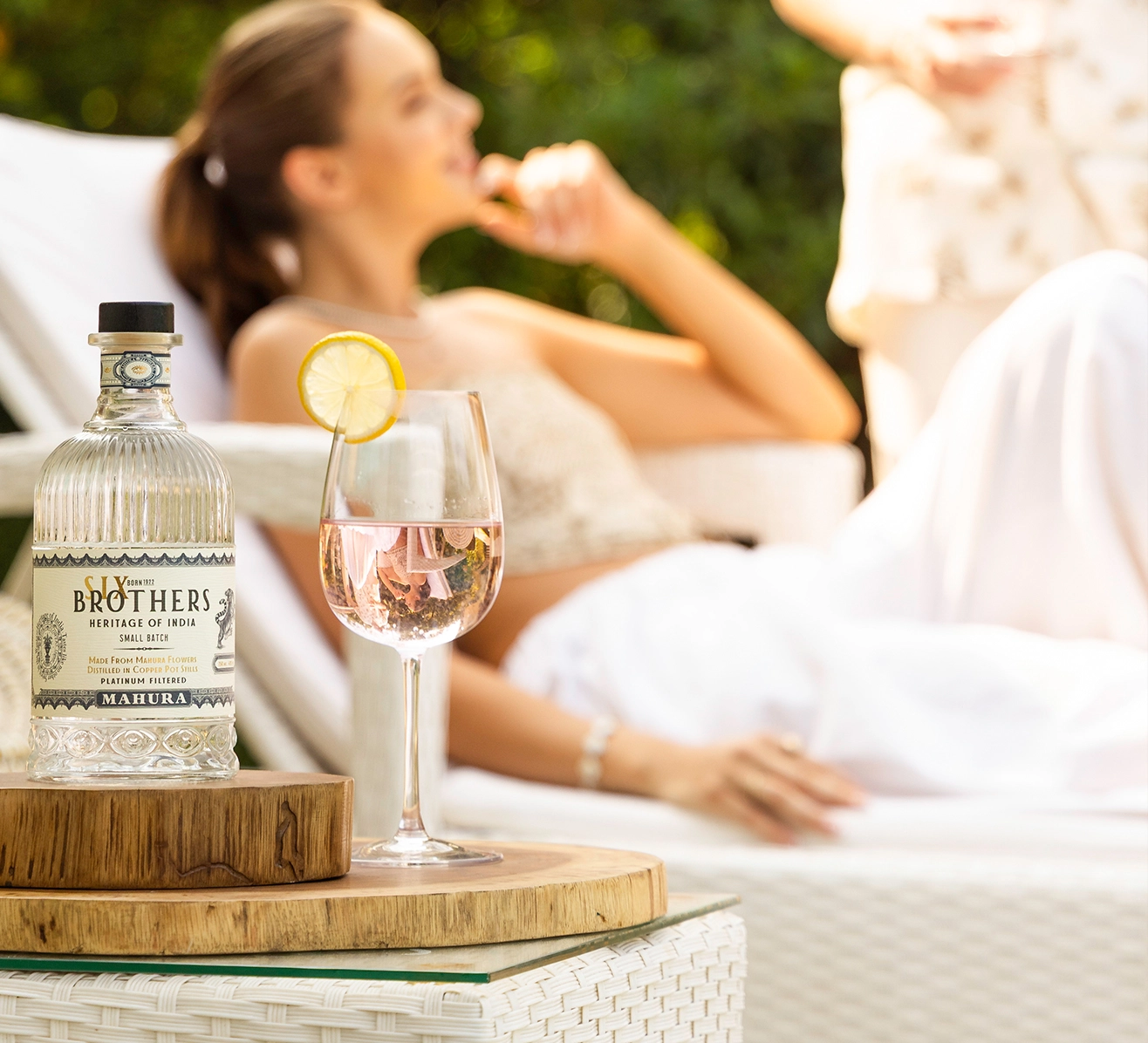
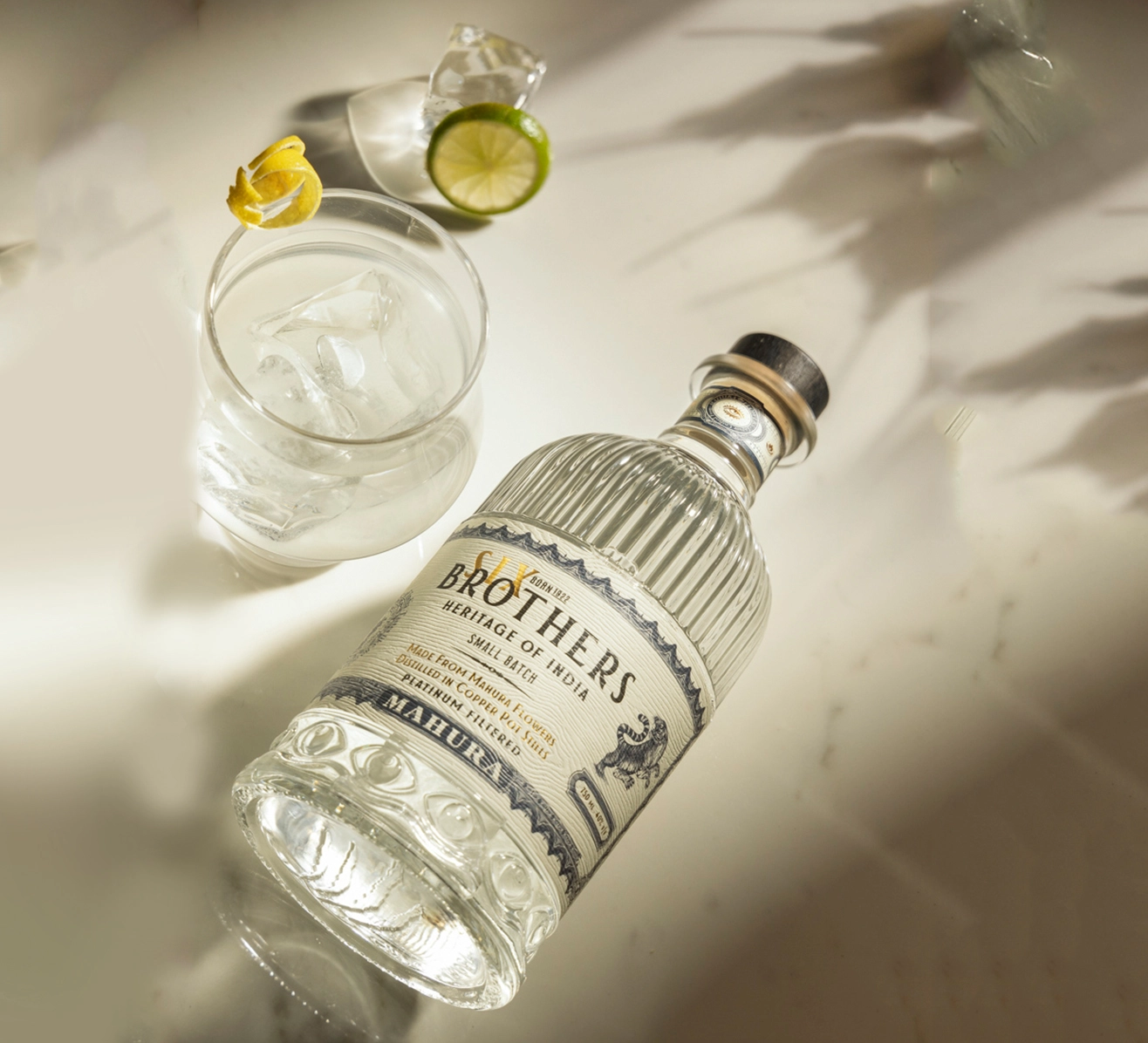
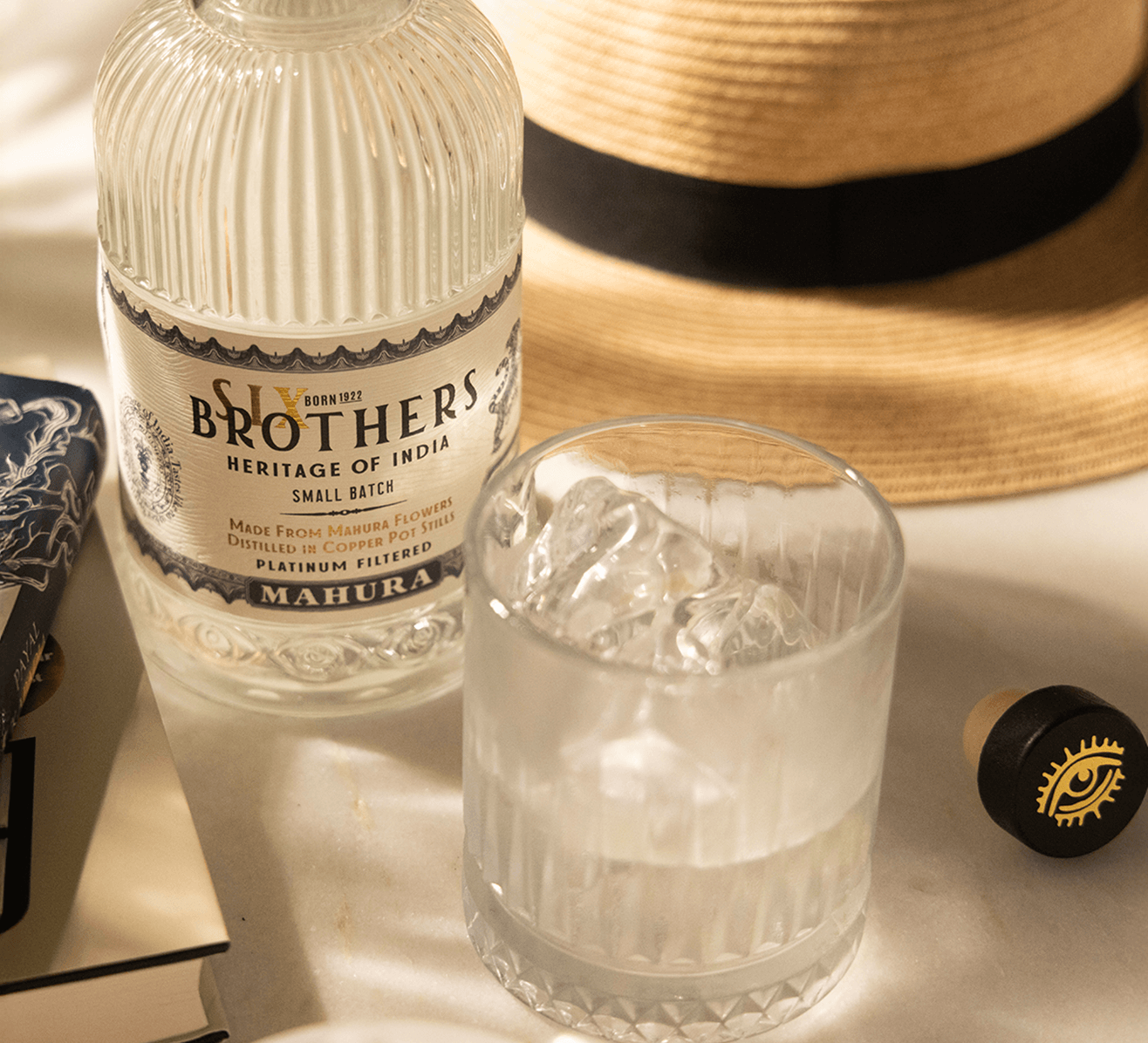
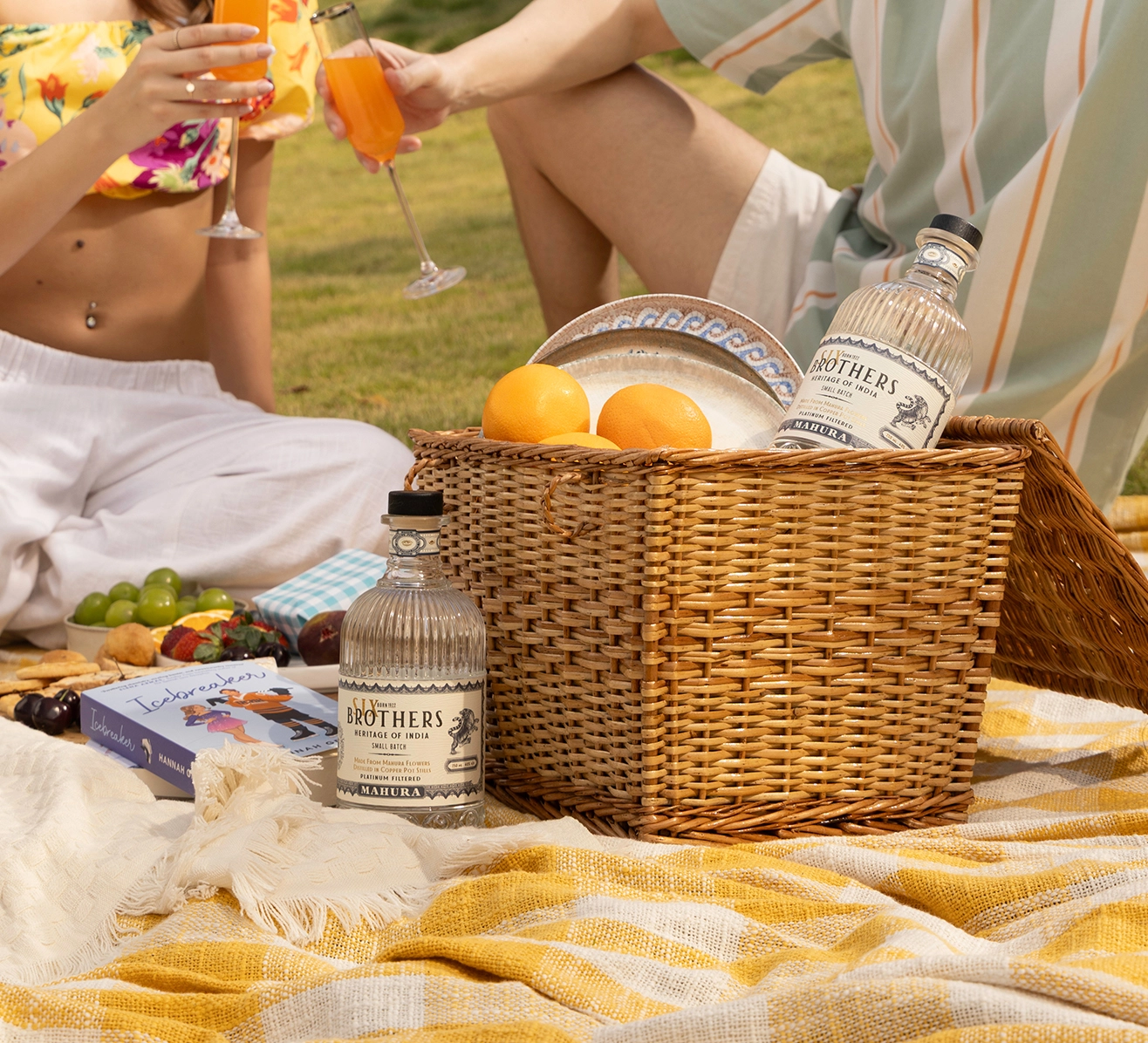
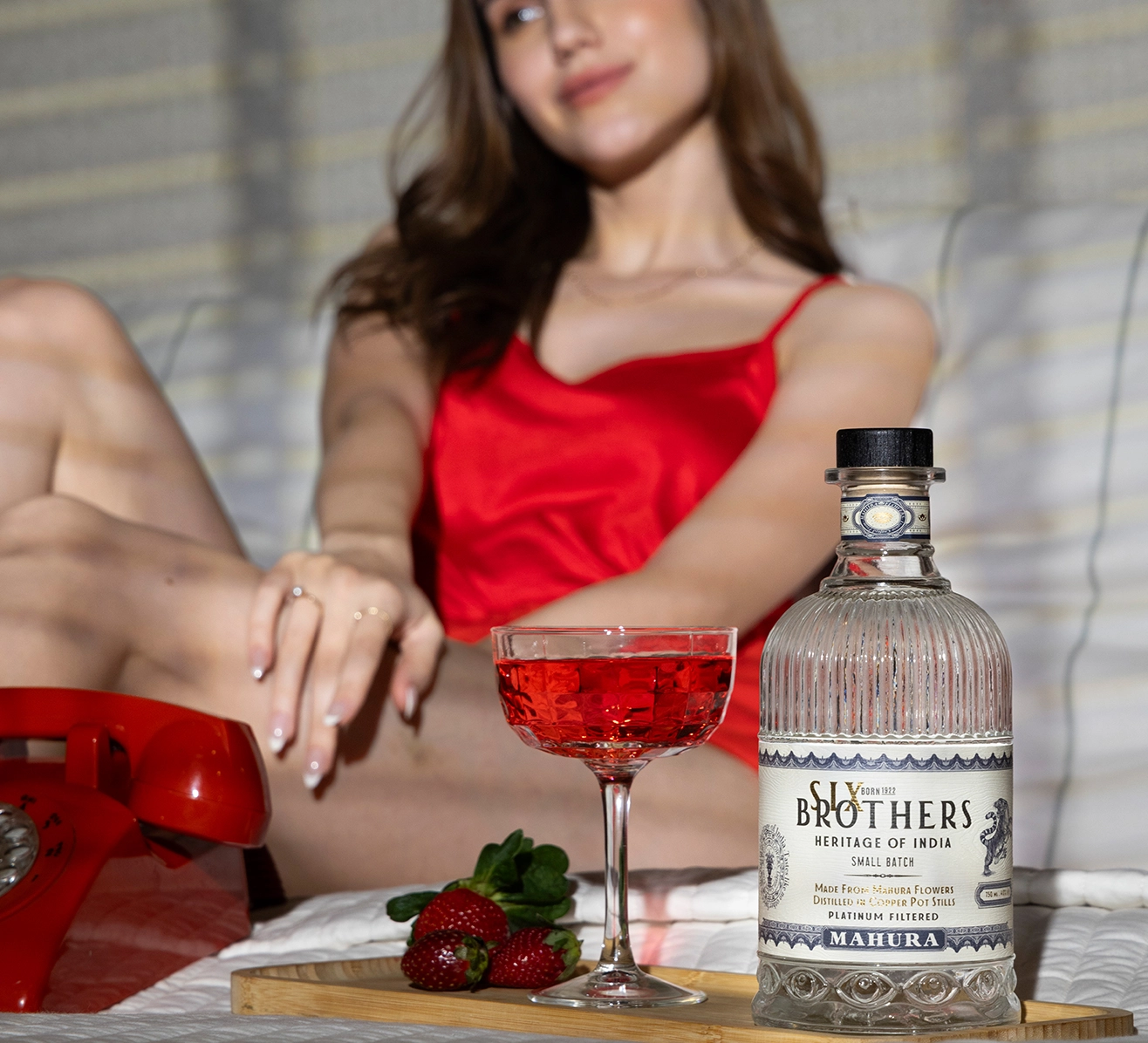
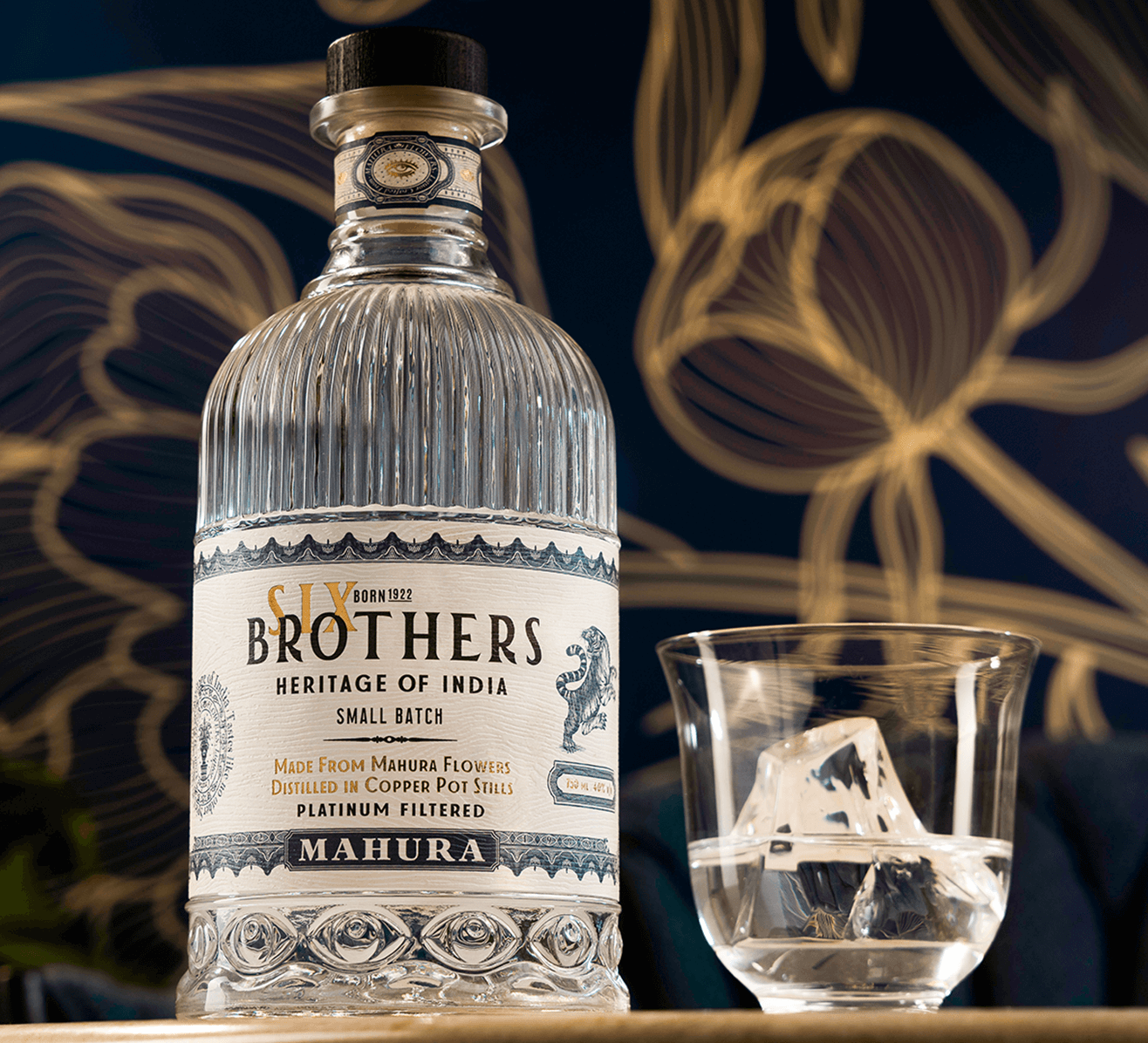
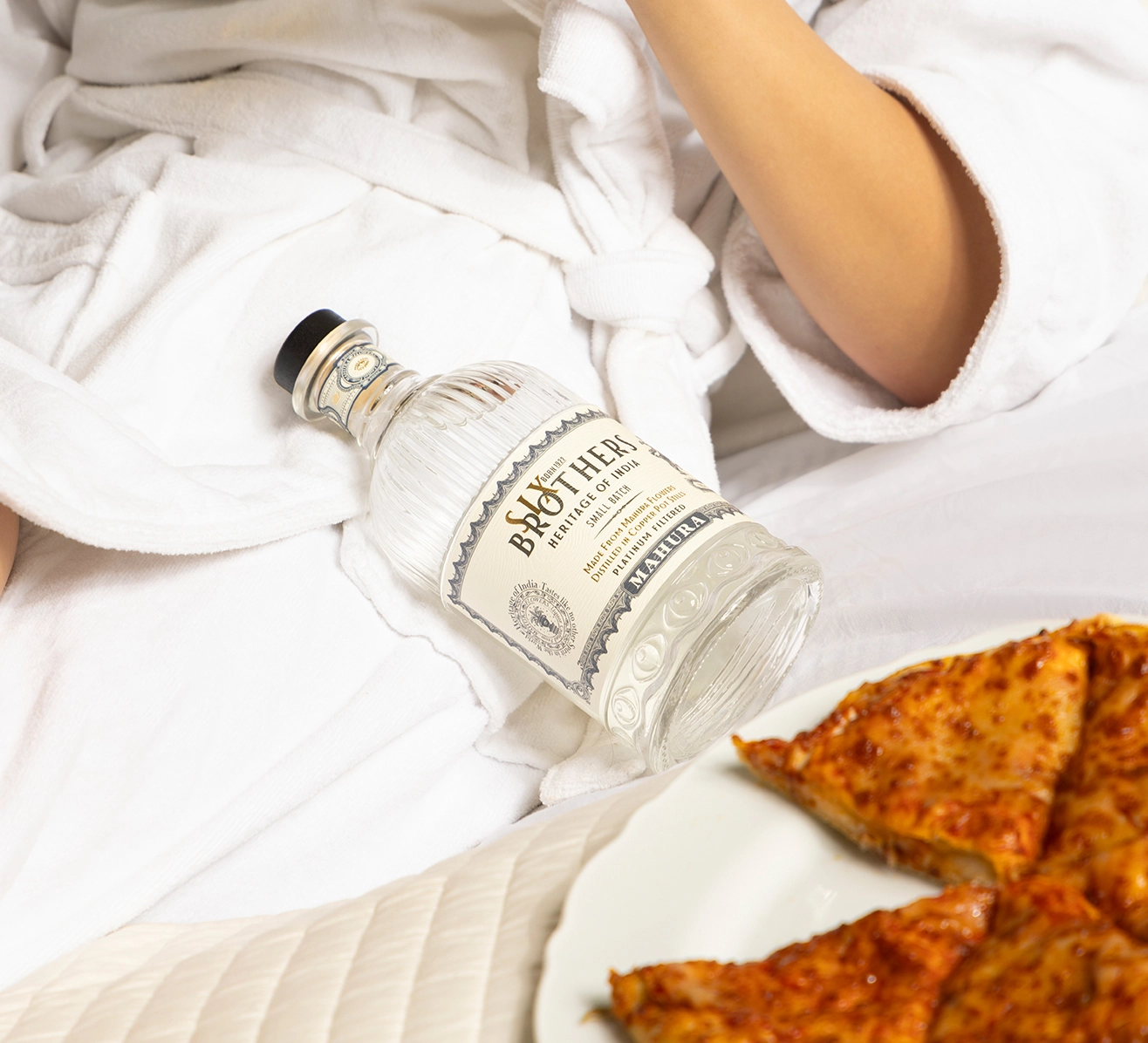
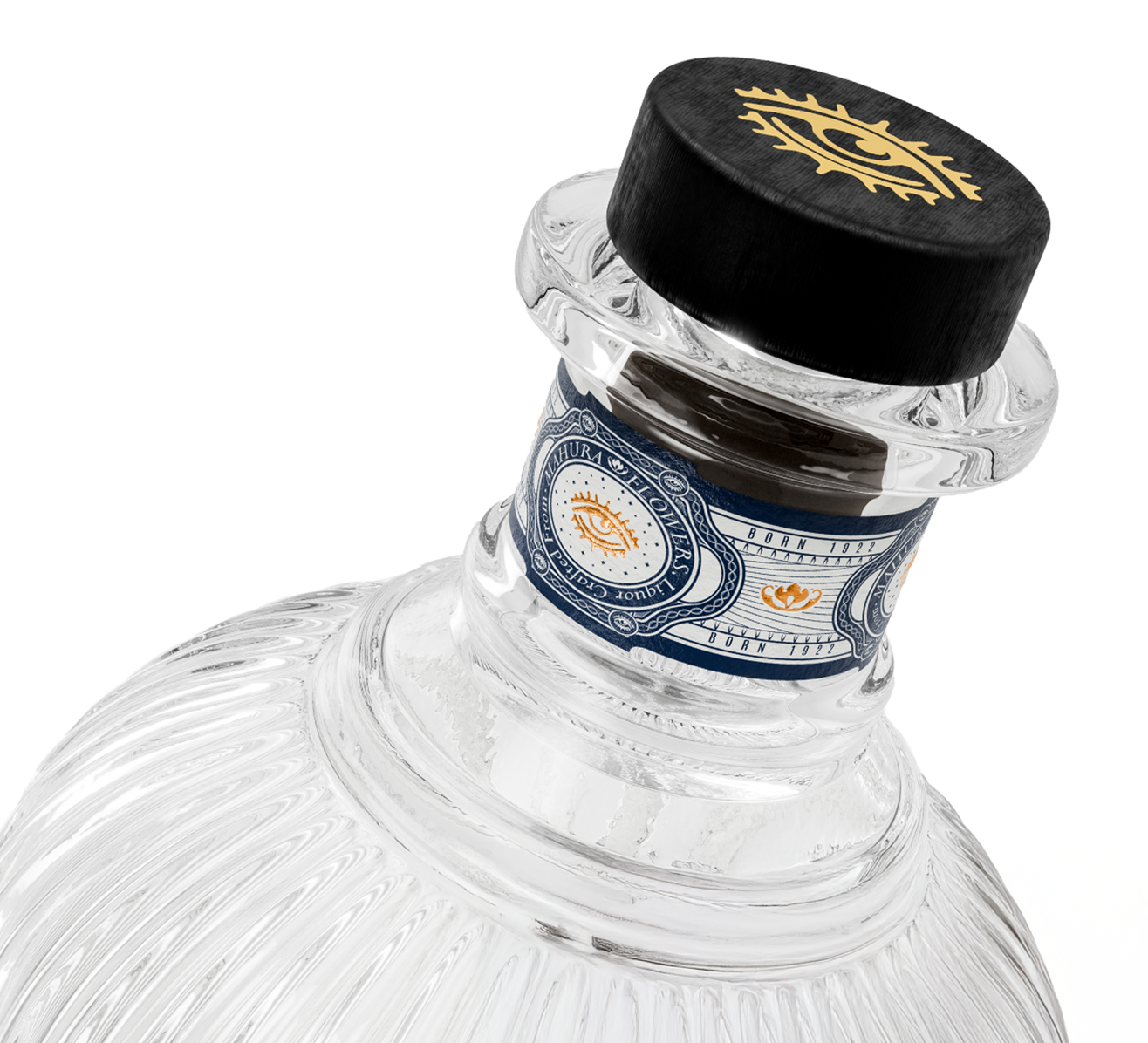
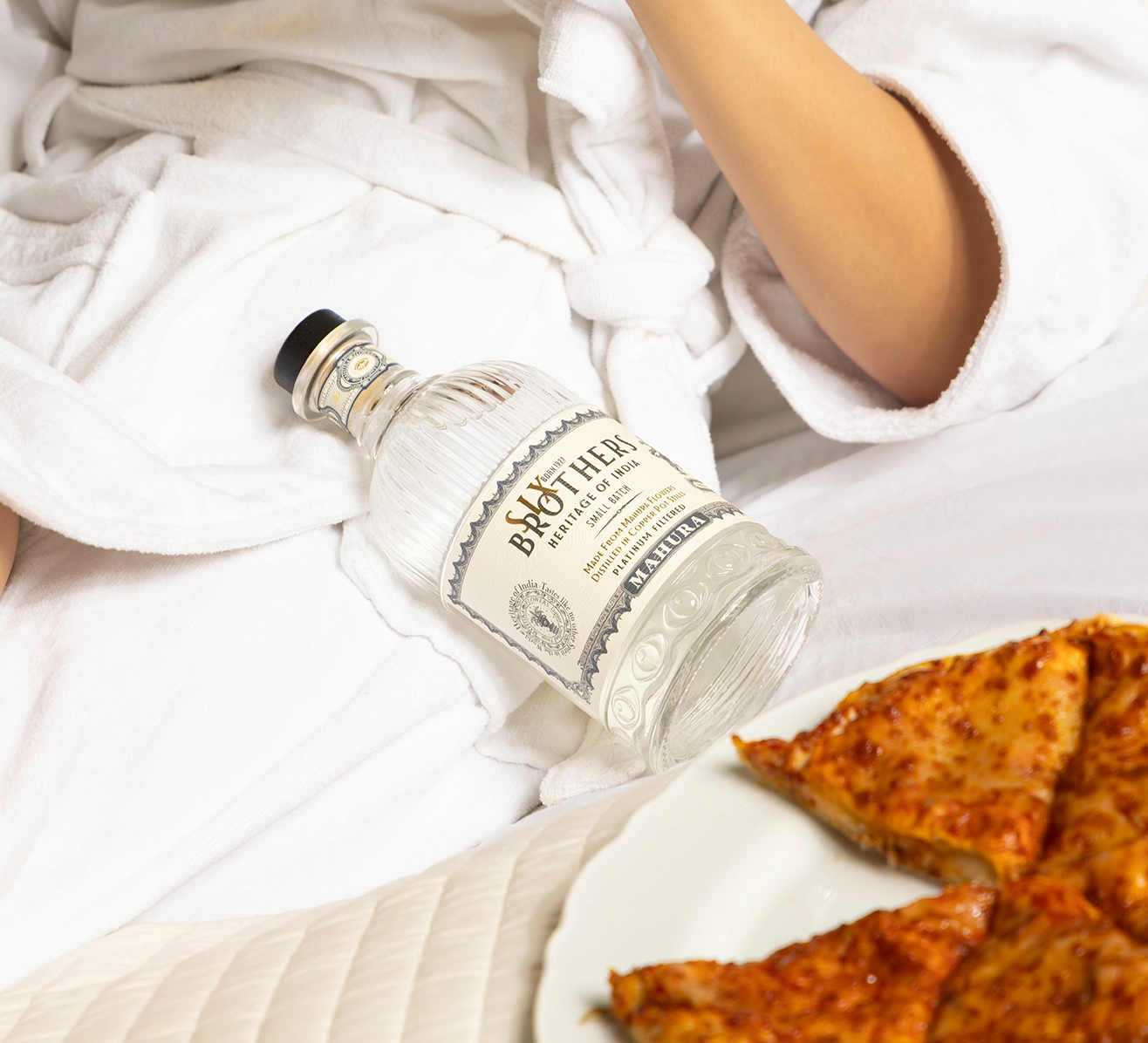
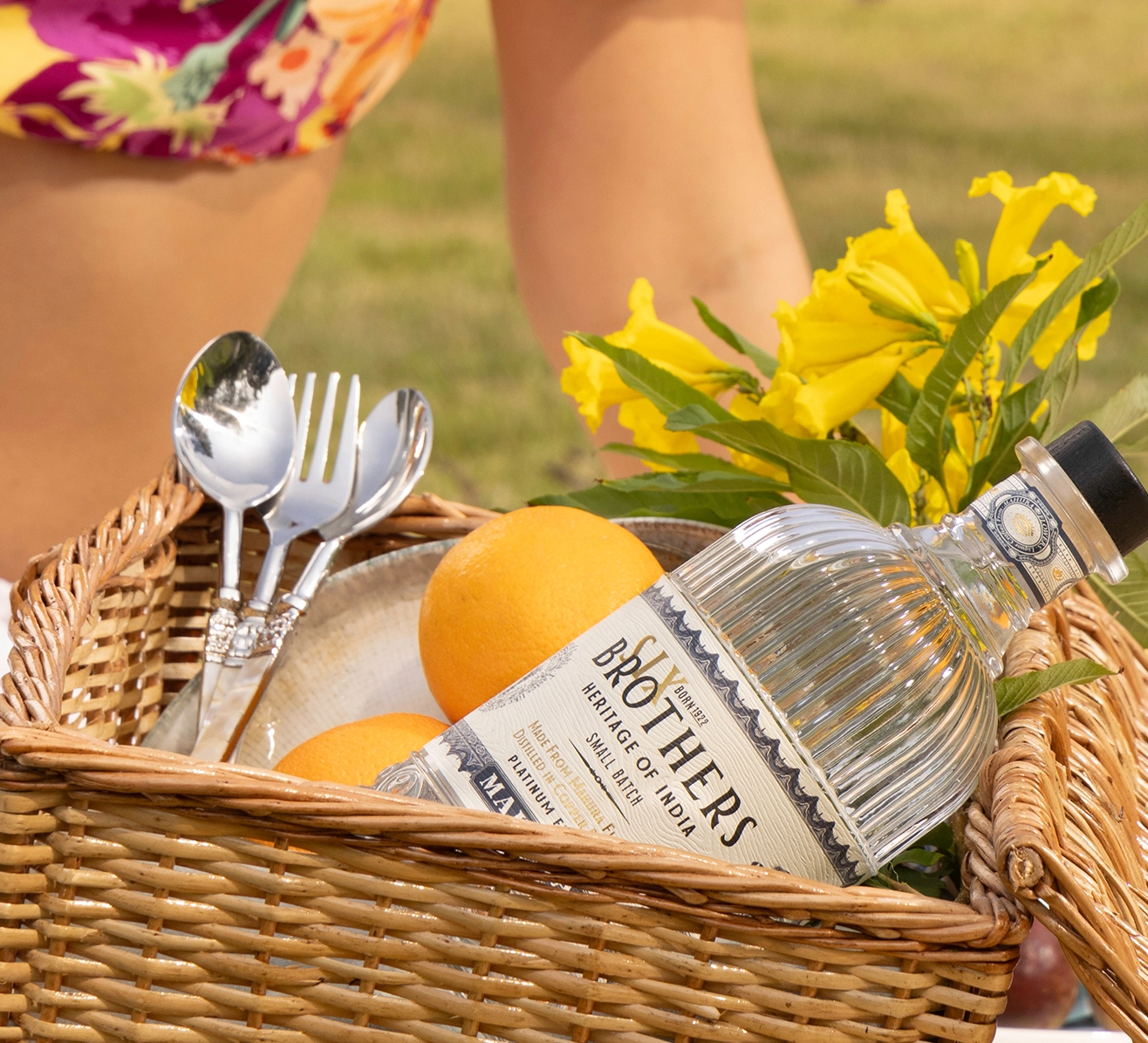
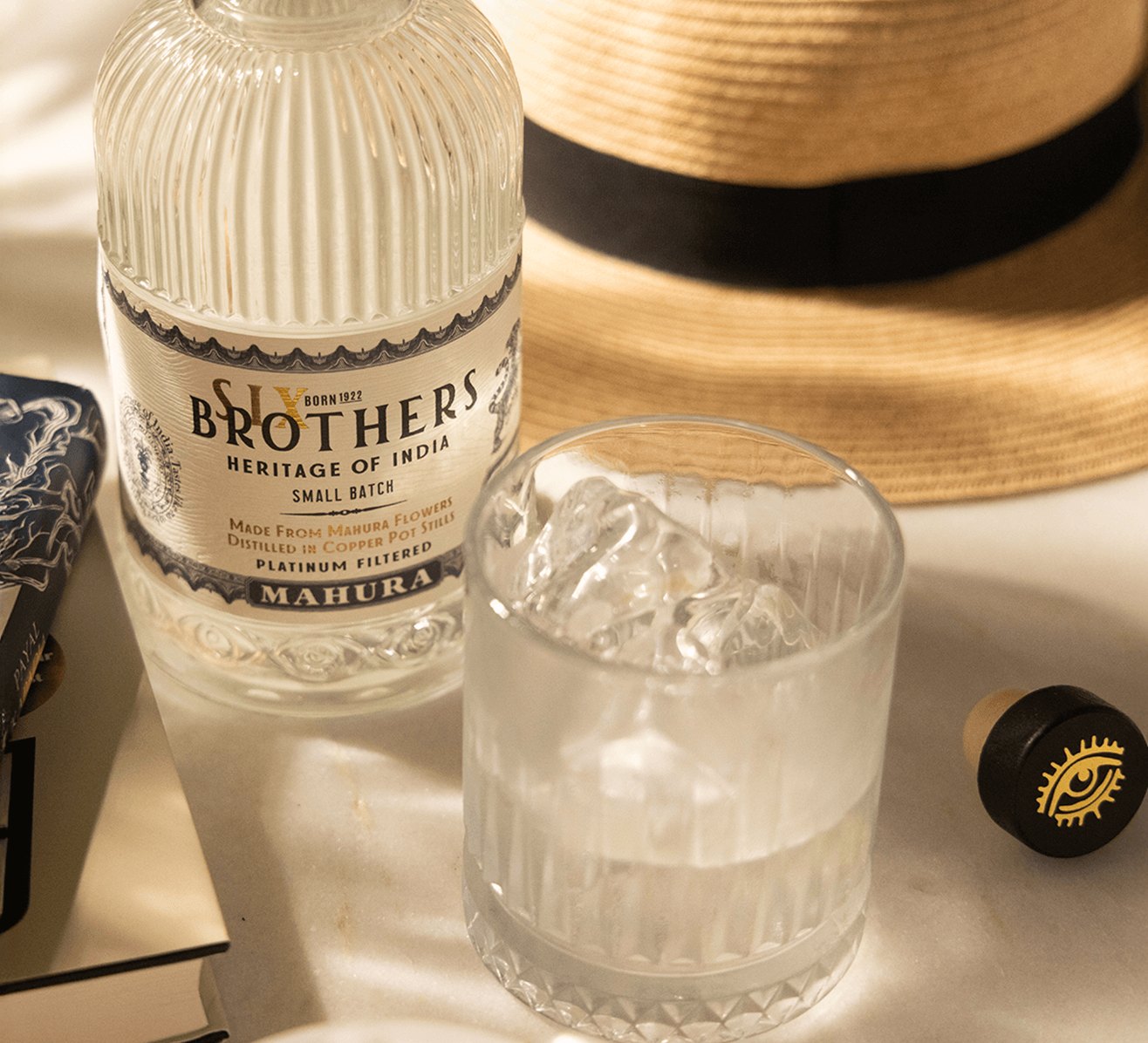
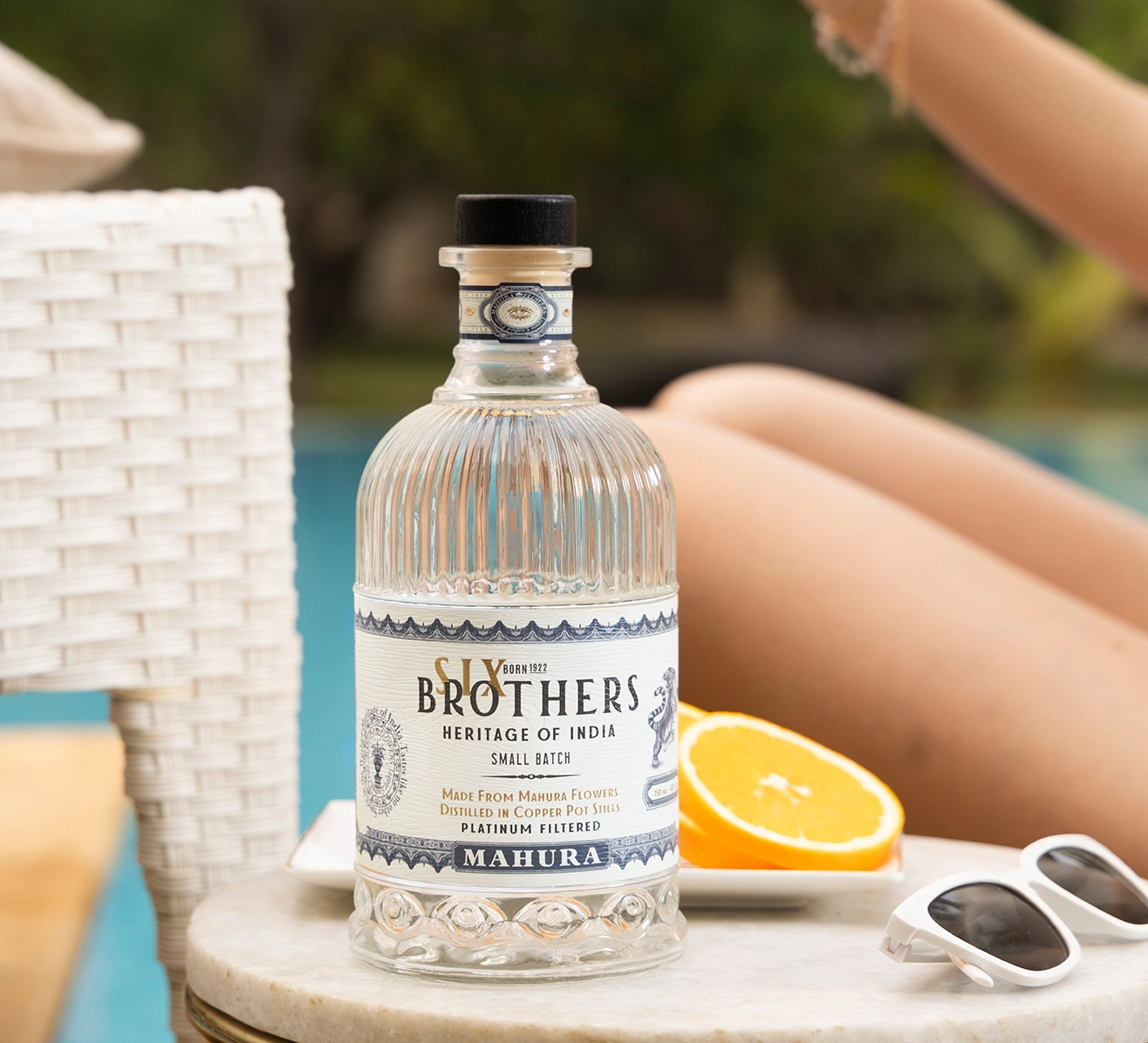
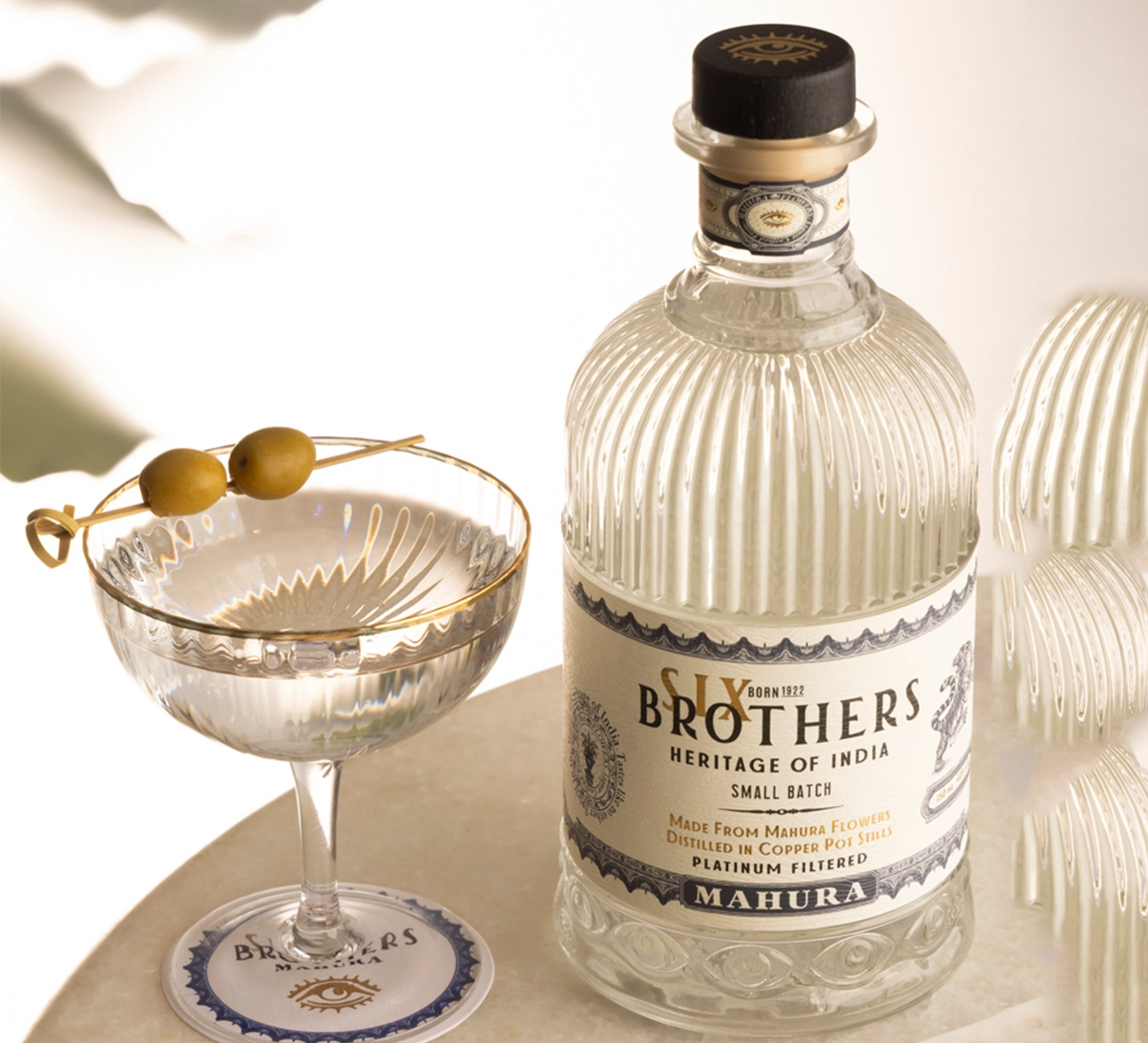
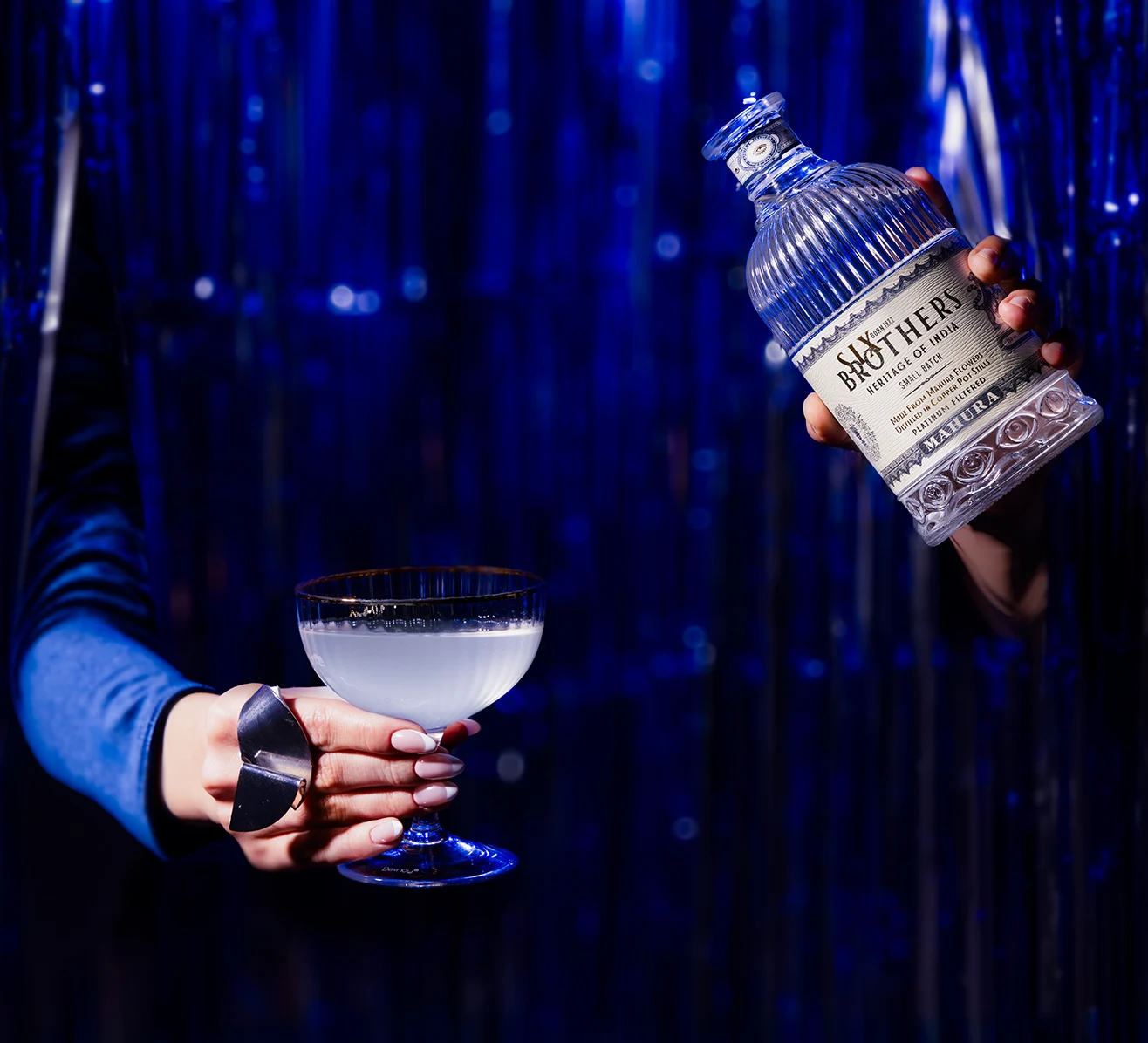
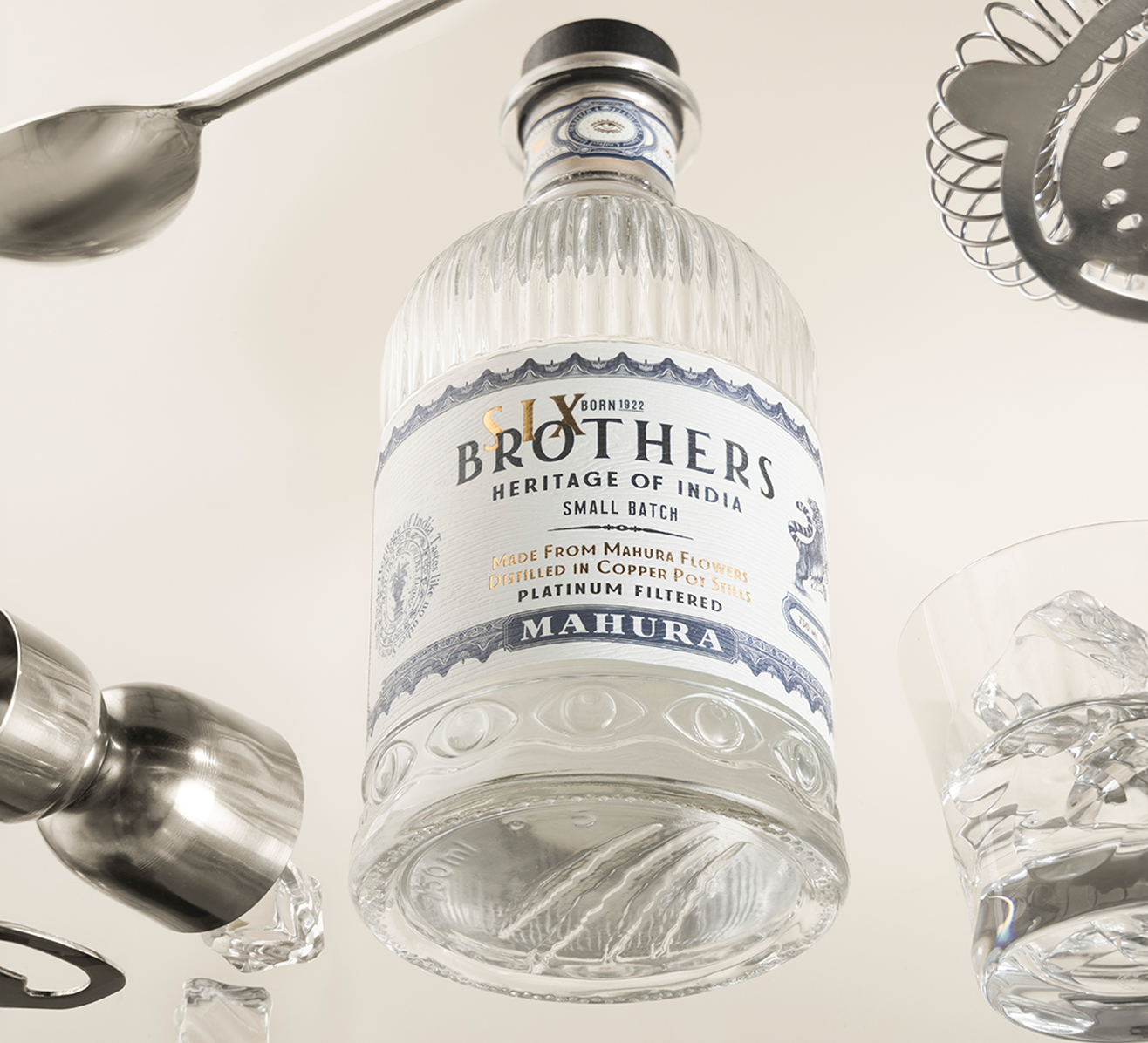
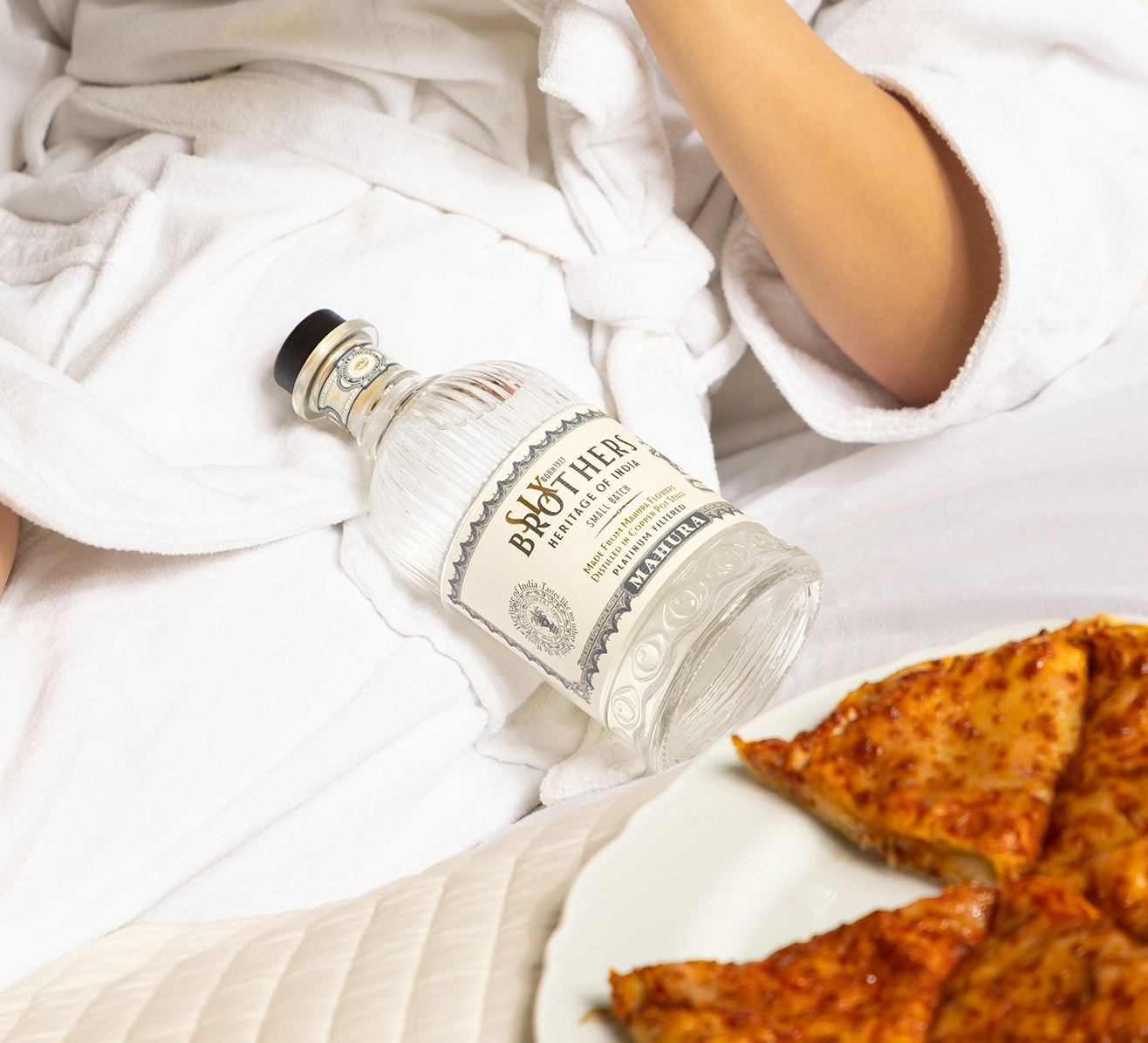
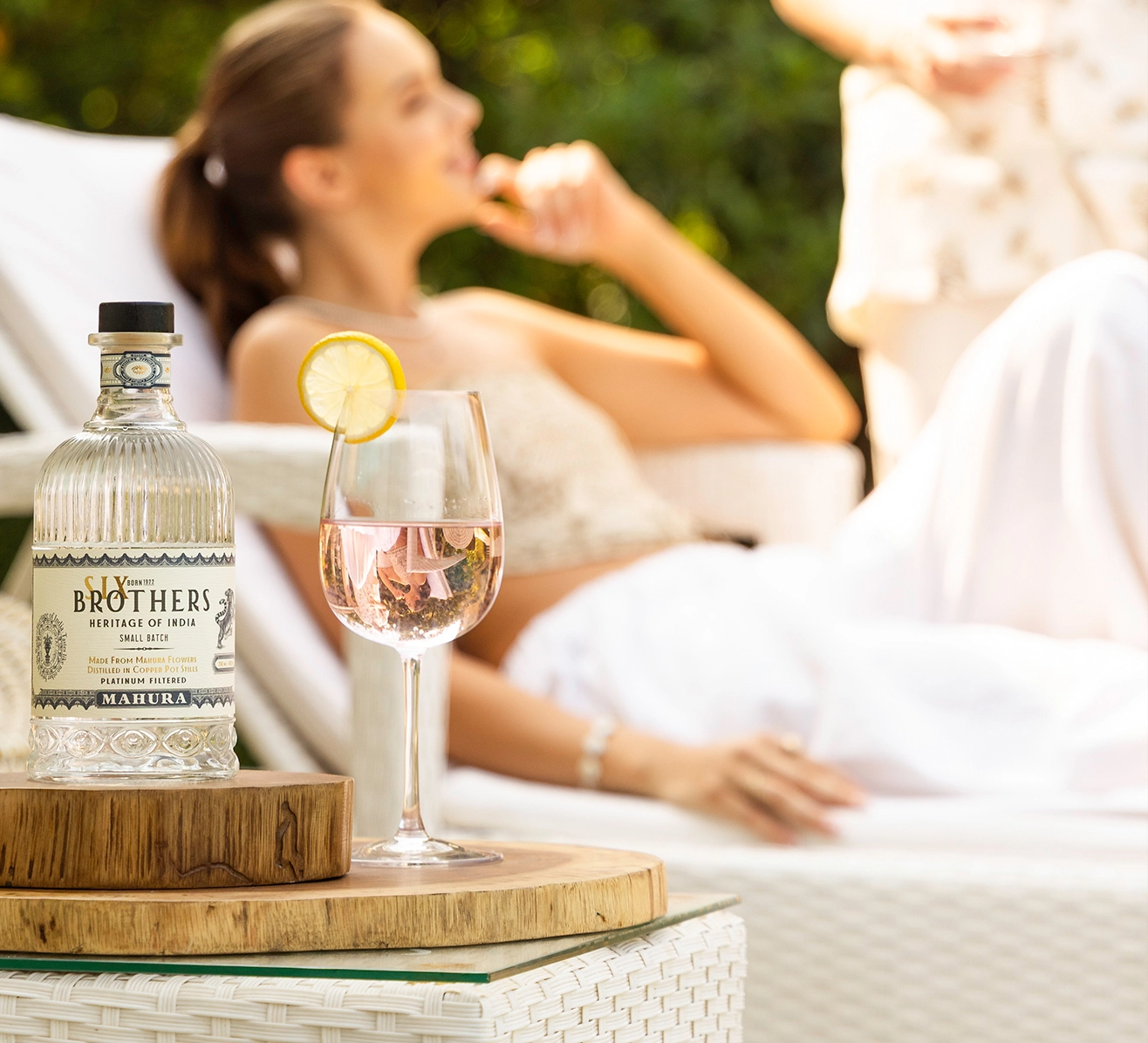
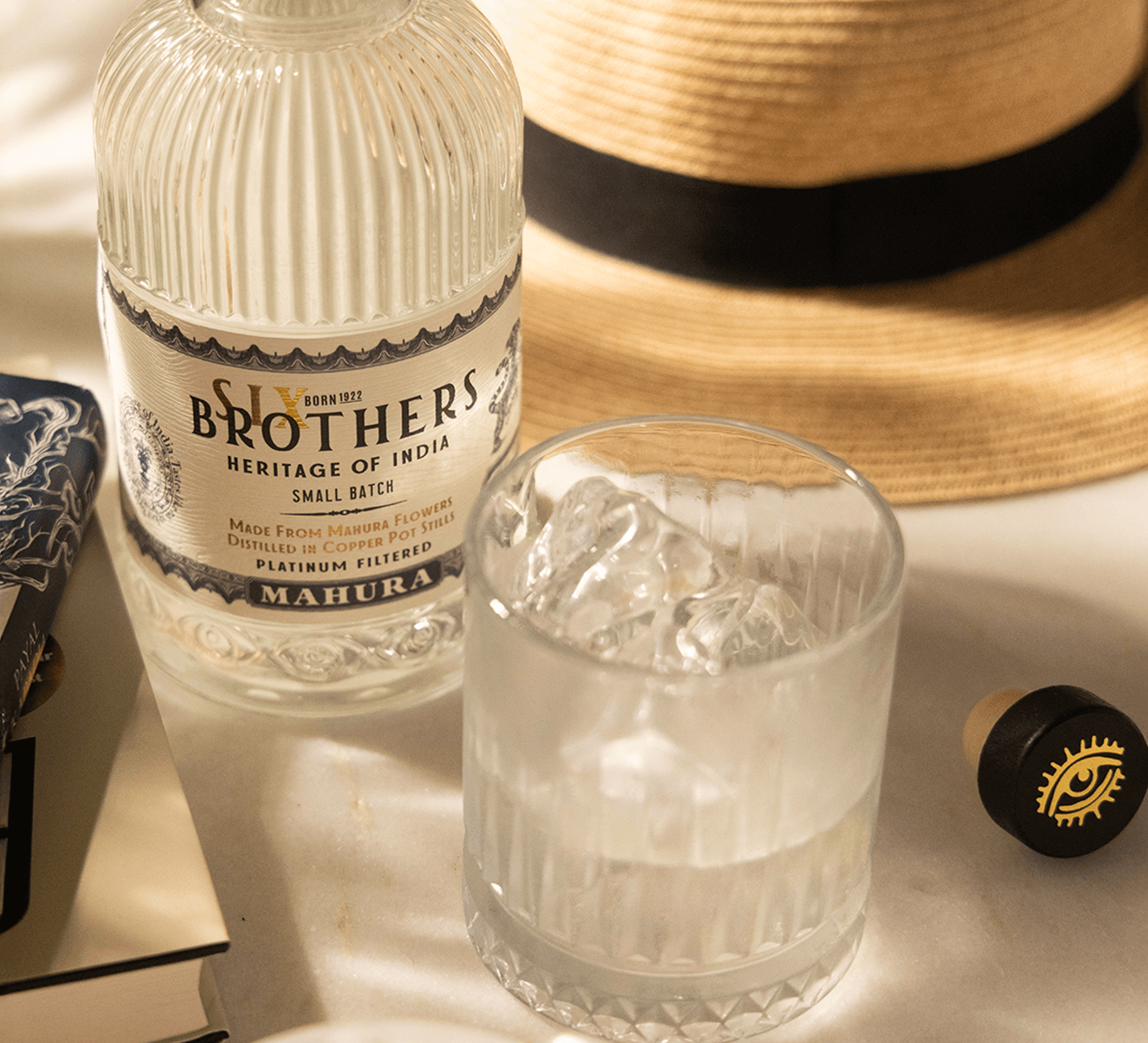
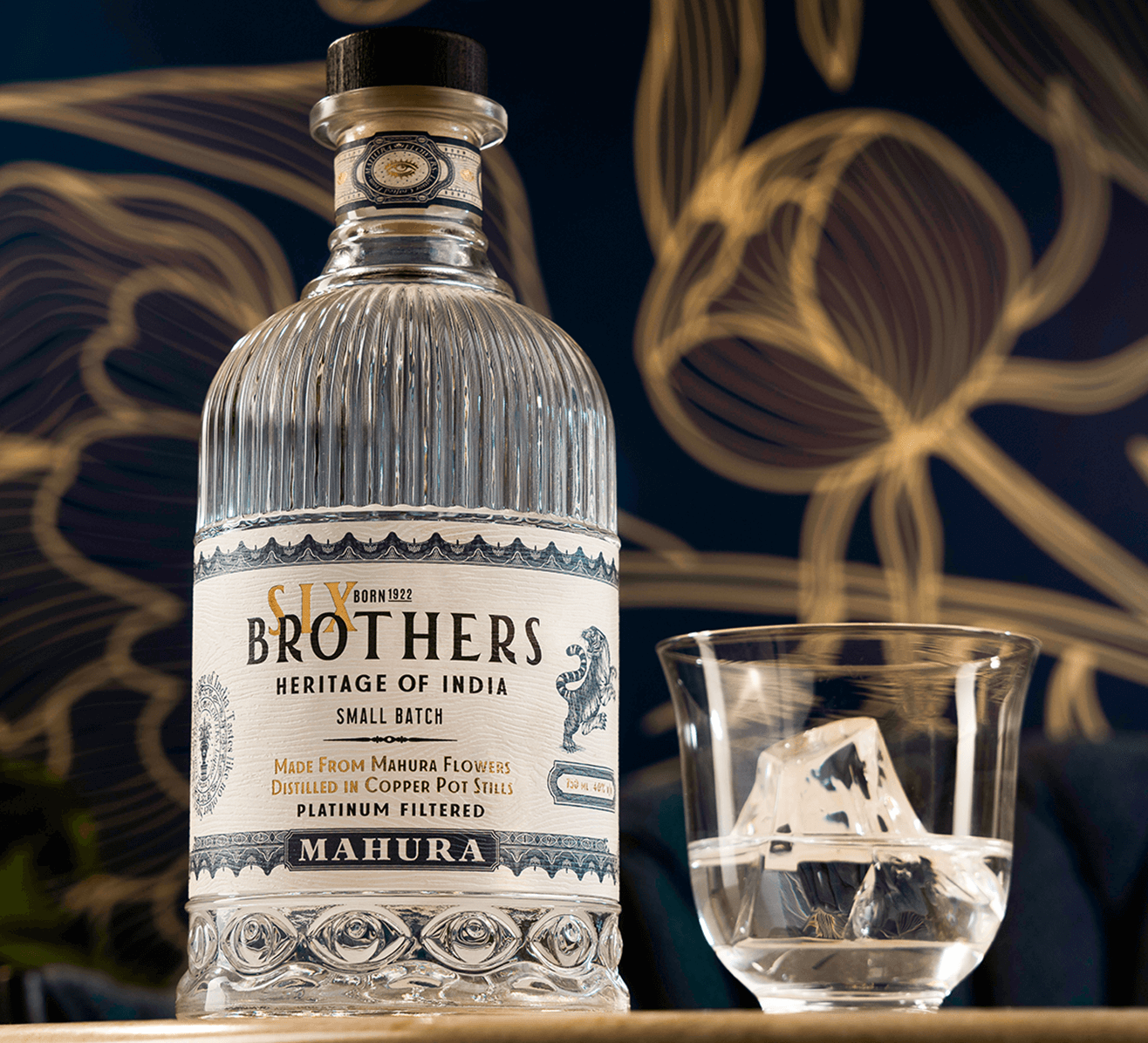
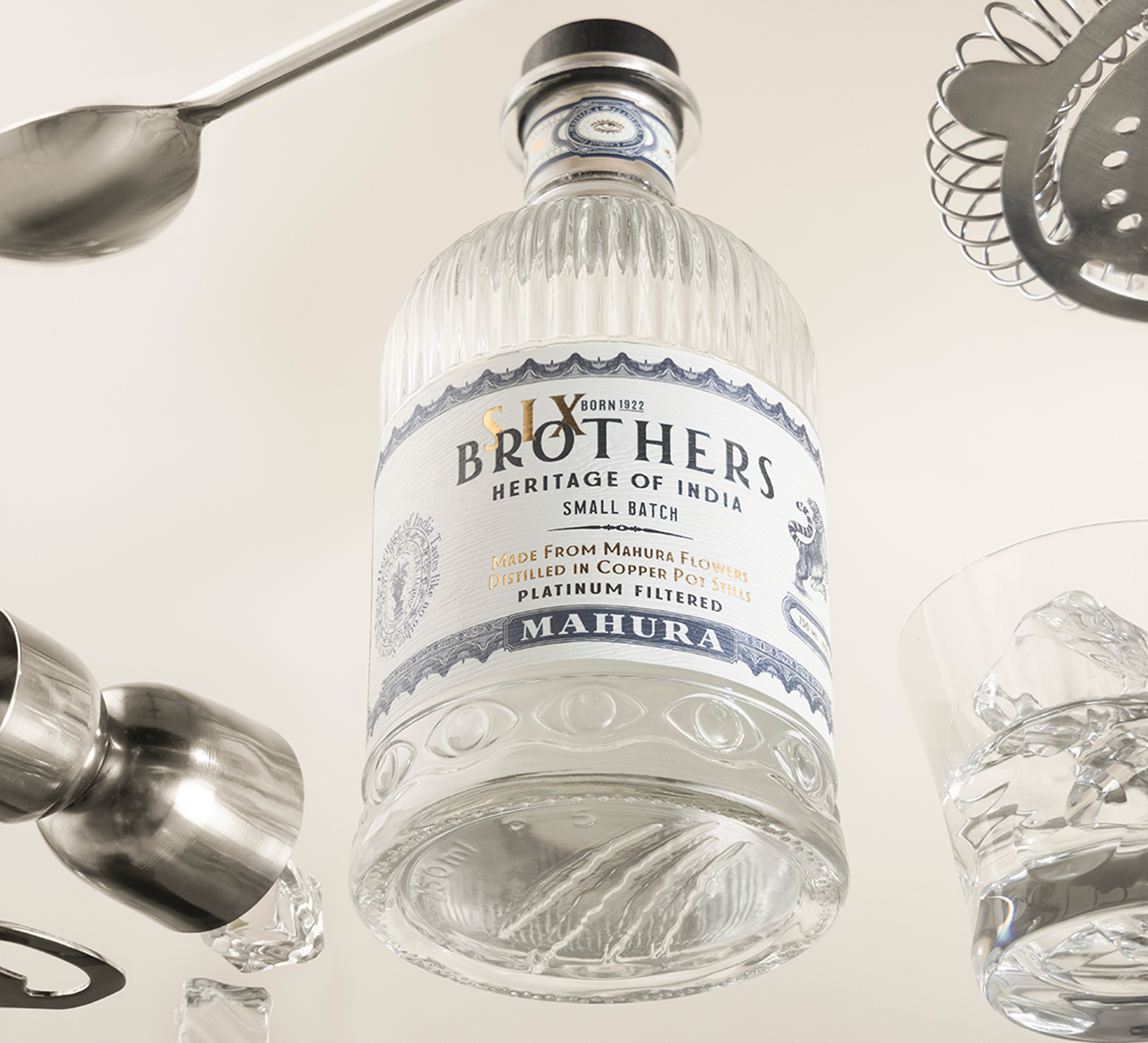
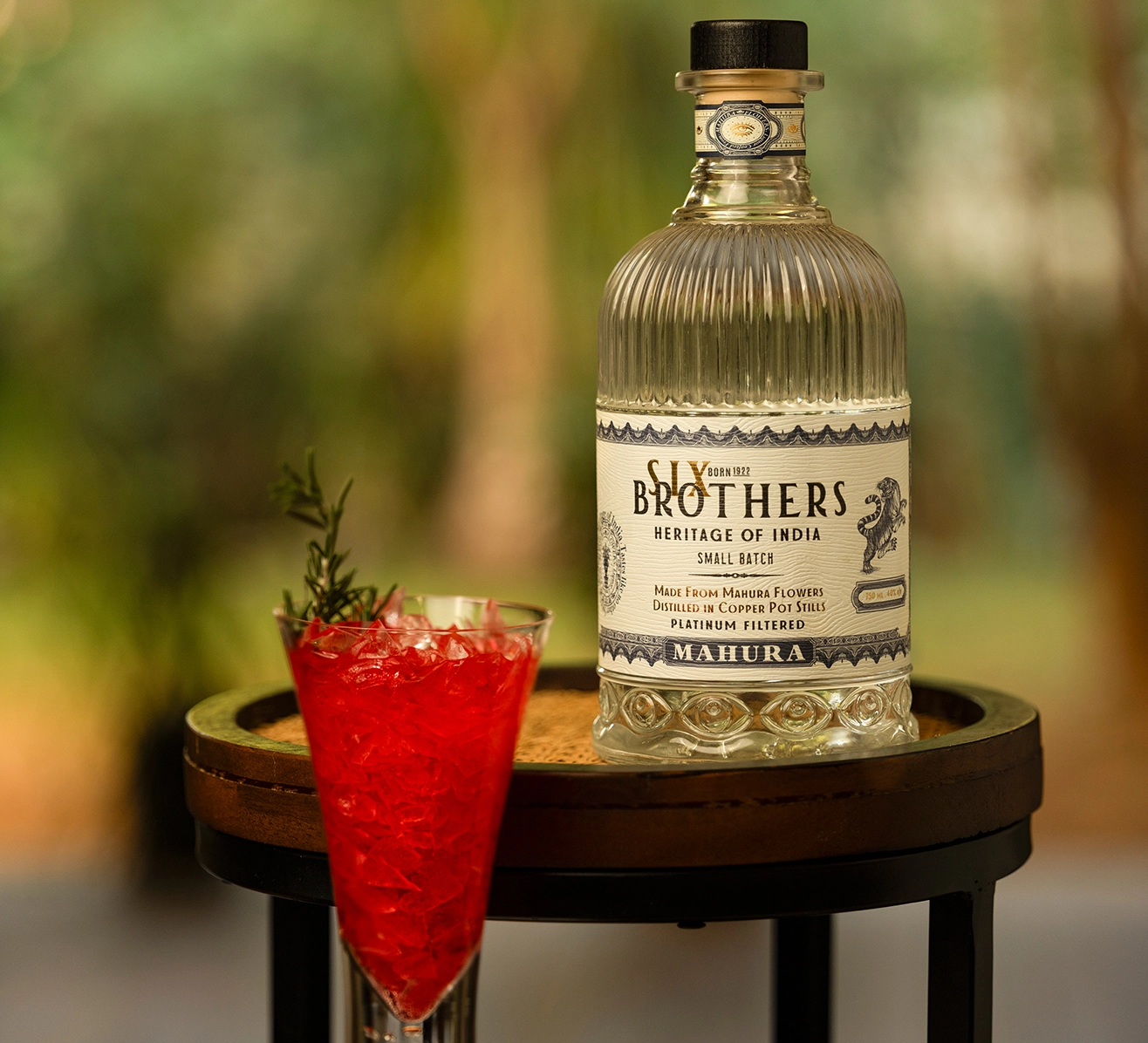
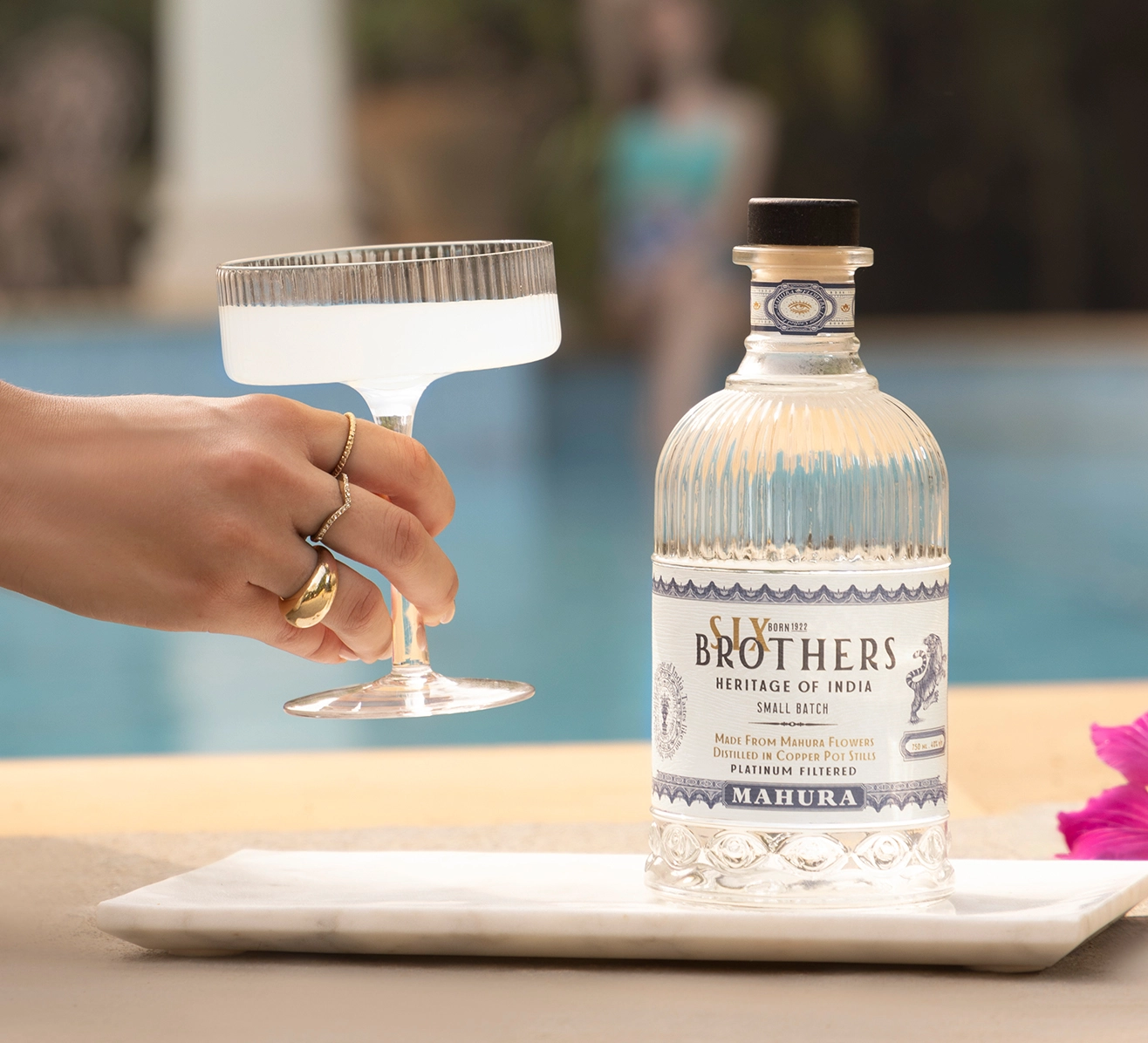
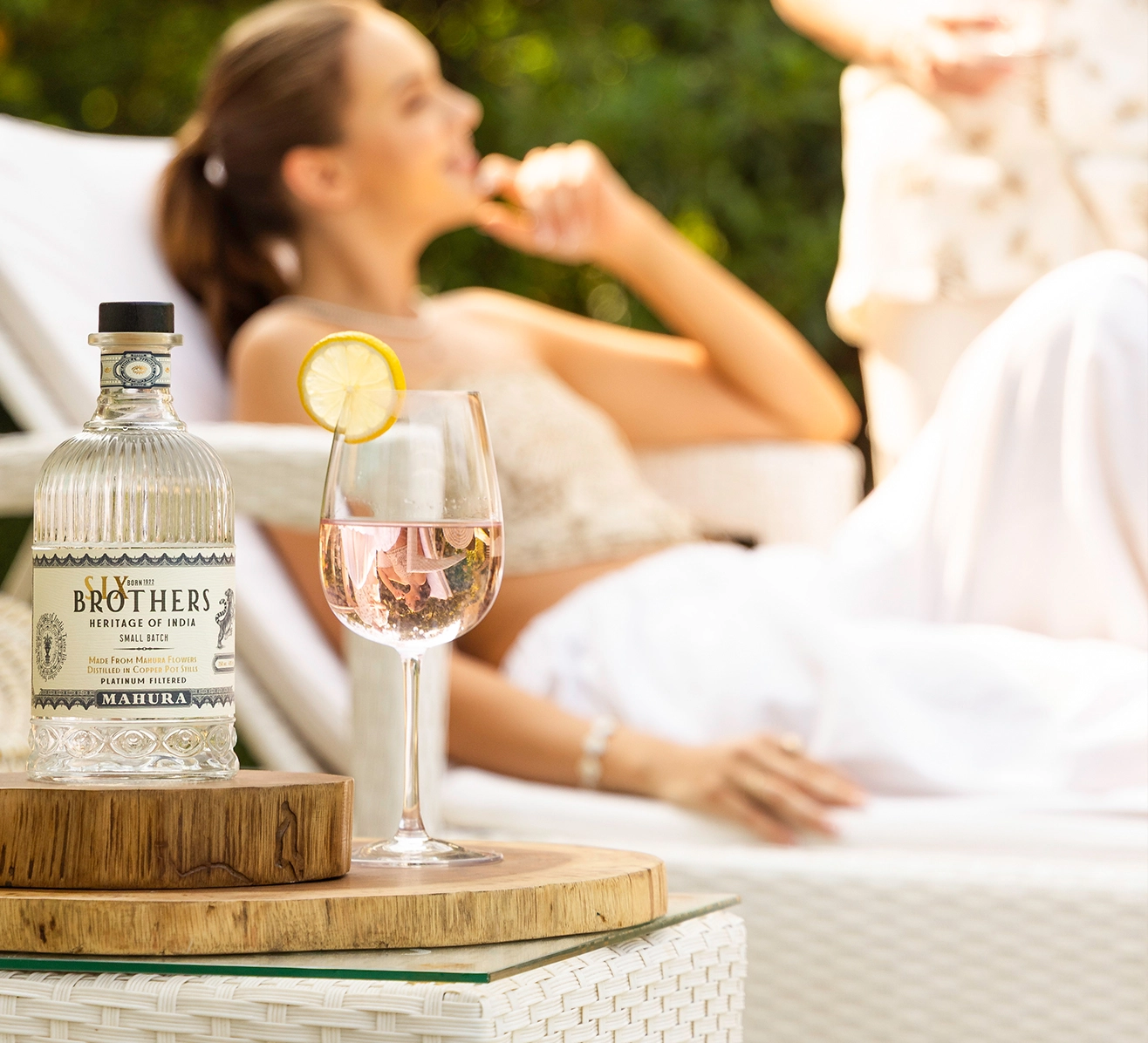
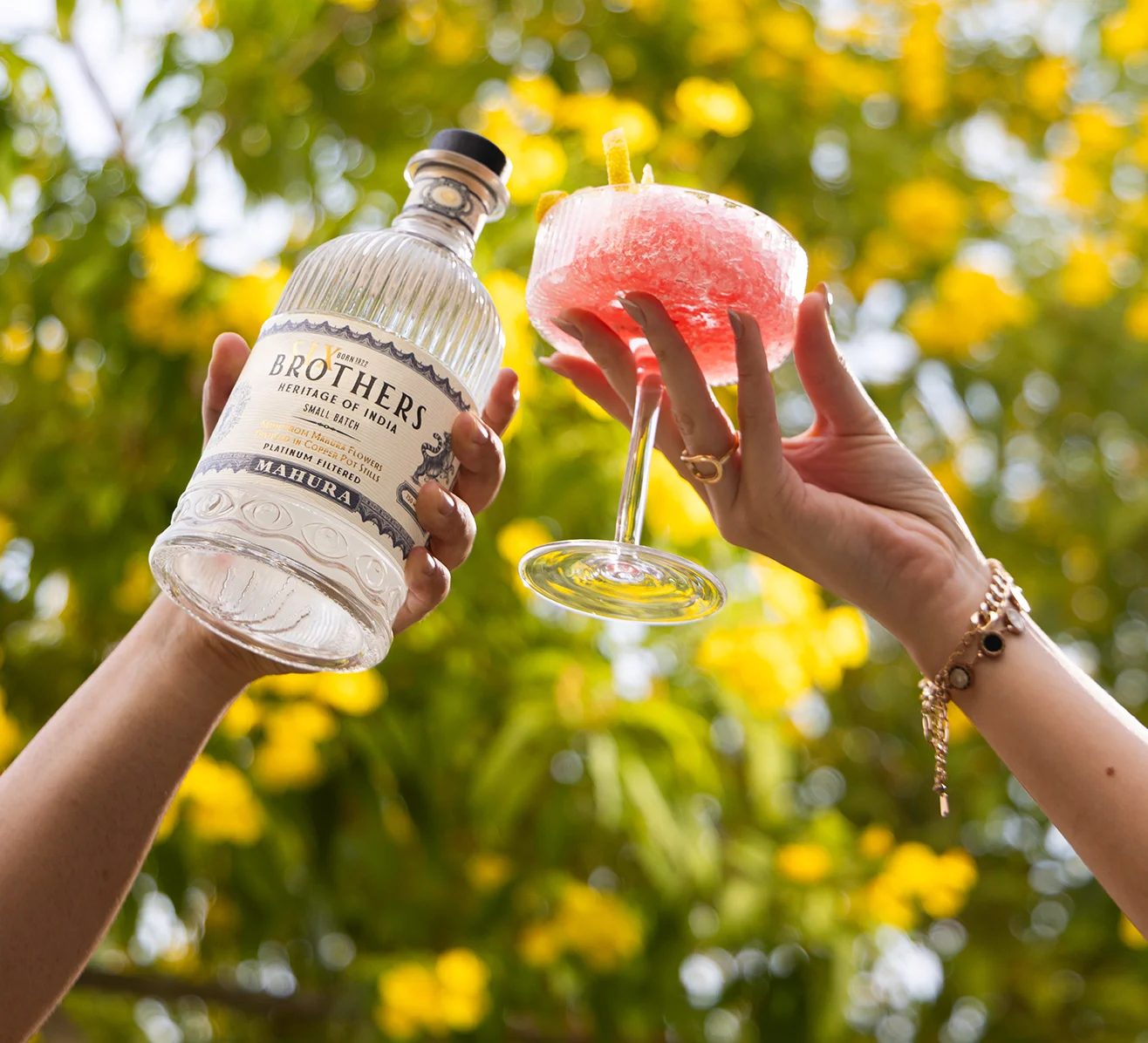
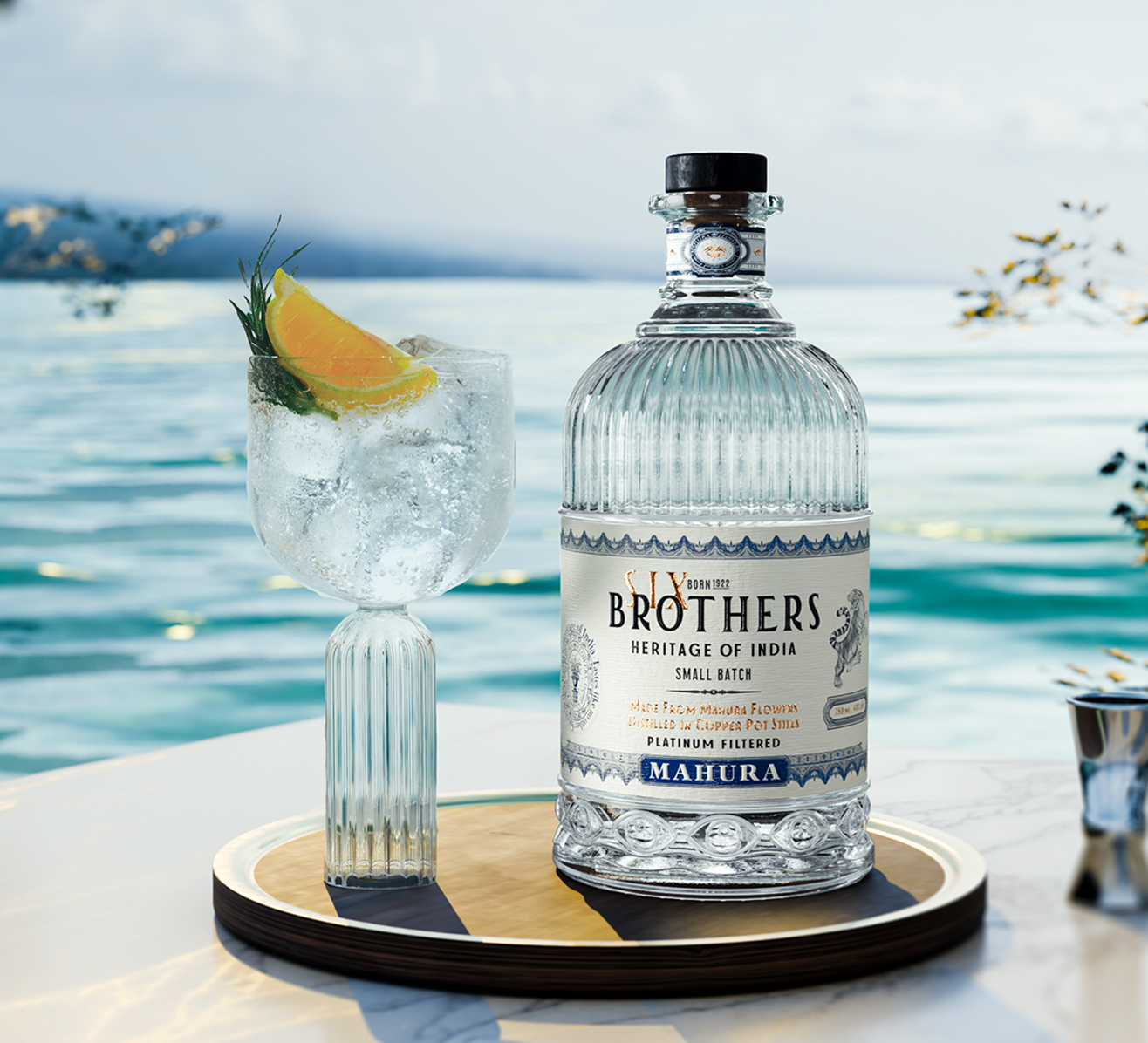
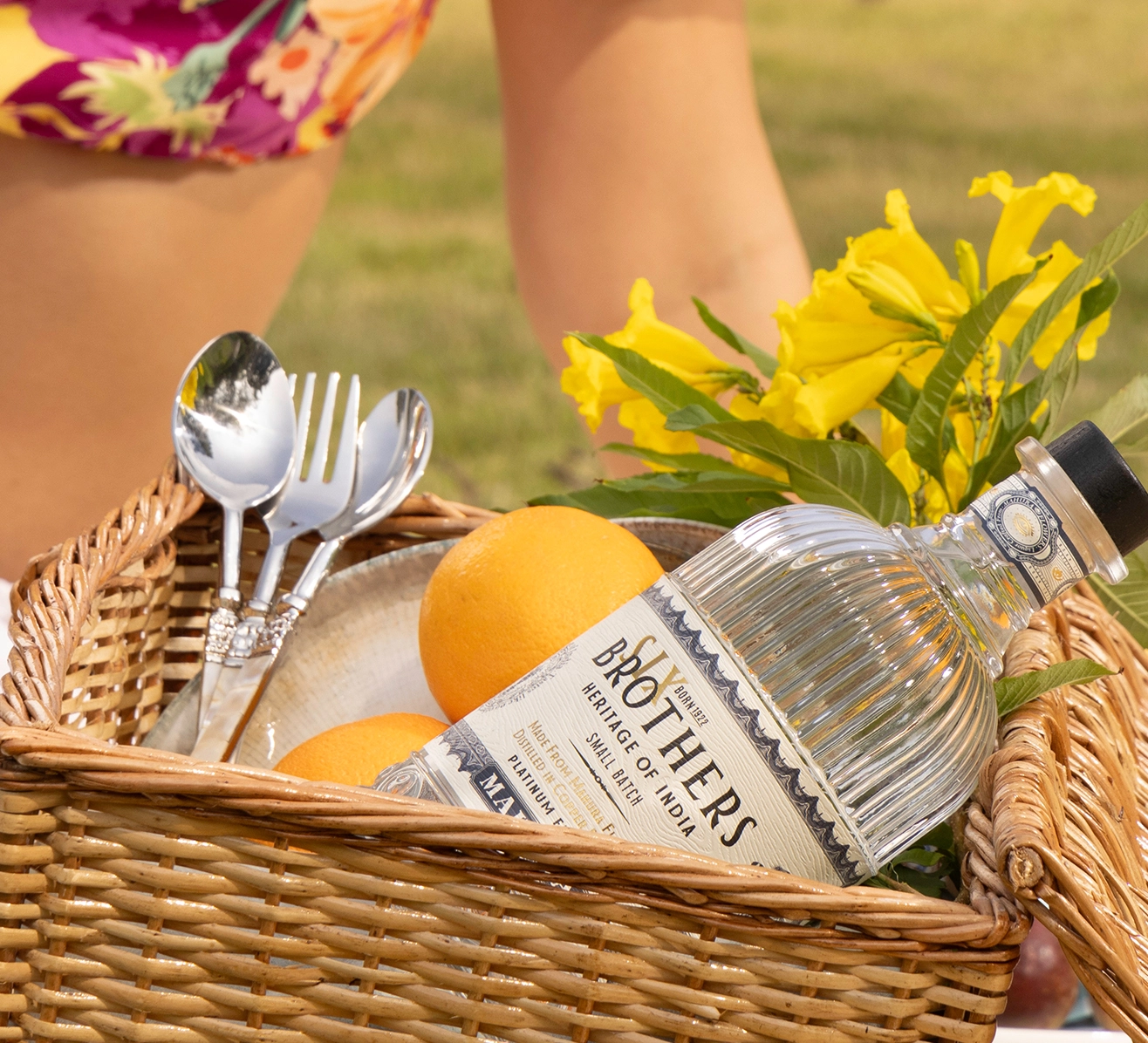
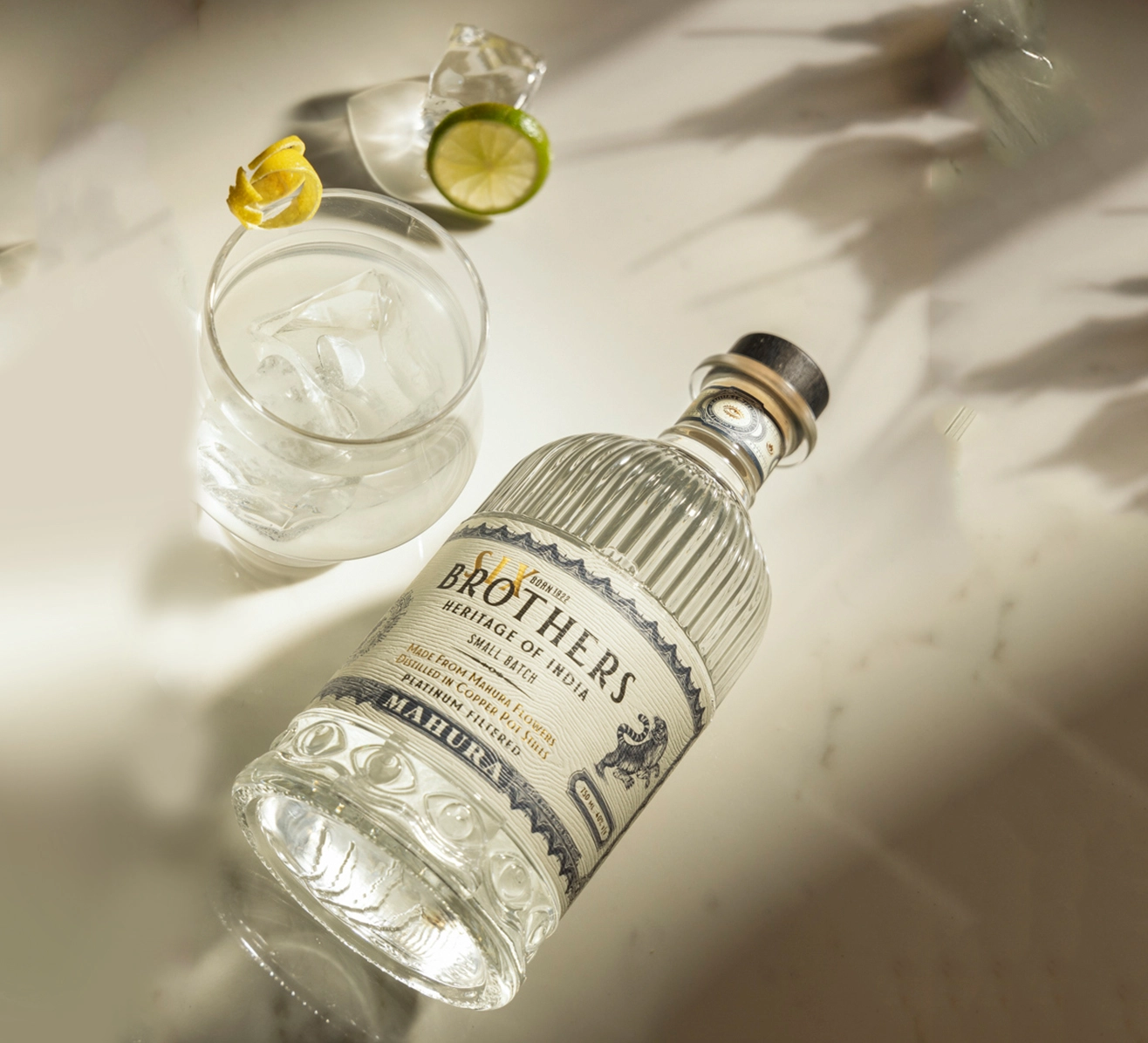
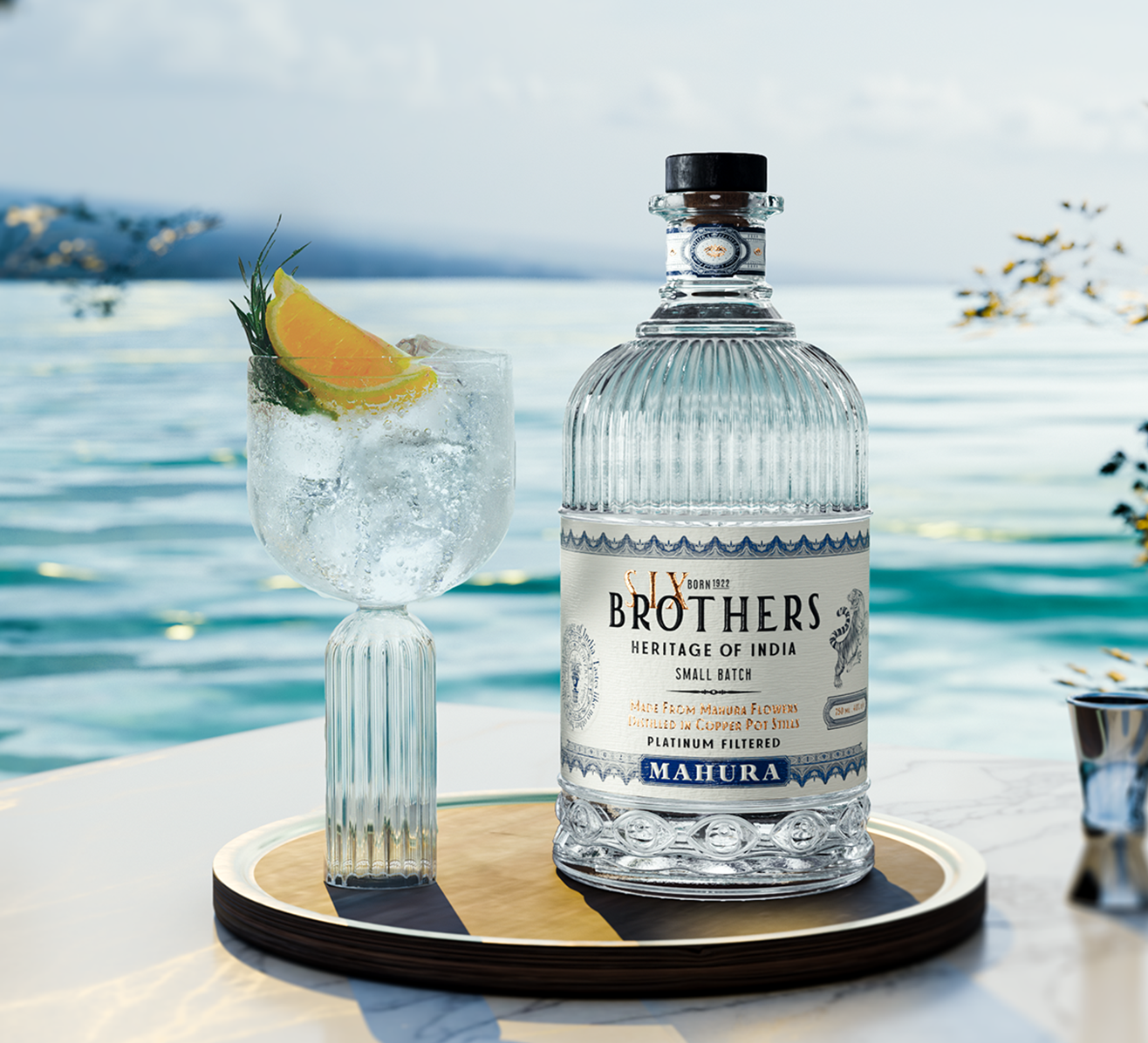
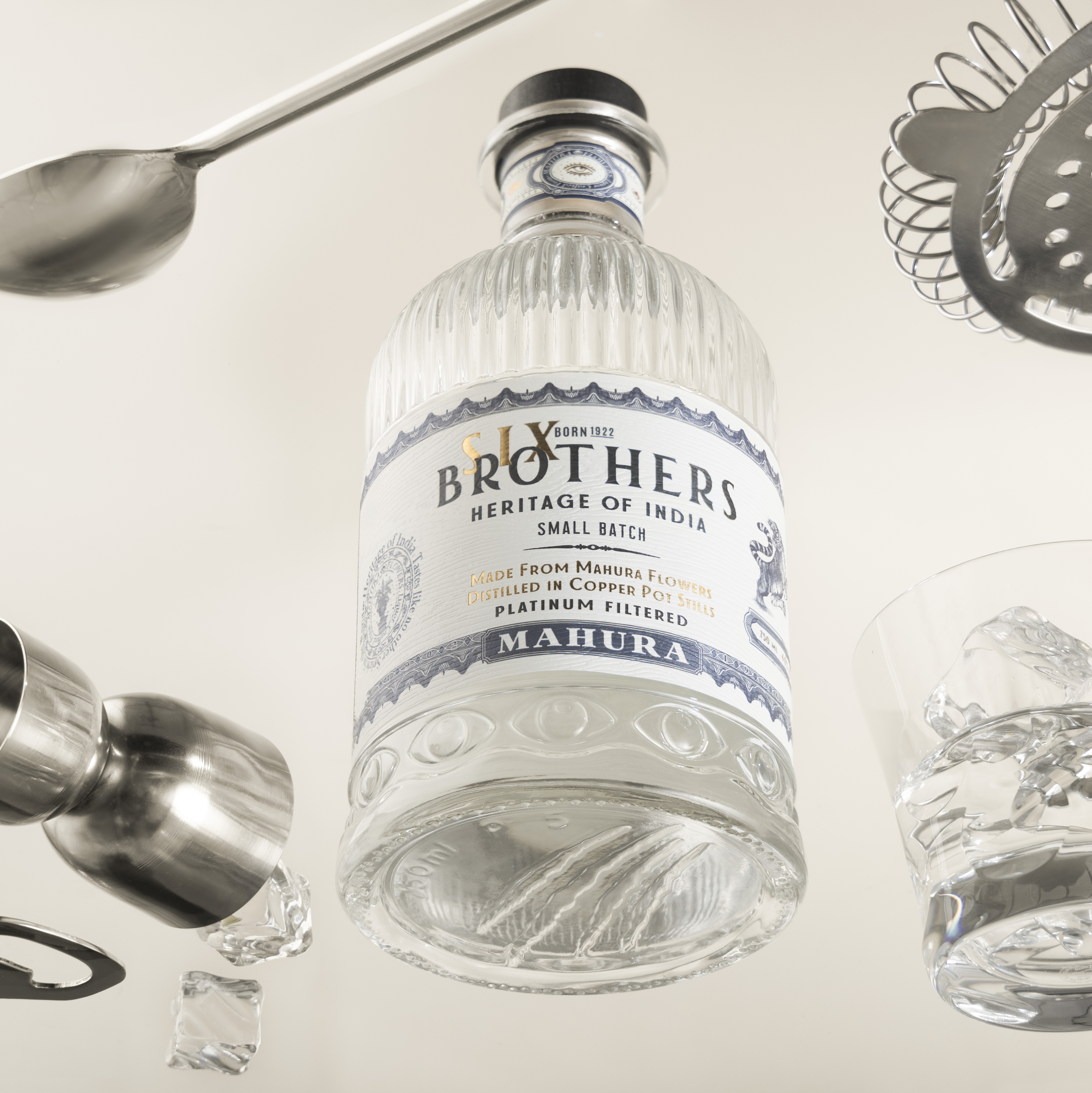
Six Brothers Mahura brings the natural character of Mahua into a contemporary premium spirits category.
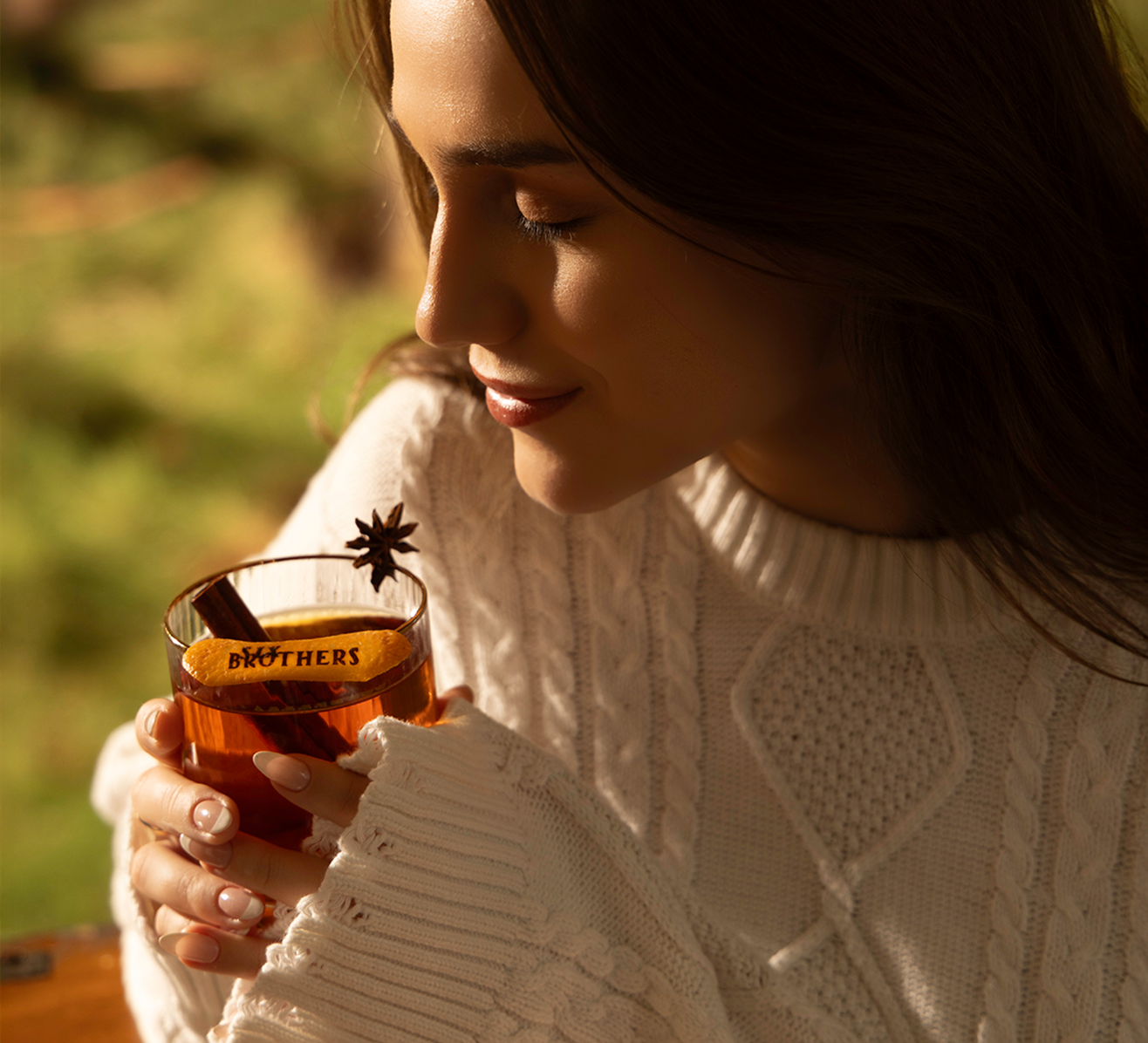
The appeal lies in allowing consumers to experience an ingredient that is deeply connected to India while appreciating it through a refined modern spirit.
Its sensory profile can encourage drinkers to pay attention to:
This makes Mahua particularly interesting for curious drinkers exploring indigenous Indian spirits.
The perceived natural sweetness of Mahua spirit is ultimately part of a larger sensory story.
It begins with the Mahua flower, continues through fermentation and Mahua distillation, and is shaped by careful production.
Rather than thinking of sweetness simply as added sugar, it is more useful to understand it as a combination of aroma, flavour, texture, and the natural characteristics of the ingredient.
That is what makes Mahua fascinating.
Its character is not simply created in the bottle.
It begins with the flower.