
Posted on 25 May 2026
Some spirits are consumed. Others are experienced.
Mahua also known as Mahuva or Mahuva belongs to the latter. Long before it entered modern conversations around premium drinking, Mahua spirit was already deeply embedded in the cultural fabric of India.
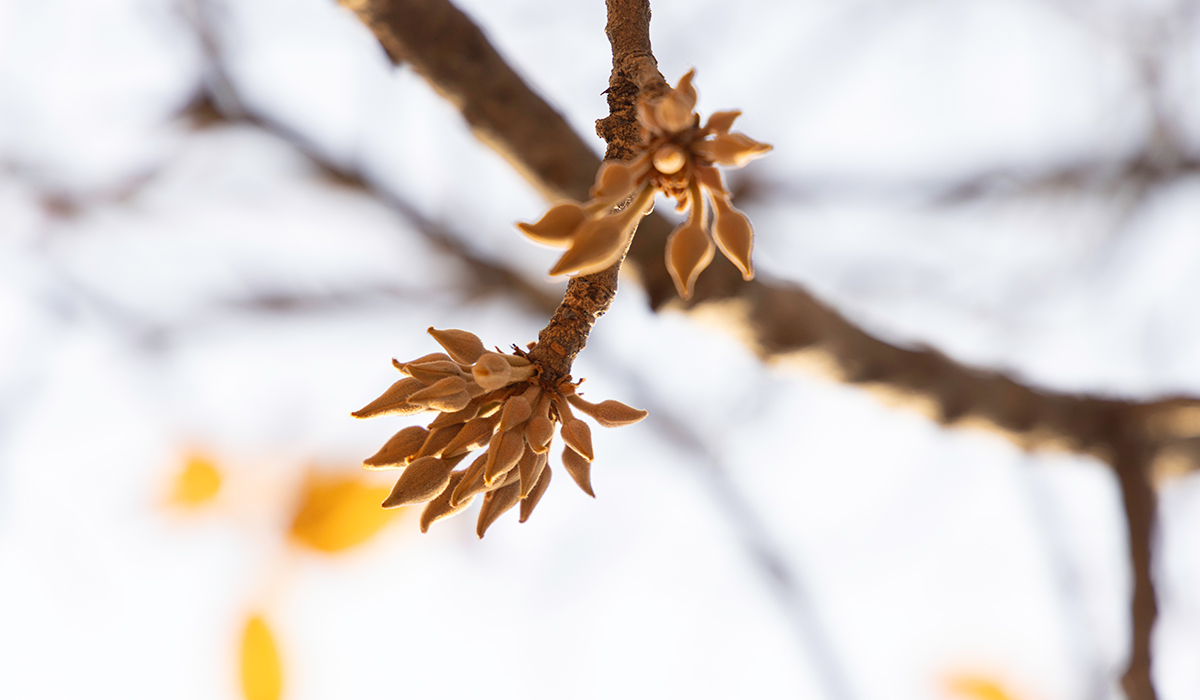
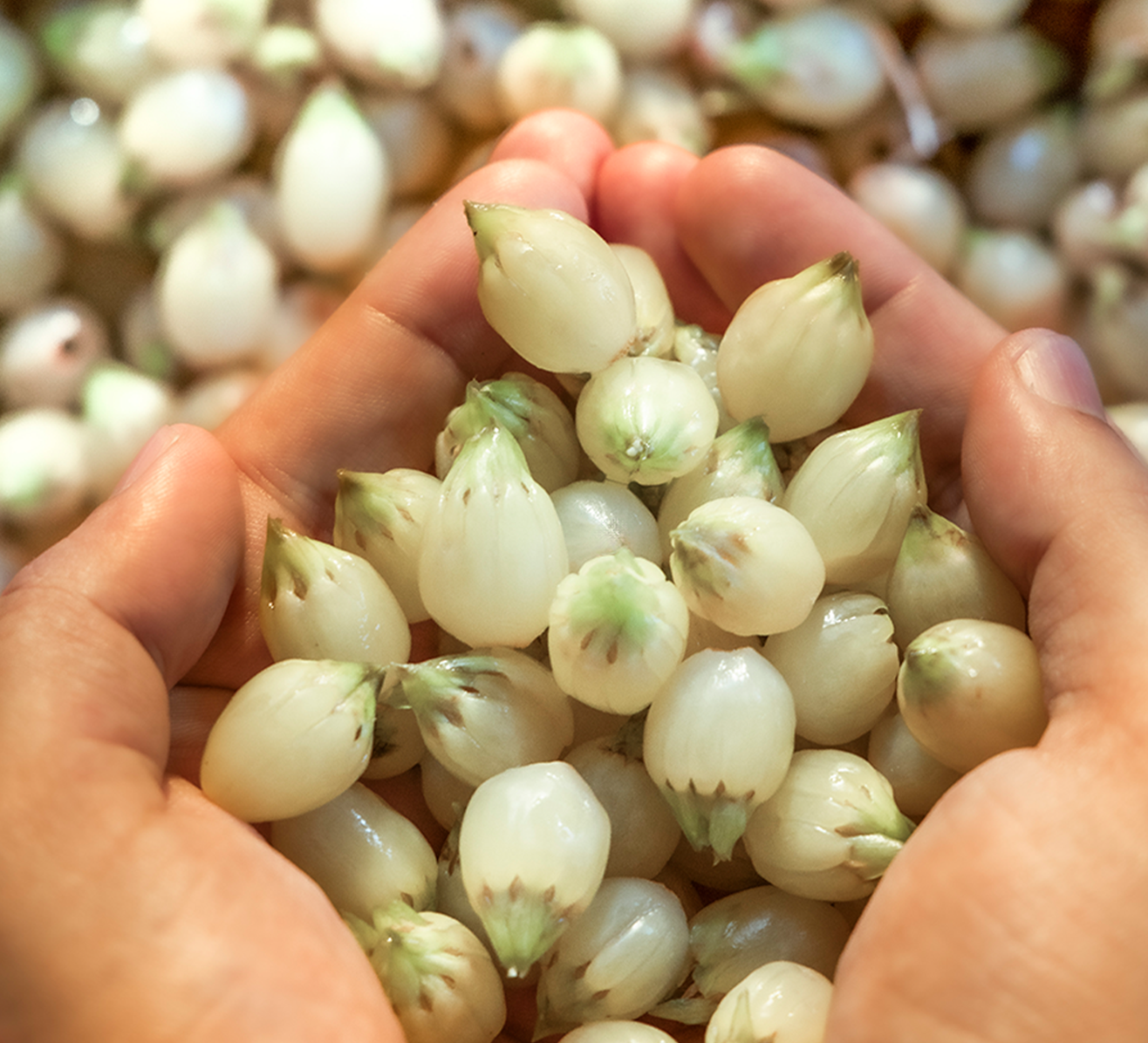
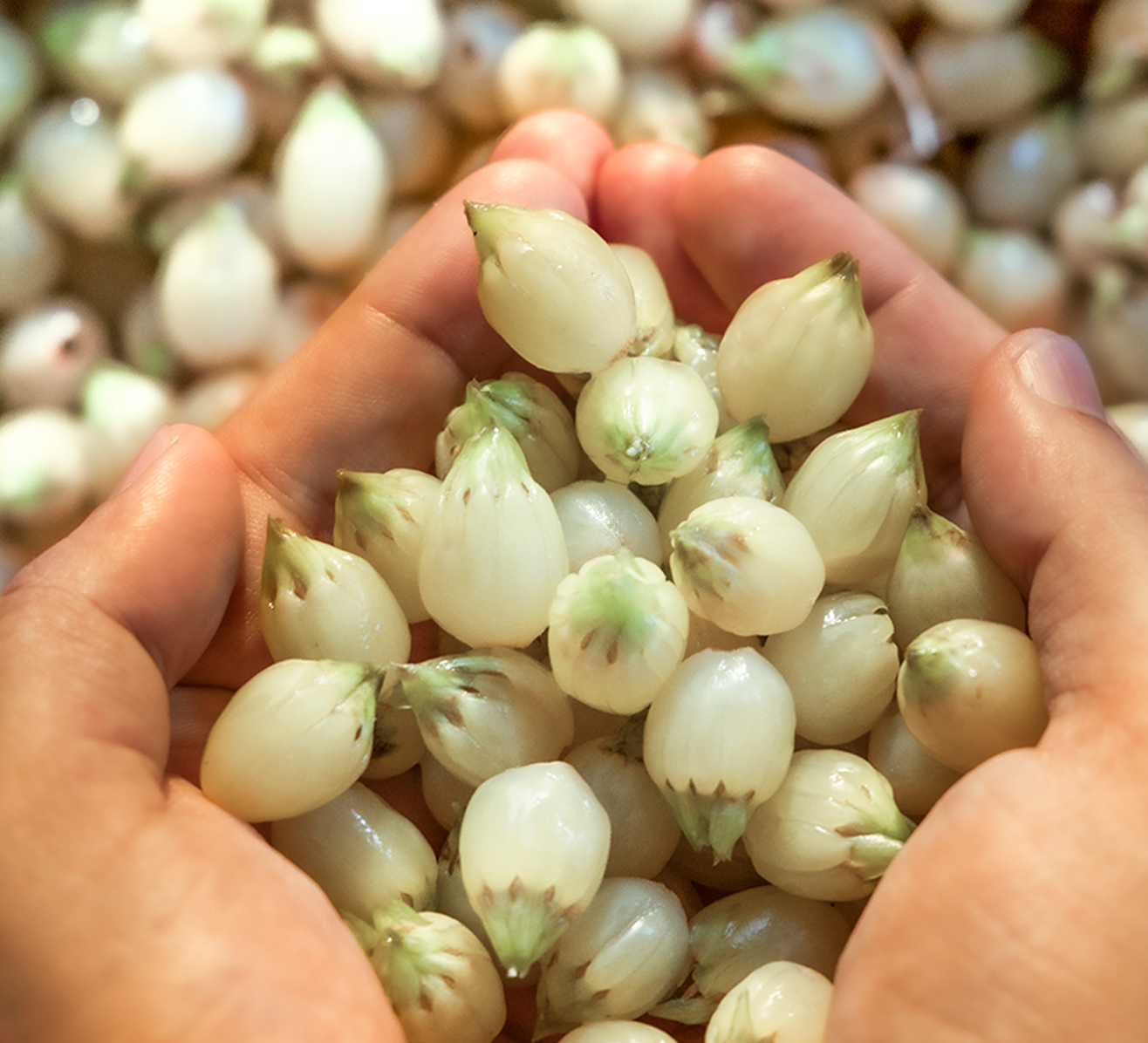
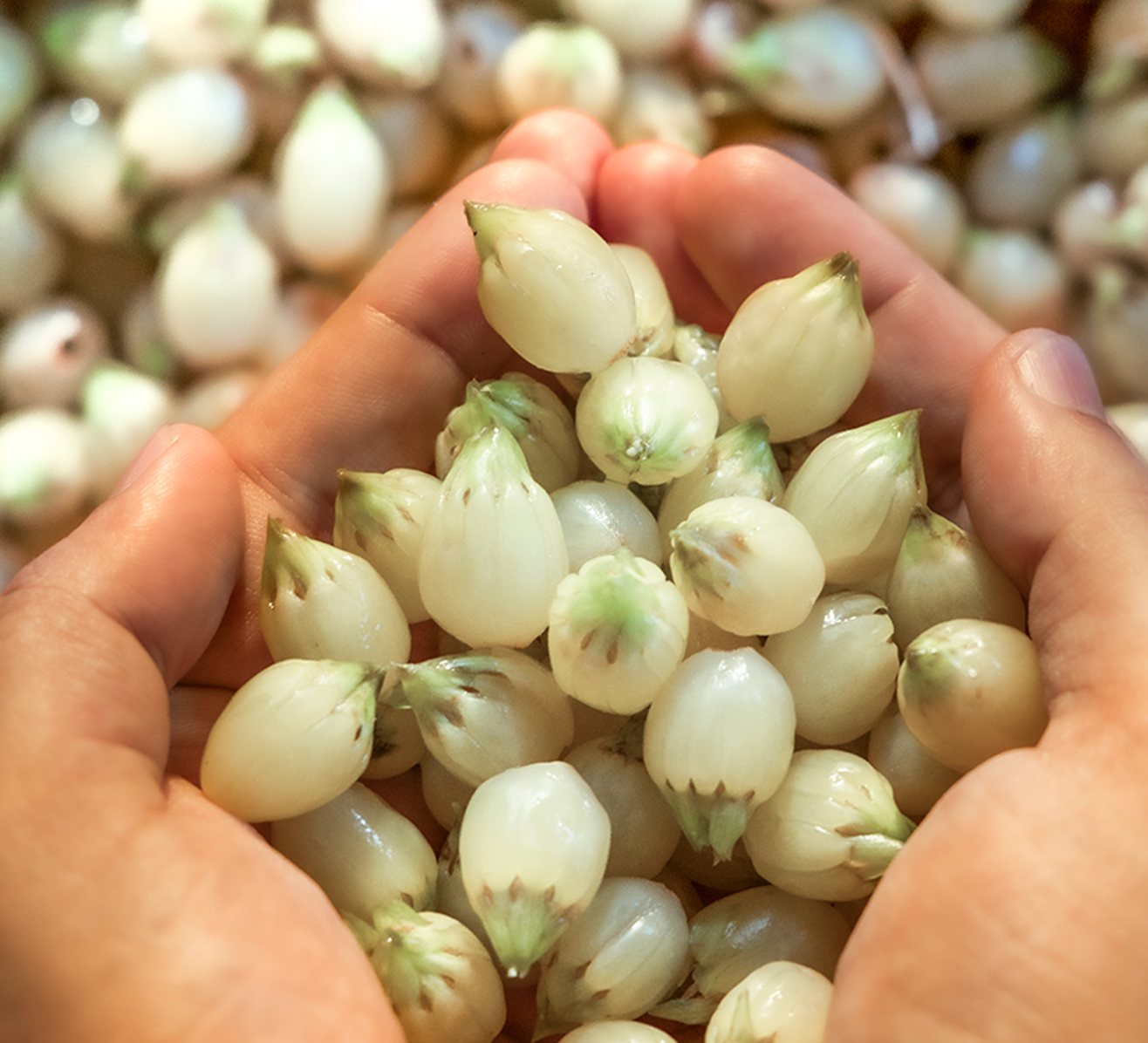
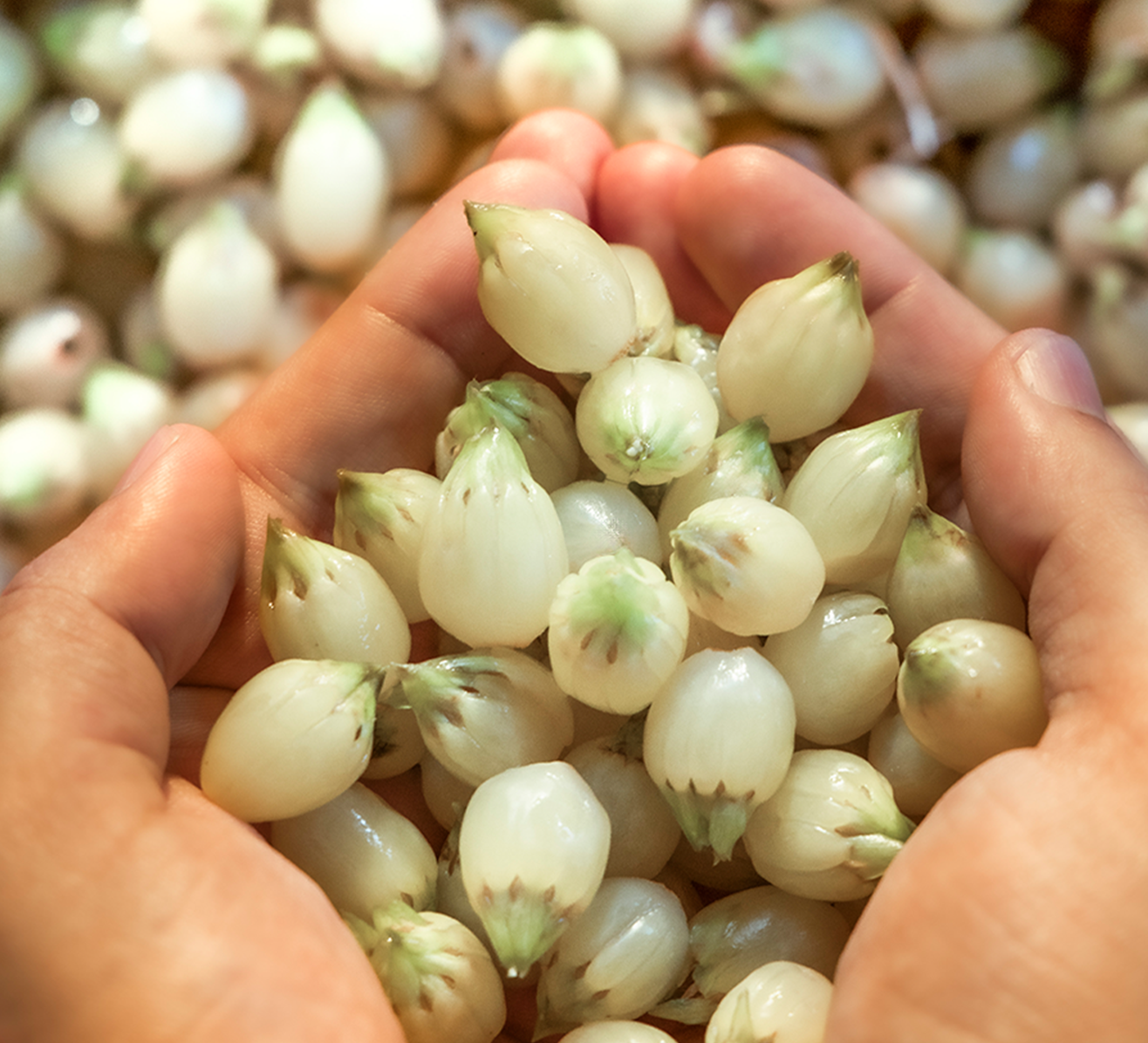
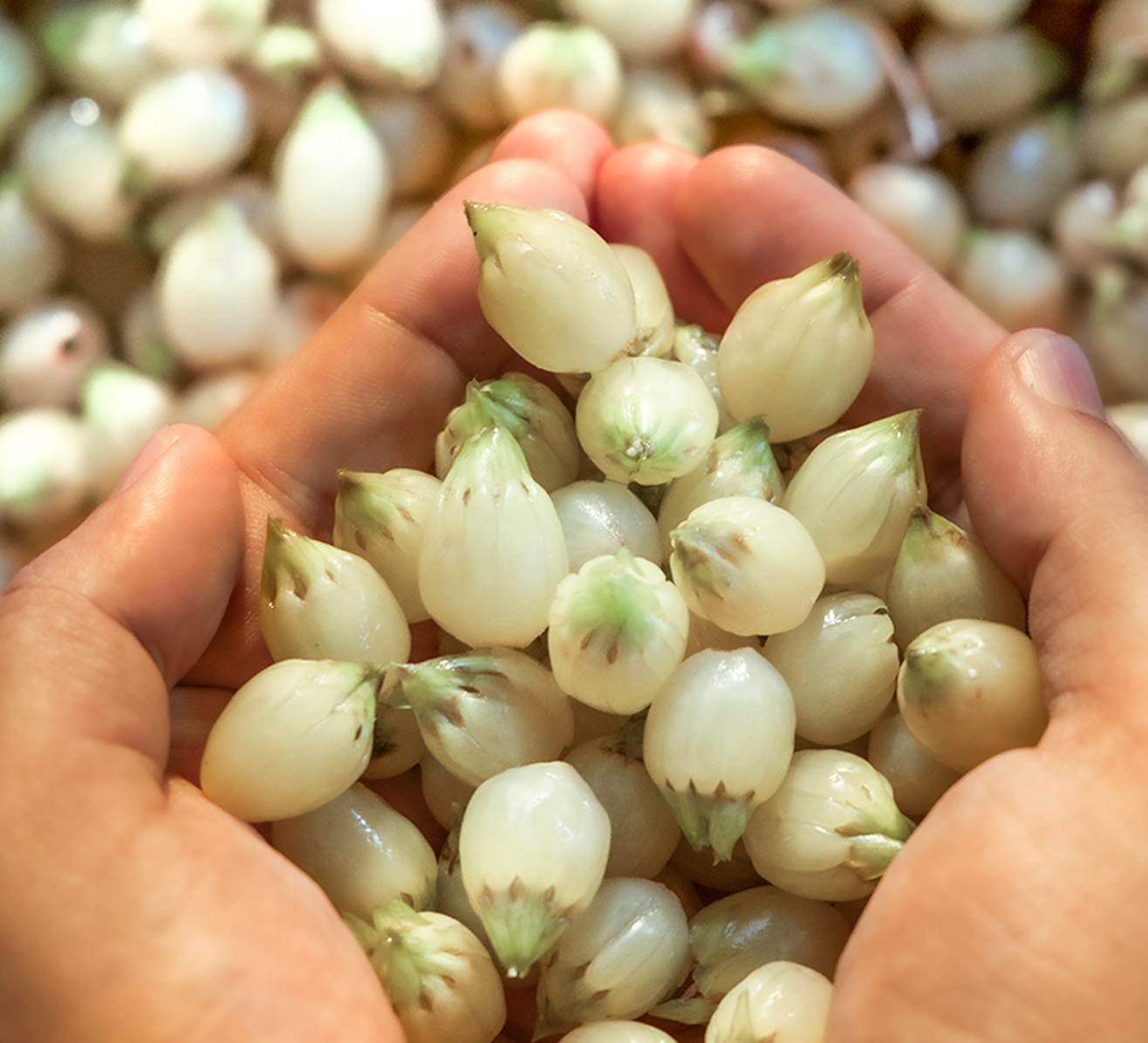
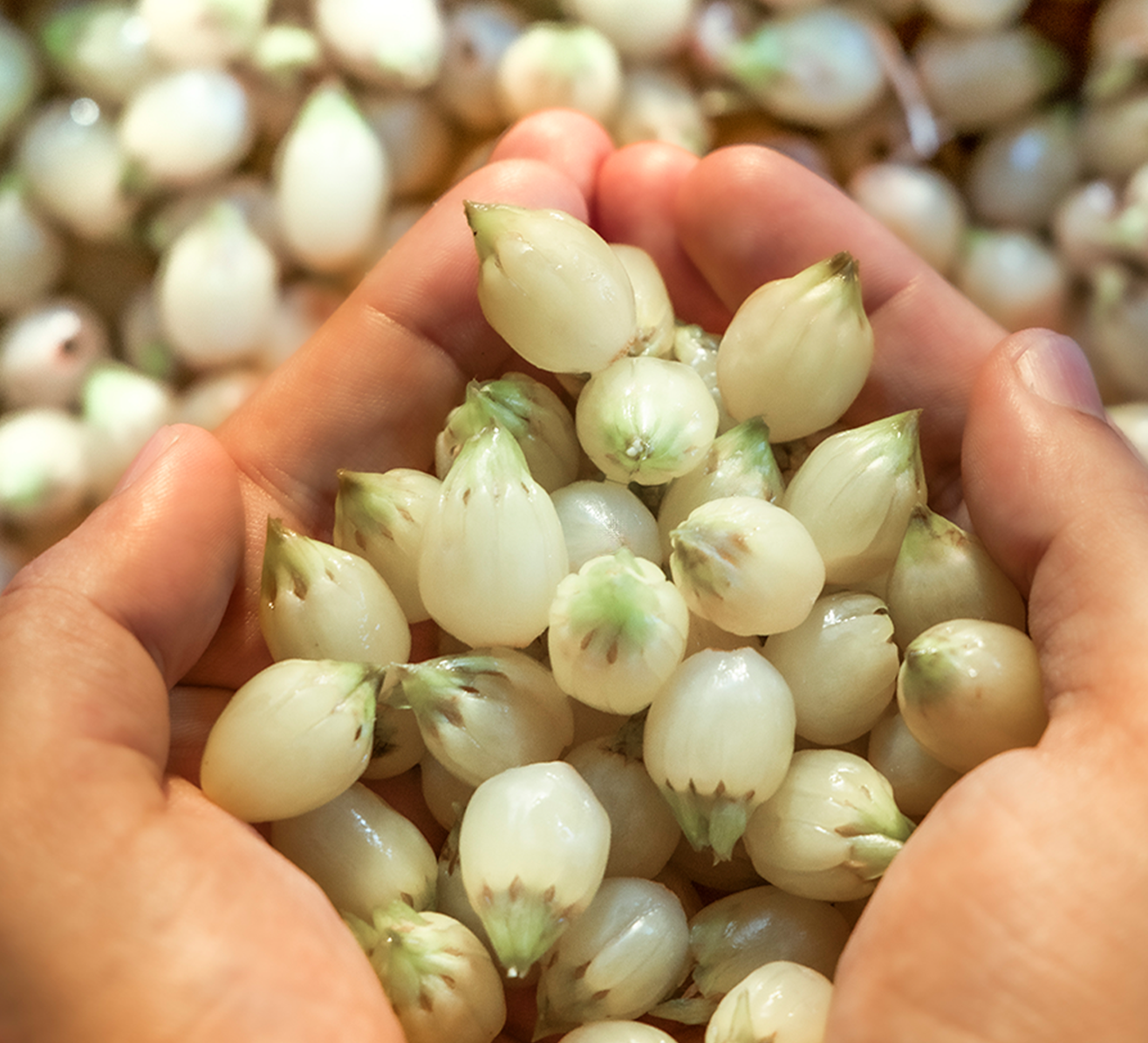
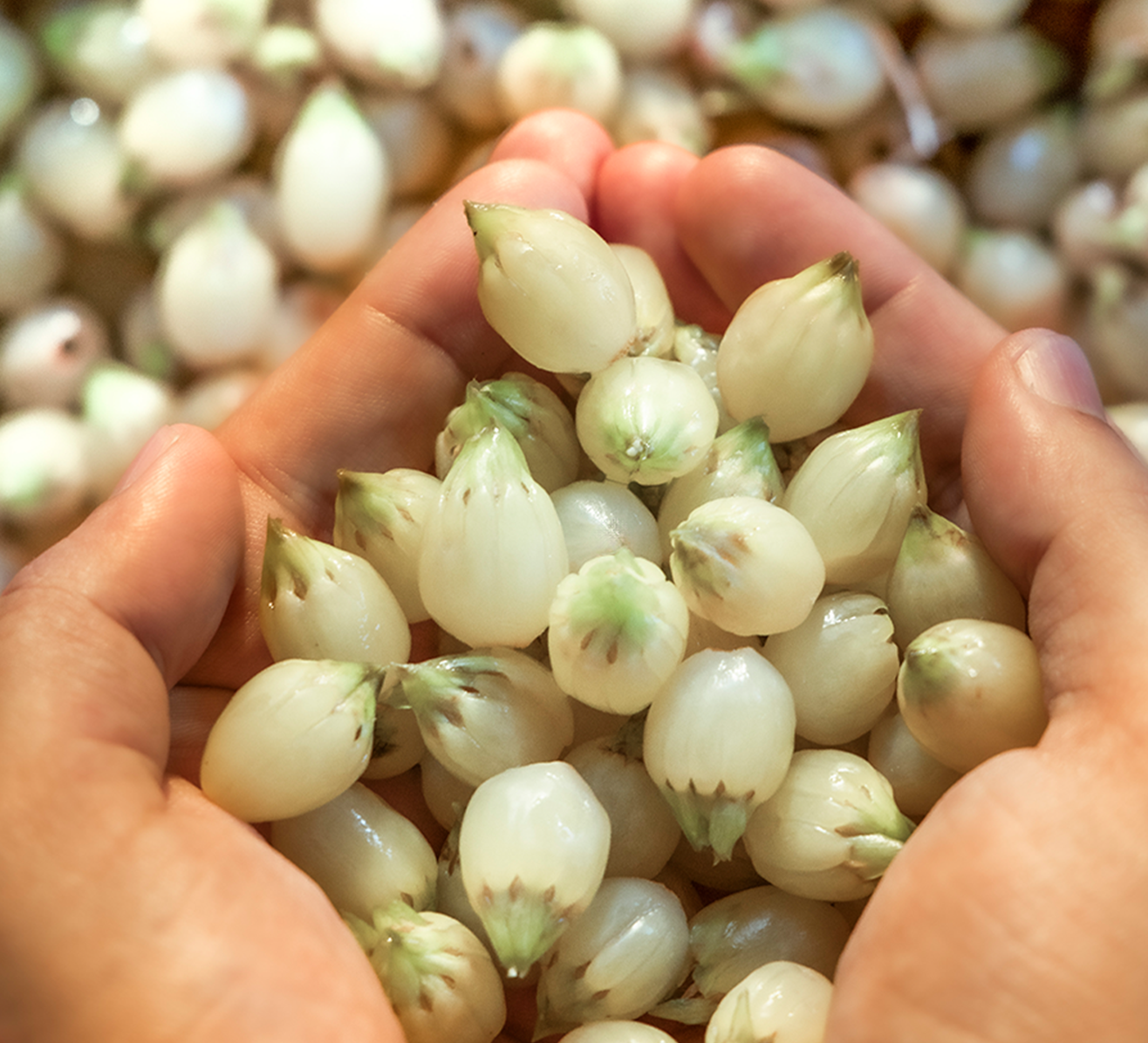
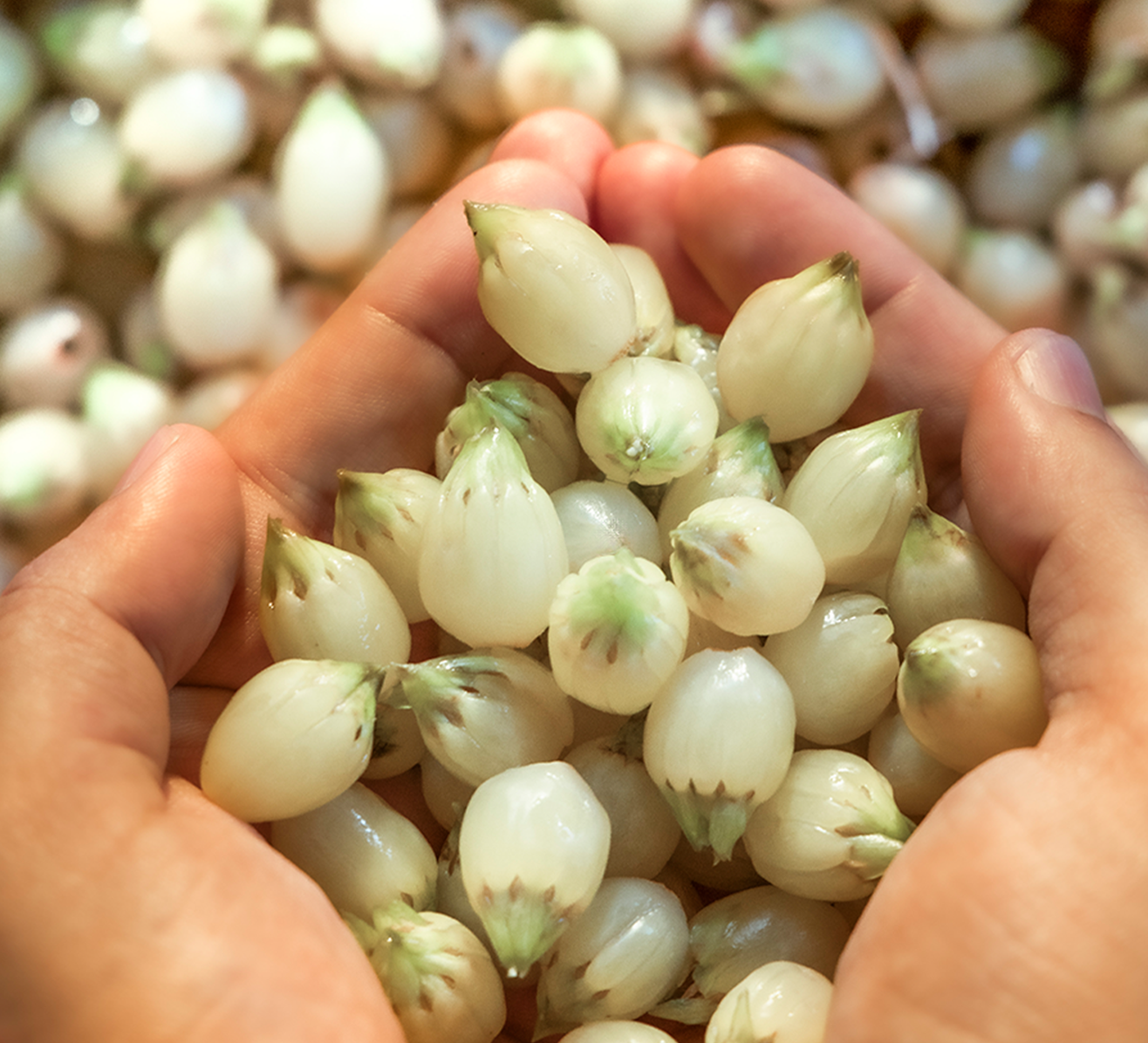
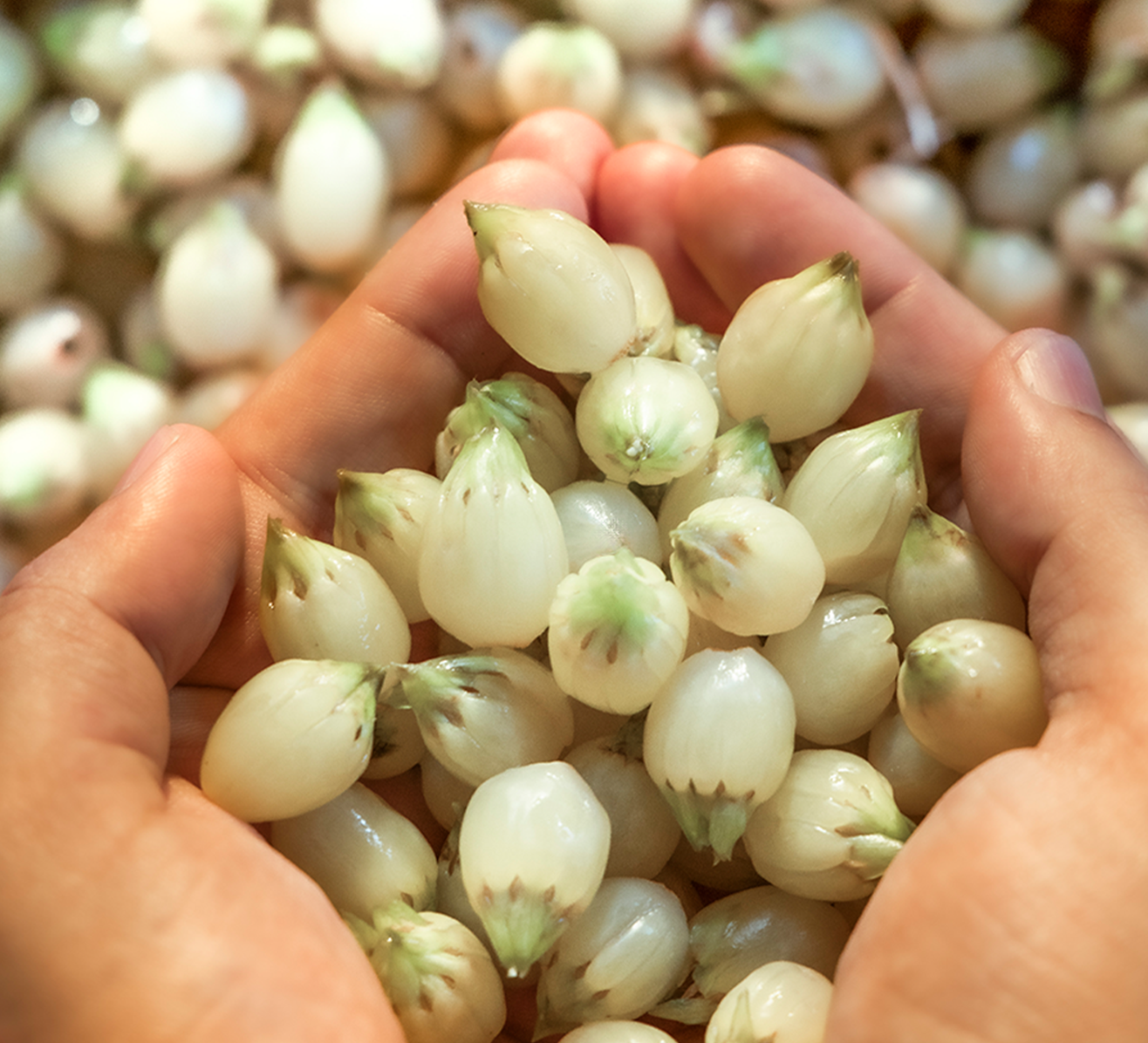
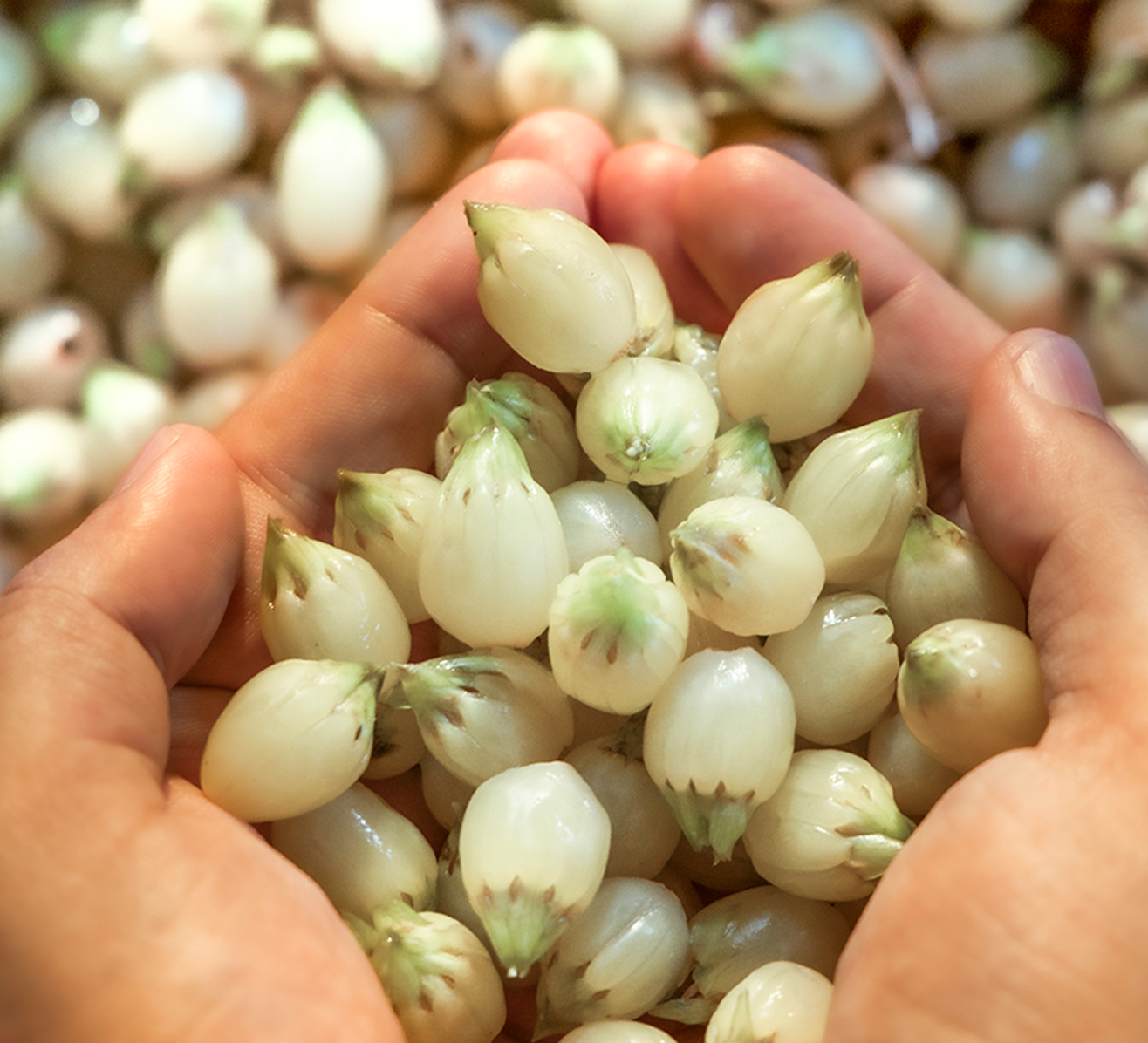
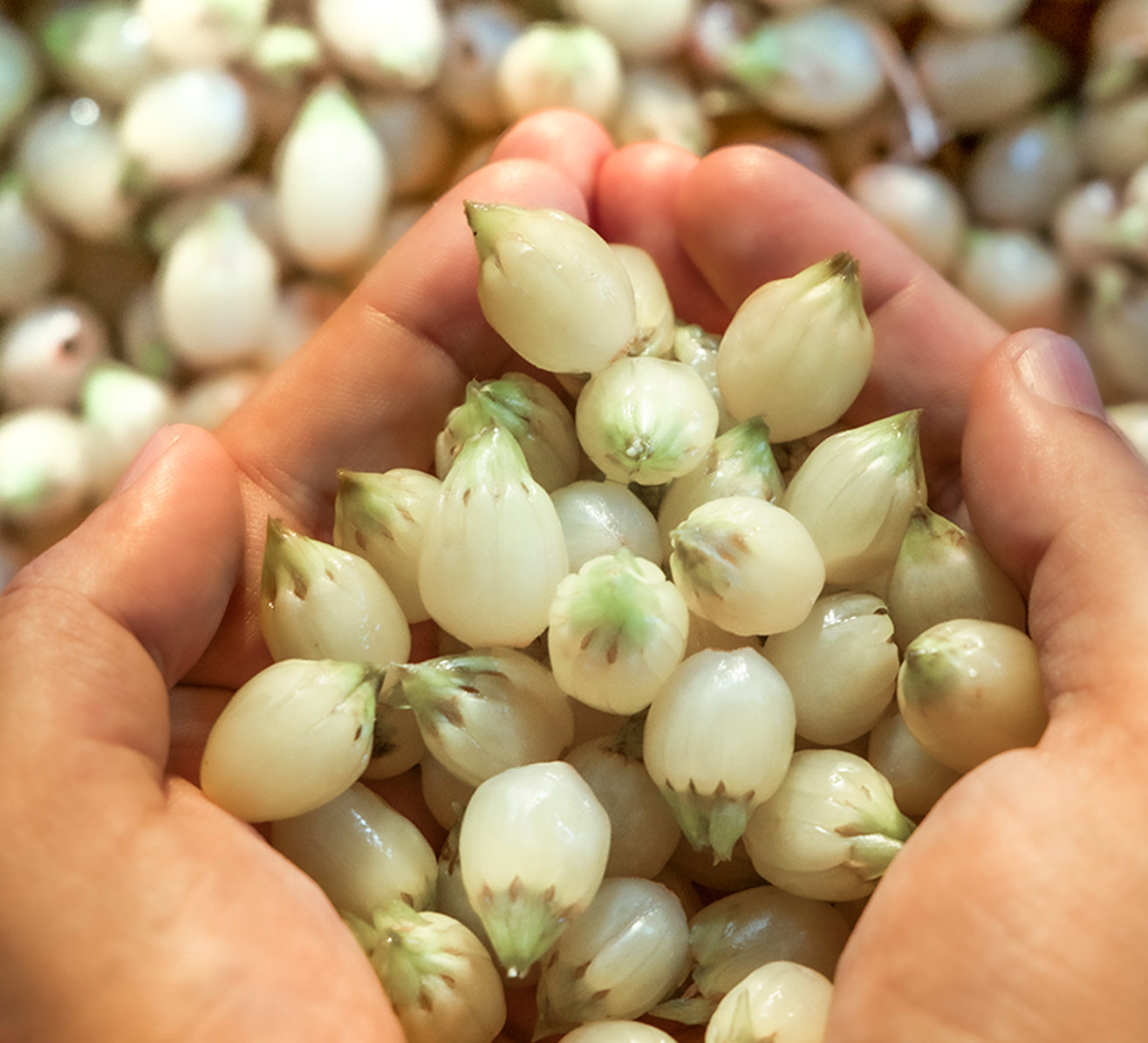
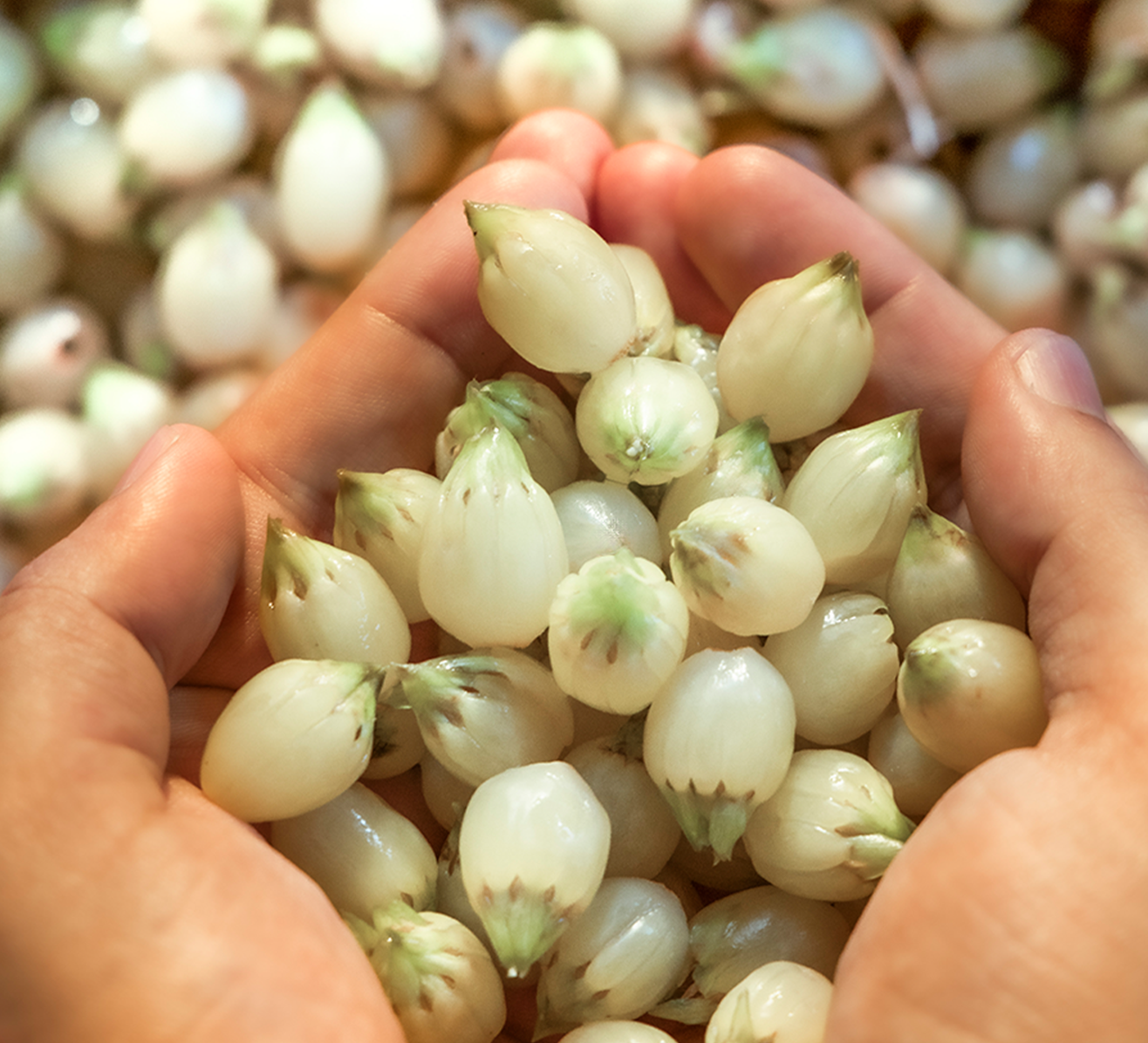
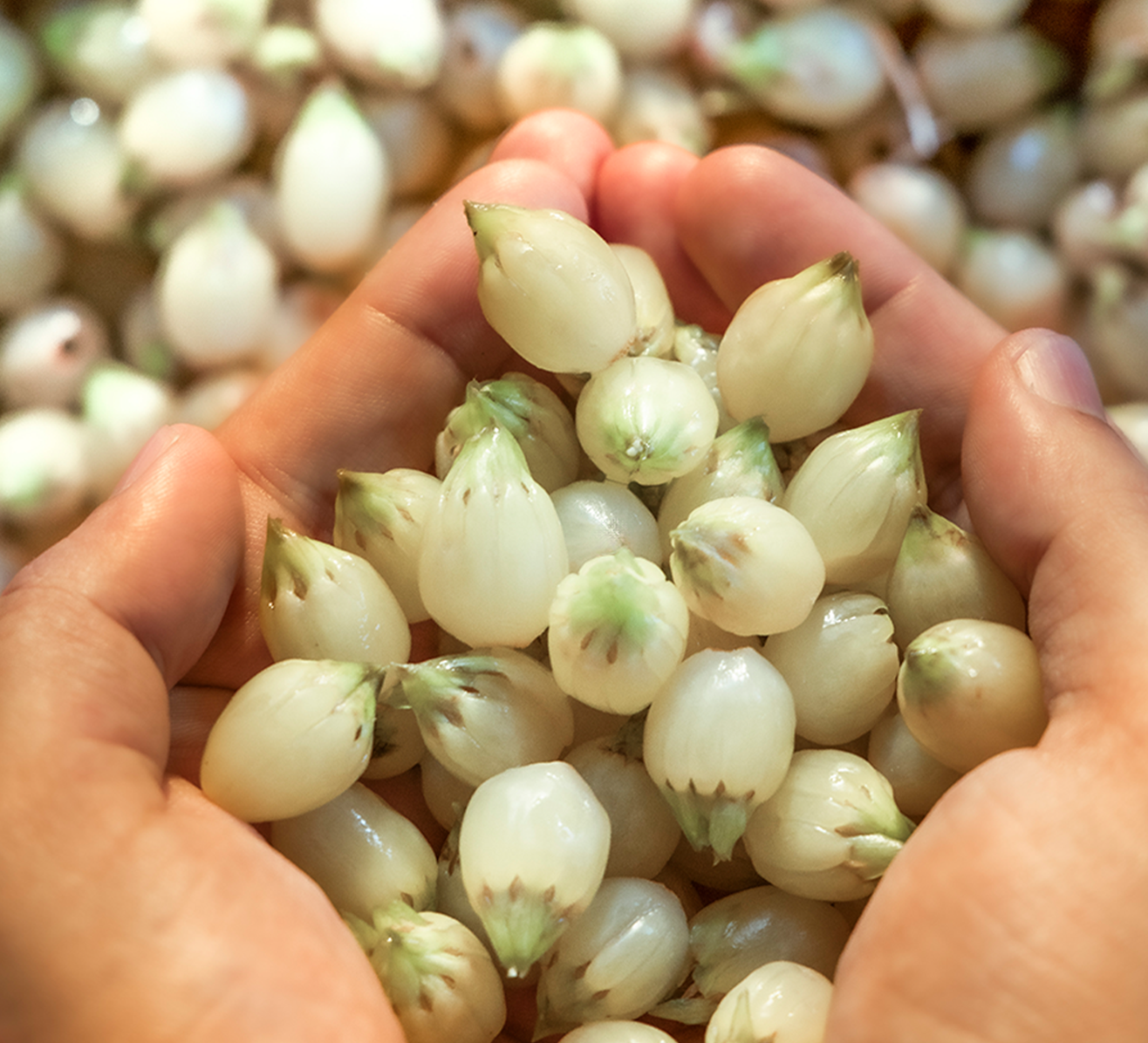
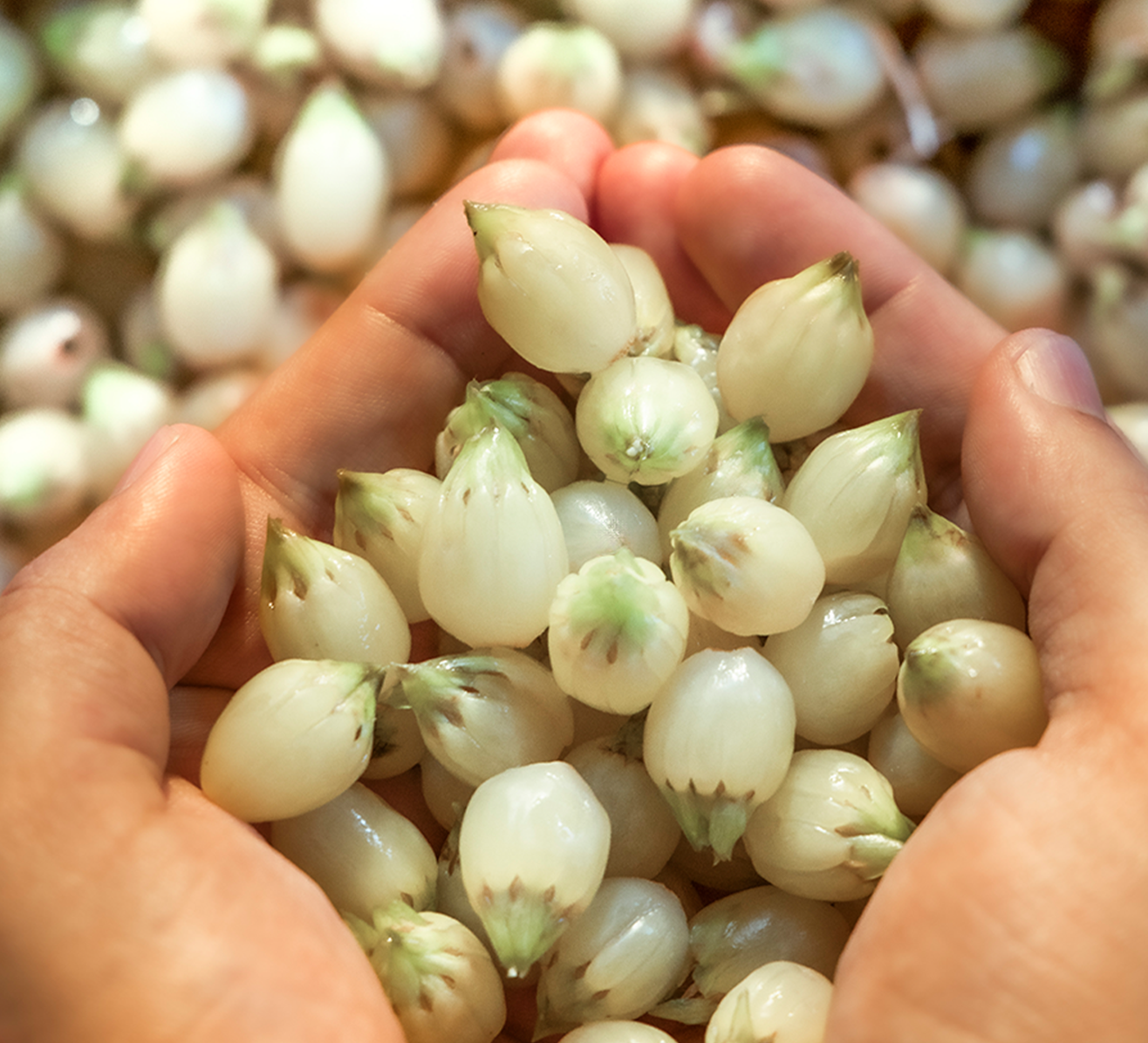
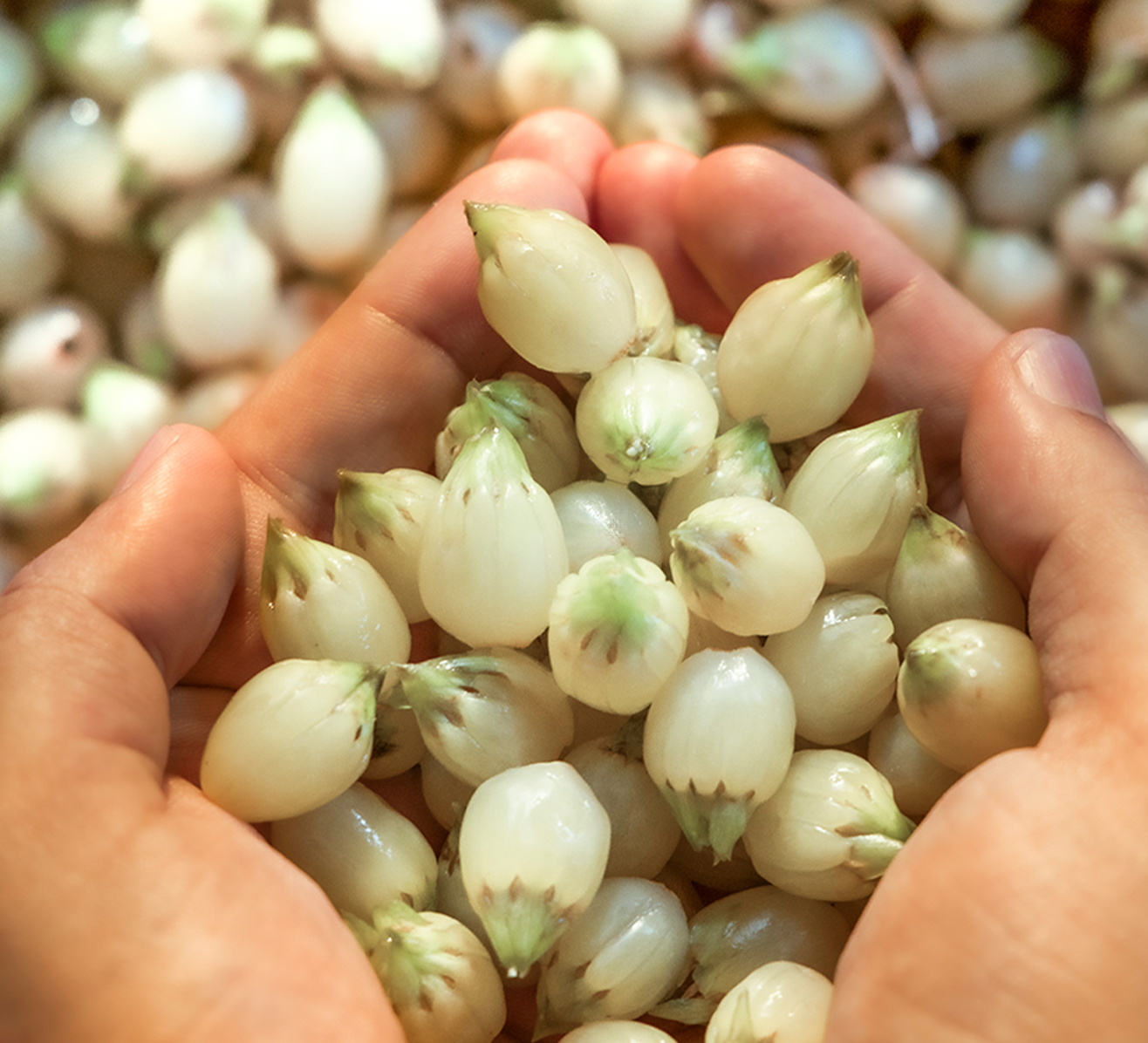
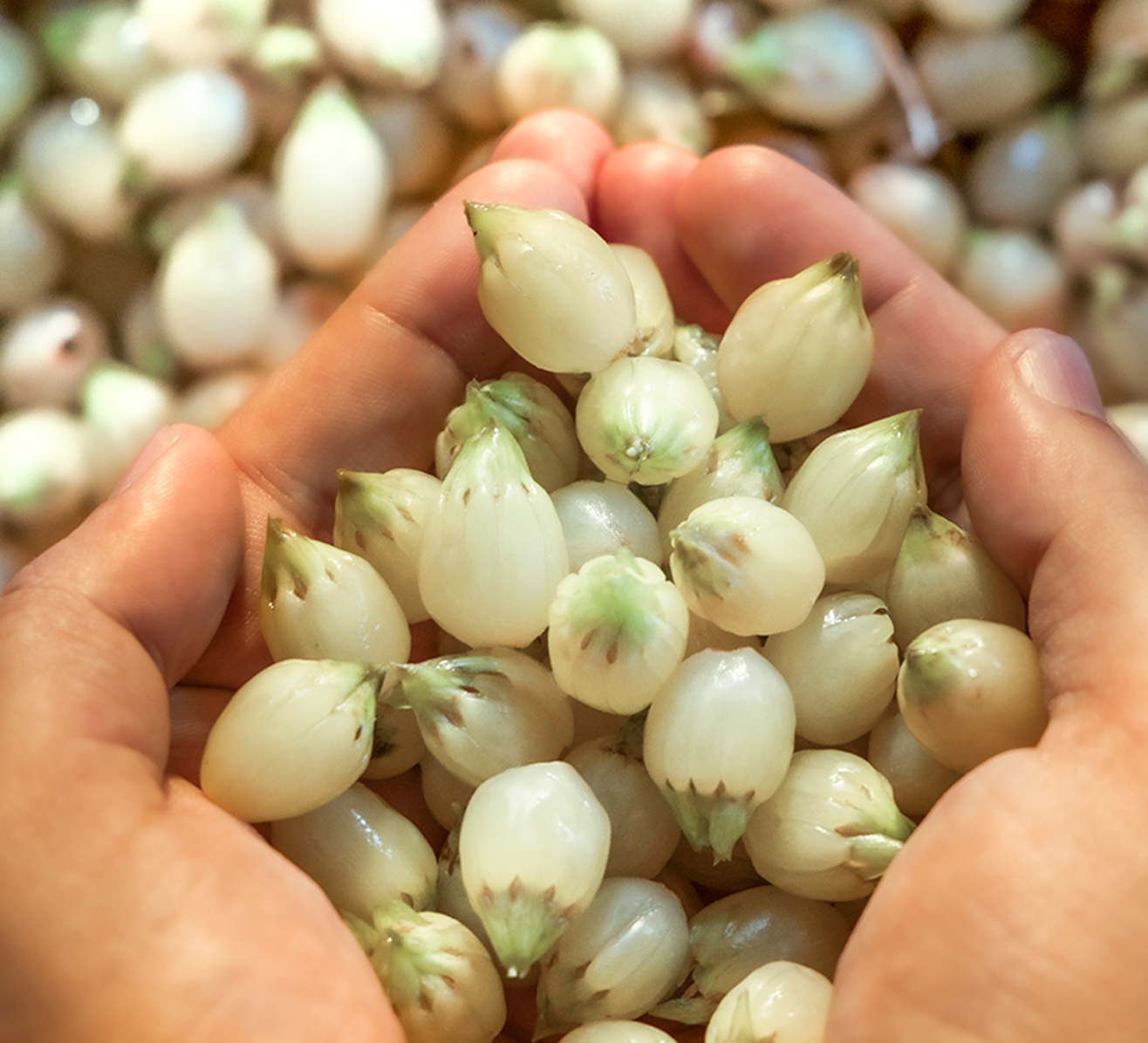
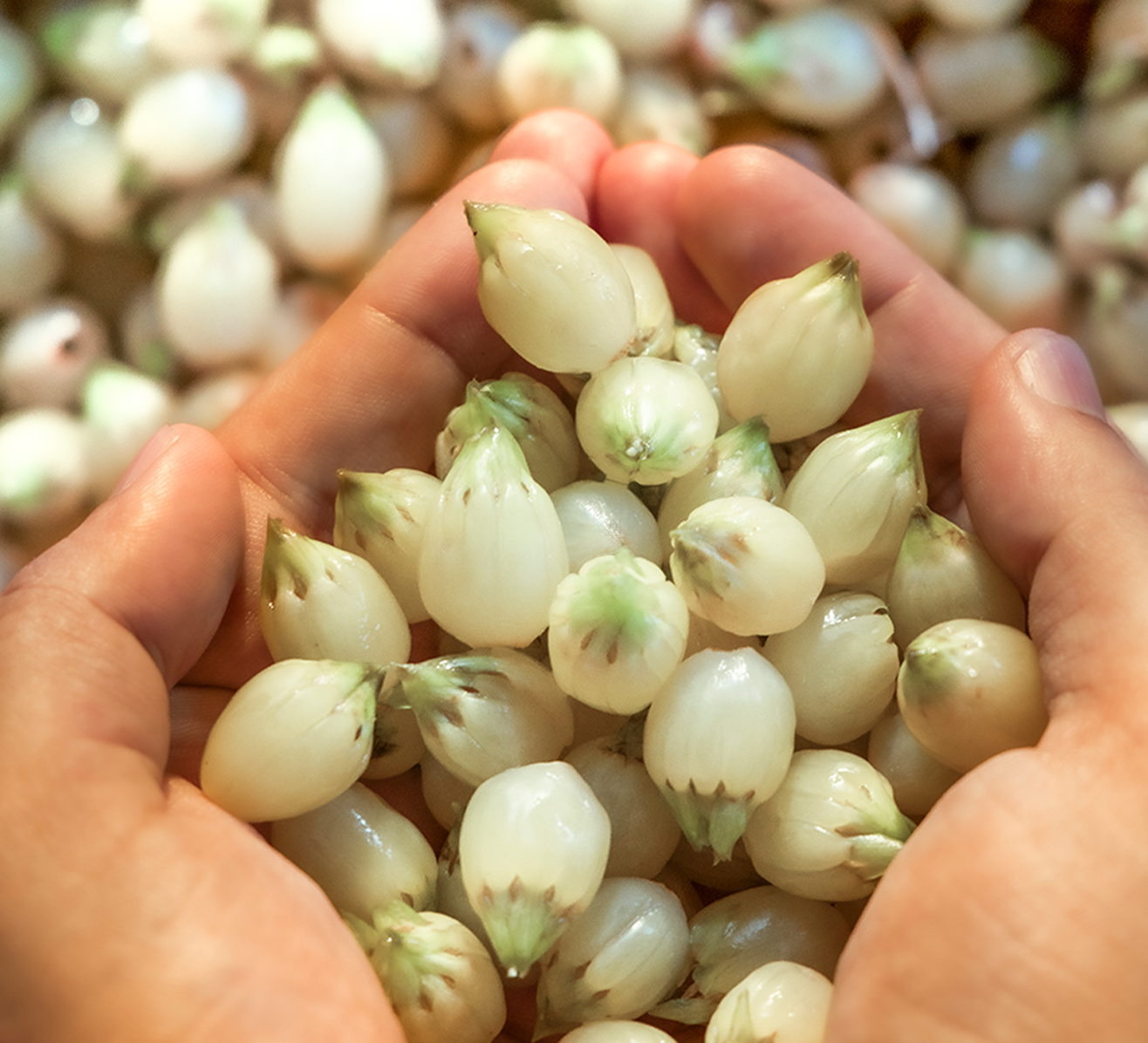
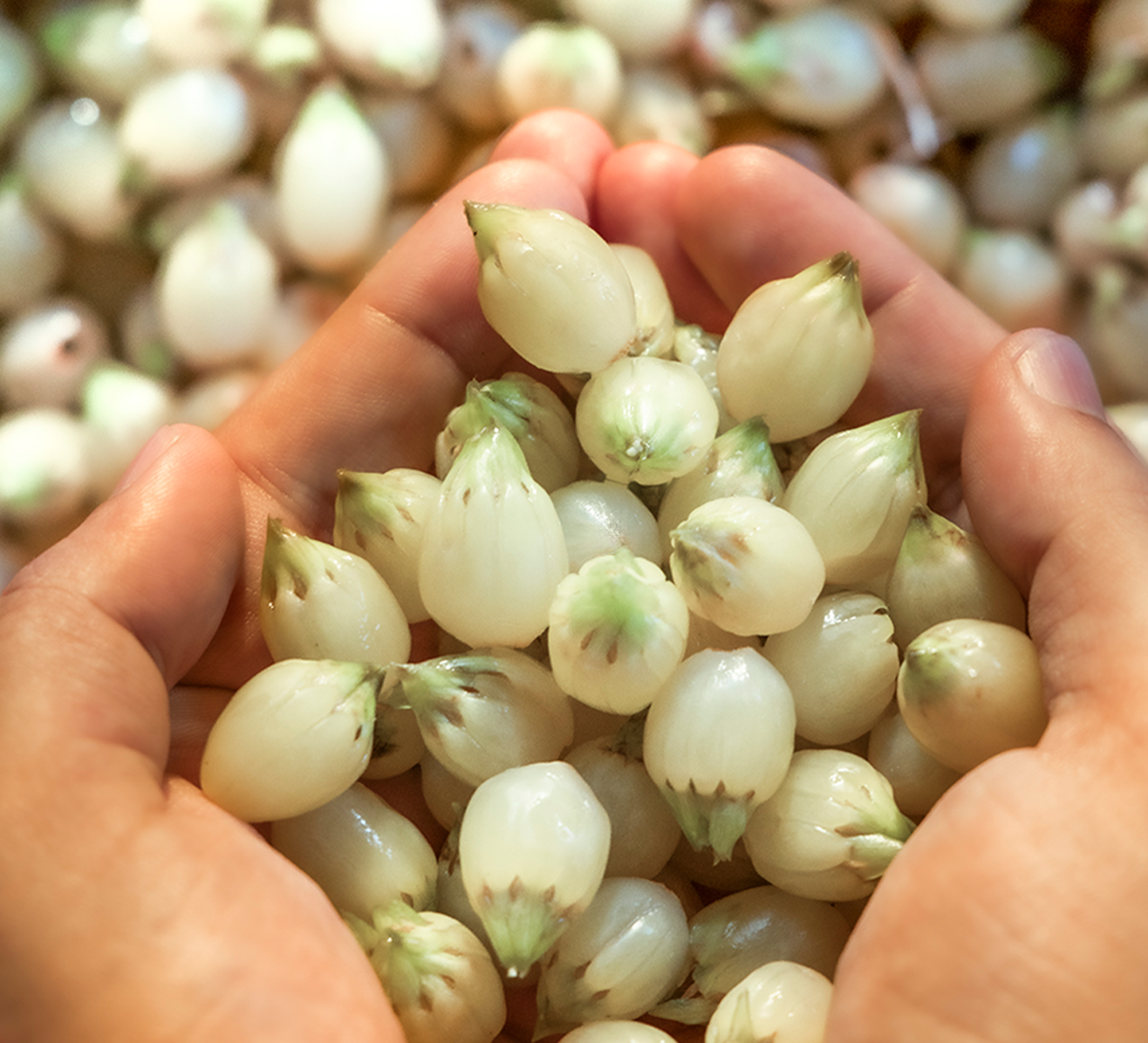
Derived from the Mahua flower of the Madhuca longifolia tree, this Mahua alcohol is not just India’s oldest spirit, it is a living expression of community, music, and tradition. To understand it fully, one must look beyond the glass and into the stories, sounds, and rituals that surround it.
In many regions, Mahua has always been:
Unlike transactional drinking cultures, Mahua spirit is rooted in shared experiences.
The process of working with the Mahua flower—from collection to preparation—brings communities together, reinforcing the social role of Mahua alcohol.
The harvesting of the Mahua flower is often accompanied by:
These songs are not performances—they are part of the process itself.
Through music, knowledge about Madhuca longifolia is preserved:
In this way, Mahuva and Mahuva are tied not just to taste, but to memory.
Mahua spirit plays a role in:
It is often seen as a symbol of abundance and connection.
During celebrations, Mahua alcohol becomes part of:
Music associated with Mahua often reflects:
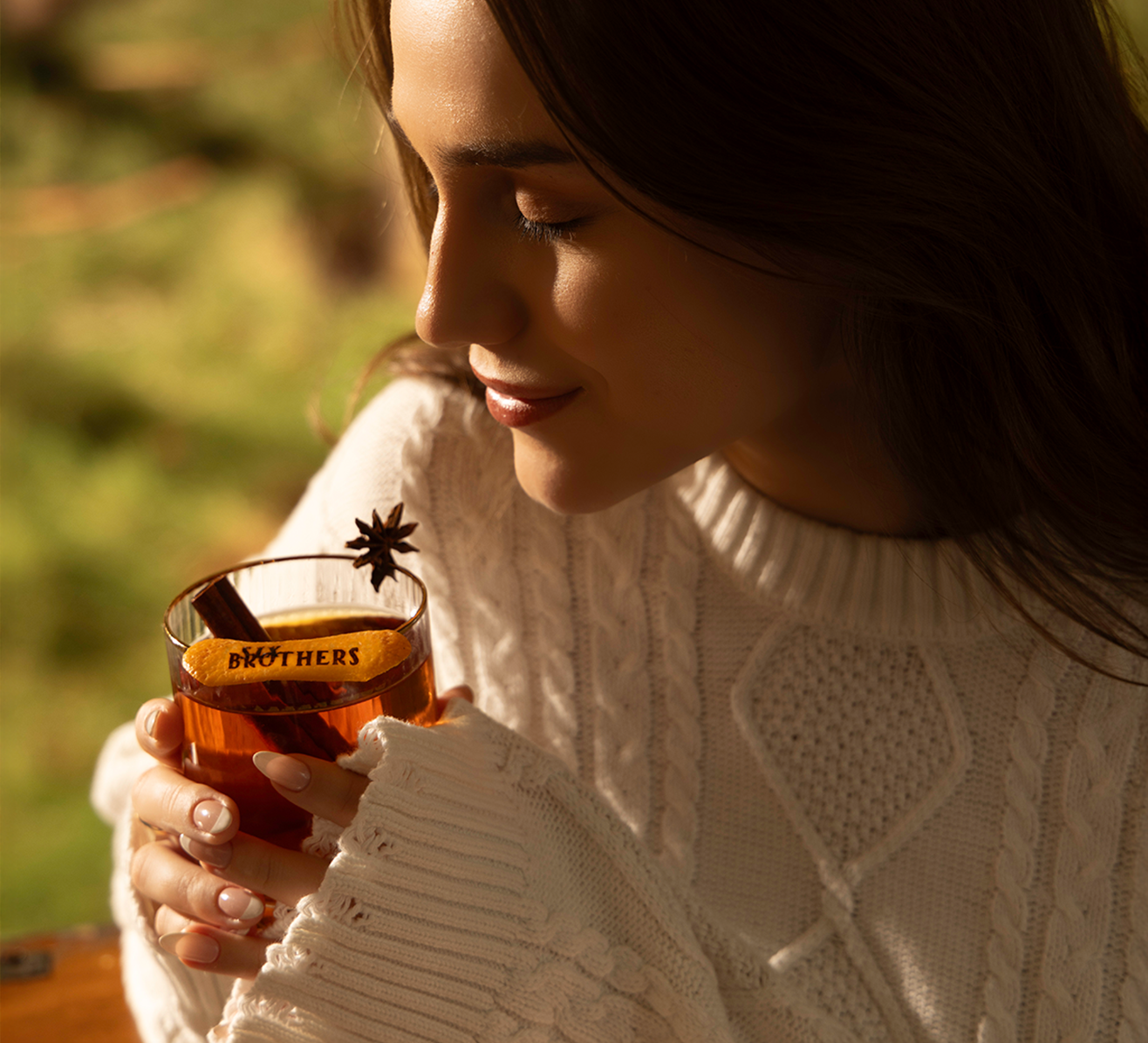
The experience of Mahua spirit is not limited to taste—it includes:
This multi-sensory connection makes India’s oldest spirit unique.
As Mahua alcohol enters contemporary spaces, its cultural roots remain essential:
Modern interpretations of Mahua spirit aim to:

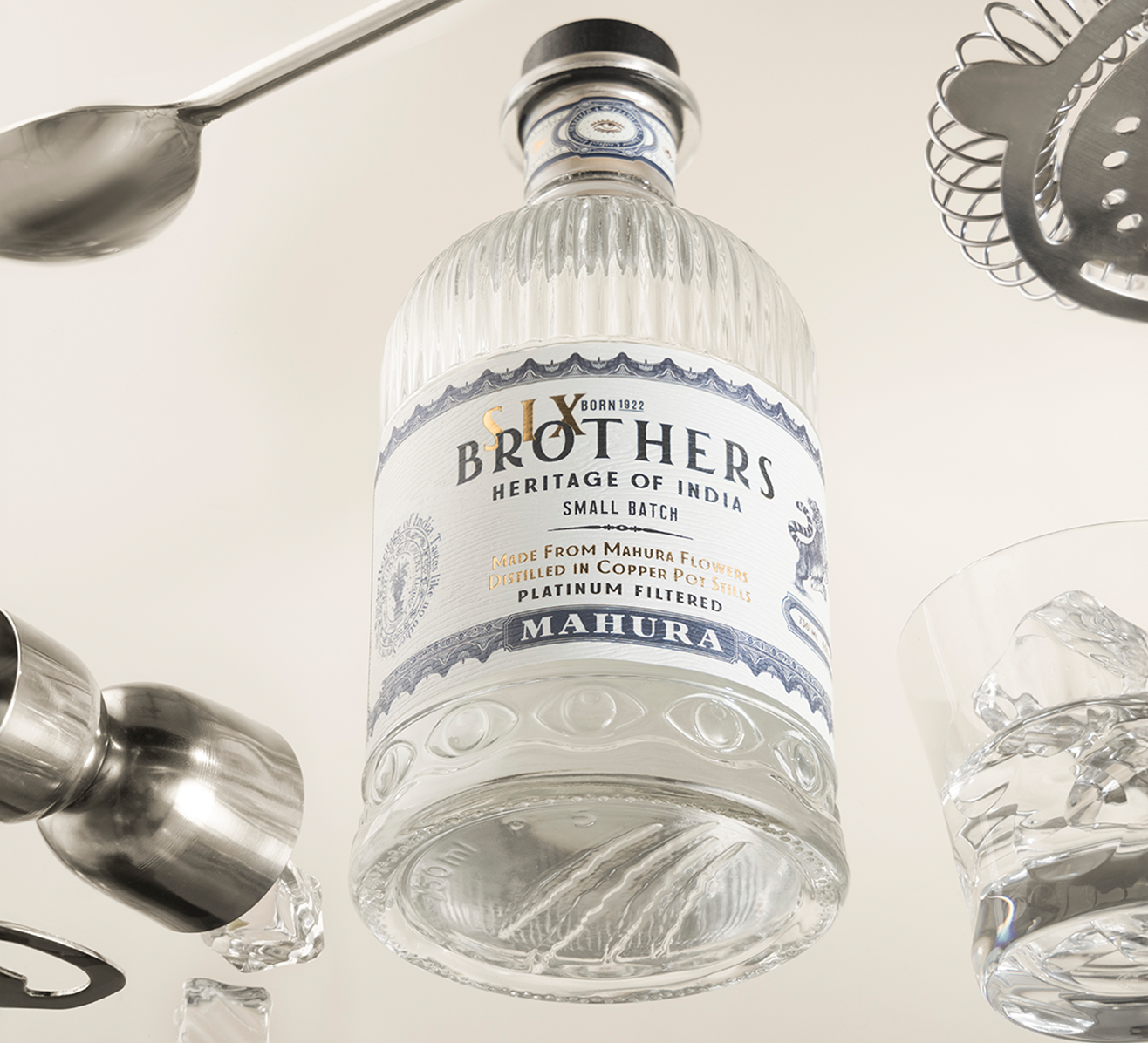
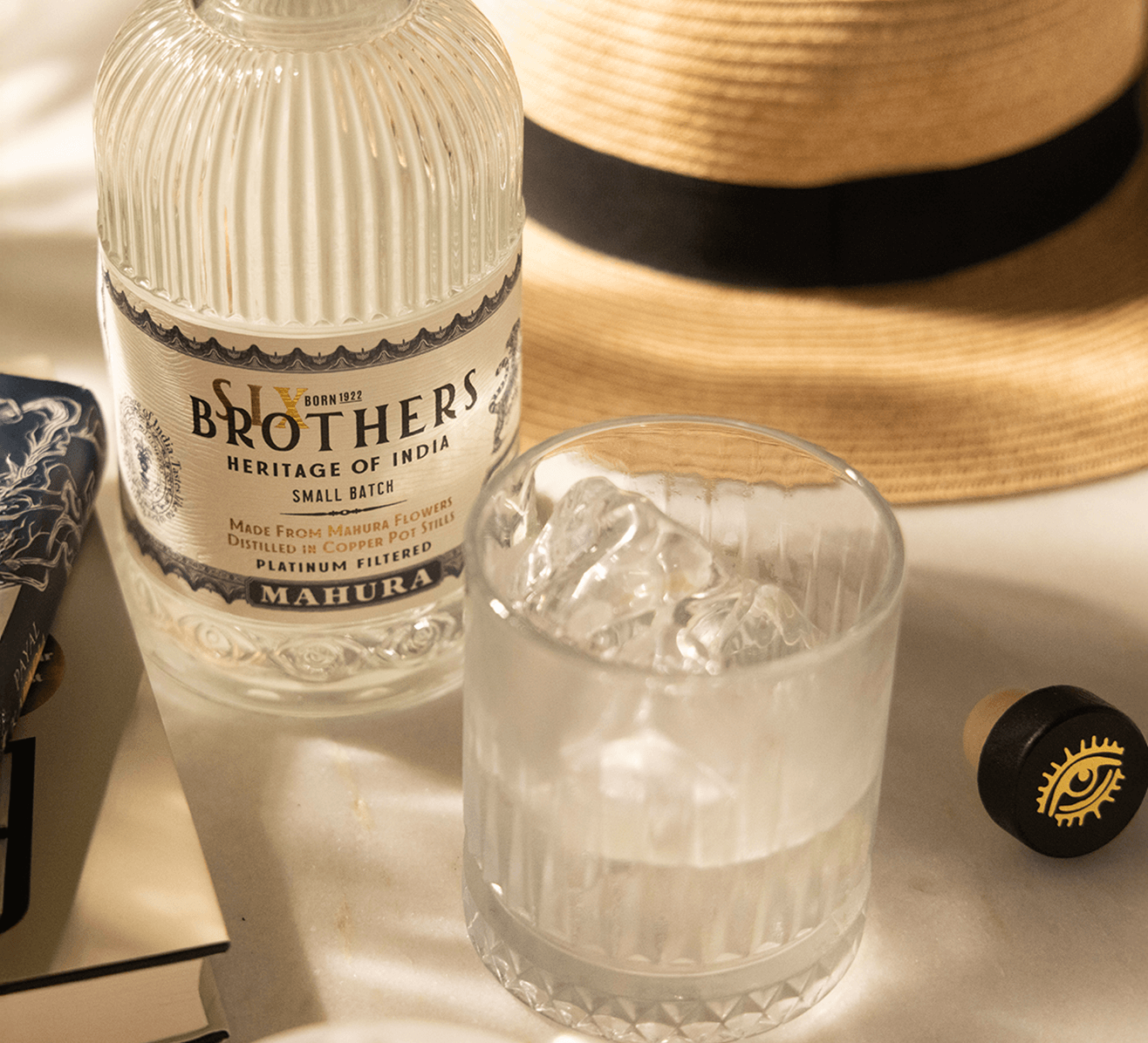
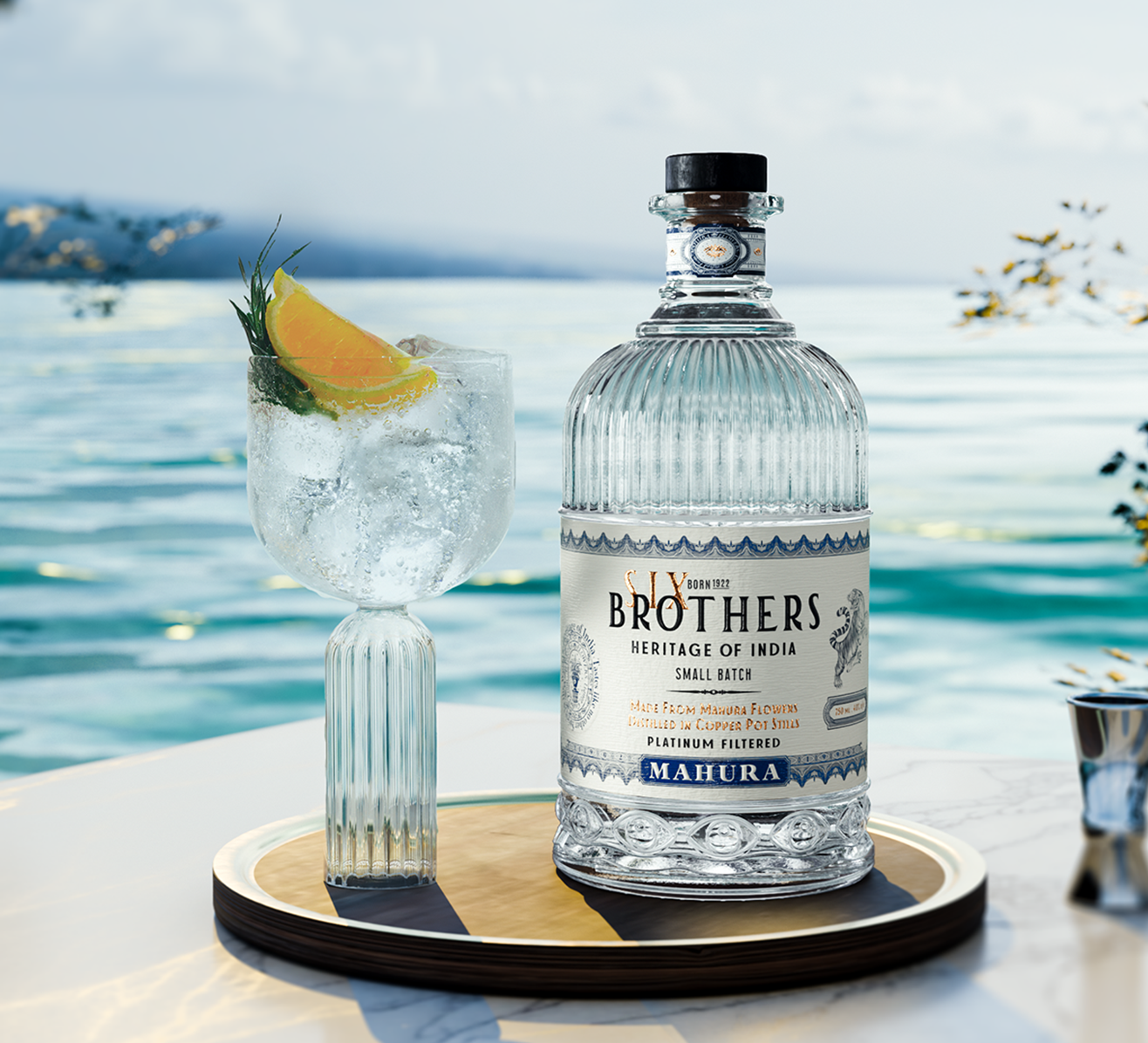
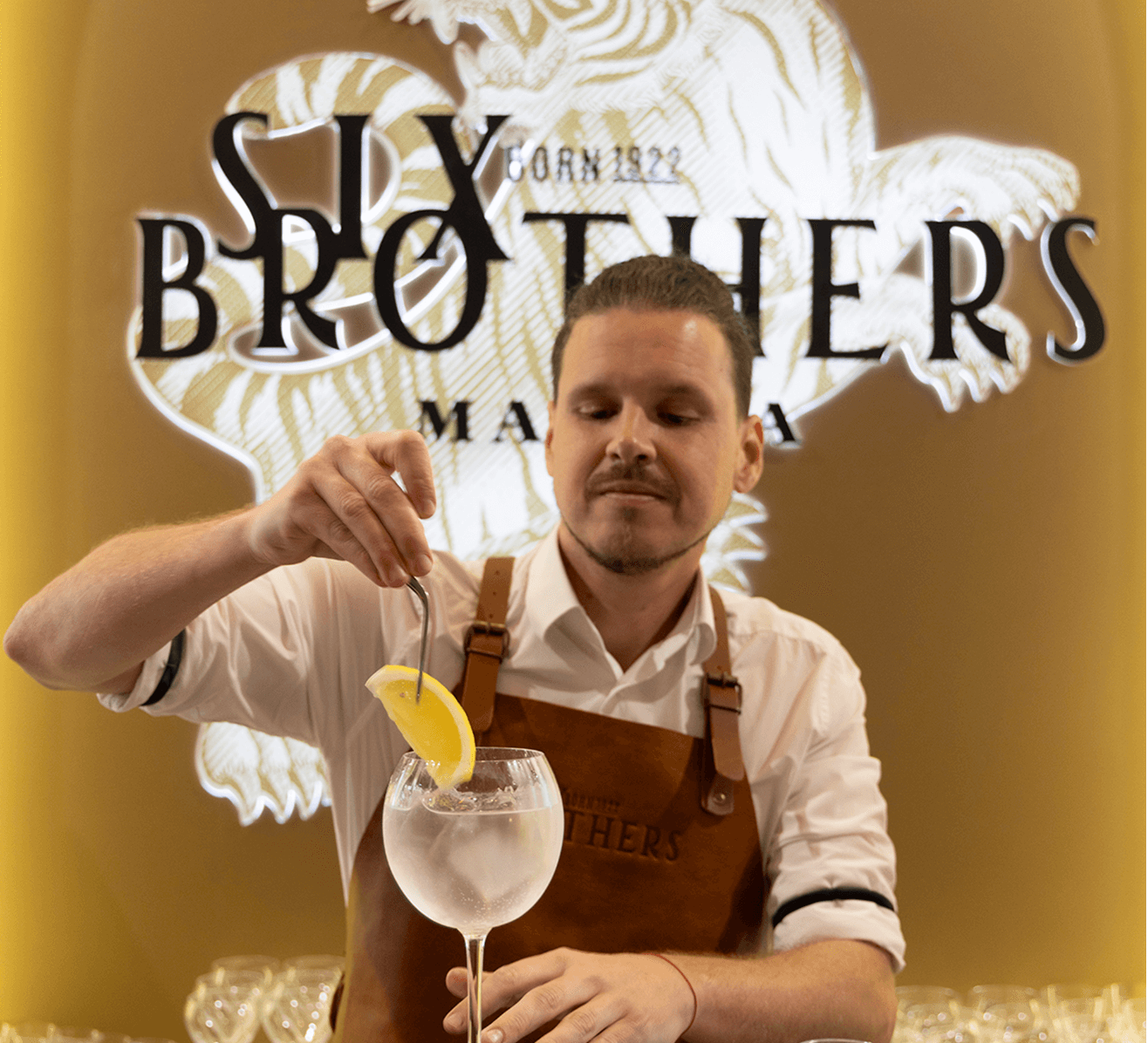
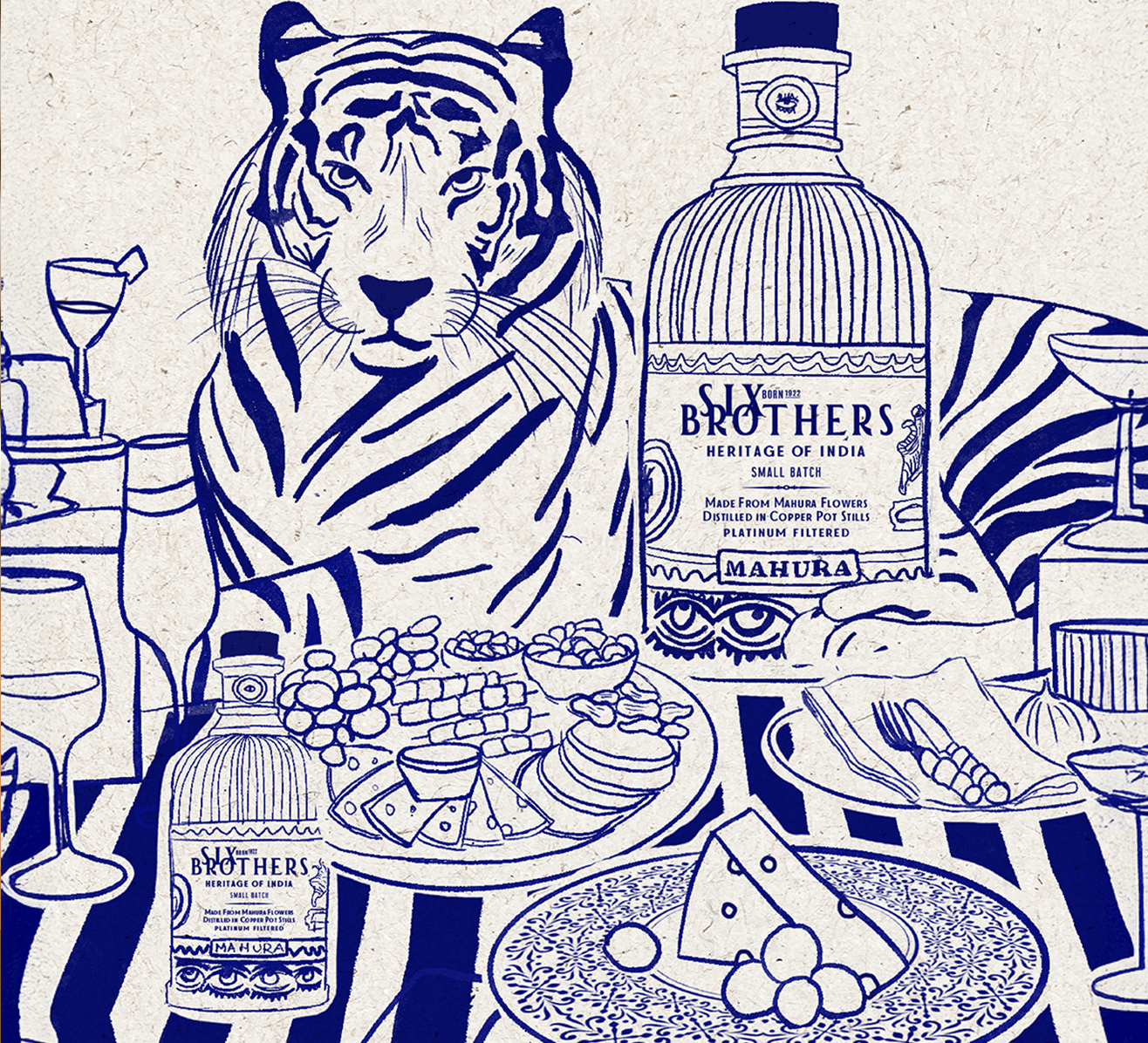
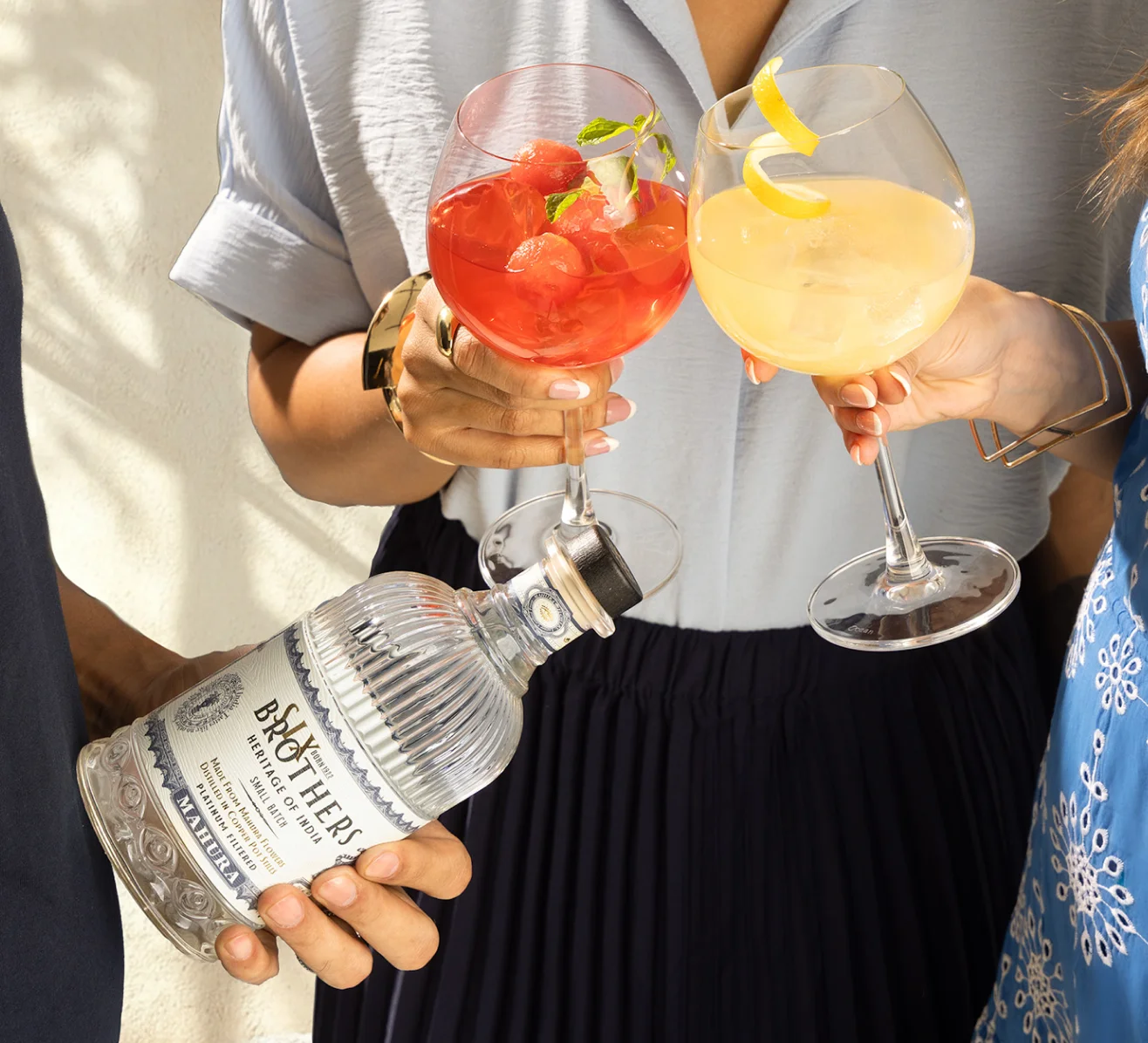
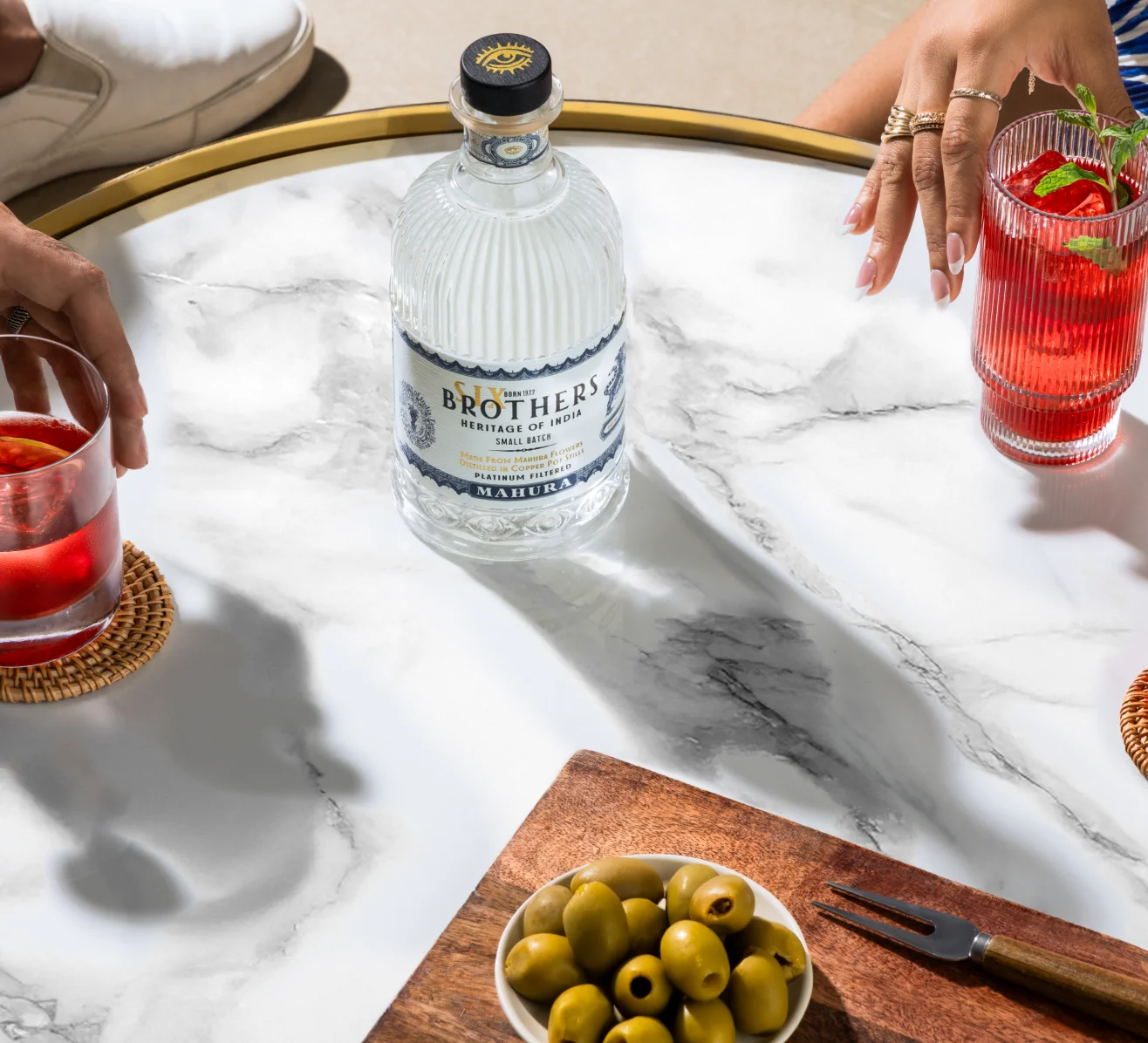
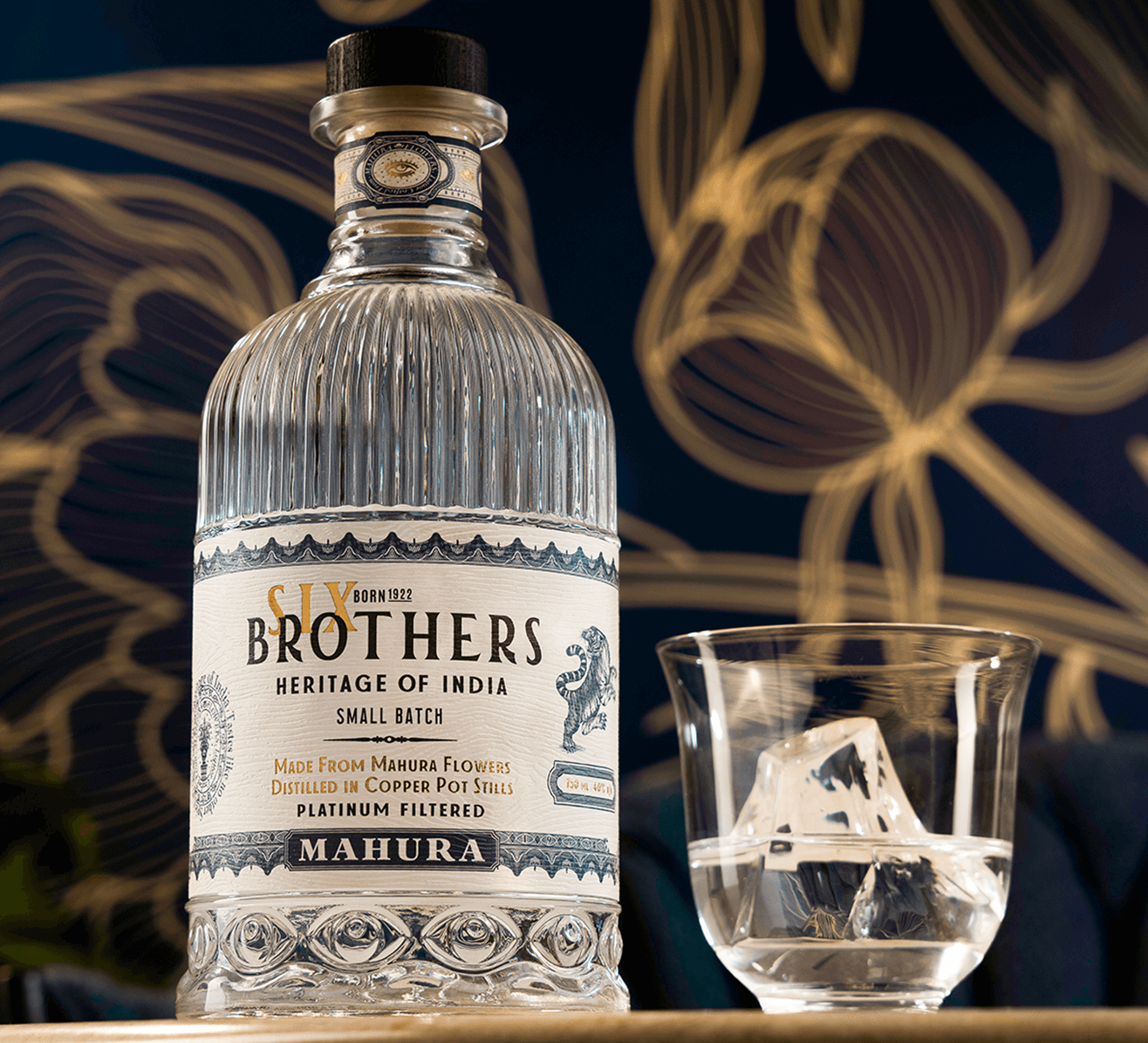
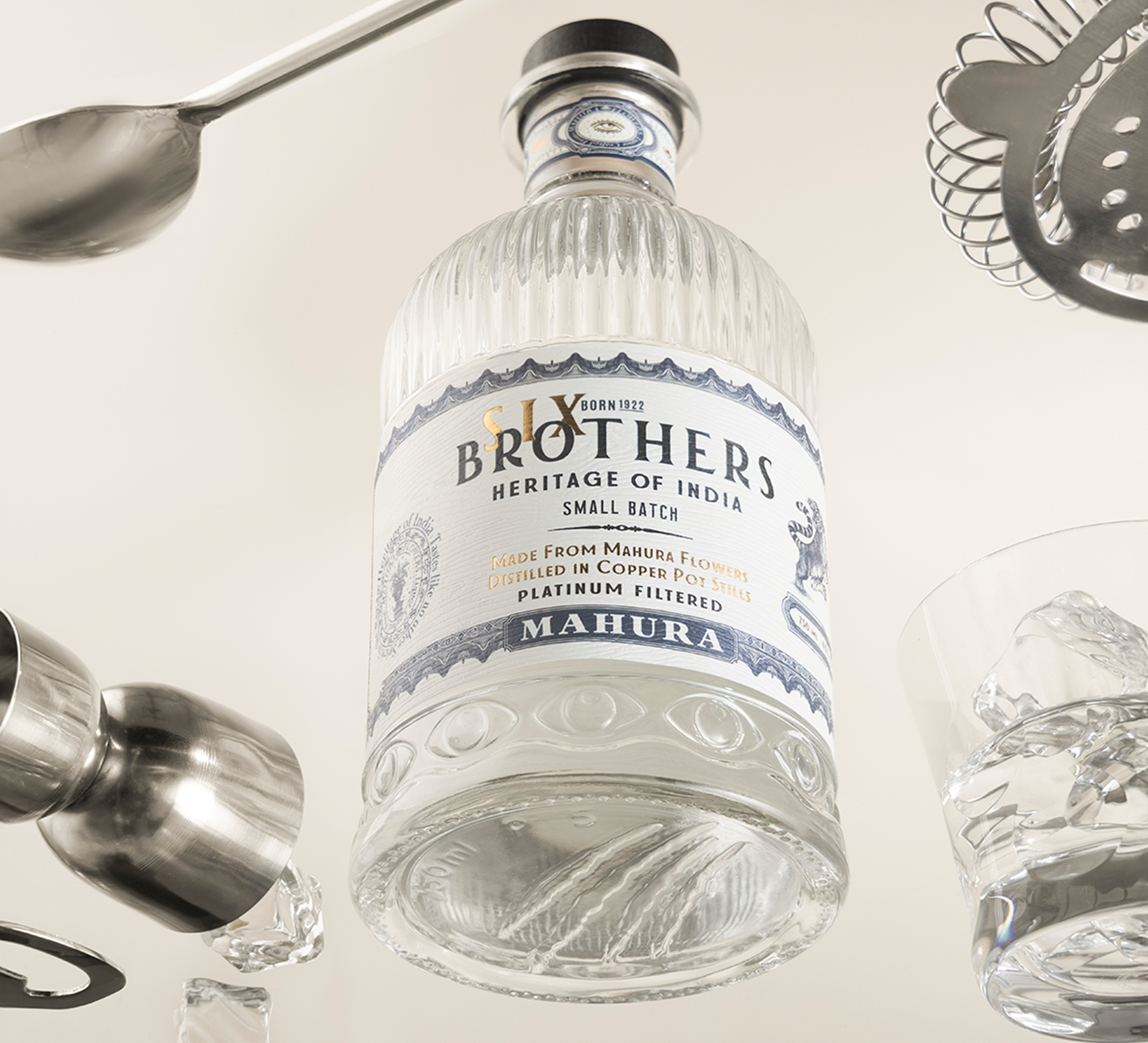
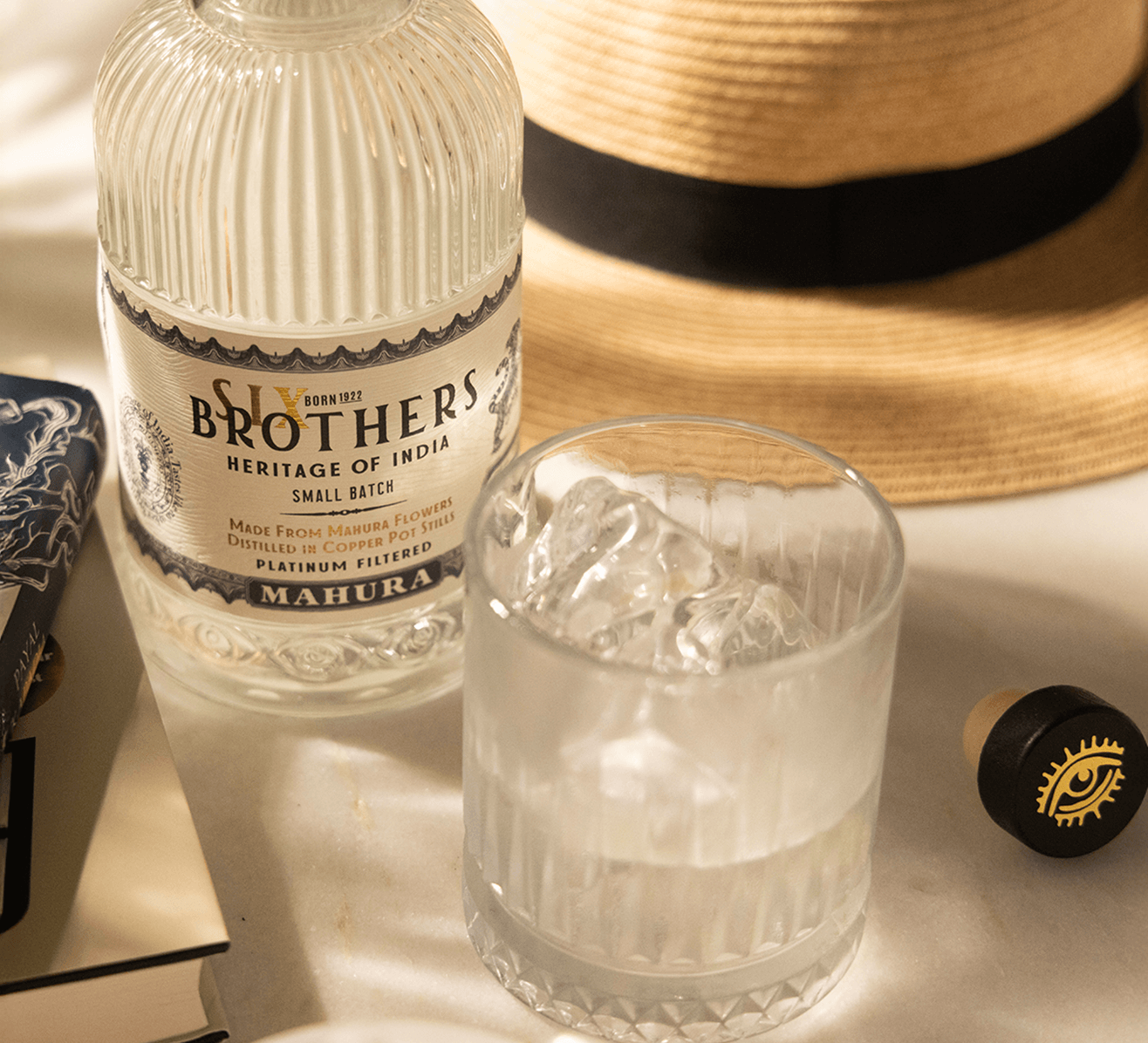
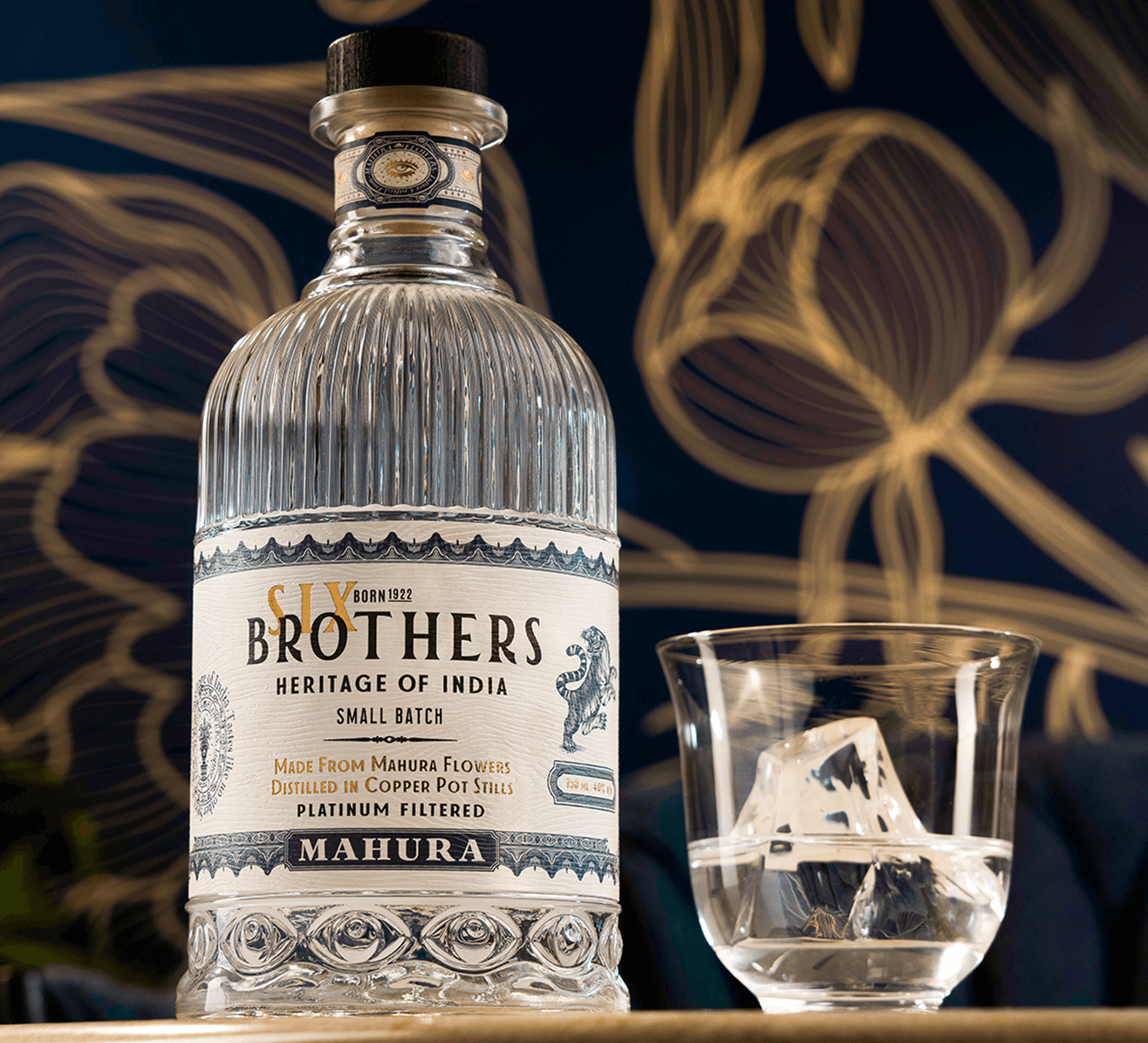
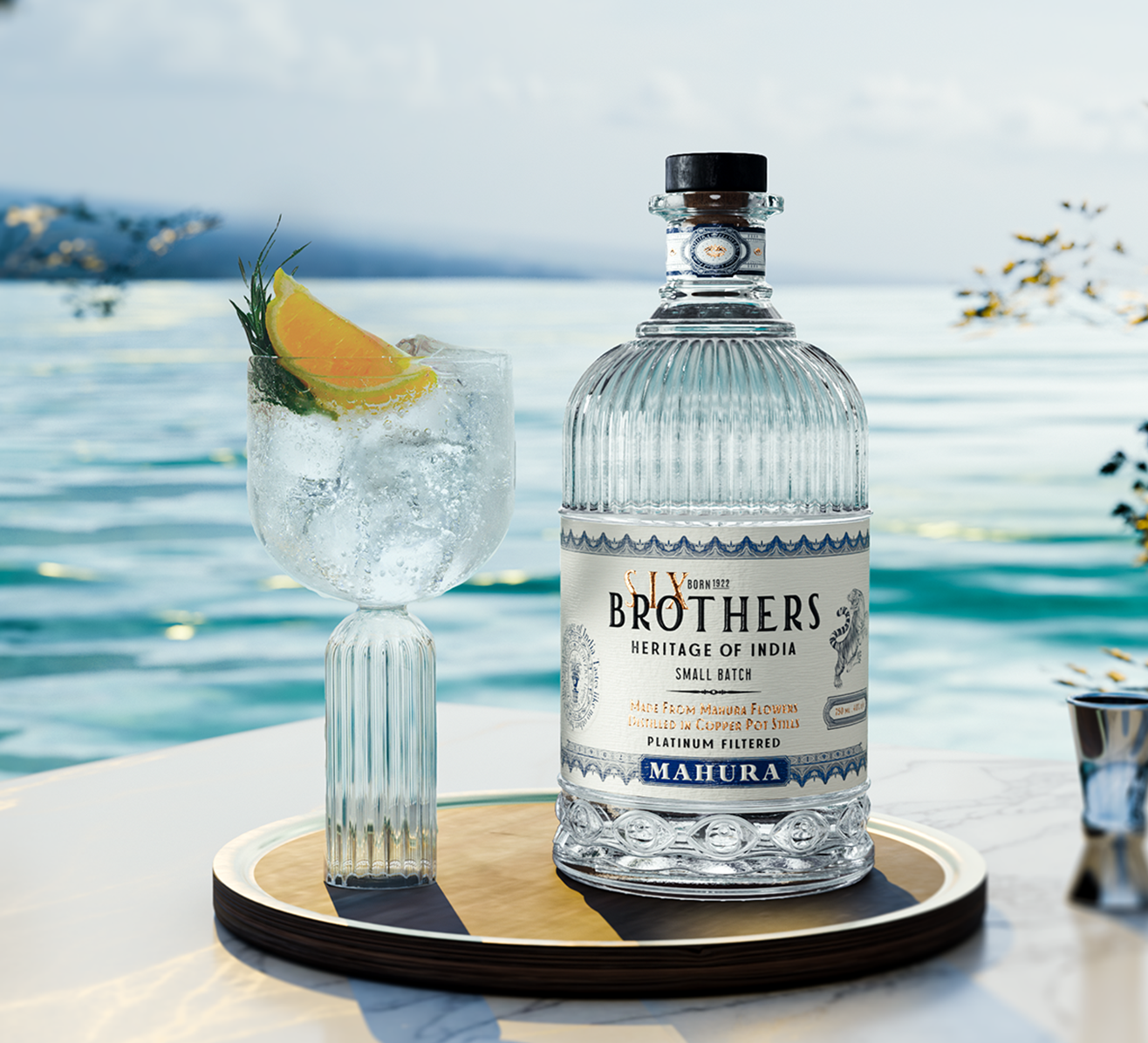
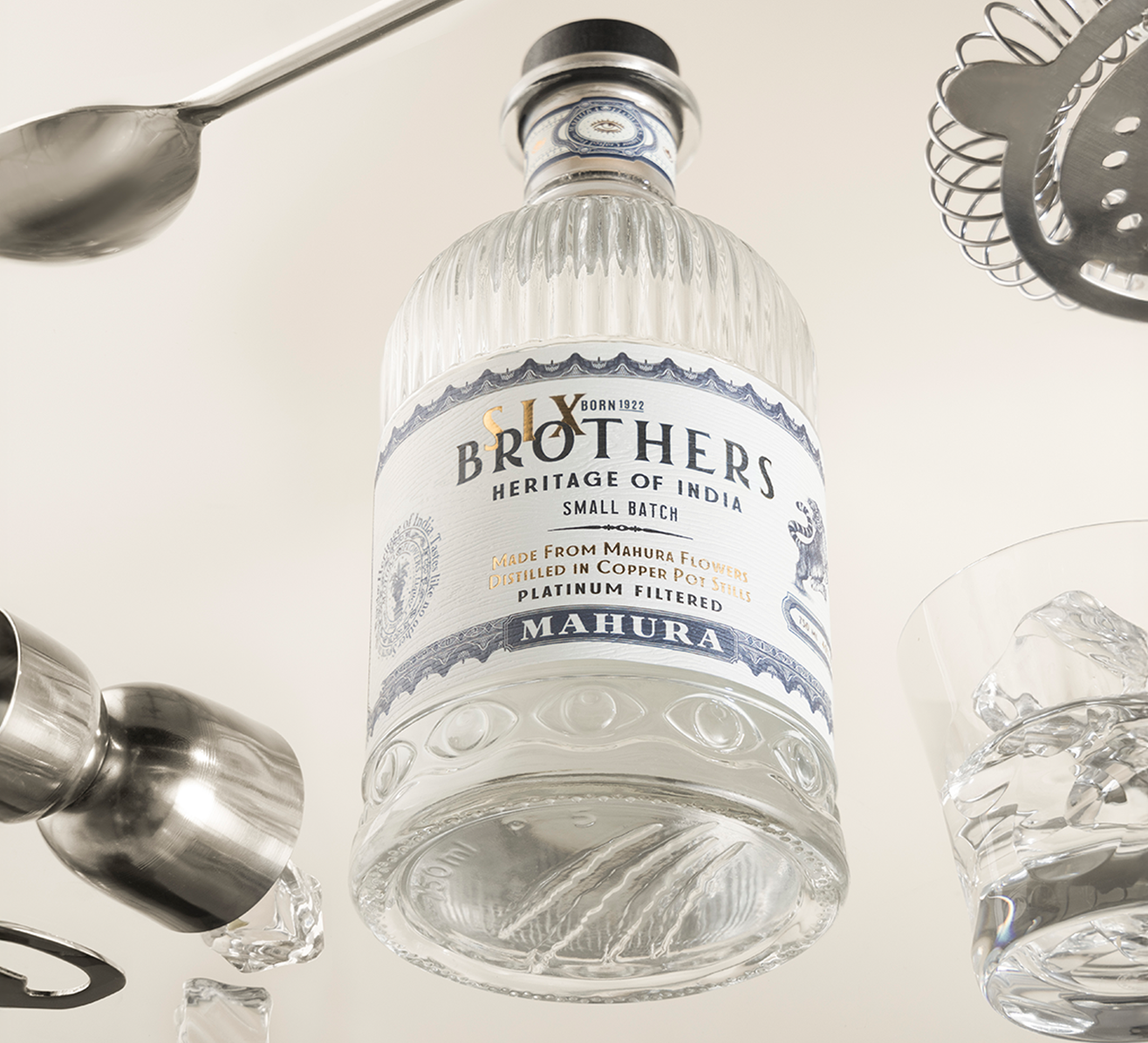
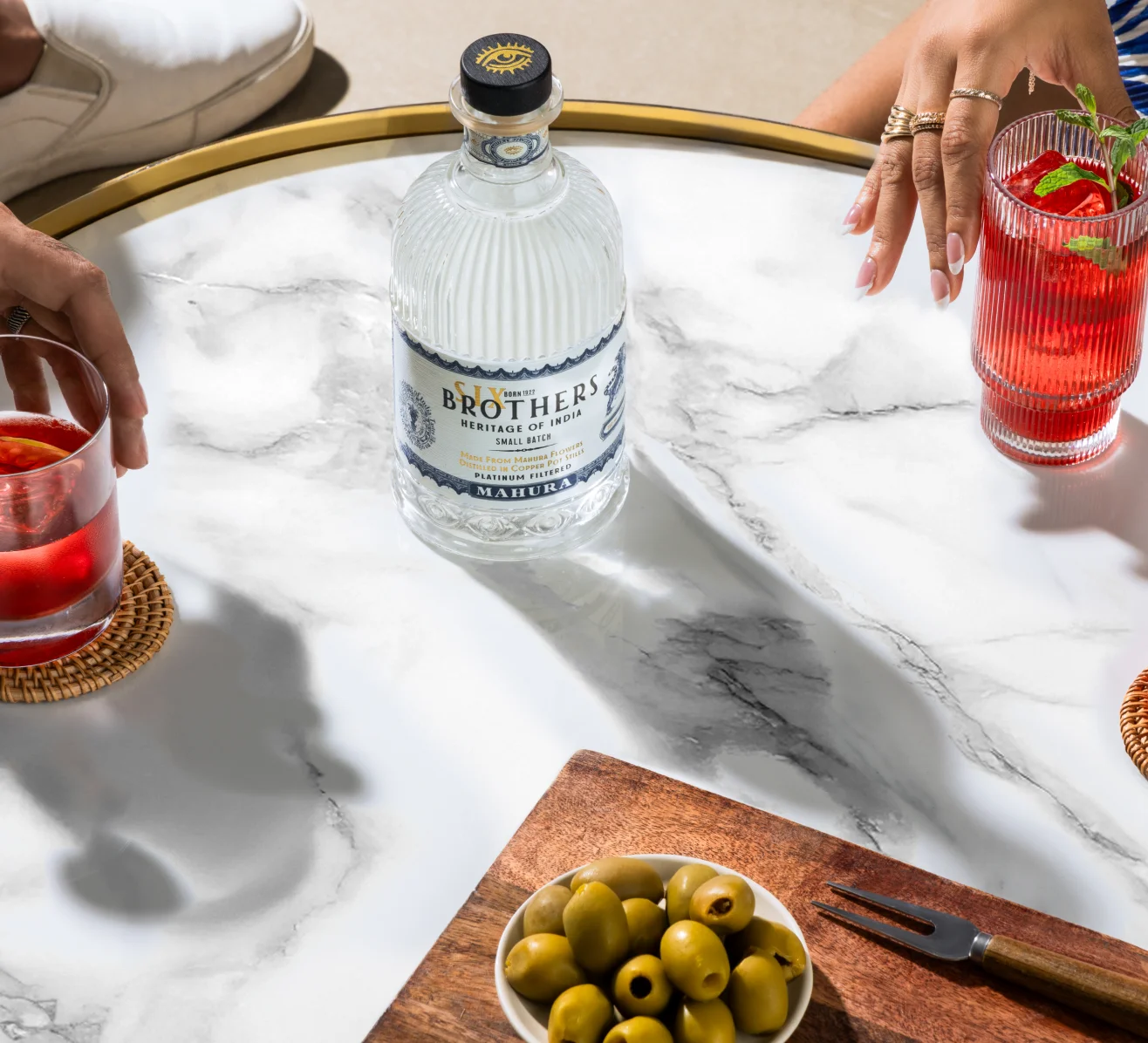
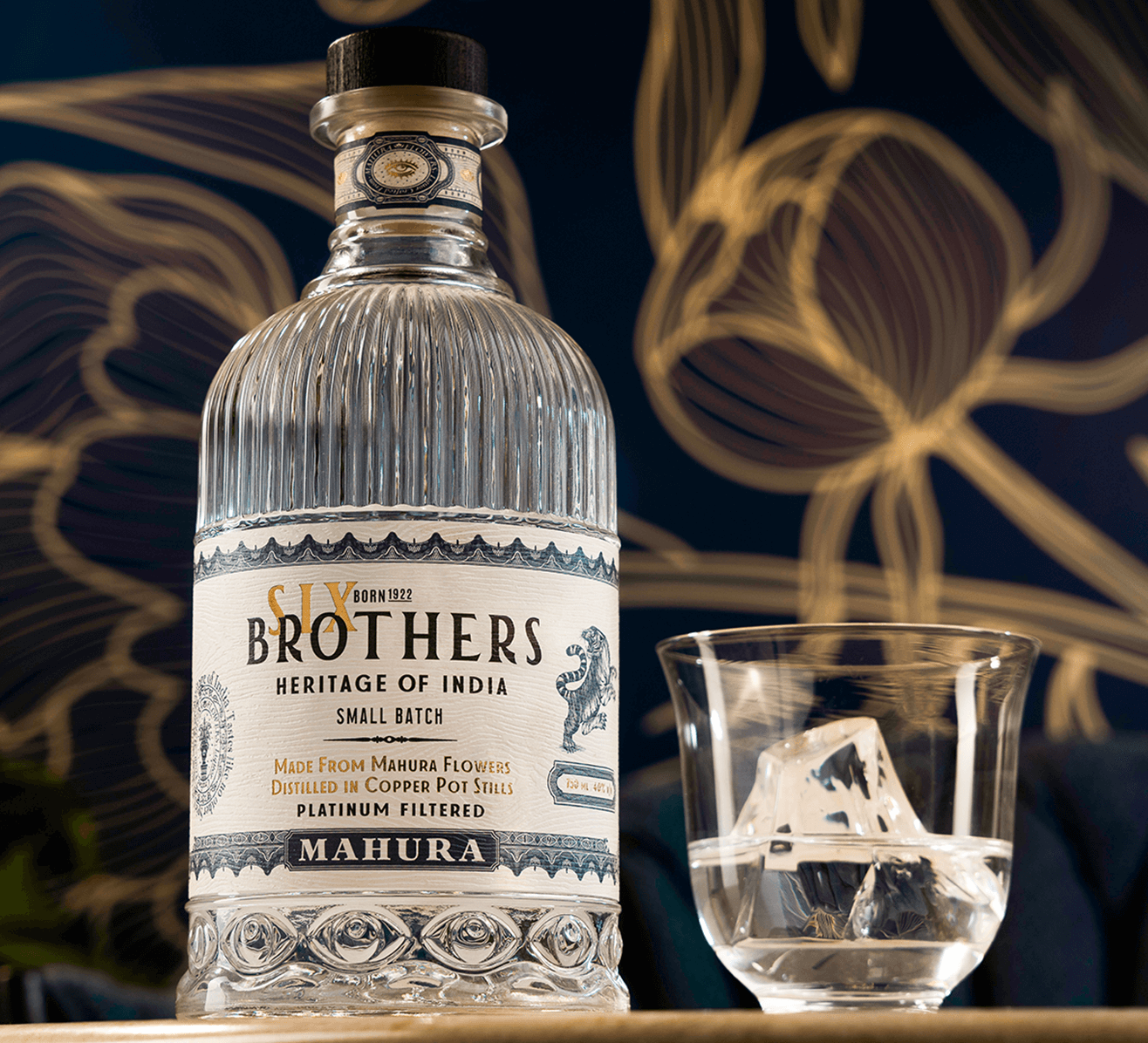
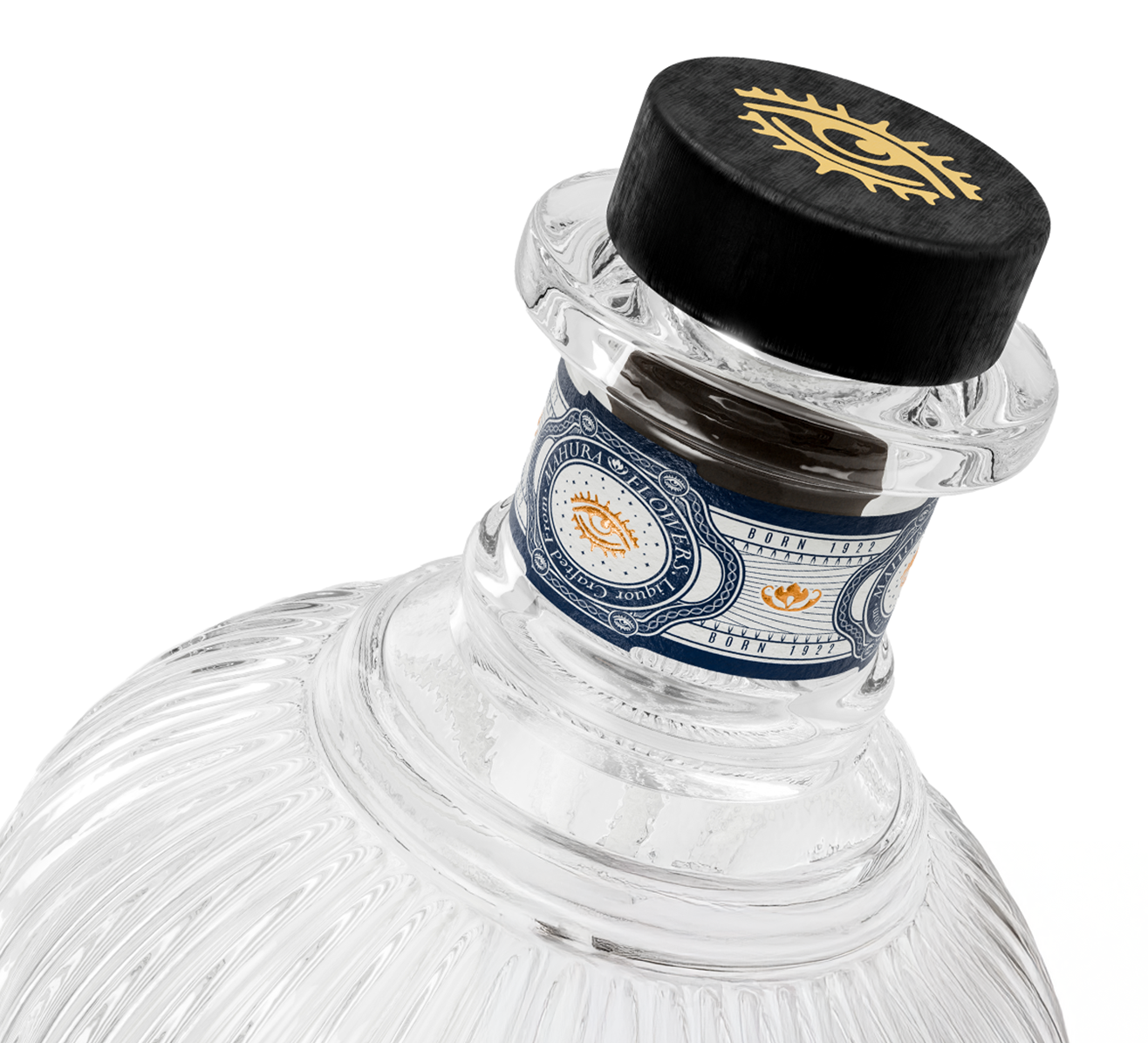
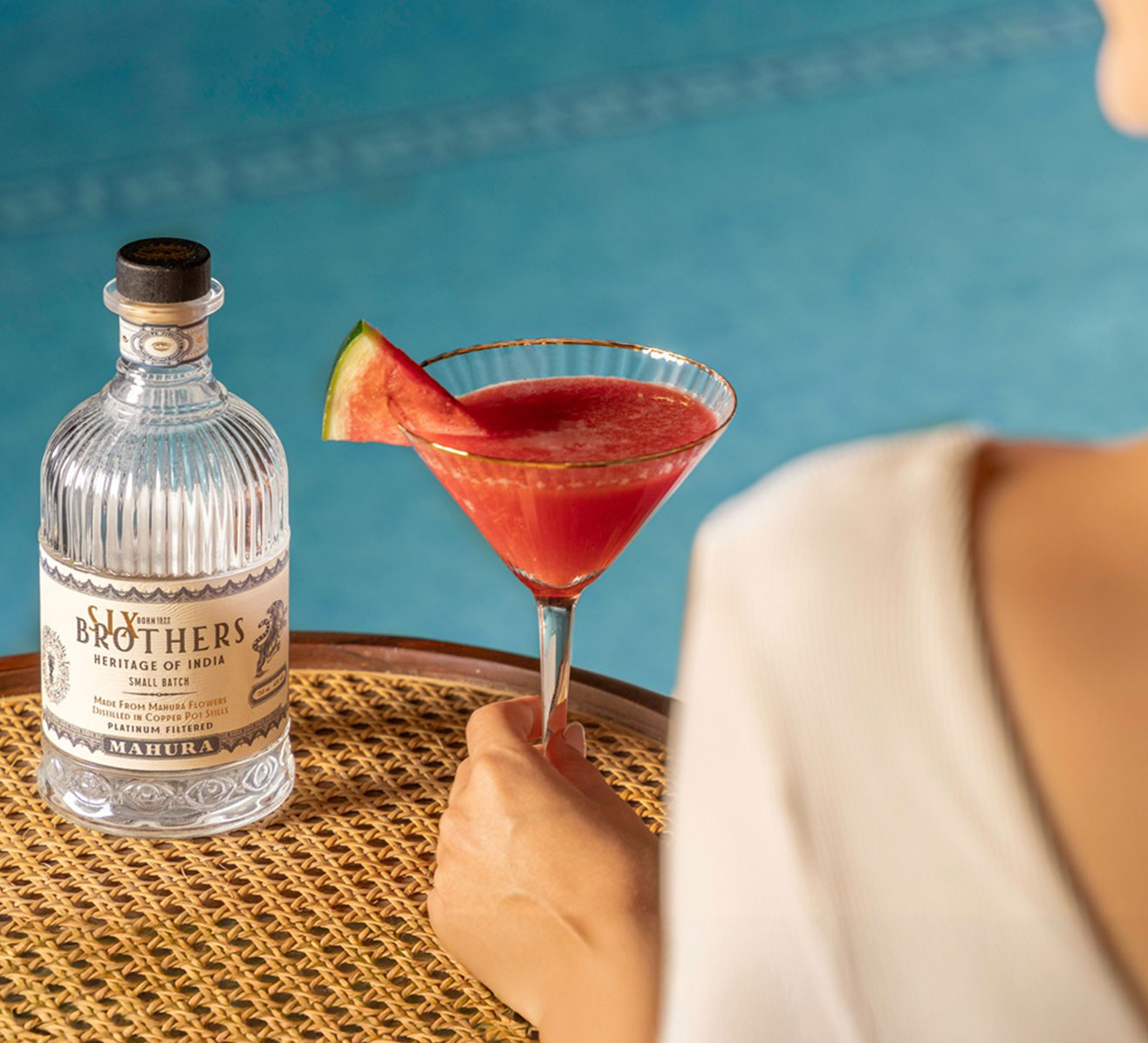
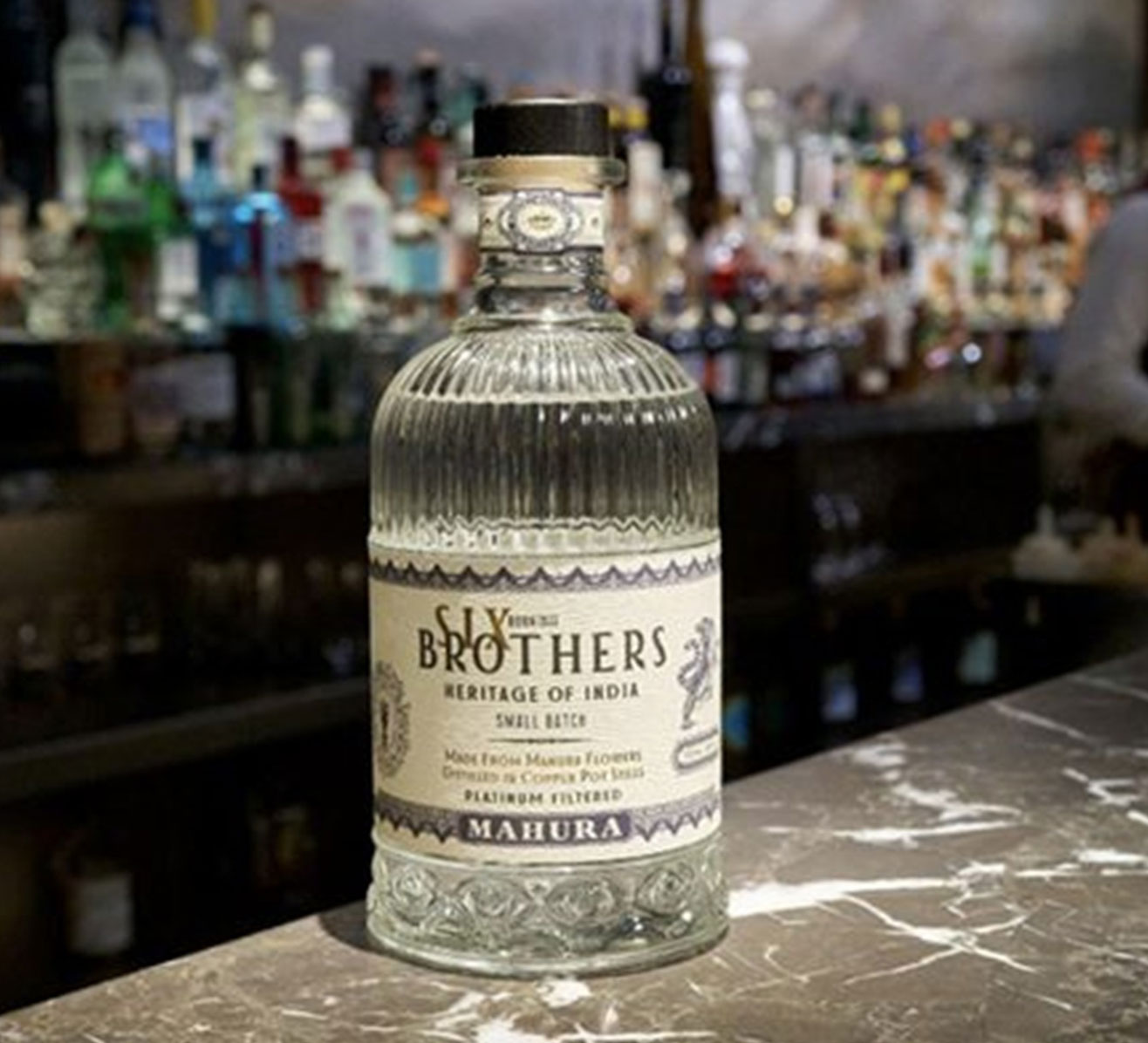
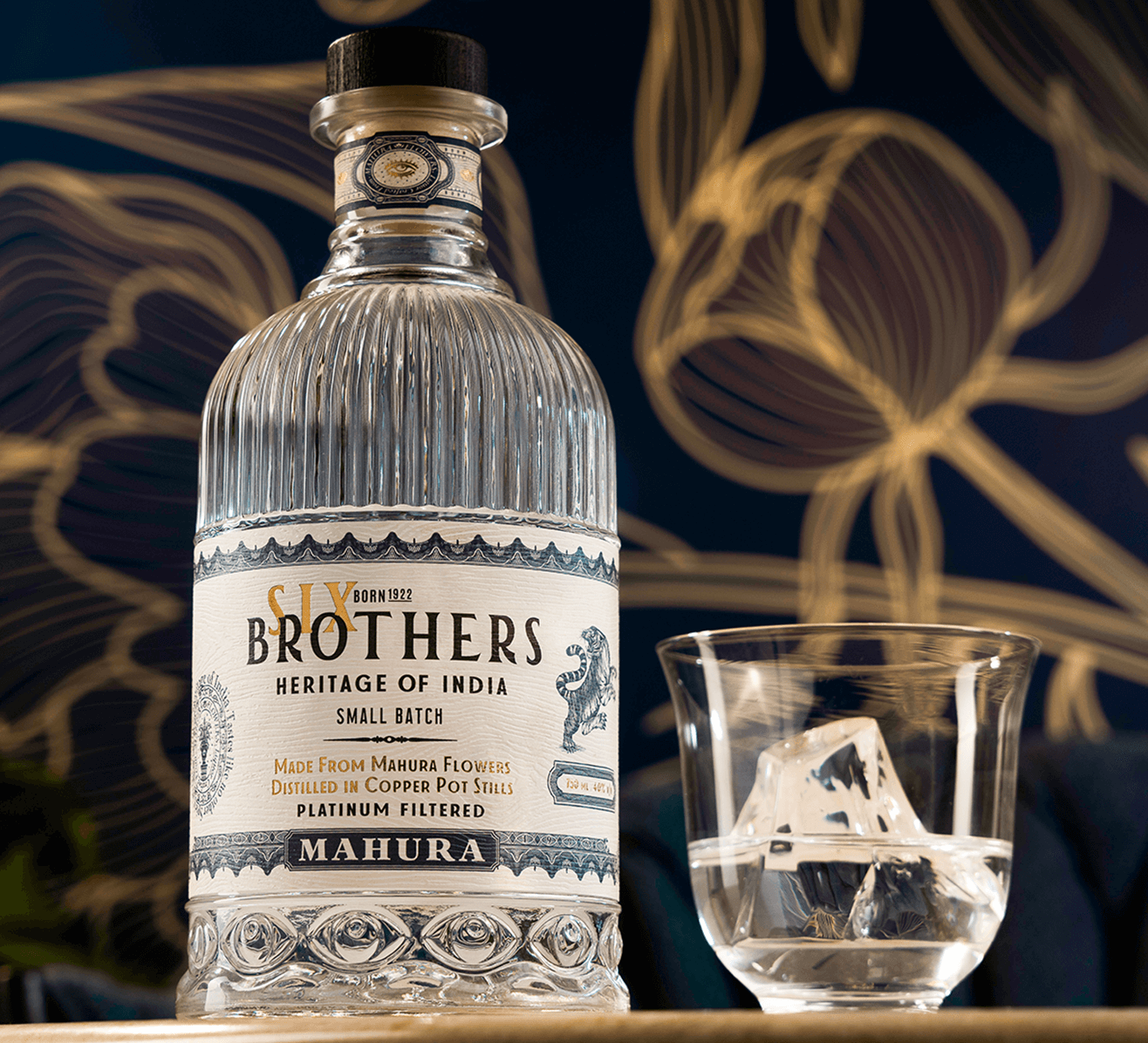
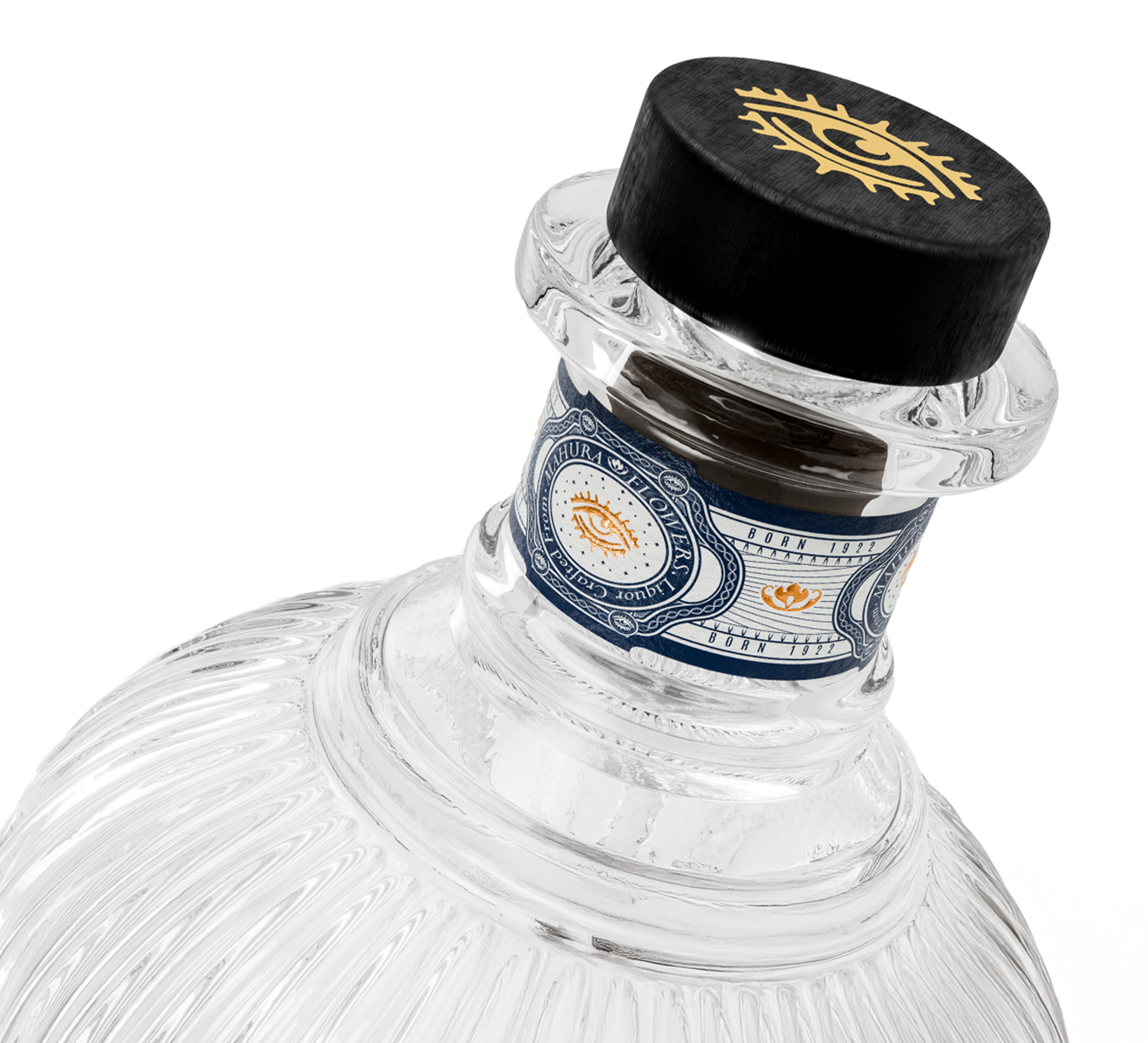
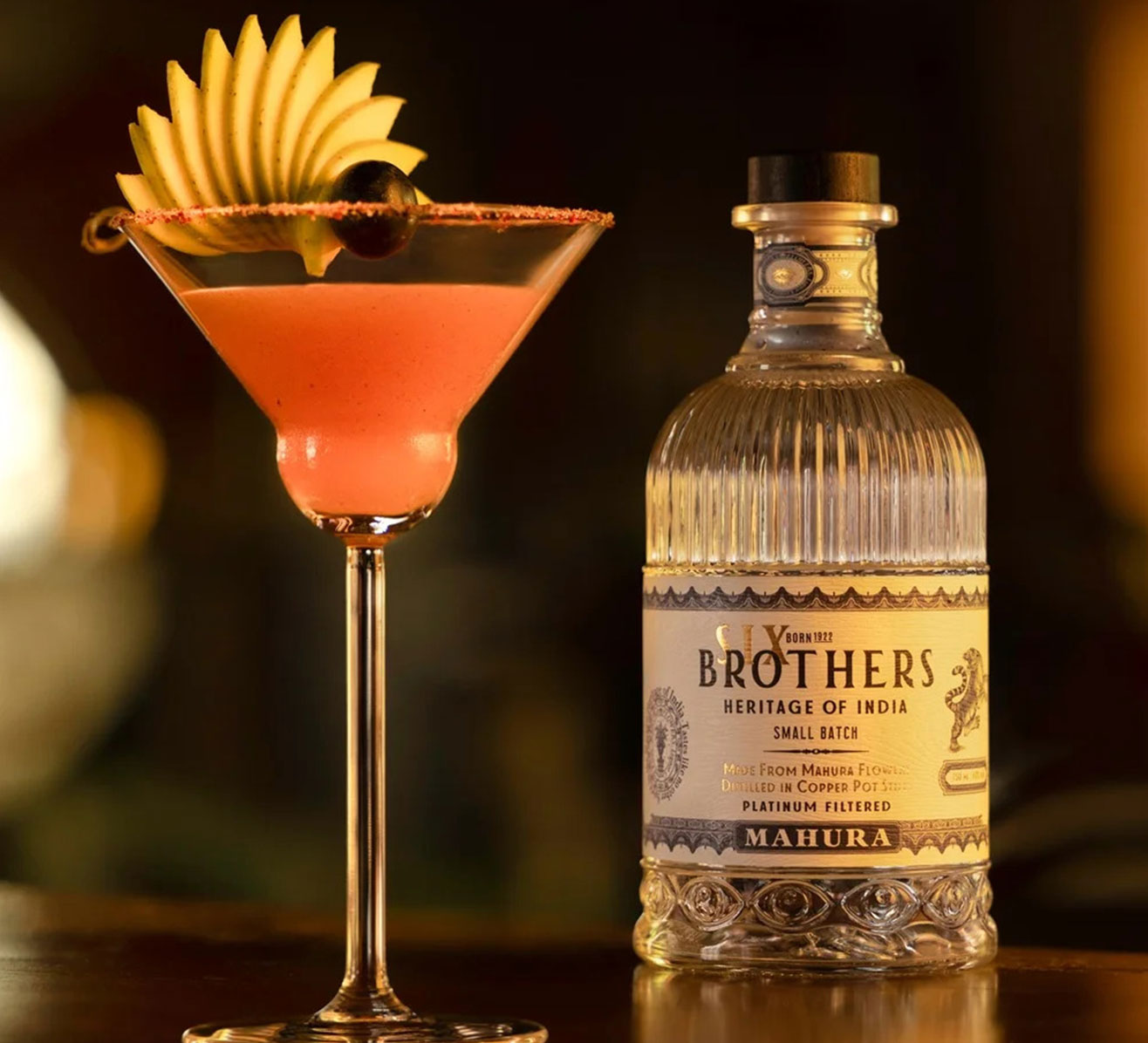
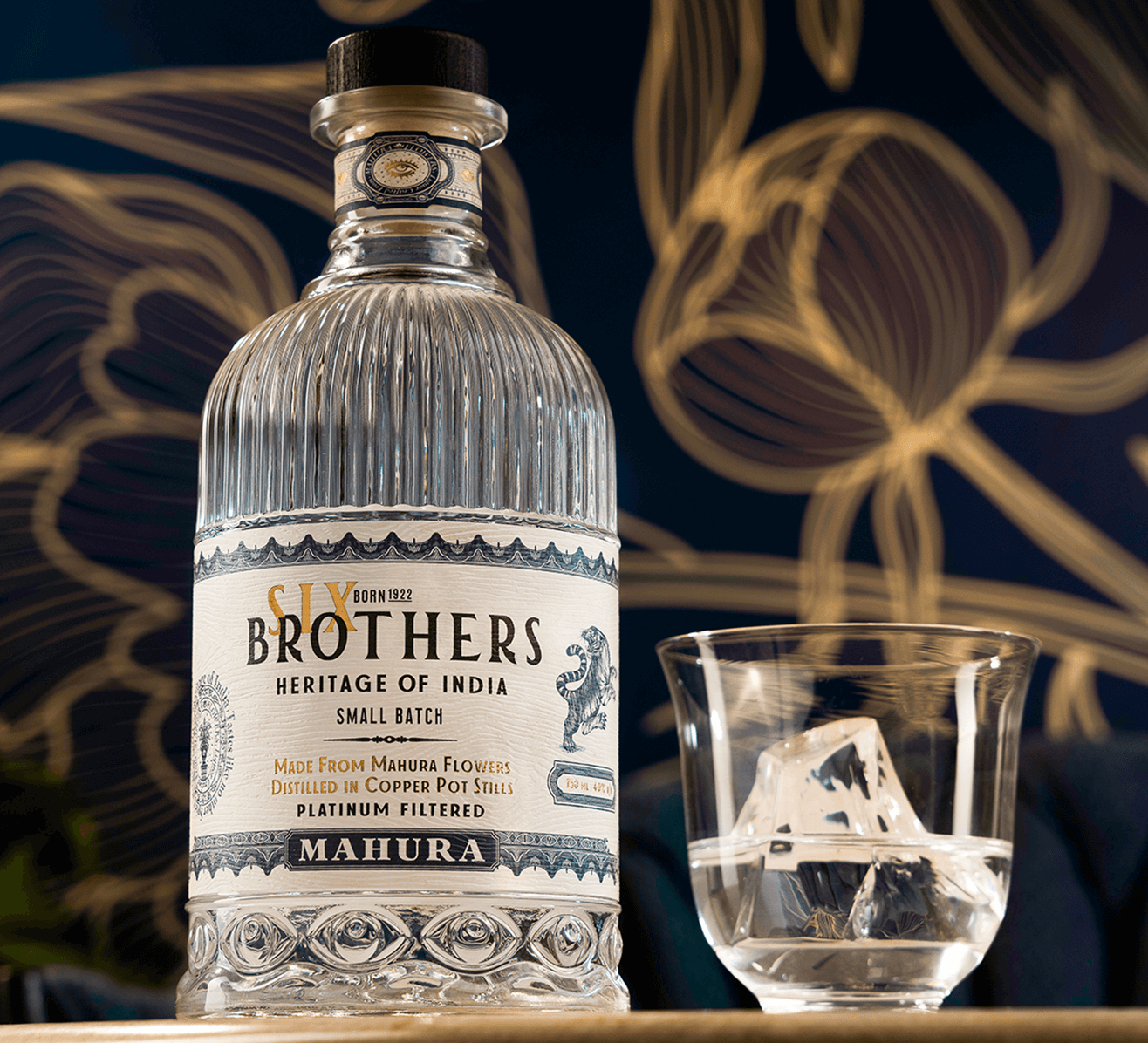
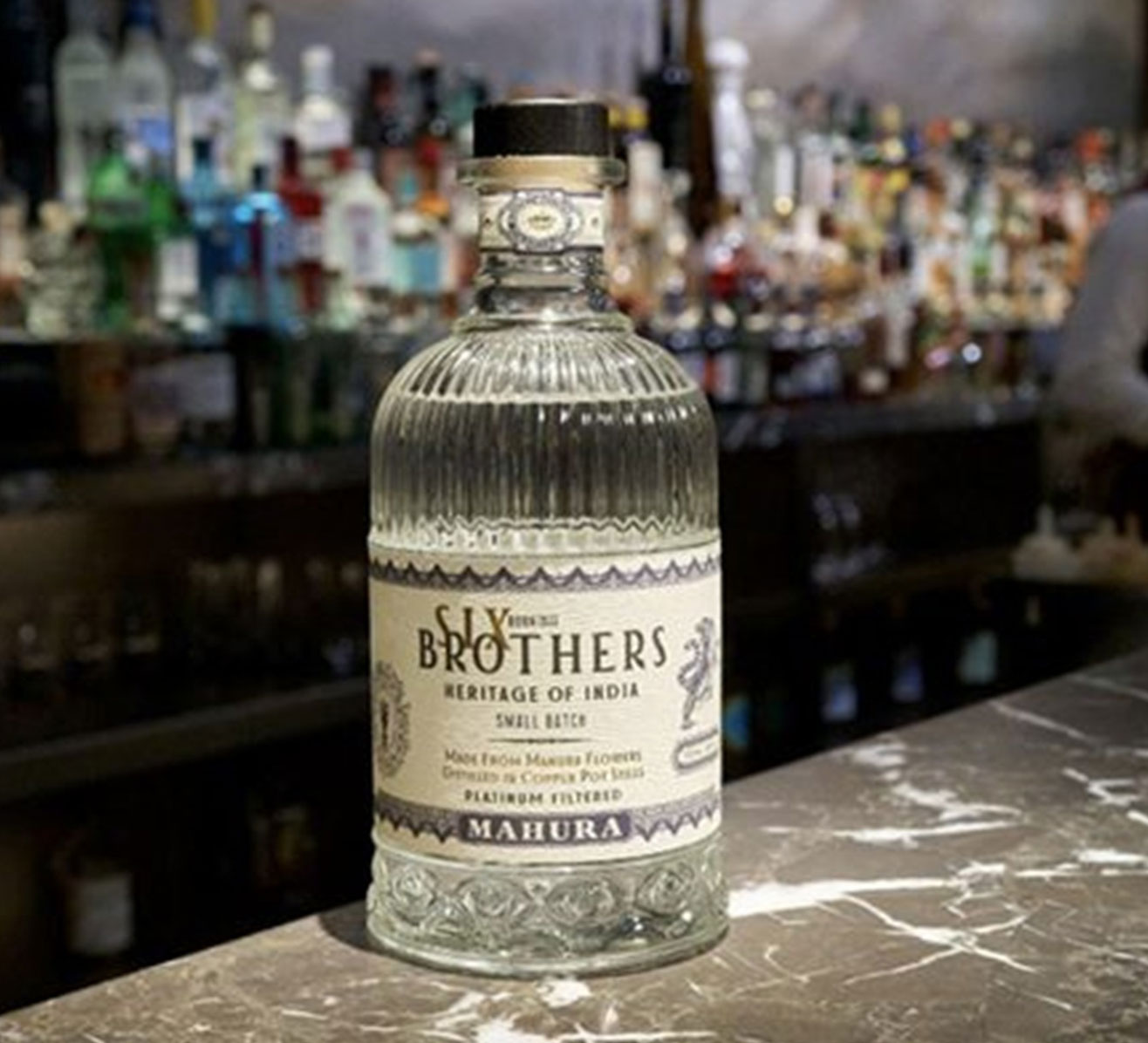
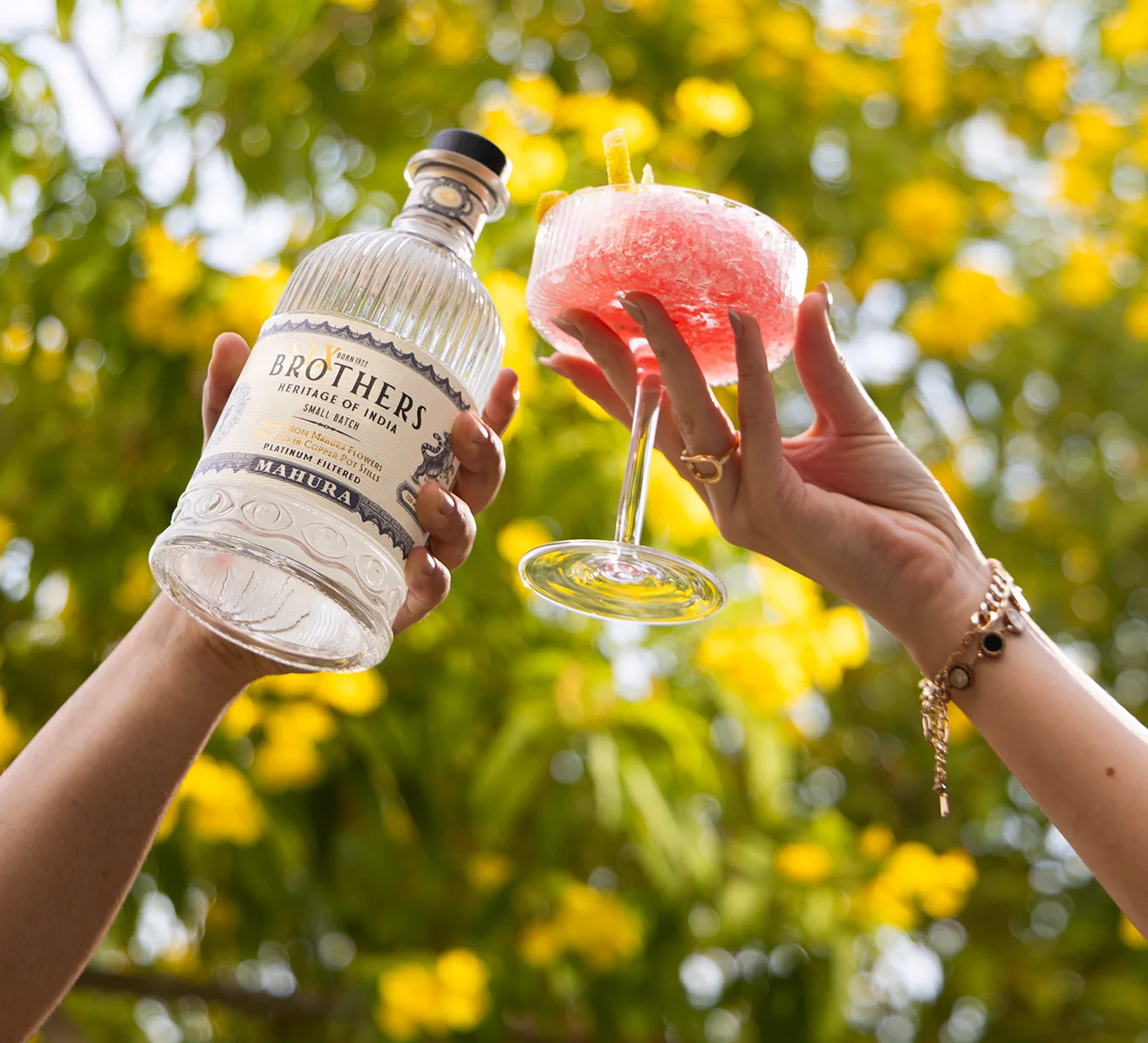
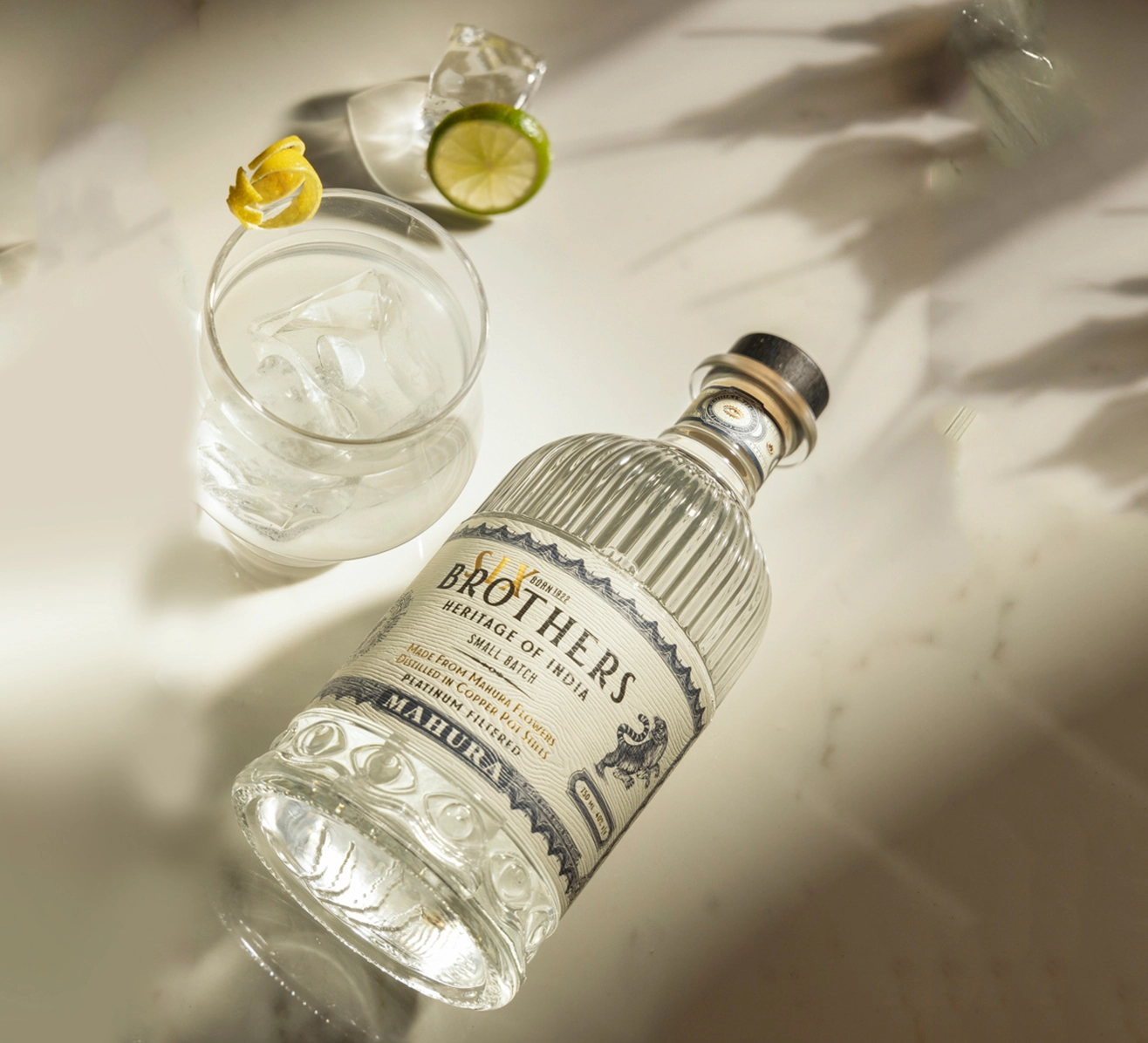
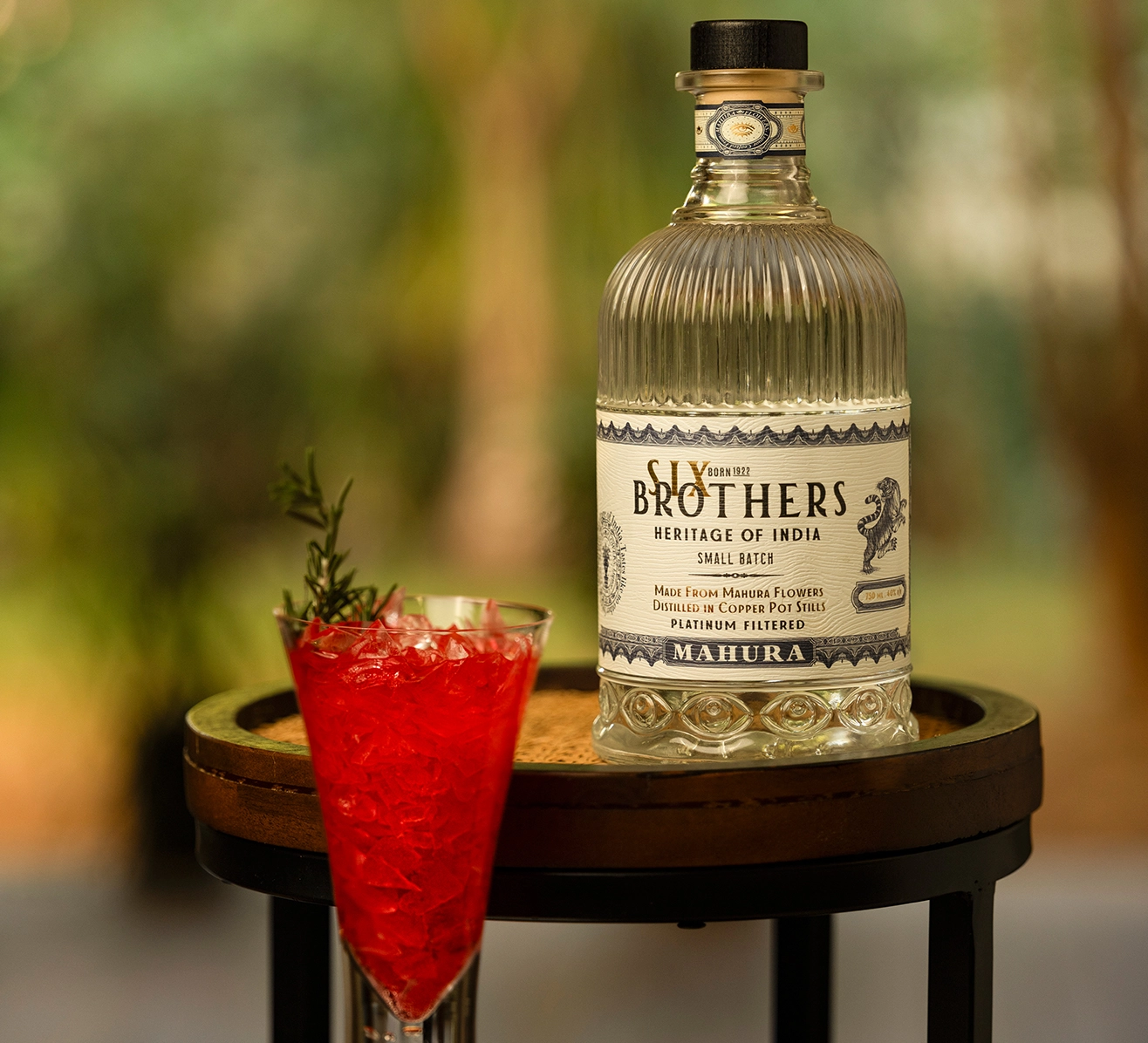
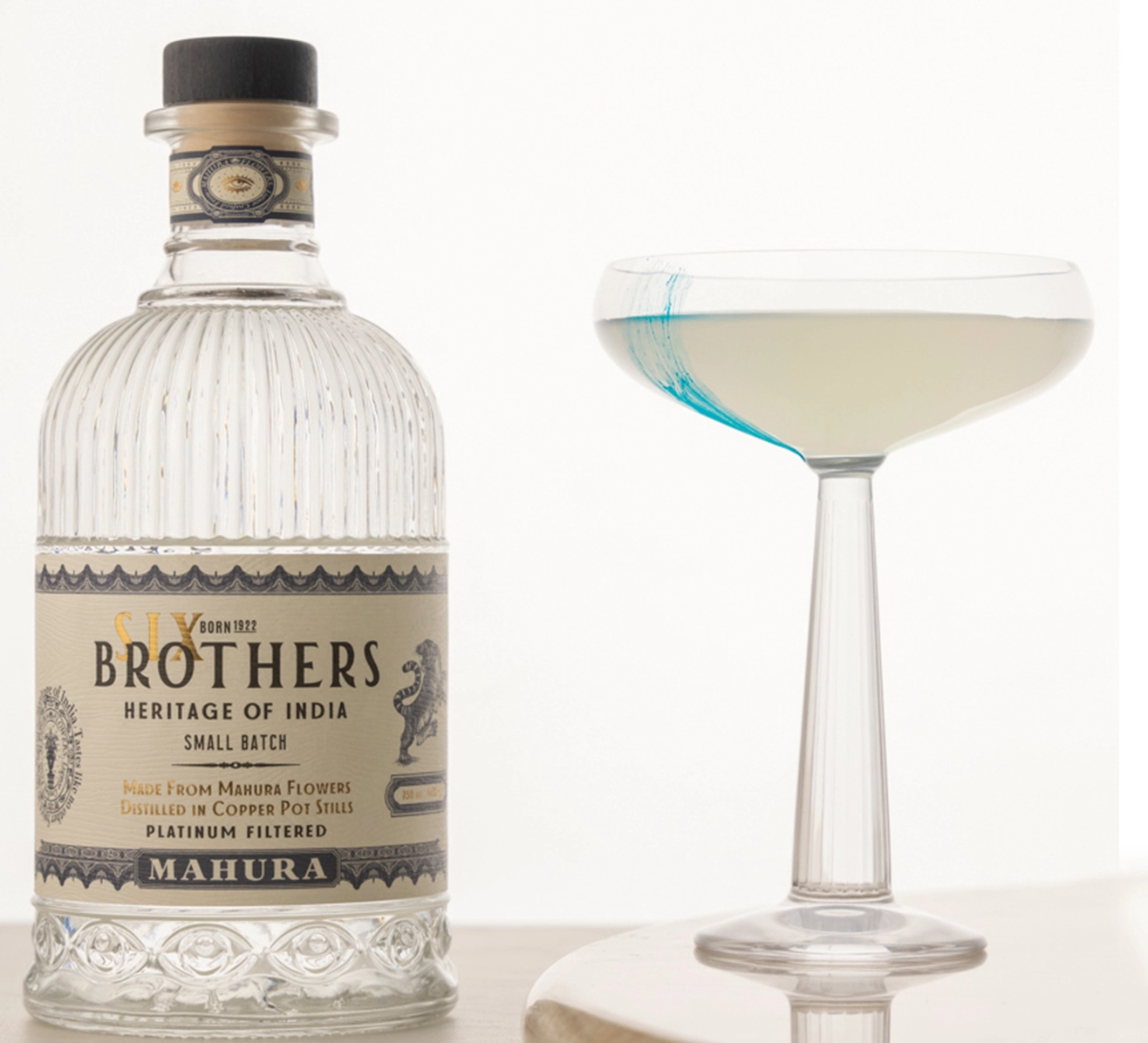
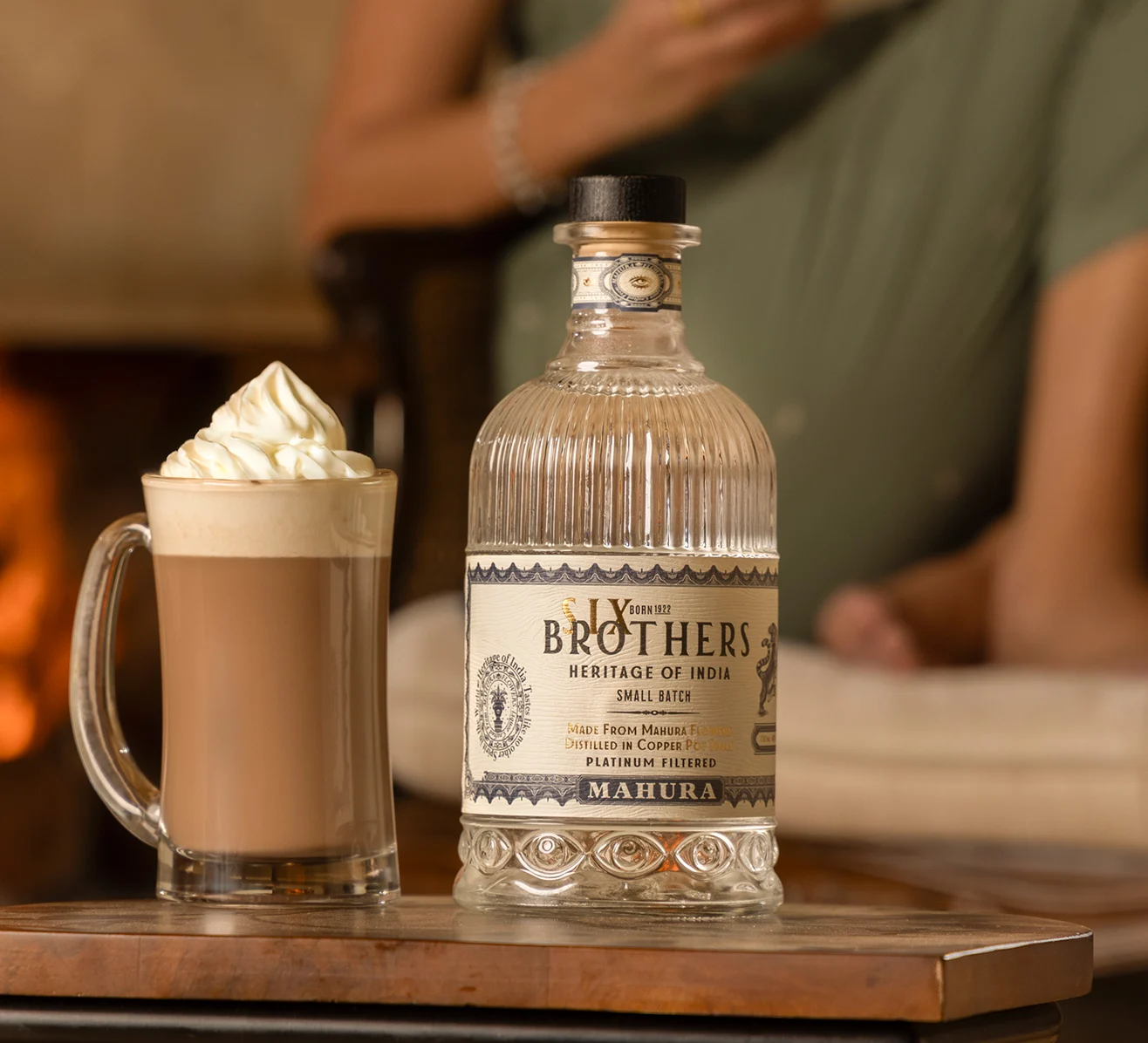
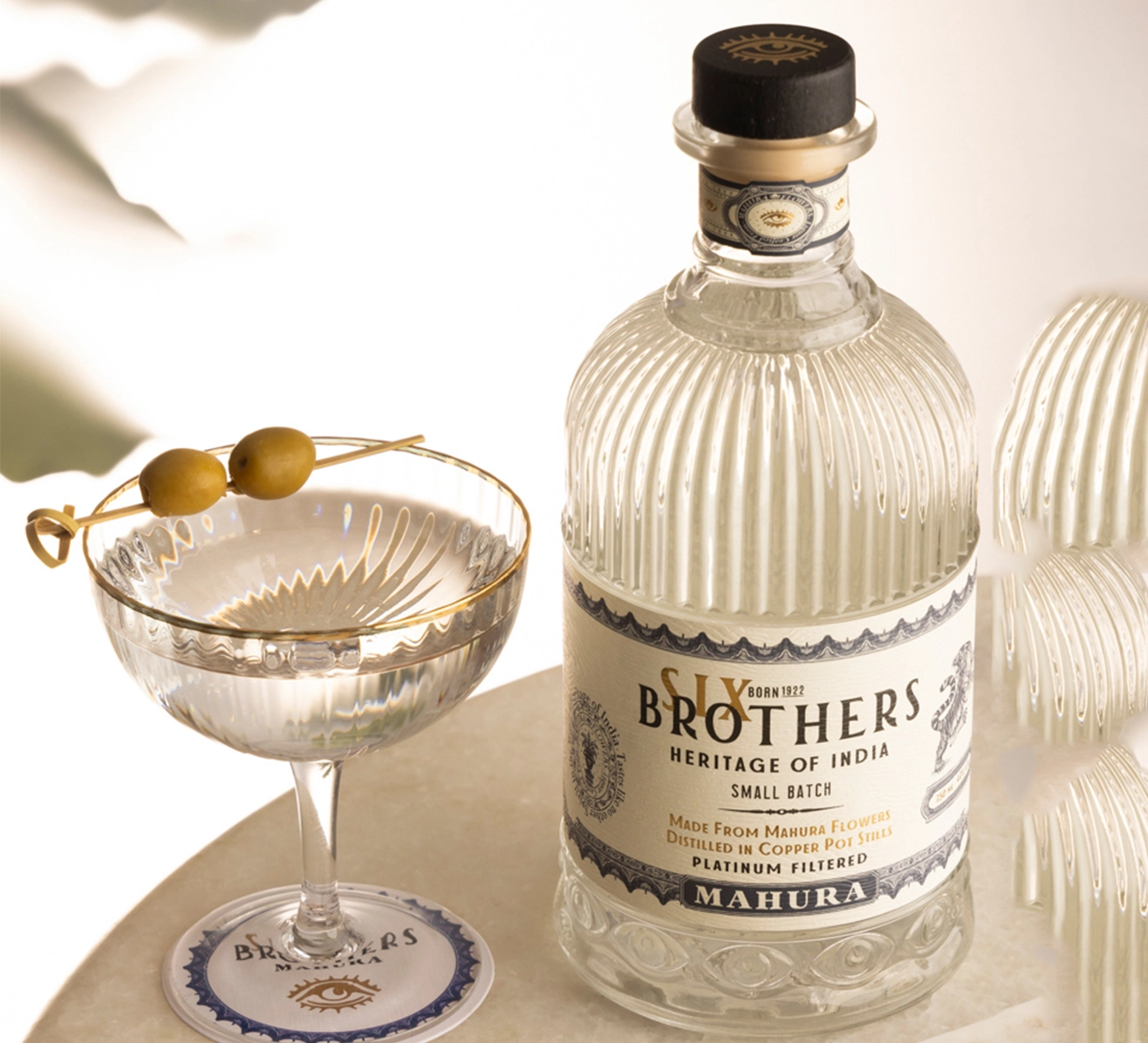
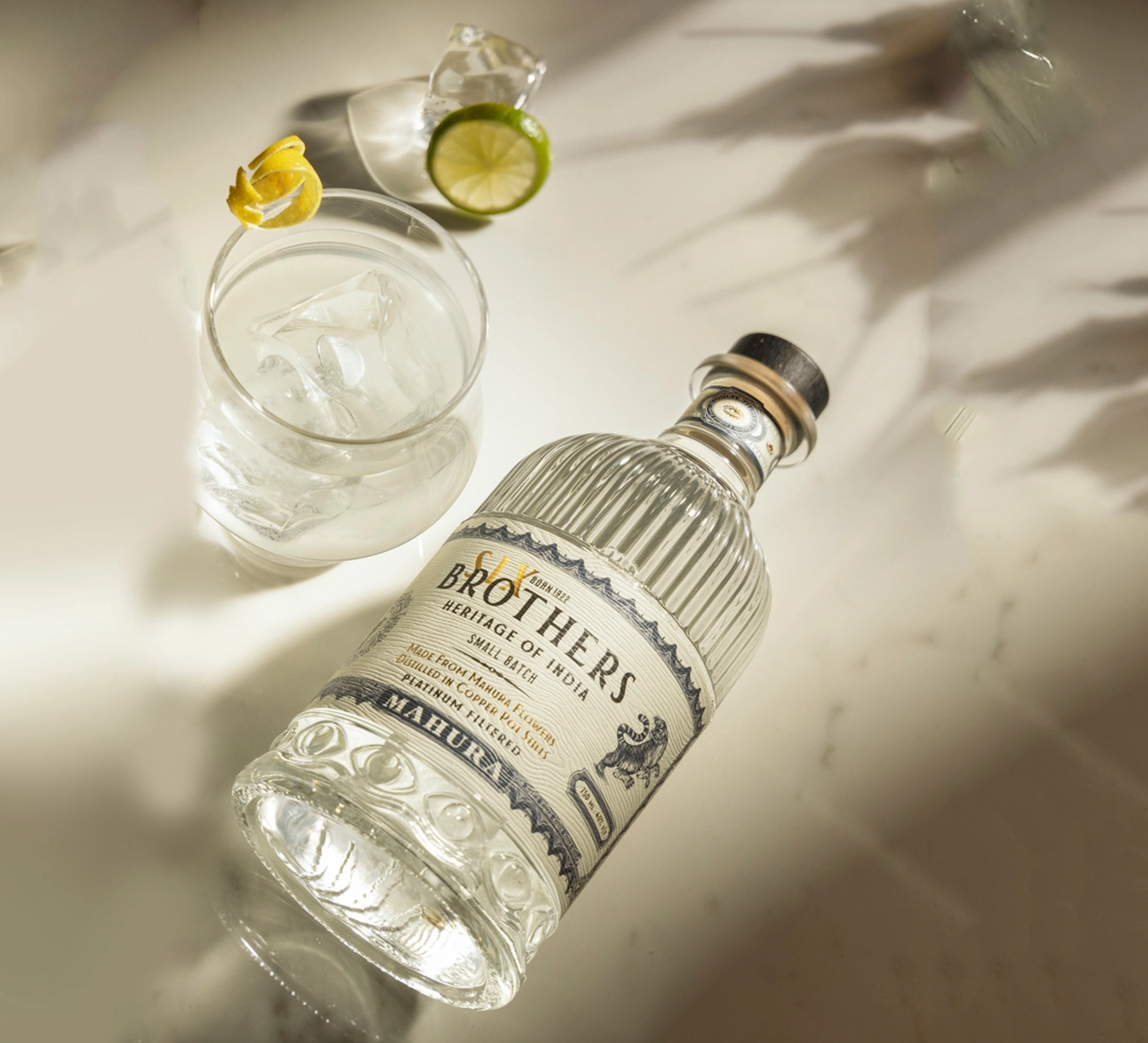
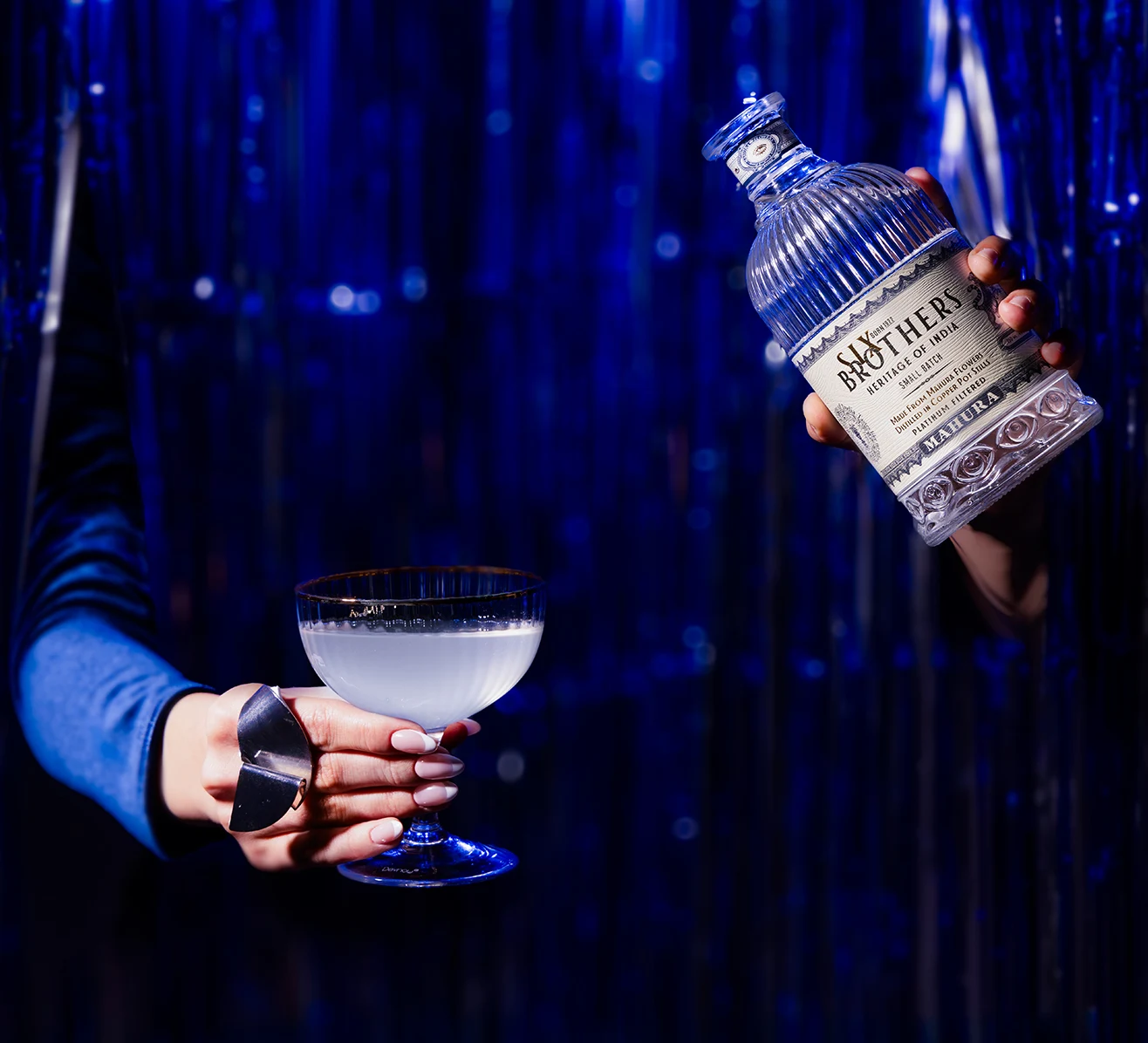
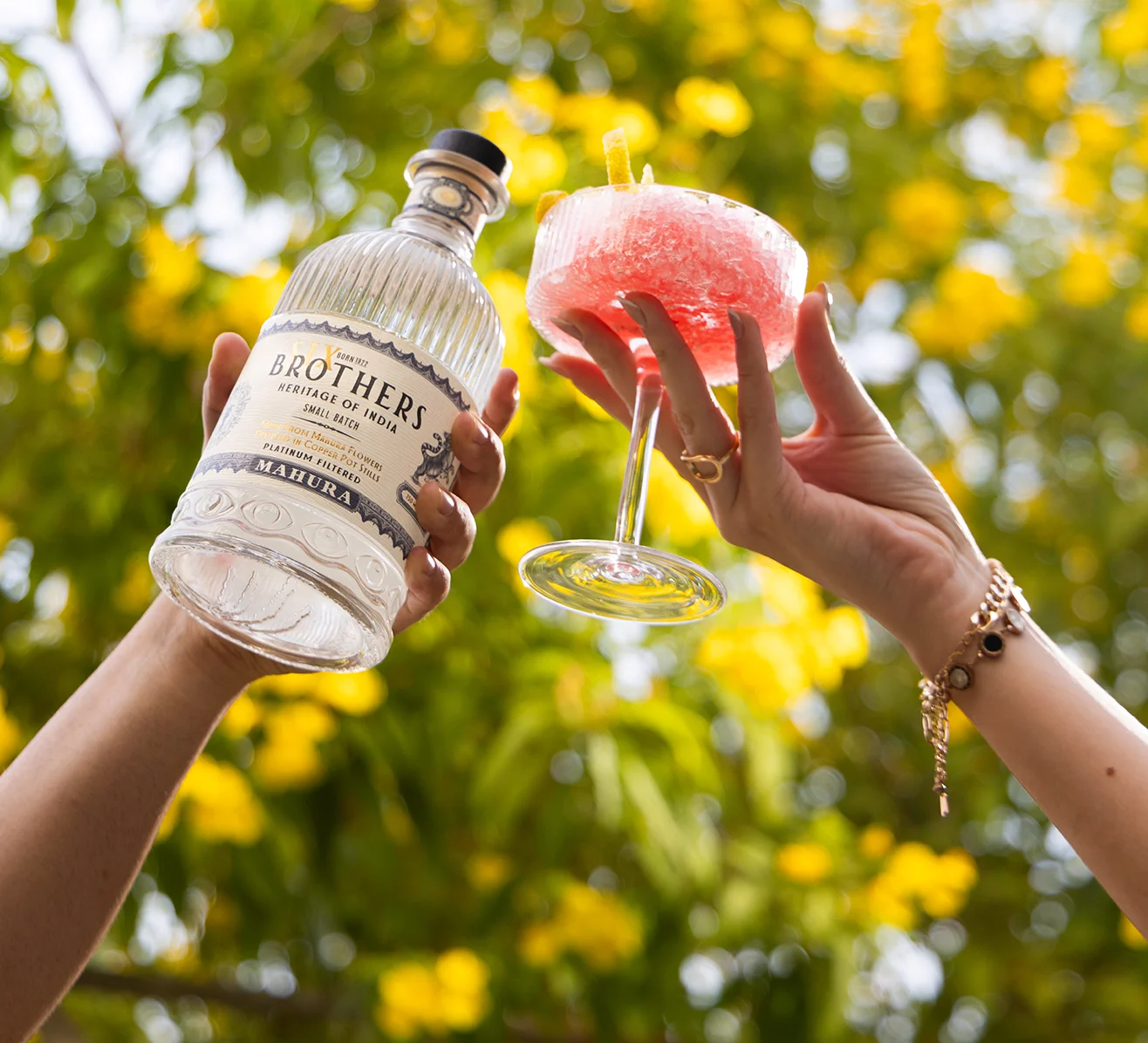
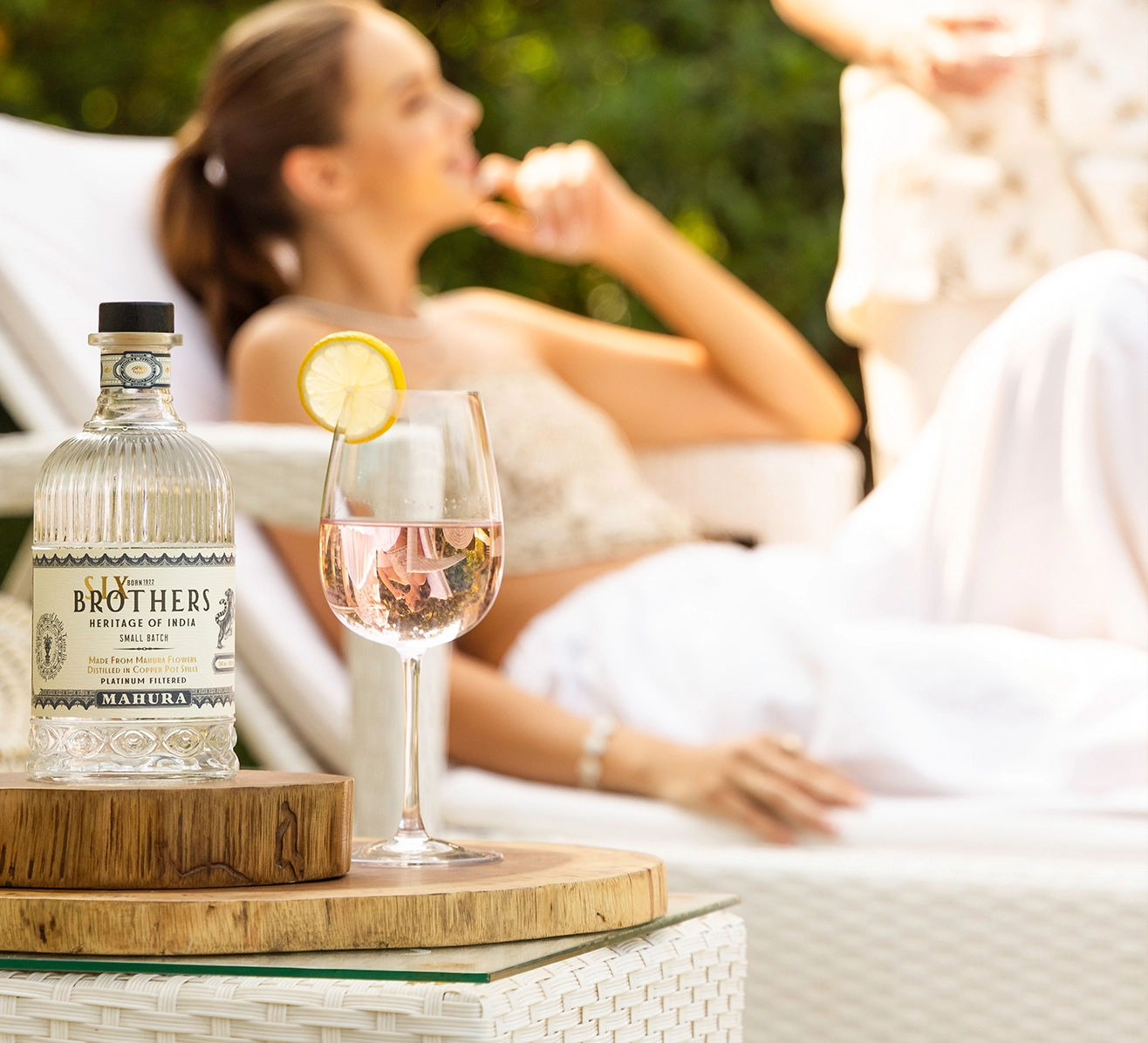
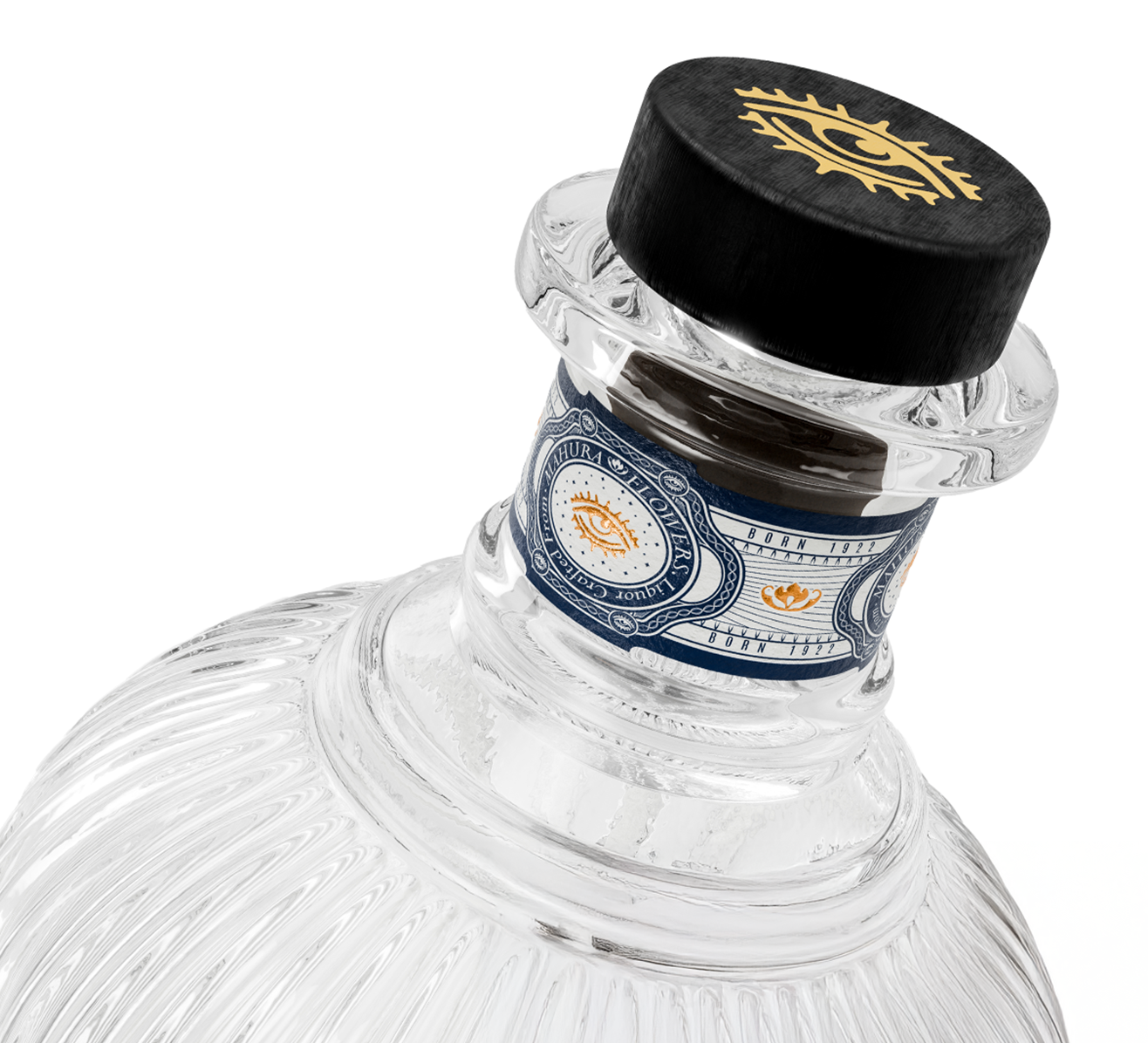
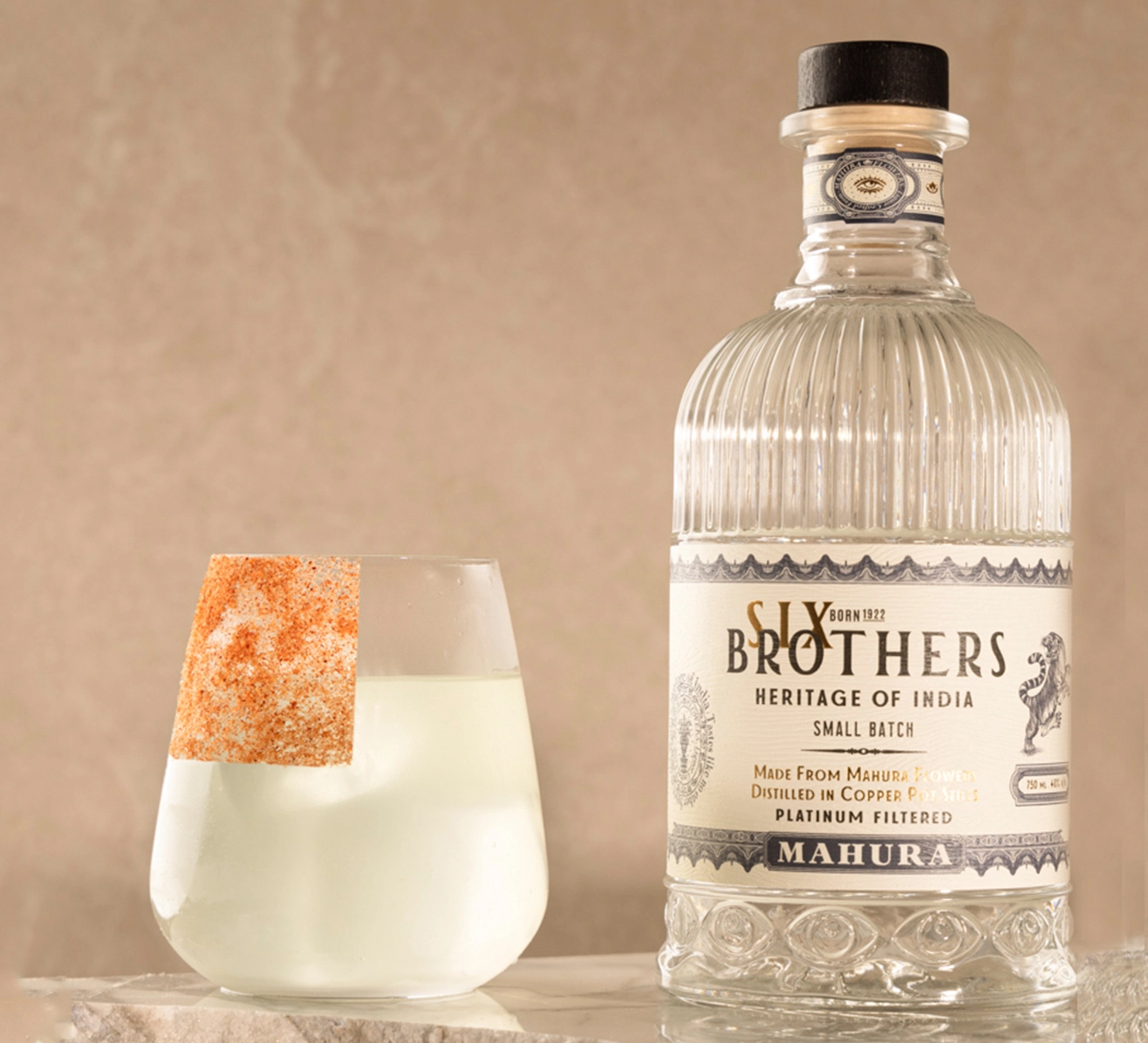
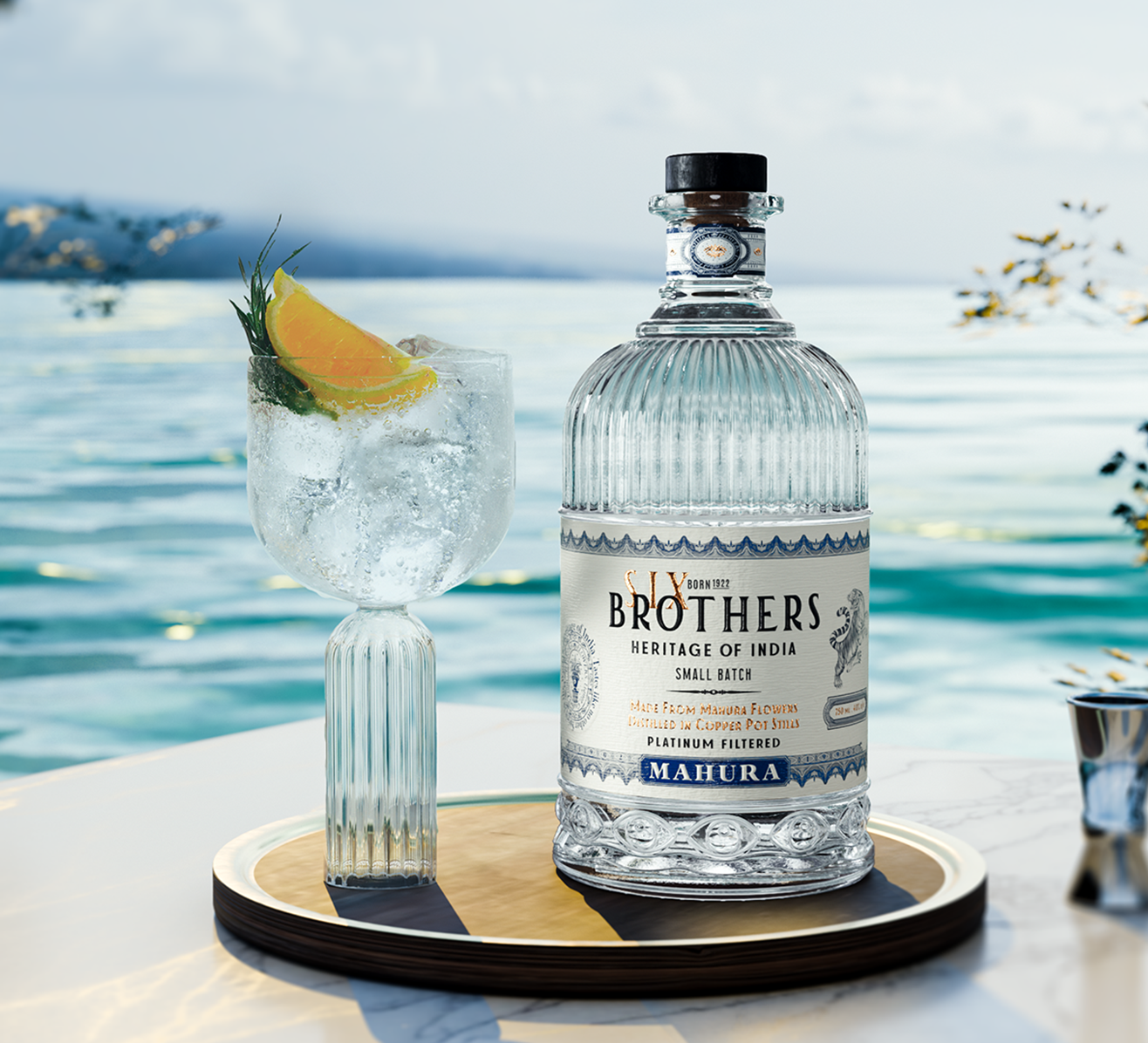
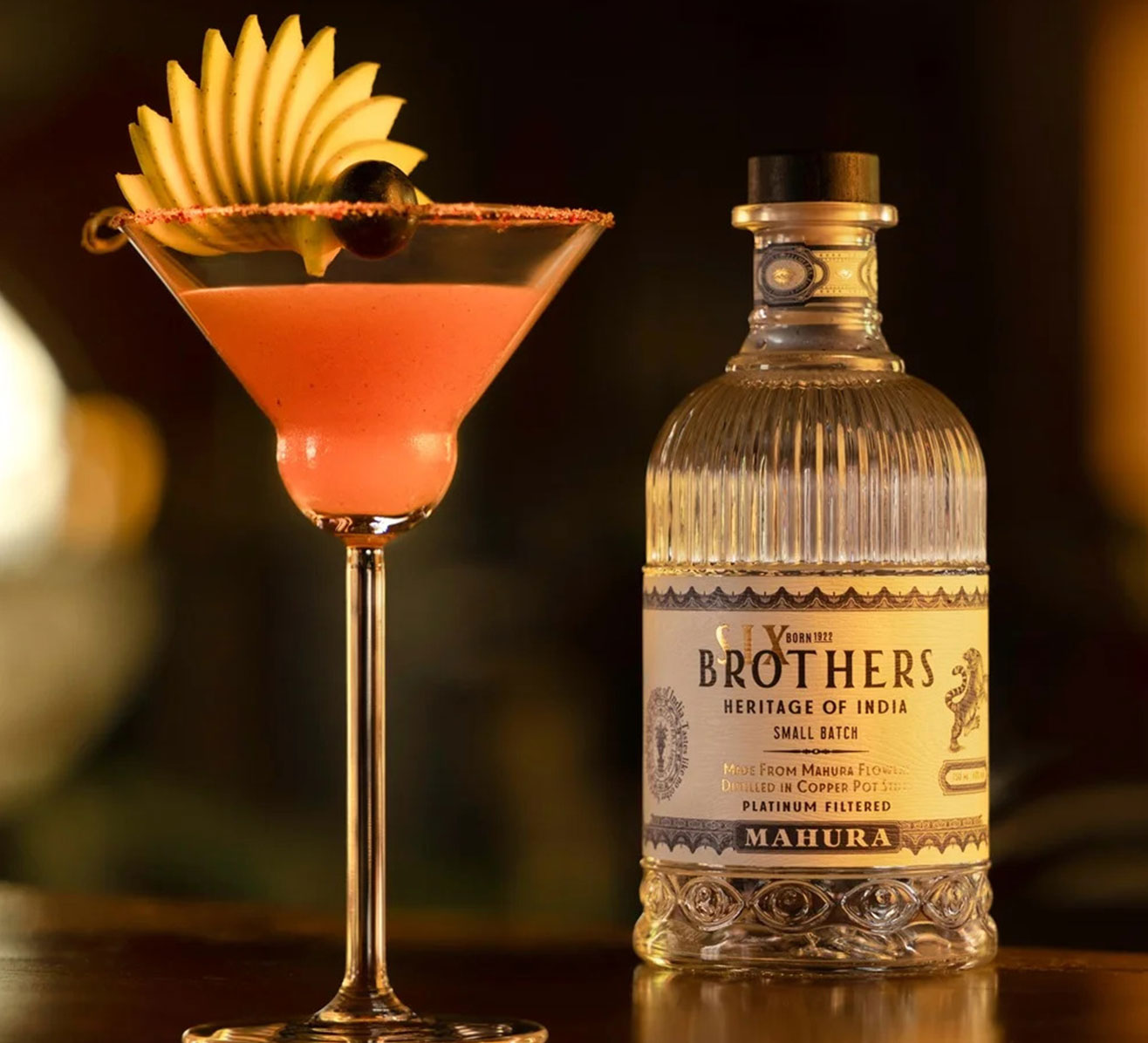
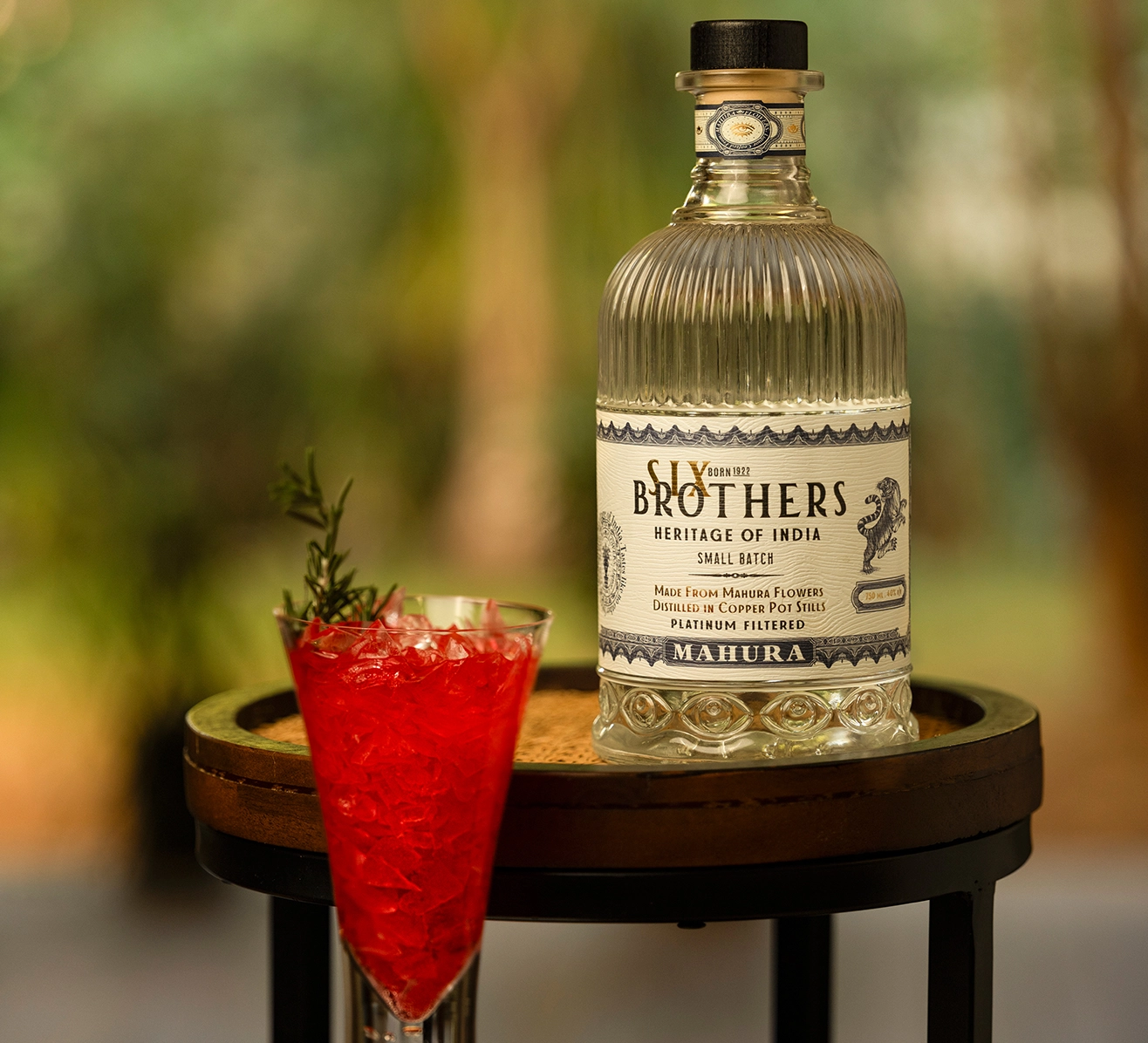
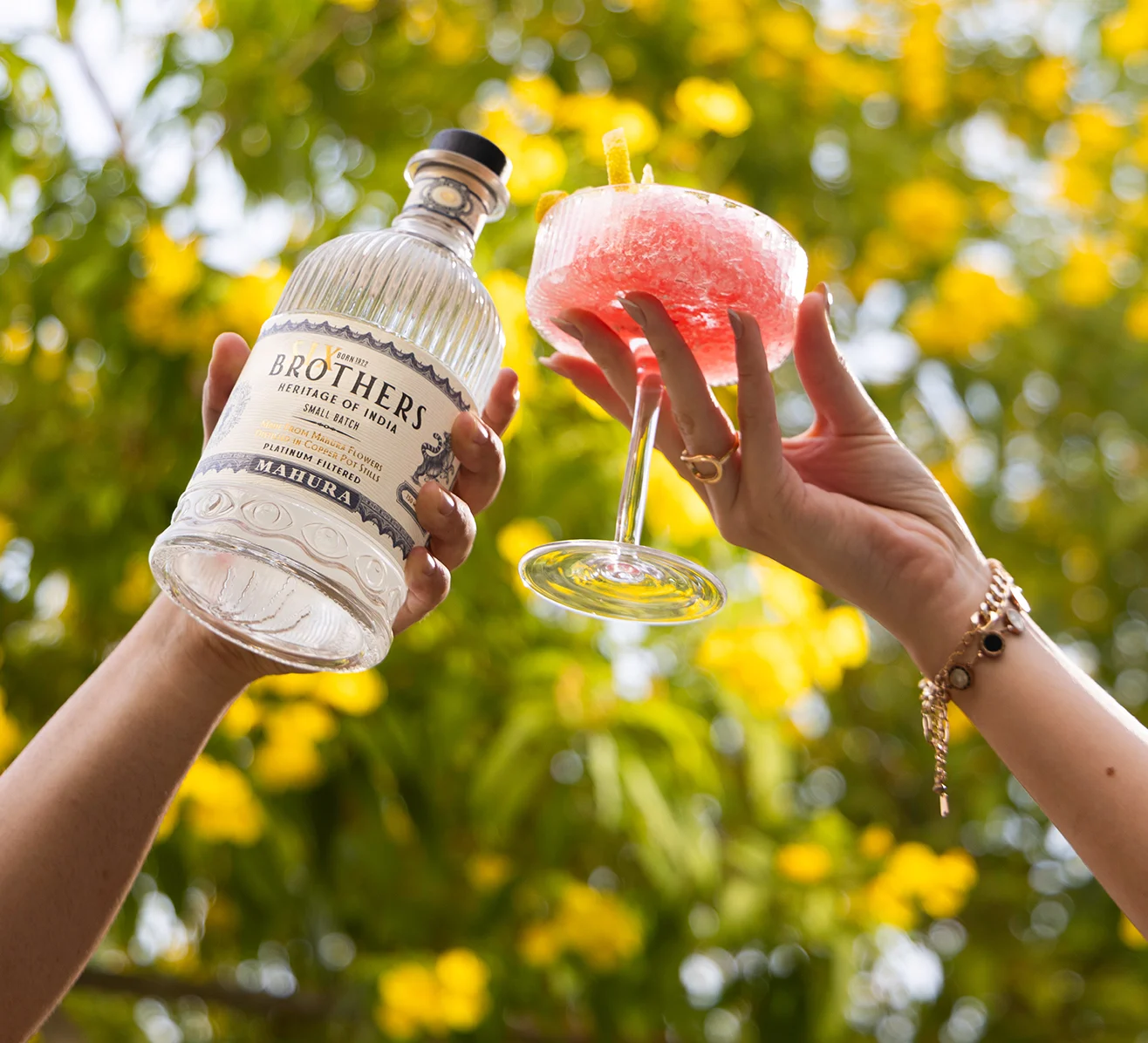
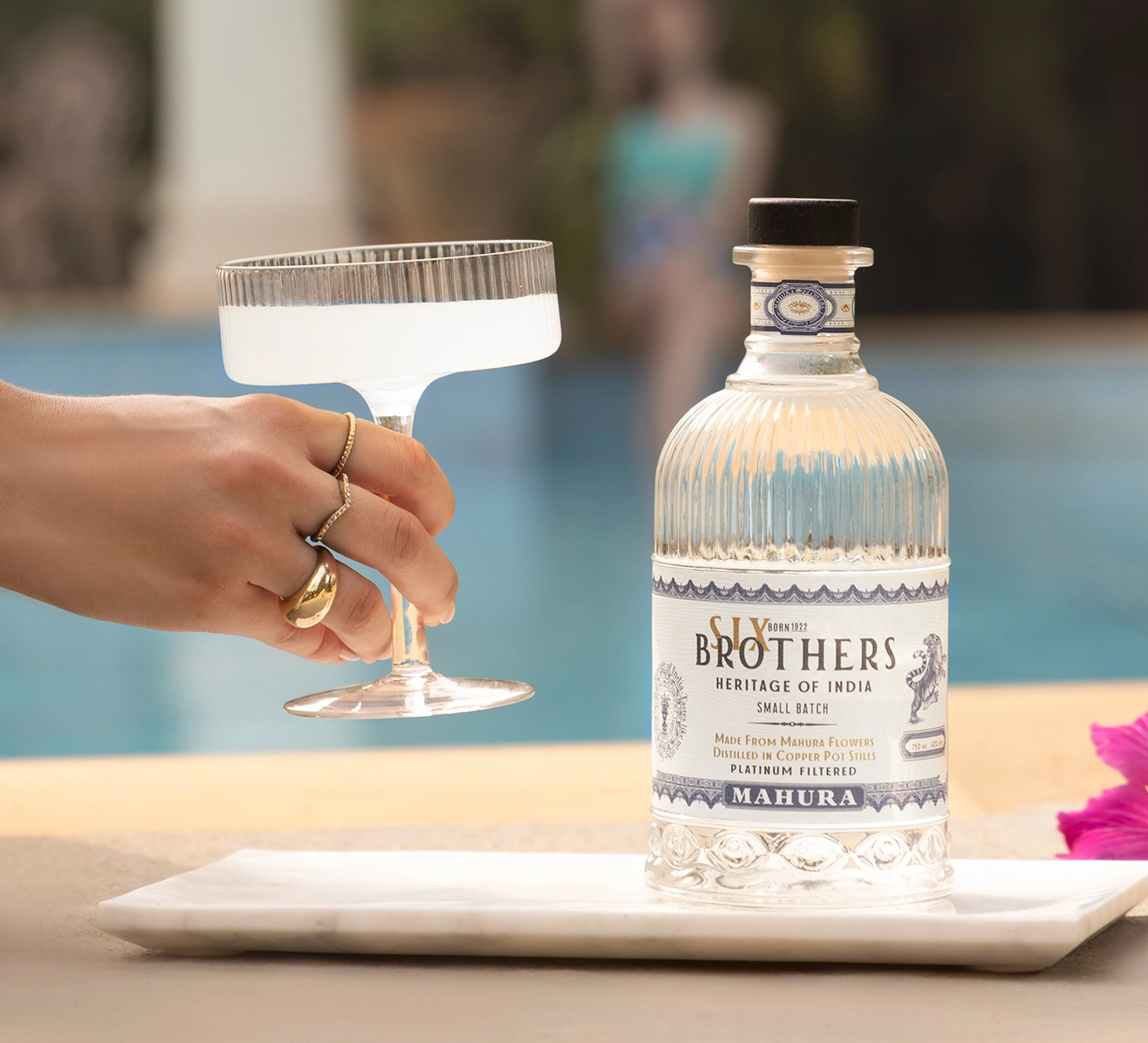
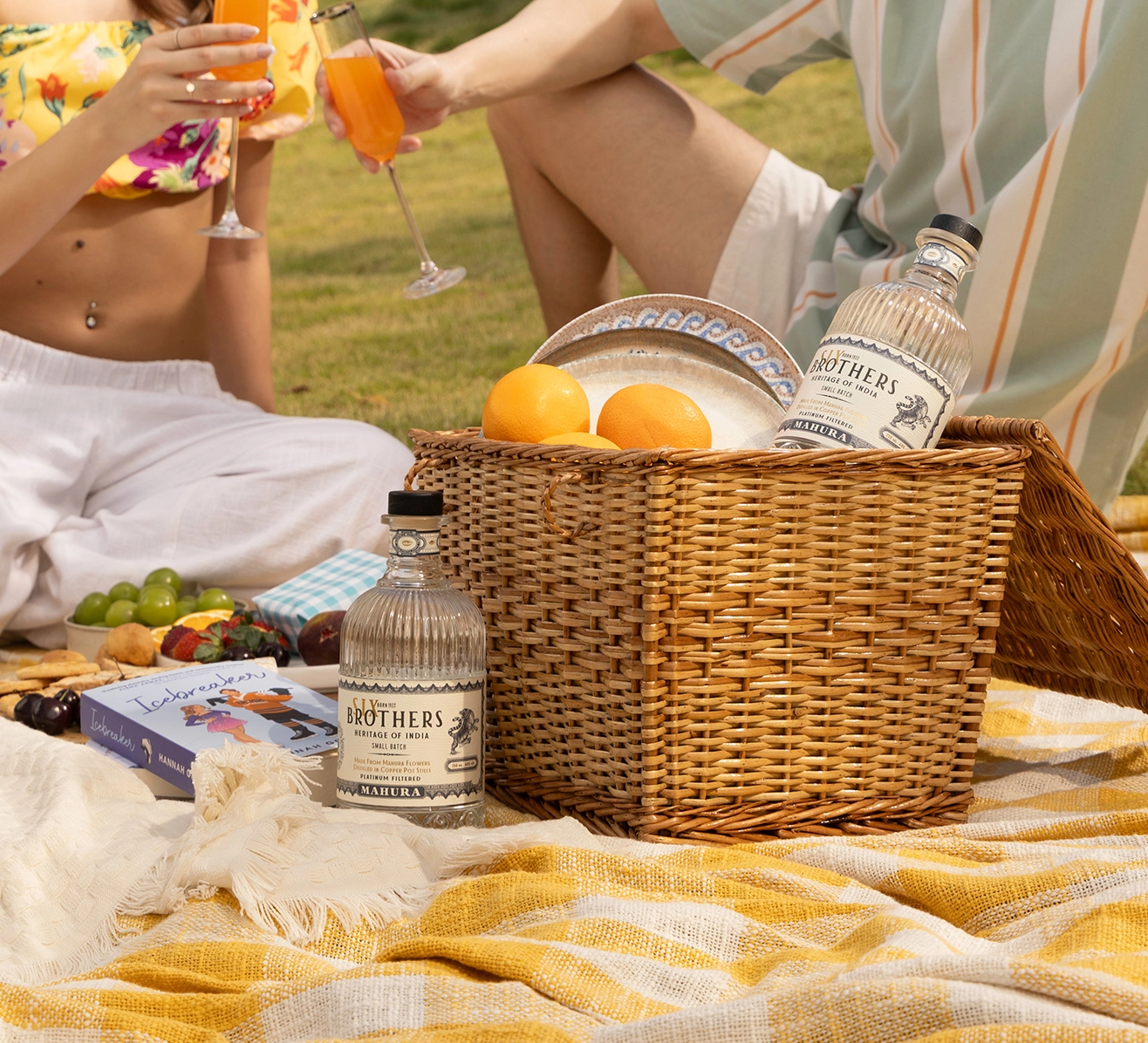
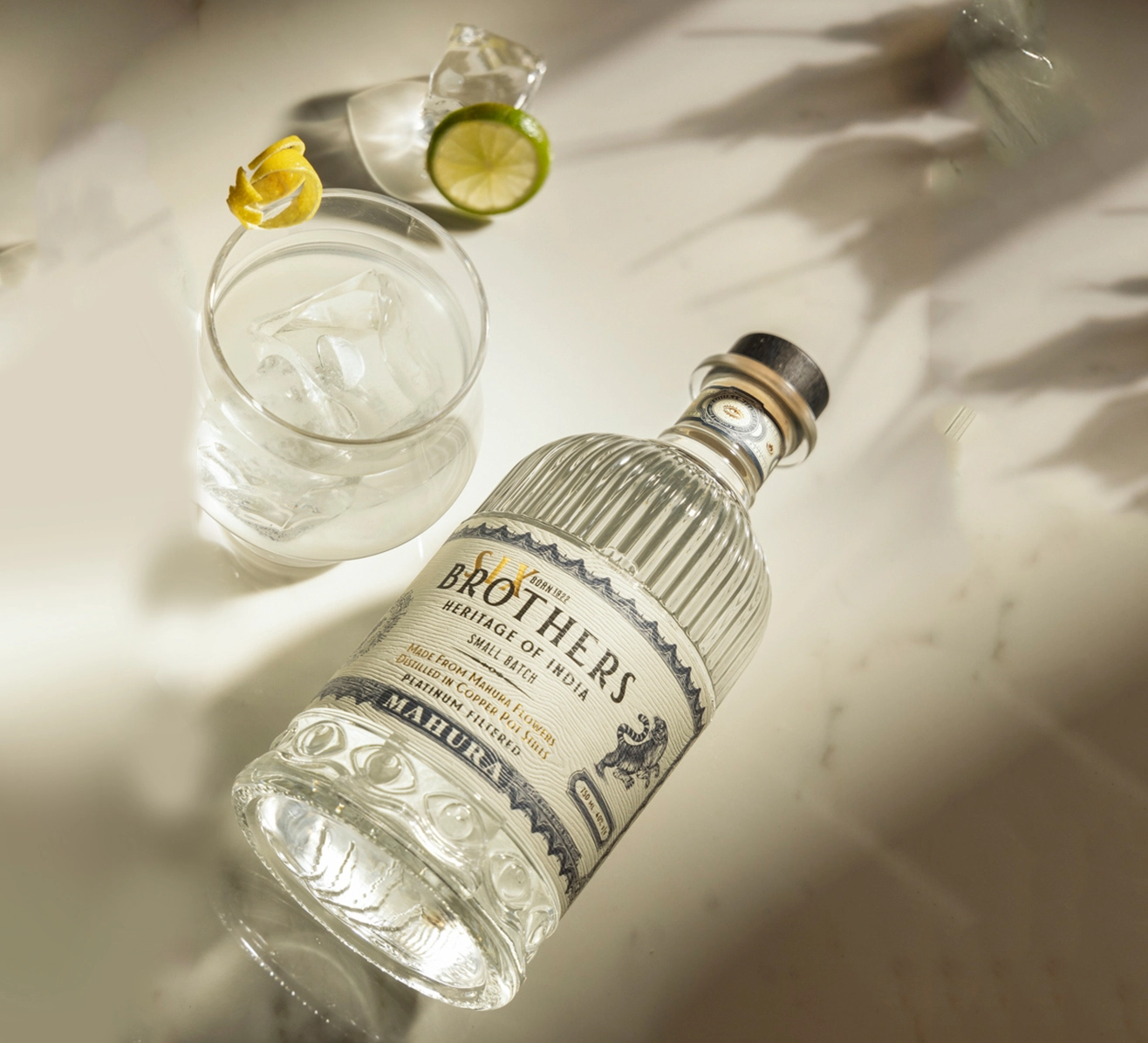
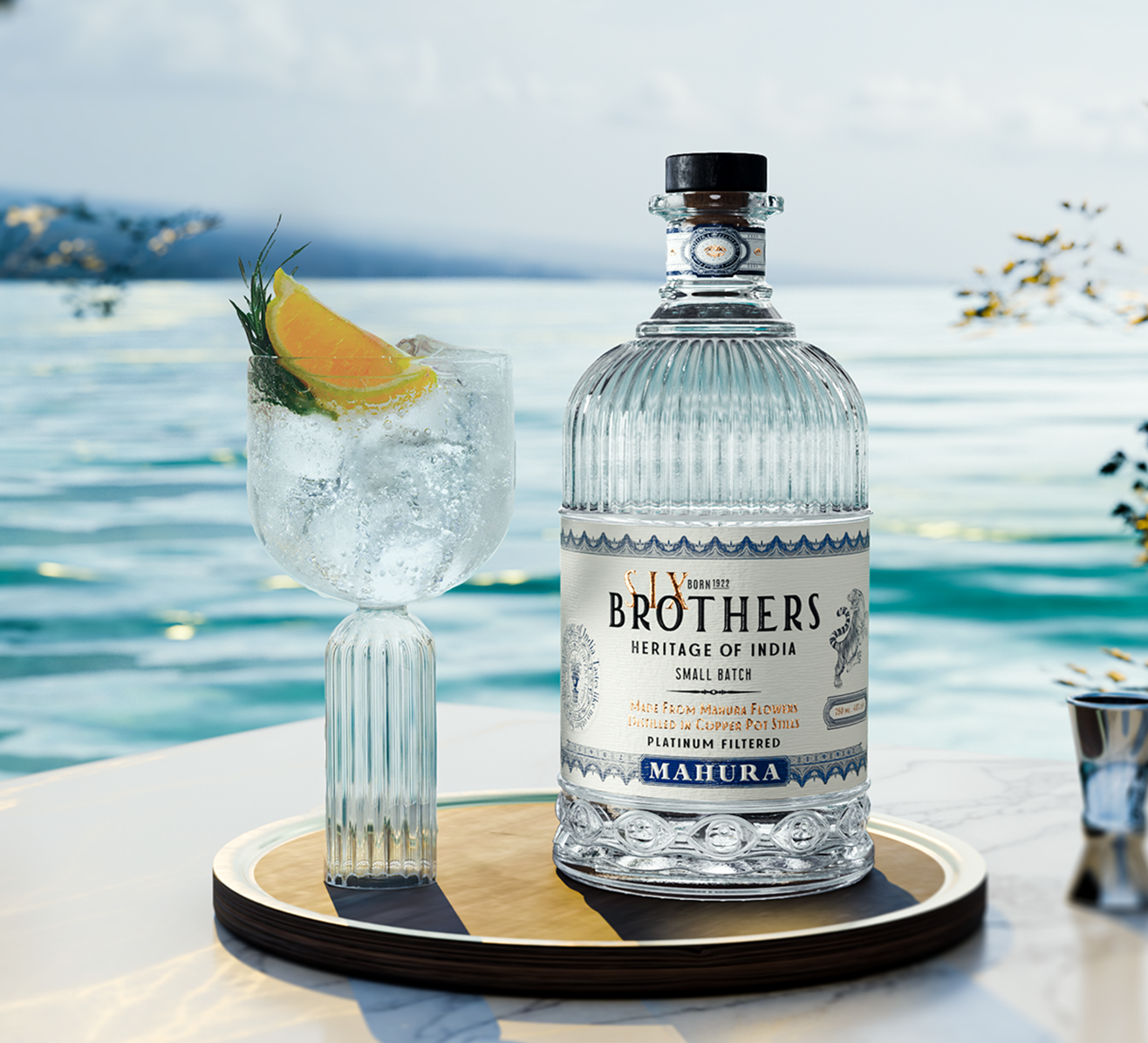
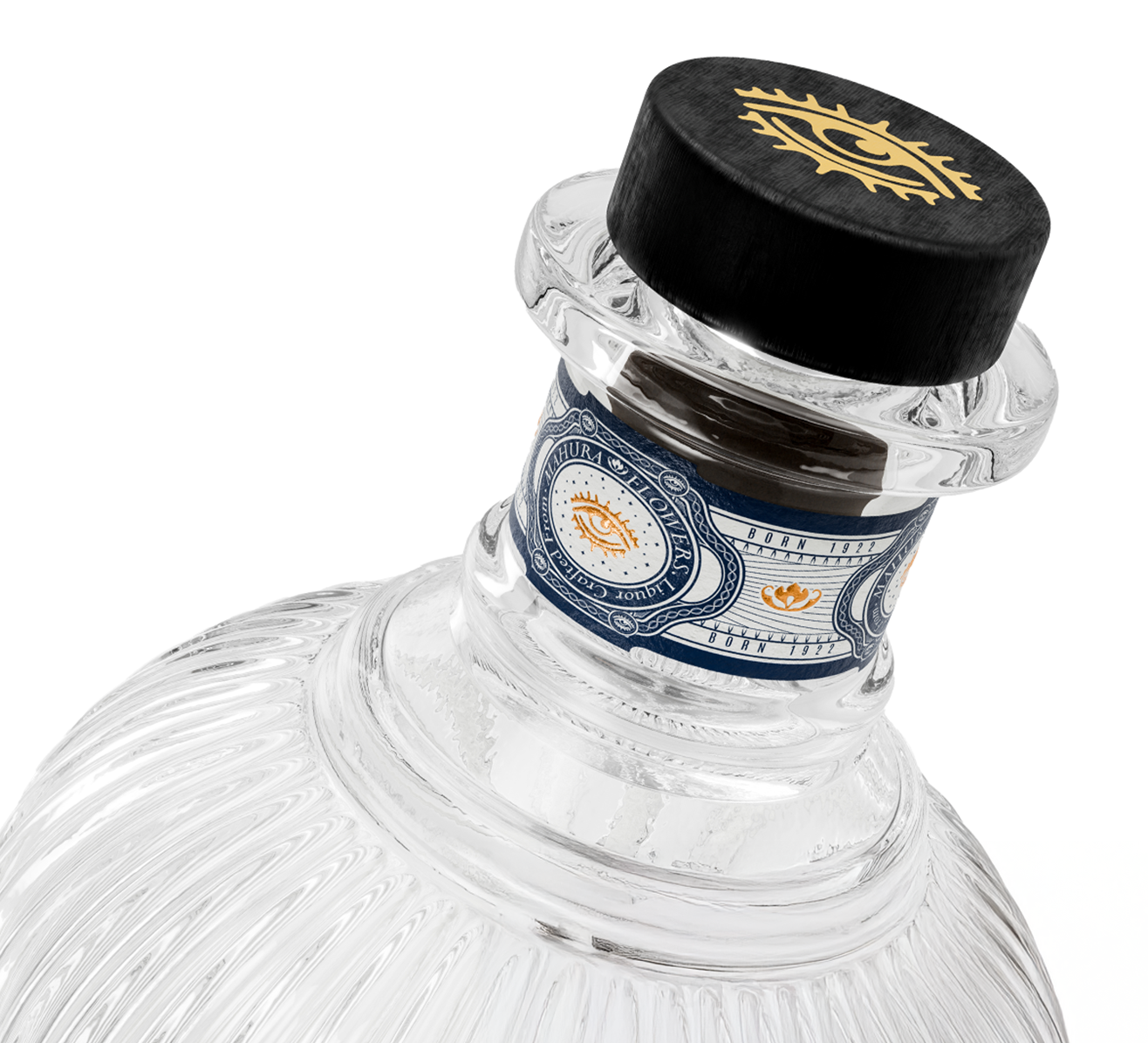
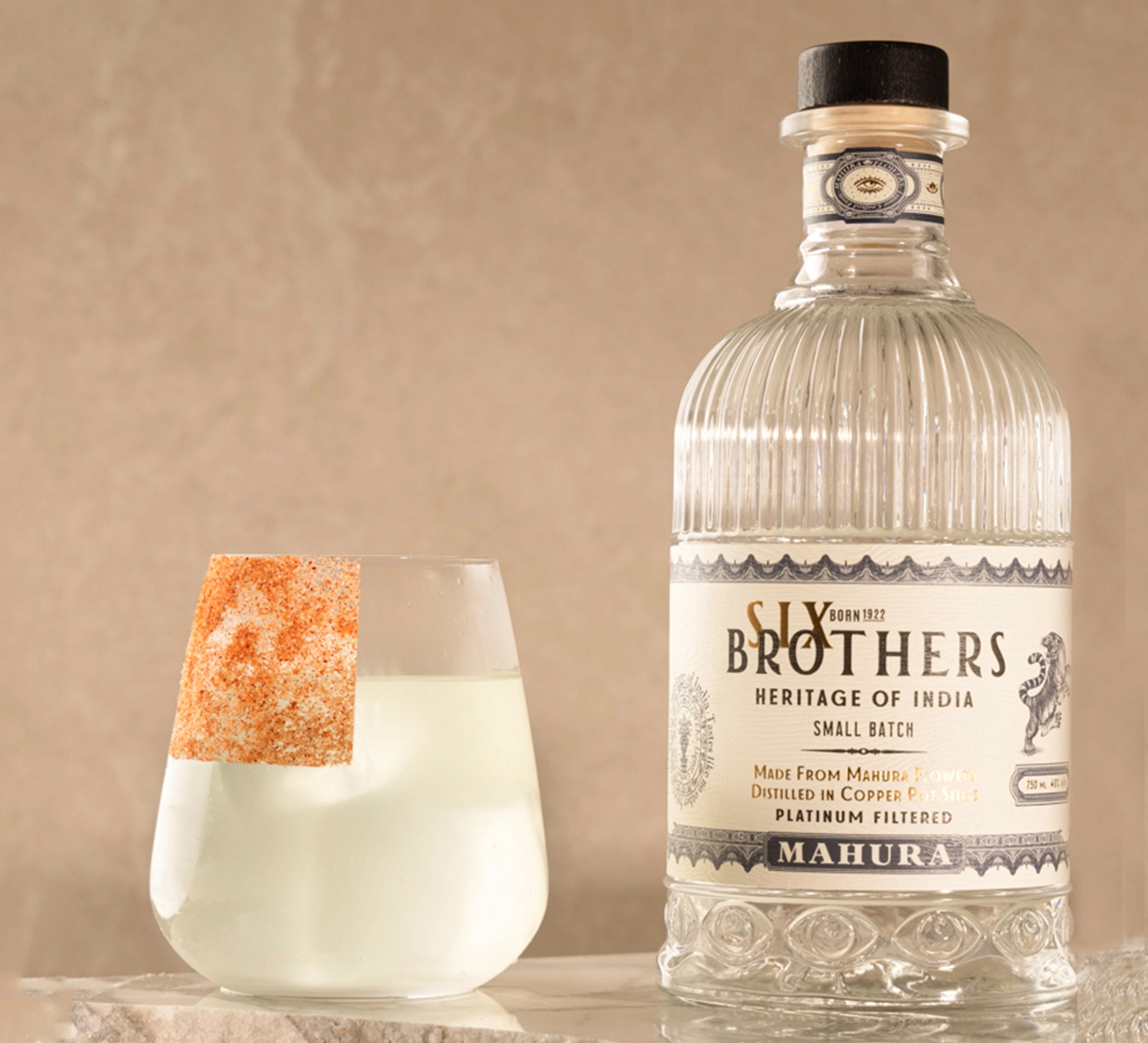
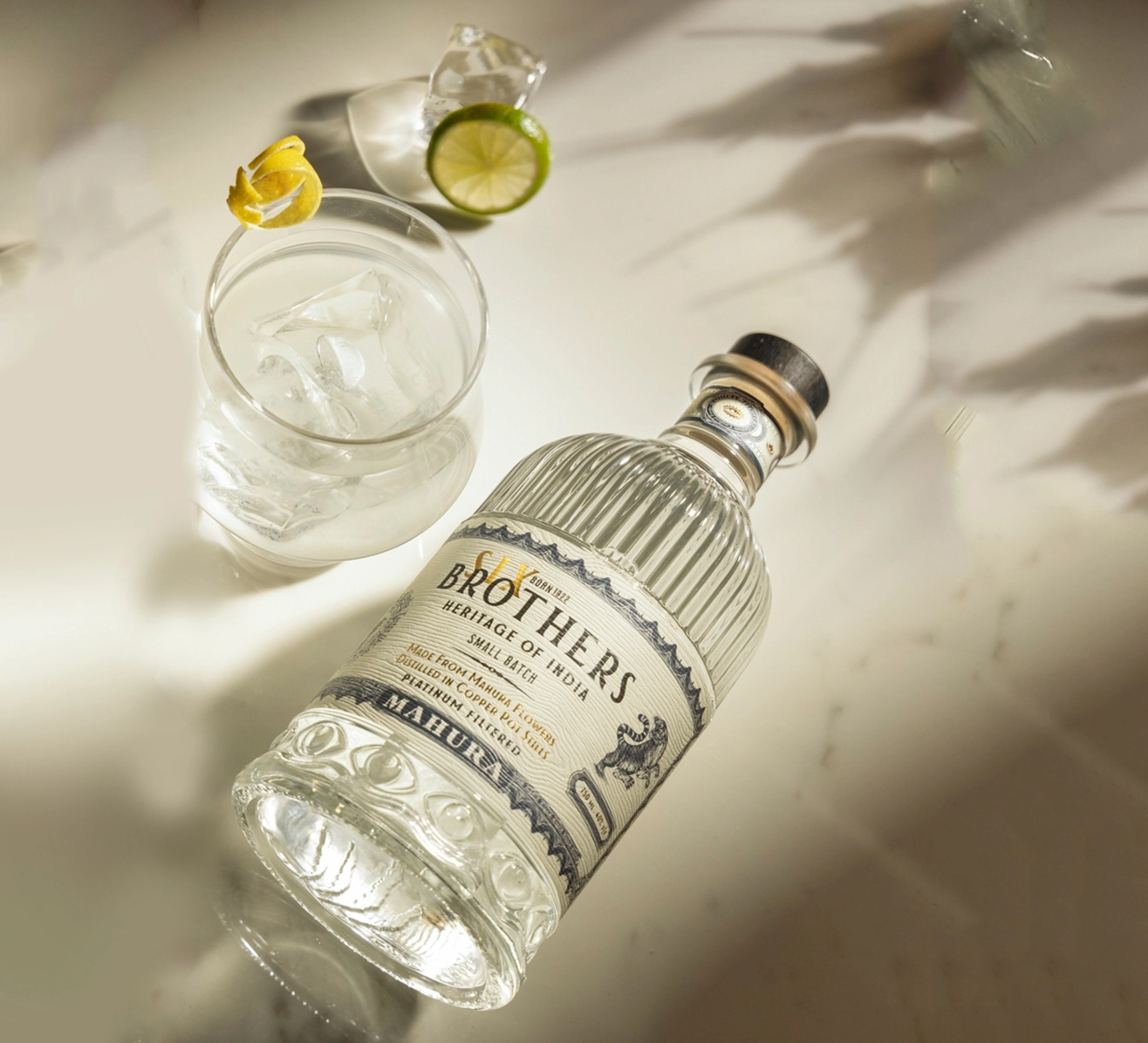
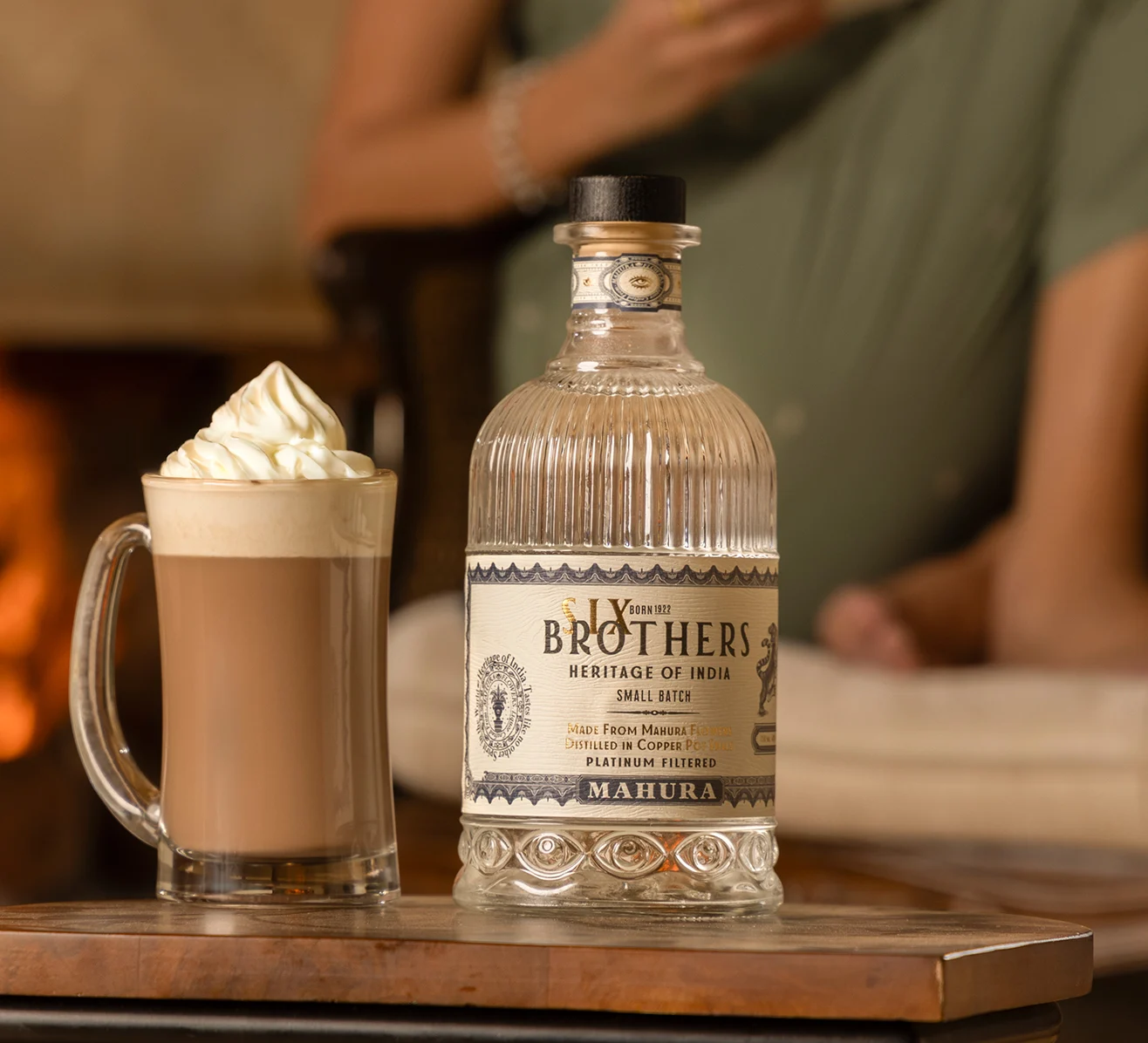
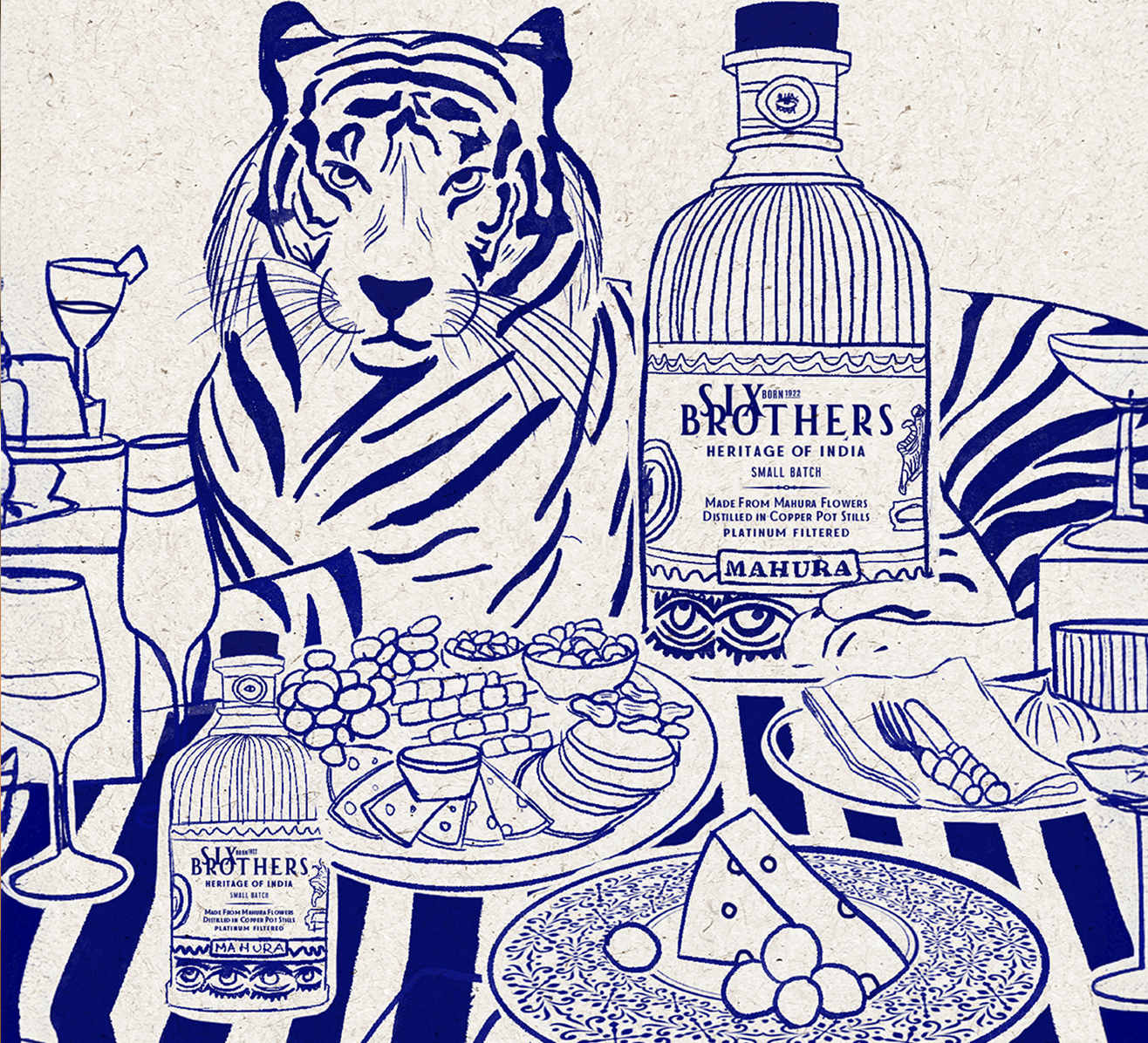
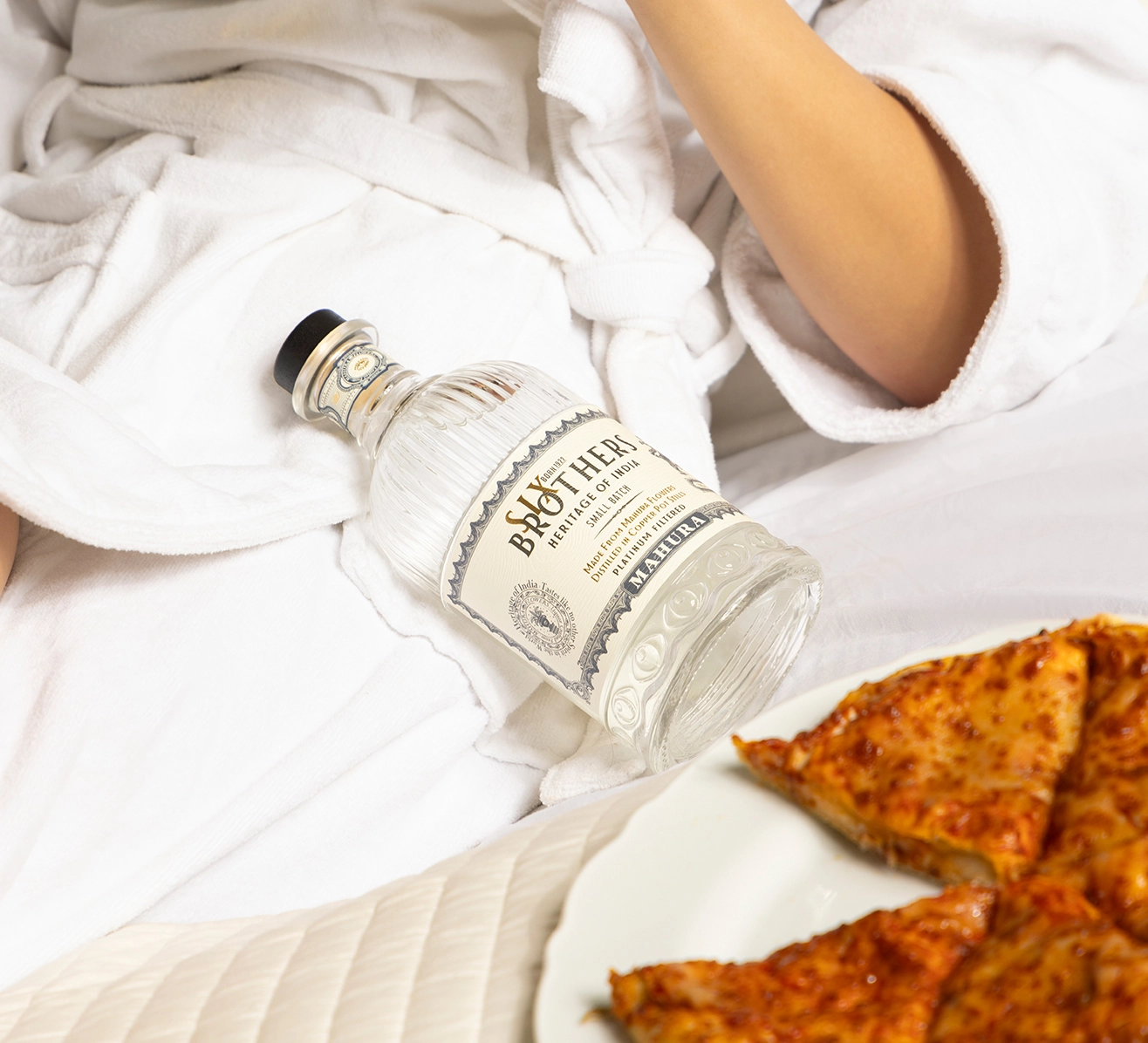
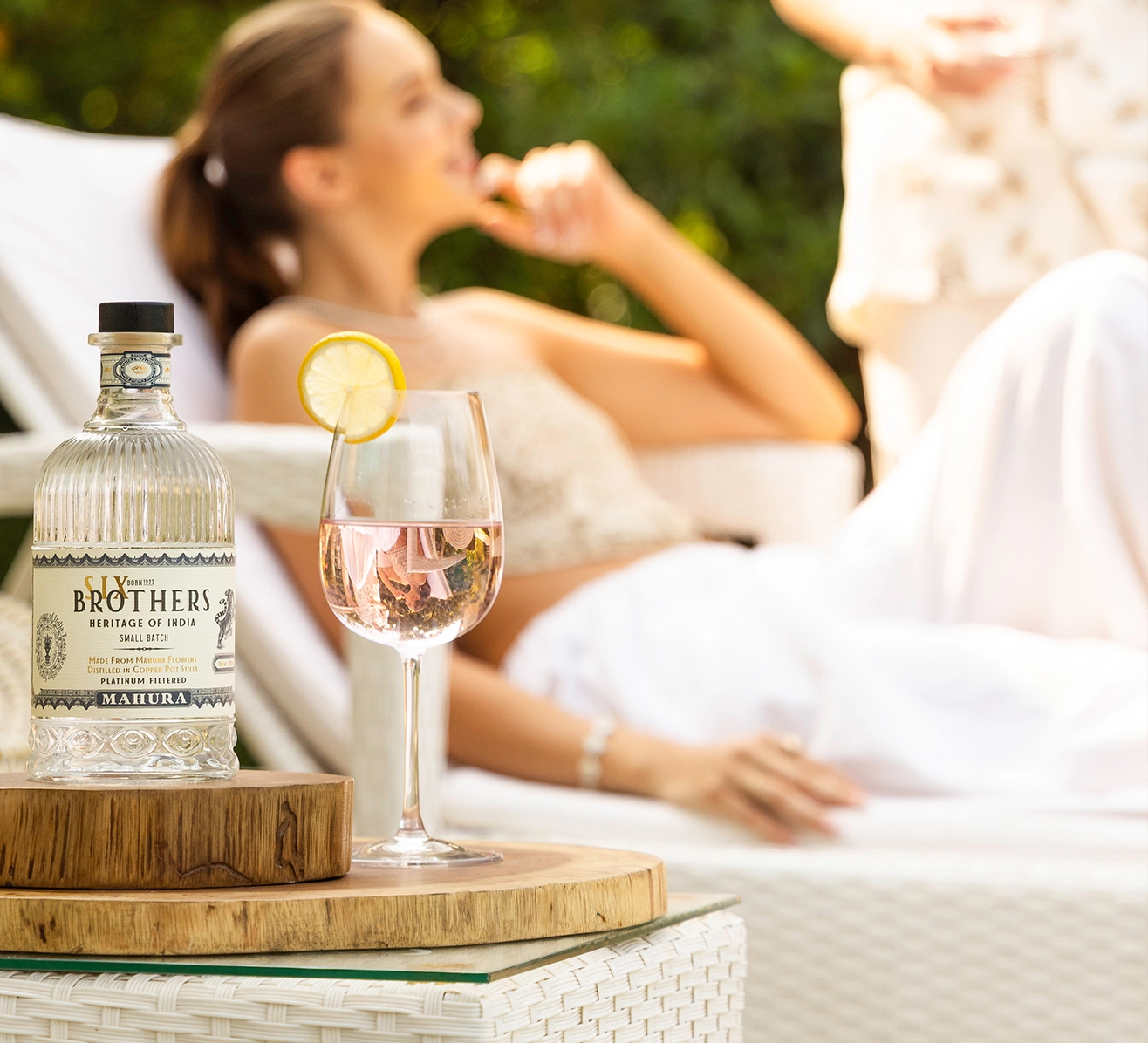
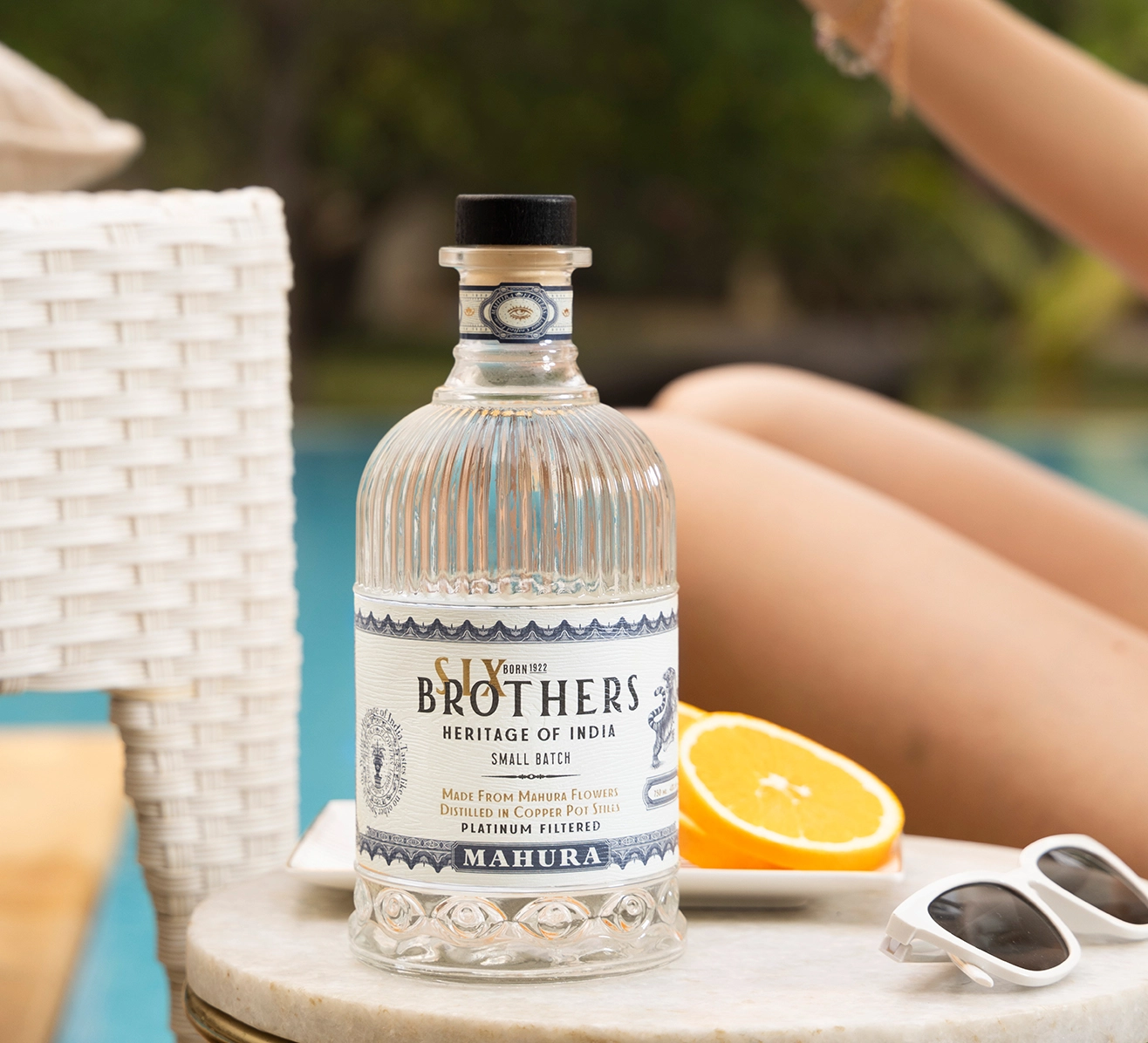
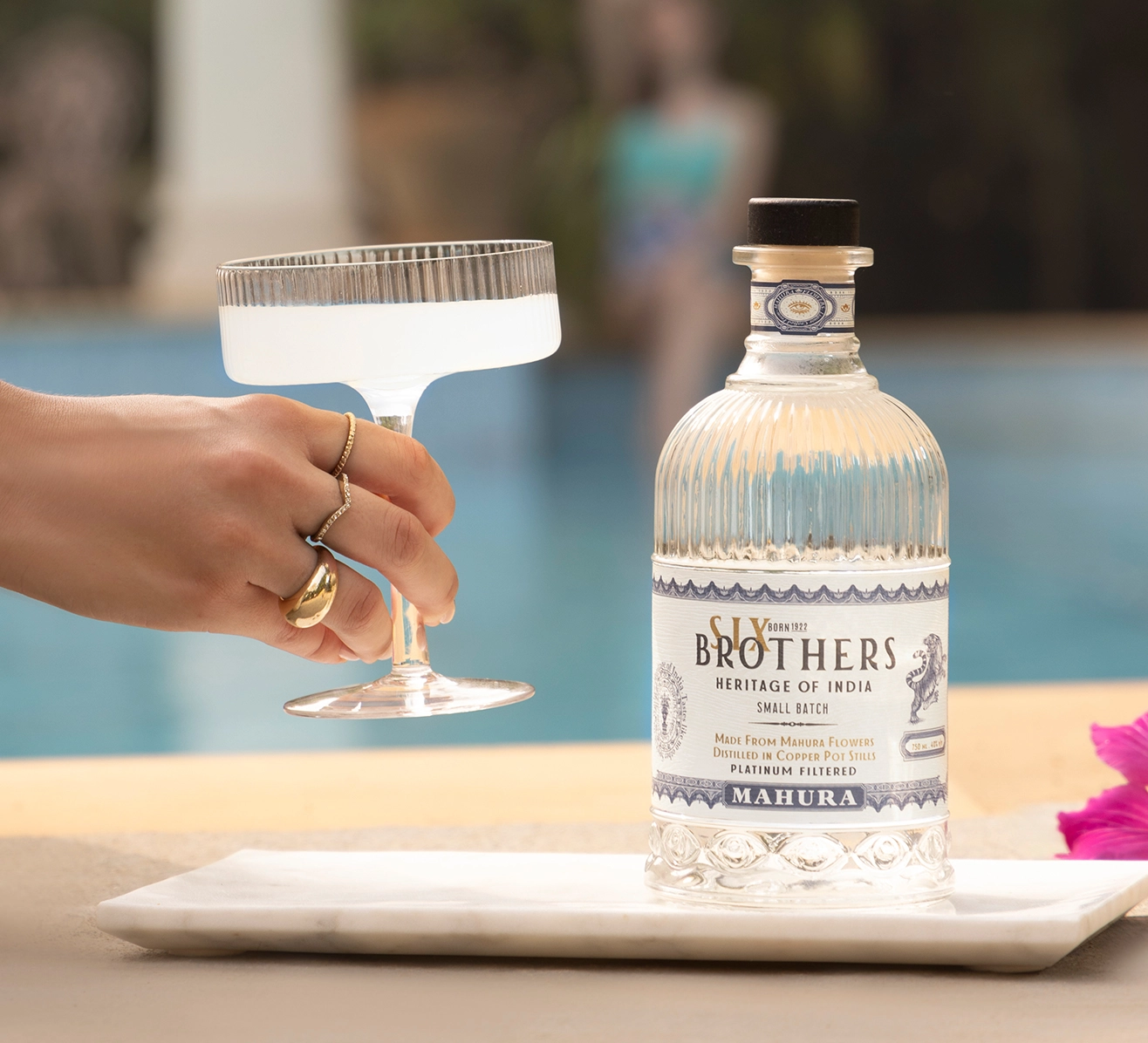
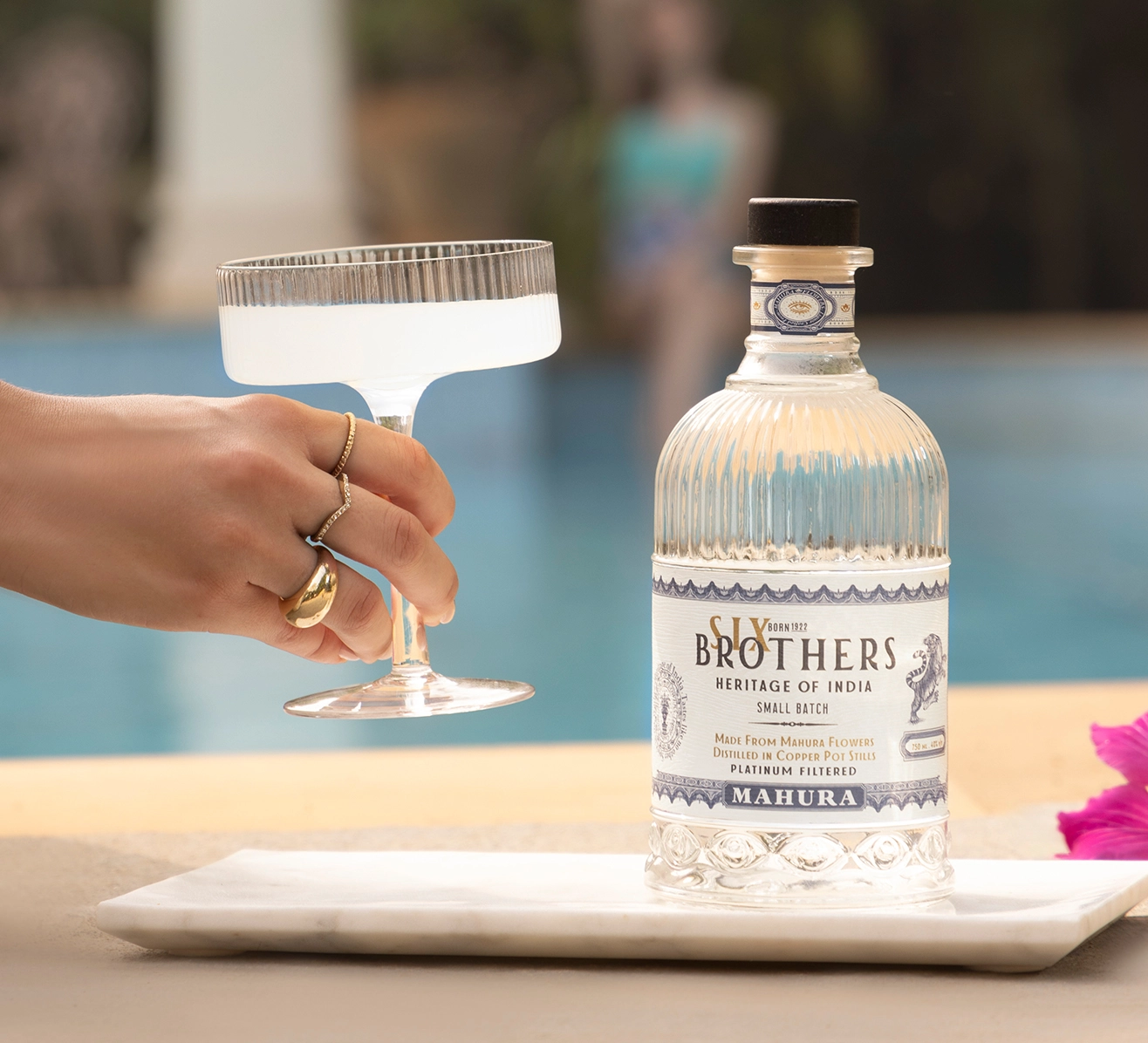
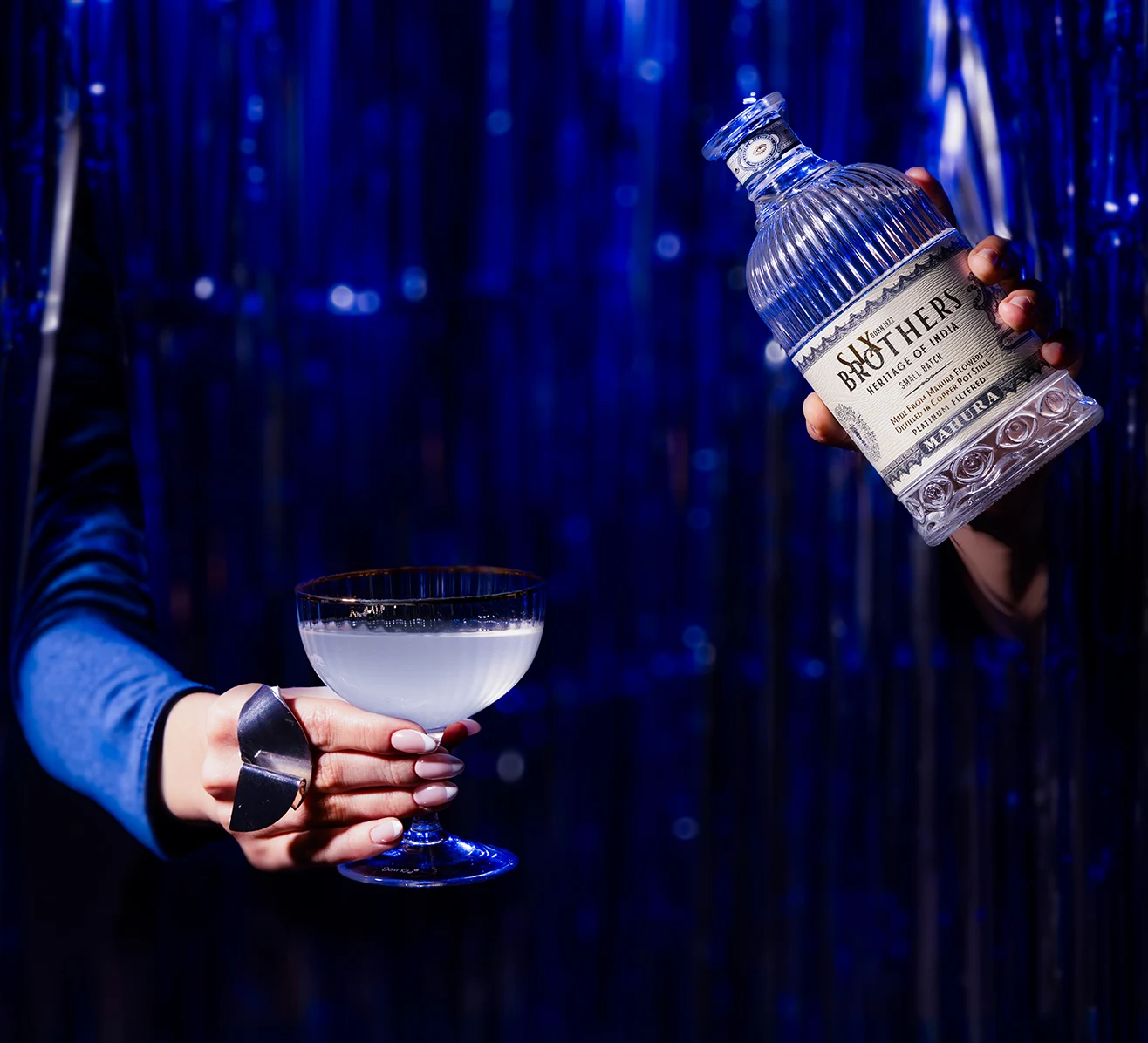
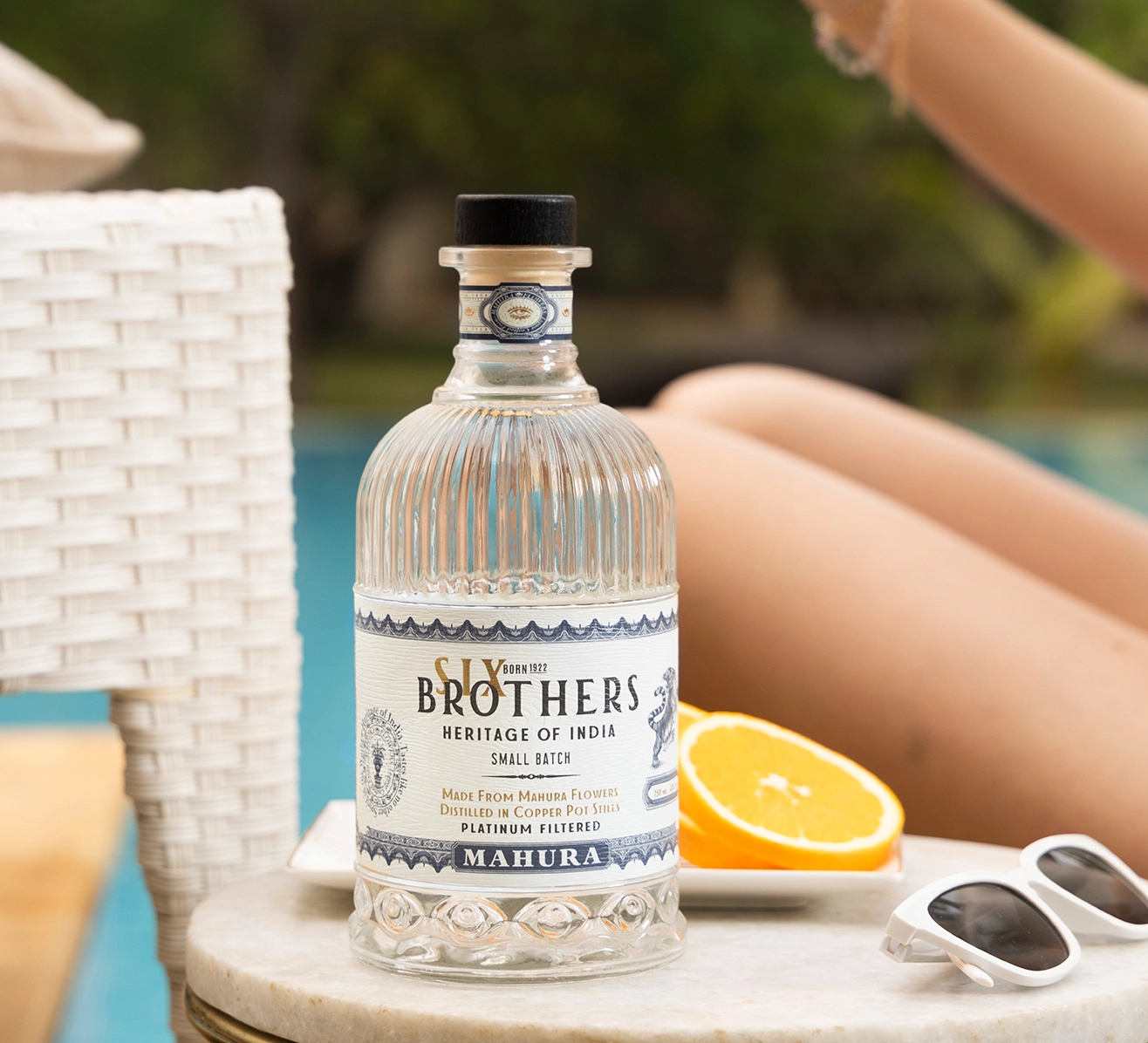
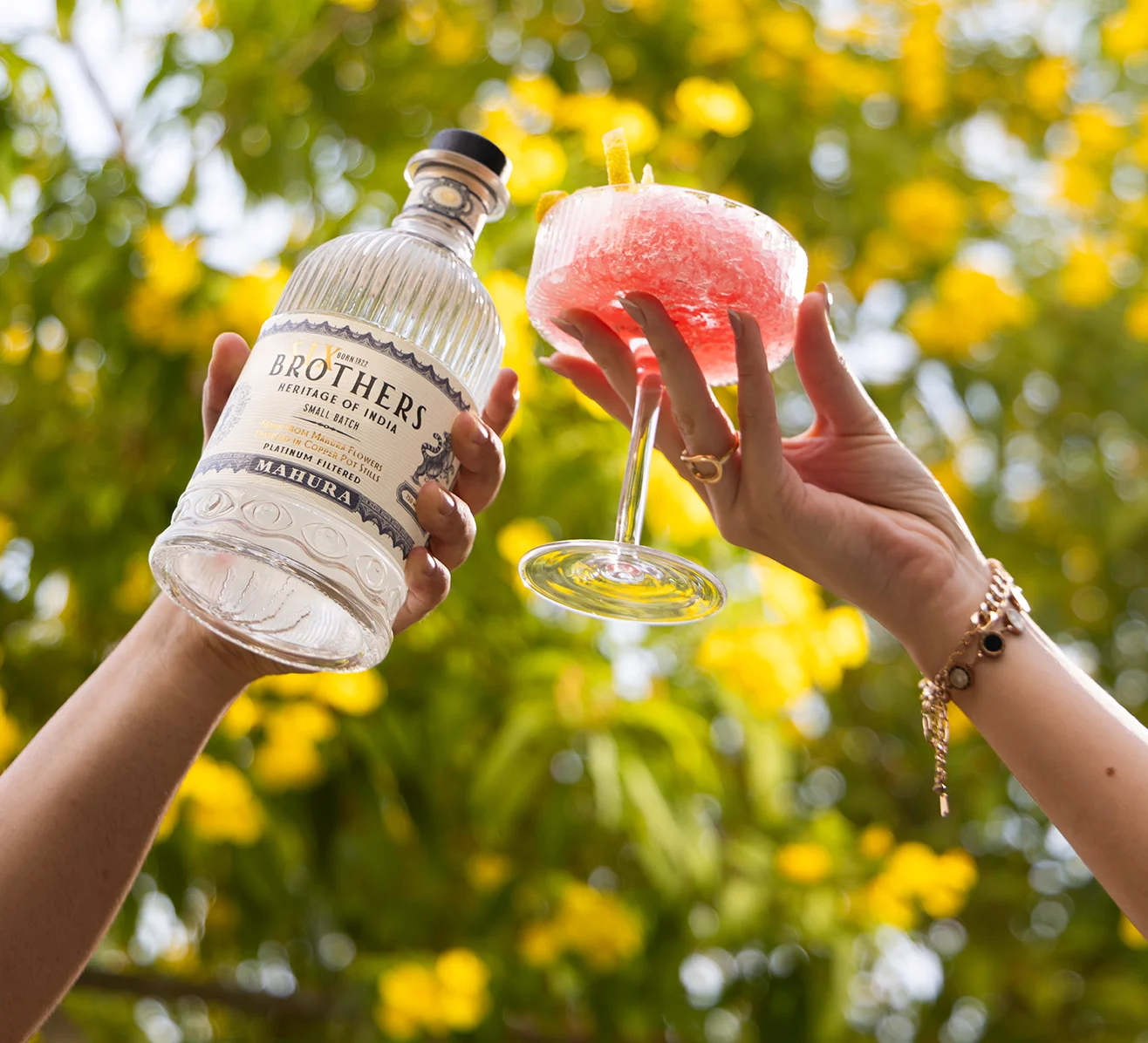
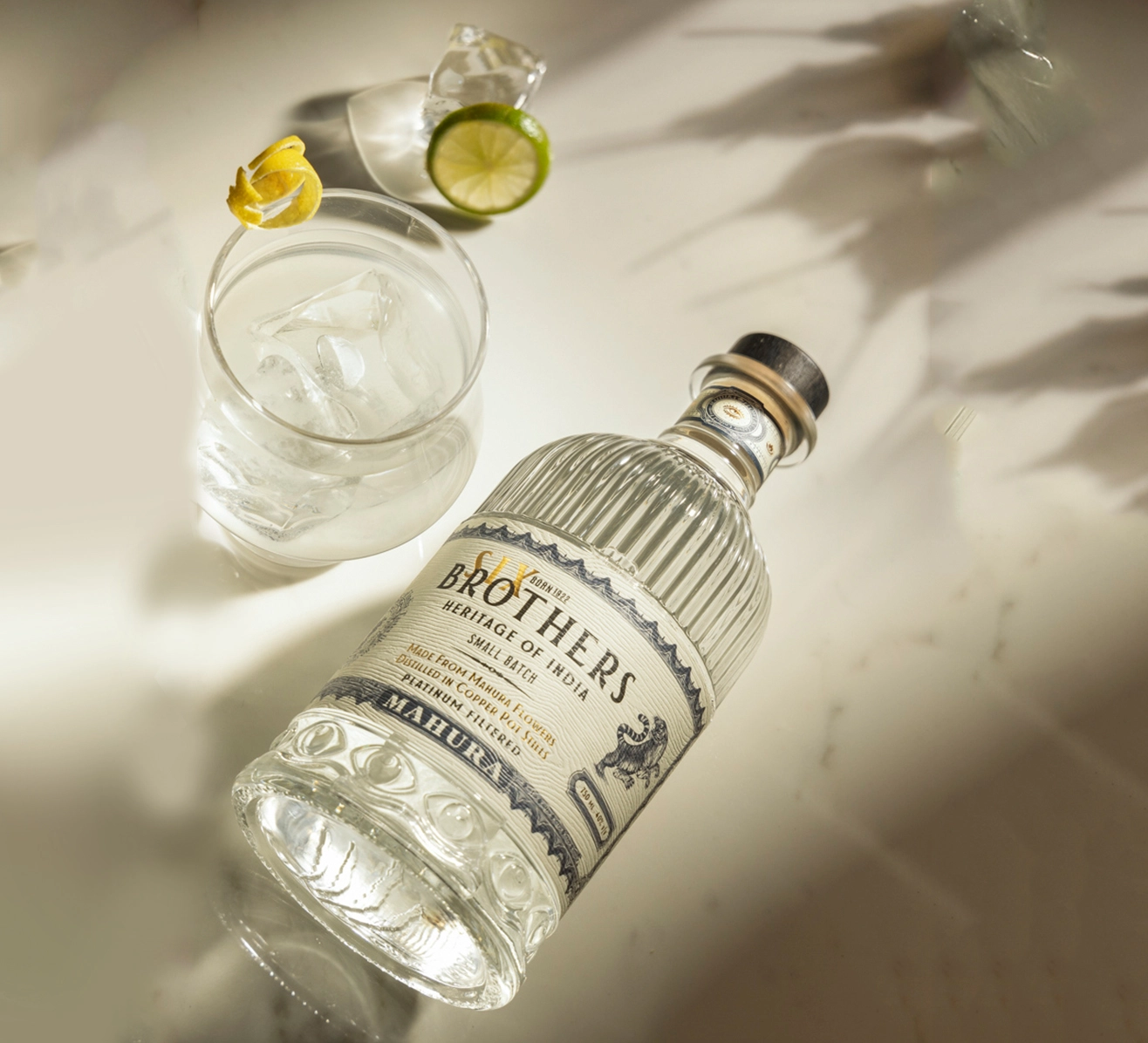
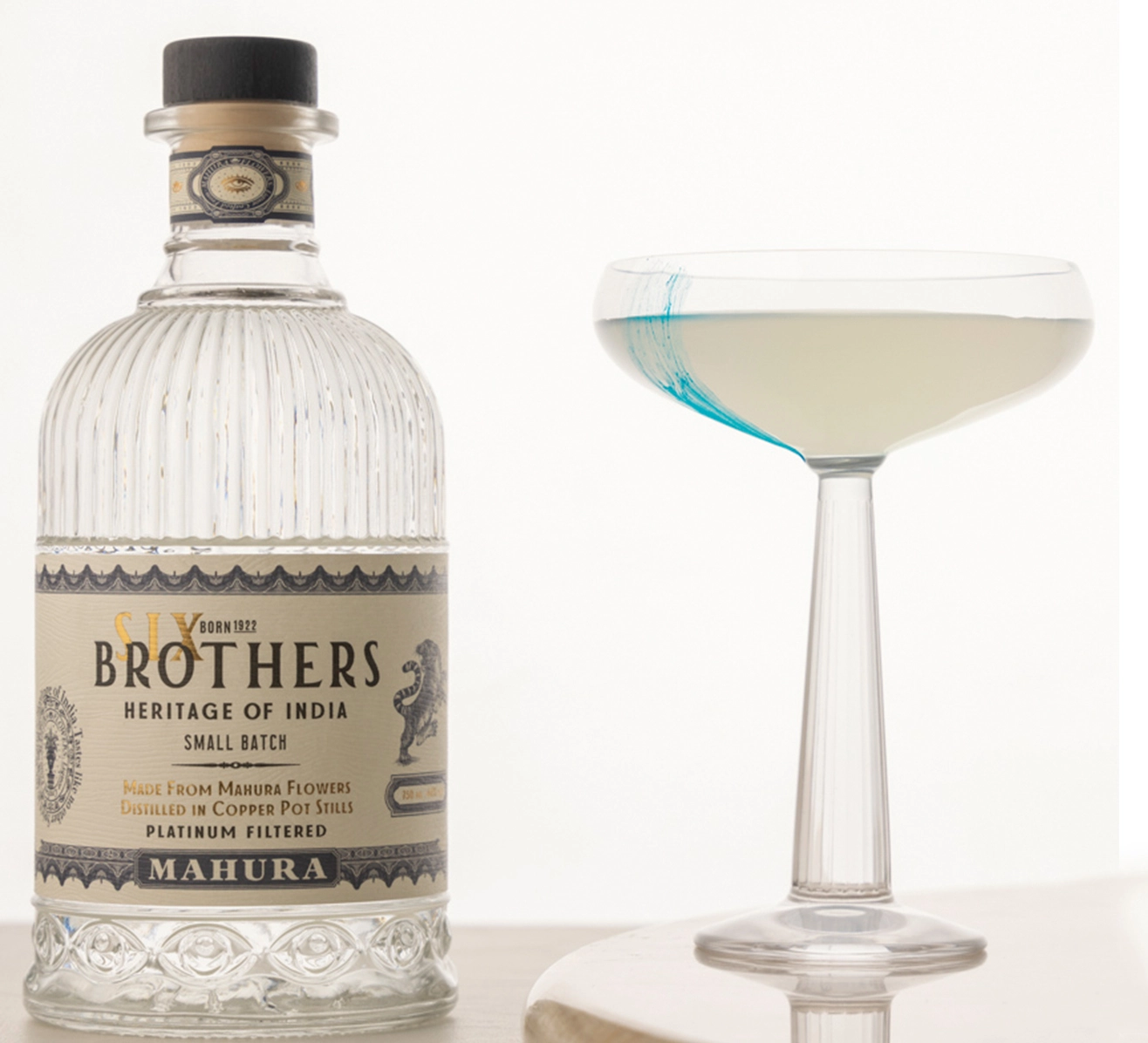
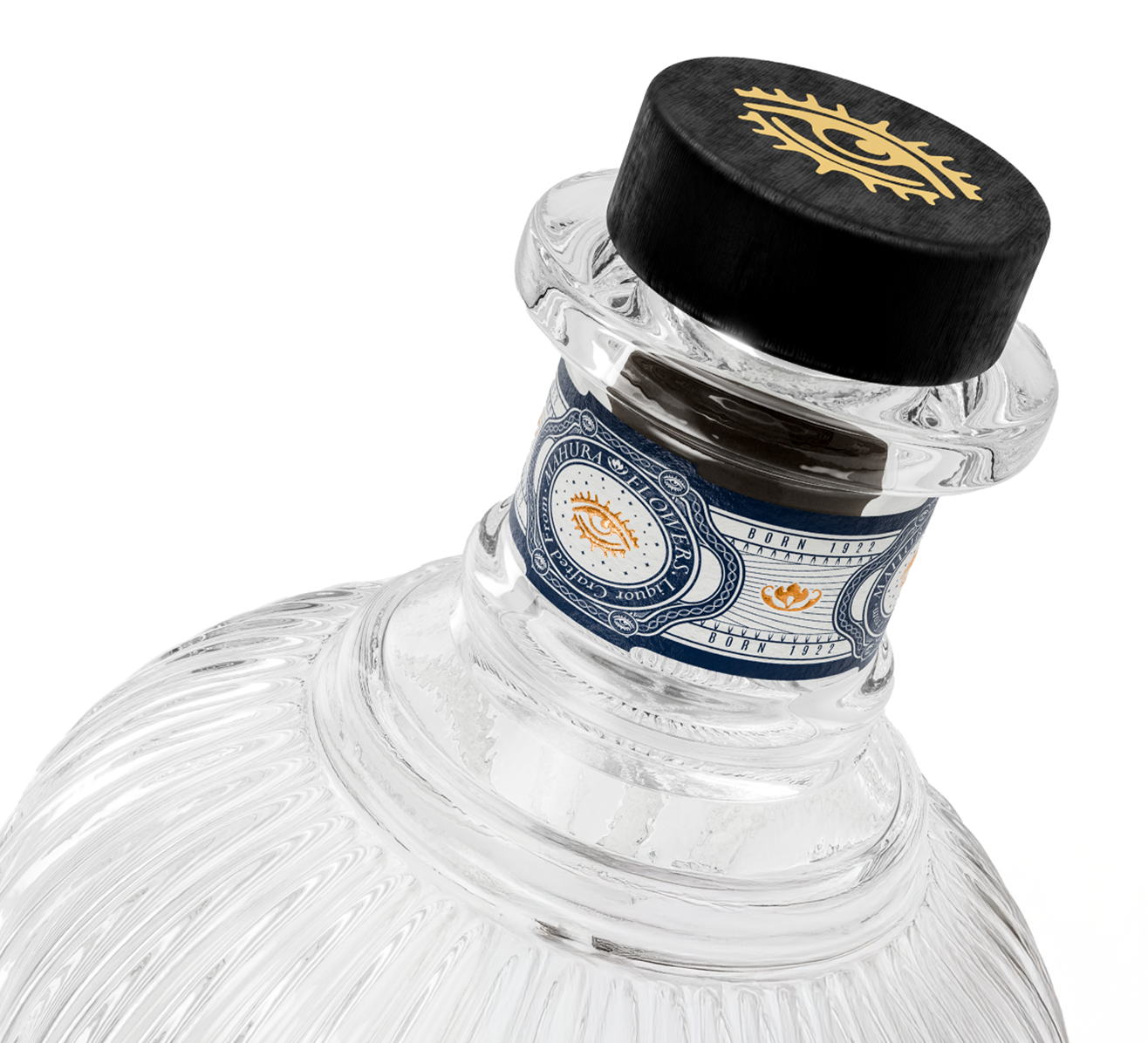
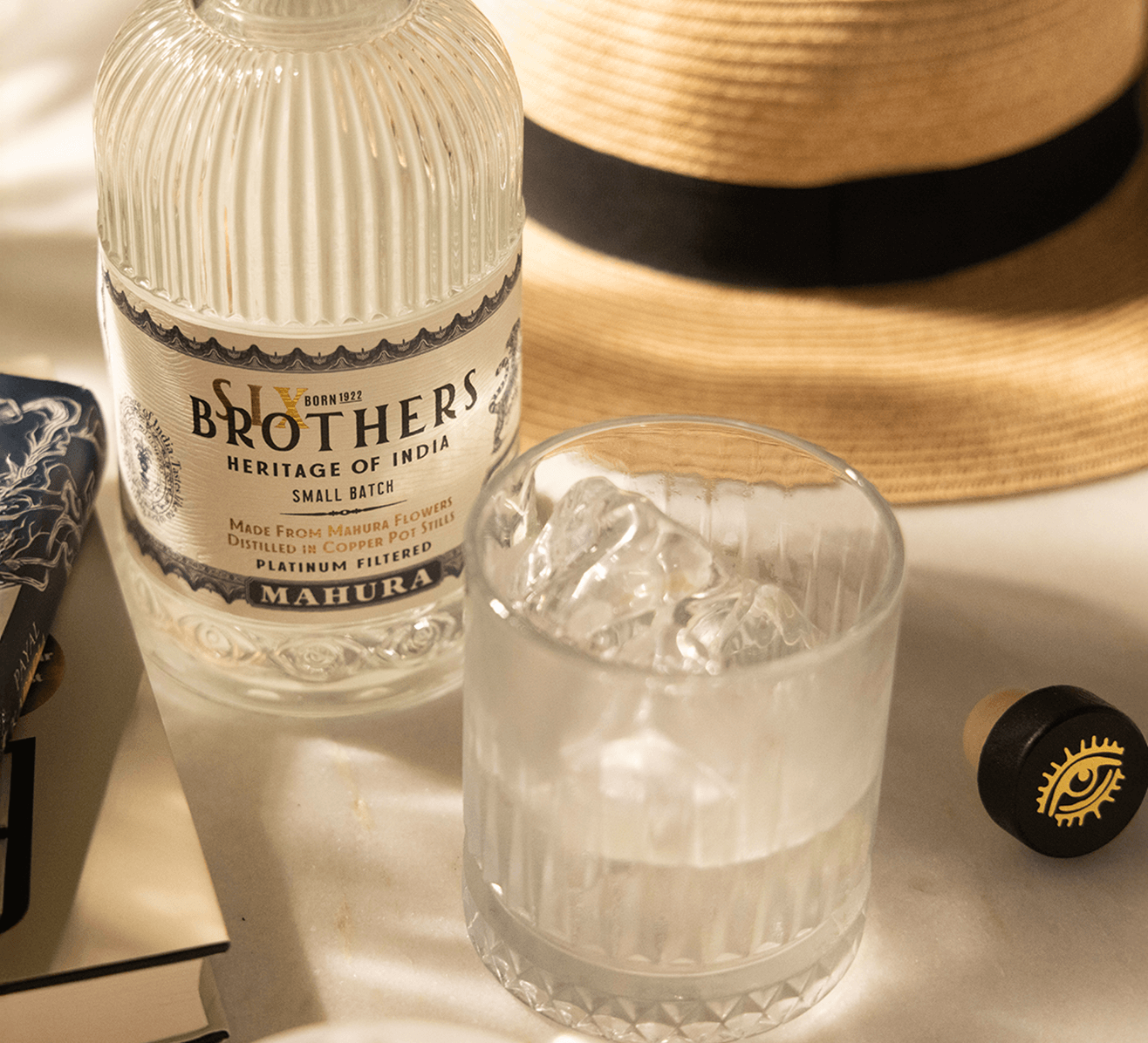
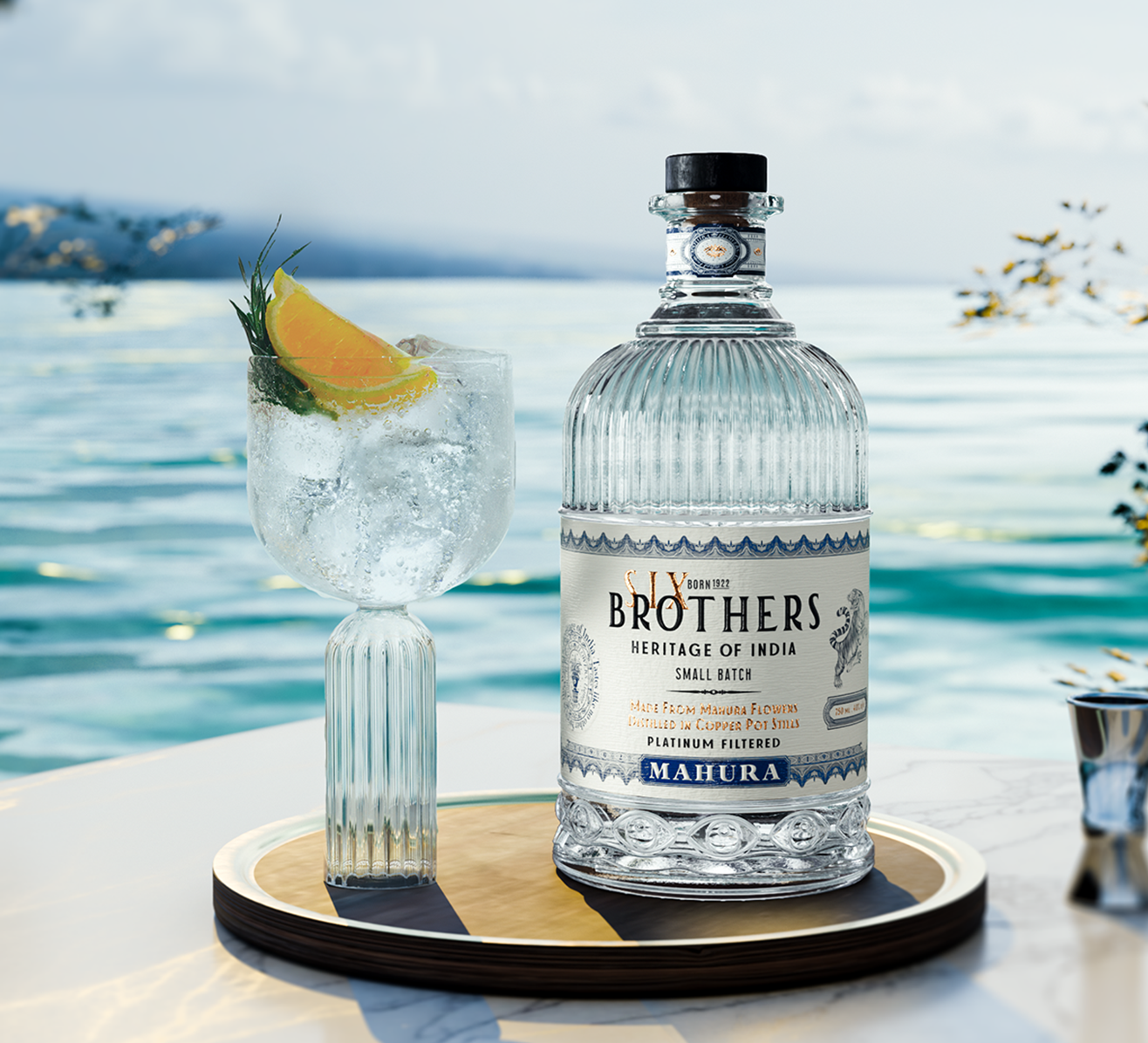
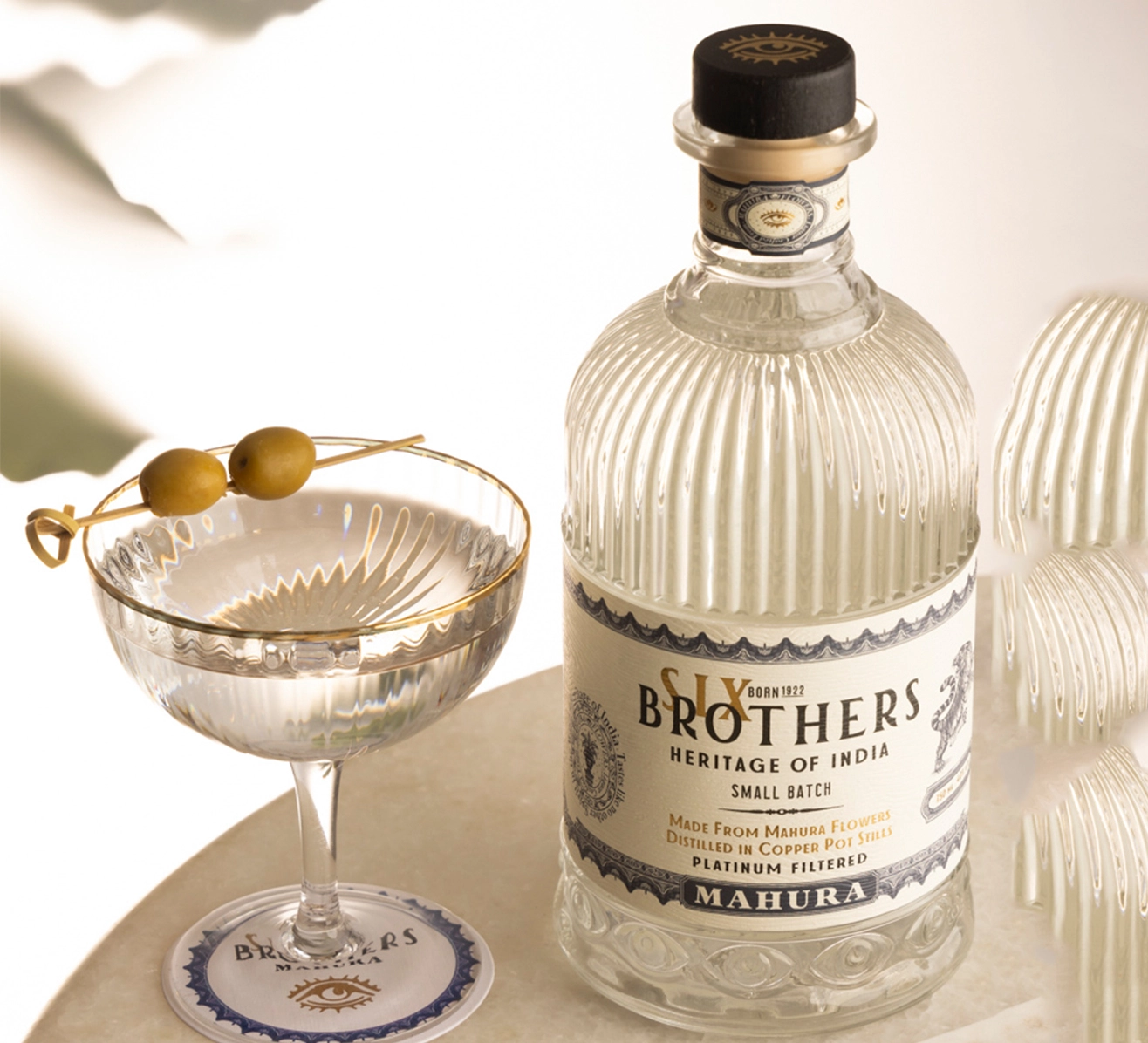
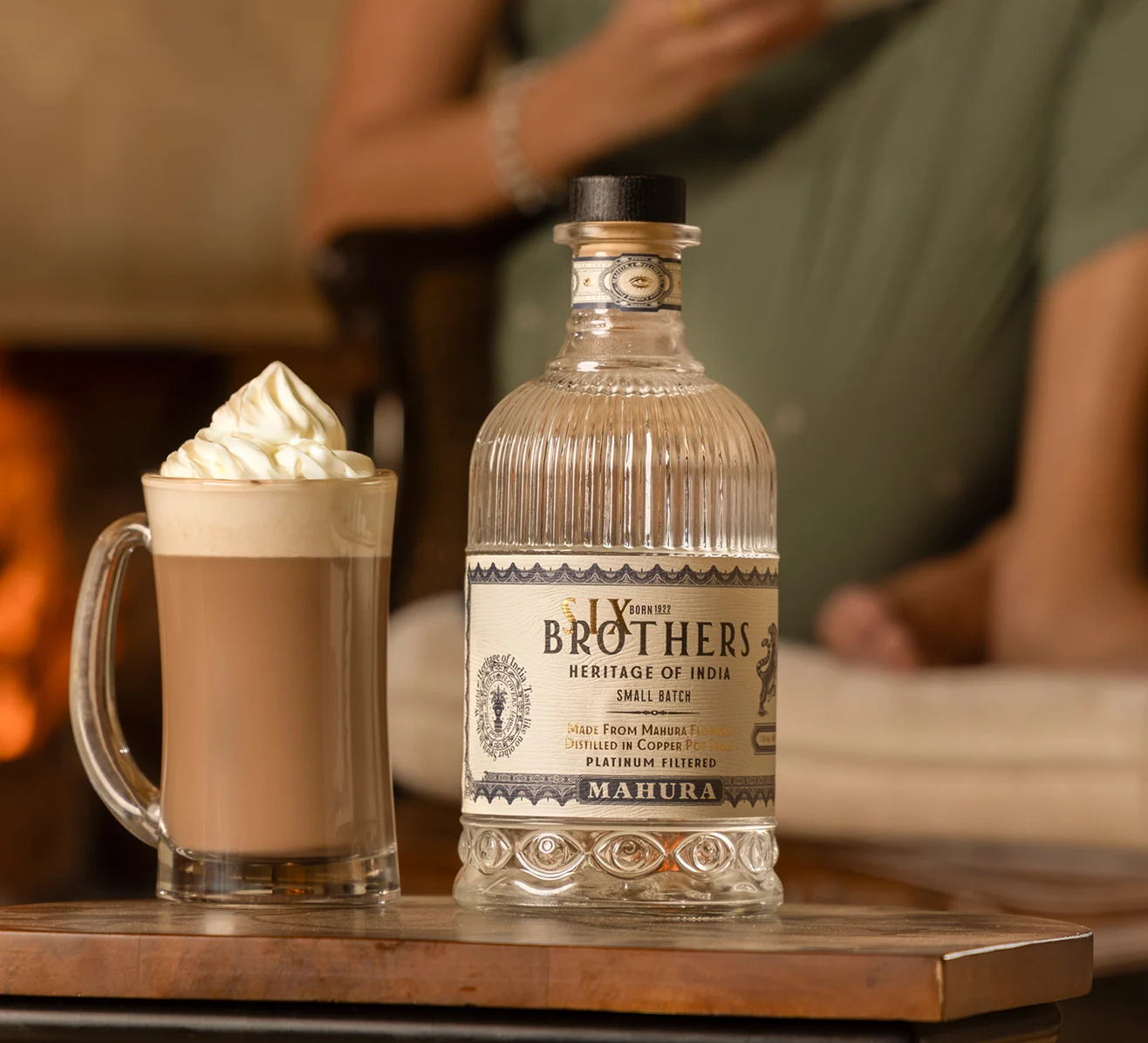
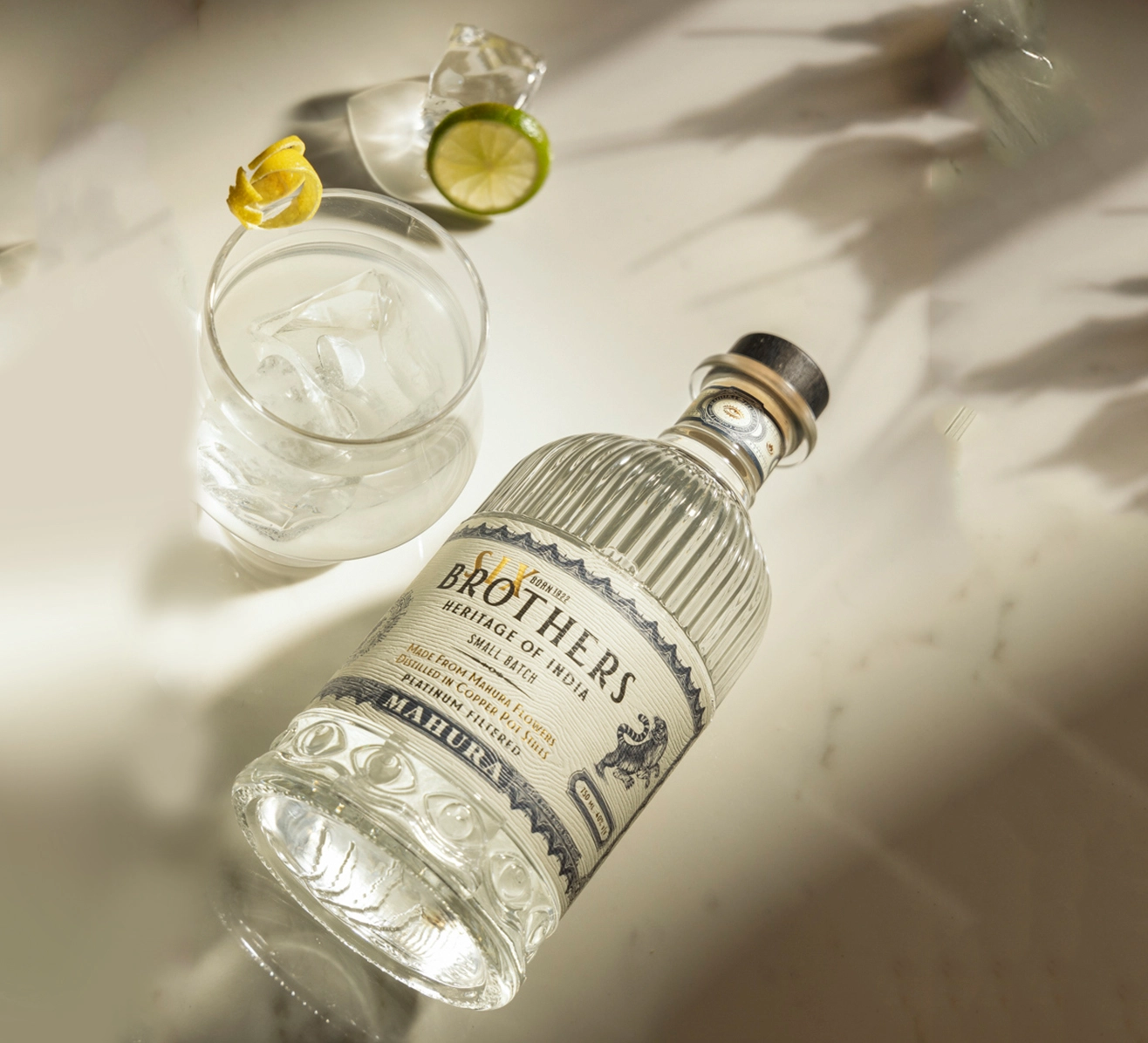
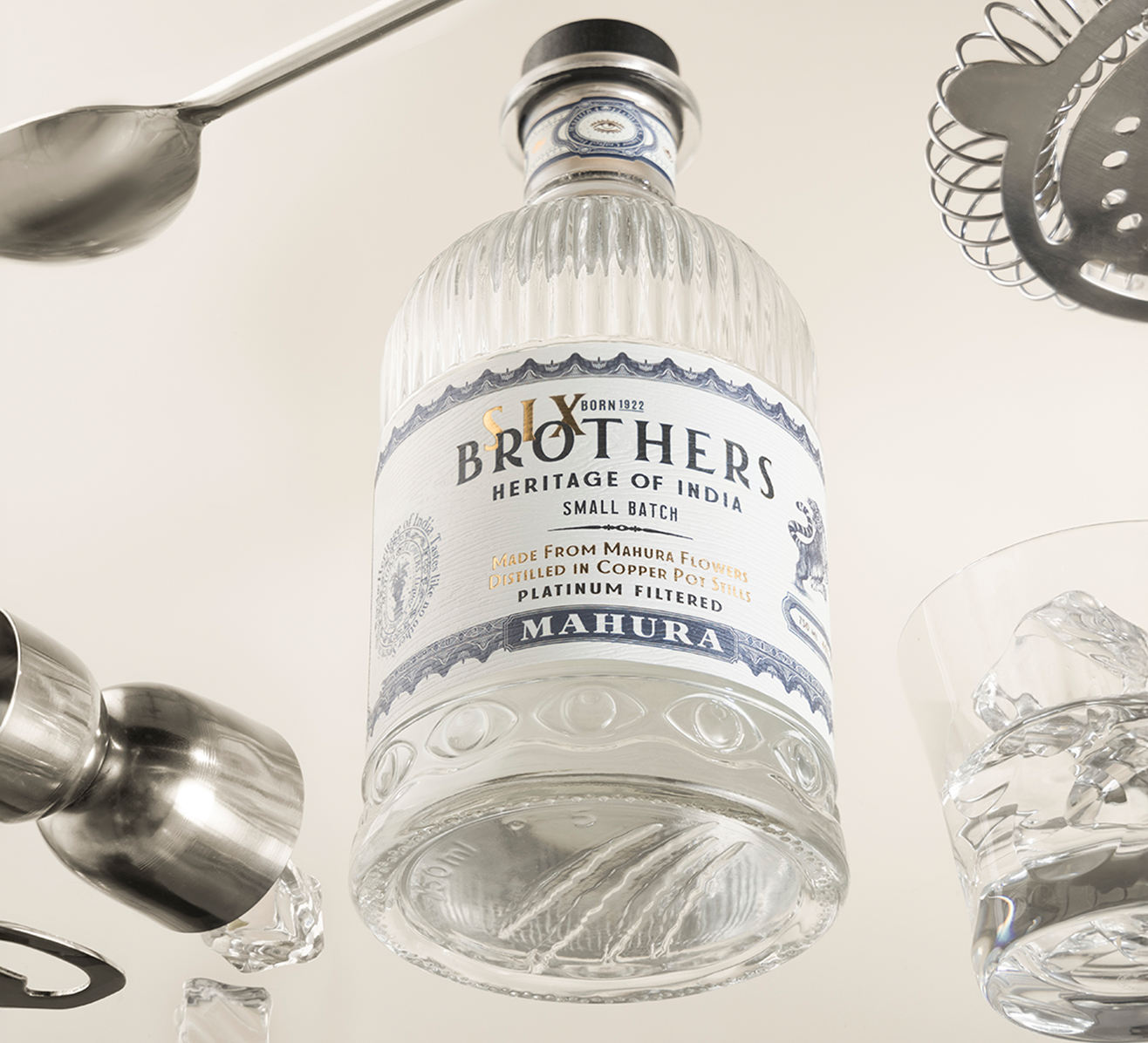
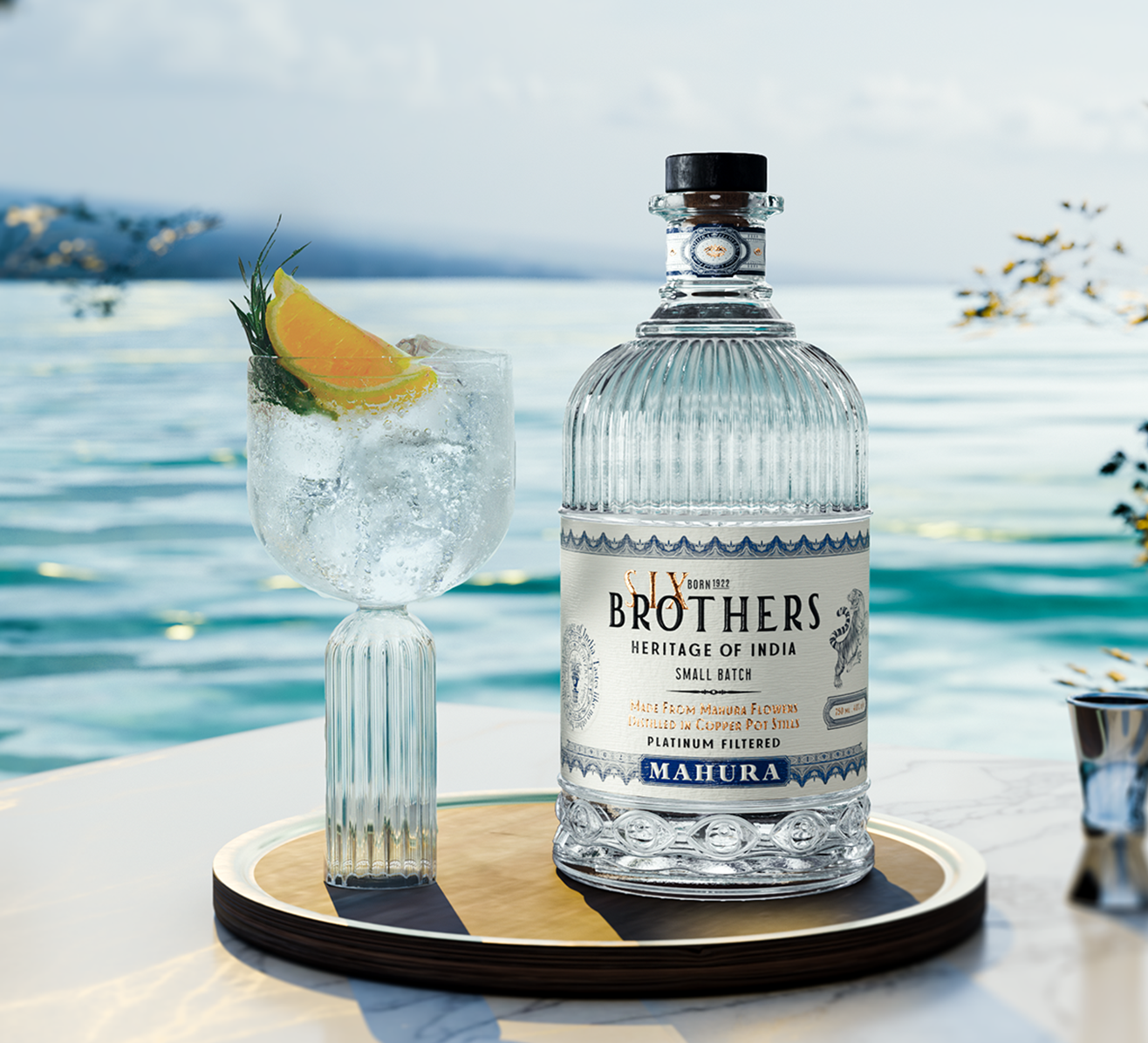
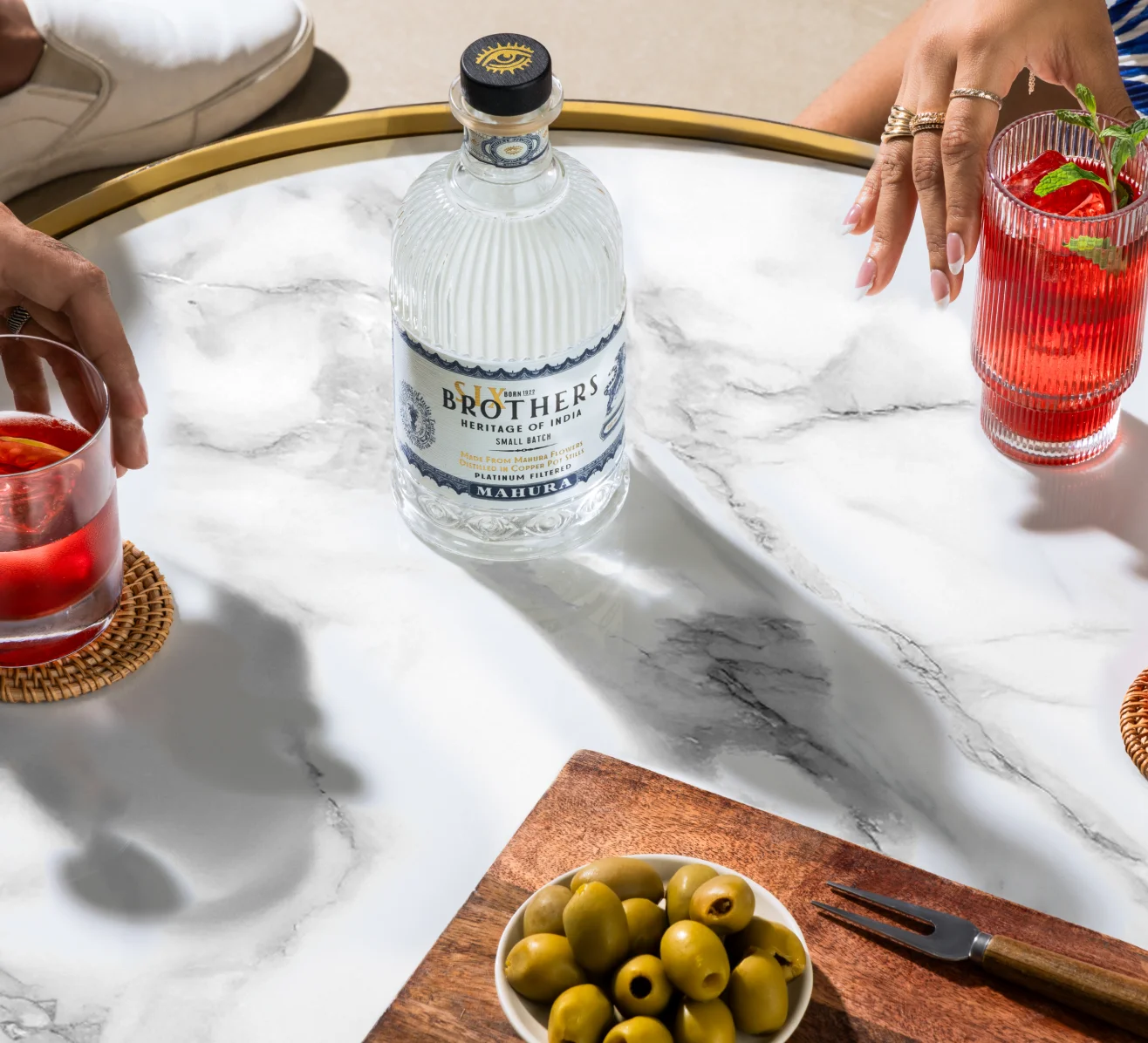
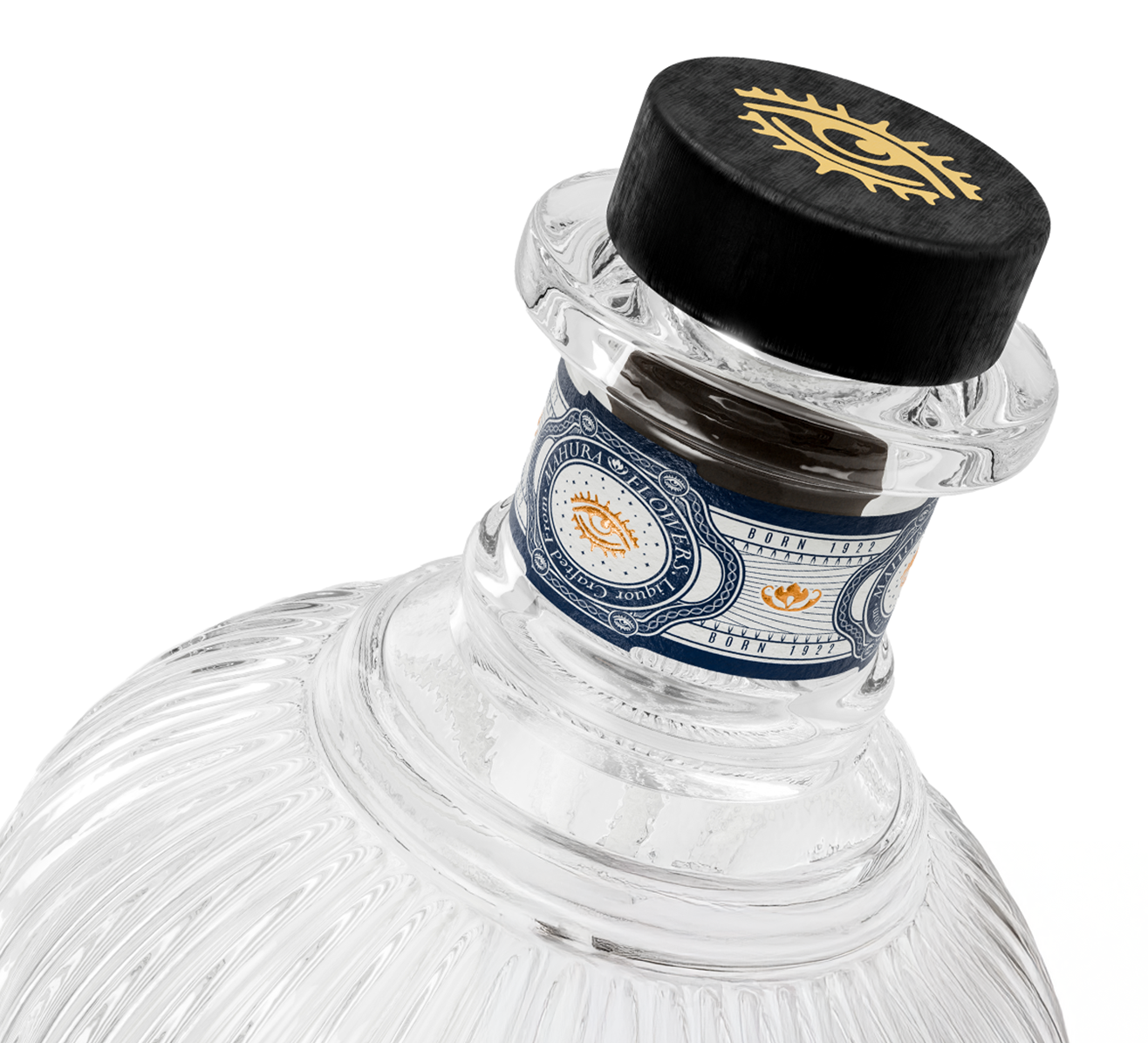
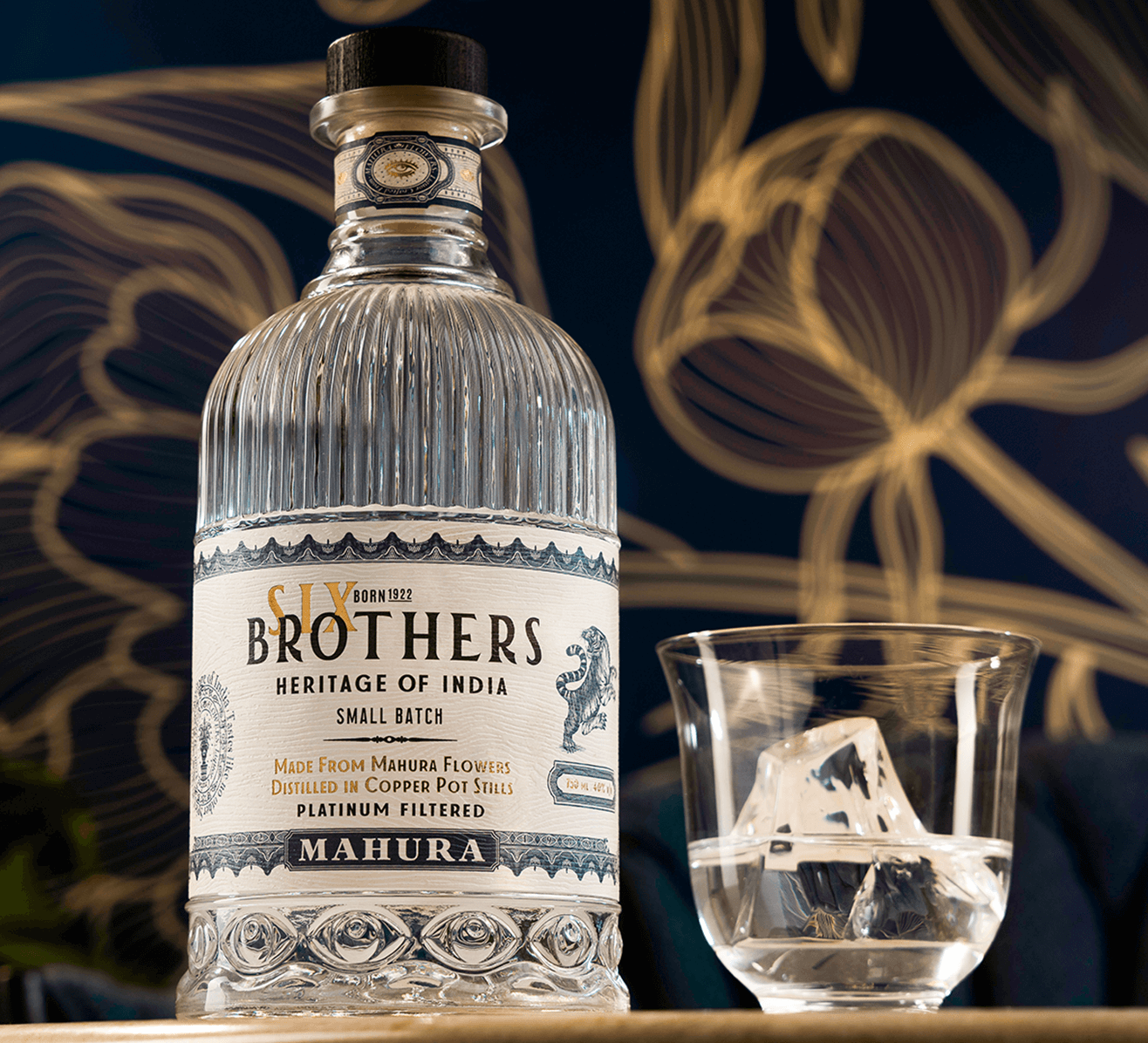
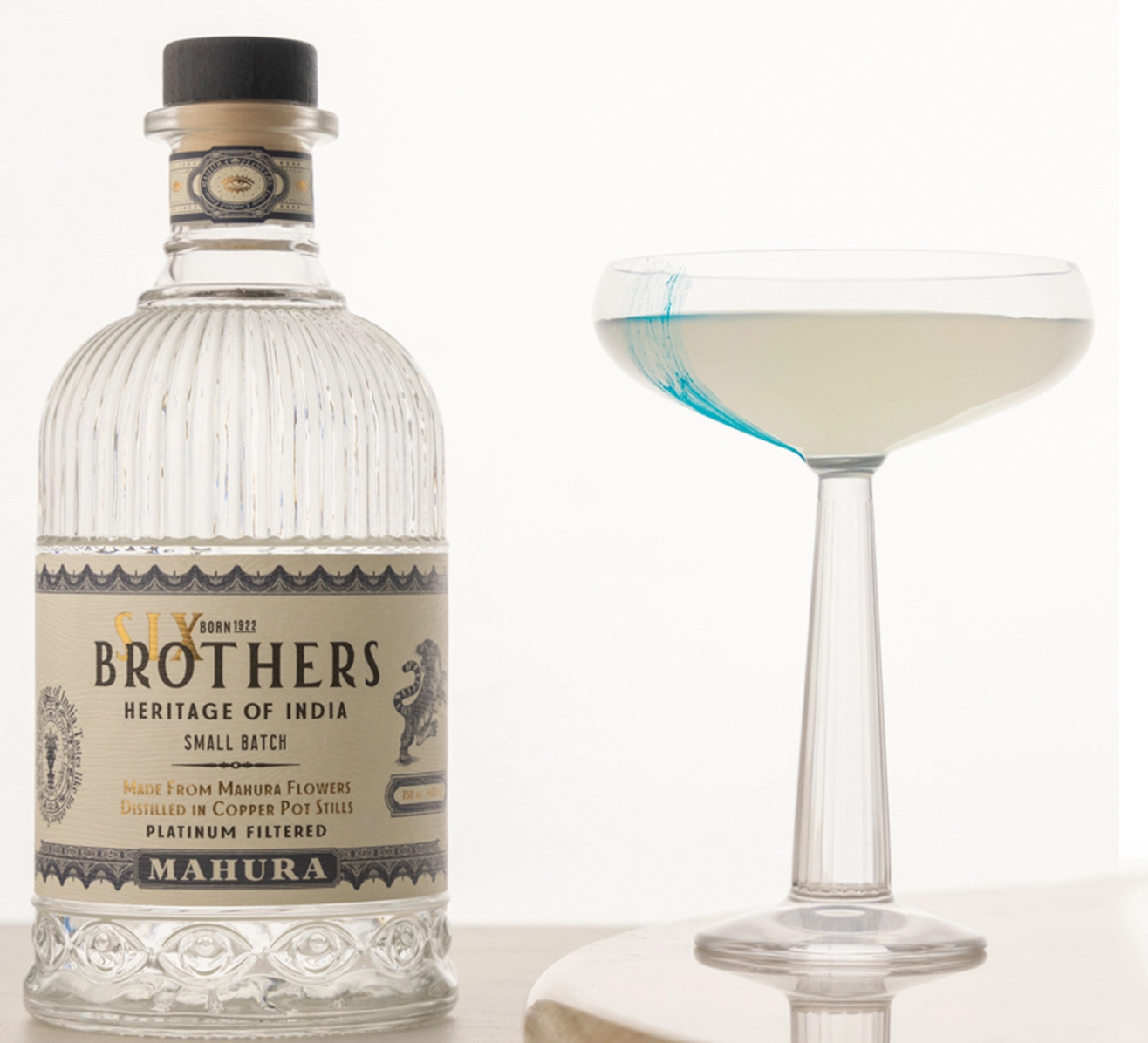
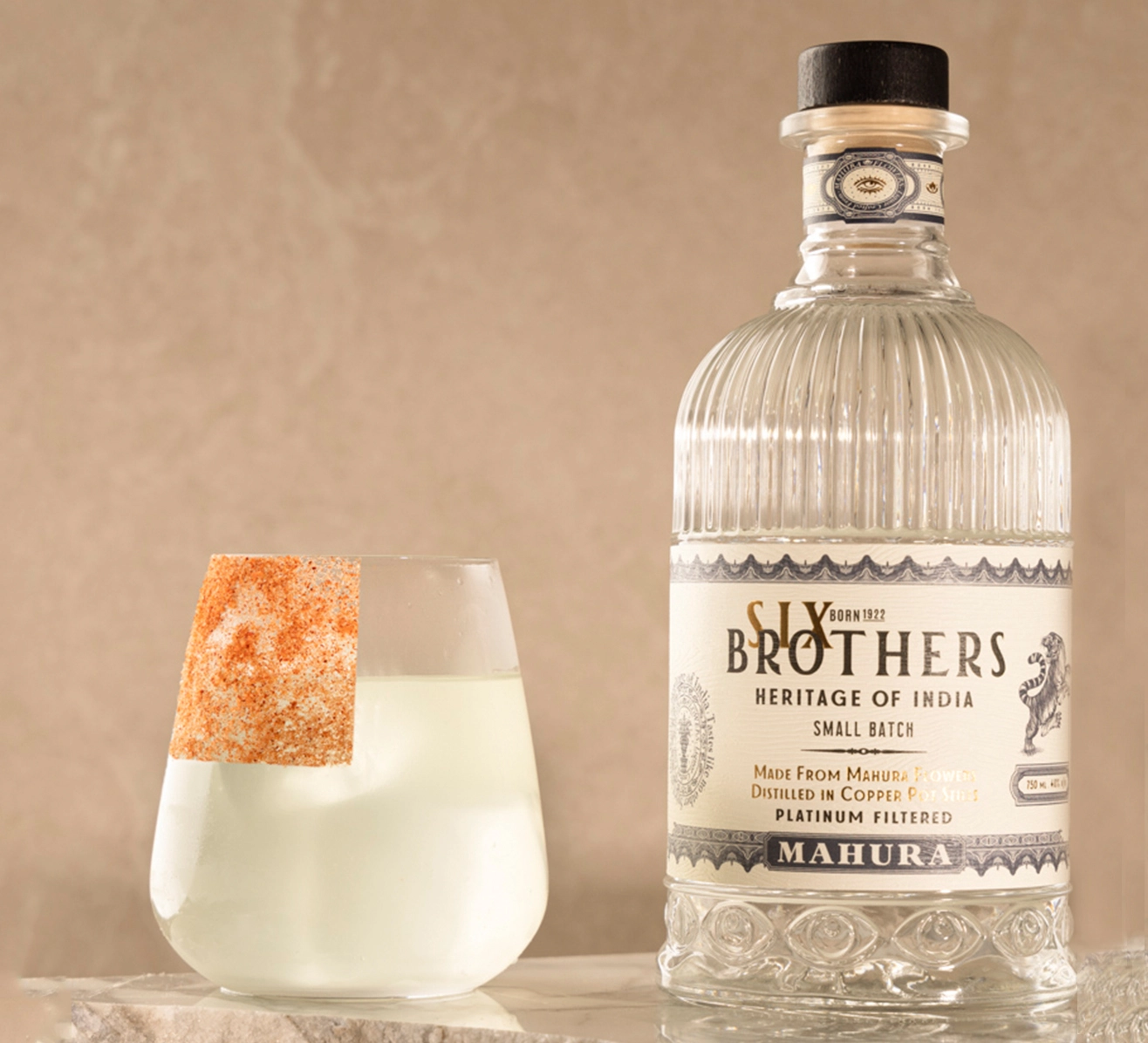
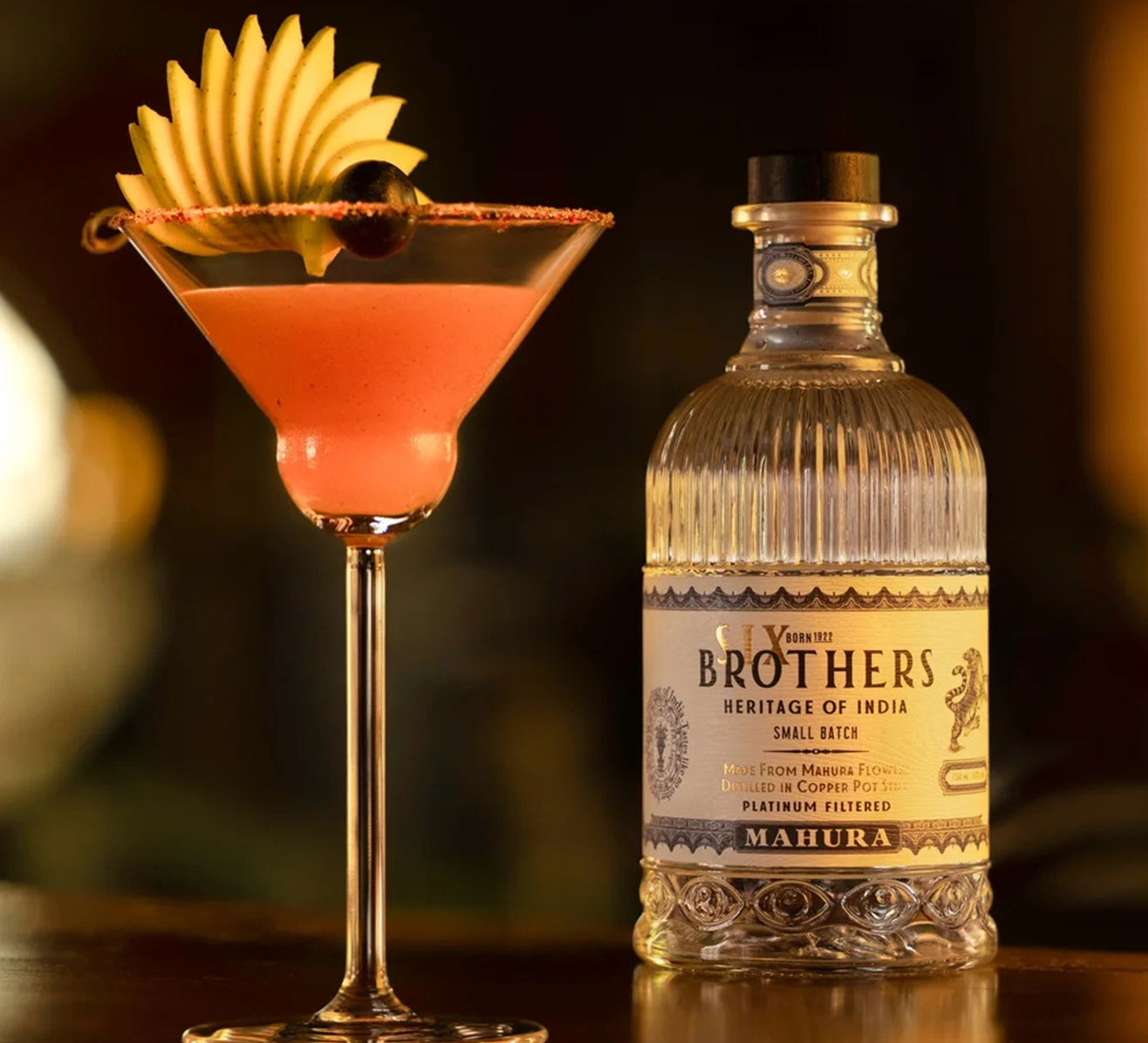
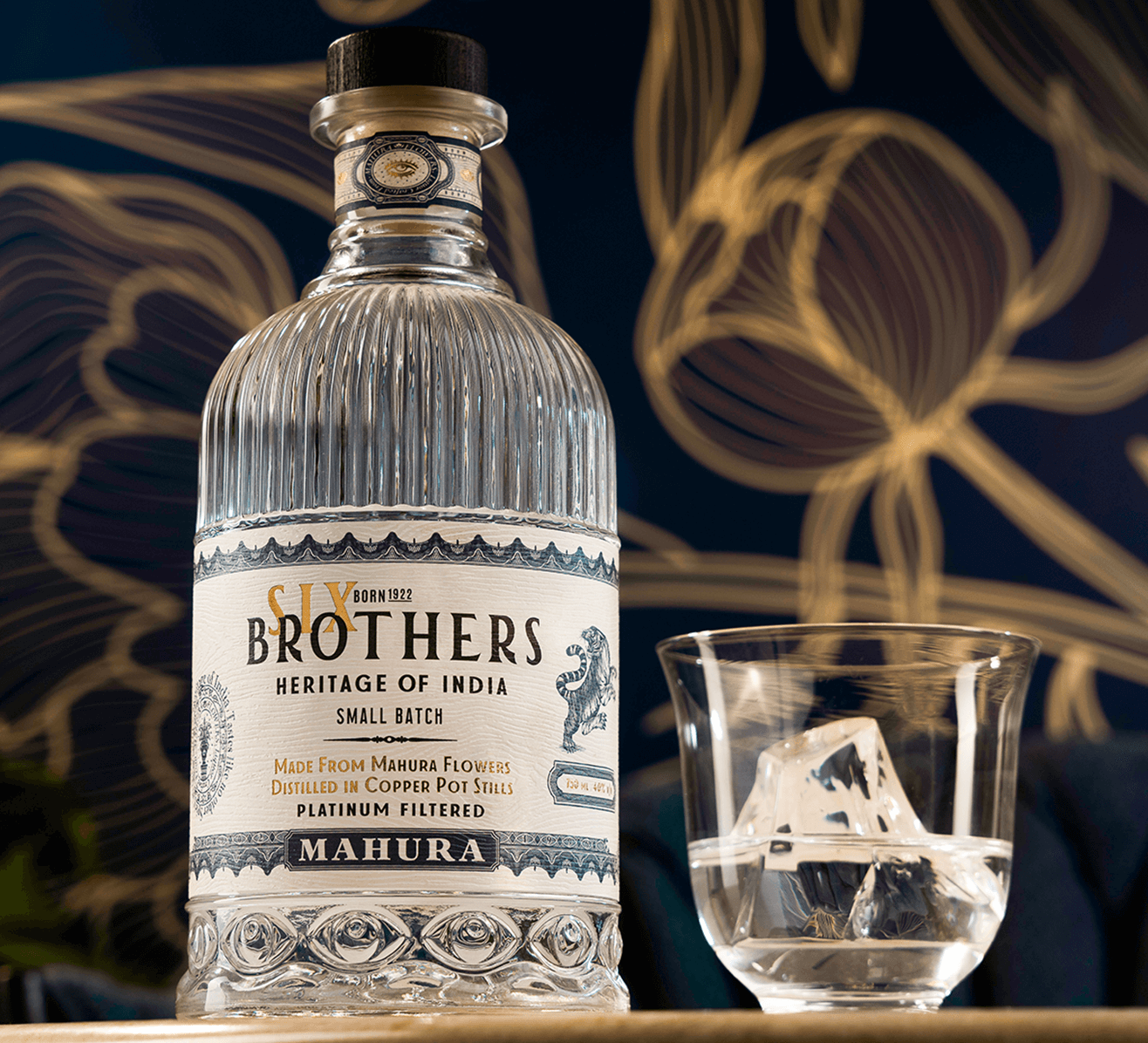
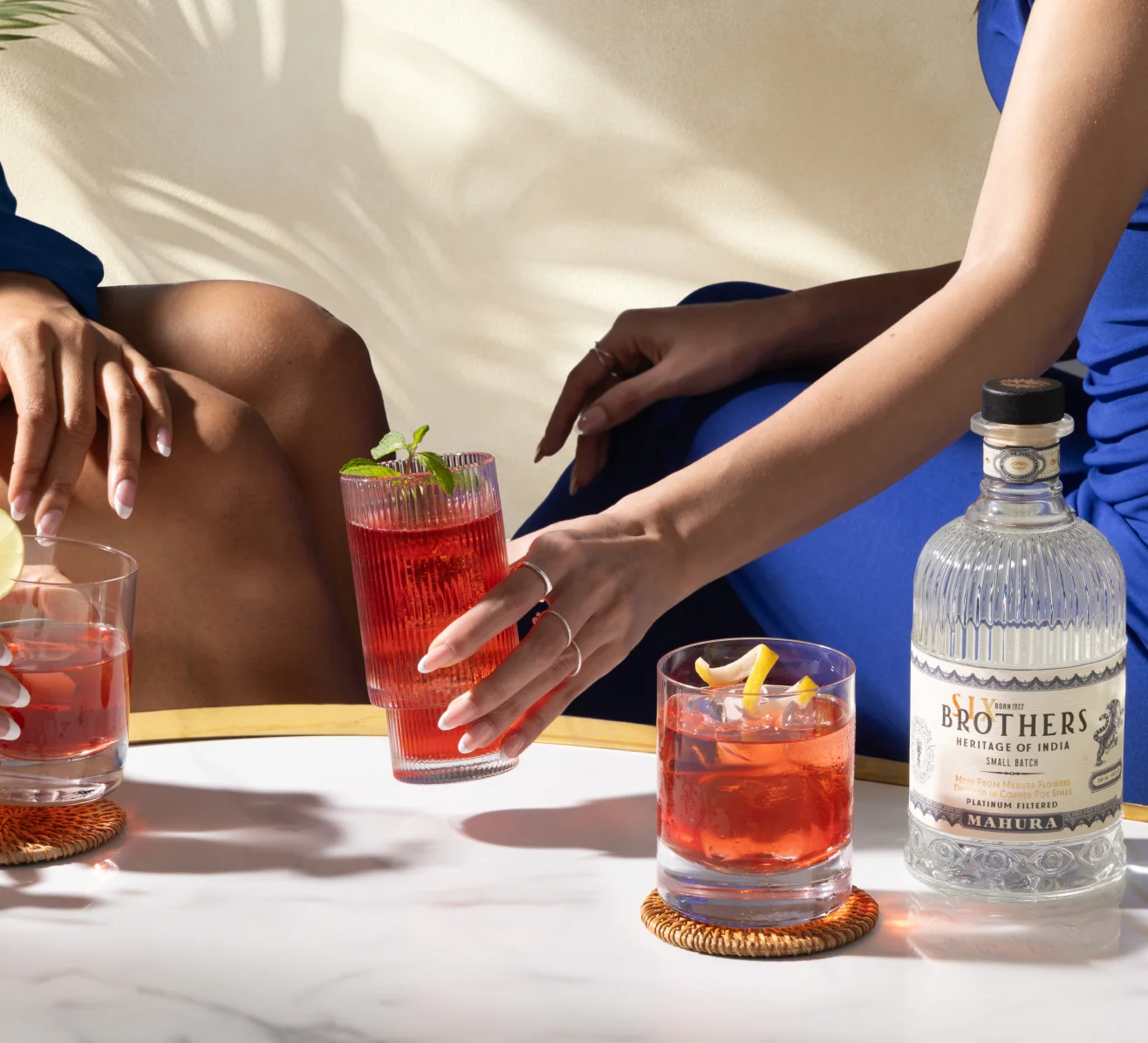
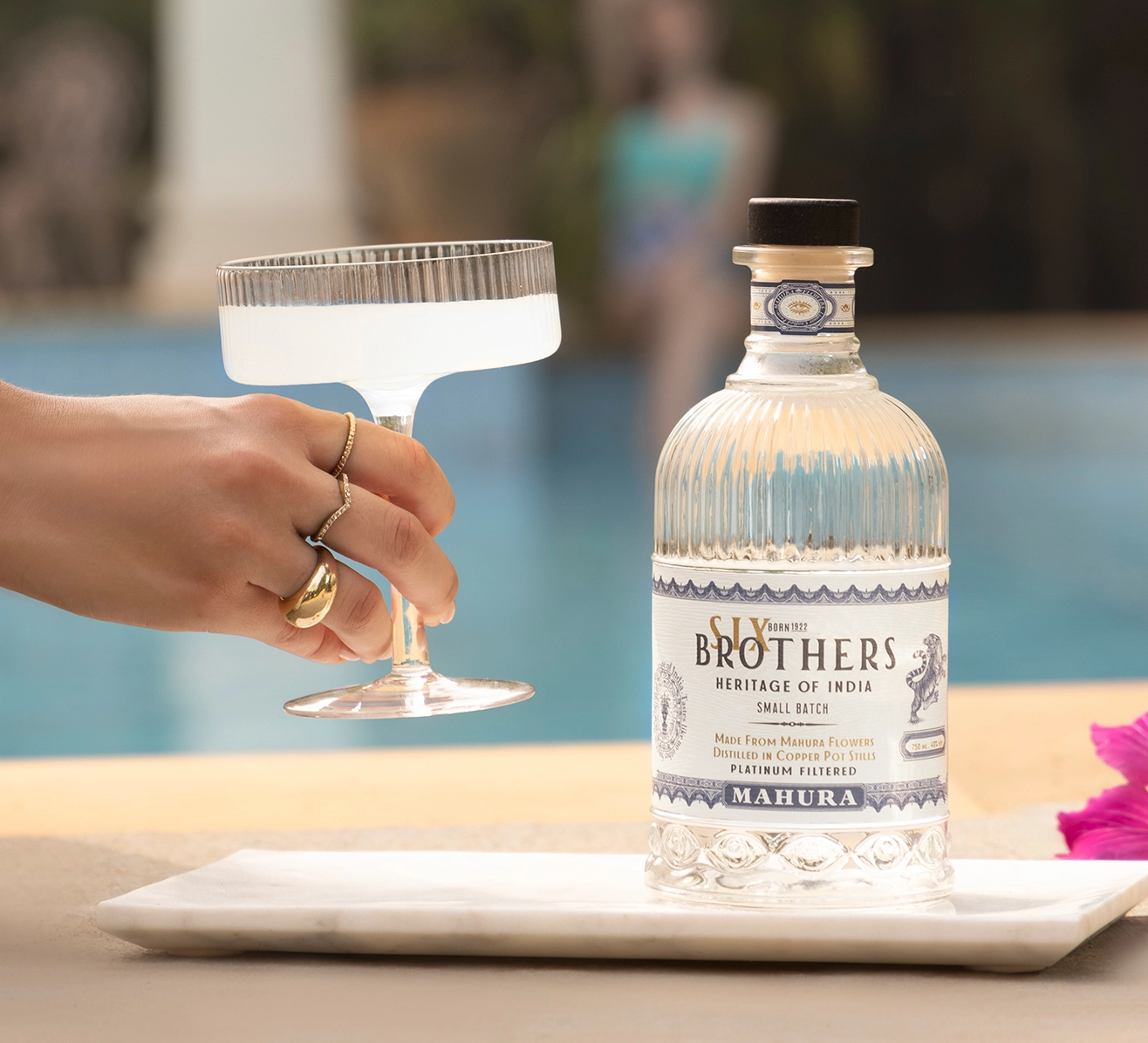
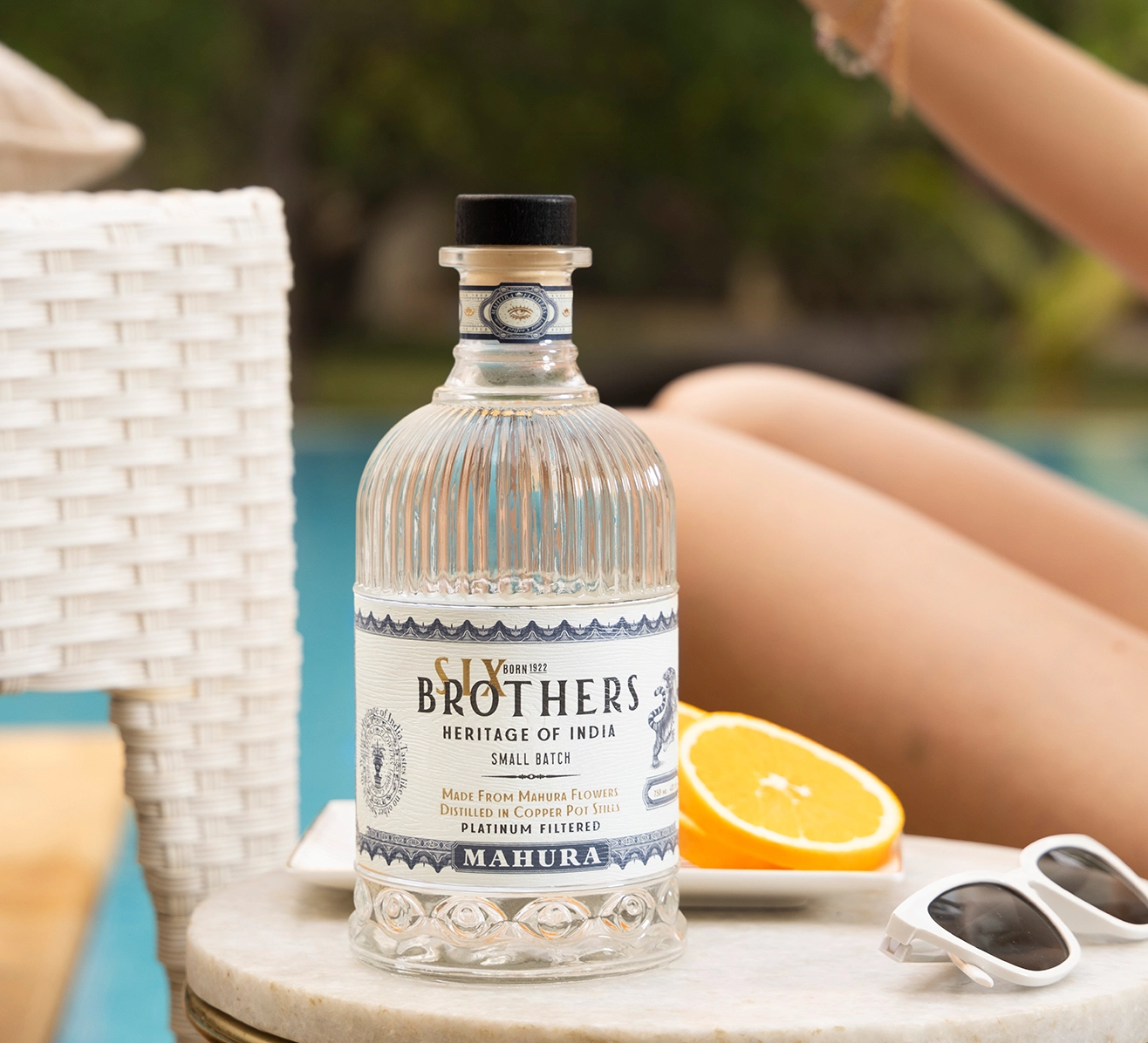
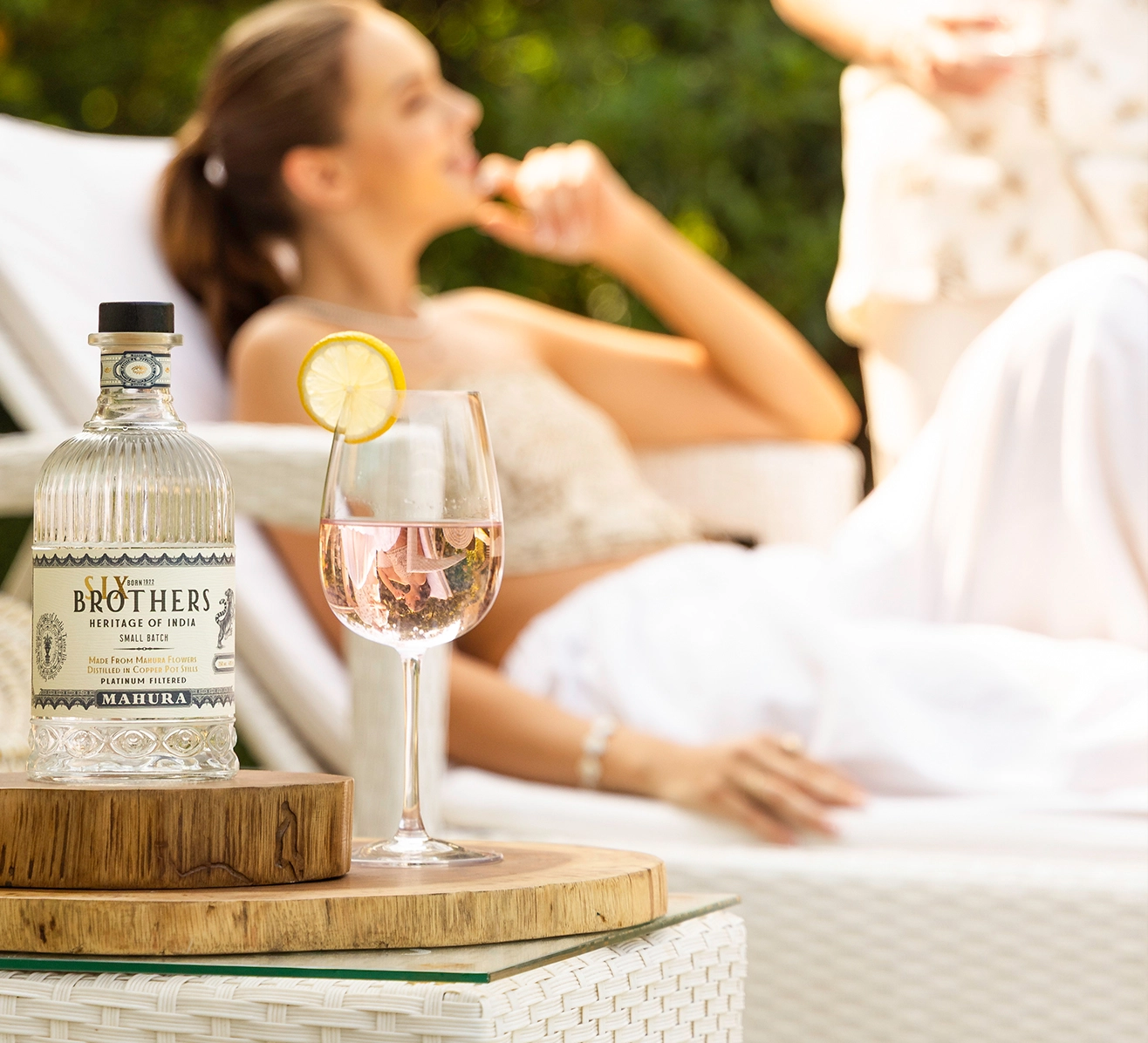
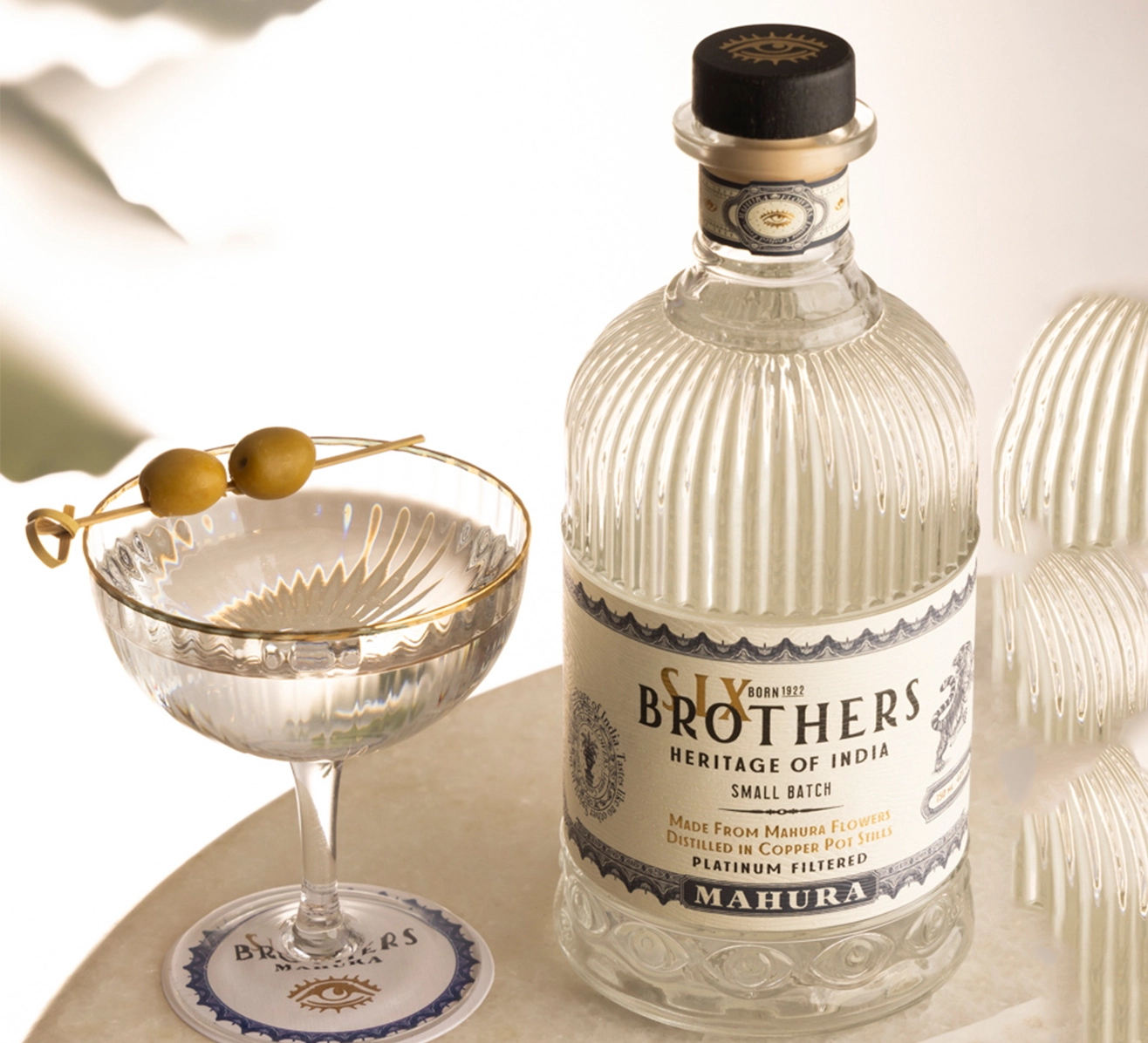
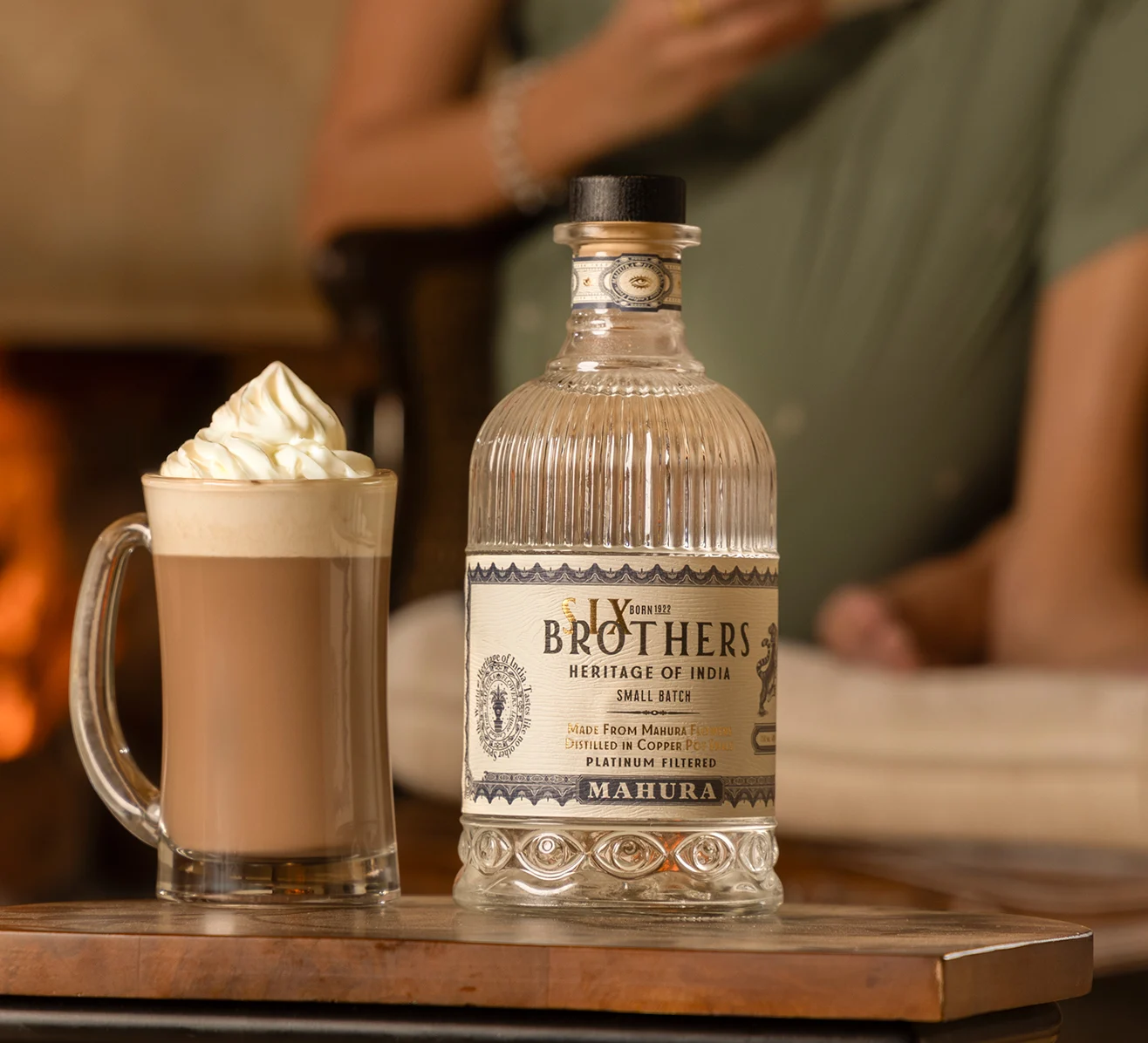
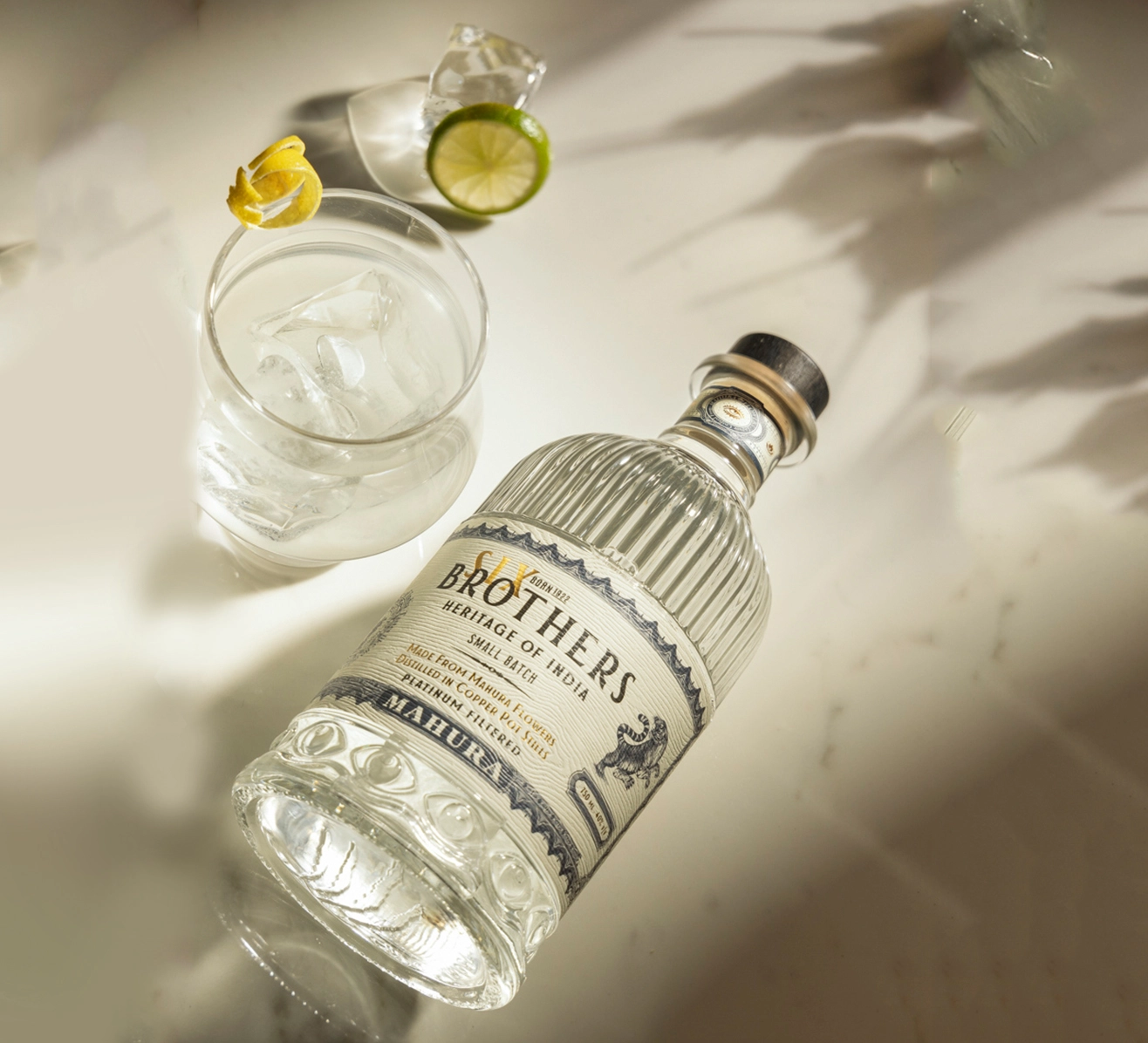
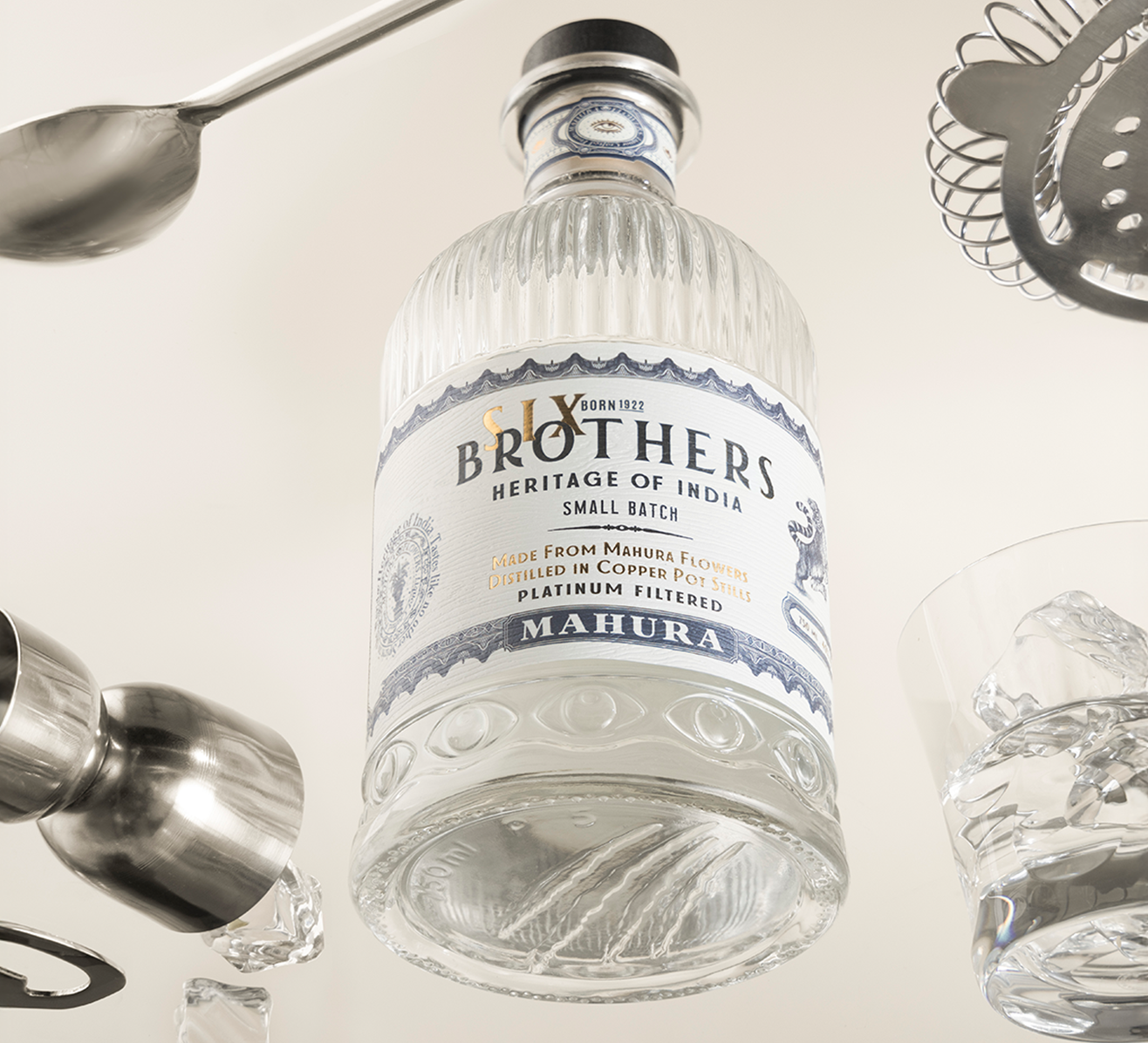
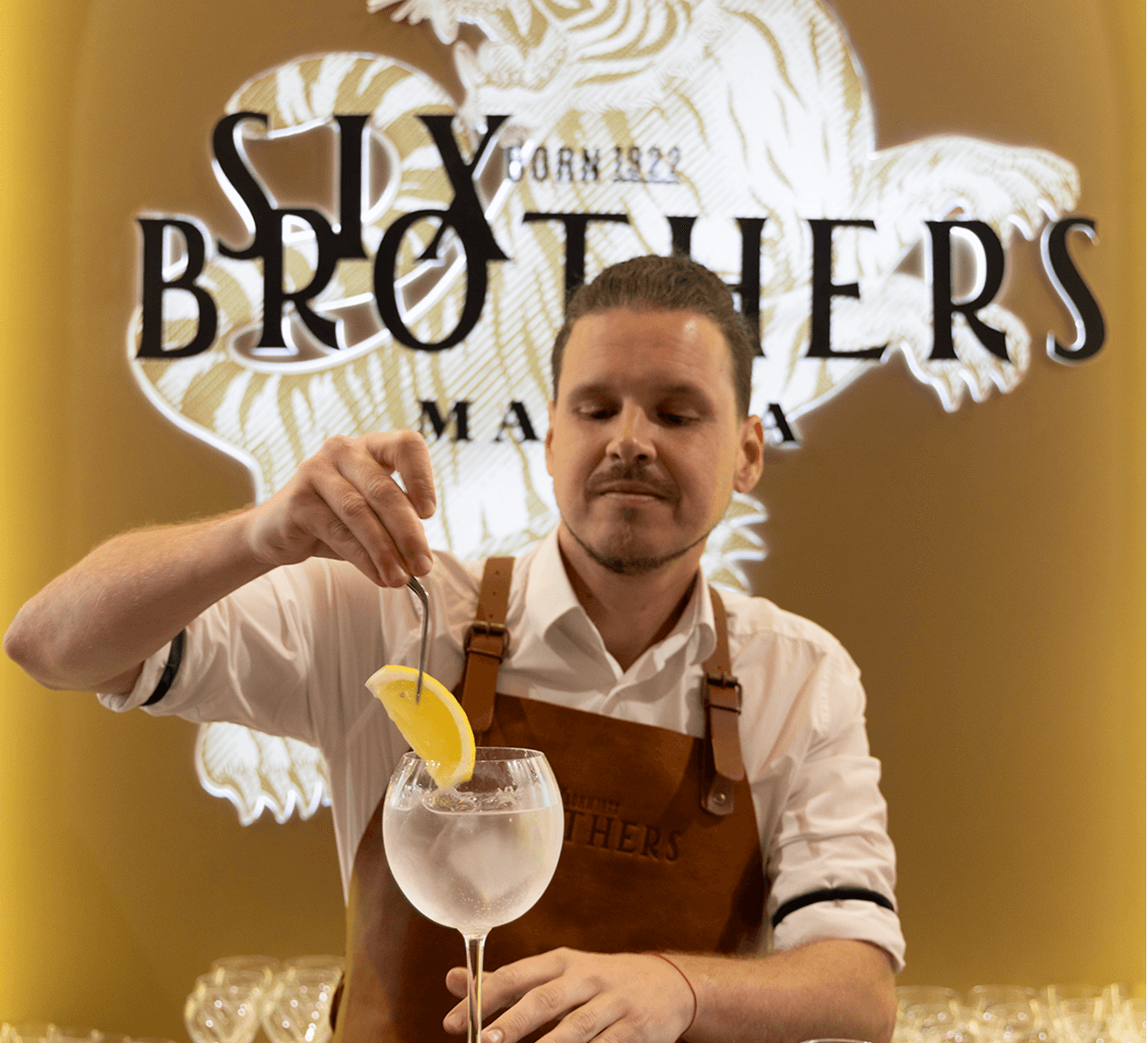
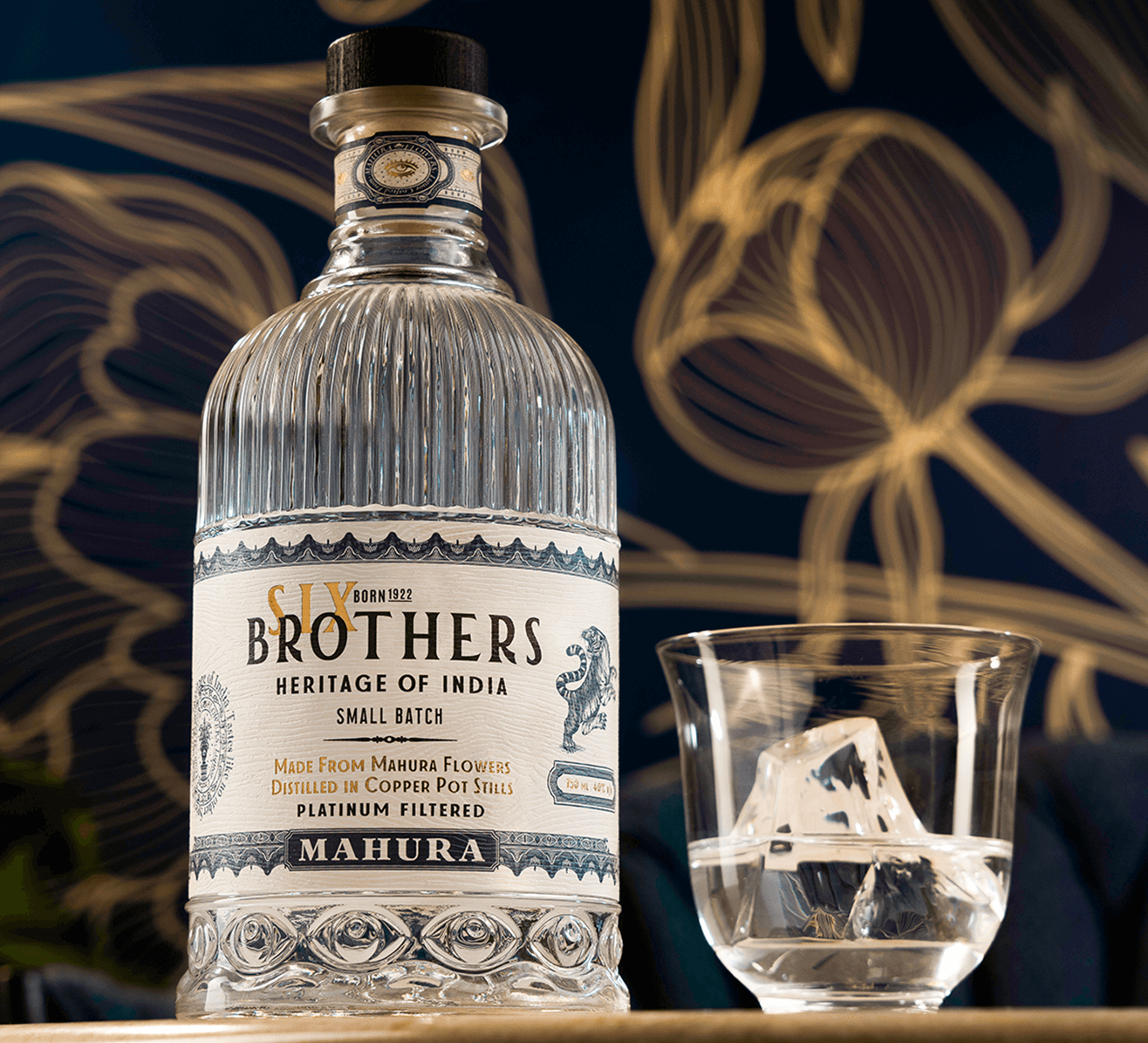
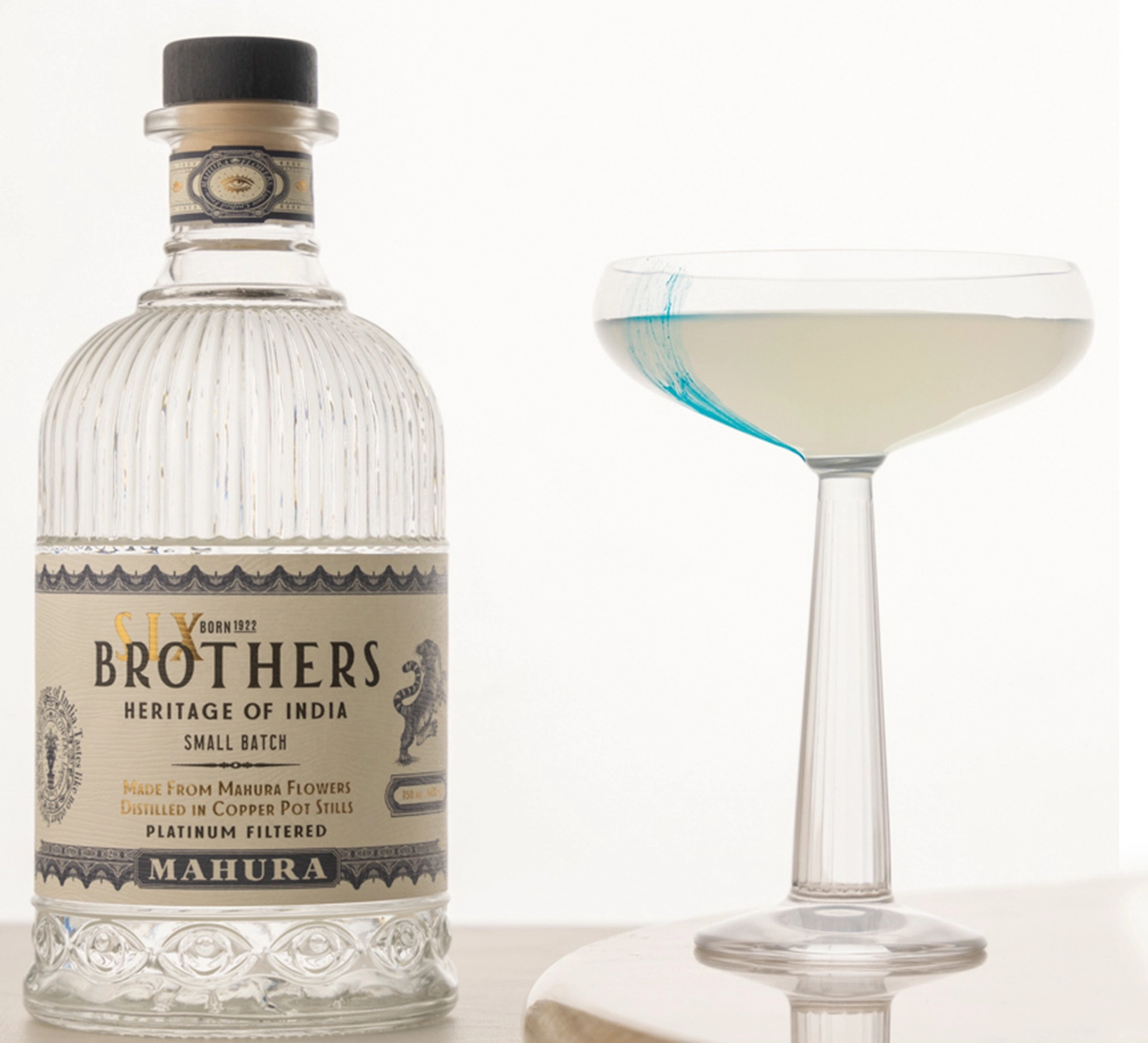
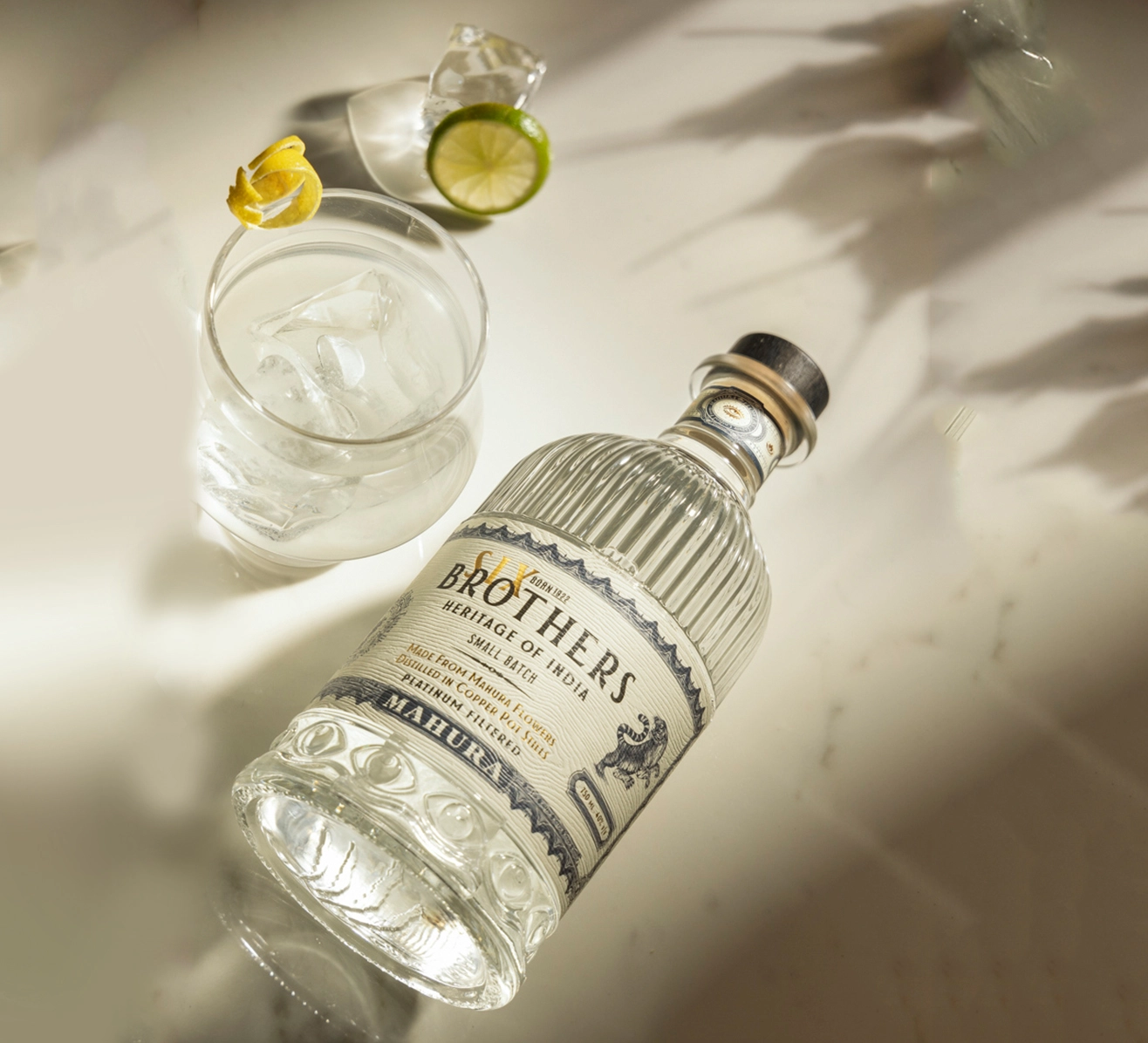
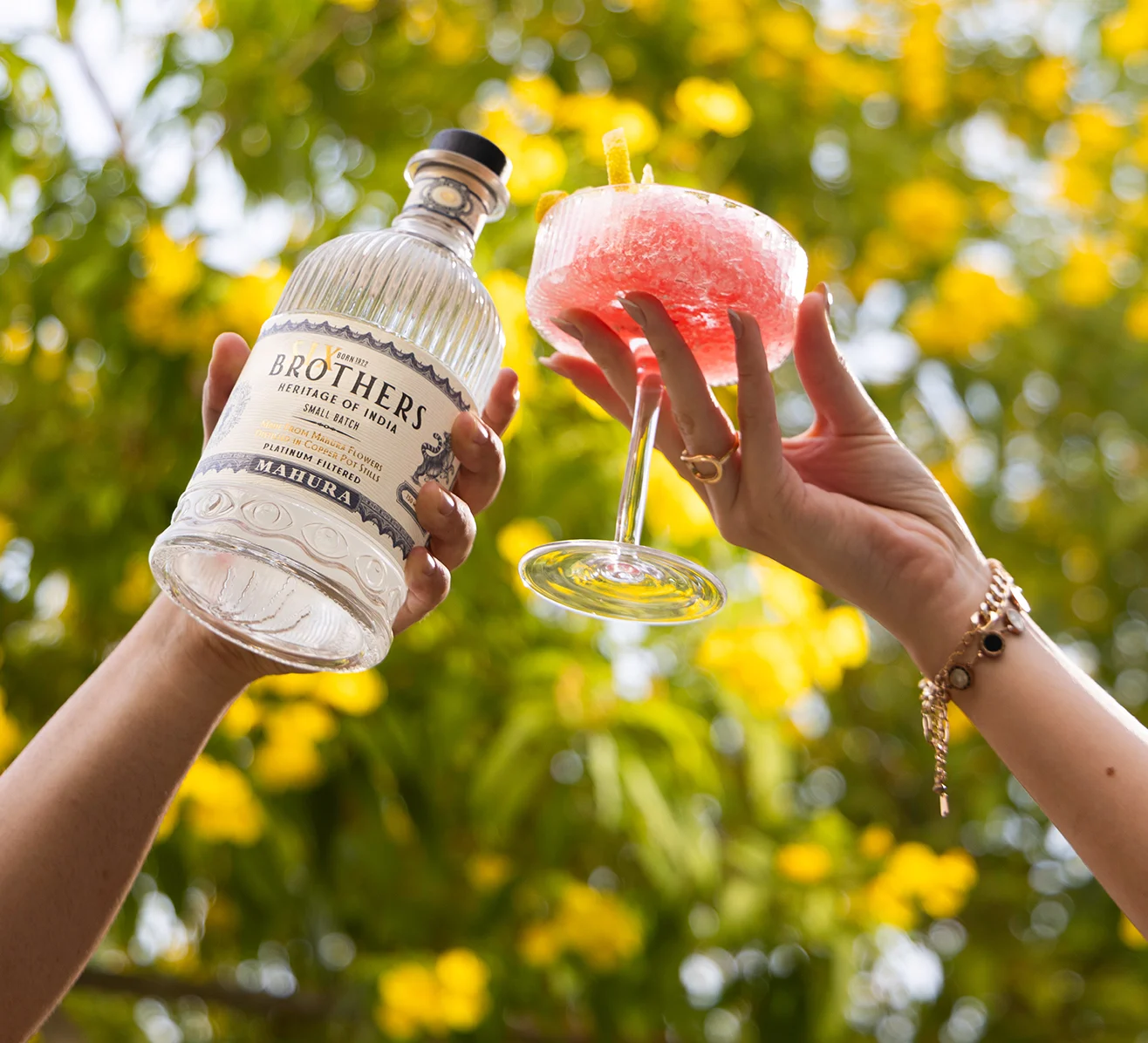
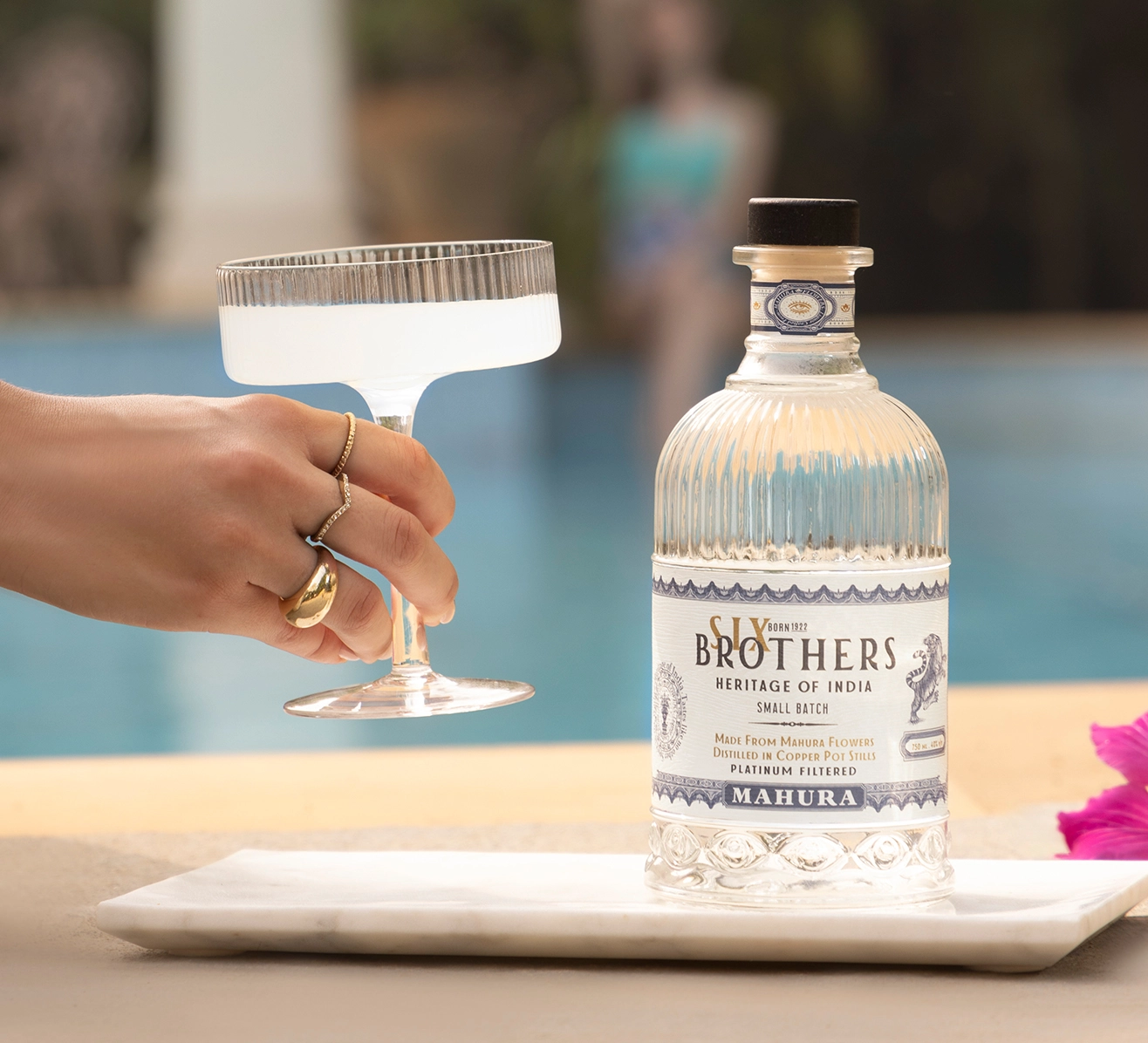
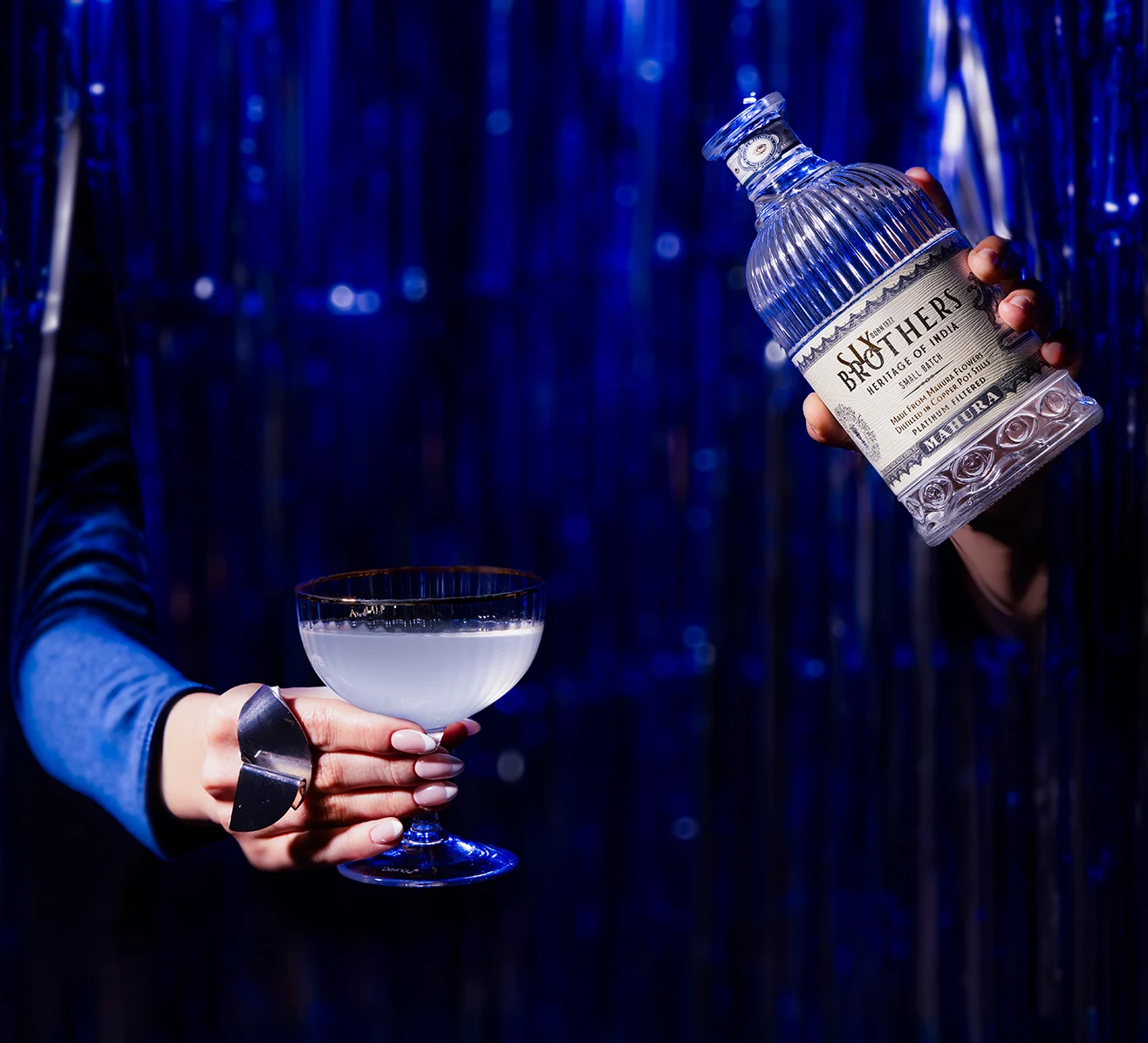
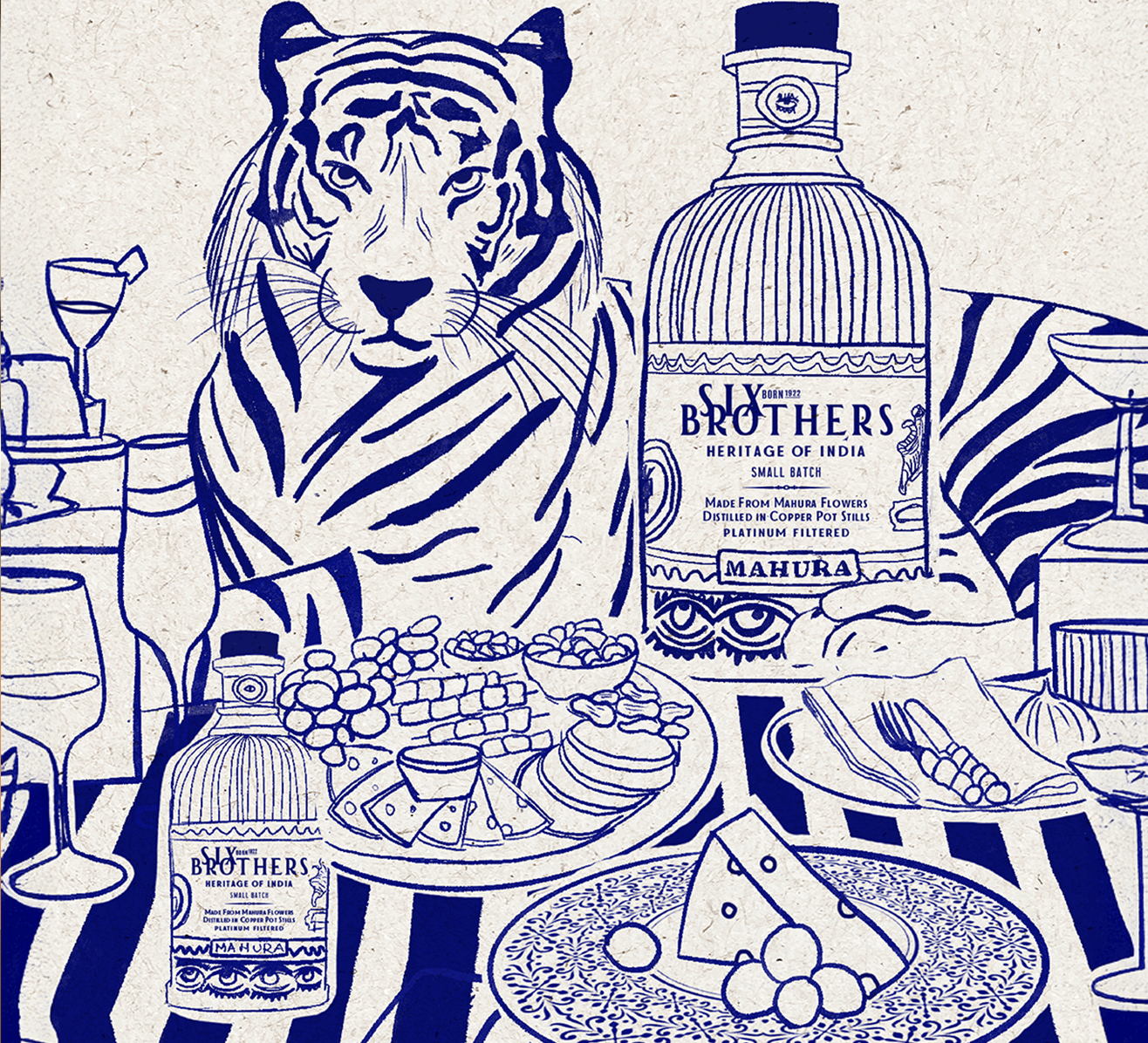
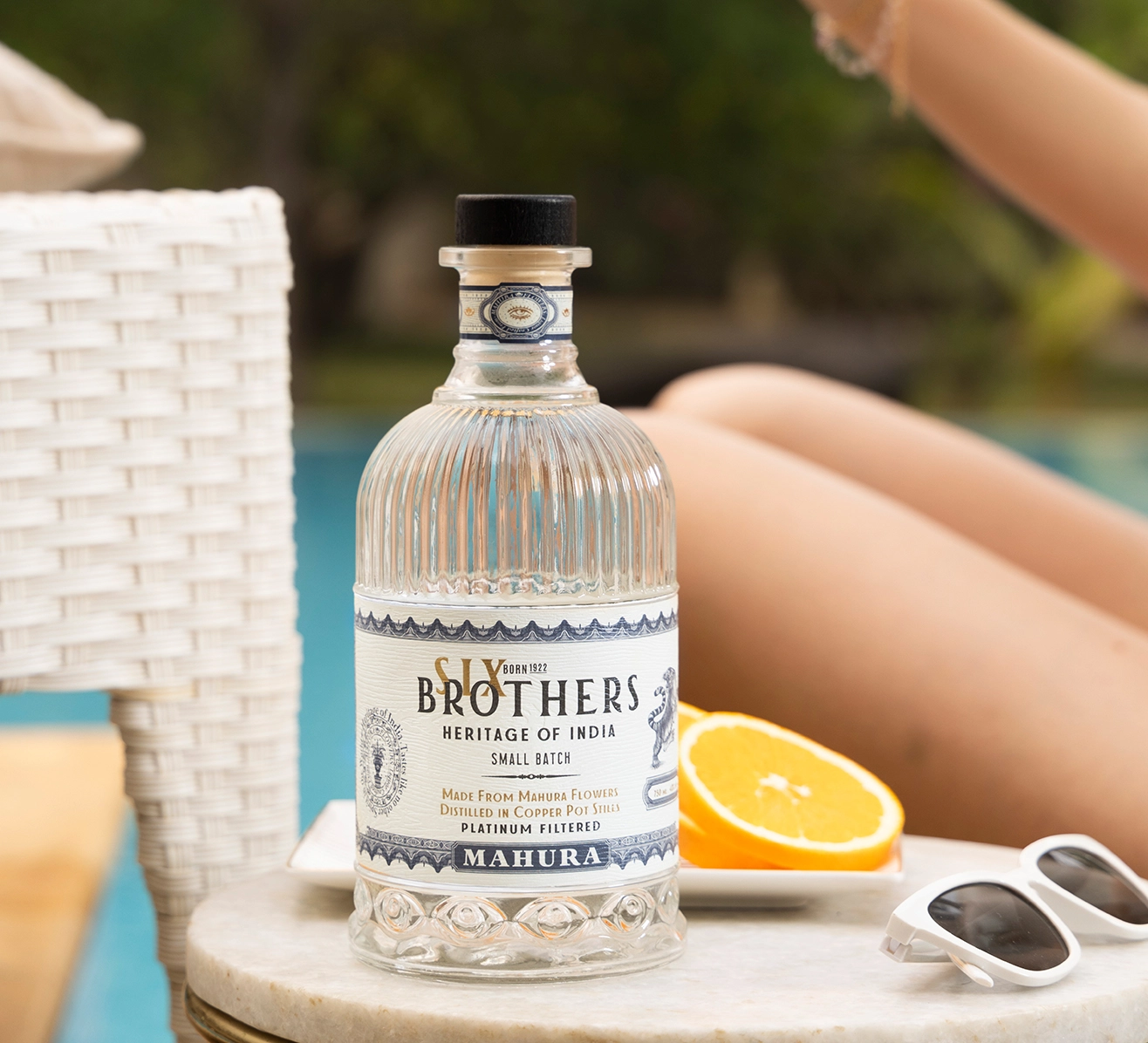
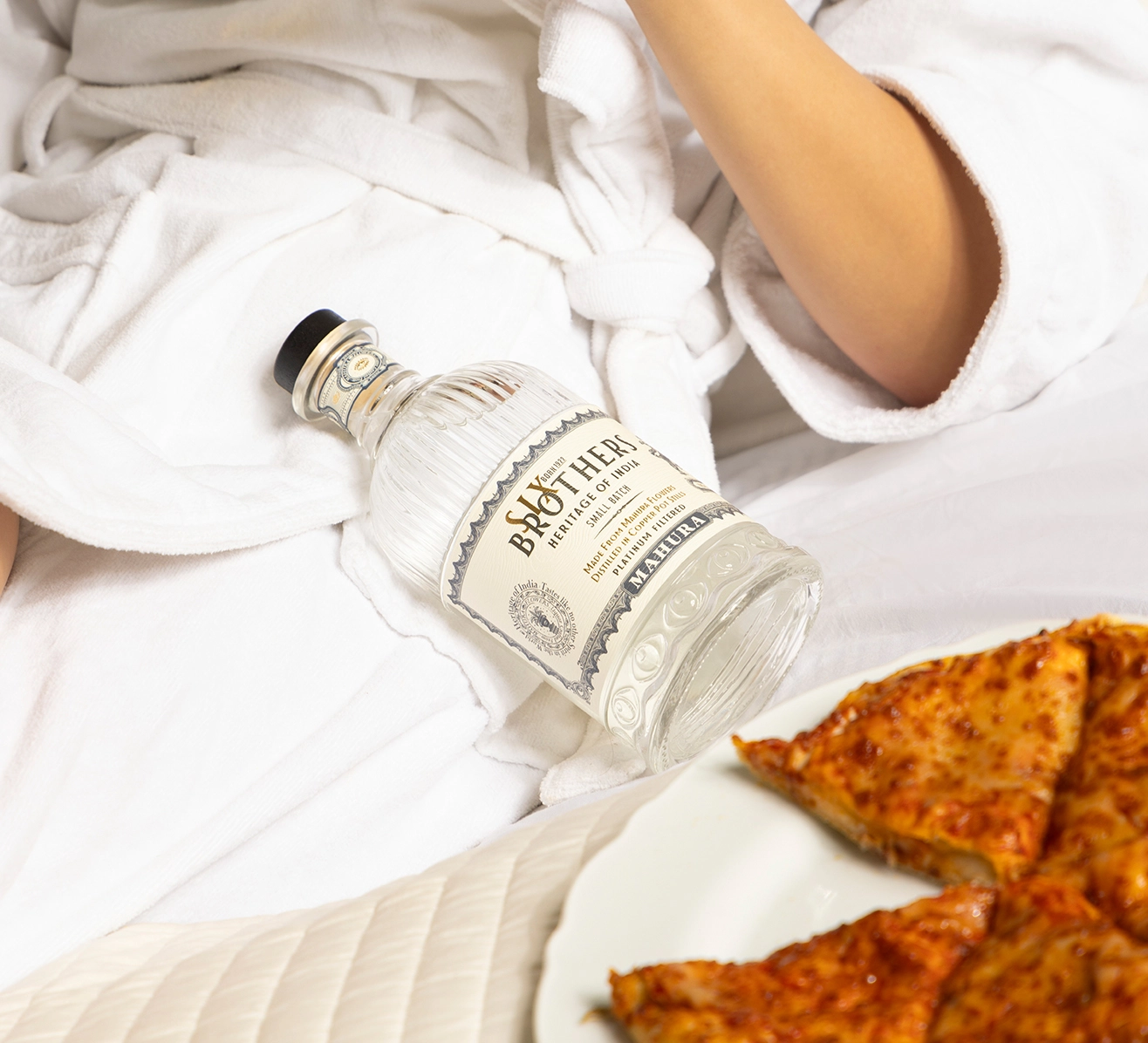
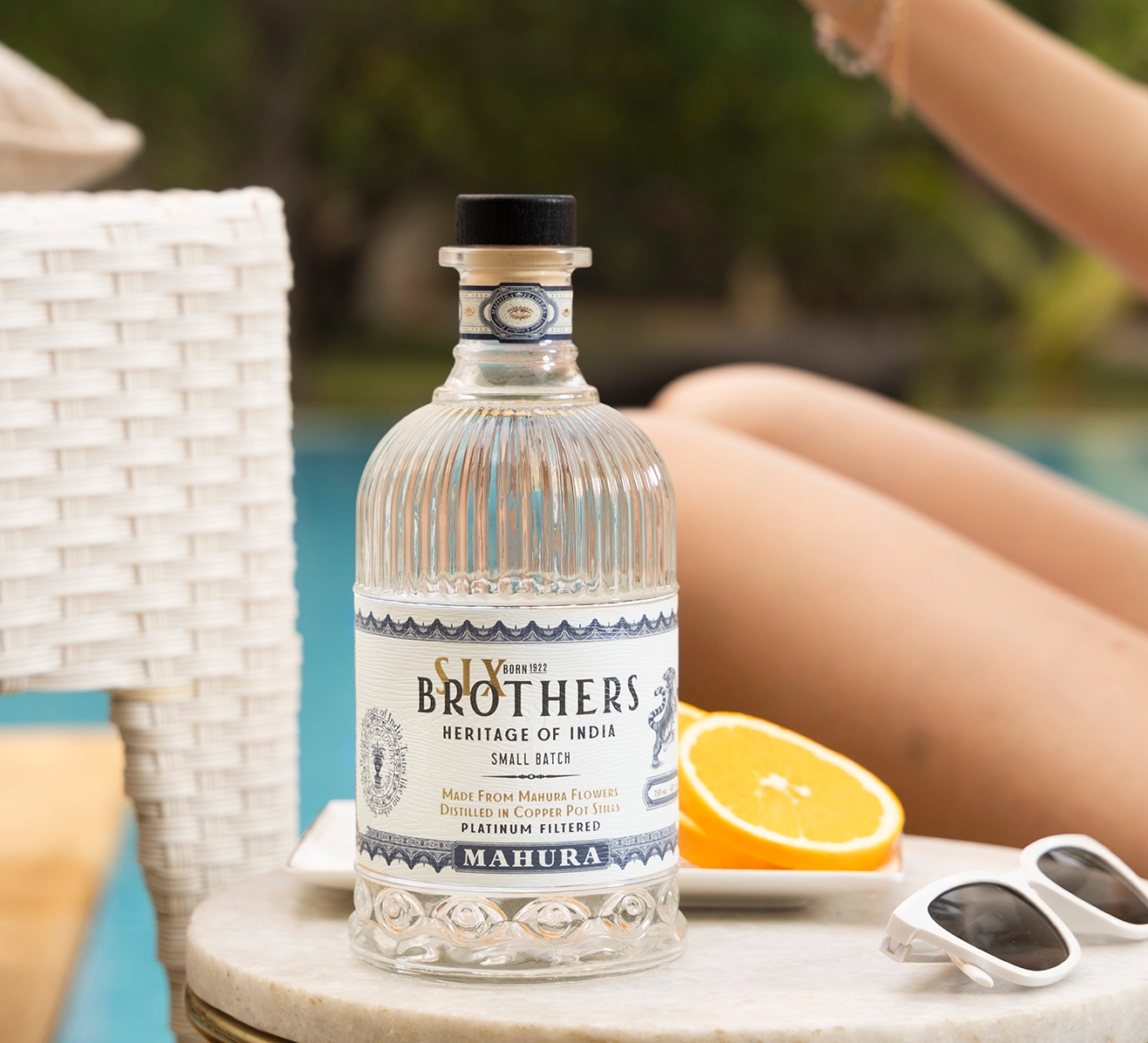
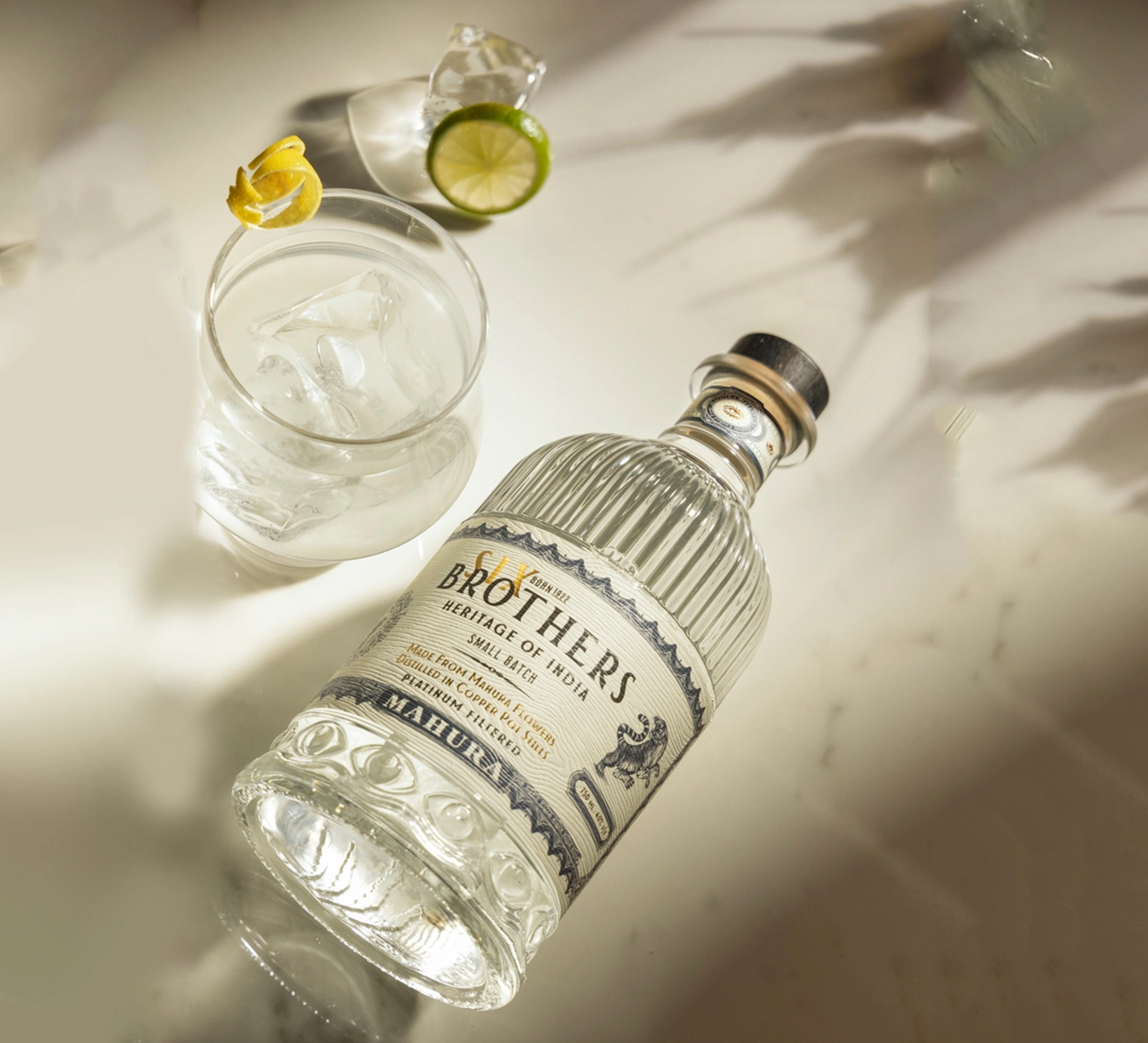
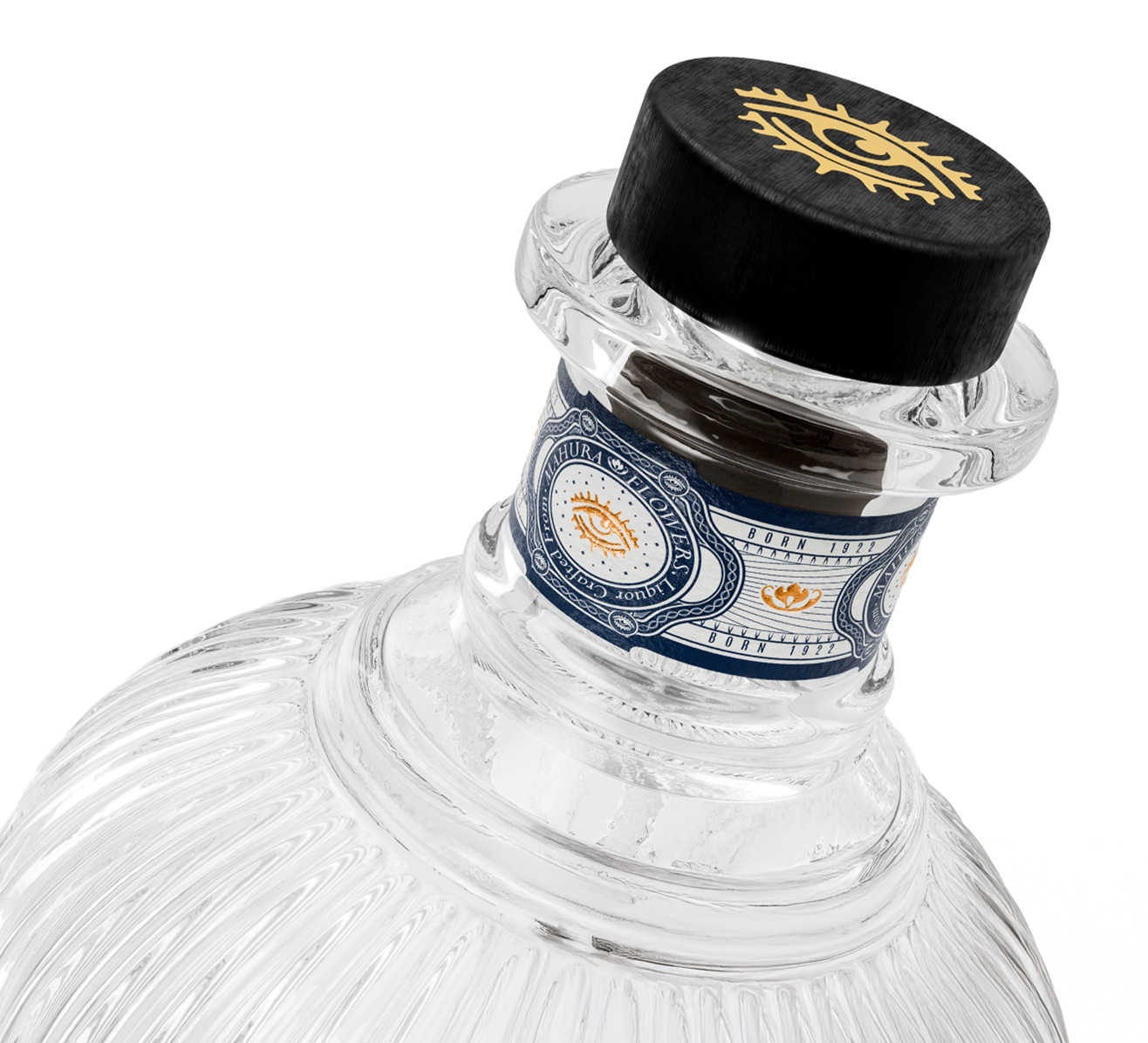
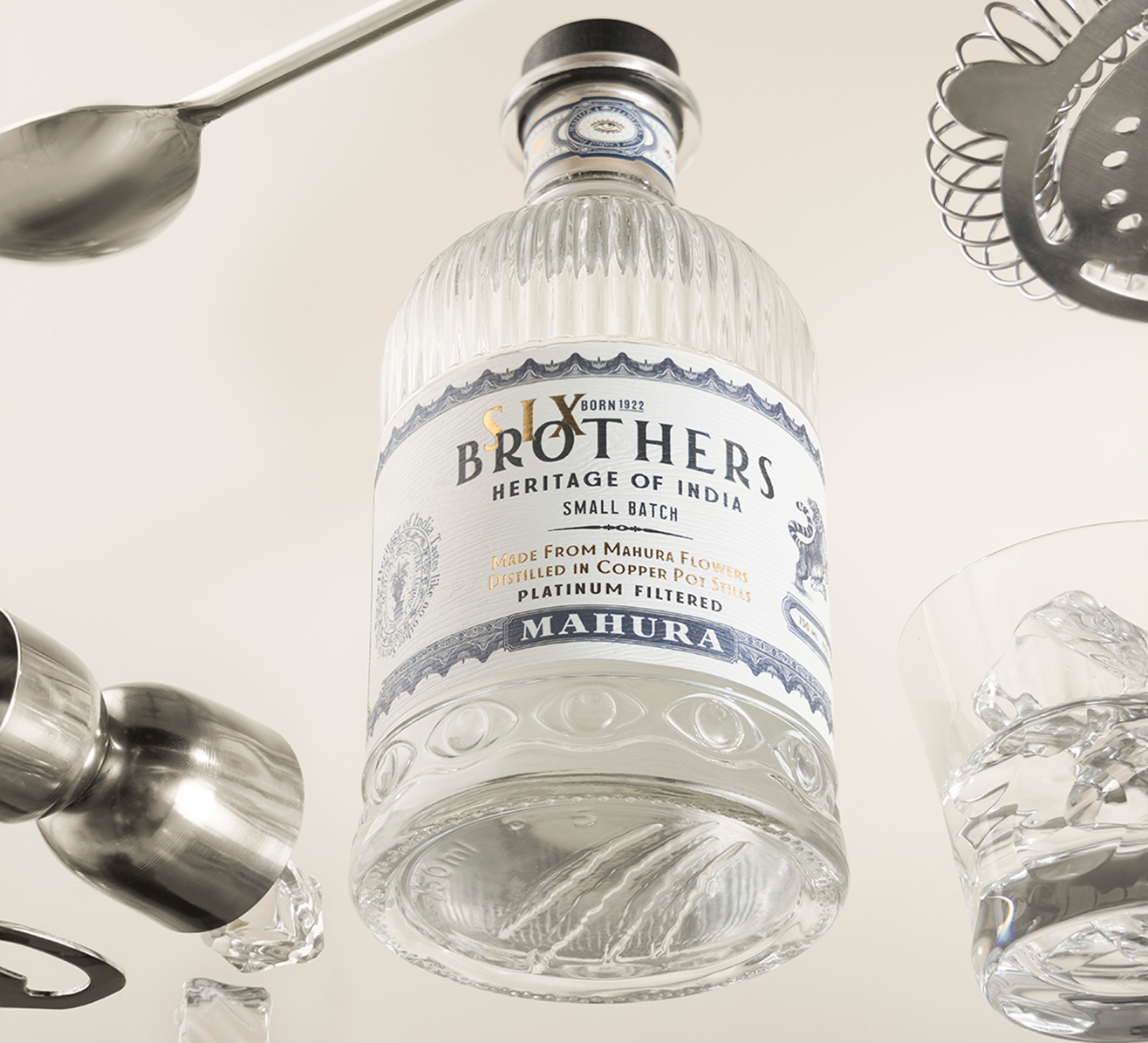
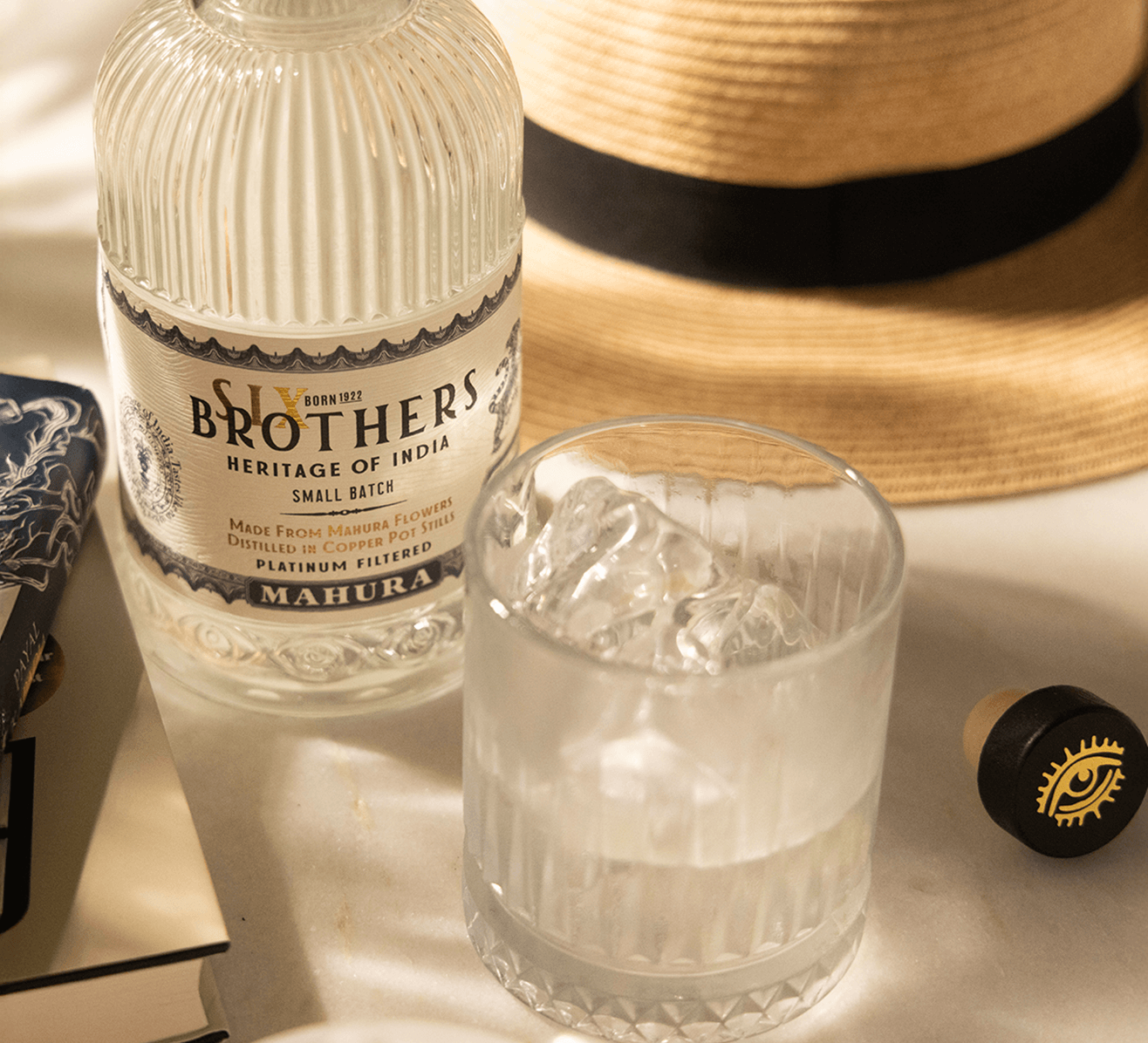
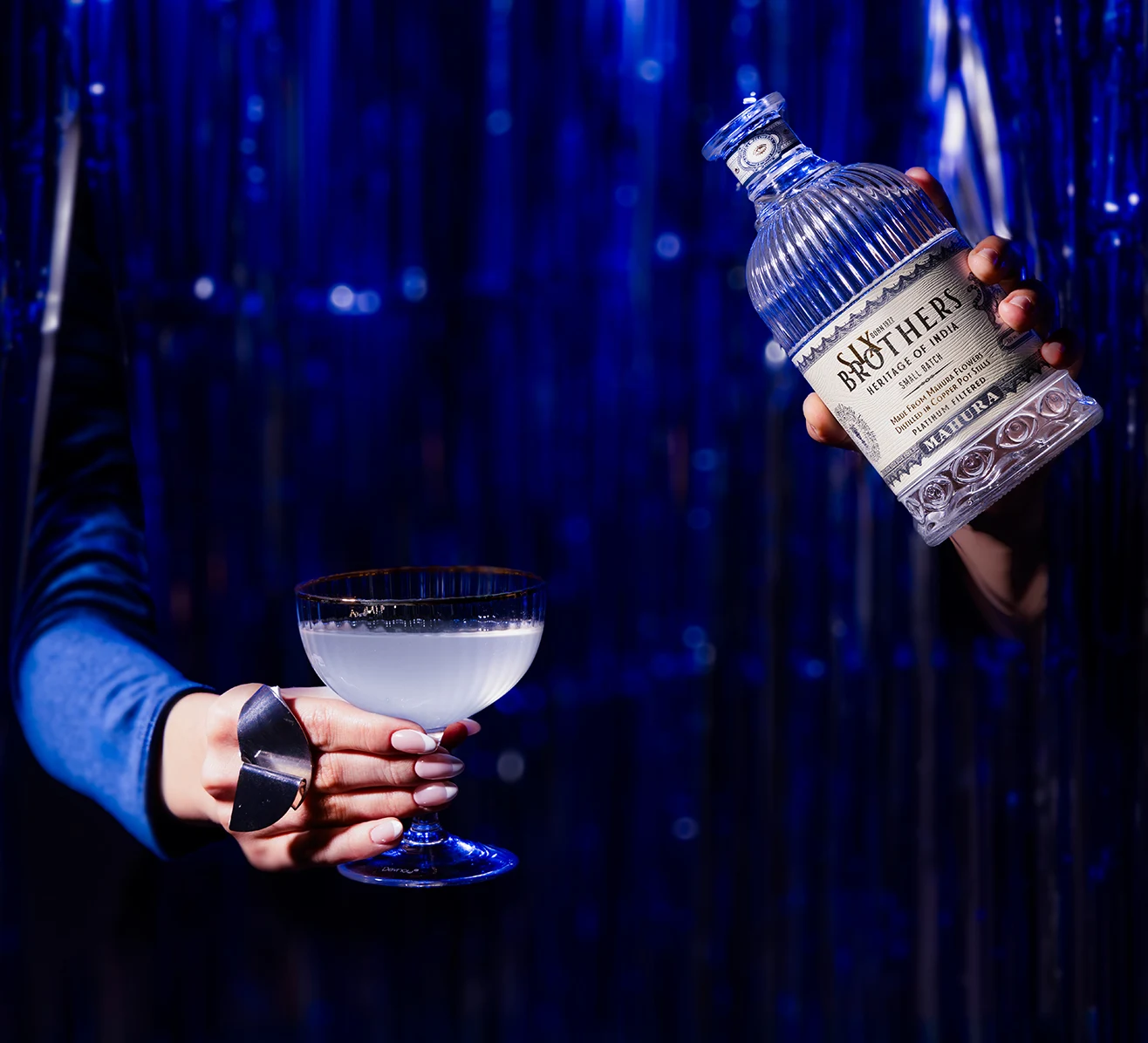
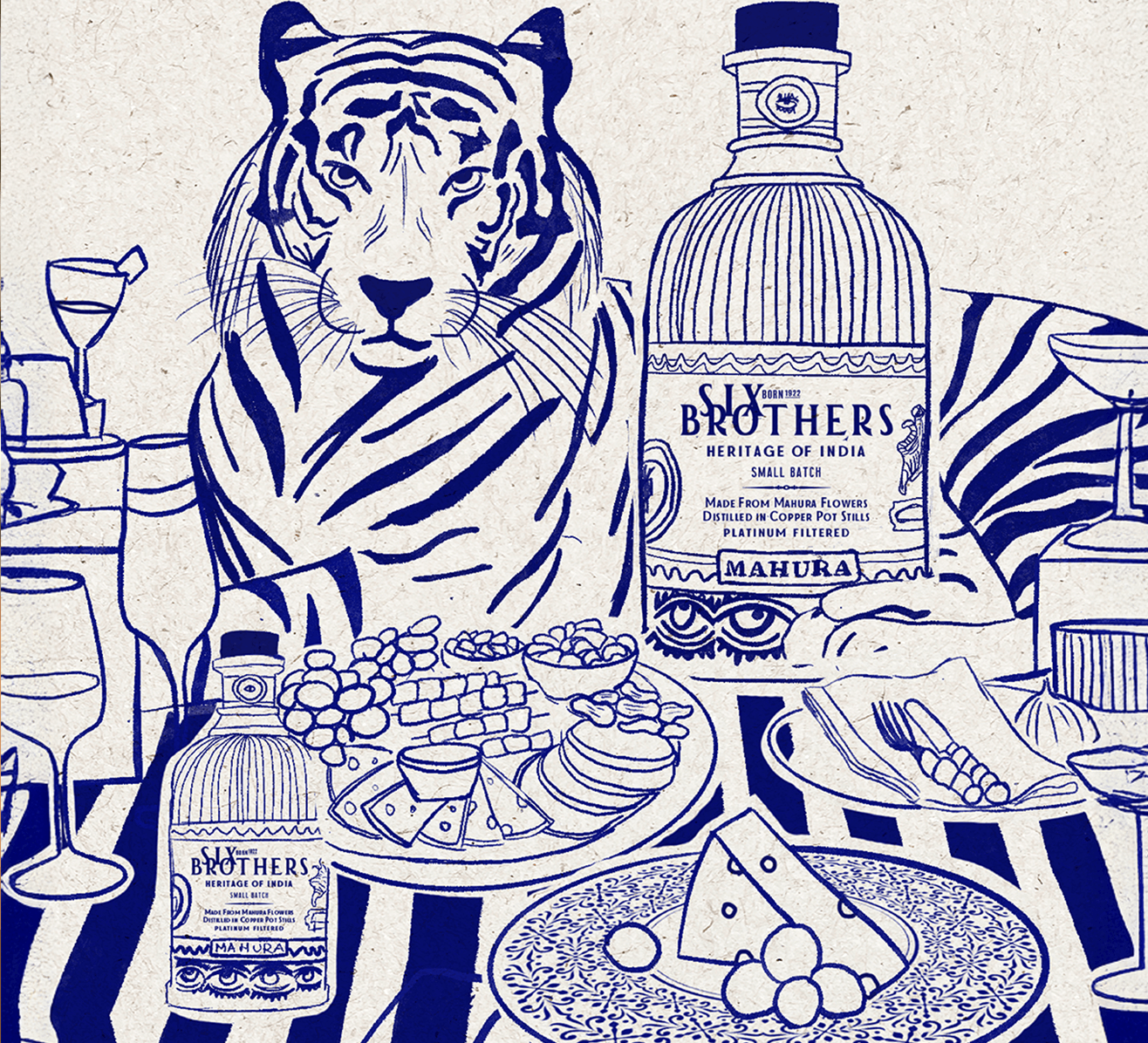
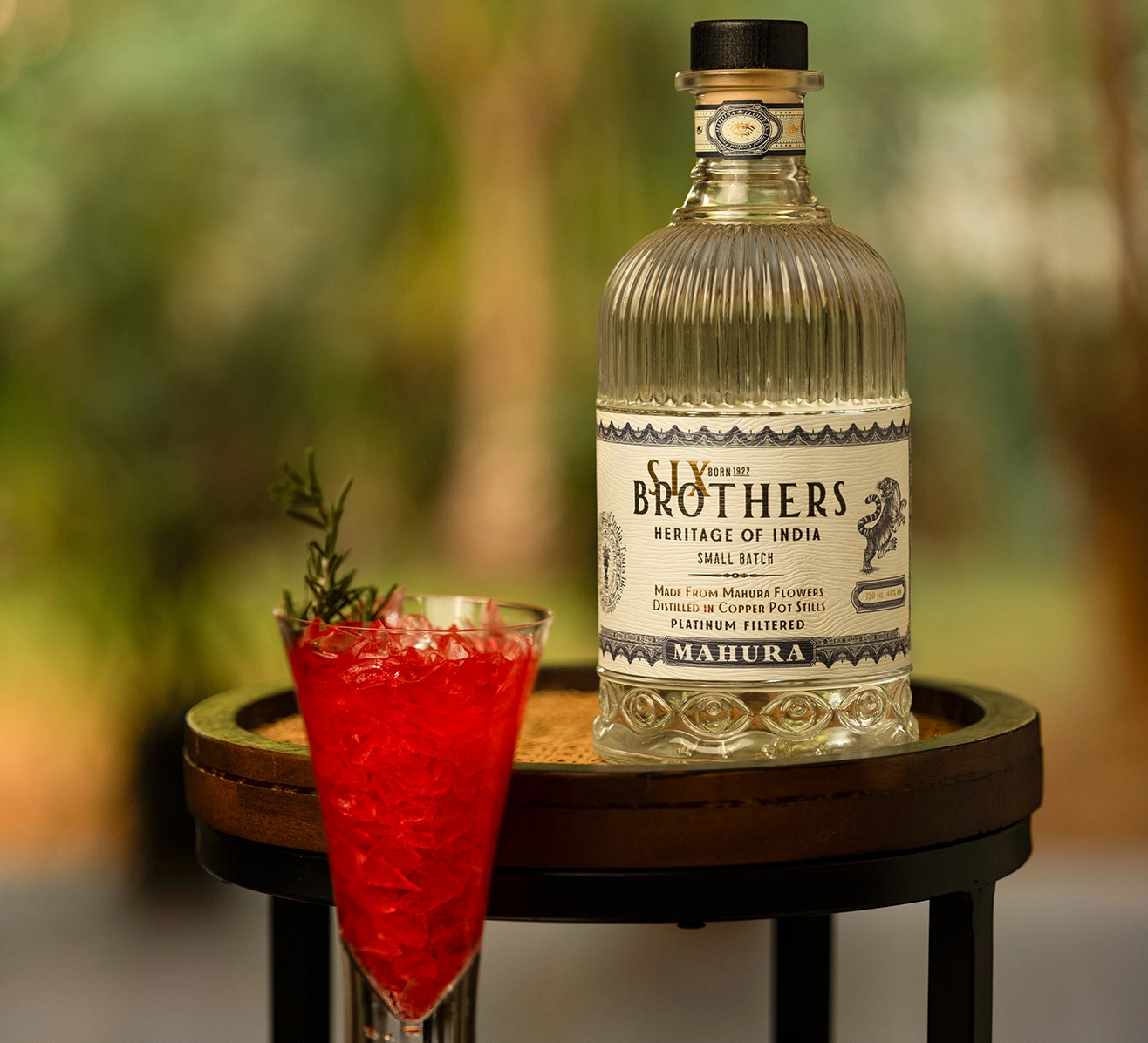
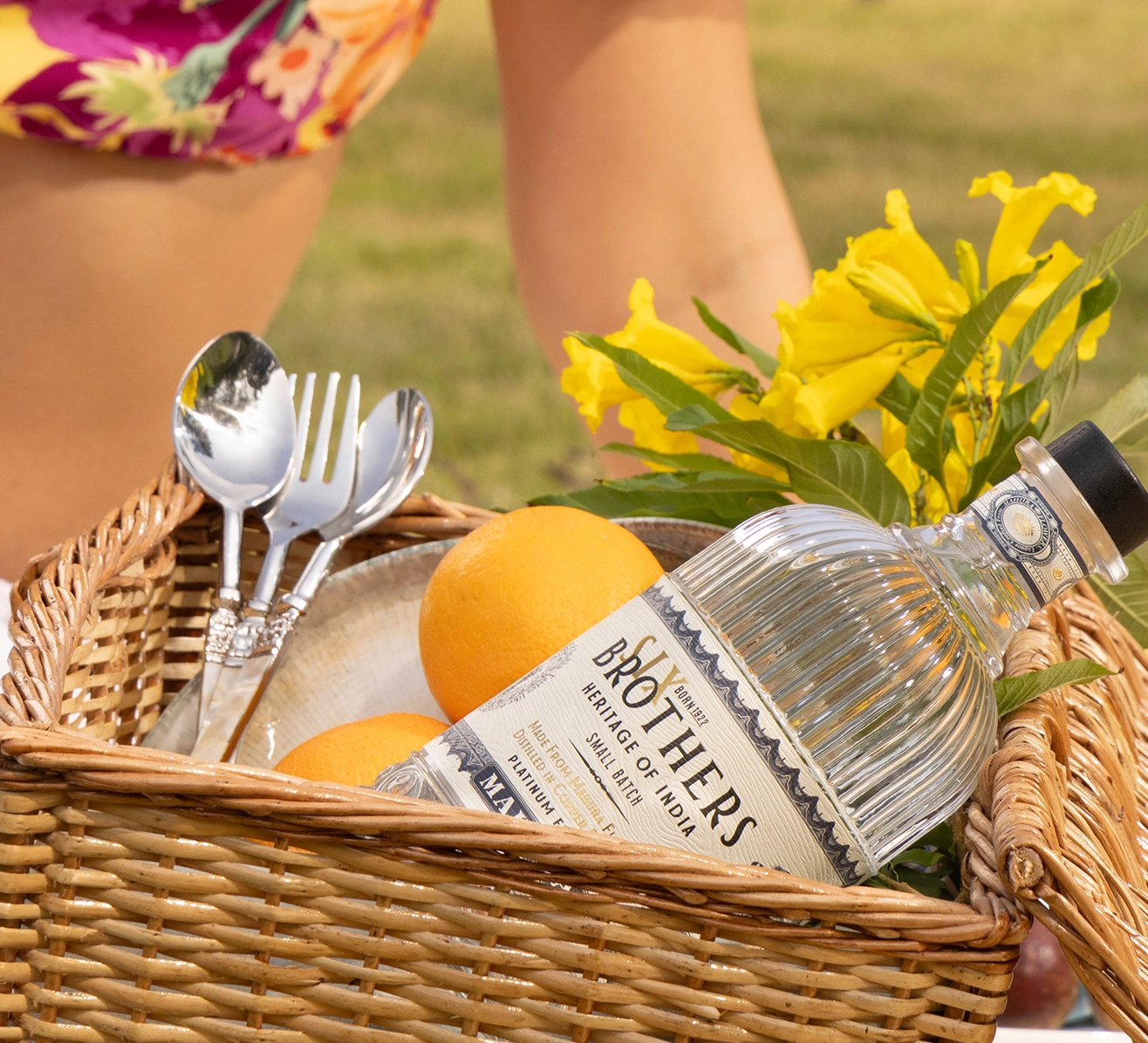
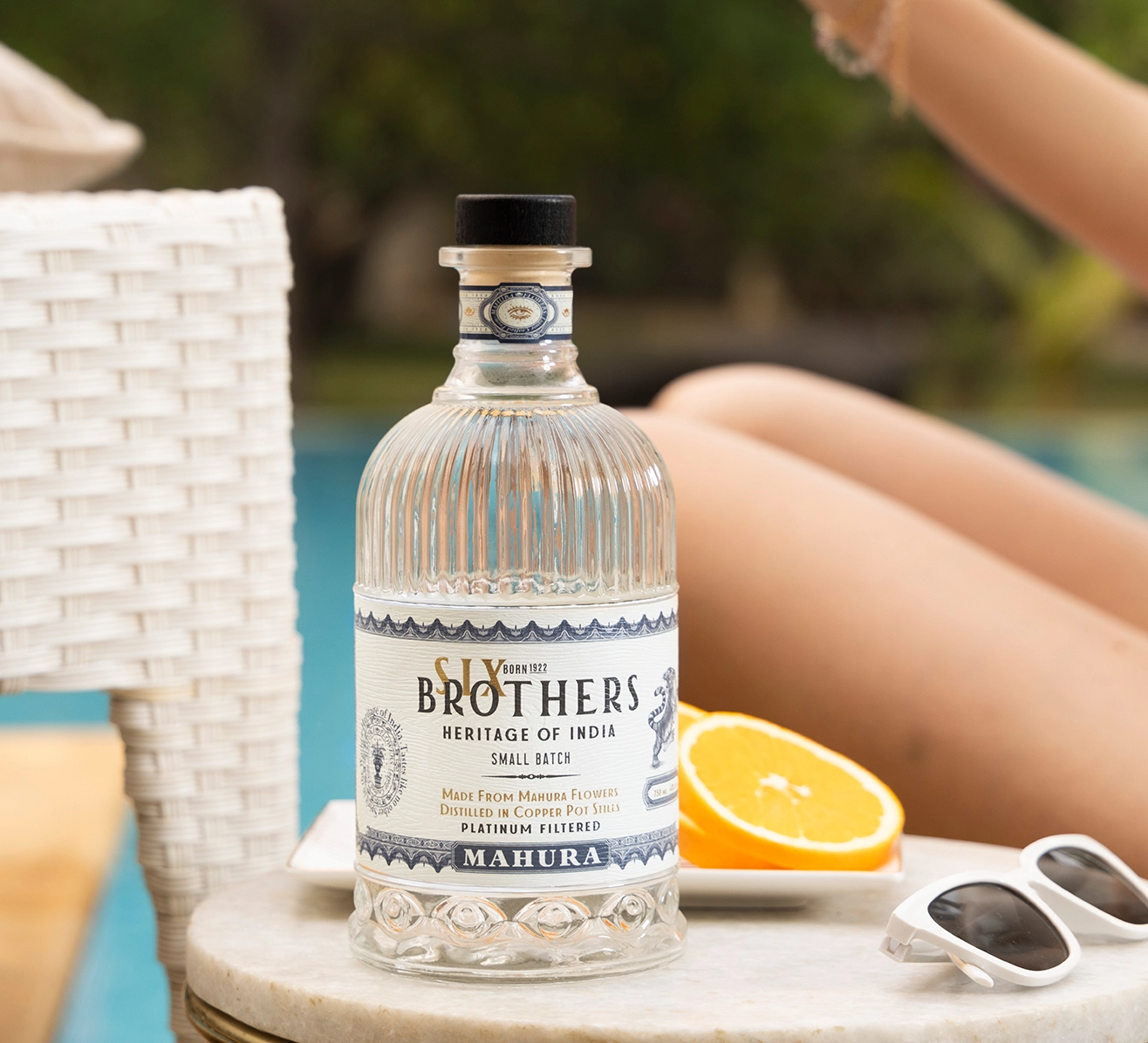
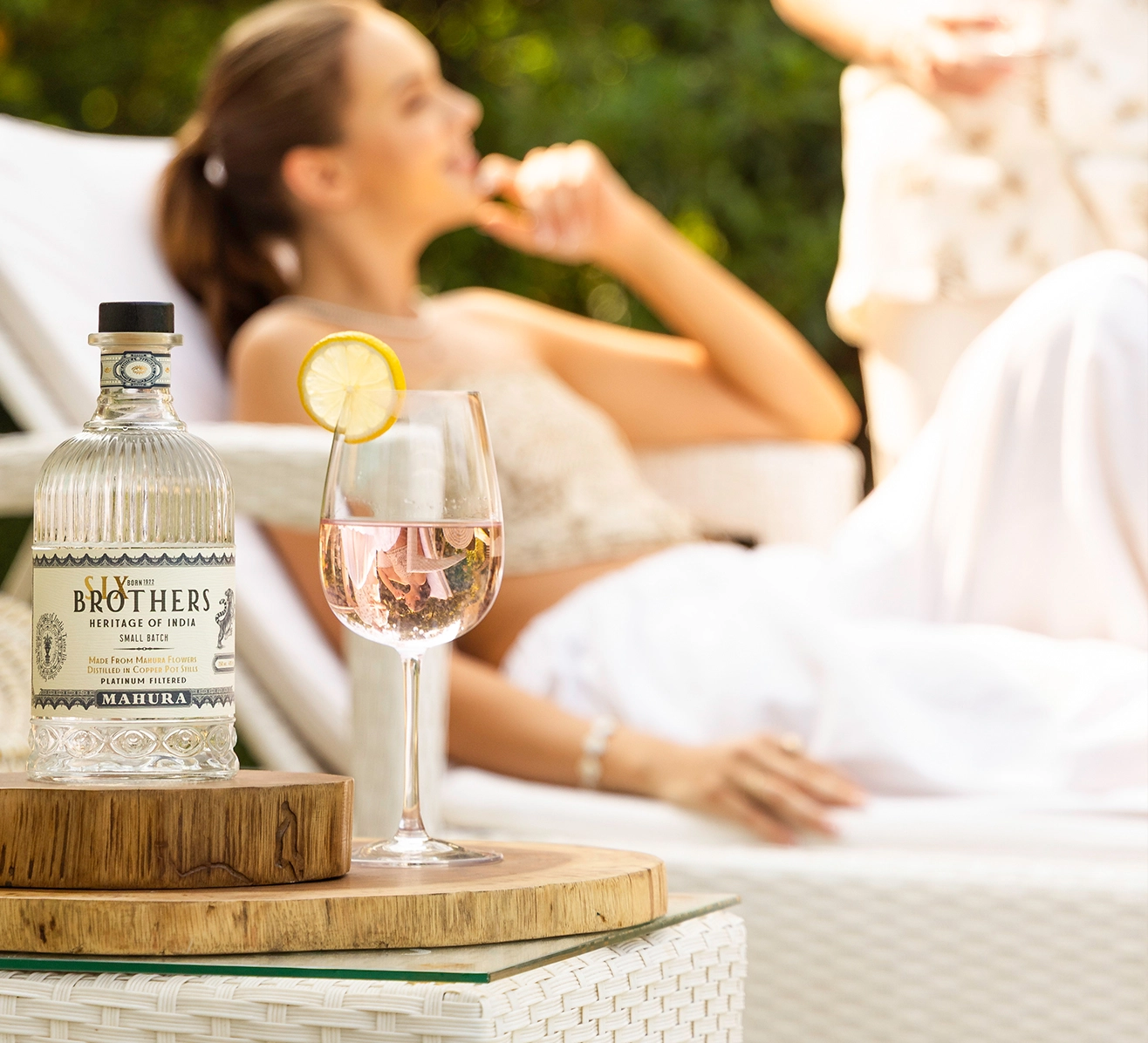
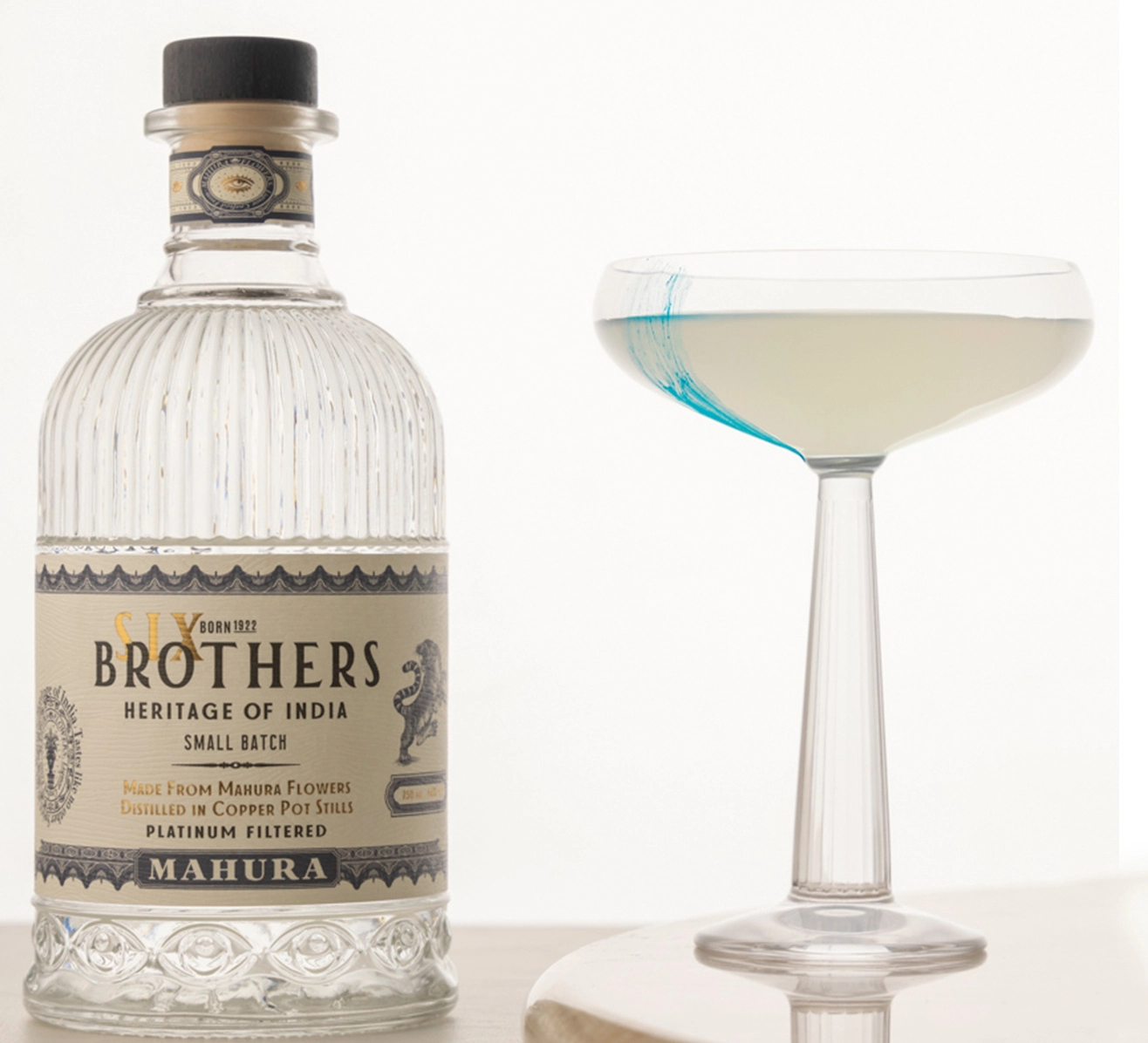
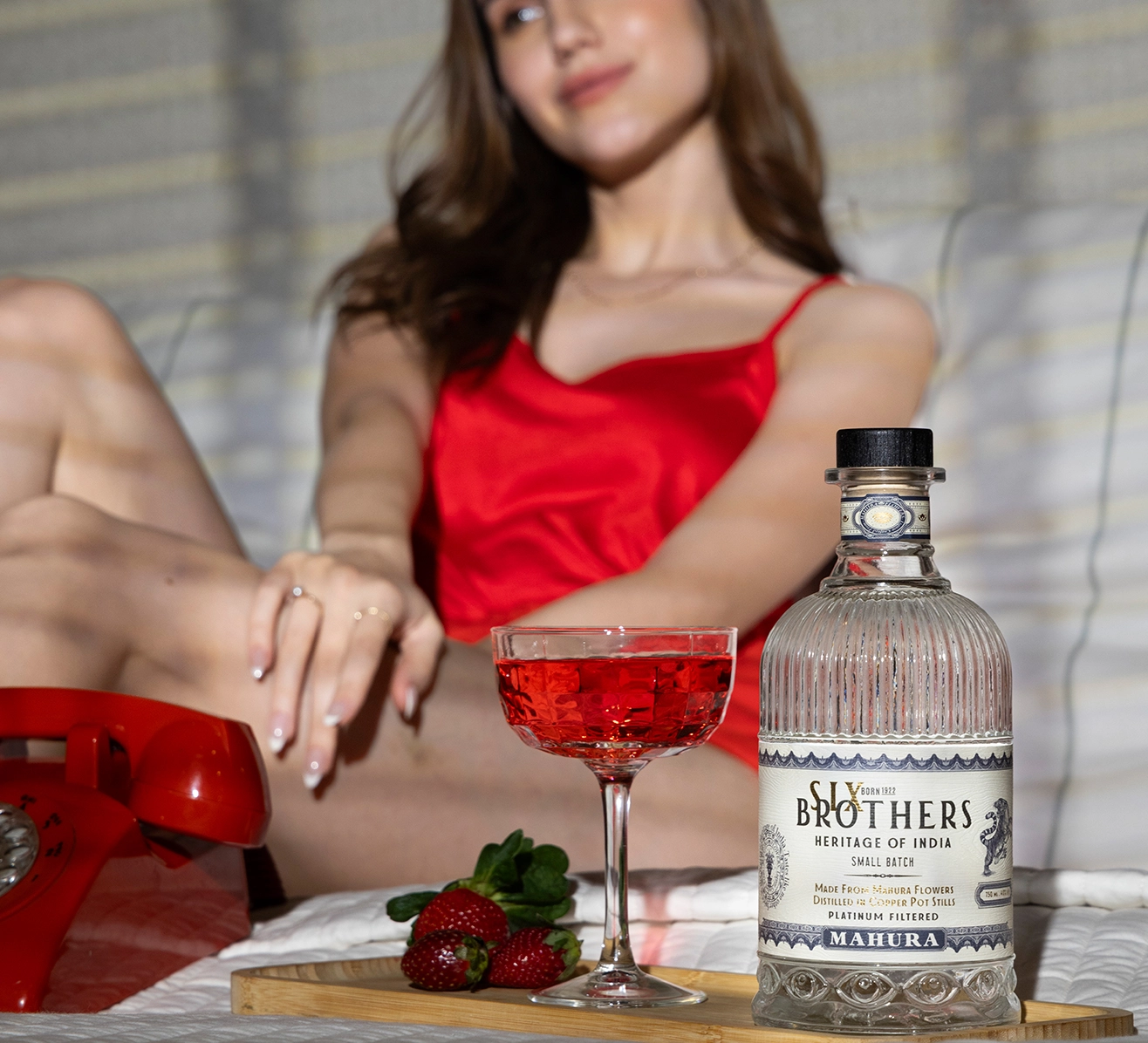
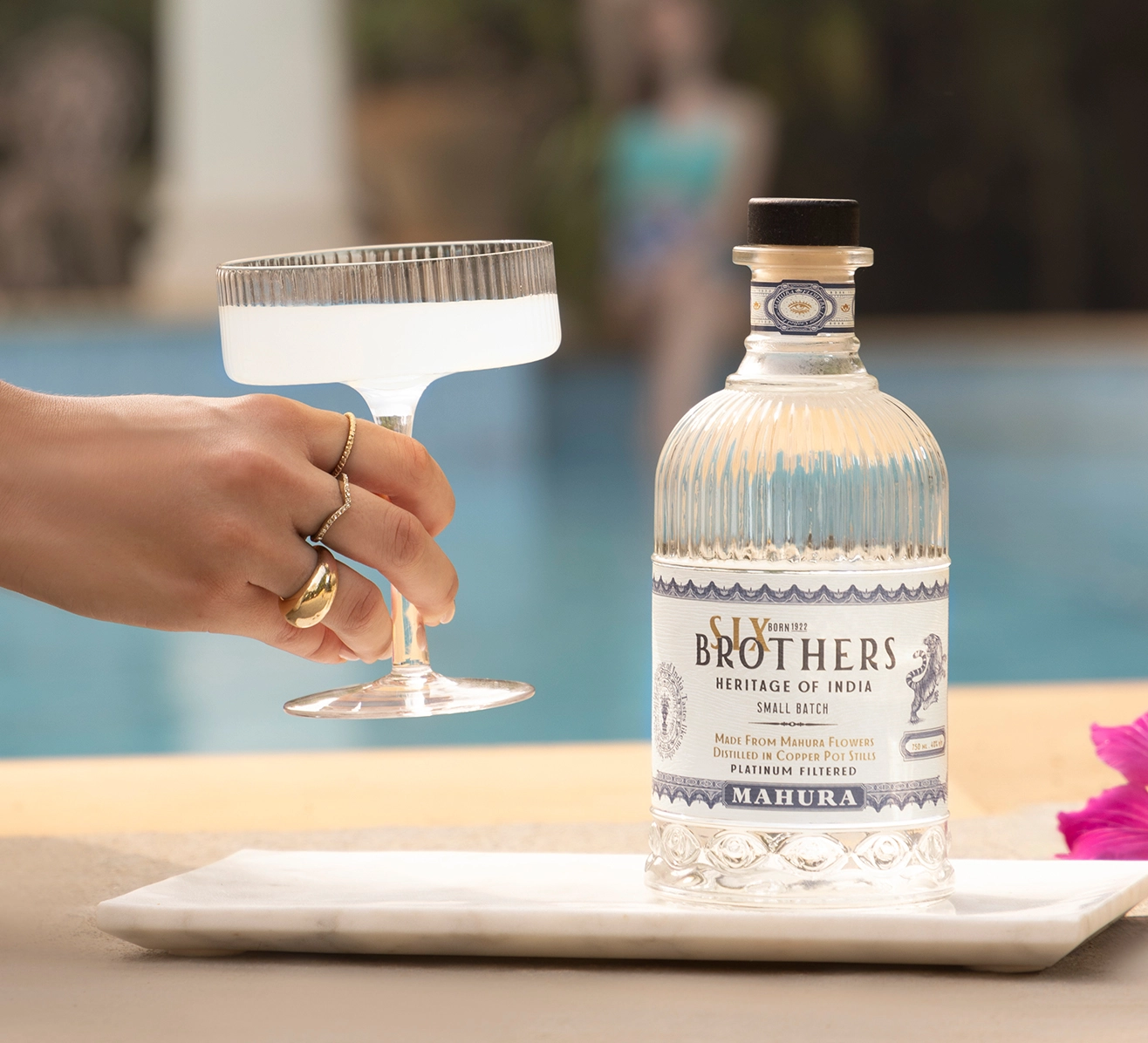
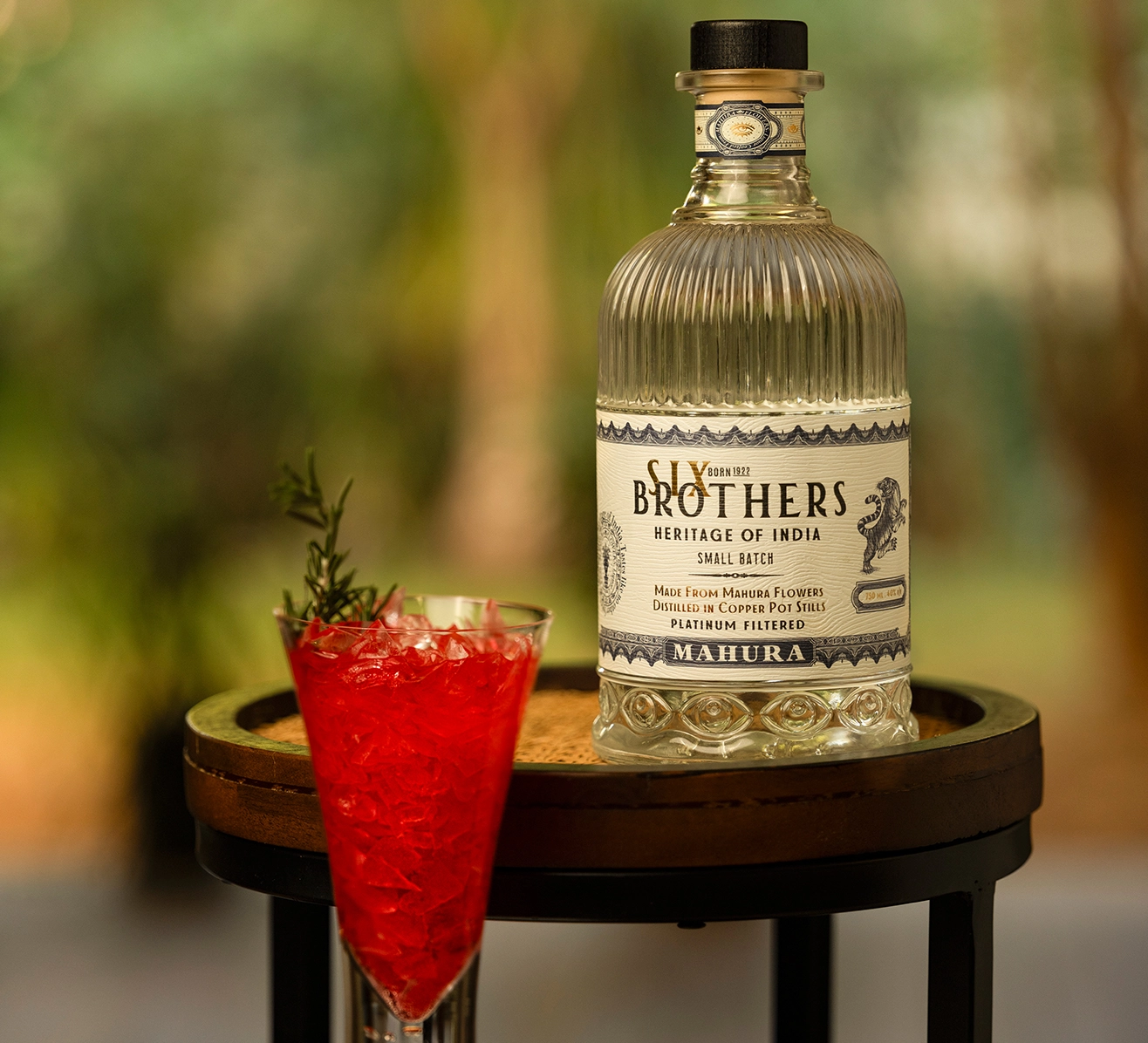
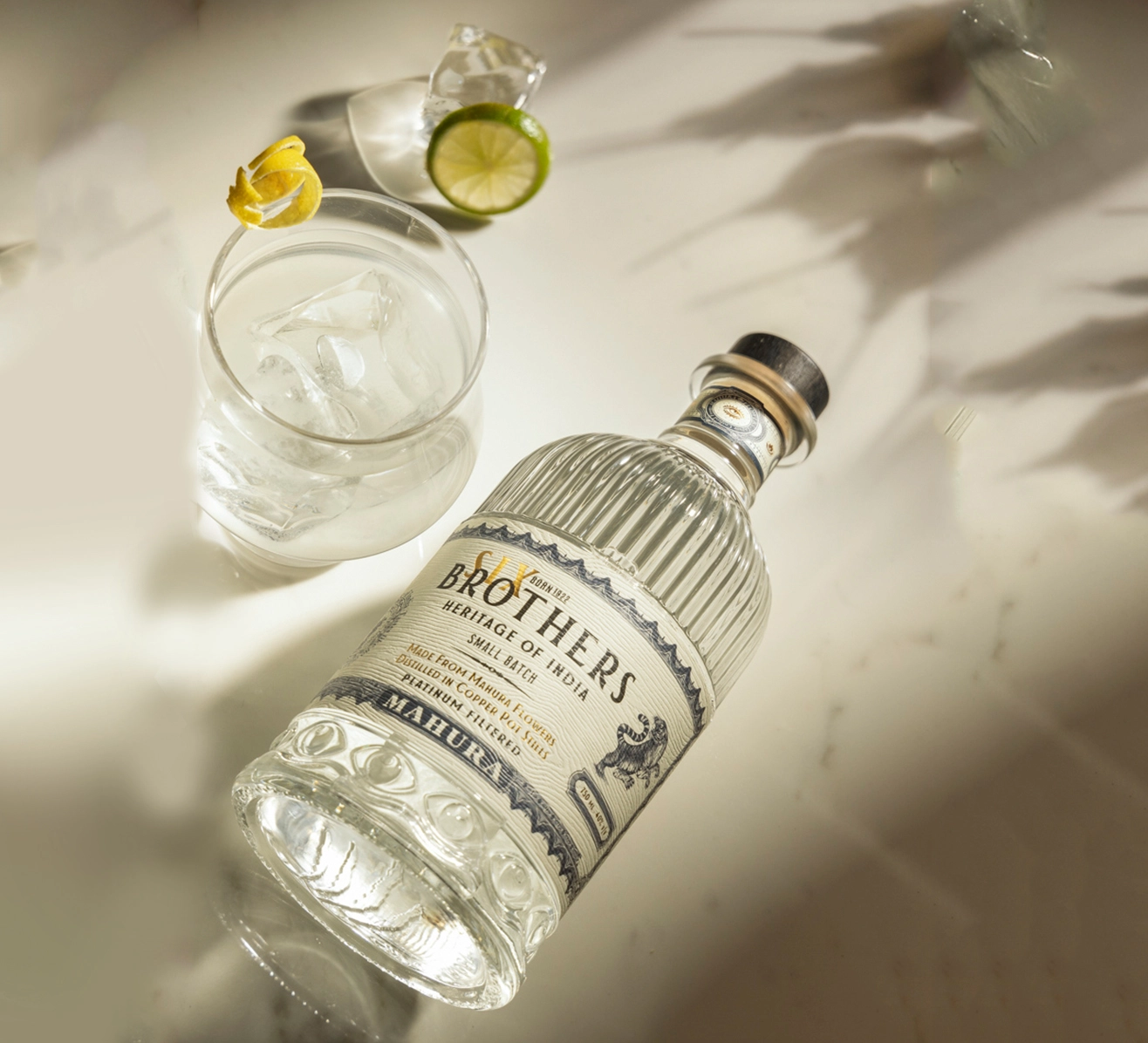
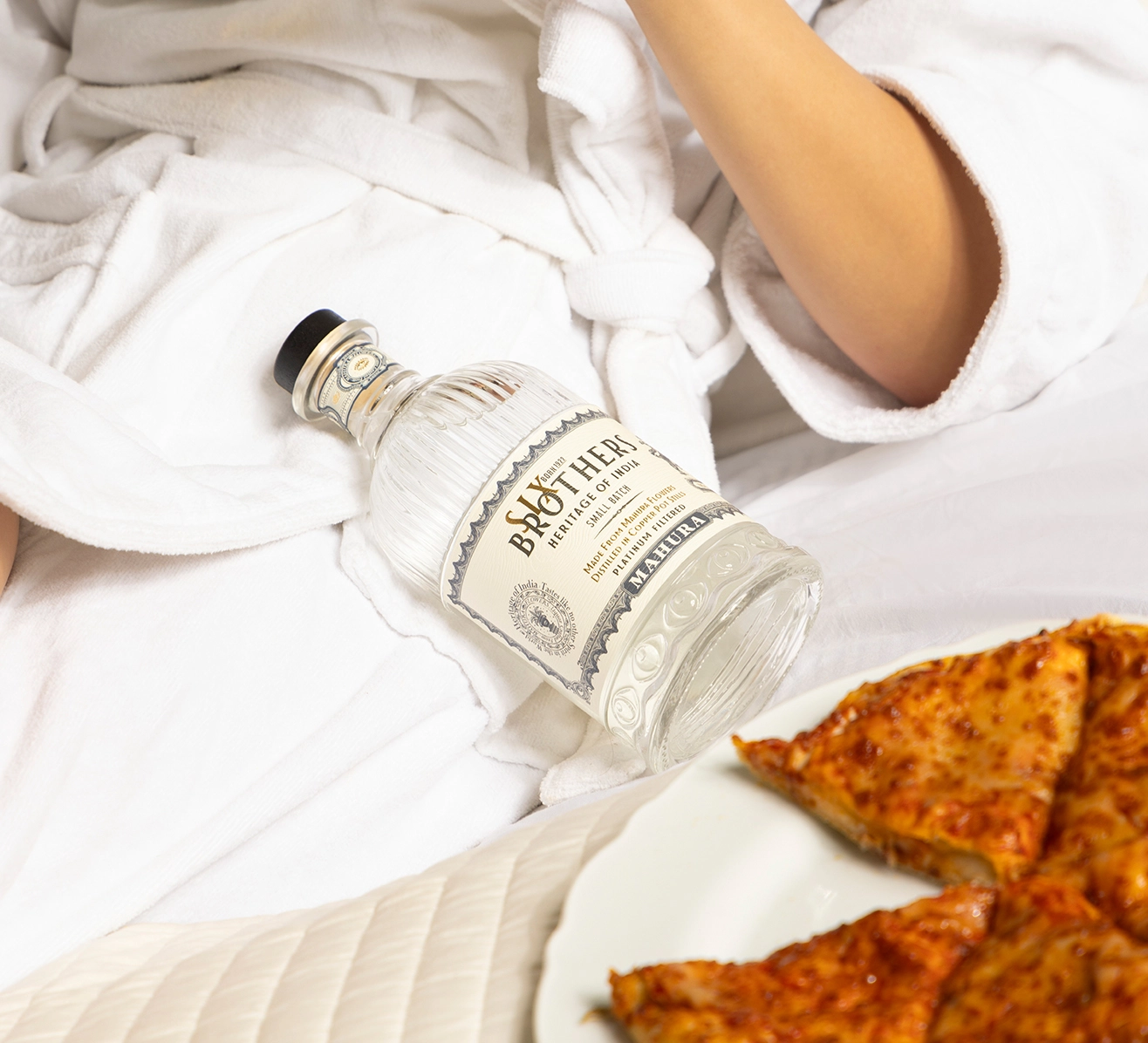
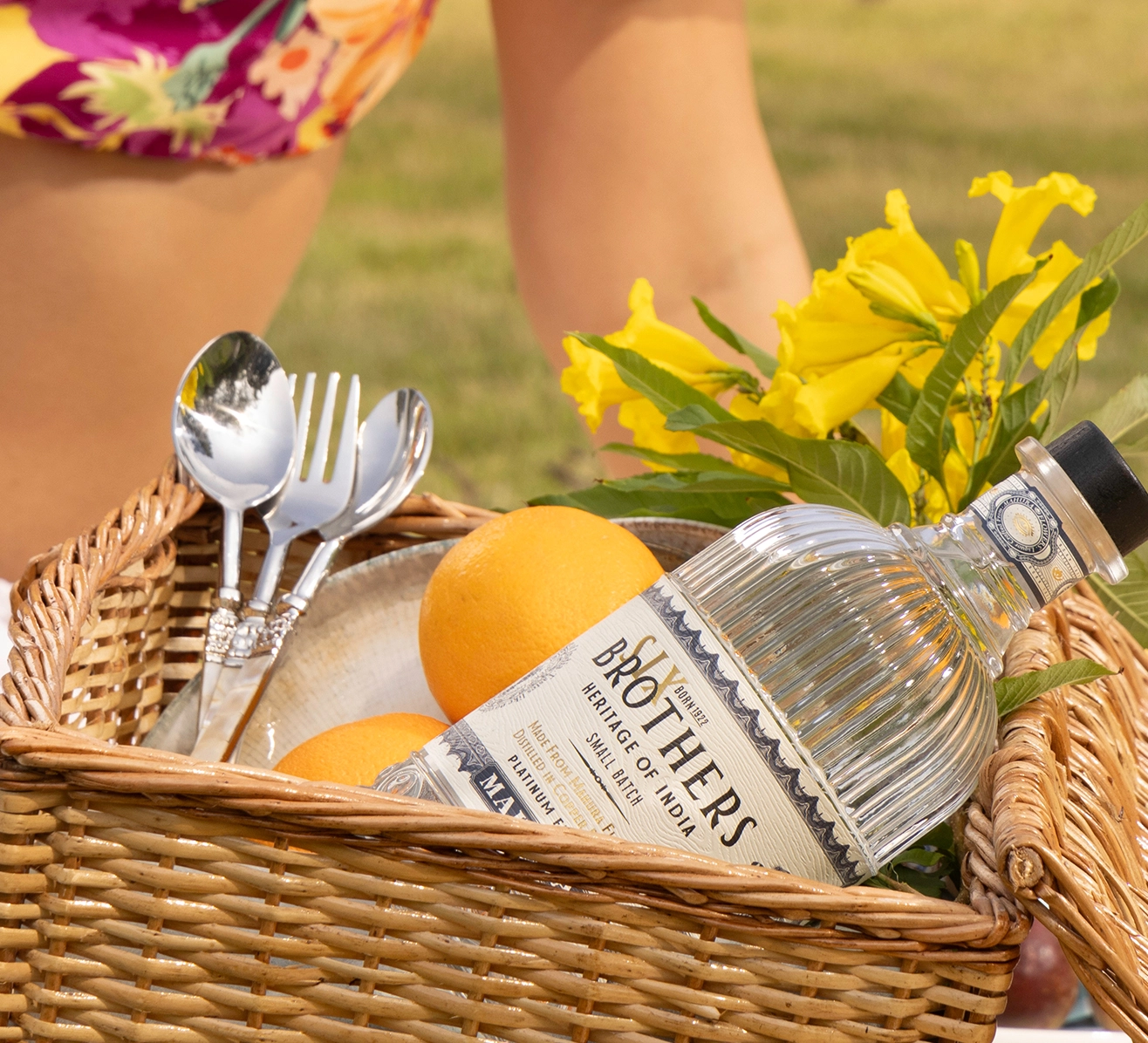
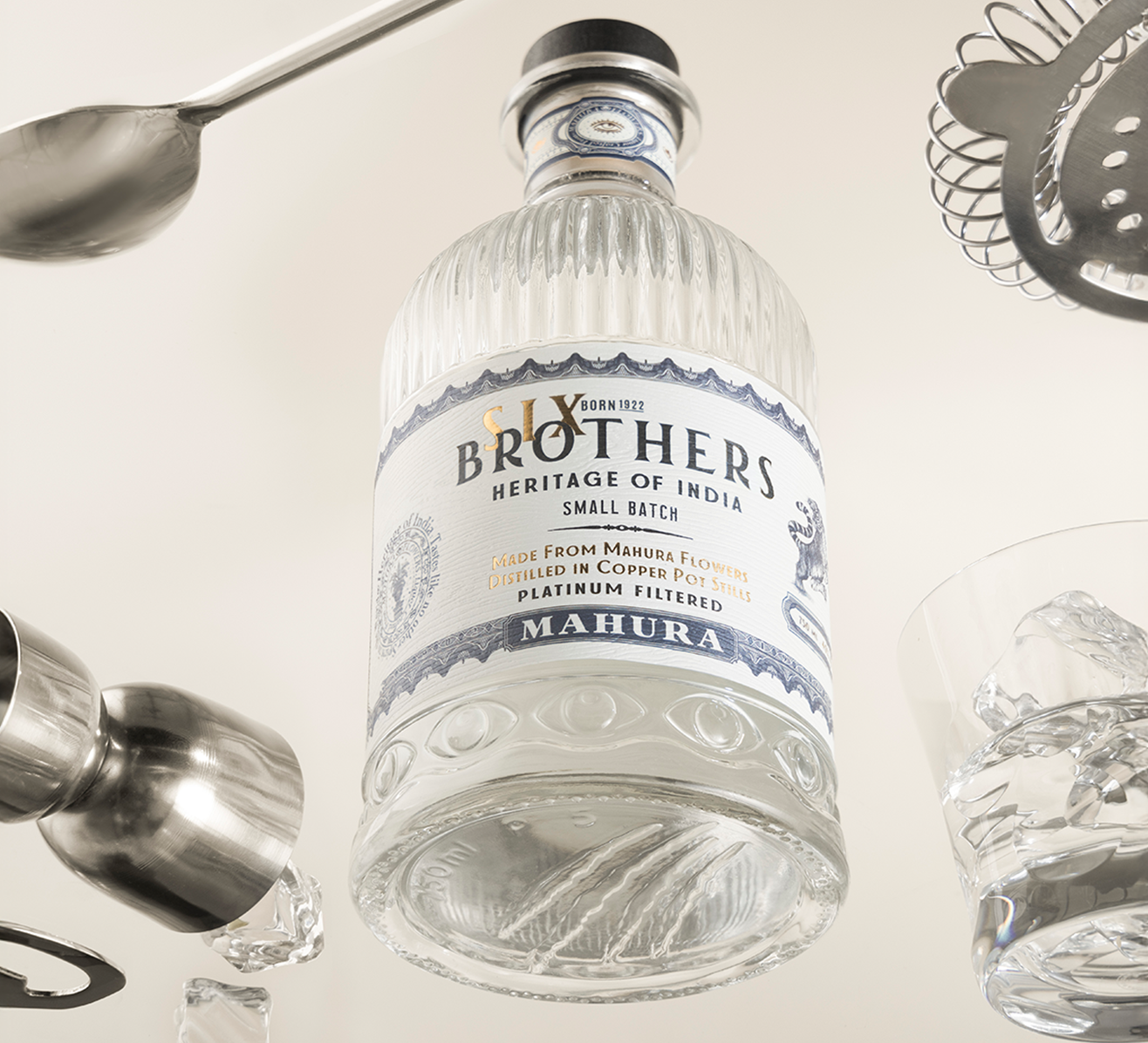
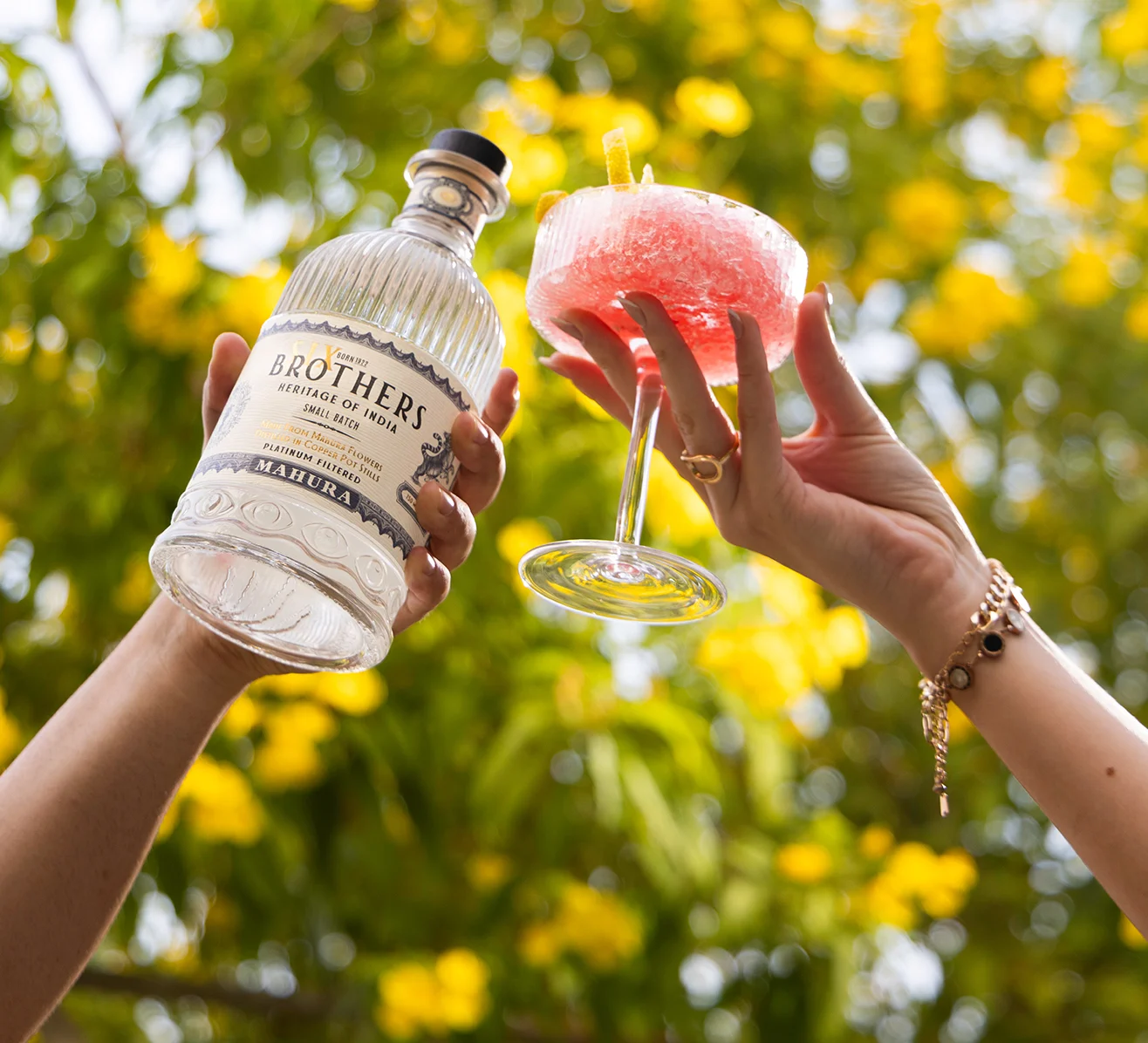
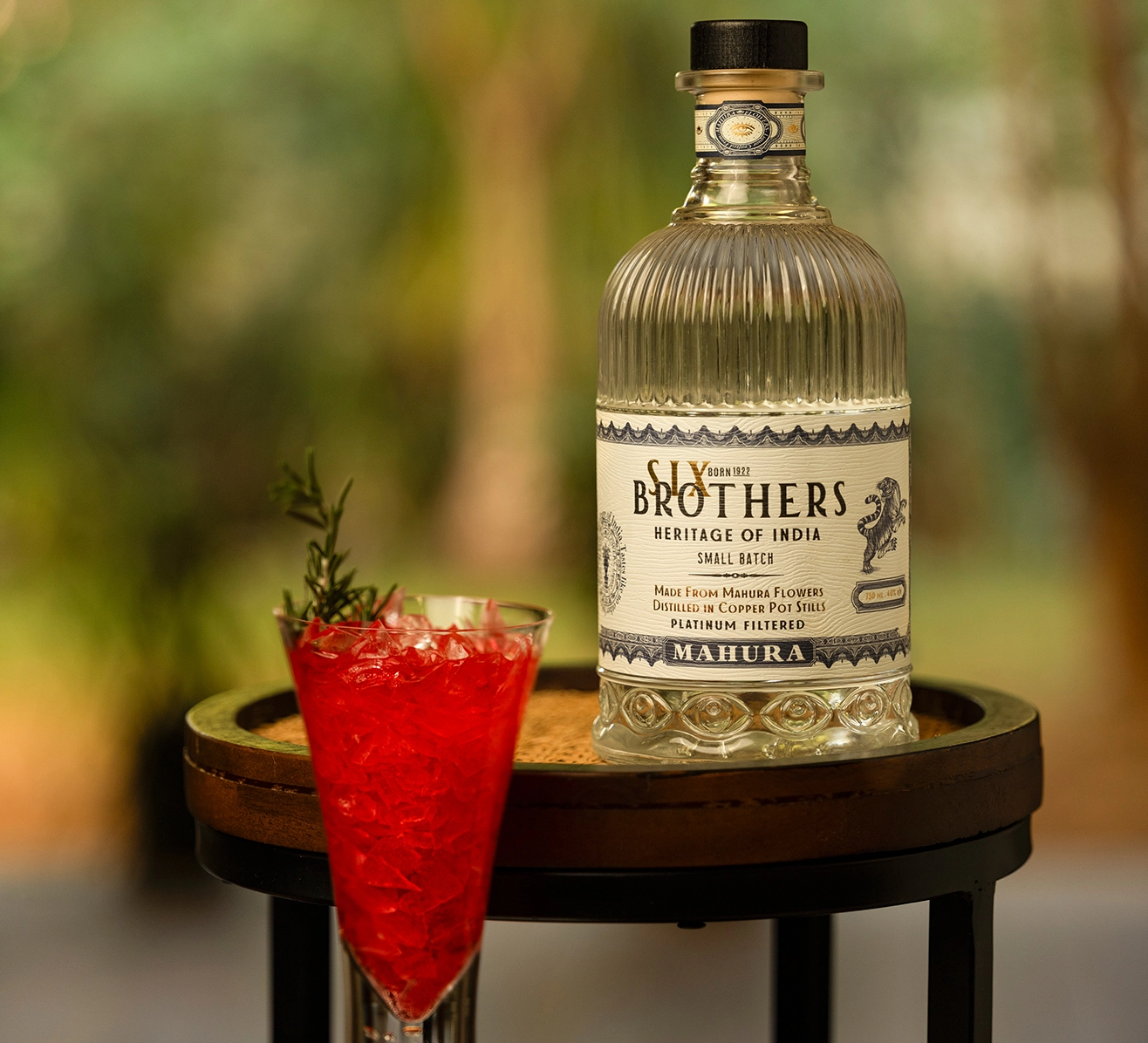
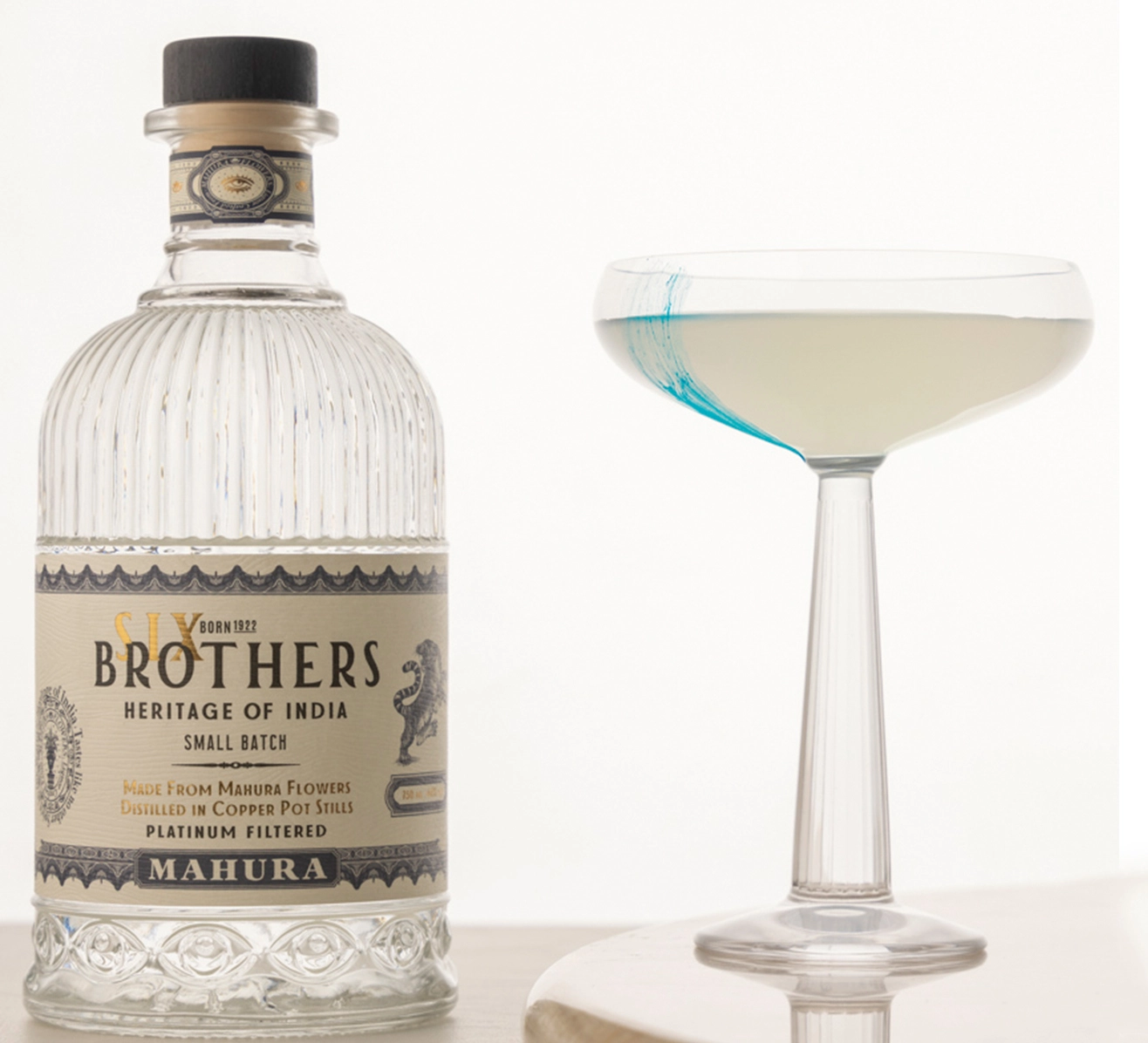
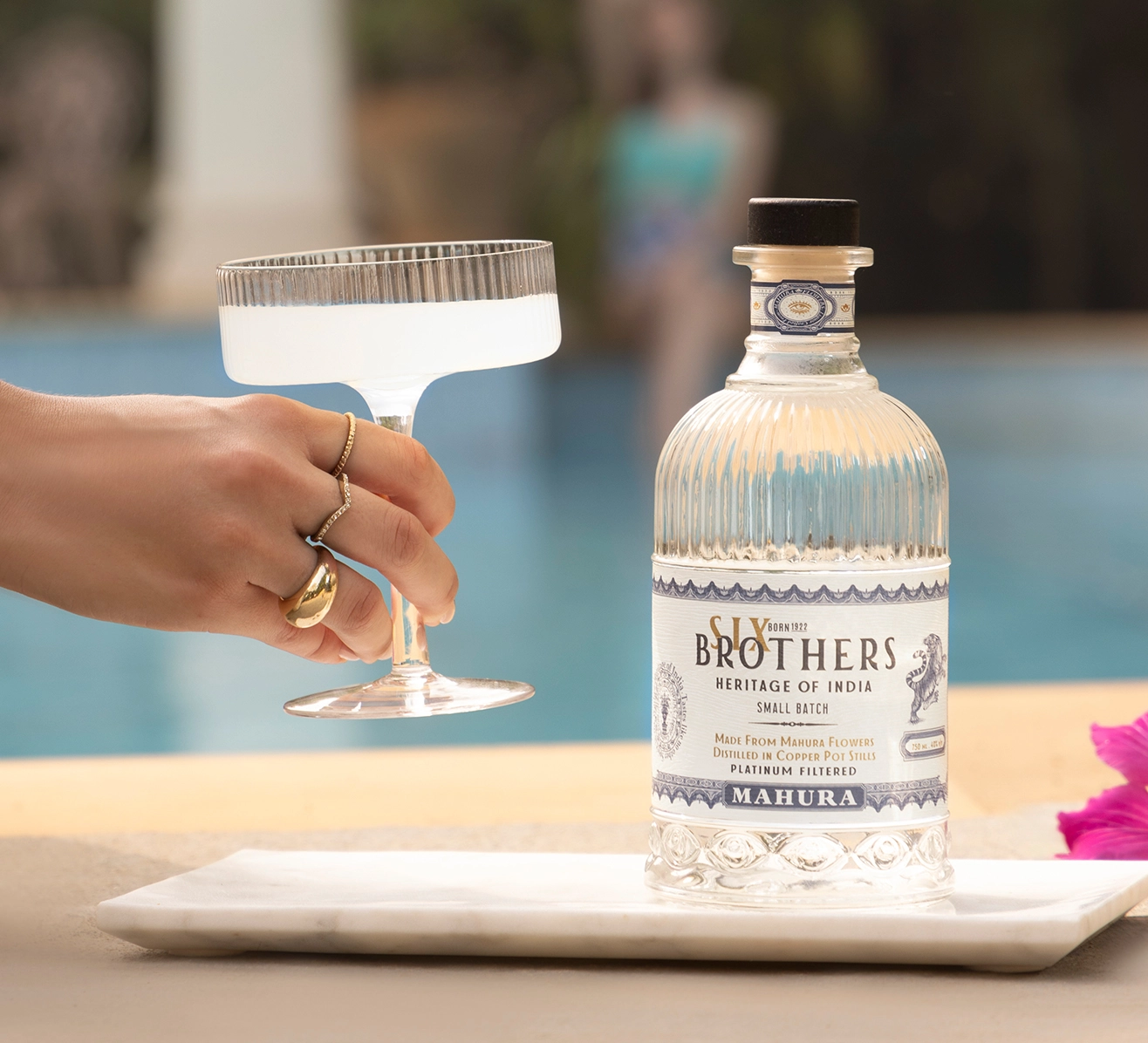
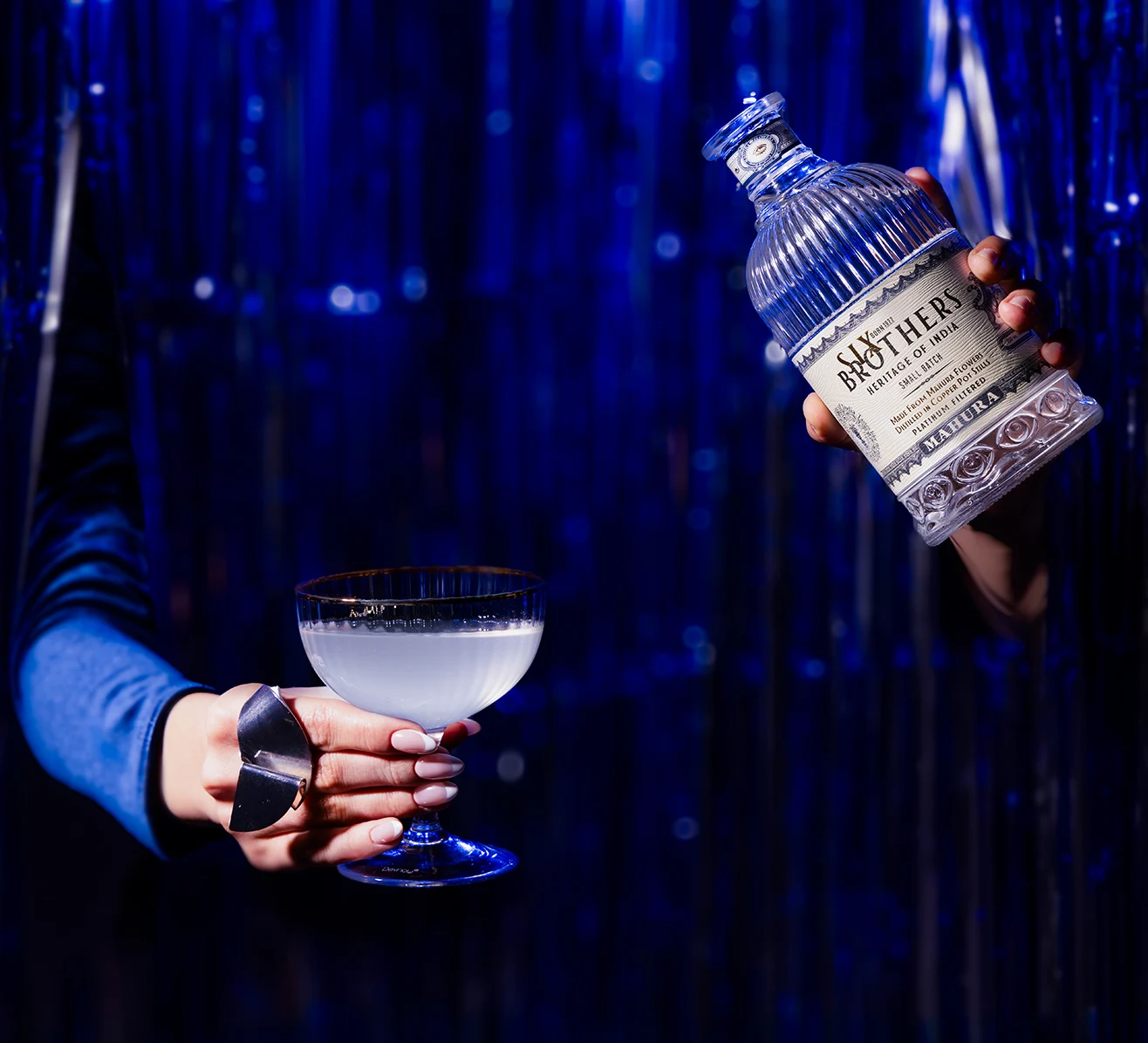
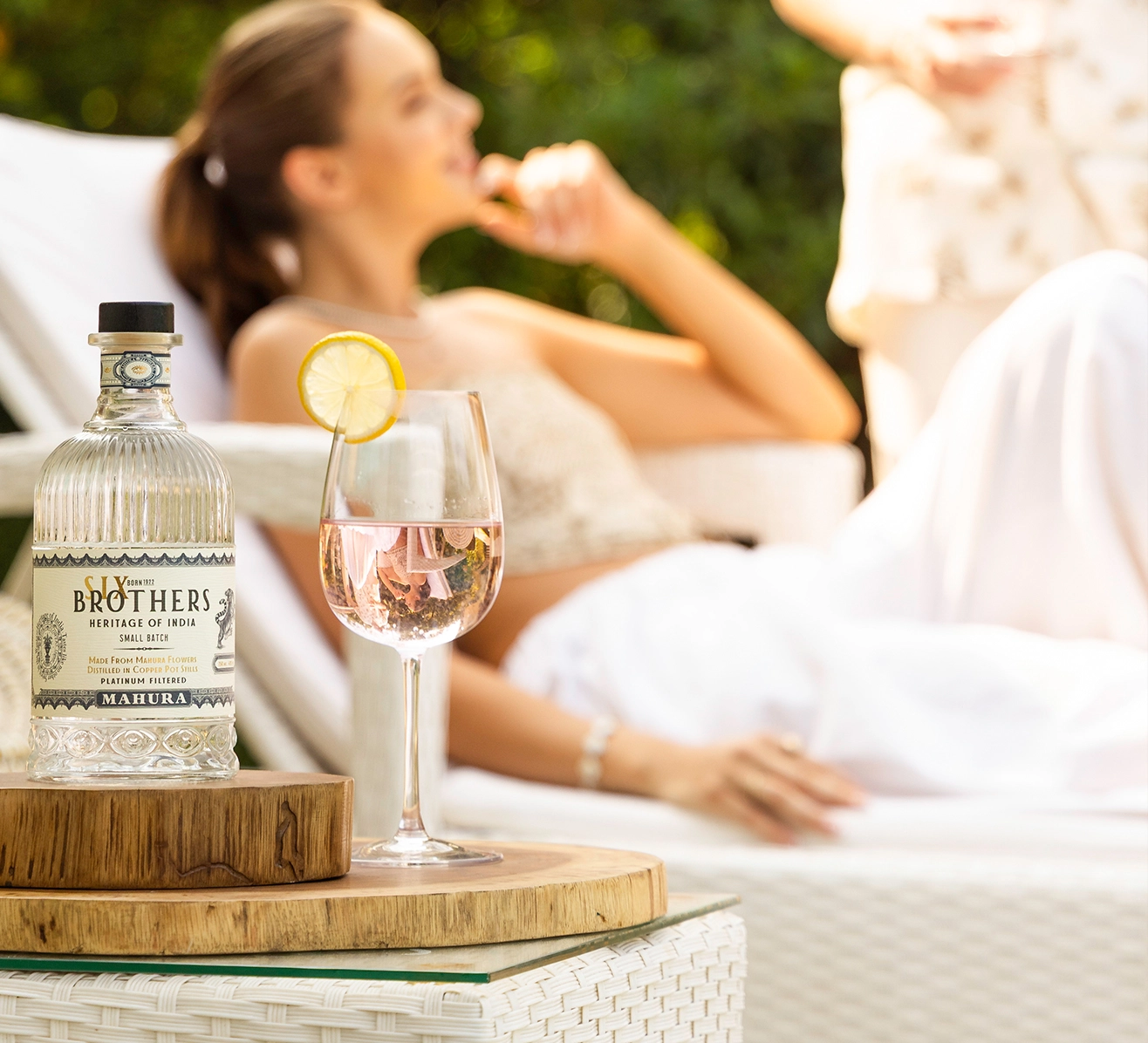
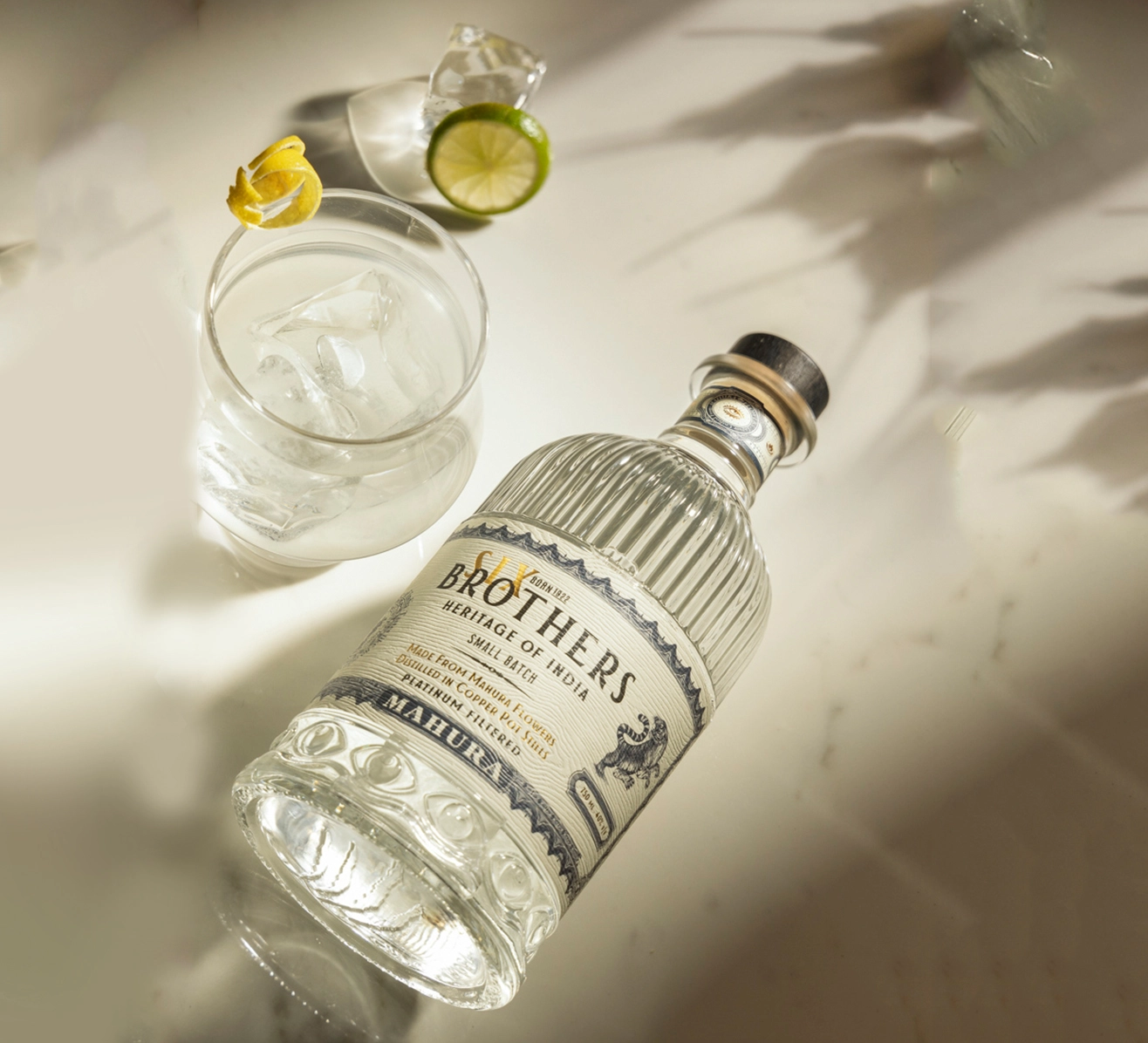
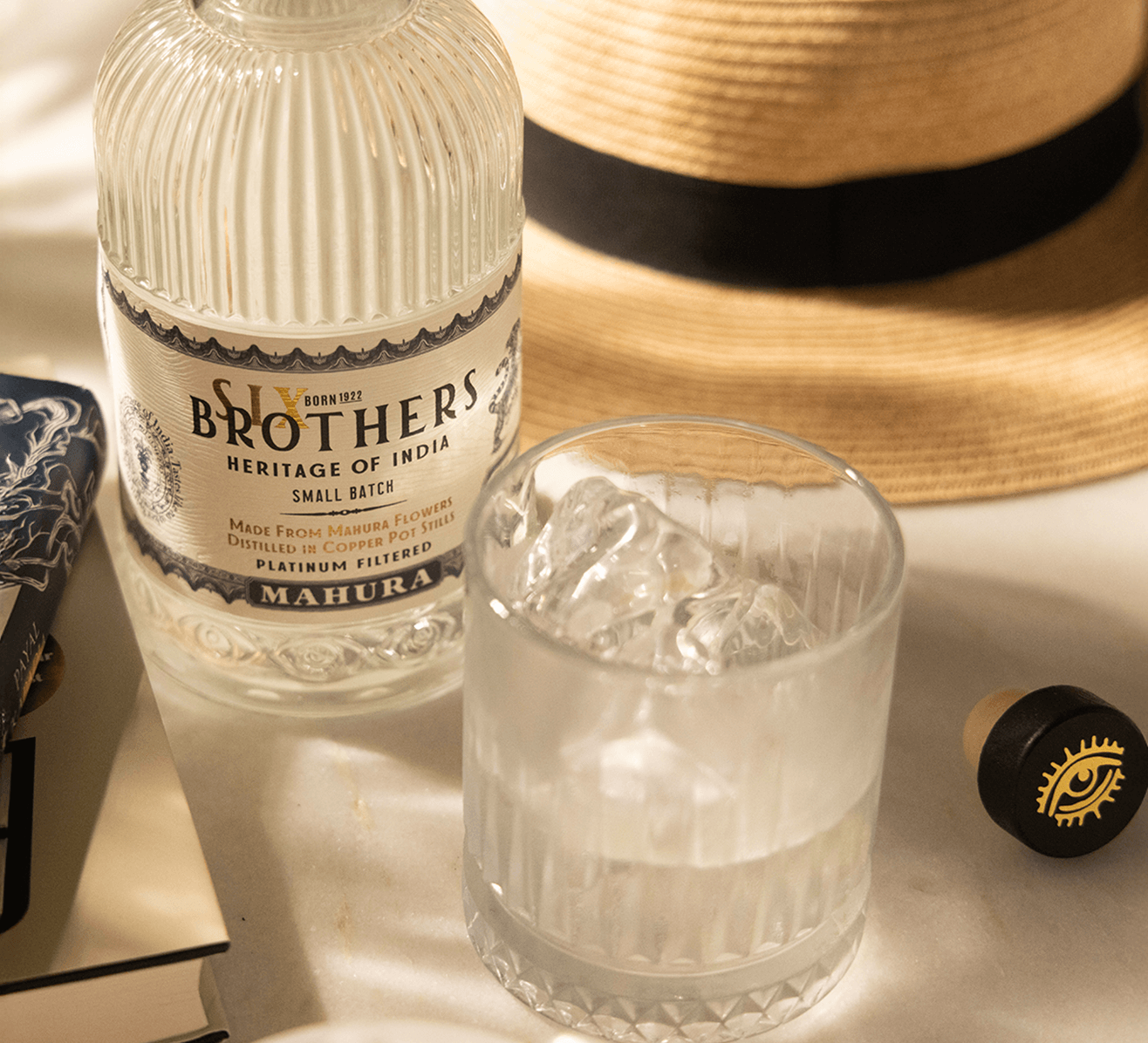
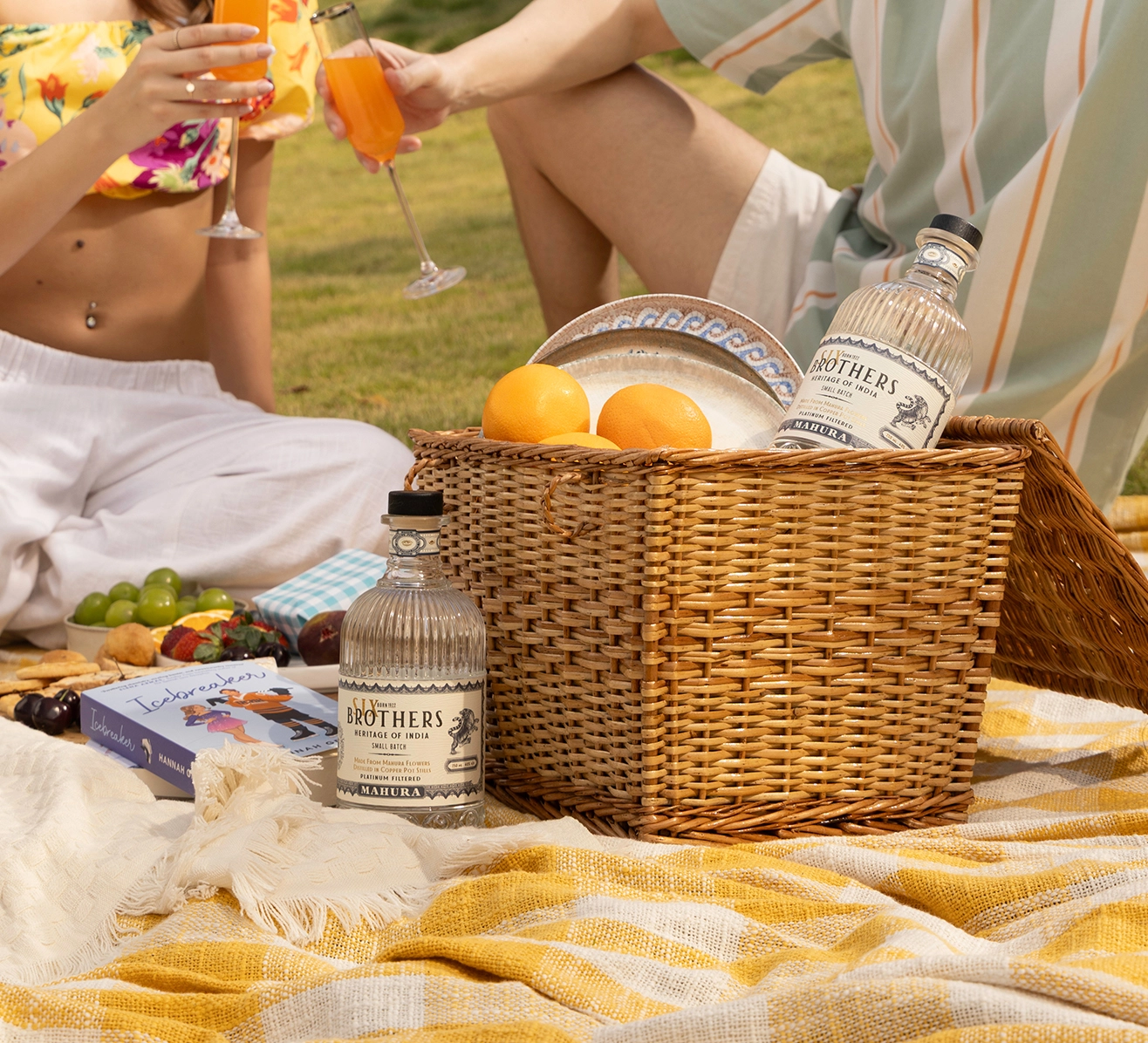
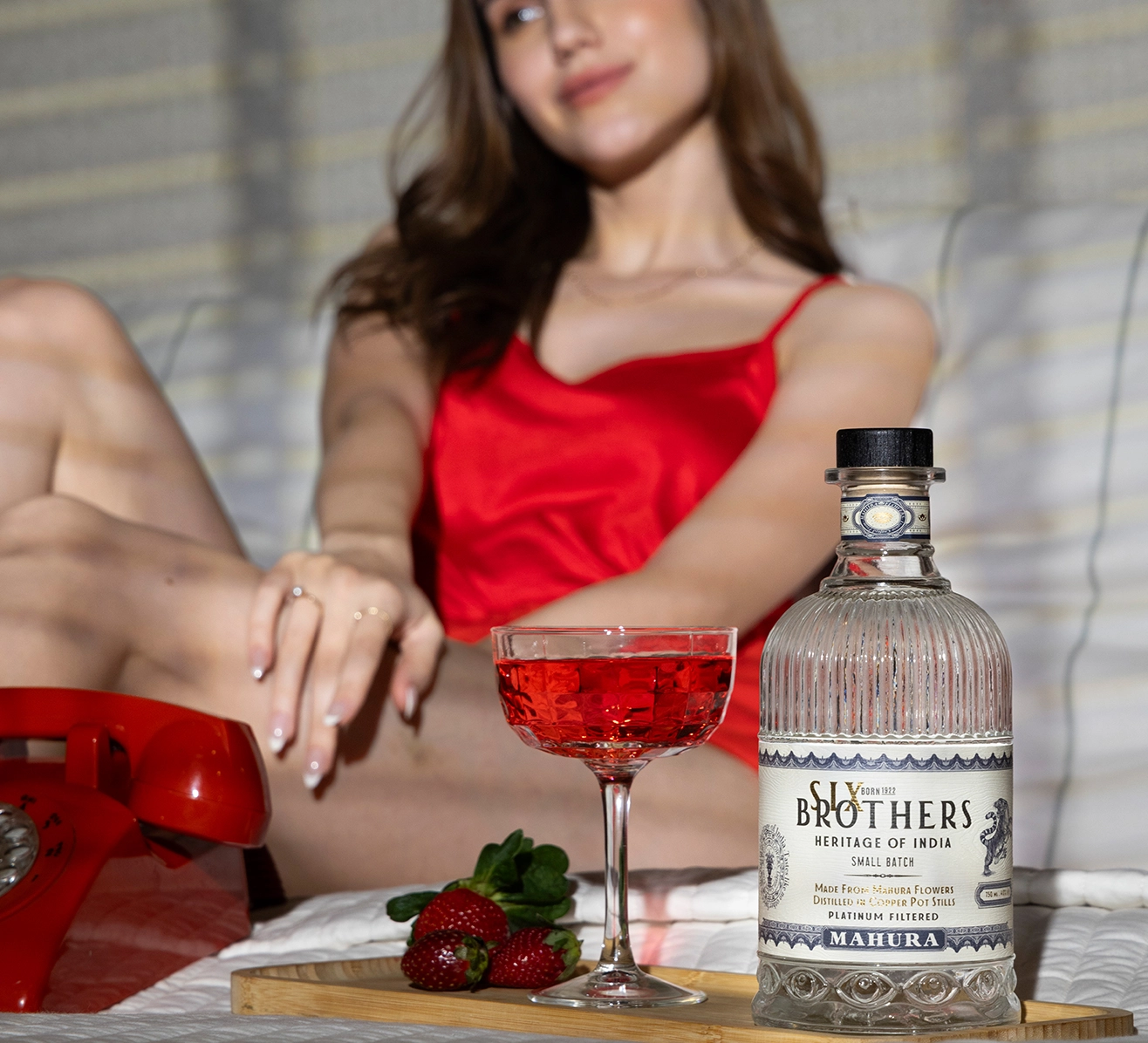
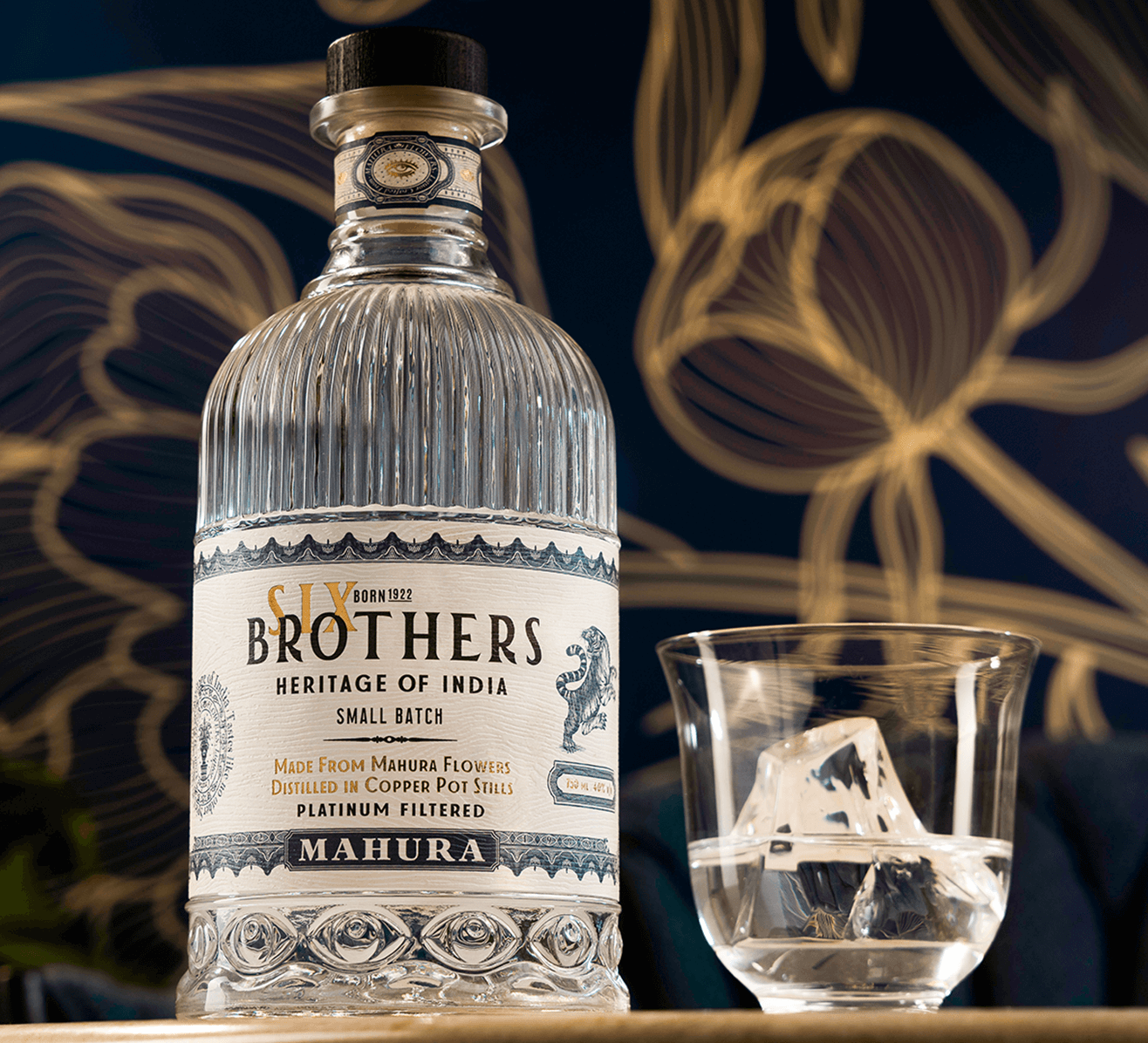
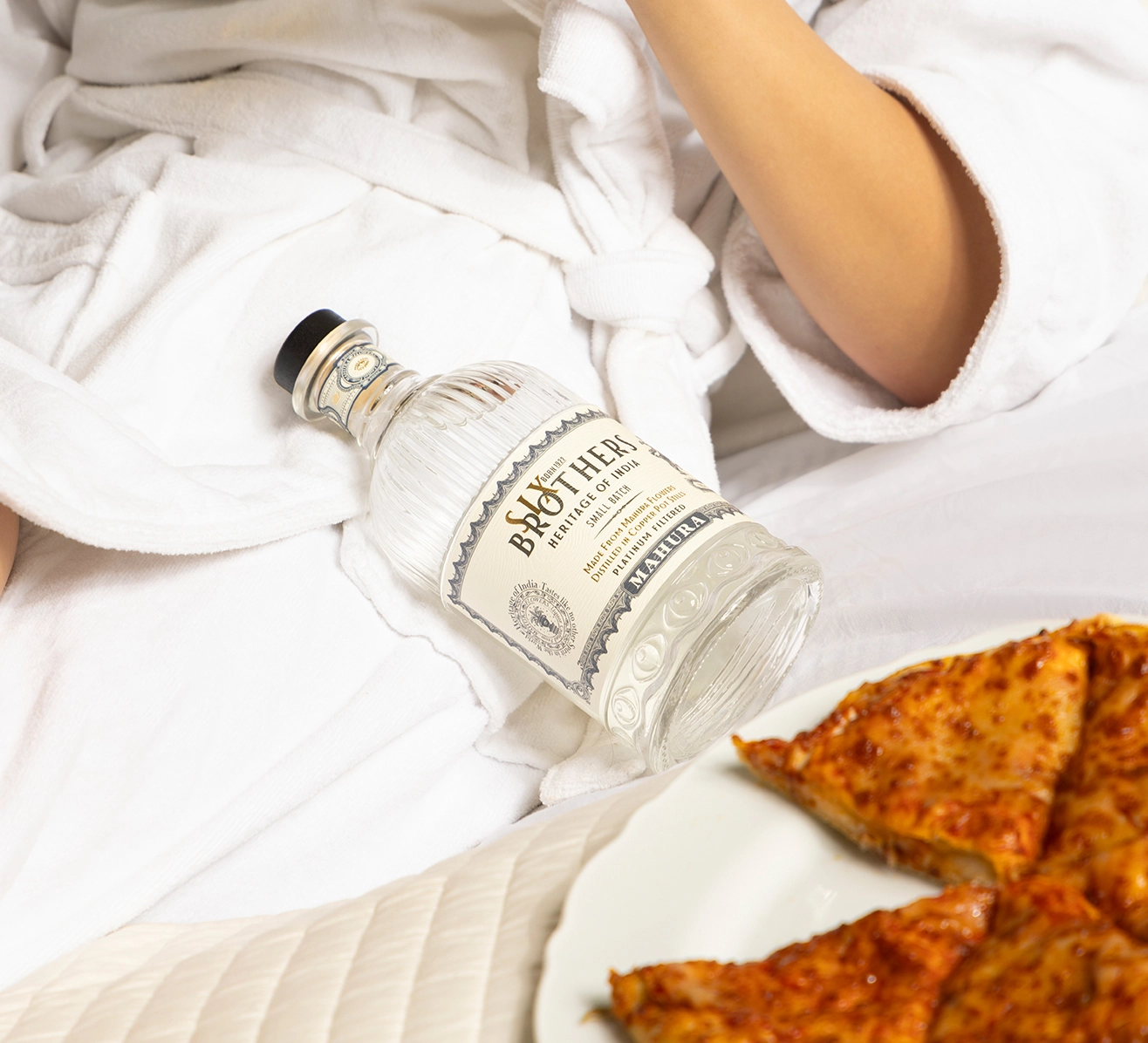
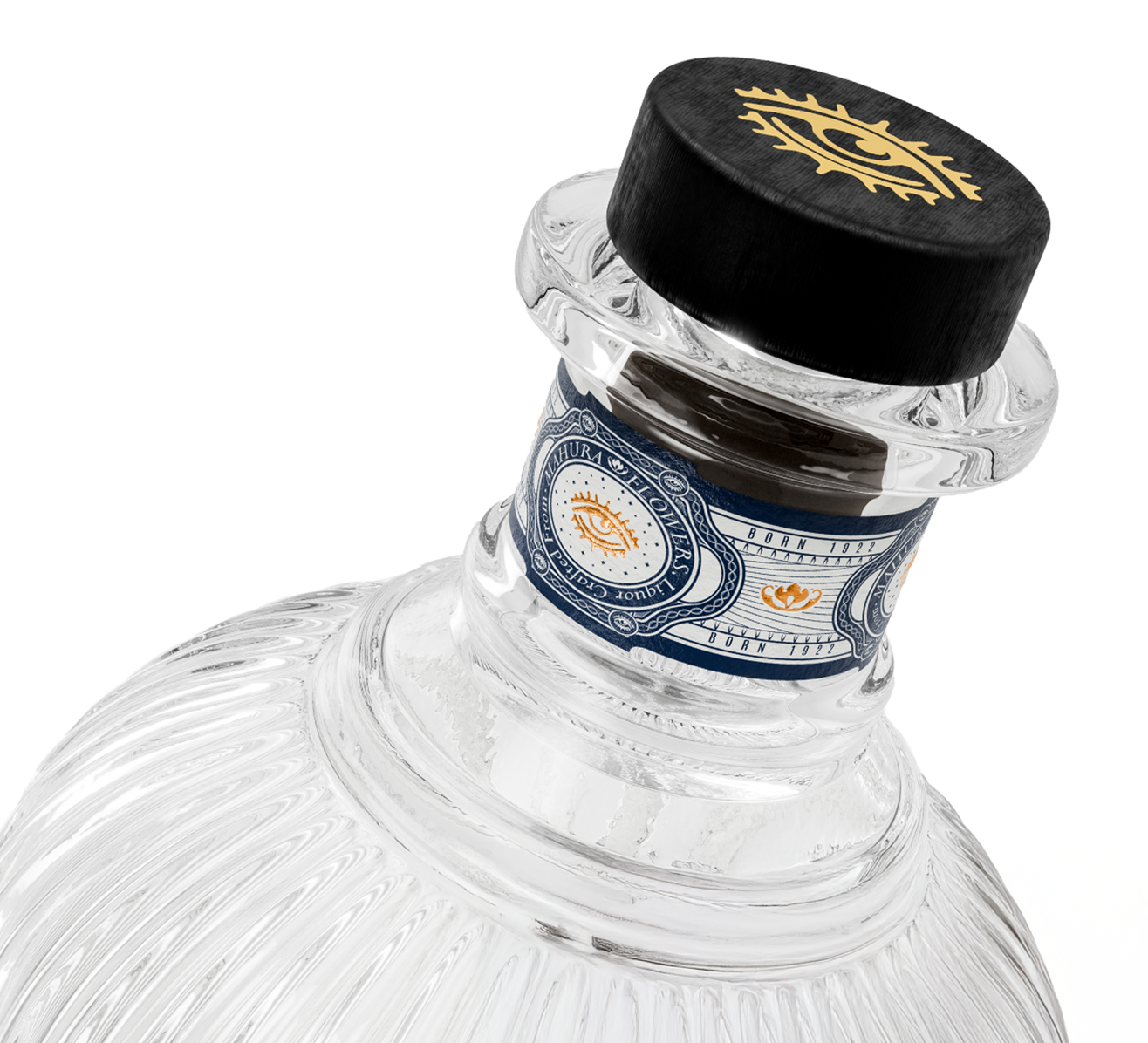
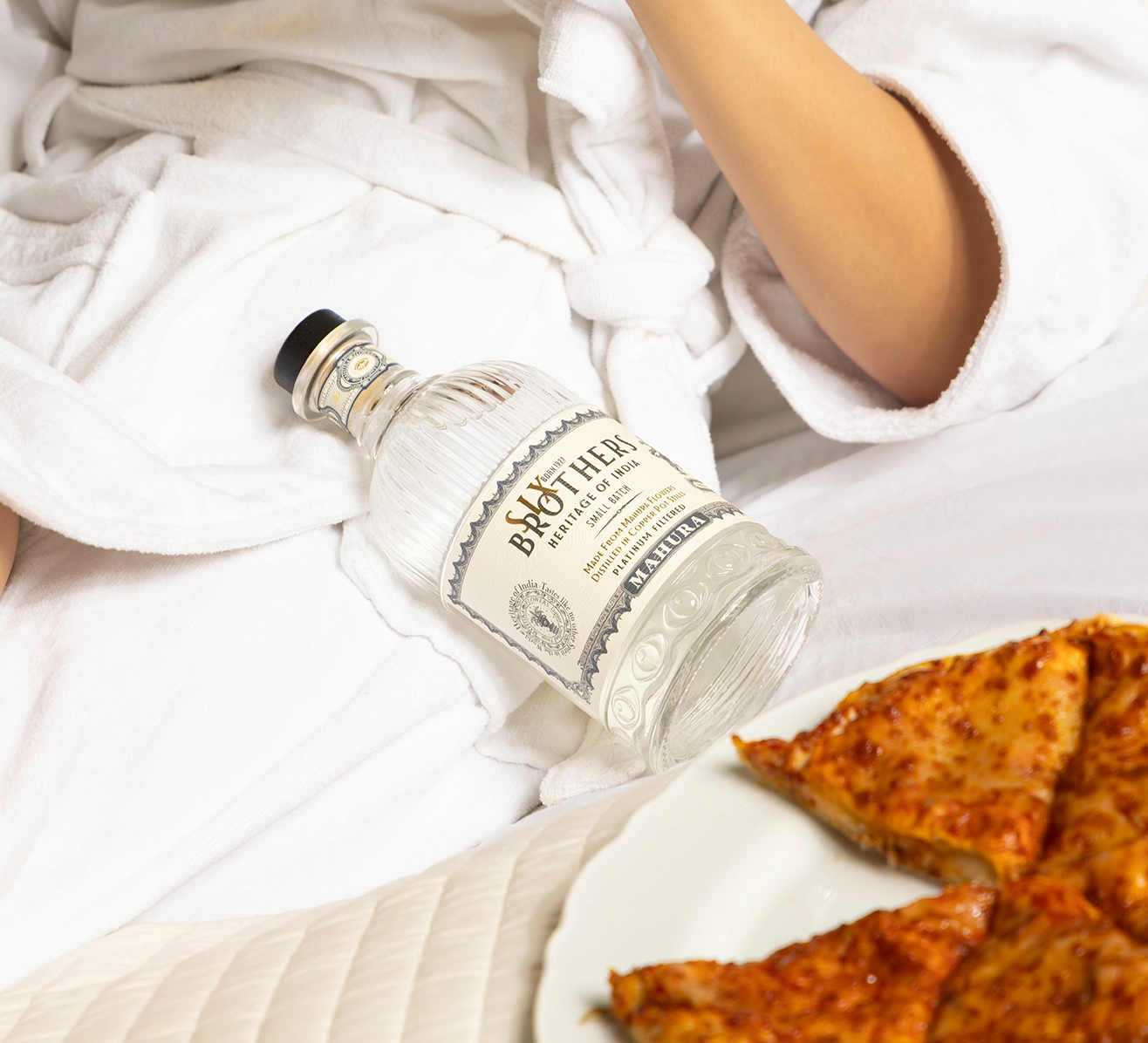
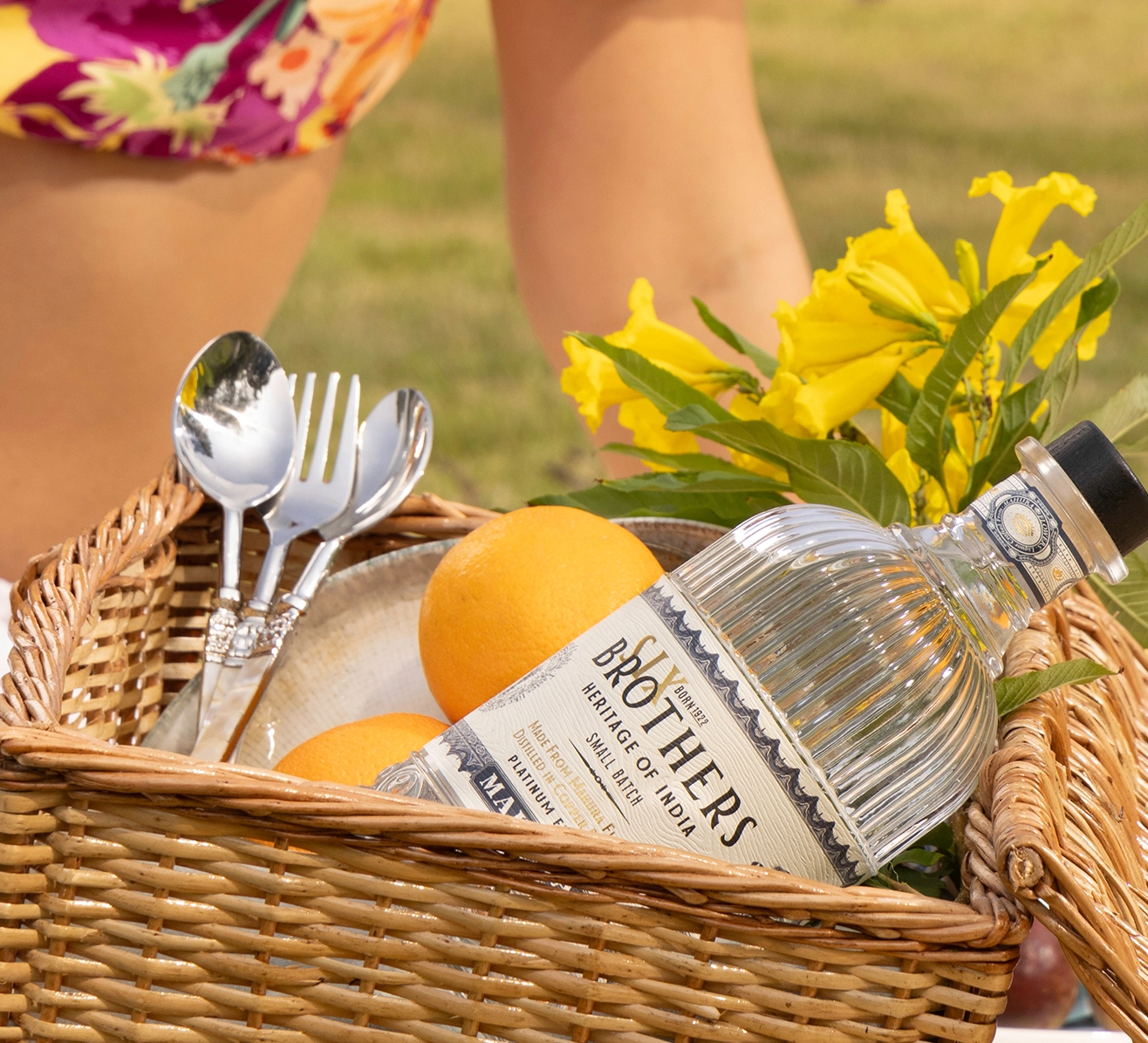
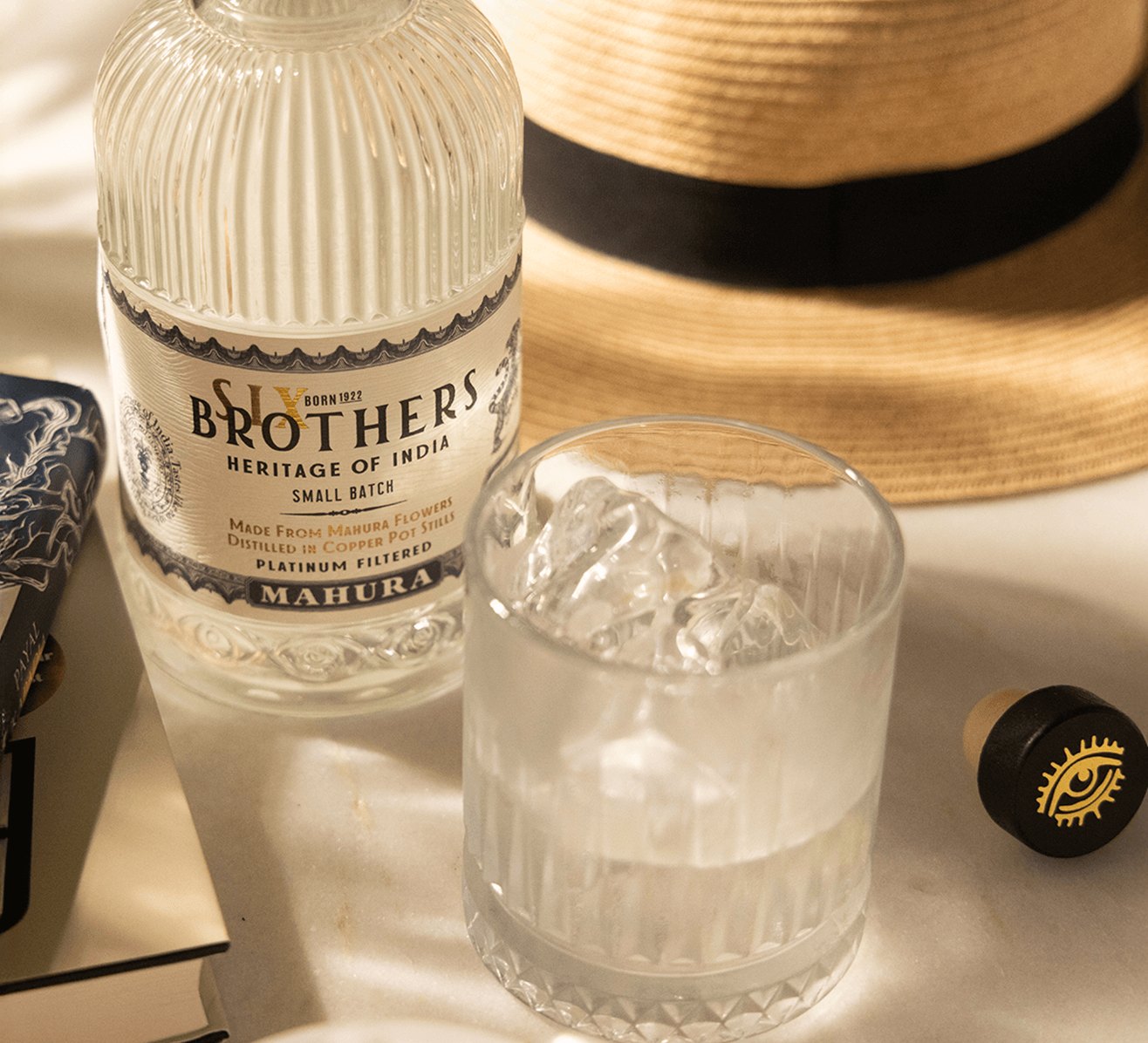
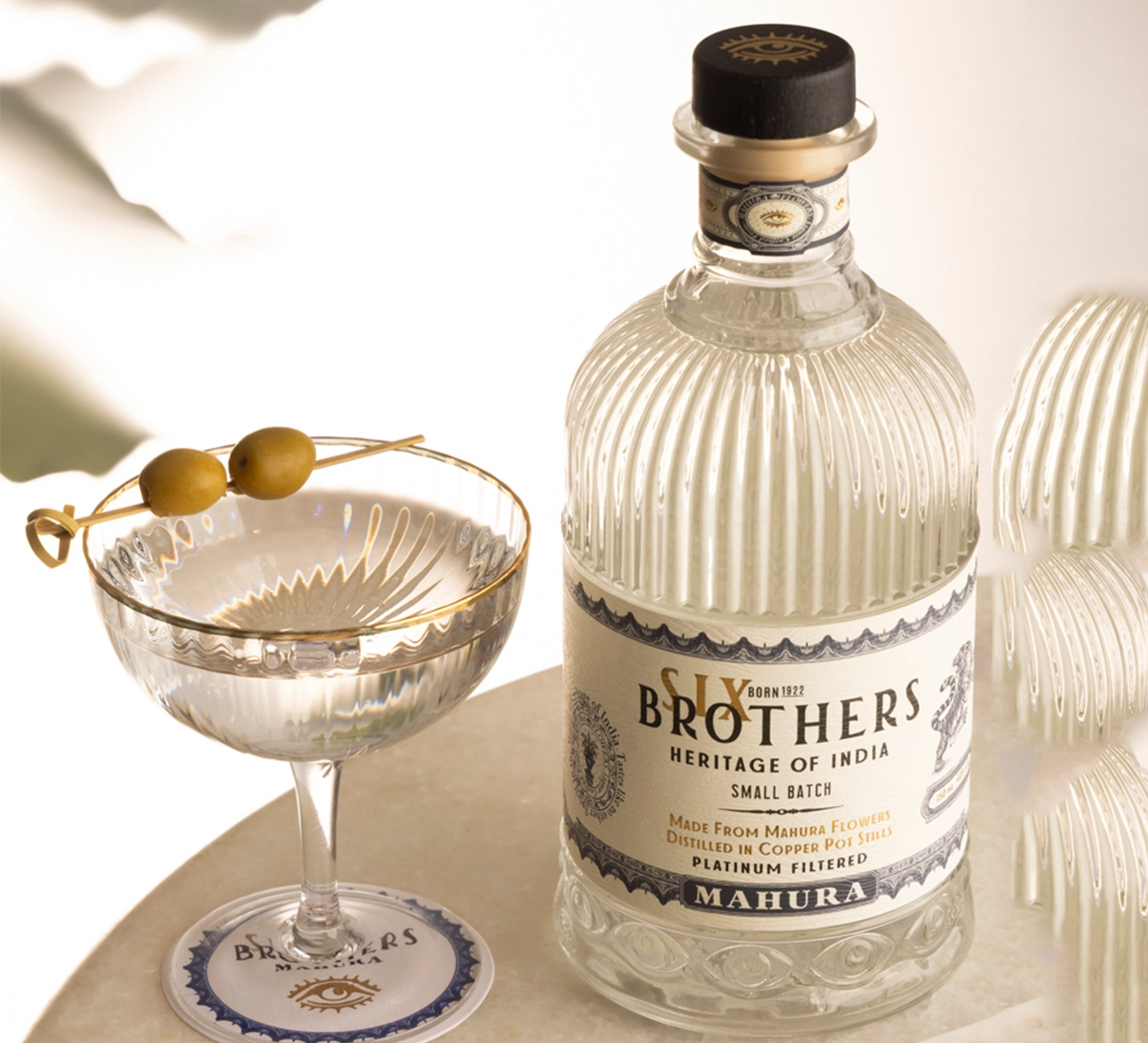
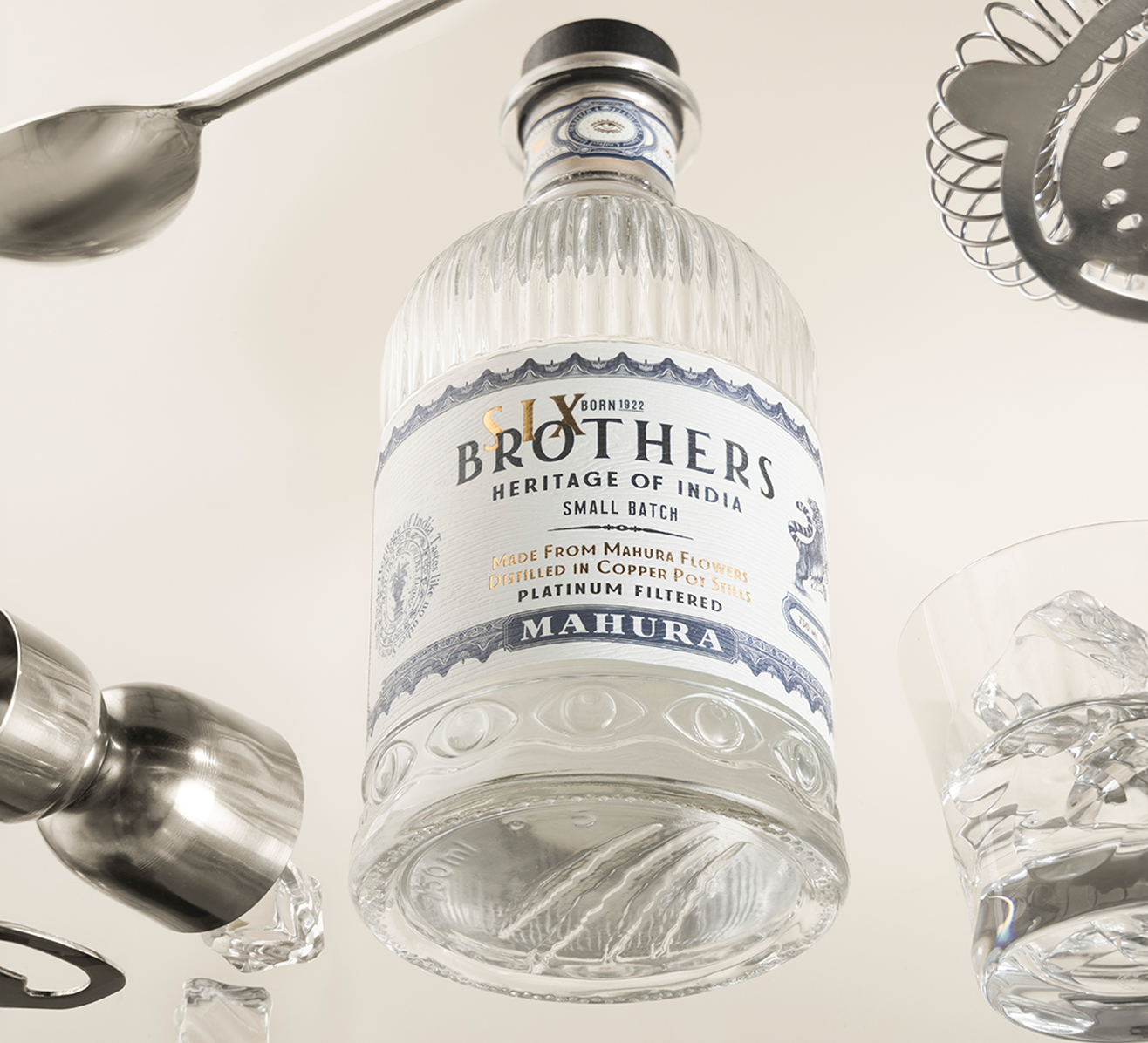
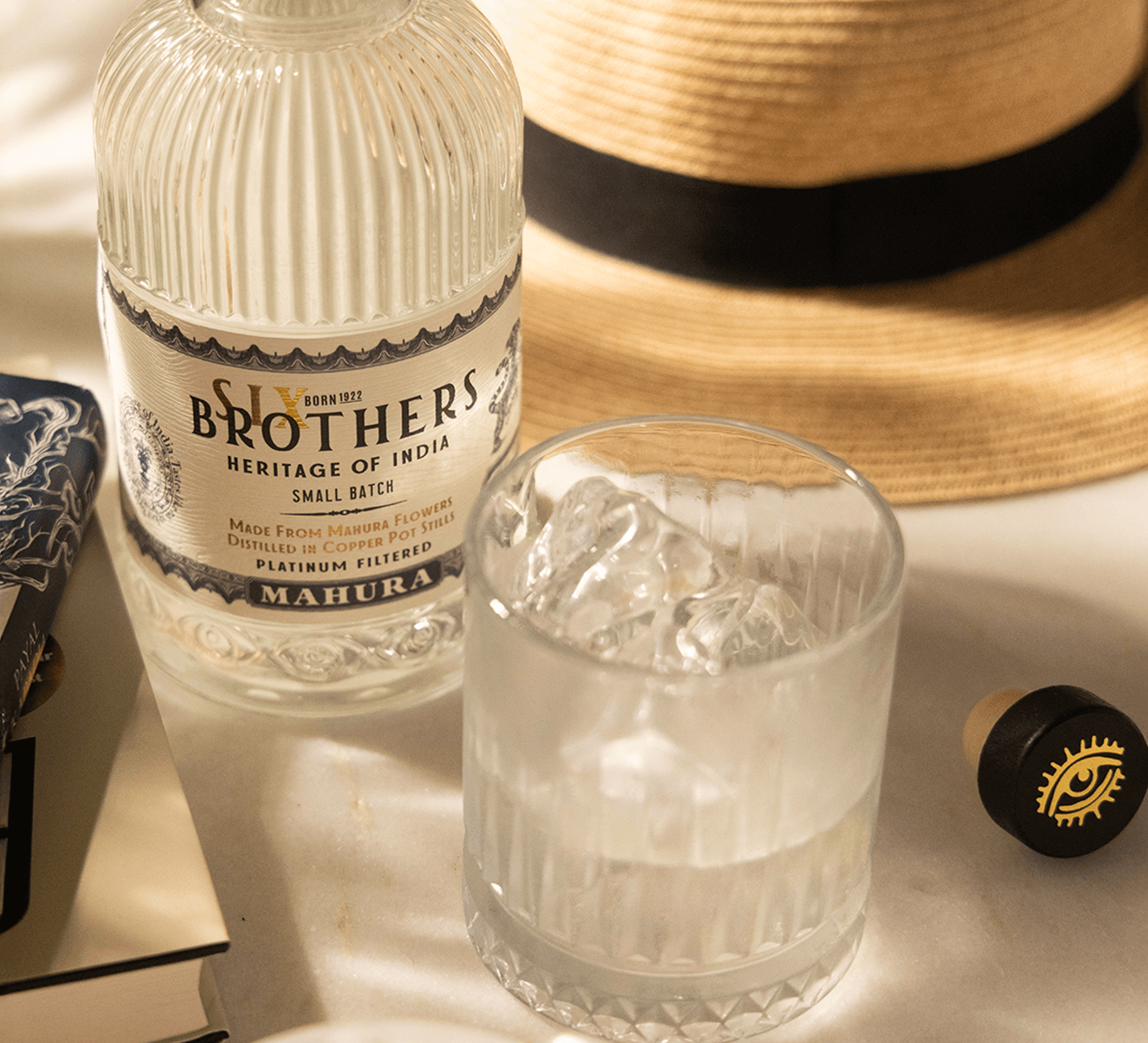
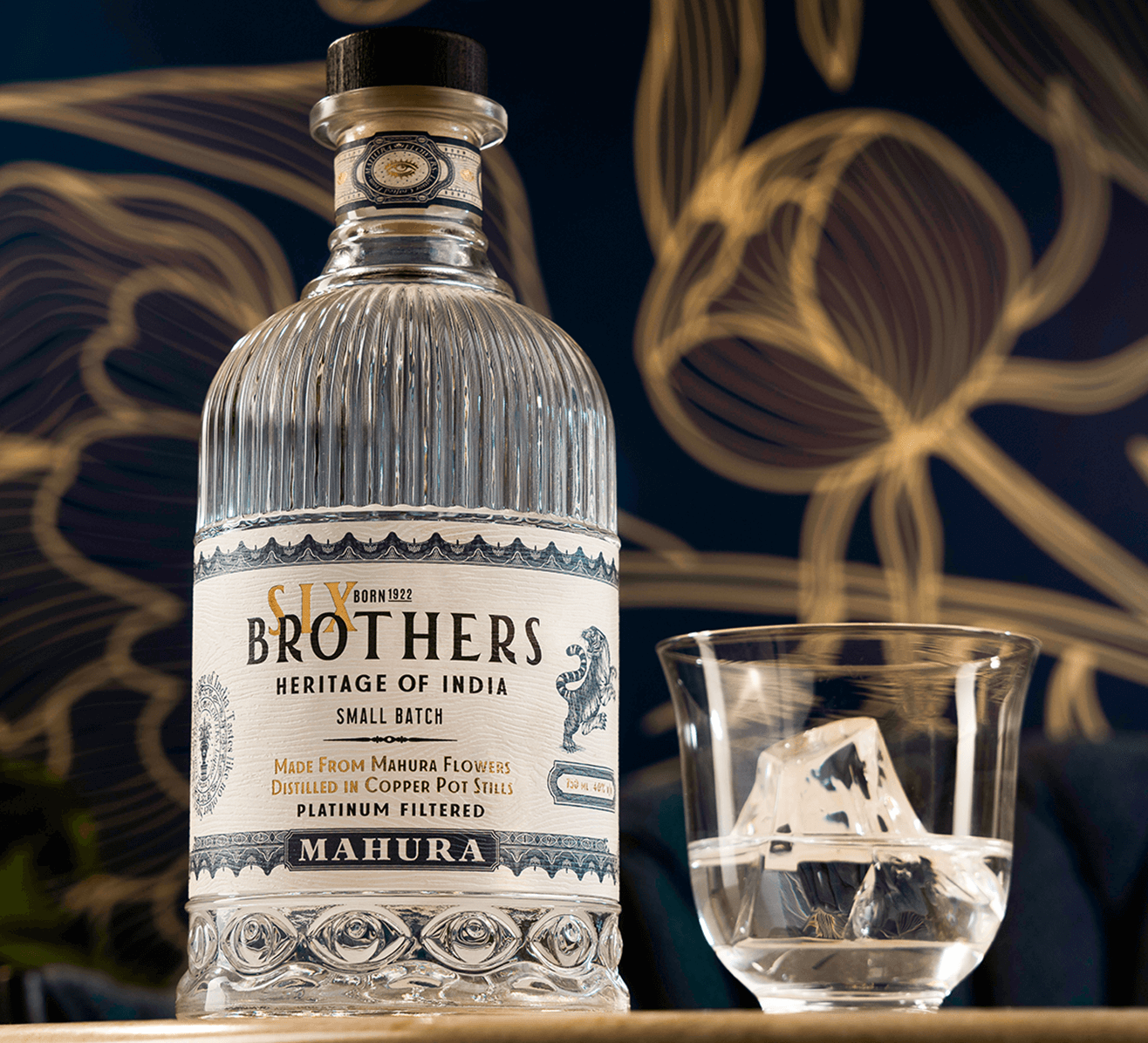
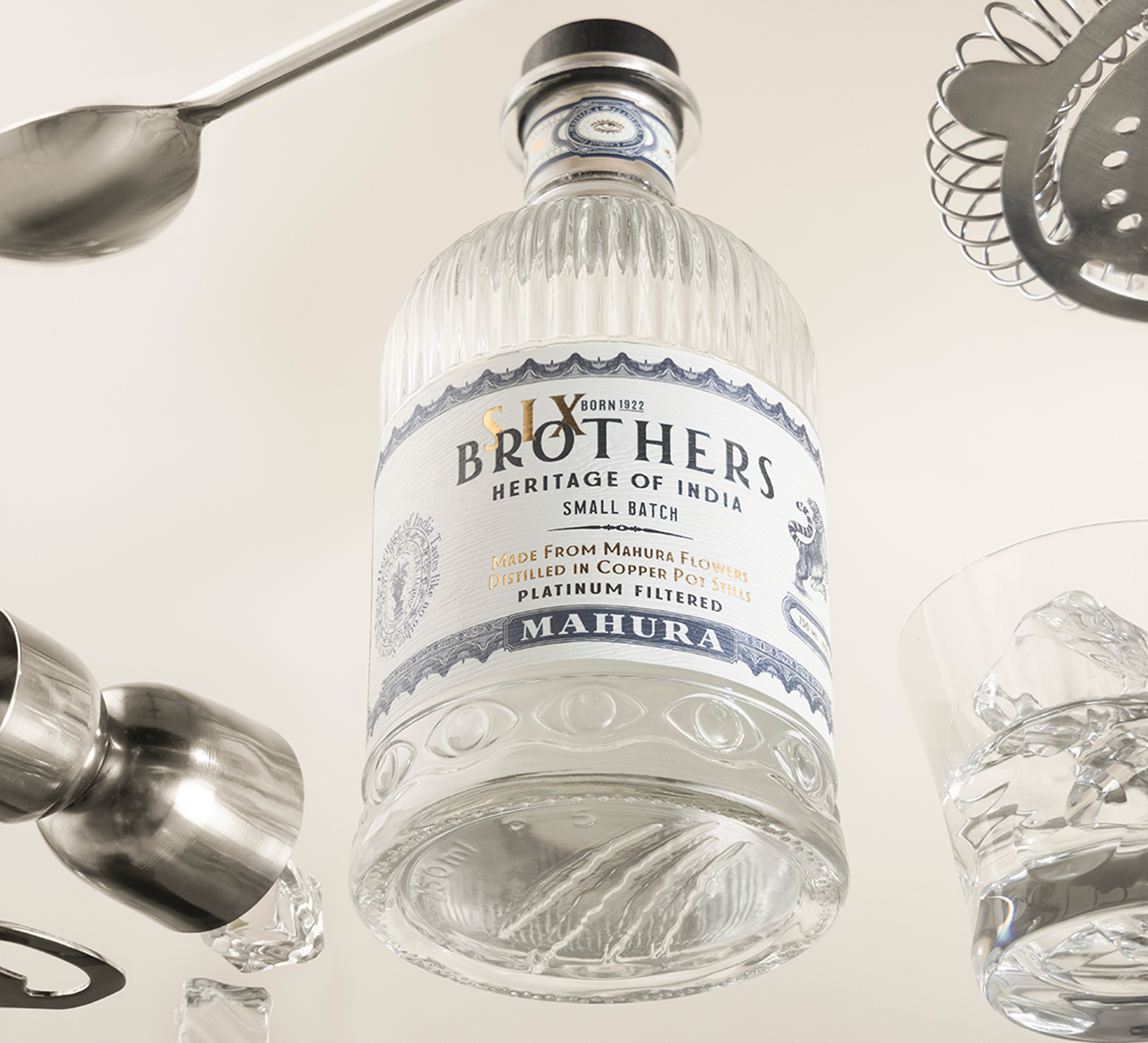
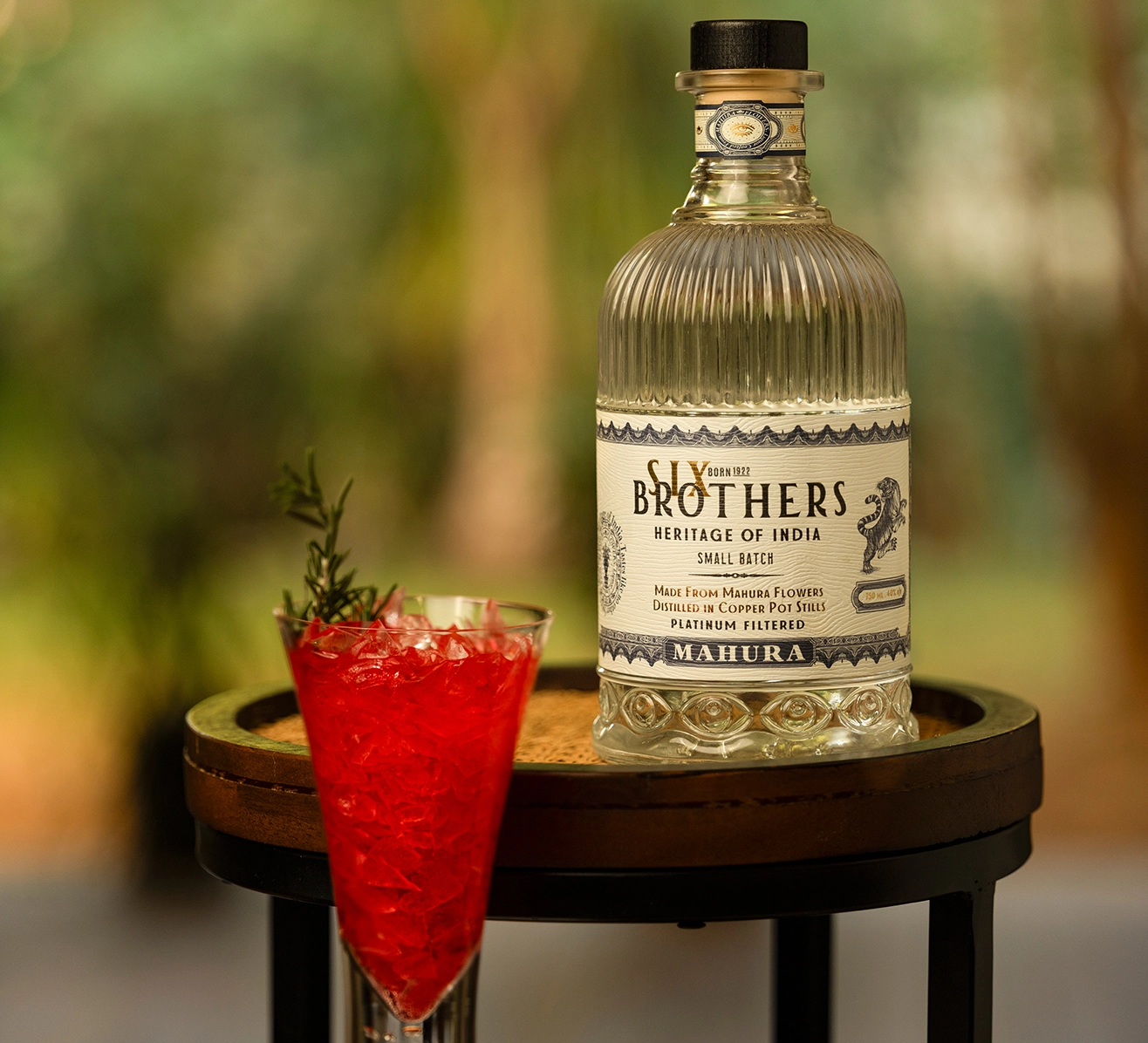
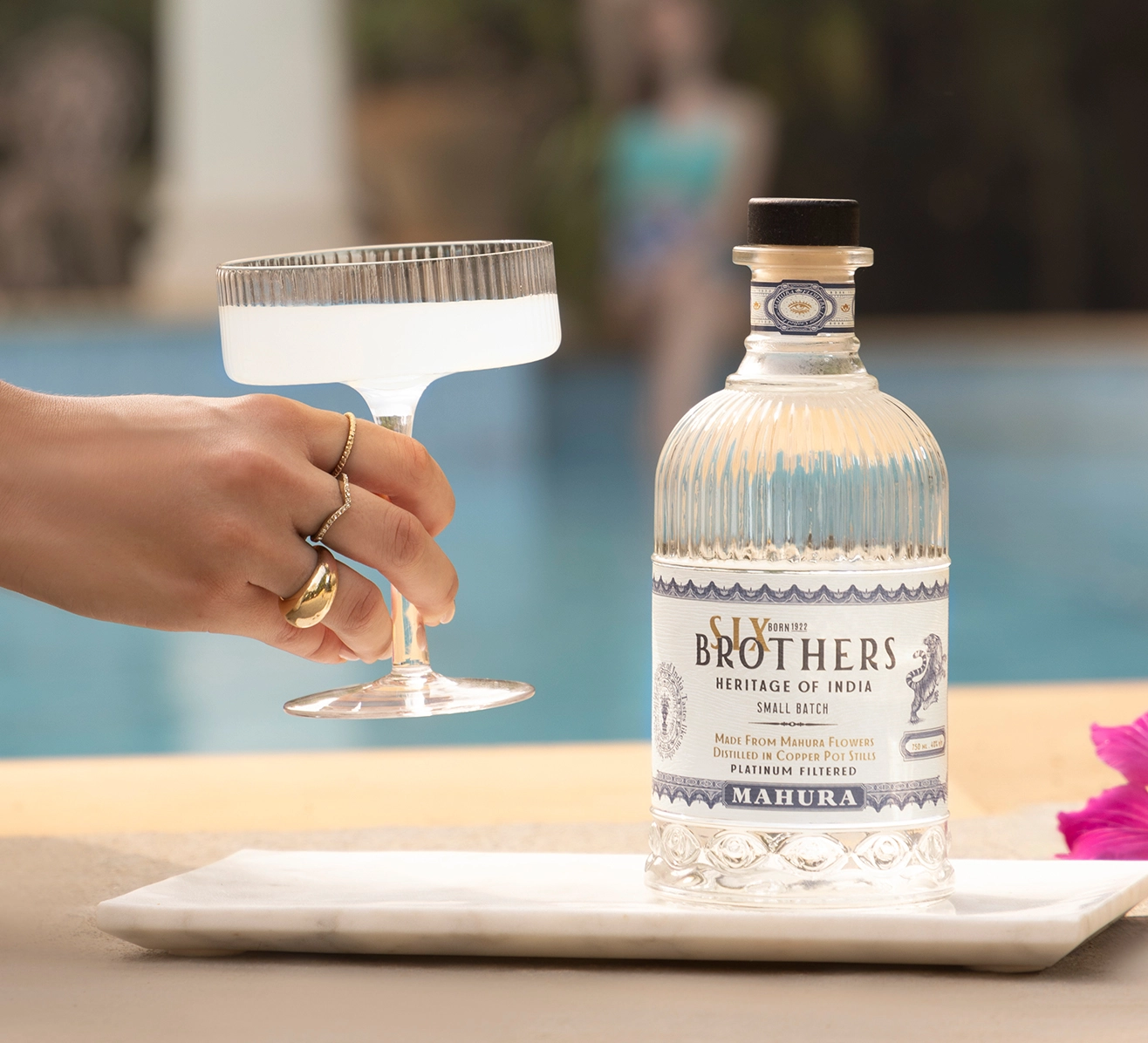
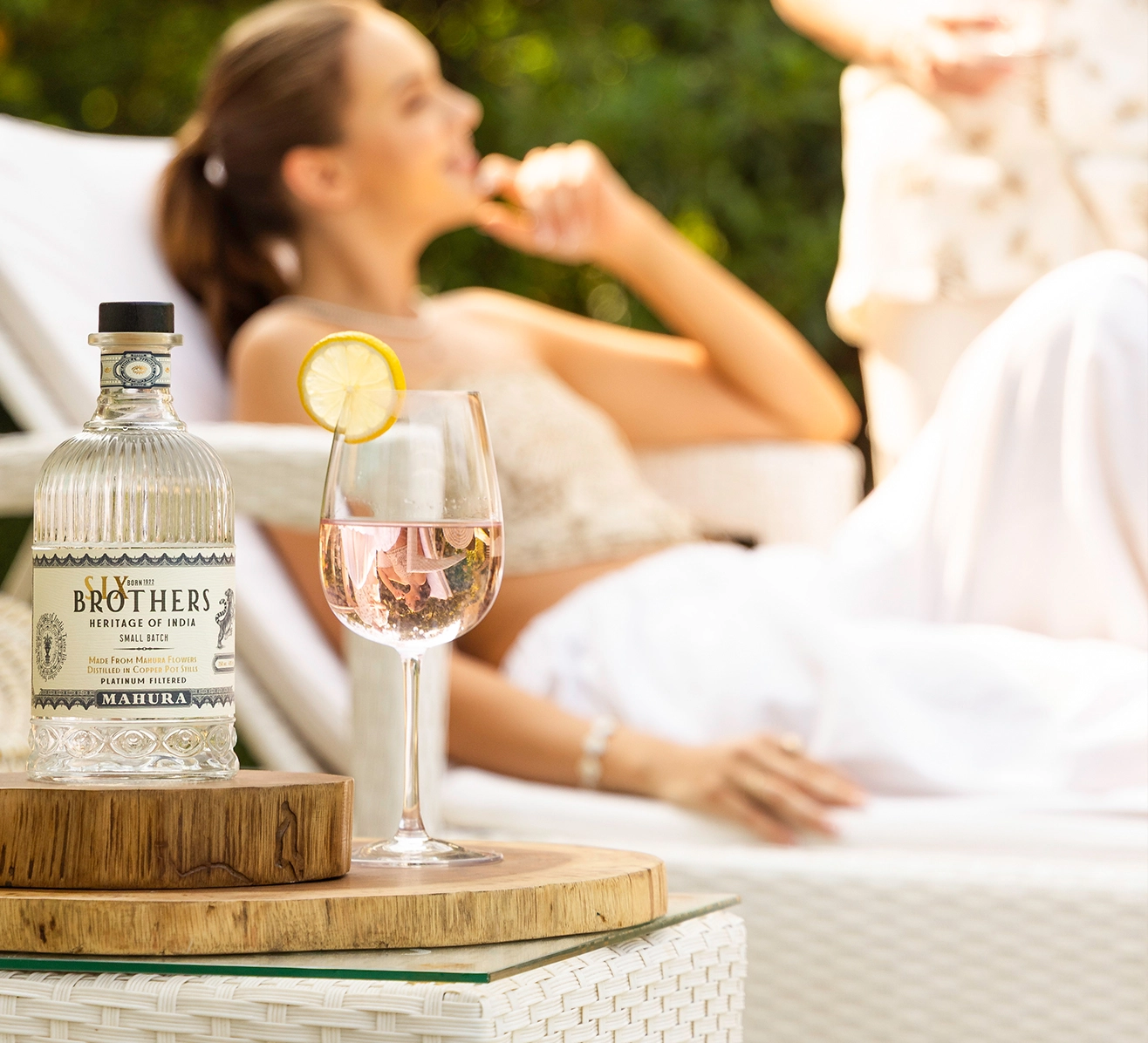
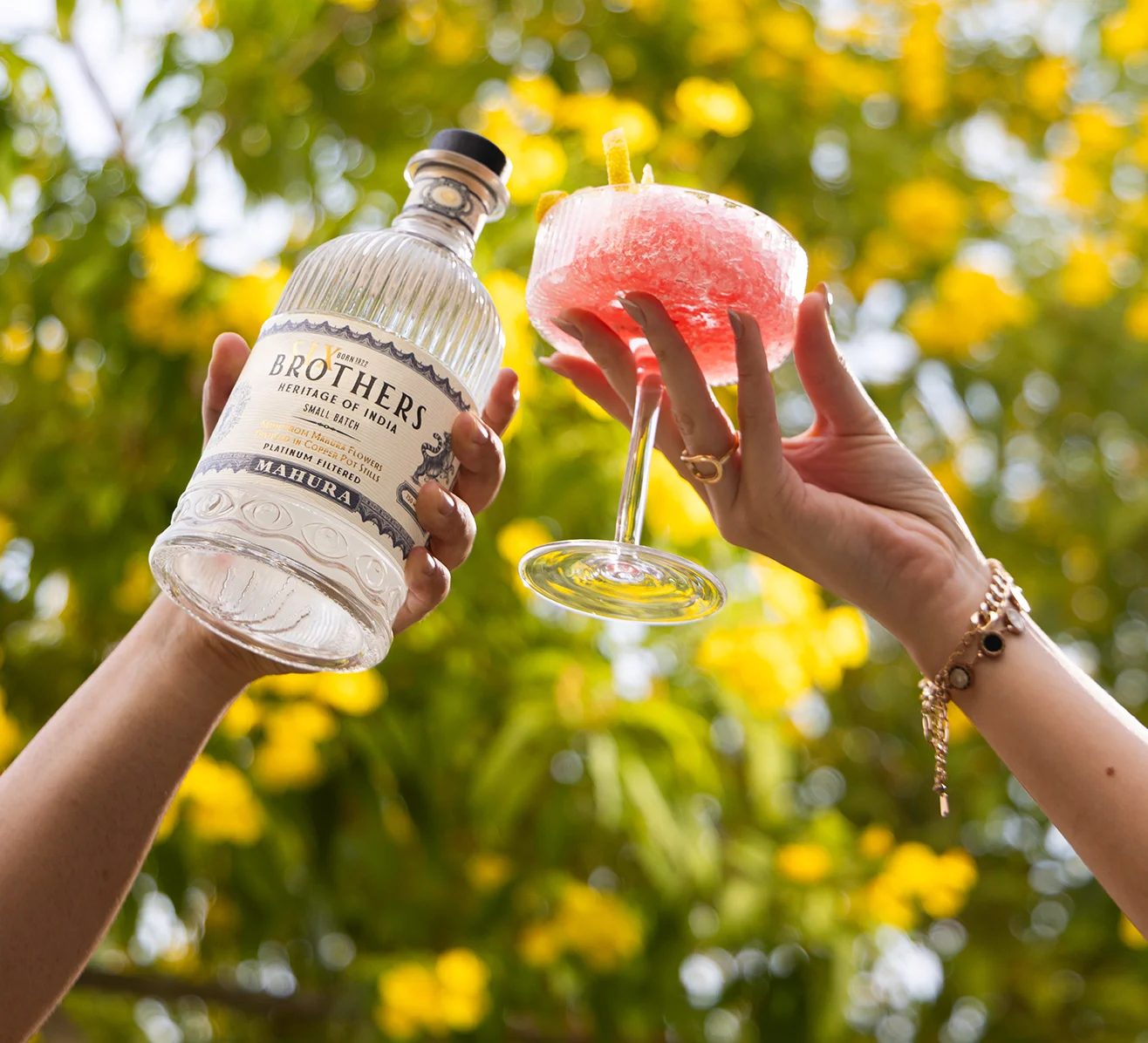
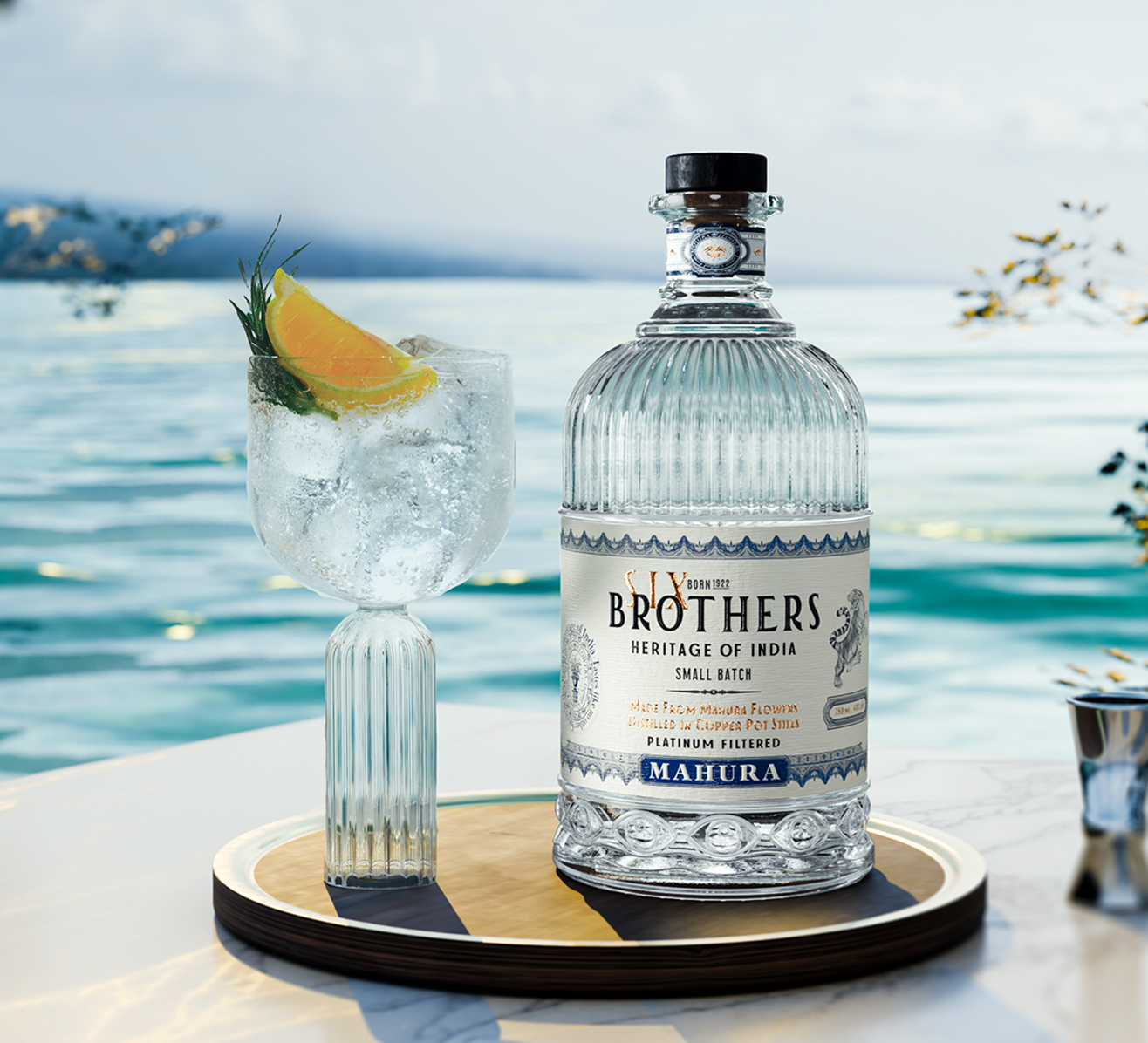
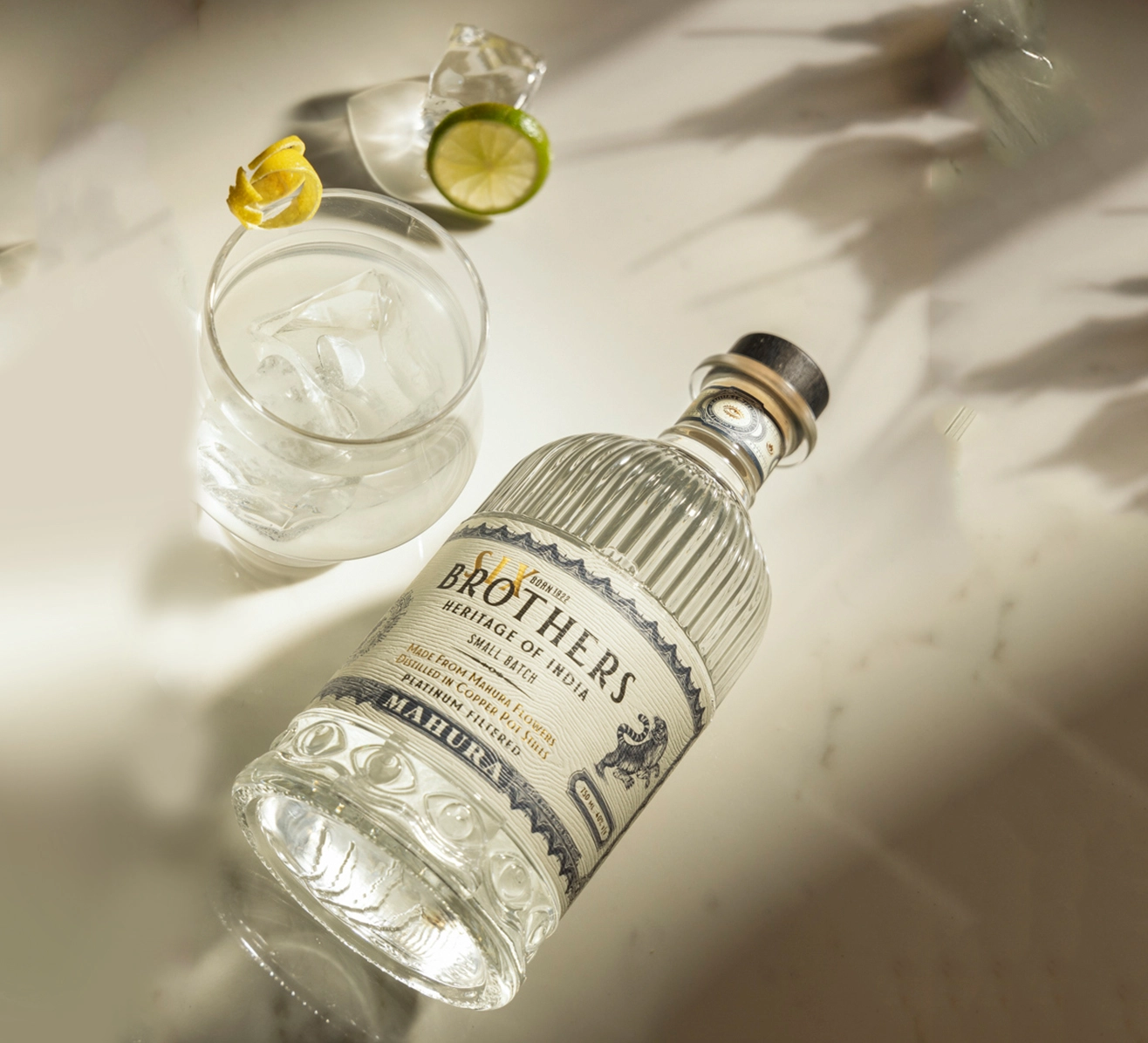
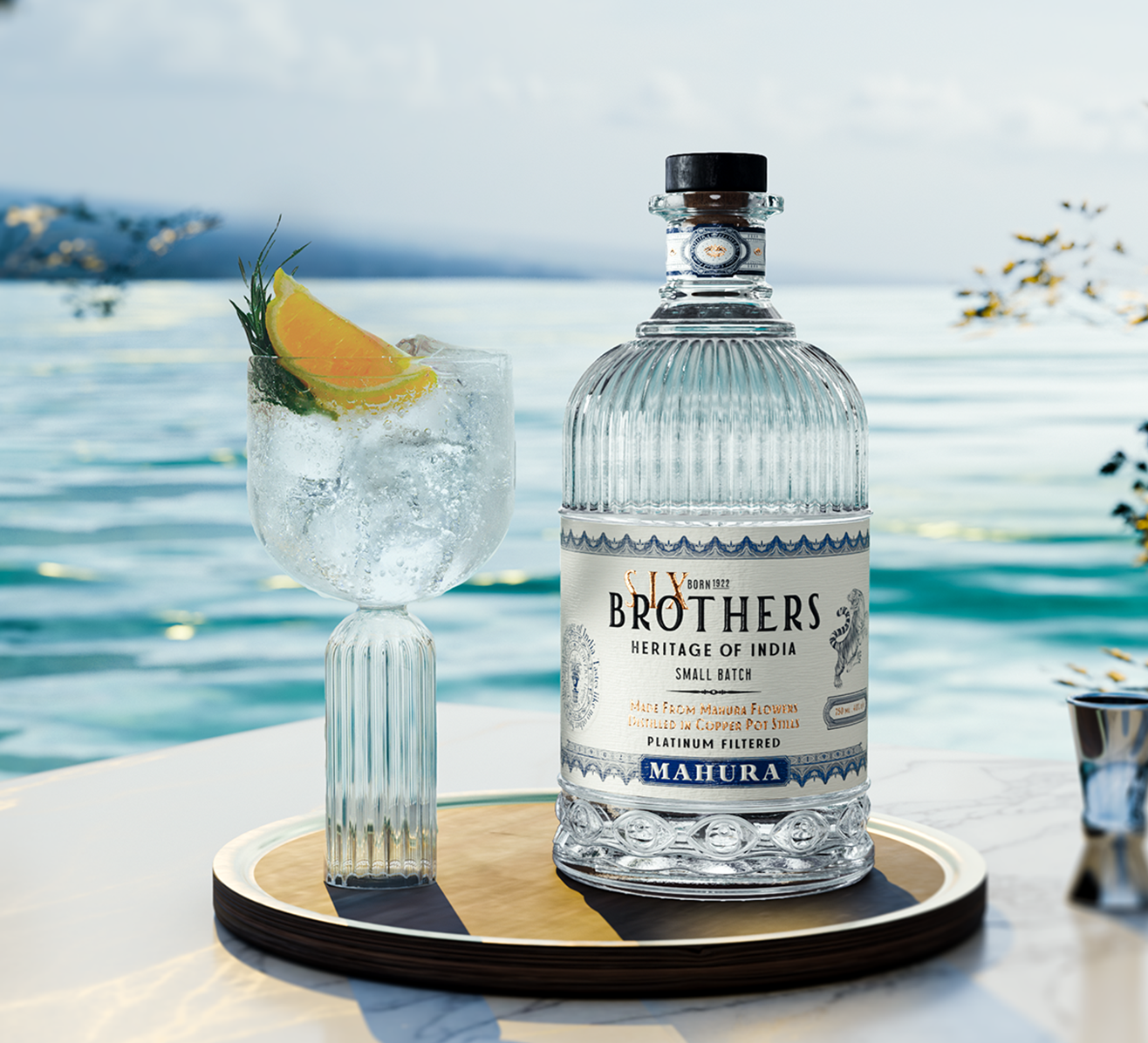
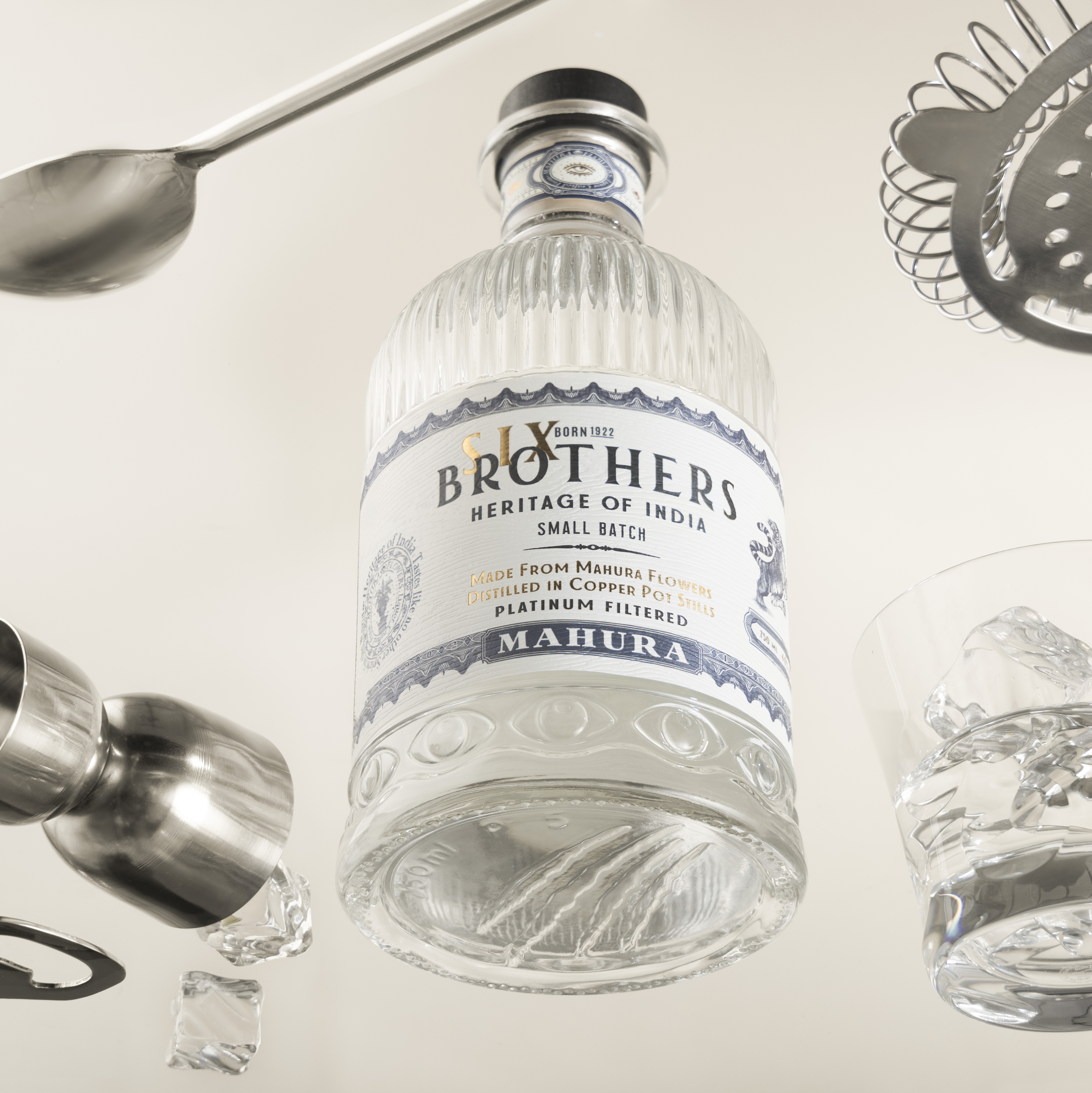
Six Brothers Mahura brings Mahua into a refined context while acknowledging:
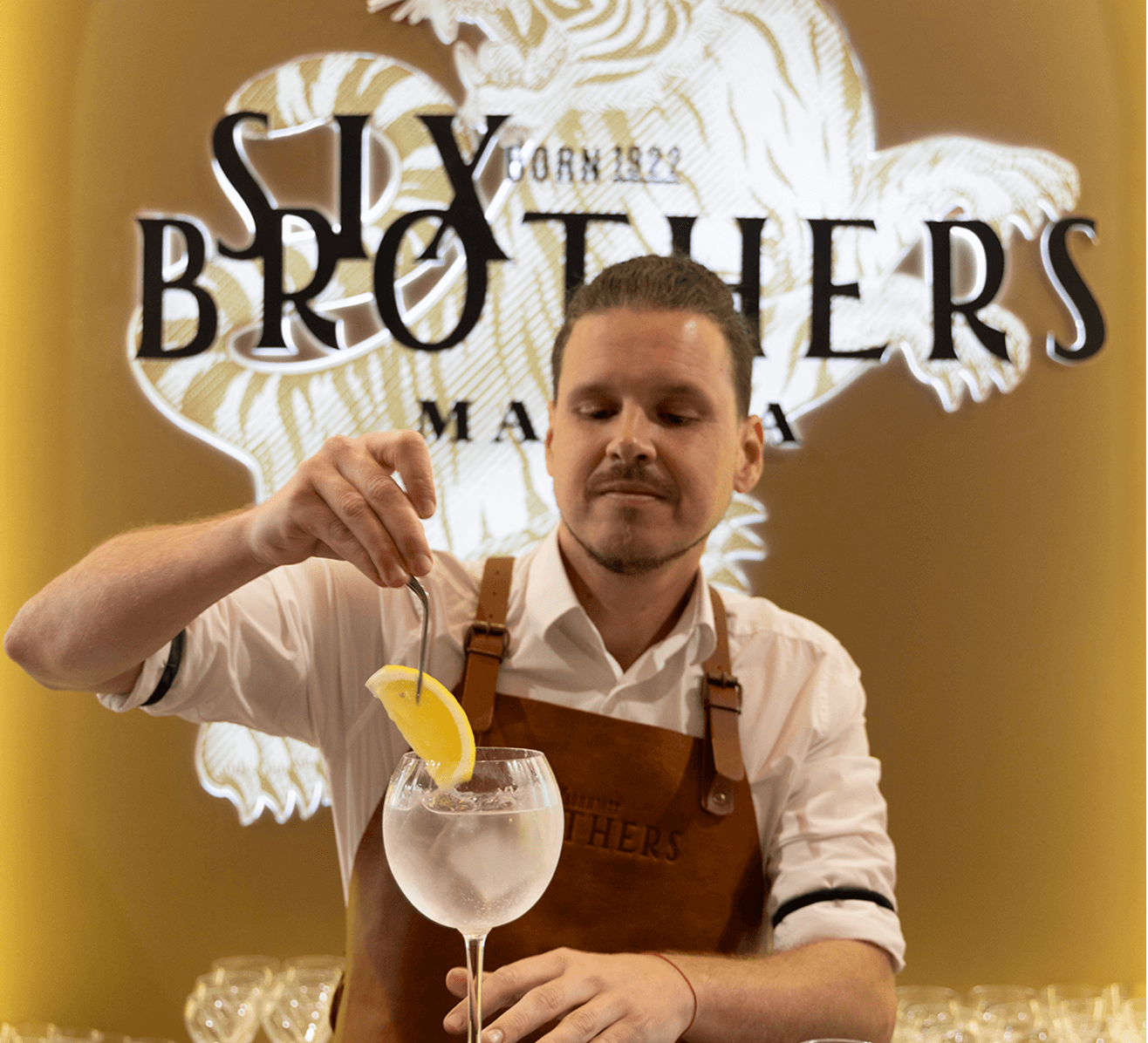
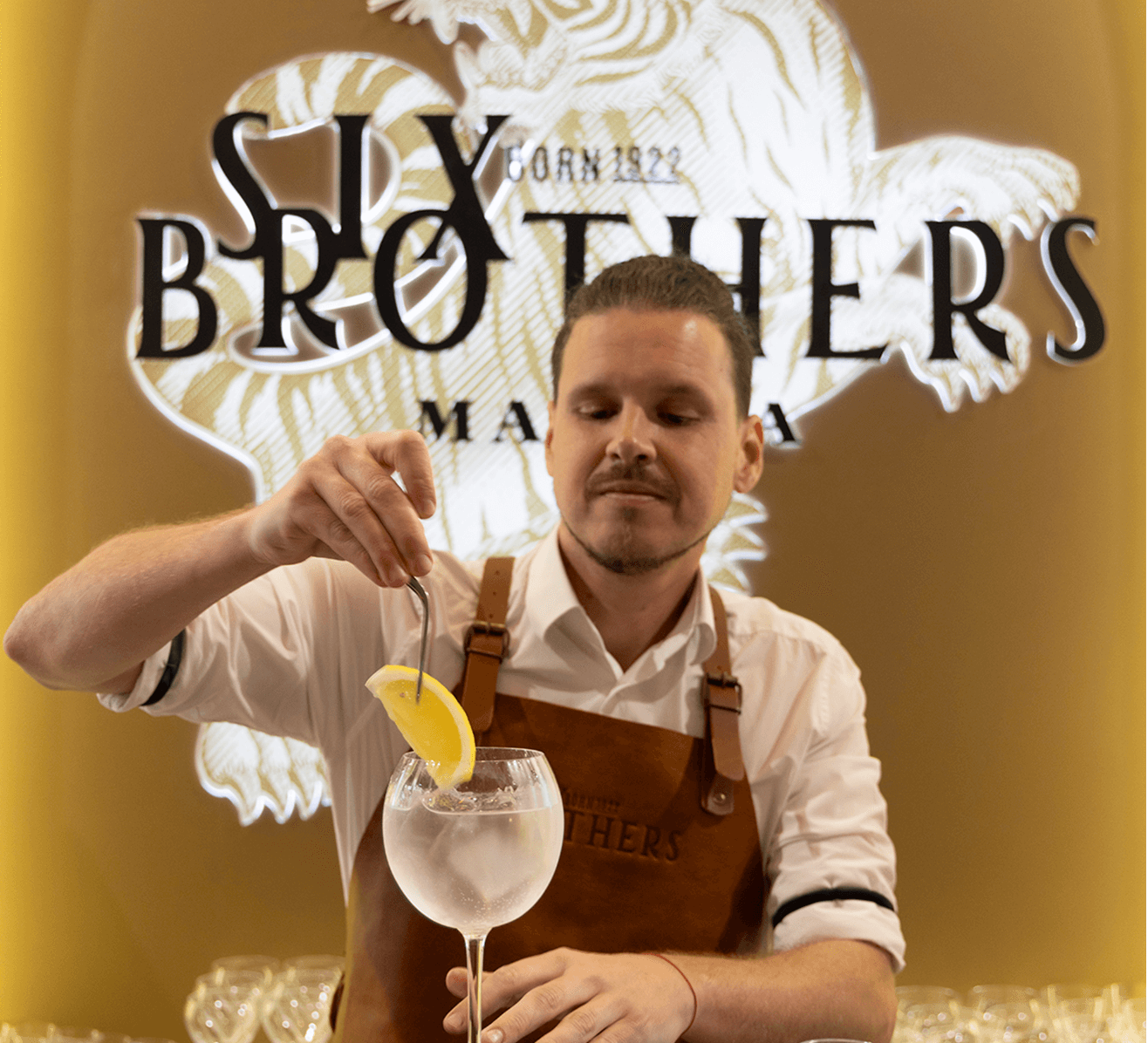
By presenting Mahua alcohol in a modern format, the brand helps:
Understanding the cultural side of Mahua spirit allows drinkers to:
True premium today includes:

And Mahuva or Mahuva offers all three through its connection to Madhuca longifolia.
Engaging with Mahua alcohol means:
As India’s oldest spirit, Mahua continues to evolve—while still carrying the sounds and stories of its past.
The story of Mahua is not silent—it is filled with rhythm.
From the rustle of the Mahua flower falling from Madhuca longifolia to the songs sung during its harvest, every step is accompanied by sound and meaning. This is what makes Mahua spirit more than just a drink—it is an experience shaped by culture.
As India’s oldest spirit, Mahua alcohol reminds us that some traditions are not just preserved—they are performed, shared, and lived.